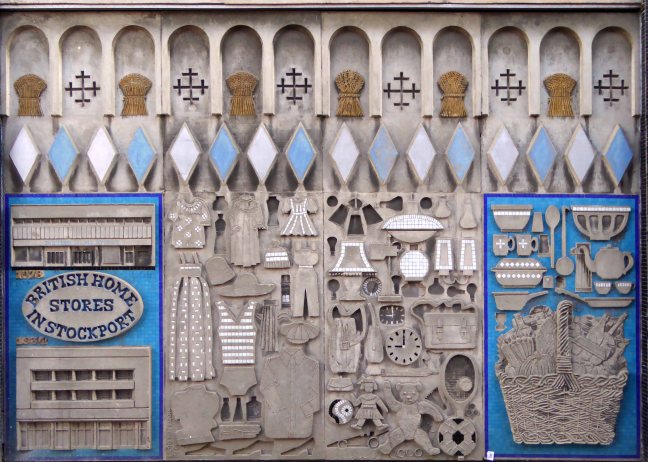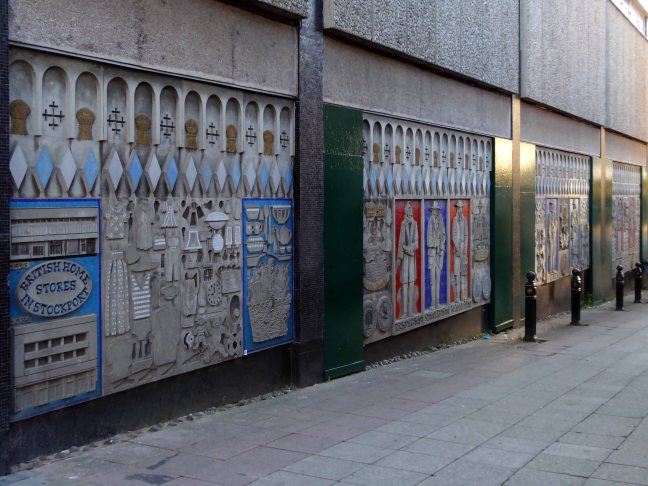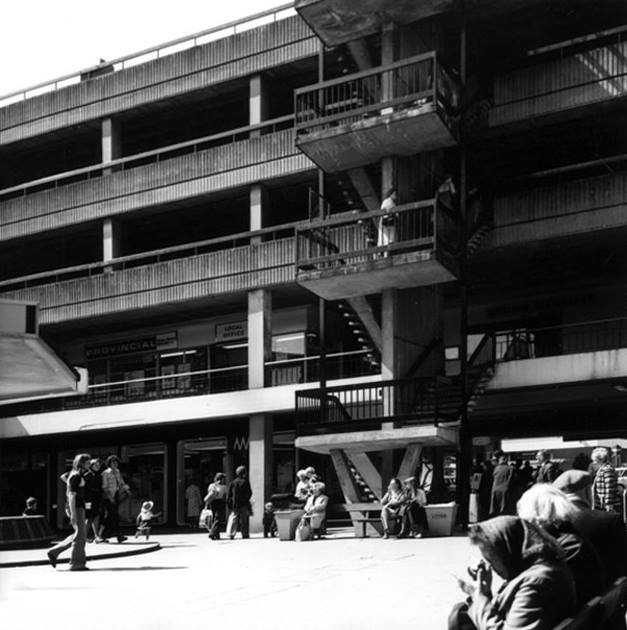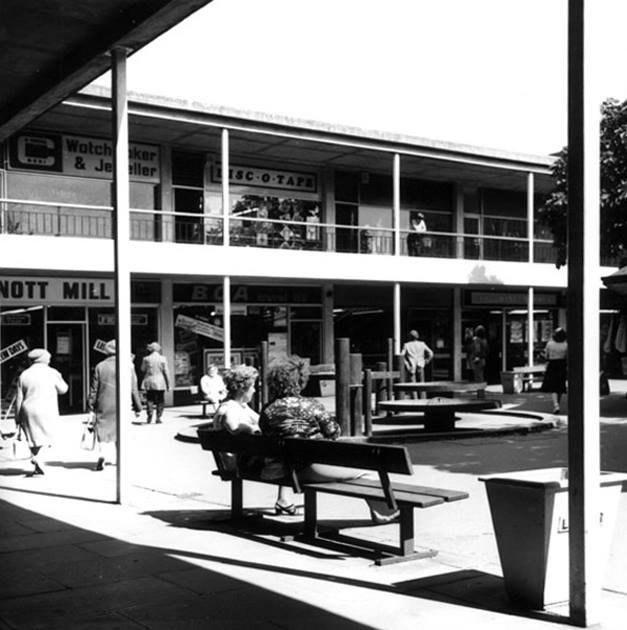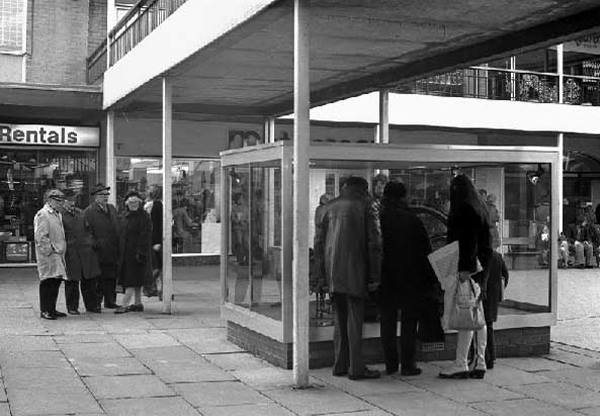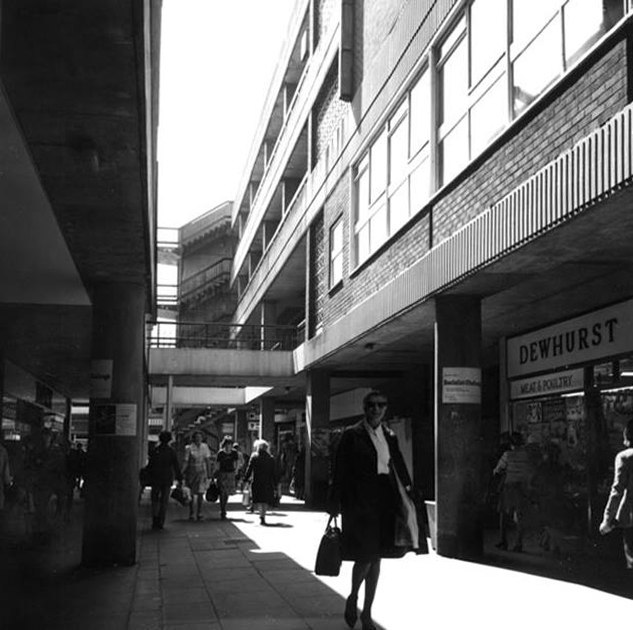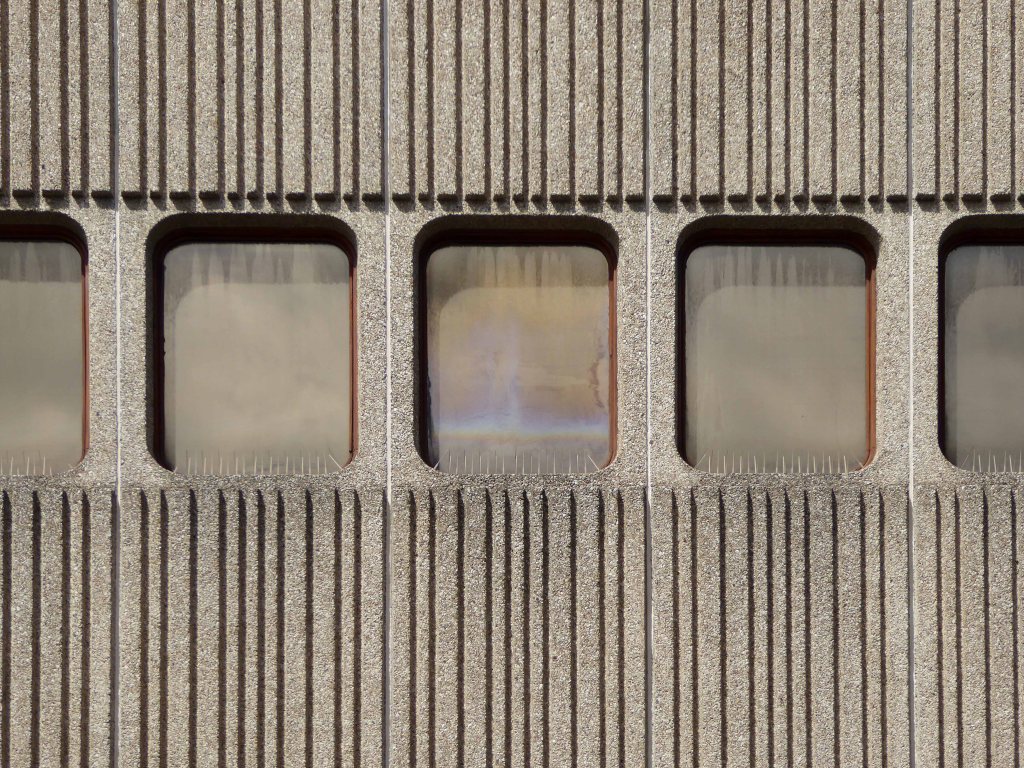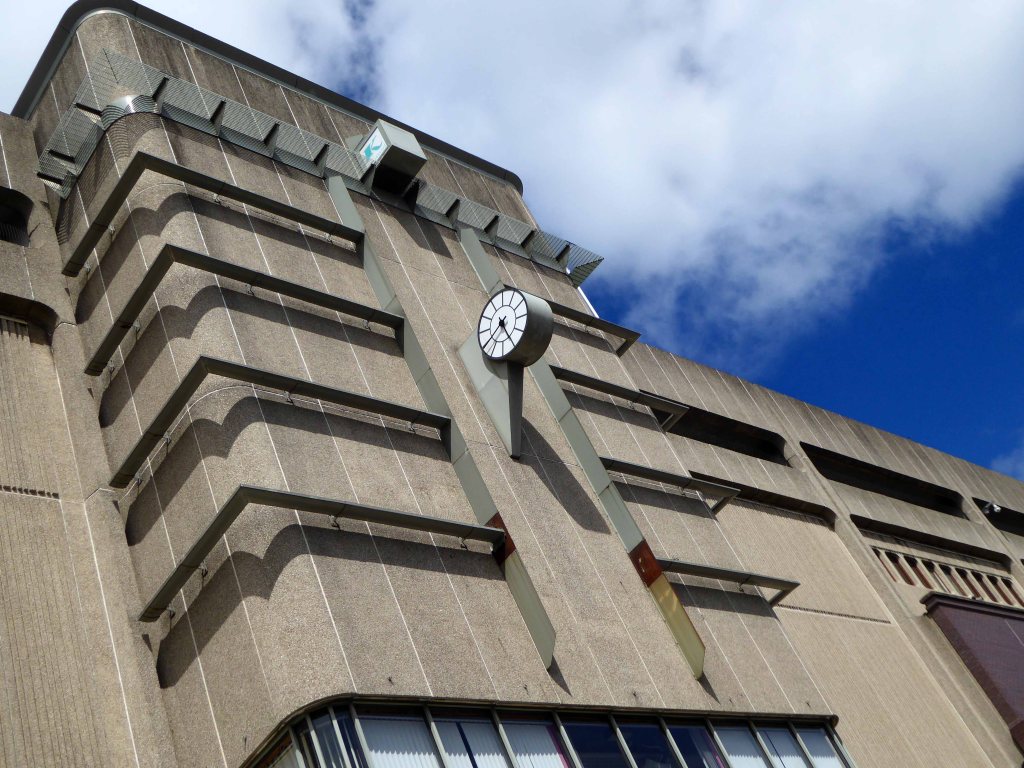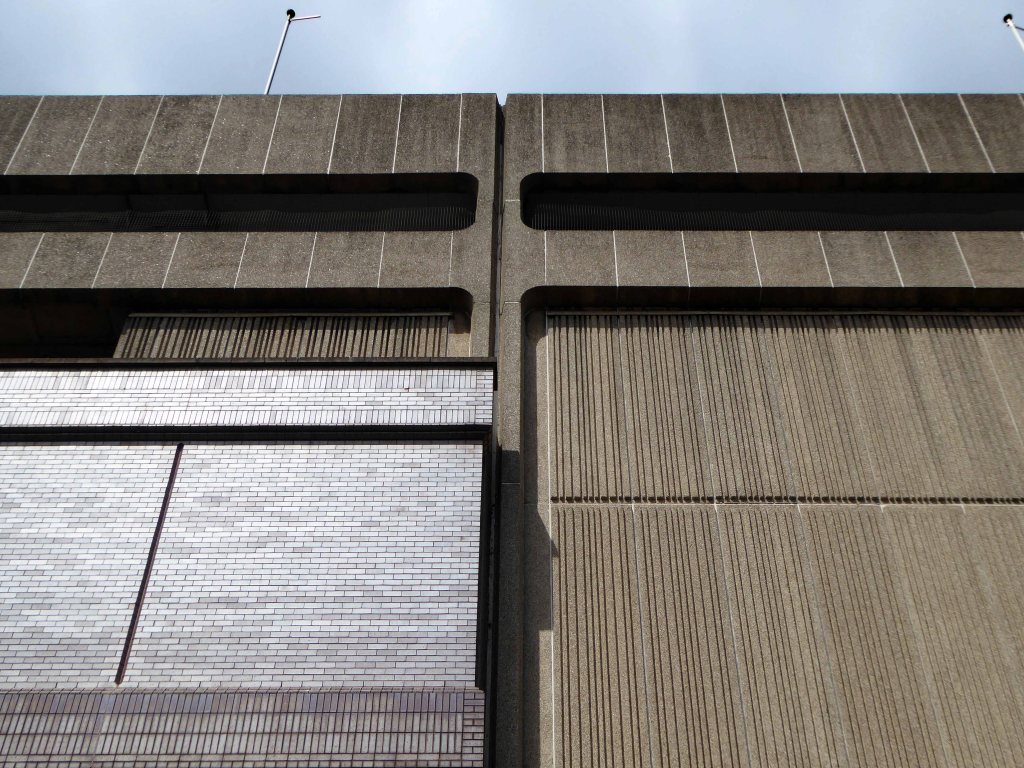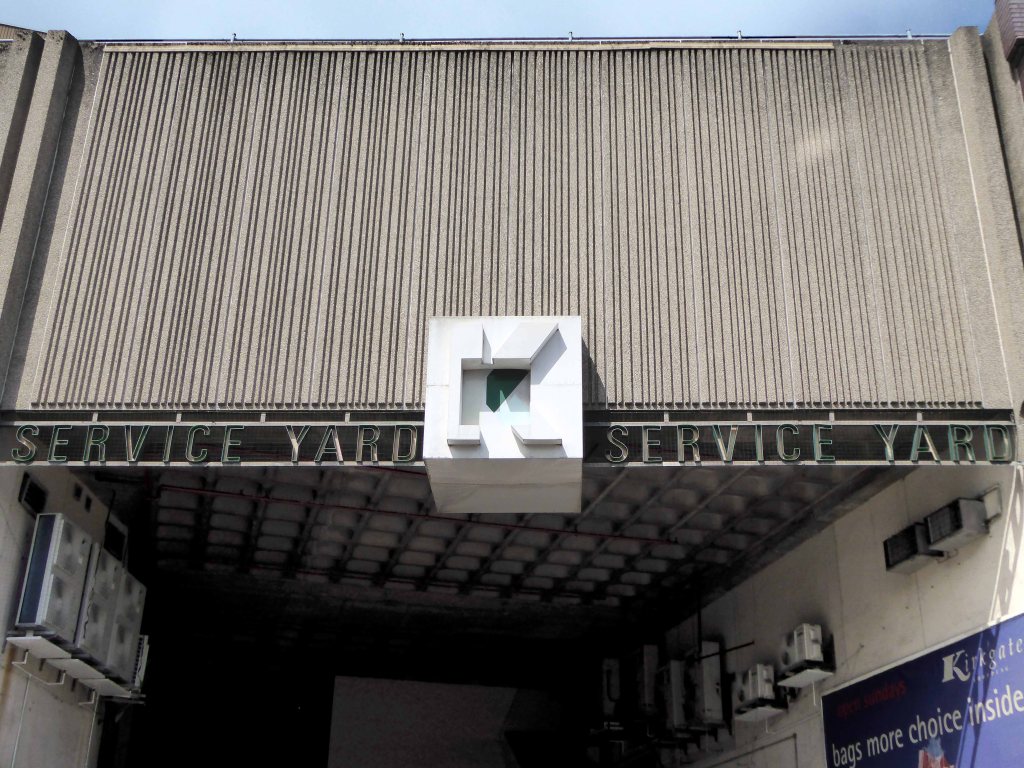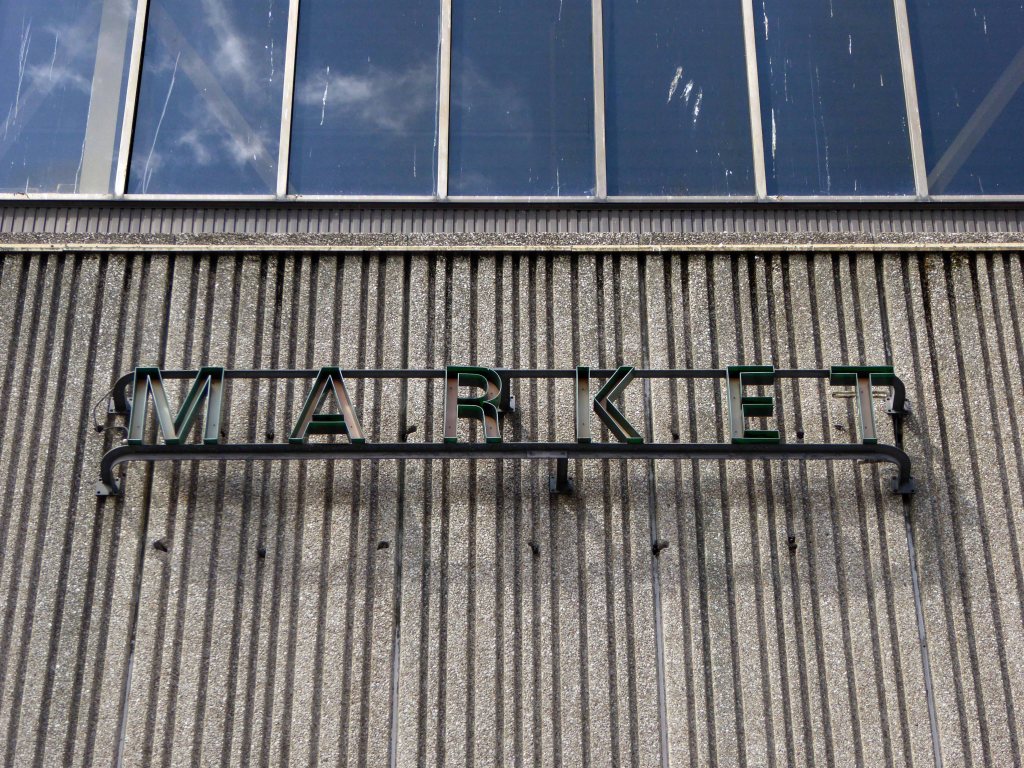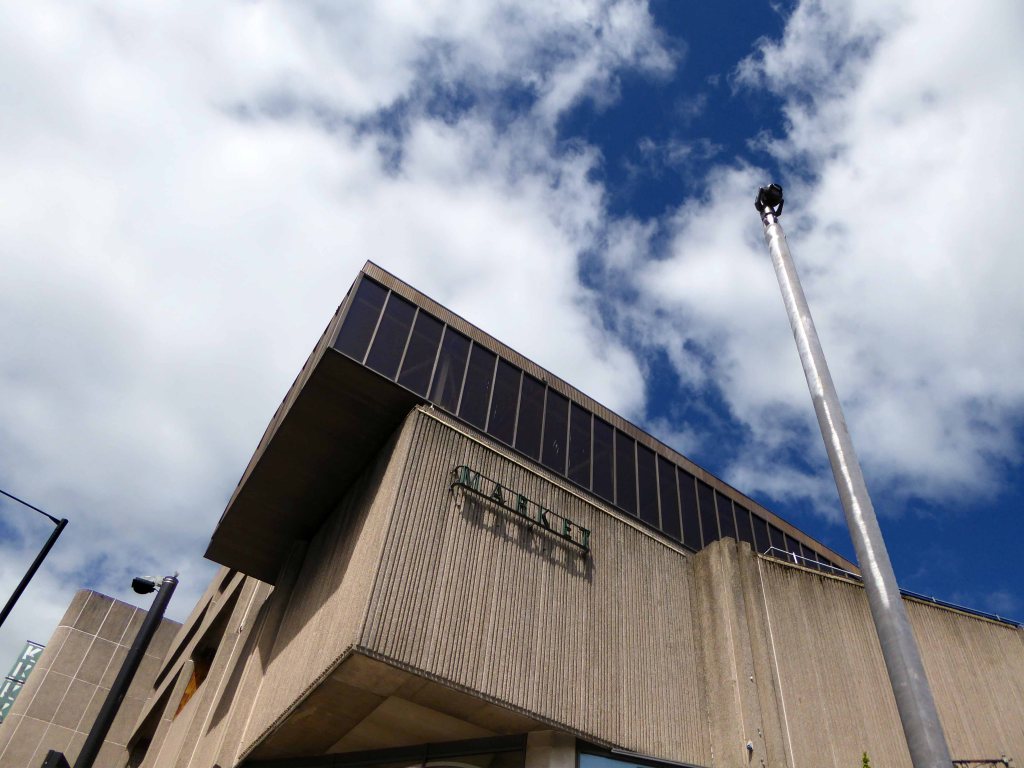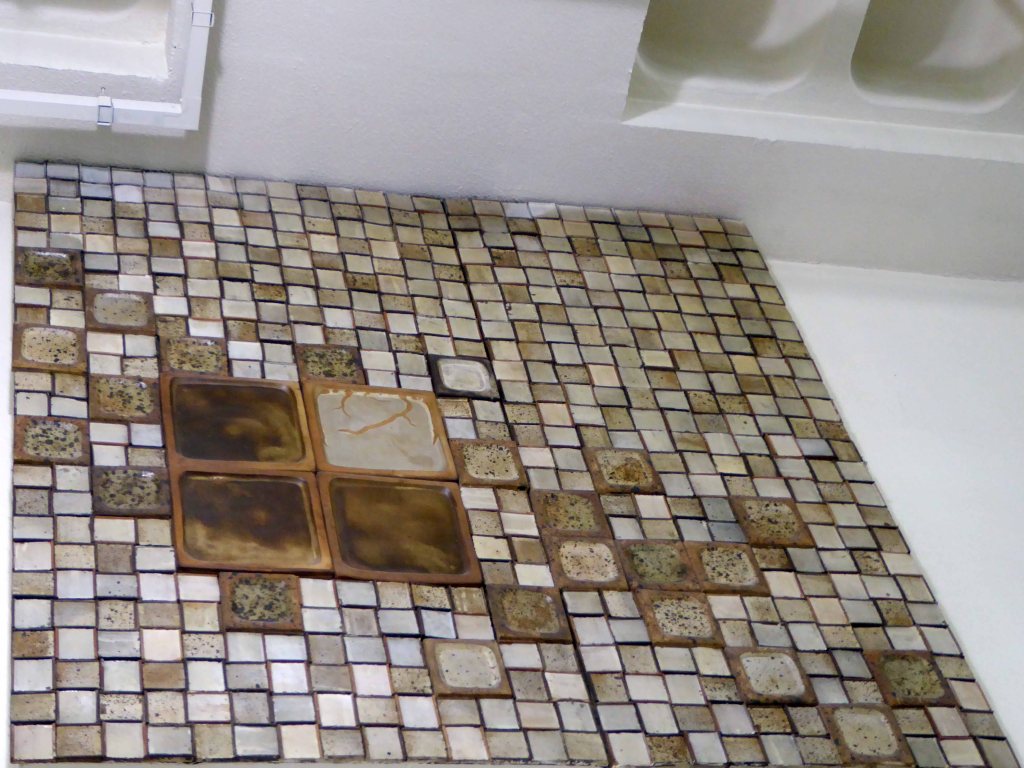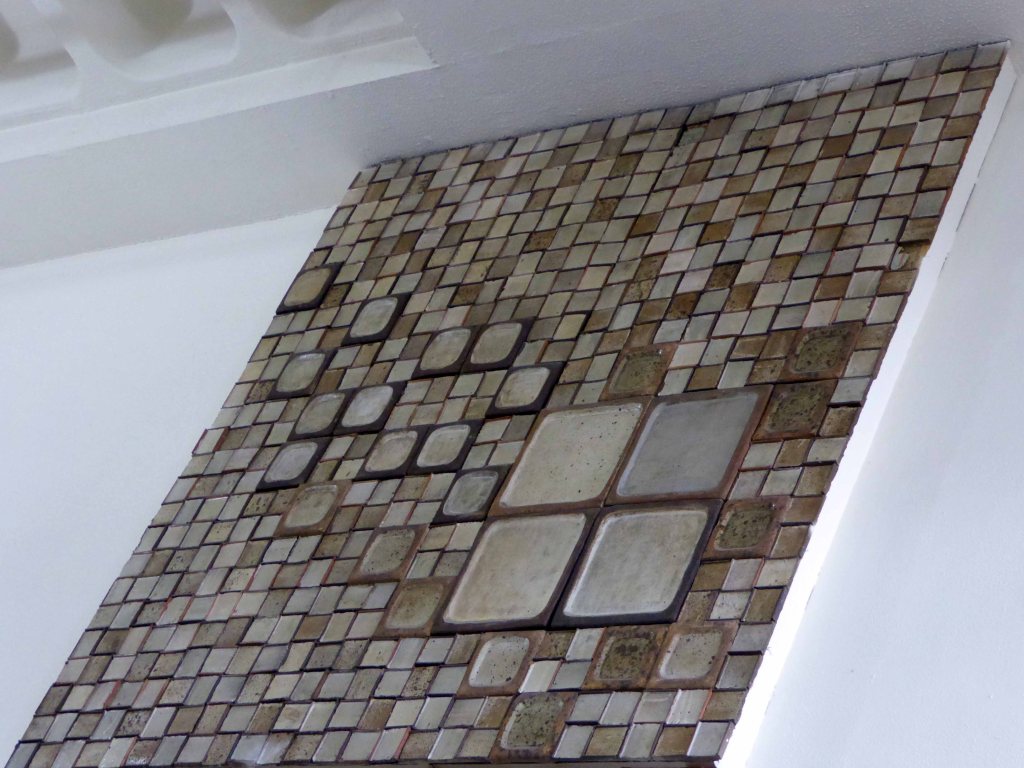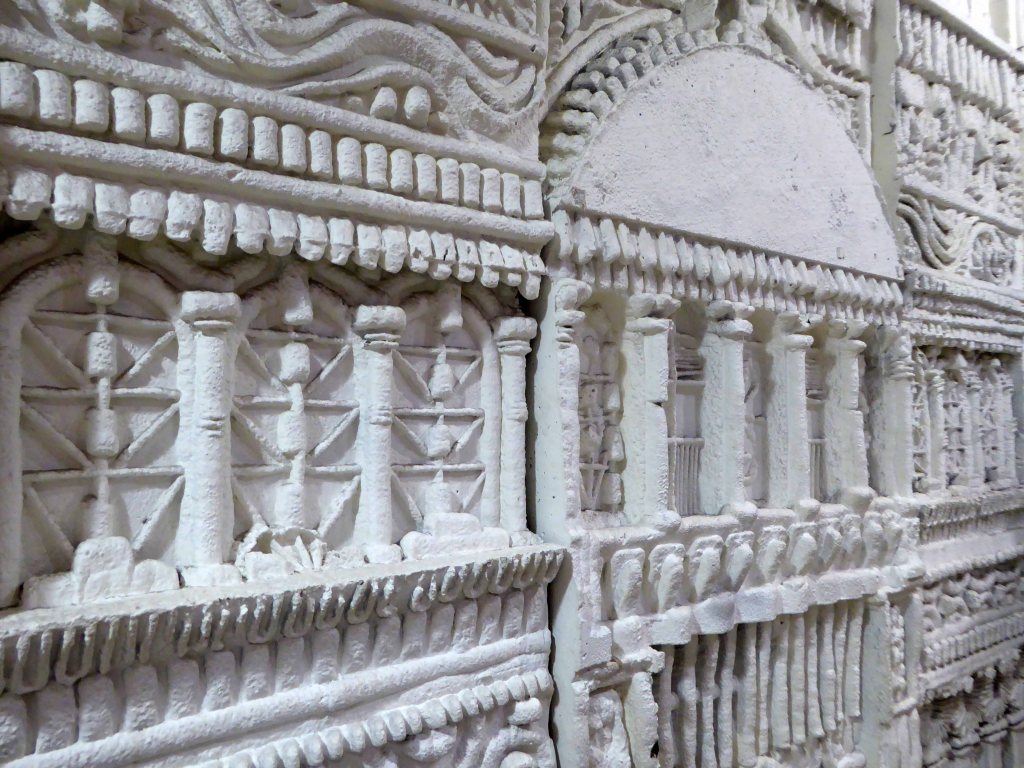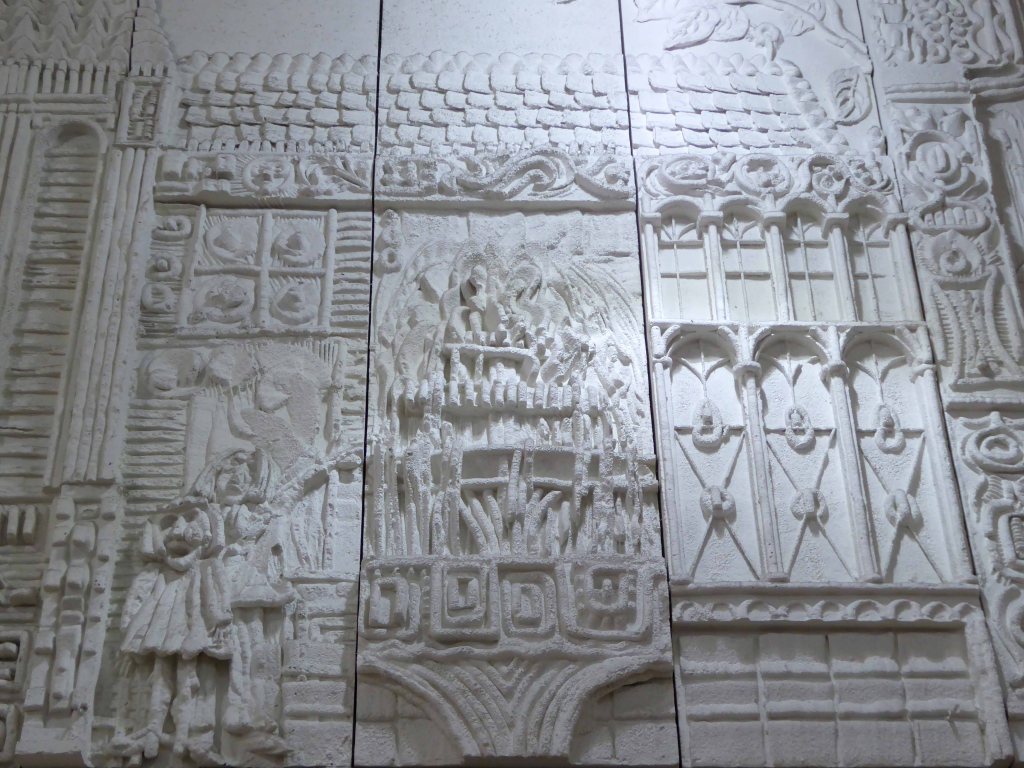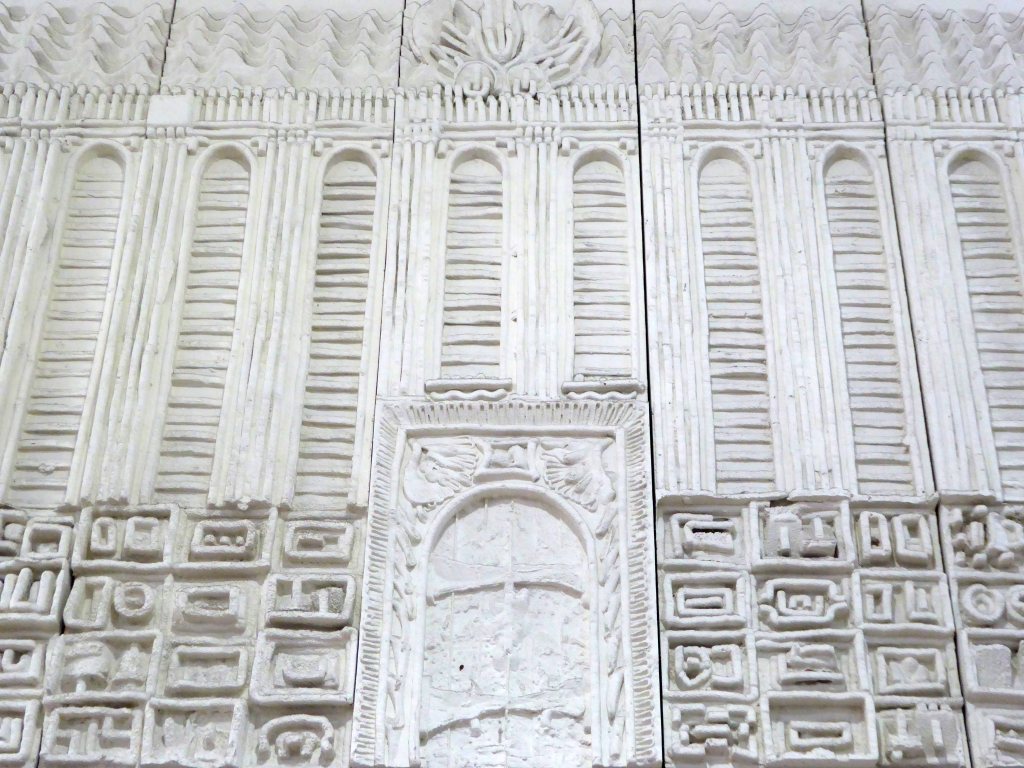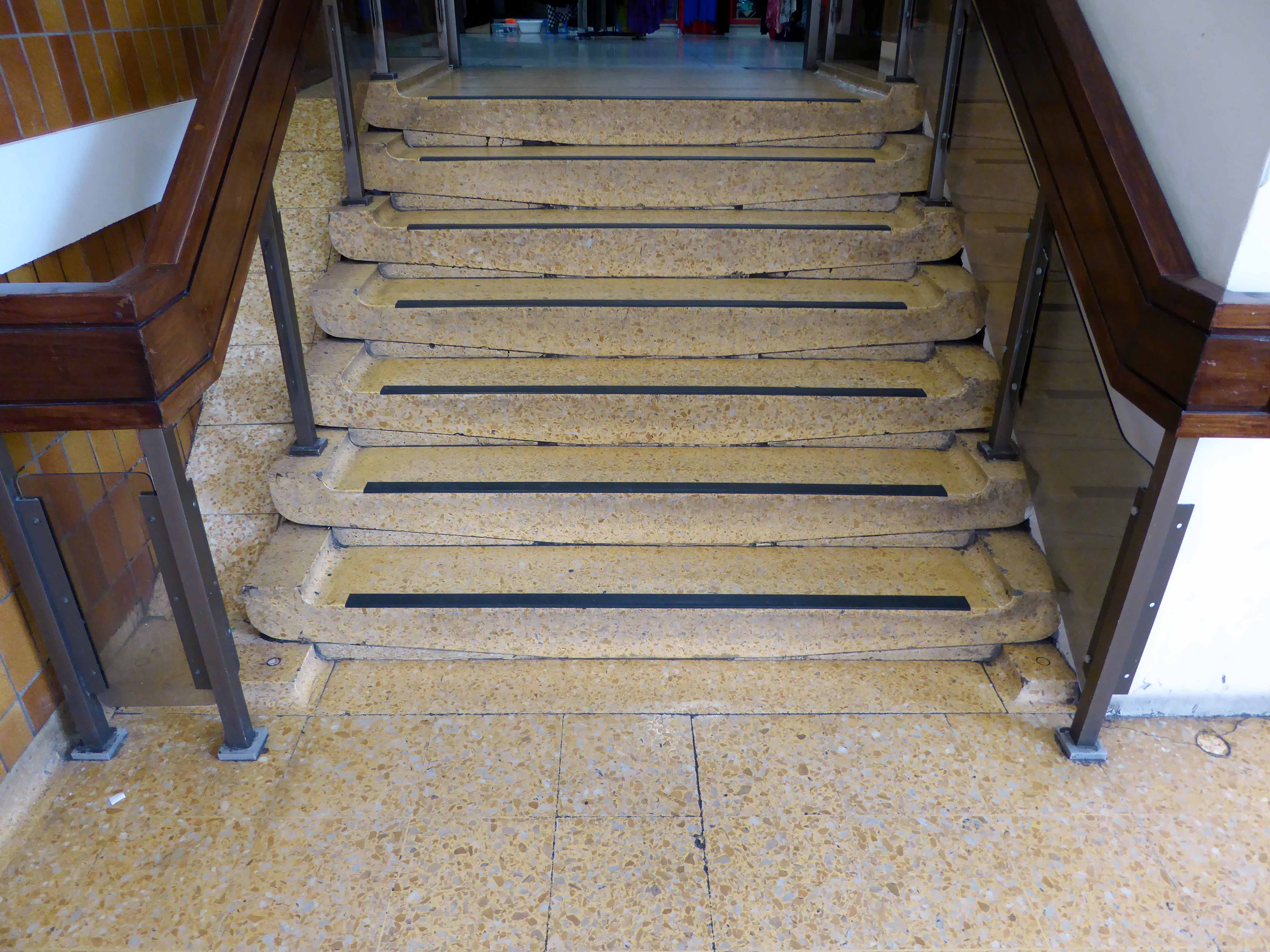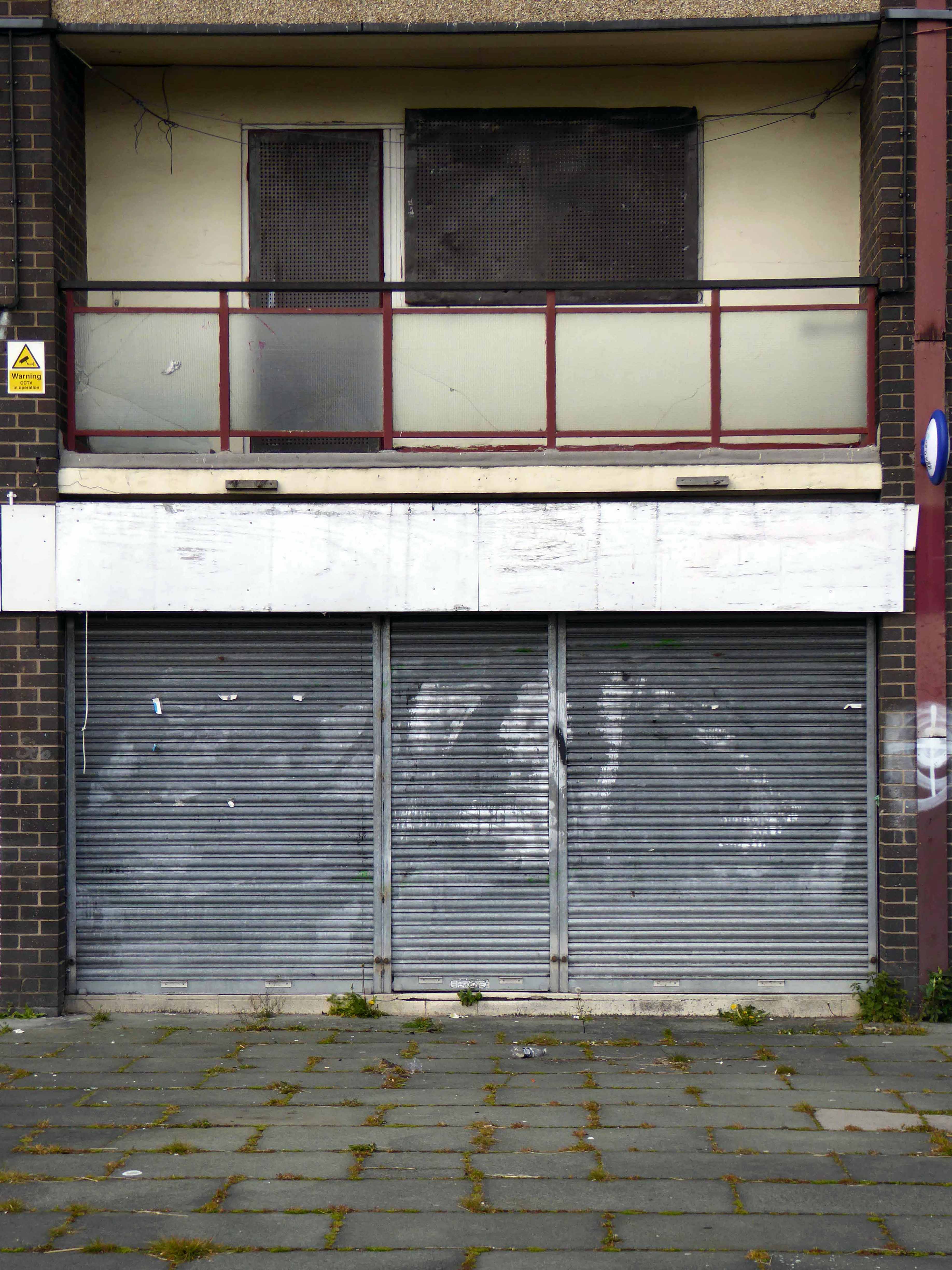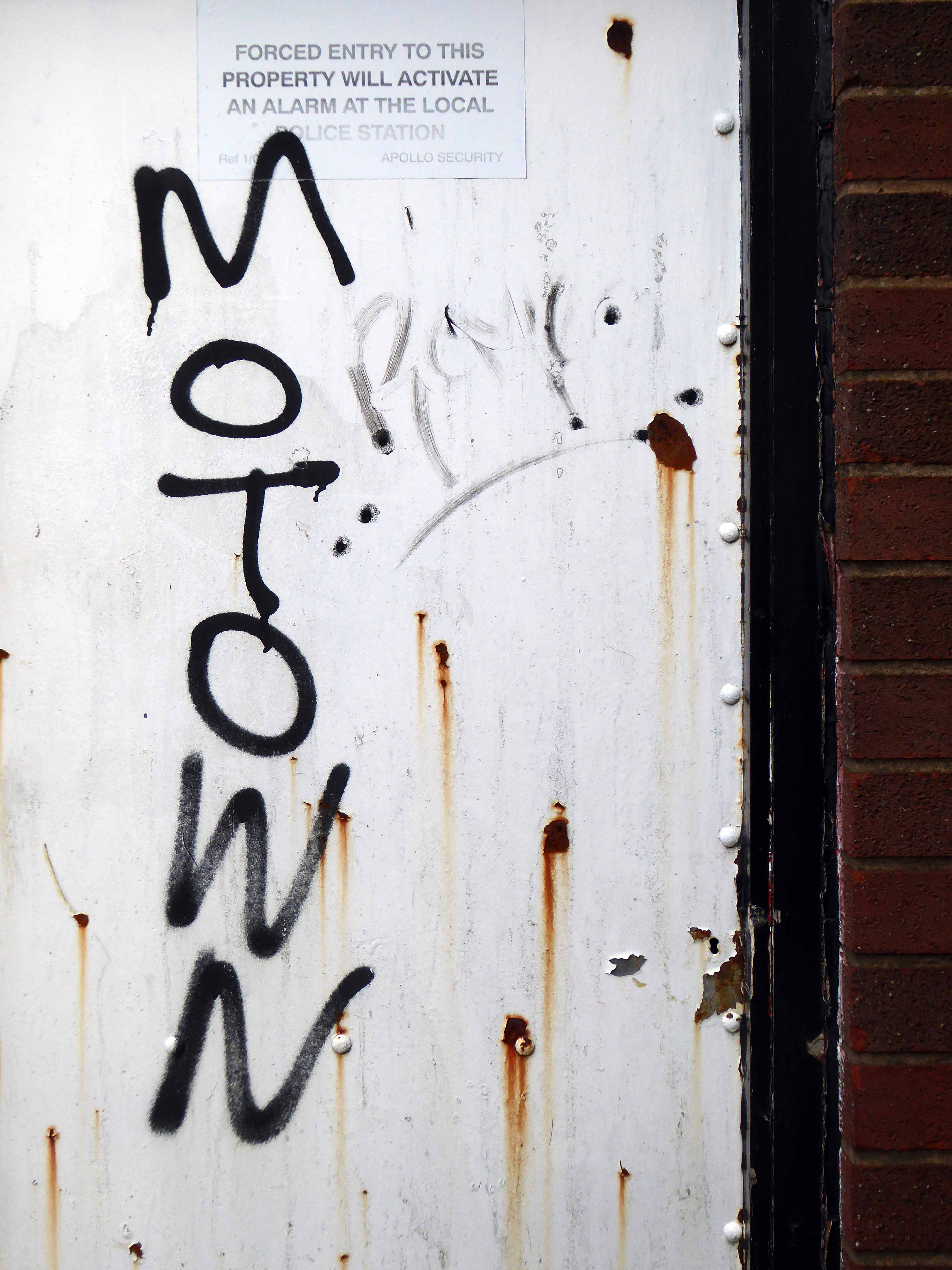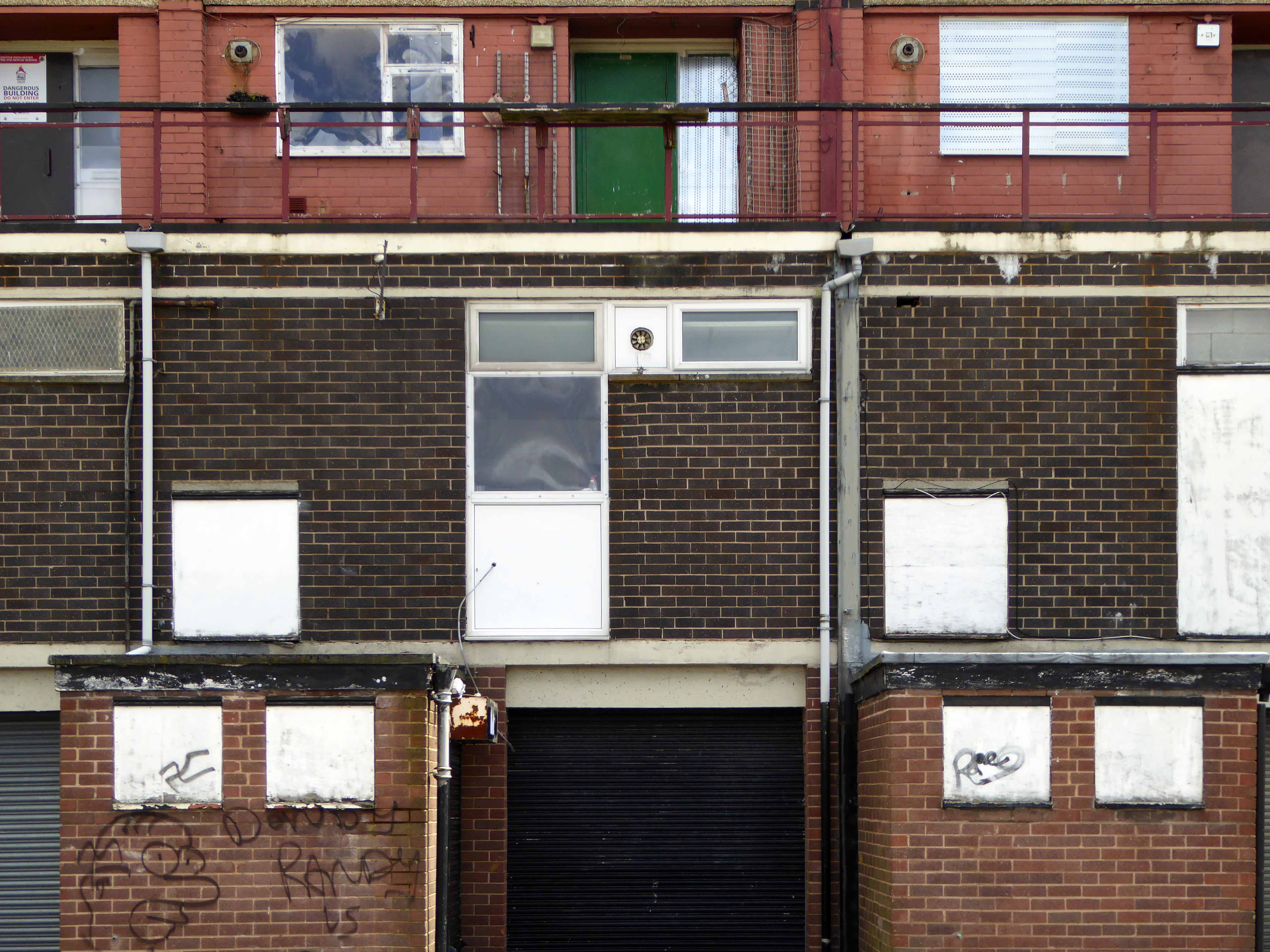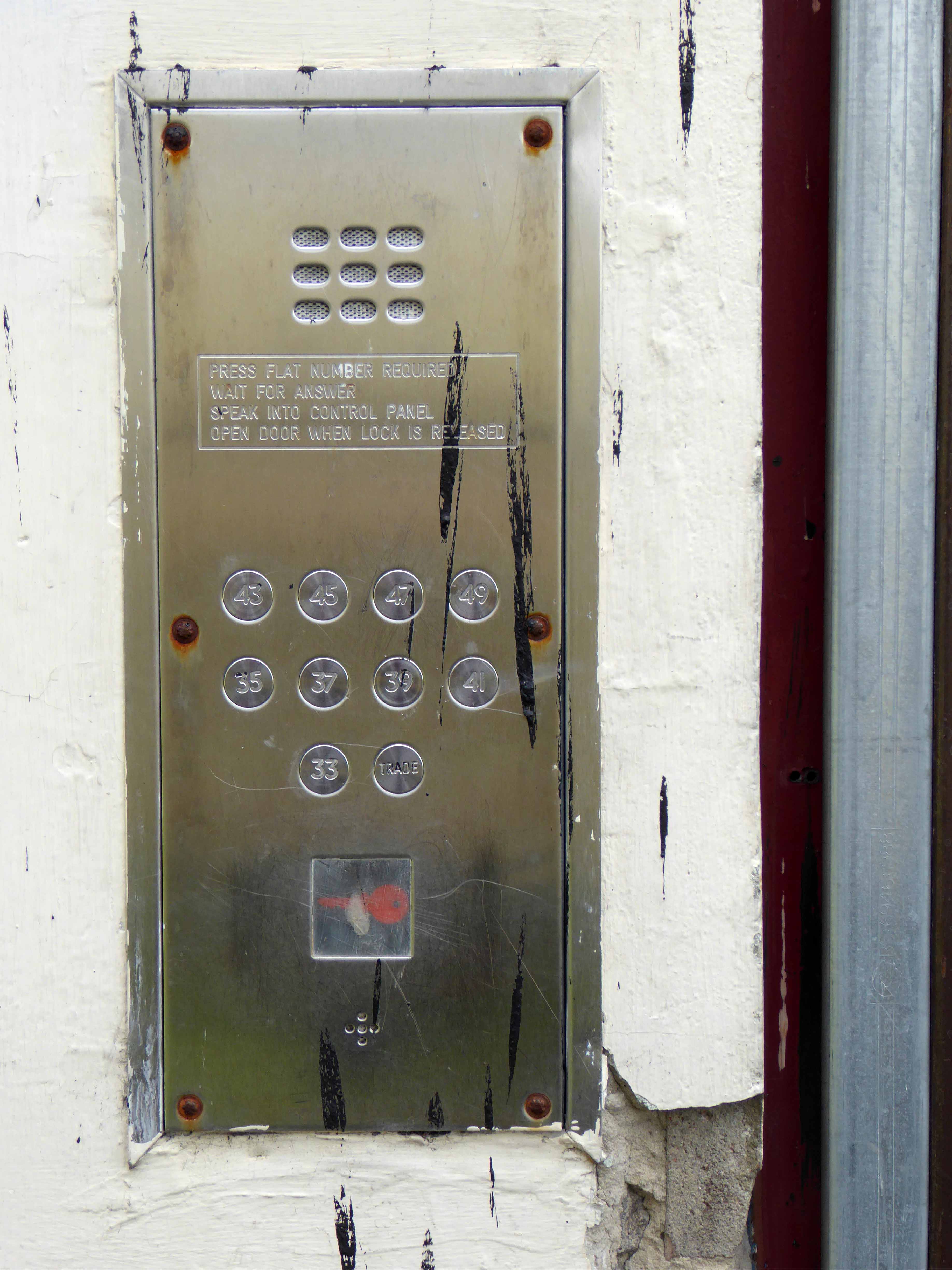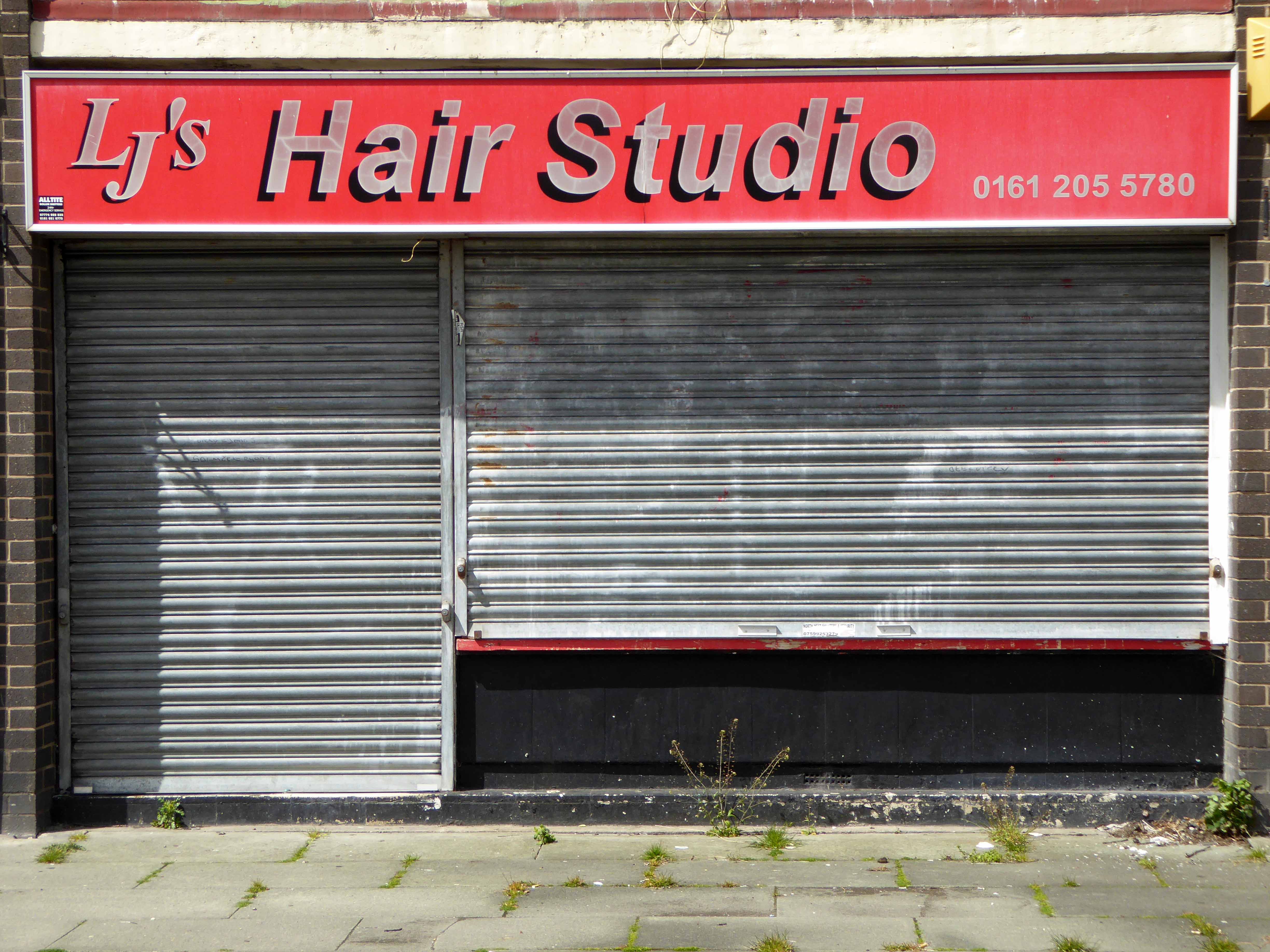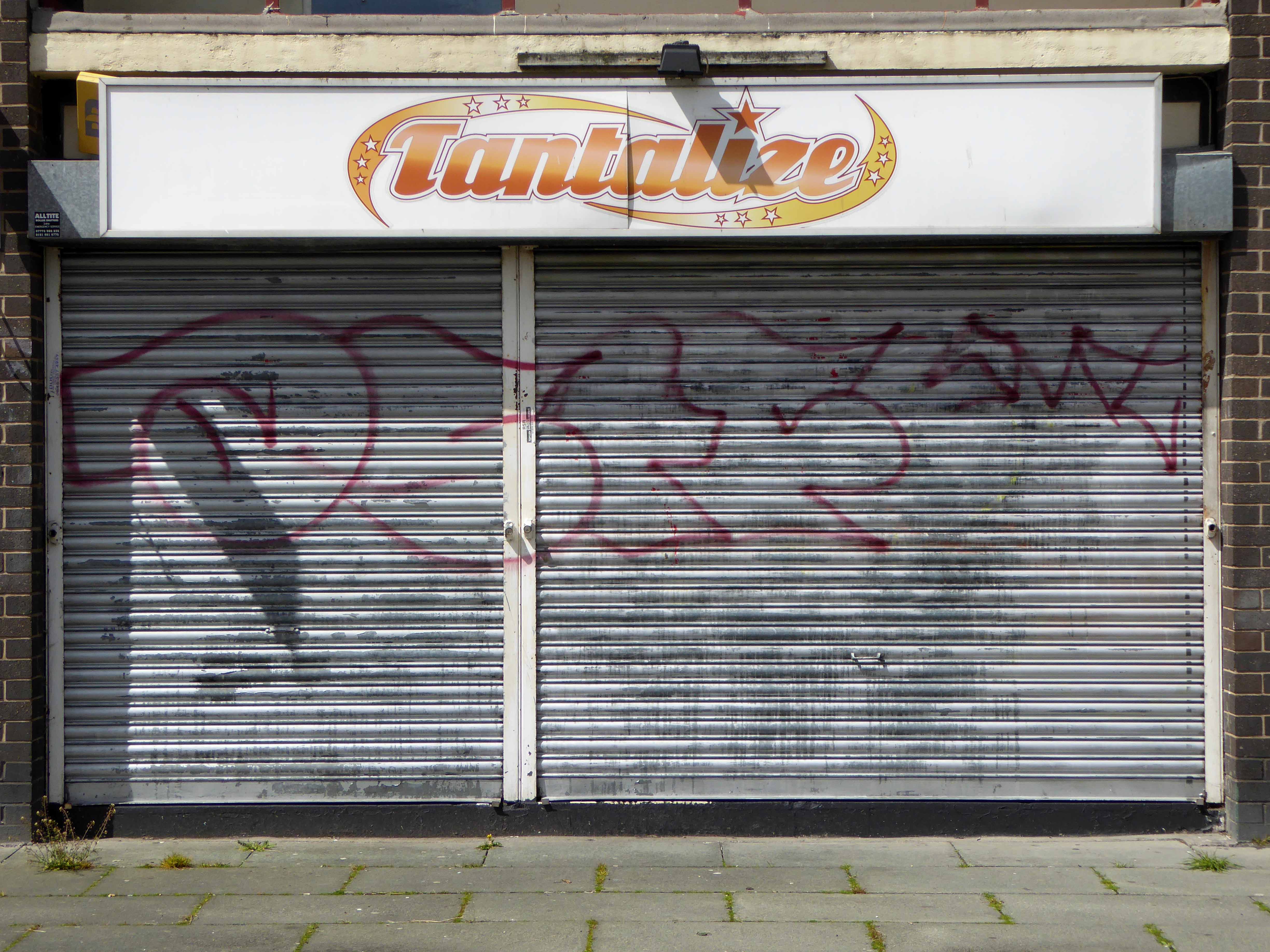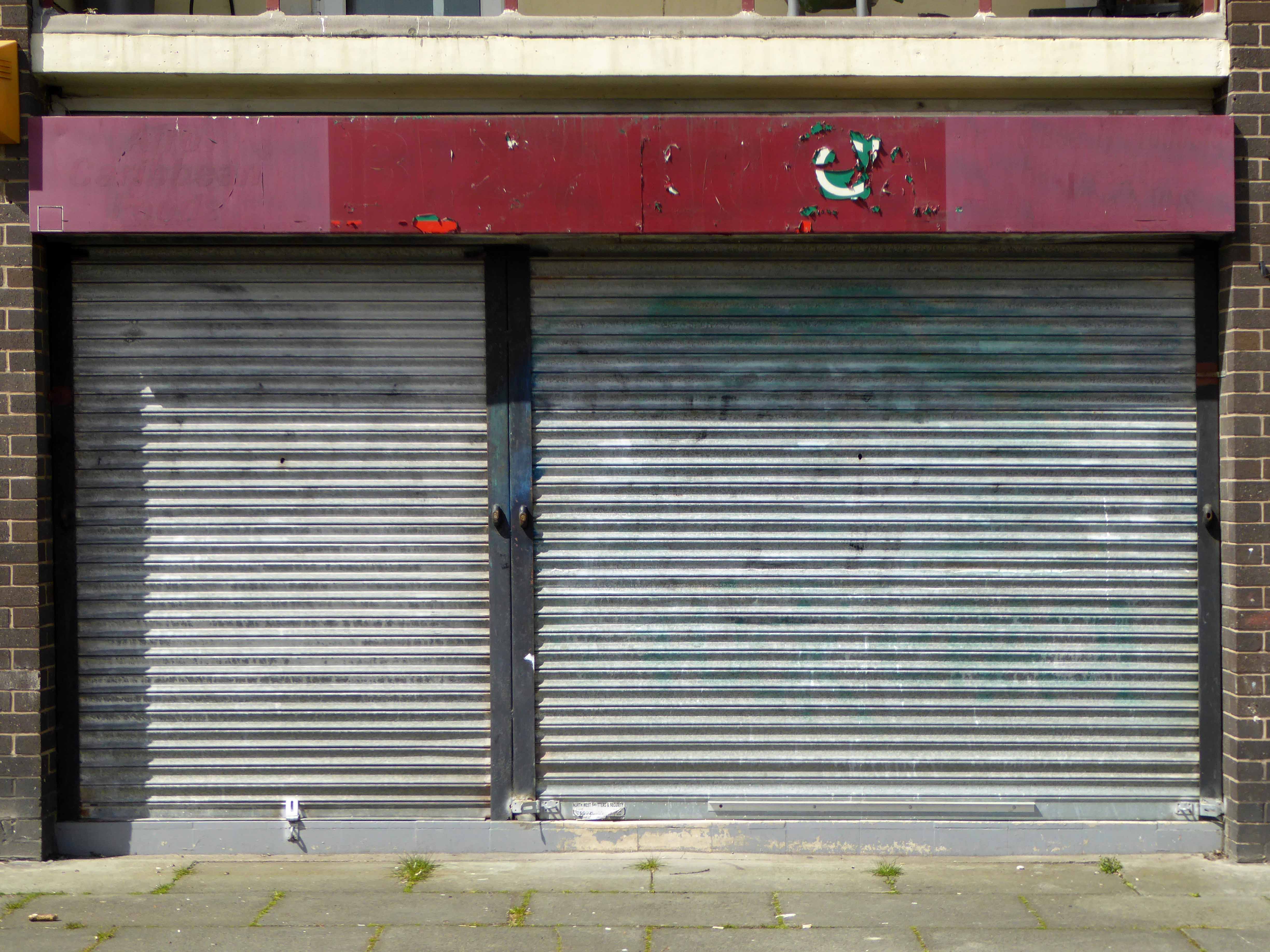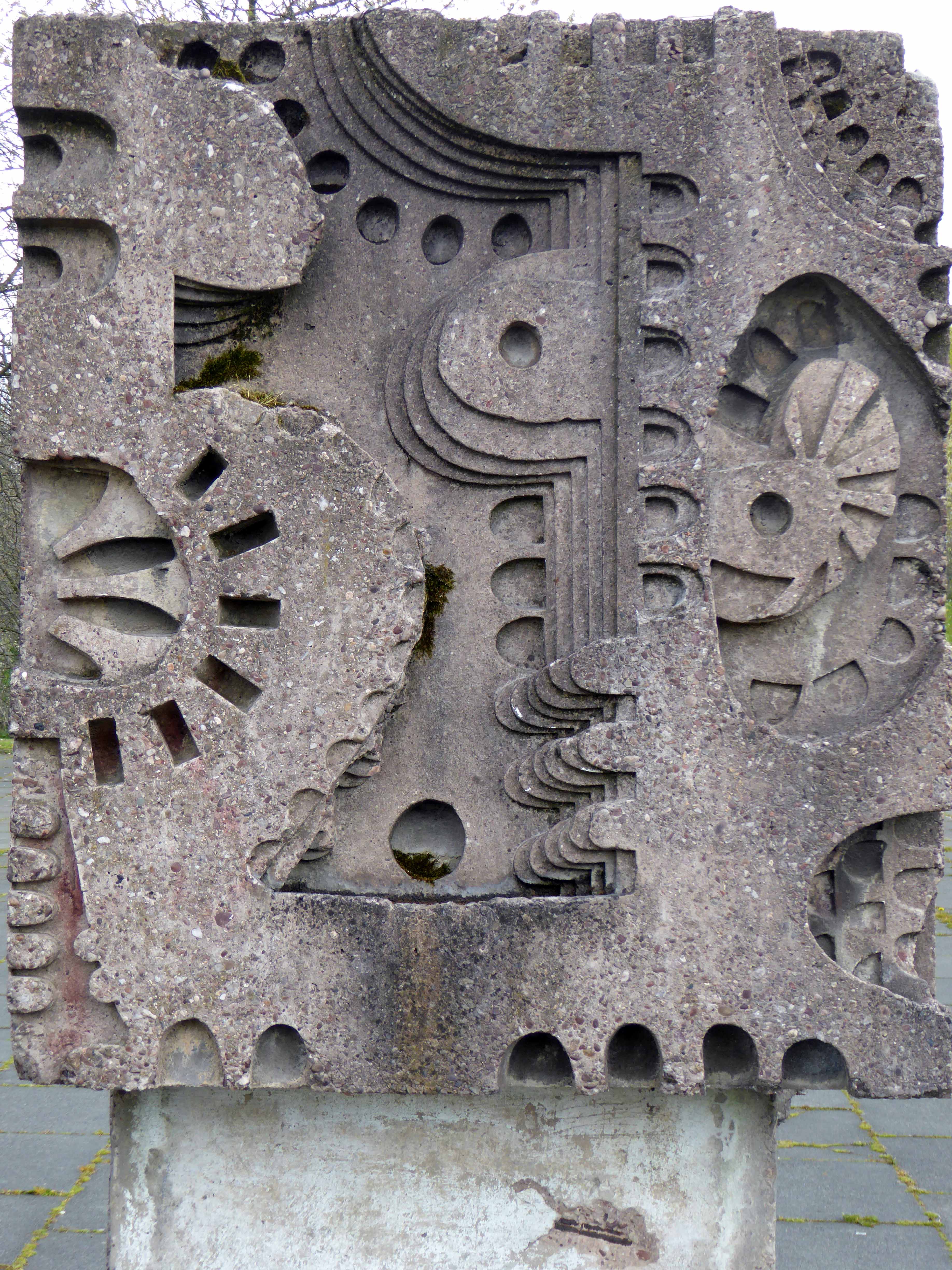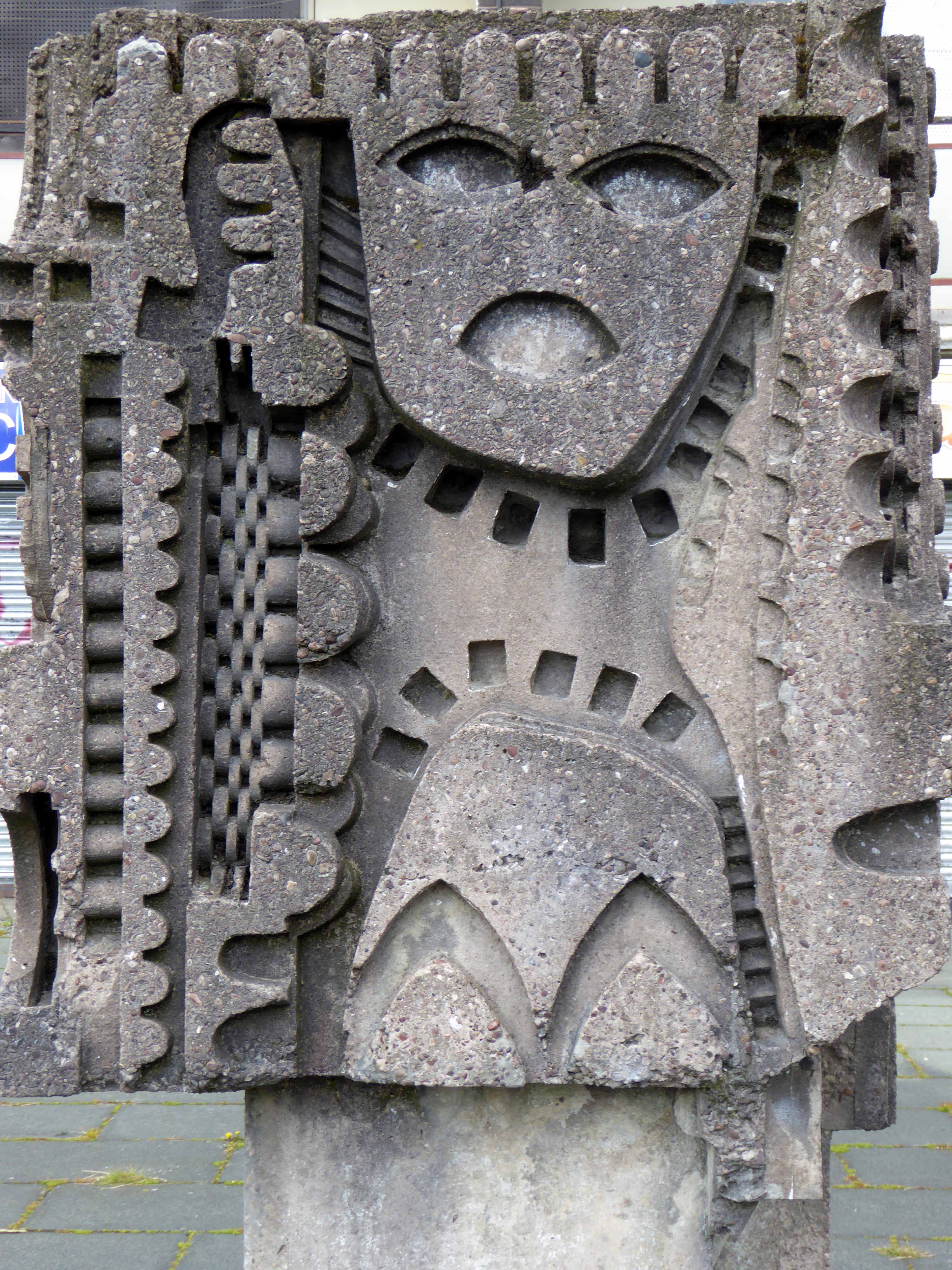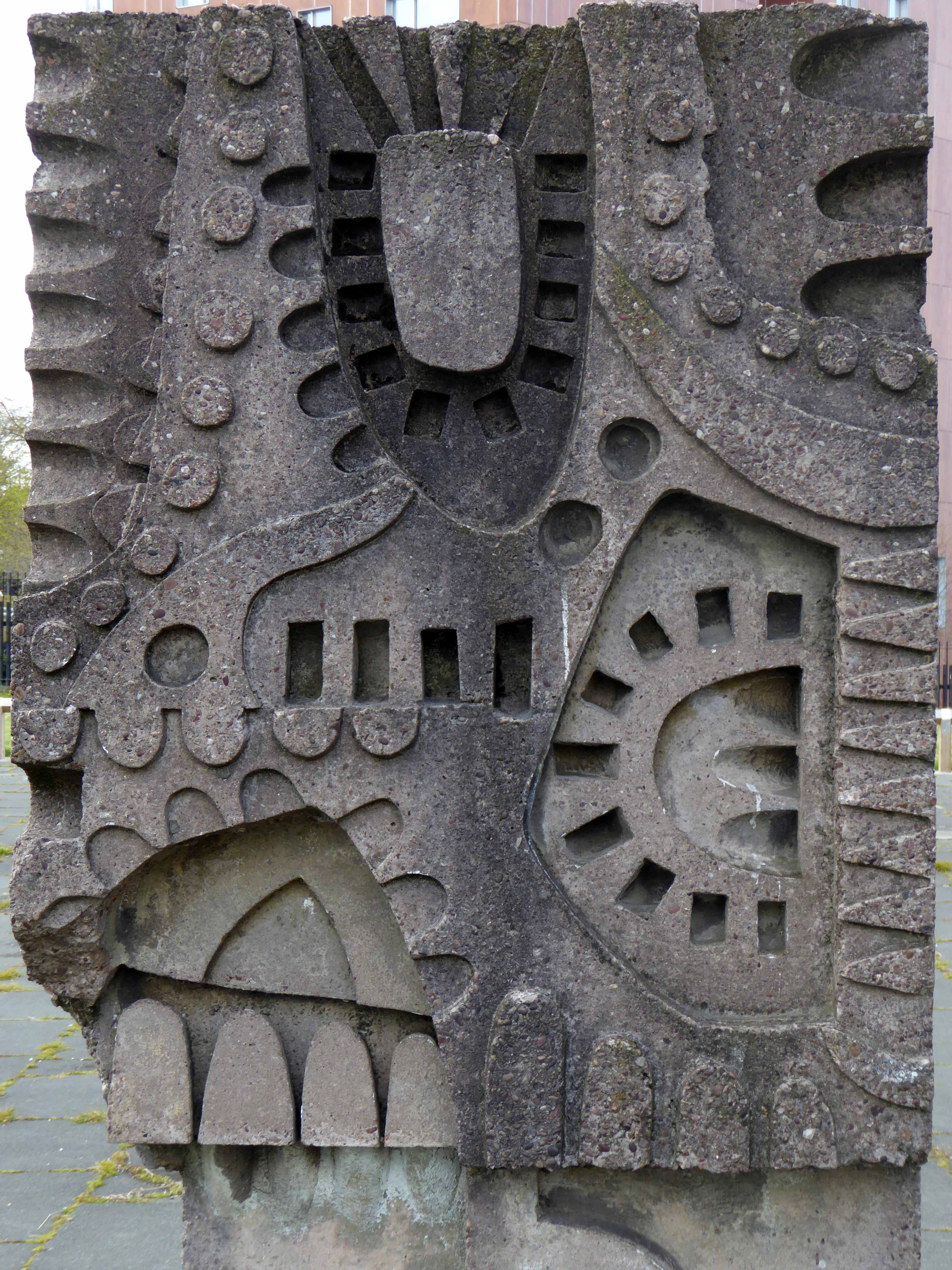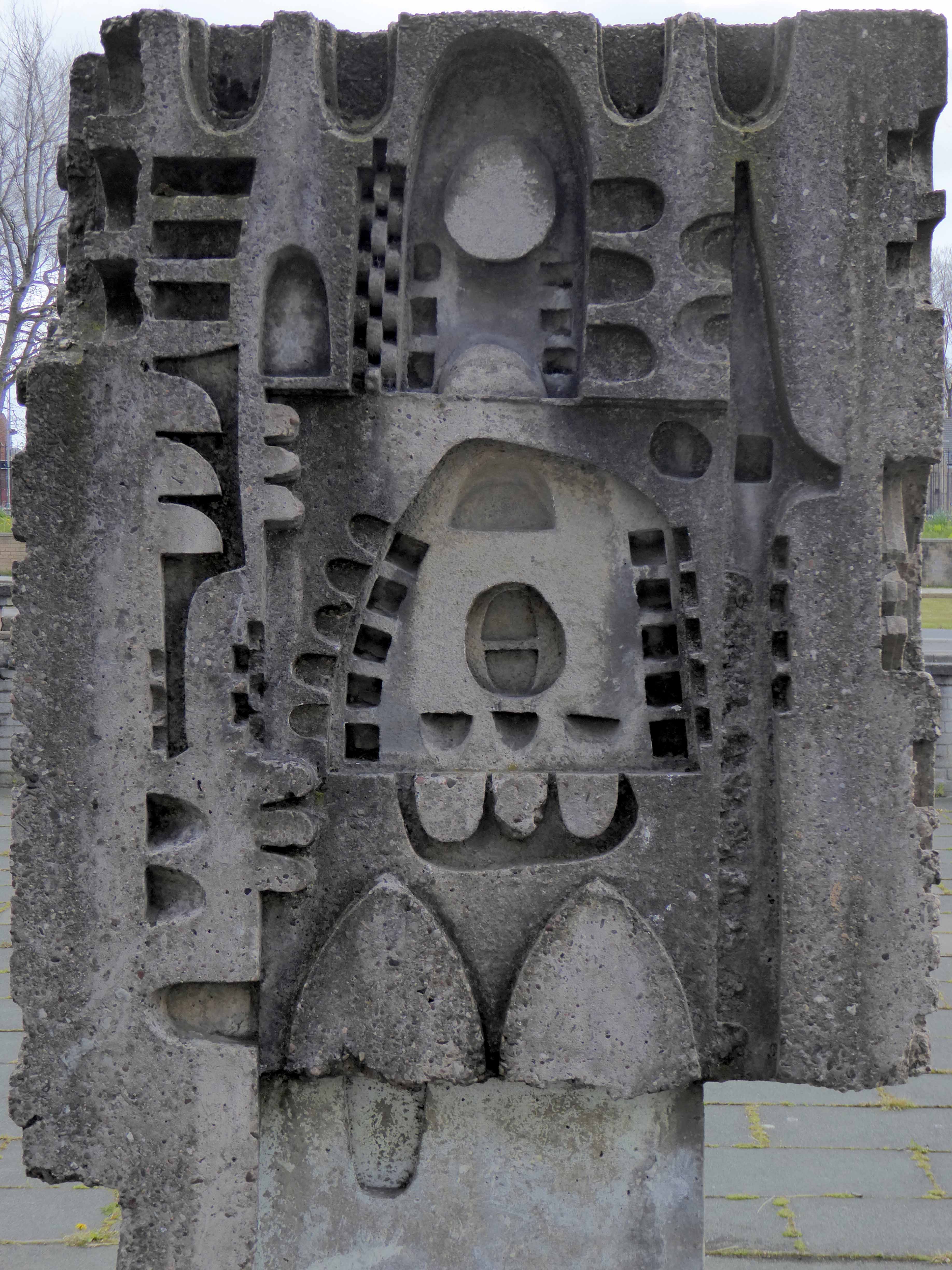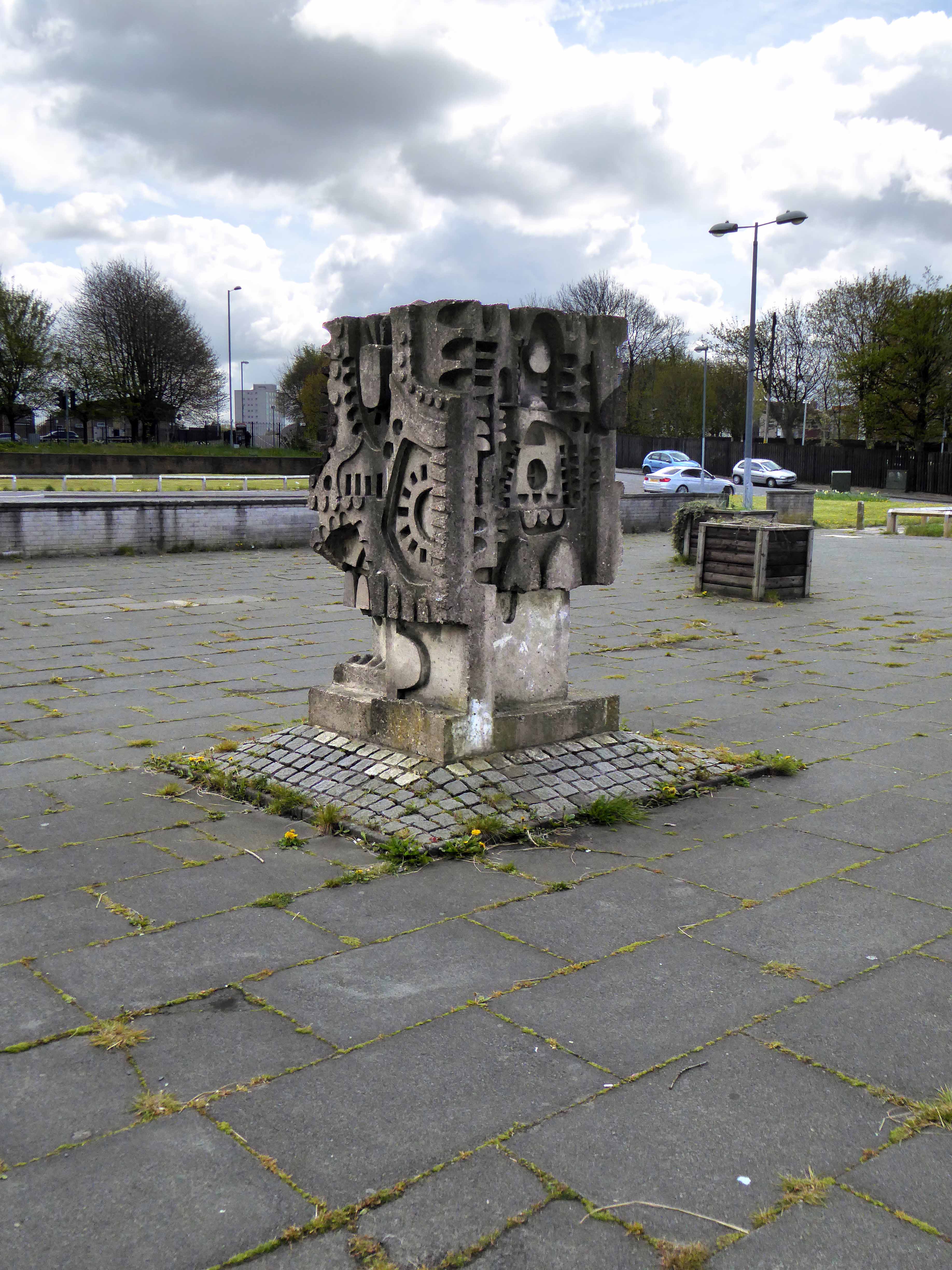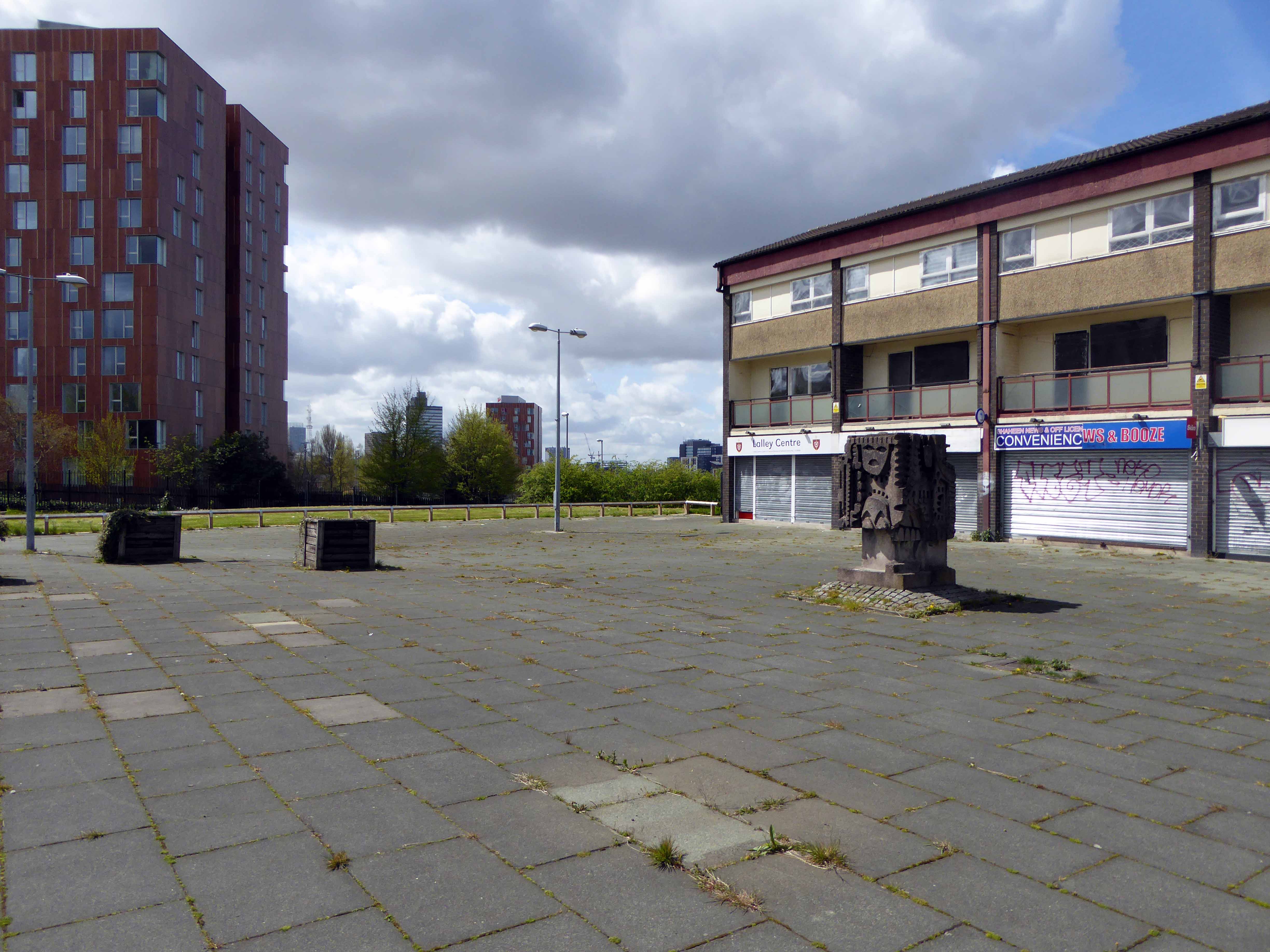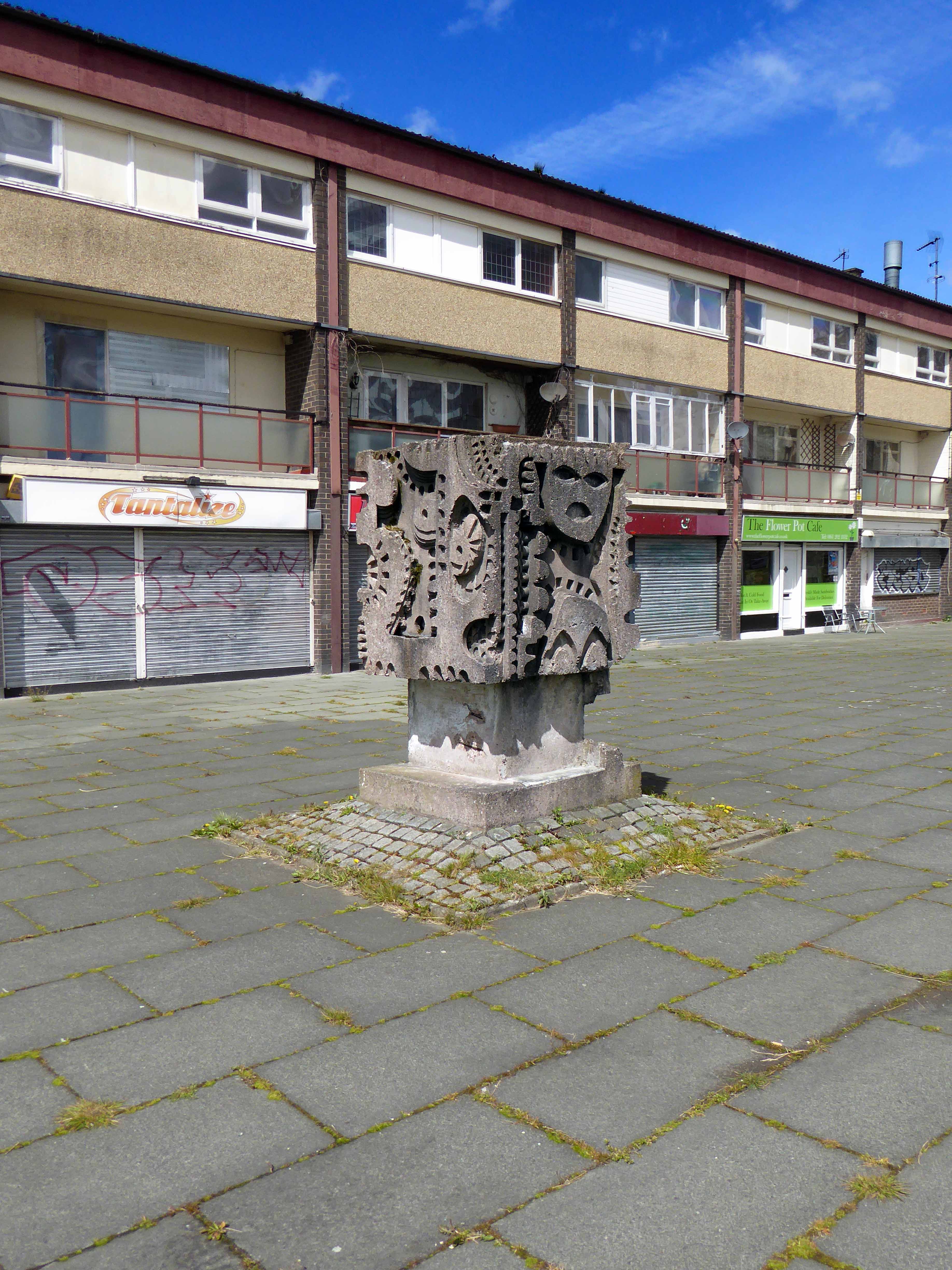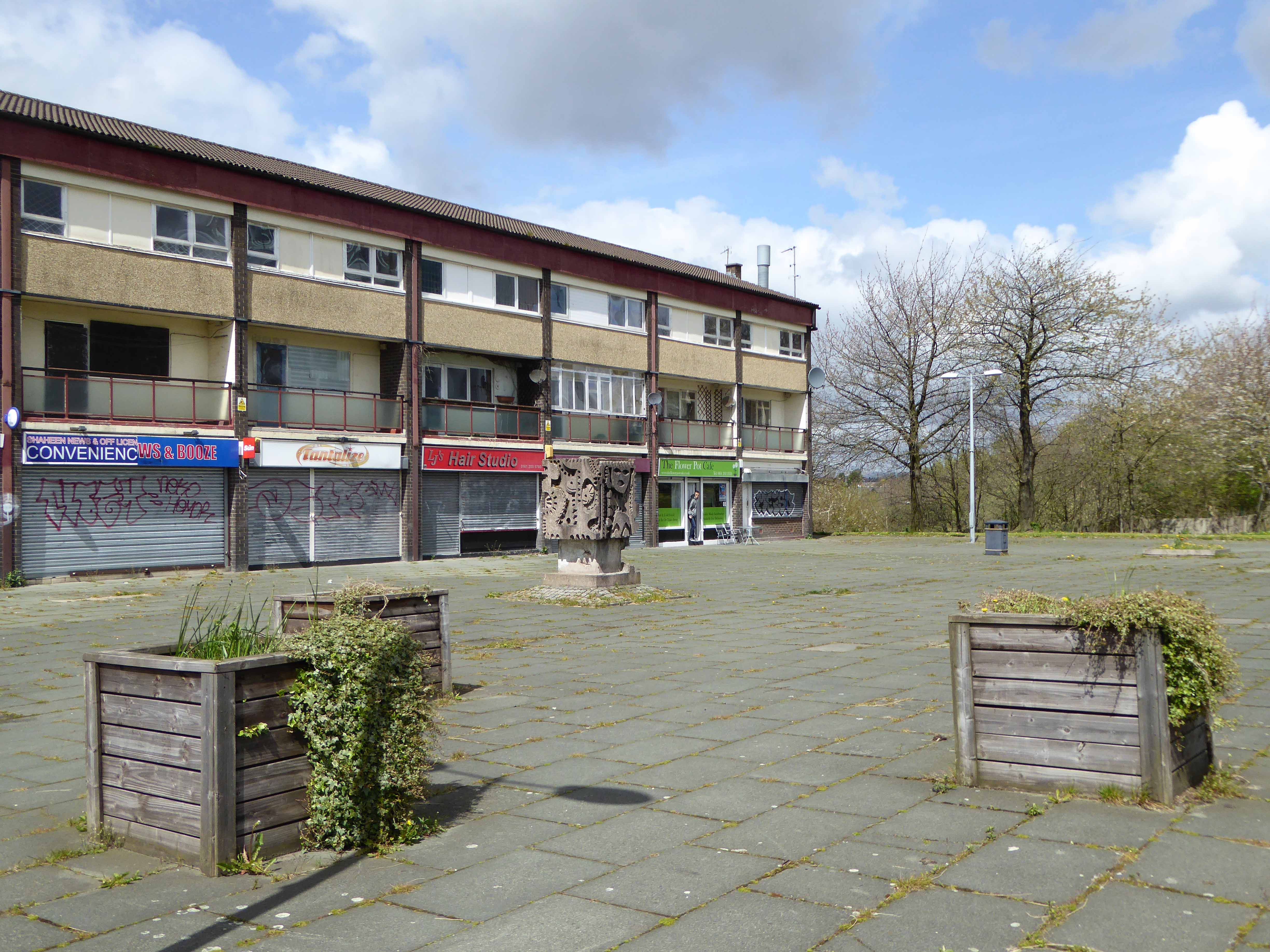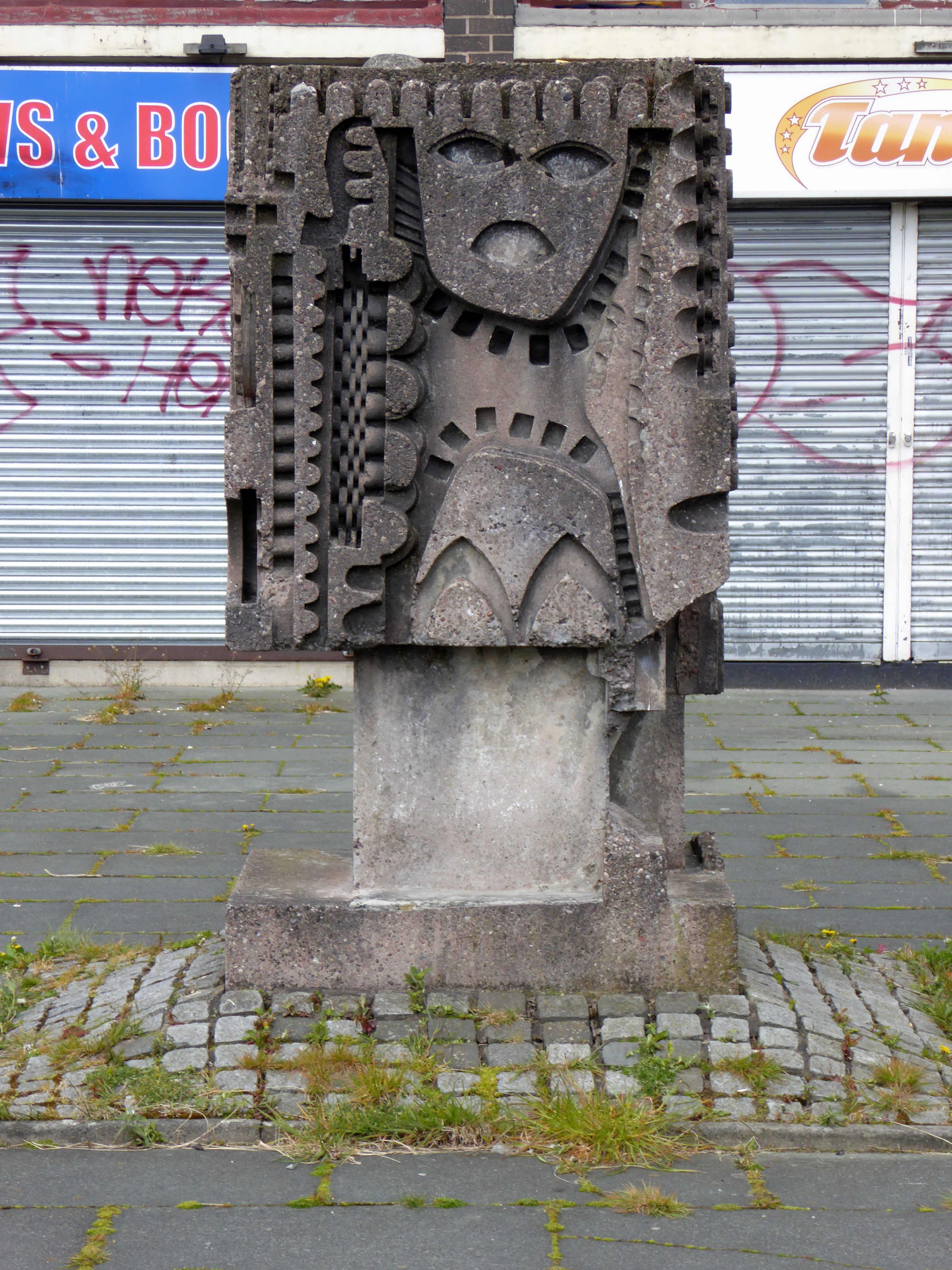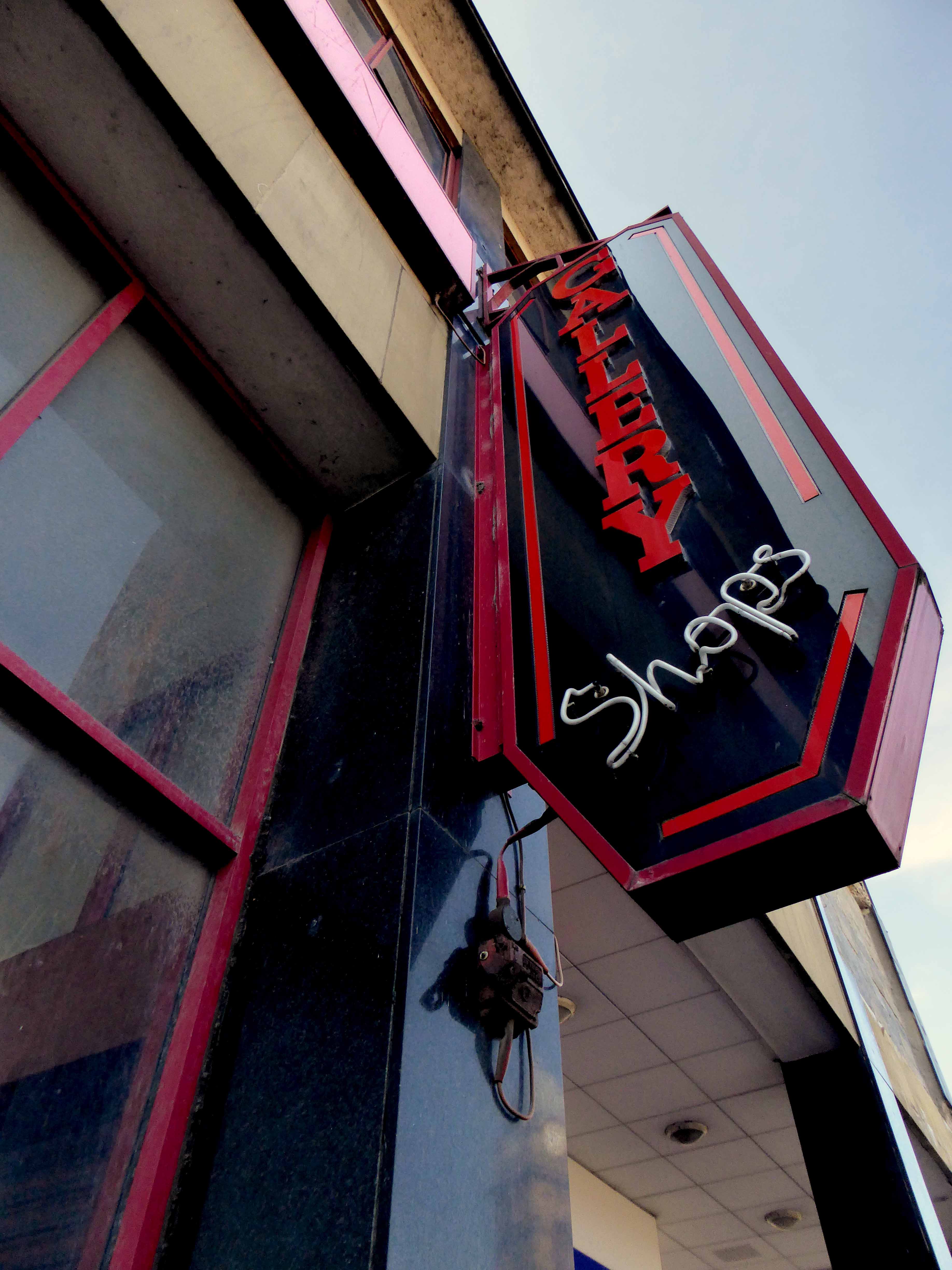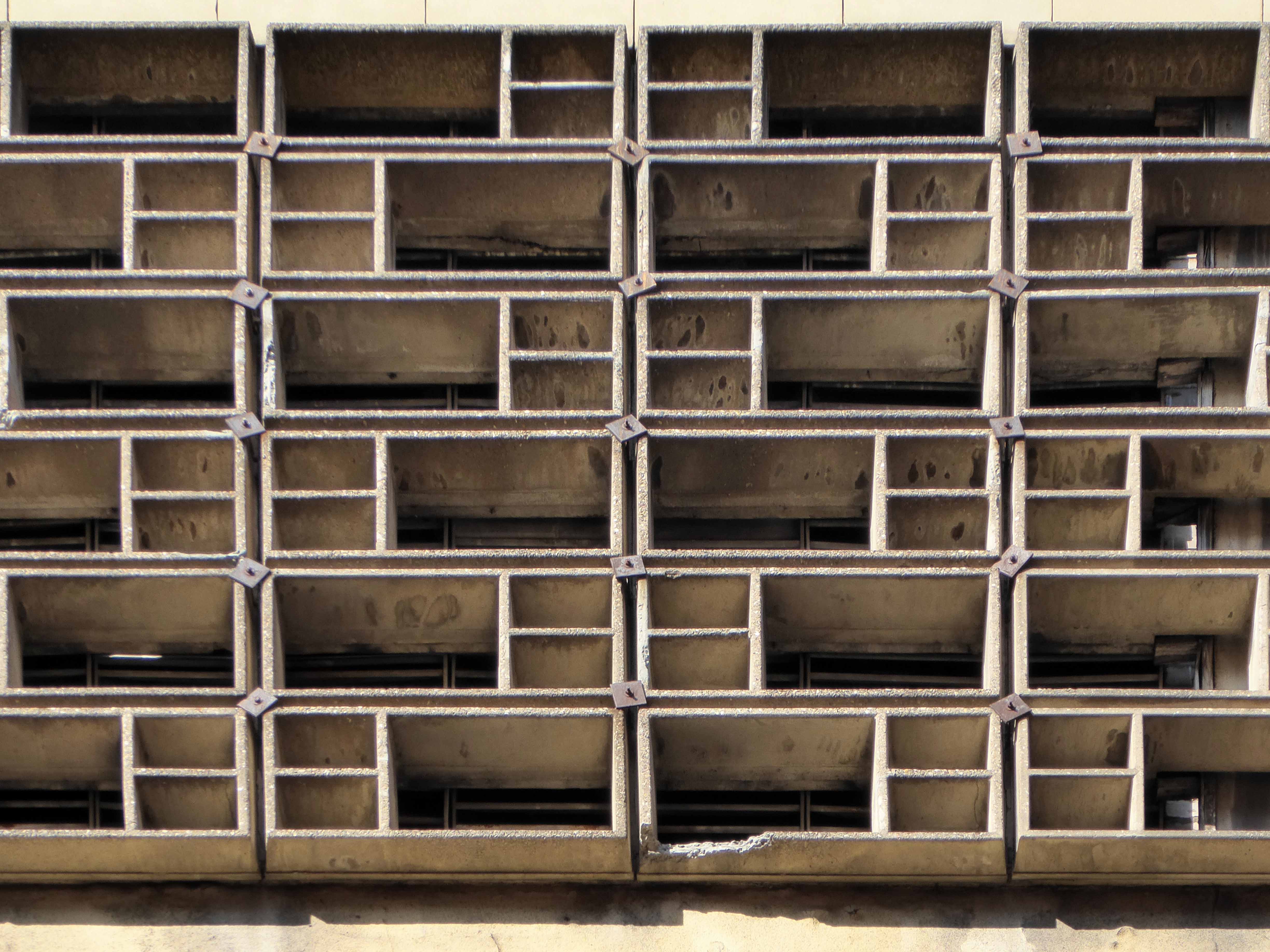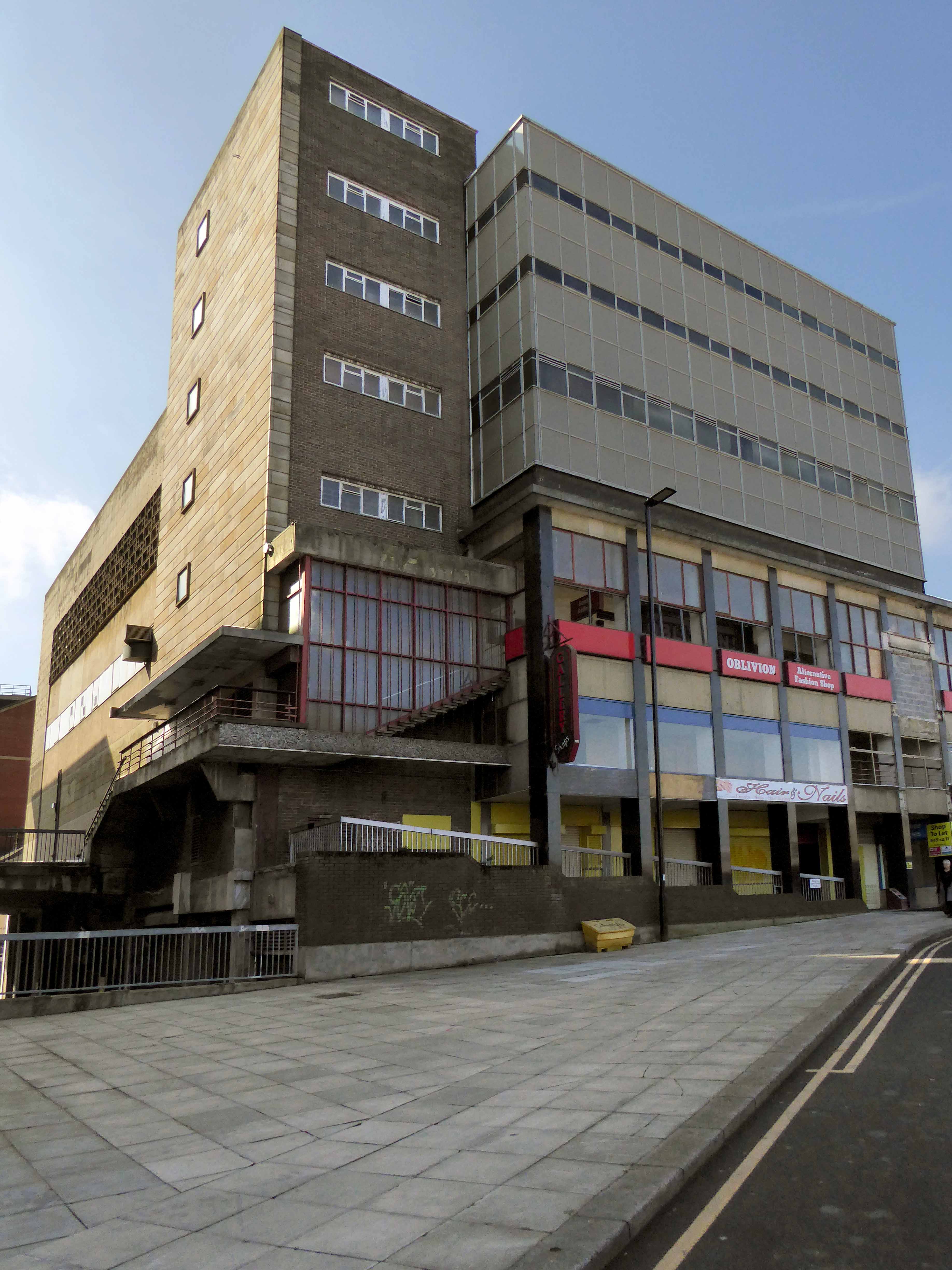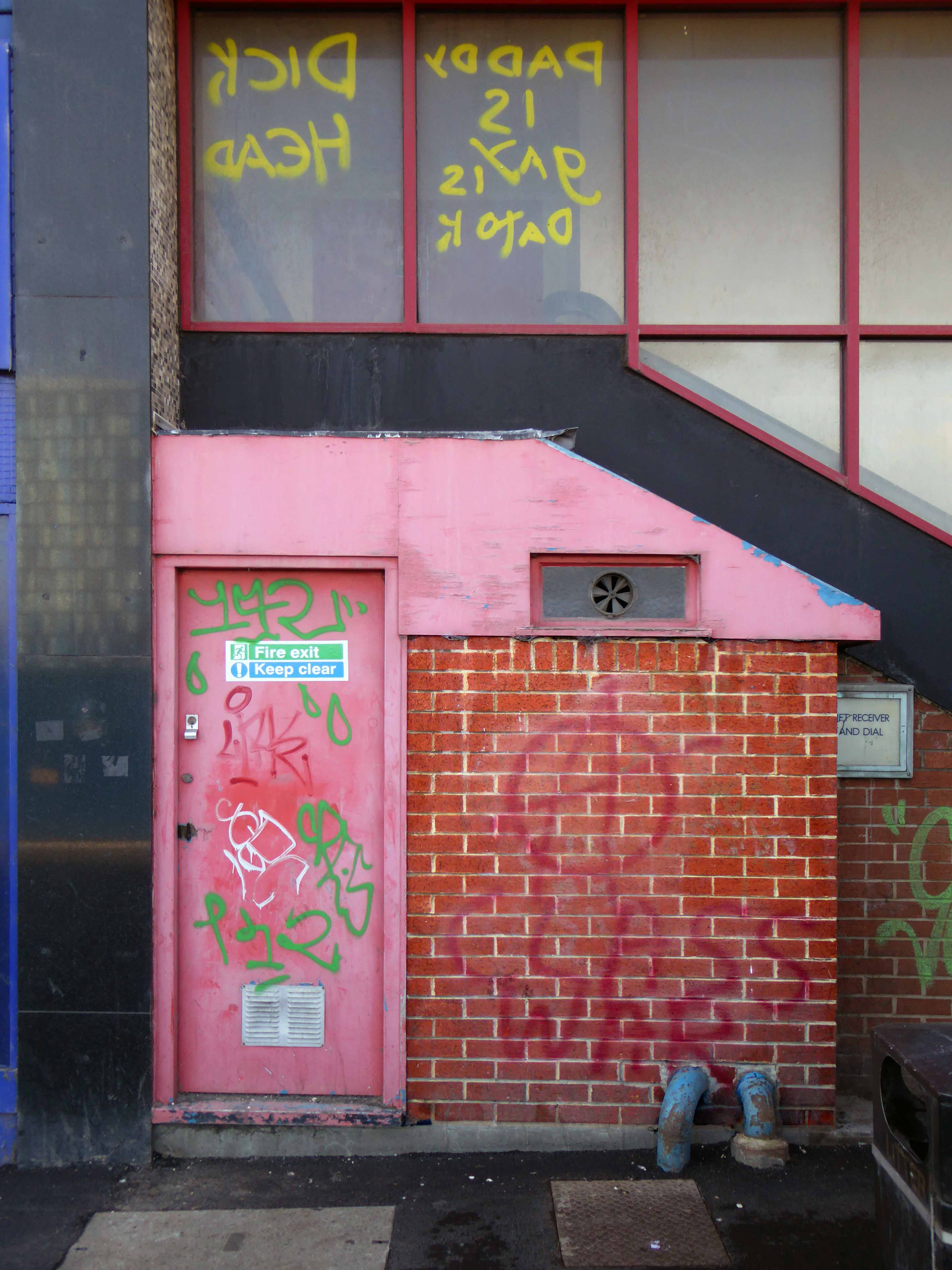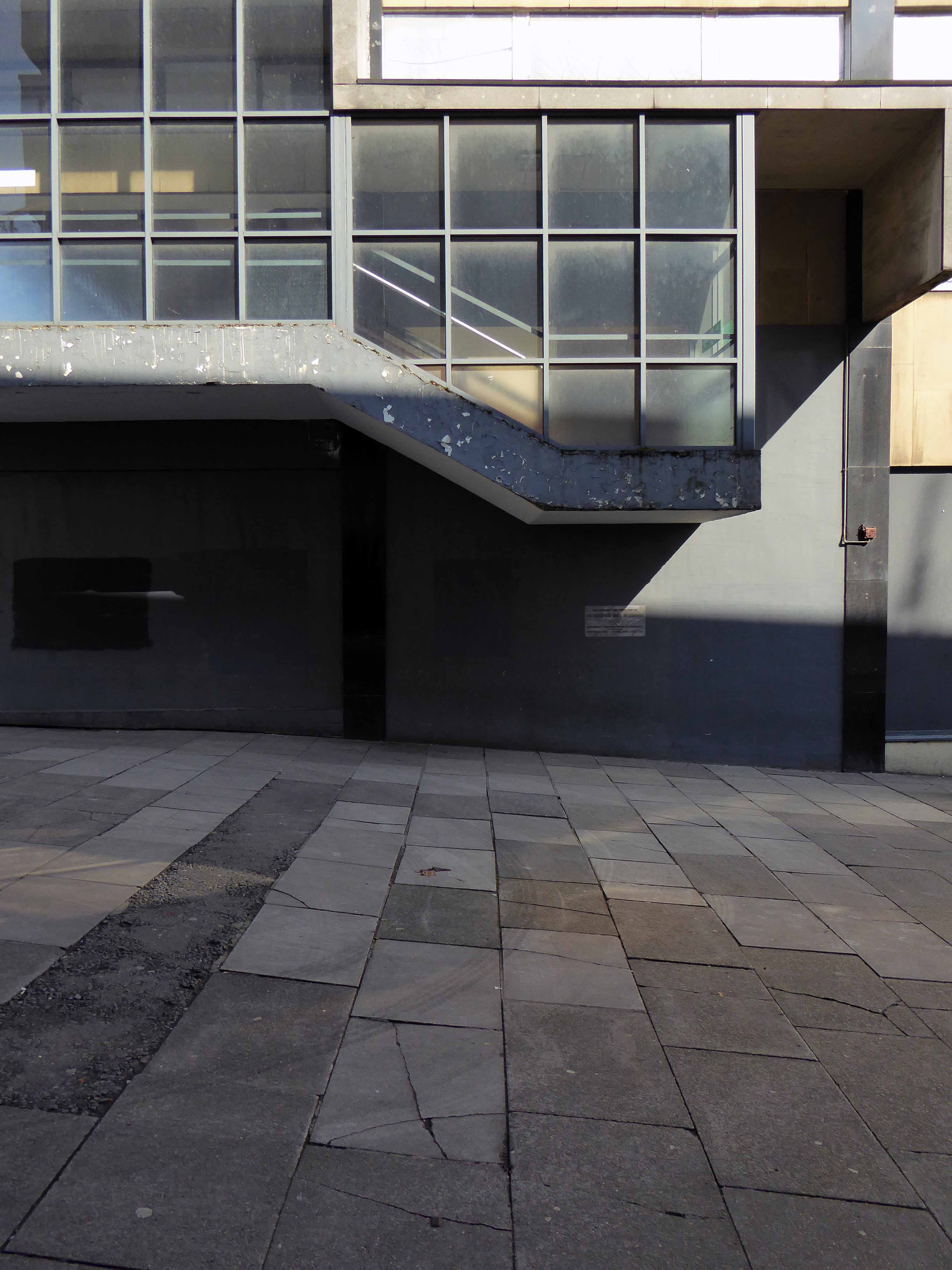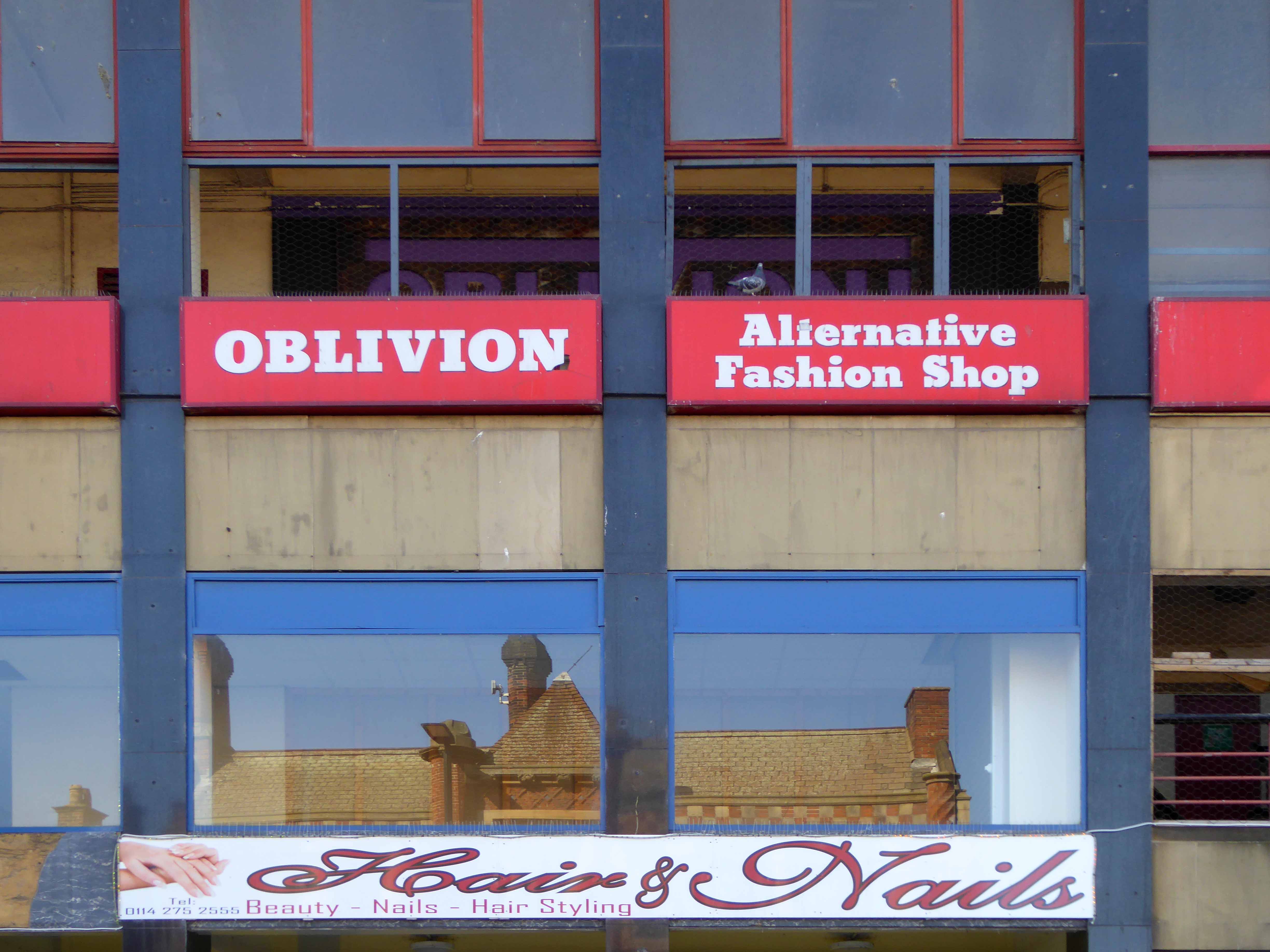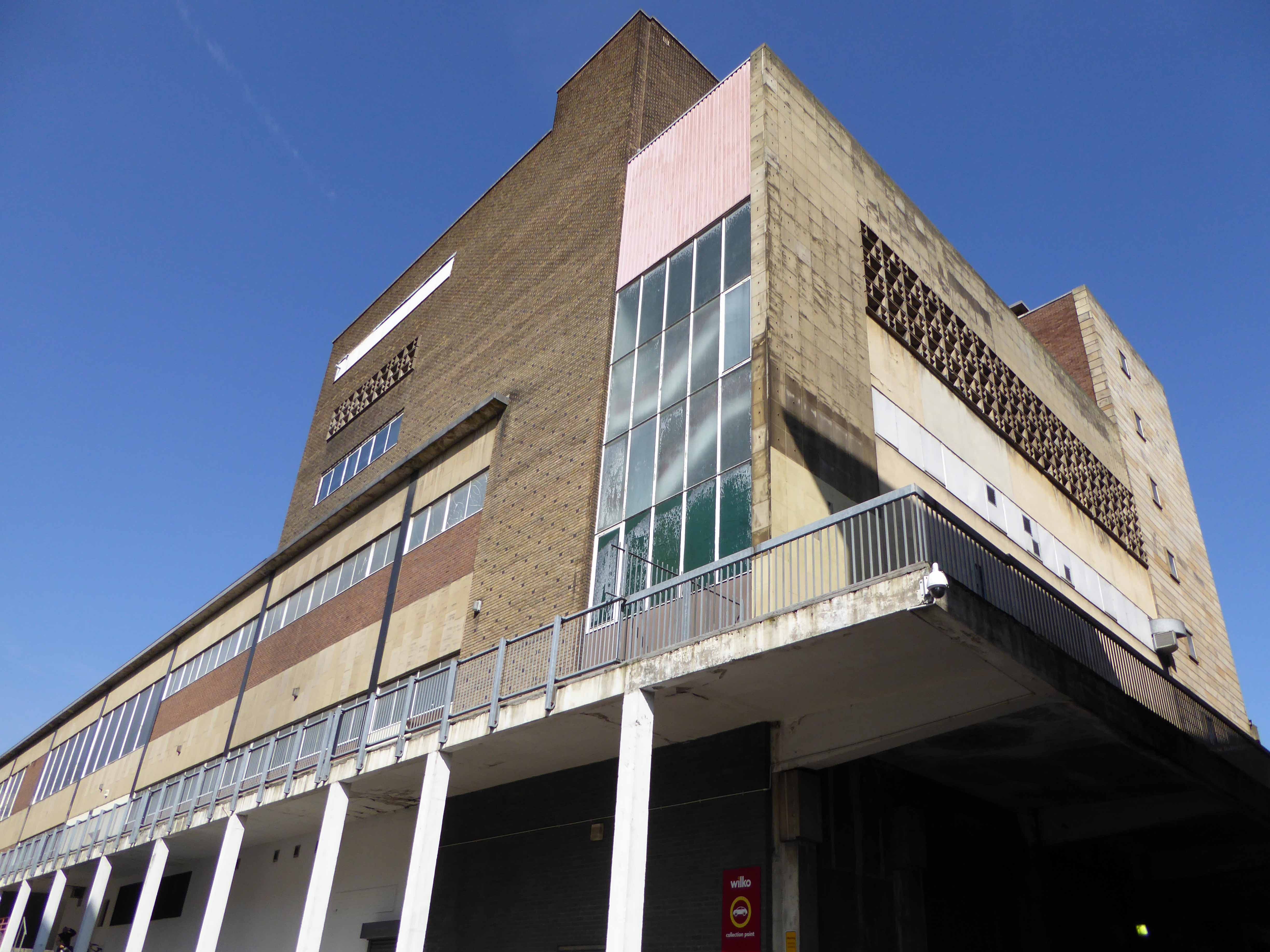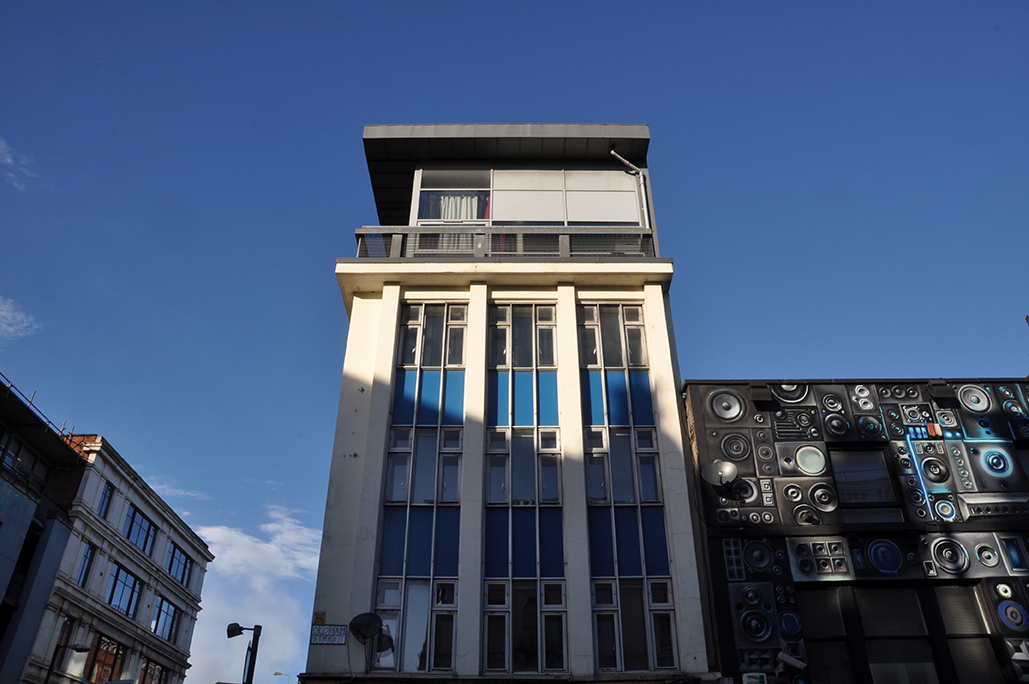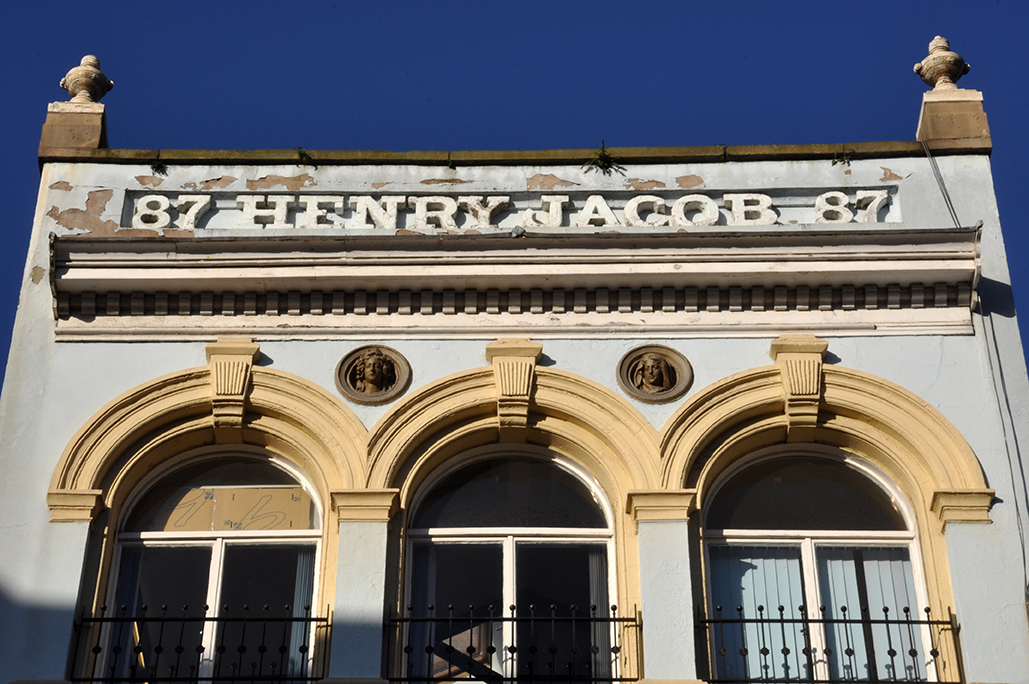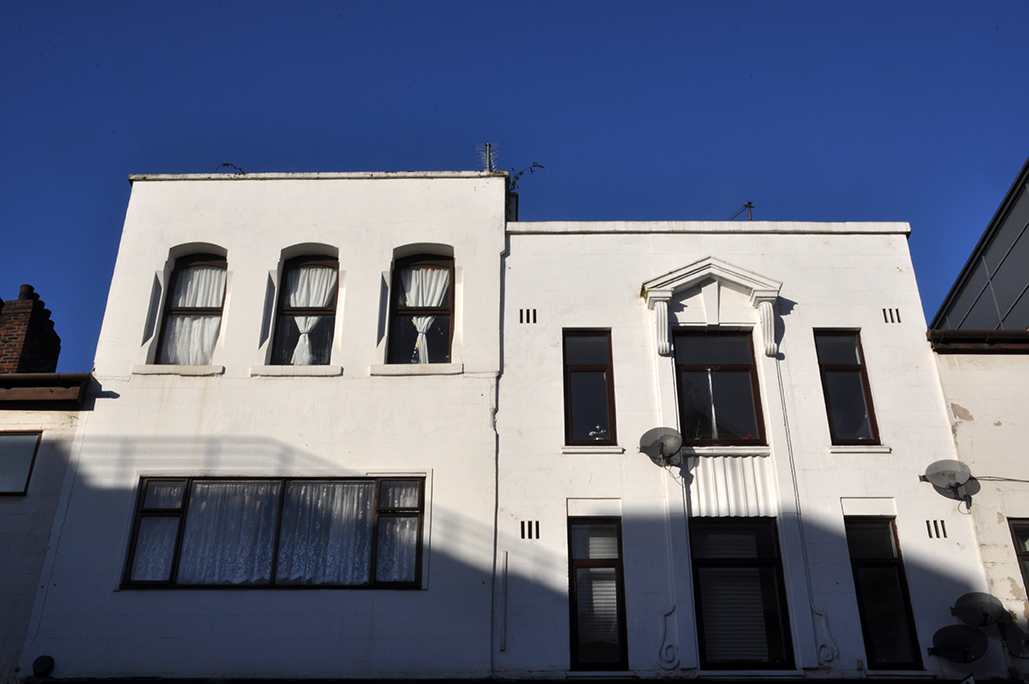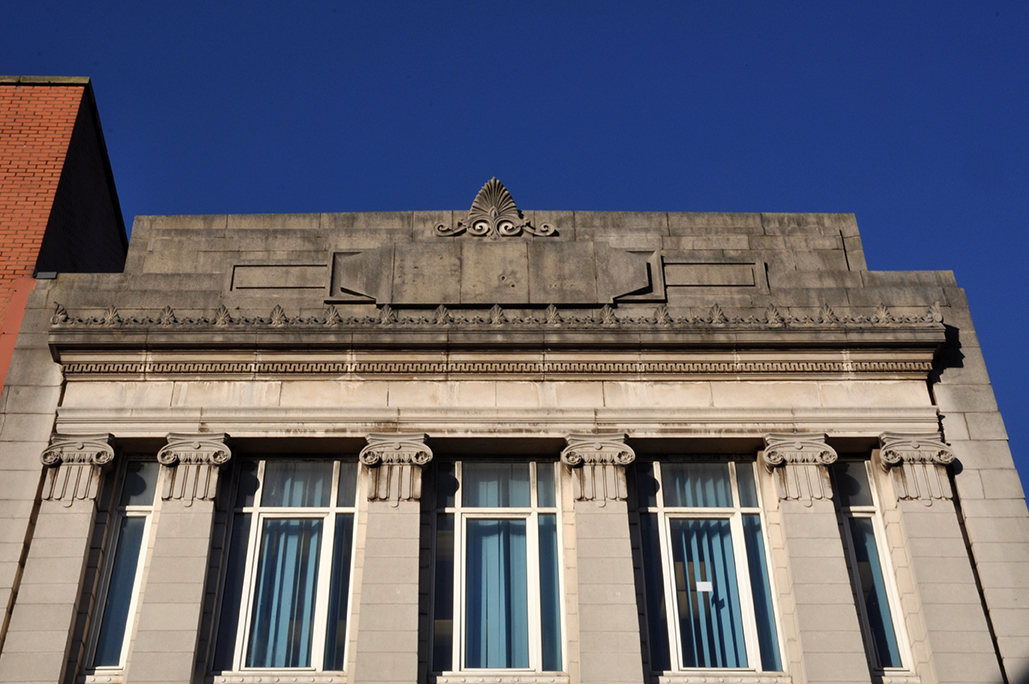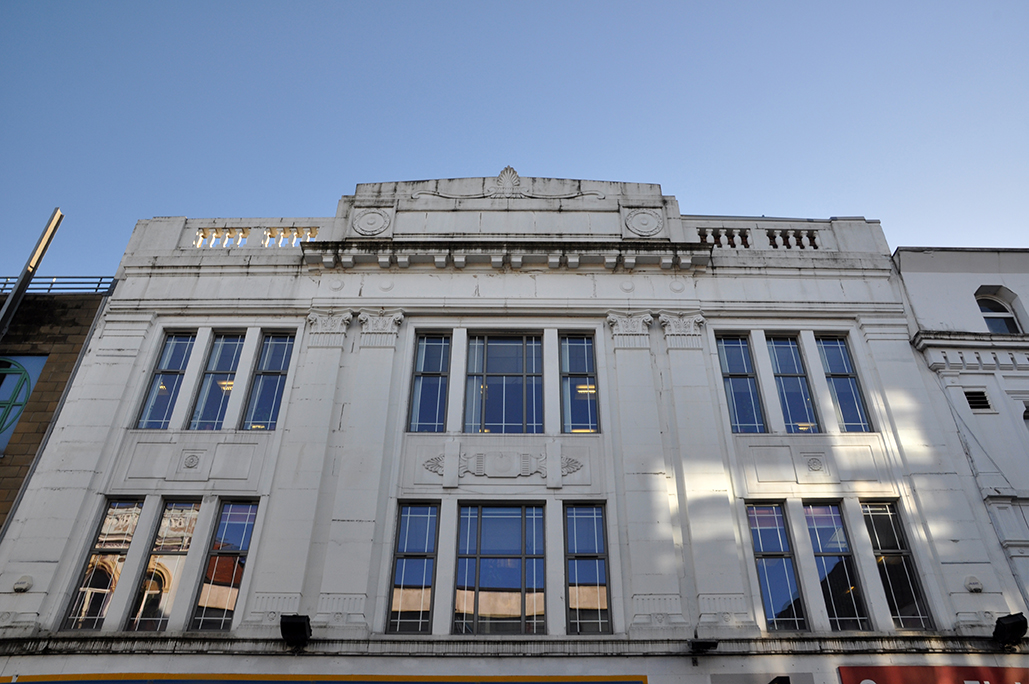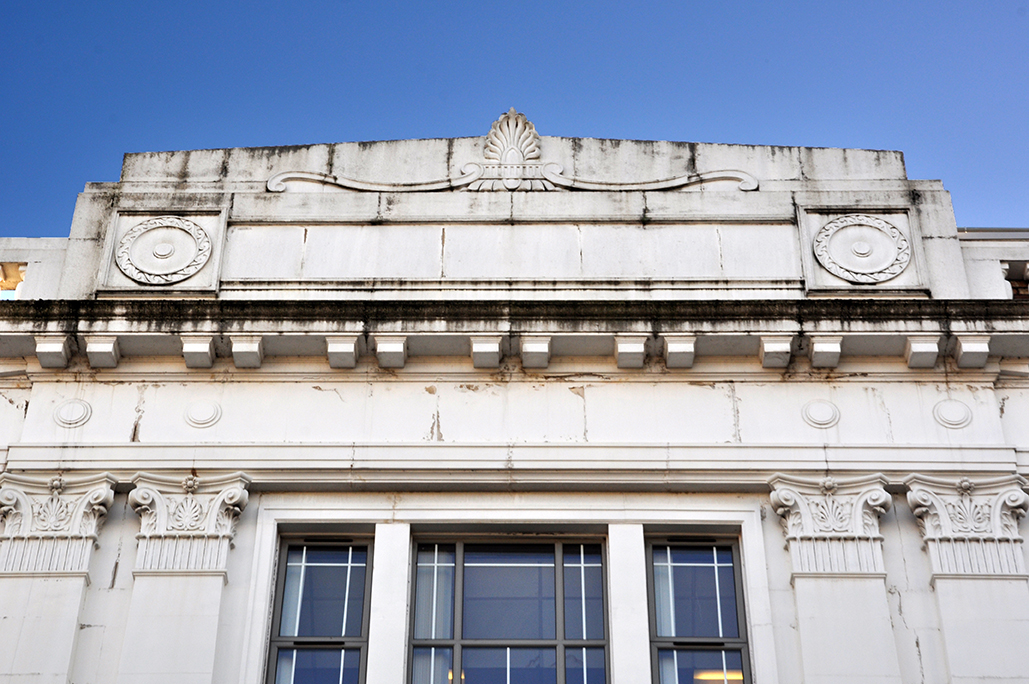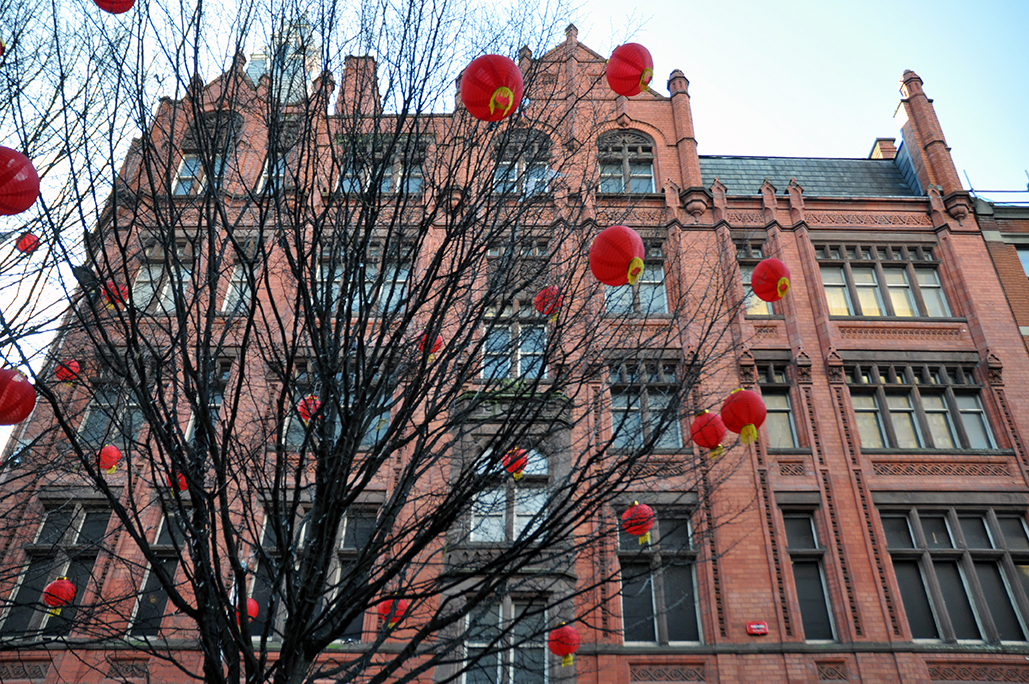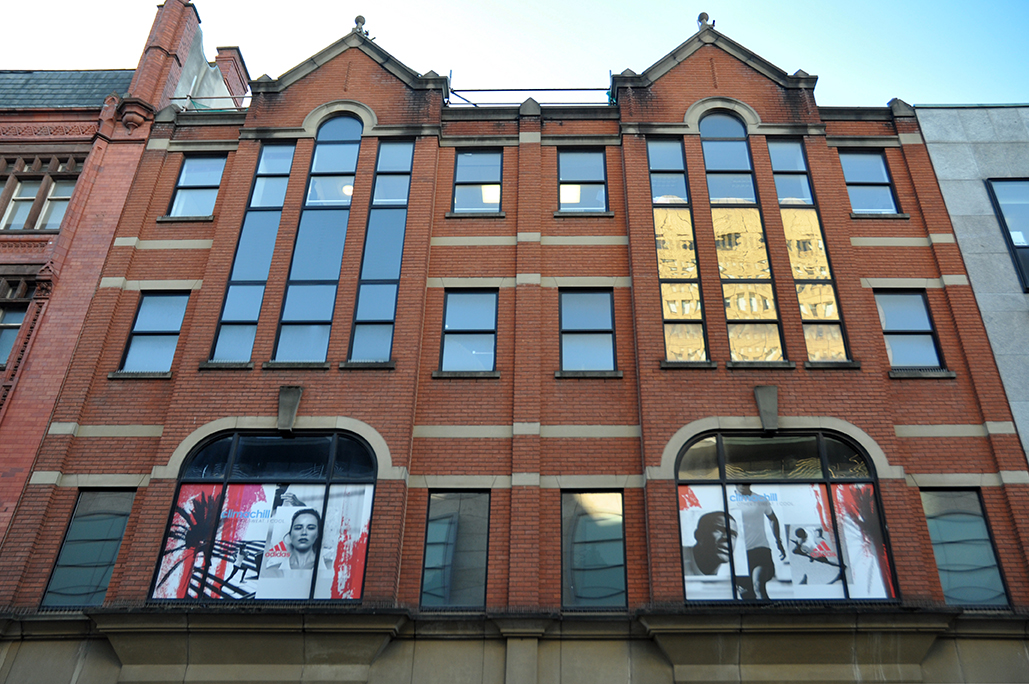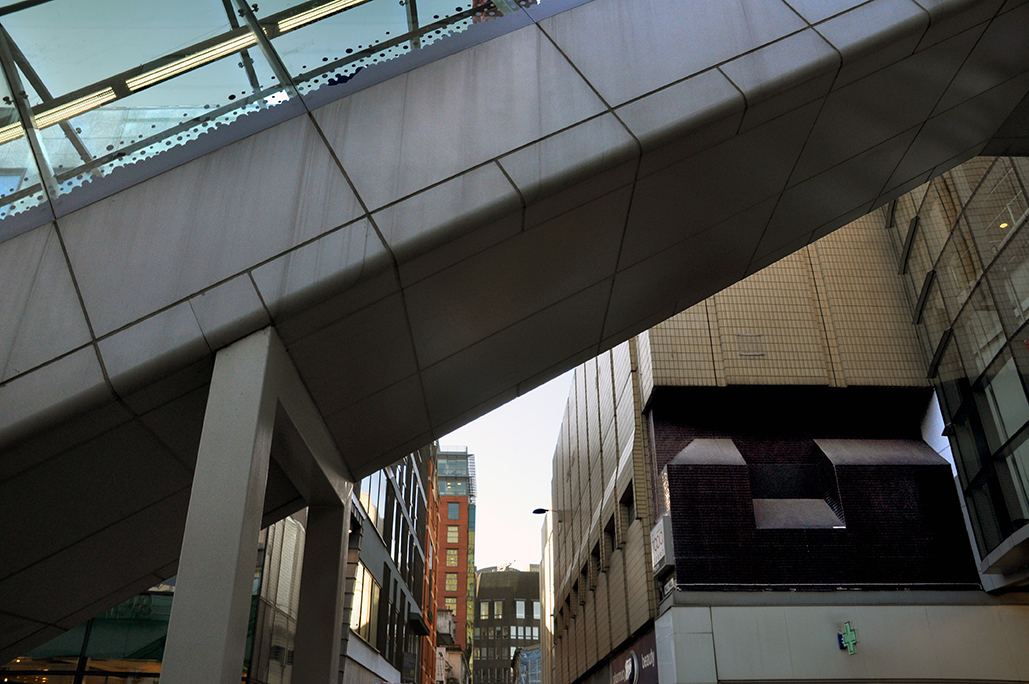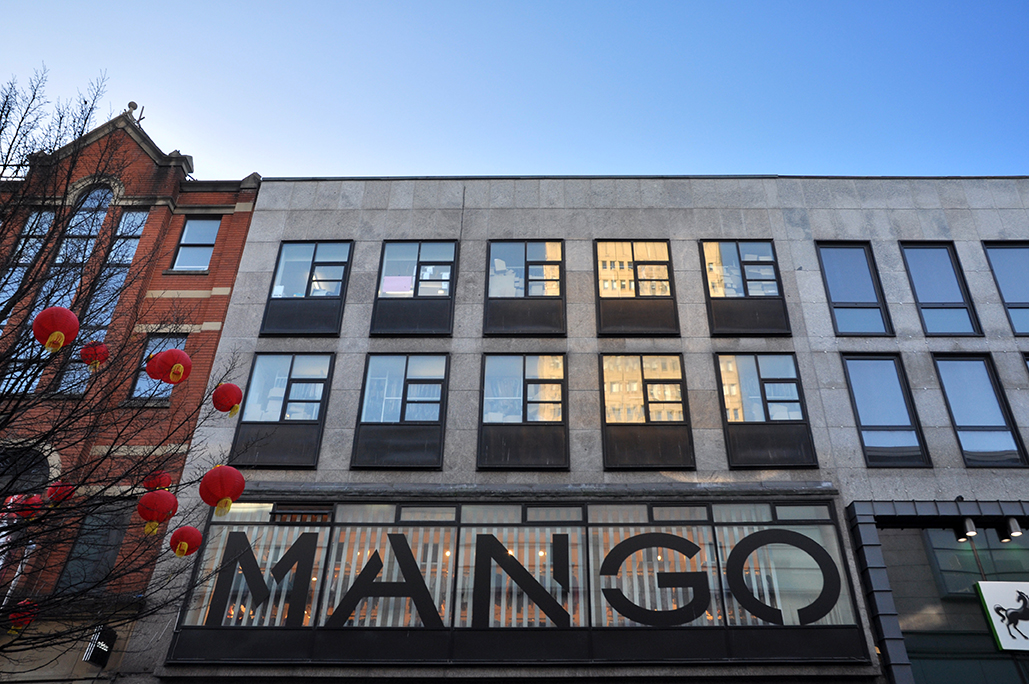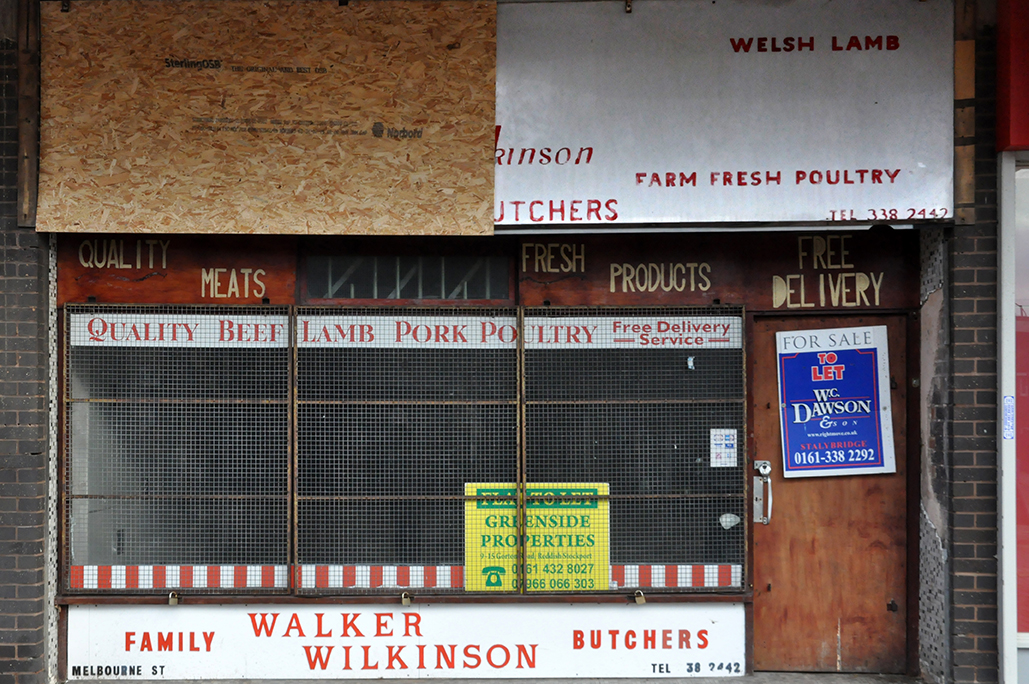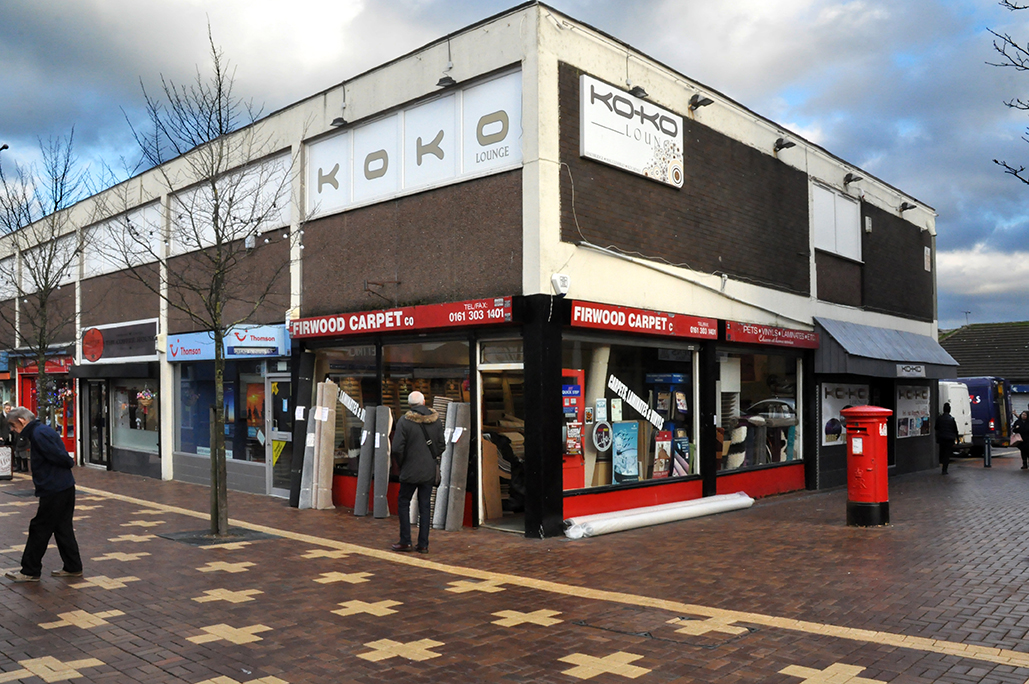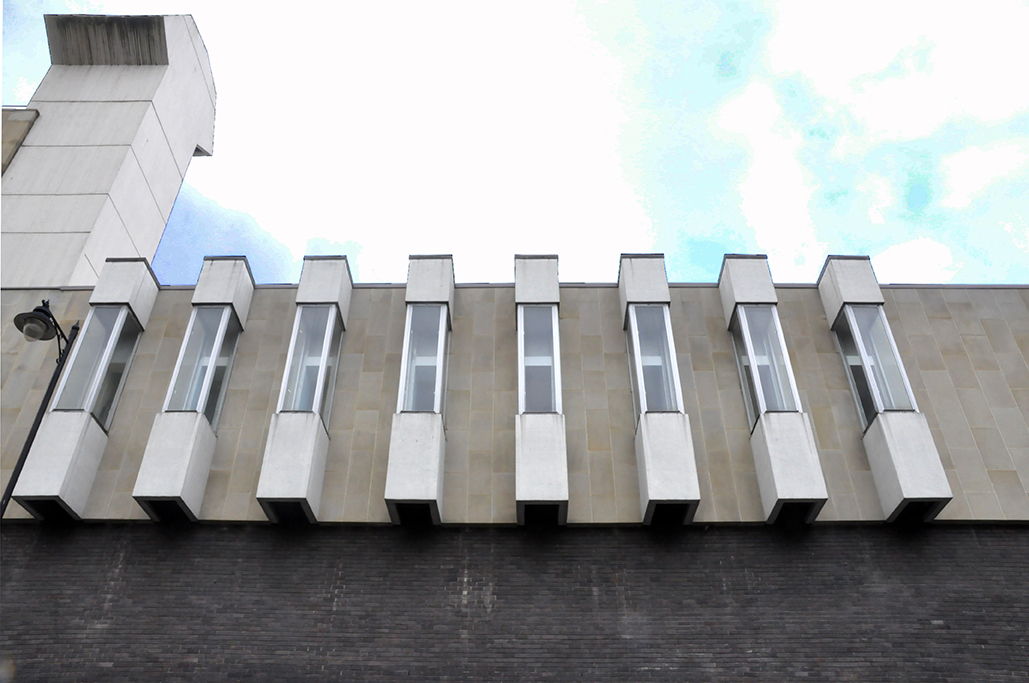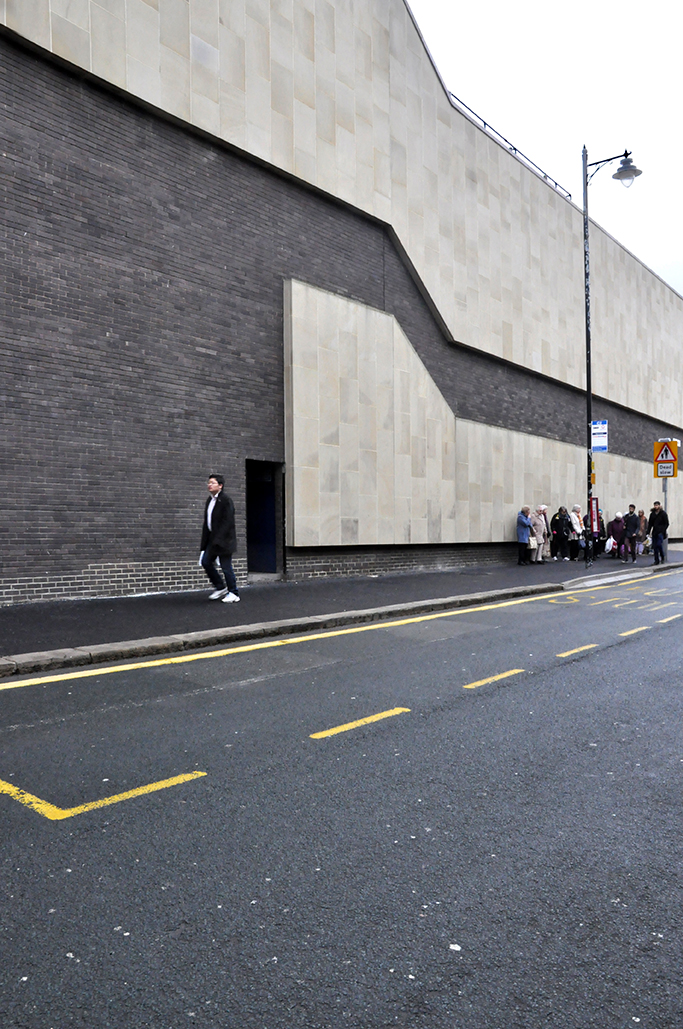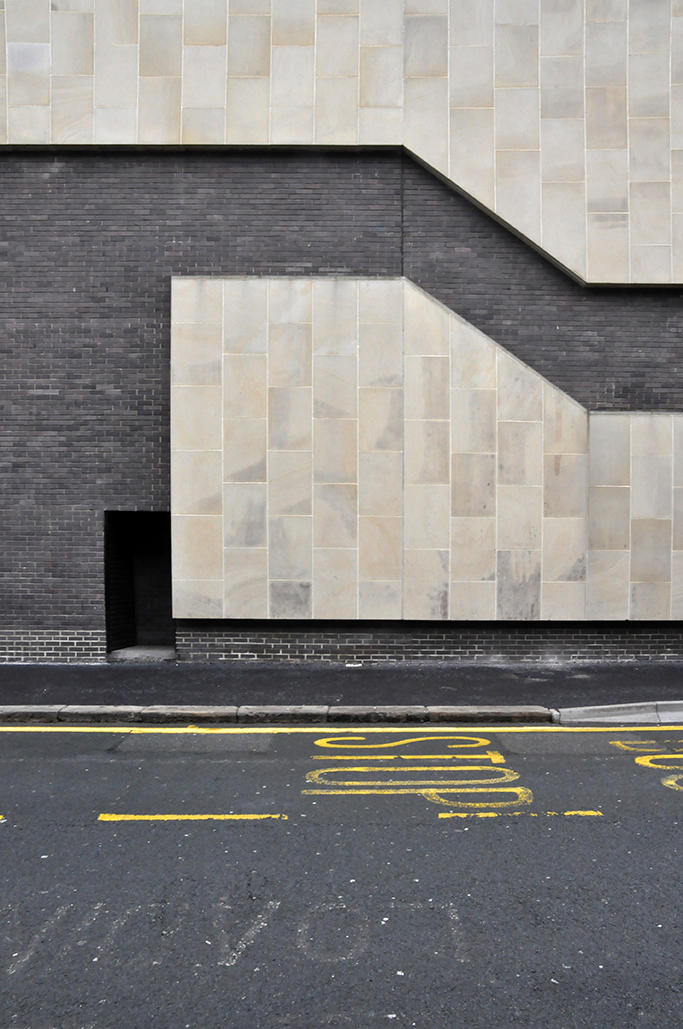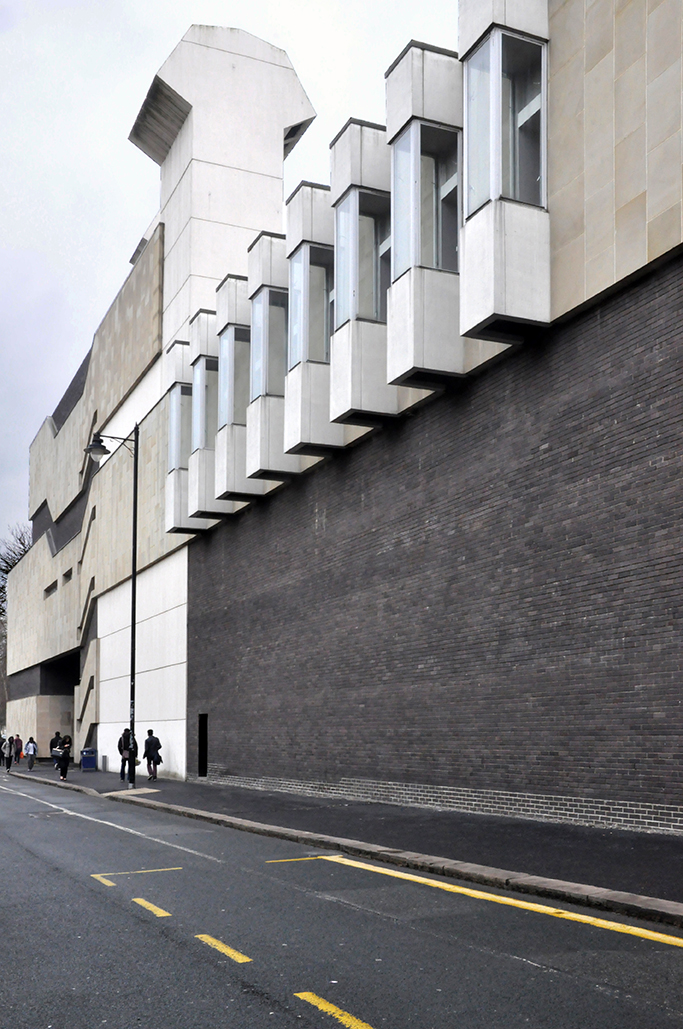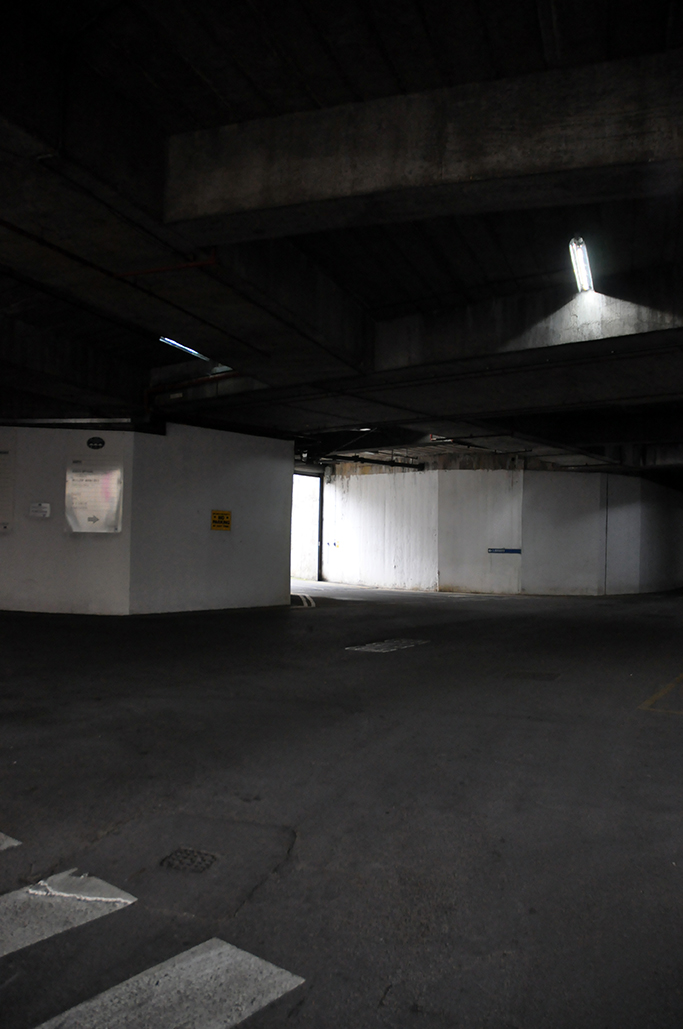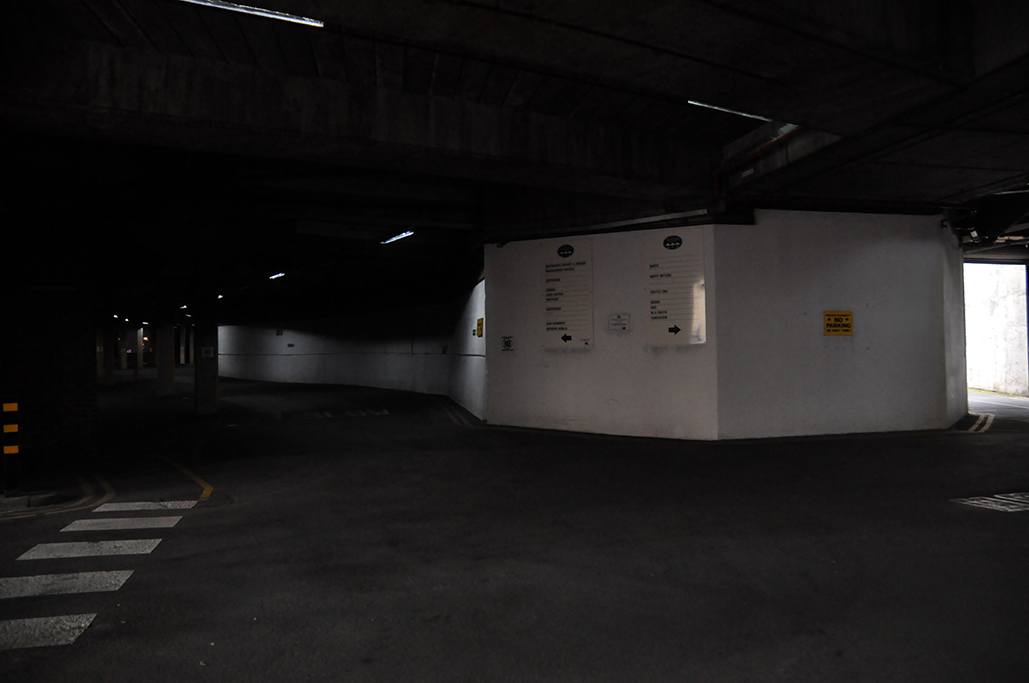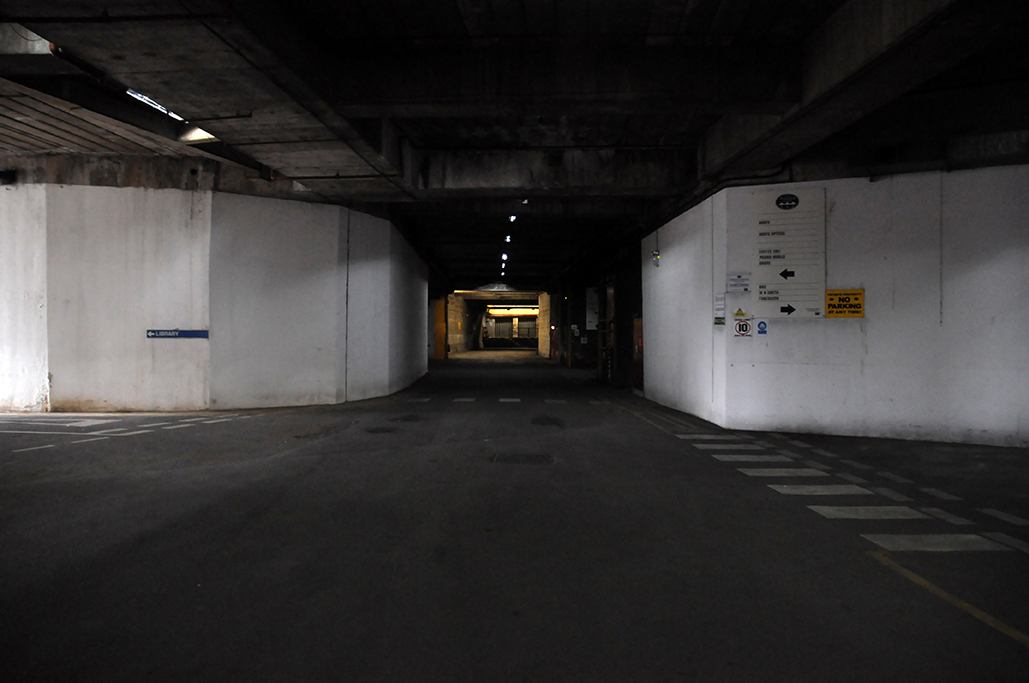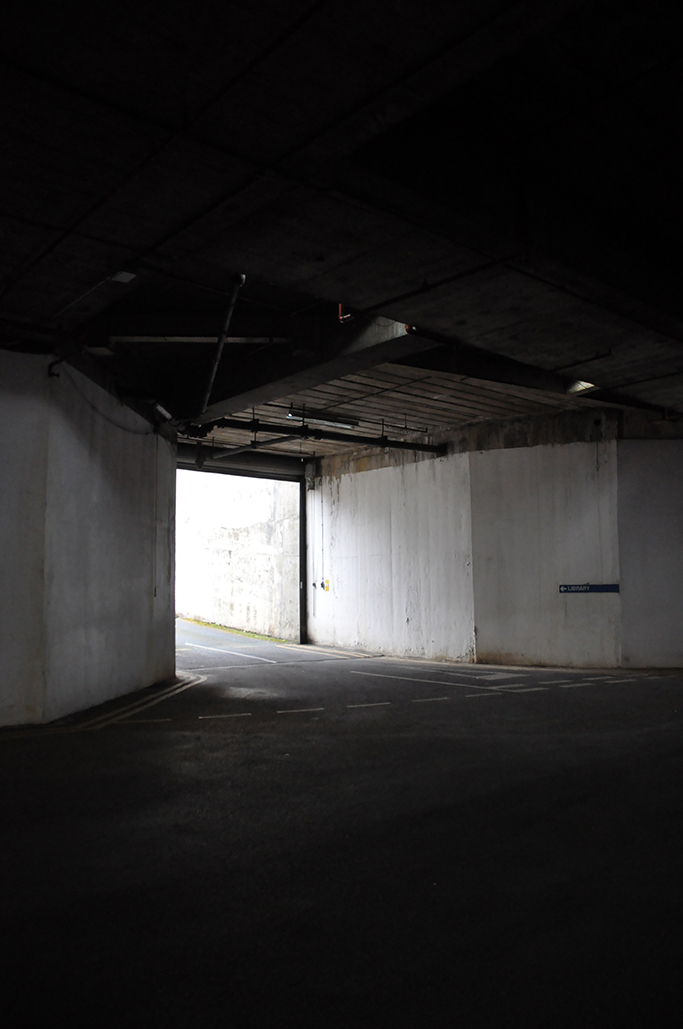
Sheffield – Gallery Shops

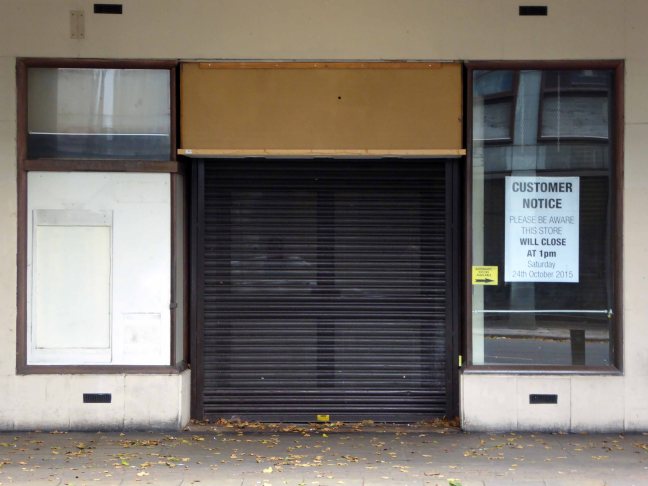
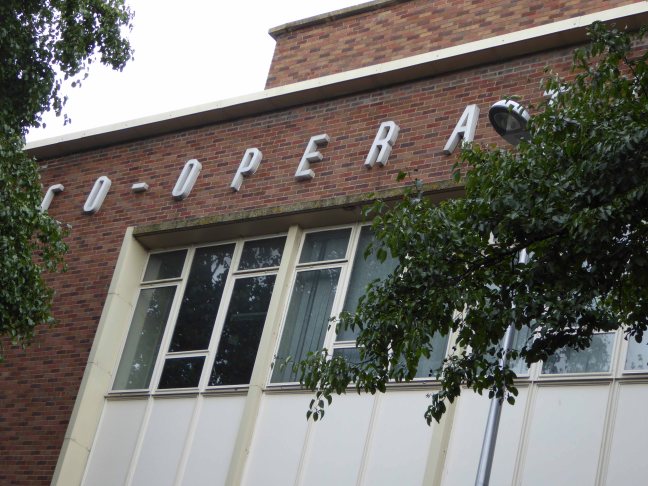
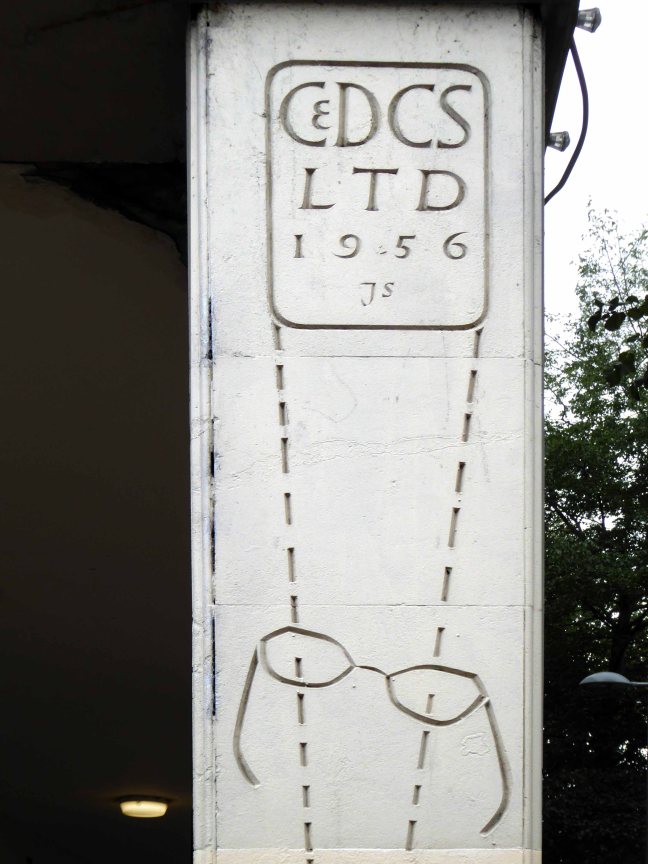
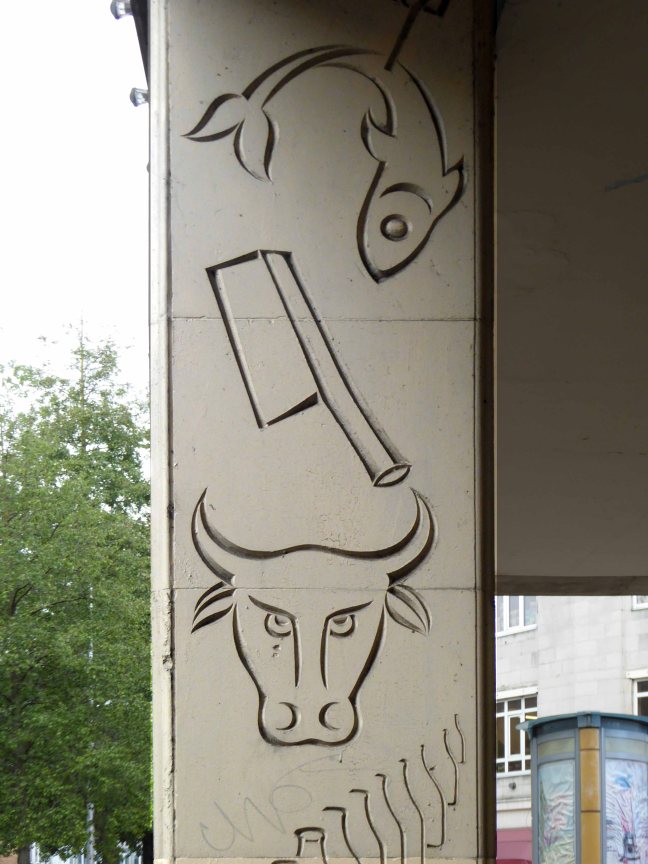
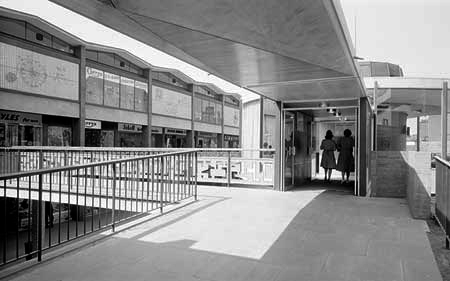
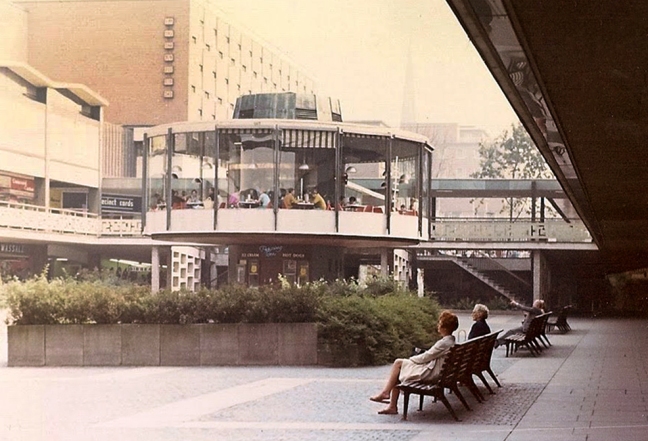
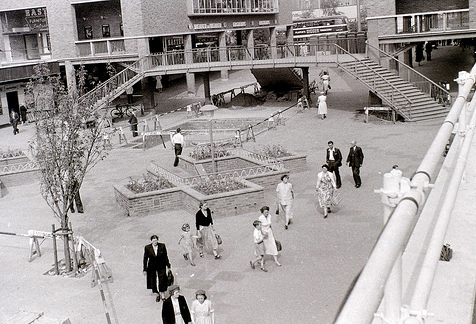
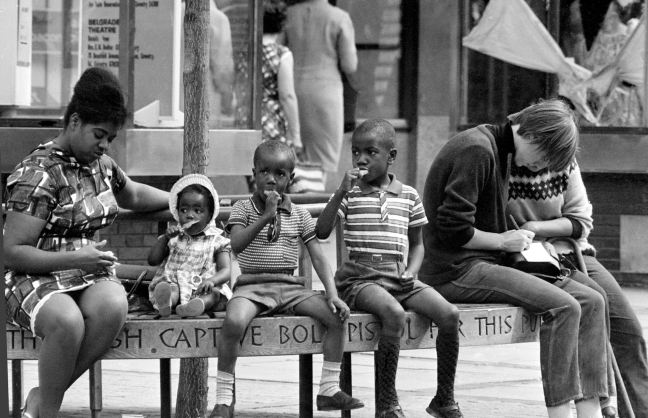
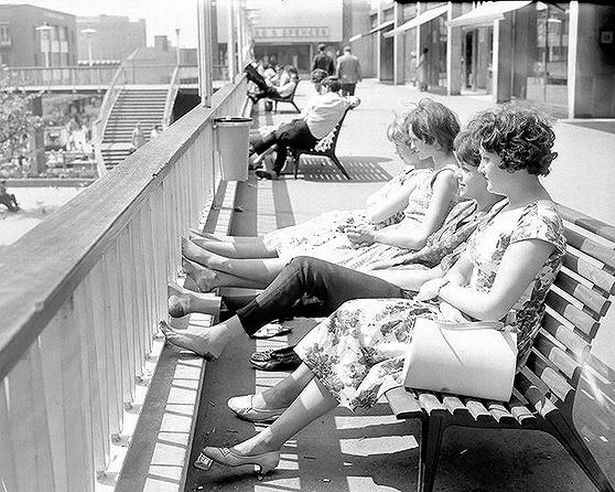
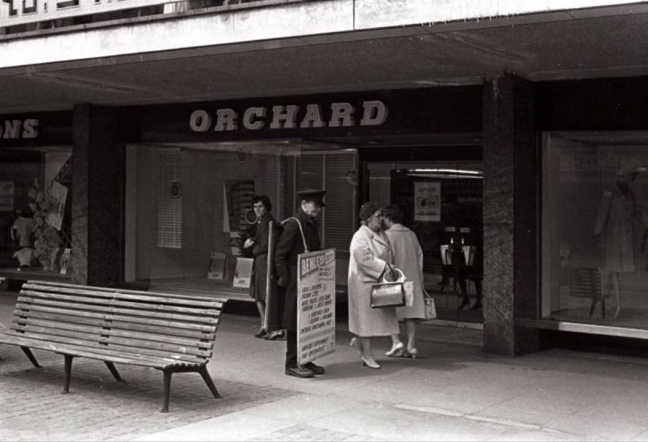
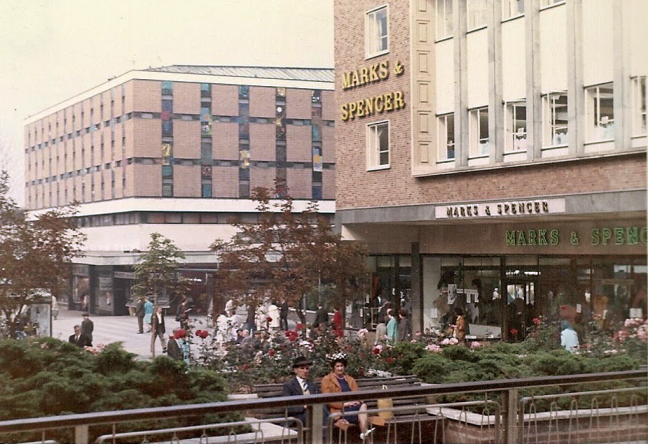
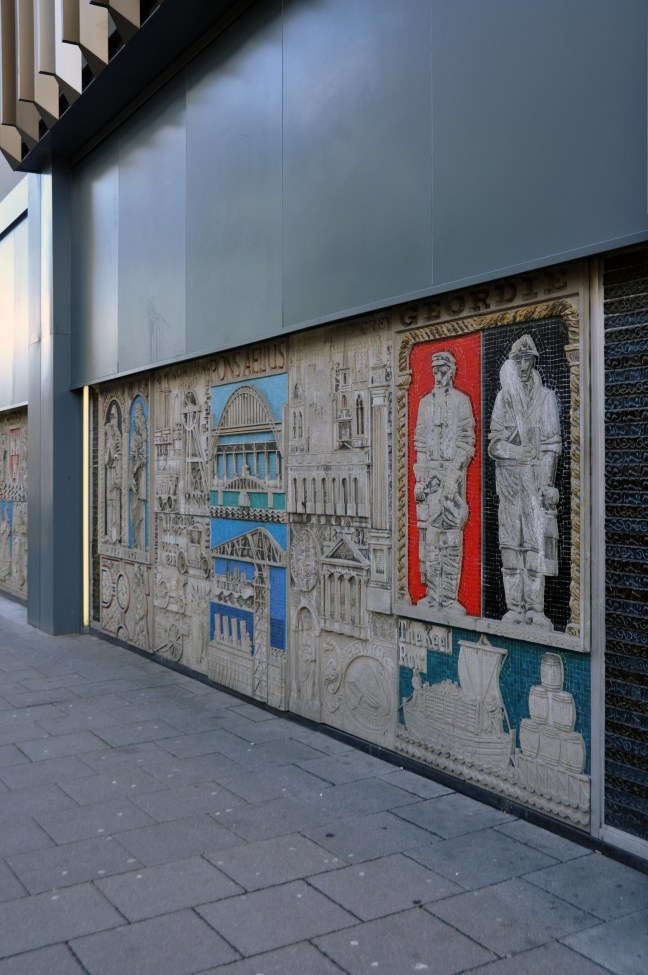
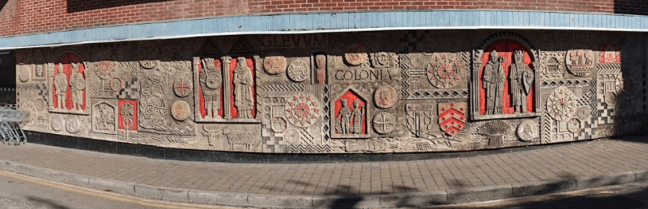
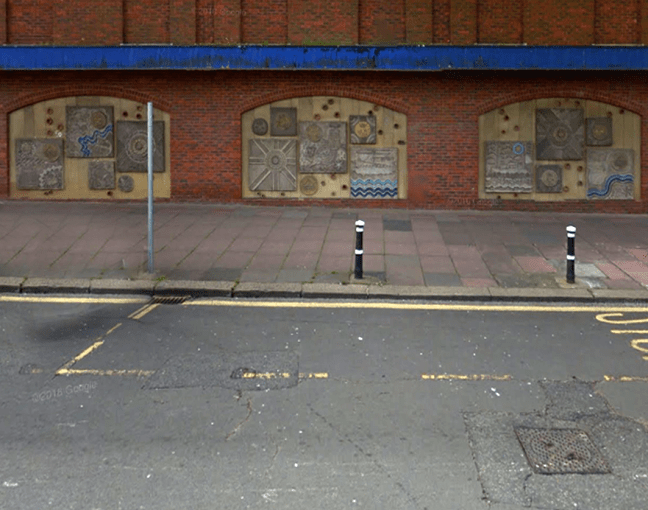
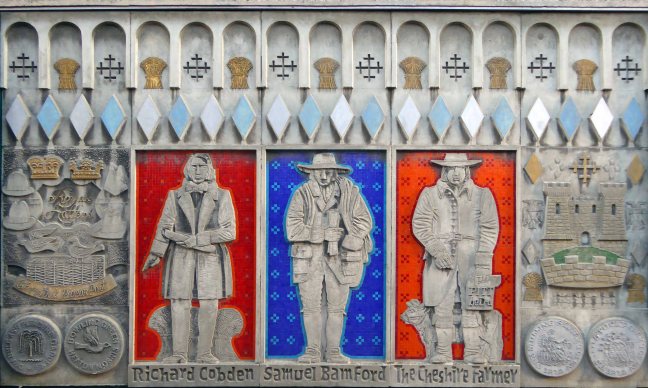
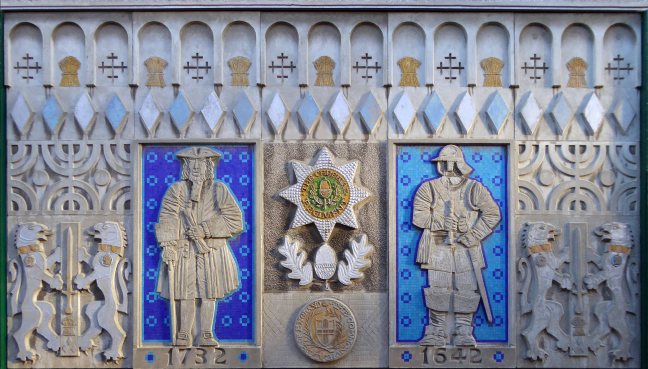
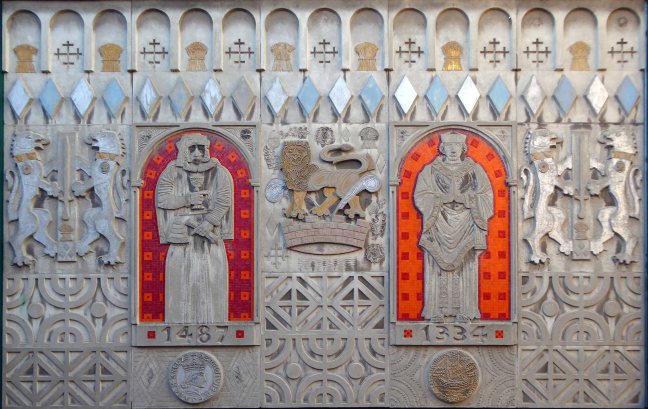
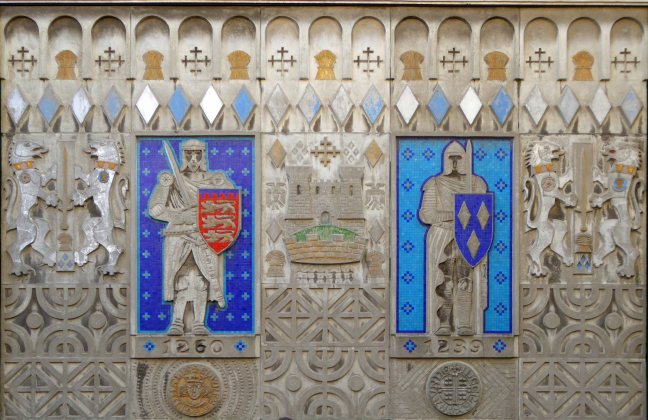
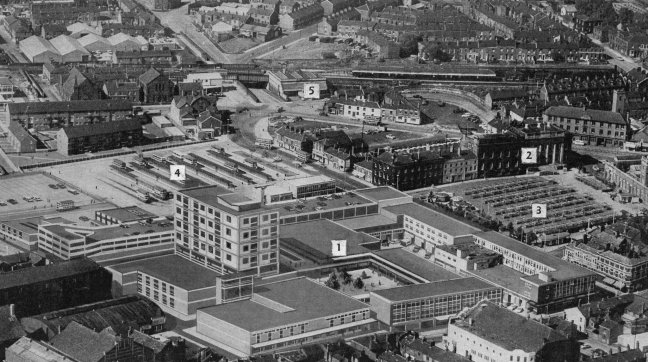
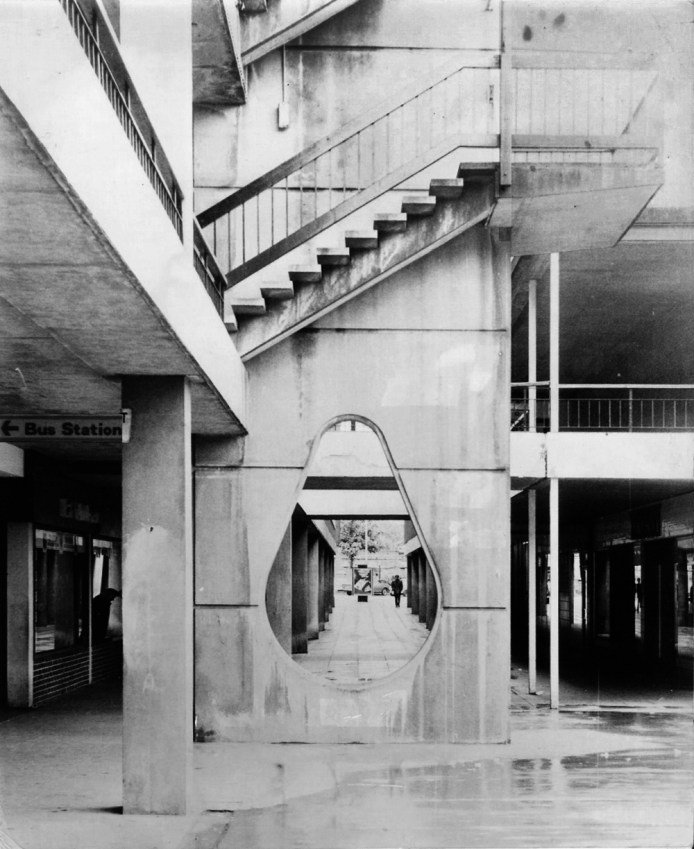
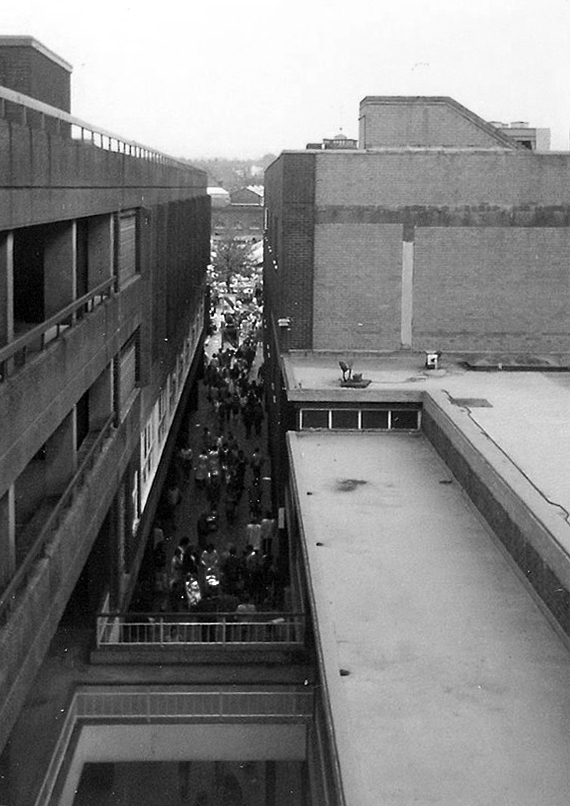
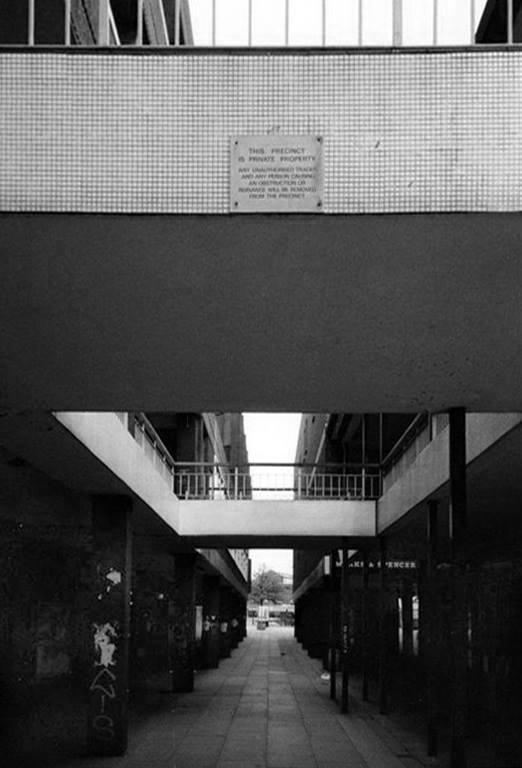
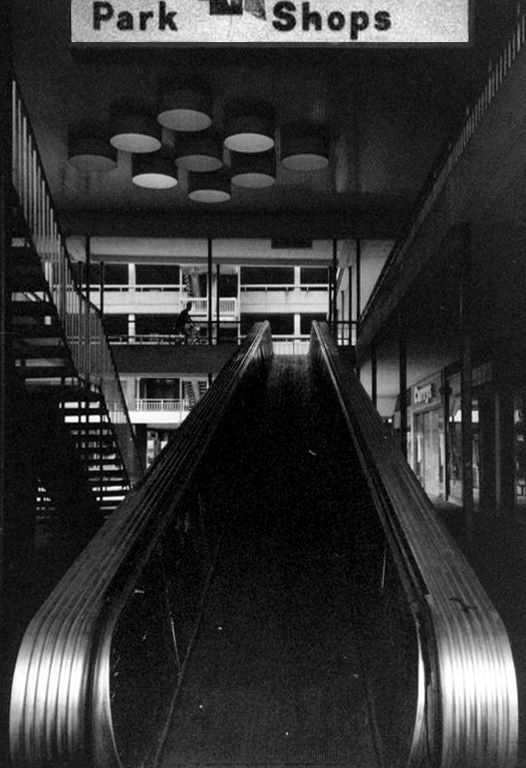
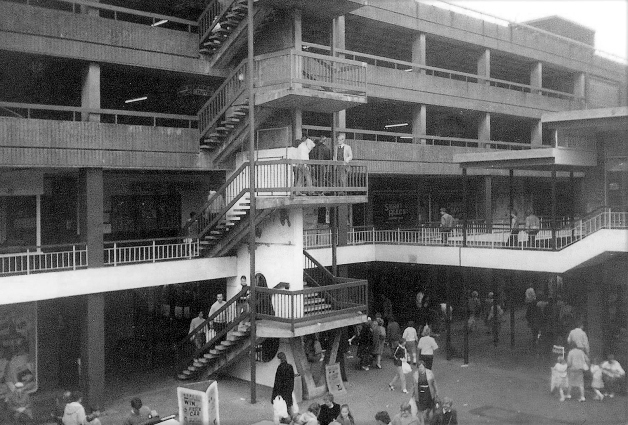
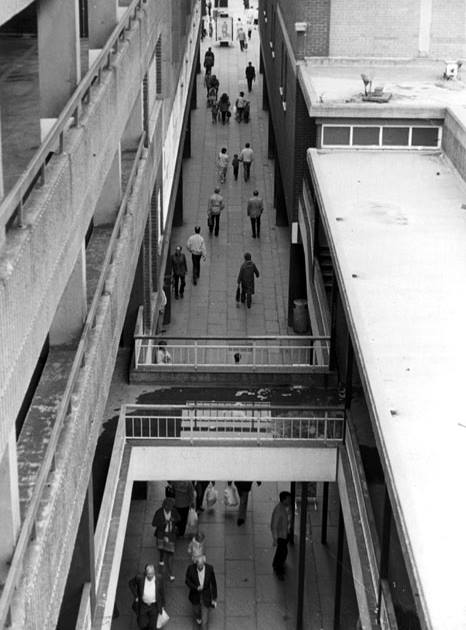
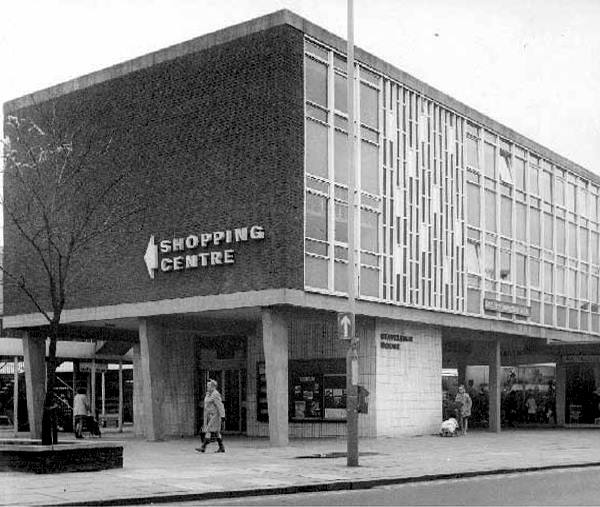
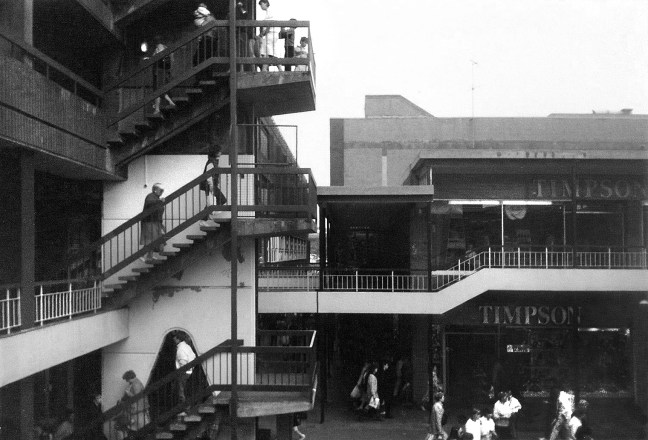
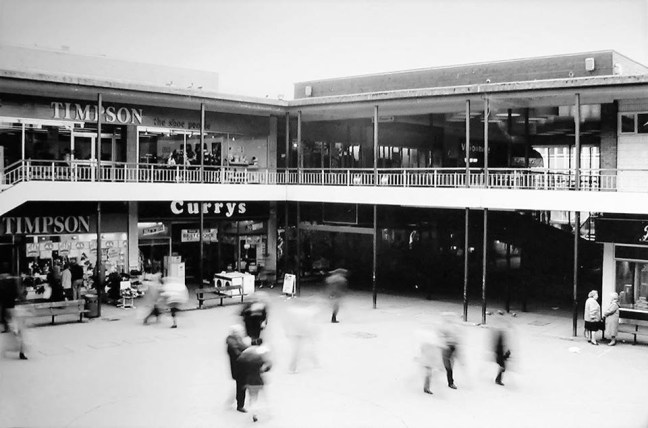
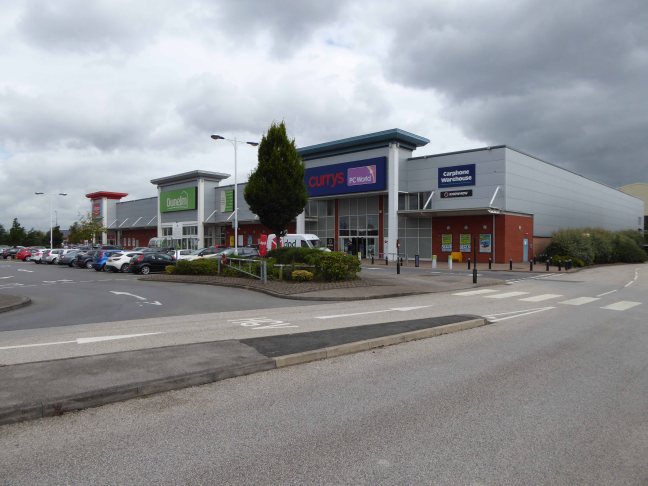
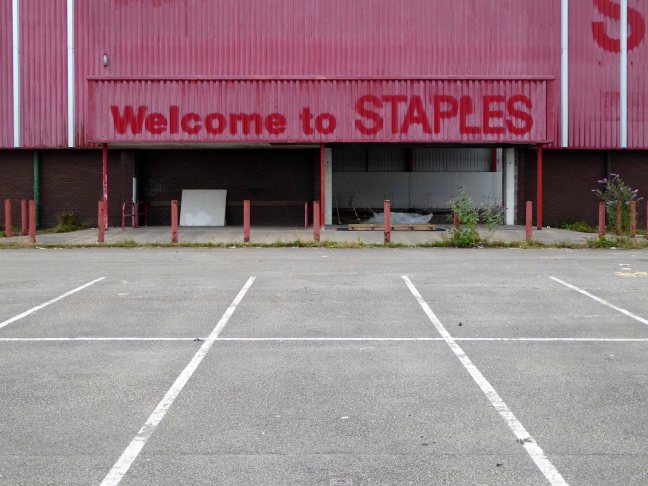
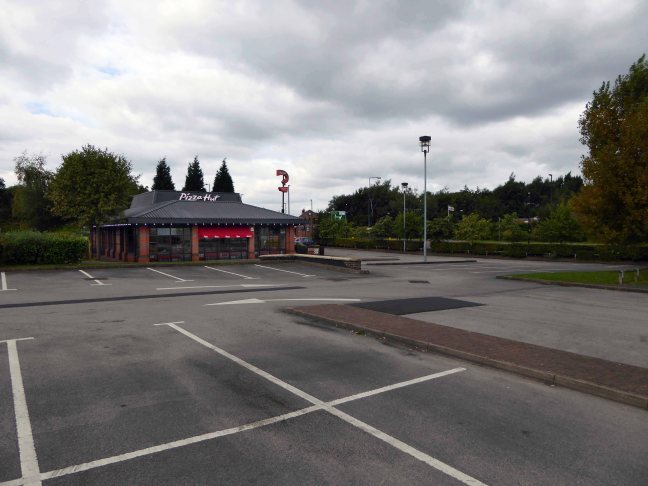
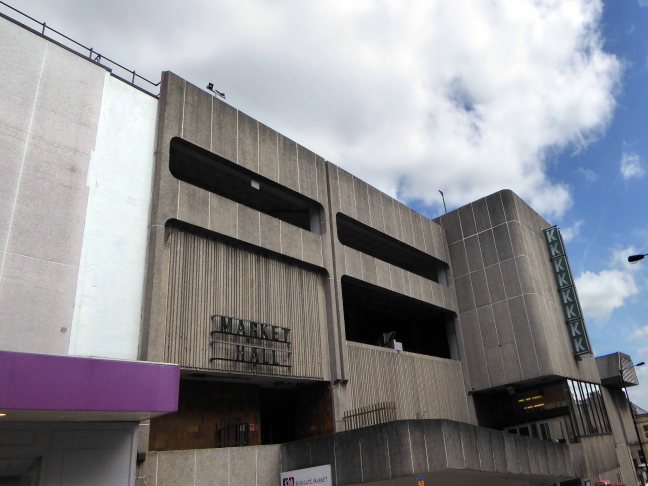
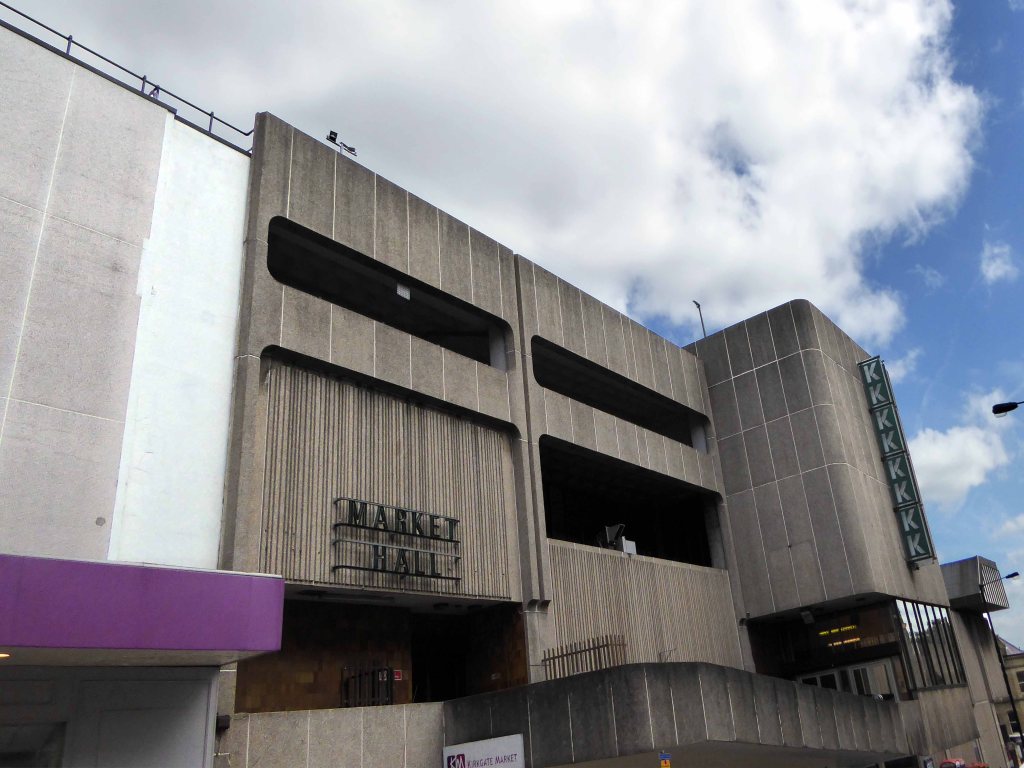
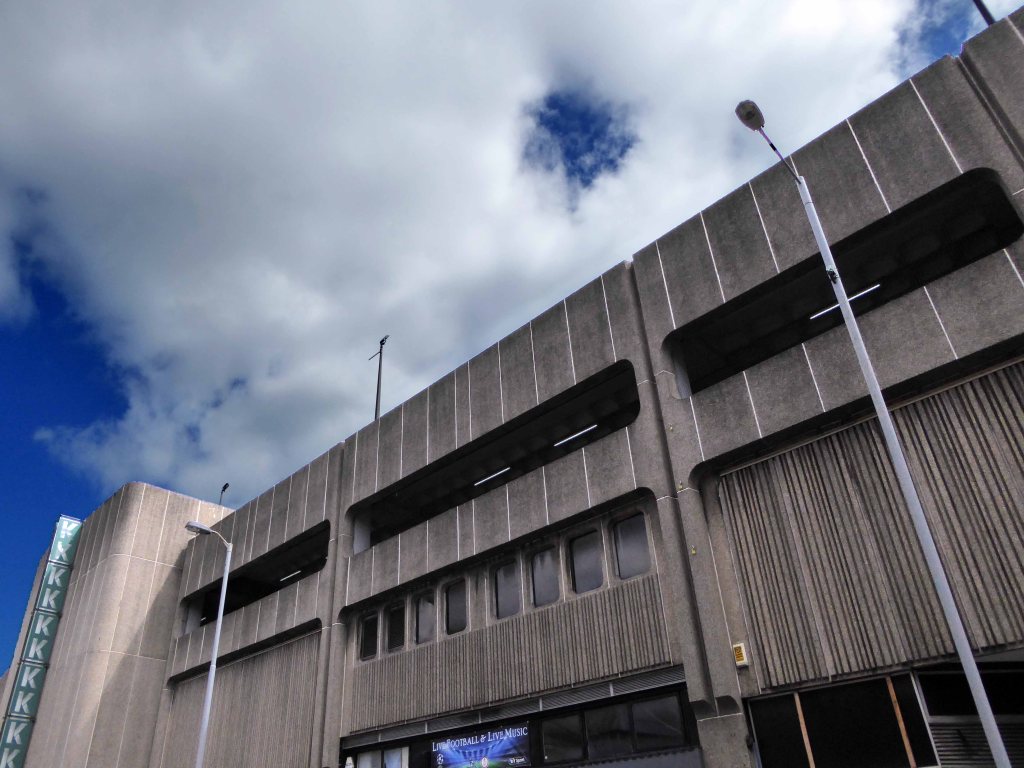
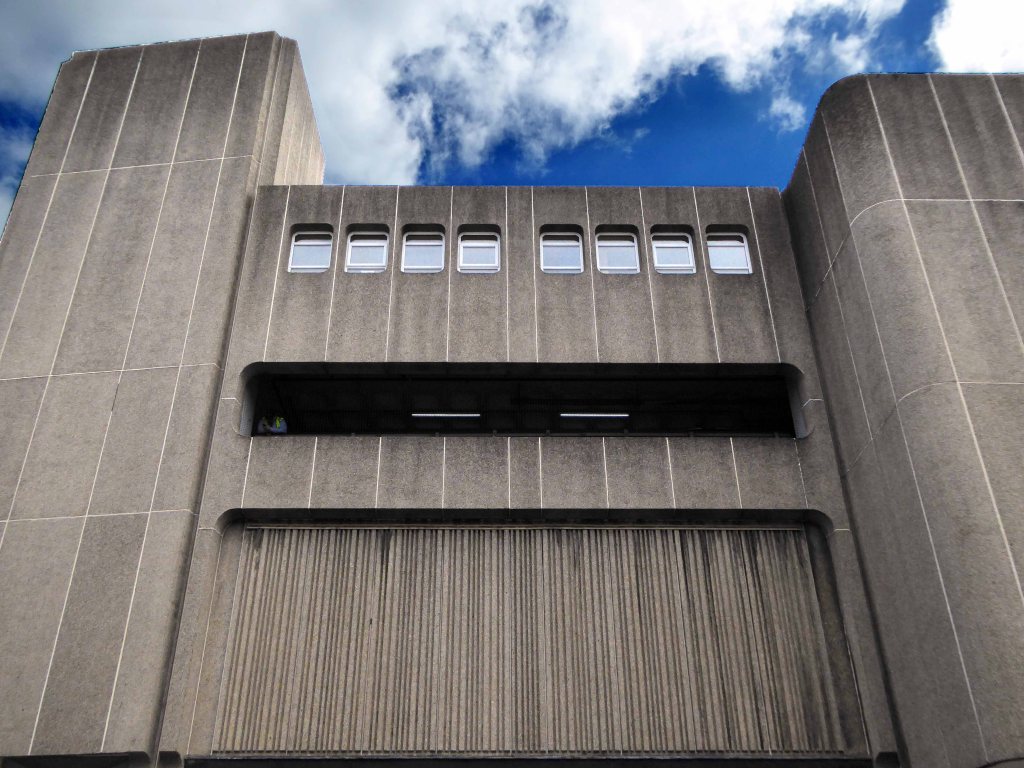
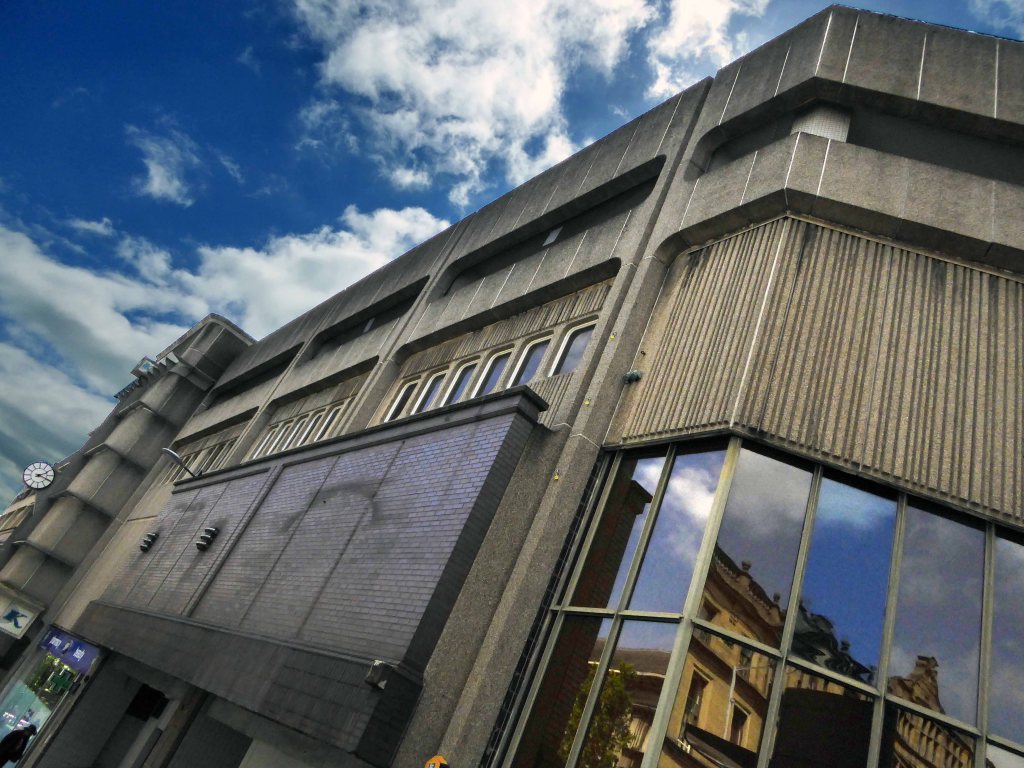
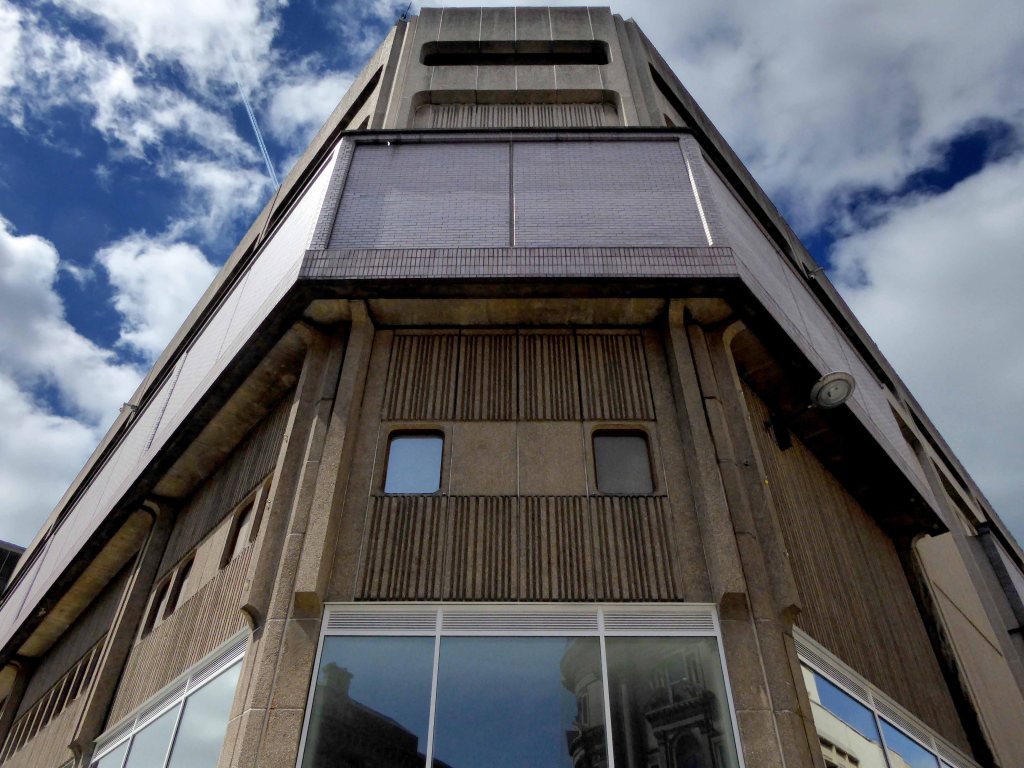
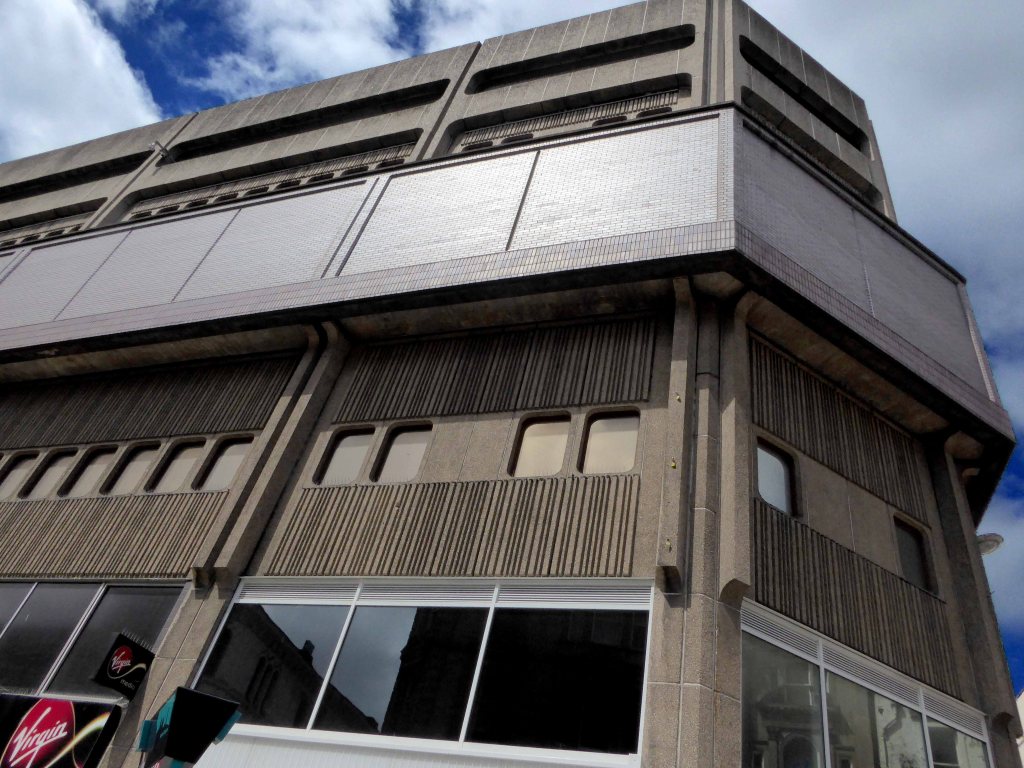
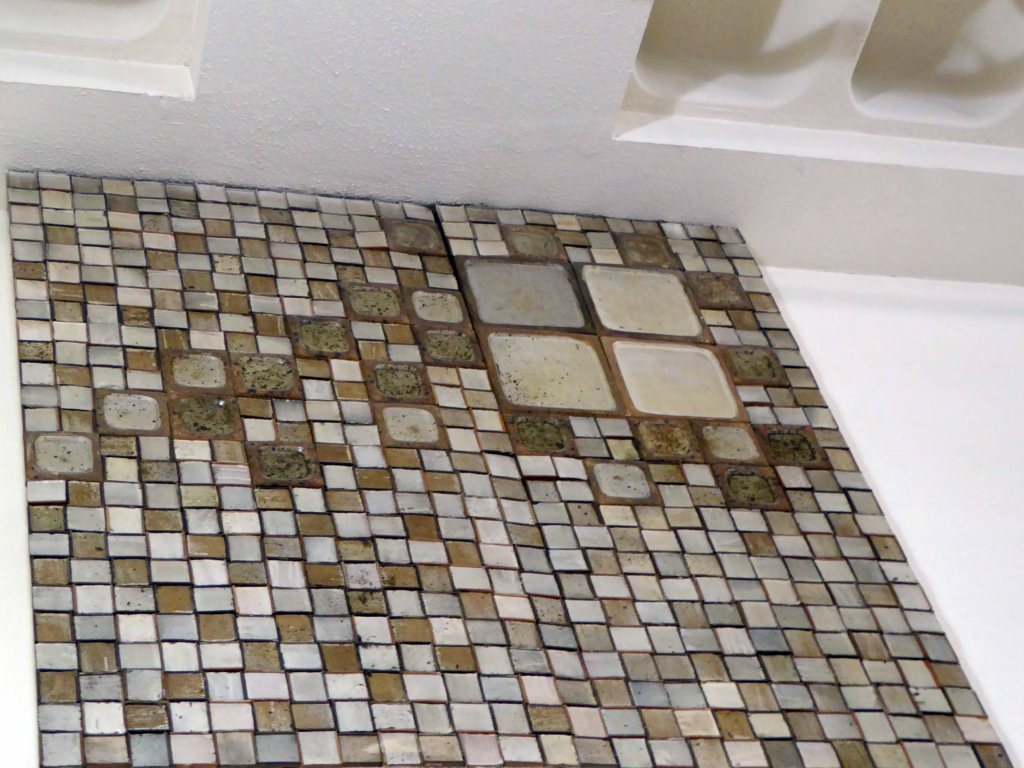
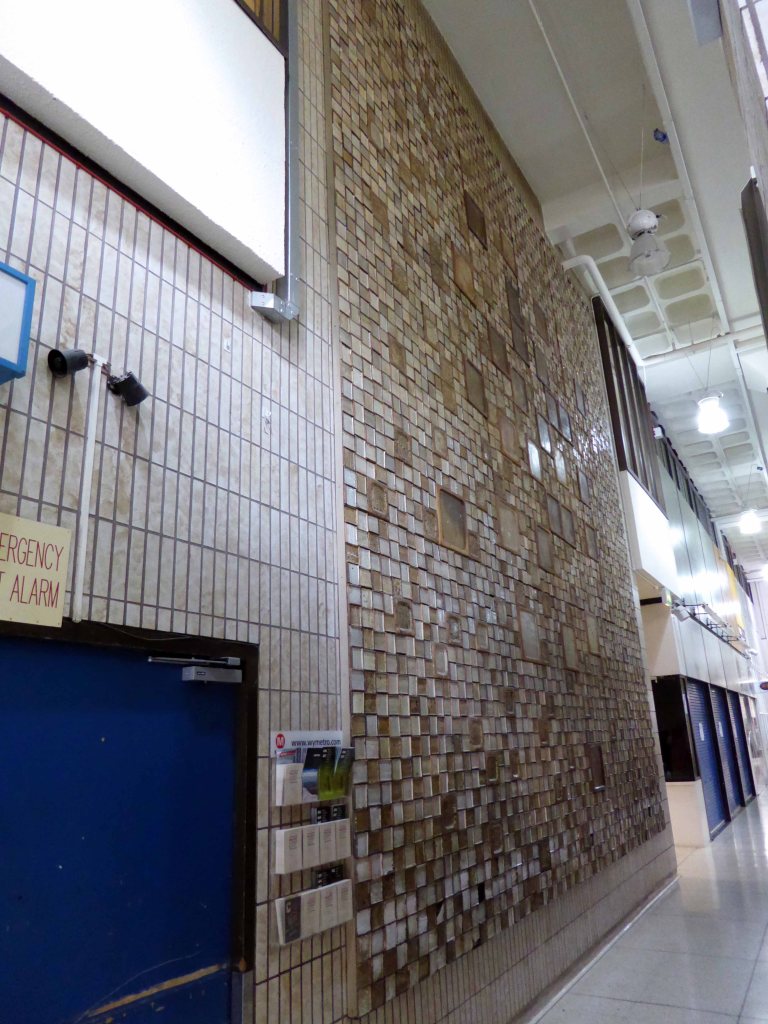
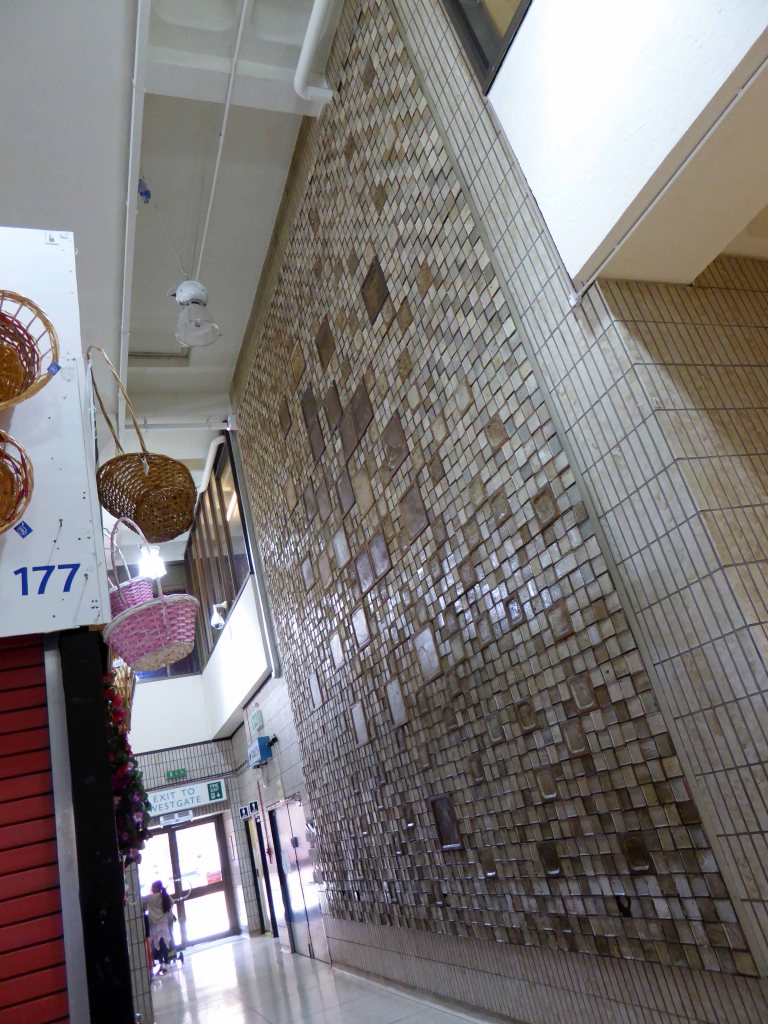
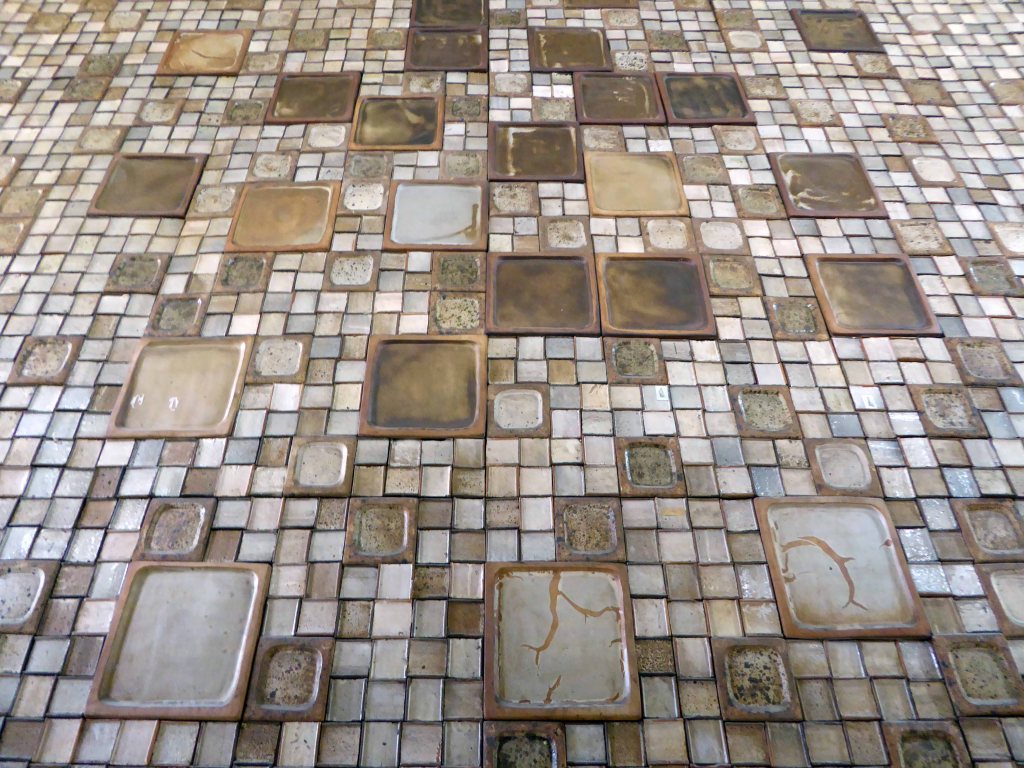
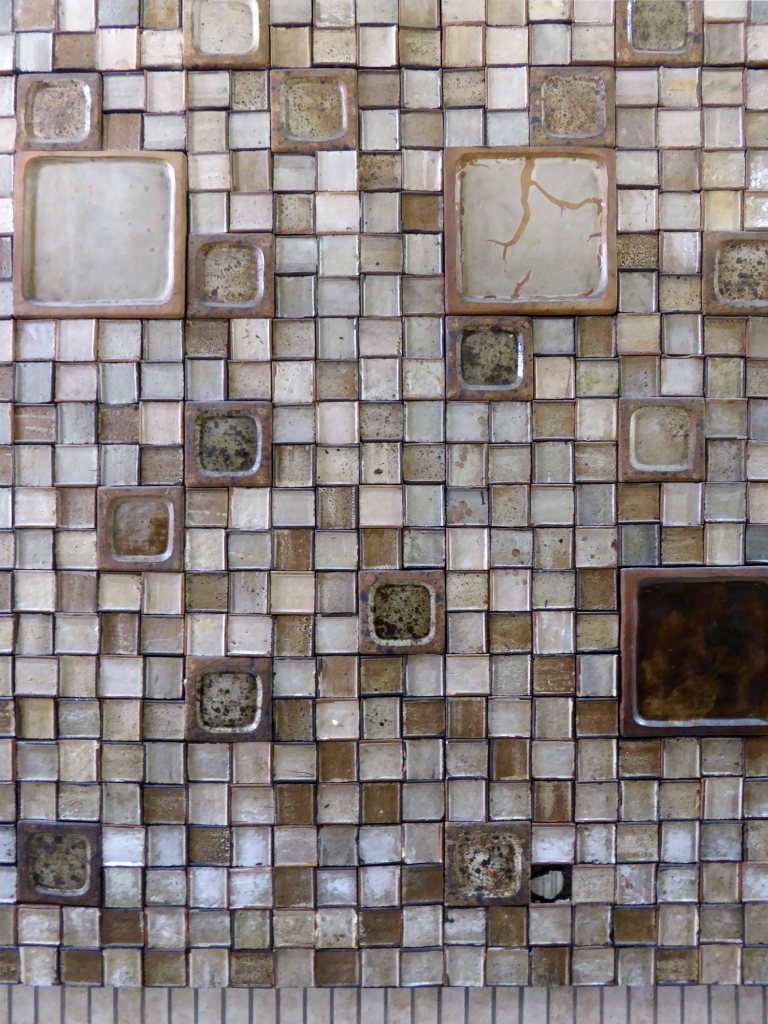
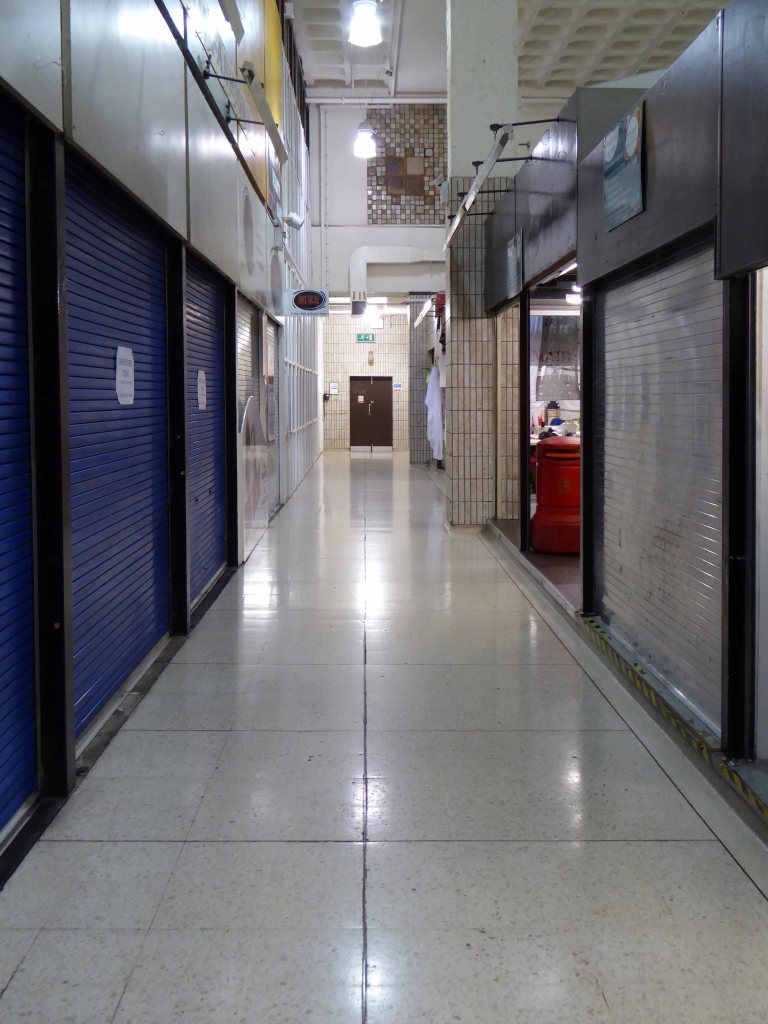
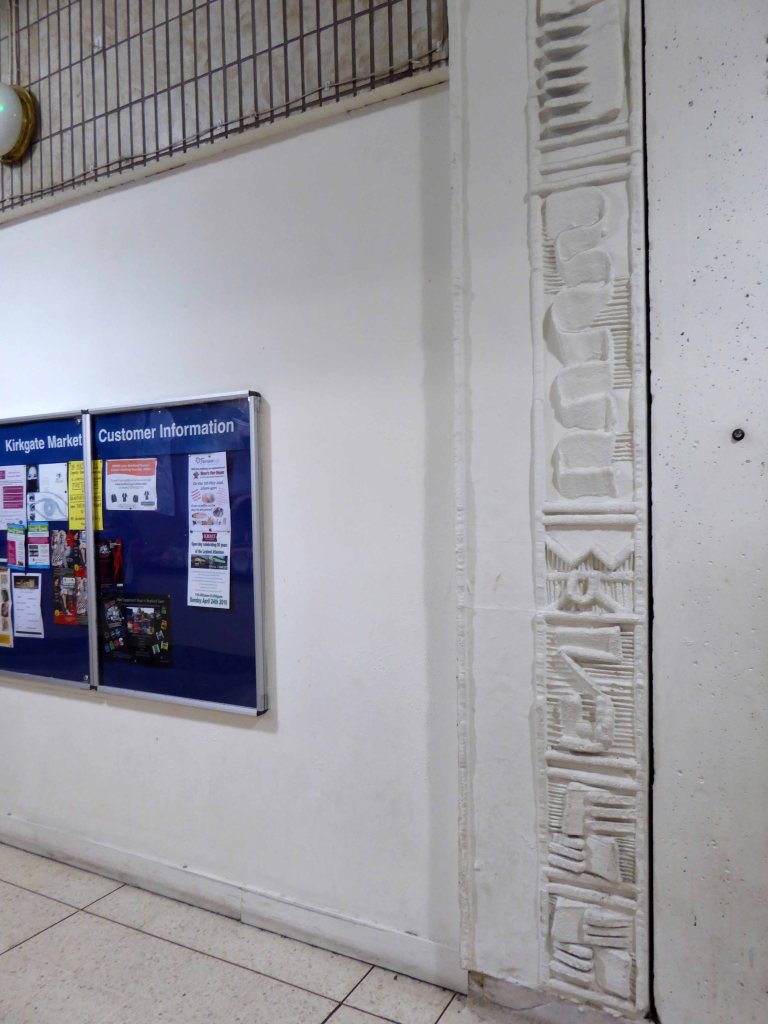
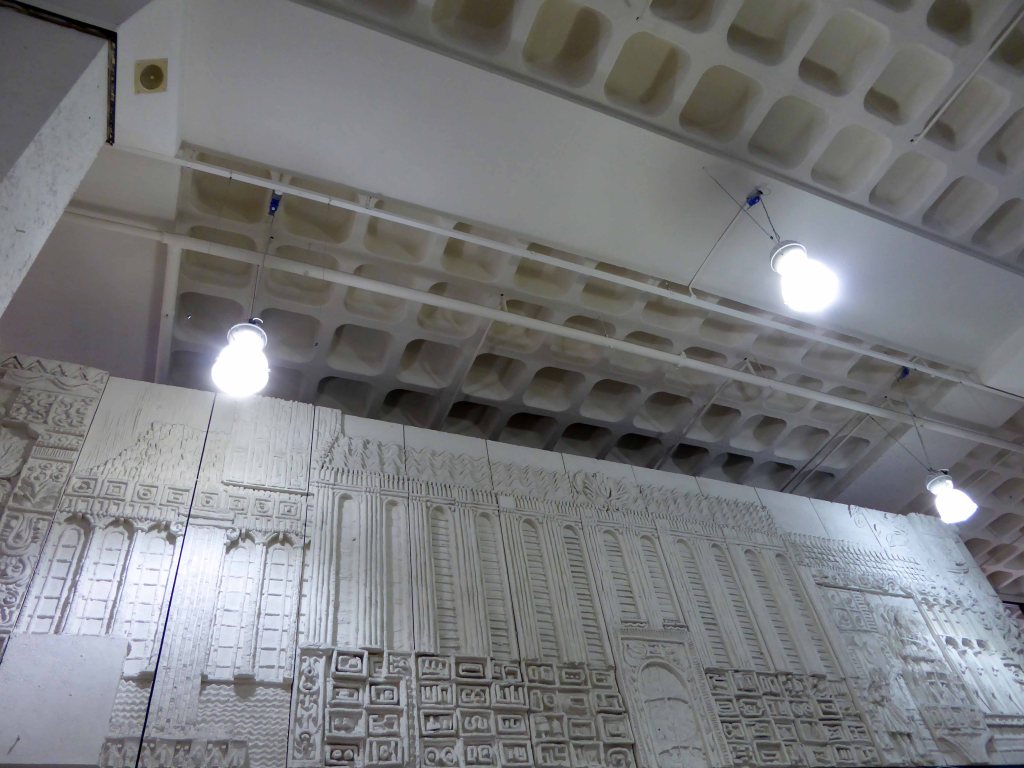
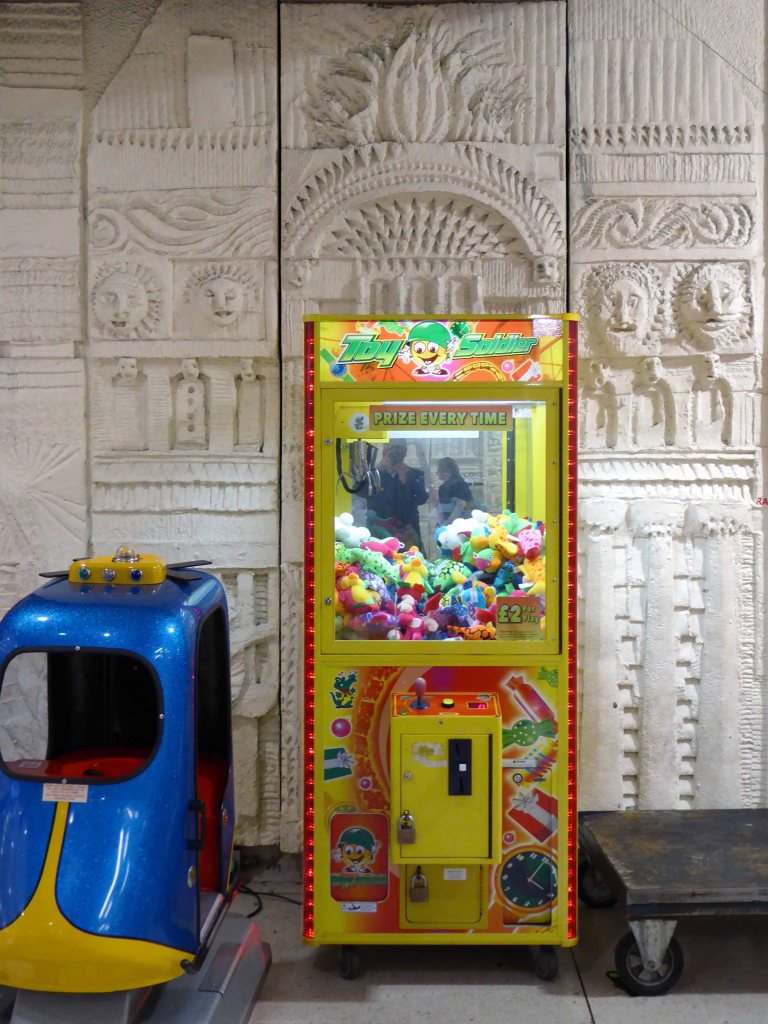
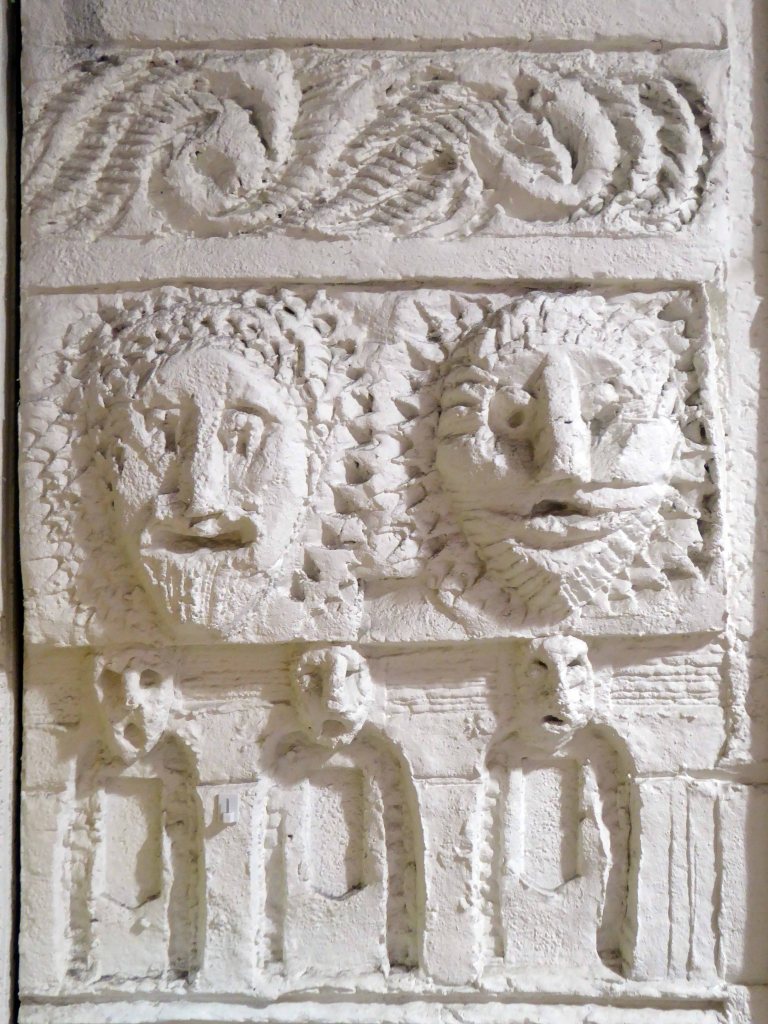
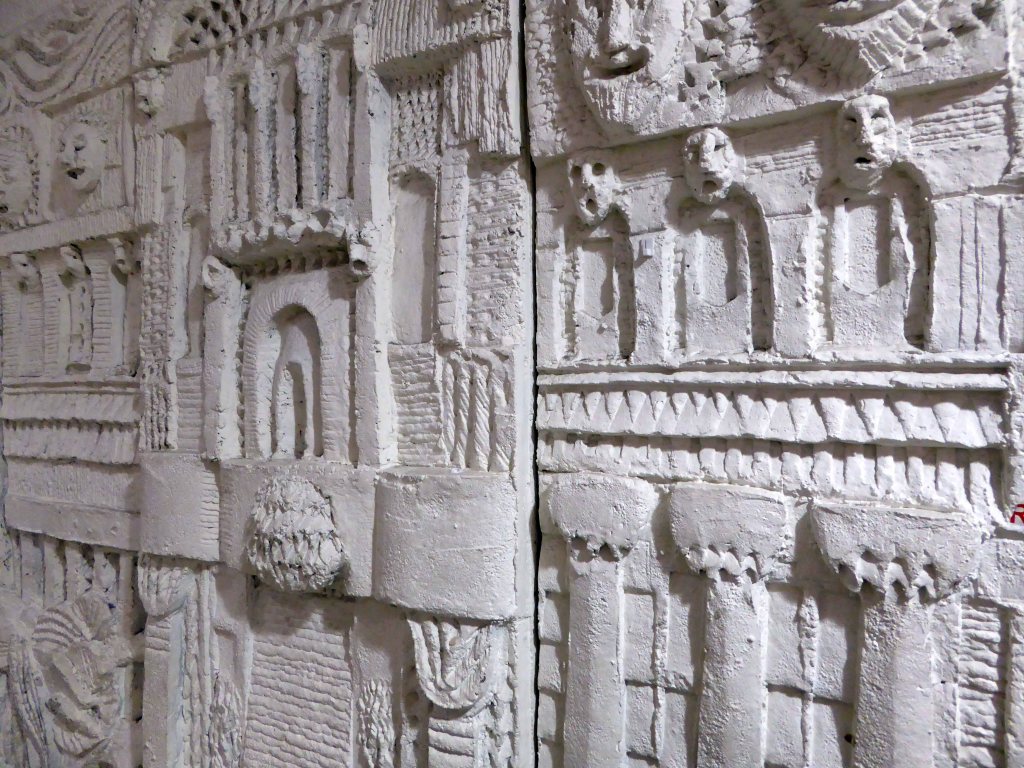
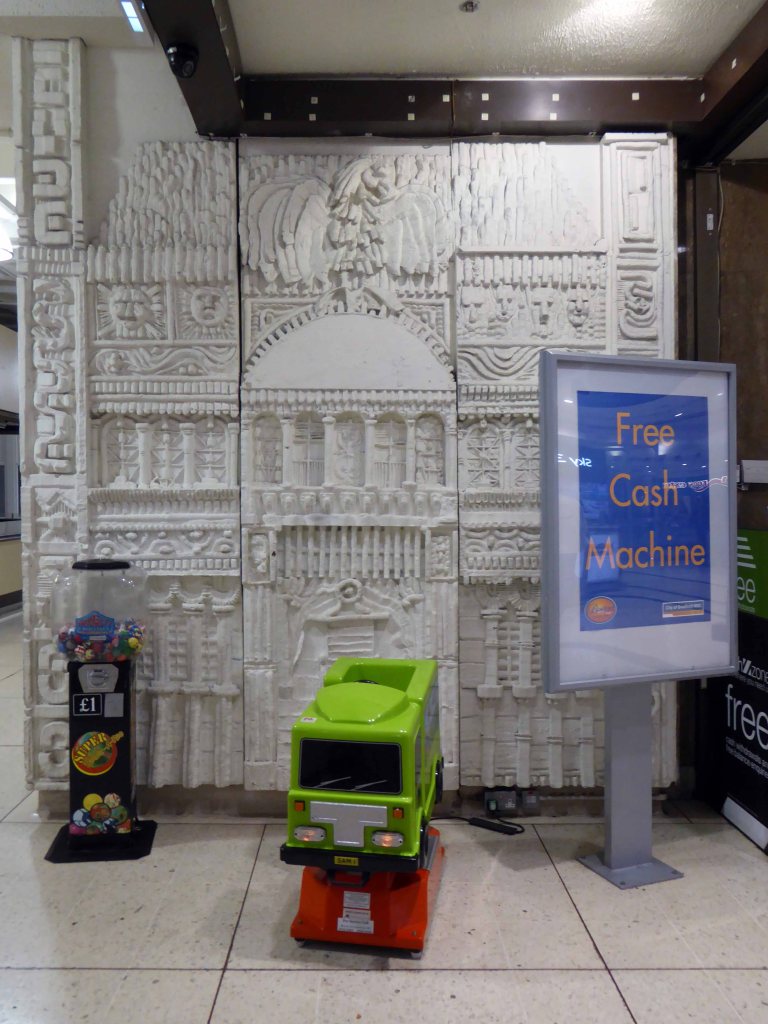
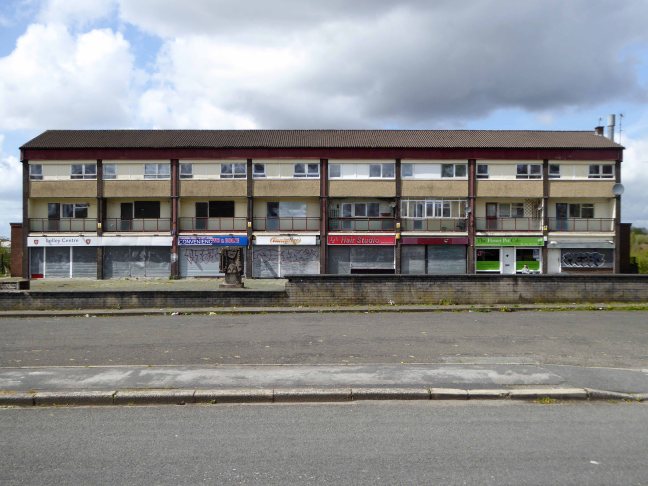
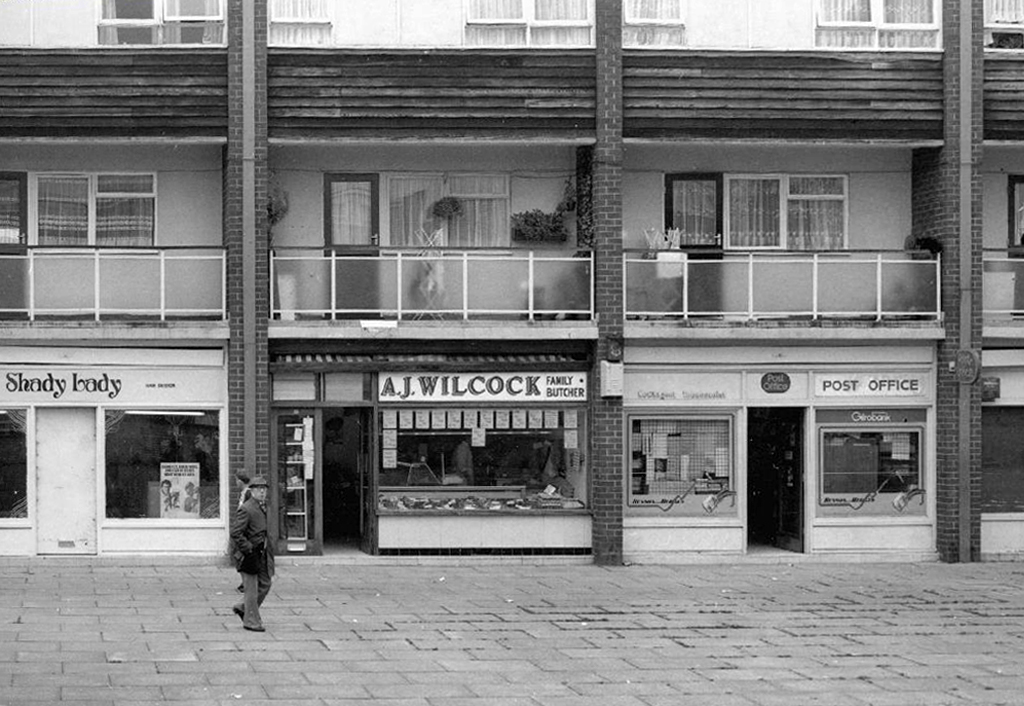
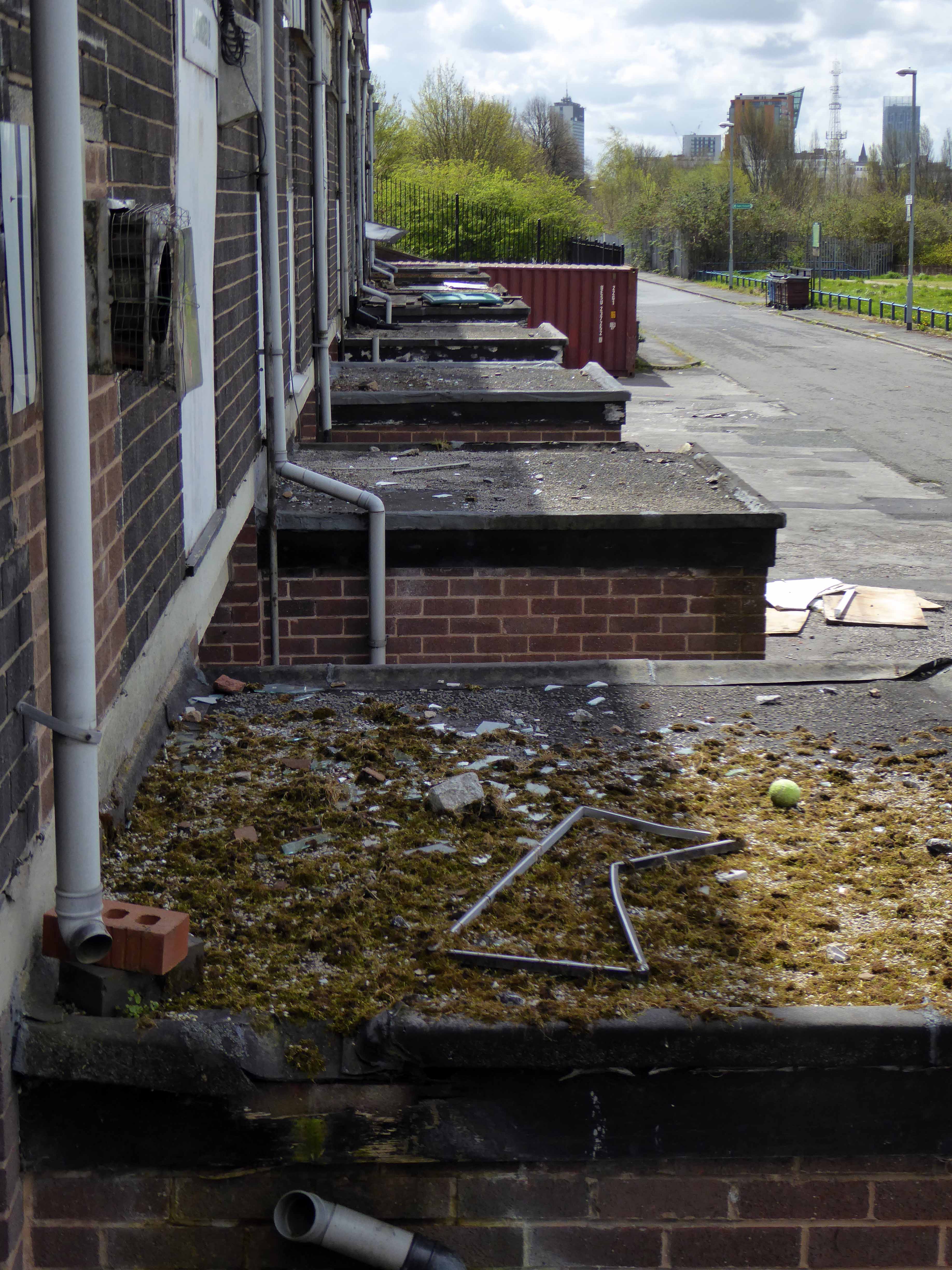
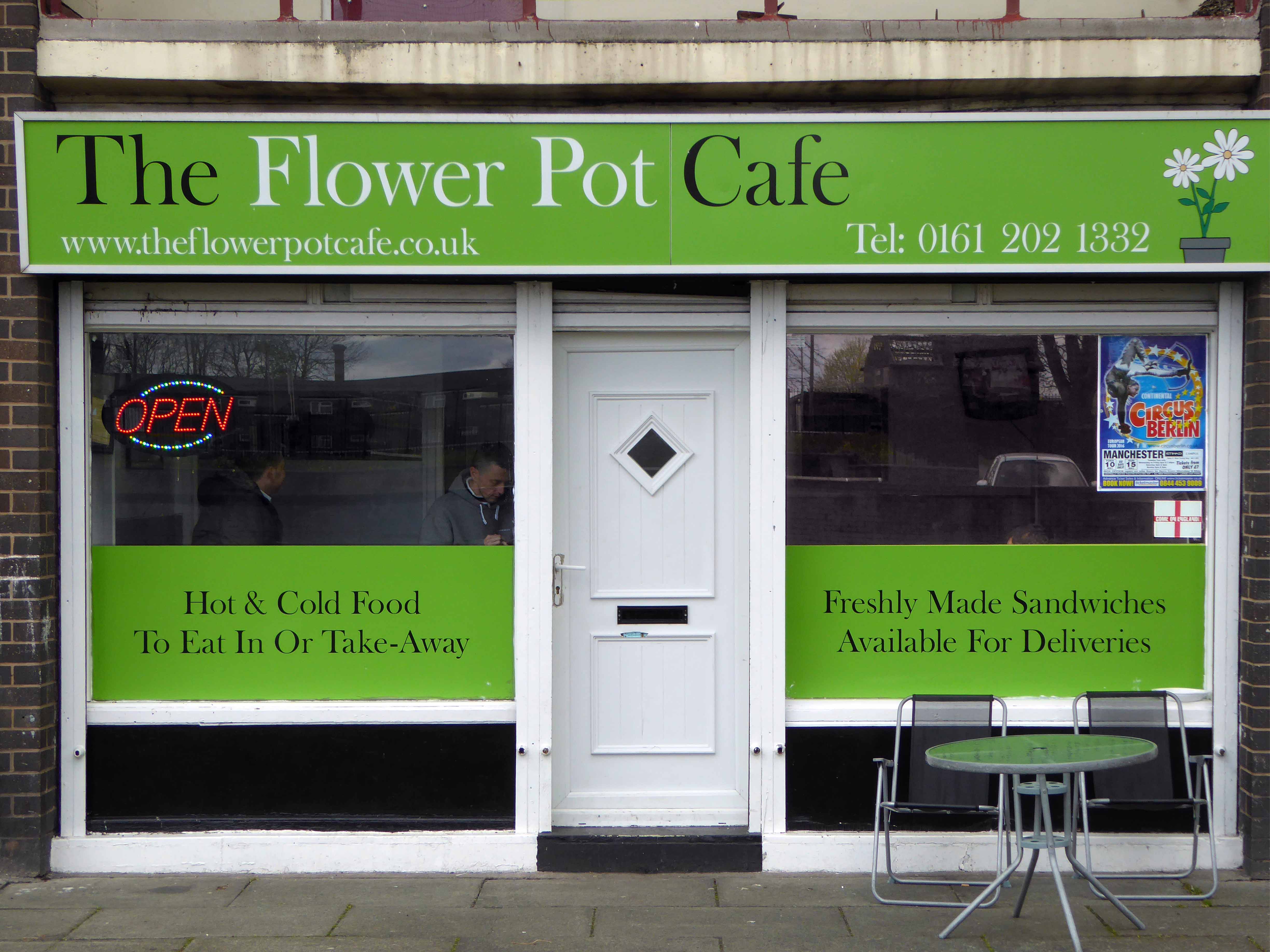
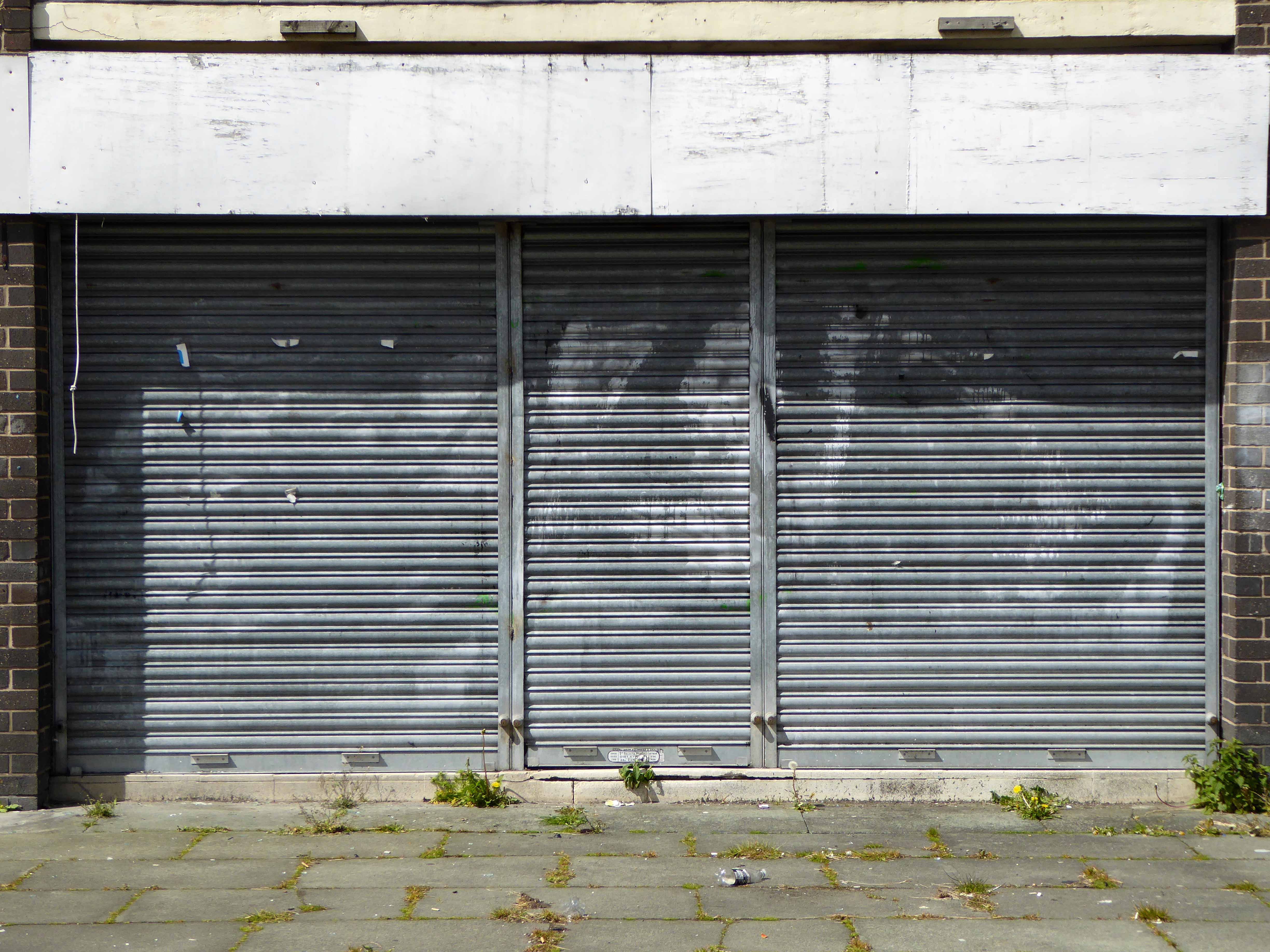
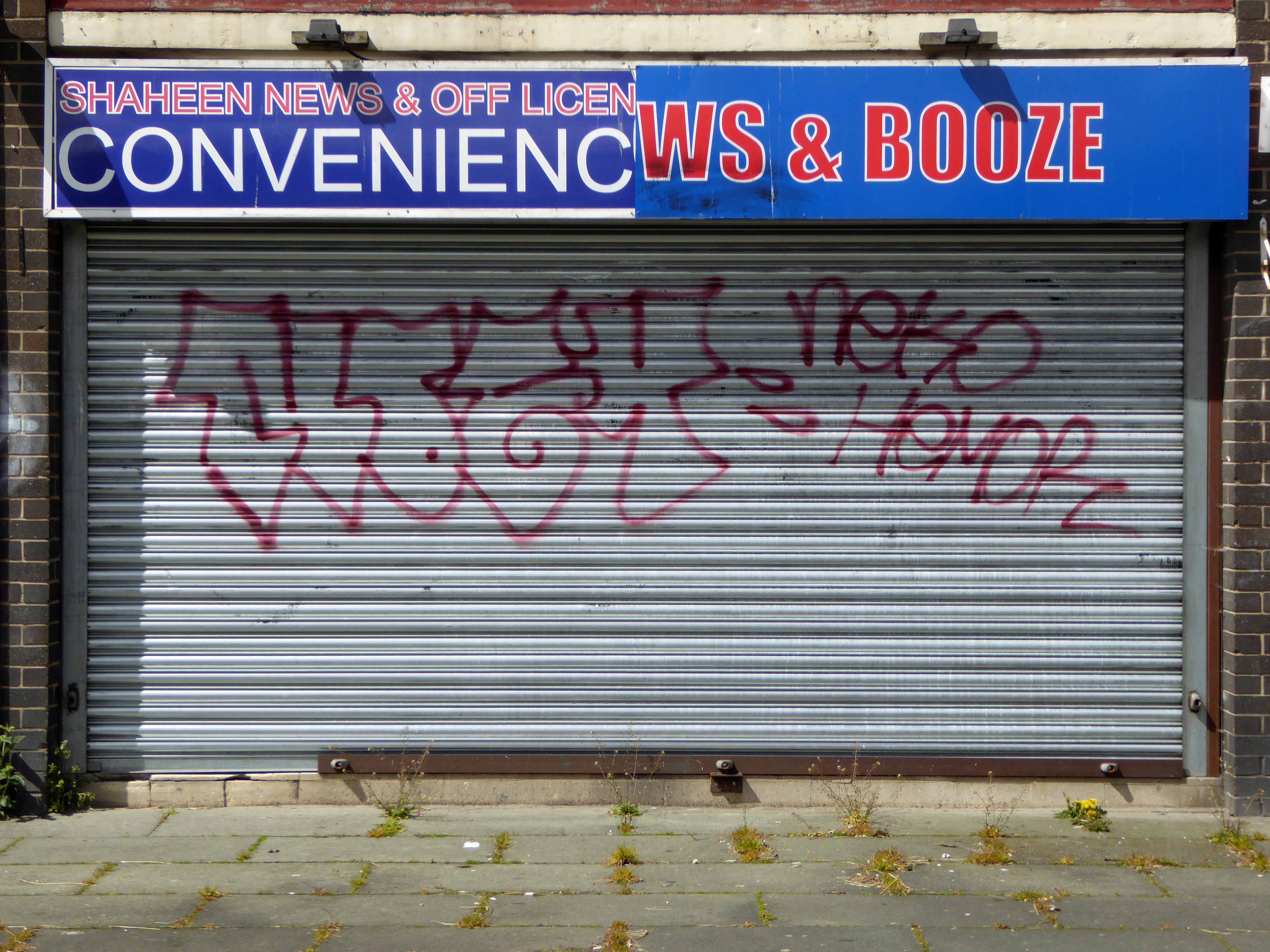
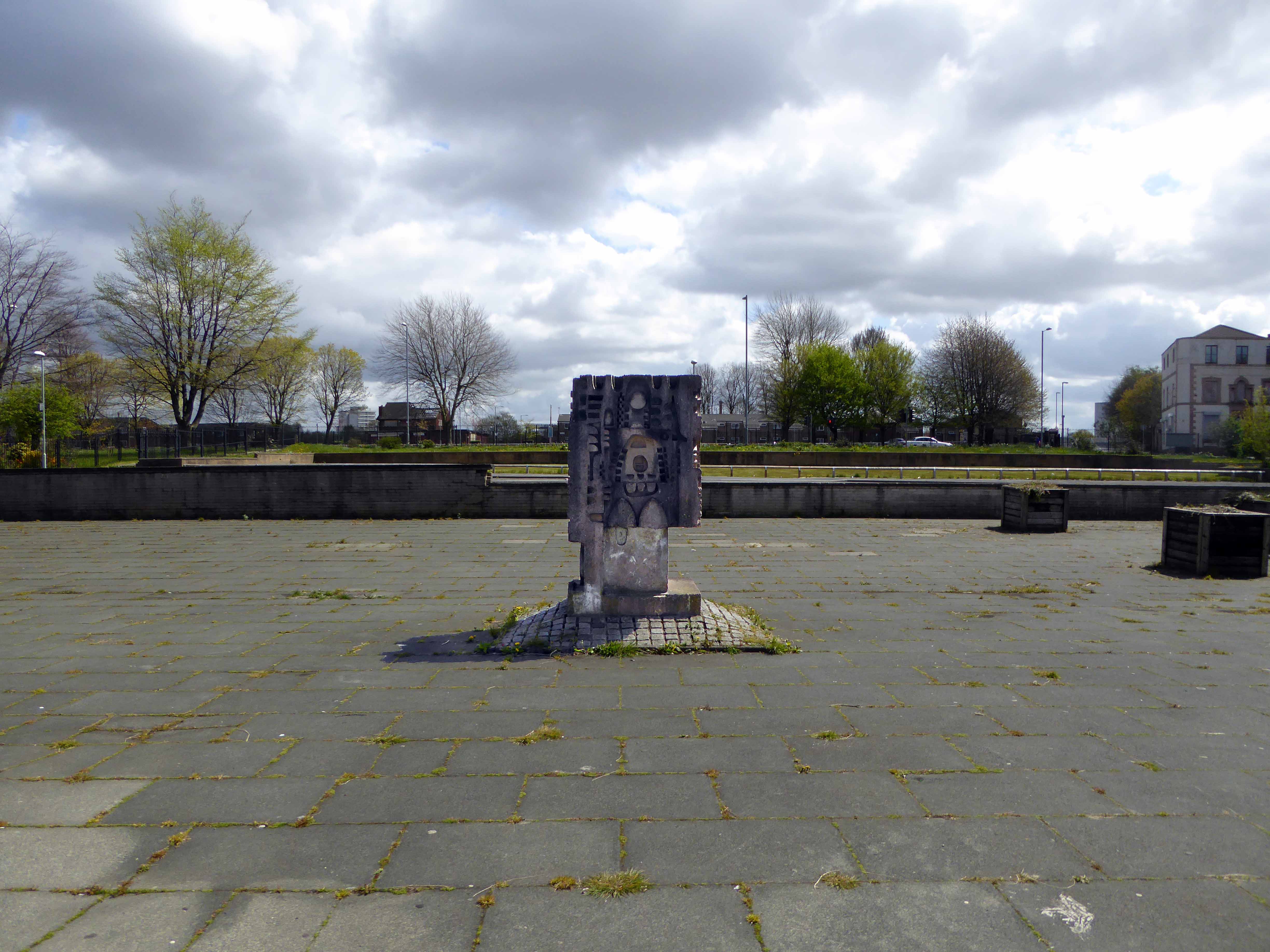
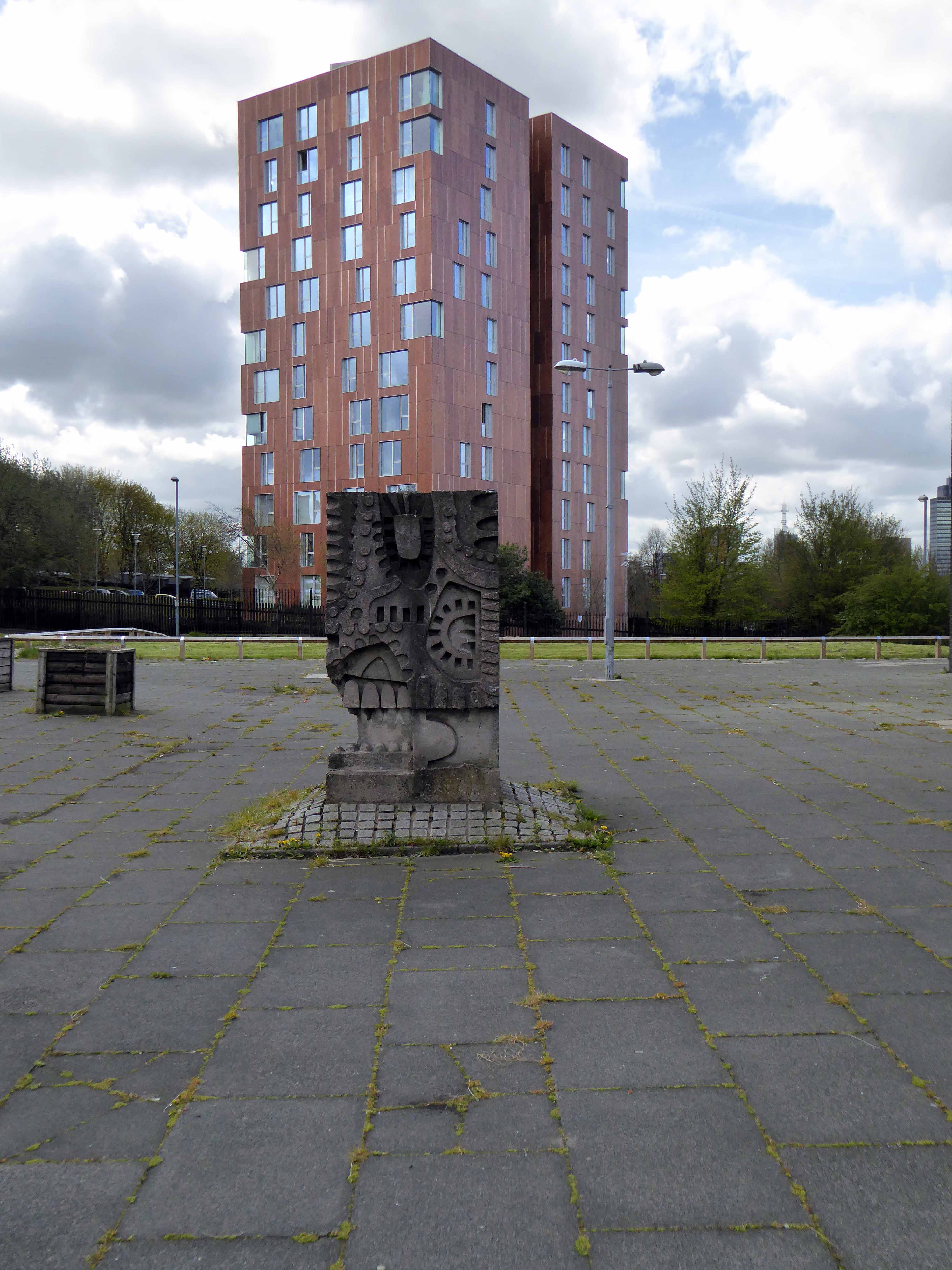
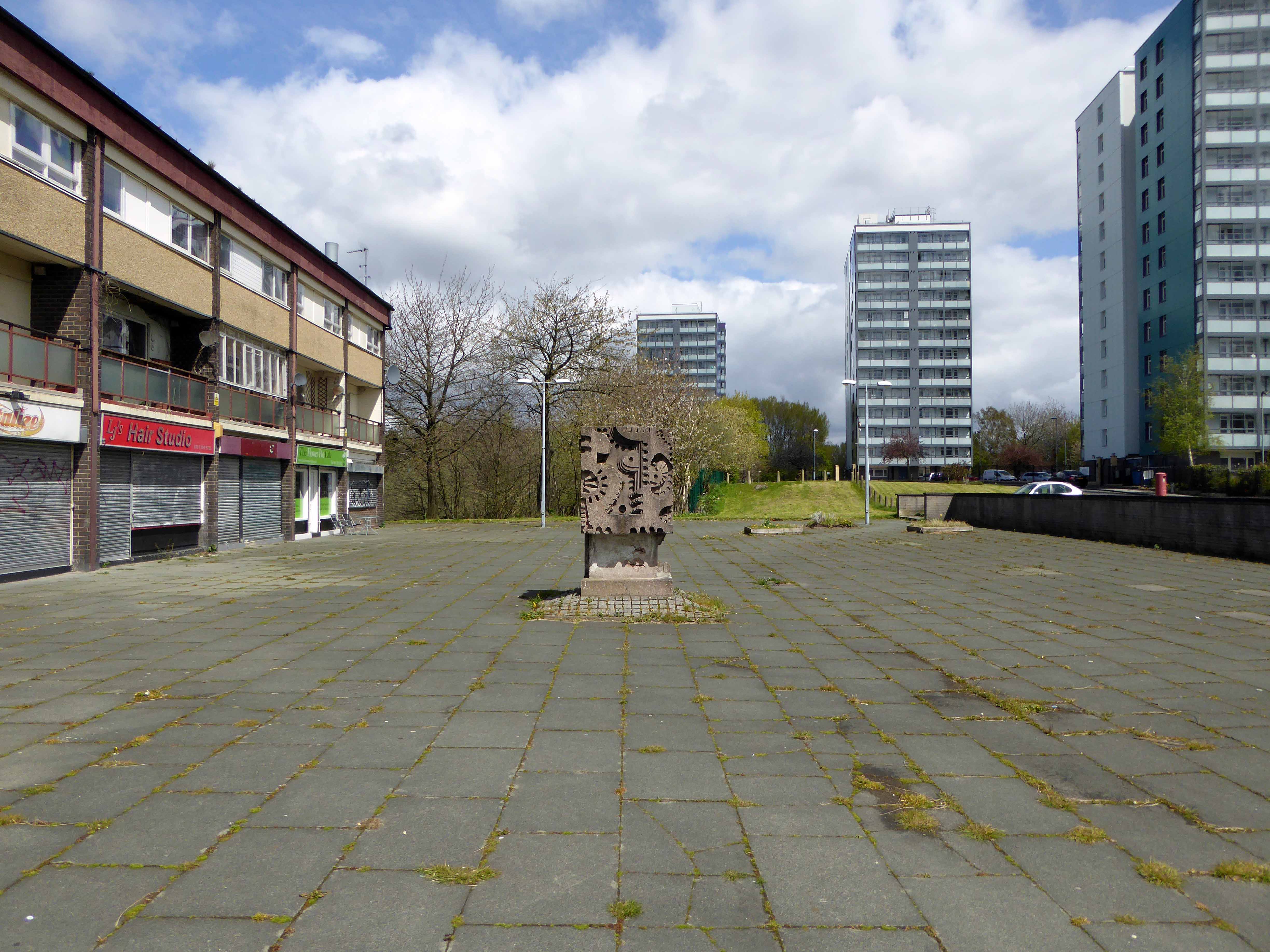
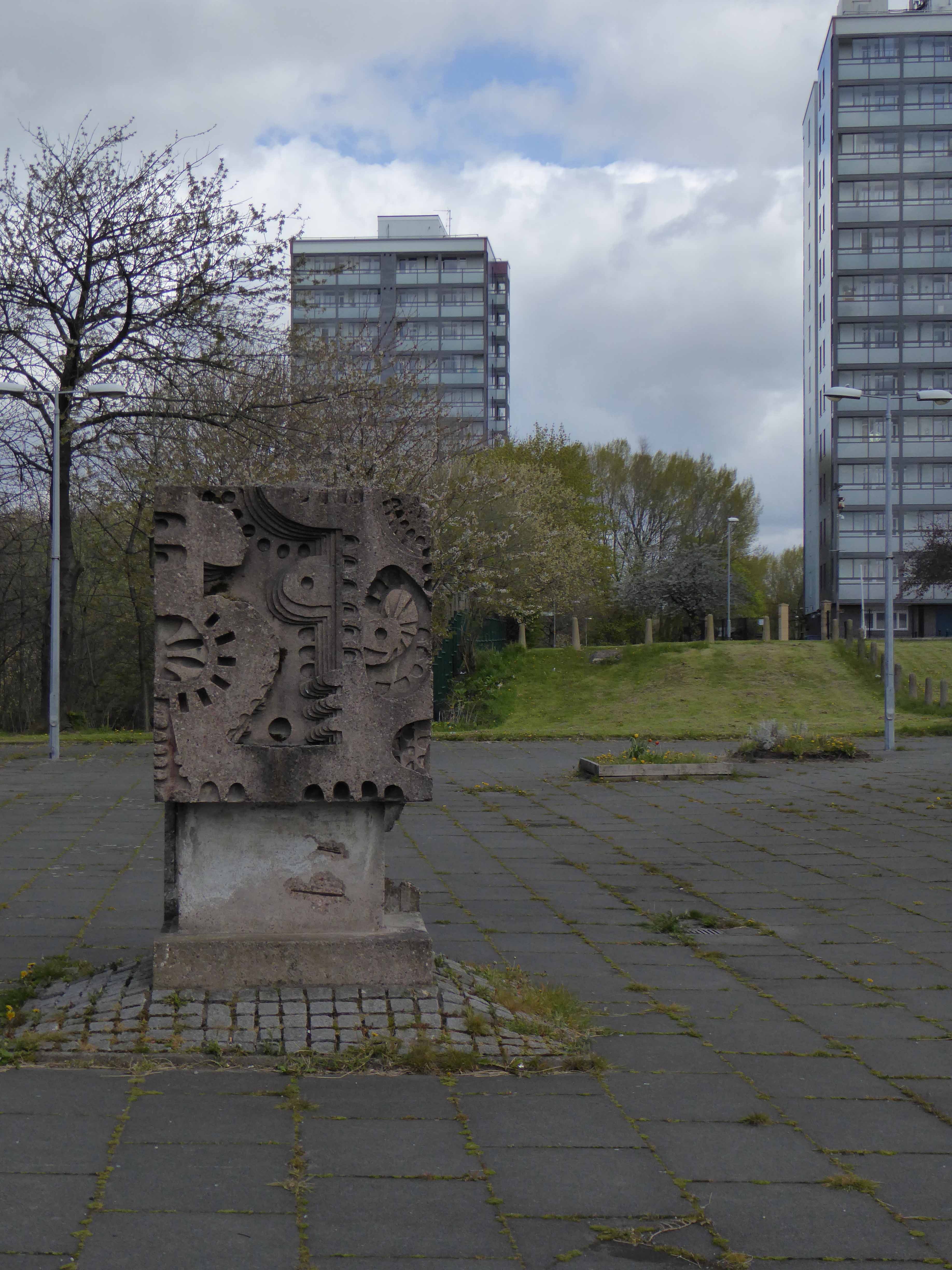
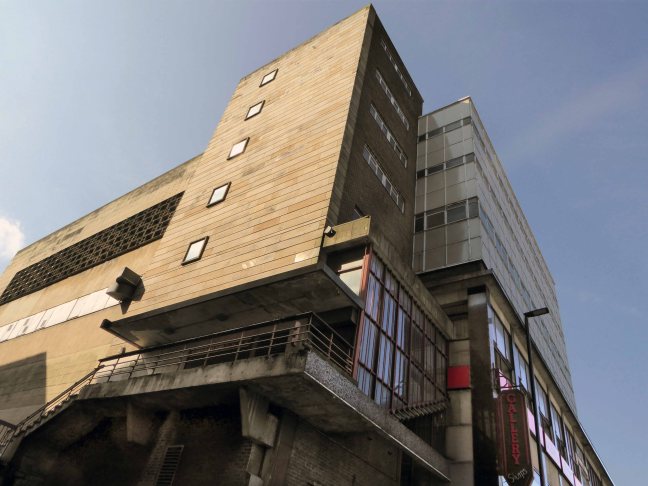
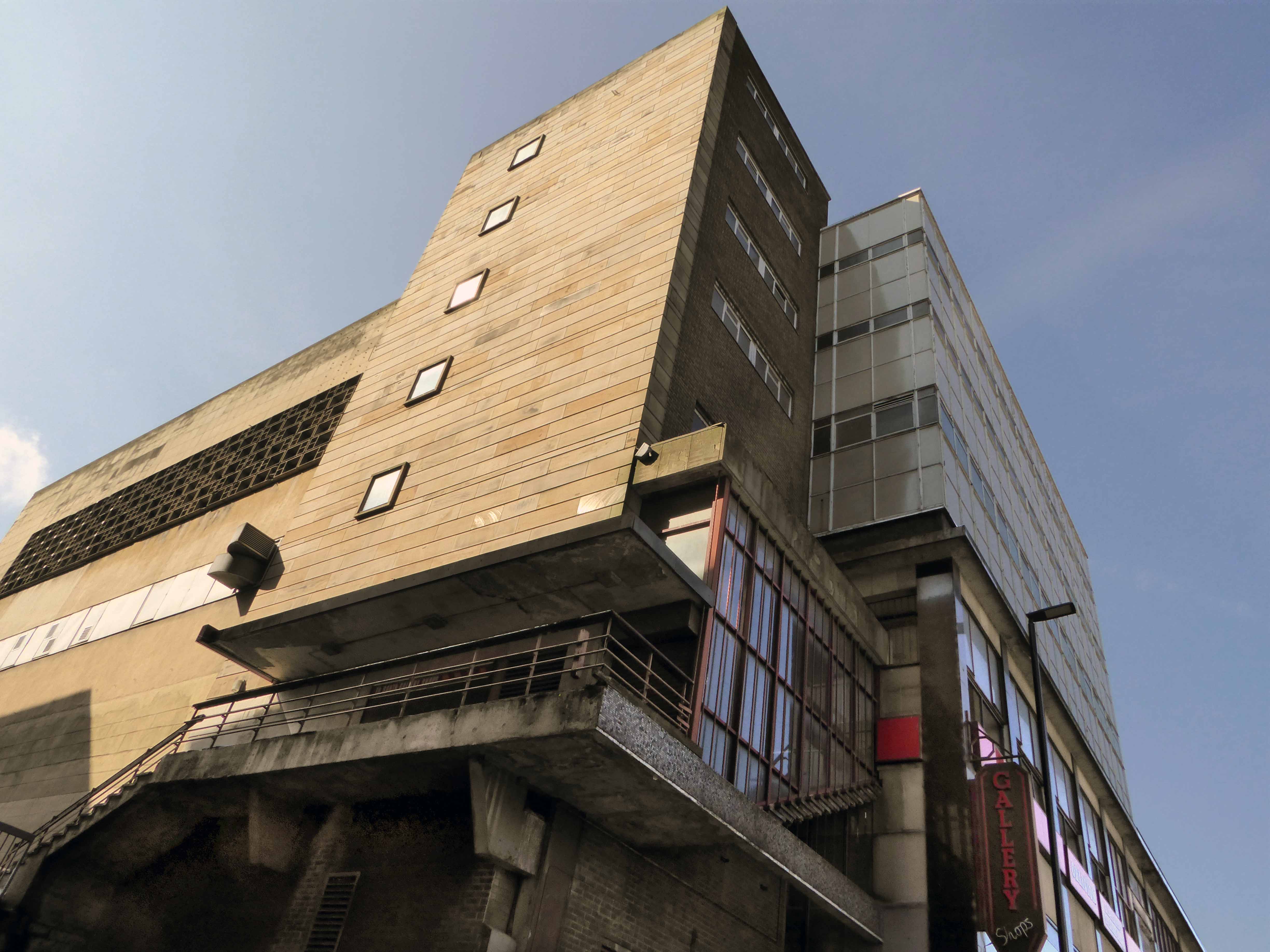
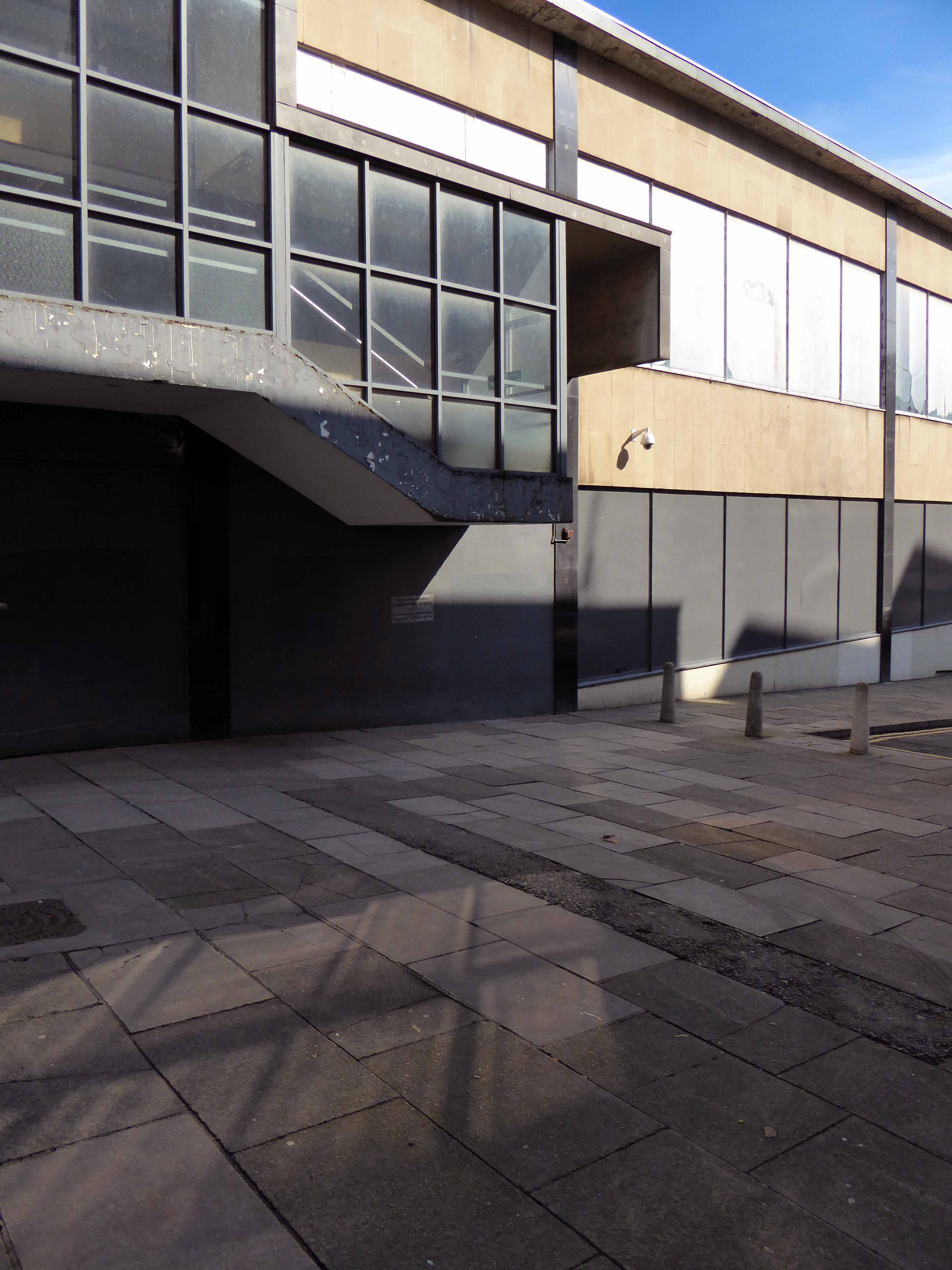
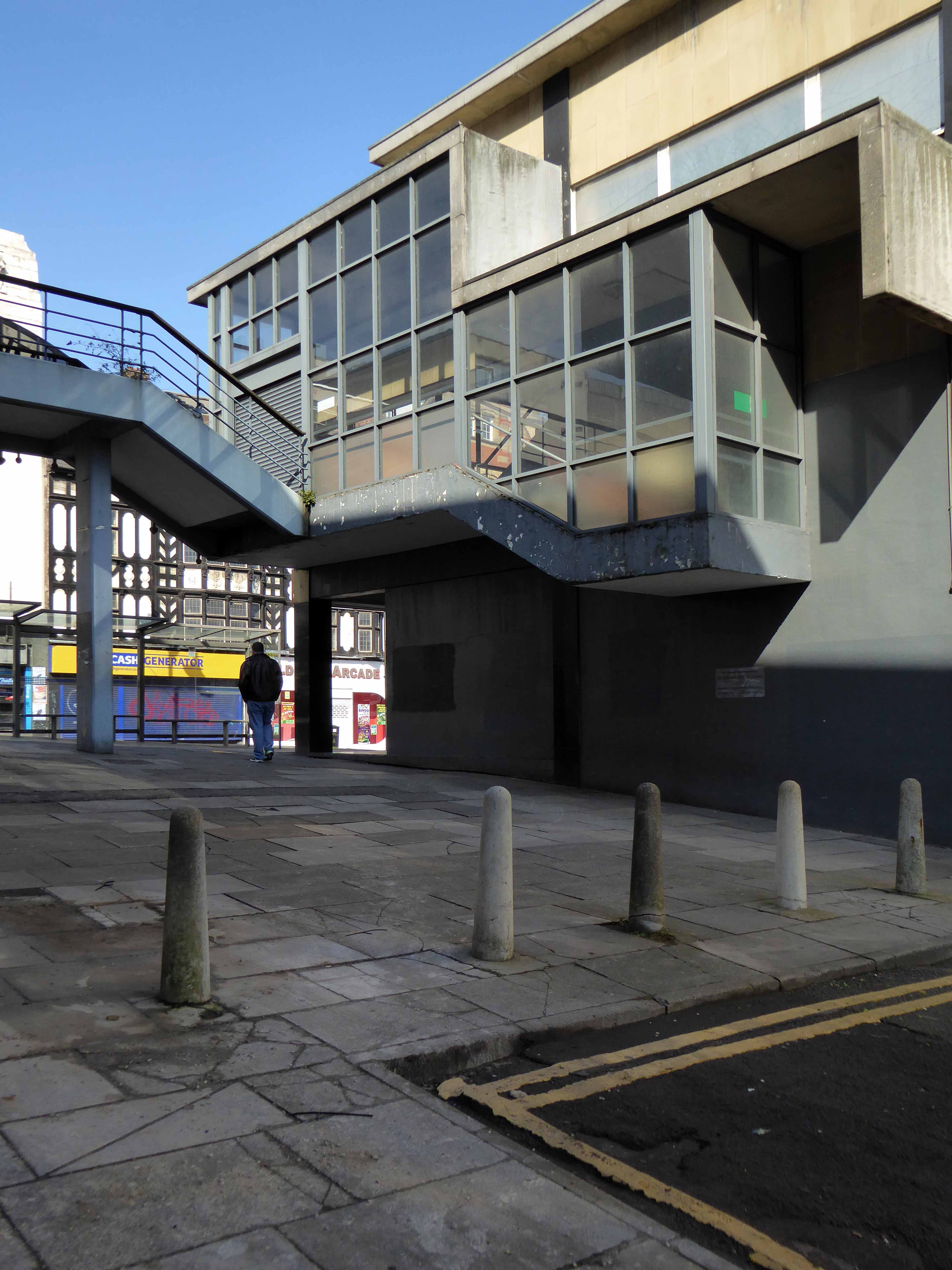
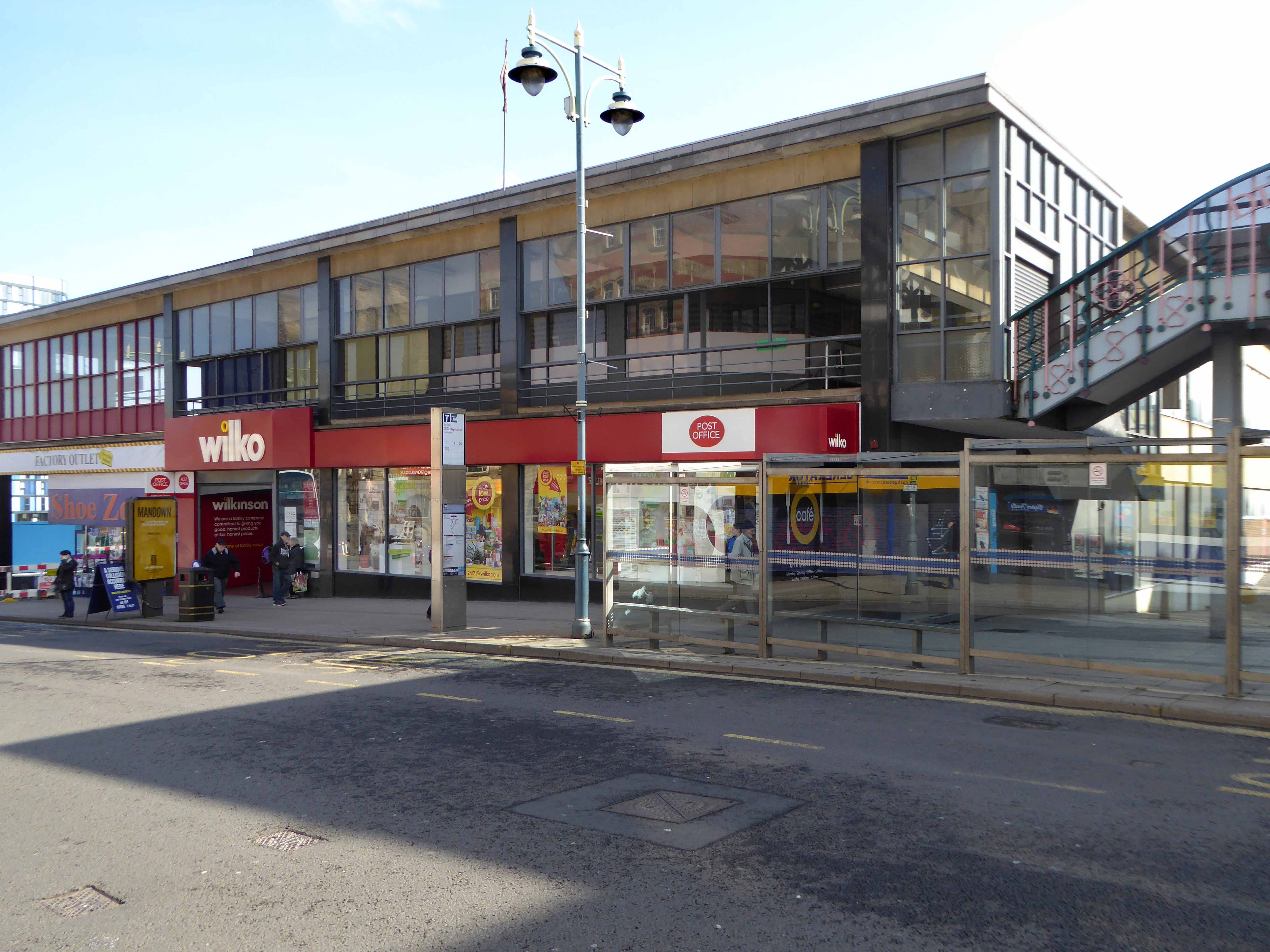
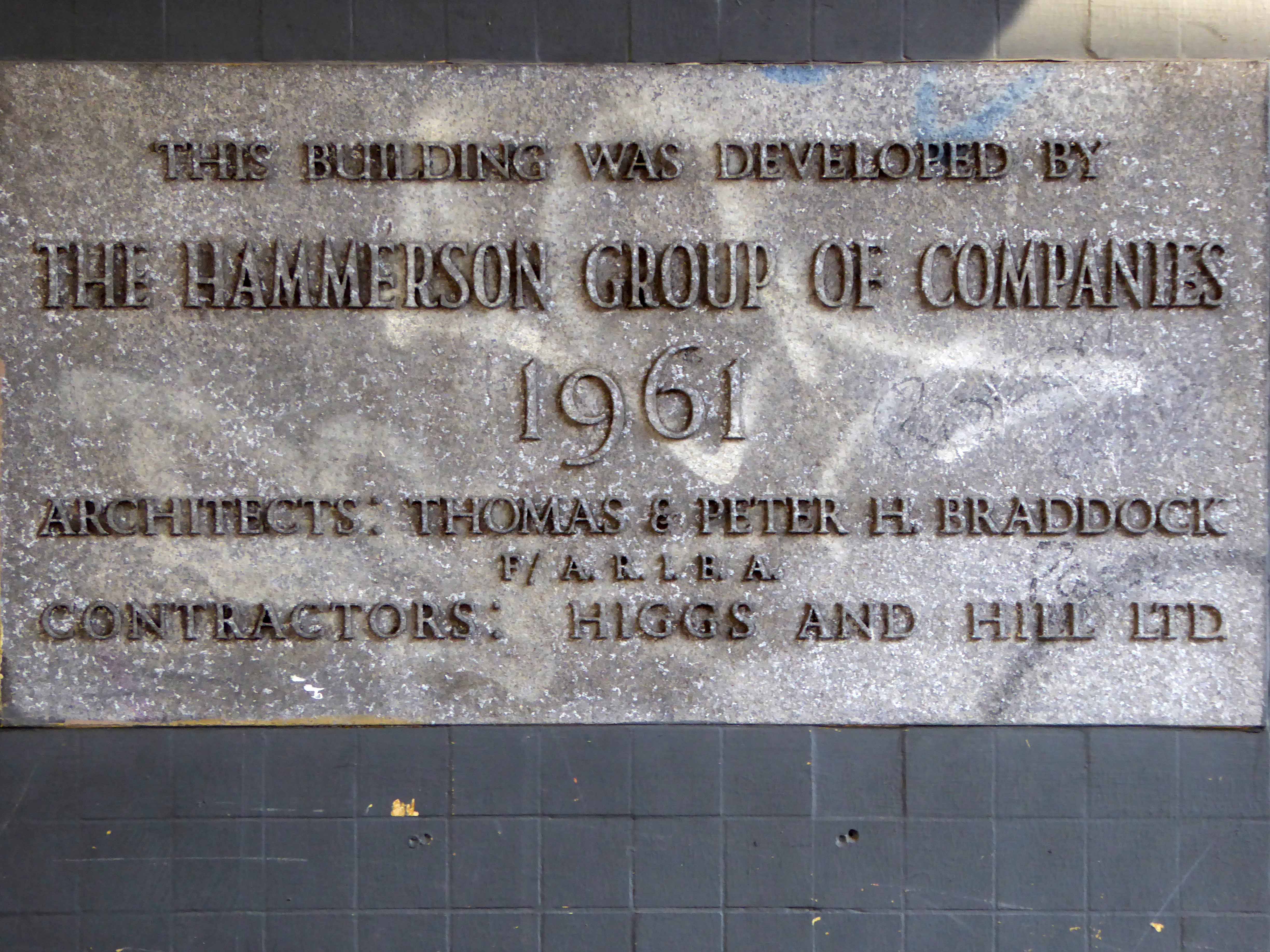
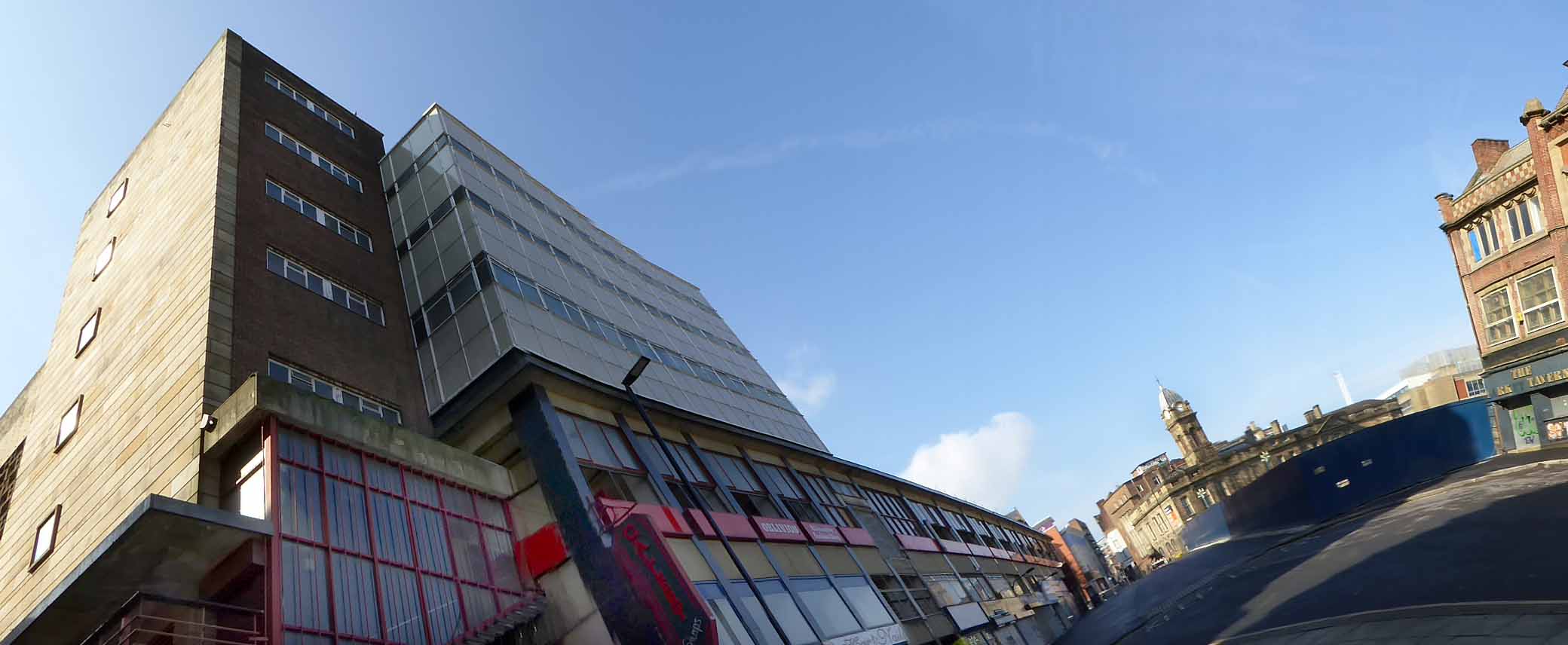
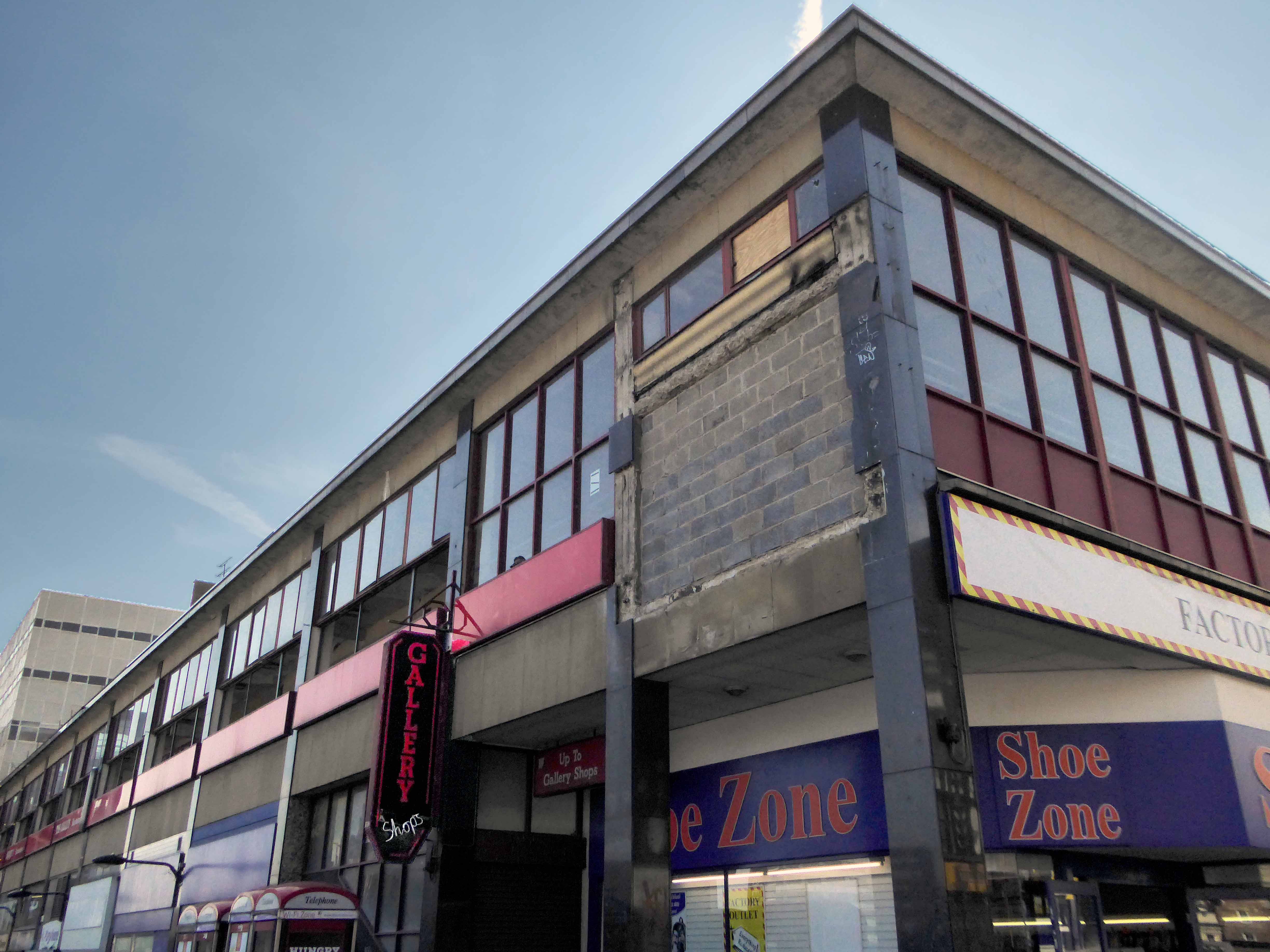
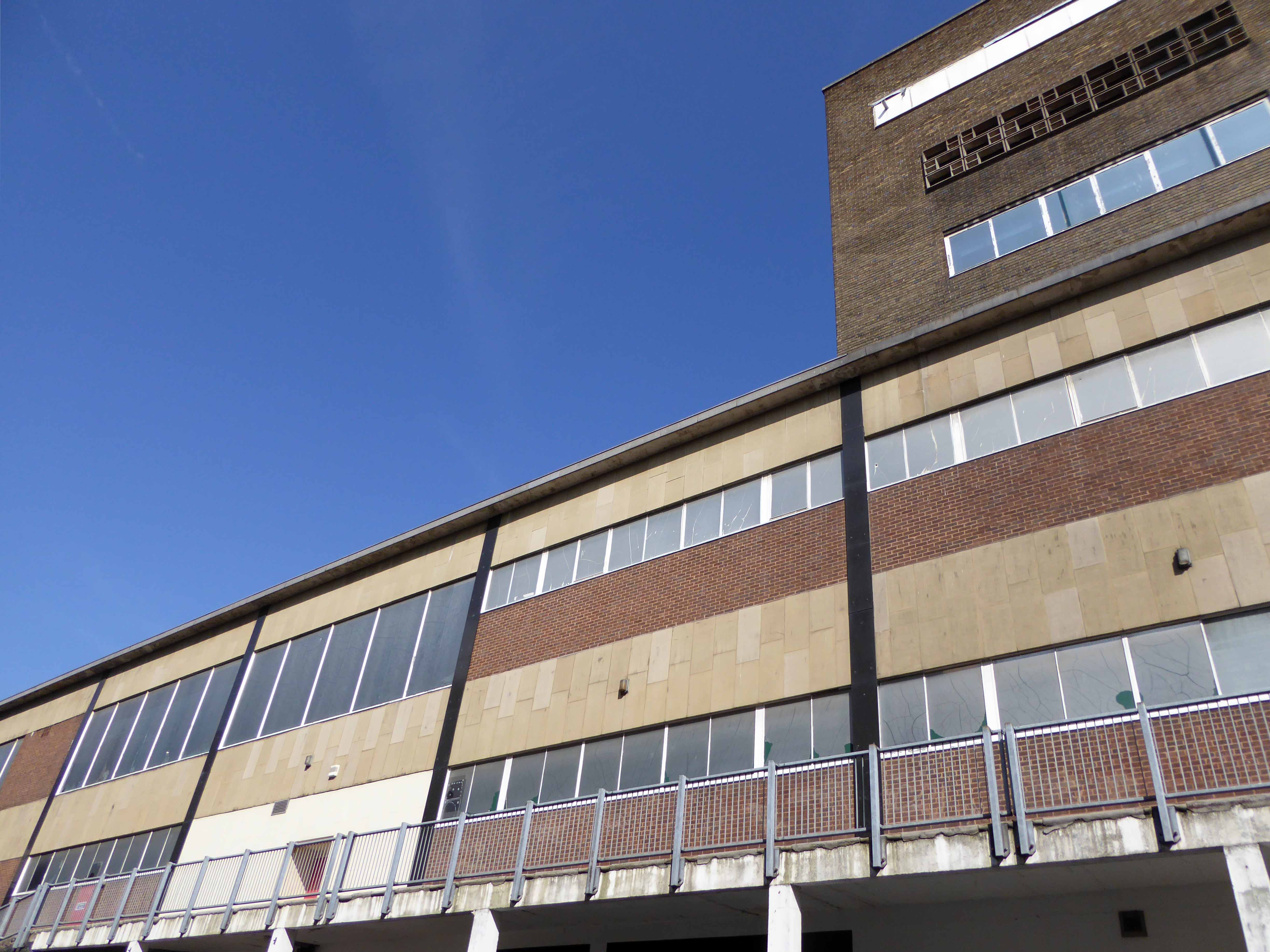
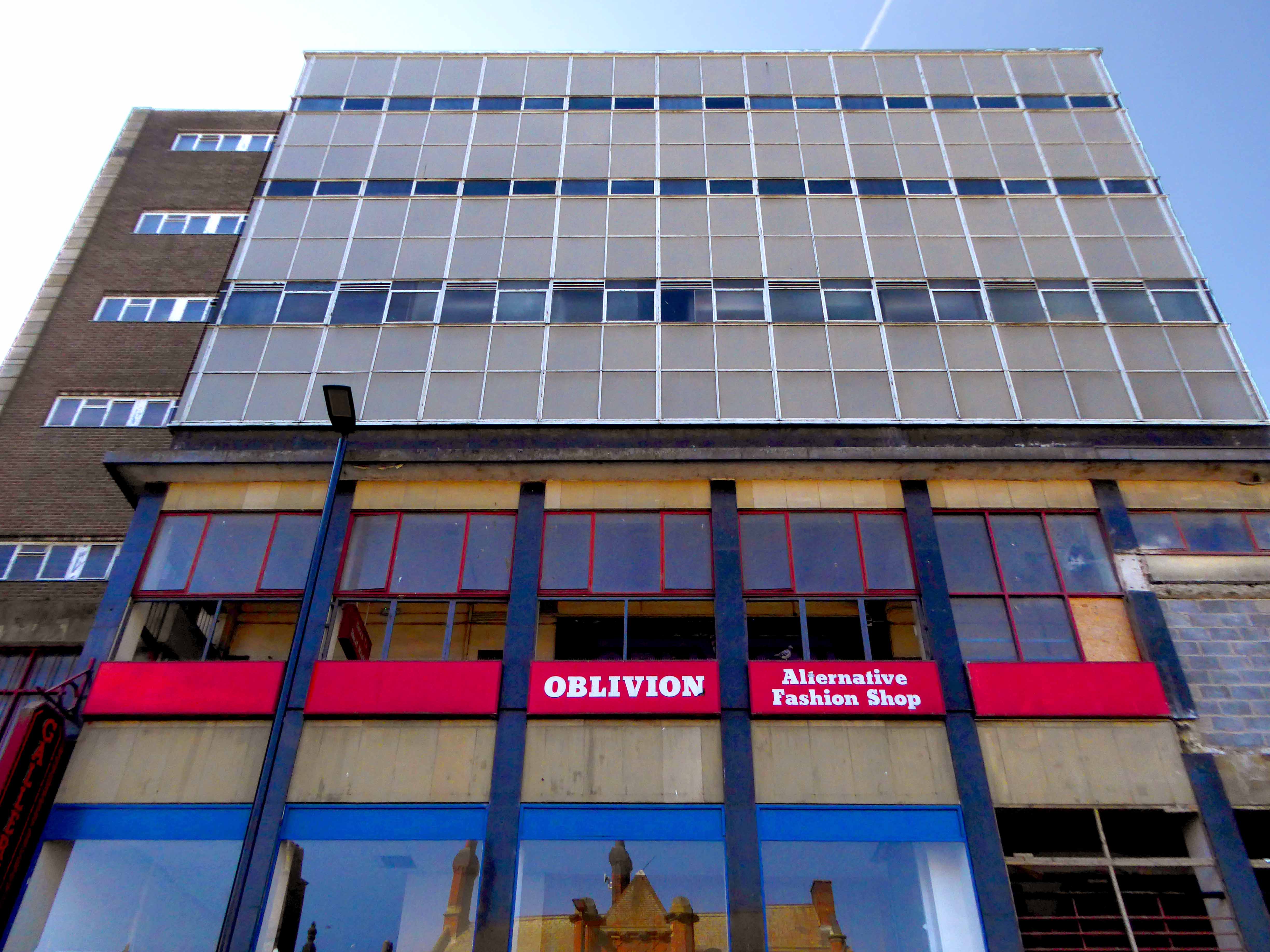
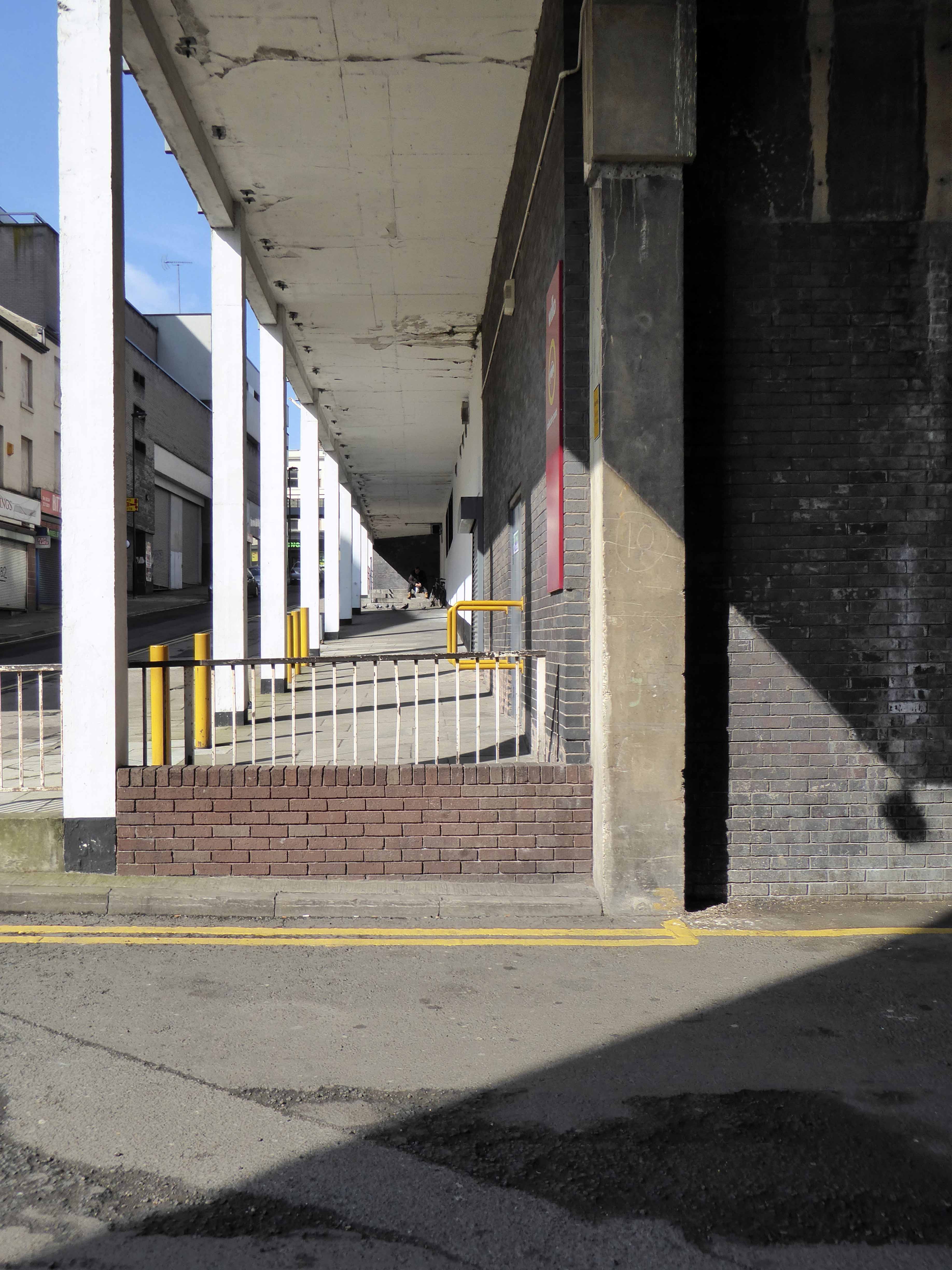
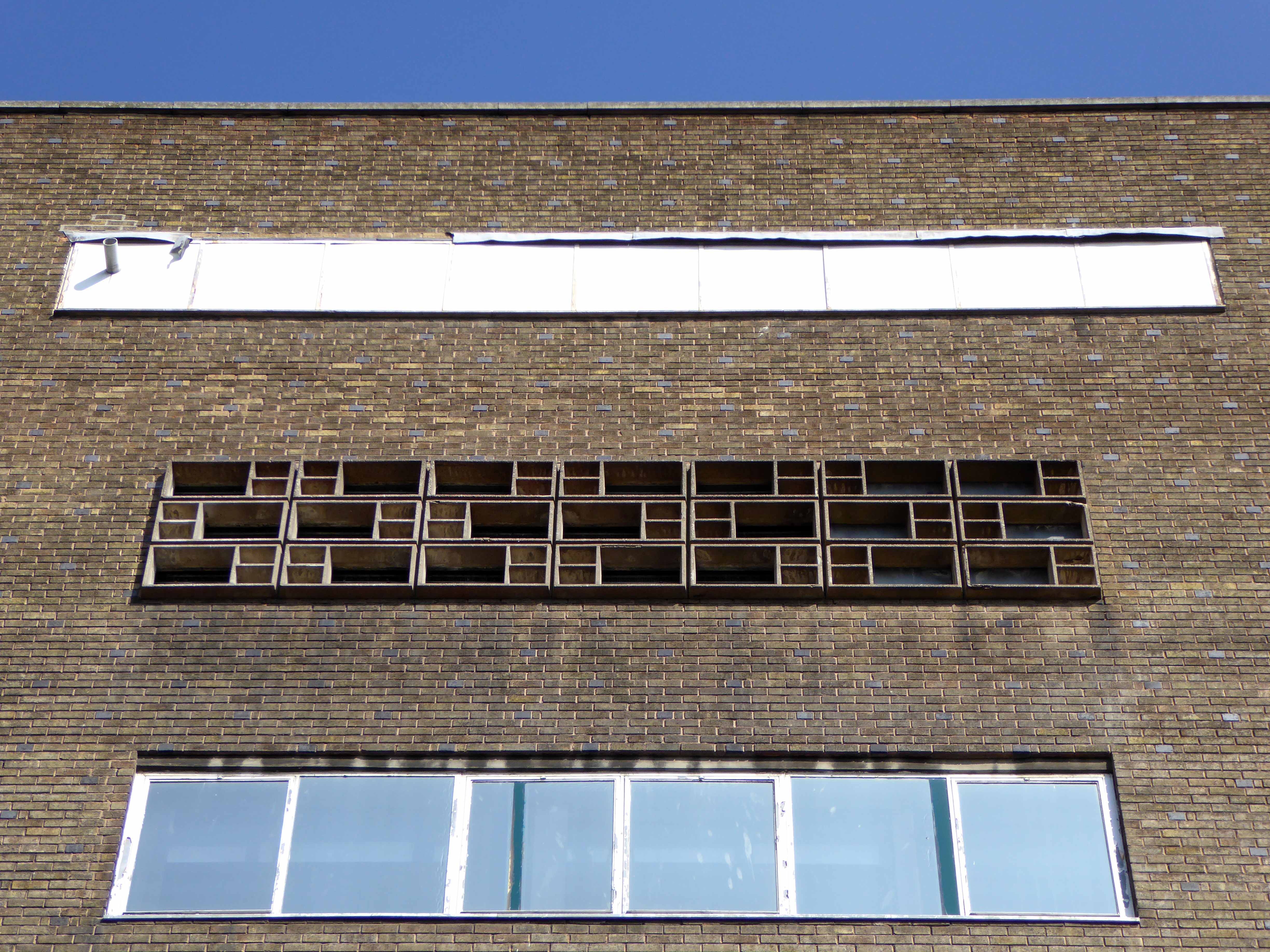
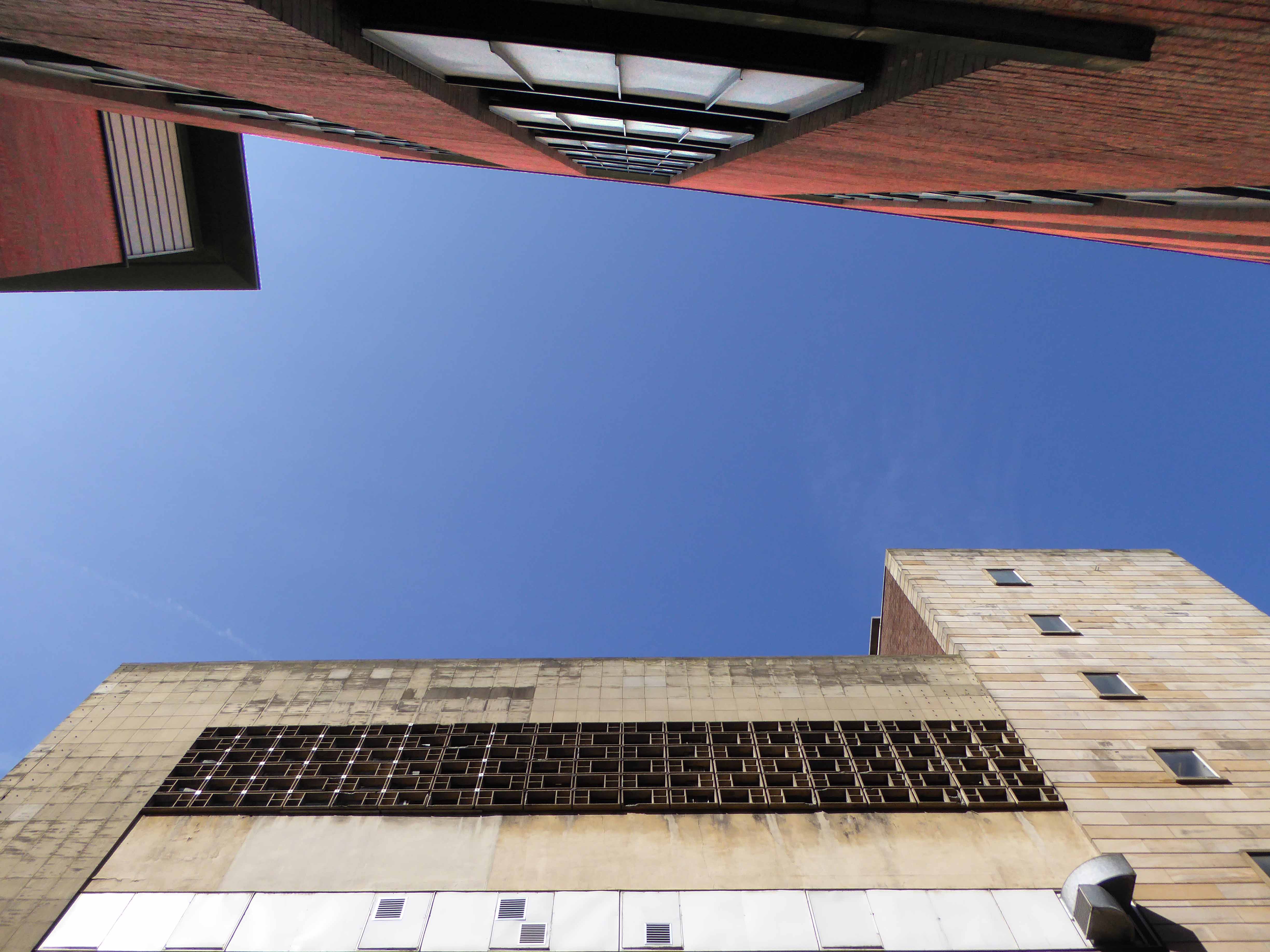
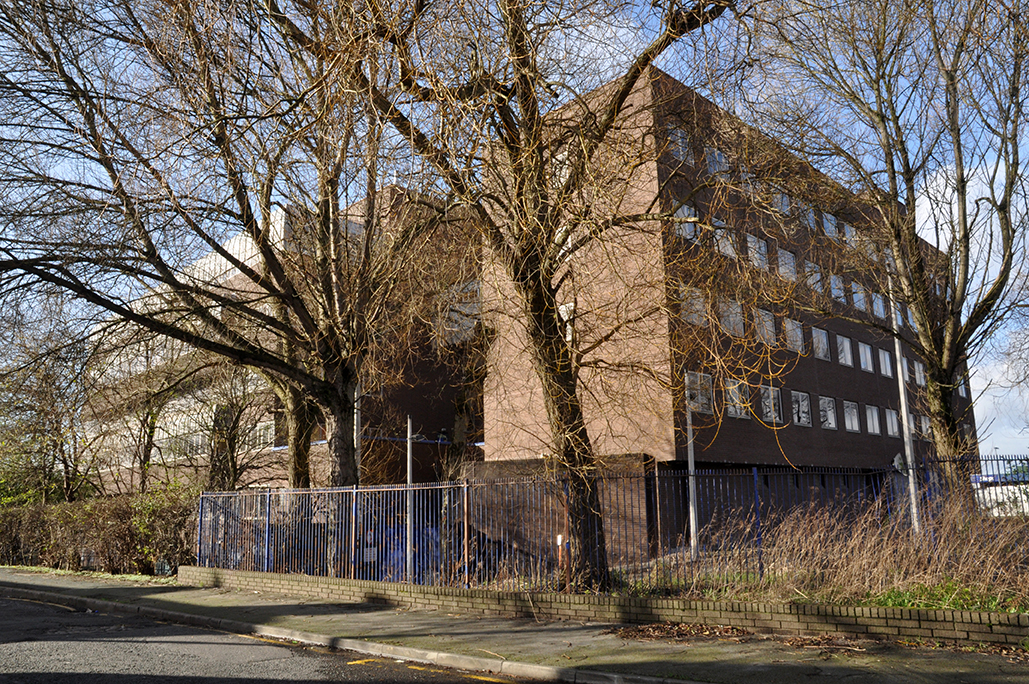
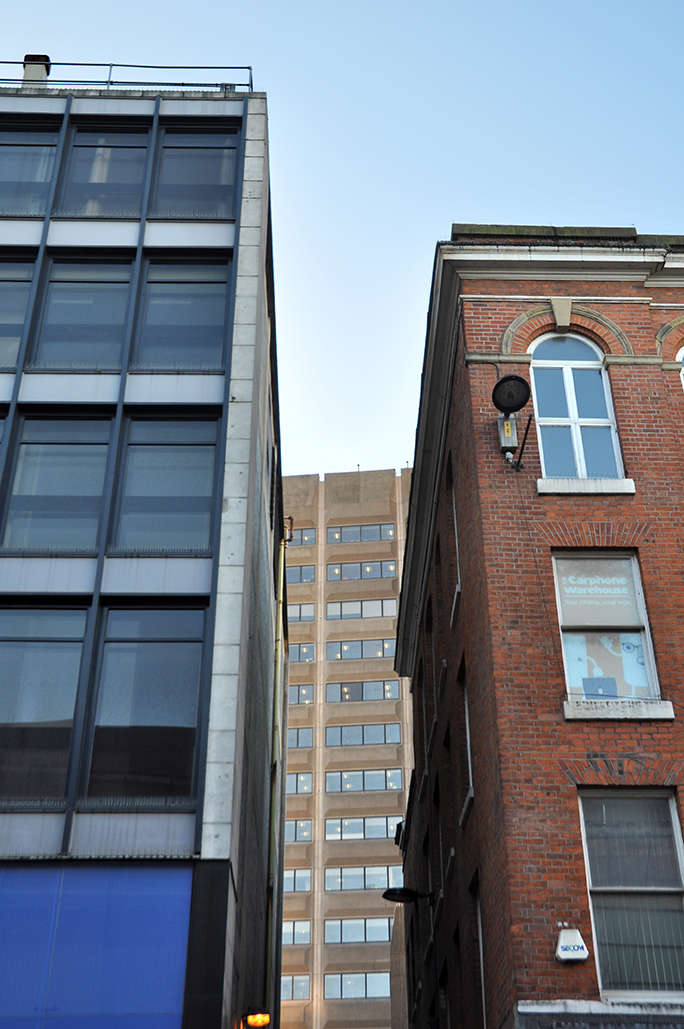
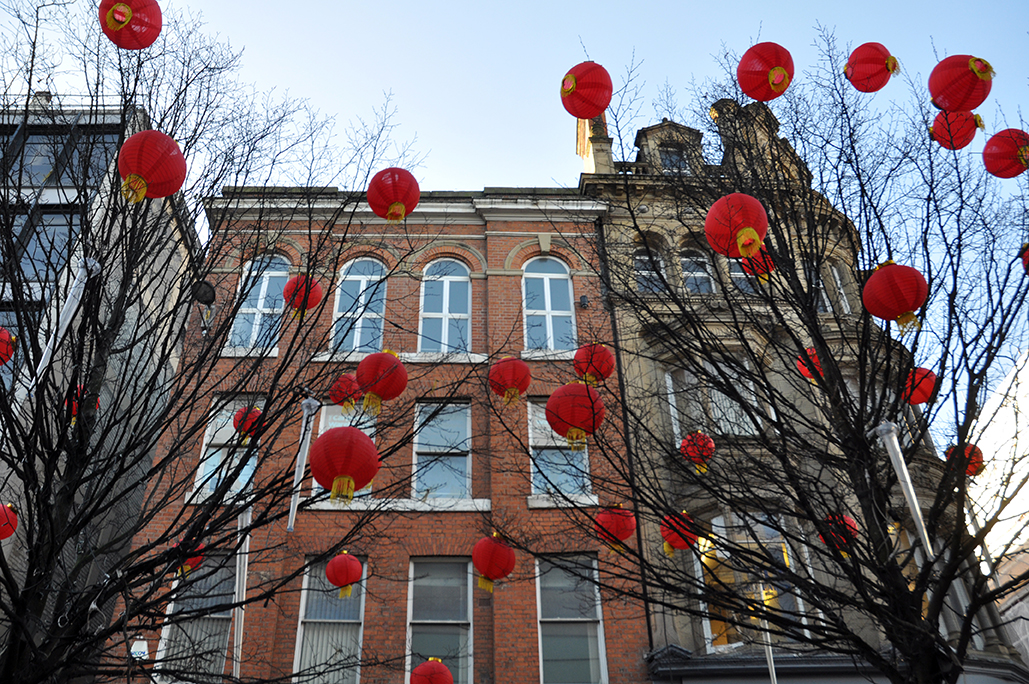
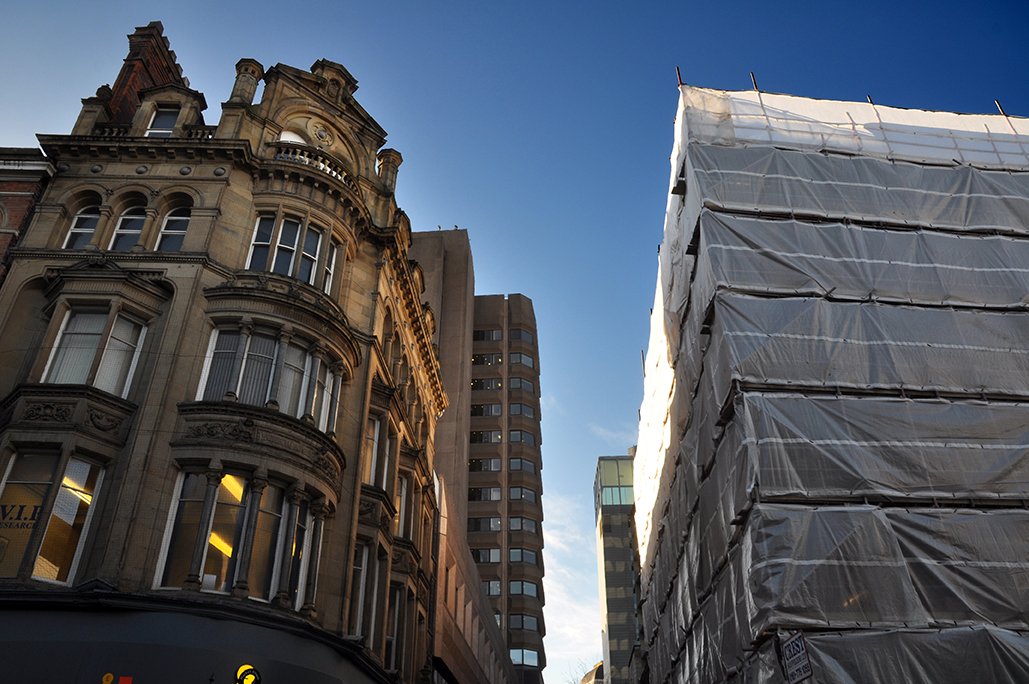
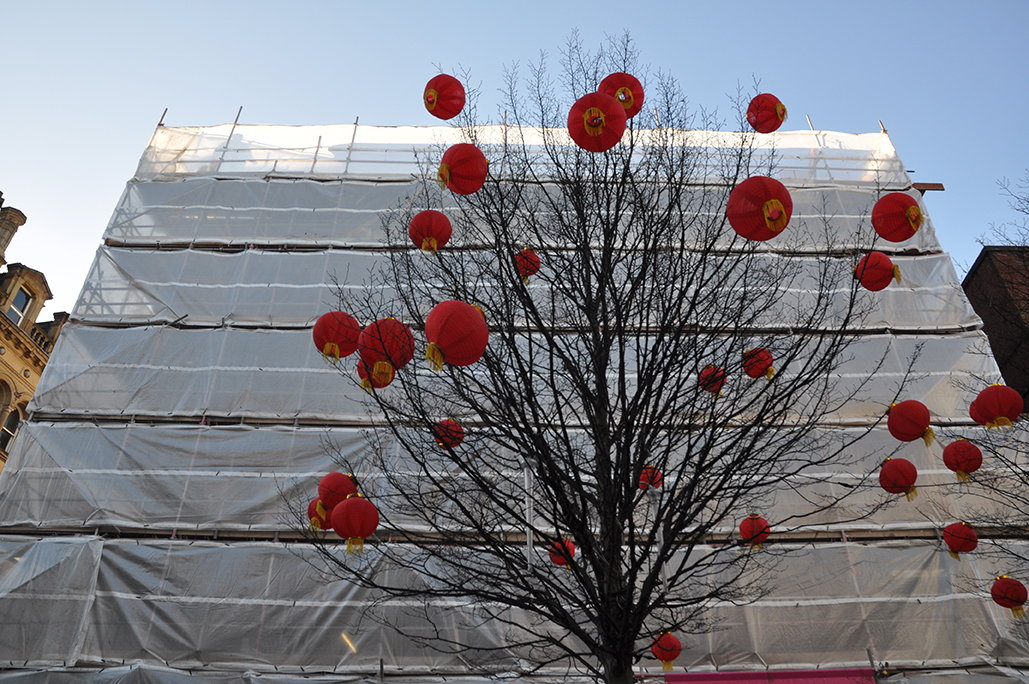
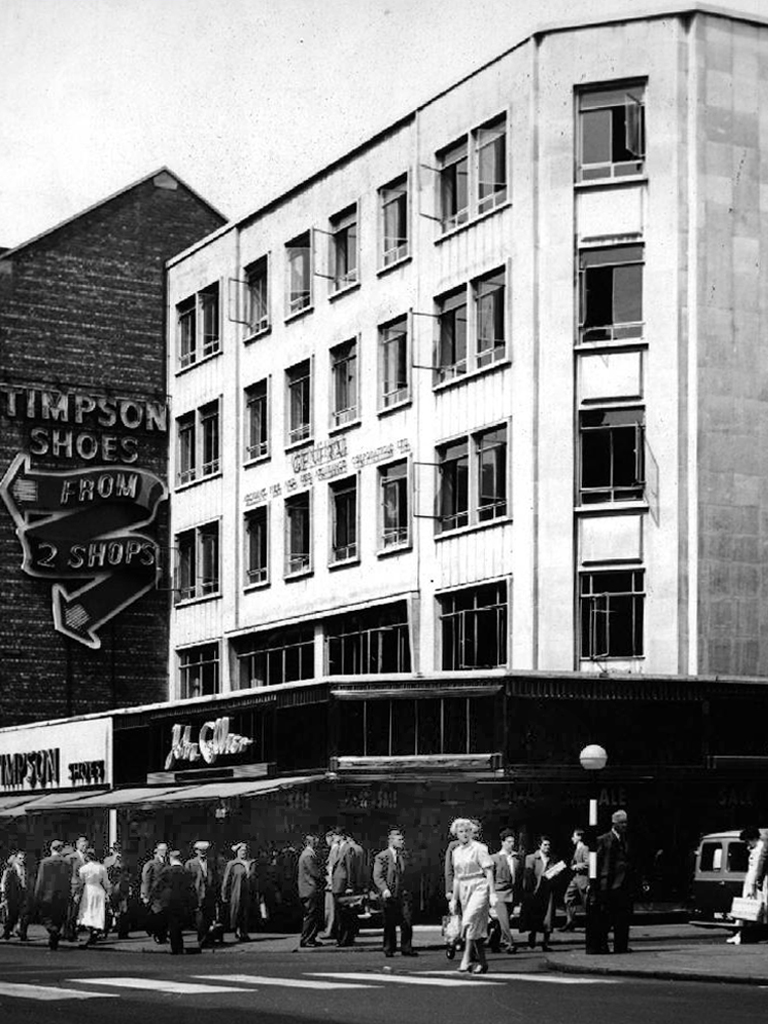
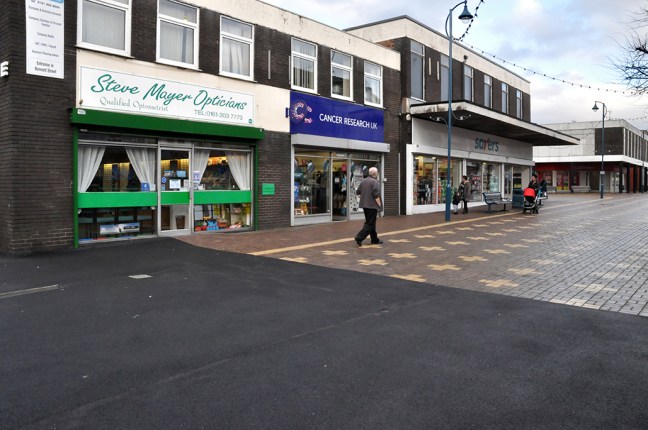
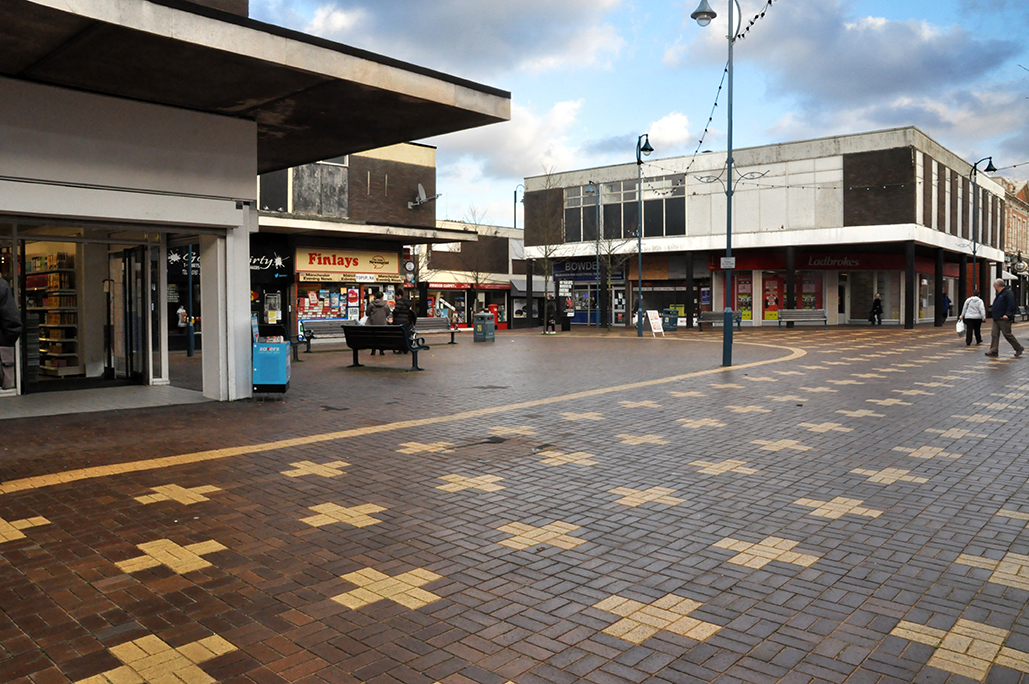
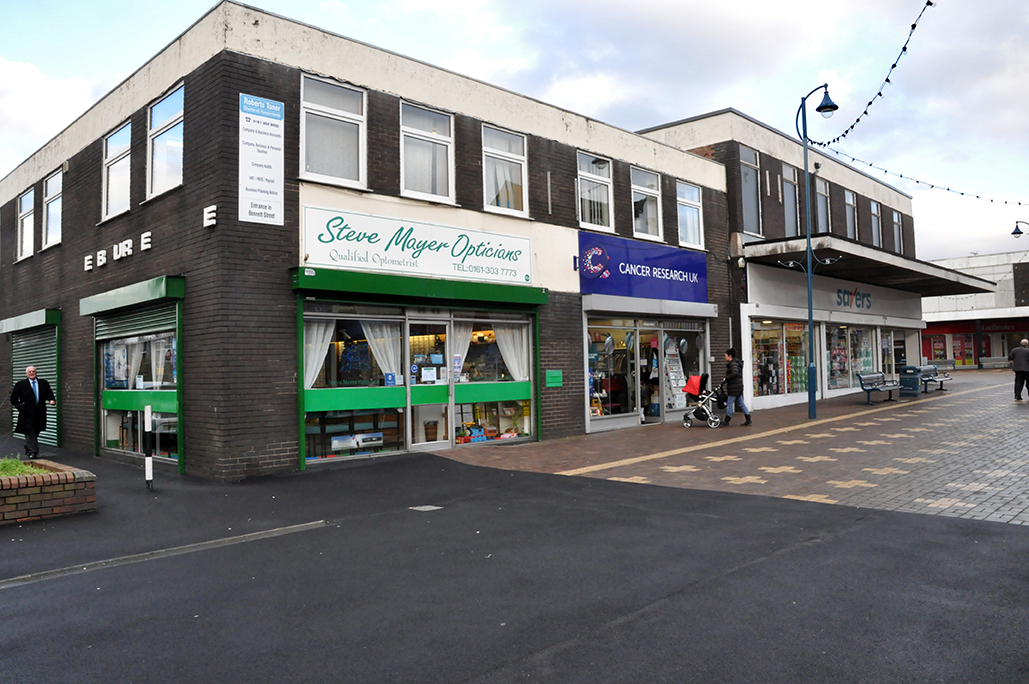
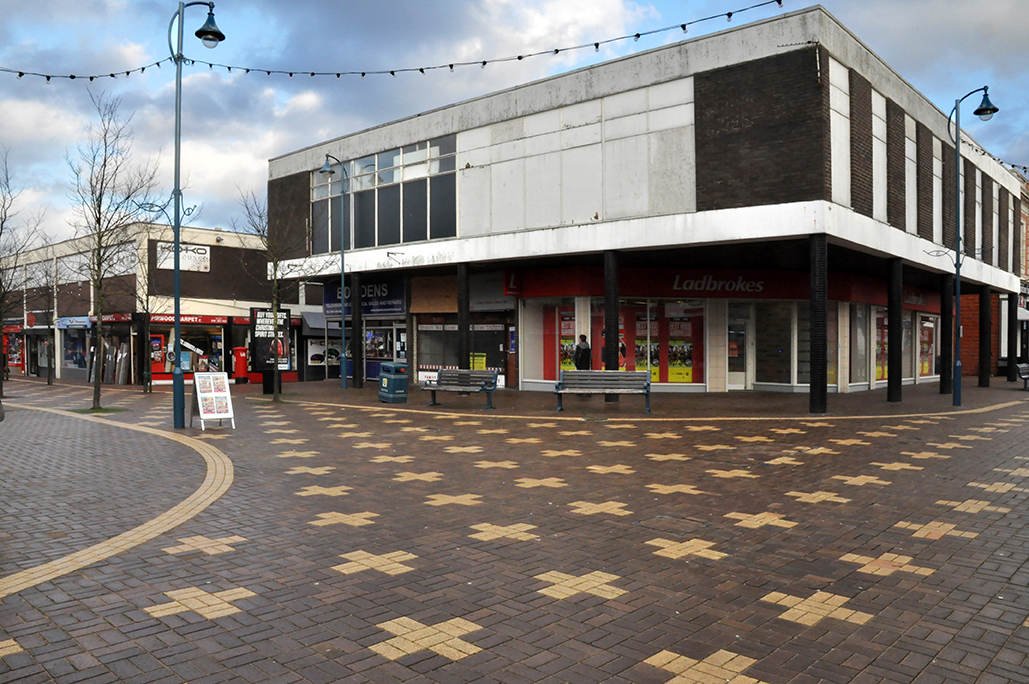
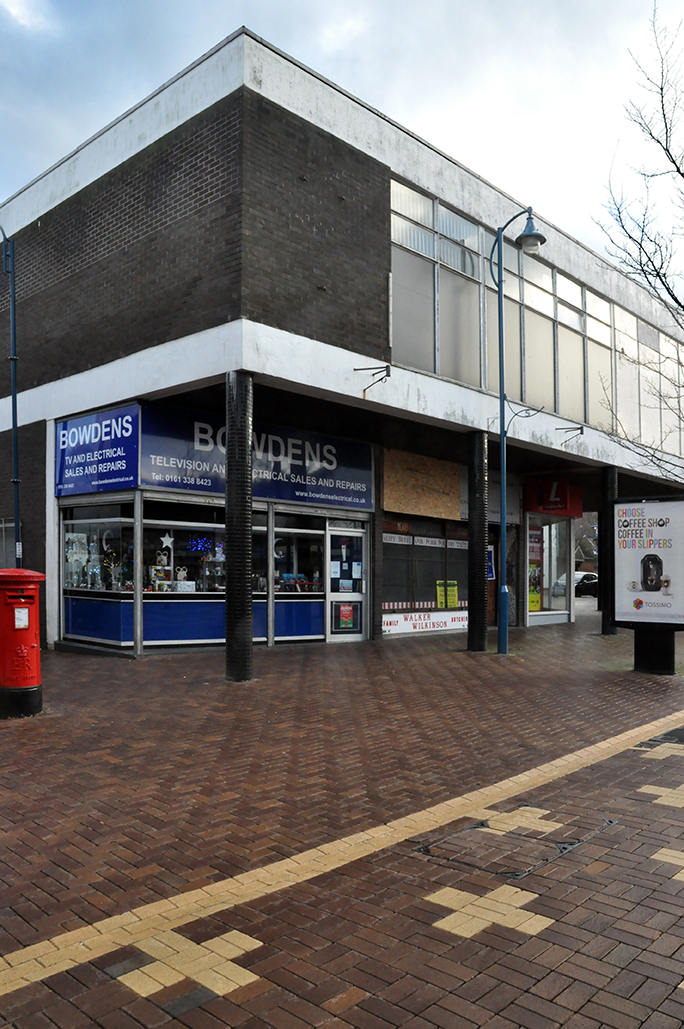
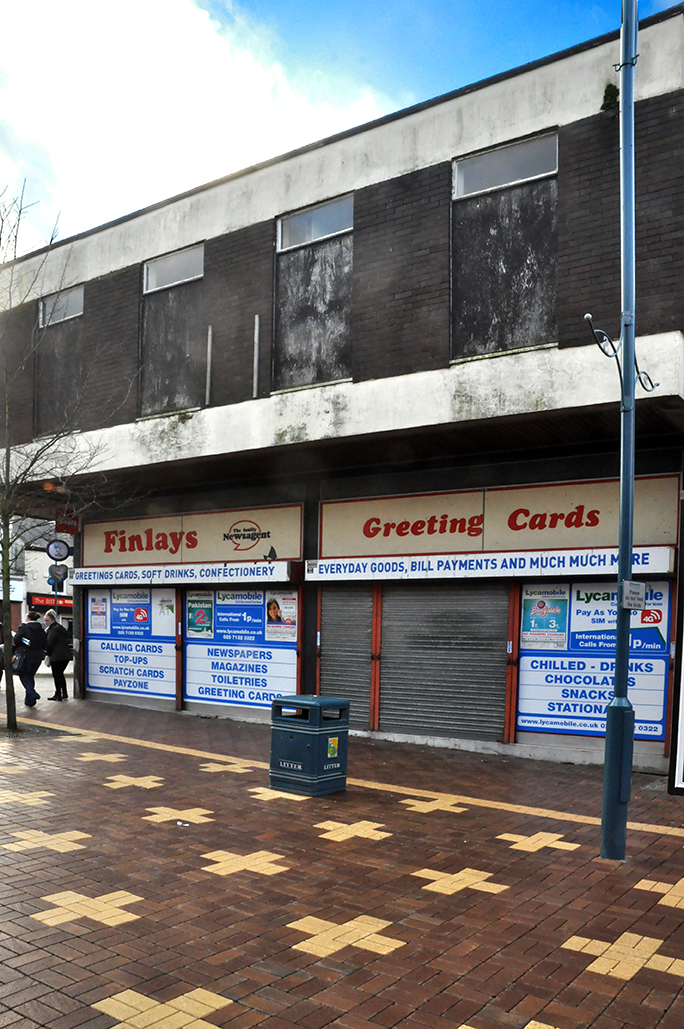
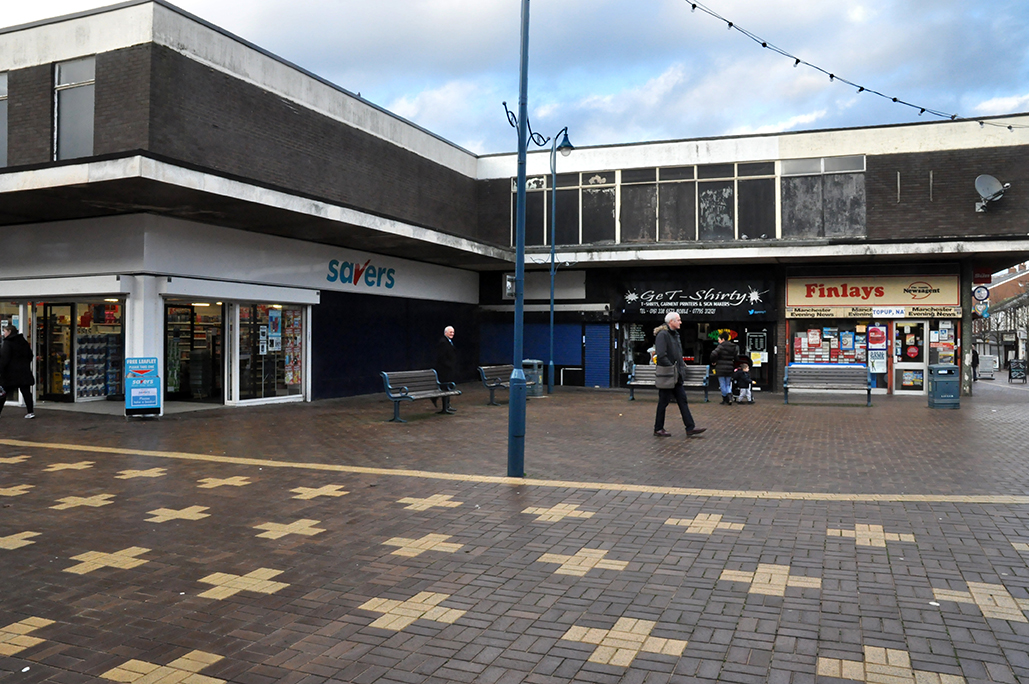
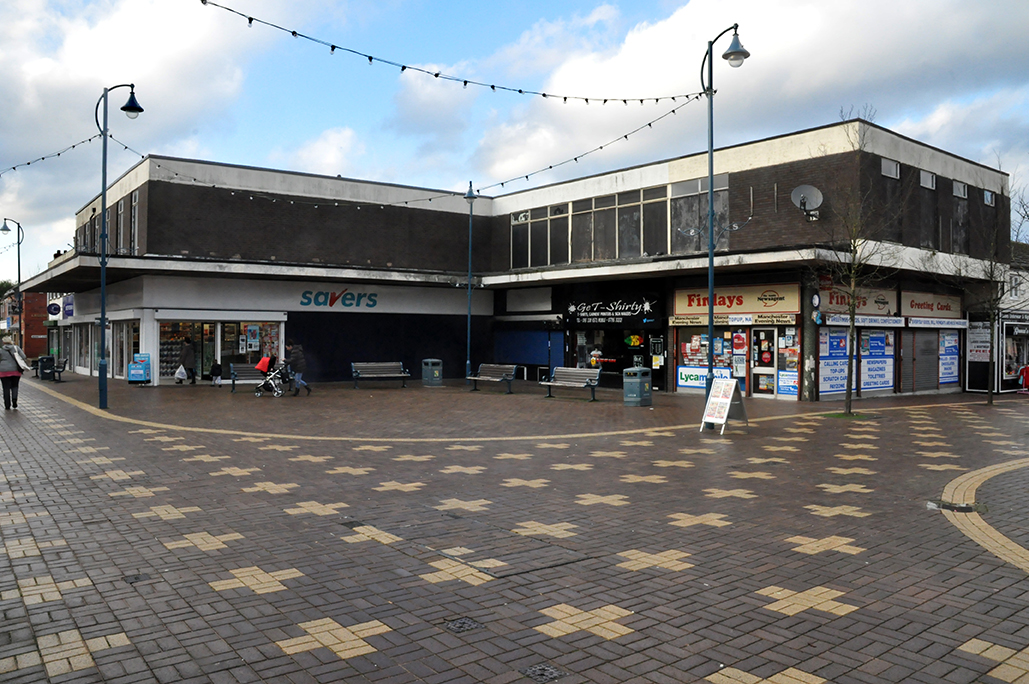
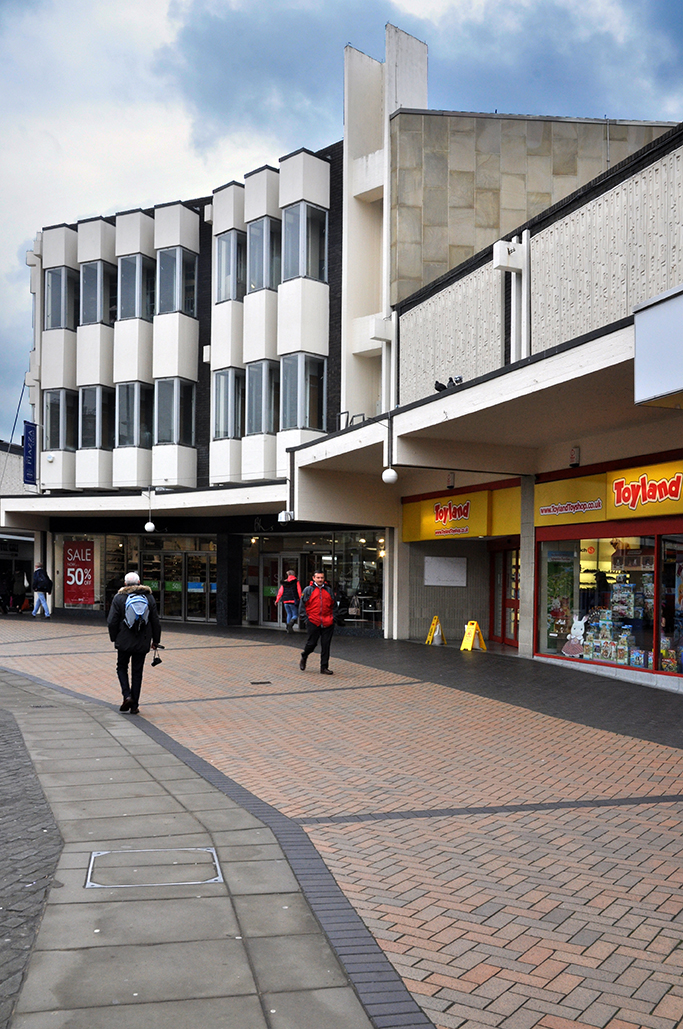
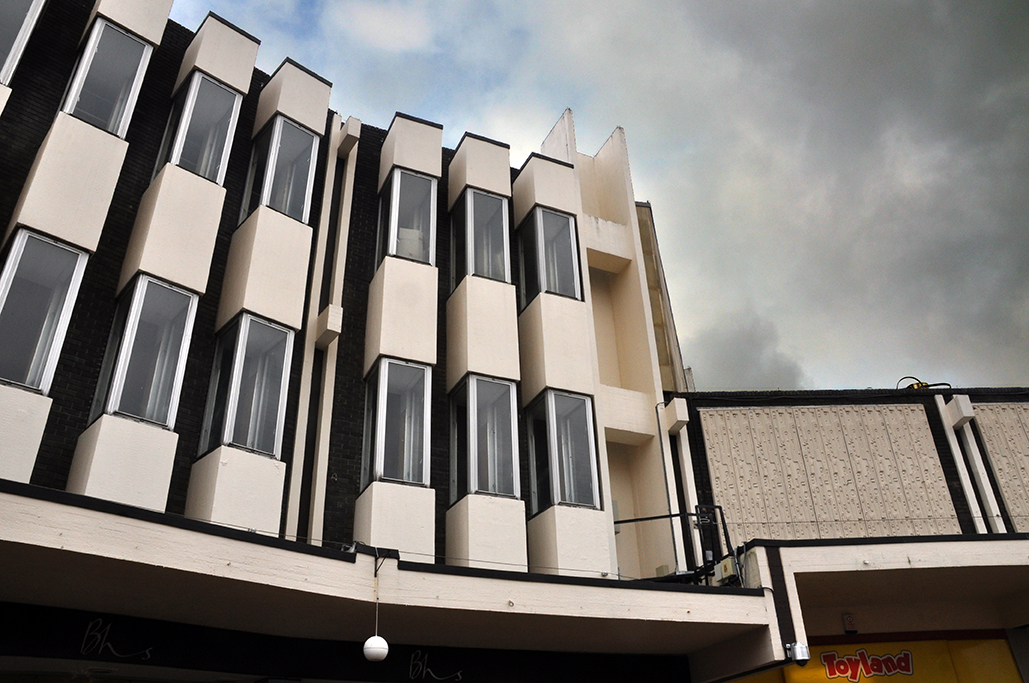
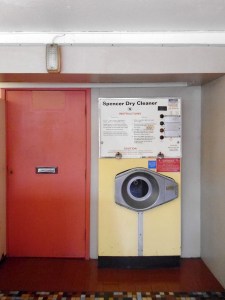
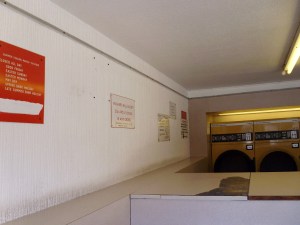
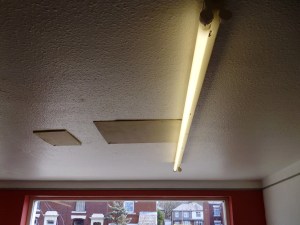
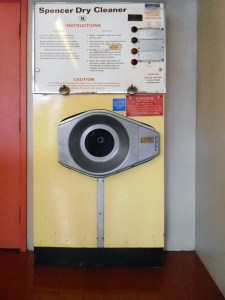
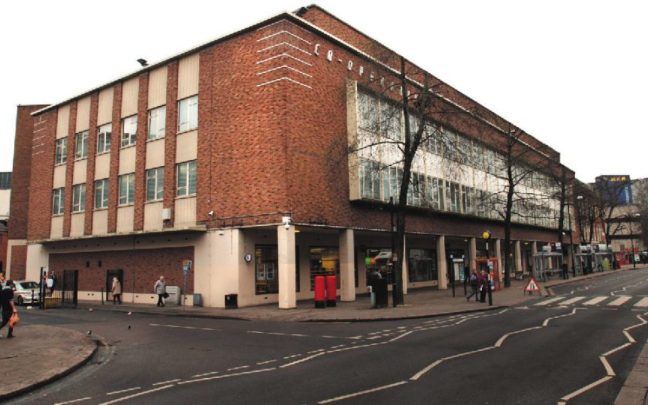
Once part of a larger retail complex, embracing the Castle Market area – regrettably demolished in 2015, the Gallery Shops are themselves, but a wrecking ball away from nothingness.
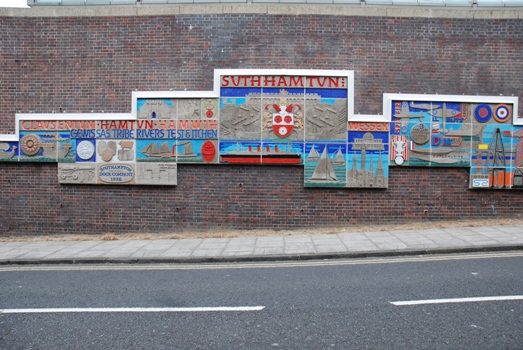
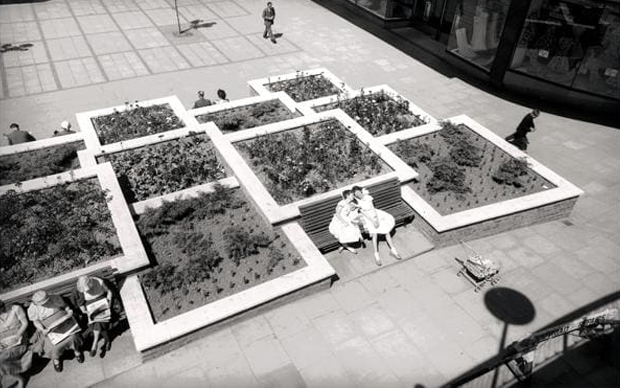
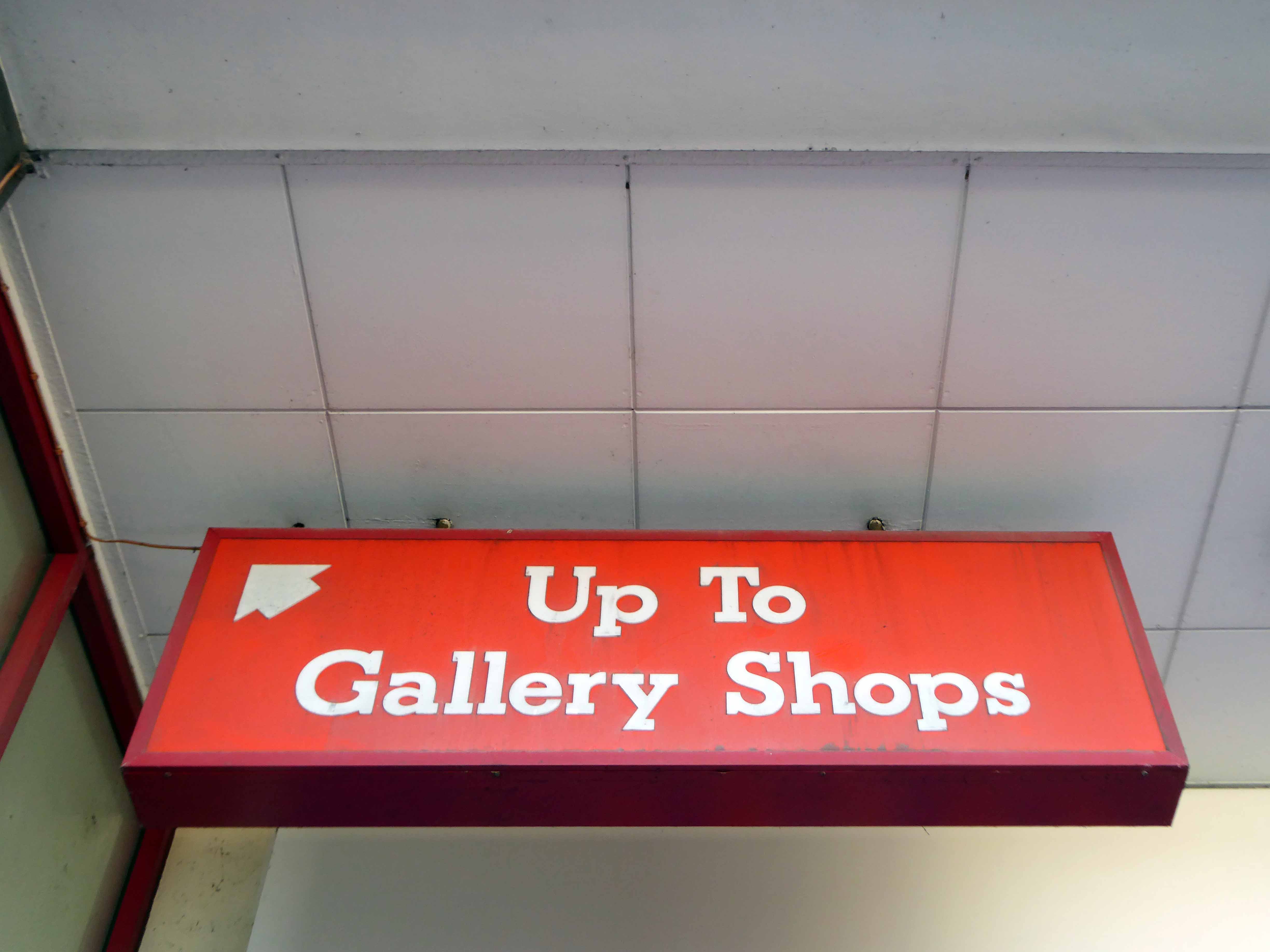
Linked by walkways, once populated by a multitude of rosy-cheeked, cheery shoppers, independent units and stalls operated in what was the better end of the High Street.

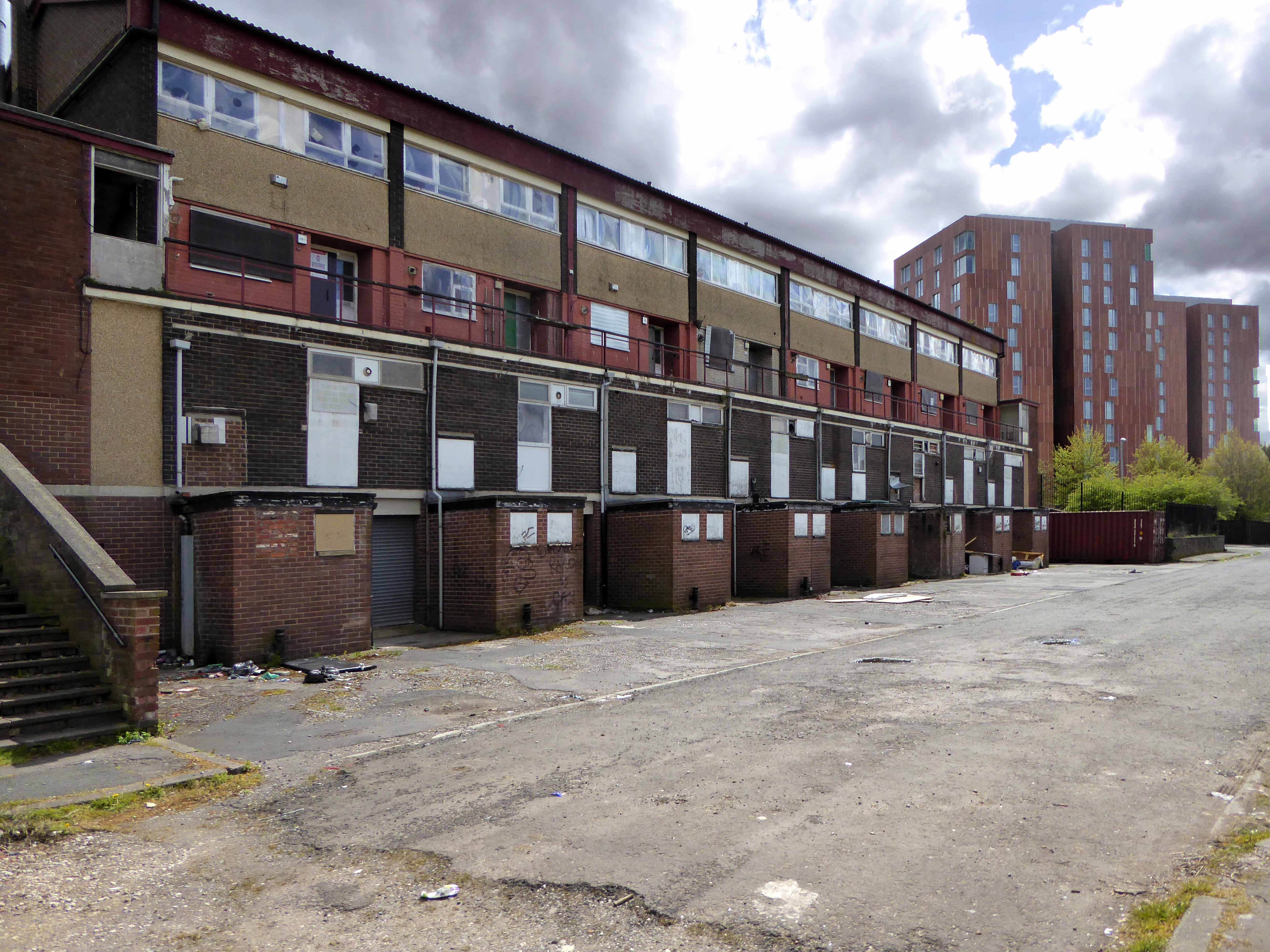
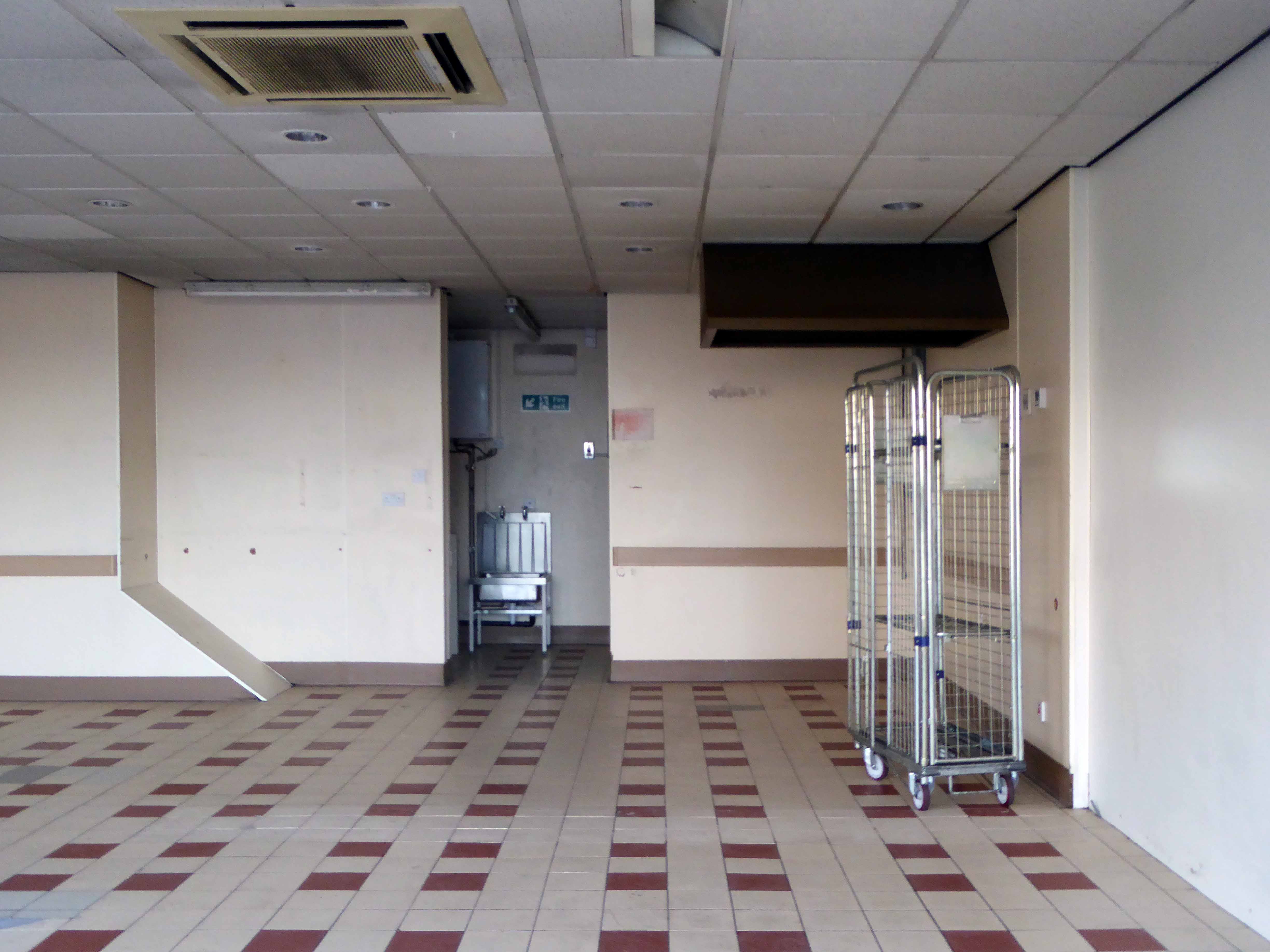
Over time, like many modern city the axis of energy shifts elsewhere, to newer more shiny developments – leaving hollow shells, echoing only to the footsteps of long gone ghosts.

Oblivion.

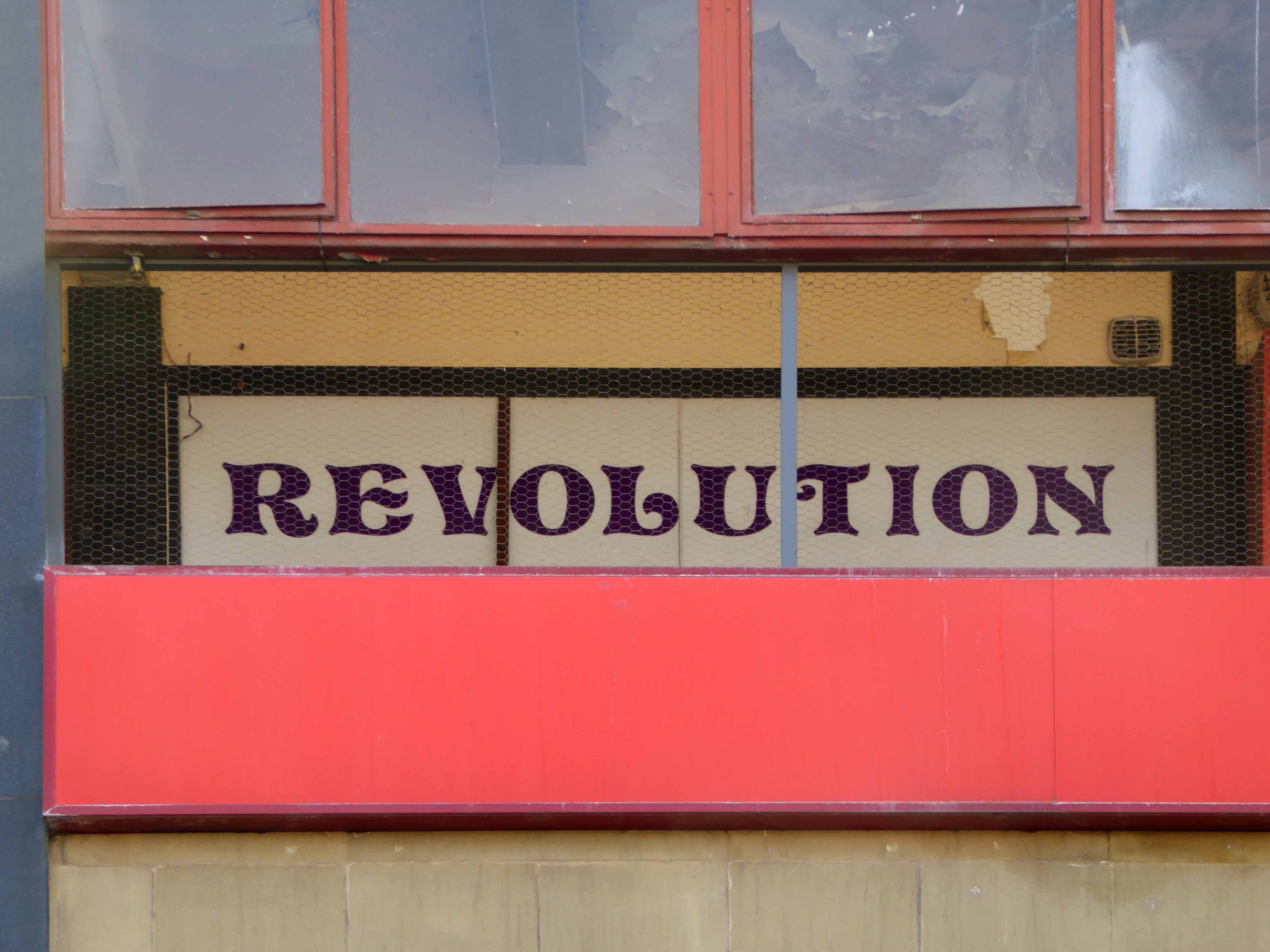
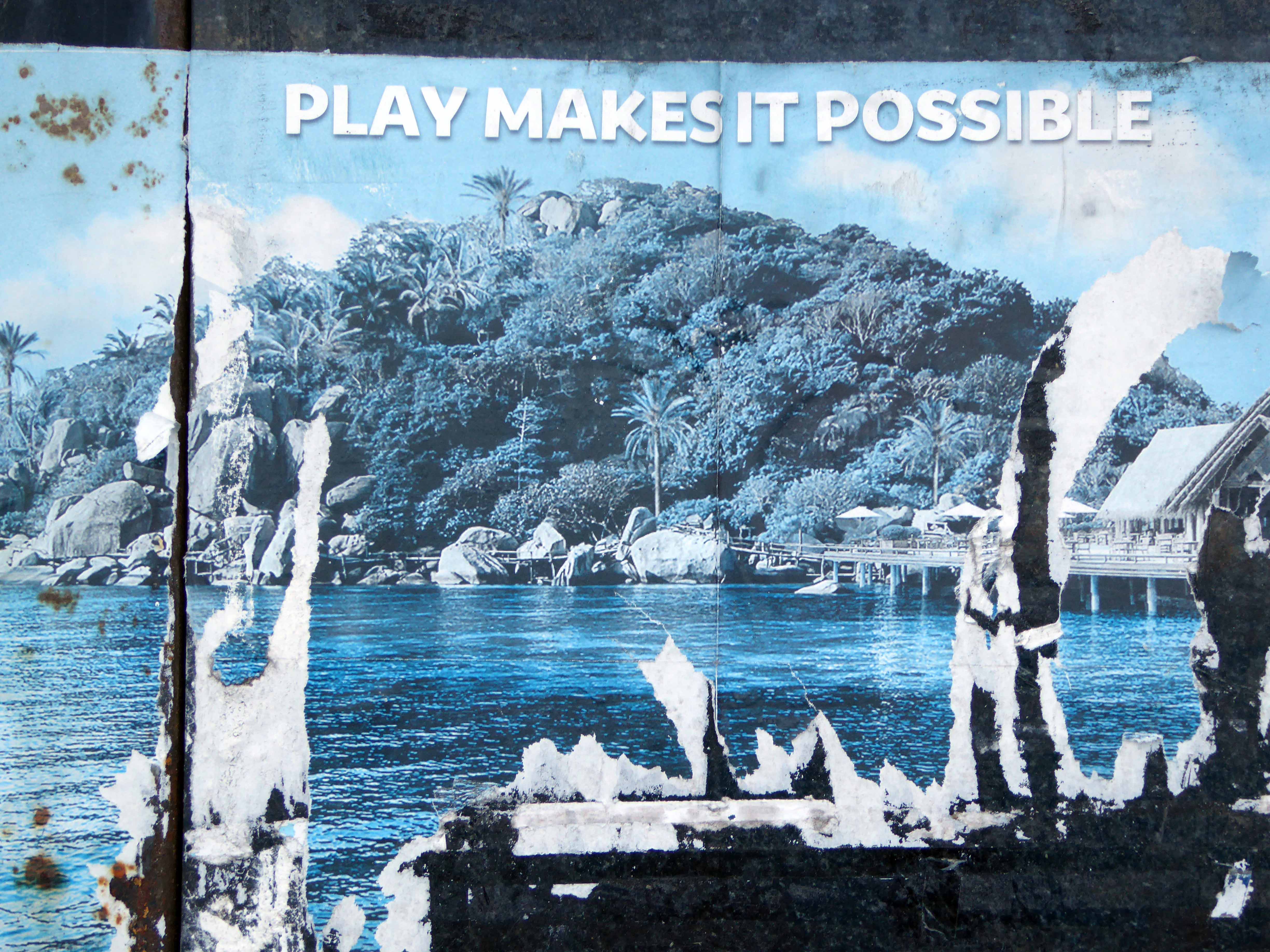
Revolution.

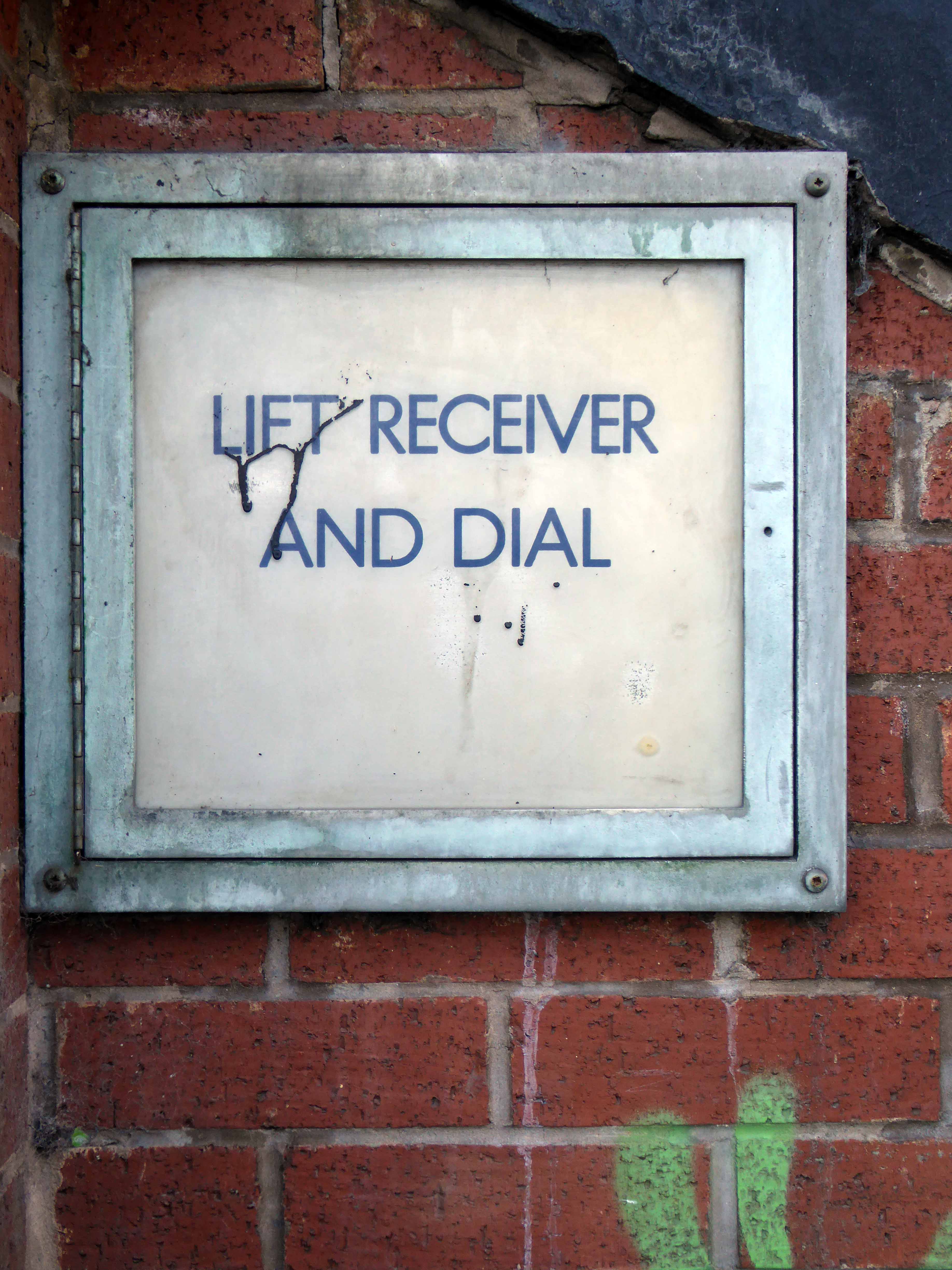
Lift receiver and dial.

P1030098 copy

P1030077 copy

P1030112 copy

P1030086 copy

P1030097 copy

P1030109 copy

P1030088 copy

P1030090 copy

P1030106 copy

P1030089 copy

P1030078 copy

P1030094 copy

P1030083 copy

P1030111 copy

P1030093 copy

P1030101 copy

P1030092 copy

P1030082 copy

P1030096 copy

P1030087 copy

P1030108 copy

P1030081 copy

P1030084 copy

P1030113 copy


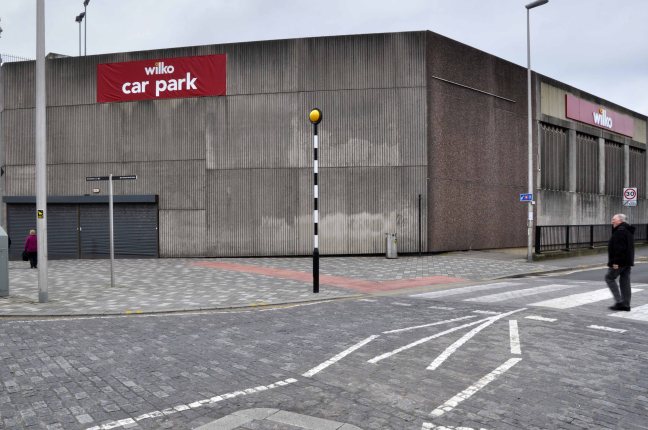
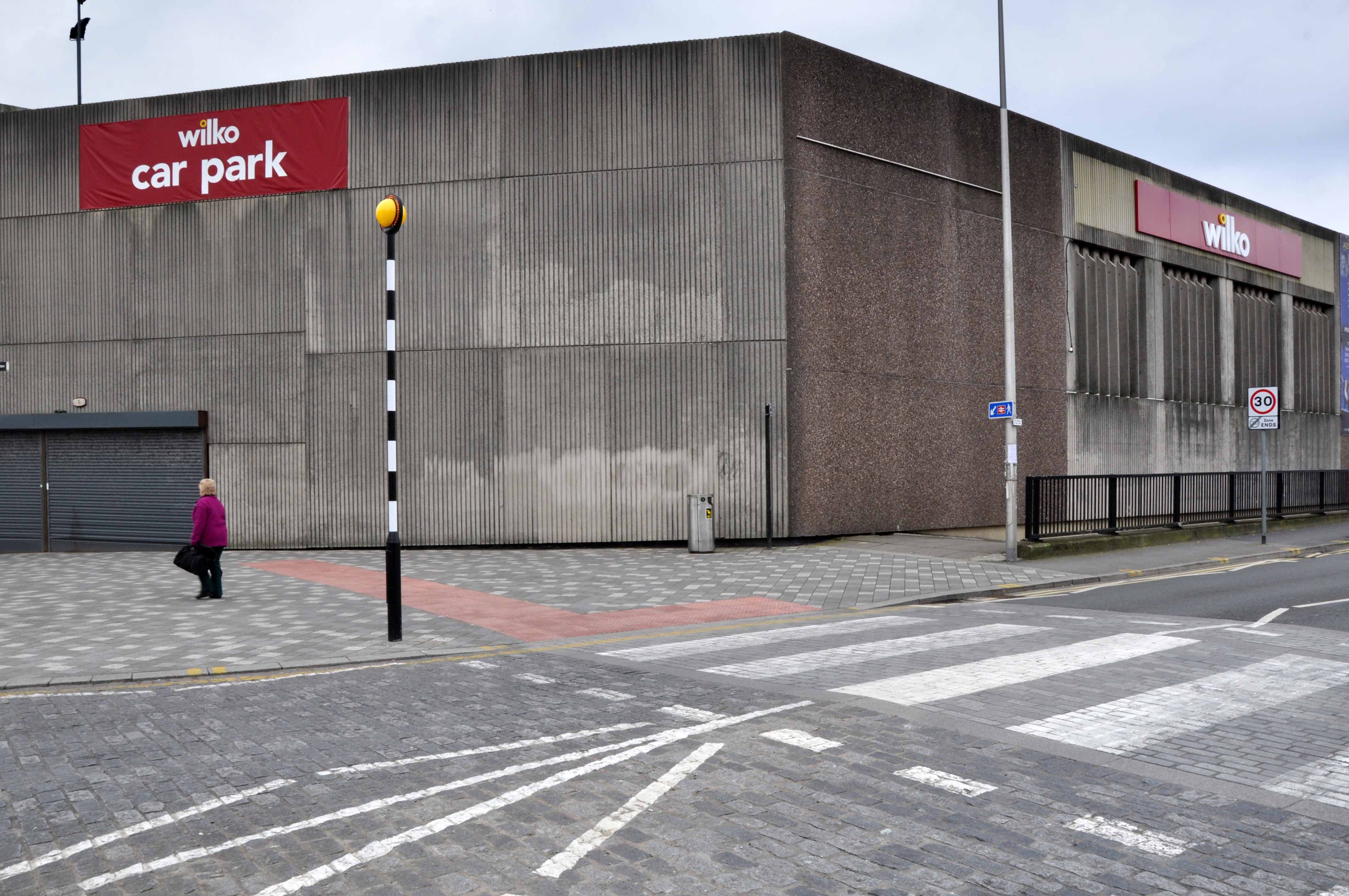
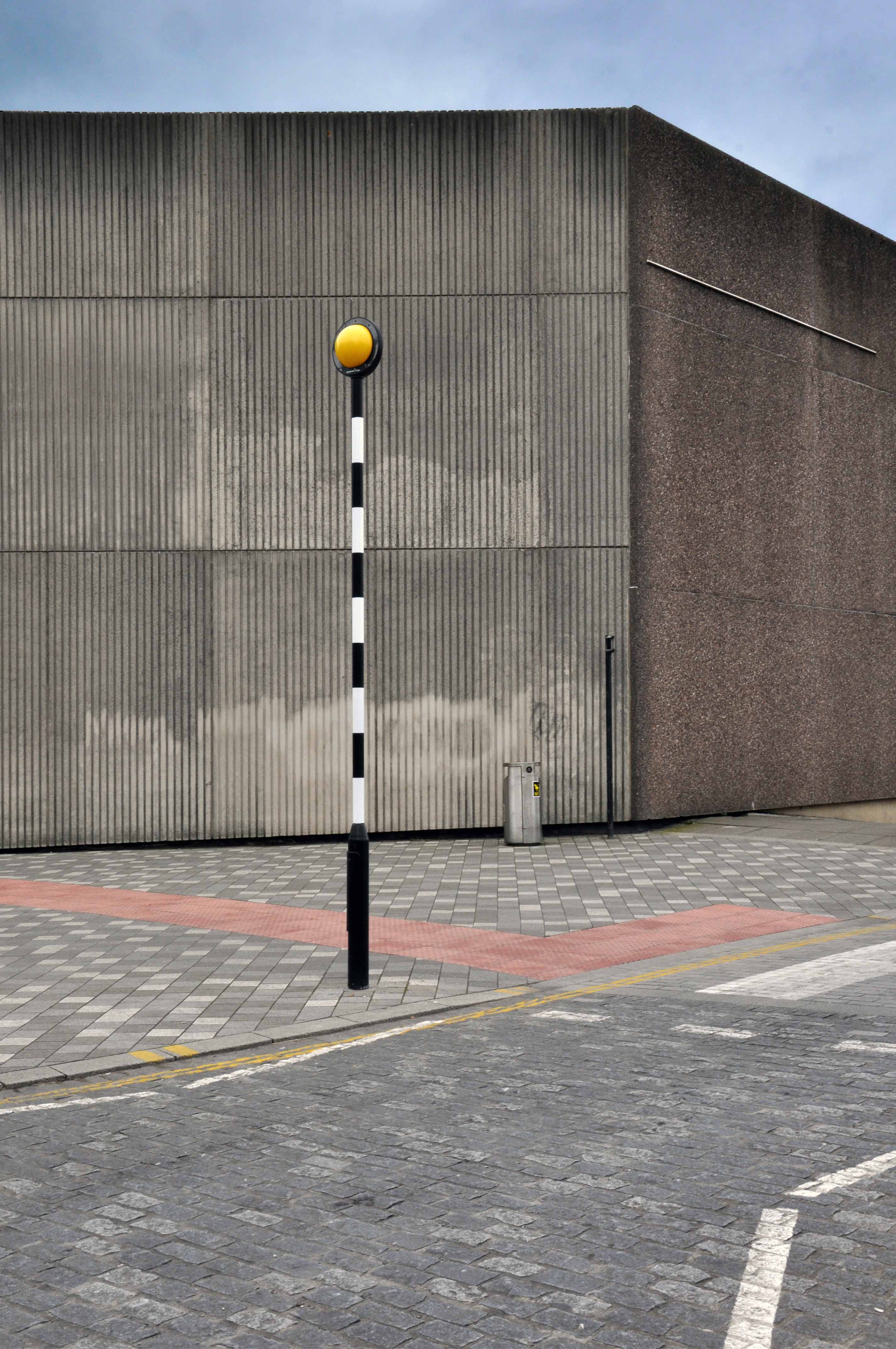
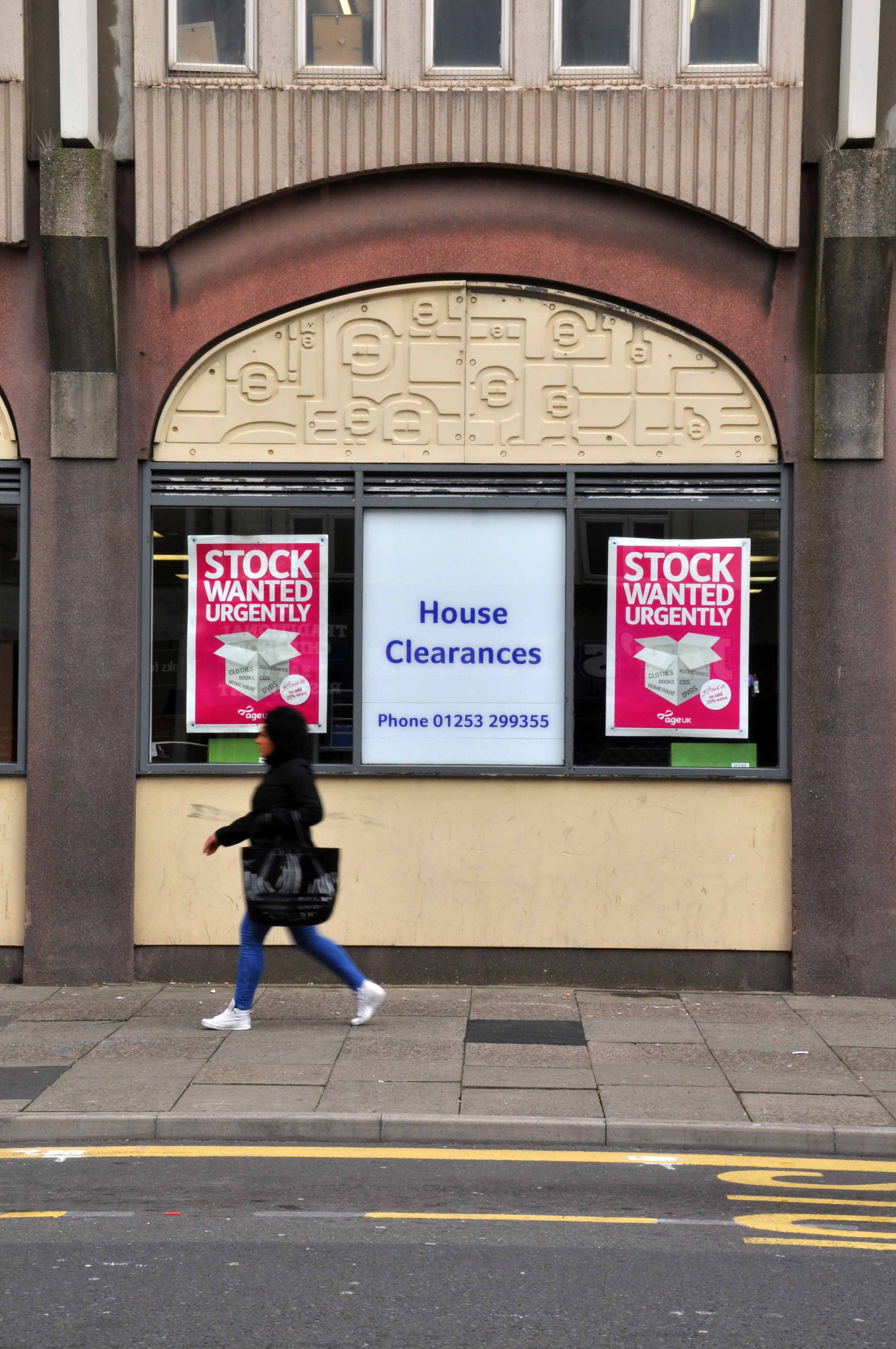
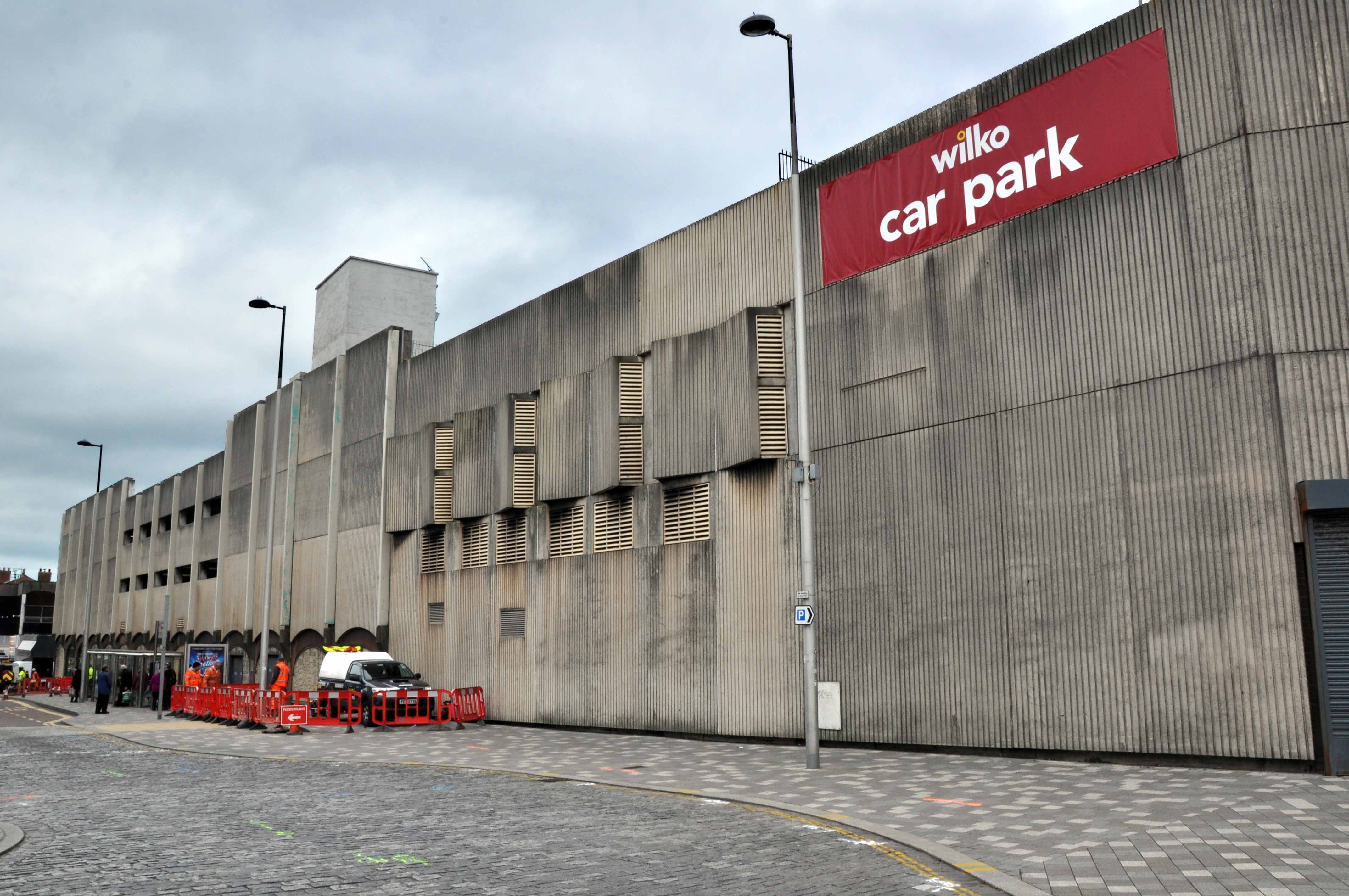
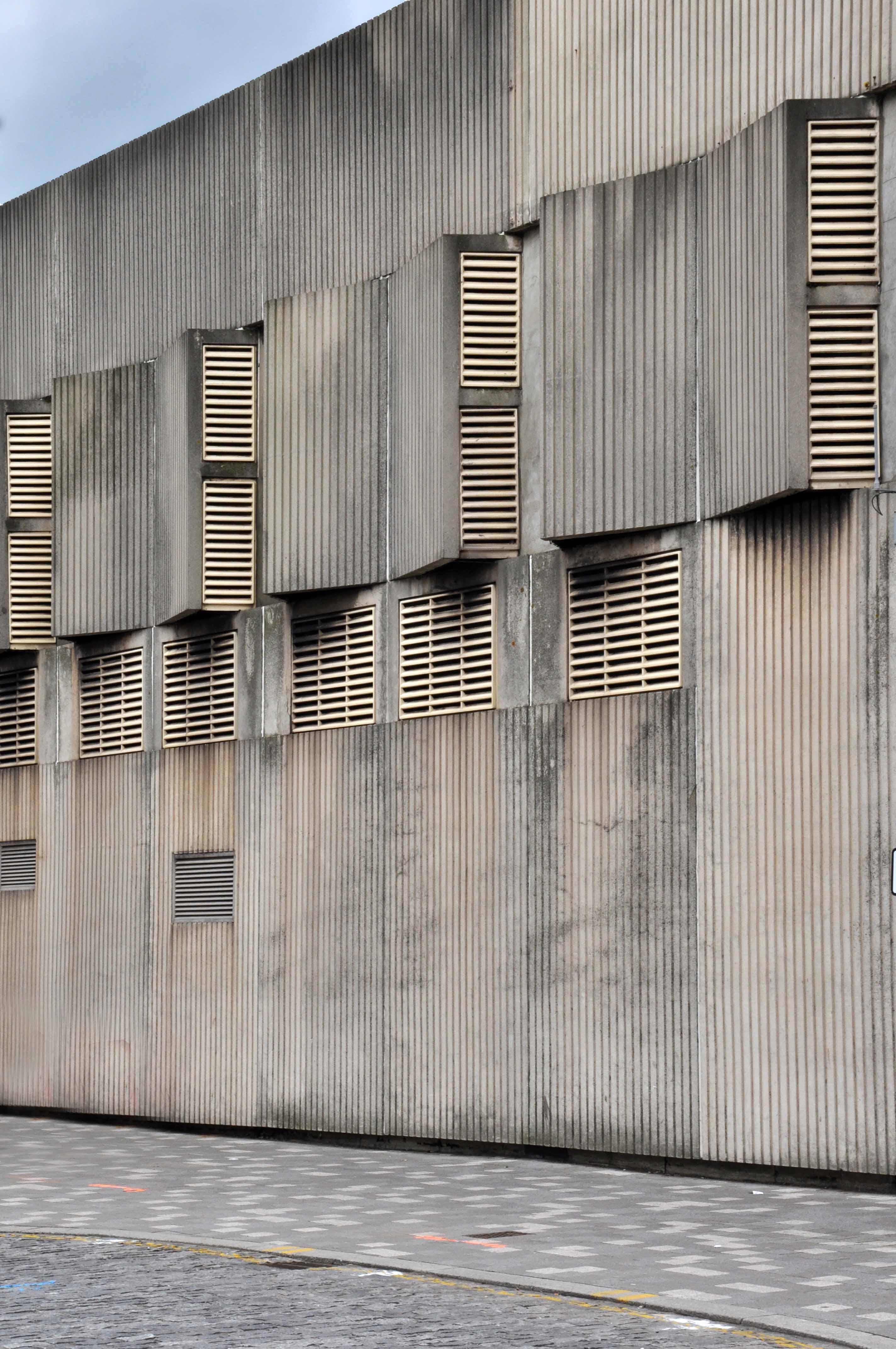
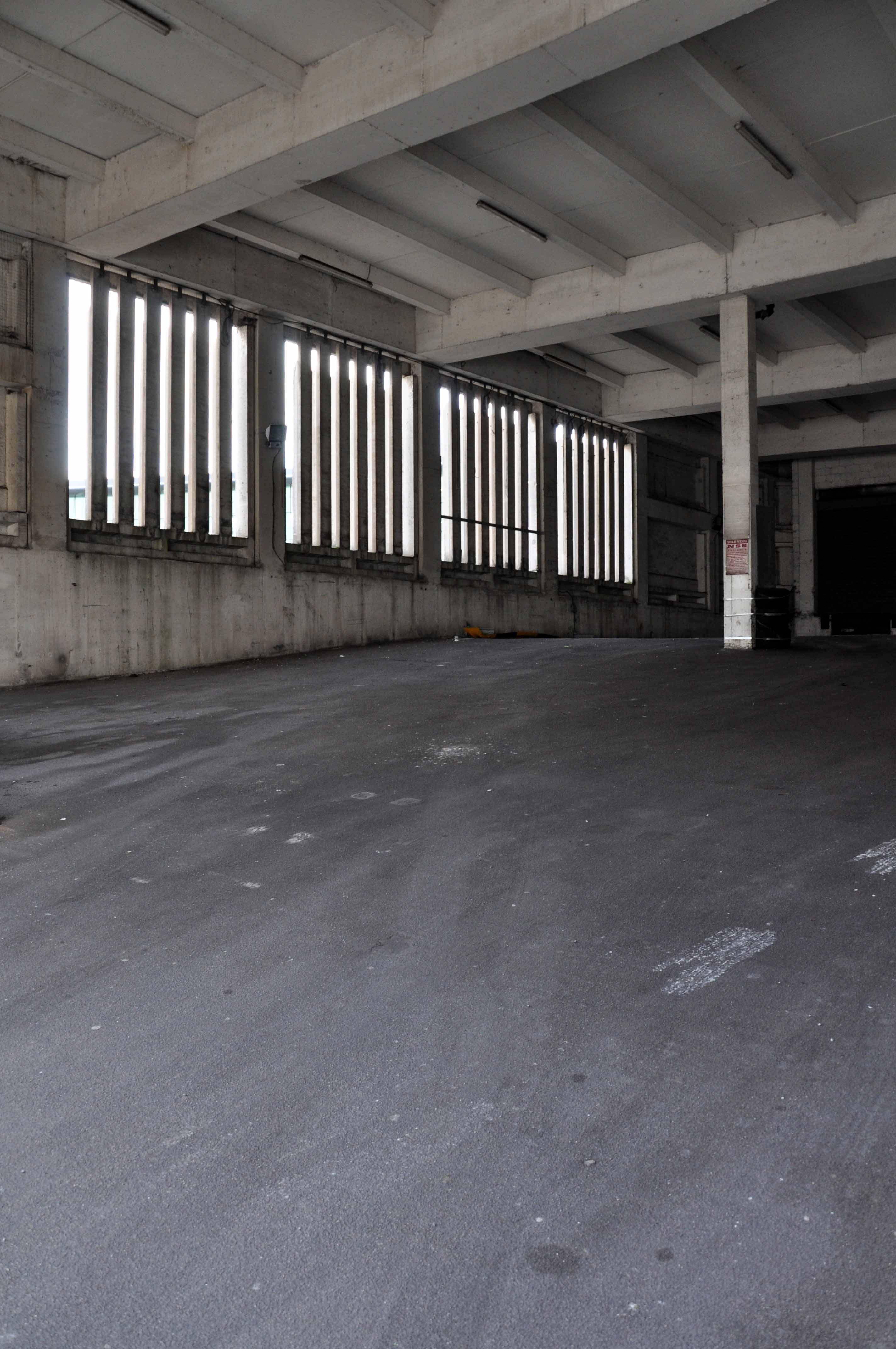
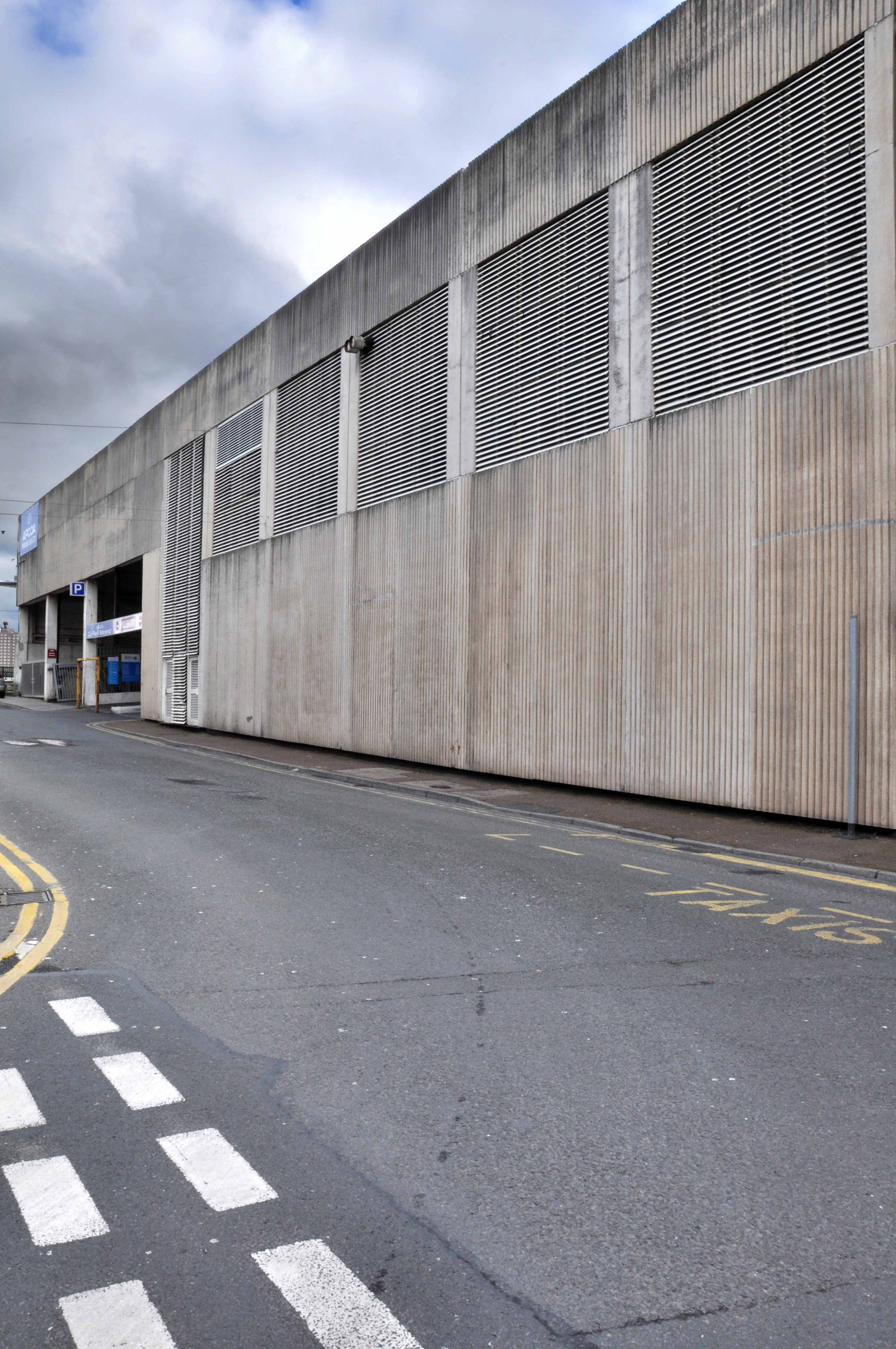
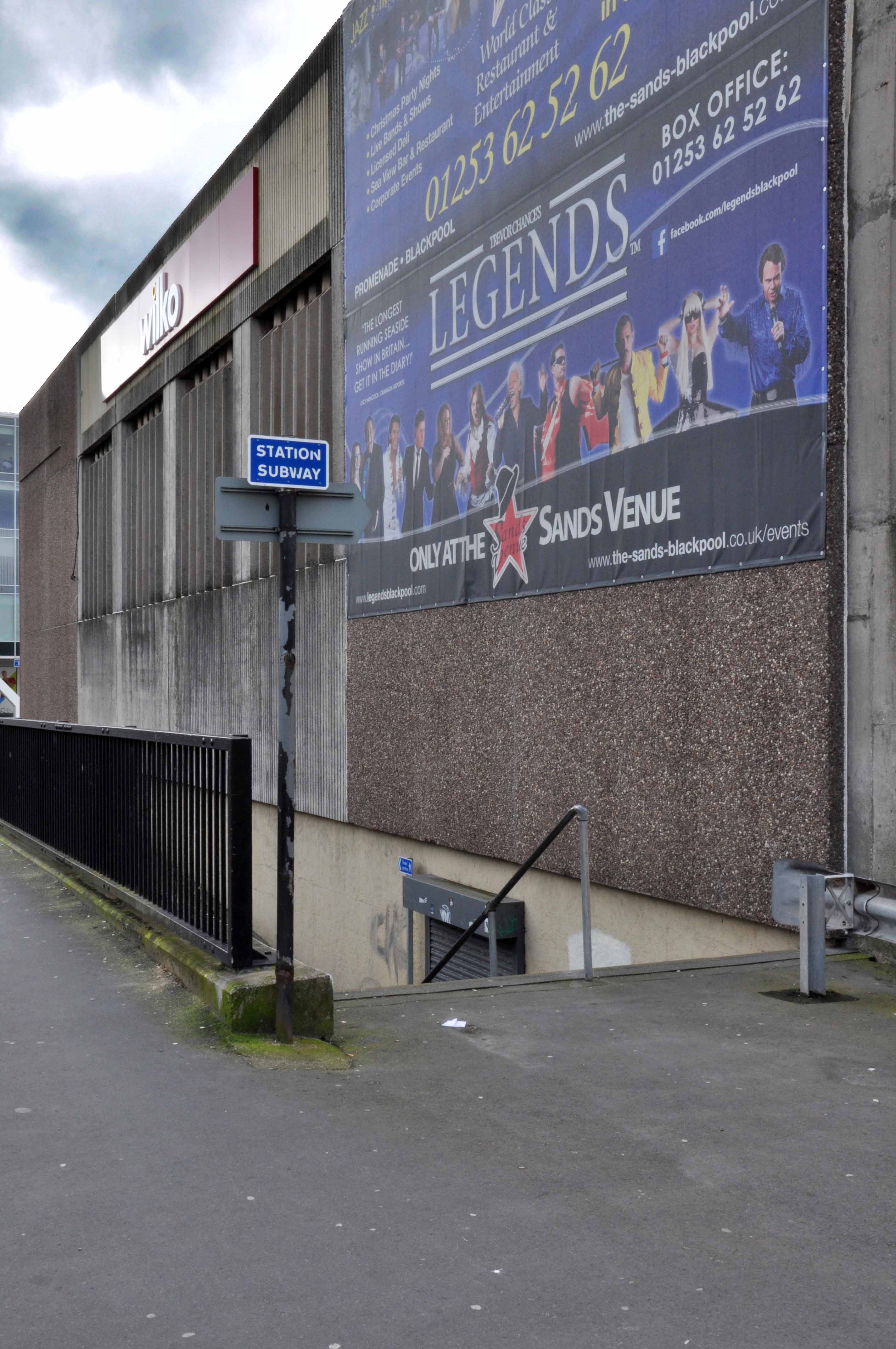
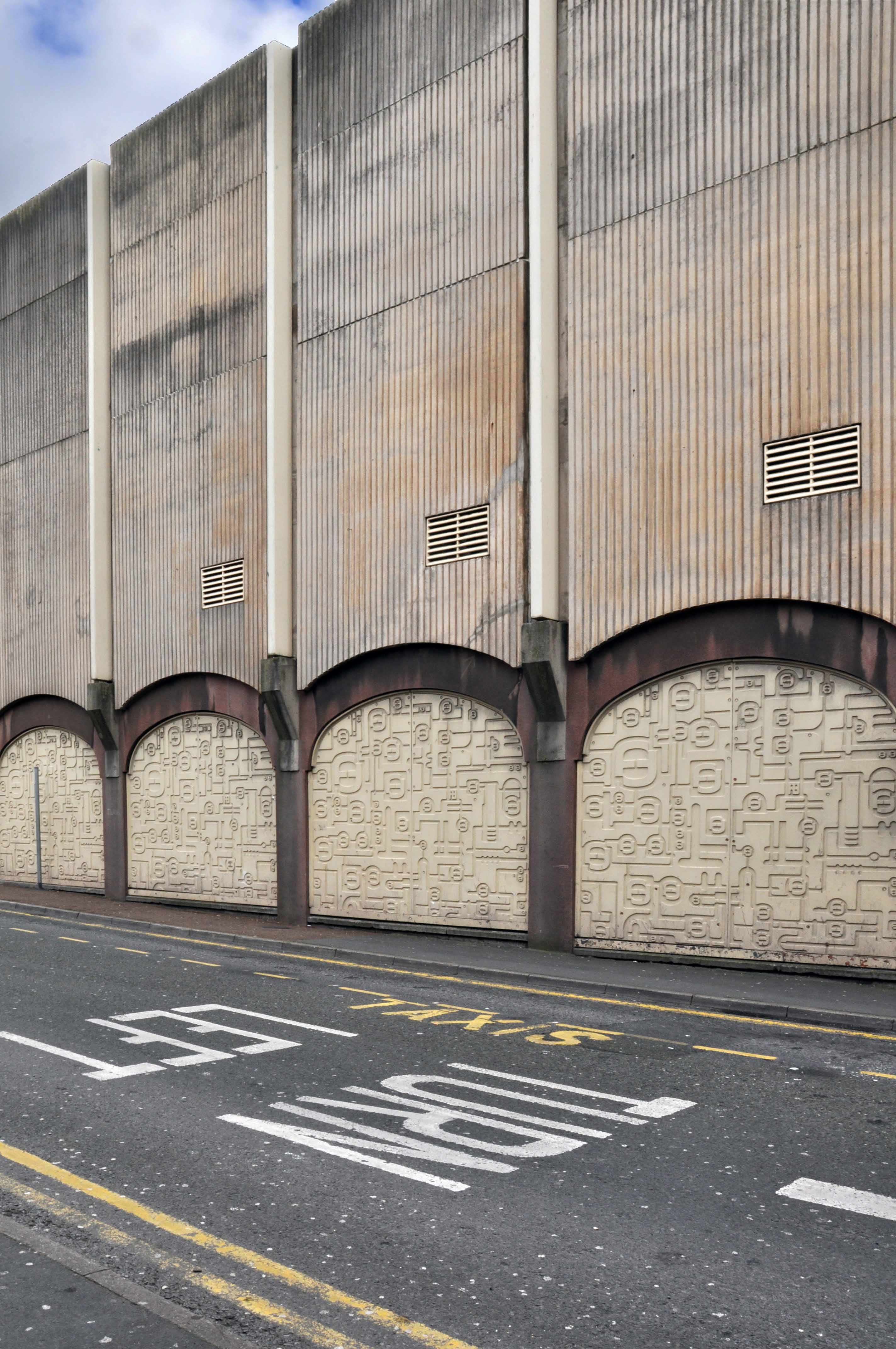
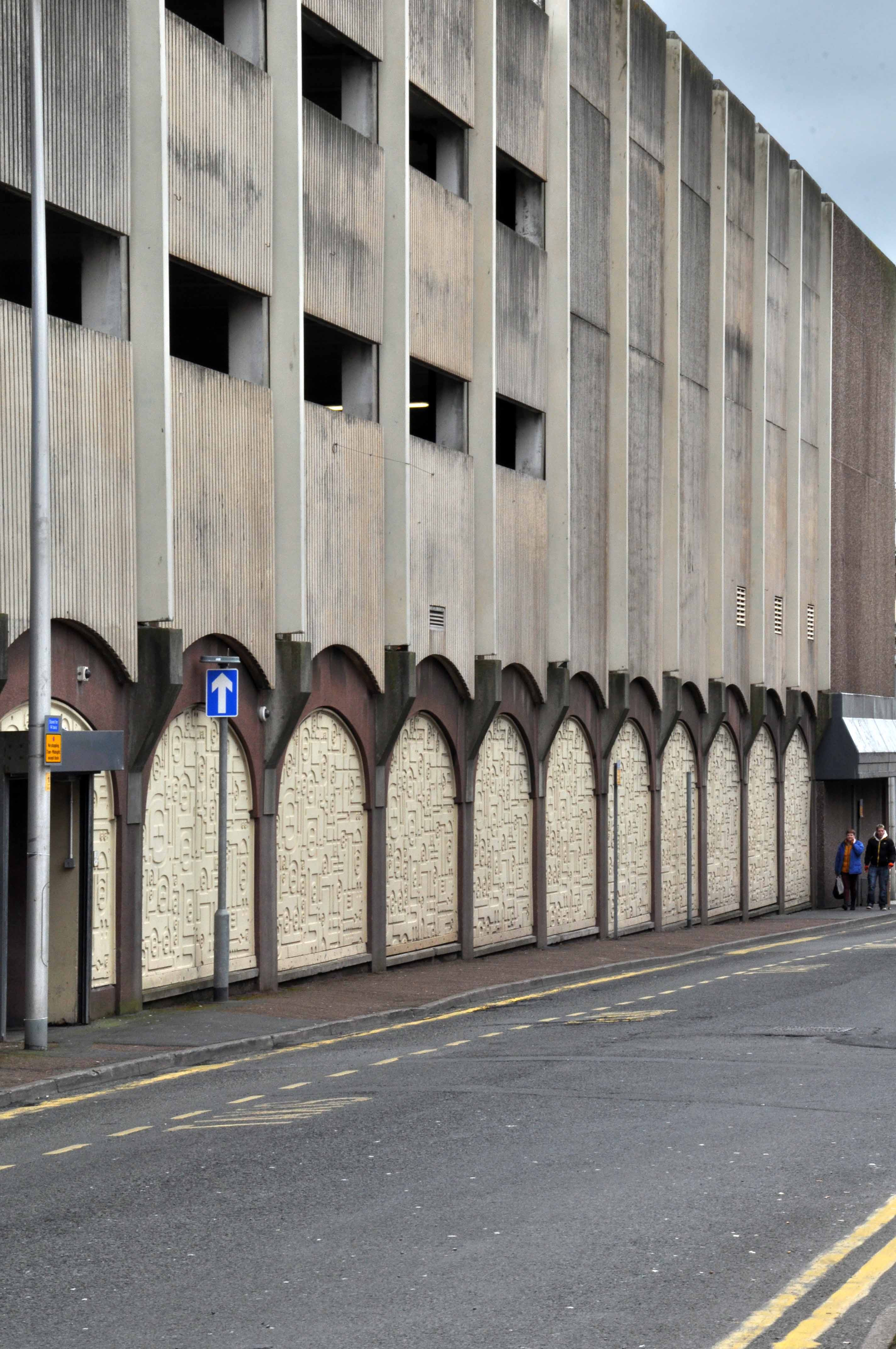
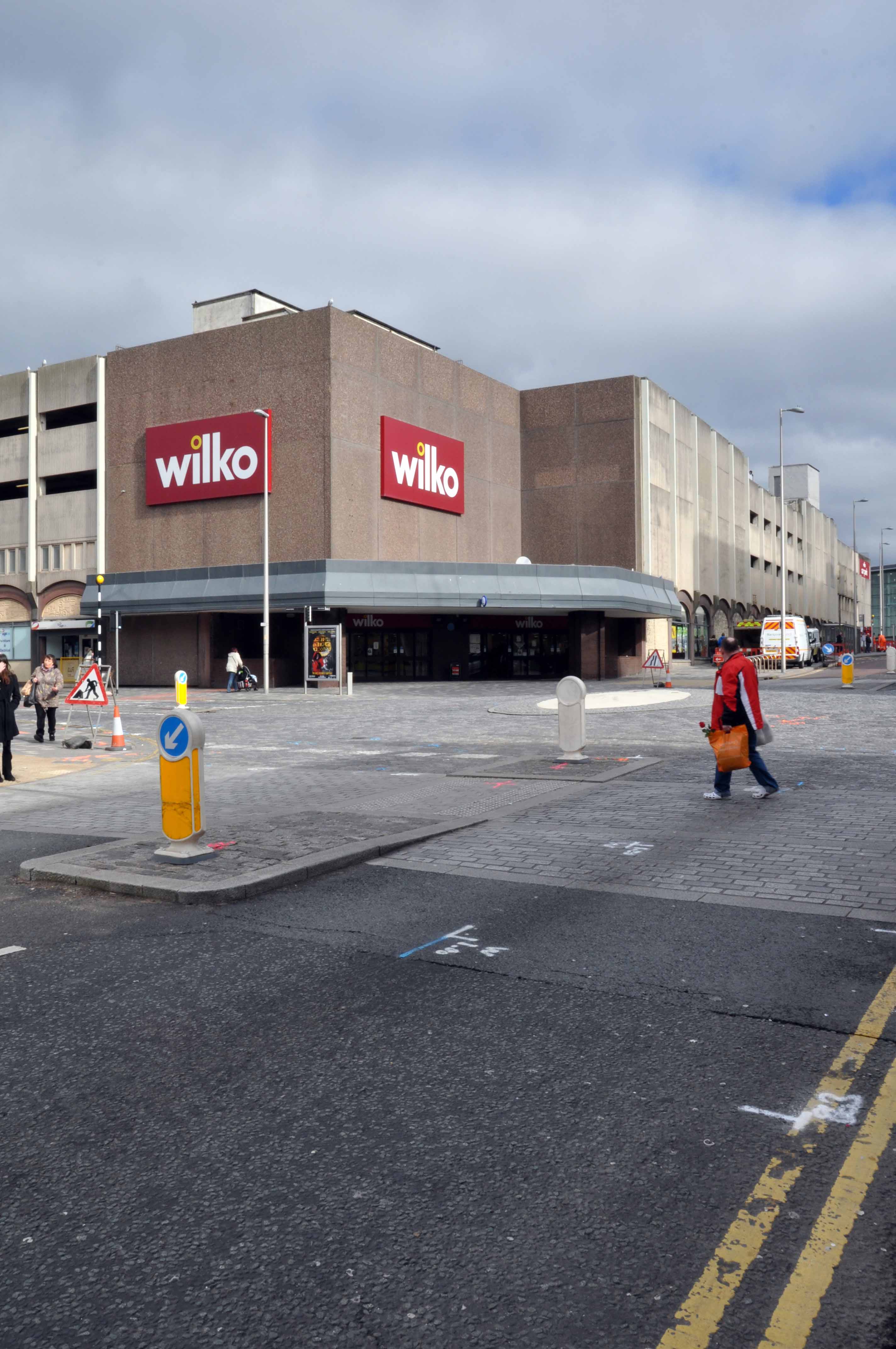
Wilko’s – Blackpool

Formerly the site of a much larger, much busier Blackpool North Station – a time when trains arrived sixteen coaches long.

As seen in this archive film of the 1940s.

Cars and closures caused the station to withdraw up the road, to its current much smaller site.

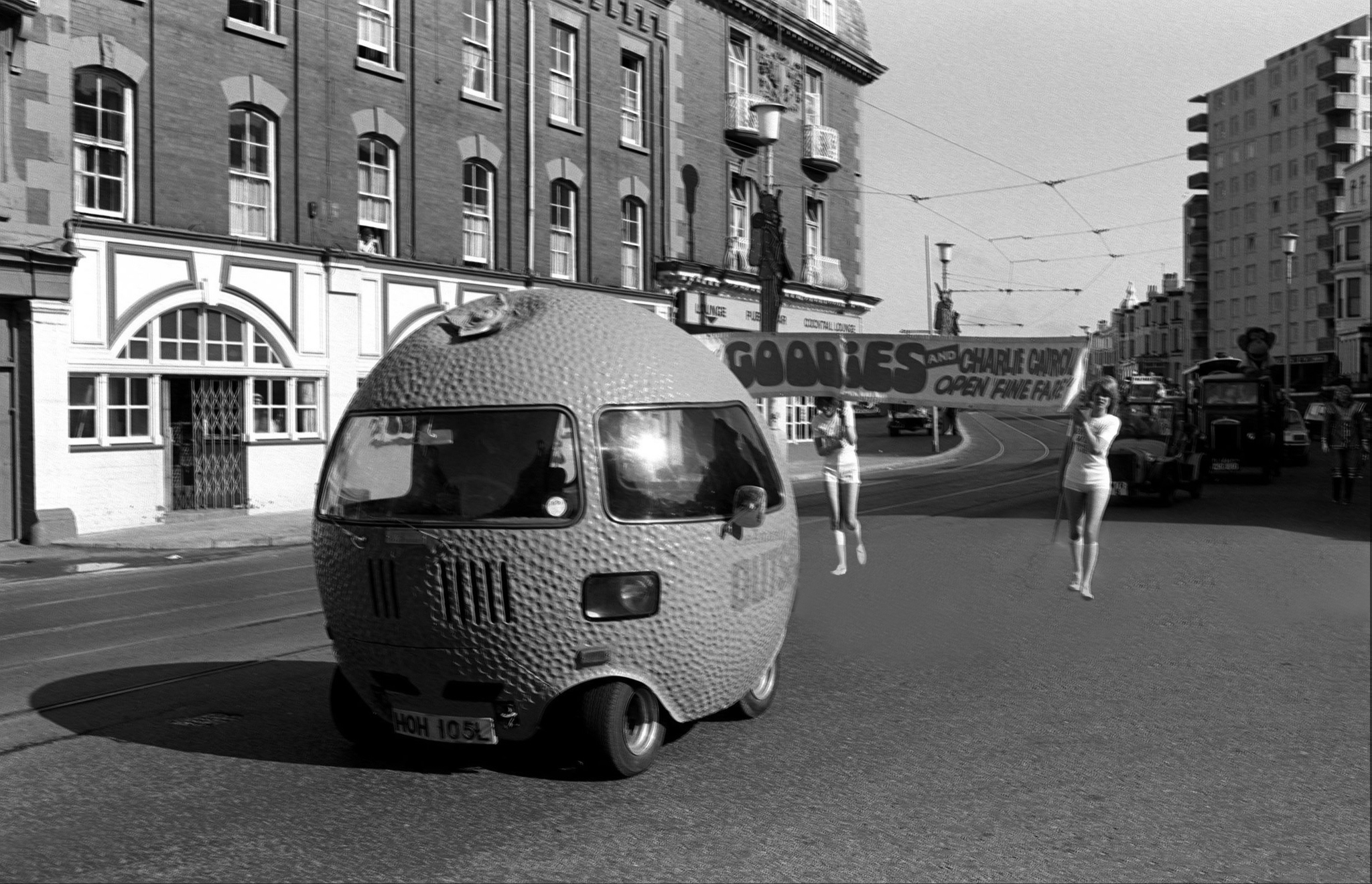
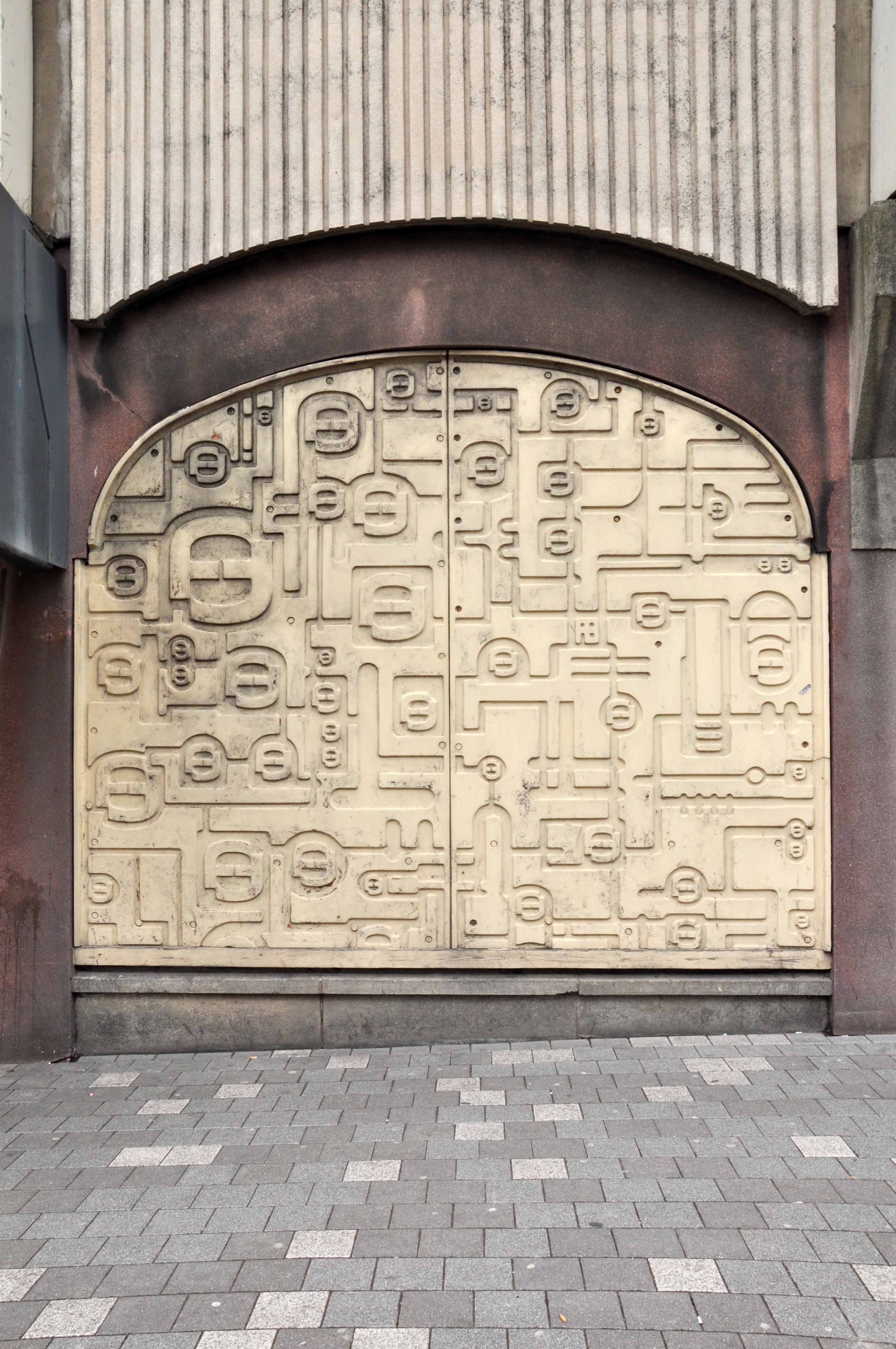
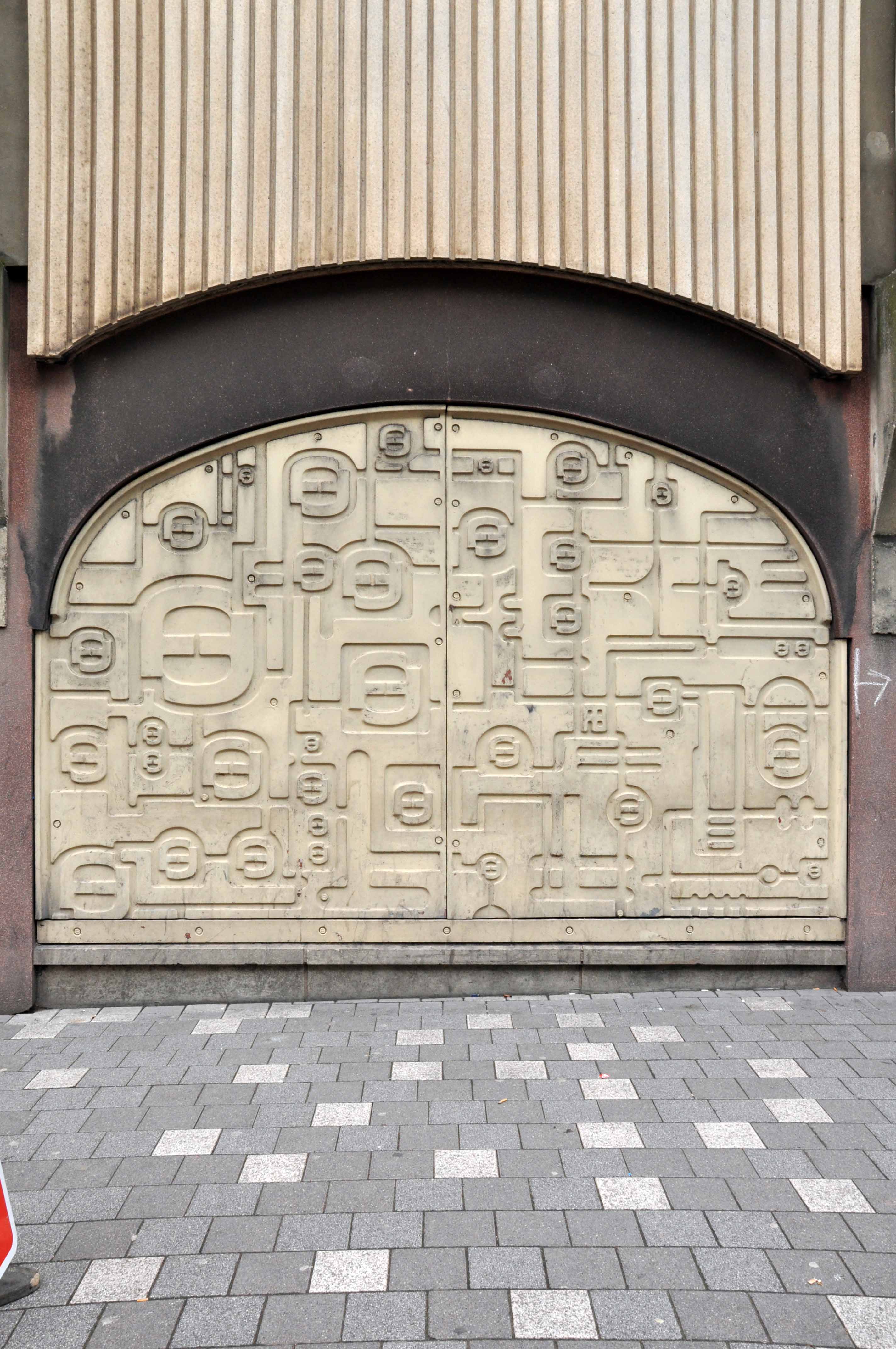
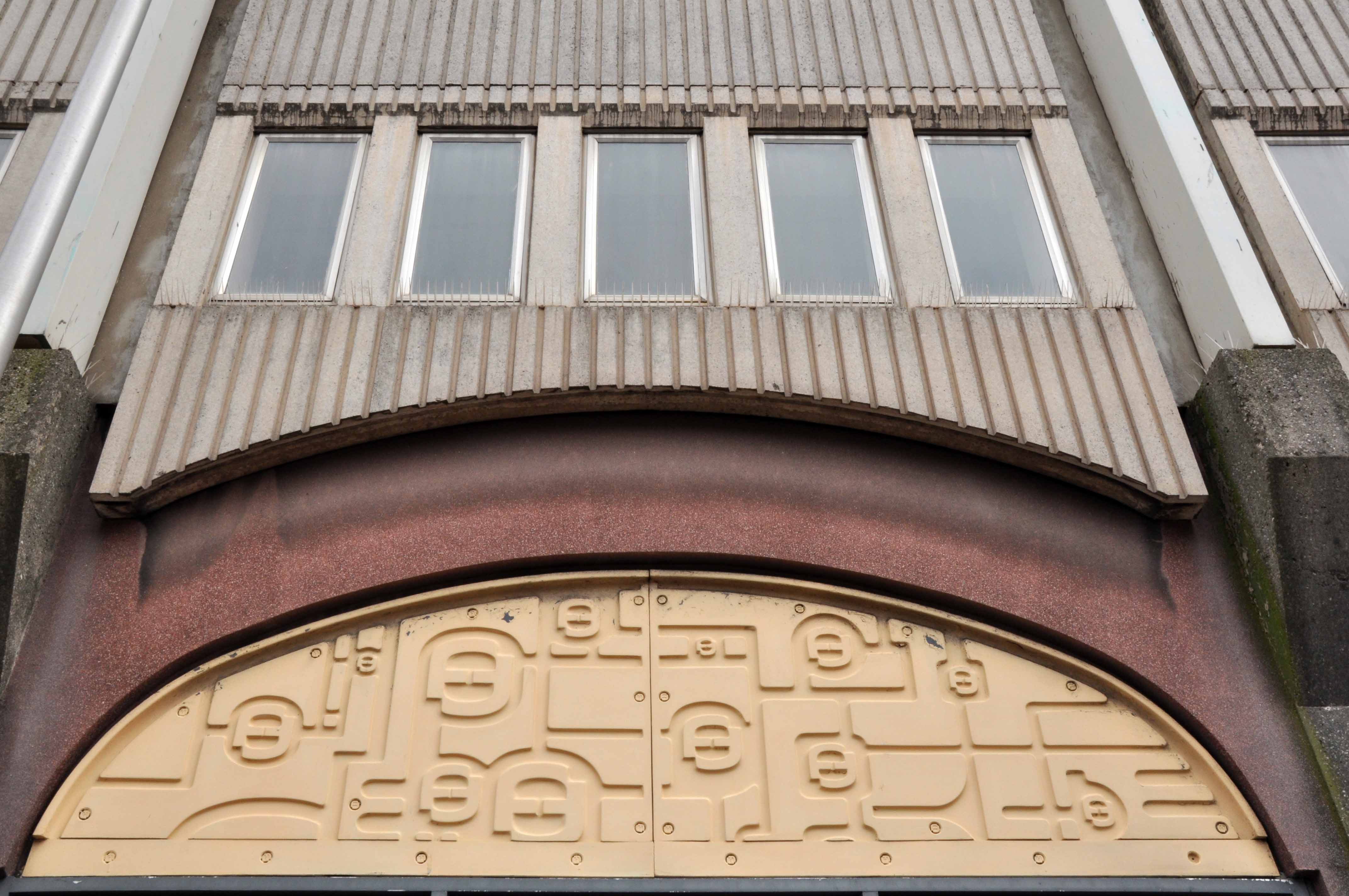
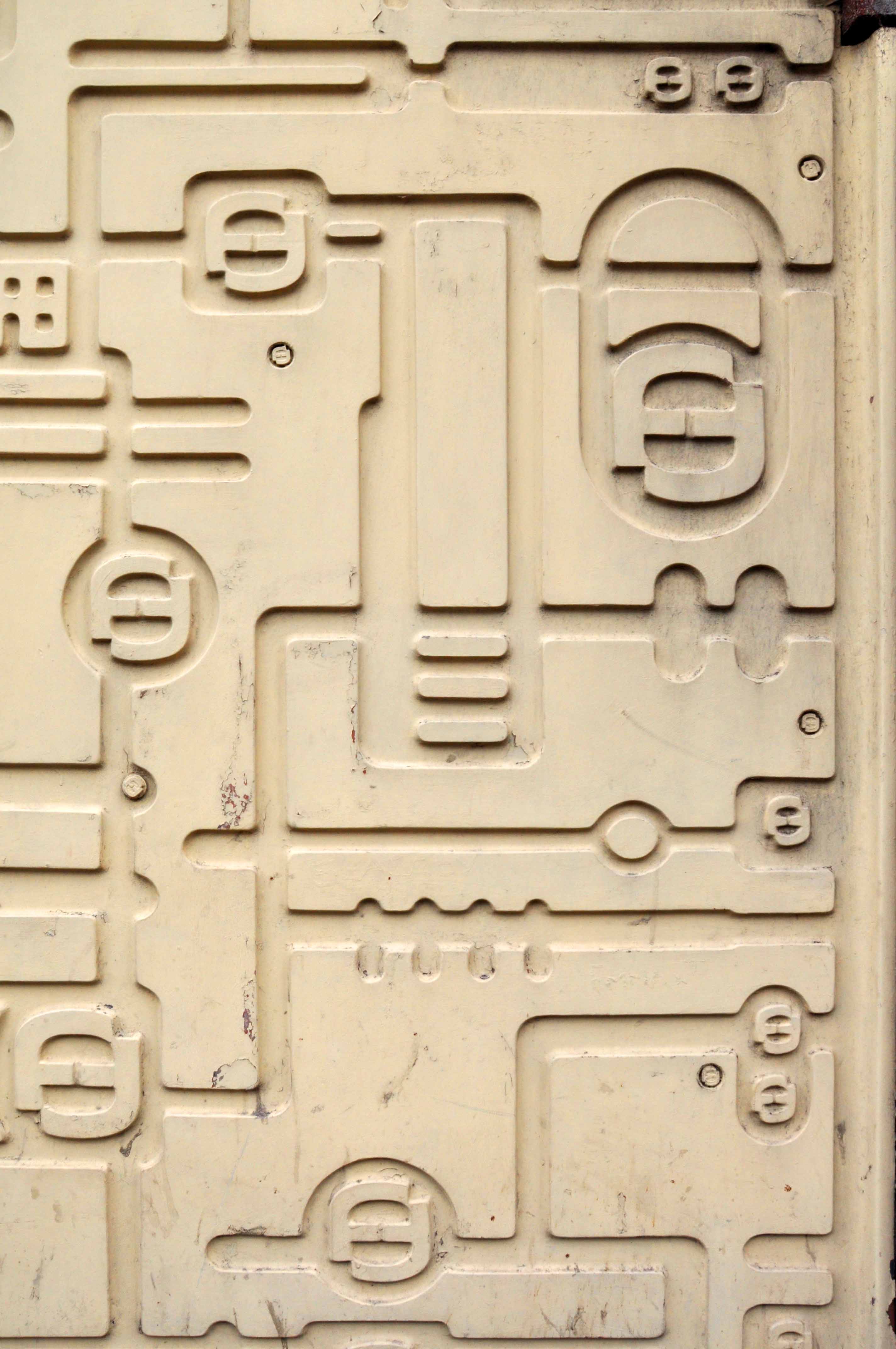
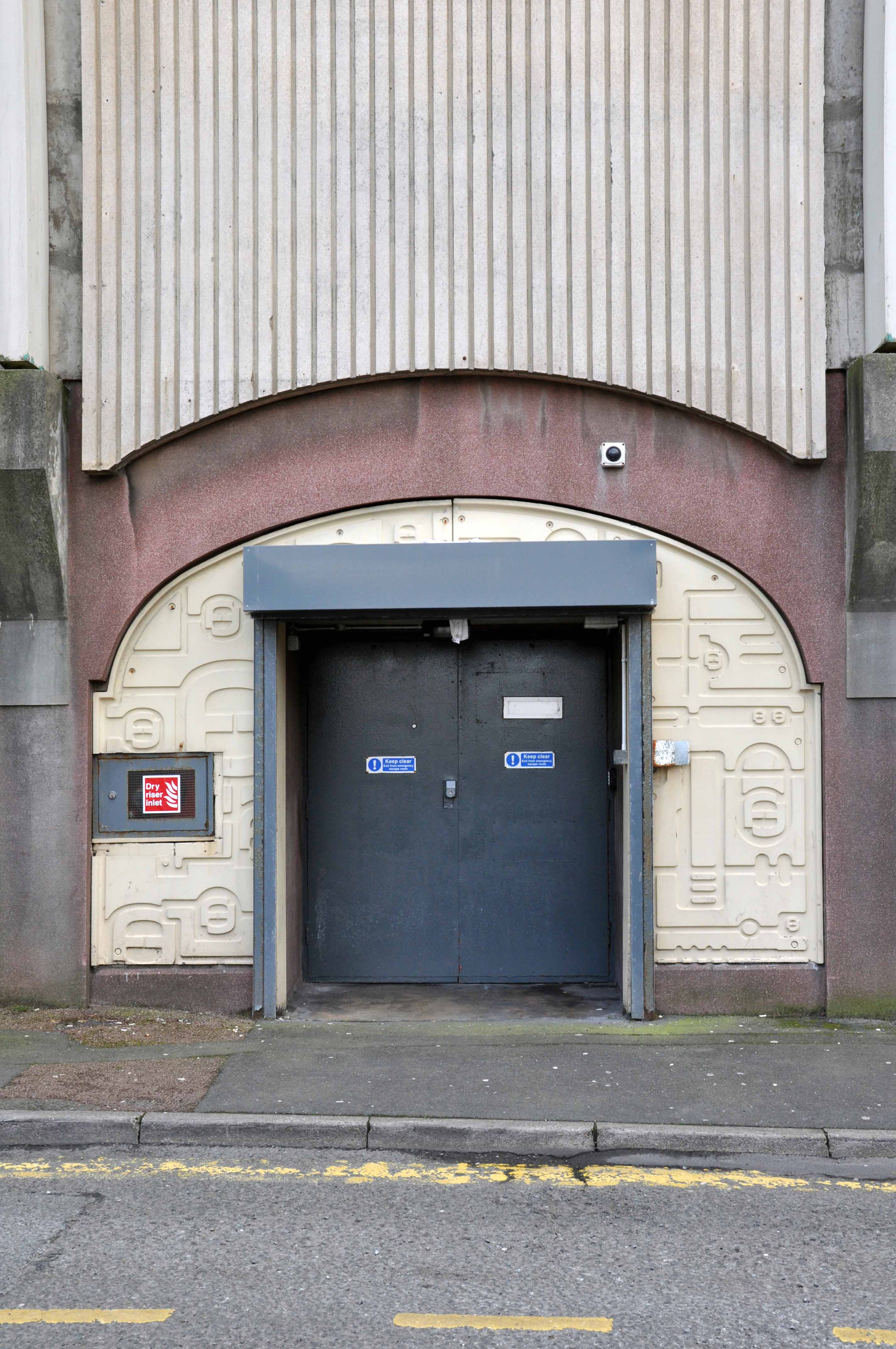
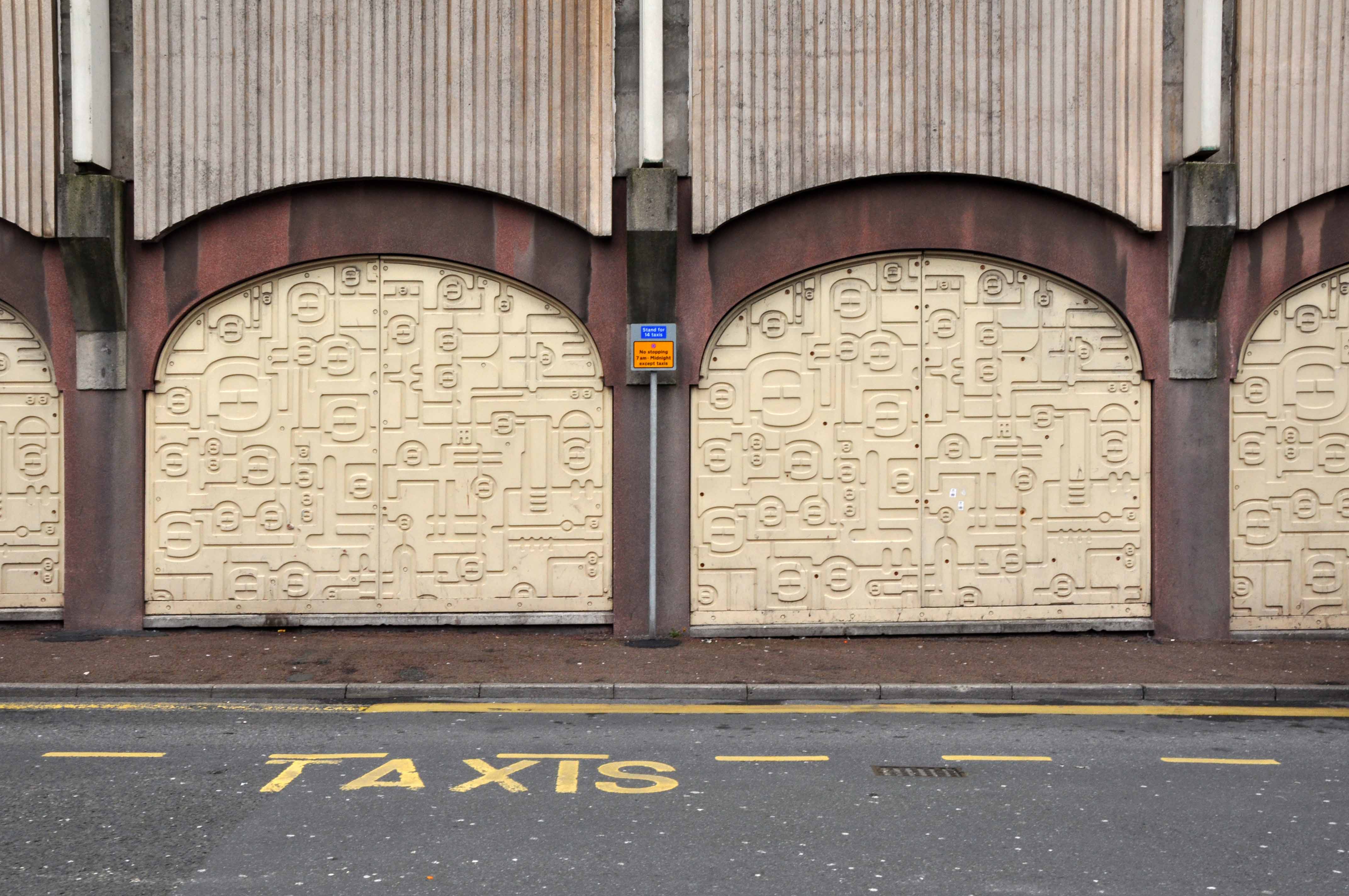
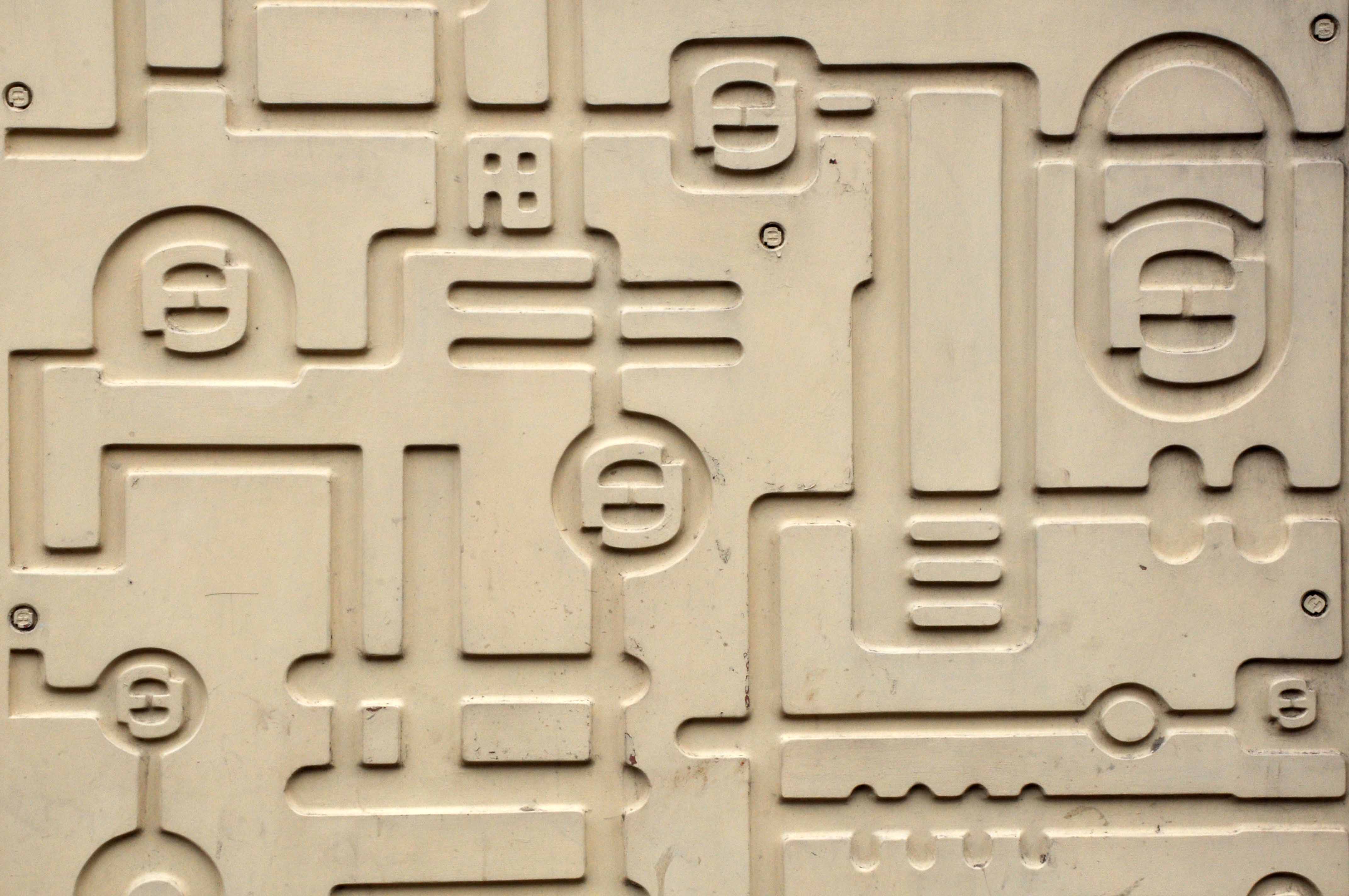
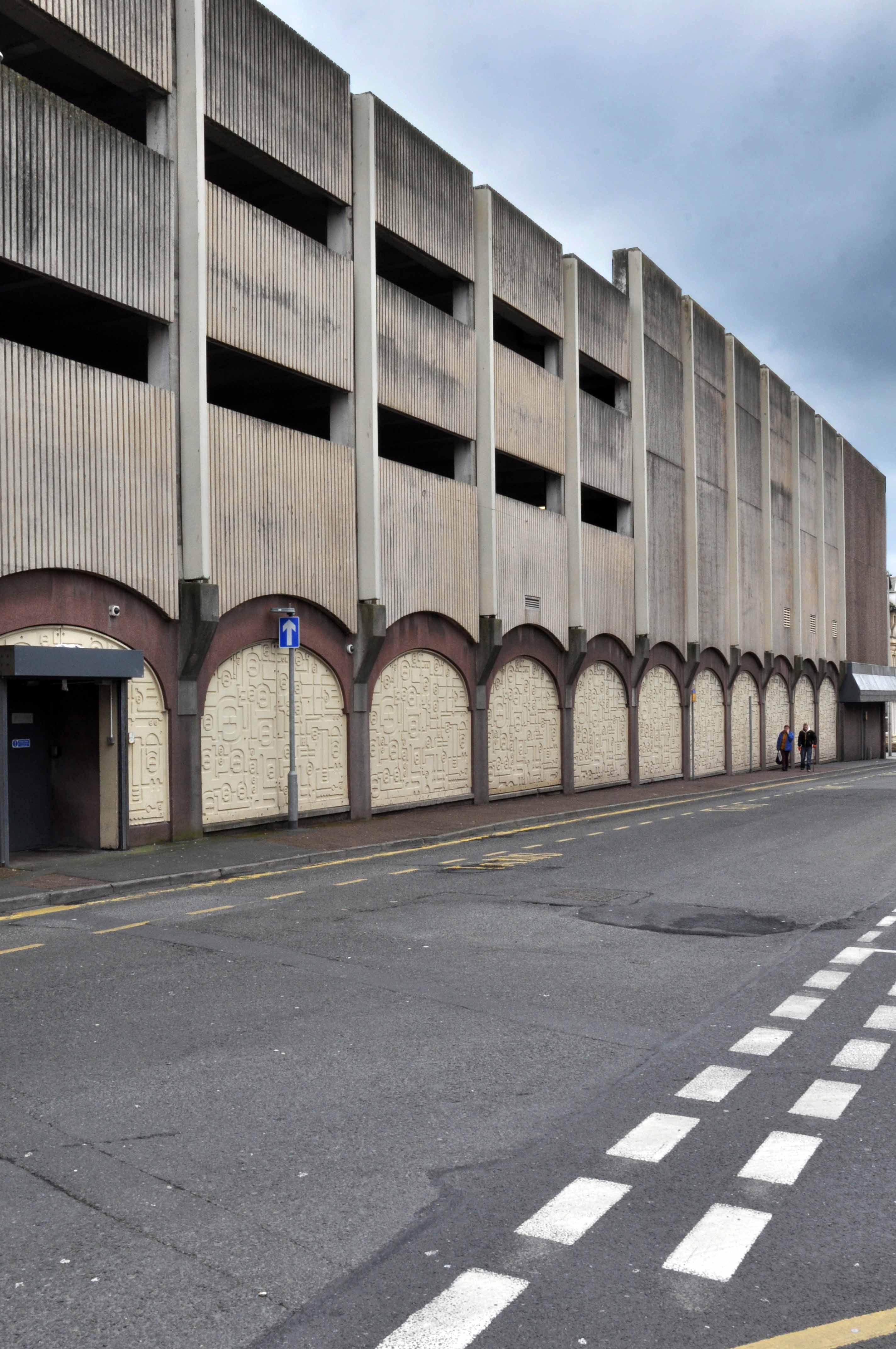
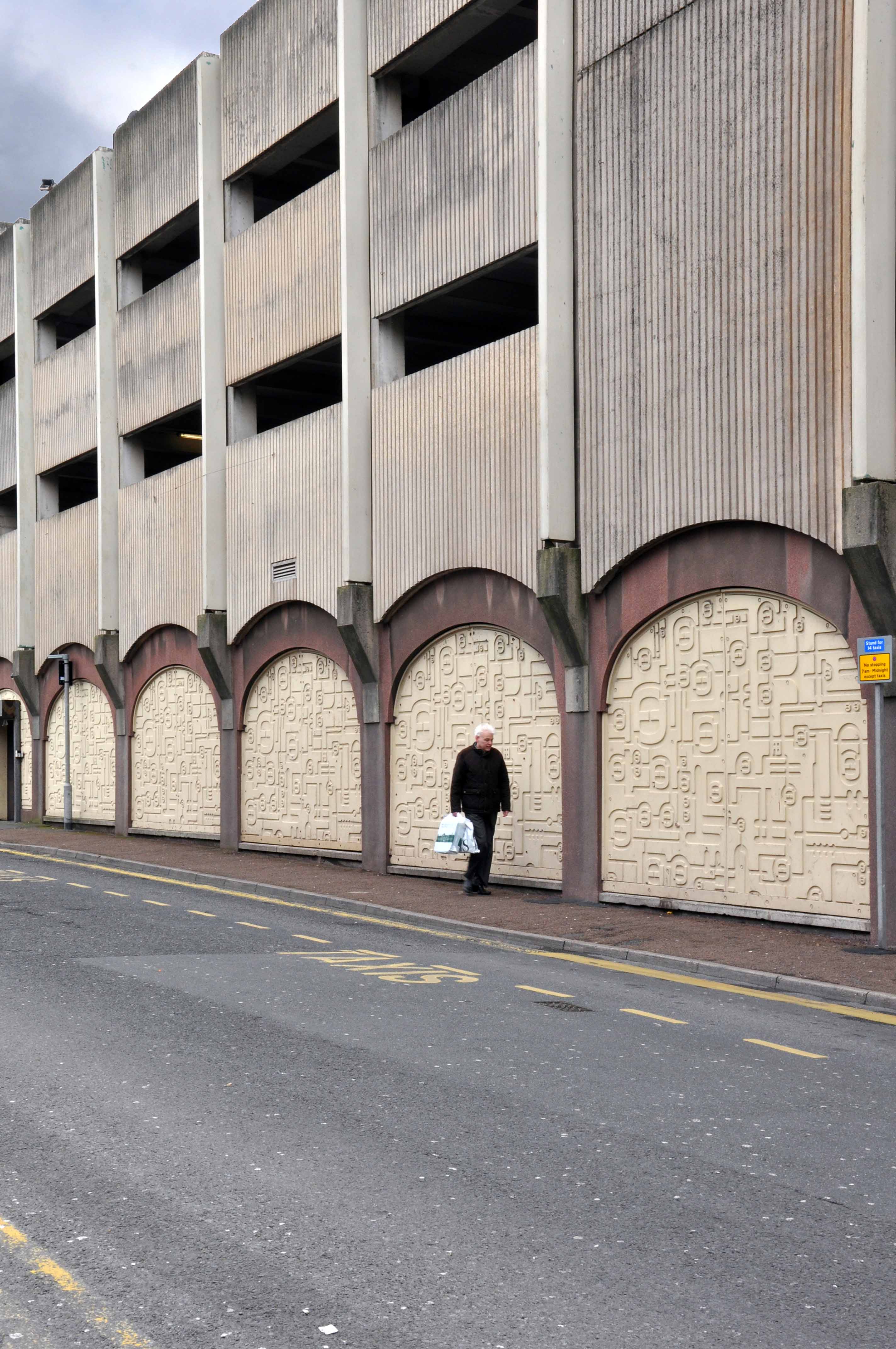
Subsequently Fine Fare arrives with a fanfare of moulded plastic panels, and cast concrete walls.

fine fare

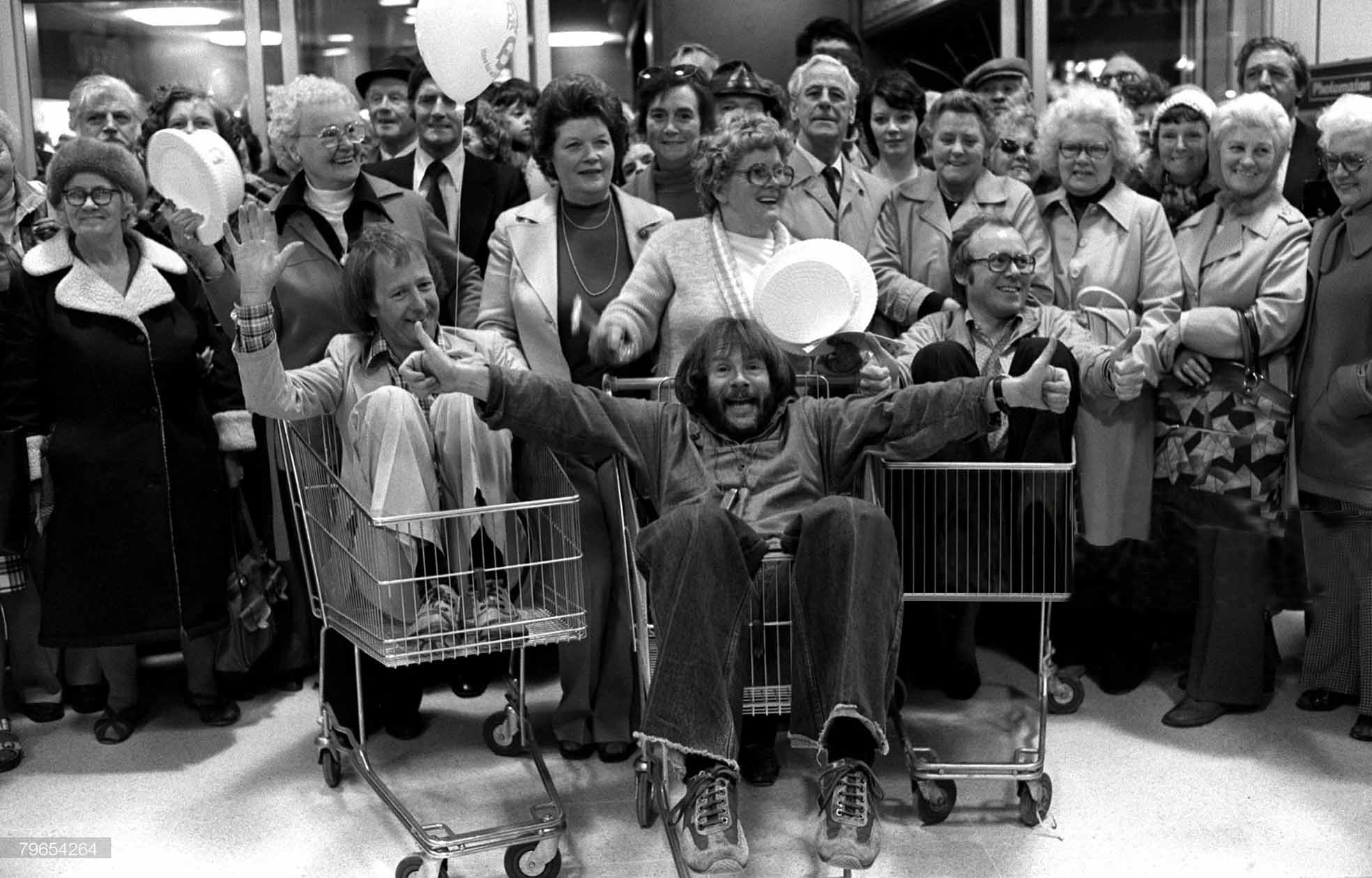
Opened on May 22nd 1979 by the Goodies.

gettyimages-79654262-2048x2048-1

22-7-79

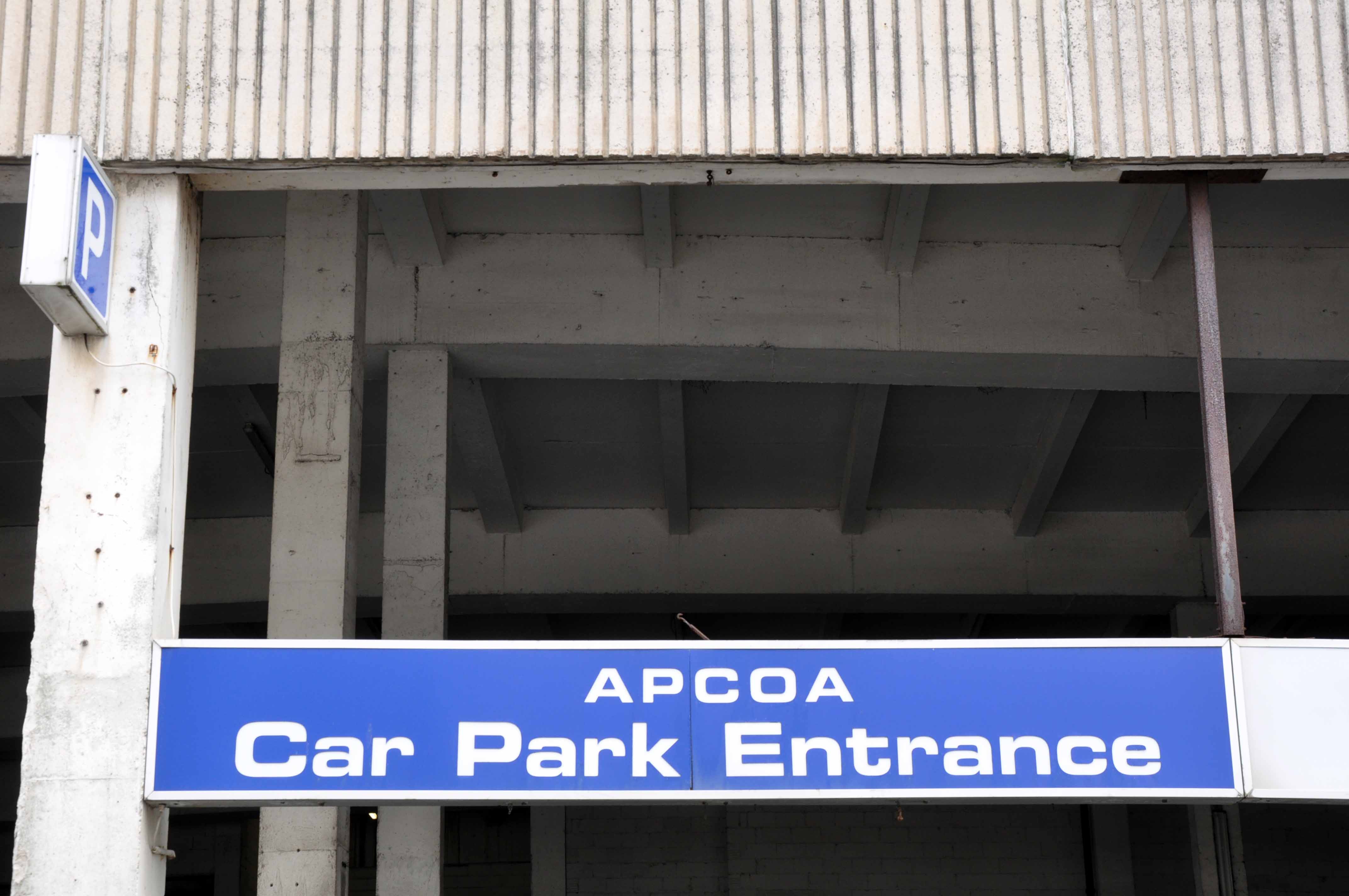
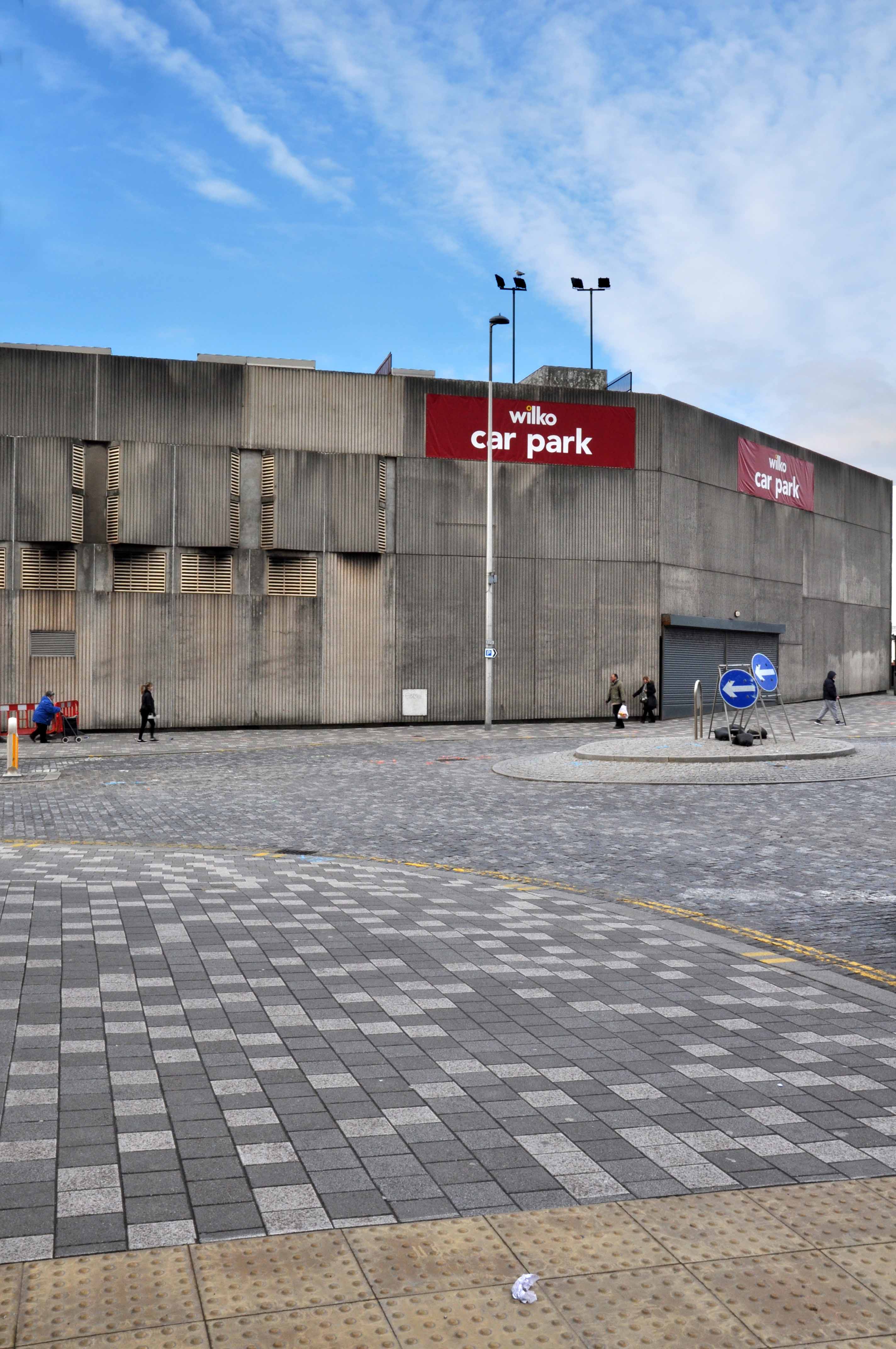
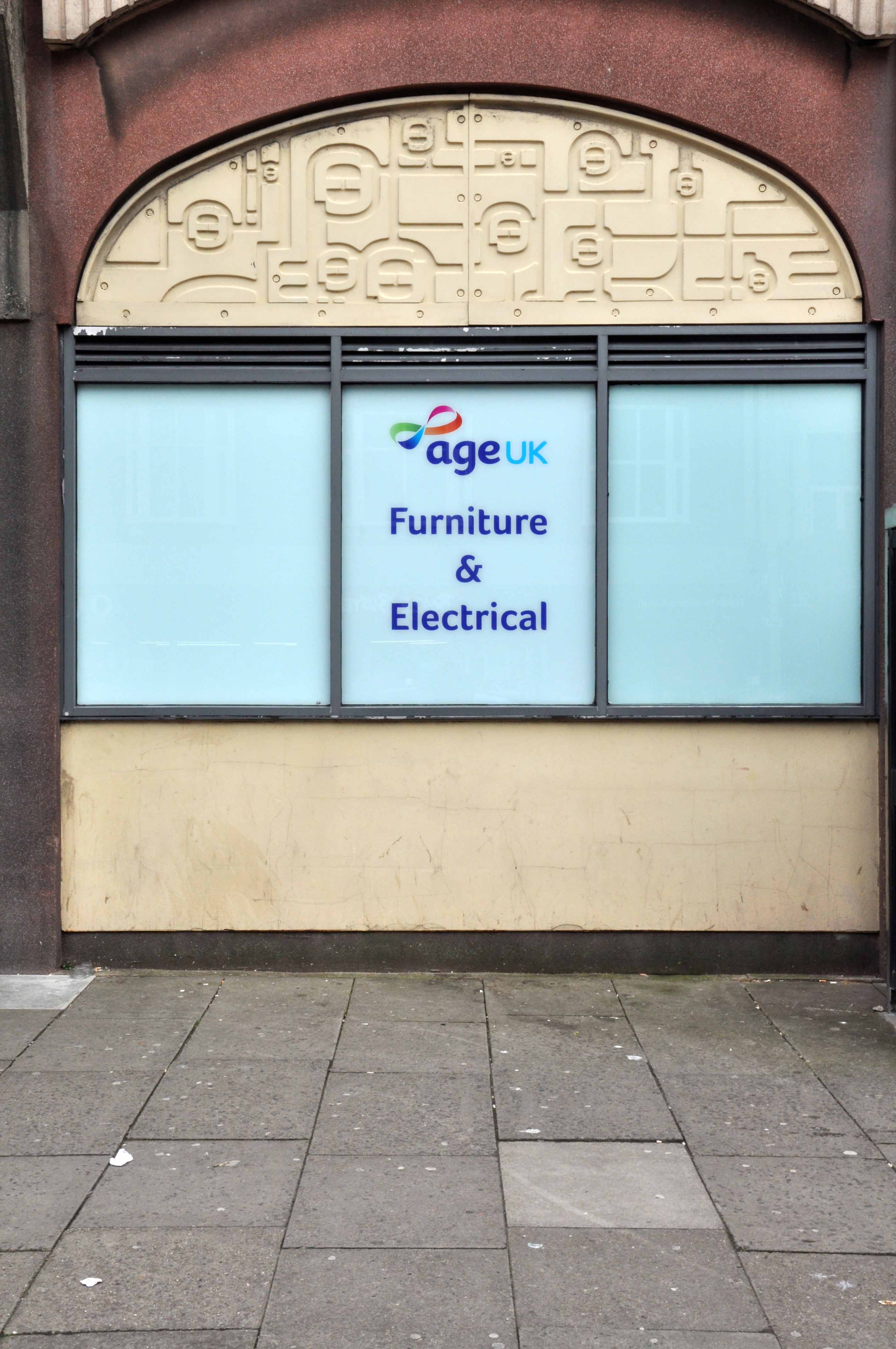
Superseded by Food Giant, Gateway, Dunnes Stores, Kwik Save and Somerfields – possibly others, currently Wilkinson’s Wilko Superstore and Age UK, retaining at all times the attractive integral car park.

Wilko is now to be relocated and the site redeveloped as part of the second phase of the £220m Talbot Gateway – whereby trams will link the promenade with the Station.

Possibly.

The tale is the typical mix of Council, Developer on/off, binary obfuscation, secrecy, smoke and mirrors.

Councillor Fred Jackson says:

“We are in talks with our development partner Muse but there is a confidentiality agreement so there is very little I can say.”

Whatever the outcome I do hope the panels are saved, having notified Historic England several weeks ago, I eagerly await their hurried and considered response…

In the meantime get y’self on the choo-choo to Blackpool North toot sweet, and have a gander at a fine Fine Fare plastic panel or two, before you can’t.

DSC_0003 copy

DSC_0005 copy

DSC_0009 copy

DSC_0015 copy

DSC_0007 copy

DSC_0008 copy

DSC_0014 copy

DSC_0006 copy

DSC_0026 copy

DSC_0023 copy

DSC_0027 copy

DSC_0020 copy

DSC_0022 copy

DSC_0028 copy

DSC_0324 copy

DSC_0035 copy

DSC_0032 copy

DSC_0019 copy

DSC_0021 copy

DSC_0039 copy

DSC_0033 copy

DSC_0017 copy

DSC_0018 copy

DSC_0024 copy

Back to Beswicks

You’re never more than a thousand yards from a main road, six feet from a rat, or a quarter of a mile from Beswick, one of many Beswicks.

DSC_0175

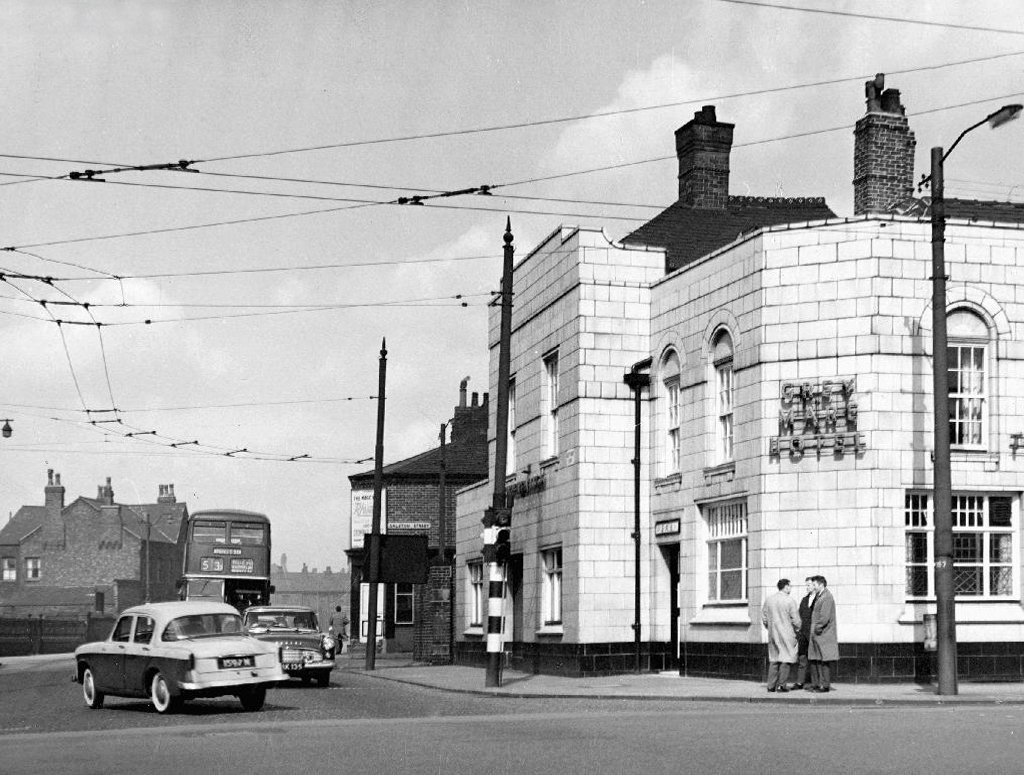
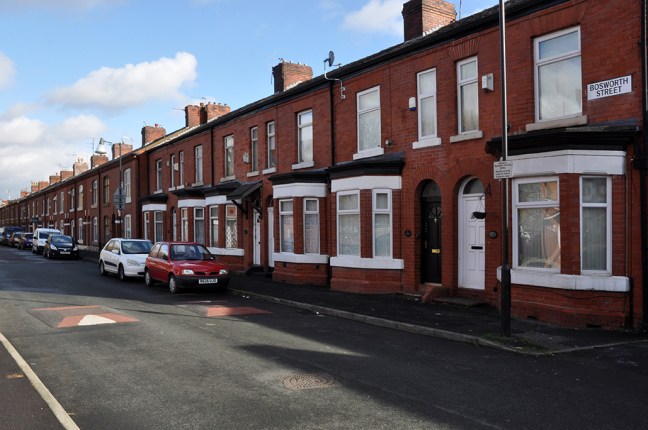
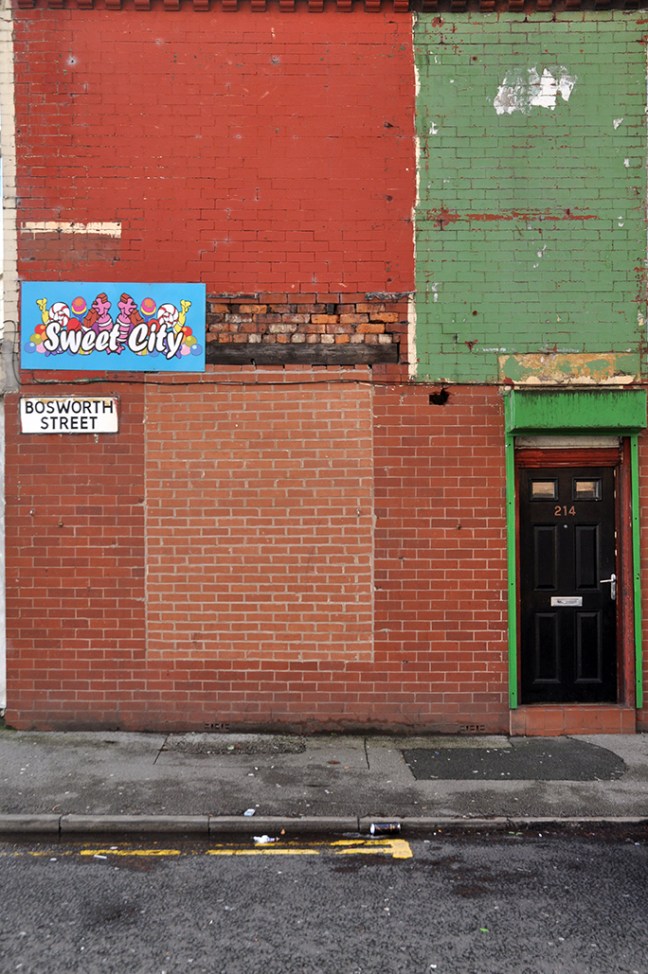
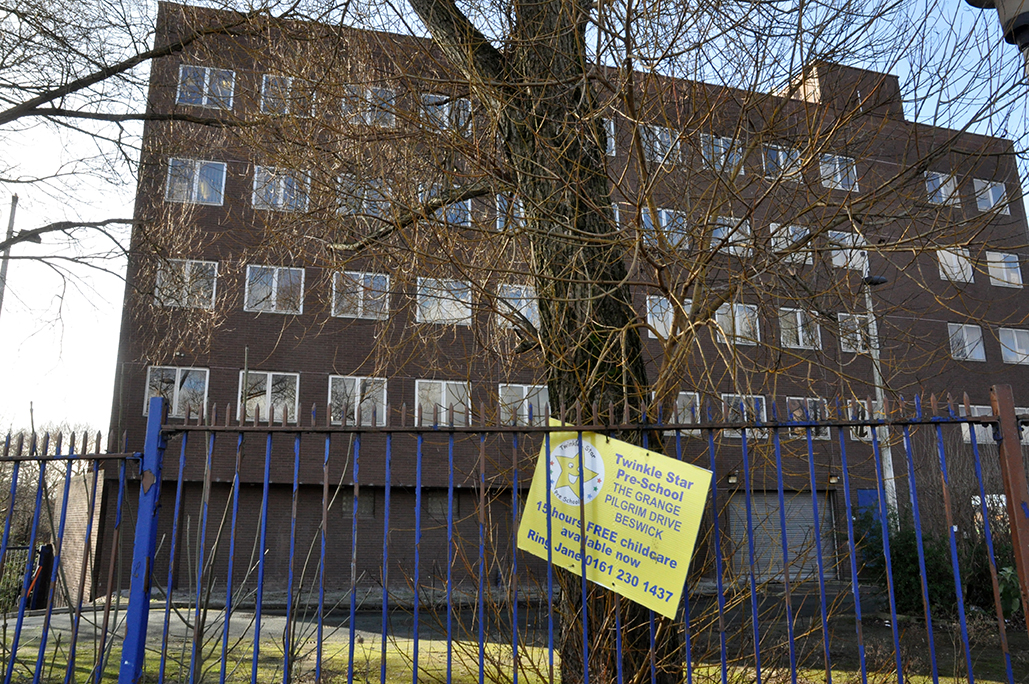
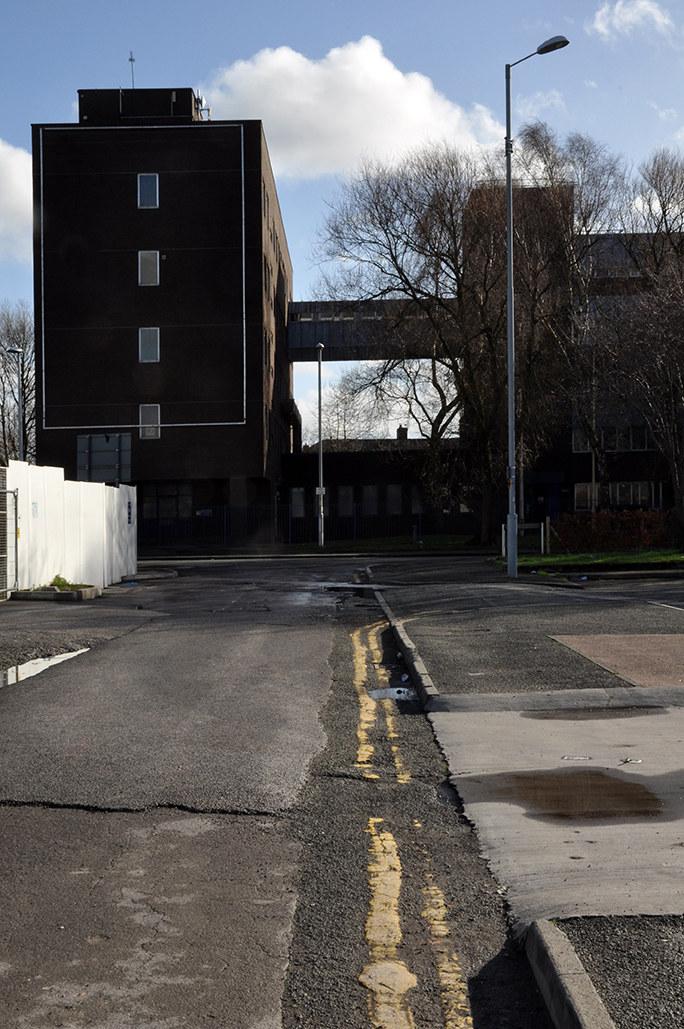
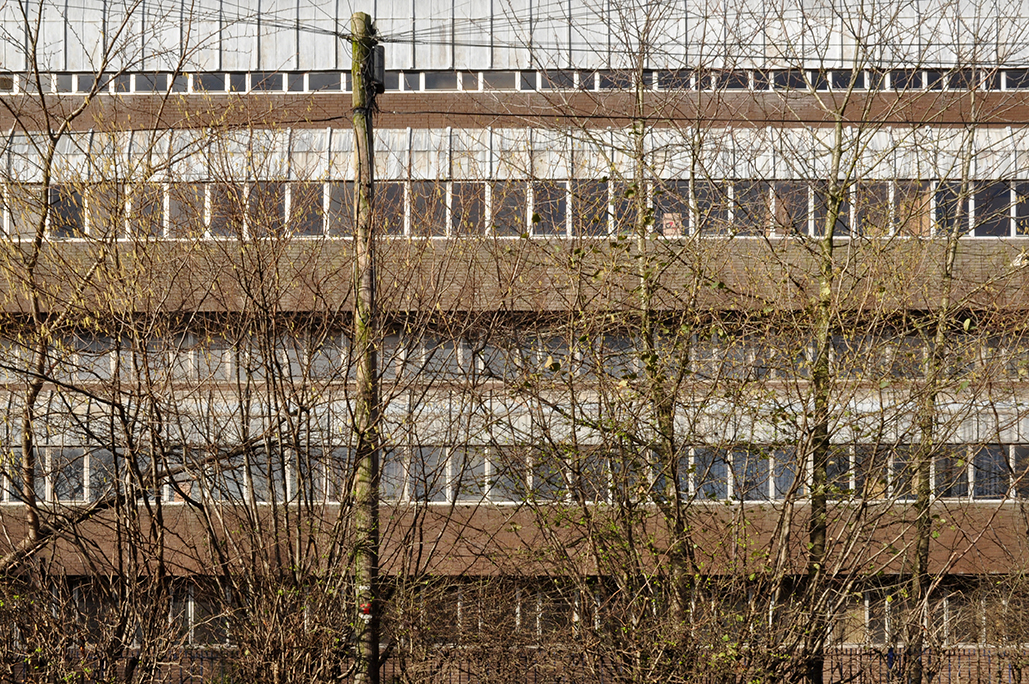
Beswick was once a bustling mixed industrial and residential area of east Manchester, alive with back to back terraced housing, pubs, clubs, shops and people.

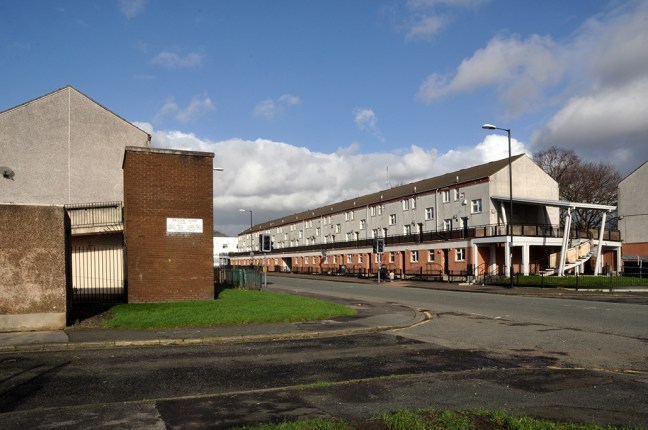
Sixties slum clearance swept away most of its past when Fort Beswick was built.

webmedia-3.php

Remember the Alamo?

Forget Fort Beswick.

It’s gone – wind the Bobbin up.

The Bobbin copy

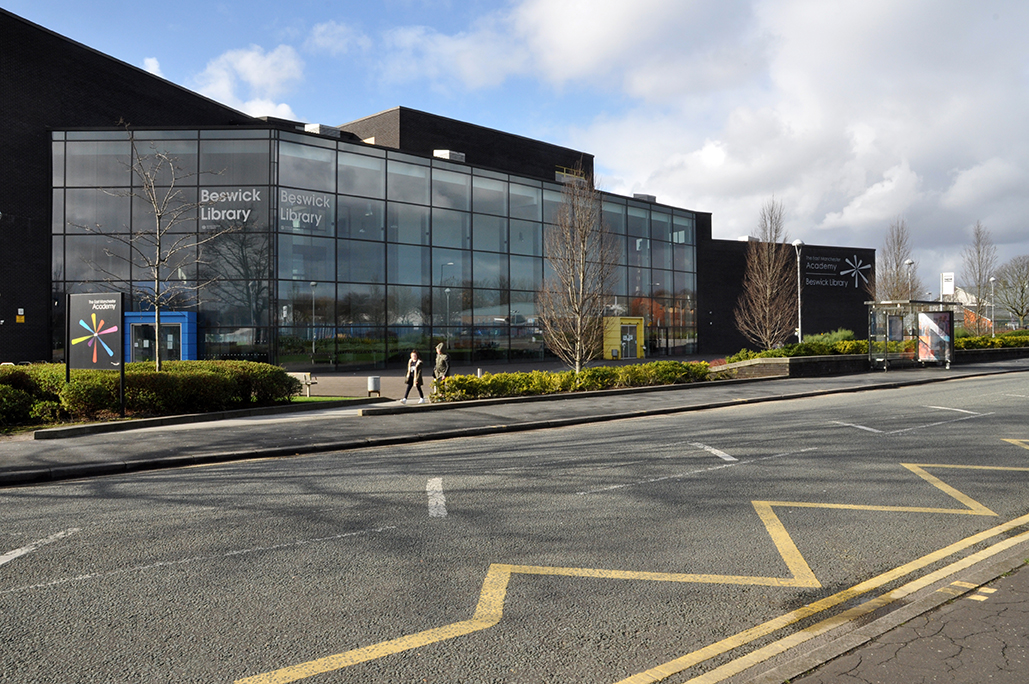
Turn it into a Library

Beswick Library

Wind the library up

DSC_0227

Build another

grey-mare-lane-police-station

Call the Police!

But the Police Station has closed now, and moved further on.

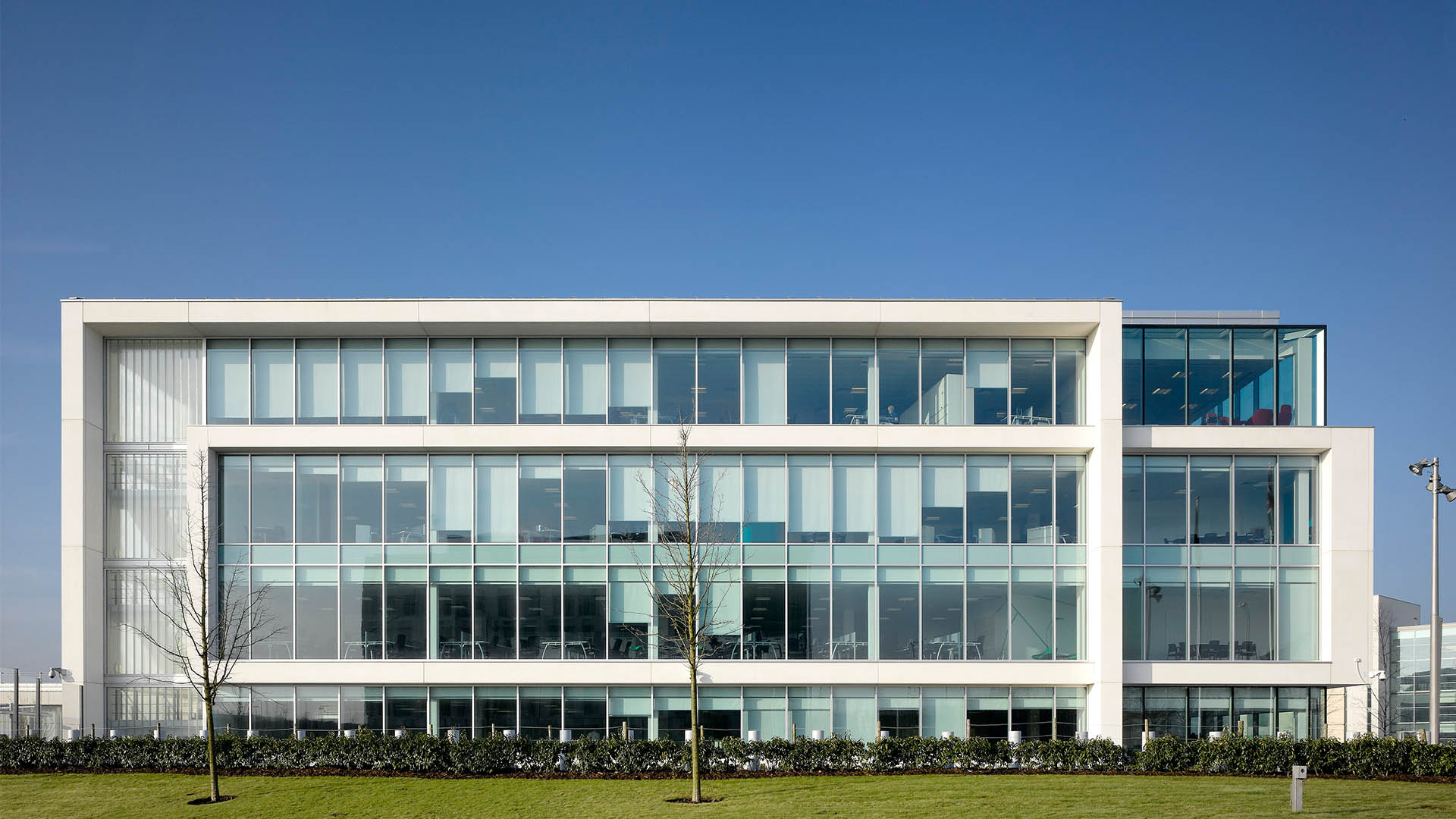
0_GMPDHQ_1920x1080

http://www.manchestereveningnews.co.uk/news/greater-manchester-news/greater-manchester-police-rake-17m-6273100

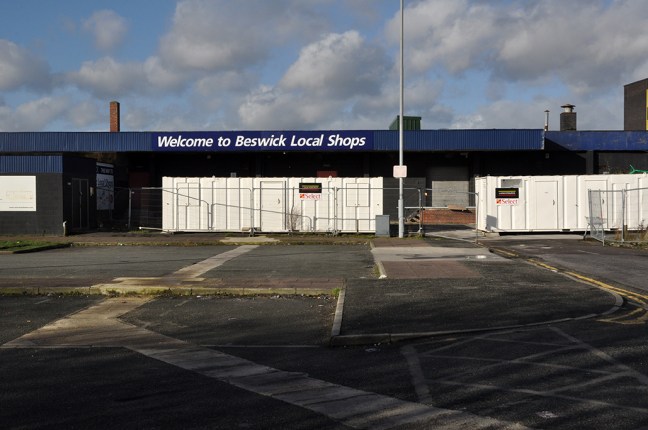
There are traces of the past that remain, homes and pubs that have survived the revival.

Where is Beswick now?

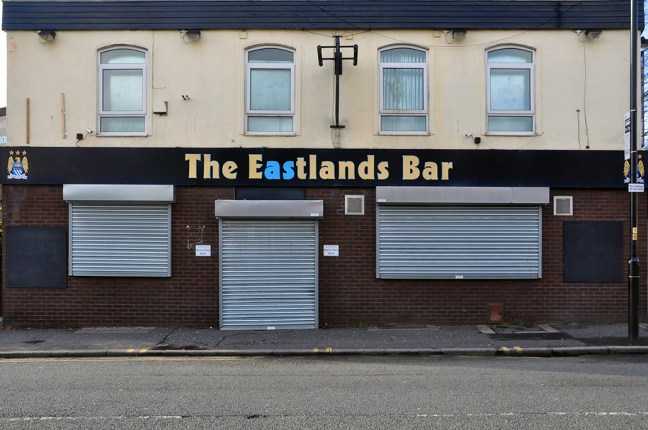
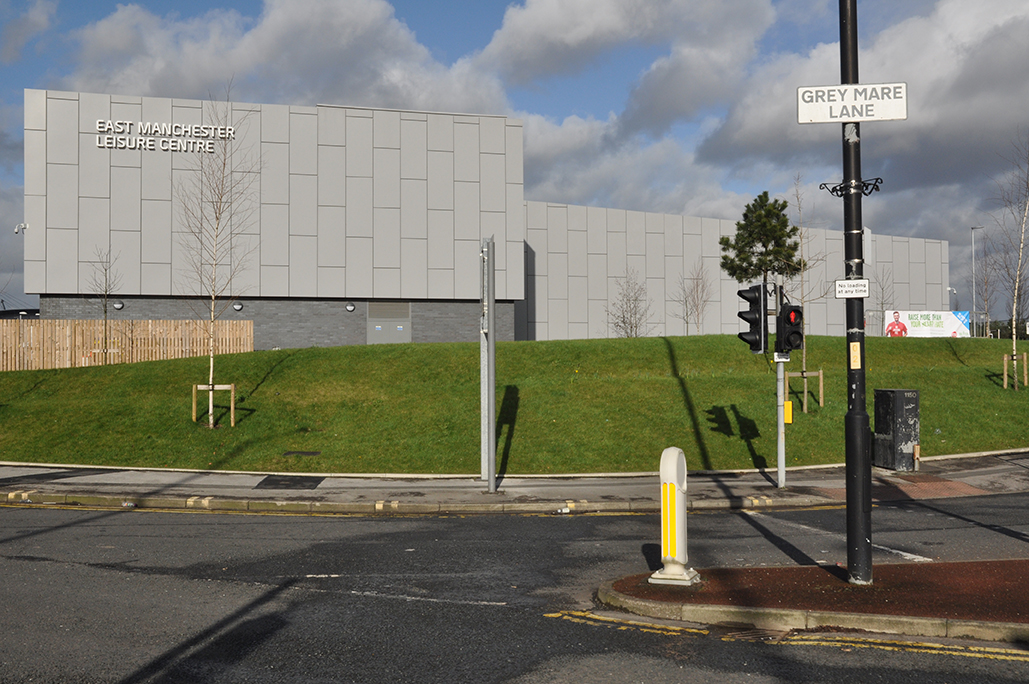
On the edges of the Eastland’s dream, on the outside of everything.

Sheik Mansour ensures the construction of a brand new shiny world.

The private provision of an almost public space.


Everyone knows this is nowhere.

But Beswick?

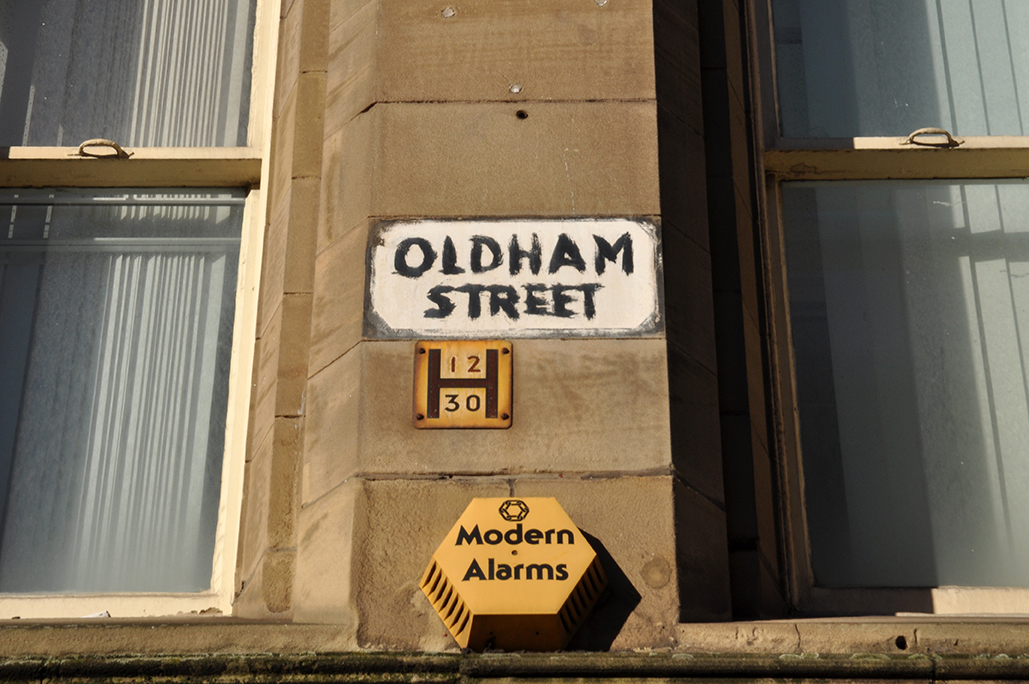
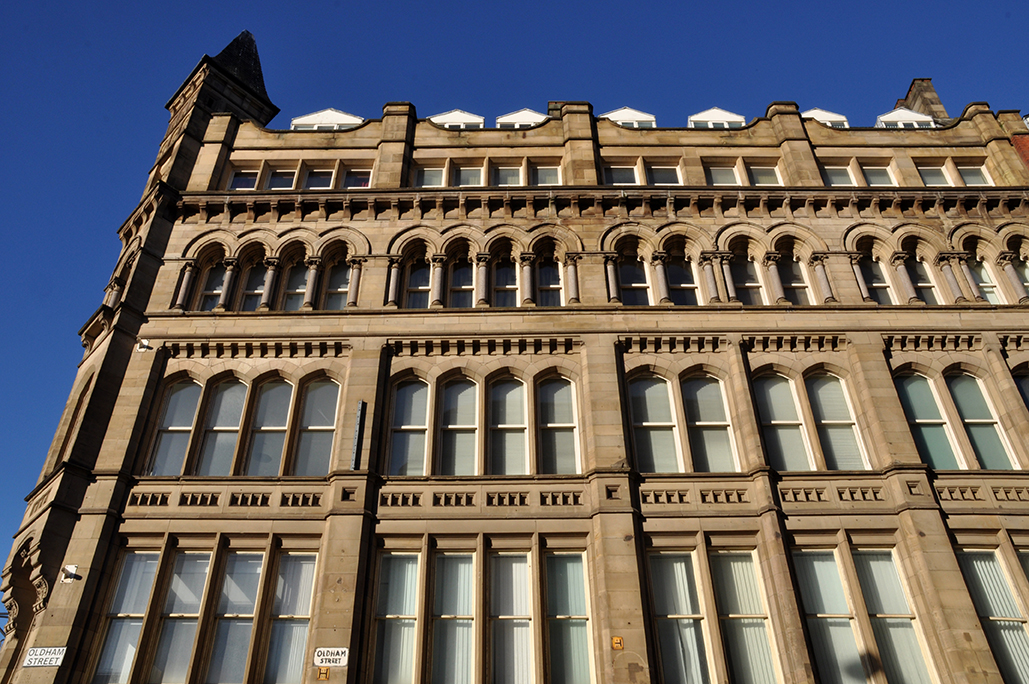
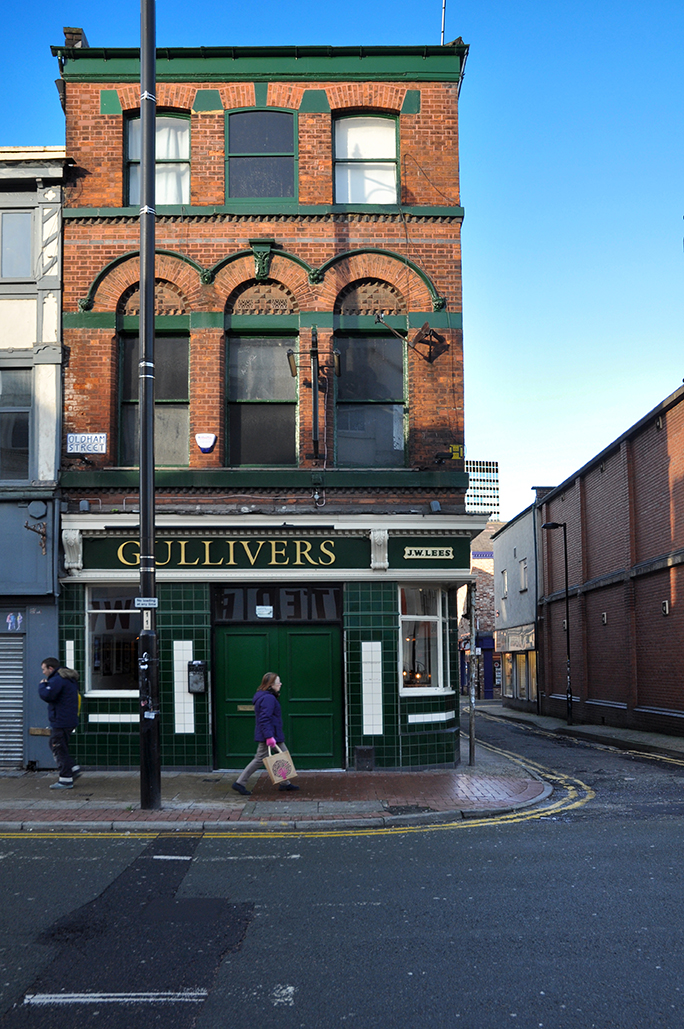
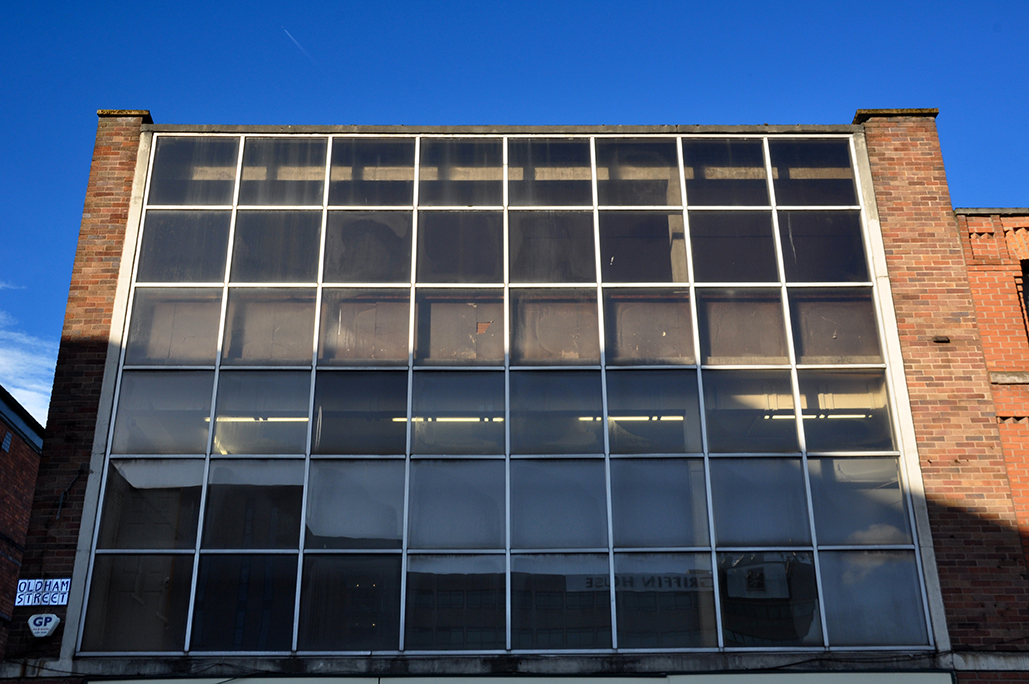
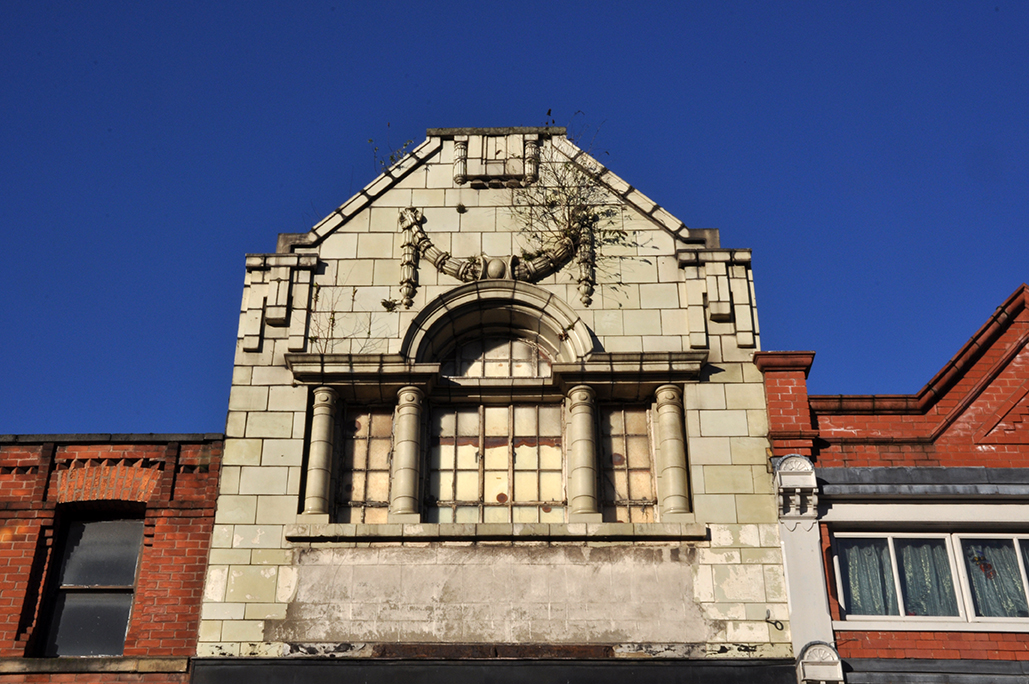
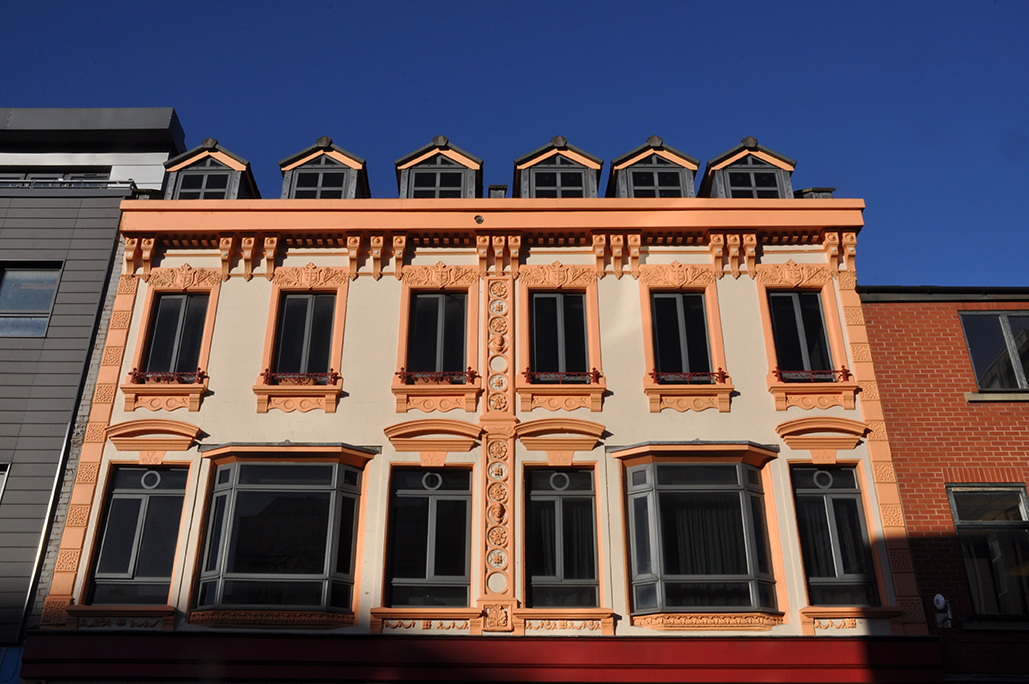
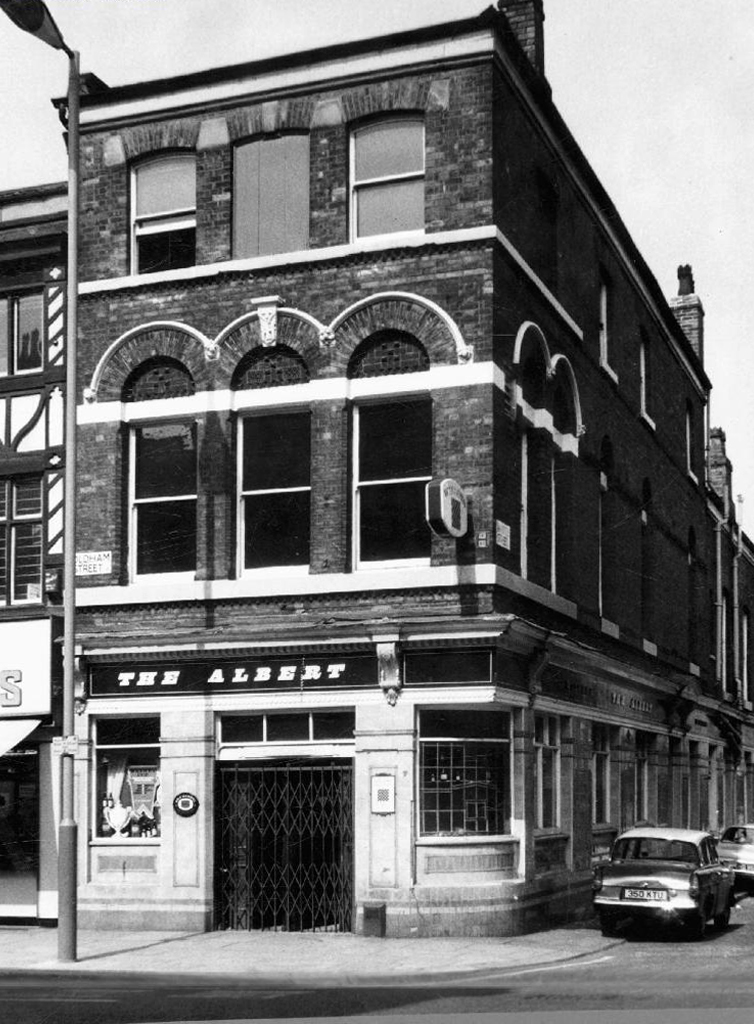
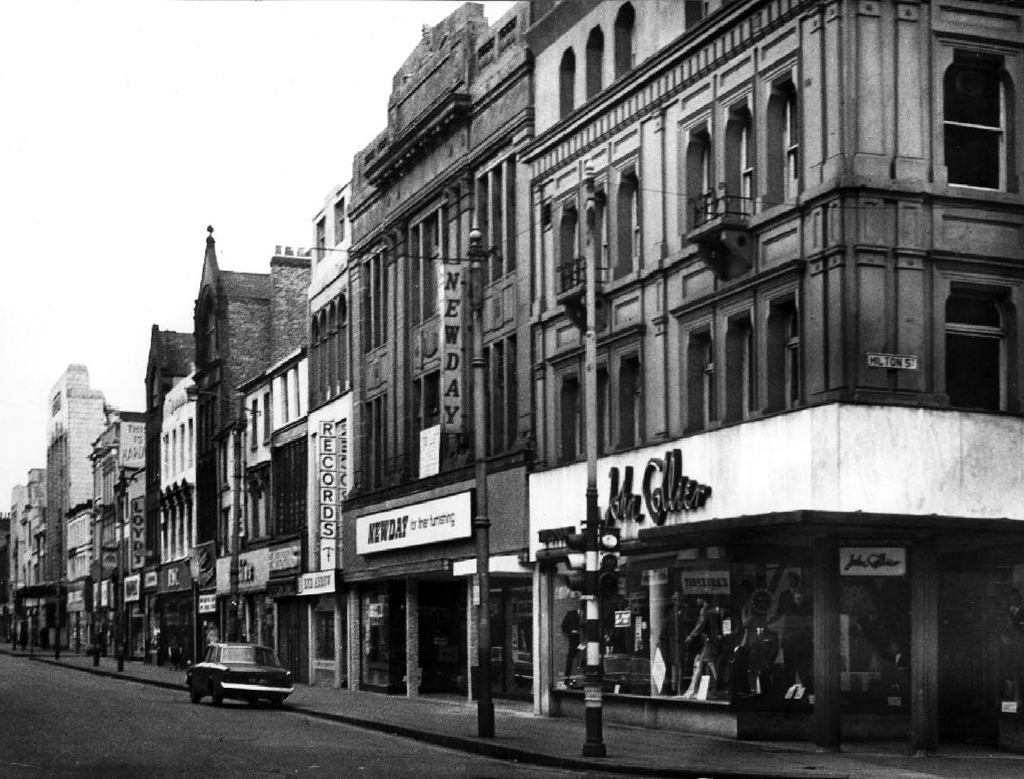
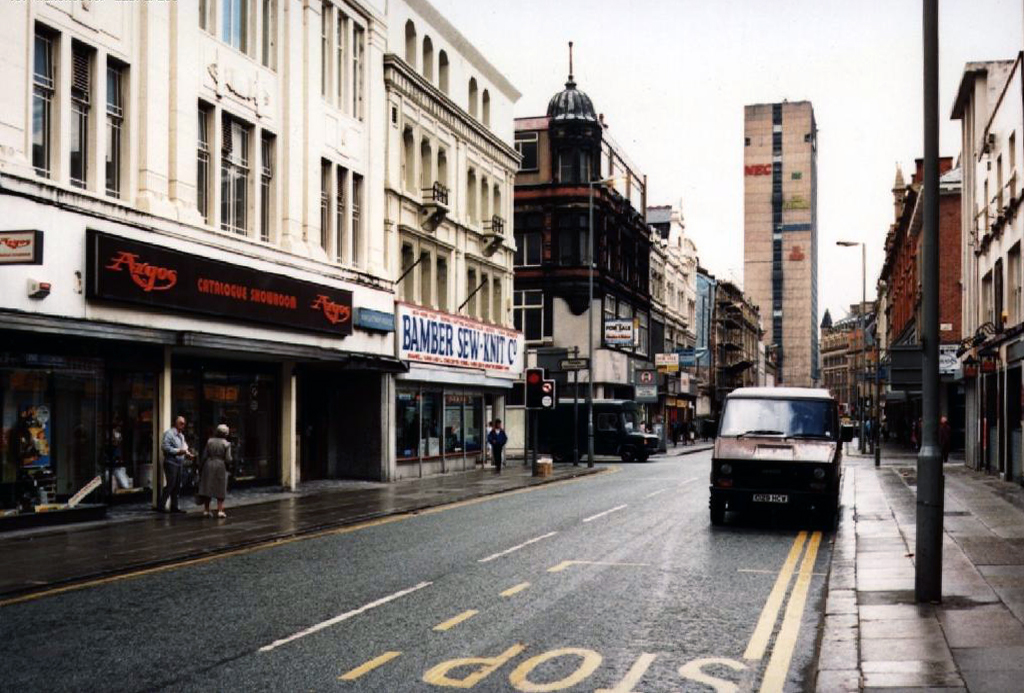
Oldham Street – Manchester 2016

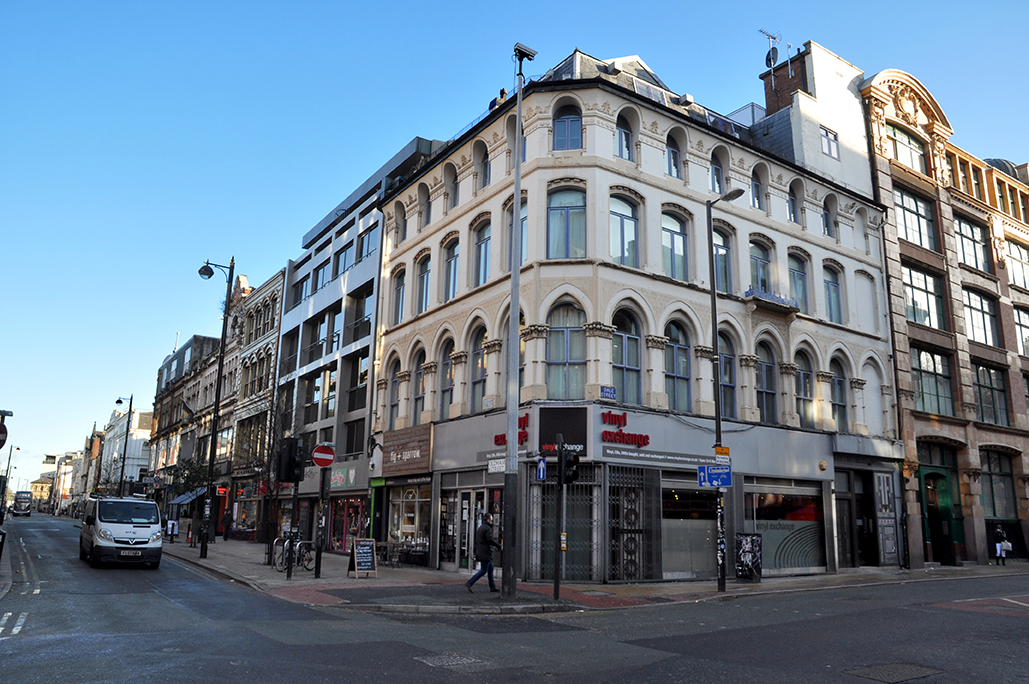
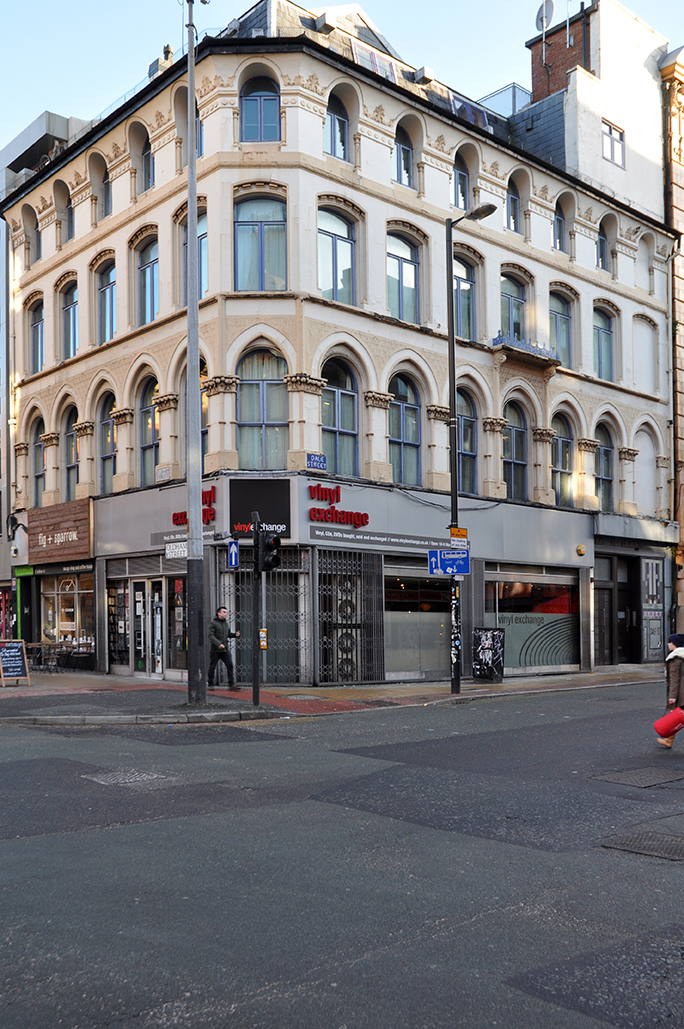
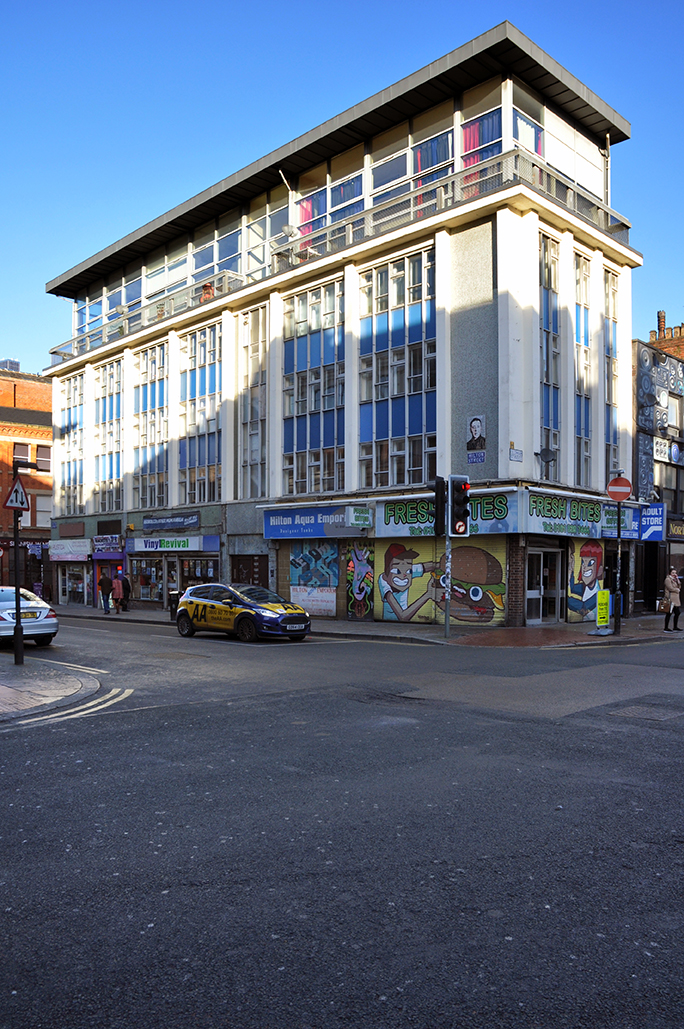
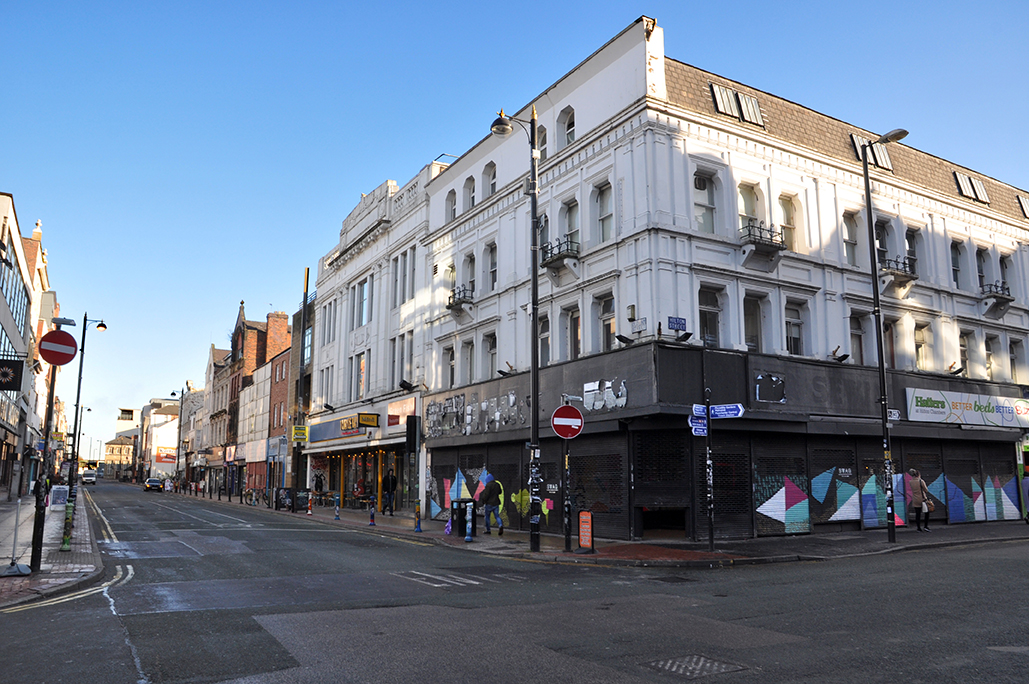
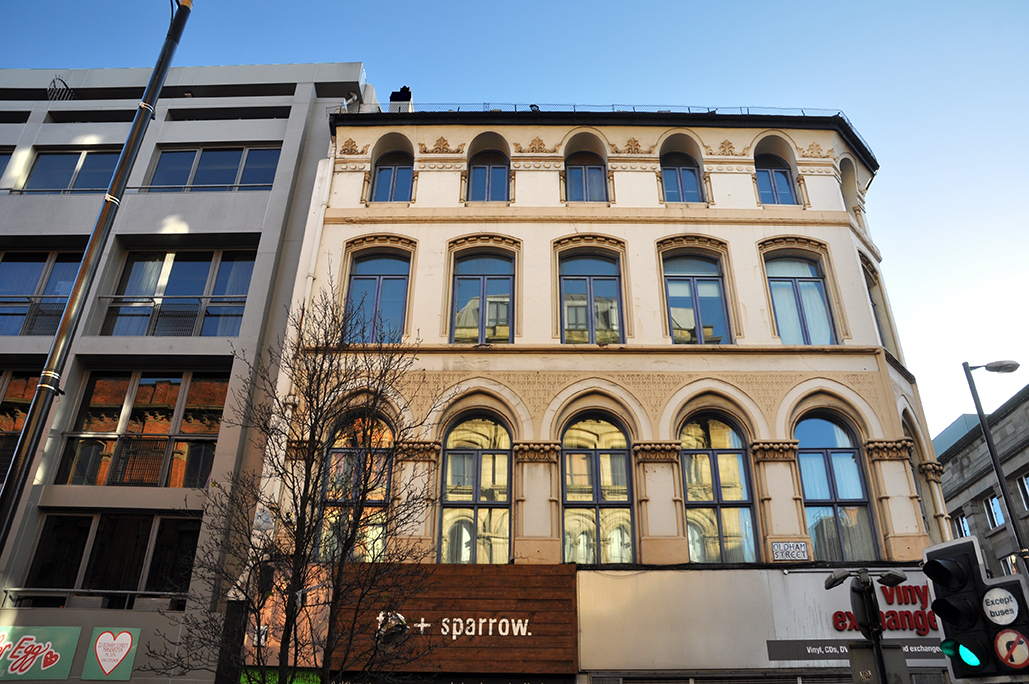
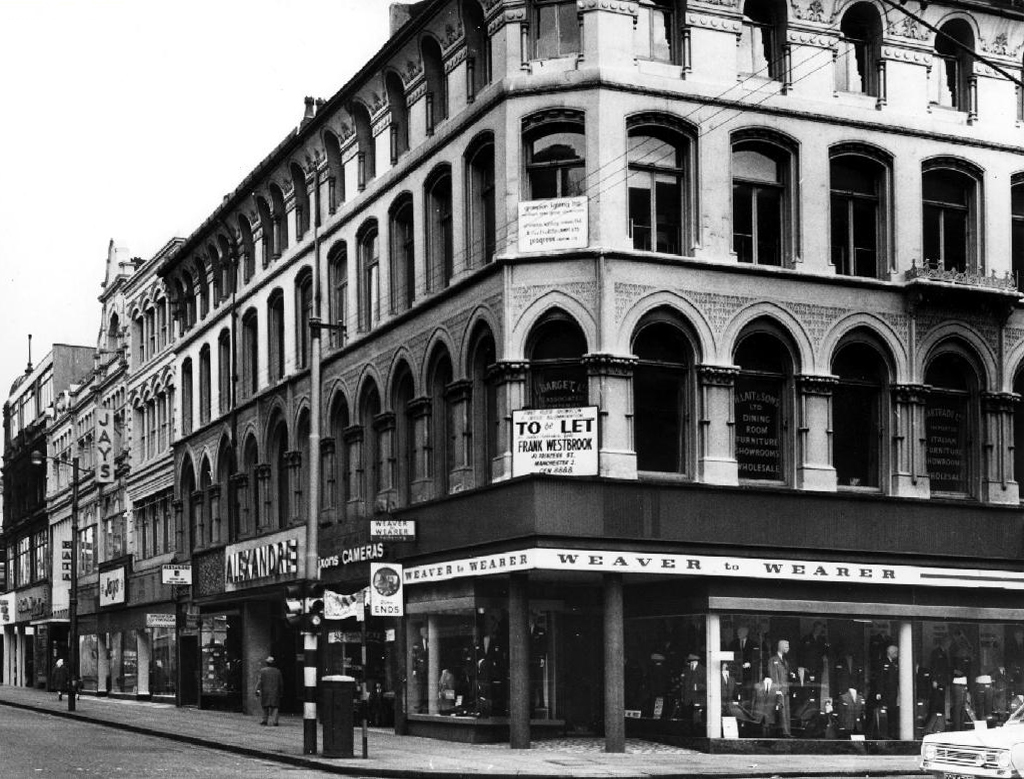
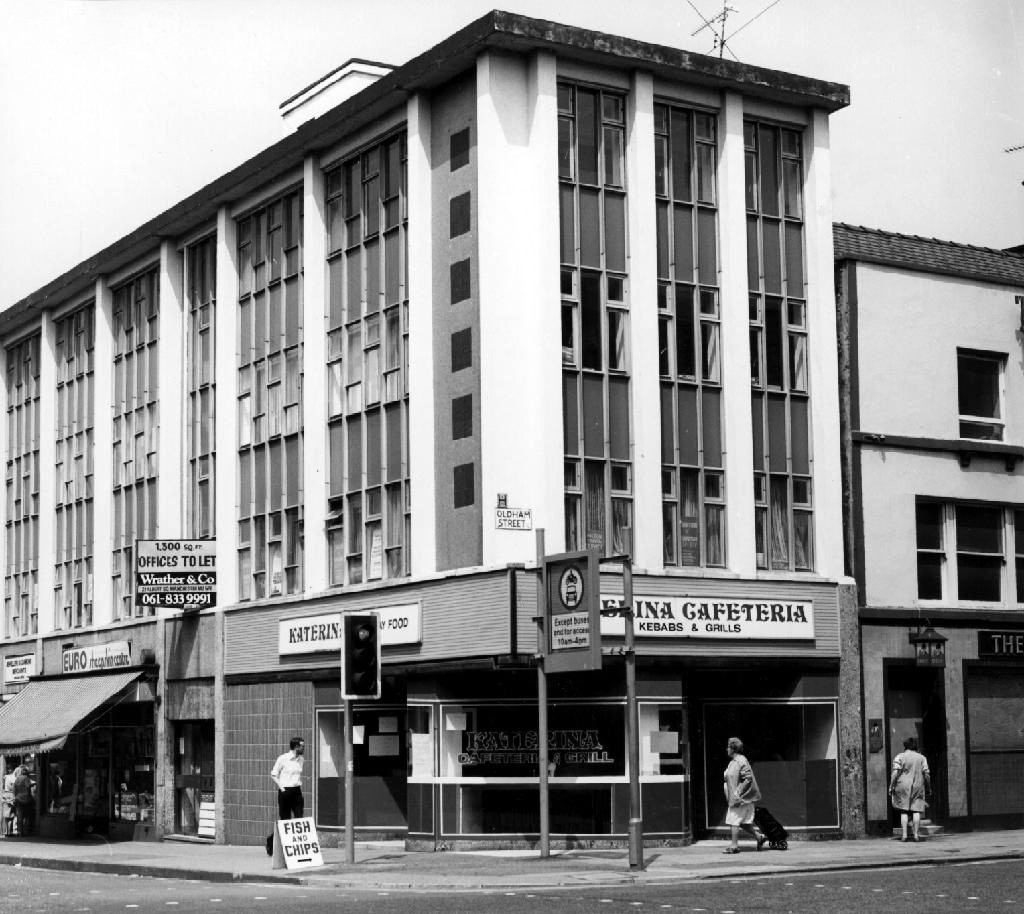
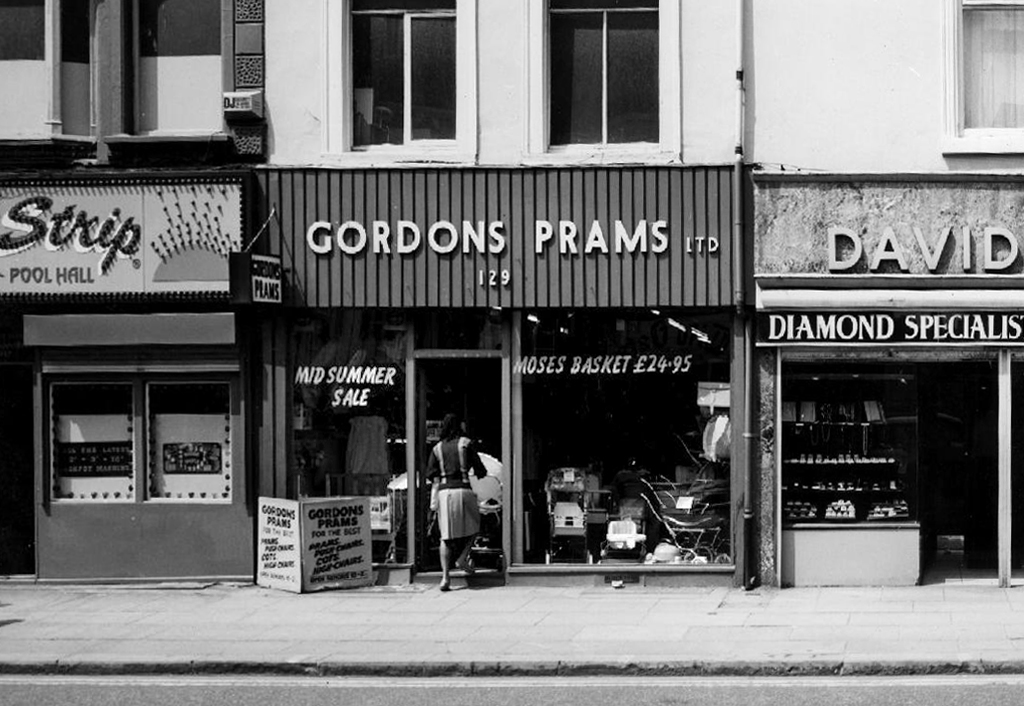
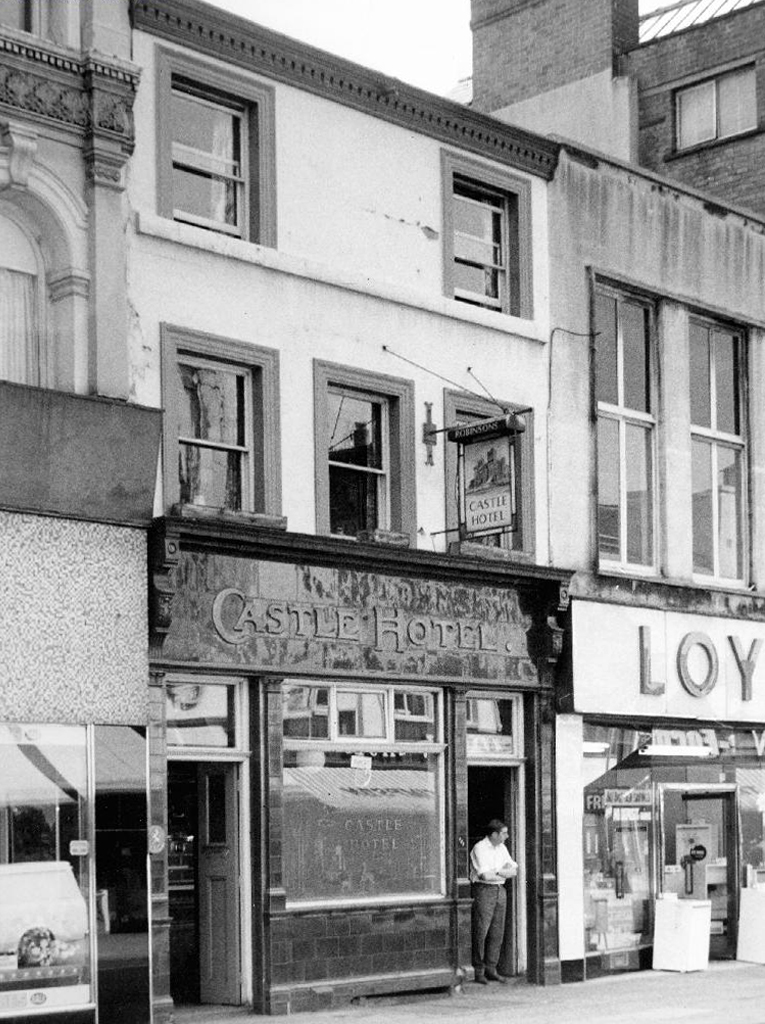
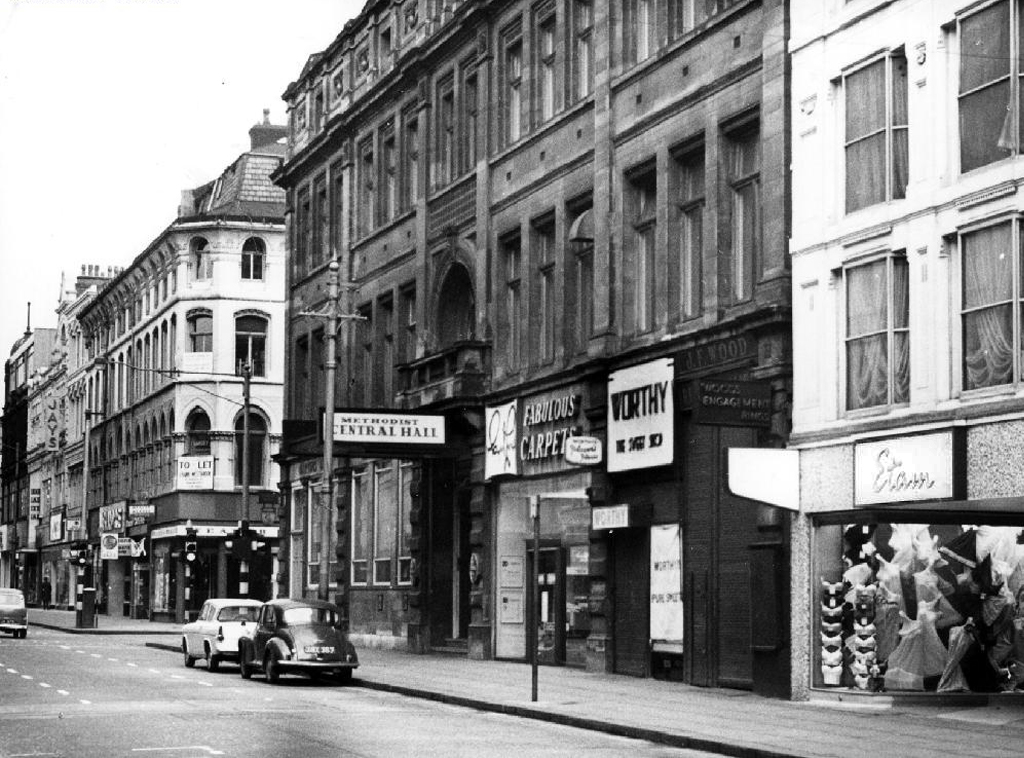
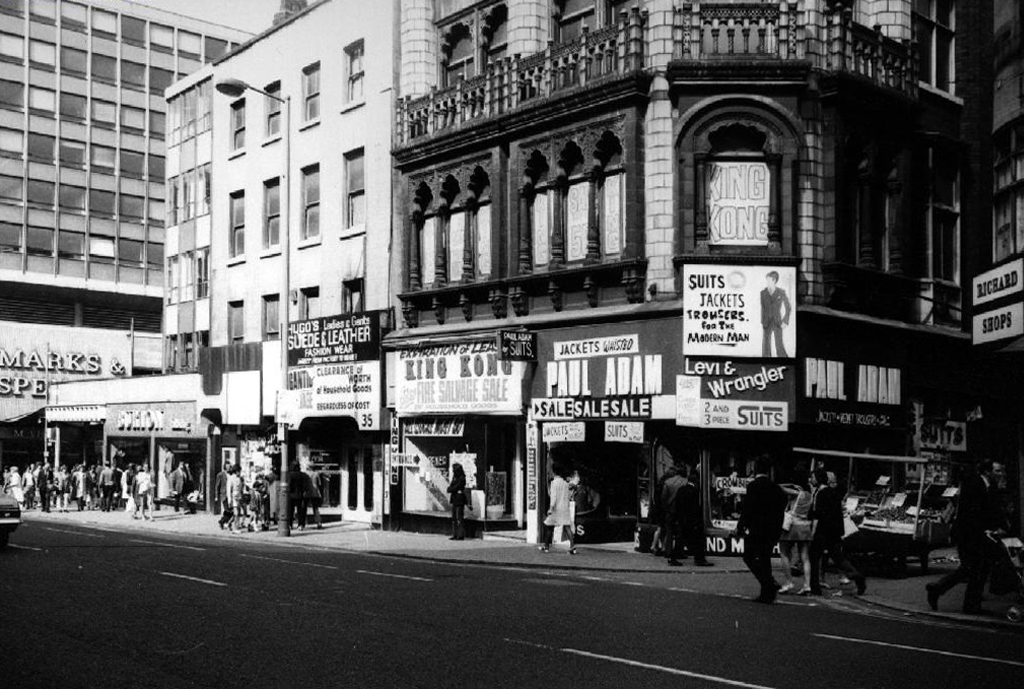
Following my previous post of archival images of Oldham Street, I took a walk along its length a week ago, to record what remained of the post war past.

Gone again the blackened façades, exuberant and differentiated signage.

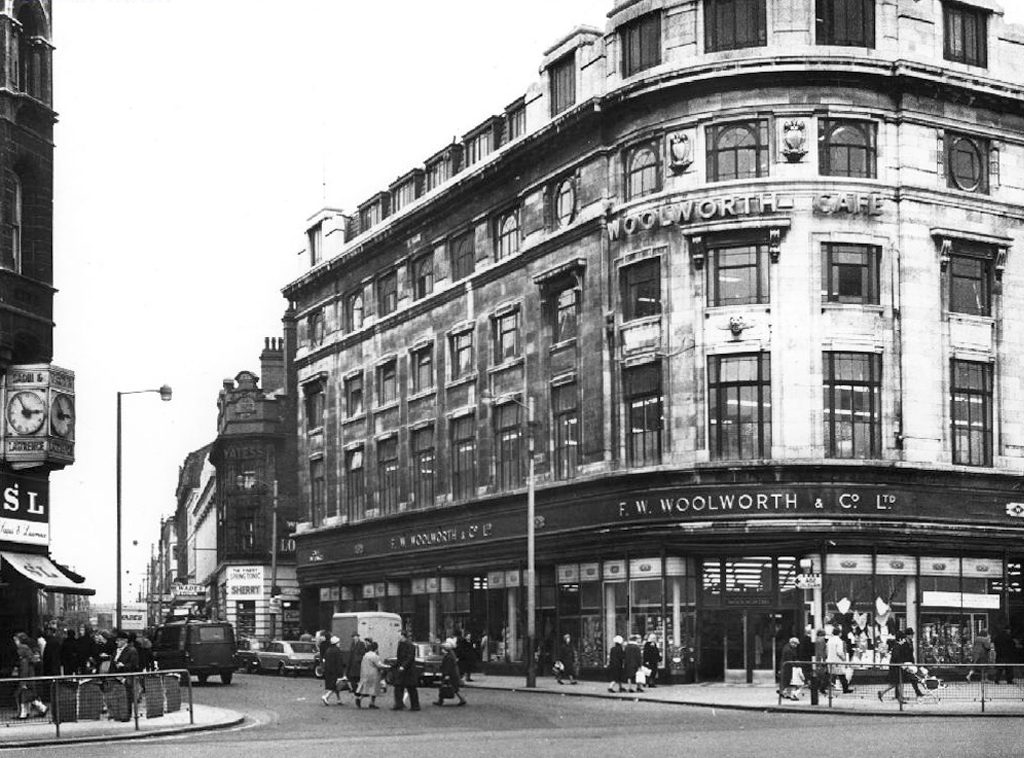
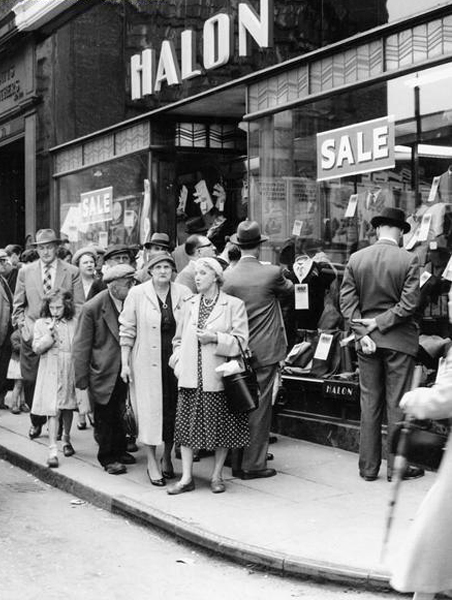
Woolworth’s burnt out long ago, never to return, exit also C&A, don’t forget your coat and hat.

Affleck’s – same name different place.

Yates’s three down none to go, the last all-in is all out.

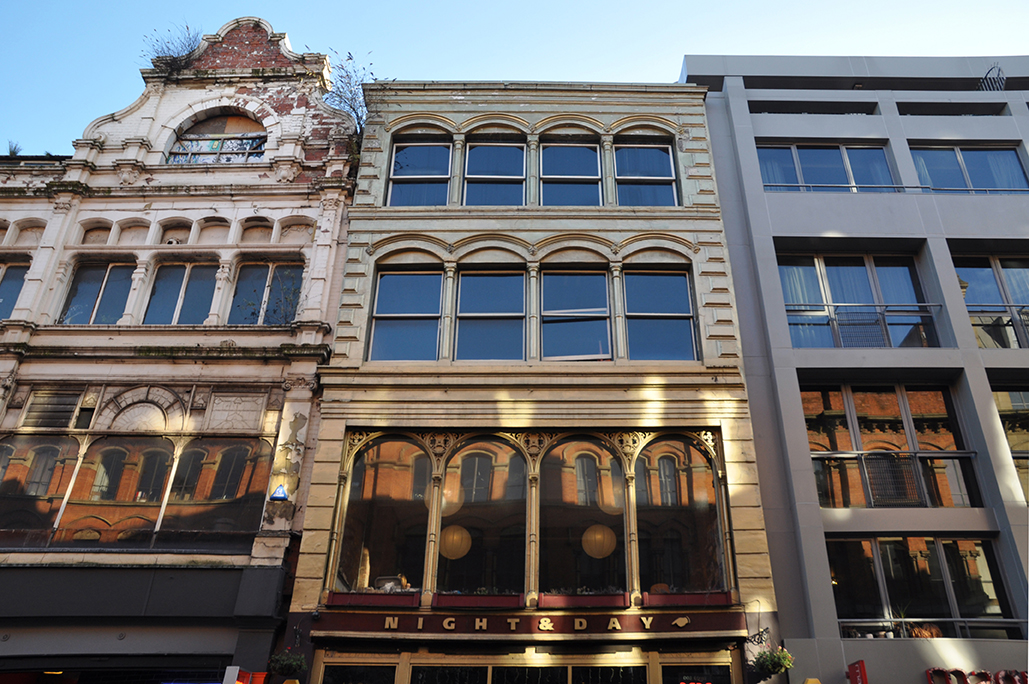
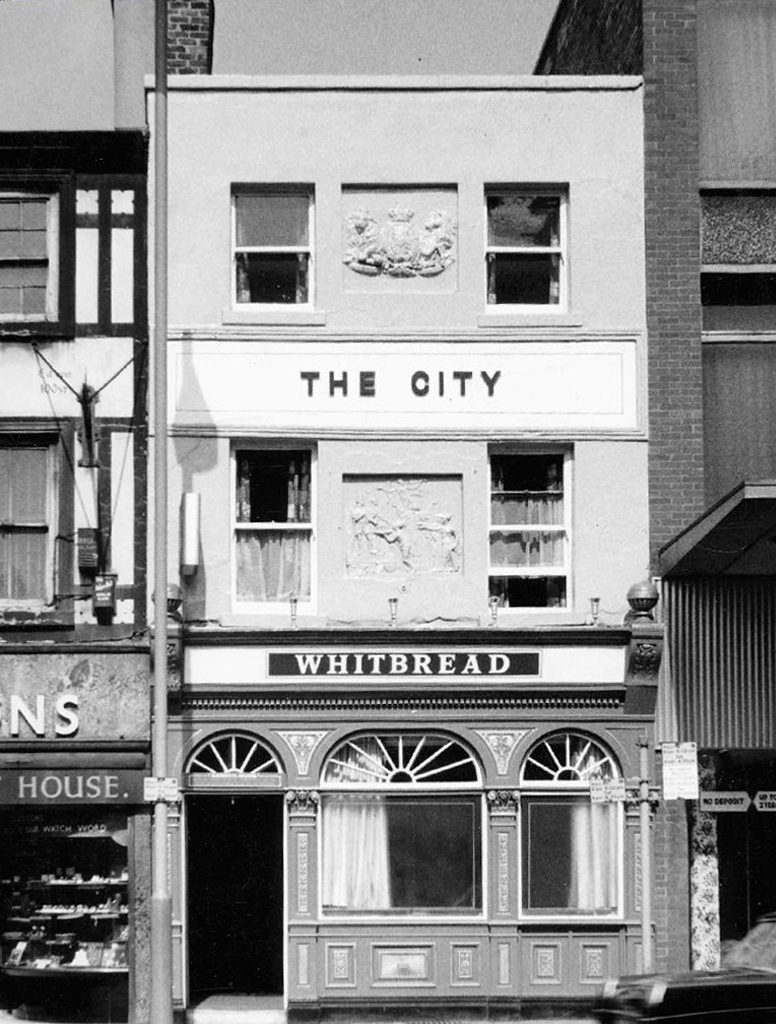
Three pubs prevail, some serving craft ale to the not so crafty.

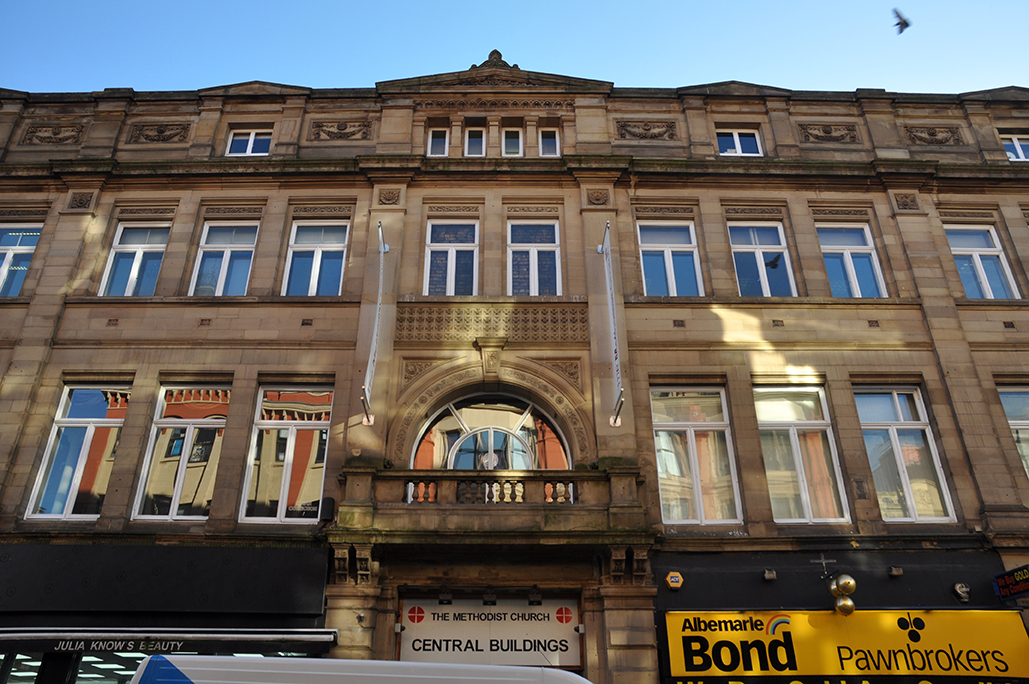
Methodist Main Hall is mainly well-used and well, loved.

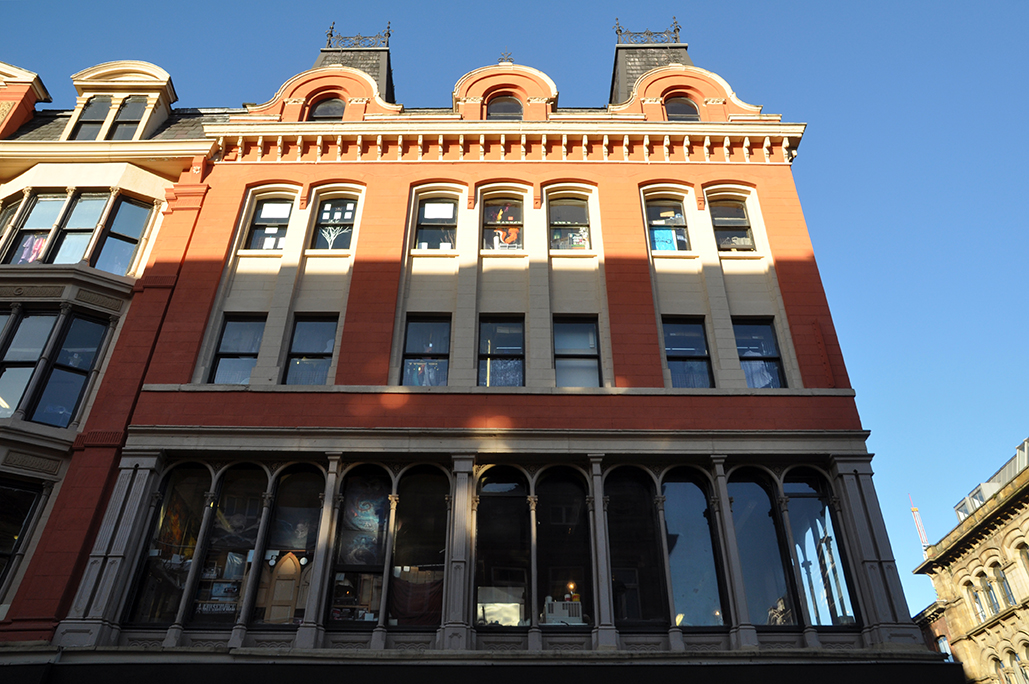
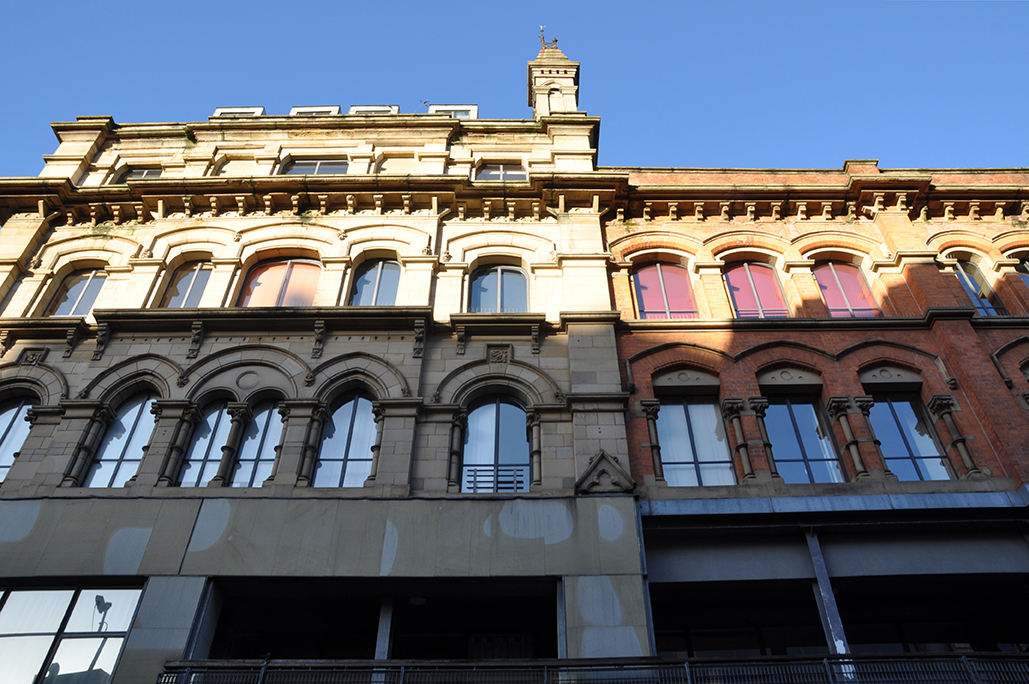
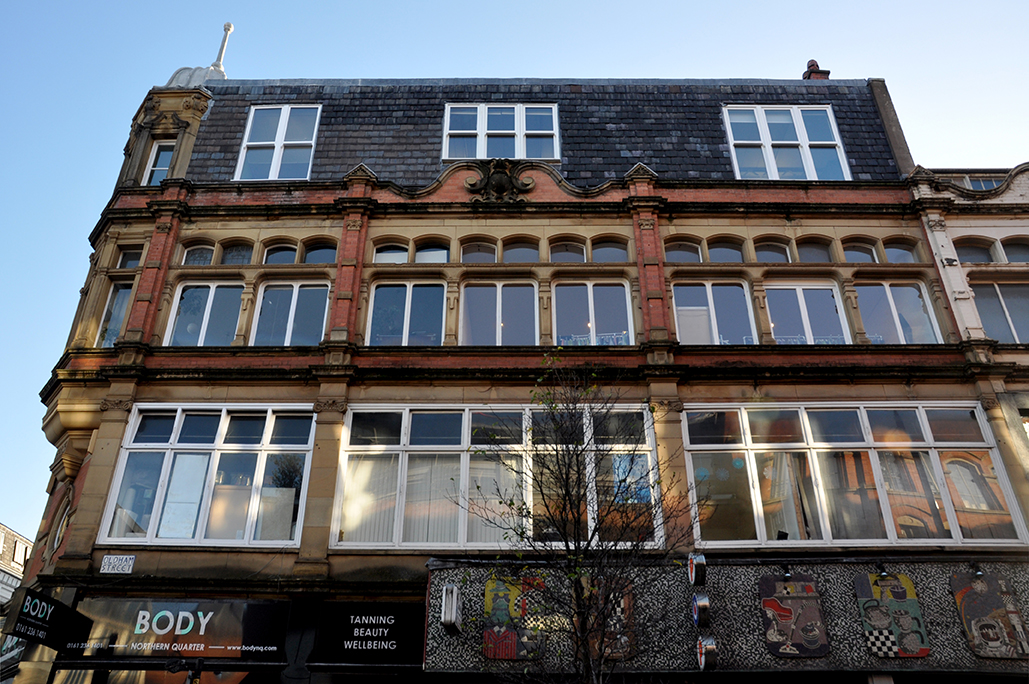
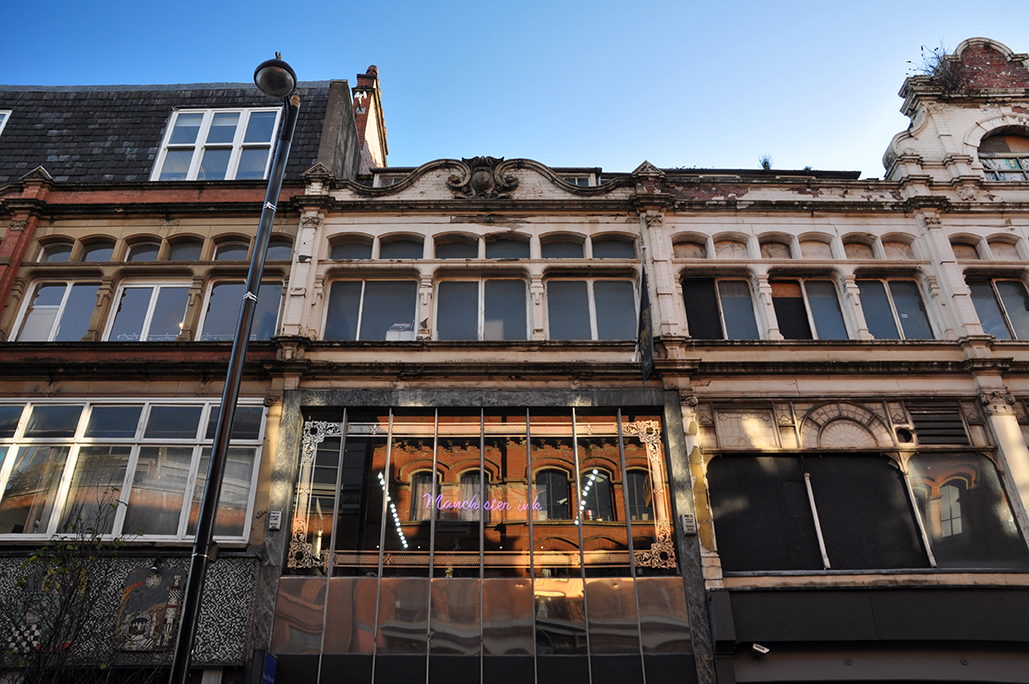
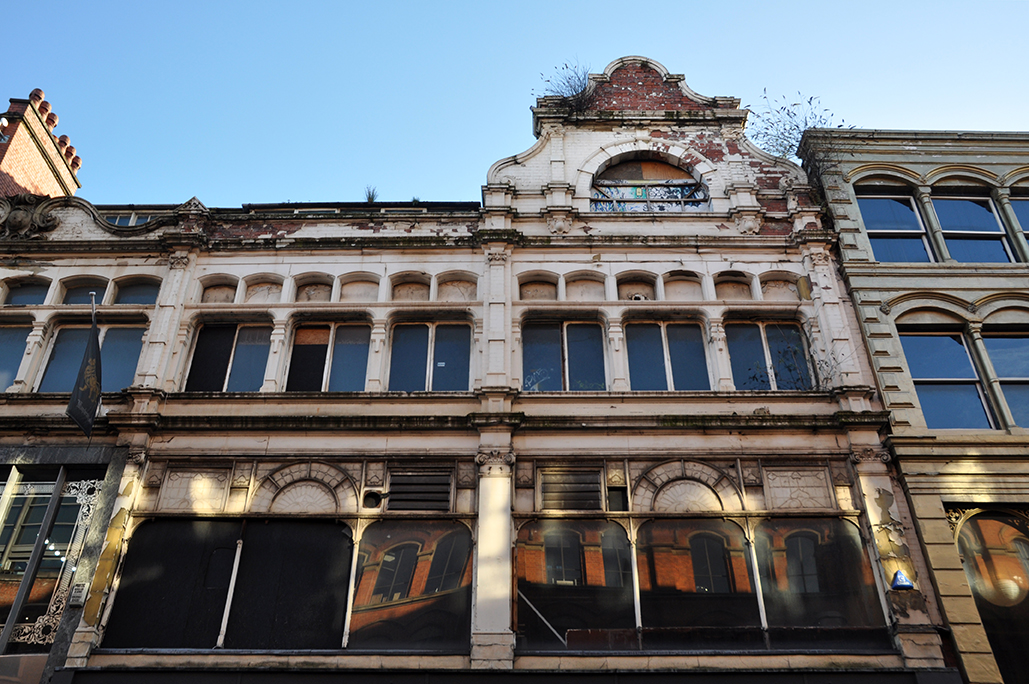
In low Winter light the upper floors dance in shadow and sun-glow, against a brighter than bright blue sky.

A crazy range of saw-toothed roof tops colliding.

Oldham Street survives.


Oldham Street – Manchester

In the early 18th century, Oldham Street was apparently:

“An ill-kept muddy lane, held in place on one of its sides by wild hedgerows”.

In 1772, a privately owned track which is now known as Oldham Street was given to the public. The road took its name from Adam Oldham rather than from the place name. He was an acquaintance of John Wesley, the founder of Methodism, which could account for the Oldham street location of the Methodist Chapel, opened by Wesley in 1781. Central Hall replaced the Chapel in 1885.

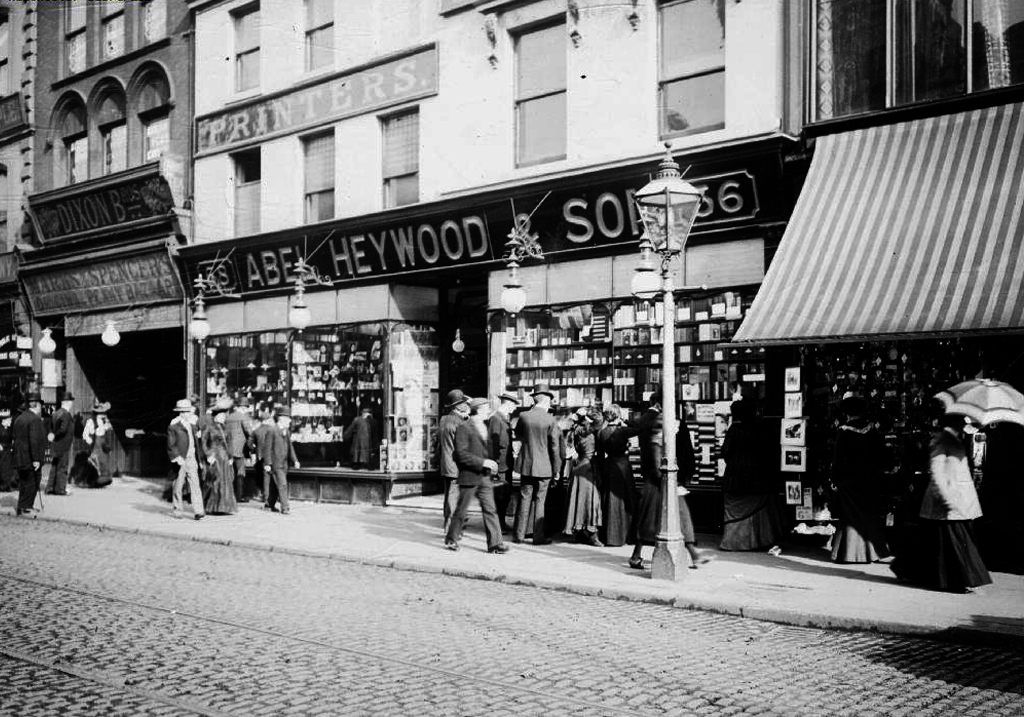
The area around Oldham Street became more affluent, with warehouses and shops, many of whose merchants lived within their shop premises. This is described by Isabella Varley, Mrs. Linnaeus Banks, a resident of Oldham Street, in her book The Manchester Man.

One Oldham Street shopowner mentioned by a number of writers is Abel Heywood, who spearheaded the mass distribution of books, supplying the whole country not only with penny novels, but also with educational books and political pamphlets. Heywood went on to become Mayor of Manchester.

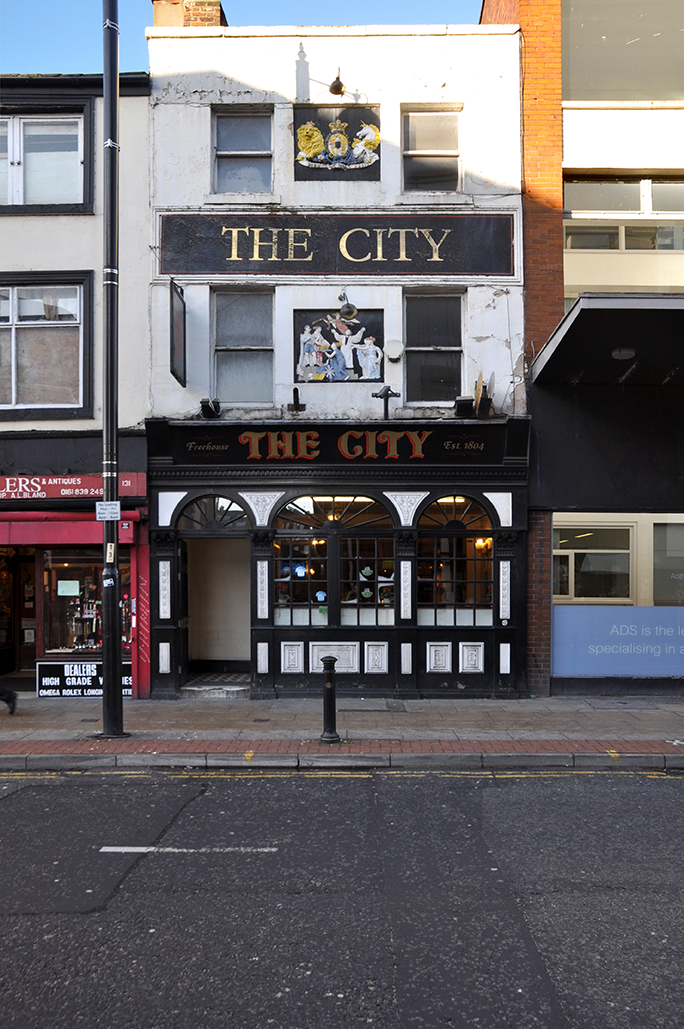
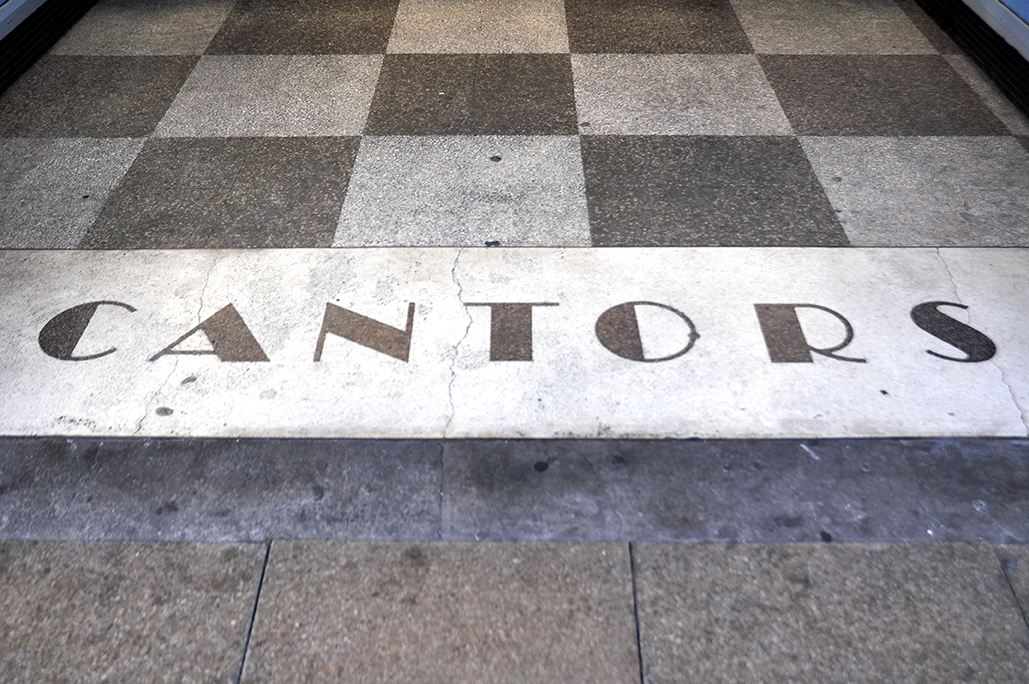
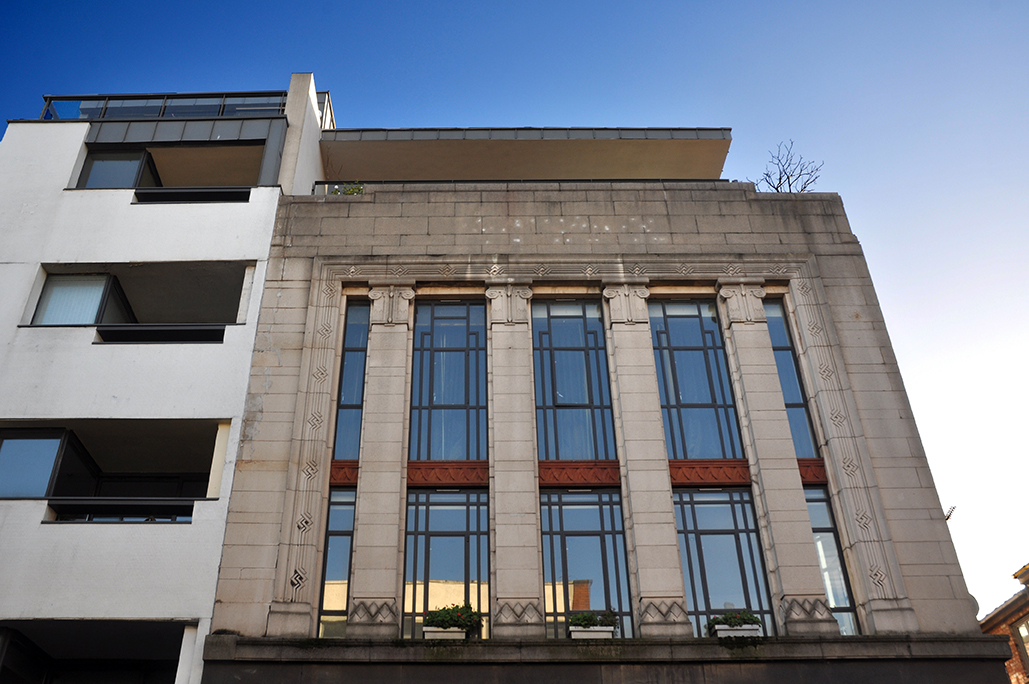
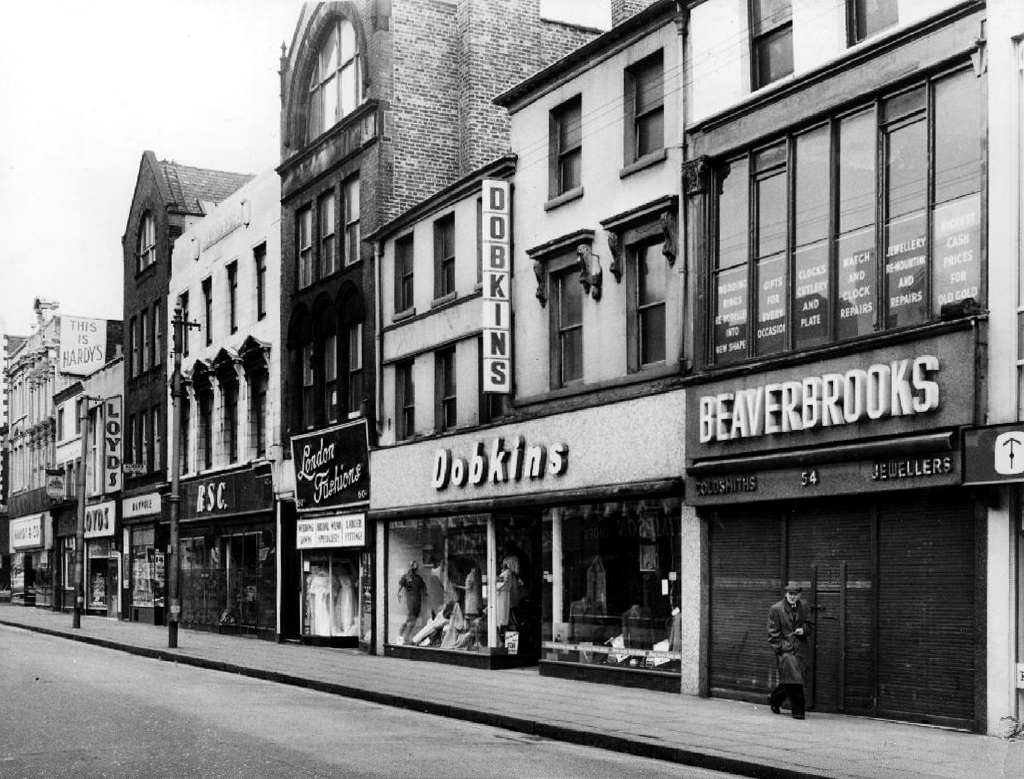
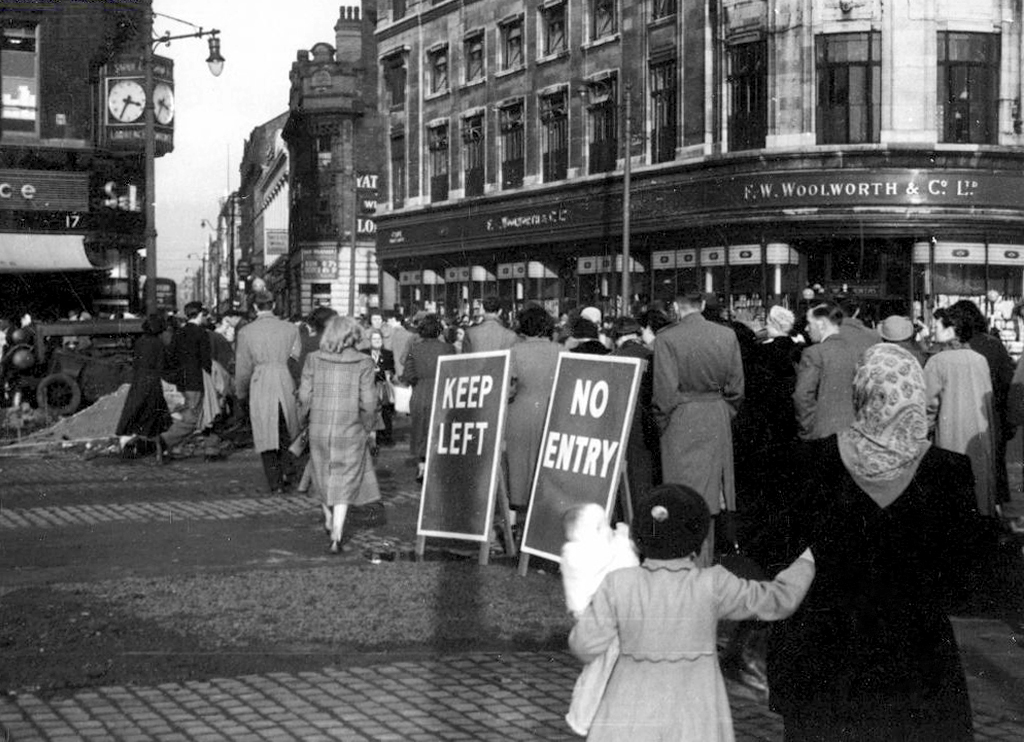
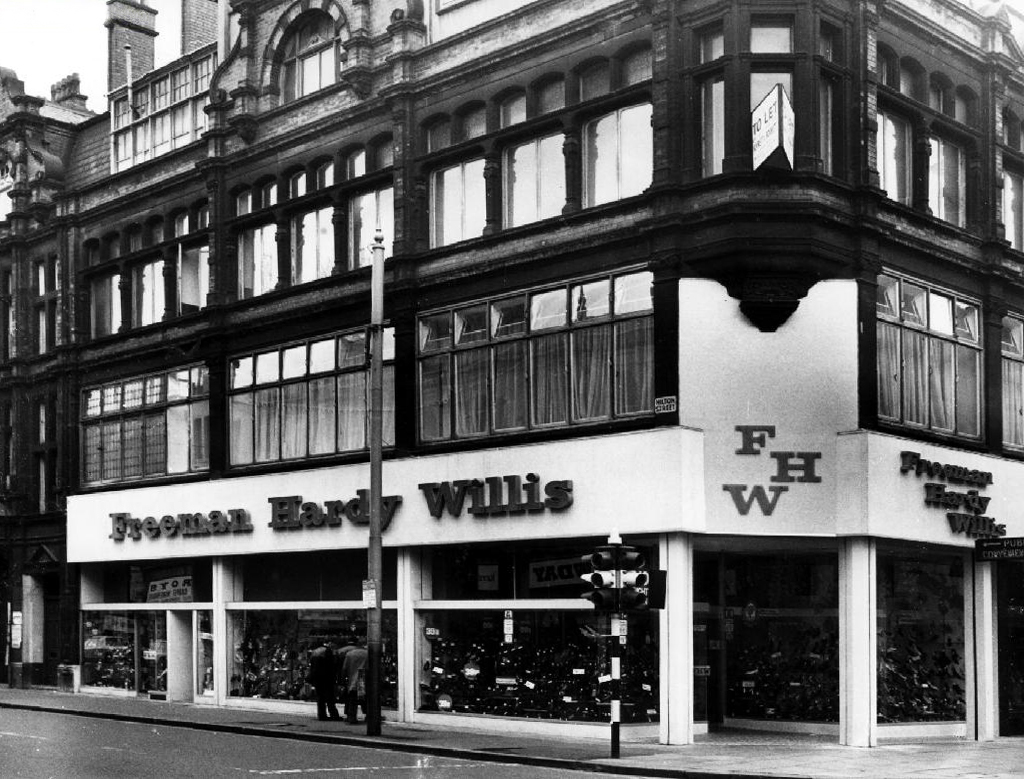
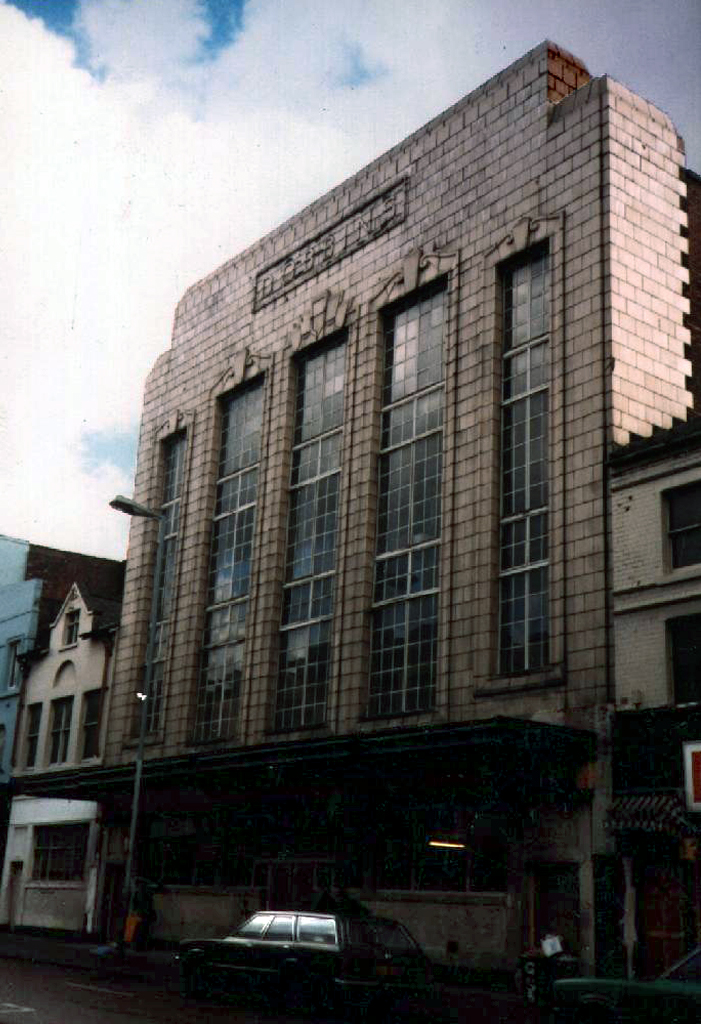
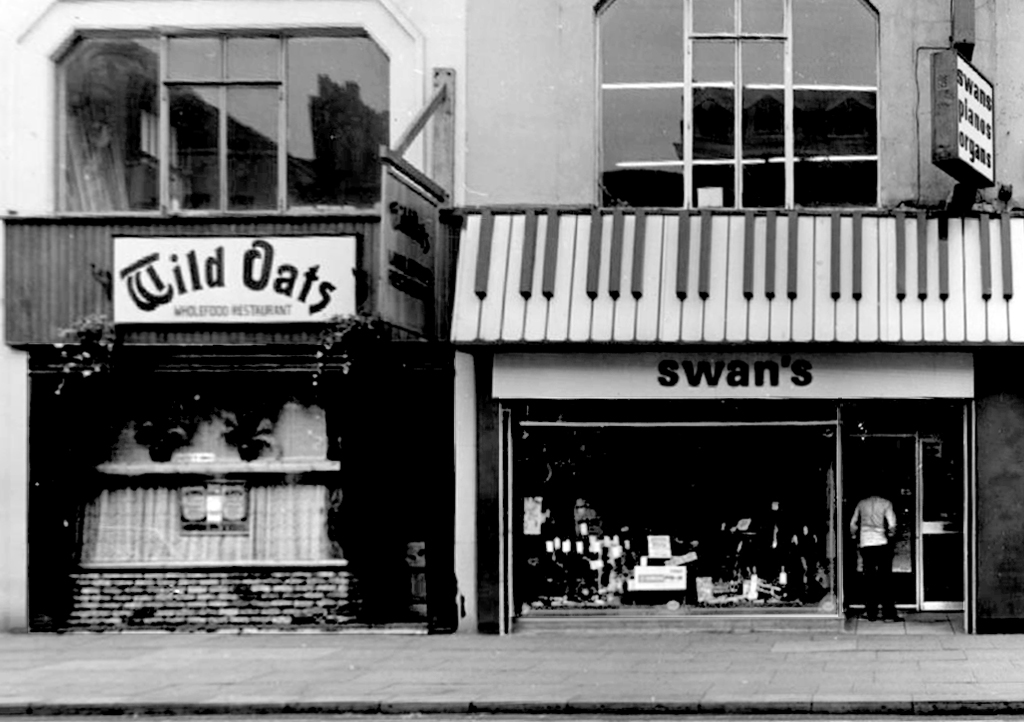
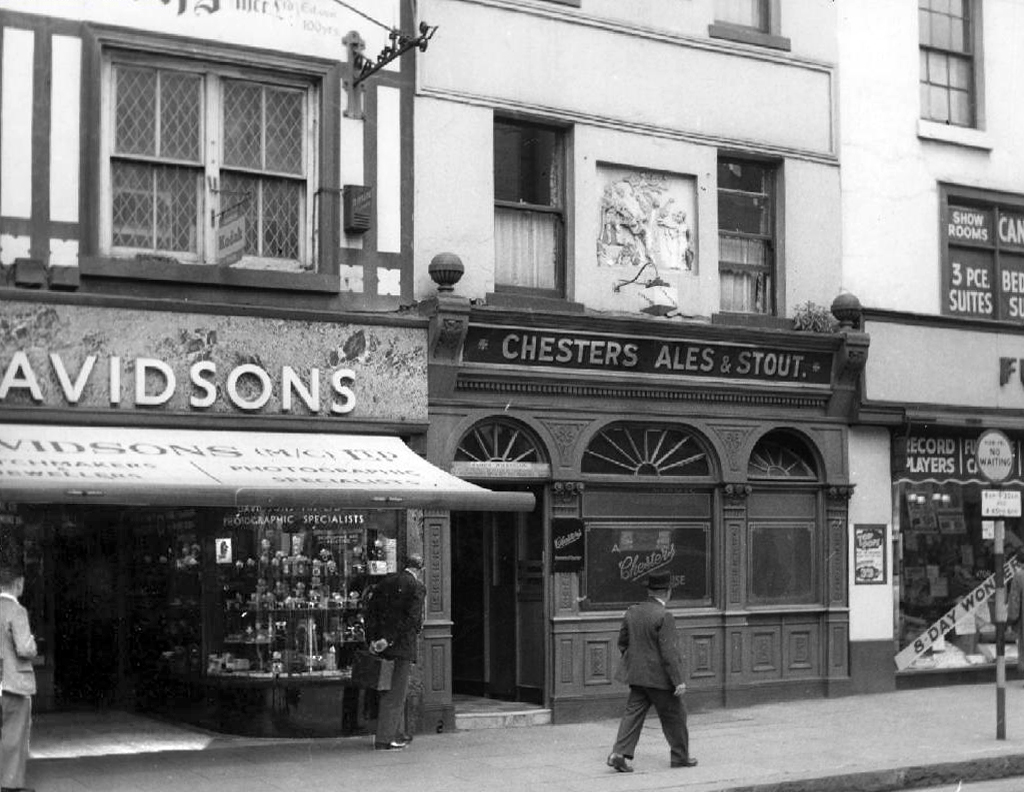
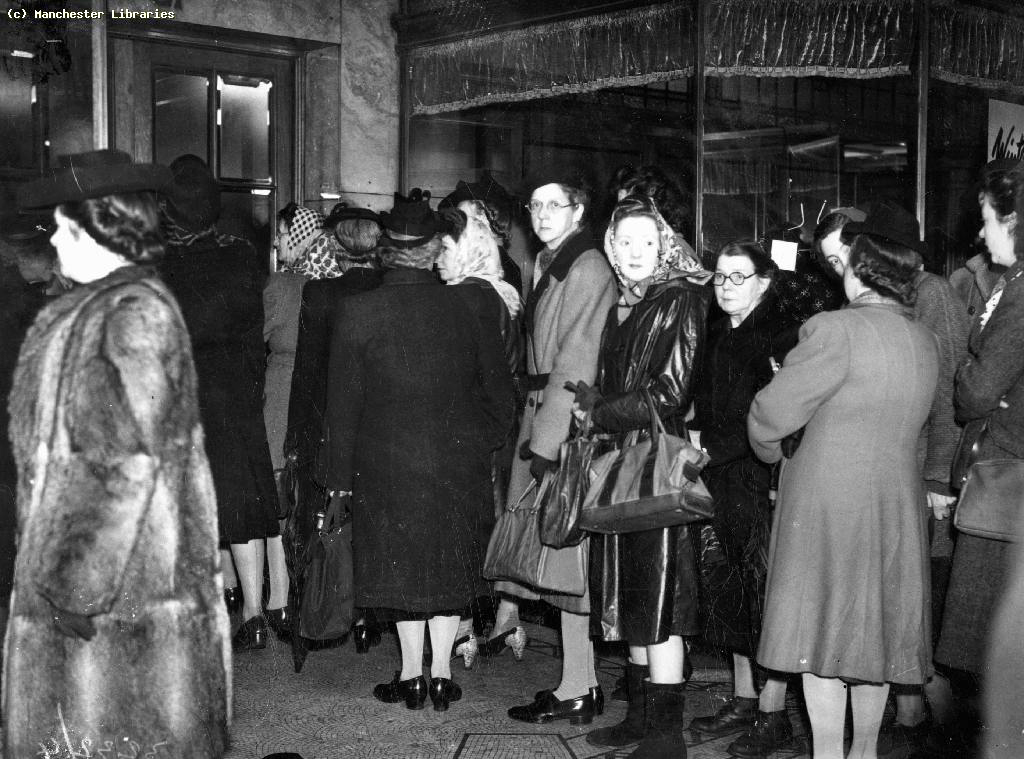
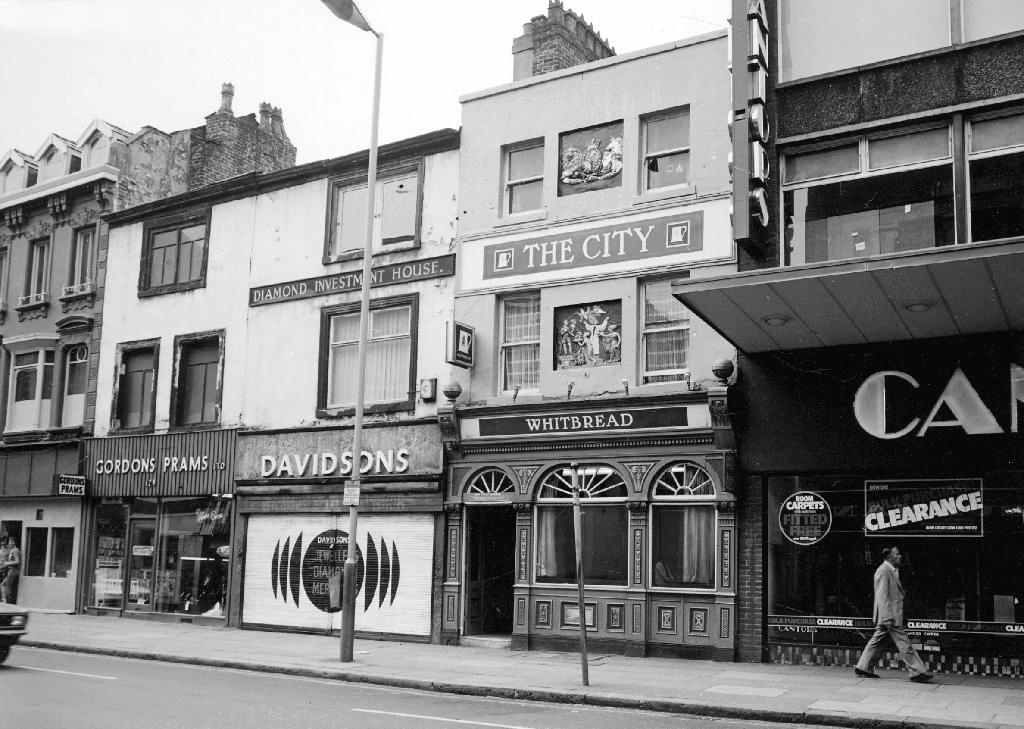
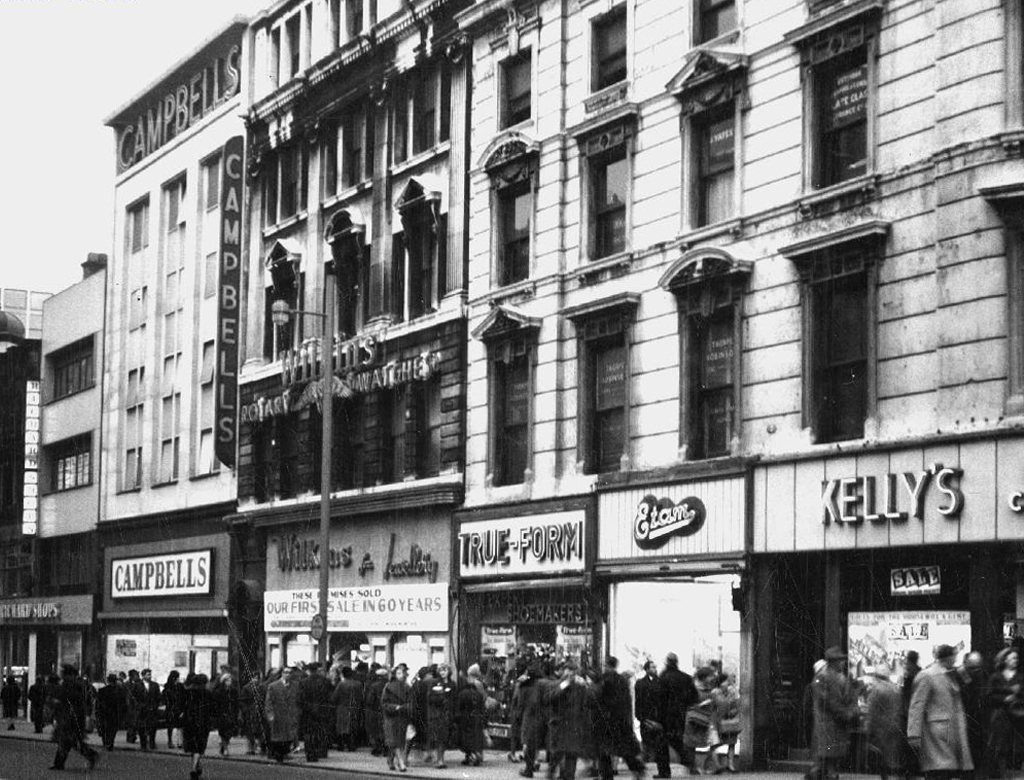
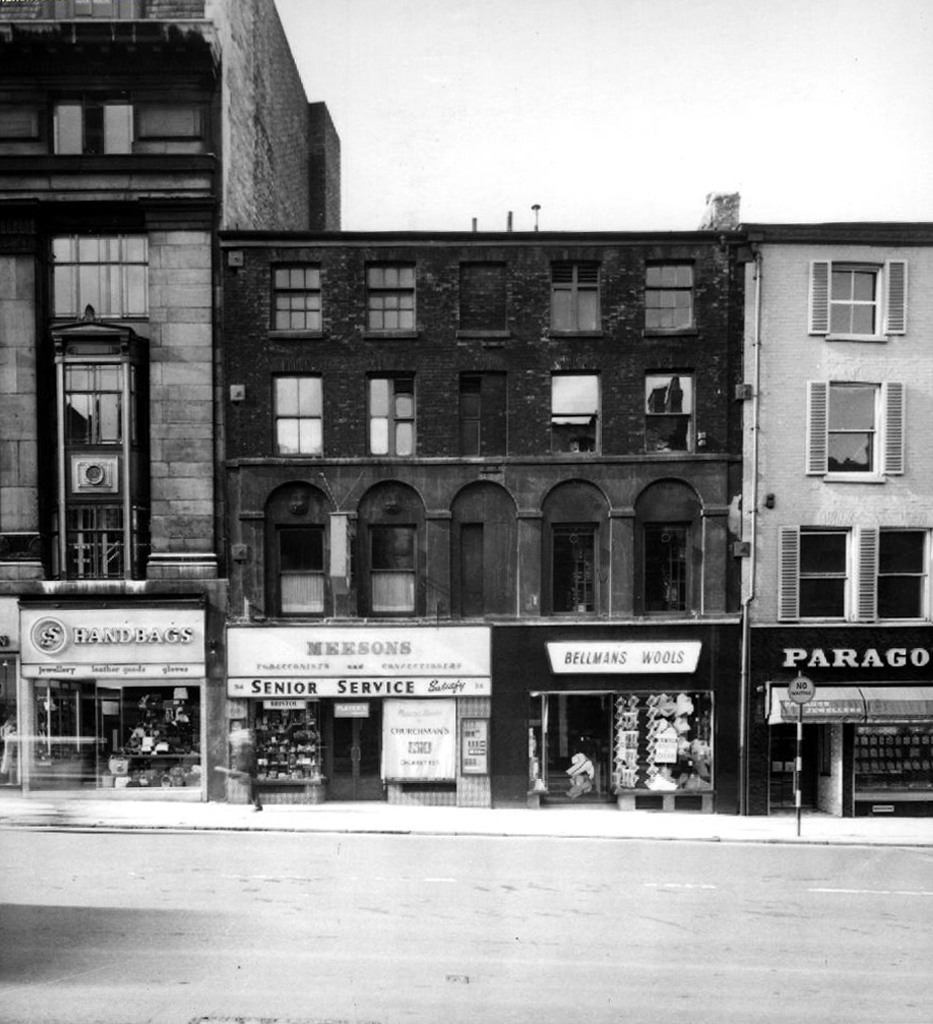
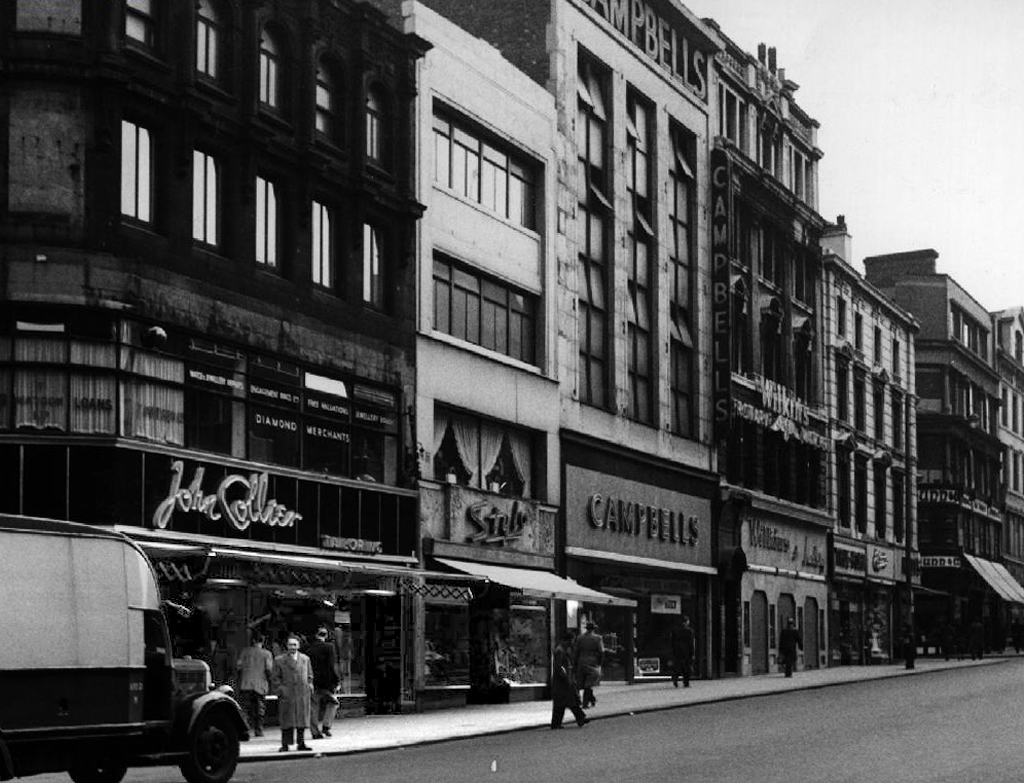
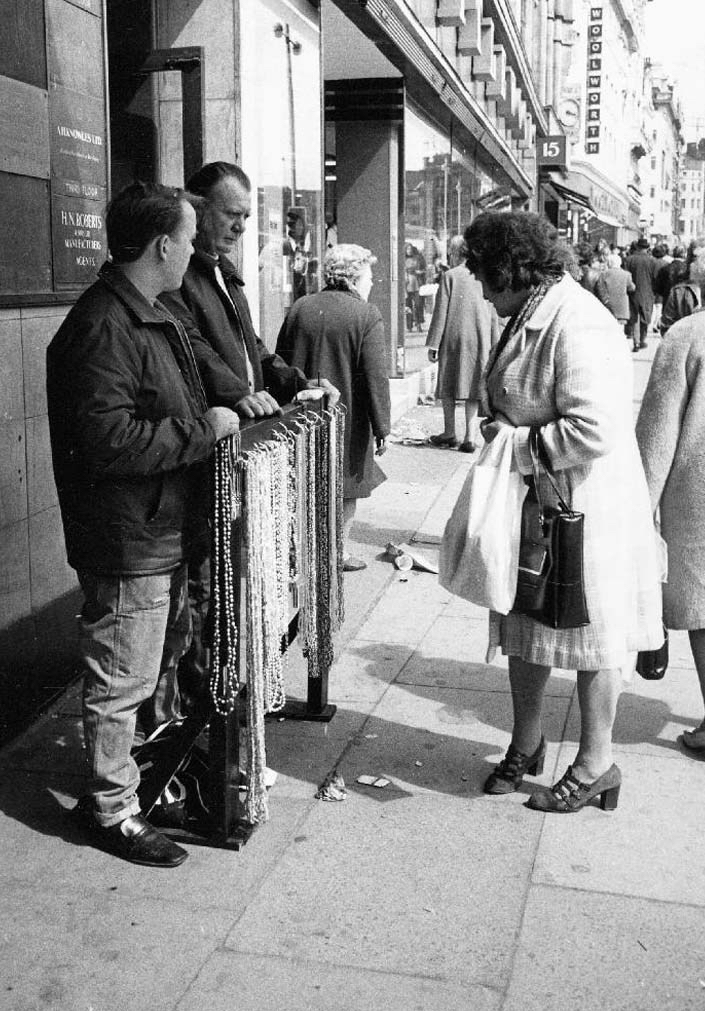
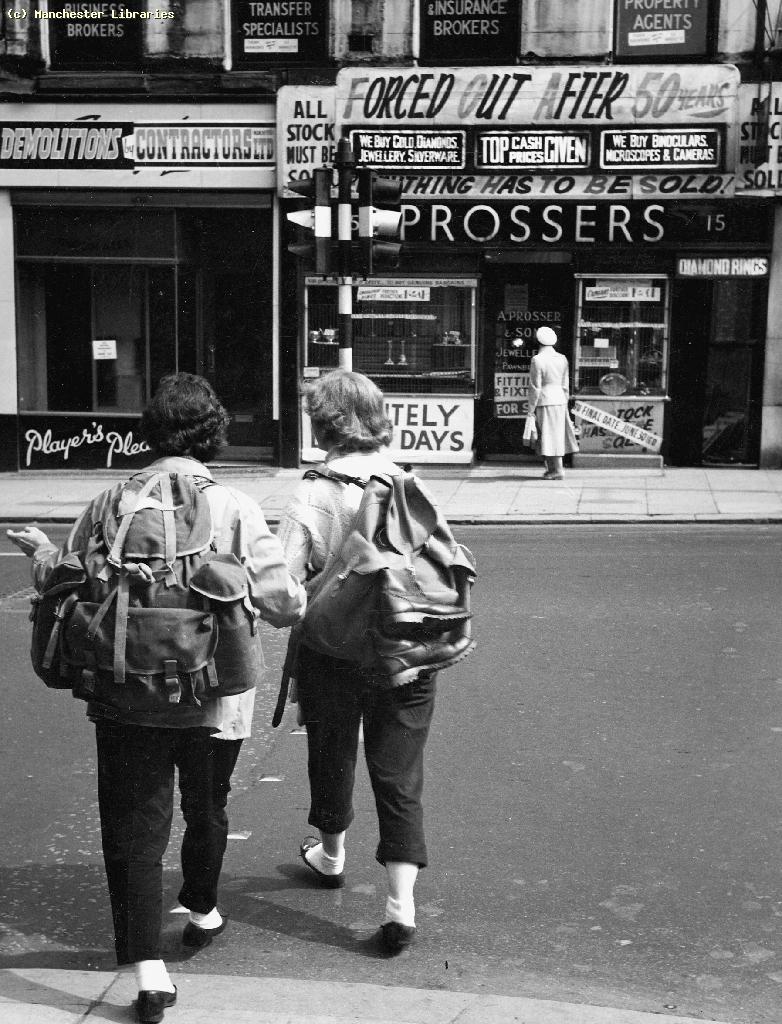
The general well to do, mix of hustle and bustle, pubs, warehousing, grand stores, smaller specialist shops and services continued into the 1970’s. Woolworths, C&A, Affleck and Browns, Cantors, Dobbins attracted a steady flow of happy shoppers, I loved the mongrel nature of the mixed use architecture.

The focus if the city centre then slipped away to the newly built Arndale and pedestrianised Market Street.

Oldham Street awaited a new sense of place and purpose.

With thanks to http://www.manchester.gov.uk/info/448/archives_and_local_history/326/historical_photographs_of_manchester


24

webmedia-8.php

22

18

image011

21

webmedia-5.php

webmedia.php

13

20

webmedia-12.php

16

17

webmedia-4.php

14

webmedia-2.php

webmedia-7.php

19

15

webmedia-9.php

webmedia-3.php

webmedia-6.php

webmedia-11.php

webmedia-10.php


Market Street – Manchester 2016

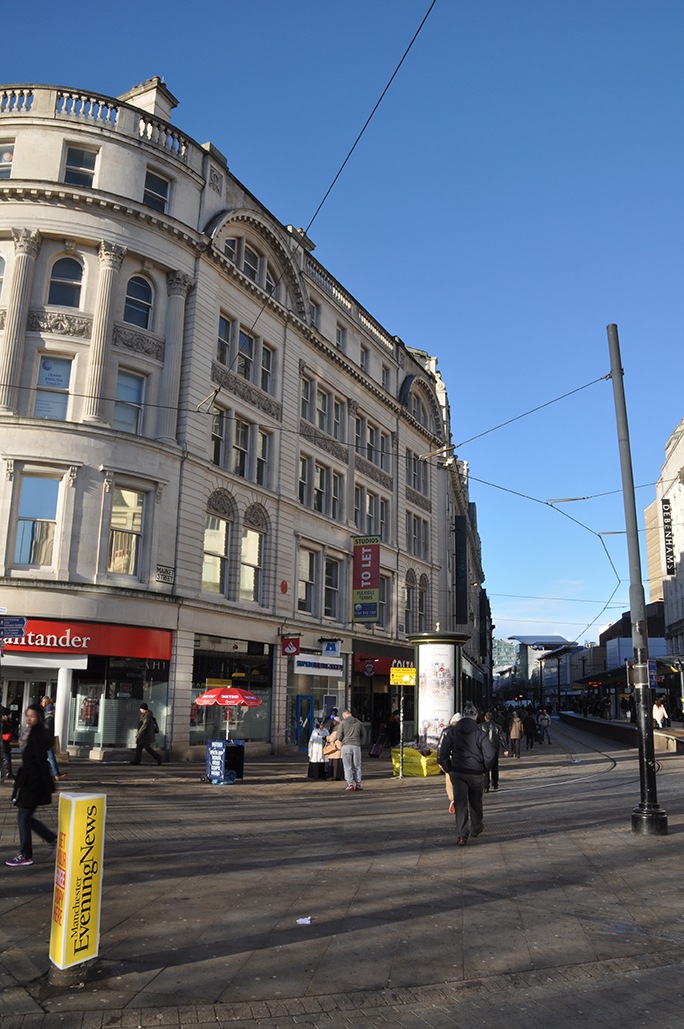
Following my previous post on Market Street, using archive material from the 60s and 70s, I was prompted to record the current state of the street.

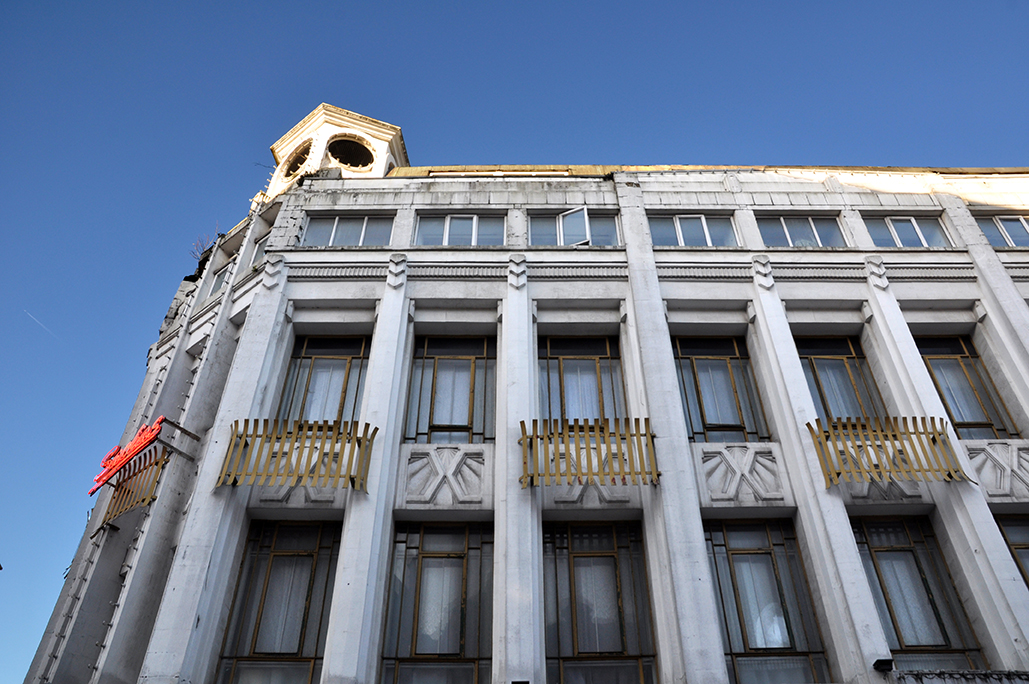
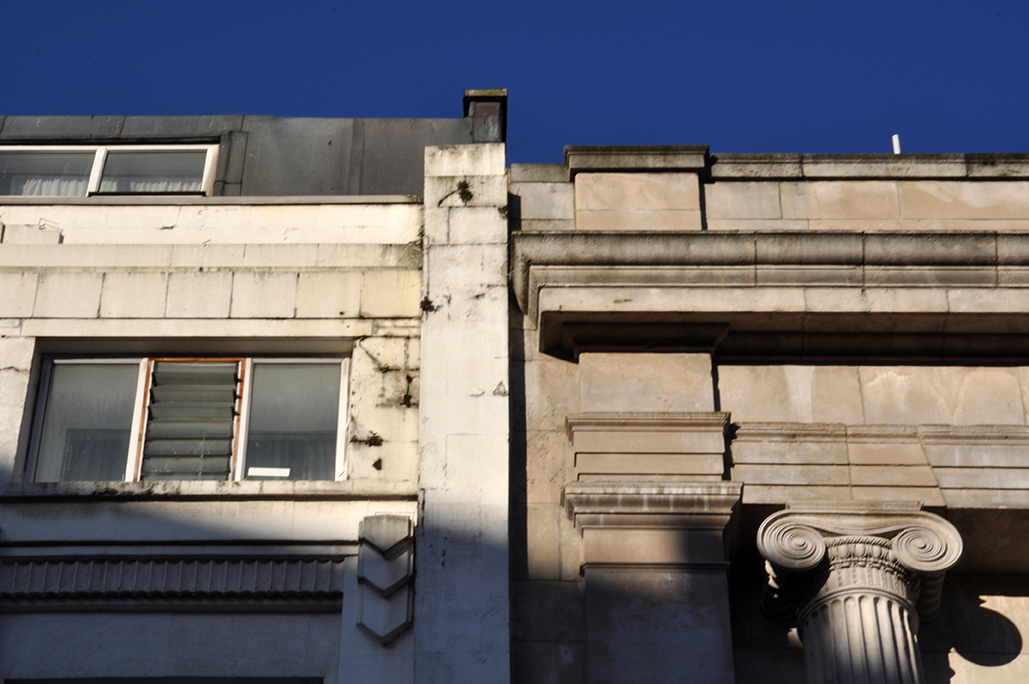
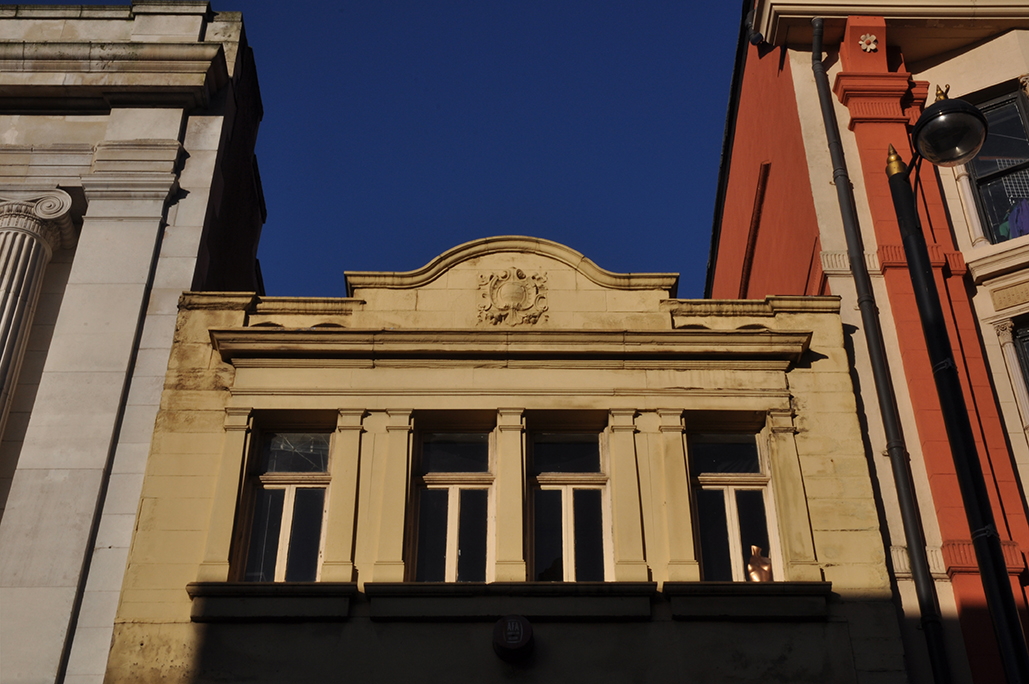
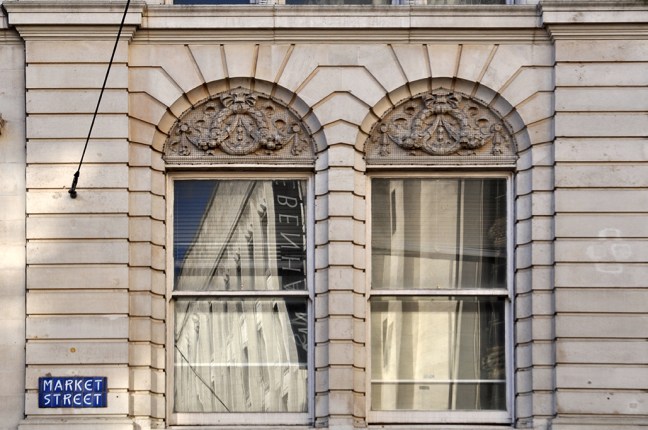
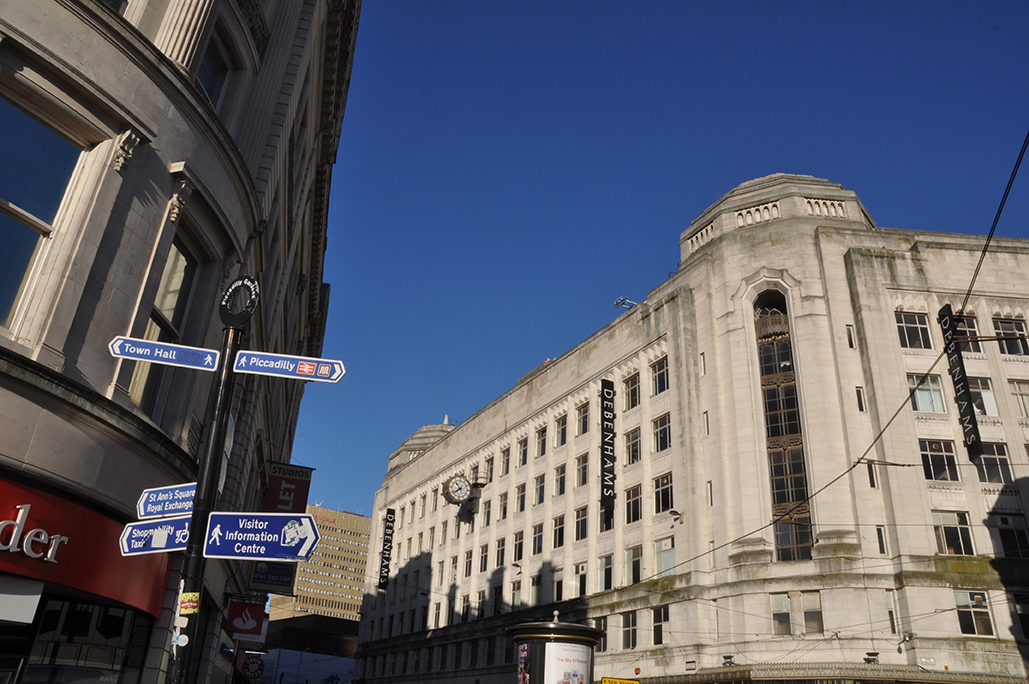
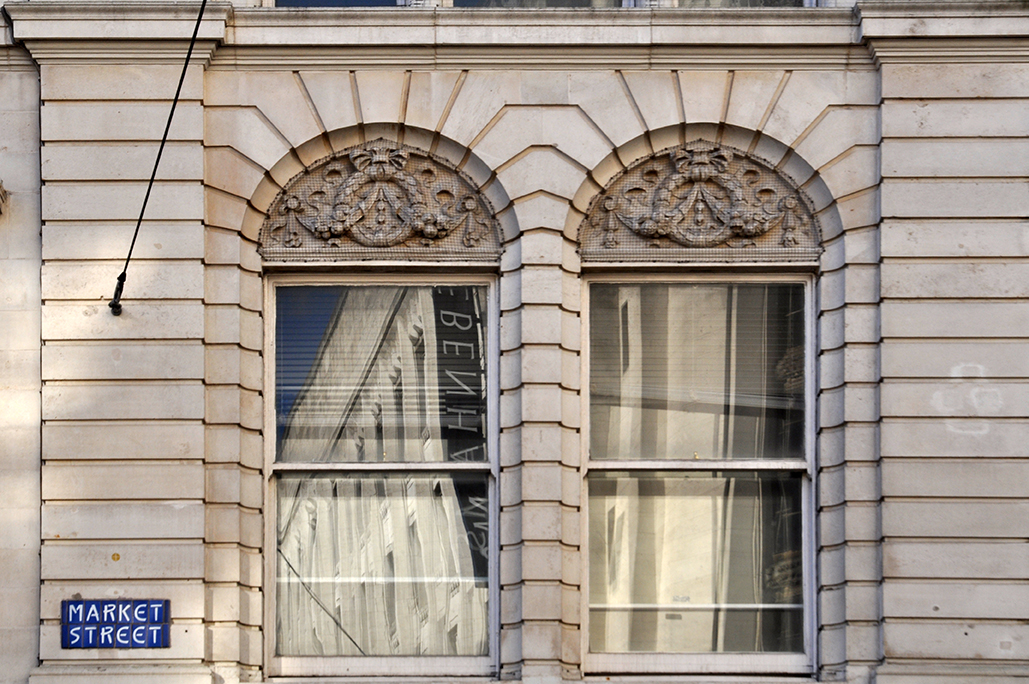
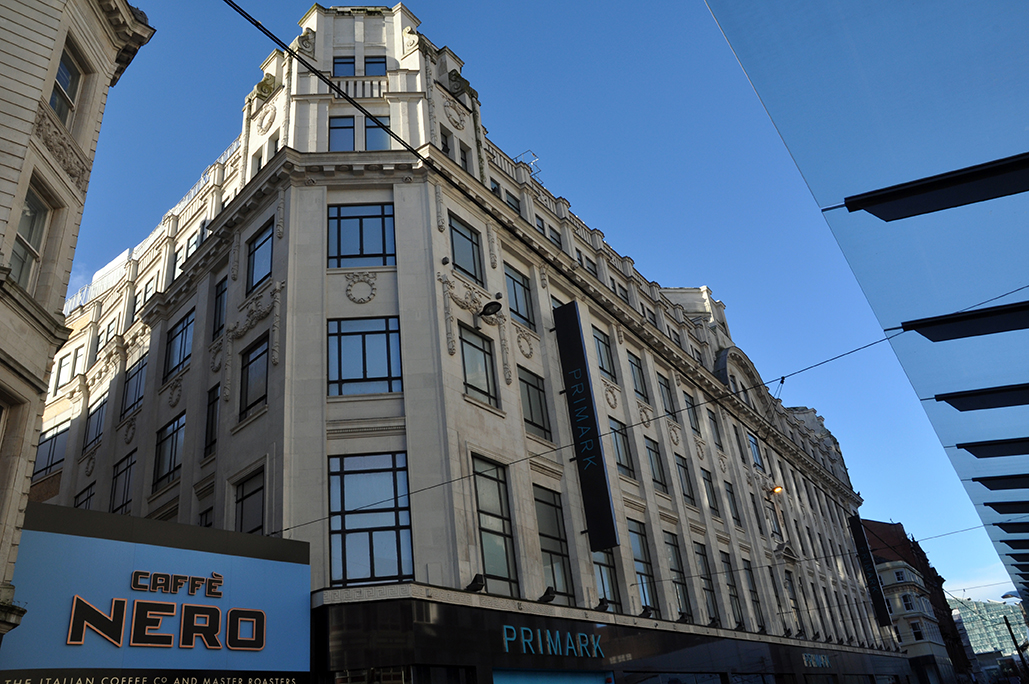
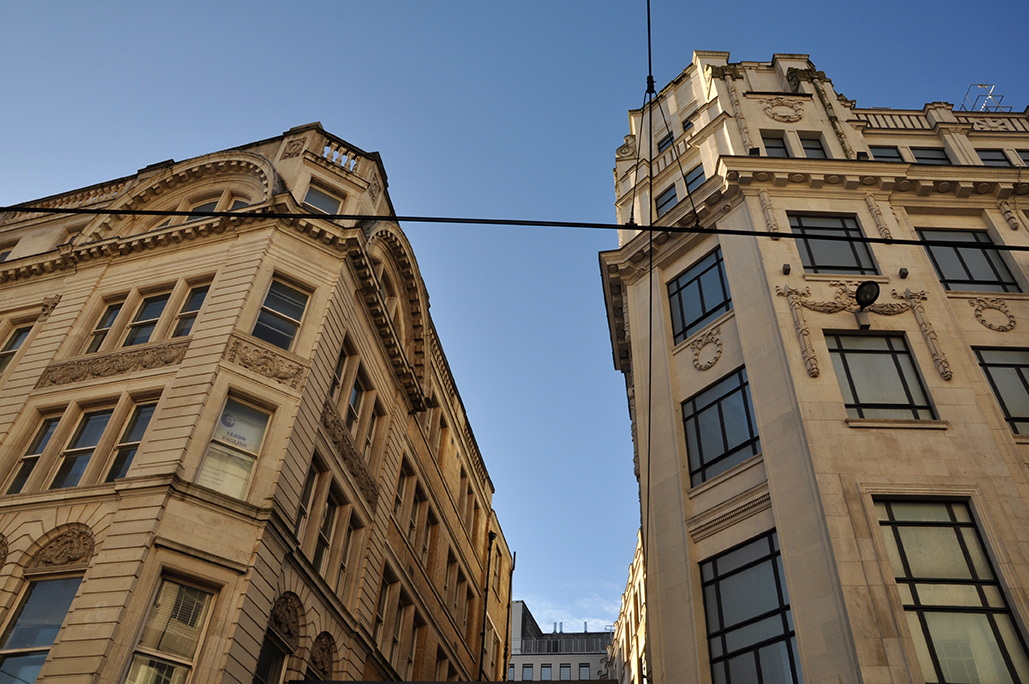
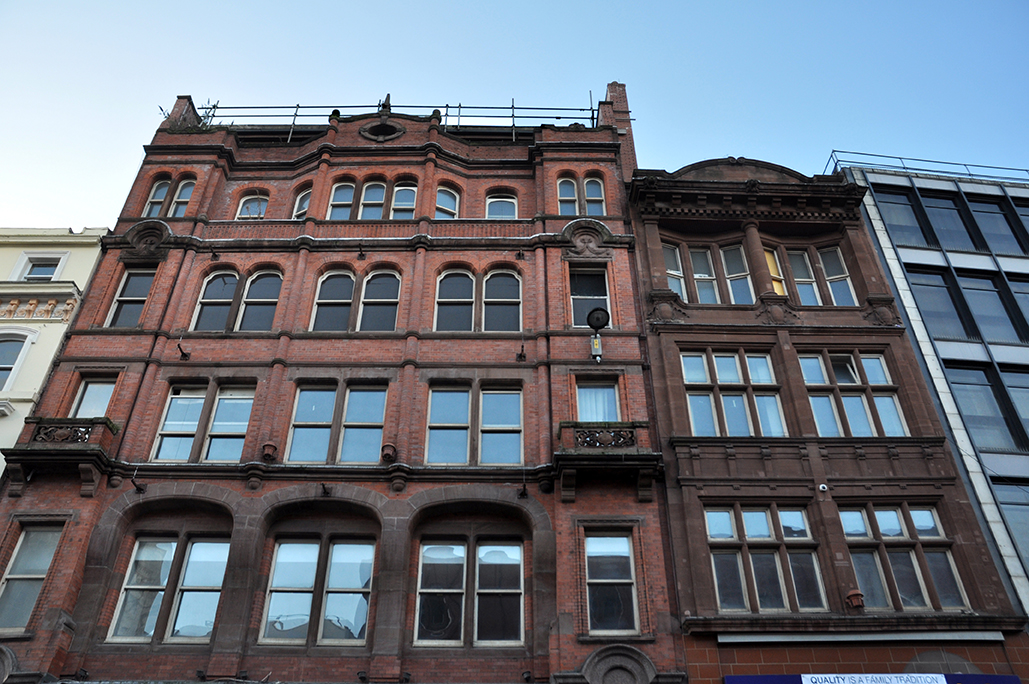
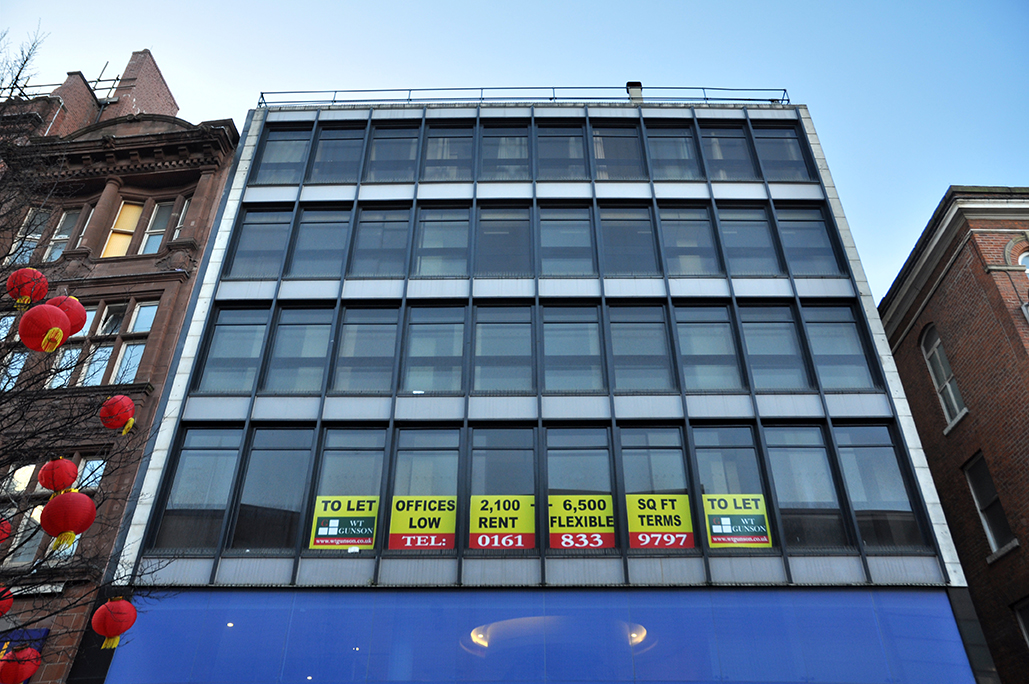
To the east is the Arndale, I chose to concentrate on the western elevation and the extant facades that chart a story from Victorian to Moderne – with a little rebuild, pastiche and grandiose Classicism in between.

See what you think, the sooty deposits have long been sandblasted away, much of the previous exciting noise and clutter, of above eye level signage ceases to shout, from just below the rooftops.

It’s a cleaner, leaner and possibly meaner world.

http://www.manchestereveningnews.co.uk/news/greater-manchester-news/manchesters-market-street-named-sixth-9421149

It always pays to look up – just don’t inadvertently bump into things.

Market Street – Manchester

cinephone2

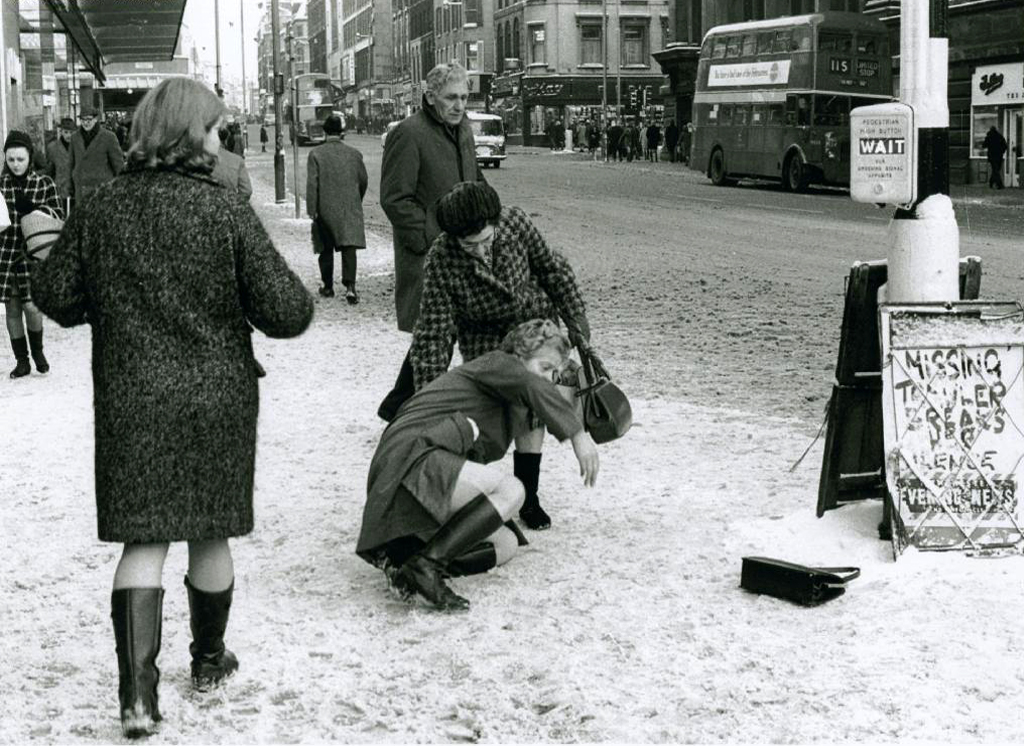
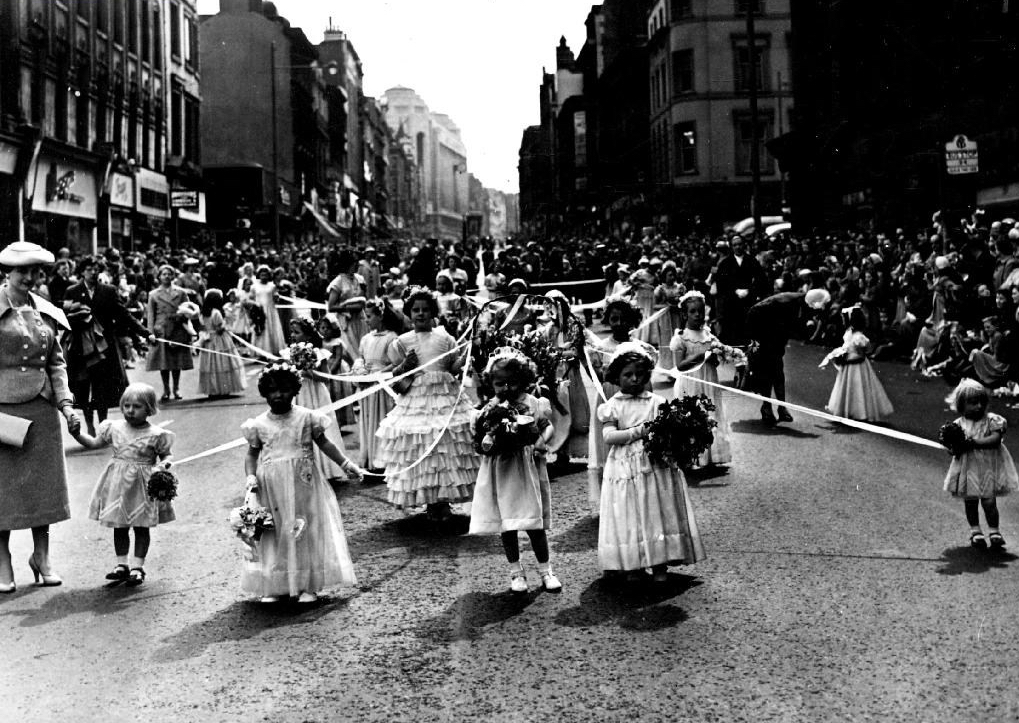
City streets are by their nature subject to movement and change, things literally come and go – in milliseconds, days and decades. People and places are shaped by the forces of function and fashion, economics and history.

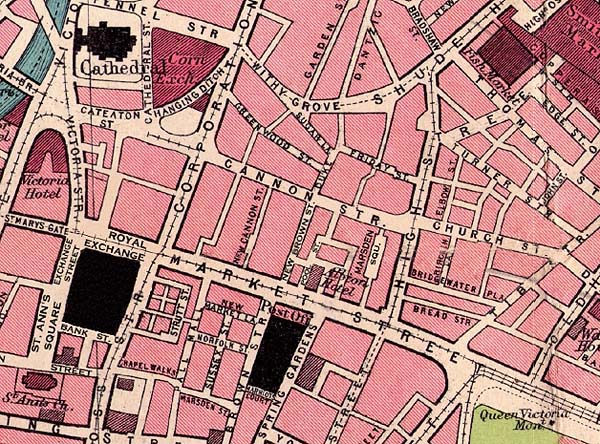
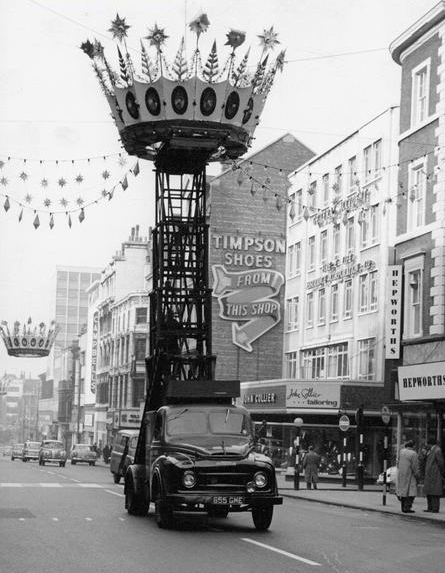
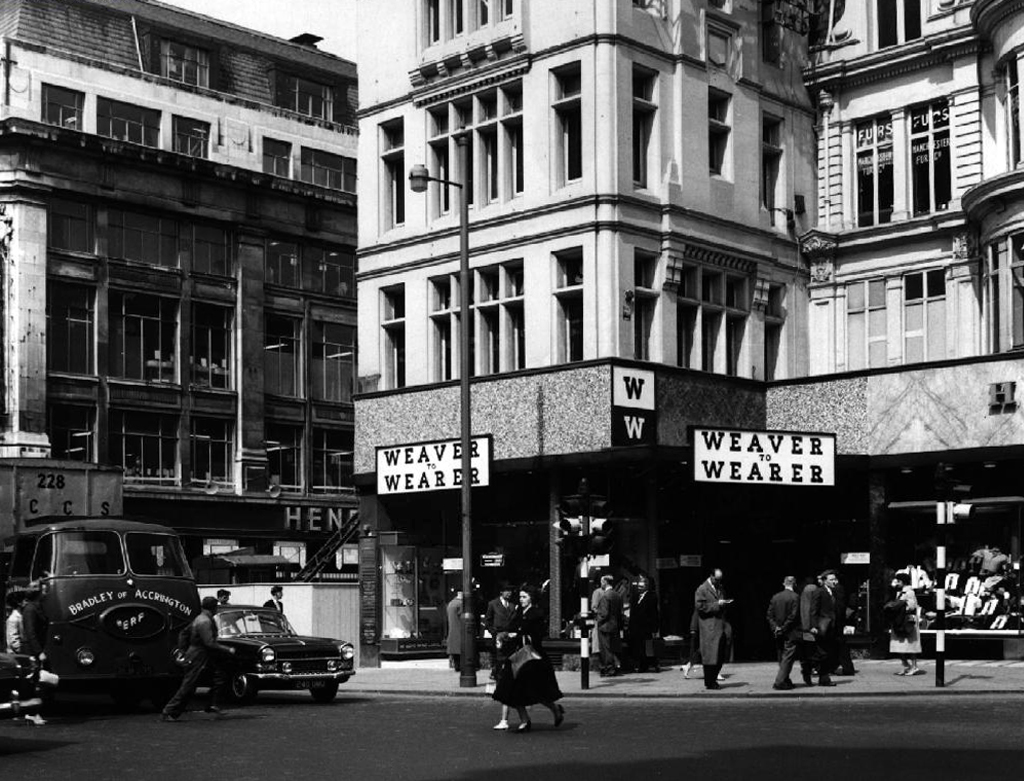
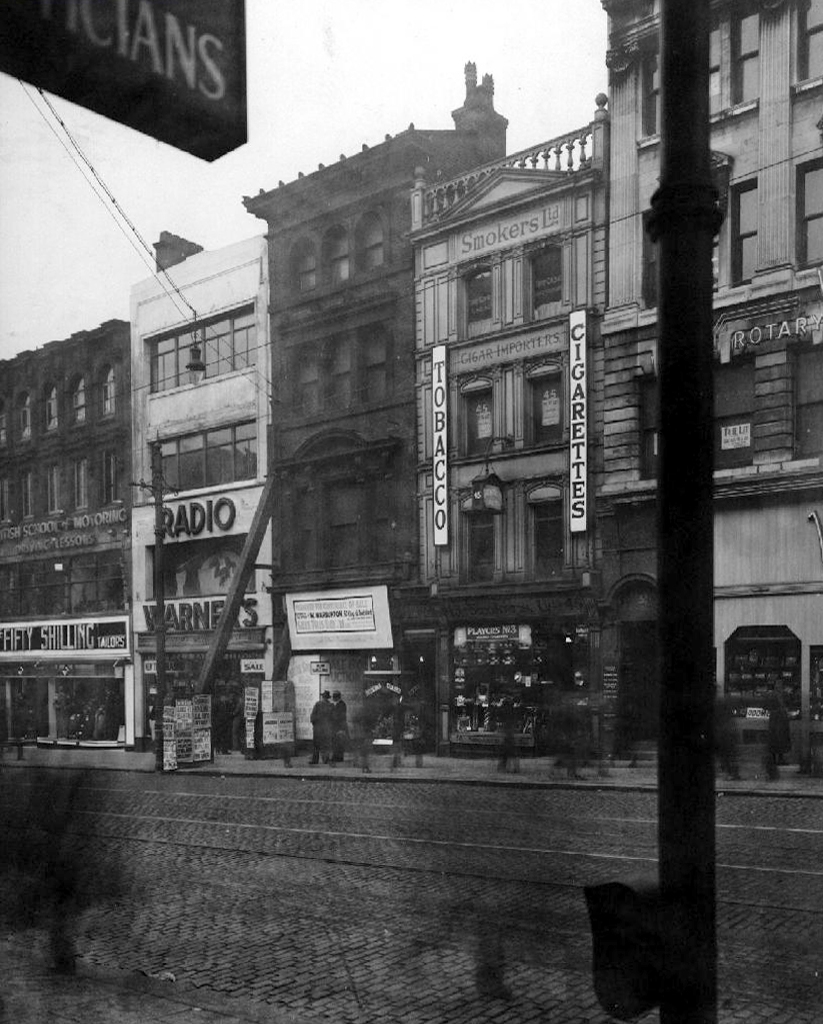
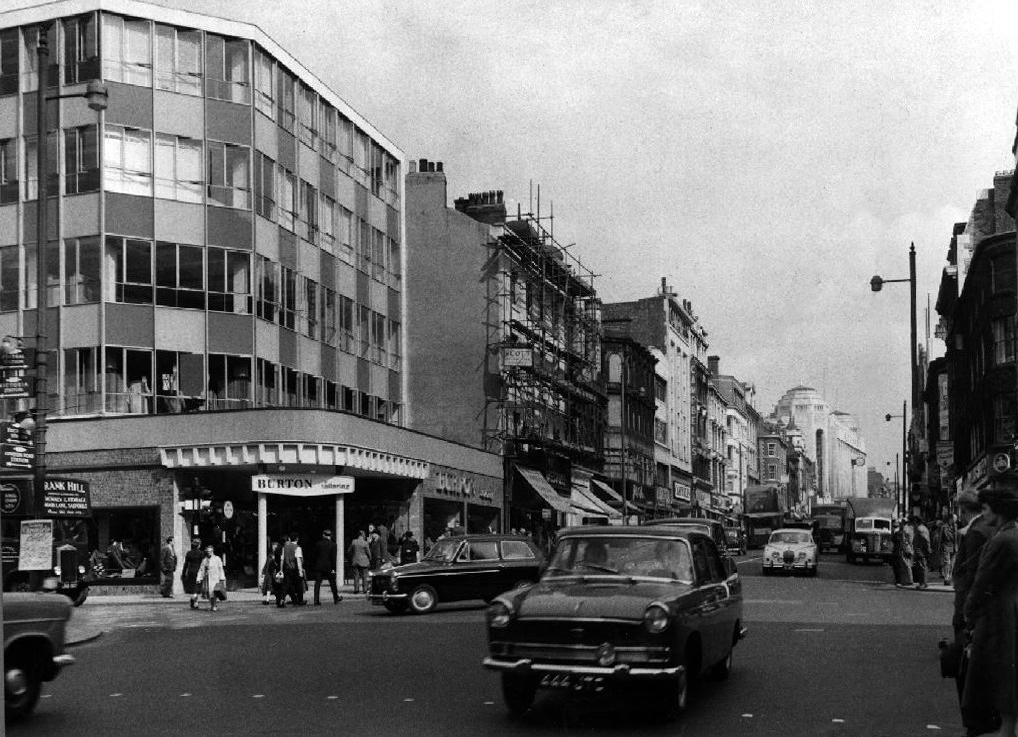
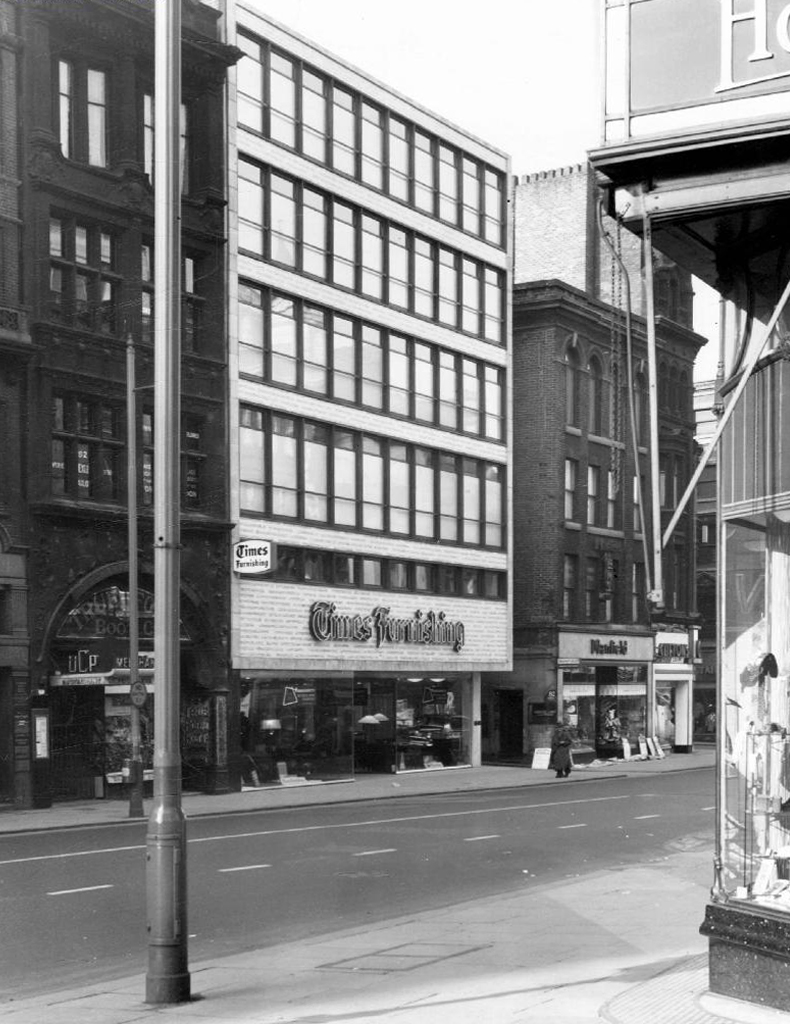
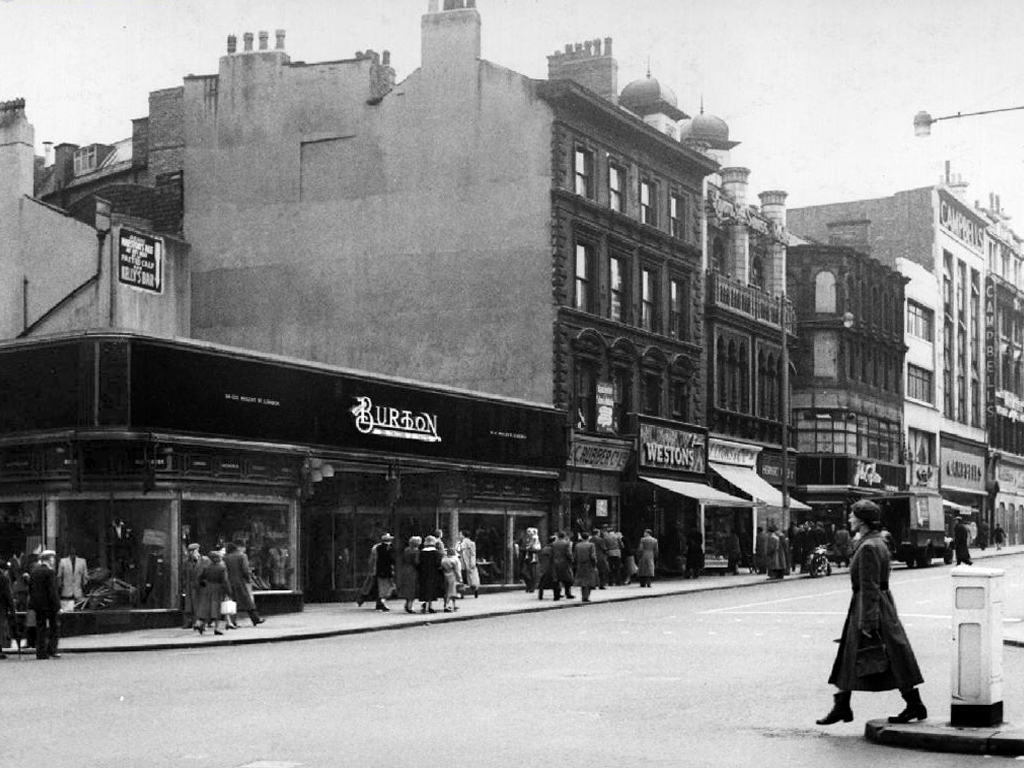
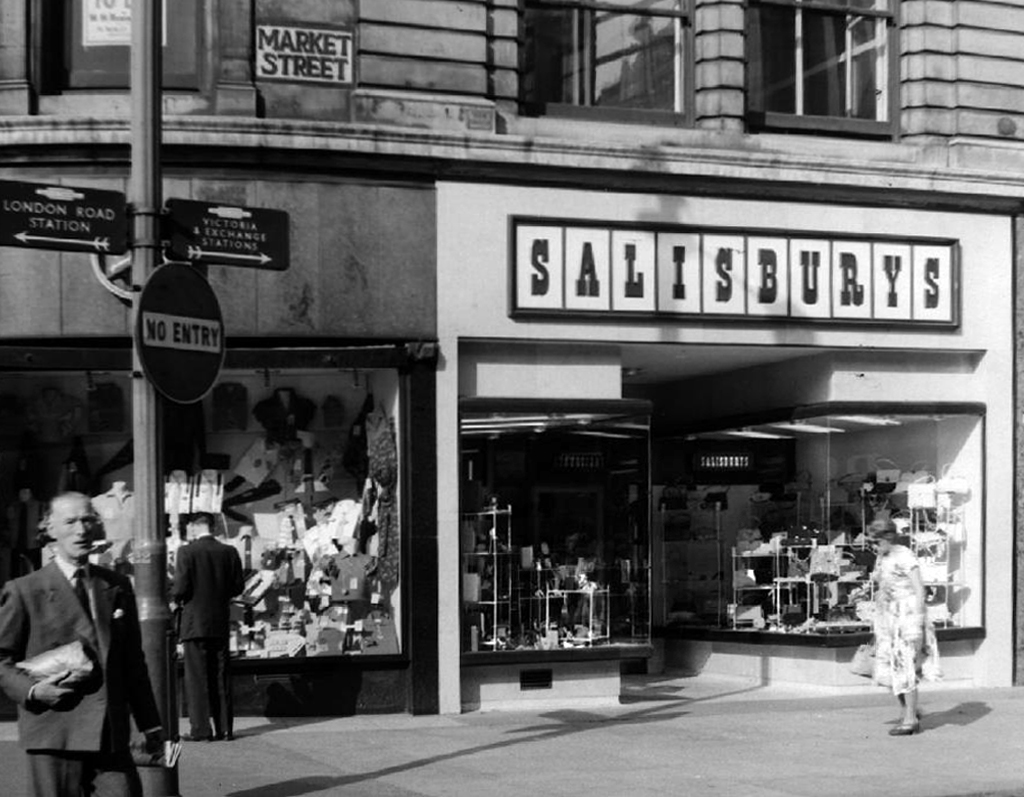
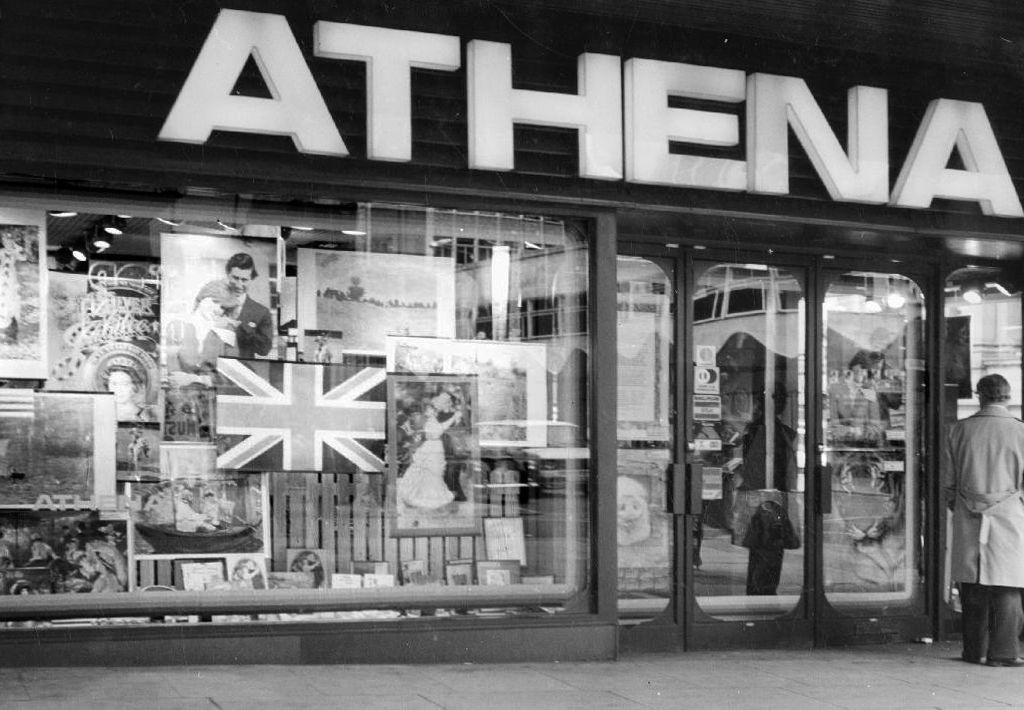
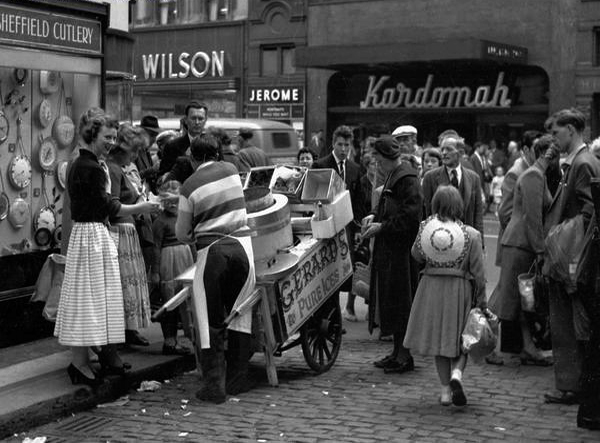
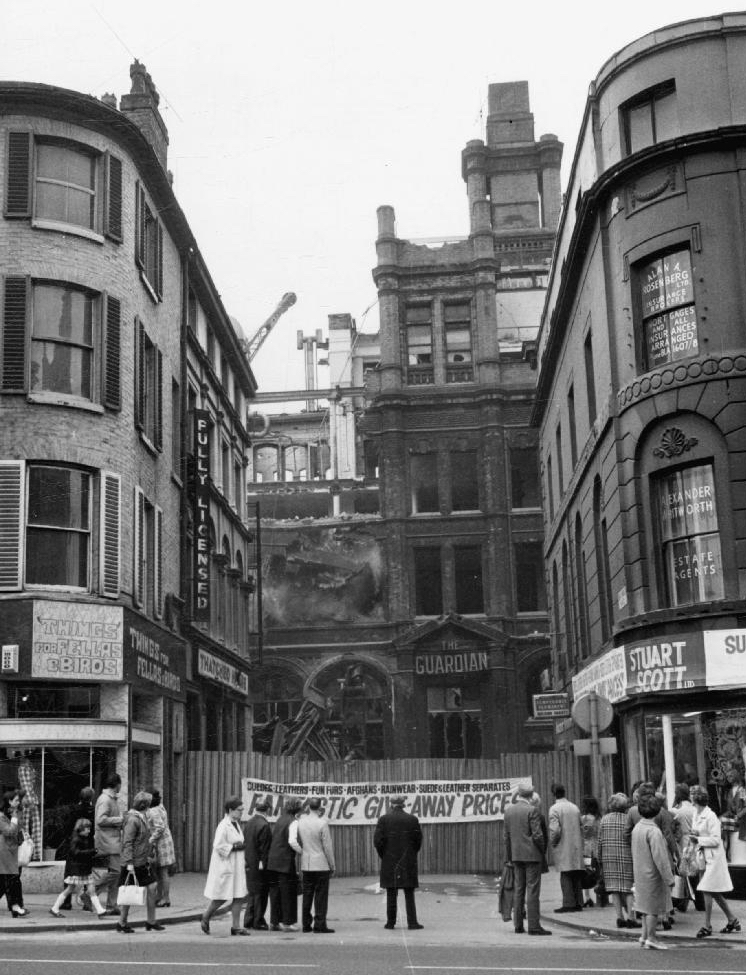
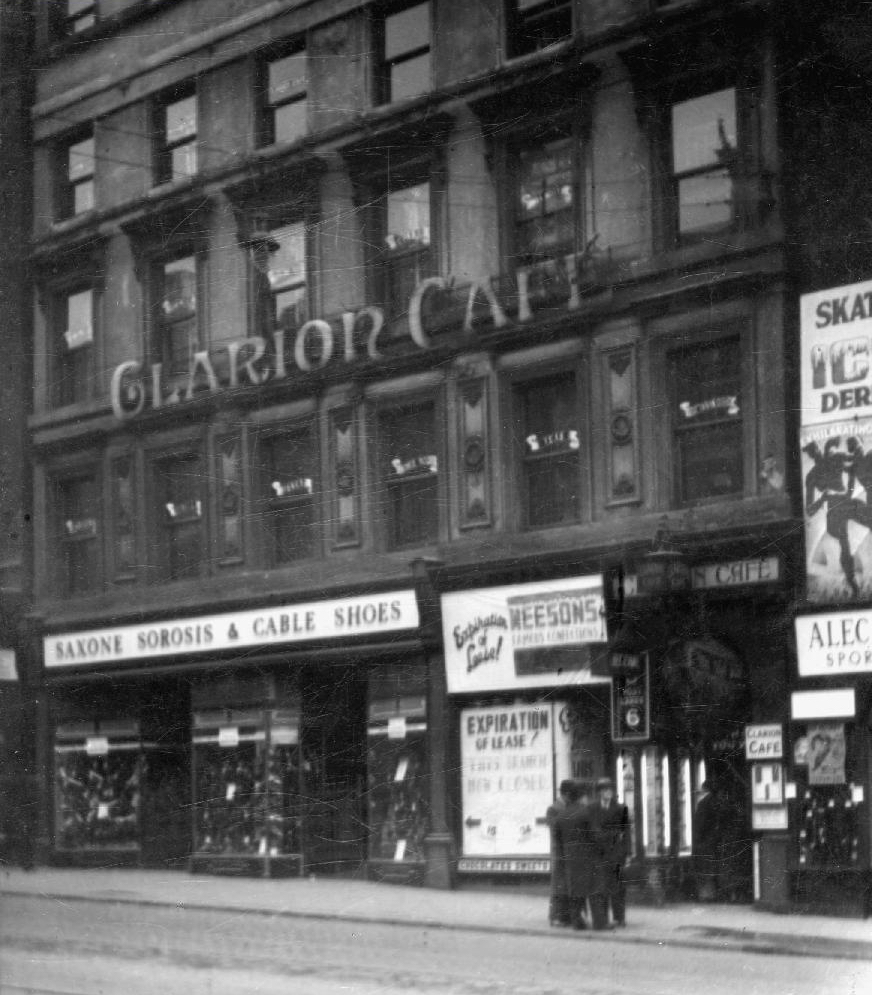
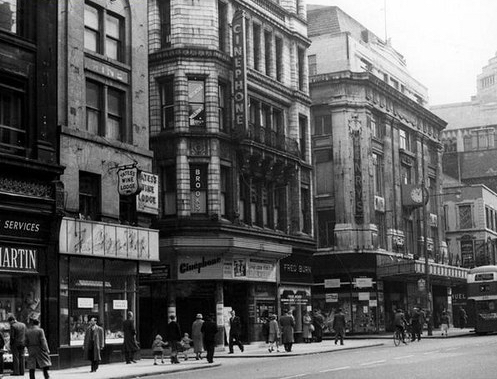
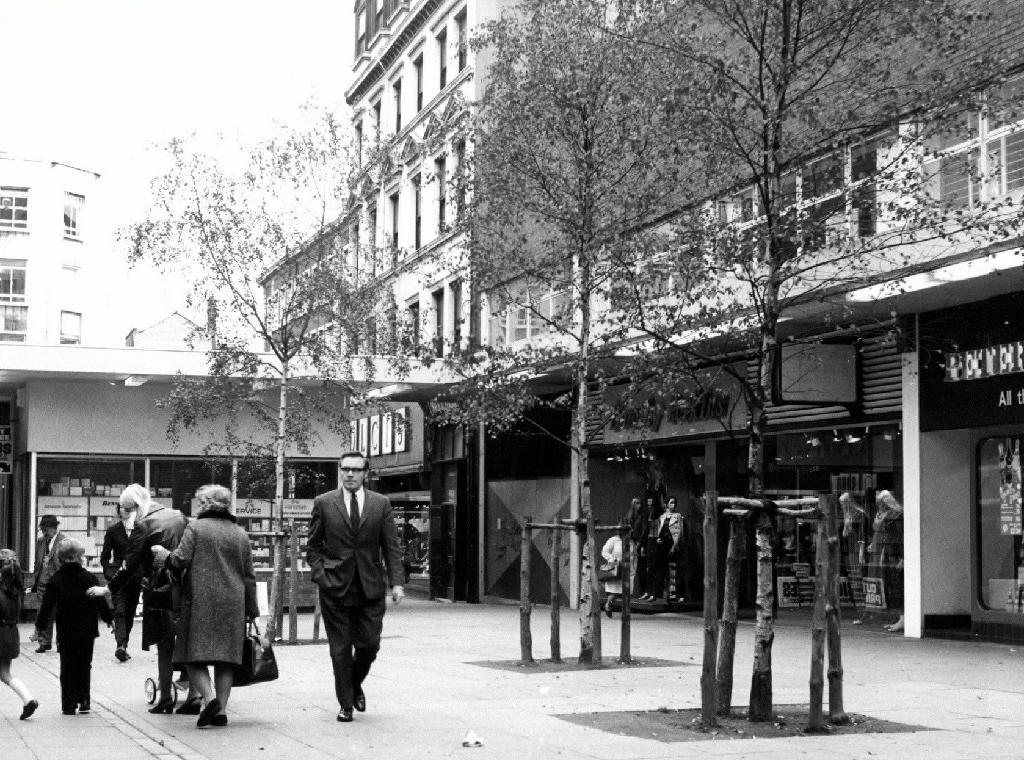
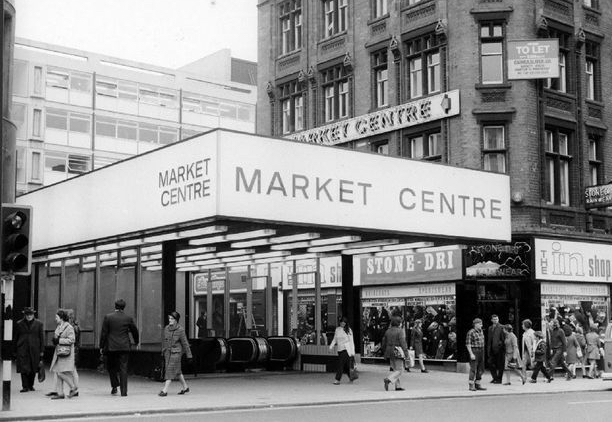
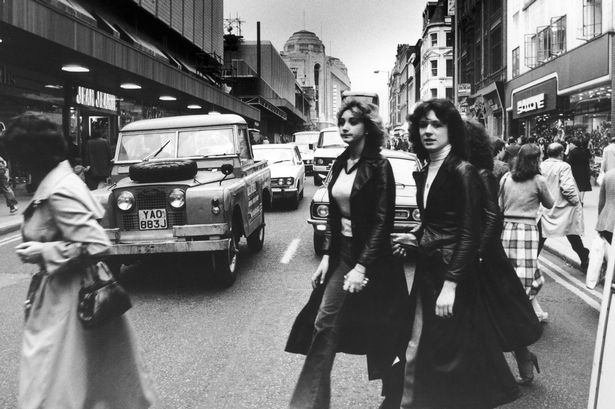
Before the Arndale,  pre-pedestrianisation, Market Street, from the Fifties until the Seventies, was one of Manchester’s key arterial, retail thoroughfares. Mixing mixed traffic, shops, cafés and restaurants, bars, cinemas, offices and administration.

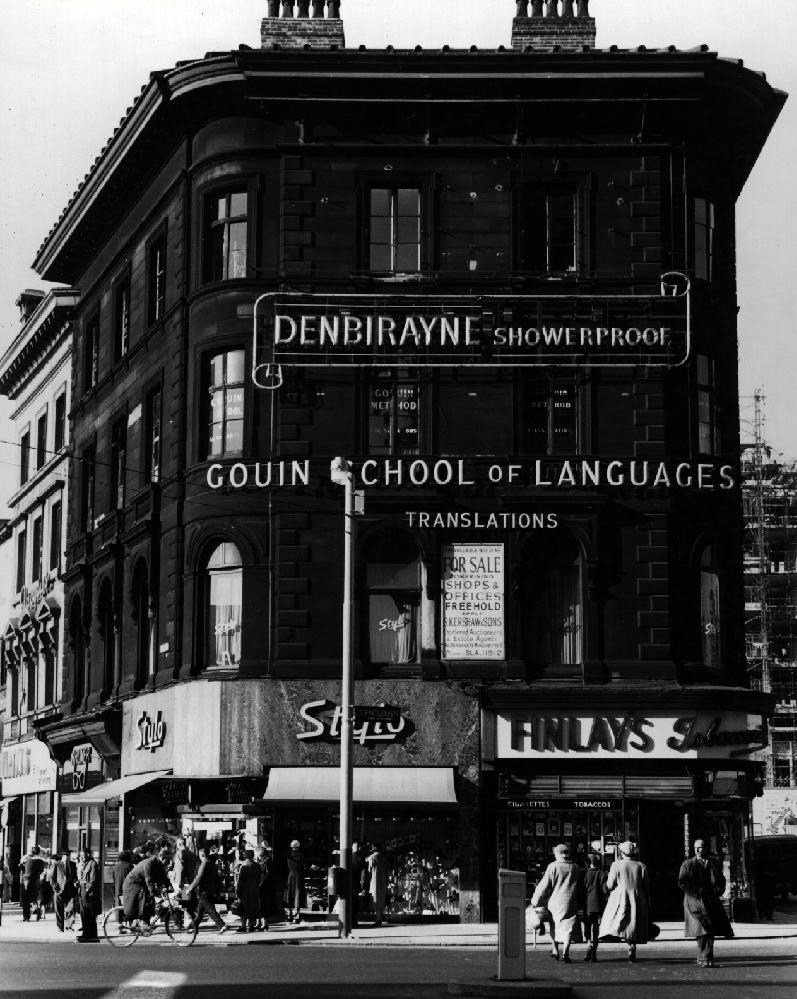
The architectural skyline, had the raggedy silhouette, of a century of build and rebuild.

Lower your eyes, there’s Classical, Gothic, Baroque, local Rococo, Deco, Moderne and Modern – that’s right Madam no two the same, four for a pound, get it while you can.

Lower still, things are still never still, a riot of colour in black and white Vitrolite.

Neon abounds, the names are never changed to protect the innocent.

Local traders are slowly replaced by national and international multinationals.

You have nothing to lose but but your chain-store now.


ront-page-from-henry-s-stores-catalogue.-398-p

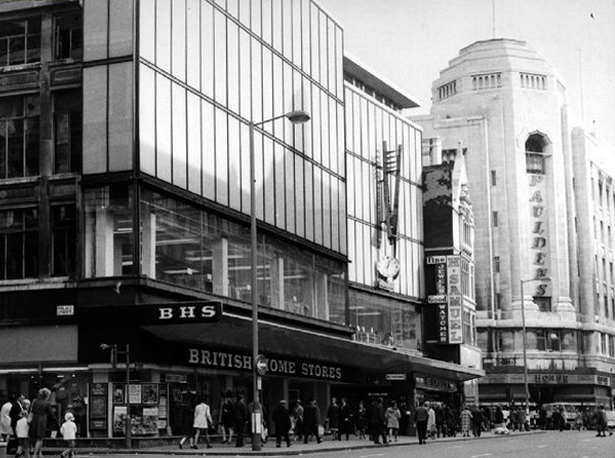
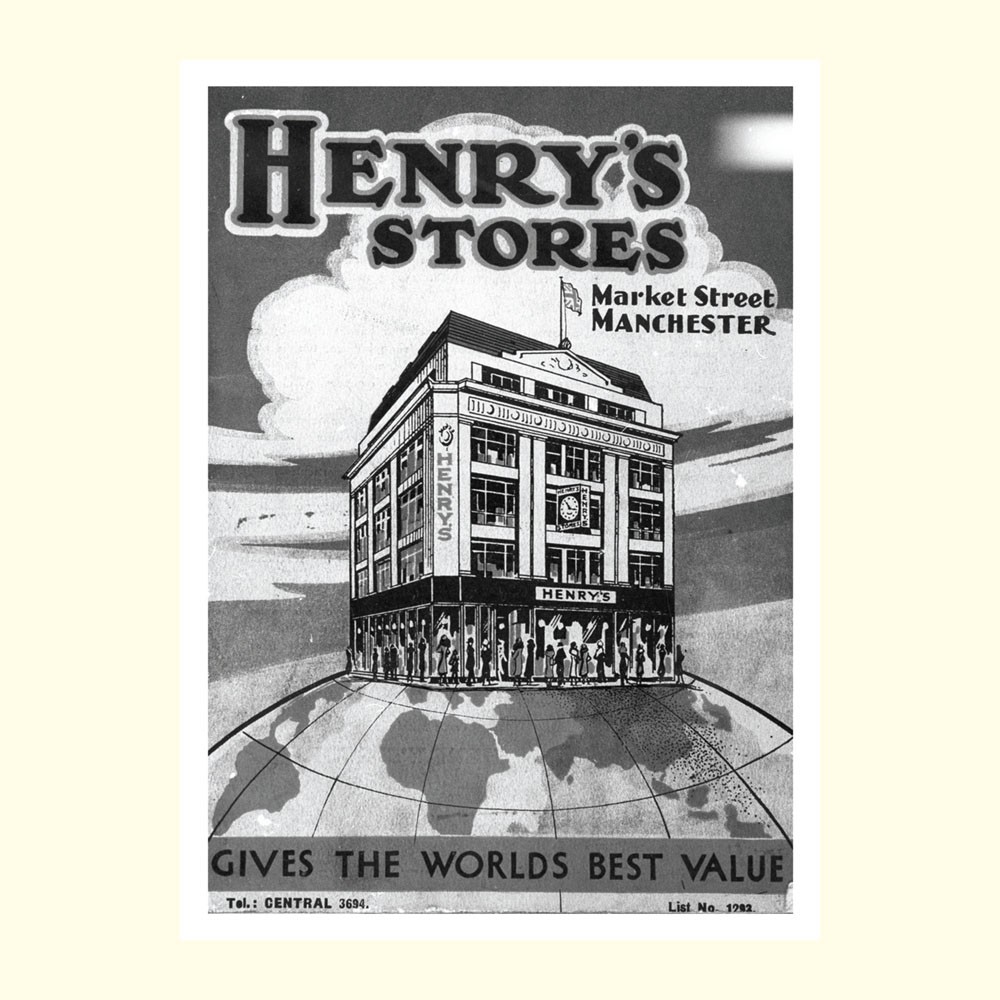
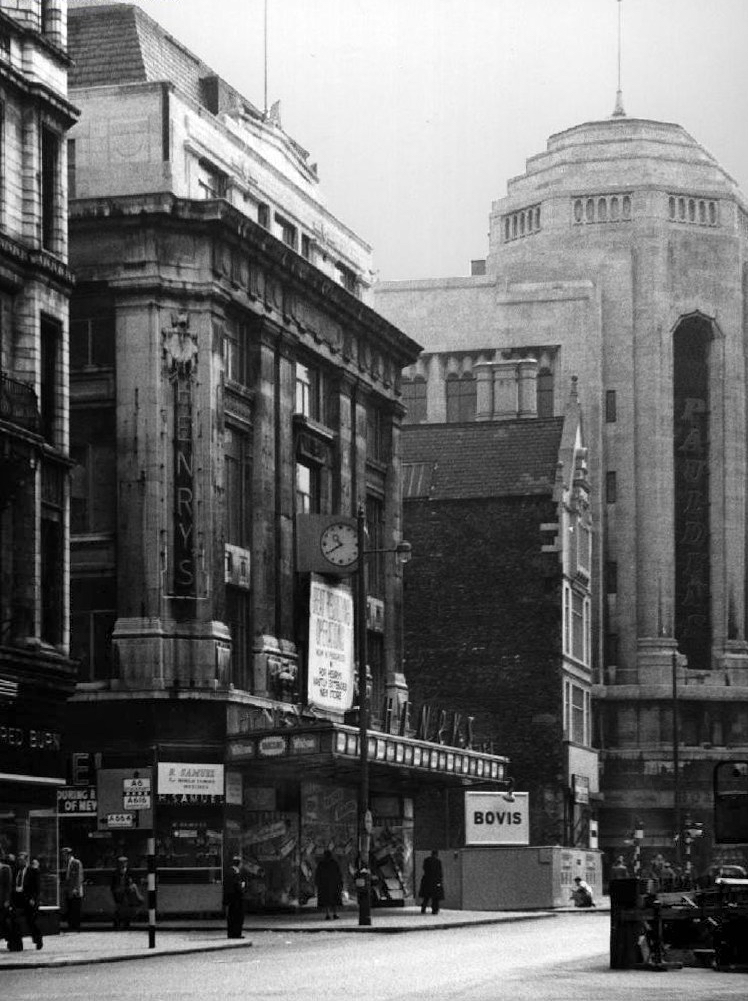
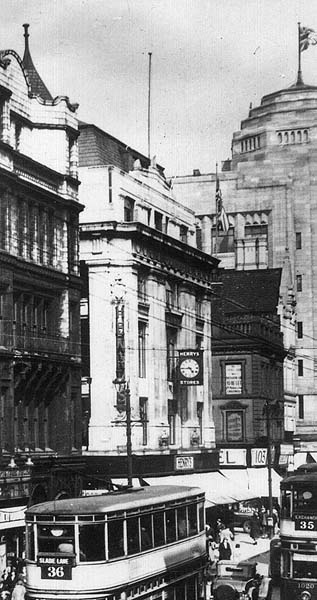
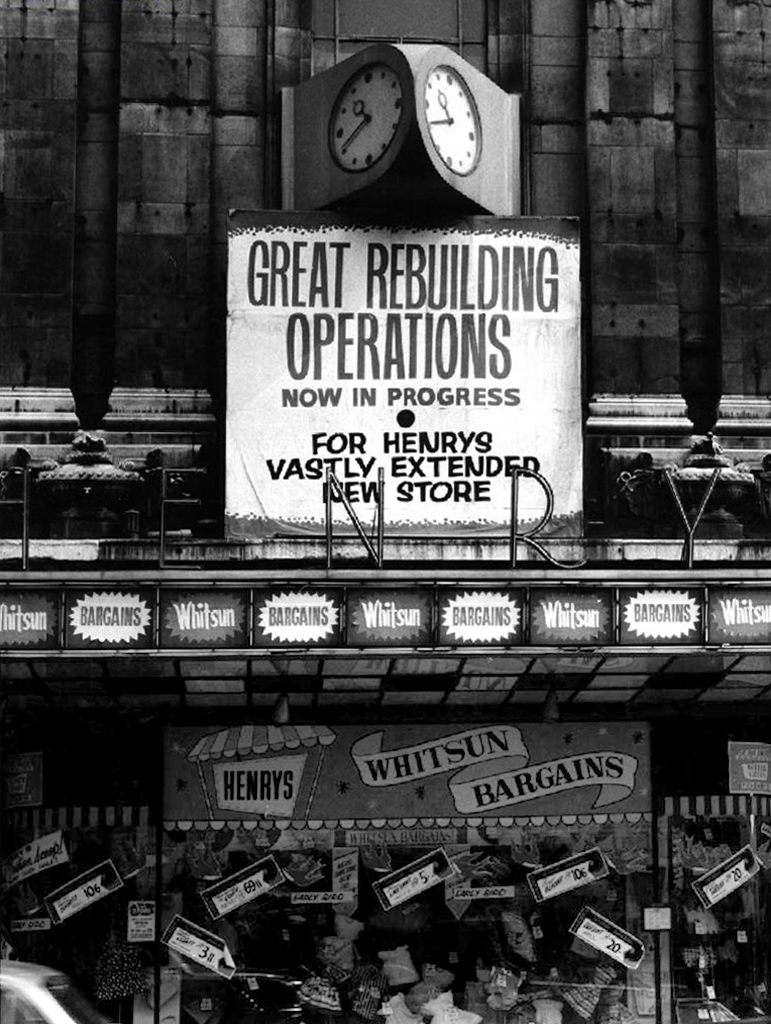
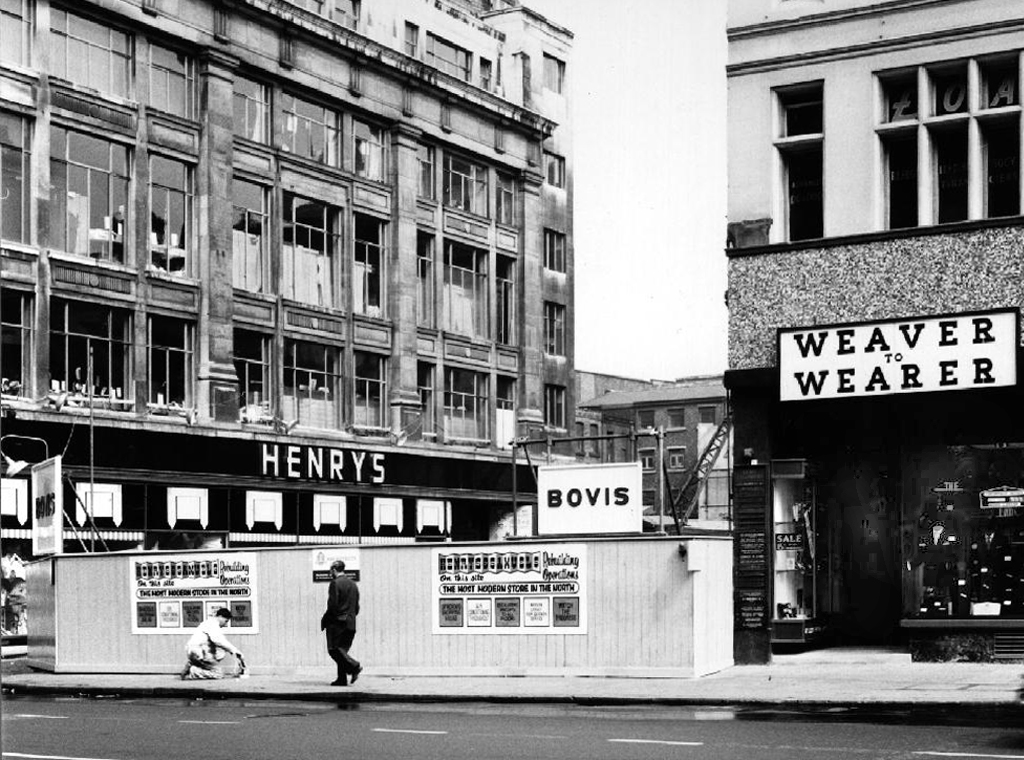
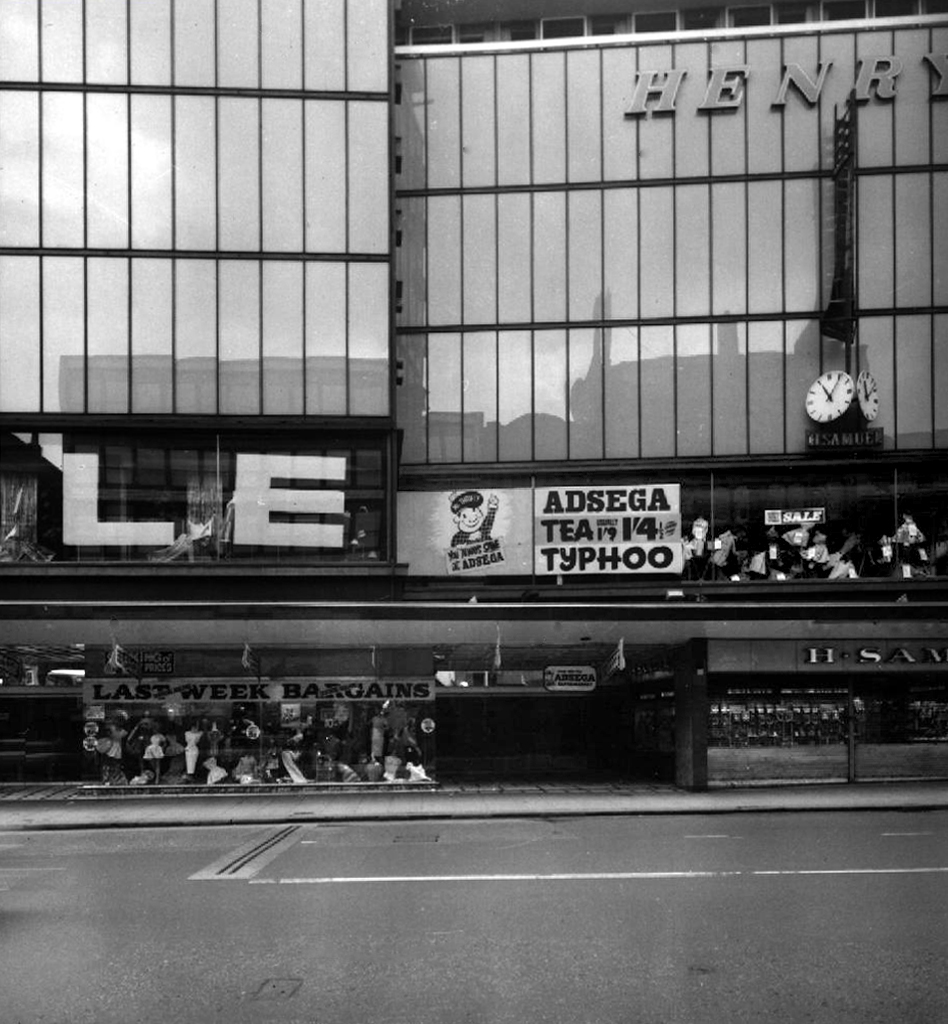
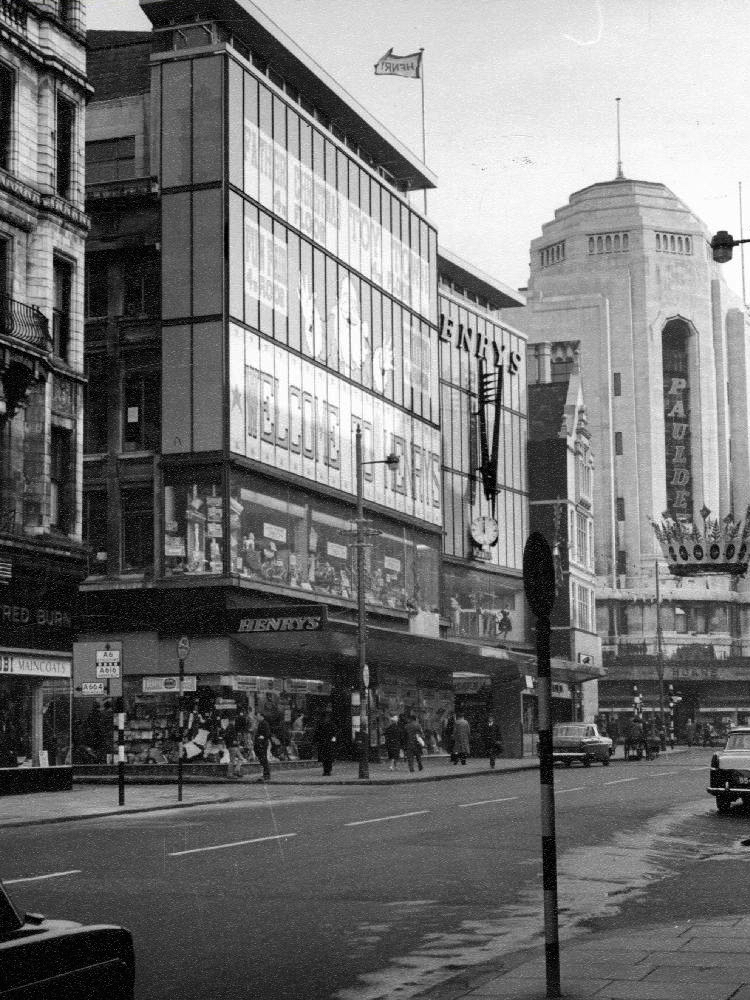
Henry Cohen came to Manchester around 1880. In 1910 he opened a men’s clothing outlet at the corner of Market Street called the Smart Outfitting Company. Having turned down a chance to join Marks and Spencer, he eventually built his department store in Market Street which opened in 1923. Henry’s Stores was redeveloped in the early 60’s acquiring an extension and a unifying Modernist façade, the site and store was acquired by BHS in the mid 60’s.

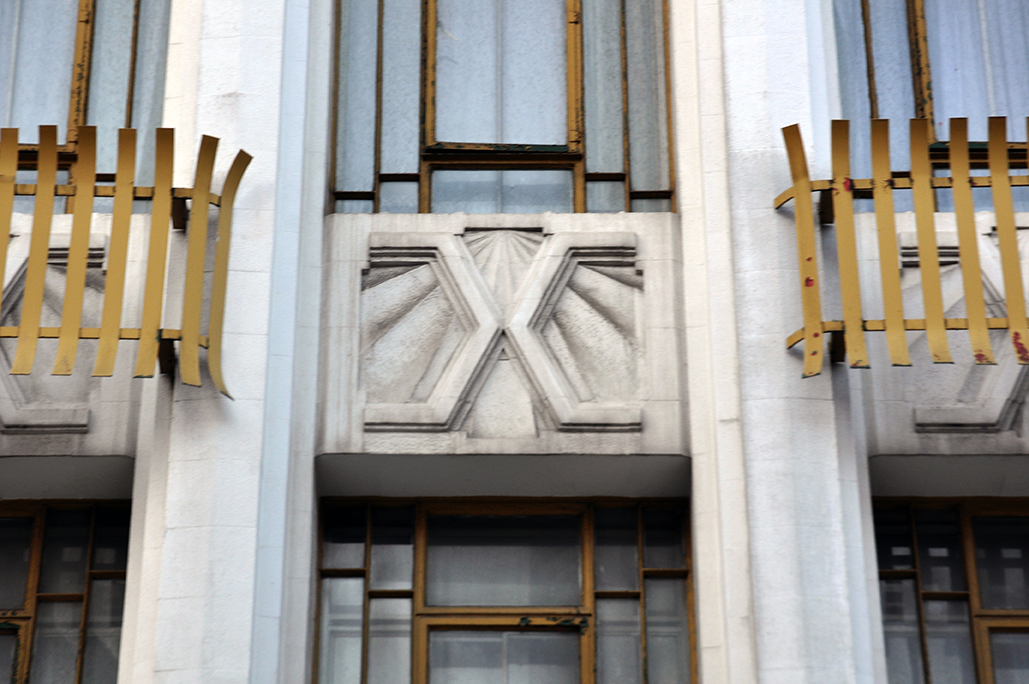
Rylands Building is a Grade II listed building in the building was originally built as a warehouse by the Rylands textile company which was founded by John Rylands. The building was designed by the eminent Manchester architects, Fairhursts, in an Art Deco style. It is clad in Portland stone and features a decorative corner tower and eclectic ‘zig zag’ window lintels.

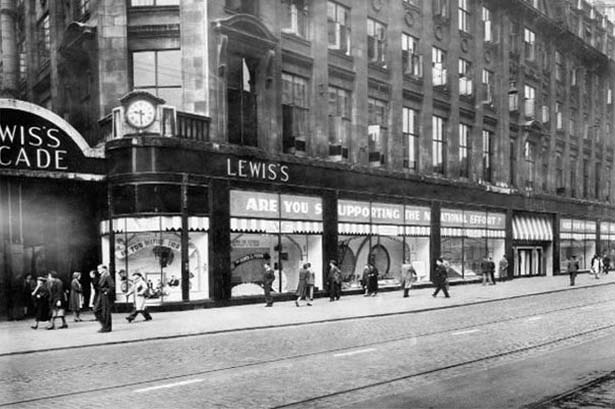
Following a fire, in 1957, which totally destroyed the premises of Paulden’s Department Store, in All Saints, the company acquired the Rylands warehouse building and converted it to a store. This was then a direct rival to the Lewis’s store, on the opposite side of Market Street. In 1973 Debenhams, the owner of Pauldens rebranded the store in their name. Since that time it has remained Debenhams.

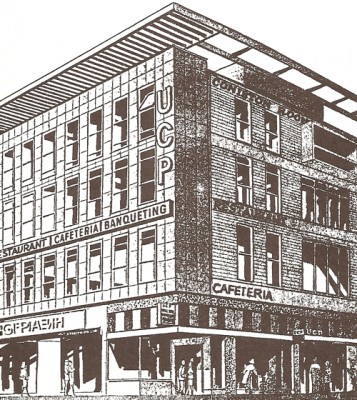
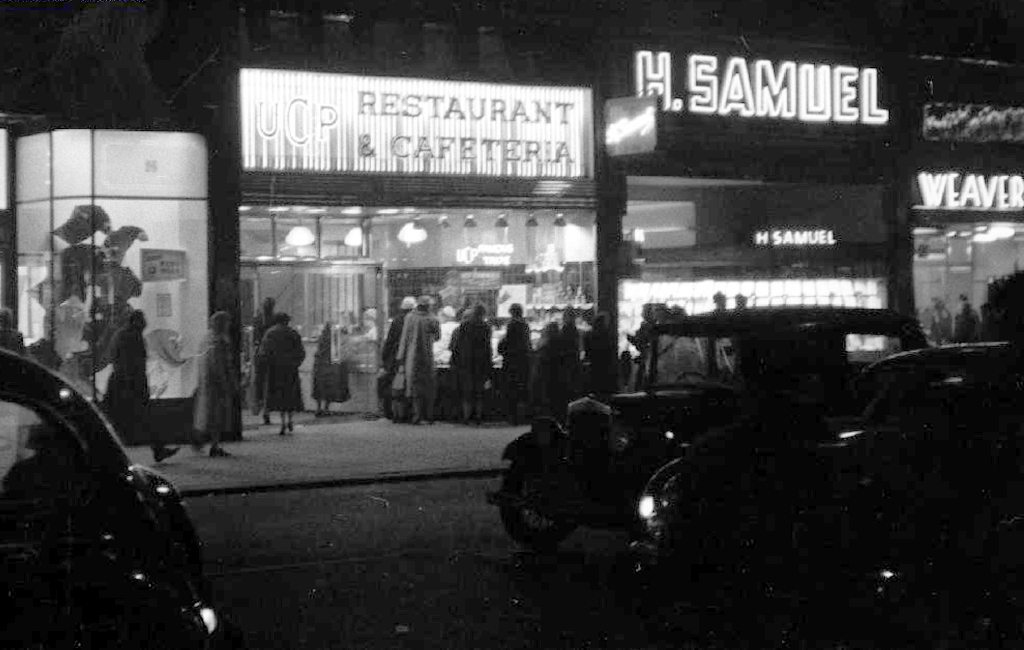
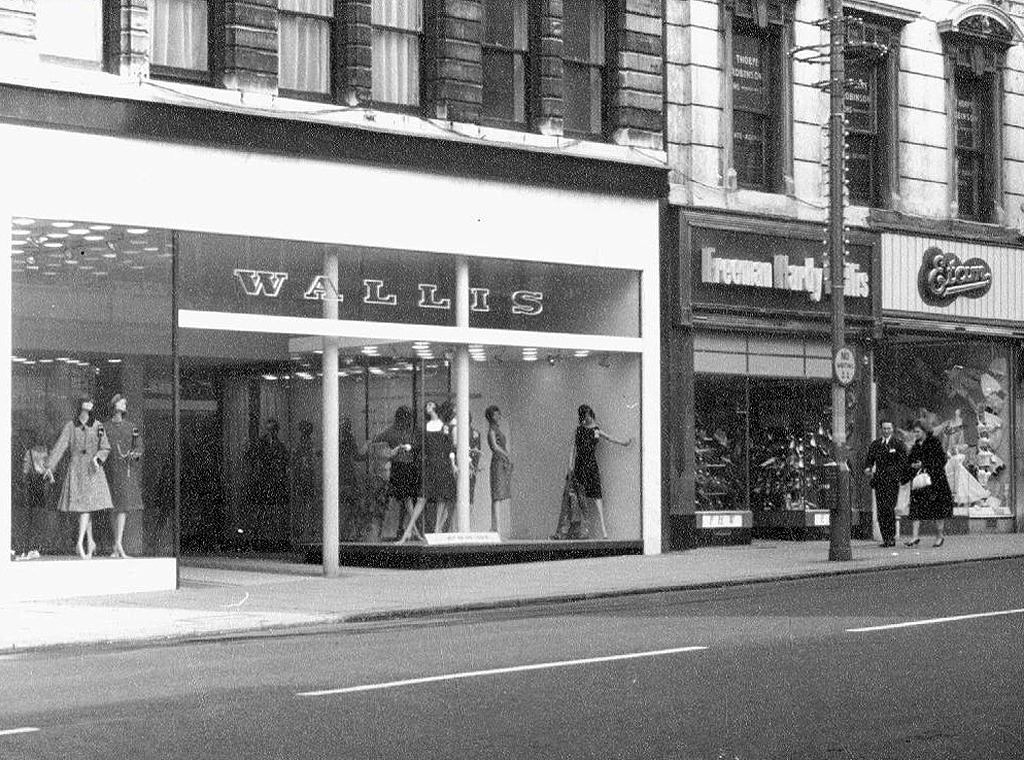
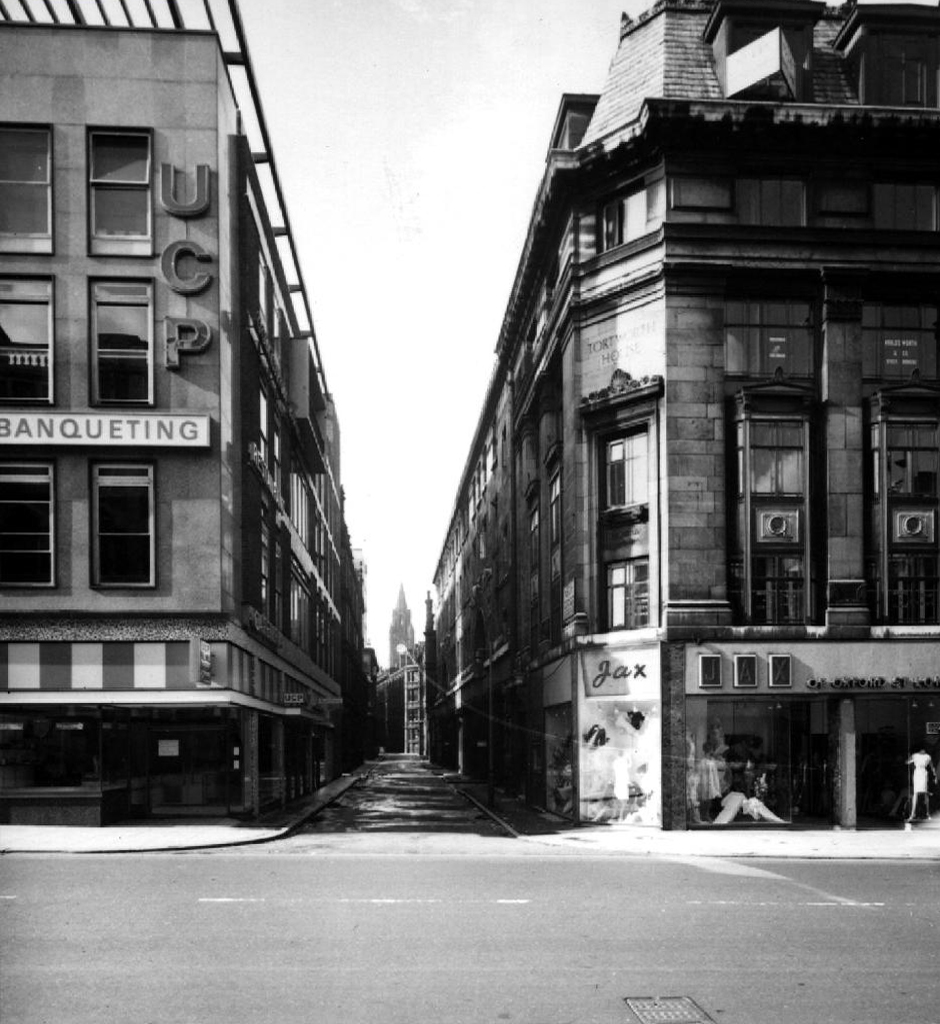
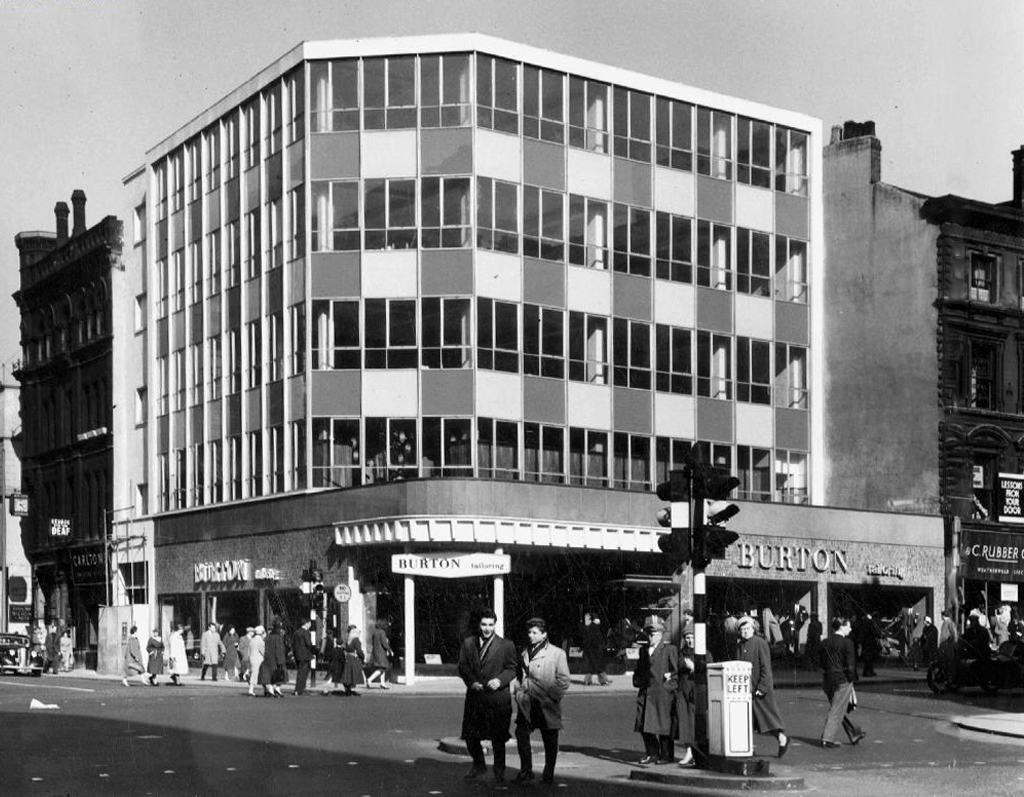
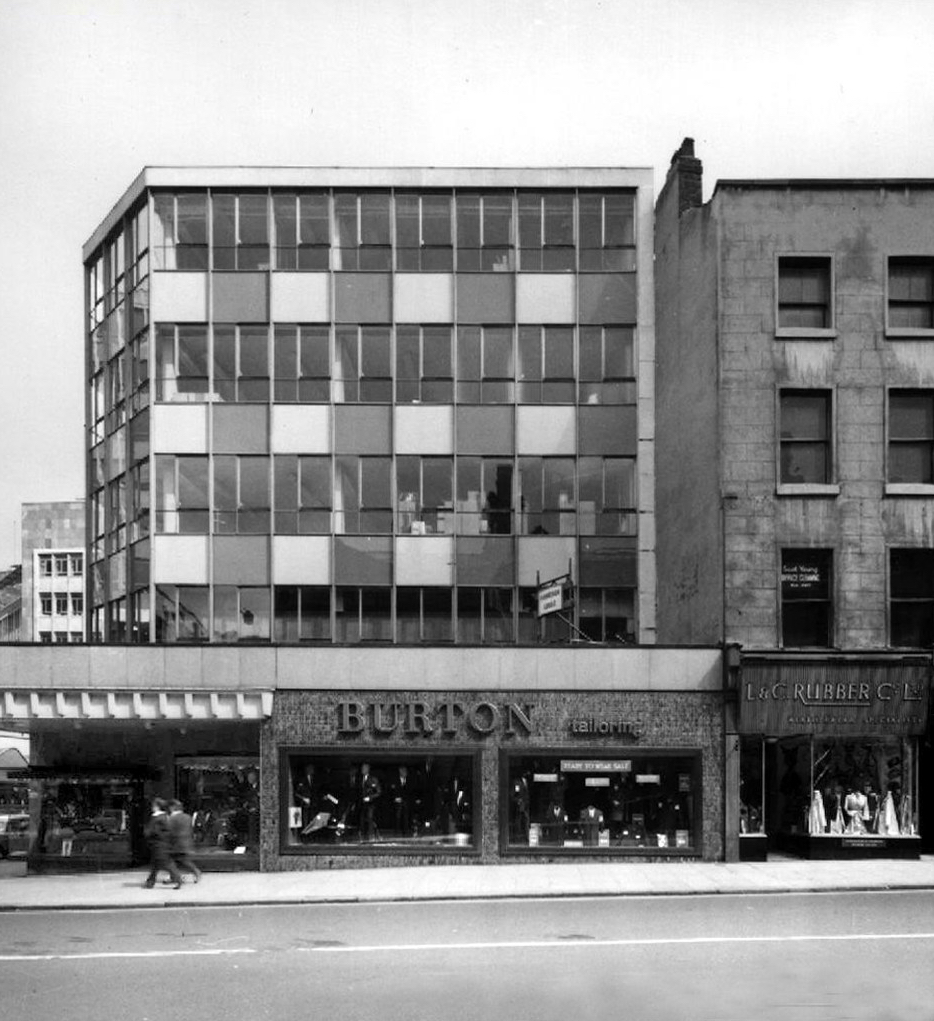
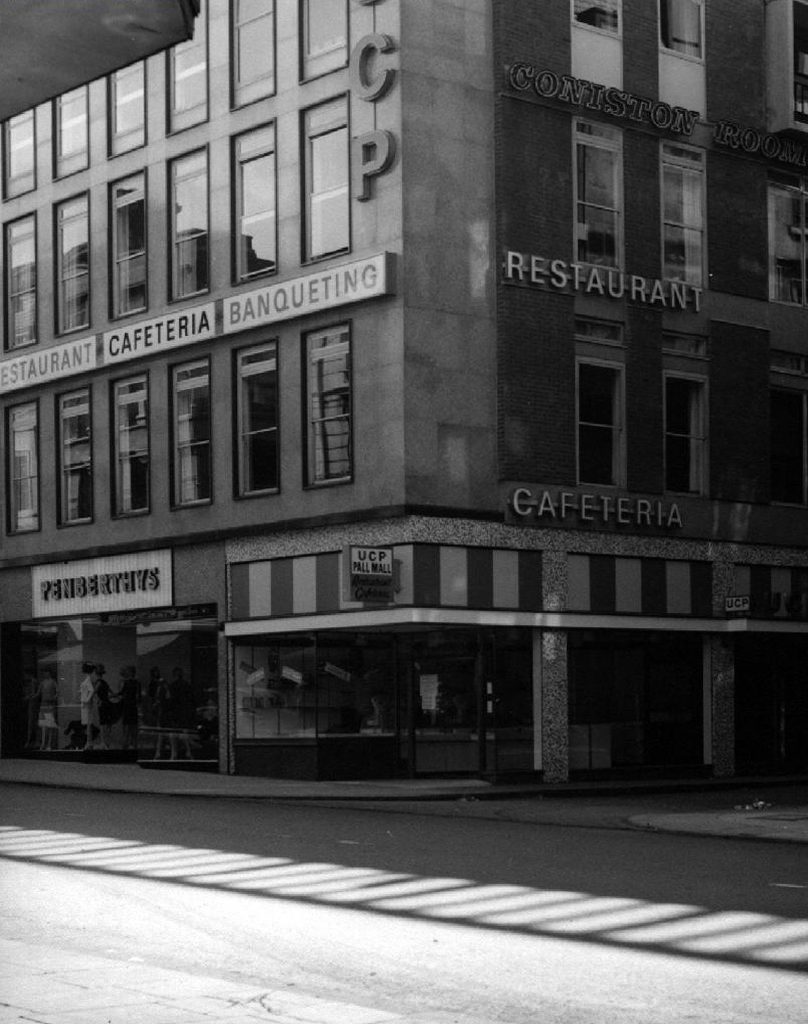
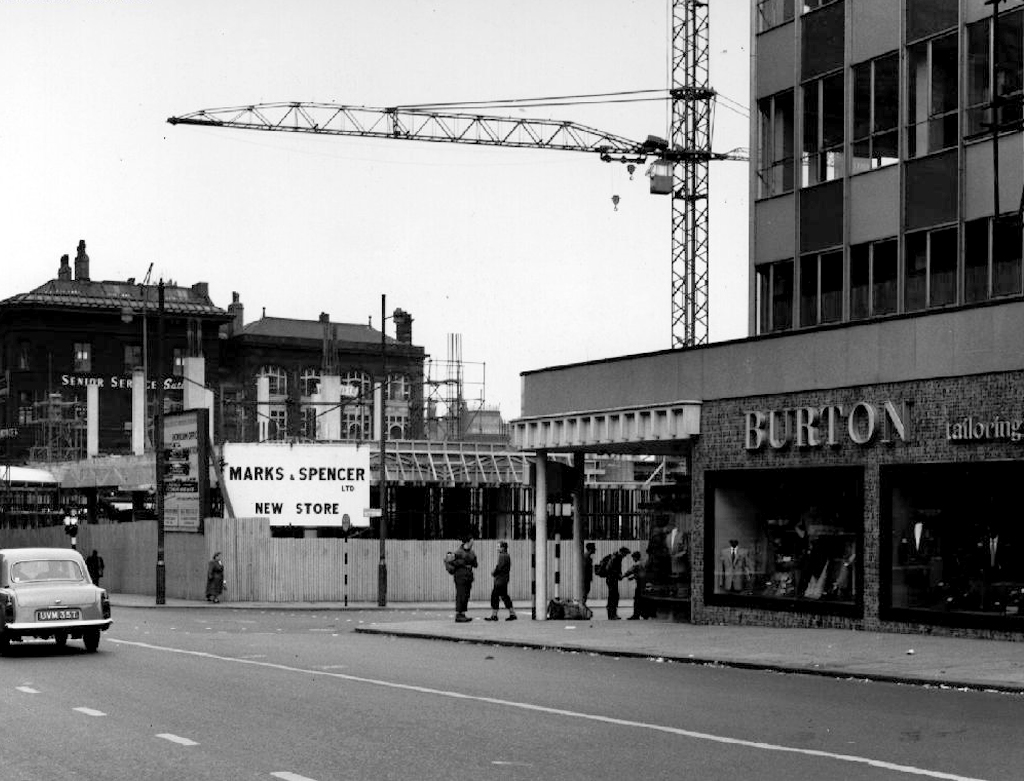
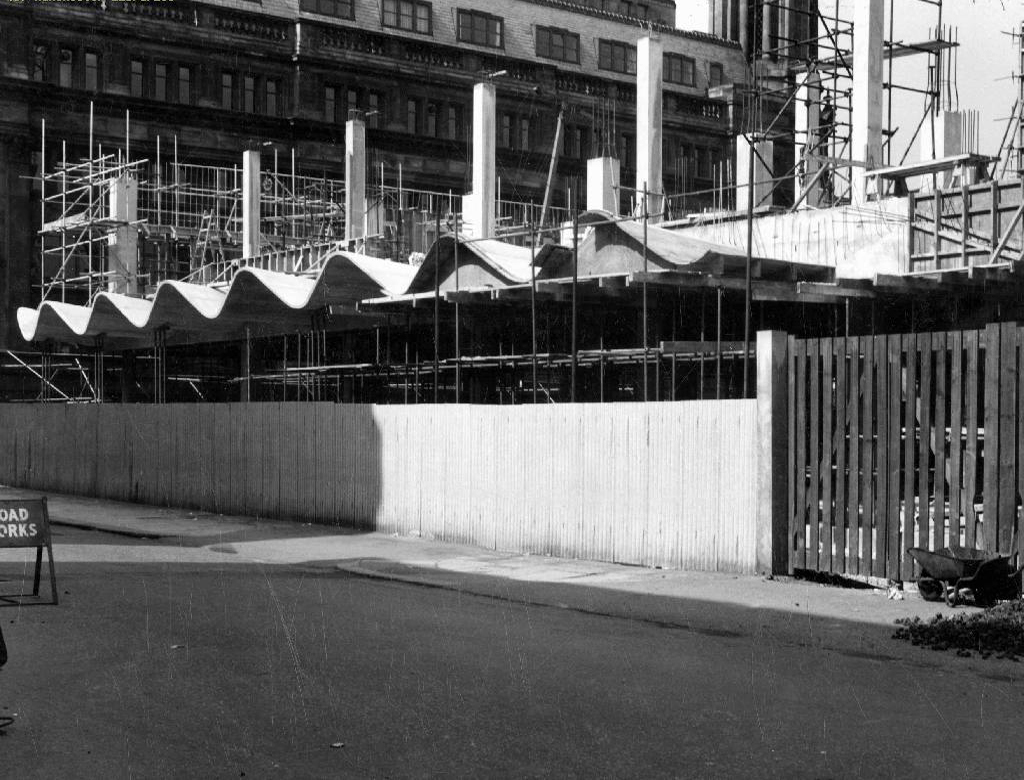
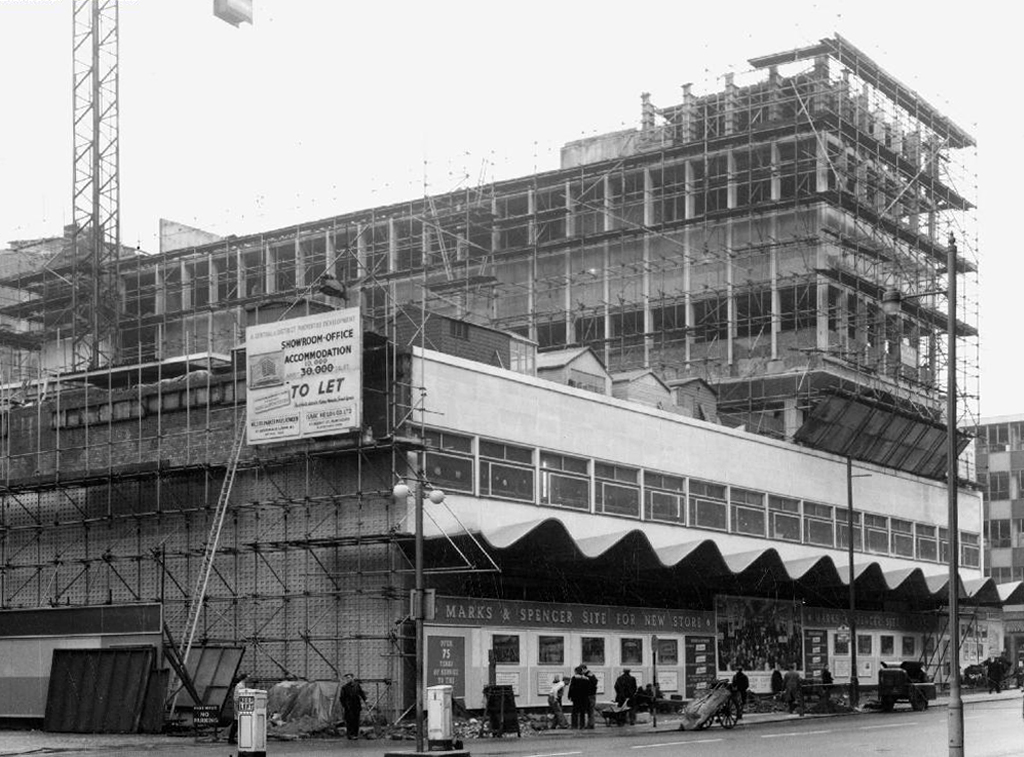
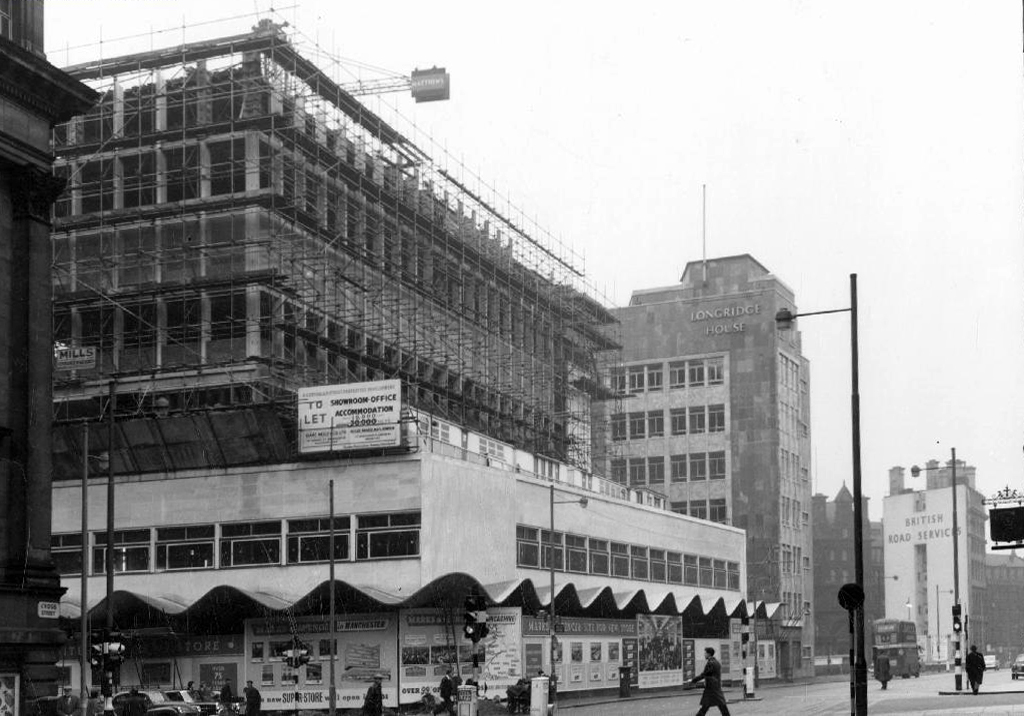
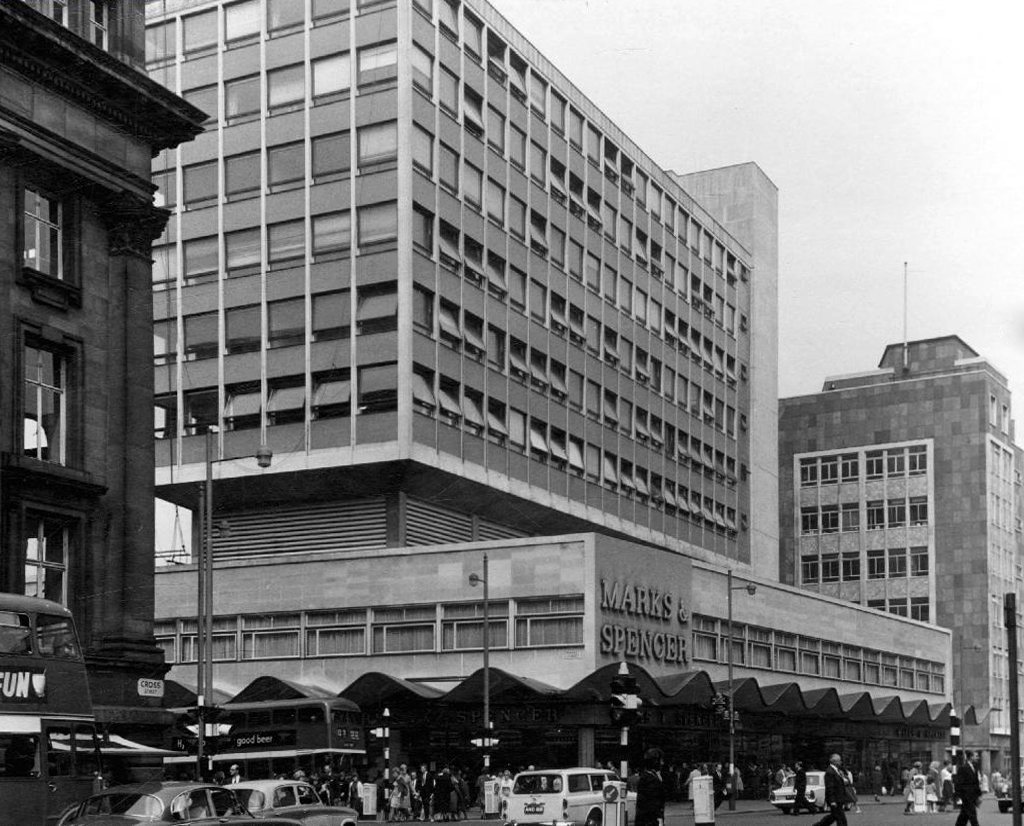
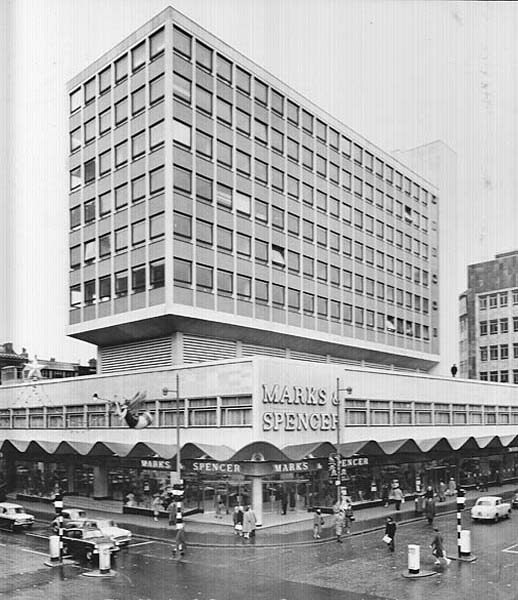
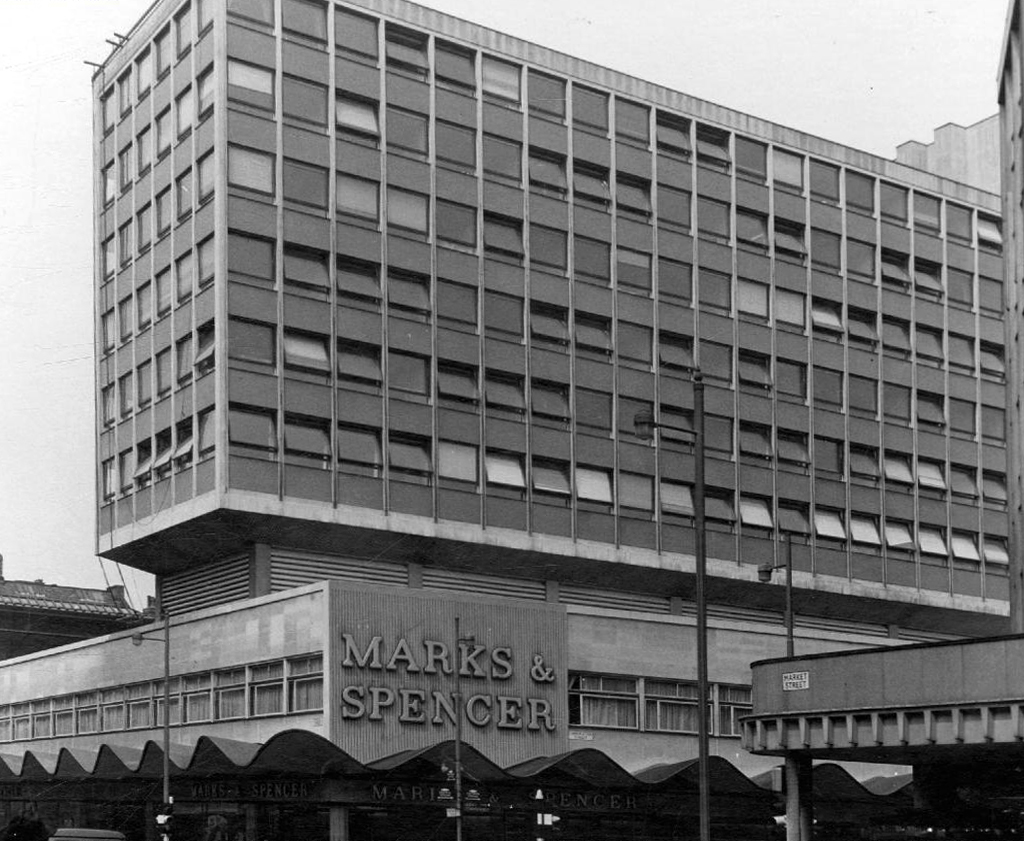
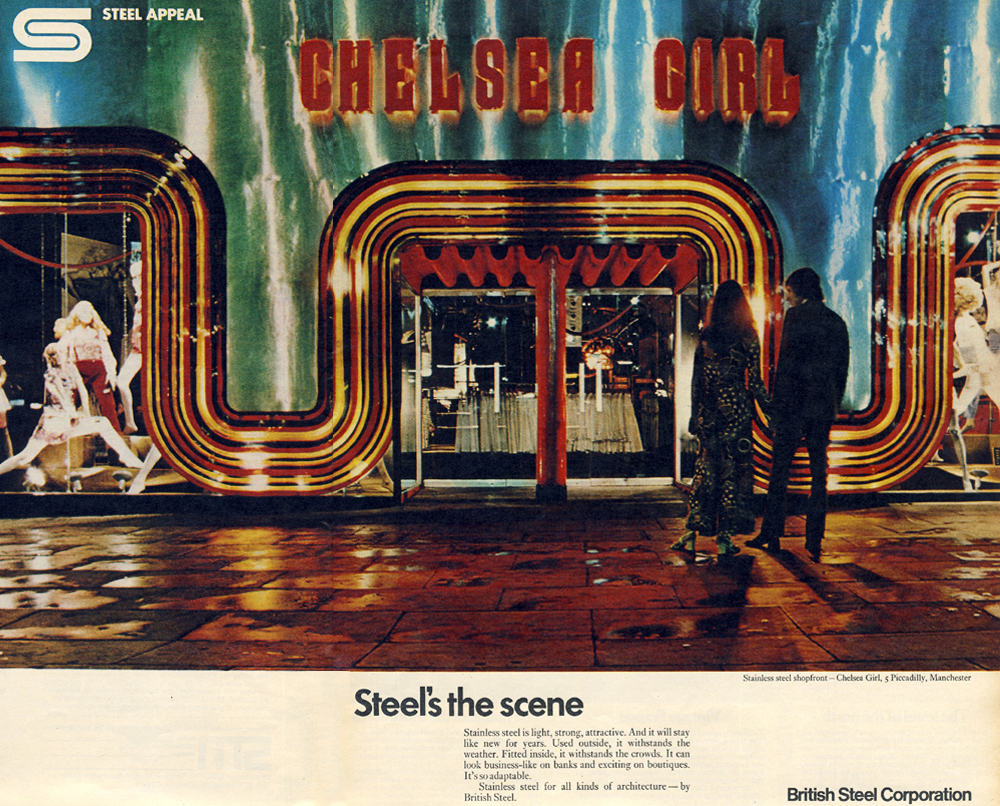
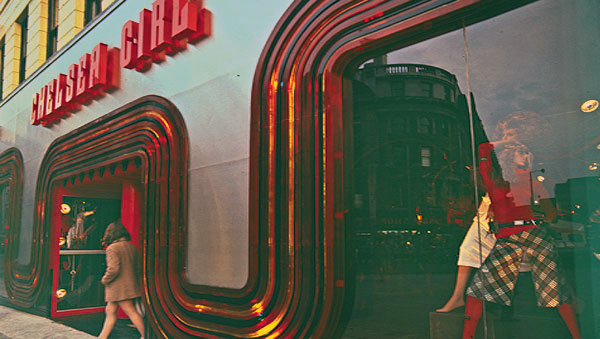
Marks and Spencers and Burton’s both undertook extensive Modernist building in the early 60’s on on the Corporation Street site, neither have survived. The Chelsea Girl steel frontageUCP Restaurant beloved of the Manchester Modernists, Kardomah Café and countless other landmarks are long gone. Lewis’s has become Primark.

The double indignity of the Arndale and a bomb have changed things forever.

Nothing stands still – this is Market Street.

With thanks to http://images.manchester.gov.uk/index.php?session=pass

lewis-1940

8.jpeg

henry's

7

10

9

3

webmedia-4-php.jpeg

a-z

14

webmedia-23-php.jpeg

webmedia-6.php

webmedia-26.php

16

webmedia-9.php

18

5

webmedia-10.php

webmedia-7.php

webmedia-1.php

2.jpeg

4.jpeg

webmedia-11.php

webmedia-3.php

13

webmedia-8.php

webmedia-12.php

15

webmedia-13.php

webmedia-15-php.jpeg

6

webmedia-2.php

1.jpeg

19

webmedia.php

20.jpeg

webmedia-5.php

webmedia-22-php.jpeg

webmedia-24-php.jpeg

5220807822_fcafda48e6.jpg

11

webmedia-17.php

webmedia-18.php

webmedia-19.php

webmedia-20.php

Marksandspencer1962

webmedia-21.php

12

17

webmedia-9.jpg

steels-the-scene-chelsea-girl

Chelsea Girl

p_00484389


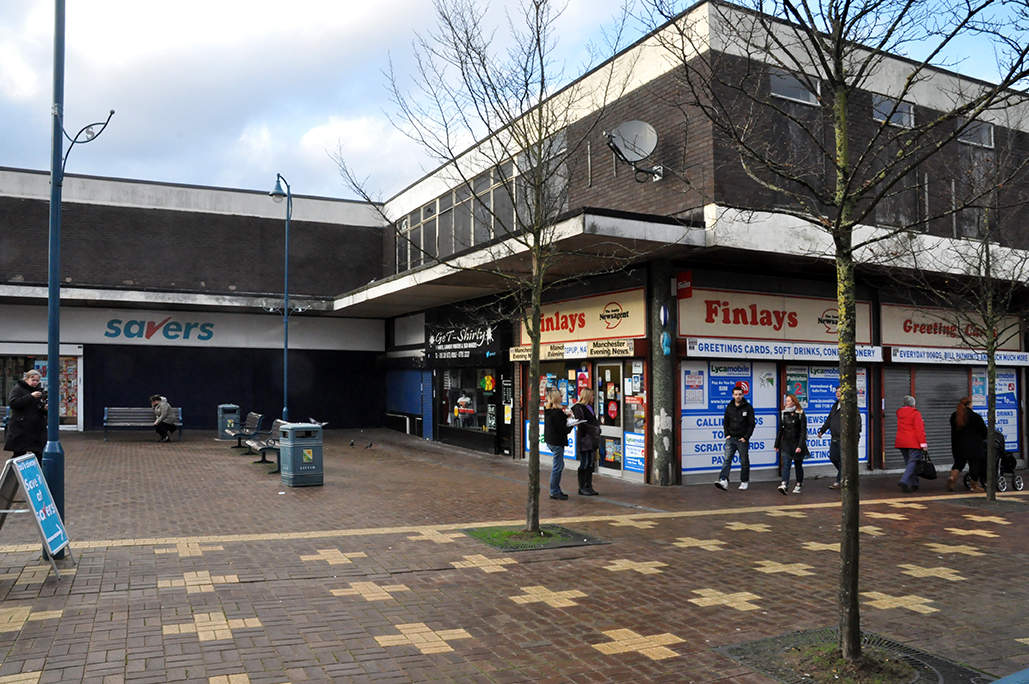
Precinct – Stalybridge

The dissipated filling, in an Aldi and Tesco sandwich, a flat roofed, concrete and brick sixties shopping development, a precinct.

Small towns typically comprise of several retail developments, of various vintages, chasing diminishing returns, in ever expanding rectangles.

Stalybridge is no exception, once a bustling mill town, it sought salvation in a hedonistic mini-break by the River Tame, party industry.

Stalyvegas.

The bright lights of the society of the spectacle, now extinguished, burnt brightly in Bar Liquid, Club Rififi, H2O and Amber Lounge.

Walking the streets today, a meagre spread of shoppers, hardened daytime drinkers and lost souls.

Bids were made for a Portas Pilot, Mary contrarily resisted.

The Northern Powerhouse hits the buffers.

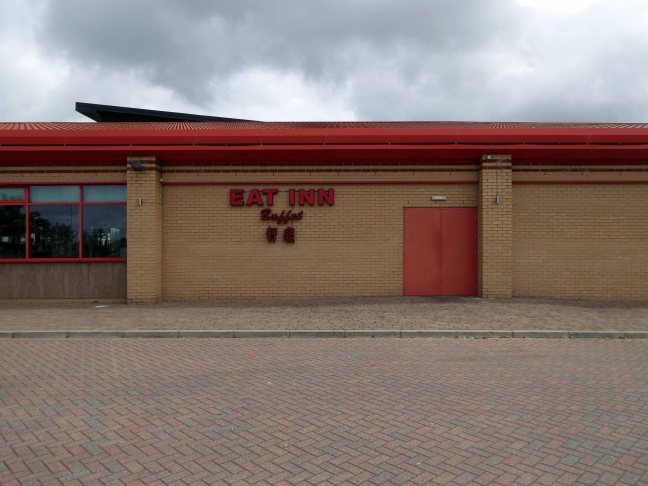
The Buffet prevails.

DSC_0119 copy

DSC_0118 copy

DSC_0121 copy

DSC_0126 copy

DSC_0127 copy

DSC_0120 copy

DSC_0122 copy

DSC_0123 copy

DSC_0125 copy

DSC_0124 copy


Hastings – Arthur Green’s

Facing happily out to sea, hard by Hastings promenade, sits Arthur Green’s, former menswear shop of some considerable distinction. Currently operating as an antiques centre, the whole of the perfectly preserved, period interior is now listed by English Heritage.

A mosaic porch and glass lined vestibule, invite you into a palace of dark hardwood fittings, capacious drawers, glass fronted cabinets, and an ornately carved cashiers booth, all topped off and lit by crystal chandeliers.

Few such example still exist intact, their contents usually ripped out, ripped off and reinstalled in chi-chi overpriced, cosmopolitan boutiques – suits you sir?

I think not!

My thanks to the helpful and patient staff who informed and facilitated my mooching.

Take a walk along the front – pop in.

P1020506 copy

P1020523 copy

P1020510 copy

P1020521 copy

P1020522 copy

P1020526 copy

P1020512 copy

P1020511 copy

P1020520 copy

P1020508 copy

P1020529 copy

P1020518 copy

P1020509 copy

P1020530 copy

P1020505 copy

P1020515 copy

P1020507 copy

P1020516 copy

P1020514 copy

P1020513 copy

P1020528 copy

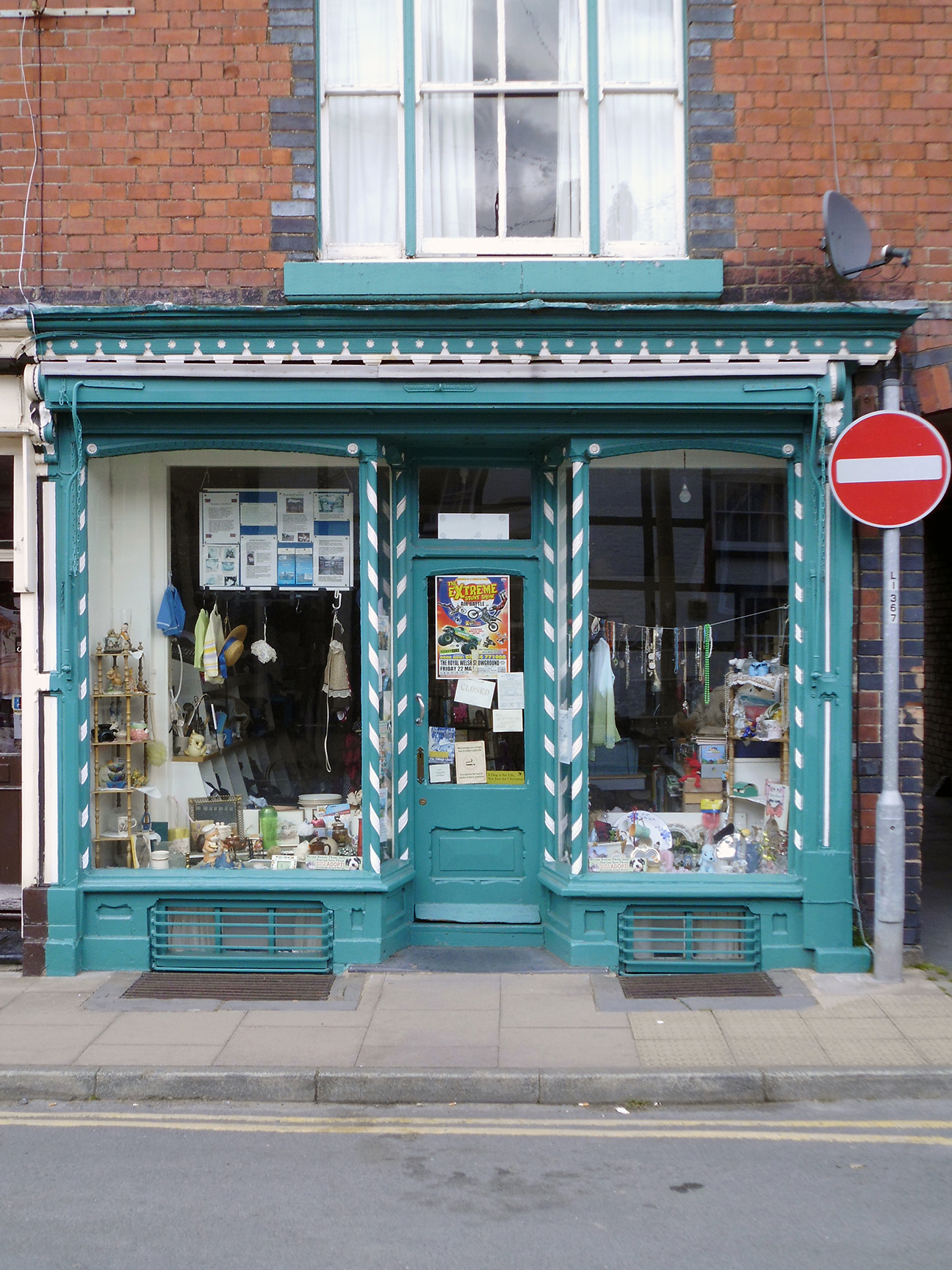
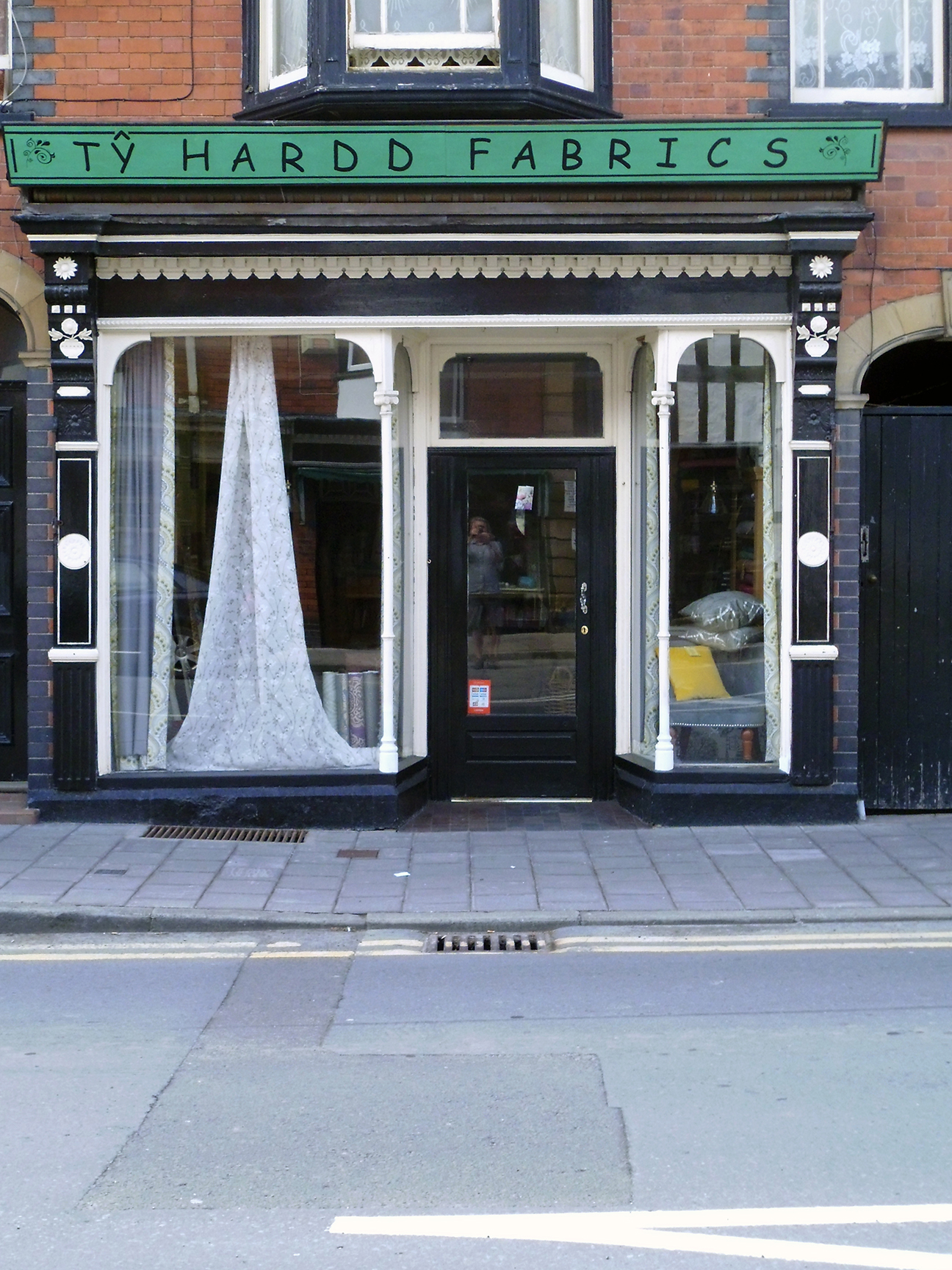
Llanidloes – Shopfronts

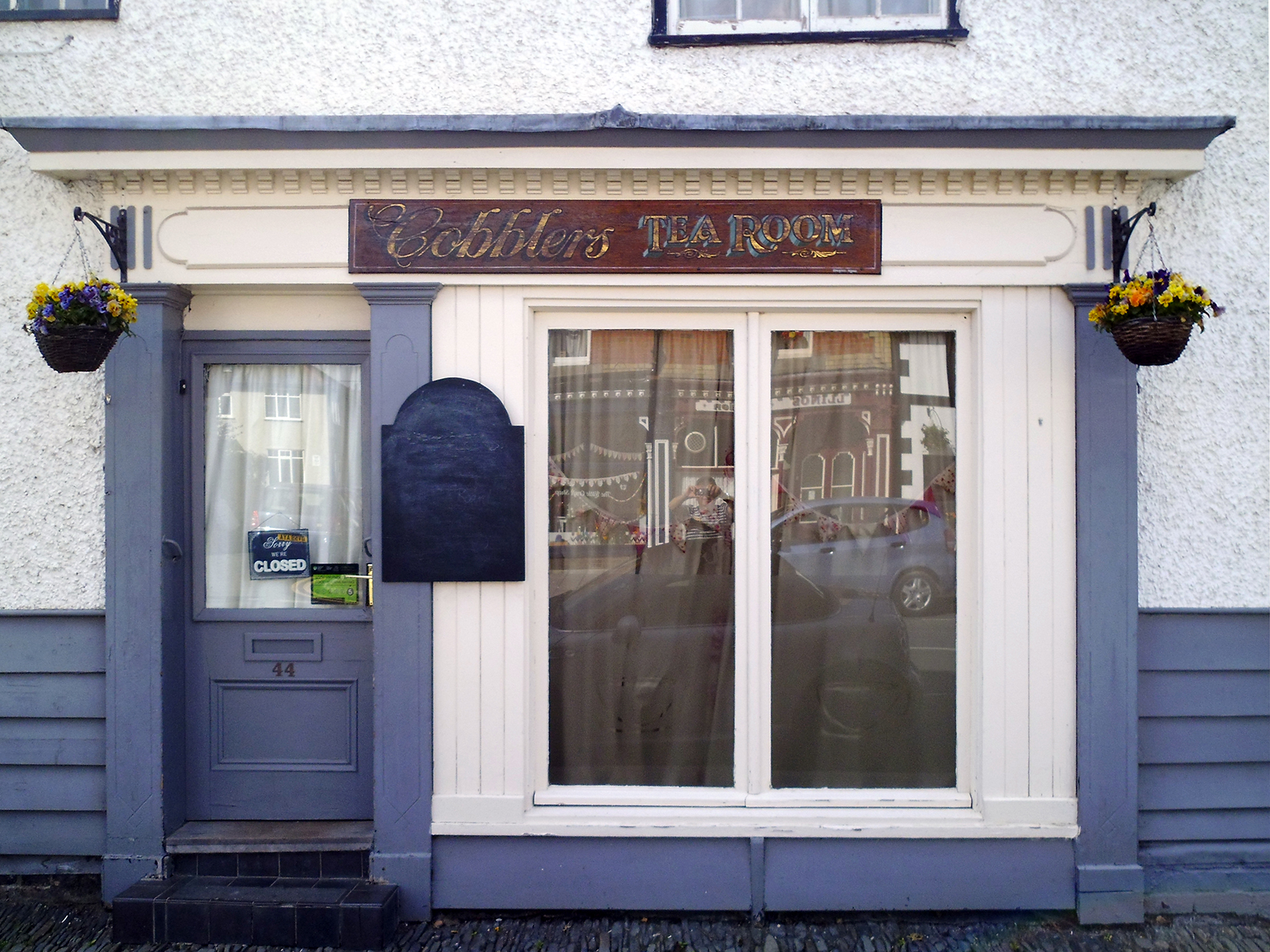
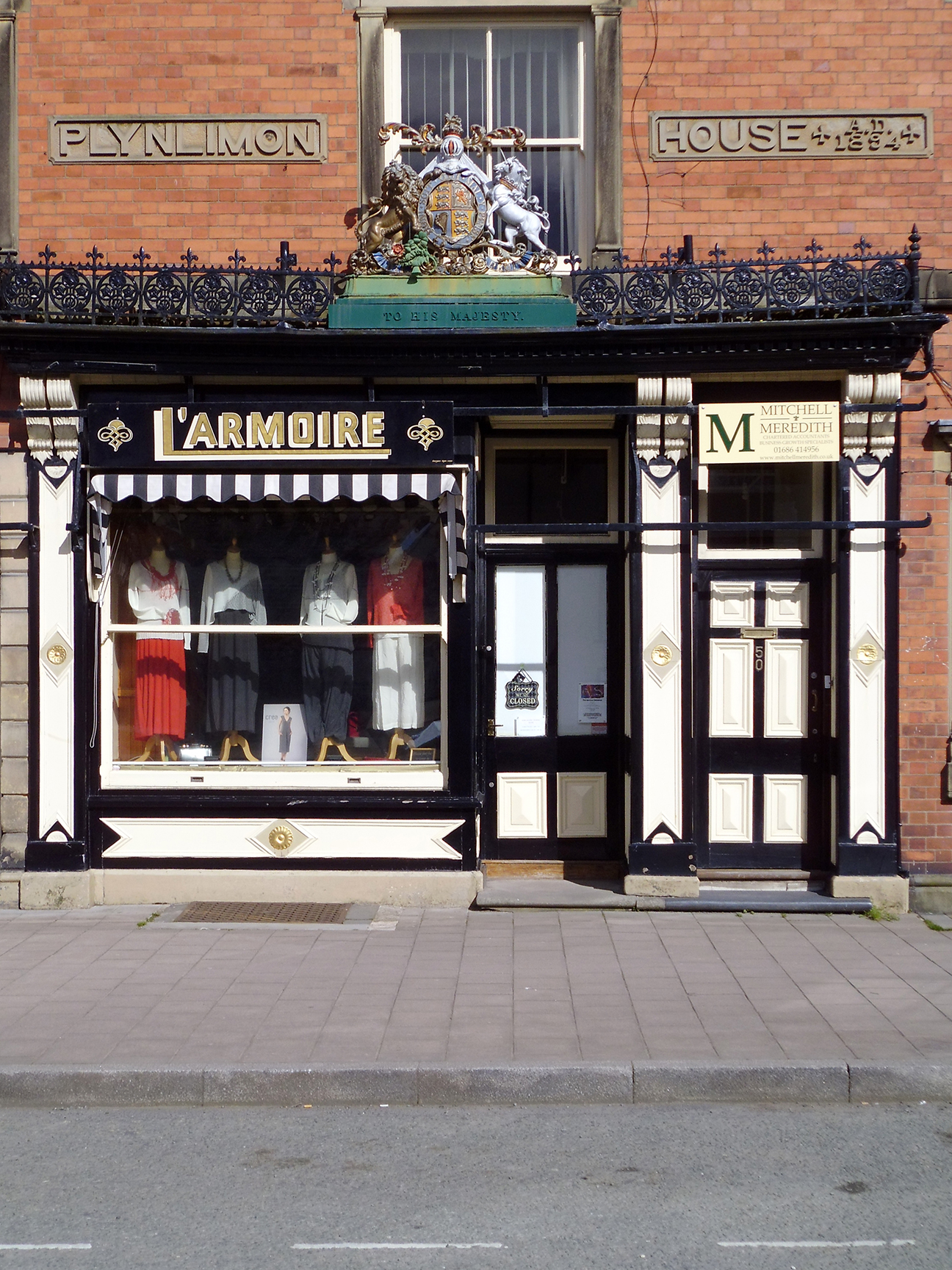
In the heart of Wales, former centre of the flannel industry, stands Llanidloes.

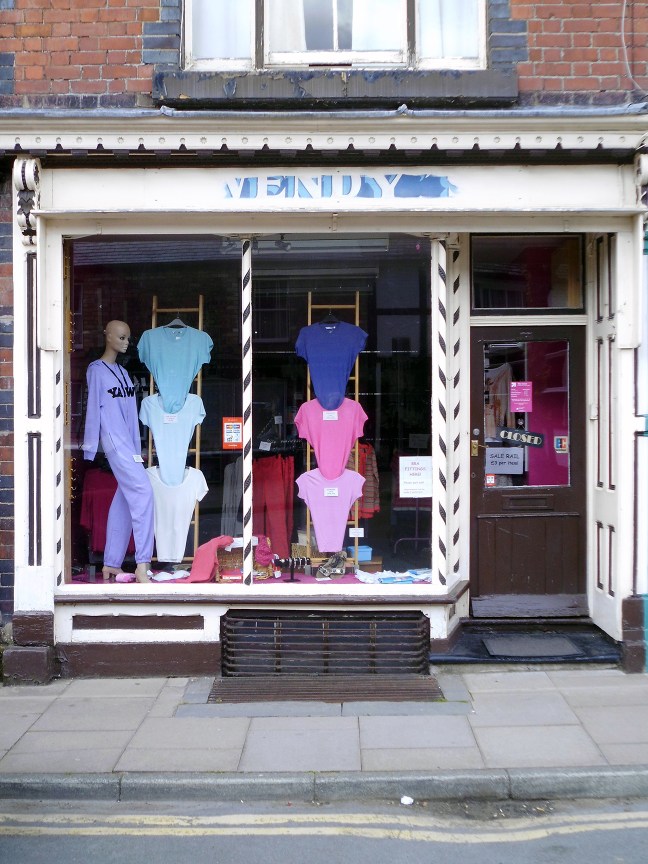
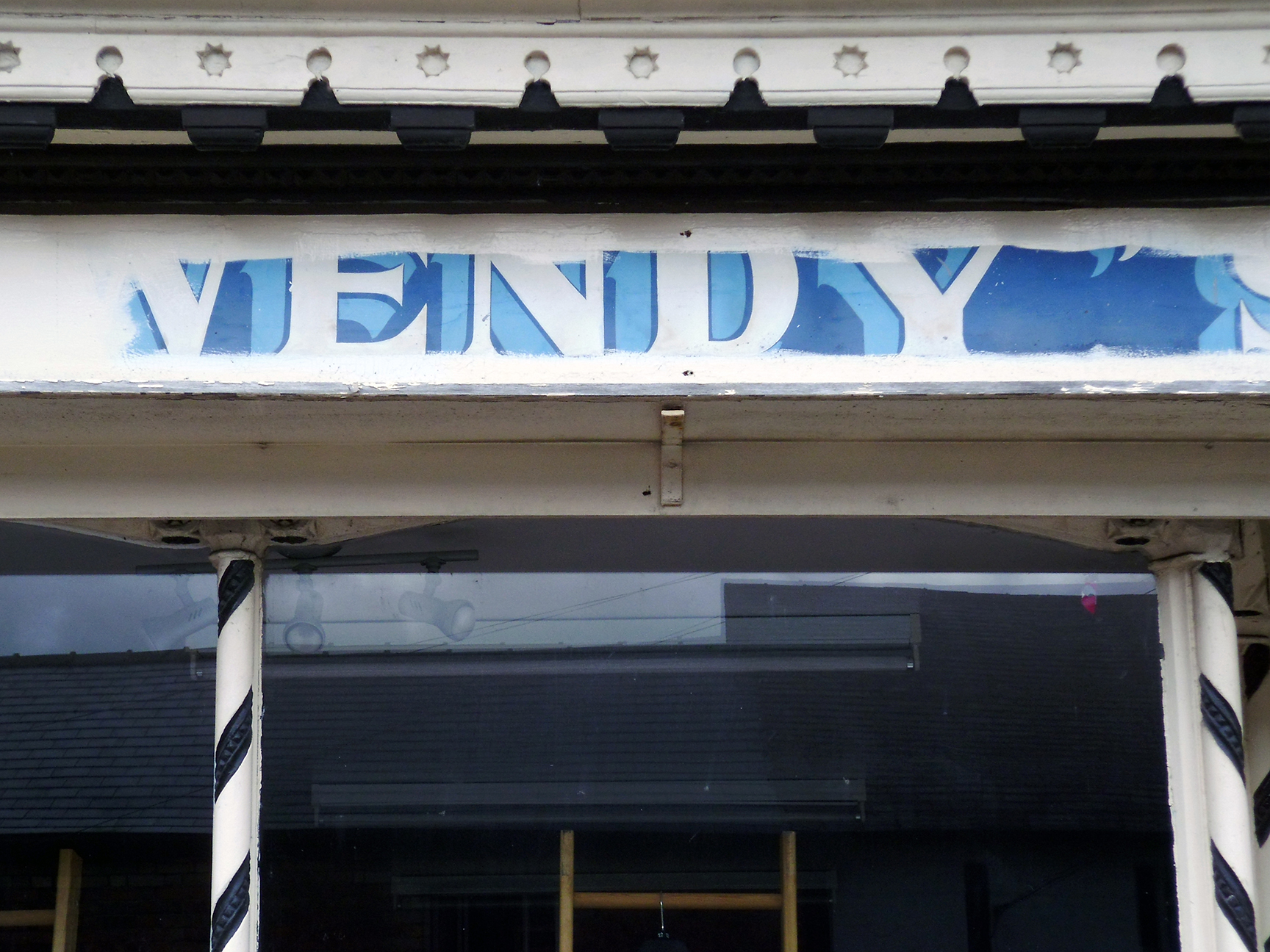
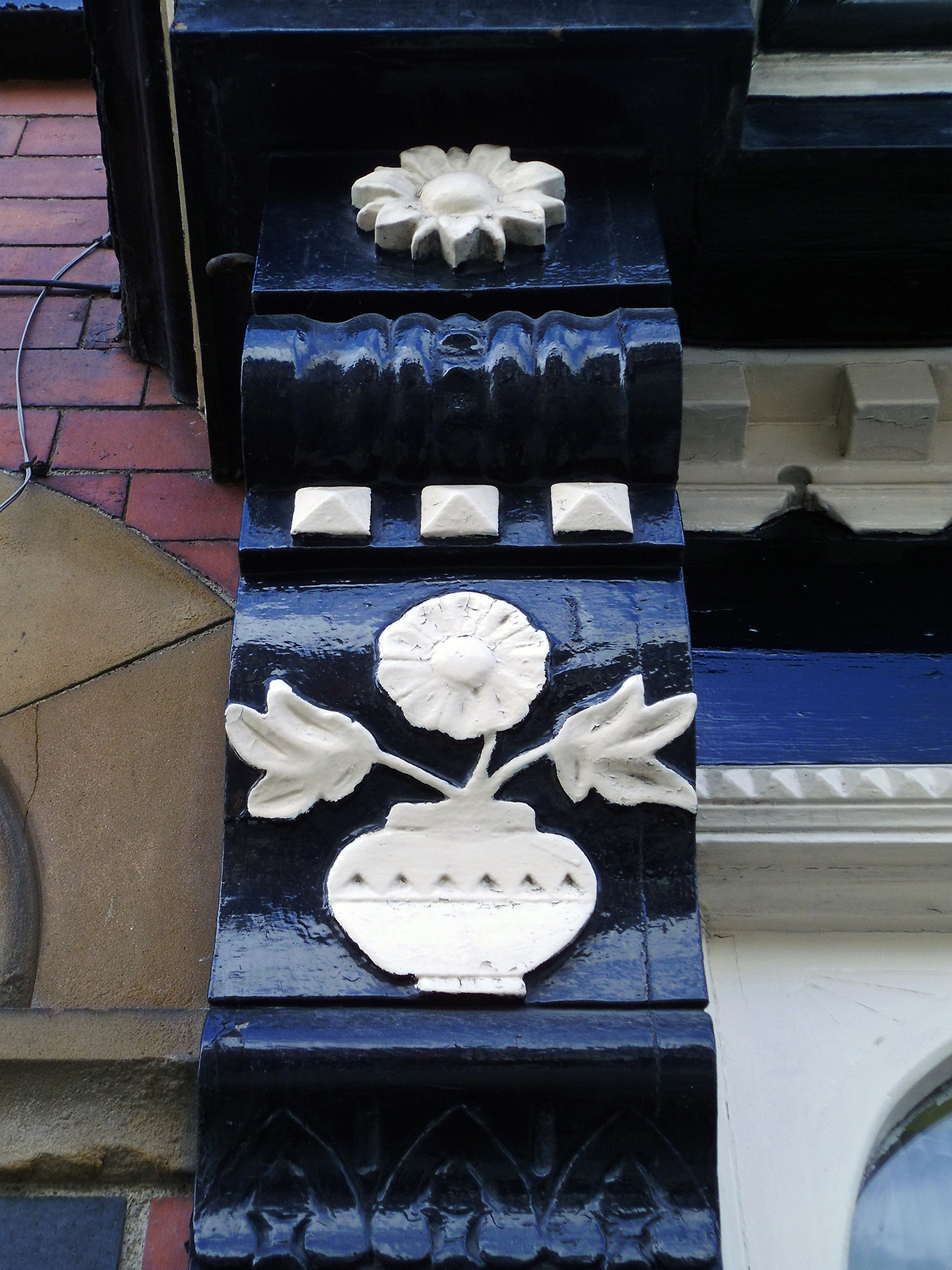
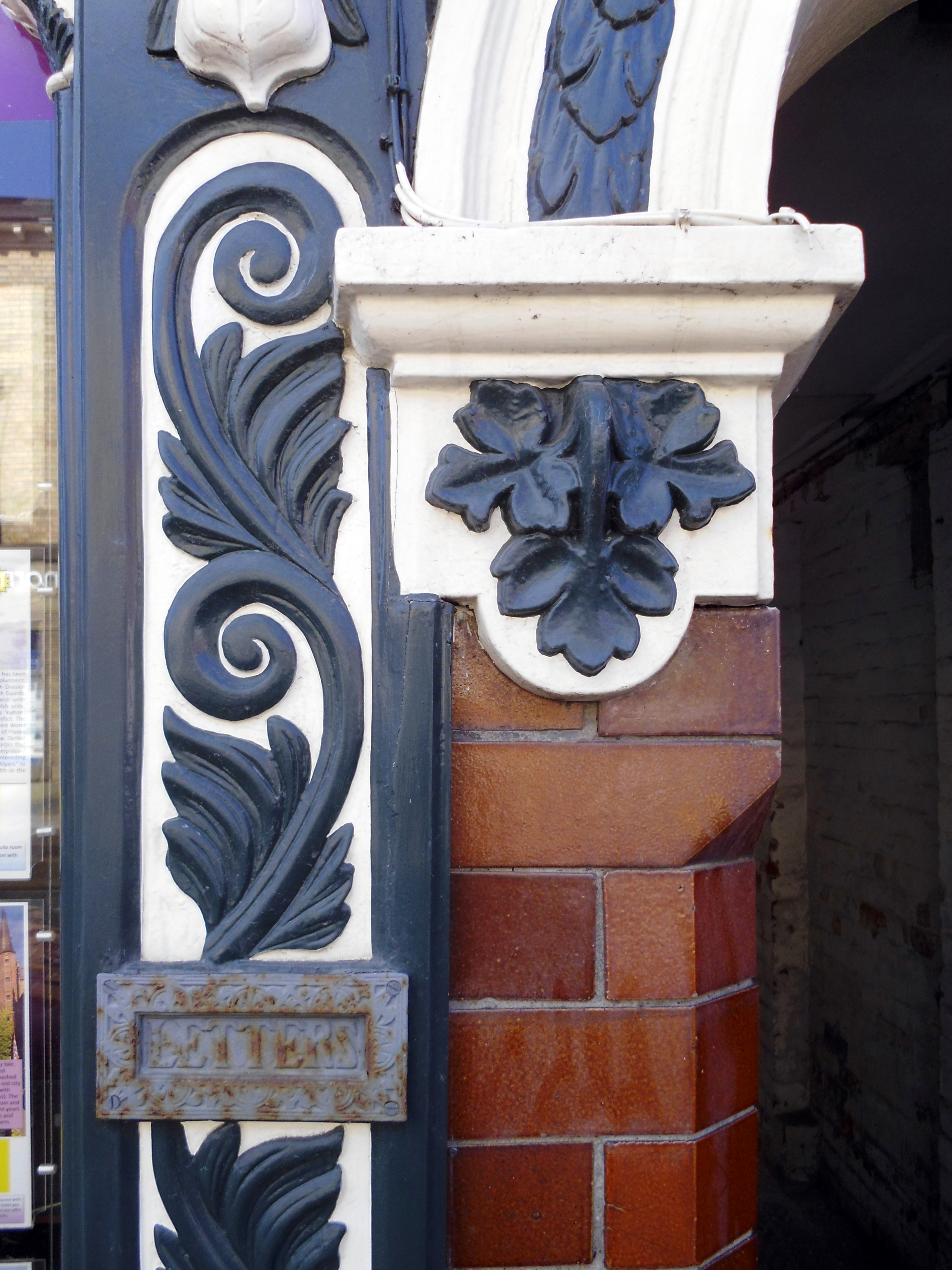
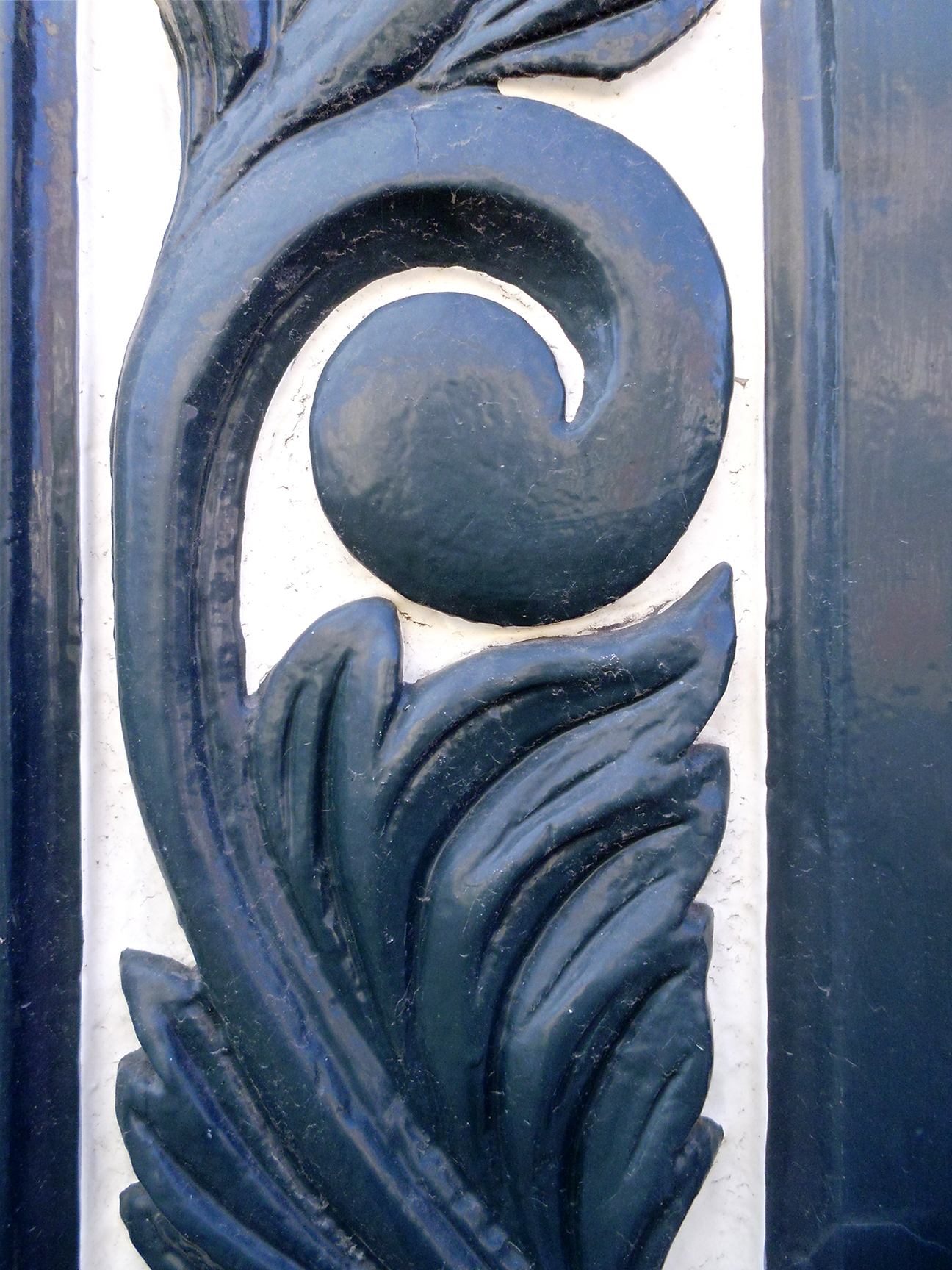
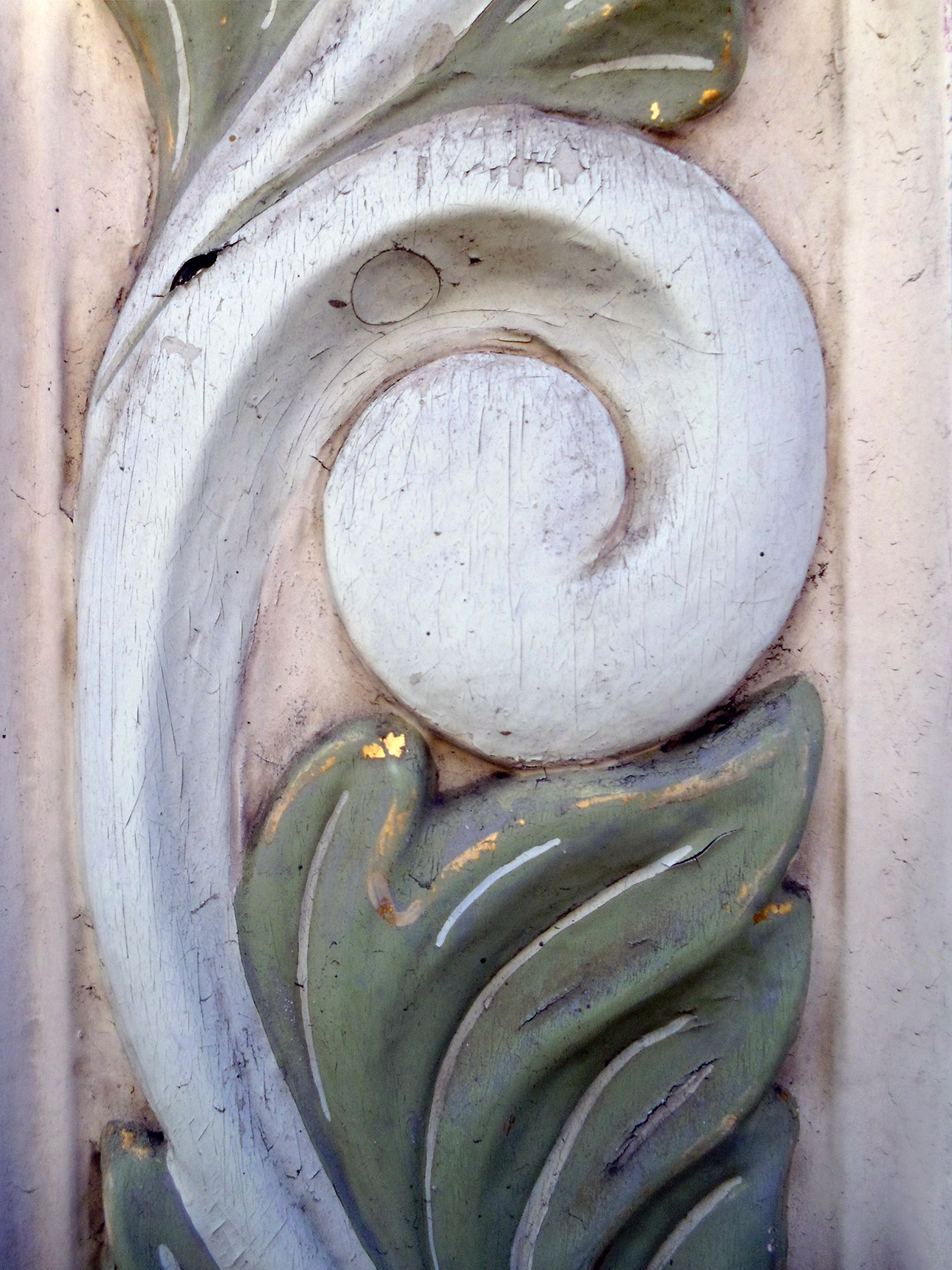
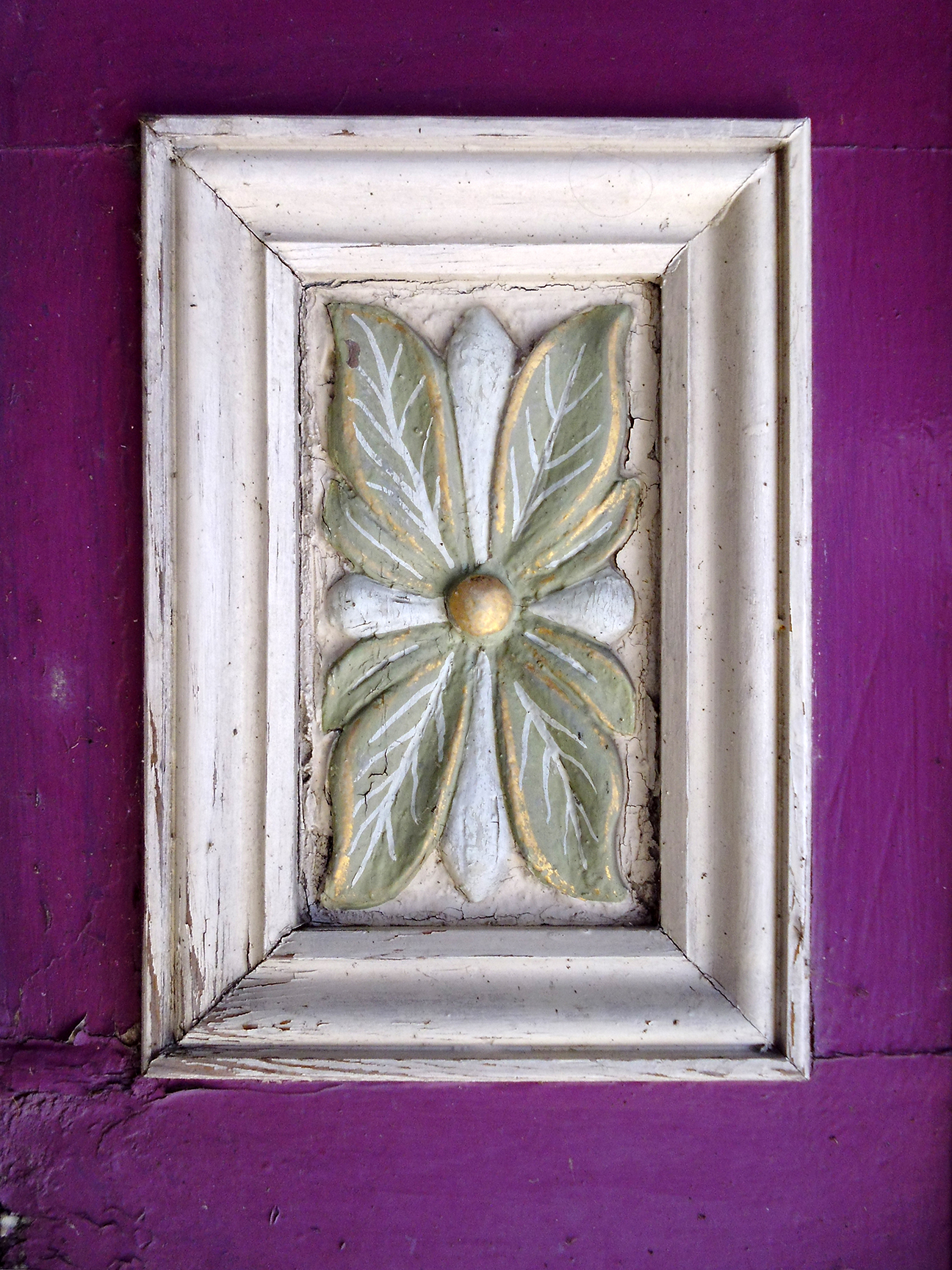
Through civic pride, love and local doggedness, the decorative shopfront prevails unabashed.

The finest selection of carved and moulded wooden filigree, hand painted signs, large open panes, tile work and the odd suspended folk-art sheep, adorn substantial Victorian properties, rich in the market town tradition of controlled opulence. A varied typology, the majority continuing to trade, the odd domestic conversion retaining its retail characteristics, whilst maintaining its modesty, behind tightly drawn net curtains.

Go take a look.

P1070185 copy

P1070187 copy

P1070188 copy

P1070190 copy

P1070197 copy

P1070198 copy

P1070199 copy

P1070205 copy

P1070206 copy

P1070207 copy

P1070208 copy

P1070224 copy

P1070225 copy

P1070227 copy

P1070228 copy

P1070229 copy

P1070230 copy

P1070231 copy

P1070232 copy

P1070233 copy

P1070234 copy

P1070235 copy

P1070236 copy

P1070238 copy

P1070239 copy

P1070240 copy

P1070241 copy

P1070242 copy

P1070243 copy

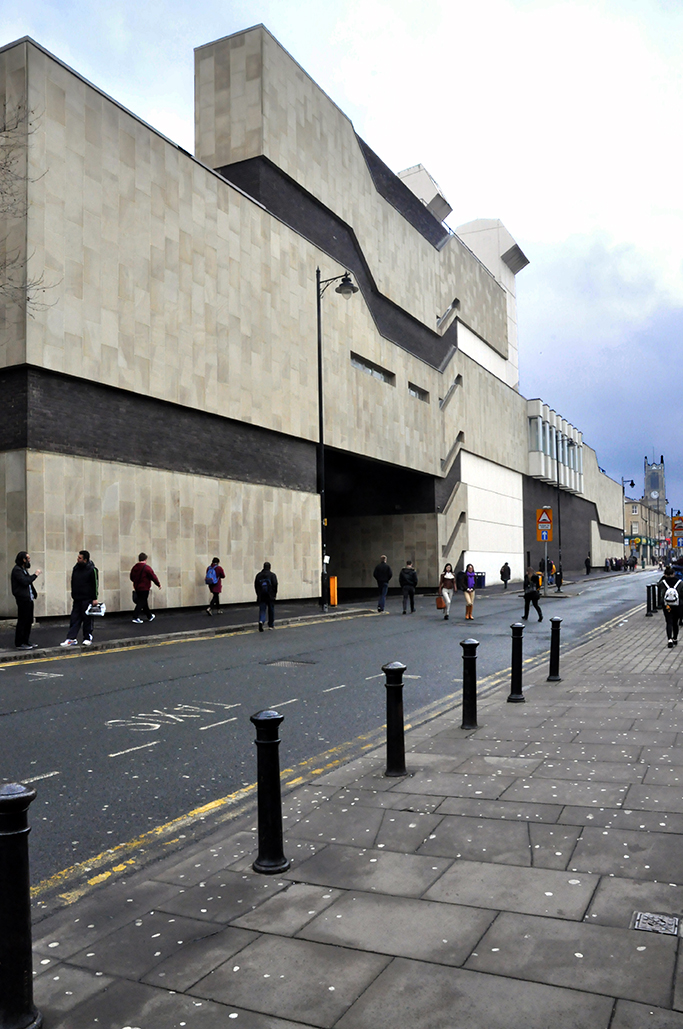
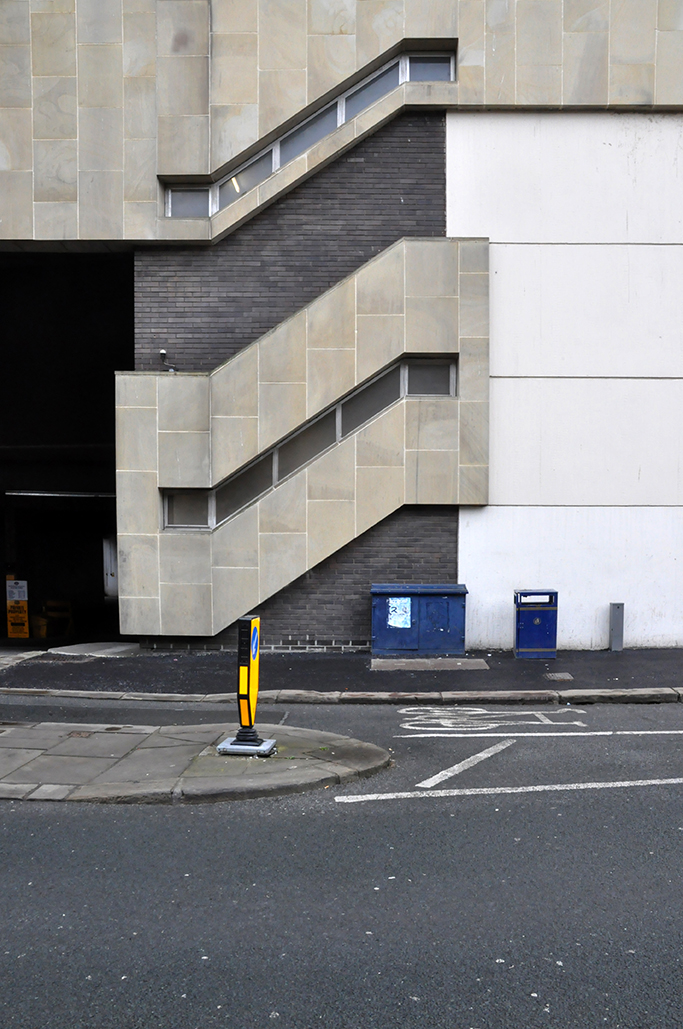
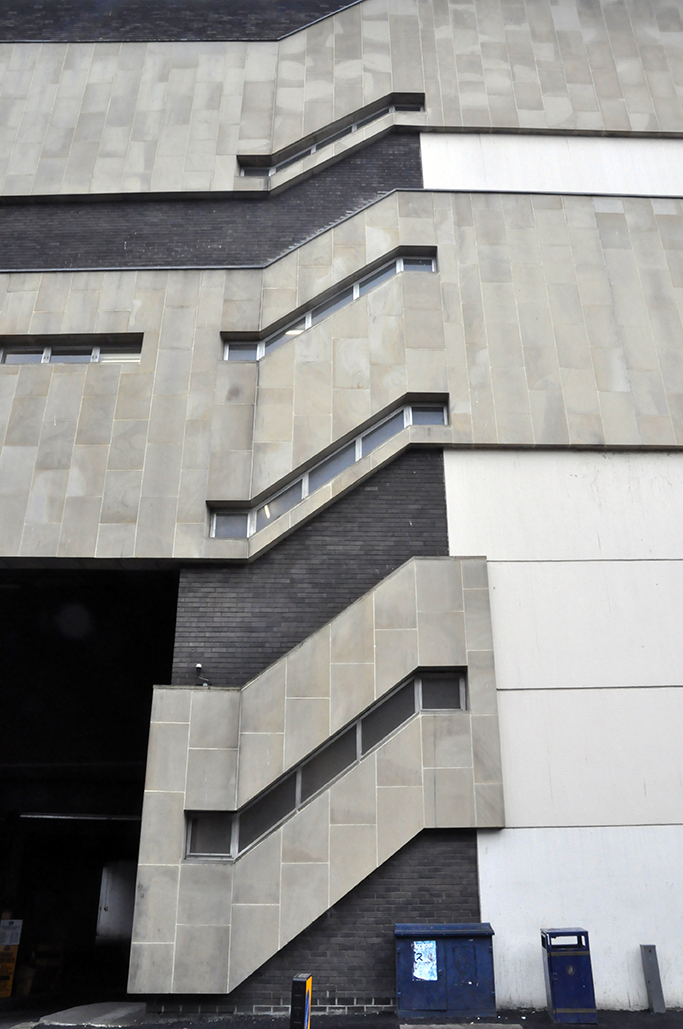
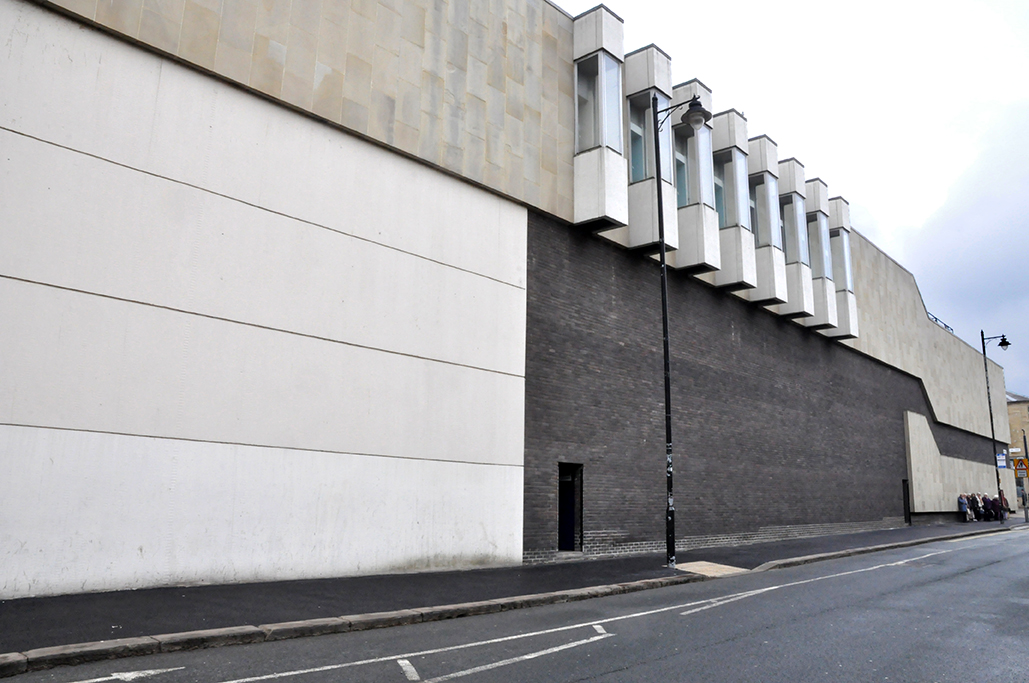
Huddersfield – The Piazza

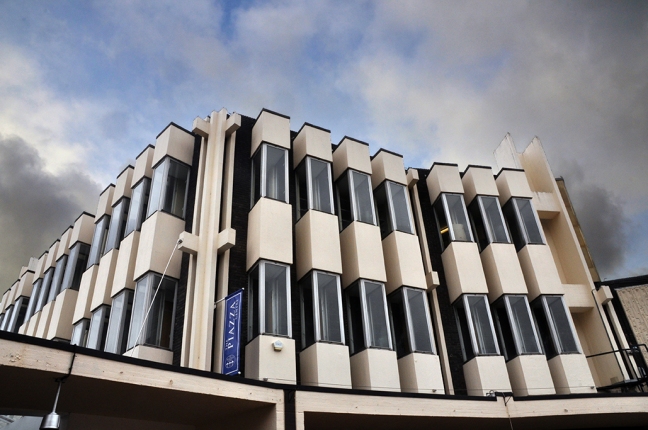
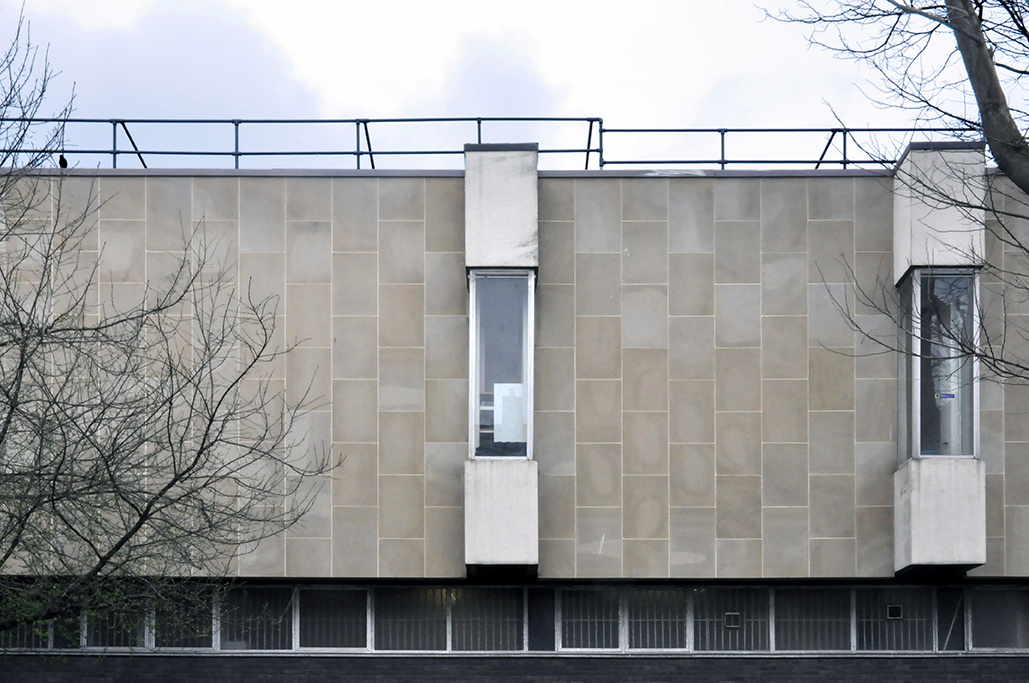
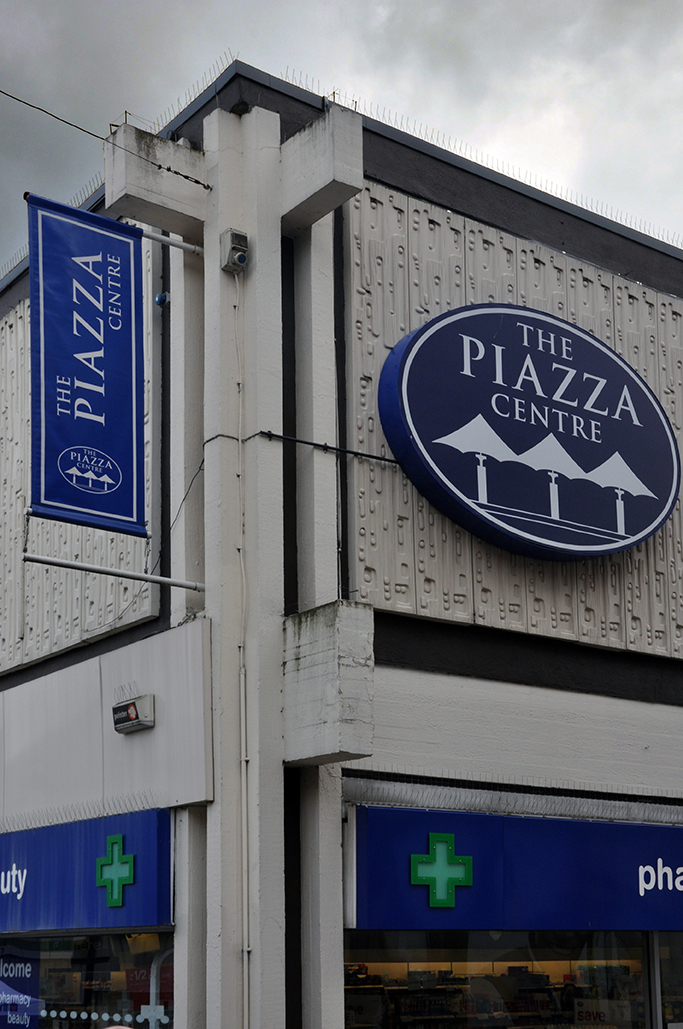
Huddersfield West Yorkshire shares a legacy with many other towns, a legacy of successive shopping developments of varying styles and quality. Shaped by fashion, topography and finance each makes a more or less bold statement on the fabric of the area.

In order to survive each geo-retail layer of architecture, must reinvent itself or die – adding new branding, covering period detail with newer, ever more impermanent fascias, flagging flagging and flags of all stripes.

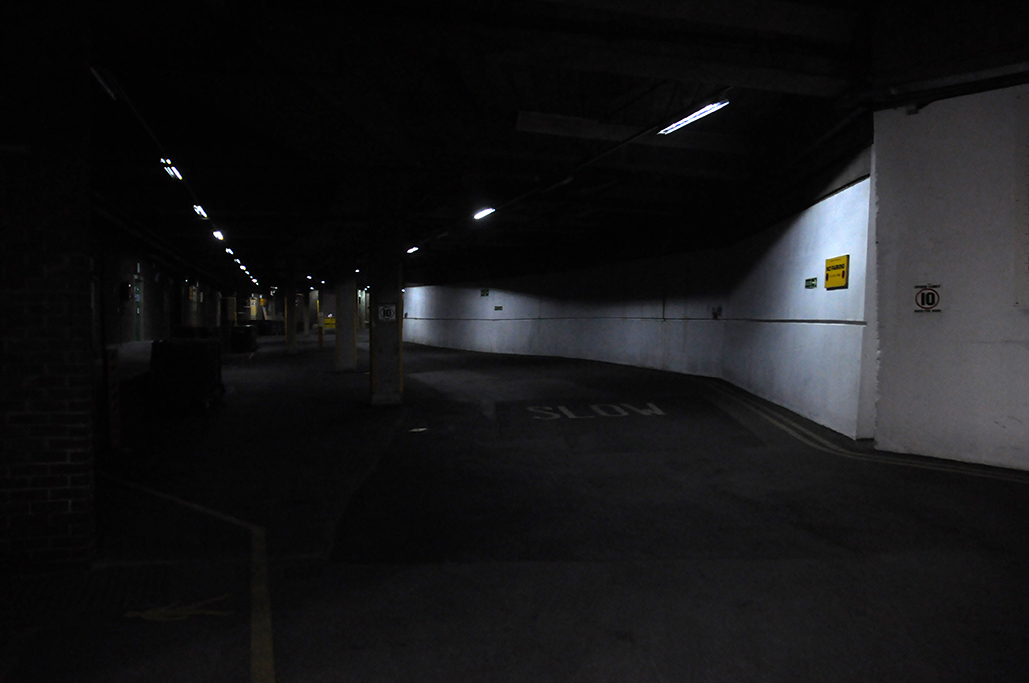
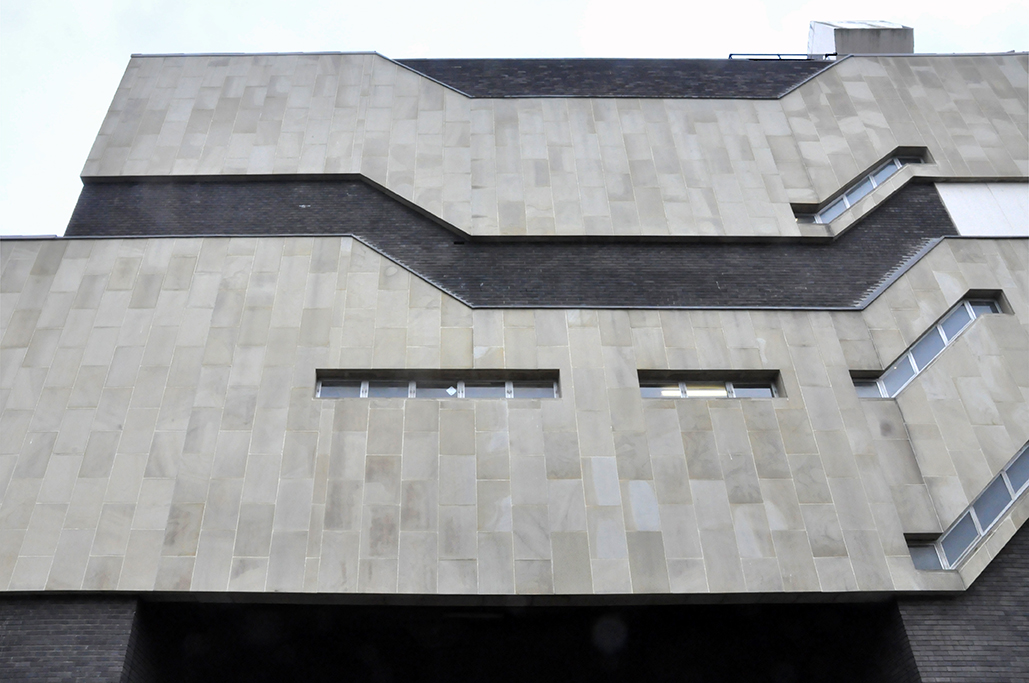
I encircled the Piazza – its monumental nether regions, enlivened with almost temple like scale and applied brick, stone and concrete surfaces, the dark and forbidding, cinematic subterranean service tunnels, and the open walkways of the main shopping areas.

I came away impressed, hope you do too.

DSC_0102 copy

DSC_0103 copy

DSC_0105 copy

DSC_0106 copy

DSC_0107 copy

DSC_0108 copy

DSC_0109 copy

DSC_0110 copy

DSC_0111 copy

DSC_0112 copy

DSC_0113 copy

DSC_0114 copy

DSC_0115 copy

DSC_0116 copy

DSC_0117 copy

DSC_0196 copy

DSC_0197 copy

DSC_0199 copy

Blackburn – Launderette

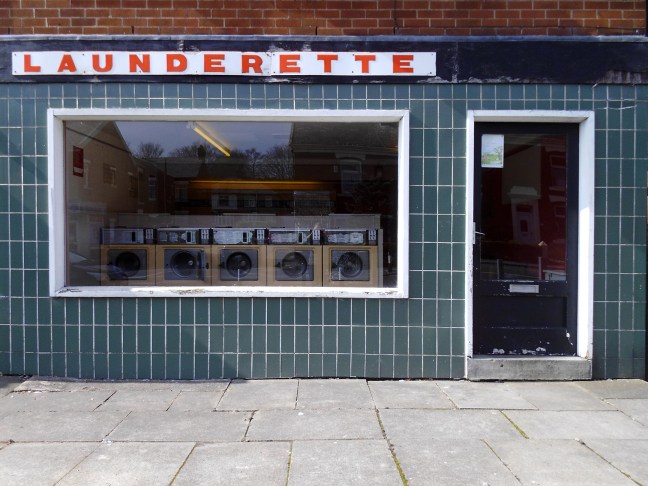
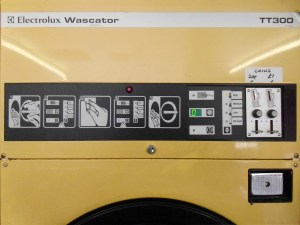
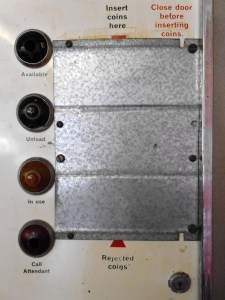
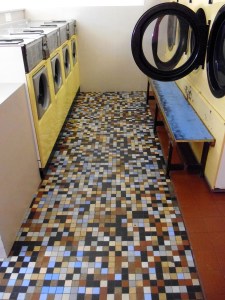
Wandering amiably down Whalley Old Road towards Blackburn one warm sunny day today, I came upon yet another launderette.

Somehow, somewhat frozen in time.

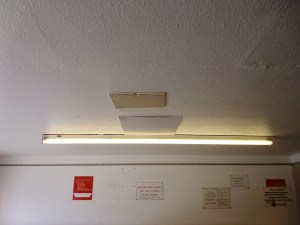
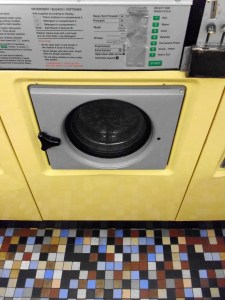
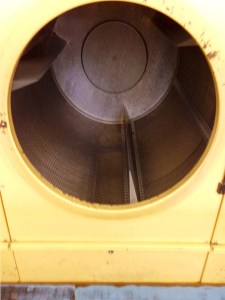
Front window cracked, but just about holding together, signage almost intact, machines formerly fully functioning – flagging, fluorescent tubes softly flickering, unguarded against the wood chip.

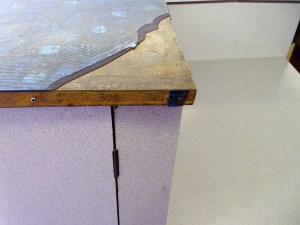
Patterned formica surfaces care worn and faded from use and abuse.

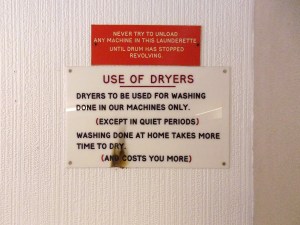
Washing done at home takes longer to dry (and costs you more).

You have been warned.

Stockport – Room at the Top

Every town worth its salt should have a decent second hand book shop.

Stockport does.

Room at the Top – on the ever so elegant Market Square, centre of the Old Town and part of the ever enlarging nexus of vintage shopping.

Jane, John and Lynn offer a wide selection of books, records, art, ephemera, glass, toys, ceramics and almost all sorts, in their first floor eyrie of happiness.

Always at the most reasonable of prices – you can get a brew too!

So take an hour out to browse, pursue and lollygag in convivial surroundings.

Leave with bags full excitement and a broad grin.