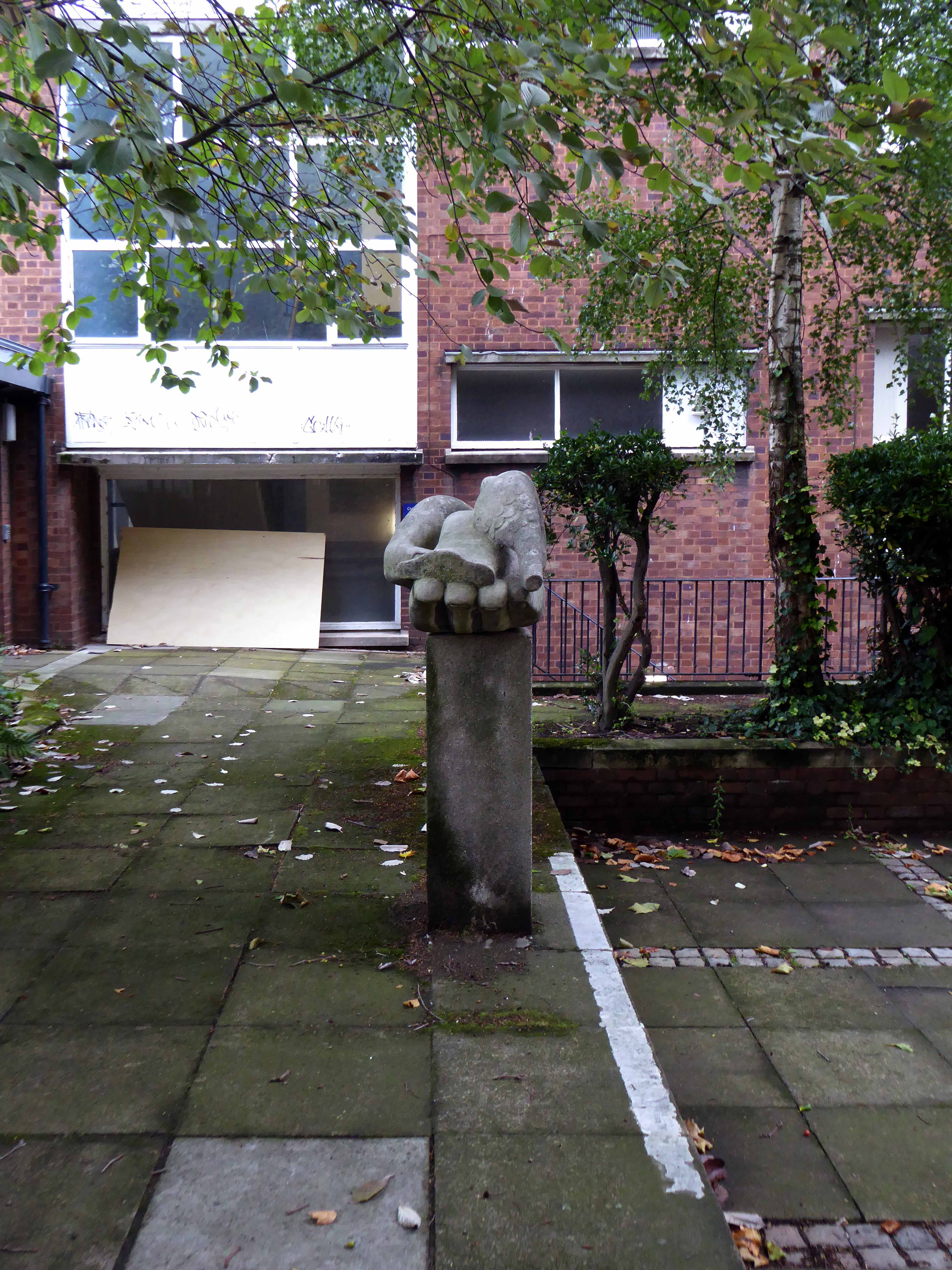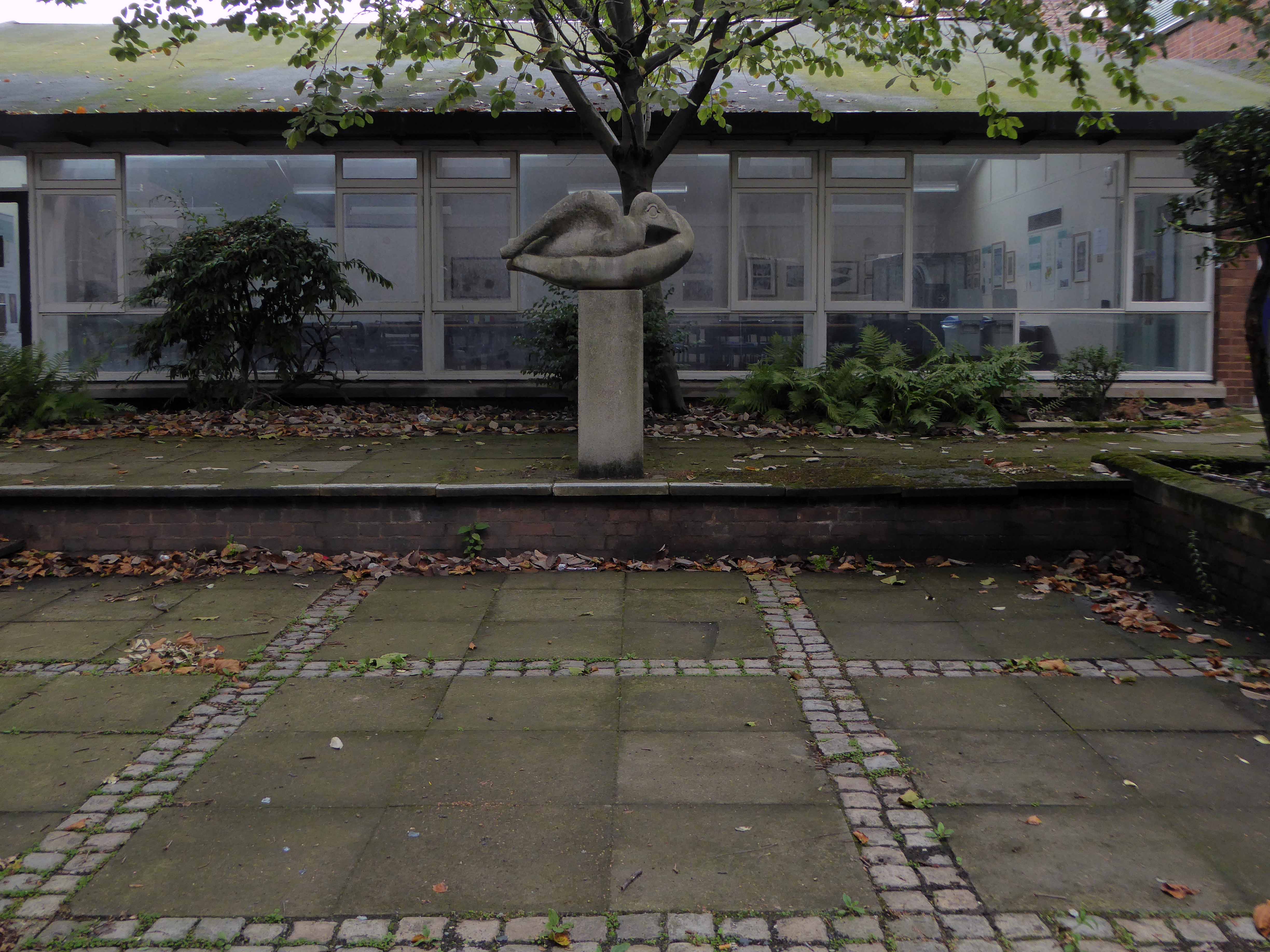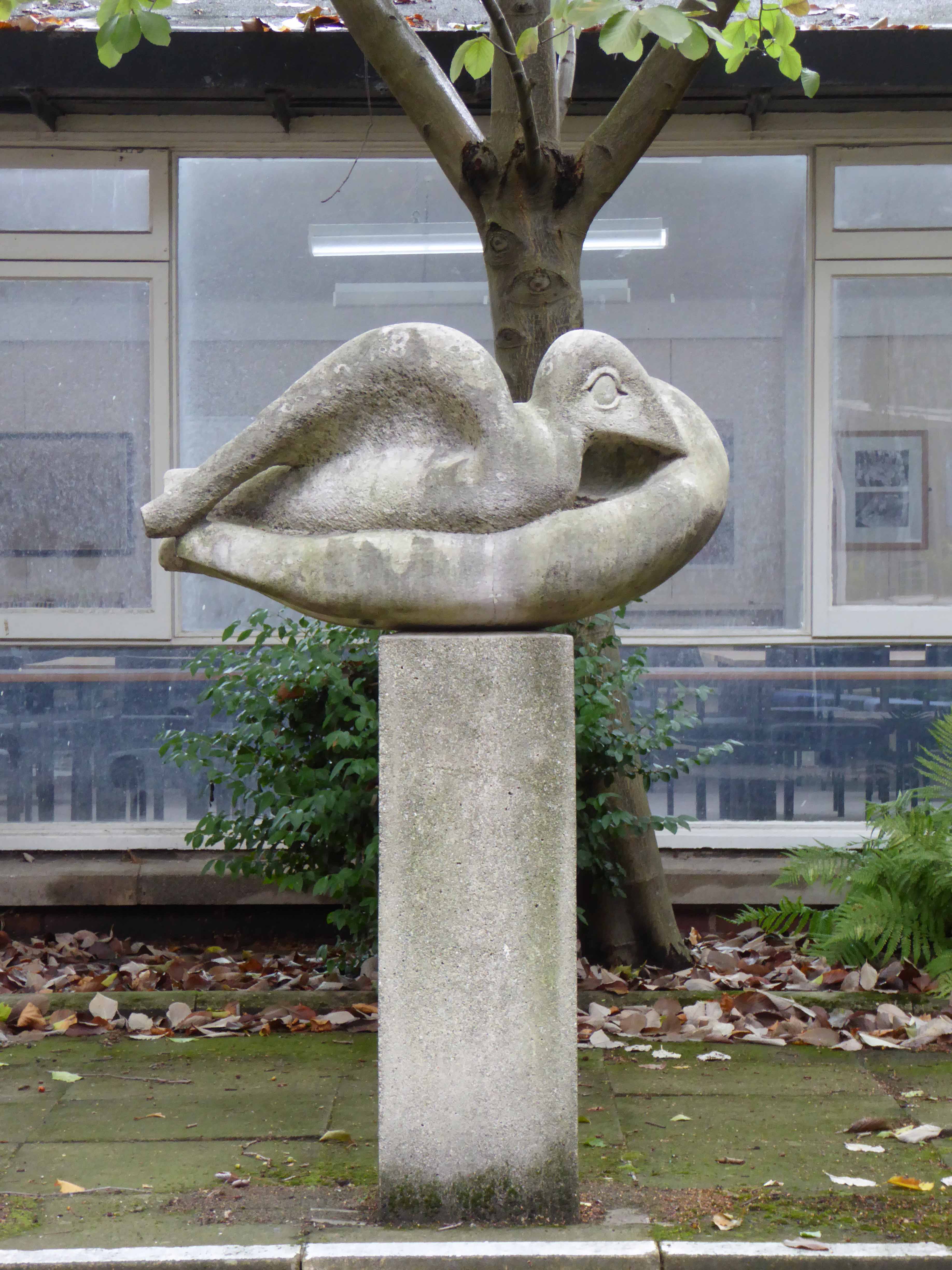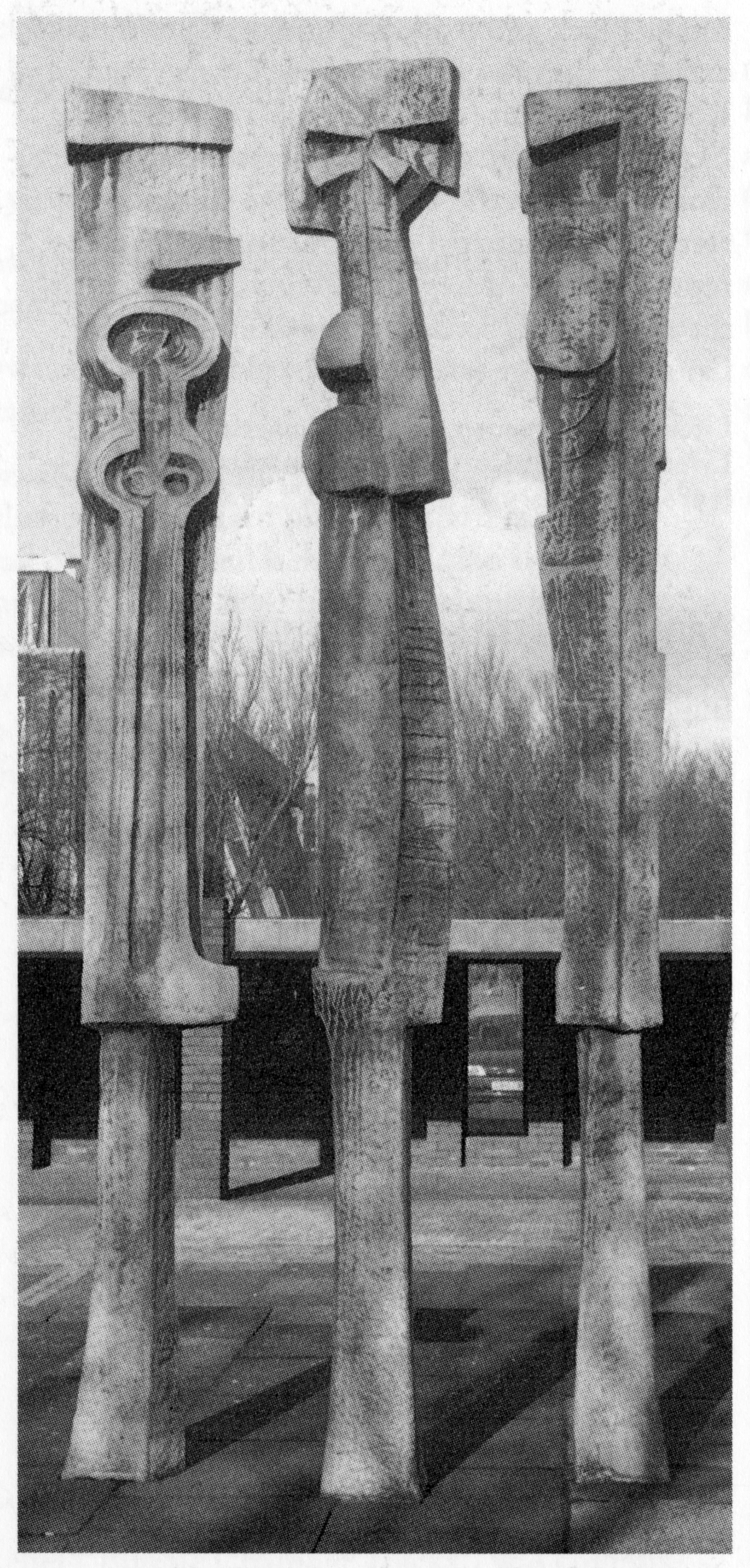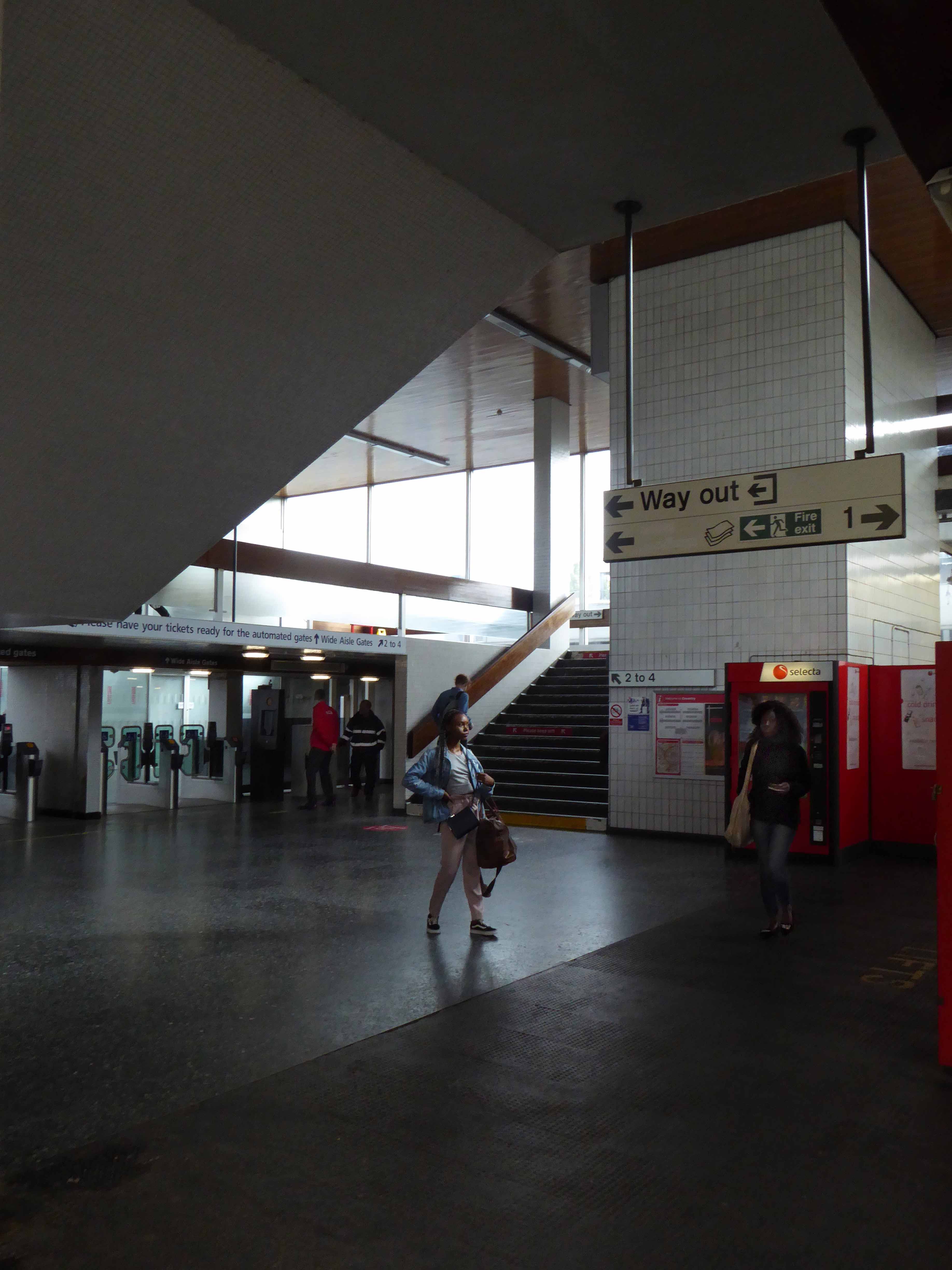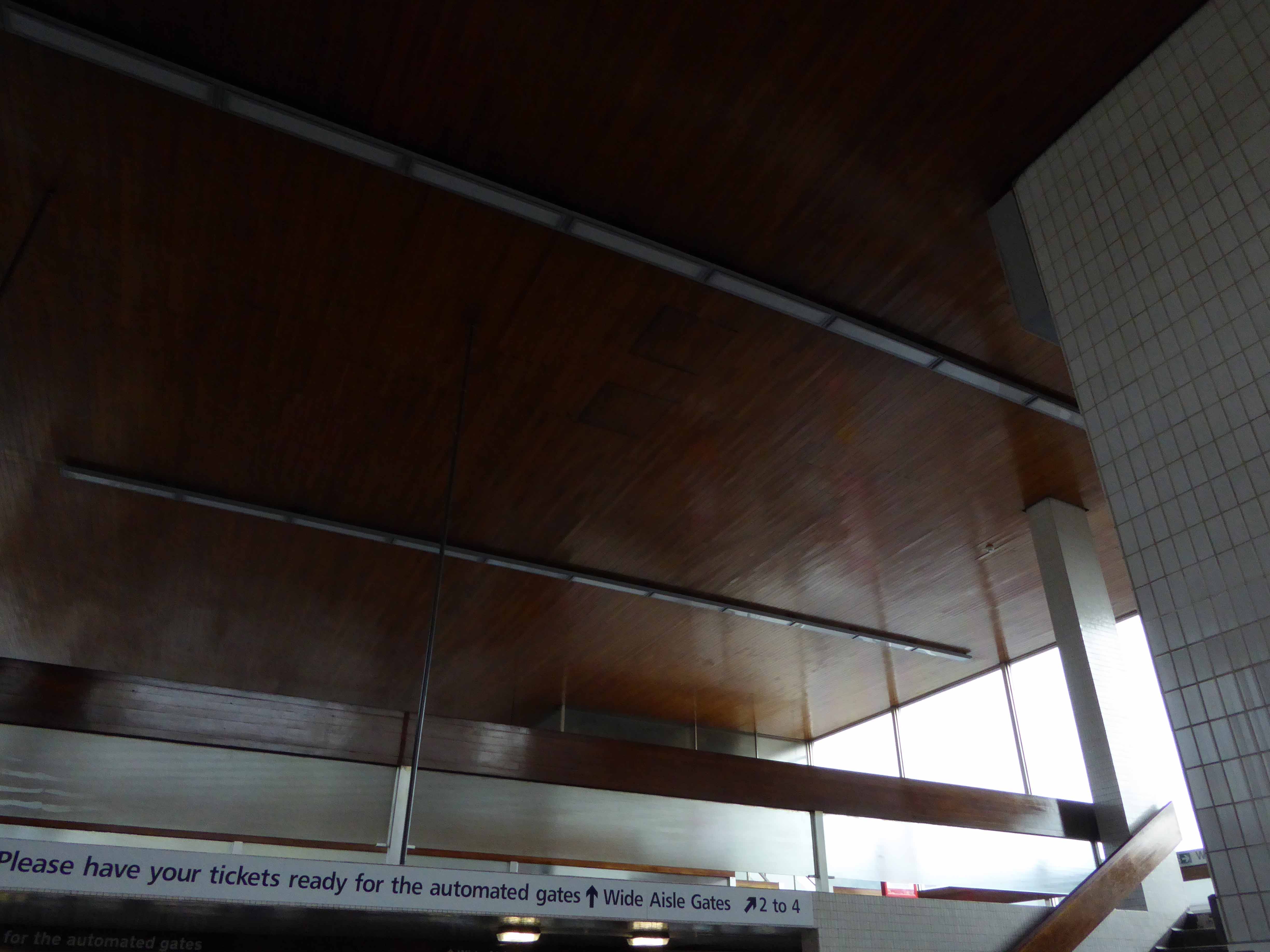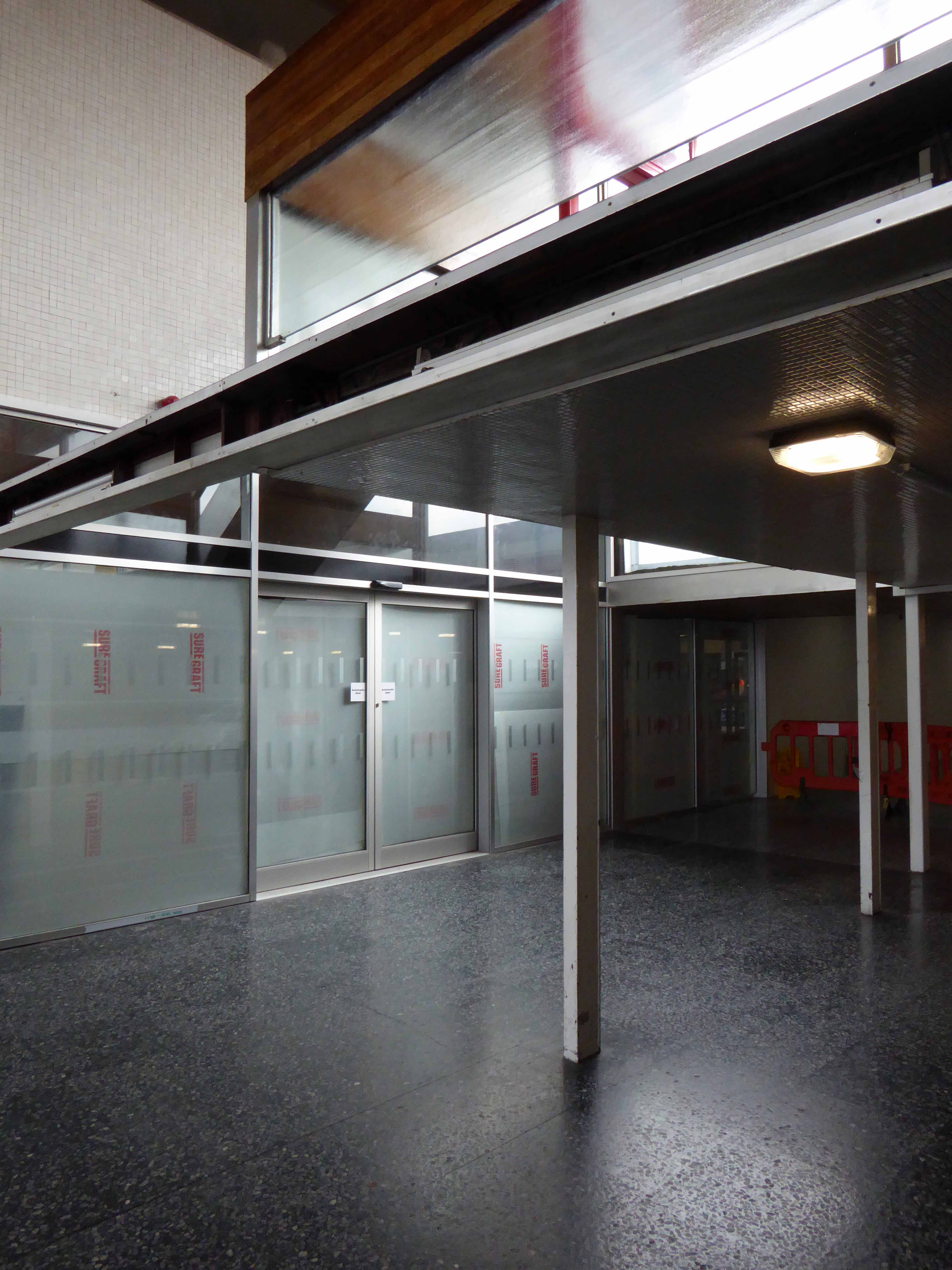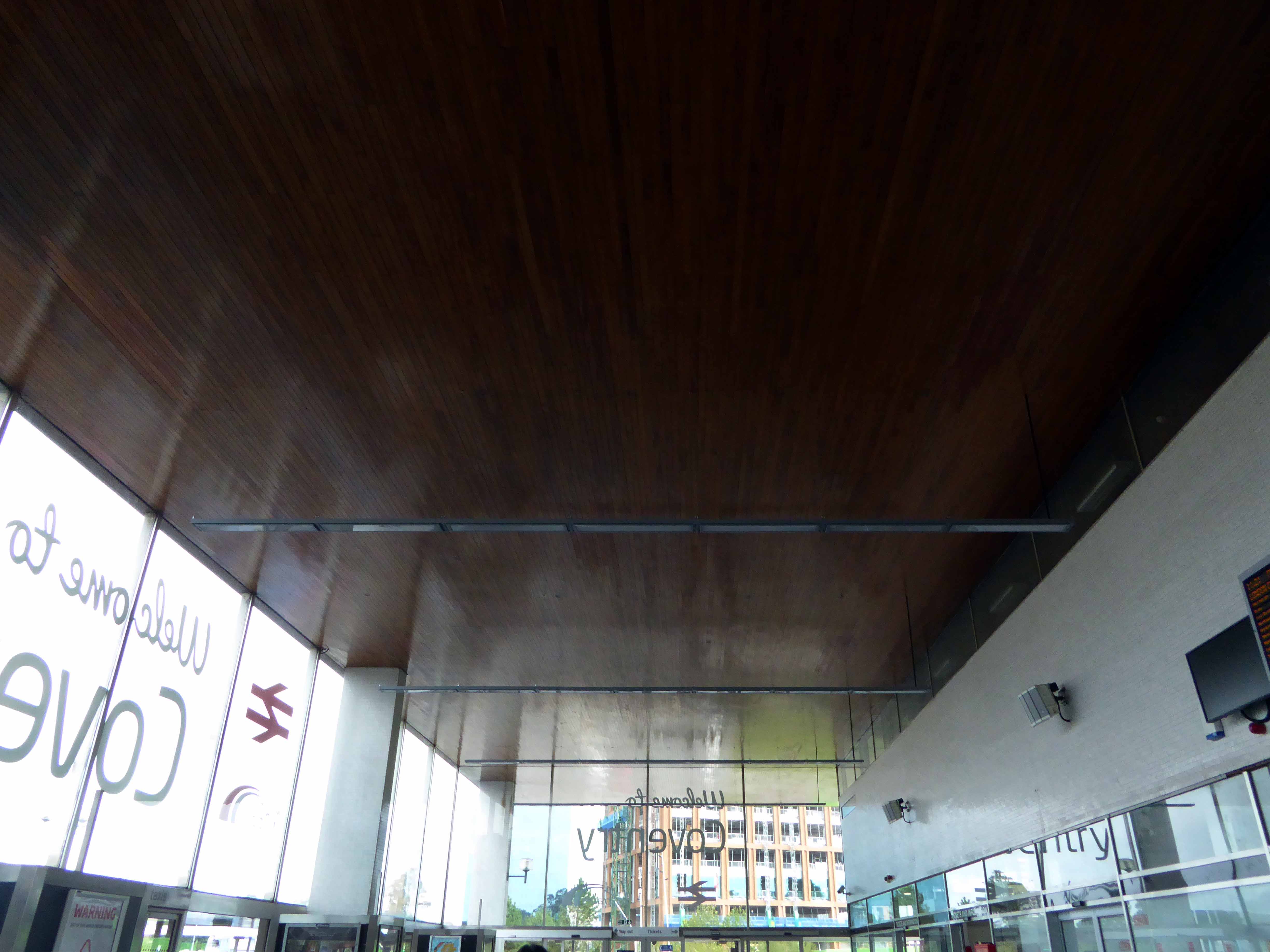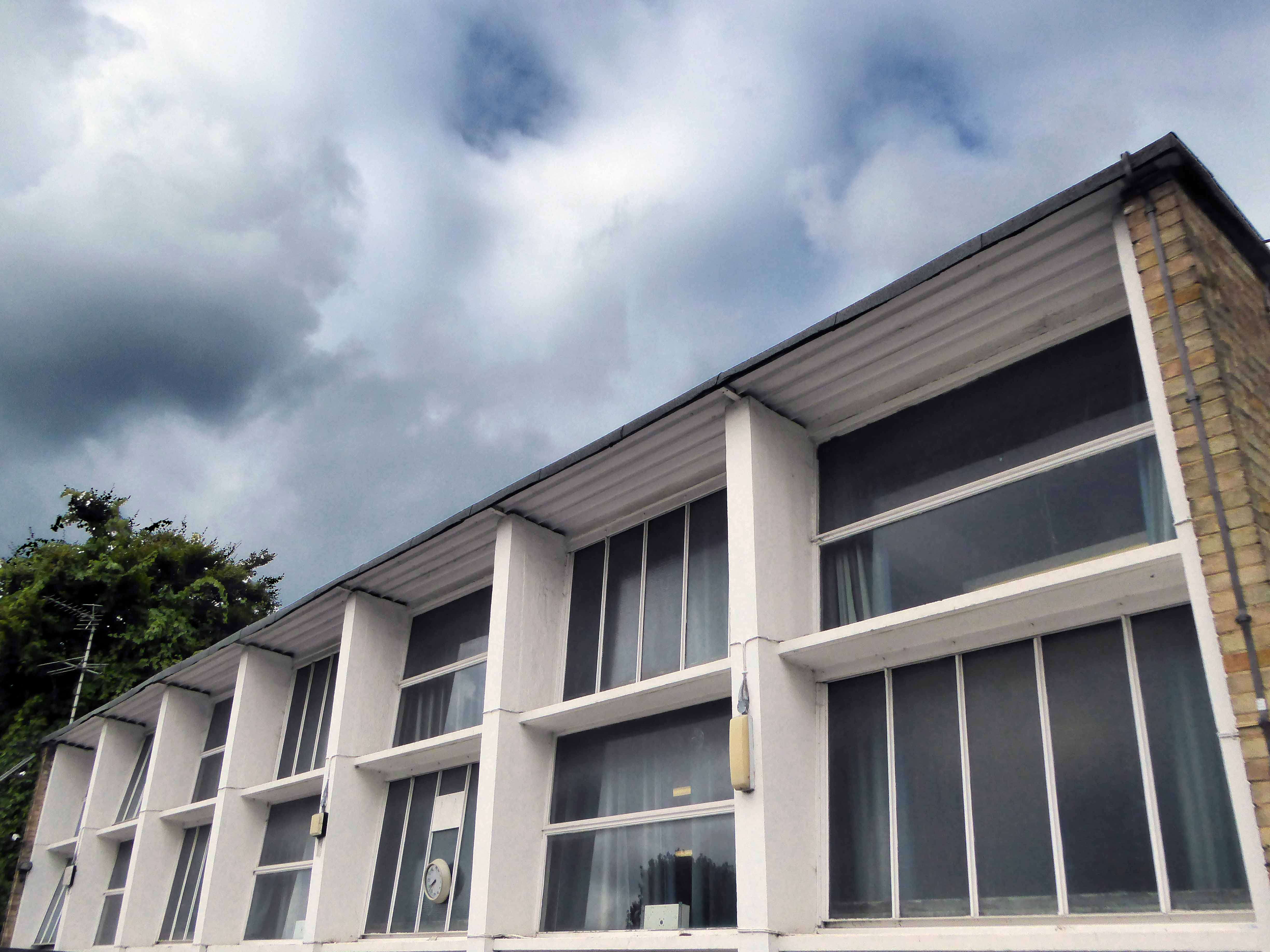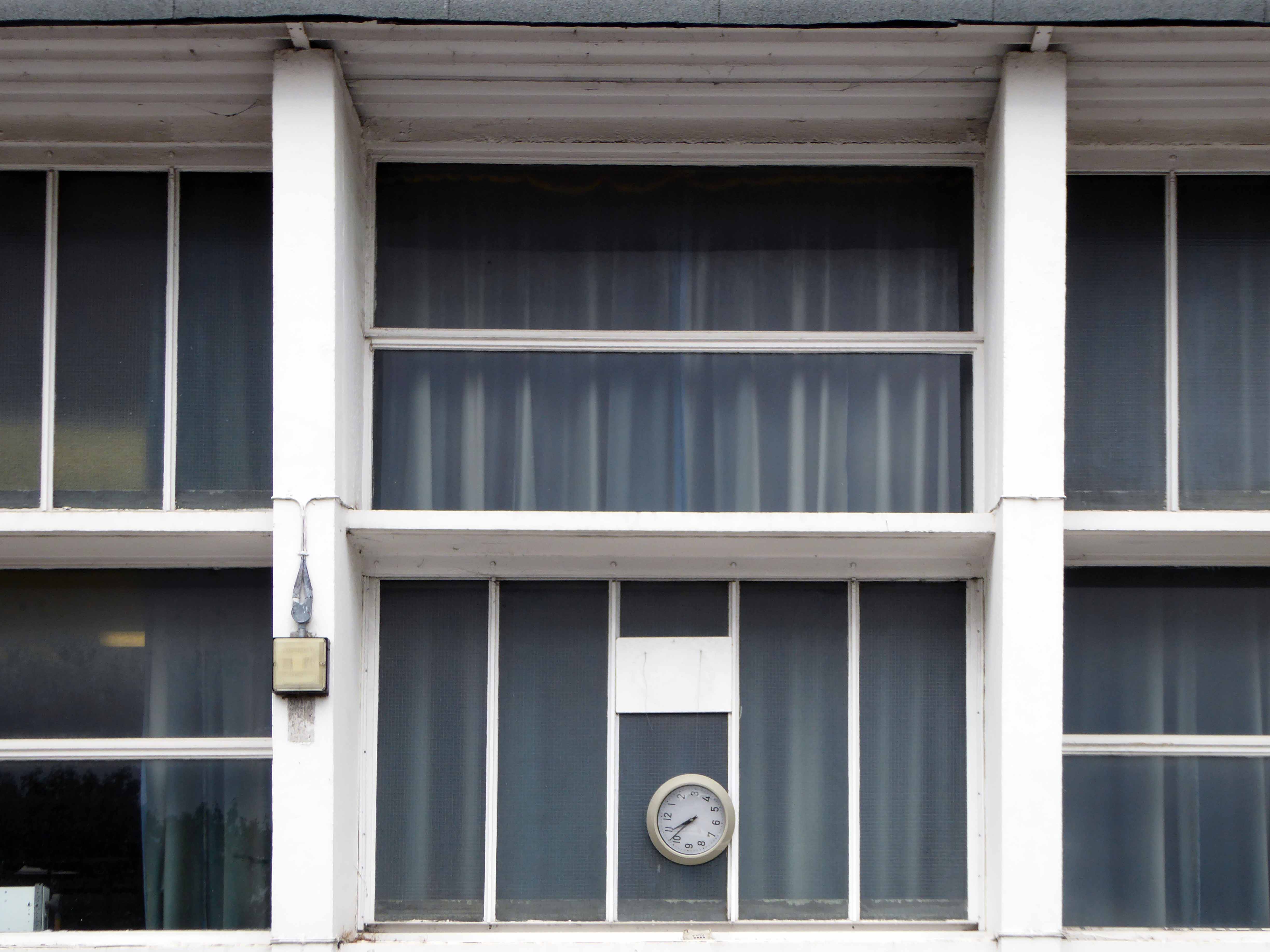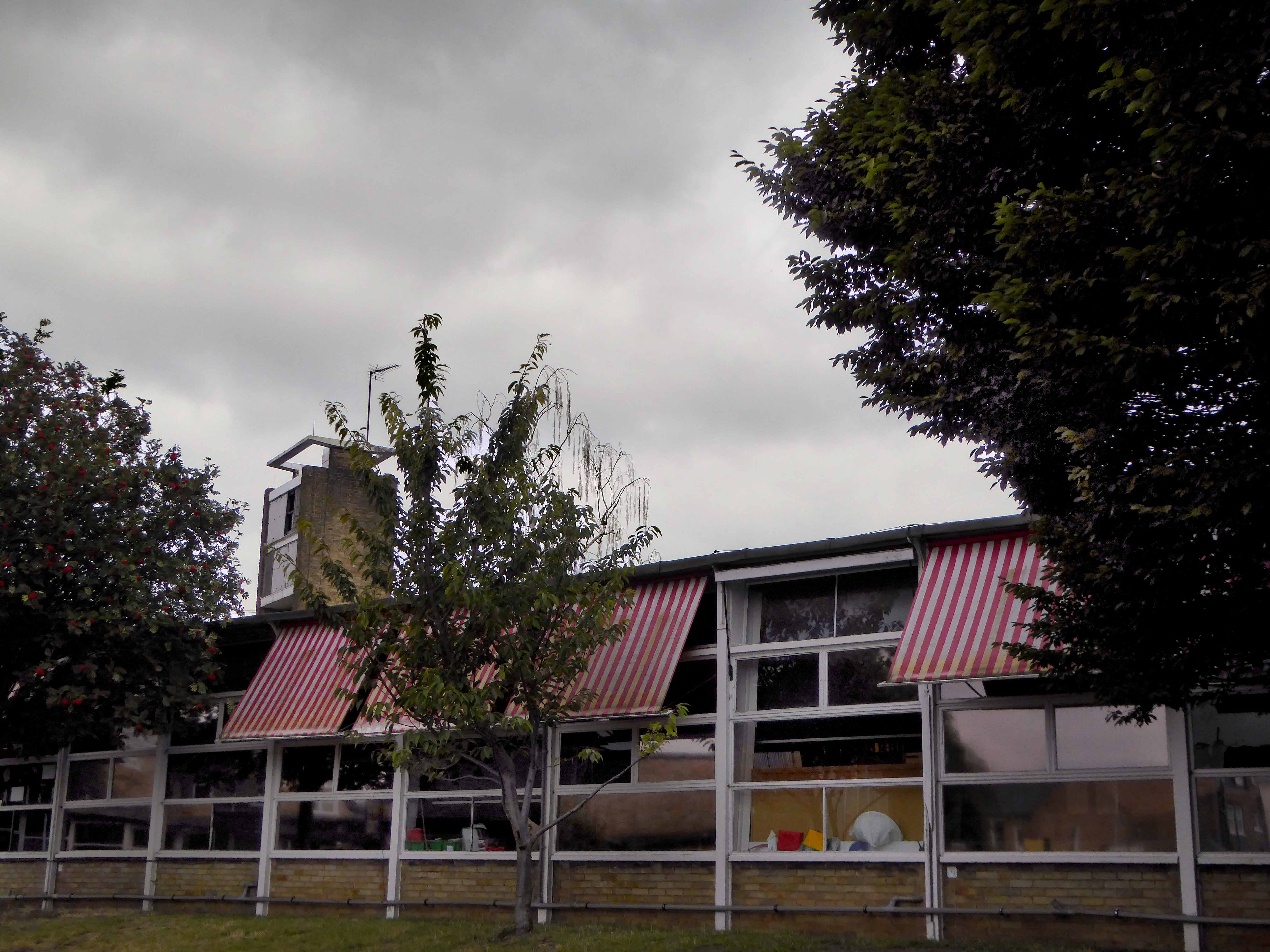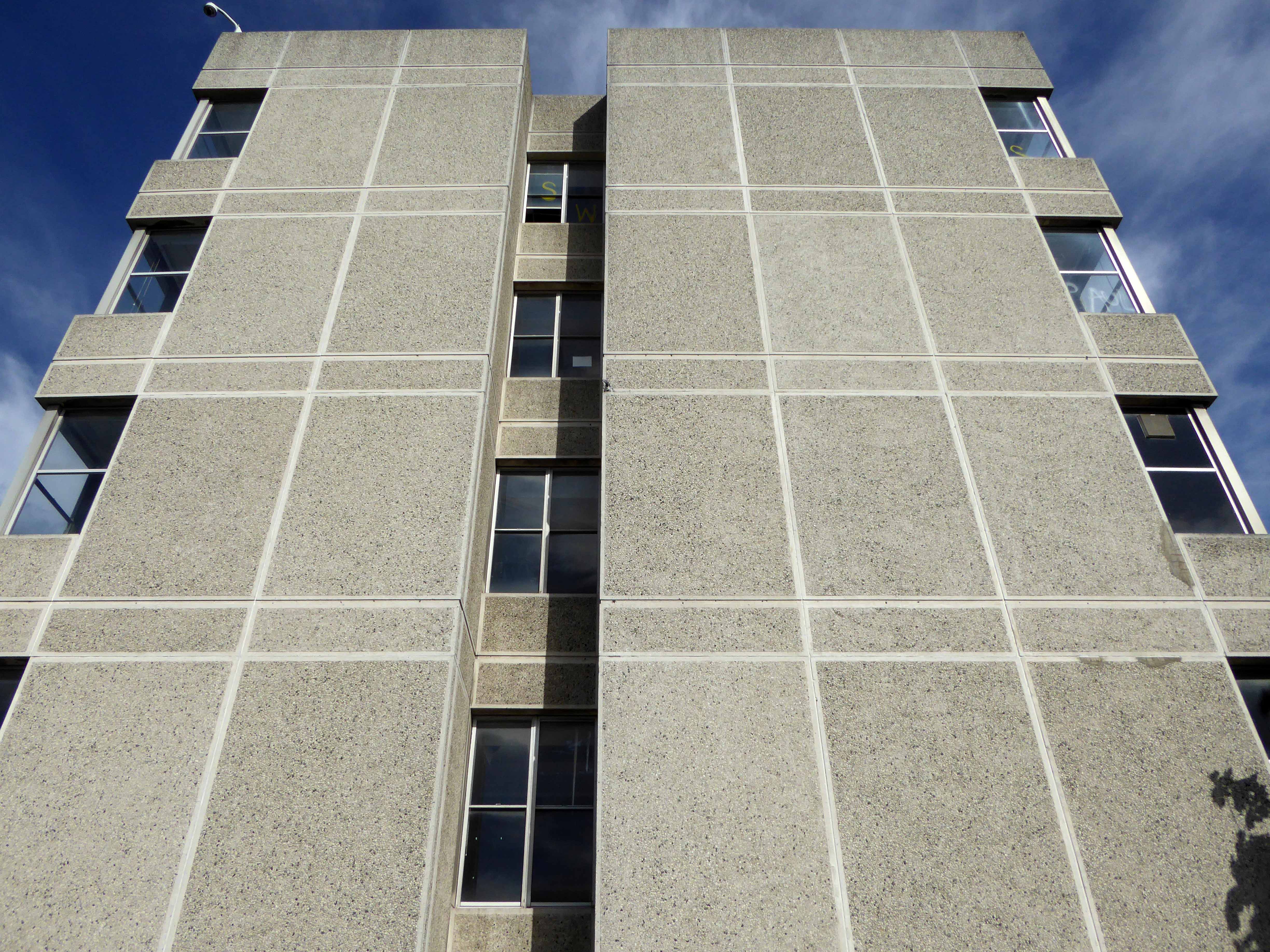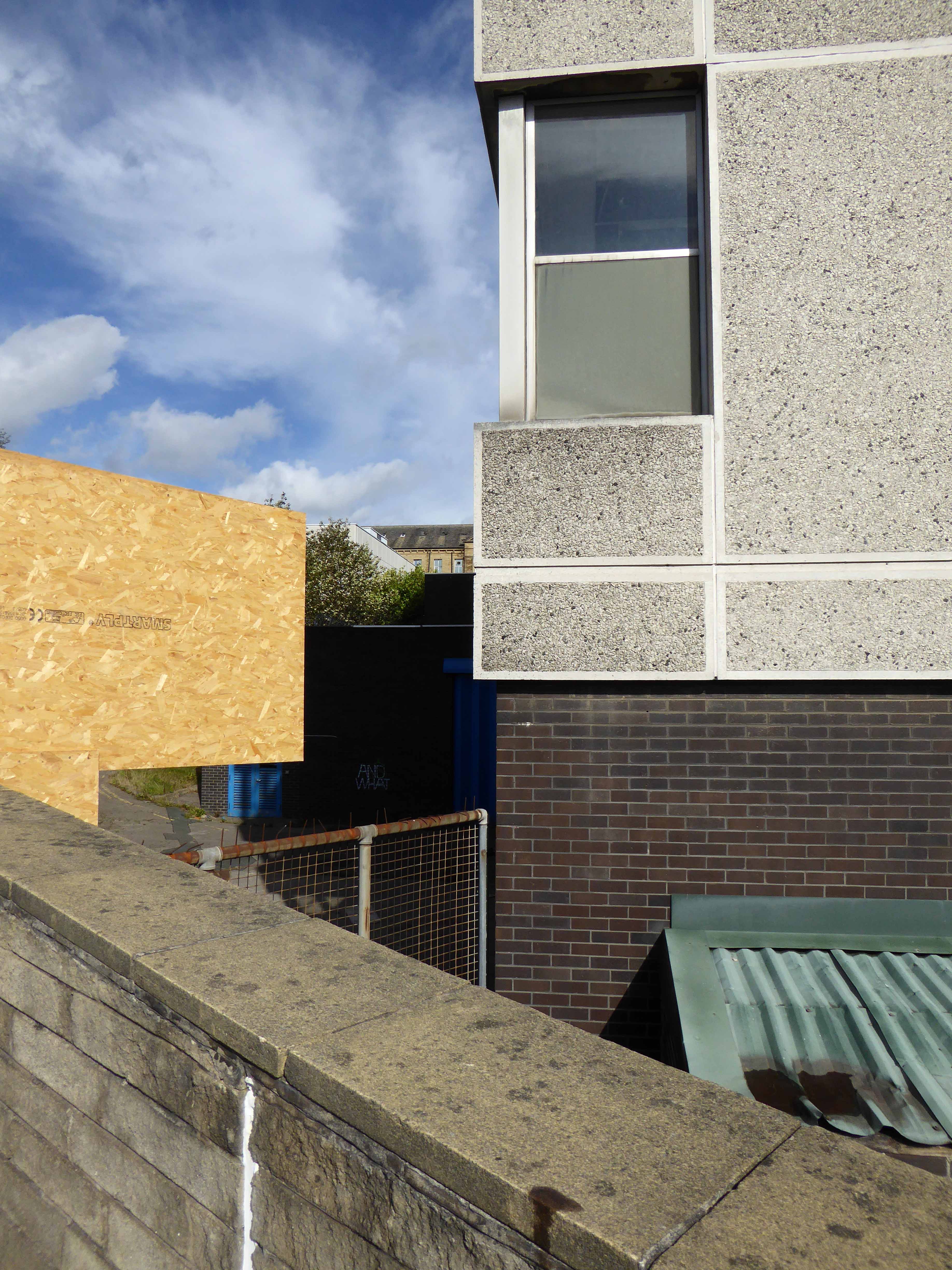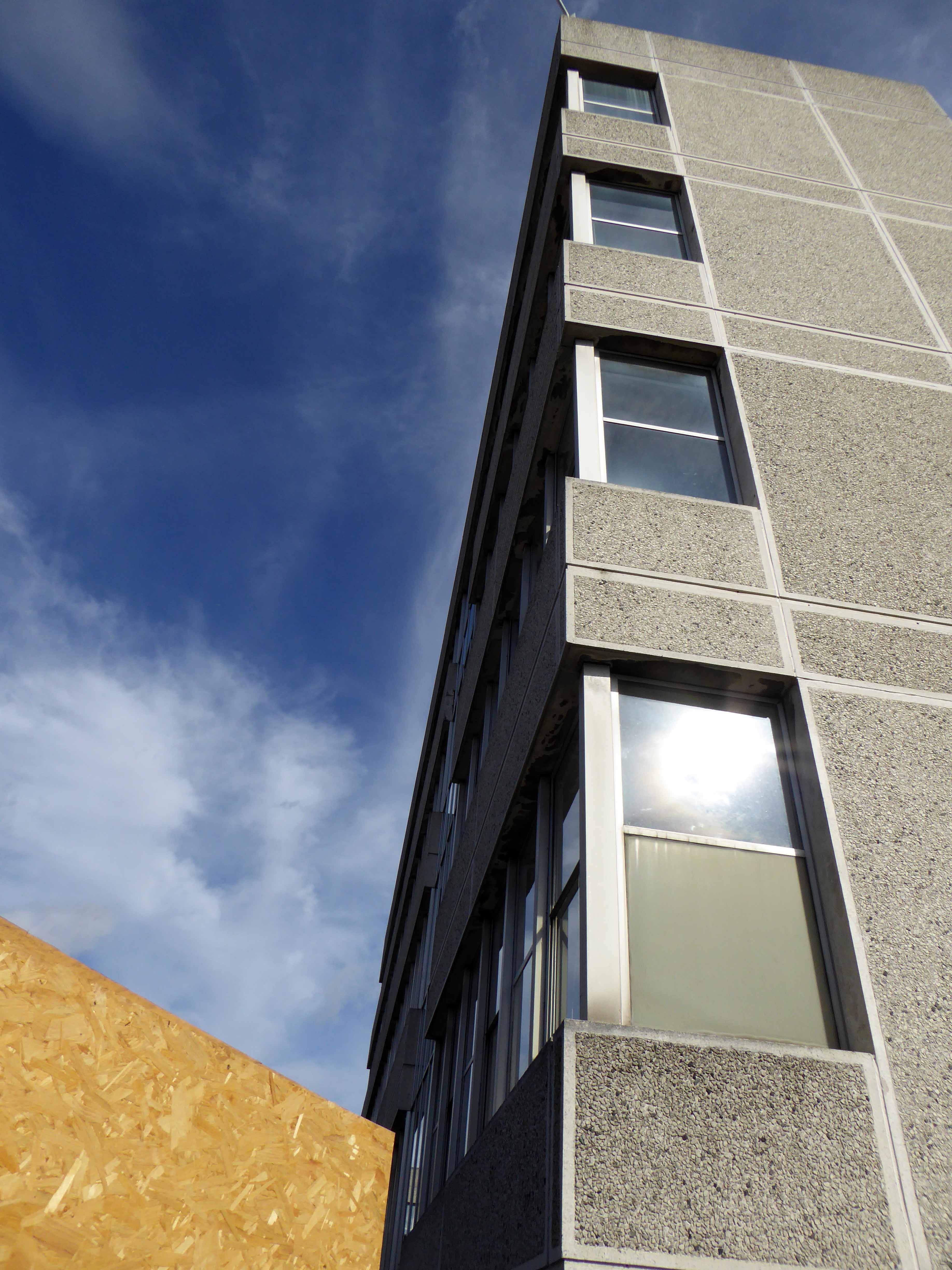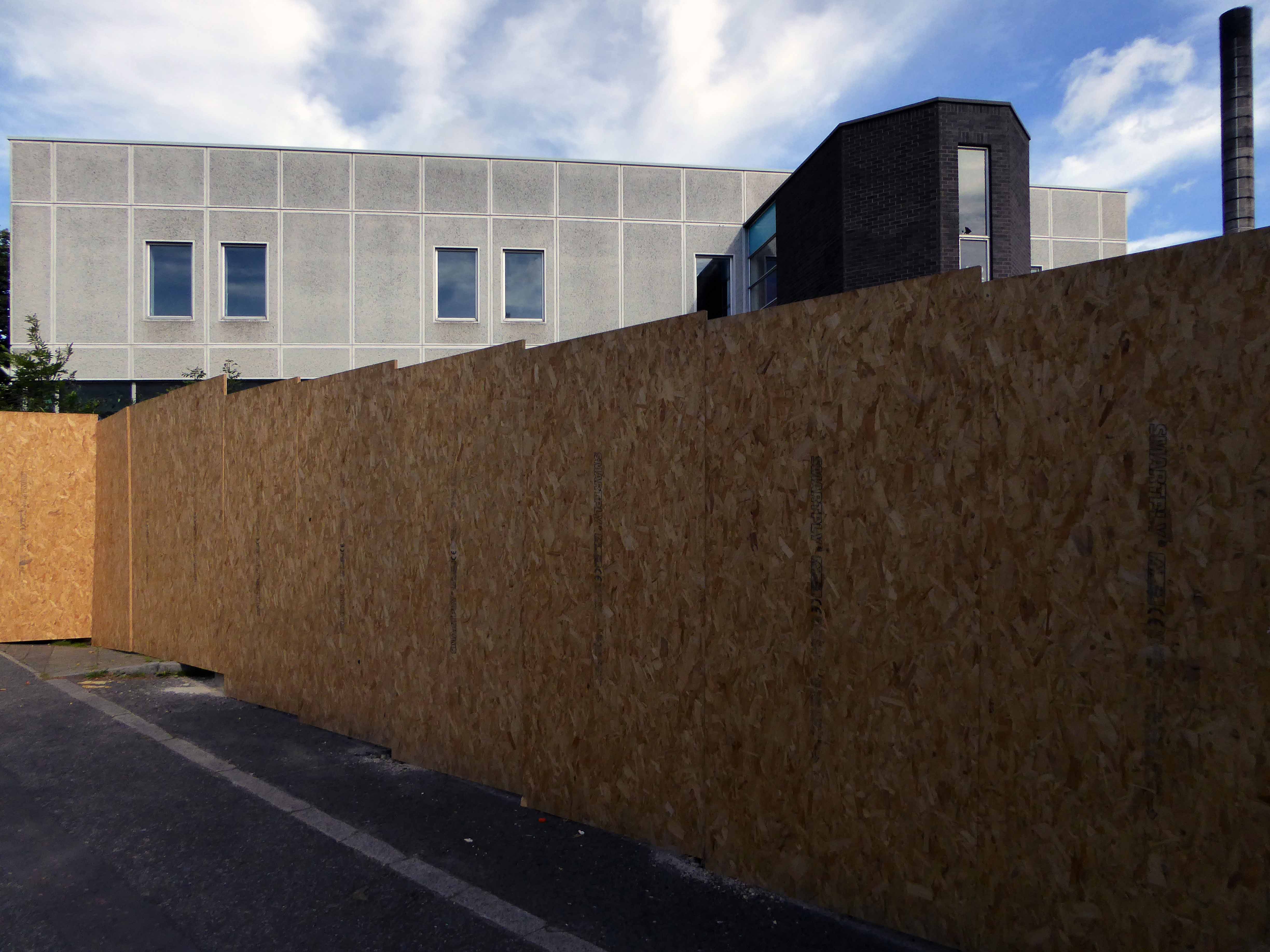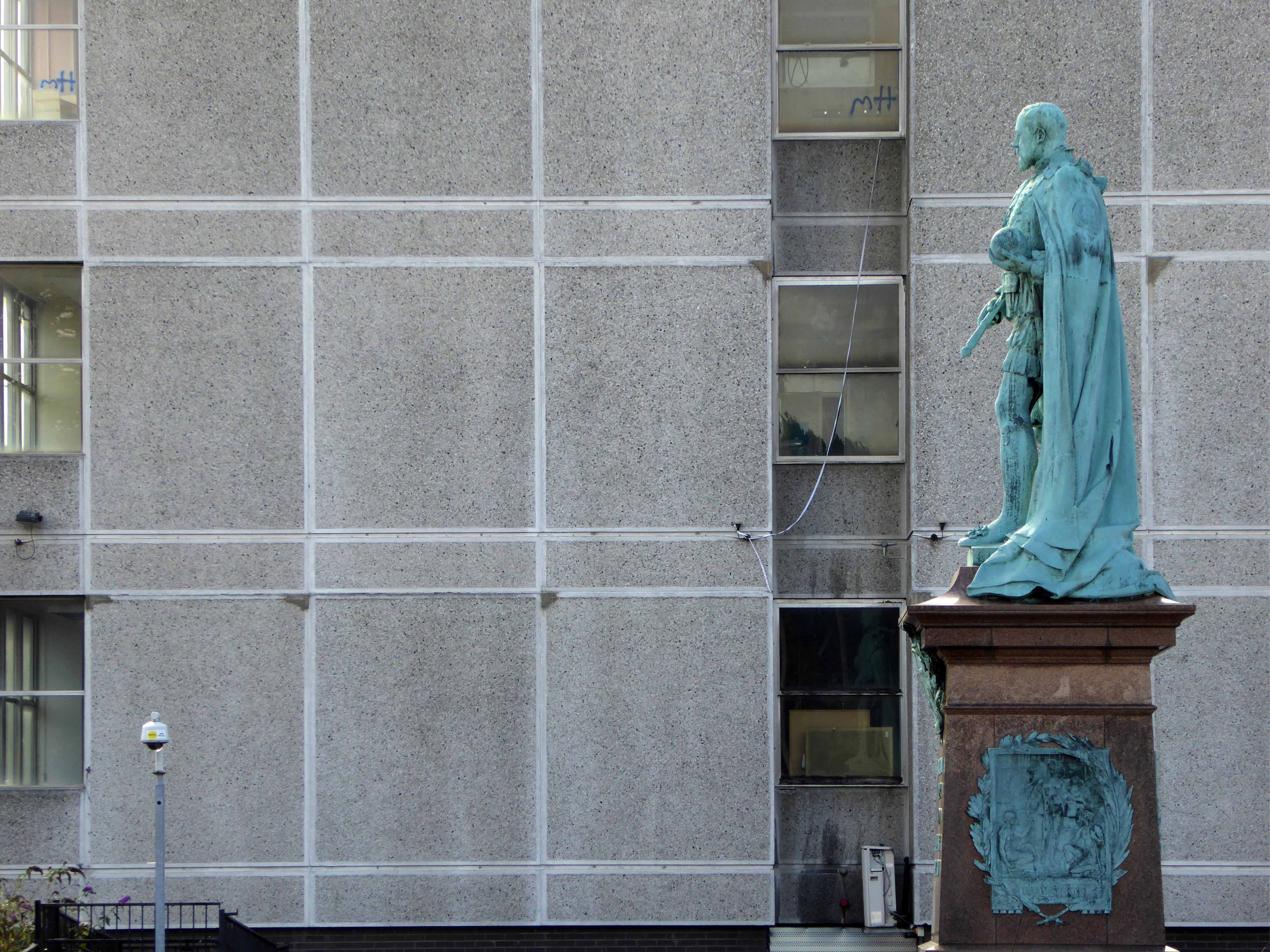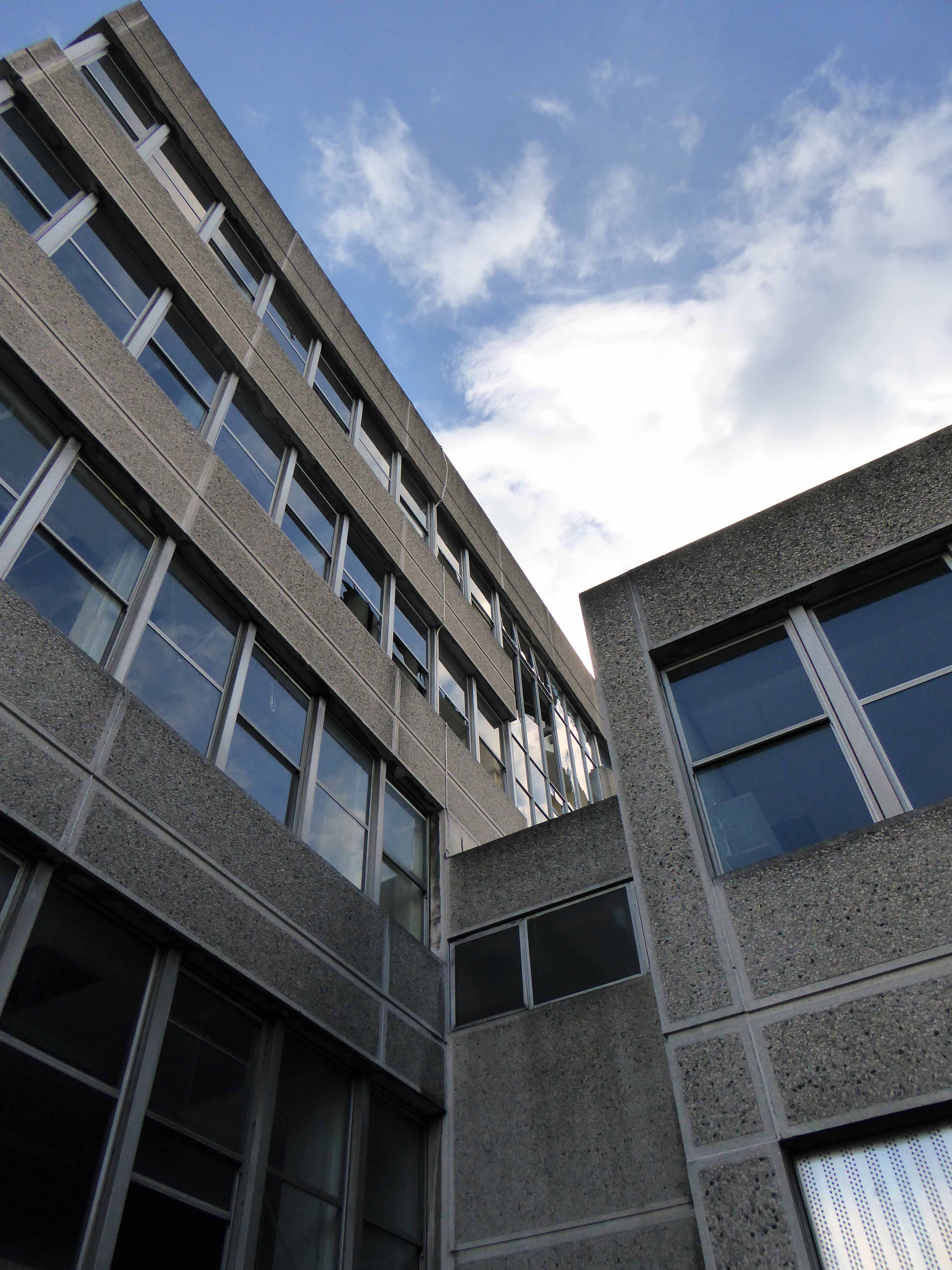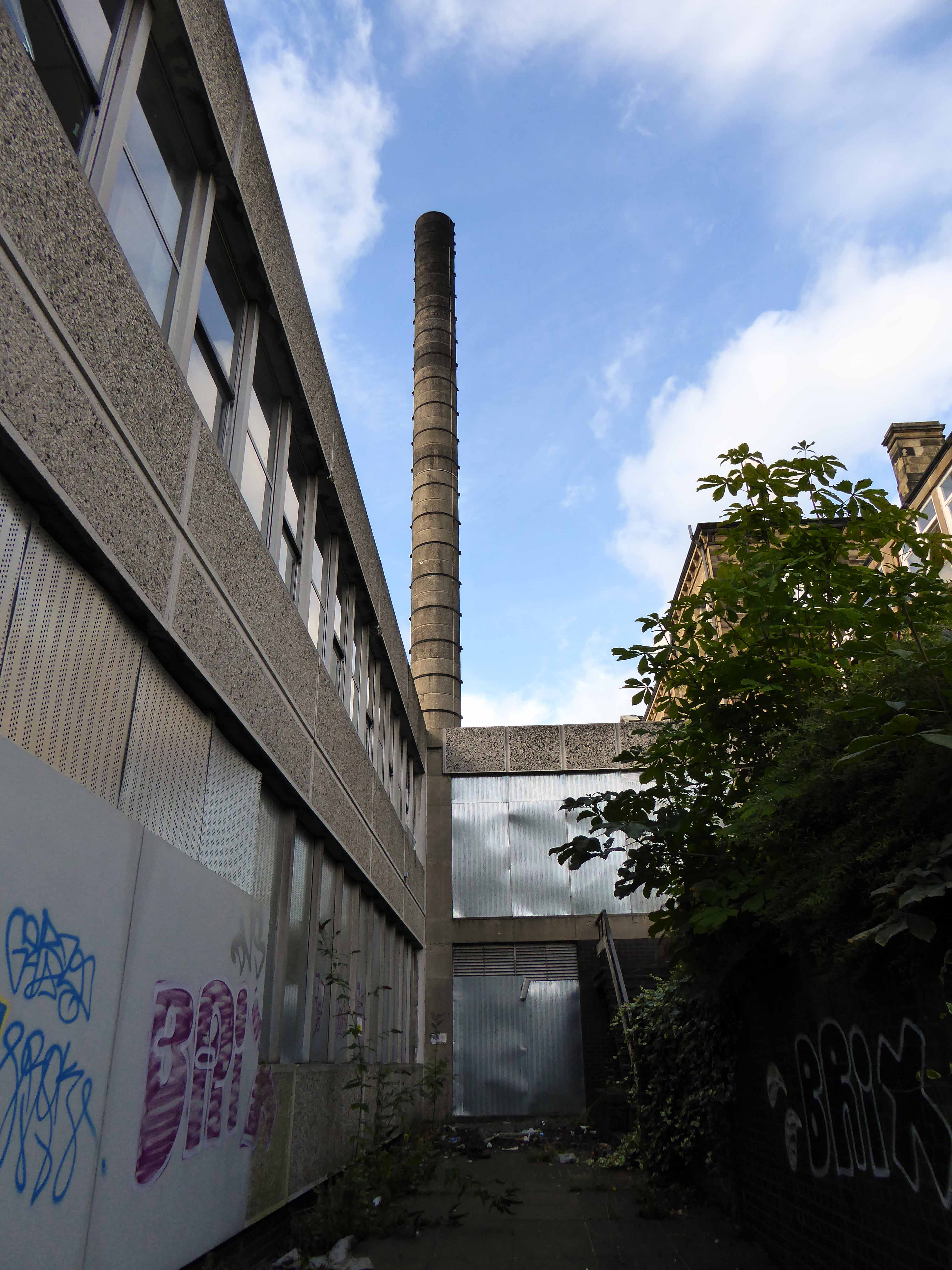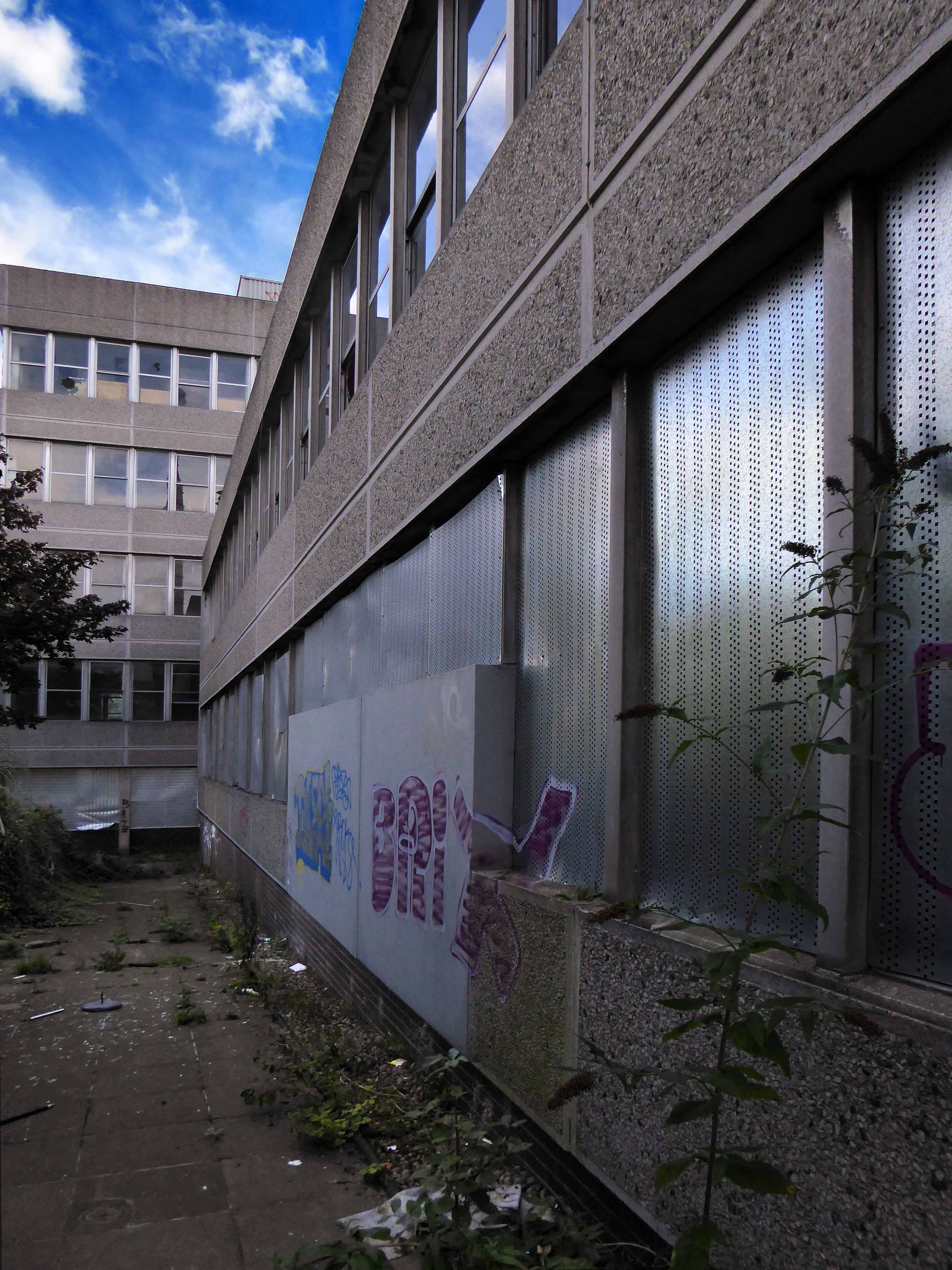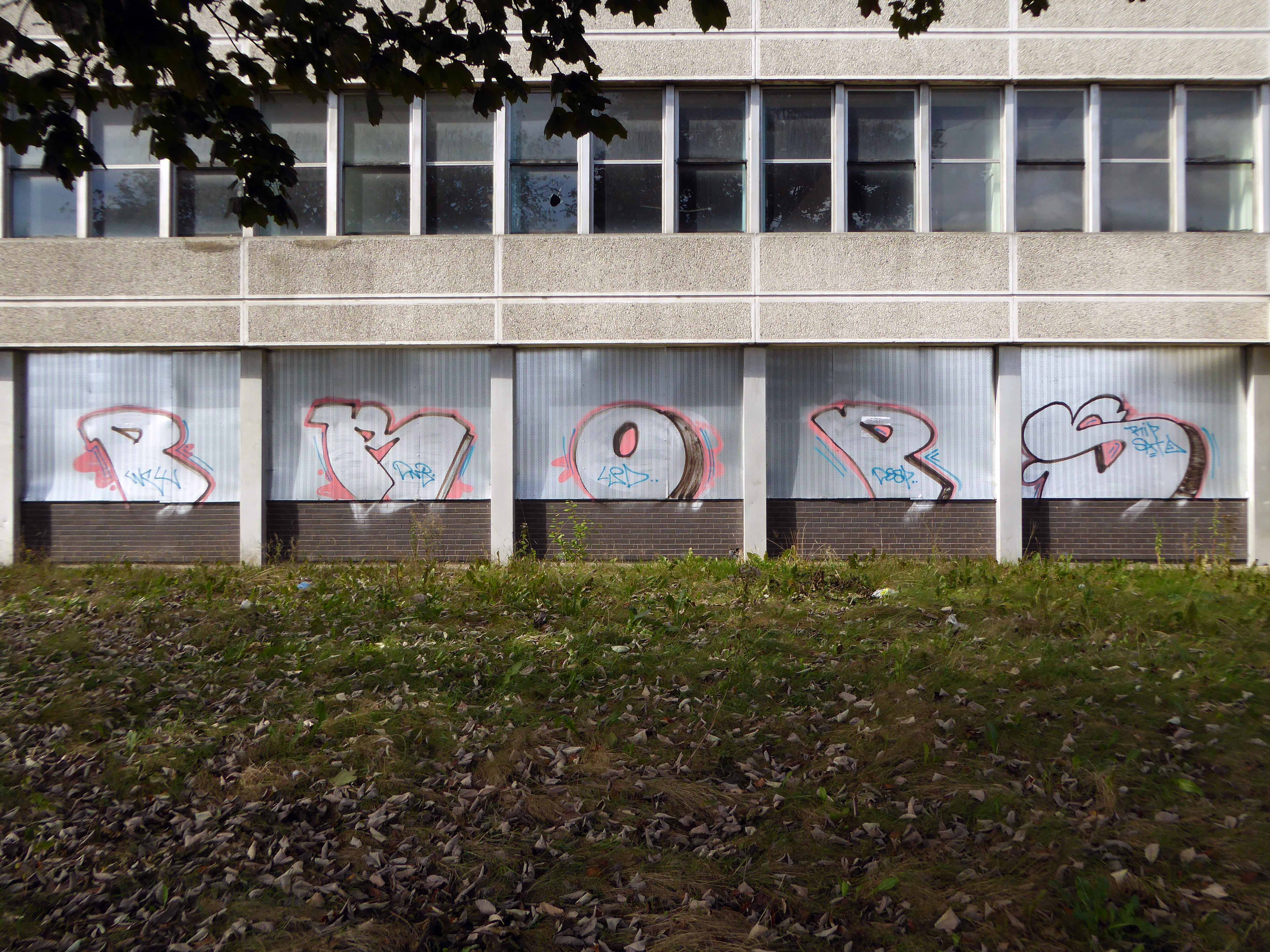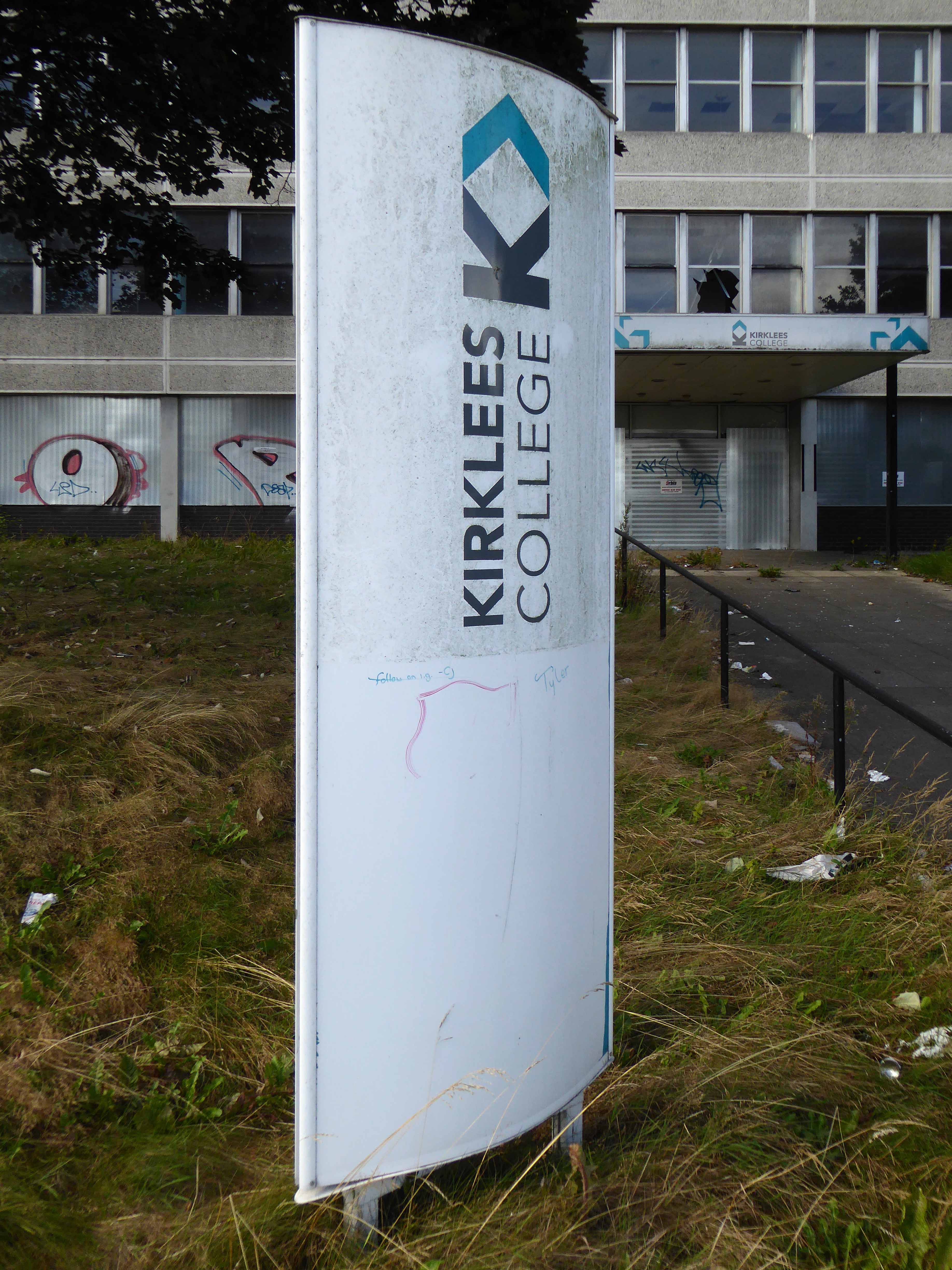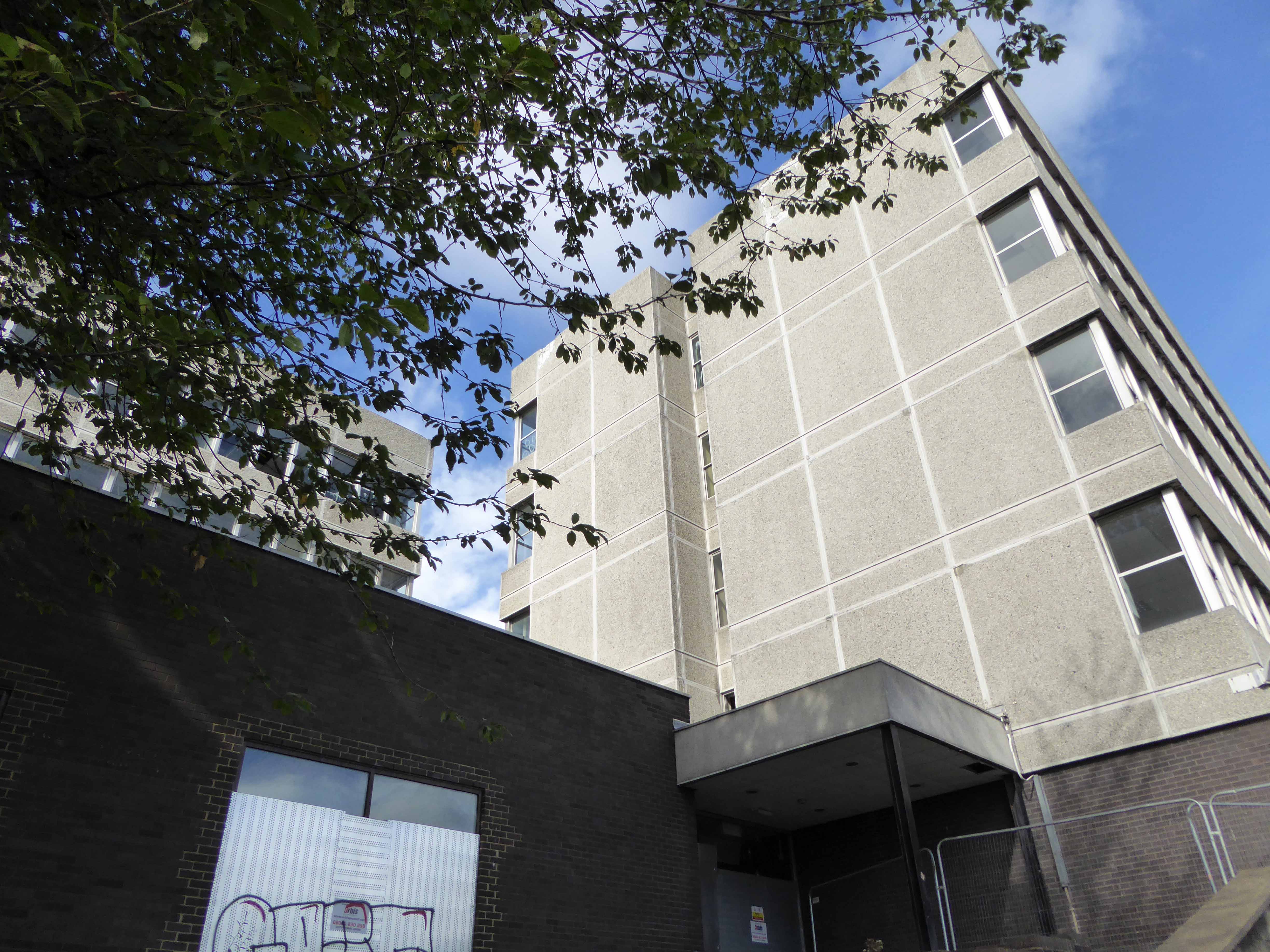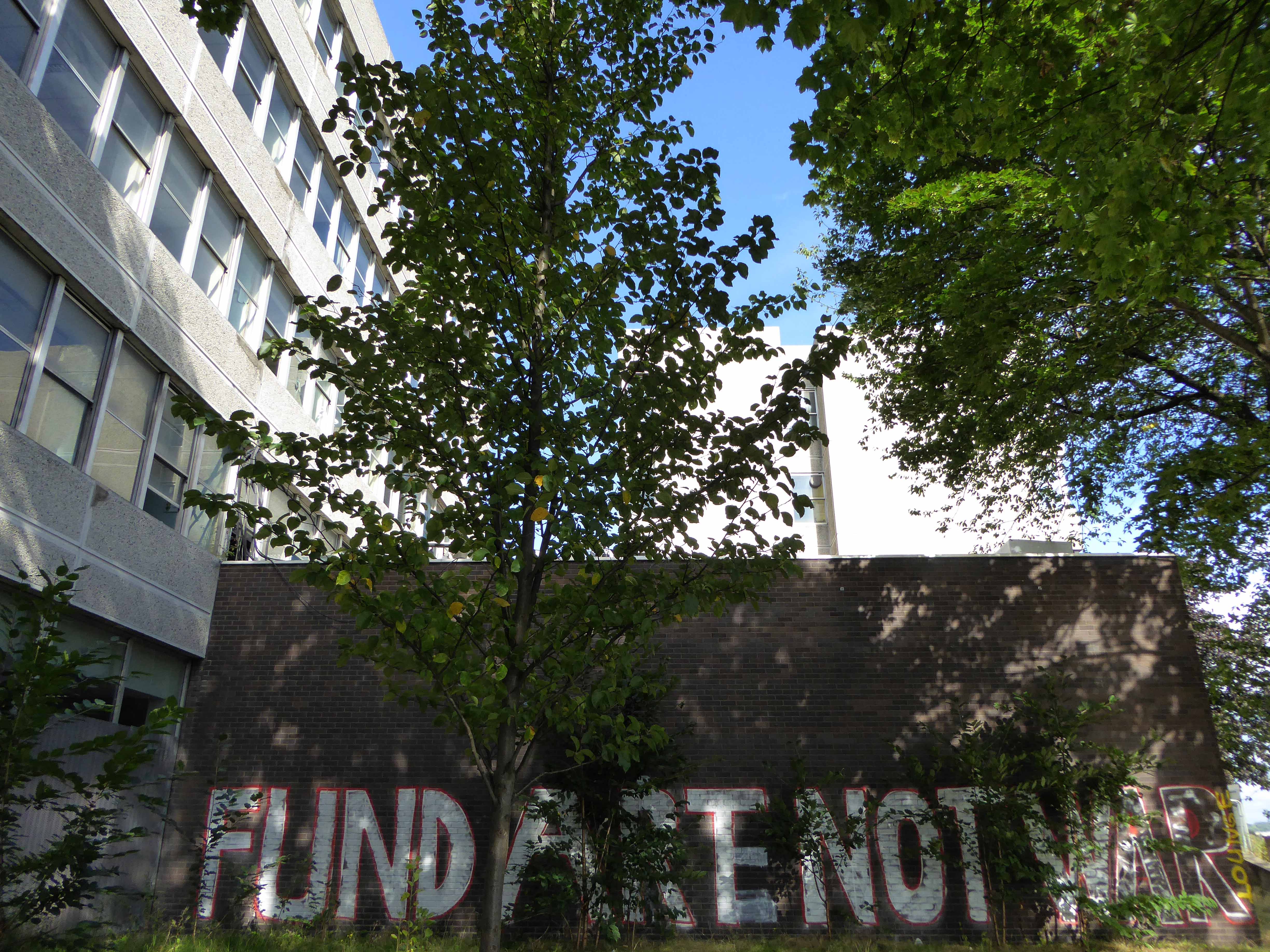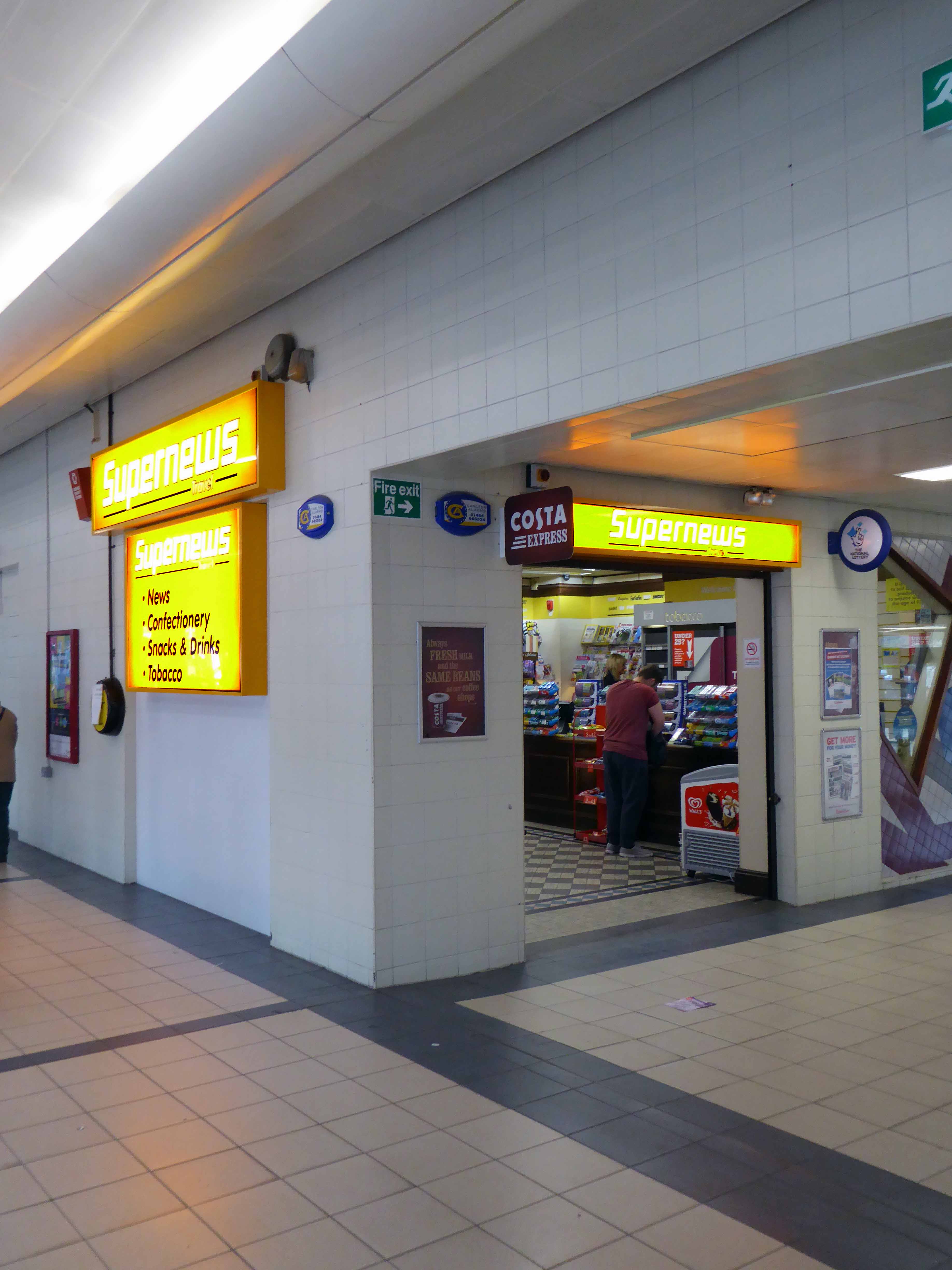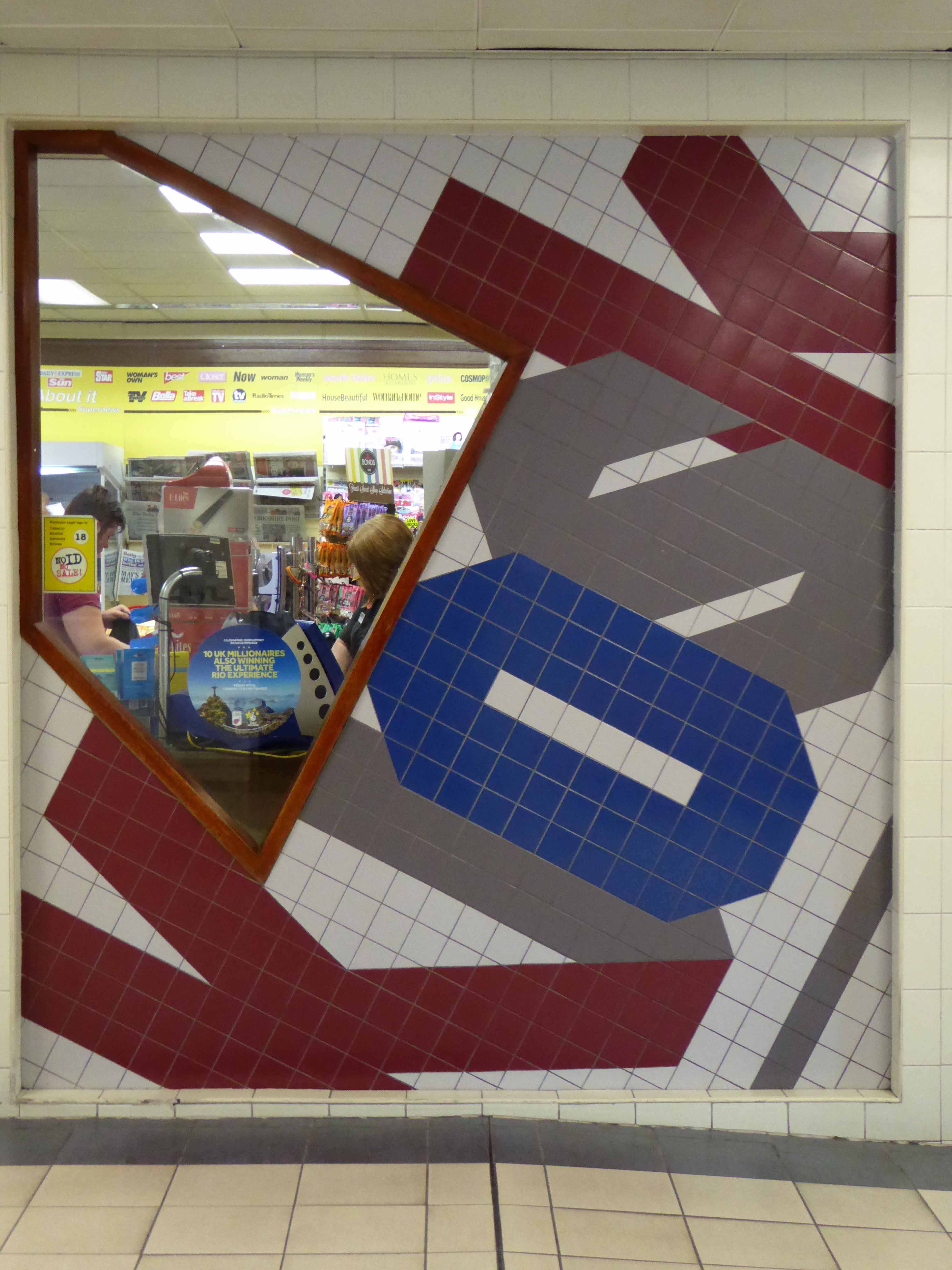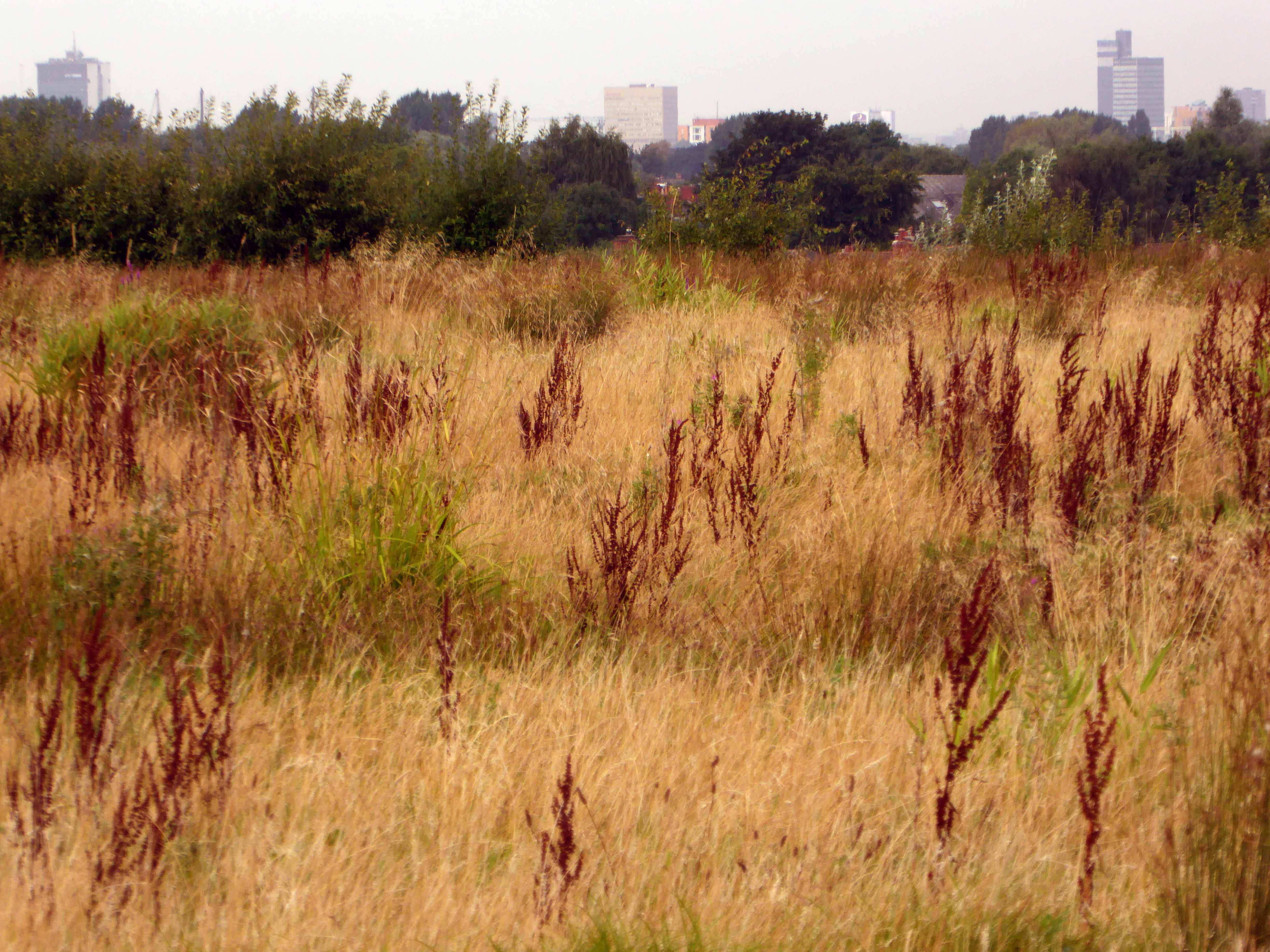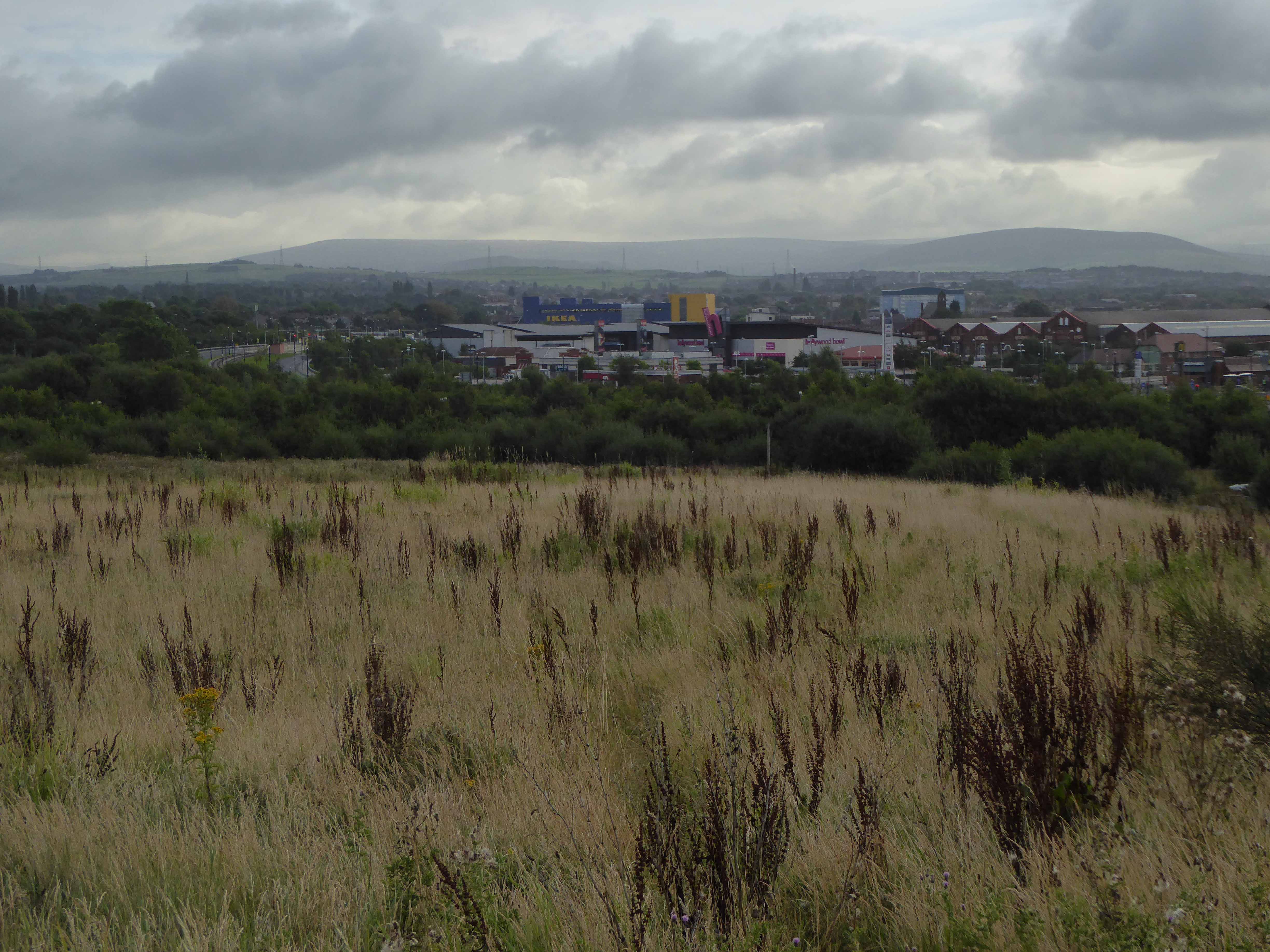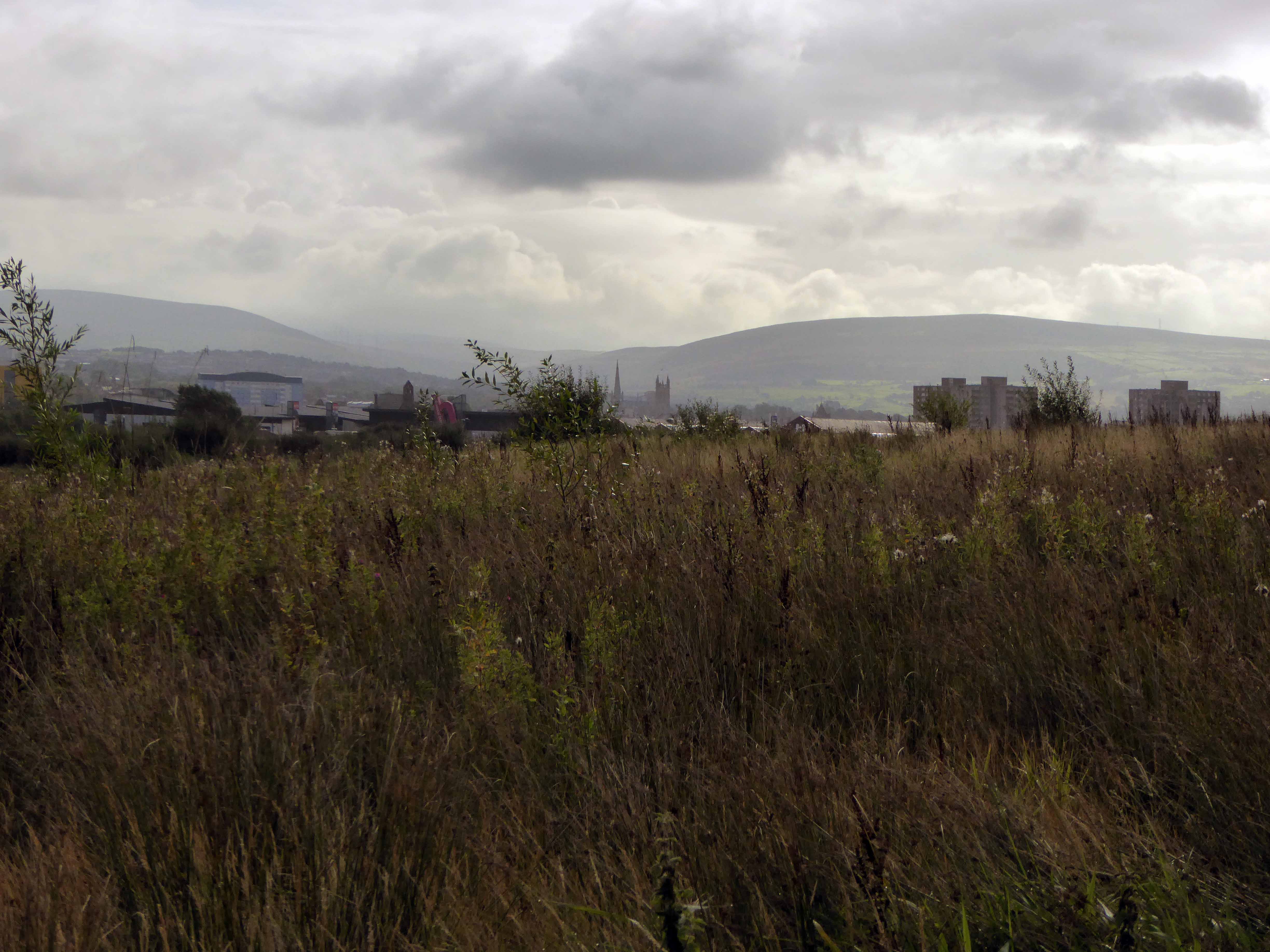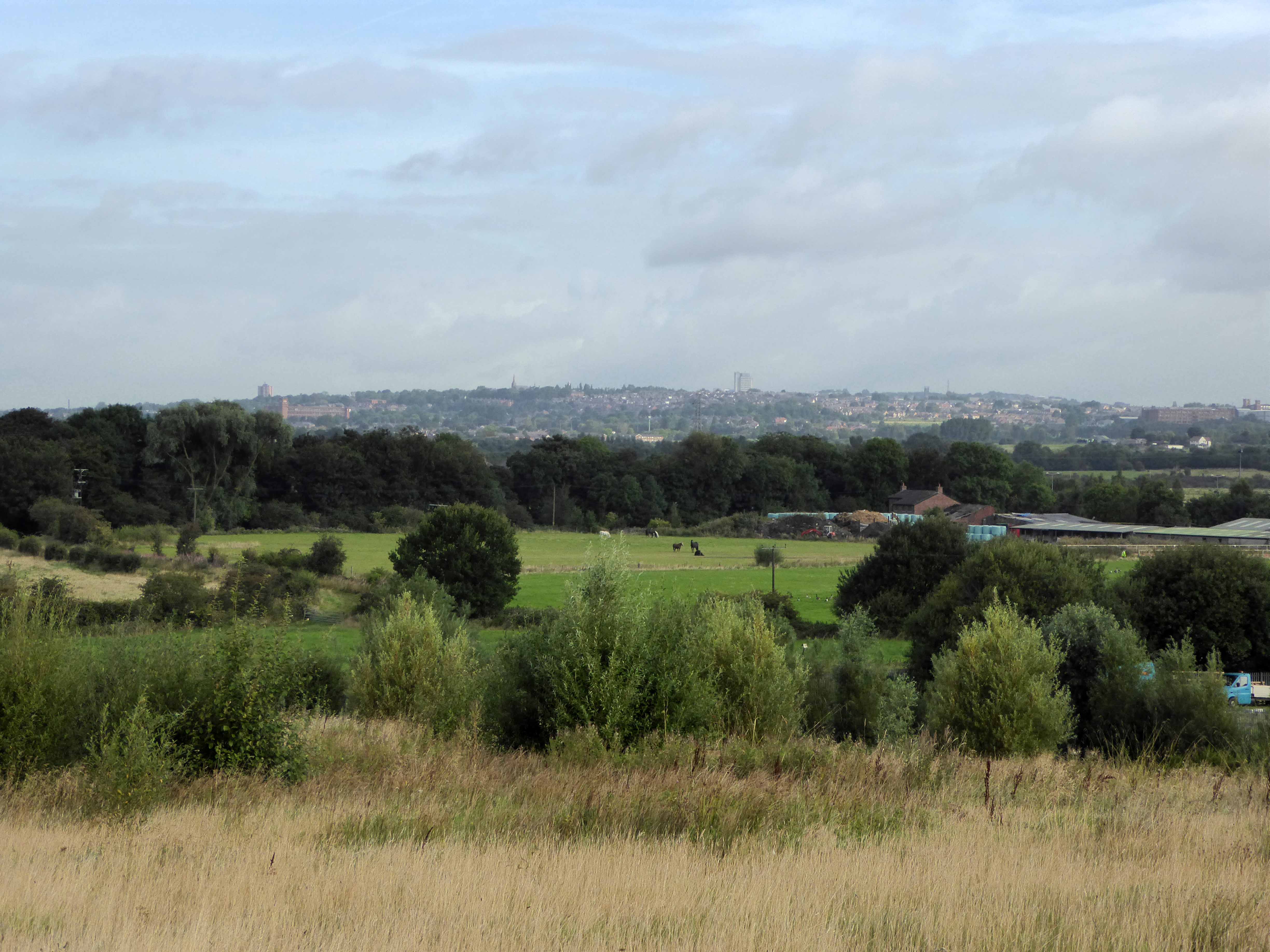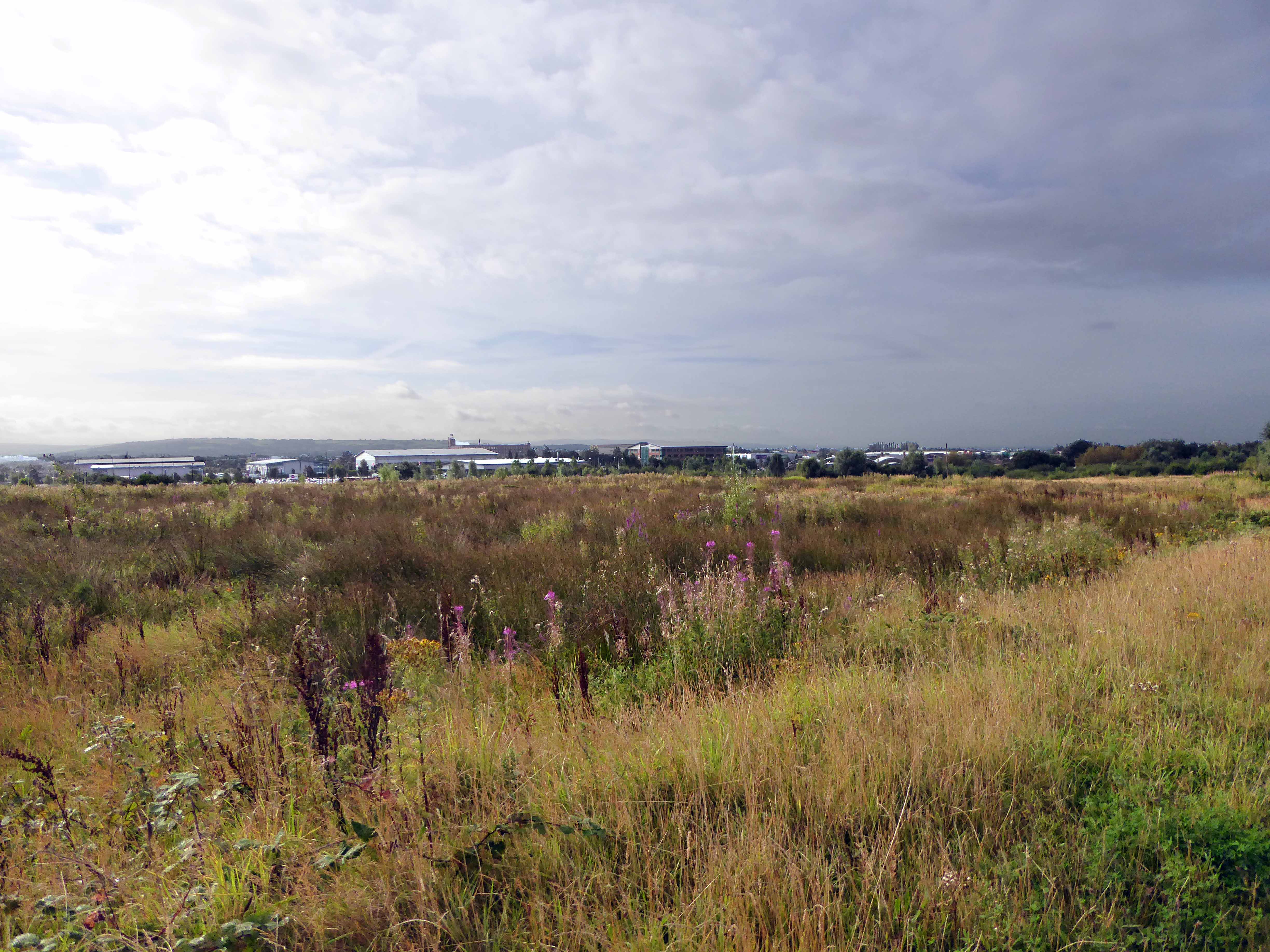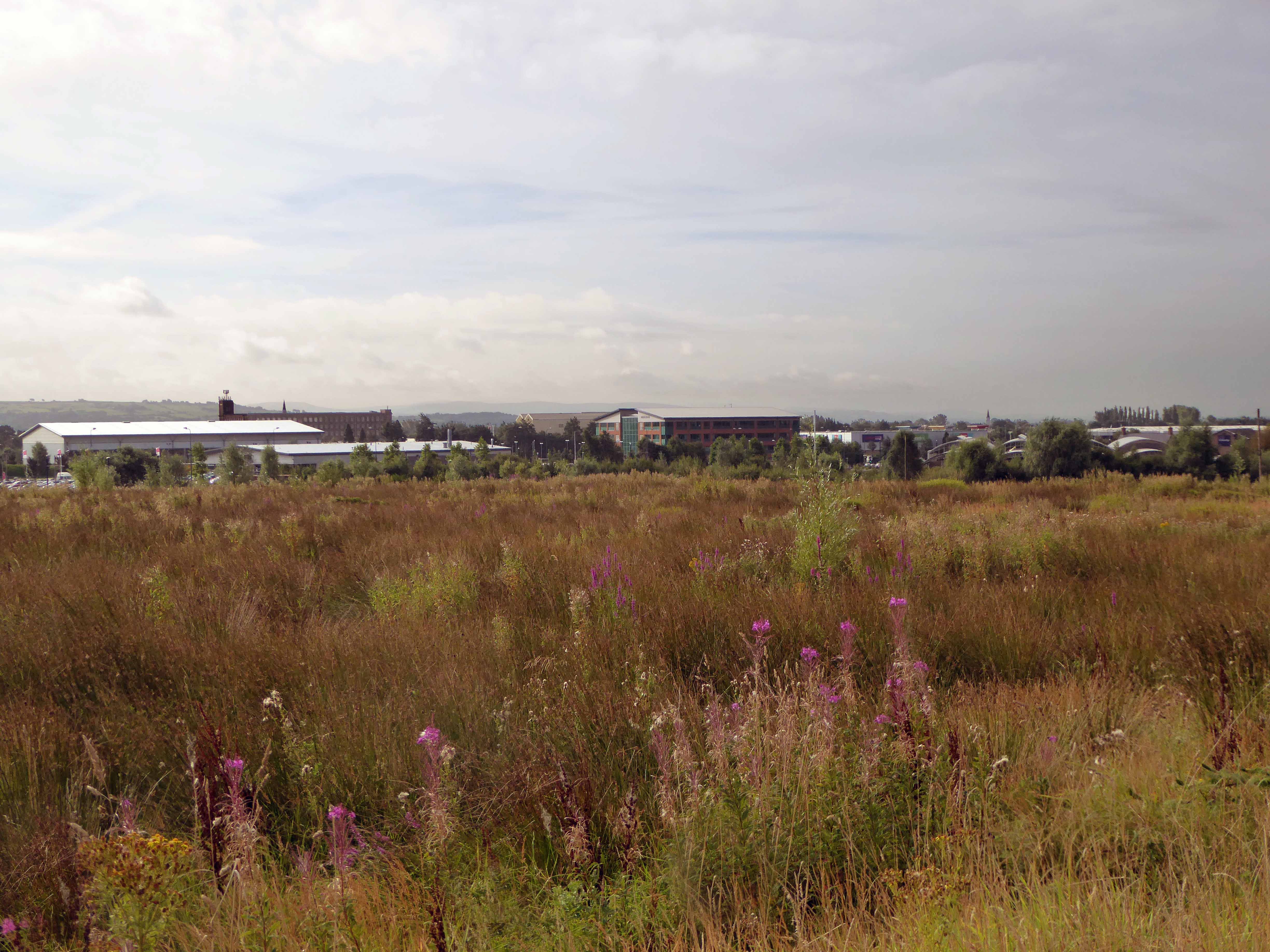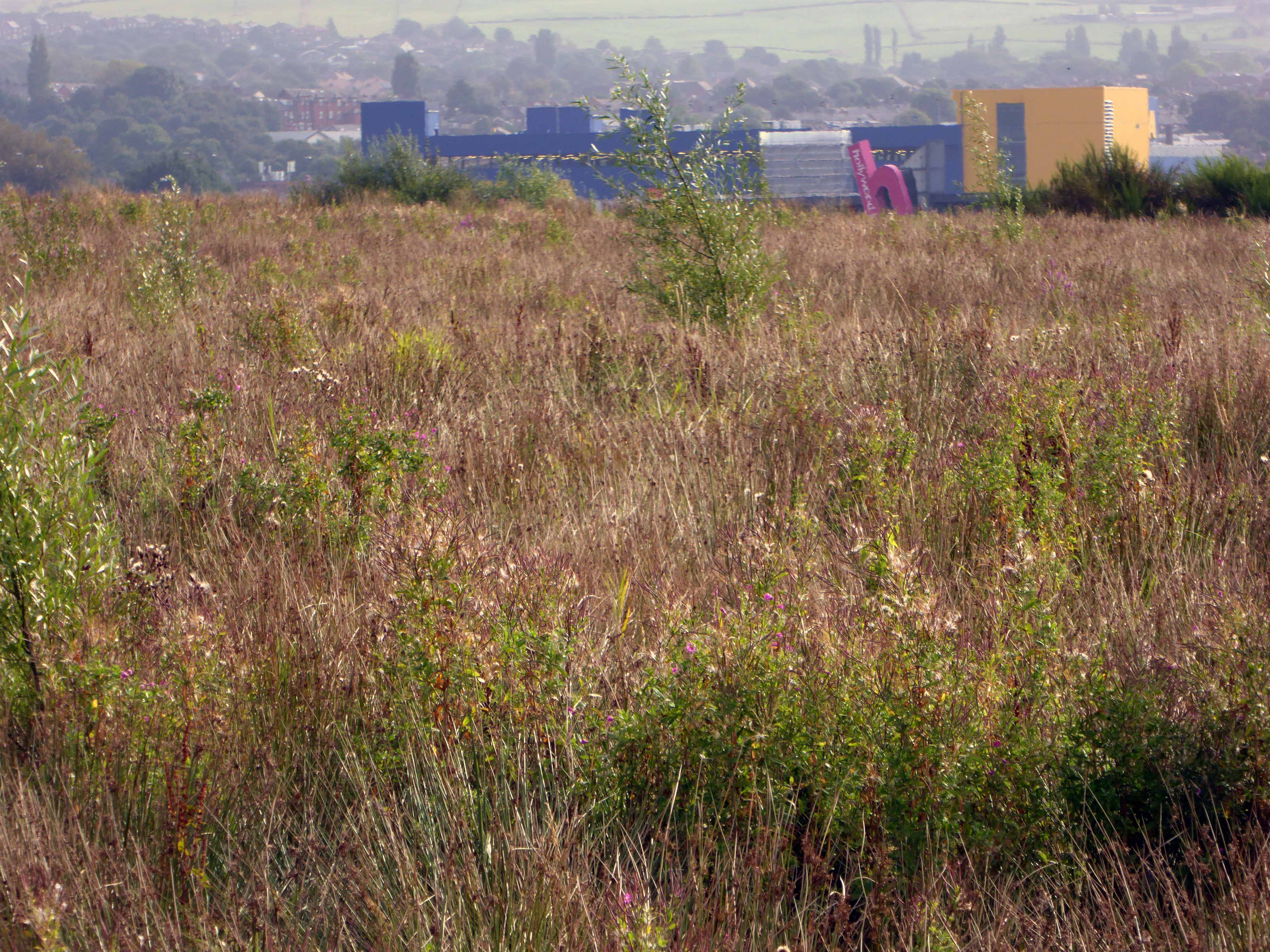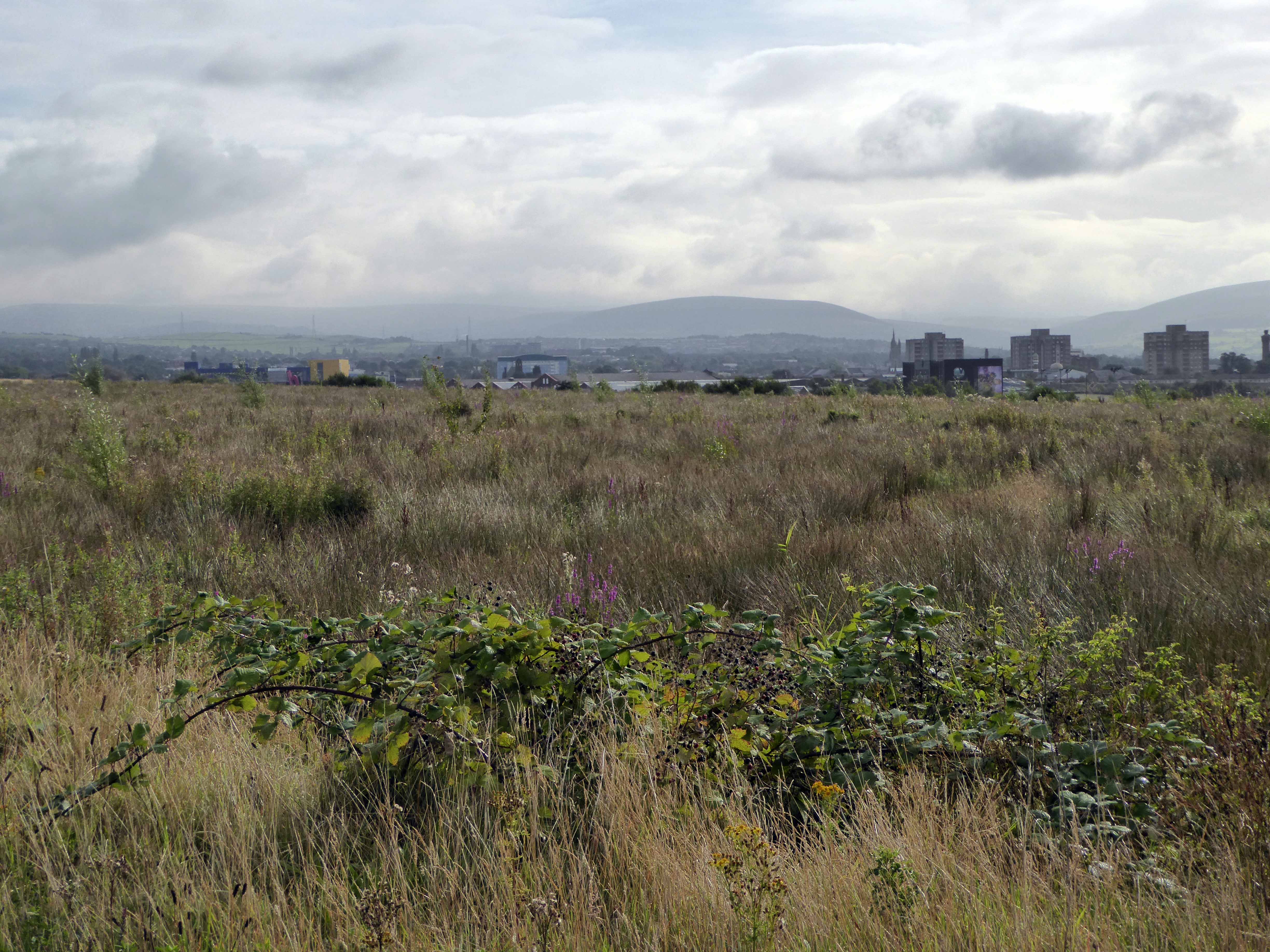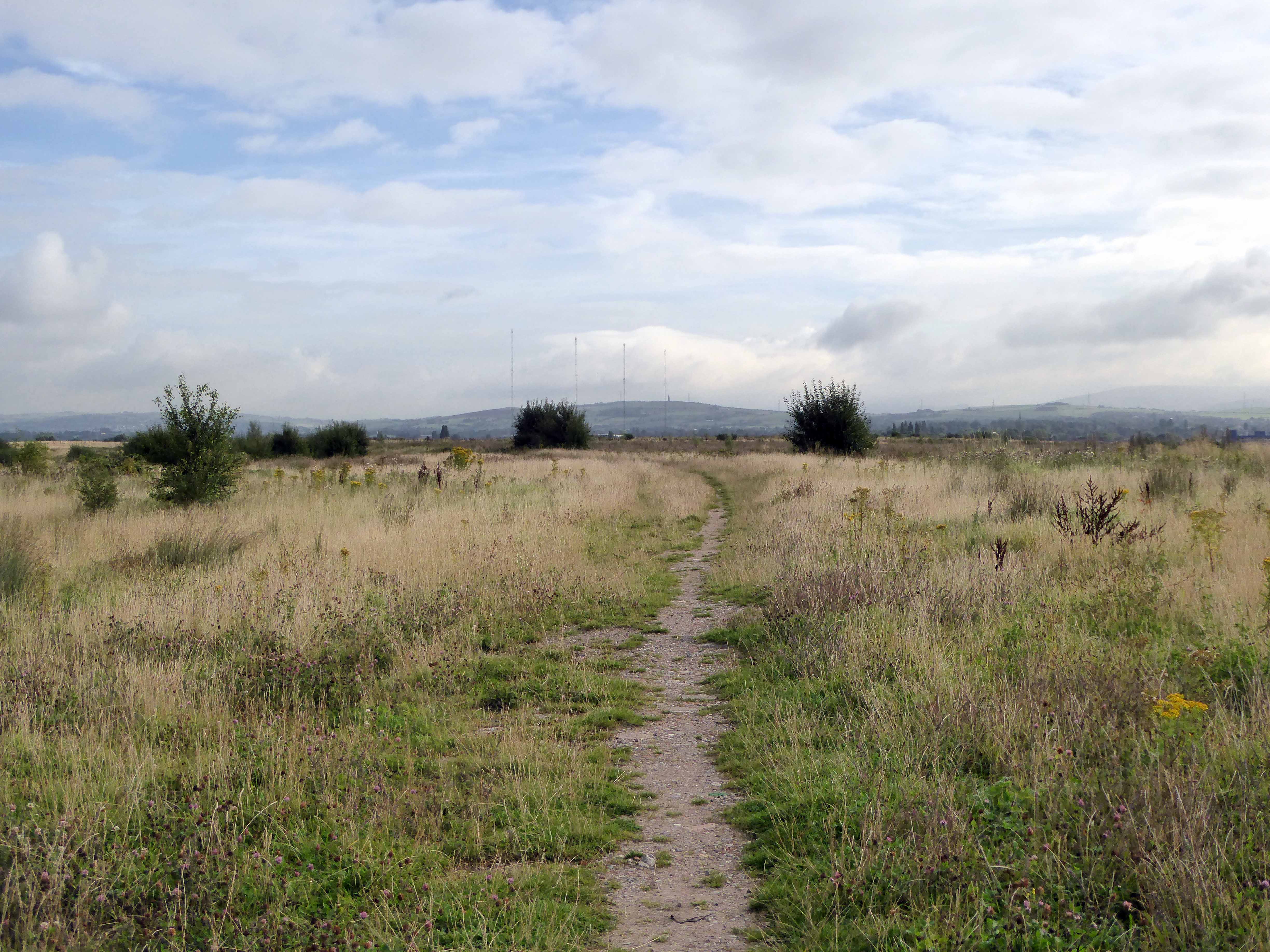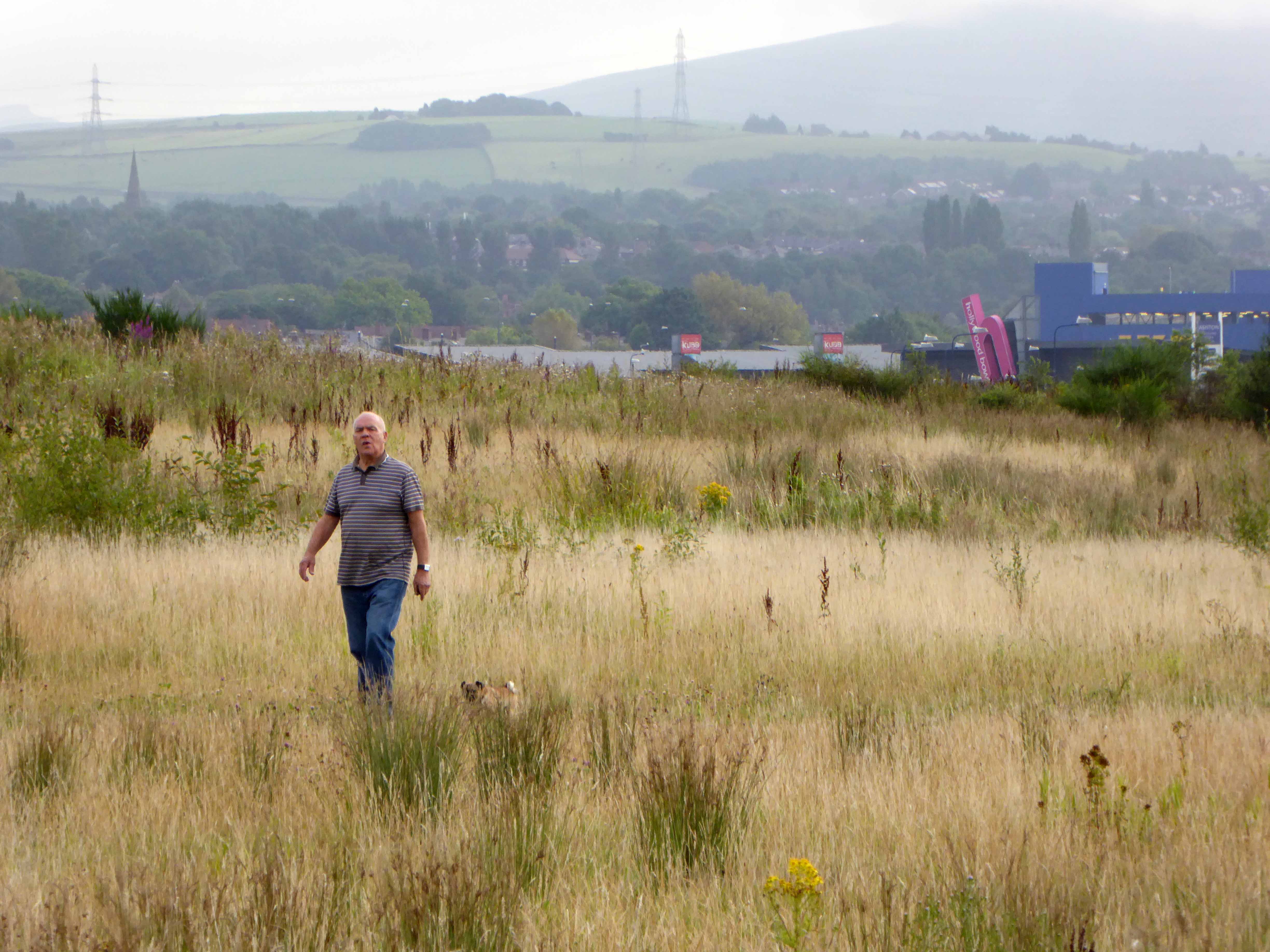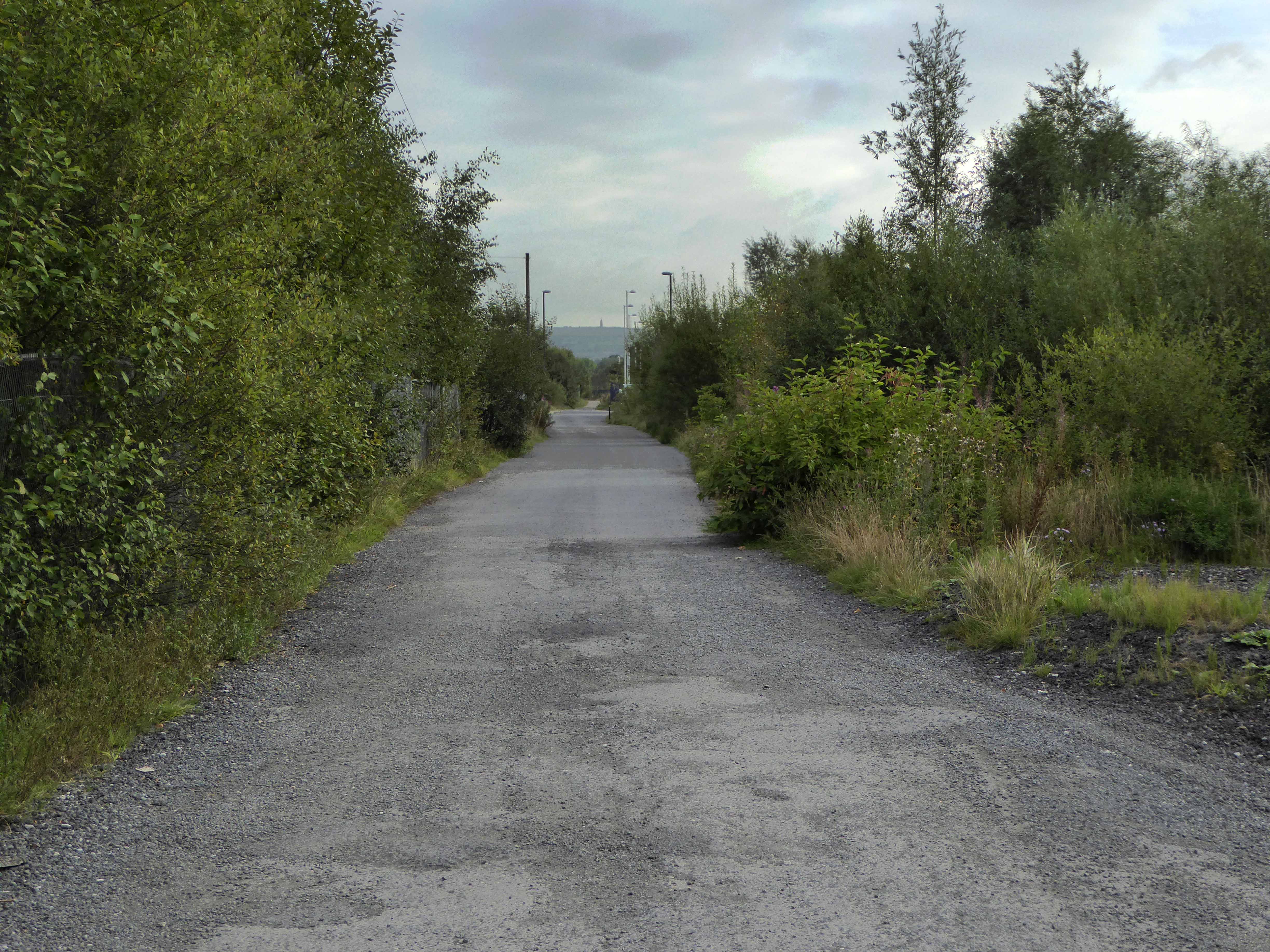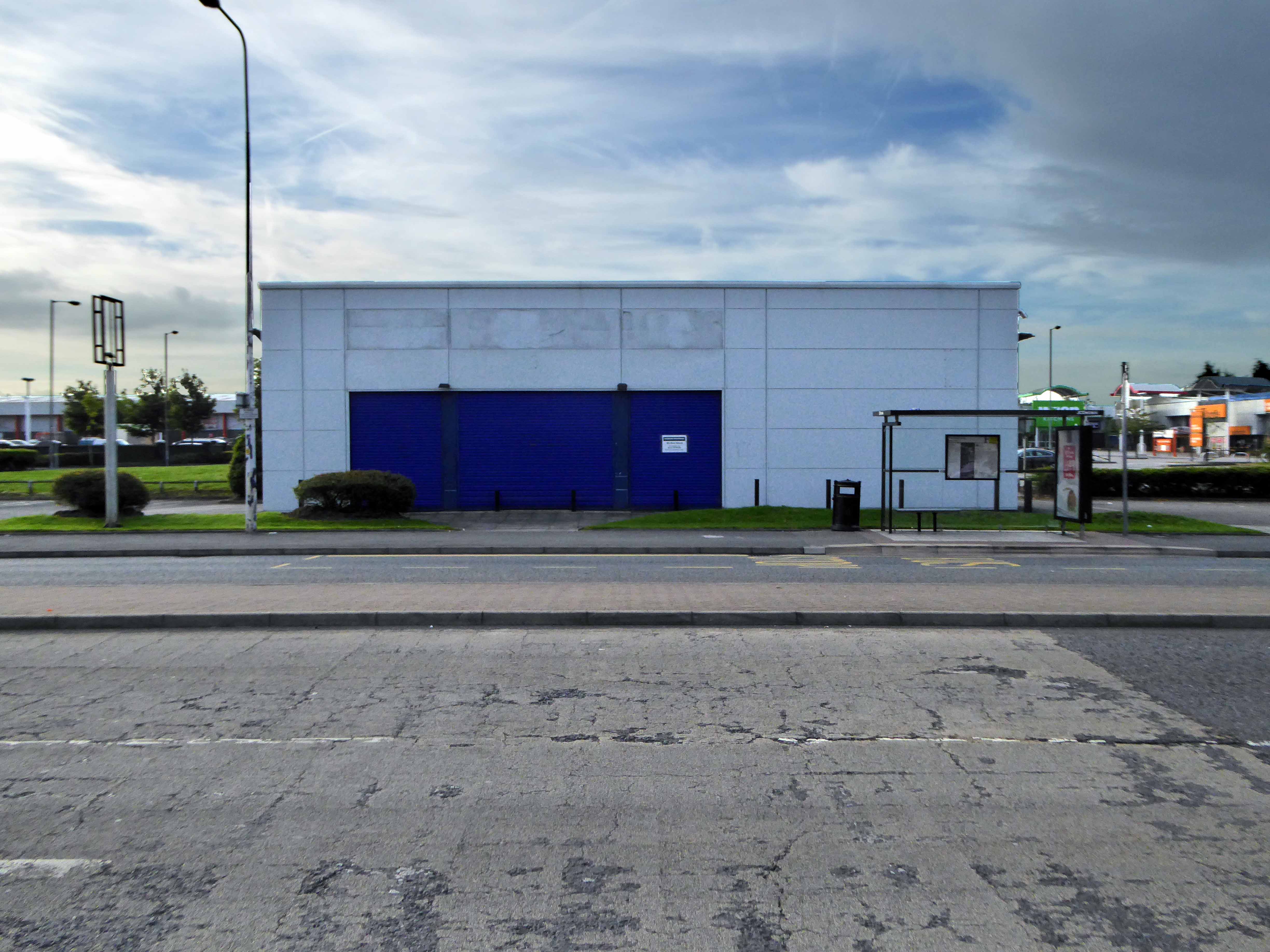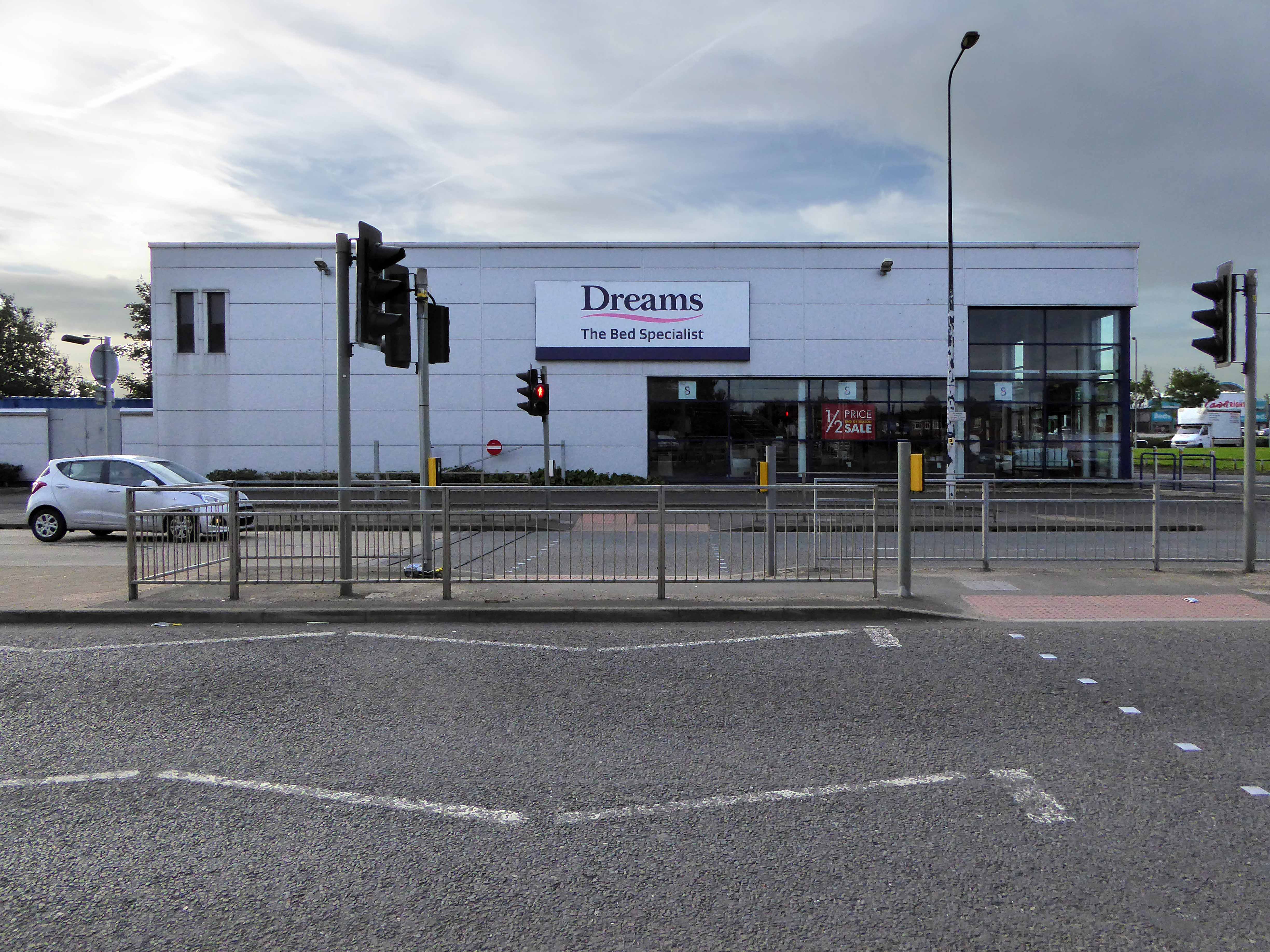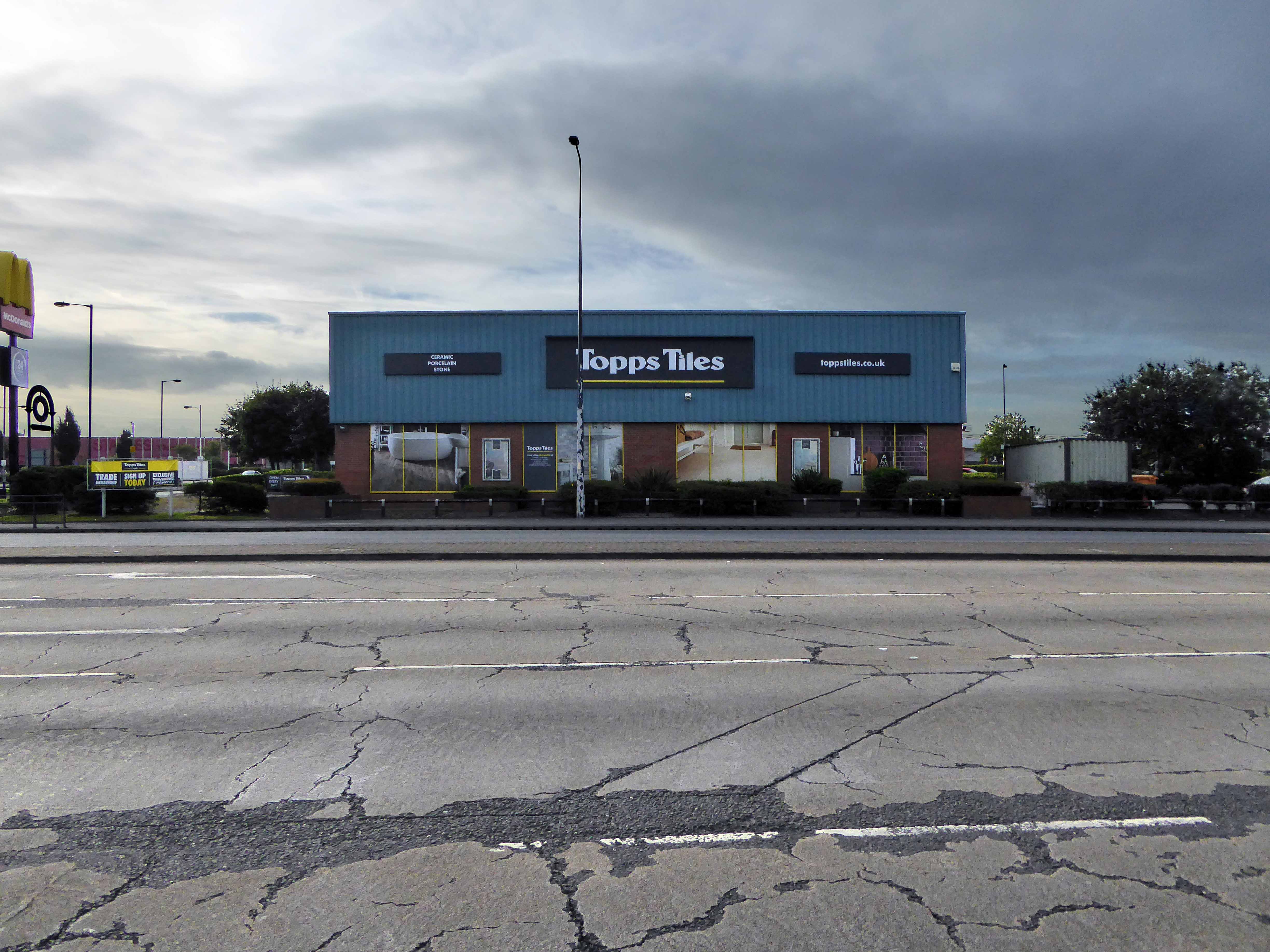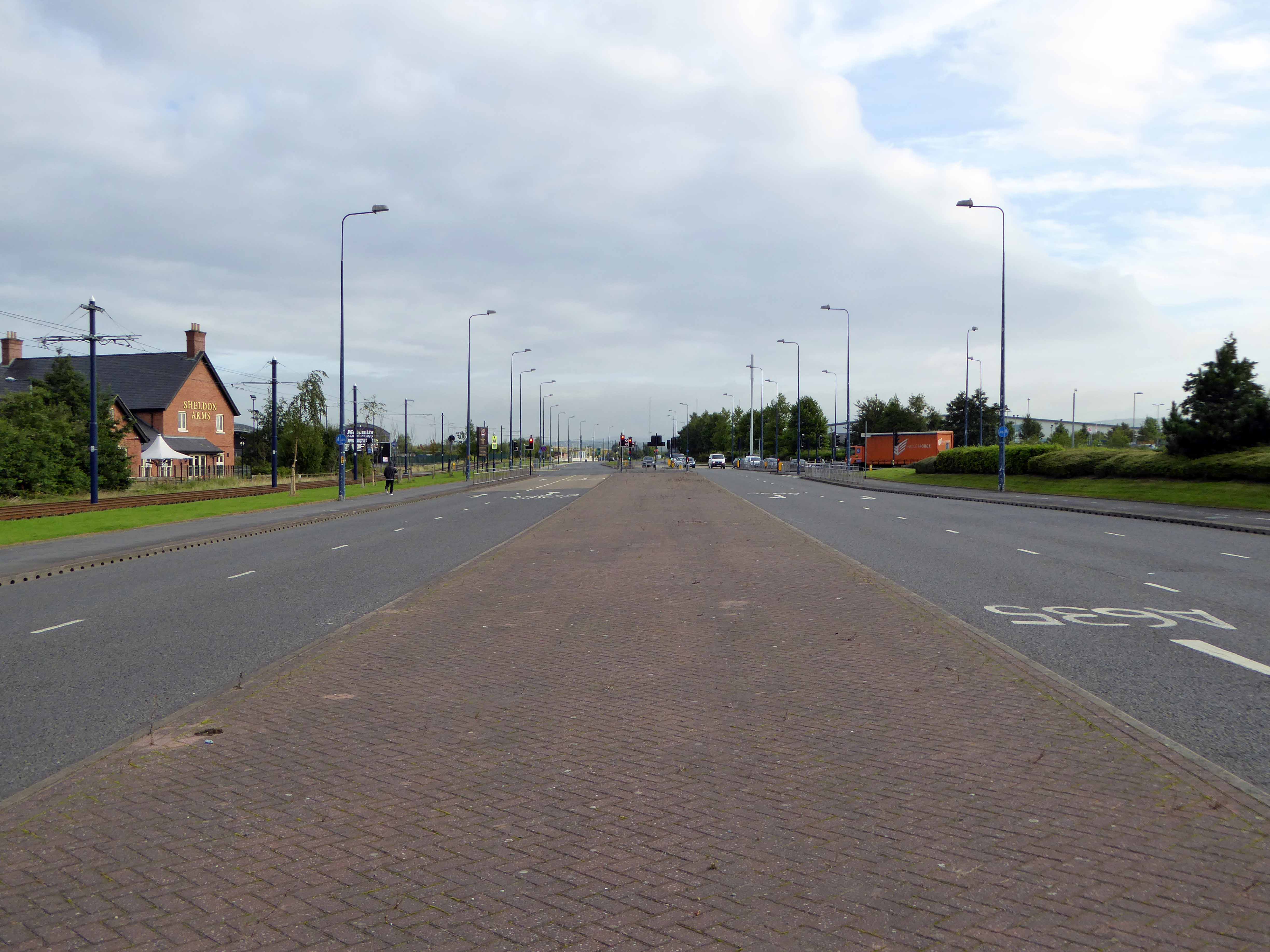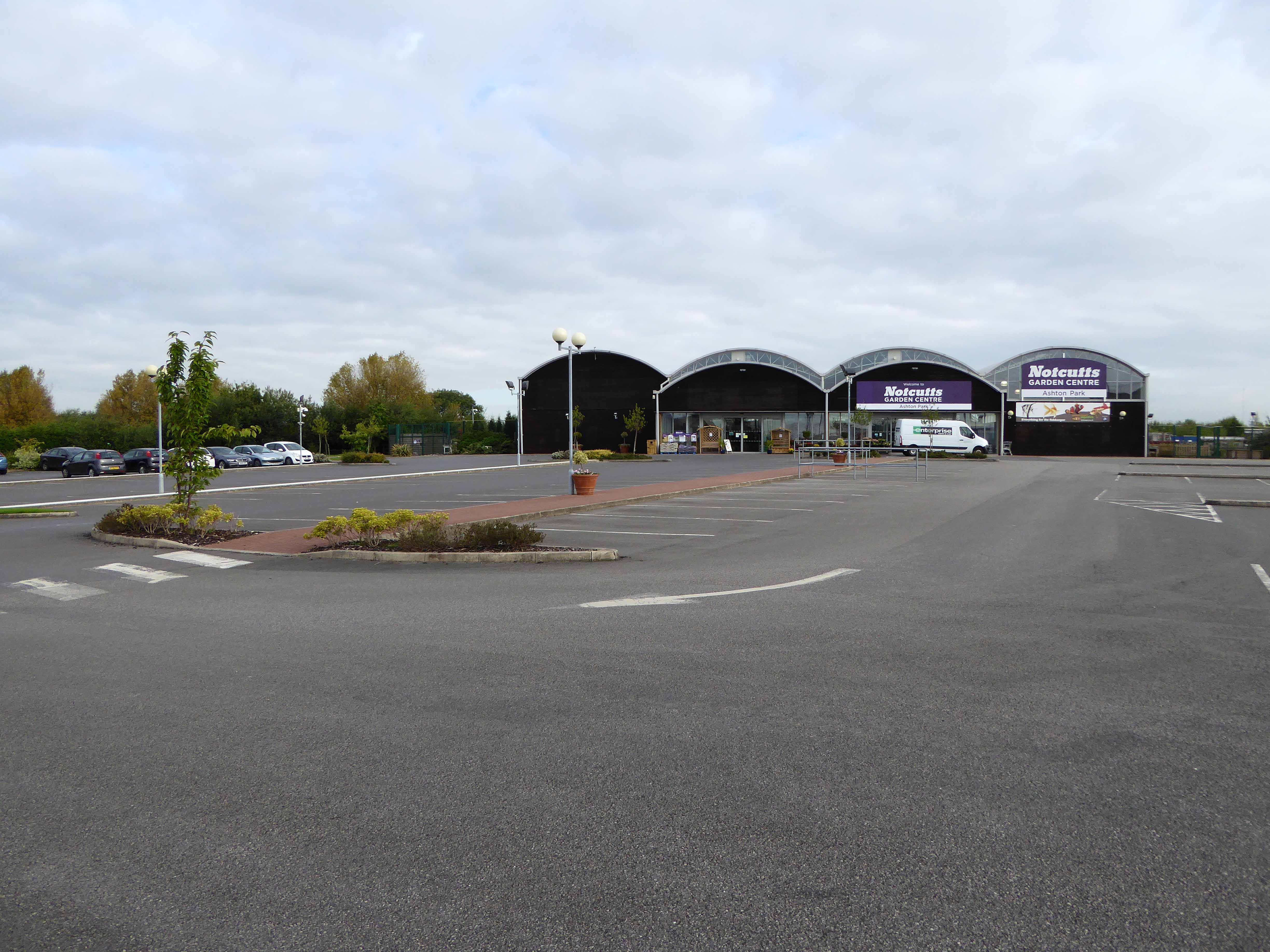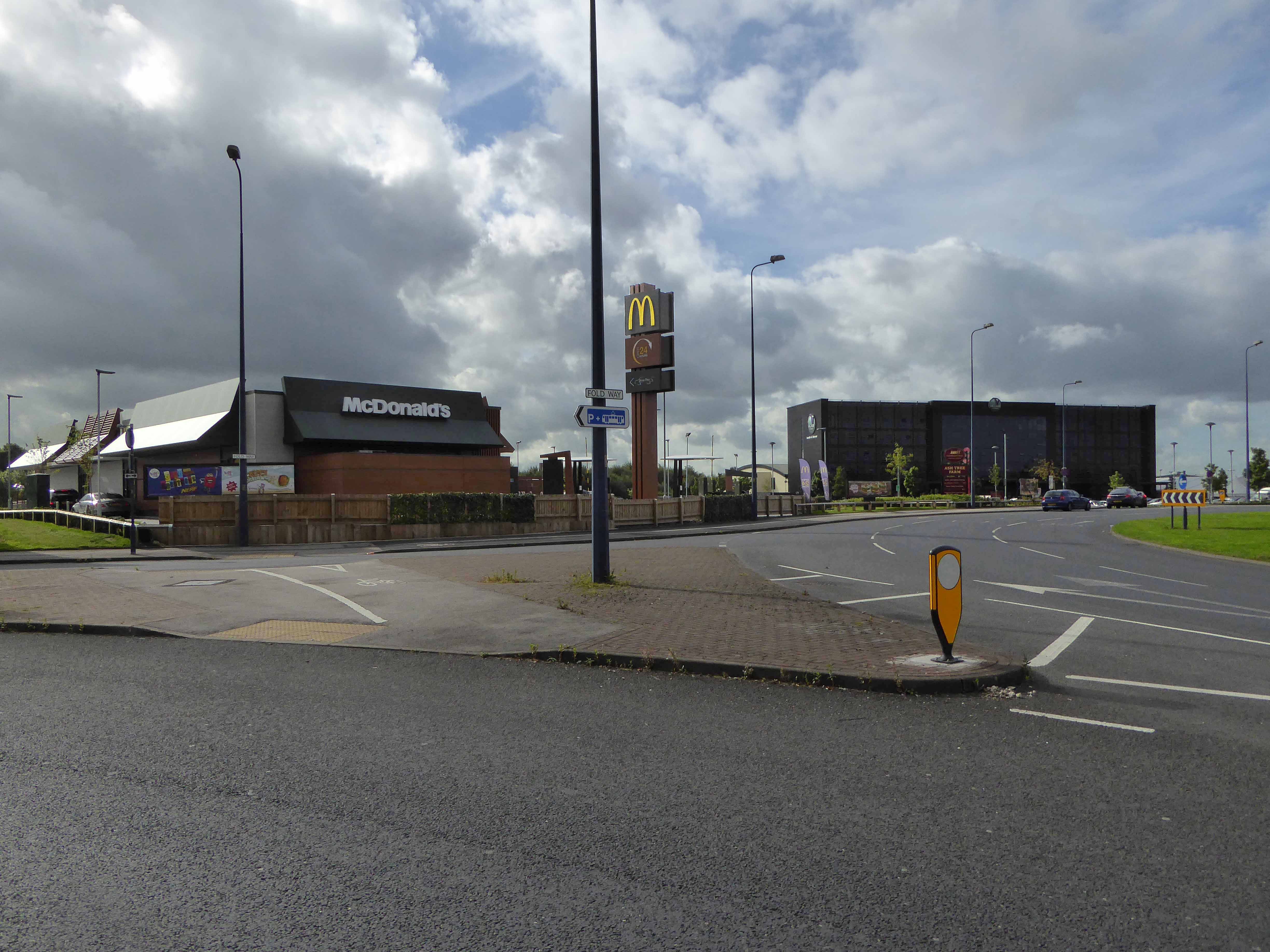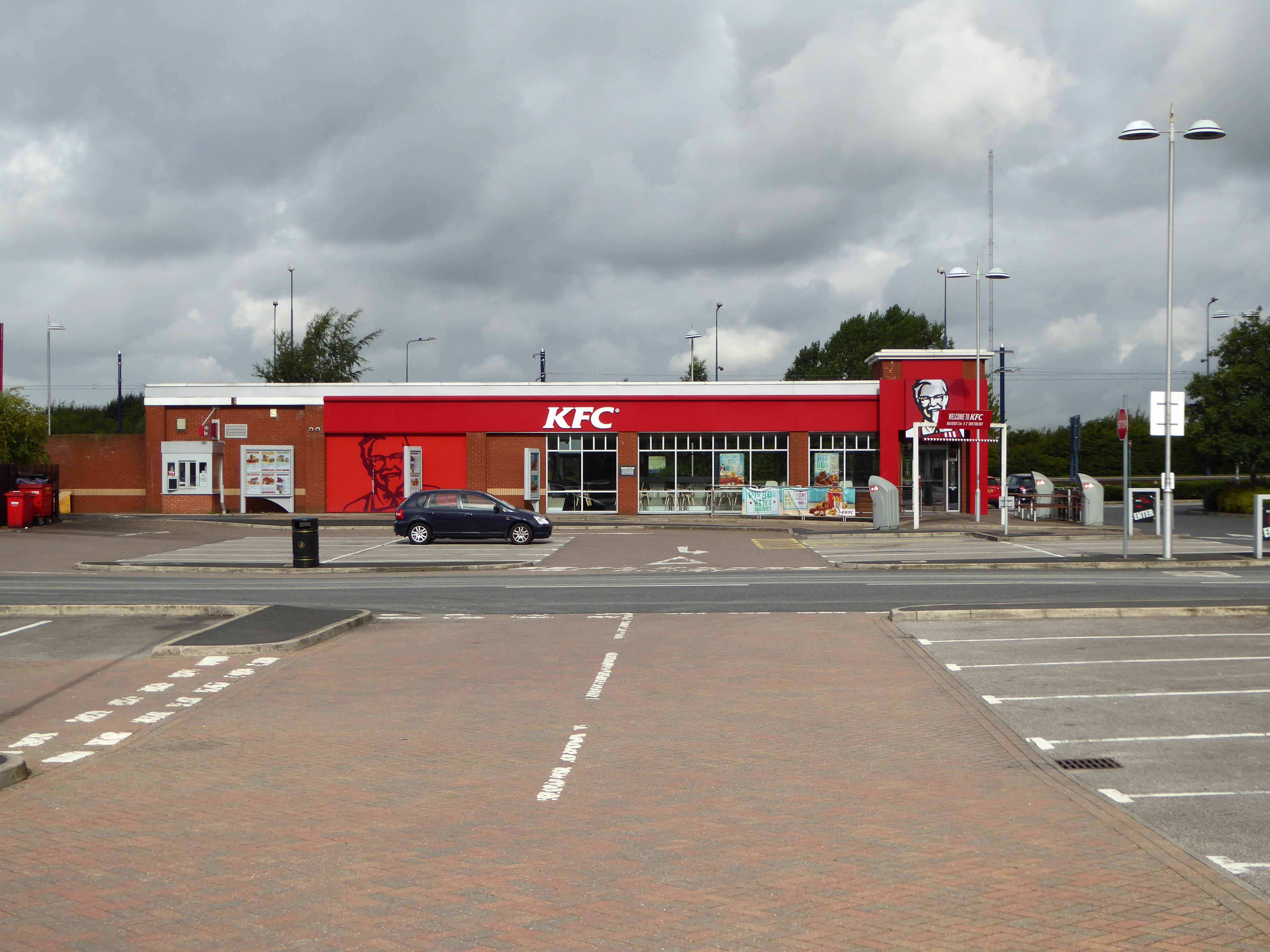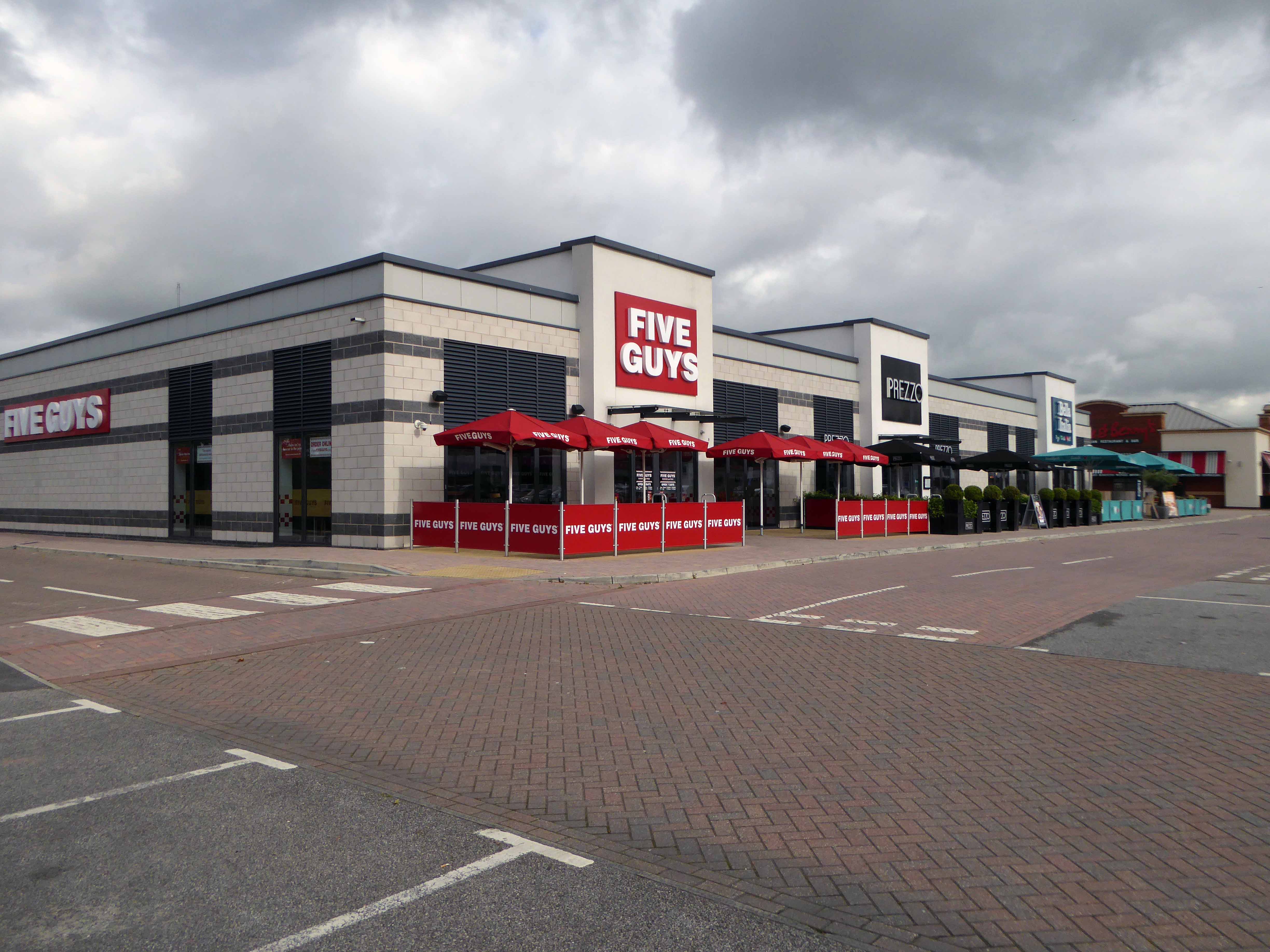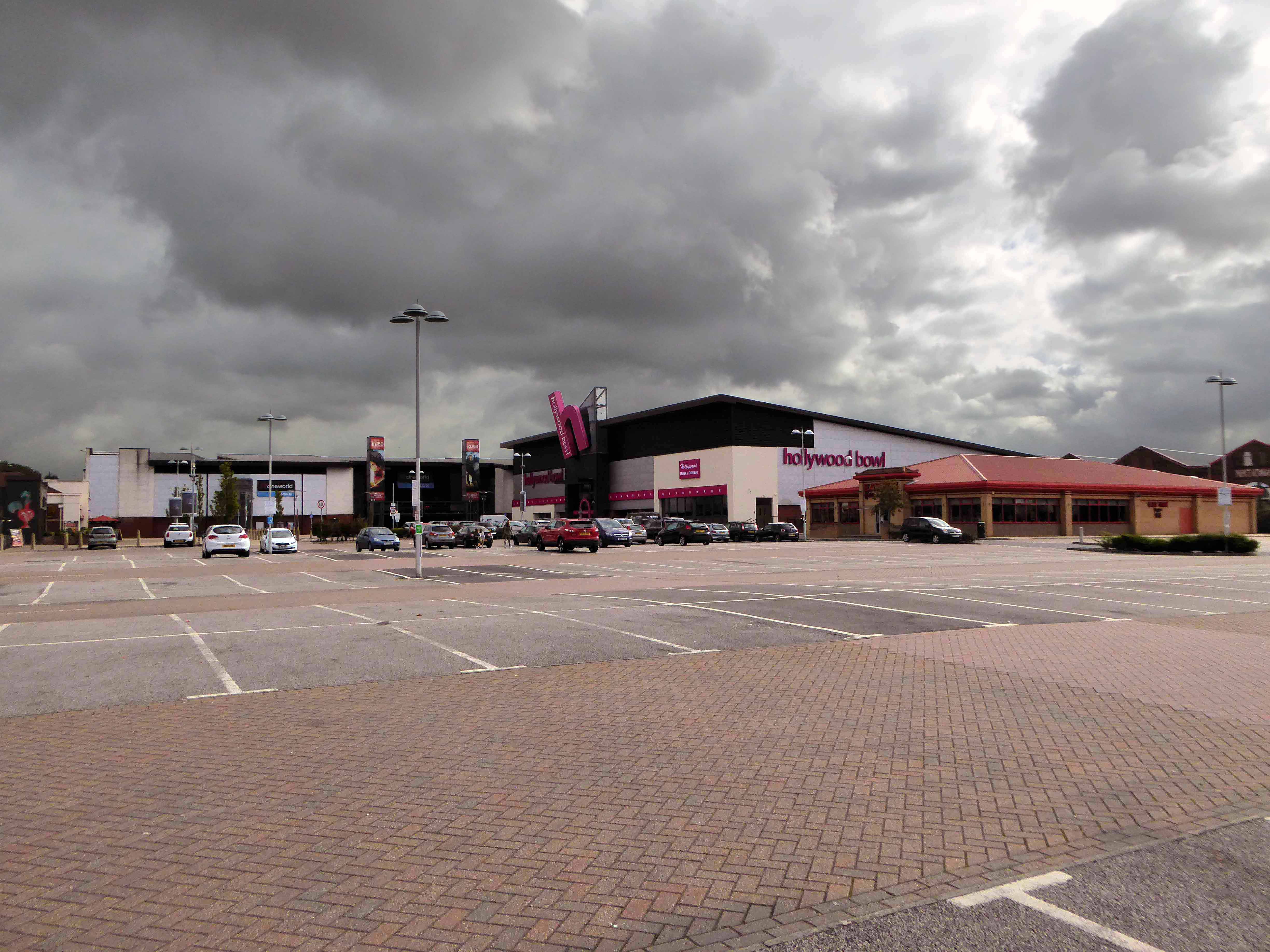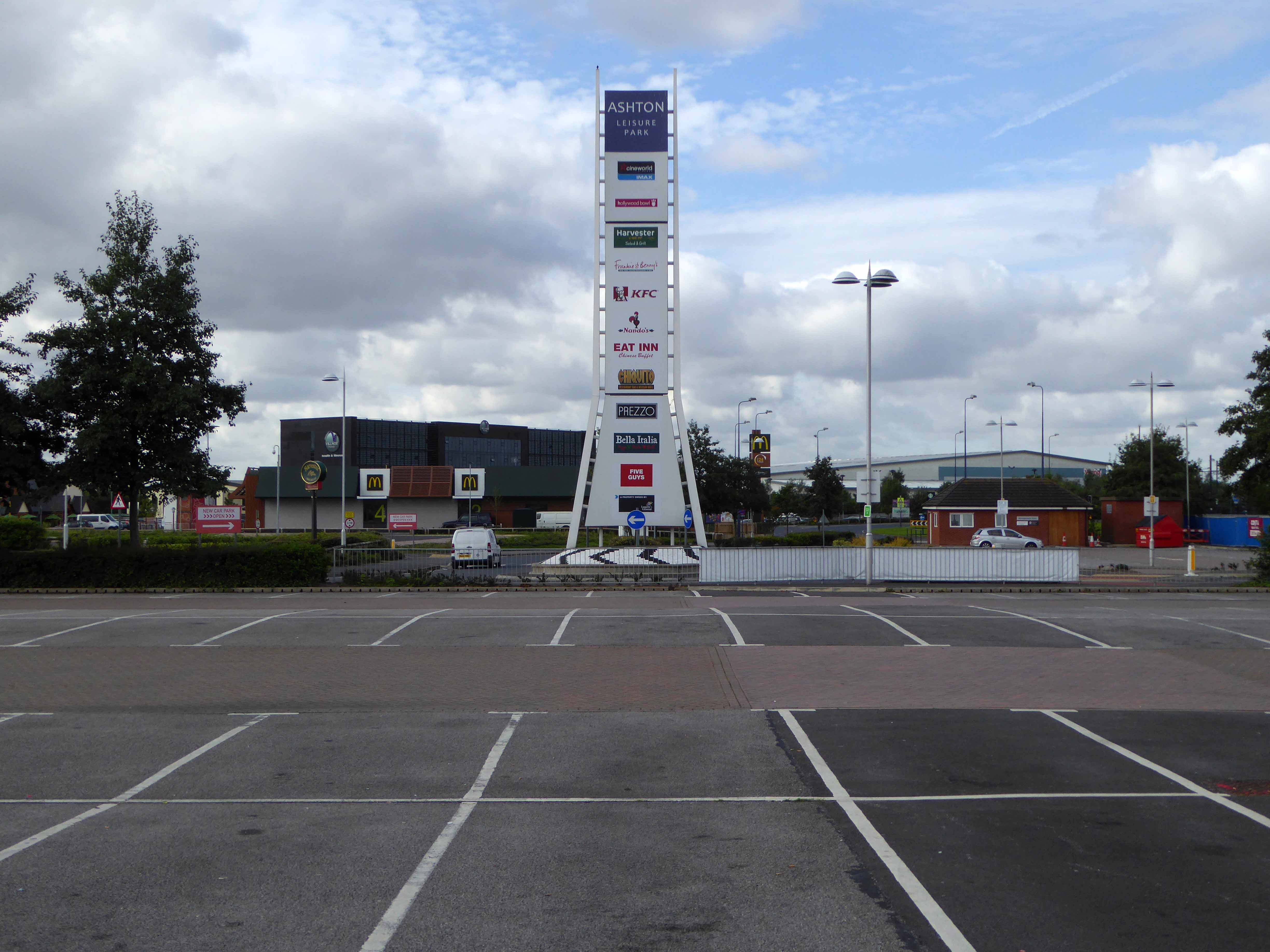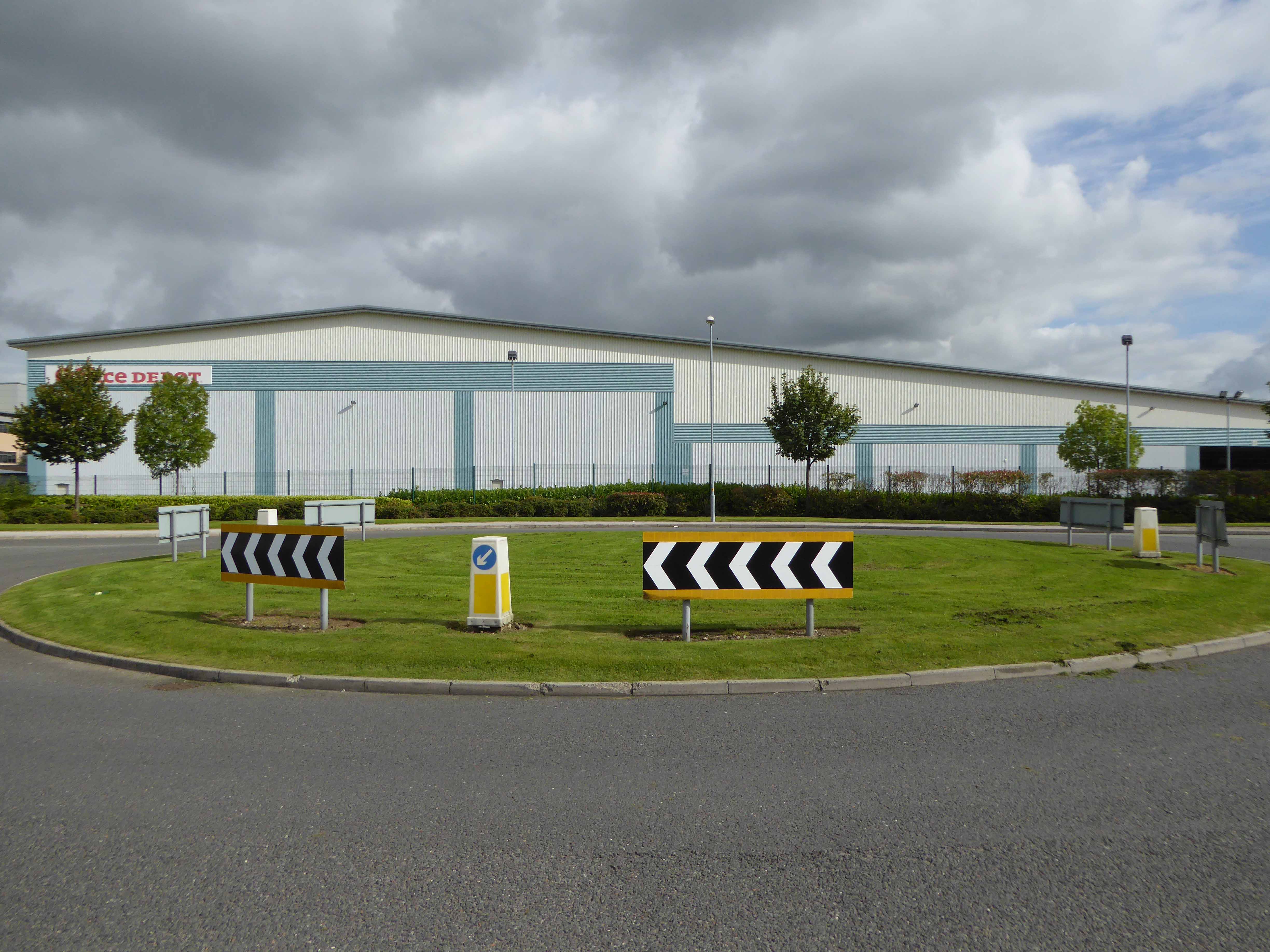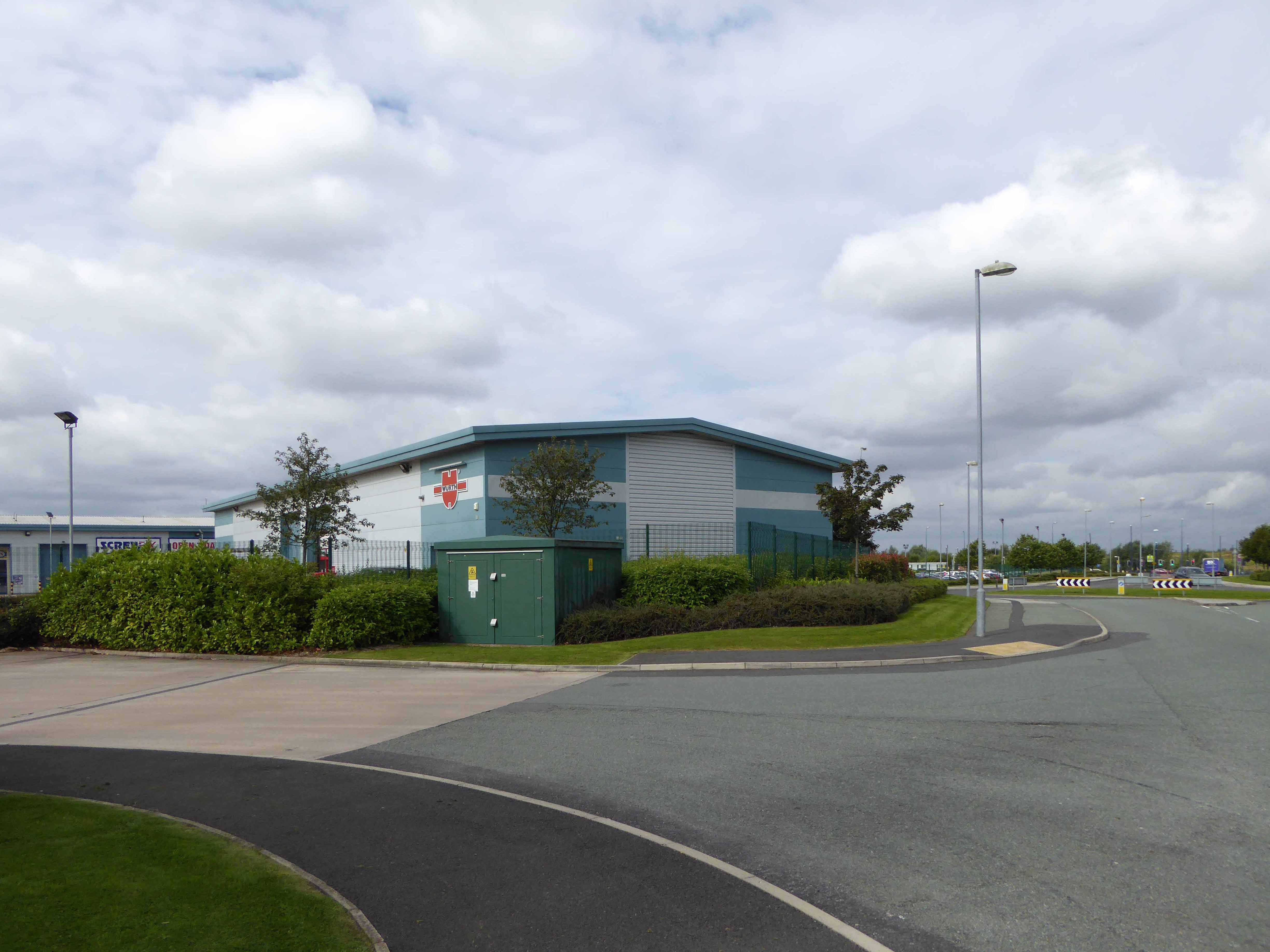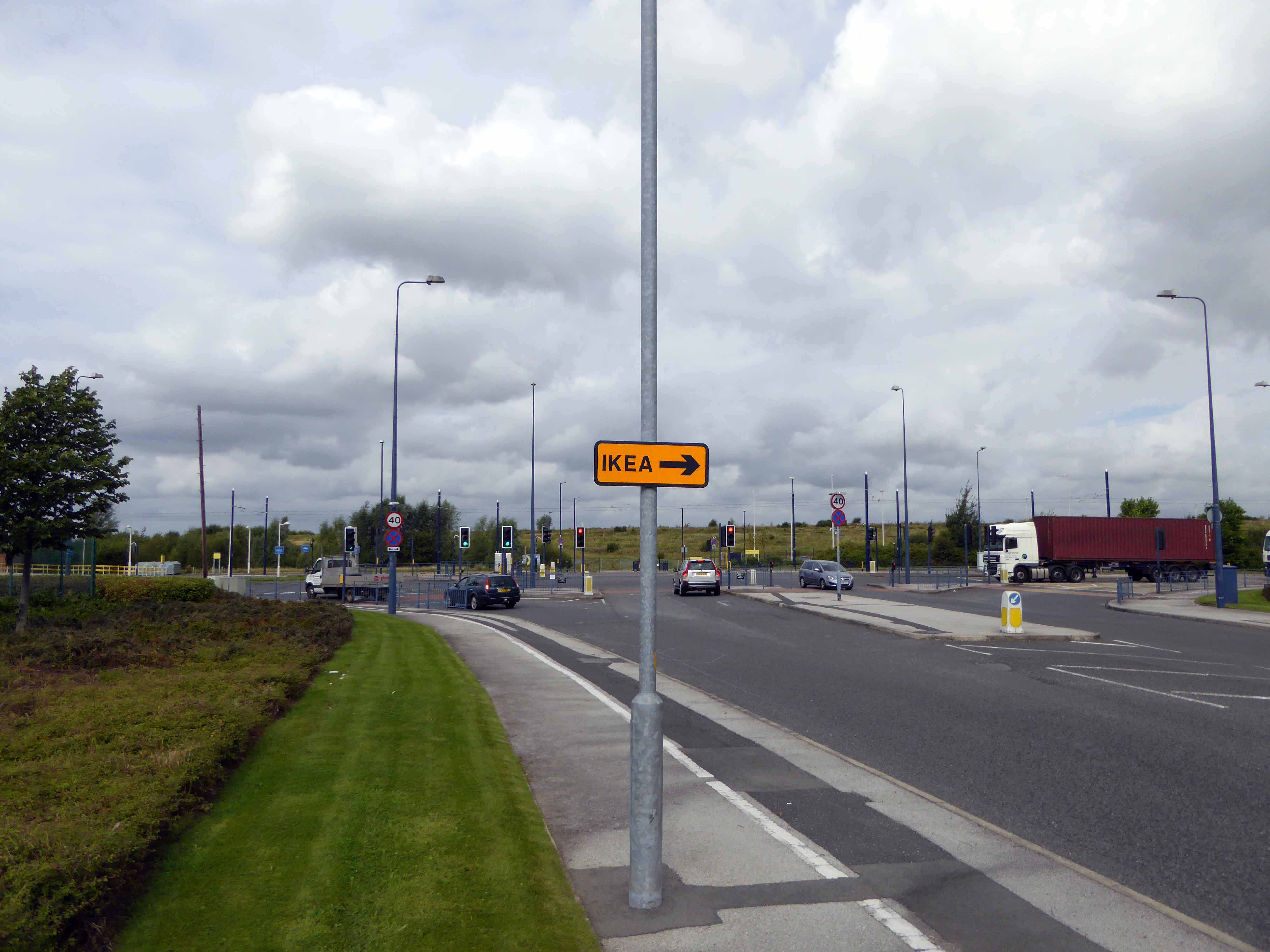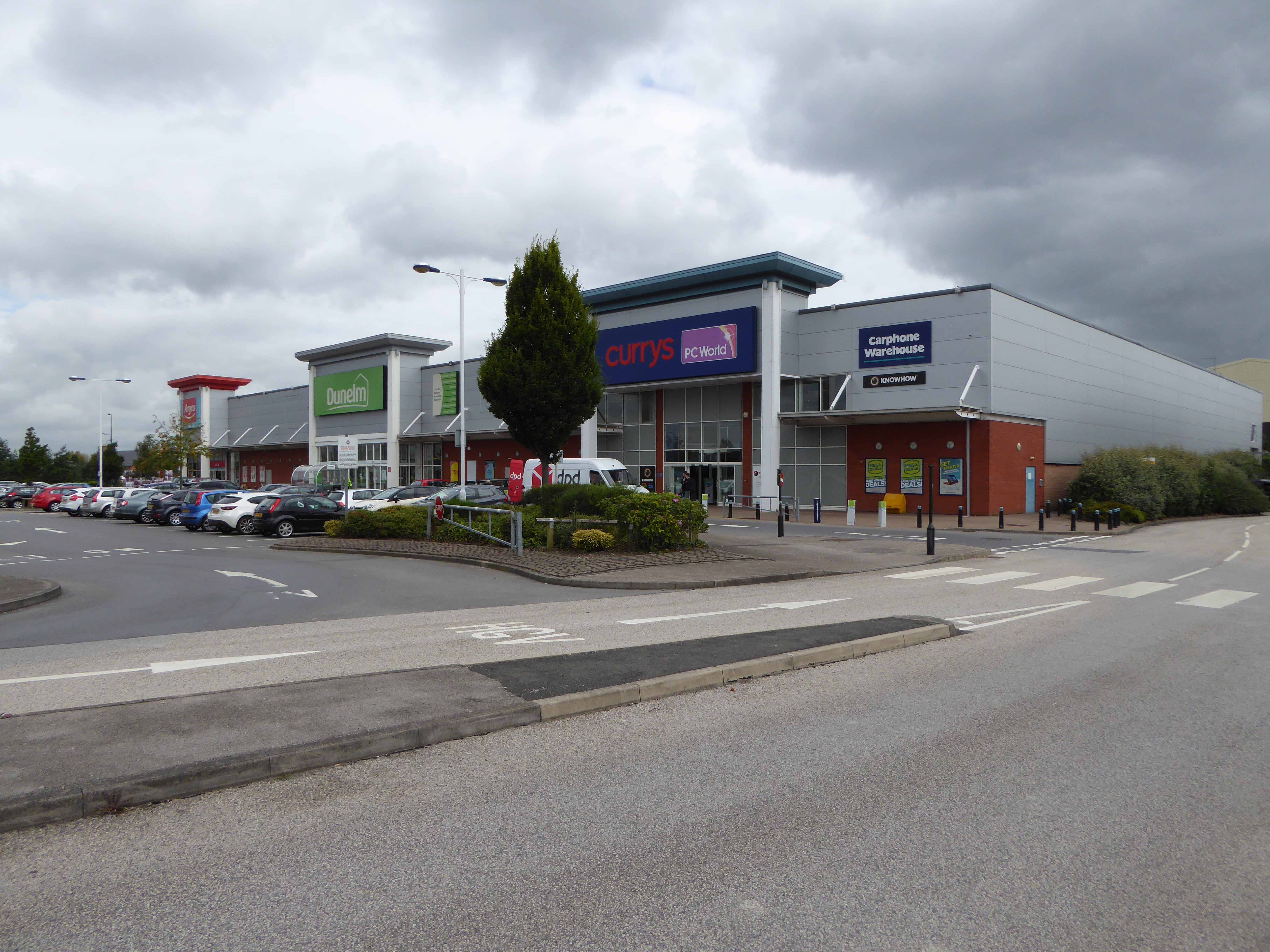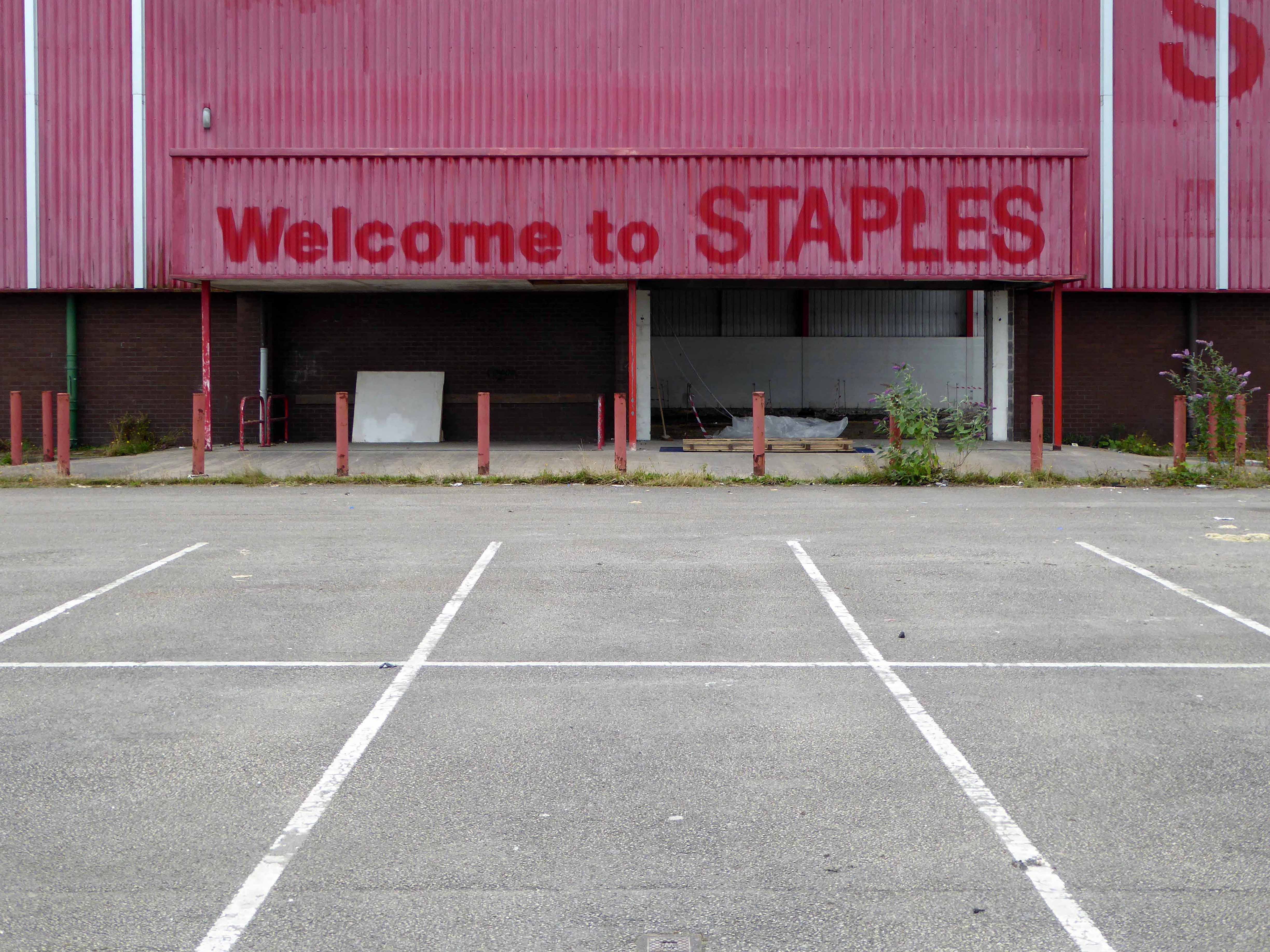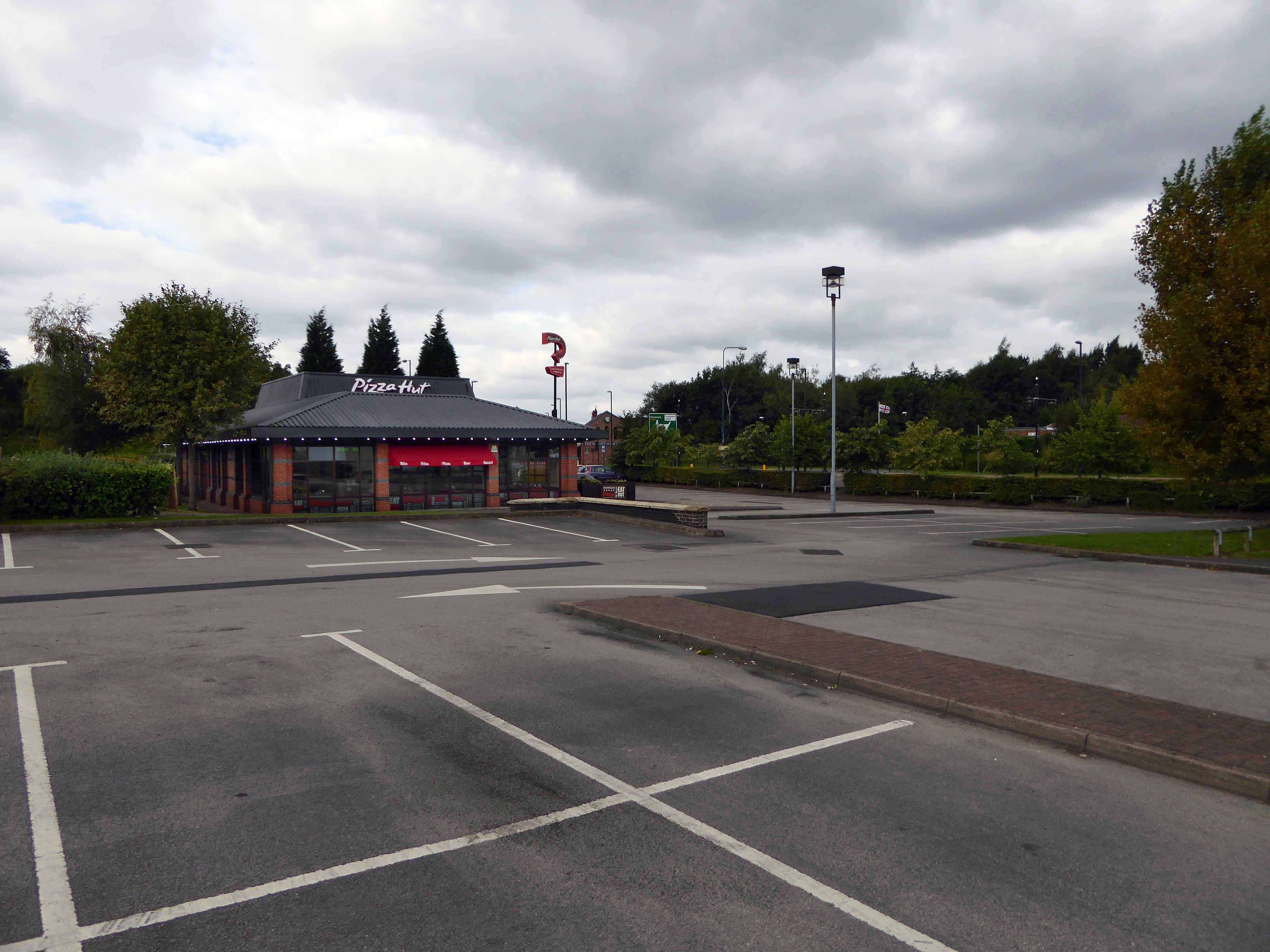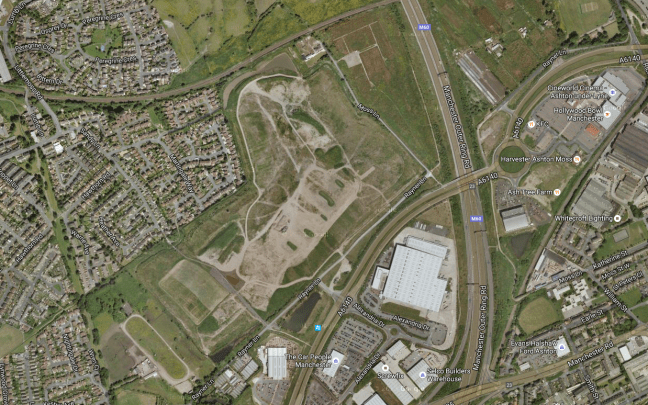
Ashton Moss – Leisure and Light Industry

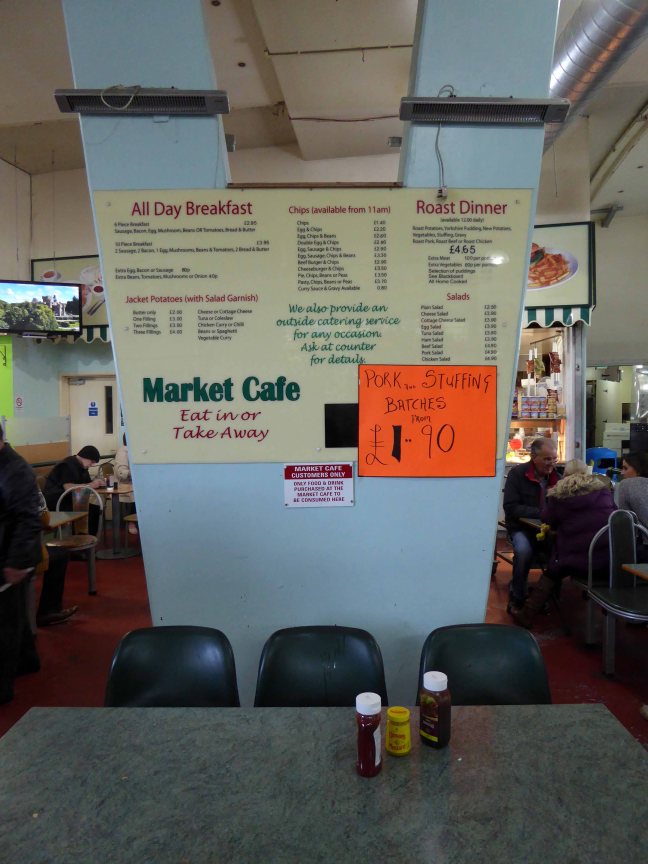
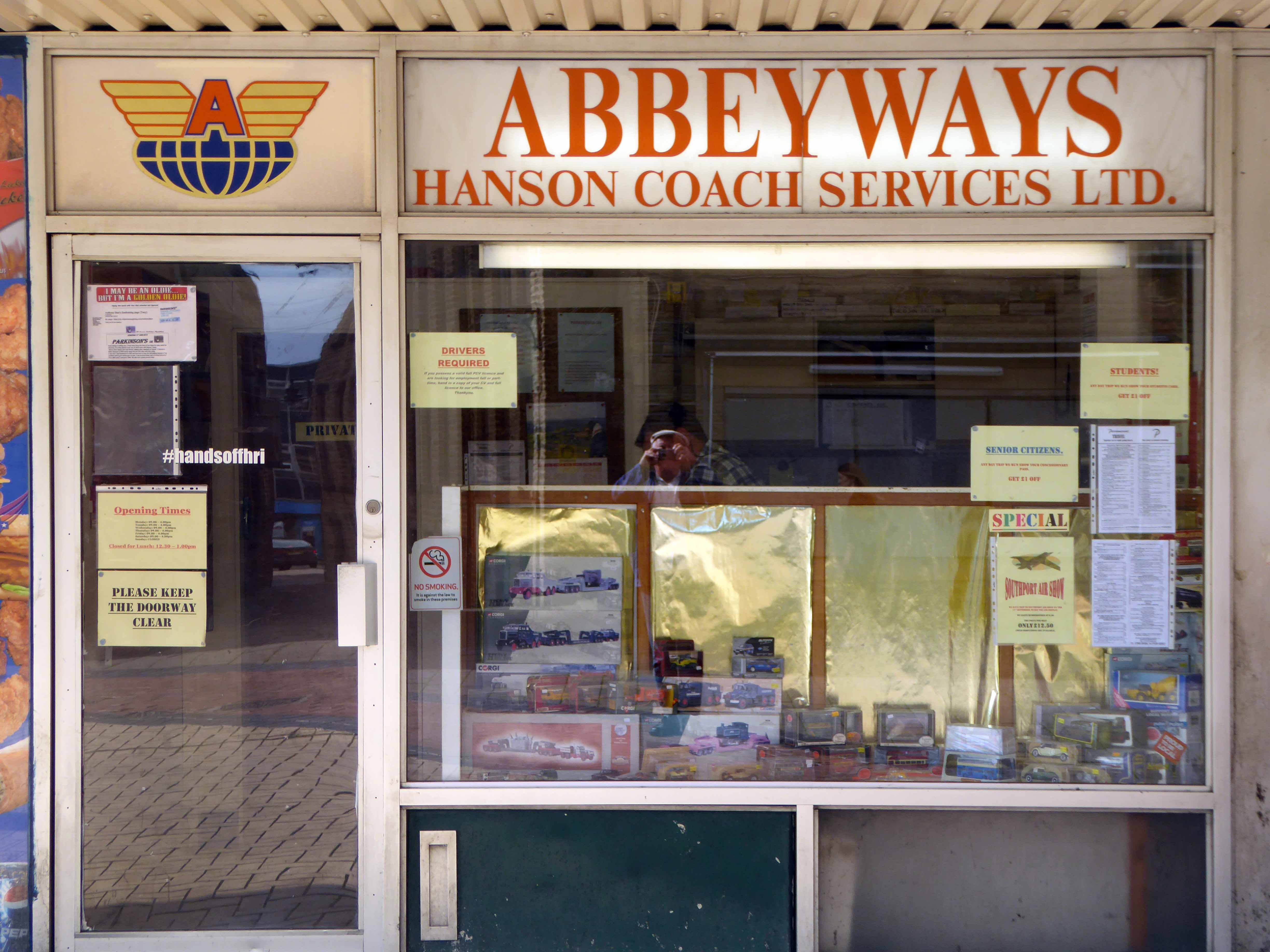
Absolute disgrace the food was disgusting and we’re we was sat it stunk of urine.

Never again will I go.

Welcome to the modern world, once home to the world’s finest celery, now home to the world’s worst online reviews.

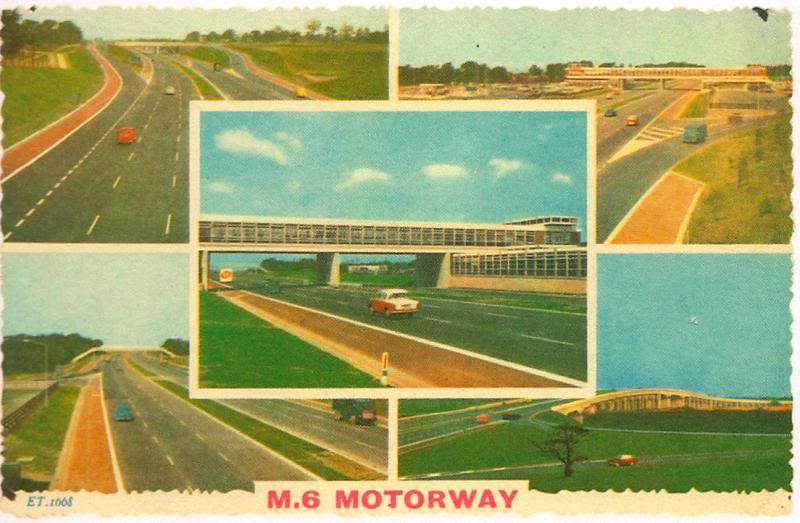
The area, under cultivation for over a hundred years was bulldozed to one side, and left in a heap. The M60 arrived wiped its feet on the greensward  and awaited the expected redevelopment.

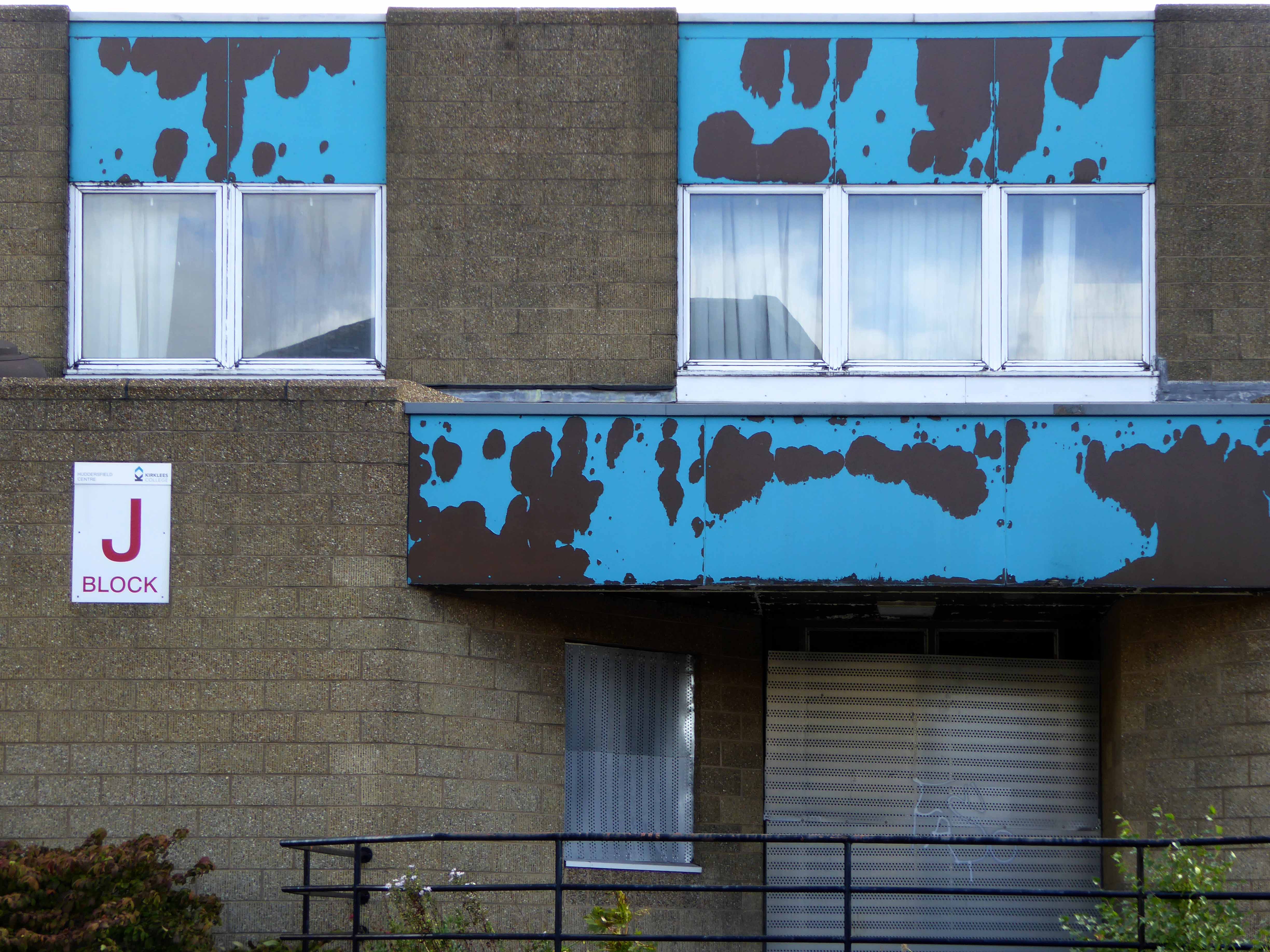
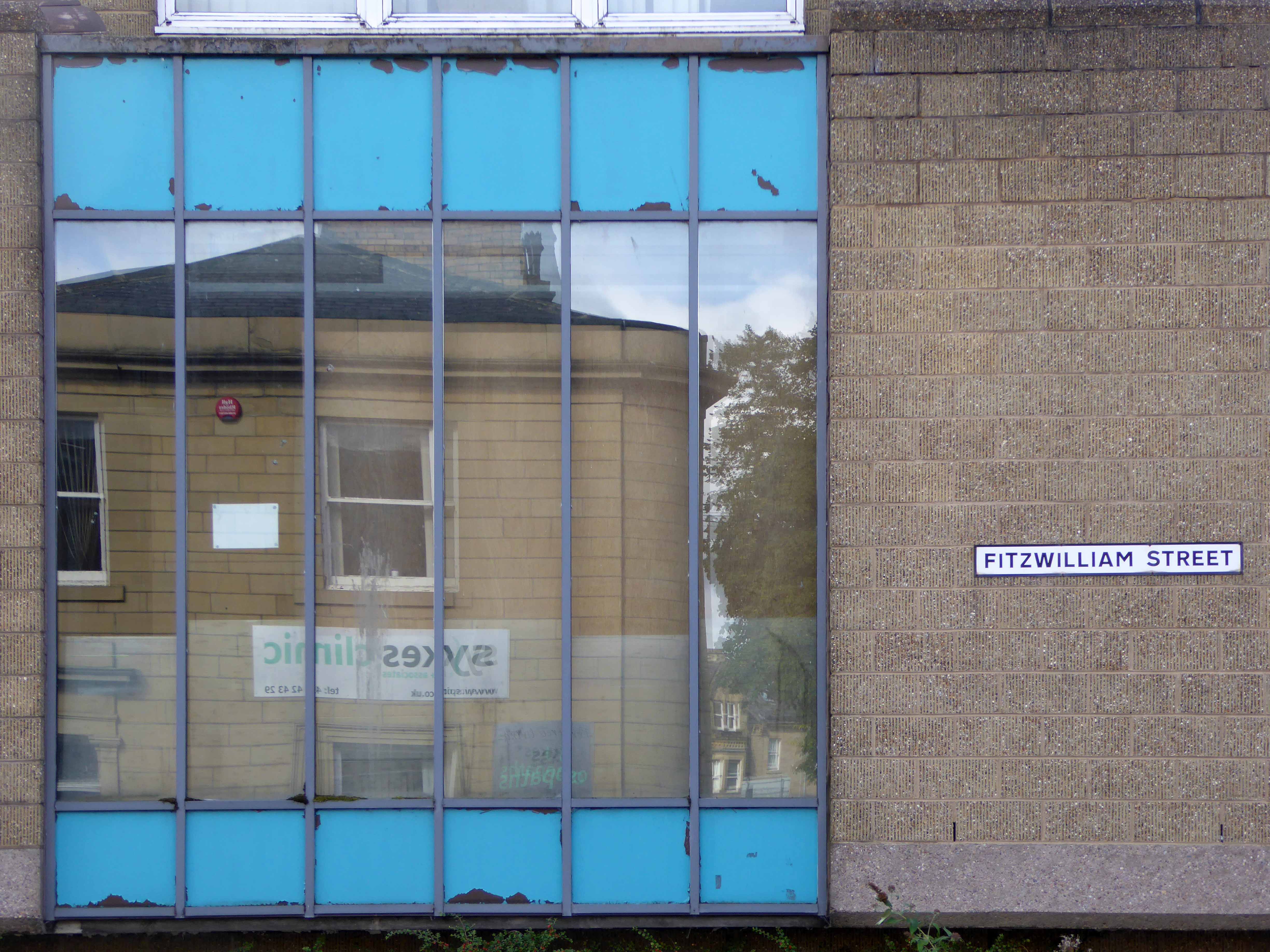
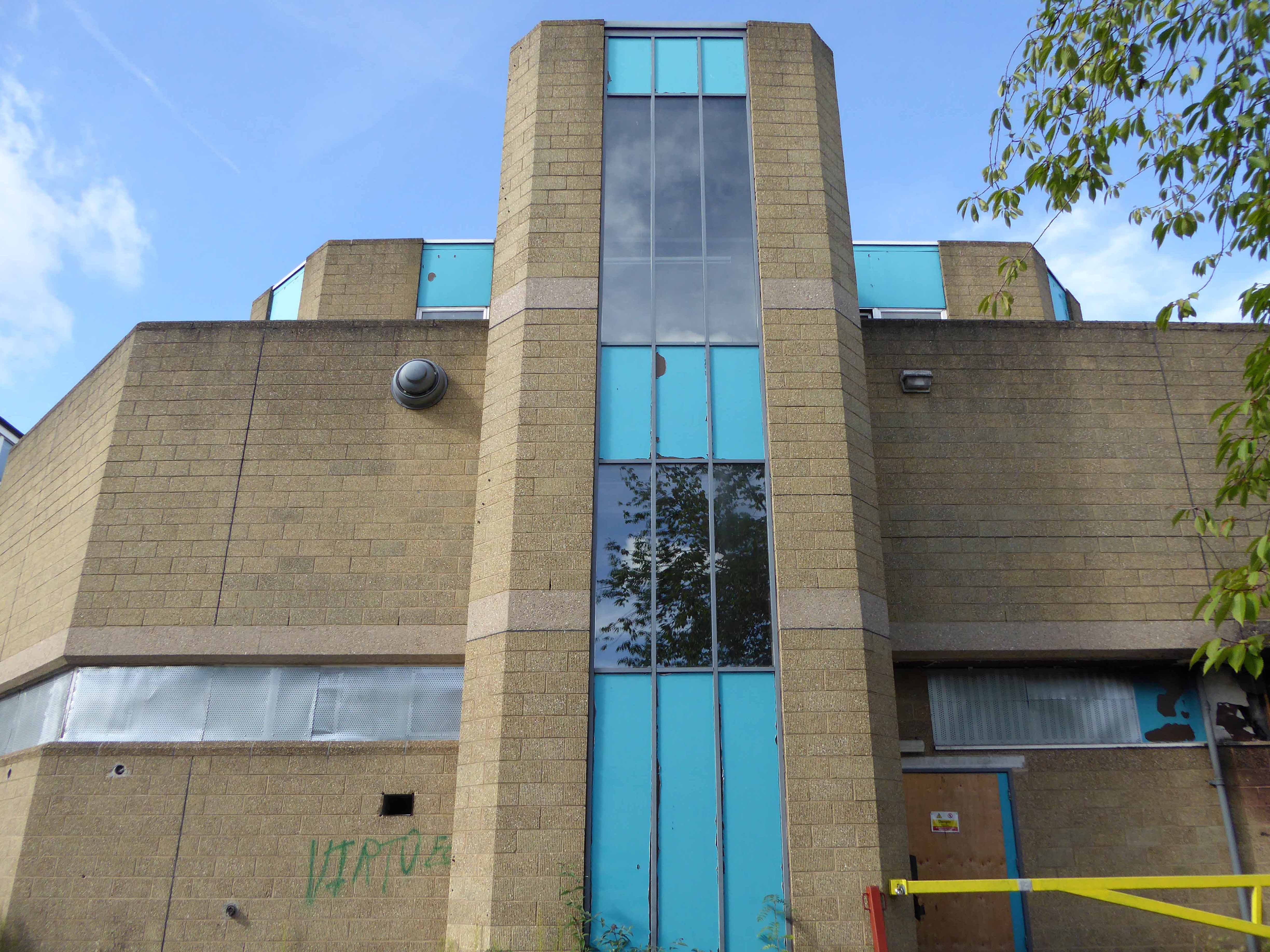
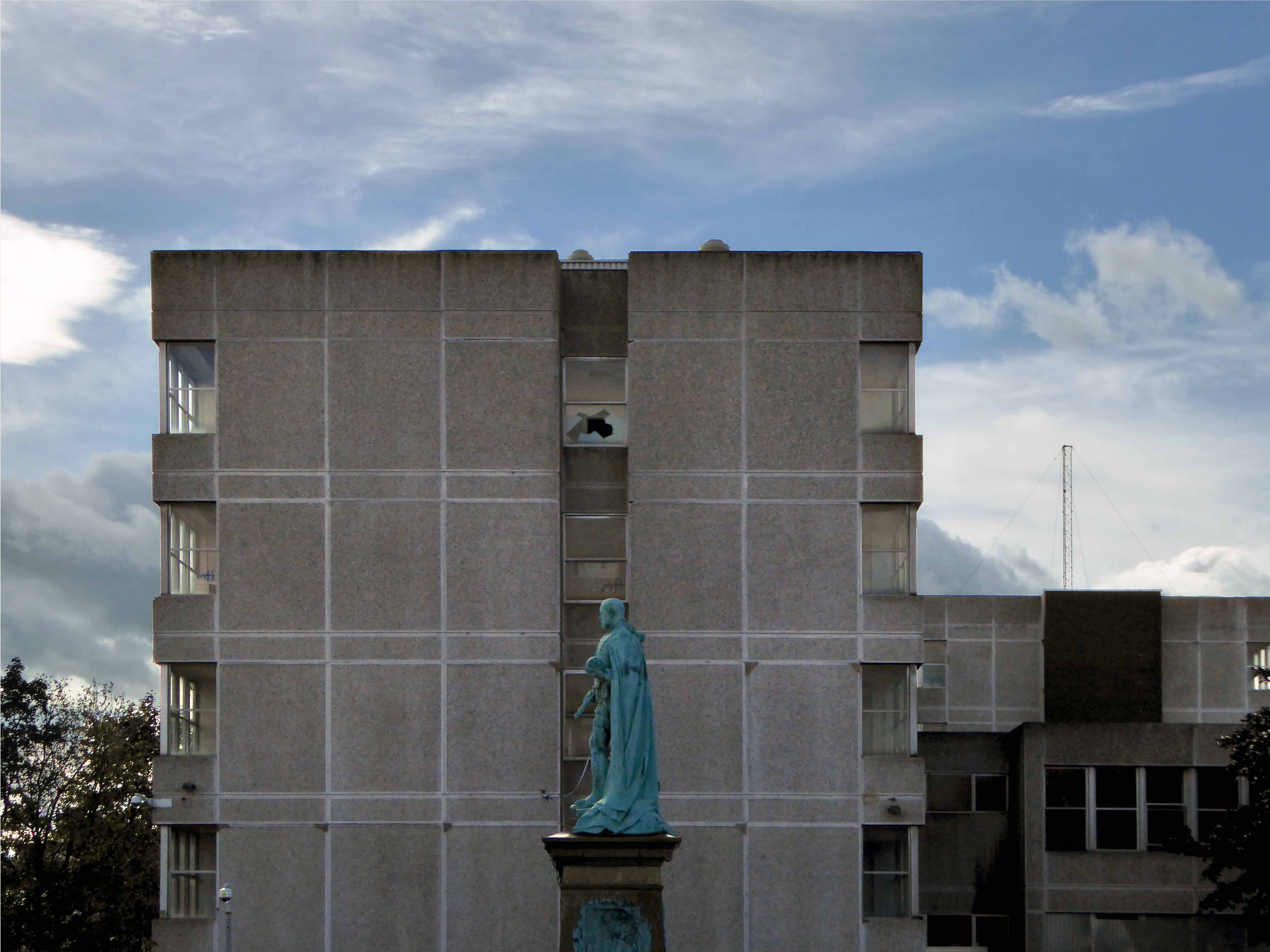
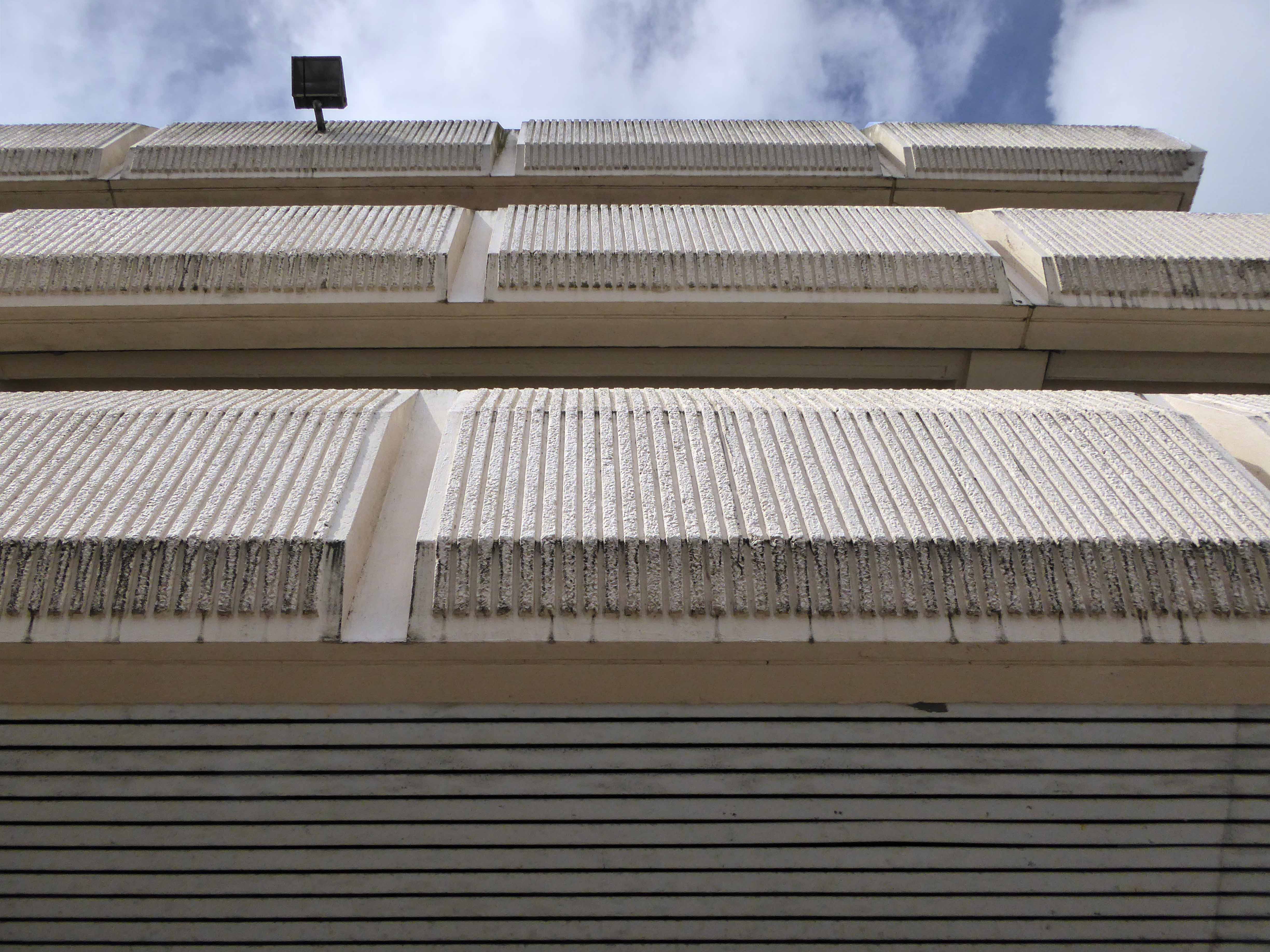
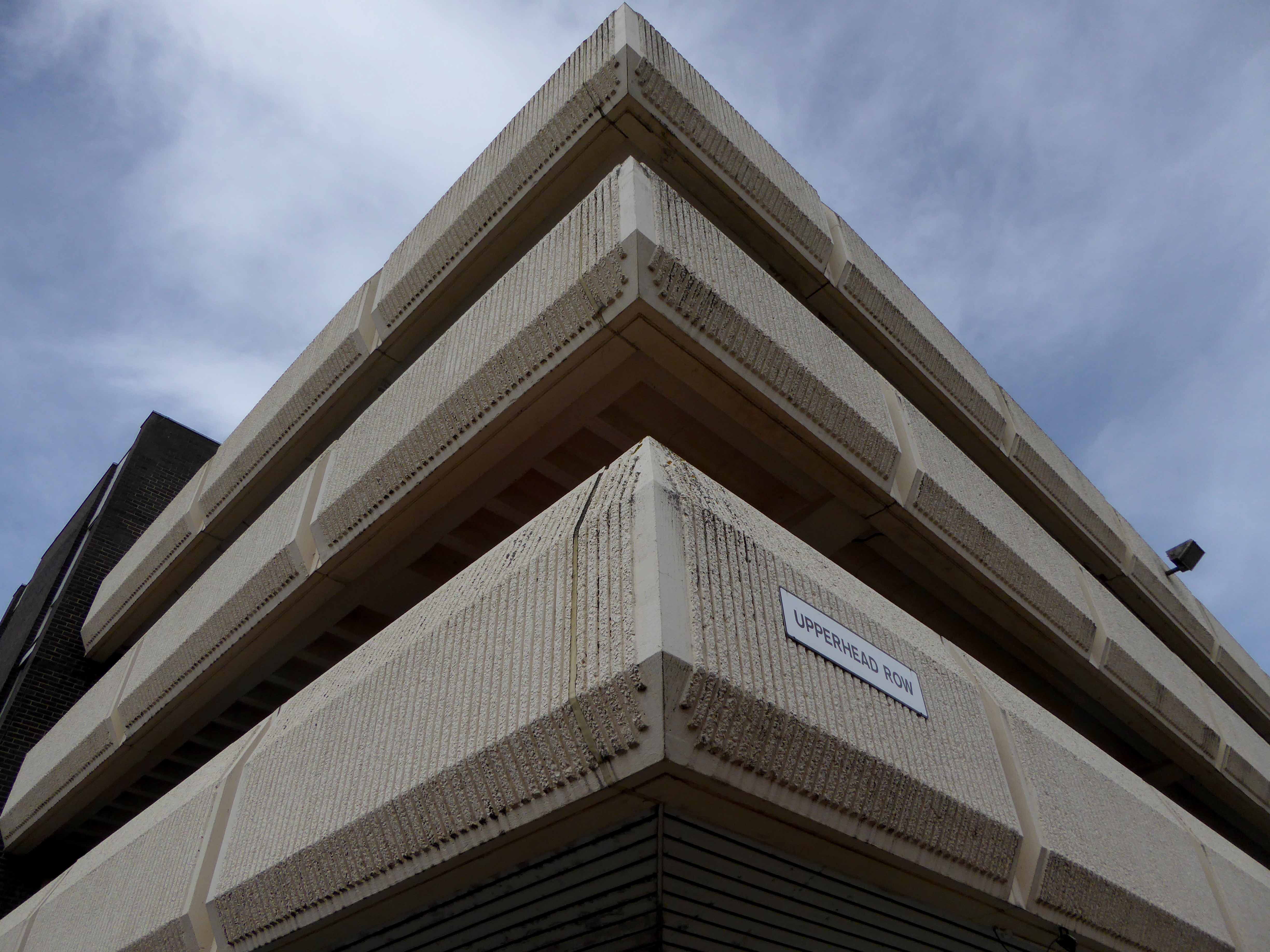
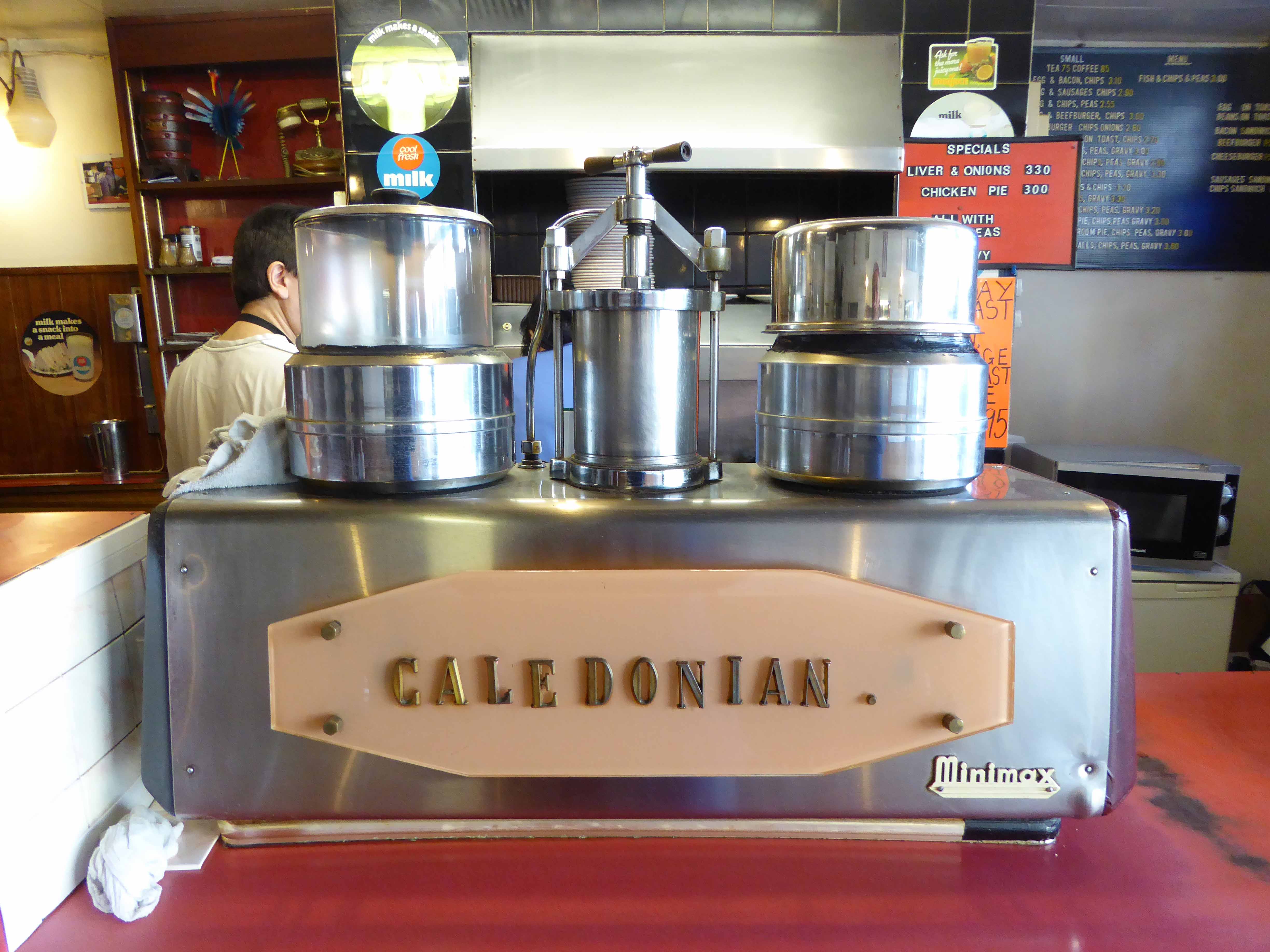
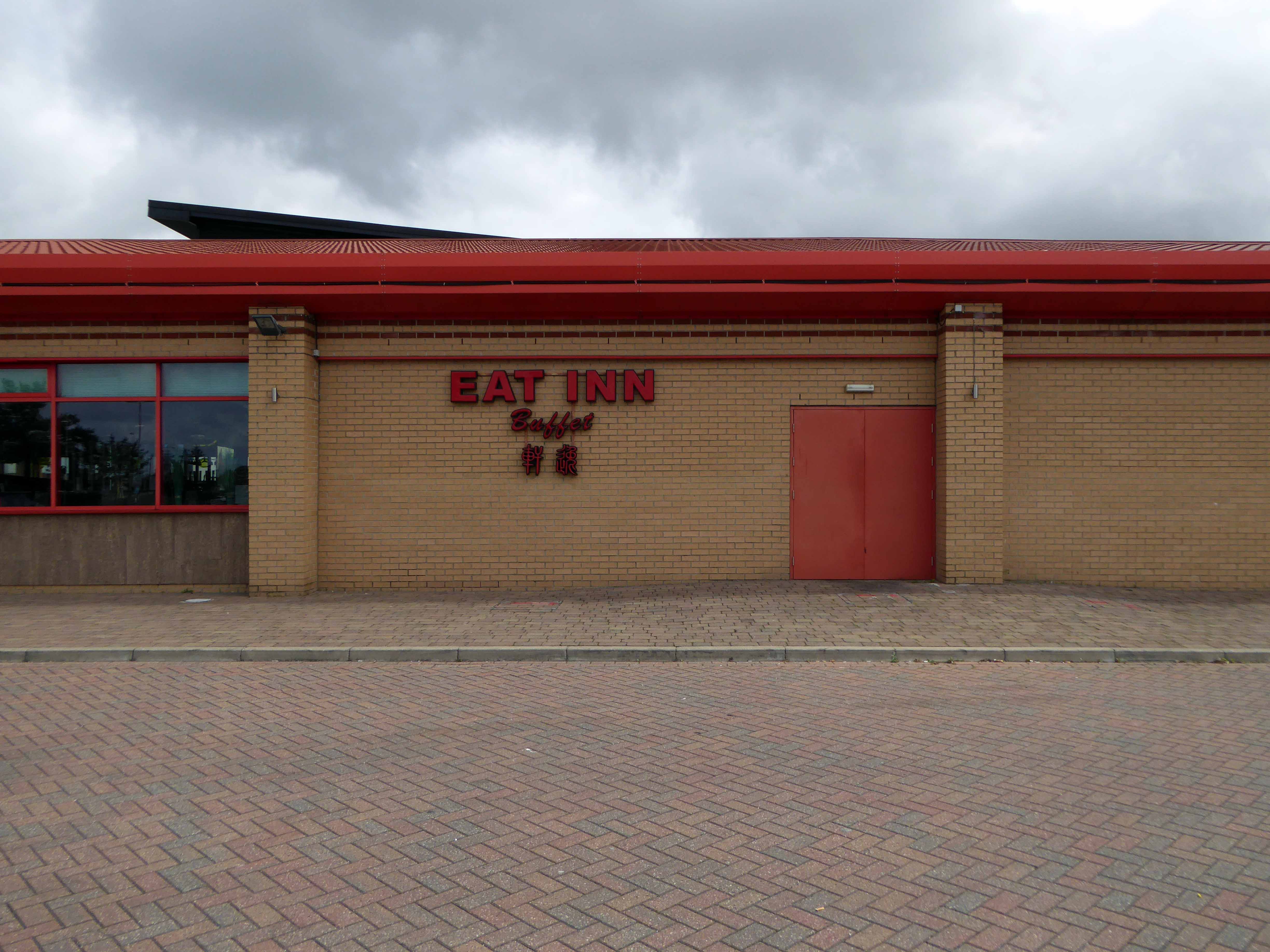
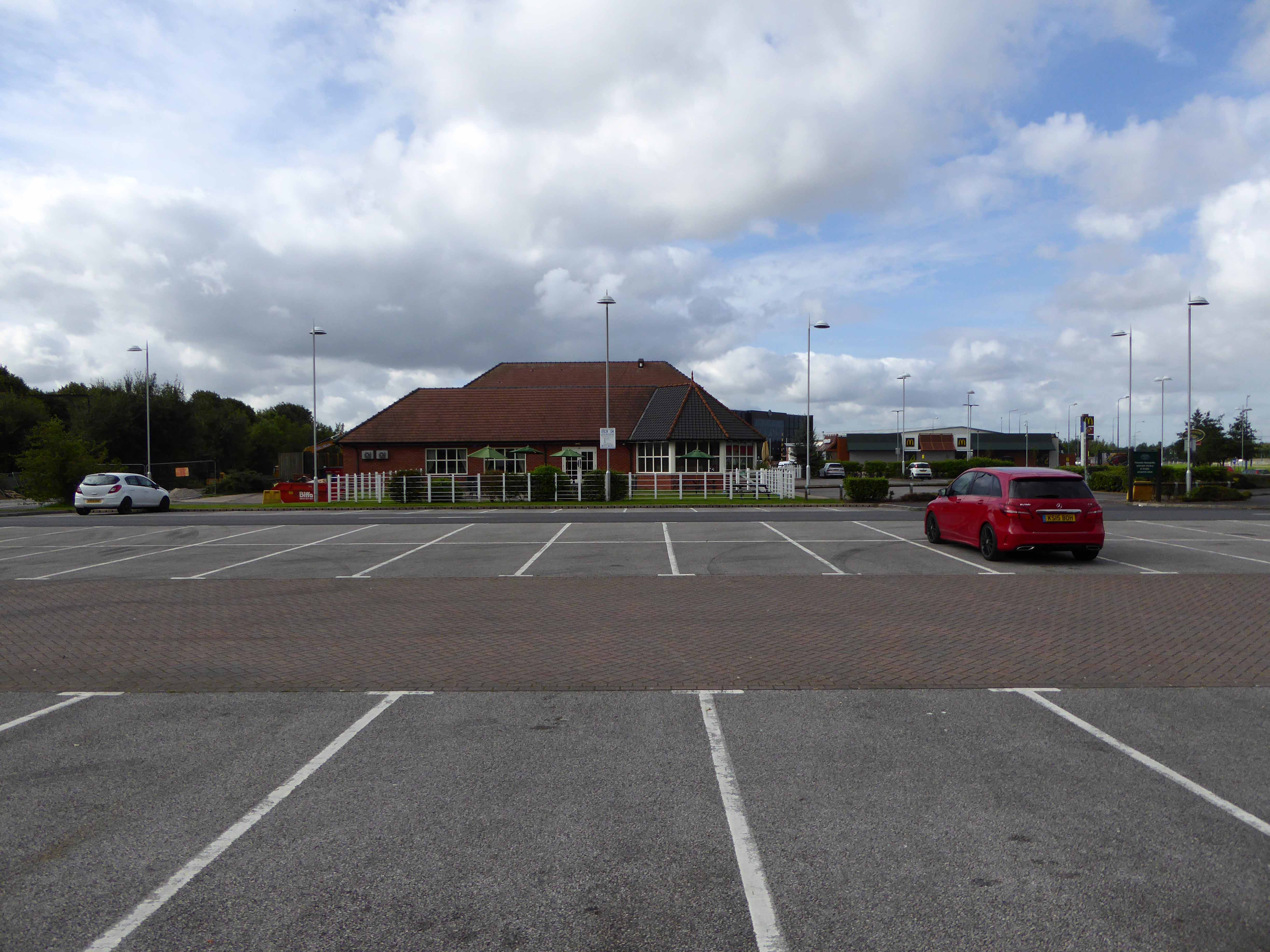
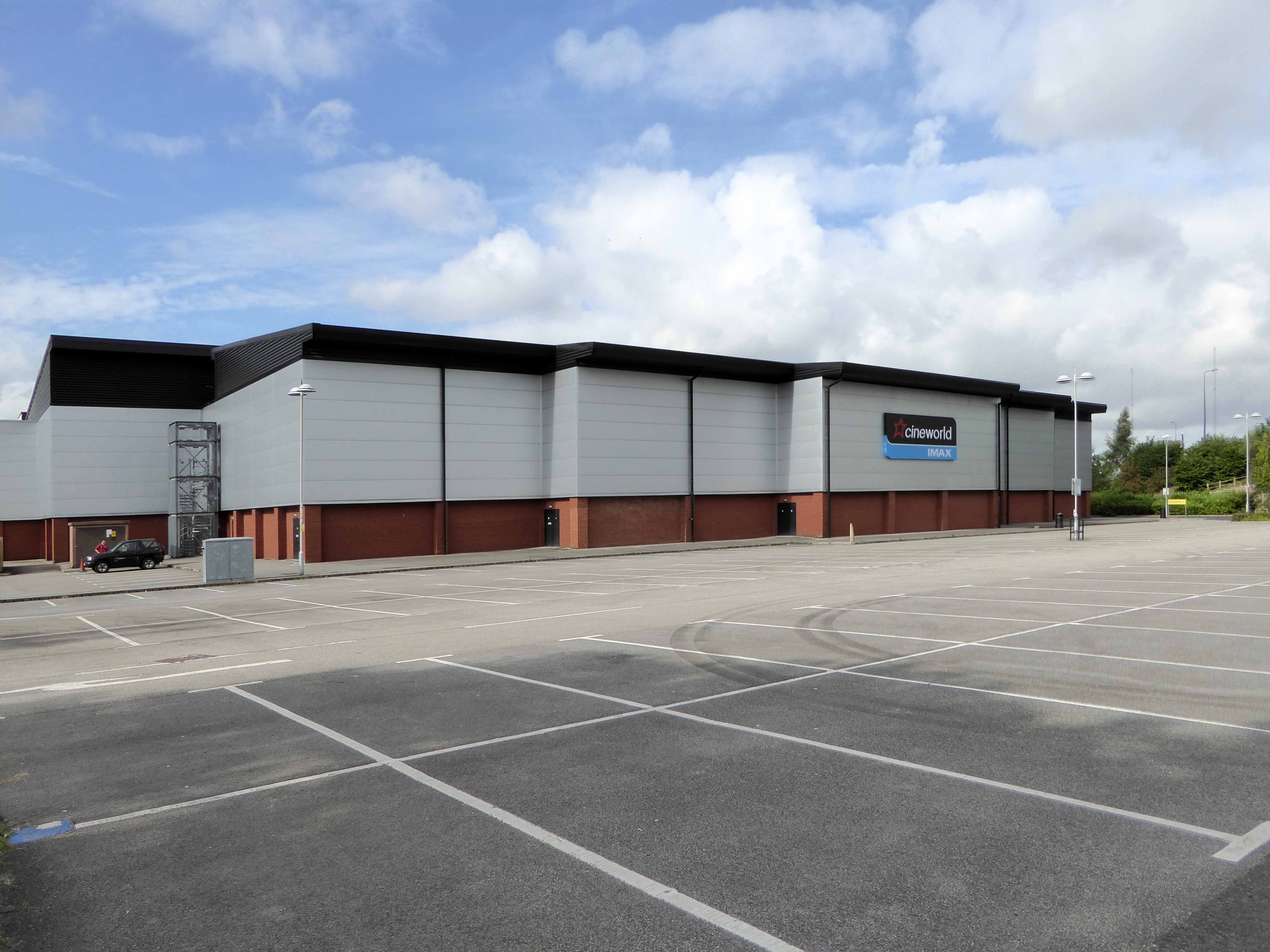
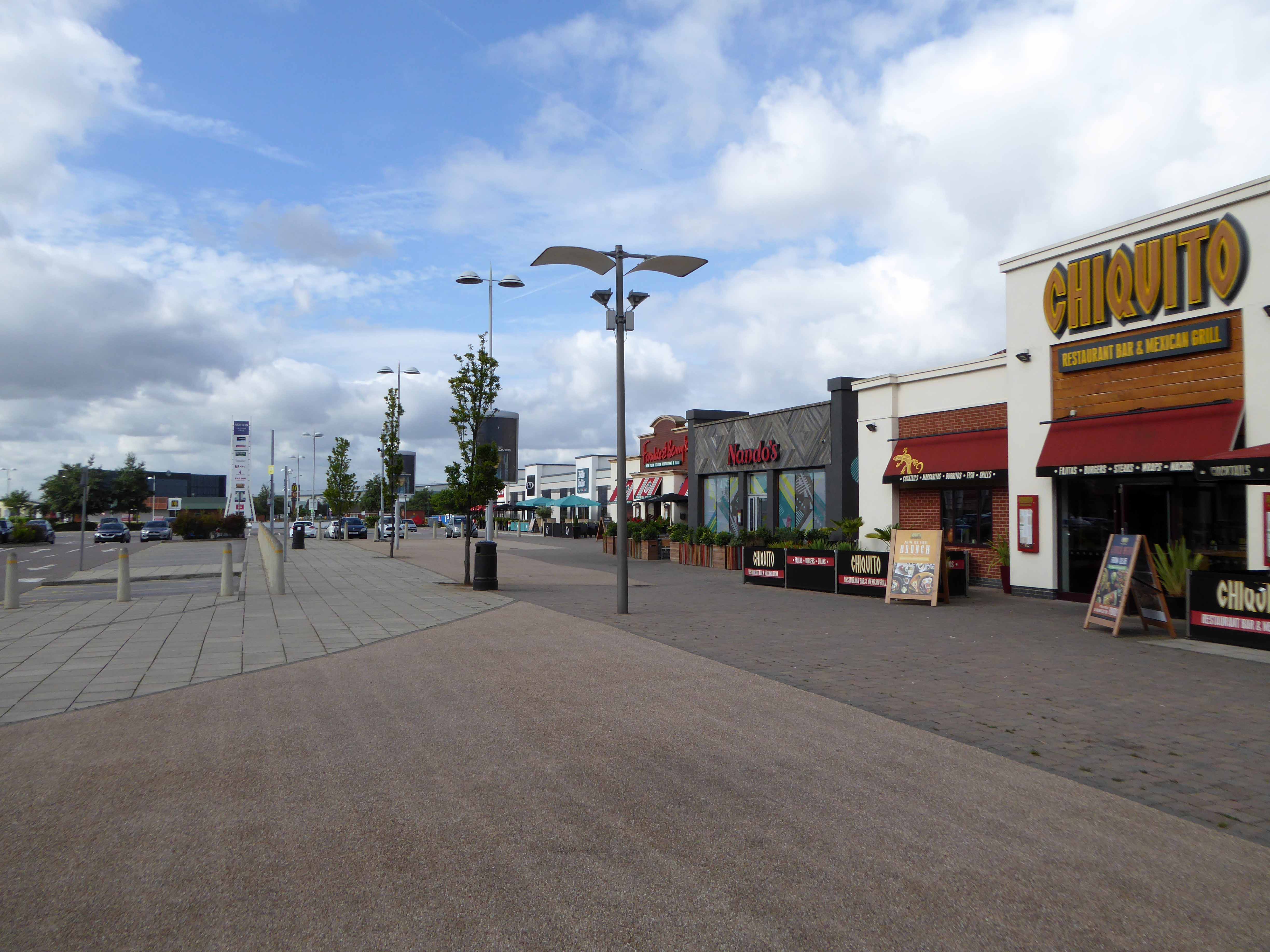
Welcome to the brand new shiny nowhere, the dual carriageway expanse of Robert Sheldon Way carries you away to a strikingly inevitable array of chains, human bondage has never appeared so  clean and bright.

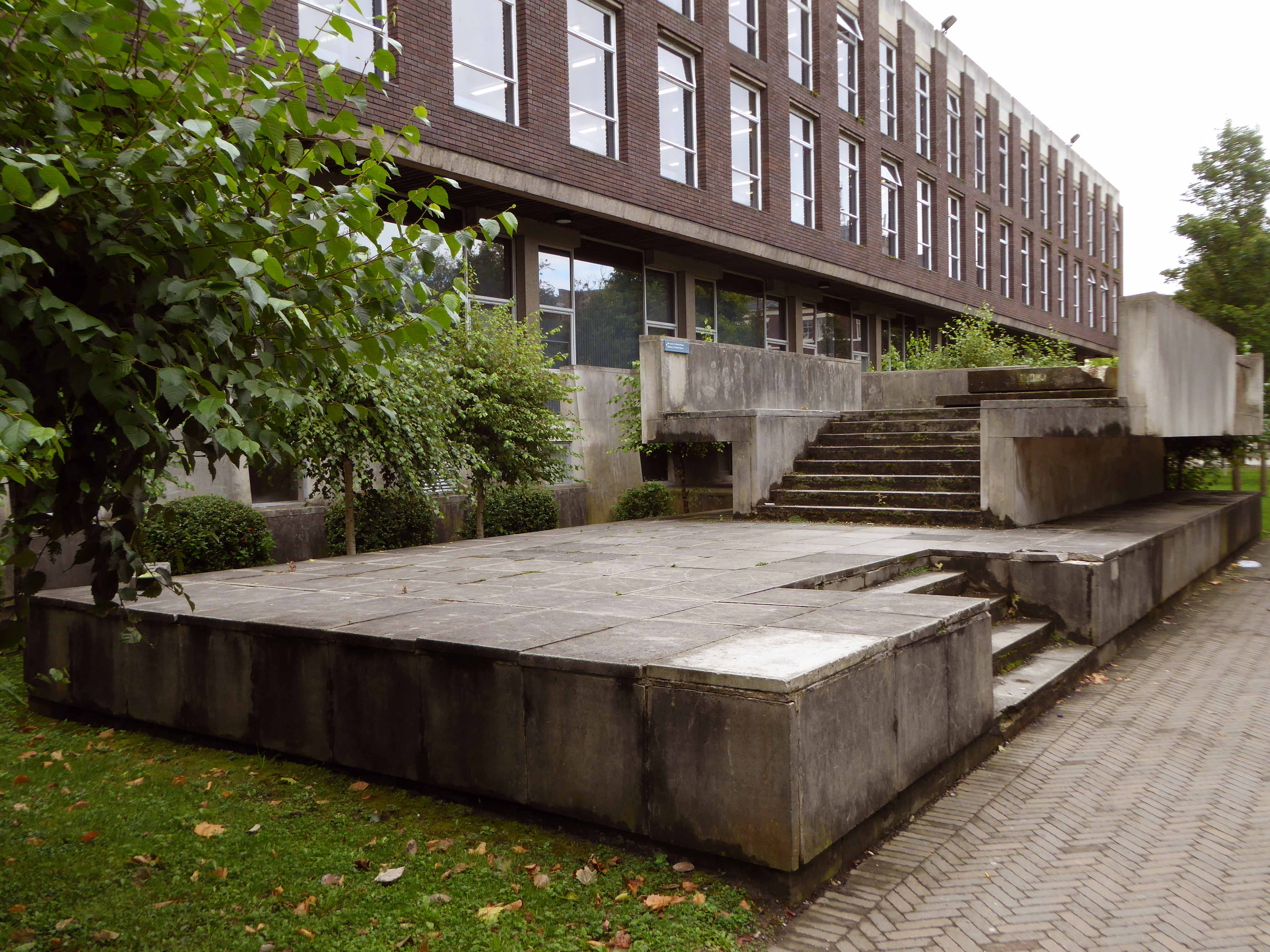
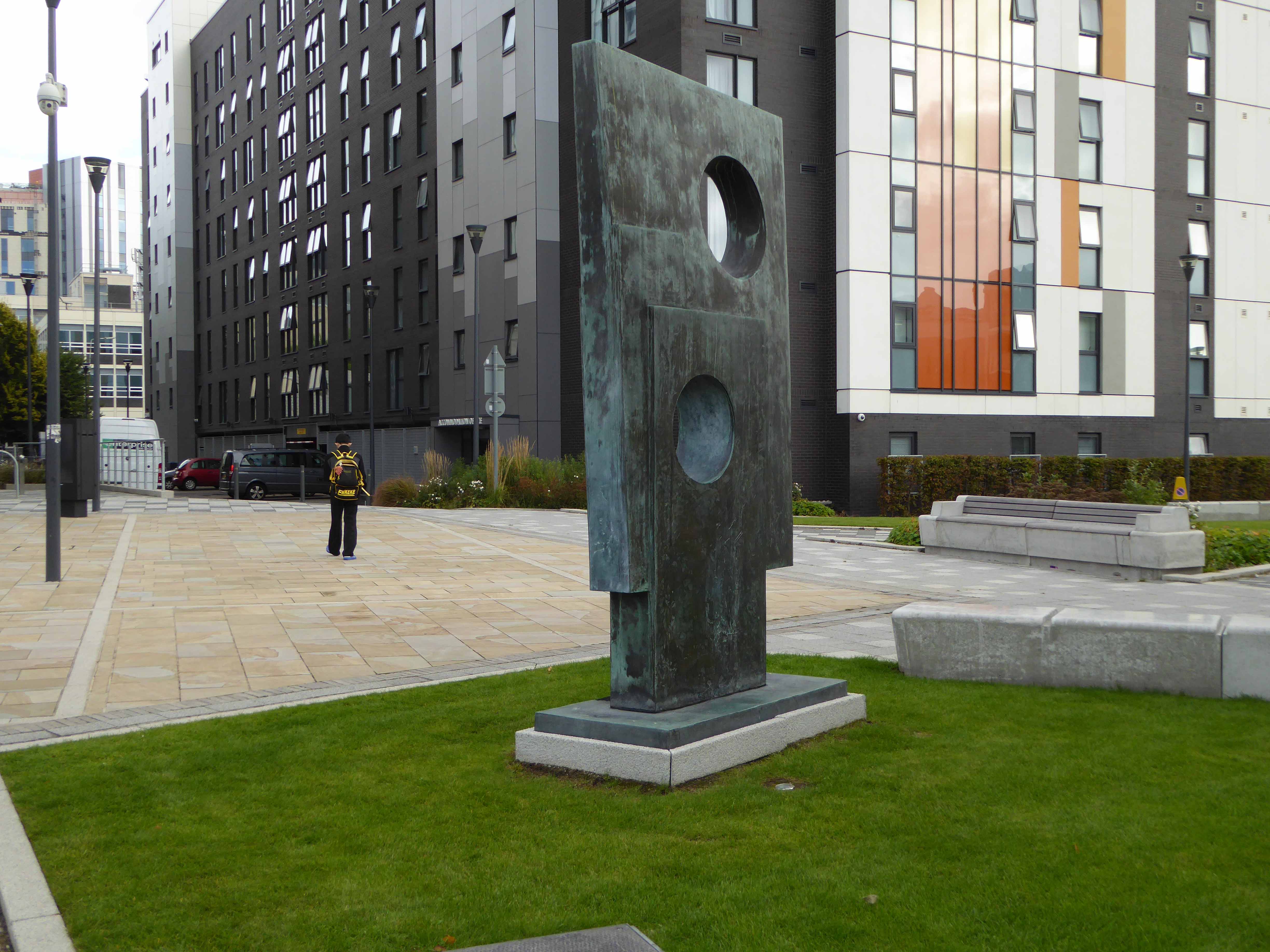
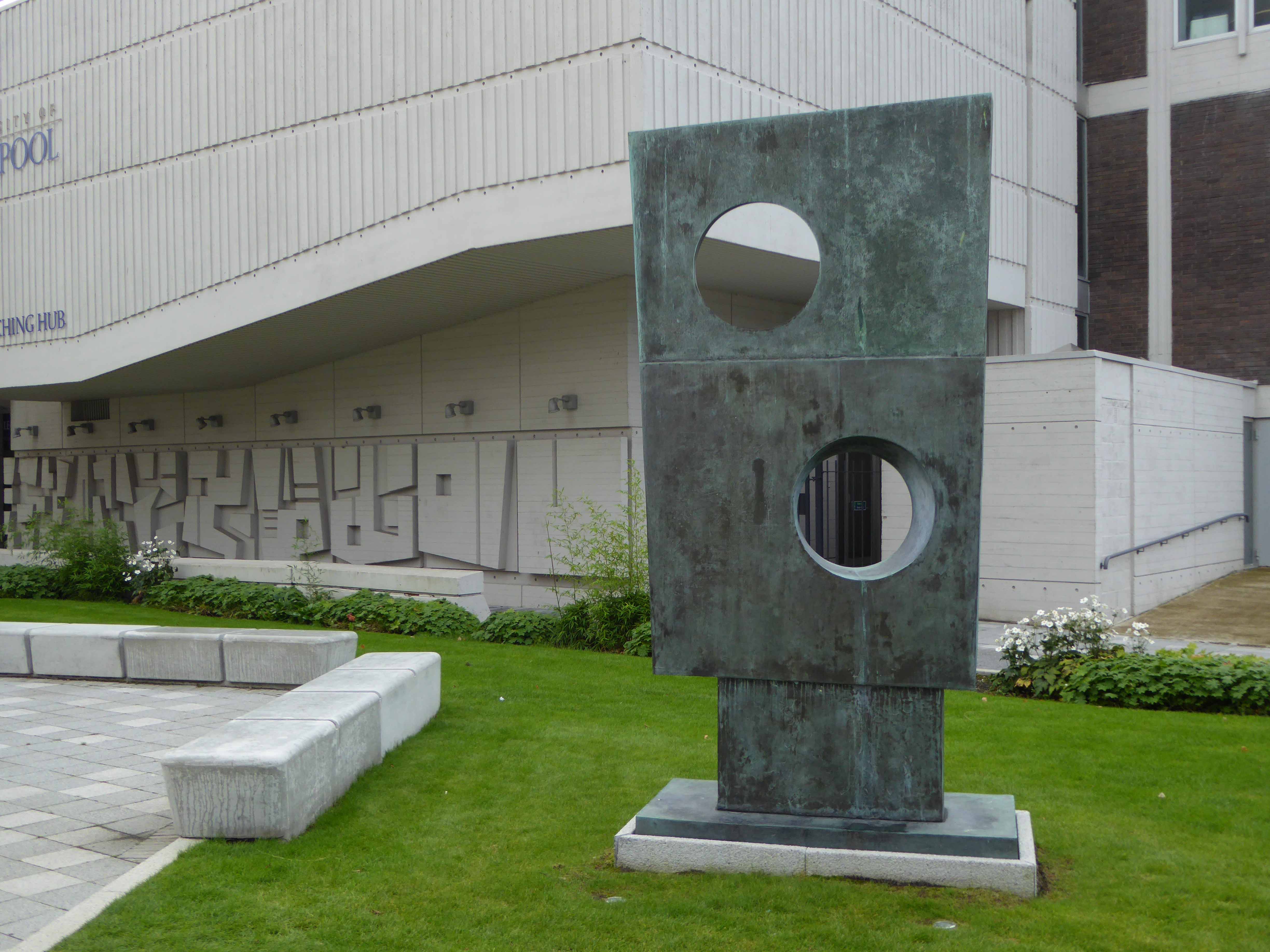
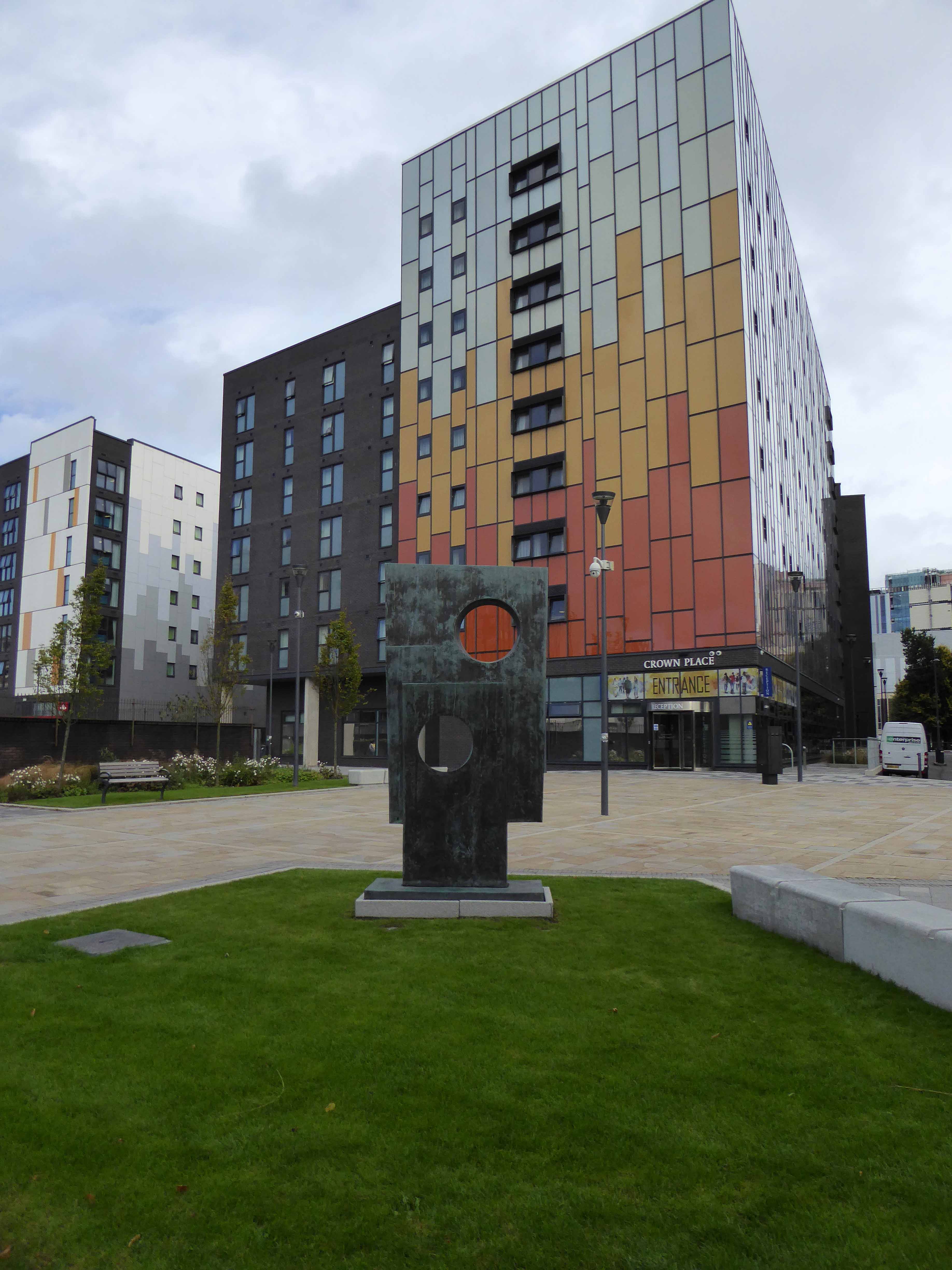
Muse developments:

Good design is required as a key aspect of pursuing sustainable development indivisible from good planning. Good design involves seeking positive improvements in the quality of our built, natural and historic environment, addressing the connections between people and places.


P1080156

P1080157

P1080164

P1080167

P1080173

P1080256

P1080257

P1080259

P1080260

P1080261

P1080262

P1080271

P1080274

P1080275

P1080300

P1080301

P1080304

P1080320

P1080321

P1080328

Ashton Moss – The Past

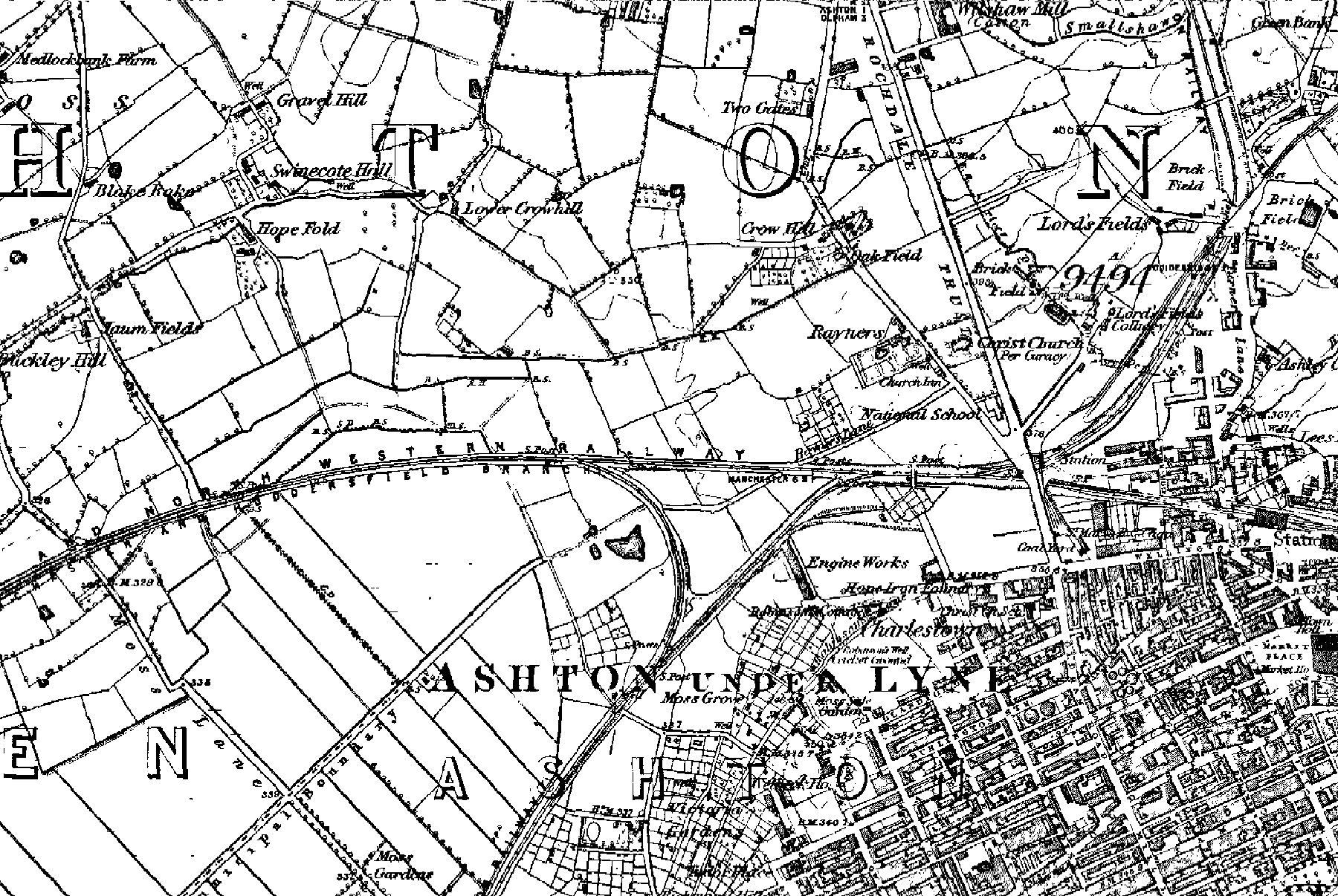
oldmap03

To the east of Manchester and the west of Ashton sits The Moss.

This area of low lying, deep peaty bog, just outside Ashton-under Lyne, was drained in the mid 1800’s to grow some of the best crops – It was world famous for its celery but also grew good cabbage, cauliflowers and lettuce, with cucumbers and tomatoes grown in glasshouses.

This map of 1861 shows an area criss-crossed with lanes, ditches and field boundaries.

A world that survived into the 1980s, captured here so beautifully by Brian Lomas, prior to the building of the M60.

Photographs from – Tameside Image Archive

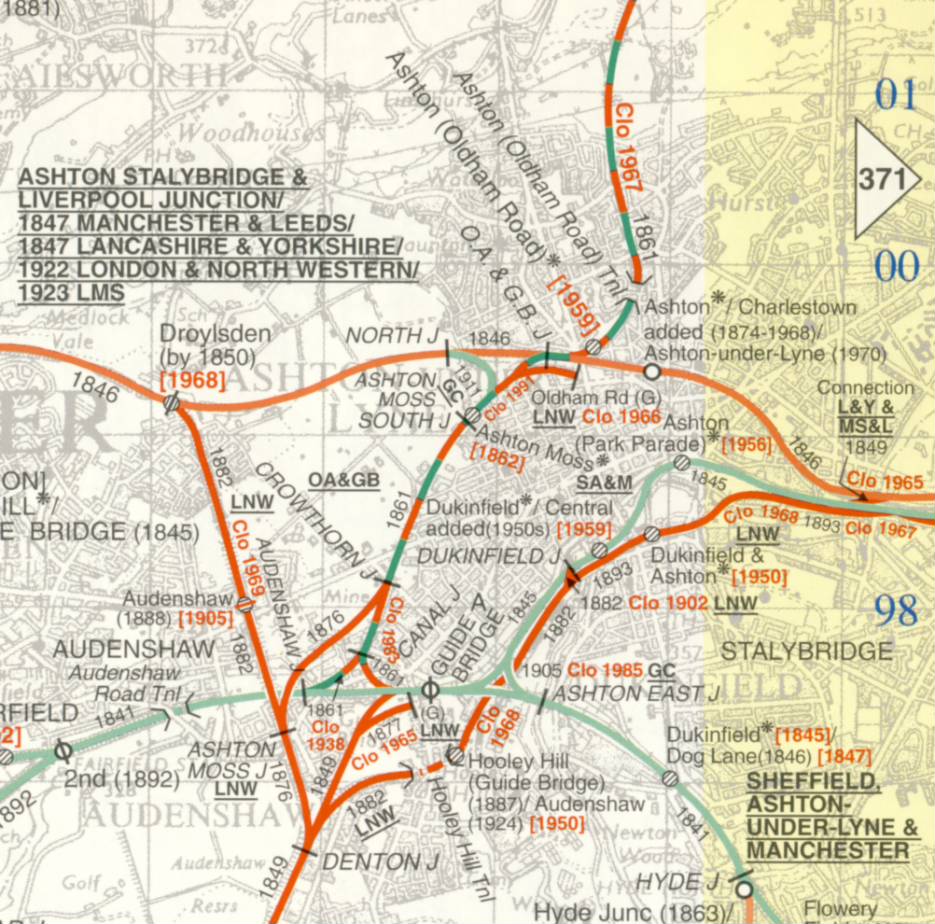
Then came the railways:

Map Cobb Guide Bridge area

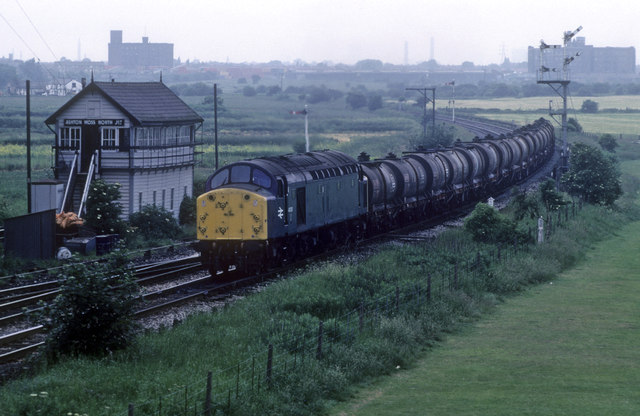
2768061_a6170a1f

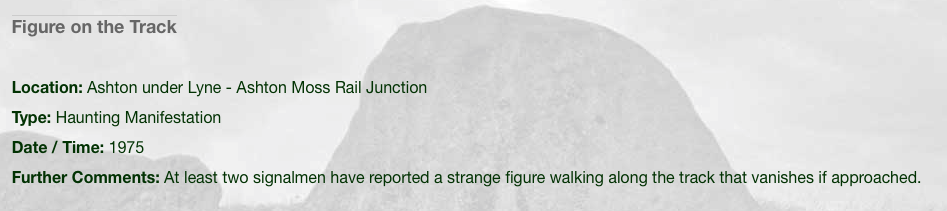
With an attendant ghost:

Screen Shot 2016-09-02 at 10.44.34

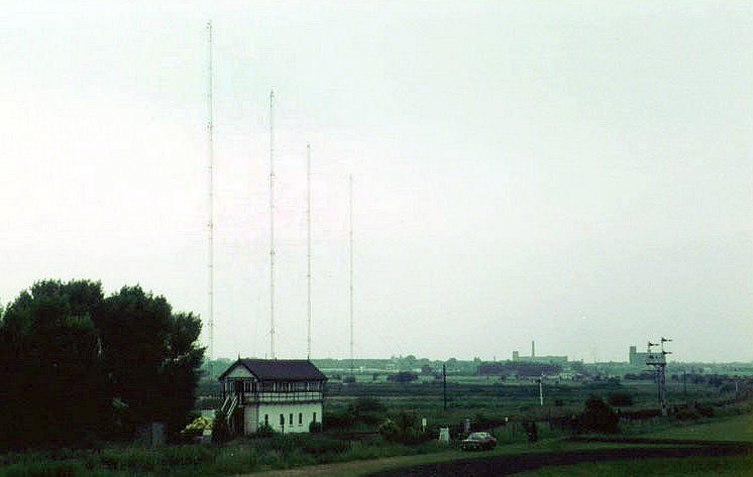
And telecommunications installation

ashton_moss-mp-04

Its location on the south east corner of the Lancashire Coalfield, and the burgeoning demands of the Industrial Revolution saw the further development of mining in the area.

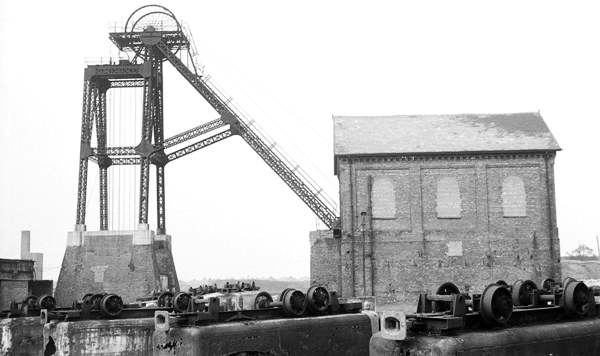
As the demand for coal outstripped the output, a deeper mine was opened in 1875, at Ashton Moss. This new pit had its own railway branch and canal arm for efficient transportation of the coal. In 1882 a second shaft was sunk – at 2,850 feet, the deepest in the world at that time.

The New Rocher pit closed in 1887 and Broadoak pit closed in 1904, after which time Ashton Moss pit was the only coal mine still in operation in Ashton. Although it produced 150,000 tons of coal a year in the early 1950s and employed over 500 men, Ashton Moss colliery closed in 1959 and part of its site is now the Snipe Retail Park on the boundary with Audenshaw.

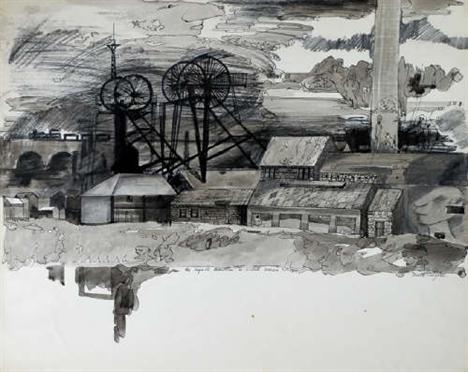
Seen here in this painting by local artist David Vaughan.

92-17-10055_468x382

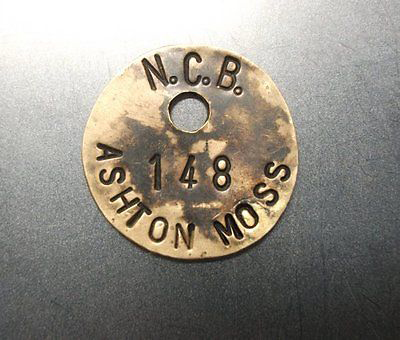
Colliery lamp token.

Lancashire-ASHTON-MOSS-Snipe-Colliery-Lamp-Pit

ashton

Northern Mining

This tight little island of land was a contrasting mix of the agricultural and industrial, home also to the urgent demands of a leisured and growing working class.

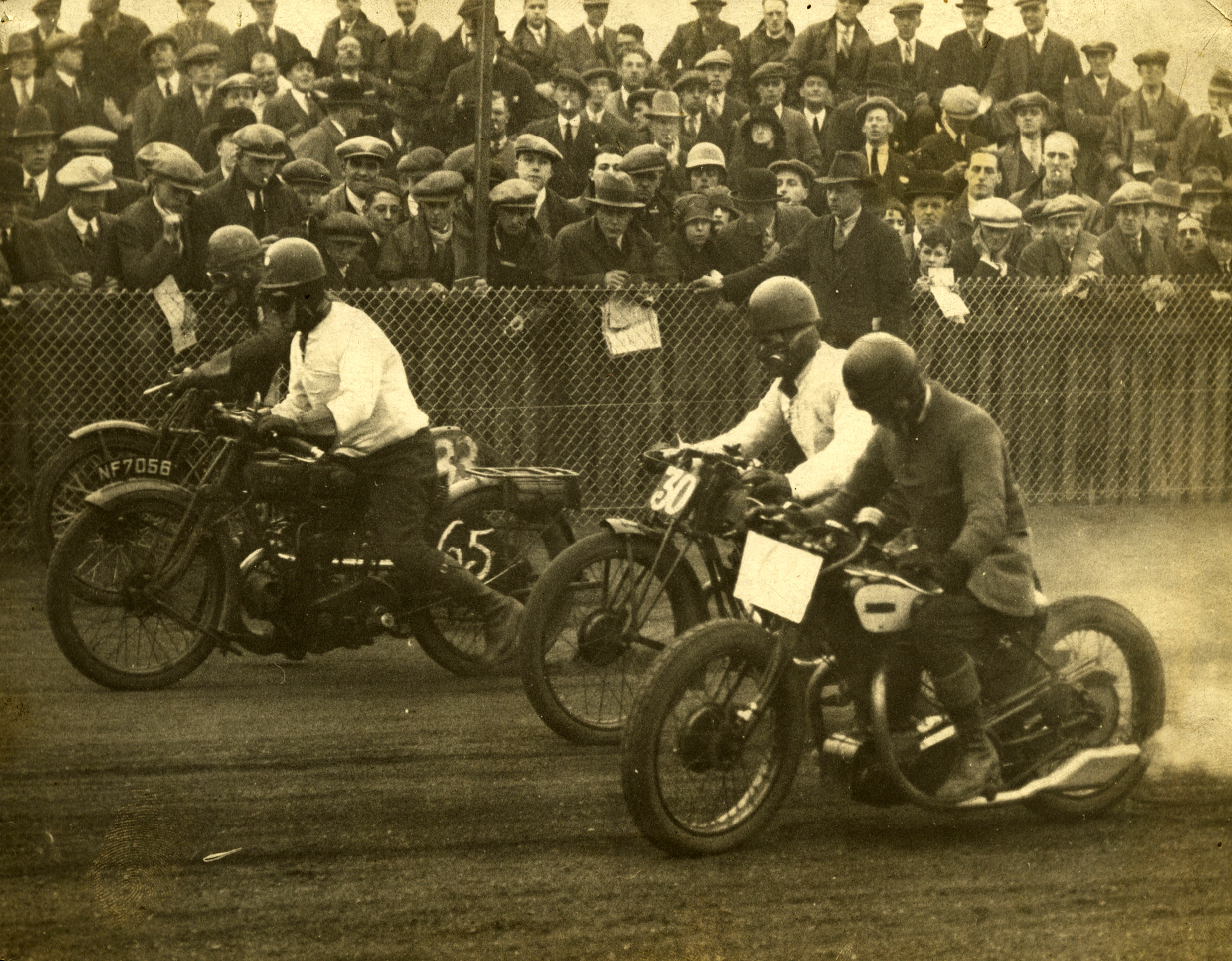
The area boasted two motorcycle speedway tracks.

One located on the Audenshaw side, just behind The Snipe pub.

4ad86de0f4341895f428a5536c6d5855-1

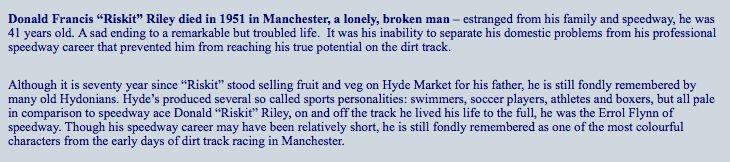
And one in Droylsden at the Moorside Stadium – home to local legend Riskit Riley:

riskit

Screen Shot 2016-09-02 at 12.19.30

The stadium later to become a horse trotting track, known locally as Doddy’s Trot

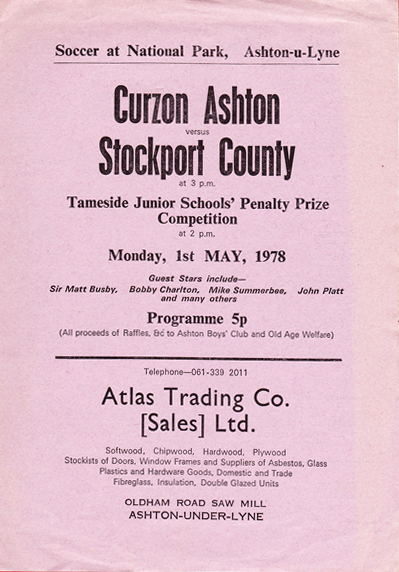
The Moss has also provided a home for Curzon Ashton football club

46077

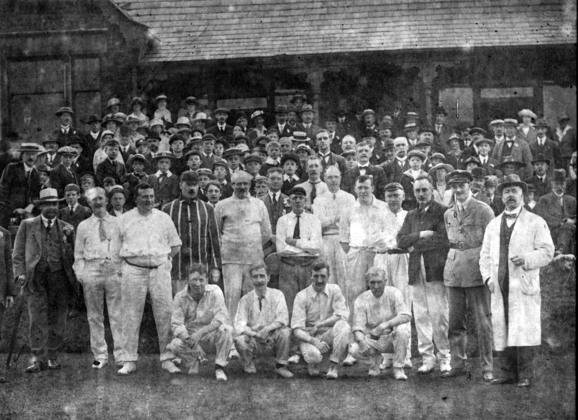
And Ashton Cricket and Bowling Club.

1918_Prisoner_of_War_Fund

The cricket and the football have both survived the building of the Orbital Ring Road, and the development of the site as a light industrial, retail and leisure park.

The roar of Riskit Riley is heard no more.

Ashton Moss

Ashton Moss is an area I have known for some fifty years or so, my grandfather was a collier at the Ashton Moss Pit, I worked trains around the triangle of rail that encloses the area – I returned some time ago to take a look at what remained of a once fertile area.

This area of low lying, deep peaty bog, just outside Ashton-under Lyne, was drained in the mid 1800’s to grow some of the best crops – It was world famous for its celery but also grew good cabbage, cauliflowers and lettuce, with cucumbers and tomatoes grown in glasshouses. The ground was apparently fertilised by marl dug from local banks or pits, and by dung brought by horse and cart from the elephant and tiger enclosures at Belle Vue Zoo, down the road.

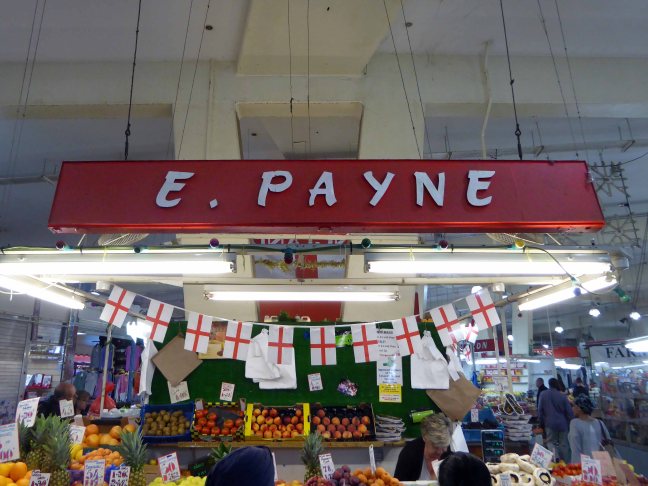
Four brothers of the Kelly family came from Ireland shortly after the Irish potato famine of 1840’s, settled on the Moss and still have a descendent selling fruit and vegetables on Ashton Market today.

The Moss is also where Bill Sowerbutts, of Gardener’s Question Time fame, learnt his trade. Bill’s first memories were of his Father’s smallholding on the Moss, which had been bought from a market gardener called Tommy Knight in 1892.

http://kindling.org.uk/digging-around-ashton-moss

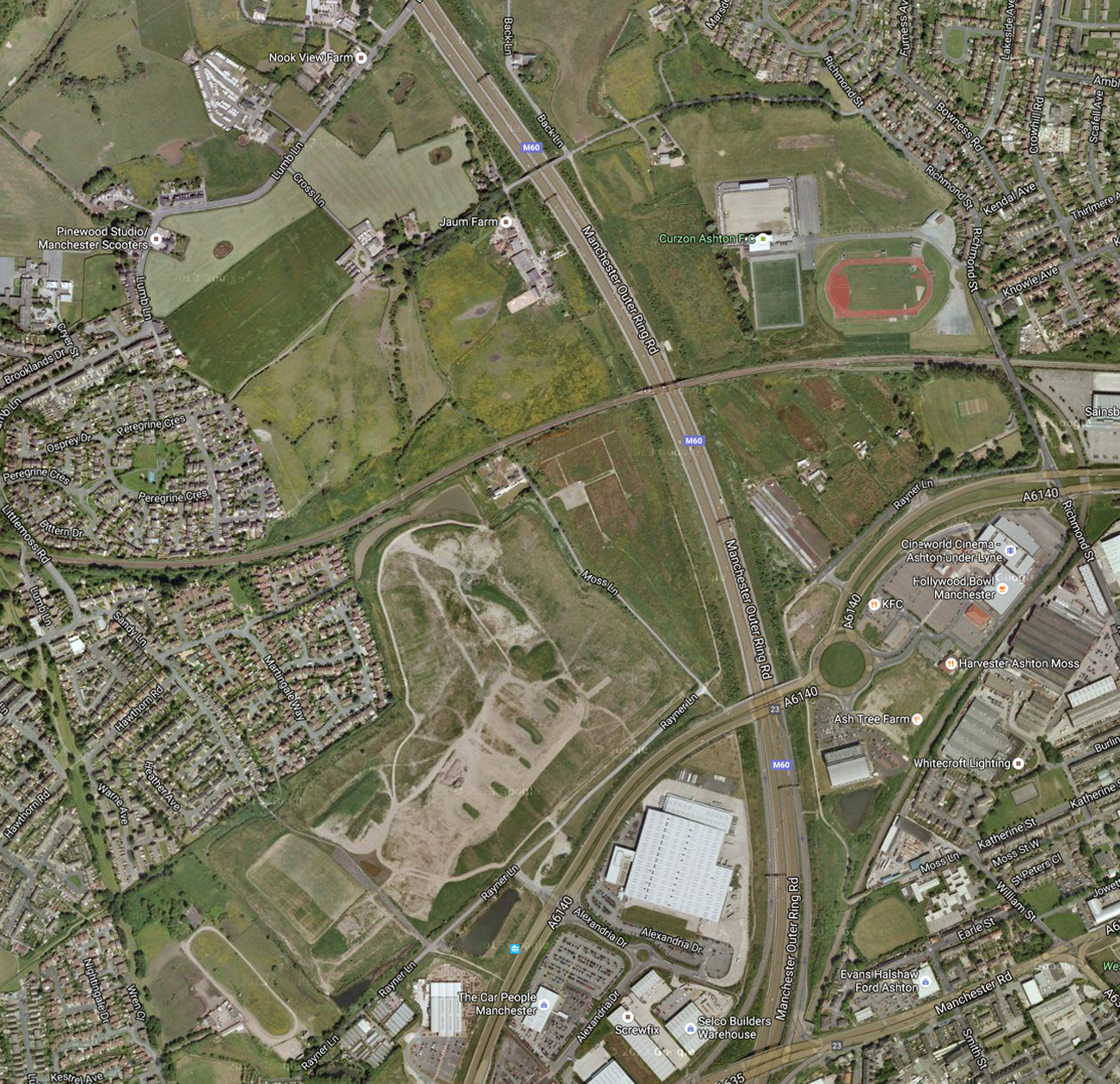
The celery is long gone, the land now in use as a retail leisure park, intersected by the Manchester Orbital ring road, a Metrolink tram track, several dual carriageways and the existing rail network.

Its passing does not seem to be matter of record save for this archived account of 1989.

I read today of plans to set the 2025 World’s Fair there.

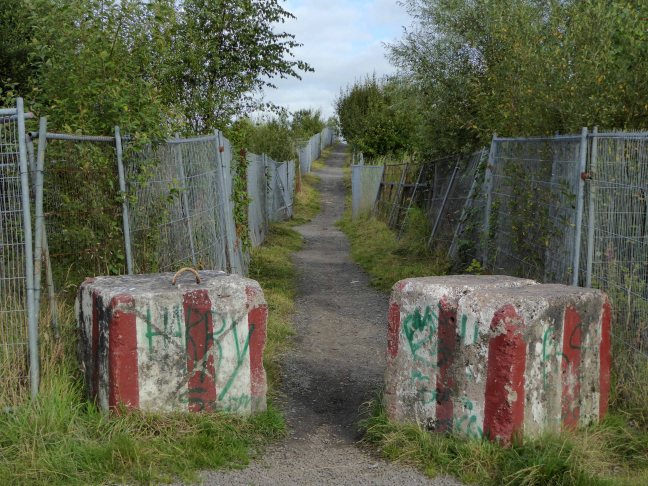
In January 2009 it looked like this, heaps of spoil, recently relocated slag heaps, frozen lakes and puddles, rough tracks, barely preserved rights of way and restricted access.

DSC_0001

DSC_0006

DSC_0007

DSC_0008

DSC_0010

DSC_0011

DSC_0013DSC_0016

DSC_0017

DSC_0018

DSC_0019

DSC_0020

DSC_0021

DSC_0022

DSC_0024

DSC_0025

DSC_0034

DSC_0037

DSC_0043

DSC_0047

DSC_0052


Liverpool – ABC Cinema

Gone.

The waves of tears rolling down your raked and worn boards, towards.

A shimmering screen no longer lit, by the projector’s luminous fan.

Catching.

The smoke of a million smoking cigarettes.

Laughter.

Rolling in gales to your rafters.

Long gone.

The six storey exterior was designed by A. E. Shannon and has very little decoration other than motifs over the entrance. Despite this, the building remains a very distinct feature on Lime Street. The building is listed for the grand interior, which is said to remain one of the designers – William R. Glen’s – best. 

The cinema was renamed ABC Cinema in February 1971 and survived intact until 1982 when it was converted to three screens; the additional two mini cinemas were installed under the balcony. It was re-named Cannon in 1986 and remained so until closure in 1998. A building that many in the city remember using, The Forum finally closed its doors on the 28th of January 1998. It remains unused.    

It say so here

Open temporarily to accommodate the 2016 Biennial, working in mixed and low light, this is the current state of affairs. its future however seems to have been resolved and assured as the plans for renovation and reuses as a gig venue are unveiled.

Take a look:

P1070776 copy

P1070790 copy

P1070791 copy

P1070792 copy

P1070793 copy

P1070795 copy

P1070800 copy

P1070801 copy

P1070802 copy

P1070805 copy

P1070812 copy

P1070813 copy

P1070815 copy

P1070816 copy

P1070817 copy

P1070818 copy

P1070819 copy

P1070820 copy

P1070821 copy

P1070823 copy

P1070824 copy

P1070825 copy

P1070826 copy

P1070829 copy

P1070858 copy

P1070859 copy

P1070860 copy

P1070861 copy

P1070864 copy

P1070867 copy

P1070868 copy

Blackpool – Deco

In the 1920’s Parisian chic swept across the chintzy wastes and waists of the war weary western world.

Moribund architectural style was alive with its gay geometry.

Look around any town anywhere, it’s there.

Sometimes, somewhat neglected, but it’s there.

Looking back at you.

Blackpool between the wars, expanding and competing with itself and others, was no exception, amusement, diversion and seaside indiscretion.

This is what remains, have a dekko:


DSC_0146 copy


DSC_0313 copyDSC_0094 copy

DSC_0315 copy

DSC_0316 copy

DSC_0320 copy

DSC_0321 copy

P1060448 copy

P1060452 copy

P1070225 copy

P1070226 copy

P1070227 copy

P1070228 copy

P1070229 copy

P1070230 copy

P1070231 copy

P1070232 copy

P1070238 copy

P1070242 copy

P1070248 copy

P1070249 copy


Found Art

For more years than I care to remember I have had an interest in Found Art.

The naturally occurring collision of printed material, the unseen hand and weather.

Our streets are literally littered with the stuff.

Conscious of the work of Kurt Schwitters, Hannah Hoch, Jasper Johns and Robert Rauschenberg, I’m conscientiously out and about in search of the unconscious.

something-or-other-1922

getimageexe1363235610983

1987_Web

header_rauschenberg

Here’s a sample of my findings so far:

P1060361 copy

P1060413 copy

Screen Shot 2016-08-09 at 12.47.51

Screen Shot 2016-08-09 at 12.48.18

Screen Shot 2016-08-09 at 12.48.46

Screen Shot 2016-08-09 at 12.49.21

Screen Shot 2016-08-09 at 12.54.52

Screen Shot 2016-08-09 at 12.55.17

Screen Shot 2016-08-09 at 12.55.30

Screen Shot 2016-08-09 at 12.55.49

Screen Shot 2016-08-09 at 12.56.11

Screen Shot 2016-08-09 at 12.56.27

Screen Shot 2016-08-09 at 12.56.39

Screen Shot 2016-08-09 at 12.56.56

Kennet House – Manchester

EPW047479

I’ve been up to my ears in seawater recently, researching and visiting modernity on the coast – when the question was posed, is this particular marine typology to be found inland?

Well, yes it was – in thrall to the work of Bruno Taut’s work at Britz, amongst others, and motivated by a desire for newer, cleaner forms of architecture, often instigated by forward thinking socialist local authorities, the future was built.

wrapper

As directed by the British Broadcasting Corporation in October 1937.

wrapper 1

The future was subsequently knocked down and put back in its box.

However for a short while it looked like this:

– Kennet House on Smedley Lane, Cheetham Hill.

Many of these photographs were taken by Norman Newsham – who had the foresight to record the passing of this once great building, many thanks Norman.

Screen Shot 2016-08-02 at 18.25.00

Take a walk down there one day, take time to take a look at where the future was.

Beneath the pavement, the pavement.

66528067_10156229629086767_7536589047997661184_o
tumblr_nk15f1oSD71rr41pto1_1280
webmedia.php
JS96768469
31507056_10155764571593547_4075905848619277840_n
tumblr_nk19d6cMBh1rr41pto2_1280
tumblr_nk19d6cMBh1rr41pto3_500
tumblr_nk19d6cMBh1rr41pto4_1280
webmedia-1.php
tumblr_njzubgmeoN1rr41pto1_1280
26904058_10155498446358547_5213238136872968890_n
tumblr_nk1681KV7S1rr41pto1_1280
tumblr_nk14la19uI1rr41pto1_1280

Archival material thanks to:

http://manchestergalore.tumblr.com

http://images.manchester.gov.uk

Ashton under Lyne – The Dustbin Demolished

For over thirty year you have weathered the storms of public ignominy.

The unloved Dustbin – repository of Tameside Council’s officers and offices.

Last time I was here you were there.

Screen Shot 2016-08-01 at 13.07.59

Then along came the ‘dozers.

DSC_0001 copy

DSC_0002 copy

DSC_0004 copy

DSC_0005 copy

DSC_0008 copy

DSC_0009 copy

DSC_0016 copy

DSC_0018 copy

DSC_0019 copy

DSC_0023 copy

DSC_0022 copy

Vision Tameside has left you in tiny pieces.

– poked out your eyes and stamped you into the ground.
P1070145 copy

P1070148 copy

P1070138 copy

P1070152 copy

flag

Ashton under Lyne – Civic Offices

Last night I dreamt I went to Manderley again. It seemed to me I stood by the iron gate leading to the drive, and for a while I could not enter, for the way was barred to me. There was a padlock and a chain upon the gate. I called in my dream to the lodge-keeper, and had no answer, and peering closer through the rusted spokes of the gate I saw that the lodge was uninhabited.

Once upon a time there were council offices – then slowly there were not.

t11532

Built in the 1980s and met with almost immediate public disdain.

t11533

Welcome to The Dustbin.

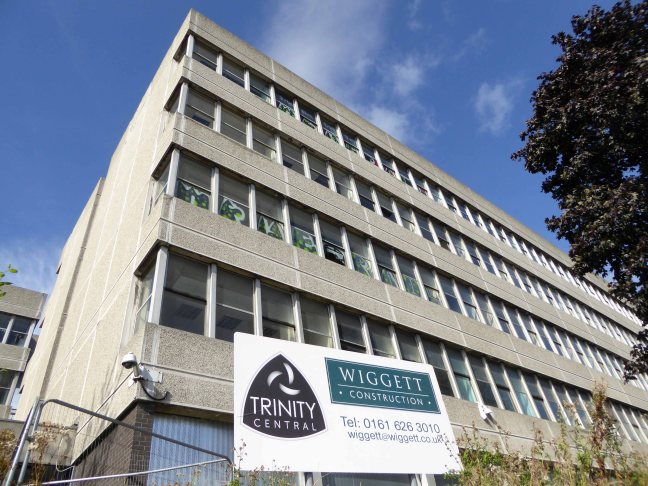
An octagonal brick face concrete hub, anchoring three six storey walls, which enclose a central open courtyard area. Housing all central local authority offices.

DSC_0593 copy

DSC_0564 copy

DSC_0574 copy

DSC_0568 copy

DSC_0587 copy

DSC_0594 copy

DSC_0583 copy

DSC_0570 copy

DSC_0582 copy

DSC_0589 copy

DSC_0591 copy

DSC_0592 copy

DSC_0595 copy

DSC_0597 copy


Needwood Close – Collyhurst

Deep in the heart, just on the edge of central Manchester, there exists a dilemma.

Once a place of full employment and home occupation, time has not been kind to Collyhurst. Work is scarce and the area blighted by a reputation for crime and social problems. Yet it sits by an area of inner city wealth, economic expansion and a growing professional class.

The plan is to expand this growth outside of the fringes of city and into north Manchester, since 2008 this has been the stated aim of the local authority. Tram stops, academies, and retail parks apart, change seems slow to arrive.

Screen Shot 2016-06-17 at 13.54.30

There is a chronic shortage of public funding and seemingly an absence of private capital and speculative development – life is elsewhere.

In the mean time there are properties tinned up awaiting a new dawn.

Needwood Close is one such example.

P1040450 copy

P1040451 copy

P1040453 copy

P1040458 copy

P1040459 copy

P1040460 copy

P1040465 copy

P1040466 copy

P1040468 copy

P1040469 copy

P1040476 copy

P1040477 copy

P1040480 copy

P1040483 copy


Margate – Tidal Pools

Margate a town of two pools.

The first tucked in by the prom, a moments walk from the station and overlooked by the imposing Arlington House and the shimmer of the Turner Contemporary

– alas no longer the domain of the wild swimmer.

A large delicious expanse of seawater, now sadly designated as a boating pond.

I was drawn magnetically to this elemental artifice, where untamed waters meet a controlled concrete geometry, waves temptingly lapping the walls.

Would that it could be open again to the town’s swimmers.

I am latterly reliably informed, that the pool is well used by local aquarists, despite the Local Authority’s prohibitions and ministrations – bravo!

P1050061 copy

P1050062 copy

P1050063 copy


P1050065 copy

P1050066 copy

P1050067 copy


P1050072 copy

P1050073 copy

P1050077 copy


P1050082 copy

P1050083 copy

P1050085 copy

The second at Walpole Bay still open to the swimmer and what’s more it’s listed.

Walpole Bay Tidal Pool, one of two tidal pools designed by Margate’s borough engineer in 1937, constructed in concrete blocks reinforced by reused iron tram rails, is listed at Grade II for the following principal reasons: * Structural engineering interest: an ambitious project because of its scale, the weight of each concrete block, and that work needing to be carried out day and night because of the tides; * Scale and design: impressive in scale and shape, occupying 4 acres and three sides of a rectangle, the sides 450 feet long diminishing towards the seaward end which was 300 feet long; * Social historical interest: provided an improvement to sea bathing at the period of the greatest popularity of the English seaside; * Degree of intactness: intact apart from the loss of the two diving boards which do not often survive; * Group value: situated quite near the remains of the 1824-6 Clifton Baths (Grade II), an 1935 lift and the other 1937 tidal pool. 

P1040713 copy

P1040716 copy

P1040717 copy

P1040718 copy

P1040719 copy

P1040720 copy

P1040836 copy

Methodist Church – Heald Green

Welcome to Heald Green, cycling from Stockport to the Airport along Sustrans Route 558, you will find an unexpected surprise, rendered just a little less surprising.

A Methodist Church.

There is little or no information concerning its authorship or origins, but an internet search did yield a free 3D model:

heald_green_methodist_church_3d_model_3ds_fbx_obj_skp_max_dae_ige_igs_iges_stl_wrl_wrz_mtl_9b04e839-b985-43f8-83c3-ae619f8ef637

My thanks to Cath the cleaner for her time and hospitality – allowing me to snap the interior as we chatted about this and that.

Pop in if you’re passing, she’s there most days.

There are some intriguing exterior and interior details.

P1050978 copy

P1050979 copy

P1050981 copy

P1050982 copy

P1050984 copy

P1050985 copy

P1050986 copy

P1050987 copy

P1050989 copy

P1050990 copy

P1050991 copy

P1050992 copy

P1050993 copy

P1050994 copy

P1050997 copy

Laundrette – Welshpool

When walking the streets of Welshpool, one often finds oneself outside.

Outside a launderette.

I paused.

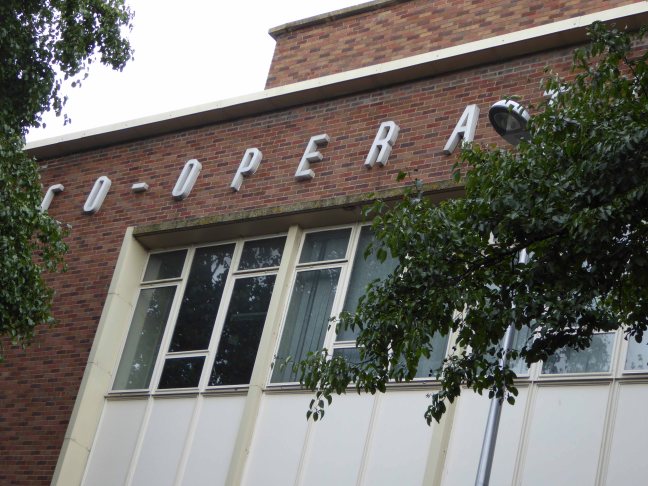
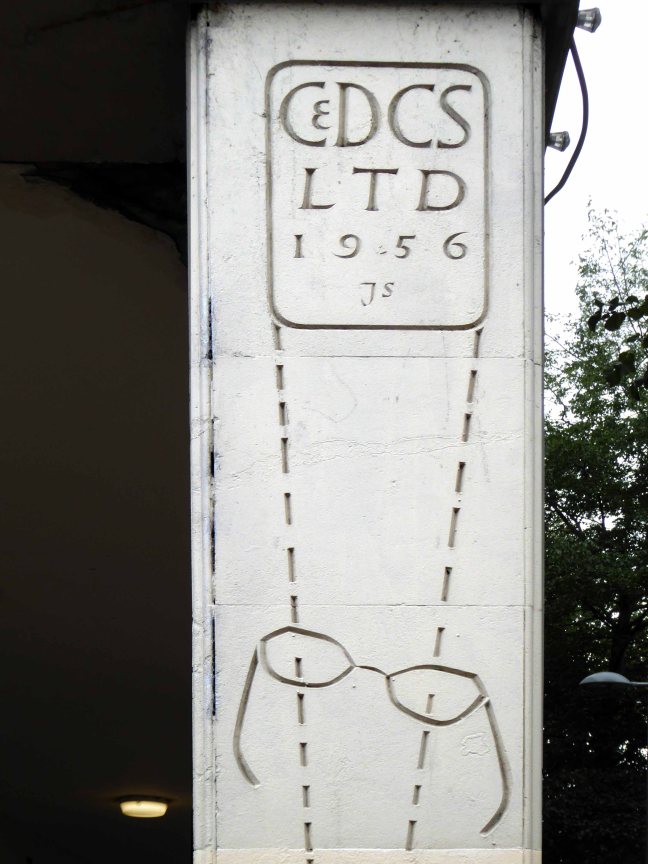
The porch was decorated by the most enchanting mosaic, Vickery and Co.

Hosiers, Hatters and Outfitters.

Politely, ever so politely, I asked the two local lads if they would step aside from their porch perch one moment, I snapped.

And walked on.

Upon my return, nobody was here, I hurriedly occupied the vacant space, with the expansive volume of my incurable curiosity.

Here is what I found.
P1050847 copy

P1050848 copy

P1050849 copy

P1050850 copy

P1050851 copy

P1050852 copy

P1050853 copy

P1050854 copy

P1050855 copy

P1050856 copy

P1050858 copy

P1050859 copy

P1050860 copy

P1050861 copy

P1050862 copy

P1050863 copy

P1050864 copy

P1050865 copy

P1050866 copy

P1050867 copy


WH Smiths – Newtown Powys

Life is full of tiny delights.

Newtown, a town of tiny delights, my journey through Wales by bike took me there.

None more delightful and surprising than the branch of WH Smiths, its exterior adorned with the most beautiful of signs, tiles and lamps.

P1050808 copy

P1050802 copy

P1050804 copy

P1050807 copy

P1050811 copy

P1050805 copy

P1050834 copy

P1050803 copy

Curious, curiously I  explored further, the porch housed a newspaper and magazine stall with further tiled images.

These tiles were made by Carter & Co. at their pottery works in Poole, Dorset in the 1920s. Commissioned by the retailer, they were installed in the entrance ways of a number of its branches. They were intended to advertise the wide selection of books and other items on sale, however their distinctive Art Deco style and the scenes depicted also expose a great deal about society at that time.

In subsequent decades, particularly during periods of refurbishment from the 1960s, many shops lost their decorative panels, either being removed or covered over. Only seven branches of WHSmith are known to have their tile panels intact, with a few surviving in private collections. Many tiles were rescued by WHSmith and these can now be seen in a museum housed in the Newtown branch in Powys. 

Further information

P1050813 copy

P1050814 copy

P1050832 copy

The staff were typically helpful and accommodating – directing me to the Museum upstairs – just pull the rope to one side.

Go take a look 

P1050820 copy

P1050822 copy

P1050823 copy

P1050824 copy

P1050825 copy

P1050826 copy

P1050827 copy

P1050828 copy

P1050829 copy

P1050830 copy

Laundrette – Emlyn West Wales

You could be in the middle of nowhere.

You are in the middle of nowhere.

Though never six feet from a rat, or a mile from a main road.

Moments away from a laundrette.

Imagine my amazement, on arrival in a town straddling the border of the counties of Ceredigion and Carmarthenshire in west Wales and lying on the River Teffi.

A launderette.

The heady of mix of interior austerity.

Functionally muted green, grey sky blue, nothing added.

An all too distinctive aroma of who knows what – warm water, soap and humanity?

Wash your dirty linen in public.

P1050712 copy

P1050688 copy

P1050689 copy

P1050690 copy

P1050691 copy

P1050692 copy

P1050693 copy

P1050694 copy

P1050696 copy

P1050697 copy

P1050698 copy

P1050699 copy

P1050700 copy

P1050701 copy

P1050702 copy

P1050703 copy

P1050704 copy

P1050705 copy

P1050706 copy

P1050707 copy

P1050708 copy

P1050709 copy

P1050710 copy

P1050711 copy

Lost and Found – Portwood

Ὁ βίος βραχύς,ἡ δὲ τέχνη μακρή,ὁ δὲ καιρὸς ὀξύς,ἡ δὲ πεῖρα σφαλερή,ἡ δὲ κρίσις χαλεπή.

30cc0c813d69ba409723f2b3d9bc5dd0

I have no wish to take issue, with the finer thoughts and feelings of Deborah A. Ten Brink.

However.

There is a sense that our earthly endeavours, may serve to assist us in avoiding the void, the cold dark inevitability of eternity, that everyday here today, gone tomorrow feeling.

However.

Nothing lasts forever, except forever and nothing.

The cherished memories, condensed in a fraction of a second, rendered corporeal in photographic emulsion, carefully stored in family albums.

Are but a trick of light, a slight of hand, heart and mind.
Blink and they’re gone.

Blink again and you’re gone.

P1050559 copy

Here they were.

P1050558 copy

Here they are.

P1050525 copy

P1050526 copy

P1050527 copy

P1050528 copy

P1050530 copy

P1050531 copy

P1050532 copy

P1050533 copy

P1050534 copy

P1050535 copy

P1050536 copy

P1050537 copy

P1050538 copy

P1050539 copy

P1050541 copy

P1050542 copy

P1050543 copy

P1050544 copy

P1050545 copy

P1050546 copy

P1050547 copy

P1050548 copy

P1050549 copy

P1050550 copy

P1050551 copy

P1050552 copy

P1050553 copy

P1050554 copy

P1050555 copy

P1050556 copy

P1050557 copy


Gorsey Bank -Stockport #2

I’ve passed this way before.

P1050460 copy

Many times before

Where once a housing estate stood, was demolished then nature slowly reinstated.
https://modernmooch.wordpress.com/2016/01/26/gorsey-bank-stockport-1/

Weeks ago, stripped back awaiting redevelopment, fresh growth has already taken hold.
Again.

P1050461 copy

The force that through the green fuse drives the flower.

Today I passed again the turned ground of former homes, through front rooms, kitchens.

The well tended gardens of long gone ghosts.

P1050475 copy

And then I found a film.

P1050463 copy

Furled then unfurled, still moist from yesterdays rain – with care, I laid it in the sun.

Unprocessed, lacking any trace of edge markings, but exposed – who could ever know?

It’s too late to stop now, develop or fix.

Heaven alone knows, the latent images that may have lain awaiting within:

Those fragile fragments of silver.

I have dutifully released and revealed the actions of the landscape upon the abandoned film.

What once was lost, now is found, was blind but now we see.

land1

land2

land3

land4

land6

land7

land8

land9

land10

land11

land13

land14

land15

land16


North Foreland Estate – Broadstairs

Where the lone lawn ranger, meets the top of the range Range Rover.

Yippee ki oh ki-yay!

Forever out to out Lutyens.

I think you’re probably out to lunch.

To walk the shoreline path through North Foreland Estate, is to walk an intentionally unintentional free market, mash-up of architectural history.

Hey ho let’s go!

To begin at the beginning, 1636 a lighthouse is erected – leaping forward somewhat:

During World War II a number of radar stations were set up by German forces in France and the Netherlands to detect allied aircraft flying across the English Channel and a chain of top secret radar jamming stations were set up by British scientists along the south east coast of Britain. An array of transmitters was set out around gallery of the lighthouse controlled by equipment in the lower lantern as part of this chain.

1280px-North_Foreland_Lighthouse_by_George_Jackson

The North Foreland lighthouse was last manned lighthouse in the UK, but was automated in a ceremony presided over by the Duke of Edinburgh in 1998.

It seems appropriate that the DoE should preside over the automation, however, I digress.

This is a gently rolling coast line, low chalk cliffs harbouring sandy coves and spies.

And the wealth of nations, £2,000,000 gets you this shiny hunk of real estate.

e5d99b95-661e-49d2-b89a-9db836b15c68-xl

A gated community, double negated through further gating, ornamental railings, well clipped hedges, picket fences, high grey stuccoed walls, and attendant dogs.

Big dogs, very big dogs, fortunately with even bigger walls.

P1040768 copy

As is often the case in such areas the residents are short of nothing – excepting residents.

There was but on lone lawnmower owning owner to nod to.

P1040755 copy

Last seen, receding towards his quasi sixties, semi-dormered detached, hat intact.

So accompany me now through the New England homes of the new England, admire the Mock Gothic, Super Krazed Moderne, pseudo Tudo-Jacobethan delights that await us.

P1040756 copy

P1040757 copy

P1040758 copy

P1040759 copy

P1040762 copy

P1040763 copy

P1040764 copy

P1040766 copy

P1040767 copy

P1040769 copy

P1040770 copy

P1040771 copy

P1040772 copy

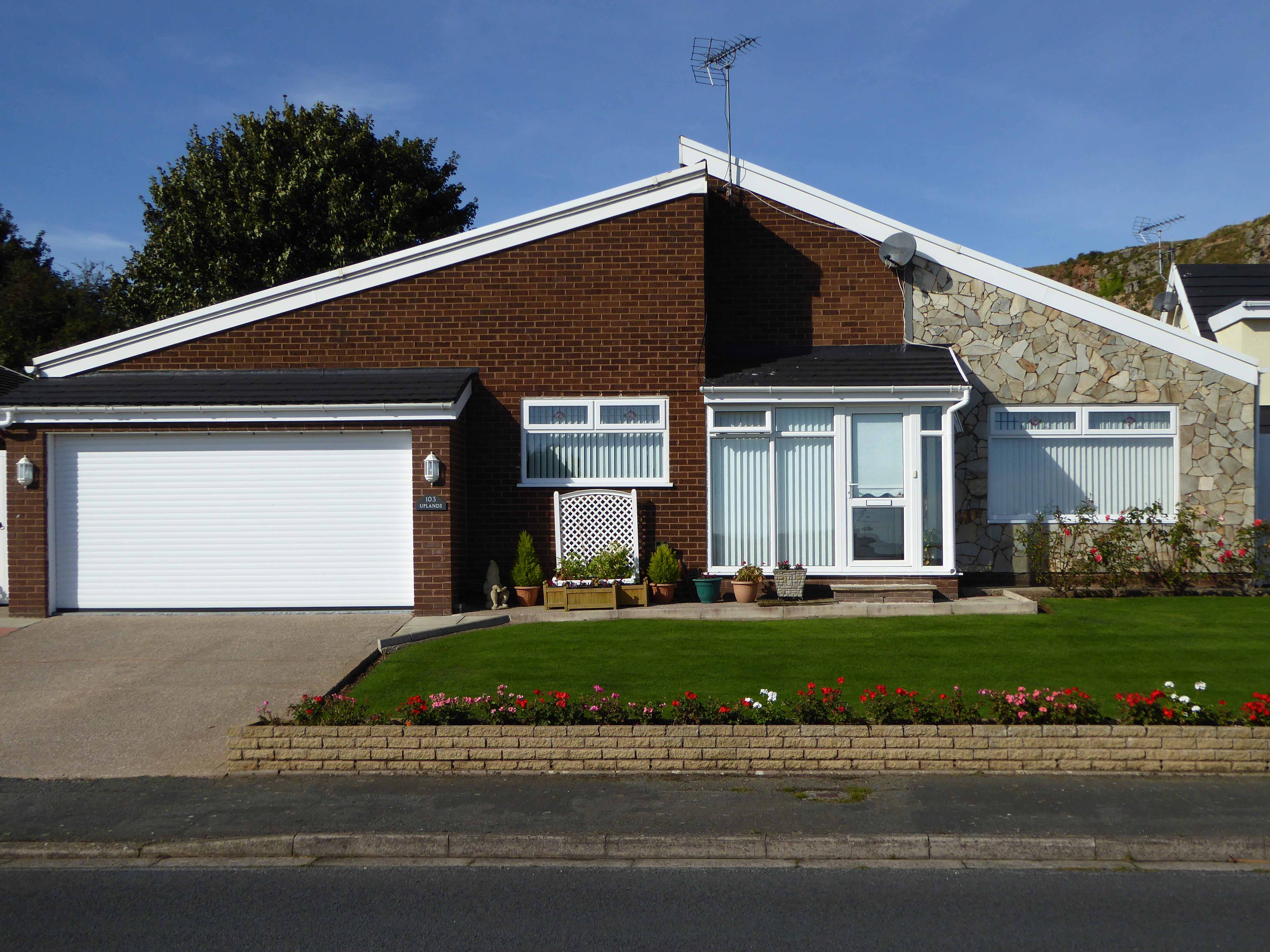
Too rich for your undernourished pockets, have you considered a drawing of a house?

High concept, conceptual housing for the under-housed.
P1040780 copy

P1040774 copy

P1040775 copy

P1040777 copy

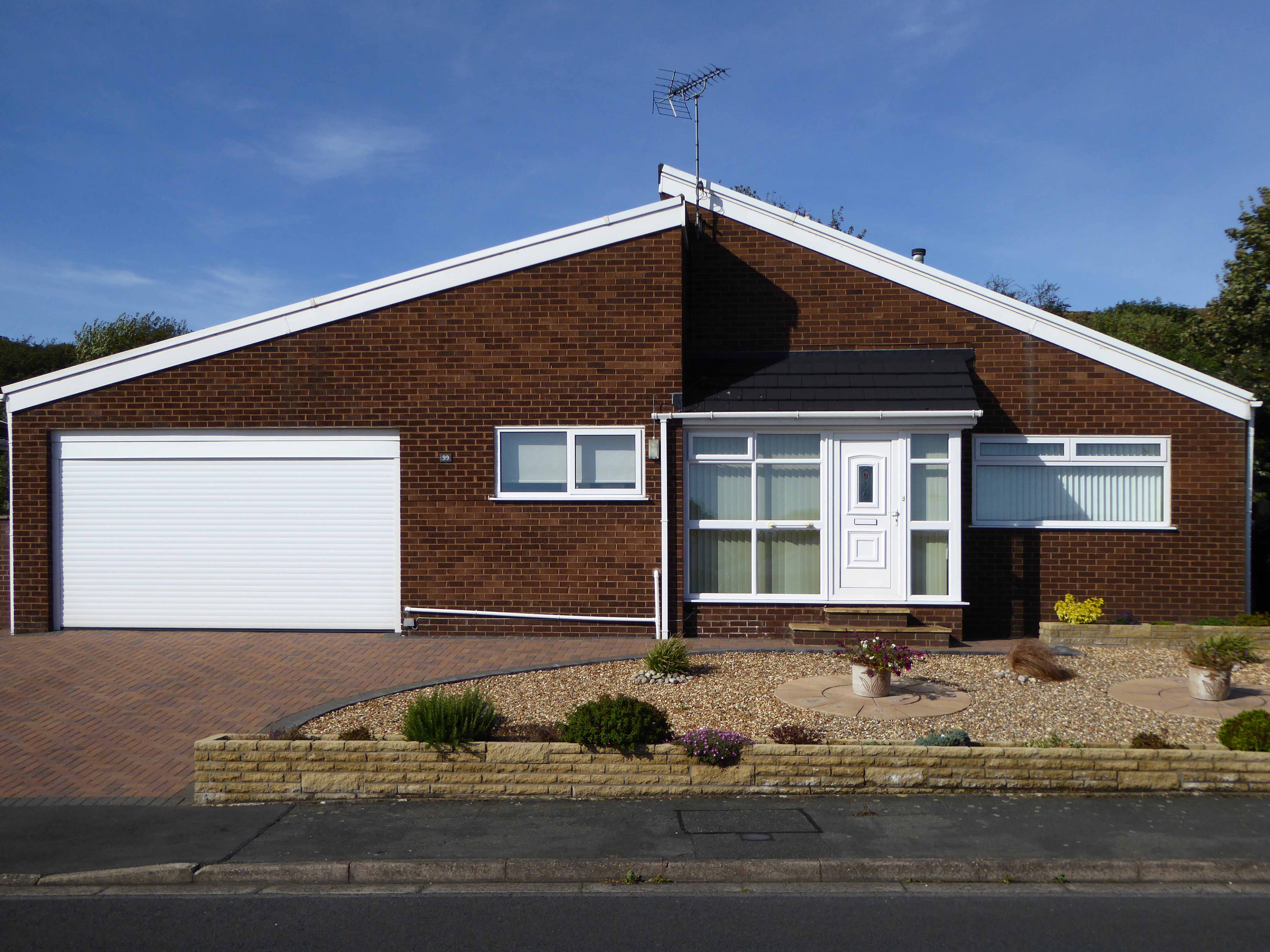
So farewell the North Shoreland I’ll leave you to get on with your high value, property based, rise and fall bollard lifestyle I, like Felix – kept on walking.
P1040783 copy


Collyhurst

It’s the end of the road, for the middle of the street.

Needwood Close Collyhurst is closed.

An area that has suffered the slings, swings and arrows of failed PFI bids, absent partners and putative city fathers.

2012

After missing out on £252m of state investment when the Government cut the Homes and Communities Agency budget, Manchester is now trying another approach to deliver the much needed regeneration of Collyhurst.

As reported by Manchester Confidential

2014

The masterplan is part of Manchester Place, a joint initiative between Manchester City Council and the Homes & Communities Agency that looks to create a pipeline of development-ready sites to help the city meet its ambitious target of creating 55,000 new homes by 2027 as set out in the Manchester Residential Growth Prospectus.

Manchester Place will work with investors, such as Manchester Life, a £1bn, partnership between Manchester City Football Club and Abu Dhabi United Group, the privately owned investment company which also owns Manchester City Football Club, to bring 6,000 new homes to east Manchester over the next 10 years.

As outlined in Place North West

2016