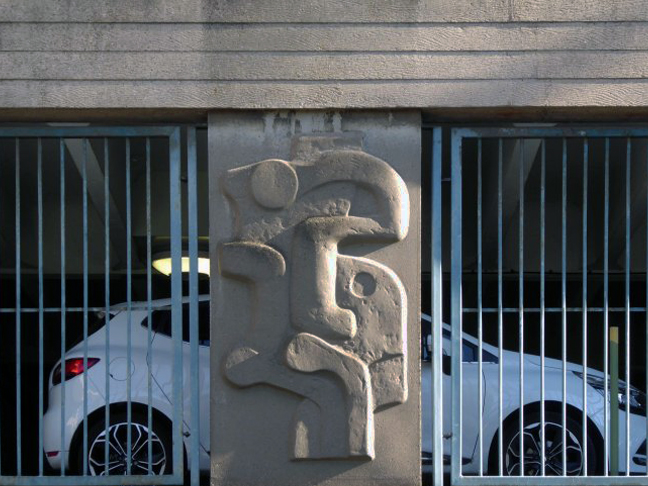
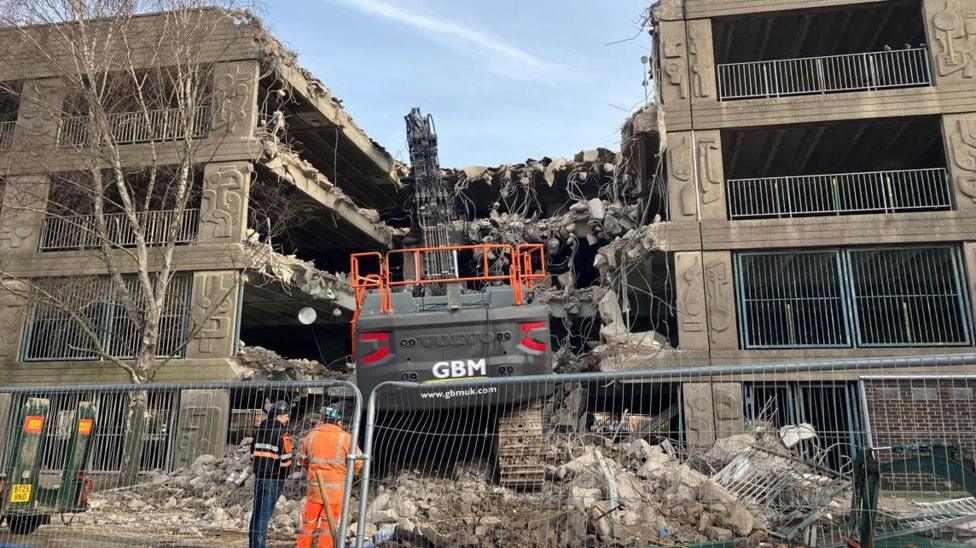
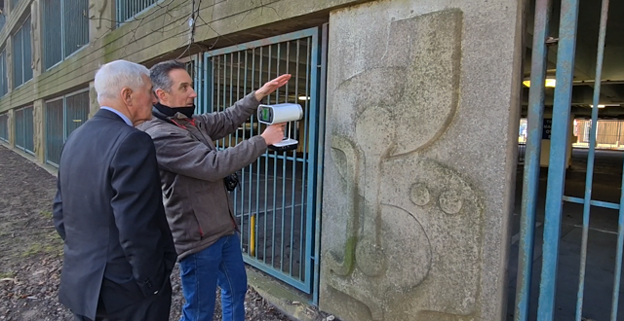
The Grimsby, Cleethorpes and District Civic Society has been campaigning to save the Harold Gosney reliefs on the 1960s Abbey Walk car park, which closed in May 2024 after North East Lincolnshire Council said it discovered structural defects.
The authority has already taken 3D scans of the art and in an update said plans were in place to try and save one of each of the four designs, which are repeated on the building’s columns.
If they can be saved, the artwork would be put into storage until a new home is found, the council added.
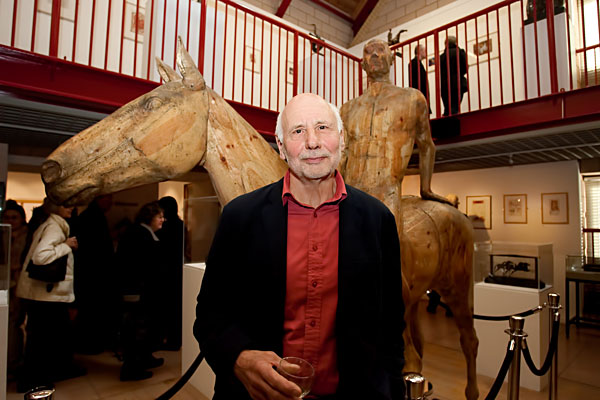
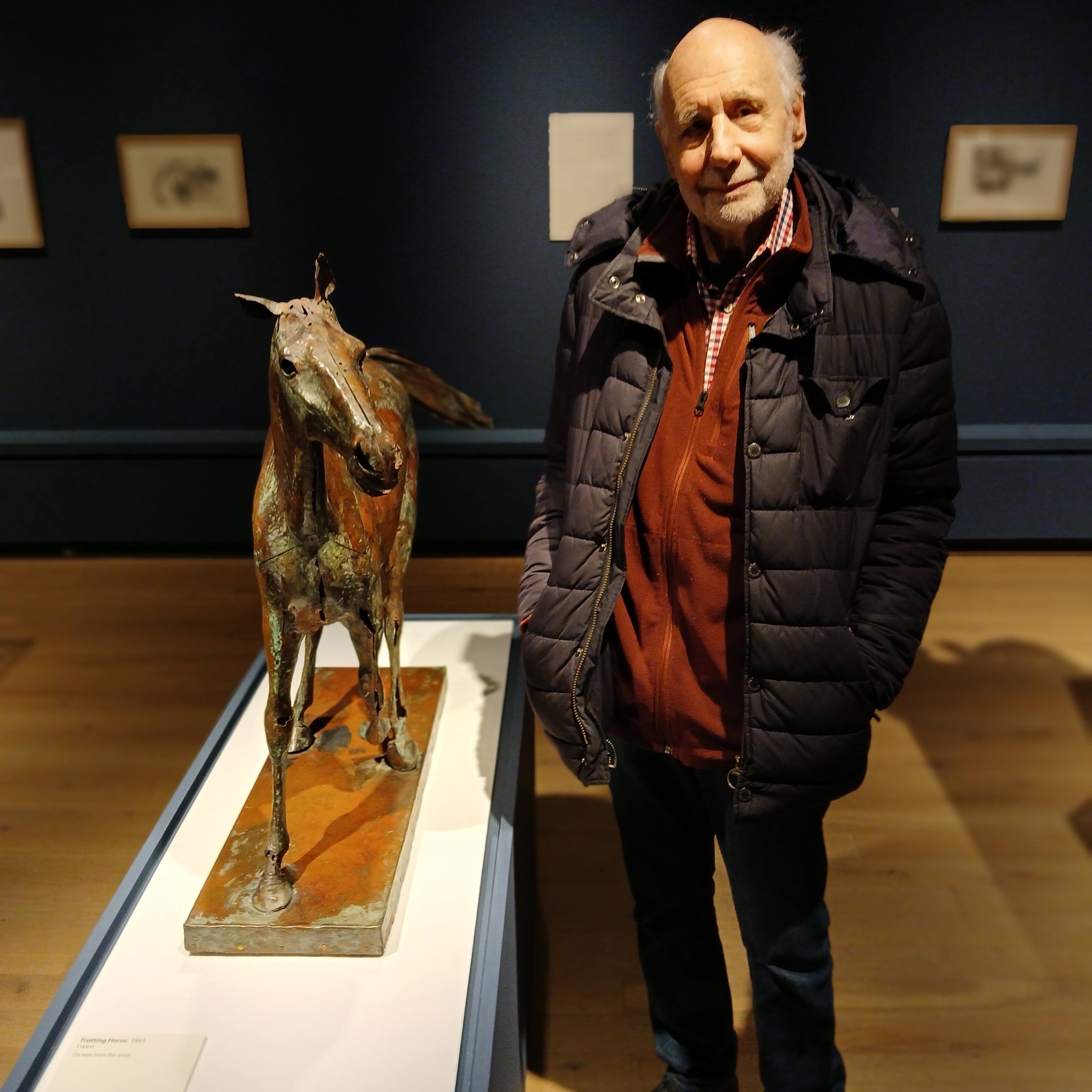
I was delighted to find that Harold himself was visiting the gallery with friends.
I stopped to chat and take a snap – thanking him for all his wonderful work and congratulating him on his excellent show.
Here is what I done seen.
Harold Gosney: Materials and Making 15 November 2025 – 28 June 2026 Included in general admission | Book now
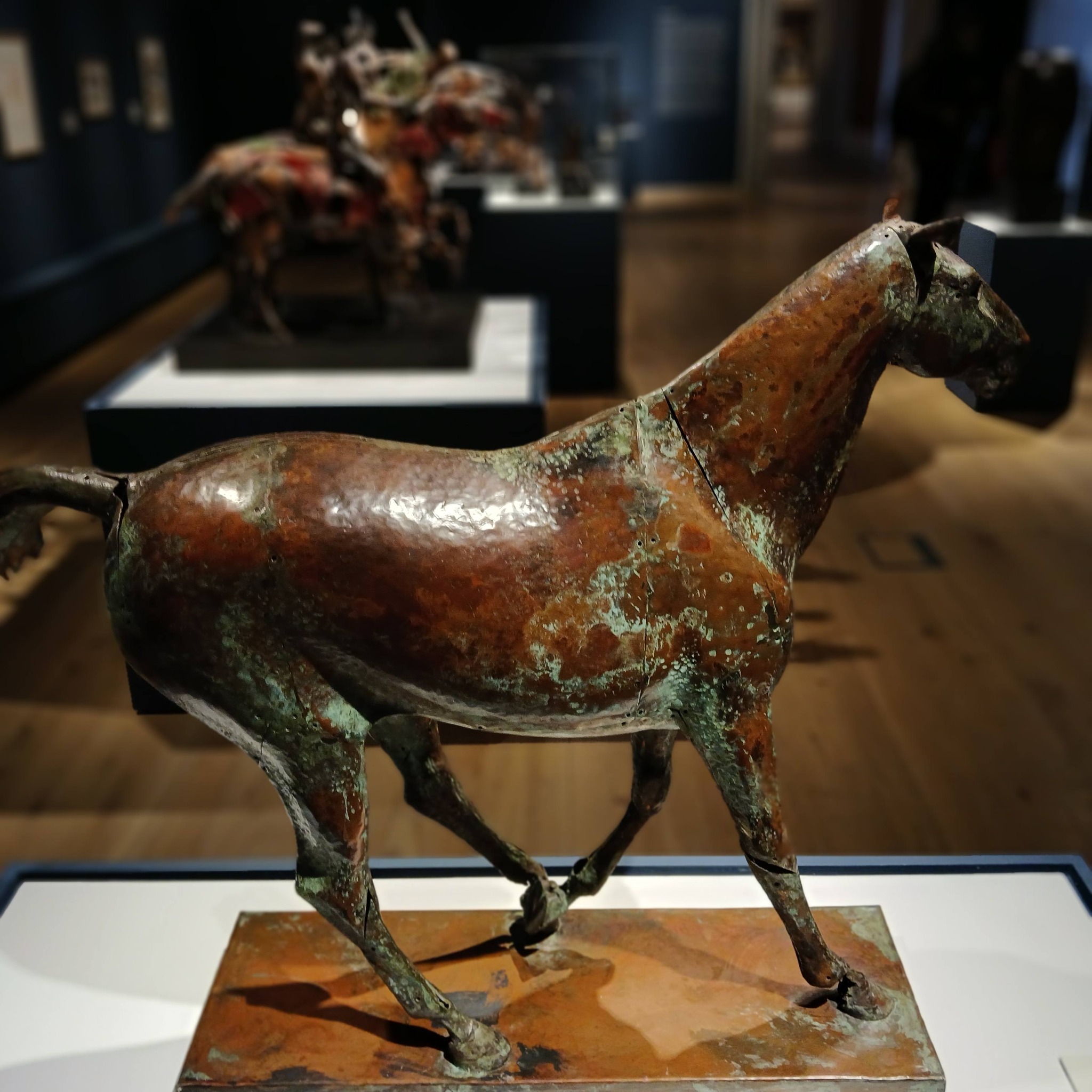
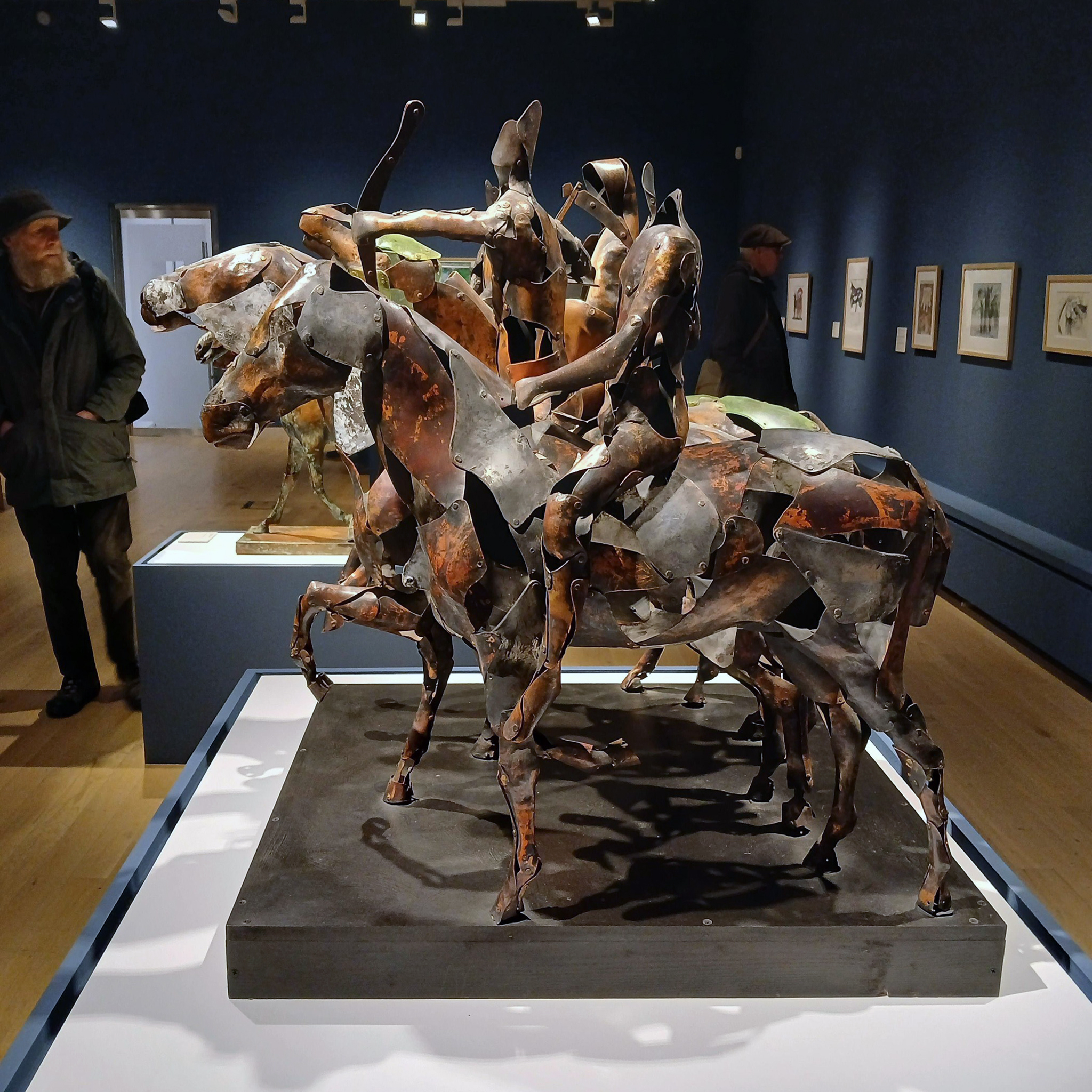
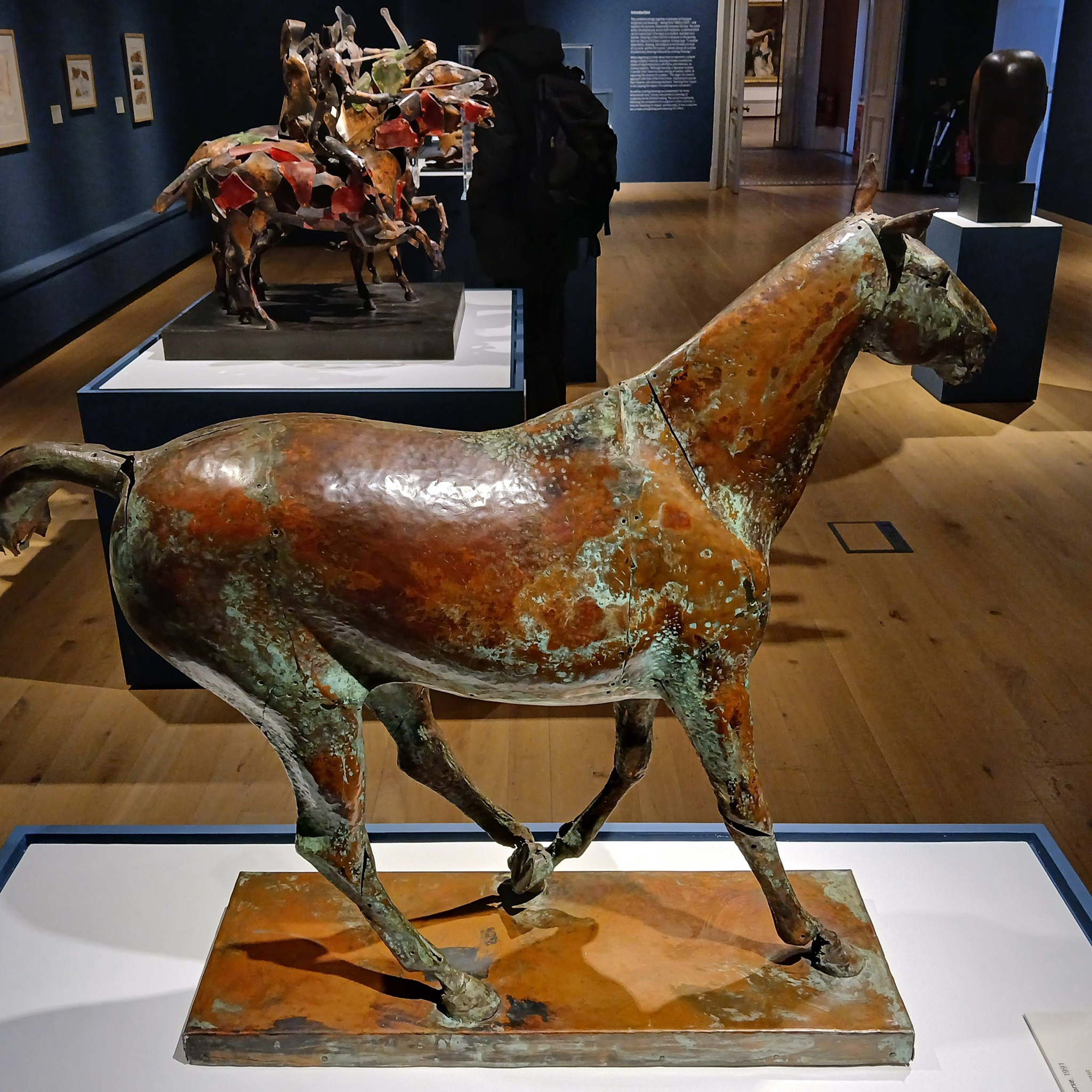
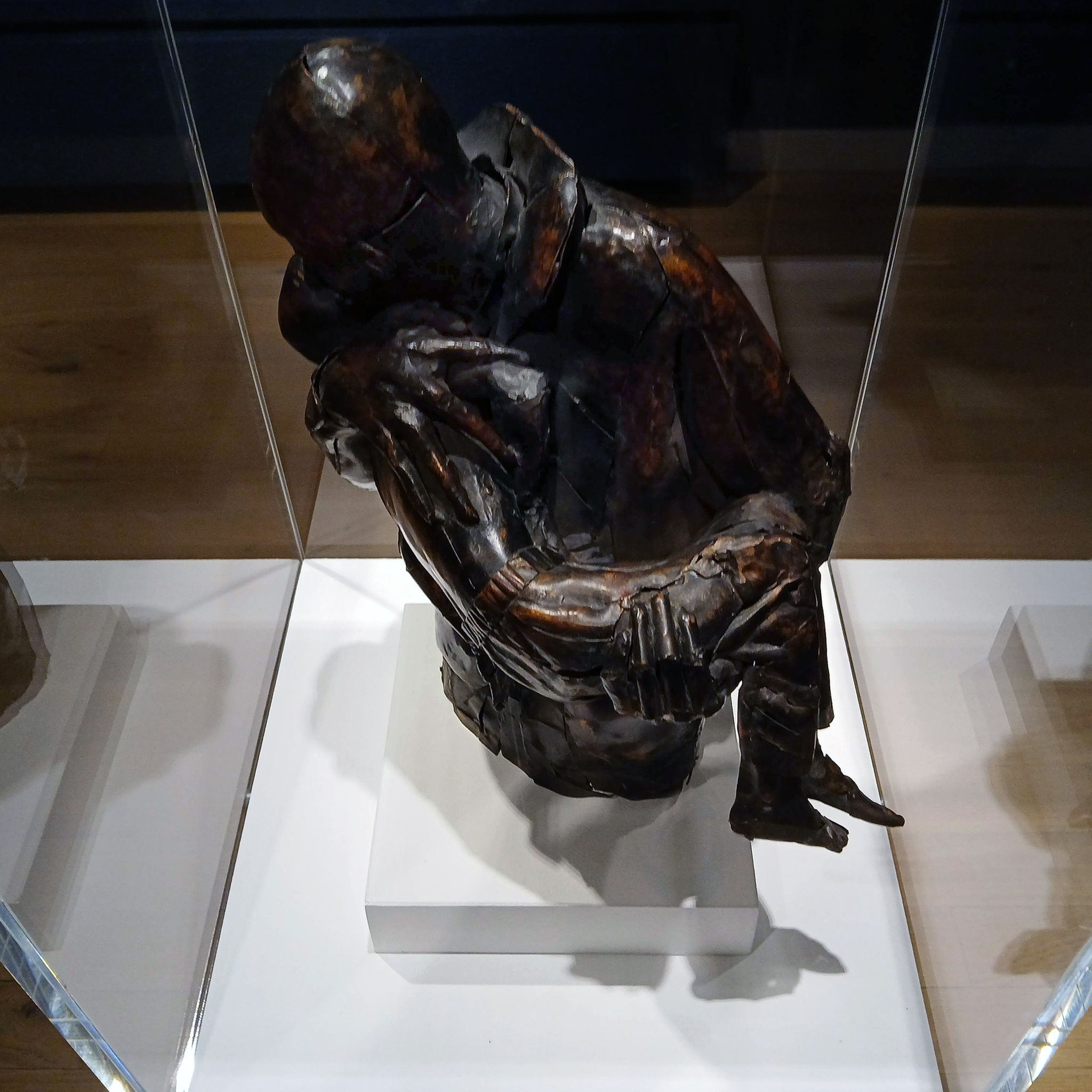
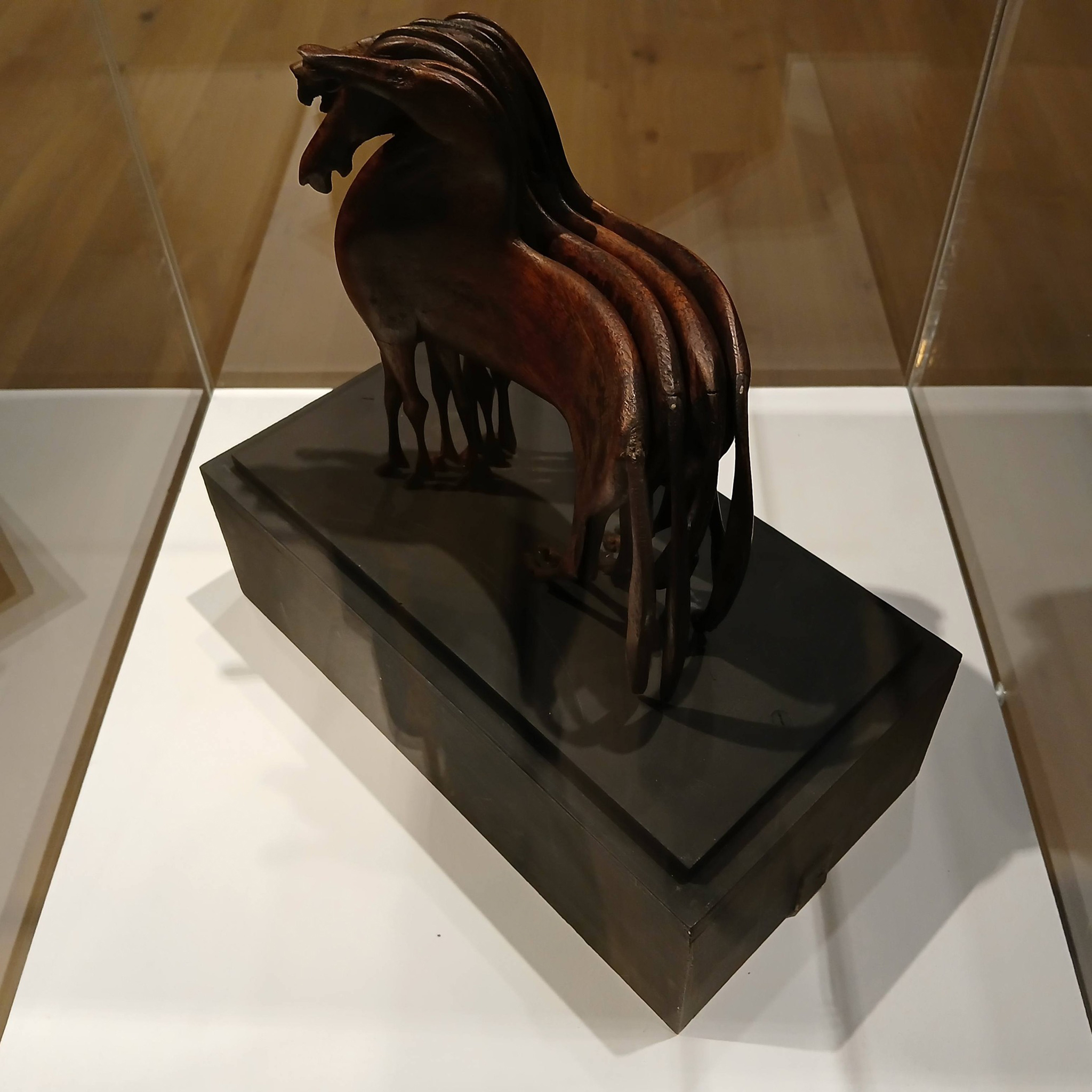
Titled ‘Materials and Making’, this exhibition is a celebration of the work of renowned Yorkshire sculptor and artist, Harold Gosney – born 1937, who has spent over 65 years creating mixed media art pieces.
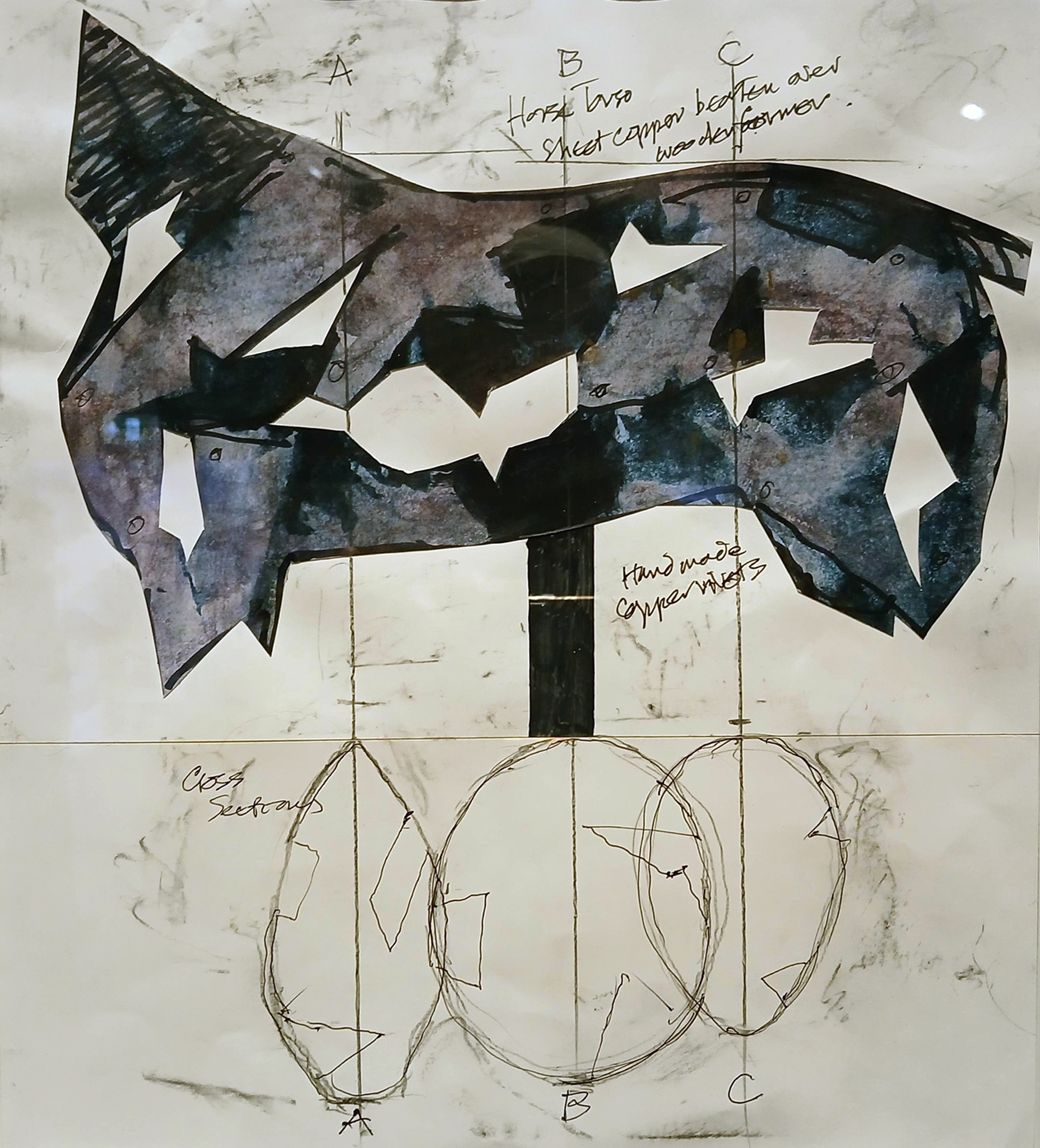
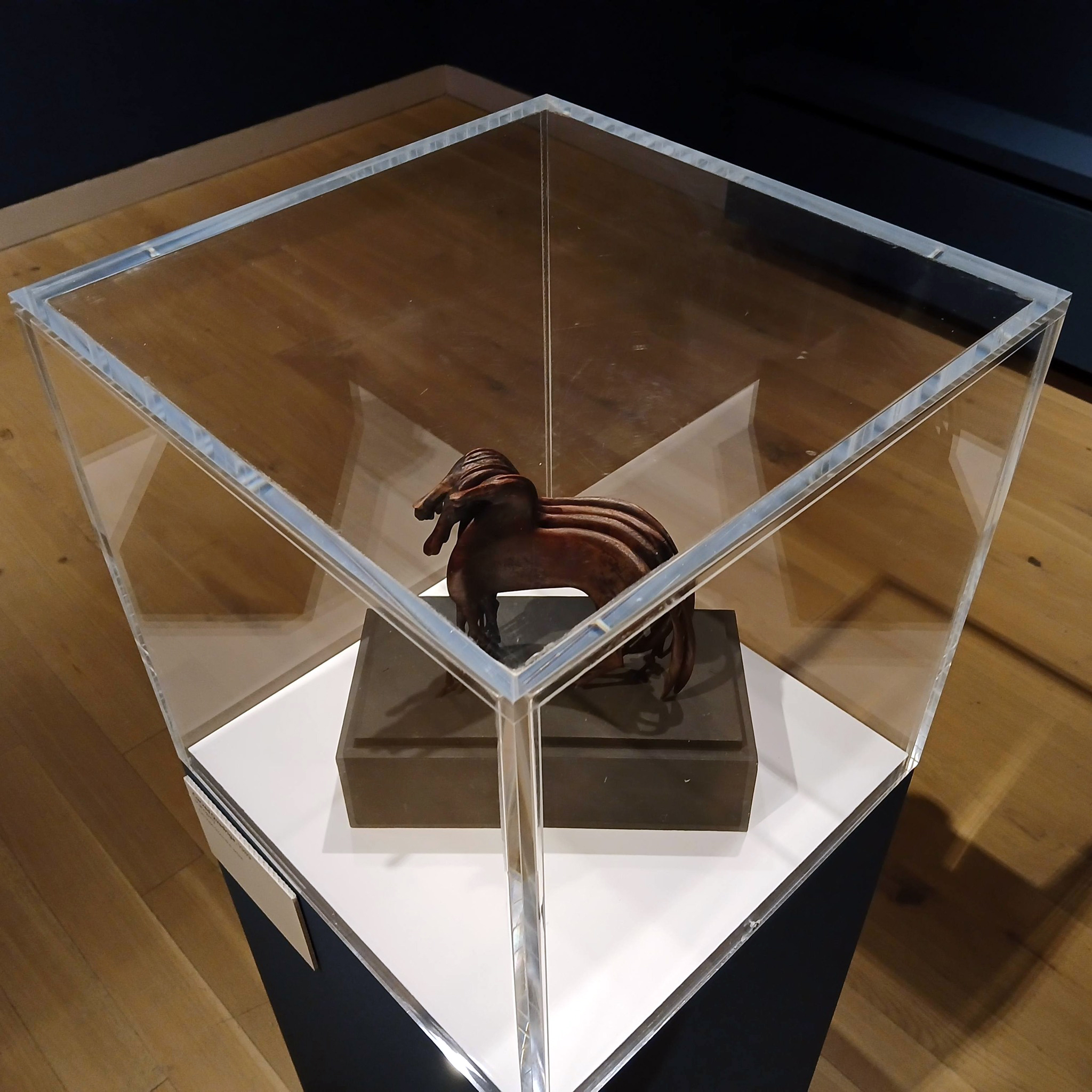
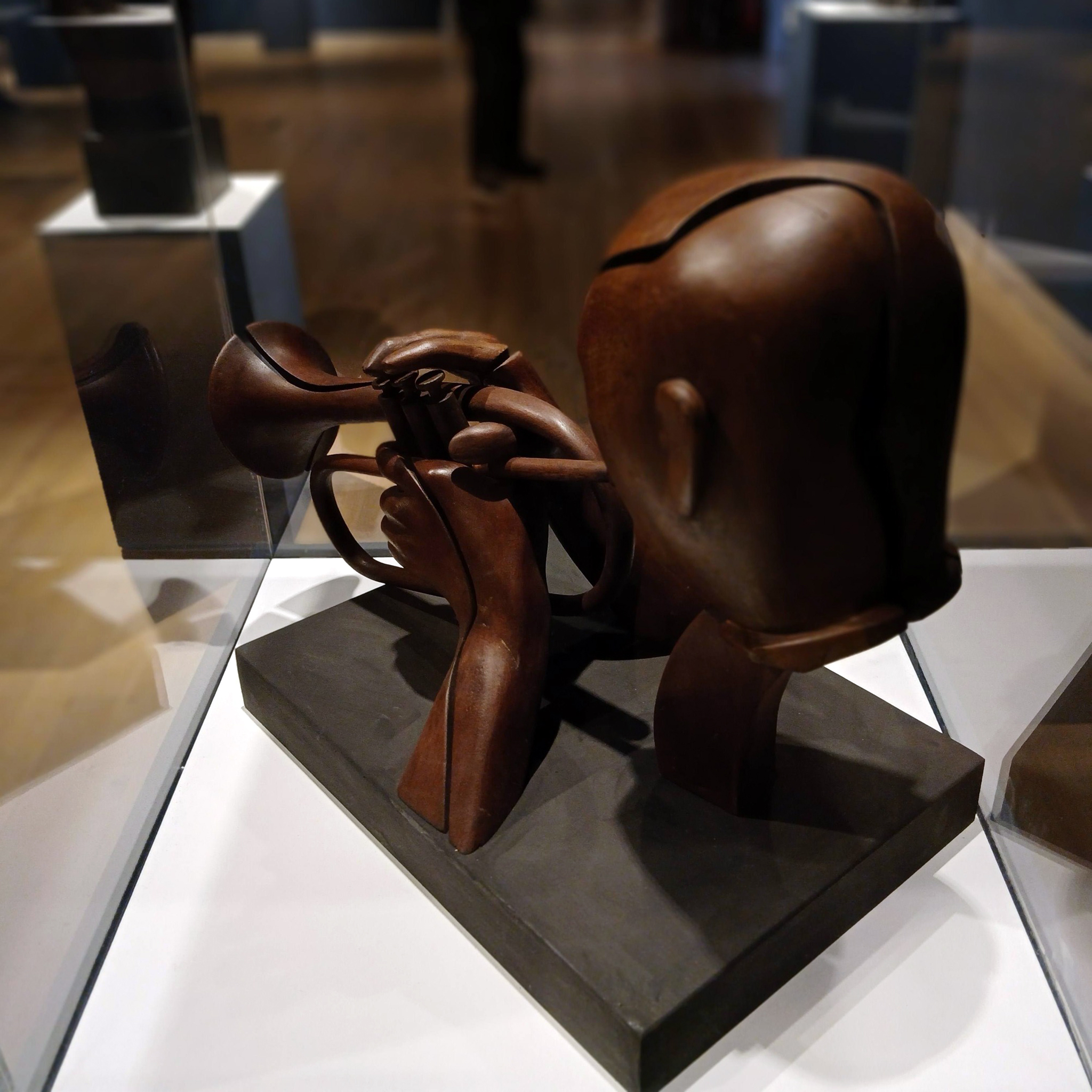
The exhibition explores Gosney’s expert experimentation with various types of wood and metal throughout his career andconsiders the importance of drawing to his artistic practice. Materials and Making looks at how Gosney draws inspiration from his immediate environment and lived experiences, with horses, the human figure and music emerging as particularly influential subjects.
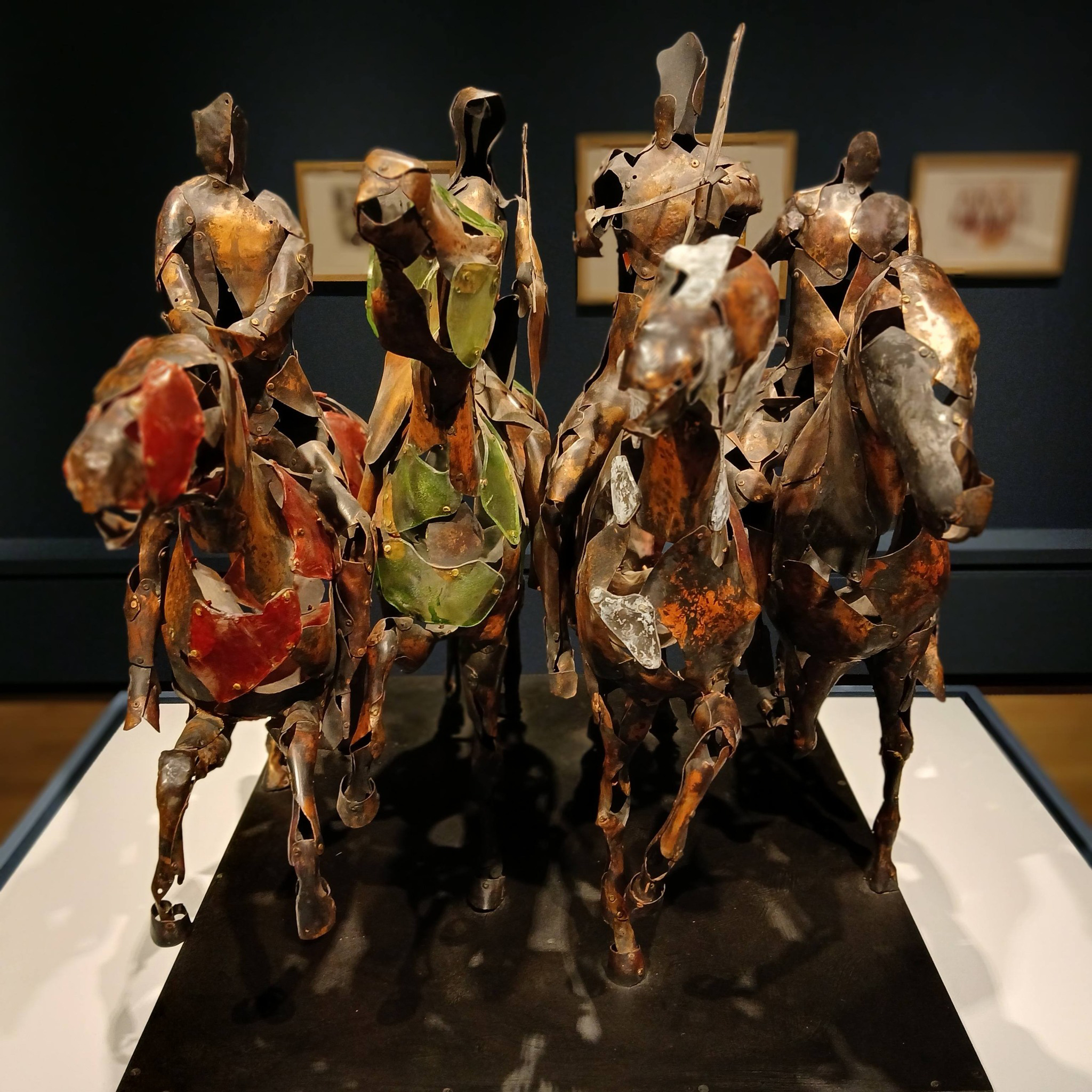
Featuring over 45 works, highlights include his striking ‘Four Horsemen of the Apocalypse’, crafted from copper and Perspex, the emotive ‘Father and Son, Bam’, his ‘Jazzman’, expertly carved from a single block of sycamore wood, and a trio of drawings depicting views of the nearby York Museum Gardens.
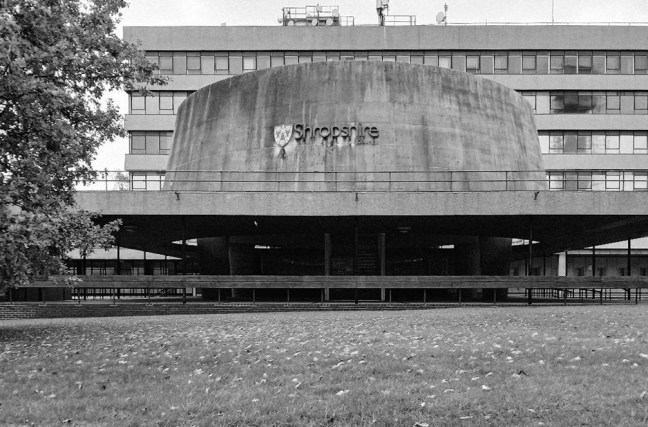
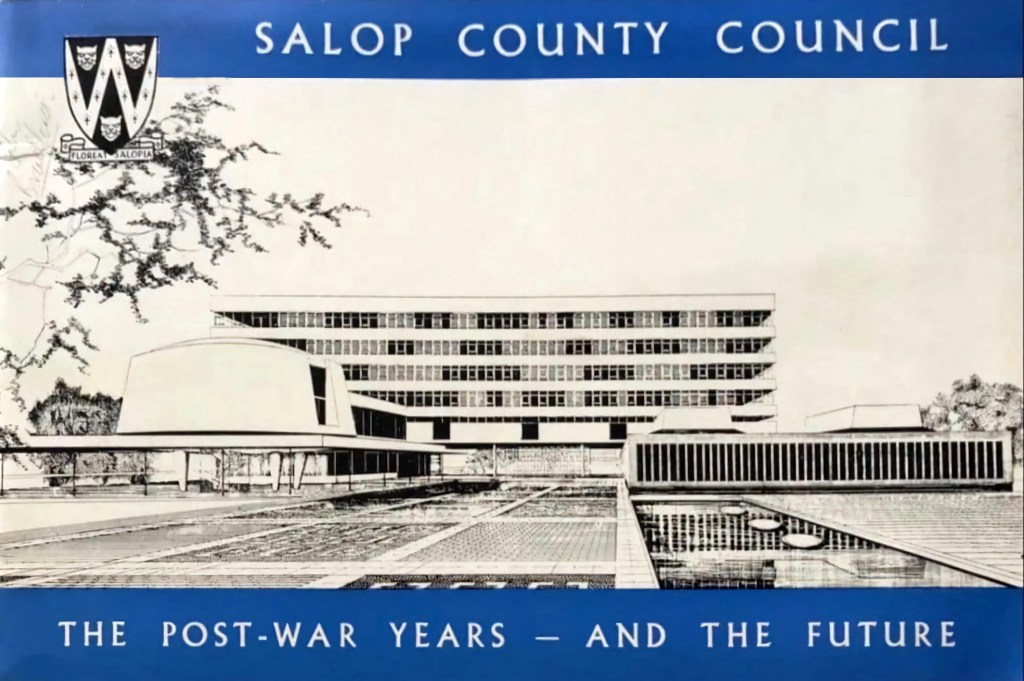
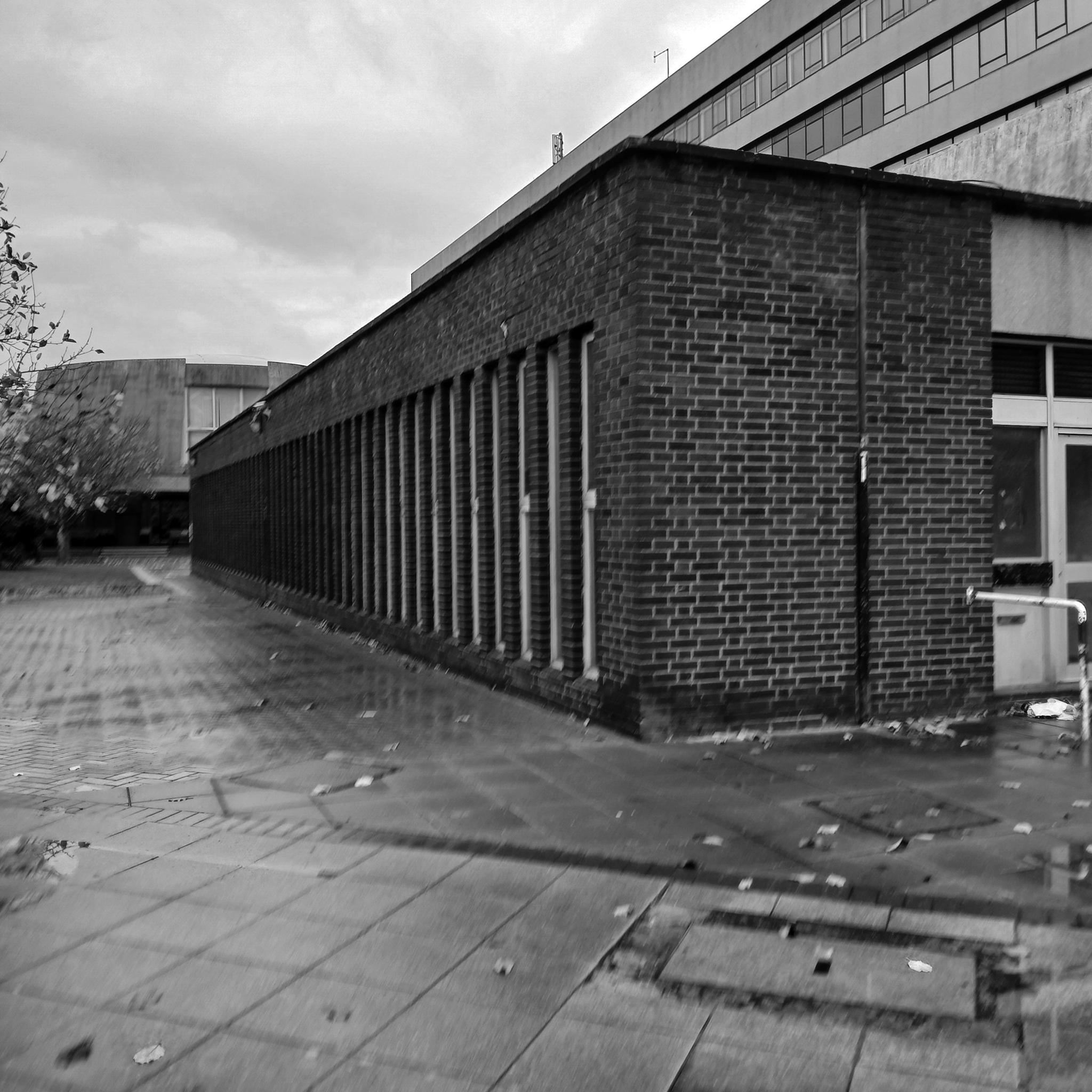
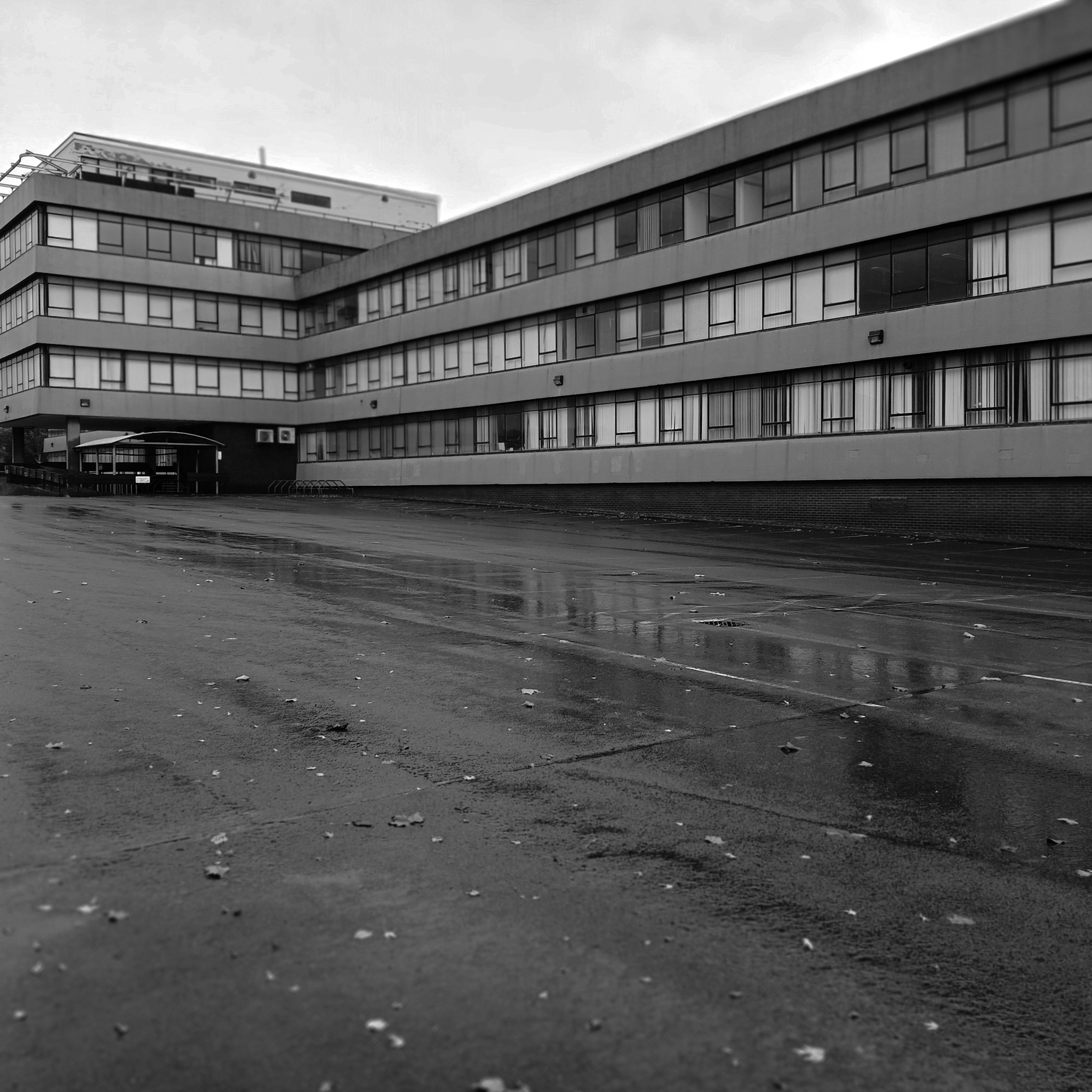
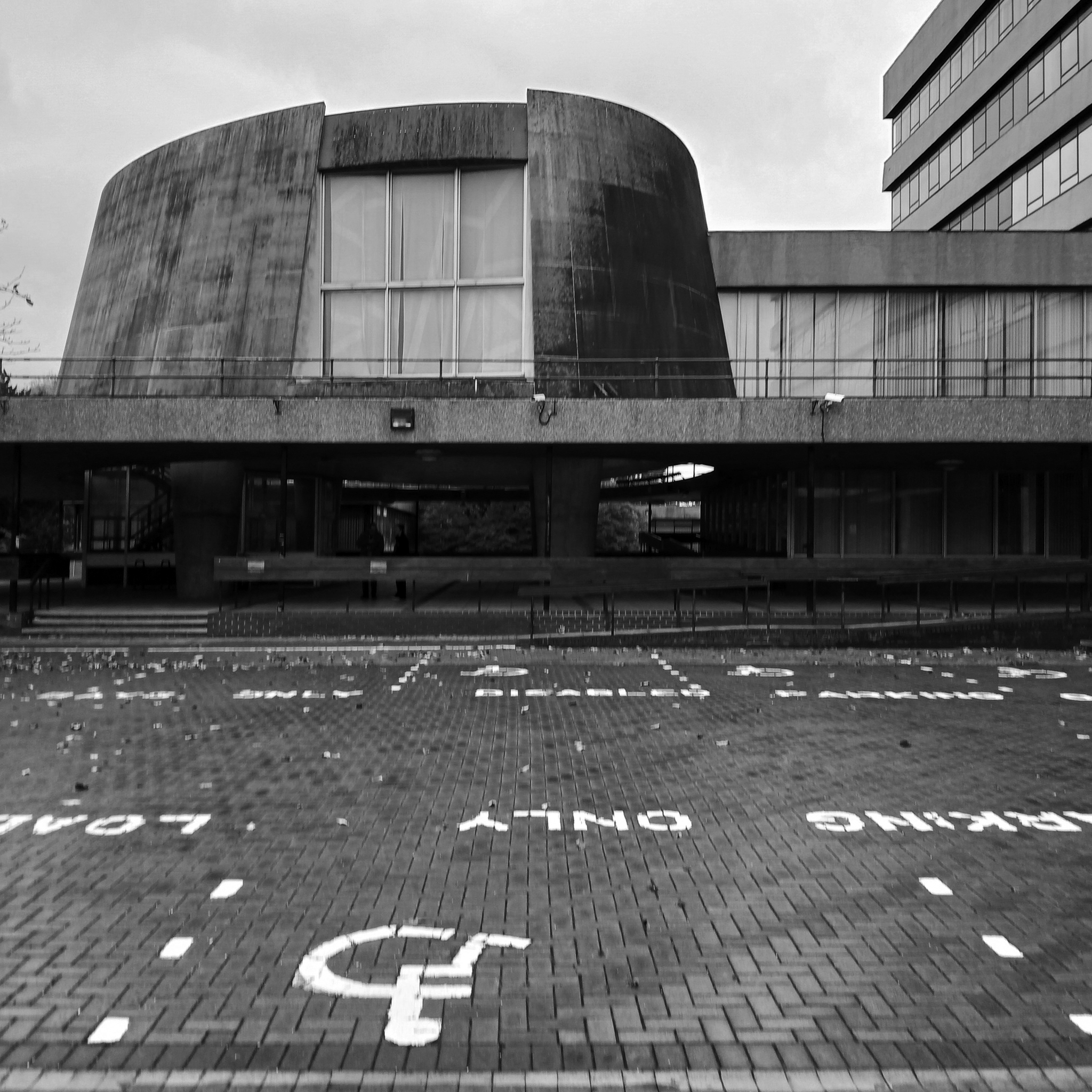
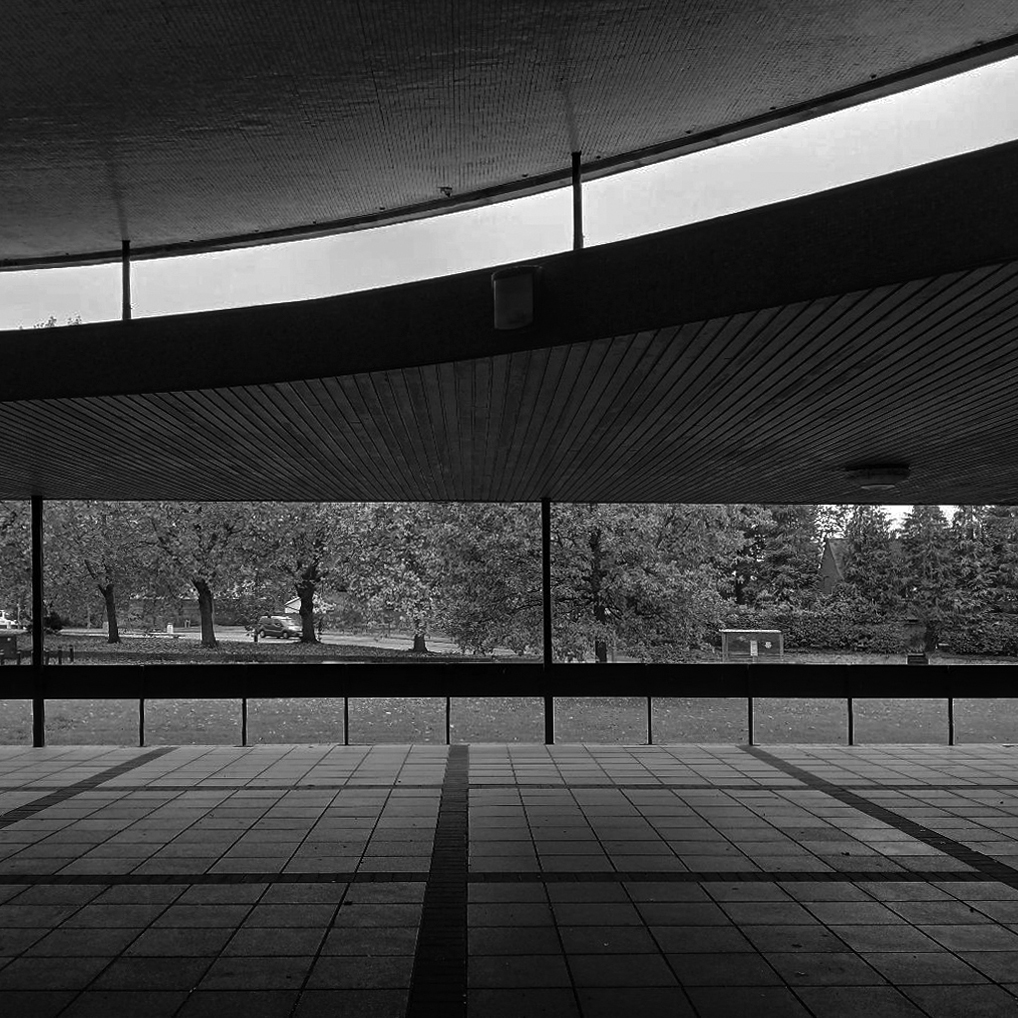
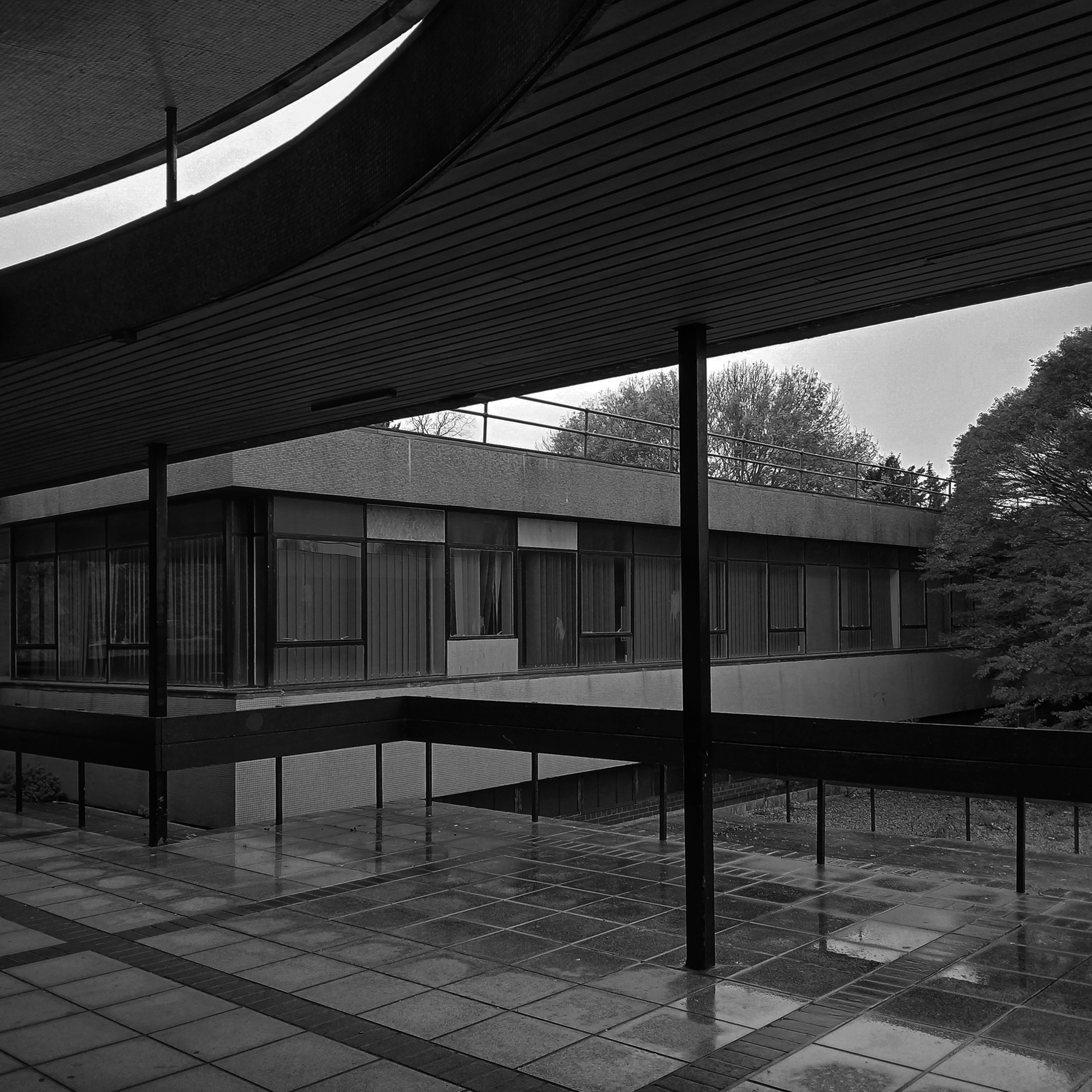
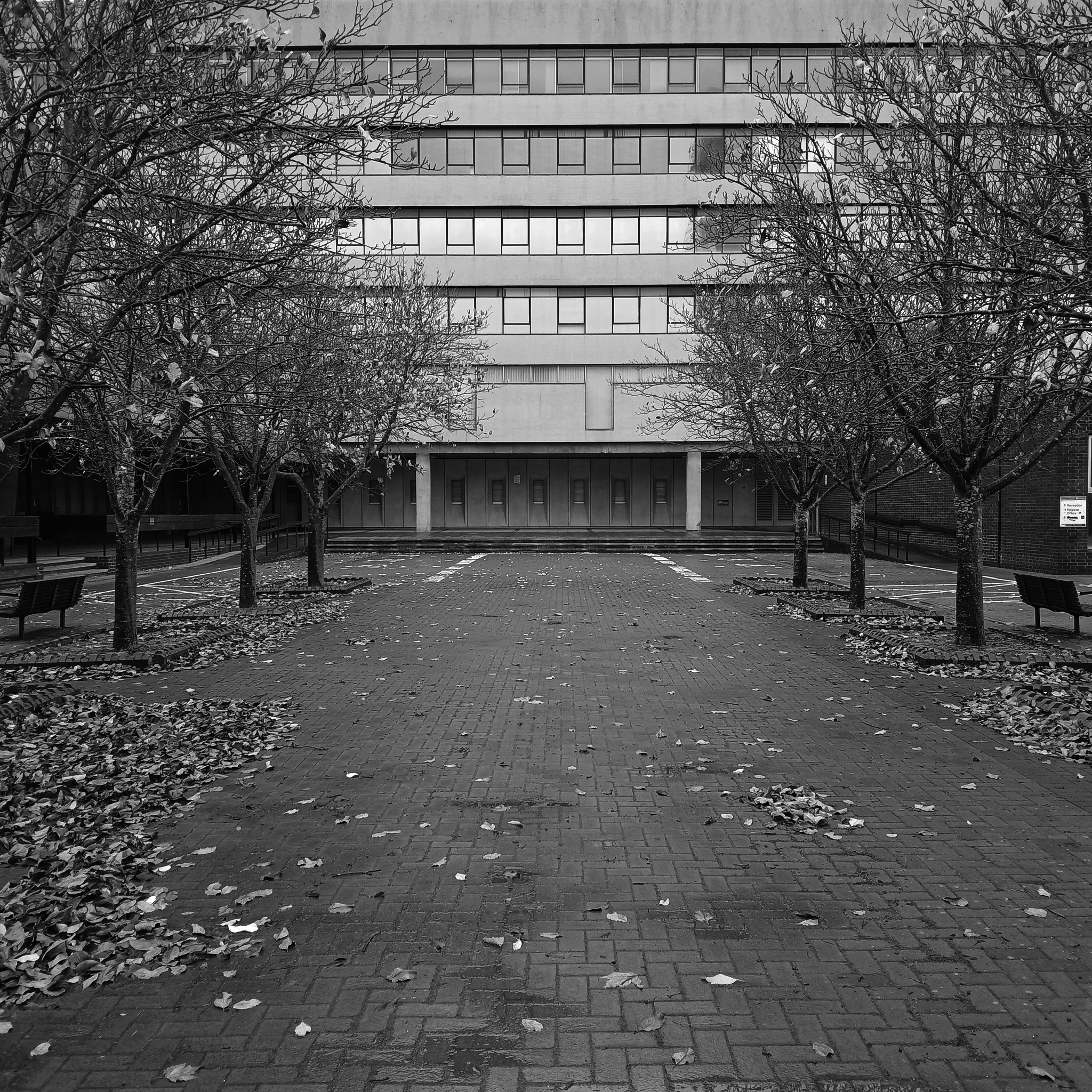
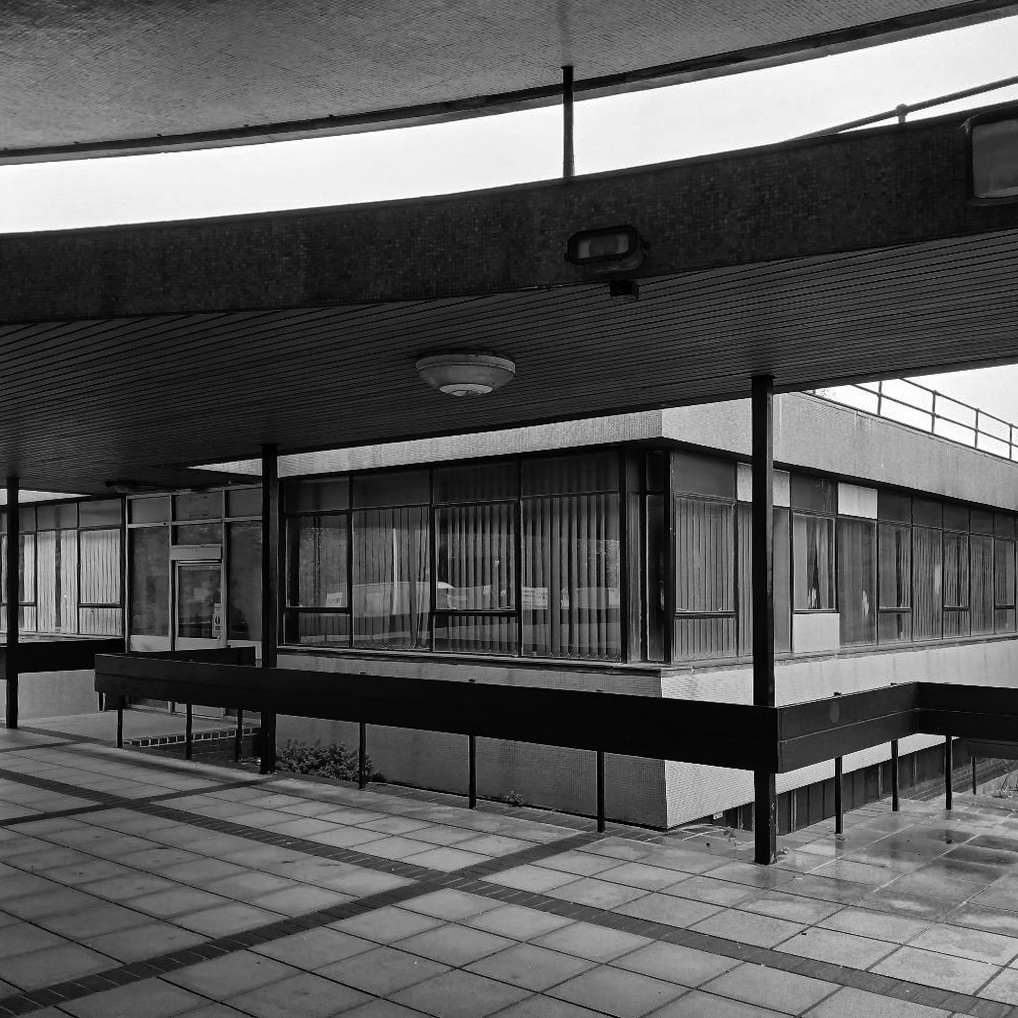
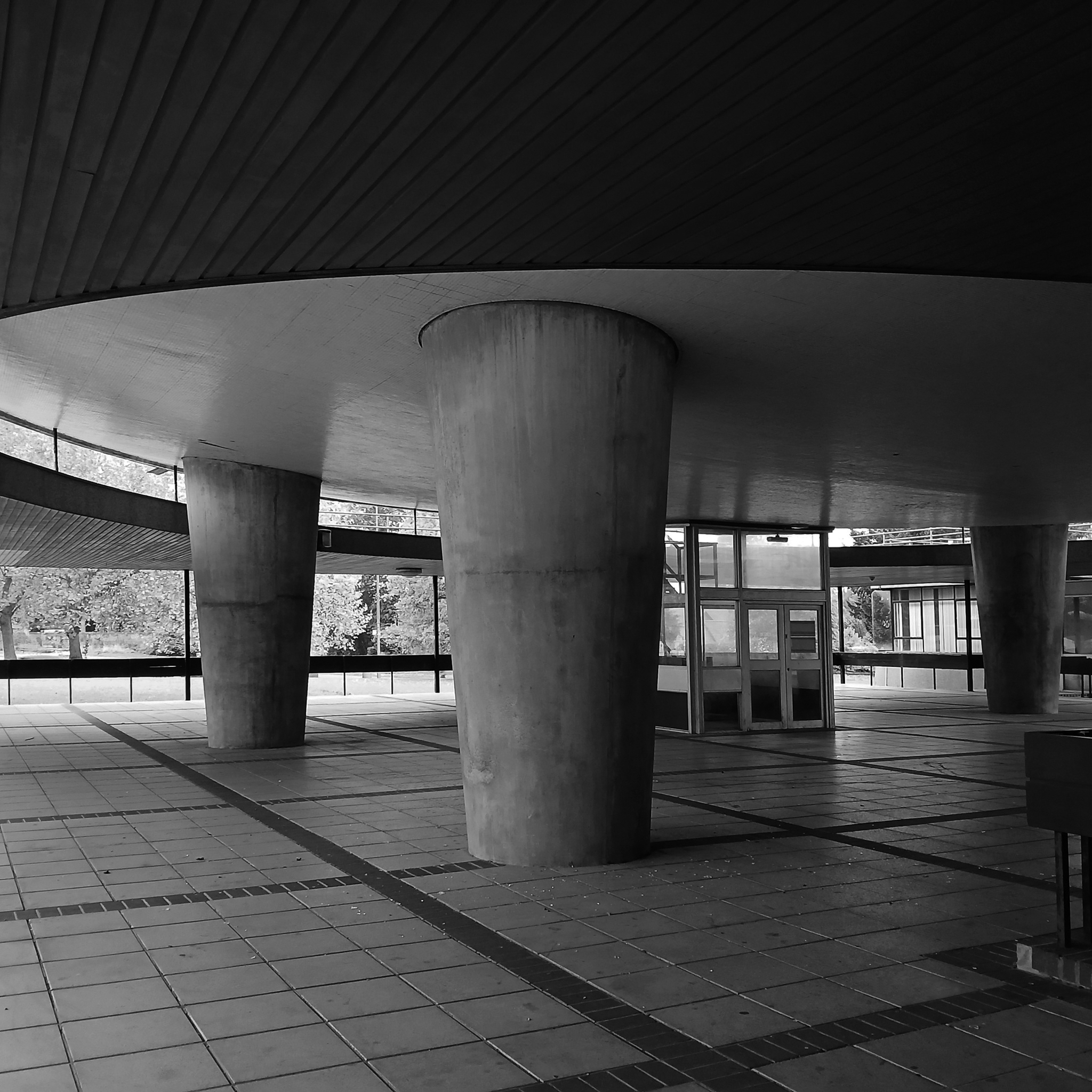
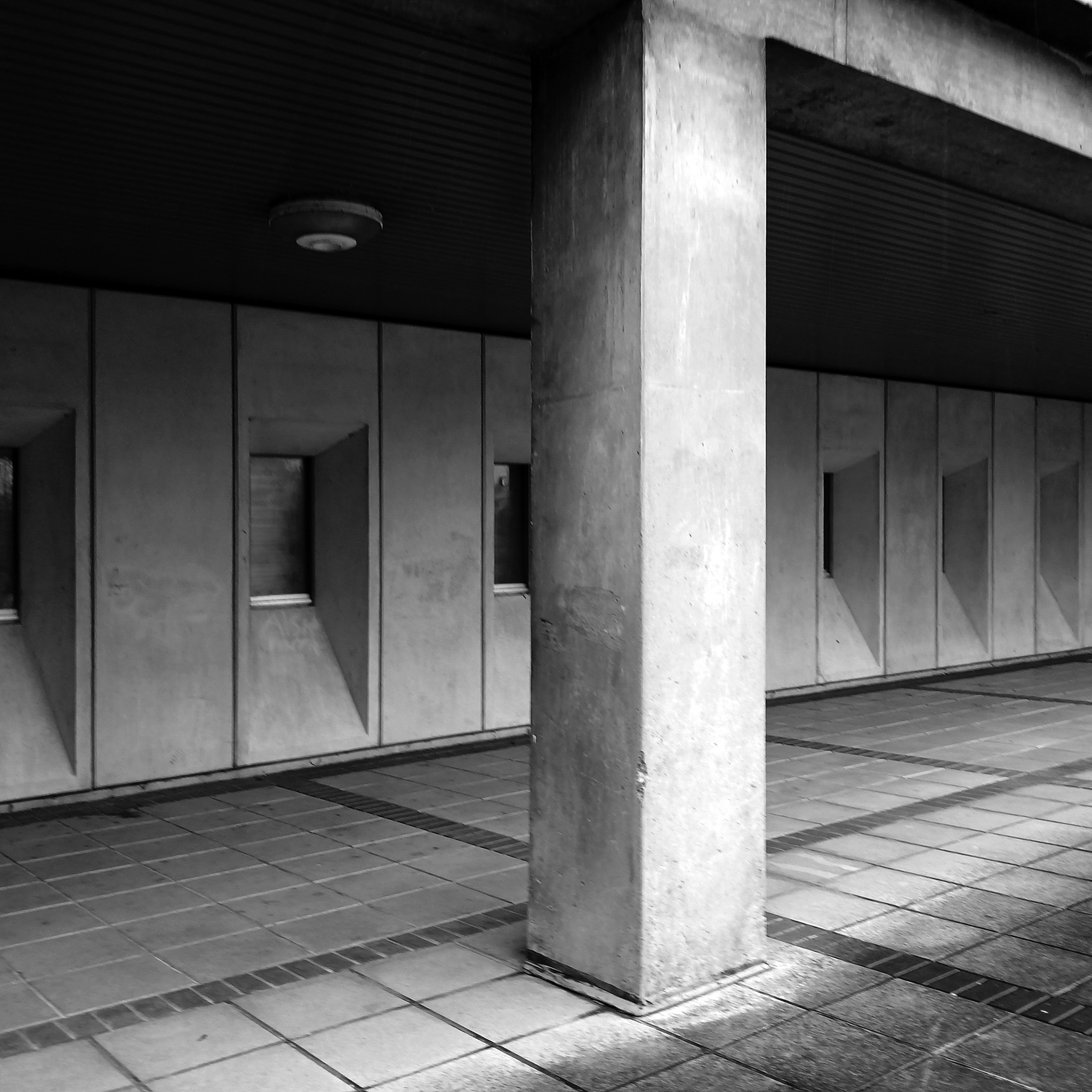
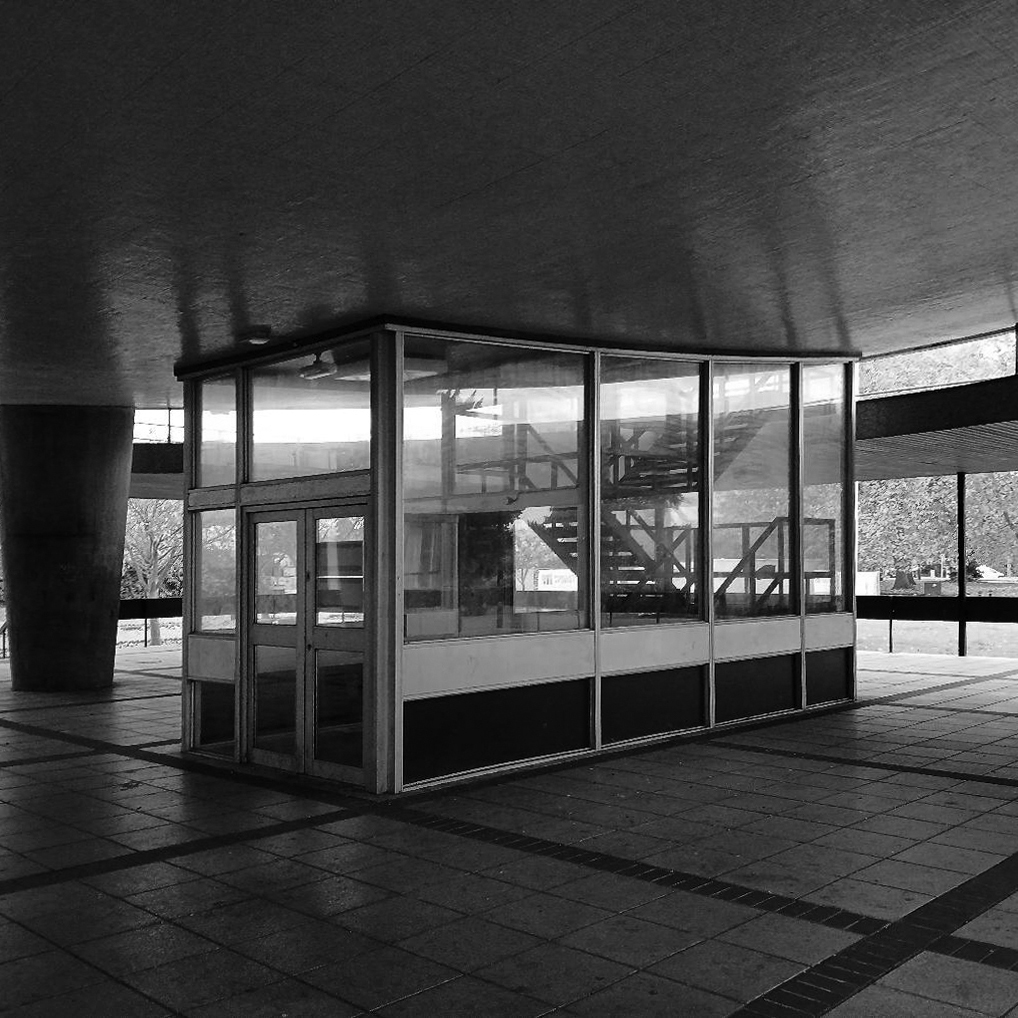
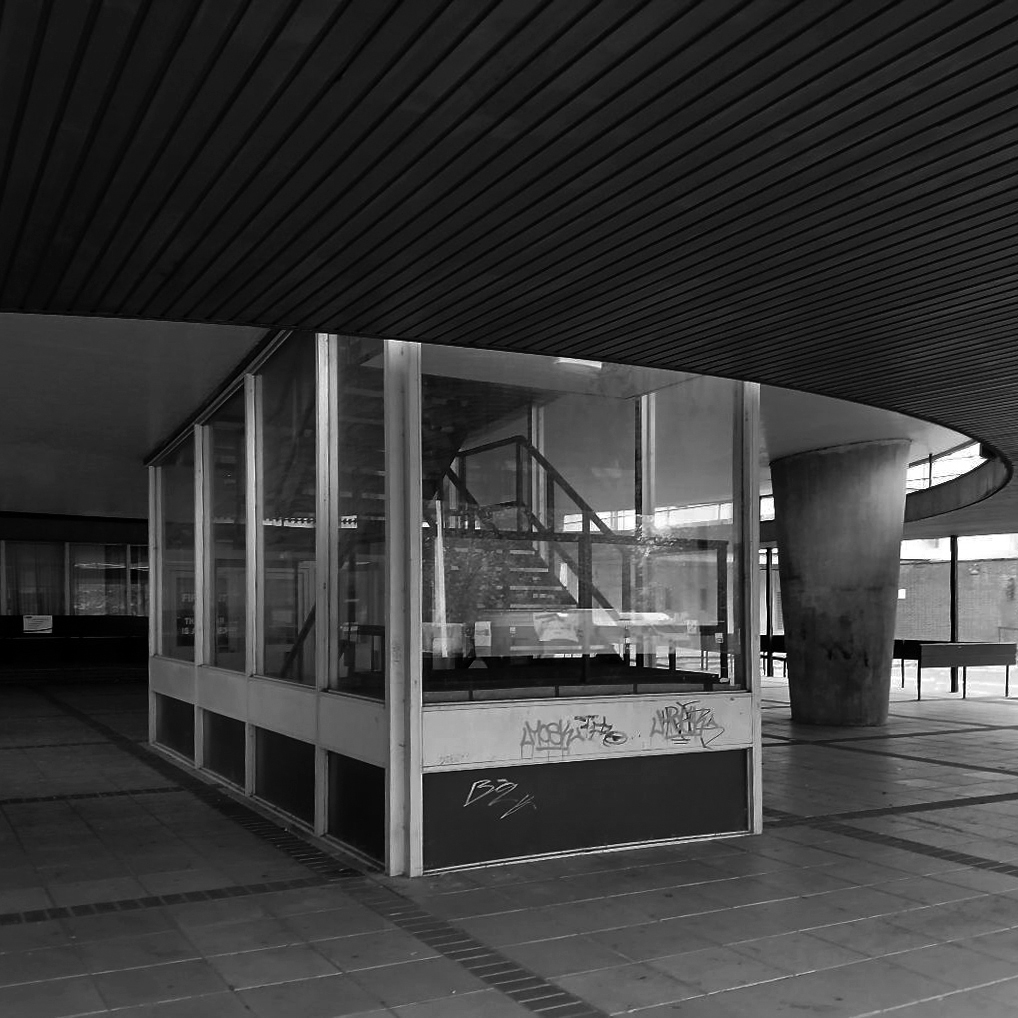
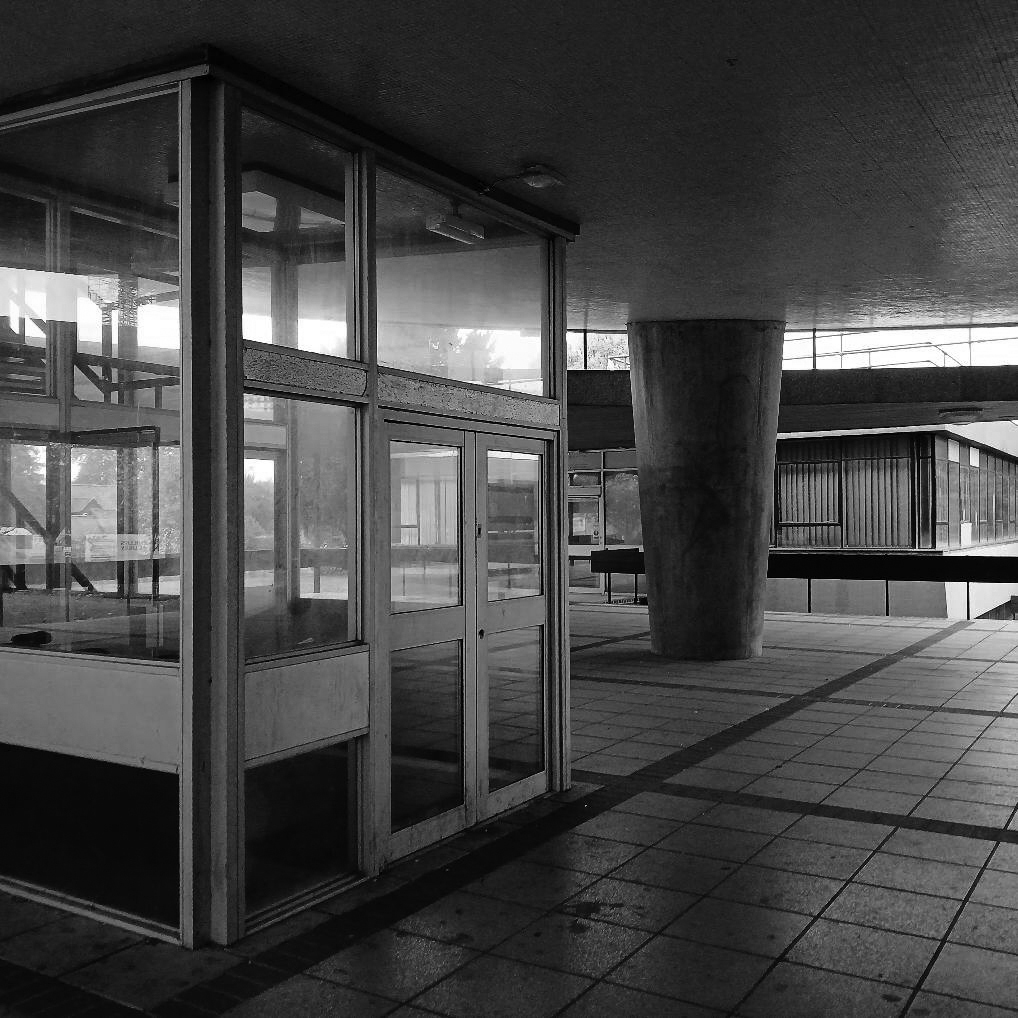
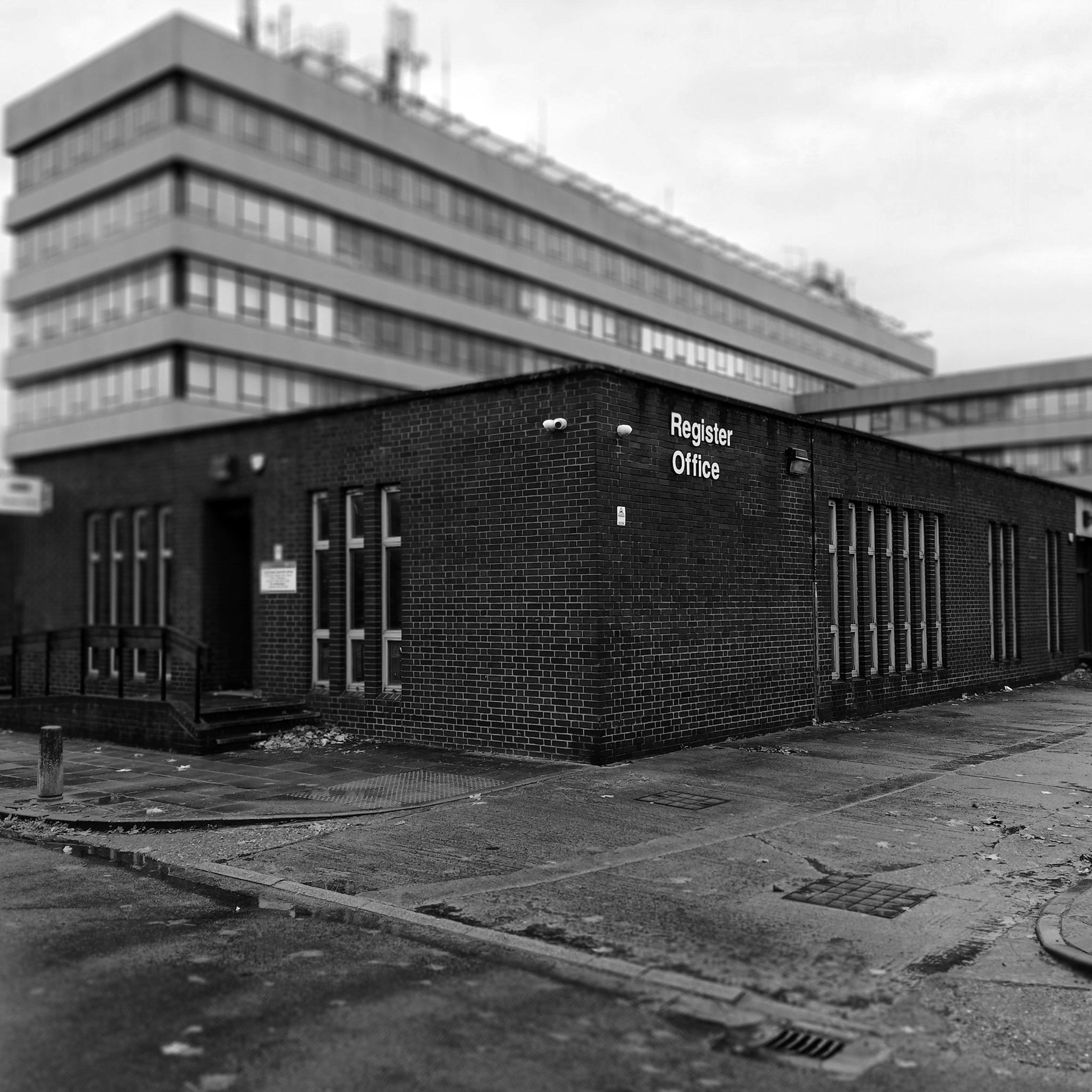
The foundation stone for the new building was laid by Sir Offley Wakeman, a former chairman of the county council, on 25 July 1964. It was designed by Ralph Crowe, the County Architect, in the Modernist style, built at a cost of £1.8 million and was completed in April 1966.
Having visited and snapped way back in June 2024, I returned in October 2025.
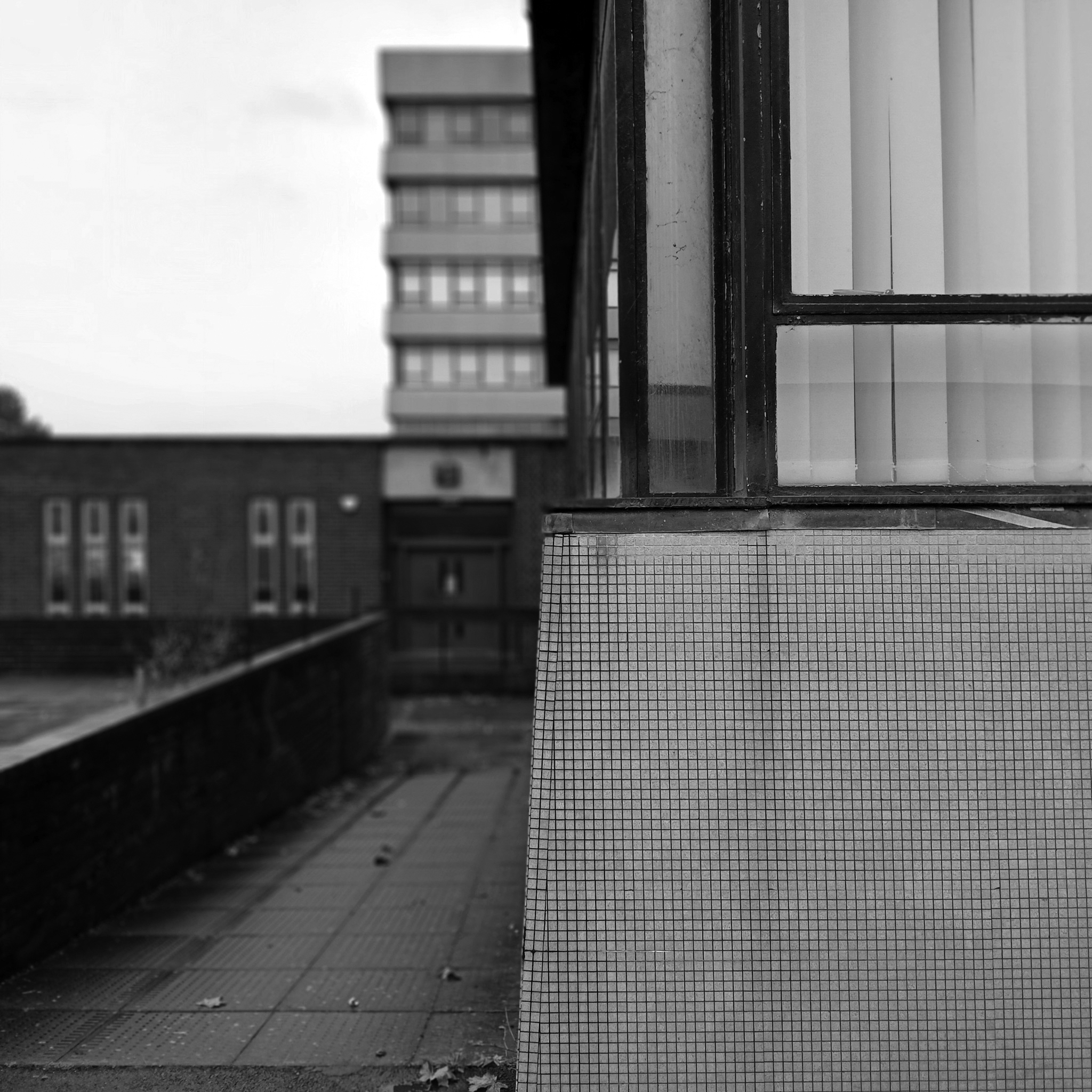
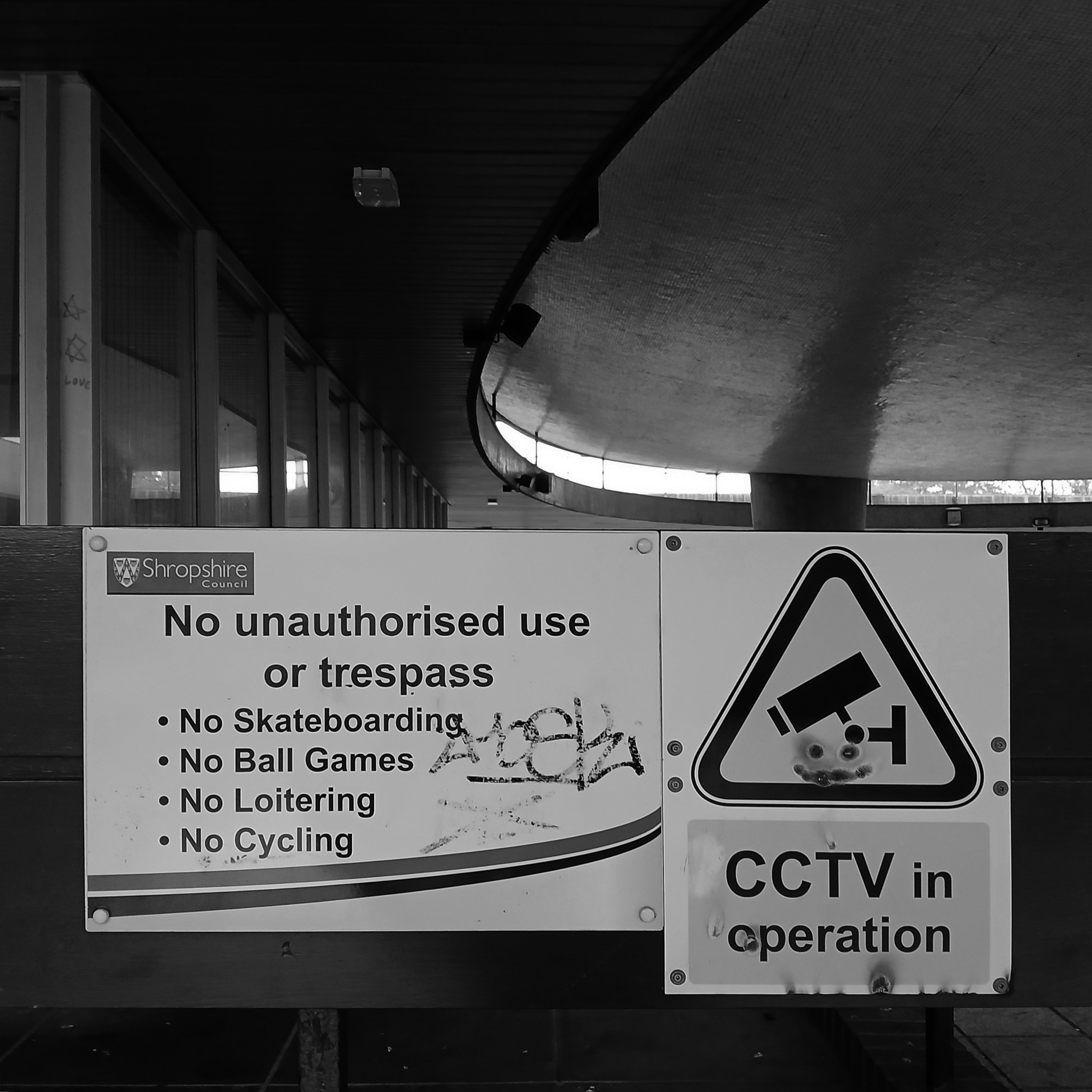
I had been asked to speak to the Shrewsbury Civic Society, regarding the history of Modernism in support of their campaign to save Shirehall.
The previous County Council were disposed toward demolition, the current administration are a little more circumspect.
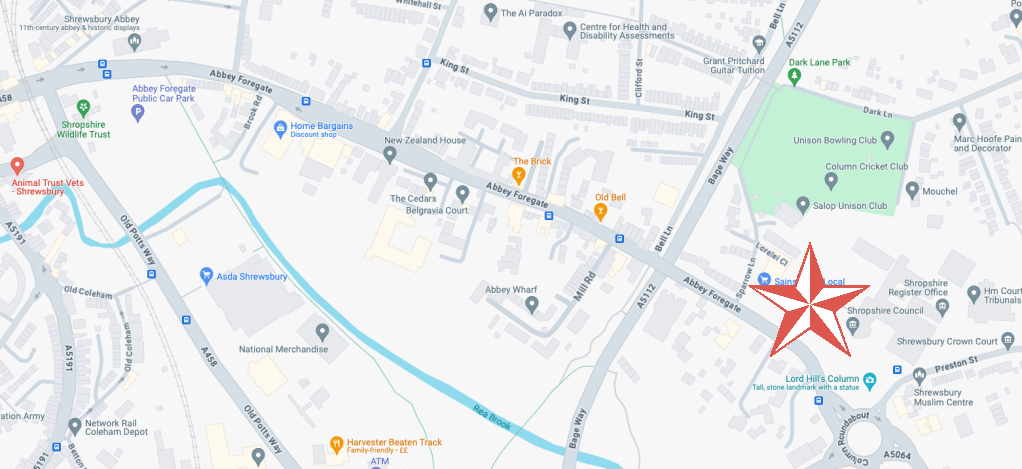
Shropshire Council is considering a return to its former headquarters, less than a year after it moved out. The authority moved from 1960s-built Shirehall in Shrewsbury to the Guildhall in Frankwell, and said doing so would save up to £600,000 per year.
At a meeting on Wednesday, cabinet member for finance Roger Evans said the Liberal Democrats, who lead the council, had paused the demolition and sale of the land, and may retain parts of the building – but only if it could afford to do so.
“We would like to retain the council chamber and some of the associated buildings, but we do need to take account for the cost both in cash terms and in net zero terms,” he said. “What we have done is paused this decision and asked experts to look at it again, look at the whole site, do a reappraisal. The results are just now being recieved.
“I want to keep it as much as we can afford, both environmentally and cash-wise. Whether we can or not will depend, the council is strapped for cash.”
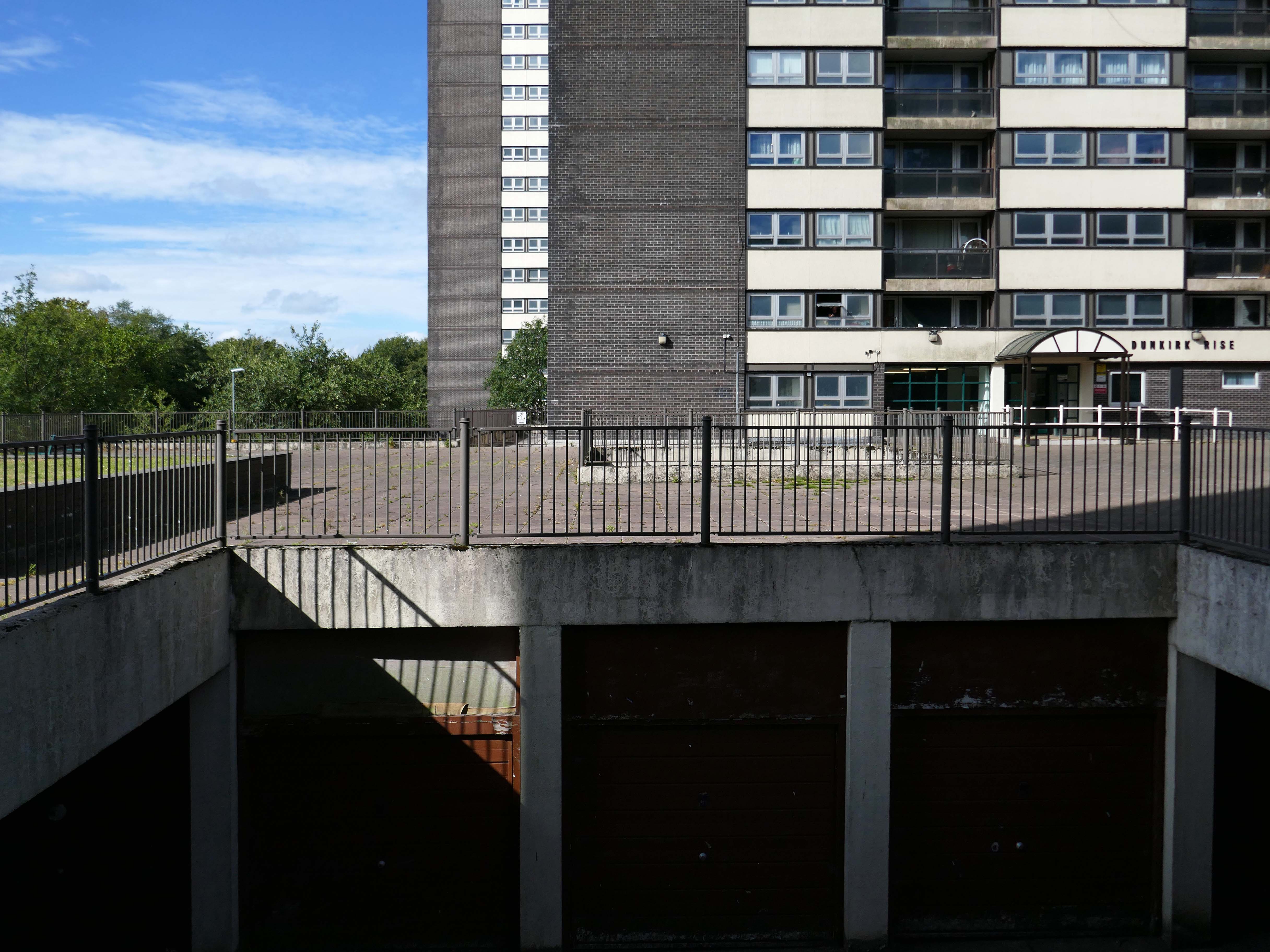
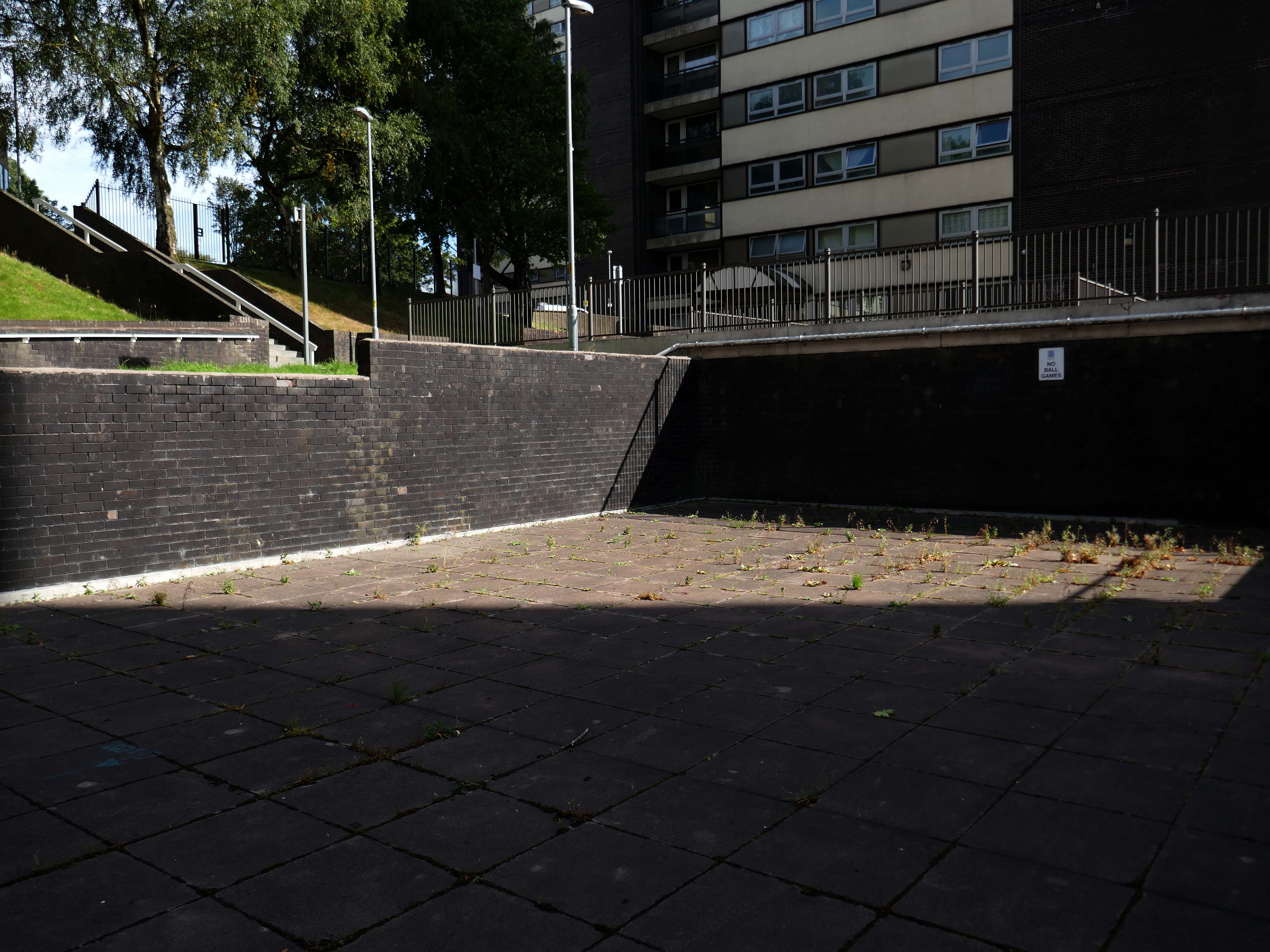
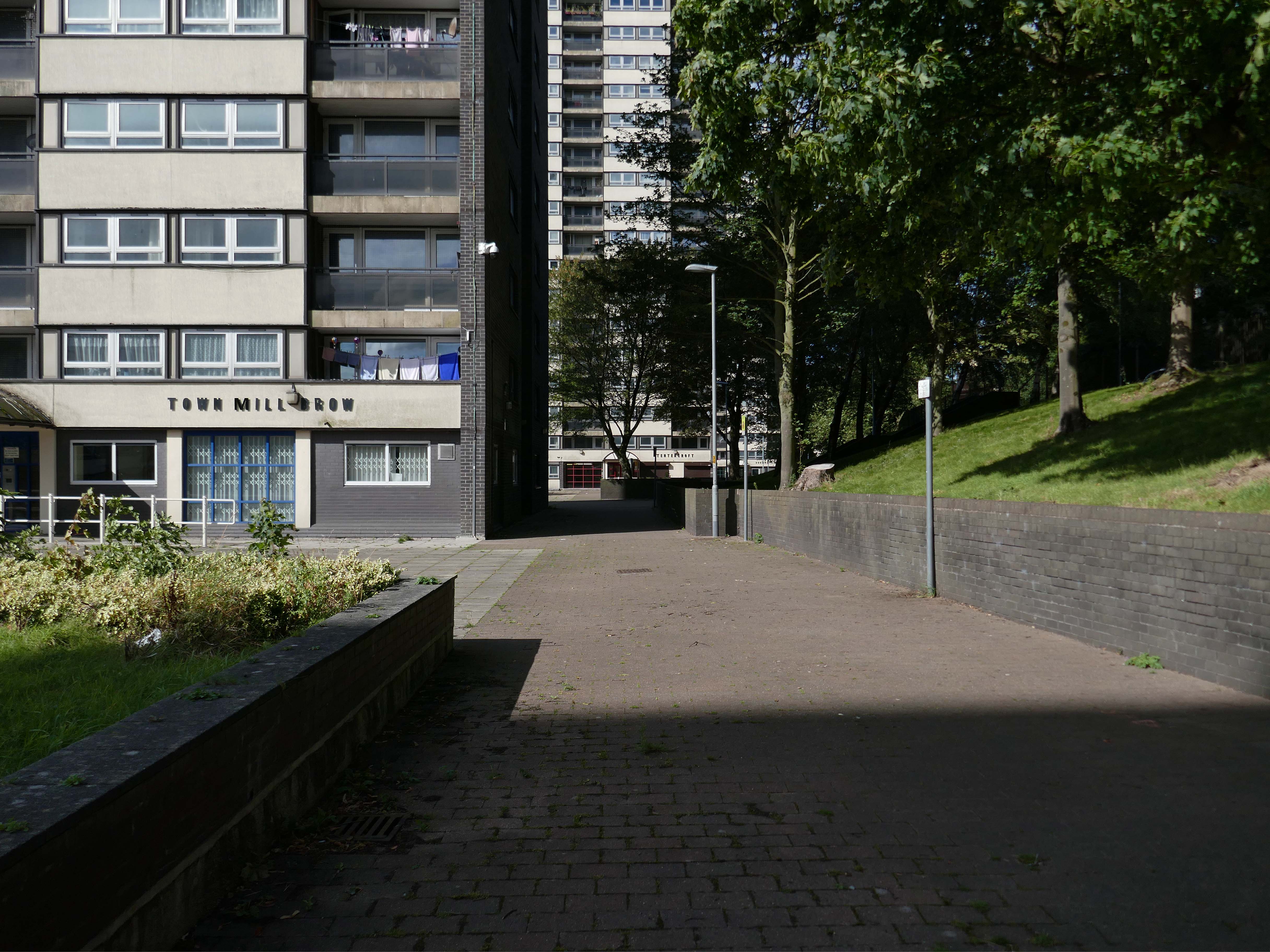
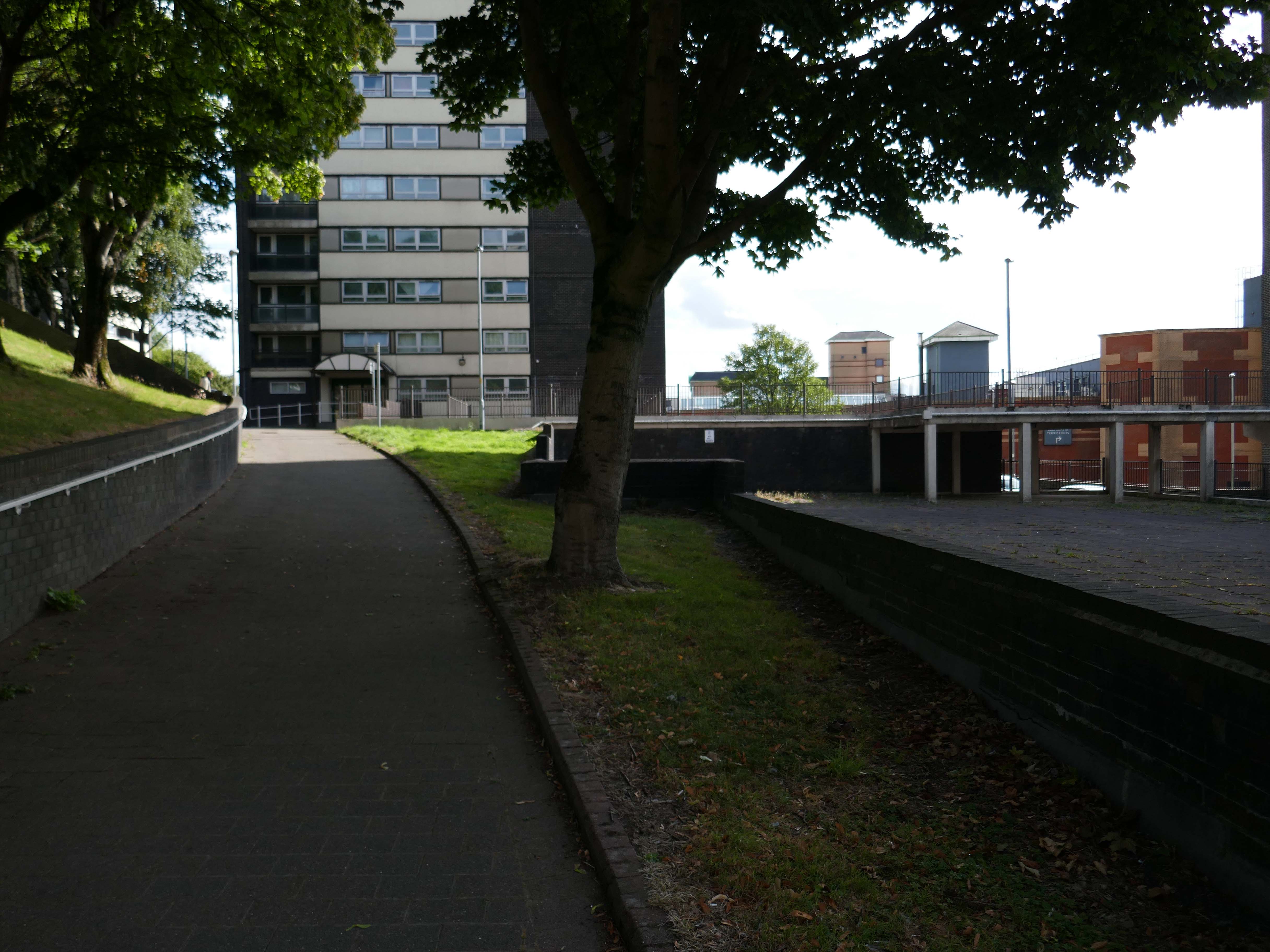
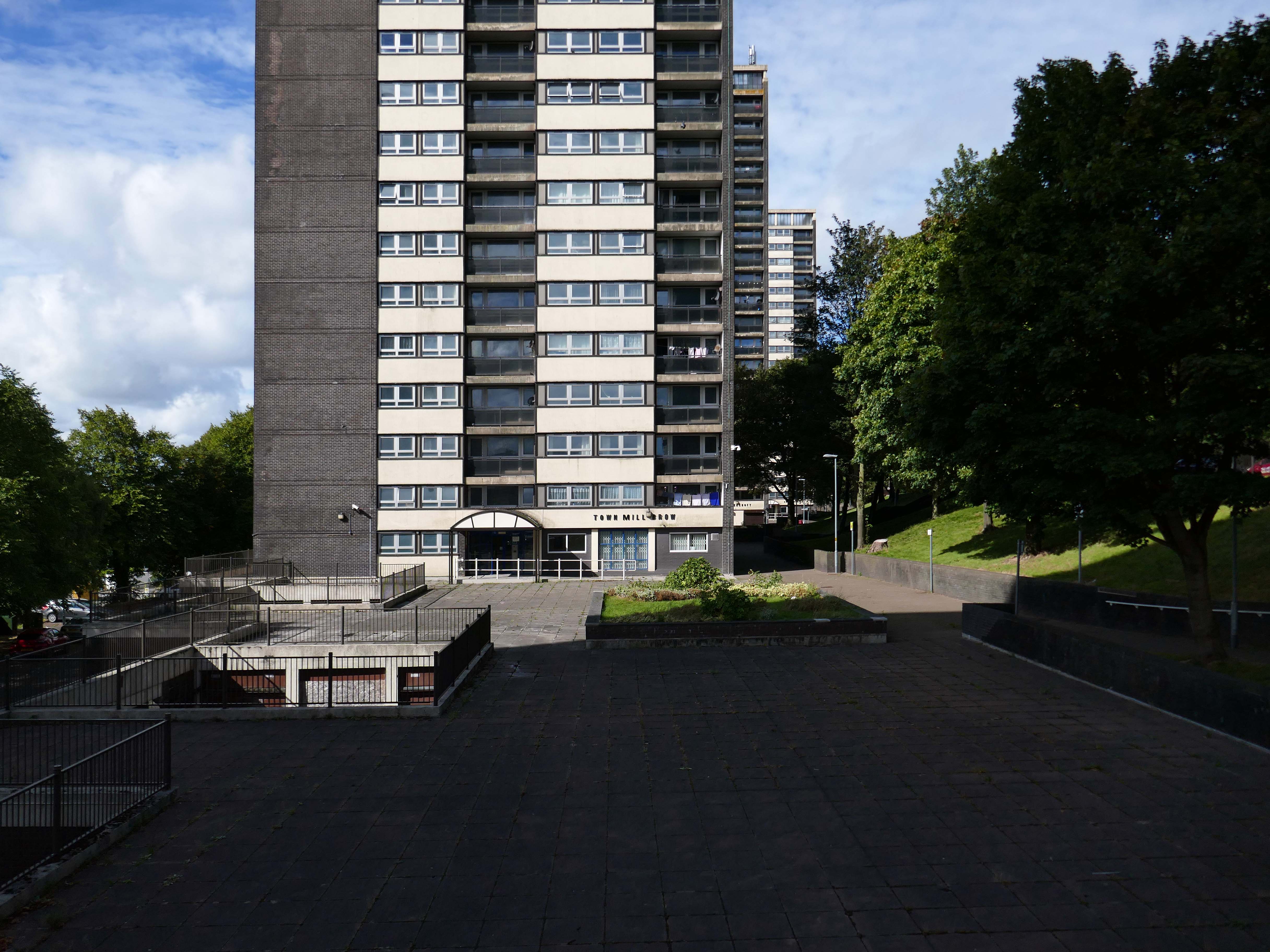
In recent years these homes have been under threat of both demolition and refurbishment.
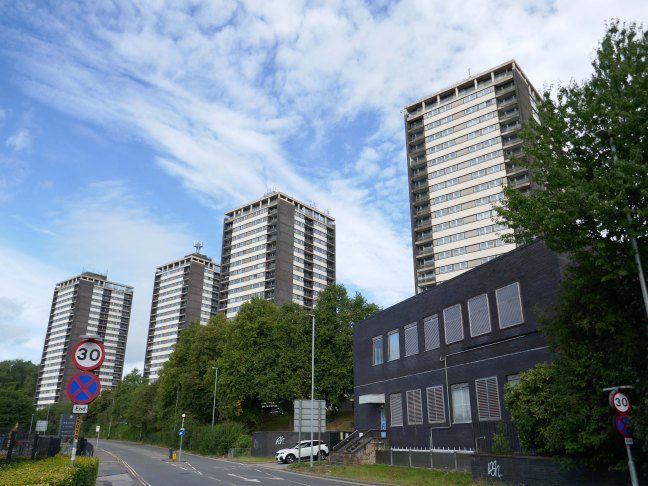
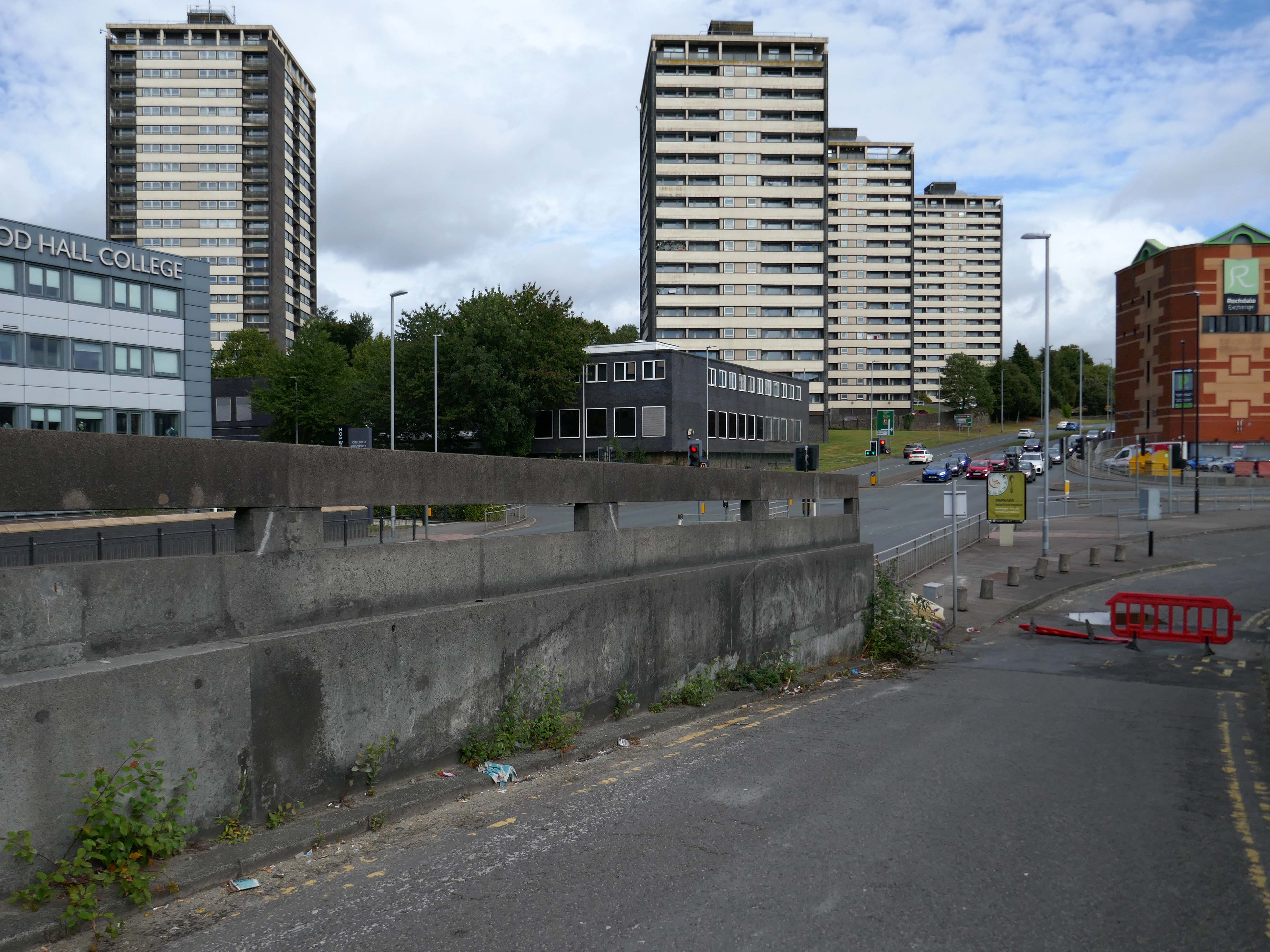
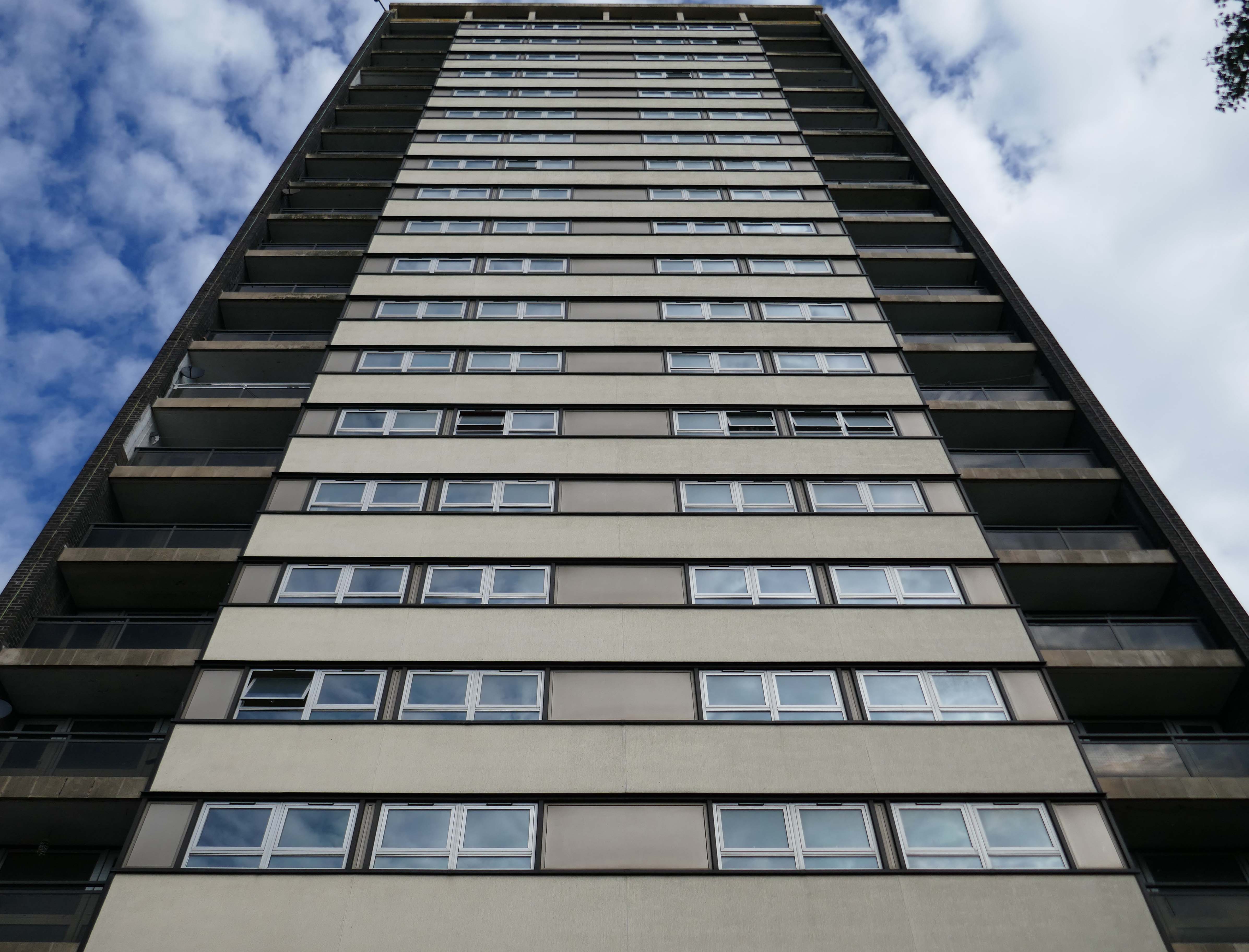
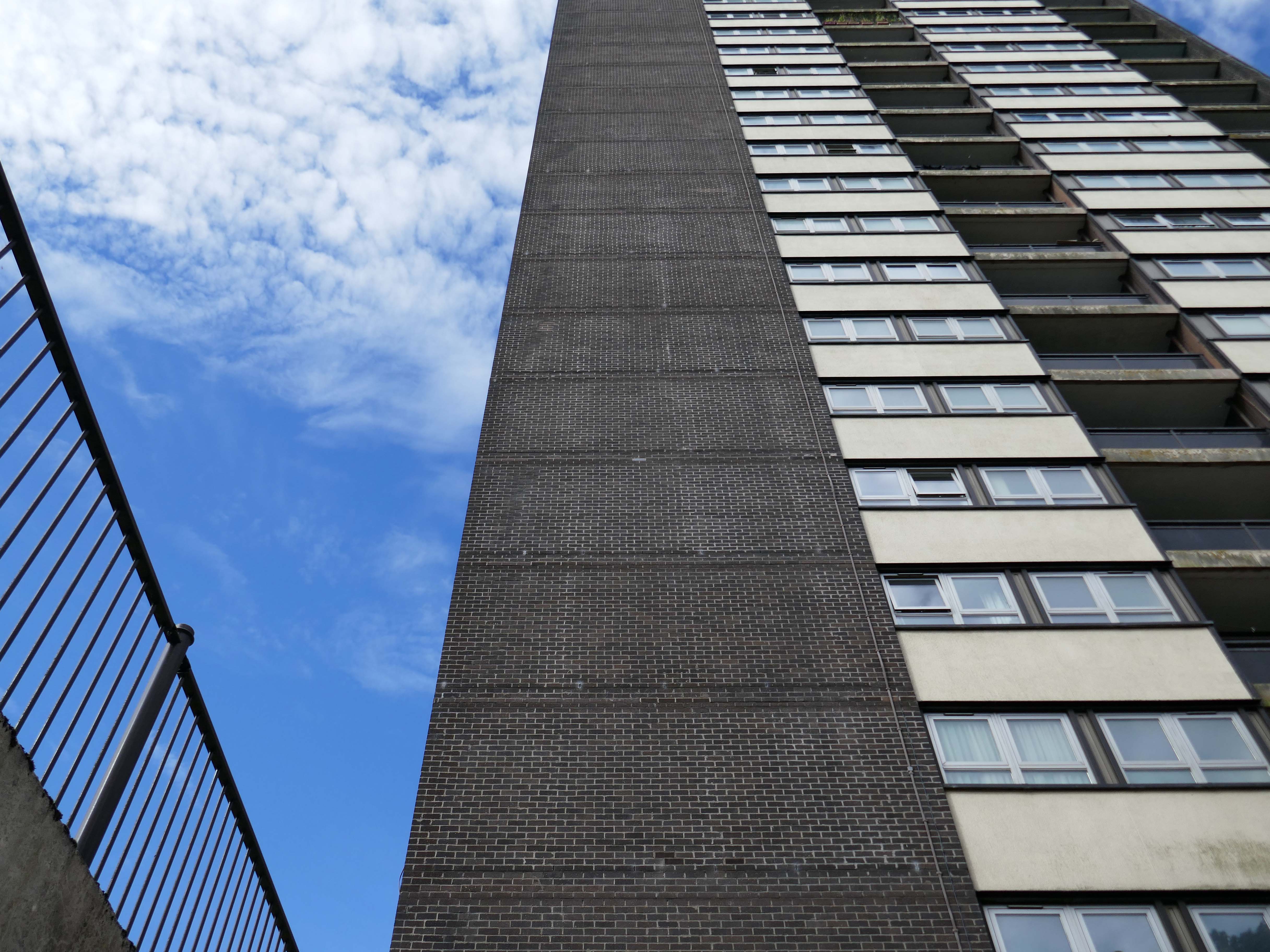
Rochdale Boroughwide Housing – RBH had sought help from a developer to pay for its £107m plans to refurbish the College Bank high-rise apartments, known in the town as the Seven Sisters.
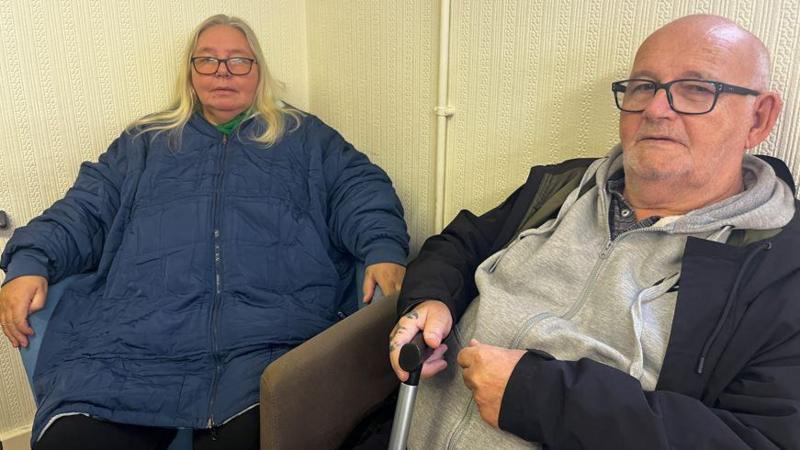
But the social housing landlord has been unable to reach a commercially viable agreement to help improve the blocks where 250 people live.
Amanda Newton, RBH chief executive said the lack of a deal was disappointing but all options for the future of the site would still be explored.
Many of the apartments spread across the Seven Sisters remain unoccupied after a plan was announced to demolish four of the blocks in 2017, leading to an exodus of hundreds of tenants. RBH later reconsidered the plan, and instead signed a deal with developer Legal & General Affordable Housing last year, to find a viable way of refurbishing the apartments.
All 700 flats in the 1960s blocks were set to be redeveloped under the plans, but the pair’s agreement has now come to an end without a solution emerging.
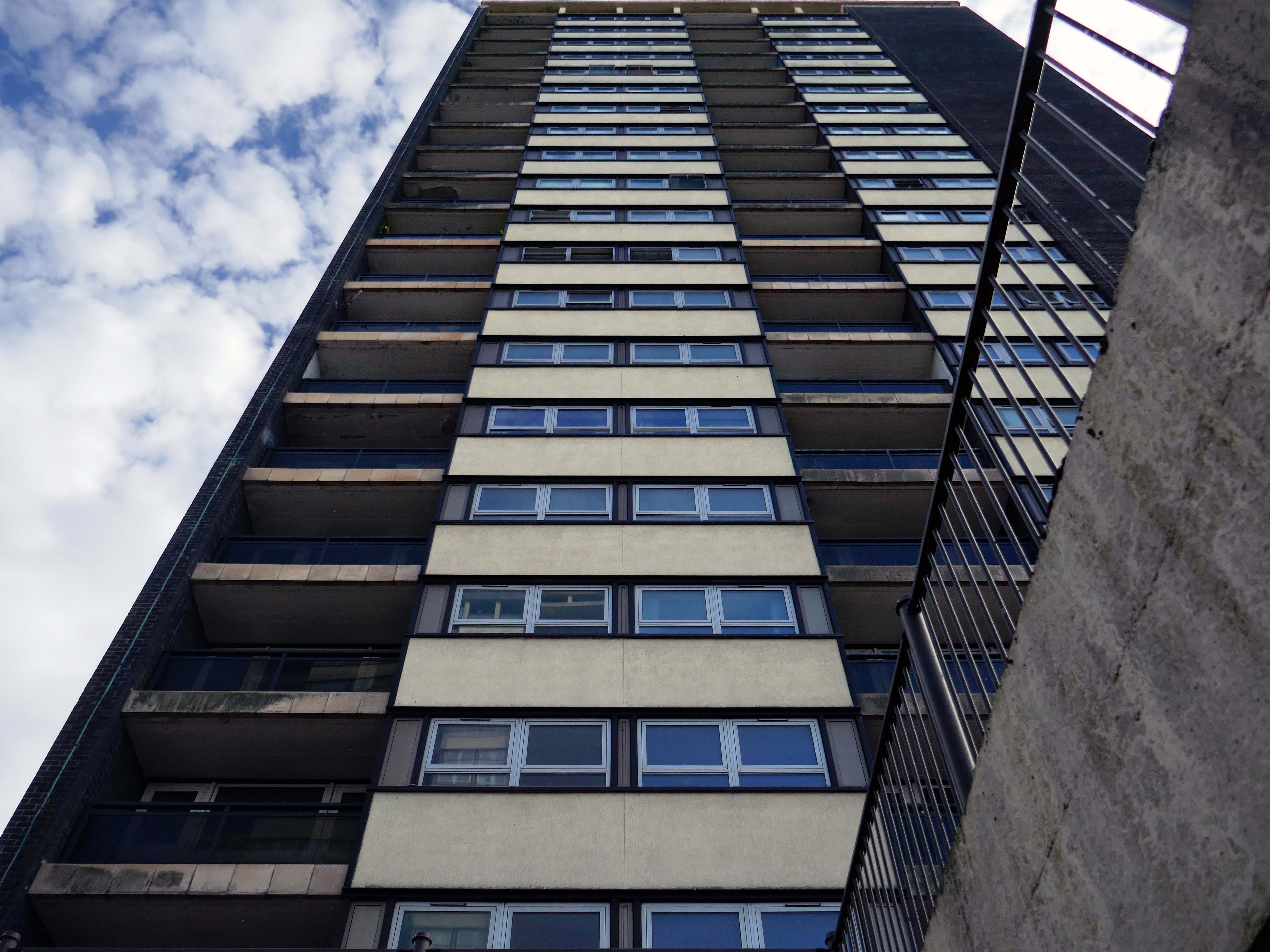
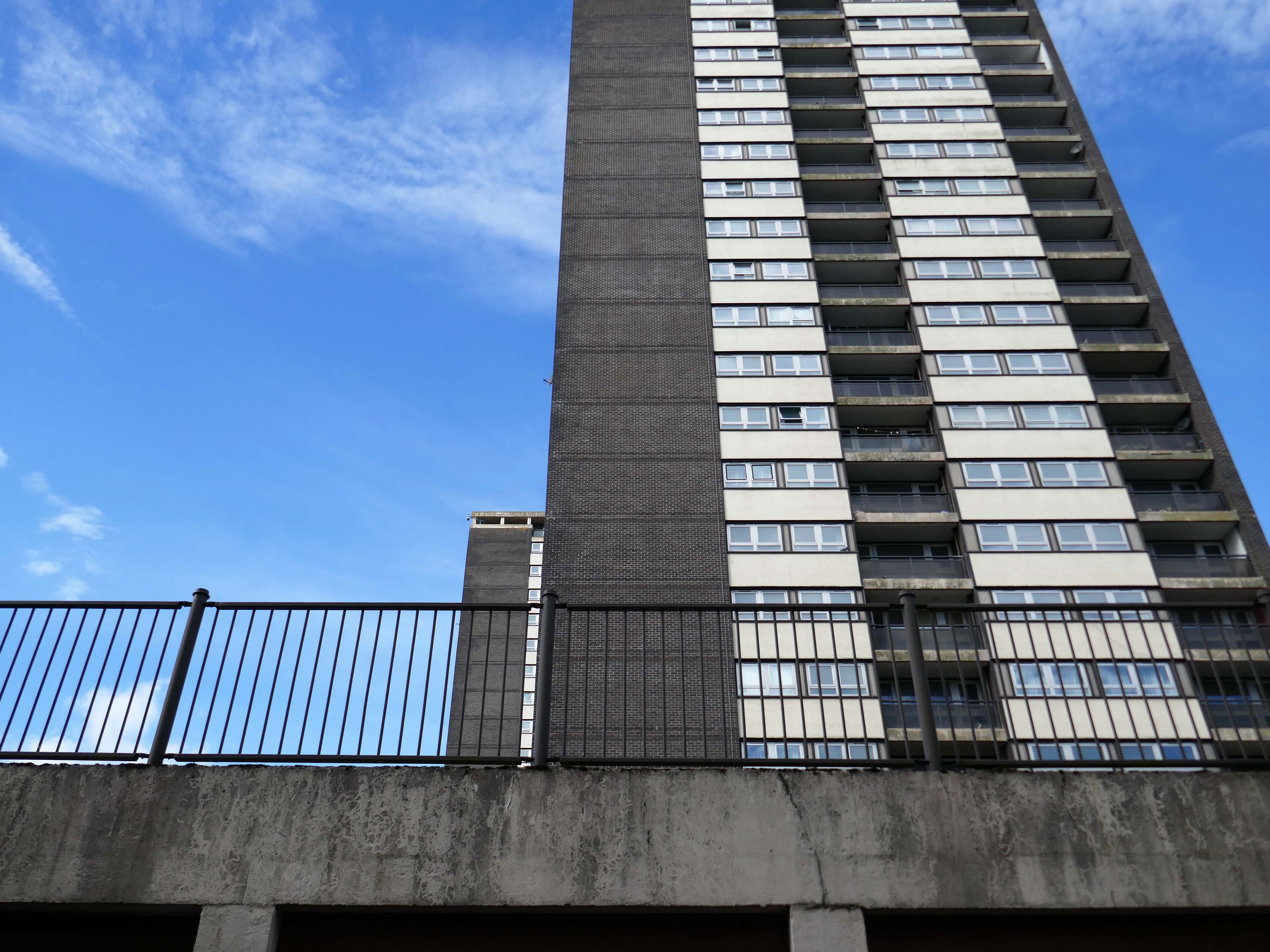
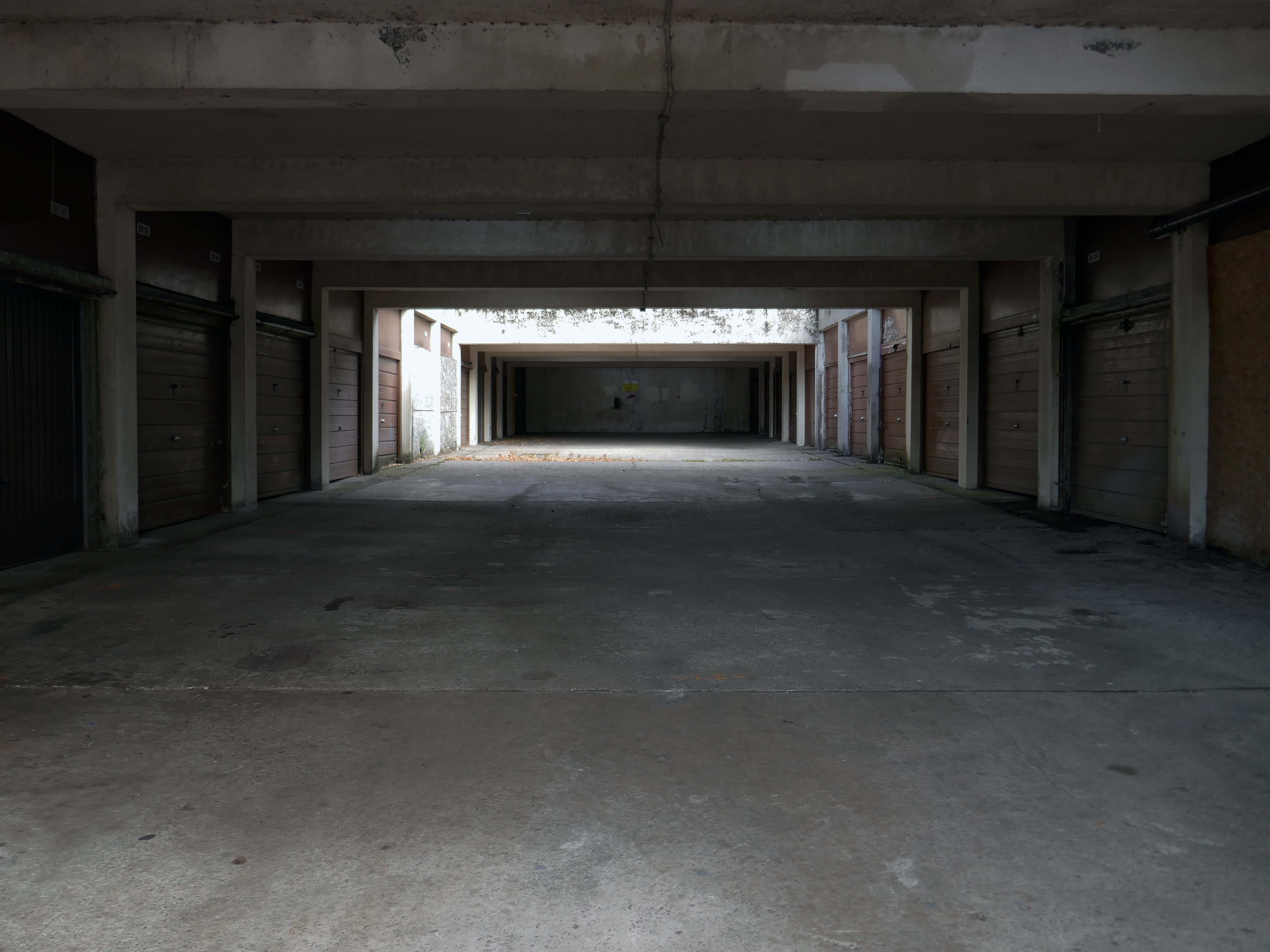
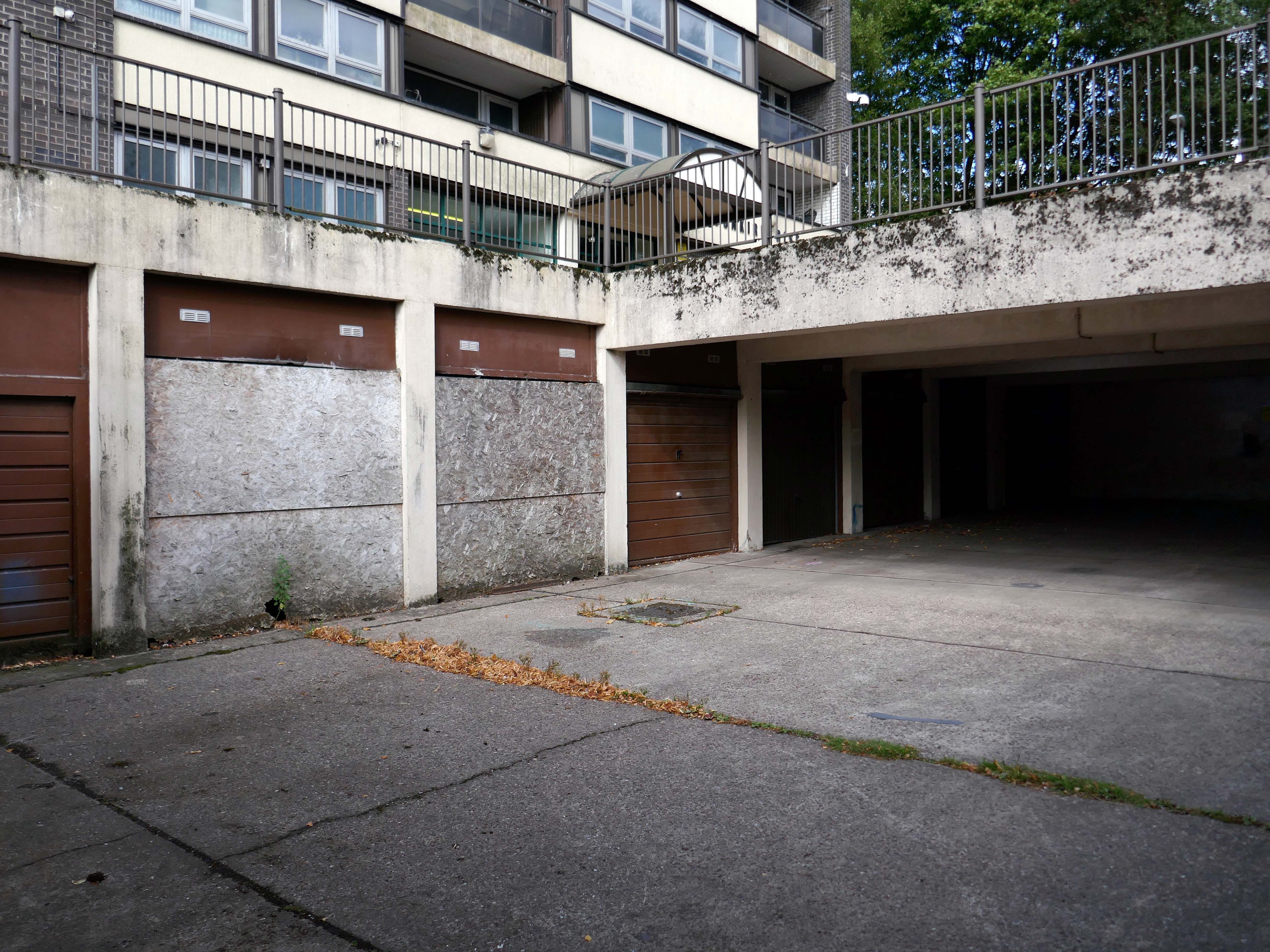
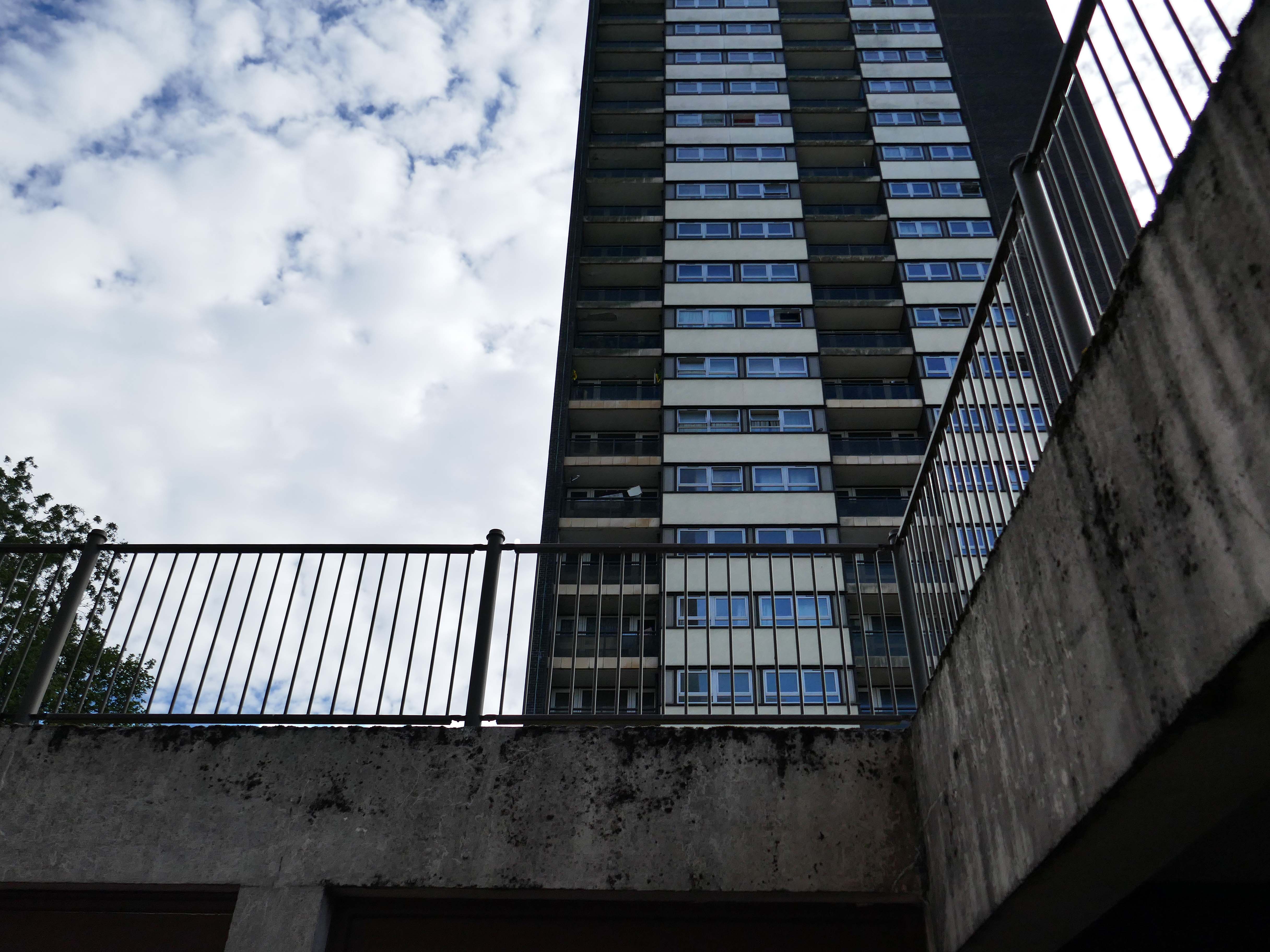
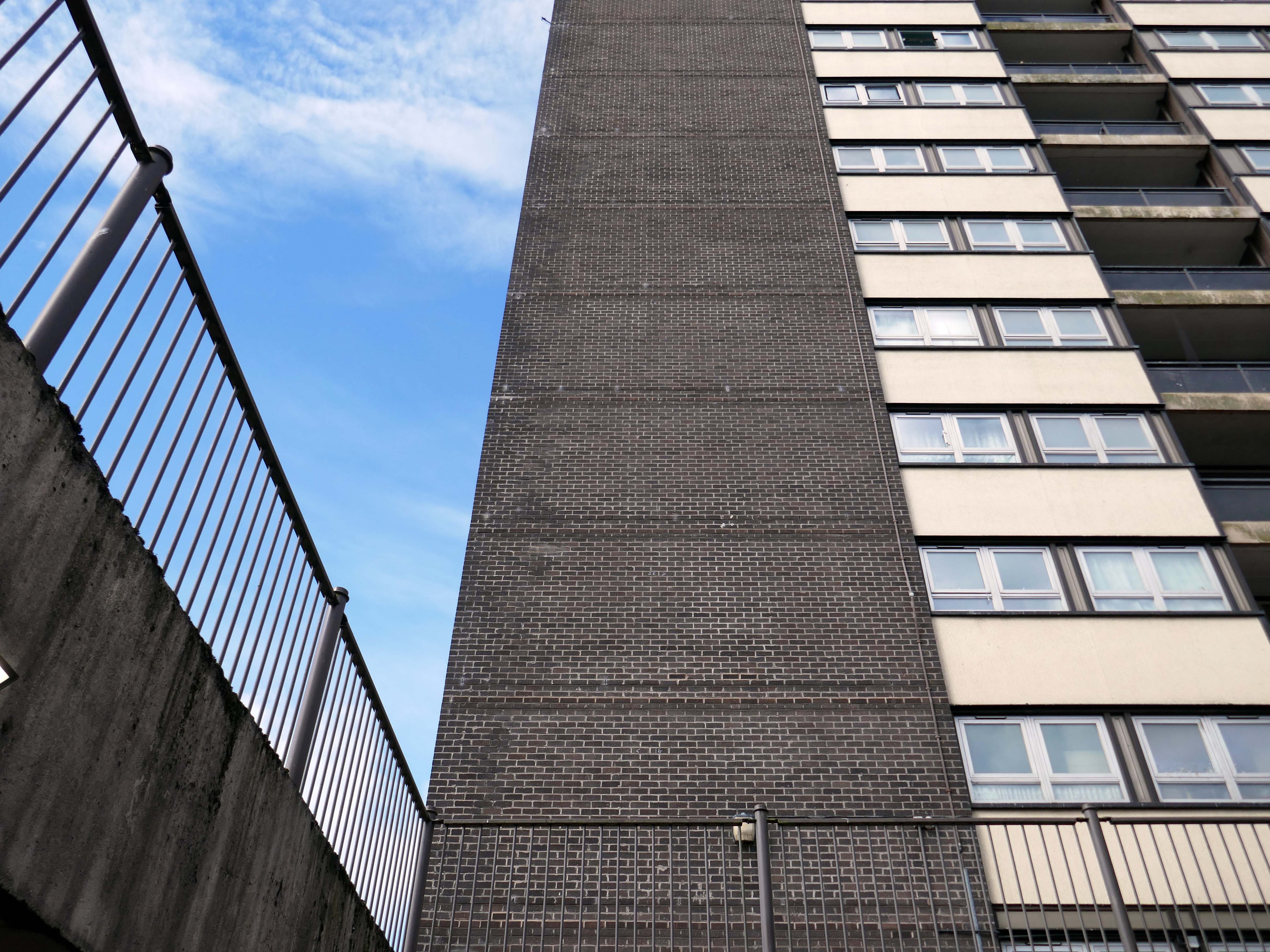
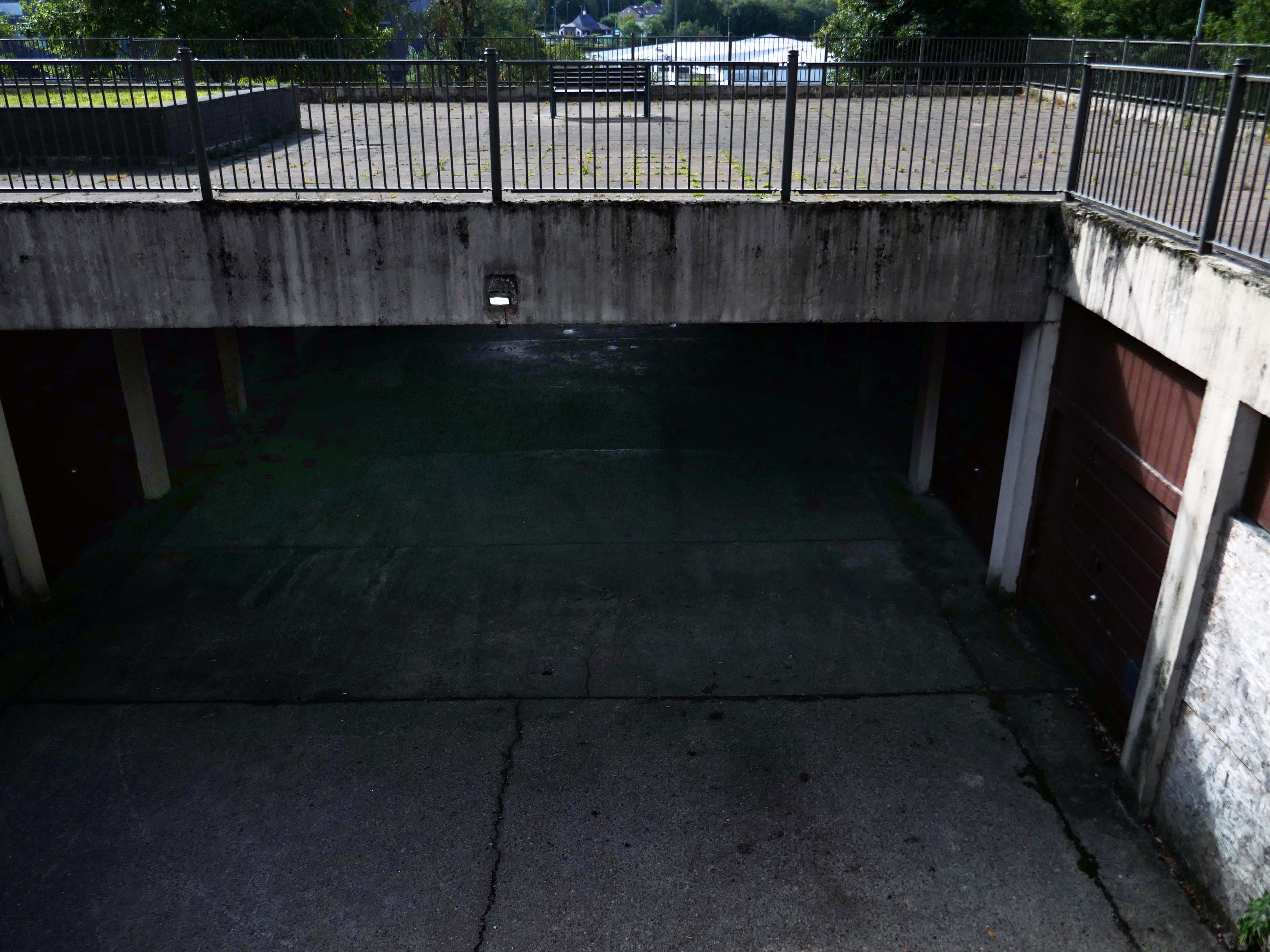
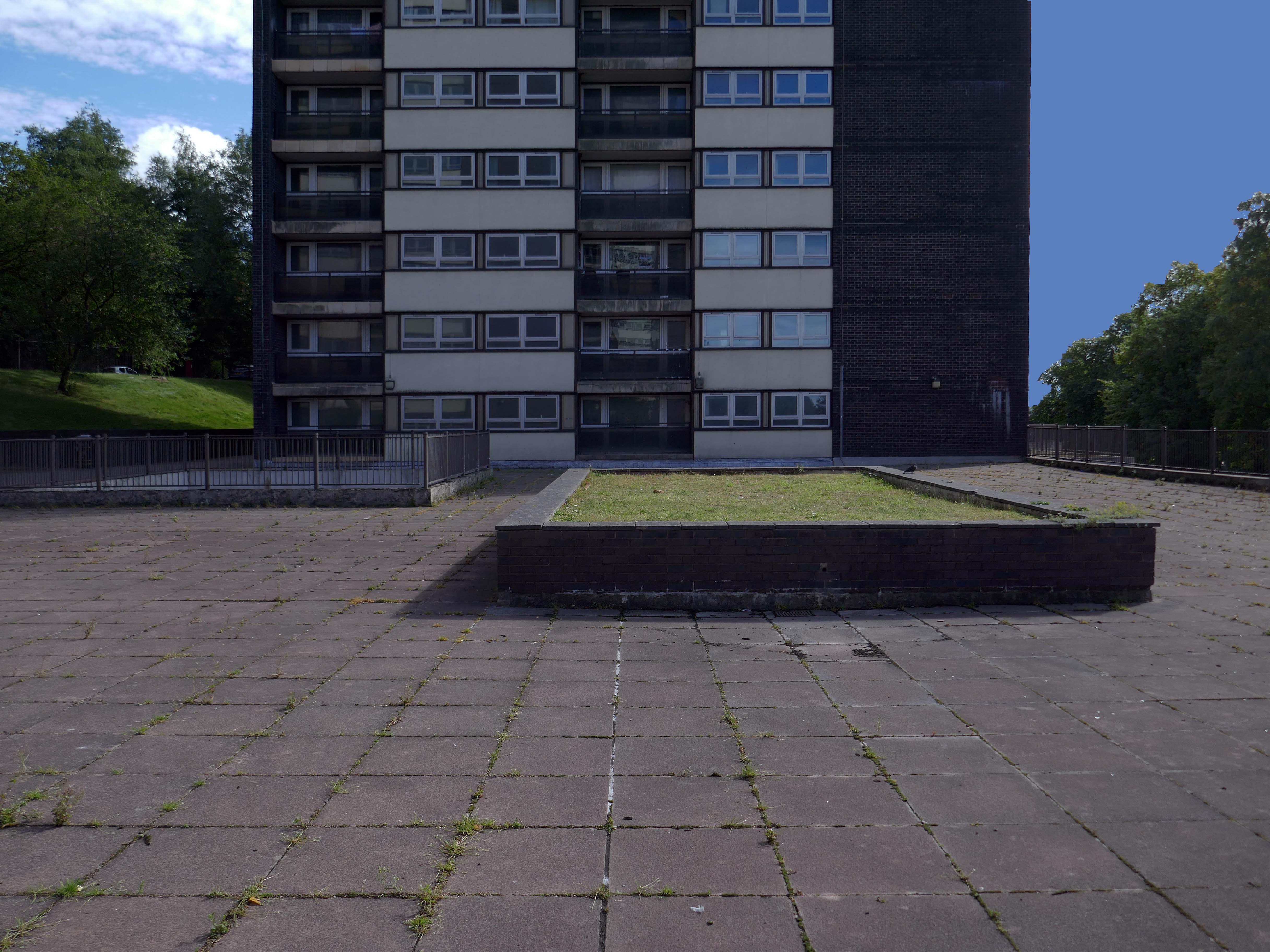
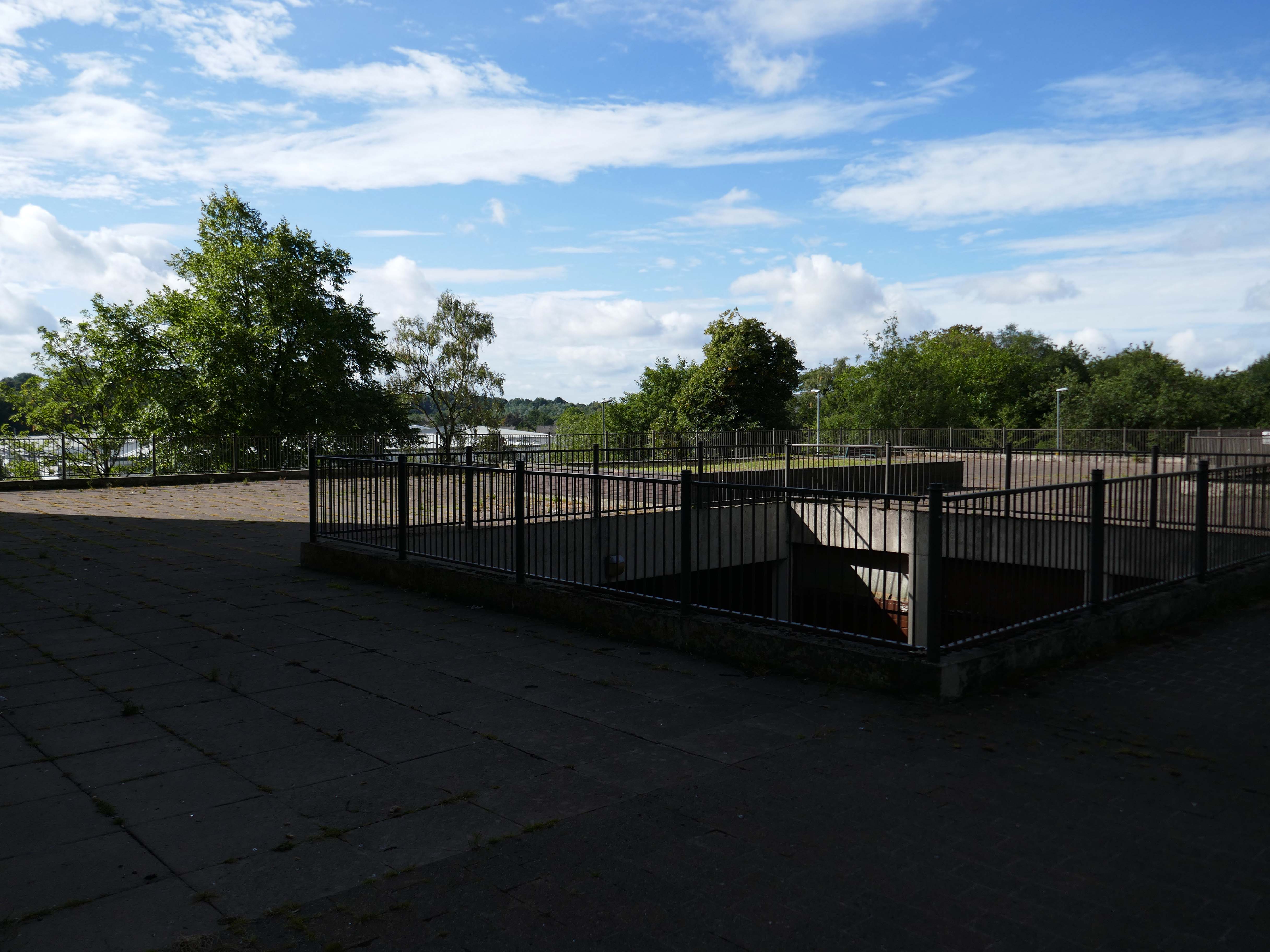
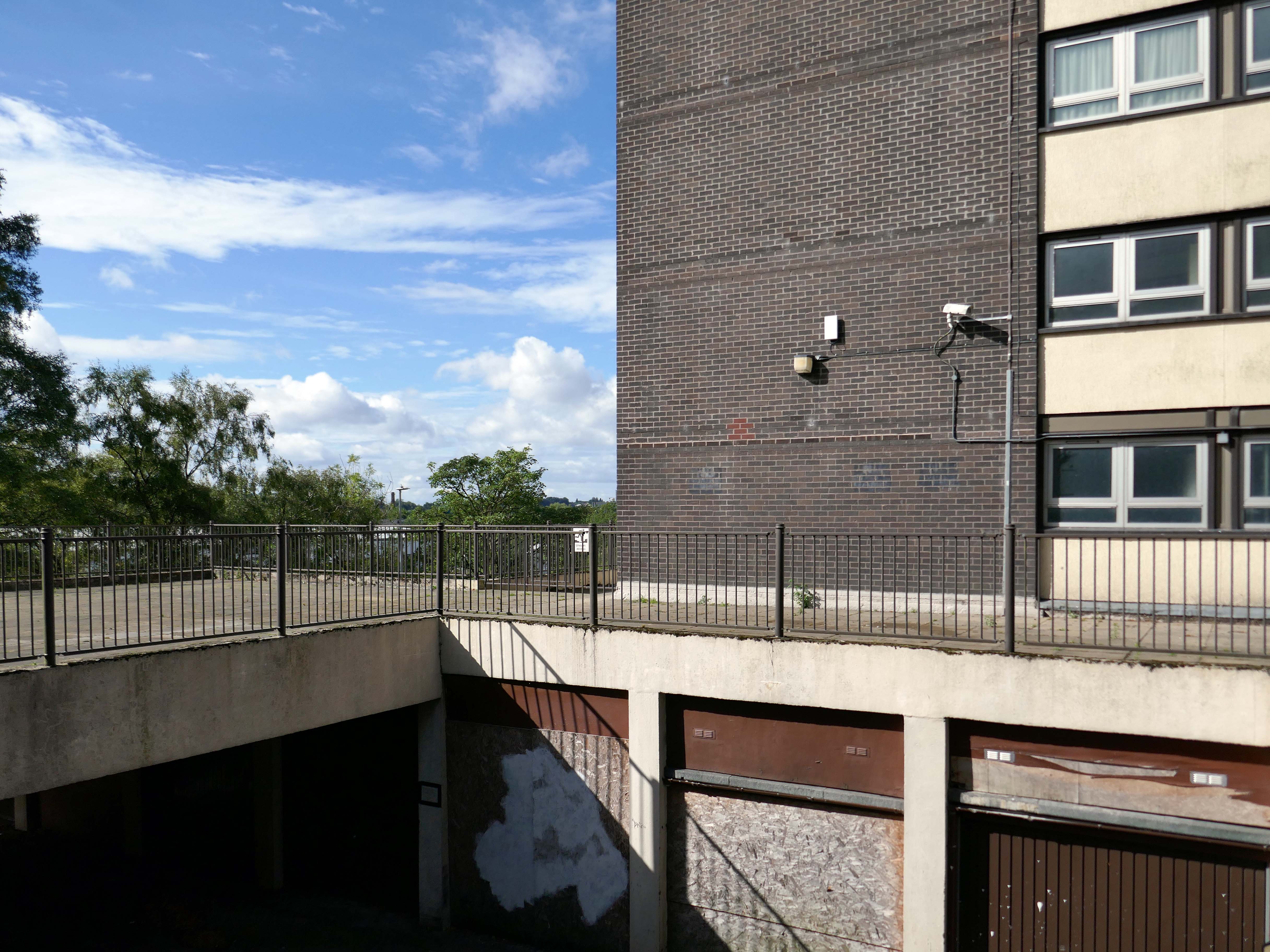
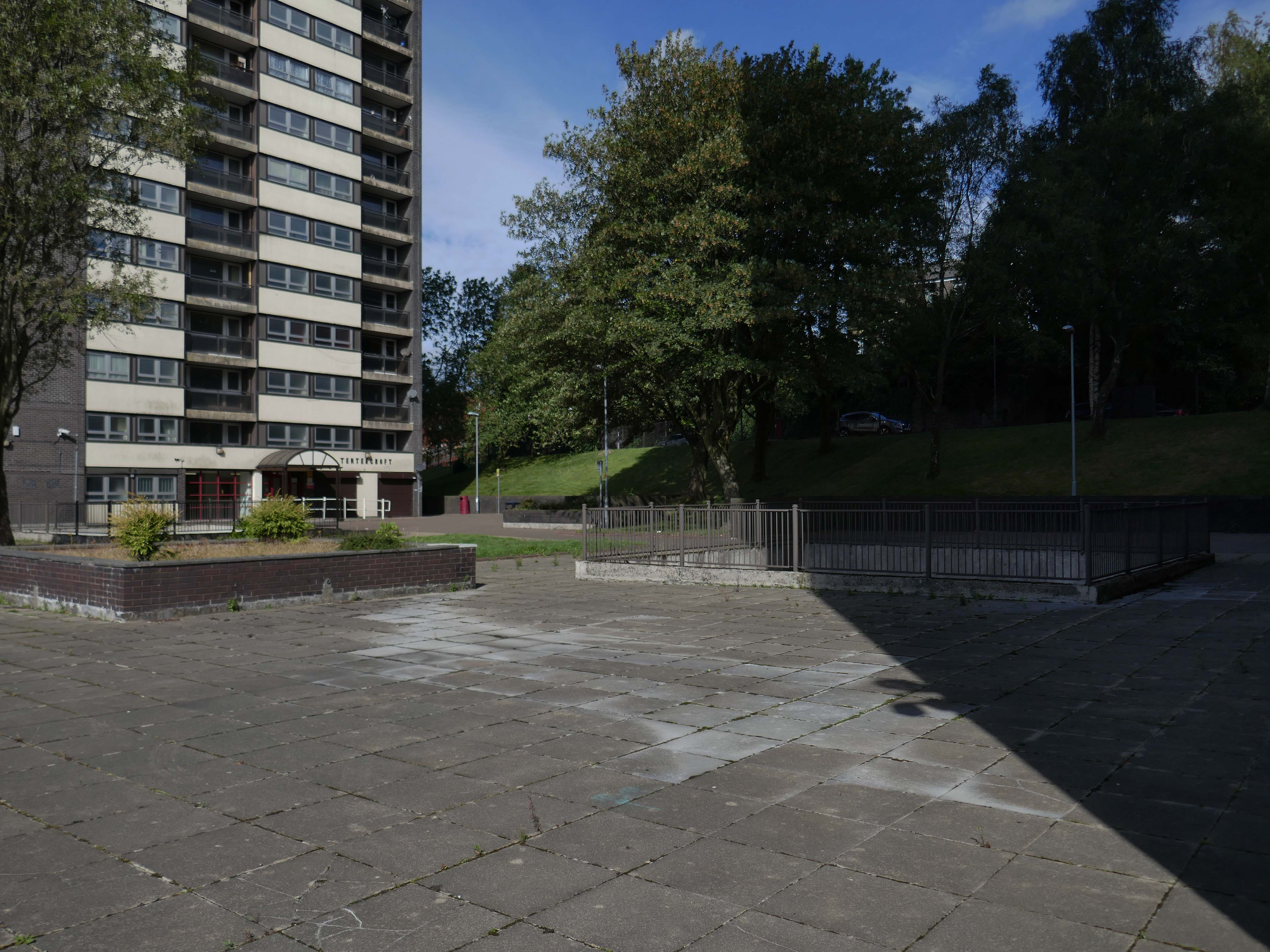
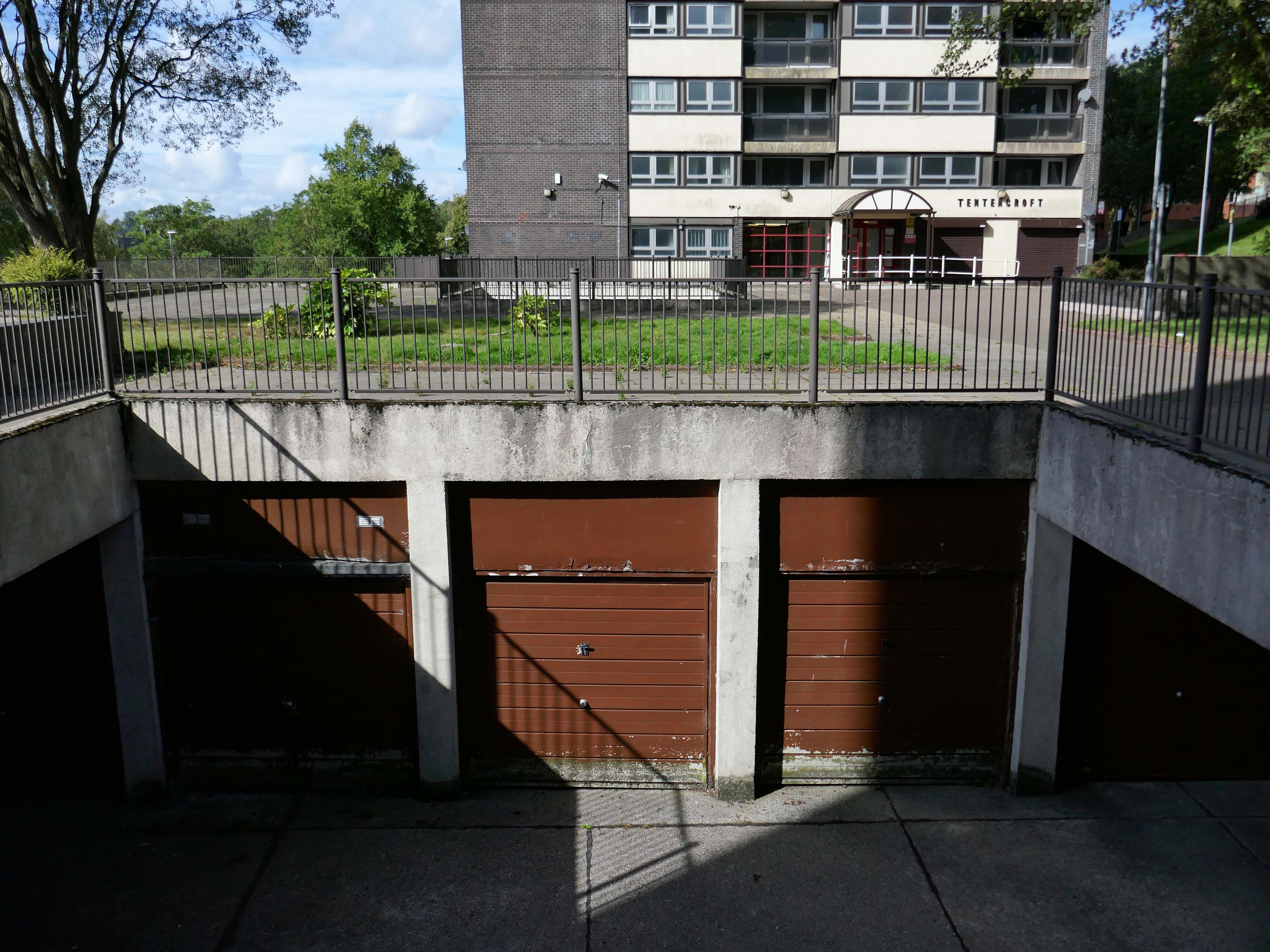
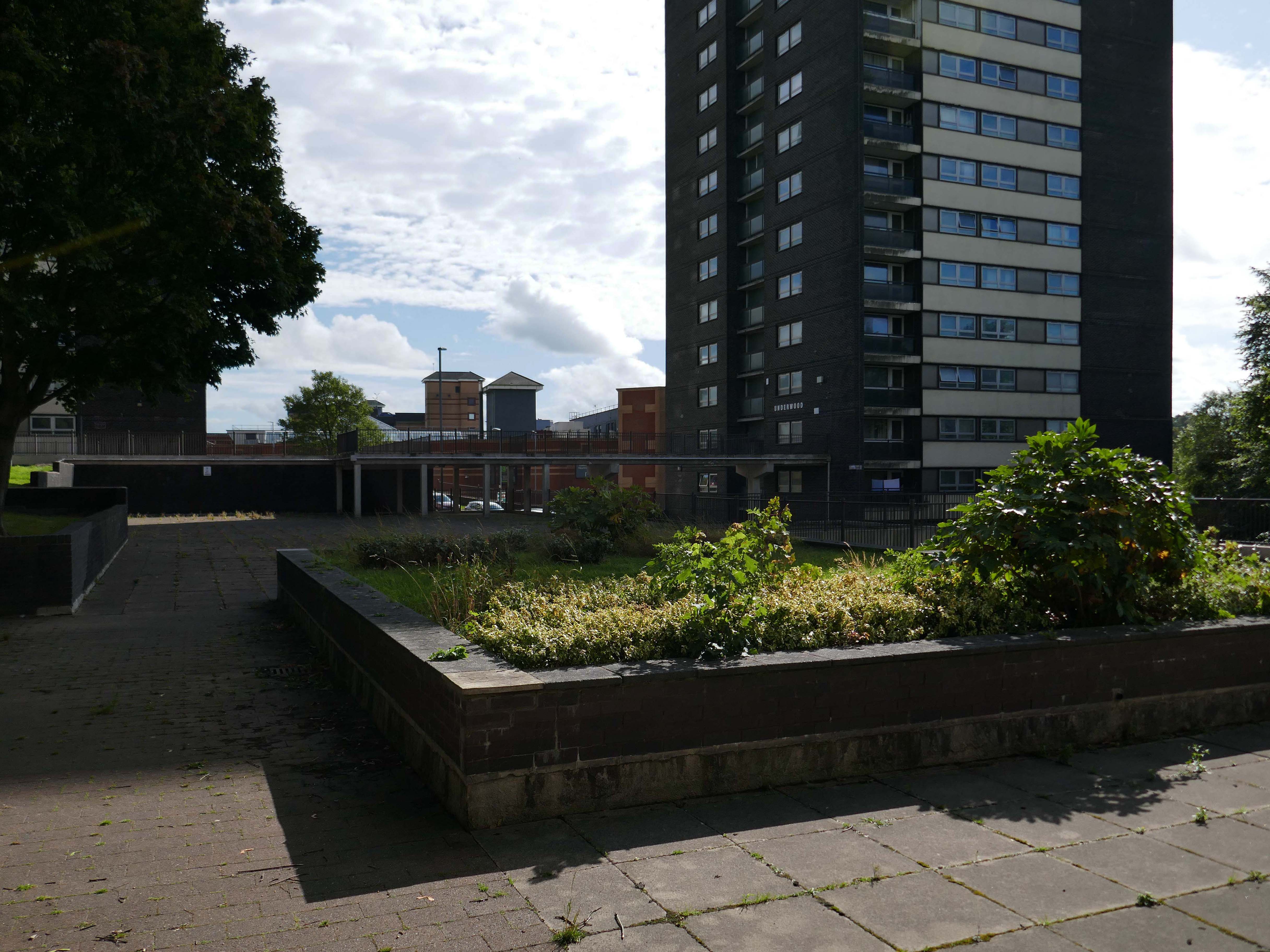
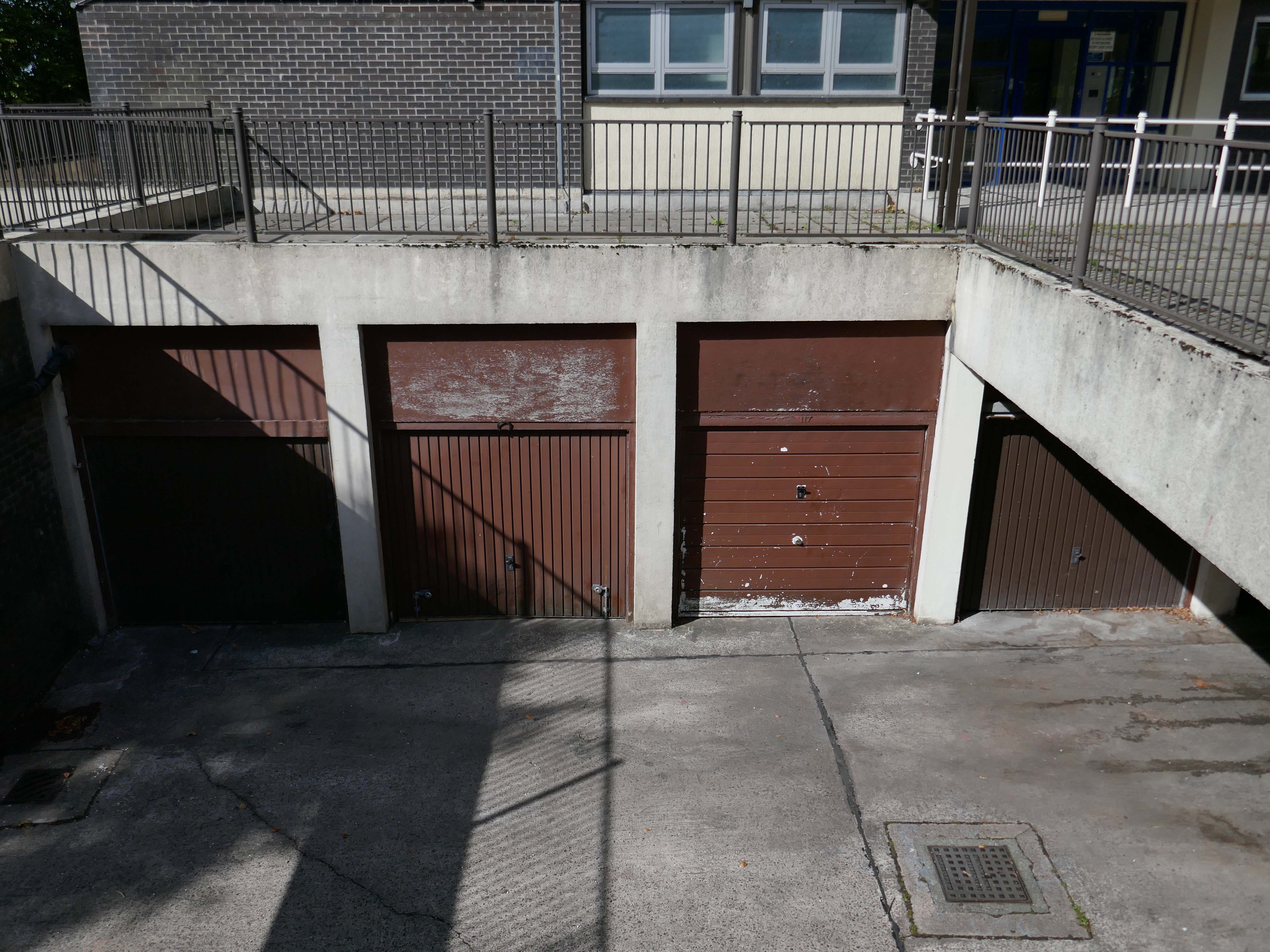
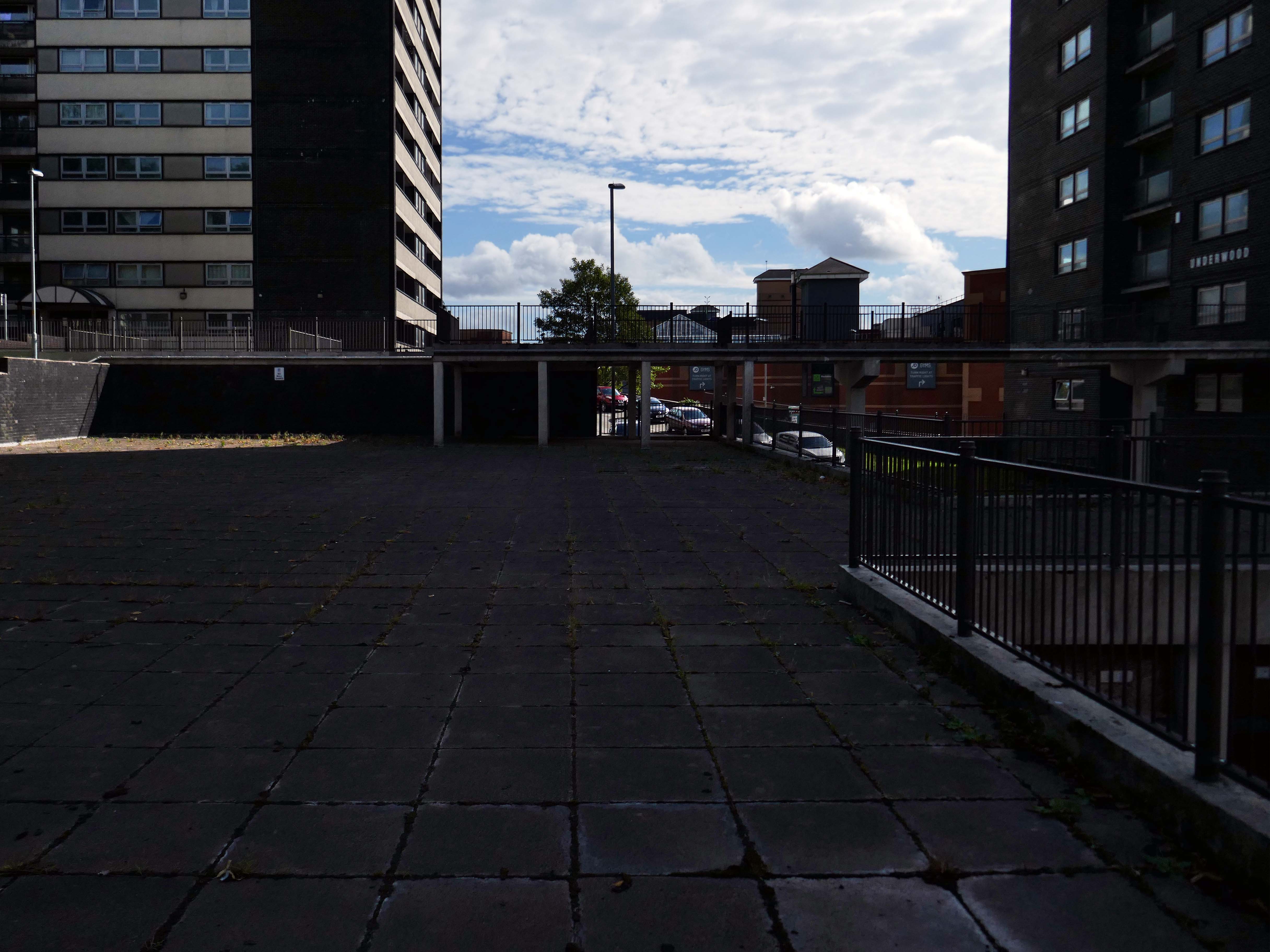
So an unsatisfactory stasis prevails across the windswept piazzas, podium garages and towering towers.
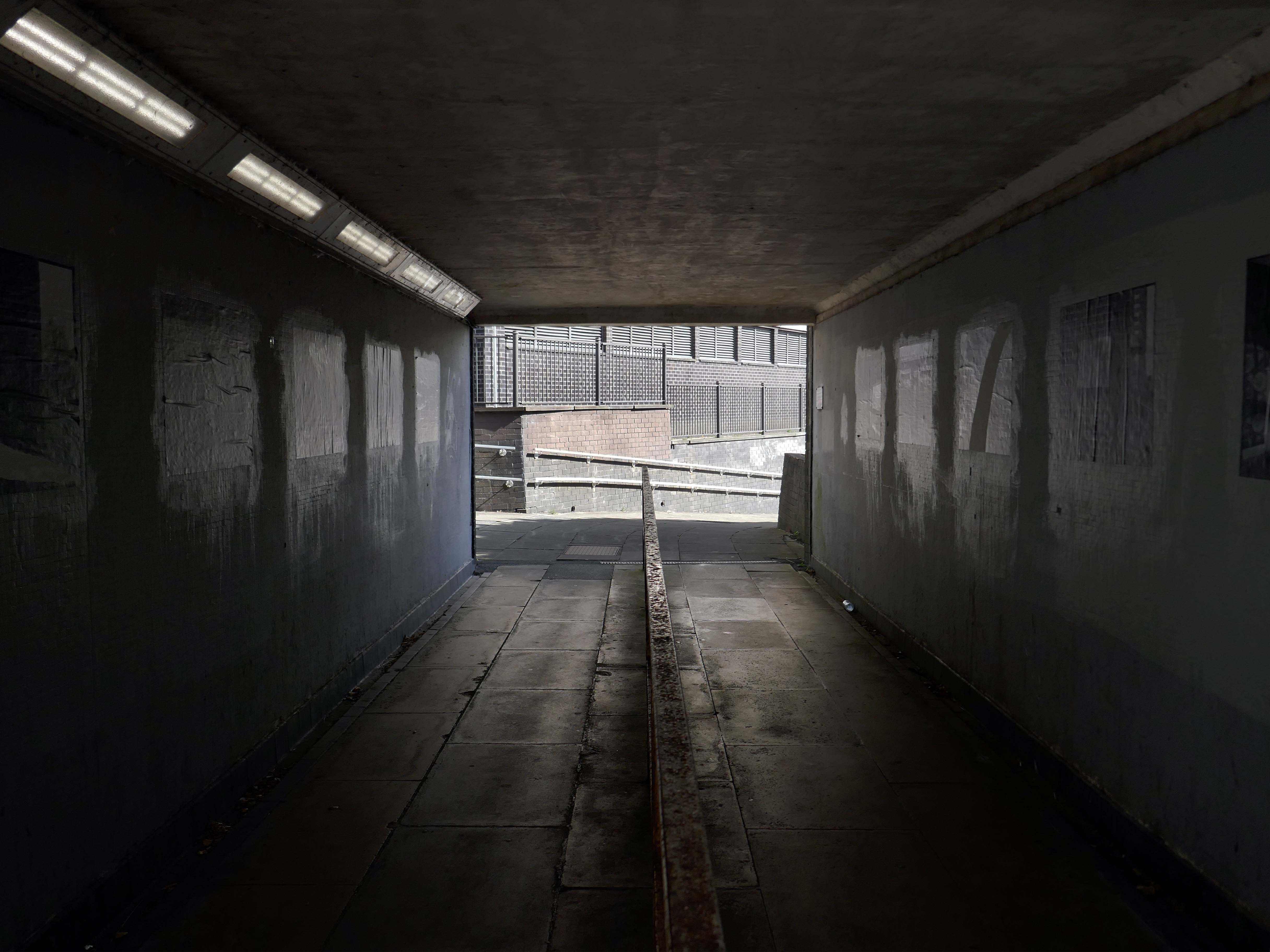
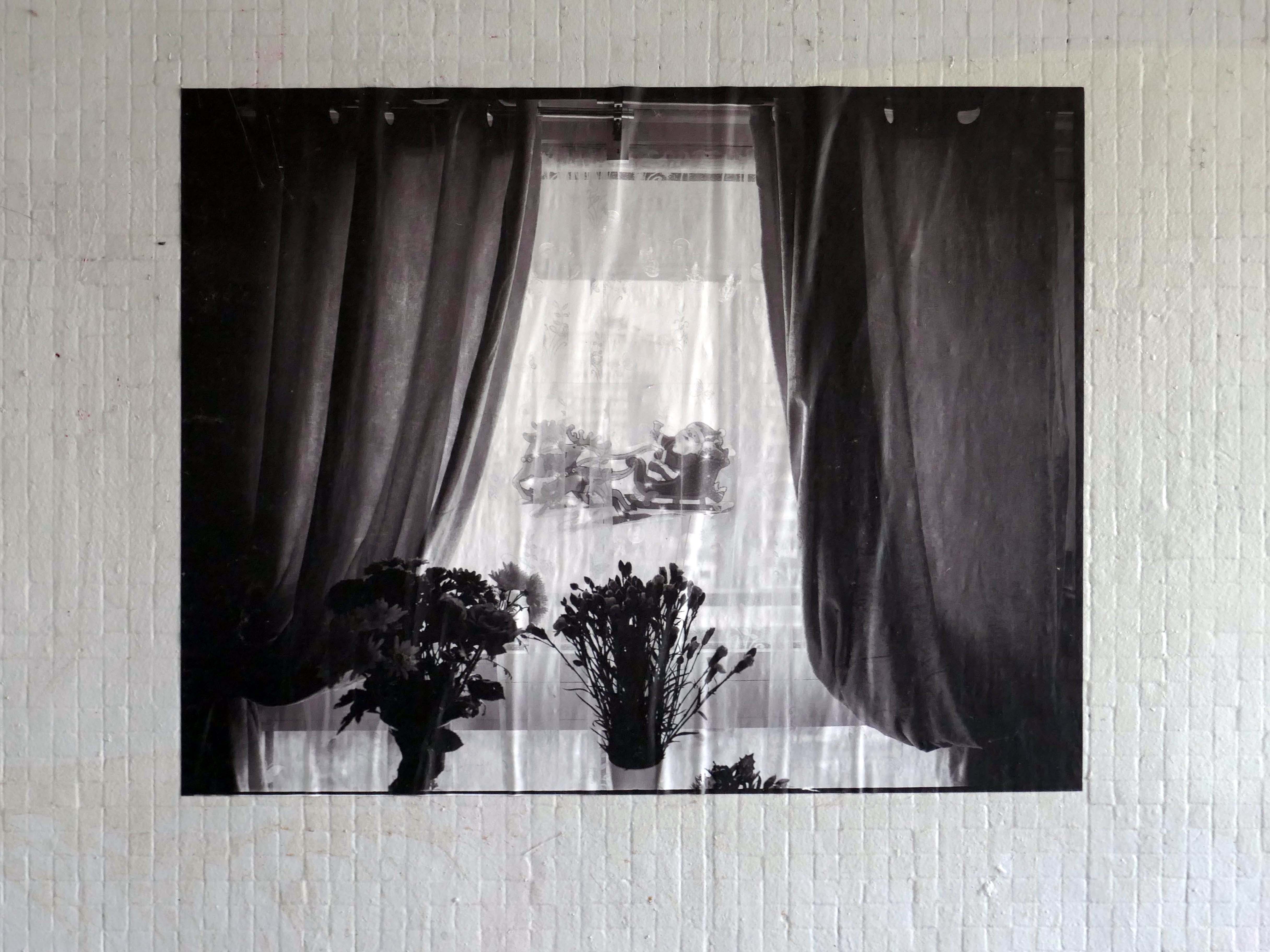
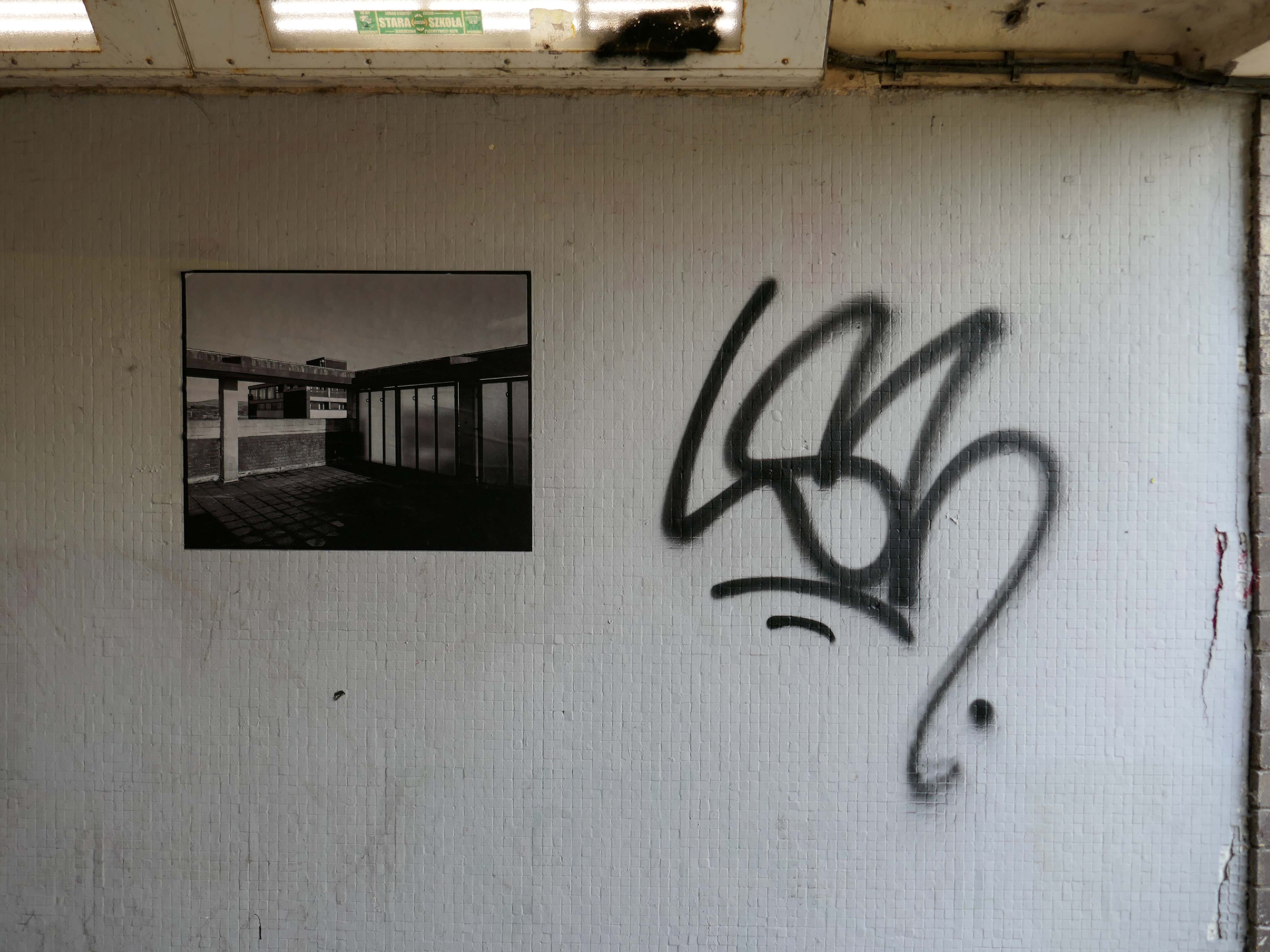
Local photographer Ellie Waters has her pictures of the flats displayed in the underpass.
Notes From College Bank is an ongoing project which documents the College Bank buildings in Rochdale, Greater Manchester. Known locally as ‘The Seven Sisters’, College Bank is formed of seven high-rise social housing blocks, four of which have come under recent threat of demolition.
Drawing from found imagery and photographs taken by my late Grandfather – M J Burgess – who like me grew up in Rochdale, I’ve been working with past and present residents to create a collective record of life in and around College Bank.
This project is ongoing, if you would like to share your stories of College Bank please get in touch via email – notesfromcollegebank@gmail.com
Here is a recent post from Municipal Dreams outlining the history state of play – Rochdale Housing Part II.
Fast forward to the present, the Seven Sisters still stand – an impressive architectural statement in the heart of Rochdale and, to my mind, as powerful a testament to municipal endeavour and aspiration as the town’s nearby town hall. But much has changed. In the slow evolution that affected council housing more broadly, the flats became less desirable, even, in some eyes, a ‘sink estate’. In Robin Parker’s view, the Council started re-housing people in the blocks ‘not suitable for high-rise living’ – a typical occurrence when the most vulnerable on the waiting list and those with least choice are allocated to so-called ‘hard to let’ estates.
Far, far away from the mad, rushing crowd, Please carry me with you. Again I would wander where memories enfold me, There on the beautiful Island of Dreams.
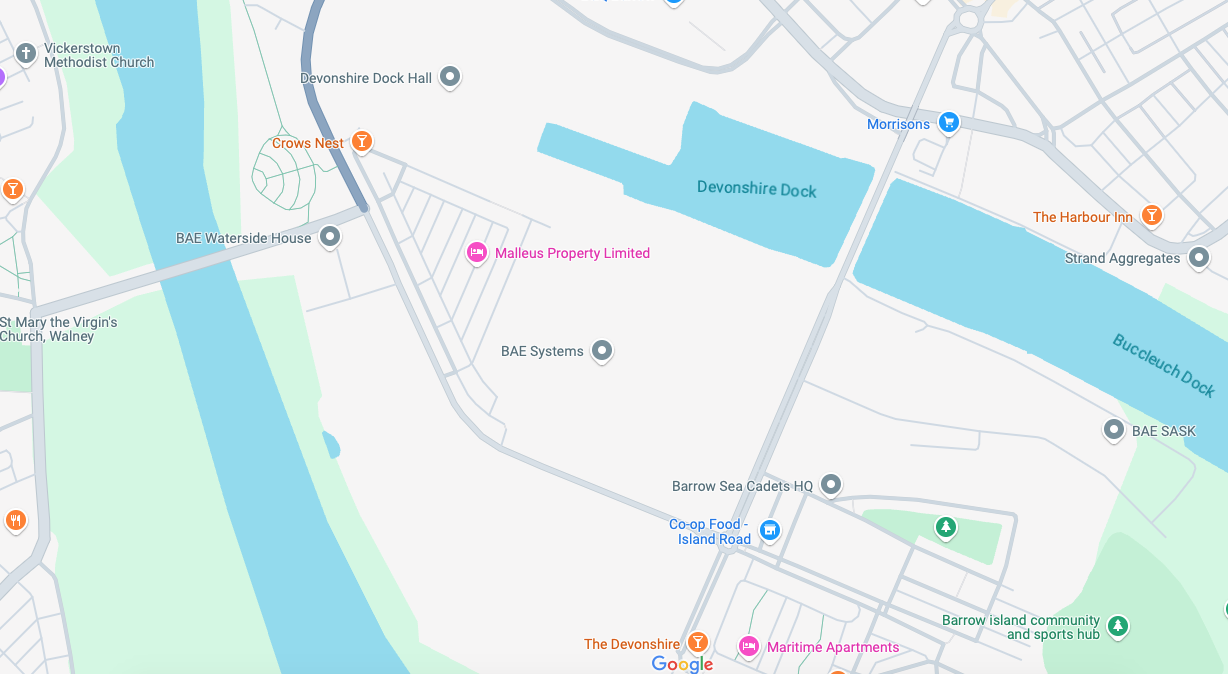
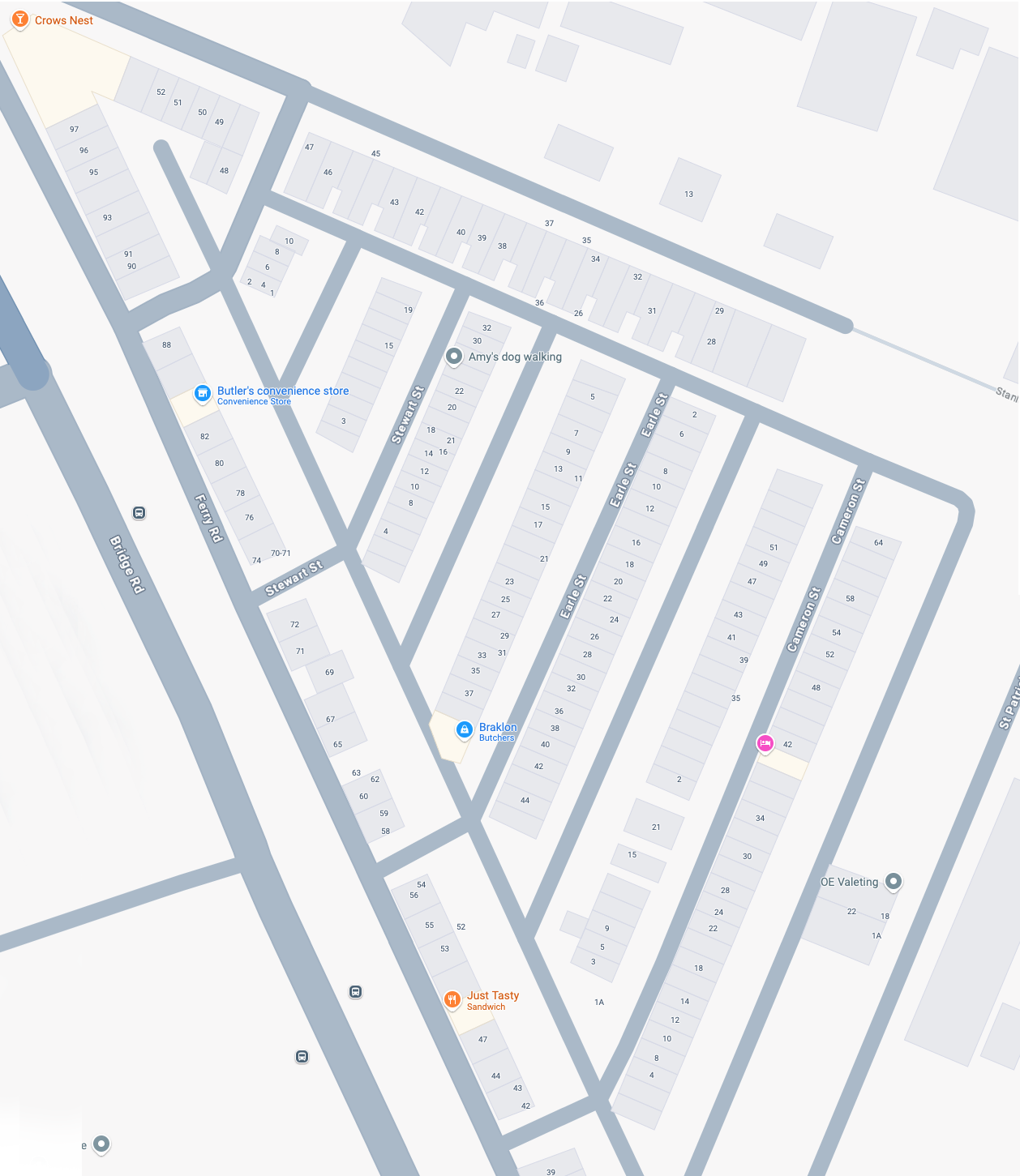
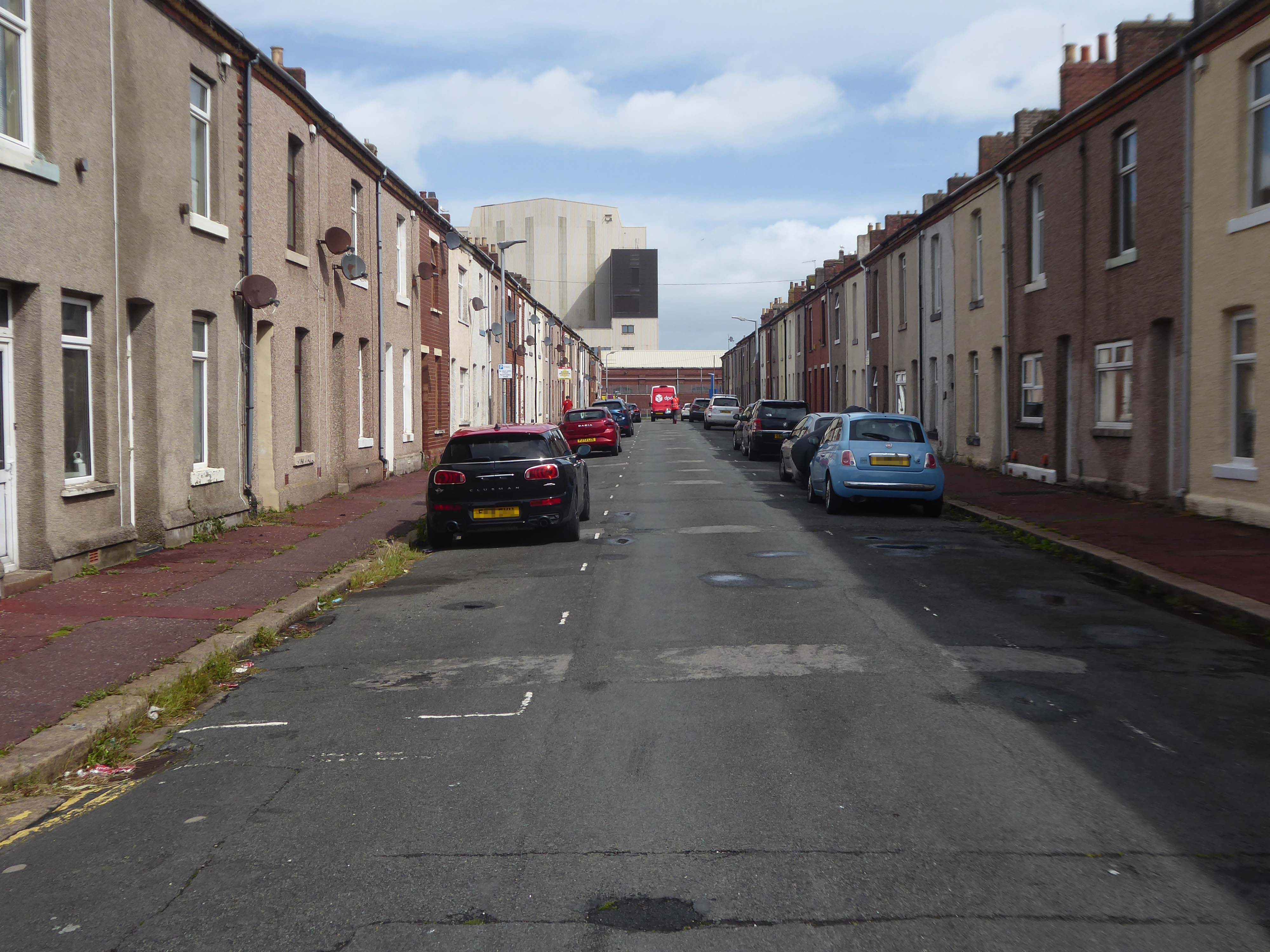
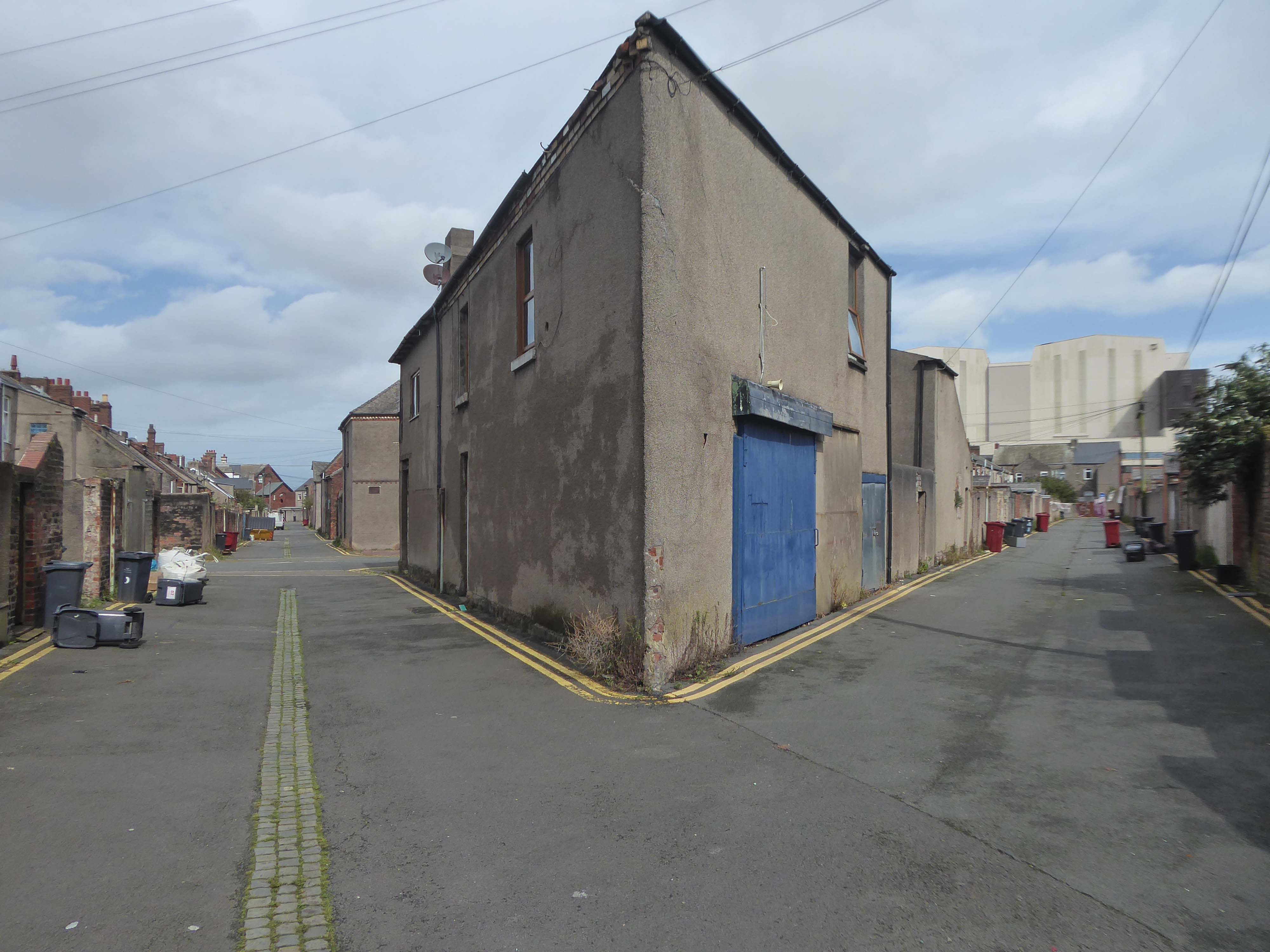
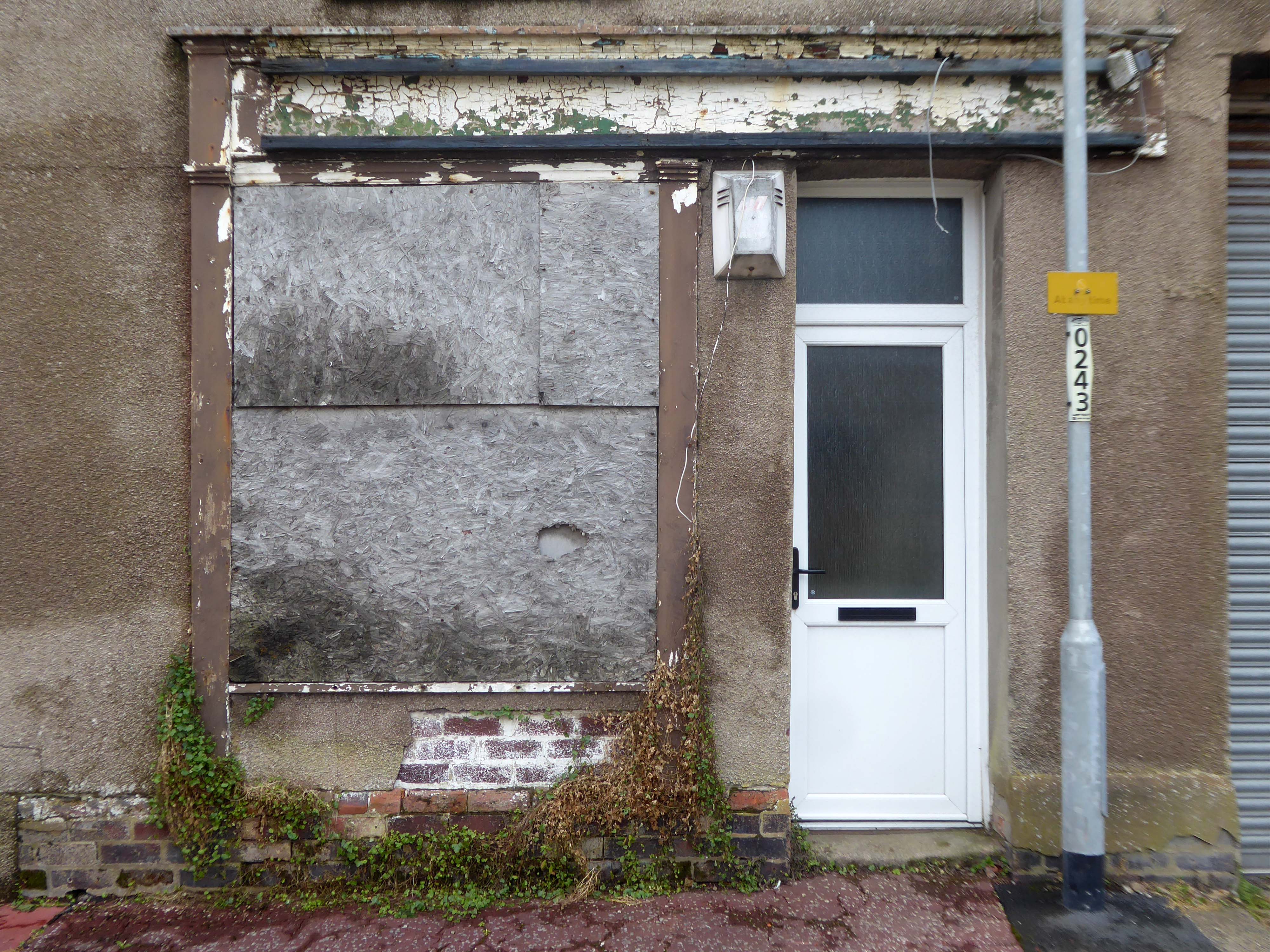
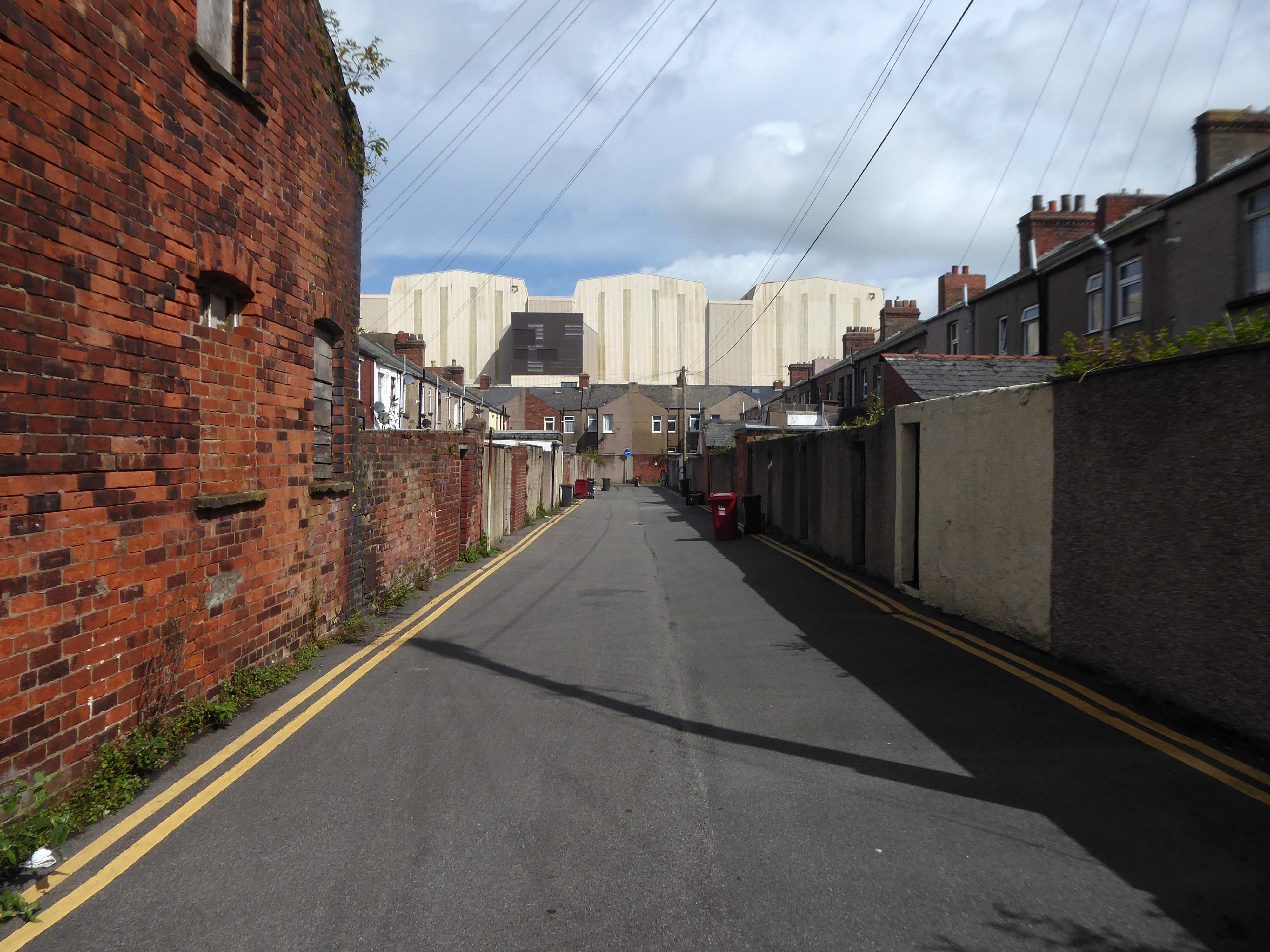
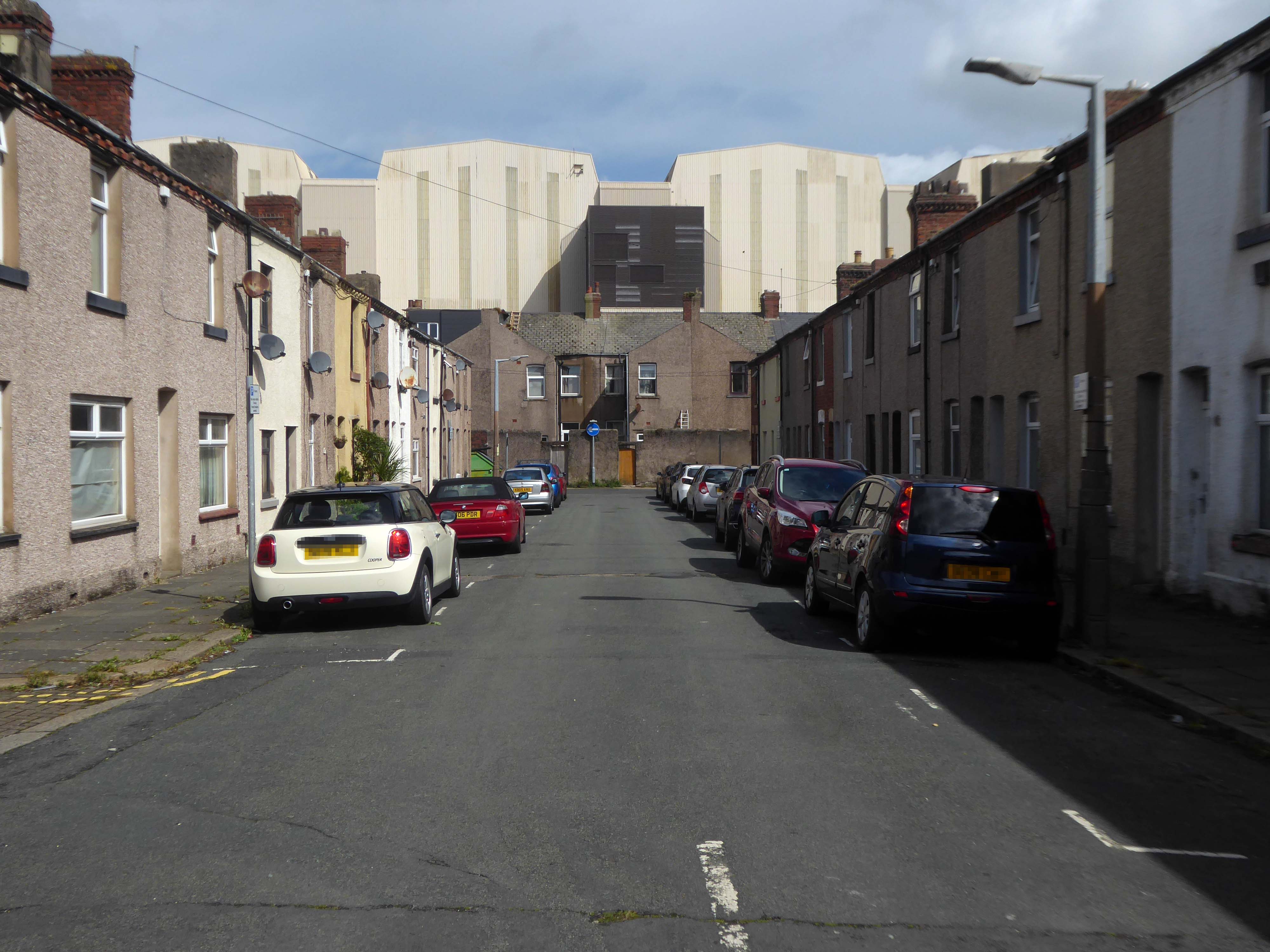
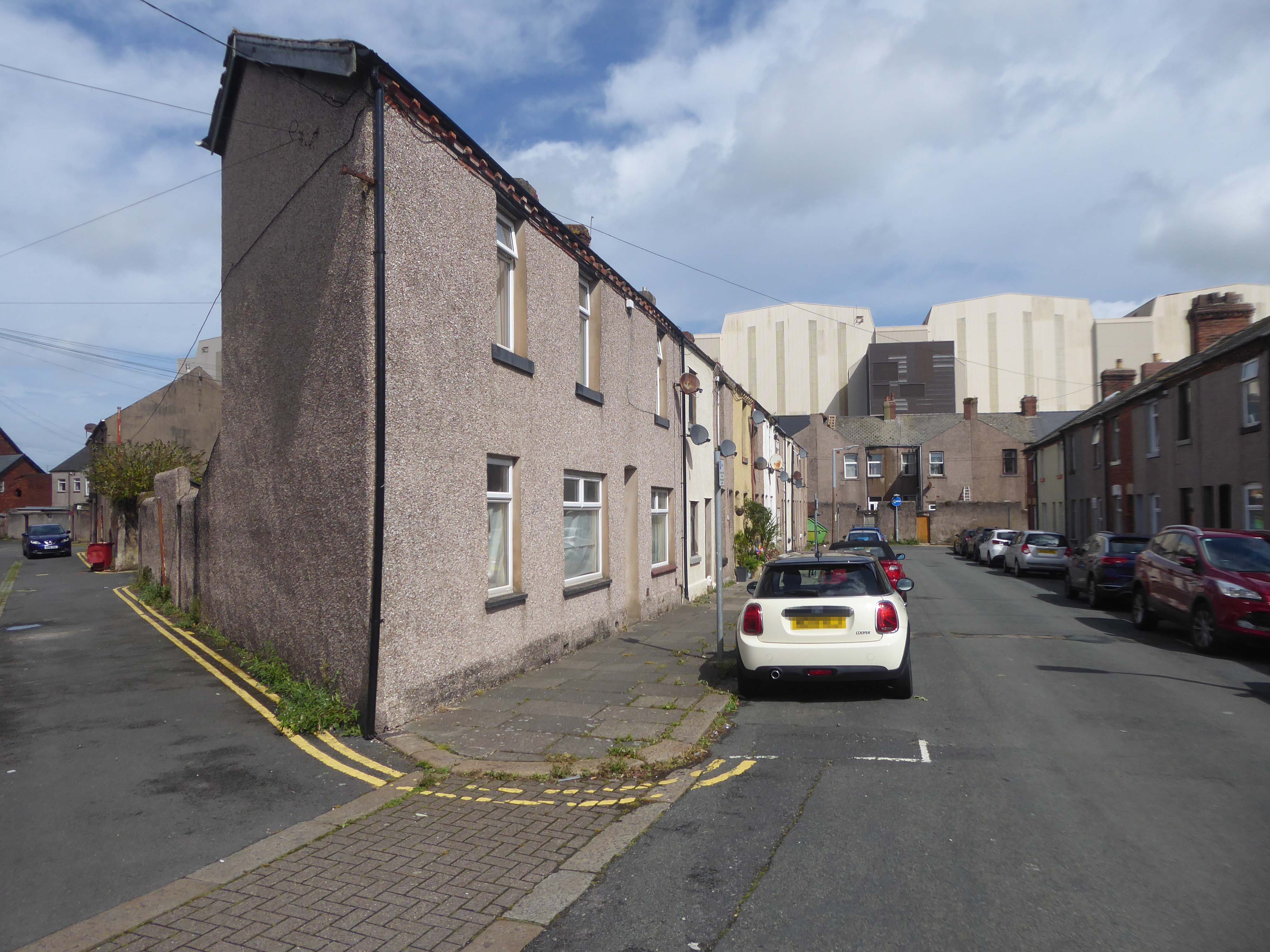
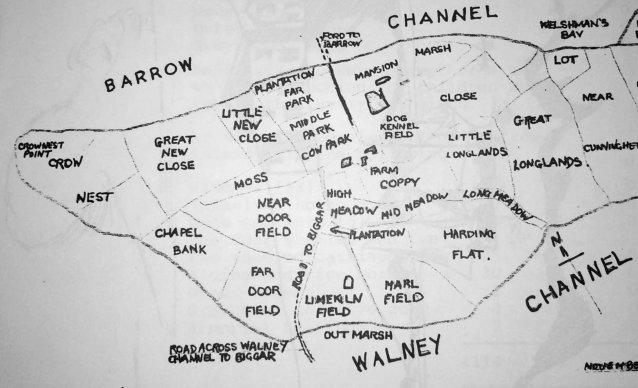
At the northern end of Barrow Island lies the Ferry Road Triangle. Covering an area formerly known by the field names, Crow Nest, Great New Close, Little New Close, Moss, Cow Park and Middle Park; the Ferry Road area has always been known as the Triangle, because the shape of the estate is truly a triangle.
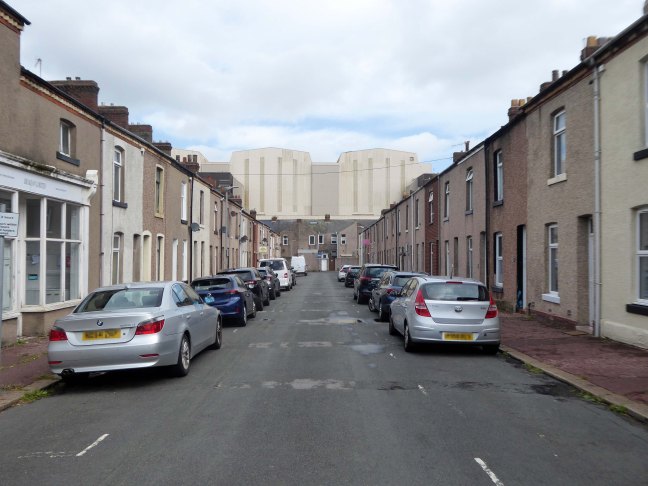
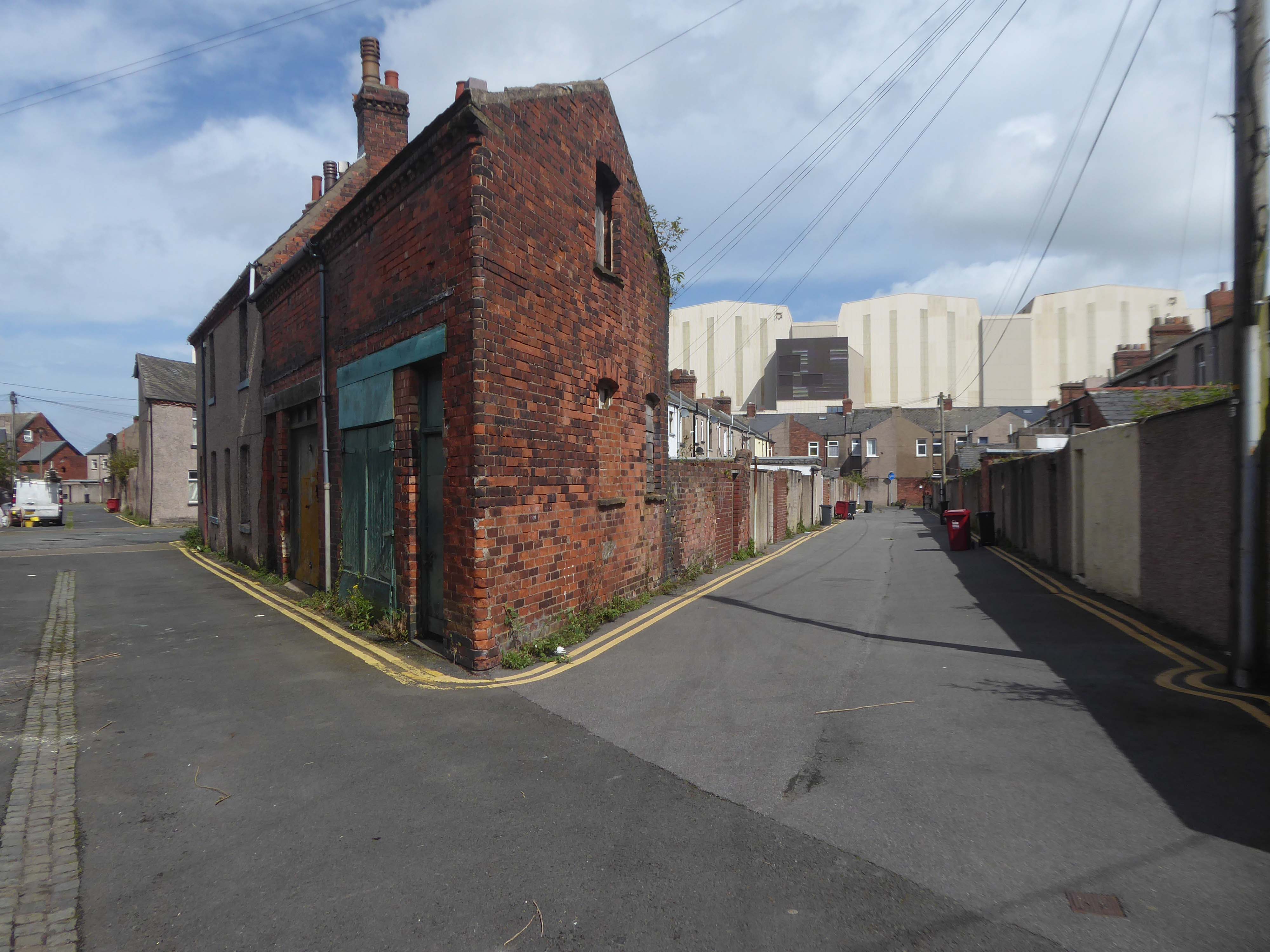
I had arrived in Barrow in Furness and taken to wandering the streets, hastily in search of nothing in particular.
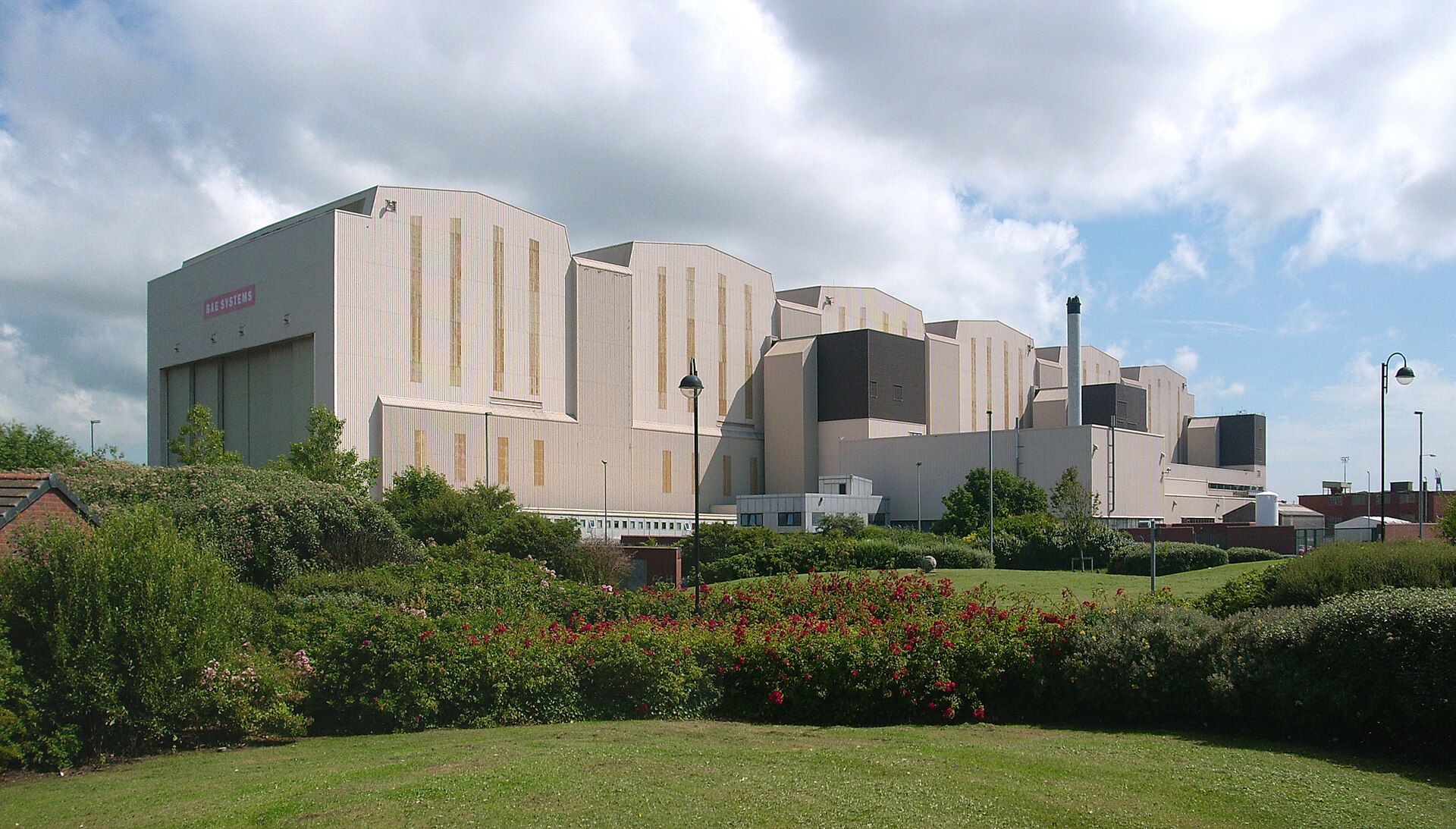
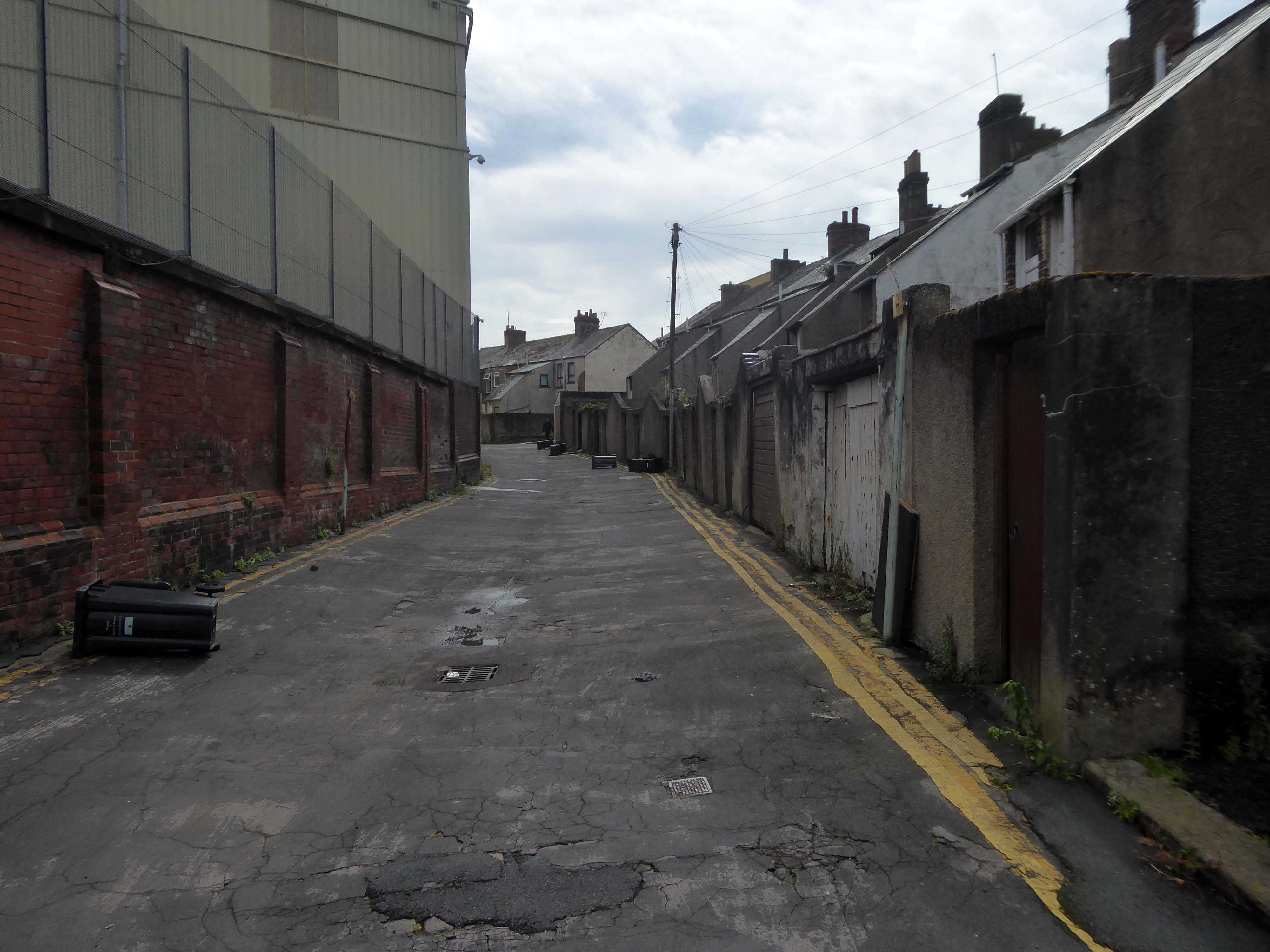
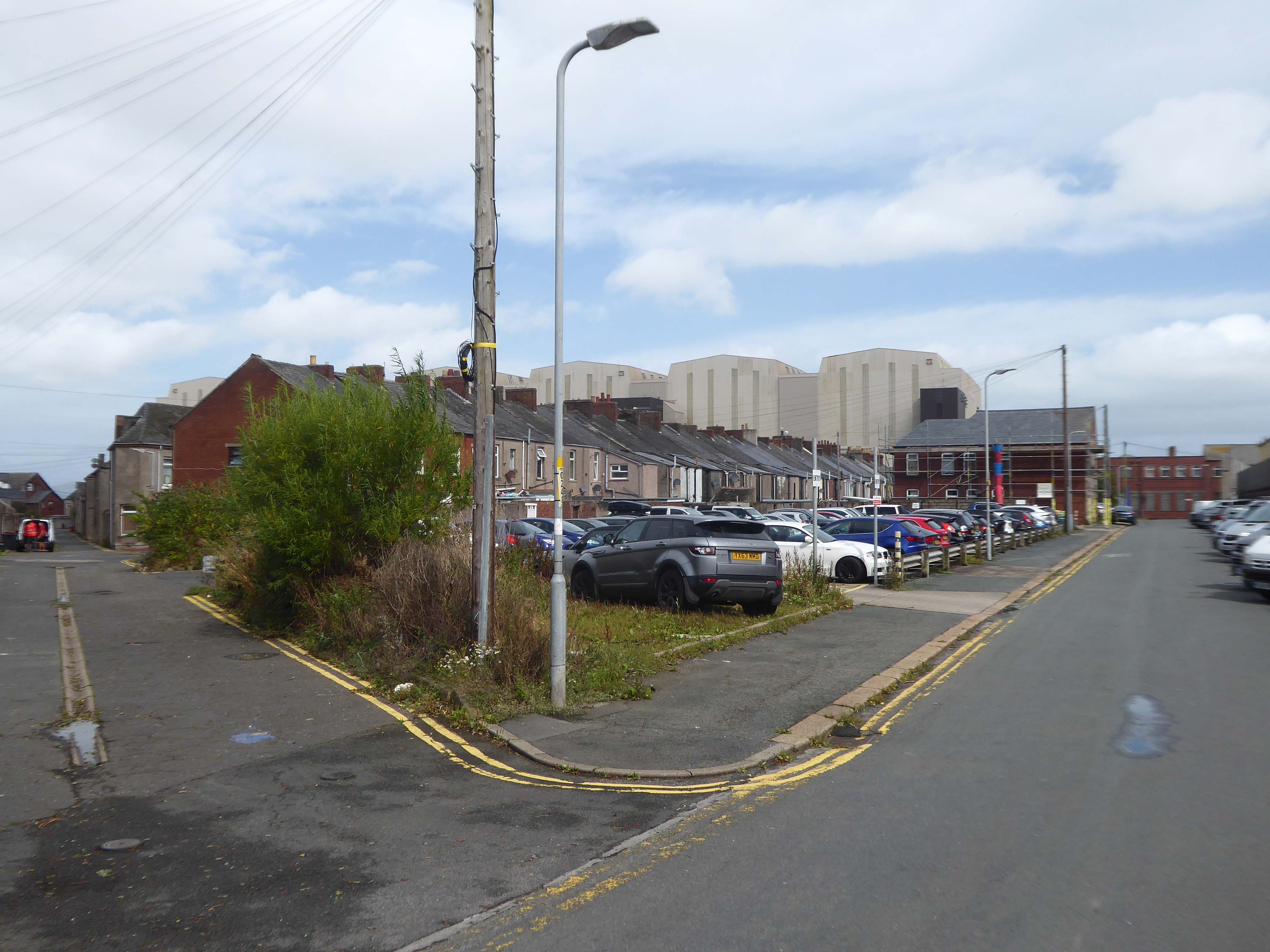
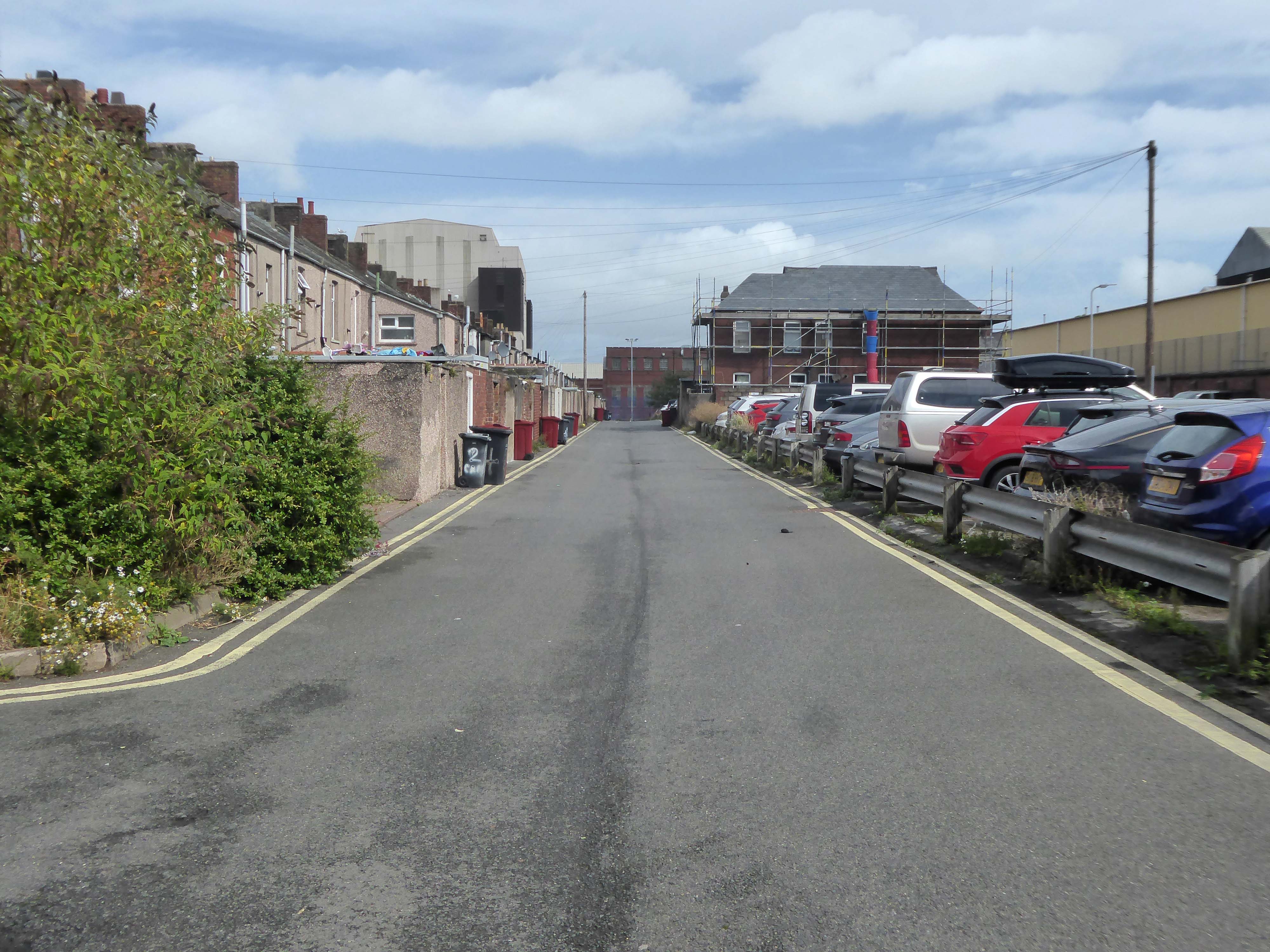
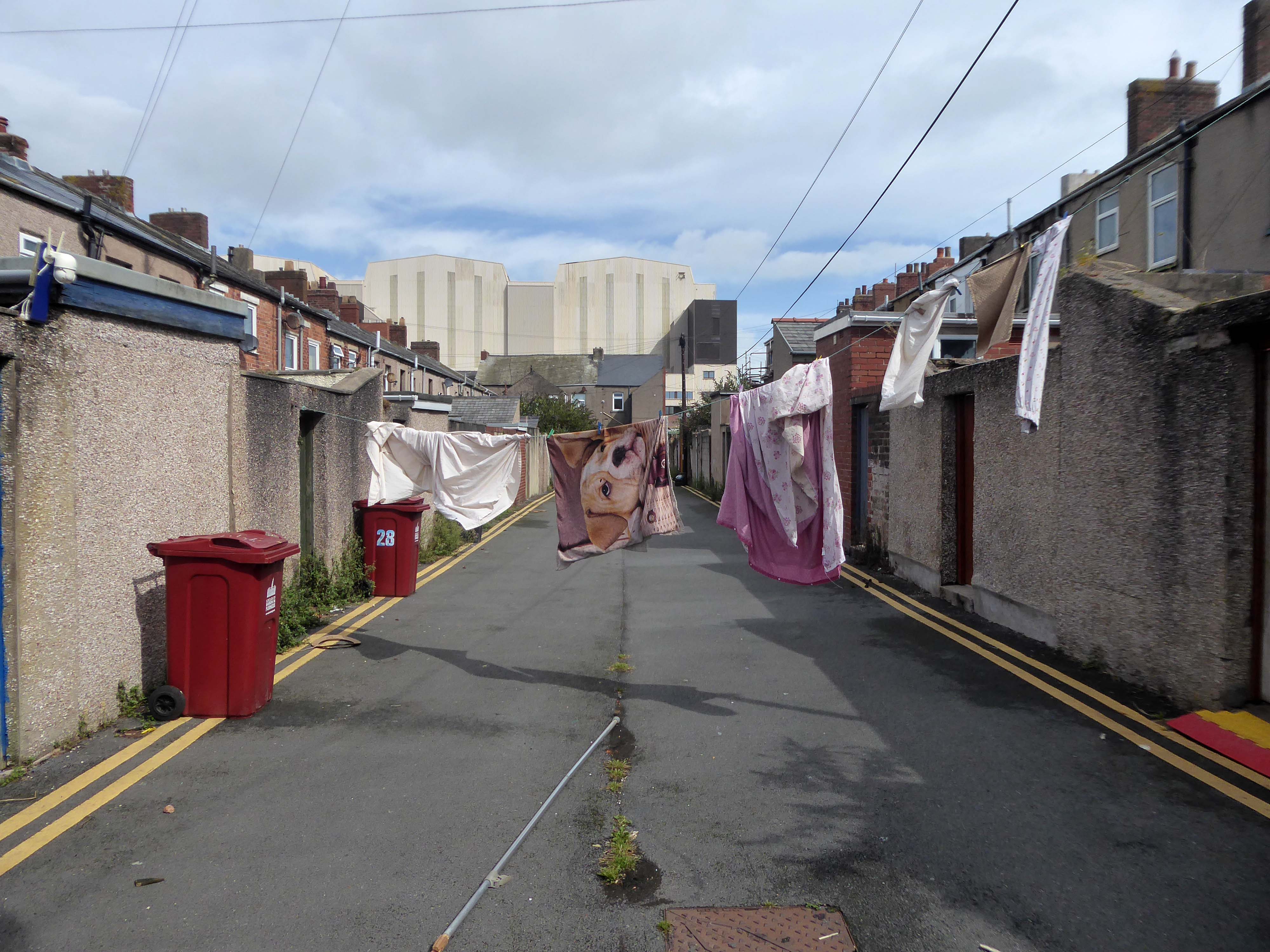
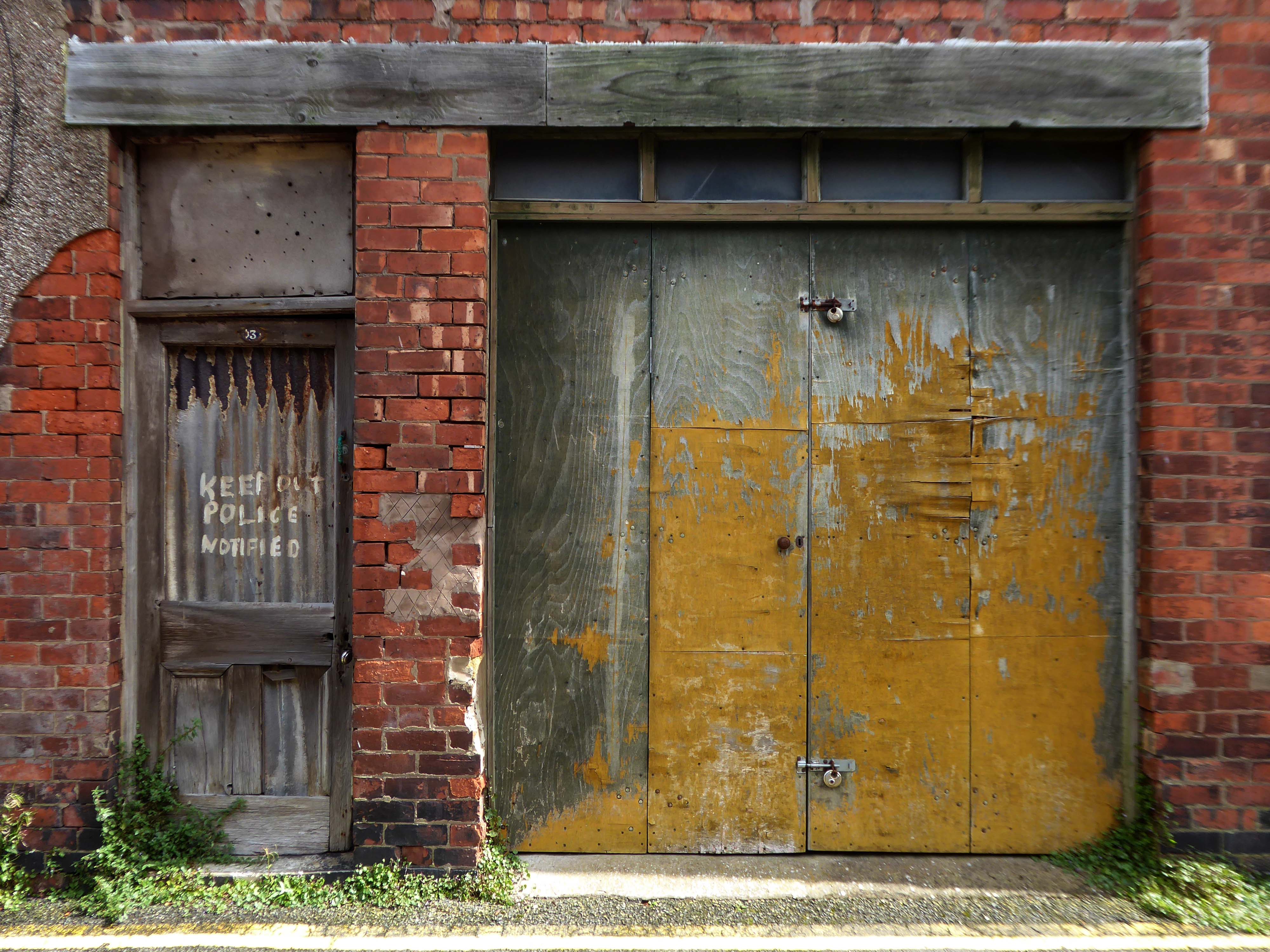
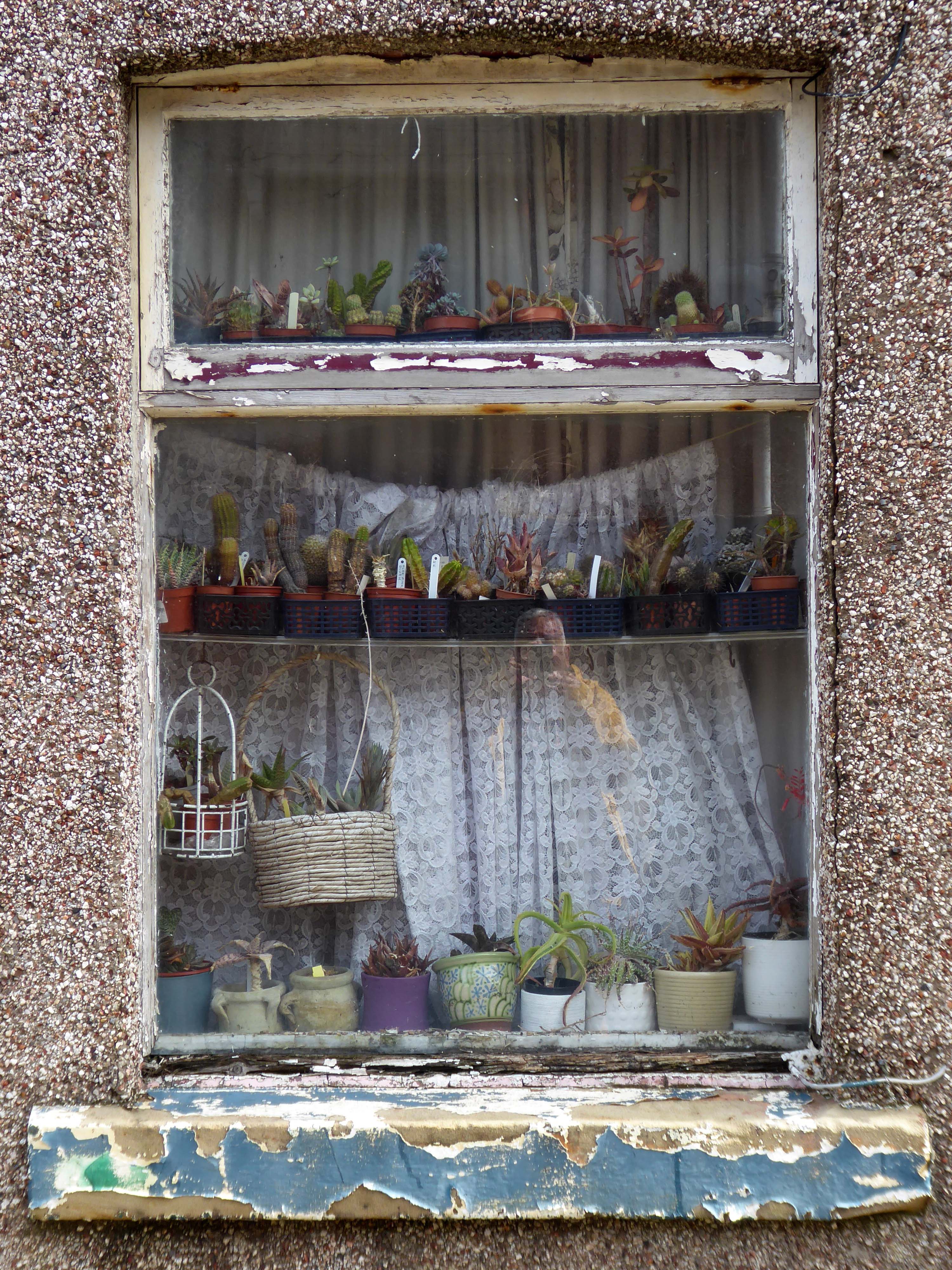
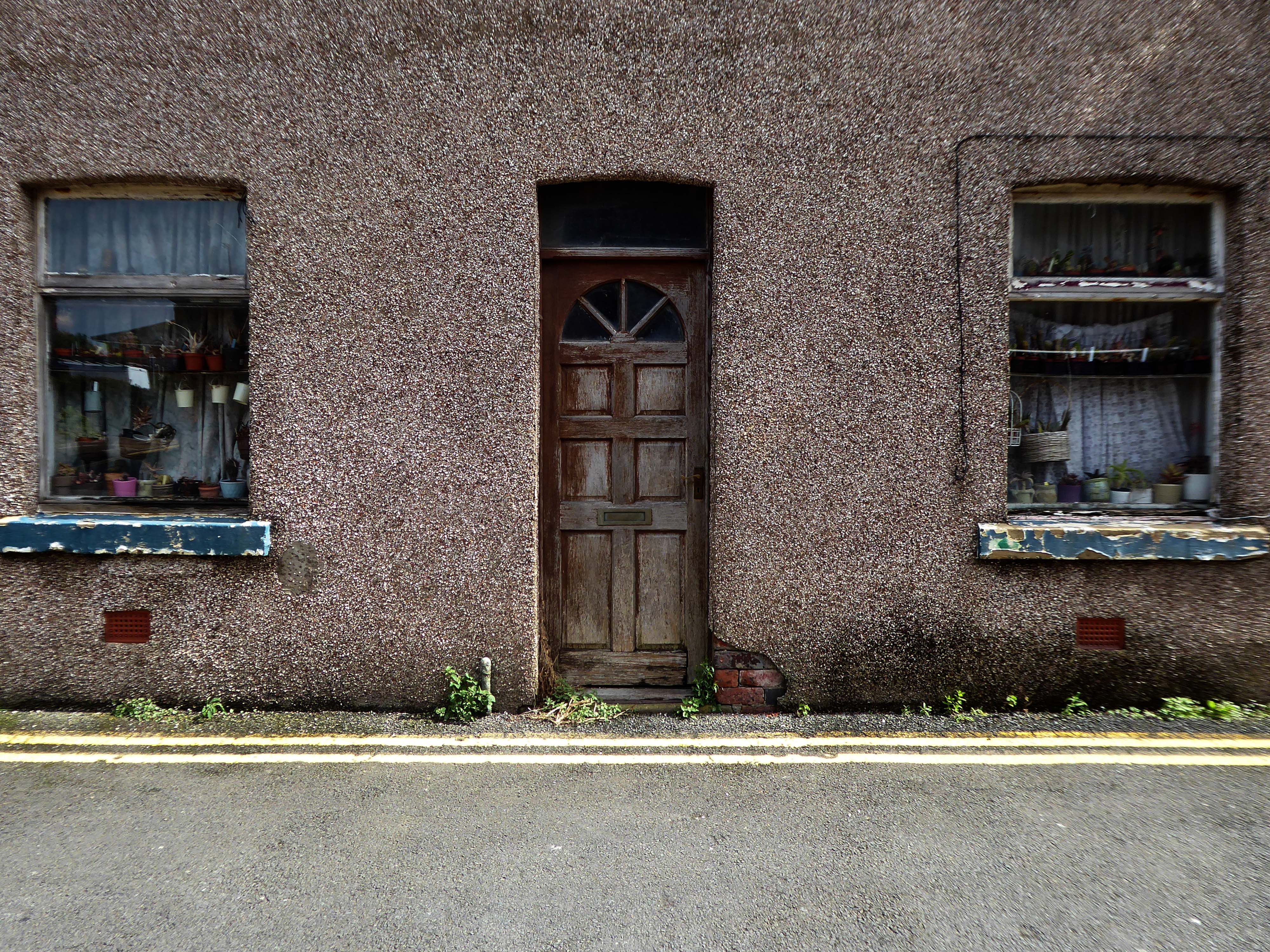
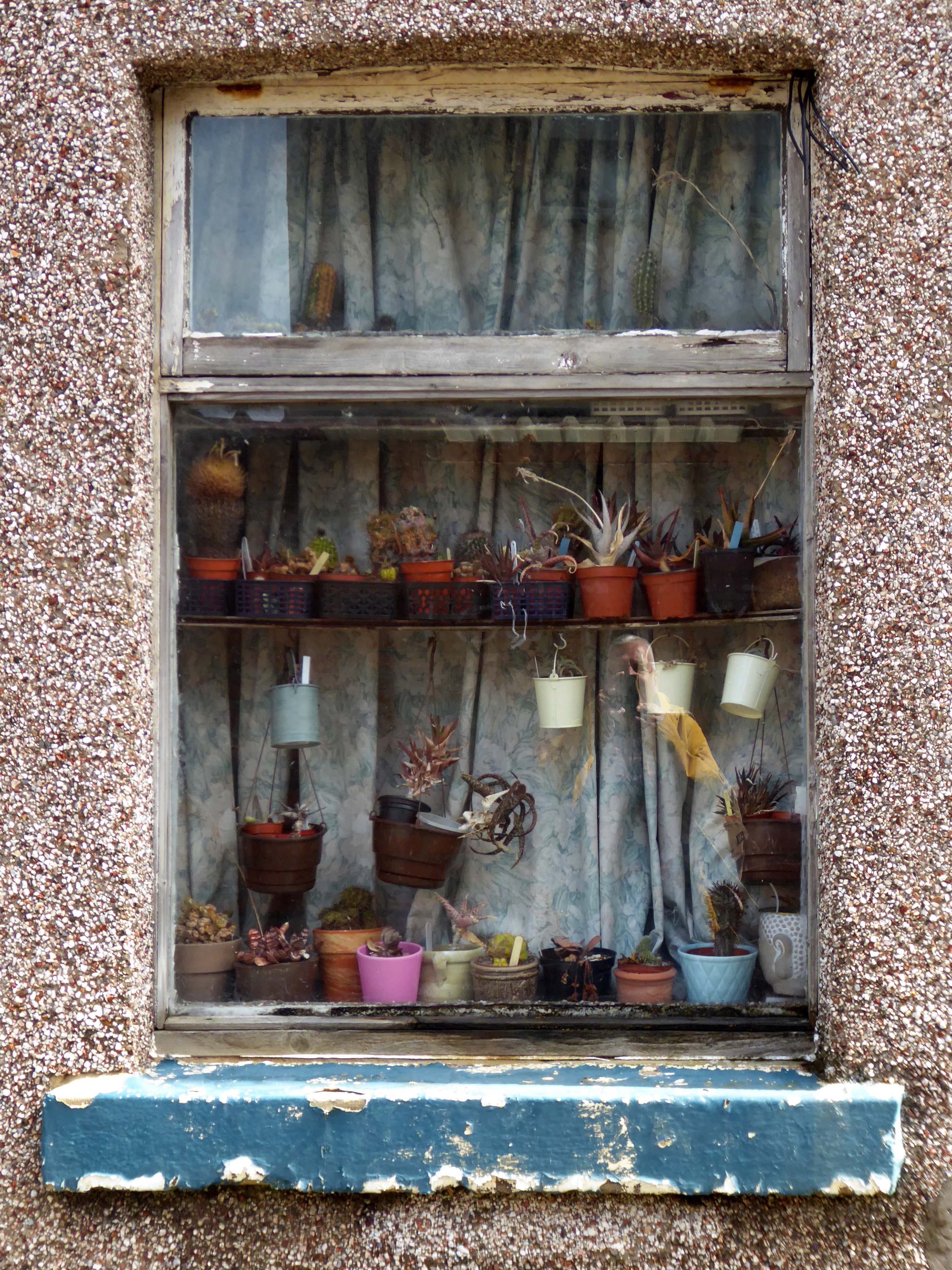
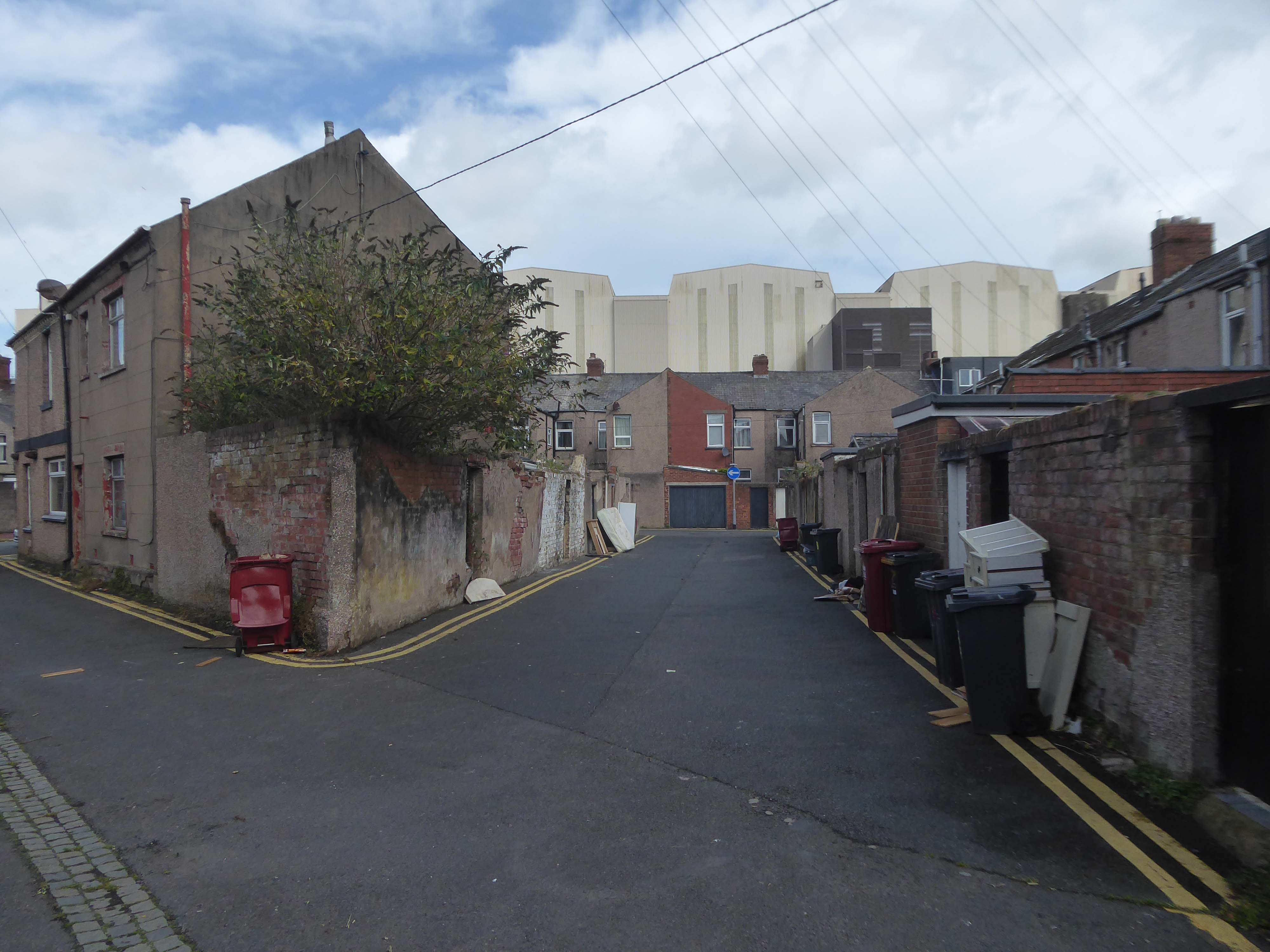
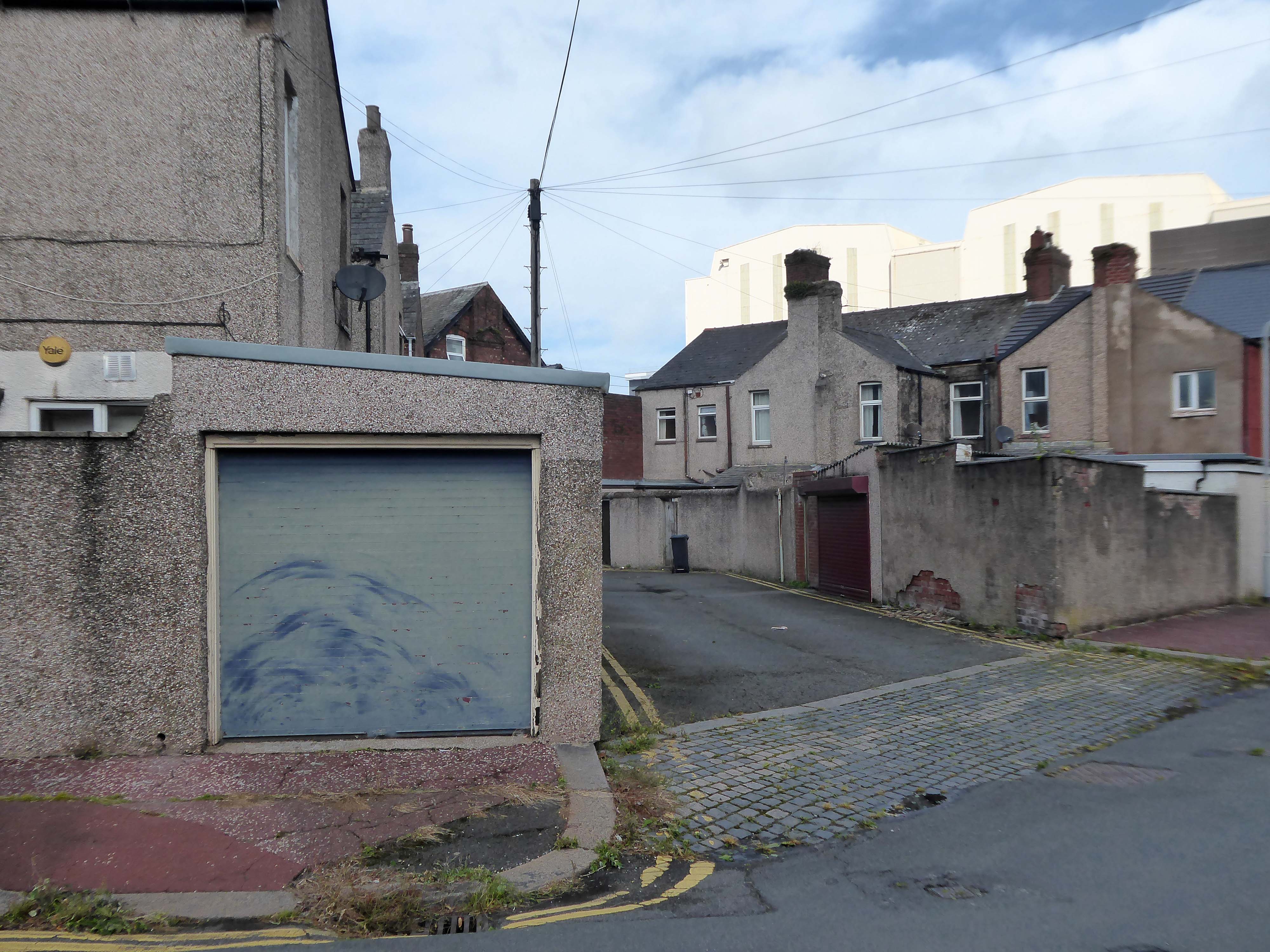
I came upon a neat triangle of terraced housing, which abutted the huge BAE Systems sheds.
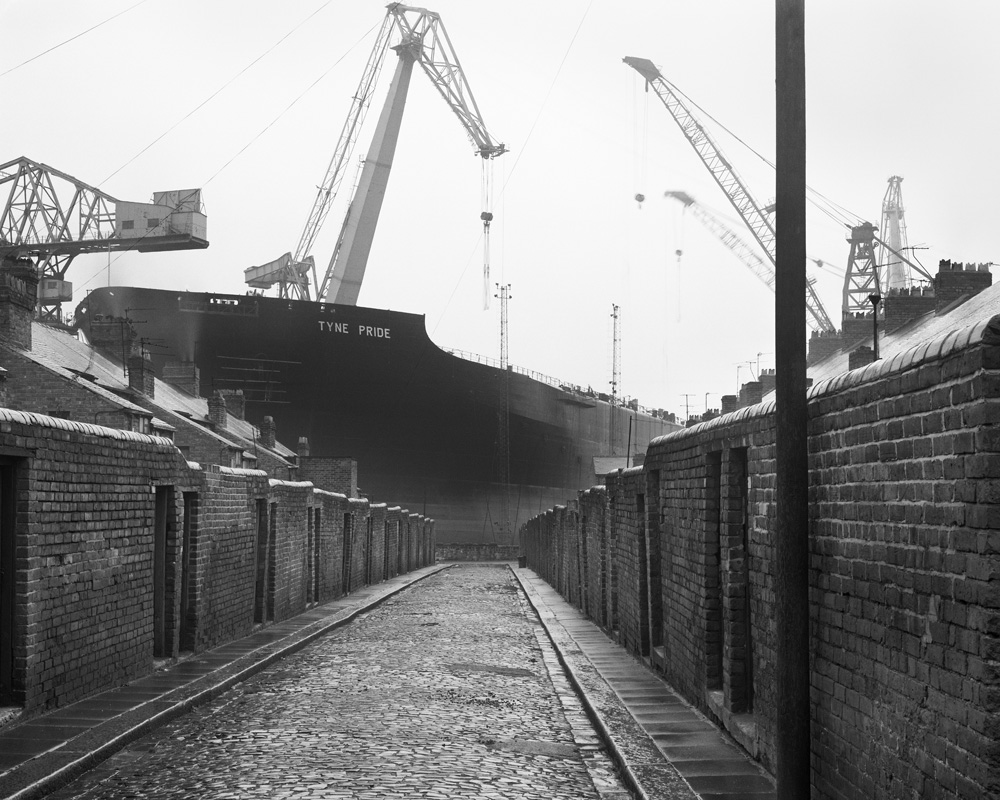
The collision of scale created by the low lying domestic buildings, and the gargantuan industrial nuclear submarine homes, immediately put me in mind of Chris Killip’s photographs.
He had recorded the last days of a dying industry, whilst the BAE contracts represent a long term lifeline to a once dying town.
The Ministry of Defence has awarded £3.95 billion of funding to BAE Systems for the next phase of the UK’s next-generation nuclear-powered attack submarine programme, known as SSN-AUKUS.
The funding follows the AUKUS announcement in March by the leaders of Australia, the UK and the United States. This will eventually see Australia and the UK operate SSN-AUKUS submarines, which will be based on the UK’s next generation design, incorporating technology from all three nations, including cutting-edge US submarine technologies.
Having started early design work in 2021, the £3.95bn funding will cover development work to 2028, enabling BAE Systems to move into the detailed design phase of the programme and begin to procure long-lead items. Manufacture will start towards the end of the decade with the first SSN-AUKUS boat due to be delivered in the late 2030s.
It has been said of Barrow: A rich mineral district was the cause, a railway was the effect, and an important manufacturing town the result.
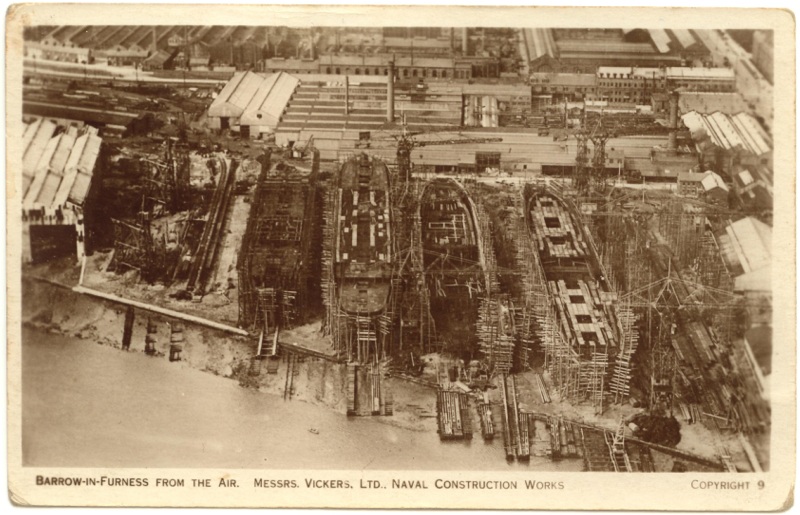
The dramatic growth of Barrow-in-Furness in the late 19th and early 20th Centuries was fuelled by the ready availability of Furness iron ore. Significant investments were made in developing the town to exploit this resource. The various ironworks, steelworks, foundries, shipyards and docks required a huge influx of population to support them. This in turn led to the rapid building of rows of good quality mass-produced terraced housing for the workers, and substantial sandstone villas for the management.
I stopped to chat with a local lad – I had thought Barrow to be a hard town, he thought not.
There’s not much trouble, though we have hard times – how so?
The Tories – now my kids have all got jobs for the next twenty years.
There were no reported crimes in June 2024
Devonshire Dock Hall is a large indoor shipbuilding and assembly complex that forms part of the BAE Systems shipyard.
Constructed between 1982 and 1986 by Alfred McAlpine plc for Vickers Shipbuilding and Engineering, DDH was built on land that was created by infilling part of Devonshire Dock with 2.4 million tonnes of sand pumped from nearby Roosecote Sands.
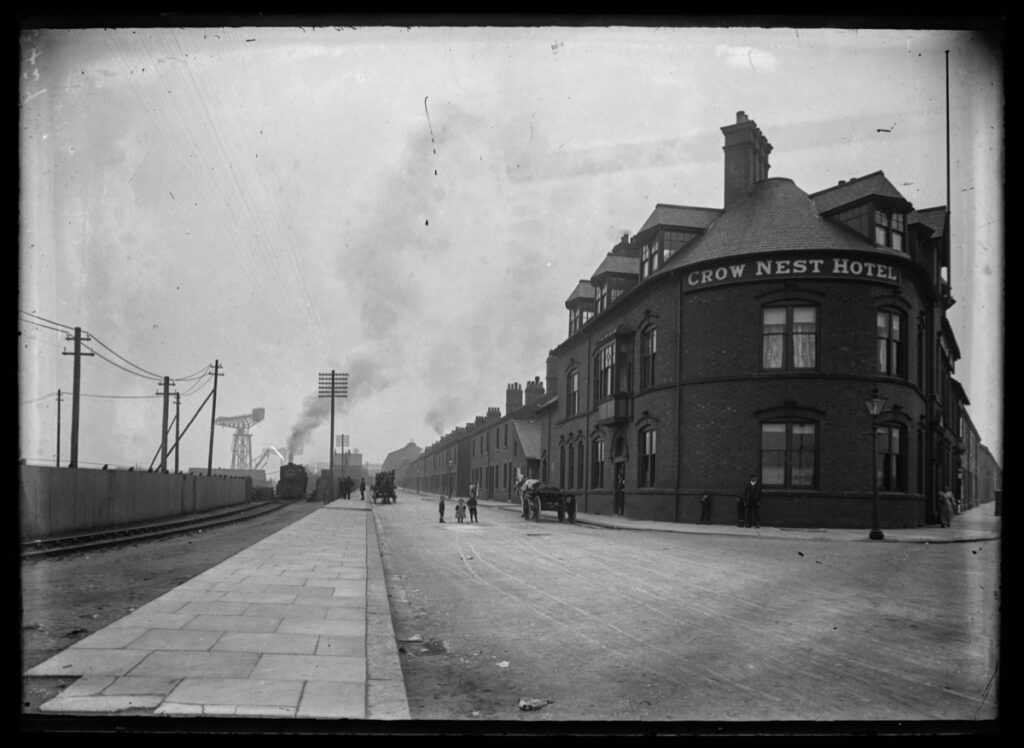
Opened in May 1888 it was described by the Barrow News as one of the best-appointed hotels in Barrow. From this start, Walton Lee, elected Town Councillor in 1886 envisaged an estate for the workers literally within spitting distance of their workplace.
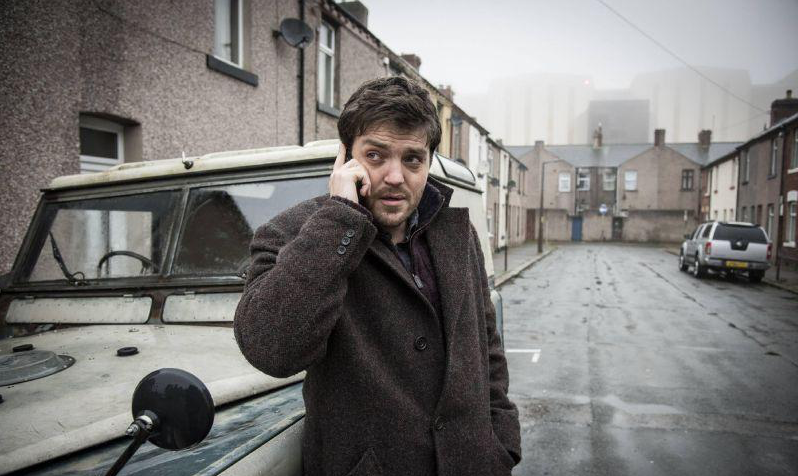
A section of Career of Evil was filmed at The Crow’s Nest.
Barrow shipyard’s Devonshire Dock Hall, The Crow’s Nest pub, Barrow Island streets, including Stanley Road and Stewart Street, and Michaelson Road Bridge, all featured in episode one of Career of Evil on Sunday night.
Although there is evidence in the local area of occupation since the Iron Age, it was still a small village until the 19th century when it became a seaside resort, and was connected with local towns and cities by a railway, and two piers were built. The growth continued until the second half of the 20th century, when tourism declined and some local industries closed. A regeneration programme is being undertaken with attractions including the Helicopter Museum, Weston Museum, and the Grand Pier. The Paddle Steamer Waverley and MV Balmoral offer day sea trips from Knightstone Island to various destinations along the Bristol Channel and Severn Estuary. Cultural venues include The Playhouse, the Winter Gardens and the Blakehay Theatre.
I arrived mid-morning on Saturday 25th July 2015 – having travelled some two hundred miles or so from Stockport by train.
The Iron Age seemed to be over and regeneration slowly but surely under way.
This marked the start of another coastal tour, following last year’s epic which began in Hastings.
This time I was heading for Hastings – but that can wait until tomorrow, let’s have a look around town.
Directly opposite the station is a group of Seaside Moderne homes in various states of whiteness – standing in line along Neva Road.
Reasonably priced, cheaper than Frinton – check it out
I pushed my bike along the prom heading for my pre-booked digs in a stylish seafront hotel.
Past the Marine Causeway linking the shore to some kind of modern day Post Modern Shangri-La.
A mystical, harmonious valley, gently guided from a lamasery, enclosed in the western end of the Kunlun Mountains, possibly not.
You can stroll onto Knightstone Island, where you will find some cafes serving light snacks and refreshments, or to the other side which takes you along the causeway, accessible to walk across according to the tides. At the other side of the Causeway you will find a small rocky beach with tidal rockpools ideal for exploring.
Just along the prom stands one of my all time favourite seaside shelters.
Even further along – what’s all this here then?
The foundation stone of the Birch-designed Birnbeck Pier was laid in 1864. It opened on 5th June 1867 and consisted of a 1040 foot cantilever construction to Birnbeck Island and a short jetty extending westwards from the island.
It seems to have changed hands several times in its relatively short life, including the stewardship of the infamous Urban Splash and the mysterious mystery owners, the current custodians it seems, have done little to secure a secure future.
It remains alone and untended, stretching aimlessly out to sea.
In April 2015, Friends Of The Old Pier Society created a novel fund raising scheme in which 1p and 2p coins would be lined up to stretch from the Grand Pier to Birnbeck Pier.
September 2019 Councillor Mr Crockford-Hawley said:
It’s this end of Weston which is the sore, it’s the carbuncle, it’s clearly well past its prime and it needs some serious attention. I mean it would be wonderful if somebody came along with an open ended bank account and said ‘yup, I’d love to restore it for the sake of restoring it’, but quite clearly there’s got to bean economic future for the pier, there’s got to be a purpose for the pier.
Possibly a wealthy Beatle could bail the ailing pier out of deep water?
Having made a bob or two since they appeared here in 1963.
Next thing I know I’m outside the imposing and impressive sounding Ocean Hotel. Sad to say on the day/night of my visit it wasn’t just this weary traveller that appeared to be over tired, happy to report the the New Ocean Hotel has been revamped and in tip-top condition by all accounts.
Any road up, let’s get out, take a walk up the road – have look at some local type.
Watney’s mythical Red Barrel.
Watney’s was the Evil Corporation which sought to crush plucky small brewers and impose its own terrible beer on the drinking public. It acquired and closed beloved local breweries, and it closed pubs, or ruined them with clumsy makeovers.
Its Red Barrel was particularly vile – a symbol of all that was wrong with industrial brewing and national brands pushed through cynical marketing campaigns.
Keeler Productions has taken over Locking Road Car Park, opposite Tesco, and The Regent Restaurant, in Regent Street, to film a BBC period series The Trial of Christine Keeler, based on the Profumo Affair in the 1960s.
Enough of all that period drama, let’s have a look at some period architecture.
Madeira Court – 67 flats built in 1988.
Weekly Social Activities include – coffee mornings, card evenings and occasional days out, organised by social club. New residents accepted from sixty years of age, both cats and dogs generally accepted.
I can find no reference for this dalle de verre stained glass window.
Boulevard United Reformed Church – Waterloo Street
Architects Gordon W. Jackson and Partners 1959
Constructed on part of the site of the former Electric Premier Cinema, the Odeon Theatre was opened on 25th May 1935 with Jack Buchanan in Brewster’s Millions. Built as one of the original Odeon Theatres in the then emerging Oscar Deutsch Odeon Theatres circuit, it was built on a prime corner street position in this sea-side town and was the first of several Odeon Theatre’s to be designed by architect Cecil T Howitt.
The Weston-super-Mare Odeon was built by C Bryant & Son Ltd of Birmingham on the site of the former Electric Premier Cinema. It opened on 25 May 1935, at which time it was described in the souvenir programme as ‘modernity at its best’, with seating accommodation that was ‘luxurious and spaced to give ample room for true comfort’.
A short walk along the prom snapping shelters and the sheltered – no two the same.
I then chanced to fall into a Beer Festival and bad company – the rest is a blur, see you all tomorrow there’s some cycling to be done.
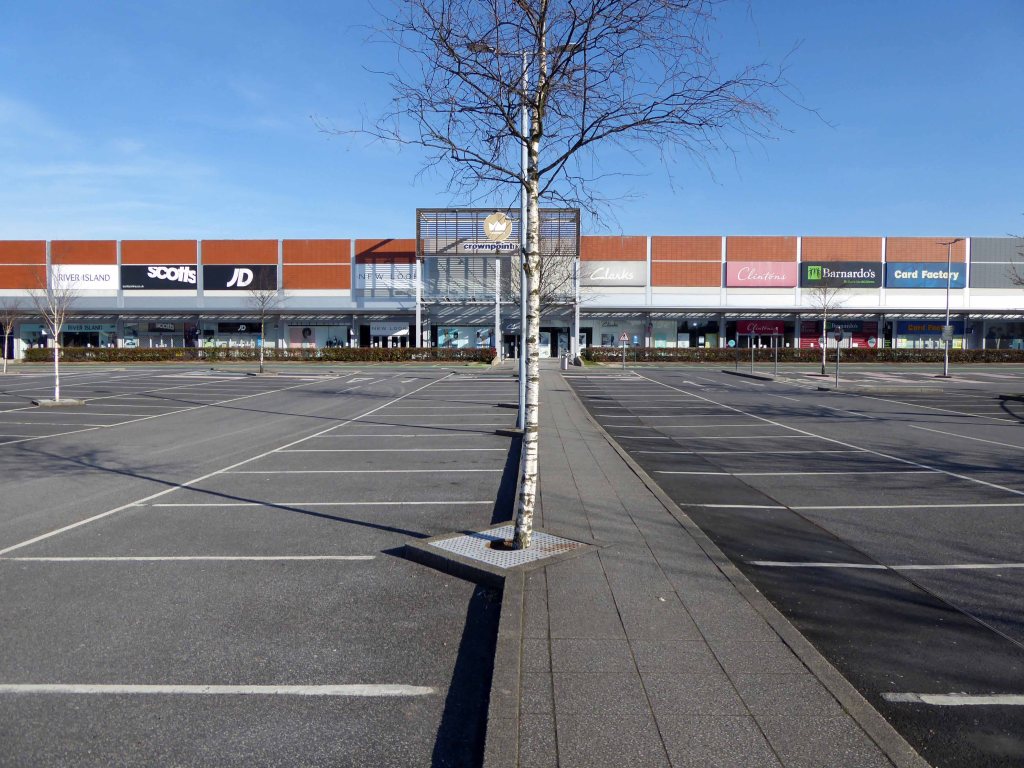
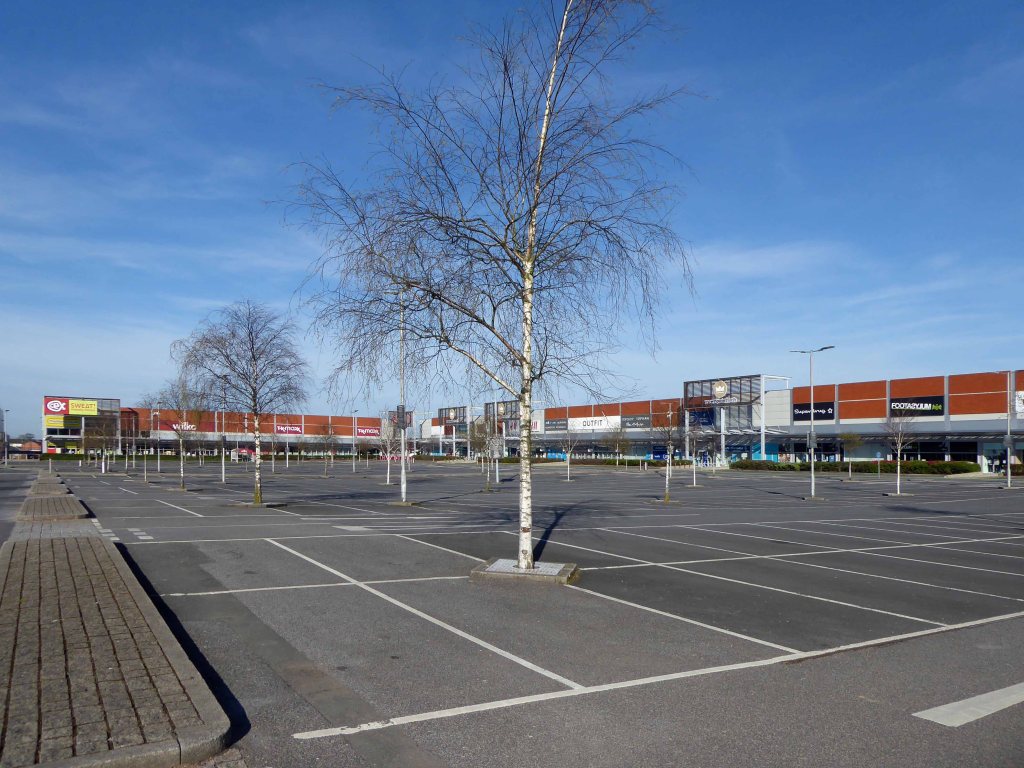
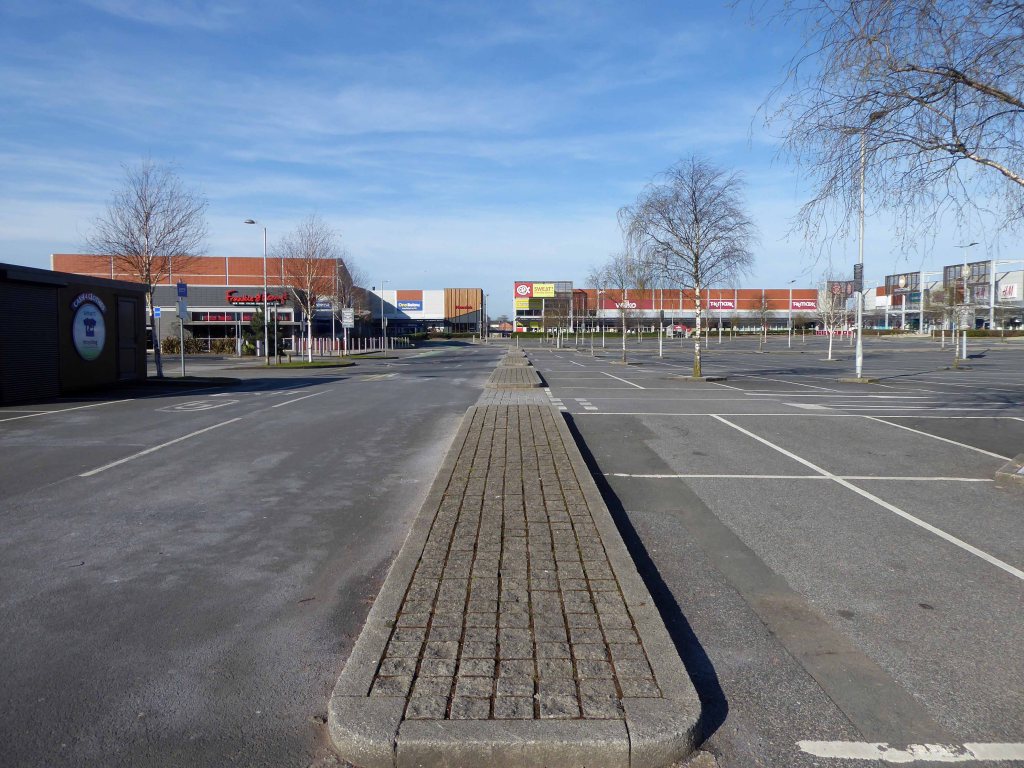
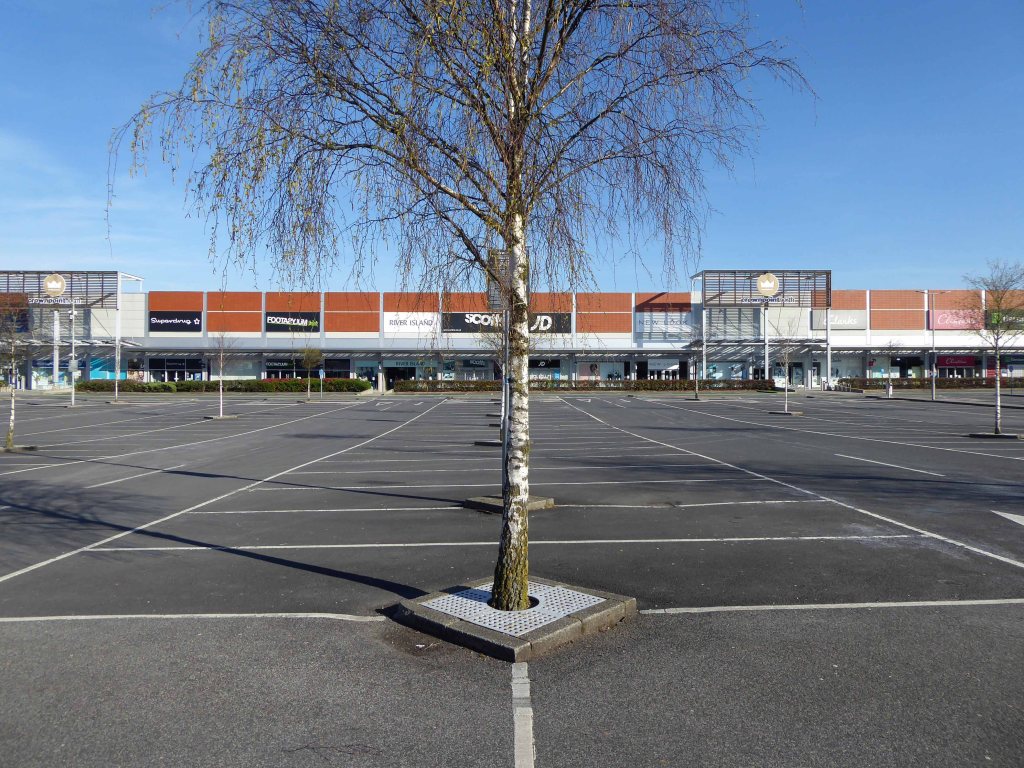
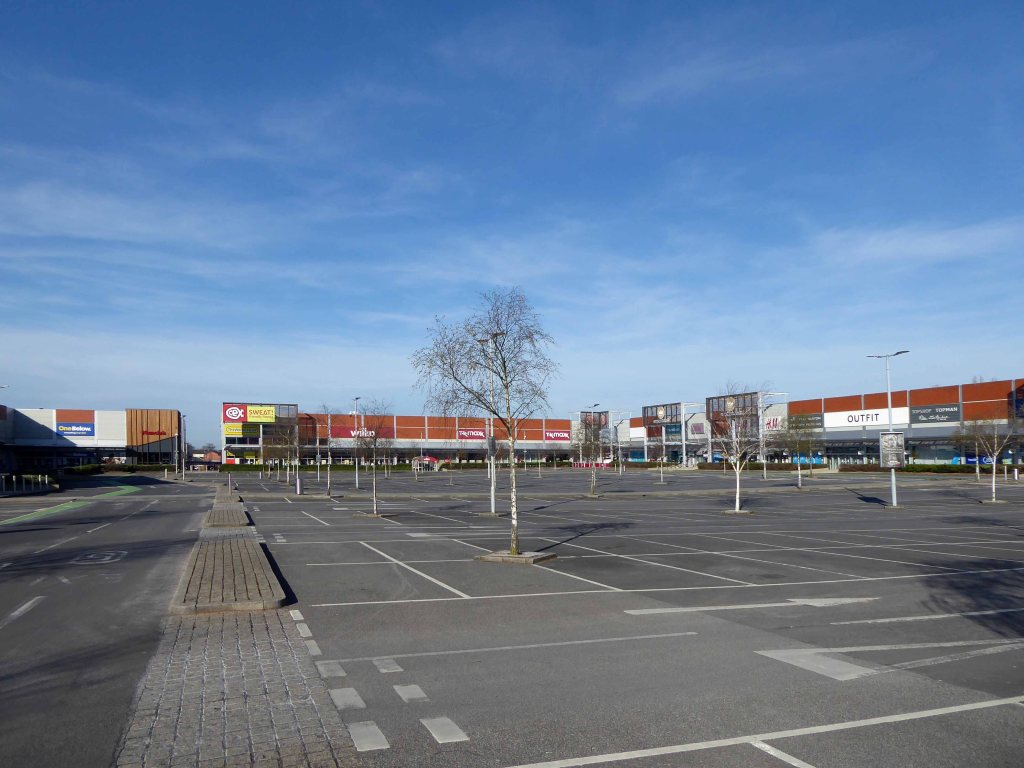
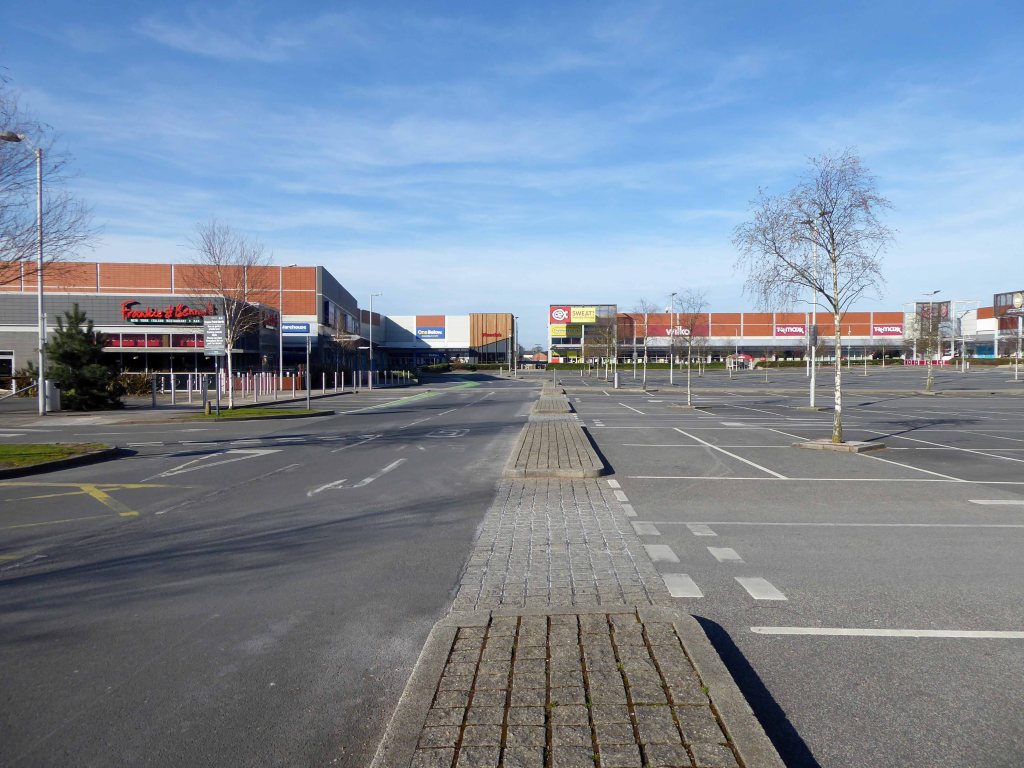
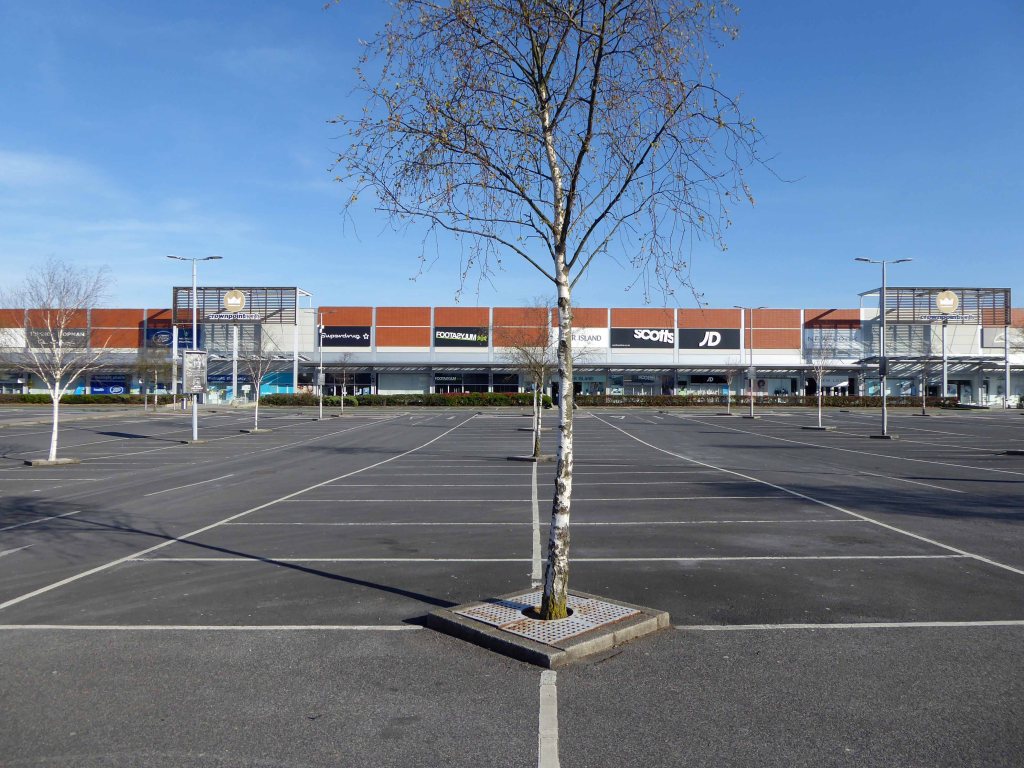
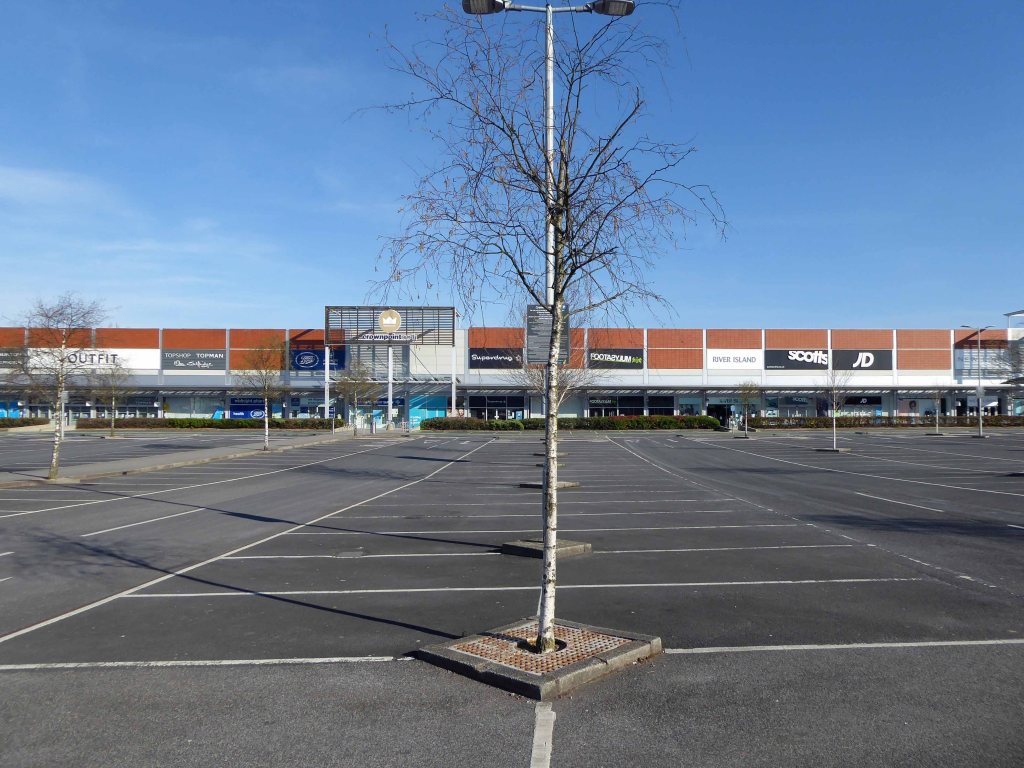
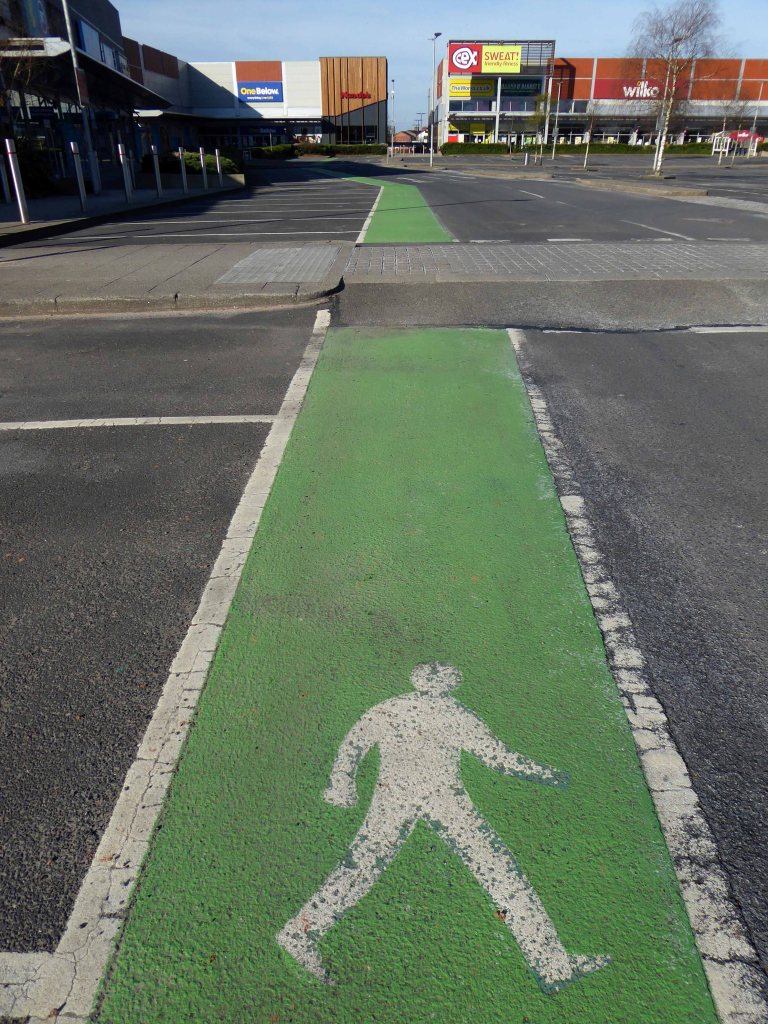
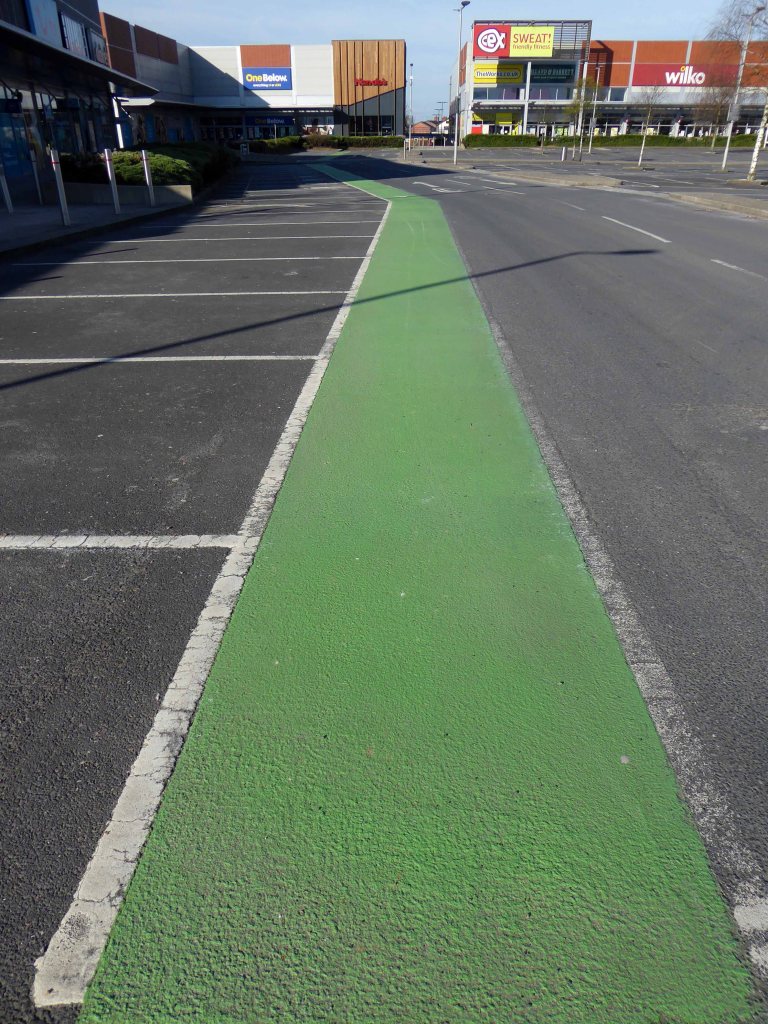
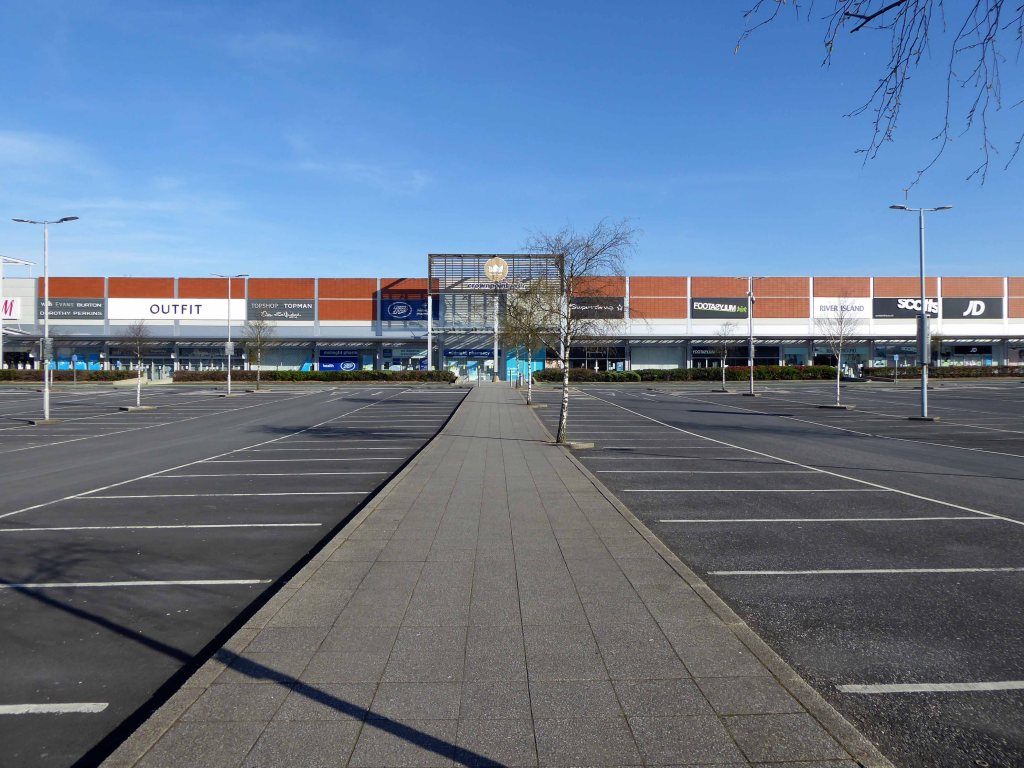
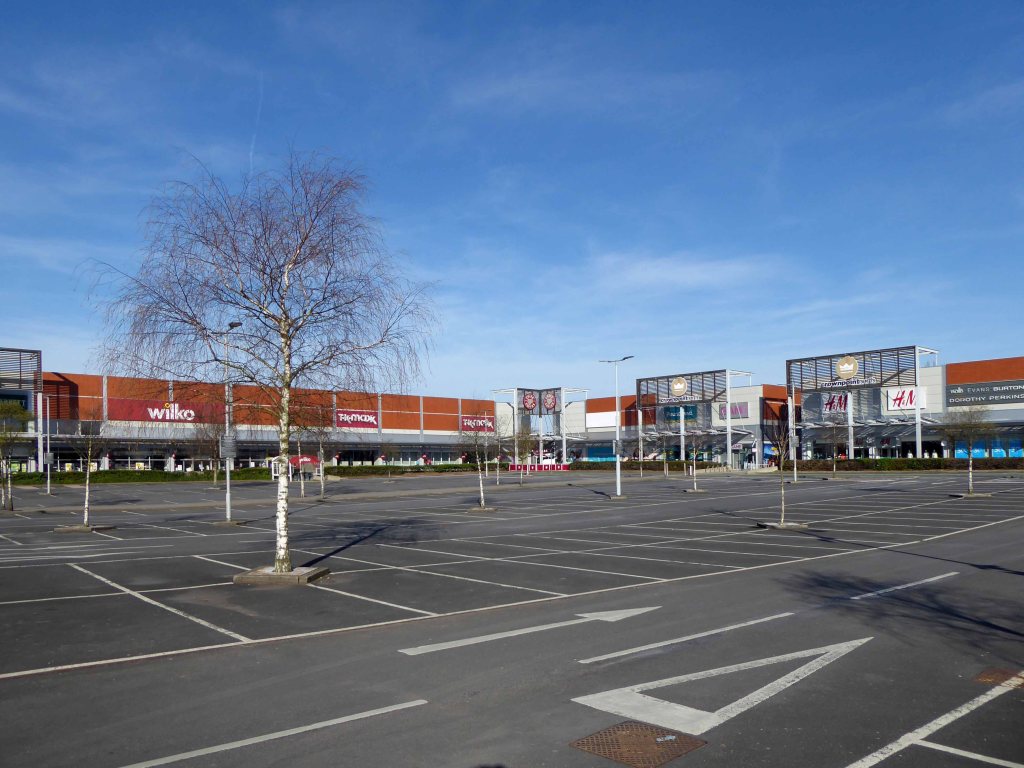
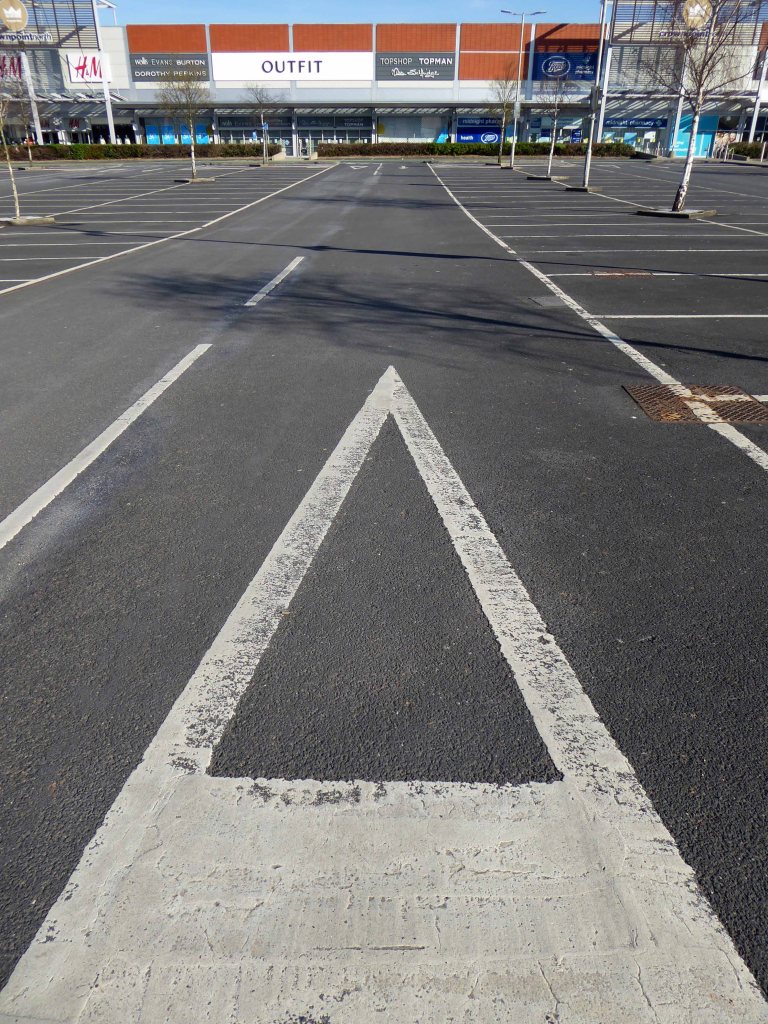
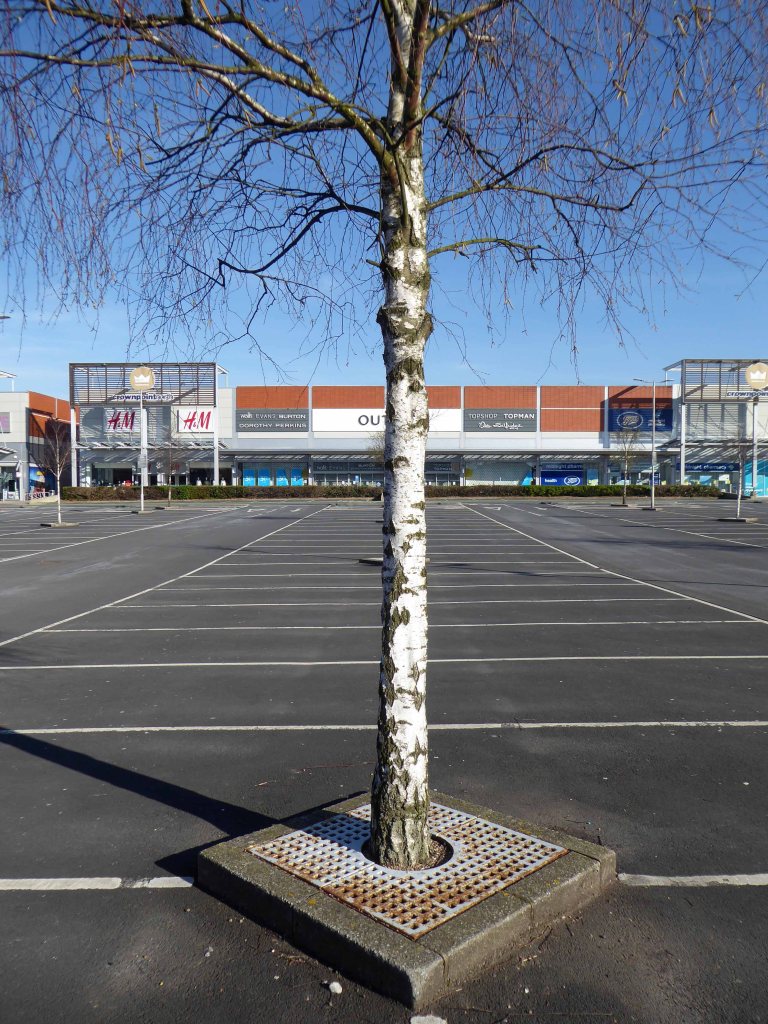
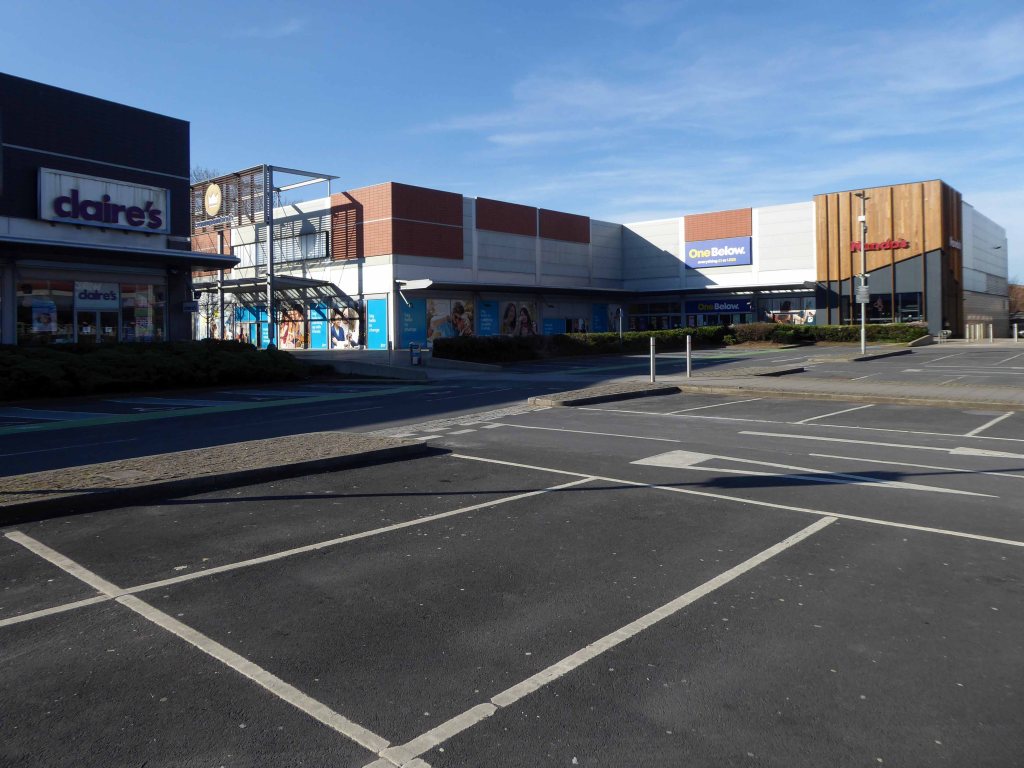
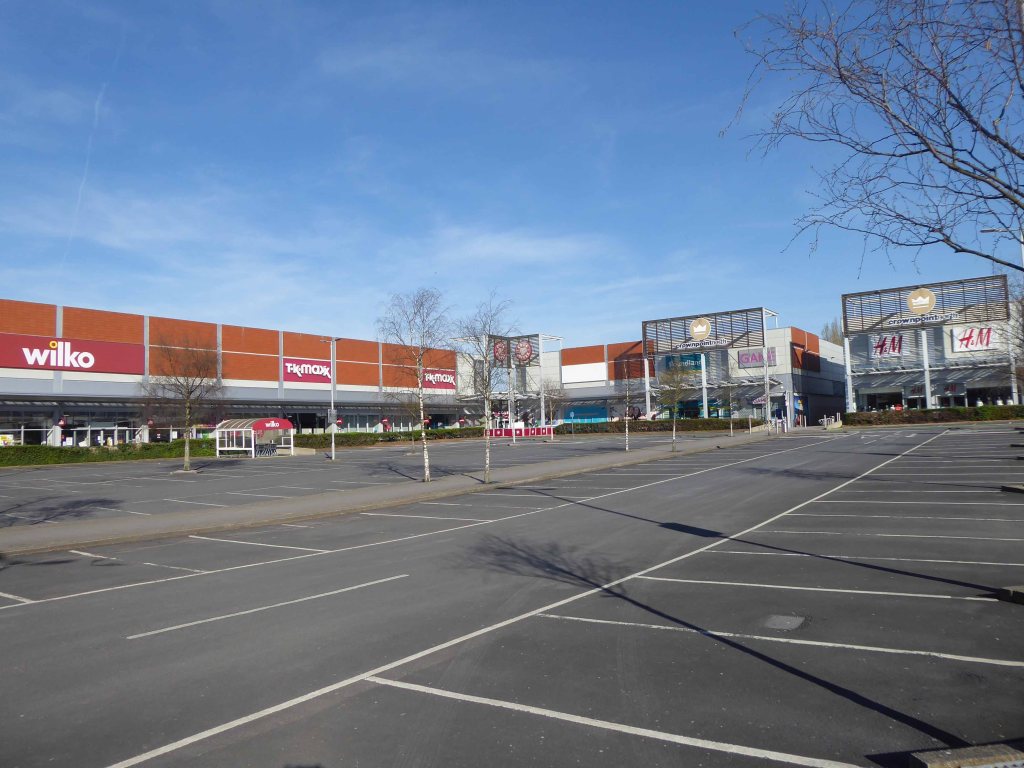
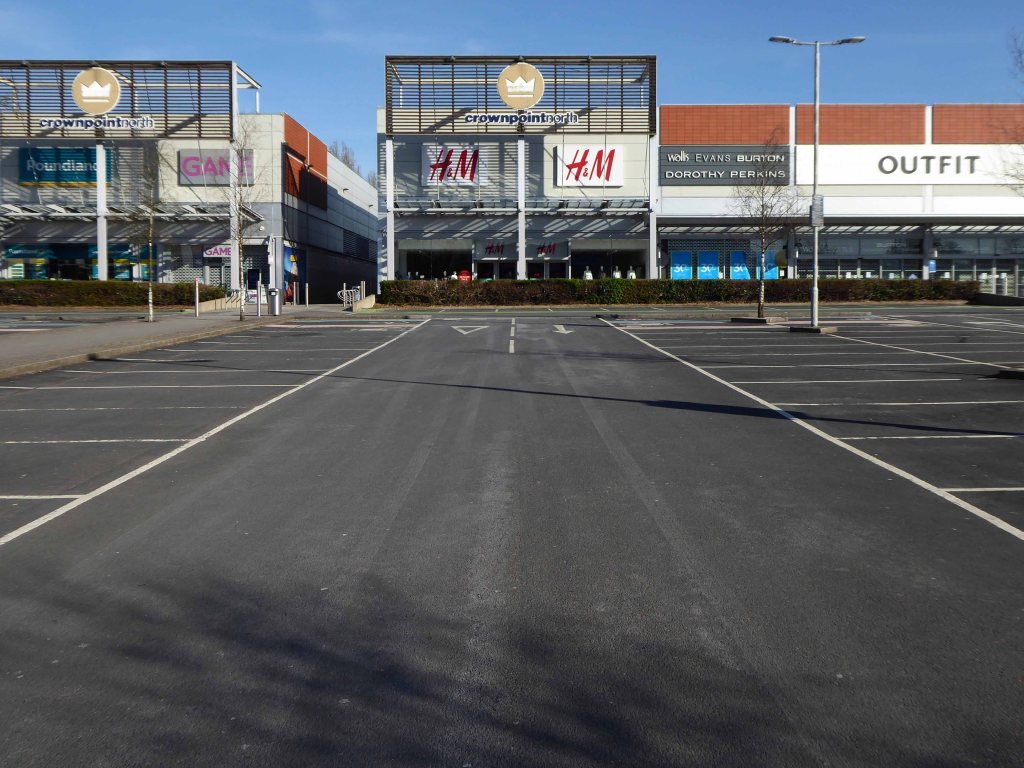
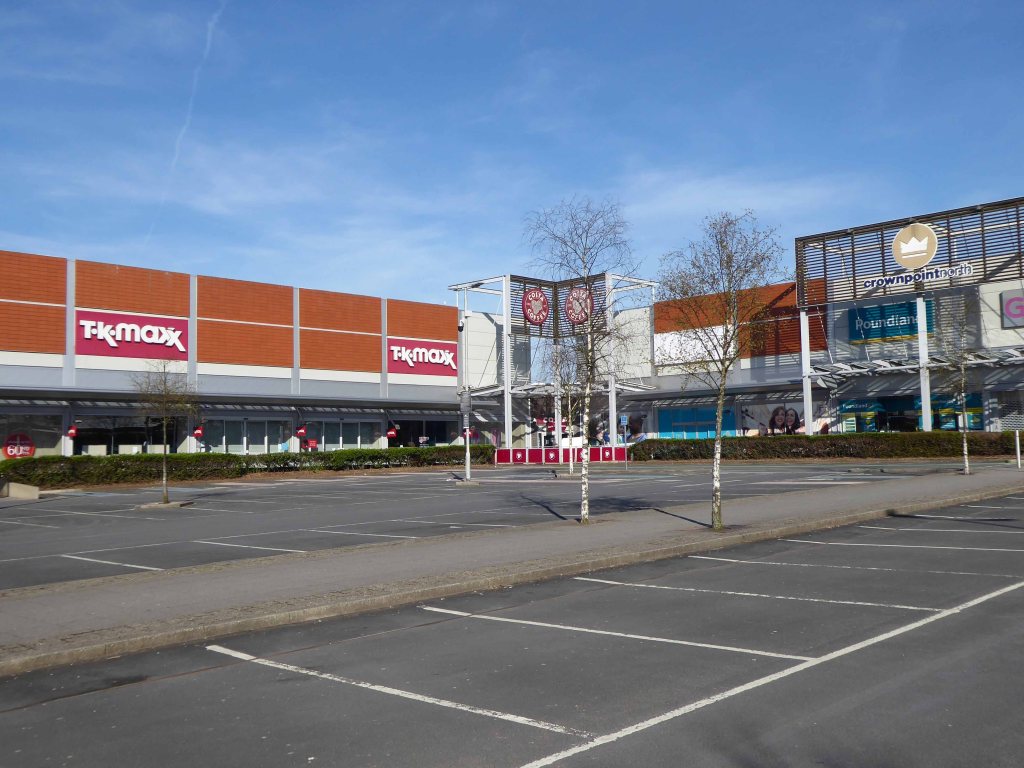
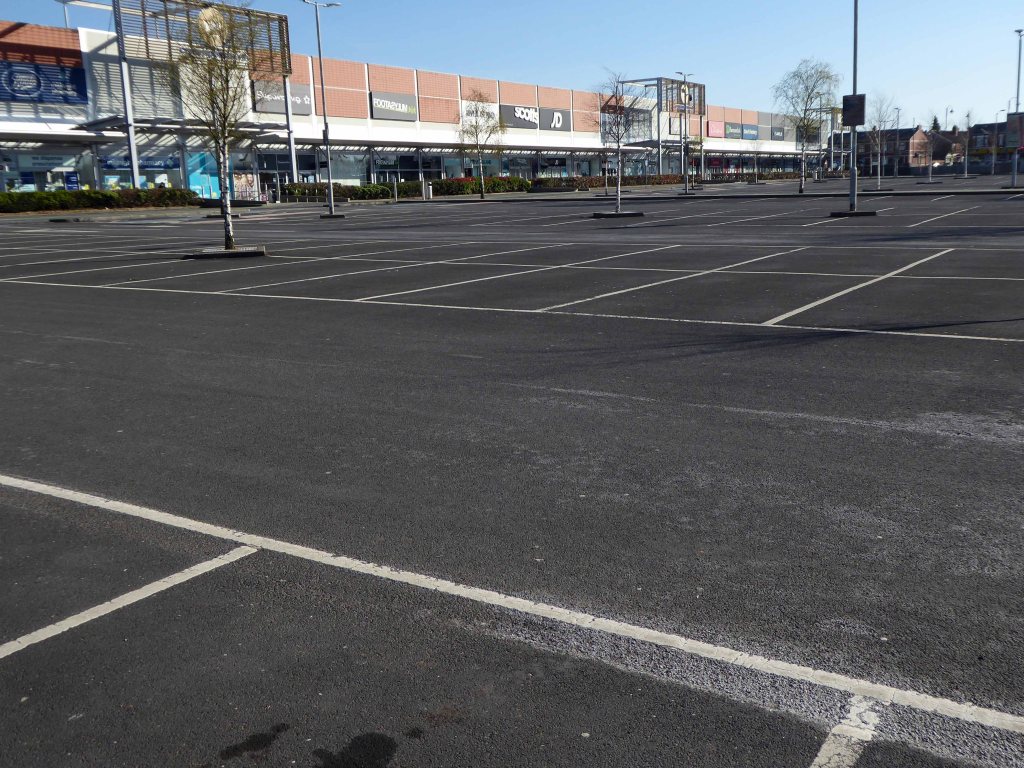
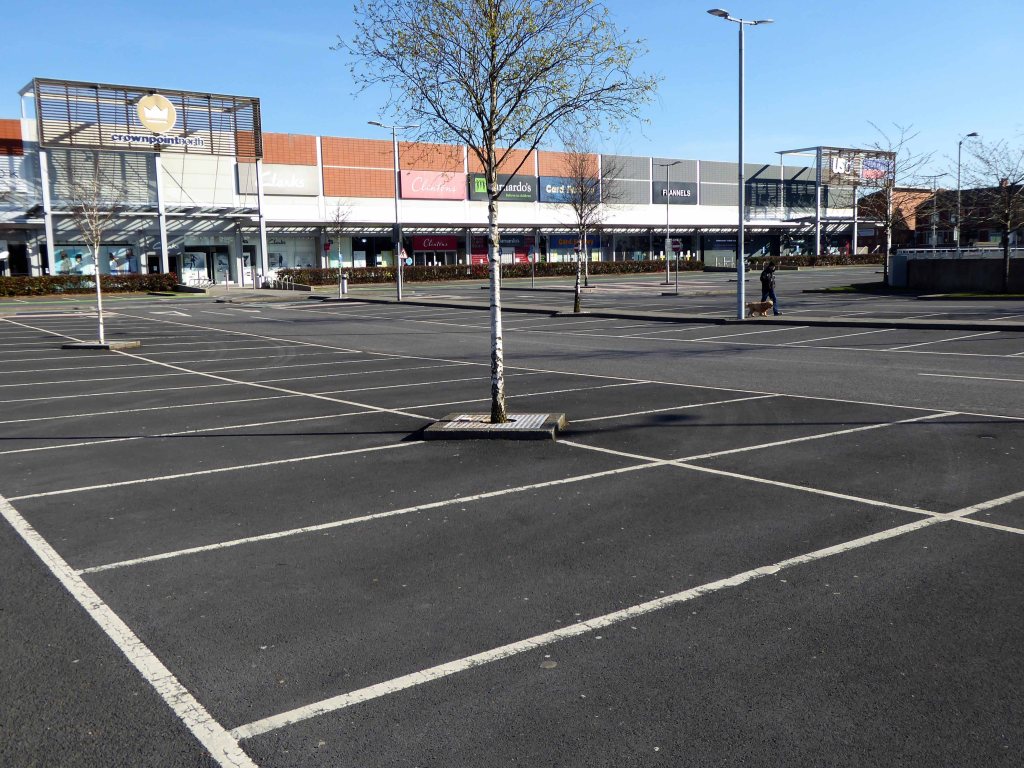
The court heard the accused had agreed to detonate a bomb at Crown Point North as a diversion before driving to their school, murdering teachers and pupils and then killing themselves.
We live in strange and troubled times, the urban landscapes we have created are often far from convivial.
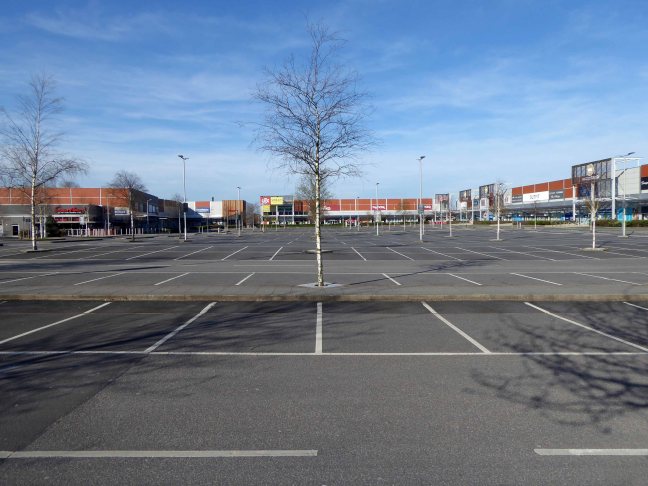
Deserts possess a particular magic, since they have exhausted their own futures, and are thus free of time. Anything erected there, a city, a pyramid, a motel, stands outside time. It’s no coincidence that religious leaders emerge from the desert. Modern shopping malls have much the same function. A future Rimbaud, Van Gogh or Adolf Hitler will emerge from their timeless wastes.














 Modern Mooch