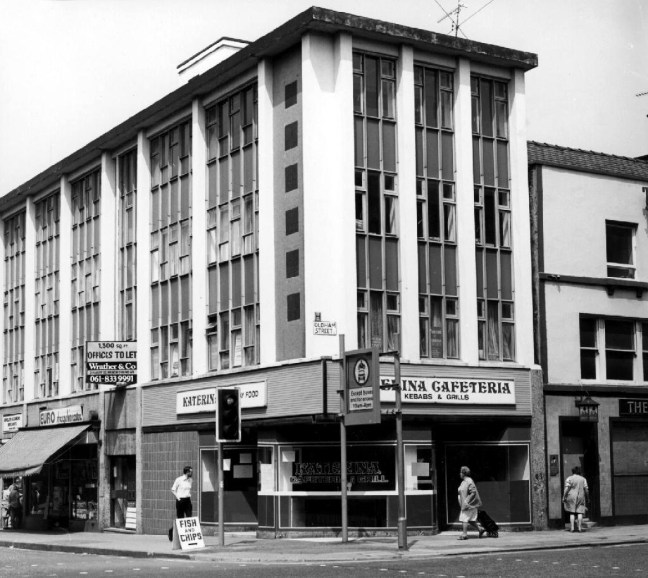
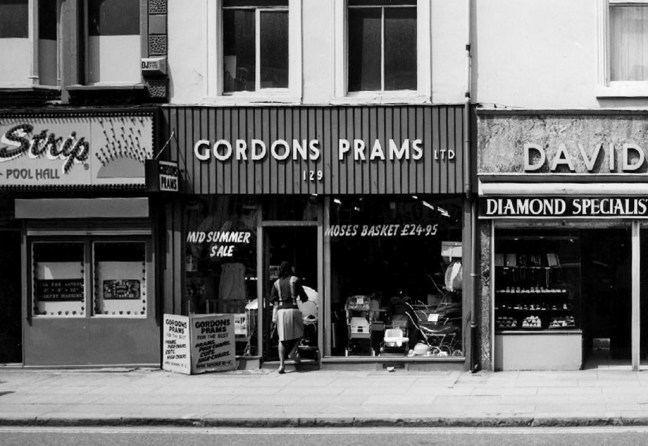
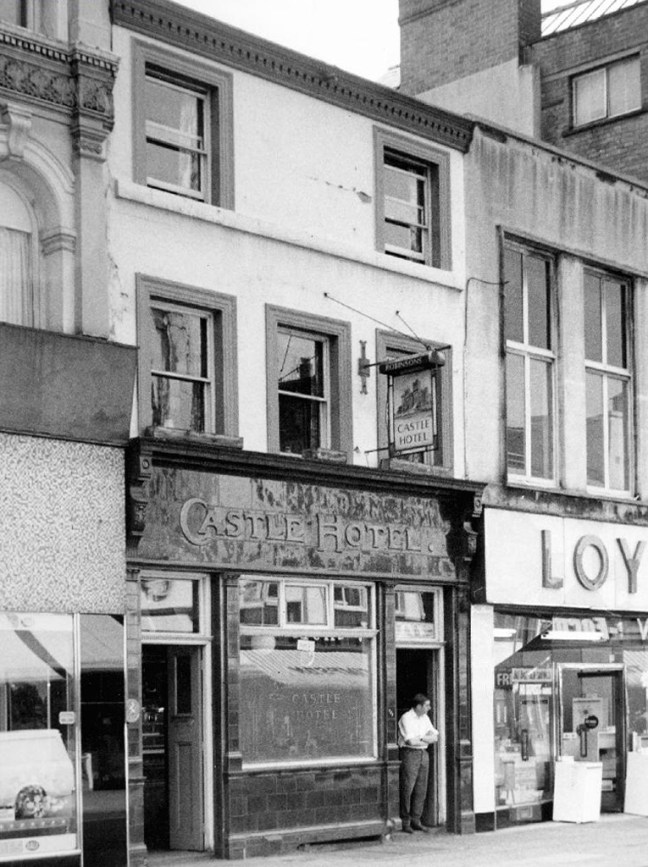
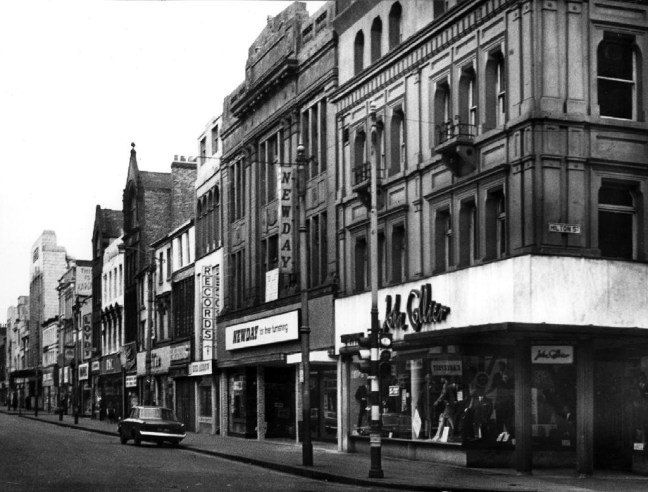
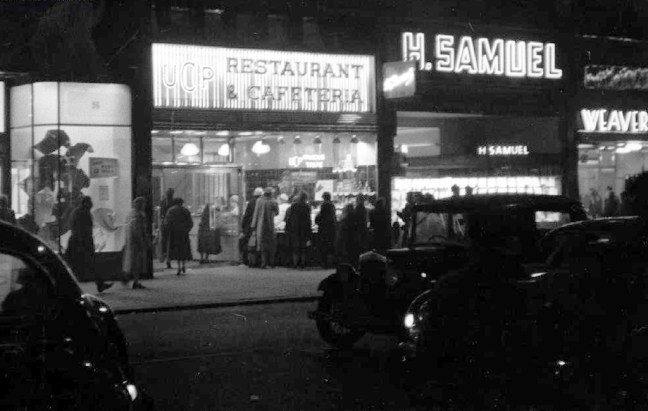
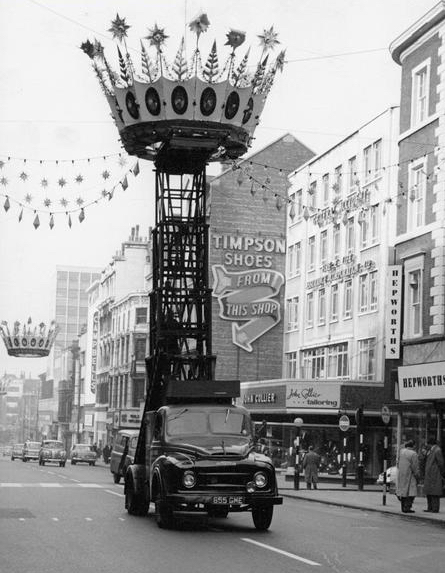
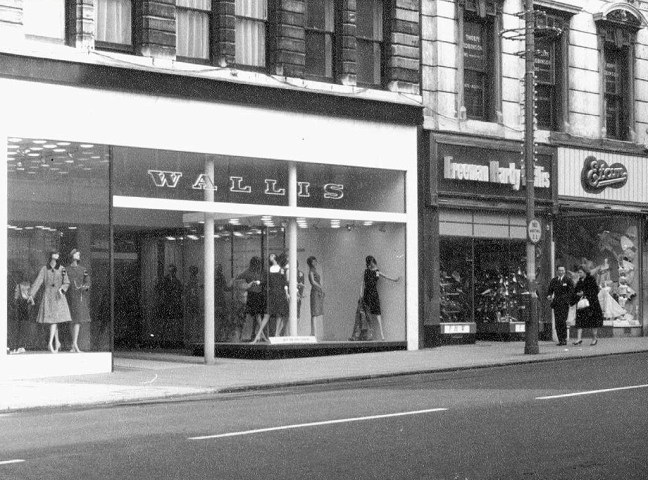
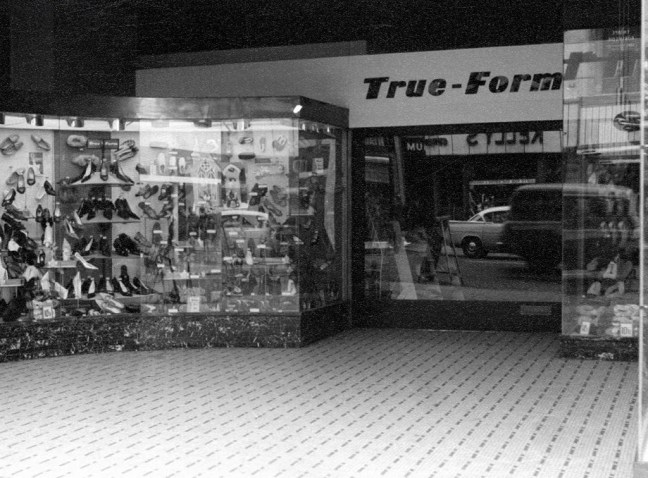
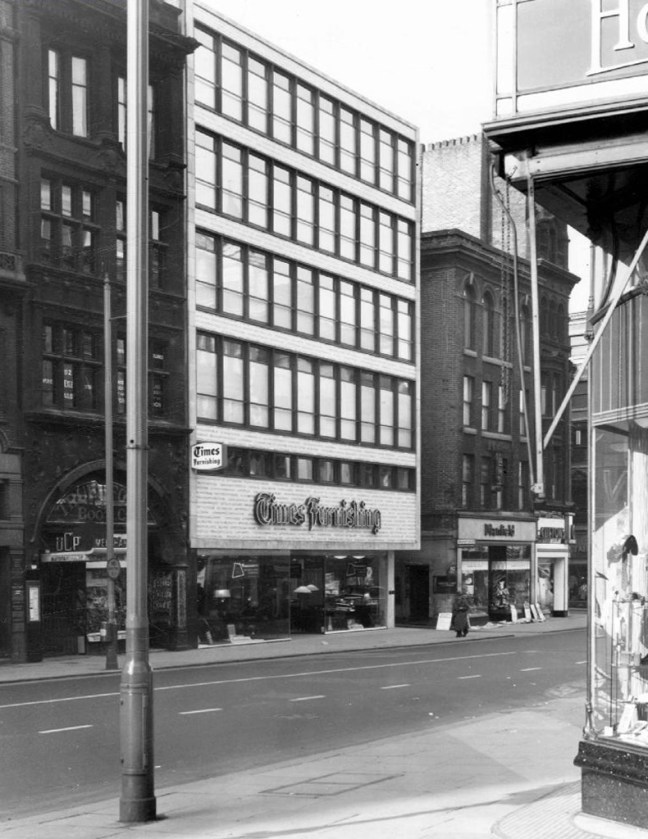
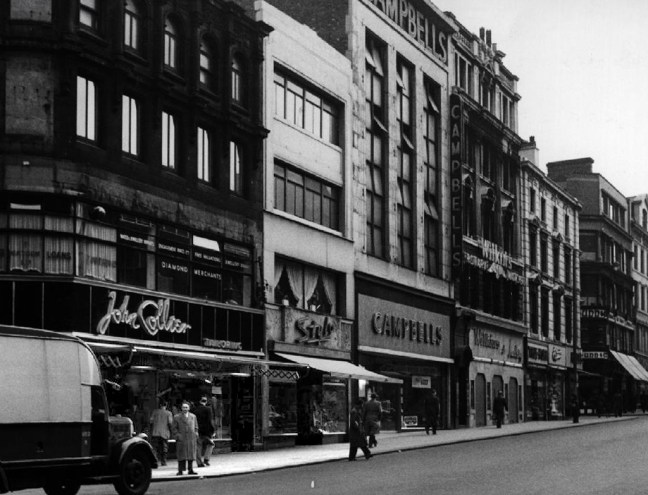
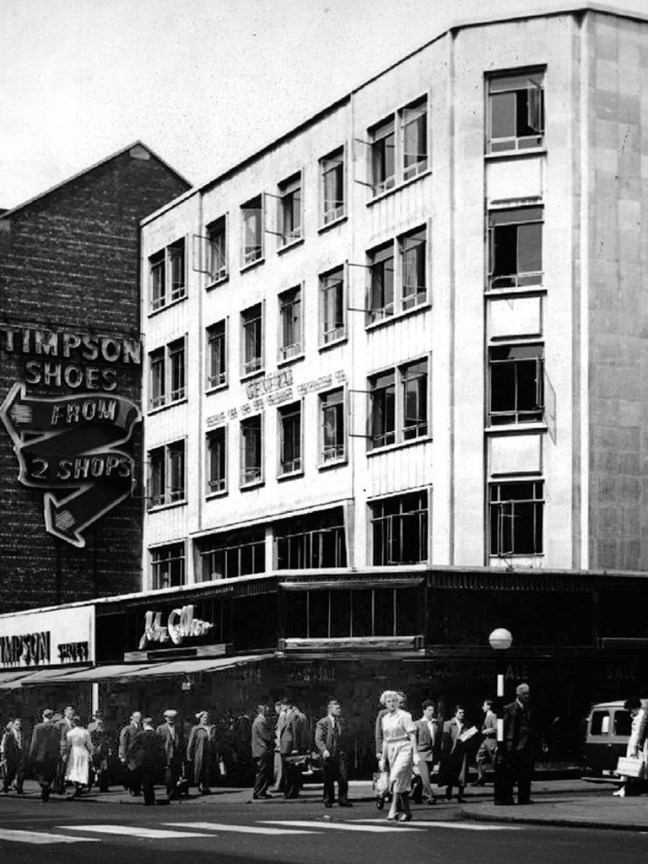
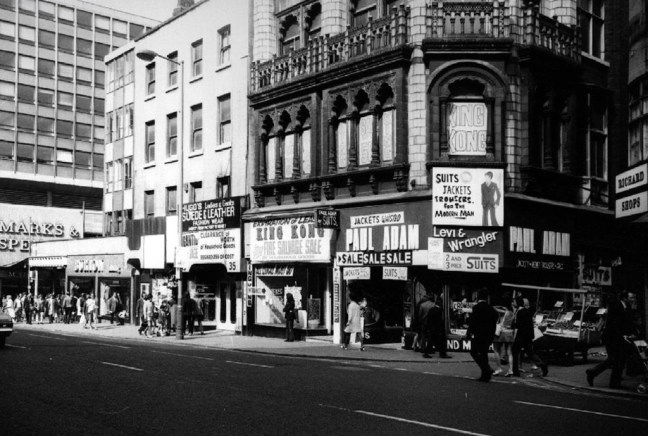
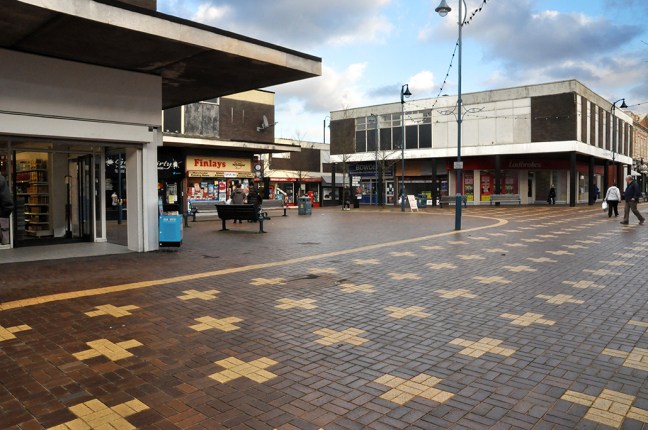
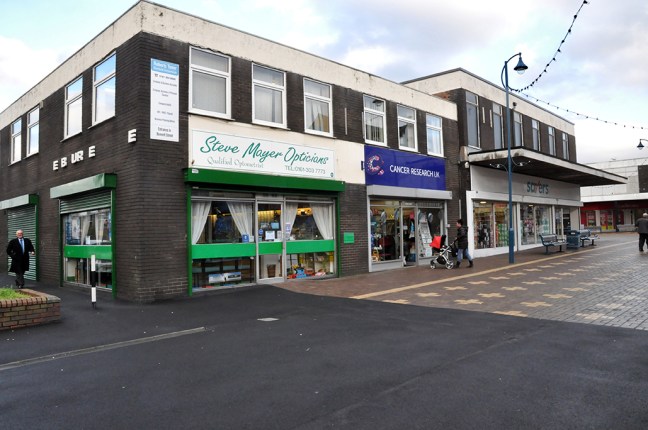
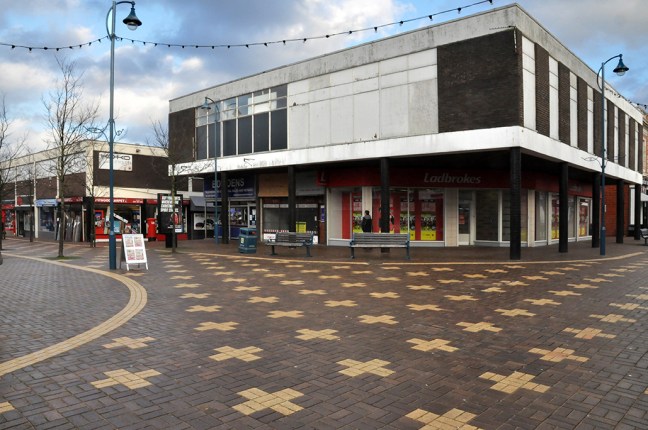
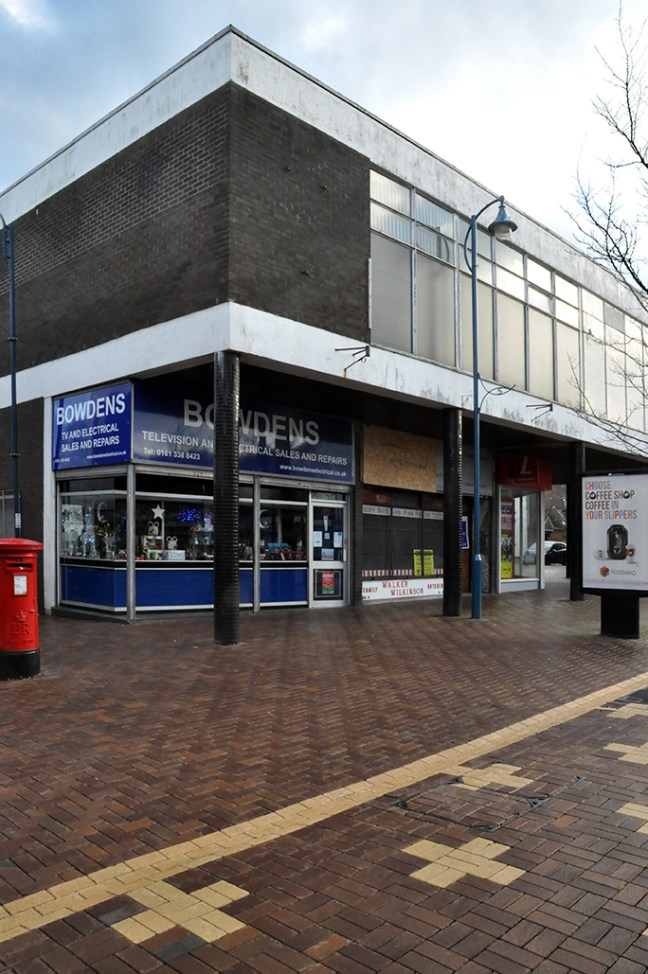
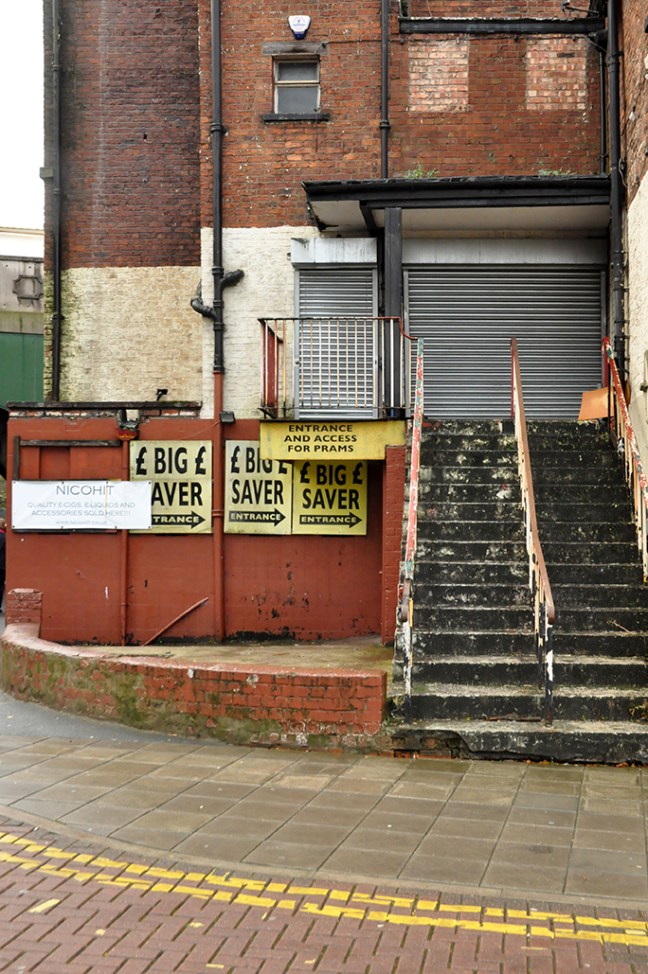
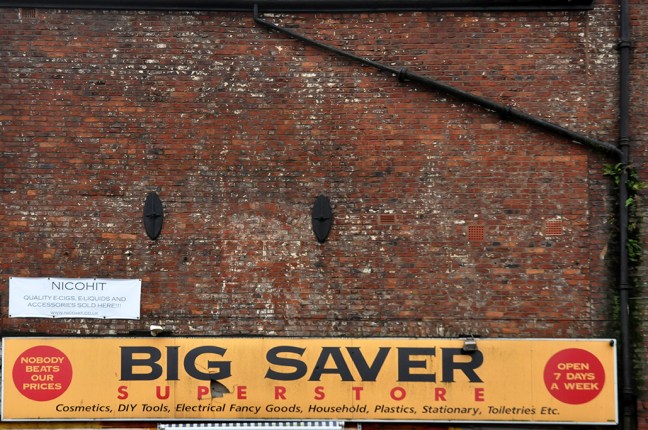
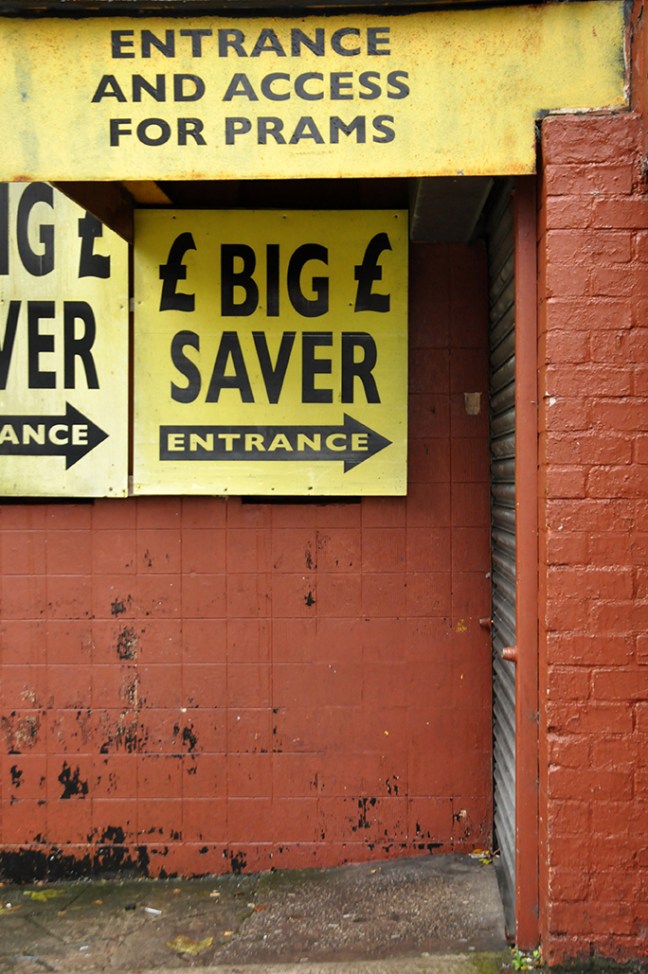
Oldham Street – Manchester

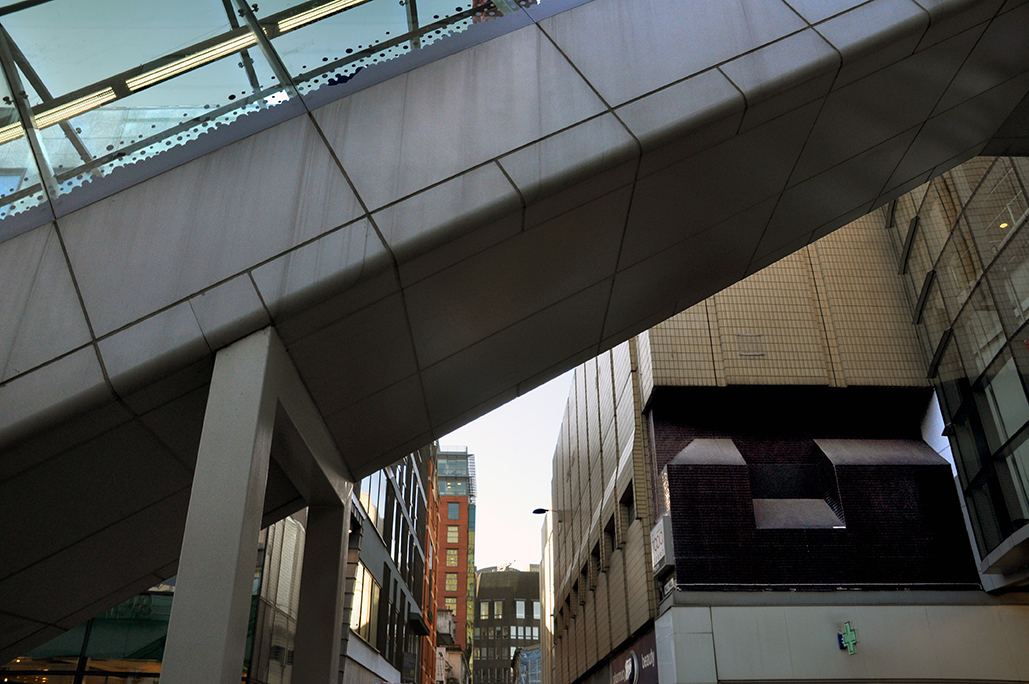
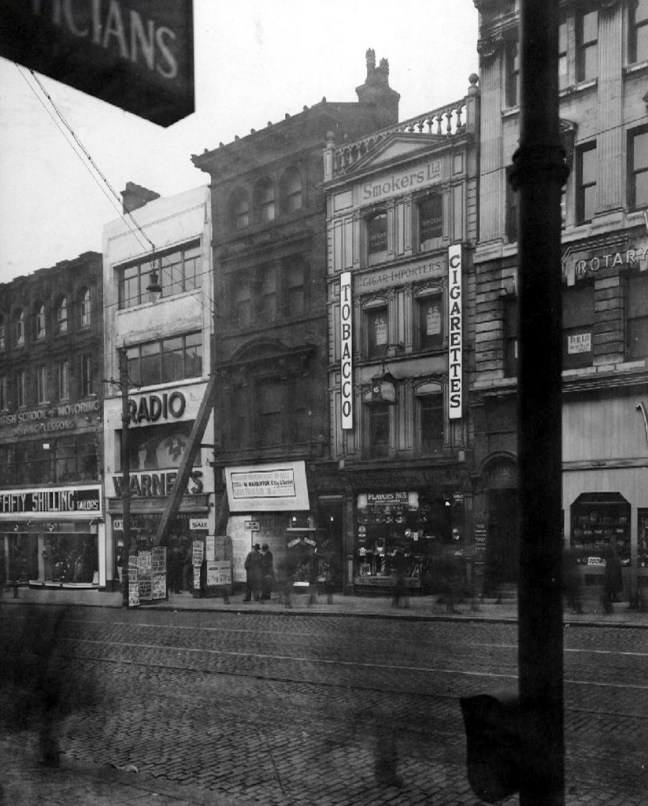
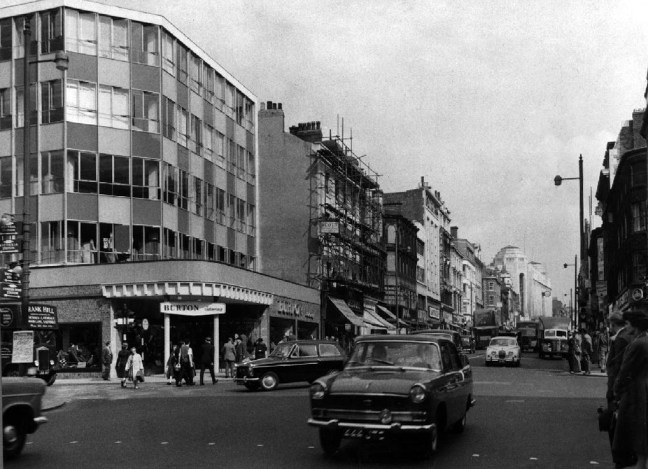
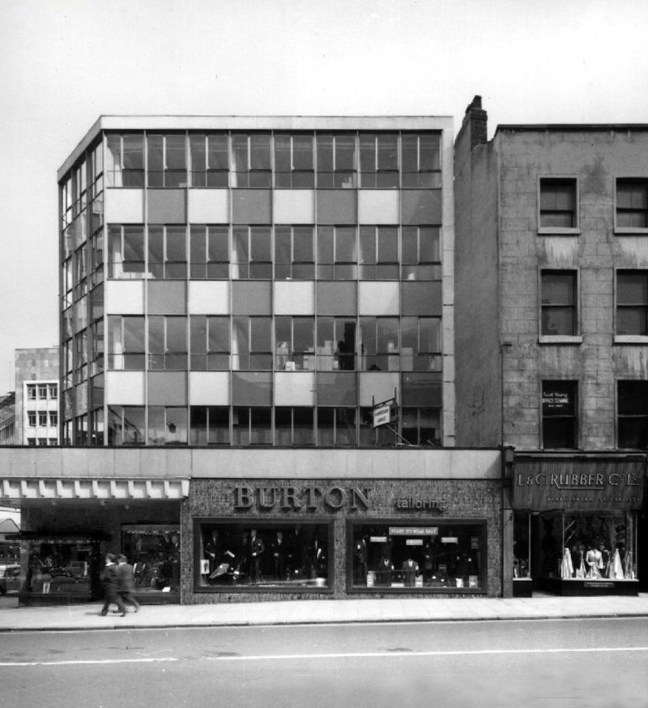
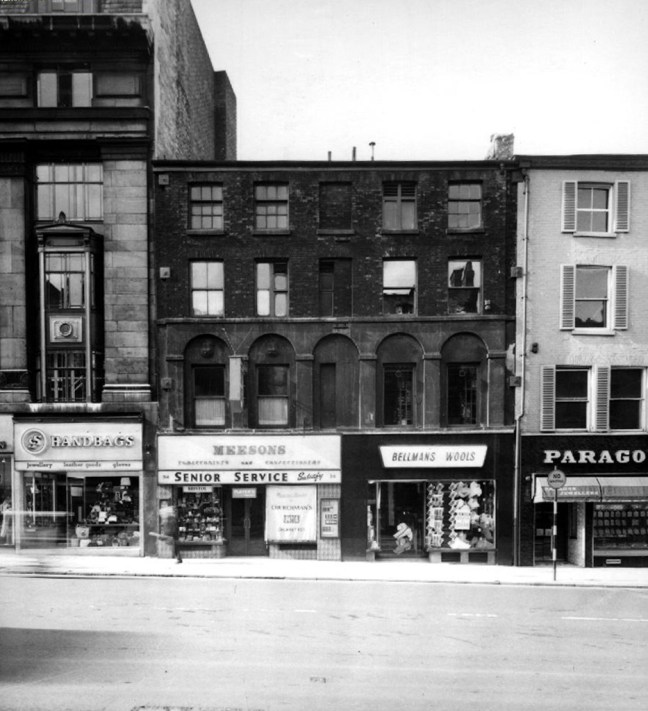
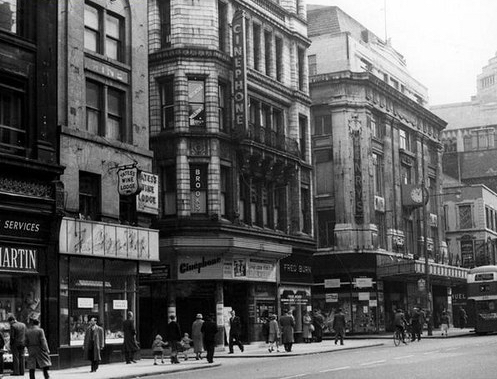
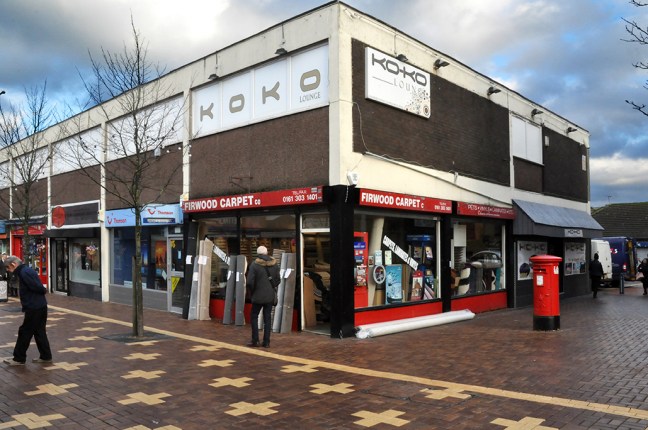
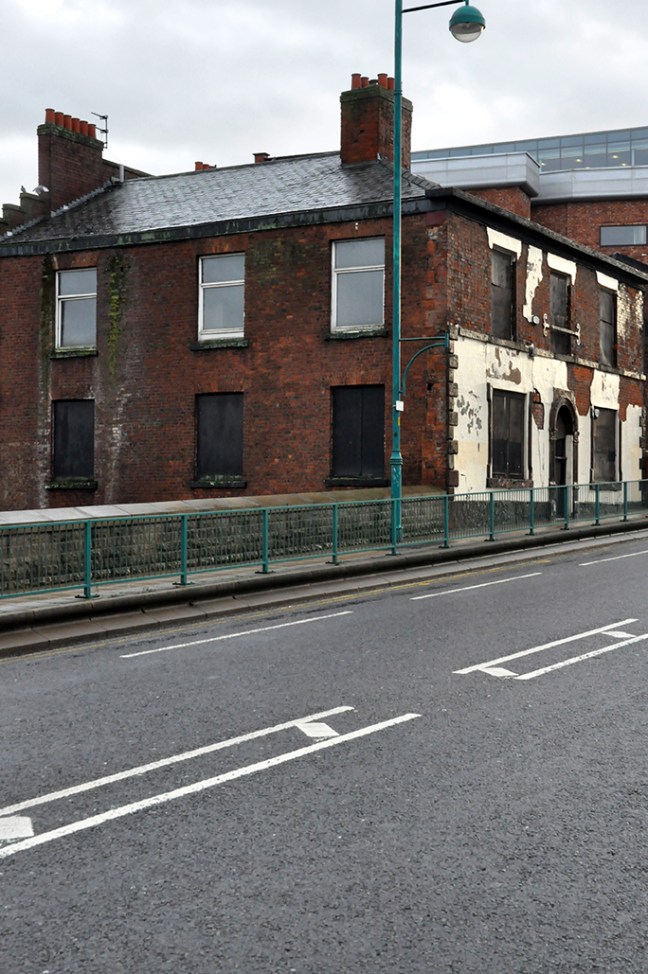
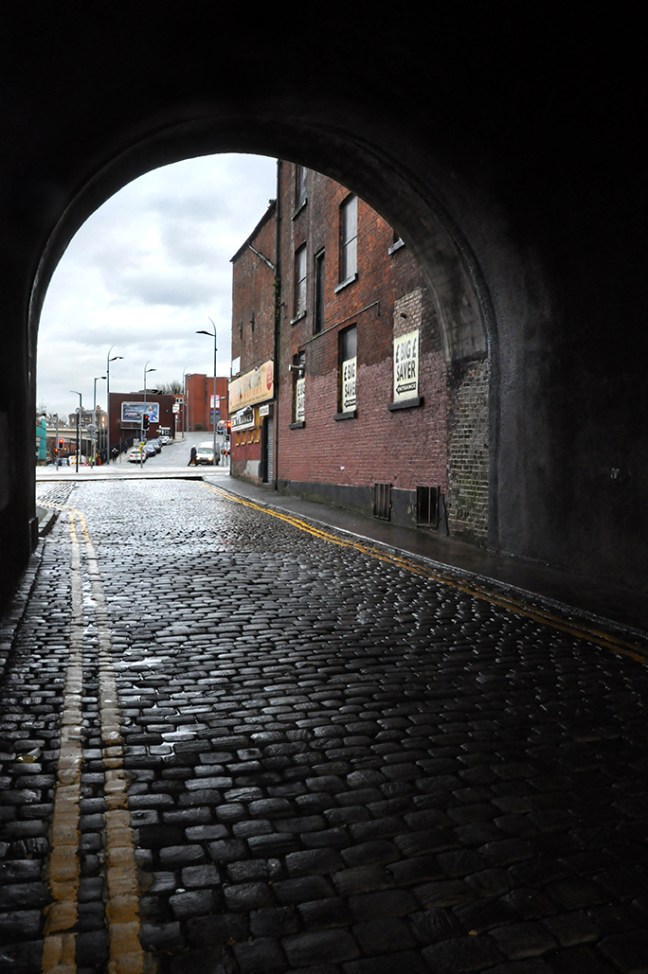
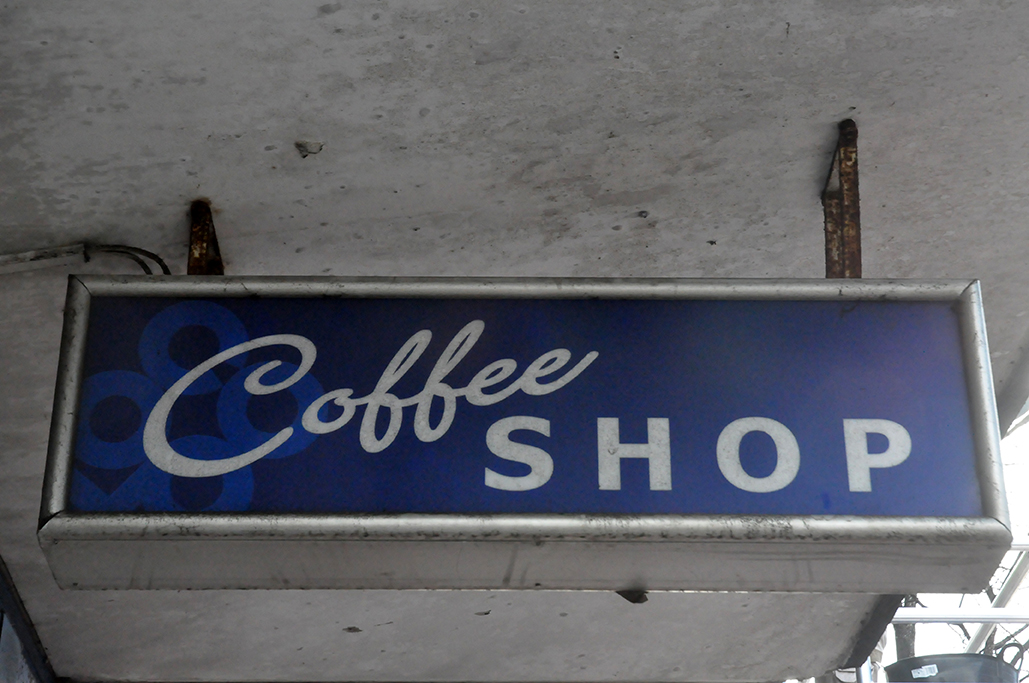
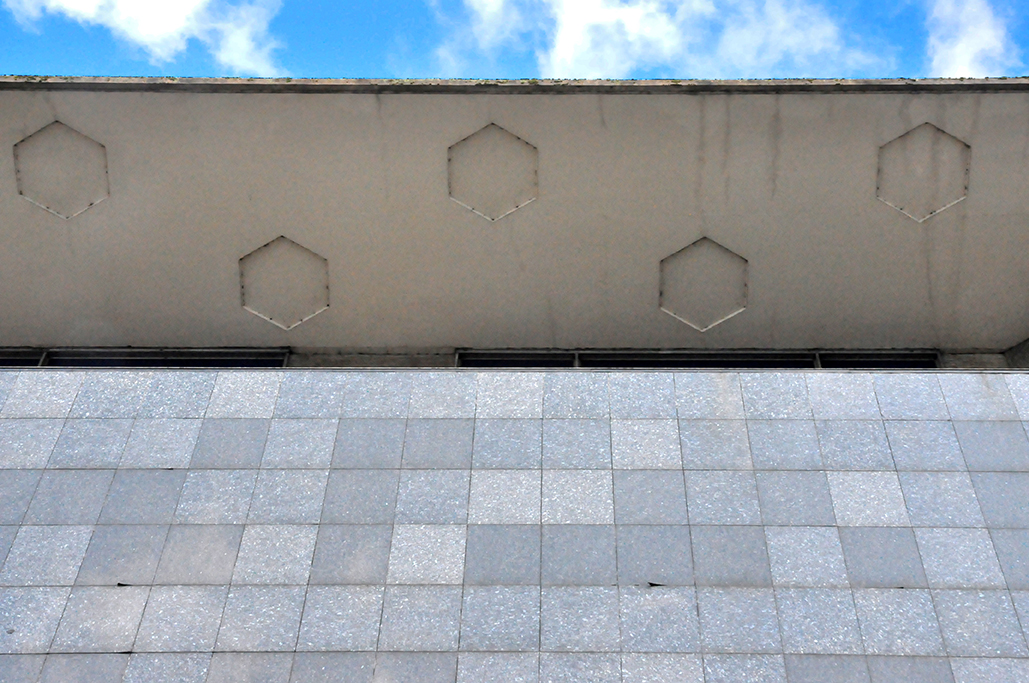
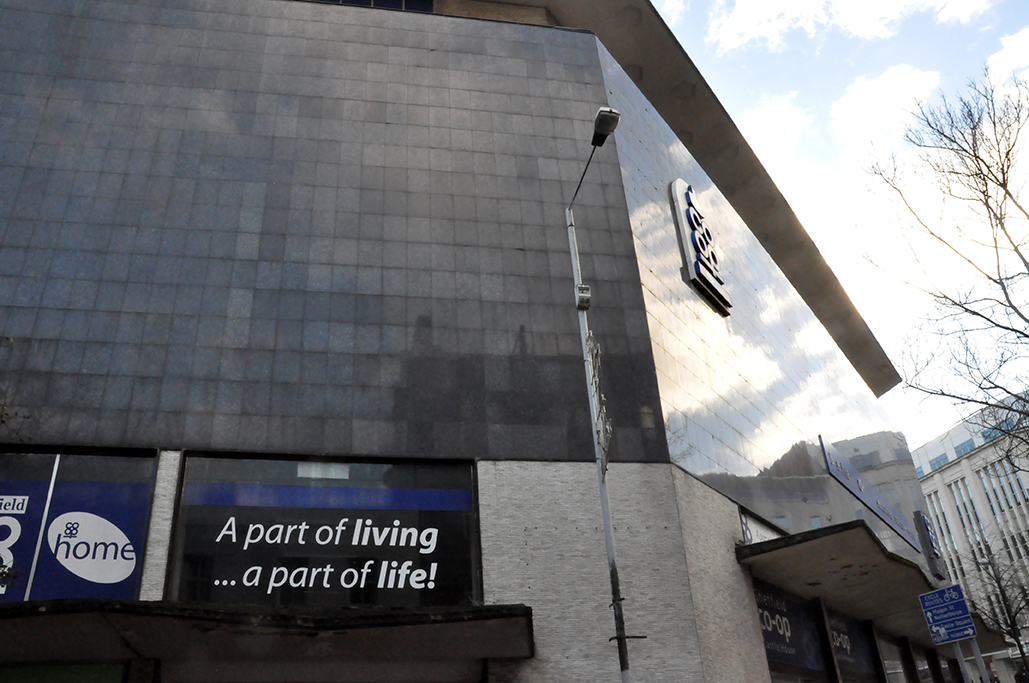
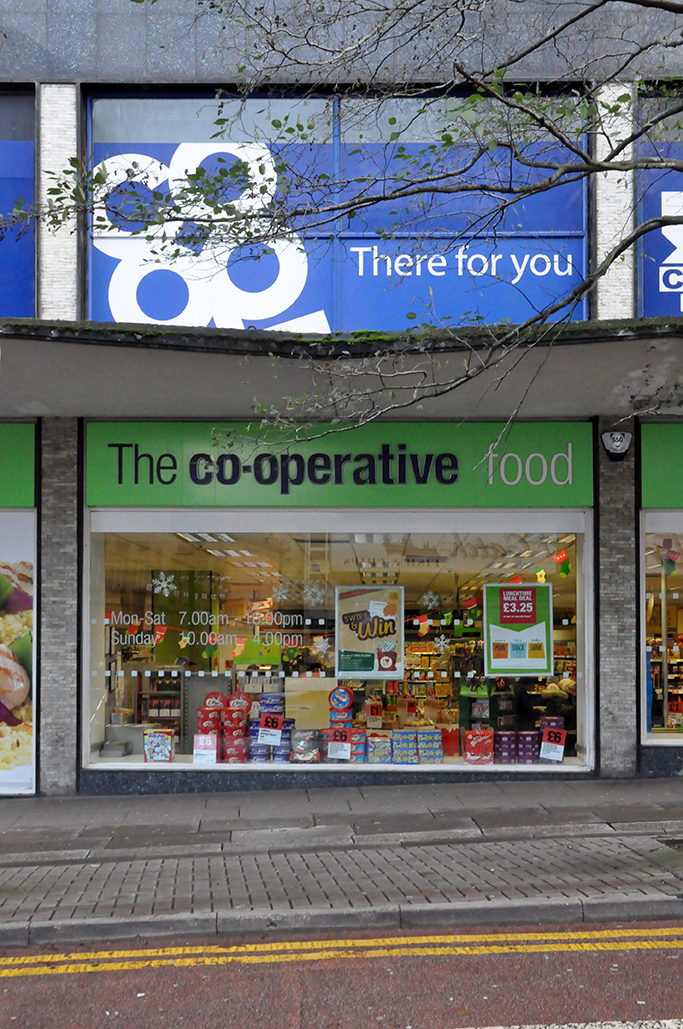
In the early 18th century, Oldham Street was apparently:

“An ill-kept muddy lane, held in place on one of its sides by wild hedgerows”.

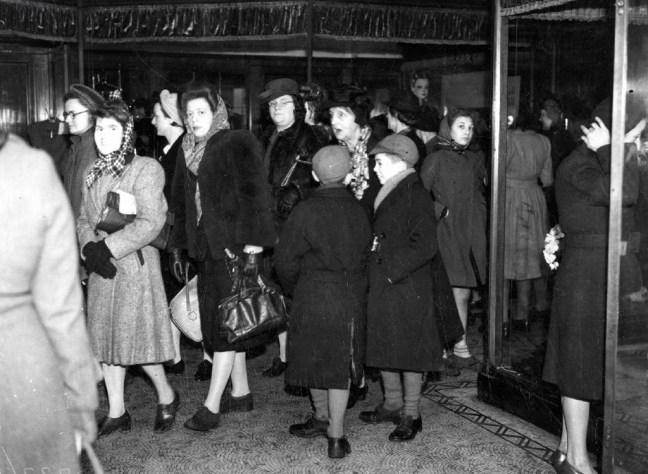
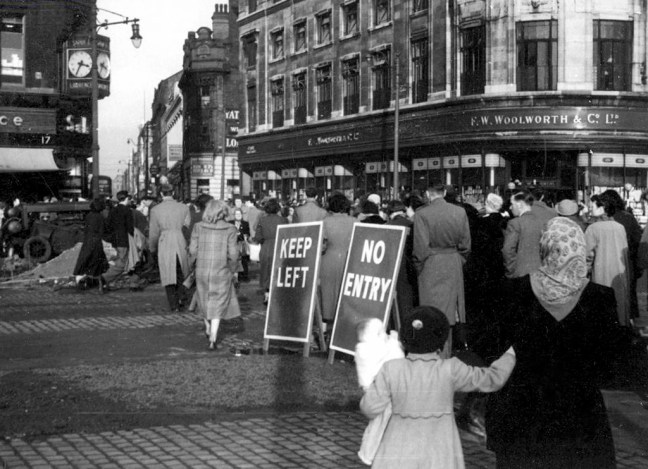
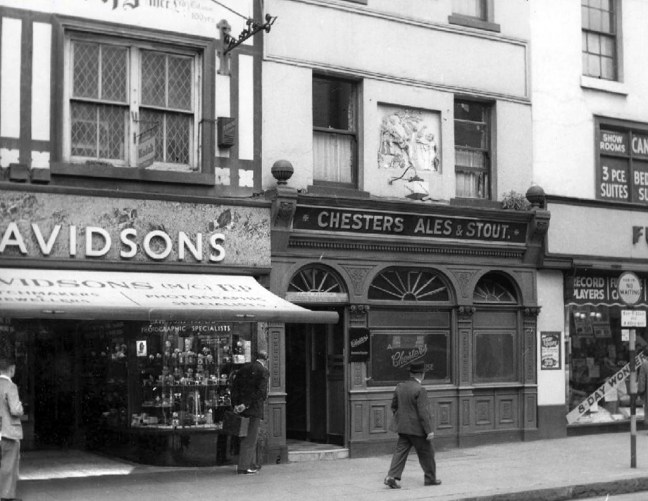
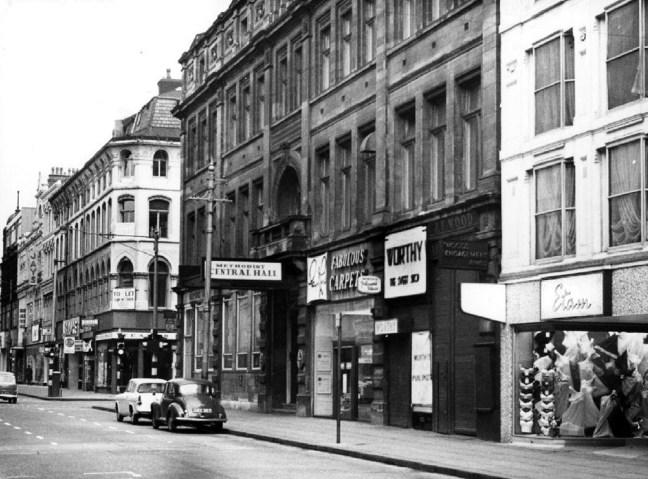
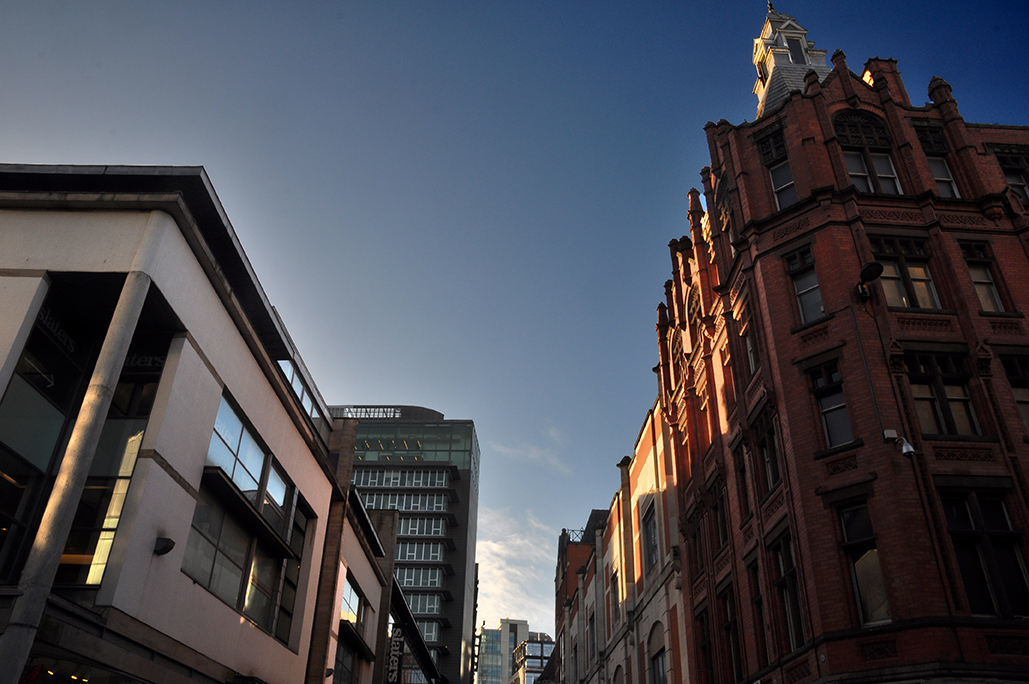
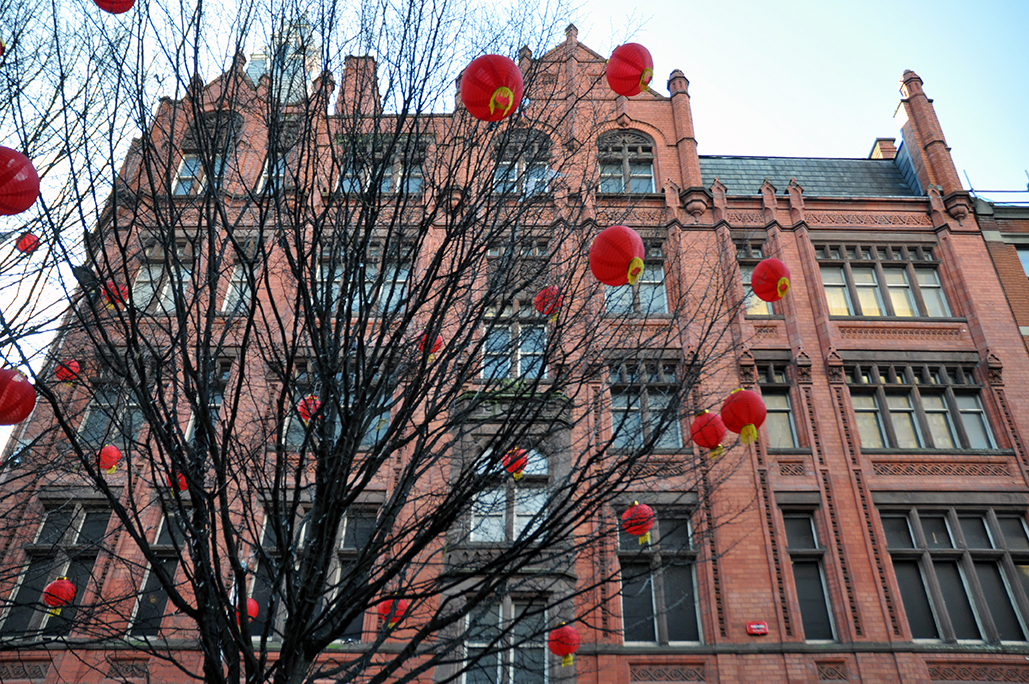
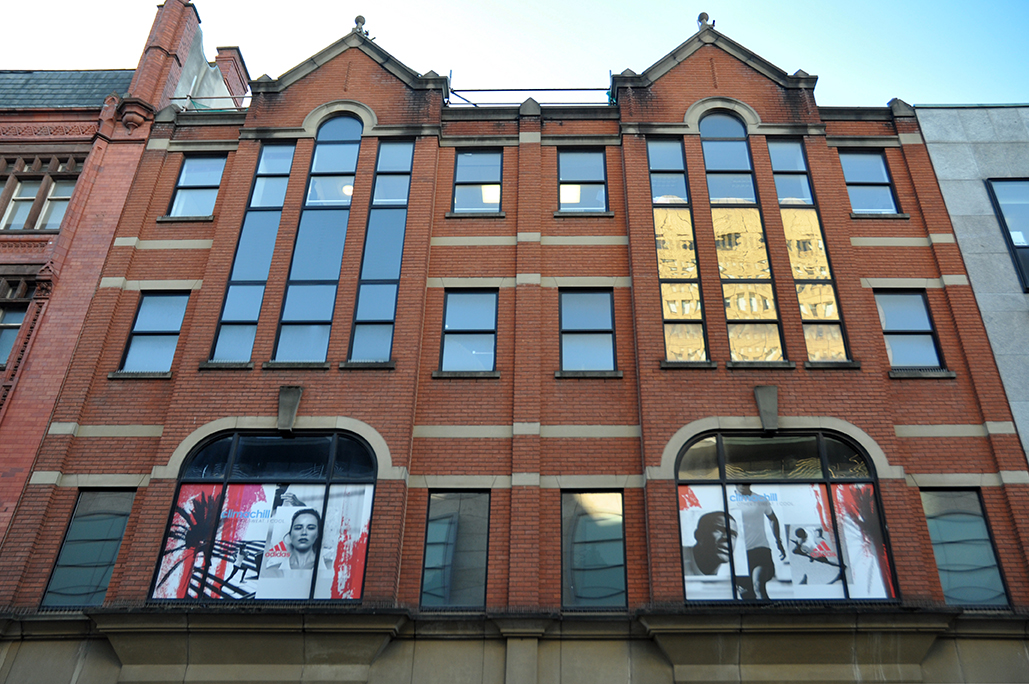
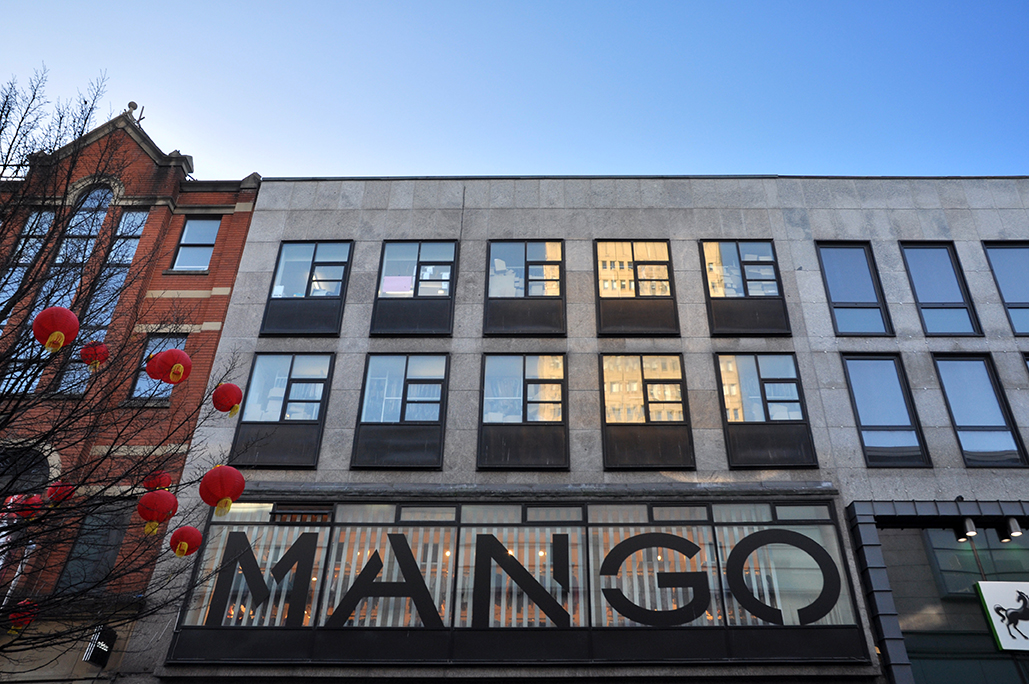
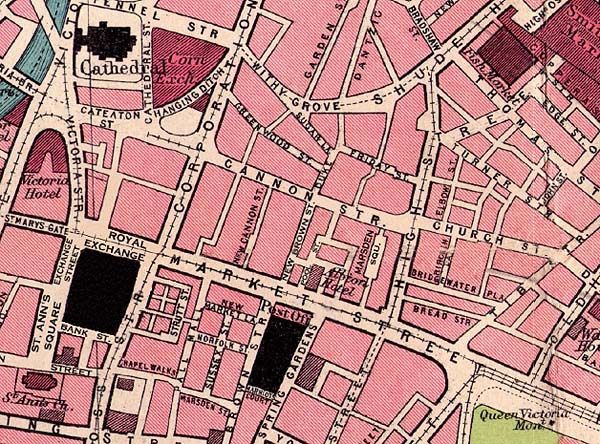
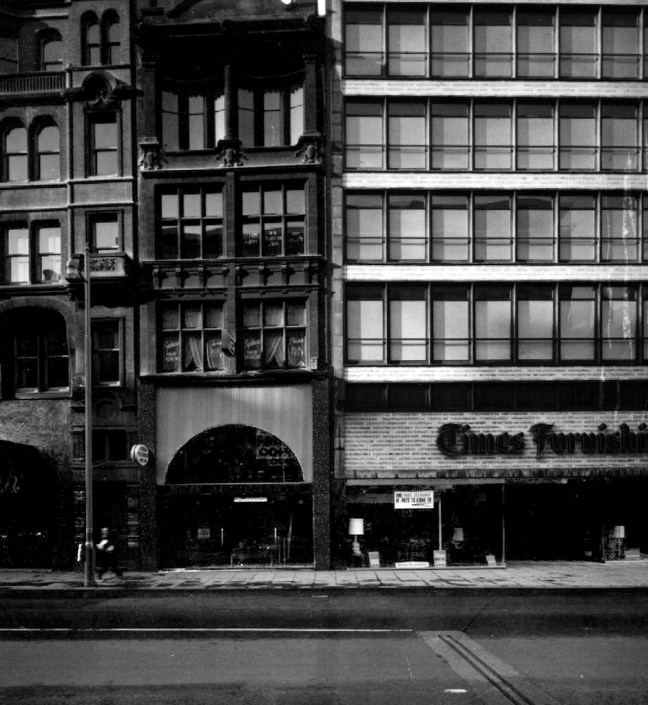
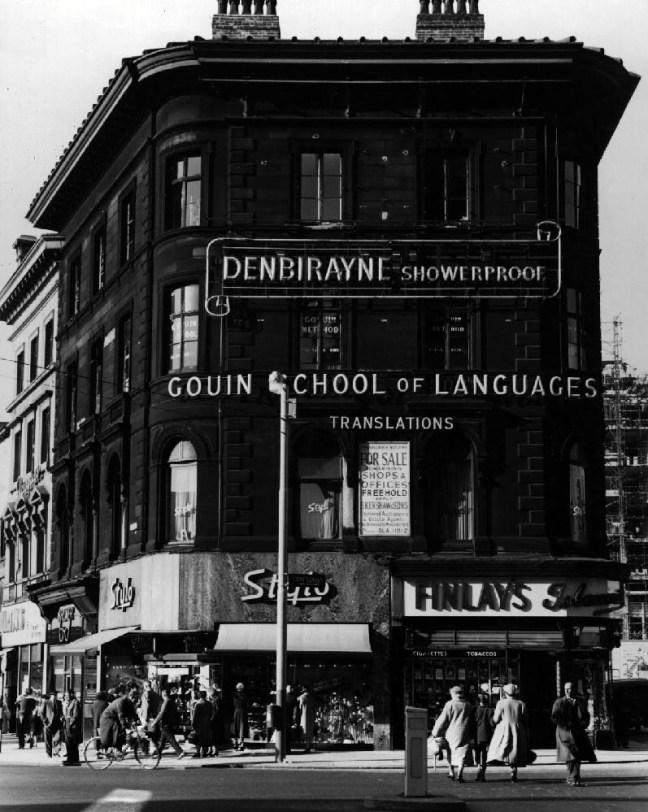
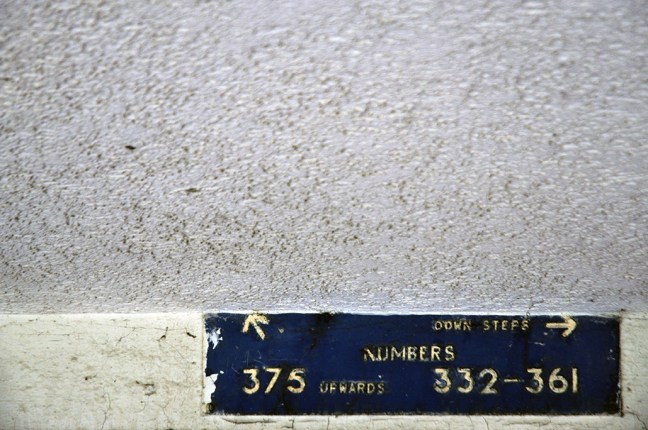
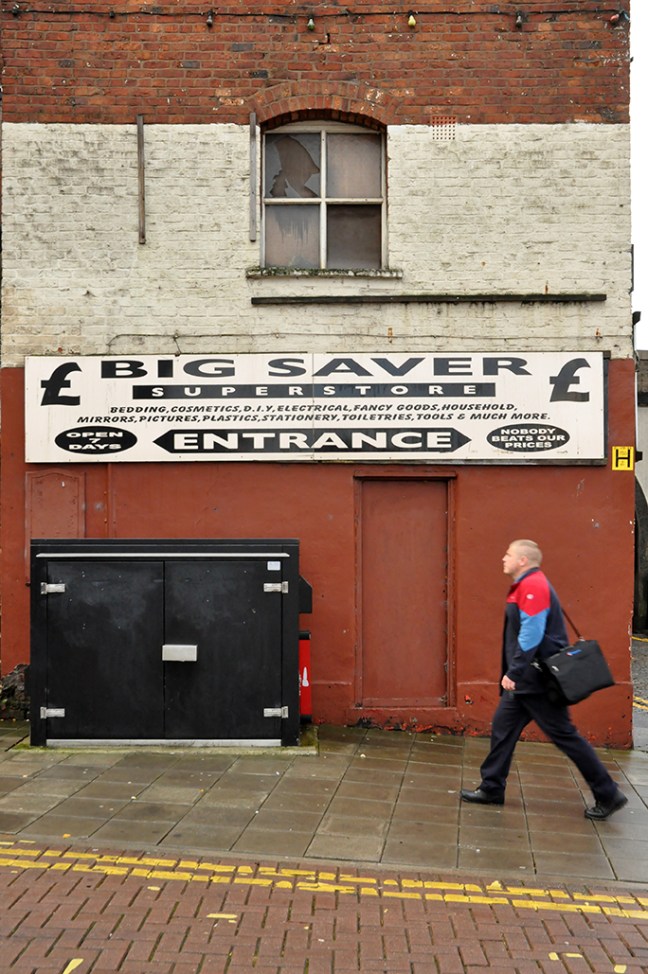
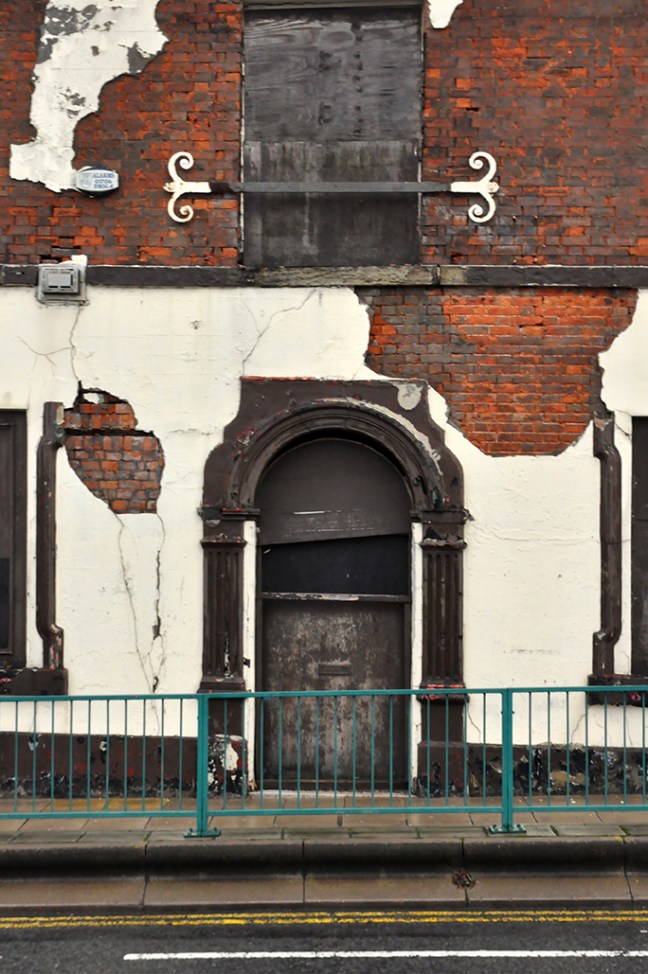
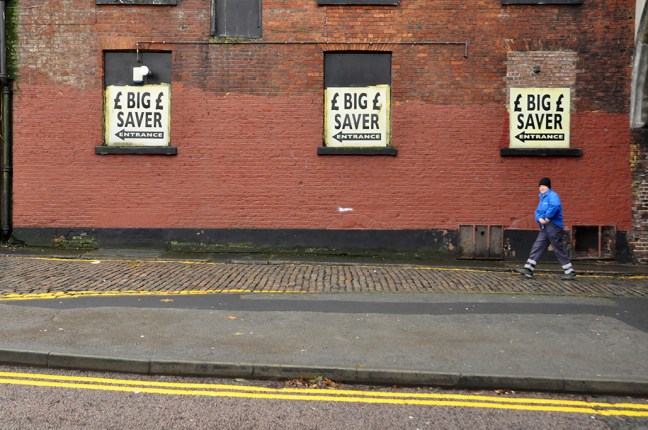
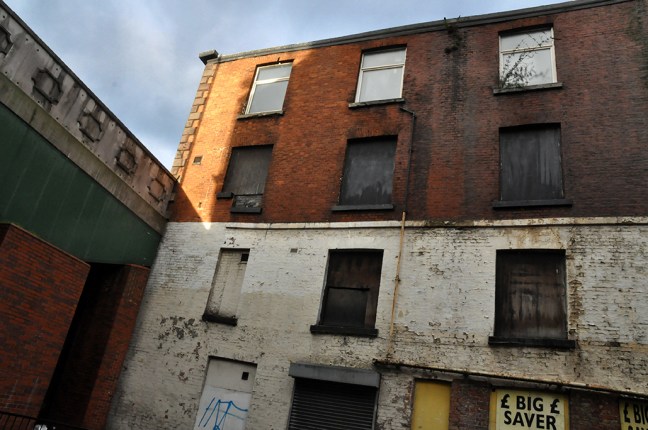
In 1772, a privately owned track which is now known as Oldham Street was given to the public. The road took its name from Adam Oldham rather than from the place name. He was an acquaintance of John Wesley, the founder of Methodism, which could account for the Oldham street location of the Methodist Chapel, opened by Wesley in 1781. Central Hall replaced the Chapel in 1885.

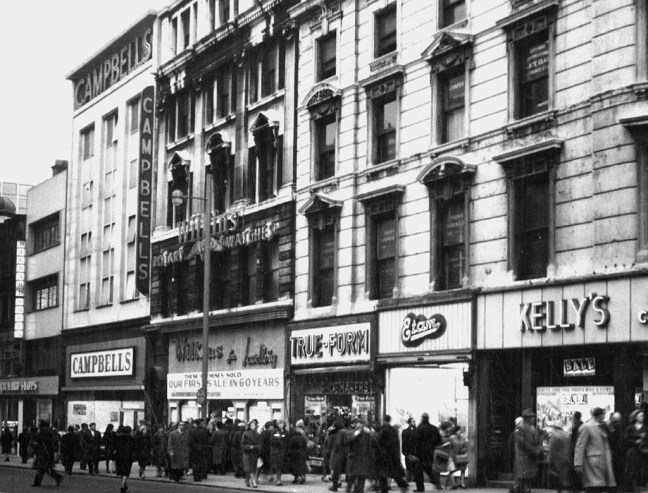
The area around Oldham Street became more affluent, with warehouses and shops, many of whose merchants lived within their shop premises. This is described by Isabella Varley, Mrs. Linnaeus Banks, a resident of Oldham Street, in her book The Manchester Man.

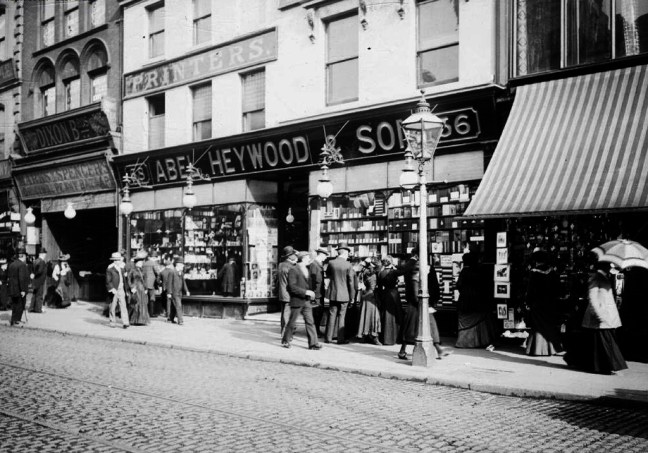
One Oldham Street shopowner mentioned by a number of writers is Abel Heywood, who spearheaded the mass distribution of books, supplying the whole country not only with penny novels, but also with educational books and political pamphlets. Heywood went on to become Mayor of Manchester.

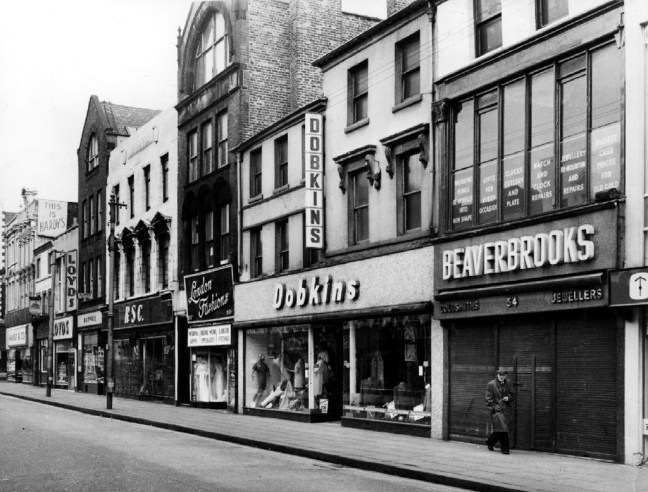
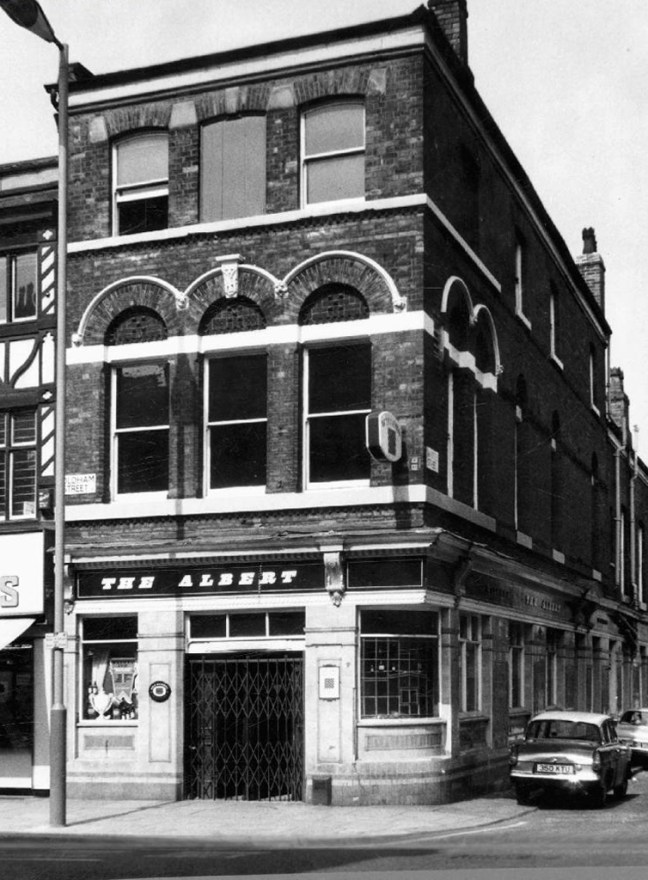
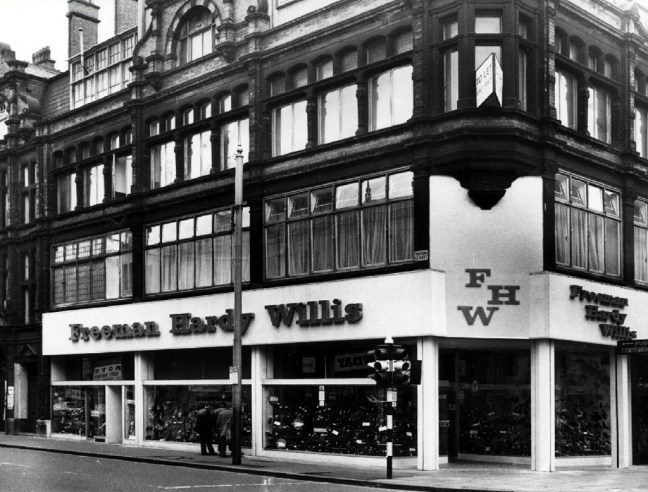
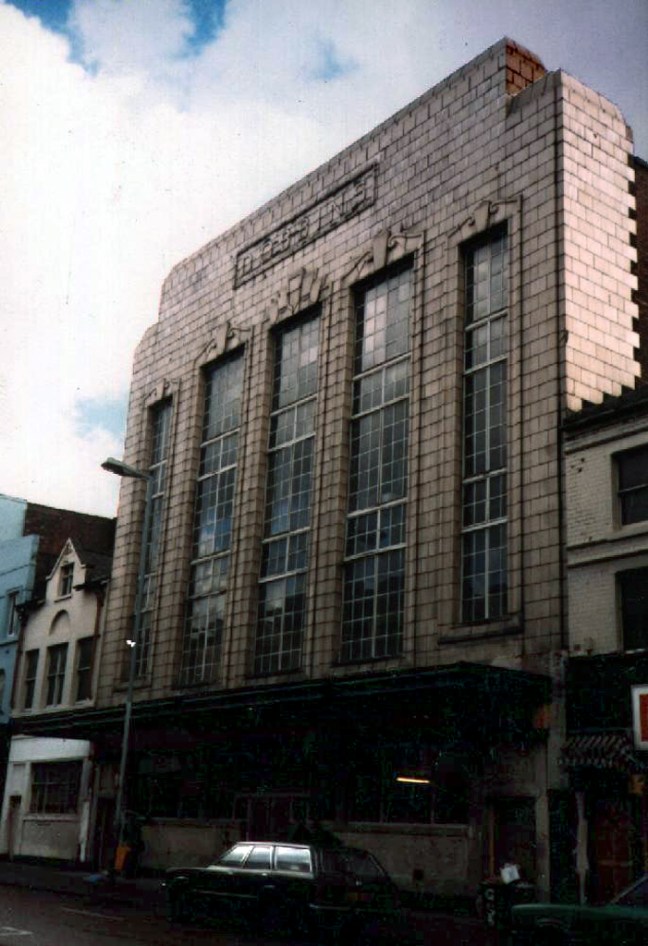
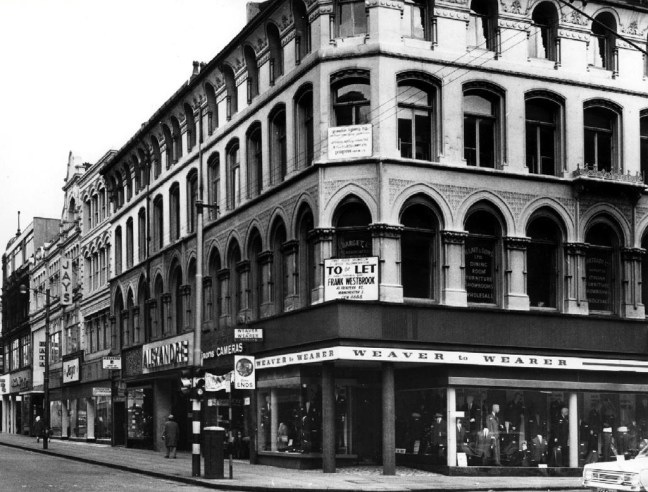
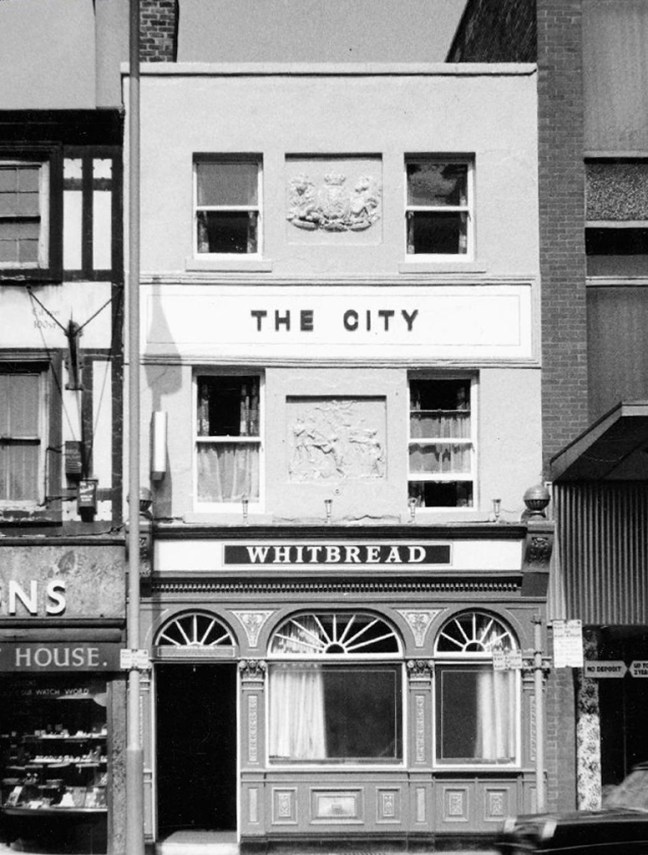
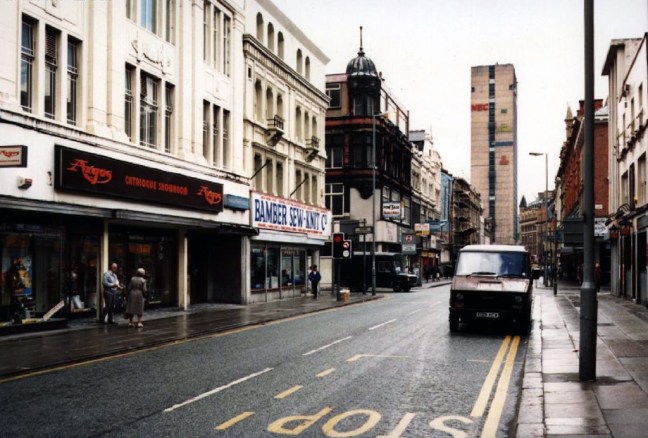
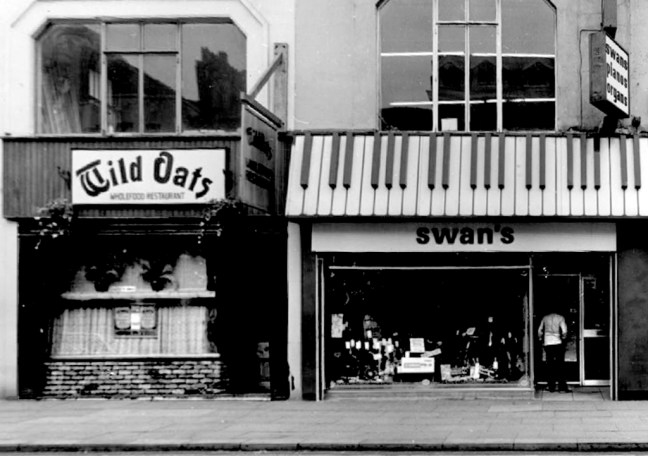
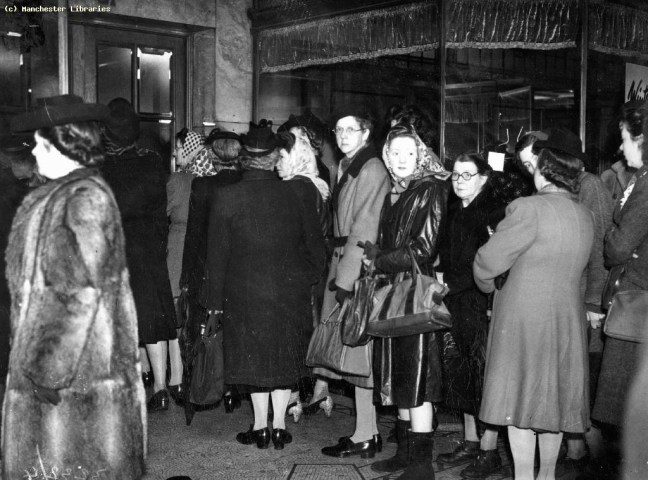
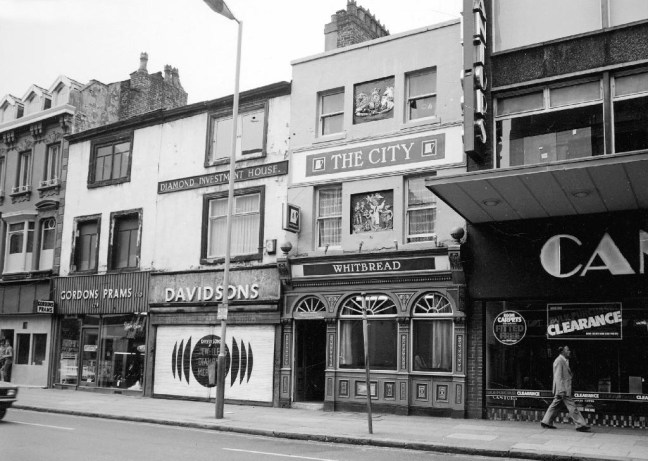
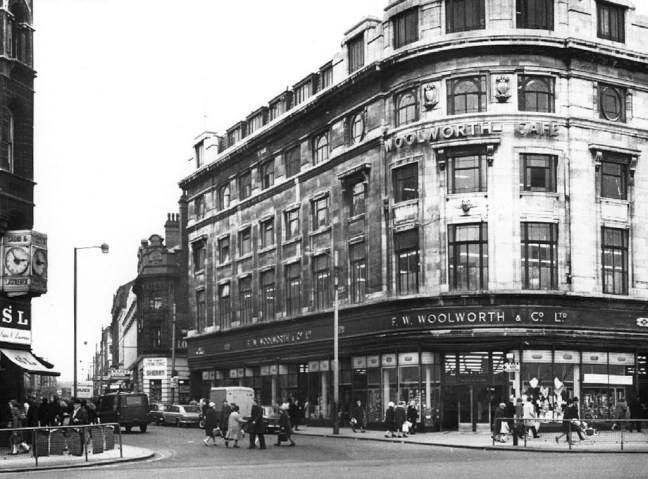
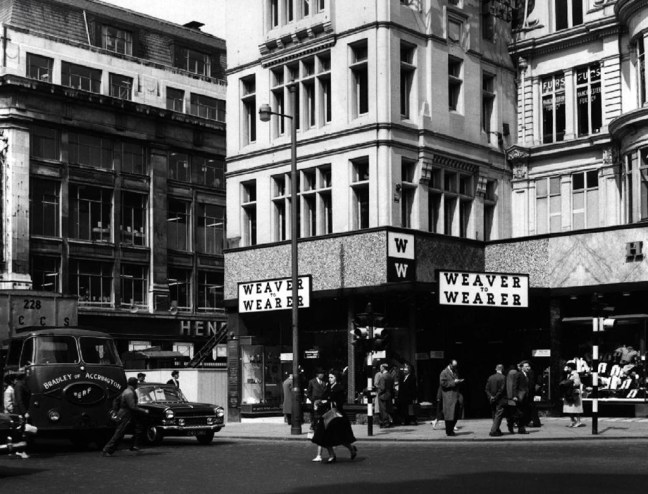
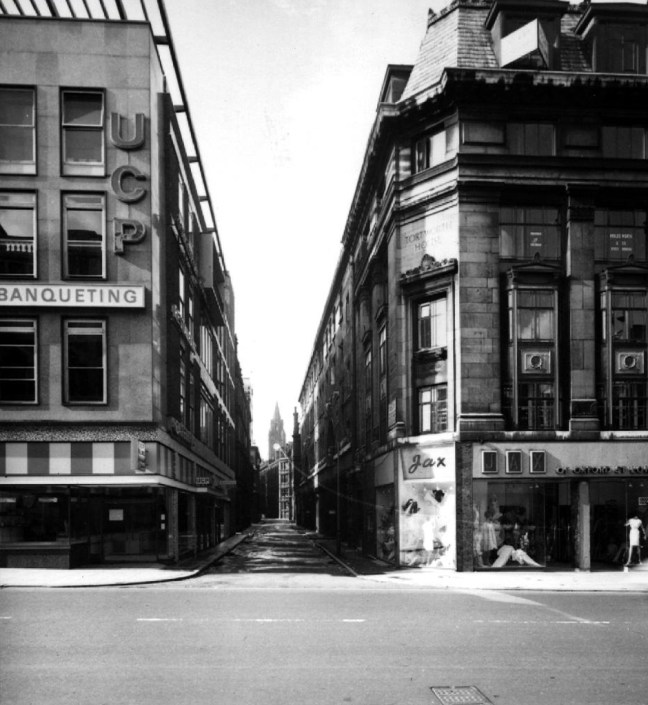
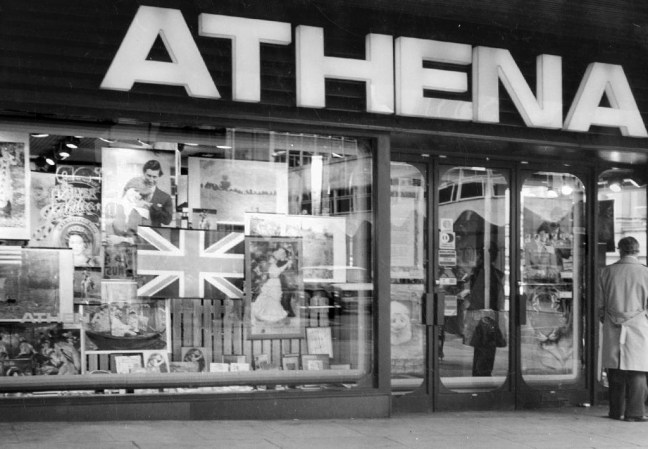
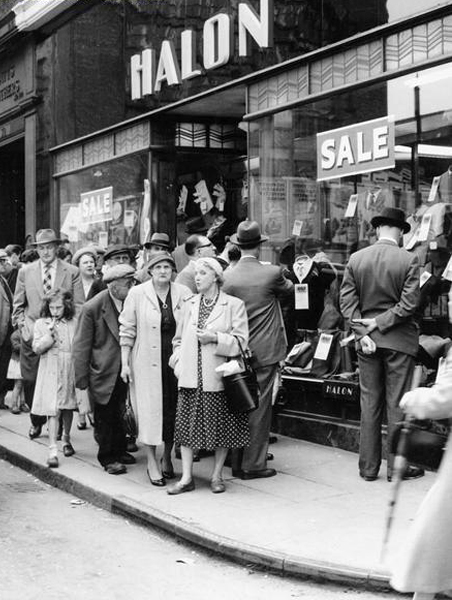
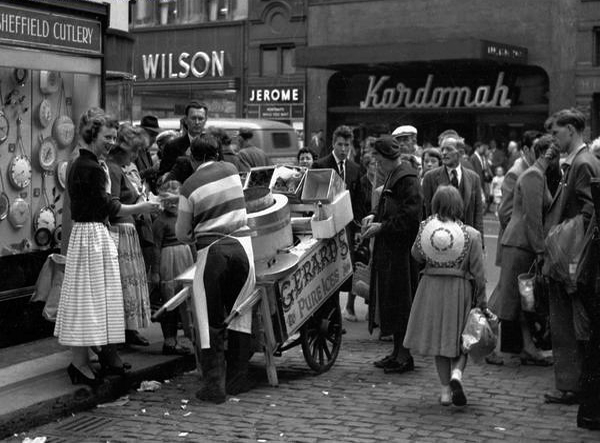
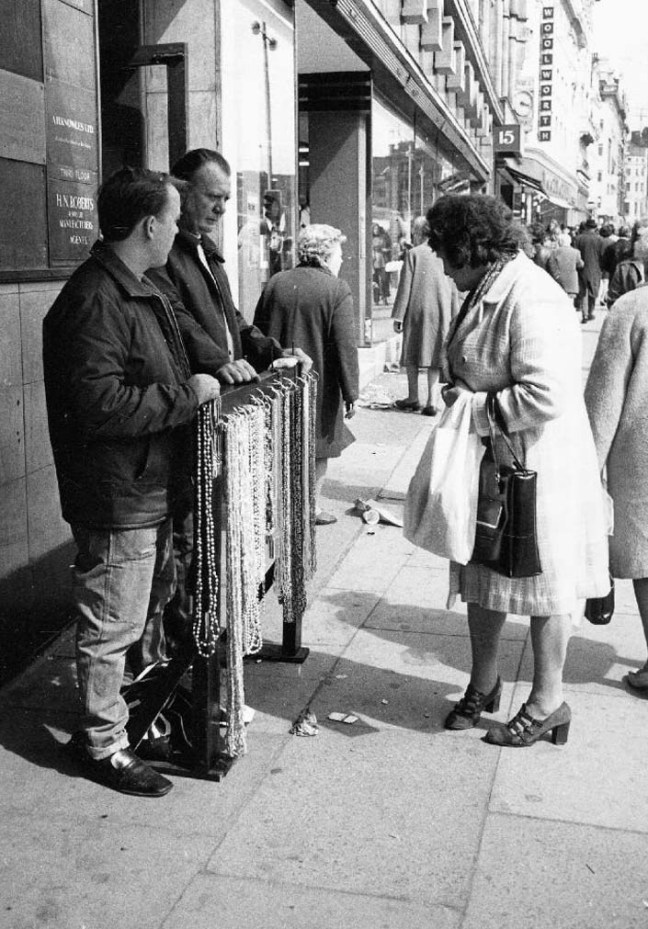
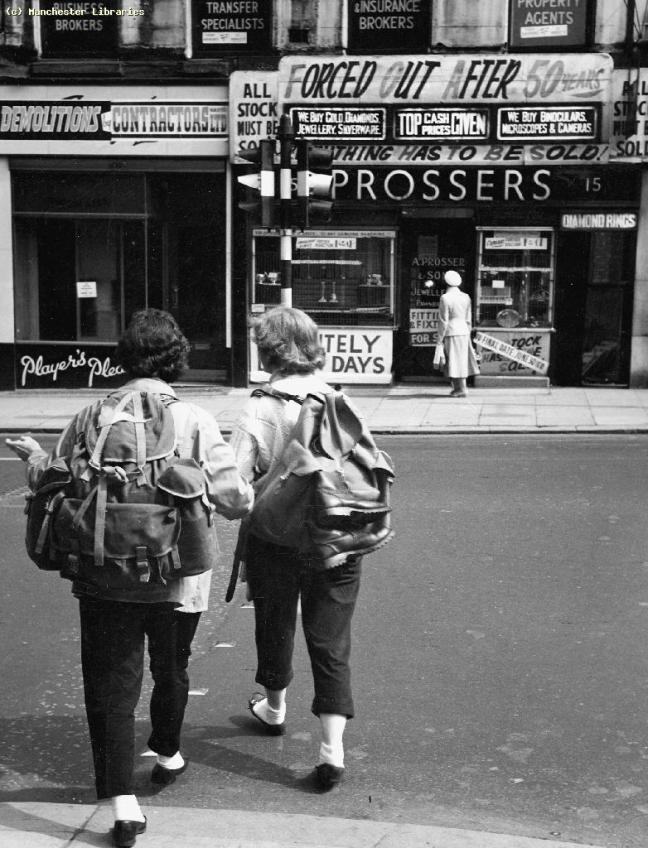
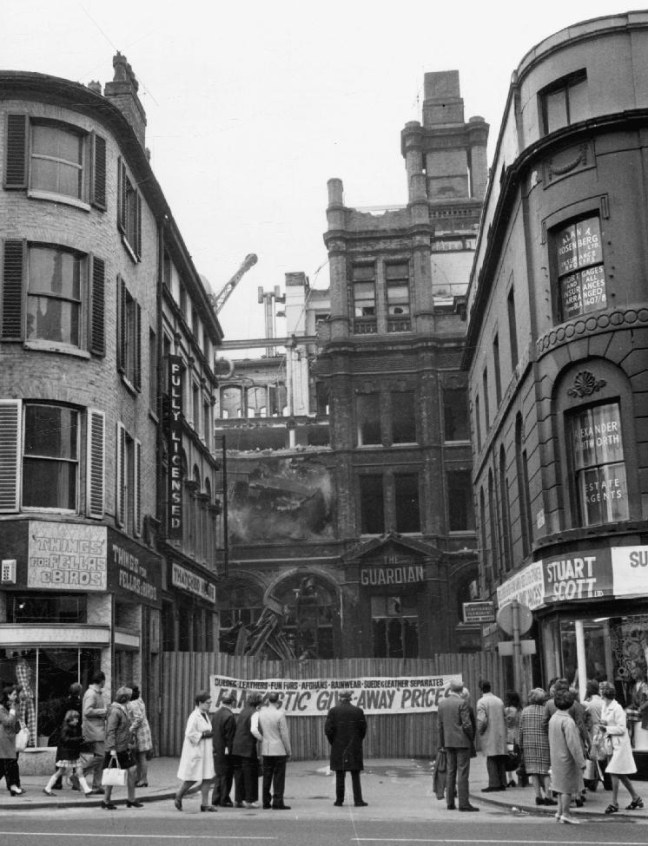
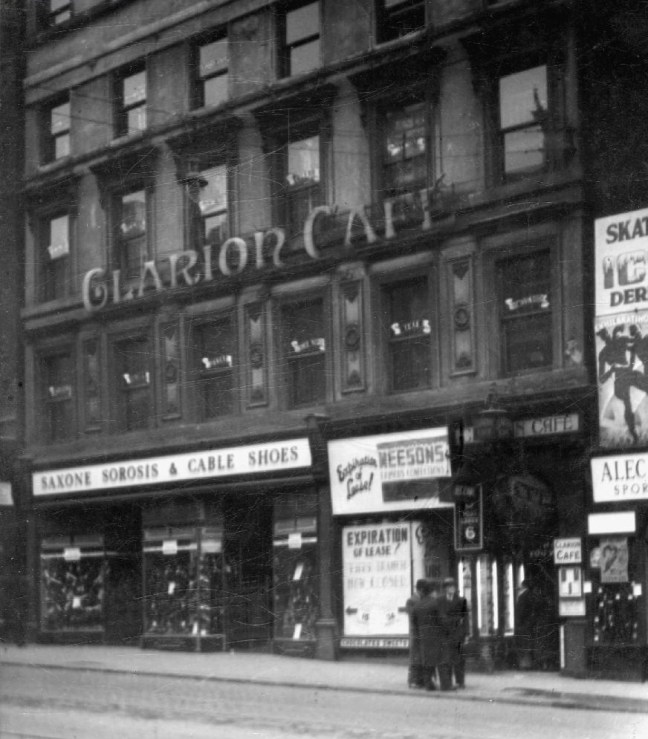
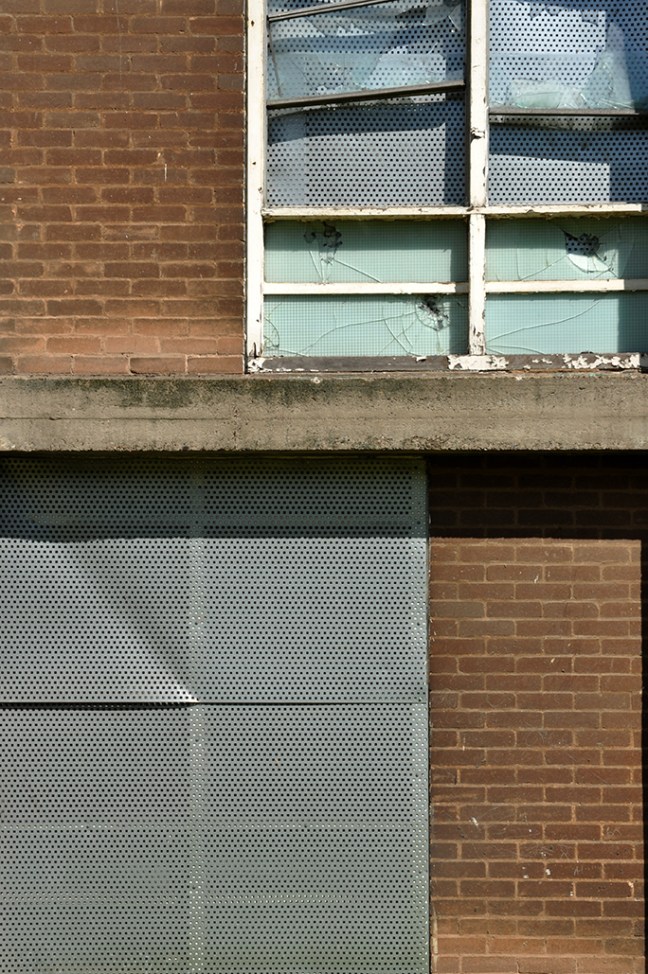
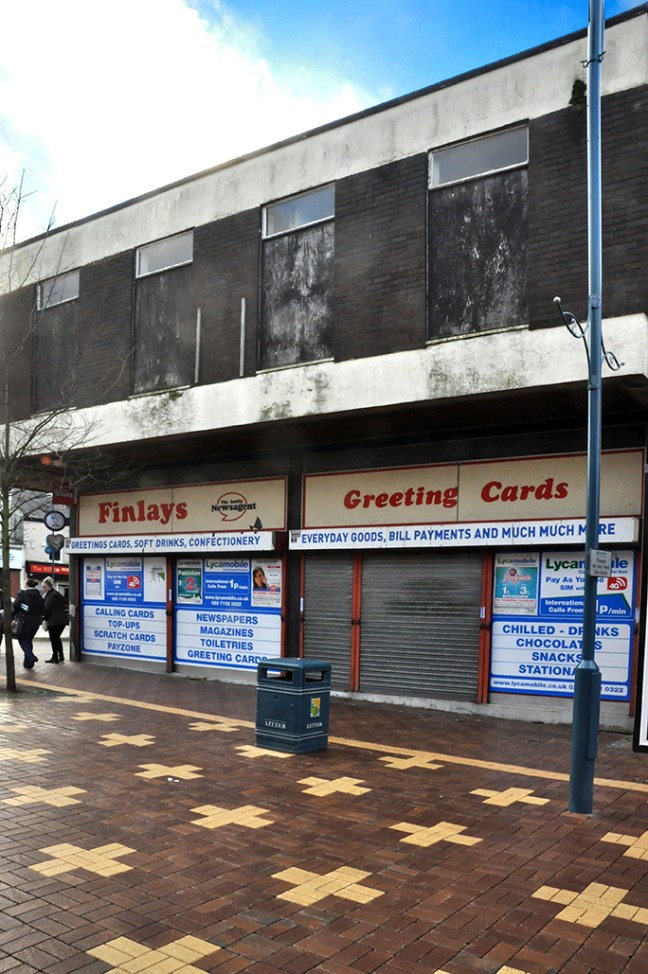
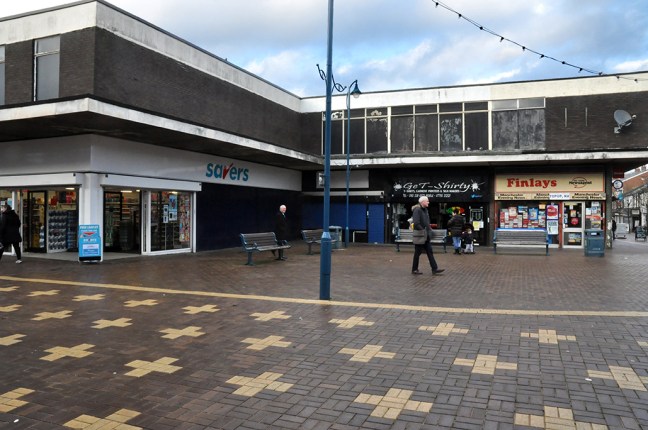
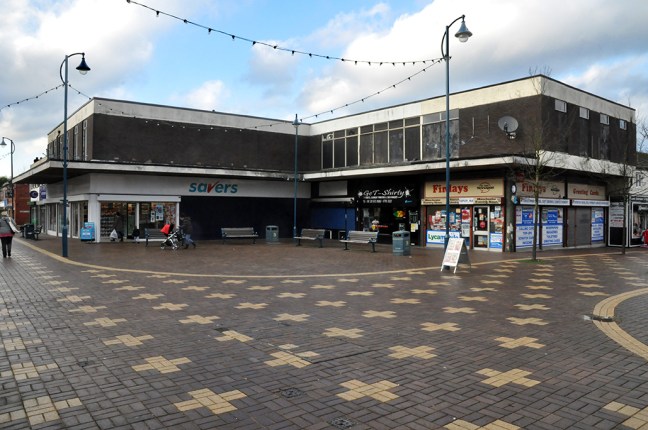
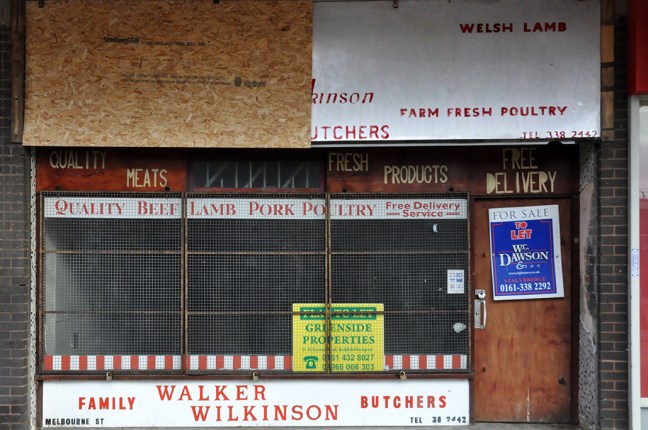
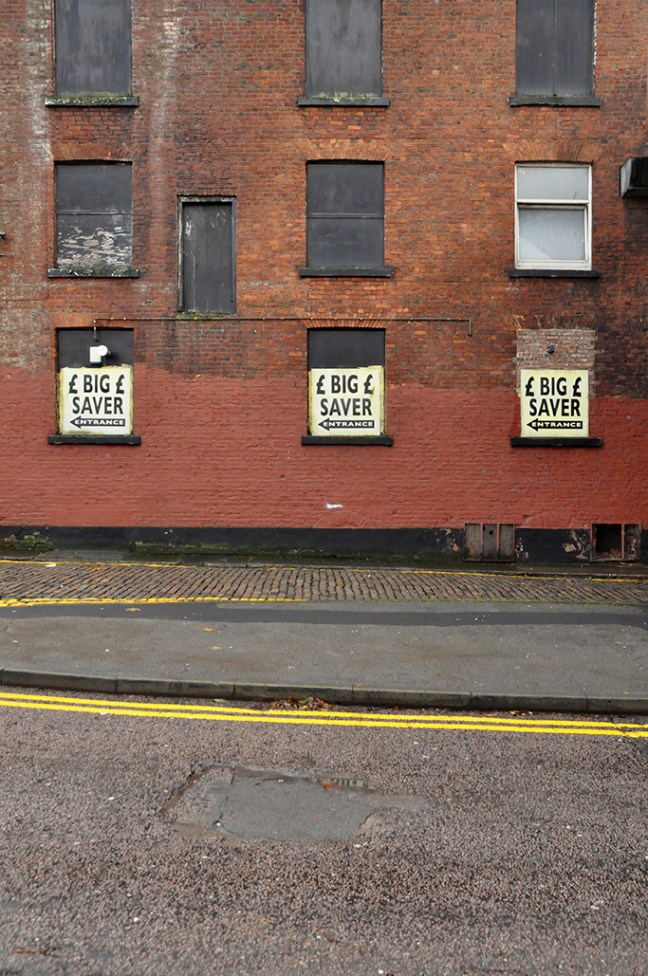
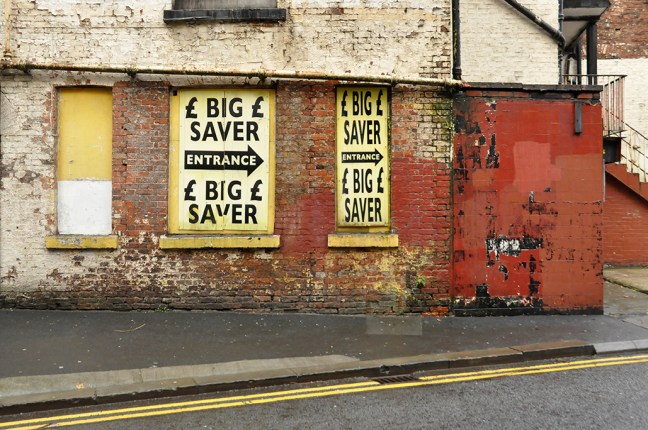
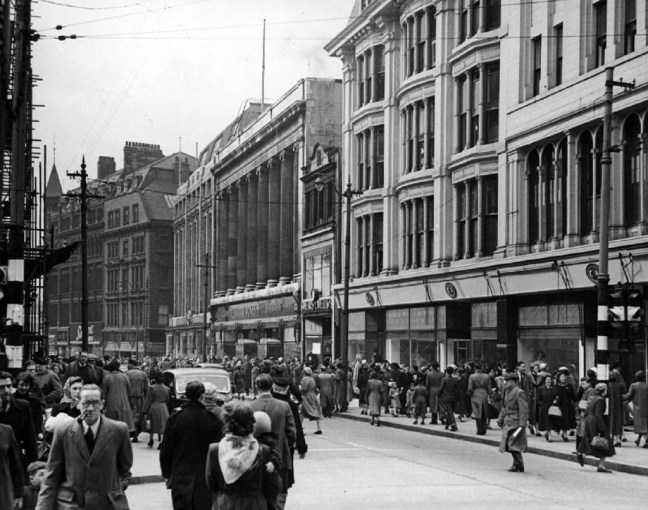
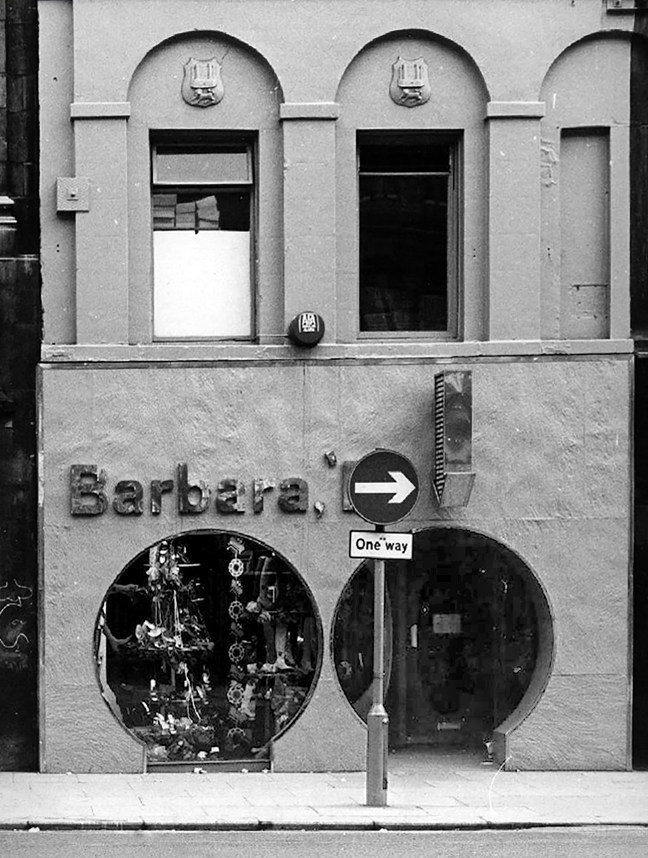
The general well to do, mix of hustle and bustle, pubs, warehousing, grand stores, smaller specialist shops and services continued into the 1970’s. Woolworths, C&A, Affleck and Browns, Cantors, Dobbins attracted a steady flow of happy shoppers, I loved the mongrel nature of the mixed use architecture.

The focus if the city centre then slipped away to the newly built Arndale and pedestrianised Market Street.

Oldham Street awaited a new sense of place and purpose.

With thanks to http://www.manchester.gov.uk/info/448/archives_and_local_history/326/historical_photographs_of_manchester
 

24

webmedia-8.php

22

18

image011

21

webmedia-5.php

webmedia.php

13

20

webmedia-12.php

16

17

webmedia-4.php

14

webmedia-2.php

webmedia-7.php

19

15

webmedia-9.php

webmedia-3.php

webmedia-6.php

webmedia-11.php

webmedia-10.php


Market Street – Manchester 2016
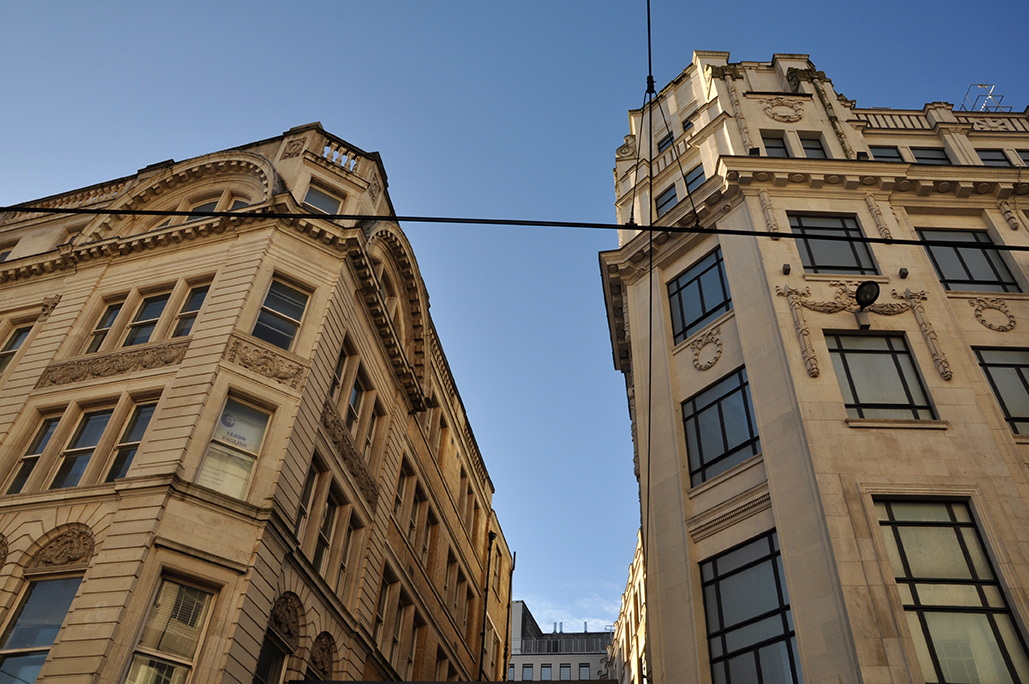
Following my previous post on Market Street, using archive material from the 60s and 70s, I was prompted to record the current state of the street.

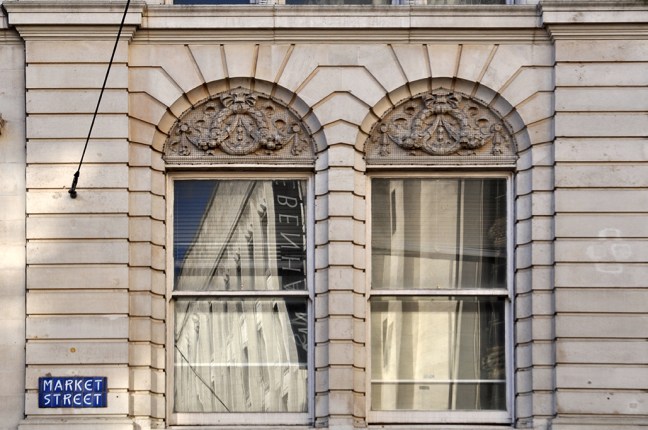
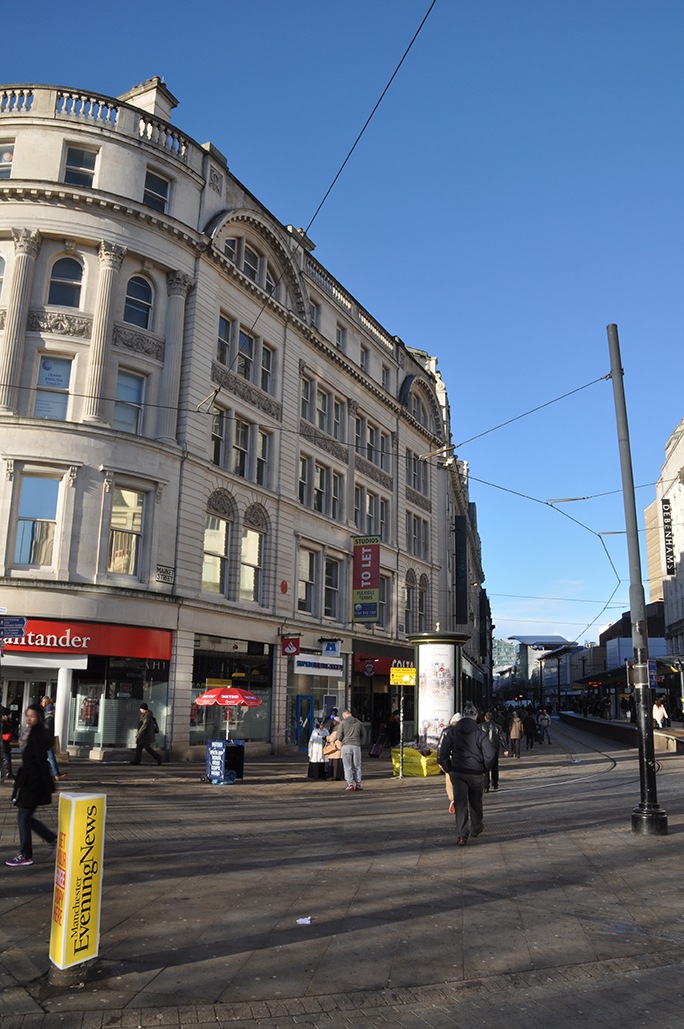
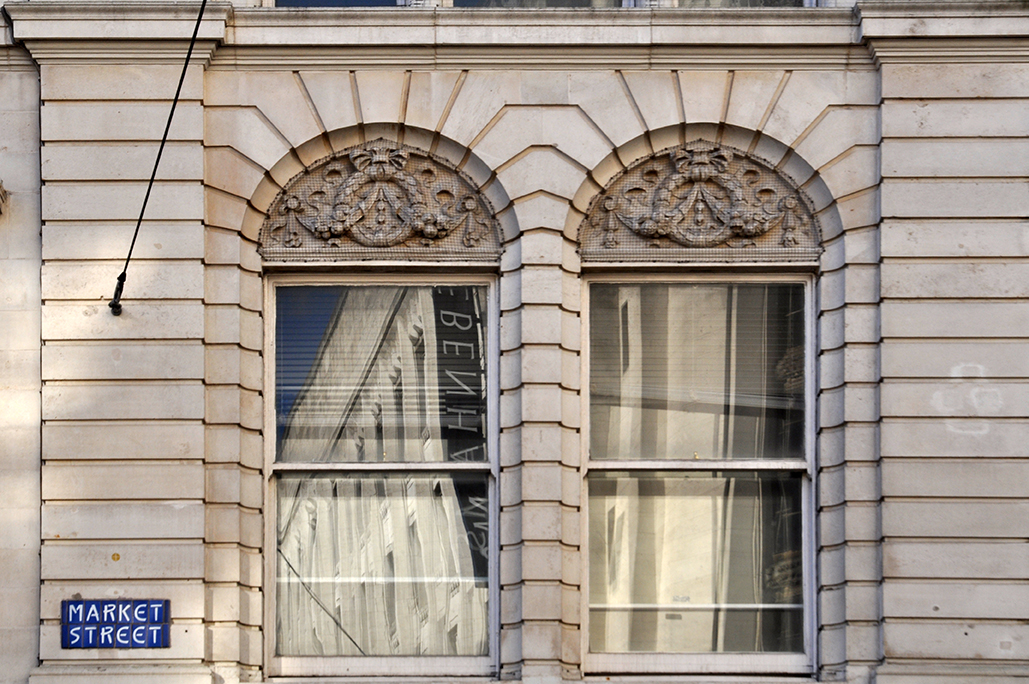
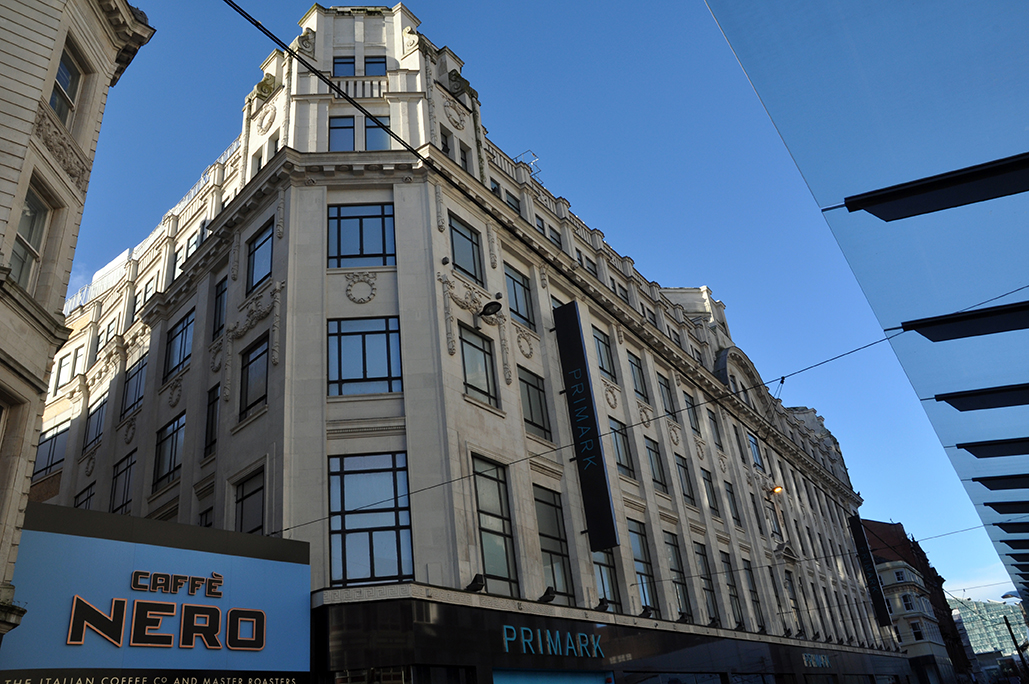
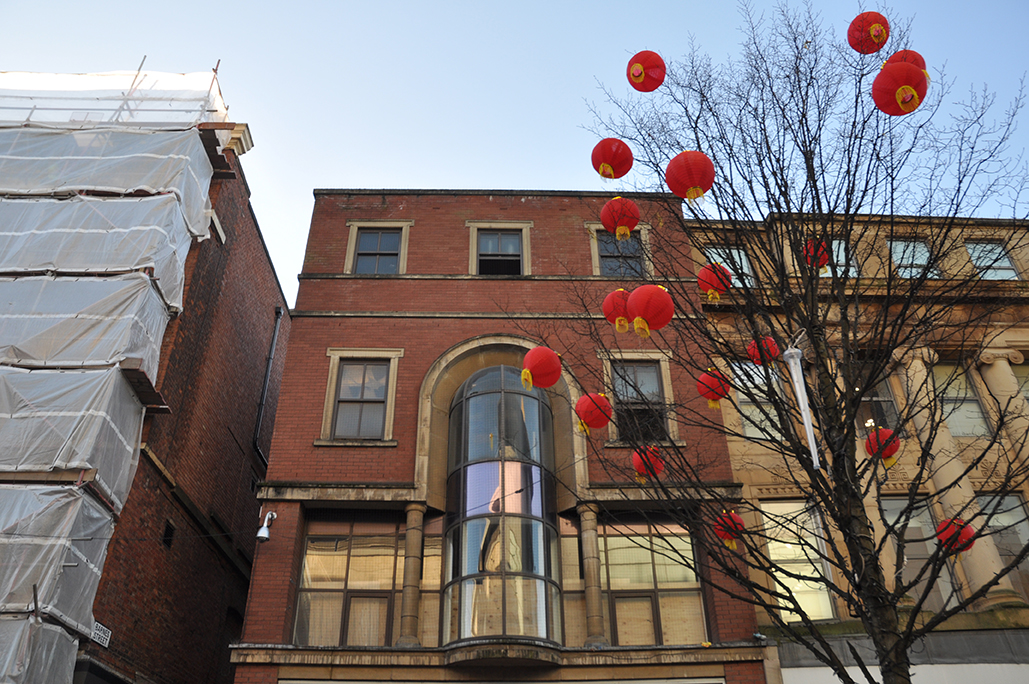
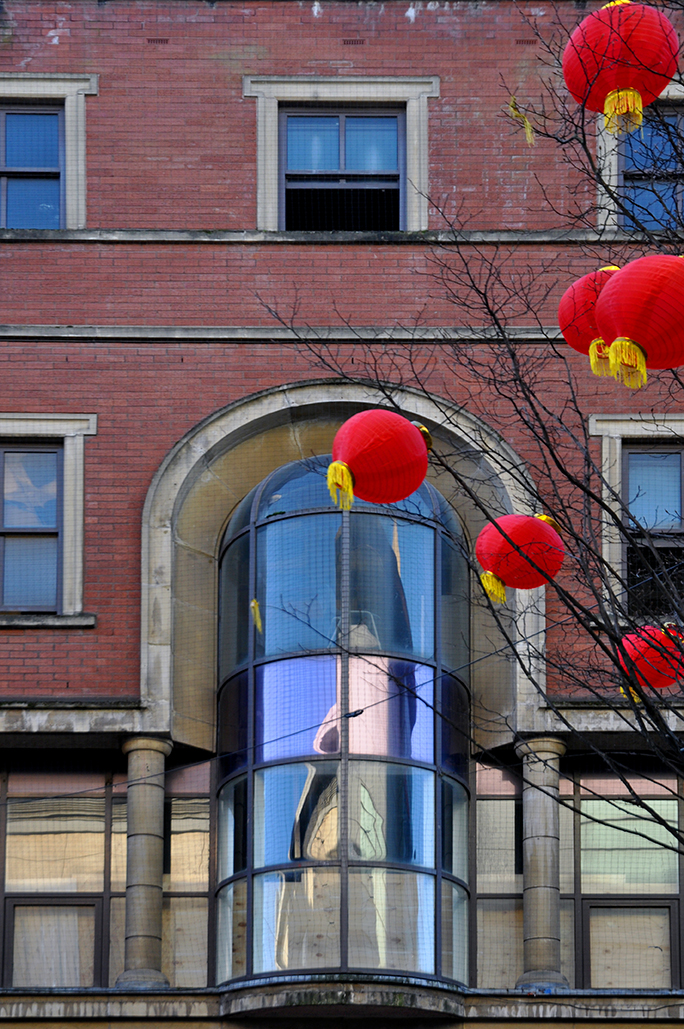
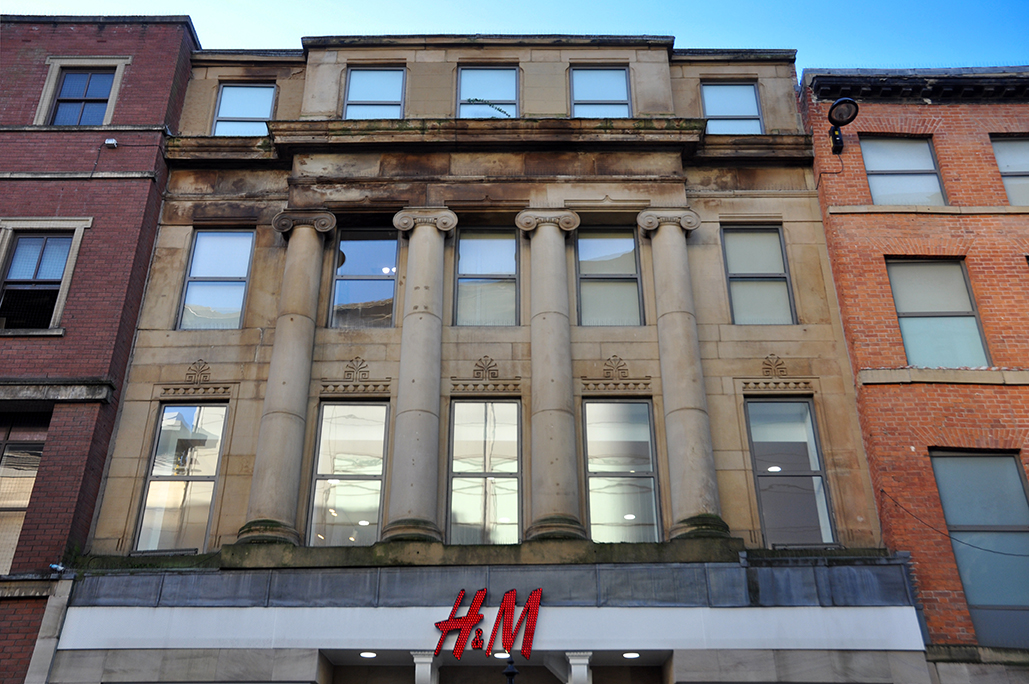
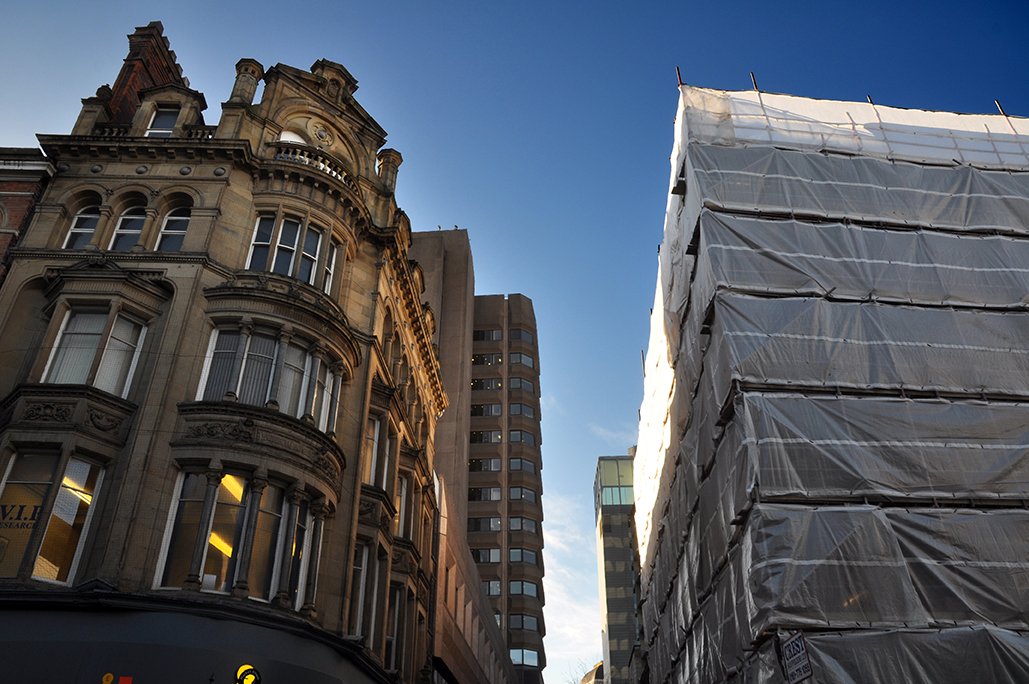
To the east is the Arndale, I chose to concentrate on the western elevation and the extant facades that chart a story from Victorian to Moderne – with a little rebuild, pastiche and grandiose Classicism in between.

See what you think, the sooty deposits have long been sandblasted away, much of the previous exciting noise and clutter, of above eye level signage ceases to shout, from just below the rooftops.

It’s a cleaner, leaner and possibly meaner world.

http://www.manchestereveningnews.co.uk/news/greater-manchester-news/manchesters-market-street-named-sixth-9421149

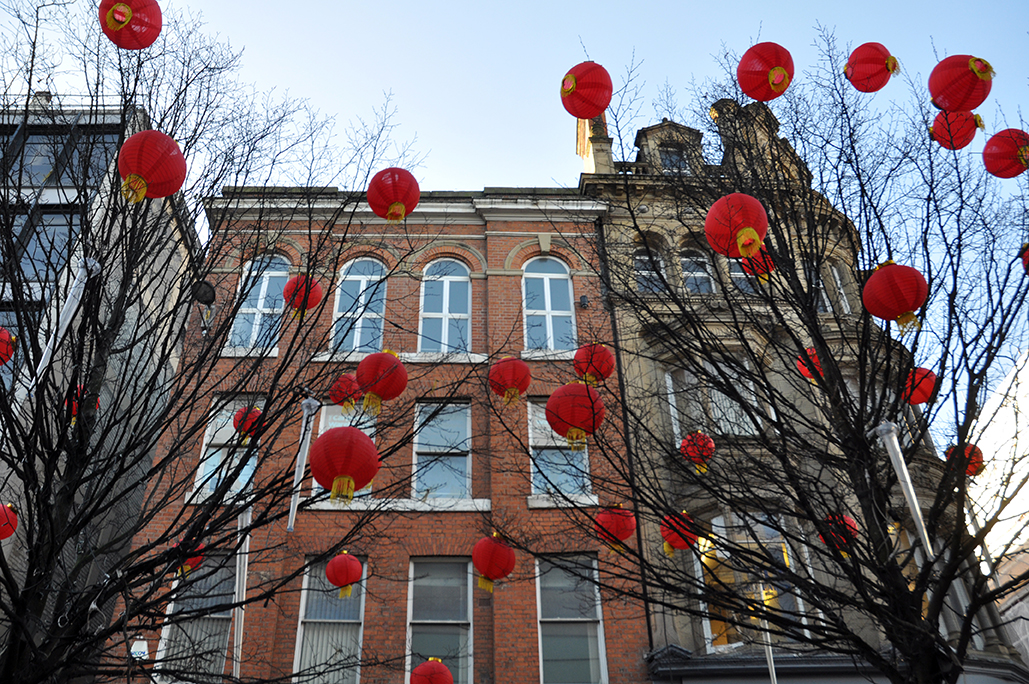
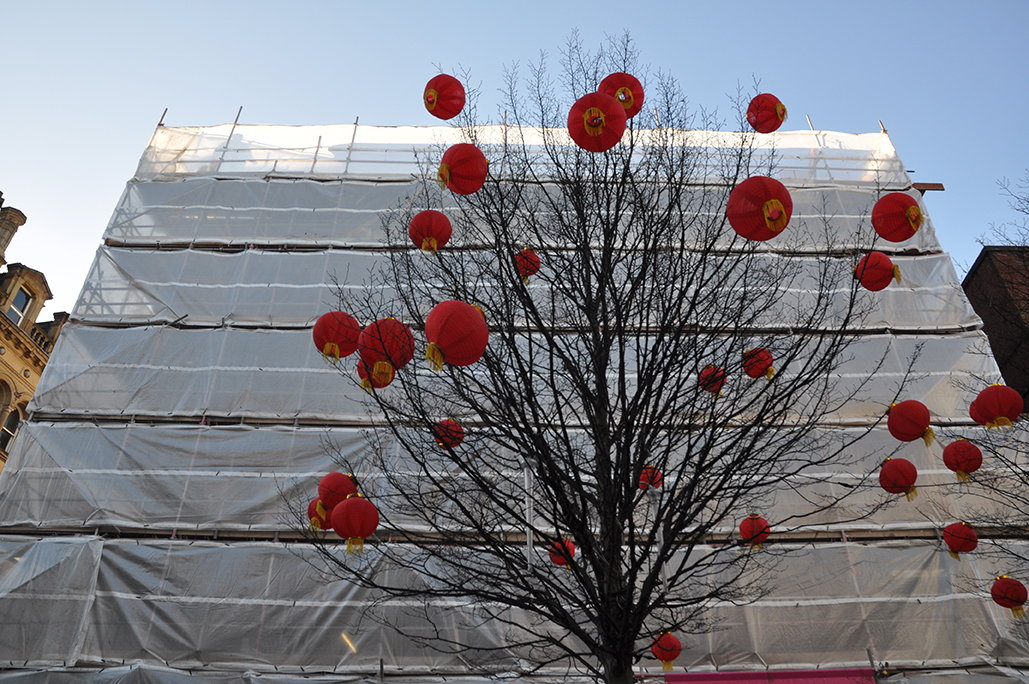
It always pays to look up – just don’t inadvertently bump into things.

Market Street – Manchester
cinephone2

City streets are by their nature subject to movement and change, things literally come and go – in milliseconds, days and decades. People and places are shaped by the forces of function and fashion, economics and history.

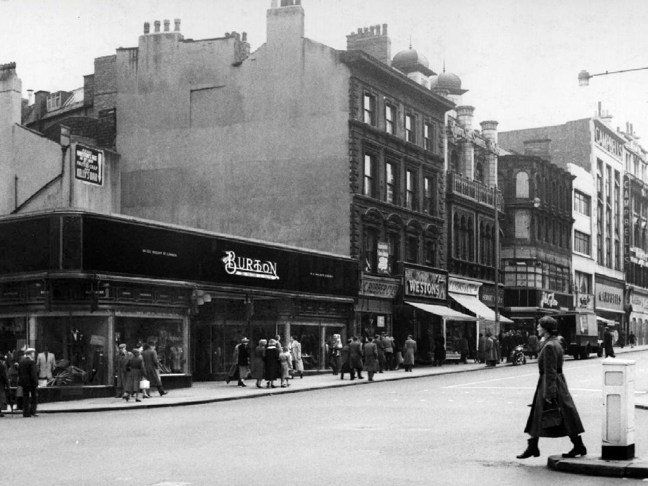
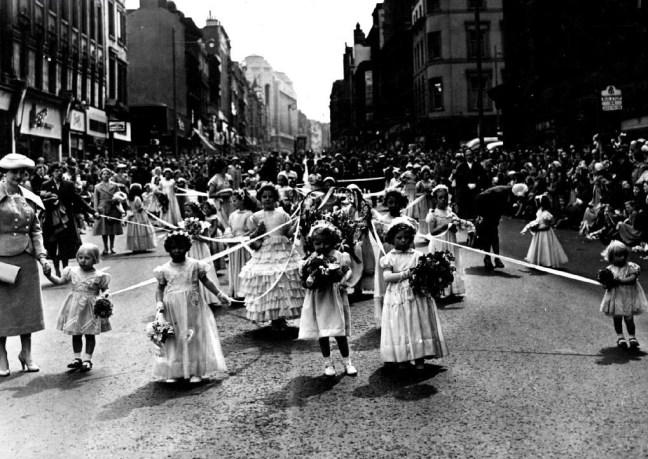
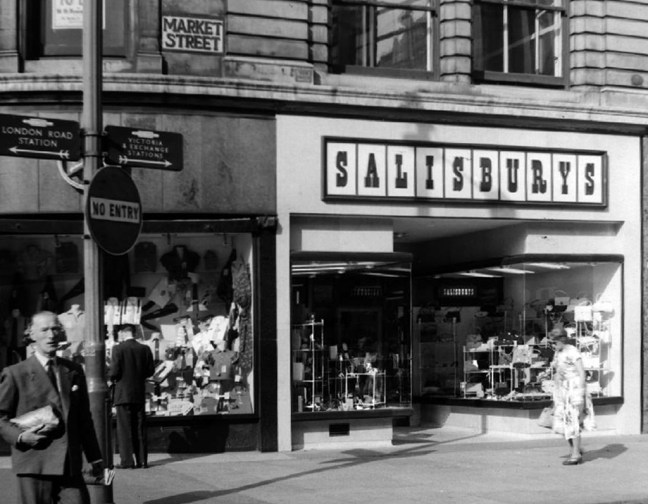
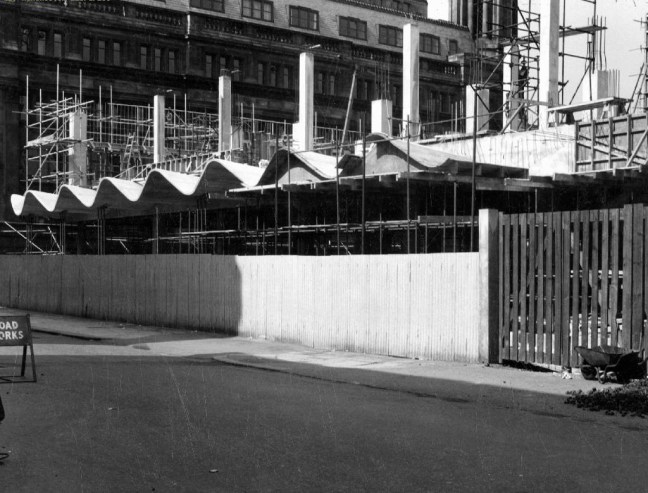
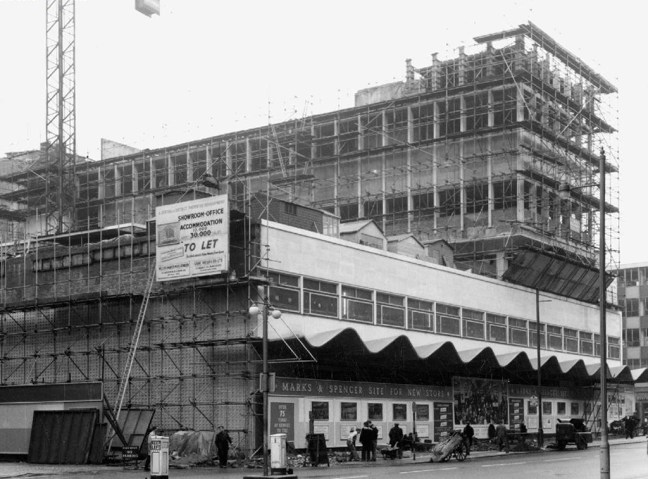
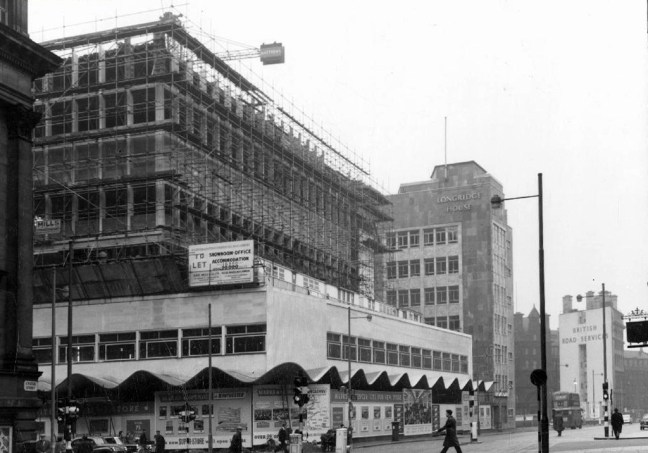
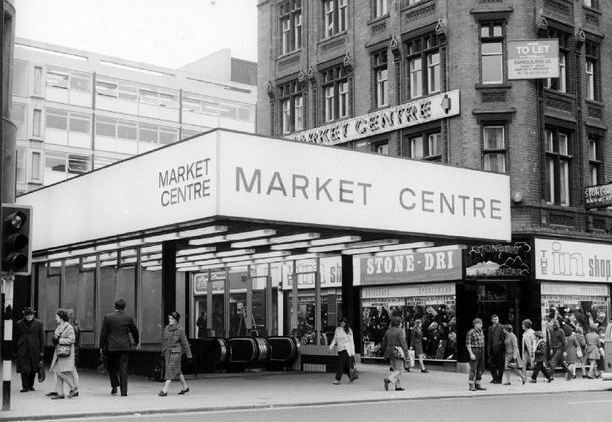
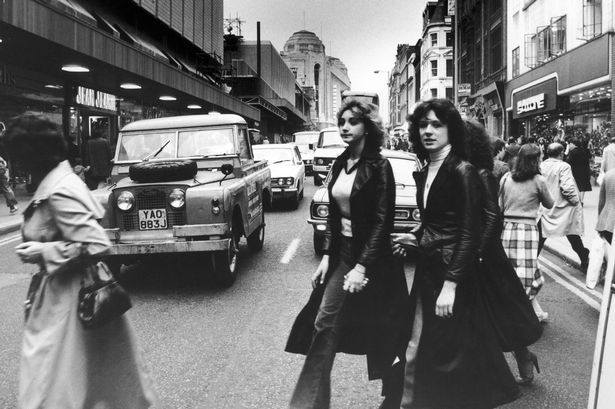
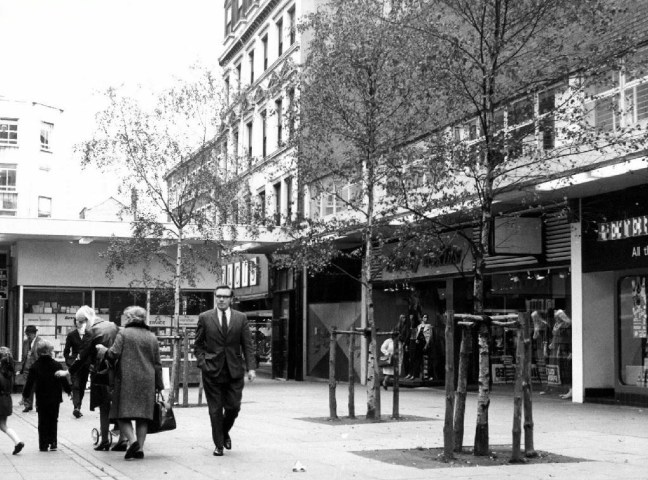
Before the Arndale,  pre-pedestrianisation, Market Street, from the Fifties until the Seventies, was one of Manchester’s key arterial, retail thoroughfares. Mixing mixed traffic, shops, cafés and restaurants, bars, cinemas, offices and administration.

The architectural skyline, had the raggedy silhouette, of a century of build and rebuild.

Lower your eyes, there’s Classical, Gothic, Baroque, local Rococo, Deco, Moderne and Modern – that’s right Madam no two the same, four for a pound, get it while you can.

Lower still, things are still never still, a riot of colour in black and white Vitrolite.

Neon abounds, the names are never changed to protect the innocent.

Local traders are slowly replaced by national and international multinationals.

You have nothing to lose but but your chain-store now.


ront-page-from-henry-s-stores-catalogue.-398-p

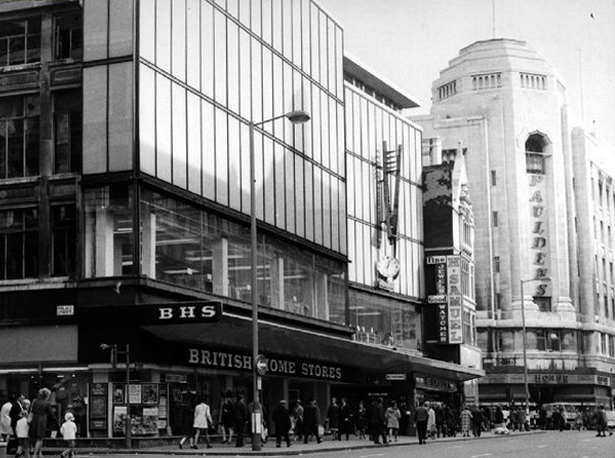
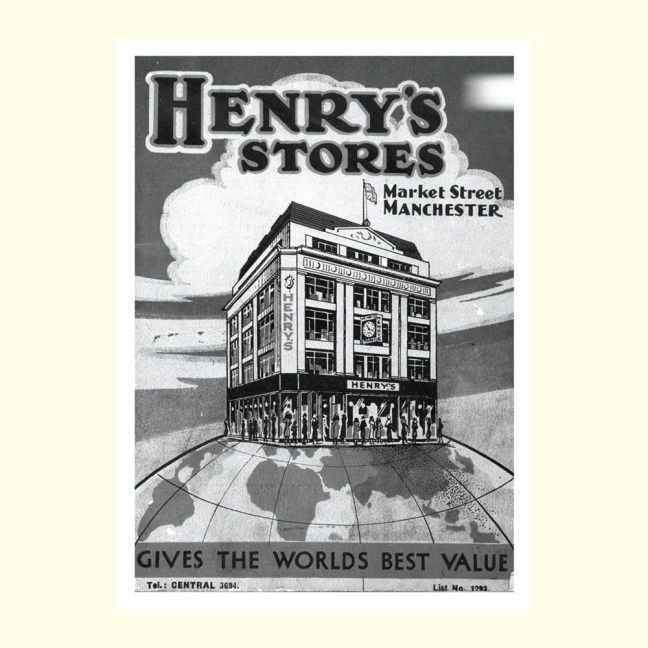
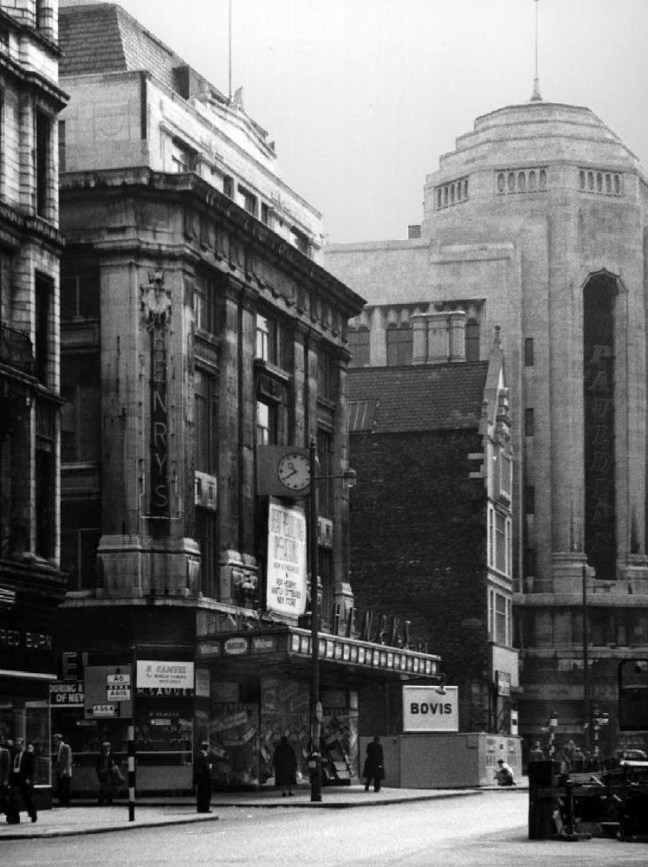
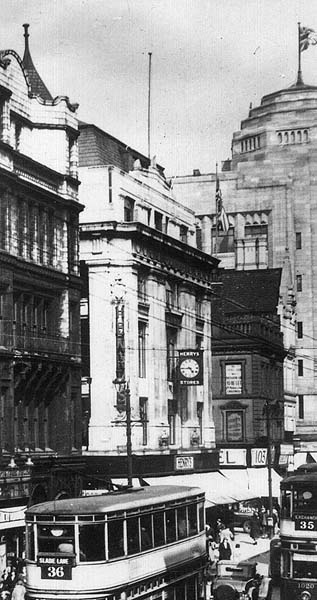
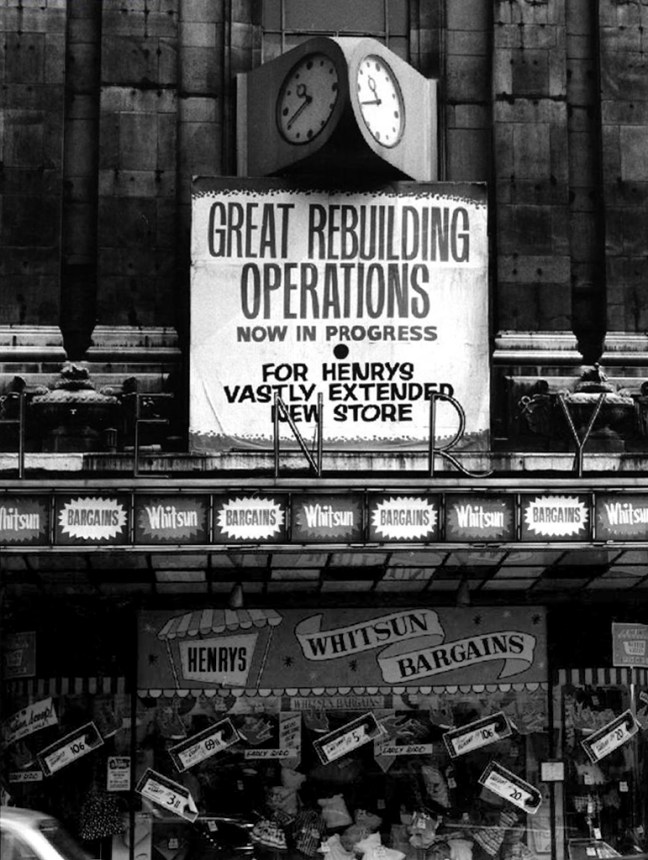
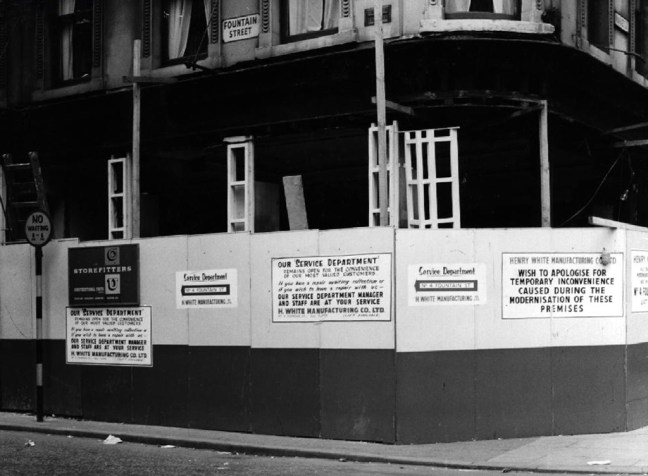
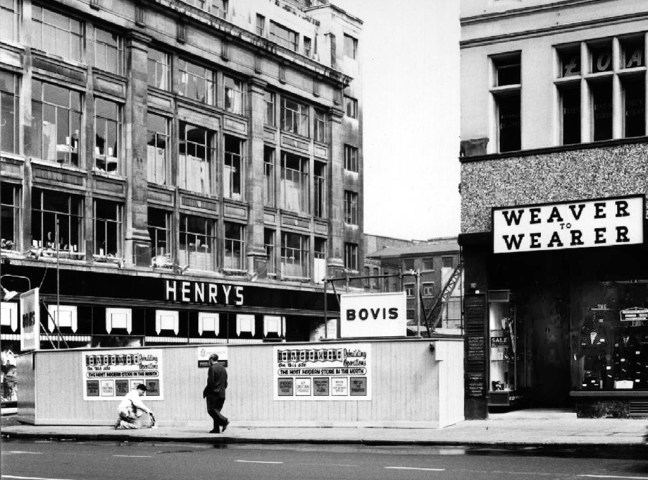
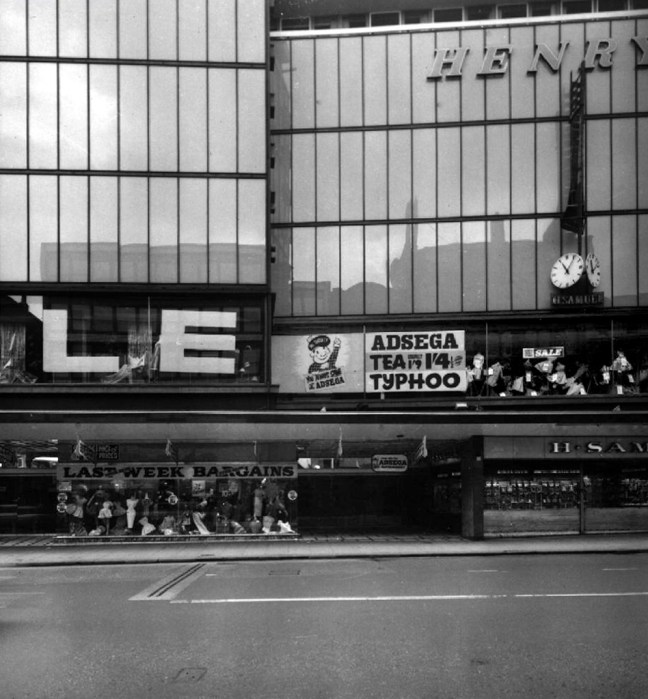
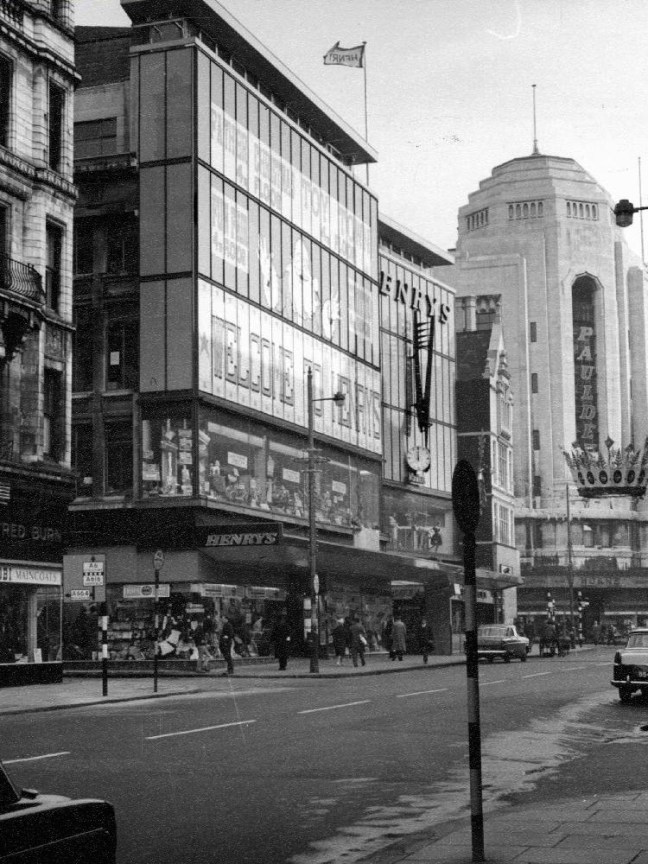
Henry Cohen came to Manchester around 1880. In 1910 he opened a men’s clothing outlet at the corner of Market Street called the Smart Outfitting Company. Having turned down a chance to join Marks and Spencer, he eventually built his department store in Market Street which opened in 1923. Henry’s Stores was redeveloped in the early 60’s acquiring an extension and a unifying Modernist façade, the site and store was acquired by BHS in the mid 60’s.
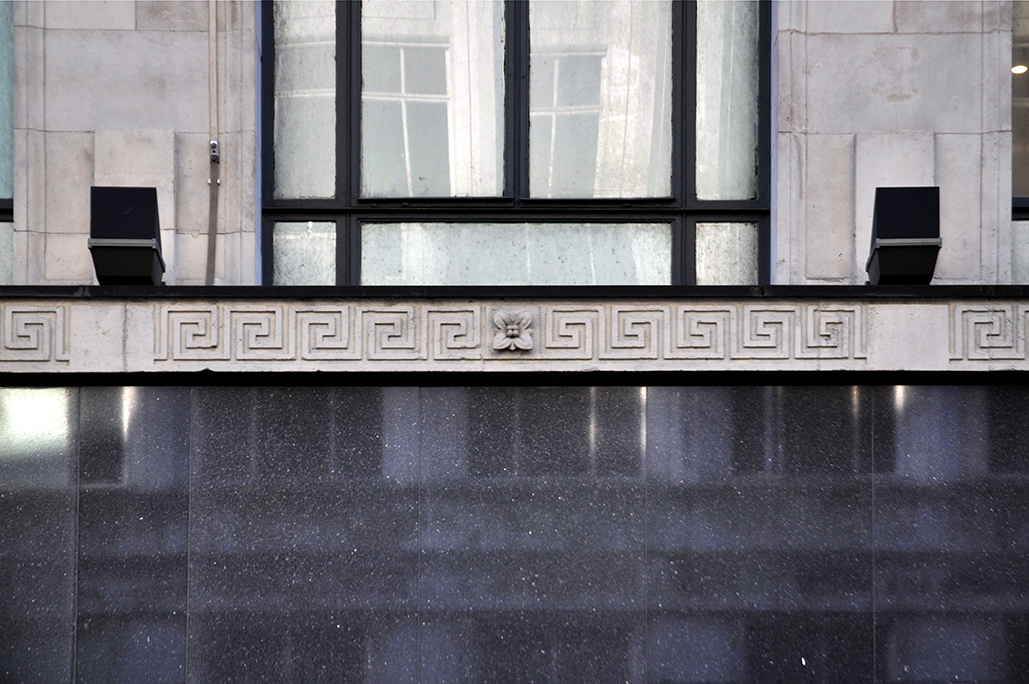
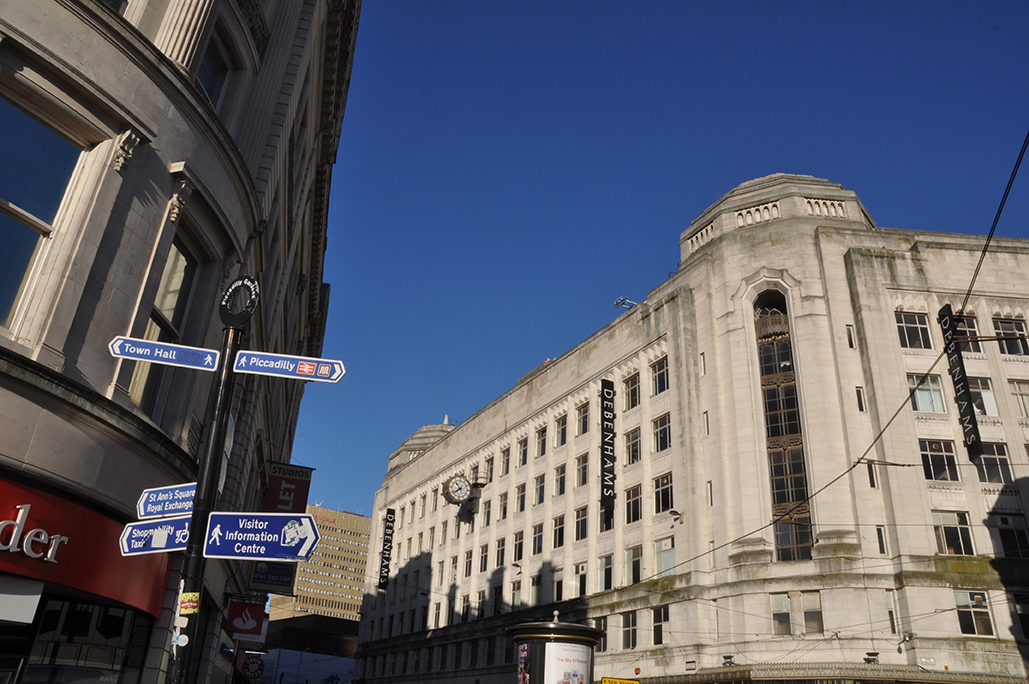
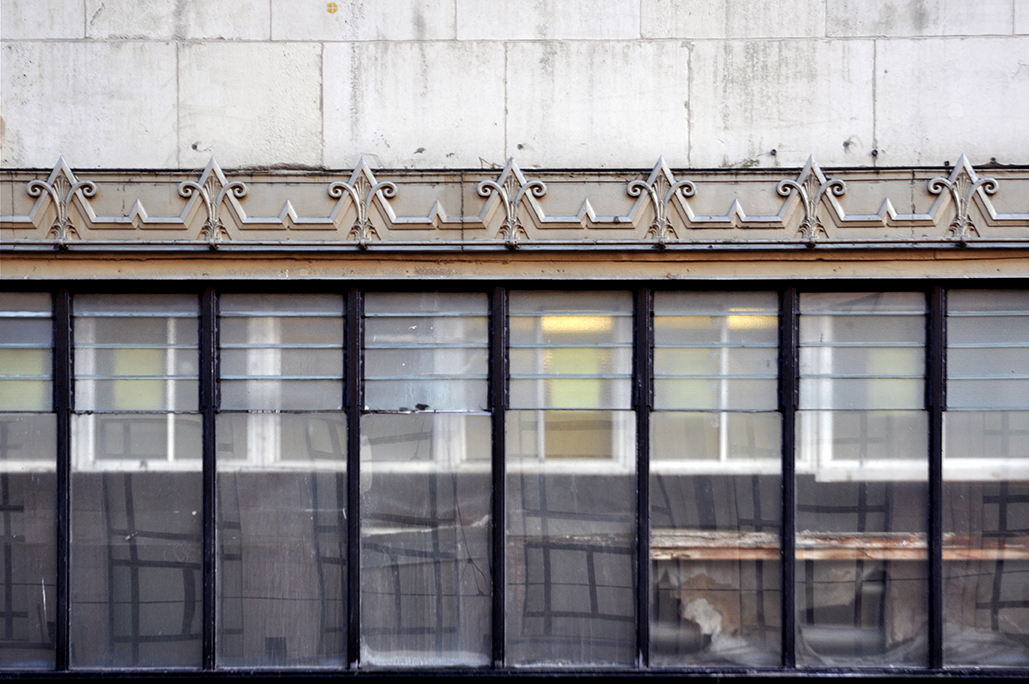
Rylands Building is a Grade II listed building in the building was originally built as a warehouse by the Rylands textile company which was founded by John Rylands. The building was designed by the eminent Manchester architects, Fairhursts, in an Art Deco style. It is clad in Portland stone and features a decorative corner tower and eclectic ‘zig zag’ window lintels.
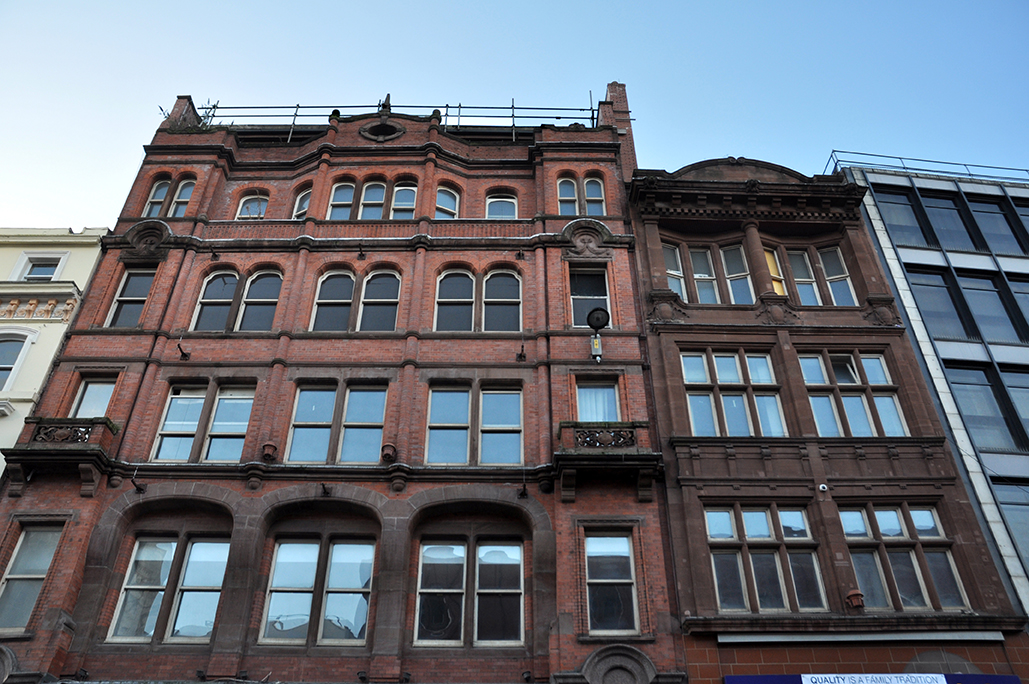
Following a fire, in 1957, which totally destroyed the premises of Paulden’s Department Store, in All Saints, the company acquired the Rylands warehouse building and converted it to a store. This was then a direct rival to the Lewis’s store, on the opposite side of Market Street. In 1973 Debenhams, the owner of Pauldens rebranded the store in their name. Since that time it has remained Debenhams.

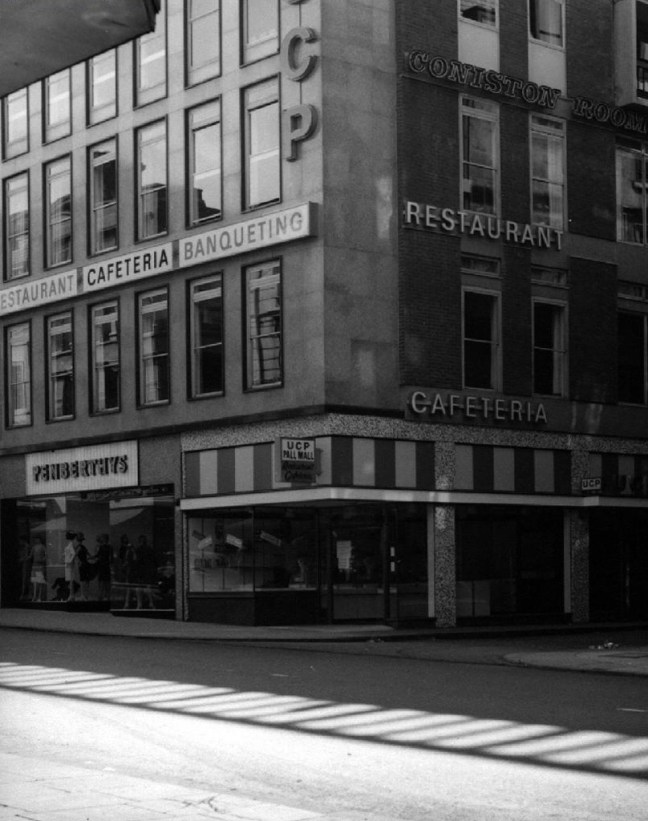
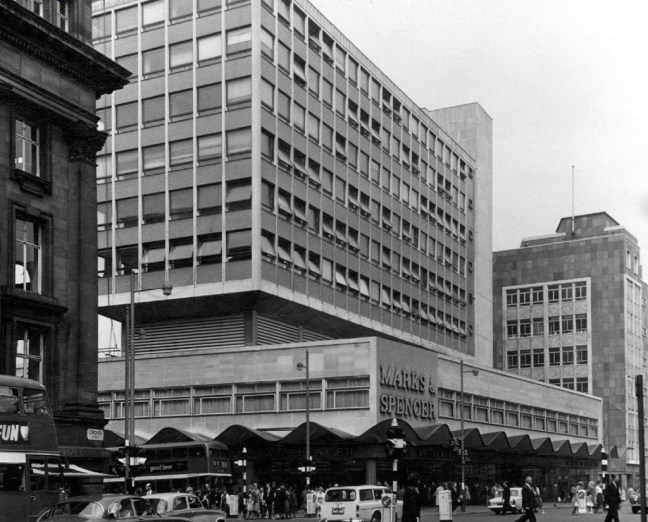
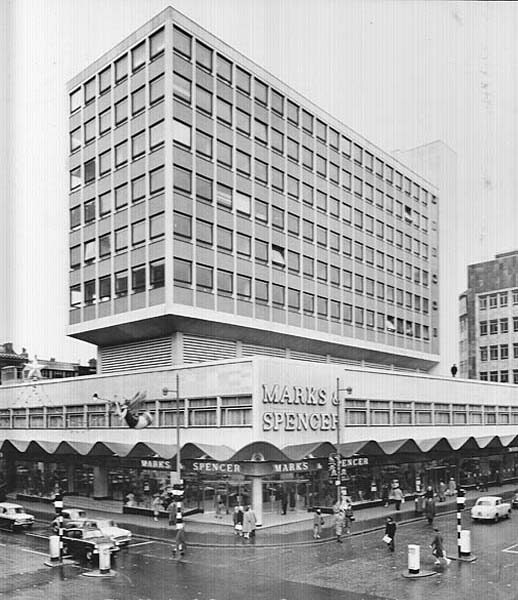
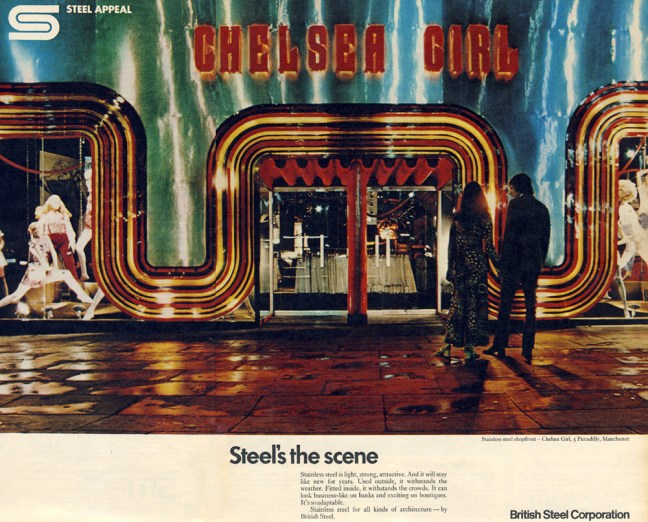
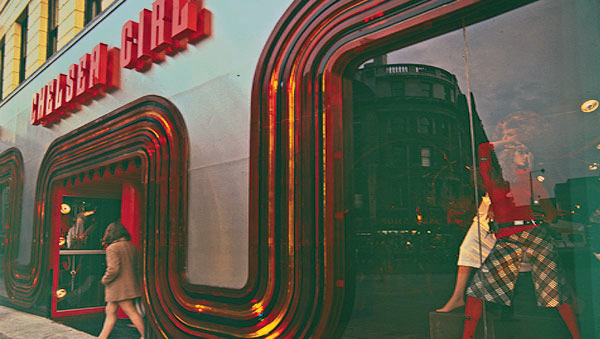
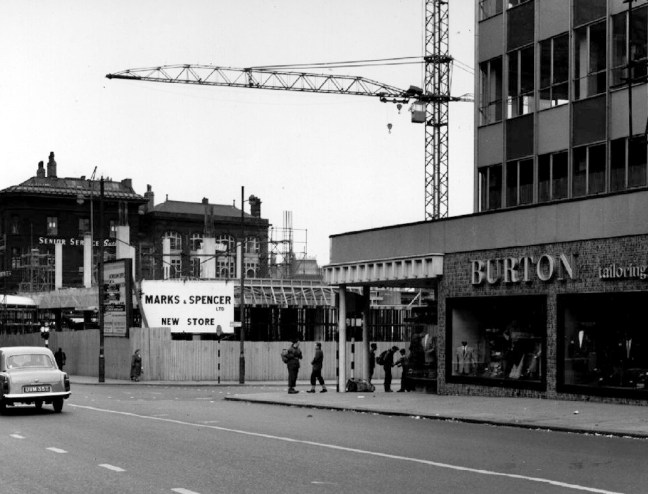
Marks and Spencers and Burton’s both undertook extensive Modernist building in the early 60’s on on the Corporation Street site, neither have survived. The Chelsea Girl steel frontageUCP Restaurant beloved of the Manchester Modernists, Kardomah Café and countless other landmarks are long gone. Lewis’s has become Primark.
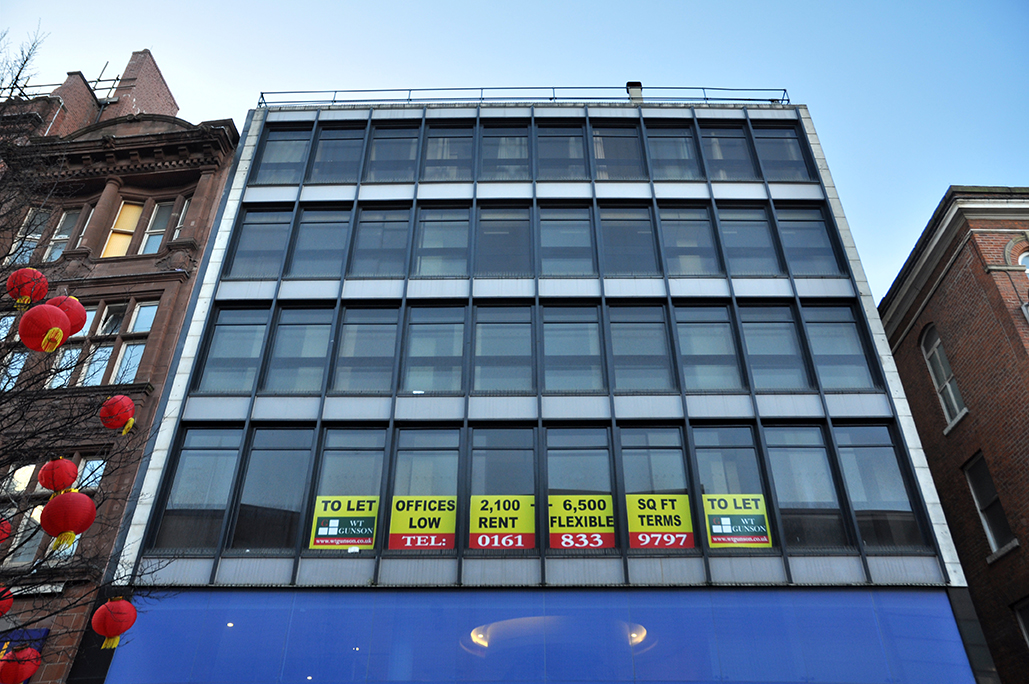
The double indignity of the Arndale and a bomb have changed things forever.

Nothing stands still – this is Market Street.

With thanks to http://images.manchester.gov.uk/index.php?session=pass

lewis-1940

8.jpeg

henry's

7

10

9

3

webmedia-4-php.jpeg

a-z

14

webmedia-23-php.jpeg

webmedia-6.php

webmedia-26.php

16

webmedia-9.php

18

5

webmedia-10.php

webmedia-7.php

webmedia-1.php

2.jpeg

4.jpeg

webmedia-11.php

webmedia-3.php

13

webmedia-8.php

webmedia-12.php

15

webmedia-13.php

webmedia-15-php.jpeg

6

webmedia-2.php

1.jpeg

19

webmedia.php

20.jpeg

webmedia-5.php

webmedia-22-php.jpeg

webmedia-24-php.jpeg

5220807822_fcafda48e6.jpg

11

webmedia-17.php

webmedia-18.php

webmedia-19.php

webmedia-20.php

Marksandspencer1962

webmedia-21.php

12

17

webmedia-9.jpg

steels-the-scene-chelsea-girl

Chelsea Girl

p_00484389


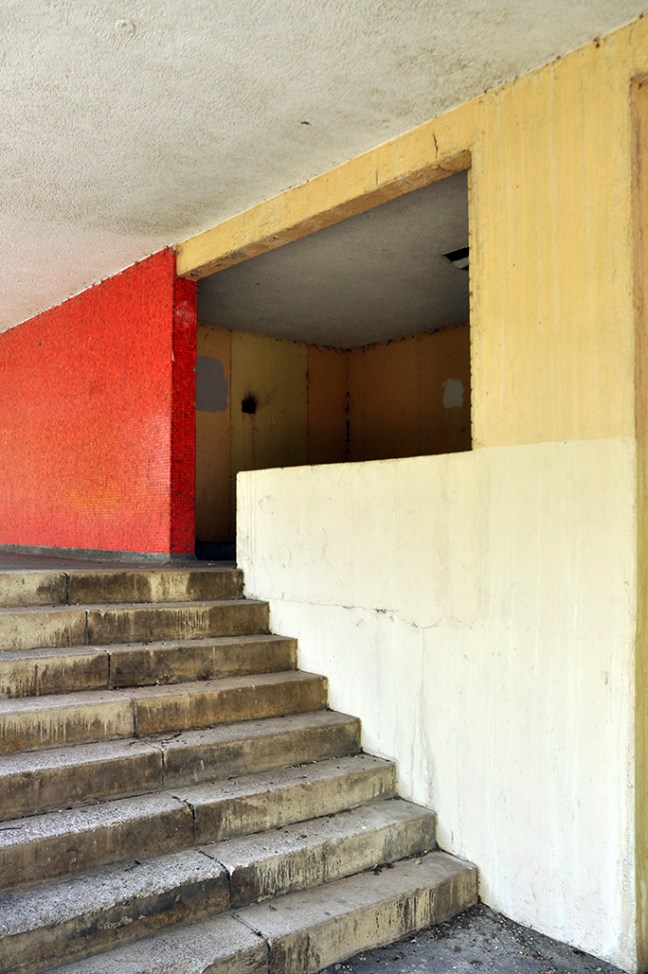
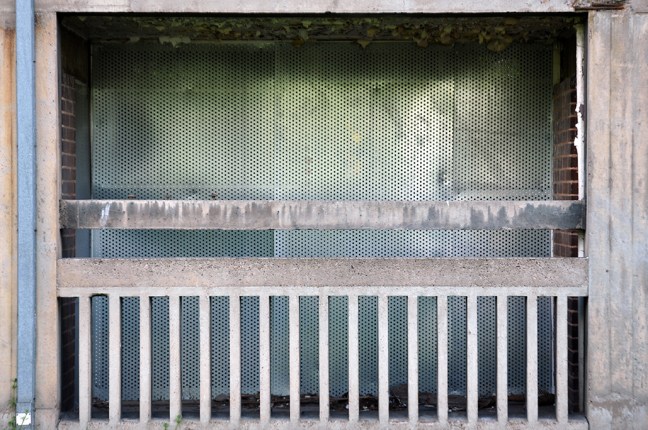
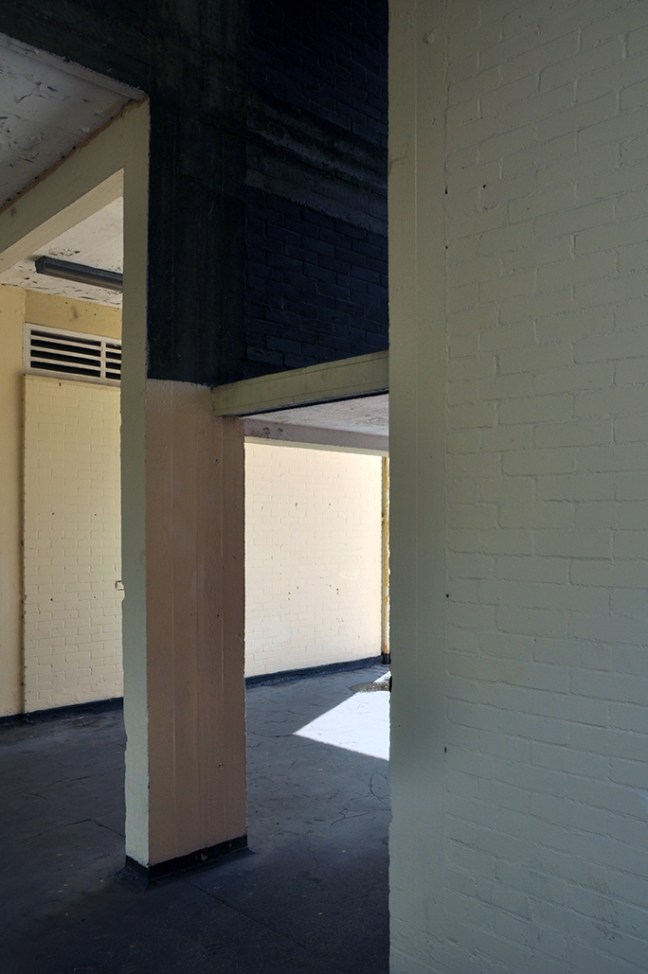
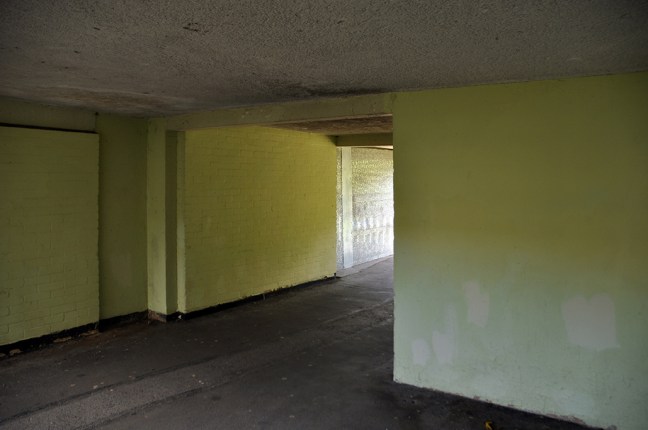
Park Hill – Sheffield

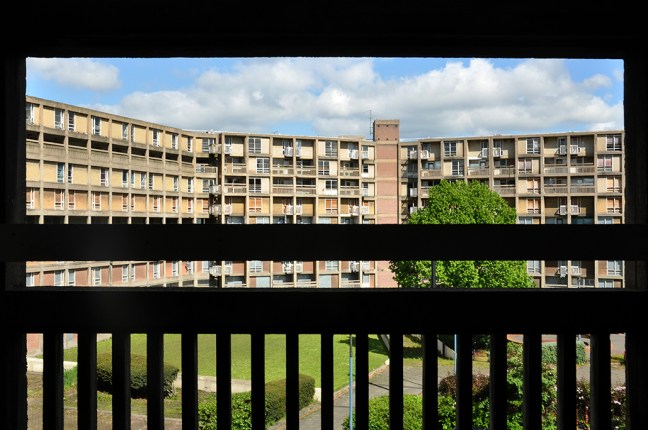
An estate with a chequered career.

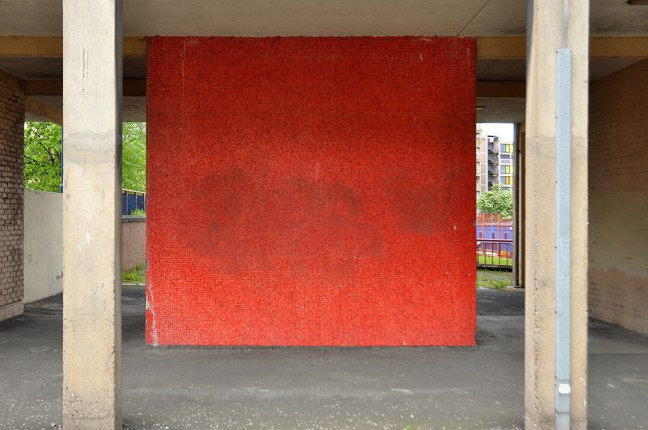
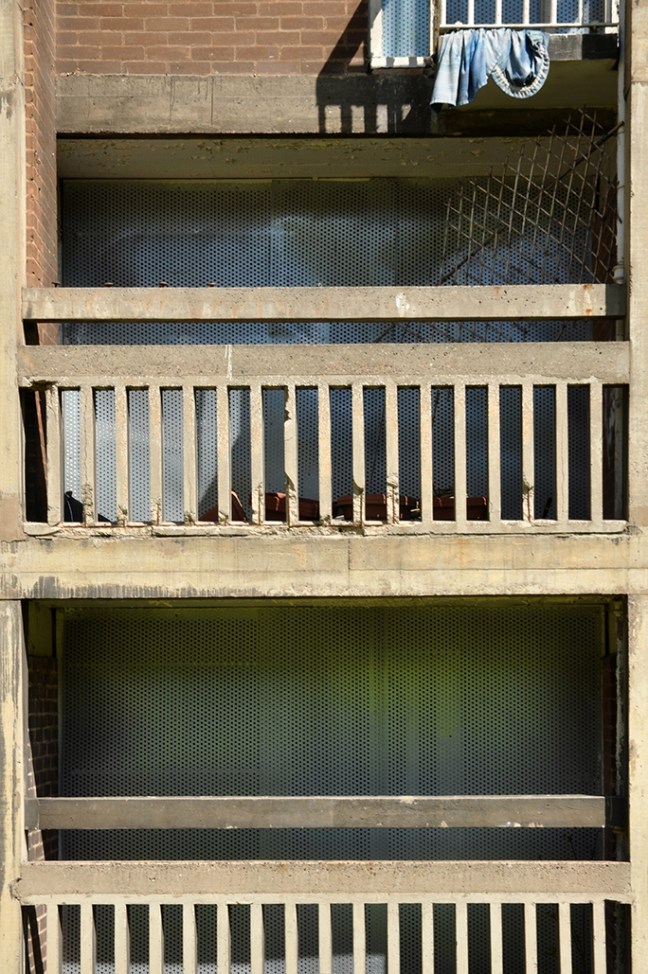
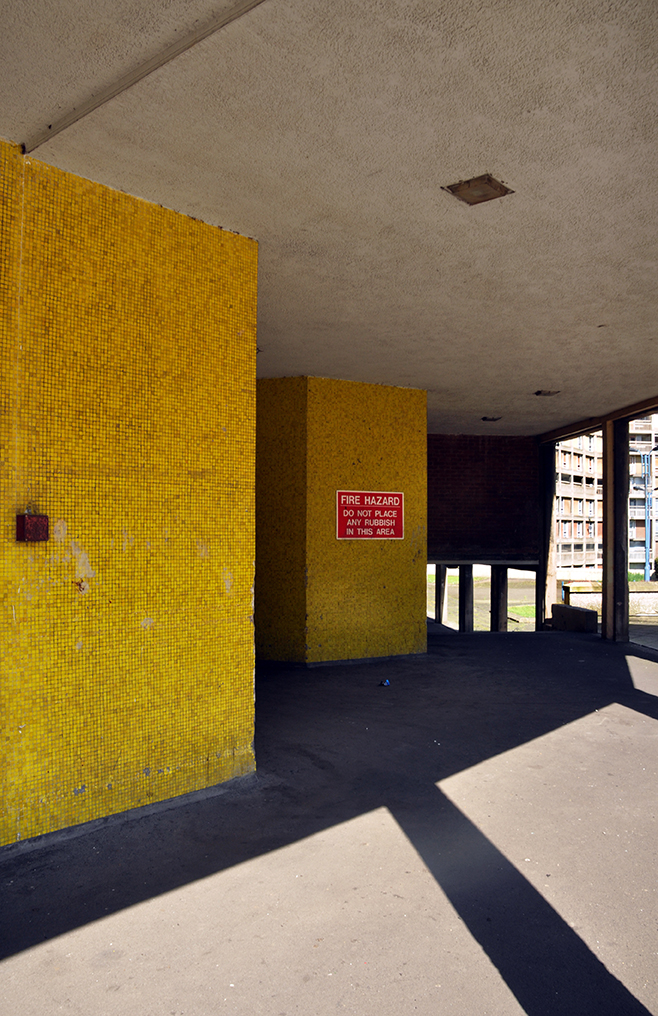
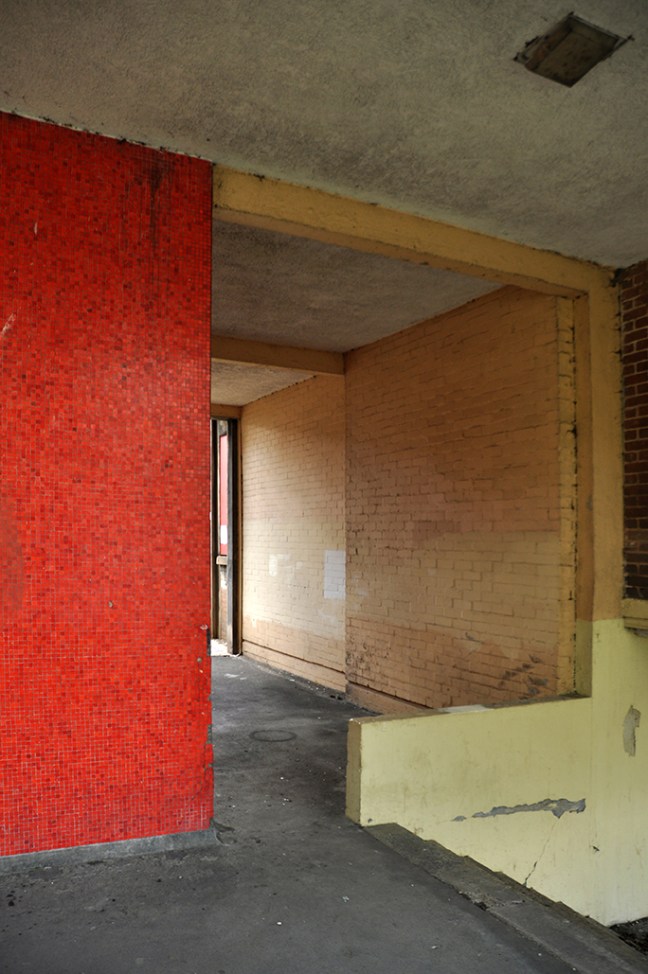
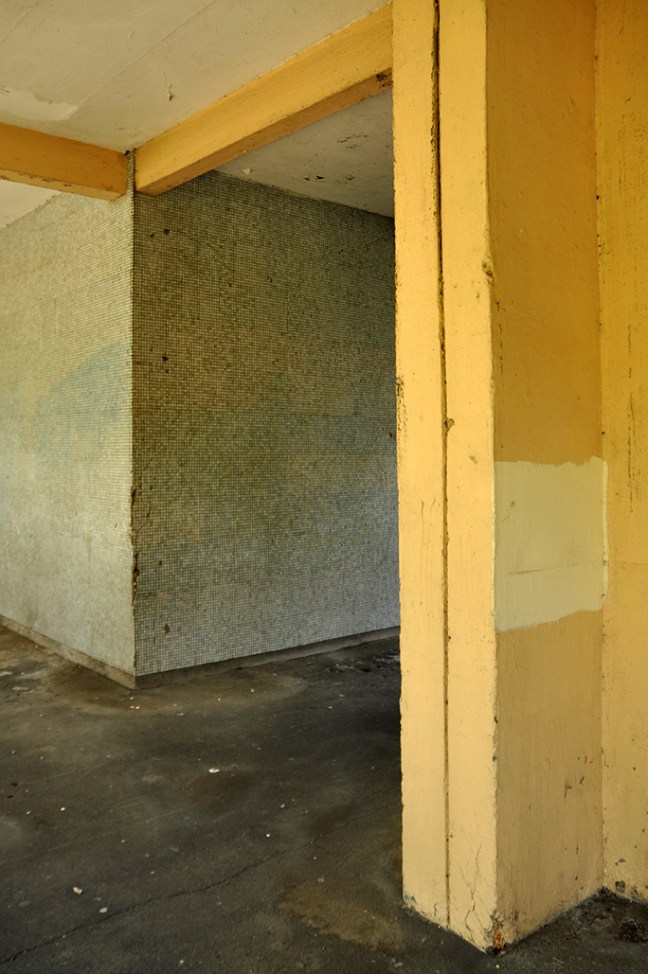
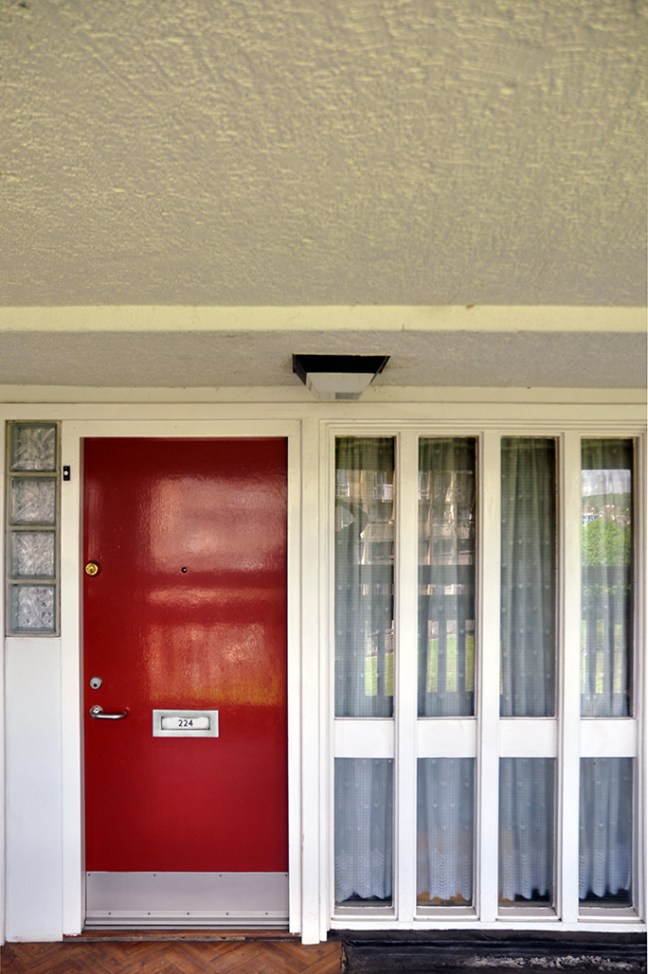
Once a beacon of Modernist design, now a listed concrete grid, in arrested decline, an essay in status and stasis, high above the city of Sheffield.

A handful of former residents of the once acclaimed social housing, cling to the western edge.

Phase one of the Urbansplash redevelopment has carefully coloured in a portion of the eastern corner, then exited, their cladding tucked tightly under their arms.

Impasse.

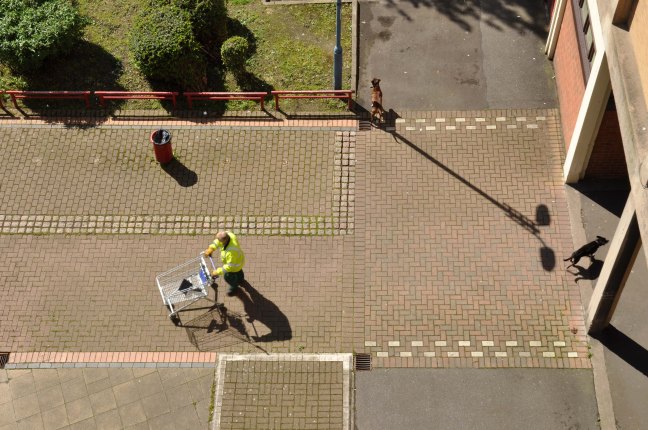
All tinned up with nowhere to go, to walk the walkways, is to enter a ghost town, where no tumbleweeds tumble. Billy the corporation cleaner is happy to work alone, sweeping the empty spaces.

“Some don’t like working up here, I don’t mind my own company. Even if there was just one resident left, we’d still have to keep the place in order. You’d love my house, it’s an Army Barracks in the centre of town. Wife’s the caretaker, been in her family for three generations.”

billy

This is the second of three visits I have made from across the Pennines.

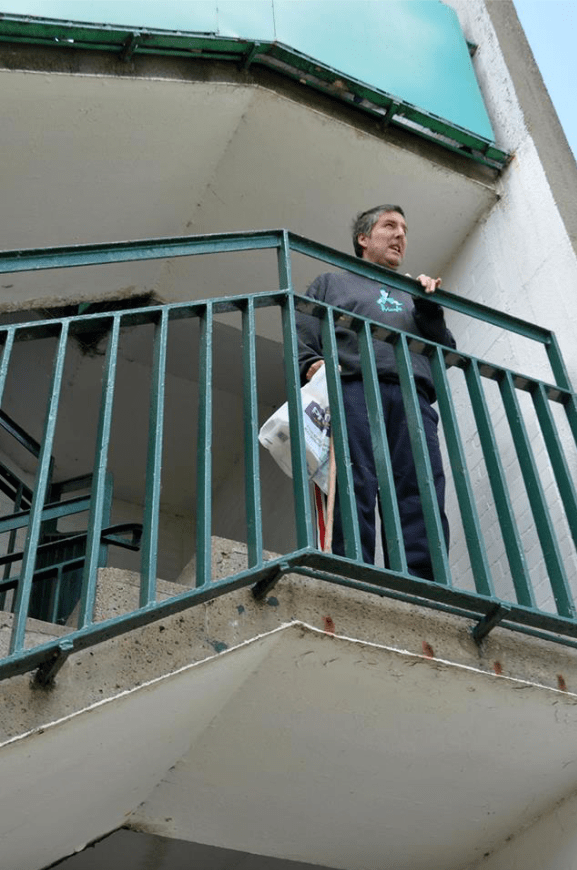
Mark – “Why are all these photographers coming here from Manchester?”

Screen Shot 2015-12-13 at 04.57.05


“Been here some time, this is the second flat I’ve had, just missed out on one of the new ones though. Had this one nine years. Bloke threw himself off last week, he had a wife kids, parked up and just jumped.”

Take a look around.

DSC_0168

DSC_0071

DSC_0017

DSC_0170

DSC_0175

DSC_0008

DSC_0020

DSC_0116

DSC_0074

DSC_0093

DSC_0029

DSC_0165DSC_0106

DSC_0164

DSC_0101

DSC_0159

DSC_0051

DSC_0091

DSC_0047

DSC_0112

DSC_0145

DSC_0099

DSC_0026

DSC_0140


Precinct – Stalybridge

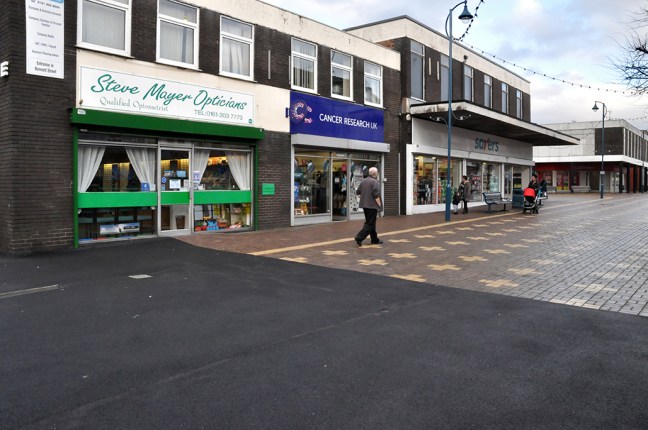
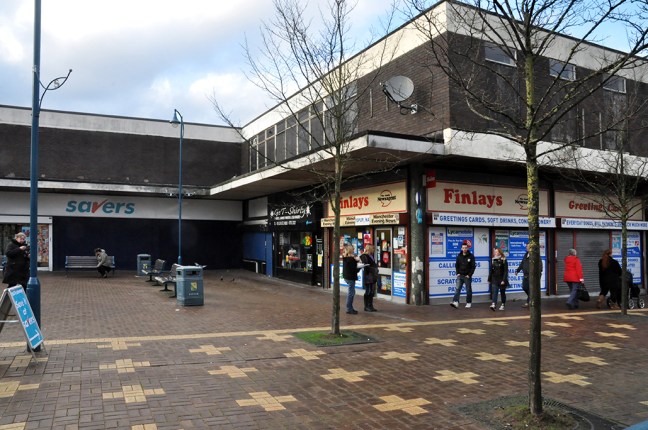
The dissipated filling, in an Aldi and Tesco sandwich, a flat roofed, concrete and brick sixties shopping development, a precinct.

Small towns typically comprise of several retail developments, of various vintages, chasing diminishing returns, in ever expanding rectangles.

Stalybridge is no exception, once a bustling mill town, it sought salvation in a hedonistic mini-break by the River Tame, party industry.

Stalyvegas.

The bright lights of the society of the spectacle, now extinguished, burnt brightly in Bar Liquid, Club Rififi, H2O and Amber Lounge.

Walking the streets today, a meagre spread of shoppers, hardened daytime drinkers and lost souls.

Bids were made for a Portas Pilot, Mary contrarily resisted.

The Northern Powerhouse hits the buffers.

The Buffet prevails.

DSC_0119 copy

DSC_0118 copy

DSC_0121 copy

DSC_0126 copy

DSC_0127 copy

DSC_0120 copy

DSC_0122 copy

DSC_0123 copy

DSC_0125 copy

DSC_0124 copy


Launderette – Stalybridge

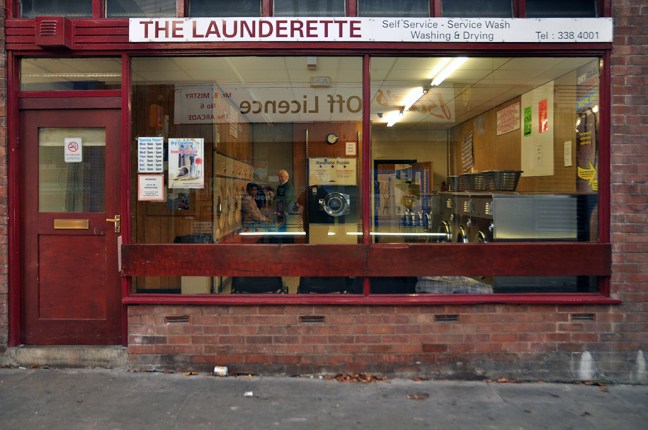
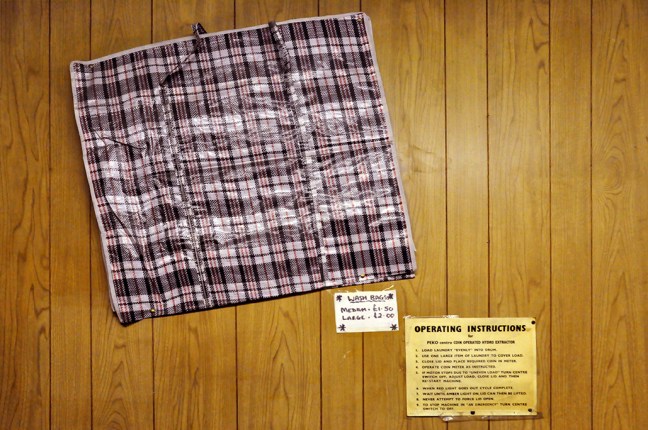
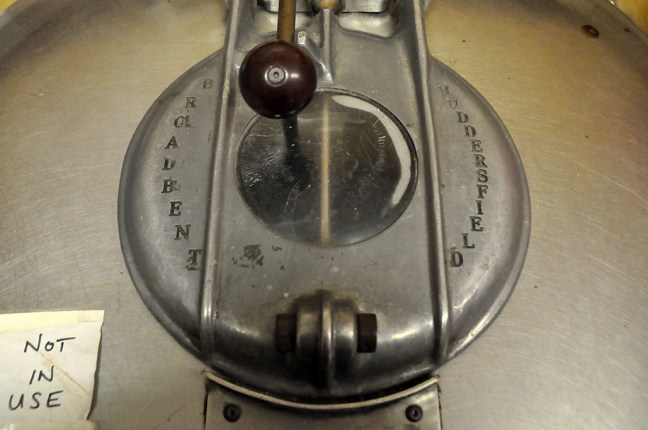
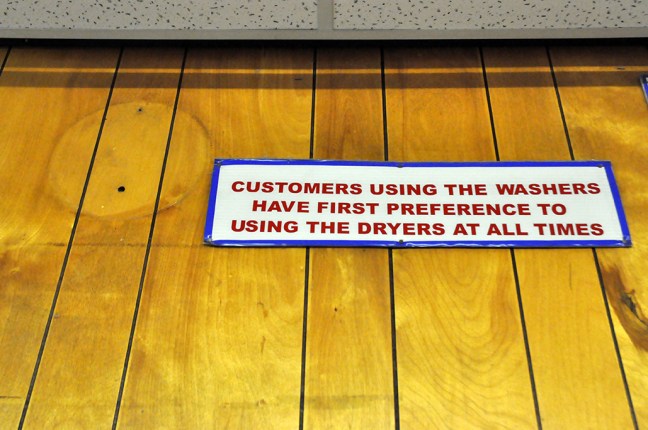
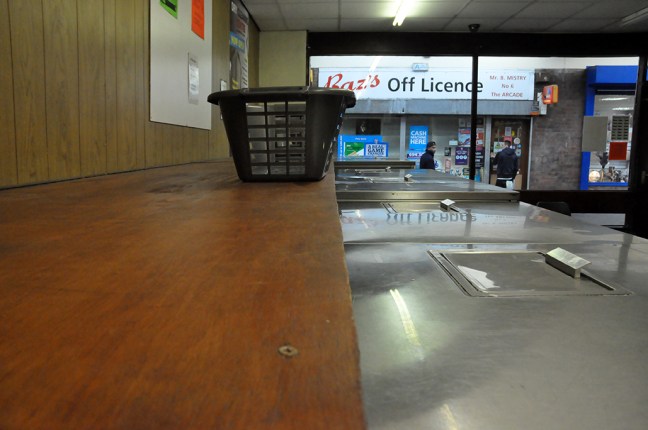
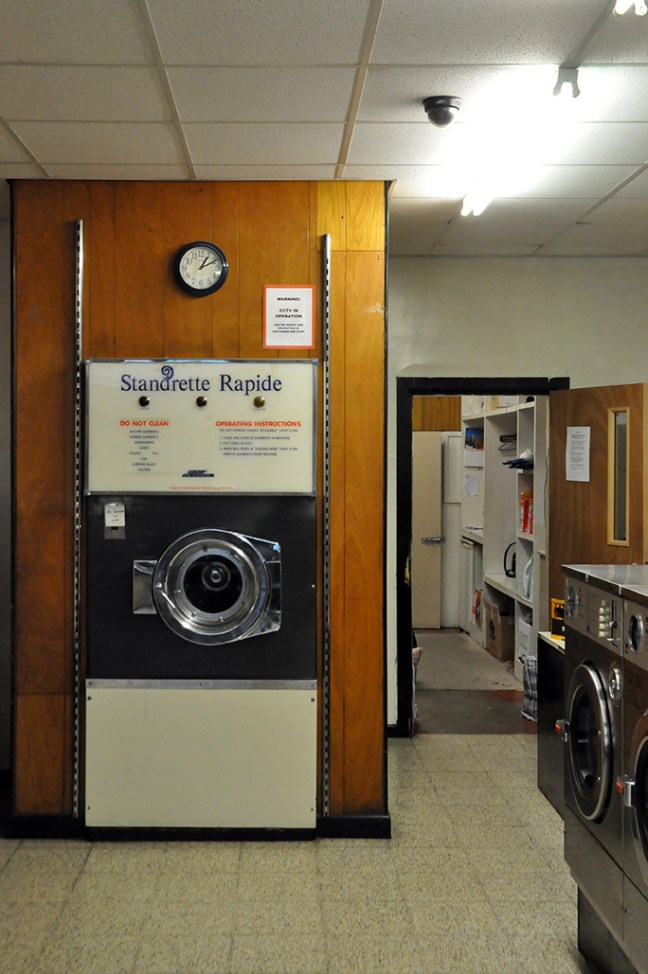
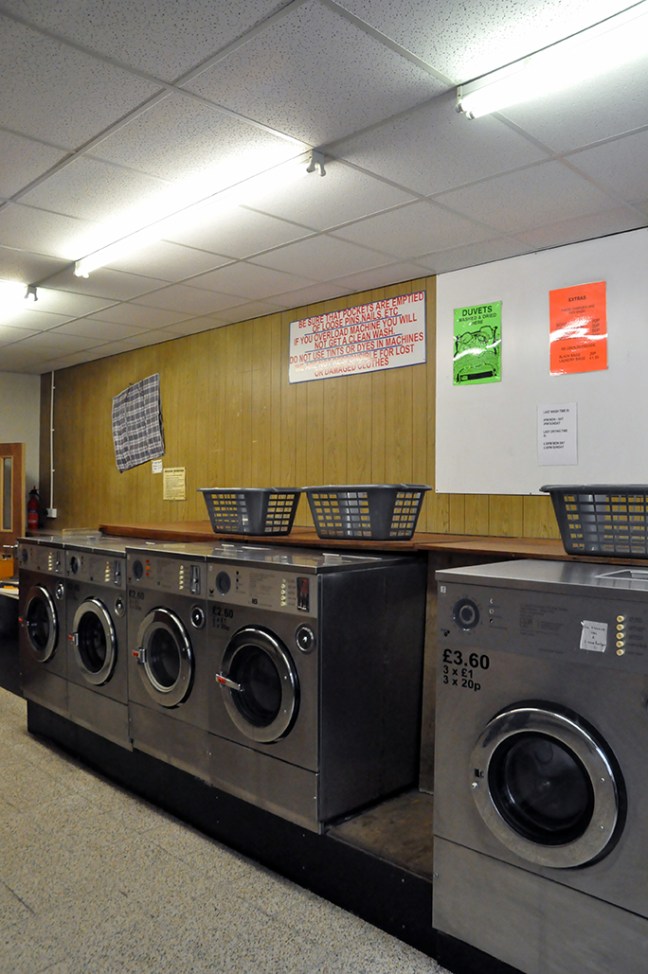
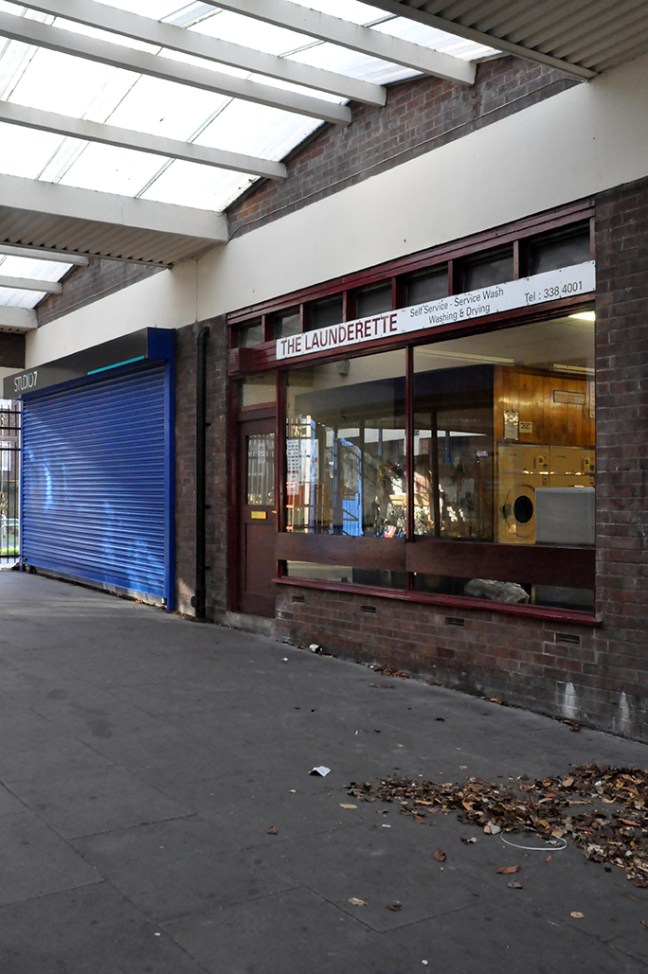
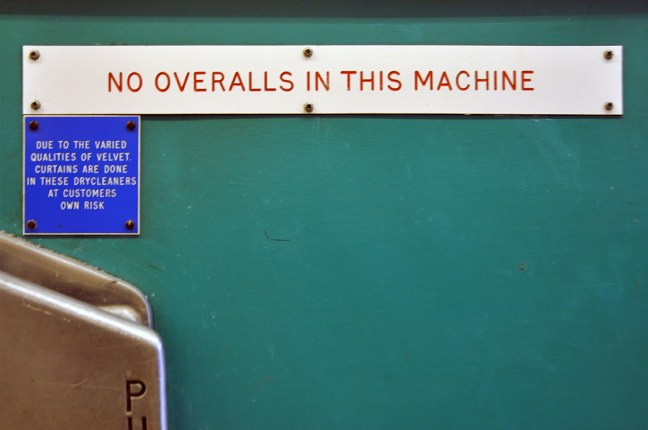
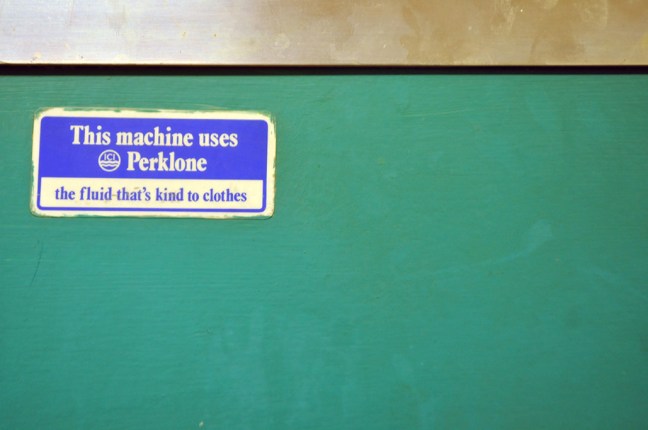
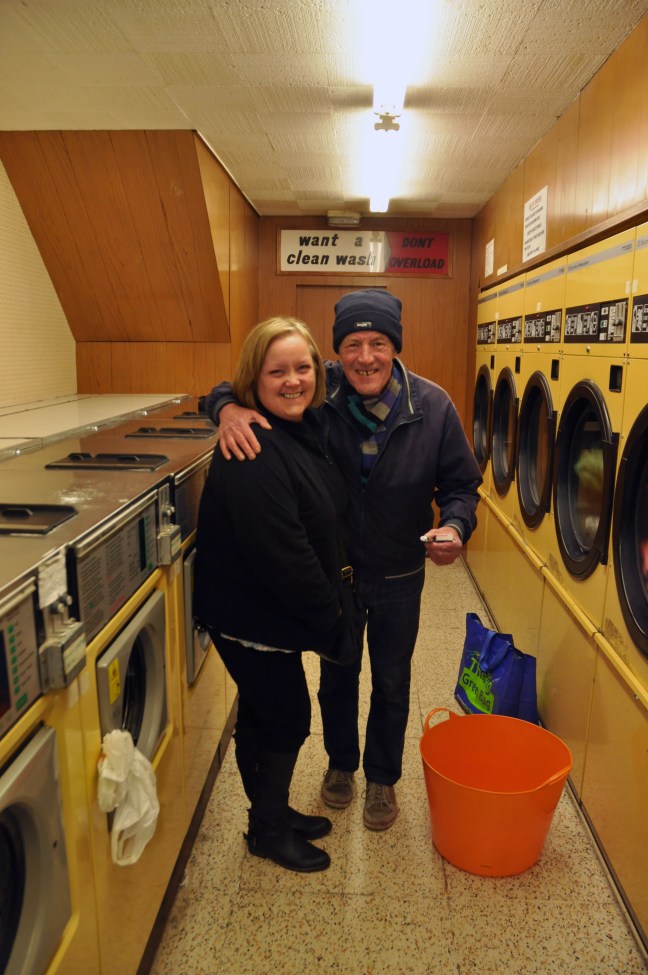
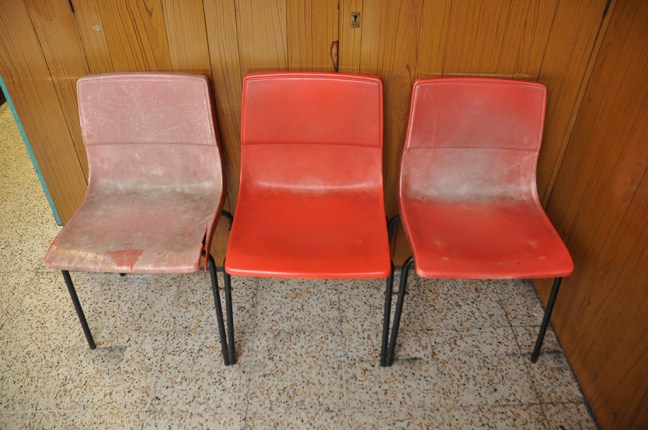
Tucked away in an arcade, far from Arcadian – not far from Baz’s Off Licence.

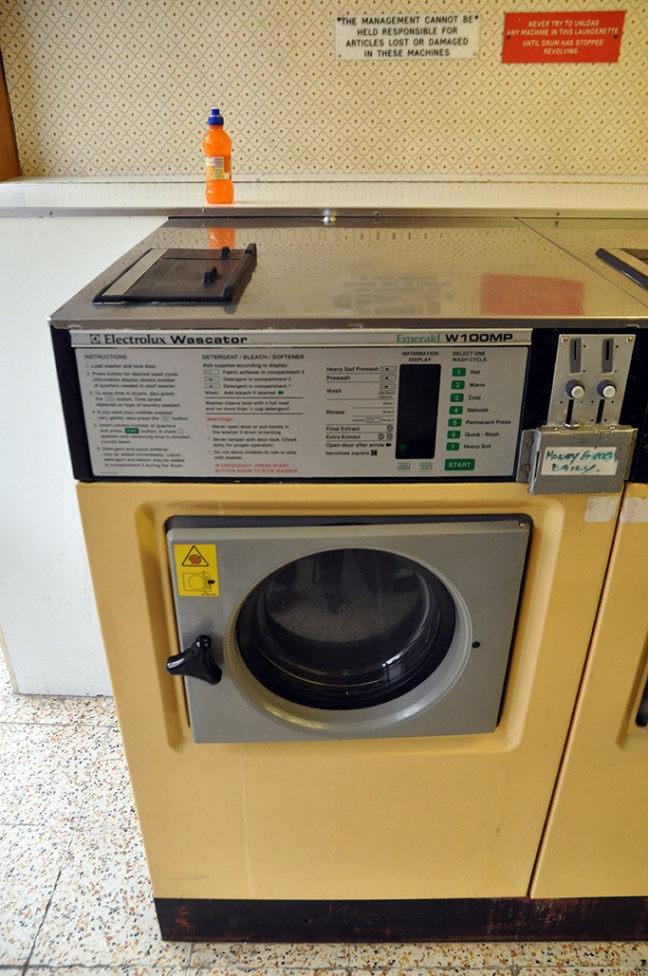
The launderette.

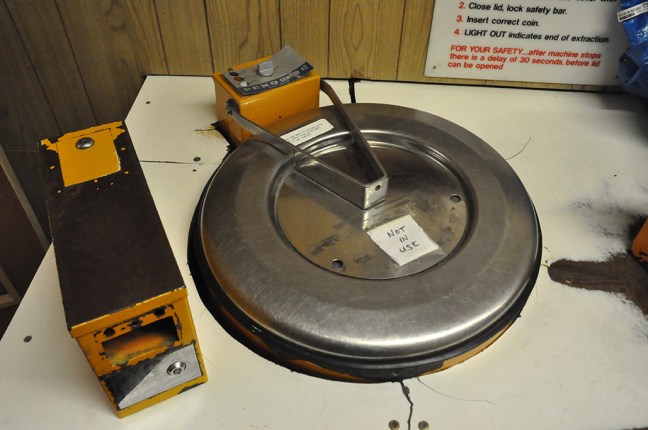
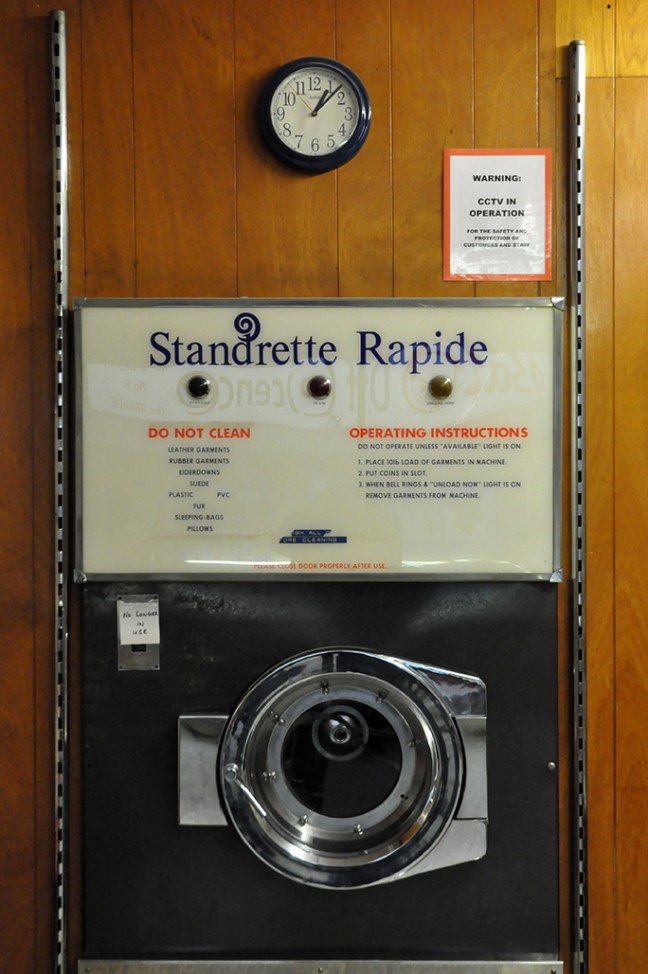
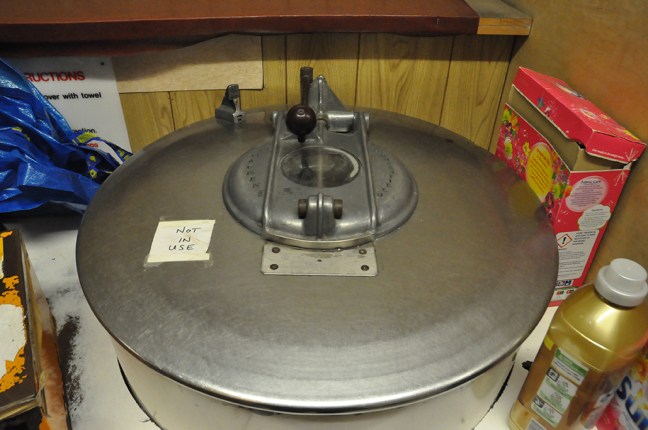
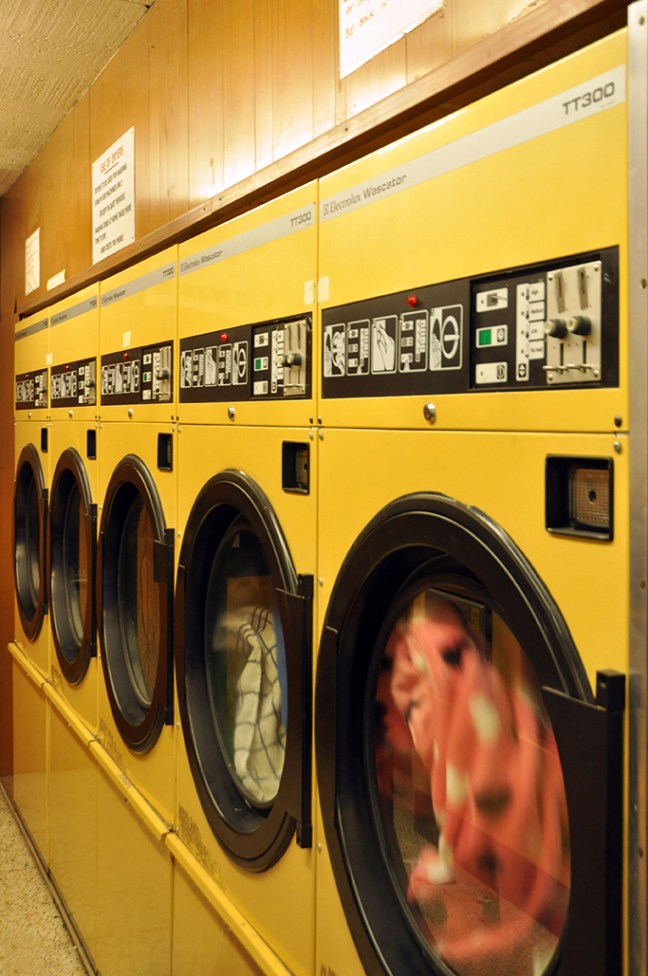
Yet another testament to the partial persistence of industrial technology.

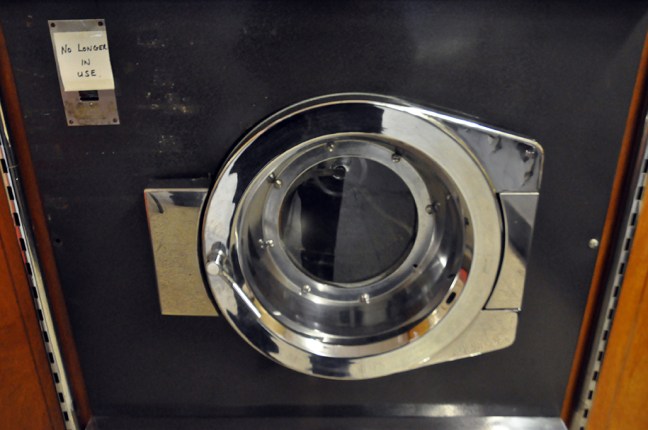
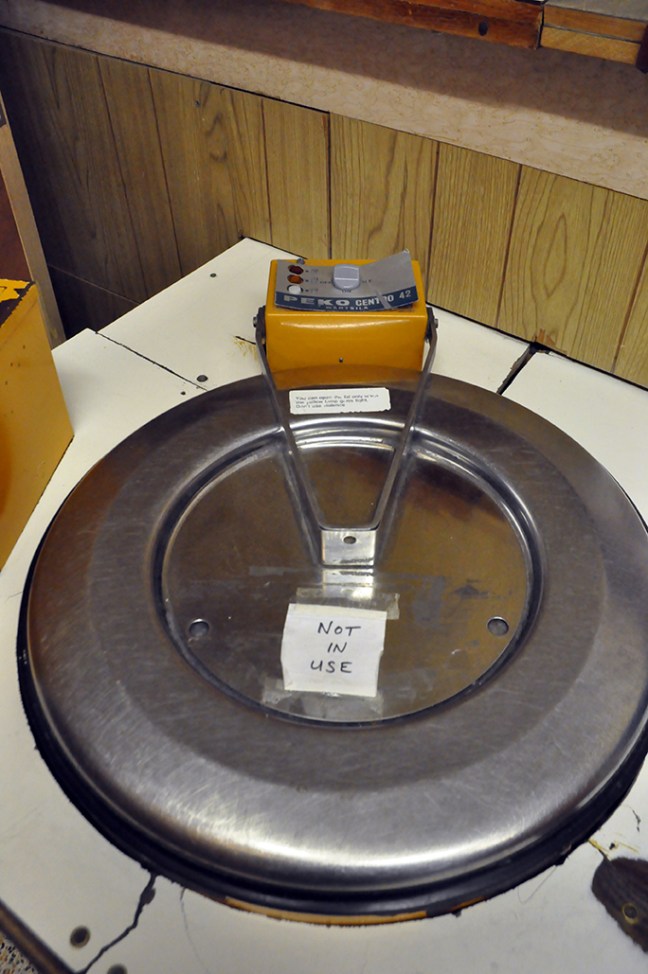
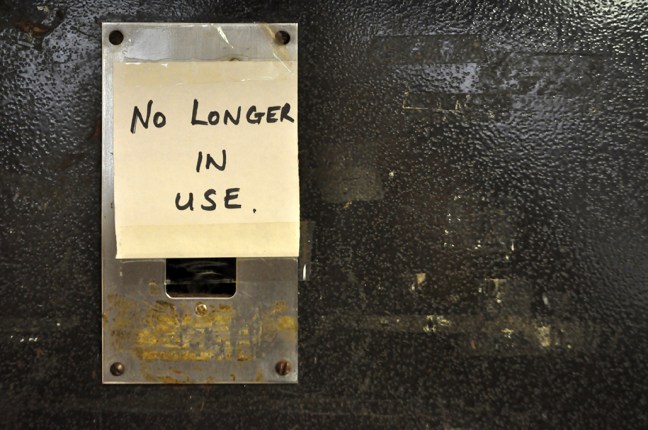
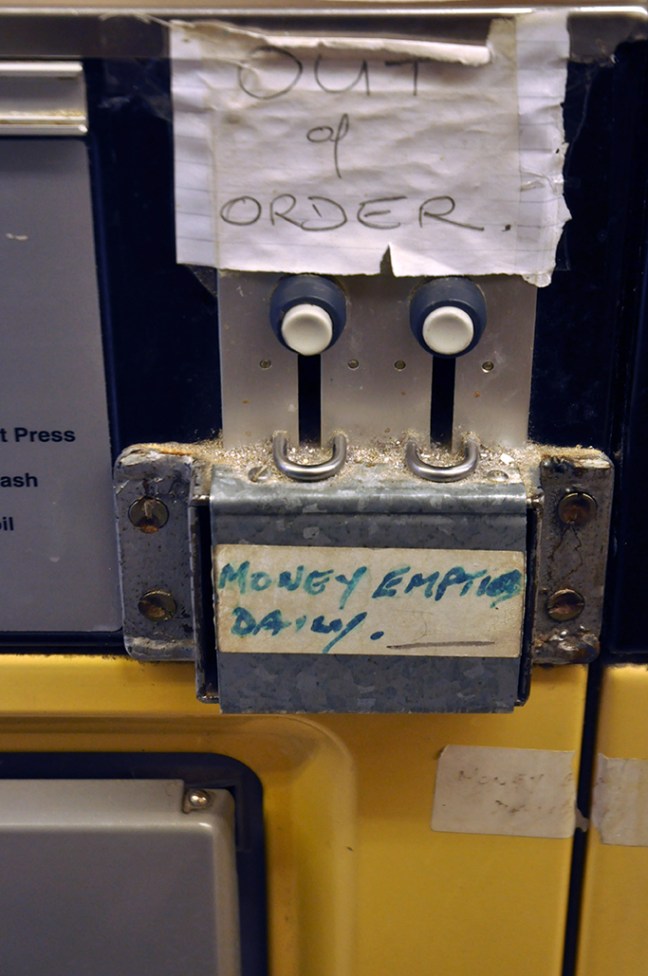
No Longer in Use.

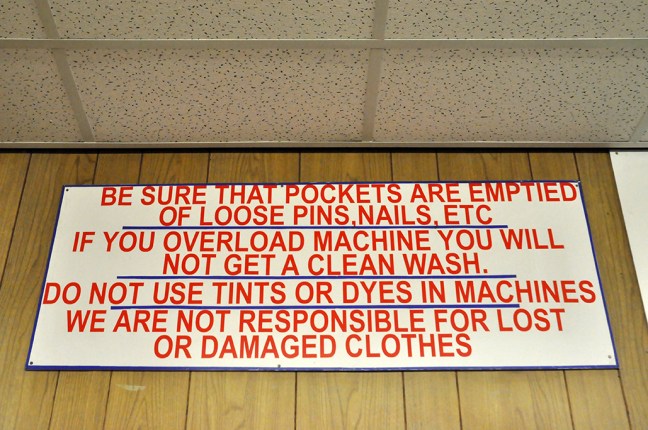
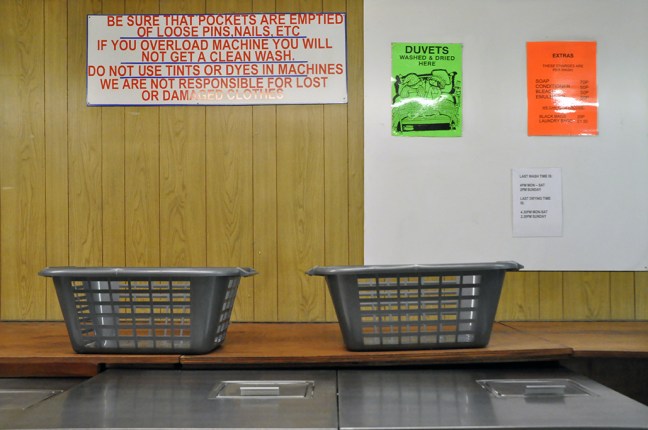
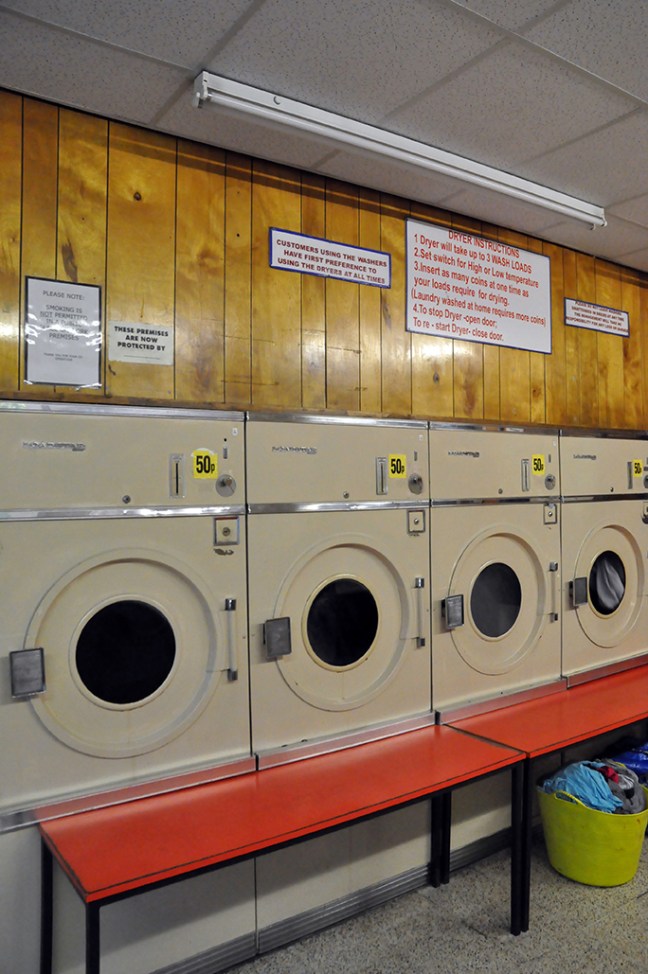
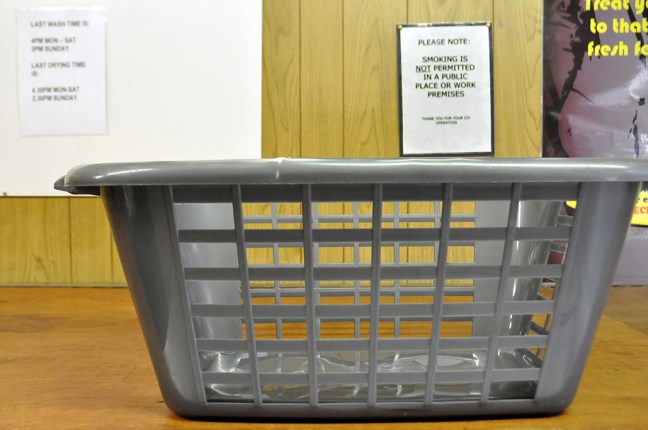
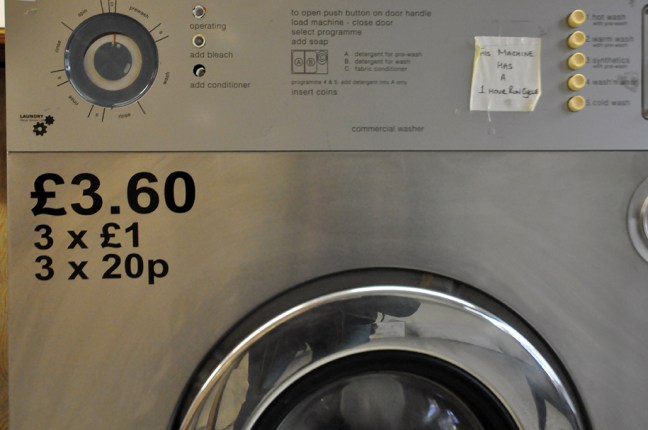
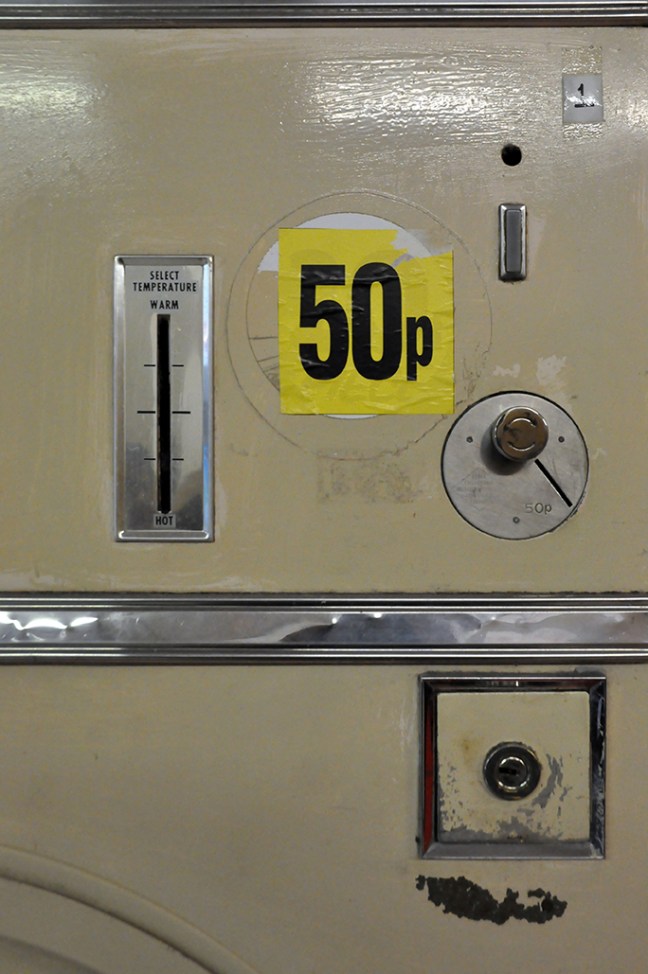
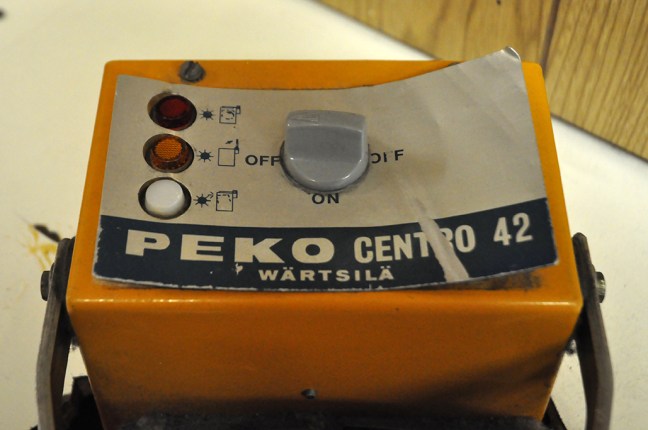
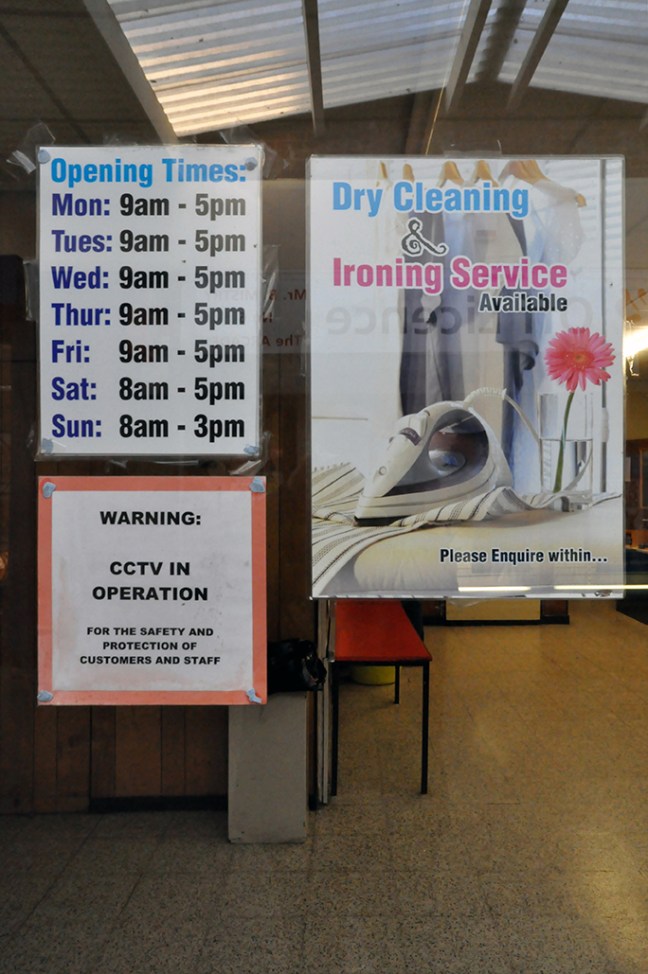
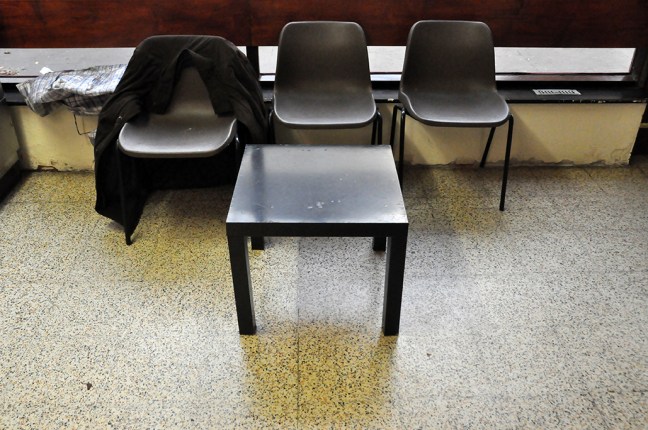
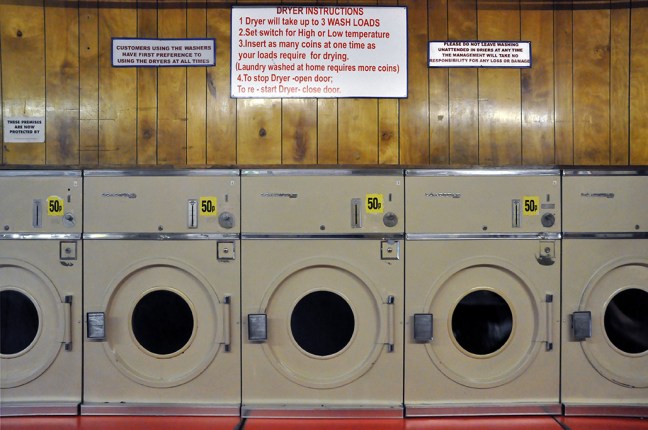
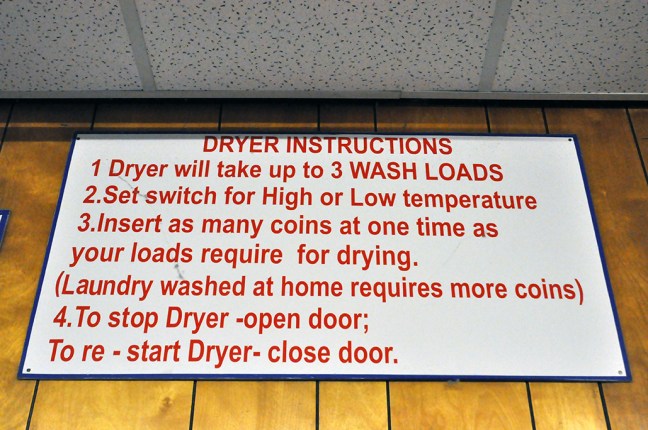
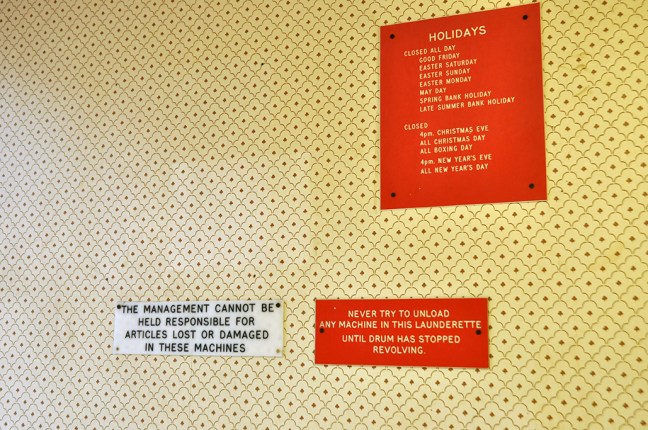
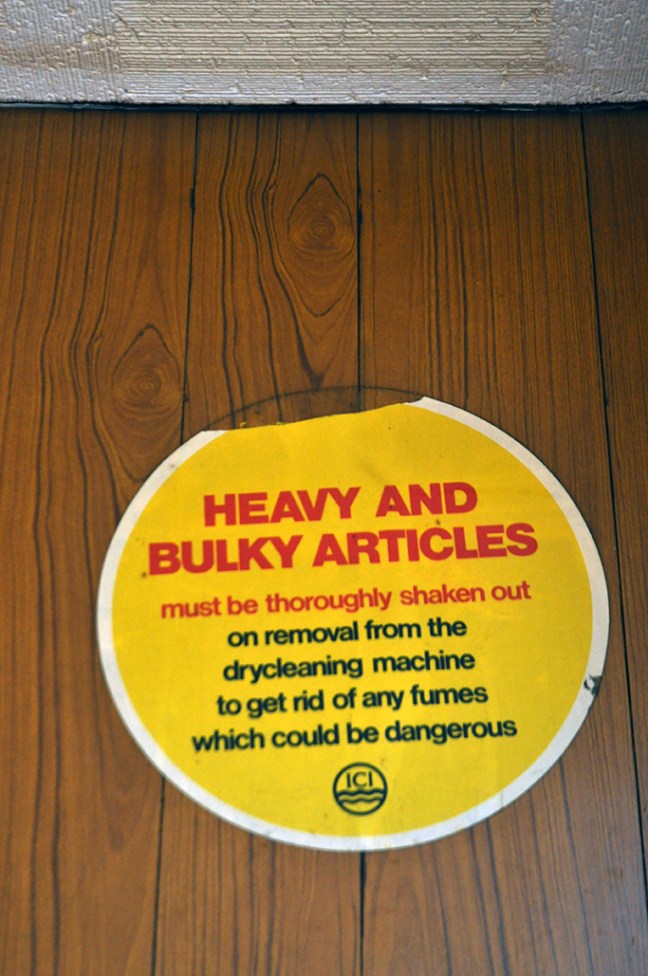
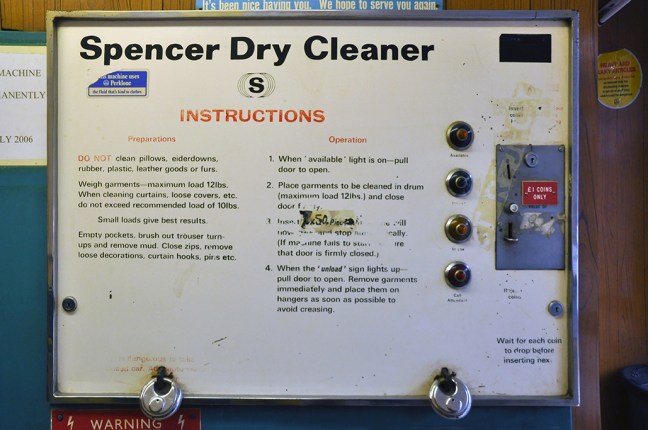
A happy hotch-potch of signs, surfaces and sixties design.

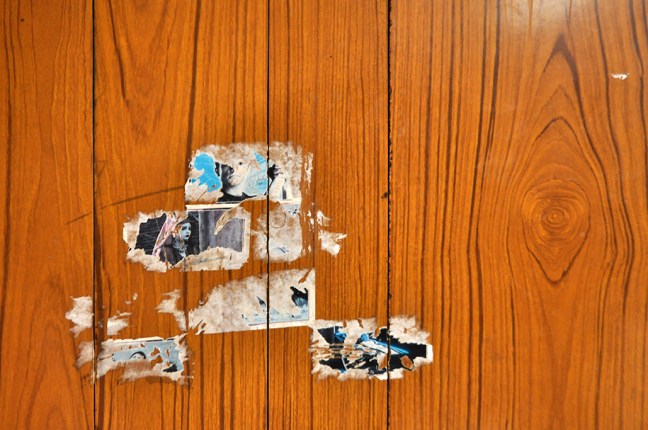
Informal formica, stripped bare strip lighting, wobbly laminate walls.

Watch and wait, whilst the World and your washing whirl.


DSC_0073 copy

DSC_0074 copy

DSC_0075 copy

DSC_0072 copy

DSC_0098 copy

DSC_0084 copy

DSC_0076 copy

DSC_0091 copy

DSC_0089 copy

DSC_0096 copy

DSC_0088 copy

DSC_0078 copy

DSC_0086 copy

DSC_0080 copy

DSC_0094 copy

DSC_0082 copy

DSC_0081 copy

DSC_0097 copy

DSC_0083 copy

DSC_0077 copy

DSC_0101 copy

DSC_0100 copy

DSC_0085 copy

DSC_0079 copy

DSC_0092 copy

DSC_0090 copy

DSC_0093 copy

DSC_0102 copy


Ups ‘n’ Downs – Stockport

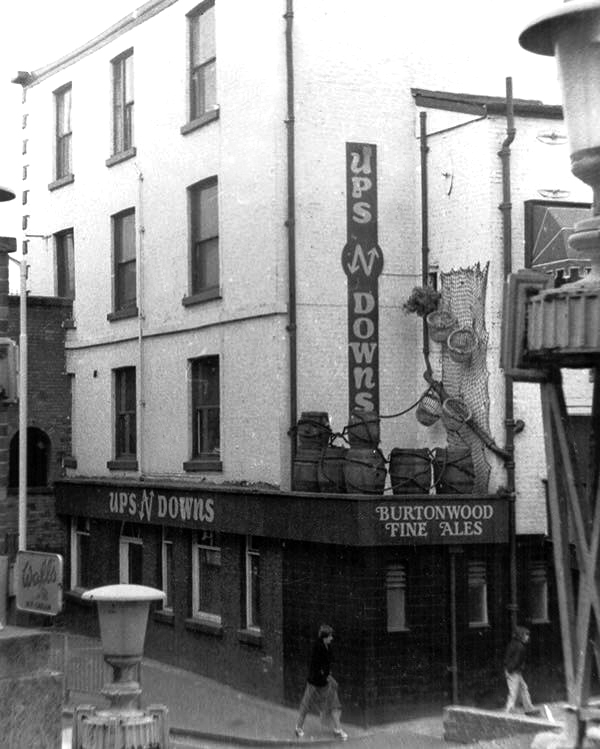
Ups ‘n’ Downs, it’s had its share of ups and downs.

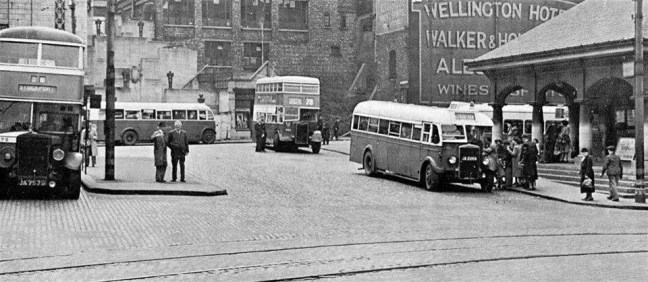
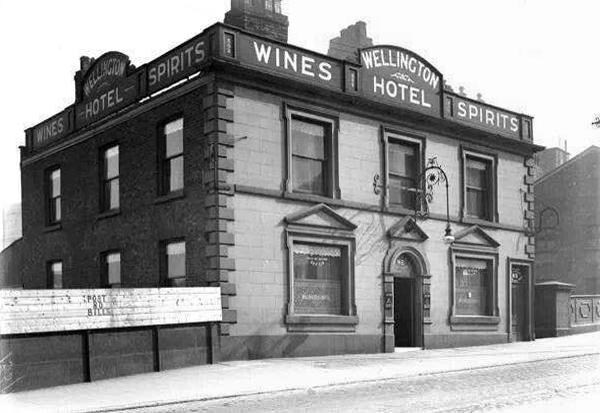
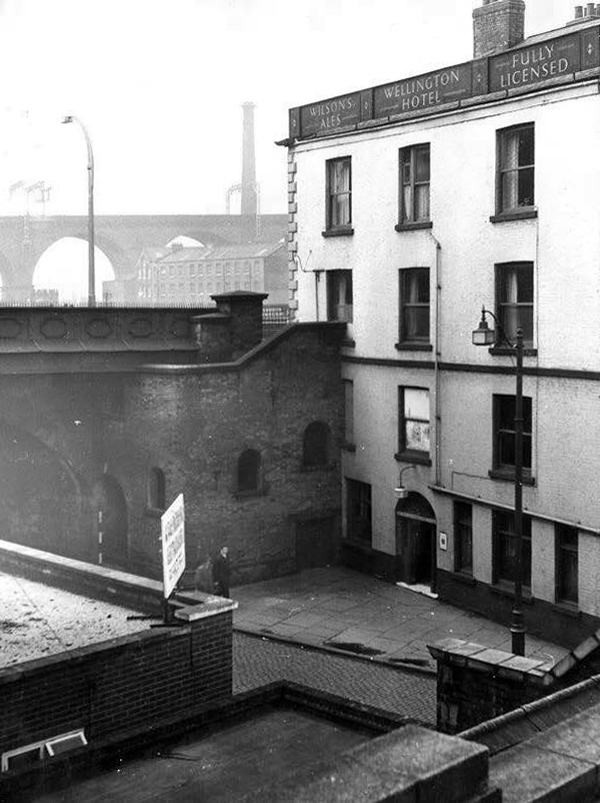
Quite literally – the former Wellington Inn has an upside facing onto the busy A6 Wellington Road, and a downside opening onto Mersey Square.

27972749_557518087936232_7728145189045588891_n

27858056_557516154603092_2607525642965010439_n

27750183_557516157936425_5371938937434776142_n

27972829_557516197936421_3119942482090205920_n

Its fortunes similarly something of a rollercoaster ride, from busy town centre pub, to edgy pseudo-club, populated by late night uniformed bus drivers, swaying on the metre square dance floor.
Latterly something of a disco party bus, going nowhere fast.

Known variously as Glitz, Bentley’s and the Bees Knees.

Finally, partial occupation by a forlorn pound shop – defying economic trends by closing.

An architectural curiosity and a blank faced, gap toothed greeting to the Town’s visitors, there is talk of conversion to flats under the council’s stewardship.

It seems like up to me.

DSC_0003

DSC_0017

DSC_0006

DSC_0004

DSC_0021

DSC_0019

DSC_0016

DSC_0005

DSC_0008

DSC_0020

DSC_0014

DSC_0013

DSC_0007

DSC_0032

DSC_0002

DSC_0012

DSC_0028

DSC_0023

DSC_0001

DSC_0010

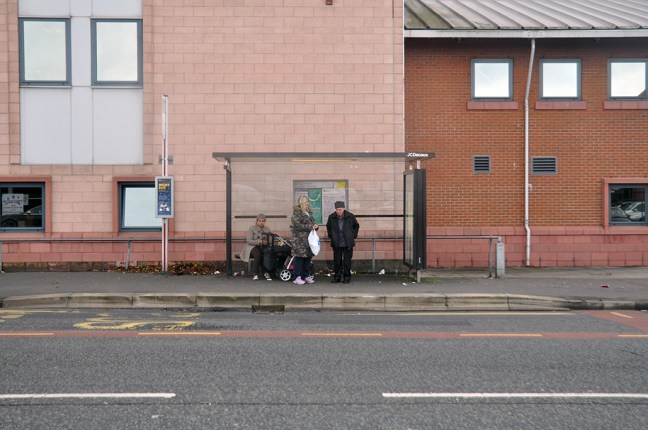
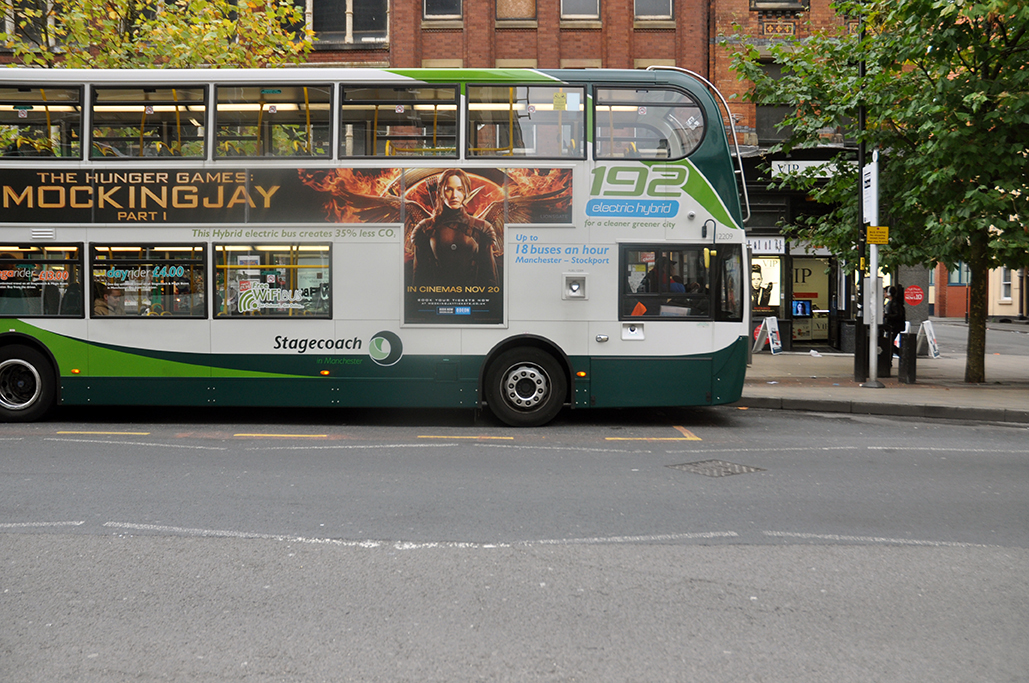
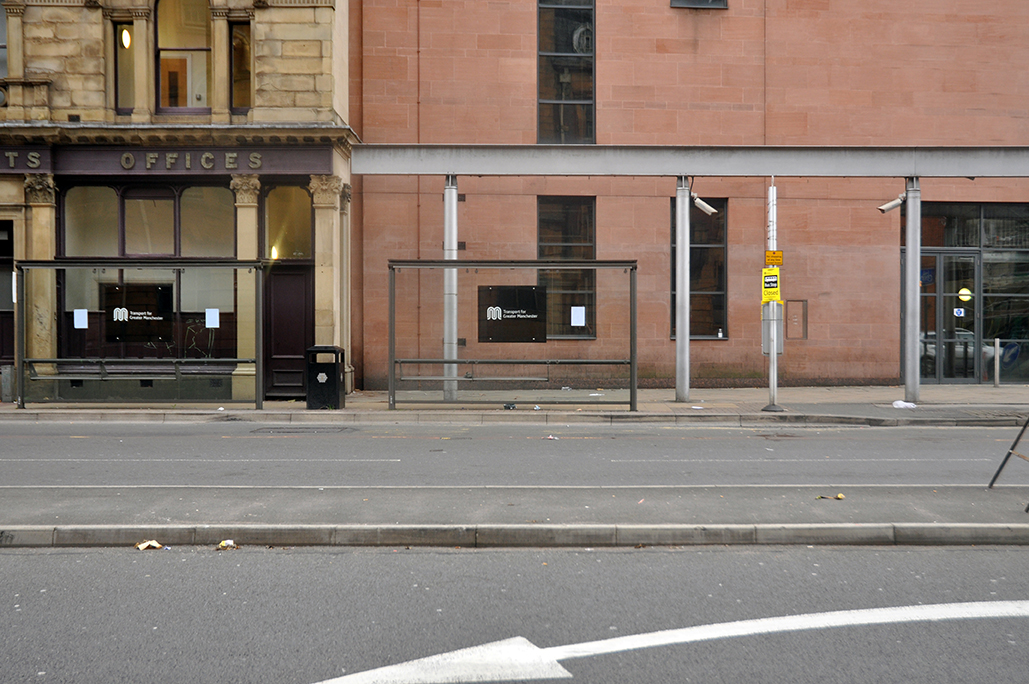
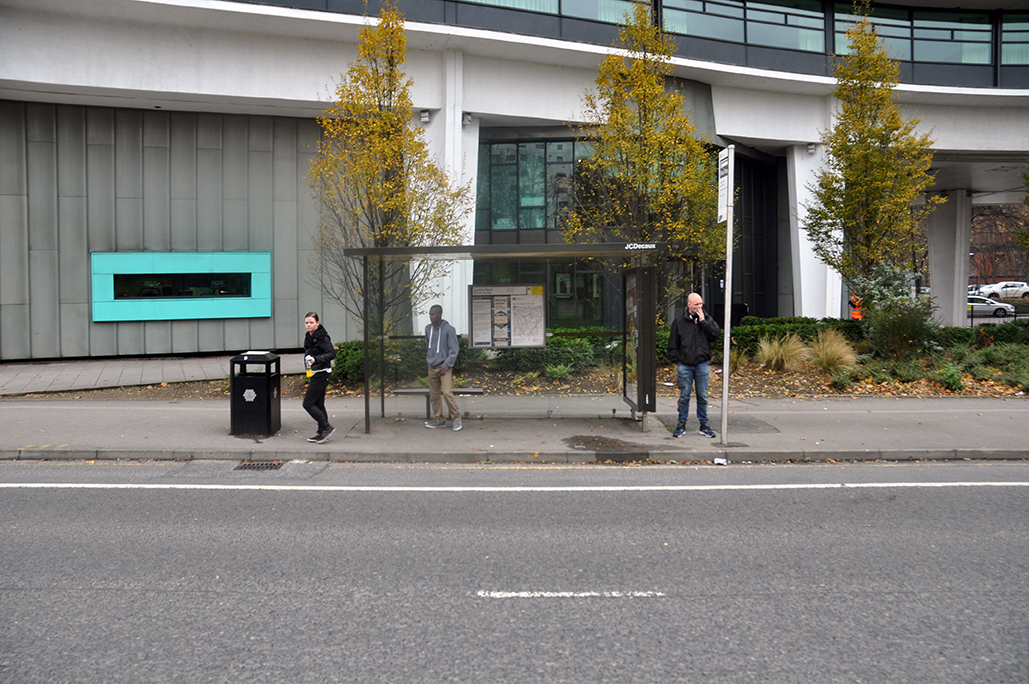
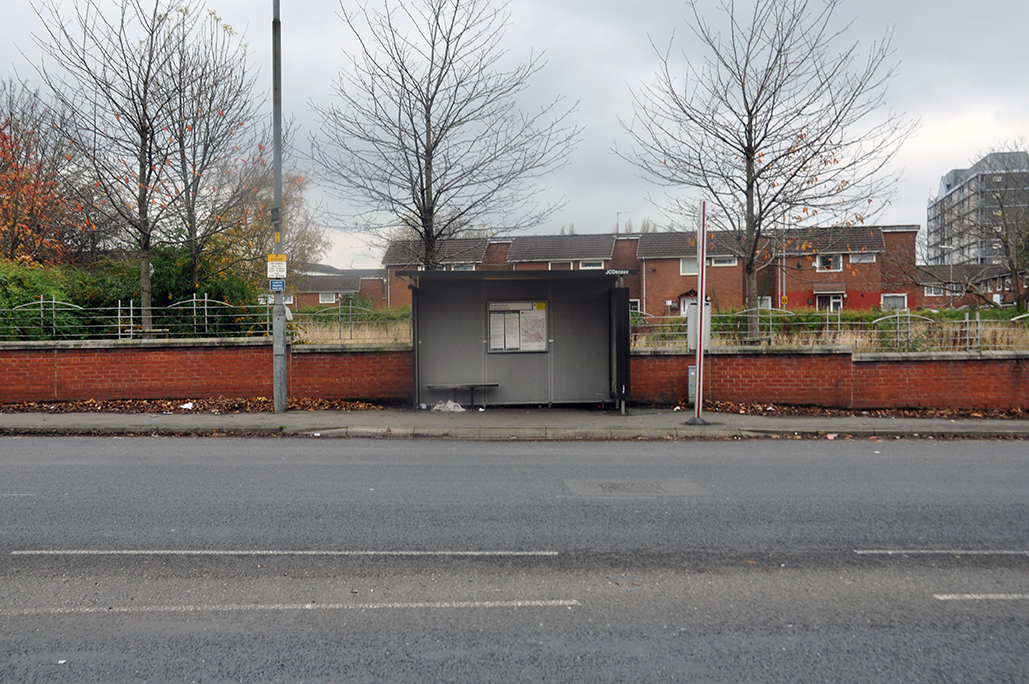
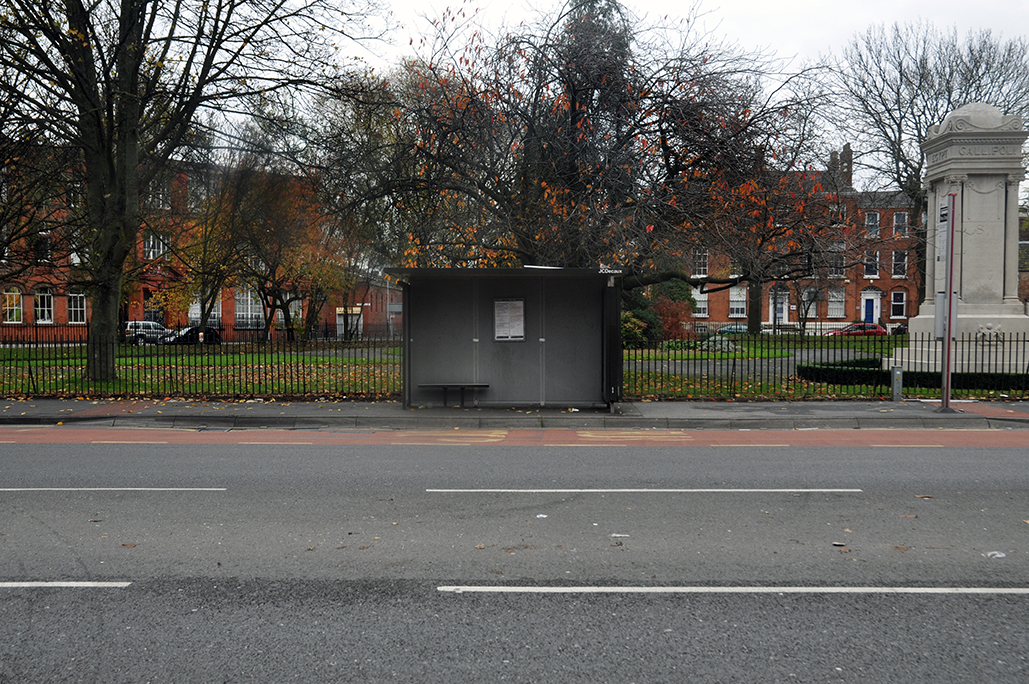
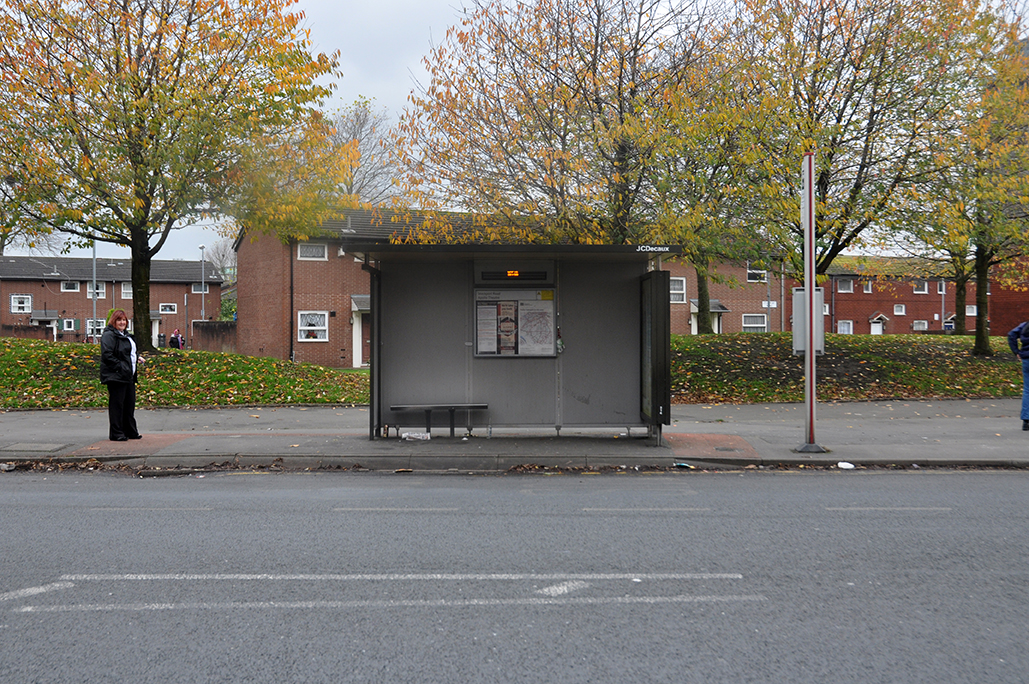
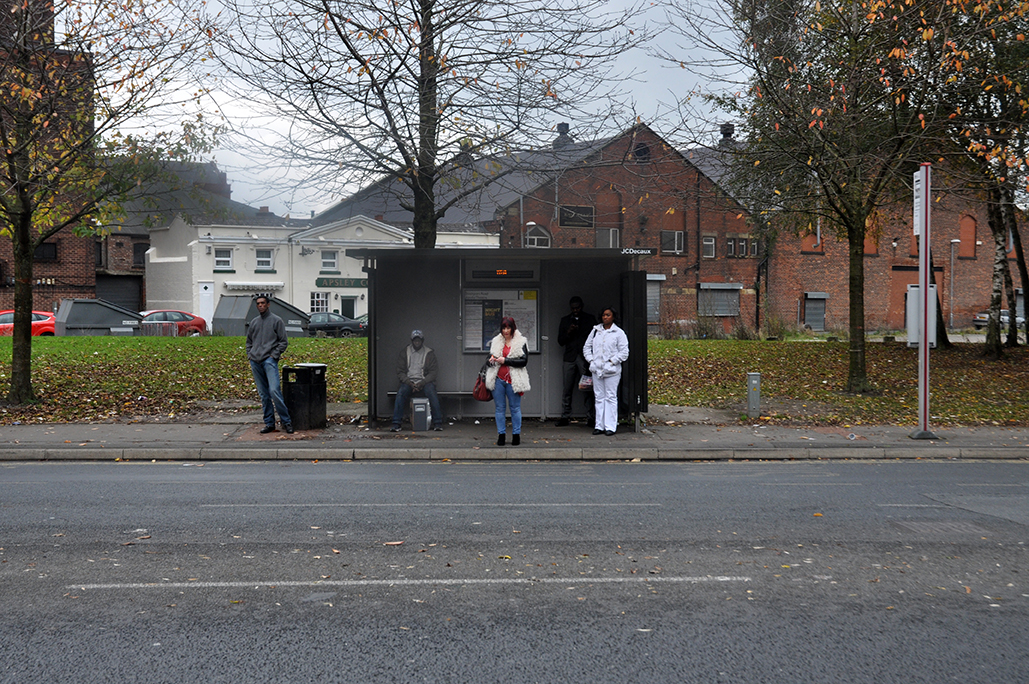
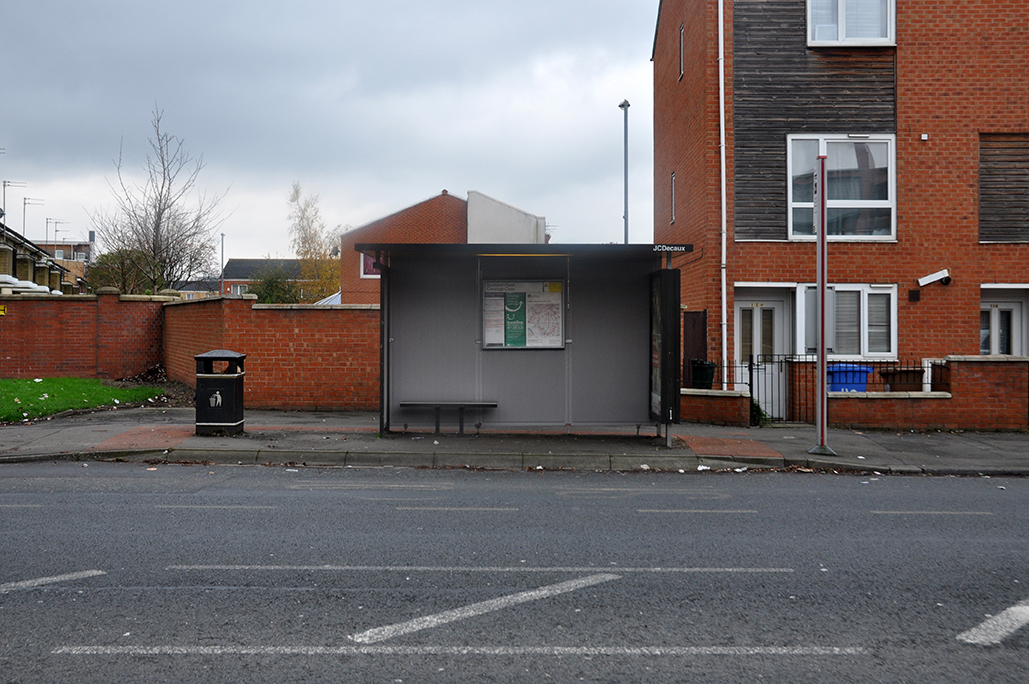
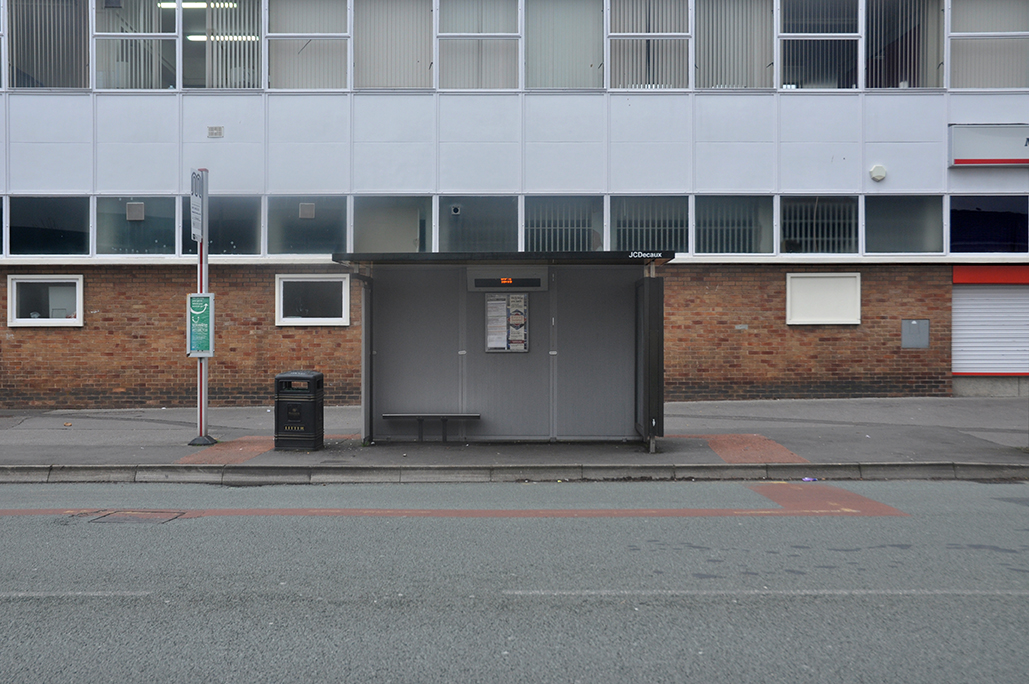
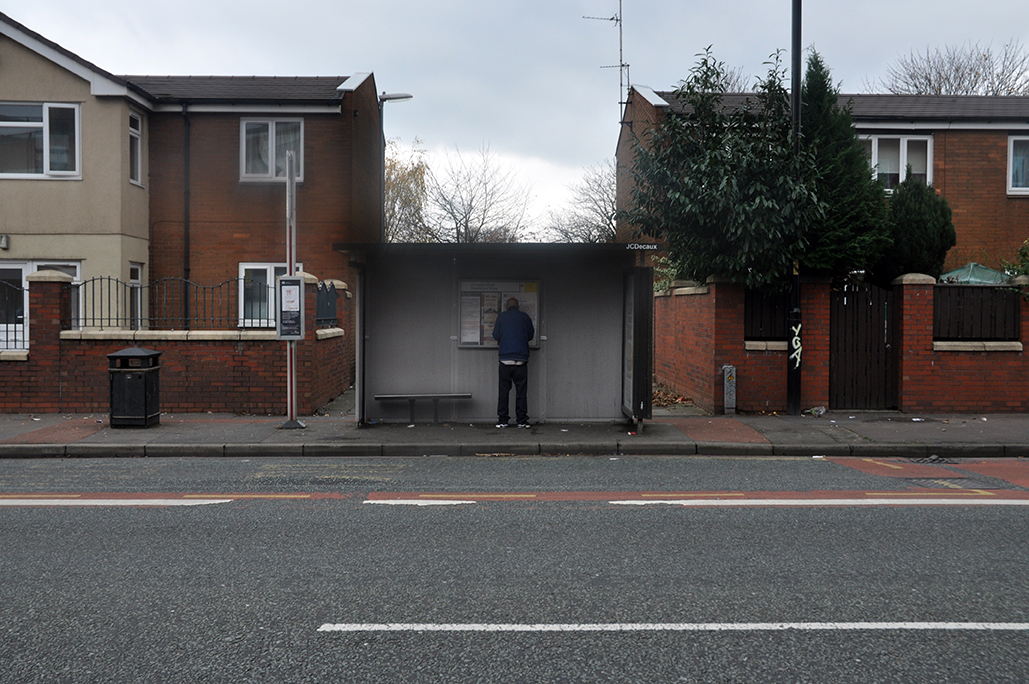
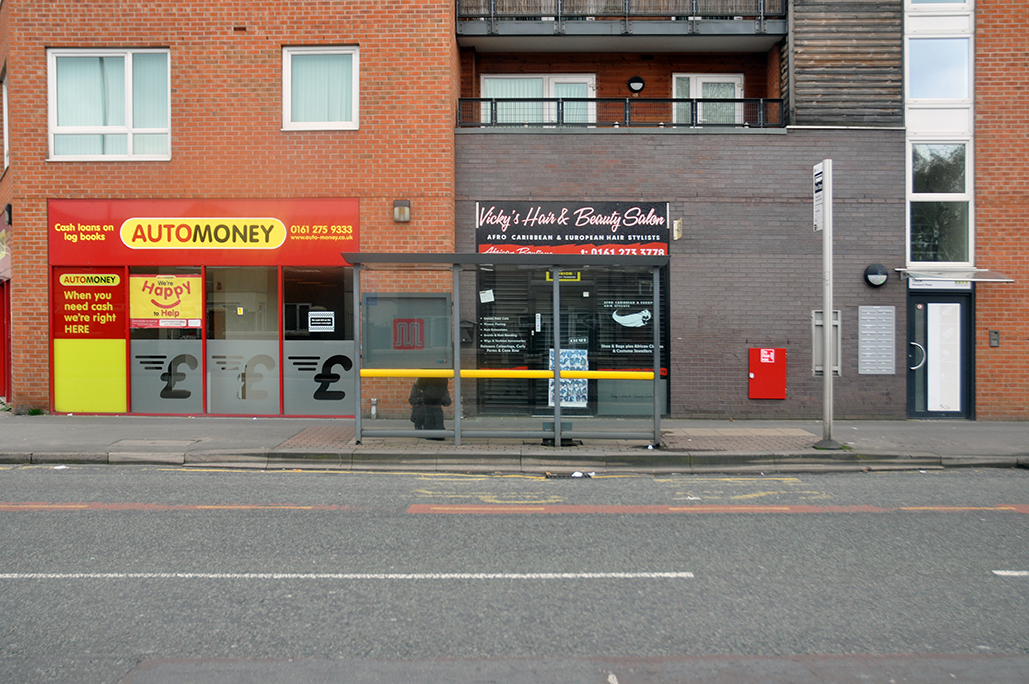
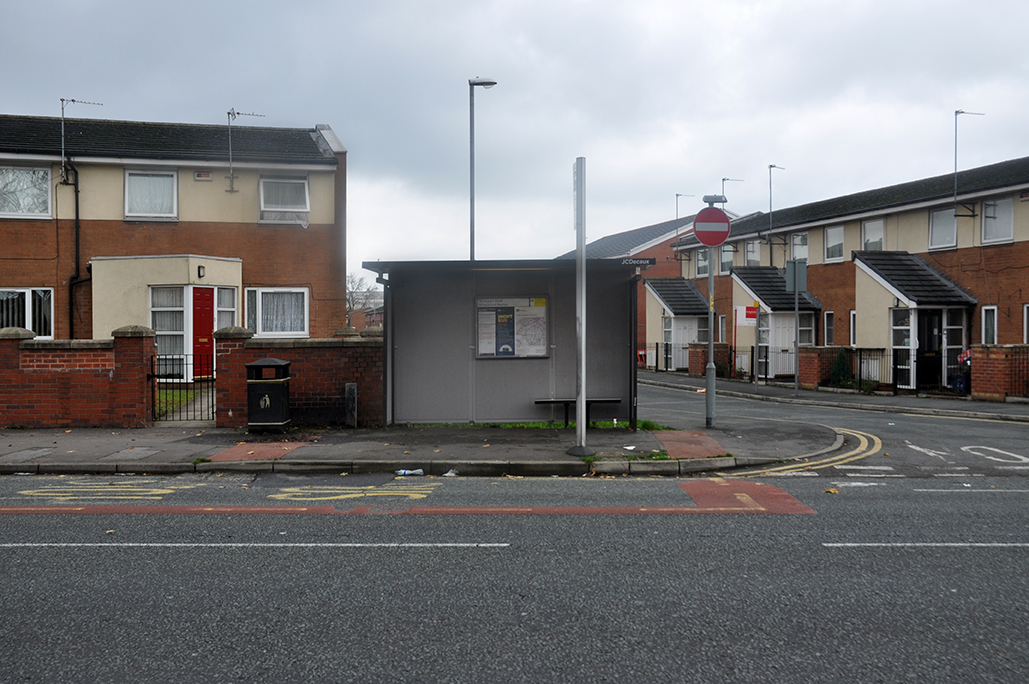
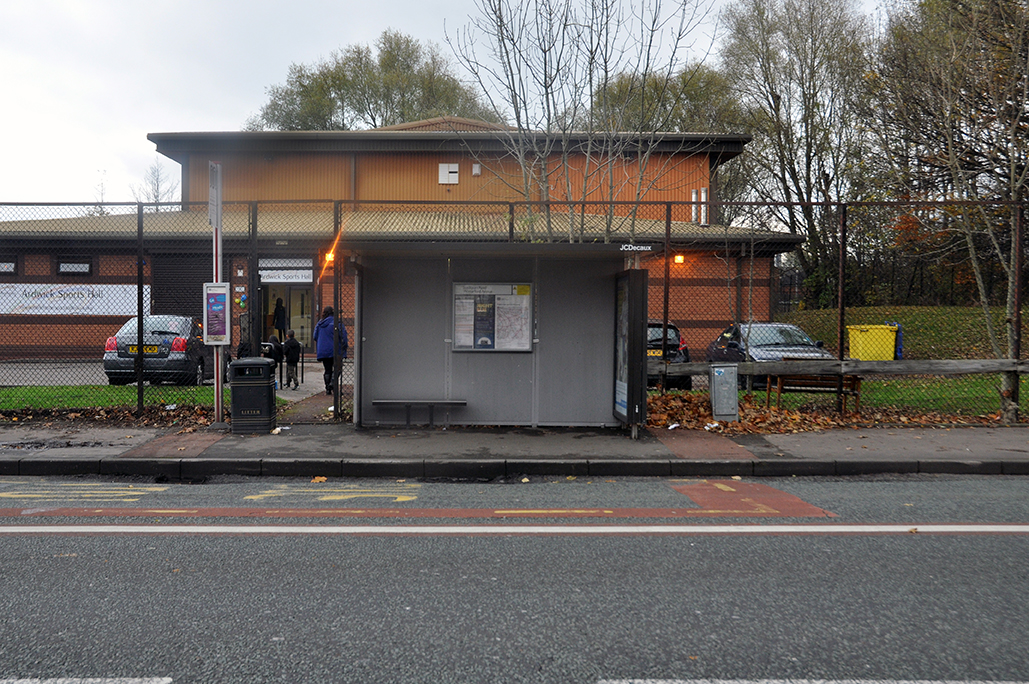
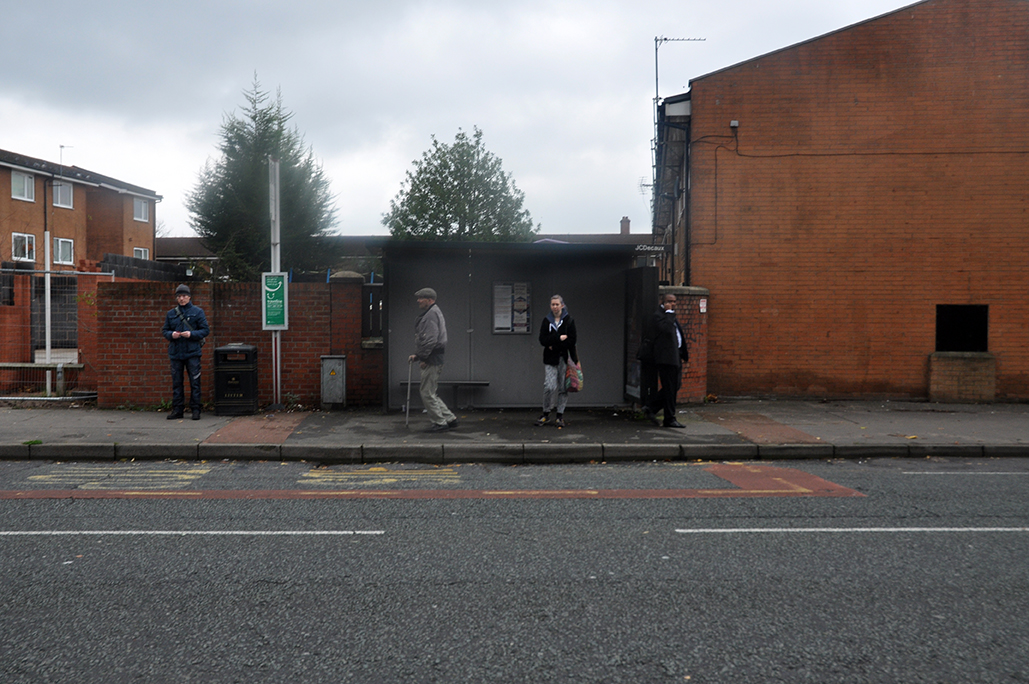
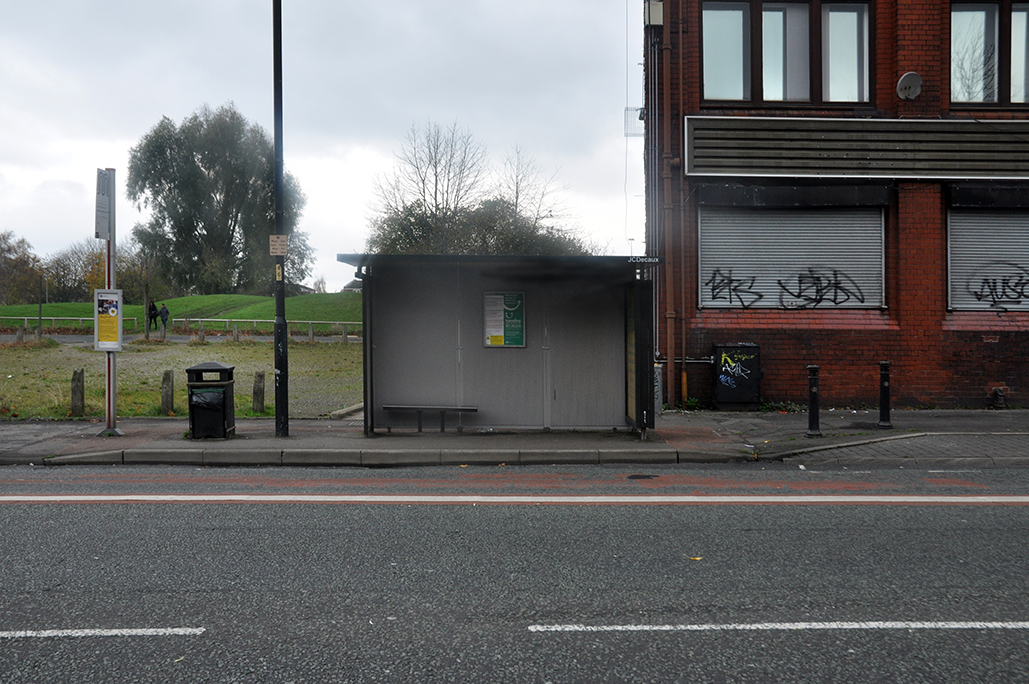
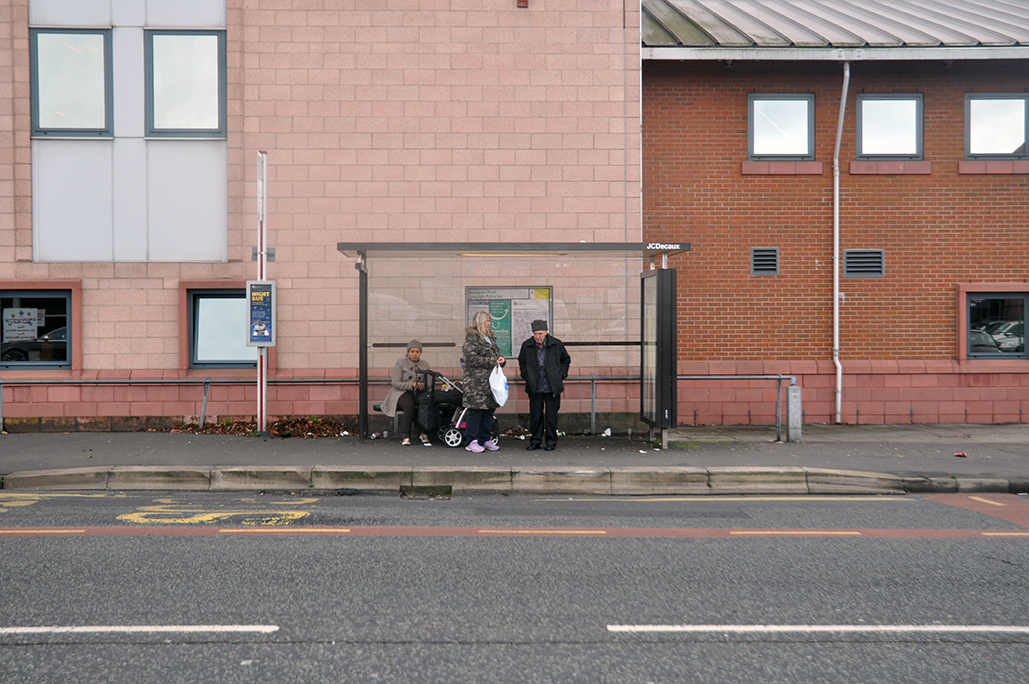
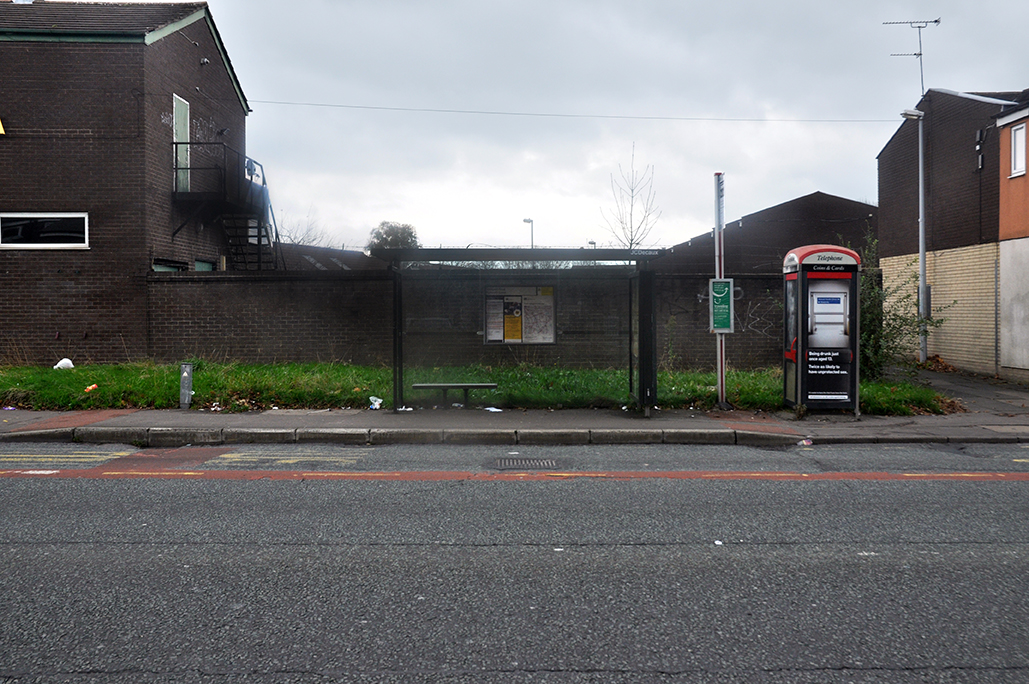
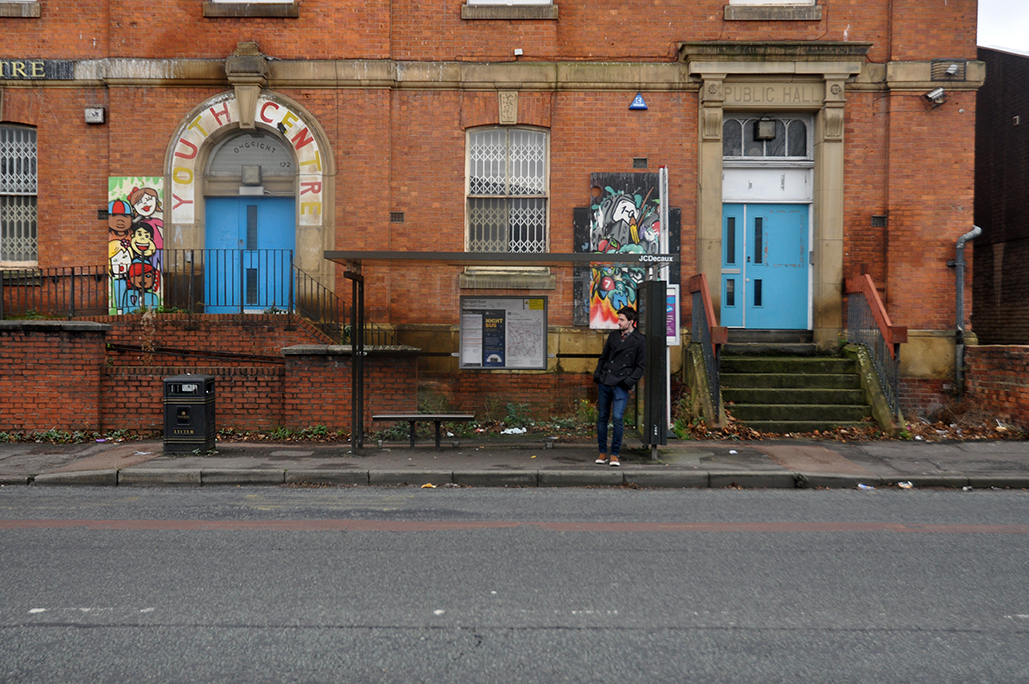
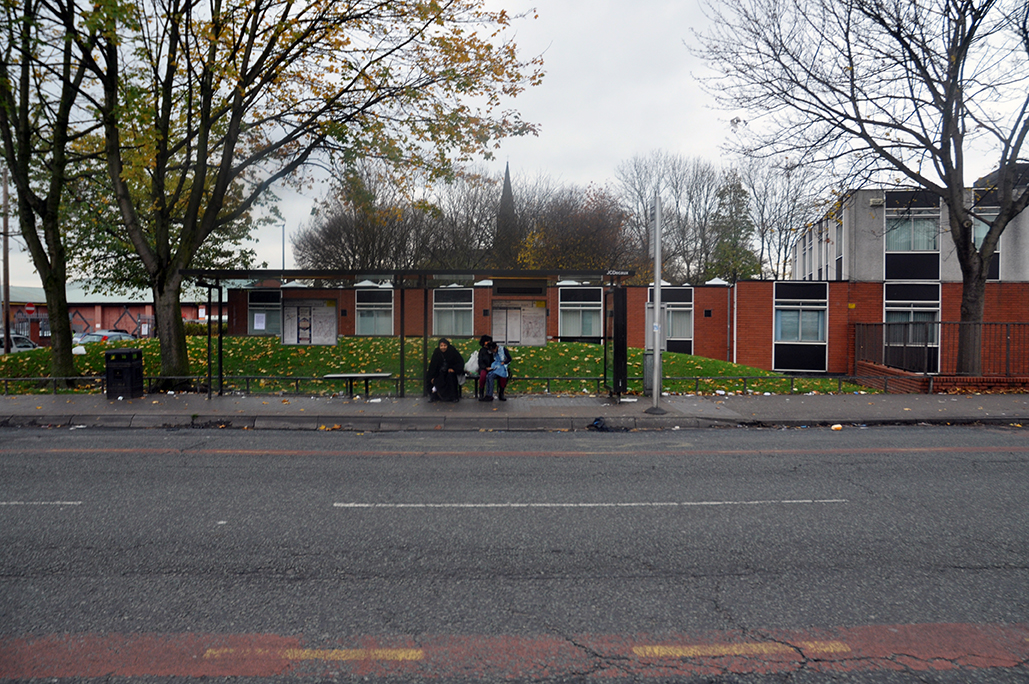
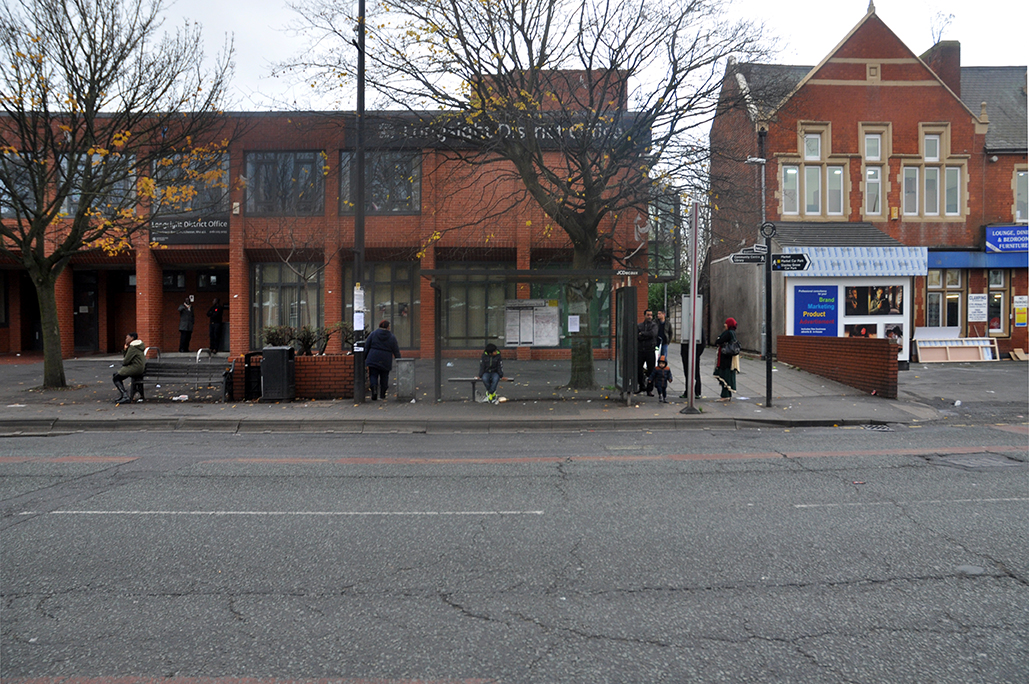
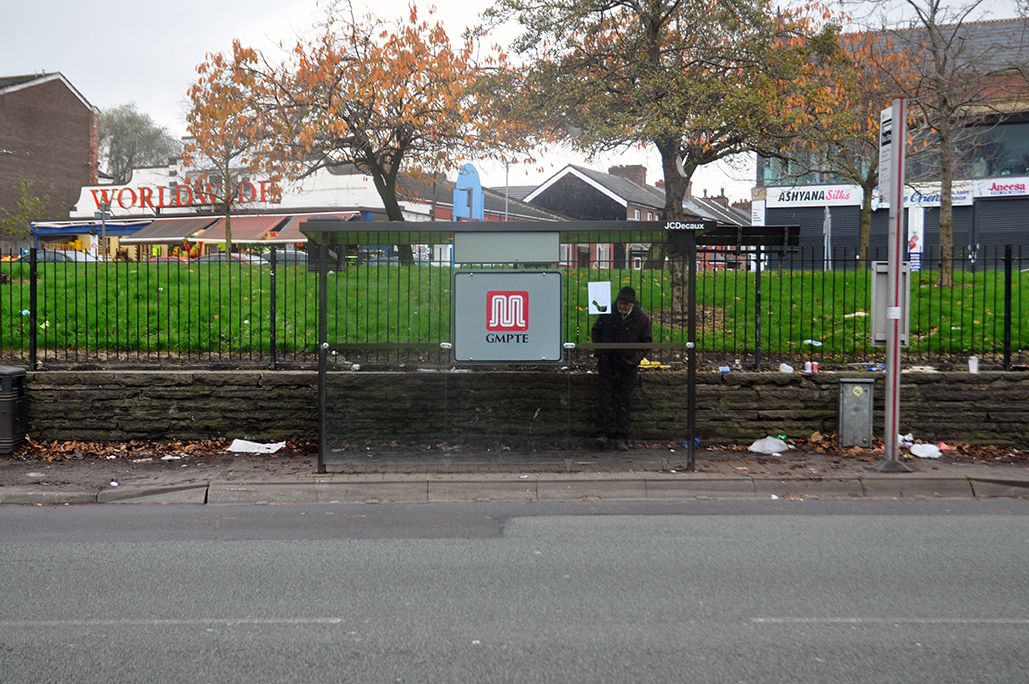
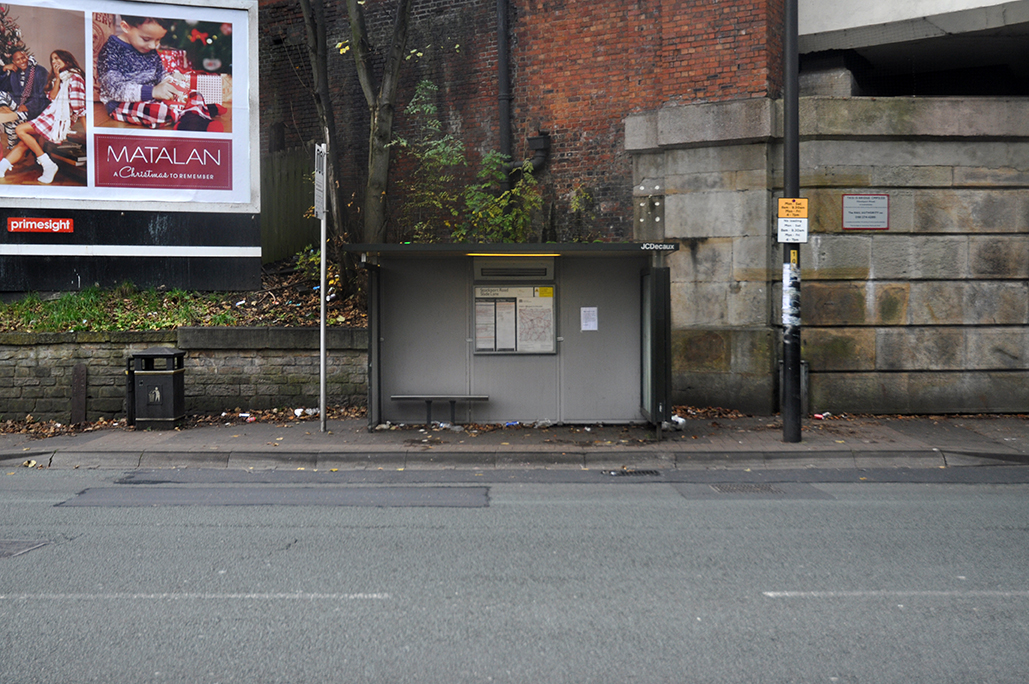
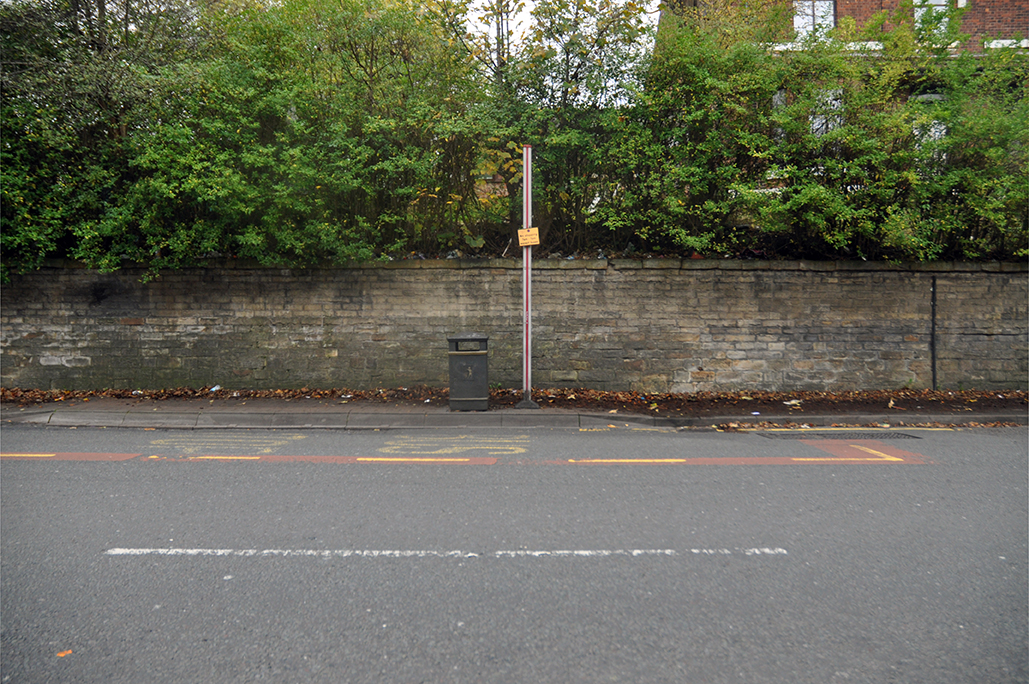
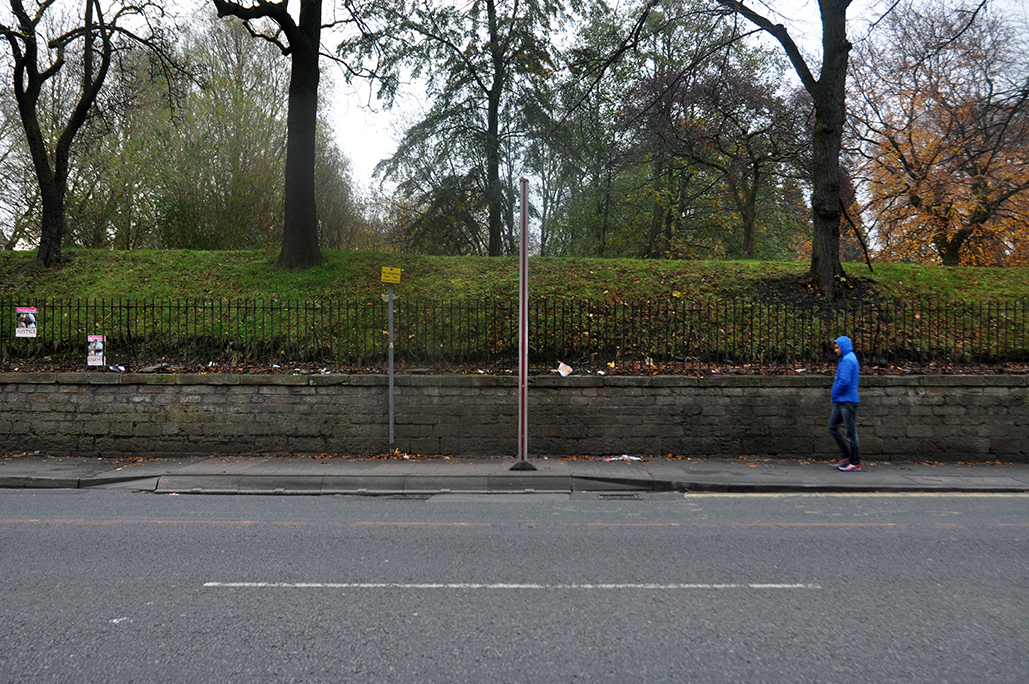
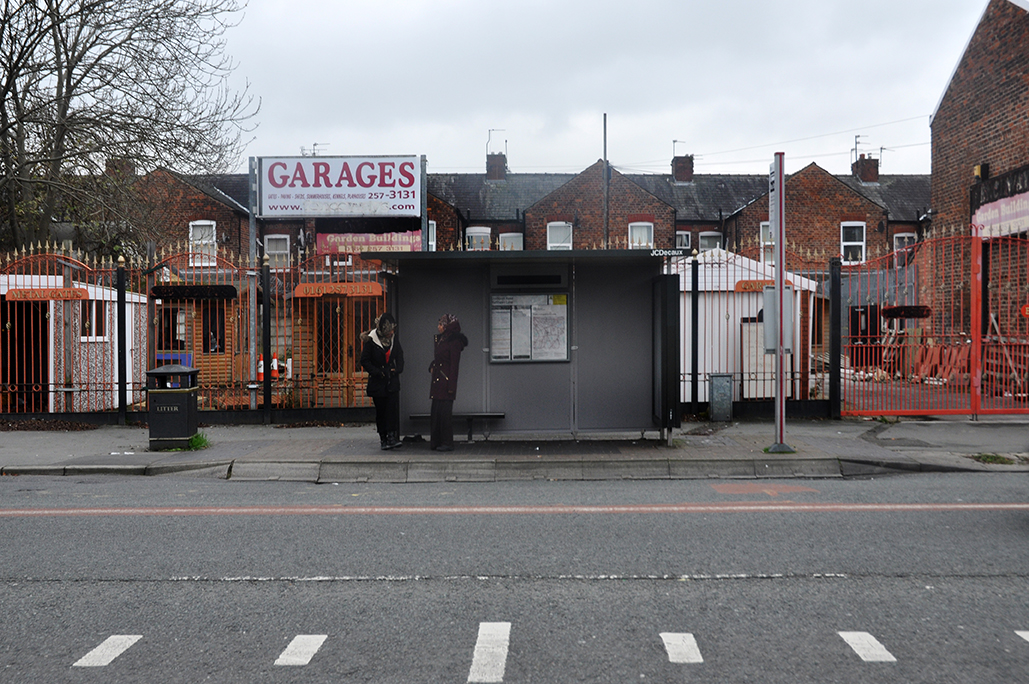
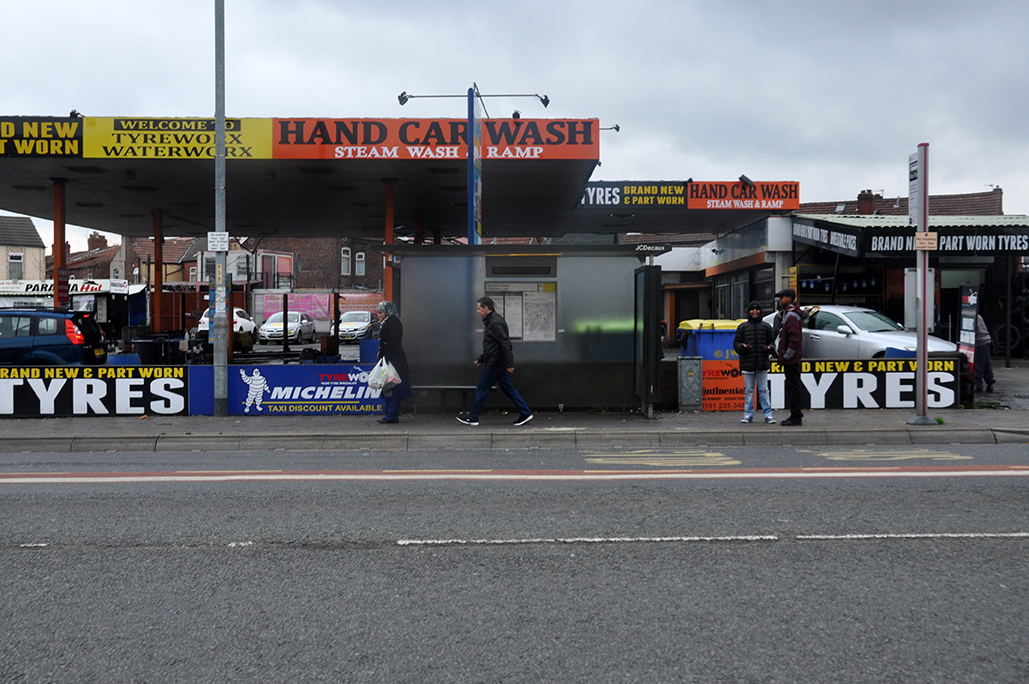
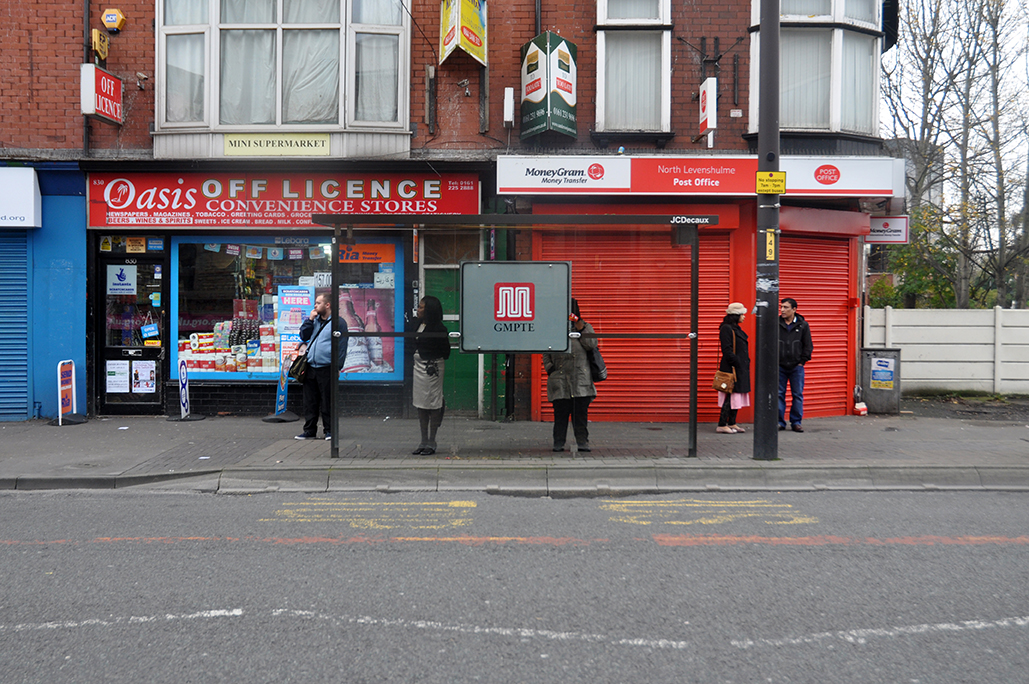
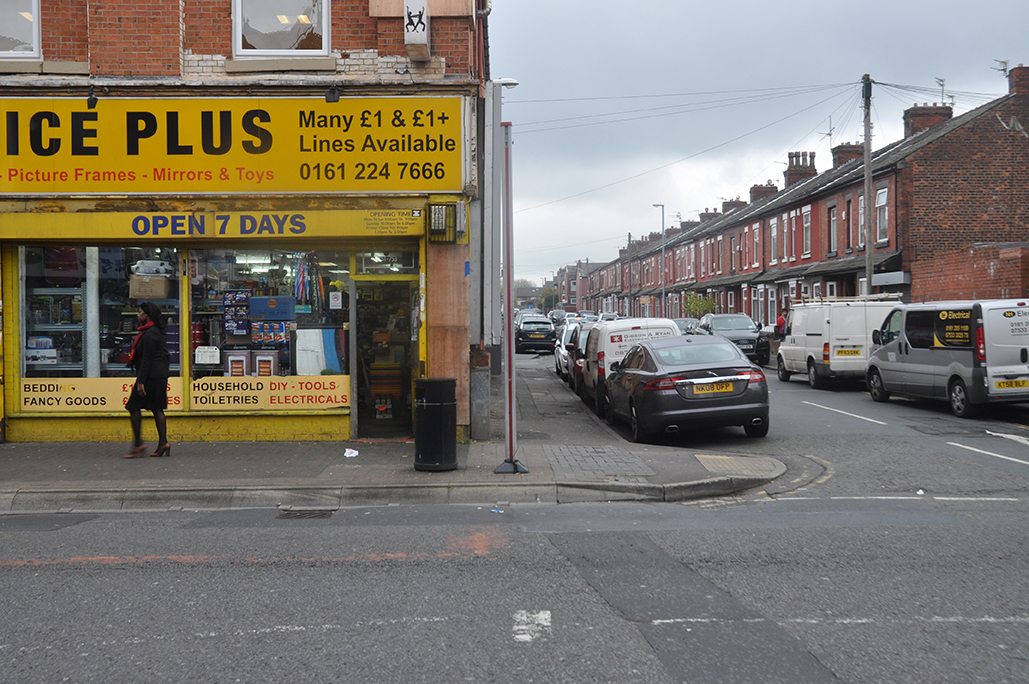
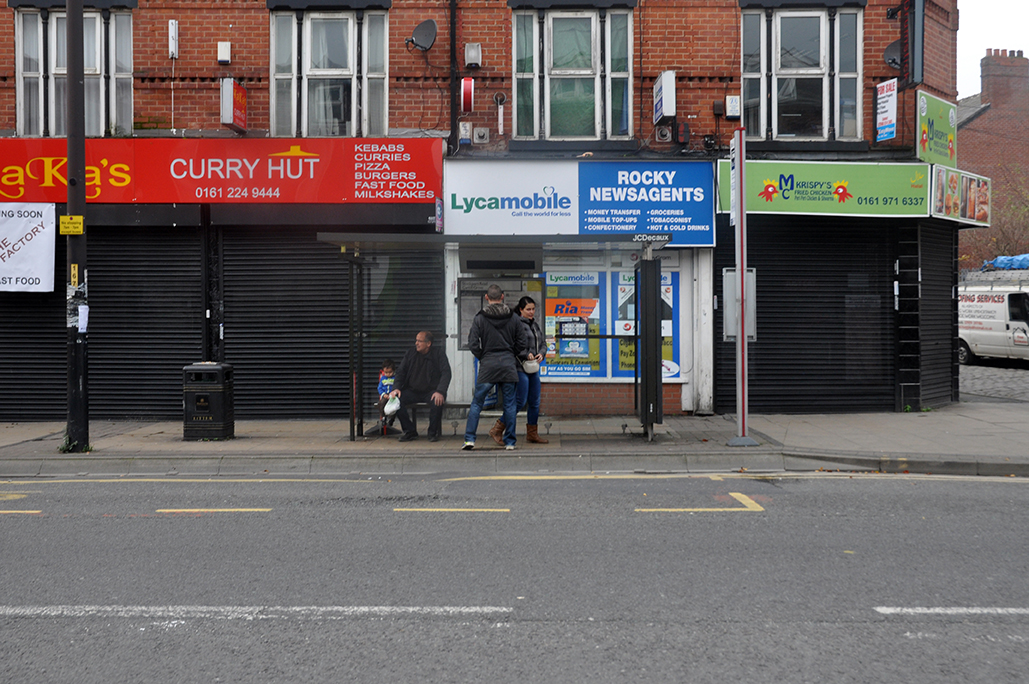
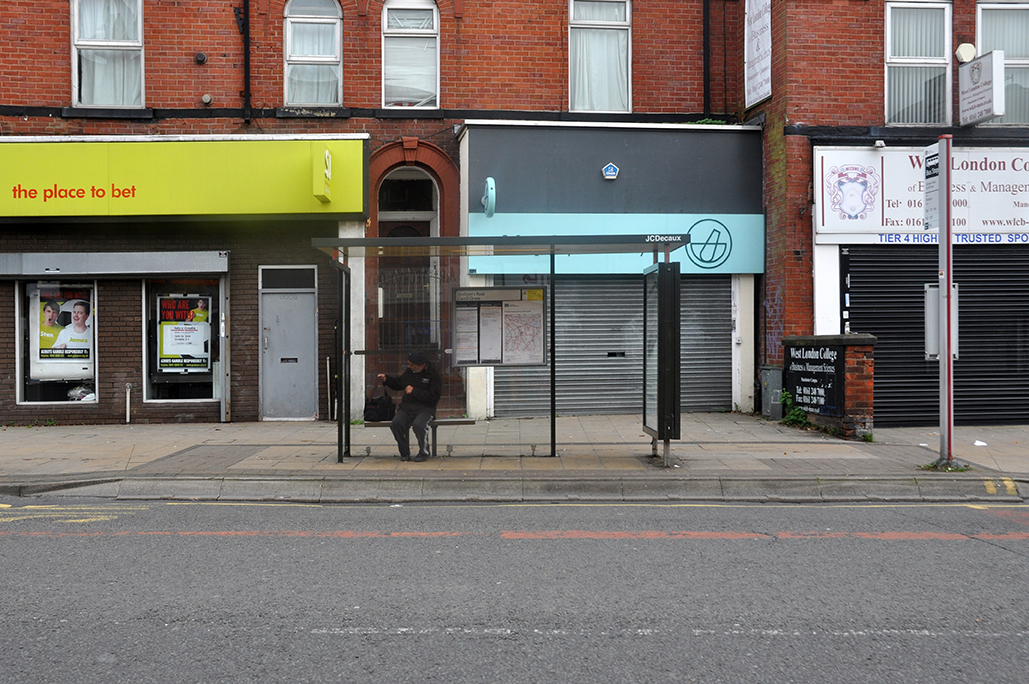
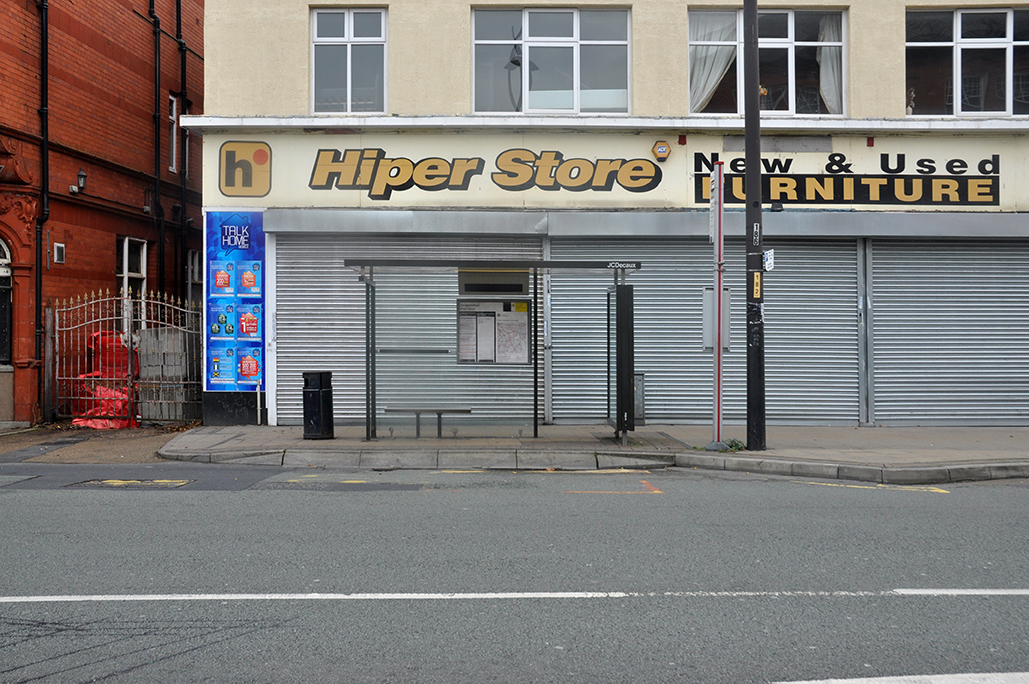
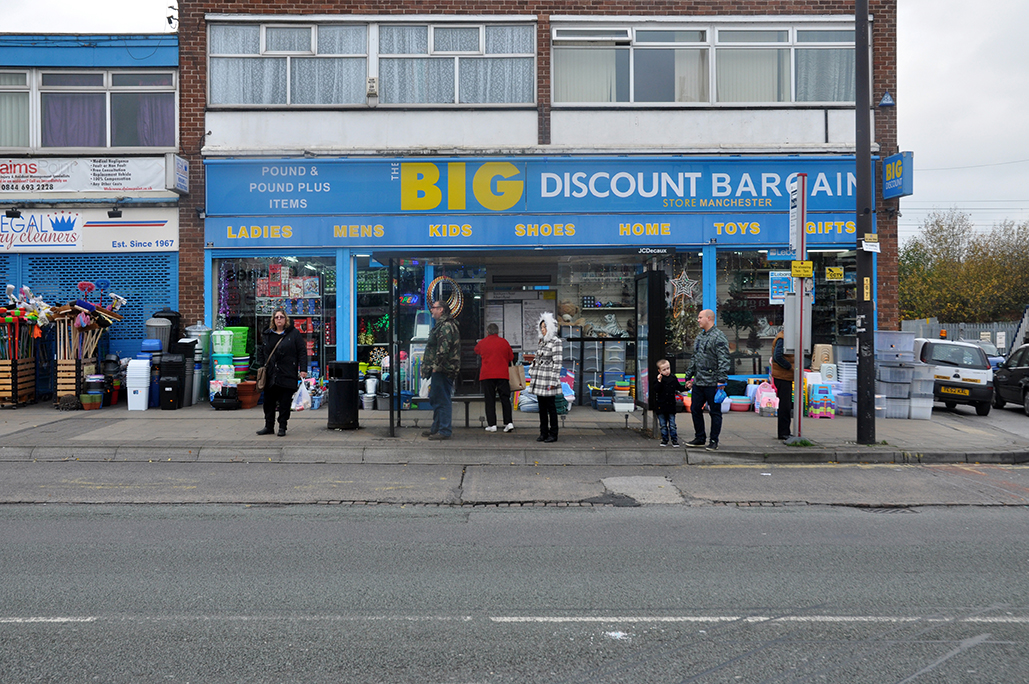
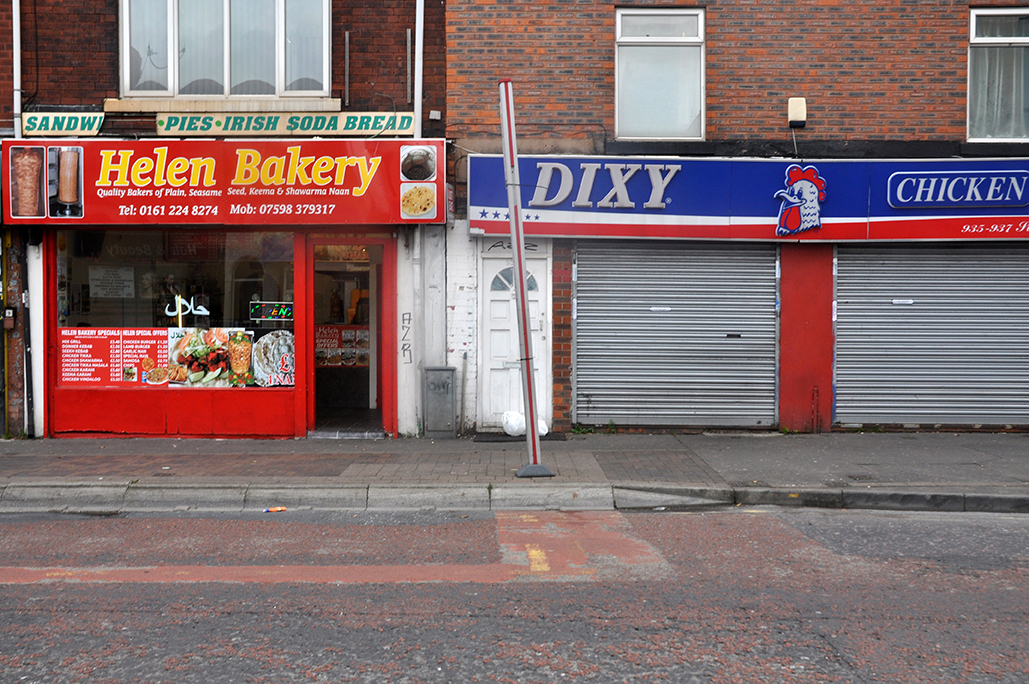
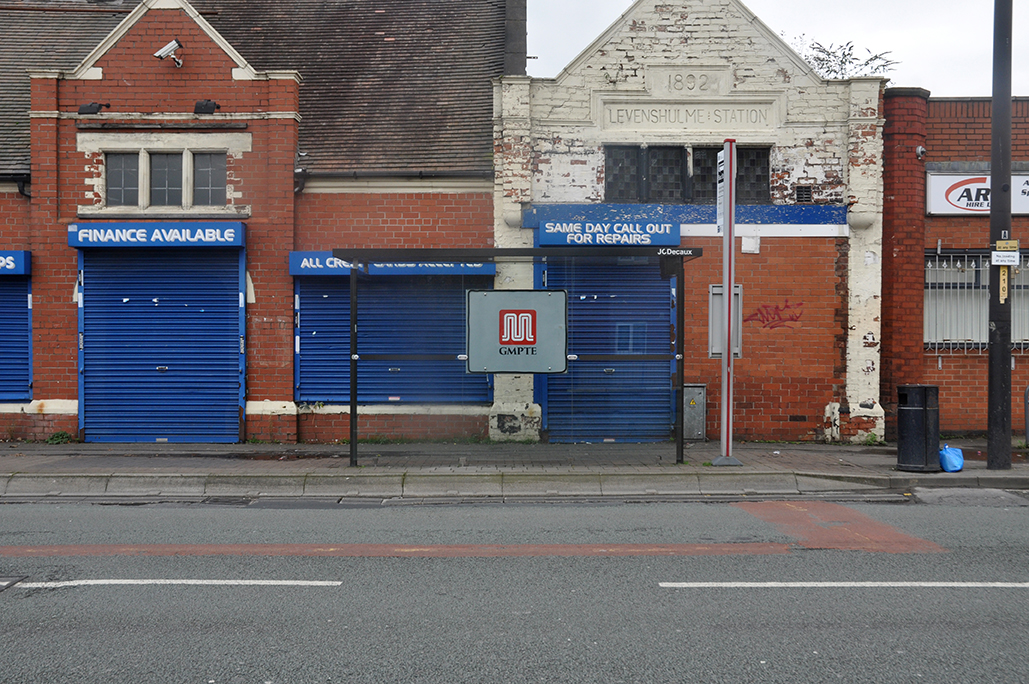
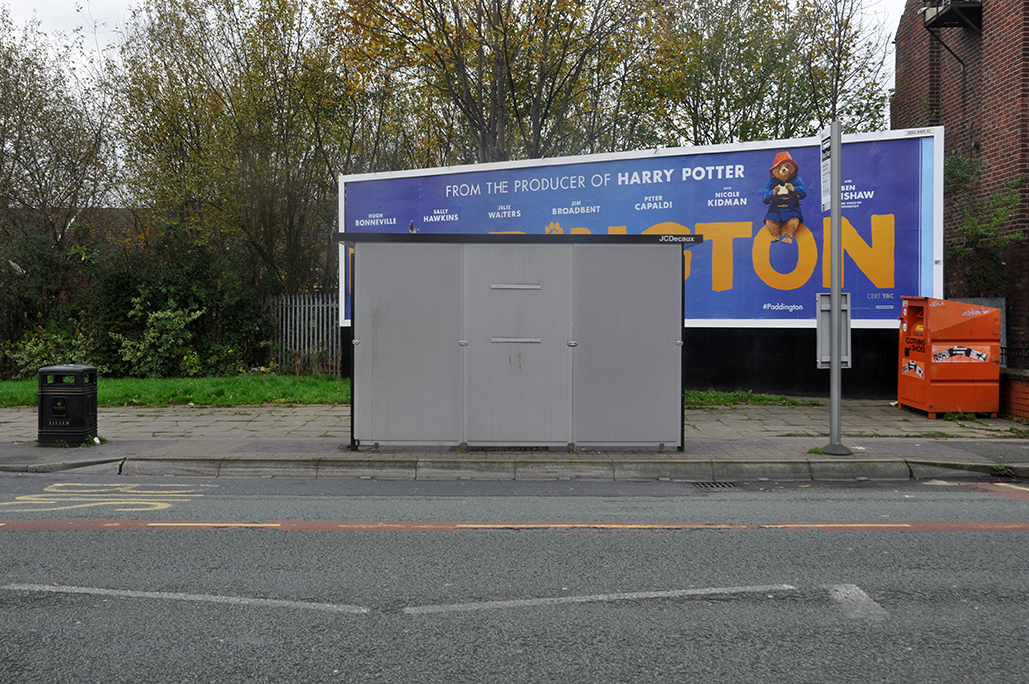
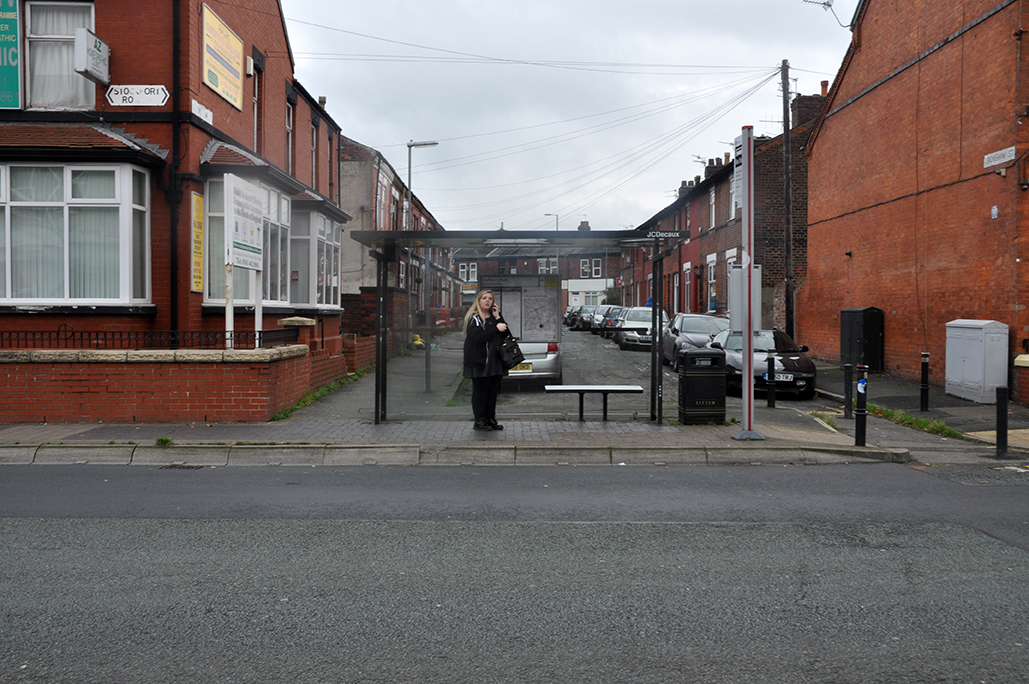
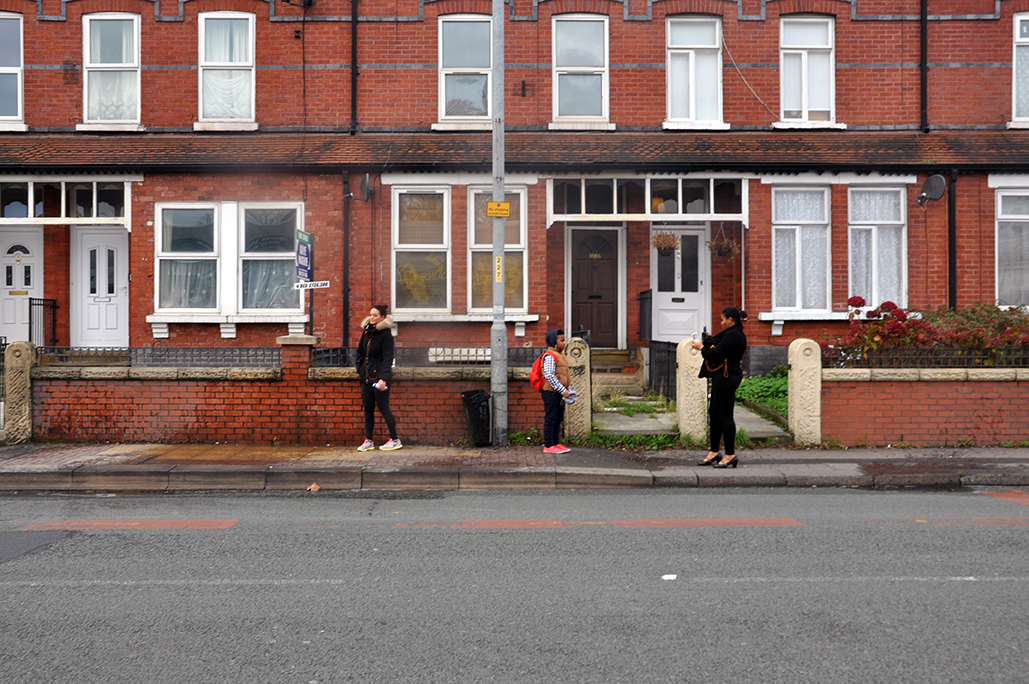
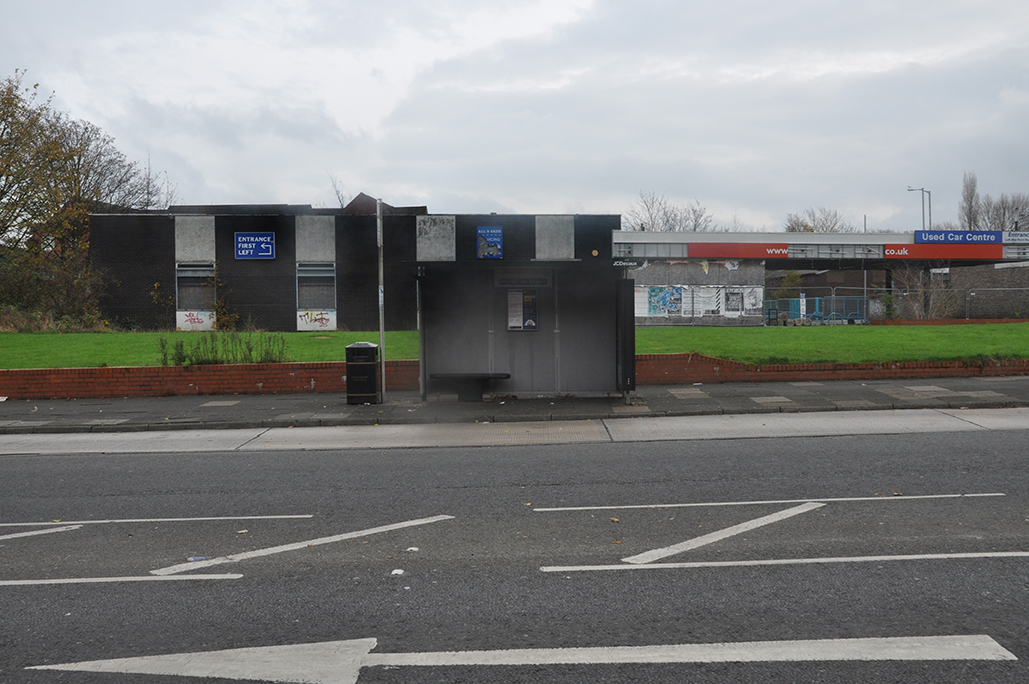
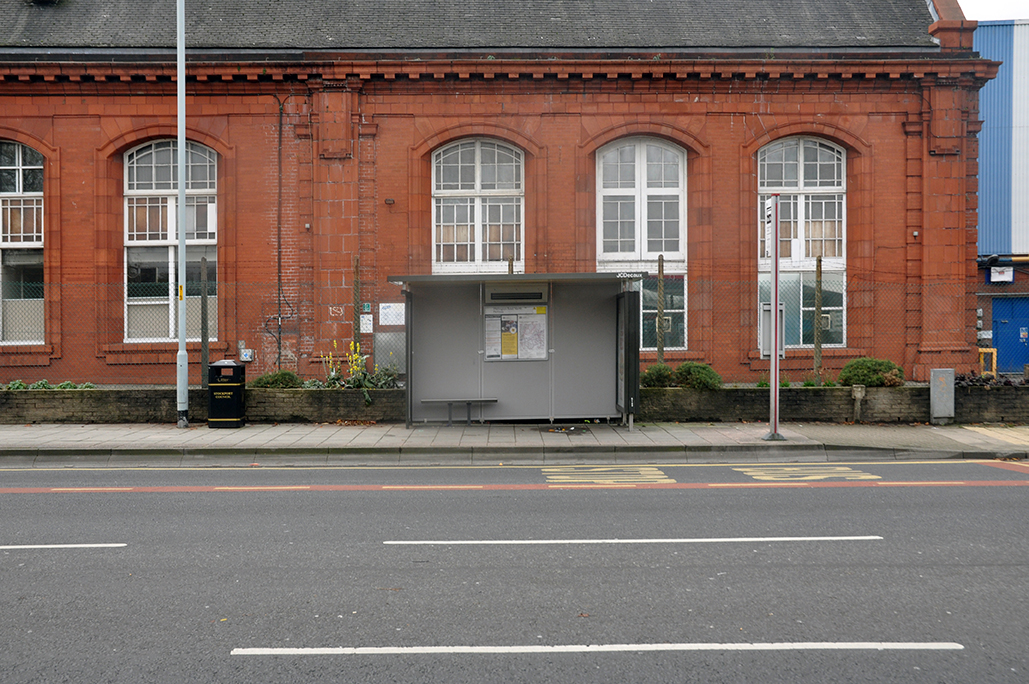
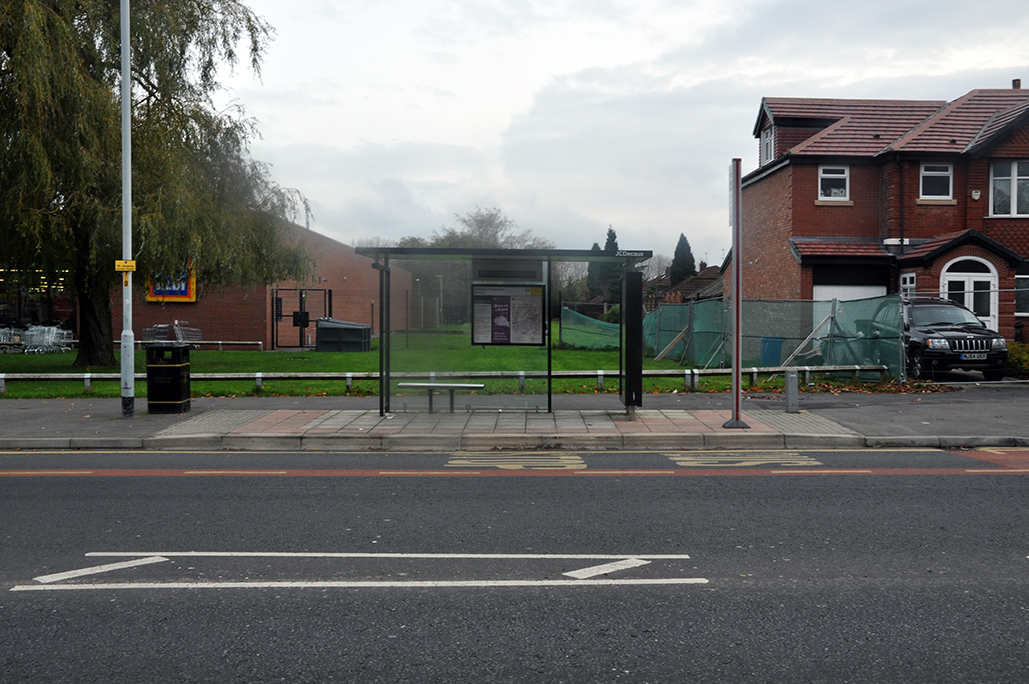
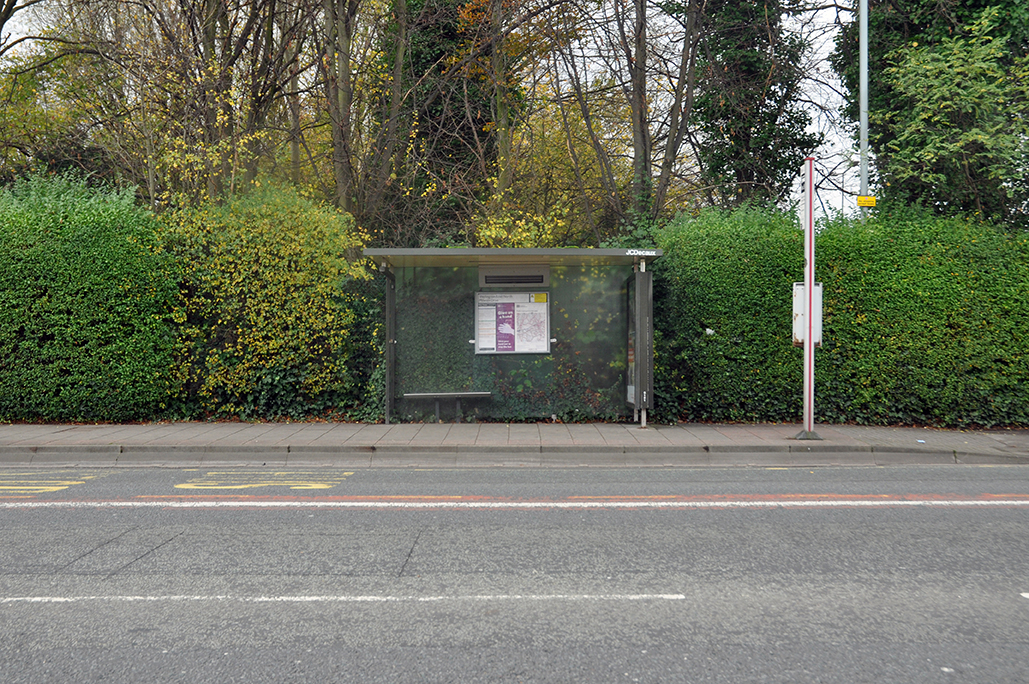
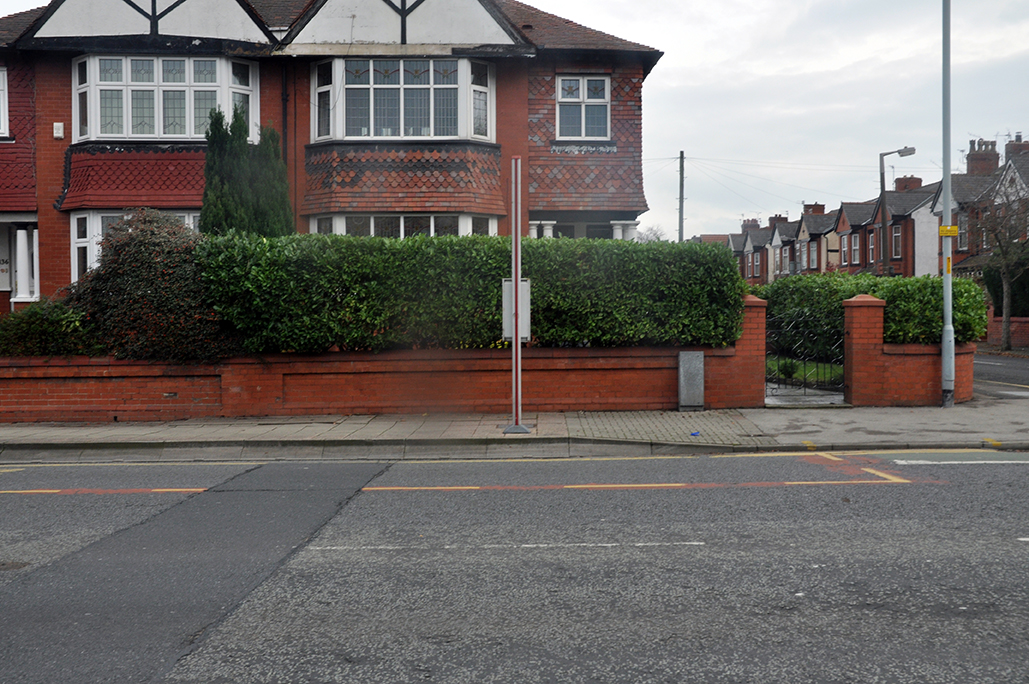
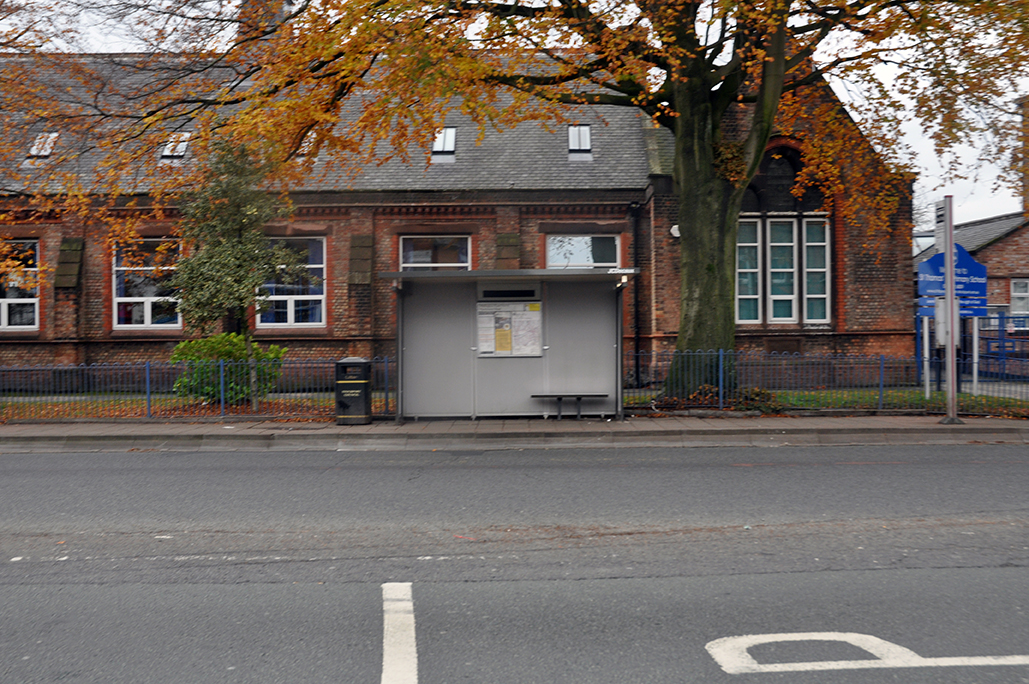
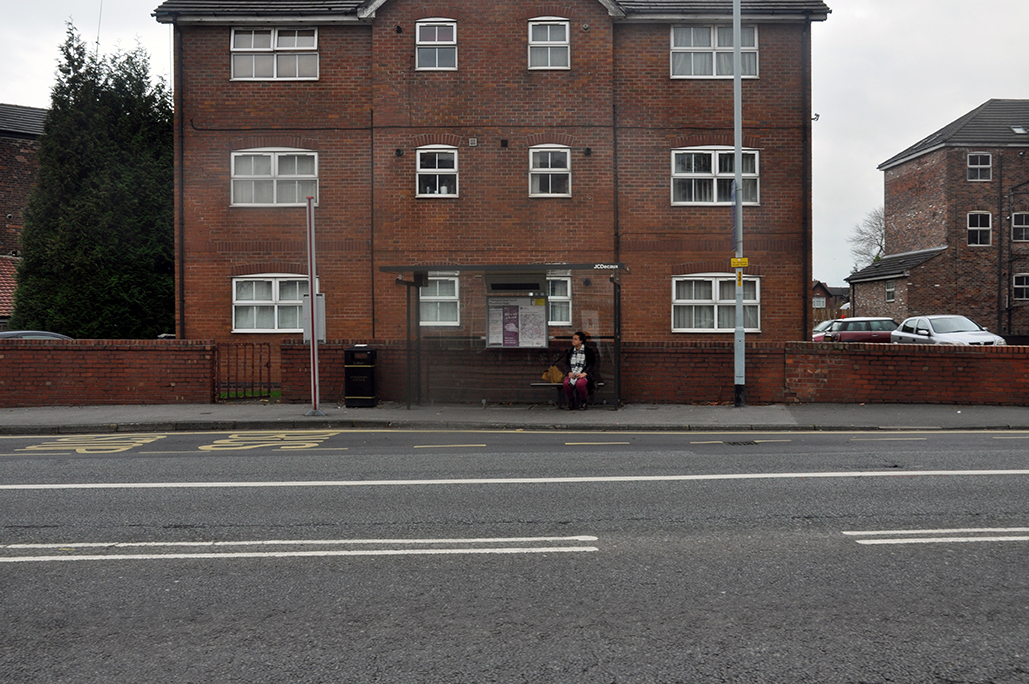
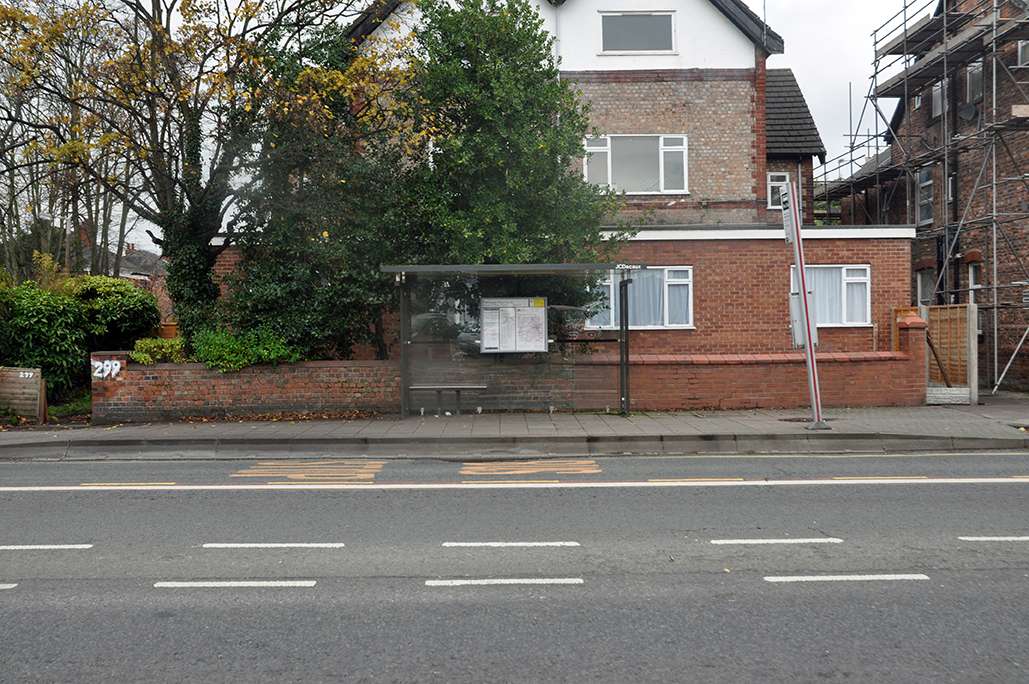
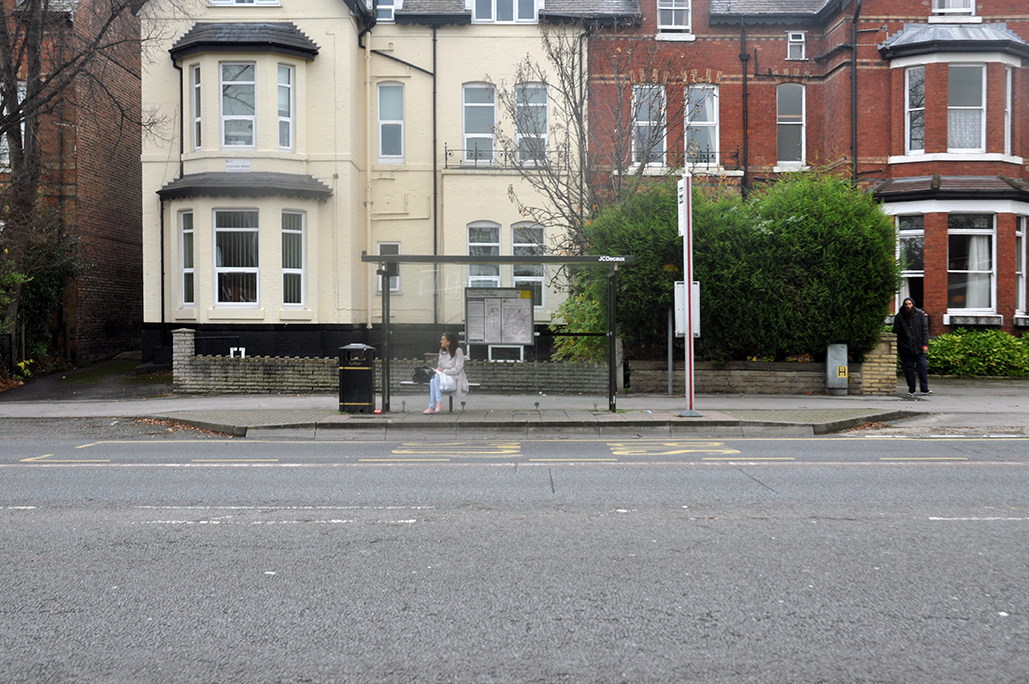
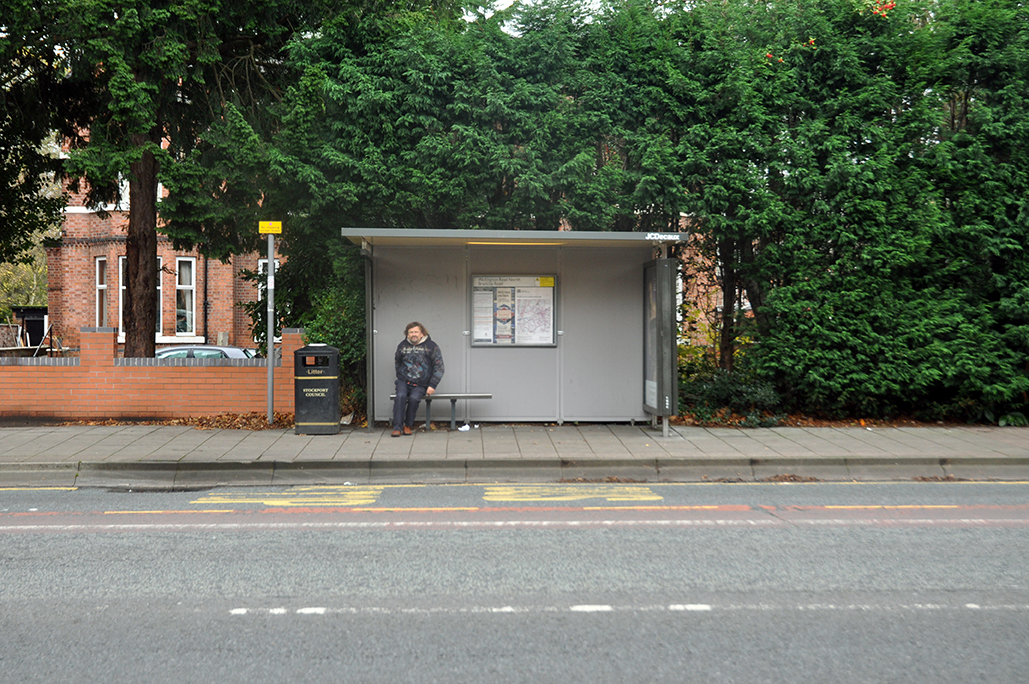
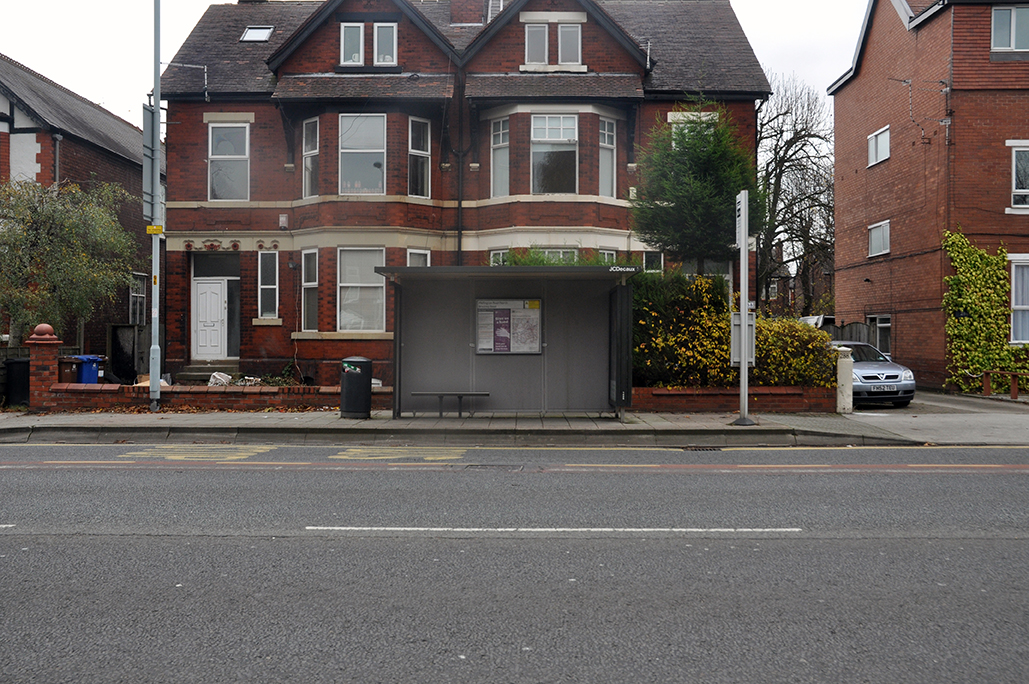
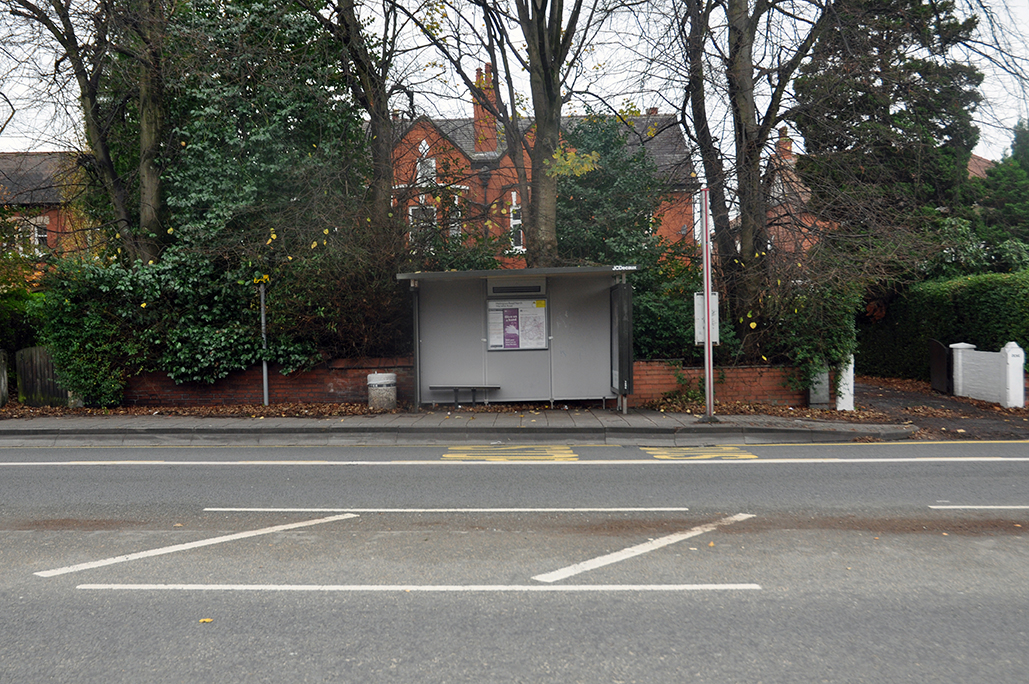
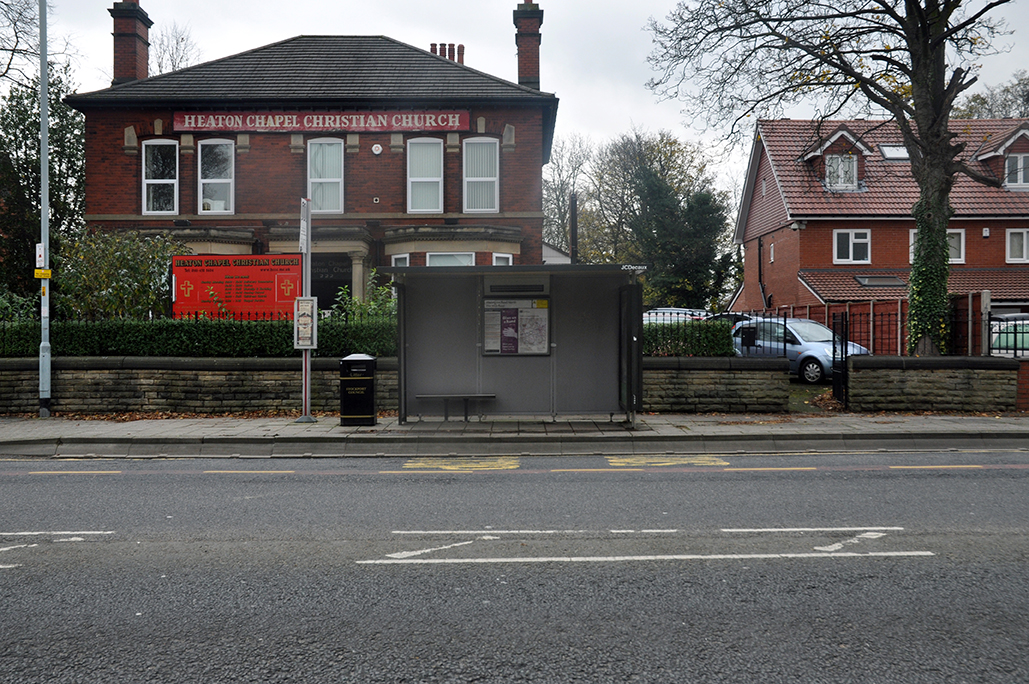
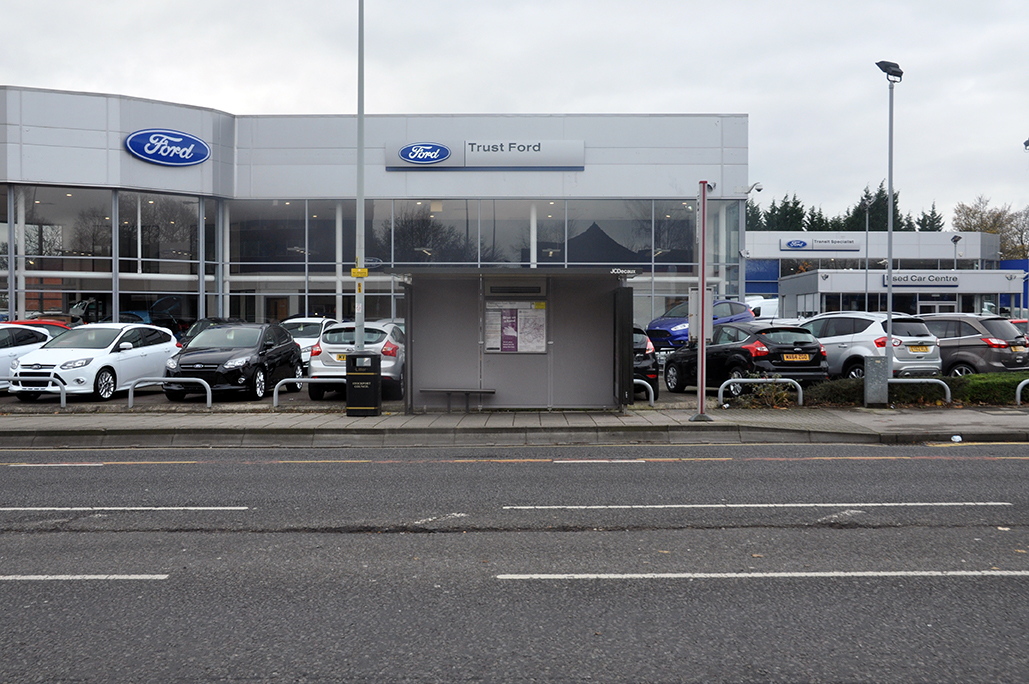
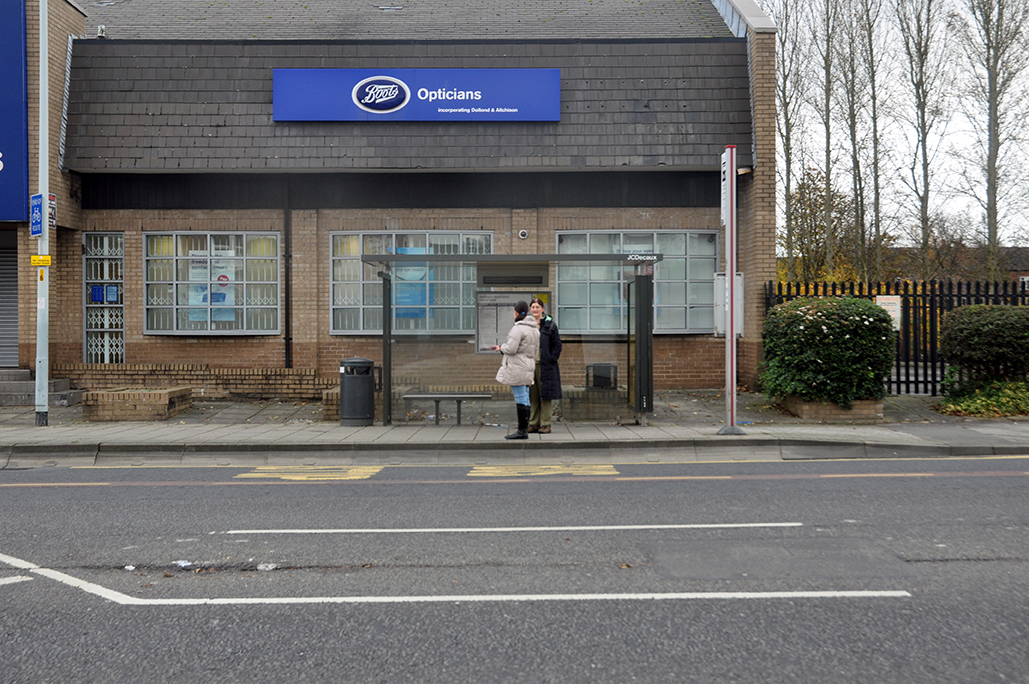
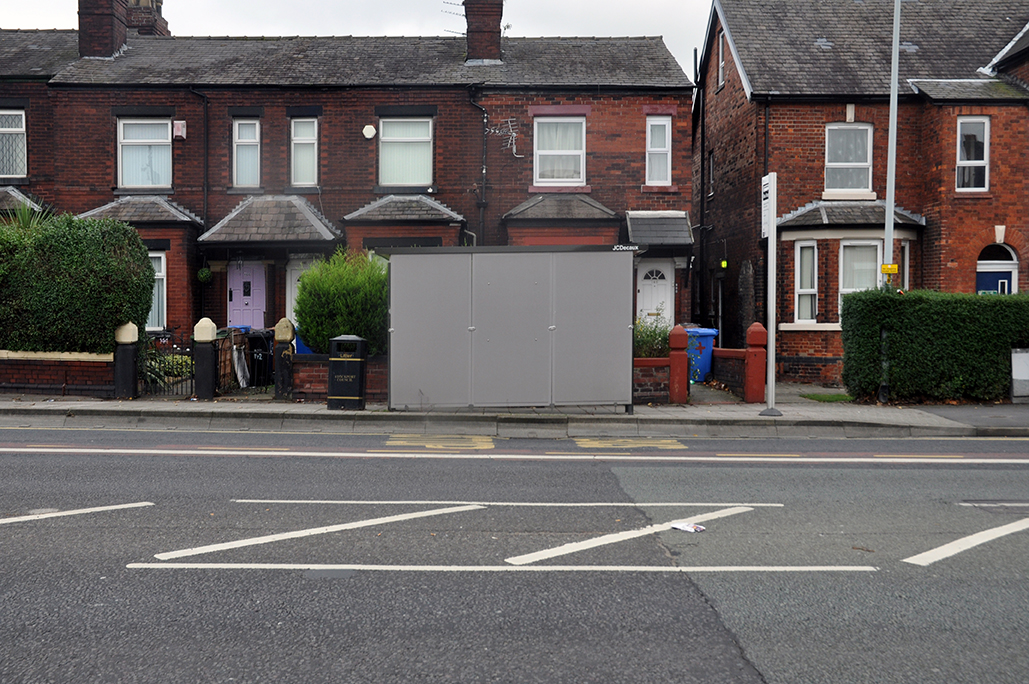
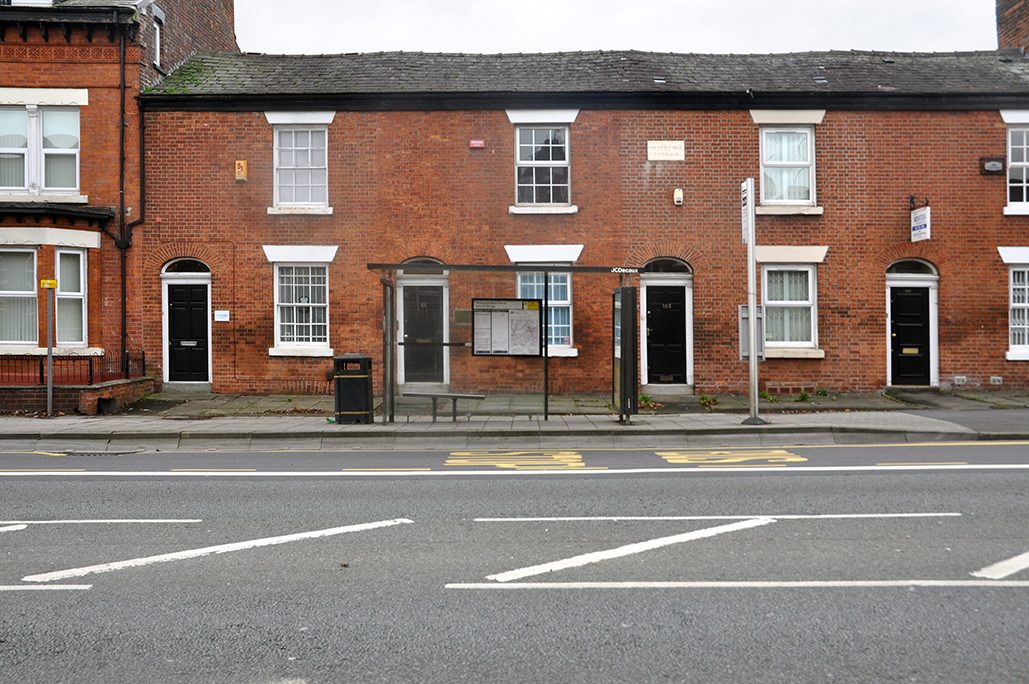
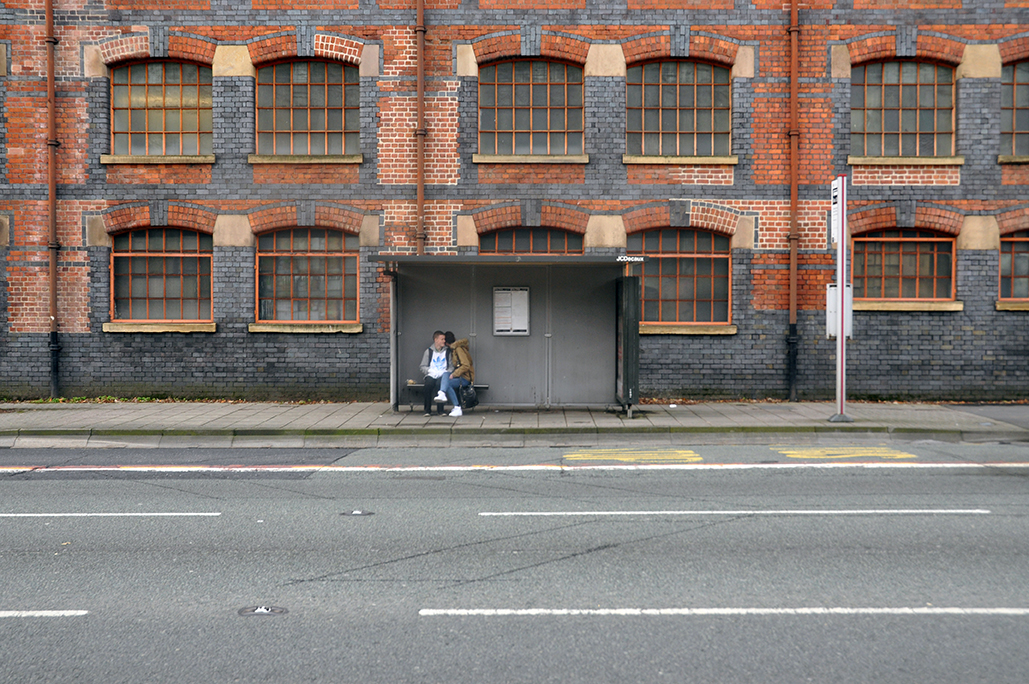
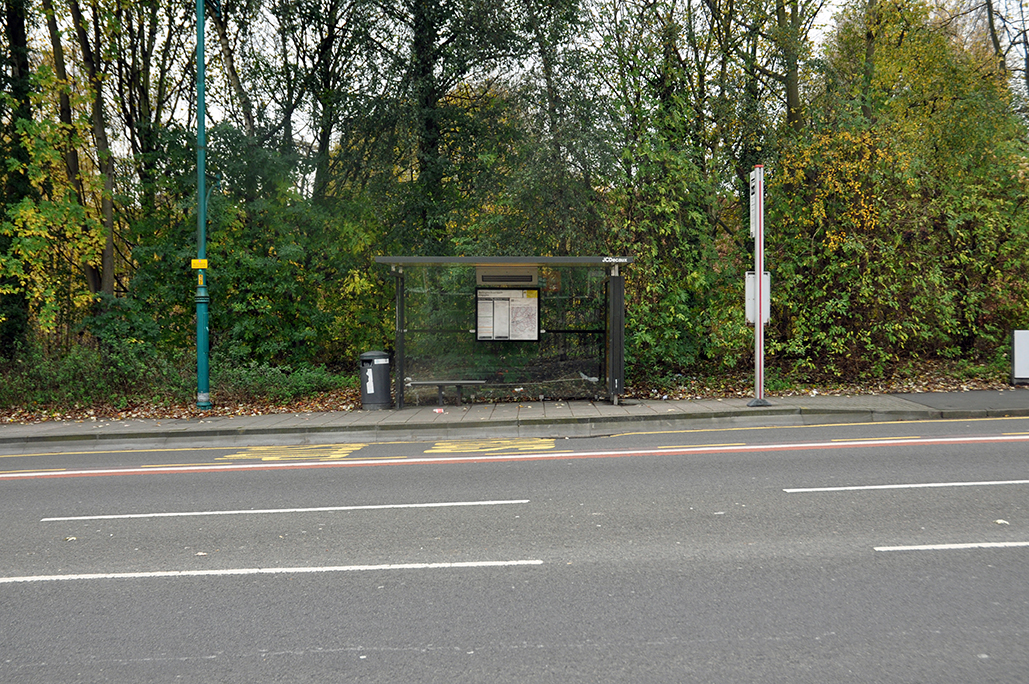
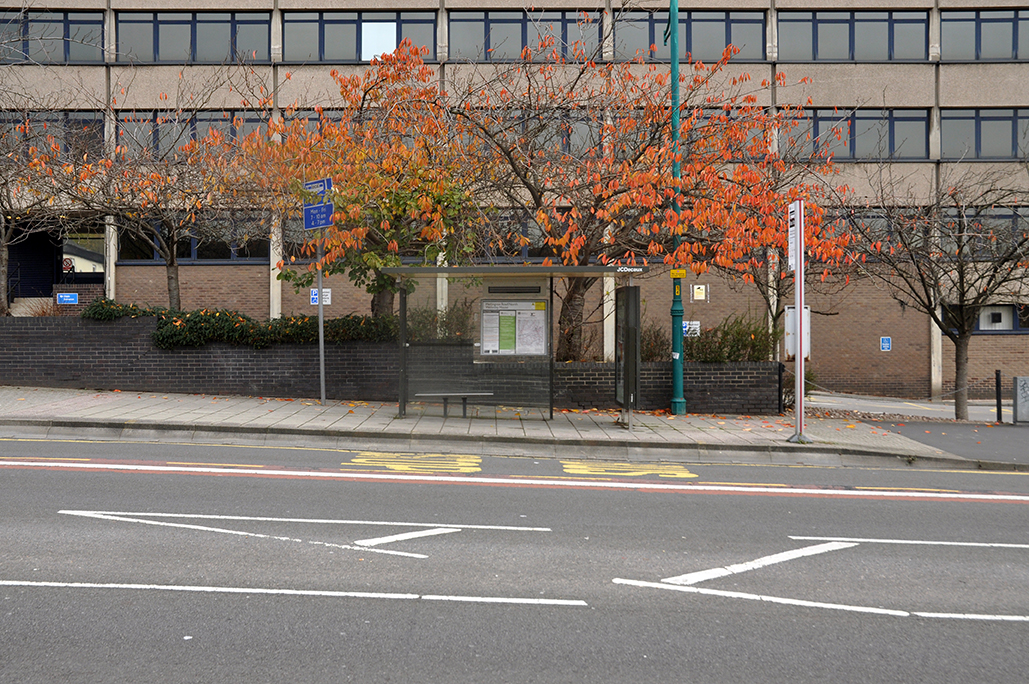
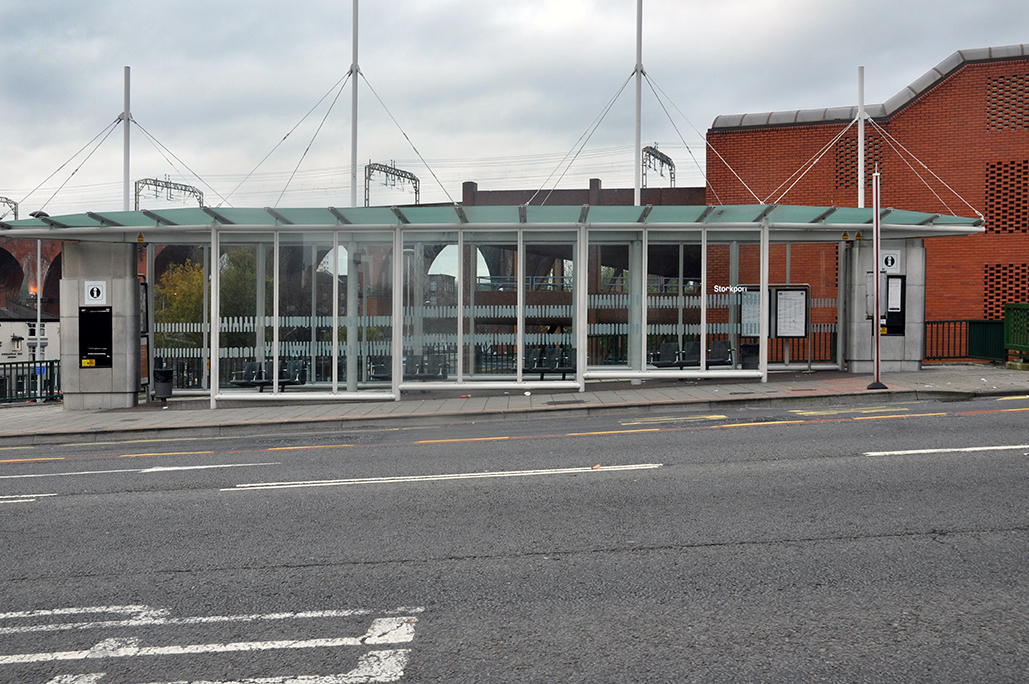
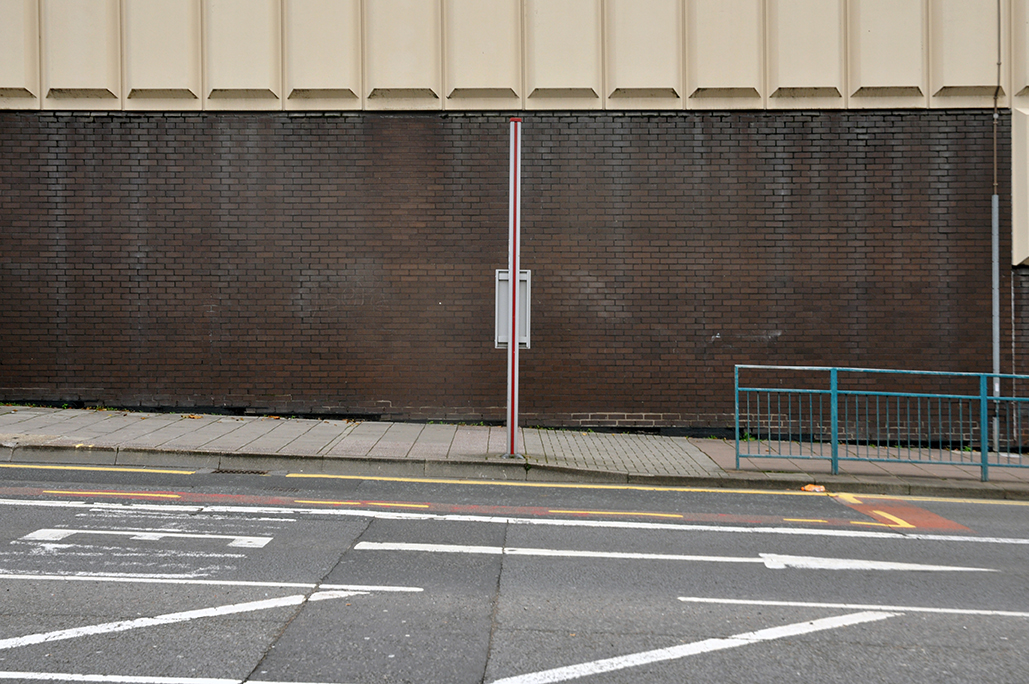
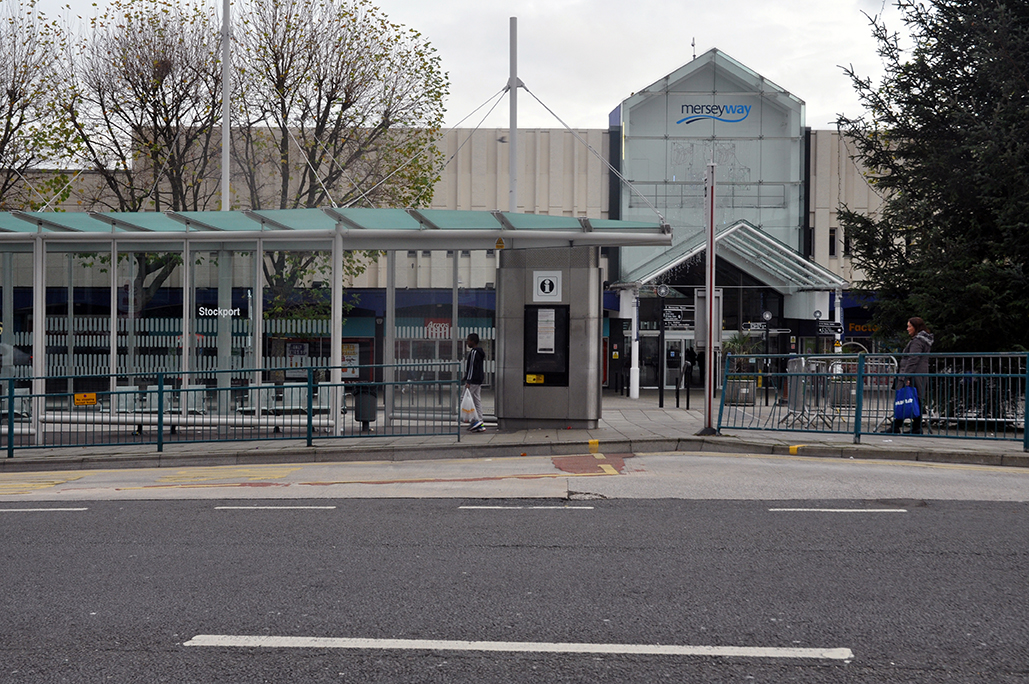
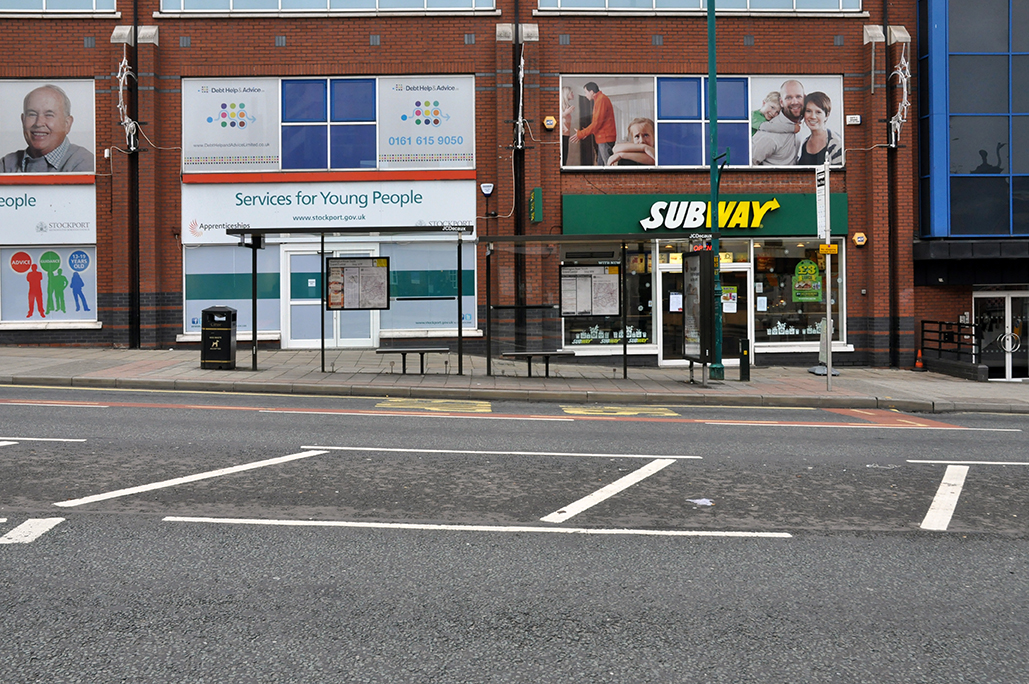
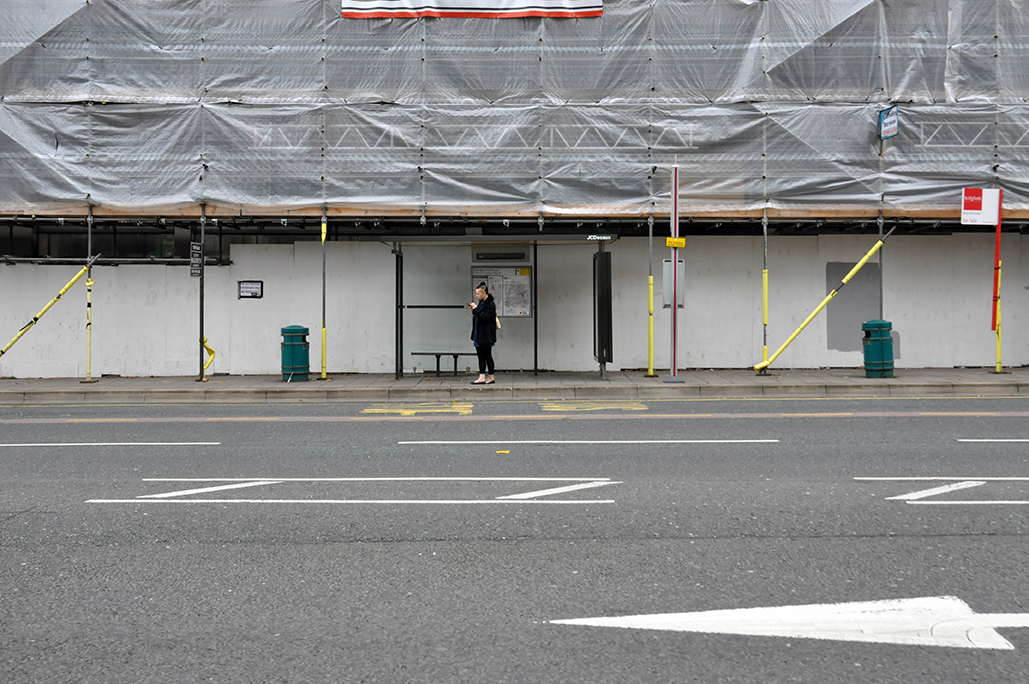
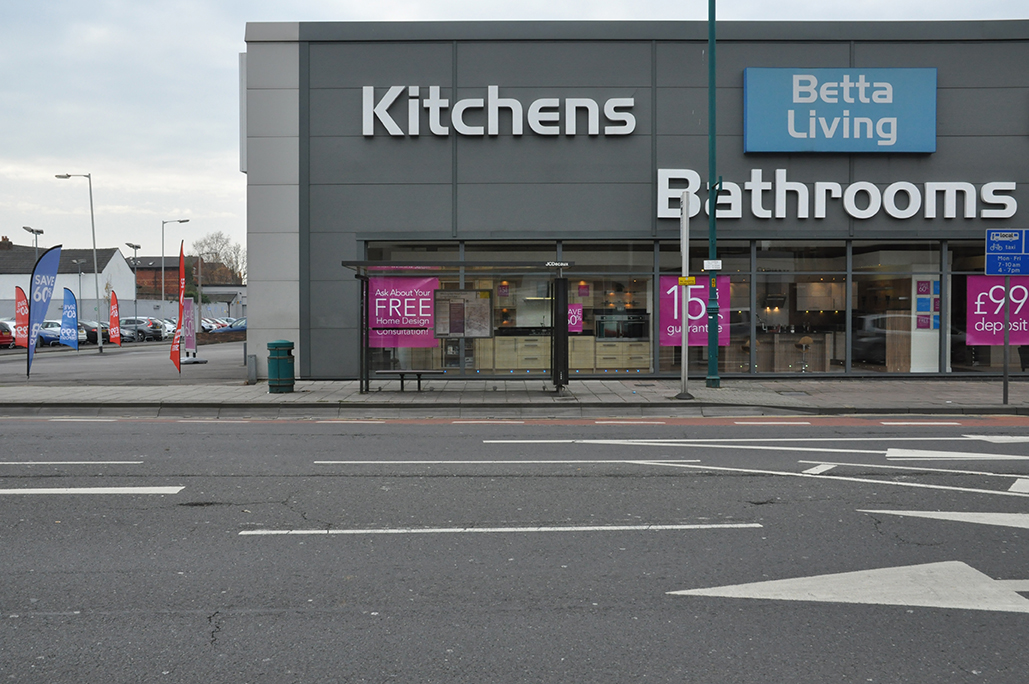
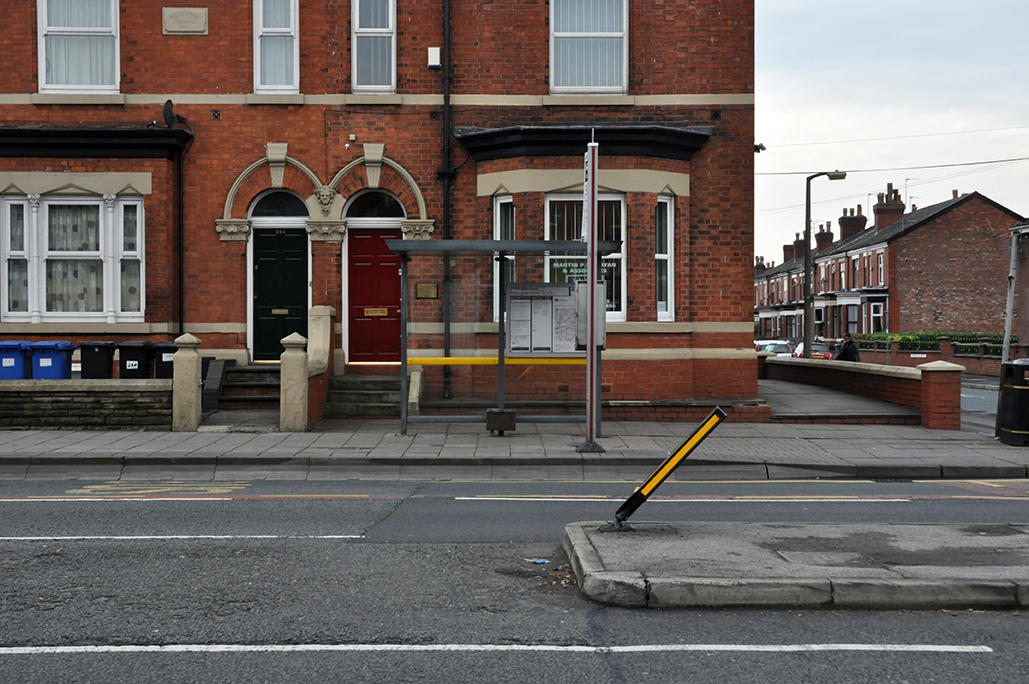
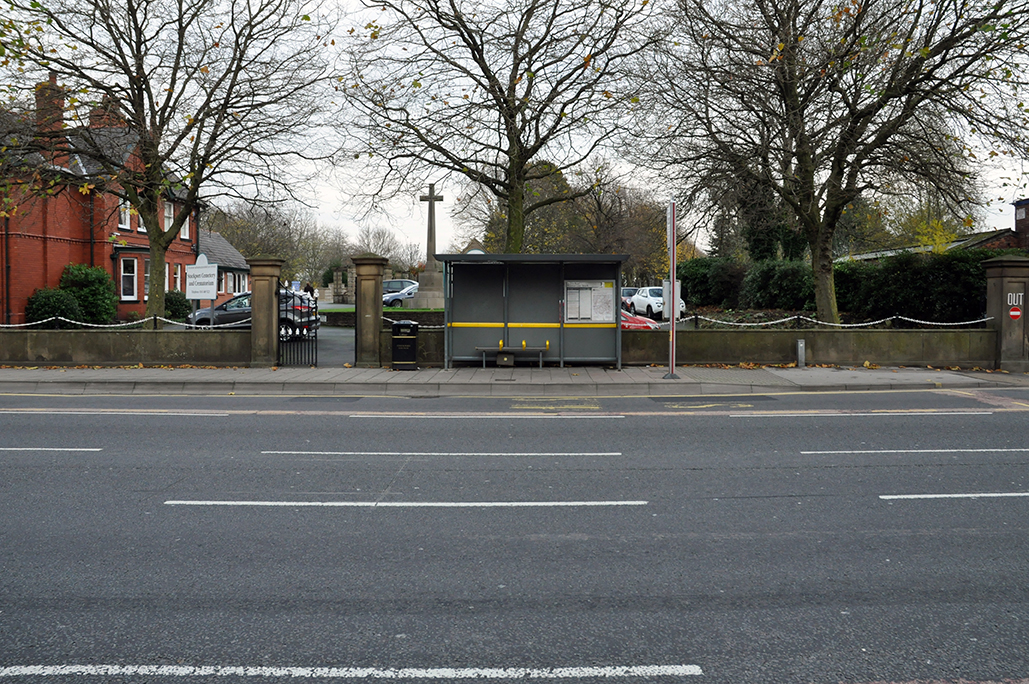
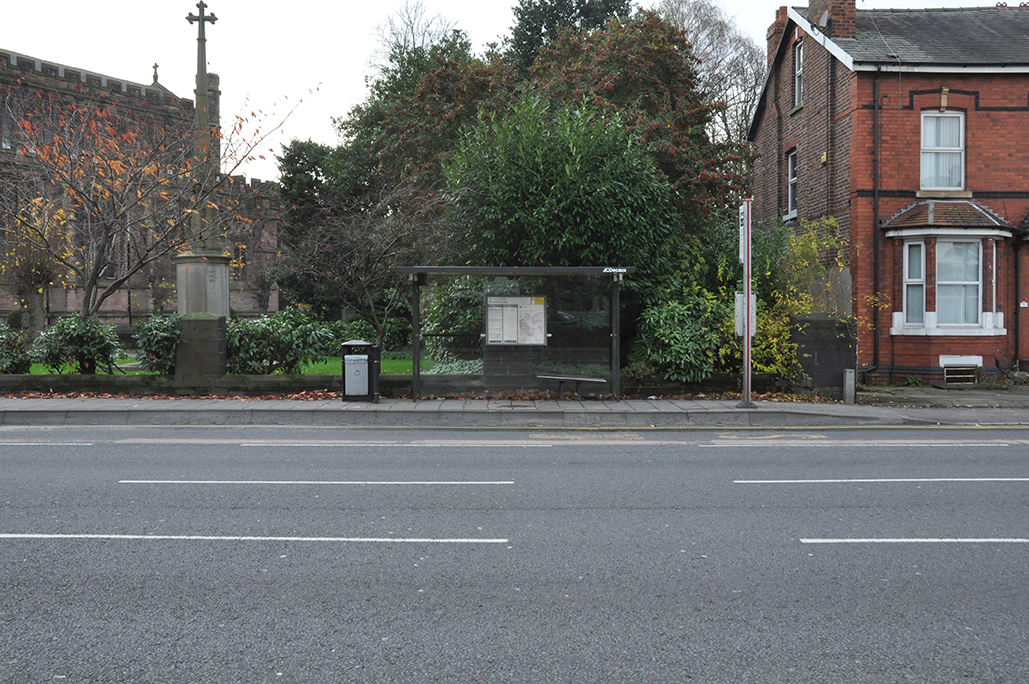
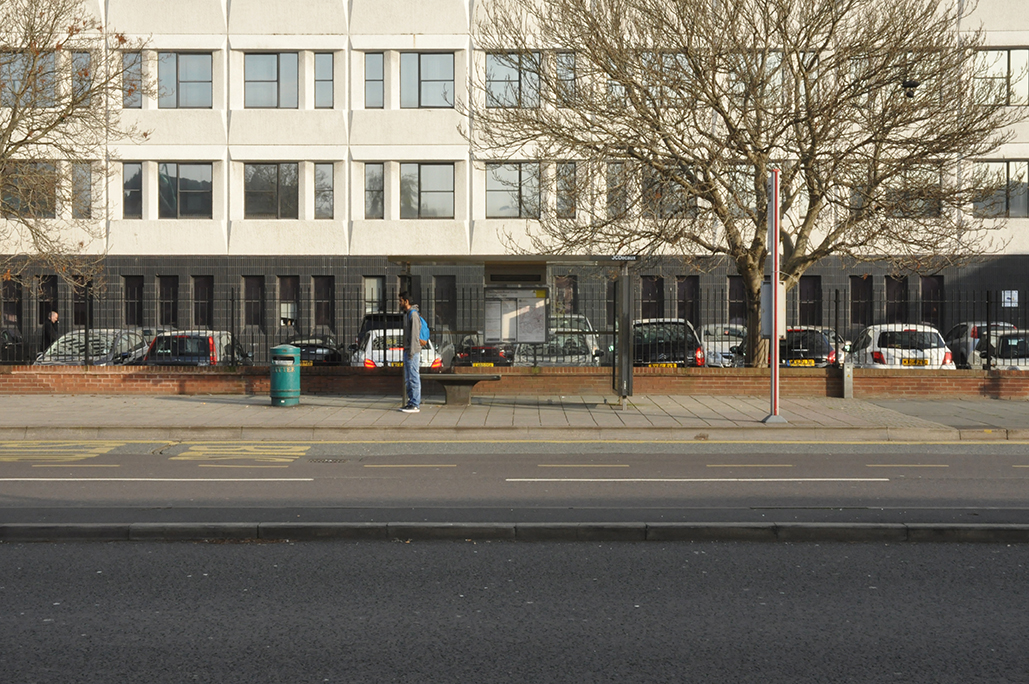
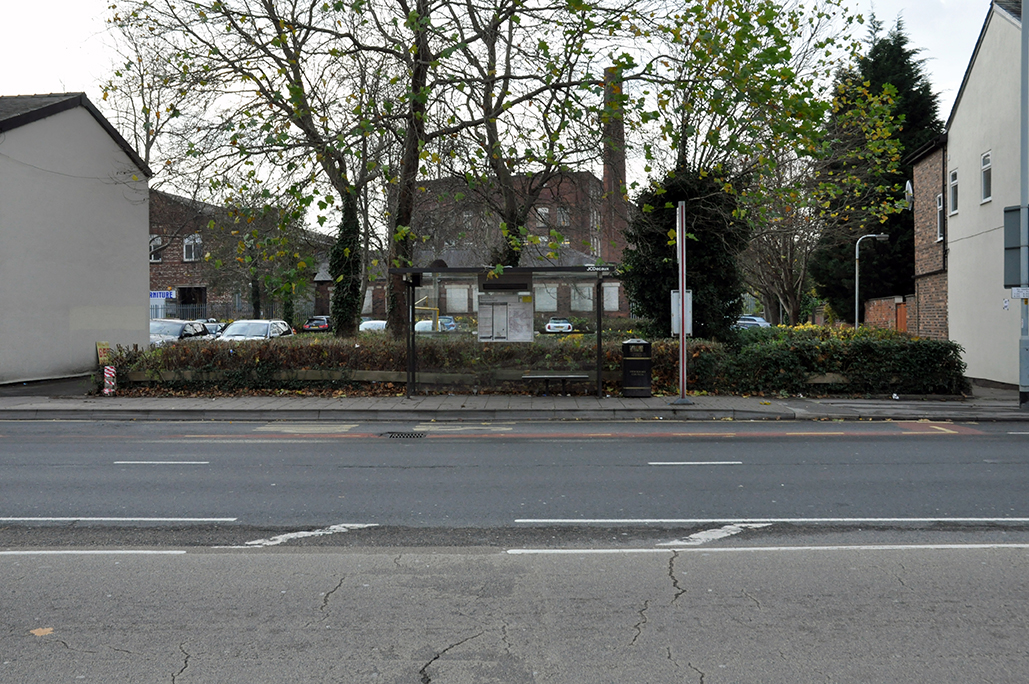
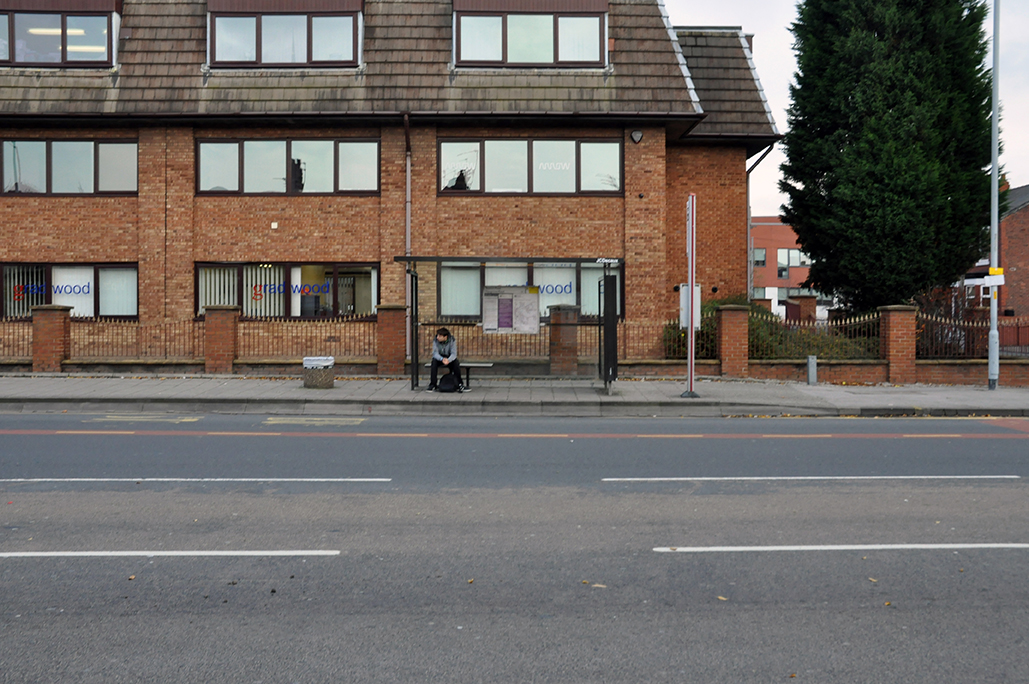
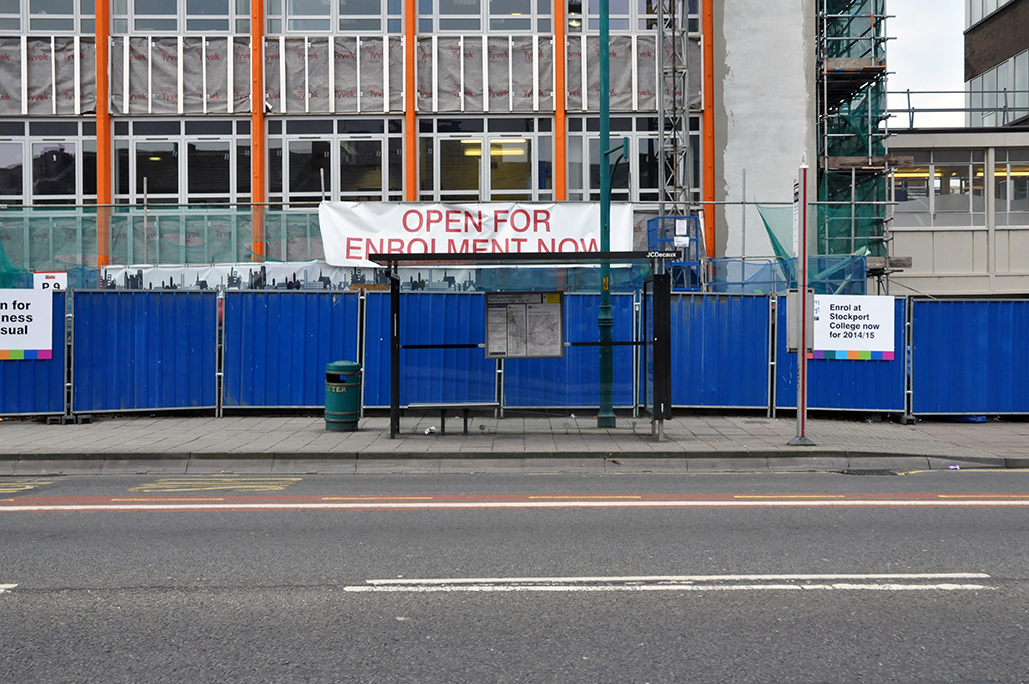
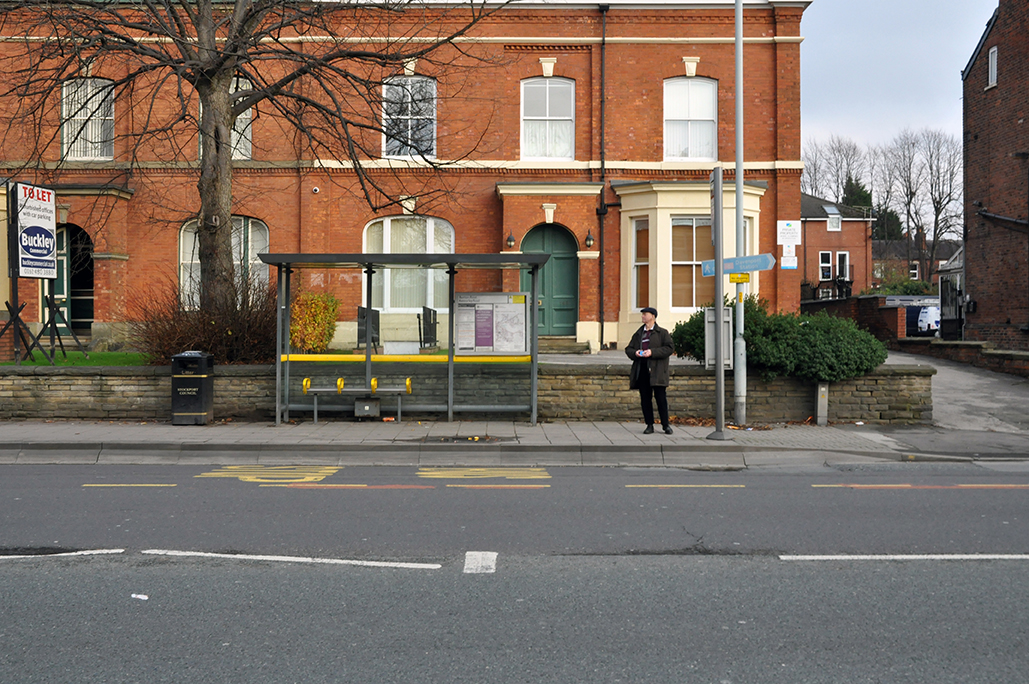
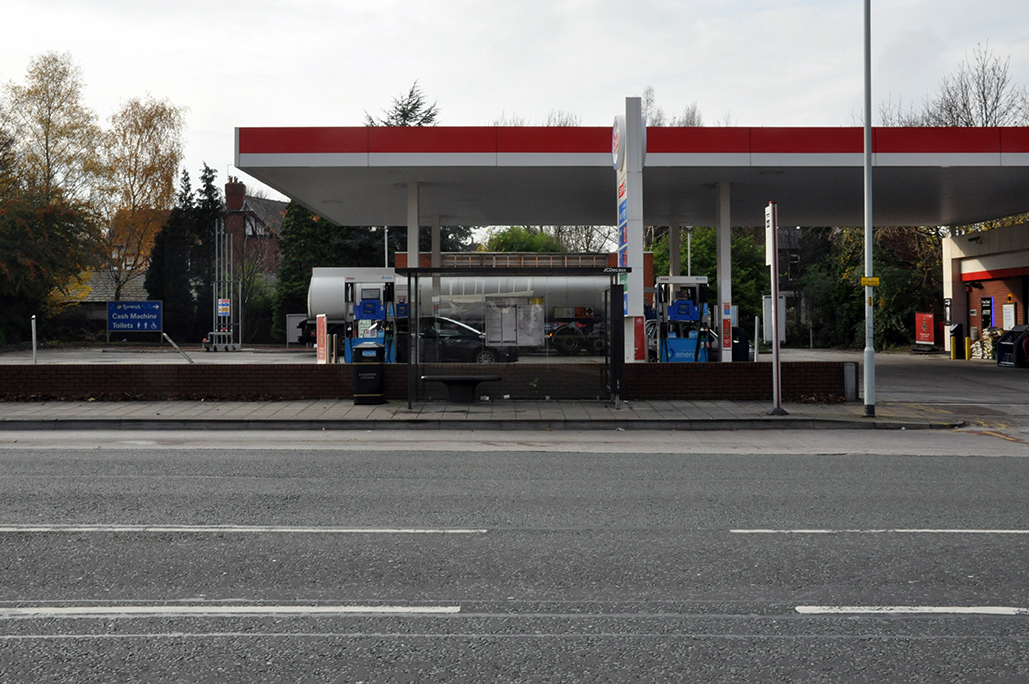
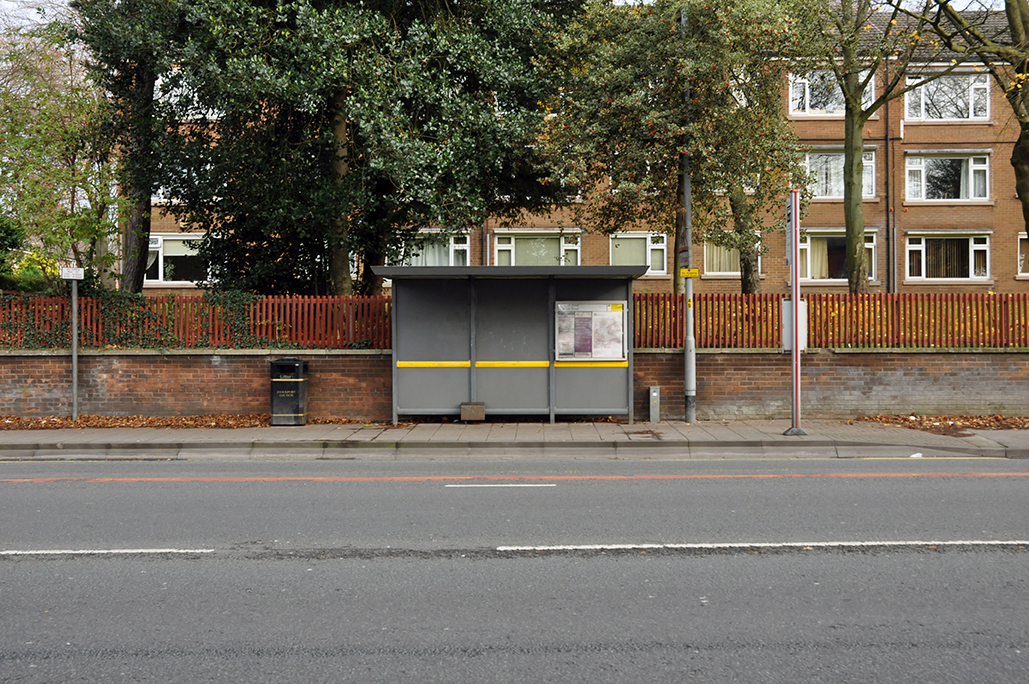
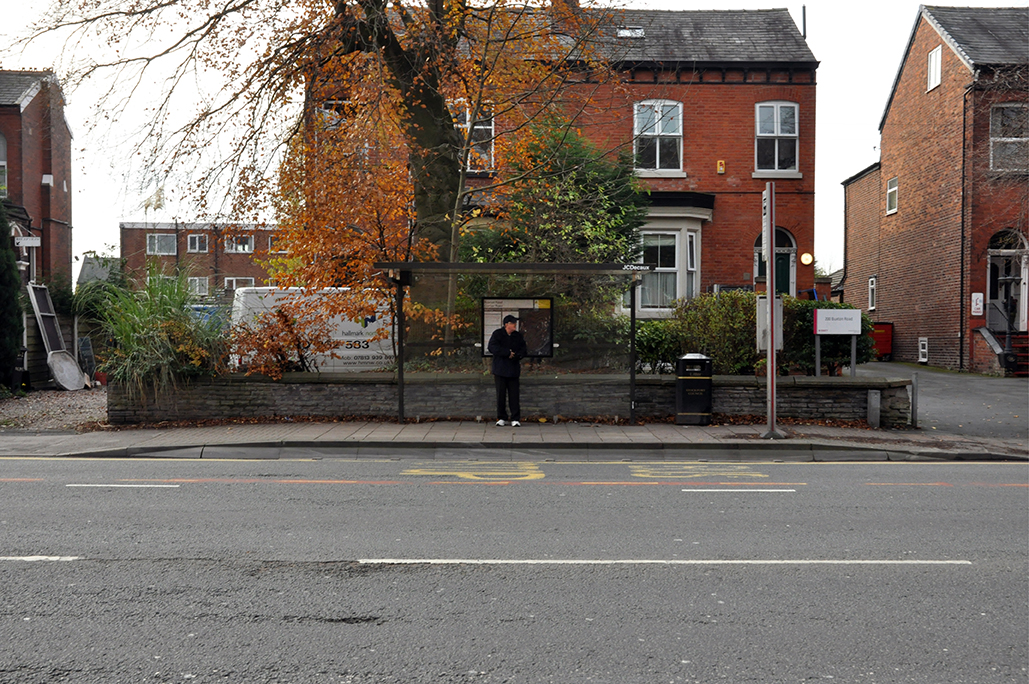
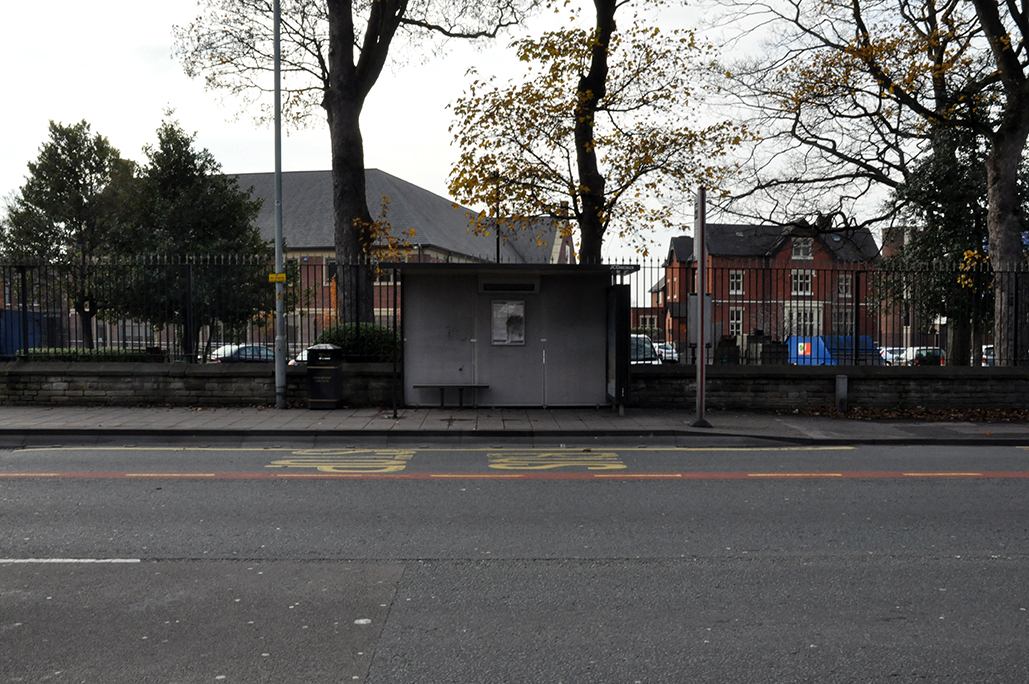
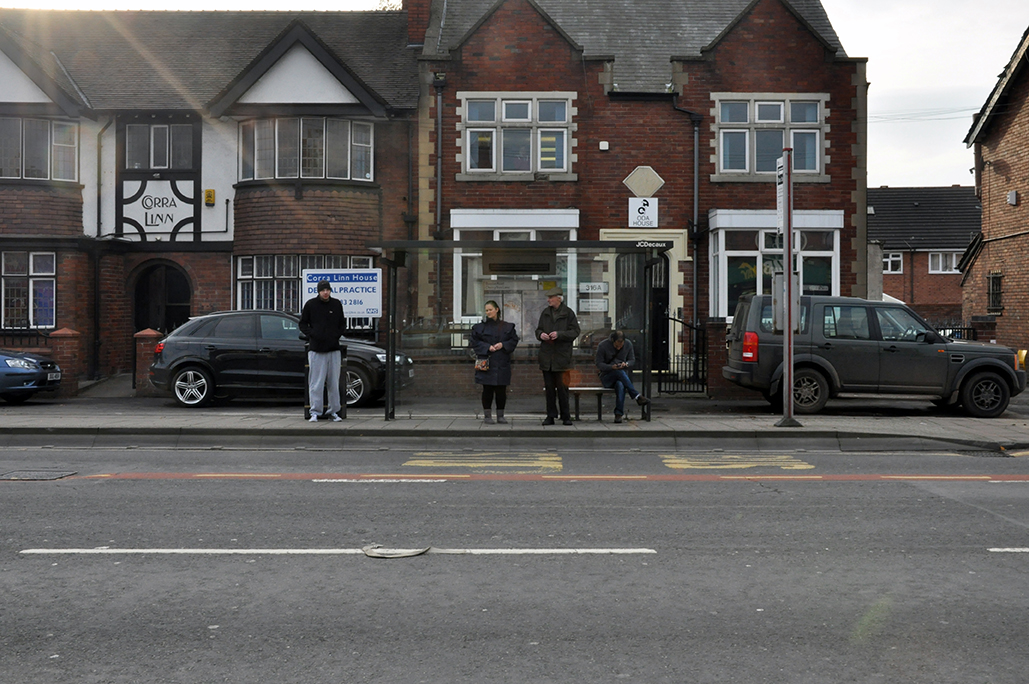
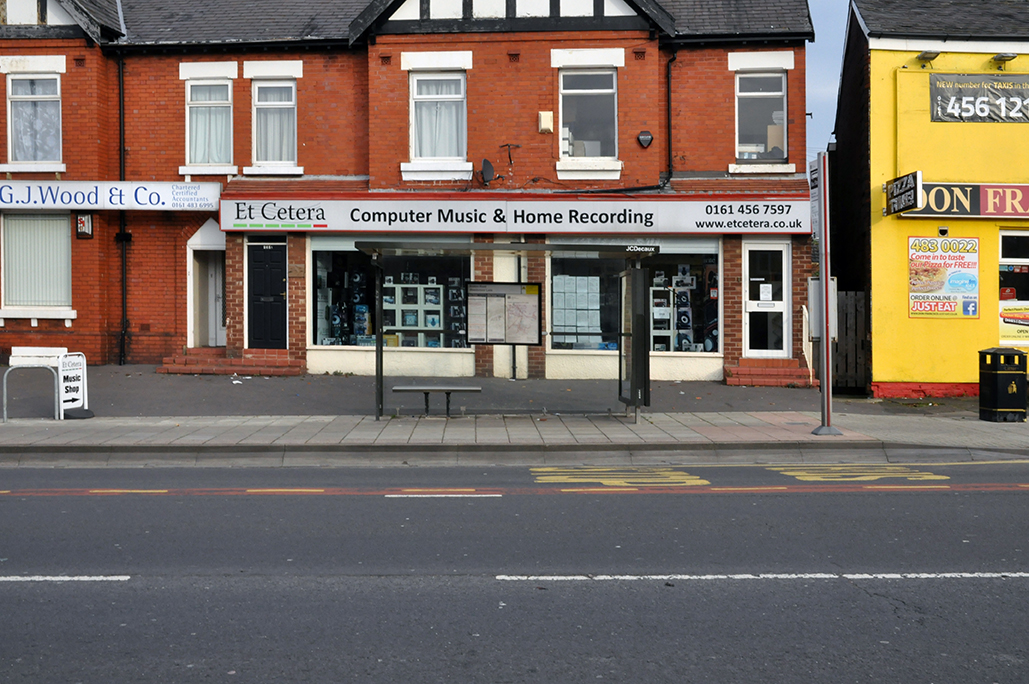
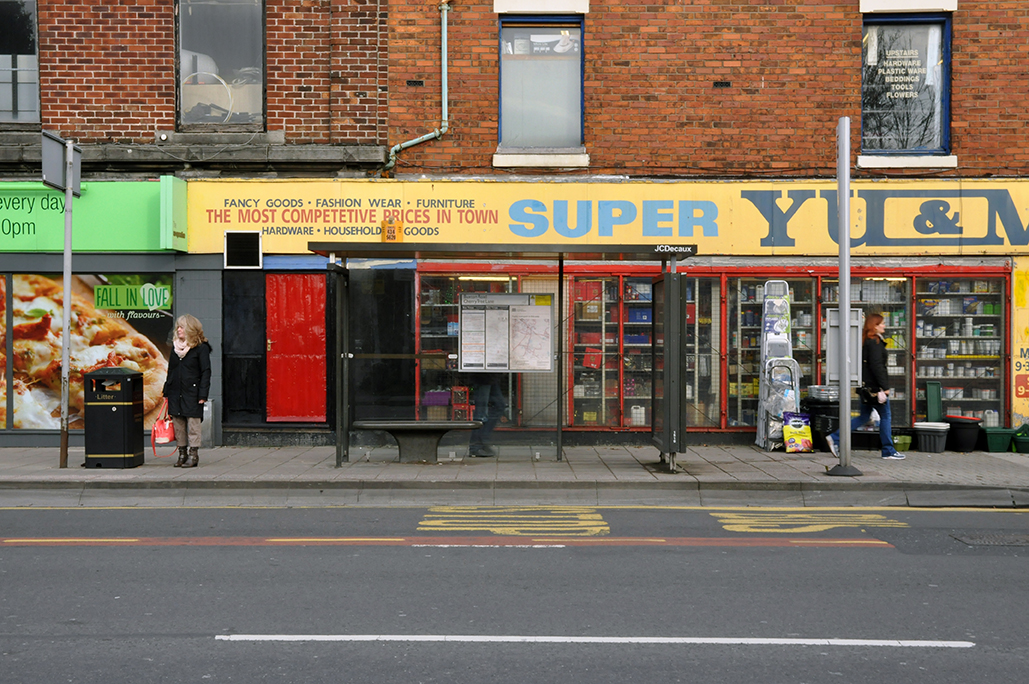
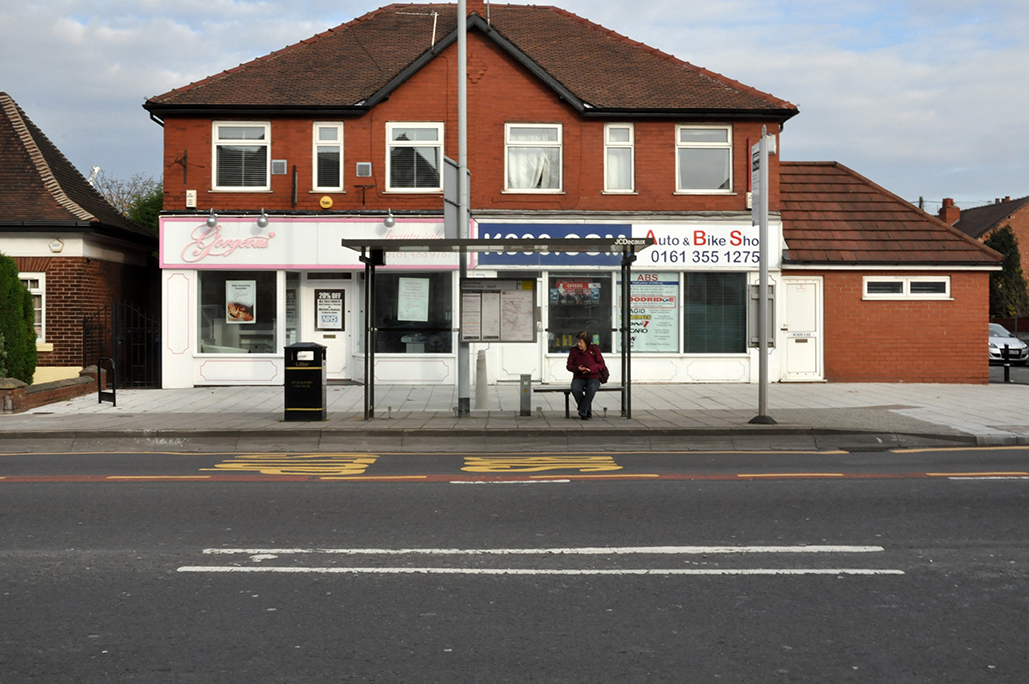
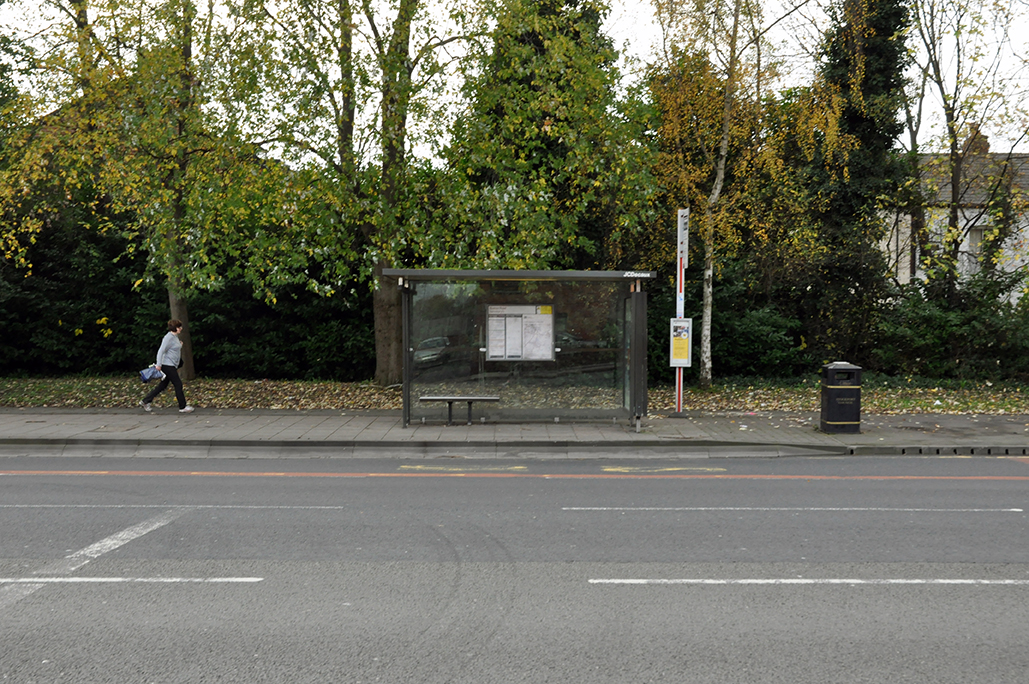
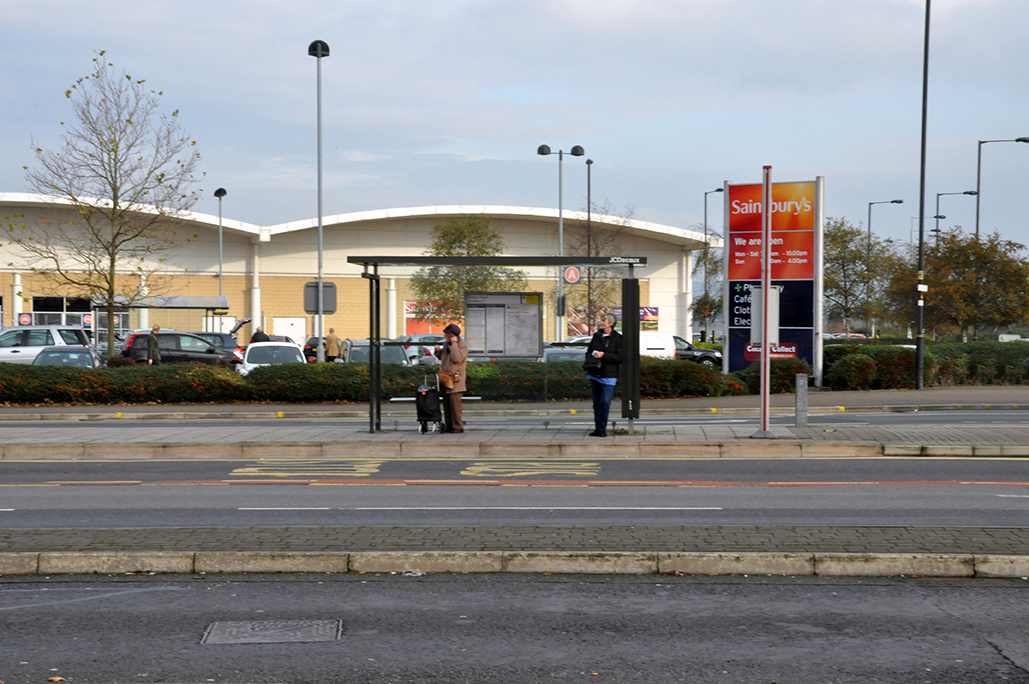
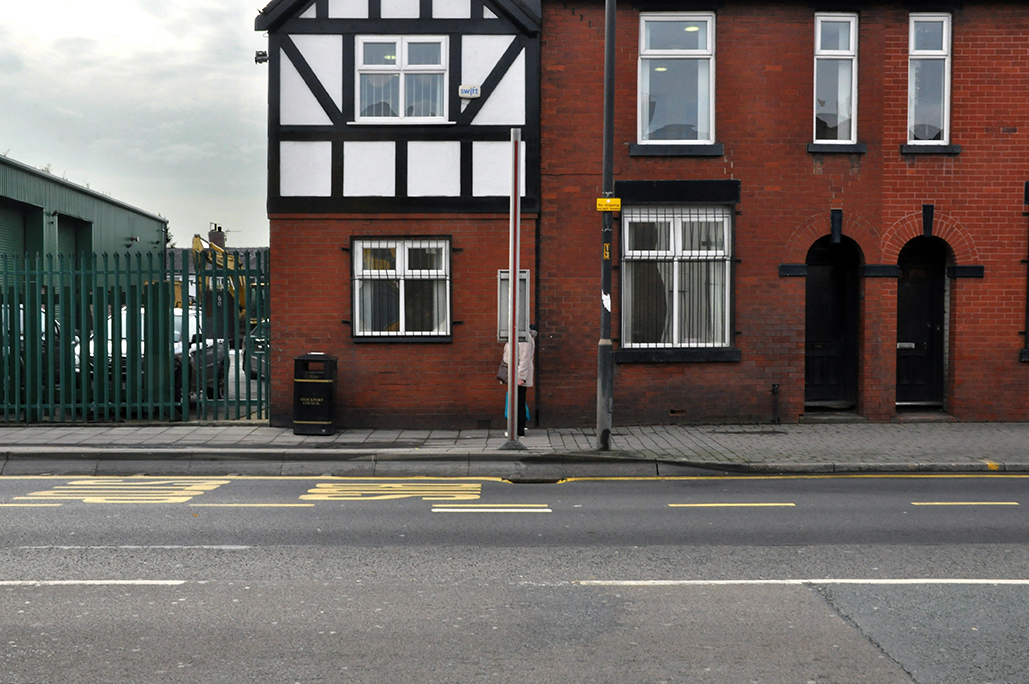
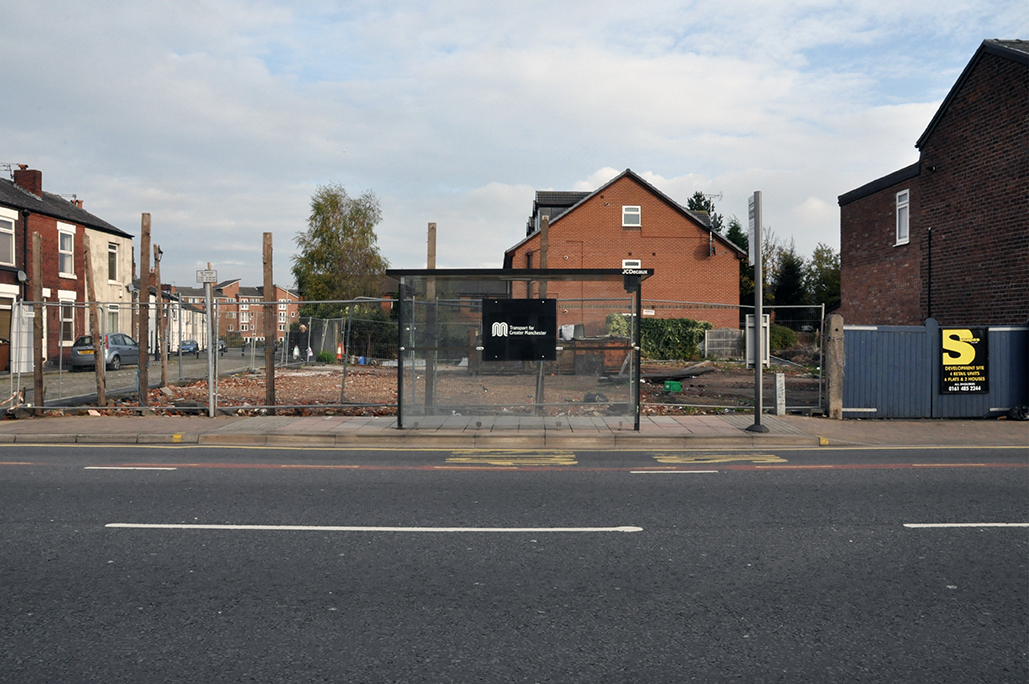
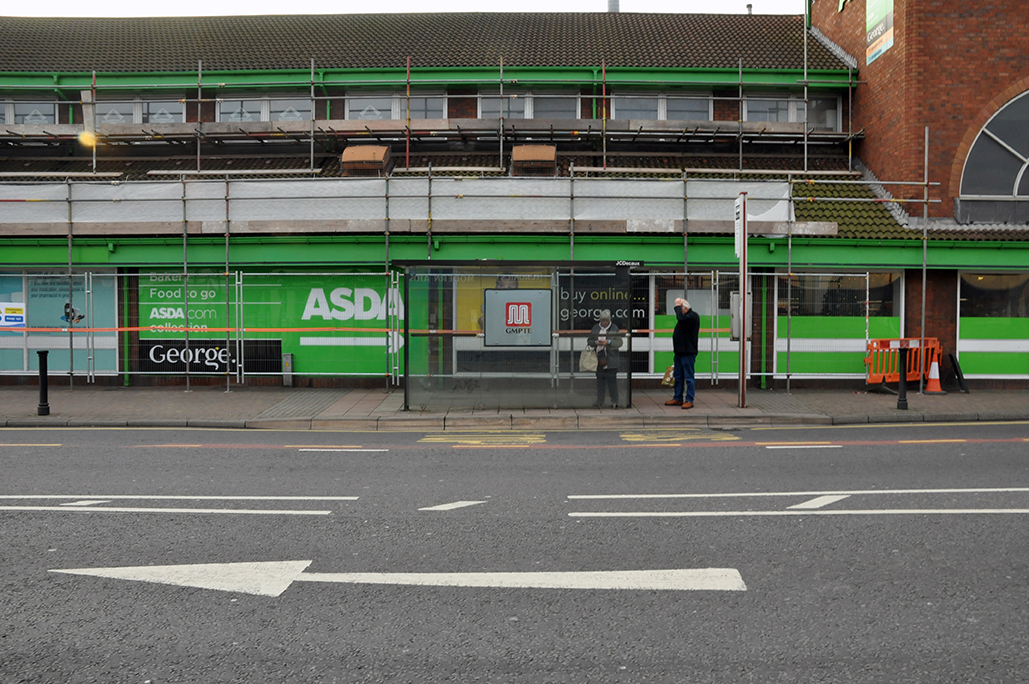
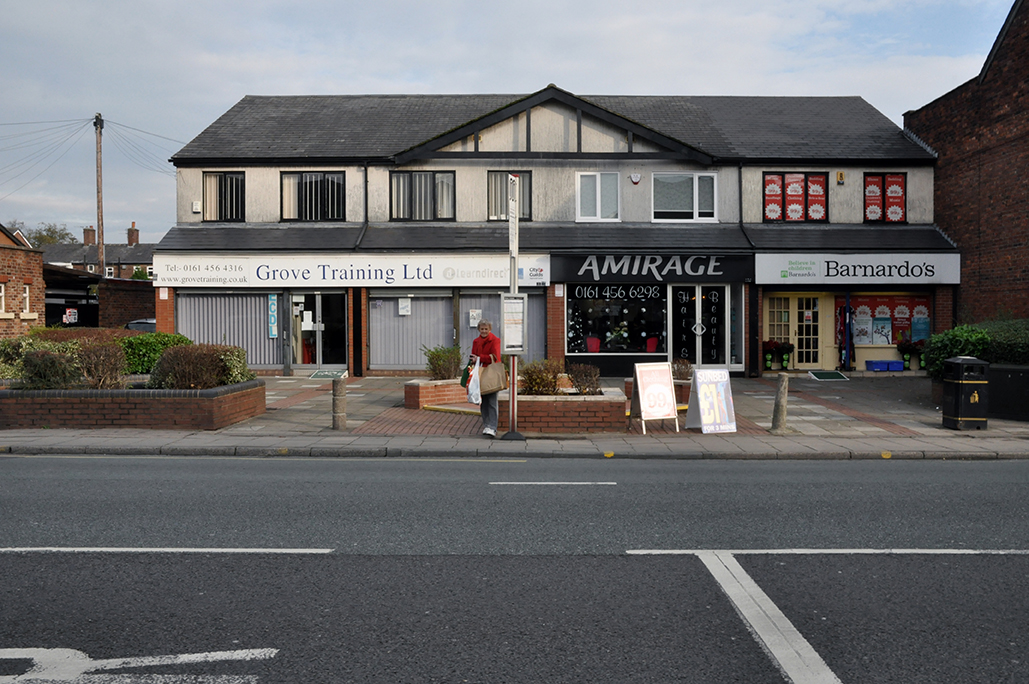
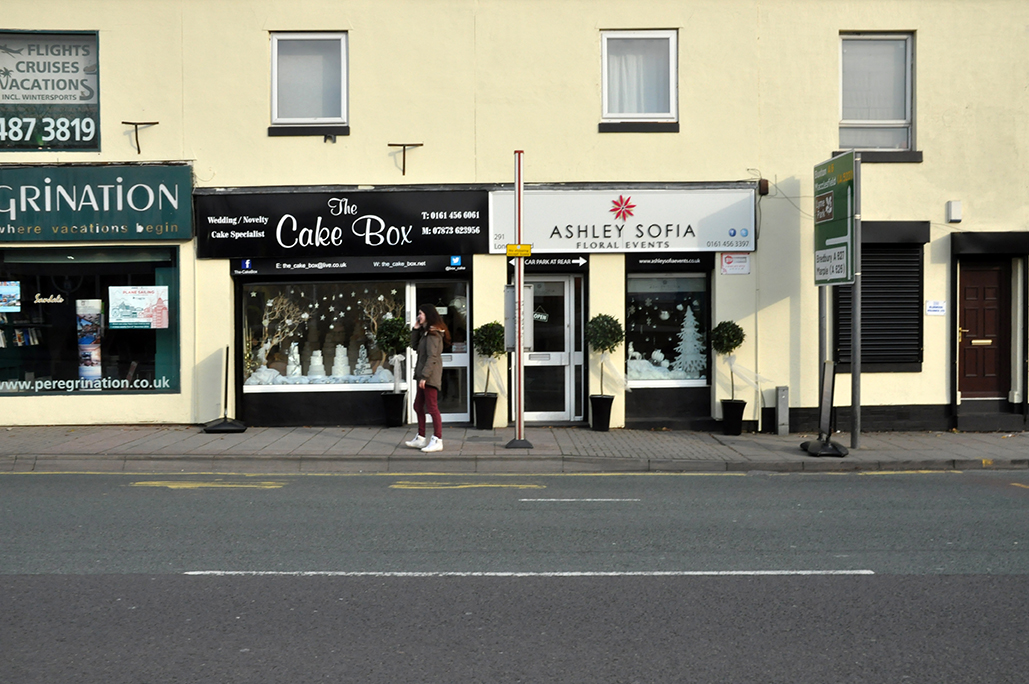
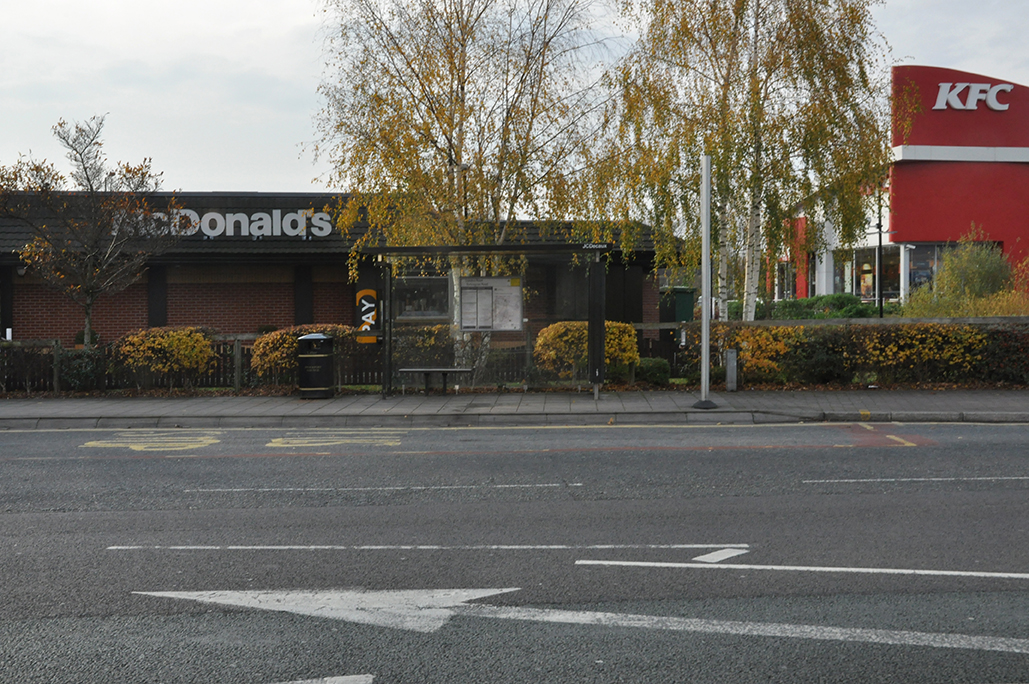
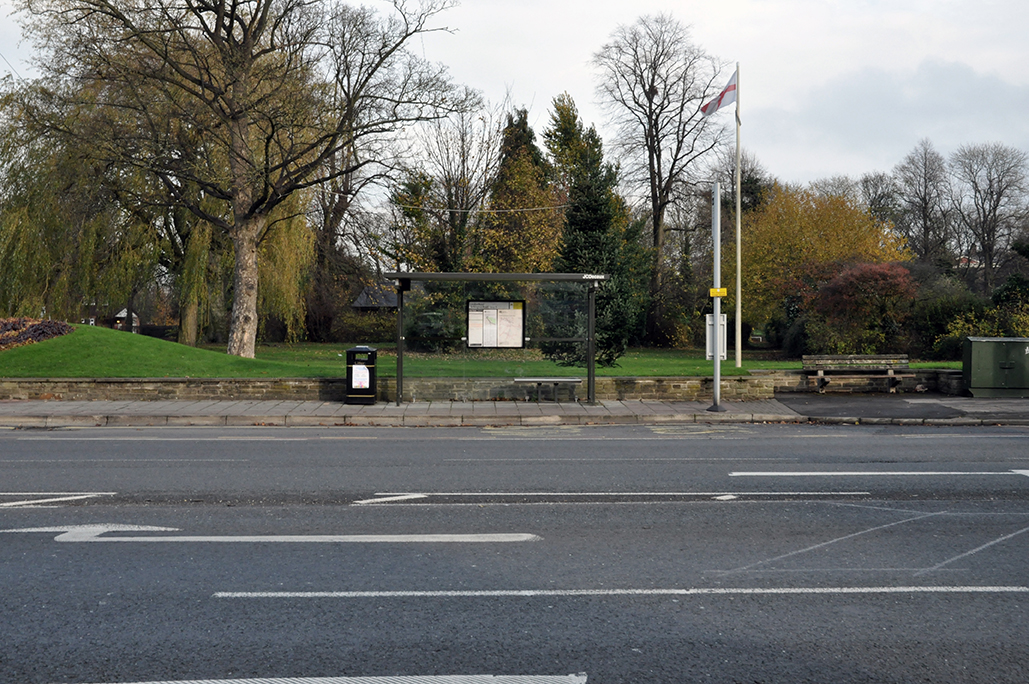
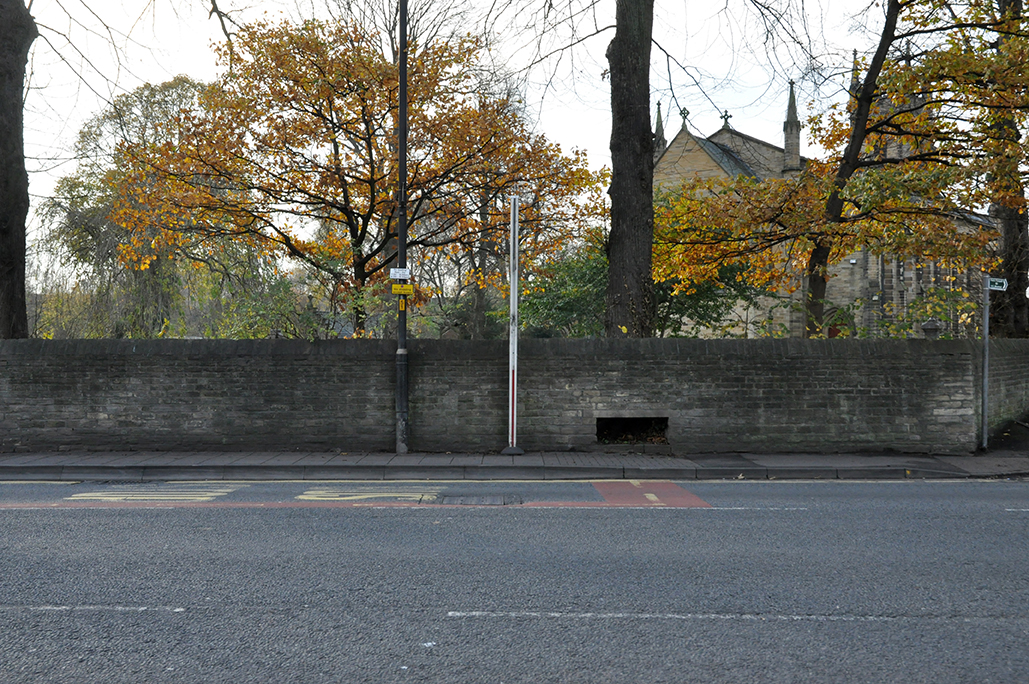
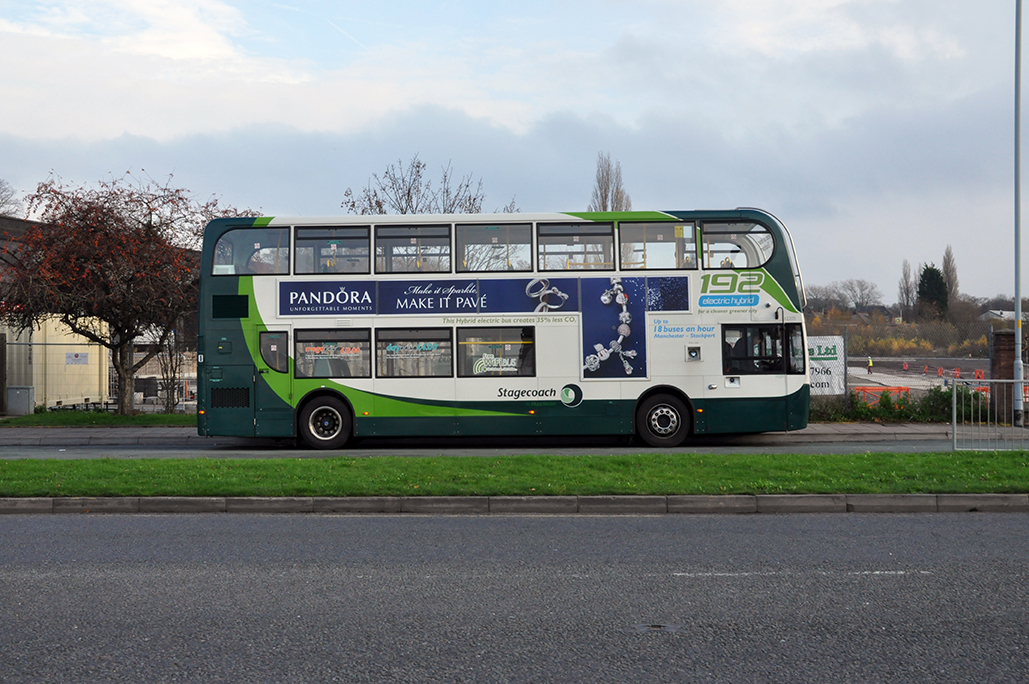
All 98 #192 Bus Stops

There there are 98 stops on the 192  route, between Manchester and Hazel Grove.
– I know because I walked them all.

Sunday morning roads relatively free of traffic.

Some stops peopled some not.

Zigzagging the A6 to record a consistent sequence.

The bus stops here.

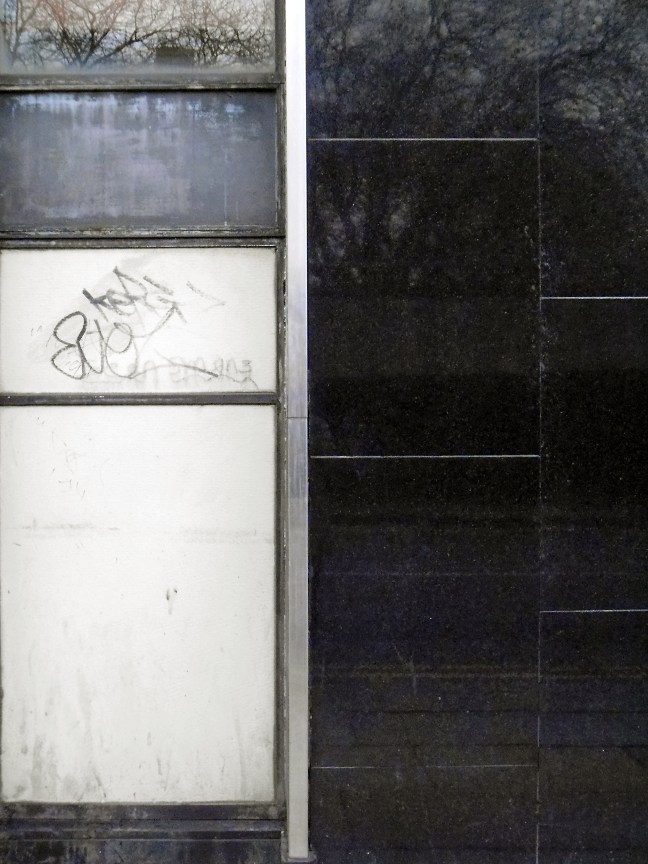
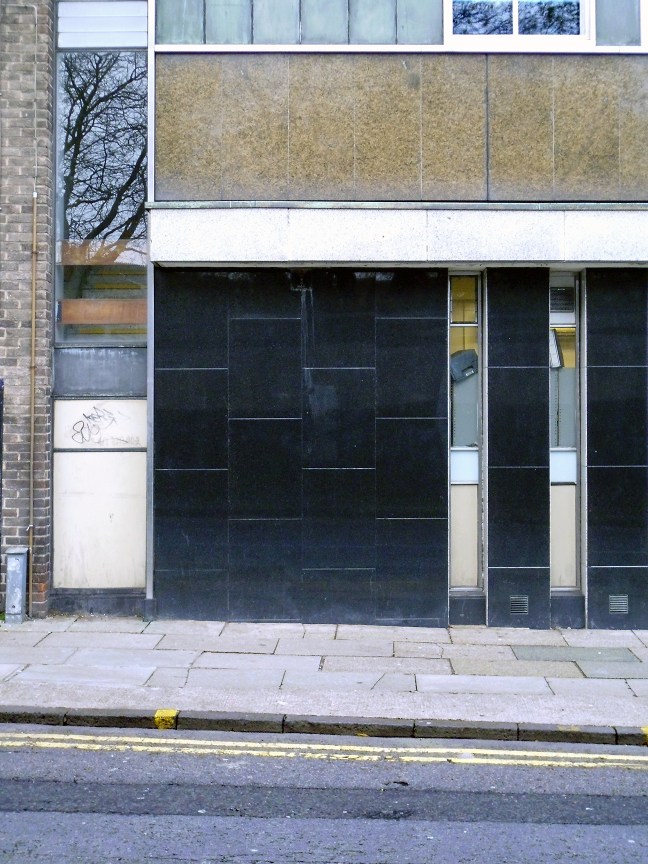
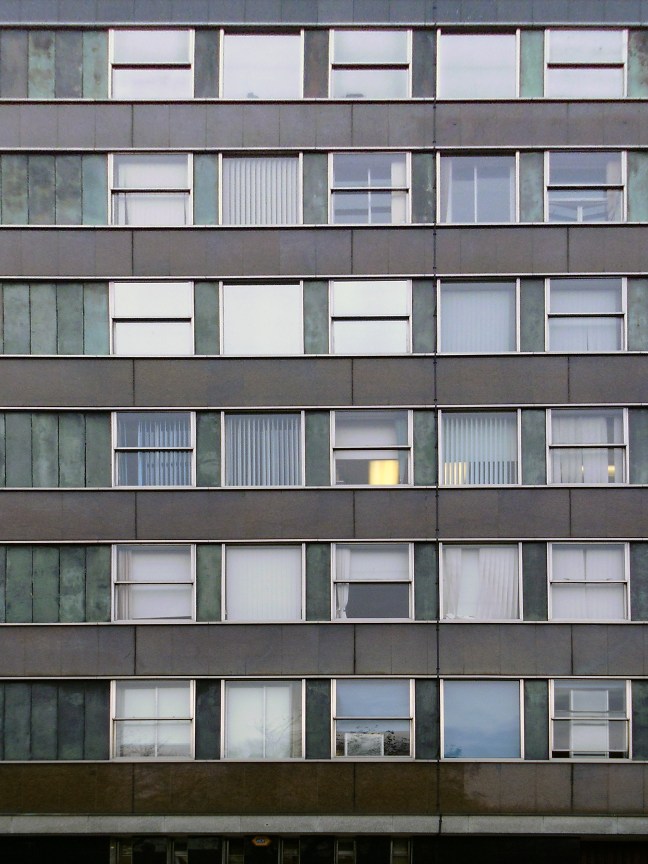
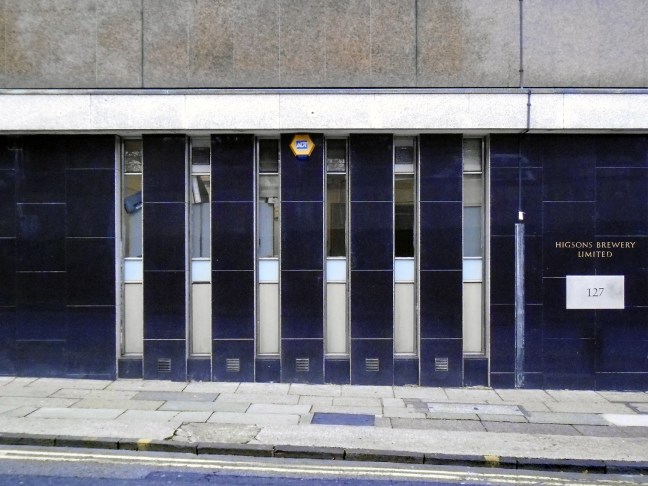
Higson’s Offices – Liverpool

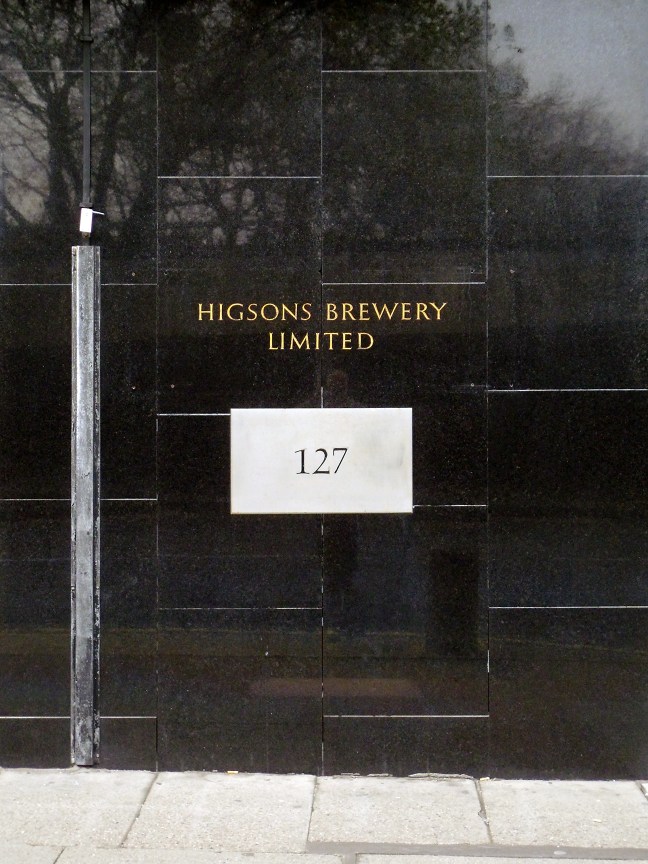
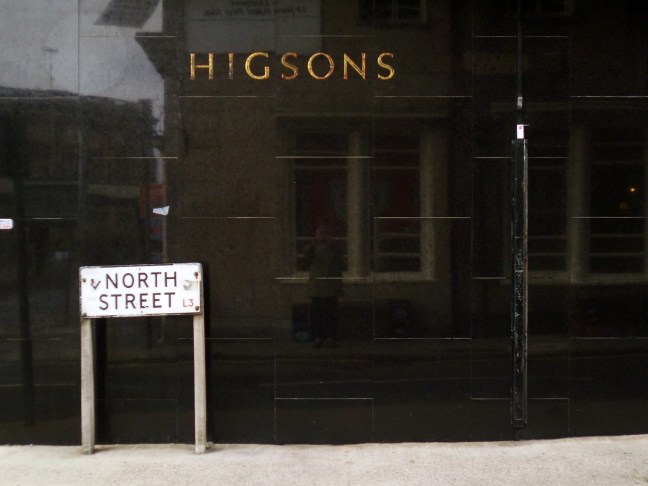
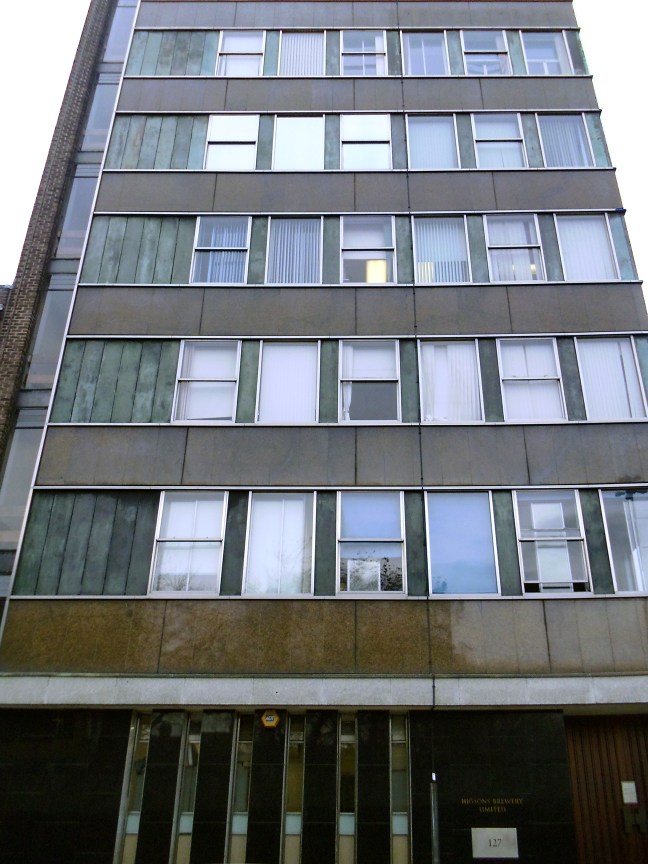
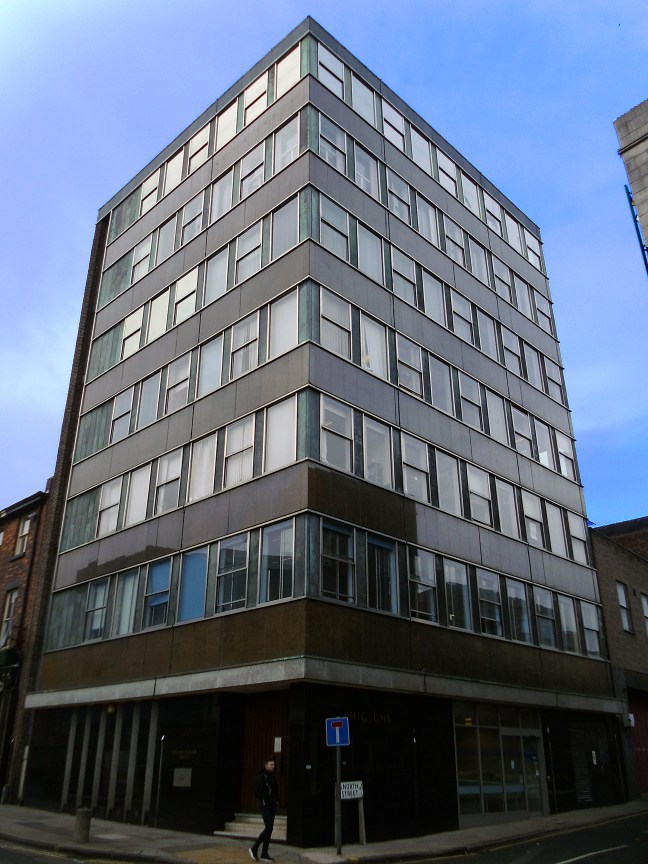
127 Dale Street, corner of North Street, just by the Ship and Mitre, across from the Queensway Tunnel entrance?
Yes that’s the one, Liverpool’s most remarkable, least remarked upon building.

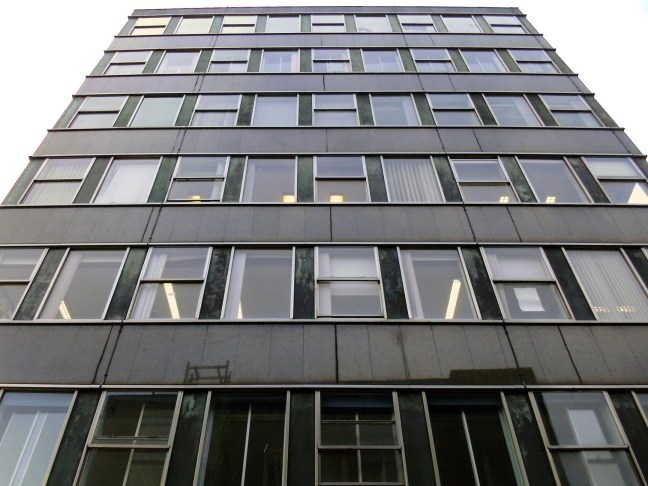
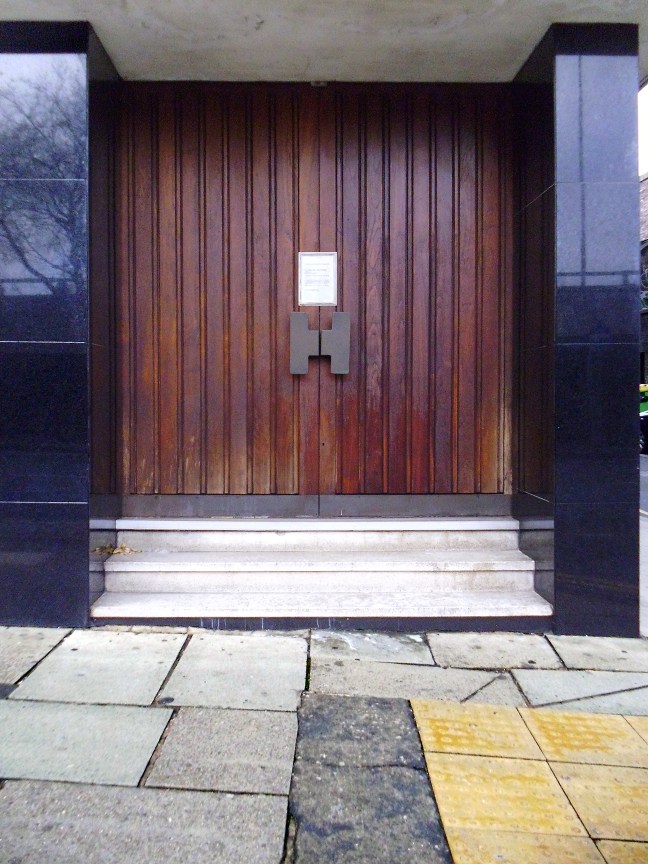
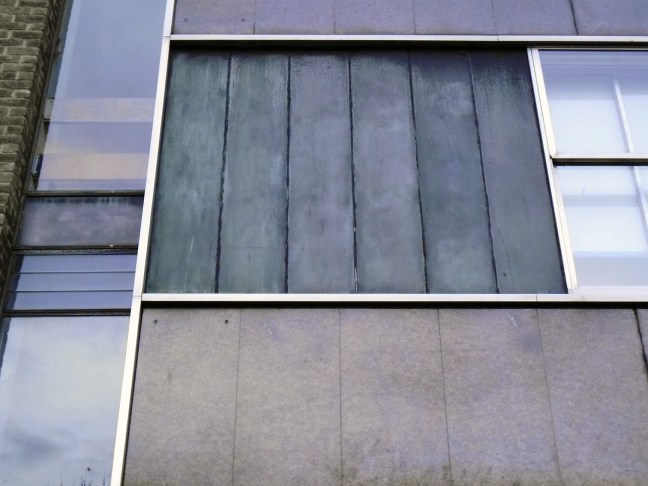
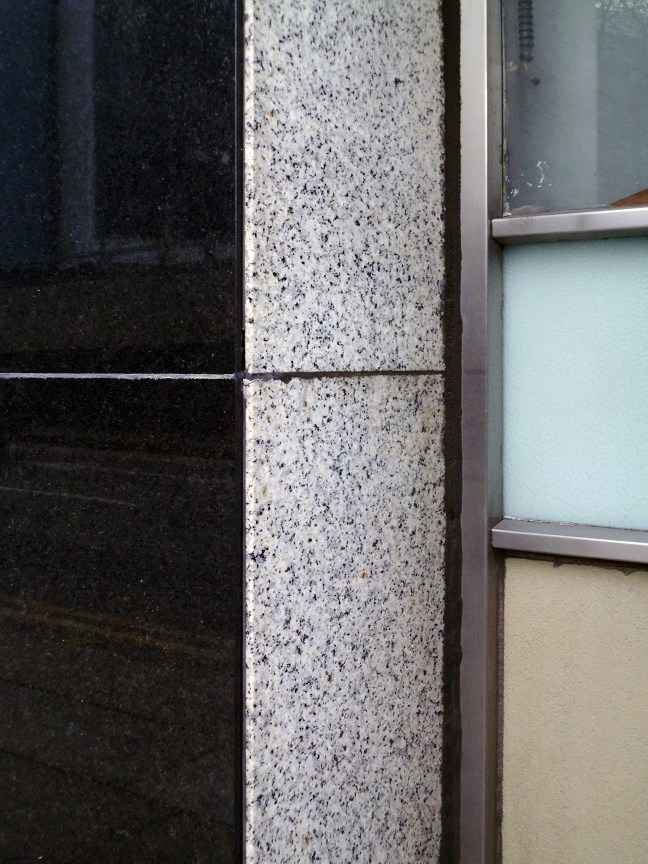
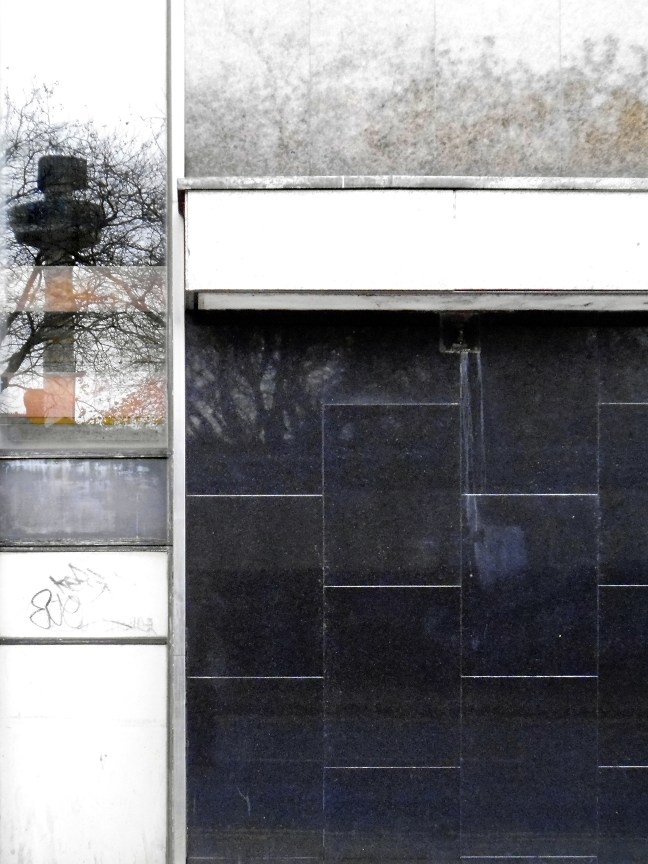
So clean, so modern, so new, a delightful grid of materials, glass, steel, polished marble, brick and patinated beaten metal.

Stand back and wonder, move in and sigh with delight.

As I went about my snappy business, I was approached by a local – Mark.

Surprised by my curiously, up close, slow scrutiny of the building, he went on to explain that he was familiar with the architect Derek Jones who had worked on the design for Ormrod and Partners in 1964.
Formerly home to Higson’s Brewery offices, now housing the Merseyside Museums administration and design teams, the exterior is largely intact.

So am I.

Go take a look.

P1030856 copy

P1030852 copy

P1030863 copy

P1030853 copy

P1030854 copy

P1030860 copy

P1030862 copy

P1030867 copy

P1030859 copy

P1030855 copy

P1030868 copy

P1030858 copy

P1030861 copy

P1030857 copy

P1030866 copy


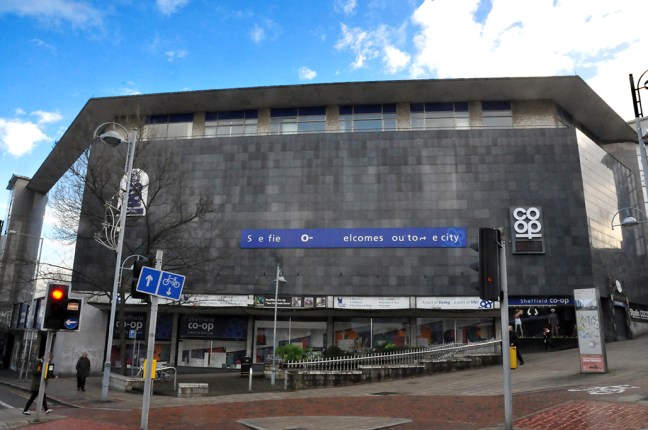
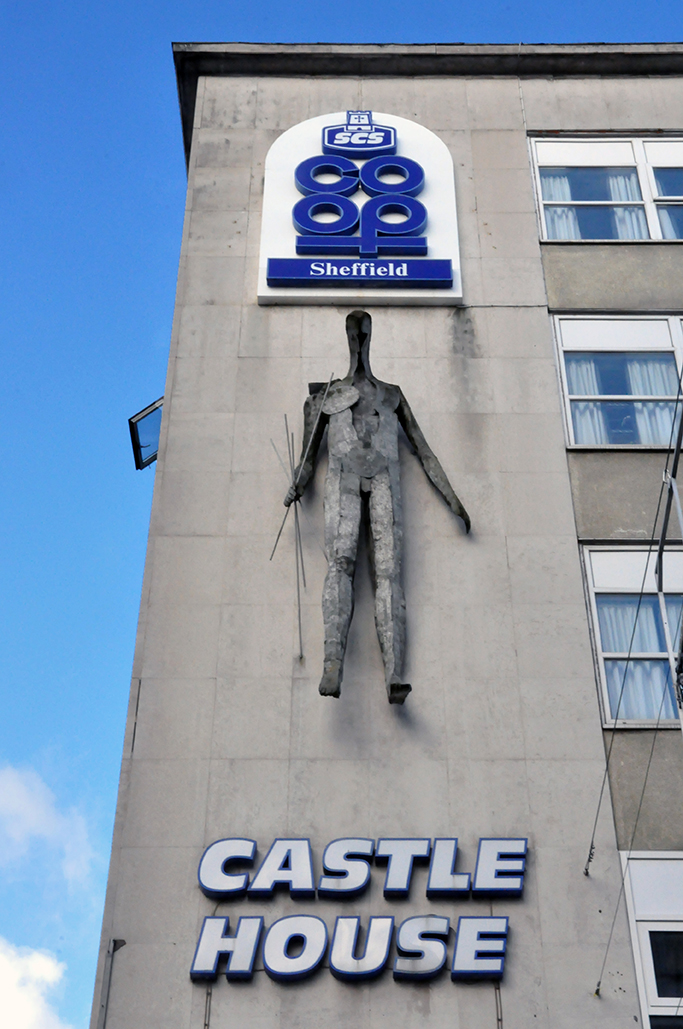
Castle House – Sheffield

I want it.

Historic England want it.

Hopefully you and the people of Sheffield want it,

– anyway it’s listed.

http://www.historicengland.org.uk/listing/the-list/list-entry/1393220

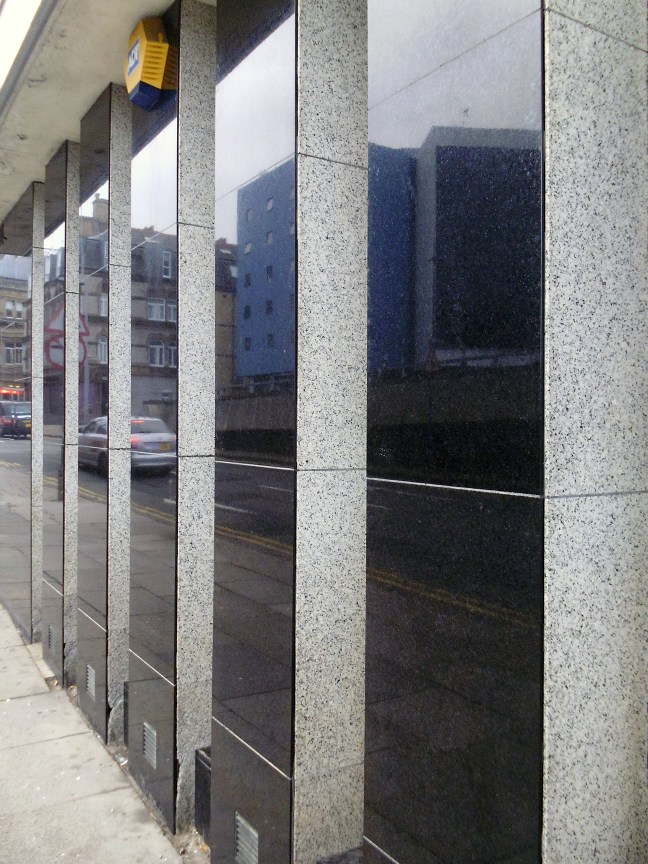
“1964 by George S Hay, Chief Architect for CWS, with interior design by Stanley Layland, interior designer for CWS. Reinforced concrete with Blue Pearl granite tiles and veneers, grey granite tiles and veneers, buff granite blocks, glass, and brick.”

The Liberal Democrat Council objected,  saying

“It could be a major barrier to regenerating Castlegate.”

http://www.sheffieldtelegraph.co.uk/what-s-on/saving-castle-house-controversial-listing-call-defended-1-453913#ixzz3sL3p5RAP

There is now the possibility of redevelopment as a creative hub.

It was a Co-op on the grandest of scales.

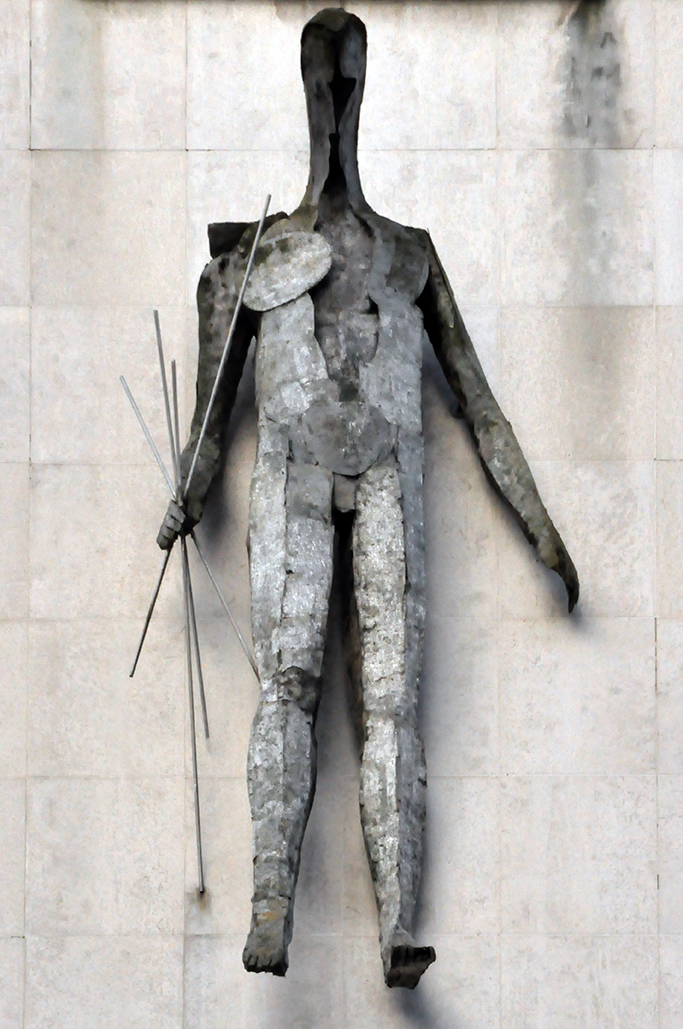
It has it all, public art, monolithic proportions and finish, bags of detail and scale in abundance. A fascinating building to explore and certainly one that fills my little heart with joy in superabundance

A building of period distinction, it deserves its preservation.

We do not require another patch of steel and wilfully wayward clad nowheresville non- architecture, replete with aspirational retail agogo.

Go see it soon!

Huddersfield – The Sportsman

Turn left out of the station, round past the George, big and closed. Head under the railway viaduct – there it is right in front of you, on the corner of John Street.

The Sportsman.

You will not find a finer pub, but you don’t have to, you’re there.

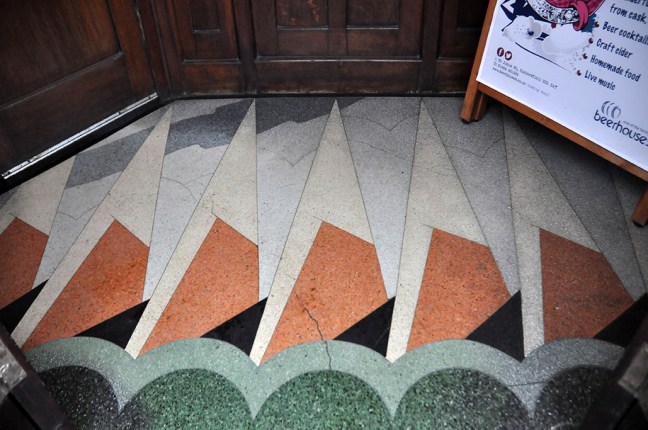
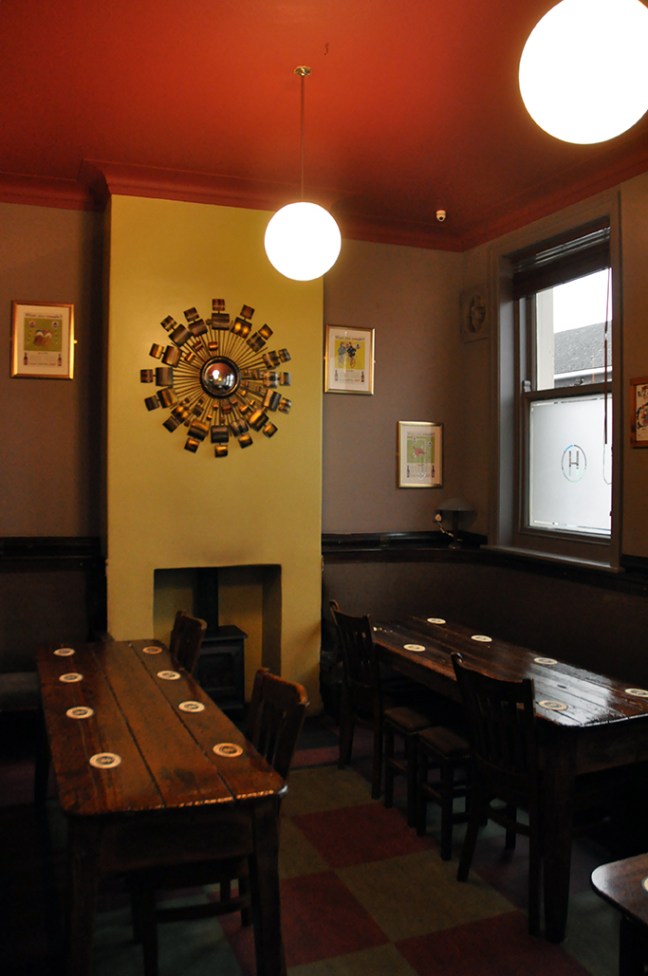
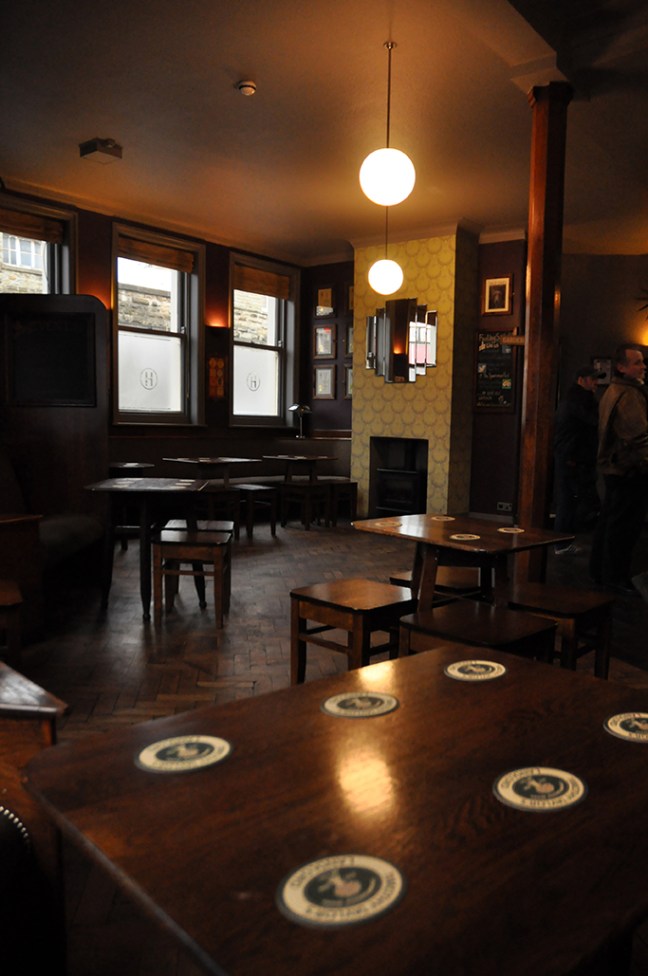
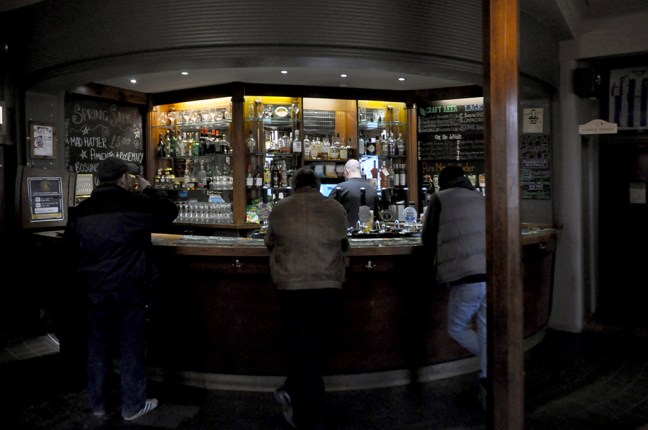
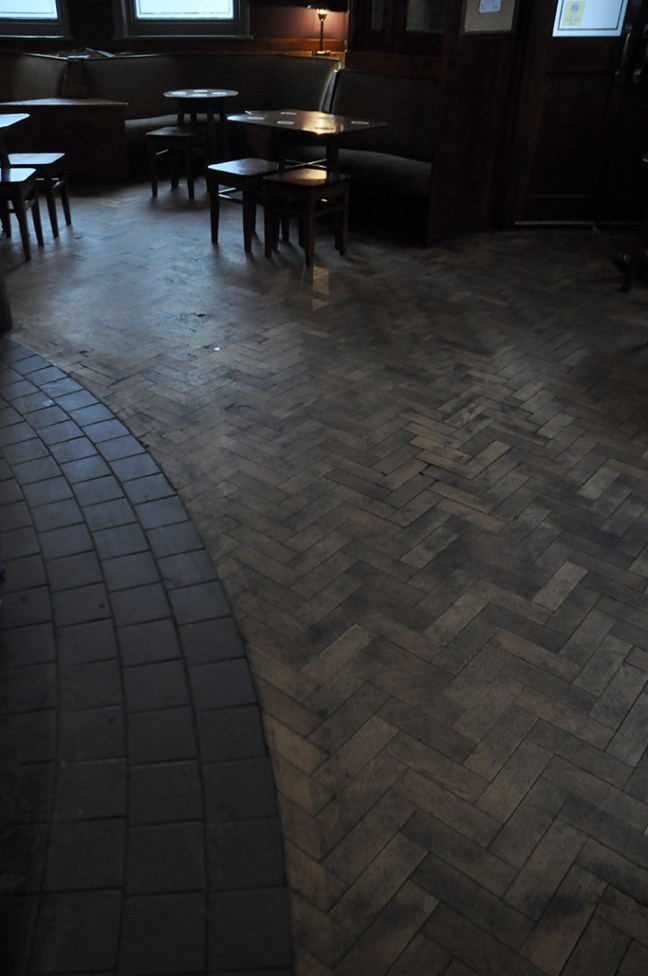
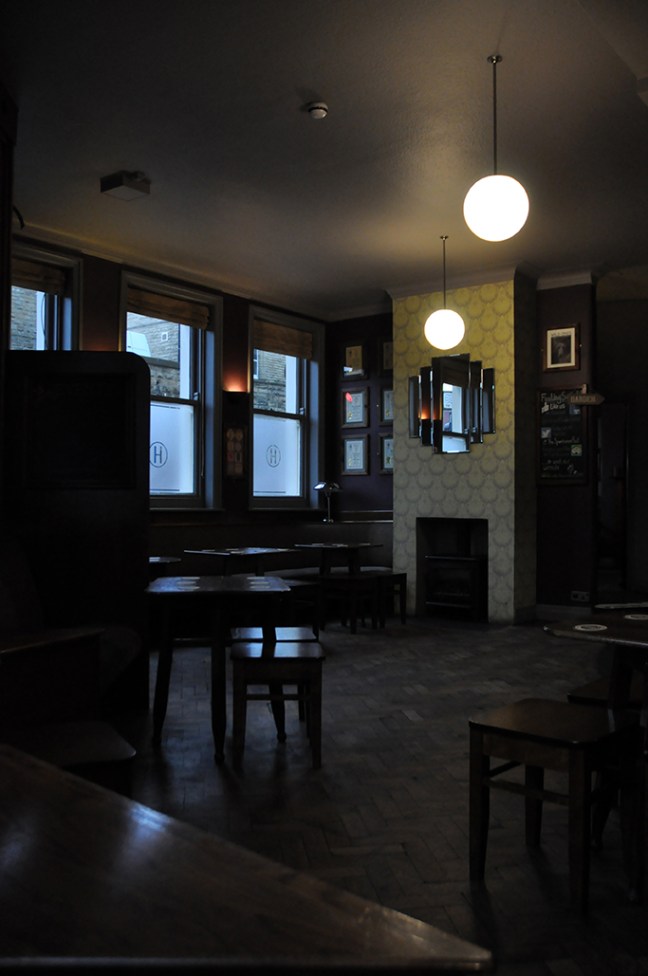
Striding across the decorative deco porch, pushing aside the weighty timber and glass doors. Inside a dull warm afternoon light, falls lazily through the windows. White globes glow low from the ceiling, gently washing the well worn parquet floor. Put your bags down on the upholstered seating, walk up to the bar get a pint pulled, then another – take your time it’s fluid.

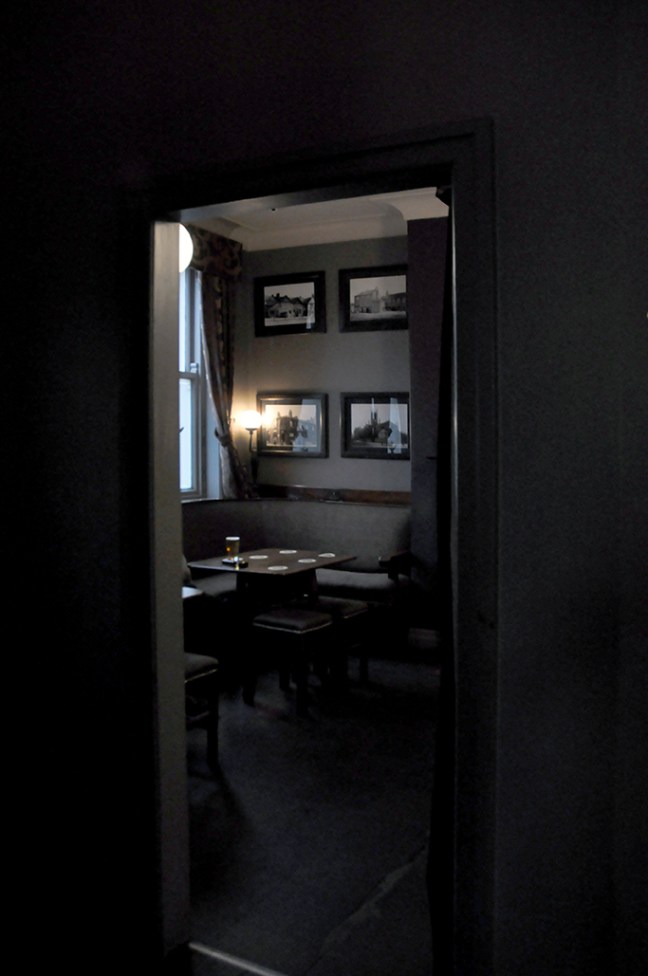
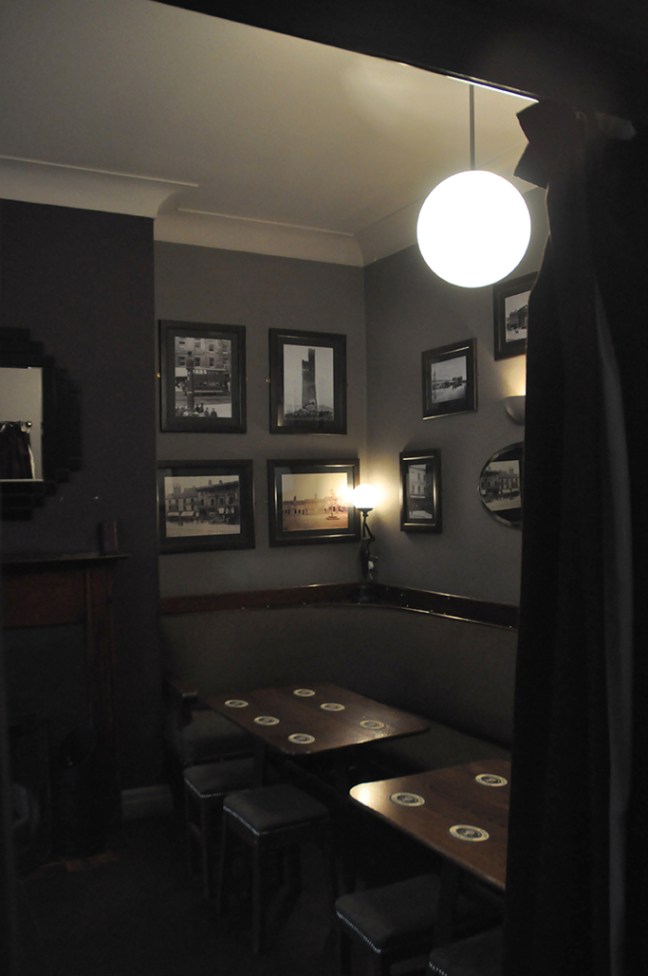
The main room is wide and welcoming, side rooms smaller and intimate.

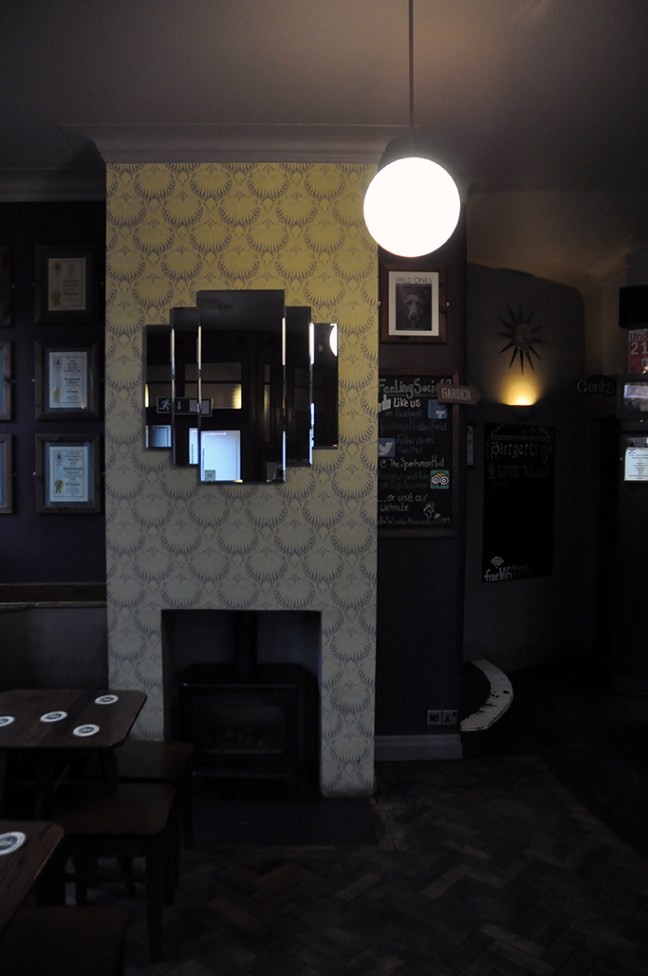
Decorated in a post war muted style, all wood and restrained colour, certainly not over fussy or over decorative. It has a style that doesn’t impose itself upon you – simply whispers in your ear

Pub.

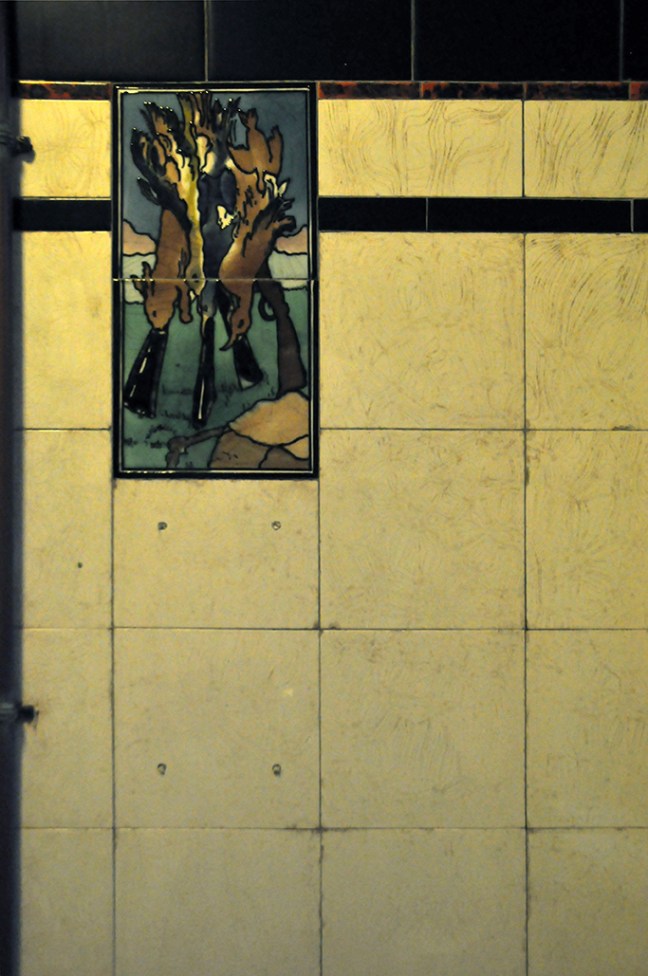
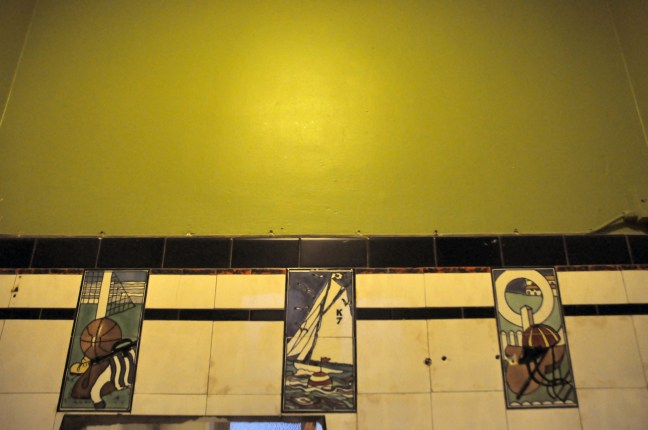
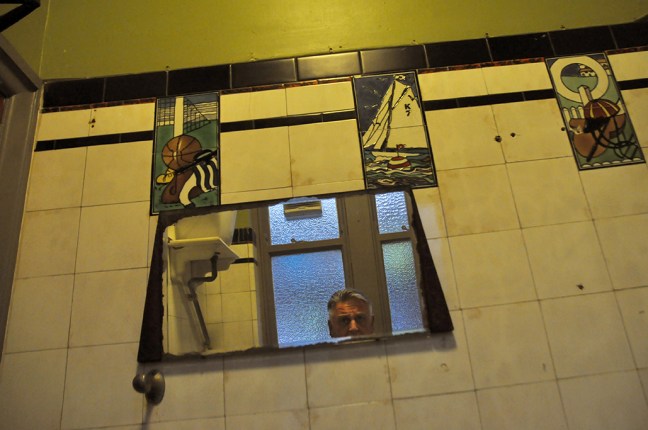
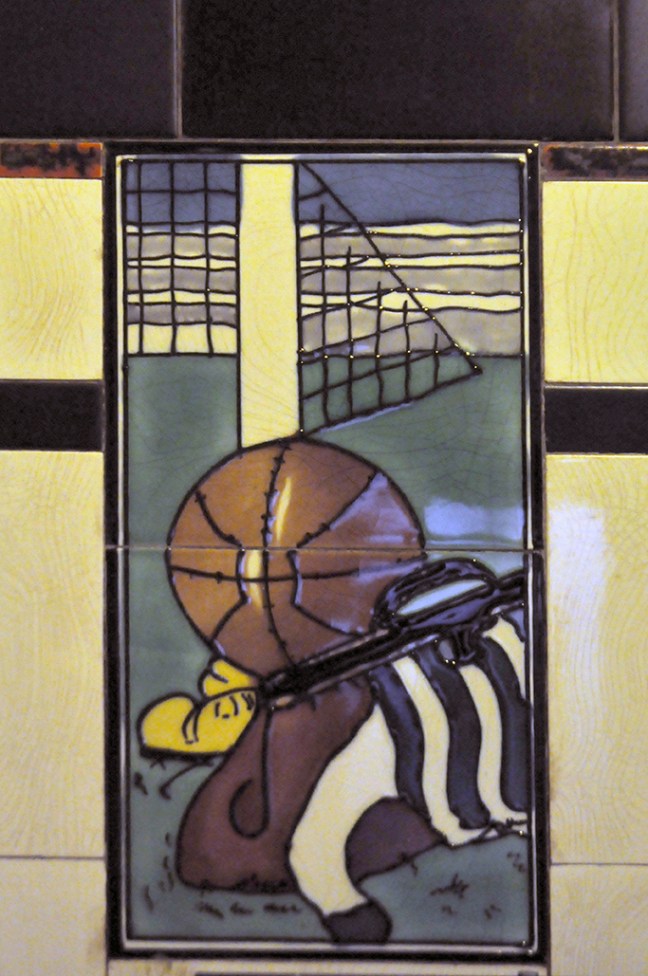
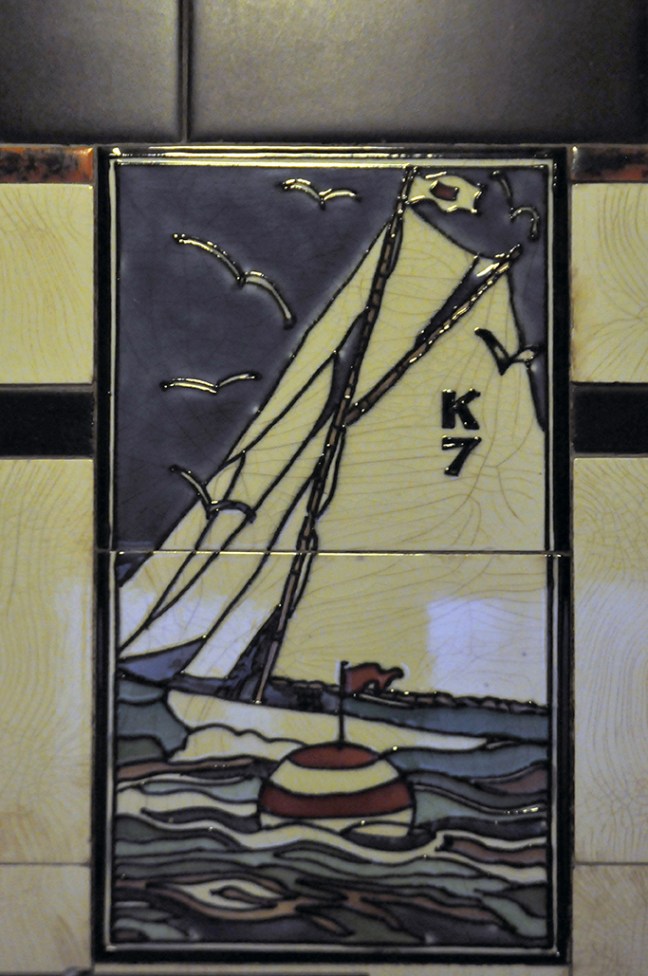
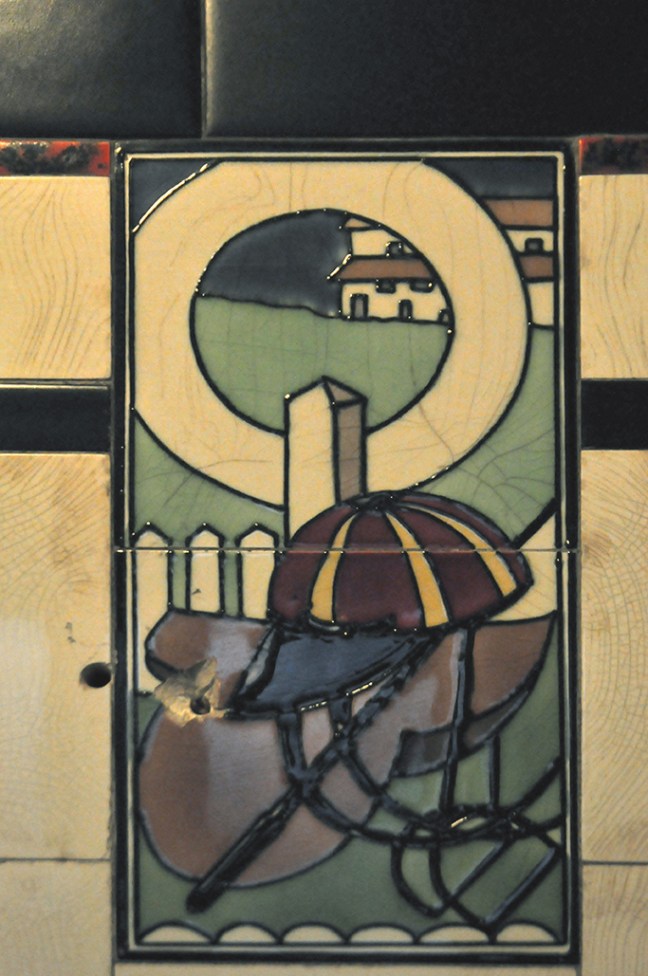
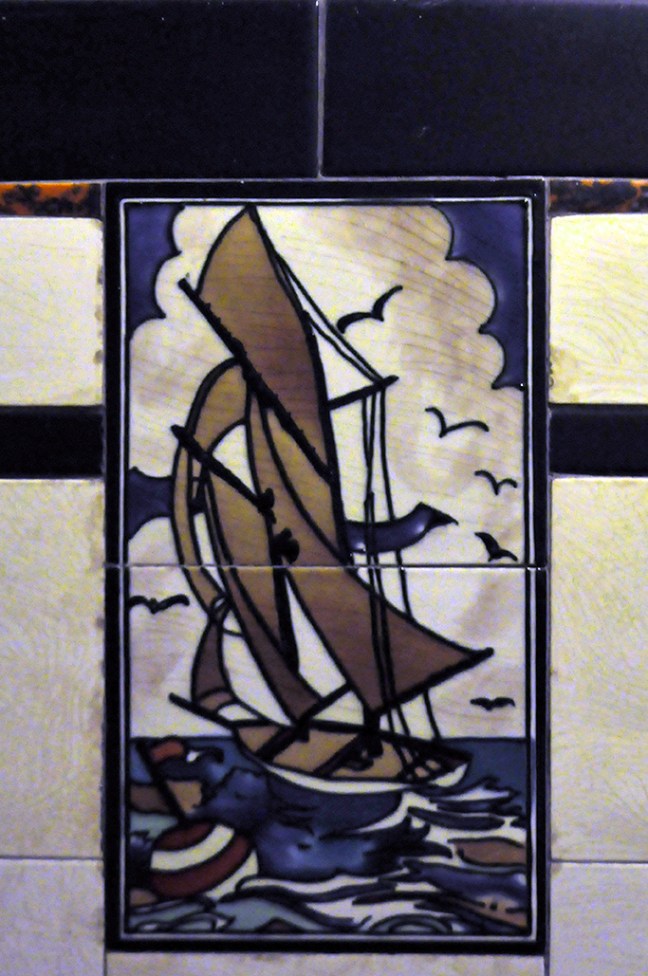
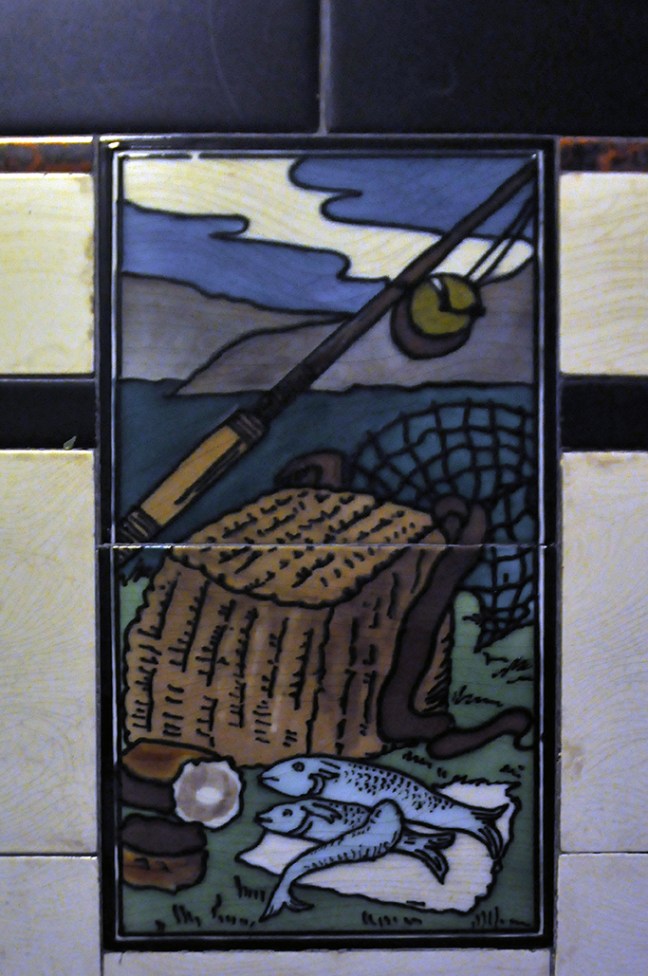
Look out for the tiles, a series of sporting scenes in the gents, mysterious.

Do yourself a favour, have a drink there soon.

http://www.undertheviaduct.com/about/

http://www.examiner.co.uk/news/west-yorkshire-news/toilet-tiles-mystery-huddersfields-sportsman-4966441

DSC_0337 copy

DSC_0338 copy

DSC_0340 copy

DSC_0341 copy

DSC_0344 copy

DSC_0345 copy

DSC_0347 copy

DSC_0348 copy

DSC_0351 copy

DSC_0352 copy

DSC_0356 copy

DSC_0360 copy

DSC_0361 copy

DSC_0362 copy

DSC_0363 copy

DSC_0364 copy

DSC_0365 copy

DSC_0370 copy

DSC_0371 copy

DSC_0372 copy

DSC_0373 copy

DSC_0374 copy

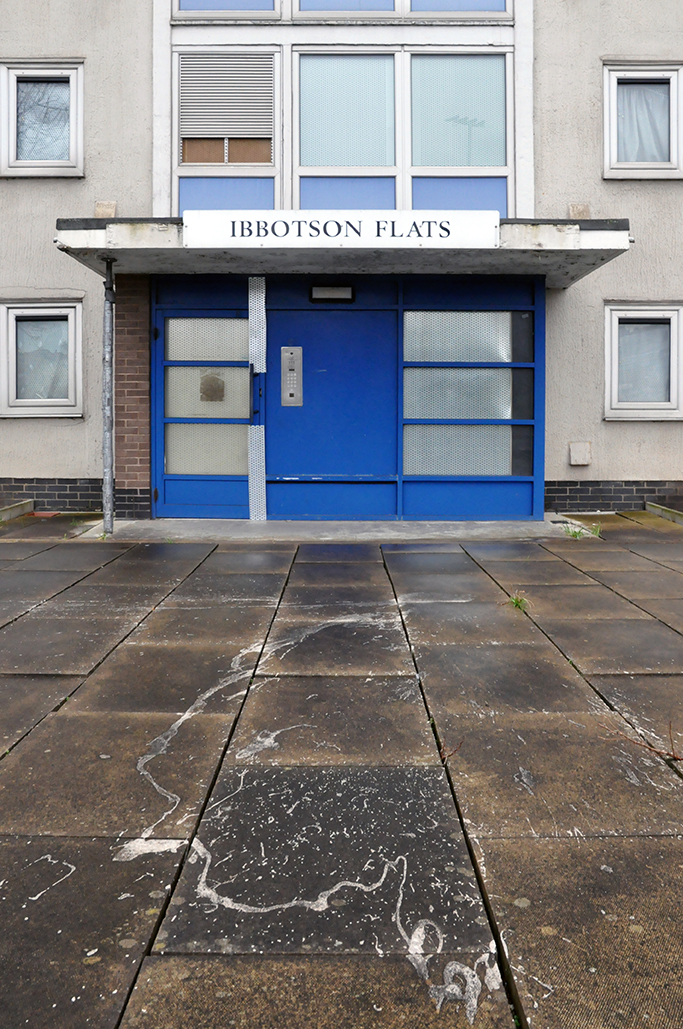
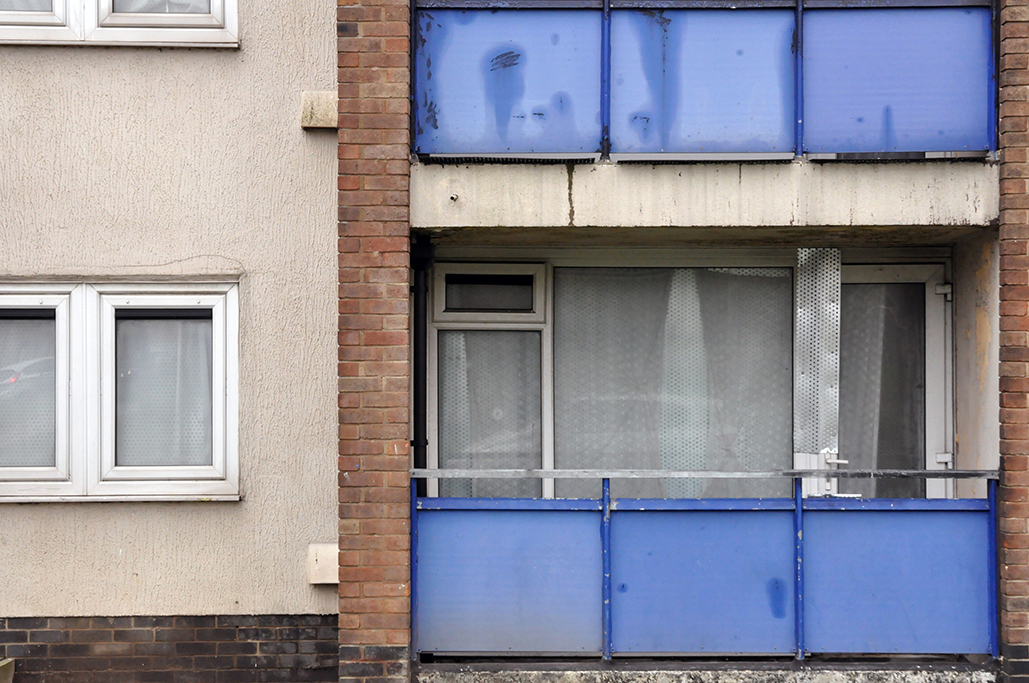
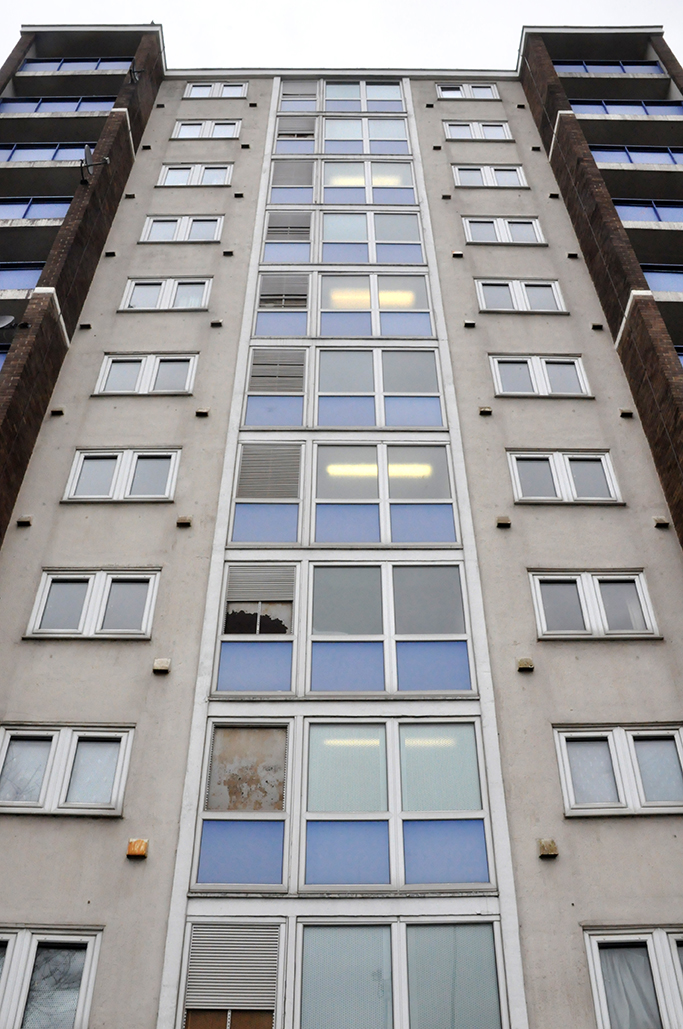
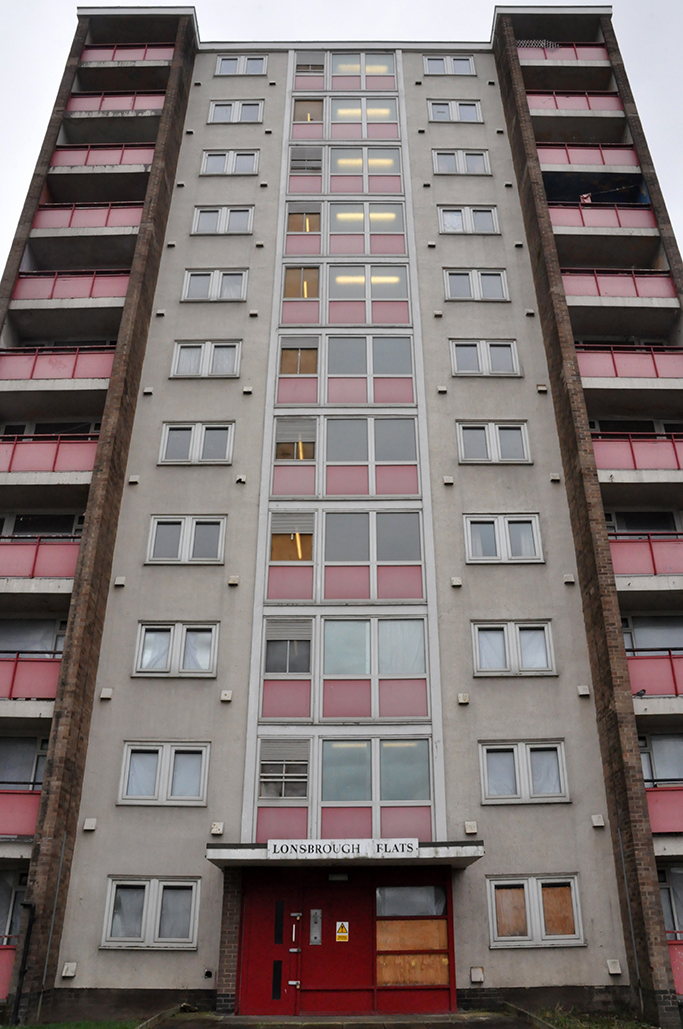
Huddersfield – Lonsbrough and Ibbotson Flats

The former Richmond flats in Huddersfield have been revamped and are now known as Harold Wilson Court.

The two other blocks sadly have neither been revamped nor renamed after famed local politicos.

Herbert Asquith or Luddite House – take your pick.

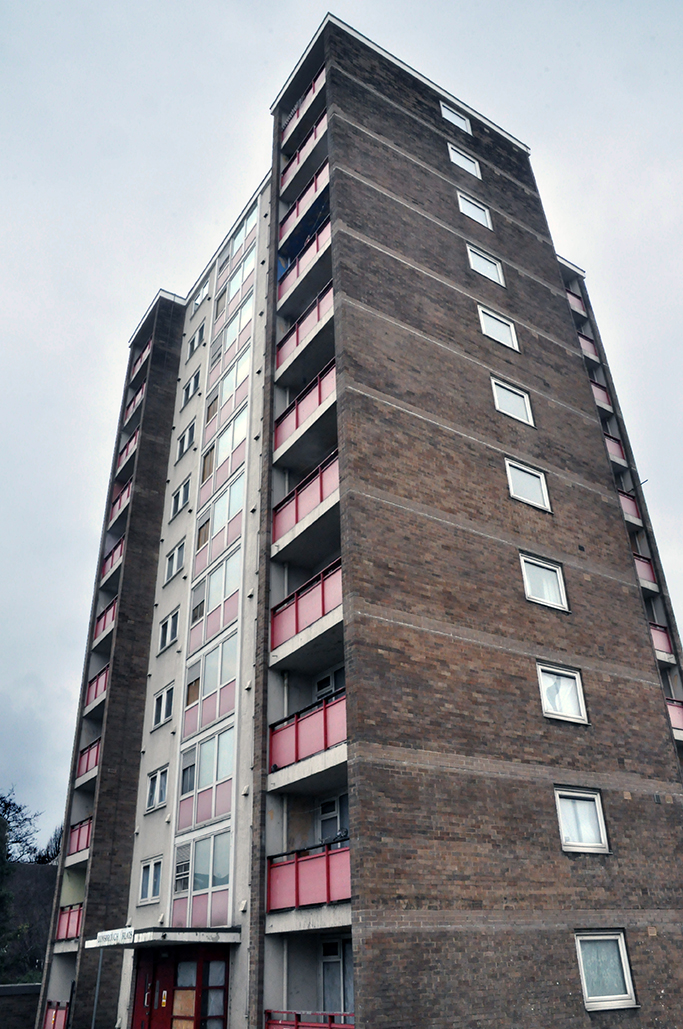
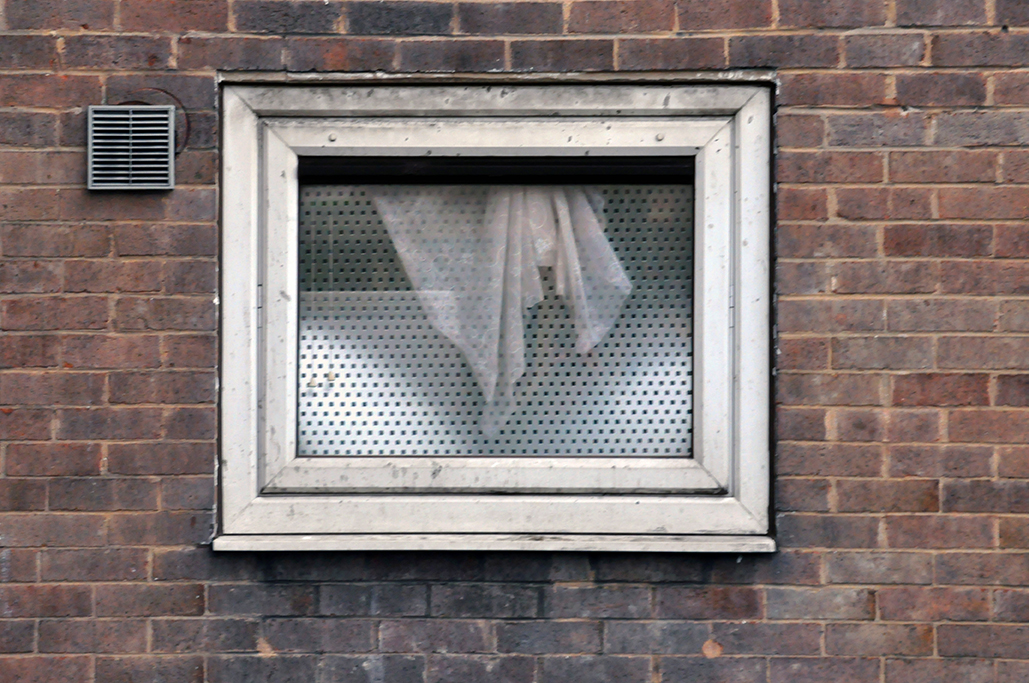
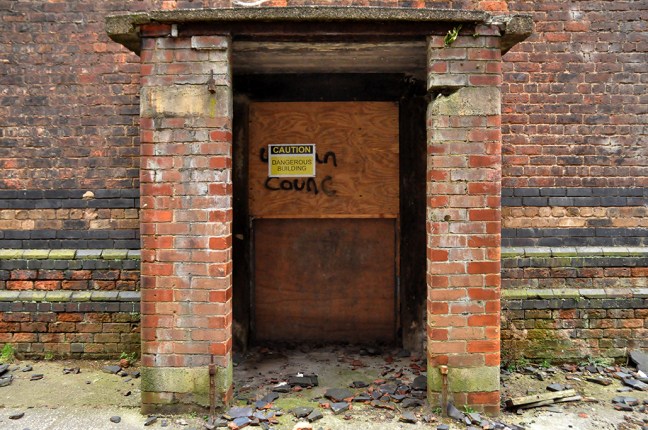
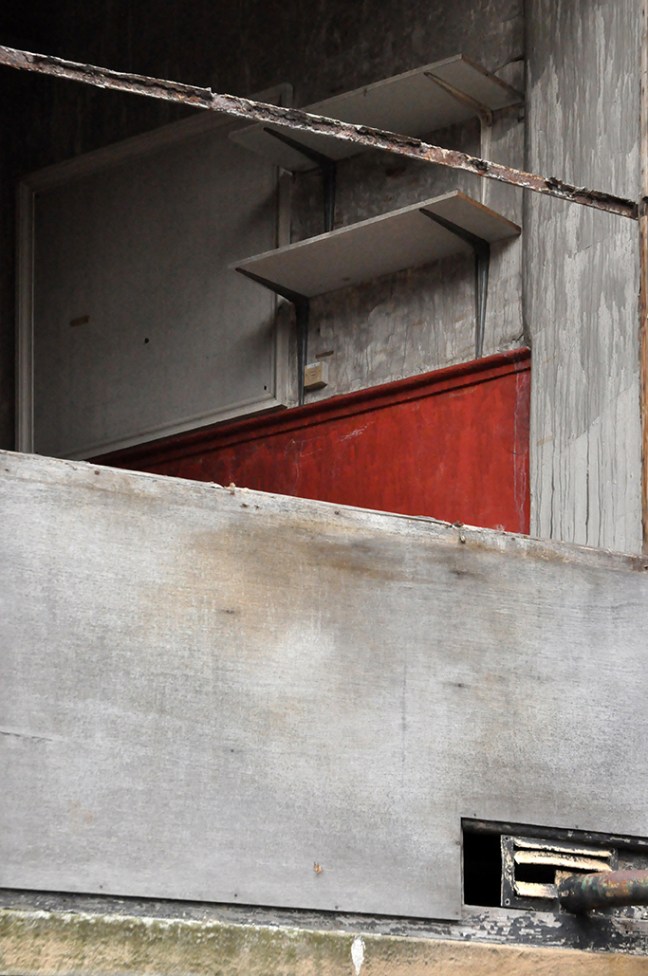
They stand by the road unloved and forlorn, tinned up awaiting demolition. Once home to hundreds, the former residents have now been paid out, moved out and hopefully rehoused.

Richmond flats were named after Sidney Richmond, the former Huddersfield Borough Council architect, and were the second of the three blocks currently on the site. The first block opposite was Lonsbrough Flats, named after Anita Lonsbrough, 1960 Olympic Gold medal swimmer and council employee, with the third being the middle block Ibbotson Flats, named after Derek Ibbotson, the Huddersfield athlete who held the world record for running a mile.

The site was obviously more valuable than viable town centre homes – Tesco is a coming

Hurrah.

Go see them, say hello and wave goodbye – they’ll soon be gone.

http://www.examiner.co.uk/news/west-yorkshire-news/town-centre-tower-blocks-pulled-4927231

Wigan – Rylands Mill

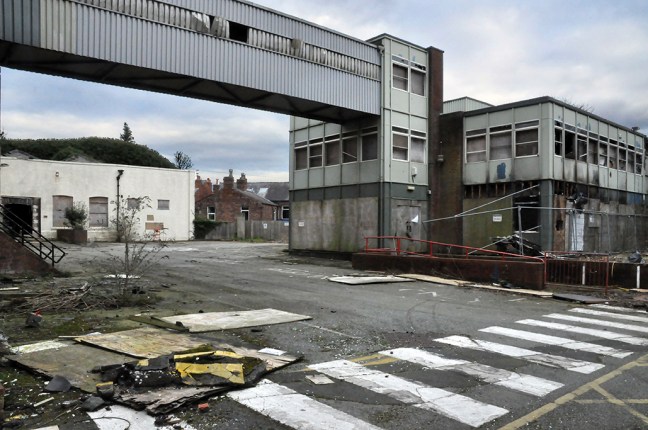
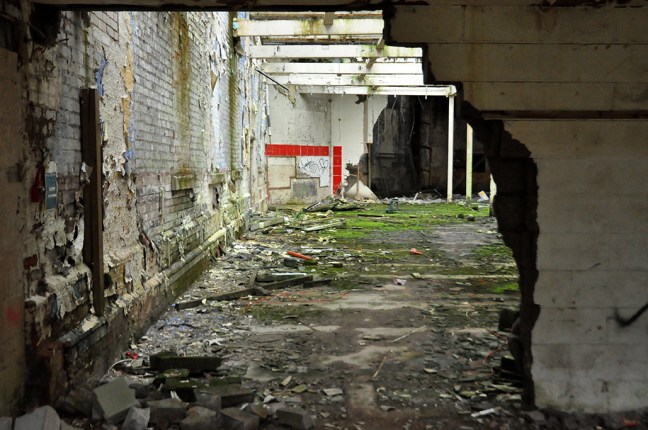
I’m no Urbex man, when all’s said and done, I feel the fear and the weight of the past, I guess I’m just a little too sensitive. So I made cautious ingress into this giant mill complex, always aware of the feet that trod this way in former times and a constant threat of the falling fragile structure.

The surfaces have, since it’s last occupants left, been shaped by intruders, the weather, taggers, blaggers, bloggers and inquisitive teens, I left only hushed footfalls.

We are all now complicit in its history.

– In 1819, Rylands & Sons were established with their seat of operations being in Wigan.

In the course of a few years extensive properties at Wigan, along with dye works and bleach works, were purchased. Valuable seams of coal were afterwards discovered under these properties, and proved a great source of wealth to the purchasers.

The mill was built in 1867, designed by George Woodhouse for John Rylands, one of the area’s largest cotton spinners. The Grade II listed complex includes the former spinning mill, weaving sheds, engine house and chimney, noted for it ornate brickwork.

It has now been acquired by MCR Property Group who are in the process of planning to restore the mill building which will house a mixture of apartments with views over Mesnes Park. The development will also comprise of a number of modern townhouses and office space over four levels.

All current planning applications have been withdrawn, its future remains uncertain.

DSC_0490 copy

DSC_0494 copy

DSC_0491 copy

DSC_0489 copy

DSC_0479 copy

DSC_0477 copy

DSC_0473 copy

DSC_0471 copy

DSC_0467 copy

DSC_0461 copy

DSC_0459 copy

DSC_0456 copy

DSC_0455 copy

DSC_0450 copy

DSC_0443 copy

Wigan – The Springfield

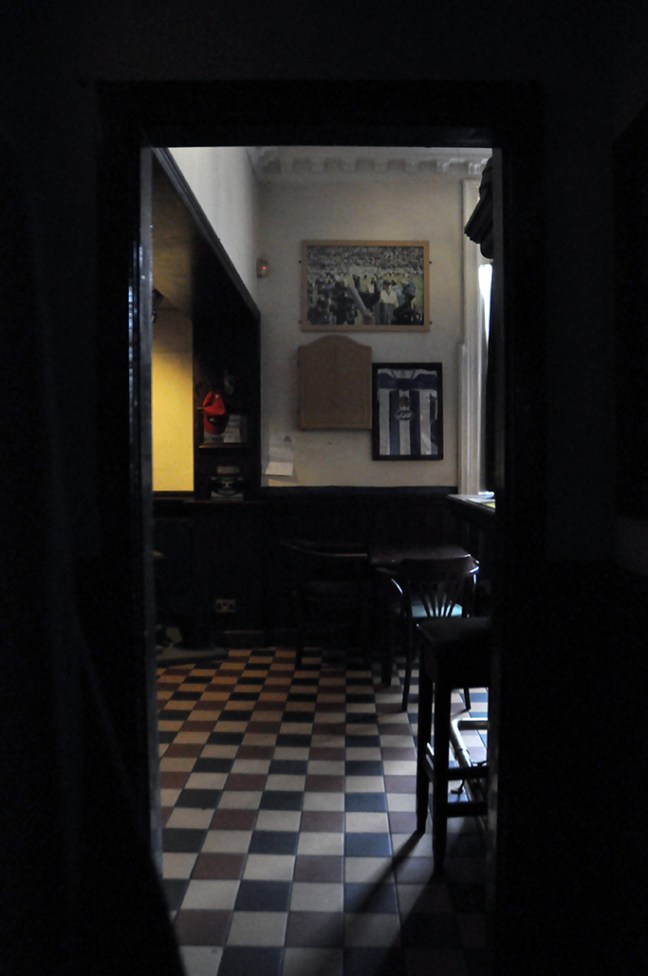
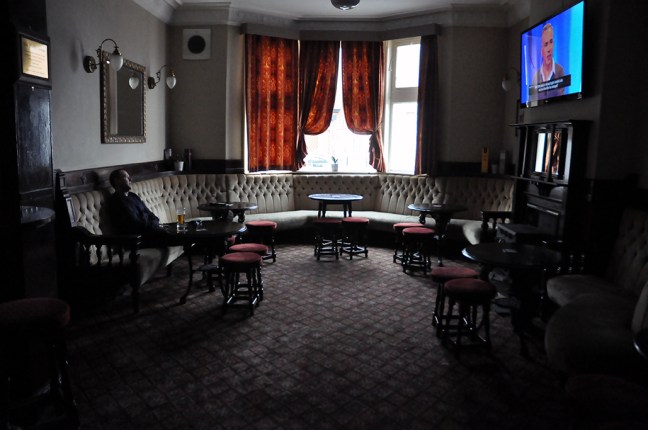
Standing amongst a high density of housing, once homes to the thousands of mill workers that lived, loved, laughed and drank here, The Springfield prevails.

Built in 1903 by Heaton and Ralph for Oldfield Breweries it has retained much of its original character and features and is listed on CAMRA’s Historic Pub Interiors inventory.

http://www.heritagepubs.org.uk/pubs/historic-pub-interior-entry.asp?pubid=605

Having walked from the centre of town, following a full day of snapping this and that I was ready for a swift half of well kept Tetley’s Bitter. The staff were more than friendly and happy to assist me in recording this fine and welcoming hostelry. By day quiet and on the dark side, by night it comes to life. Large family and function rooms, a cards and doms tap room, pool and TV caters for customers of all ages and interests.

I have tried to capture the weight of sunlight as it falls softly, through the etched glass of the pub, a unique quality known only to the daytime drinker.

If you’re passing pop in.

DSC_0427 copy

DSC_0421 copy

DSC_0420 copy

DSC_0419 copy

DSC_0411 copy

DSC_0409 copy

DSC_0406 copy

DSC_0400 copy

DSC_0368 copy

DSC_0369 copy

DSC_0371 copy

DSC_0376 copy

DSC_0378 copy

DSC_0383 copy

DSC_0387 copy

DSC_0395 copy

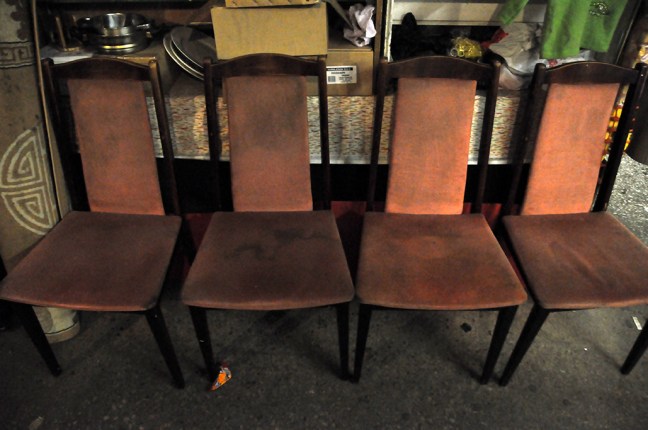
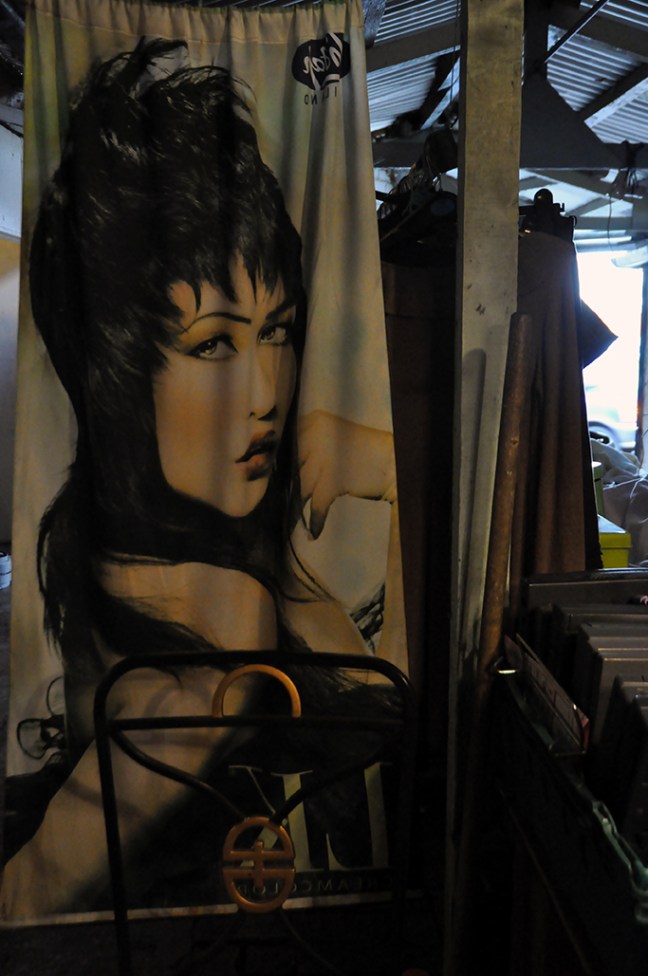
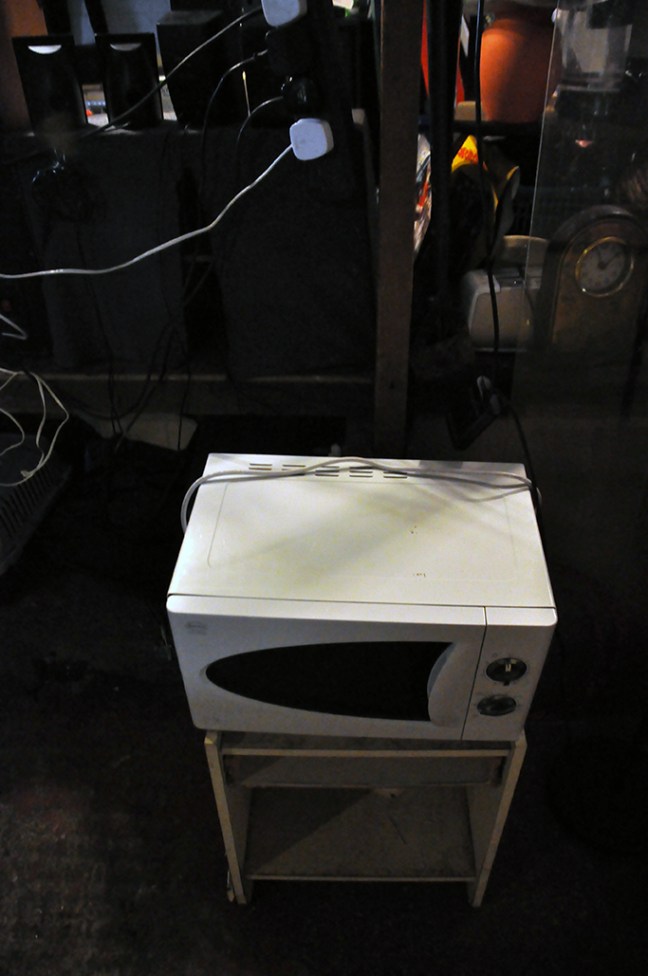
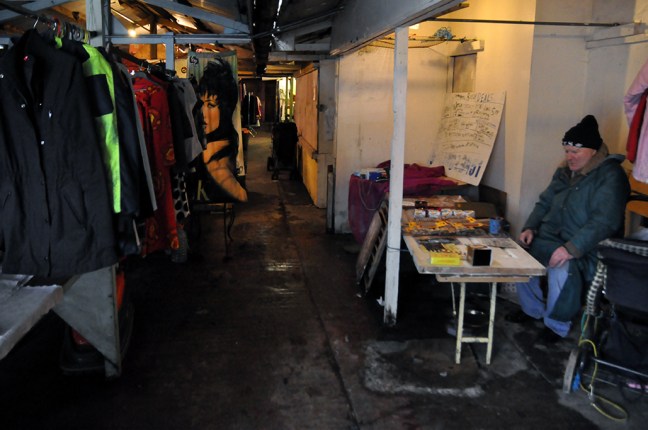
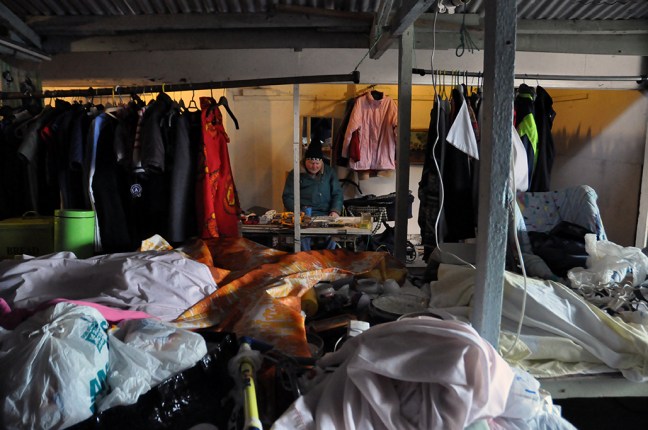
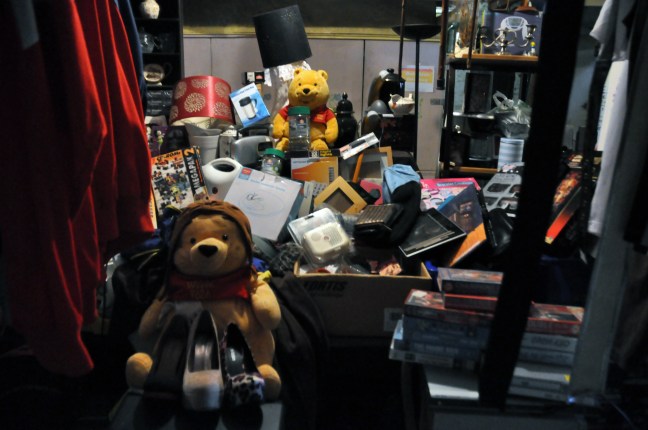
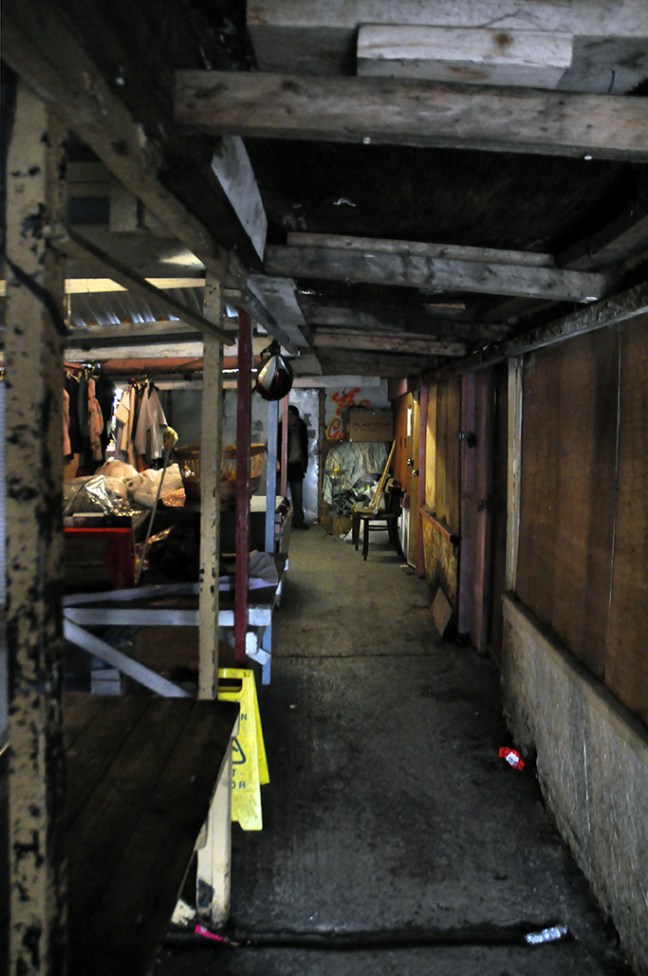
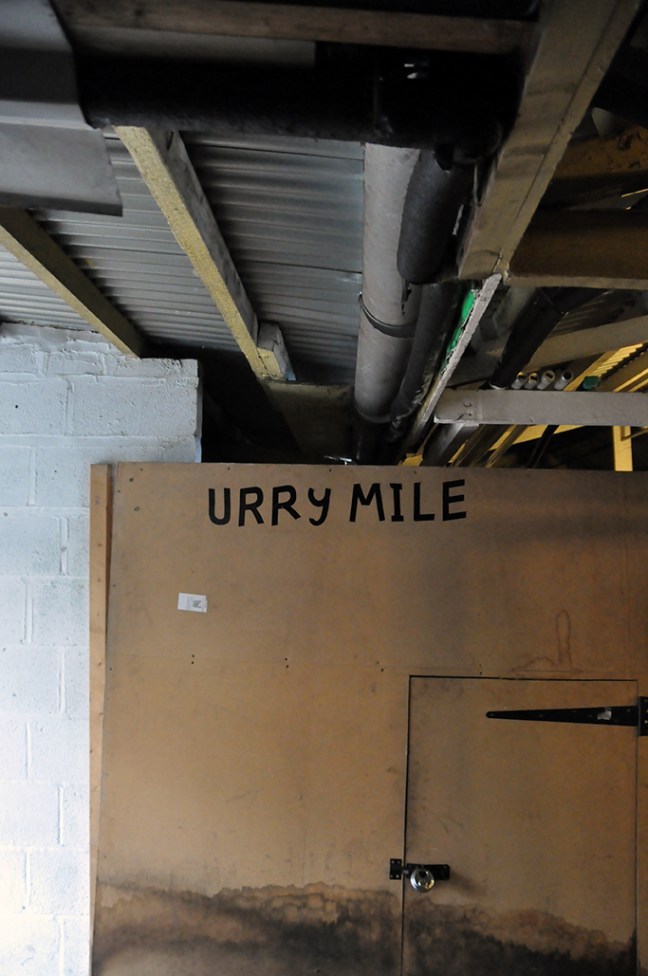
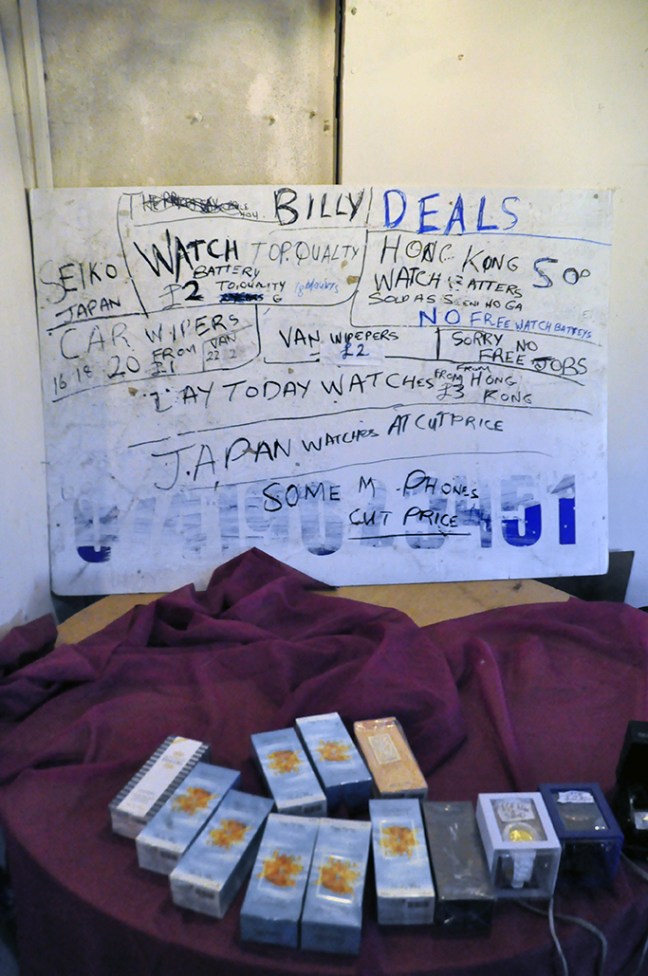
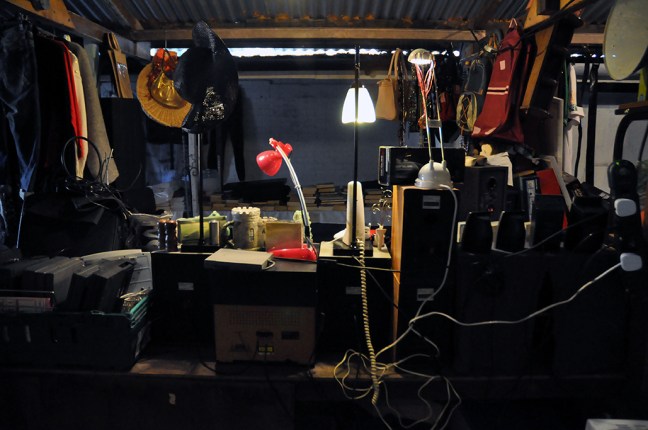
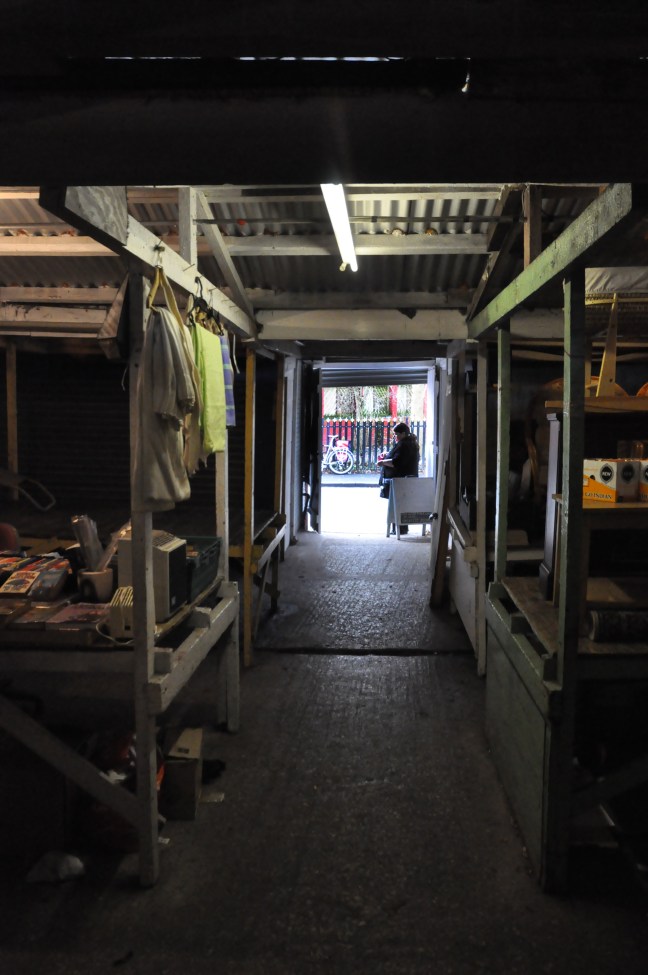
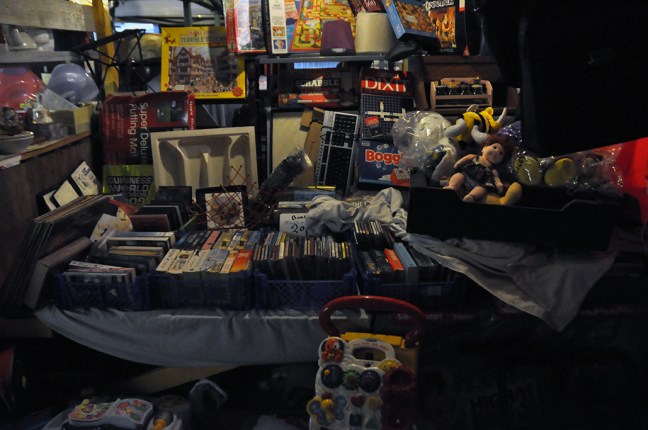
Manchester – Openshaw Indoor Market
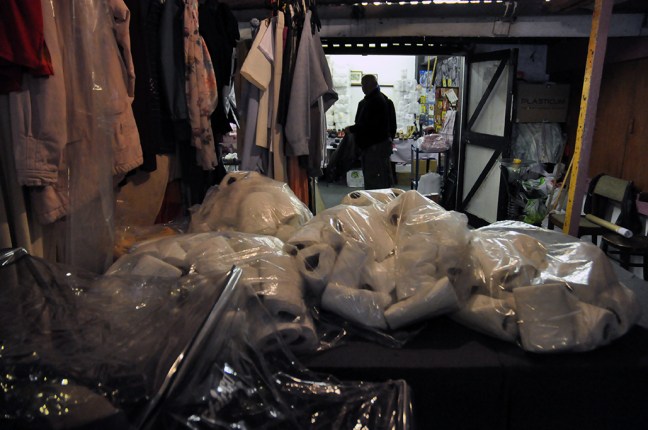
It’s dark inside, you can feel the thin light at war with the murky interior.

Stall holders scurry between stalls, in and out of alcoves, cupboards, hidey holes and plywood worlds.

They made me welcome, chatted as they went about their business of simply getting by.

This is the land beyond time and at times motion and emotion.

Entering seems transgressive, there is nothing in here I want or need, I just had a compulsion to record this flickering fight against the distinct possibility of extinction.

Come in.

DSC_0337 copy

DSC_0356 copy

DSC_0354 copy

DSC_0353 copy

DSC_0352 copy

DSC_0346 copy

DSC_0339 copy

DSC_0335 copy

DSC_0331 copy

DSC_0328 copy

DSC_0325 copy

DSC_0324 copy

DSC_0319 copy

DSC_0318 copy

Ashton – Bailey’s Homeware

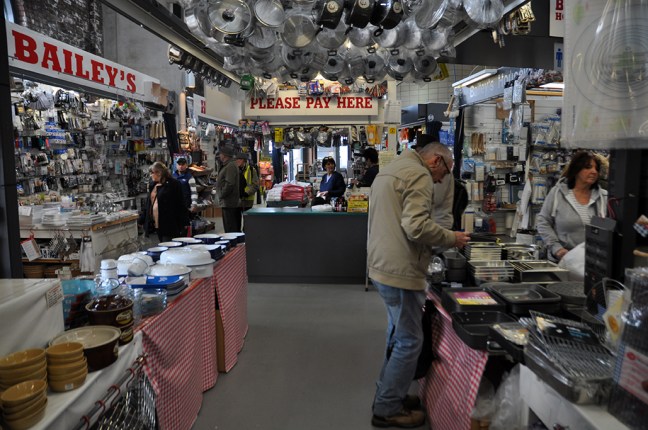
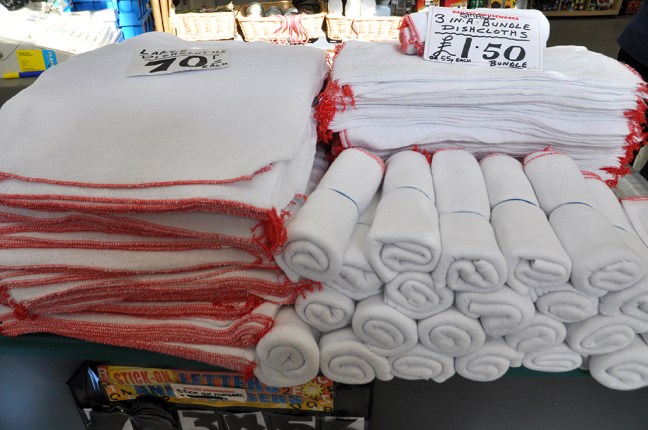
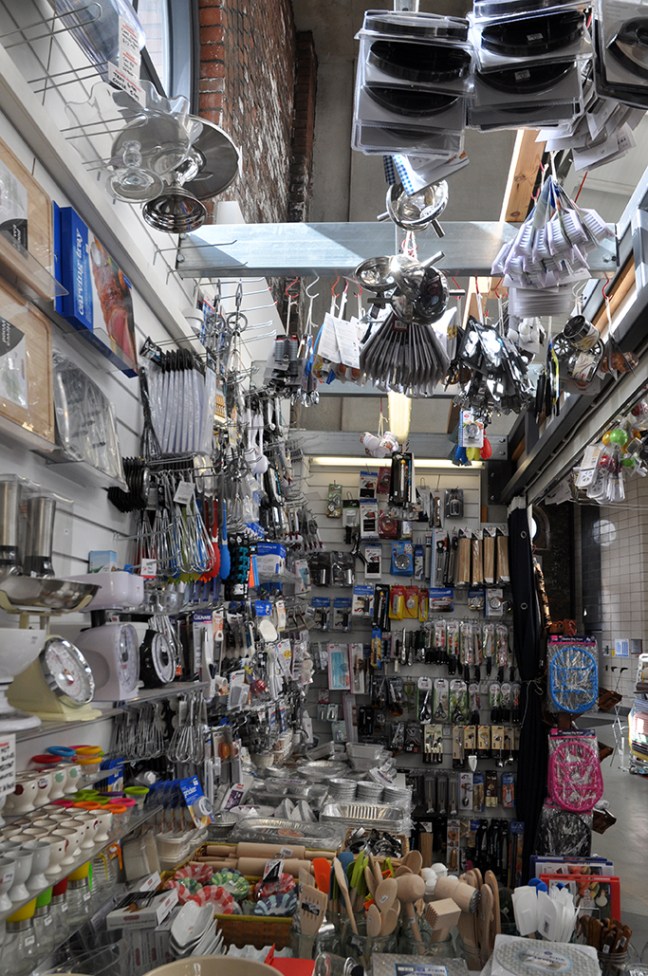
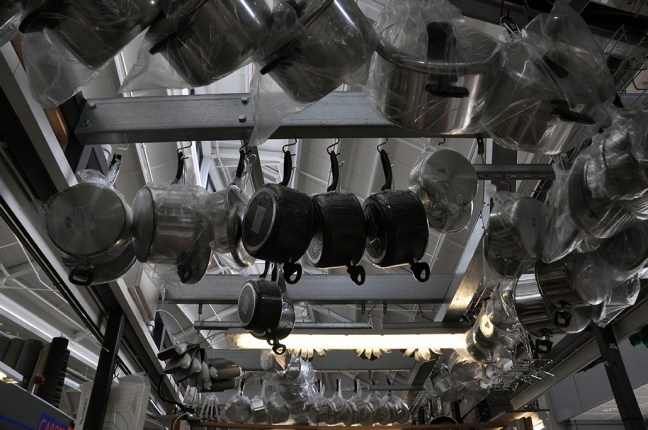
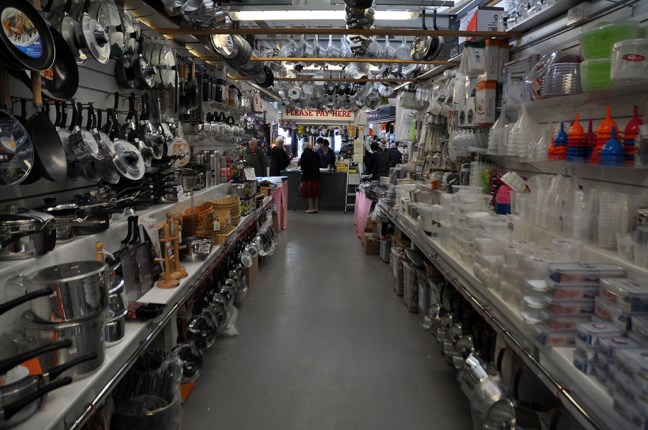
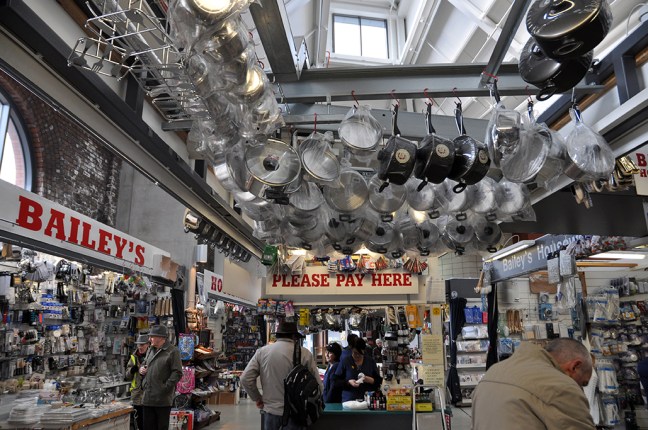
There is a stall in Ashton Indoor Market that almost defies description, an Aladdin’s cave, a cornucopia of kitchenalia – if they don’t have, it probably doesn’t exist.

I visited here as a little lad with my Mam, me holding happily on to her left hand, her right forever clutching a shopping bag. On our way to Queenie’s for woolies, eagerly awaiting a hot Vimto treat, stopping to stare at the toy stall, constantly chatting with all and sundry – pals, passers by, stall holders, the vacant and the aimlessly vagrant.

The most convivial of worlds.

Bailey’s prevails, big, bold and beautiful a temple to the domestic, staffed by the wonderfully helpful Susan, Sandra and Mel – happy to let me snap happily and sell me two enamel pie dishes. It was pleasure to make their acquaintance.

Take some time to pop in sometime.

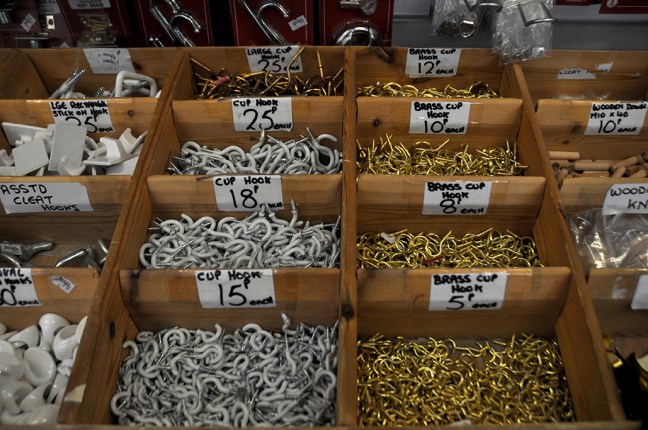
Pick up a cup hook or two.

http://www.tameside.gov.uk/ashton/market

DSC_0519 copy

DSC_0524 copy

DSC_0529 copy

DSC_0533 copy

DSC_0534 copy

DSC_0535 copy

DSC_0539 copy

DSC_0541 copy

DSC_0542 copy

DSC_0550 copy

DSC_0551 copy

DSC_0554 copy

DSC_0556 copy

DSC_0558 copy

Audenshaw – Cochrane’s Bakers

From being little I’ve always eaten pies and cakes, that’s how you stop being little all your life, broadly speaking.

They taste nice.

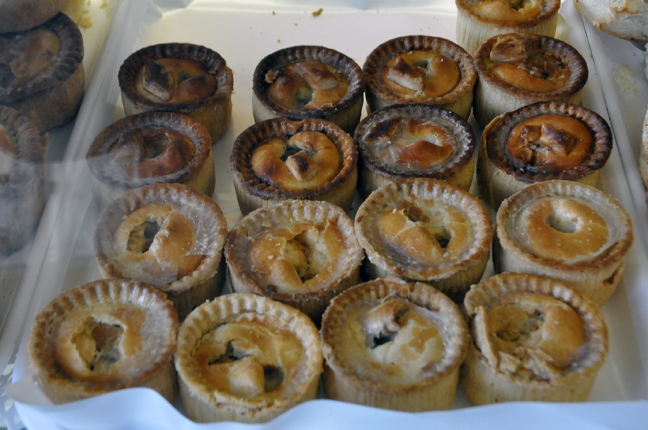
They taste nicest from a local bakers and confectioners, where everything is always fresh and baked on the premises. Walk in and it’s warm and welcoming, it smells of baking and love.

So each time I cycle around Greater Manchester, I do my level best to find one, go in and buy a pie.

And eat it.

One such stop off is Cochrane’s, the family have baked here since 1964, Ruth and Roger are charming and helpful – sadly we mourned the passing of most of their fellow bakers’ shops. Bowker’s on Penny Meadow in Ashton having recently shut. Once gone nobody takes them on – the family traditions of employment having long since been broken. Three of my aunties were trained as confectioners, I’m a good for nothing photographer.
They disappear in a puff of flour.

So make the most of those that remain, stop by buy a pie – I did.

DSC_0485 copy

DSC_0486 copy

DSC_0487 copy

DSC_0488 copy

DSC_0489 copy

DSC_0490 copy

DSC_0491 copy

DSC_0492 copy

DSC_0493 copy

DSC_0494 copy

DSC_0495 copy

DSC_0496 copy

DSC_0497 copy

DSC_0498 copy

DSC_0500 copy

DSC_0501 copy

DSC_0502 copy

DSC_0503 copy

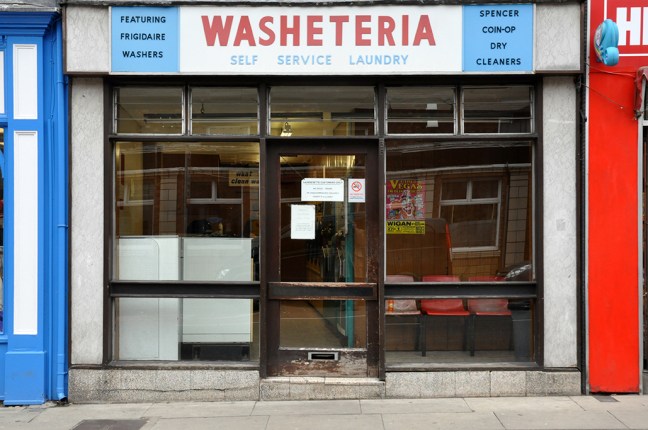
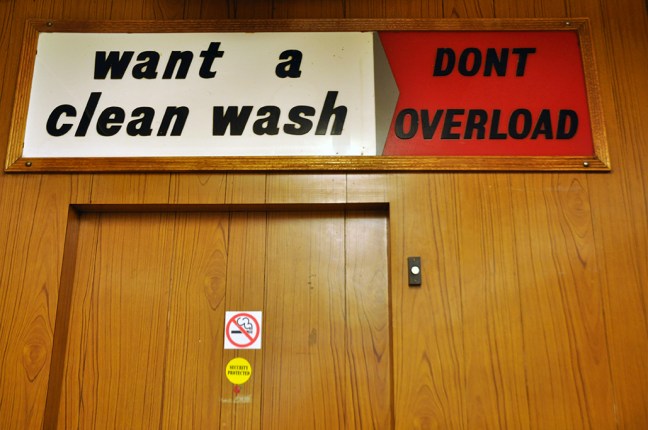
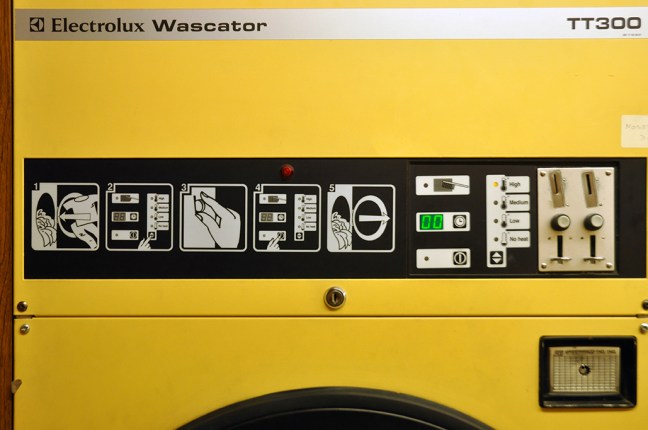
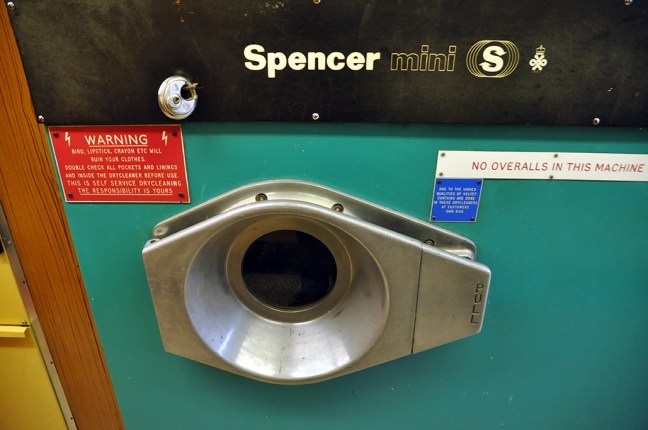
Wigan – Washeteria

I loved it.

In the United Kingdom known as launderettes or laundrettes, and in the United States, Canada, Australia, New Zealand as laundromats or washeterias, and in Frimley too it would appear.

George Edward Penury created the word laundromat for Westinghouse.

According to NALI the National Association of the Launderette Industry, numbers peaked at 12,500 in the early 80s but have since dwindled to just 3,000.

The first UK launderette – alternative spelling: laundrette. was opened on May 9th 1949 in Queensway London.

In Wigan they never closed.

DSC_0245 copy

DSC_0247 copy

DSC_0249 copy

DSC_0250 copy

DSC_0251 copy

DSC_0252 copy

DSC_0253 copy

DSC_0254 copy

DSC_0256 copy

DSC_0257 copy

DSC_0261 copy

DSC_0262 copy

DSC_0263 copy

DSC_0266 copy

Wigan – The Pagefield Hotel

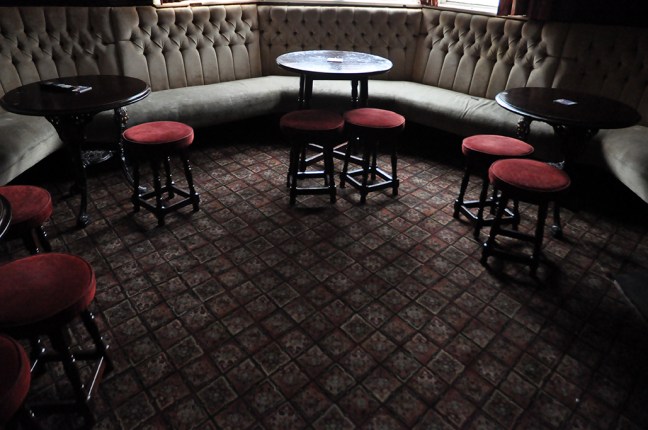
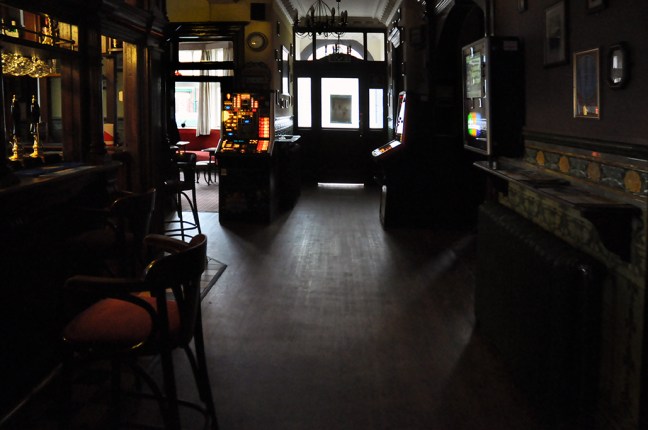
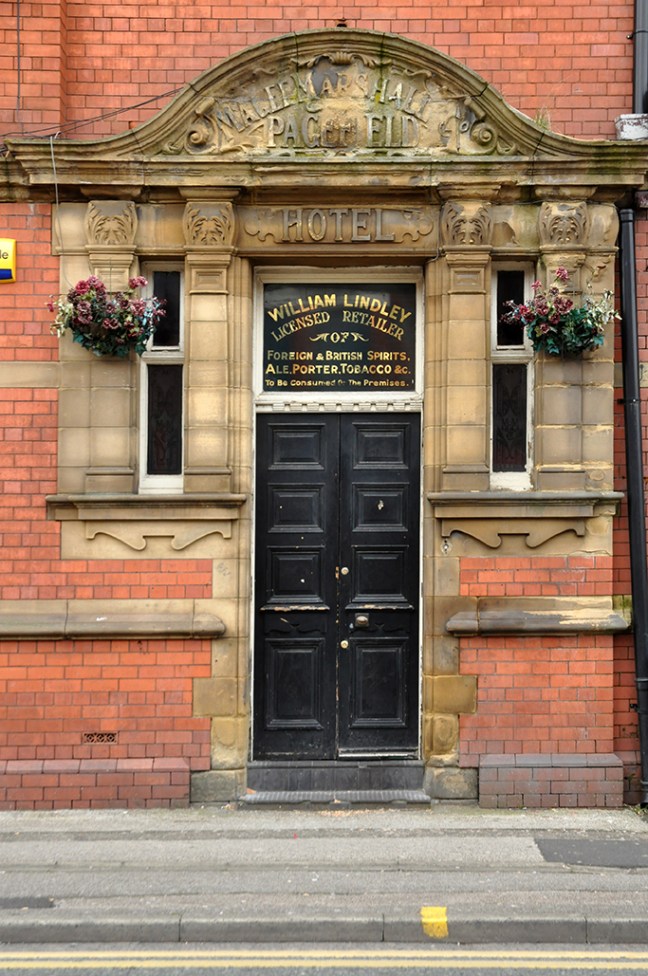
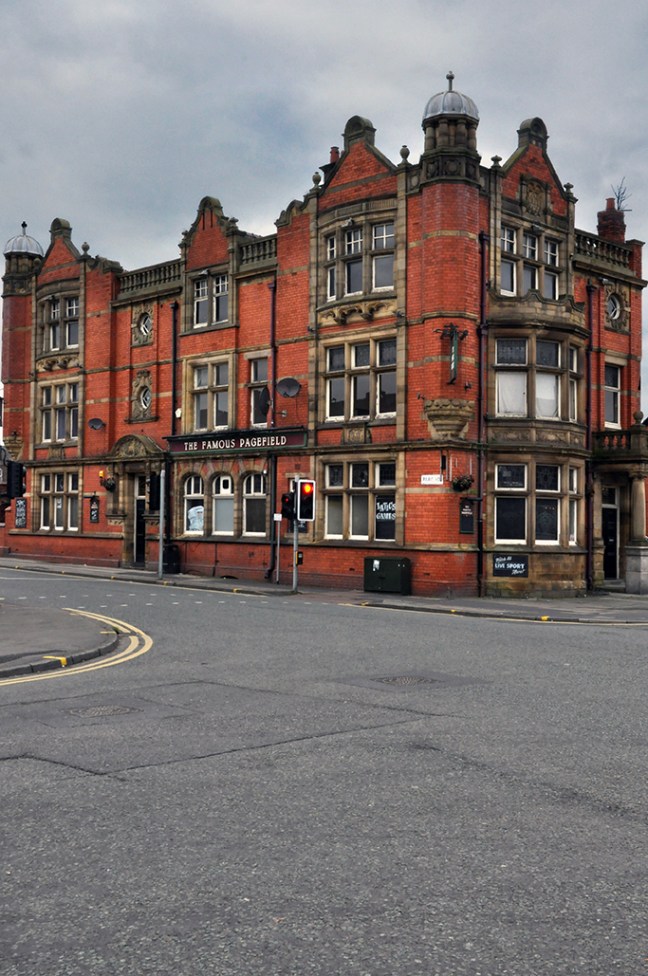
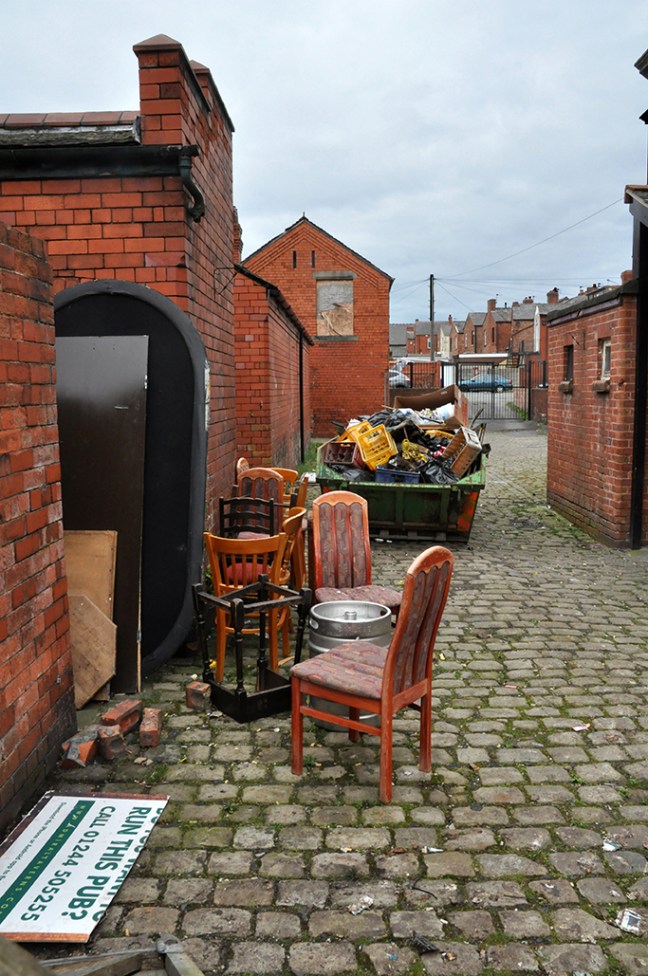
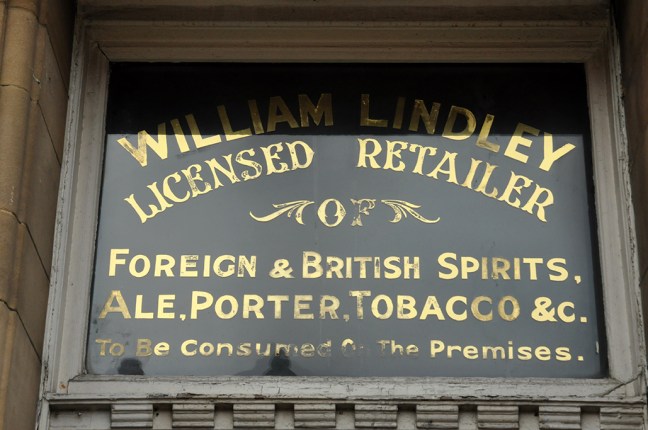
Like many large Edwardian pubs The Pagefield is now closed, though of great social, architectural and historical importance, the economics of industrial decline and changing patterns of leisure almost always point to a change of use rather than reopening as a boozer.  Though more commonly becoming a Tesco or Sainsbury’s, plans have been submitted for both conversion to flats and a possible Indian Restaurant, neither seem imminent.

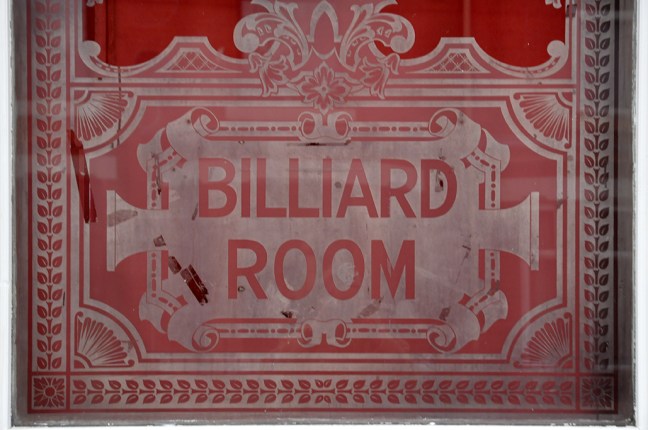
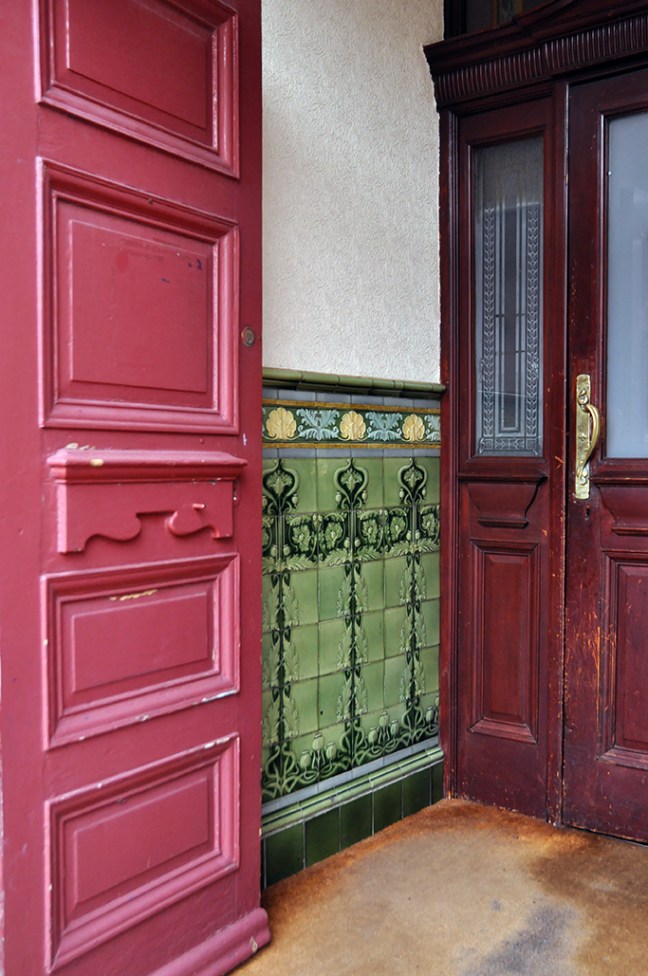
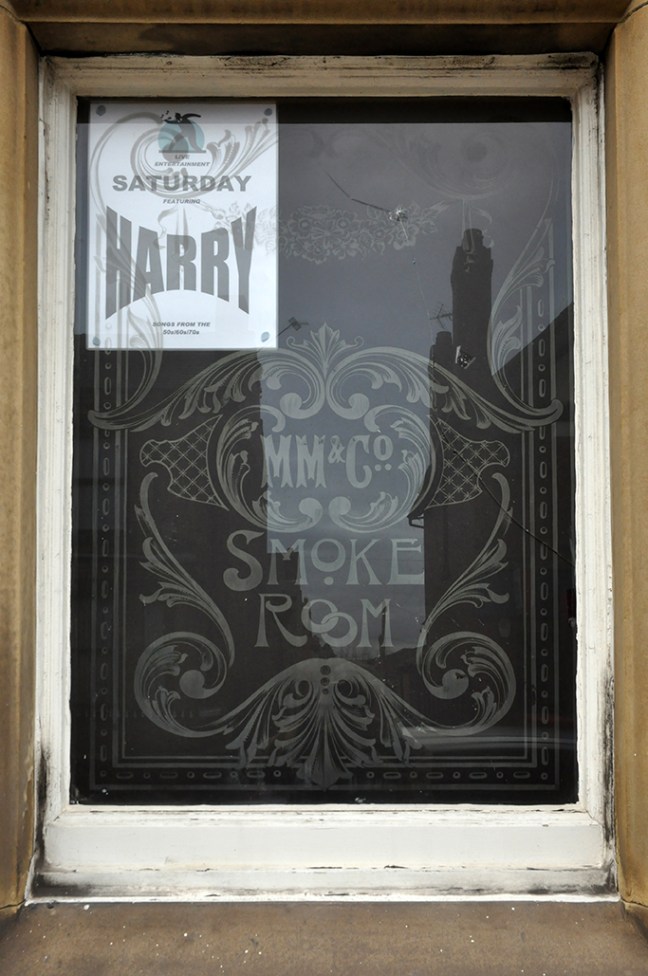
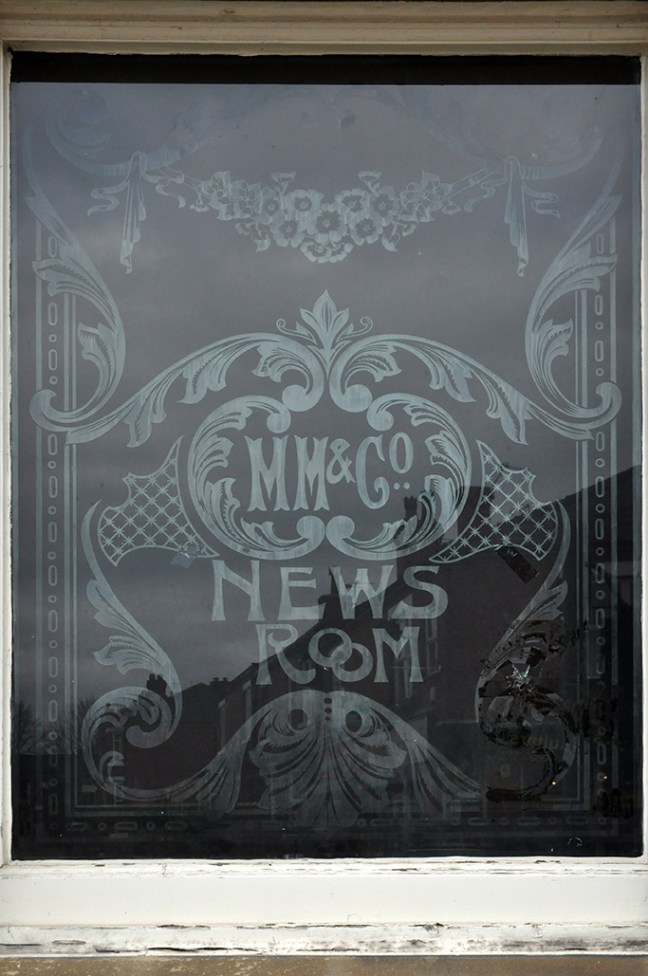
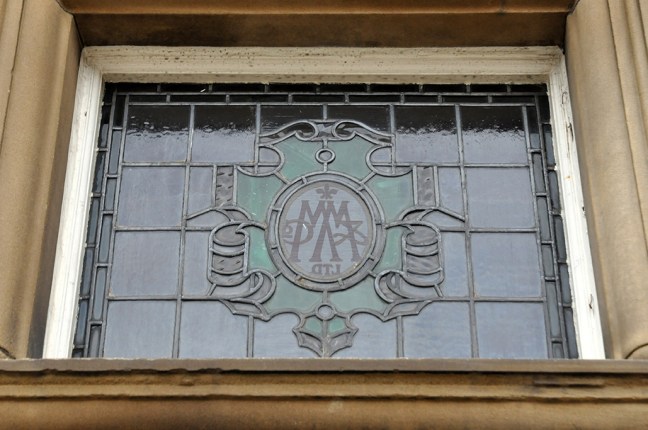
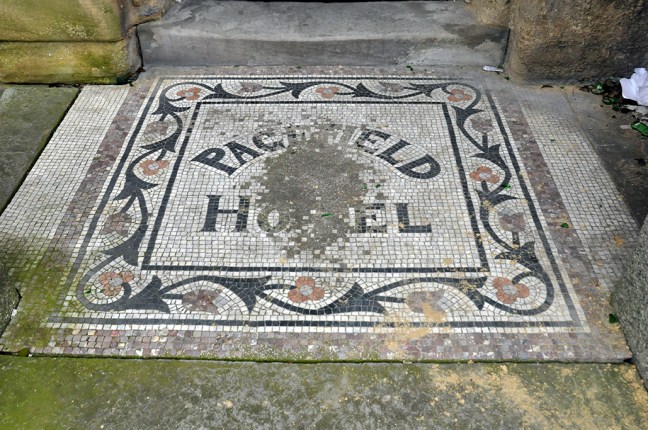
The building is blessed with etched and stained glass windows, a richness of architectural type, mosaic porch and a grandeur in scale and detailing. Once serving a high density of housing in the Springfield area, the mills that fuelled the economy of the area are now long gone, along with the wages that bounced over the bar.

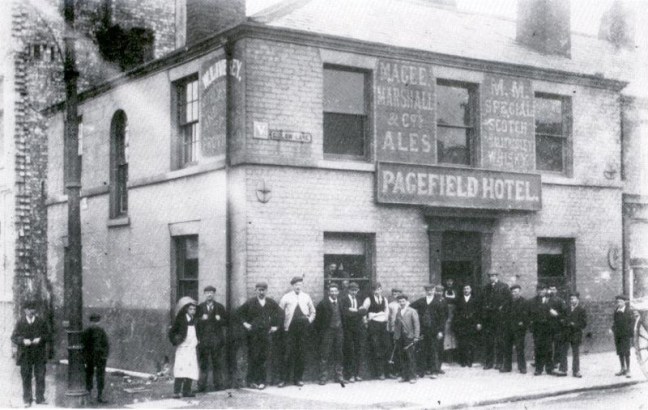
It was named after the Pagefield iron rolling mills which were just down the road – thanks to Steven Buckley for the inside track, his great grandfathers worked at the mill.

Originally a Bolton based brewery Magee and Marshall owned the pub, passing to Greenall Whitley and then the usual succession of entrepreneurial pub companies.

“Magee Marshall & Company was a brewery that operated from the Crown Brewery in Bolton. It was founded by David Magee, a brewer and spirit merchant in 1853. He moved from the Good Samaritan Brewhouse to the Crown Hotel in the 1860s and built the Crown Brewery in Derby Street next to the hotel. After his death he was succeeded by his sons, who acquired David Marshall’s Grapes Brewery and the Horseshoe Brewery. The company was registered as Magee Marshall & Company Ltd. in 1888. The company acquired Henry Robinson’s Brewery in Wigan and Halliwell’s Alexandra Brewery. In 1959 it was acquired by Greenall and Whitley and closed in 1970.

The brewery, built around 1900, was in the “traditional brewery style” with a five-storey section for gravity processing and an ornamental tower. Up to the 1950s the company transported water, high in dissolved calcium carbonate content, in tankers by rail from Burton on Trent for the brewing process.”


DSC_0333 copy

DSC_0341 copy

3u6vqs84 copy
The original Pagefield

DSC_0332 copy

DSC_0335 copy

DSC_0344 copy

DSC_0334 copy

DSC_0336 copy

DSC_0339 copy