Bury Walk

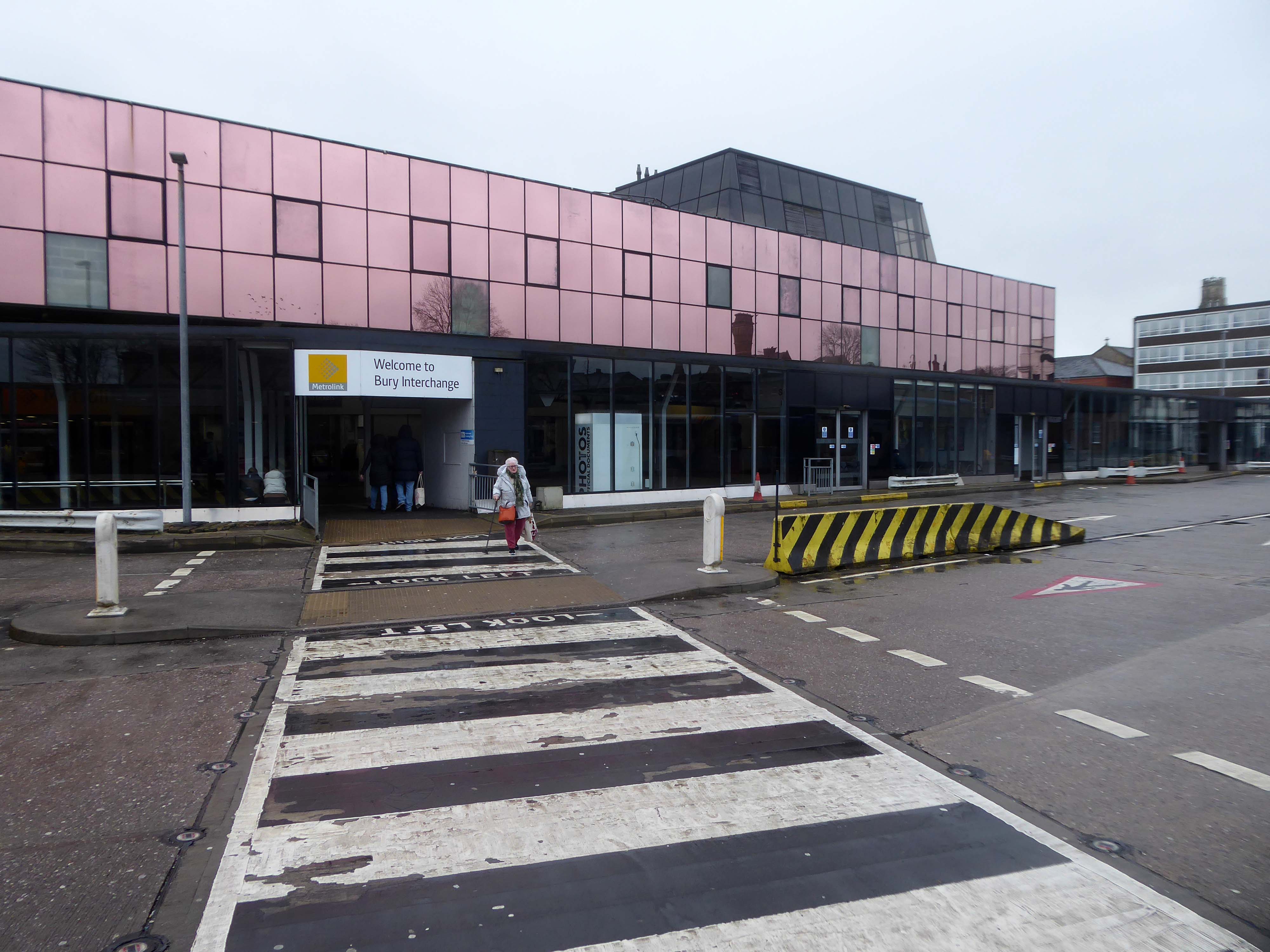
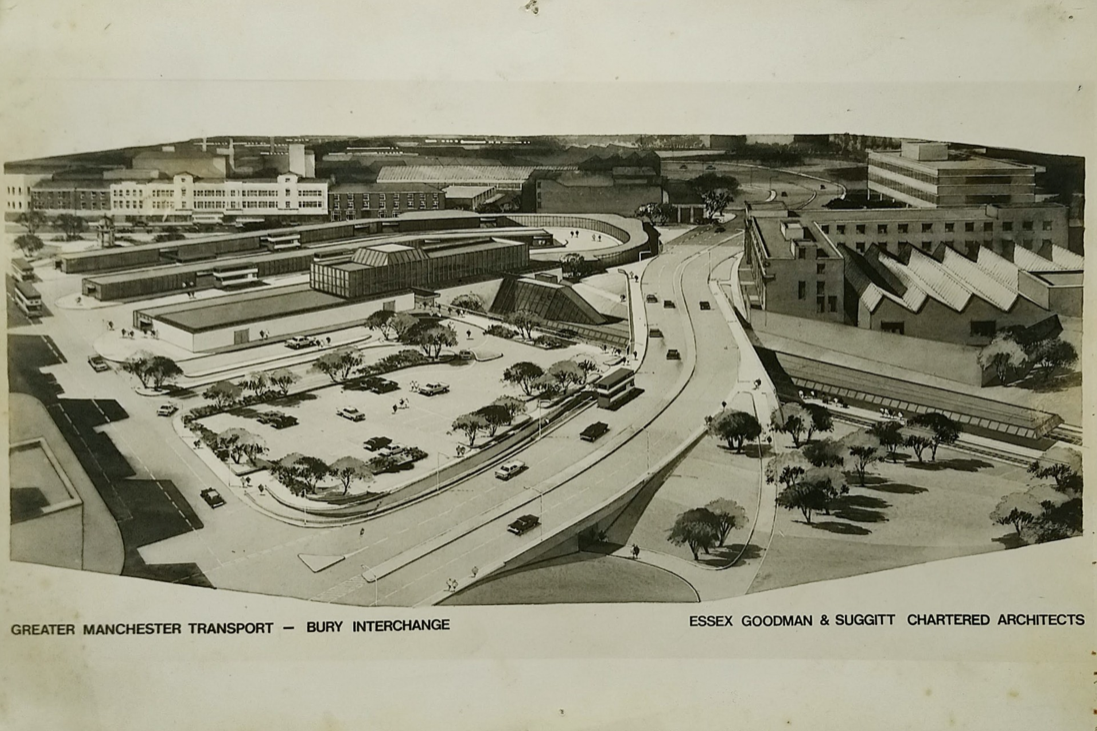
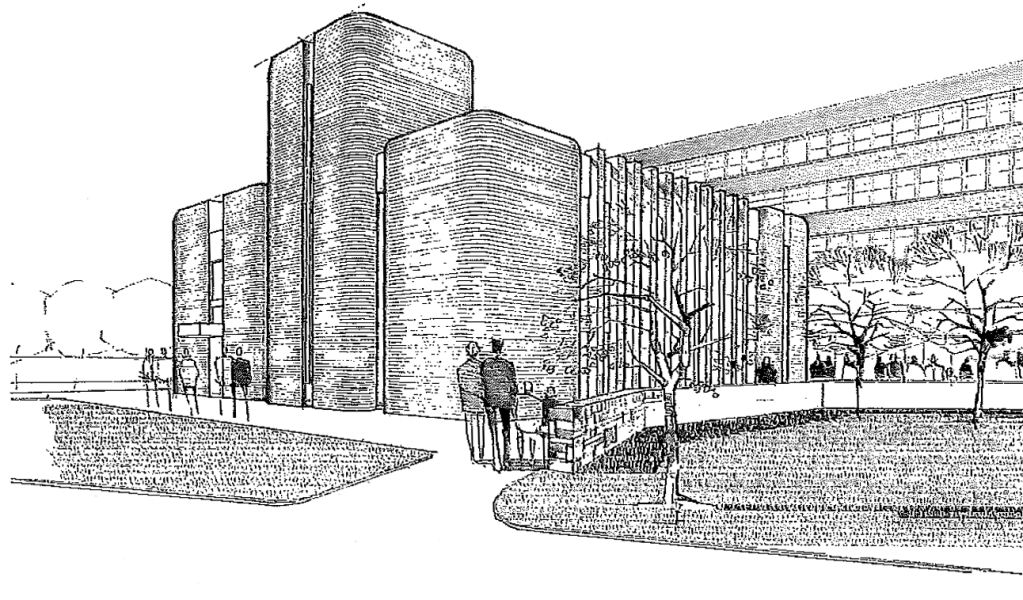
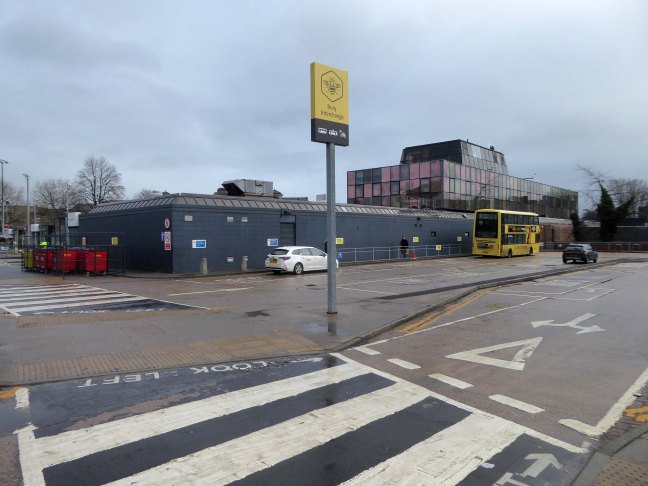
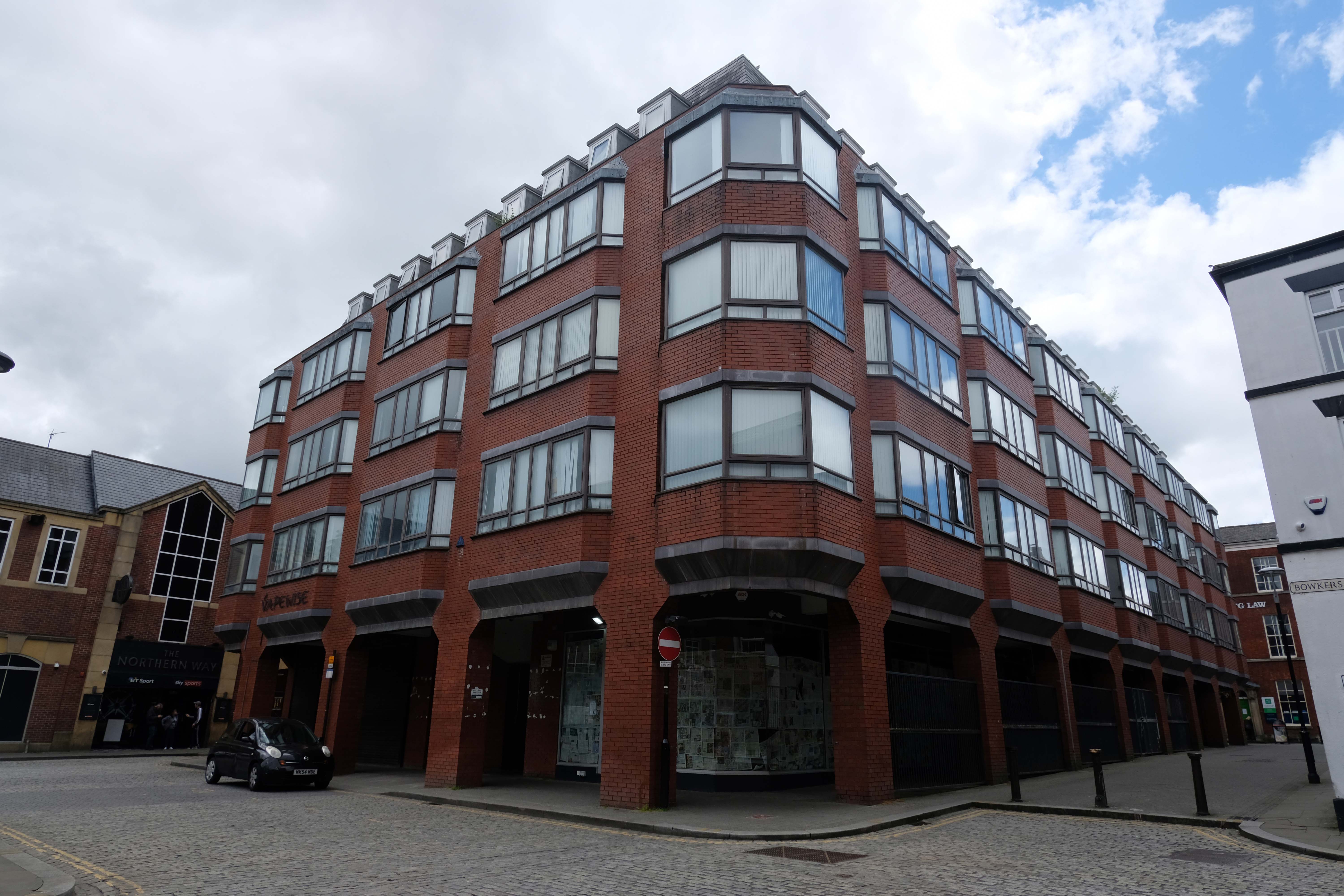
Arriving at and looking around the Interchange – 1980 architects: Essex Goodman & Suggitt

It is the northern terminus of the Manchester Metrolink’s Bury Line, which prior to 1992 was a heavy-rail line.

A new short spur line was constructed to connect the new station. The railway had originally run into Bury Bolton Street which was further away from the town centre, and was closed by British Rail on the same day that Bury Interchange opened.

It also incorporates a bus station.

Bury Interchange replaced the bus termini scattered around Bury town centre, notably around Kay Gardens.
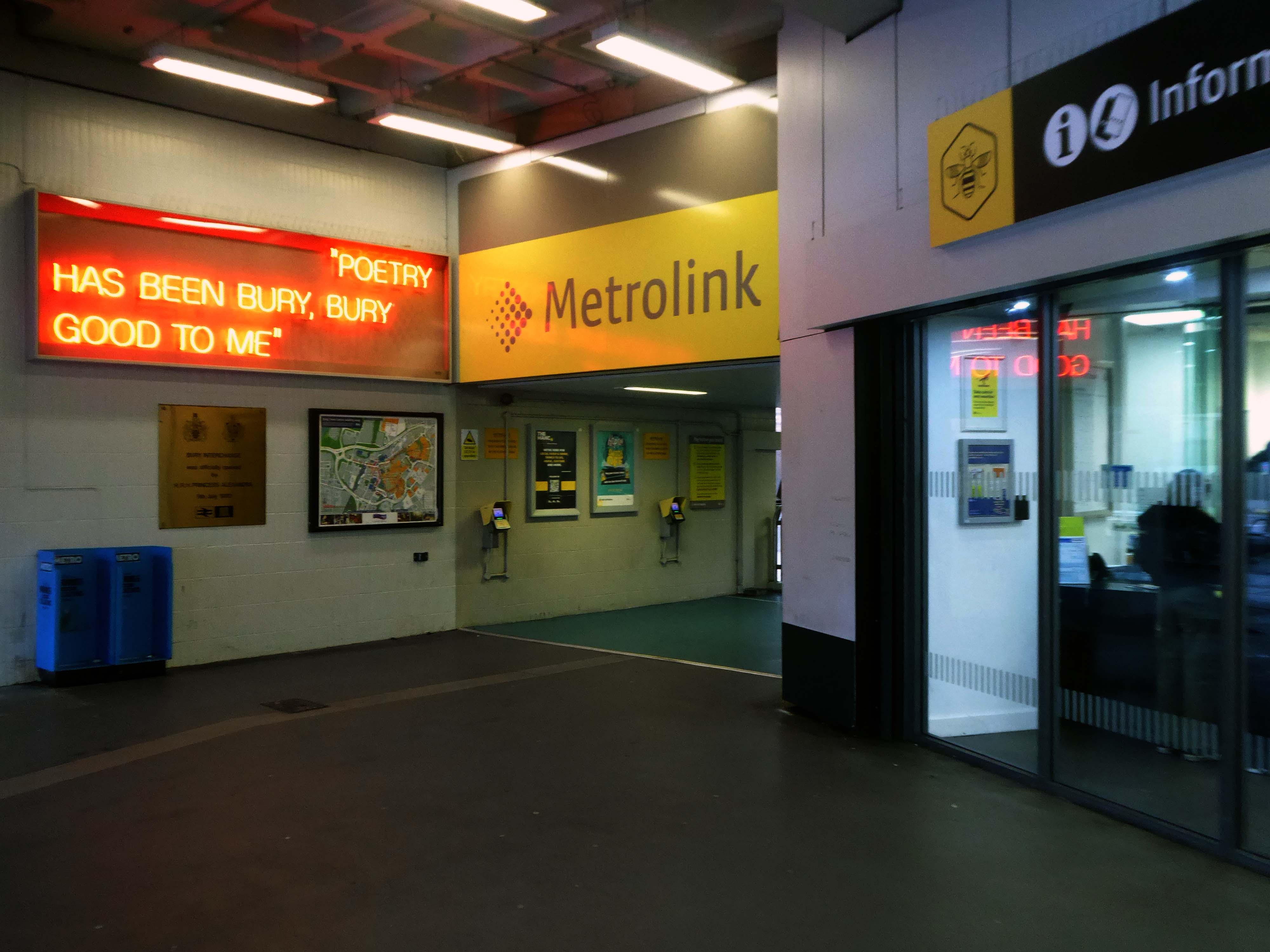
Wikipedia

Image courtesy of Roy Banks

An £80m transformation is coming to the Bury Interchange, which will see step-free access at the Metrolink, a “vertical circulation core” to better connect the Metrolink with the bus facility, and an integrated travel hub with spaces for cycle storage.

The work is much-needed, explained Transport for Greater Manchester’s Alan Lowe, he said that the interchange was built in the 1980s and very much is of its time.

Onward to the Art Picture House which is Grade II Listed – currently operating as a Wetherspoons.
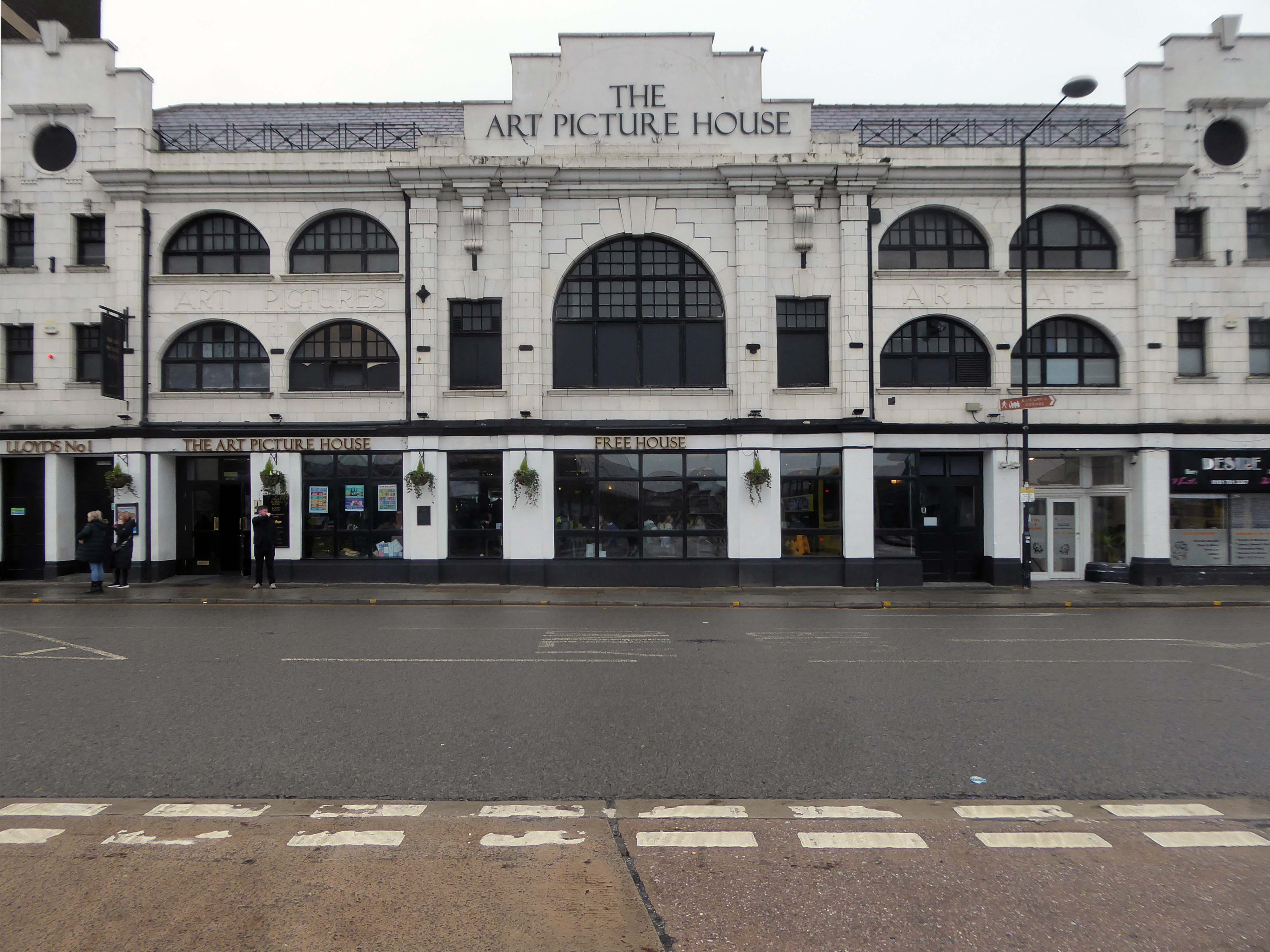
The Art Picture Palace was a 1923 rebuild of the earlier Art Picture Hall both designed by architect Albert Winstanley. The Art Picture Palace was opened on 26th January 1923. A remarkably complete survivor of a 1920’s cine-variety house executed in an elaborate style.

Films ceased in February 1965 and it became a bingo club. Later converted into a billiard hall until 19th May 1991 when it became a bingo club again, it later became a Chicago Rock Cafe.

Cinema Treasures

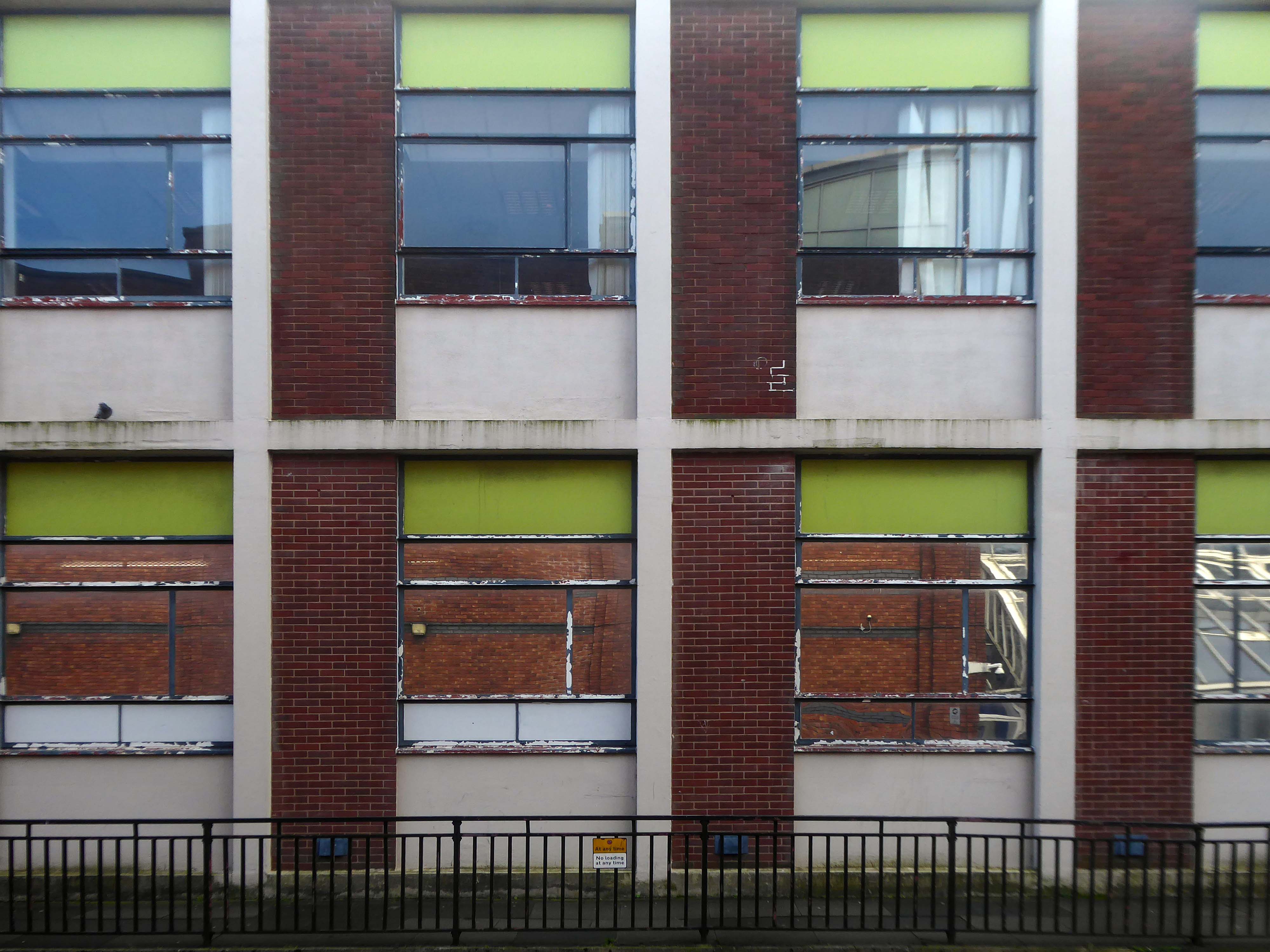
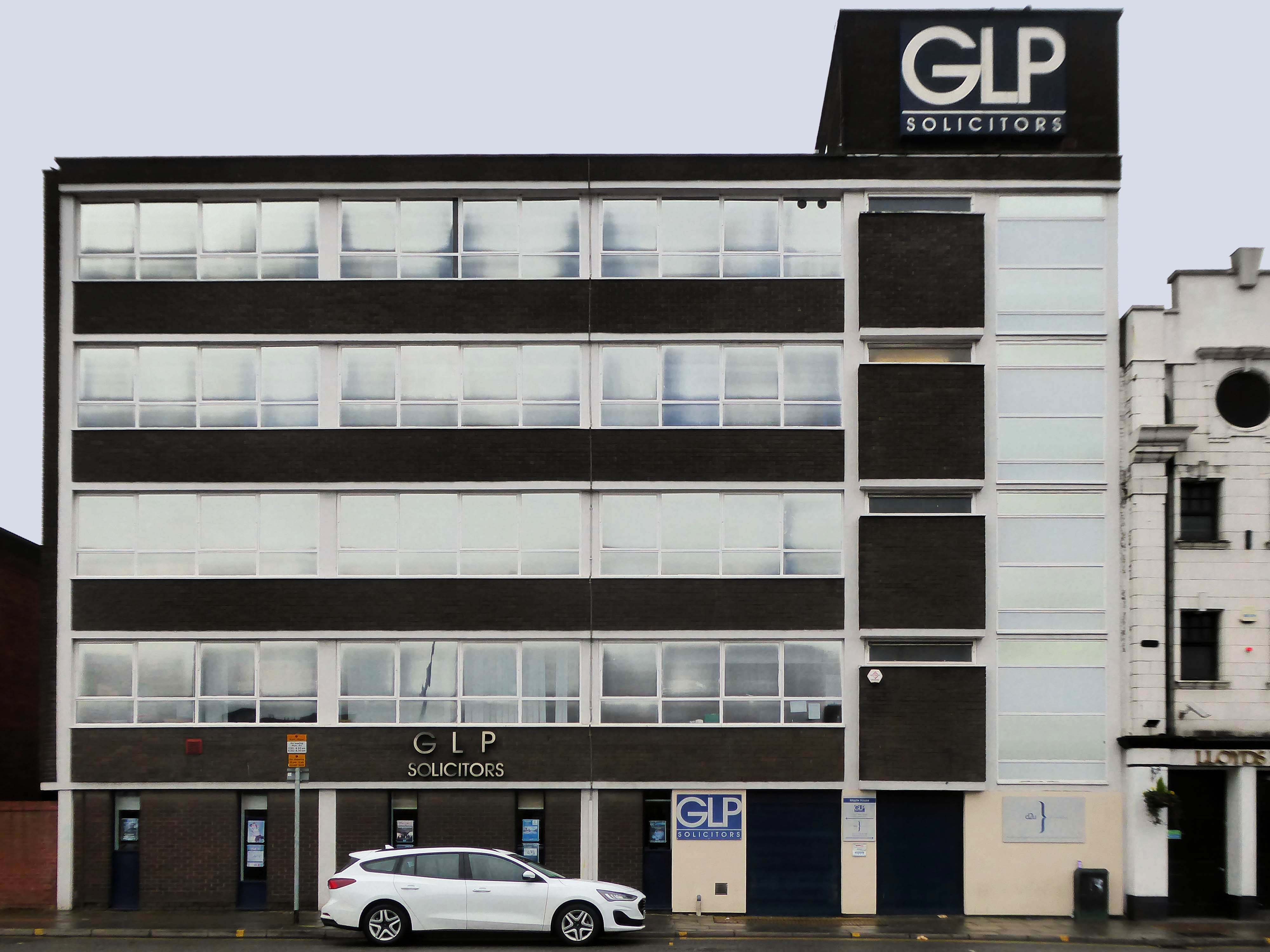
Next door a typical steel glass and brick banded office block Maple House.
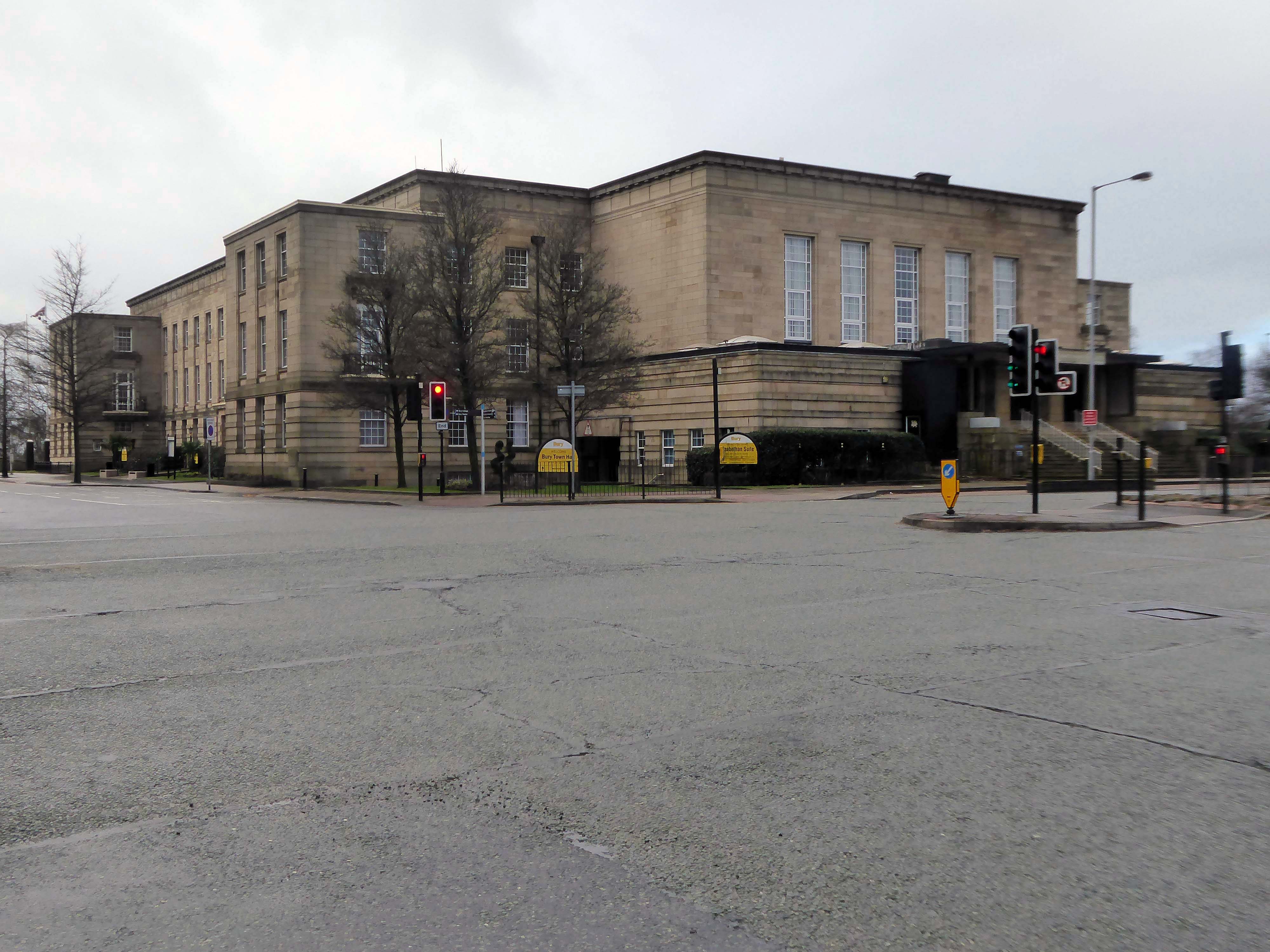
Around the corner and over the road to the Town Hall 1939-40 architects: Reginald Edmonds of Jackson & Edmonds then 1947-54.

Large and Dull – Niklaus Pevsner.
Back through the Interchange to the former Cooperative Store of the 1930’s.

The Portland Stone towers still visible – the elevation largely retro-clad in glass.
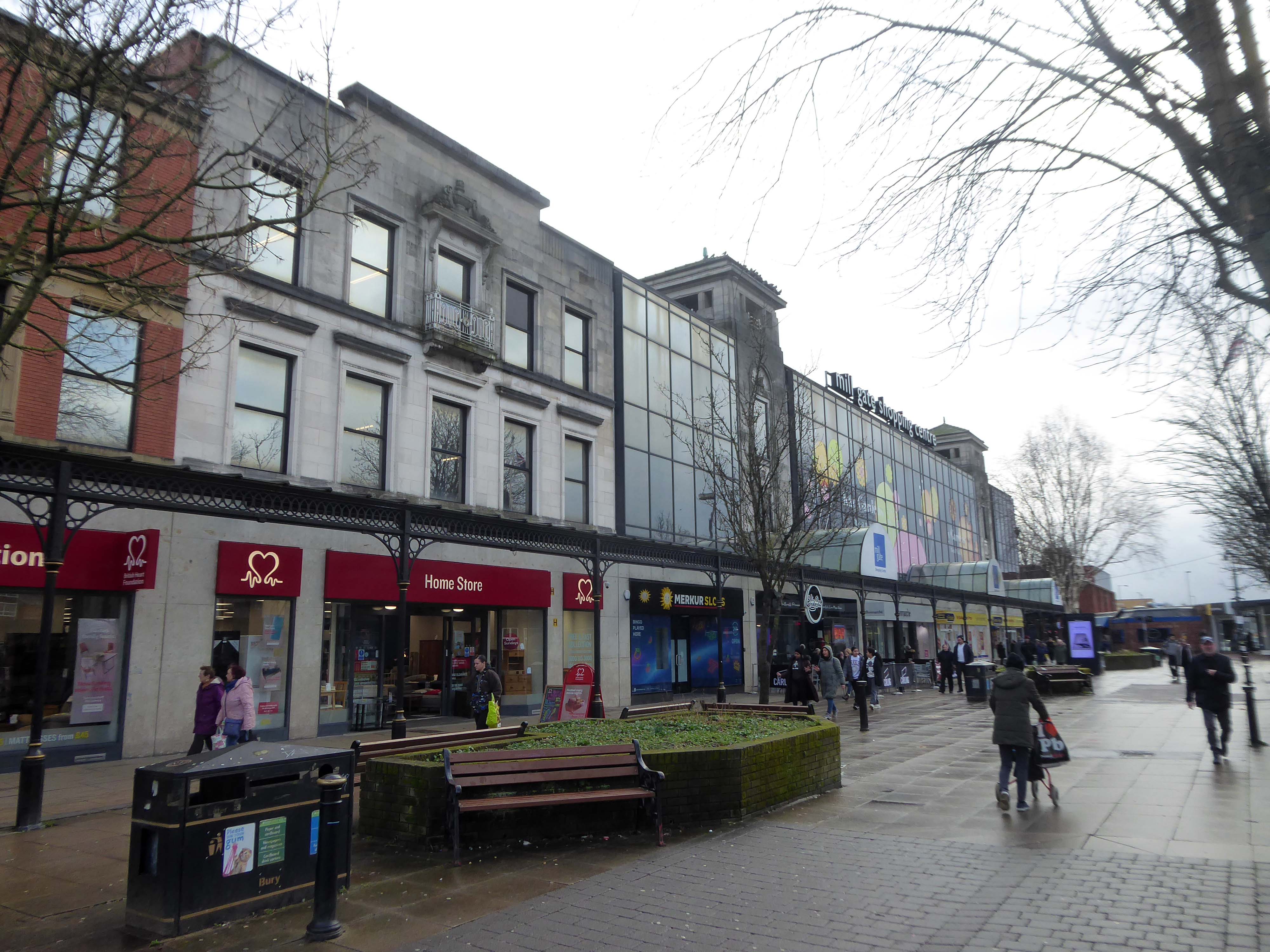
Passing through the Millgate Shopping Centre of the 1980’s.

Unambitious but successful, the floors cheerfully tiled – Niklaus Pevsner.
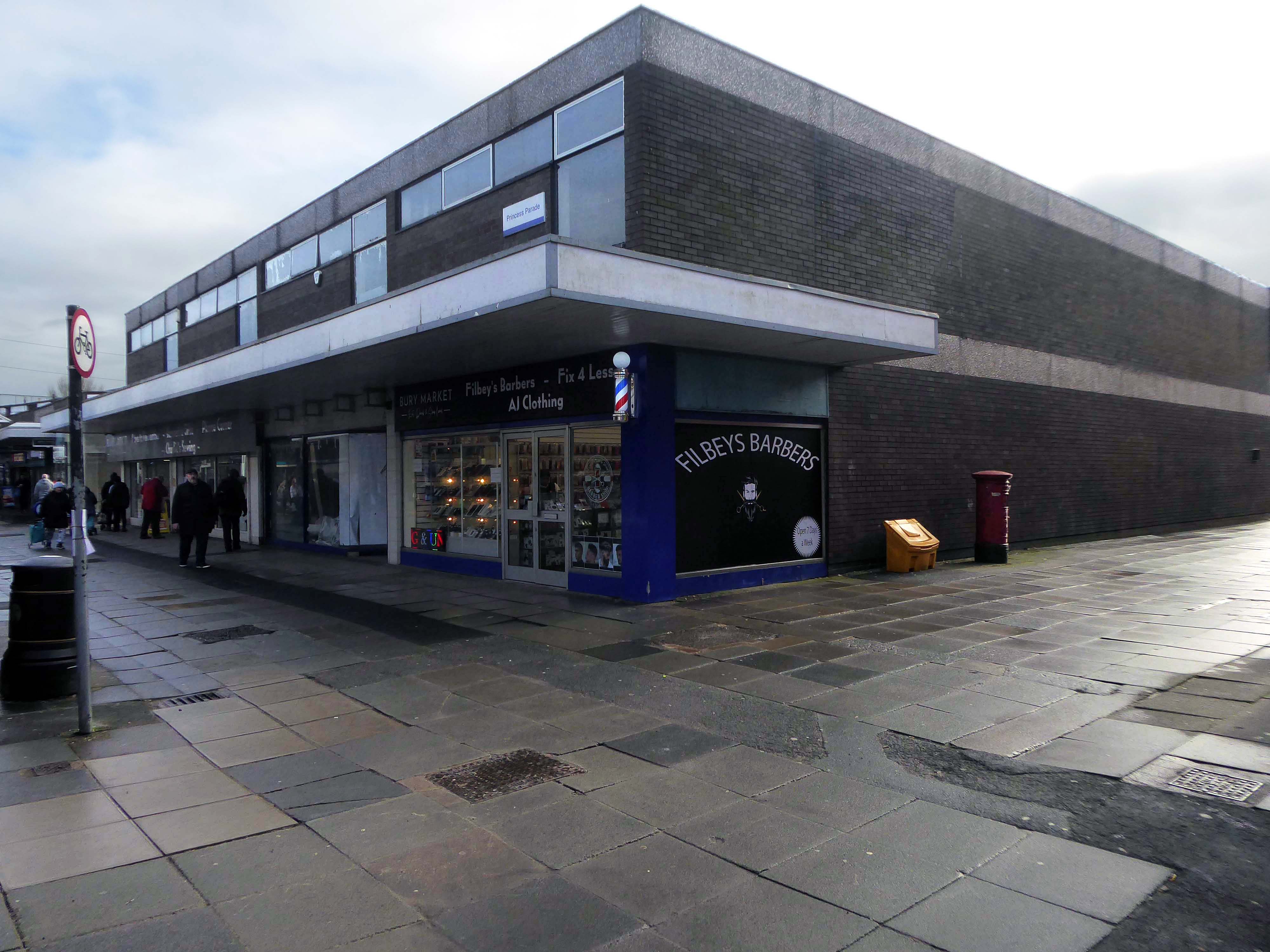
Down in the subway at midday.
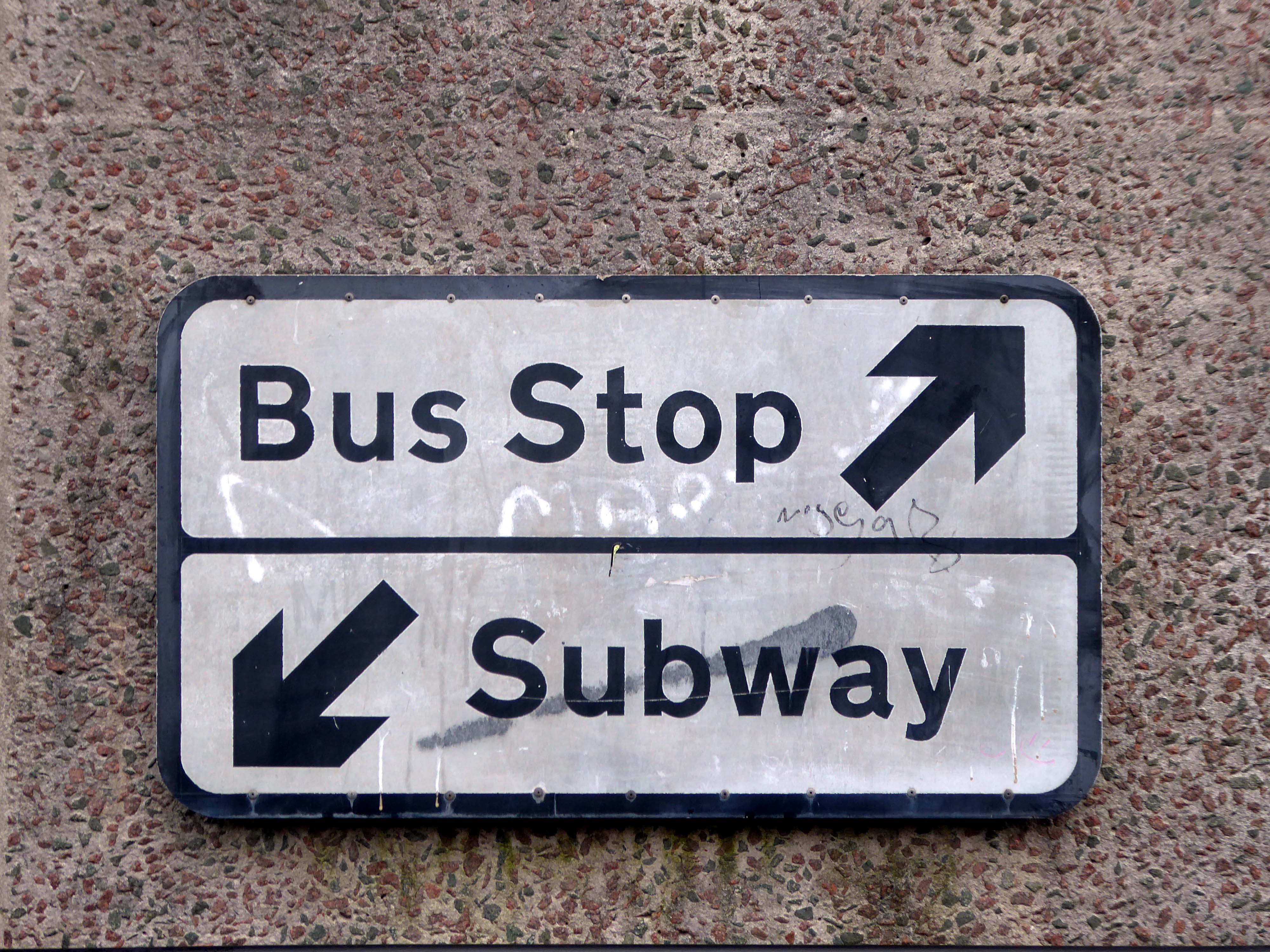
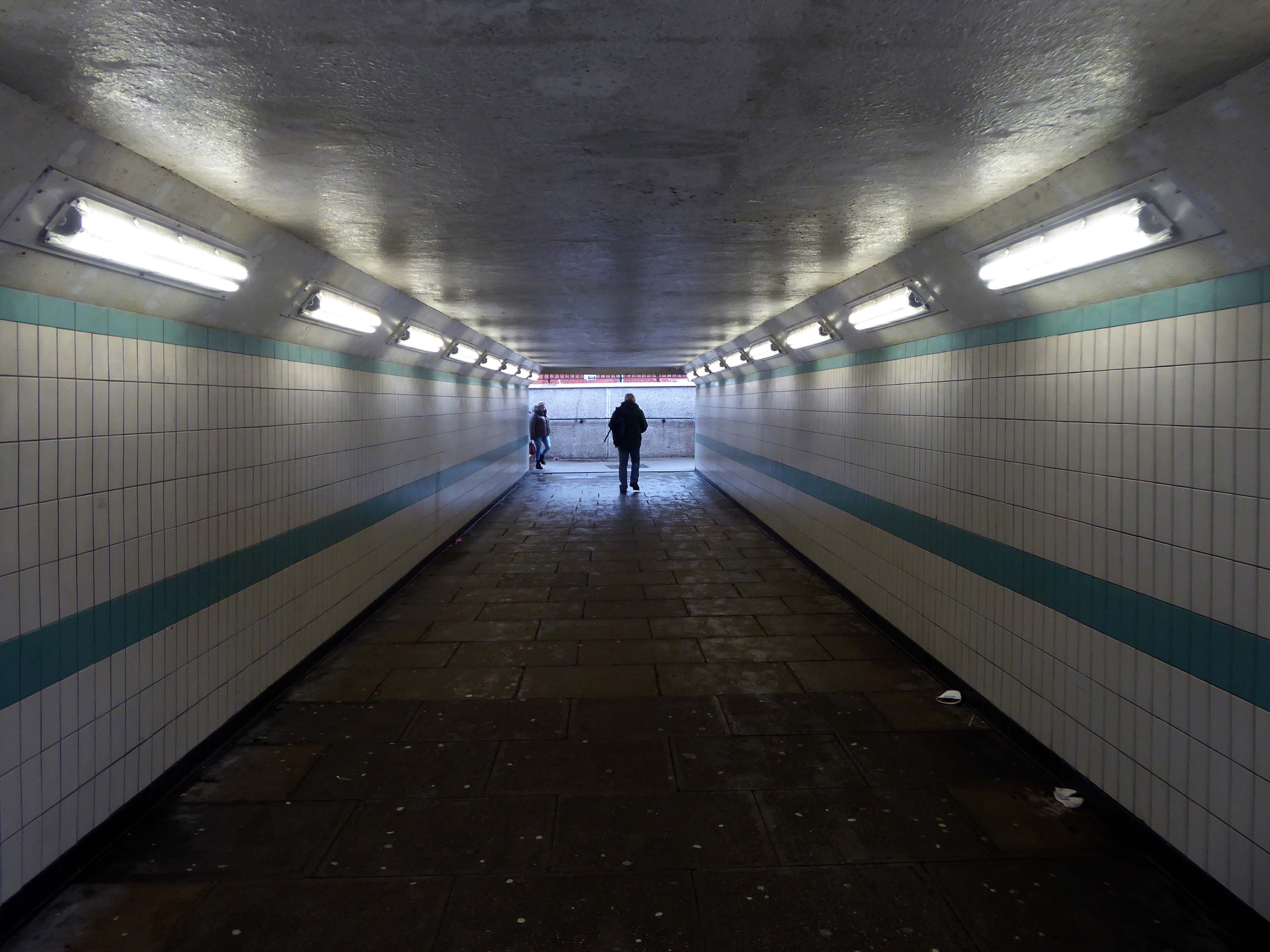
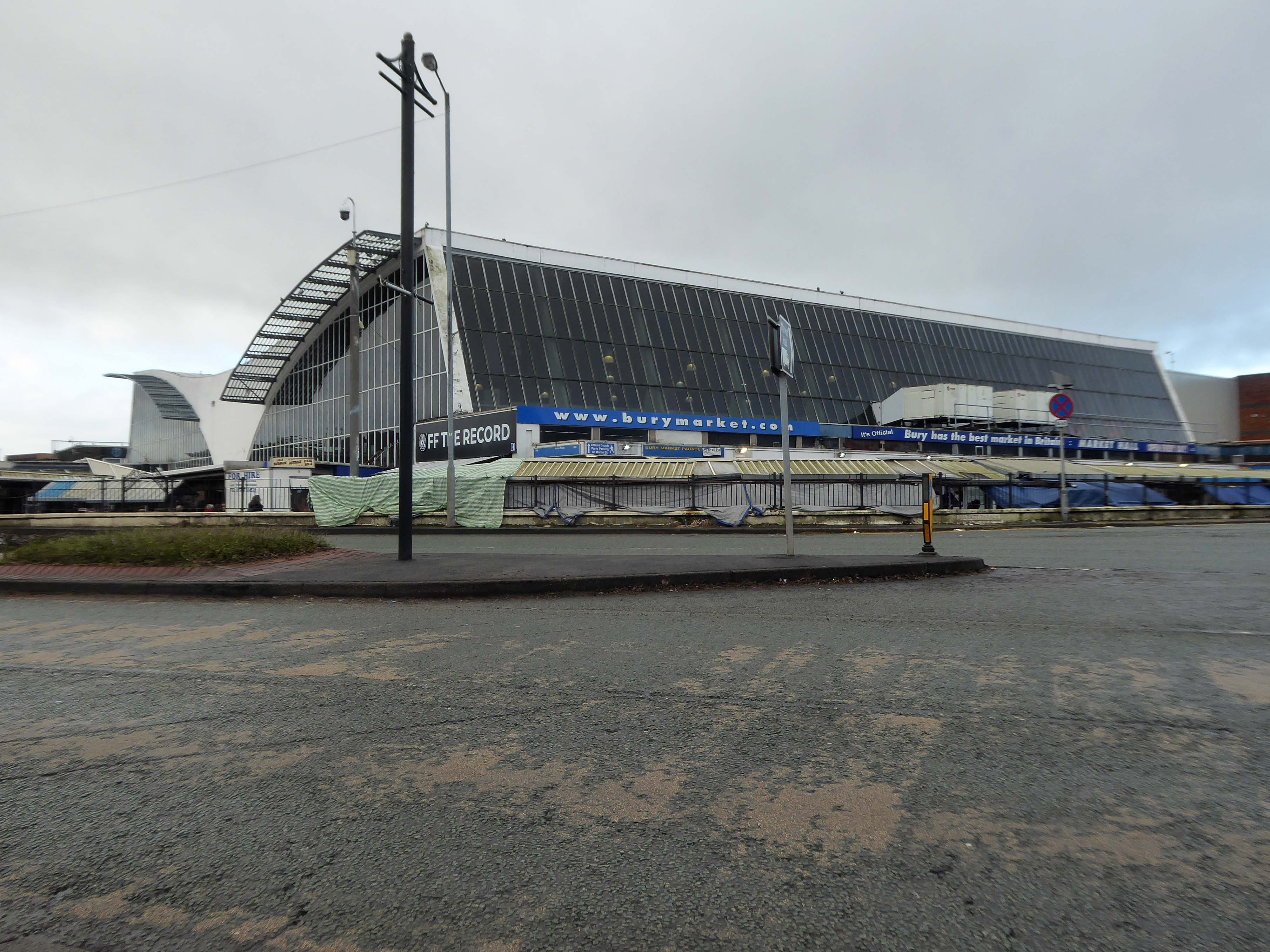
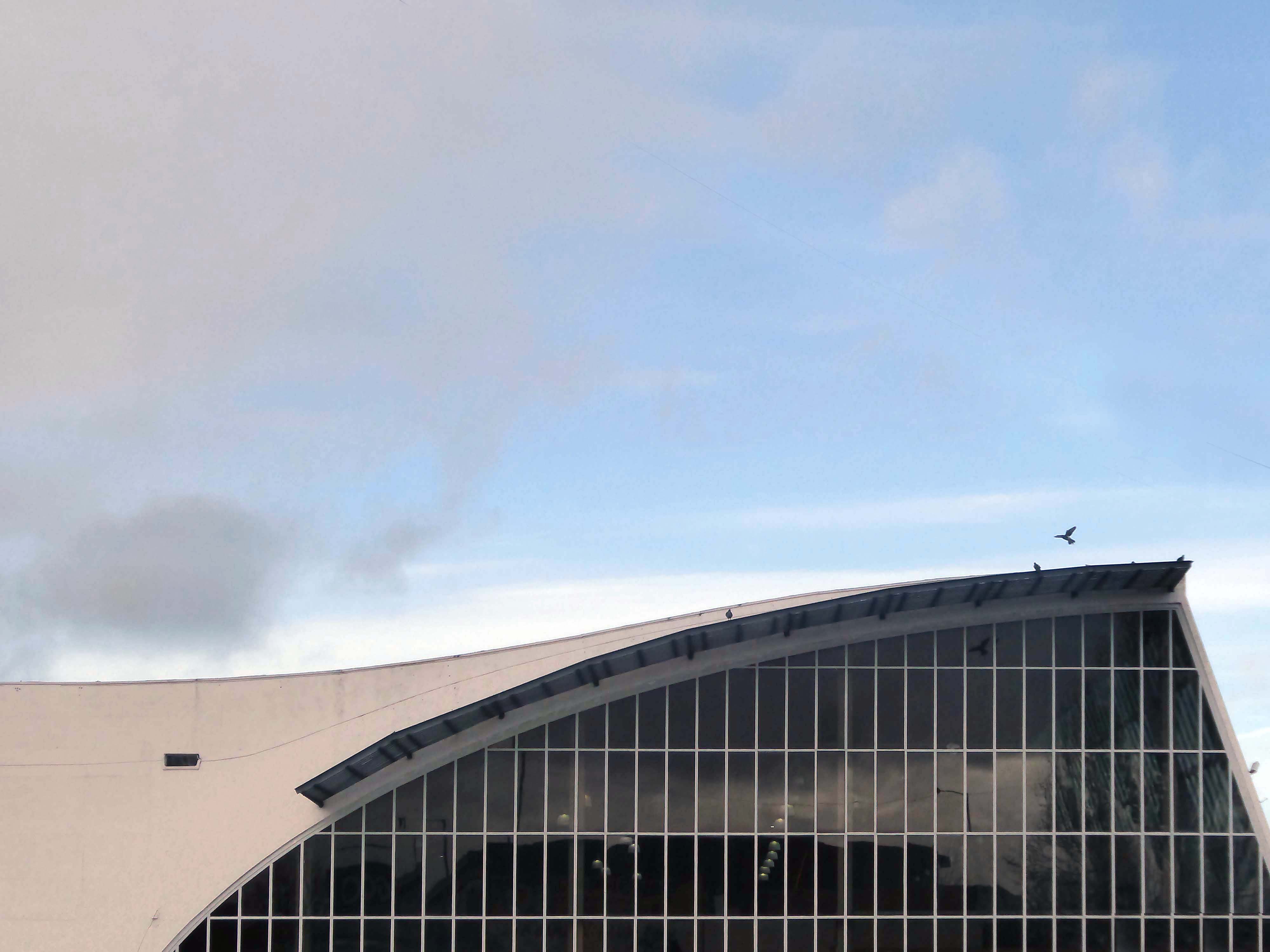
The better to get a view of the Market Hall 1971 – architects: Harry S Fairhurst.

The Indoor Market Hall is currently closed due to the discovery of Reinforced Autoclaved Aerated Concrete – within the building structure. RAAC is a lightweight type of building material that was used between the 1950s and 1990s.
Back under the road – where we find a delightful Telephone Exchange.
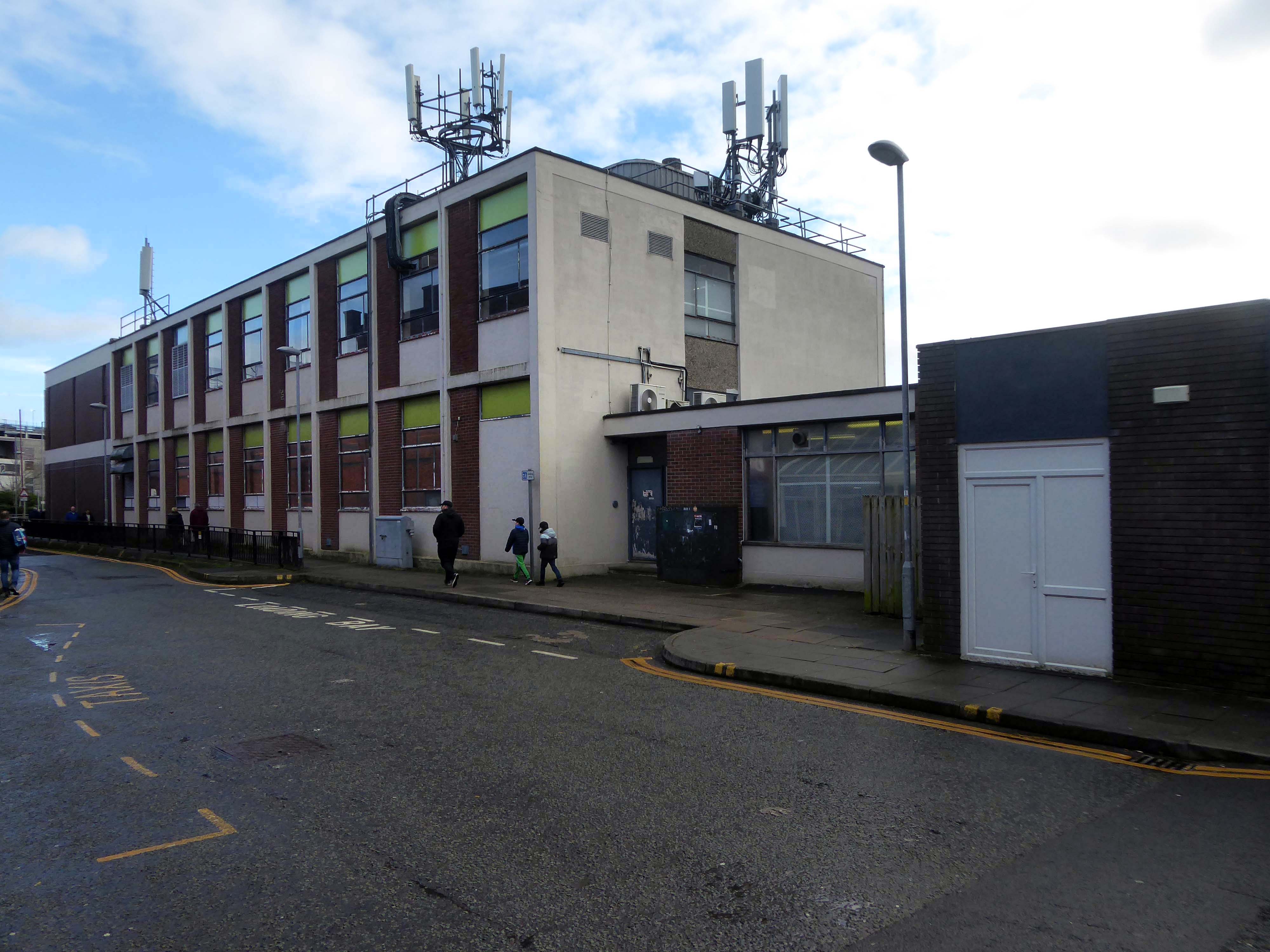
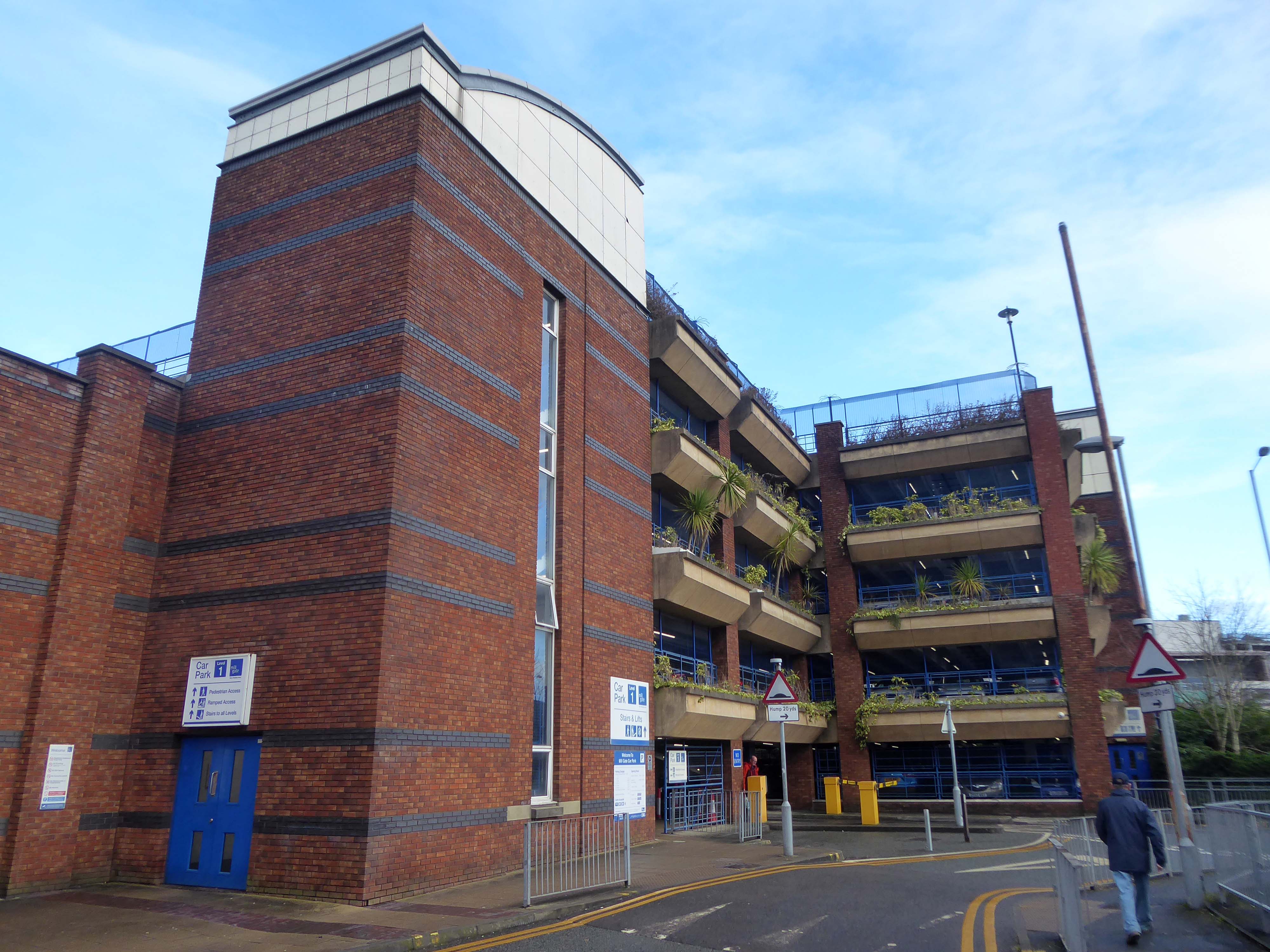
With an adjacent Multi Story Car Park.
Around the bend to The Rock.

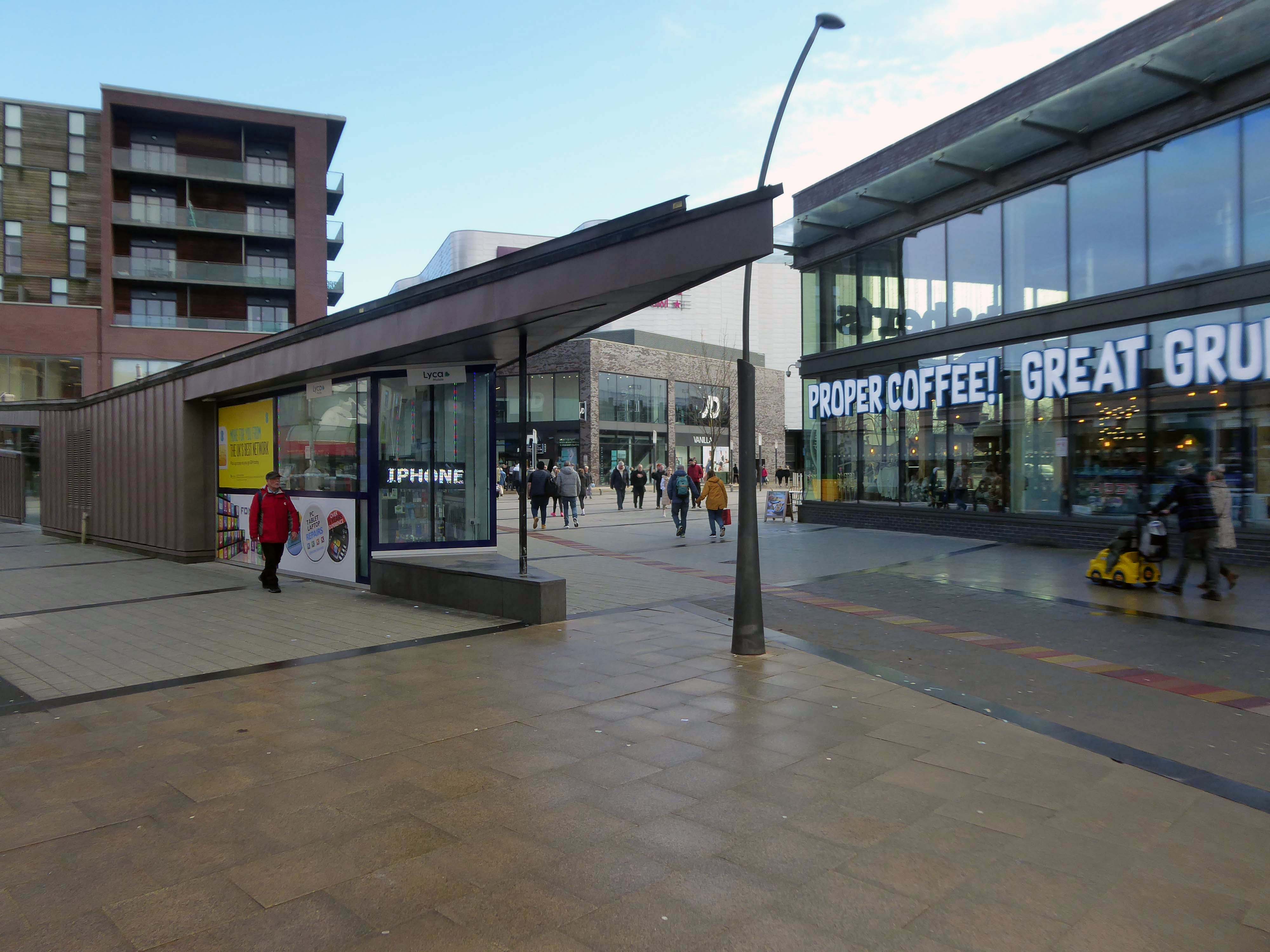
The Rock is a vibrant retail and leisure centre which is home to a range of high street fashion brands, independent retailers, tantalising eateries and fantastic entertainment – it’s the perfect place to visit any day of the week. 
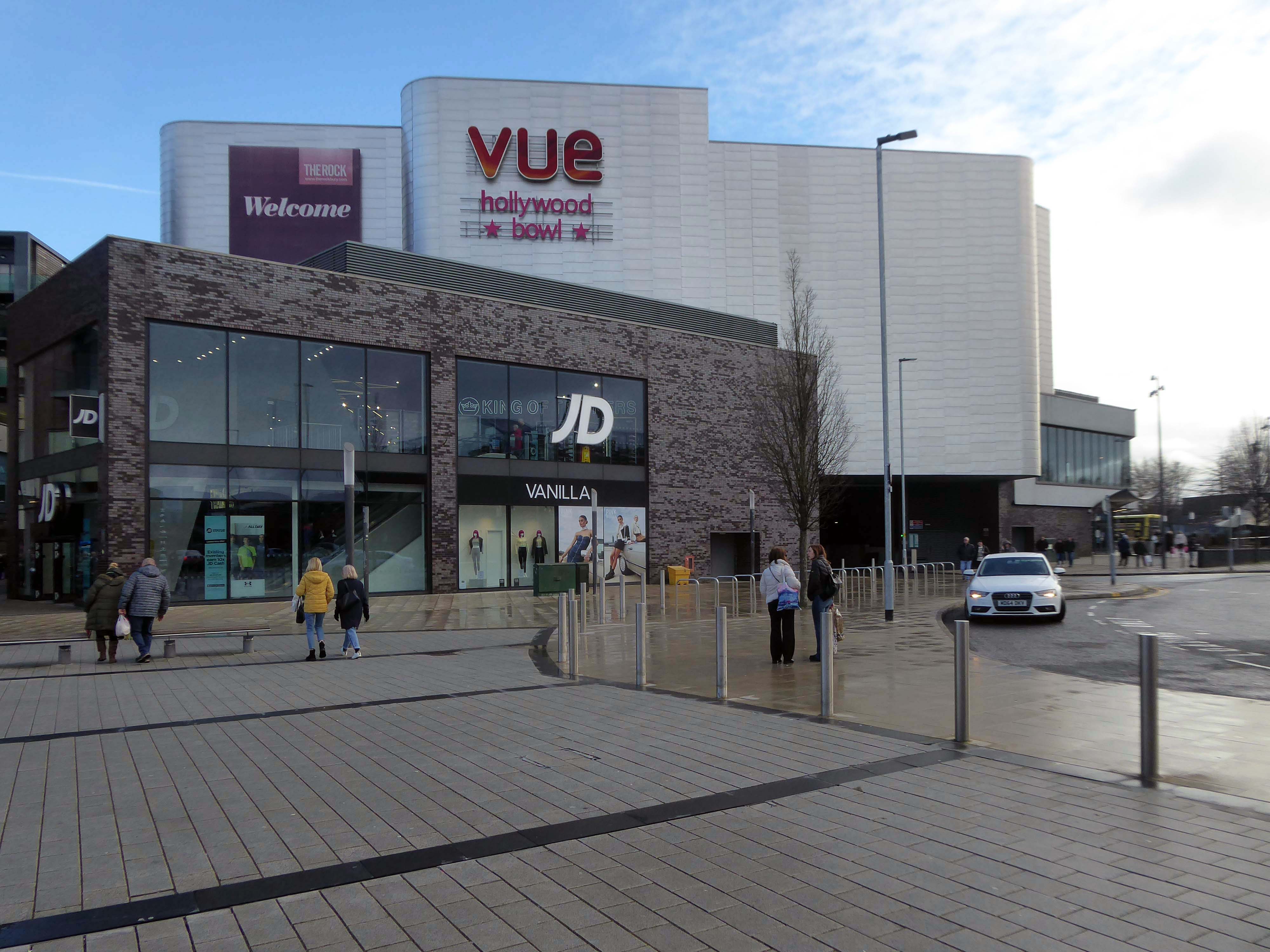
It is the work of architects BDP – completed in 2010 at a cost of £350 million.

Our masterplan for The Rock took into account the historical street pattern and public realm context to give the scheme its own identity, and make visual connections to local landmarks.

The retail and leisure scheme brings many exciting brands to Bury for the first time.

New pedestrian streets rejuvenate and improve connections to adjacent areas stitching the town back together.

The development will also contain 408 one and two-bedroom apartments.
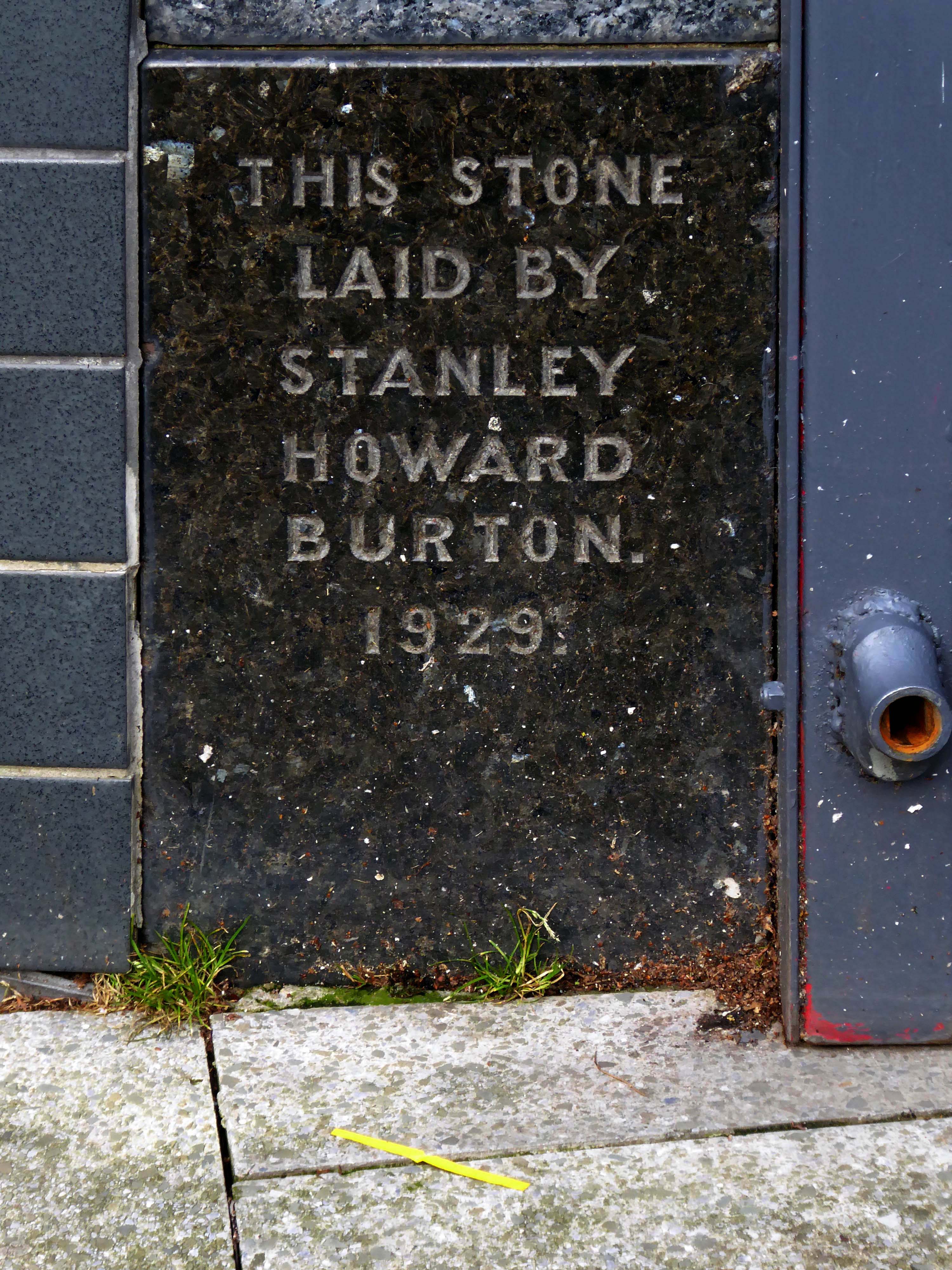
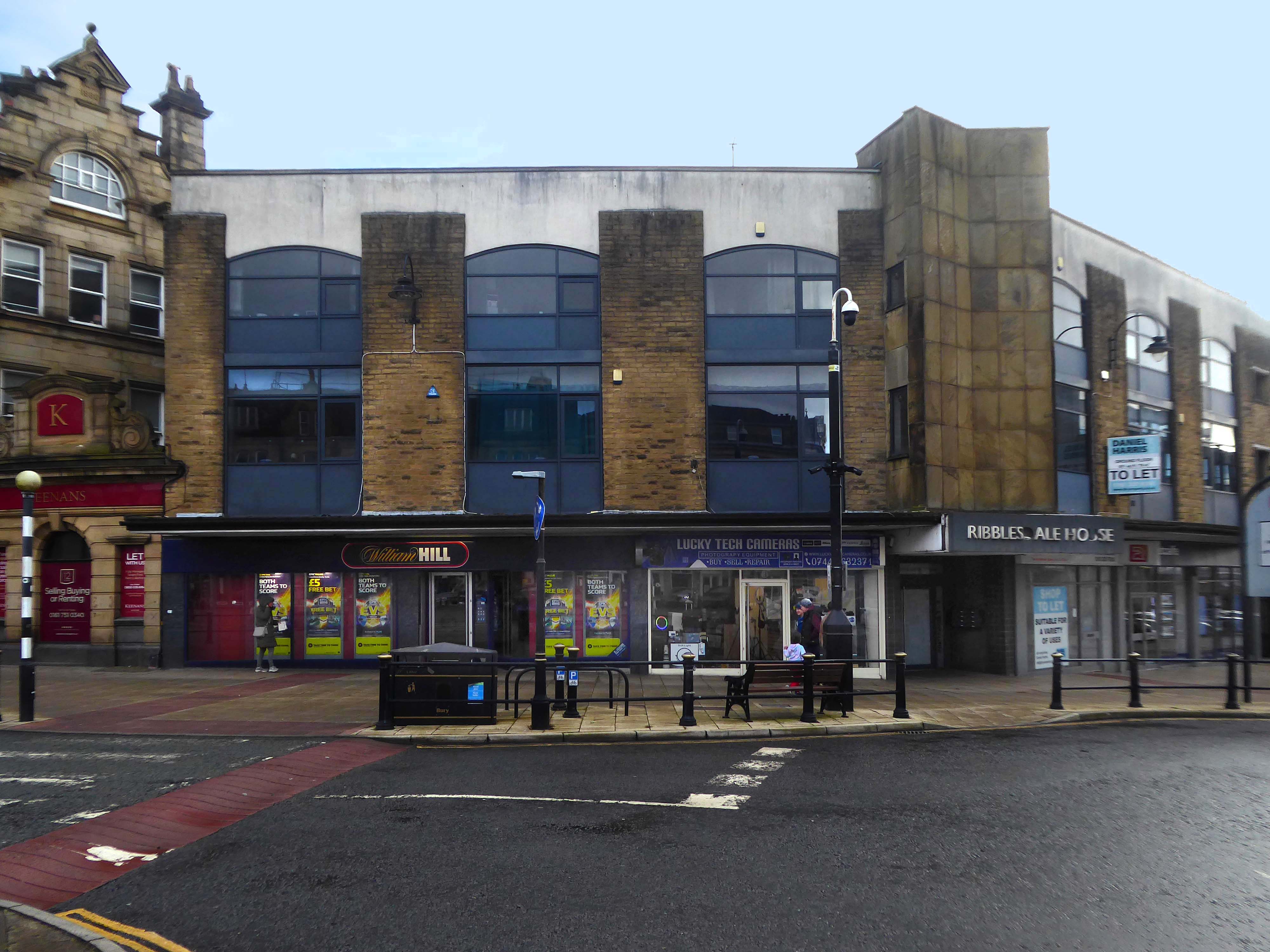
Back to basics at a former Burton’s hiding its faience facade.
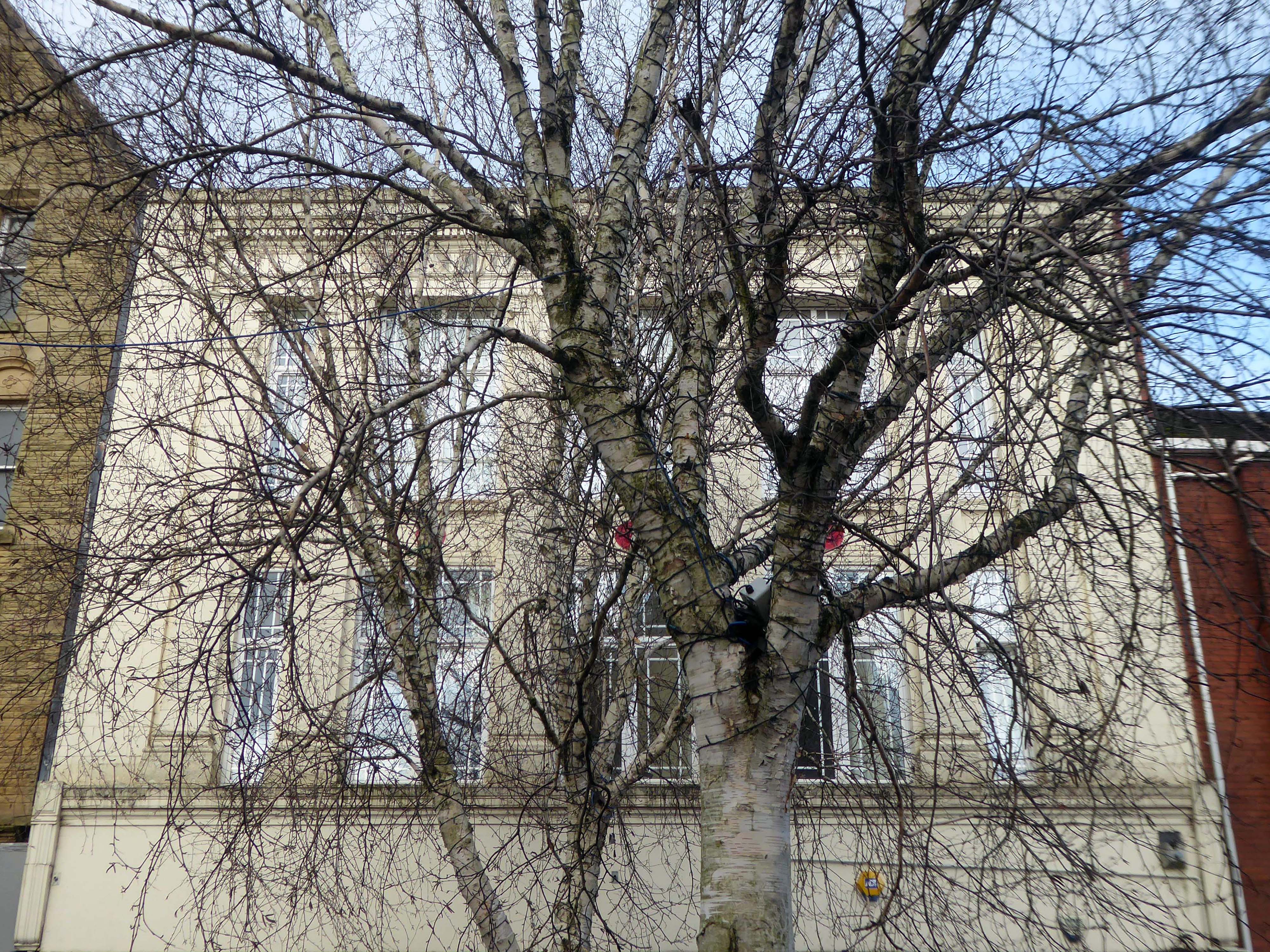
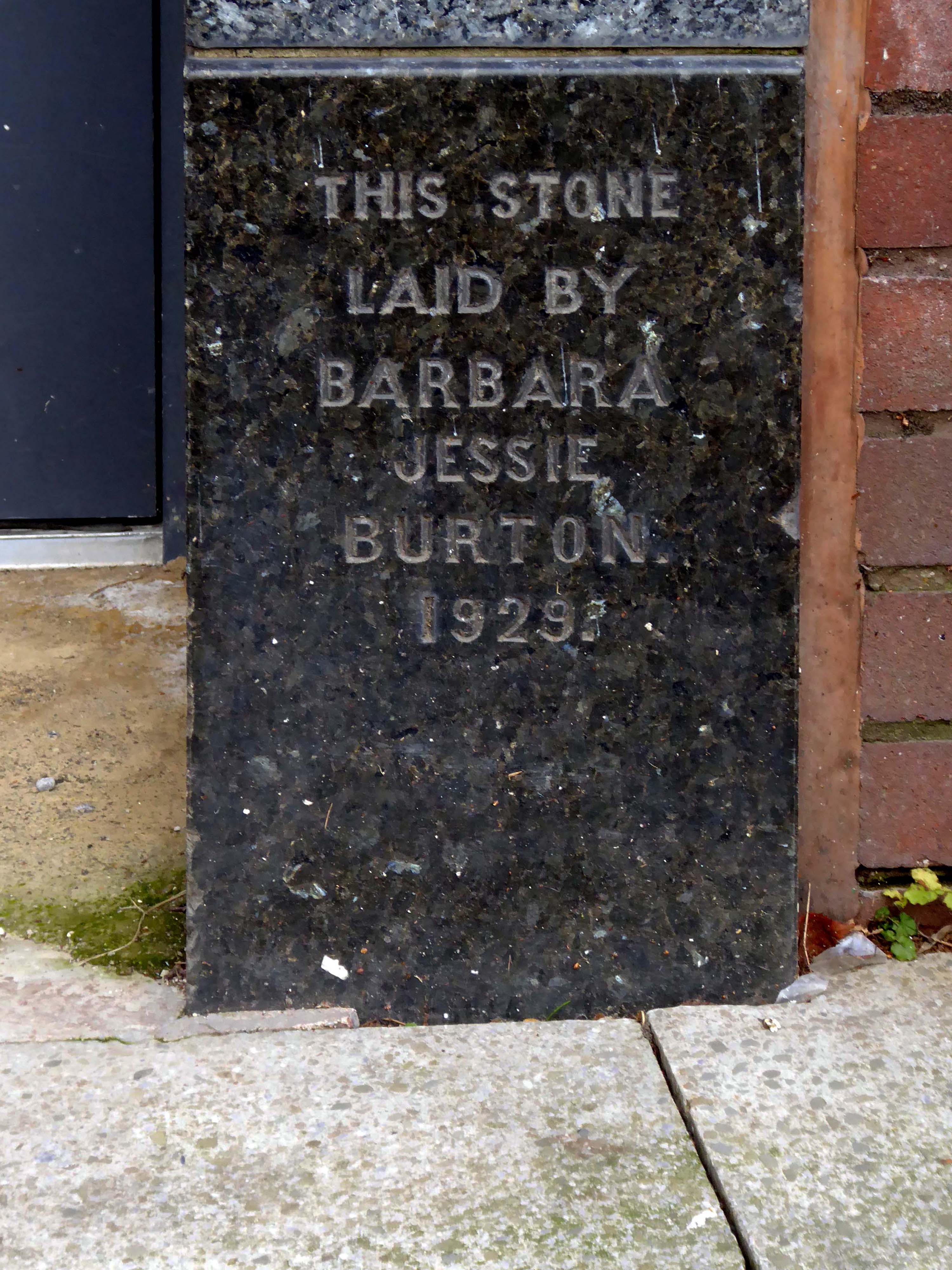
Typical inter-war infill on our crazy mixed up mongrel high streets.
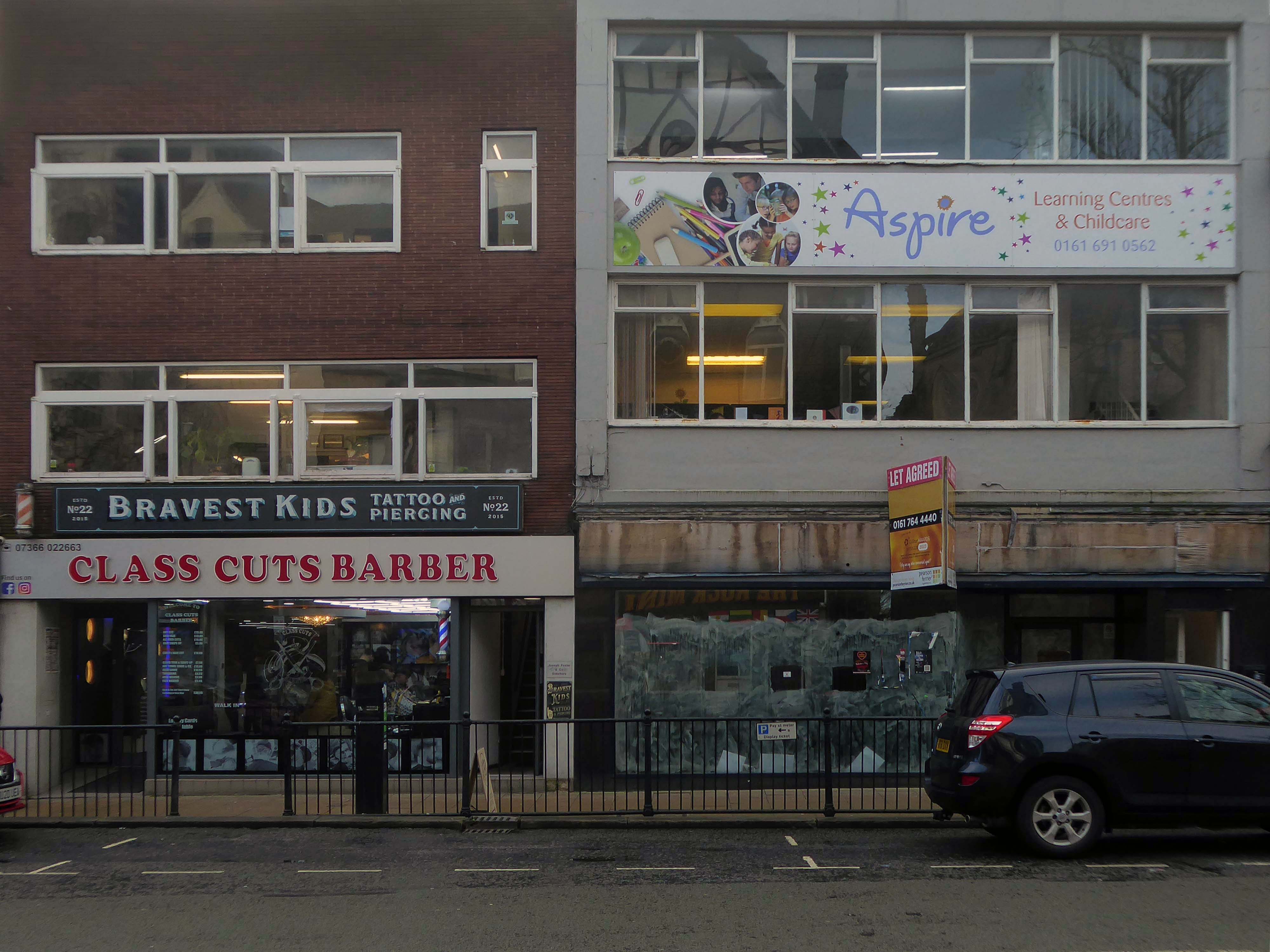
Ribblesdale House

Application by Shop and Store Developments Ltd submitted August 1965. Architect on application was Samuel Jackson and Son of Ocean Chambers in Bradford but during the application process this changed to John Brunton & Partners – Brunton was a partner in Jackson’s firm, at the same address. It had a restaurant and shops on the first floor.
Off now to the Bury Bolton Street Station currently home to the East Lancashire Railway.

The street level buildings were destroyed by fire on 14 May 1947 and were replaced with a new brick and concrete entrance and footbridge in 1952. 

British Rail closed the station on 17 March 1980, when it was replaced by a new bus/rail interchange station further east into the town centre. Bury Interchange railway station served up until 1991 before the entire Bury Line was converted to light rail operation. It reopened in 1992 for Metrolink operation.
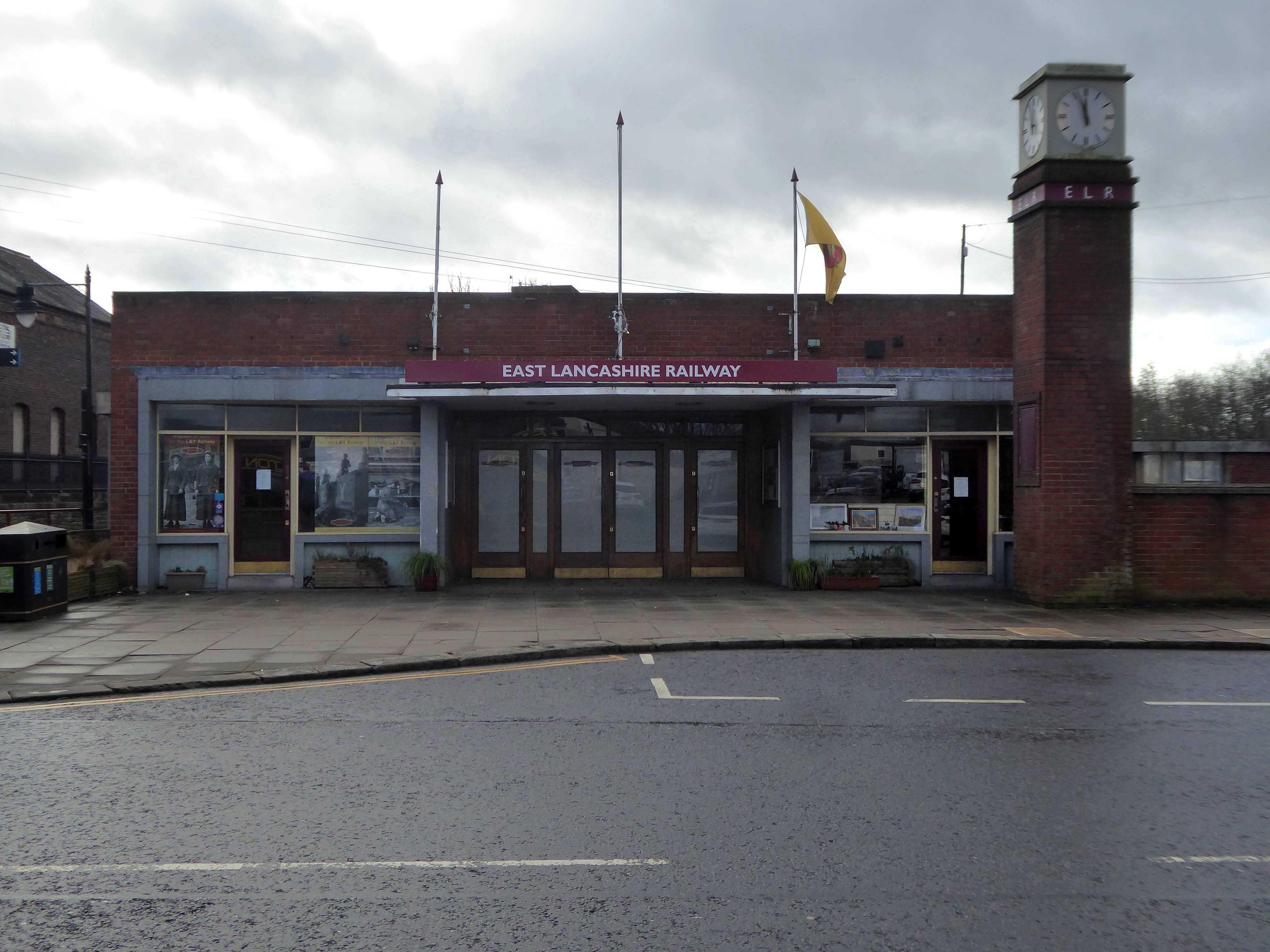
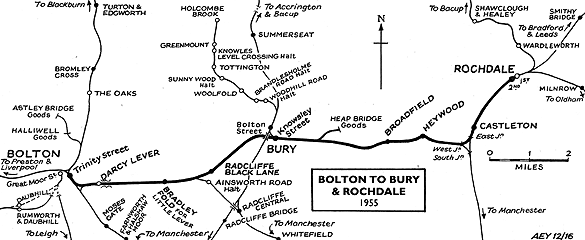
Bury was once the centre of multiple train links and the lost station of Knowsley Street.
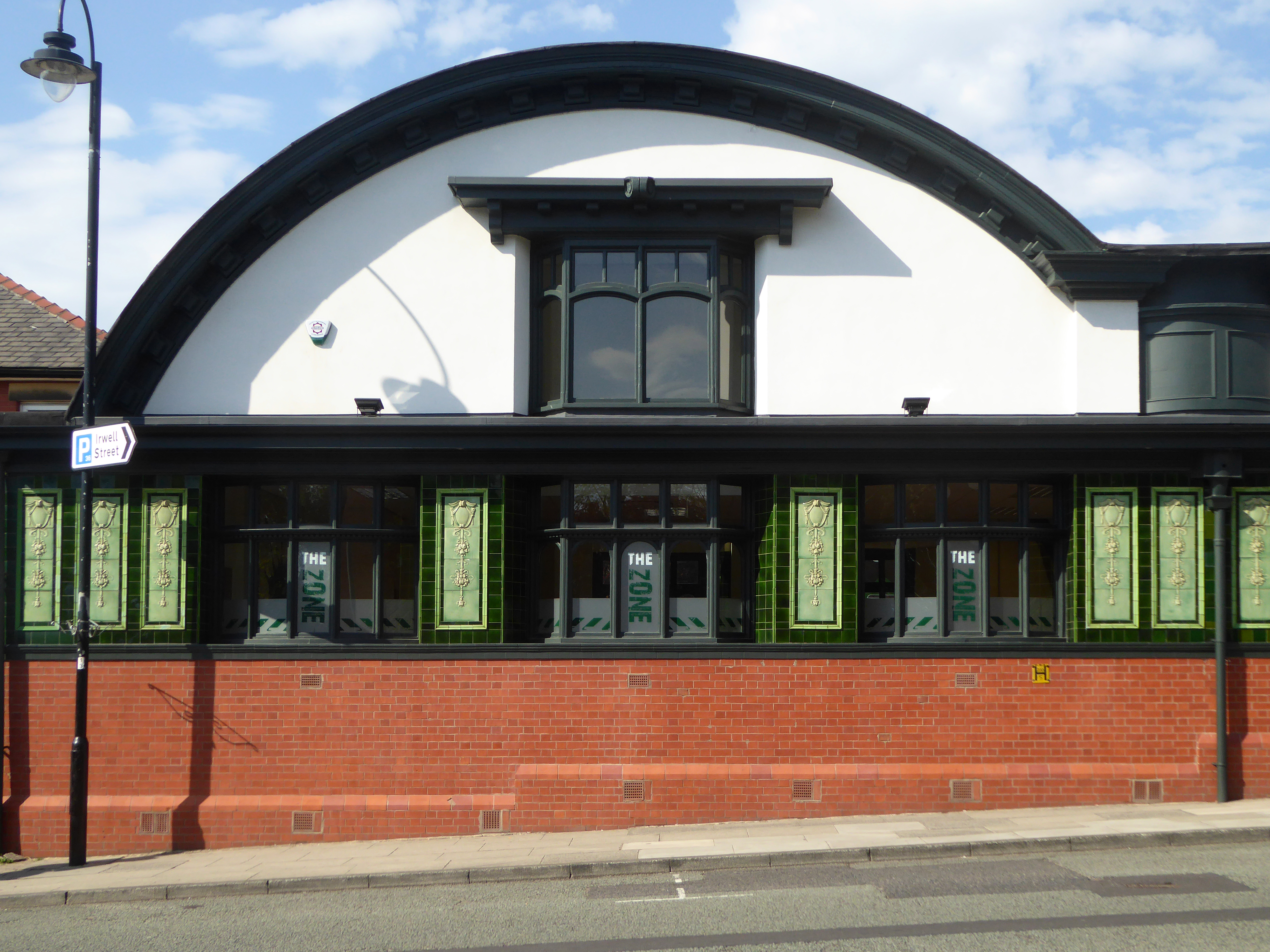
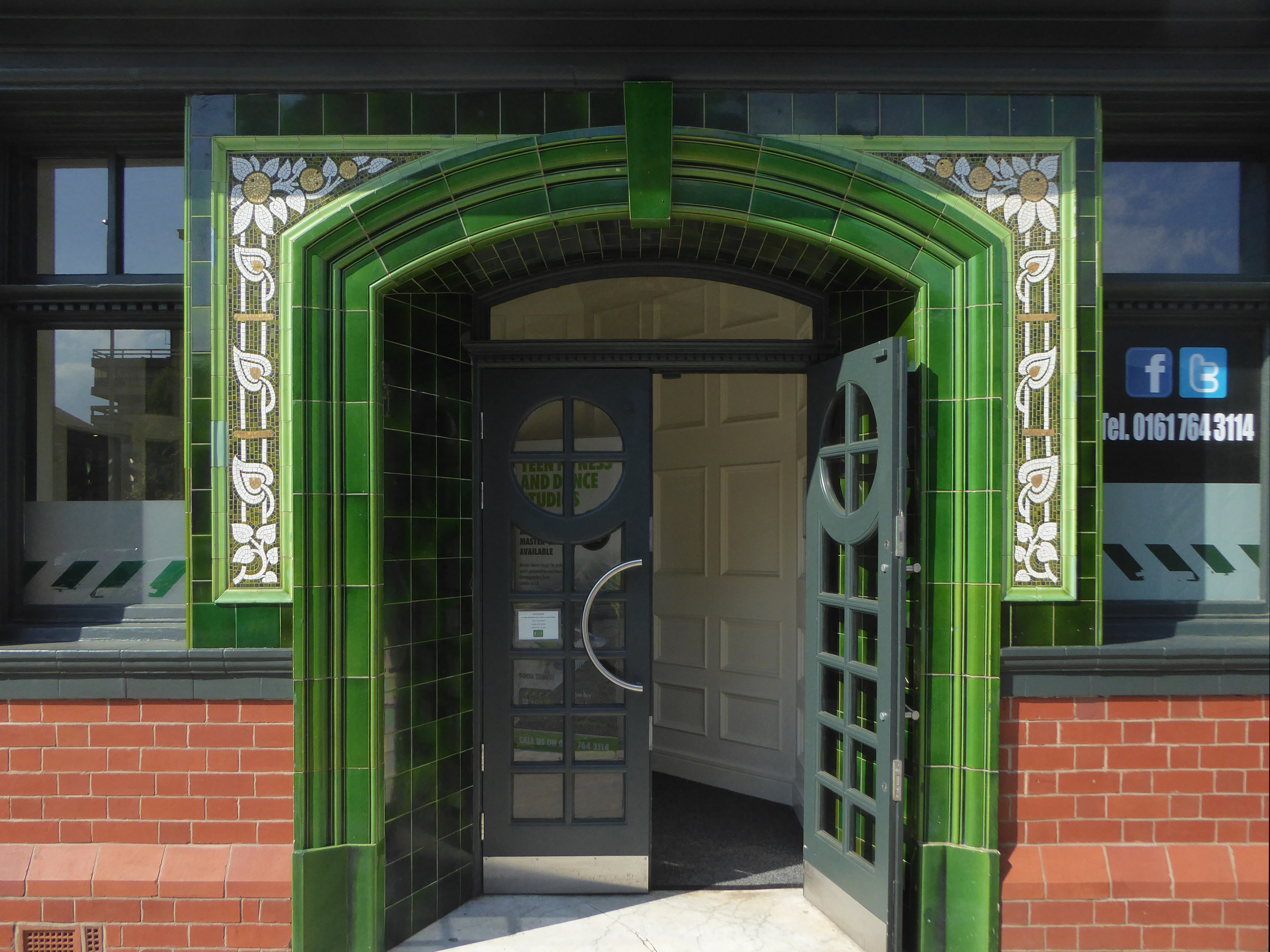
Over the road the former Temperance Billiard Hall 1910 architect Norman Evans.
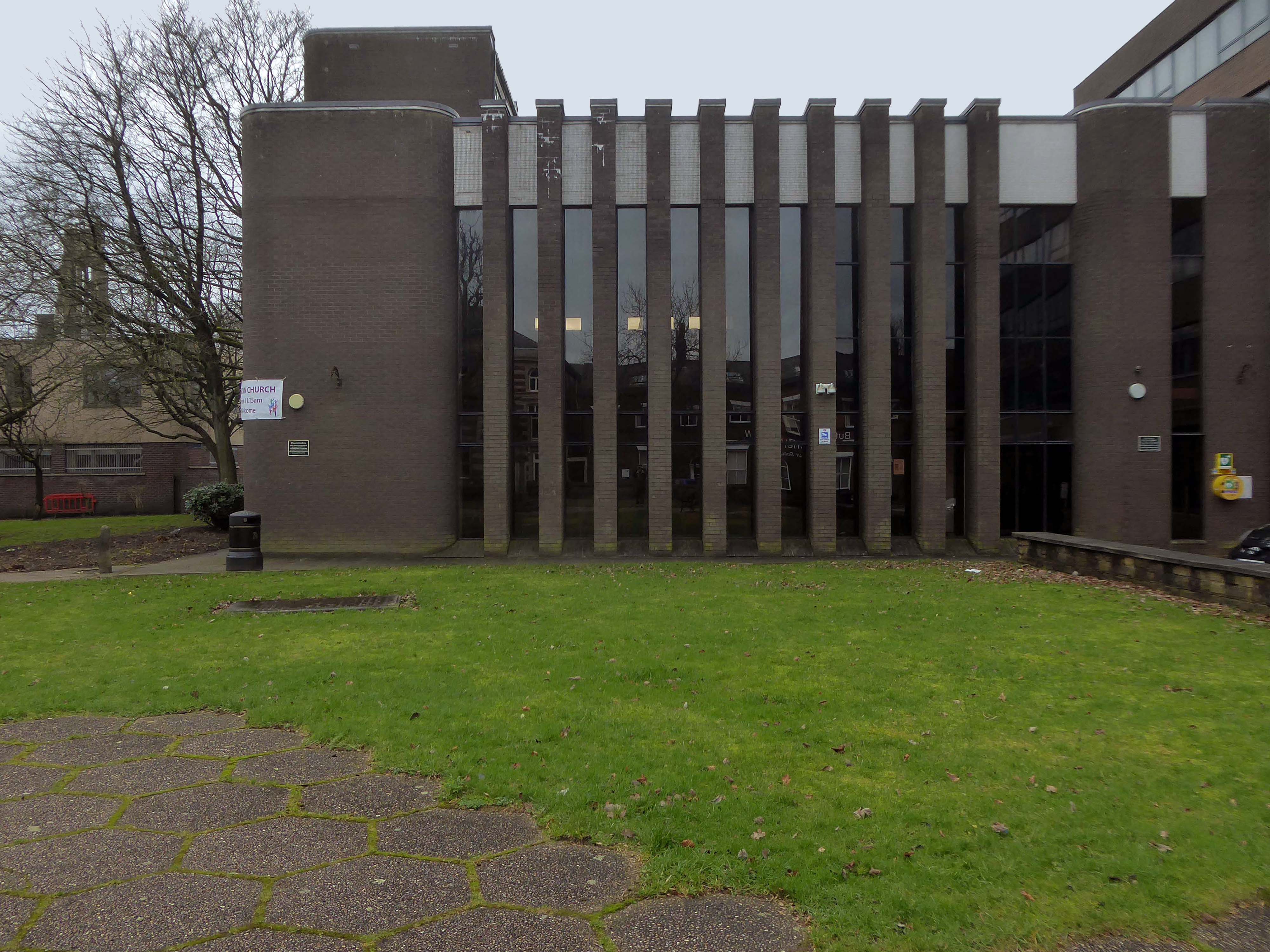
Down the side and up the steps to the Unitarian Church.

The new church was designed and constructed by local architects James T Ratcliffe.

The church was opened in 1974, with a service of dedication on Saturday, 9th March. The total cost, including furnishings, was £85,000.
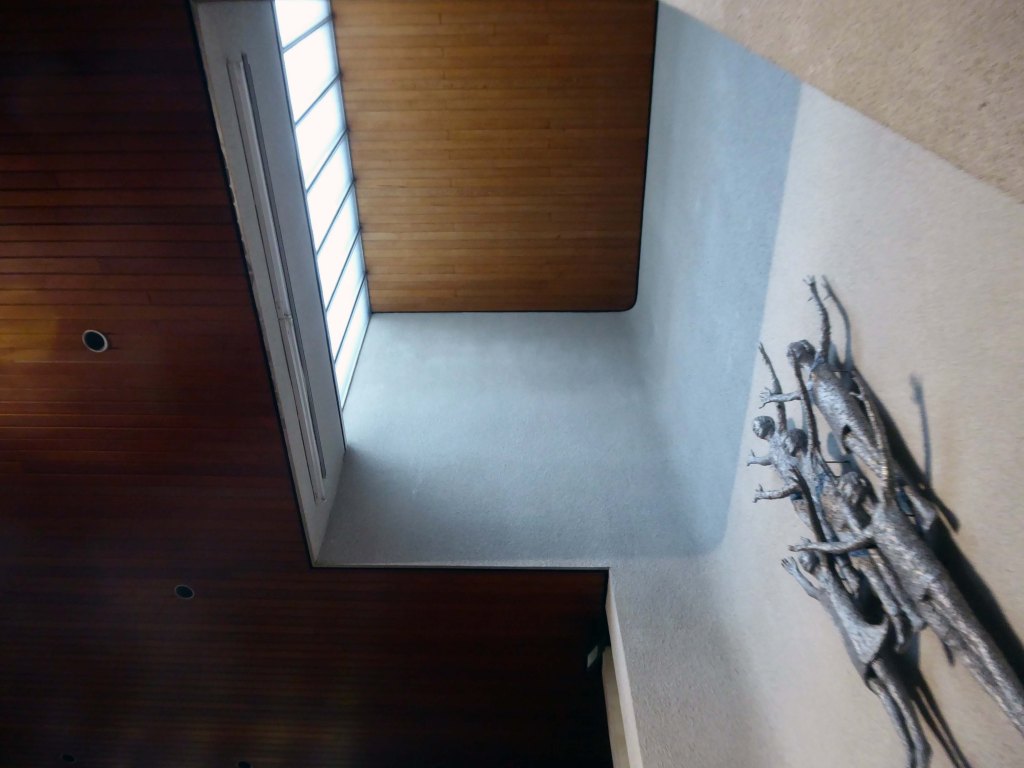
The People Praising by Elizabeth Mulchinock is a 12 foot high original sculpture at the front of the church which represents the family of the church.

Her work can also be seen at Sainsbury’s in West Ealing and Reading.
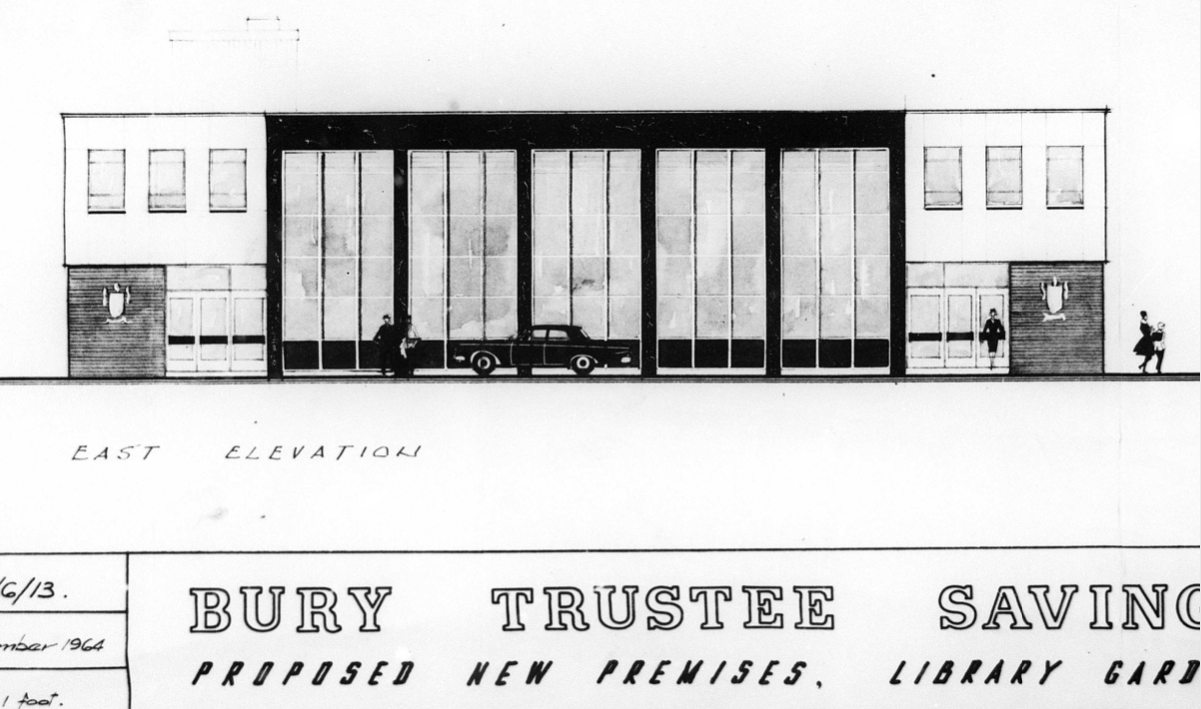
Next door is the former Trustee Saving Bank.

Planning application January 1965 – work started in June 1965. The architectural firm was Richard Byrom, Hill and partners. Richard Byrom was submitting building applications in the 1930s in Bury and locally.

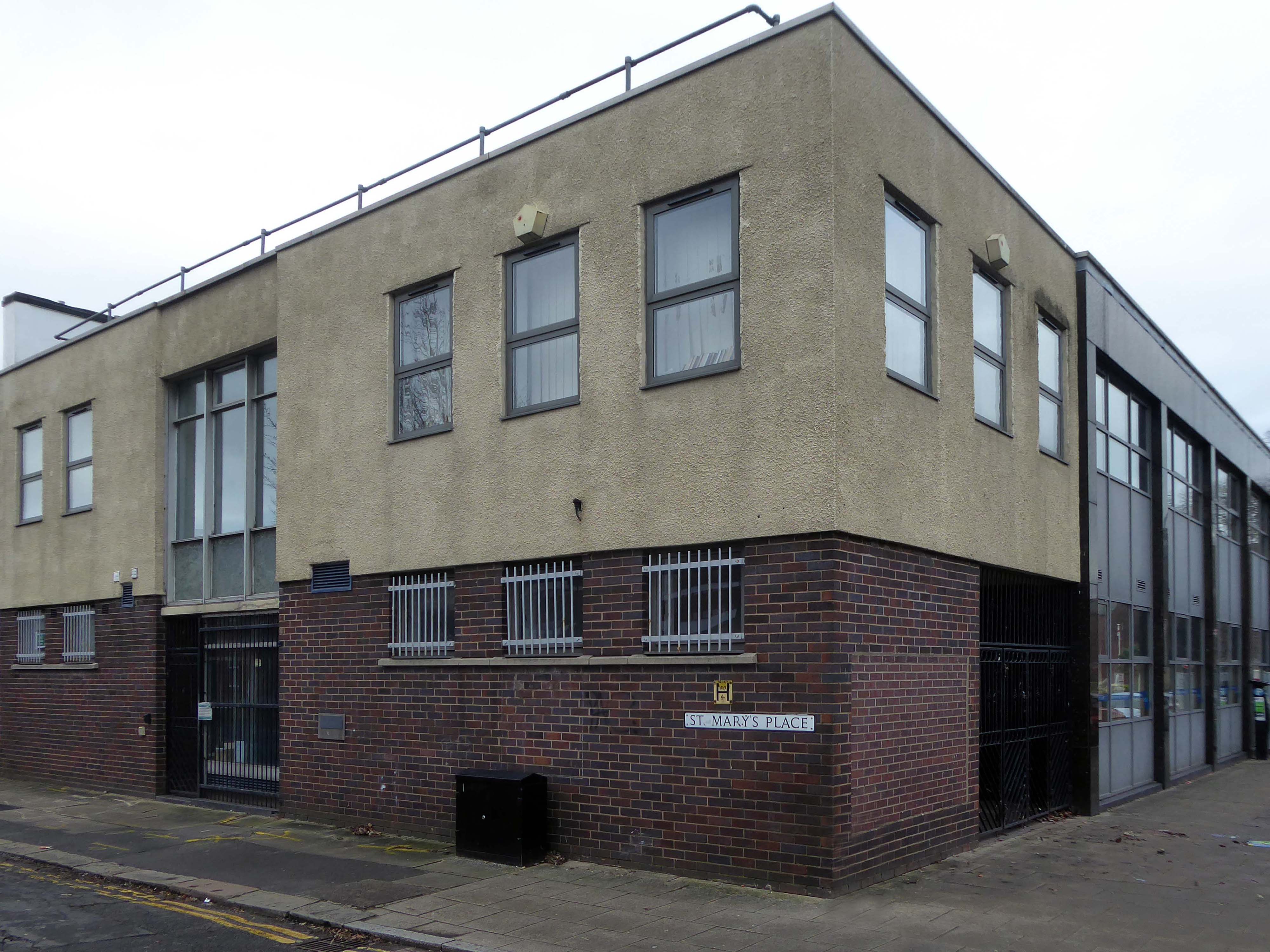
The rendering on the building is original but the windows have been changed. The Job Centre took over the building in 1993. It is in a conservation area and the Civic Trust had some concerns!
Many thanks to David French for the above information.
Bolton Walk

Organised by the Twentieth Century Society

Text by Eddy Rhead and David French.

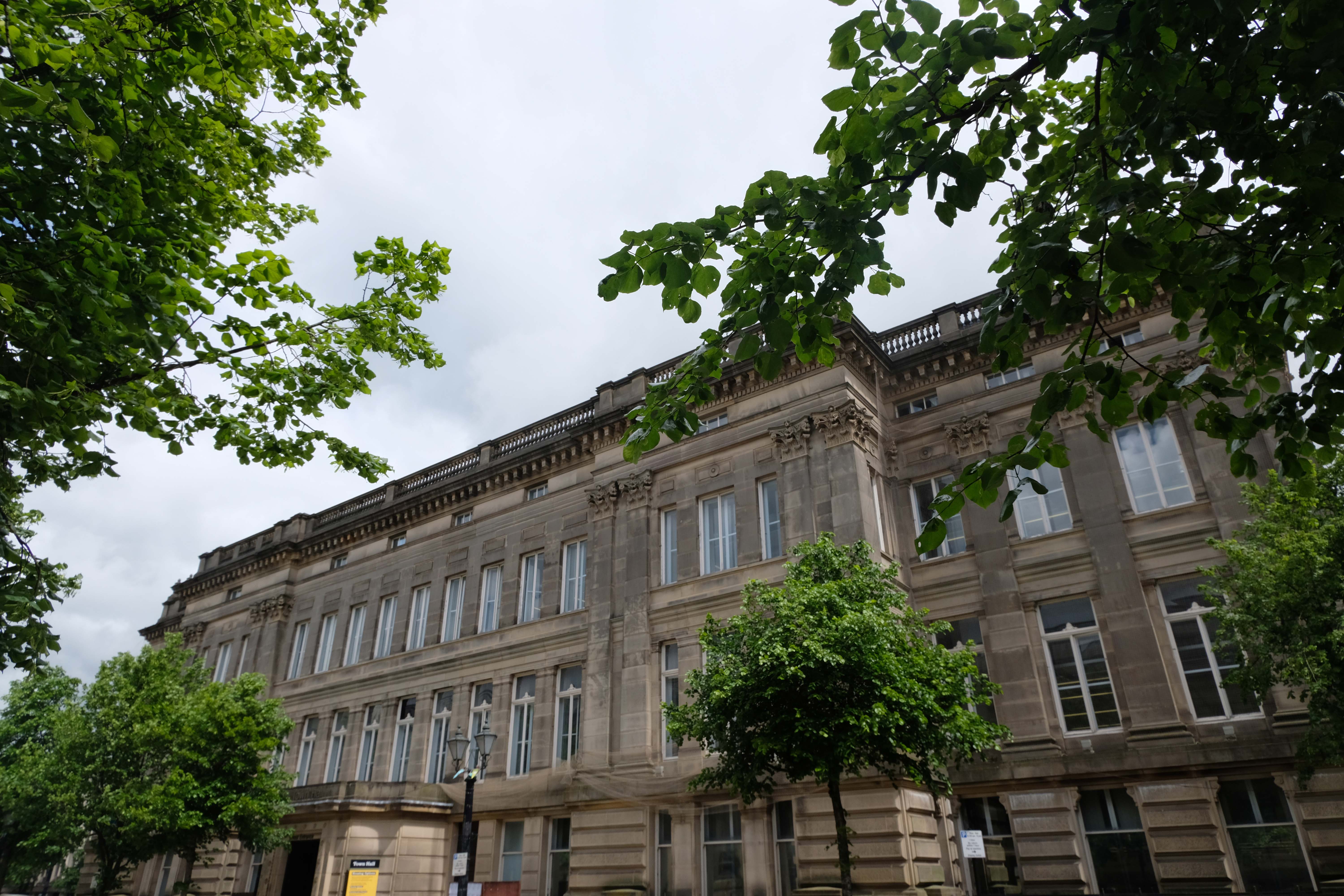
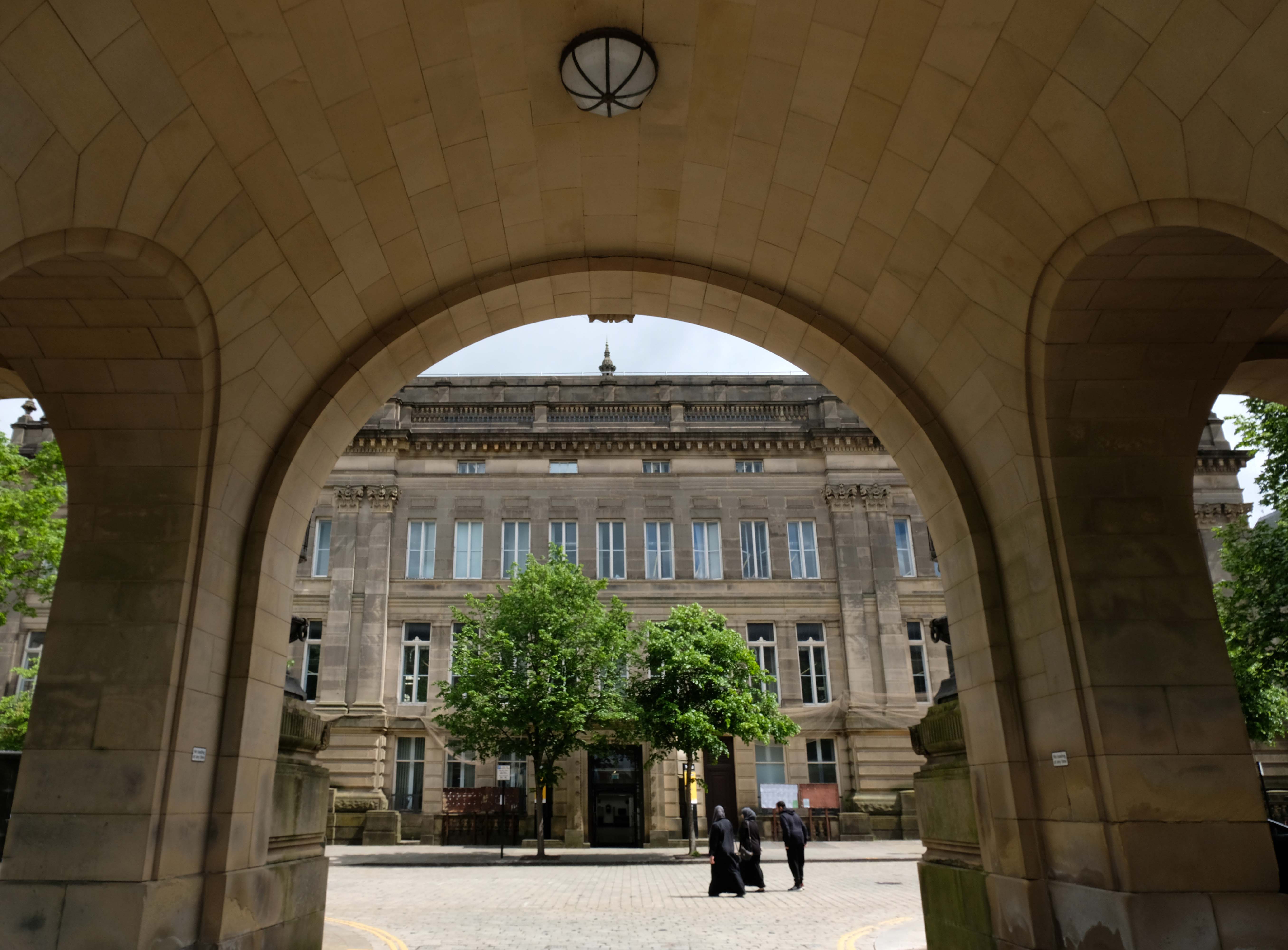
Bolton Town Hall – 1873 was designed by William Hill of Leeds, with Bolton architect George Woodhouse.

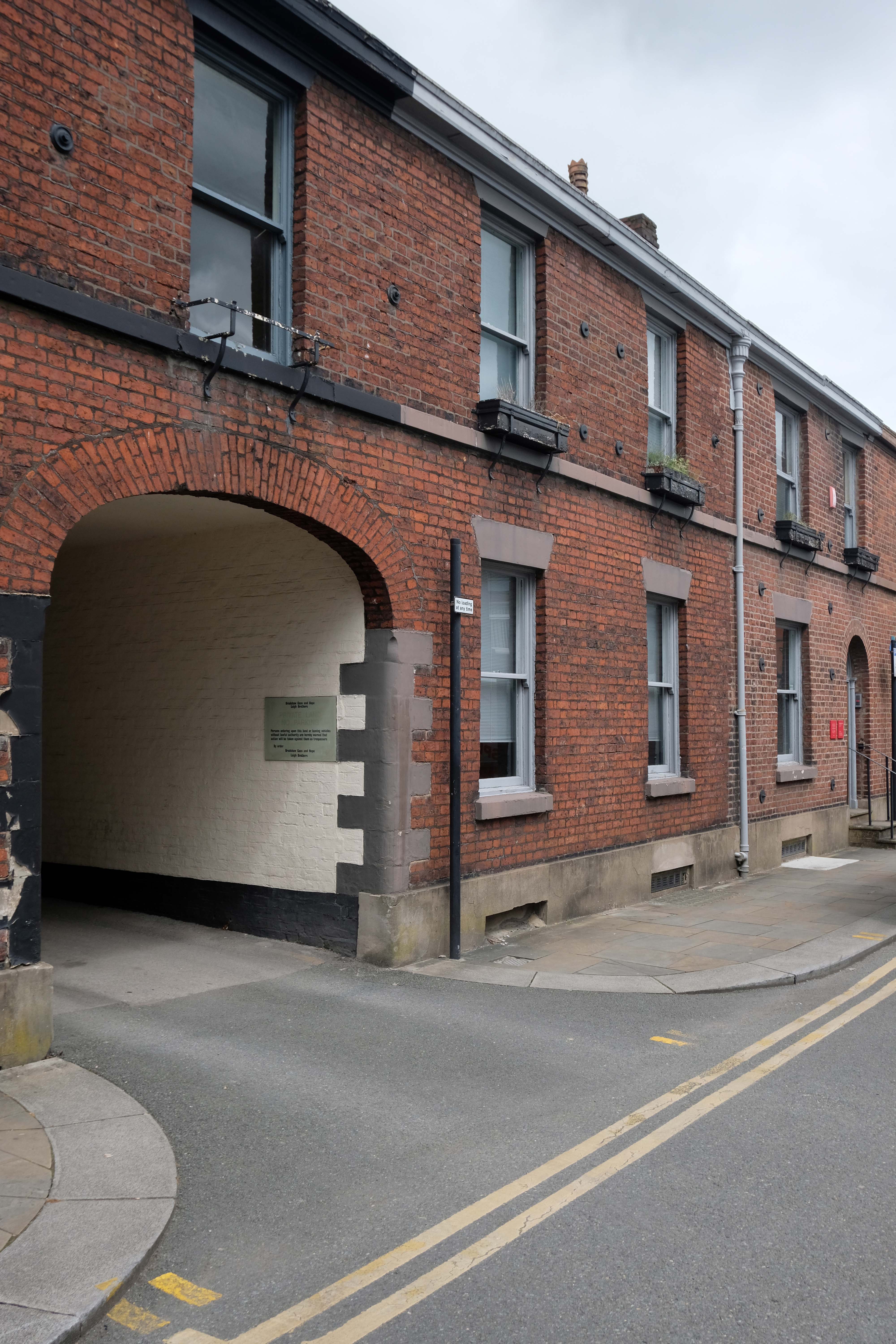
The original building was extended in 1938 by Bradshaw Gass & Hope – hereafter BGH.

Le Mans Crescent by BGH 1932-9 well complements the Town Hall extension. Its neo-classical design is assured and confident. Pevsner remarked that:

There is, surprisingly enough, no tiredness, the panache is kept up.

Three arches pierce the Crescent’s centre but today they lead only to a potential development site. One end of the Crescent contains the Art Gallery and Library; the other used to house the former Police Headquarters and Magistrates’ Courts.

George Grenfell Baines, the founder of the Building Design Partnership, was involved in this project when he worked for BGH in the 1930s

The Octagon 1966-67 originally by Geoffrey Brooks, the borough architect, rebuilt 2018-2021. The hexagonal auditorium has apparently been retained. Pevsner states of the former building:

A welcome dose of honest Brutalism.

The Wellsprings successfully fitting with the Town Hall

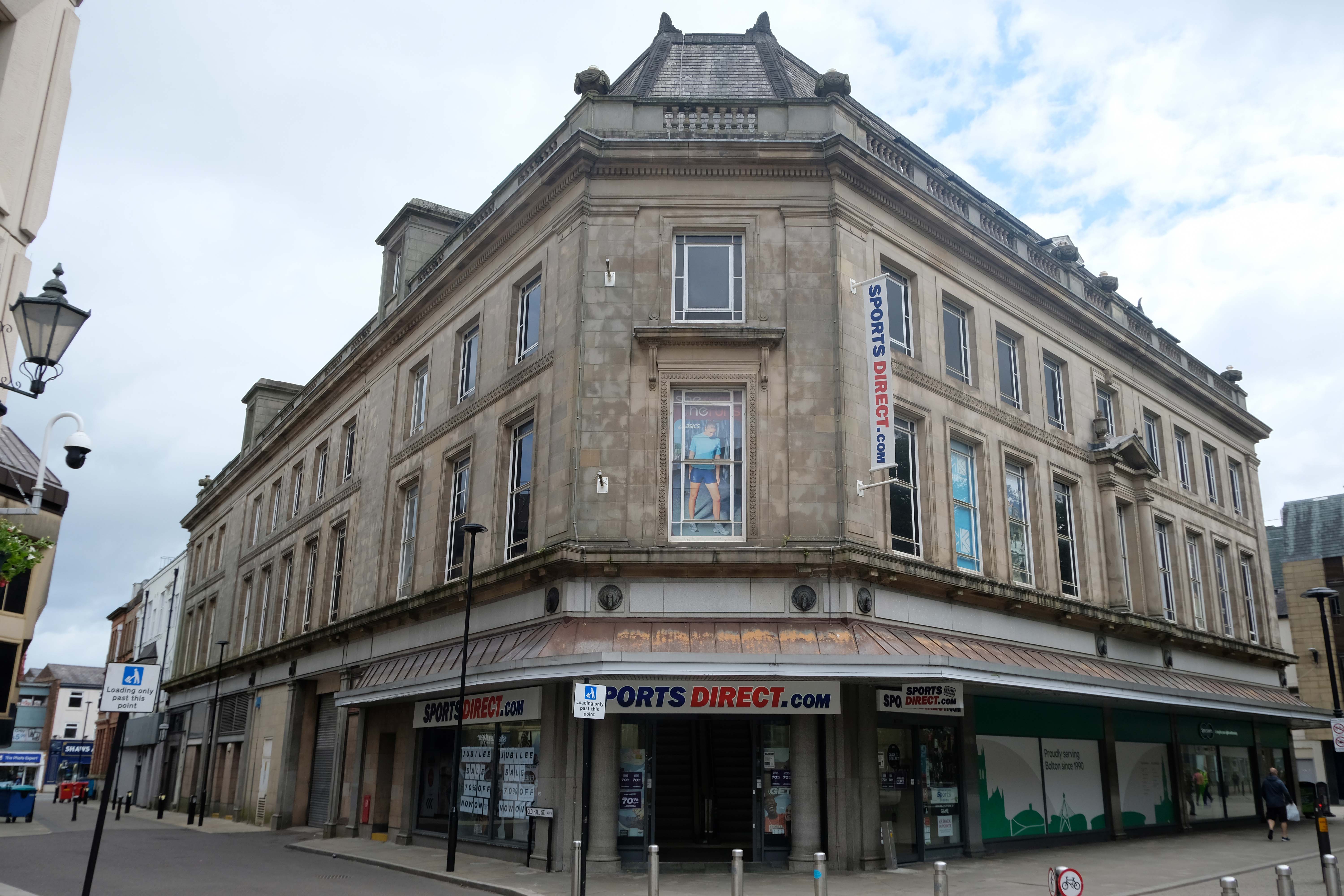
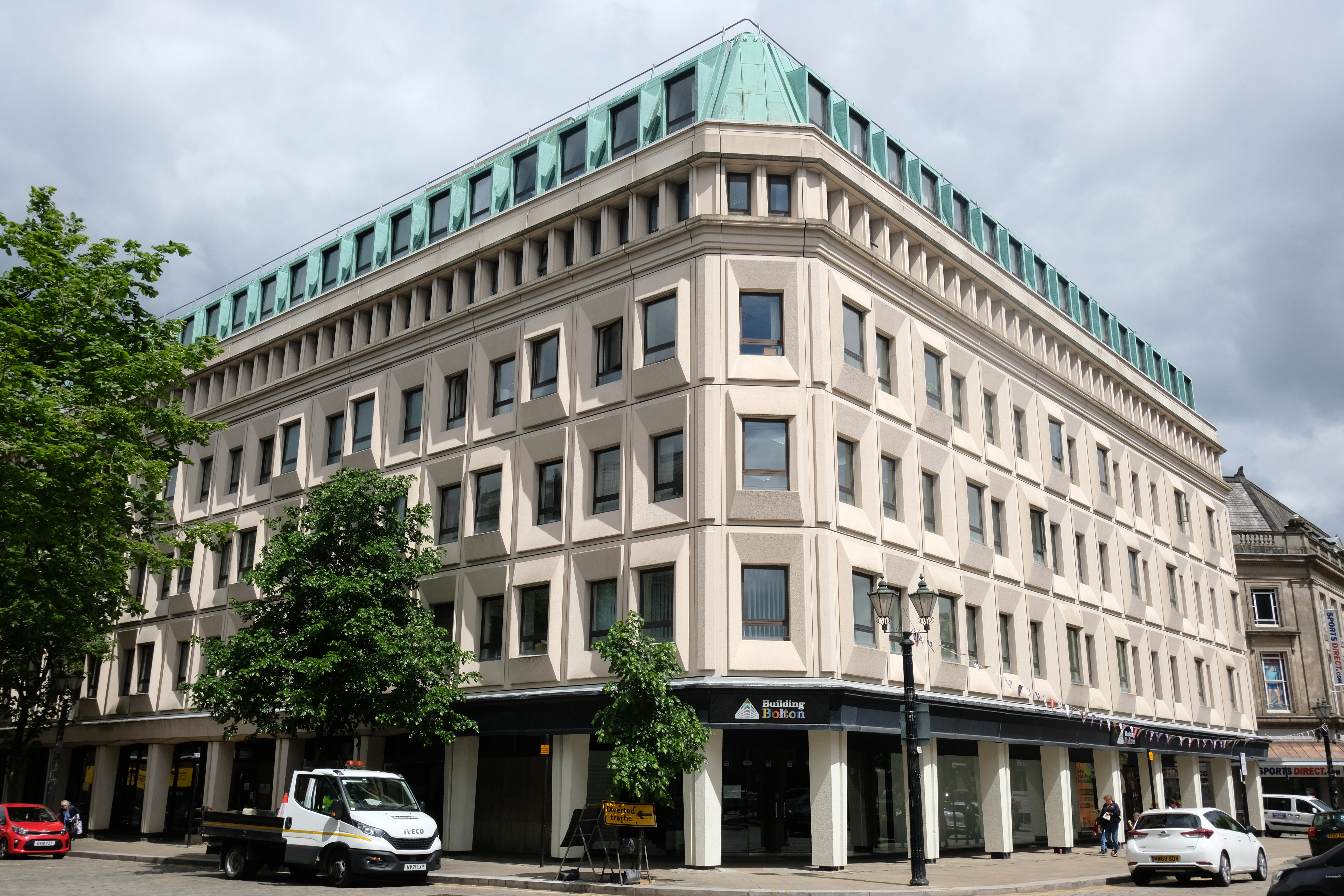
The former 1931 Cooperative Society Store, on the Oxford Street corner, is by BGH. The entrance has Doric columns in deference to the Town Hall’s Corinthian ones – and Le Mans Crescent uses the Ionic for the same reason.

We pass Paderborn House 1968 -69 Sutton of Birmingham clad in moulded concrete, with Traverine around the entrance.

Former Lloyds Bank on Deangate corner, clad in white faience, looks BGH-ish but it’s not listed in the Lingards’ BGH monograph.

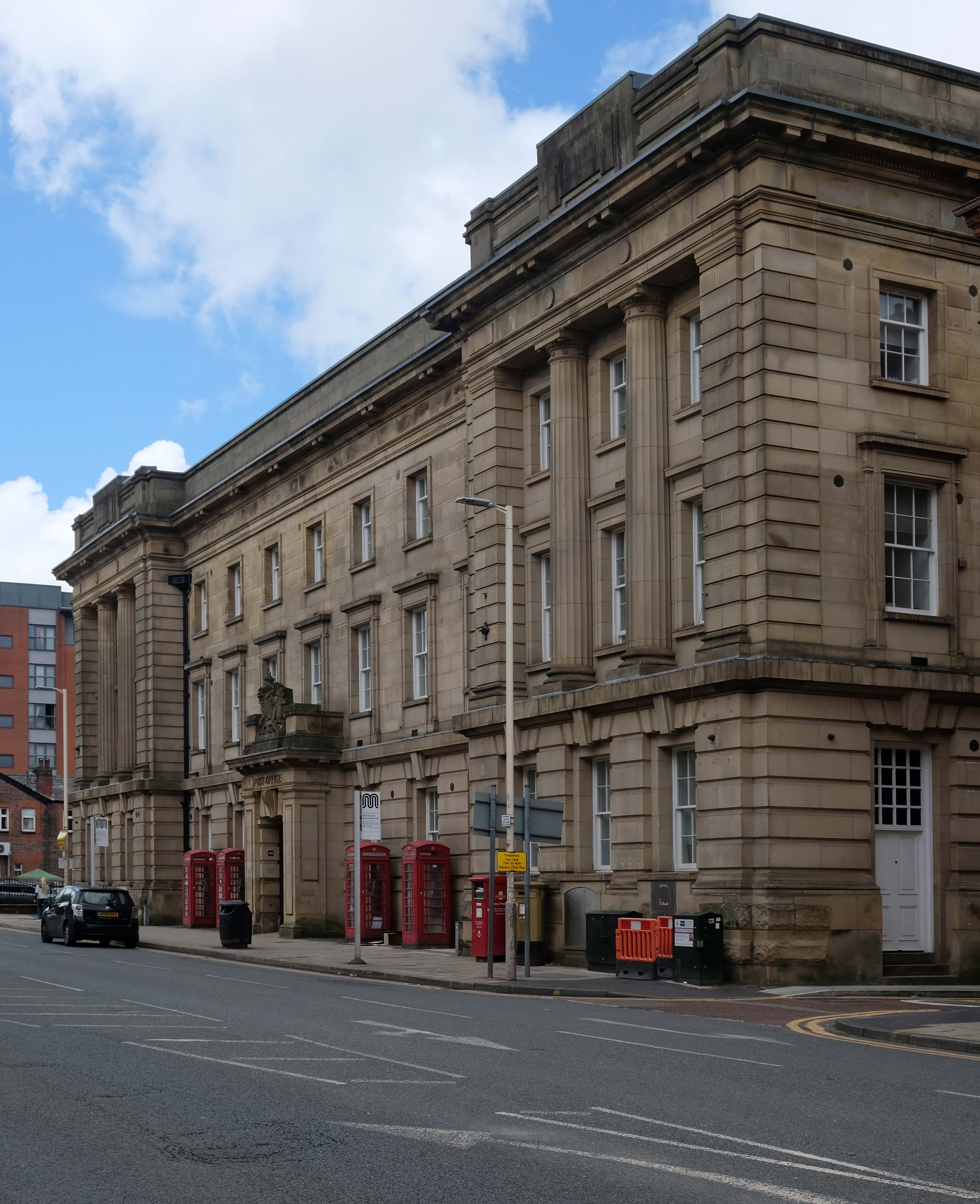
Across the way the unlisted Post Office – complete with listed phone boxes.

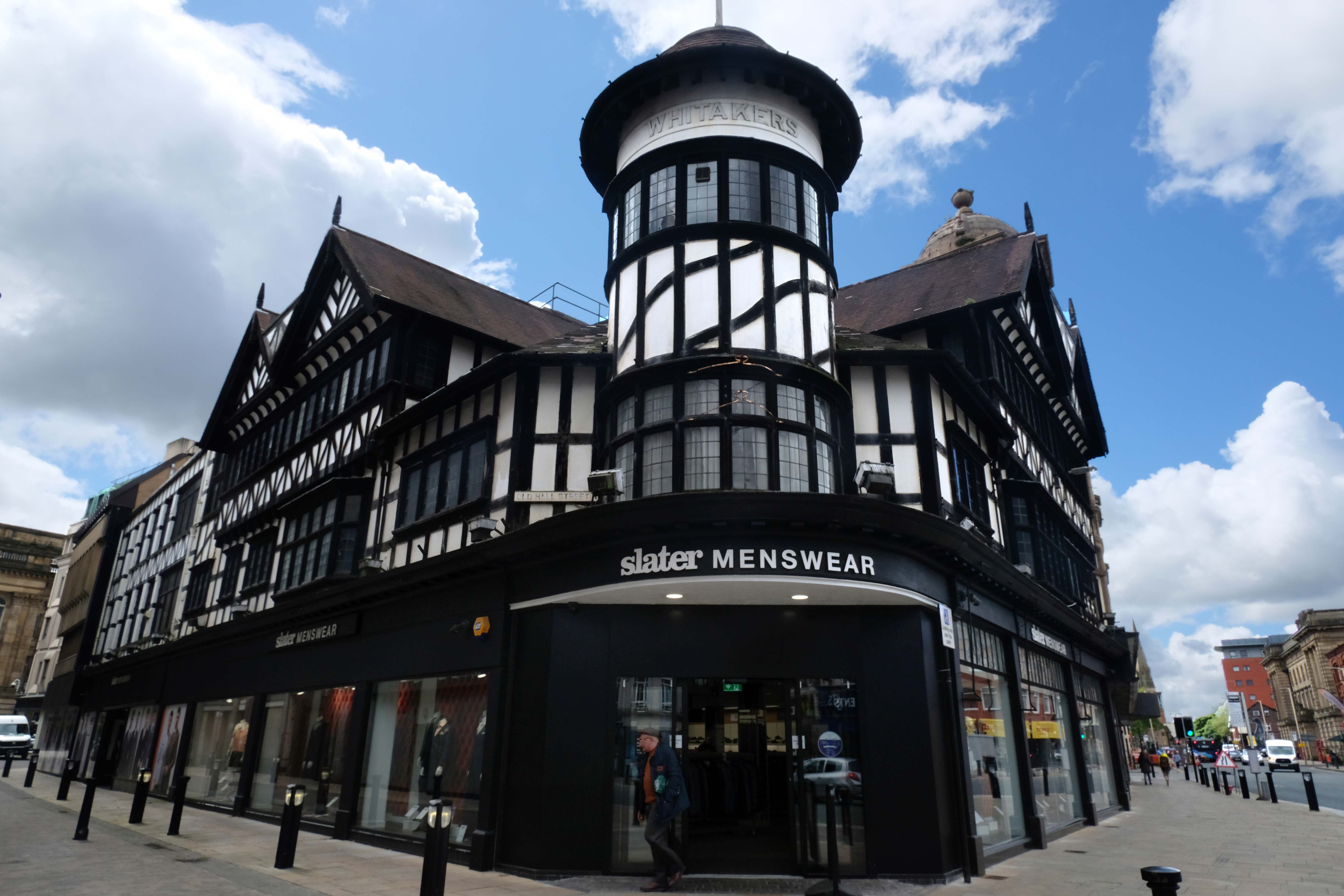
Whitakers 1907 by George Crowther.

Pastiche timber-framed with pepper-pot turret.

Incorporates genuine Tudor timbers from a demolished building nearby.

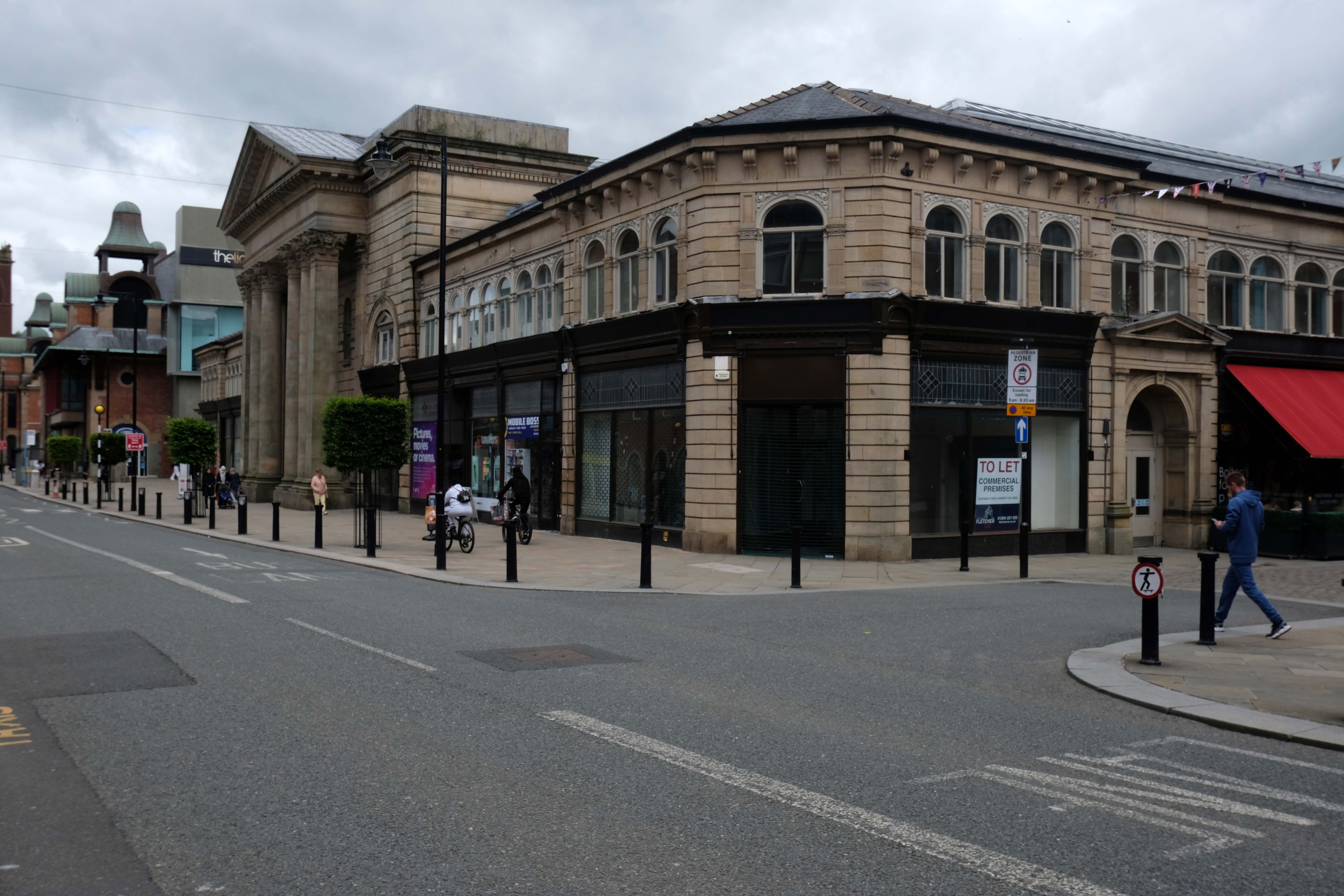
To the north of Deansgate, down Knowsley and Market Streets, is GT Robinson’s 1851-6 Market Hall. The interior is, according to Matthew Hyde: a lucid structure simply revealed.

He contrasts it with Market Place Centre 1980-88 by Chapman Taylor Partners: In that most ephemeral of styles, a jokey Postmodernism.

It does however echo Victoria Hall 1898-1900 BGH.

Chapman Taylor also did the 1980-8 Market Place Shopping Centre. The Market Hall was built over an impressive brick undercroft above the River Croal which has recently been opened up and is a destination.
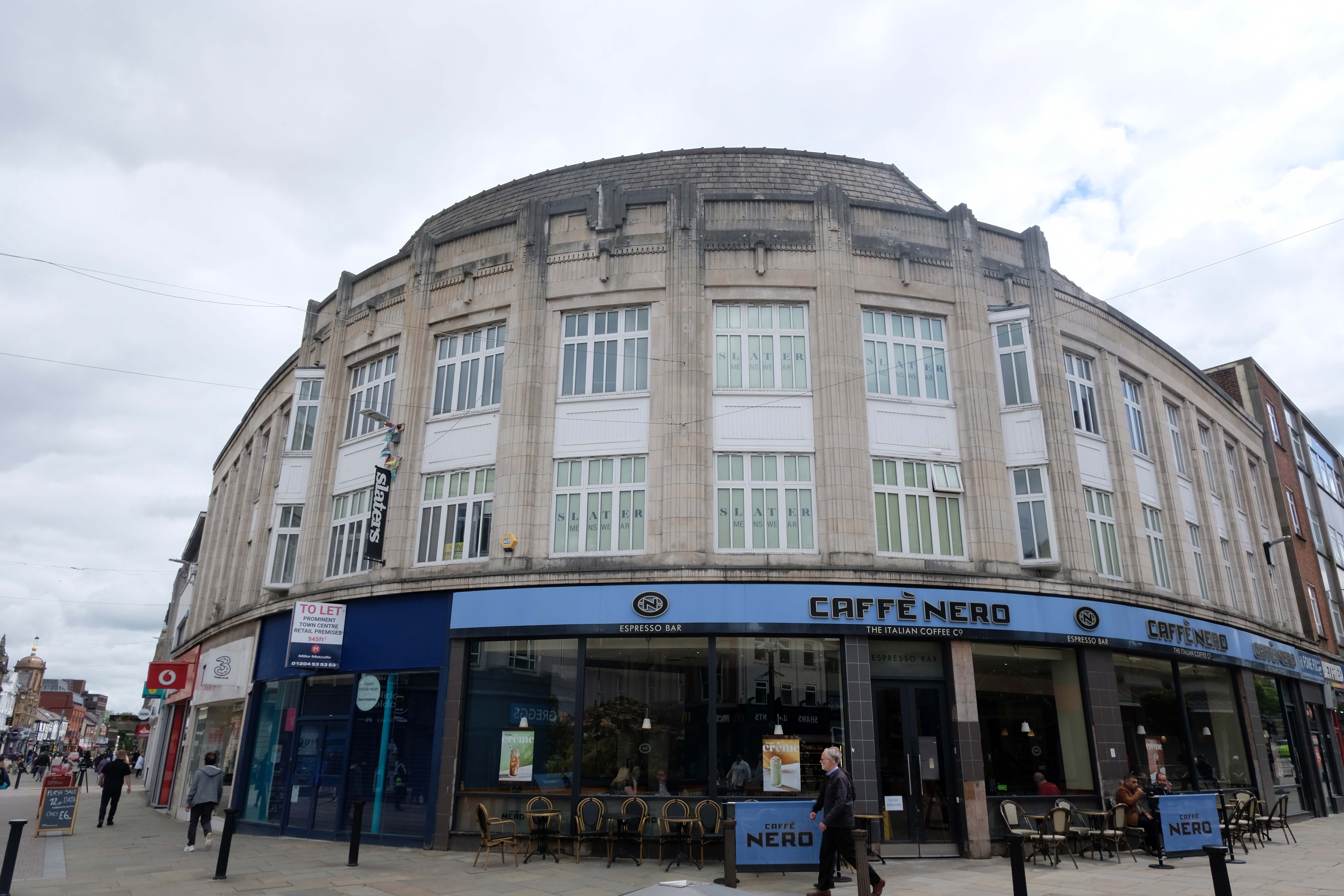
At the Oxford Street corner, Slater Menswear, above Caffé Nero, has Art Deco white faience upper storeys.  Further down is the imposing Marks & Spencer, faced in dark stone 1965-67.

The mansard roof was added later.

Along Market Street, Clinton Cards is clad in white faience with Art Deco window details.

At the corner of Bridge Street is a charming 1960s clock; the building would not look out of place in Coventry.

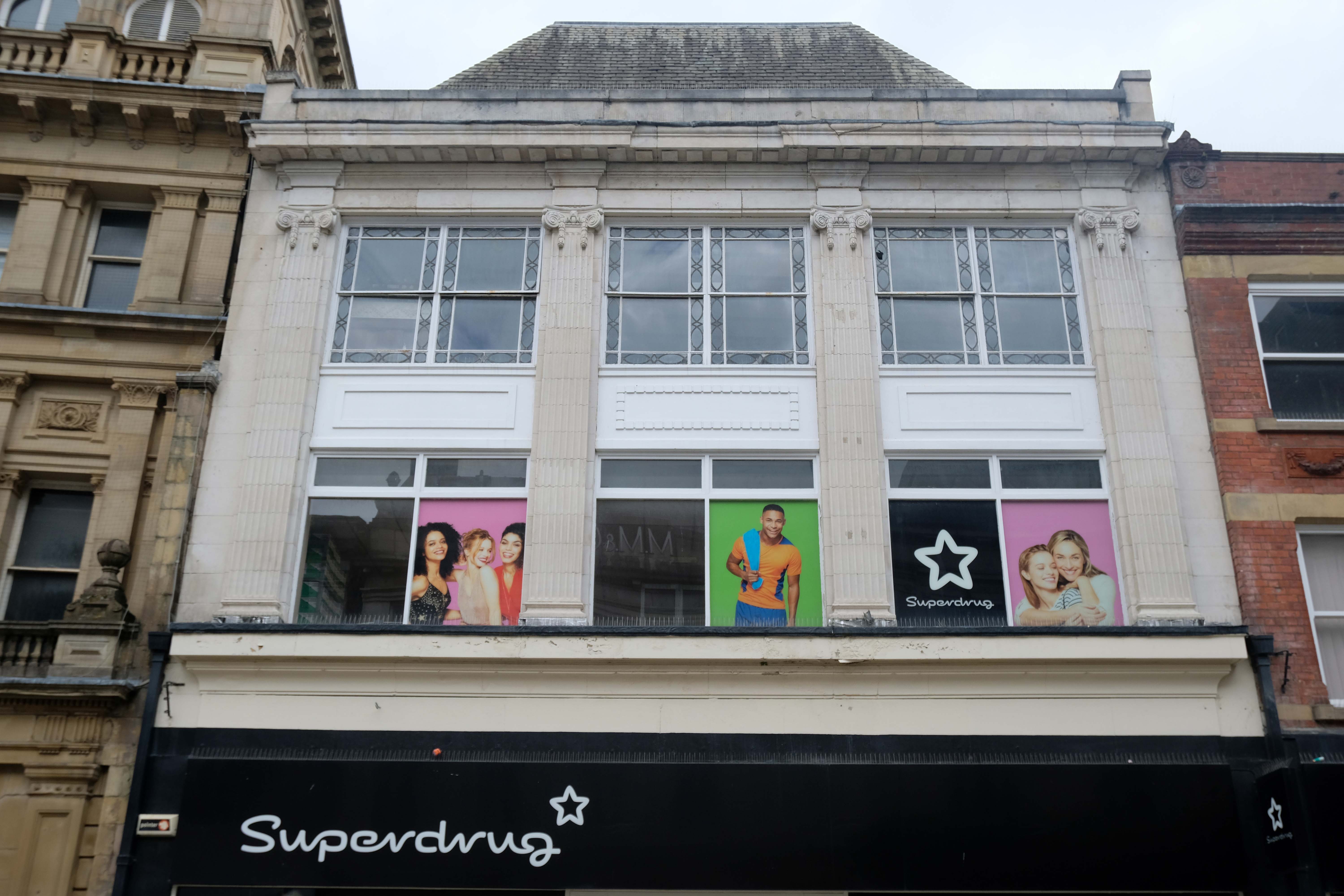
Other buildings of interest on Deansgate include Superdrug – with some Art Deco features; Greggs by Ernest Prestwich of Leigh who trained with WE Riley. 

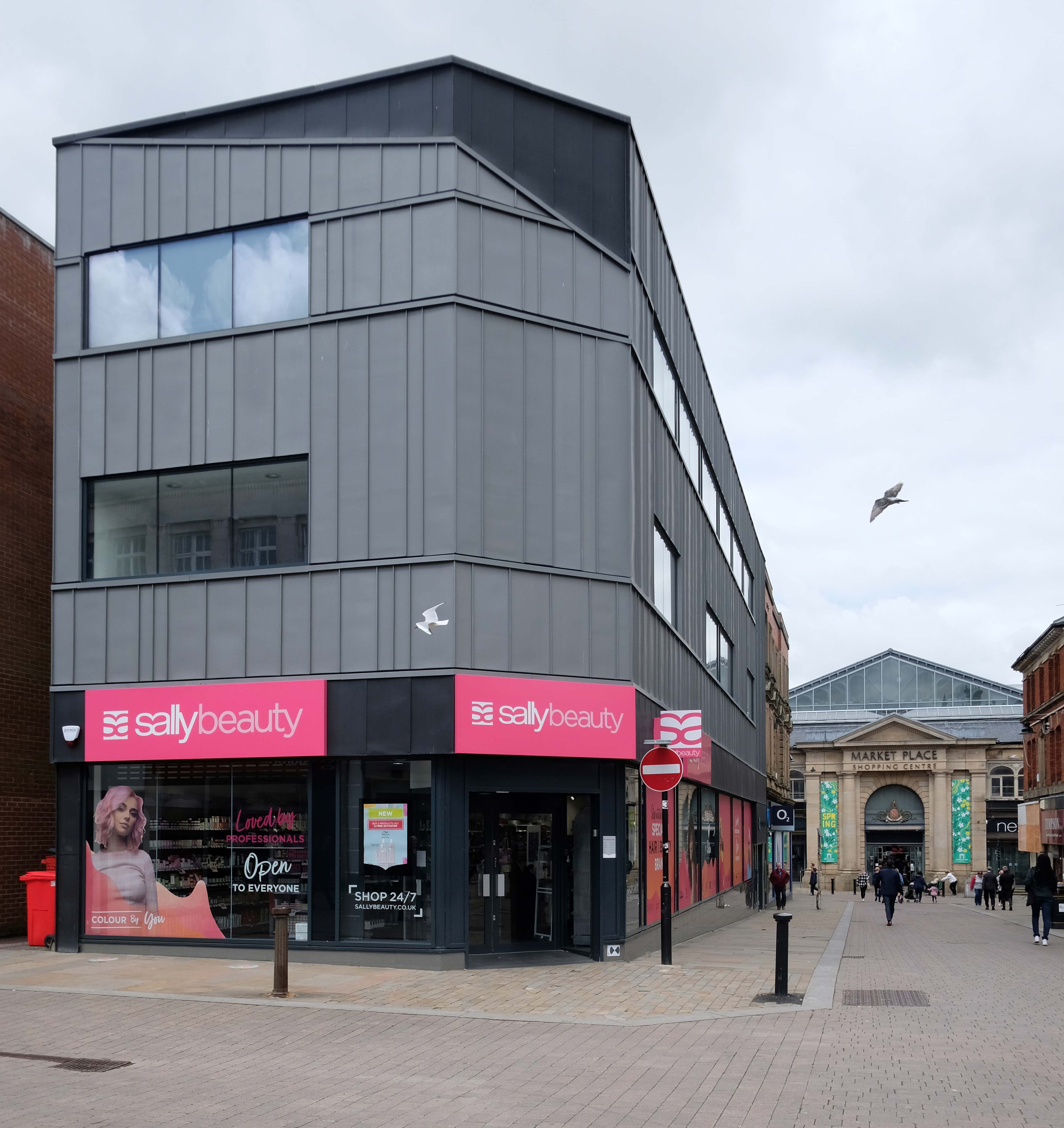
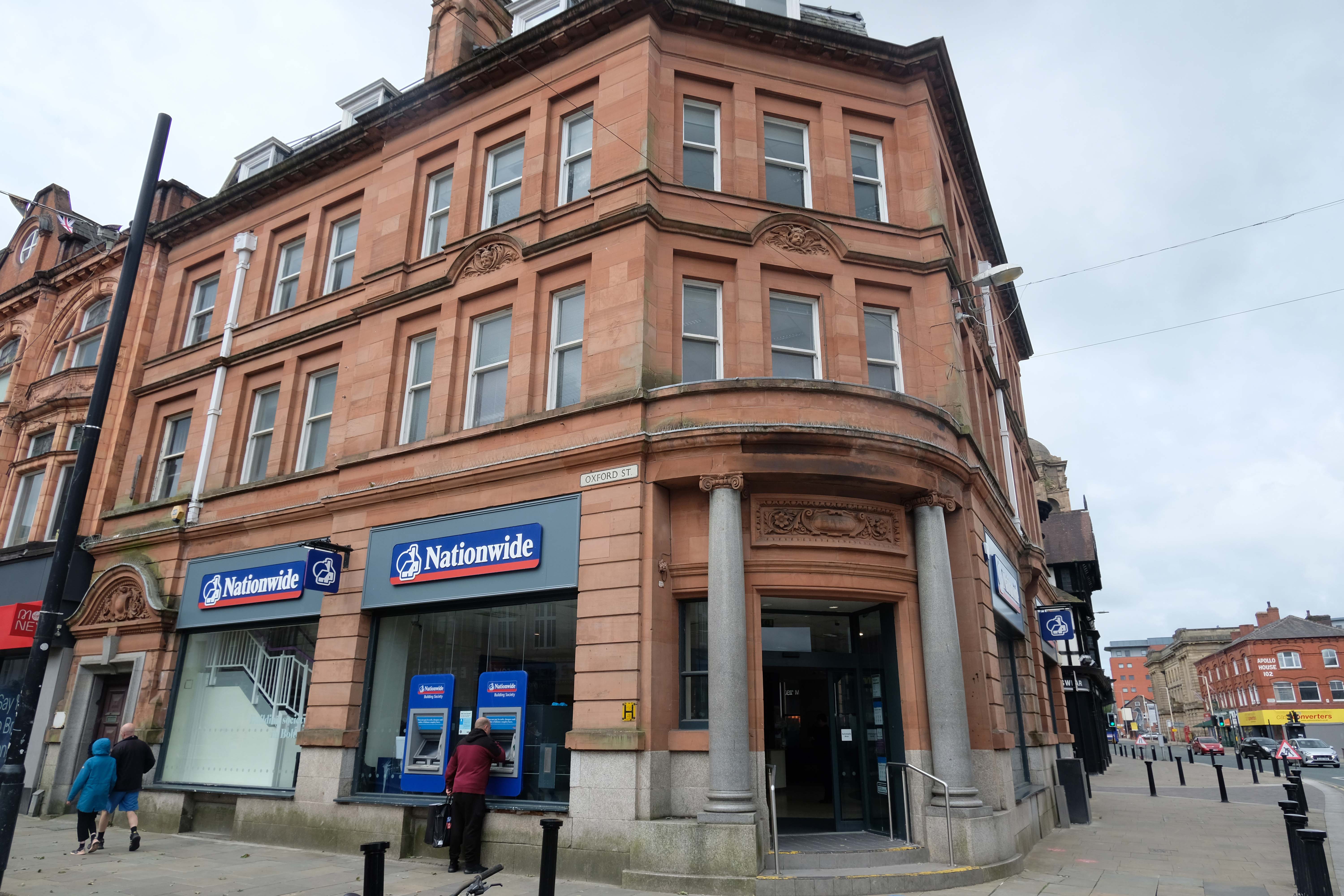
Sally Beauty and the Nationwide – entrance by William Owen of BGH.

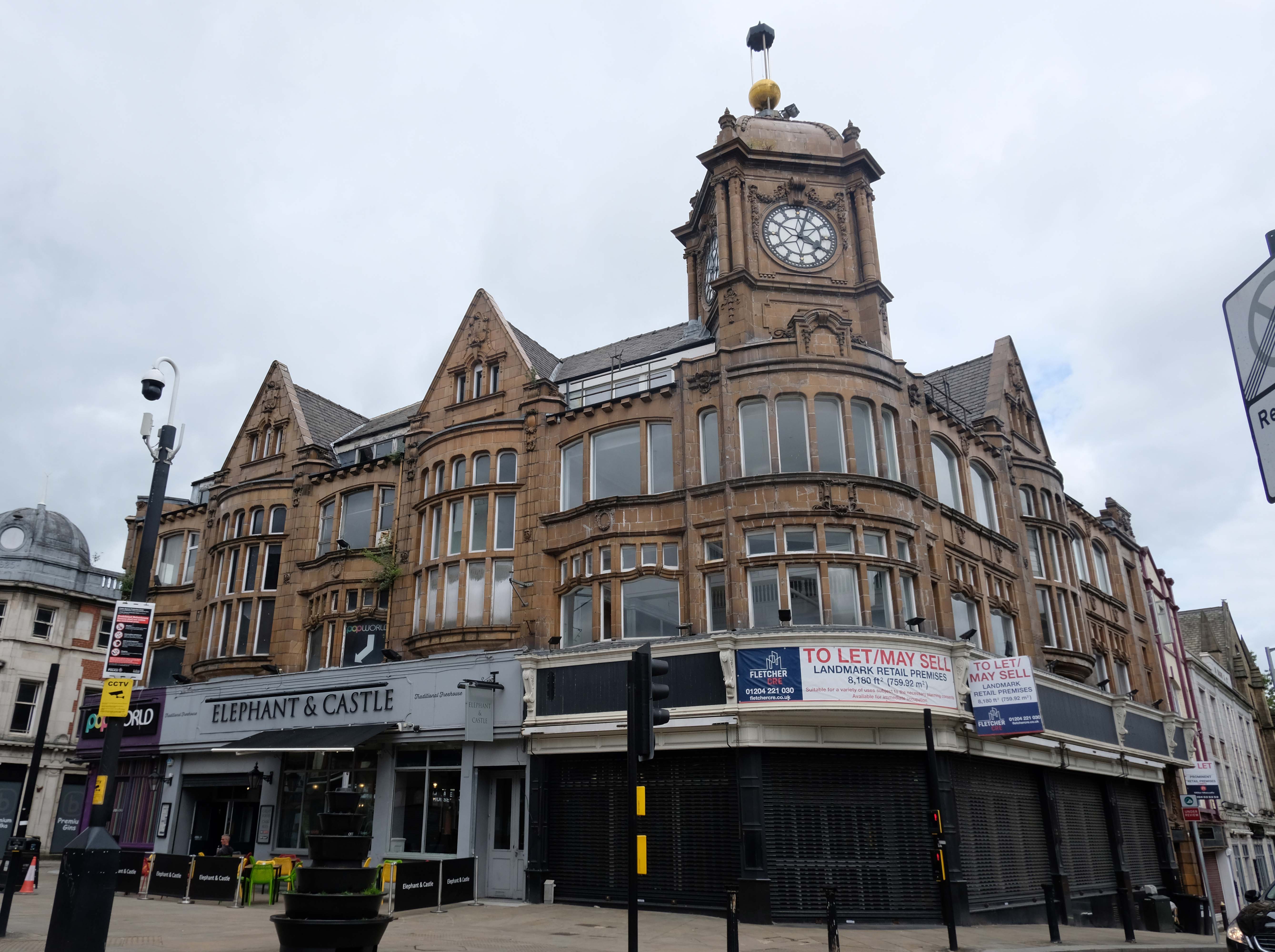
The former Preston’s jewellers, on the corner of Bank Street, has terracotta, by Thomas Smith & Sons 1908-13, a prolific local firm. It had a time ball, on the clock tower, which was raised daily at 9am and dropped at 10am, on receipt of a telegraph signal from Greenwich.

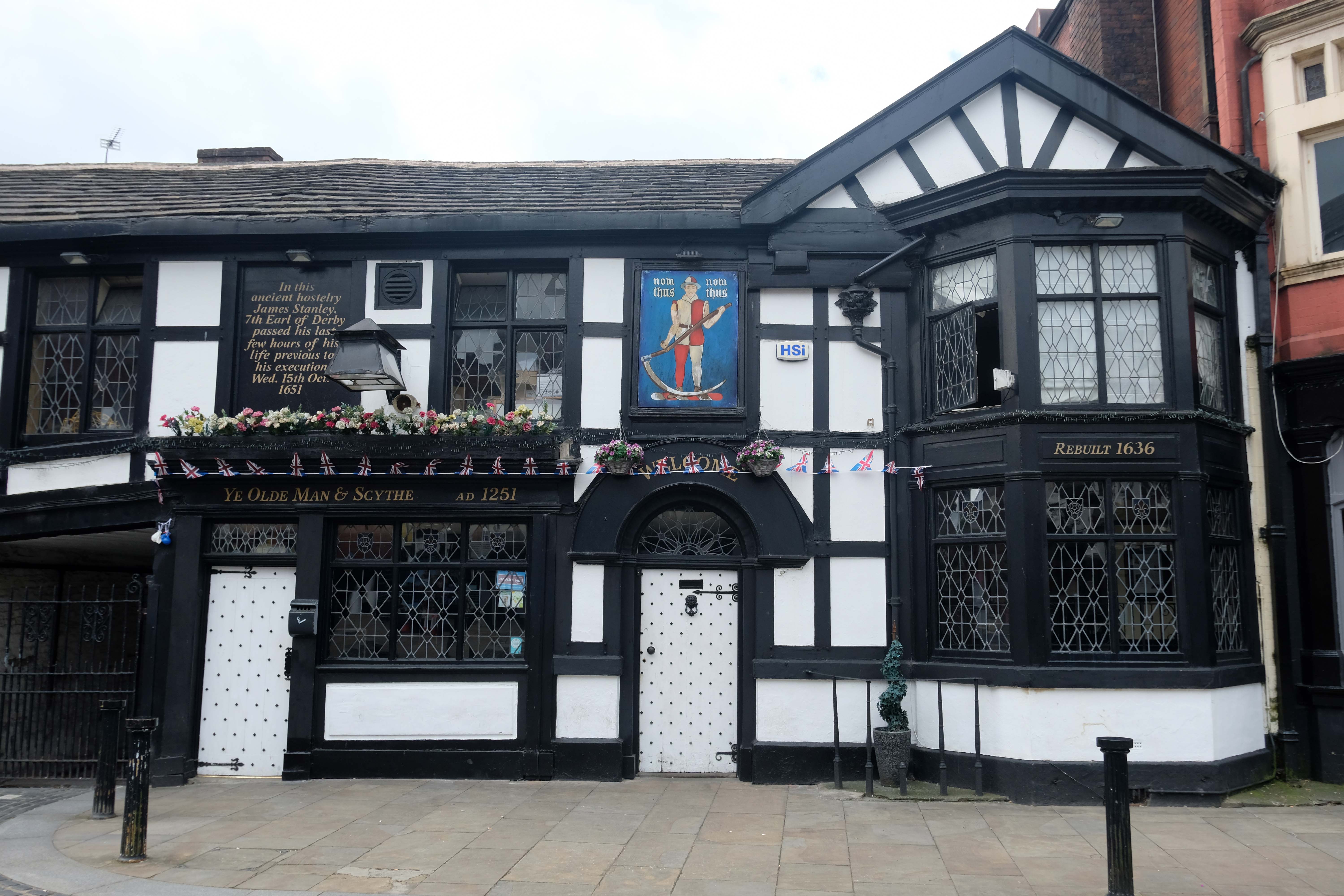
The 1909 Bolton Cross, in Dartmoor granite, by BGH replaced an earlier one which is now kept at Bolton School. Churchgate contains the 1636 Ye Olde Man & Scythe; the former coaching inn Swan Hotel, reconstructed in the 1970s to look more genuinely Georgian and Ye Olde Pastie Shoppe 1667. 

Stone Cross House 1991 was built for the Inland Revenue in an aggressively red brick and spiky style. It has a rather desperate chandelier in the foyer. 

The gates of St Peter’s church EG Paley 1871 are framed by Travel House, Newspaper House -1998 and Churchgate House and Huntingdon House 1974.

St Peter’s has a Neo-Gothic font and cover by N Cachemaille-Day 1938. The gates and gate piers may look early C20 but they are late C18.

Samuel Crompton 1753-1827, the inventor of the mule, is buried under the large granite monument, erected in 1861.

At the corner of Silverwell and Institute Streets is WT Gunson & Son’s 1970 Friends Meeting House: decent with a light elevated roof corner.  It has a tilted roof floating on the glazed upper walls.

Scott House has a charming 1926 plaque commemorating Sir James Scott and his wife Lady Anne. Scott started the Provincial Insurance Company.

The two storey offices of Fieldings and Porter are a successful piece of infill by BGH.

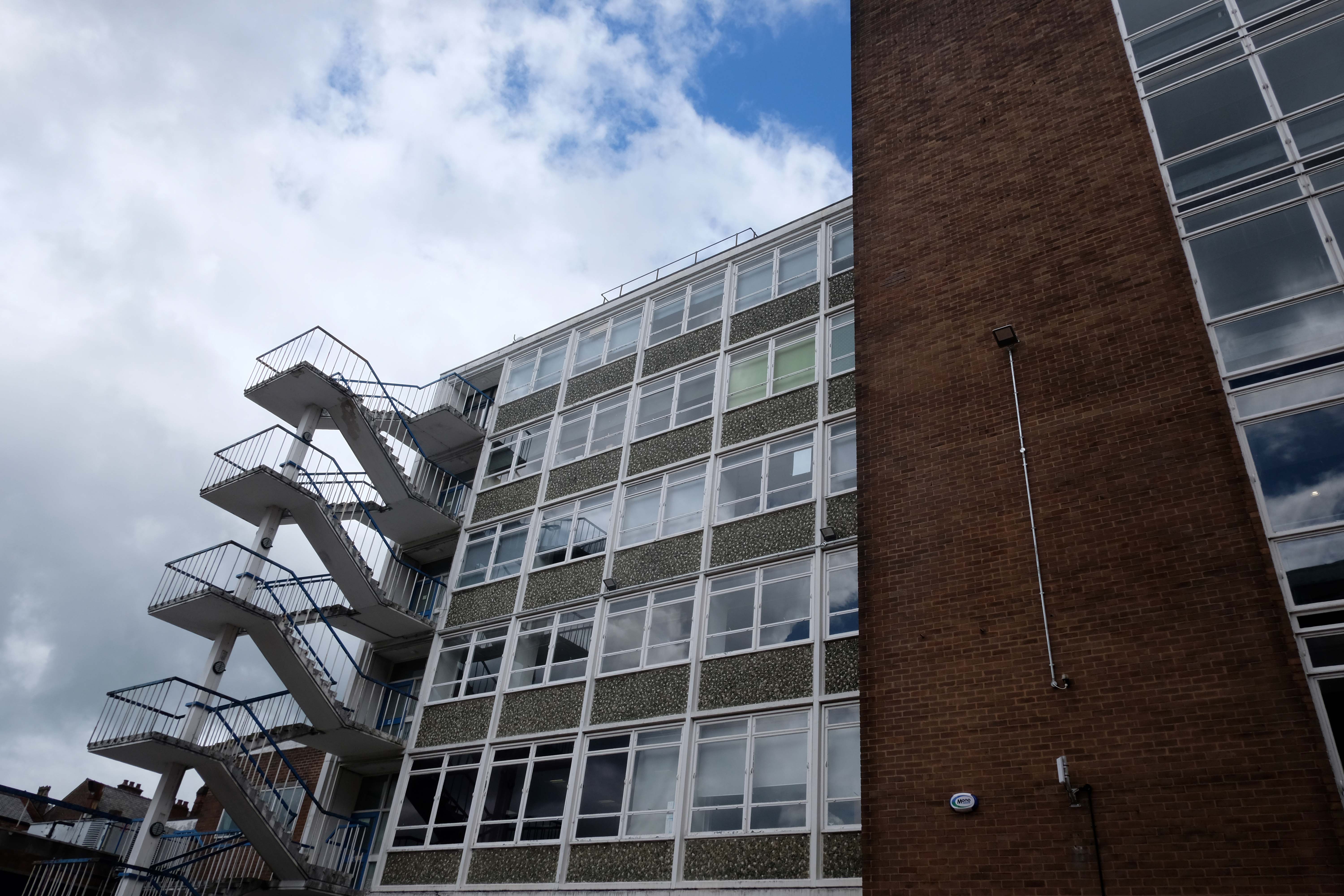
Nip around the back to get a glimpse of this cracking stairway.

Silverwell Street 1810 is named after the Silver Well. Bradshaw Gass & Hope now self­-described as Construction Design Consultants, not architects, are at number 19. Note the plaque to JW Wallace, founder of the Eagle Street College, dedicated to the works of the American poet, Walt Whitman. Wallace worked there from 1867 to 1912. The plaque is ringed by a quote from Whitman:

All architecture is what you do to it when you look upon it.

Whitman corresponded with his Bolton admirers; the Museum contains early editions of his works and his stuffed canary. 

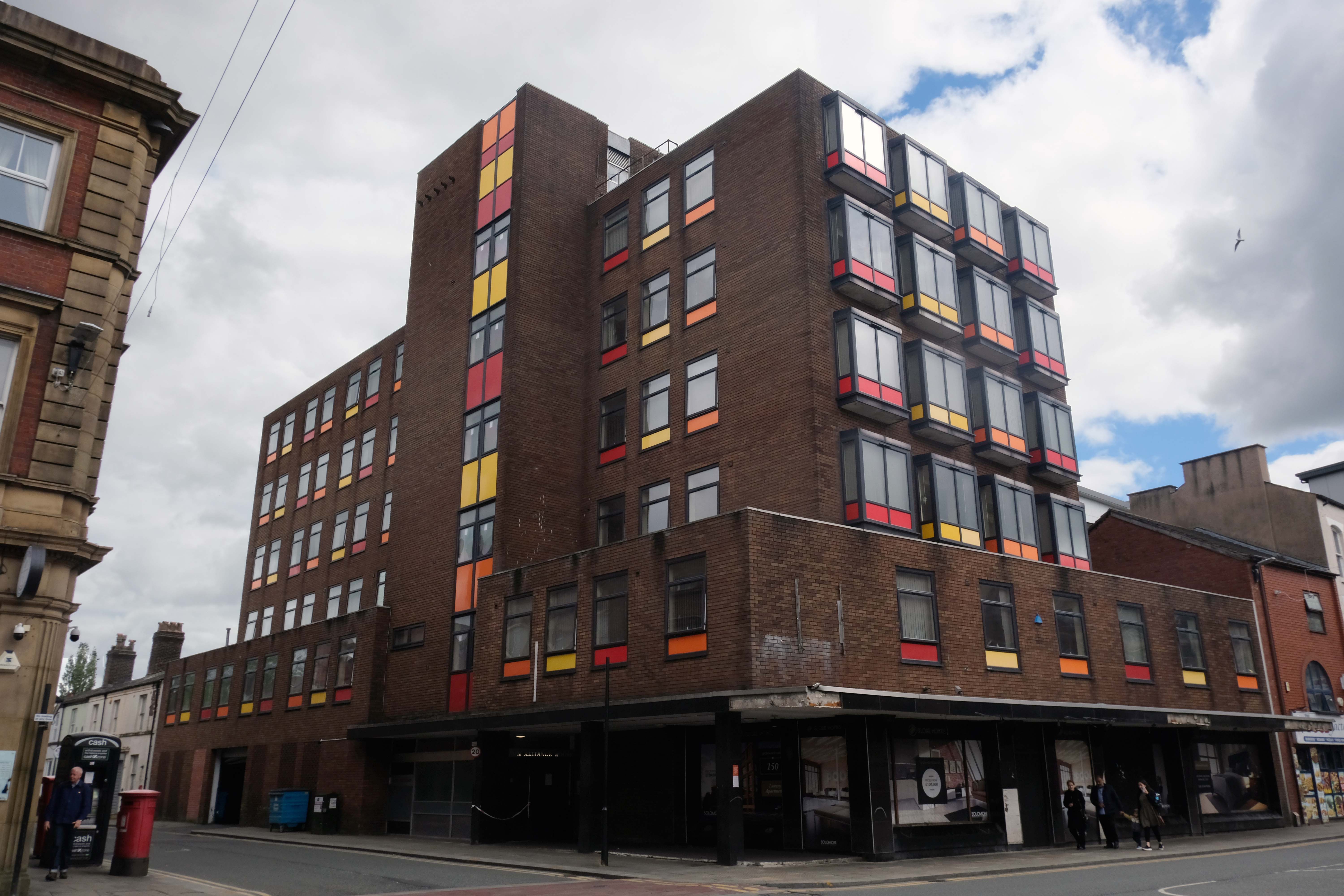
Further down Silverwell Street is the 1903 Estate Office of the Earl of Bradford who still owns a large area of Bolton.  At the end of Silverwell Street is the former Sun Alliance House, now converted to flats, the colourful panels are a later addition.

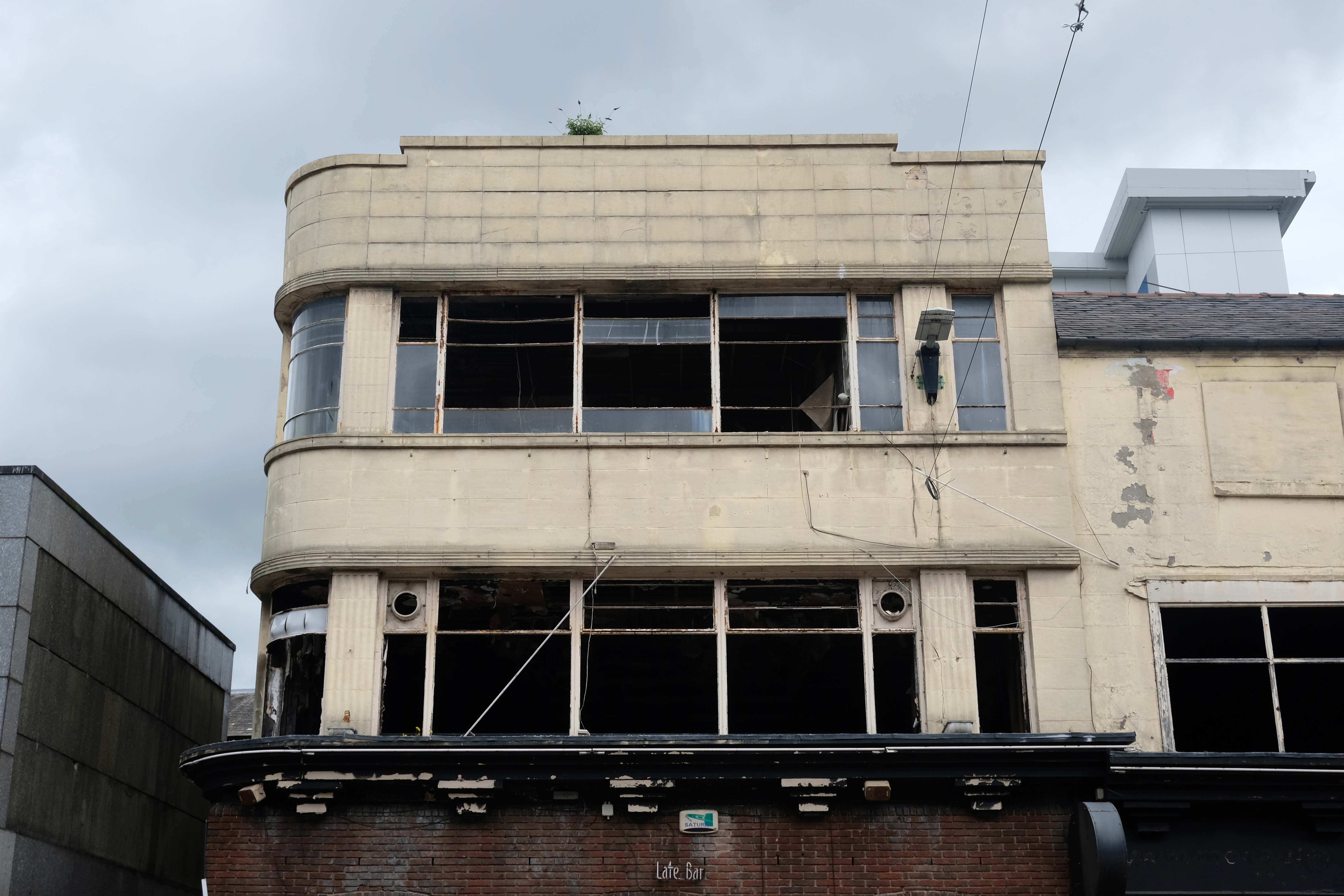
Bradshawgate and Silverwell lane corner has a former café bar with original curved Moderne windows. This was originally Vose’s tripe restaurant, later UCP – United Cattle Products. It was most stylish and elegant, decorated in 1930s streamline Moderne style, with starched white tablecloths, silver service and smart waitresses. 

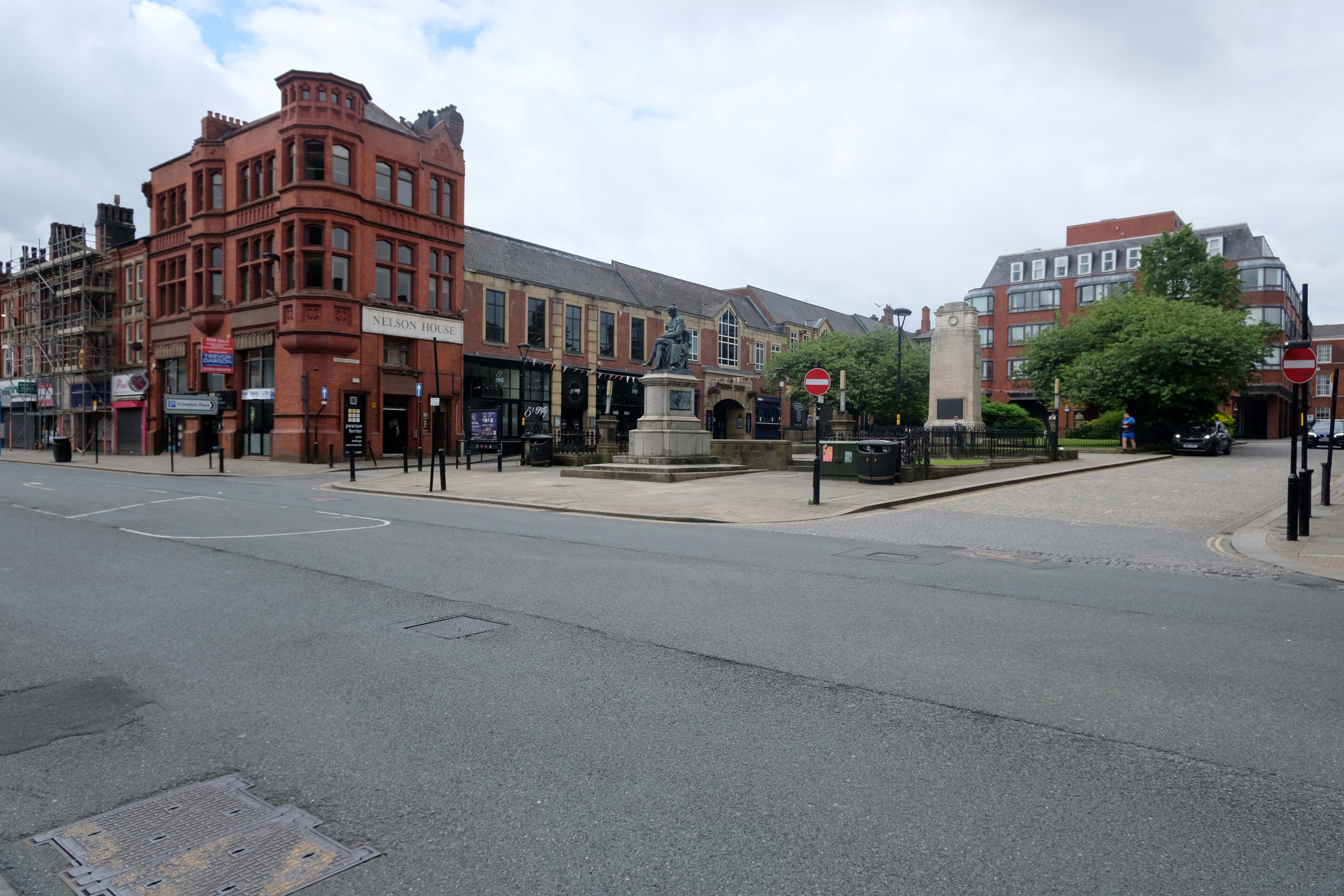
Nelson Square was opened on March 23, 1893. The cenotaph memorial to the Bolton Ar­tillery is by Ormrod, Pomeroy & Foy 1920. Calder Marshall sculpted the statue of Samuel Crompton 1862. The shiny red former Prudential Assurance office 1889 isn’t by Waterhouse but by Ralph B. Maccoll of Bolton. Matthew Hyde in Pevsner describes the early C20 faience facades of Bradshawgate as:
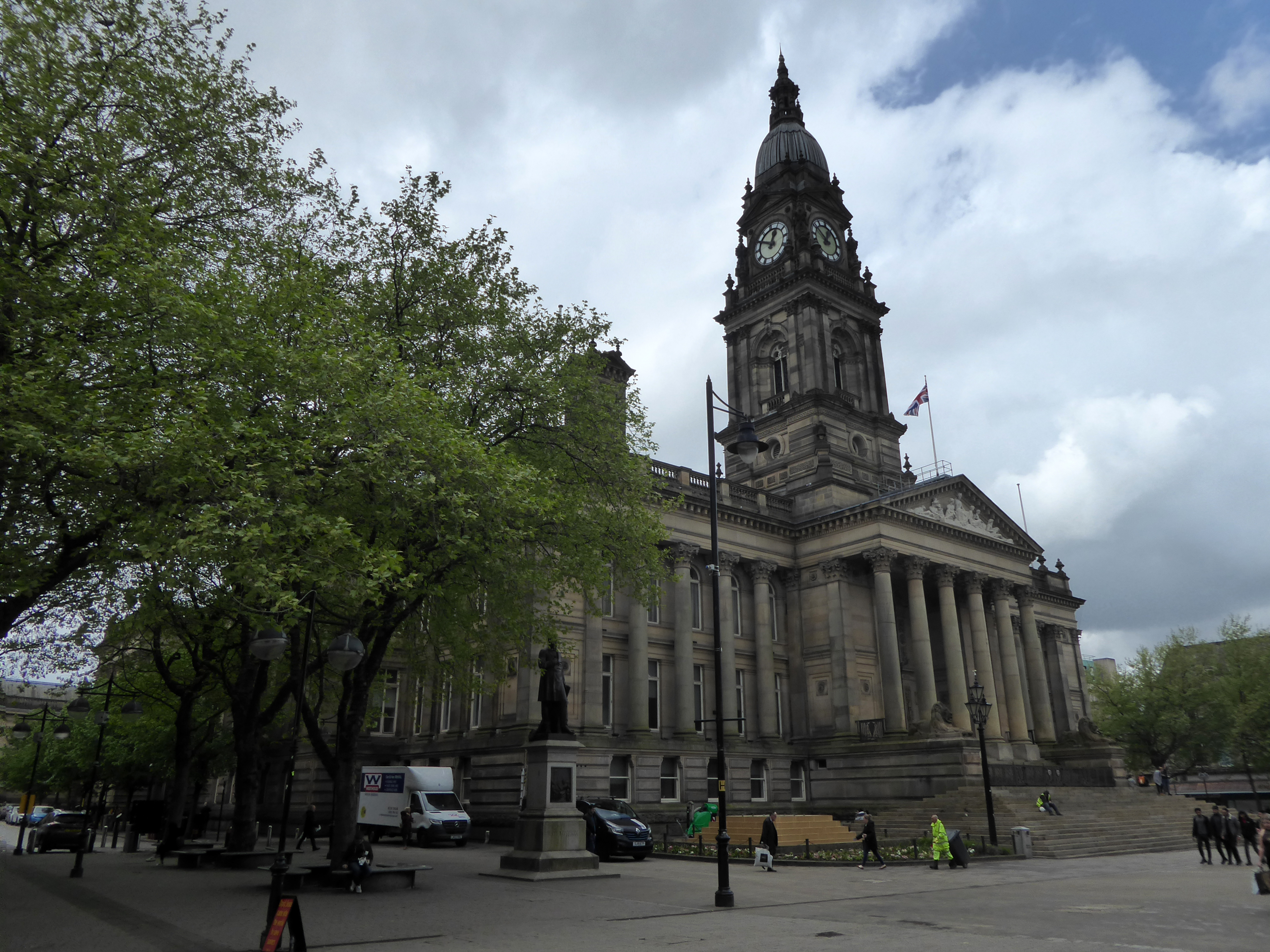
A plateful of mushy pea, ginger nut, liver, tripe and blood orange shades.

Infirmary Street has a 1970s office block with an octagonal, nicely lettered plaque to WF Tillotson, newspaper publisher. Round the corner in Mawdsley Street, the former County Court 1869 TC Sorby, 1869. Opposite, at the corner, is GWBD Partnership’s 1987 St Andrew’s Court, containing a somewhat whimsical recreation of a Victorian shopping street in miniature. The job architect was J Holland. Matthew Hyde says:

Neatly contrived on a tight site. 

Into Exchange Street and through the former Arndale Centre 1971; low and mean according to Pevsner 2004, now re-branded as Crompton Place 1989 Bradshaw, Rose & Harker and still dreary, we go to Victoria Square and the Town Hall. The classical building on the left is the former Bolton Exchange 1824-5 Richard Lane.

The square was pedestrianised in 1969, to the Planning Department’s designs, under RH Ogden. It was quite an early scheme which won three awards including one, unsurprisingly, from the Concrete Society. The fountains  were designed by Geoffrey Brooks and the trees were planted by the Earl of Bradford.
Owen Hatherley in Modern Buildings in Britain says of the town

It feels as if you’re in a real city, like in Europe, and you can drink your cup of tea in repose while admiring the monuments. 

All Saints – Grosvenor Square Manchester

Once upon a time there was almost nothing, as there often is.

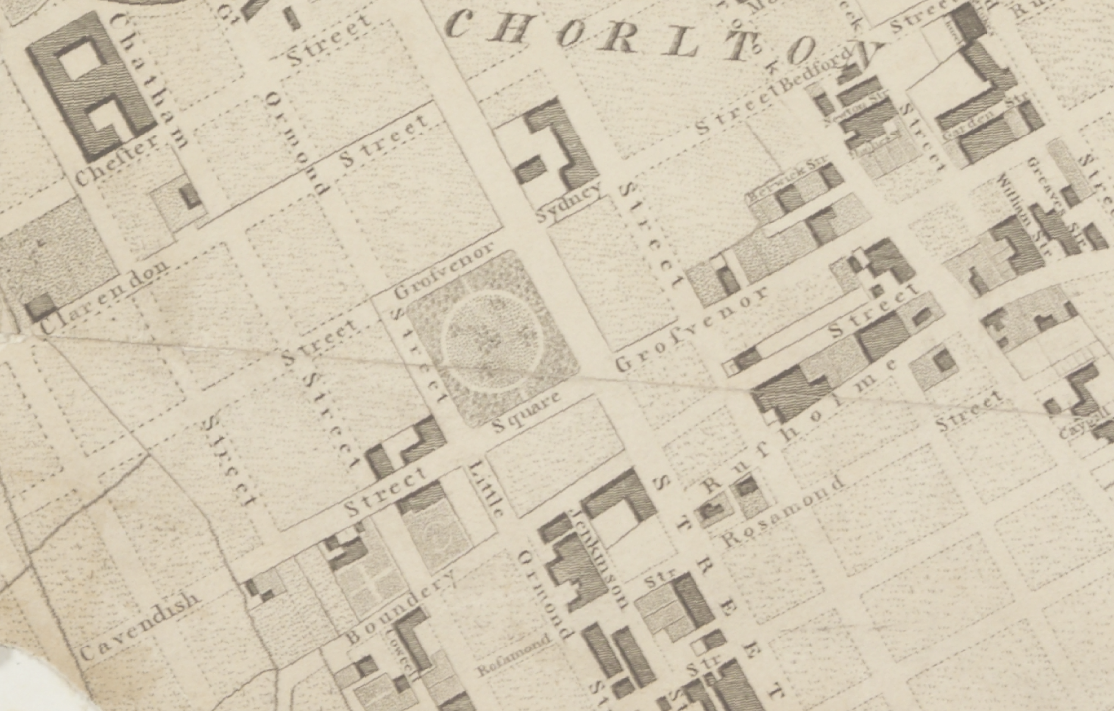
Green fields, sylvan glades and a pleasant park in Grosvenor Square.

1813

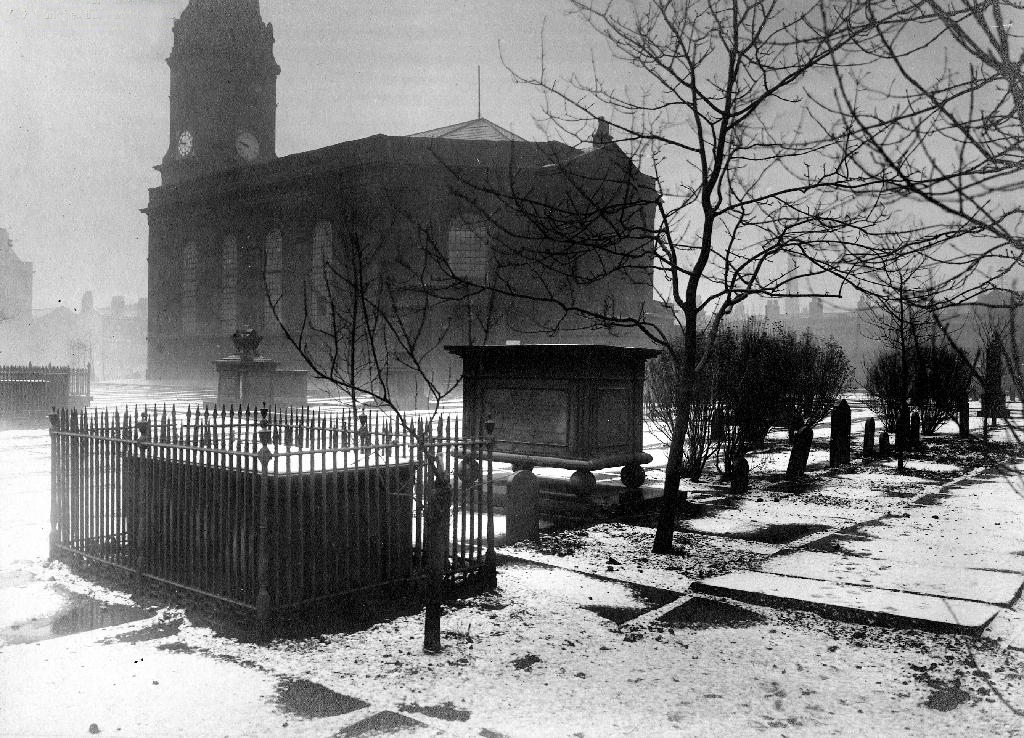
Then all of a sudden, at the heart of the Square sat All Saints Church.

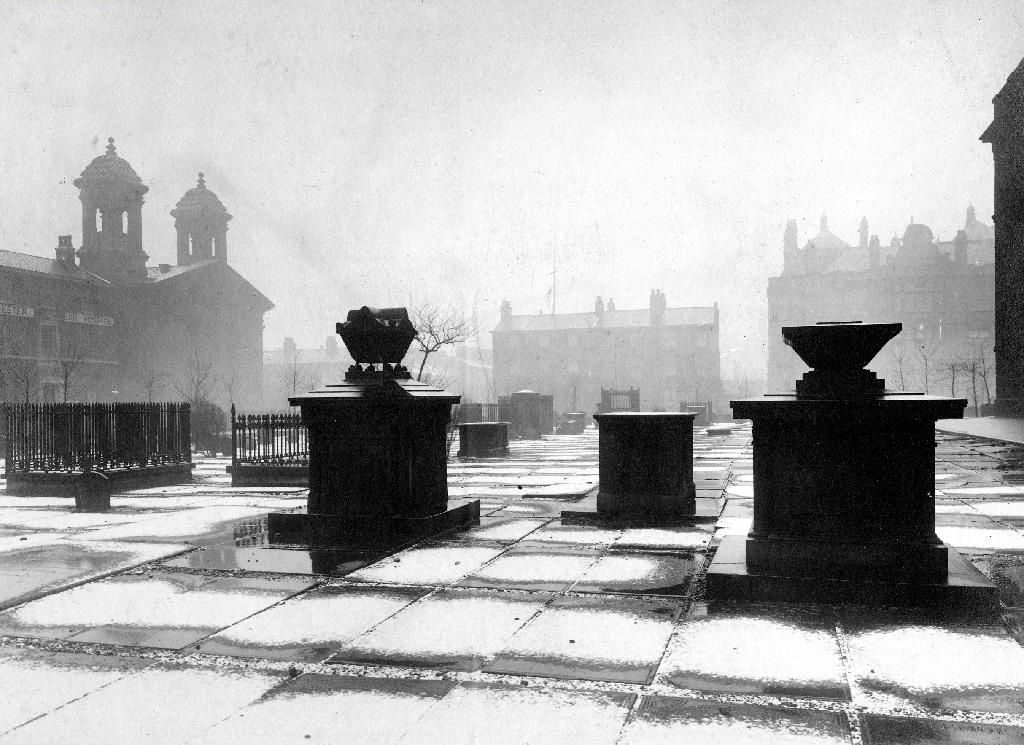
Underneath Manchester’s All Saints Park is a hidden history – an estimated 16,000 bodies. For this was the site of a former Victorian Cemetery, set up to cater for the parishioners of All Saints.

webmedia-10.php

All Saints Burial Ground officially opened on Wednesday 19 April 1820. The first interment was that of twenty-one-year-old Fanny Knowles, who lived on London Road. Her funeral was conducted by the founder himself, Charles Burton. It would be another month before the next interment took place. In the first year burials were slow with only 55 interments, however, by 1851 the number had increased to over 600 per annum. 

Michala Hulme

webmedia-9.php

Bombed in the Blitz the damaged structure was demolished – and a play area established which lasted until the 1980s

MMU Visual Resources 

The whole area having been a centre of housing, education, entertainment, commerce, public services and worship, was becoming the fiefdom of first the Polytechnic and subsequently the Manchester Metropolitan University.

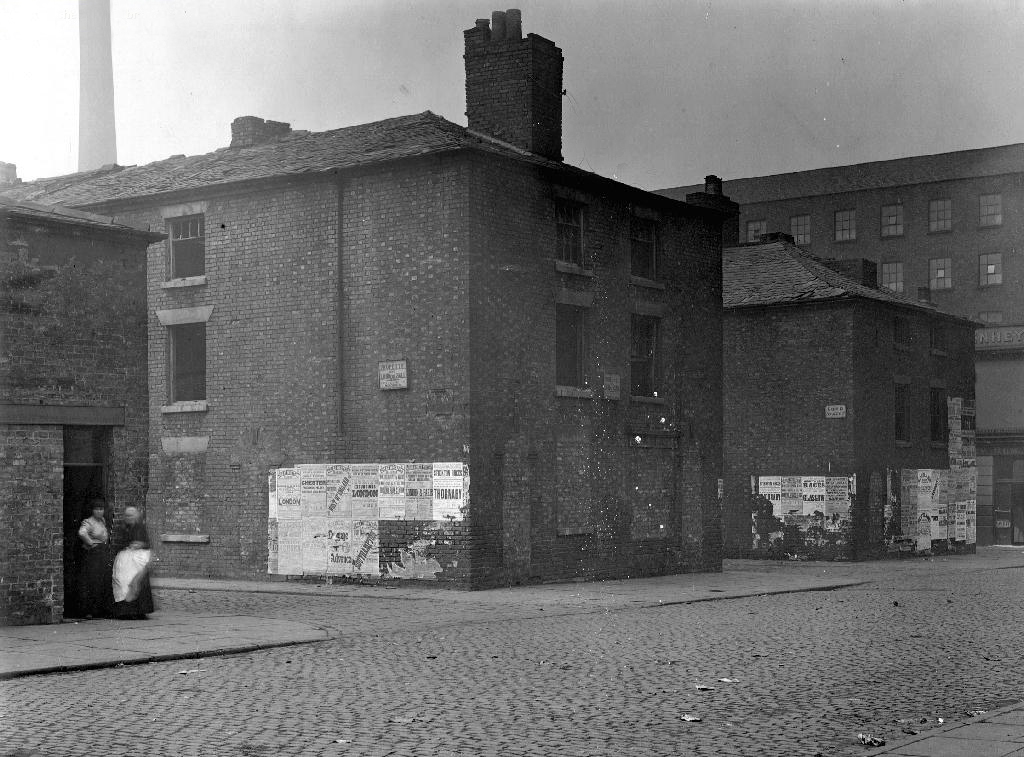
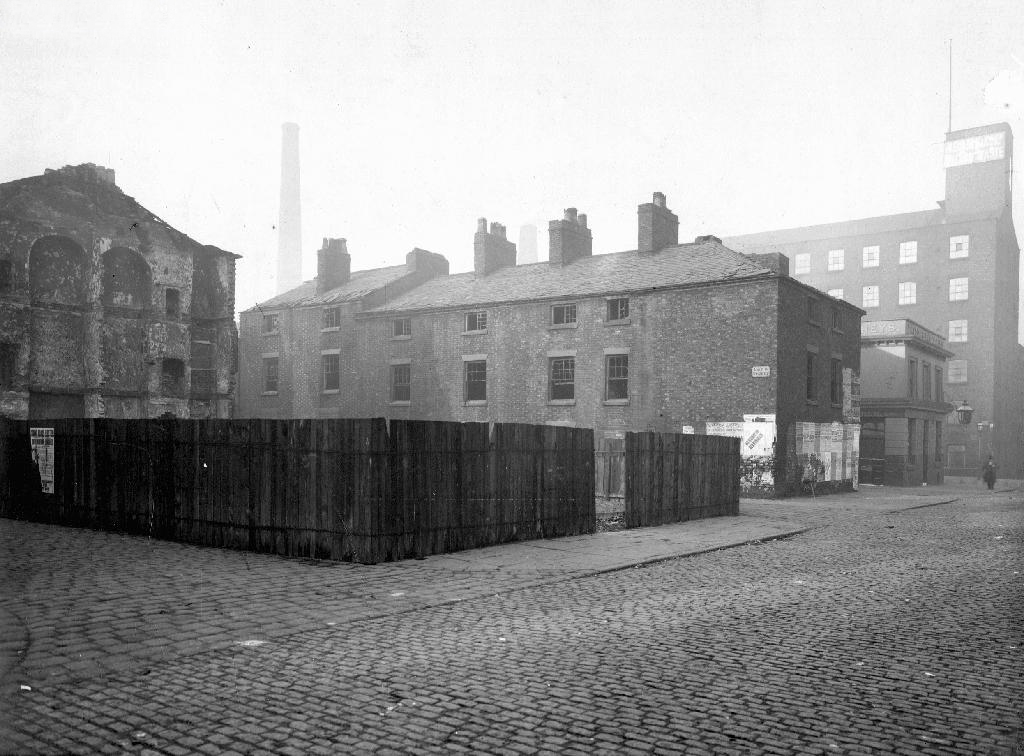
But formerly there were peoples’ homes here.

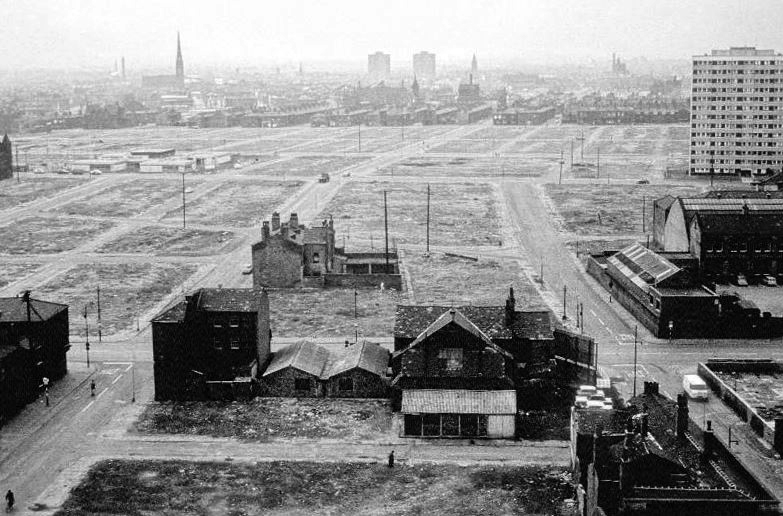
Then the 1960s saw a huge programme of slum clearance in Manchester and whole communities across the Square and nearby Hulme were moved, rehoused in a thoroughly modern milieu.

webmedia-3.php copy

webmedia-1.php copy

hulme-redevelopment-mid-1960s-c-mmu

Shops came and went.

webmedia-1.php

webmedia-6.php

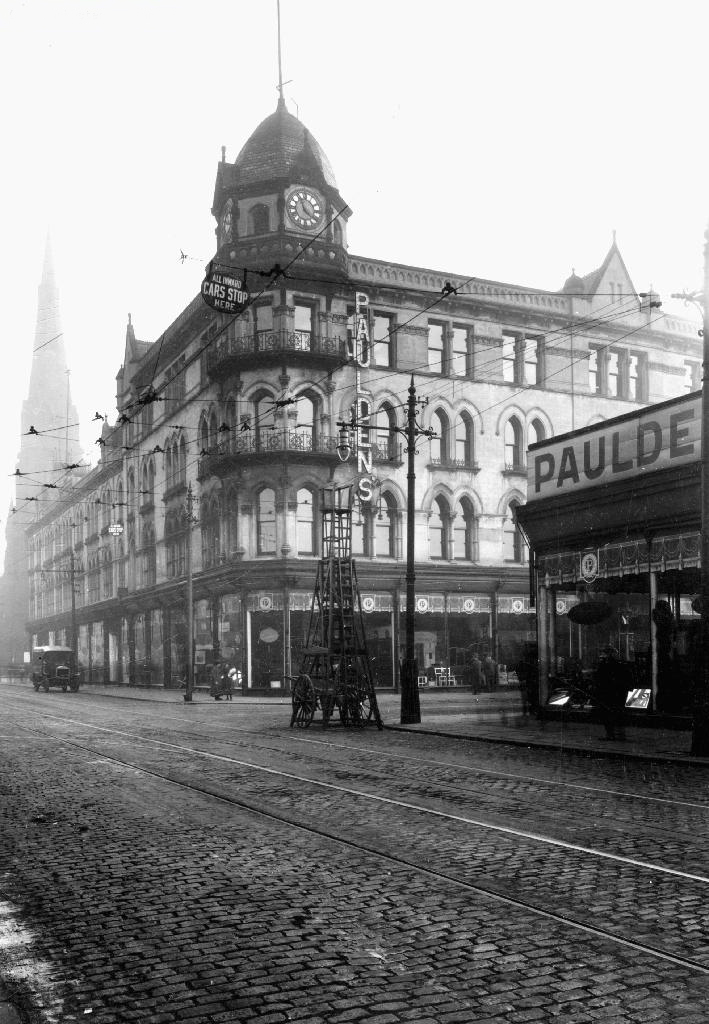
Paulden’s magnificent store was destroyed by fire in 1957

webmedia-4.php

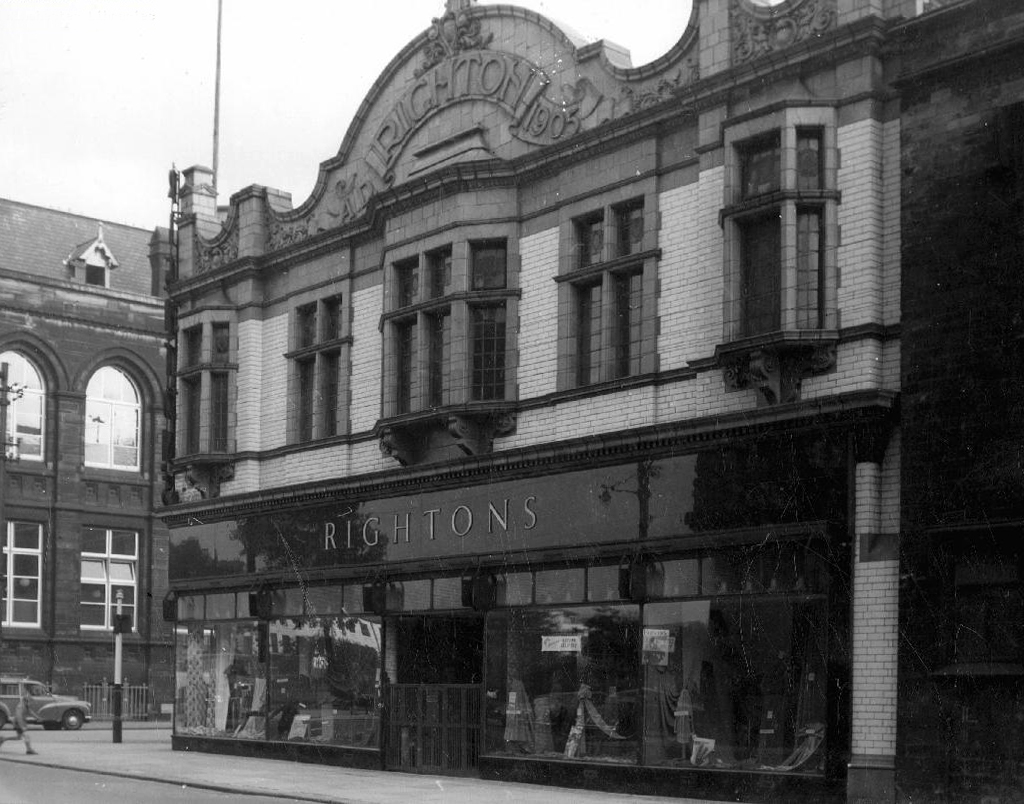
Rightons haberdashers has survived though no longer haberdashing, having been amalgamated into MMU.

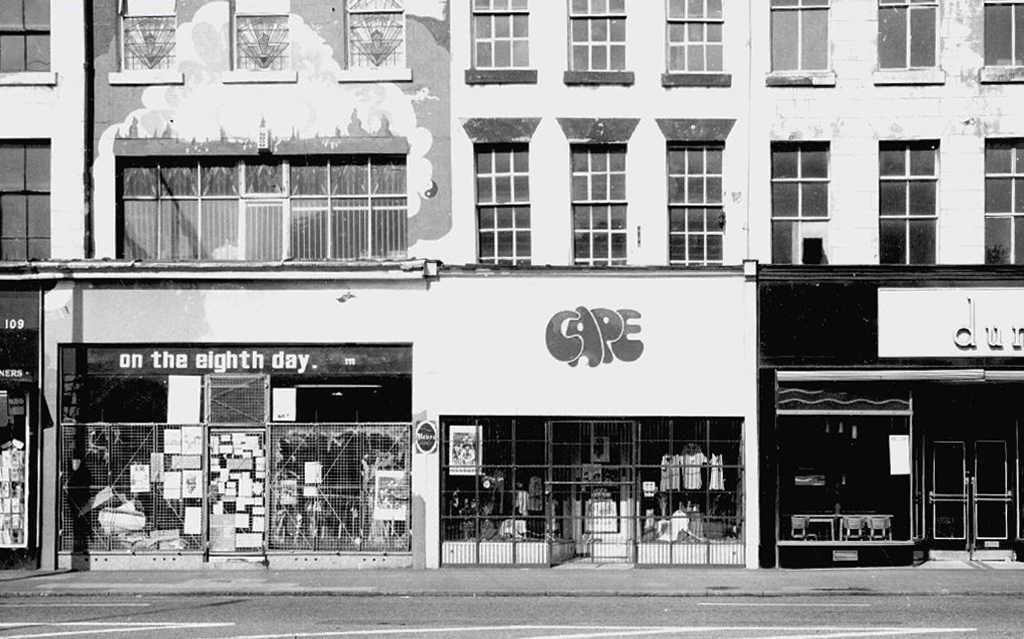
One day On The Eight day moved a little to the left

webmedia-3.php

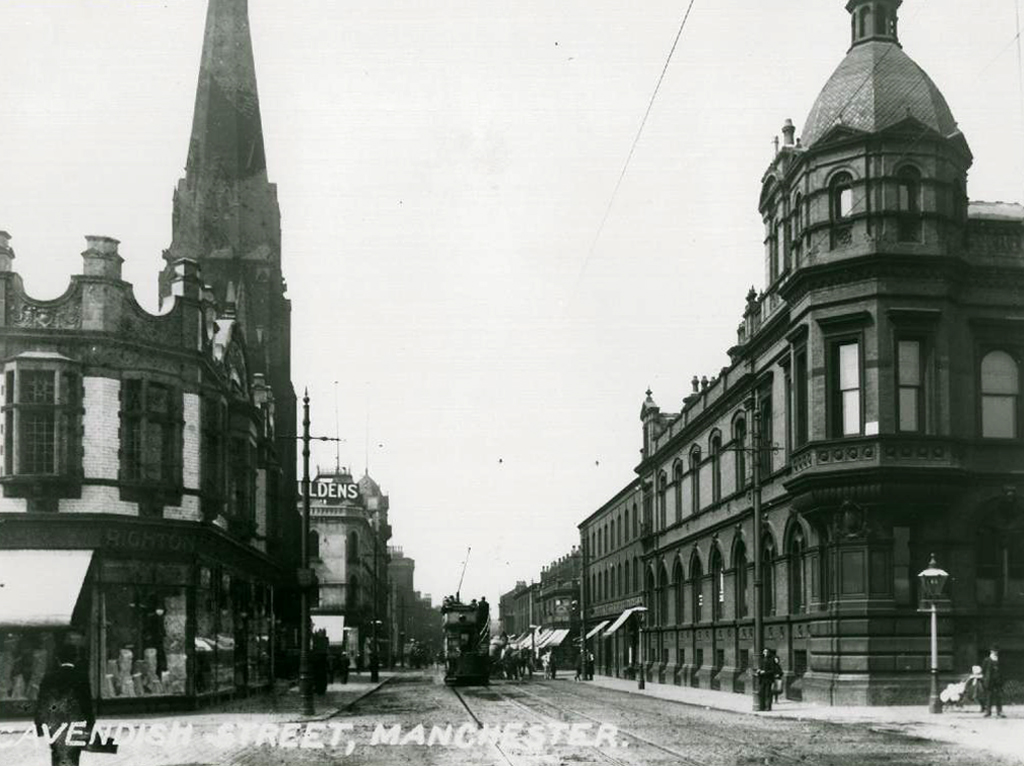
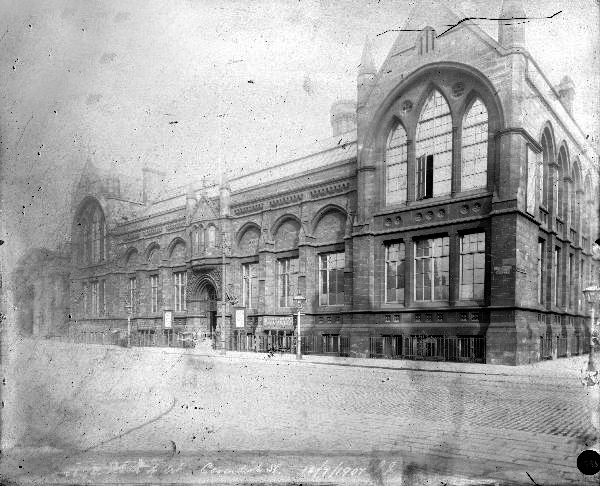
The Manchester Municipal School of Art was built in Cavendish Street in 1880–81 to the designs of G.T.Redmayne.

webmedia-7.php

The fascia has been retained but the name has not been changed to protect the innocent.

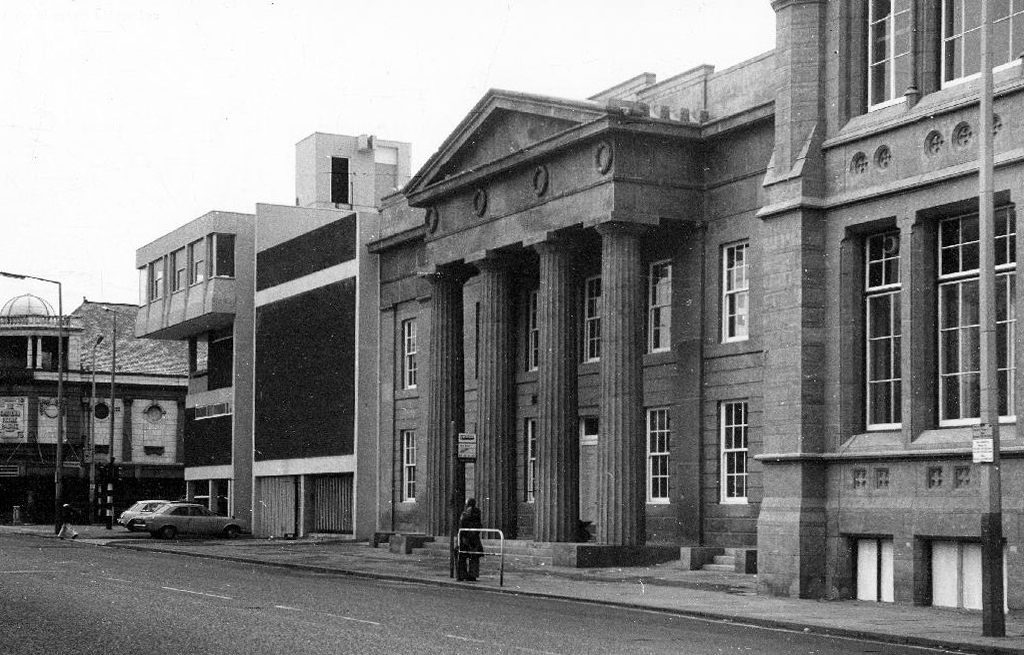
Next door the Chorlton on Medlock town hall still has its portico in place, the adjacent Adult Education building has been surgically removed.

webmedia-10.php

Richard Lane, the architect of the Friend’s Meeting House on Mount Street, designed the Chorlton-on-Medlock Town Hall on Grosvenor Street.  It continued in  that role from 1831 until 1838 when Chorlton-on-Medlock became part of the city of Manchester.  In the years that followed it was used by the local community for a variety of functions but the redevelopment of the area meant that the local population diminshed and the building became redundant.  In 1970, the interior was removed, a new structure added to the rear and it became part of the Polytechnic which became the Manchester Metropolitan University.

The Fifth Pan African Conference was held there between October 15th and 21st in 1945. Ninety delegates from across Africa, Europe and the Caribbean, attended the meeting and among the delegates were a number of men who went on to become political leaders in their countries including: Hastings Banda, Dr Kwame Nkrumah, Obafemi Awolowo and Jomo Kenyatta.

Manchester History

ormond 1972

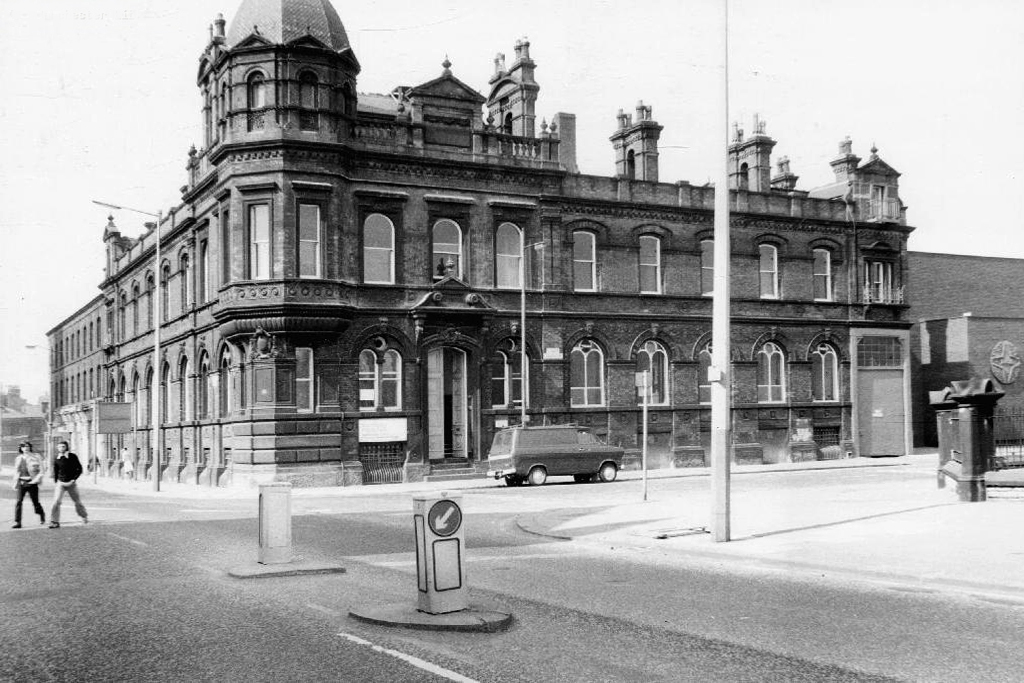
Former Chorlton Poor Law Guardian’s HQ then Registry Office, now the Ormond Building of Metropolitan University – and at the far right edge St Augustine RC.

webmedia-3.php

webmedia-2.php

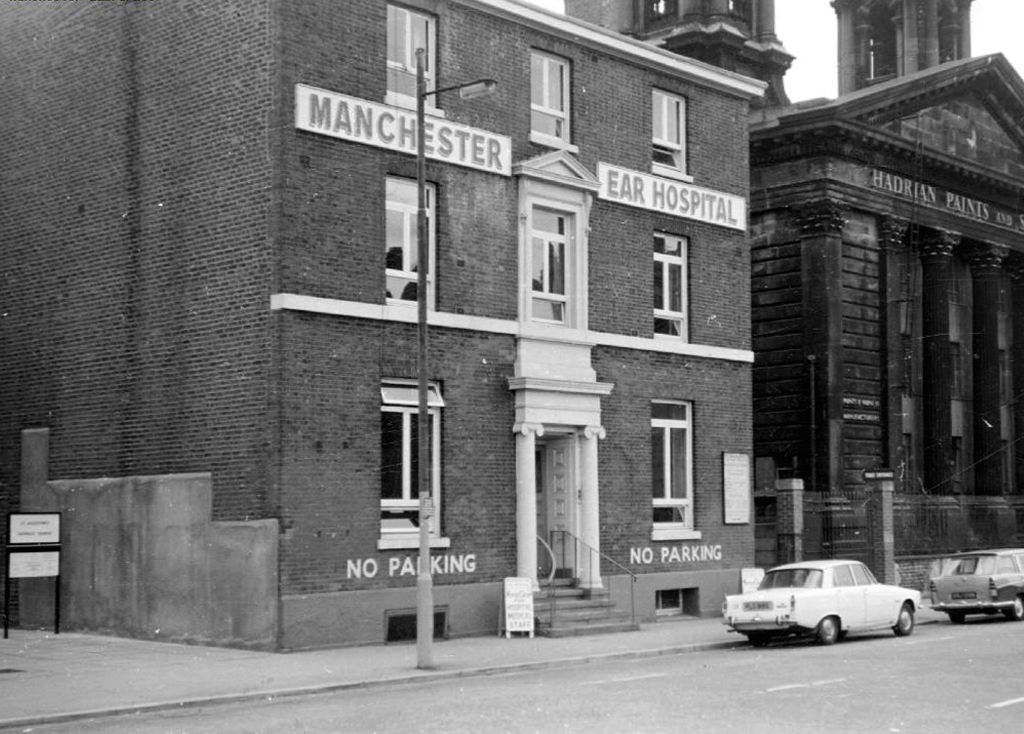
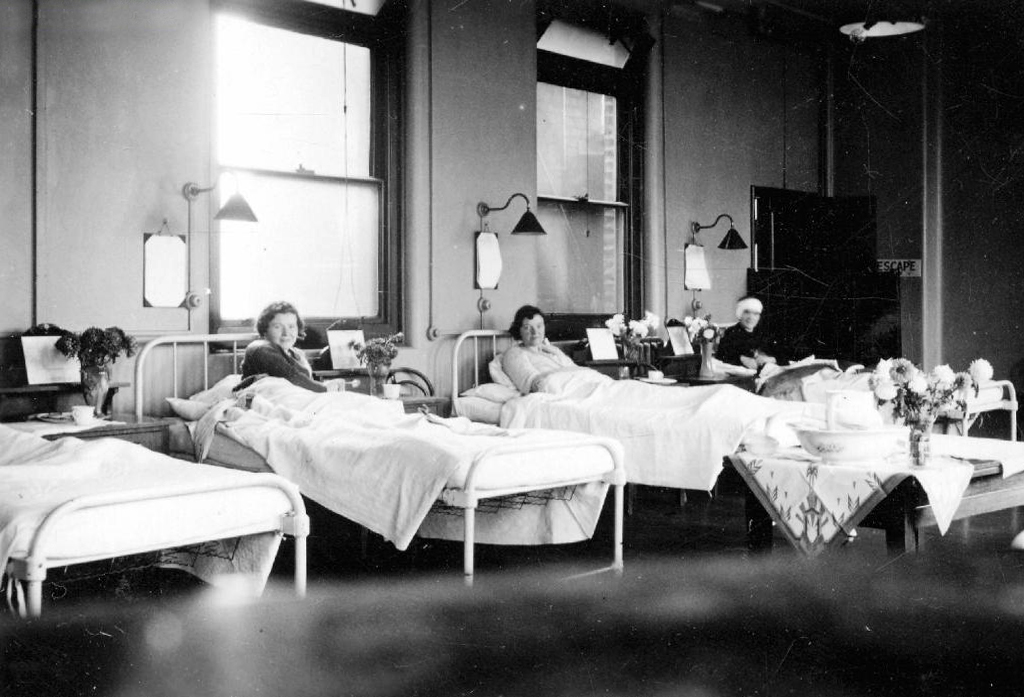
The Manchester Ear Hospital on Lower Ormond Street, shortly before being transferred to Manchester Royal Infirmary. Most of the building was demolished, but the facade retained as part of MMU’s Bellhouse Building.

To the right the Presbyterian Church.

webmedia.php

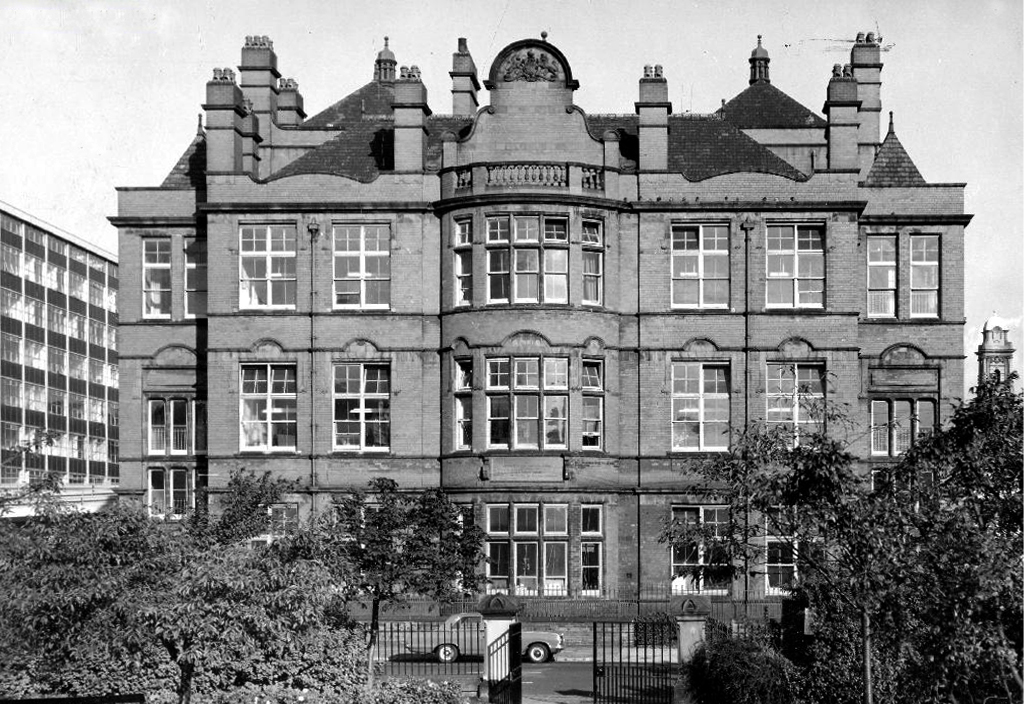
Cavendish Street School

Screenshot 2018-12-05 at 13.59.22

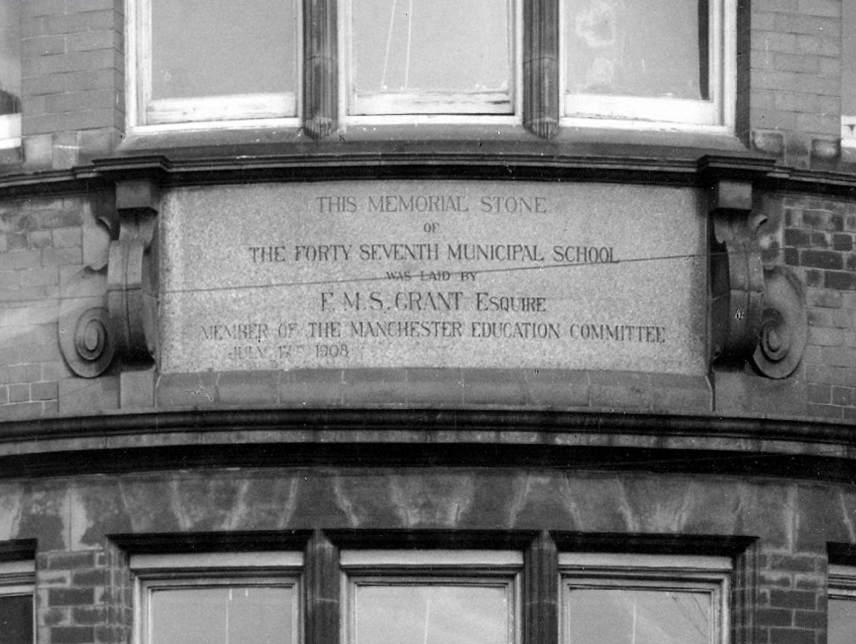
The memorial stone on the front of the school, laid on June 17th, 1908,  declared that it was the Forty Seventh Municipal School.  Strangely, it seems that it was called the Cavendish Street School despite the fact that it wasn’t on Cavendish Street.

Manchester History

It was subsequently utilised by the Polytechnic sculpture department – then demolished to make way for something else of an educational nature.

Some or all of our social and architectural history has been overwritten, lost or swept aside by the tide of history.

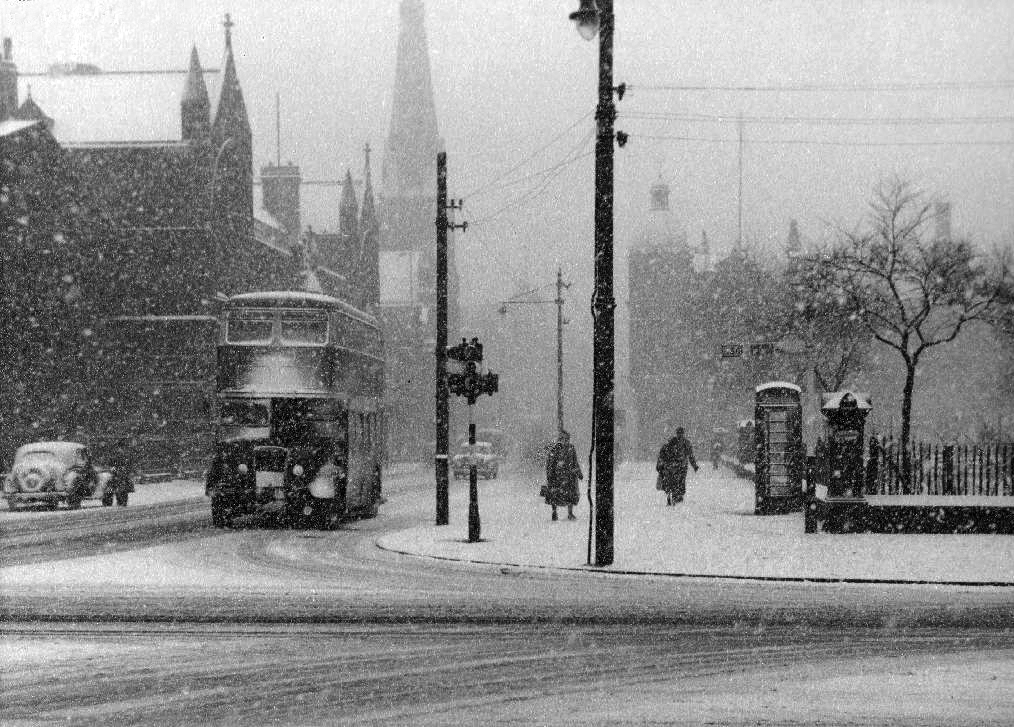
Though on a dark snowy night you can still make out the bright red corporation buses,  passing by in a dark cloud of diesel.

Room on top.

webmedia-5.php

Archive images Local Image Collection