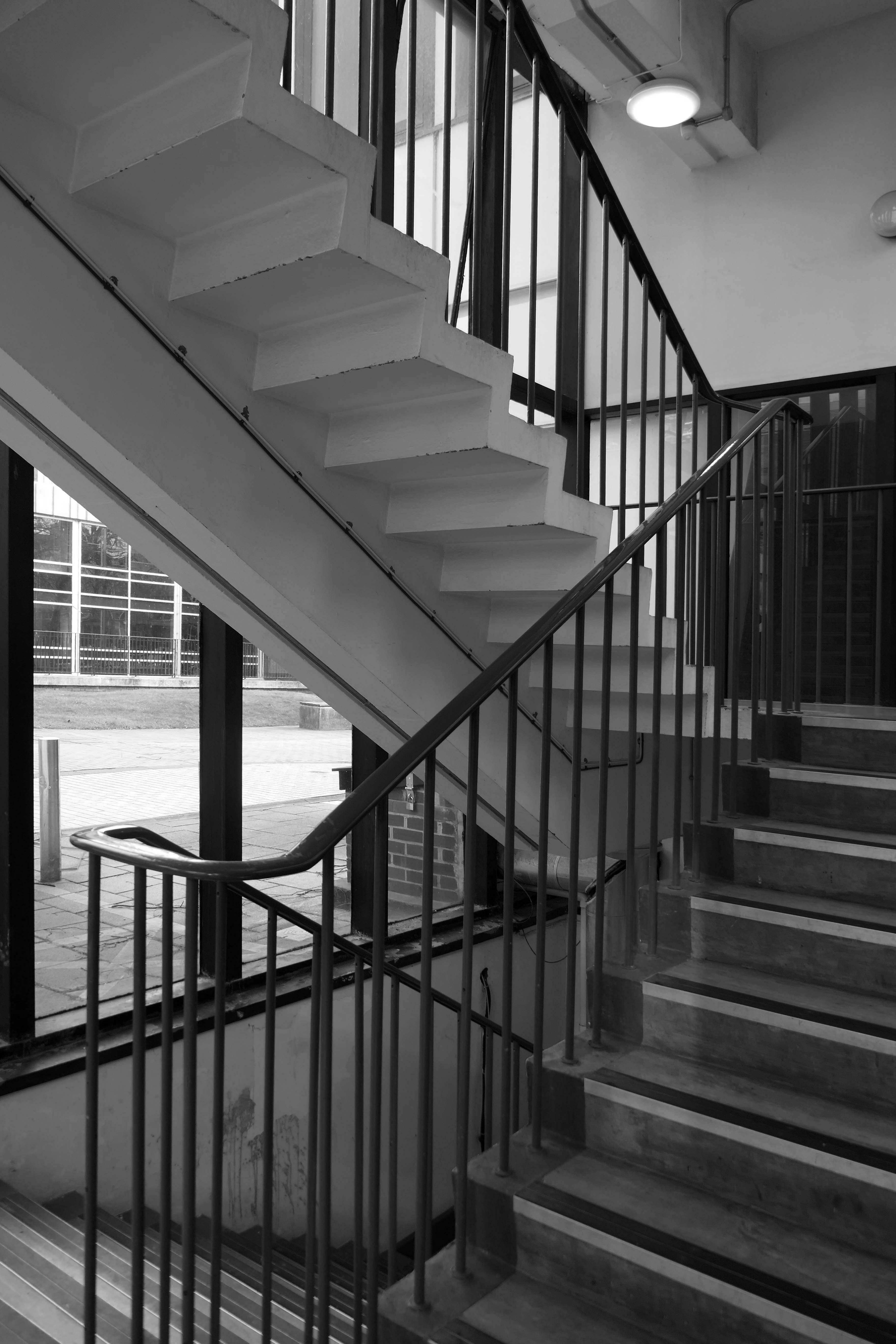
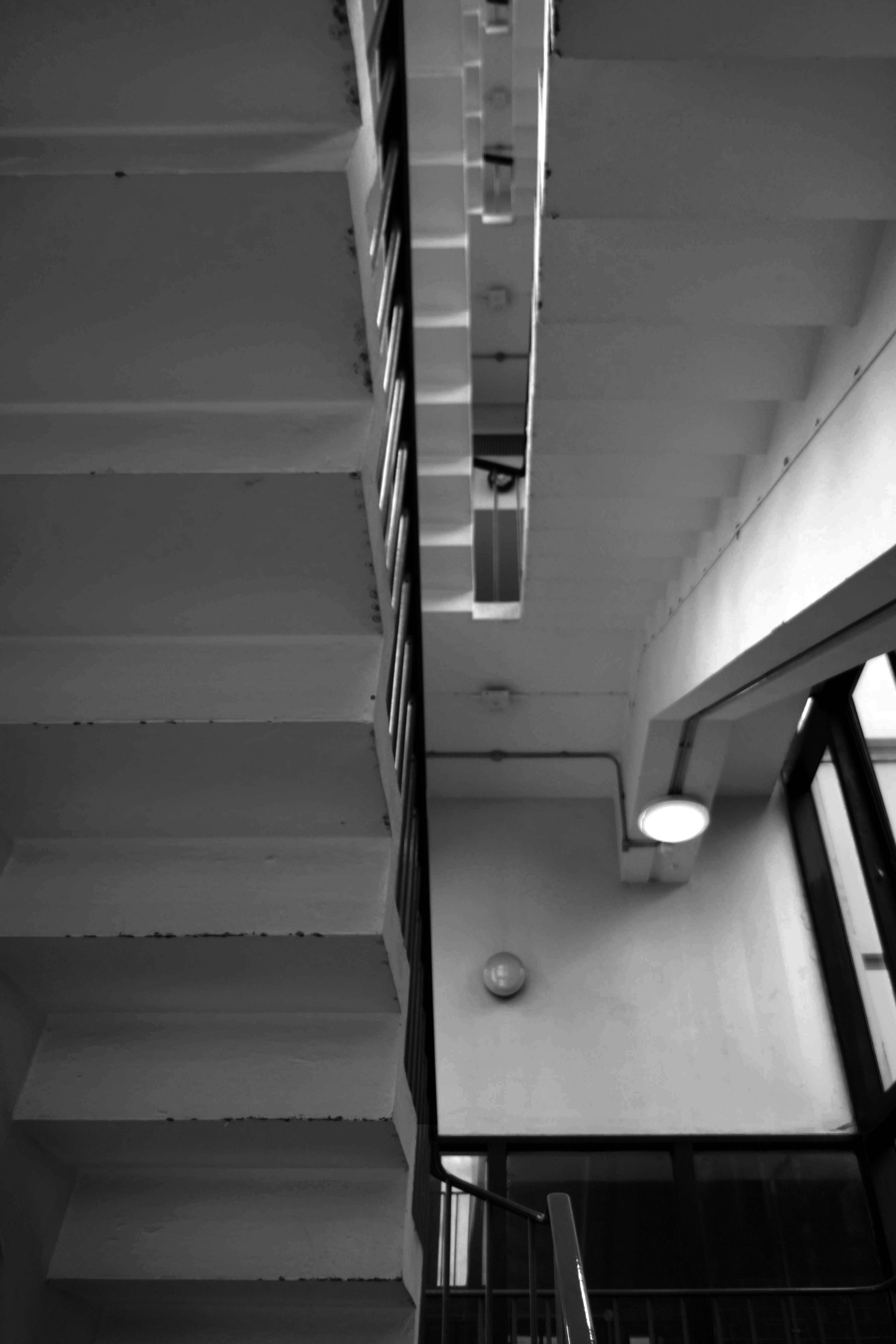
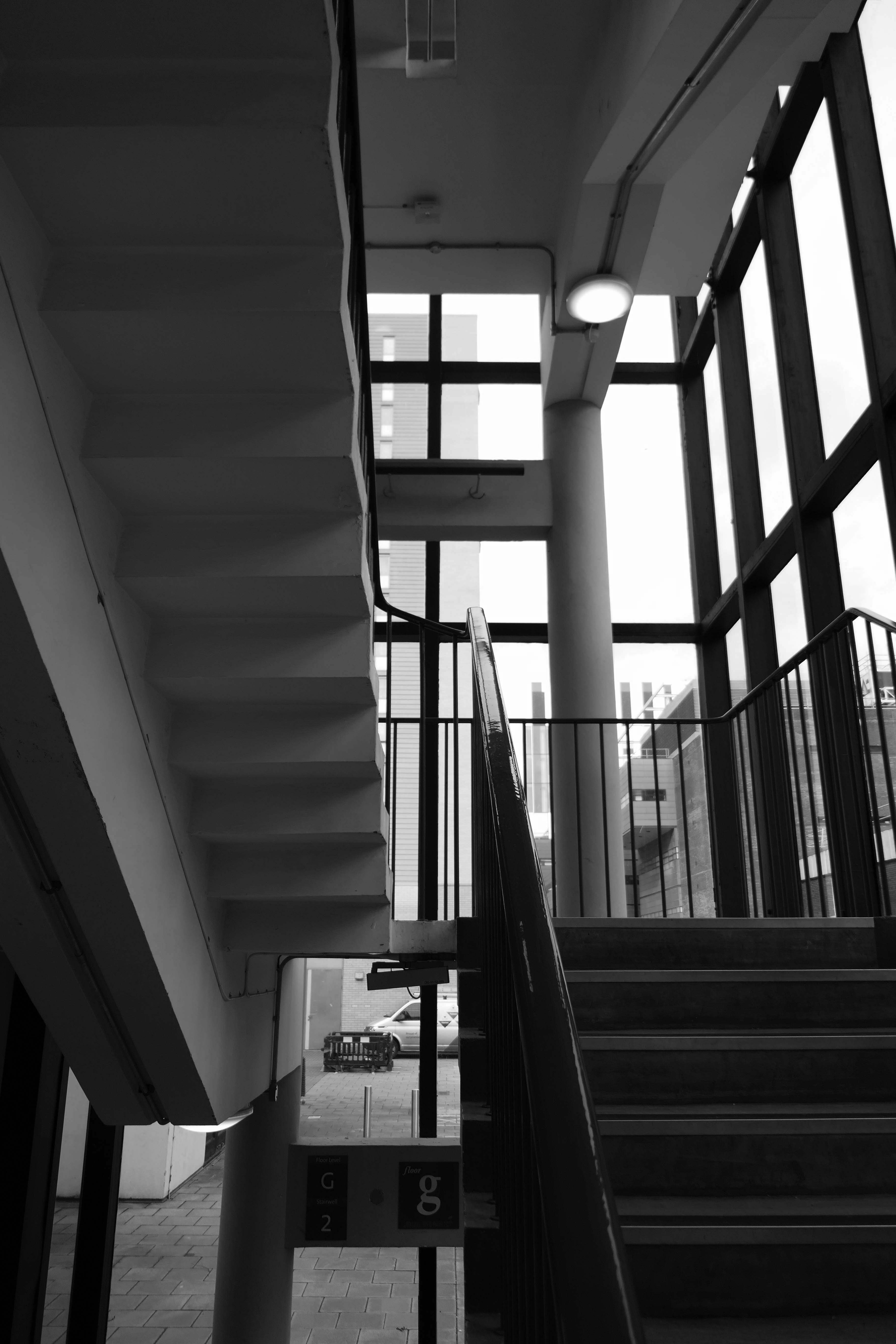
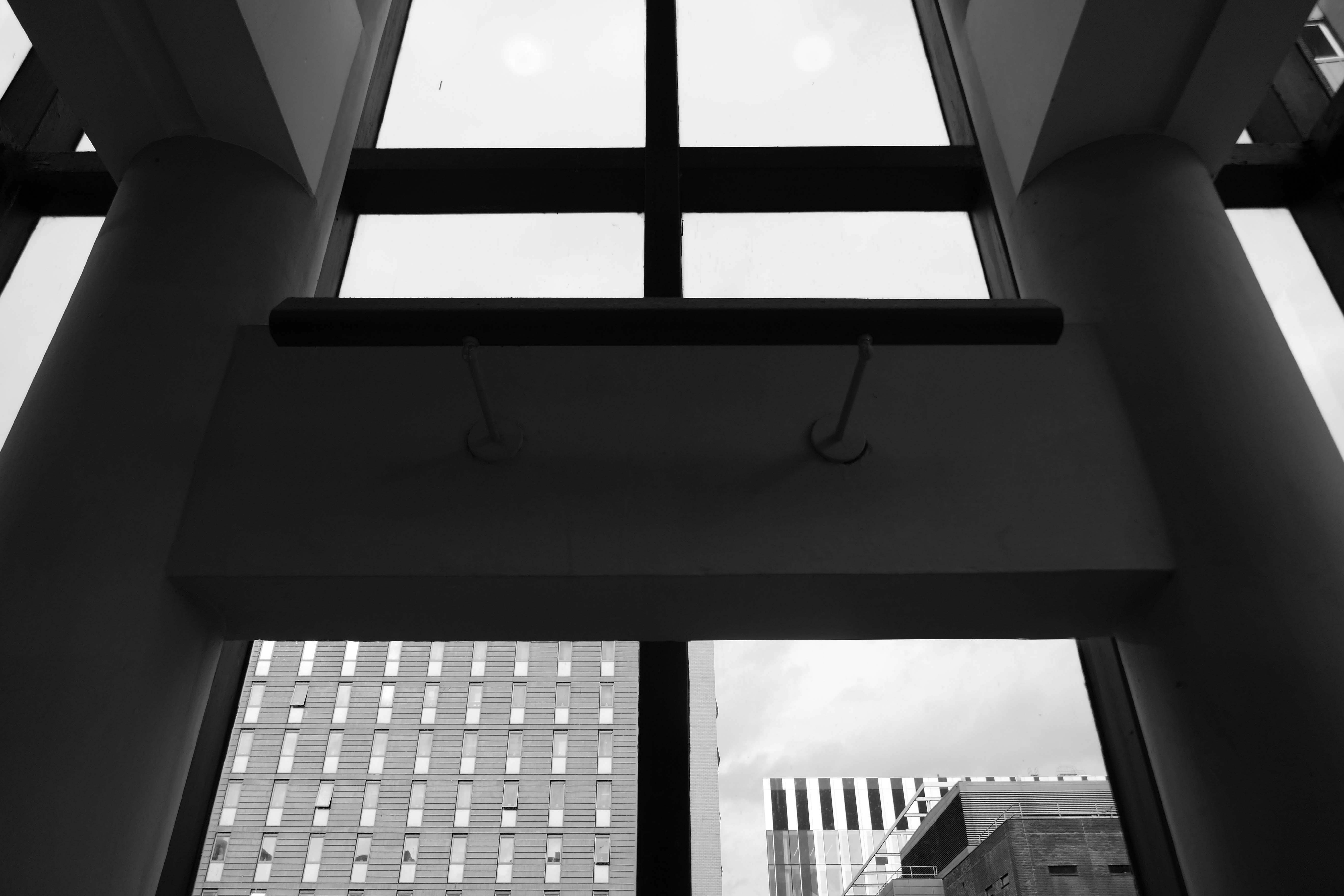
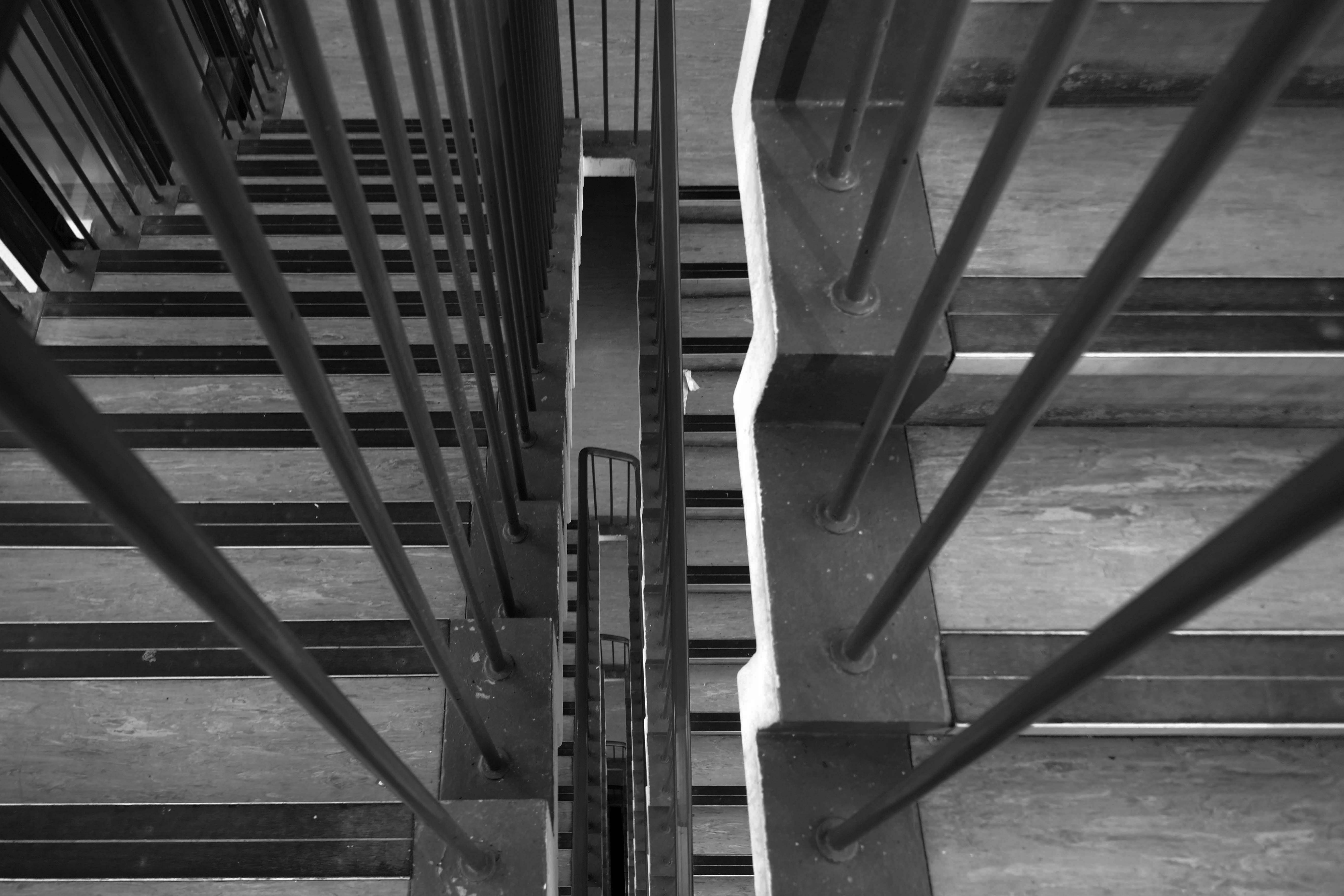
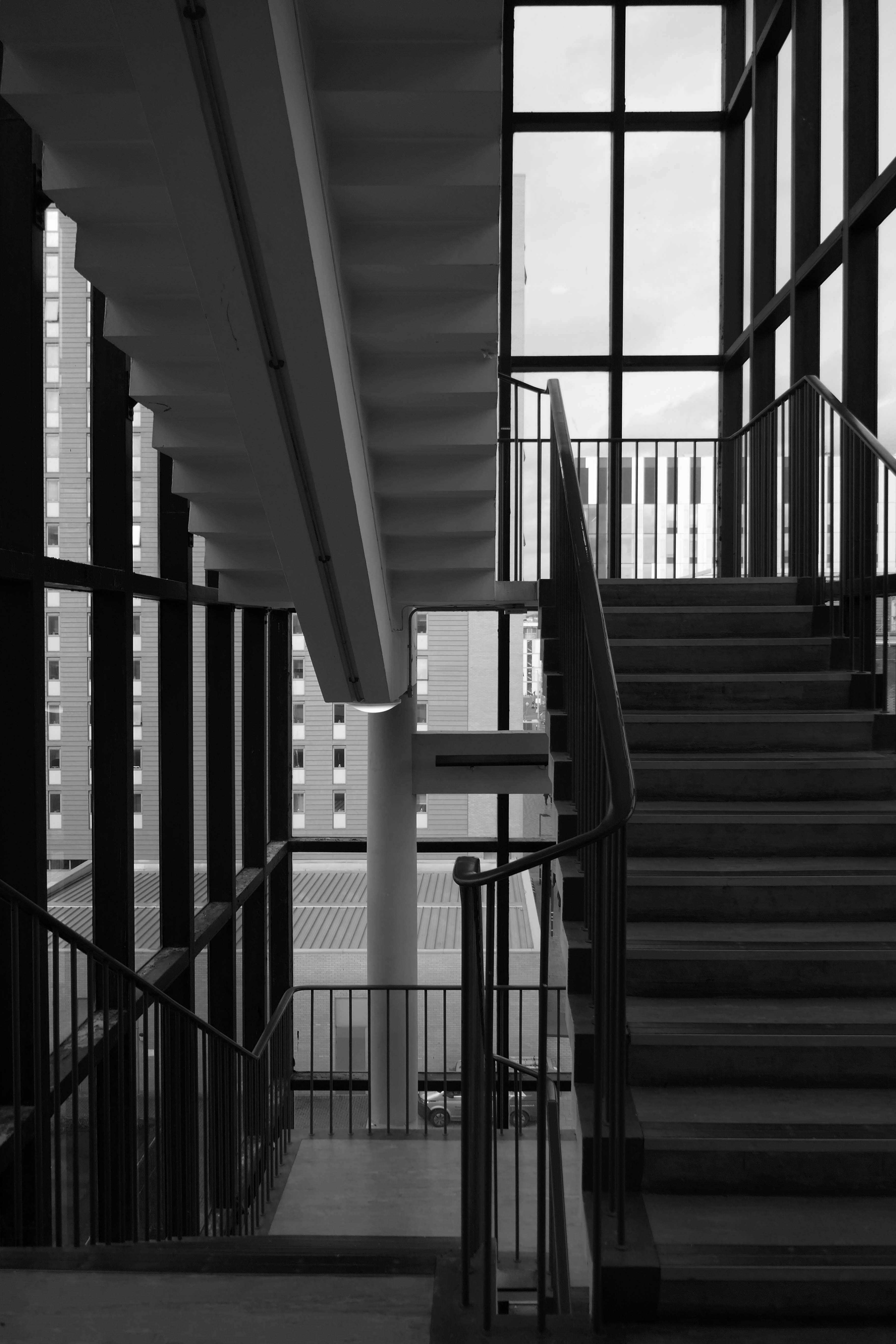
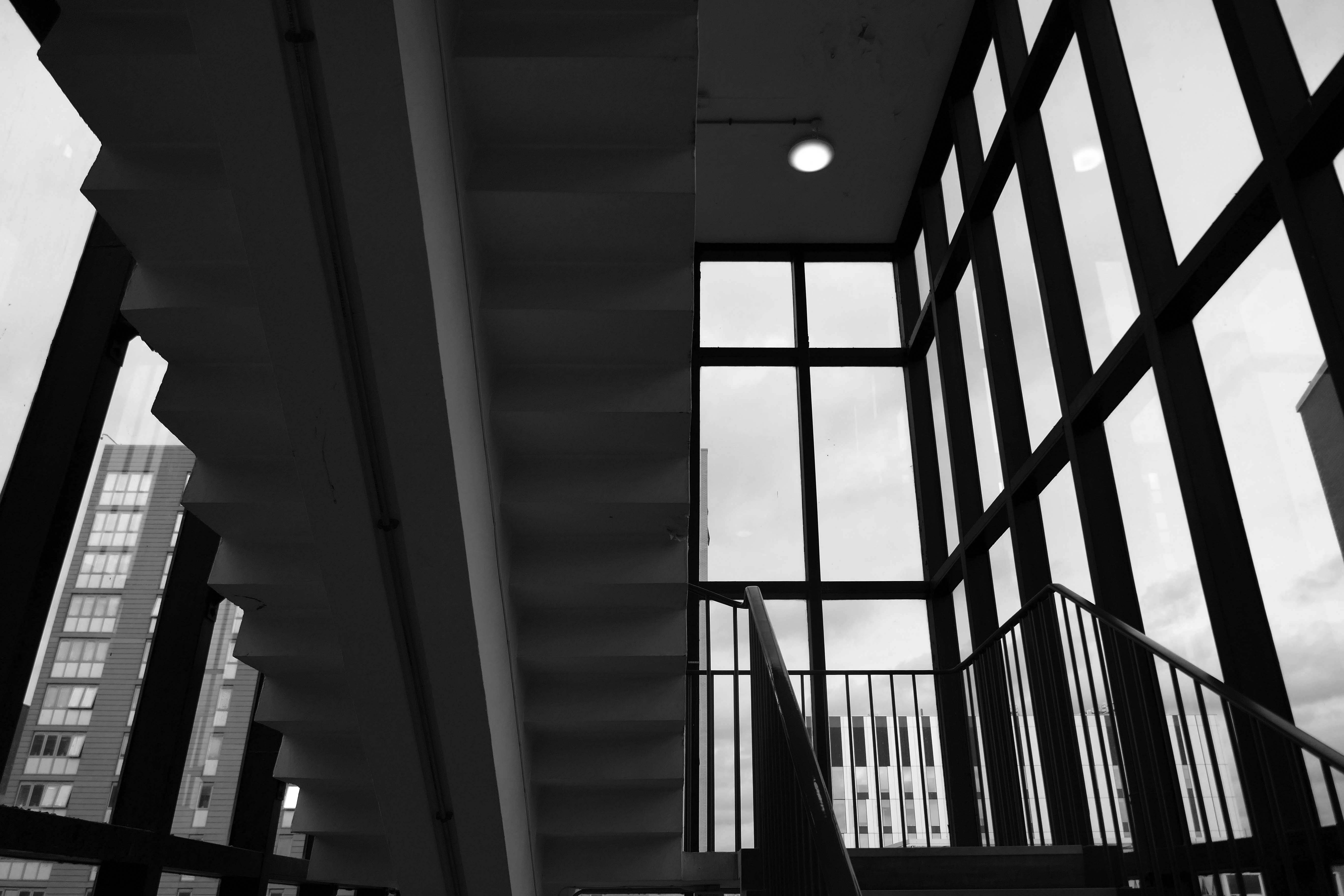
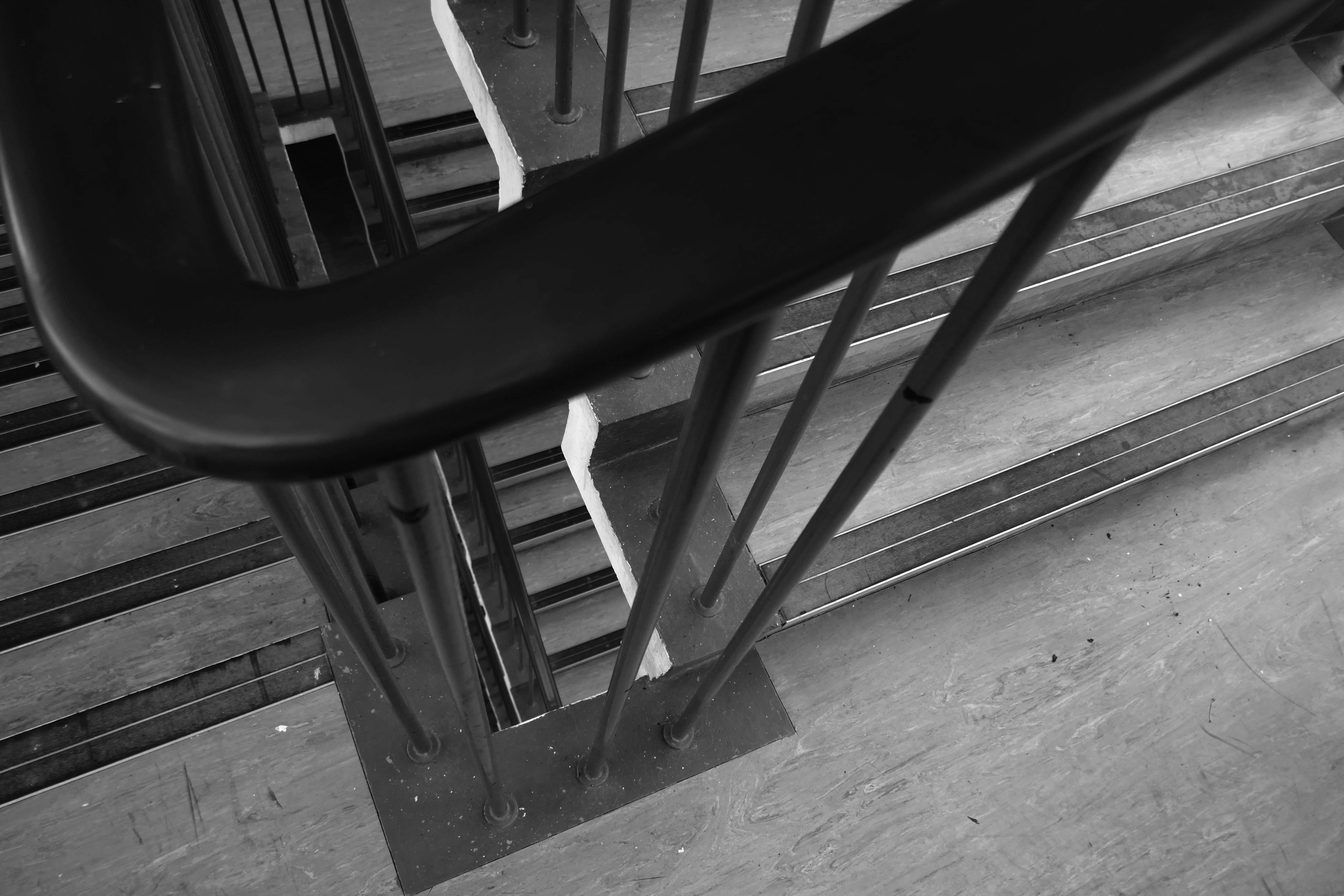
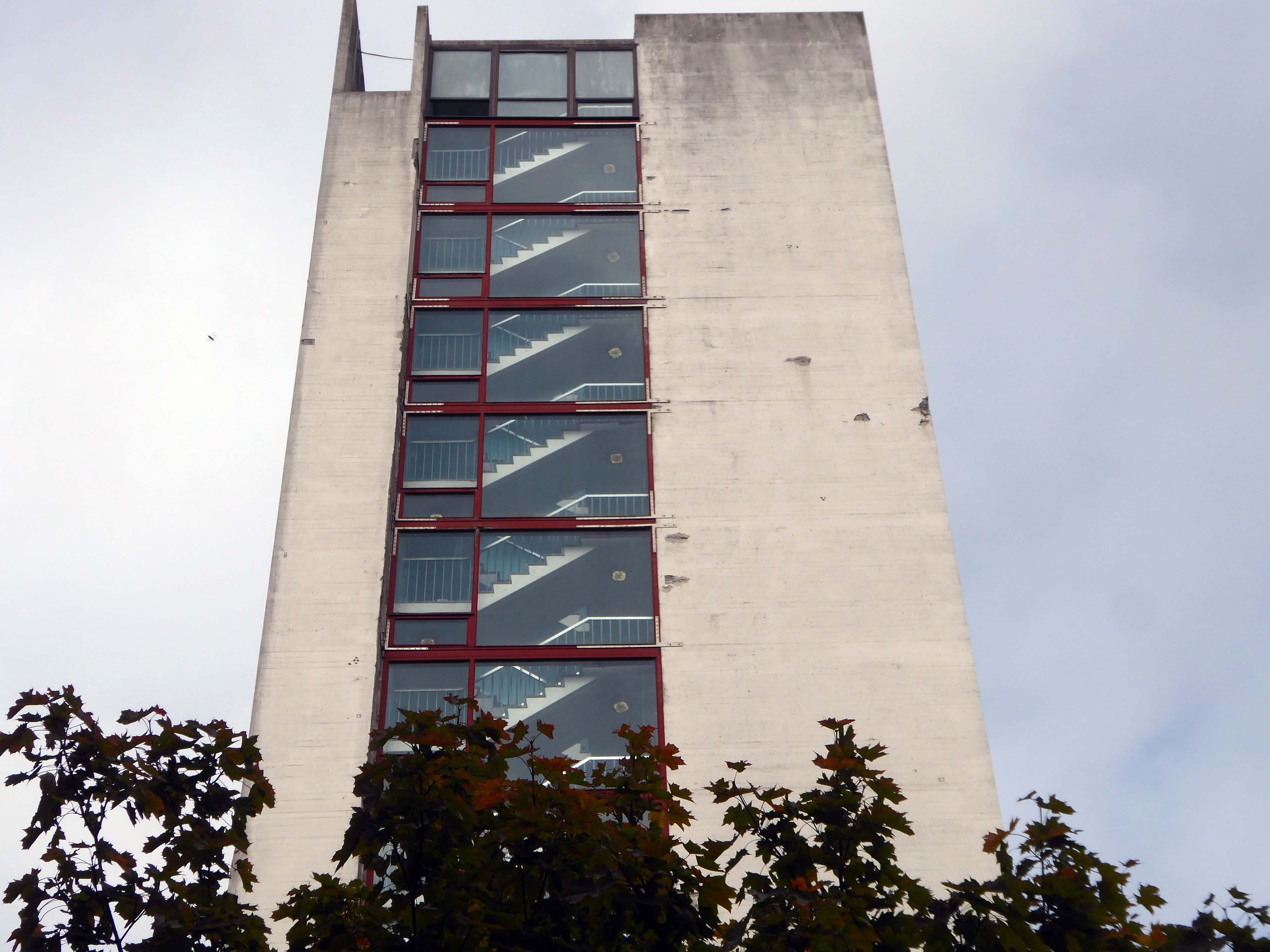
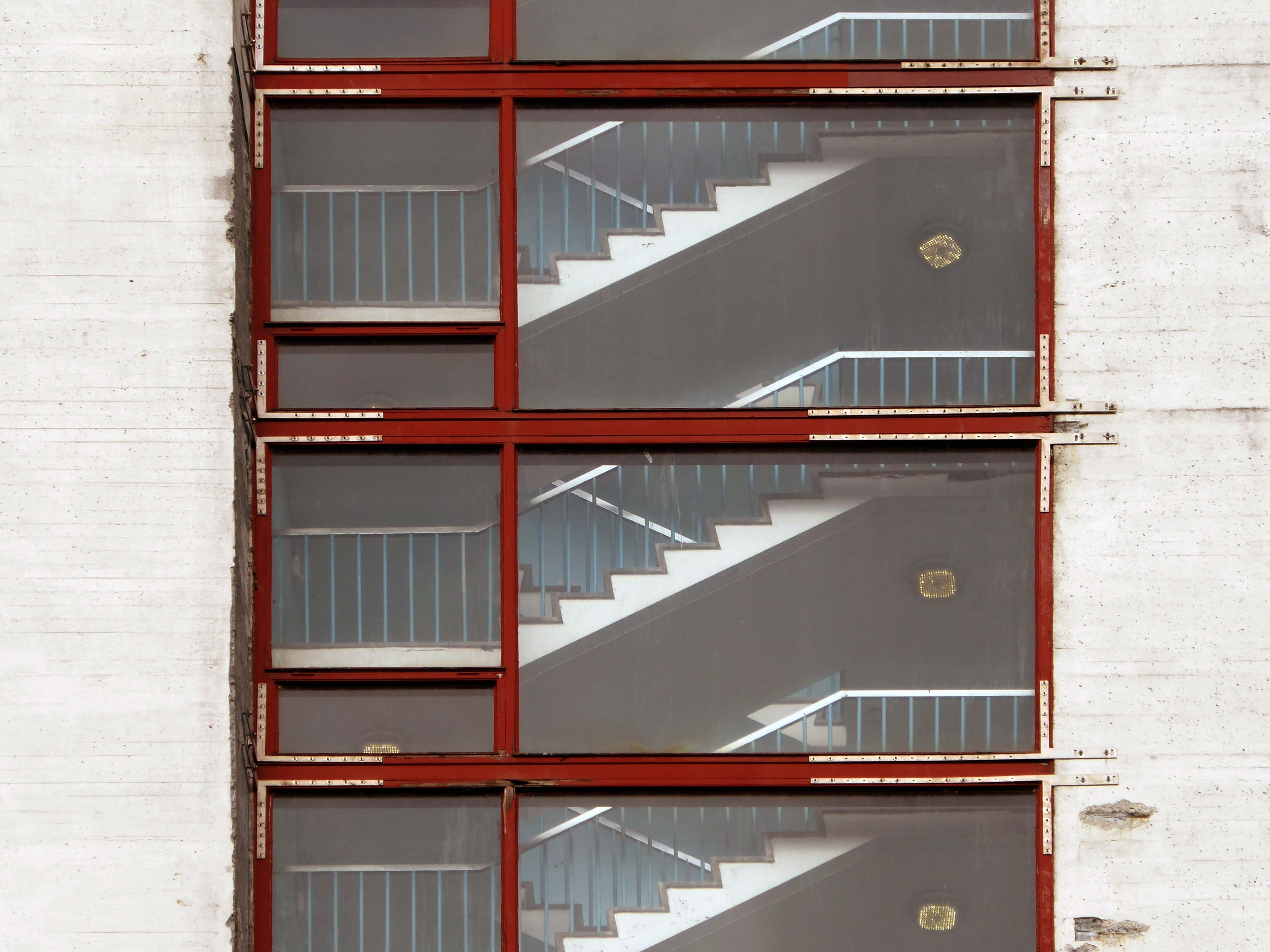
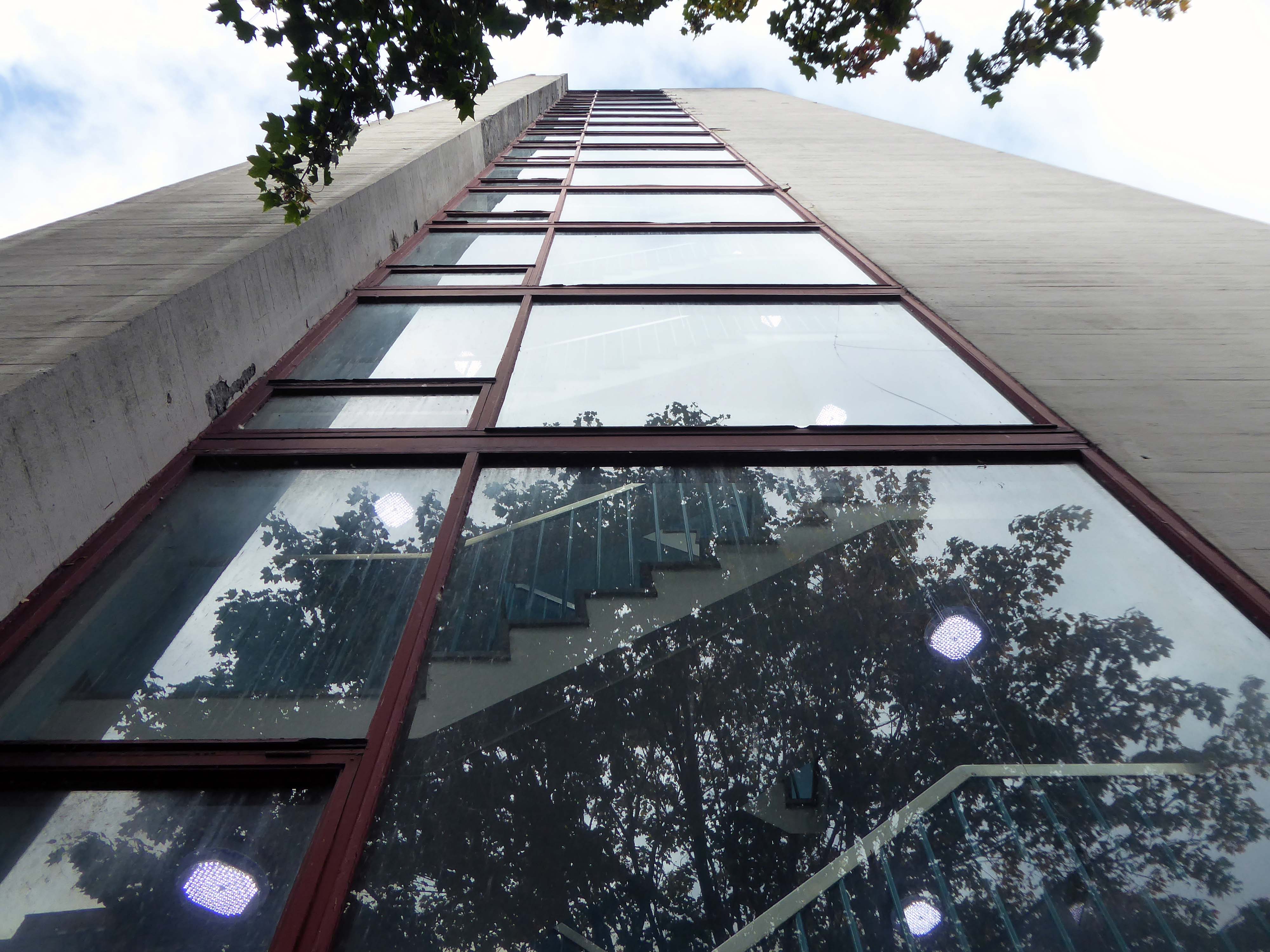
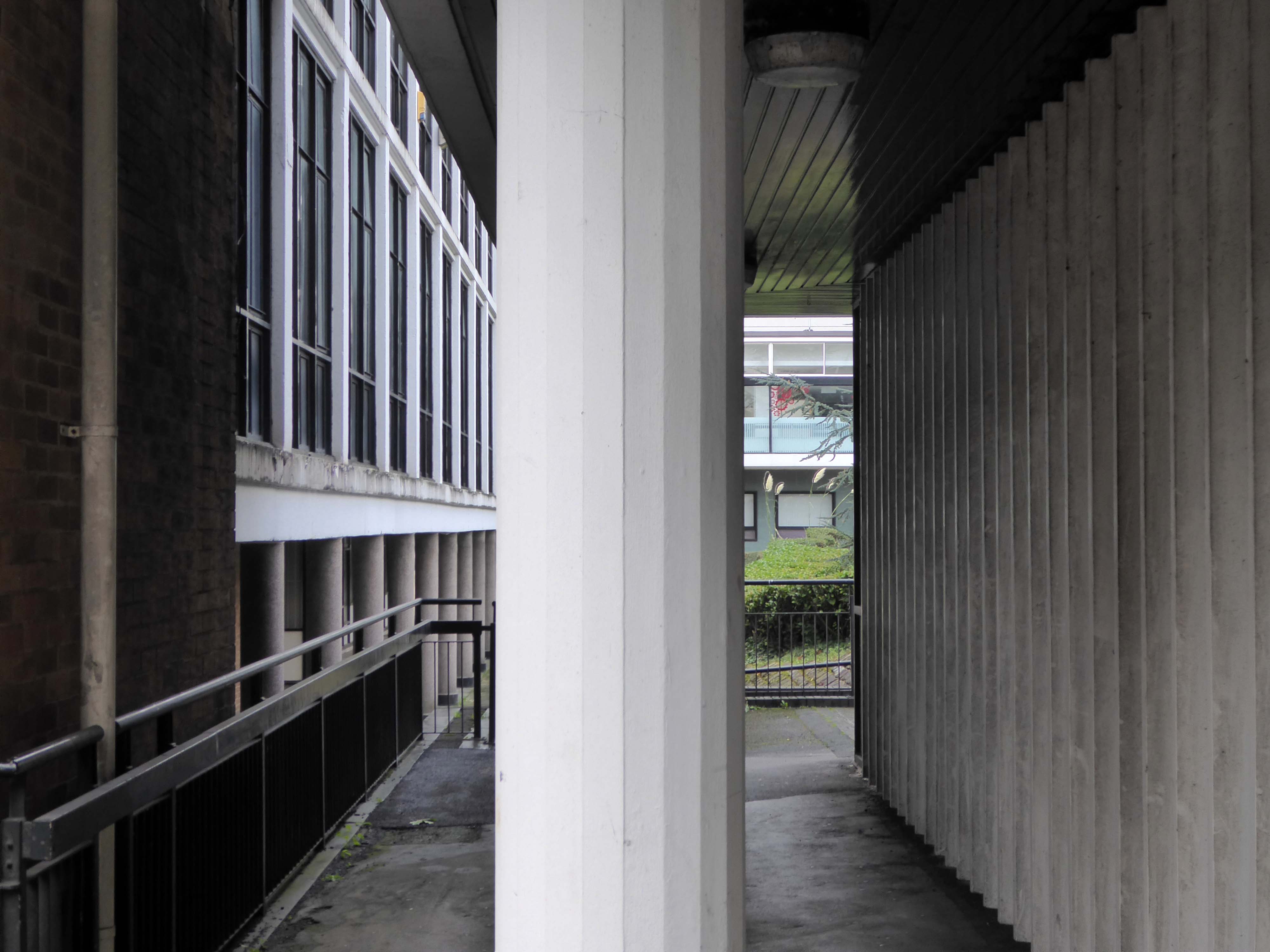
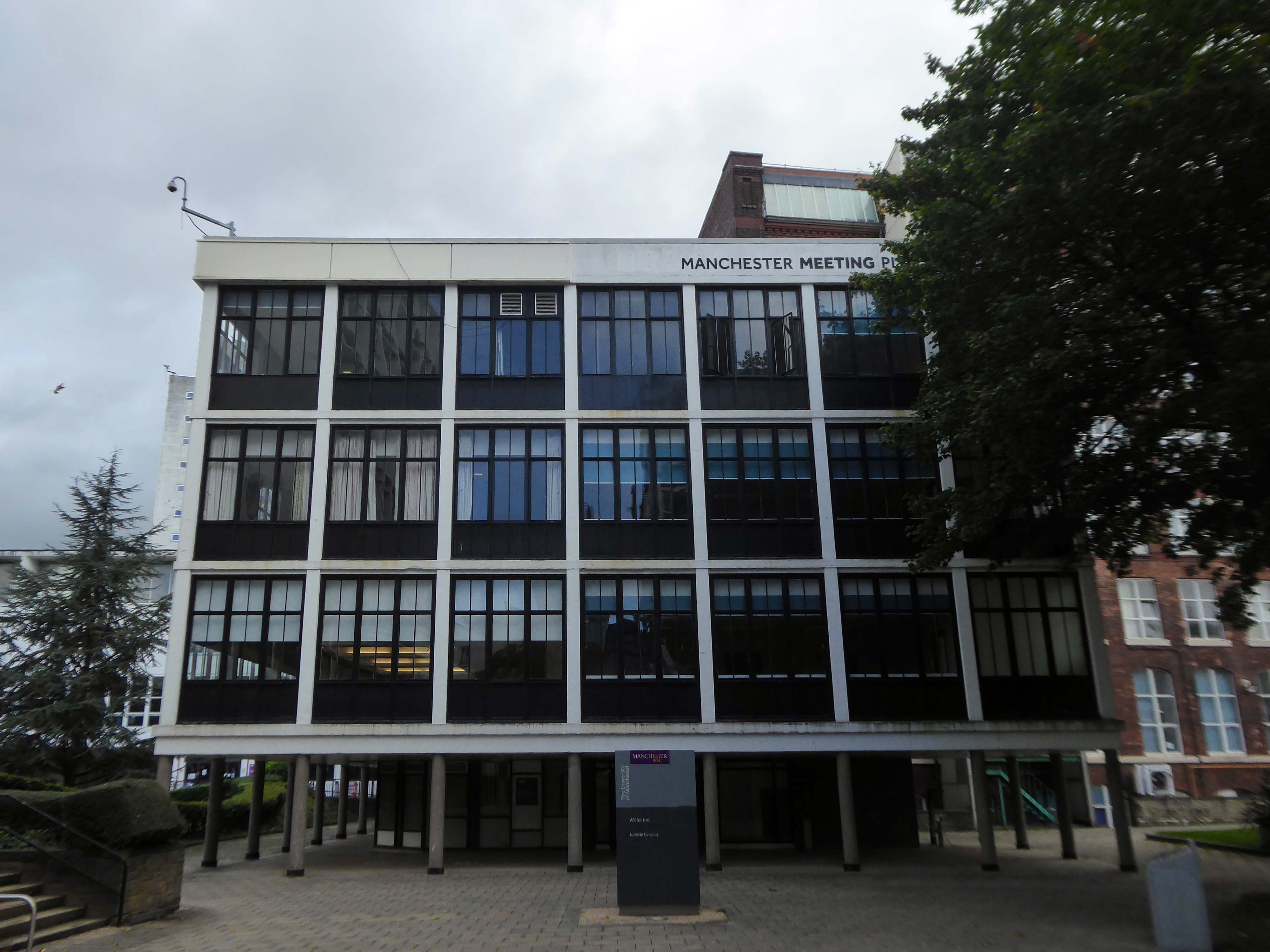
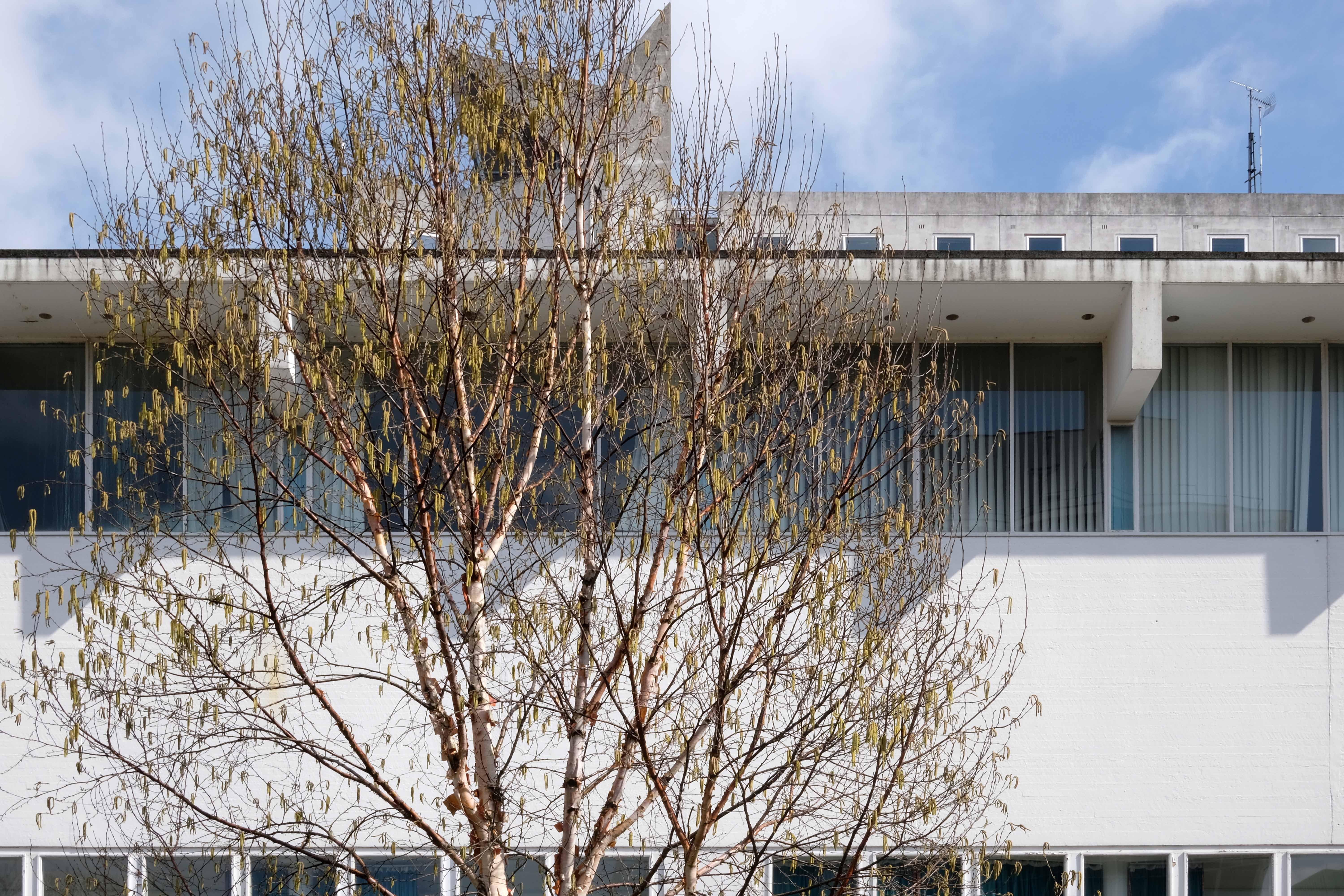
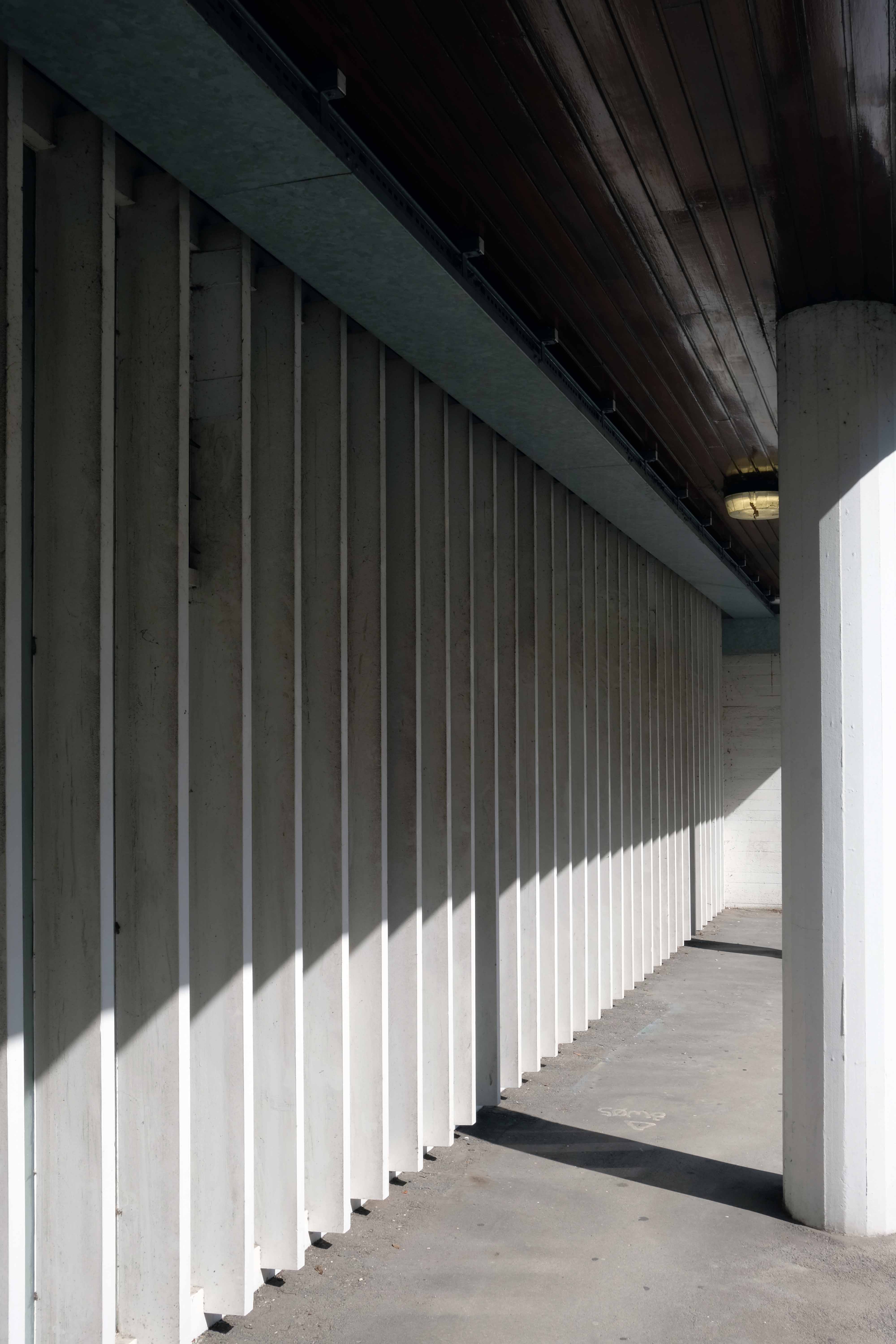
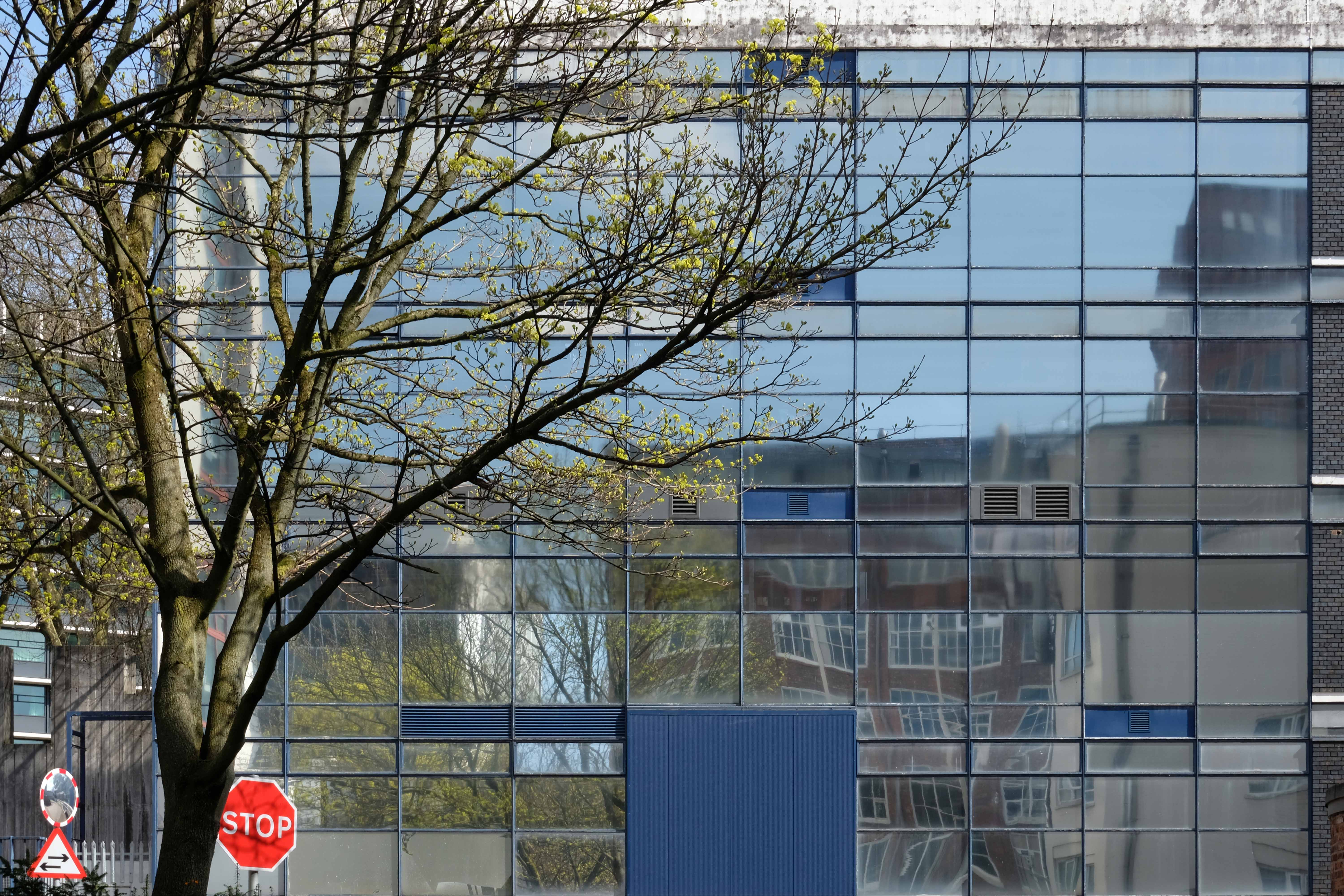
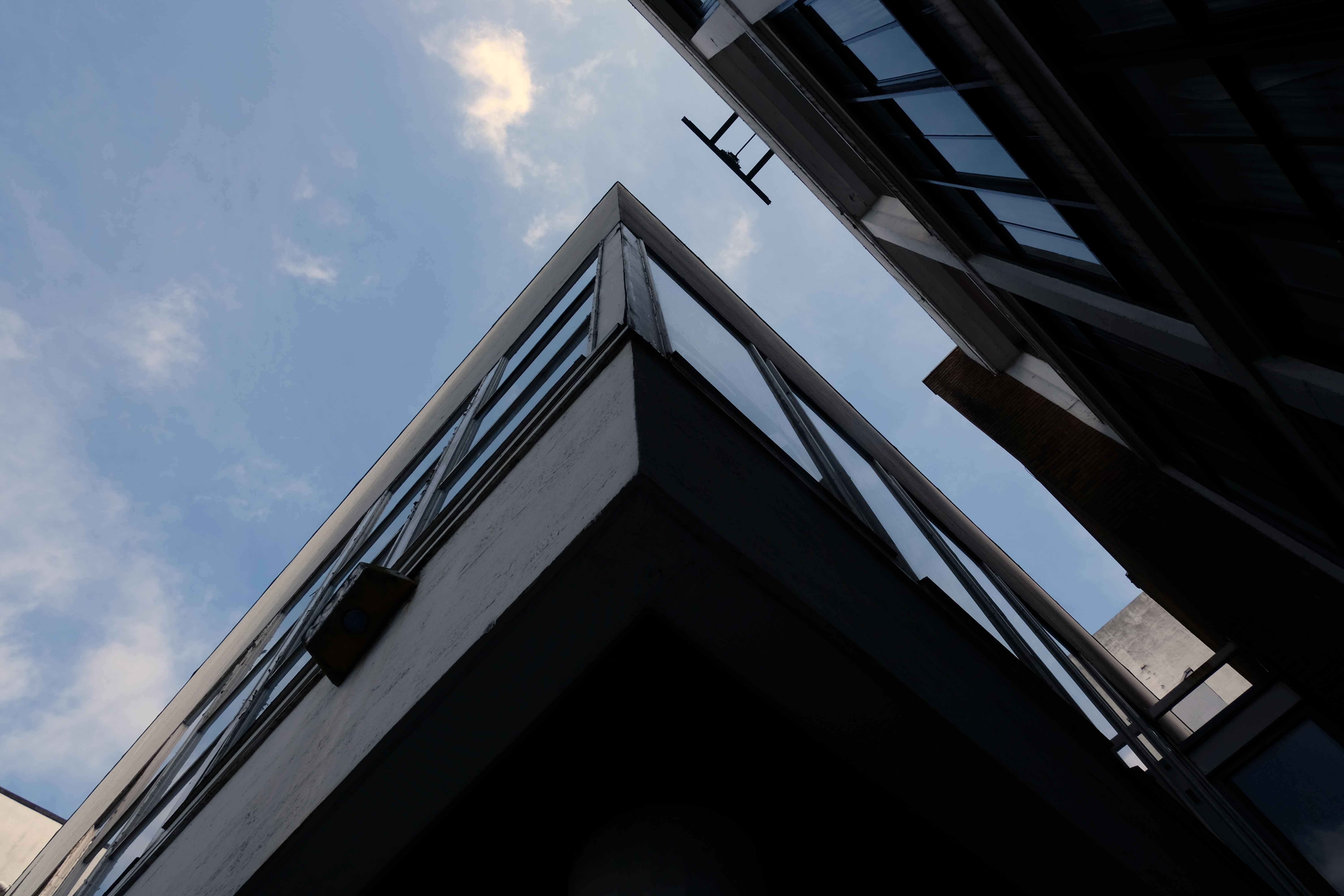
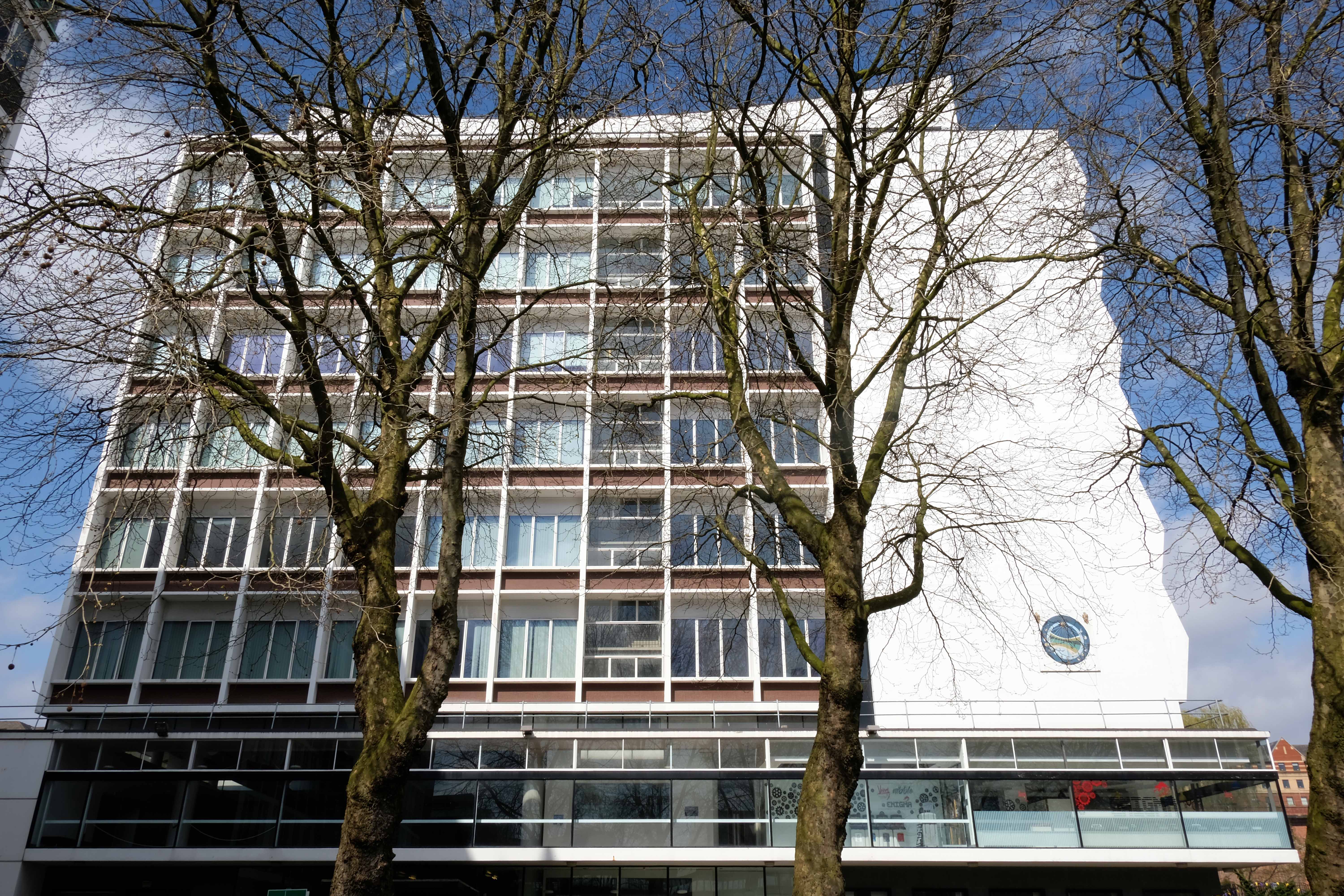
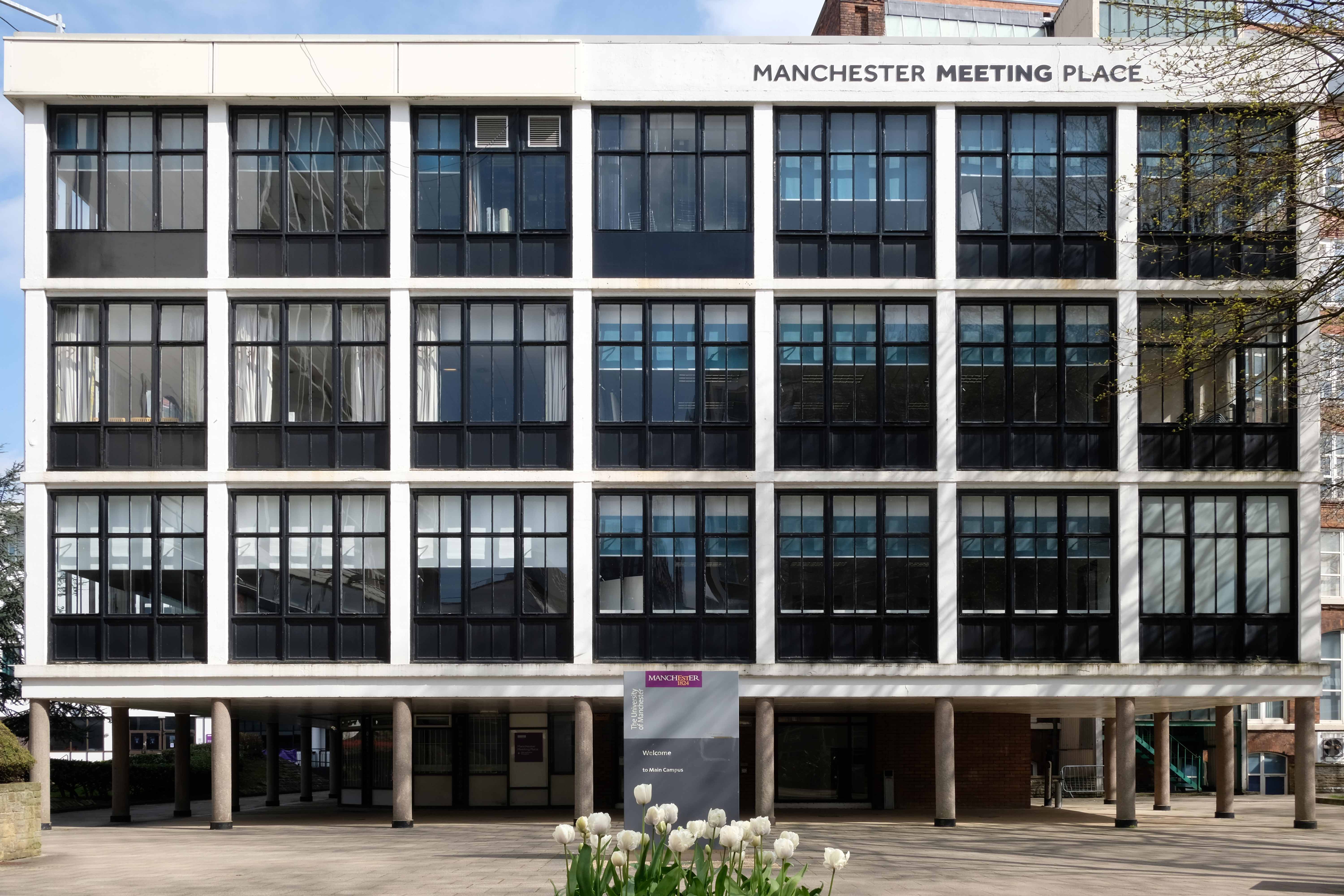
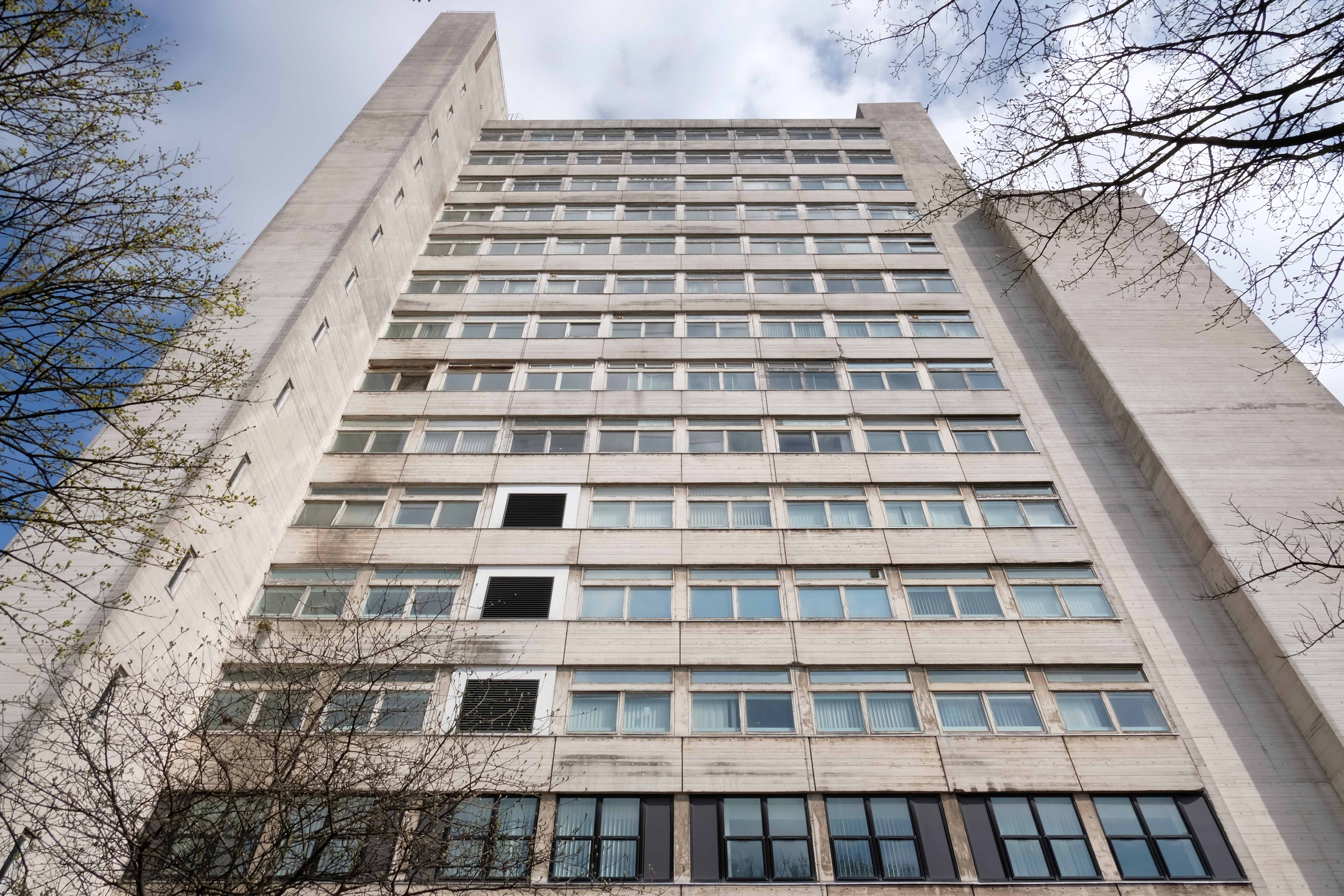
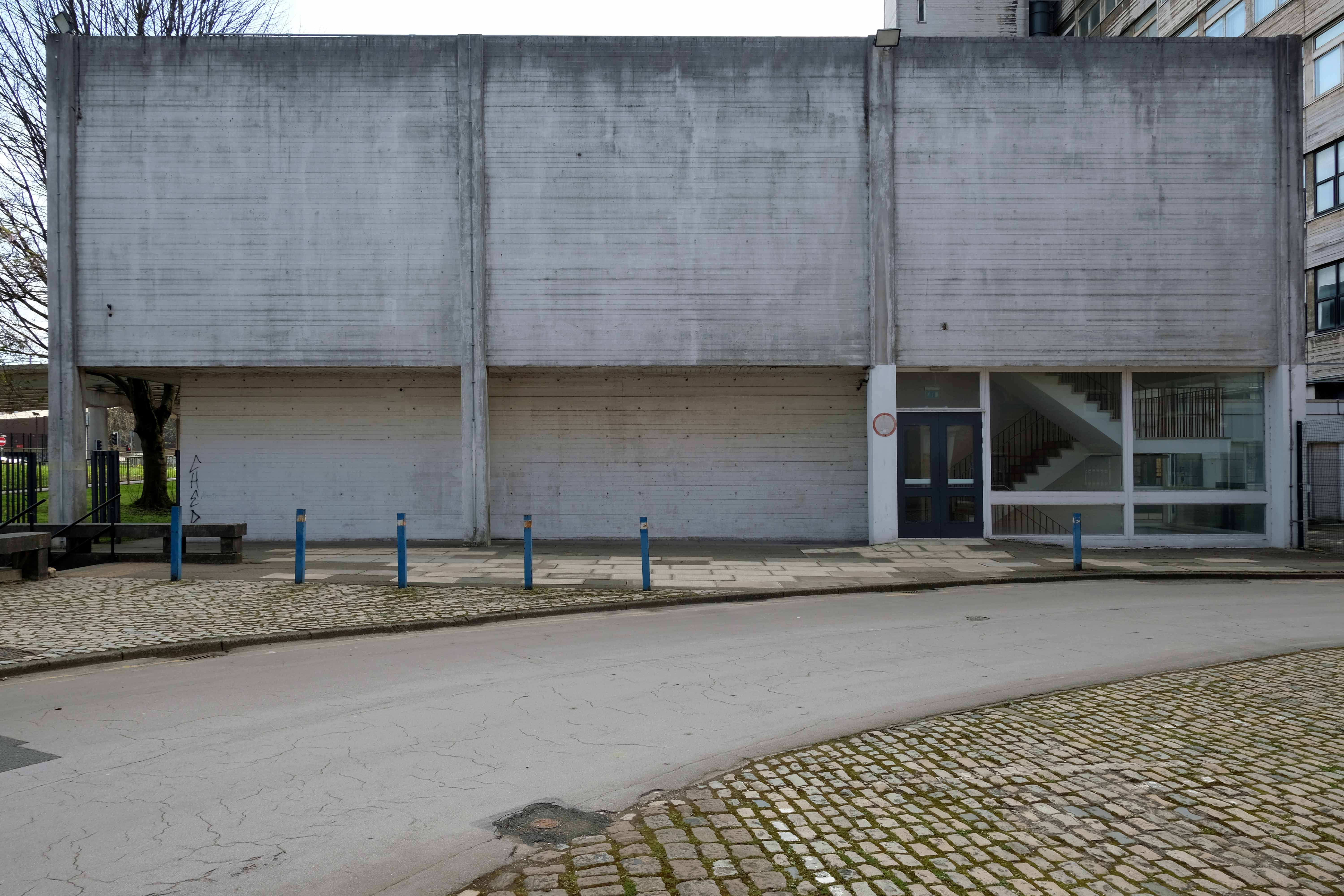
Ellen Wilkinson Humanities Building

Second time around, following my post in 2019.

A terminal halt on the Campus Capers walk.

Taking a walk around town on an overcast and intermittently showery Friday, we’re all here again.

Sat at home on an overcast and intermittently showery Monday, I took a walk around online archives.
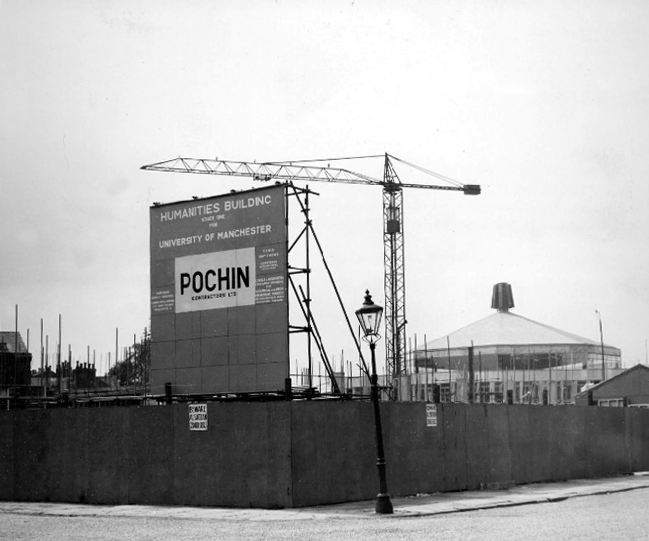
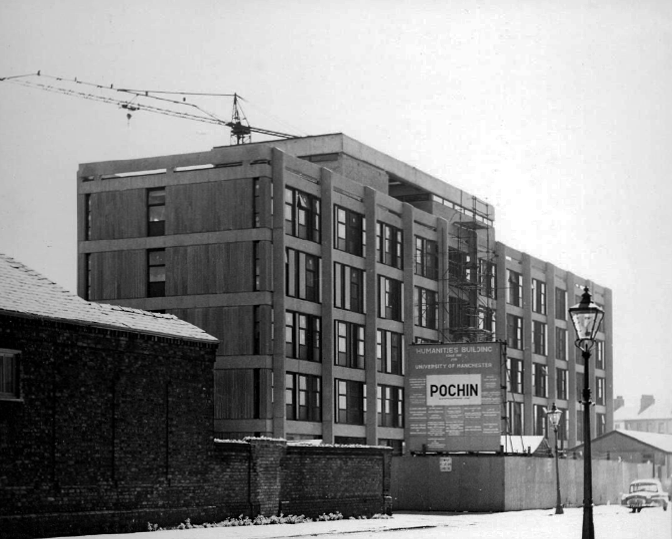
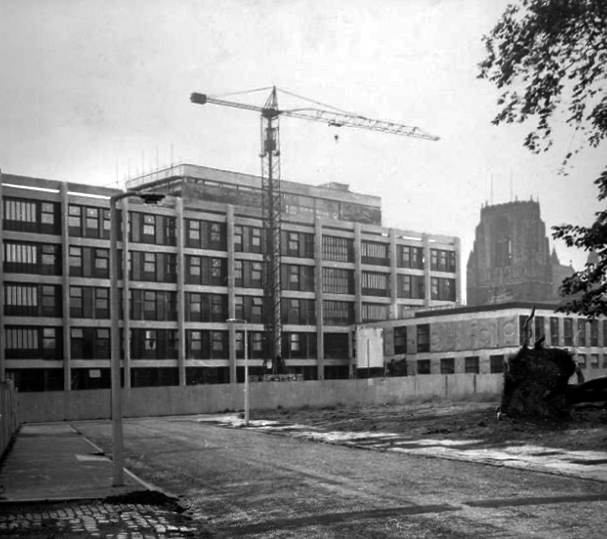
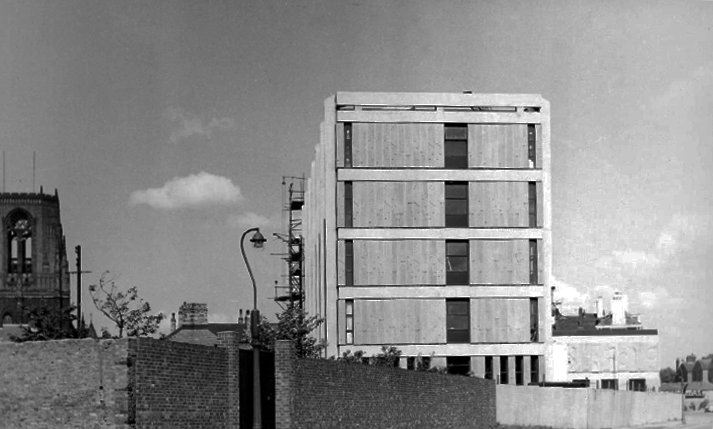
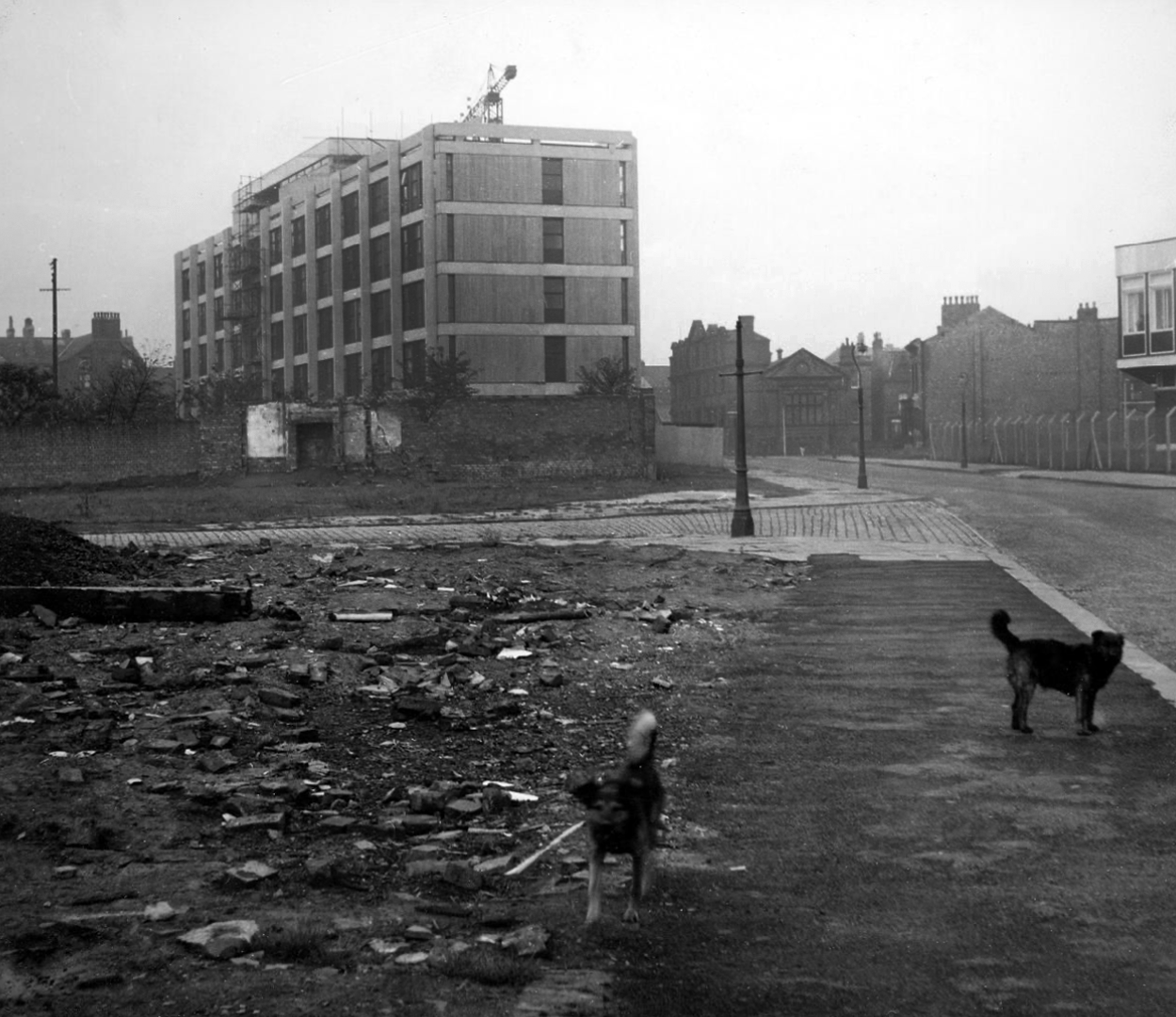
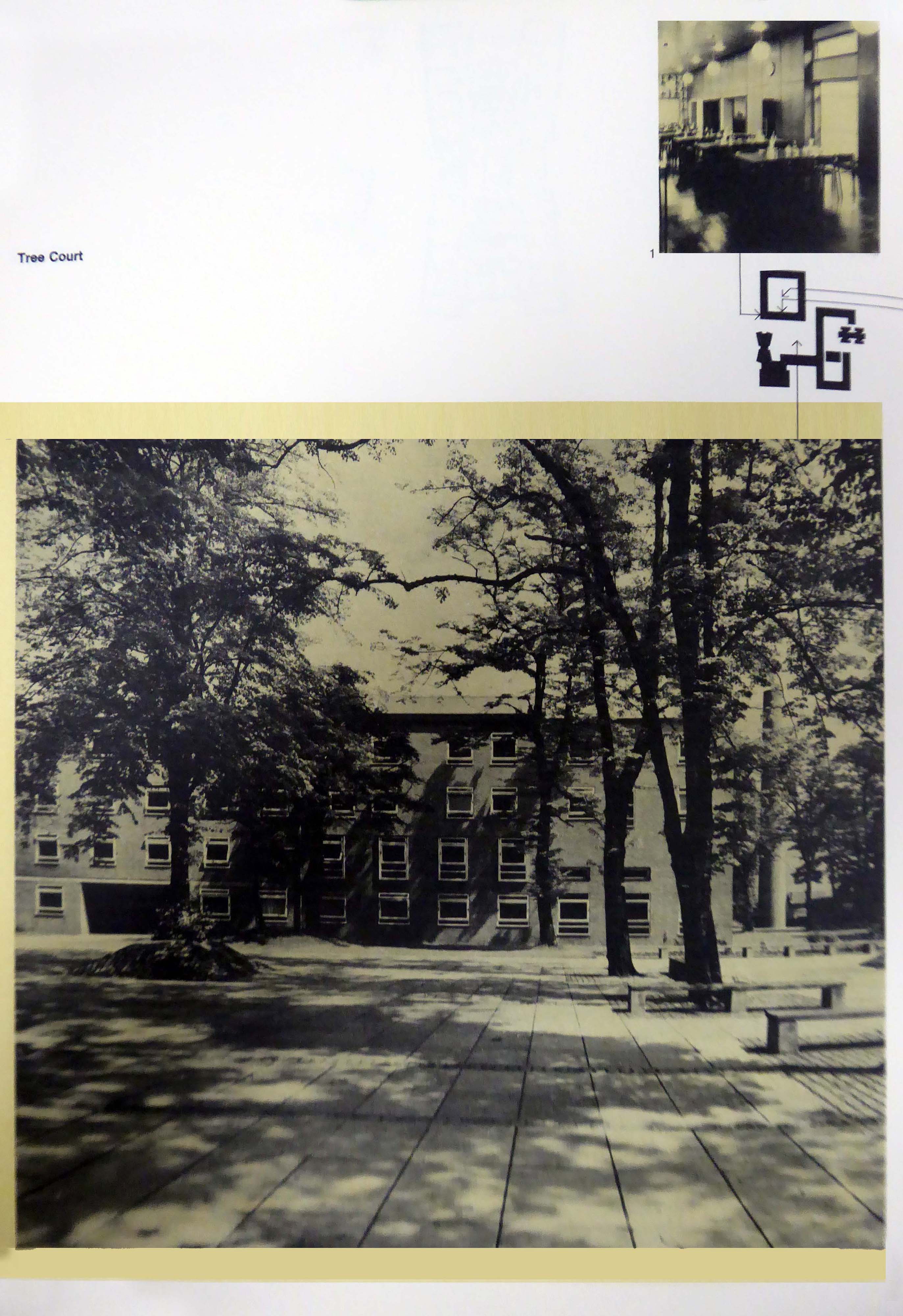
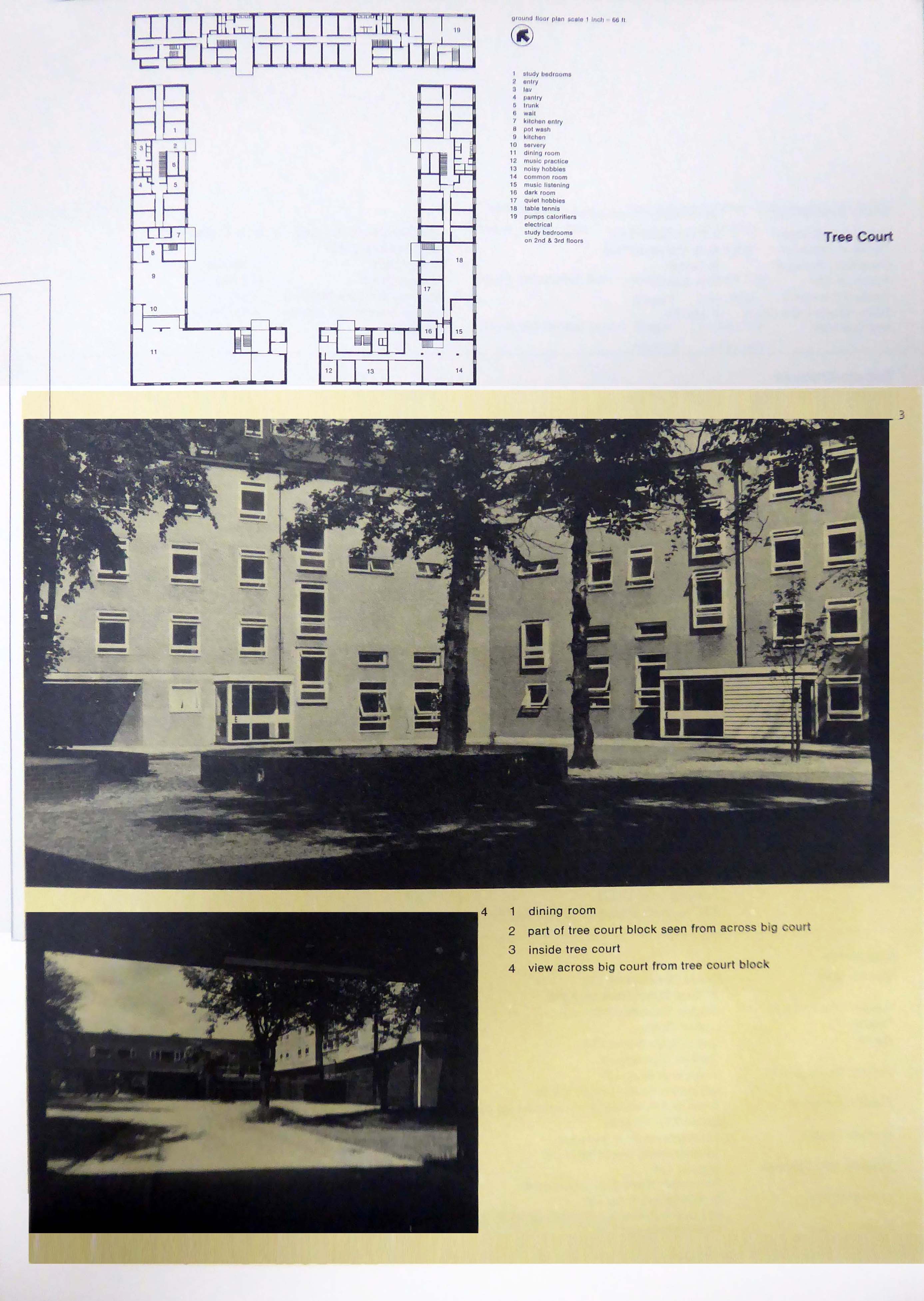
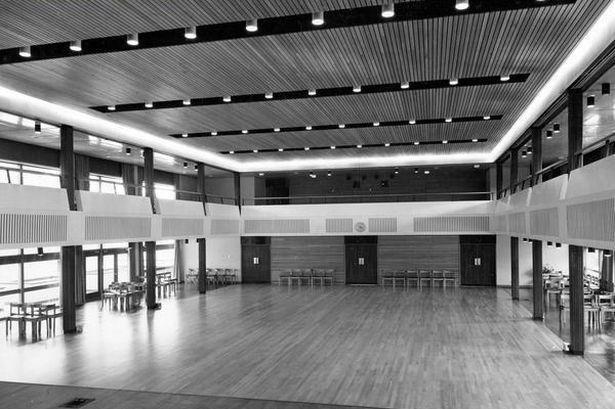
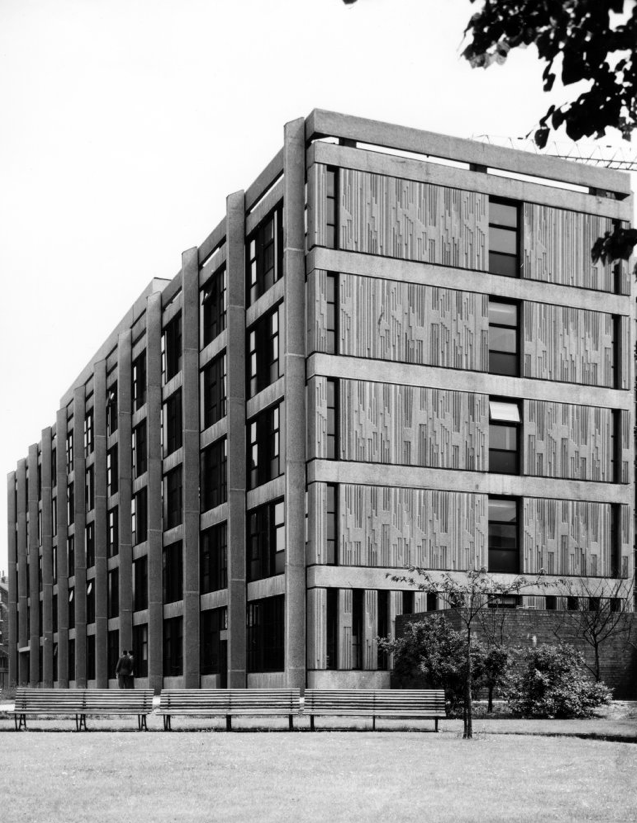
1962 to 1963 Photos: Local Image Archive
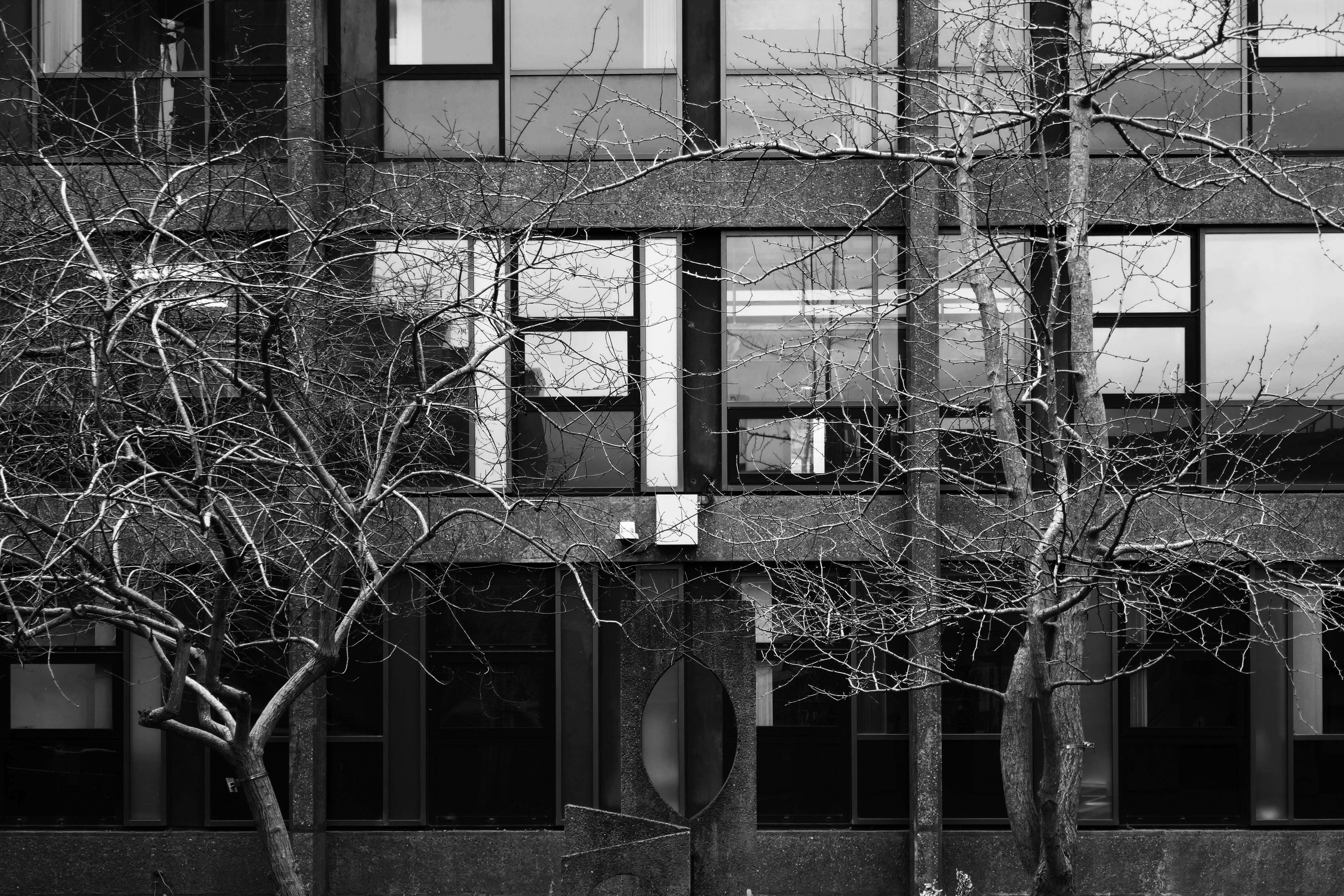
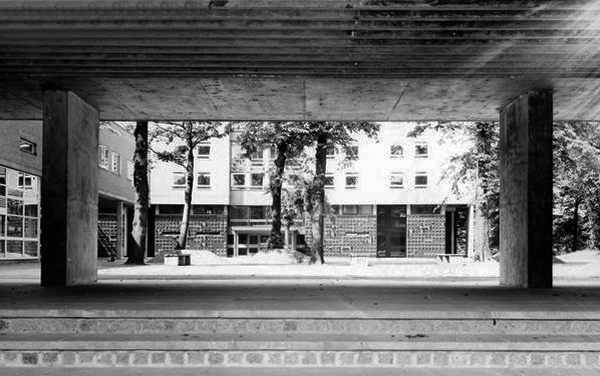
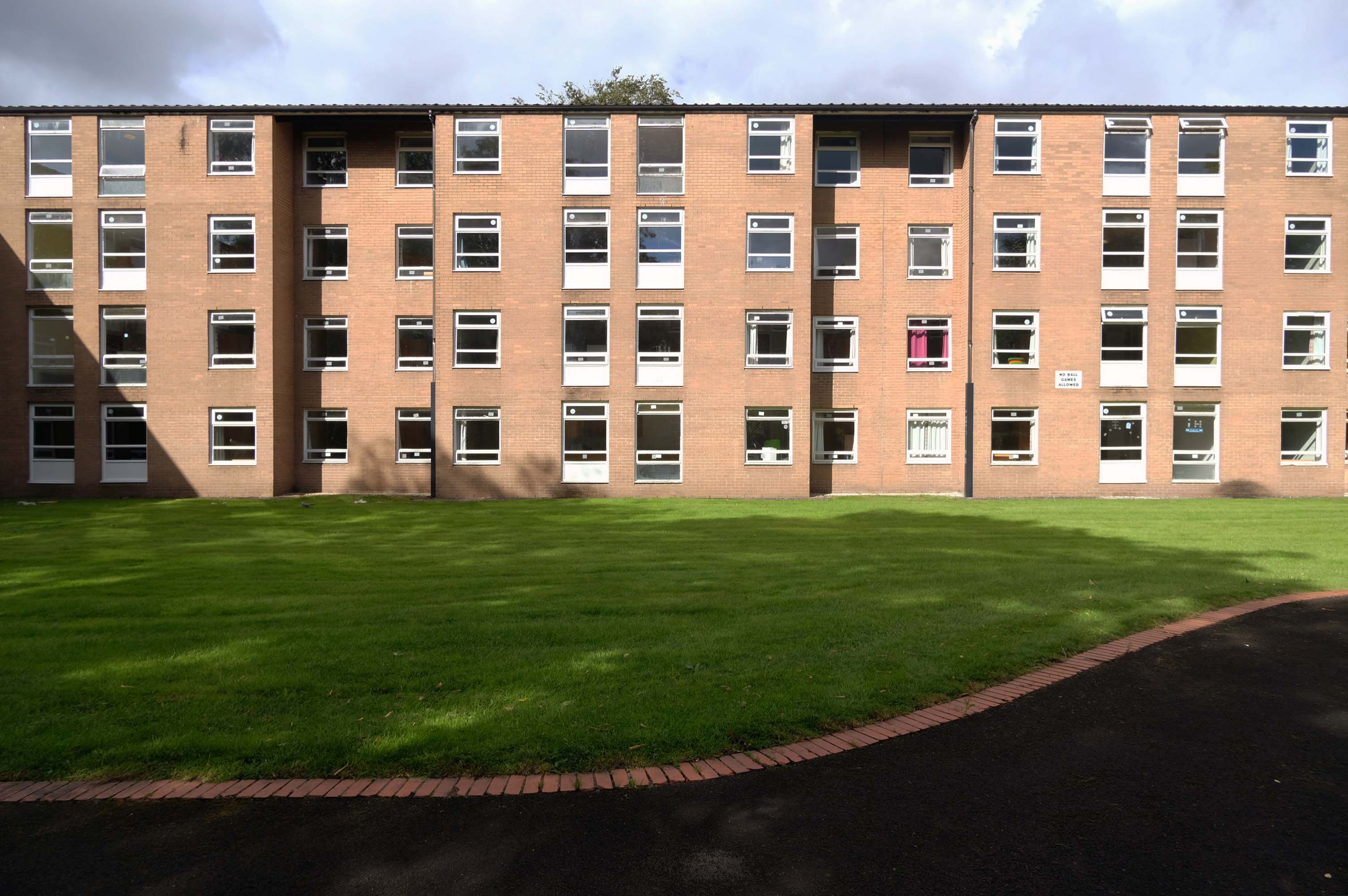
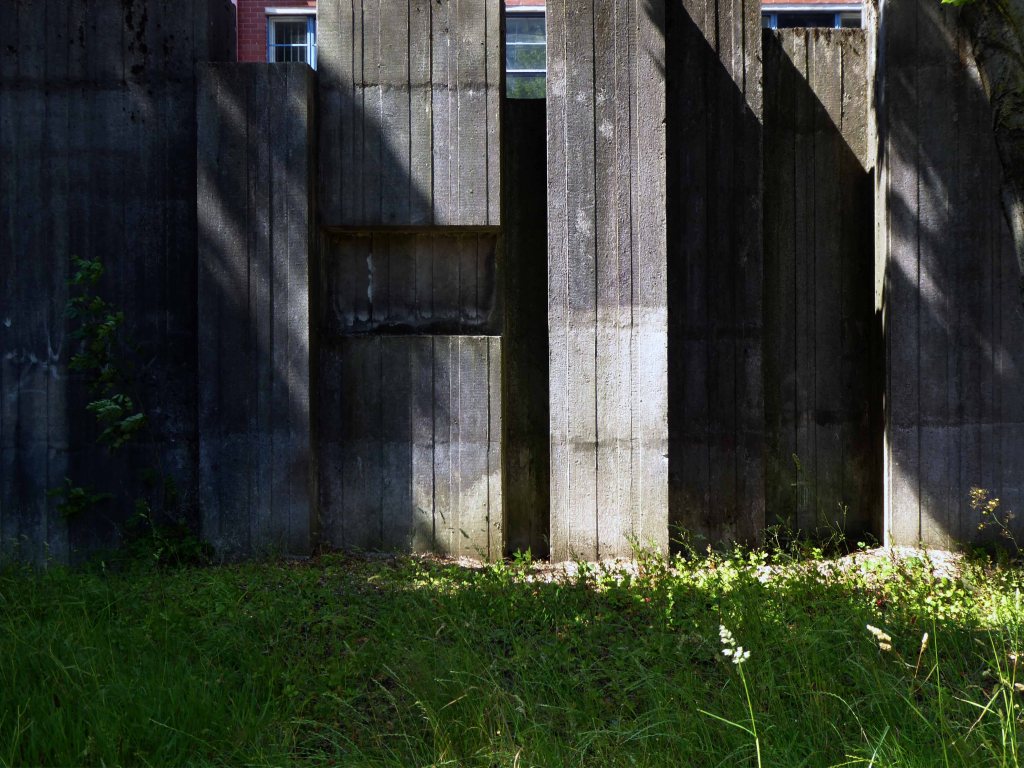
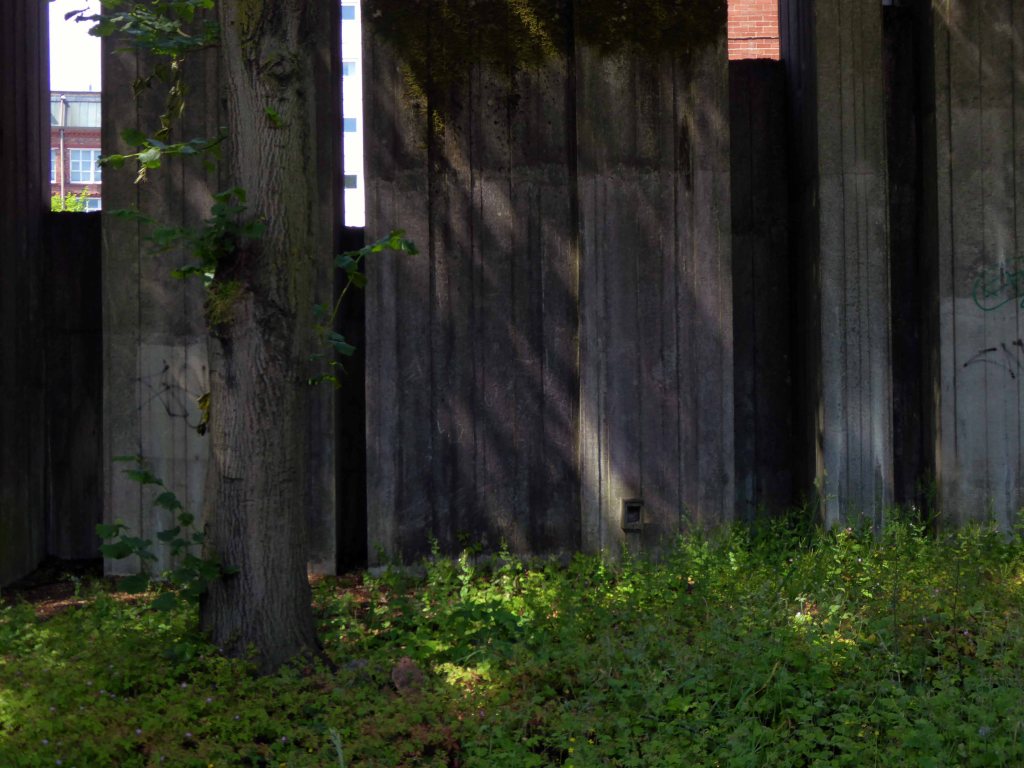
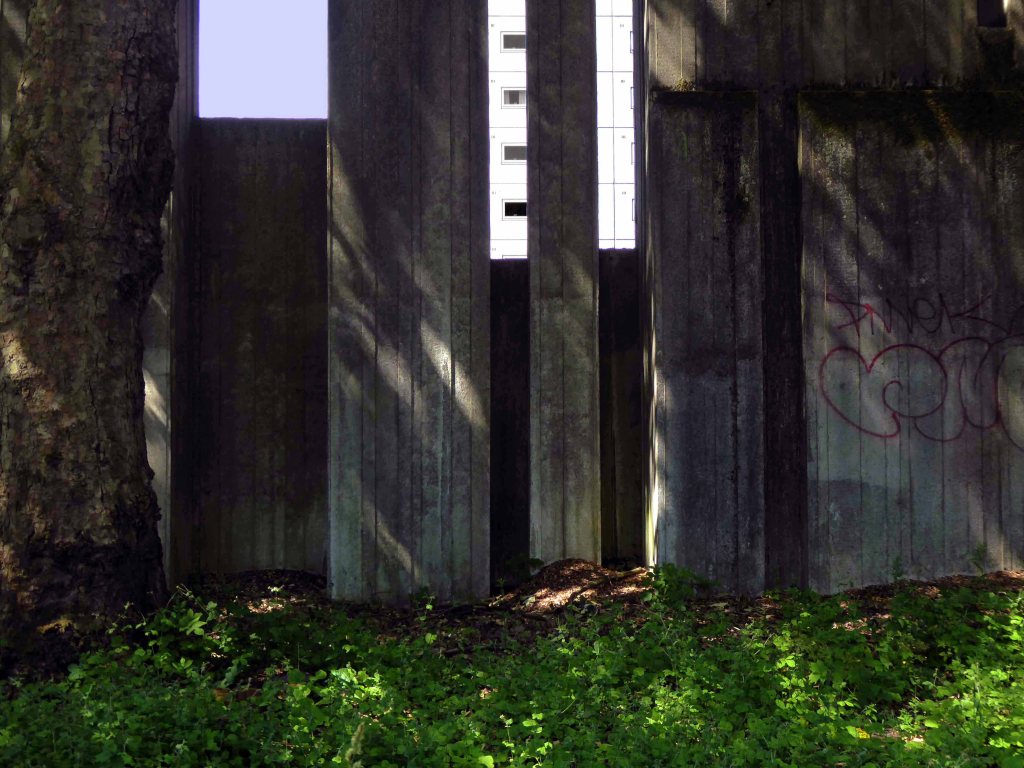
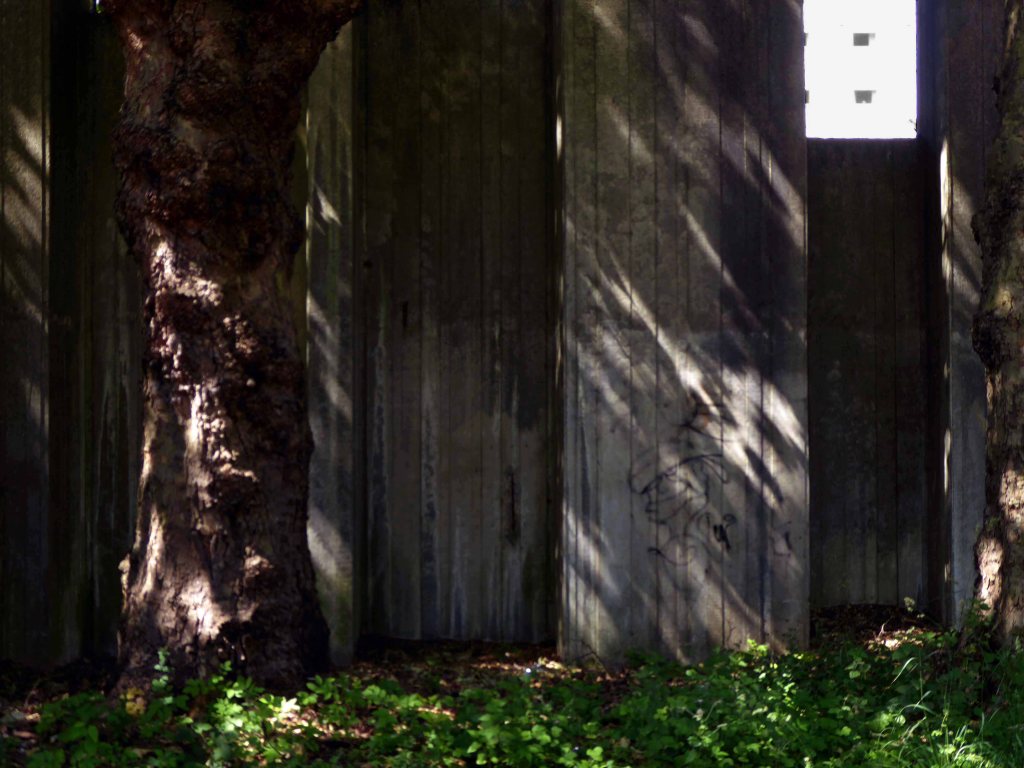
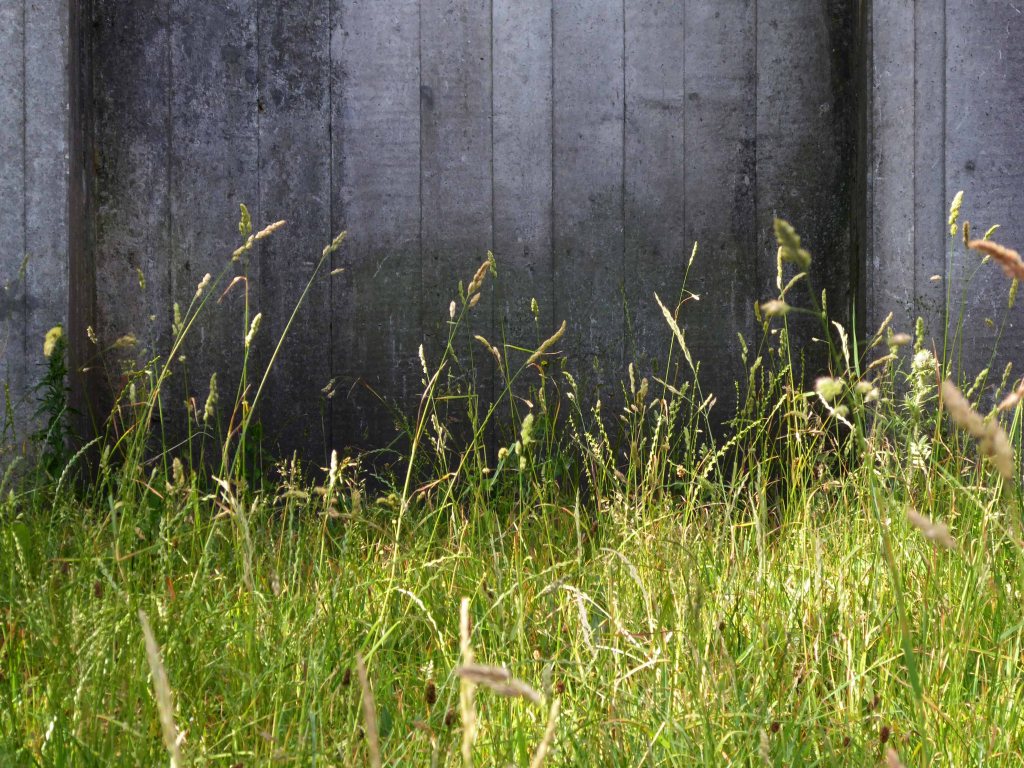
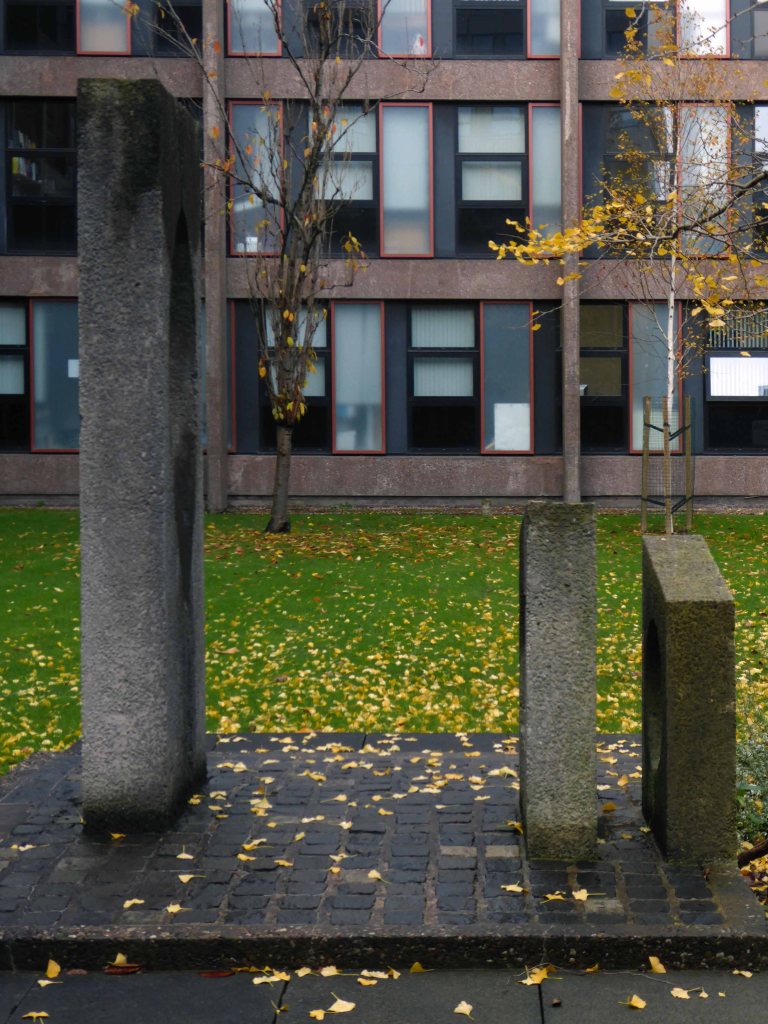
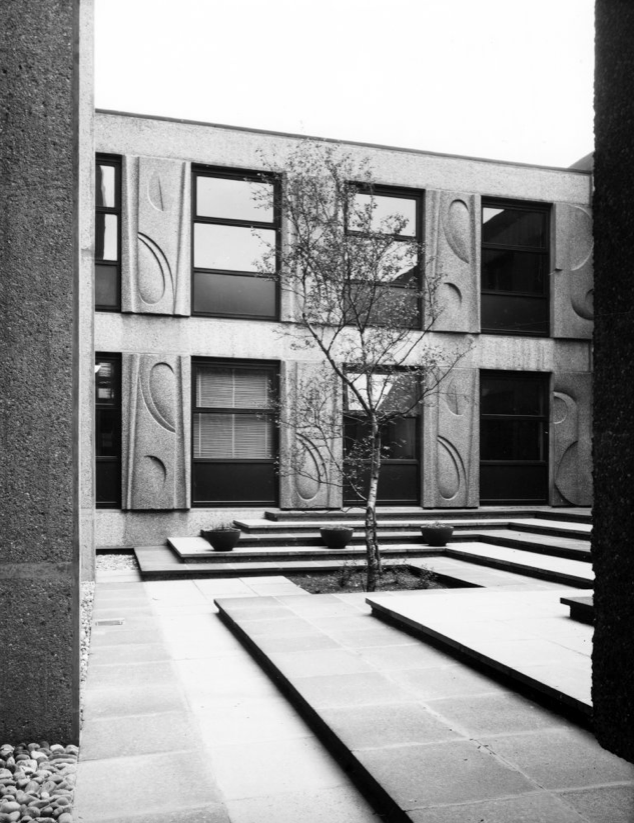
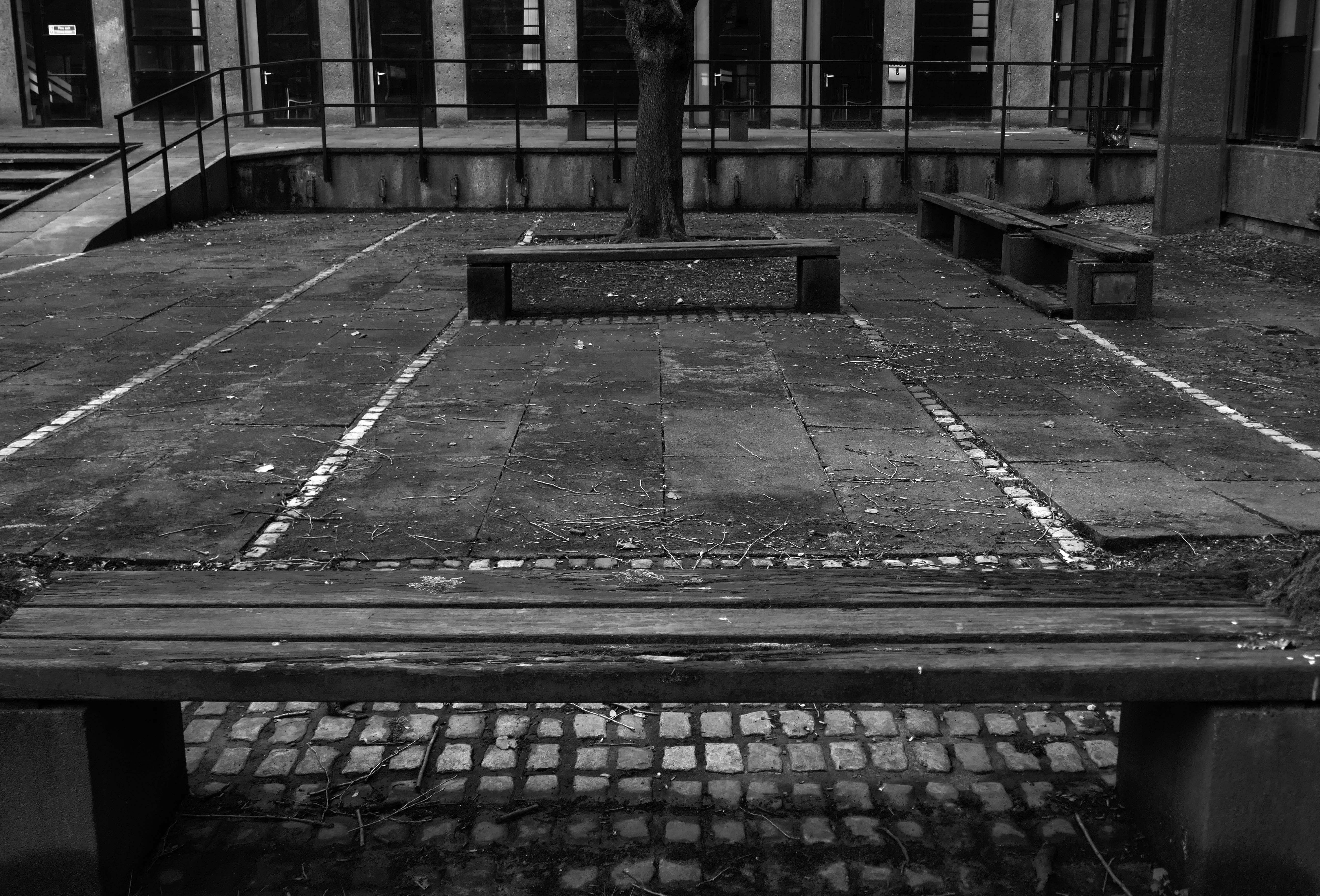
The inner courtyard was originally paved, subsequently grassed over.

The lack of sunlight has resulted in the grass becoming both waterlogged and moss-bound.

As a former TMBC maintenance gardener I recommend raking out, aeration and a top dressing of light river sand as a remedy.
Ribapix 1964

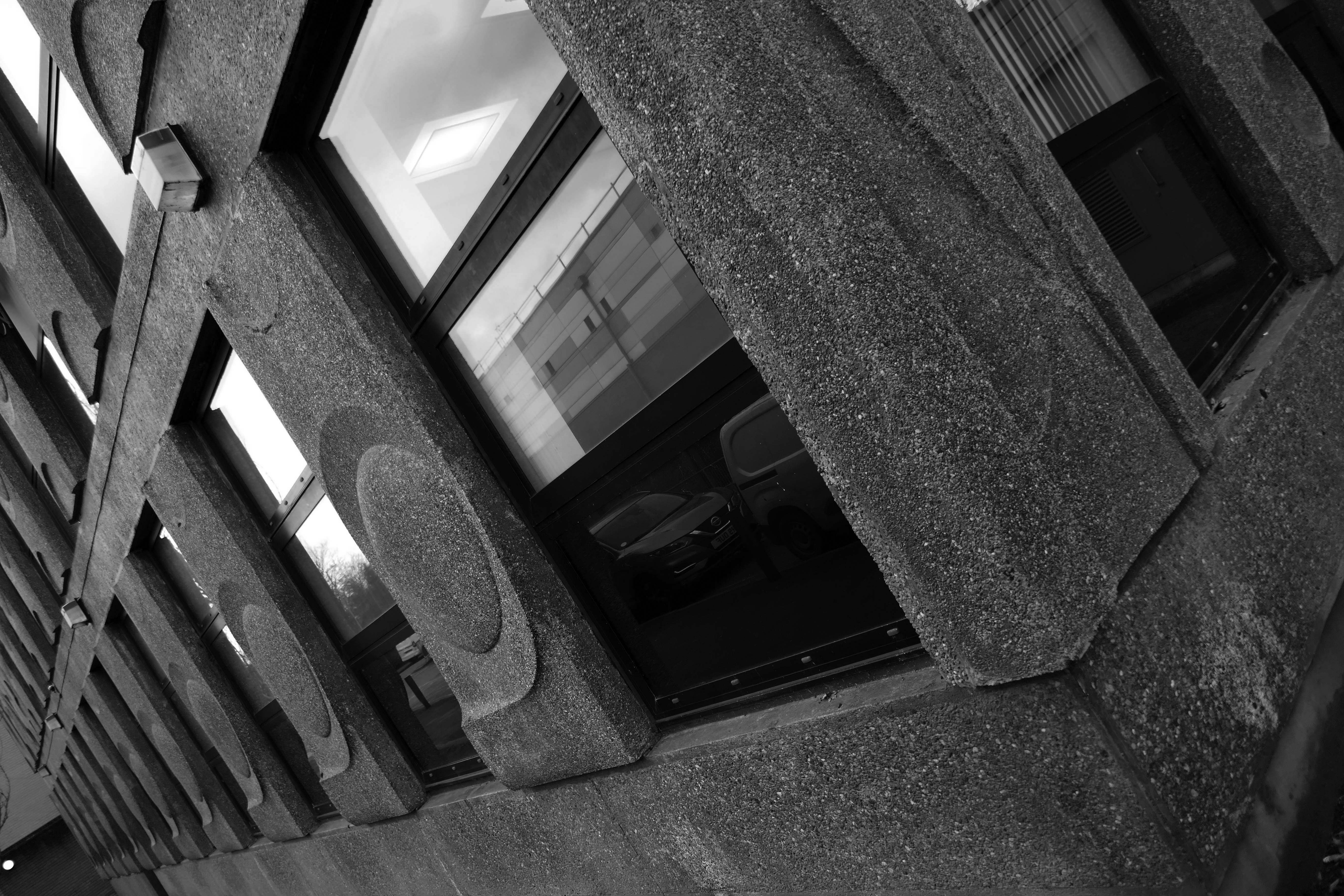
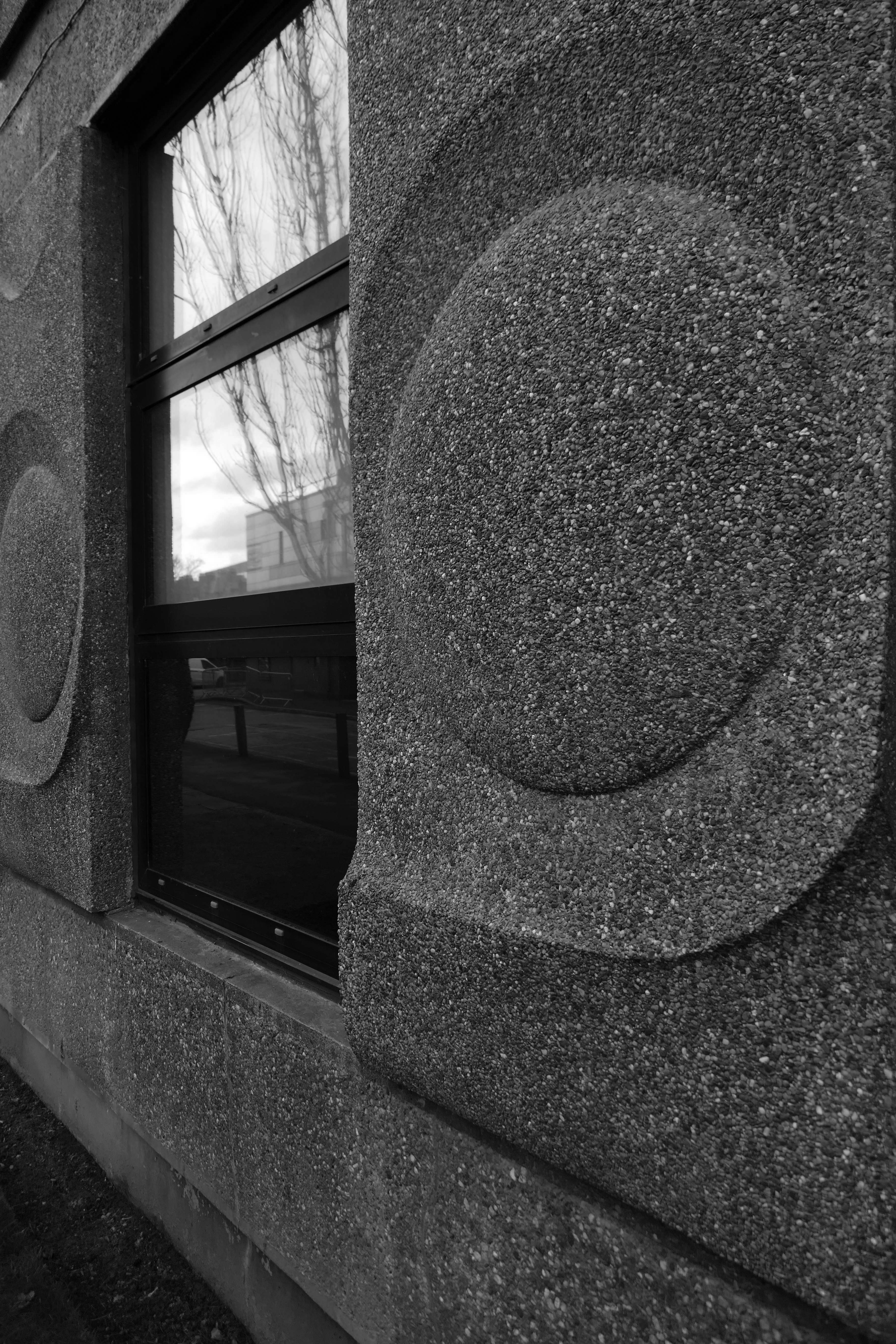
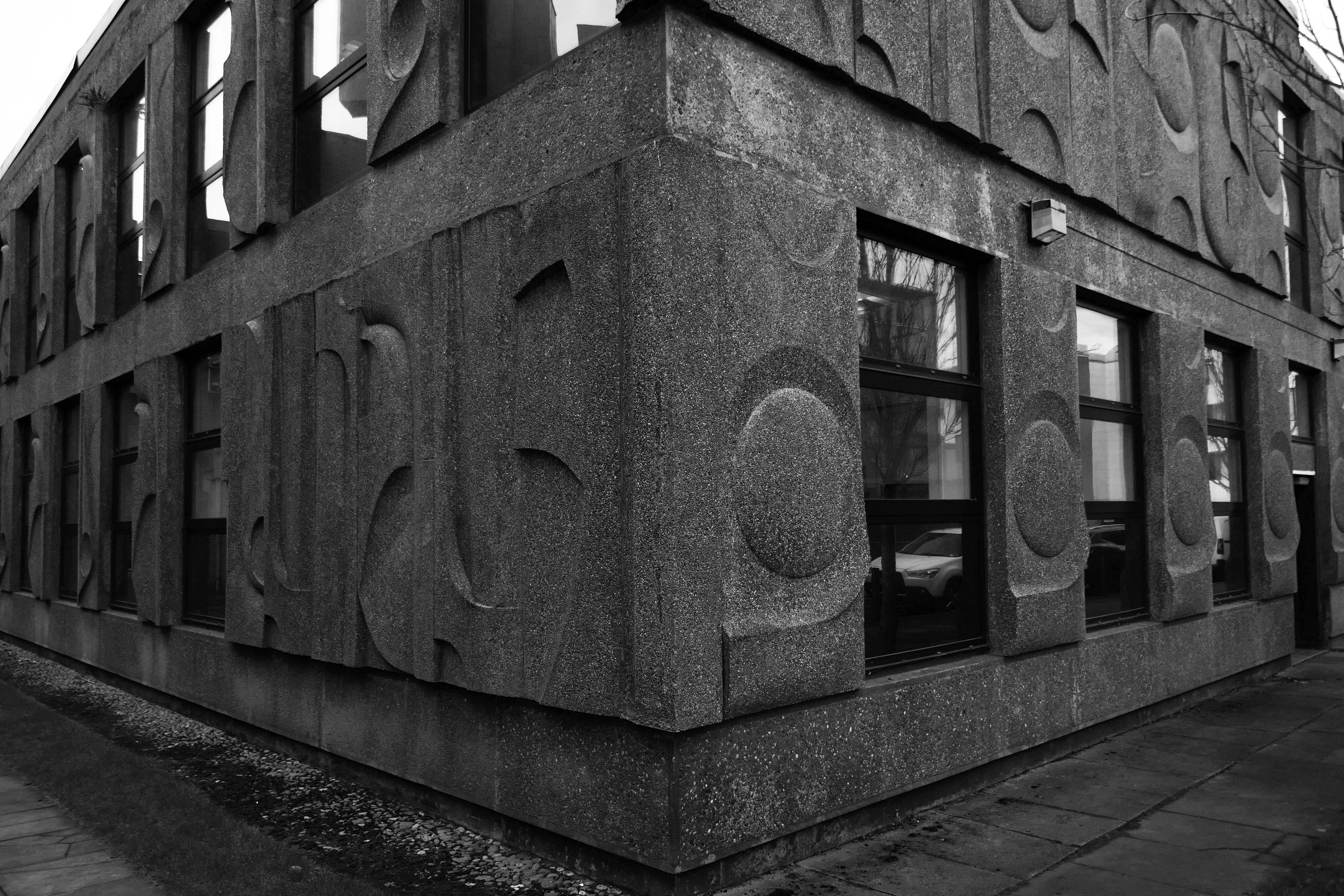
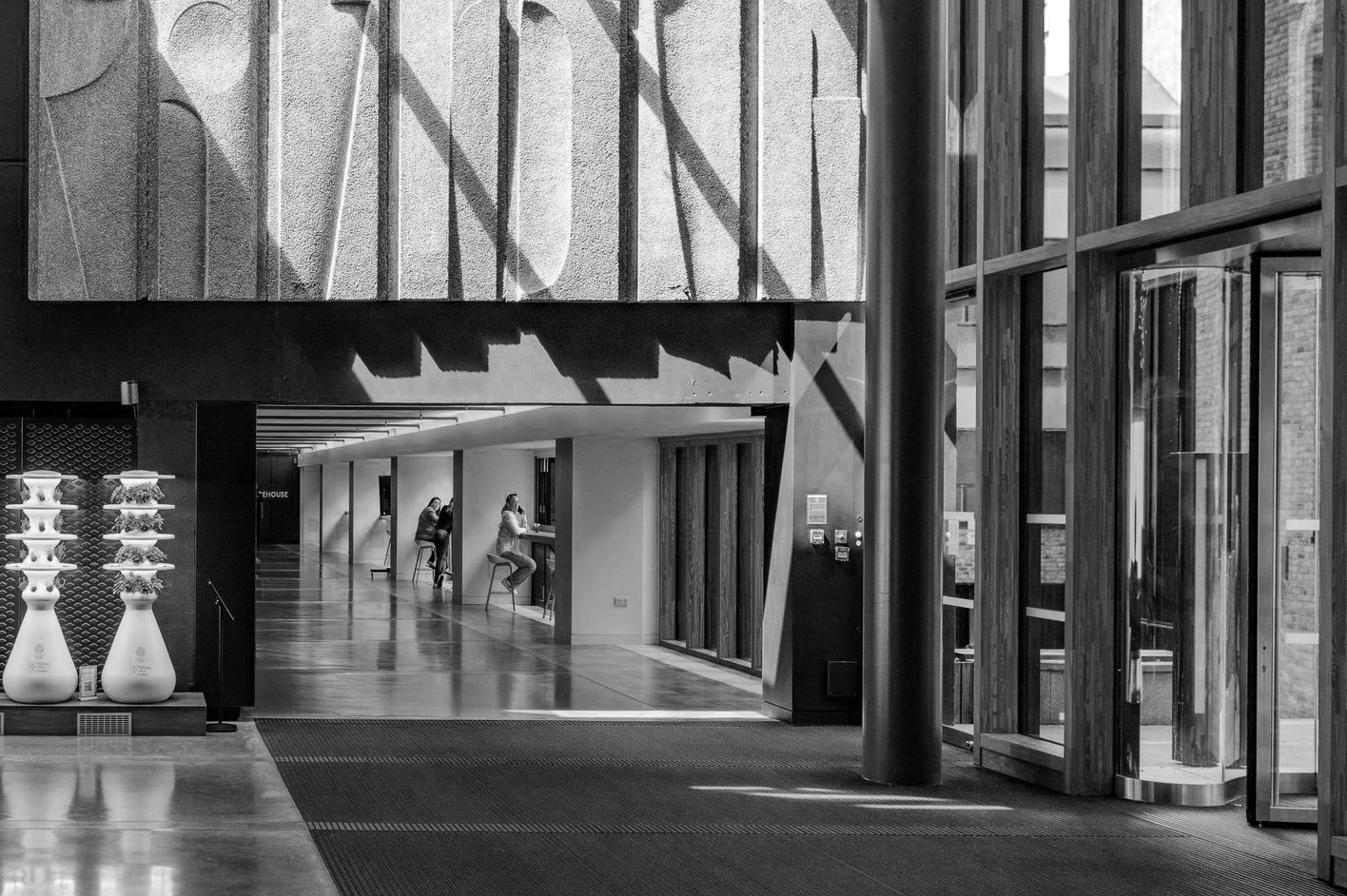
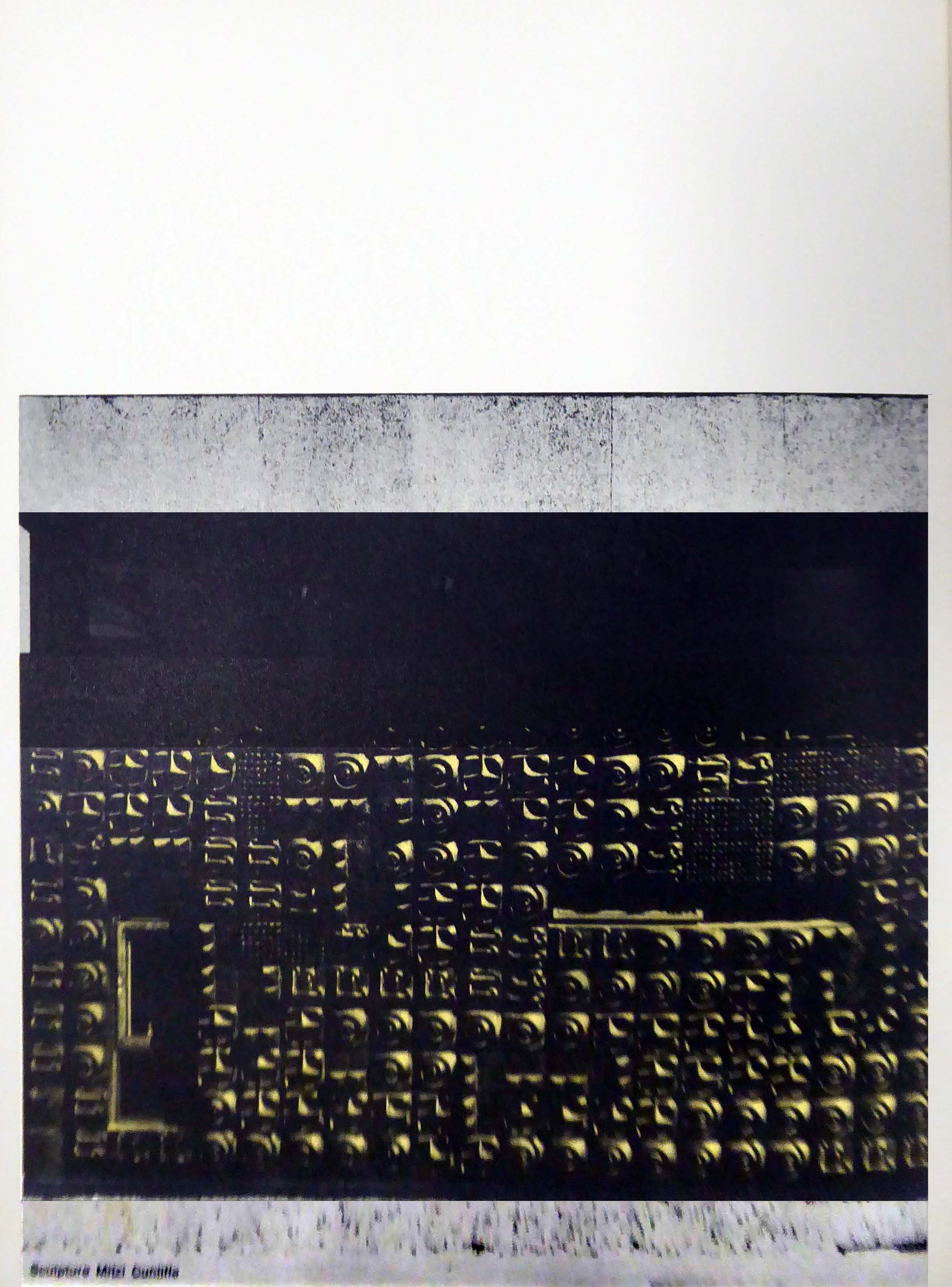
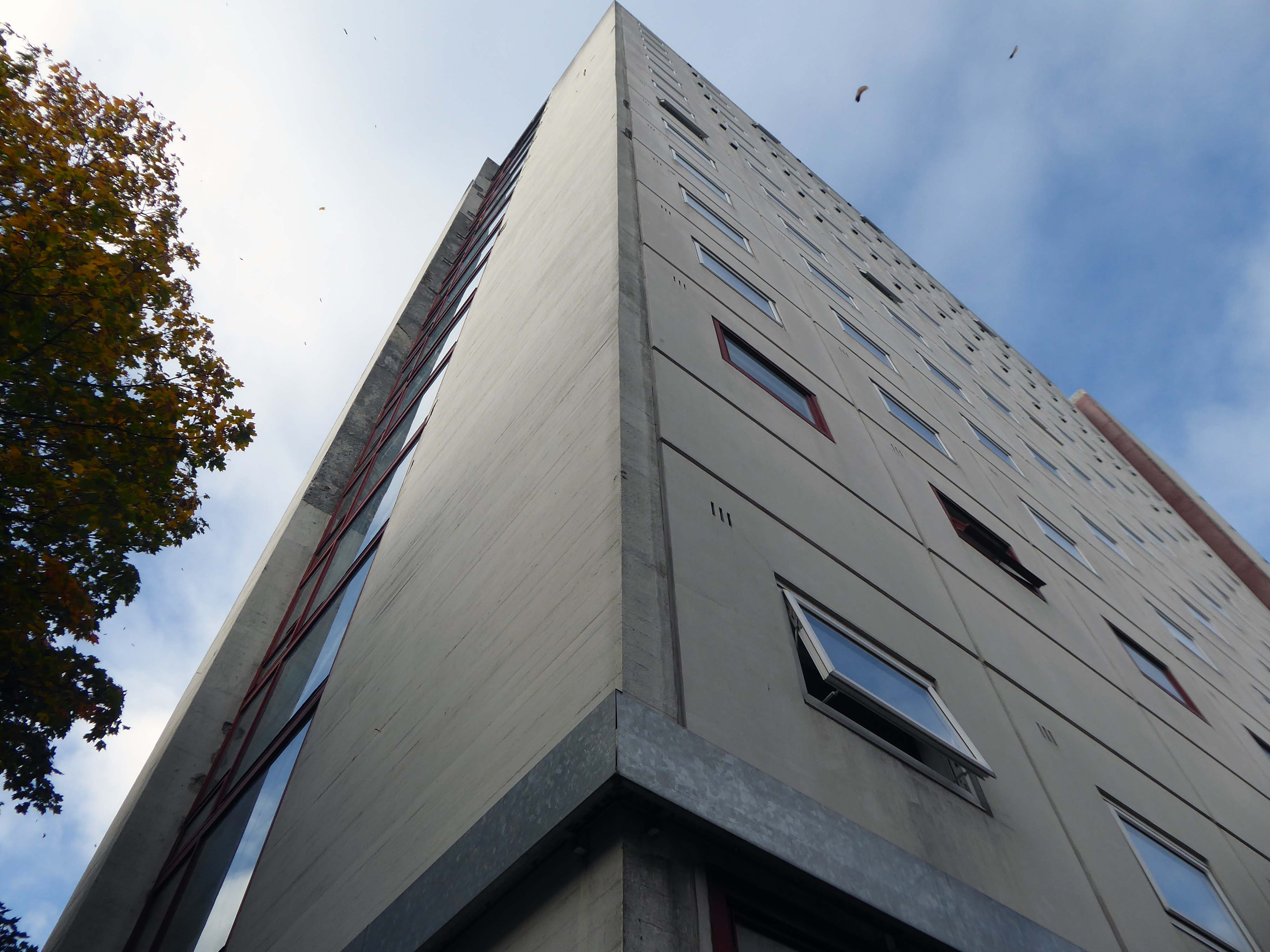
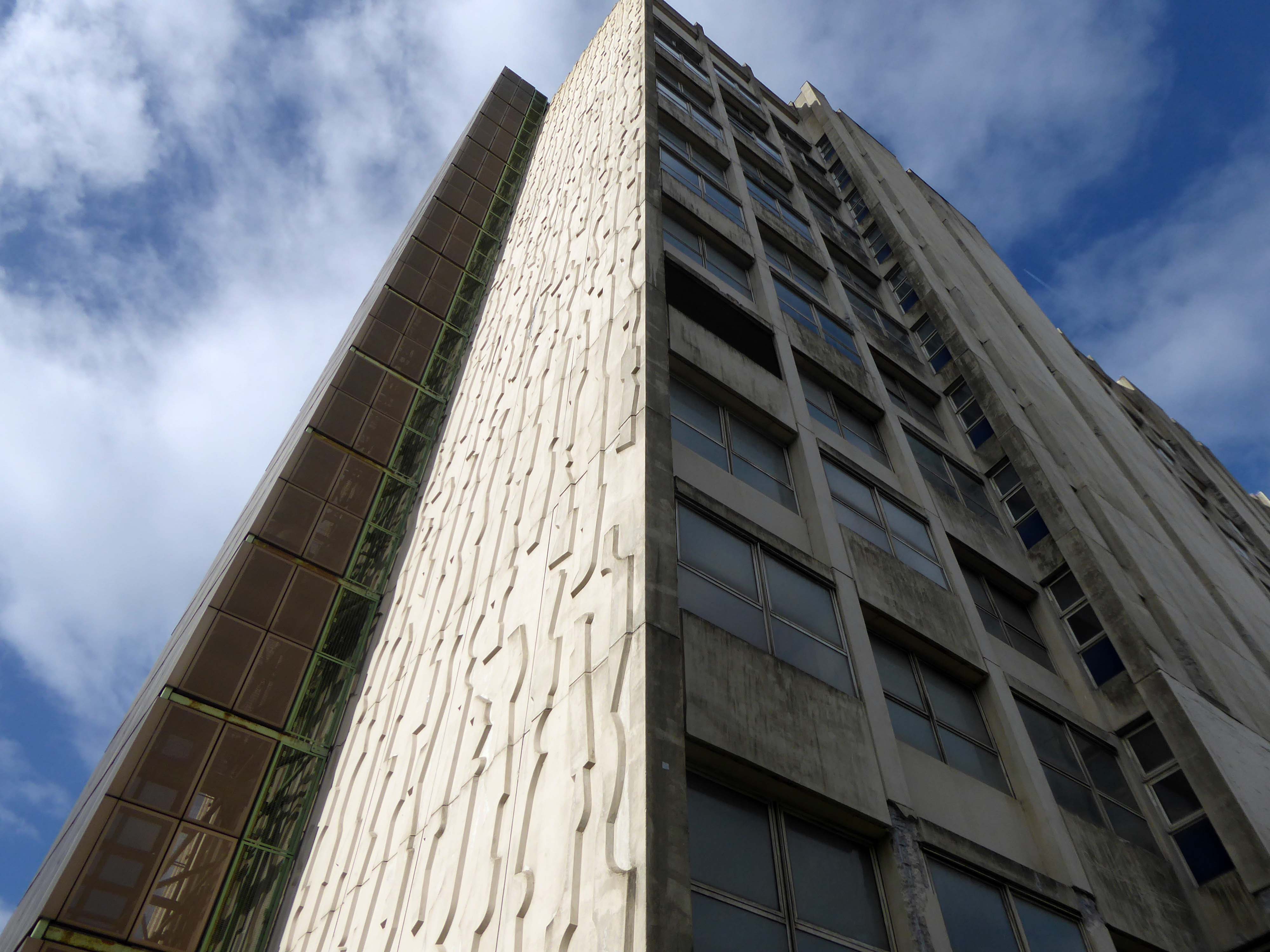
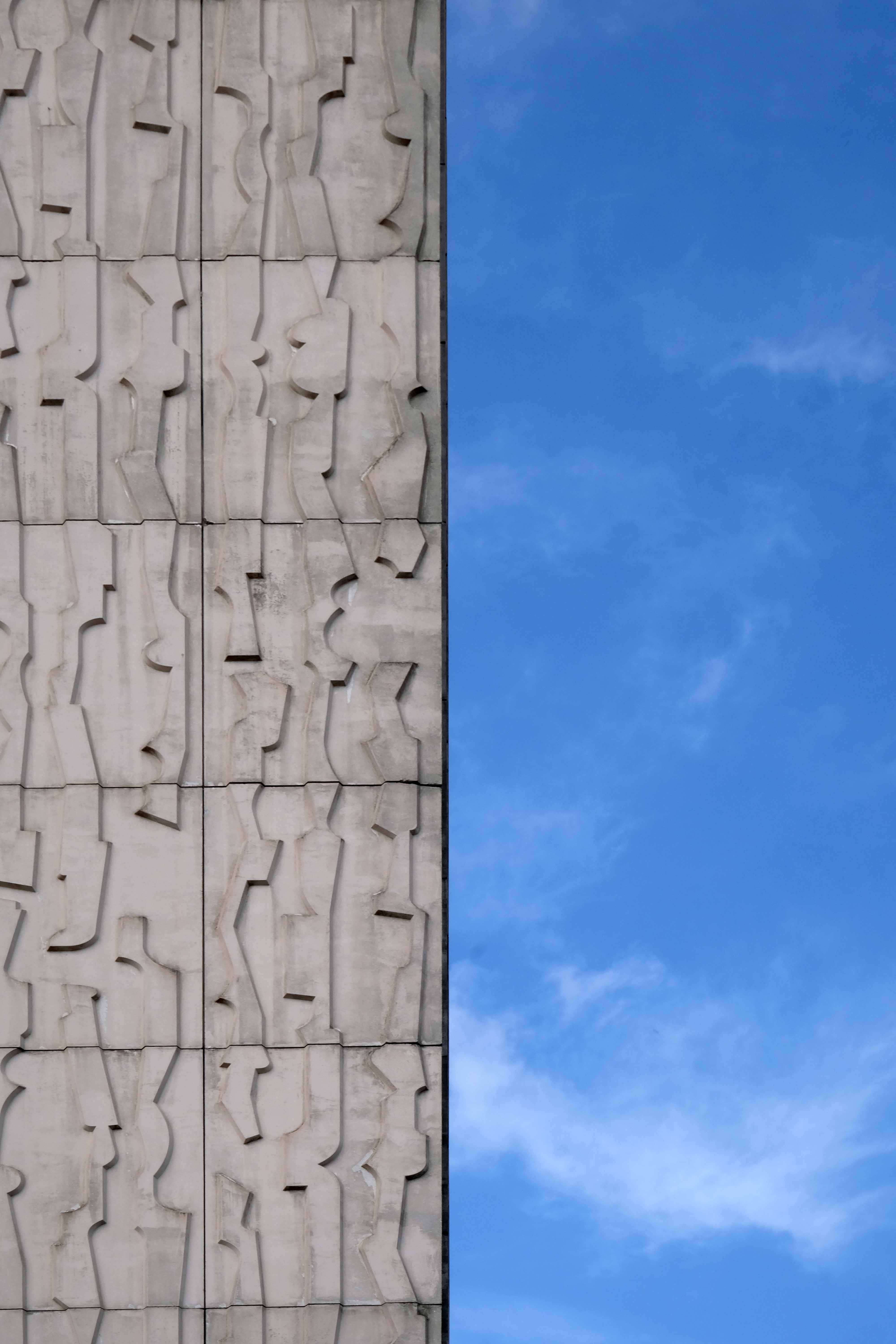
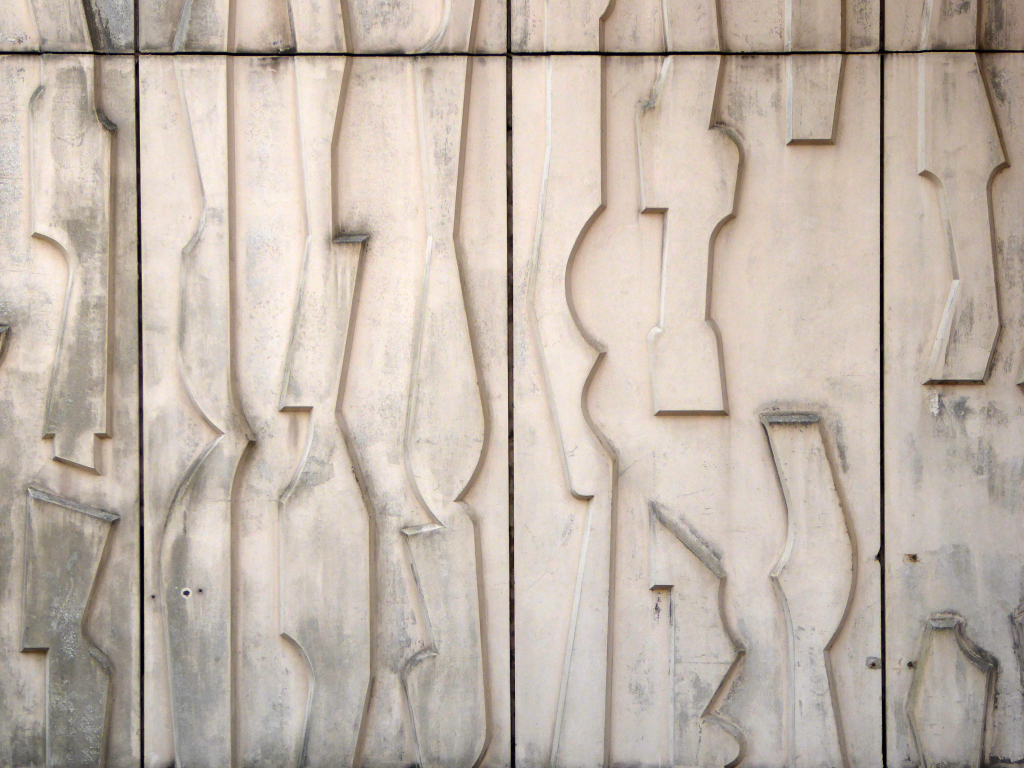
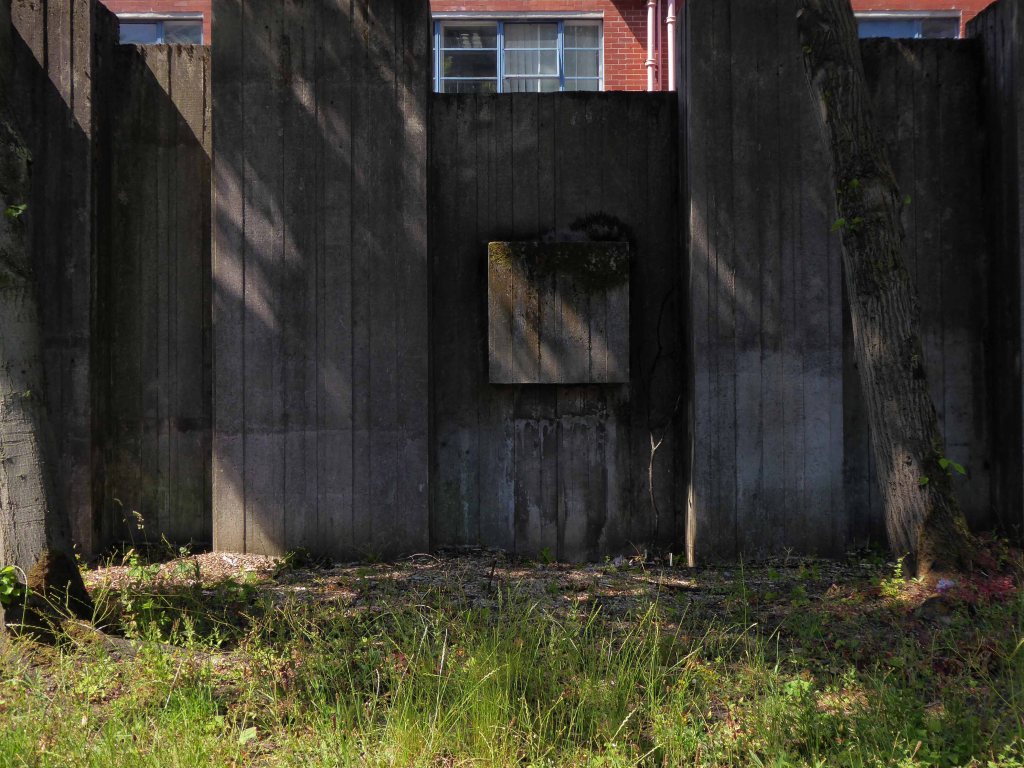
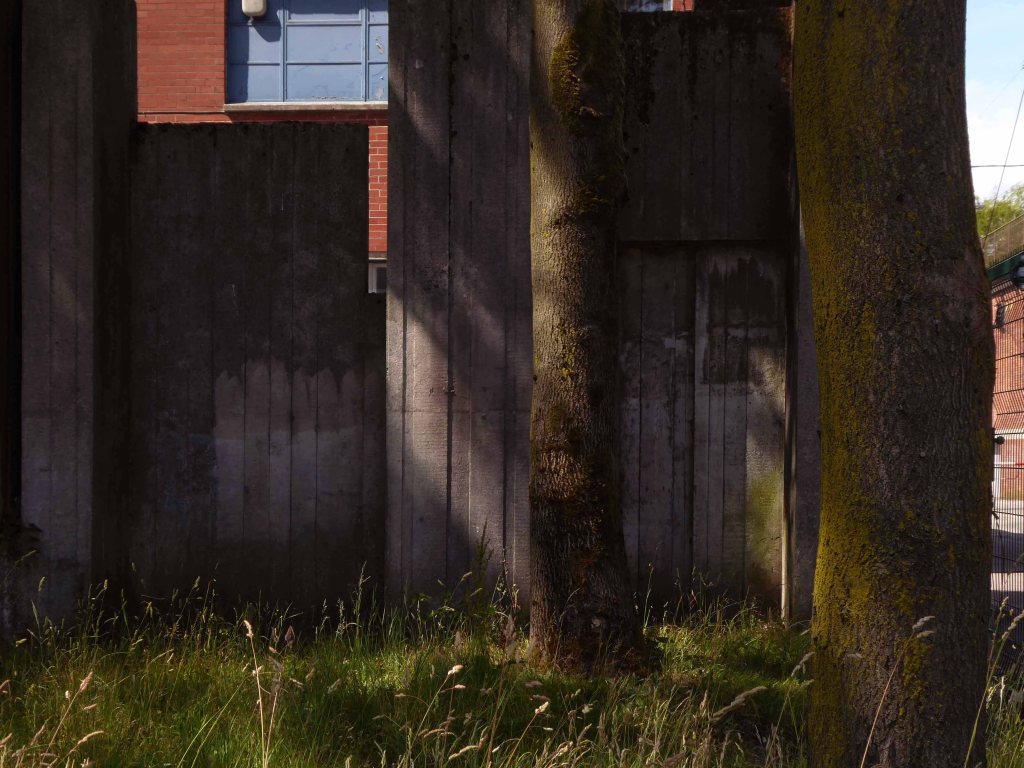
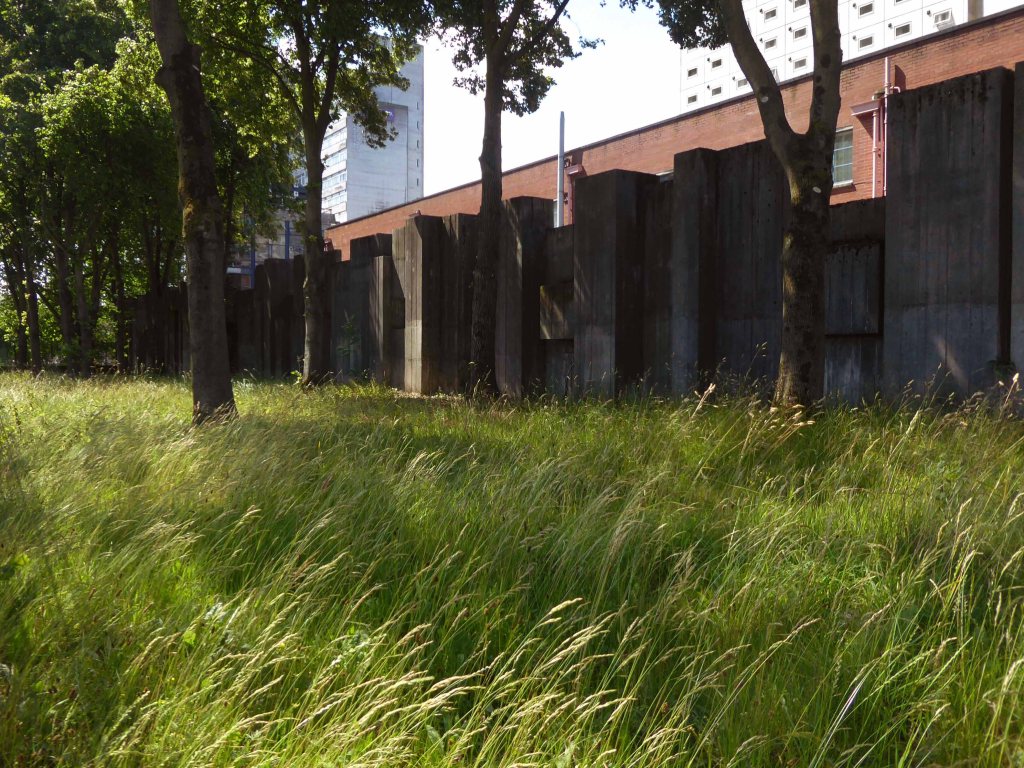
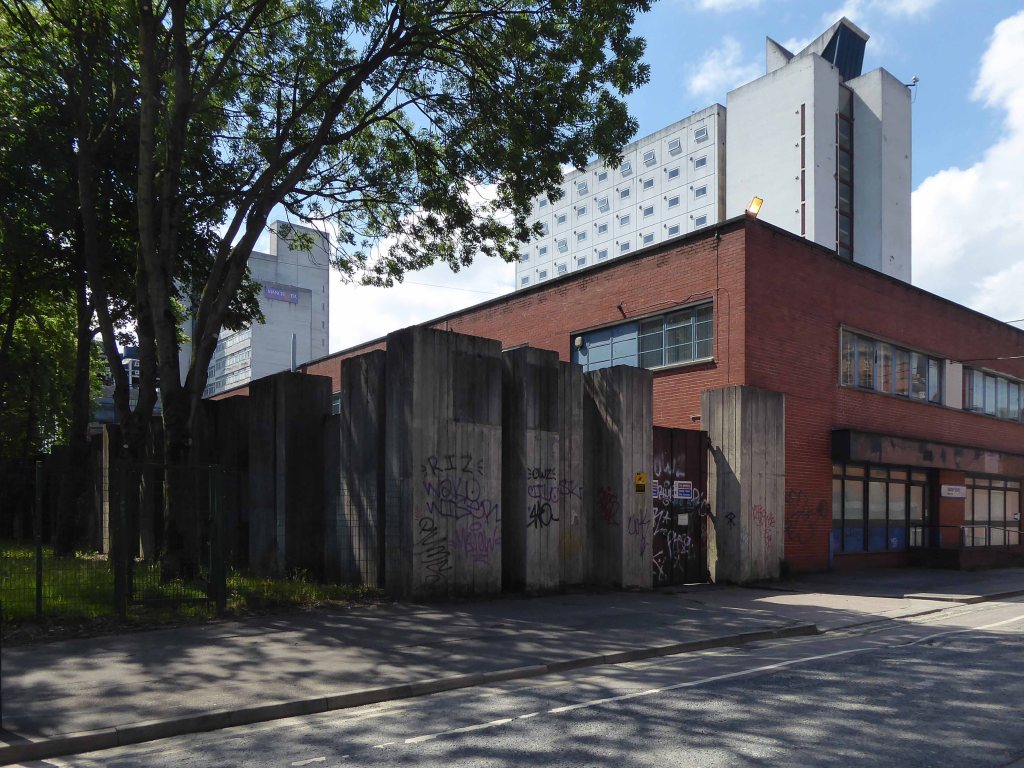
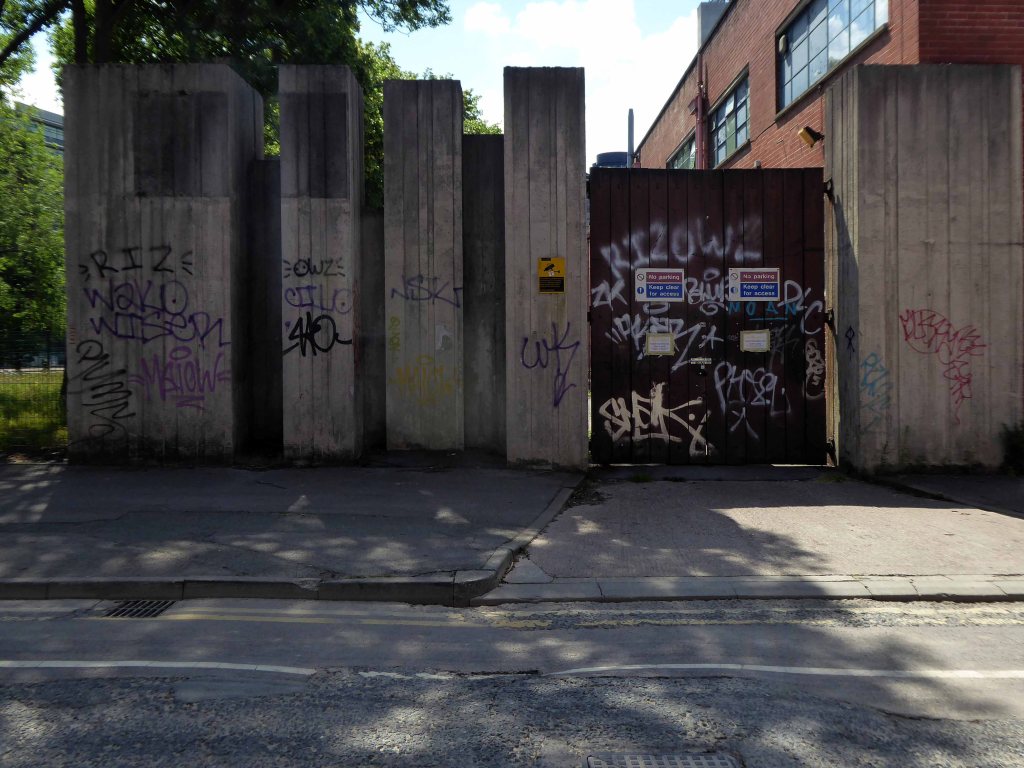
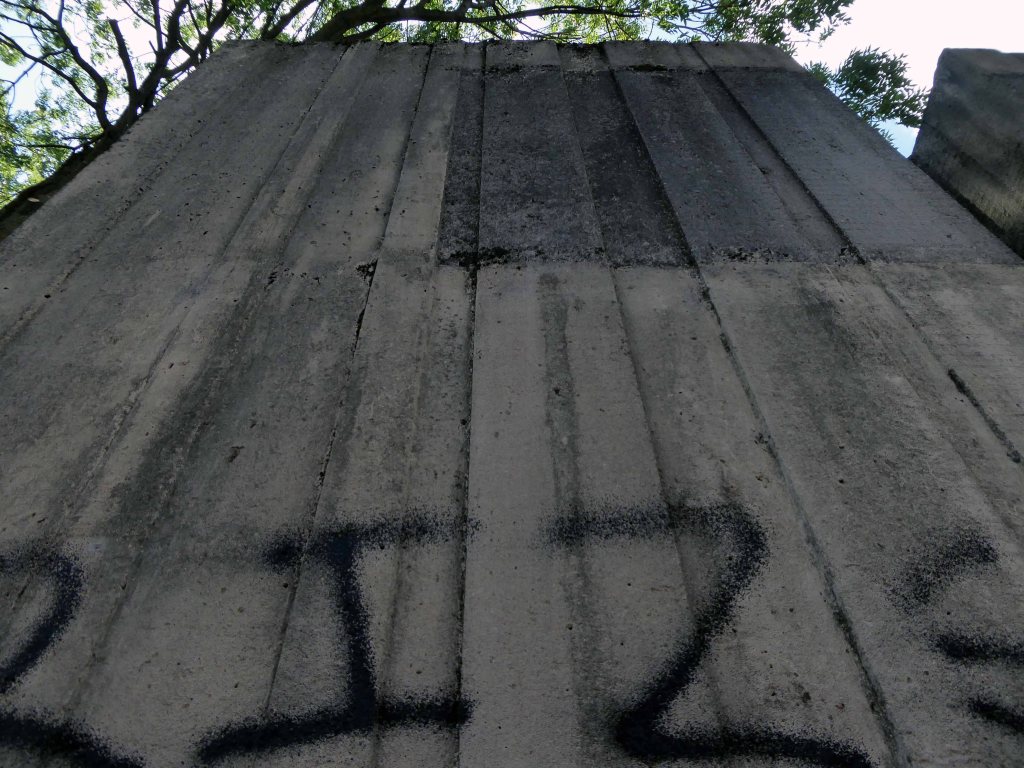
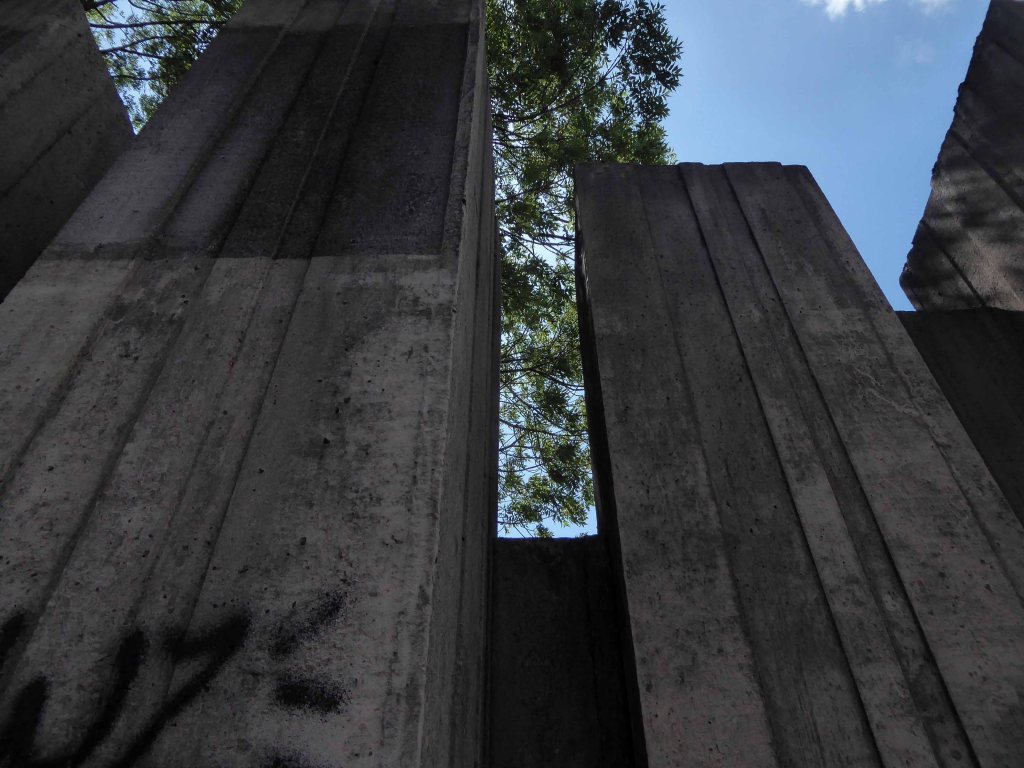
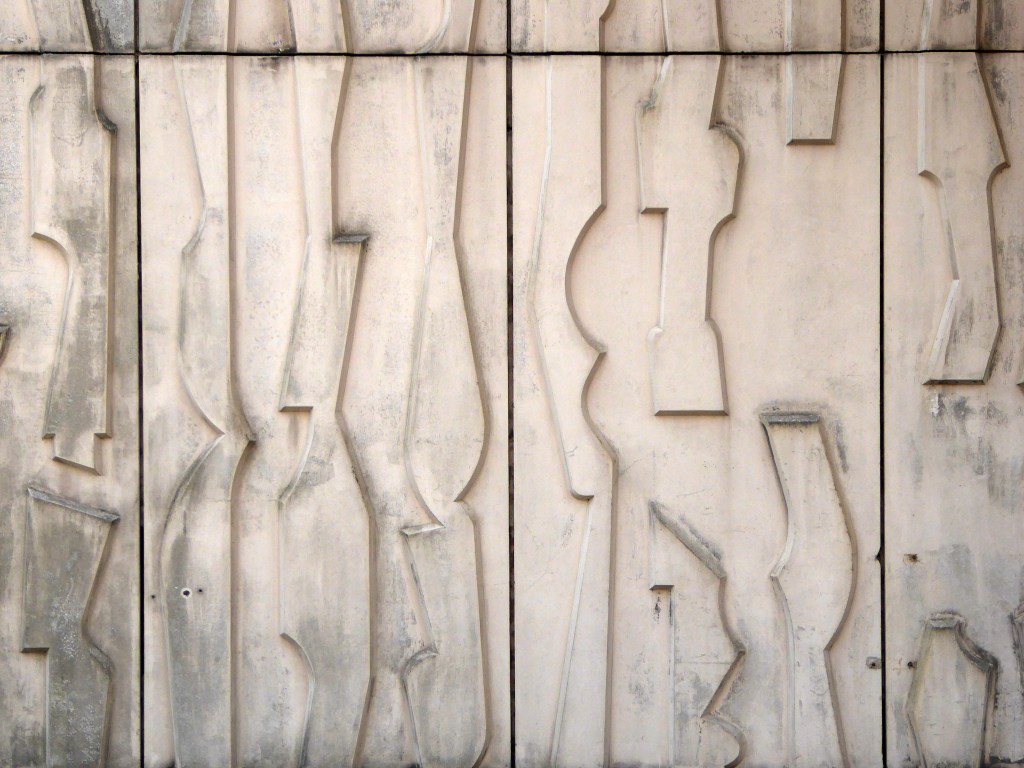
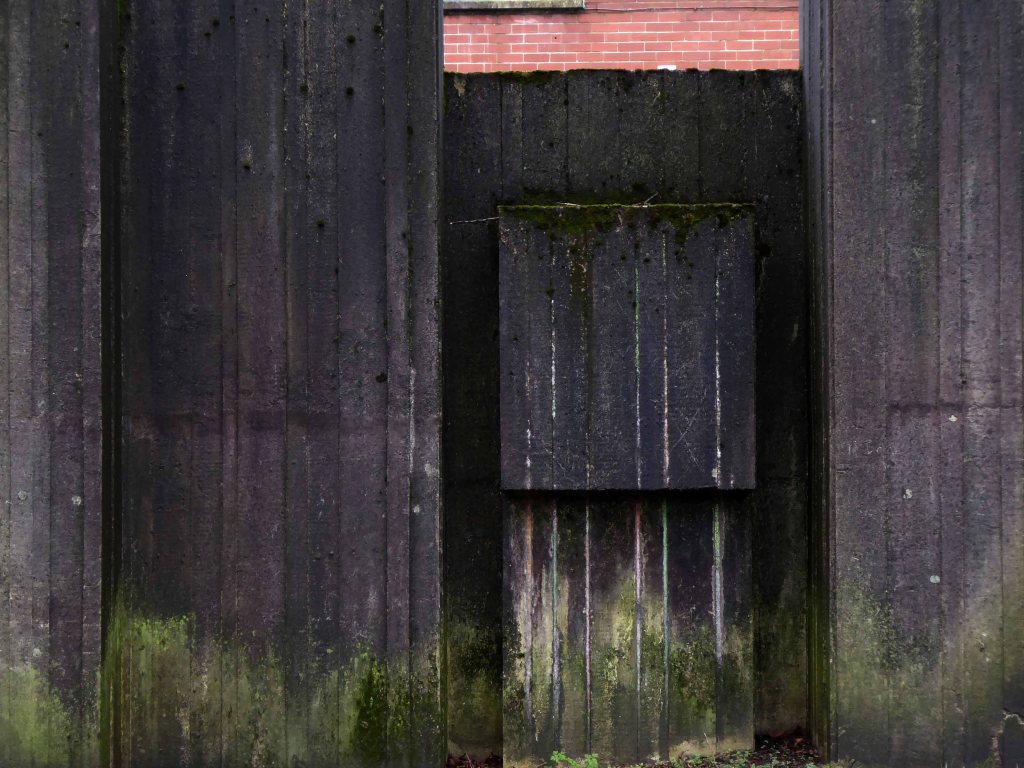
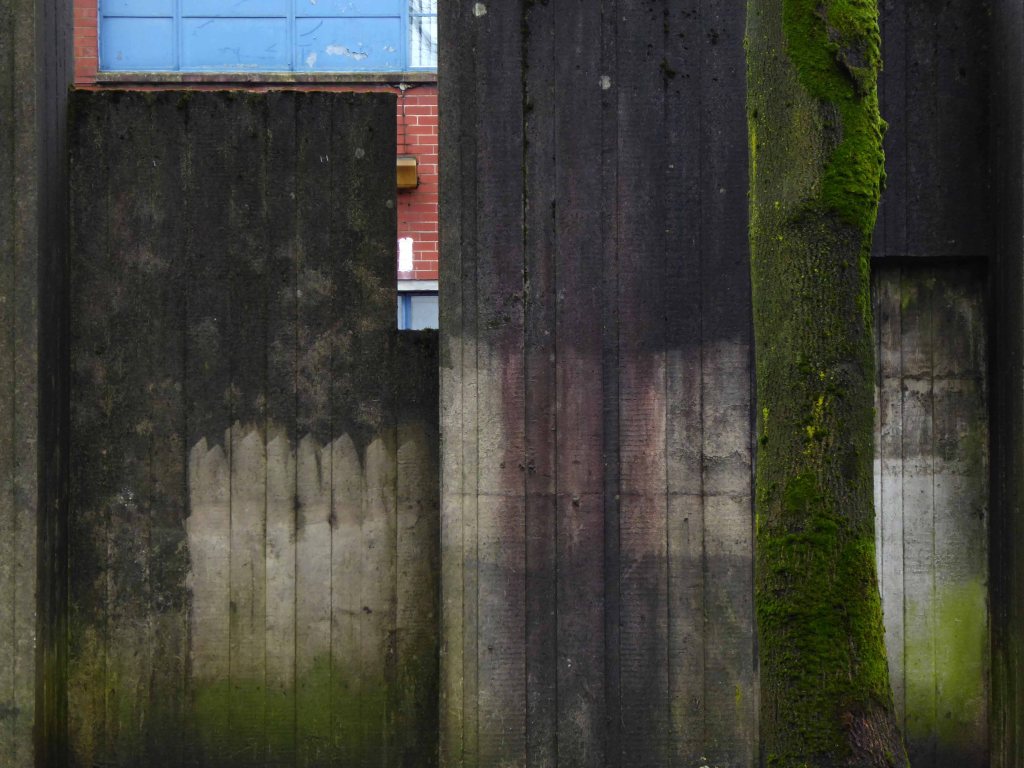
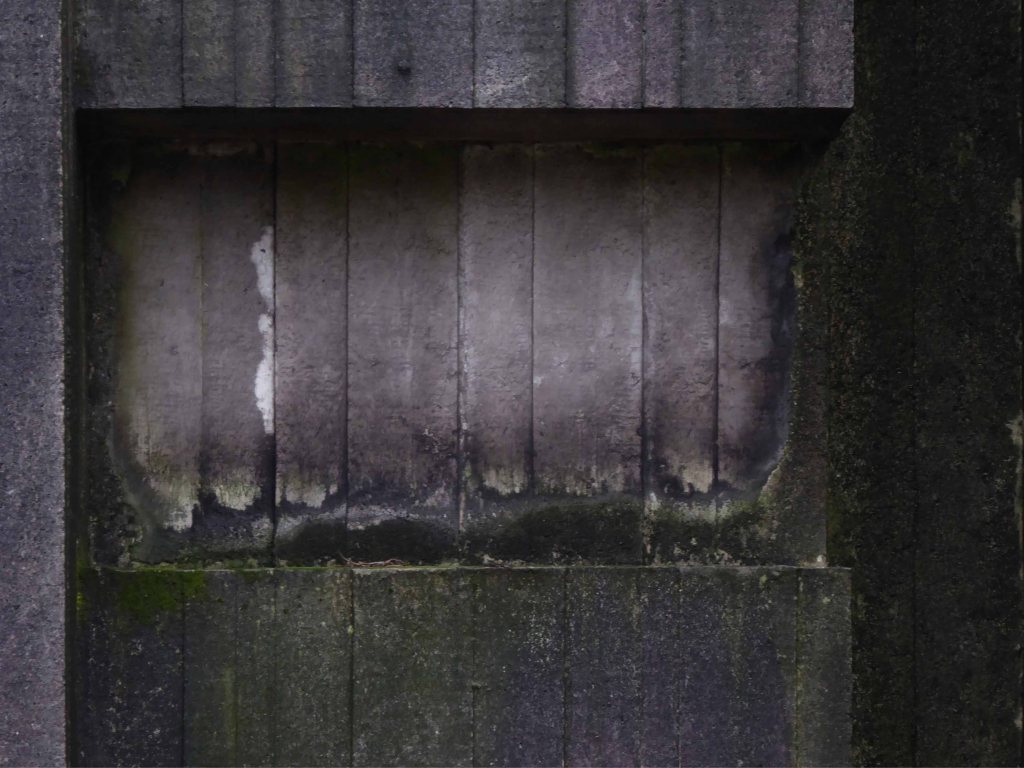
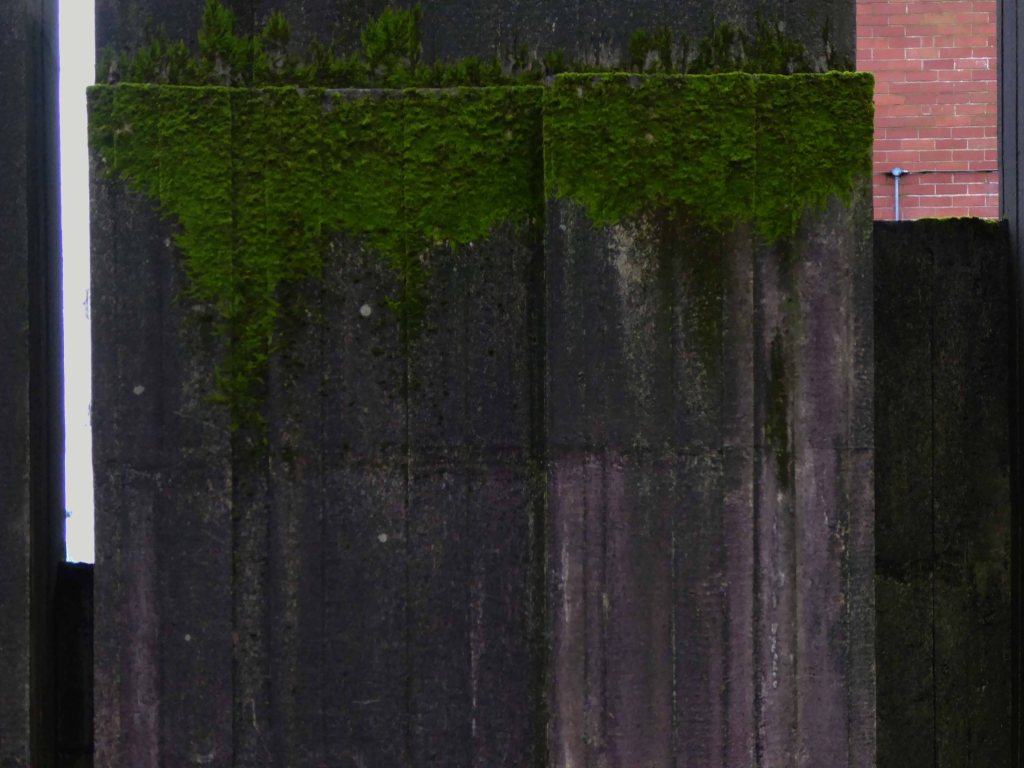
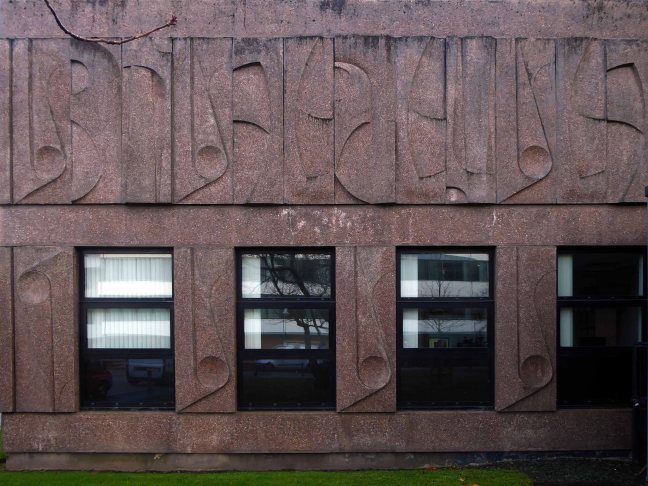
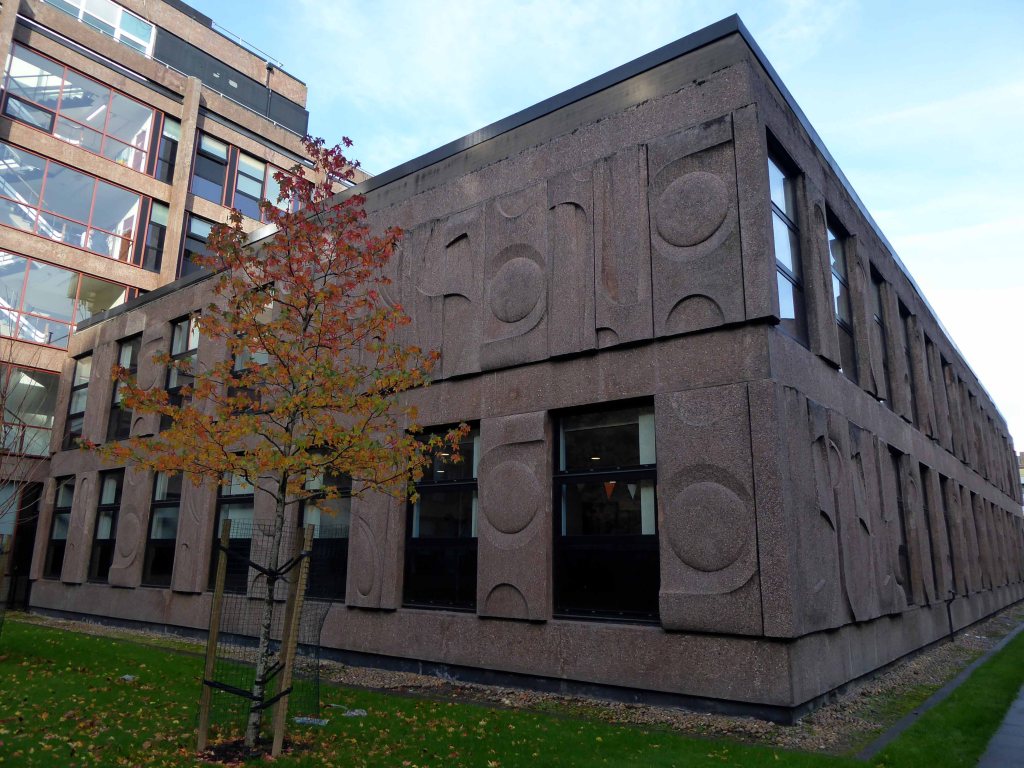
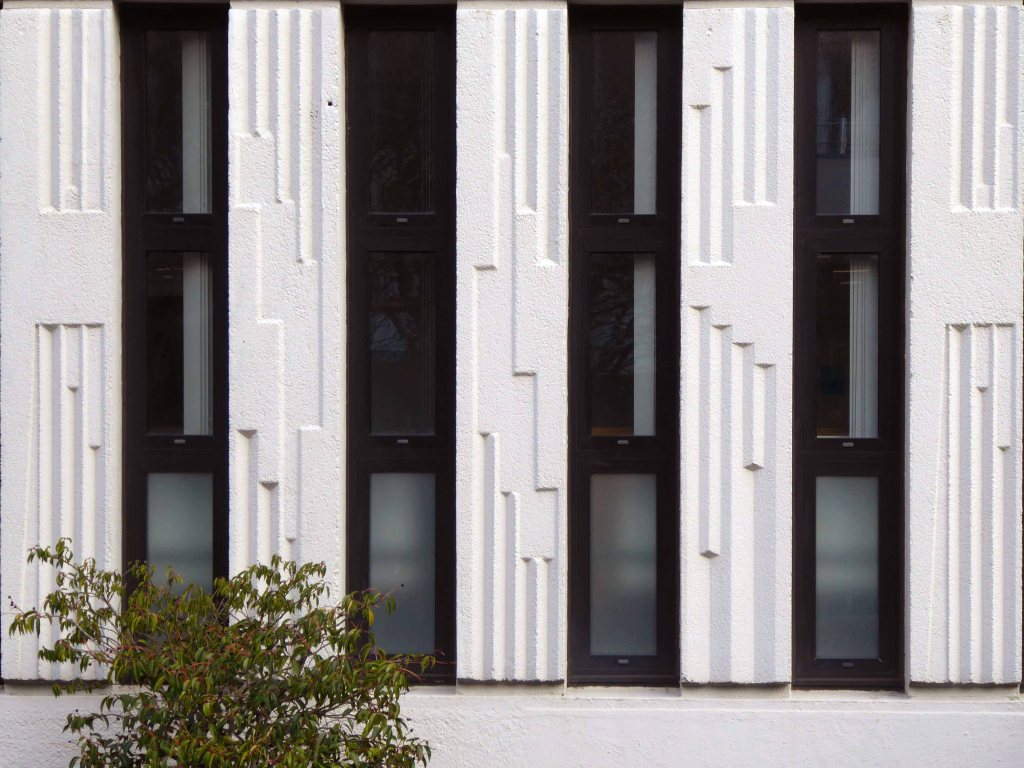
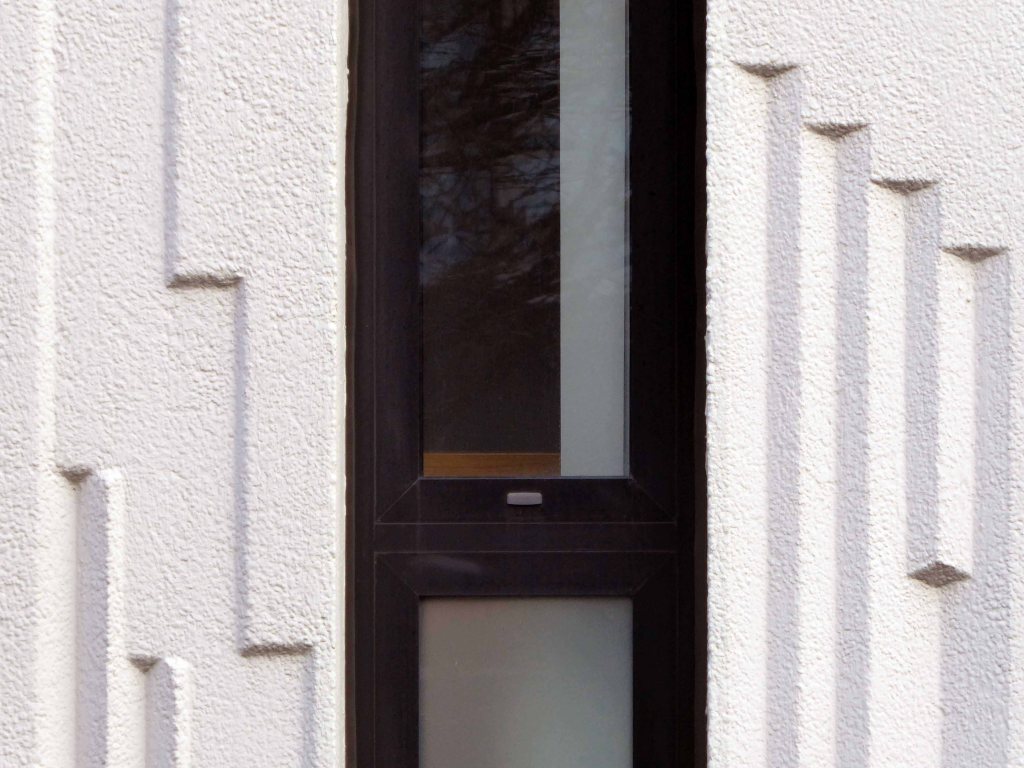
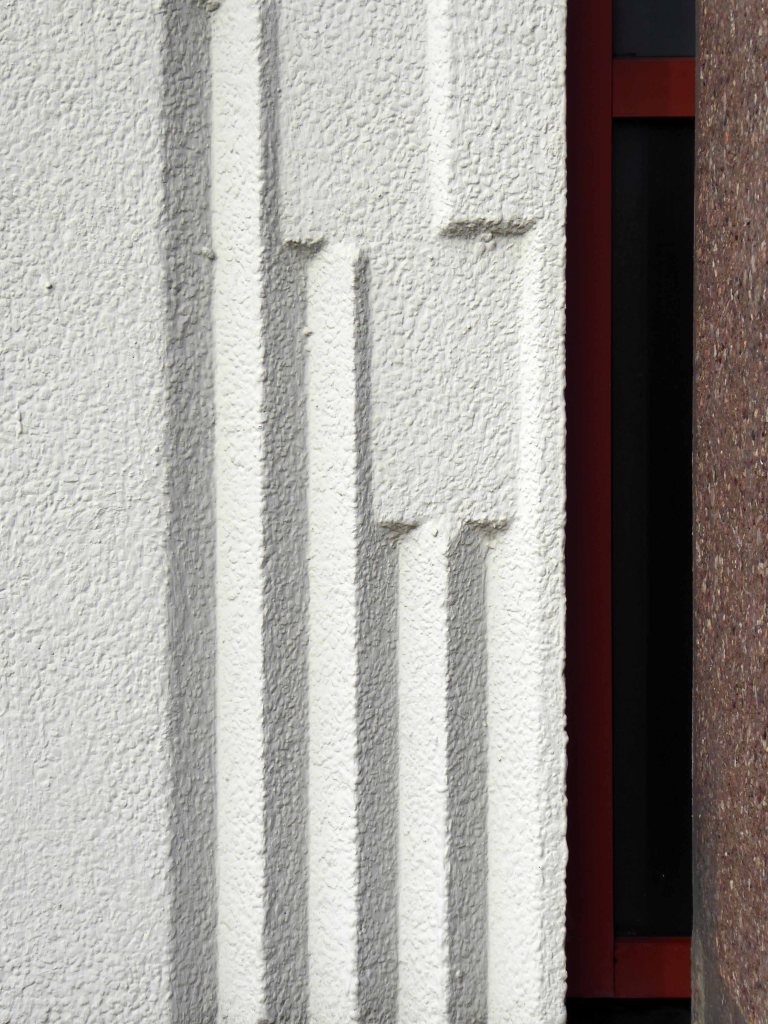
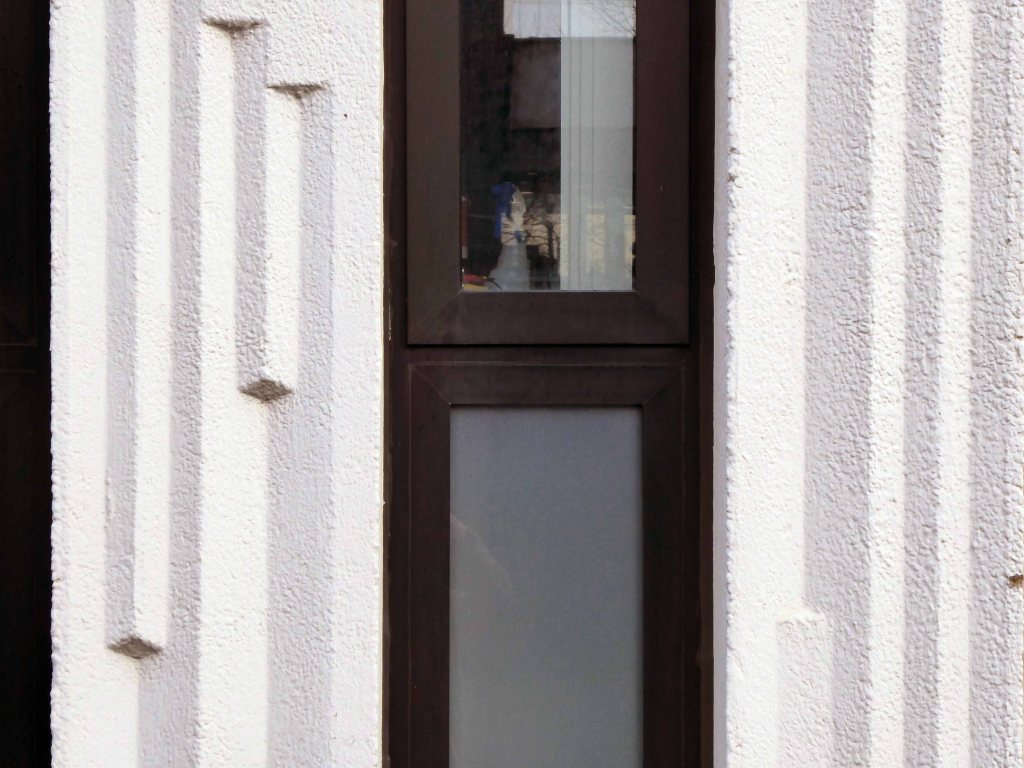
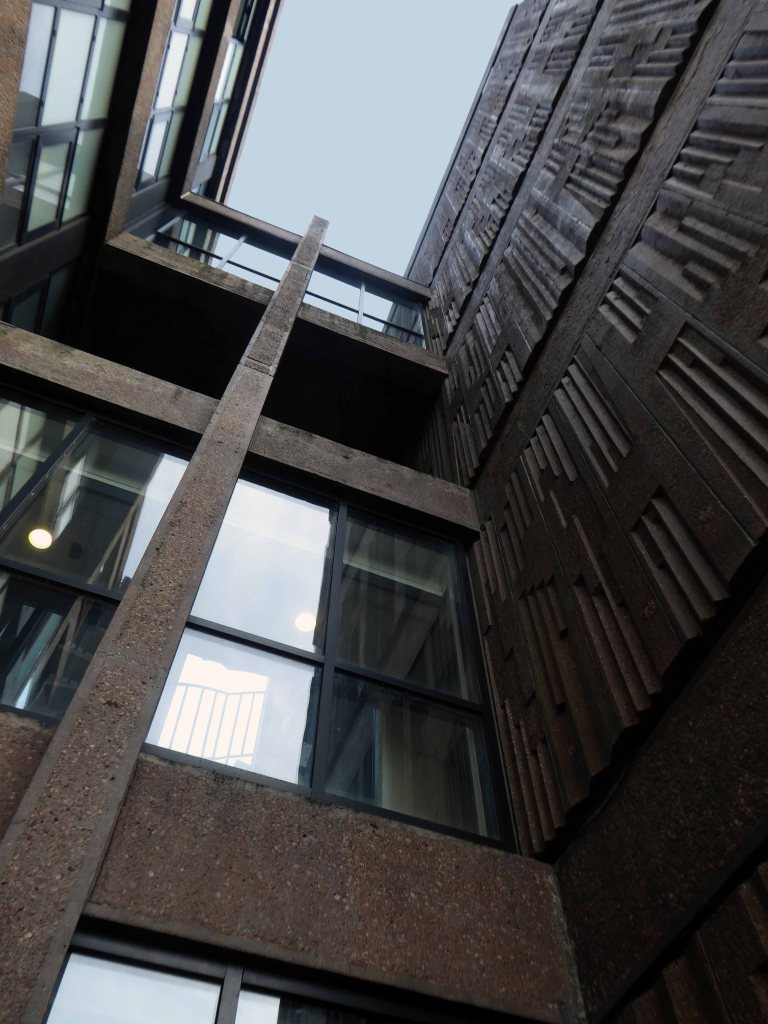
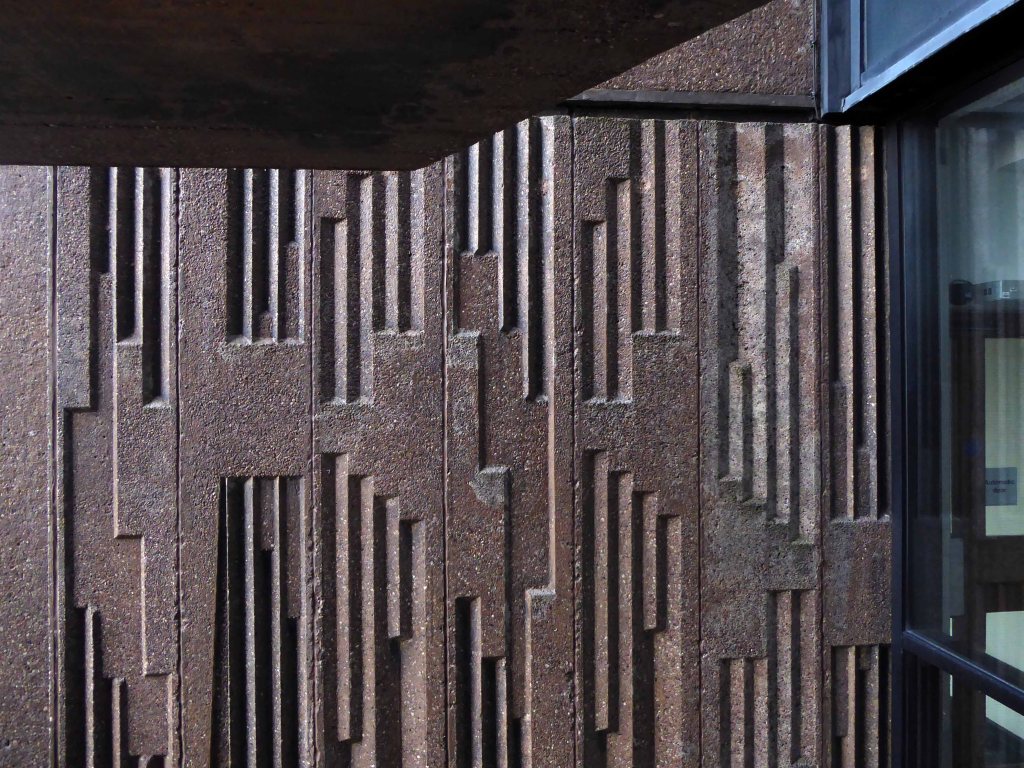
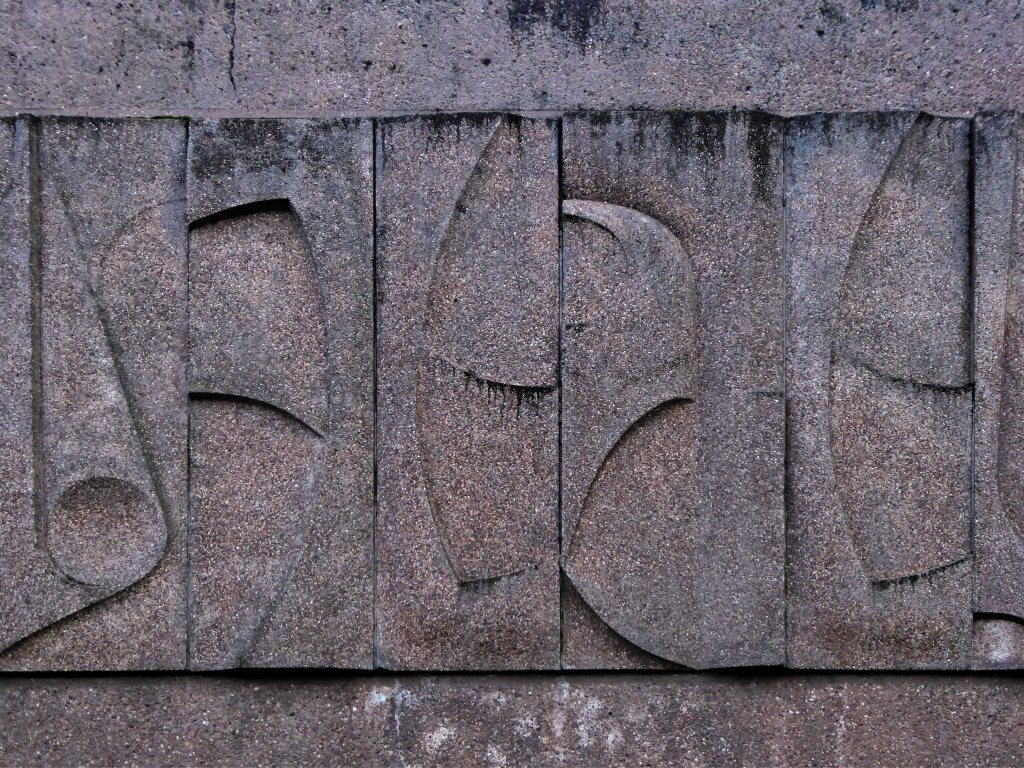
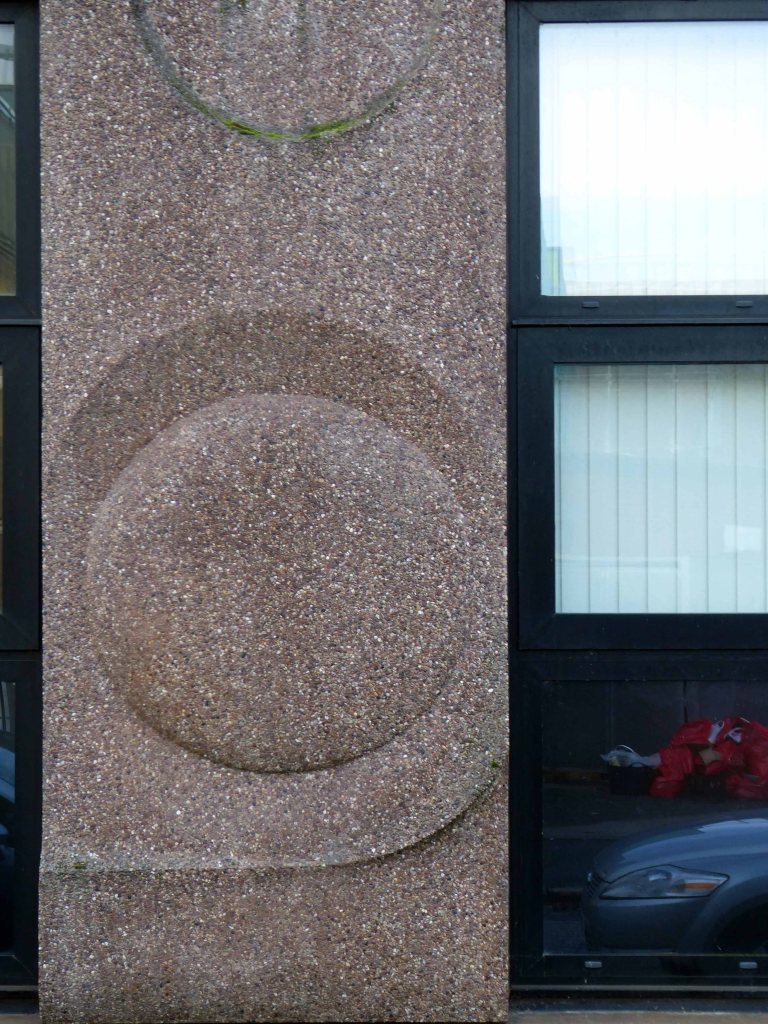
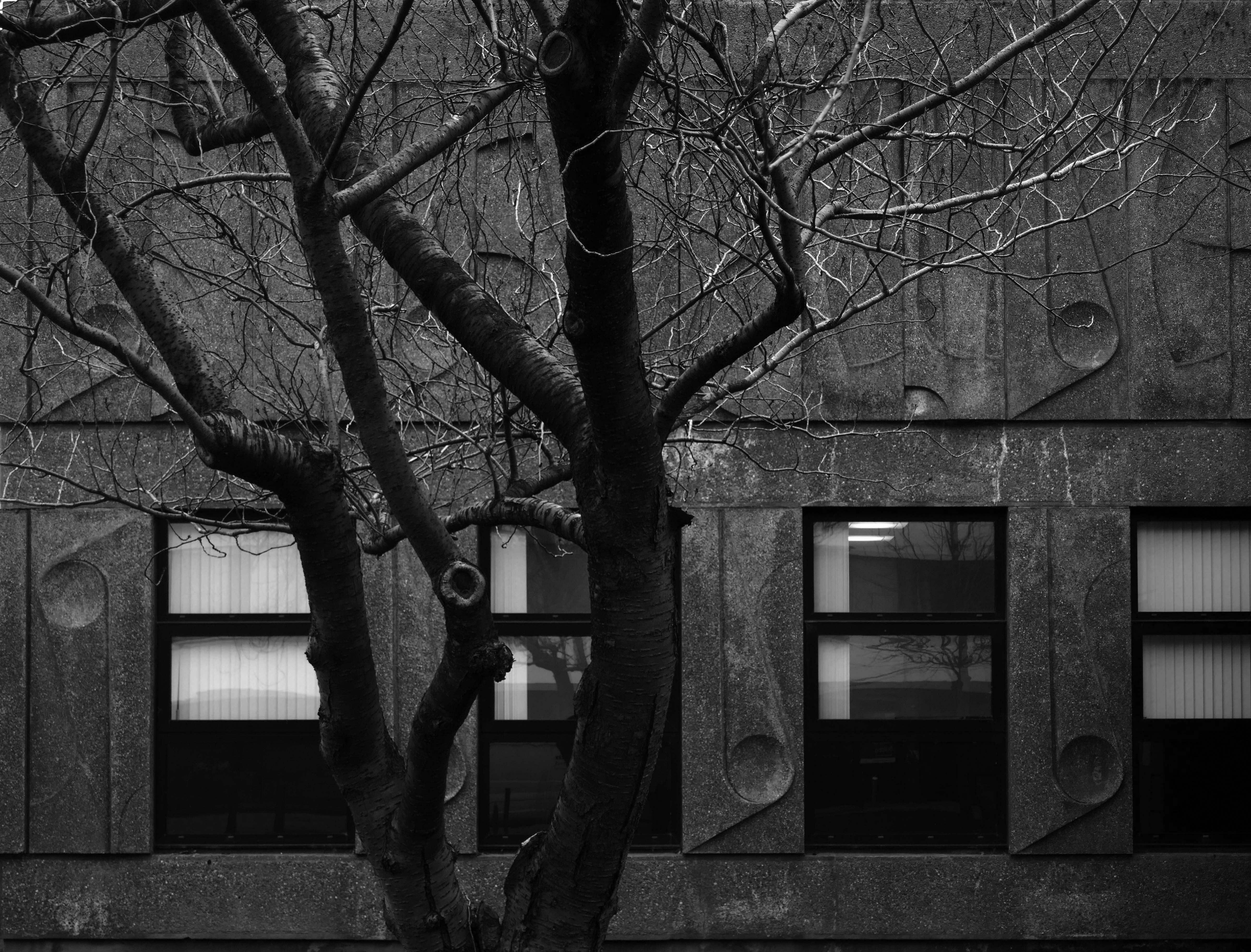
The William Mitchell concrete panels are of a modular design, rotated to form distinct groups of horizontal and vertical rhythms. A number of the buildings elevations are clad in linear, diagonal and vertical forms, though the majority are curvilinear and organic.
Local Image Collection 1972

The Ellen Wilkinson building, home to Education and Communication, is one of the few buildings on campus named after a woman. She gained the nickname of ‘Red Ellen’ in her political career, due to her socialist politics and vibrant red hair colour.

Wilkinson was a successful Labour party politician and feminist activist, and a passionate and bold personality in the Houses of Parliament. She was made Minister of Education under Clement Atlee’s government, making her the second woman to ever get a role in the British cabinet. She was brought up and educated in Manchester, making her legacy on the Manchester campus even more significant.

Mancunion

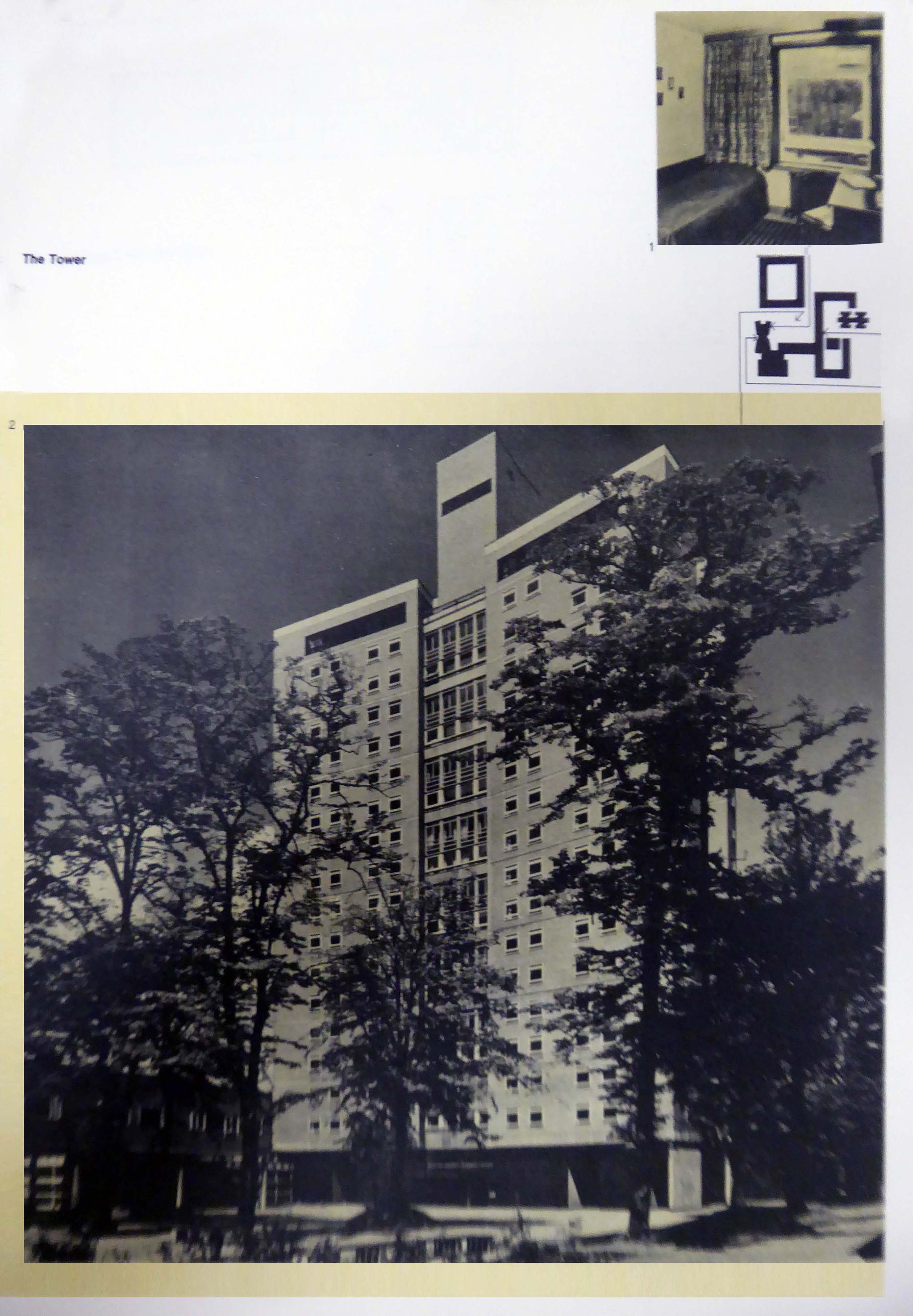
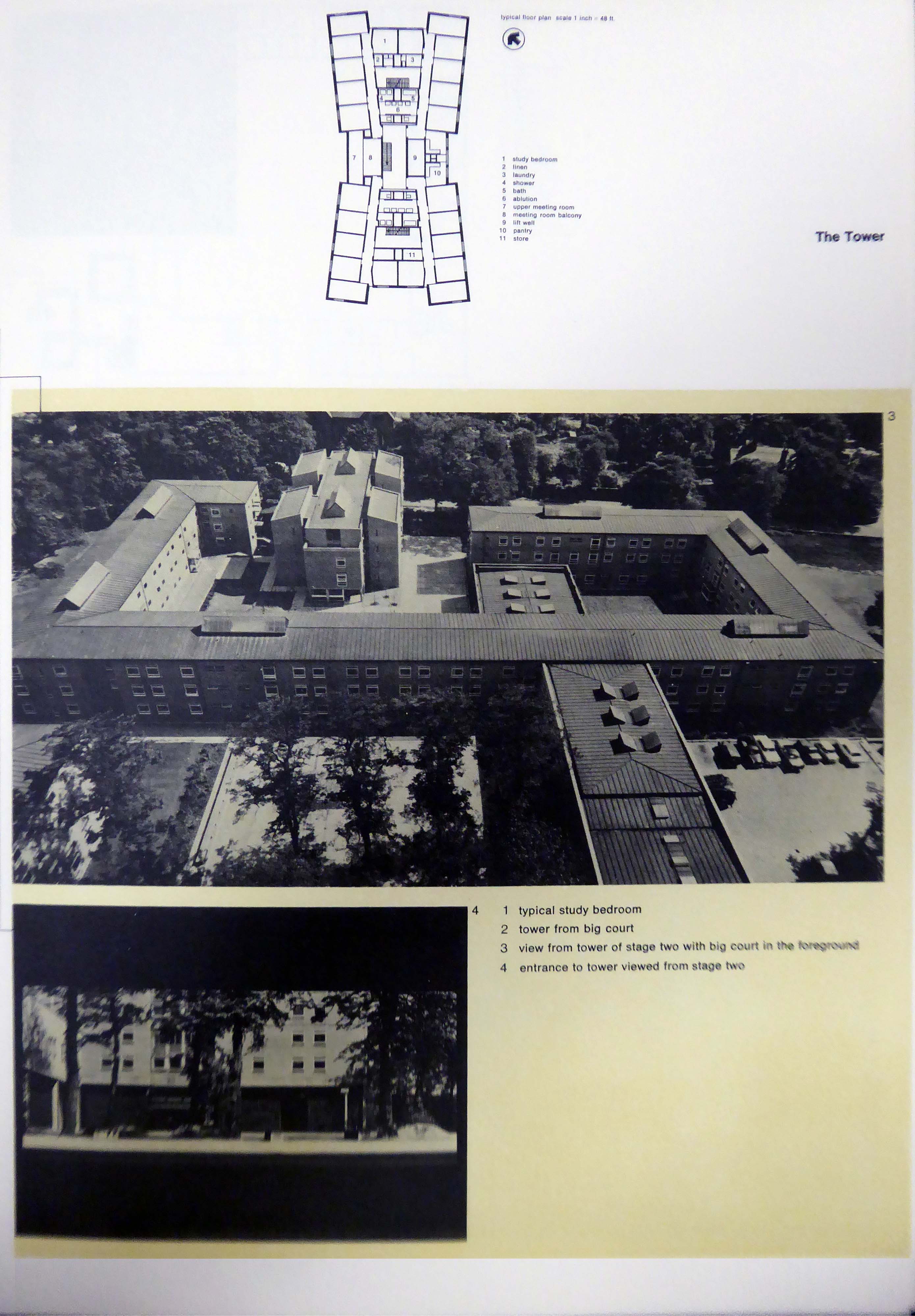
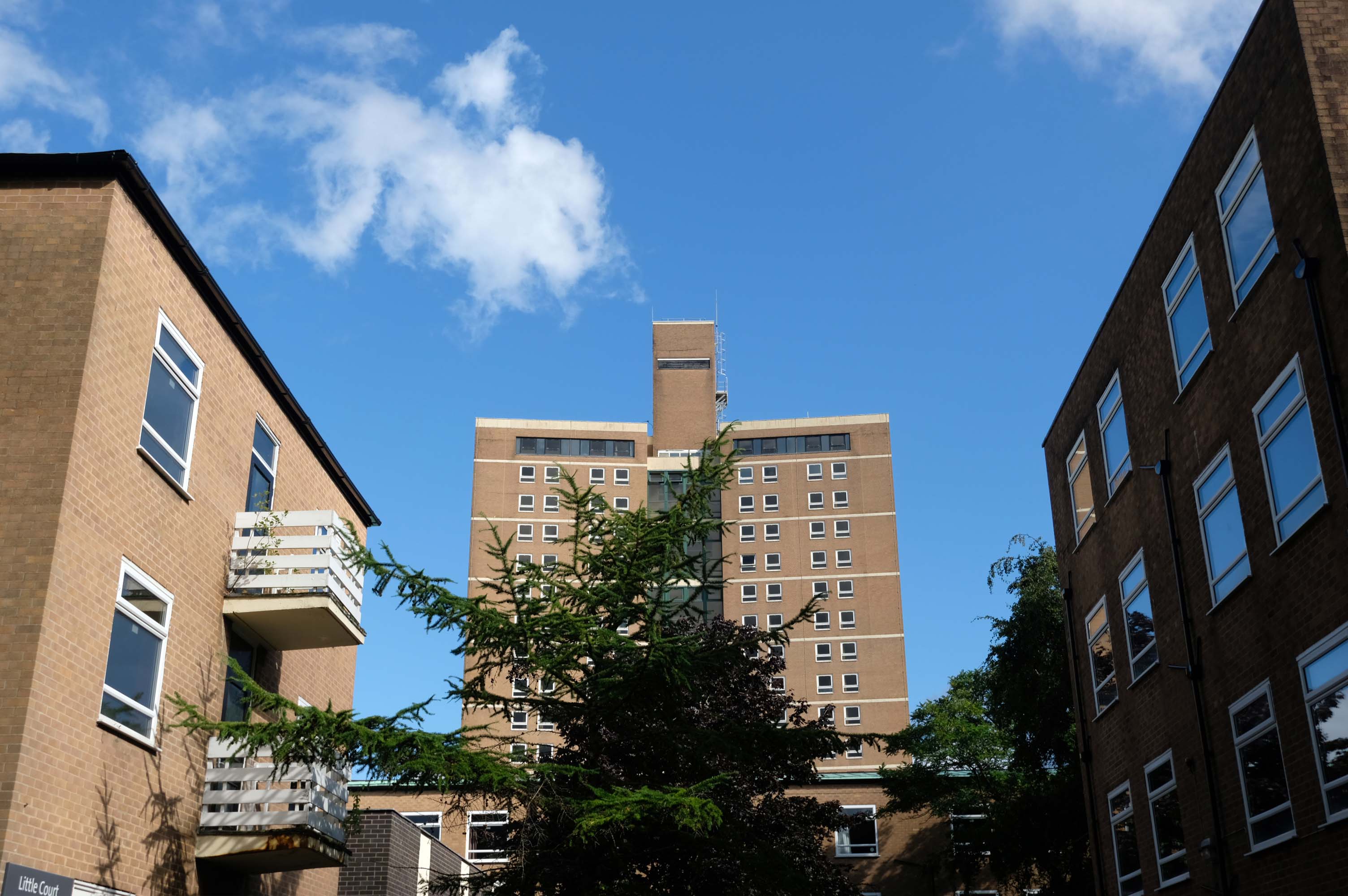
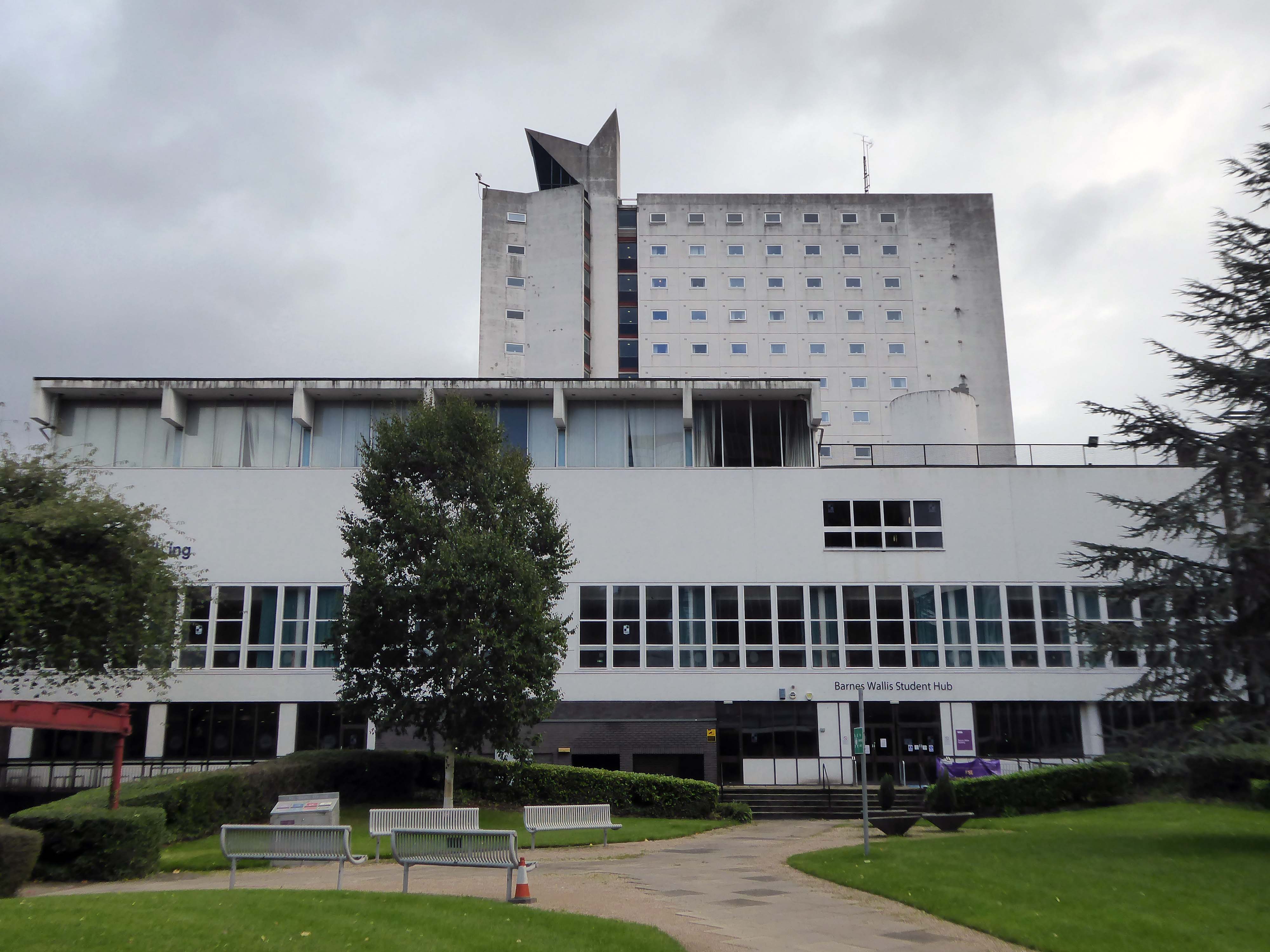
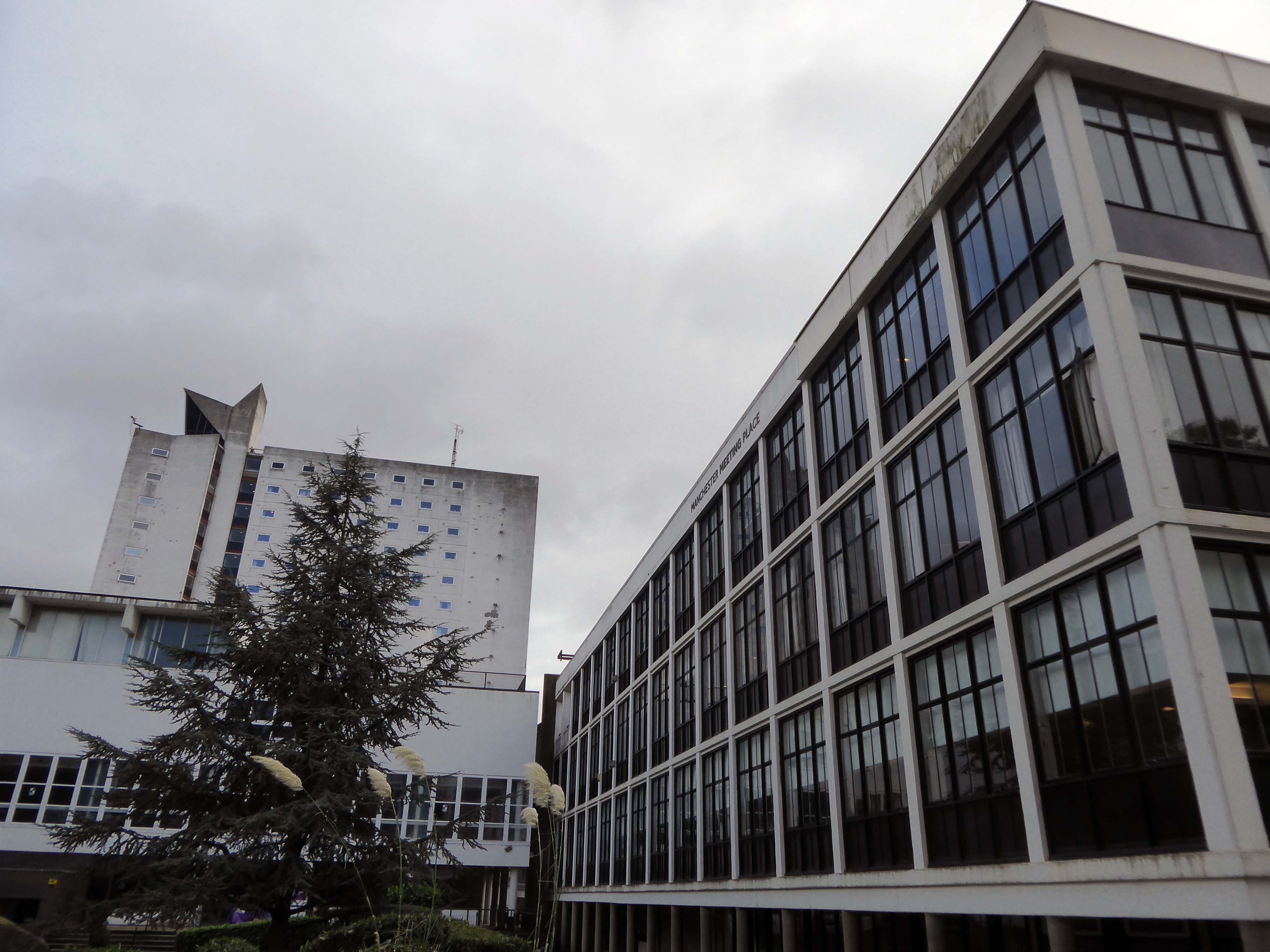
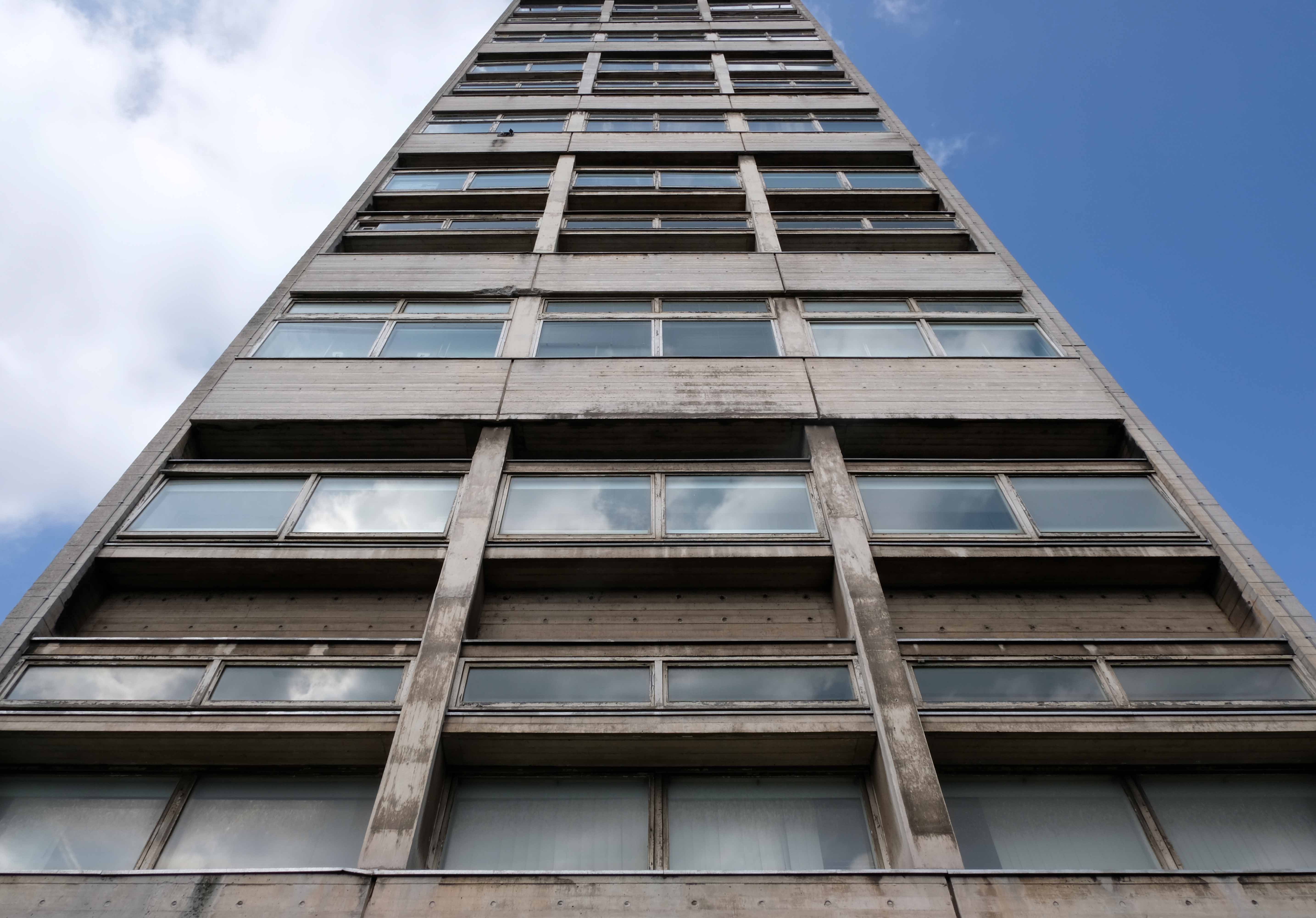
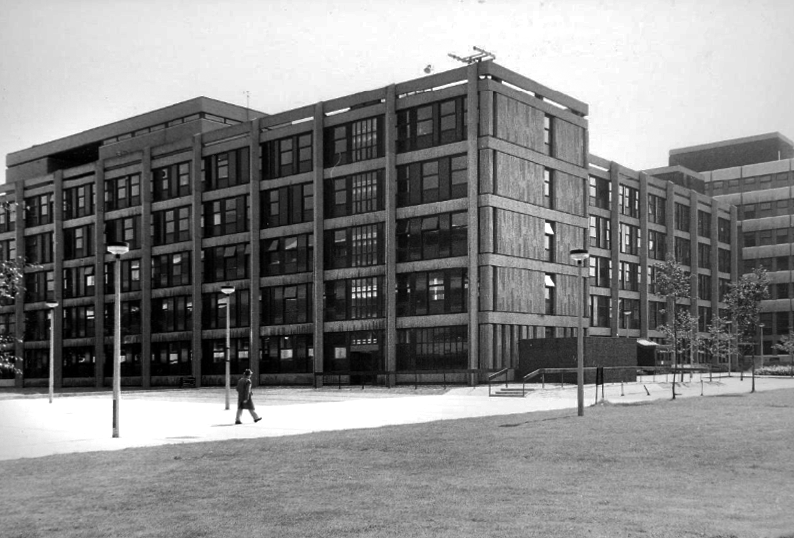
Ellen Wilkinson is a large sized building with three blocks. There are six floors in C Block, five floors in B Block and seven floors in A Block.

There are three lifts and six main staircases within the building.

The floors are signed as Ground, 1, 2, 3, 4, 5 and 6. This is slightly different inside the lifts where control buttons are marked as 0 instead of Ground.

There are link passages from A and B Block to C Block on levels Ground, 1 and 3.

The building was the work of George GrenvilleGG’ Baines and Building Design Partnership.

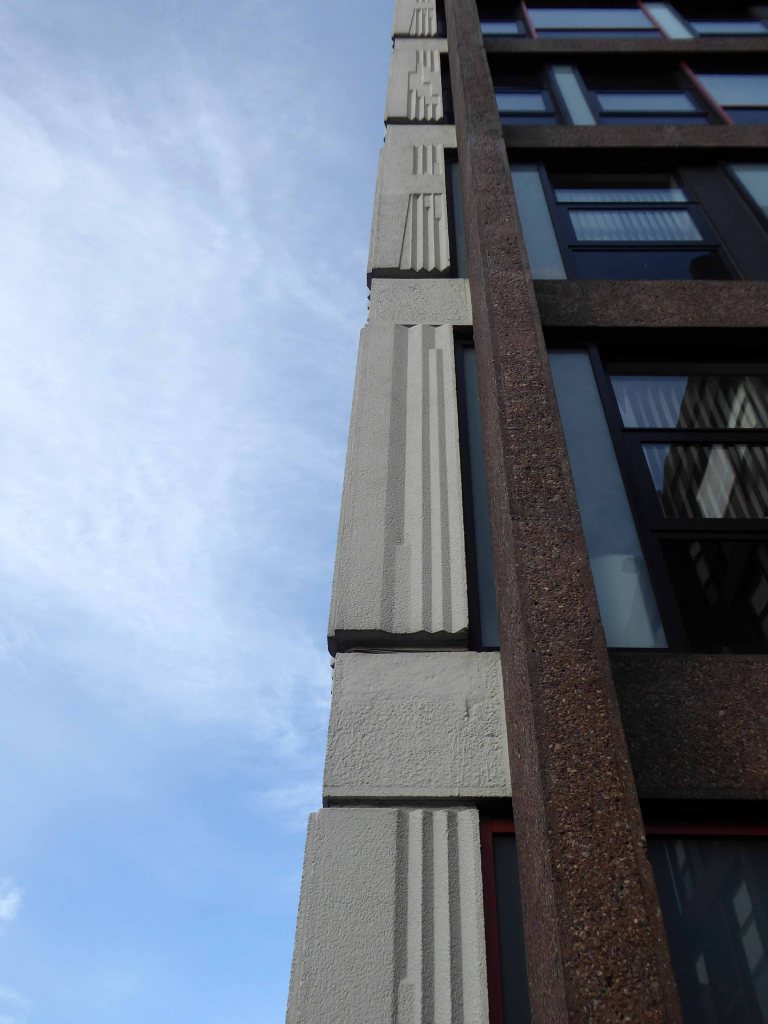
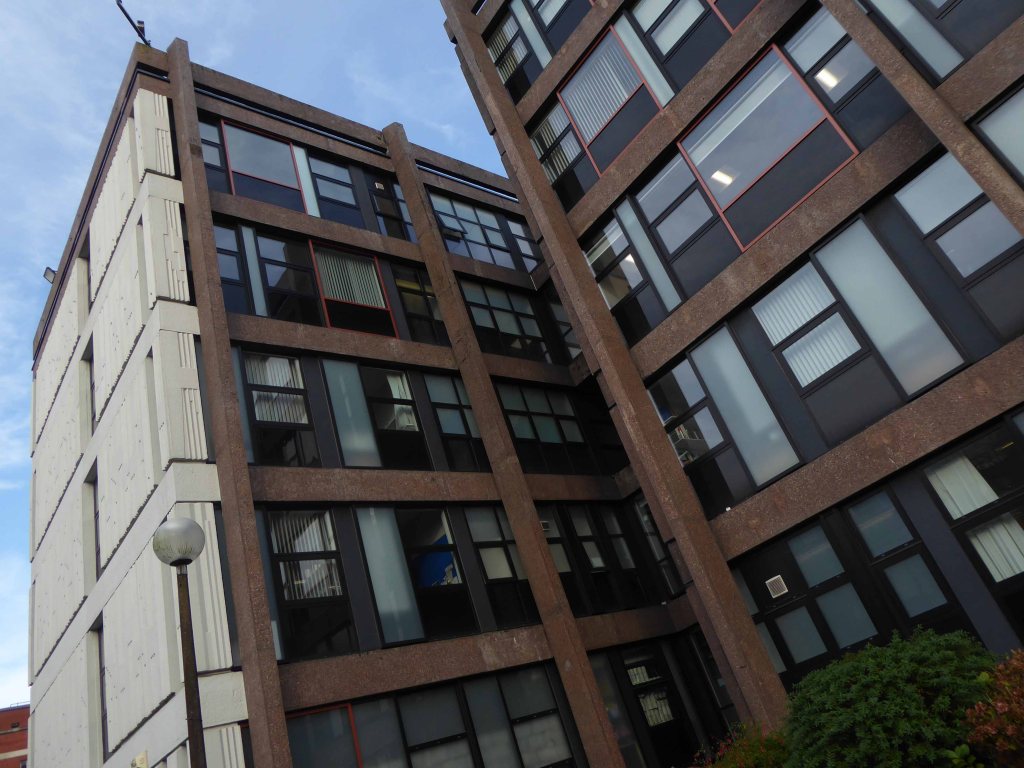
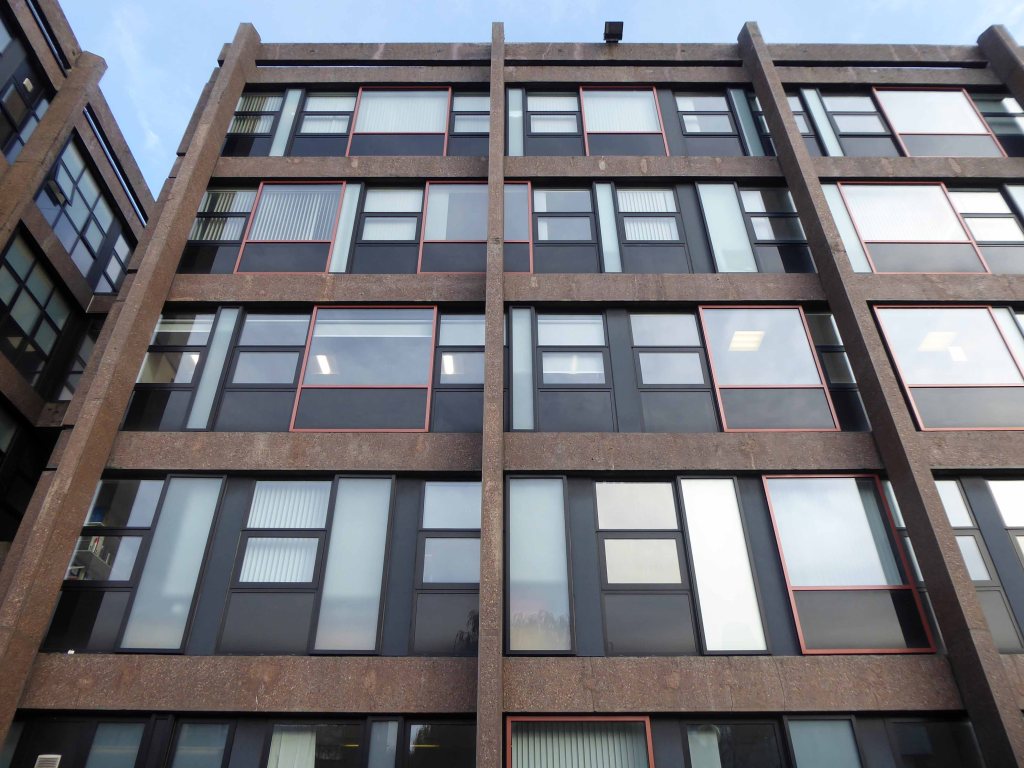
This scheme pre-dates Wilson Womersley’s appointment as masterplanners for the Education Precinct but exists harmoniously with the later series of buildings. This is most likely due to the method of development before any ‘grand concept’. The incremental expansion of the University, following WWII, was largely dictated by the progress of compulsory purchase orders; this group was no exception. At the planning stages, the lack of a masterplan led to organising the wings of the buildings in an open, orthogonal arrangement. This would allow expansion in a number of directions, according to the next available site in ‘the dynamic situation’. The result was the creation of a small courtyard flanked by two five-storey blocks and a two-storey structure. All three buildings use the same pink-grey concrete. The plastic qualities of concrete were explored in both cladding and structural panels and the textural qualities exposed in the bush hammered columns, to reveal the Derbyshire gravel aggregate. The sculpted and moulded panels on the two-storey block and on the gable ends of the larger blocks were designed in collaboration with William Mitchell. The only other materials in the external envelope were the windows of variously clear and tinted glass. The window modules were set out against a basic geometry in three standard patterns and applied across the façade. This resulted in a clever interplay of vertical and horizontal expression. Phase II, a seven-storey teaching block, was not as refined in its details.
Mainstream Modern

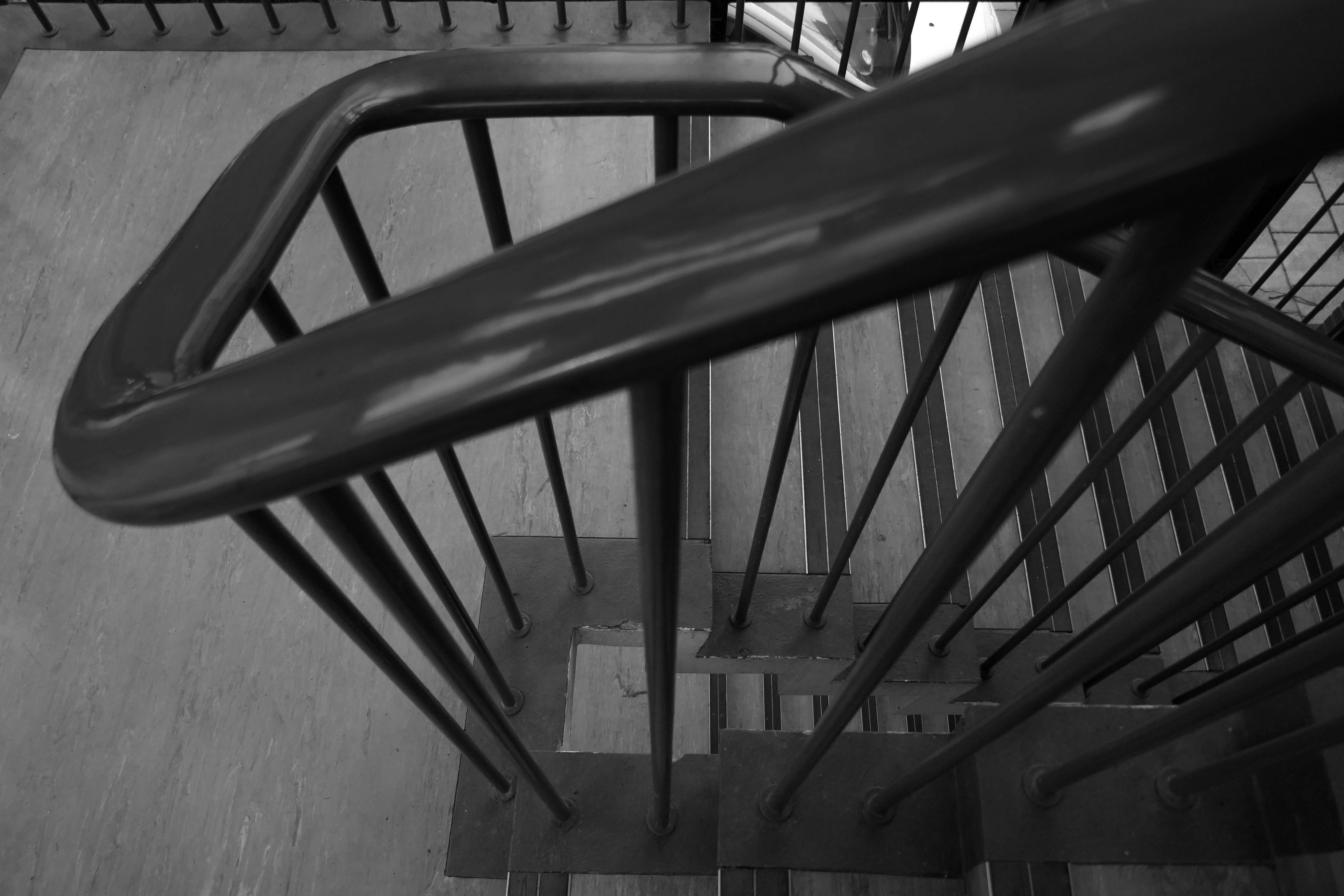
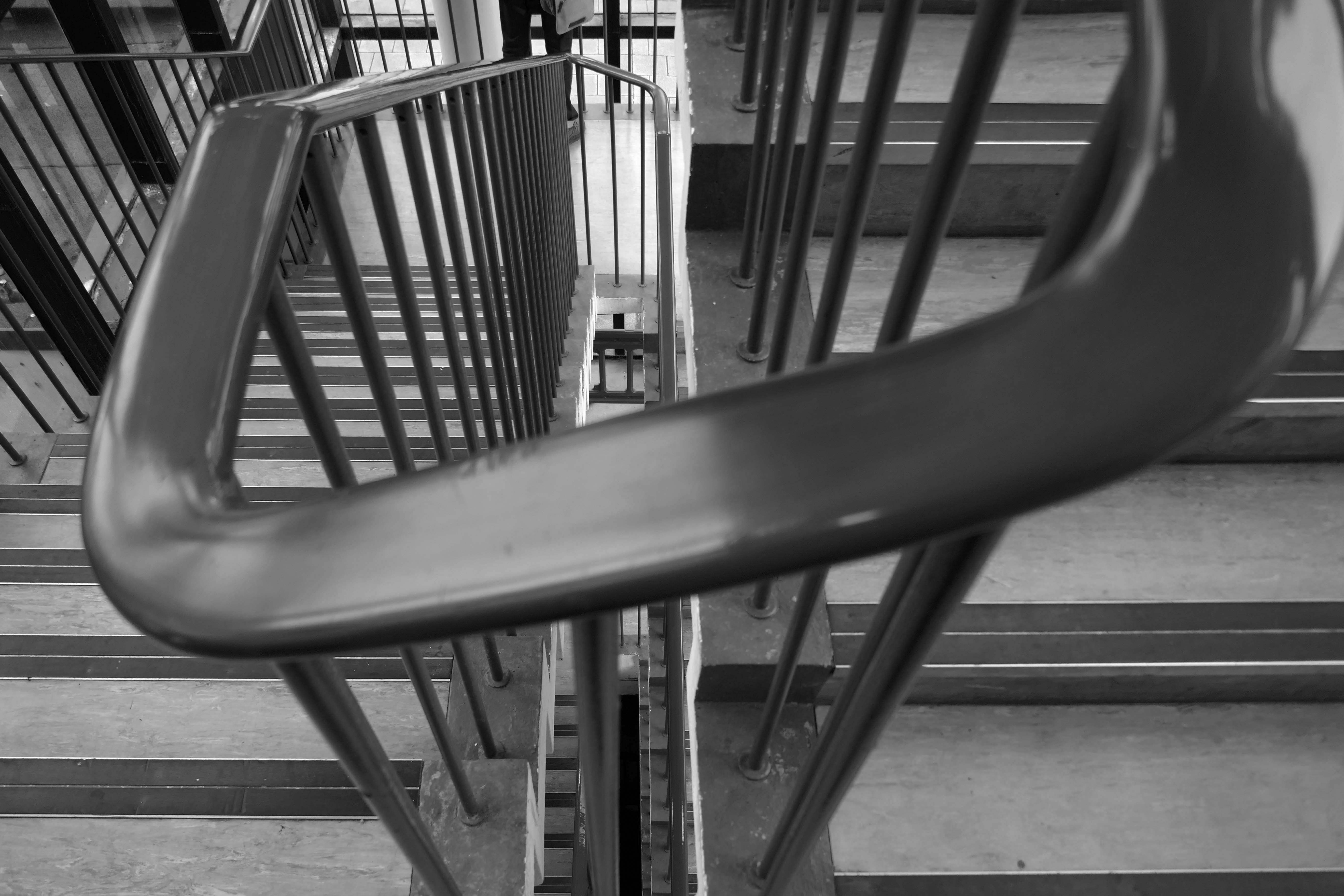
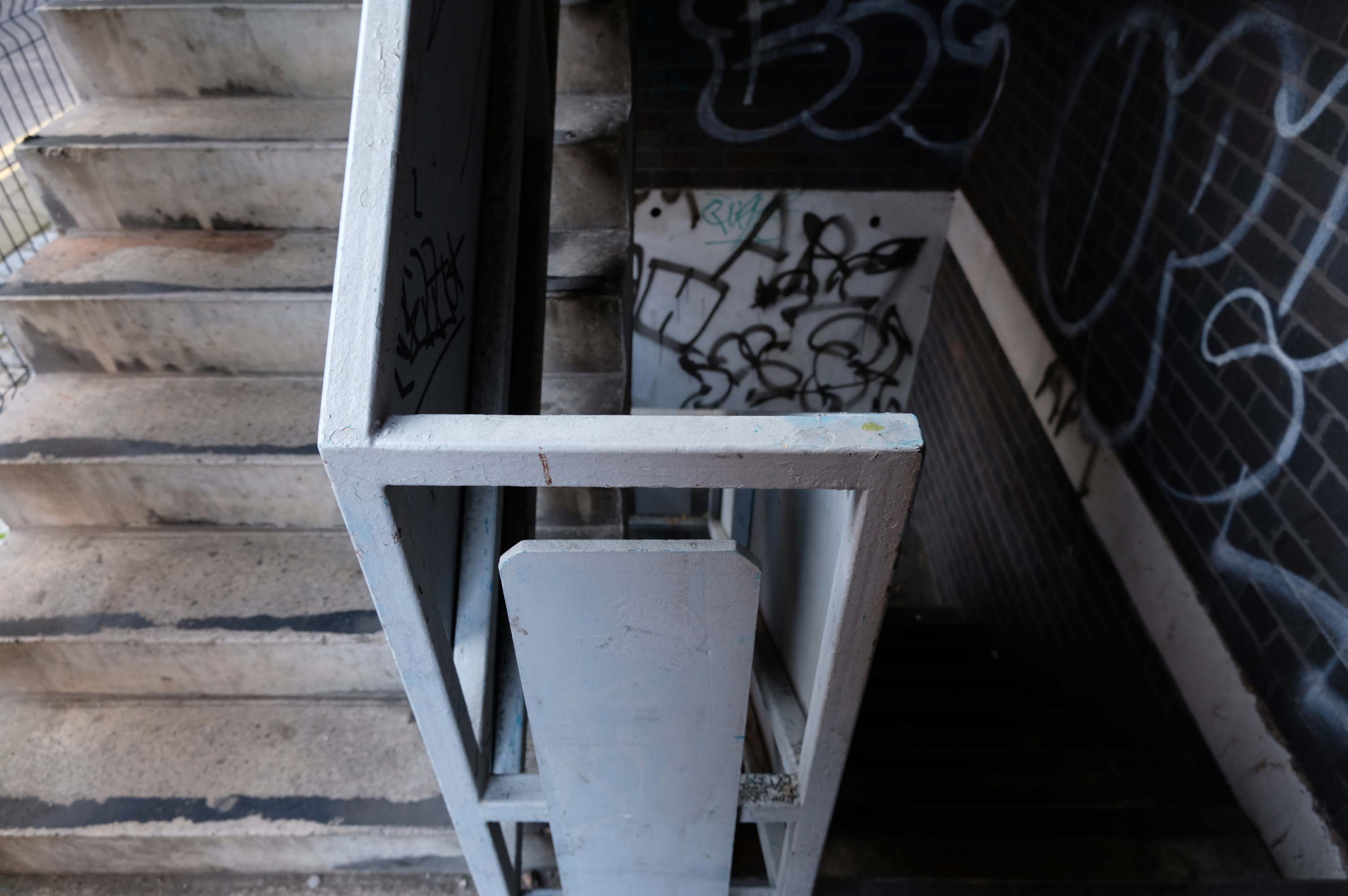
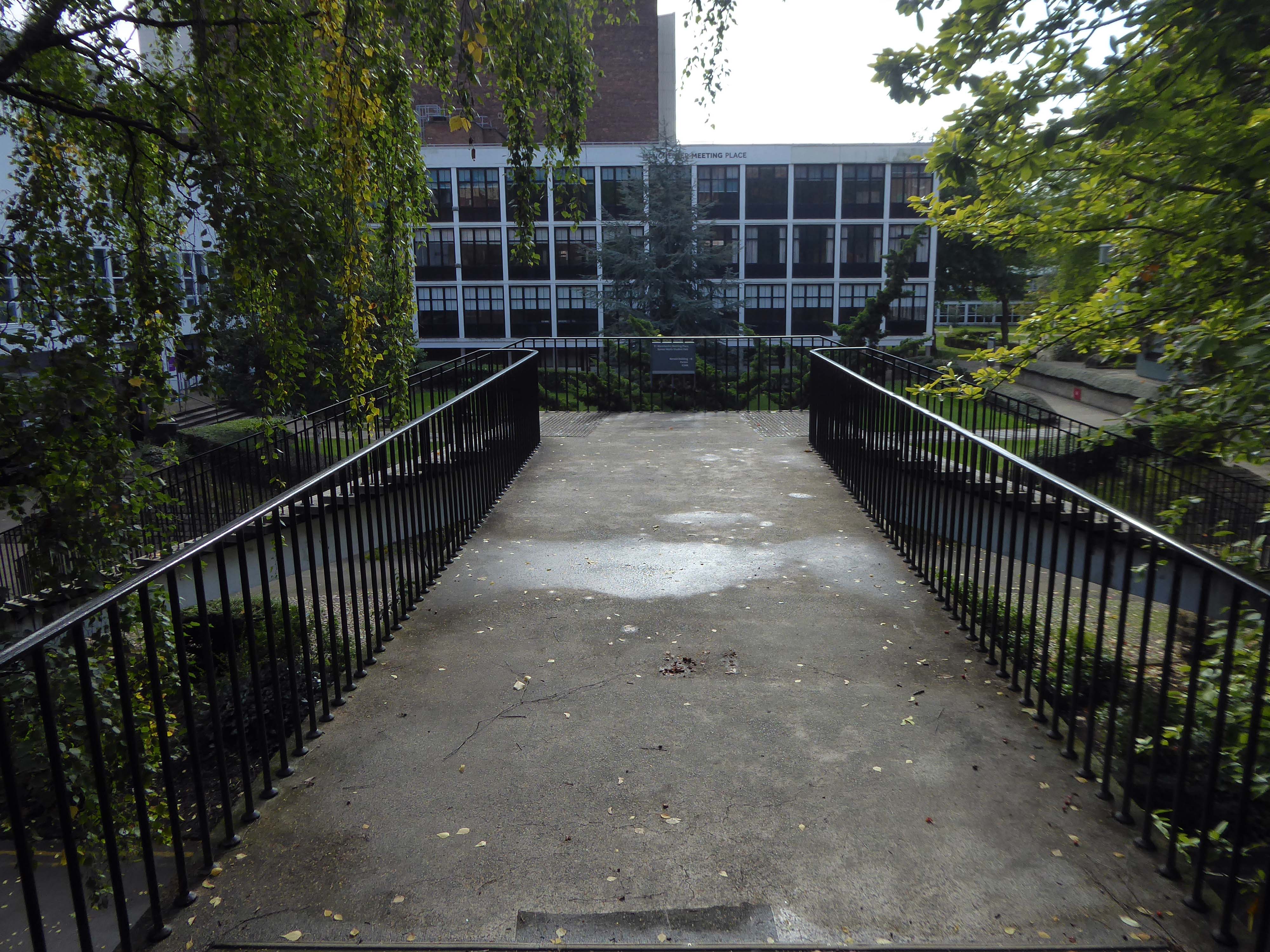
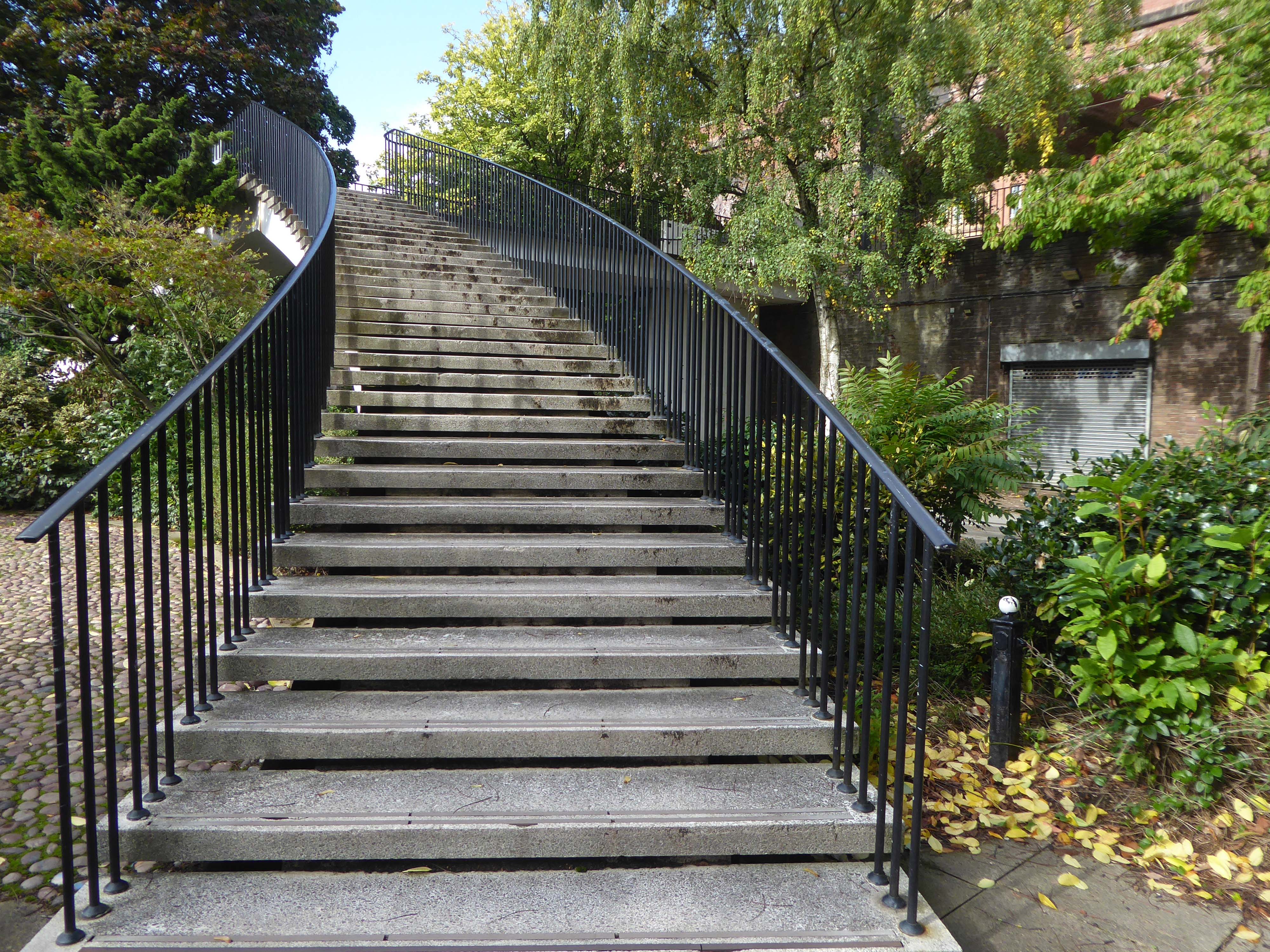
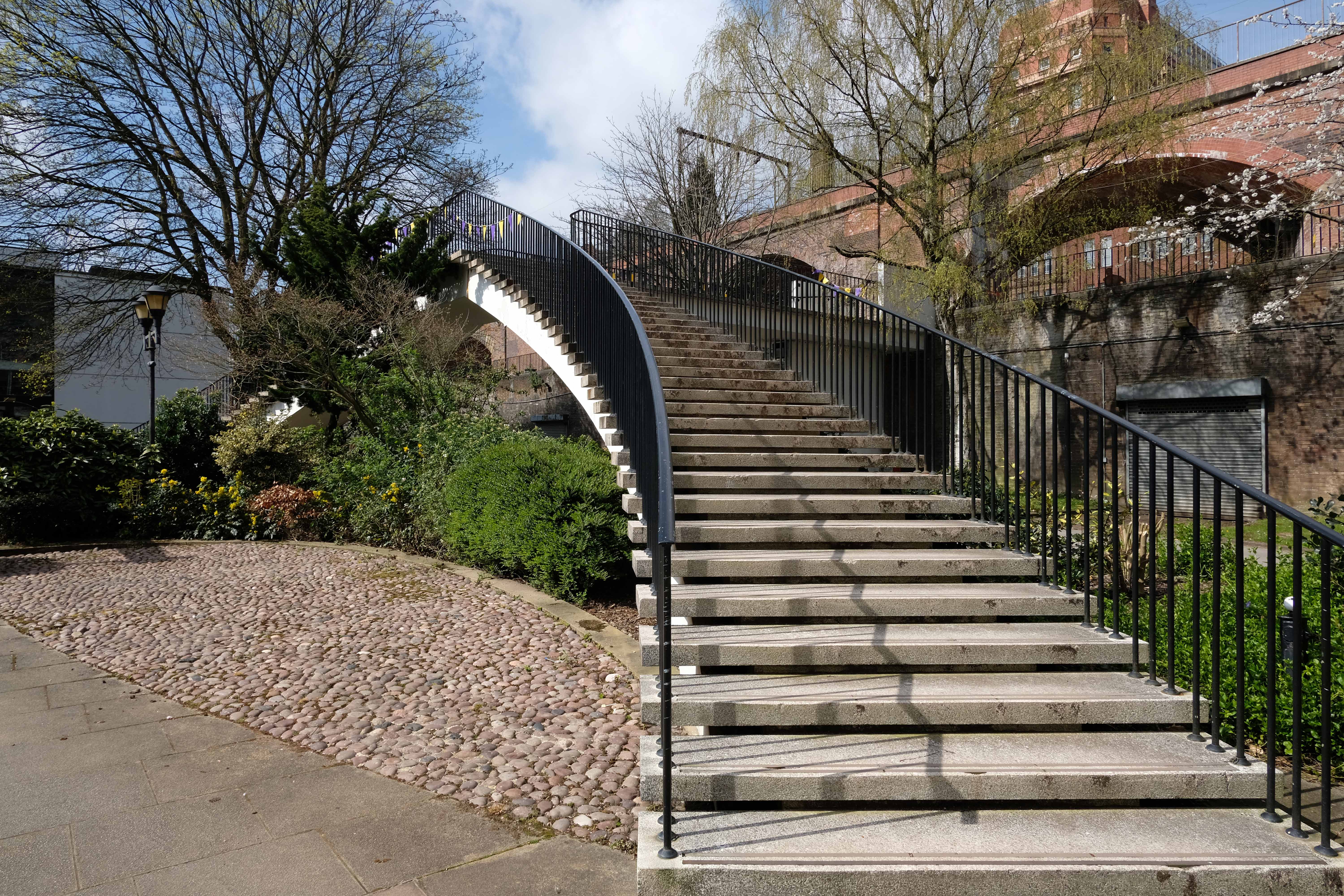
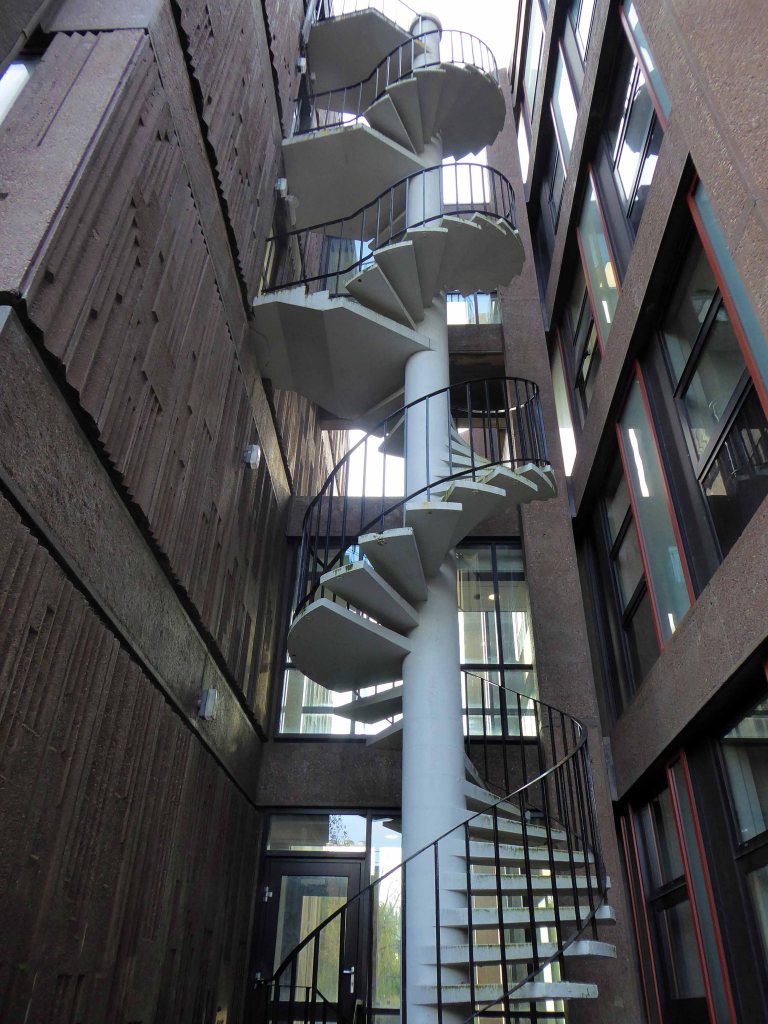
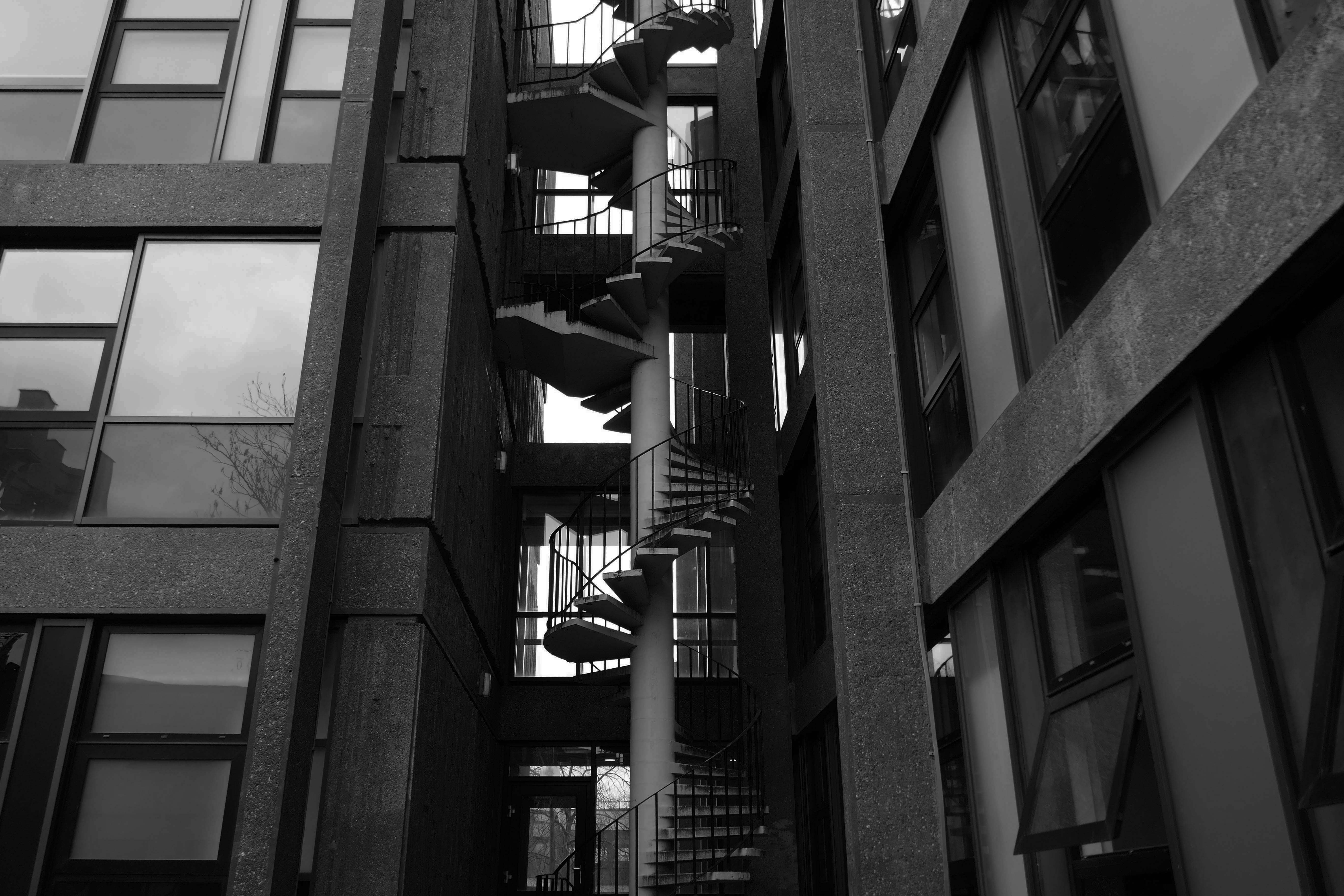
if you have a moment to spare, why not ascend and descend the spiral stairway.
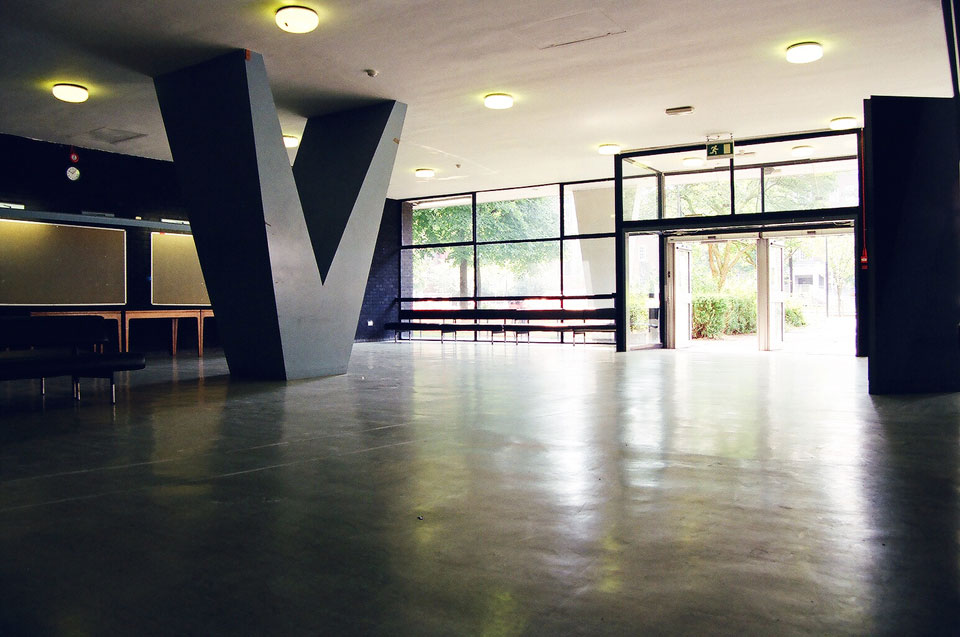
The seating area is almost intact.
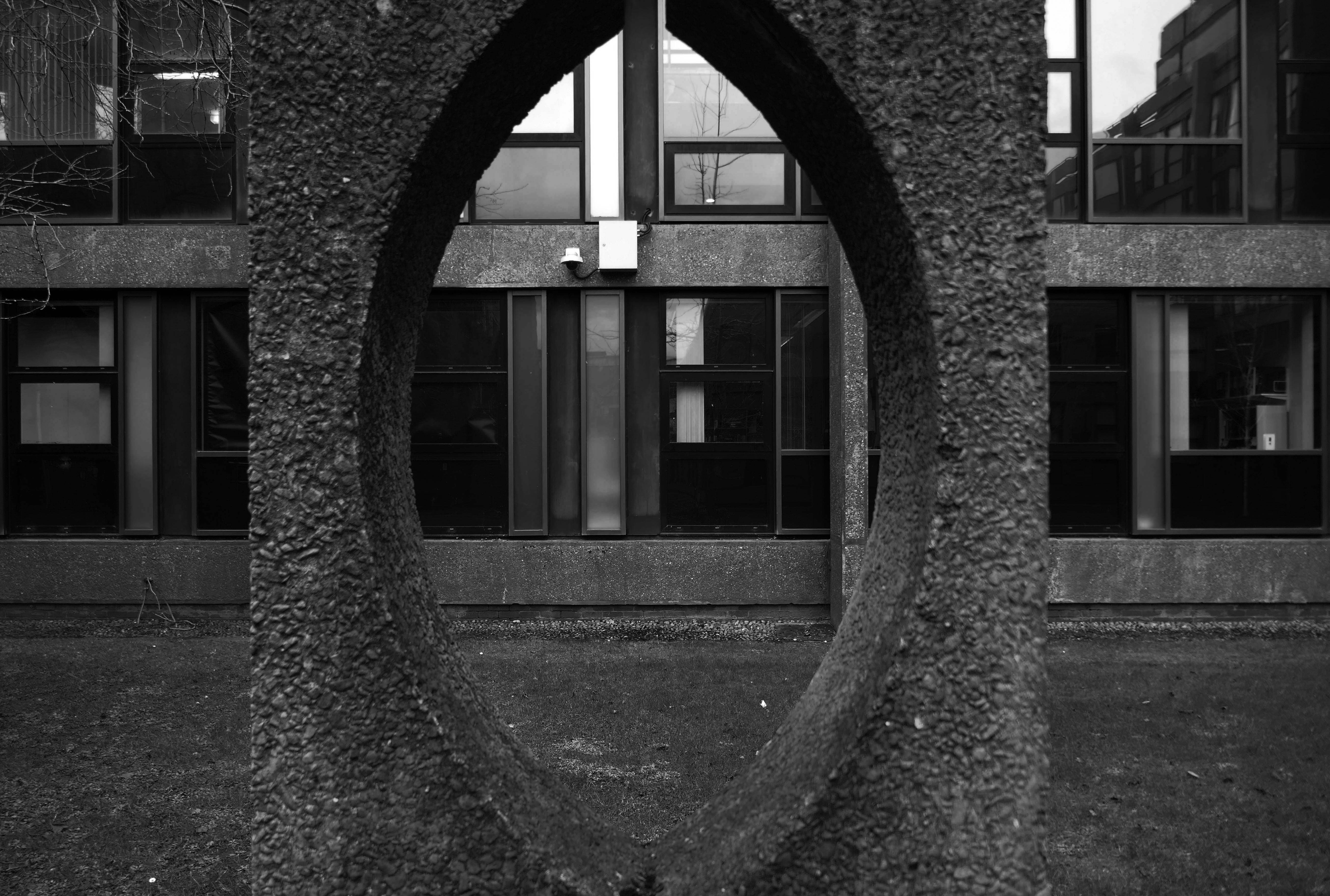
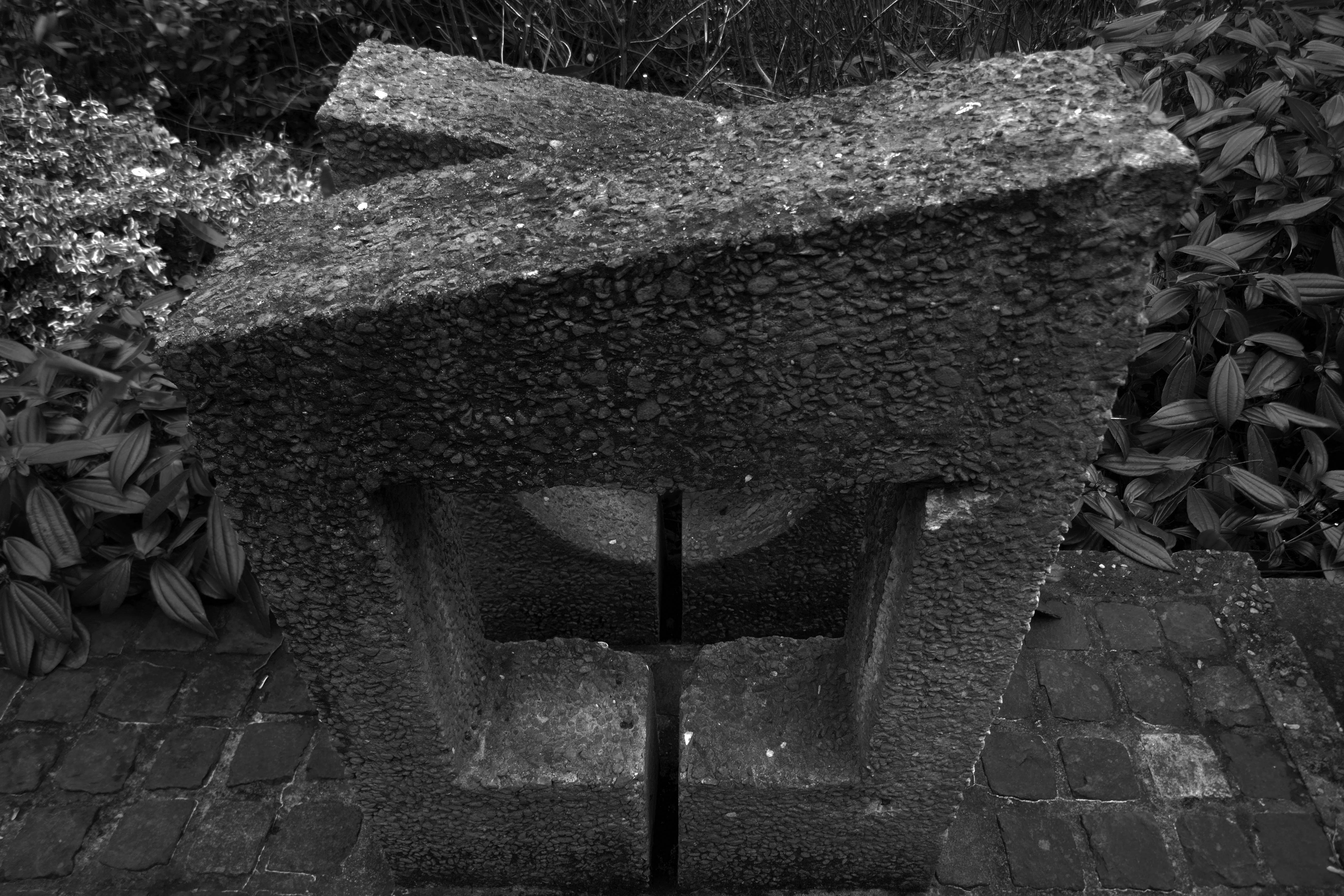
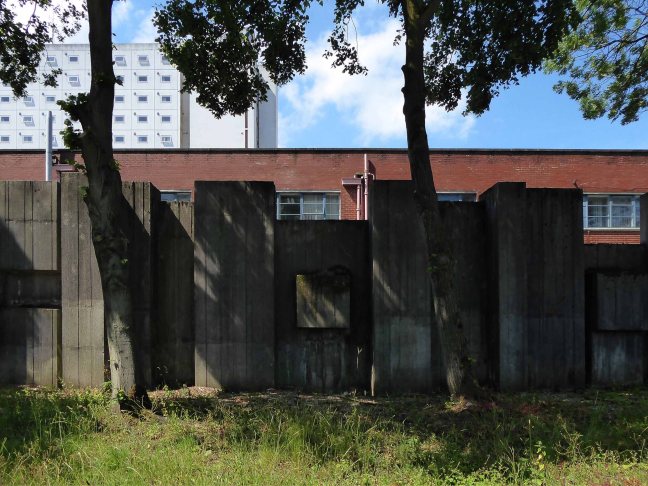
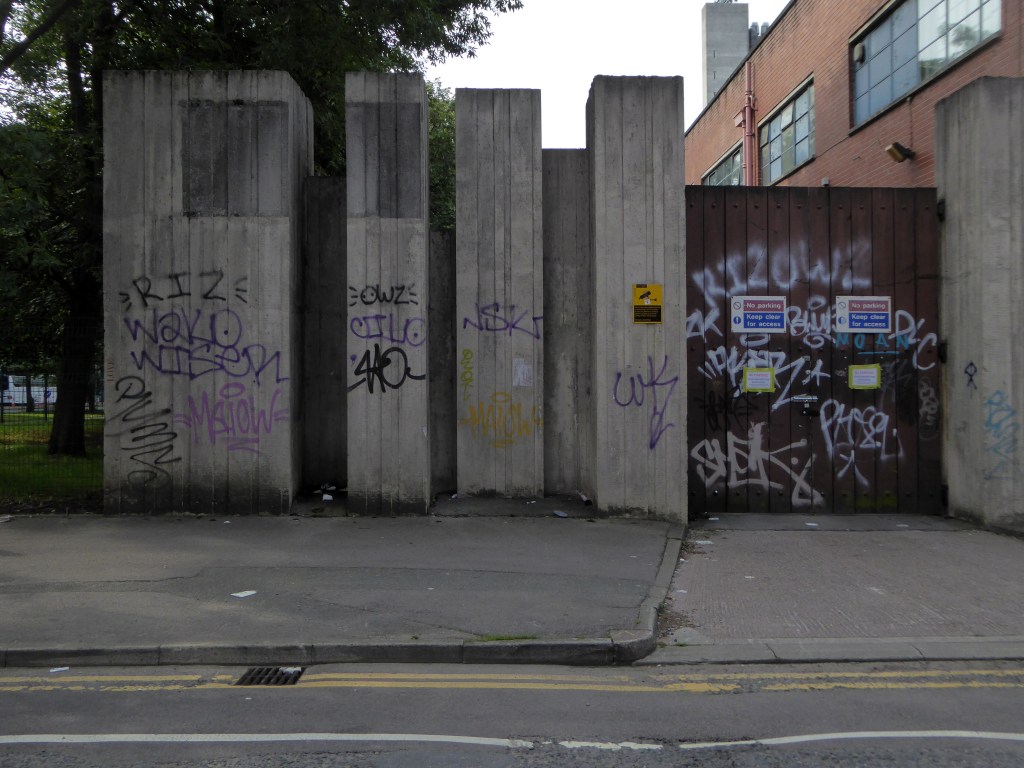
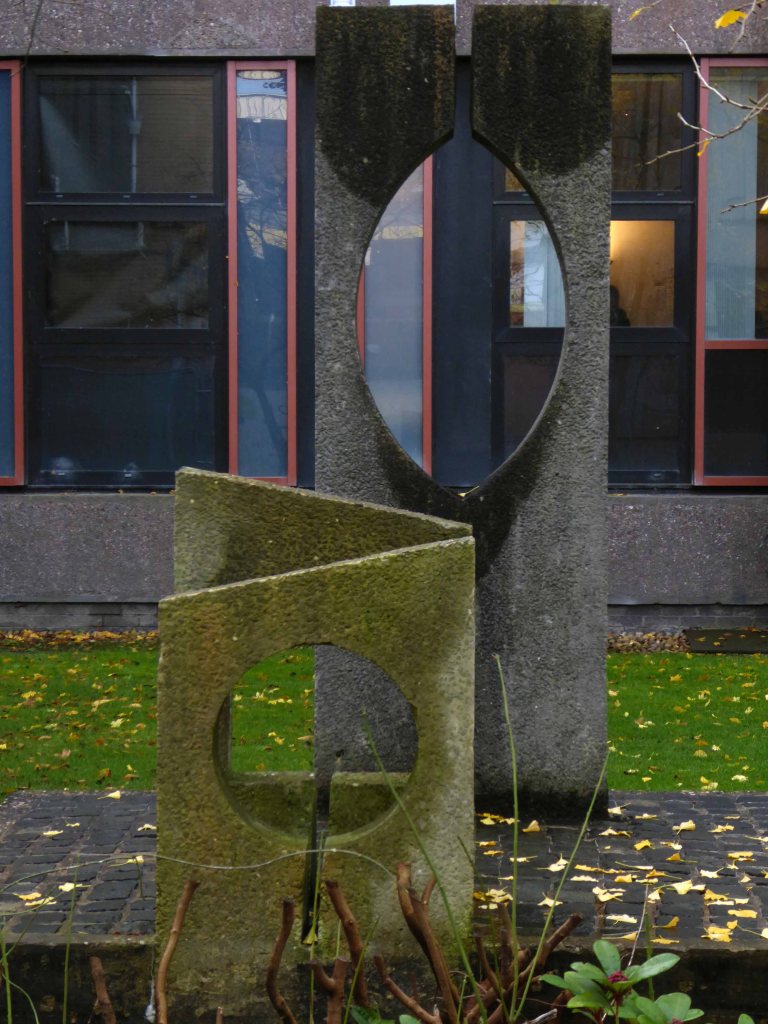
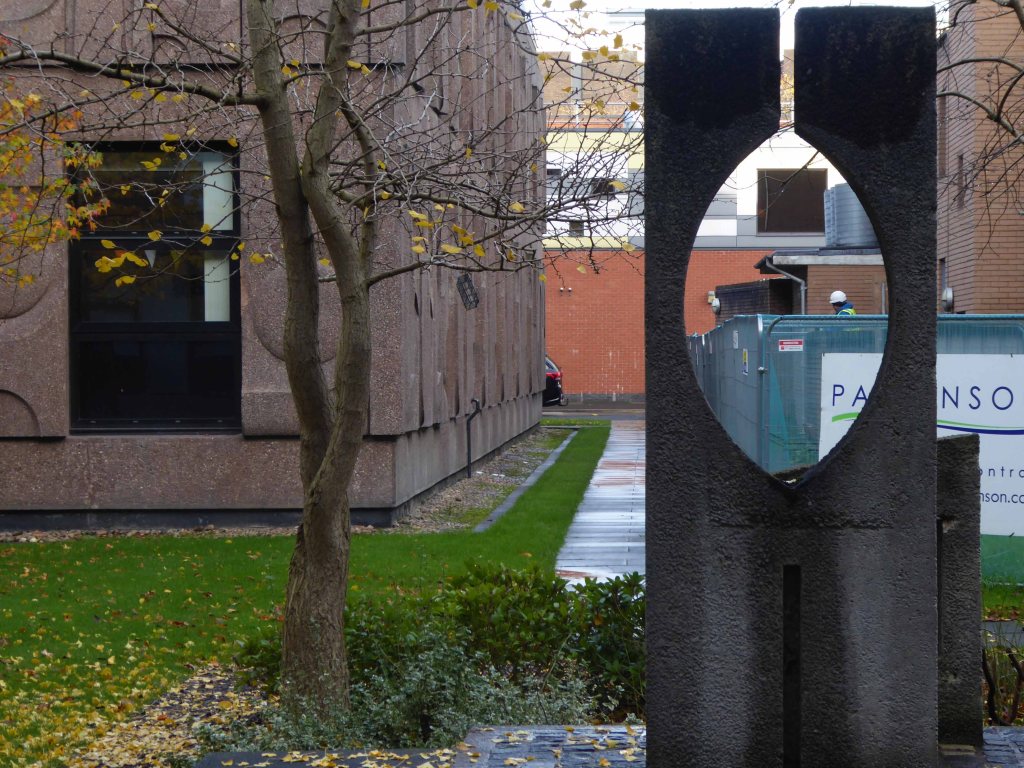
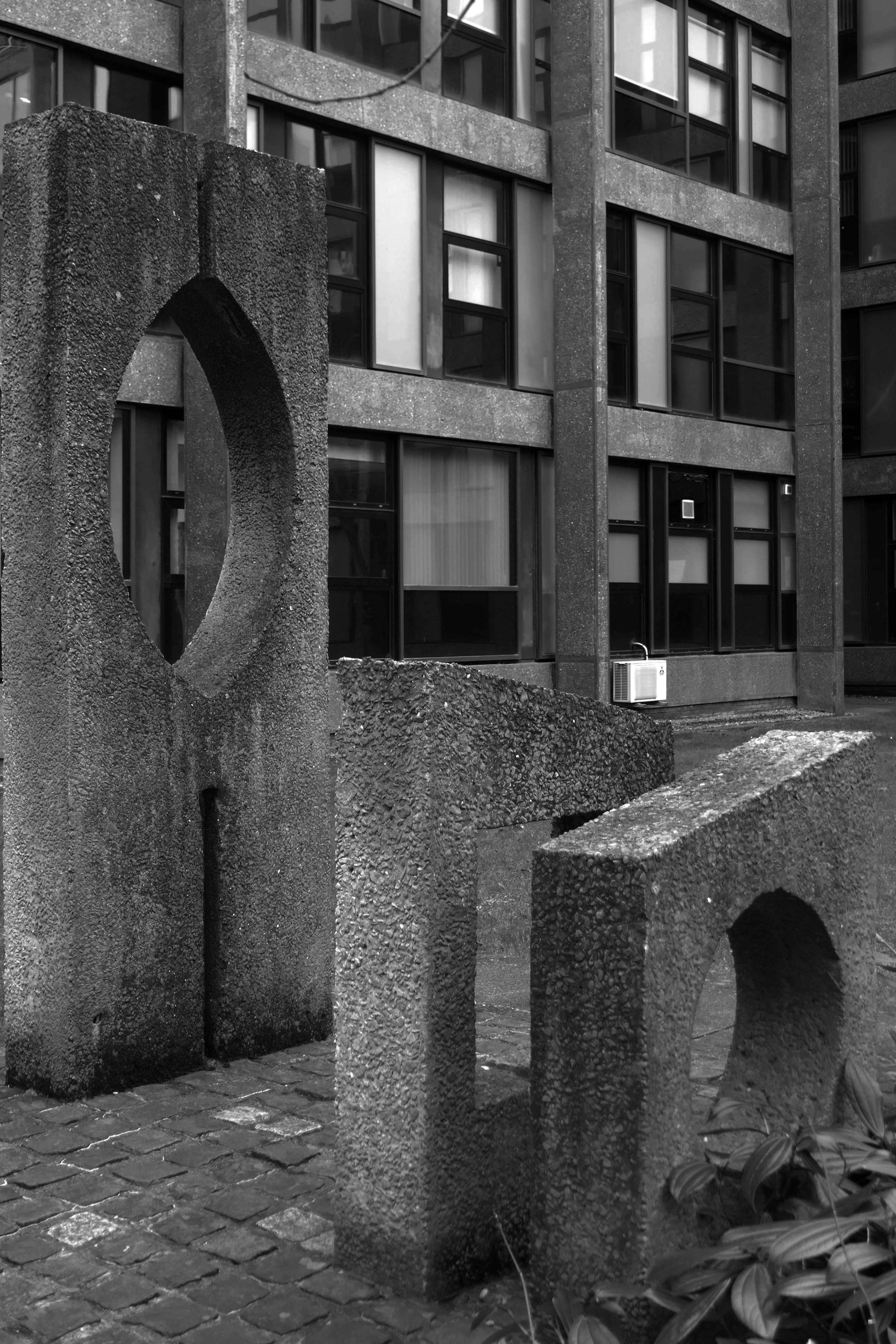
This trio of abstract concrete forms, a B&Q Barbara Hepworth, has defied attribution, I adore it.
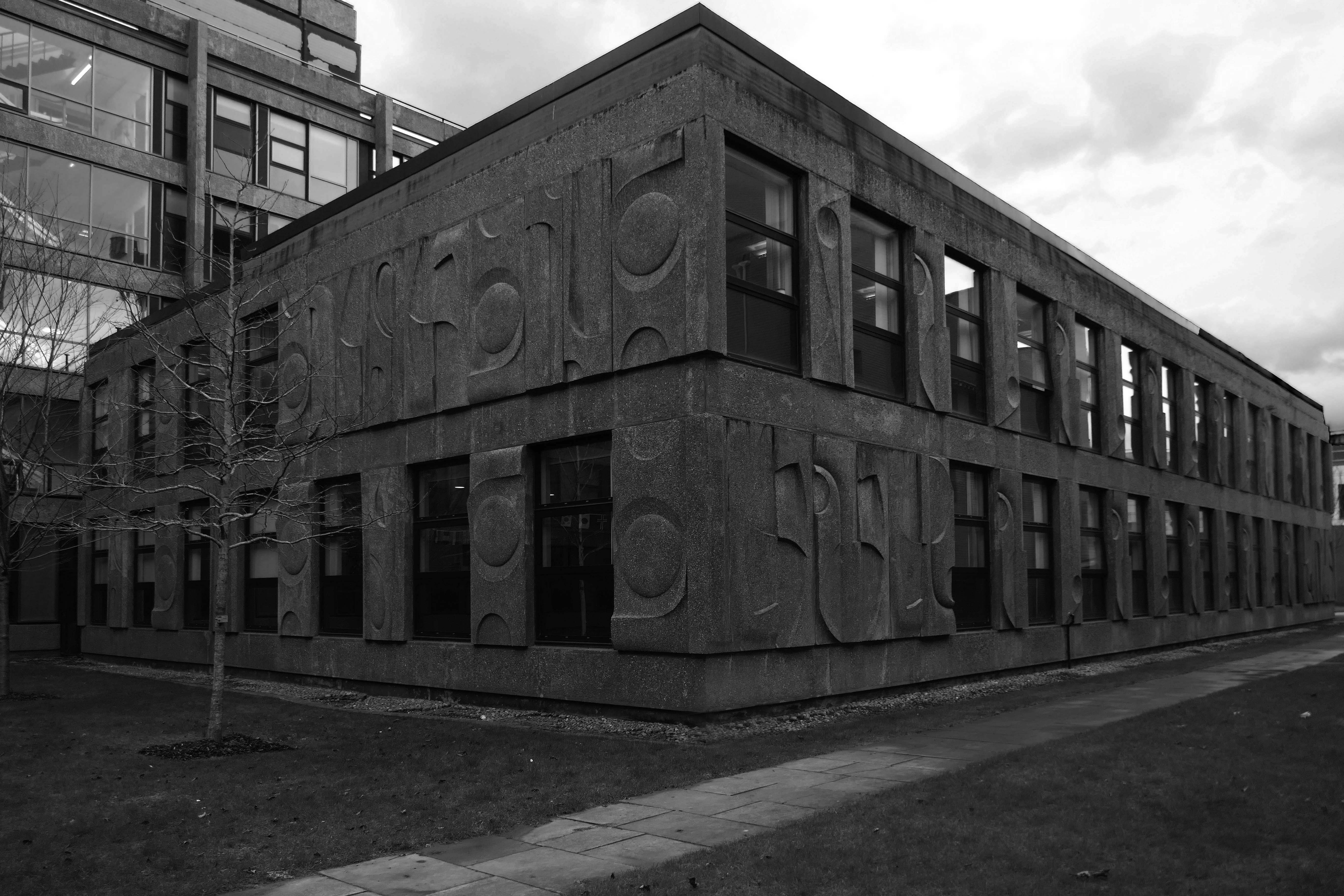
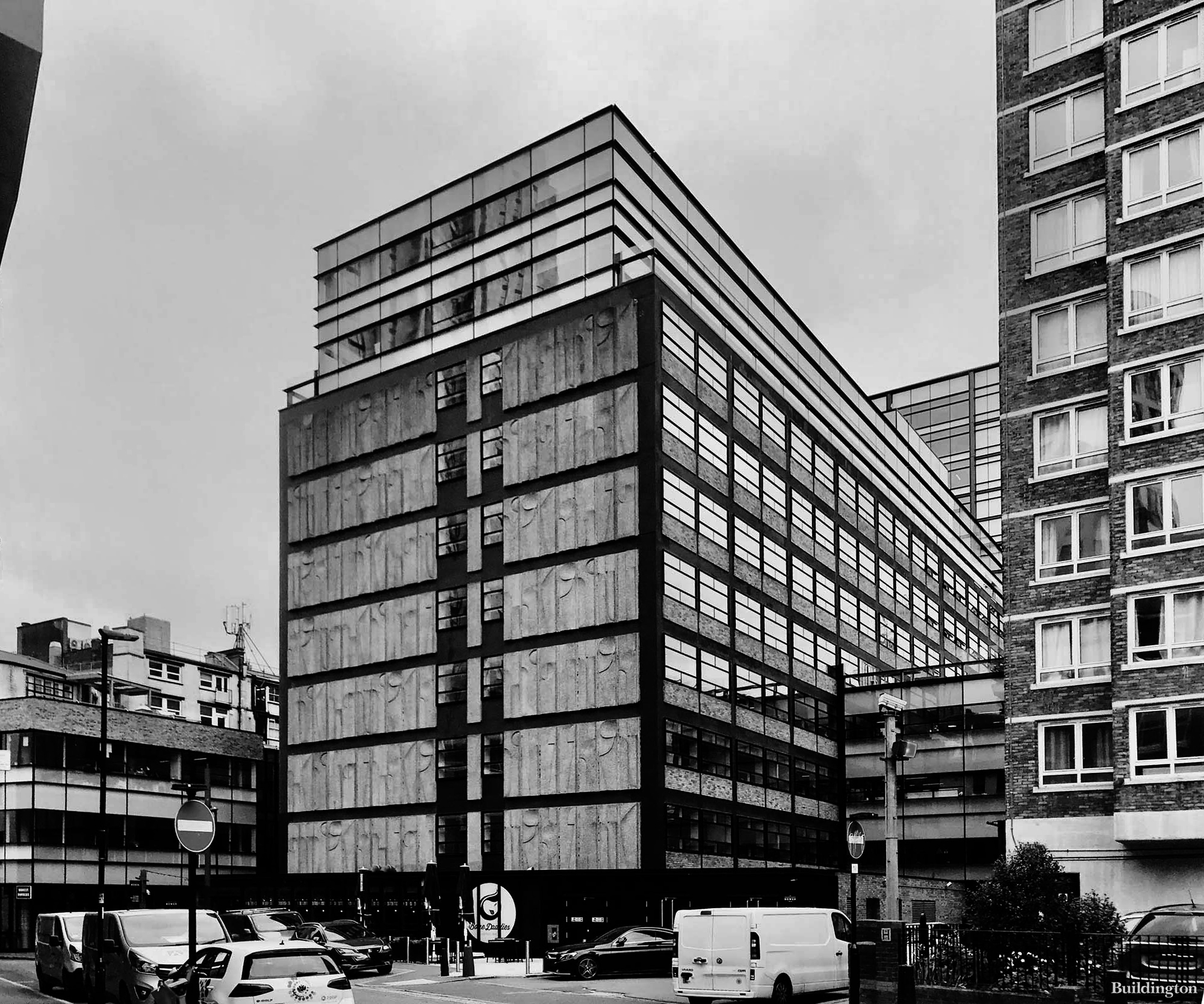
Similar curved panels have also been used at The Bower – Old Street London.
Roscoe Building

Local Image Collection 1964

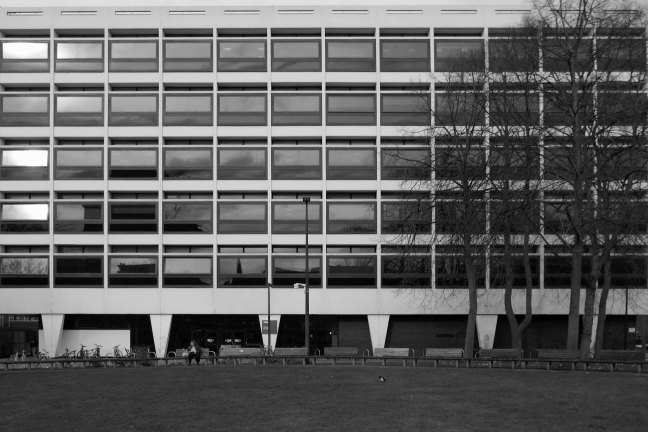
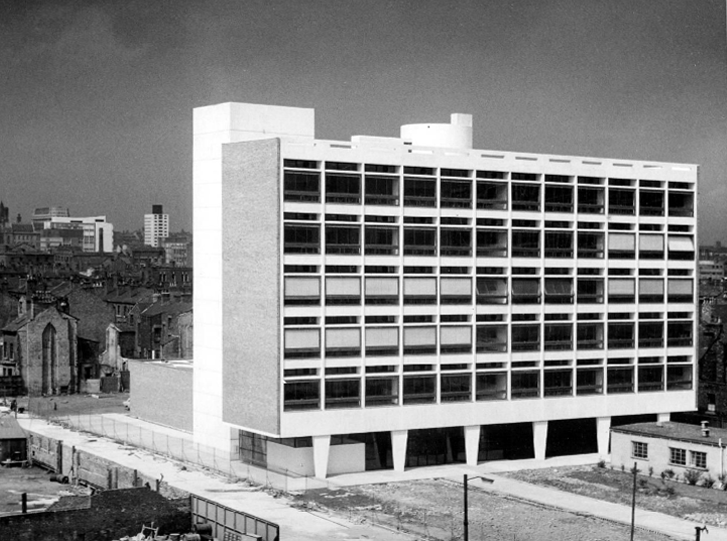
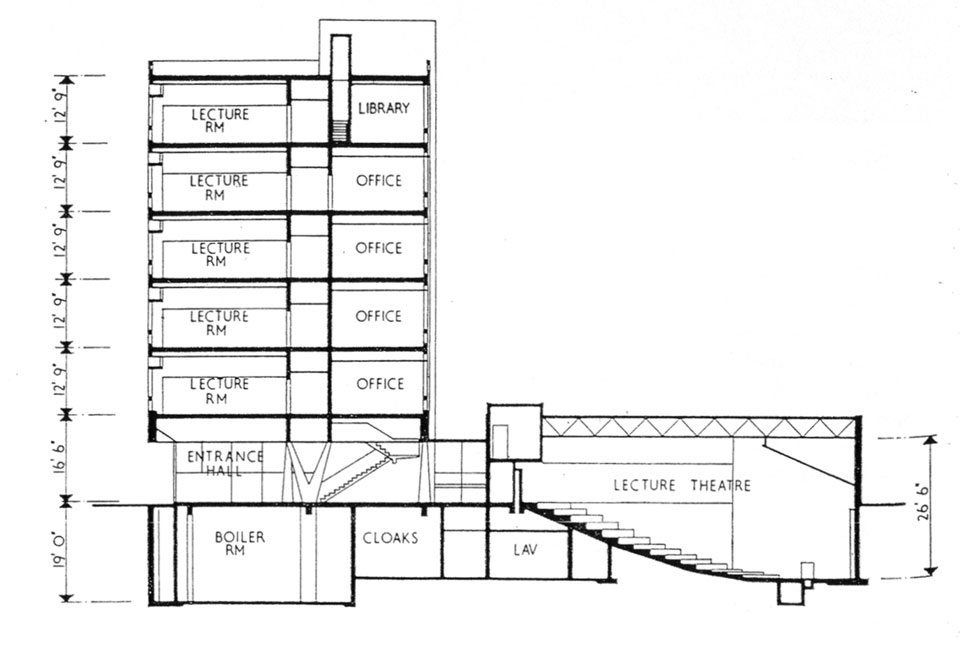
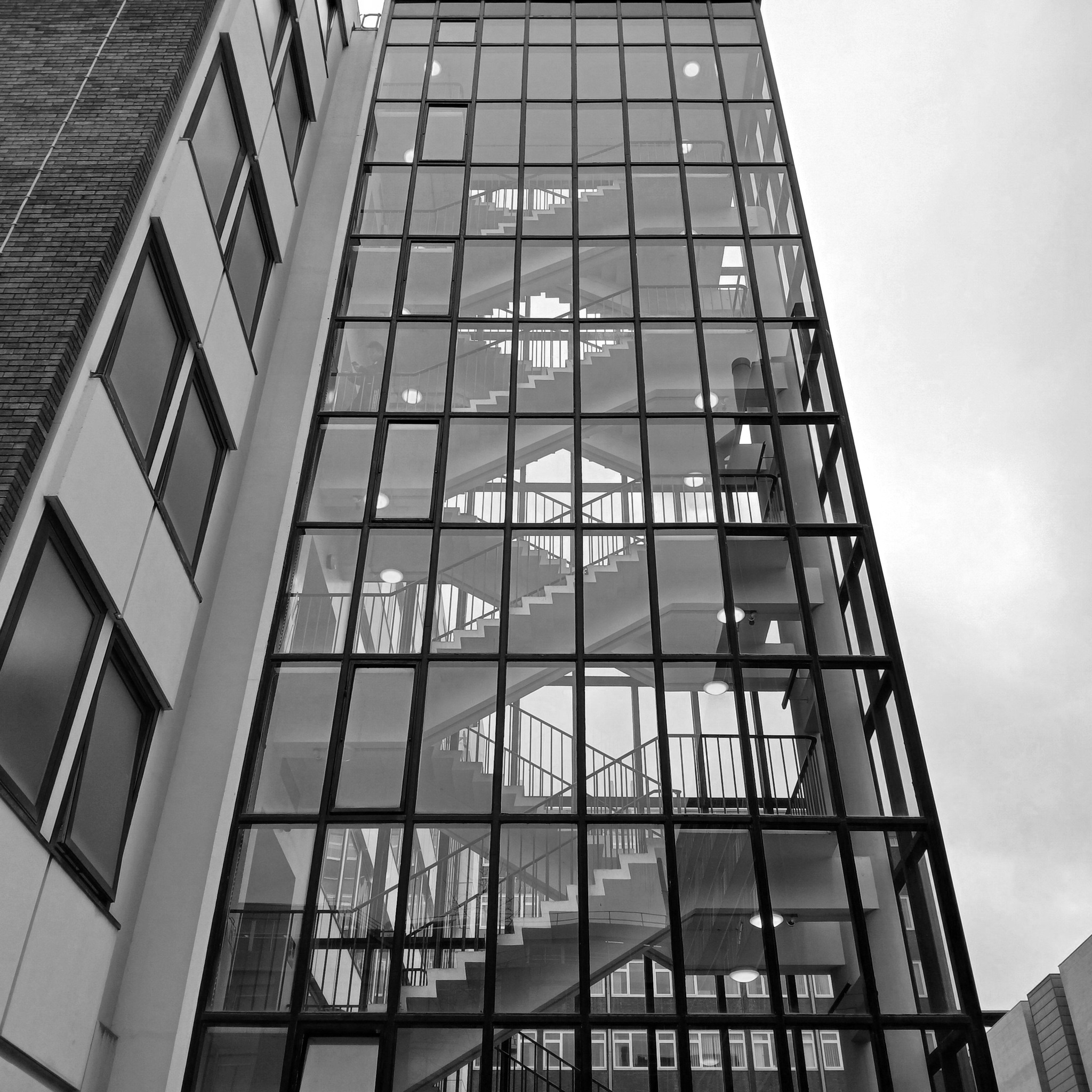
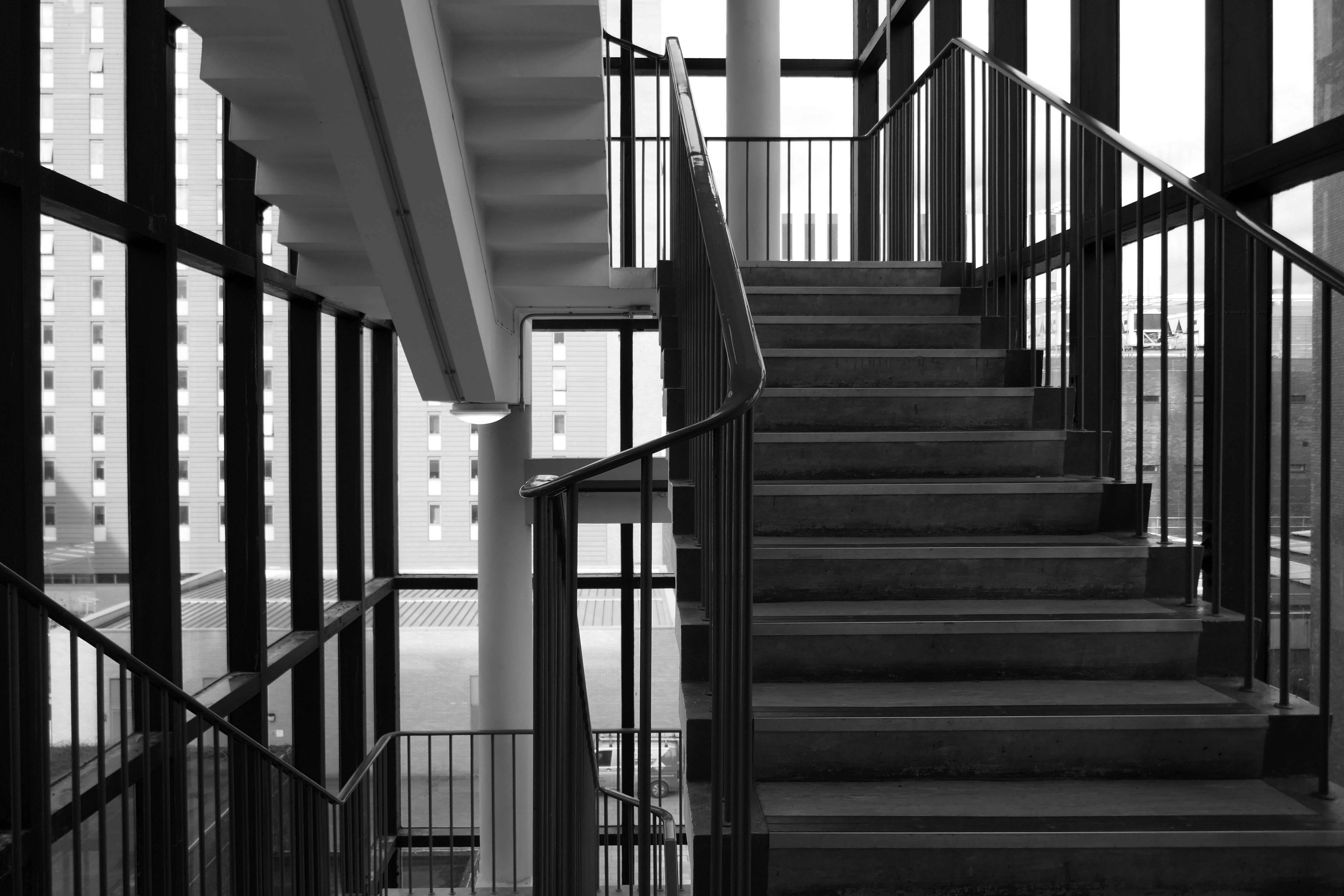
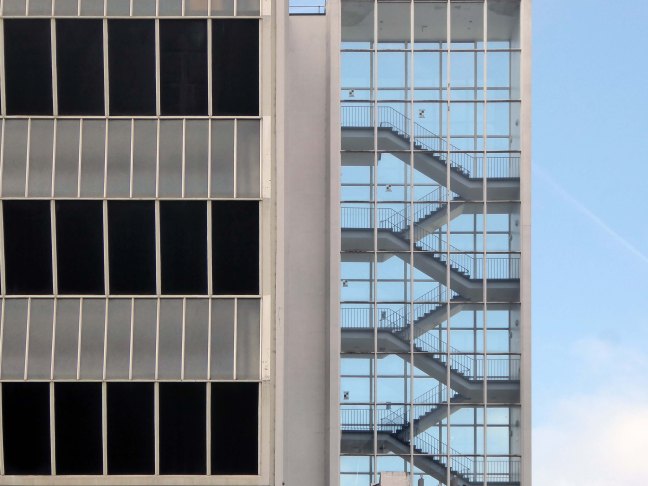
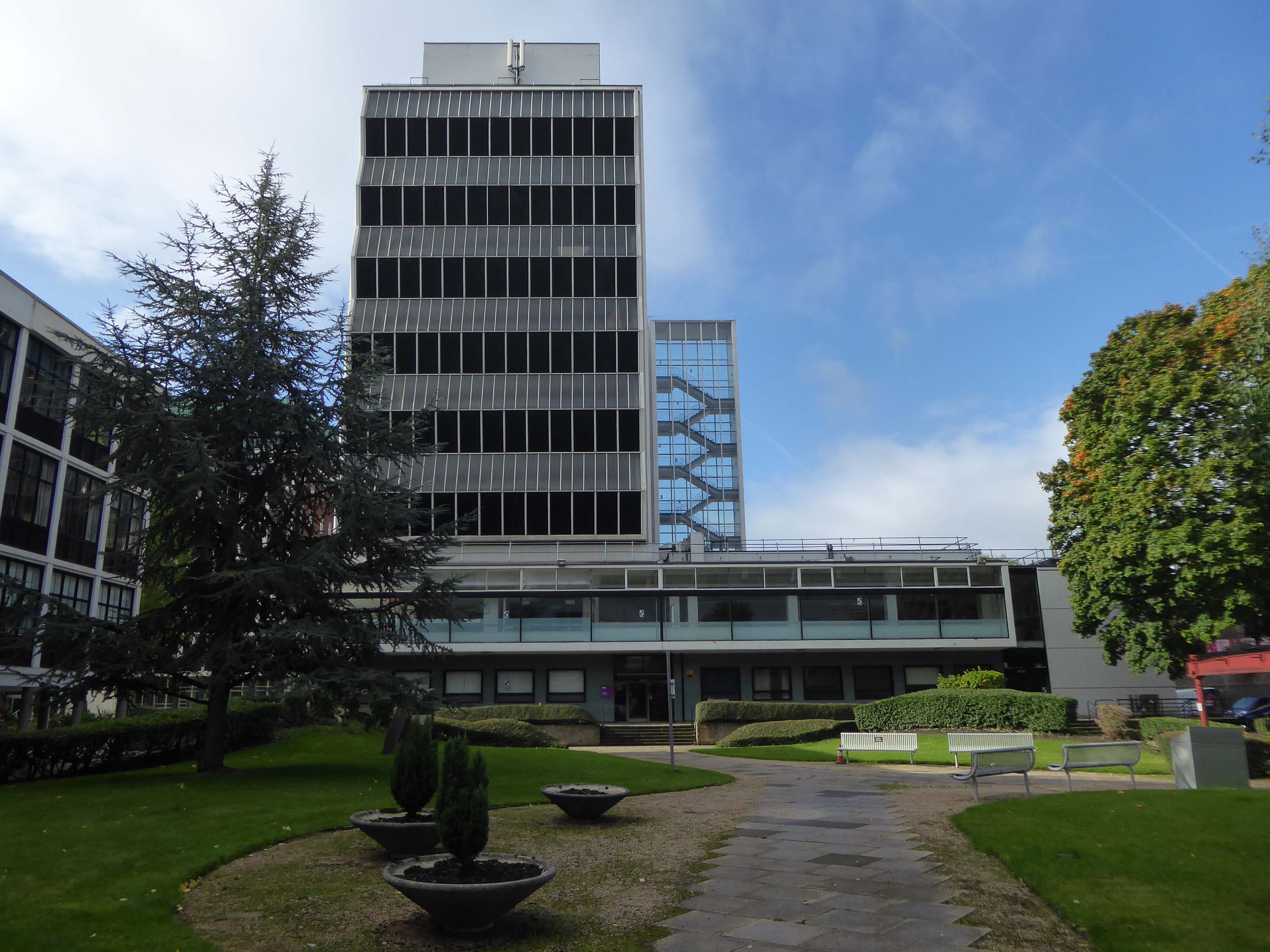
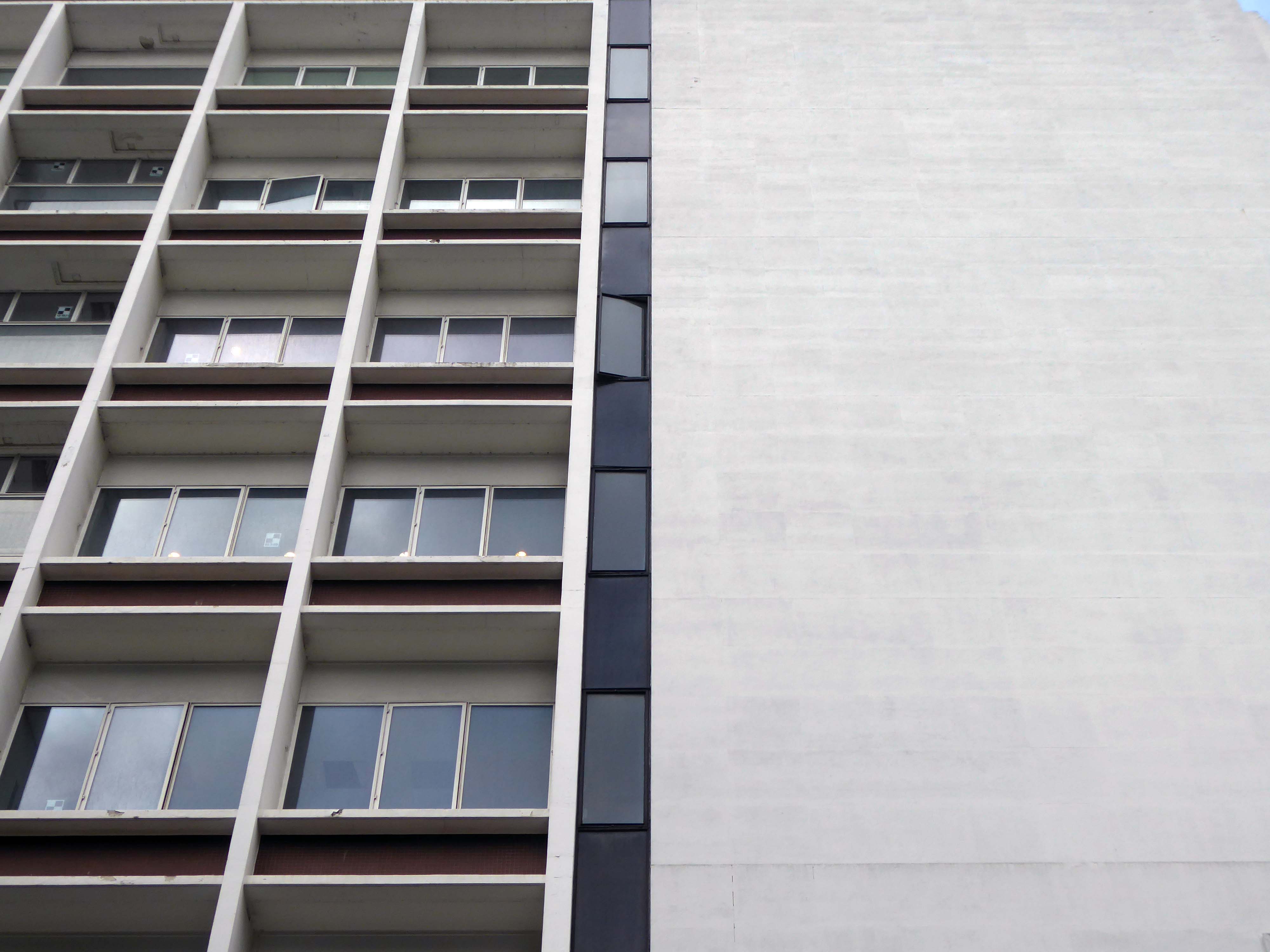
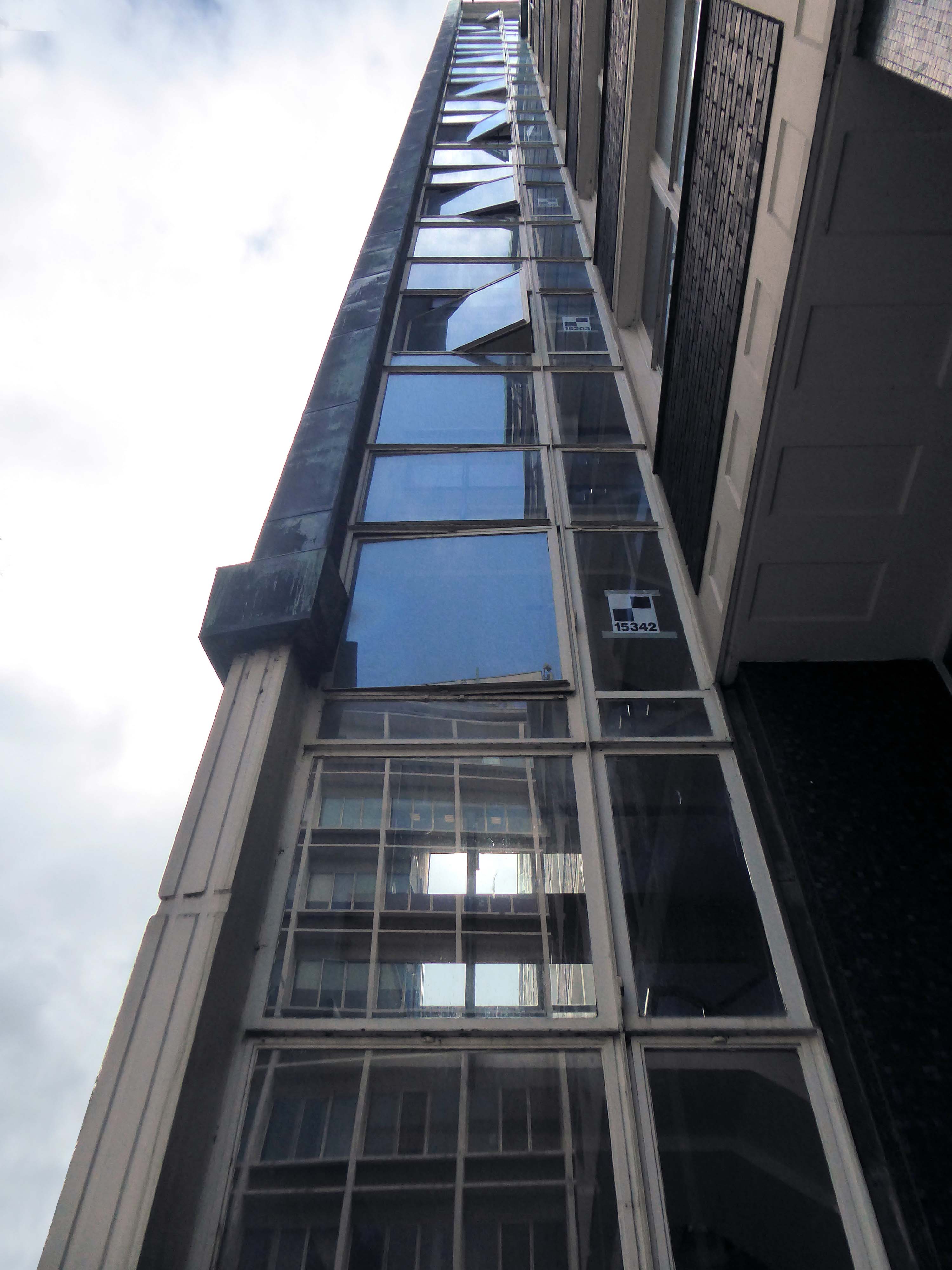
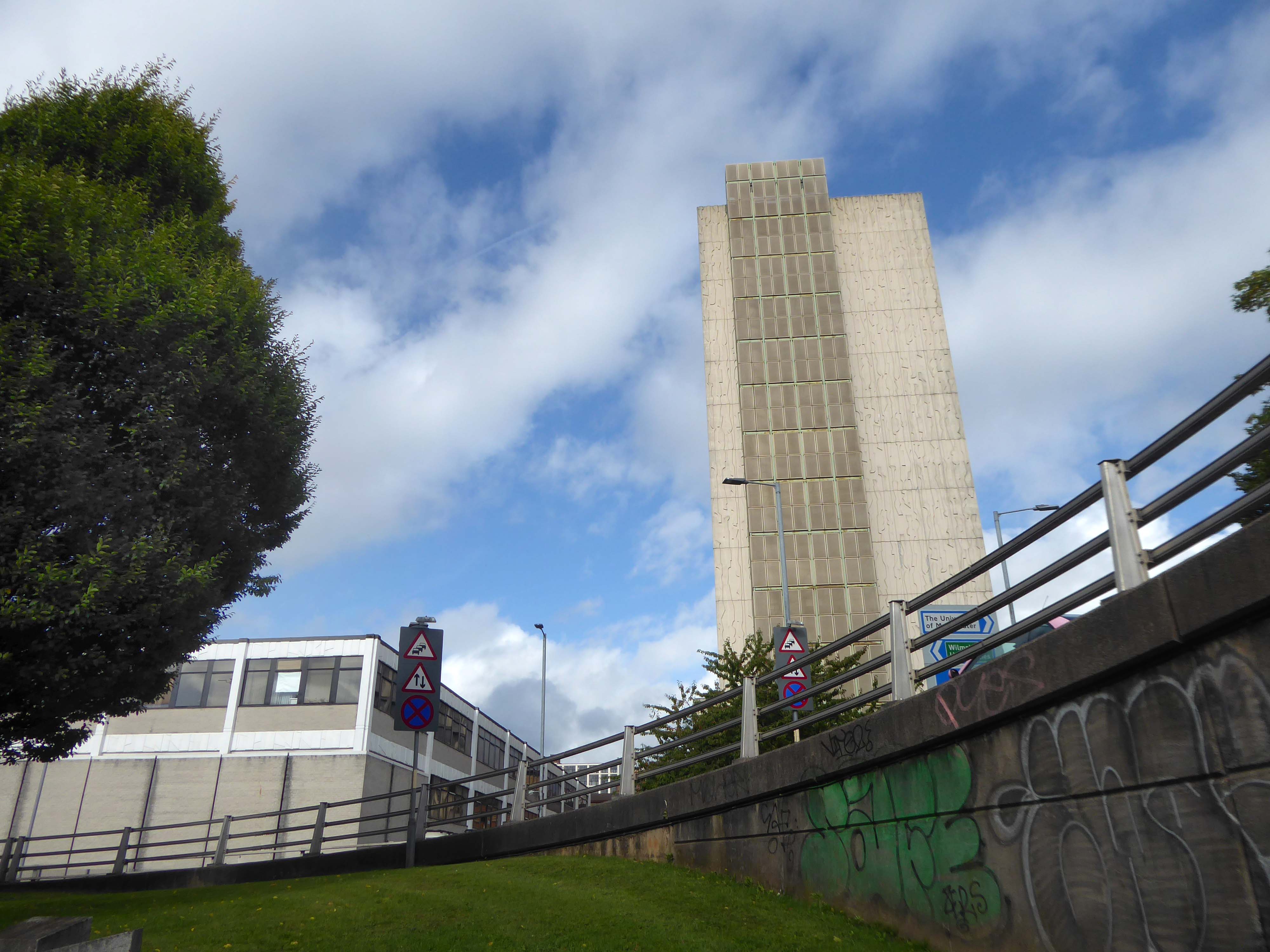
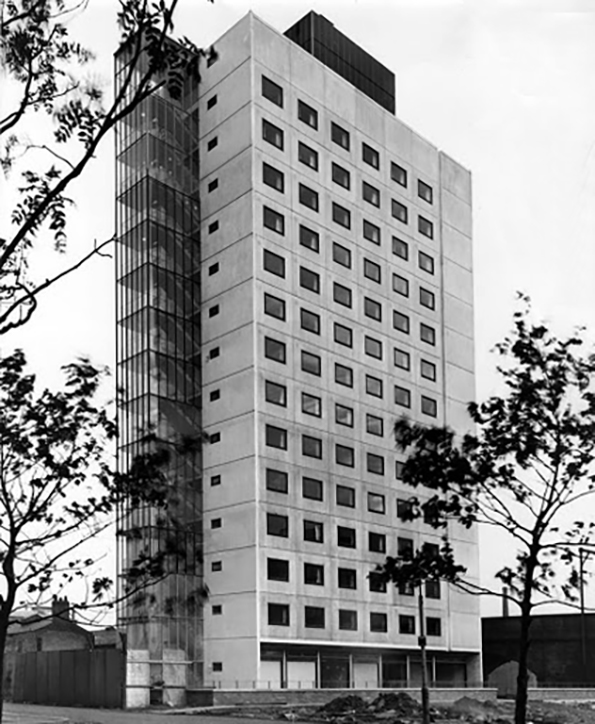
The Roscoe Building is to the University of Manchester what the Renold Building was to UMIST; its purpose was the unification of disparate lecture rooms into one building. In this instance it was a central hub for the Faculty of Science. Both buildings are by Cruickshank and Seward and share traits, though the Renold has arguably more flare. In the Roscoe Building the ground floor houses the smaller of the two main lecture theatres, the larger is an appendage to the main building, but both are accessed from the main foyer. As one ascends, the five upper floors are served by a central corridor flanked by smaller offices and laboratories on one side and larger flexible teaching and seminar rooms to the other. The glazed stairwell is expressed as a separate element.

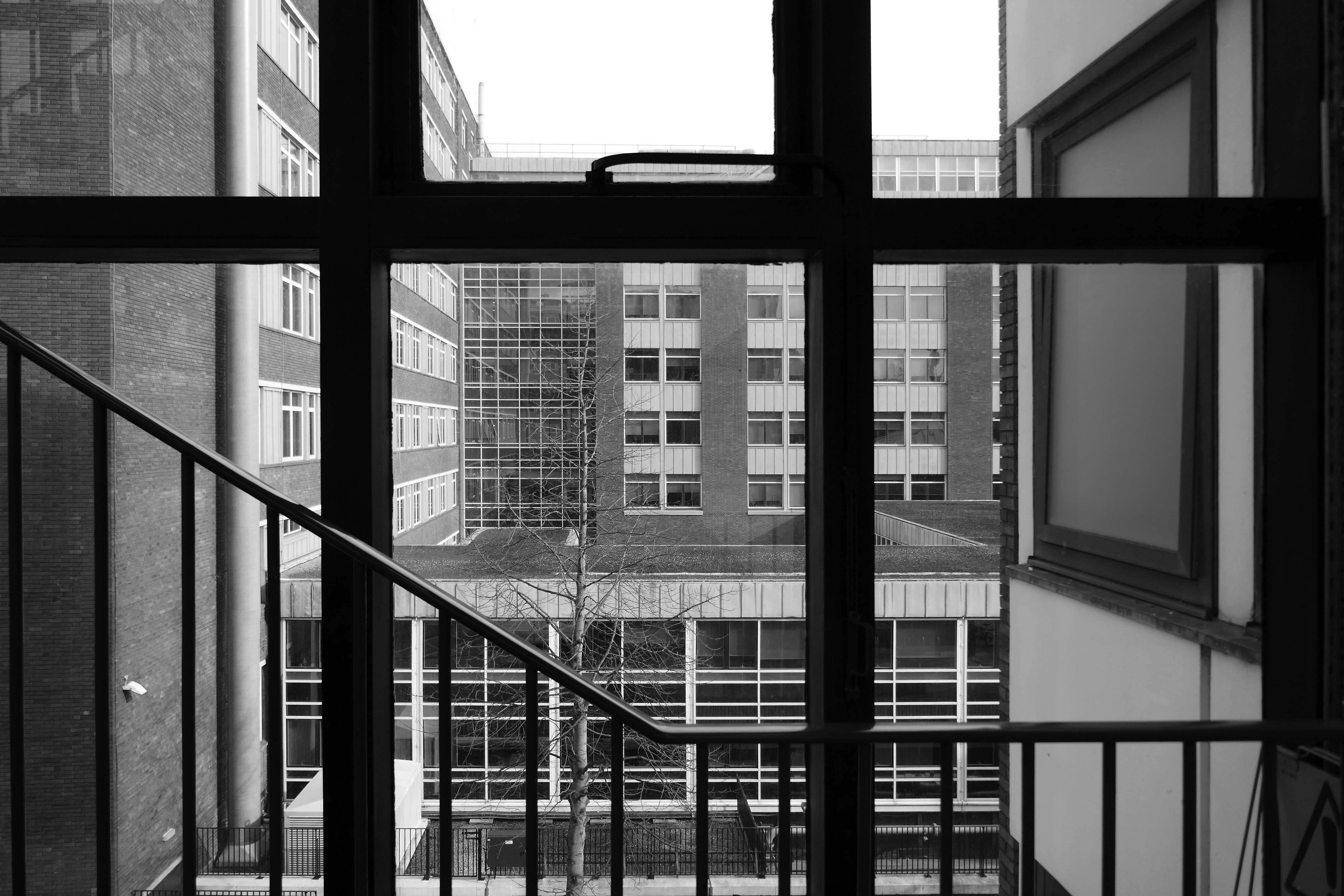
The appraisal of the scheme in the AJ Building Study made claim that, ‘aesthetically the relationship of this staircase with the main tower is scarcely resolved, but the design has achieved the aim of making this an exciting staircase to use’.

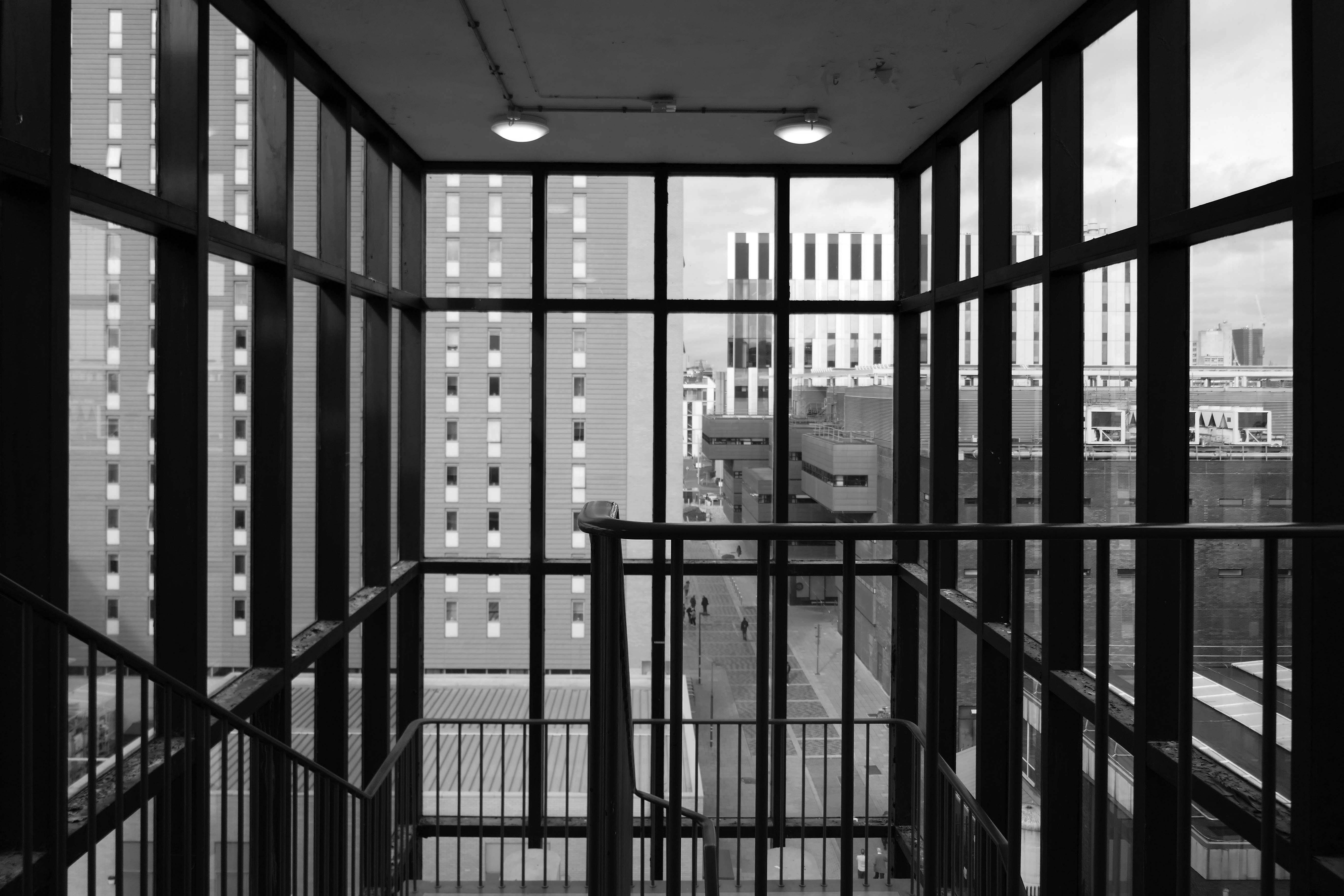
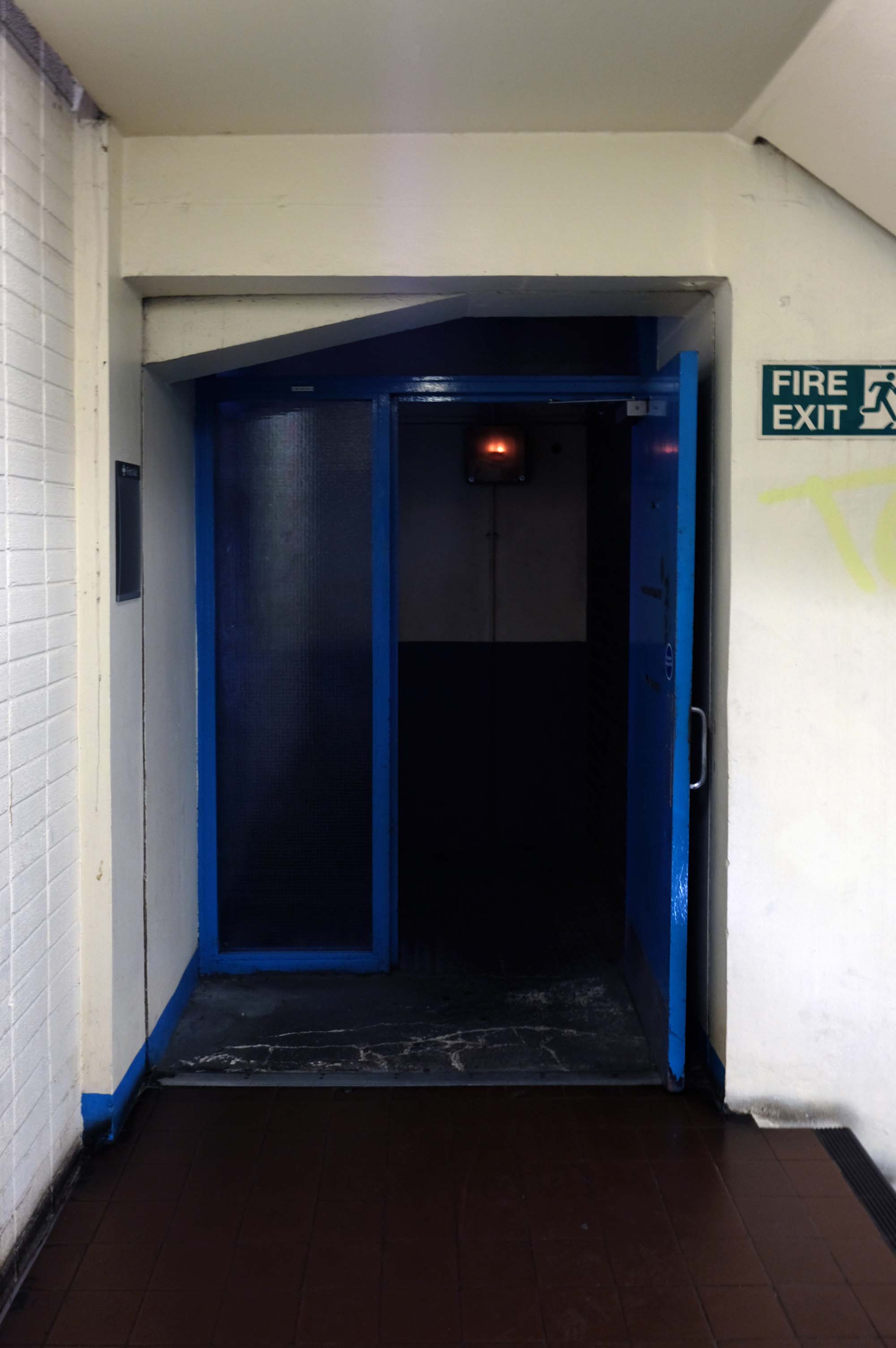
This was the aim of the architect – if all the seminar rooms and lecture theatres emptied at the same time, there was not enough capacity in the two lifts to move everyone. The climb up the stairs is rewarded with a good view of the city centre, a photograph of which was illustrated in the same pages. The clear expression of the component parts of this building is a functional response to the demands, but also the part of the formal language developed through Cruickshank & Seward’s practice. Strong volumetric forms became something of a motif in the work of both John Seward and Arthur Gibbon.
Mainstream Modern

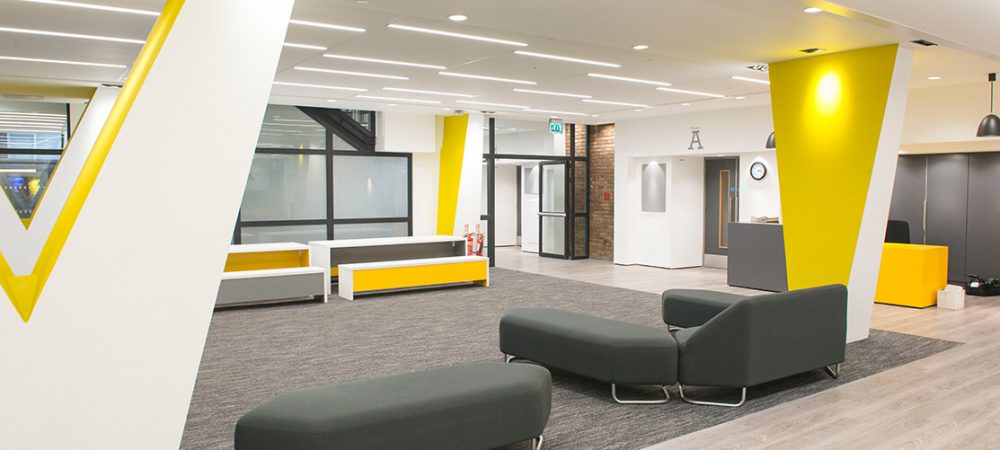
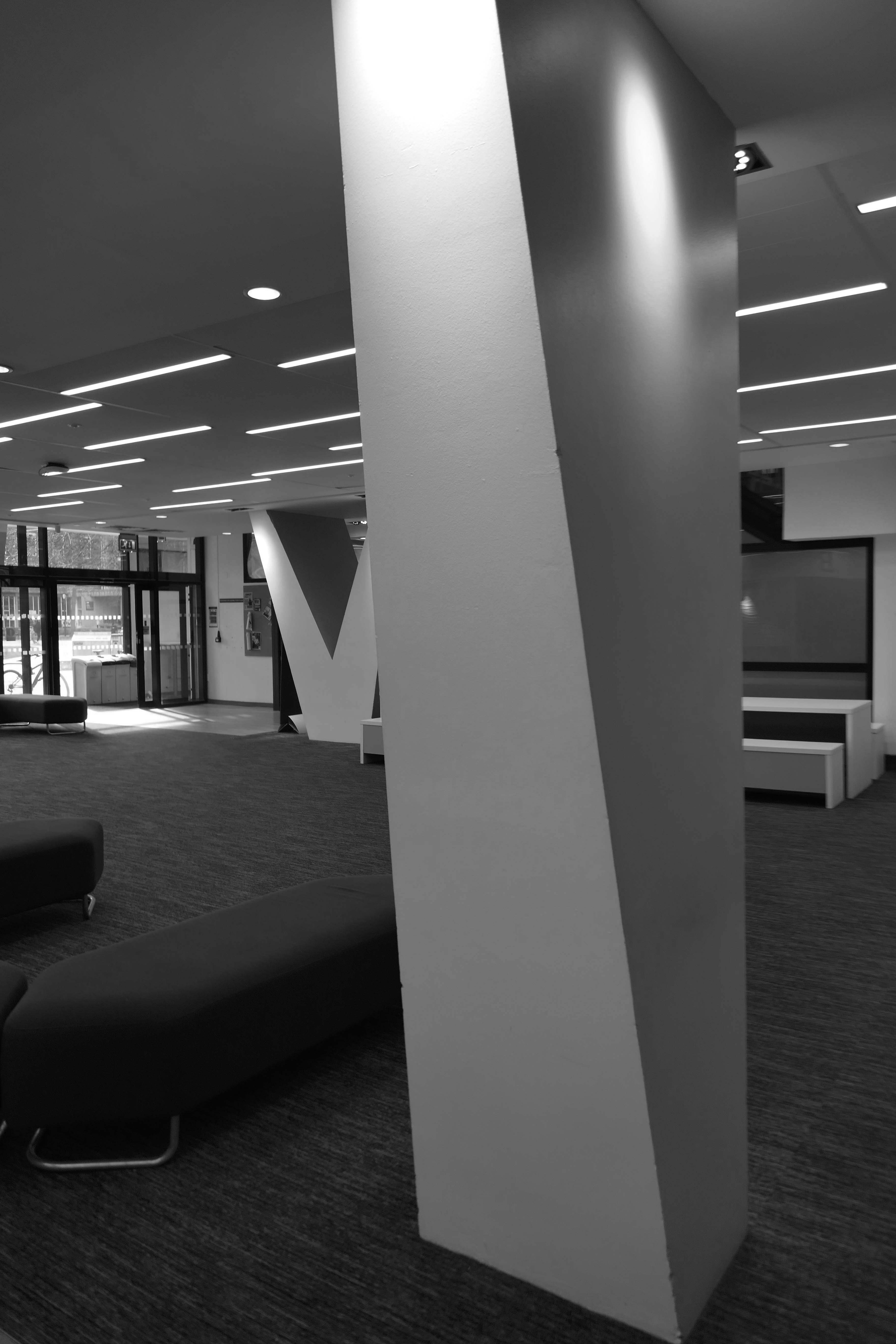
The open entrance area has subsequently been compromised.

Photo: Richard Brook

Performance Electrical Limited was employed to carry out the full electrical refurbishment to the new reception at the University of Manchester’s Roscoe Building on behalf of Armitage Construction.
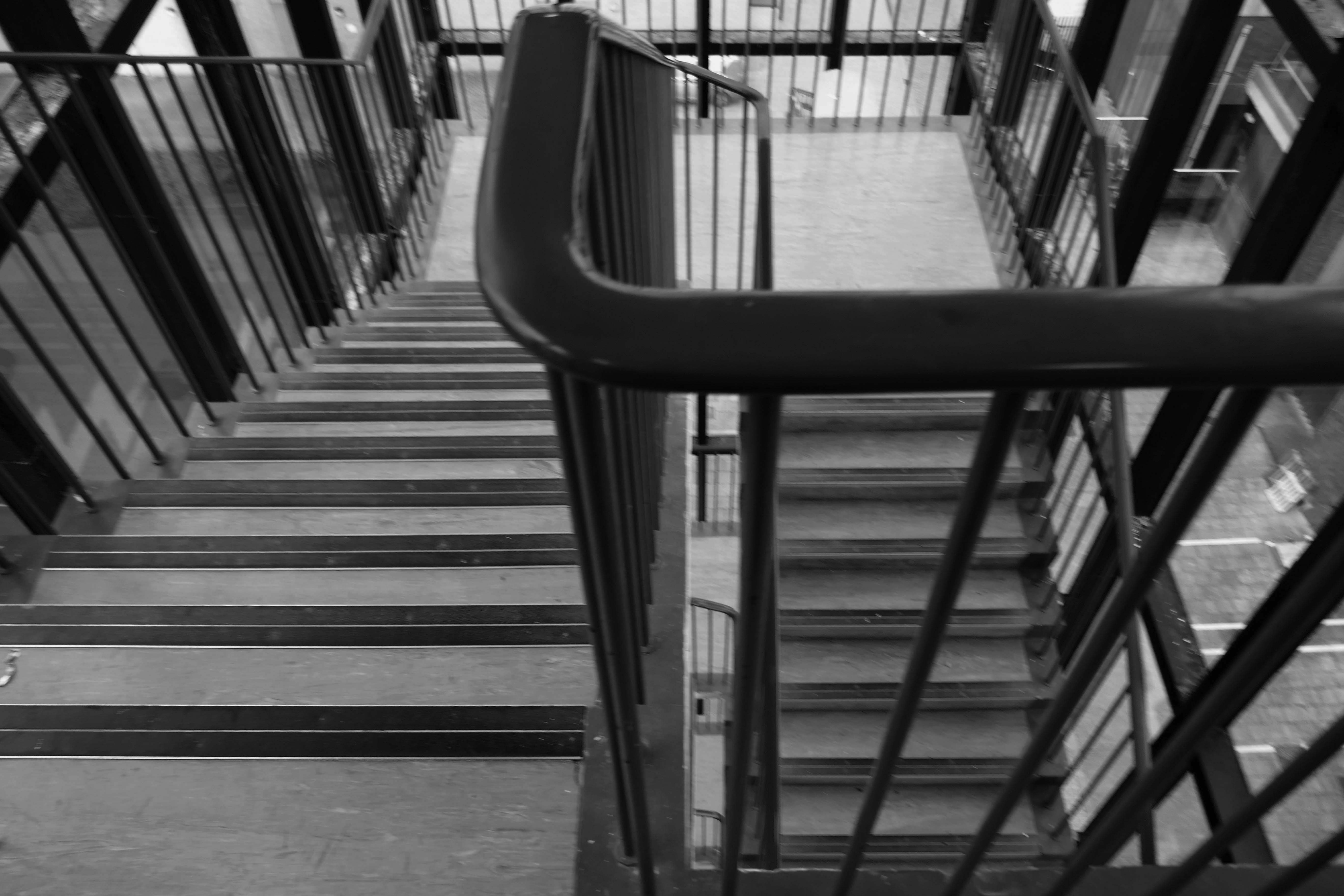
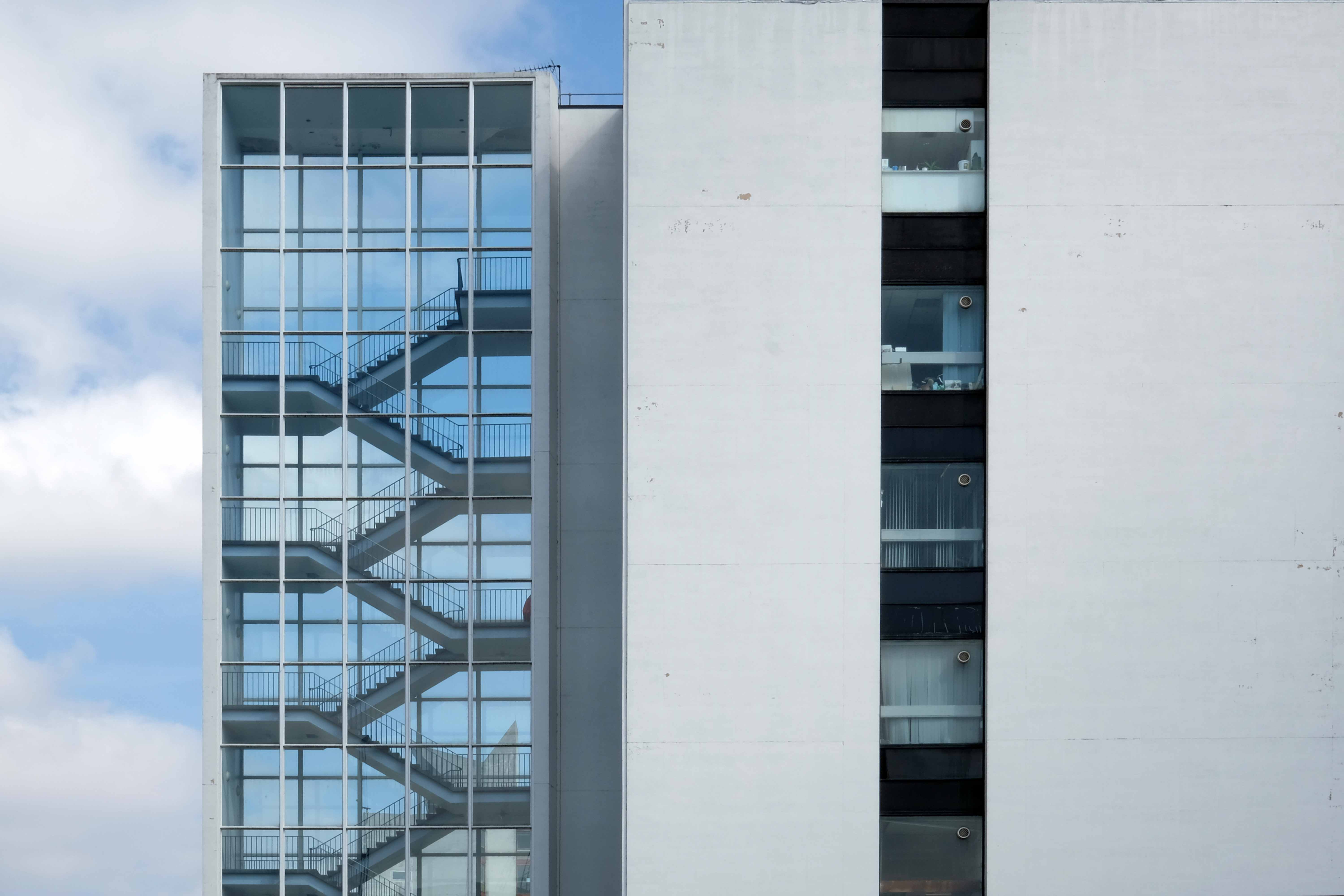
In common with the Renold Building the Roscoe has an elegant glazed staircase.
So I walked it up and down.

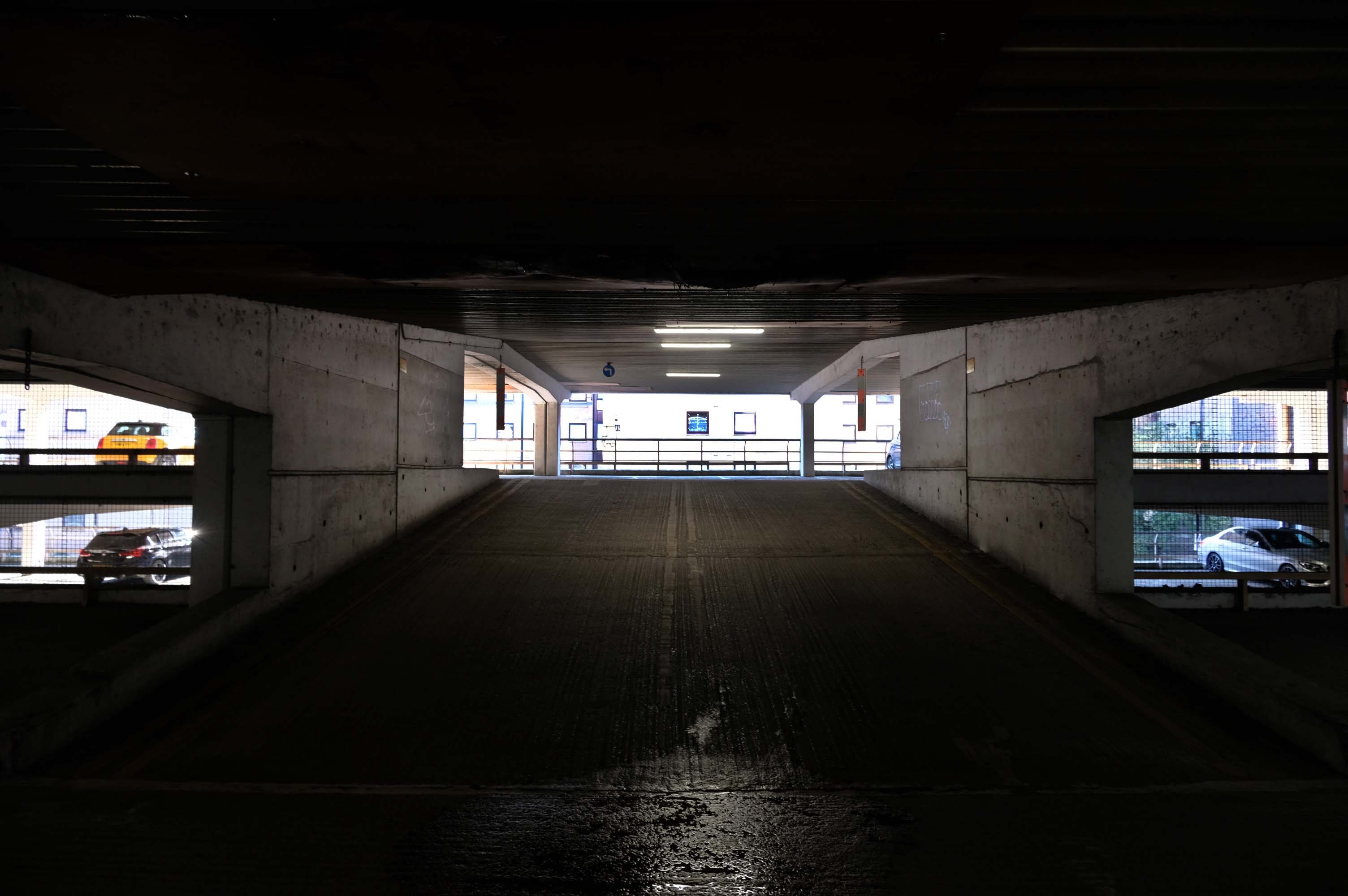
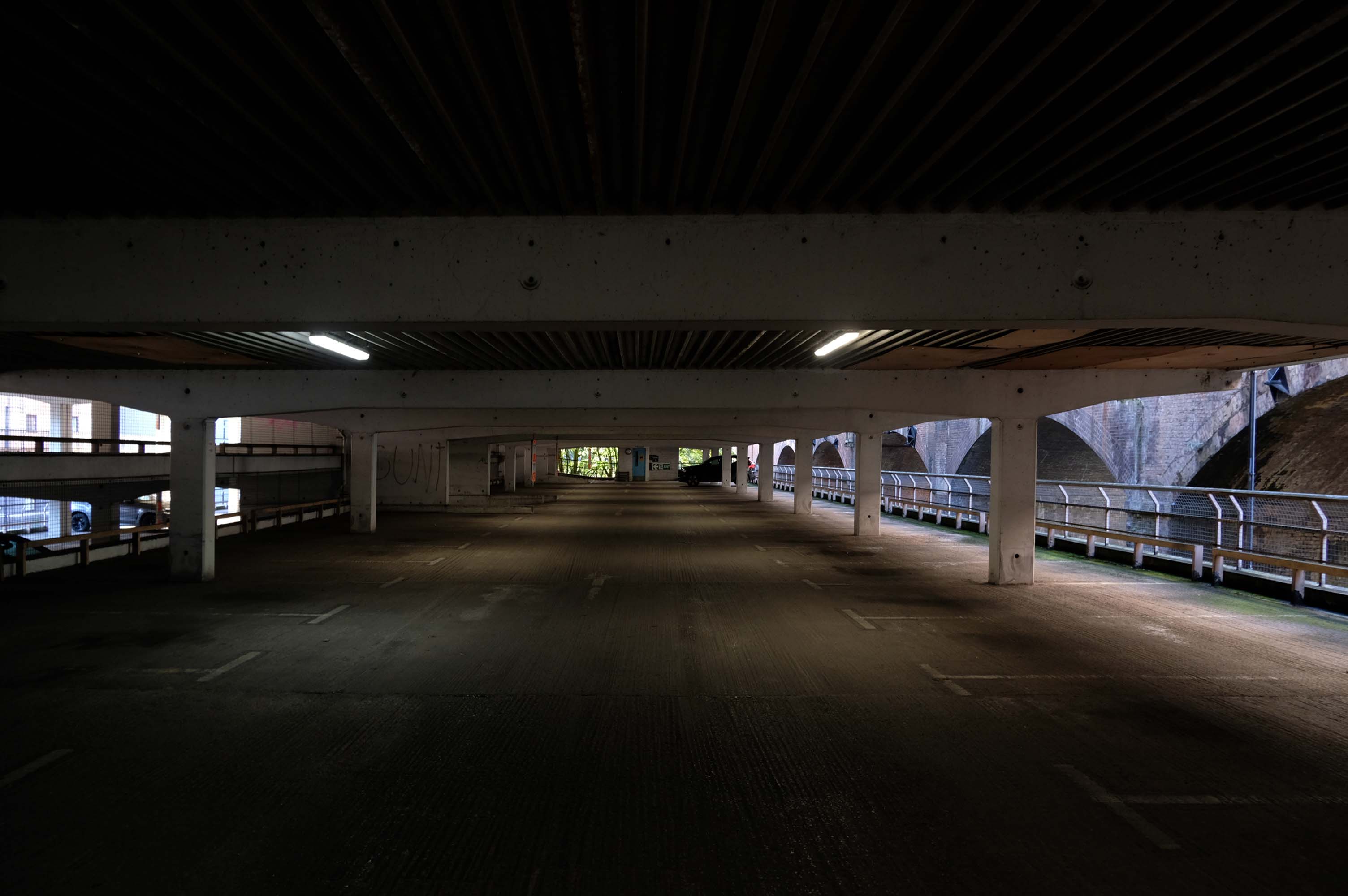
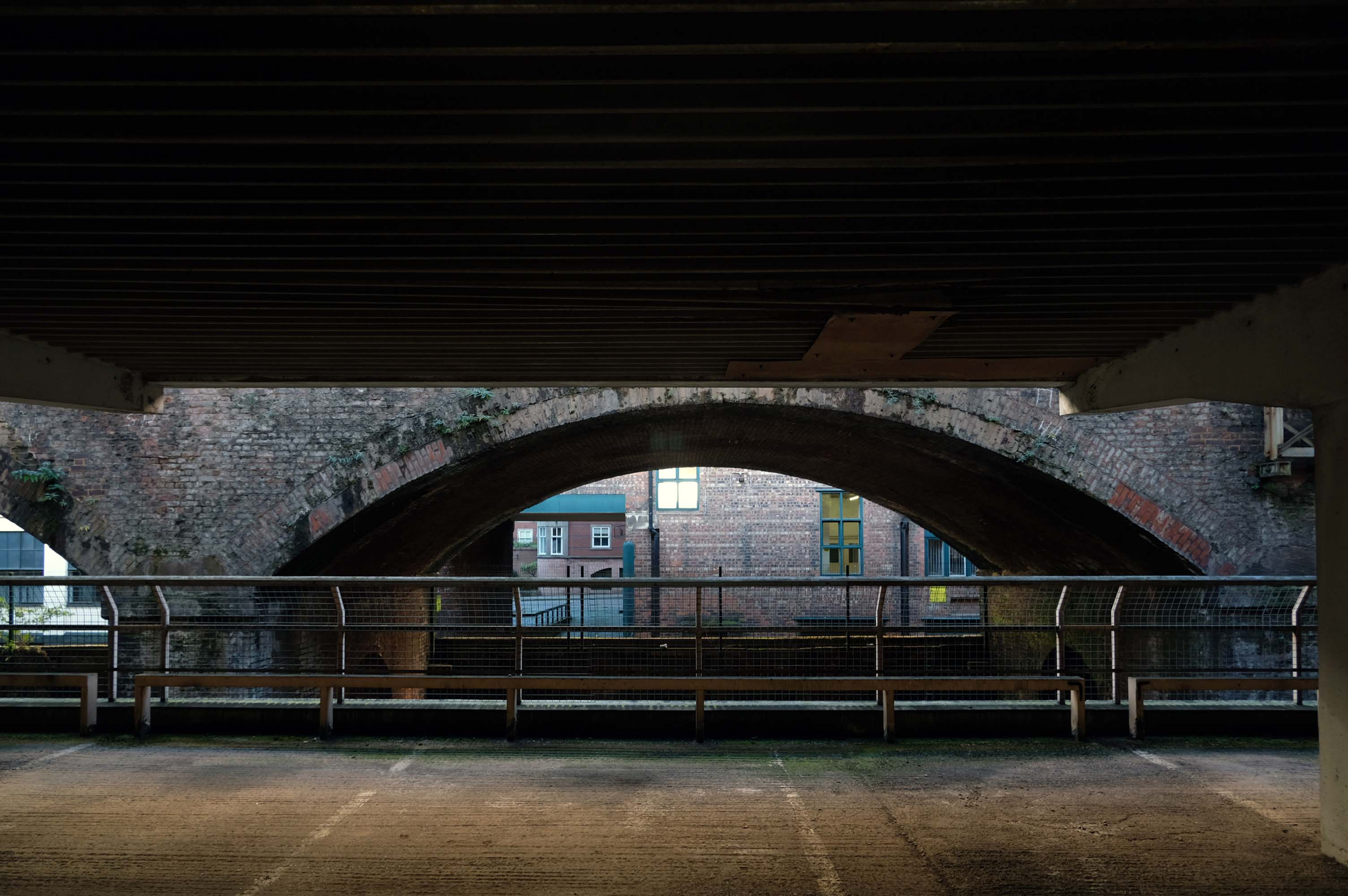
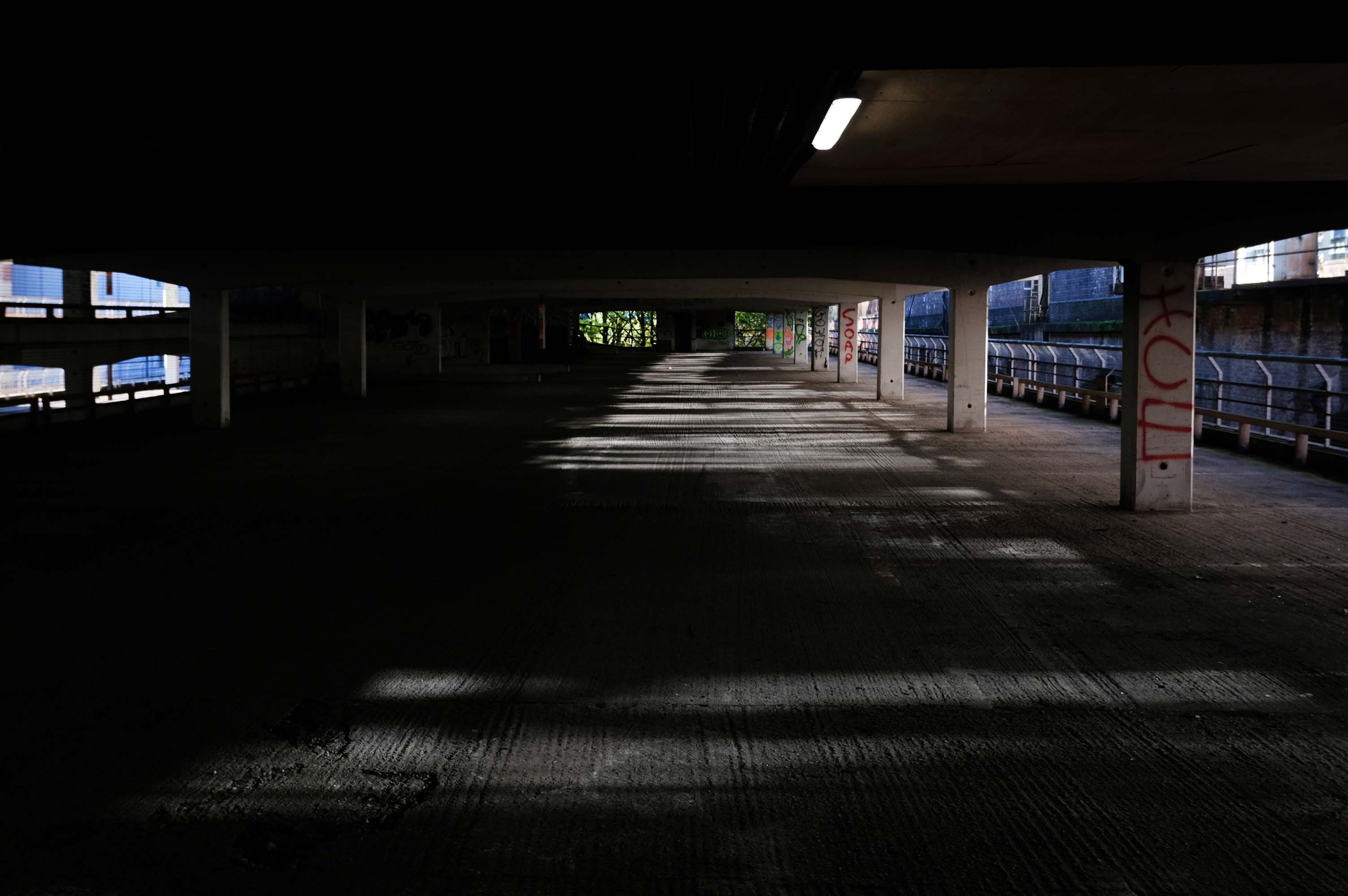
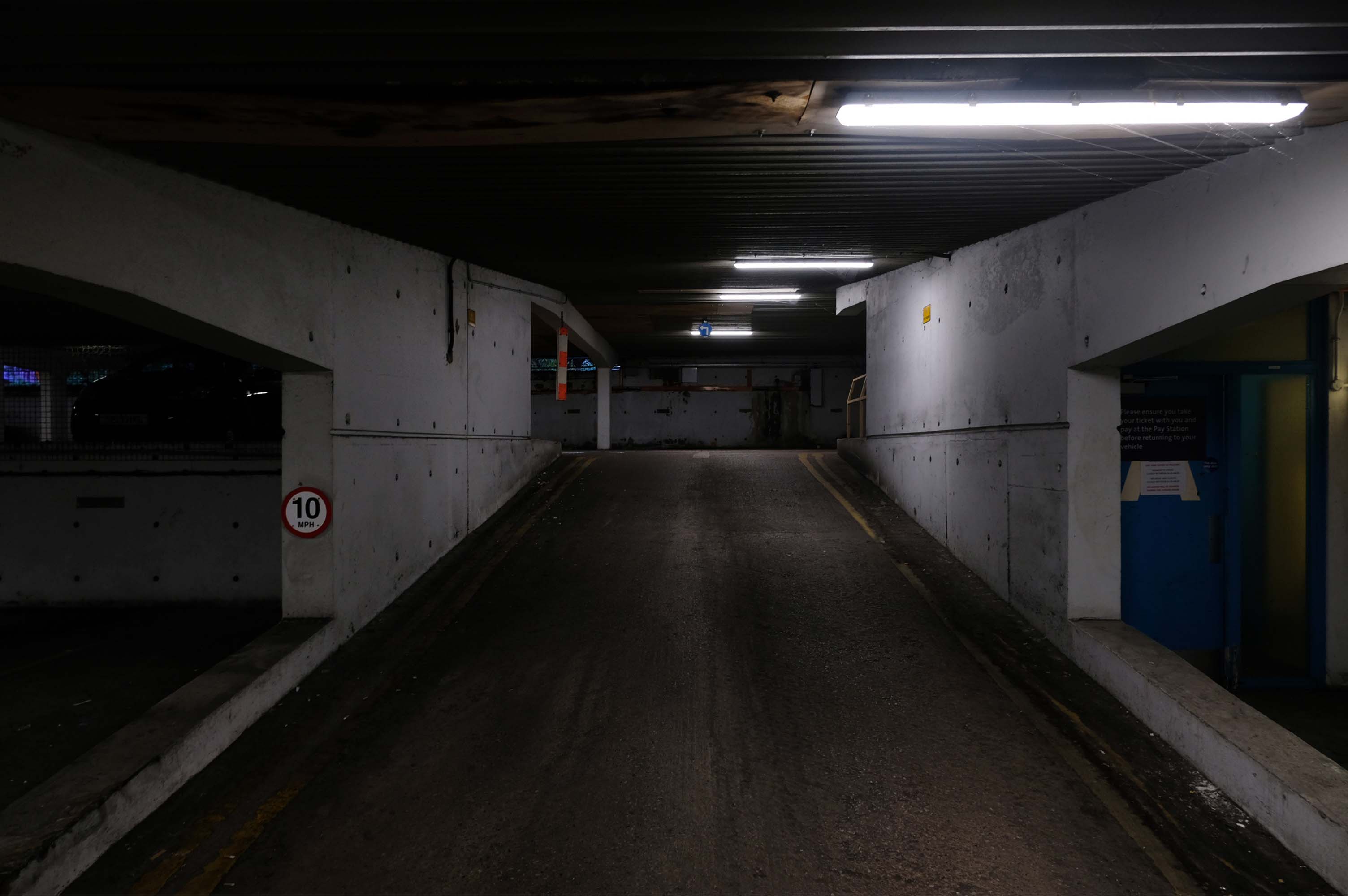
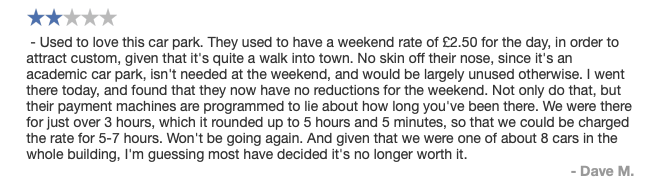
Charles Street Car Park – Manchester

Charles Street Car Park – M1 3BB

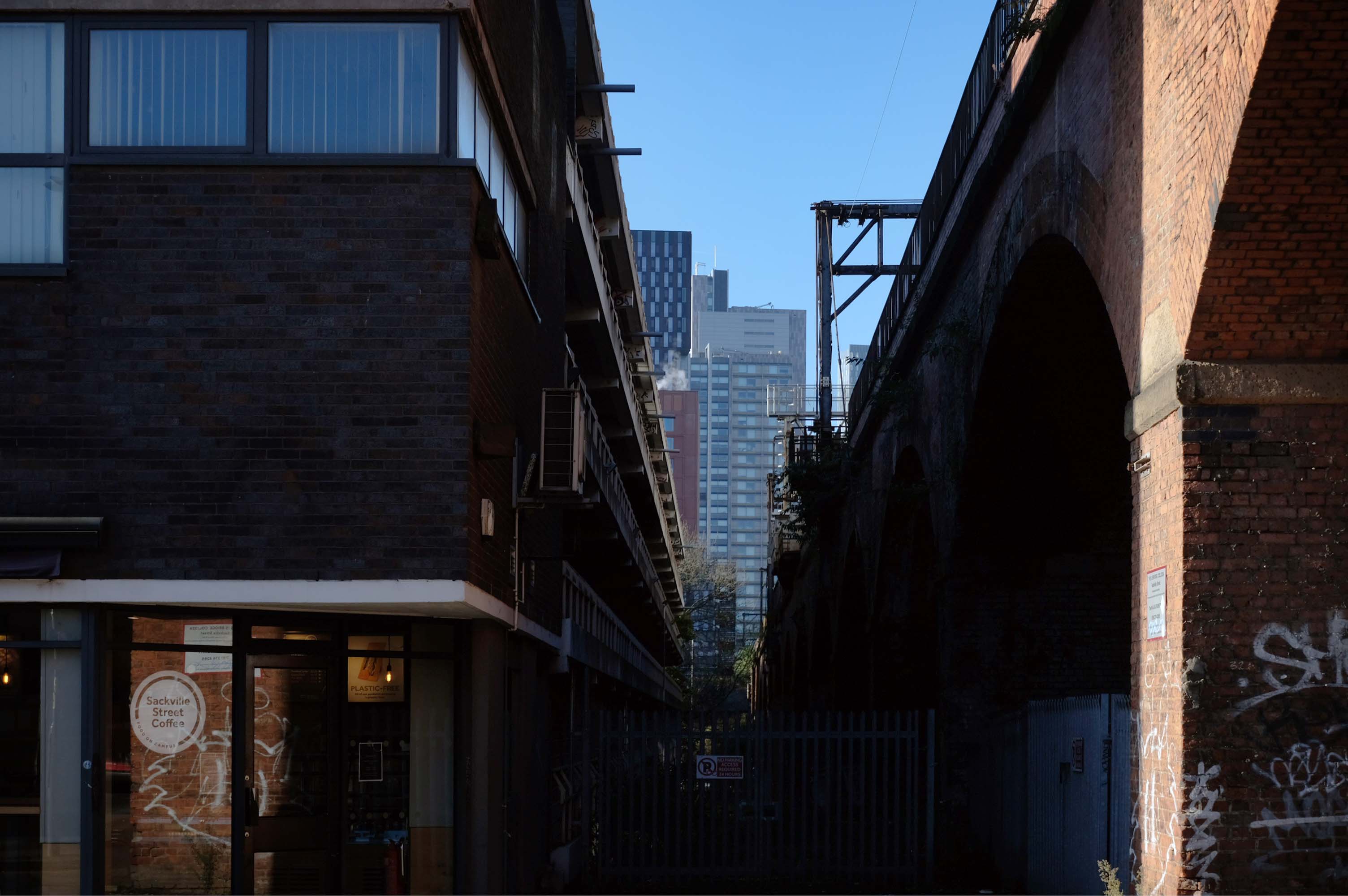
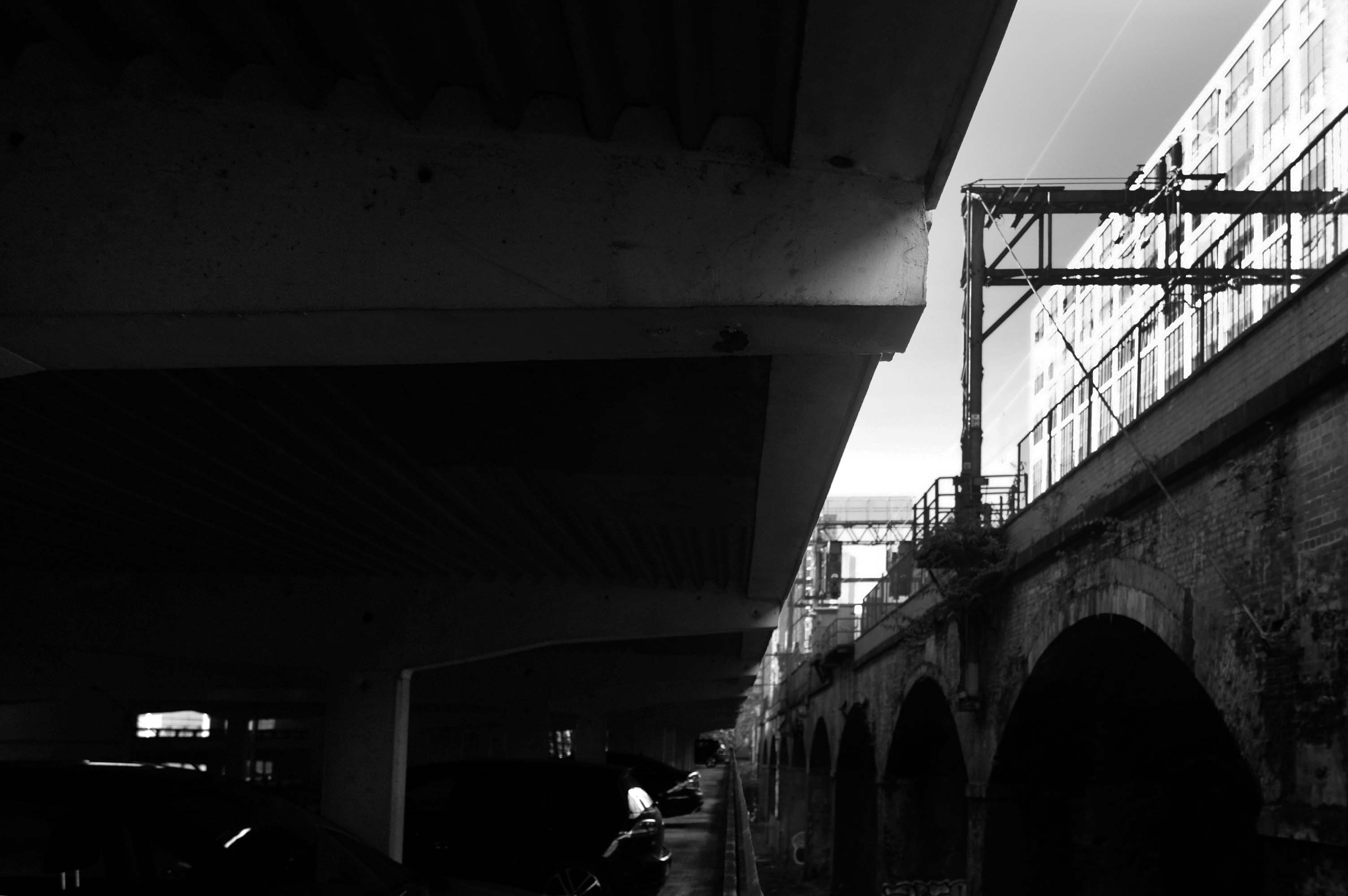
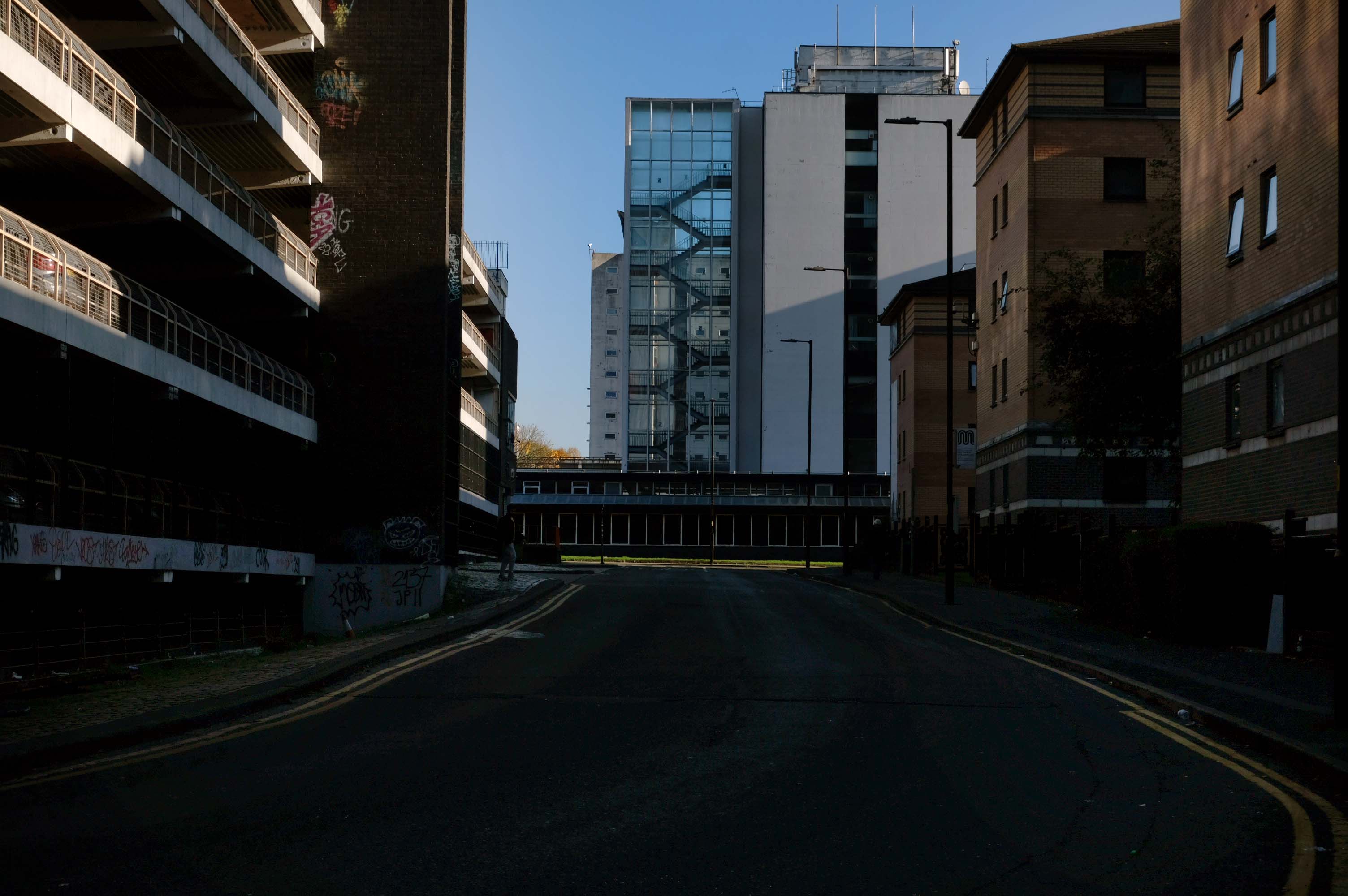
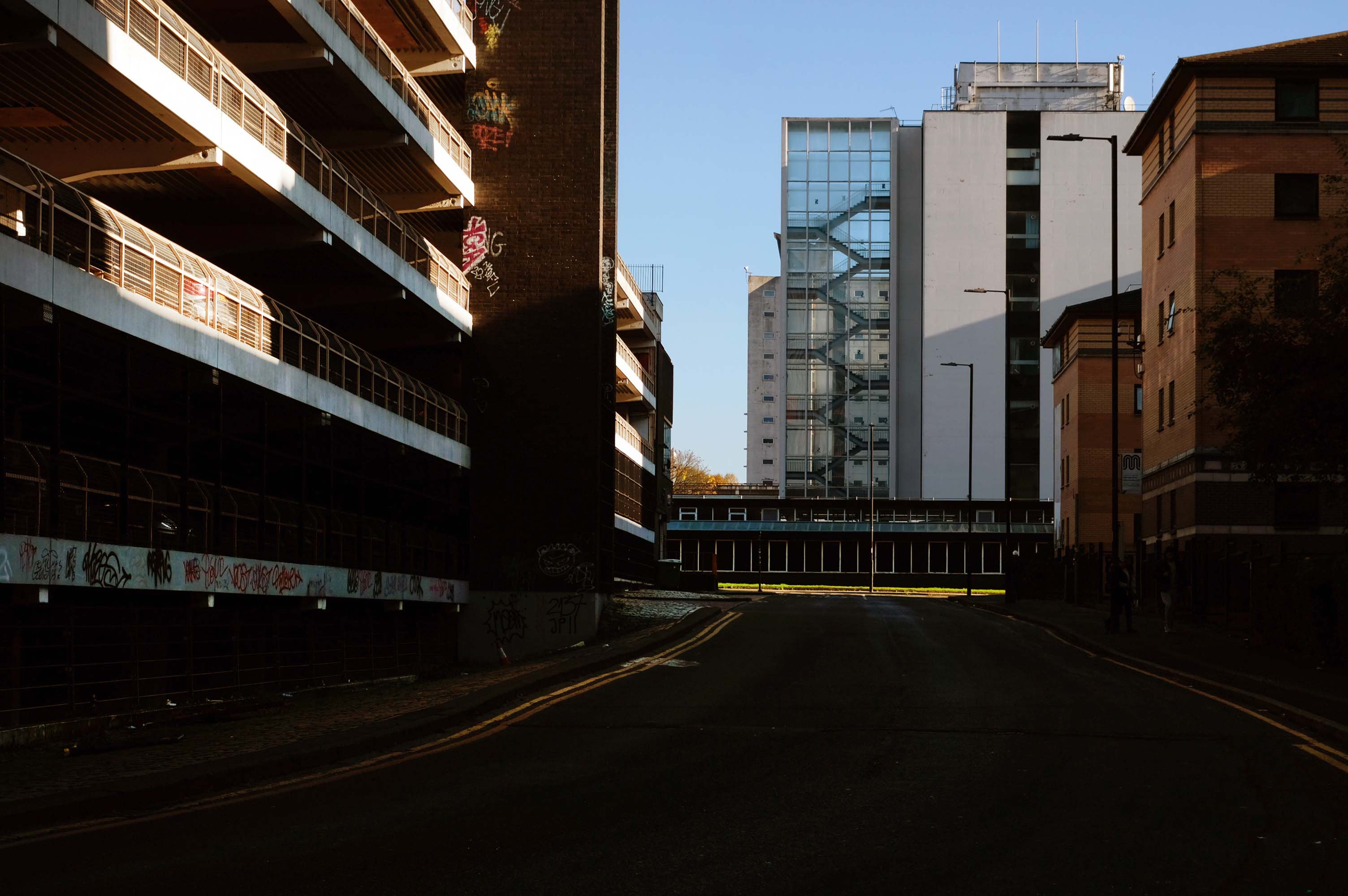
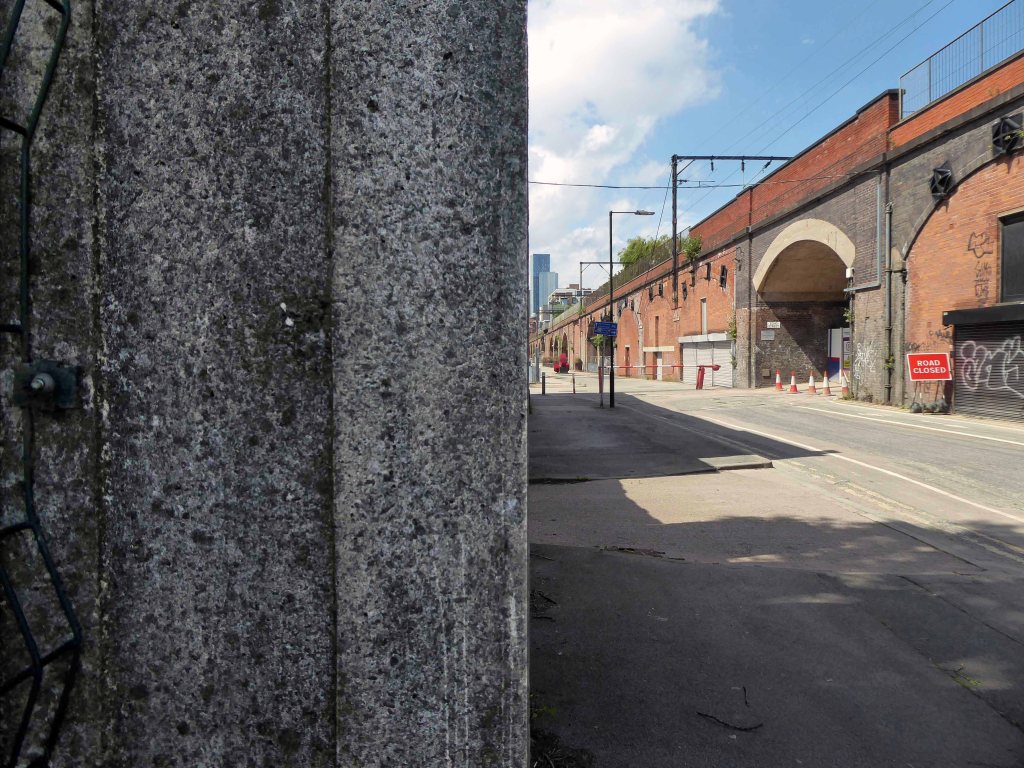
Hugging the railway viaduct twixt Oxford Road and Piccadilly stations, approximate to UMIST.

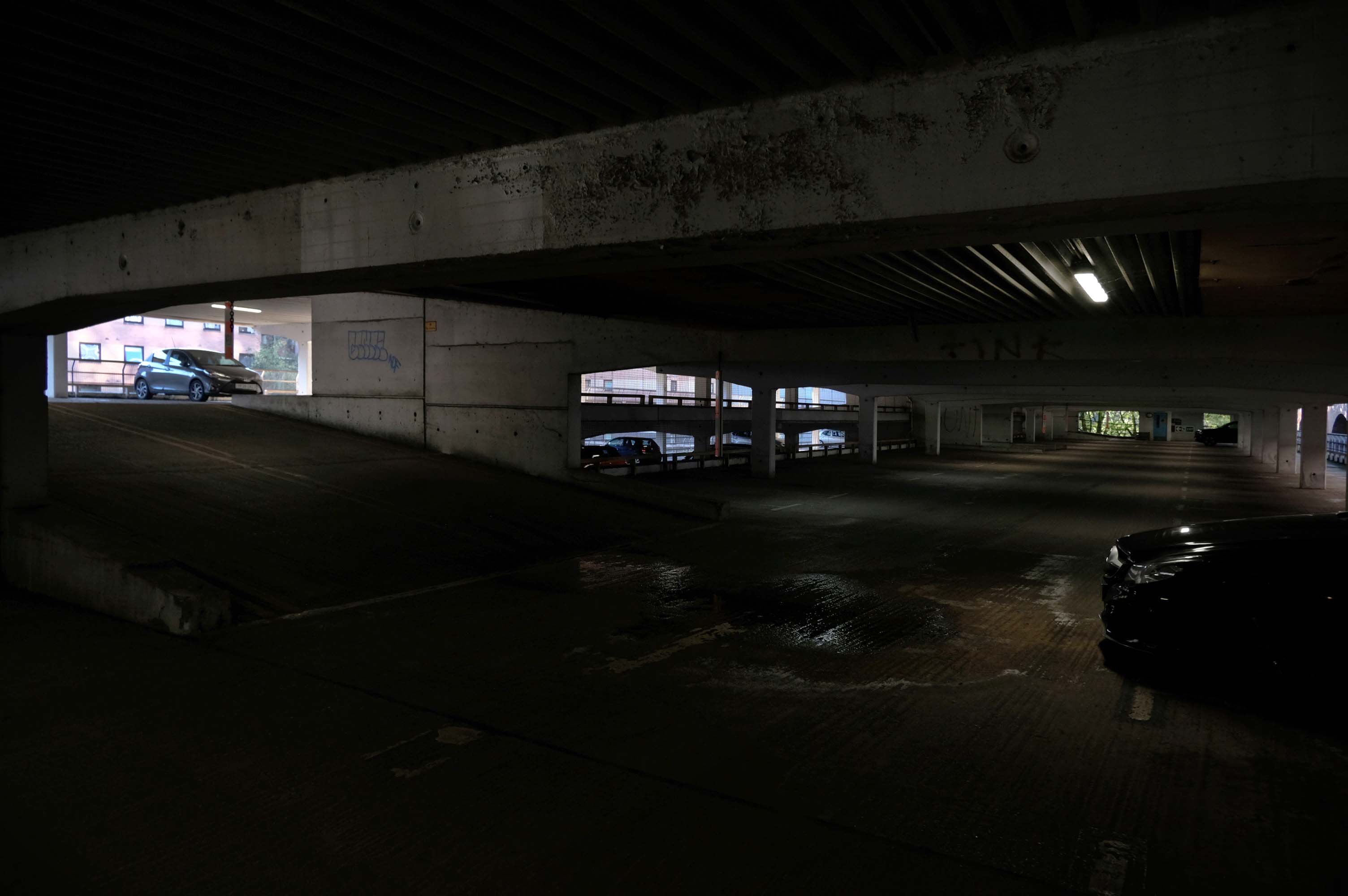
The entrance is extremely narrow so watch out for your alloys when you turn in. Ridiculous size for a modern car park – just terrible.

This car park has served me well on many occasions!

It is truly wonderful as car parks go.

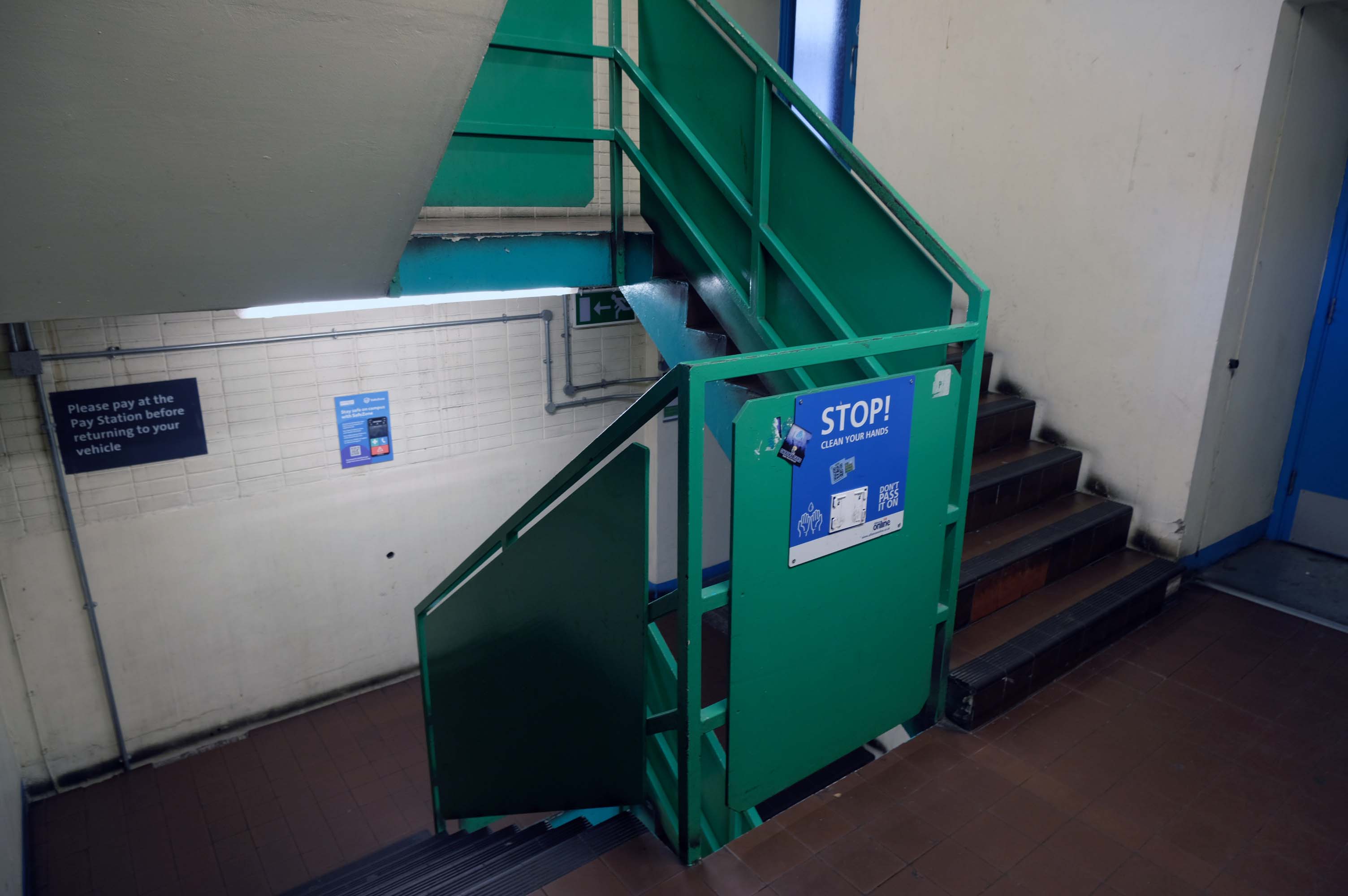
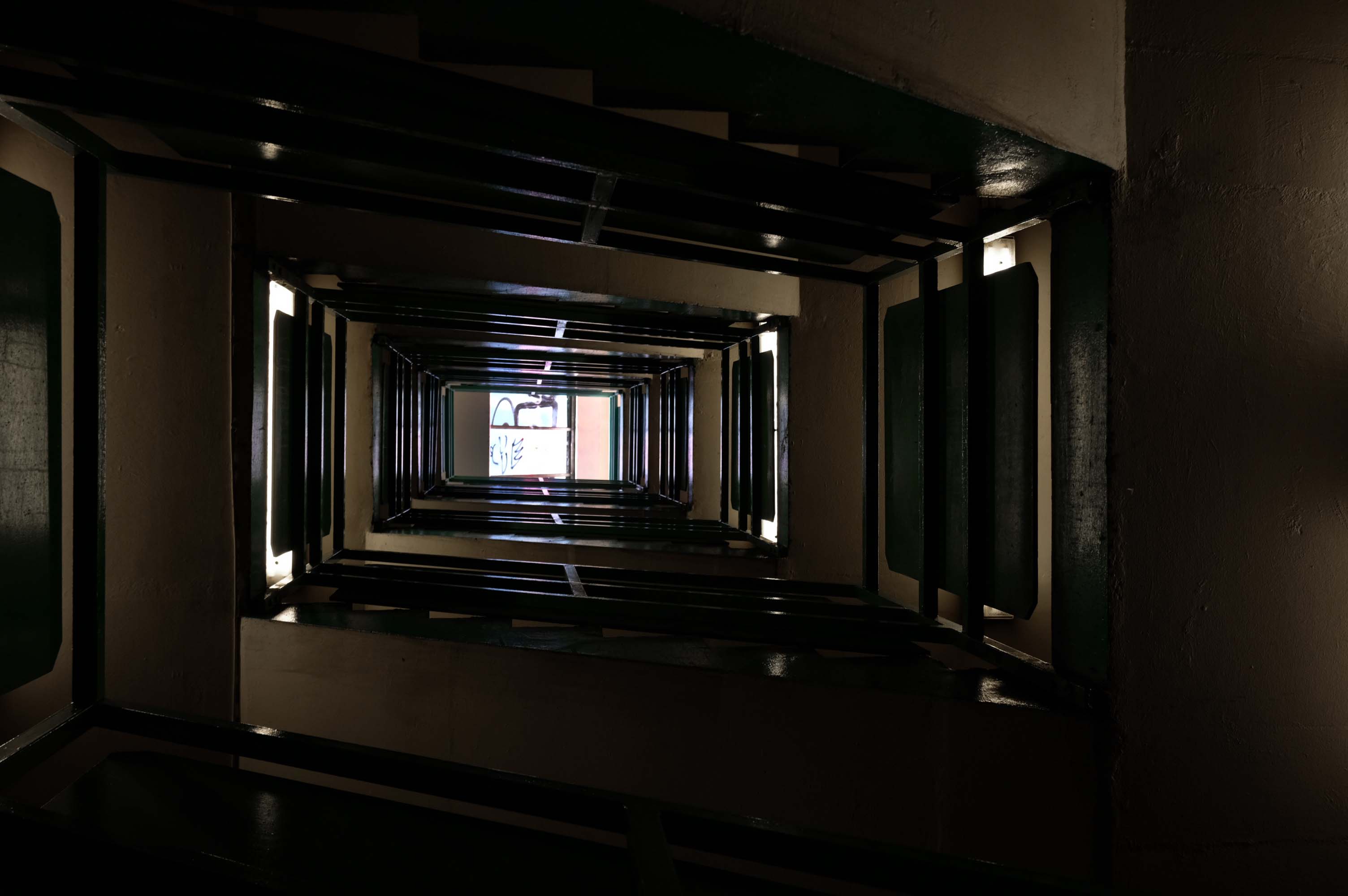
Terribly maintained, regularly find human faeces and worse in the stairwell.

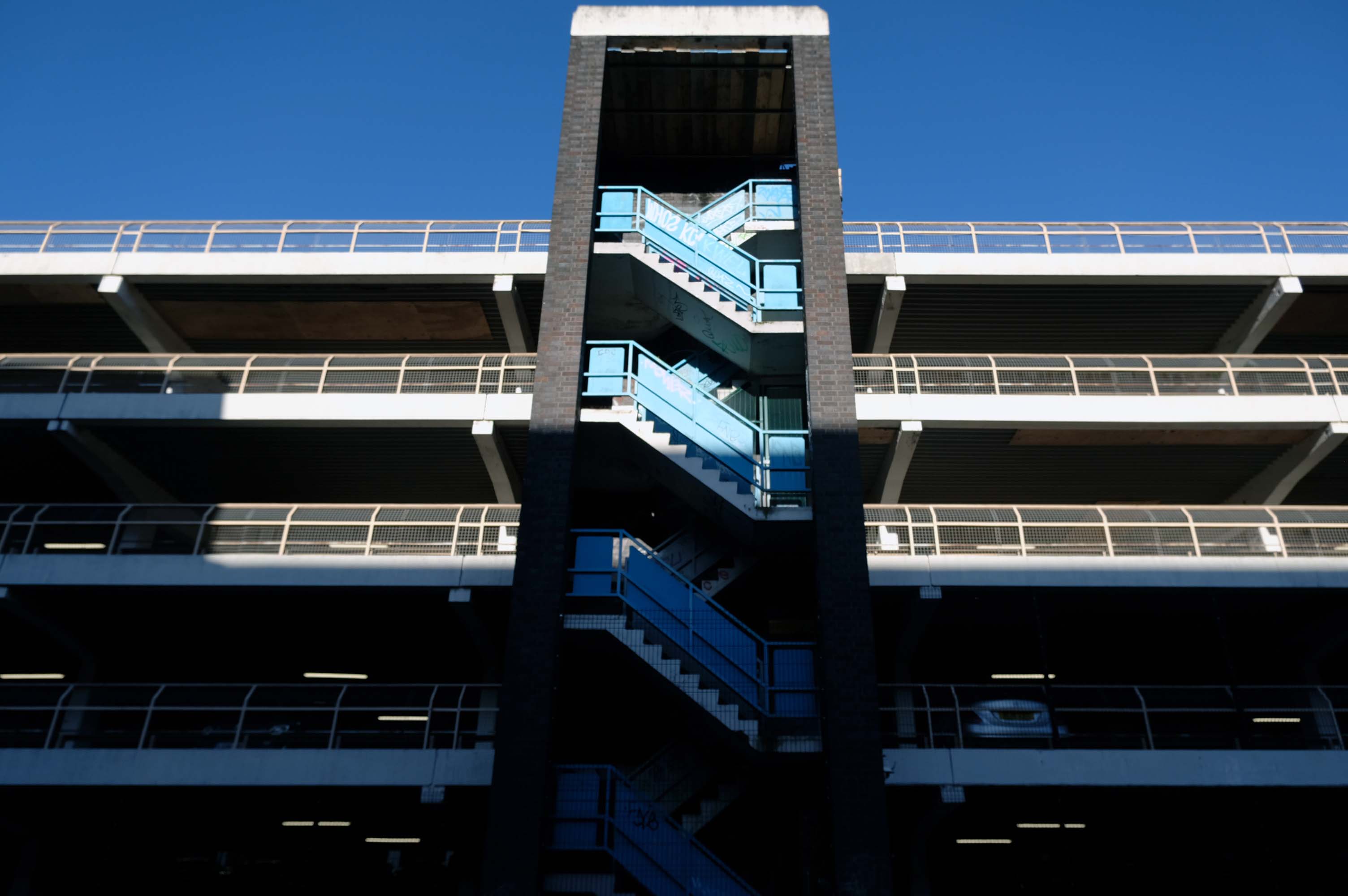
The pedestrian in a car park is taking you as high as is humanly possible – the upper tiers are now locked off.

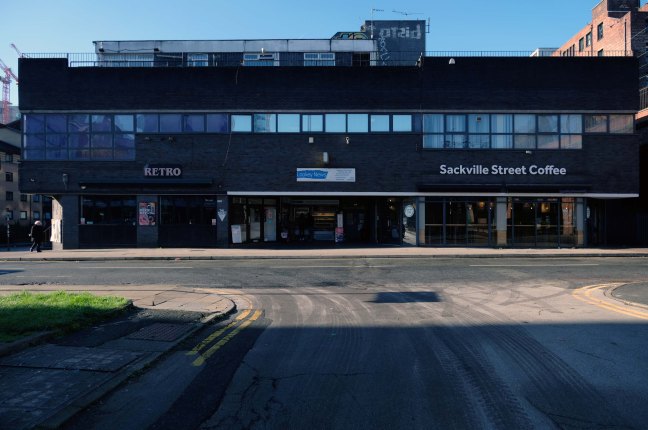
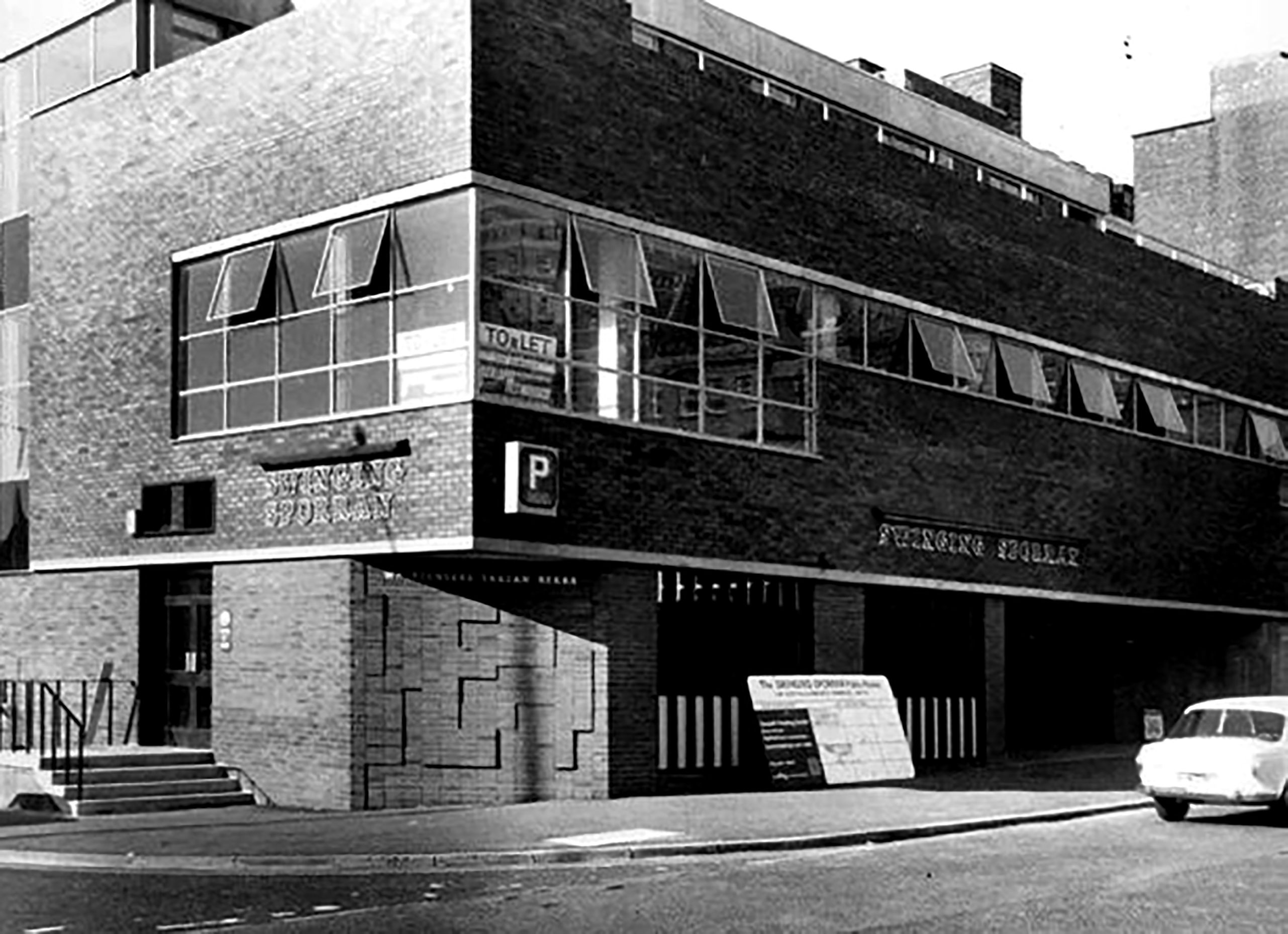
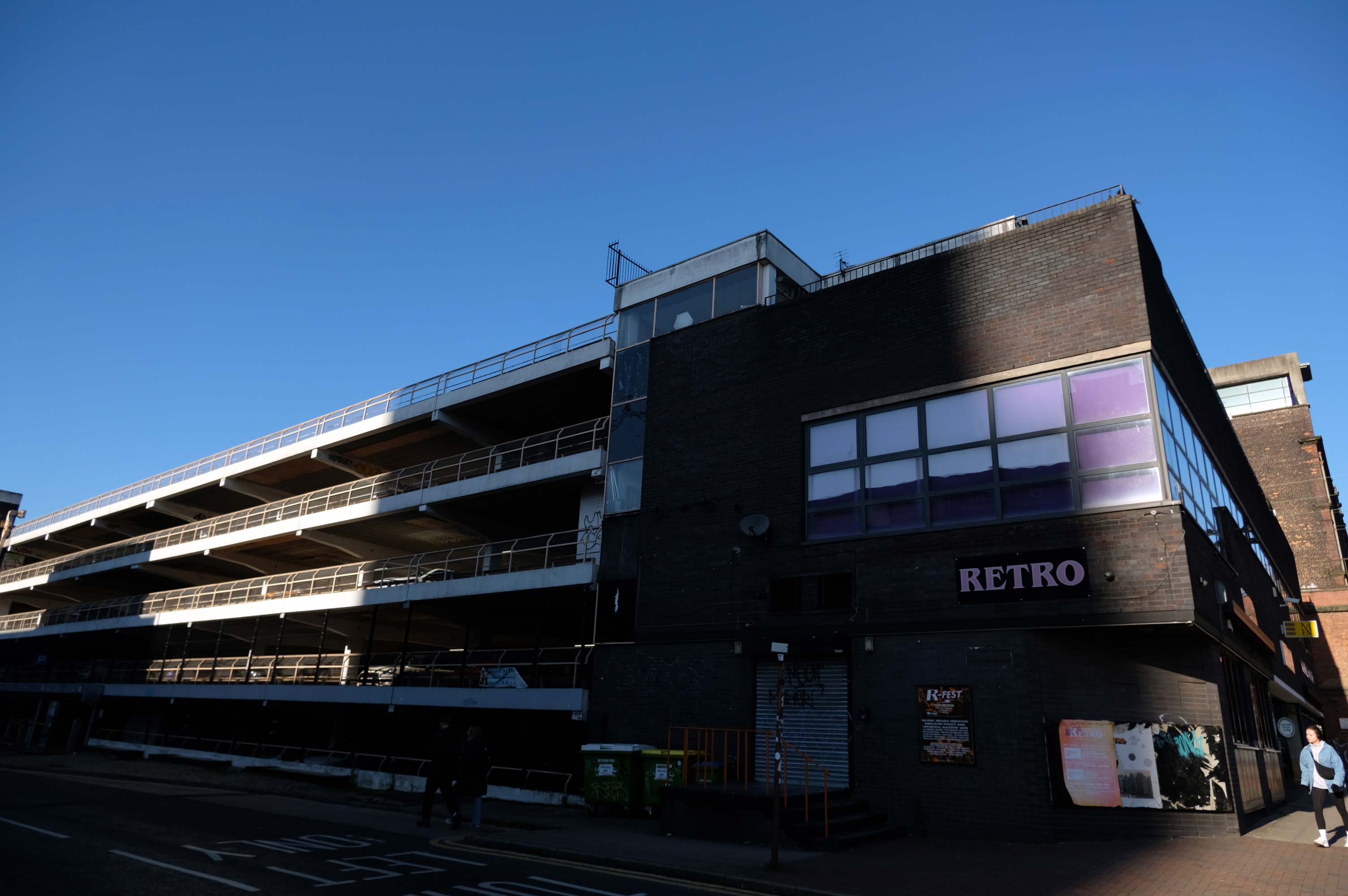
Though it does remain a car park with a pub- the former Swinging Sporran now trading as Retro Bar.

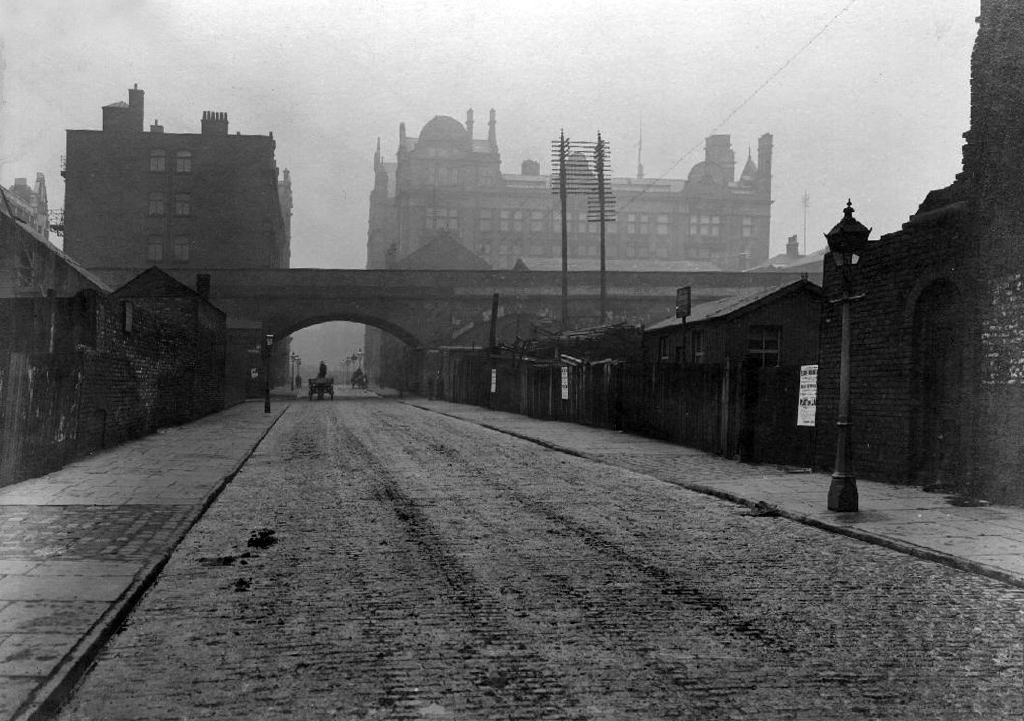
Sackville Street 1902

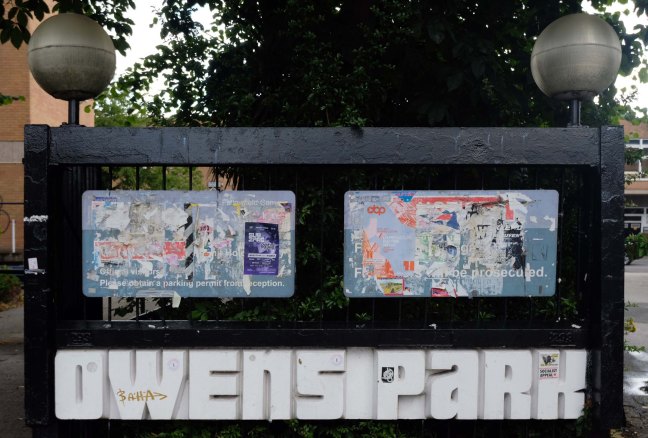
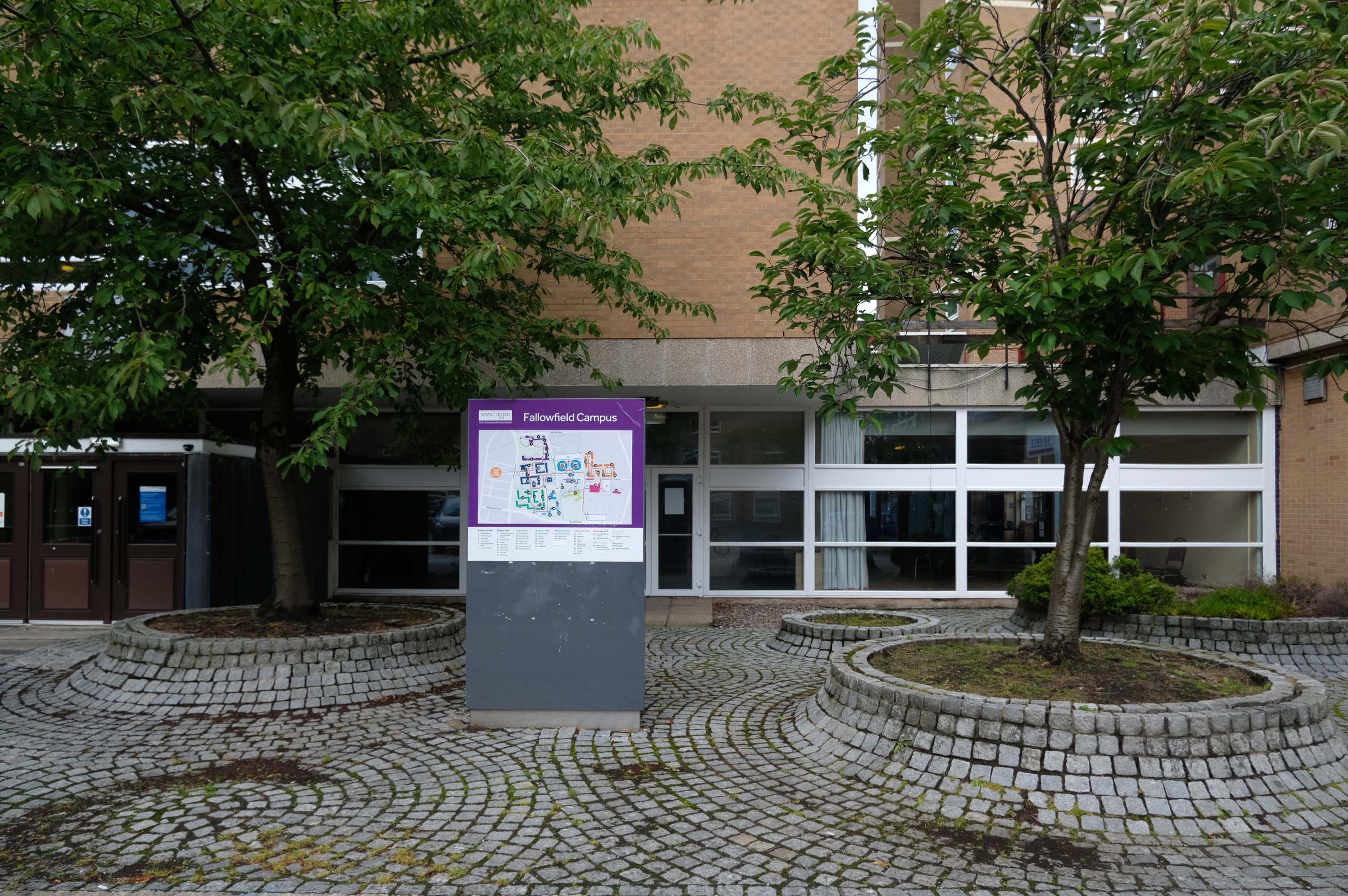
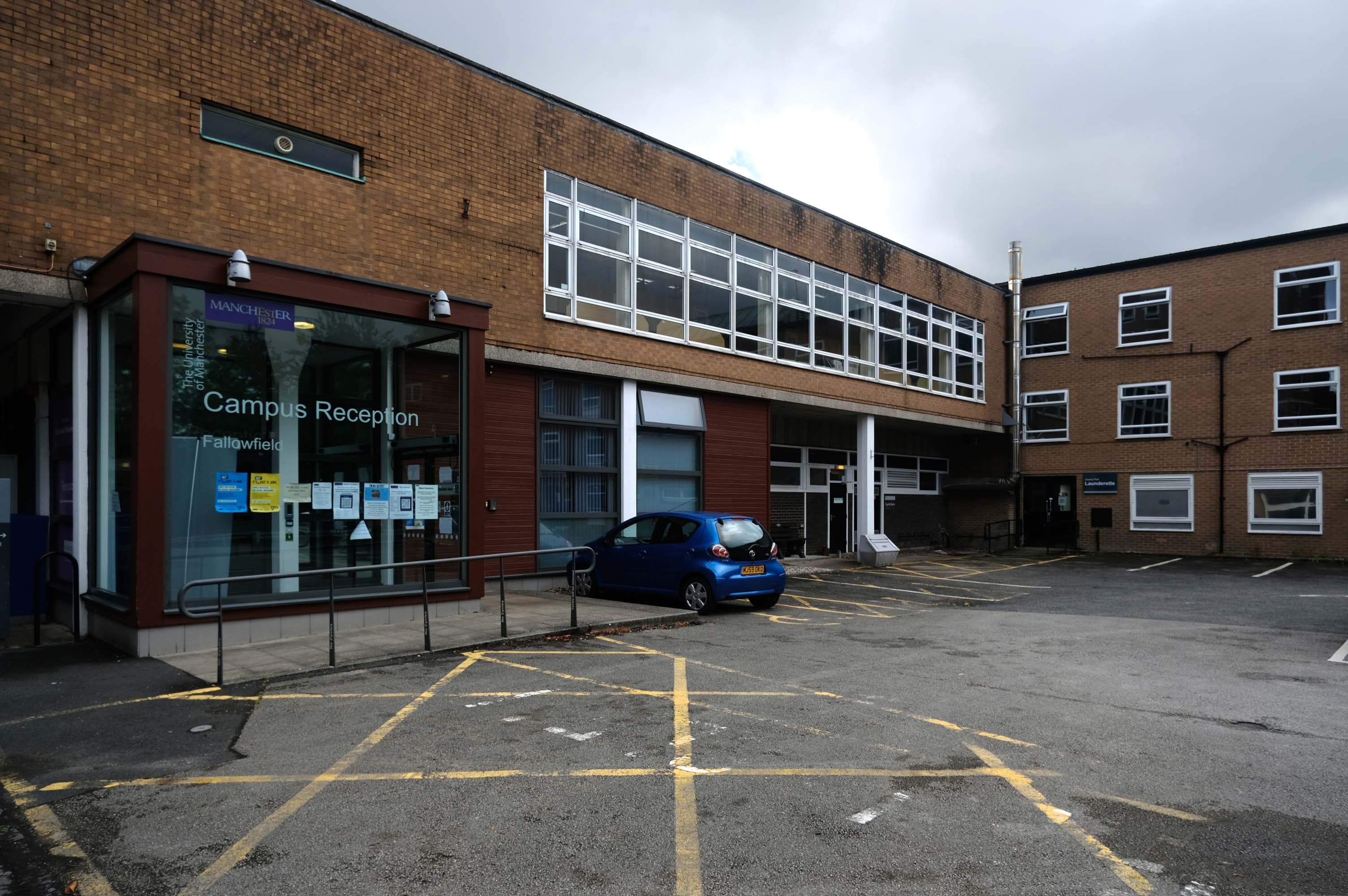
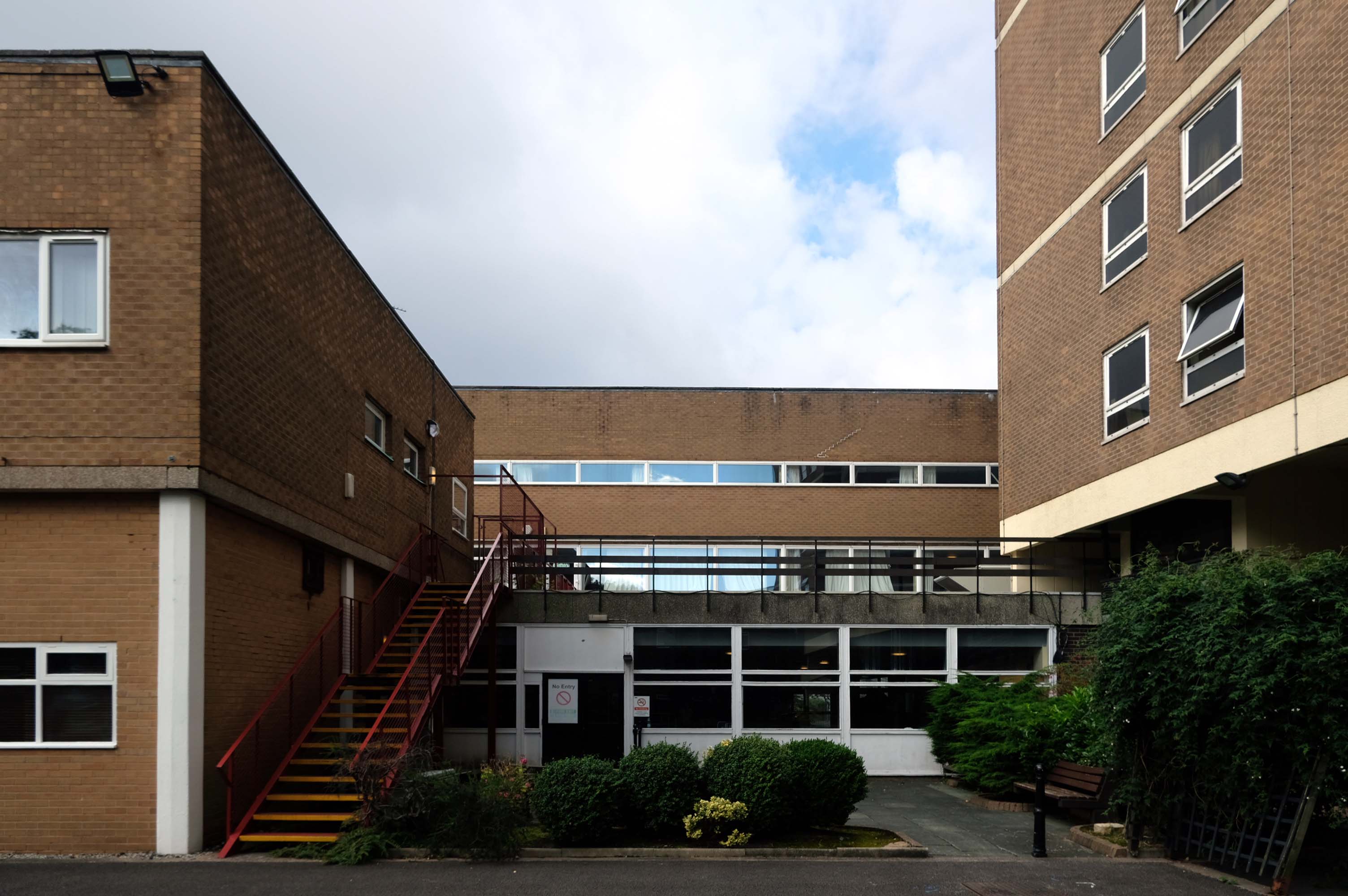
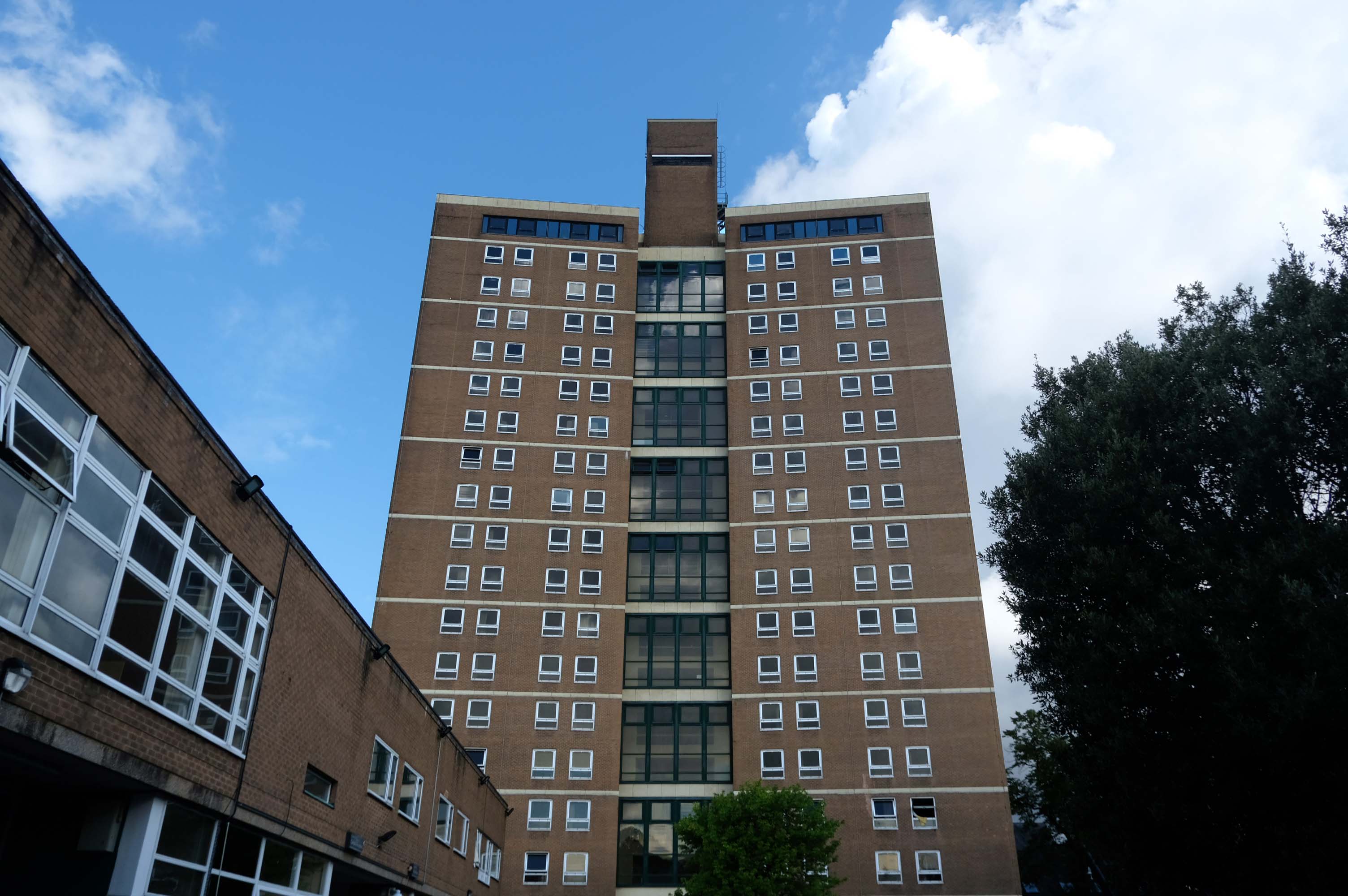
Fallowfield Campus – University of Manchester

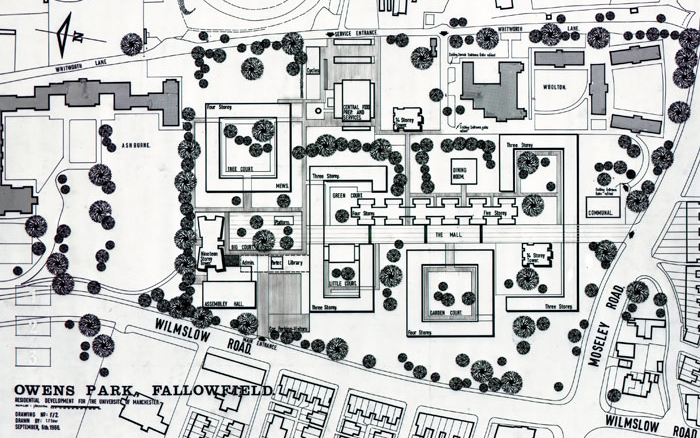
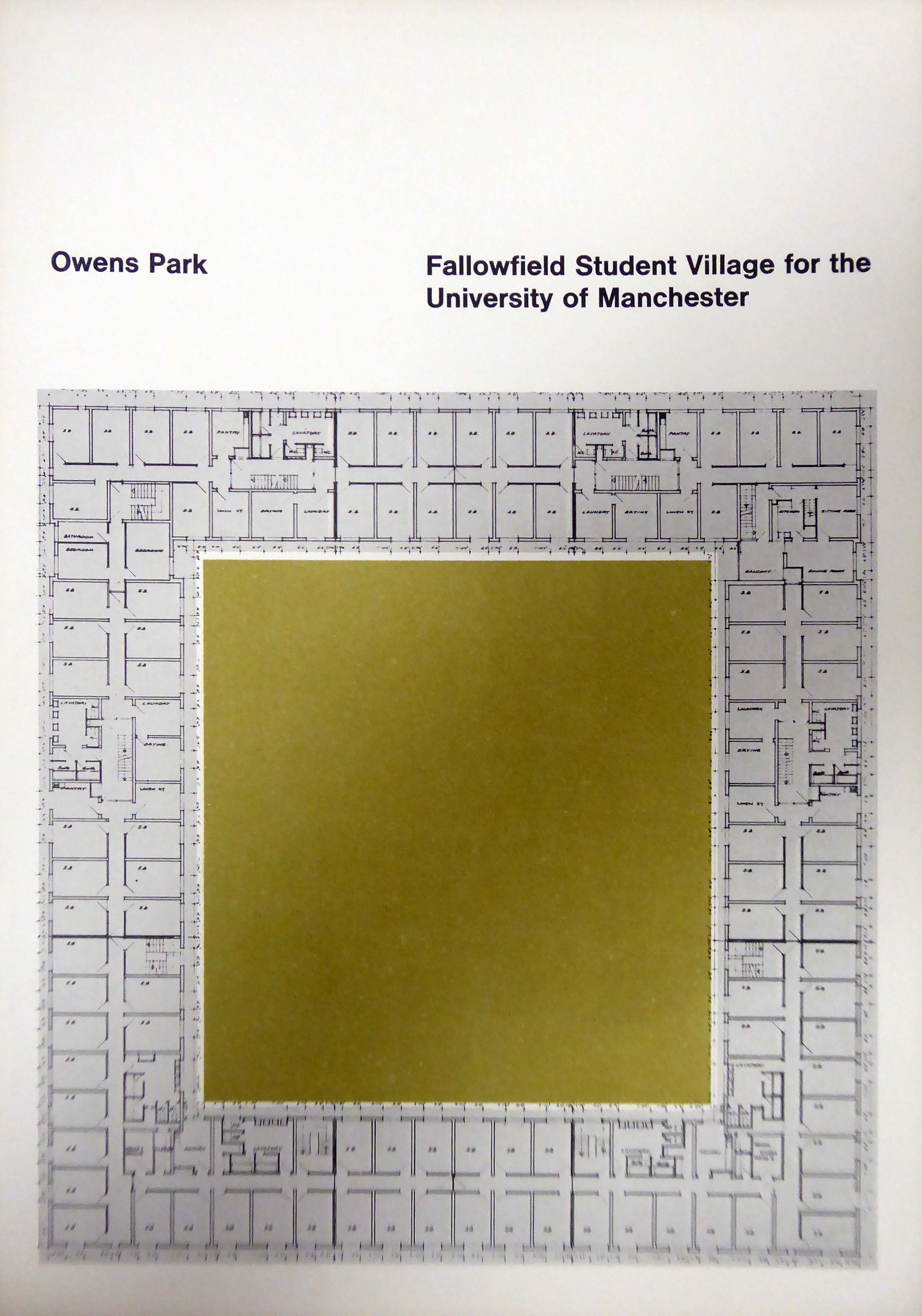
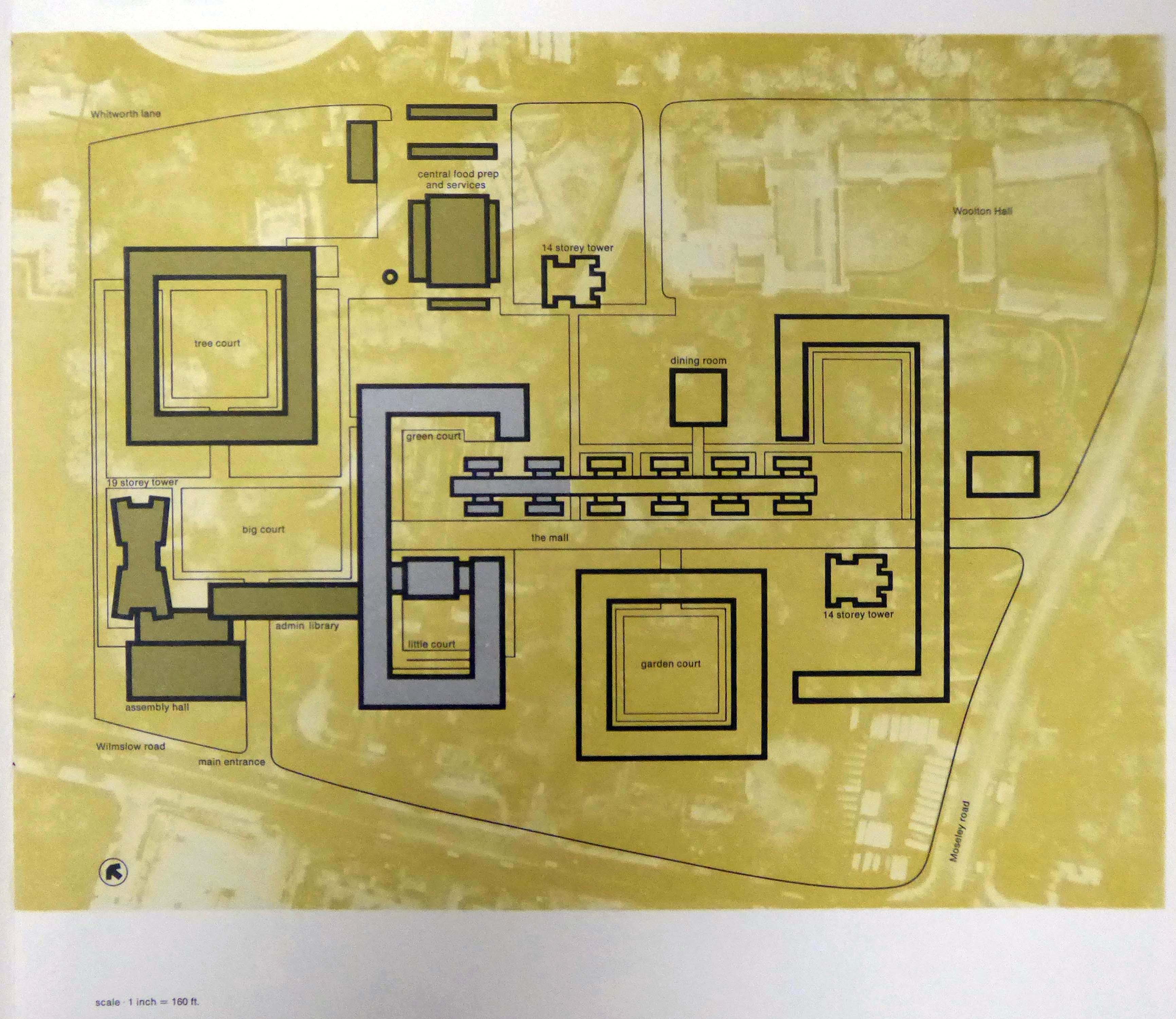
We visited the Lancashire County Archive where we were shown this brochure from the Building Design PartnershipBDP archive, which is held there.

The archive is open to the public.

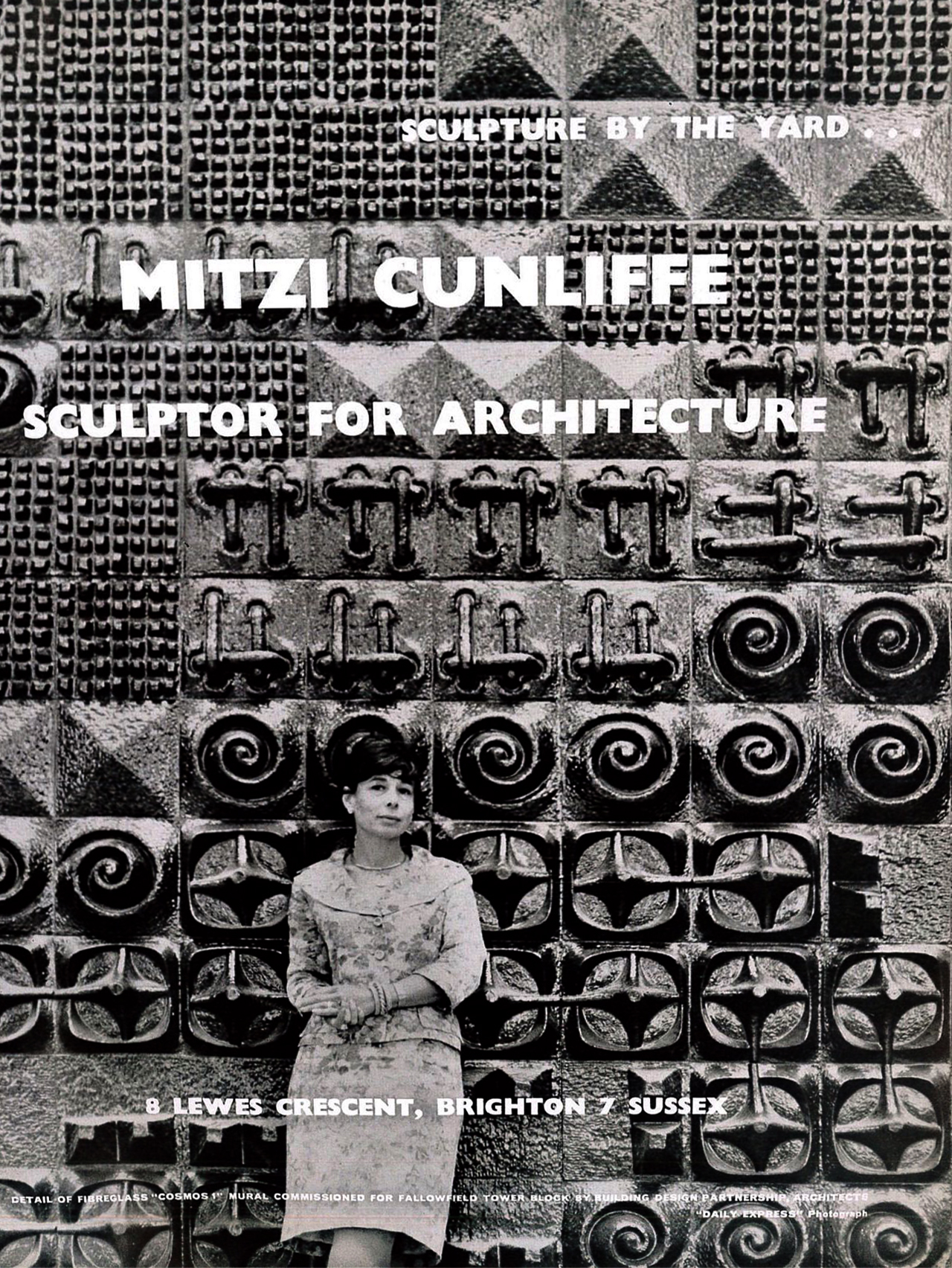
I have previously led walks there to view the Apollo sculptural relief by Mitzi Cunliffe.

I am assured that the relief will be re-sited within the new development.

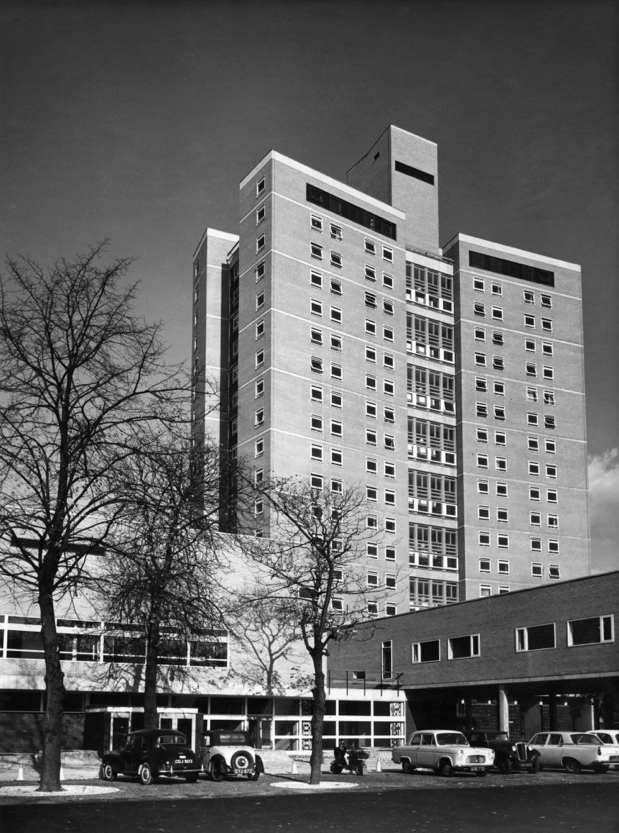
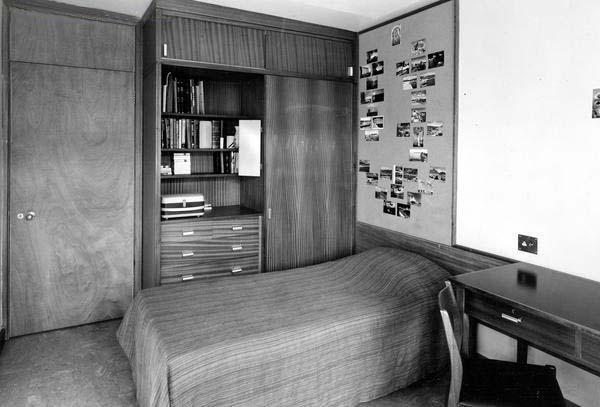
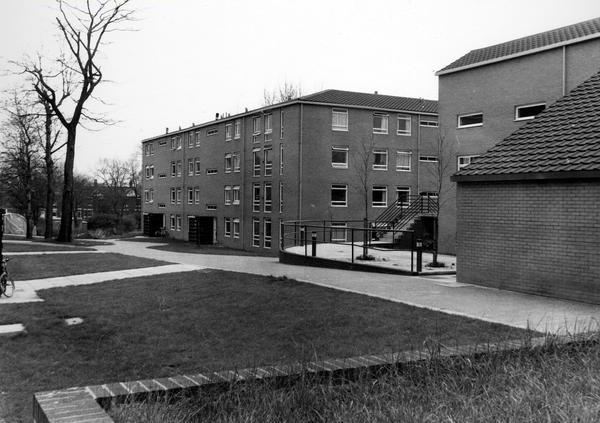
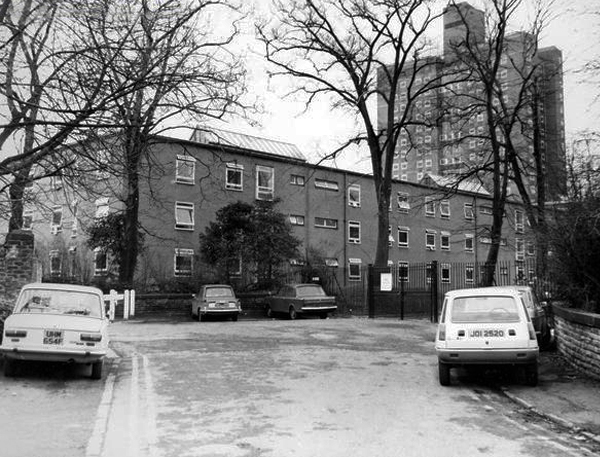
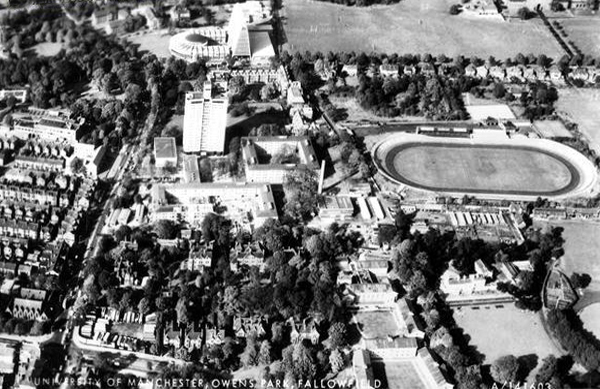
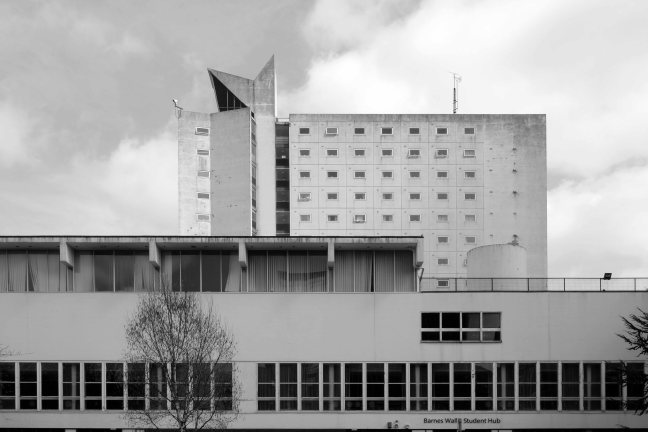
The Student Village was opened in 1964.

RIBApix

Local Image Collection

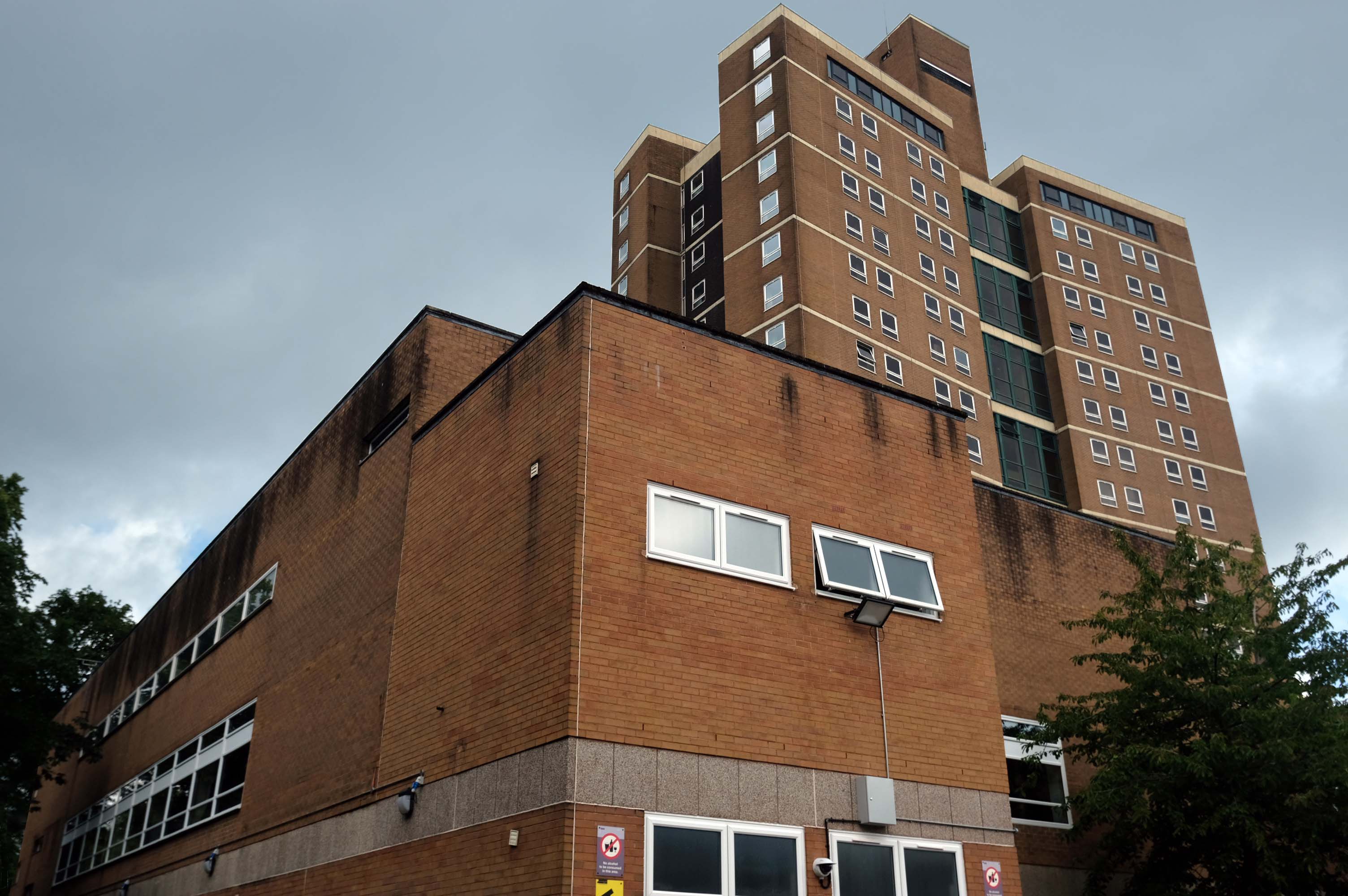
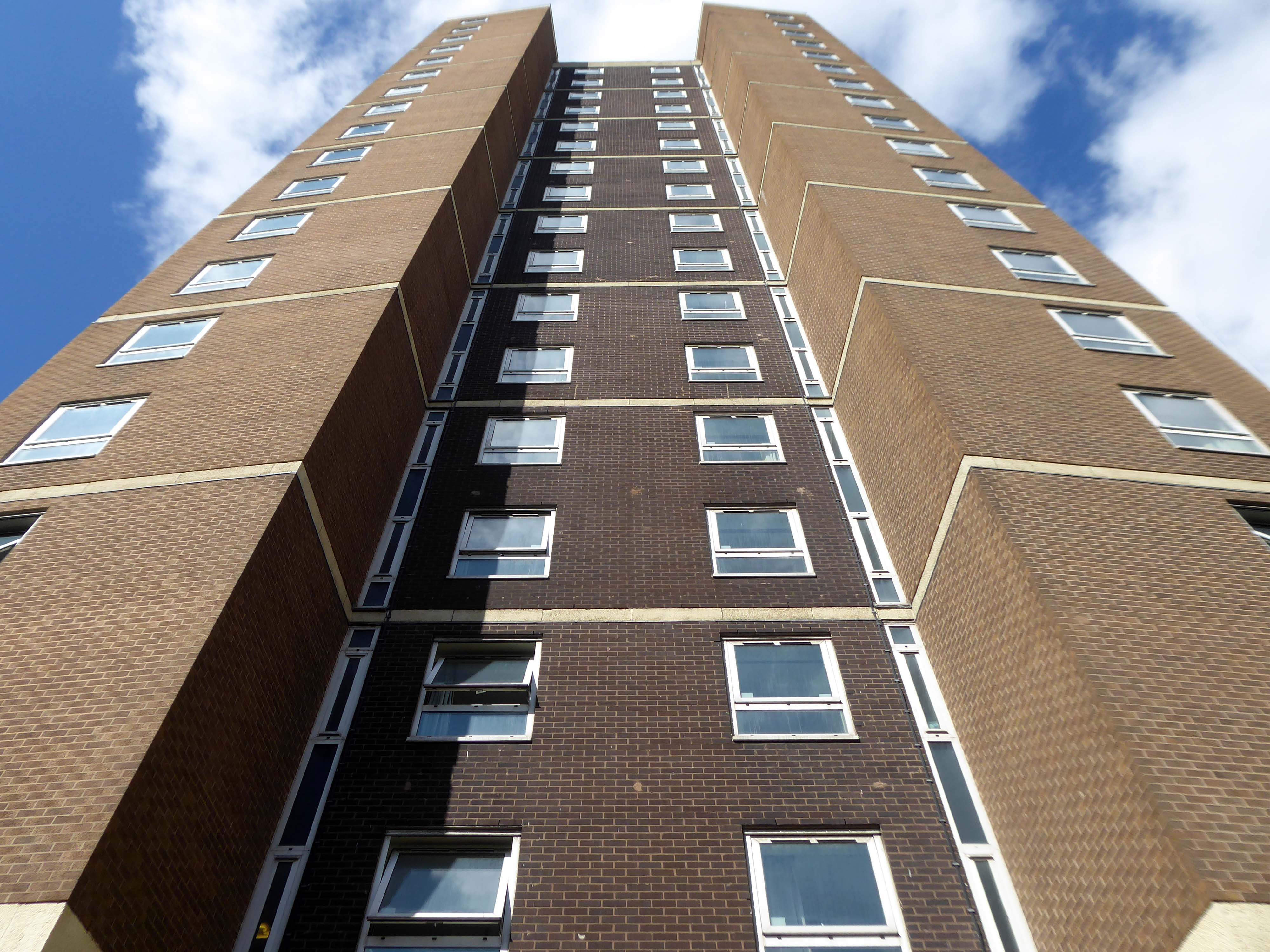
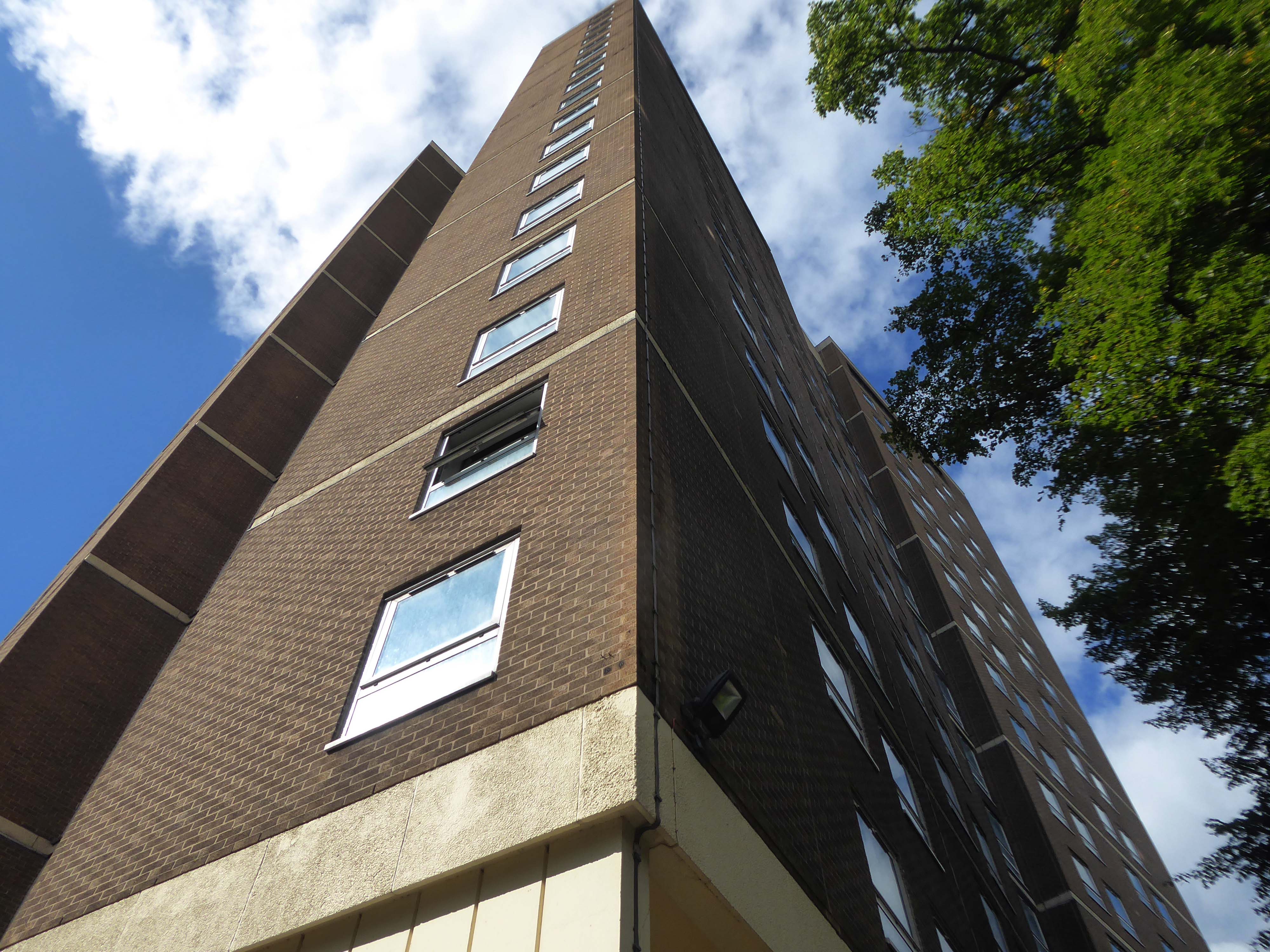
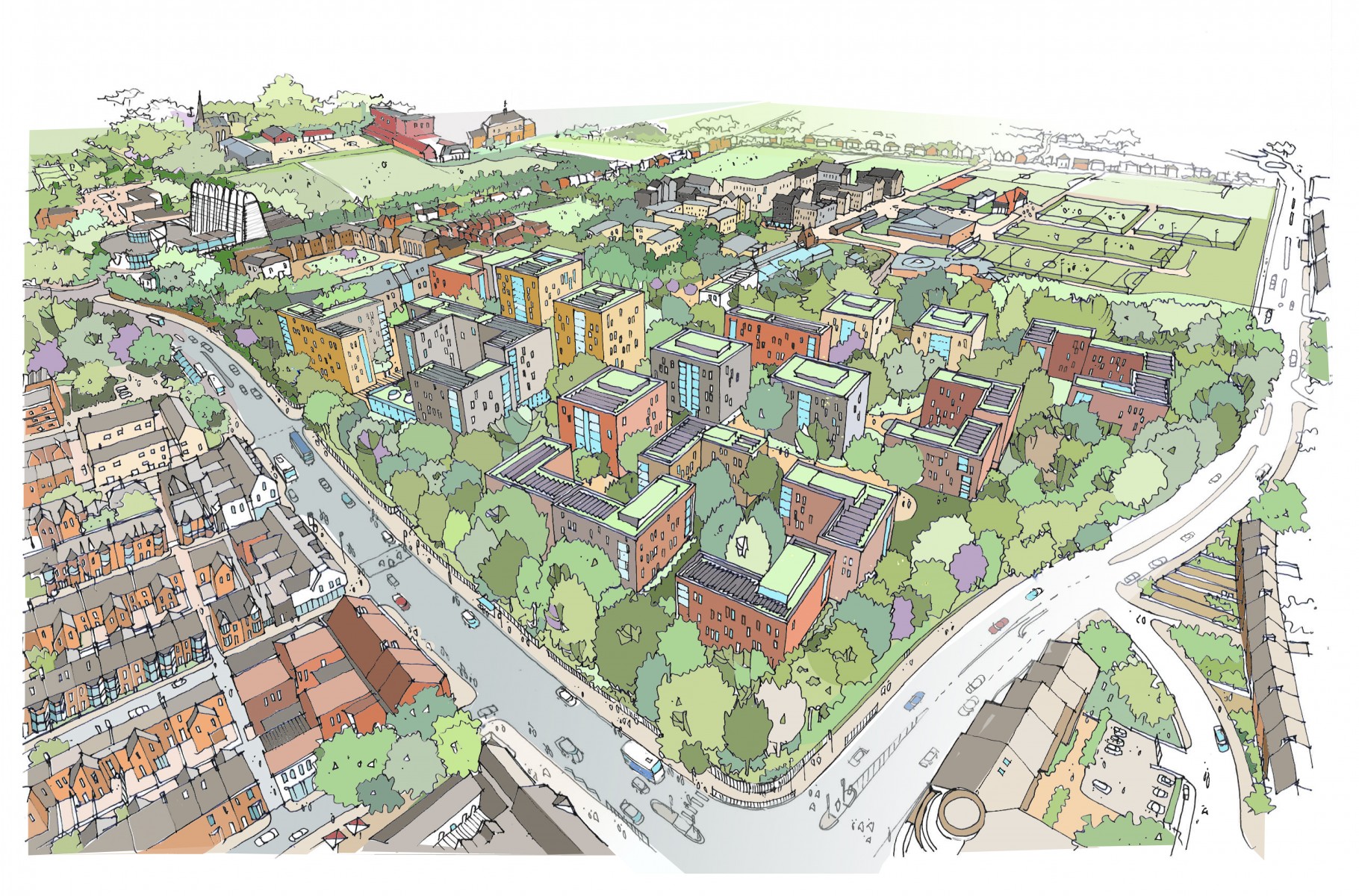
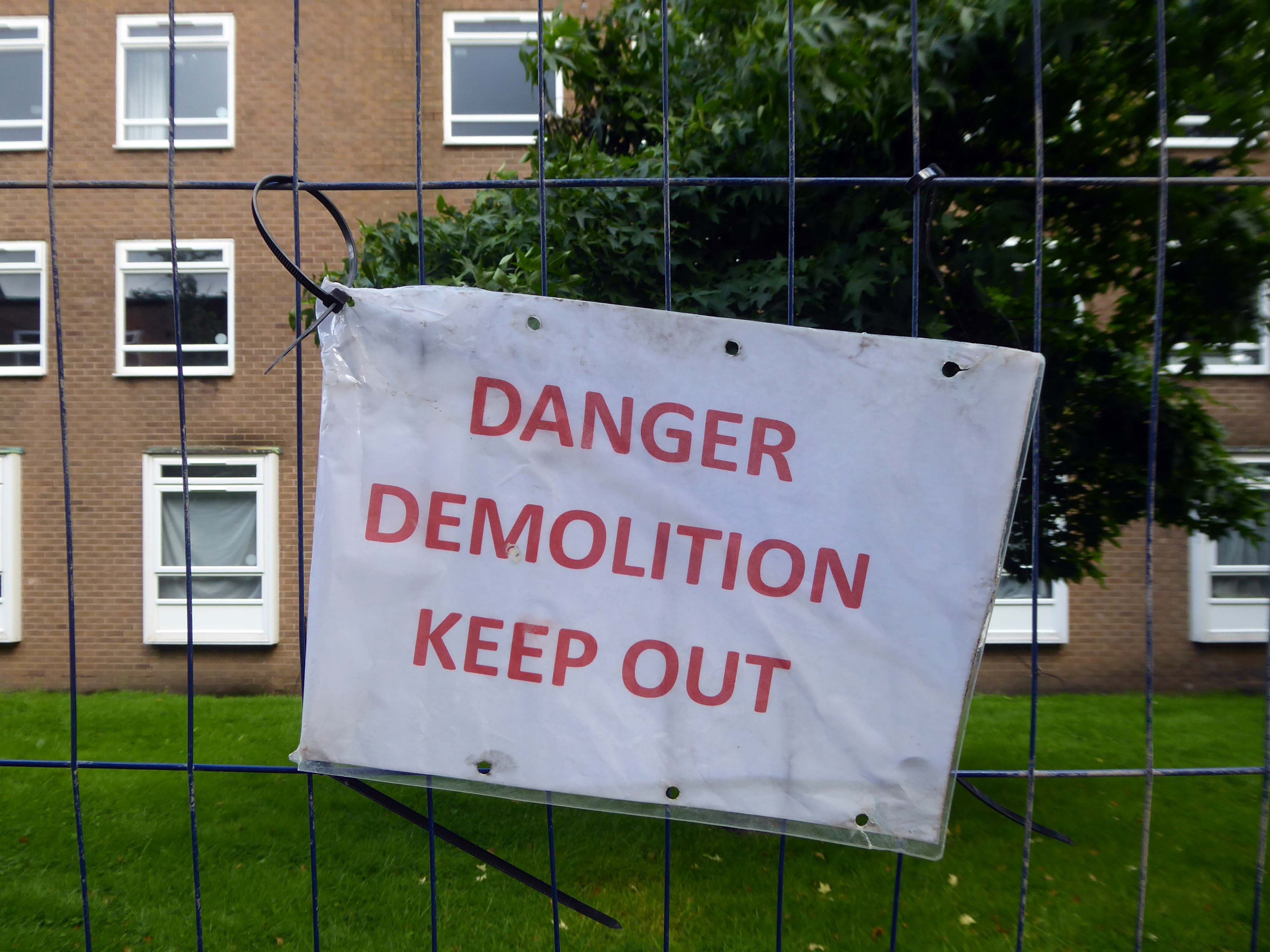
Plans are in place for redevelopment of the site and the demolition of the tower block and adjacent housing.

The scheme, designed by Sheppard Robson, would see 3,300 new bedspaces brought forward, taking the total number of units at the complex to 5,400, a net increase of 950. This is an increase of around 1,000 new units compared to the previous iteration of the project, approved in 2015.

Place North West

UMIST Missed

Whilst Oxford Road echoes to the sound of Freshers fleet of foot.

UMIST is only home to fallen leaves and a palpable air of melancholia.

The last of the students have left and a crew of hi-vis workers are busy stripping the remains of days long gone.

We have all walked on by before and will again – though with heavier heart, into an all too uncertain future – for only the Holloway Wall is listed.

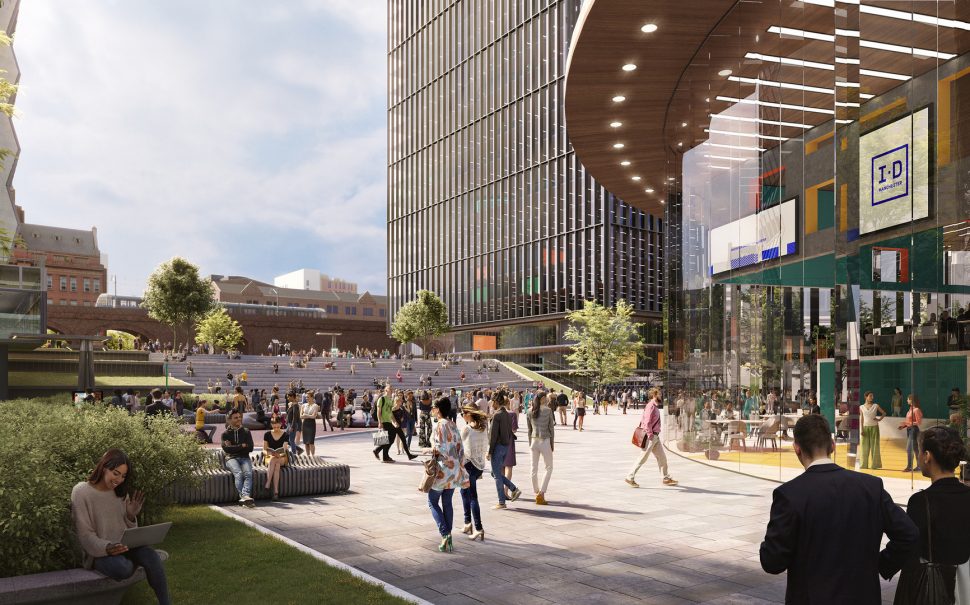
Now a grand redevelopment project has been unveiled to tend to that. According to the developer’s website, the plan promises to accelerate growth, partnership and collaboration.
Christened ID Manchester, the plans could see the area hacked into a glass maze of ultra-modern offices, apartments and hotels. 

Mancunian Matters 2021

UMIST – Manchester

Every now and then, I get the yen to come back here again.
Having included the site on one of my Manchester Modernist Walks, I pop by protectively just to make sure everything’s still there.
The custodians The University of Manchester may well be averse to listing and have already removed Chandos Hall.

Forever.

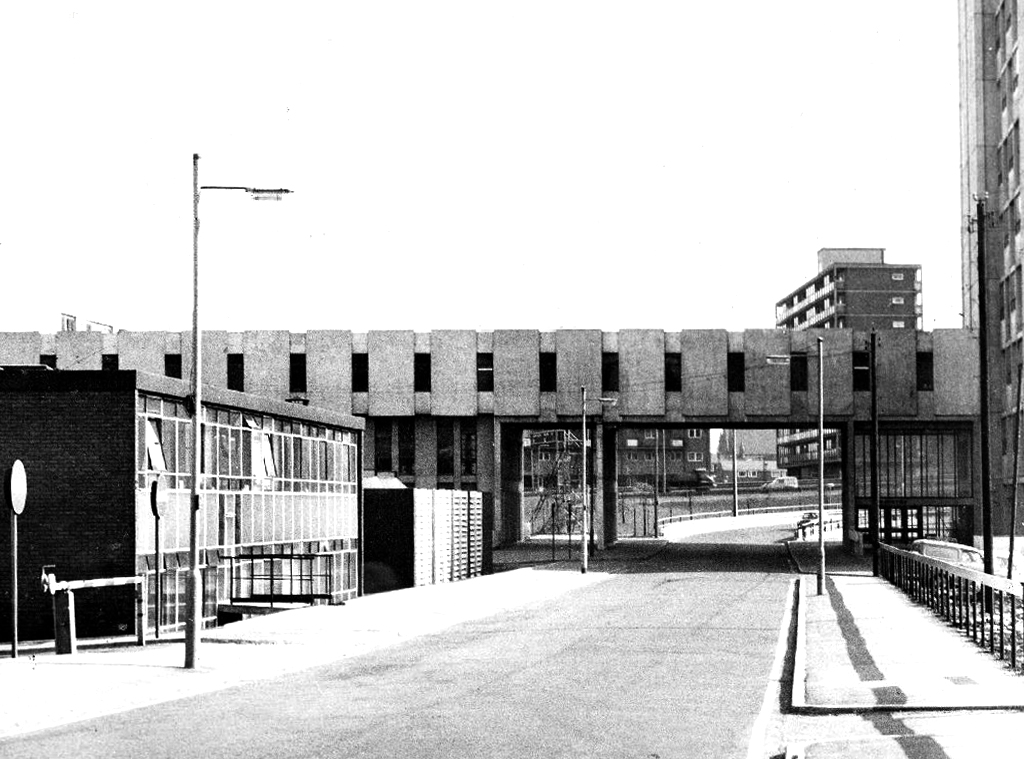
In addition, a whole block and a walkway have been subtracted.

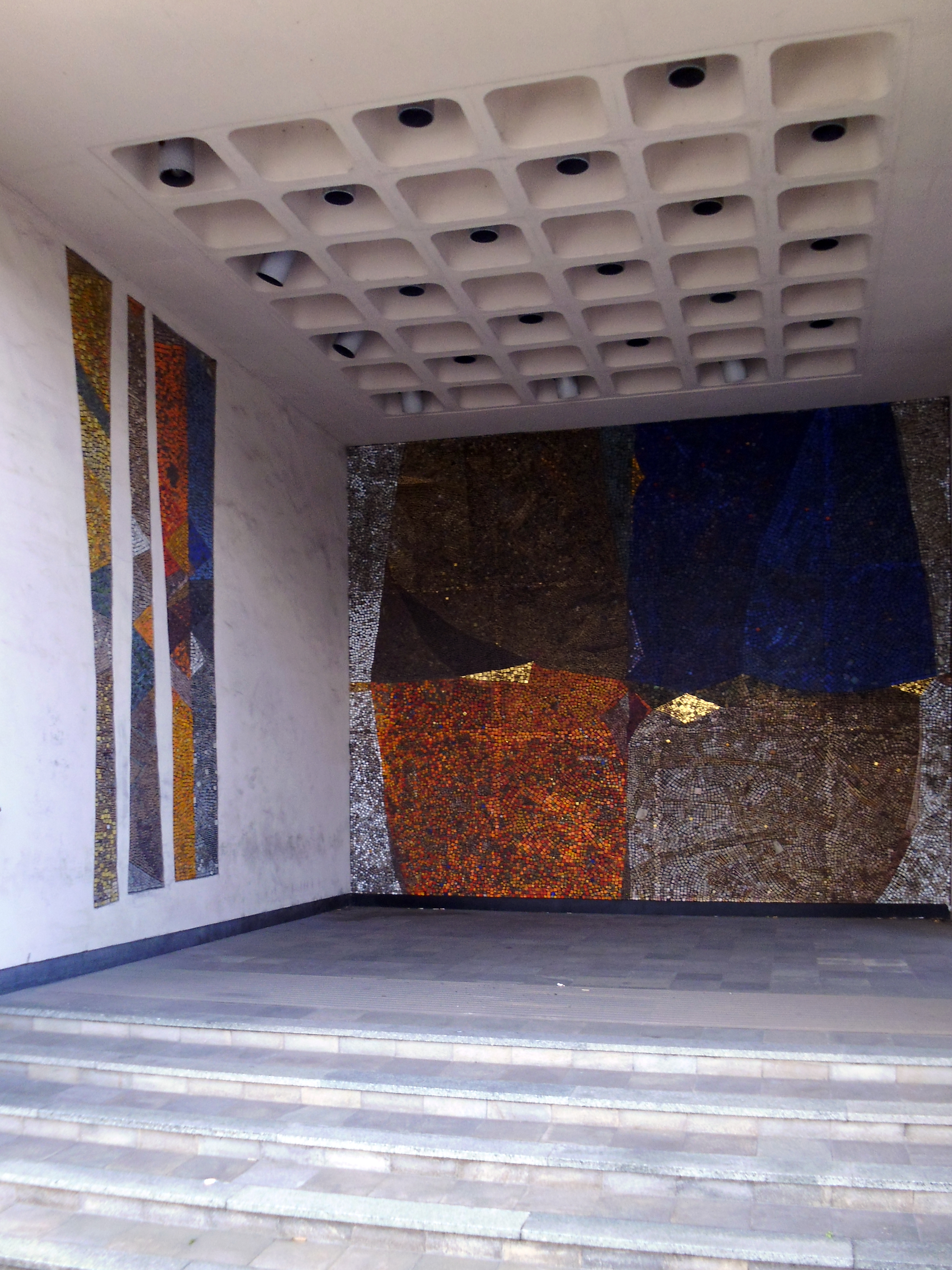
Thereby placing the Hans Tisdall mosaics: The Alchemist’s Elements in jeopardy – currently held in storage, who knows what fate awaits them?

Discussions have taken place pre-lockdown, another year on and possibly the possibility of a positive resolution.

Consequently I always approach the site with a slight sense of foreboding, it’s Easter and there’s nobody about.

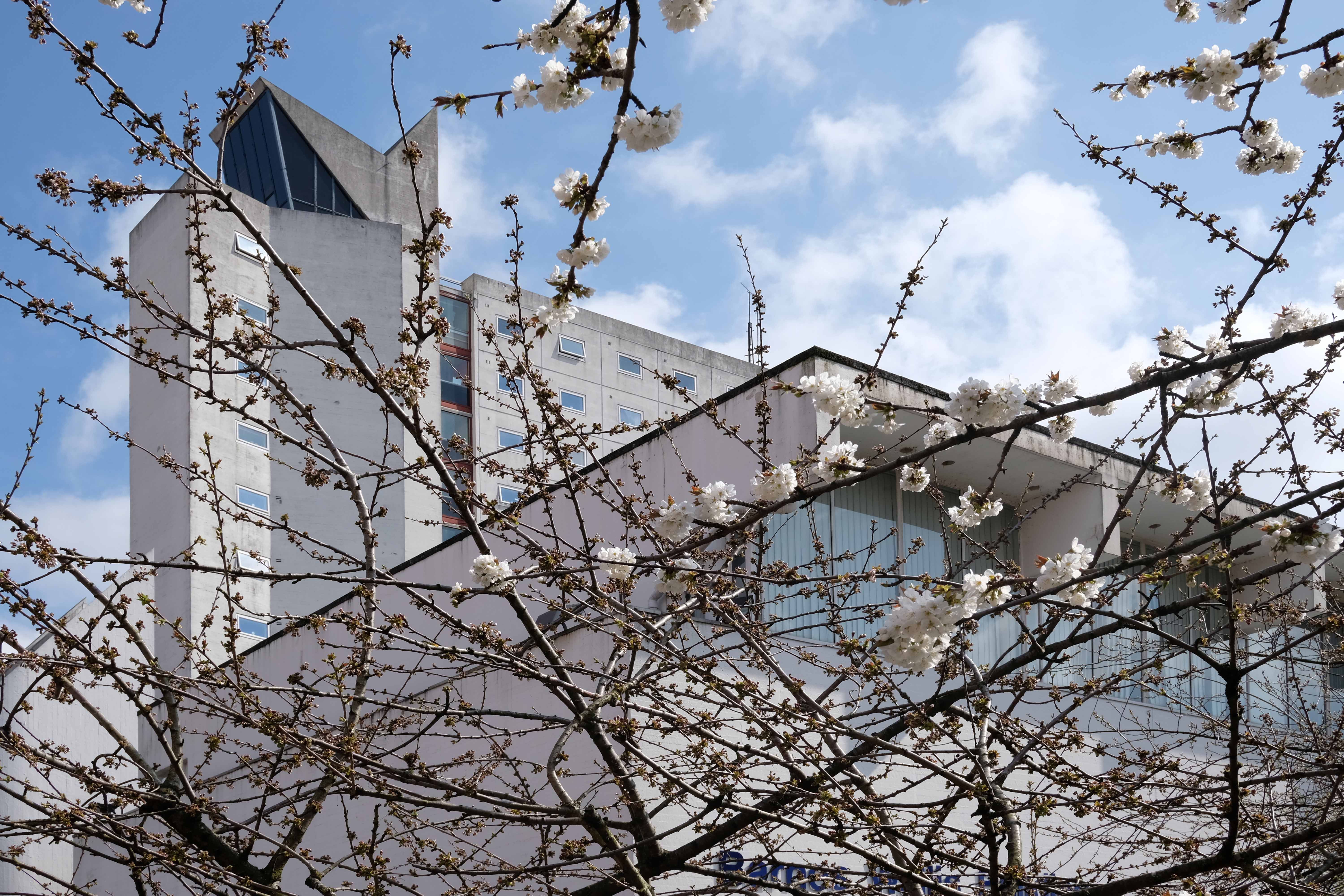
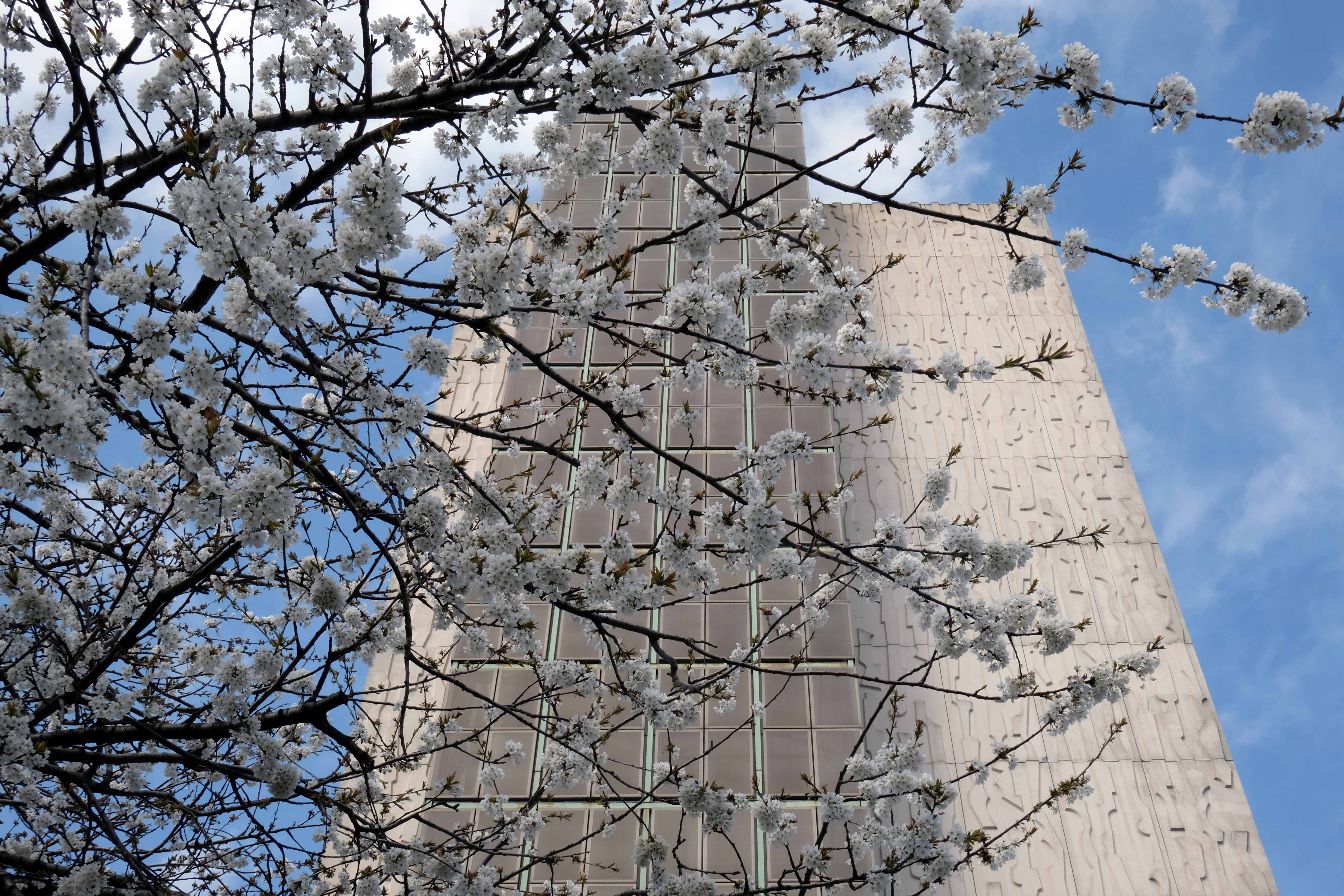
The trees are just about to burst into leaf, there are bright bursts of cherry blossom on the bough.

The sun shines down from a big blue sky, strewn with wisps of cloud.

Let’s have a look around – it’s springtime for UMIST and Modernity!

Holloway Wall – 2020

Of course I’ve been here before – and you may have as well.

And I’ve been to Huyton too.

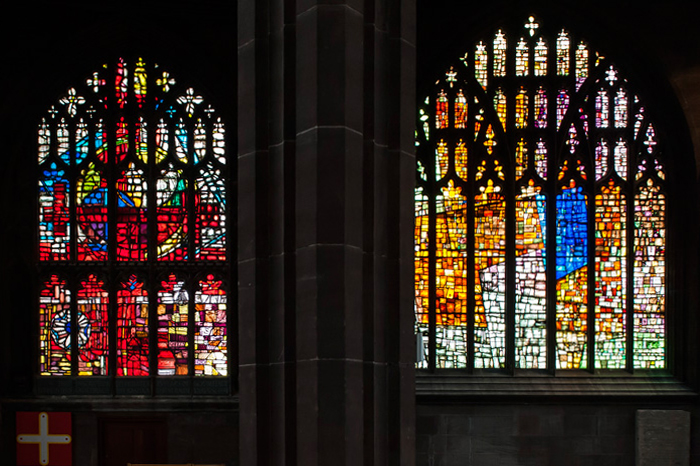
Tony Holloway’s work also illuminates the windows of Manchester Cathedral.

As well as the panels of the Faraday Tower, just the other side of UMIST.

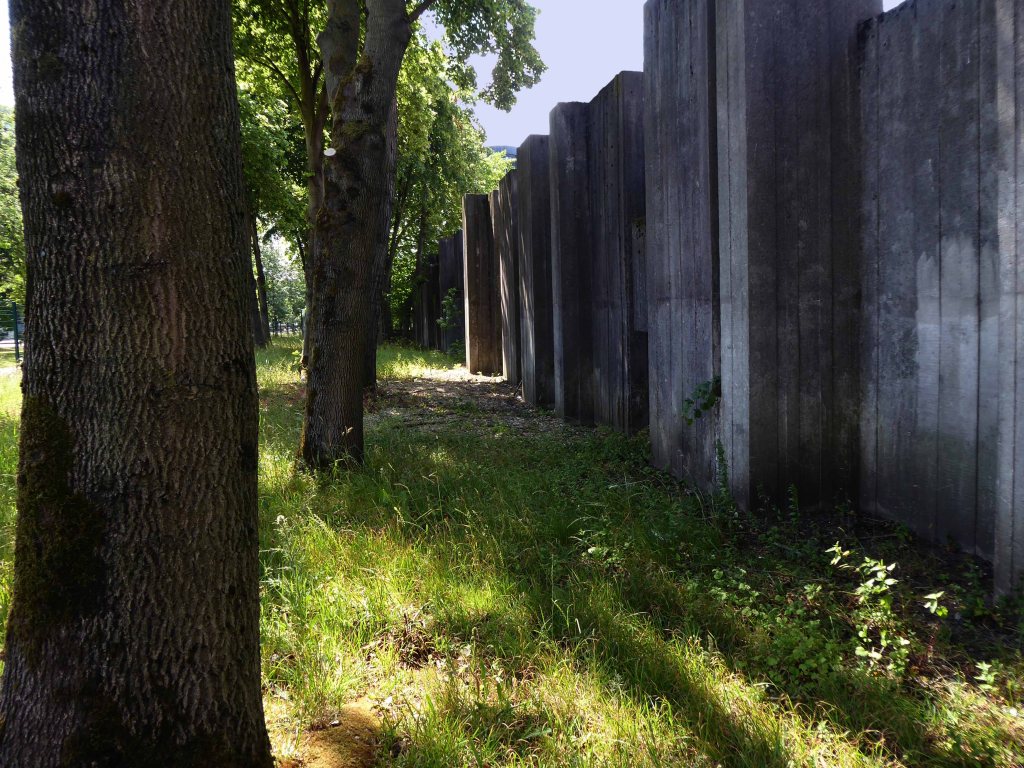
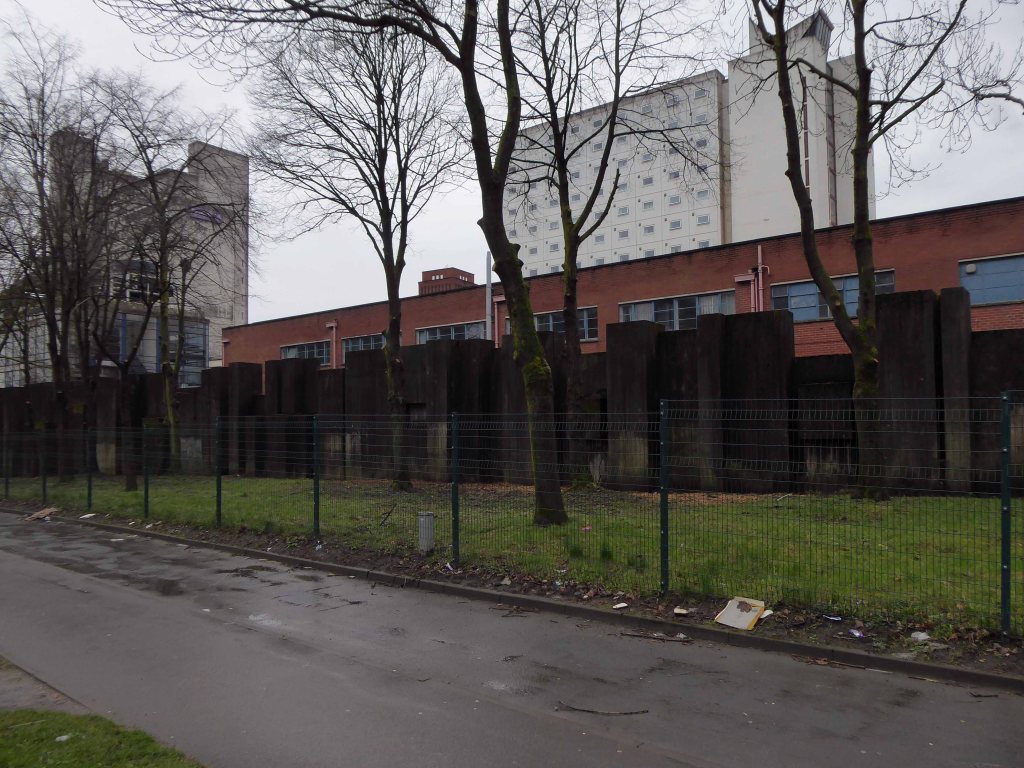
The wall is listed, fenced and obscured by the gradual incursion of assorted greenery.

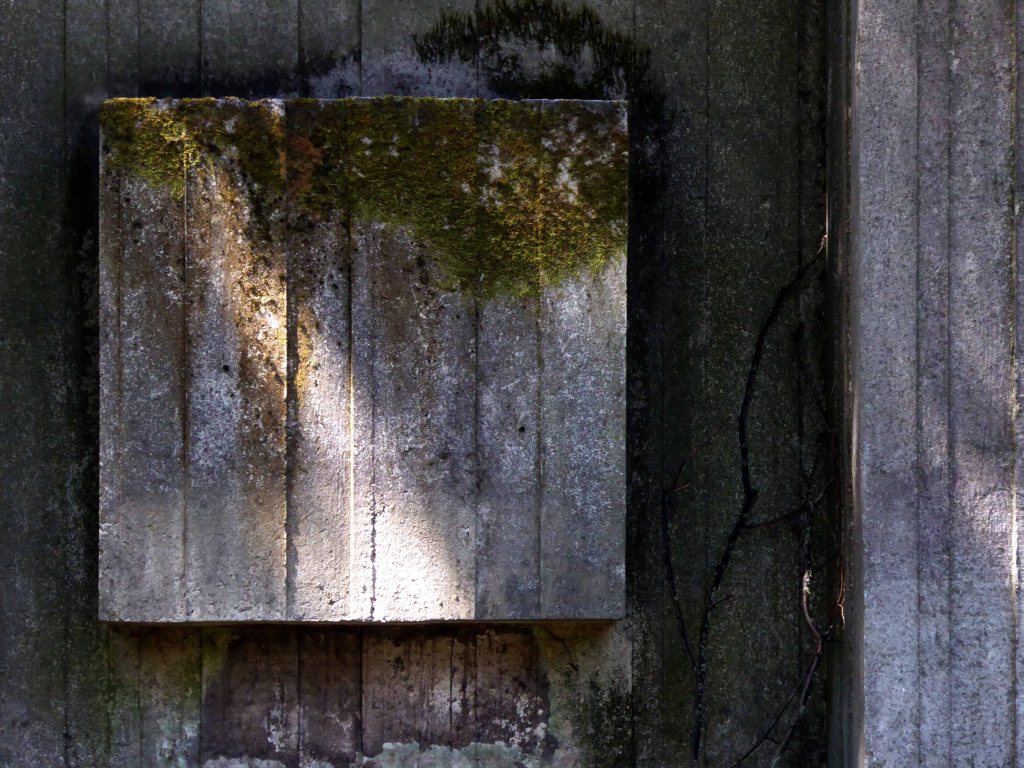
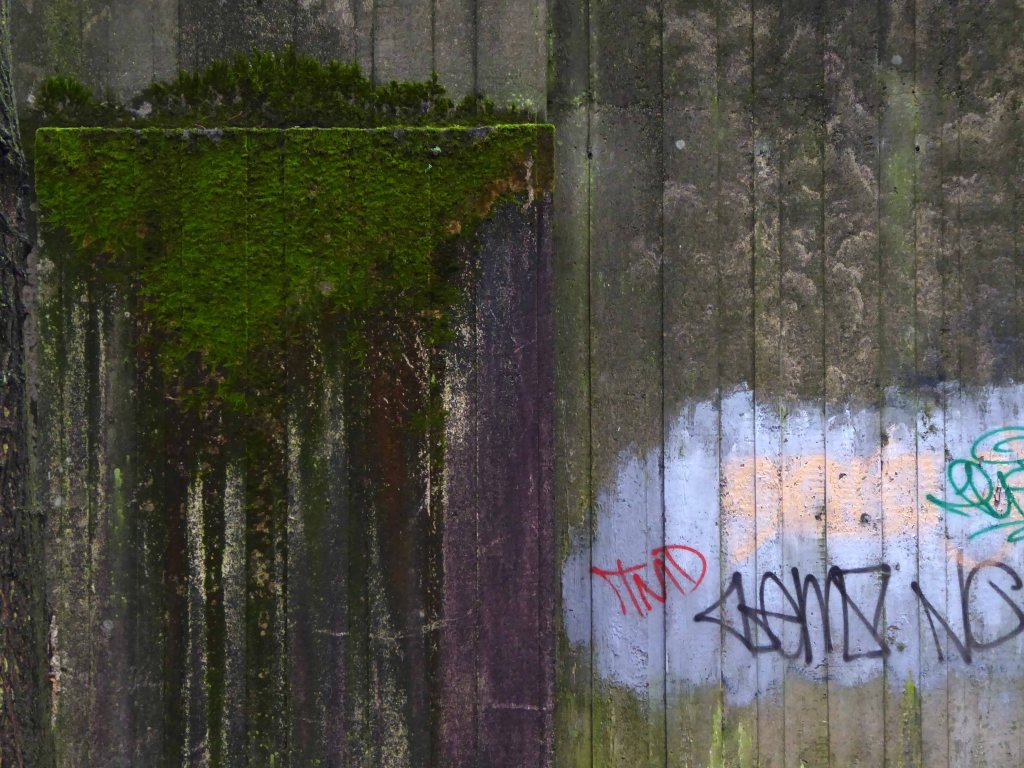
It’s beginning to attract moss, amongst other things – just not like a rolling stone.

Like nearly everything else, it looks different each time you pass by, more or less light, new tags and signs – so here it is as of Saturday 13th June 2020.

Locked in during the lockdown.

Tony Holloway Sculptural Wall – Manchester

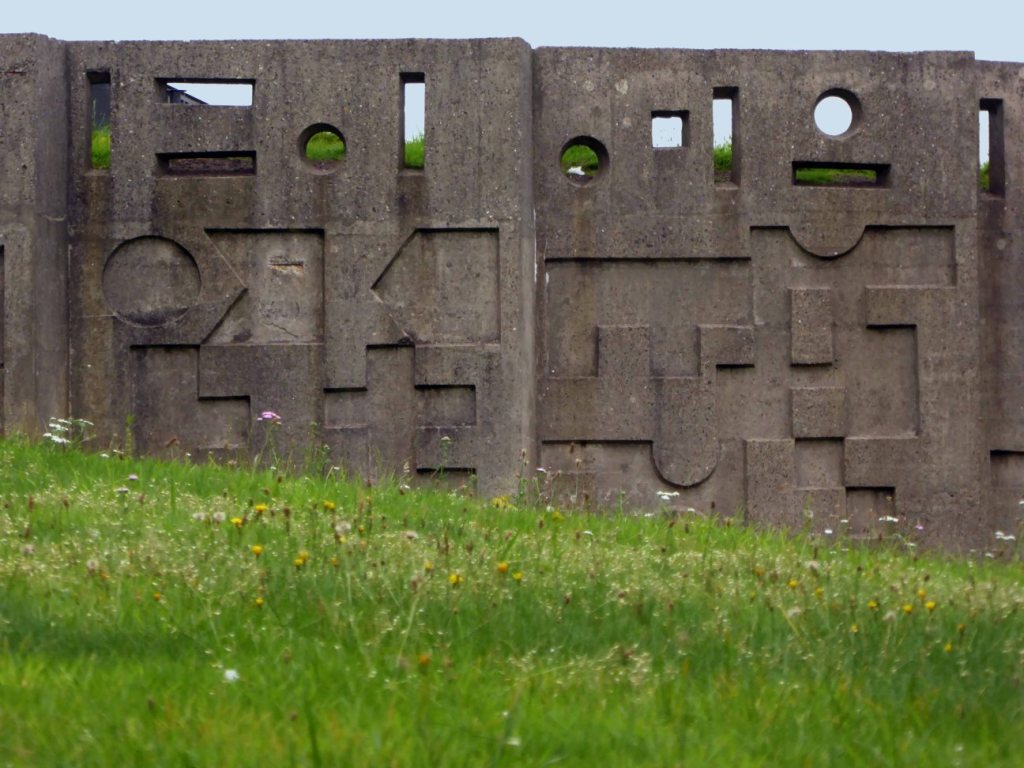
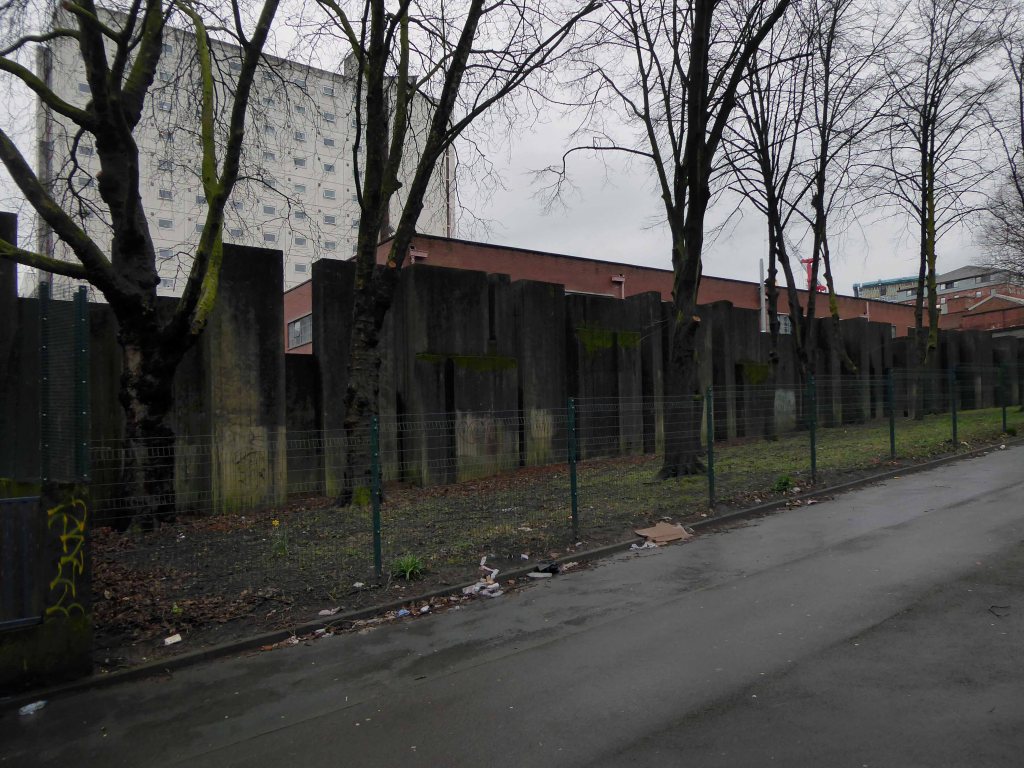
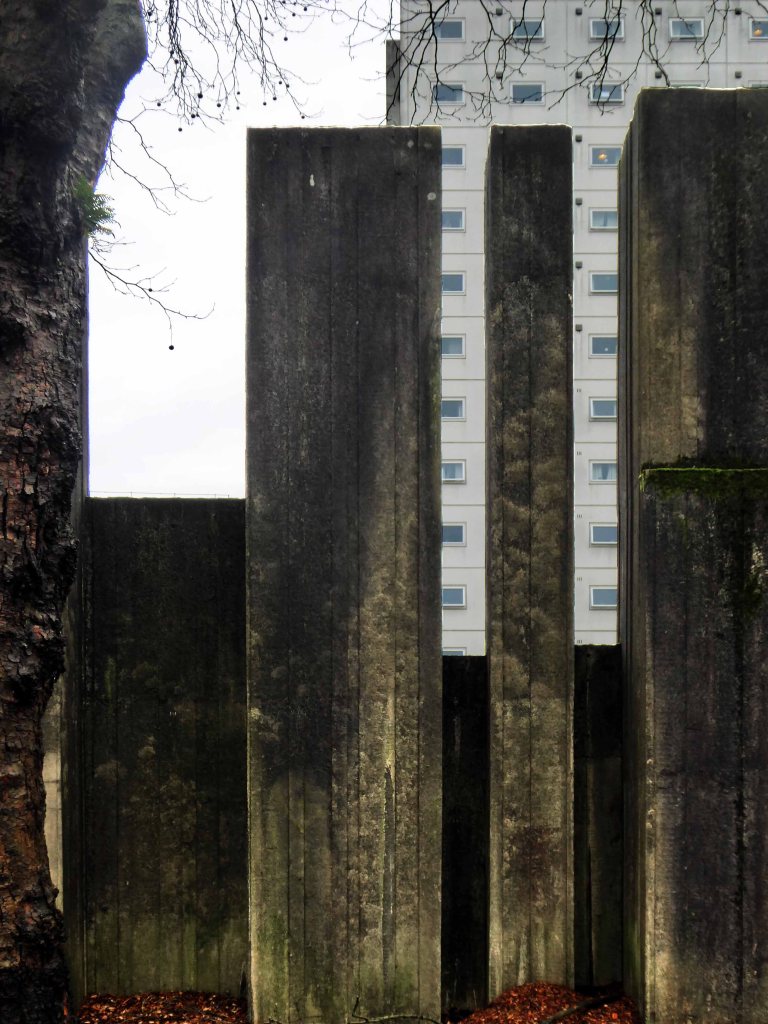
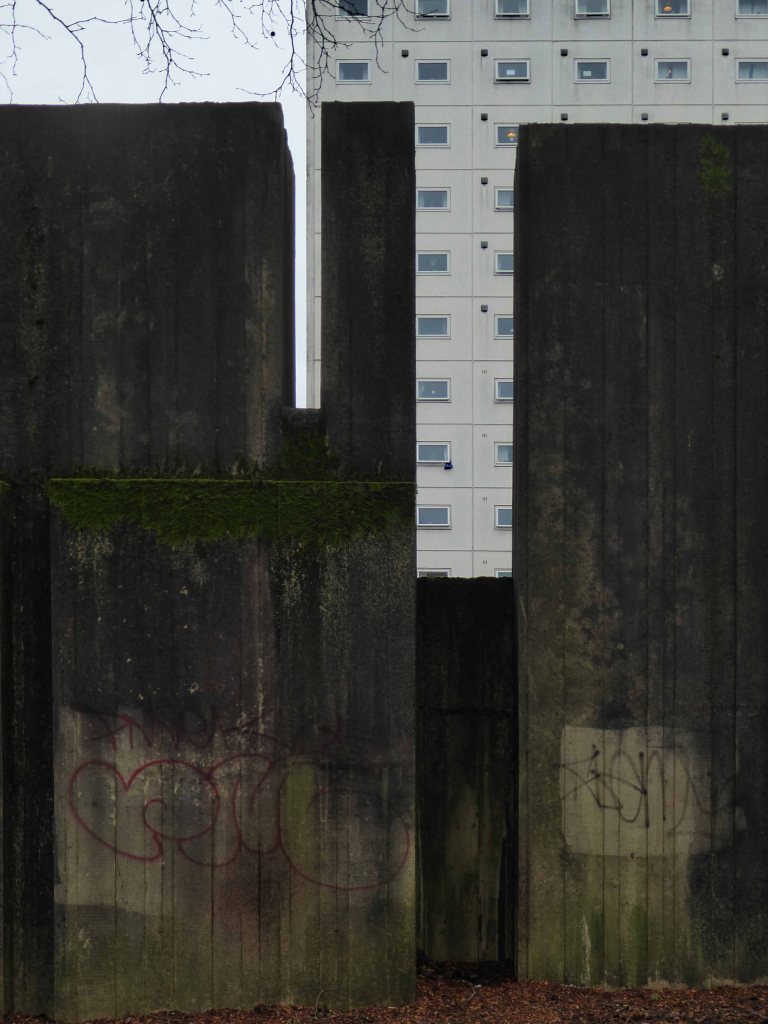
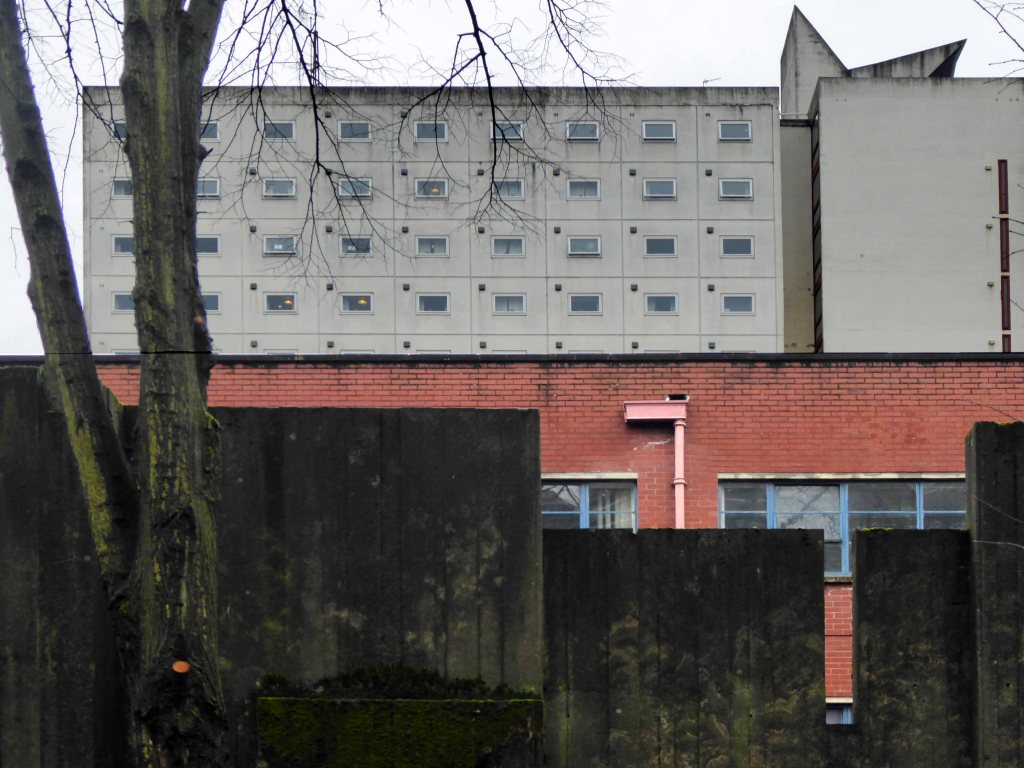
Sculptural wall and sound buffer – 1968 by Antony Holloway in collaboration with architect Harry M Fairhurst.

Concrete approximately 68 metres long and between 4.5 and 6 metres high – Brutalist style.

Grade II Listed June 10th 2011 – Historic England

The only structure on the former UMIST site, now part of the extensive University of Manchester estate.

Regularly visited on our Manchester Modernist walks, along with his nearby architectural panels.

I have even ventured as far afield as Huyton in search of other exemplars.

This is work of the highest order and importance.

It sits by a busy London Road, behind an intrusive green steel fence, slowly acquiring a green patina – as moss and lichen attach themselves to the well weathered concrete.

Receiving occasional visits from the errant urban tagger.

It deserves much better – a lush grassed apron, discrete public seating, regular tree maintenance – respect.

We do not suffer from a surfeit of significant mid-century public art – its guardians should straighten up and fly right.

Right?

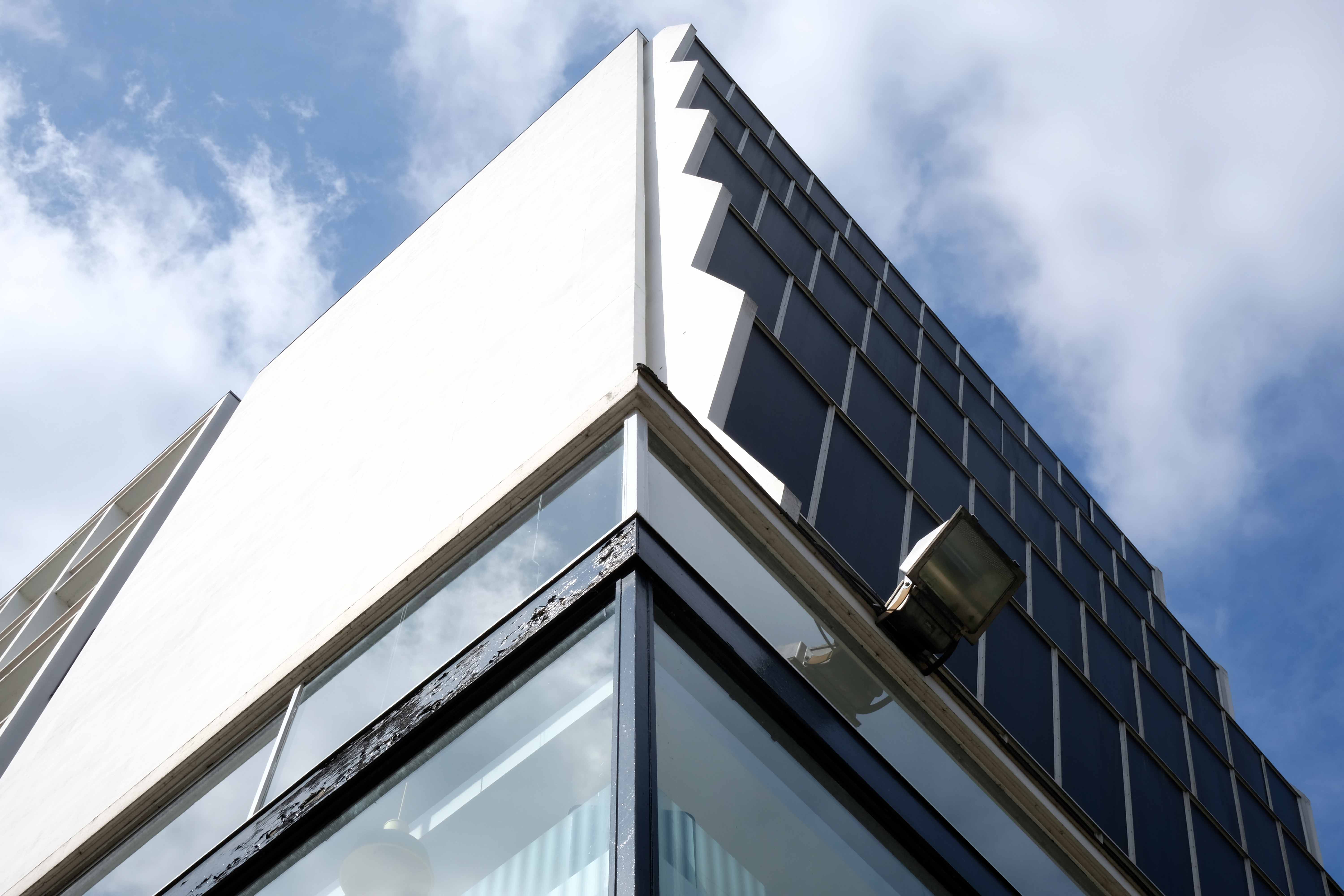
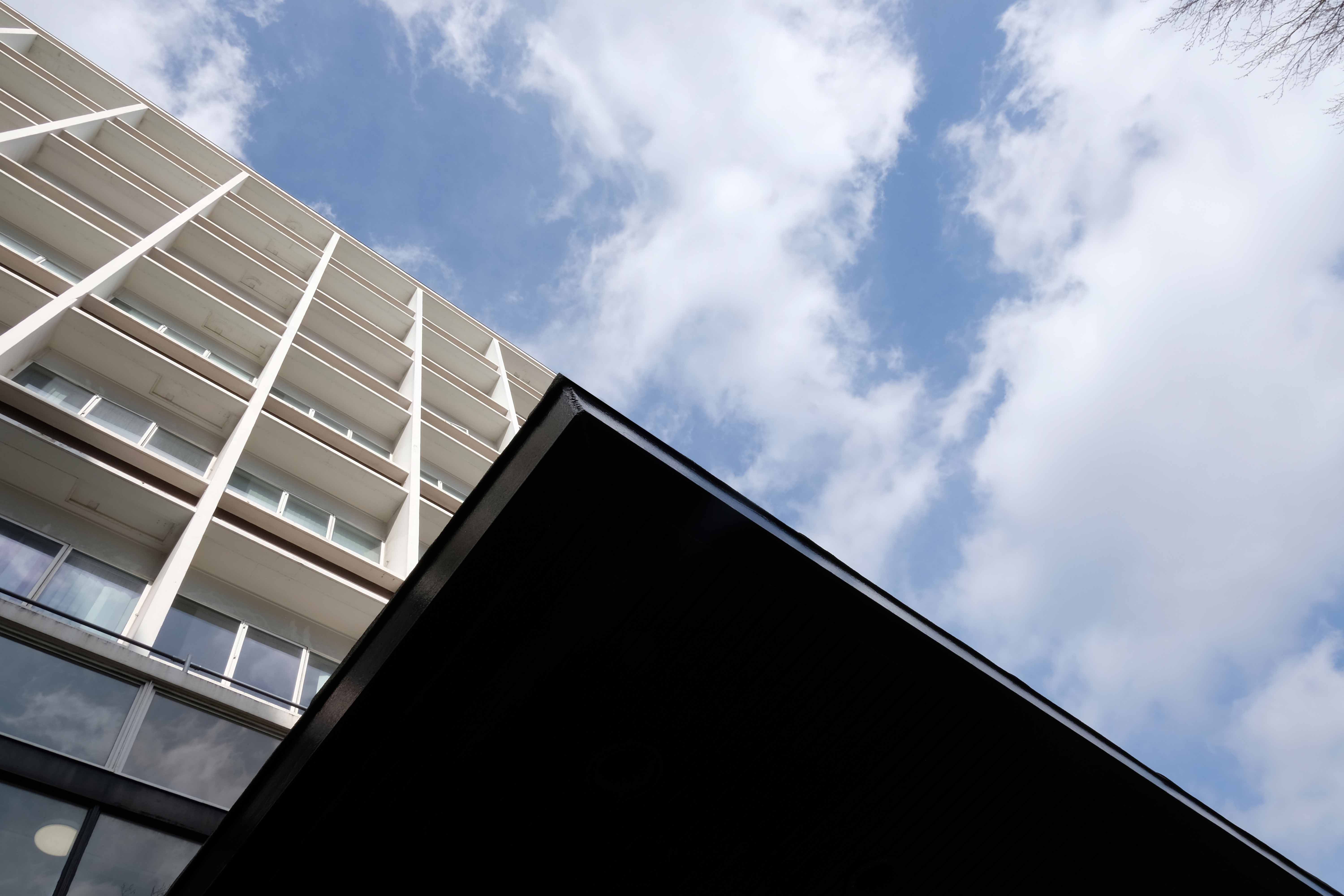
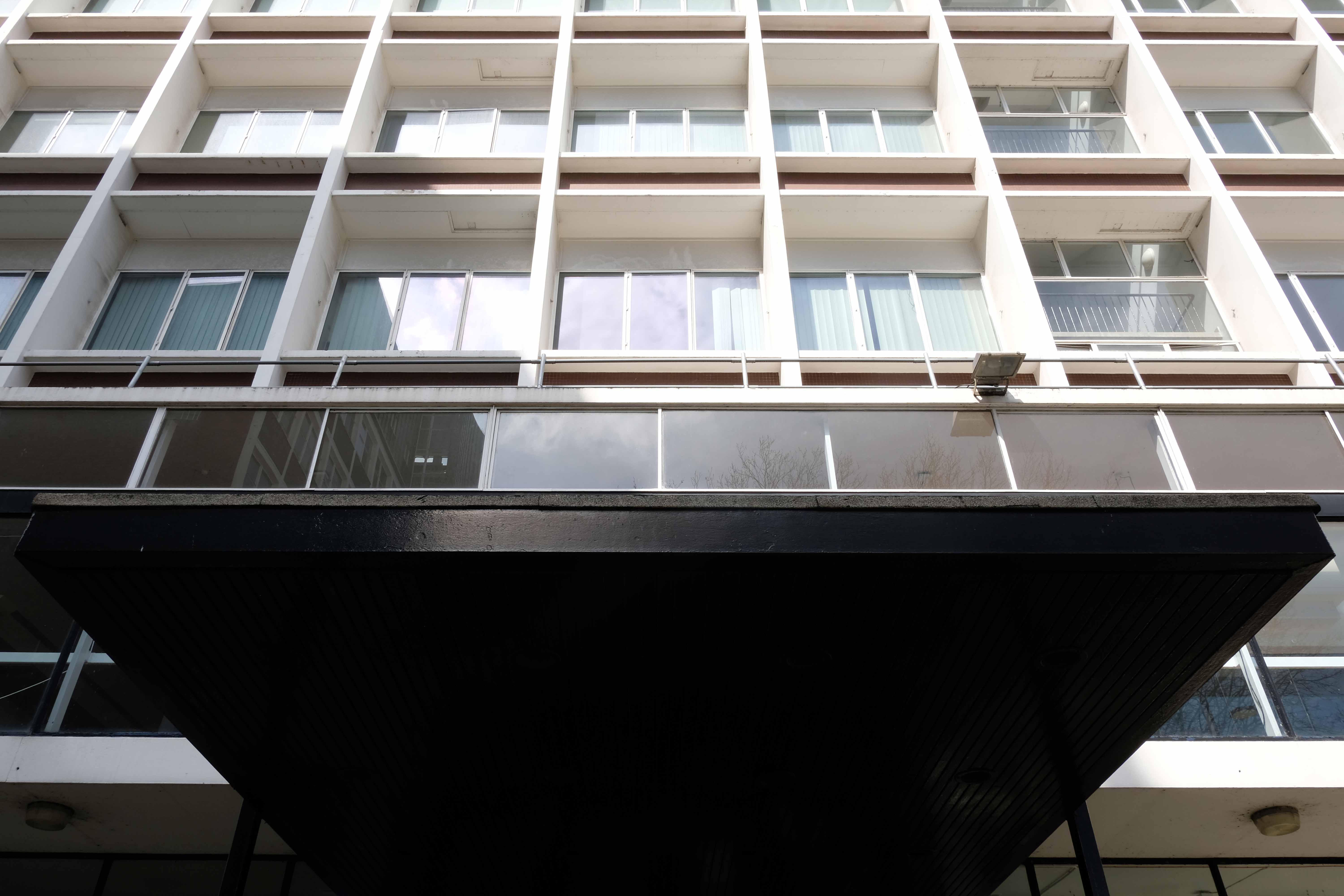
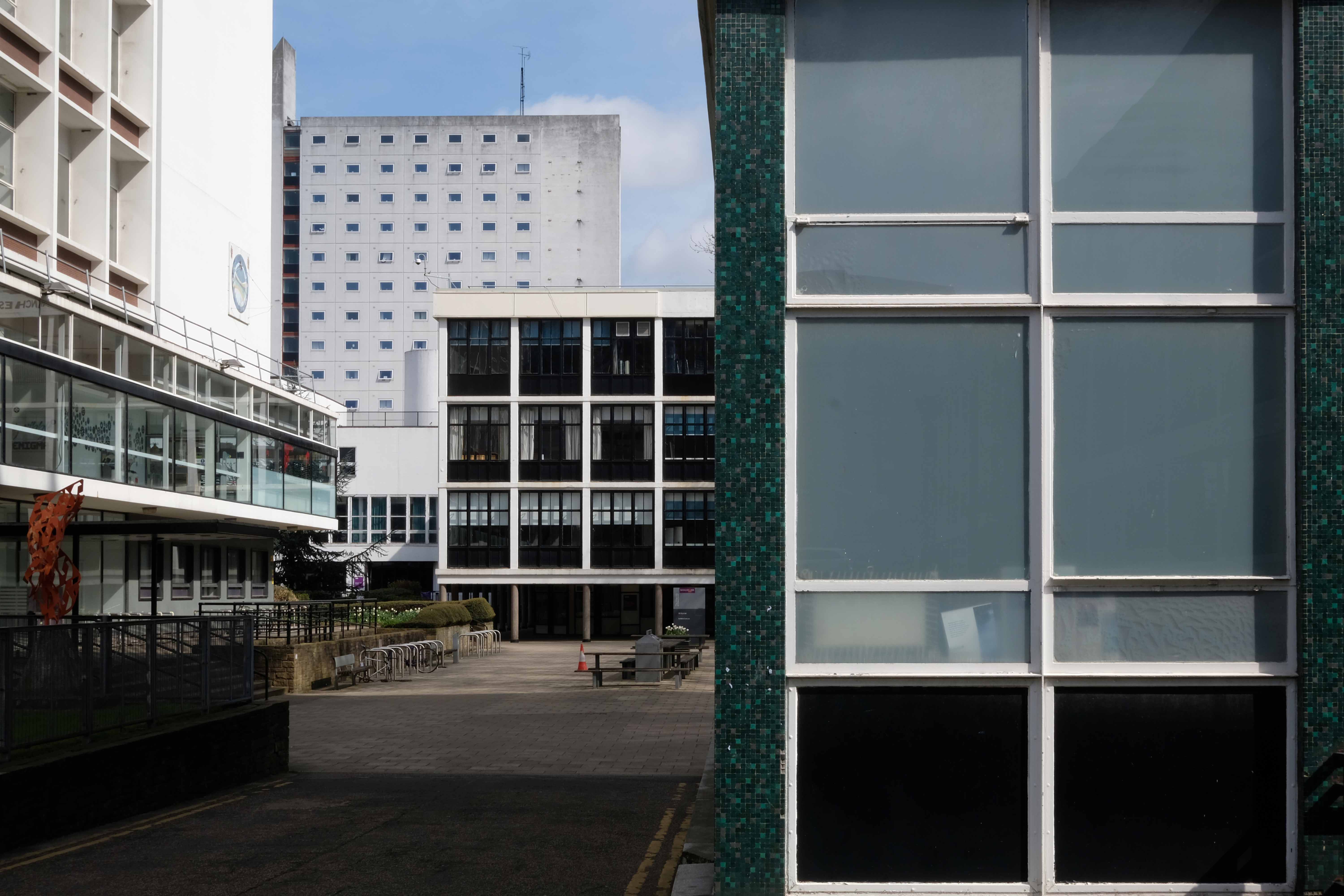
Ellen Wilkinson Humanities Building – The University of Manchester

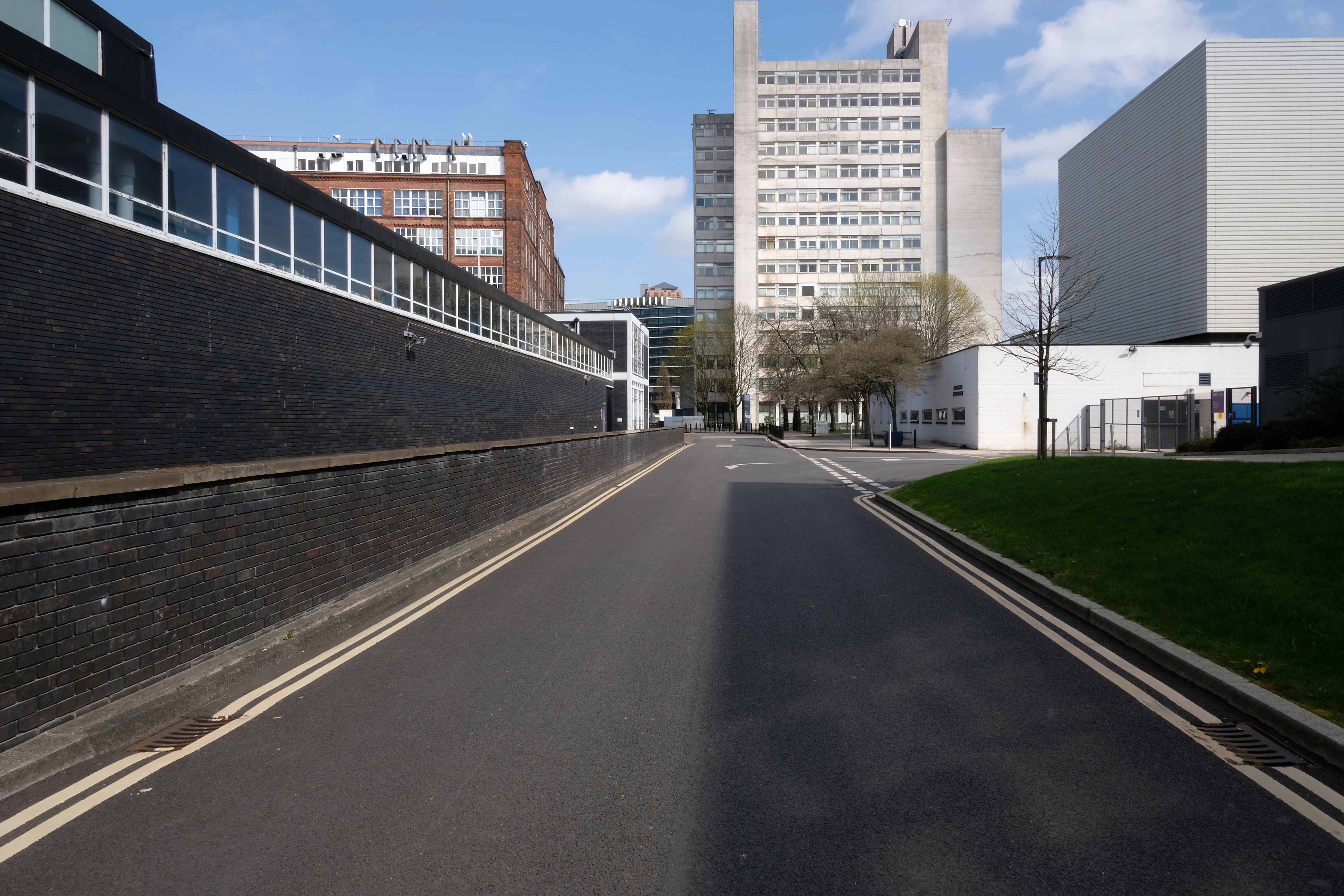
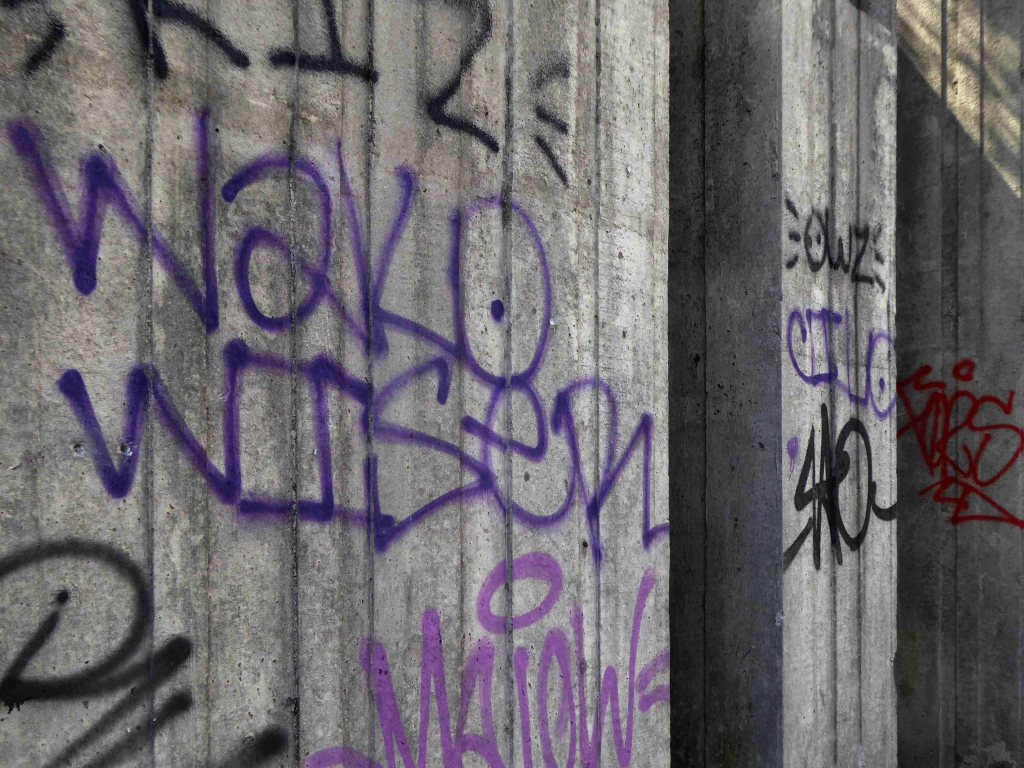
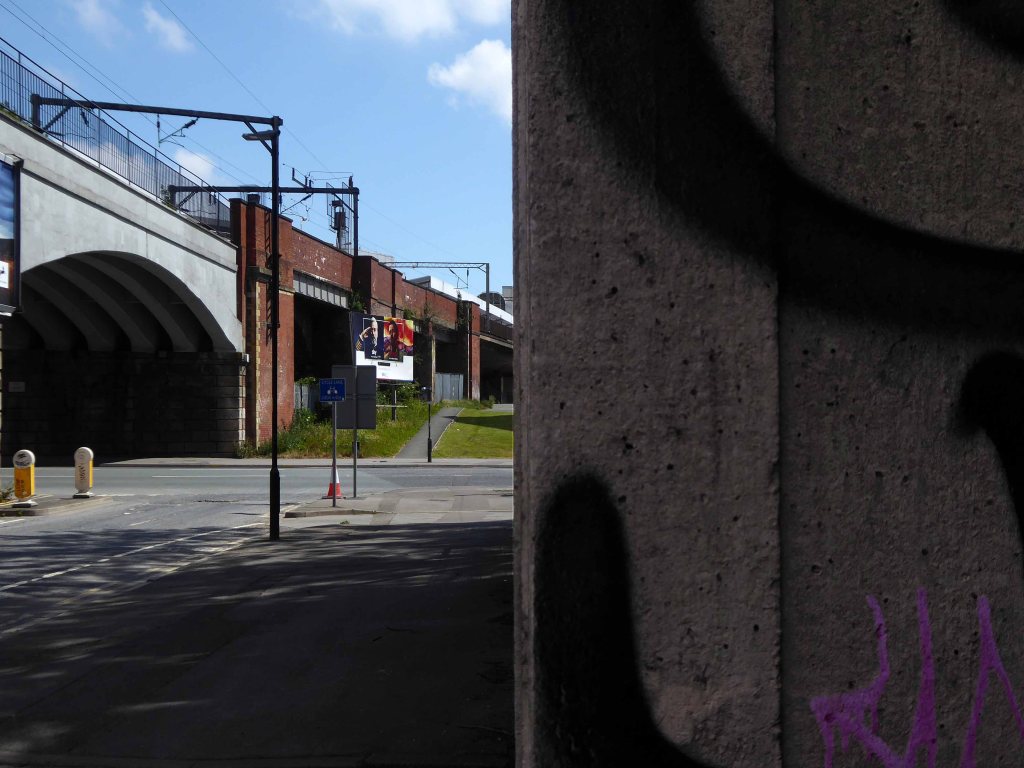
I don’t usually walk this way – so I walked this way.

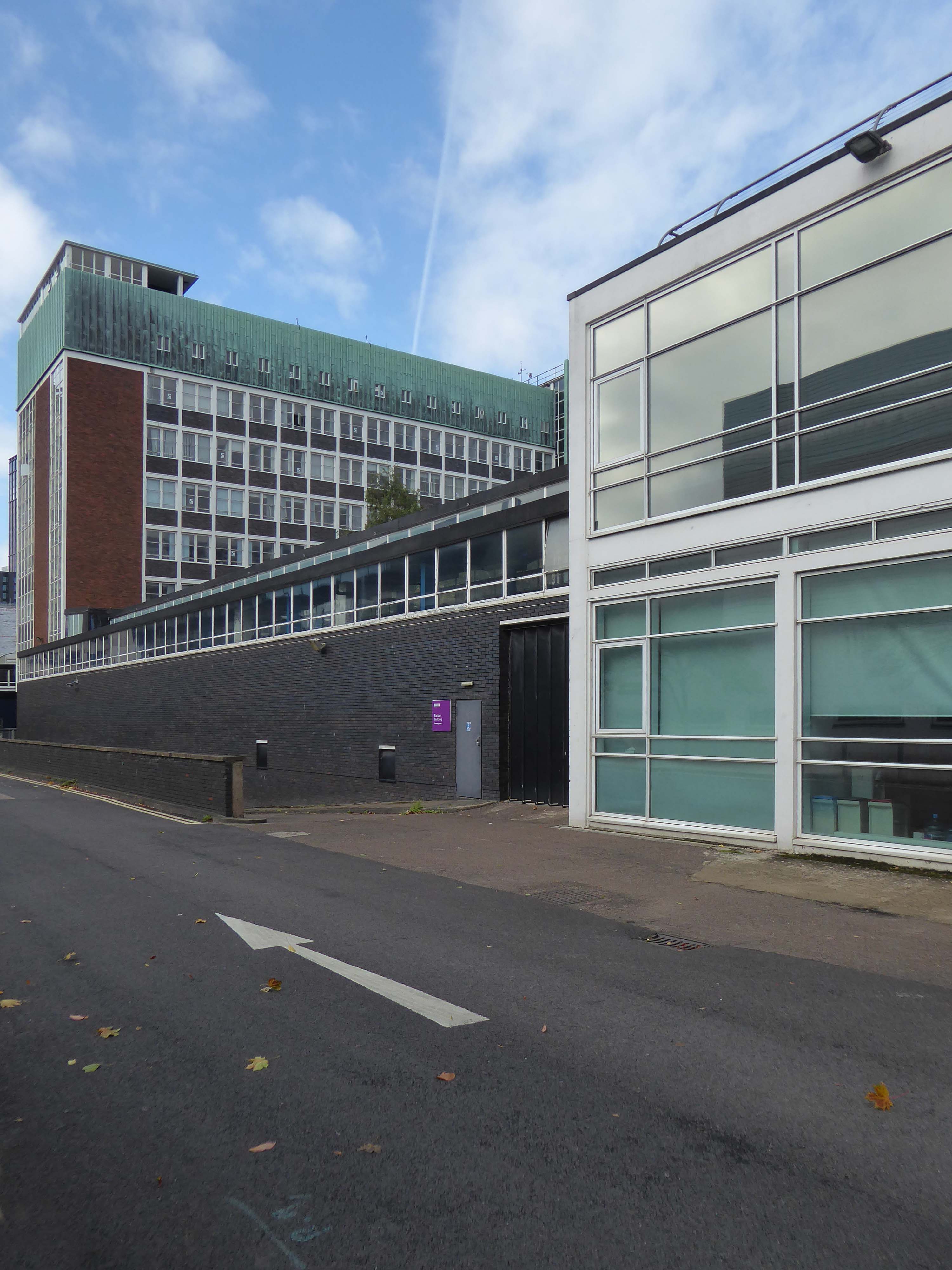
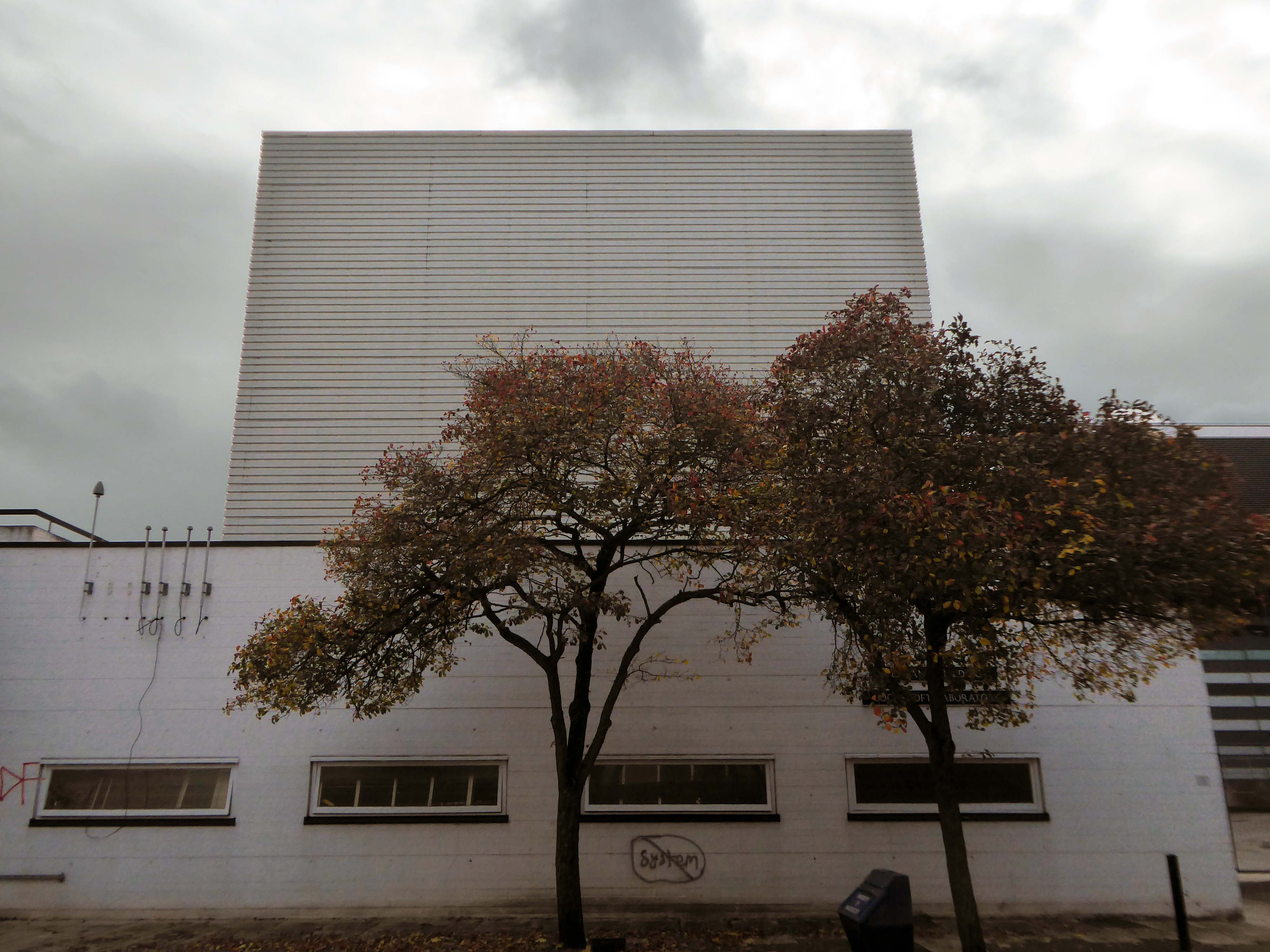
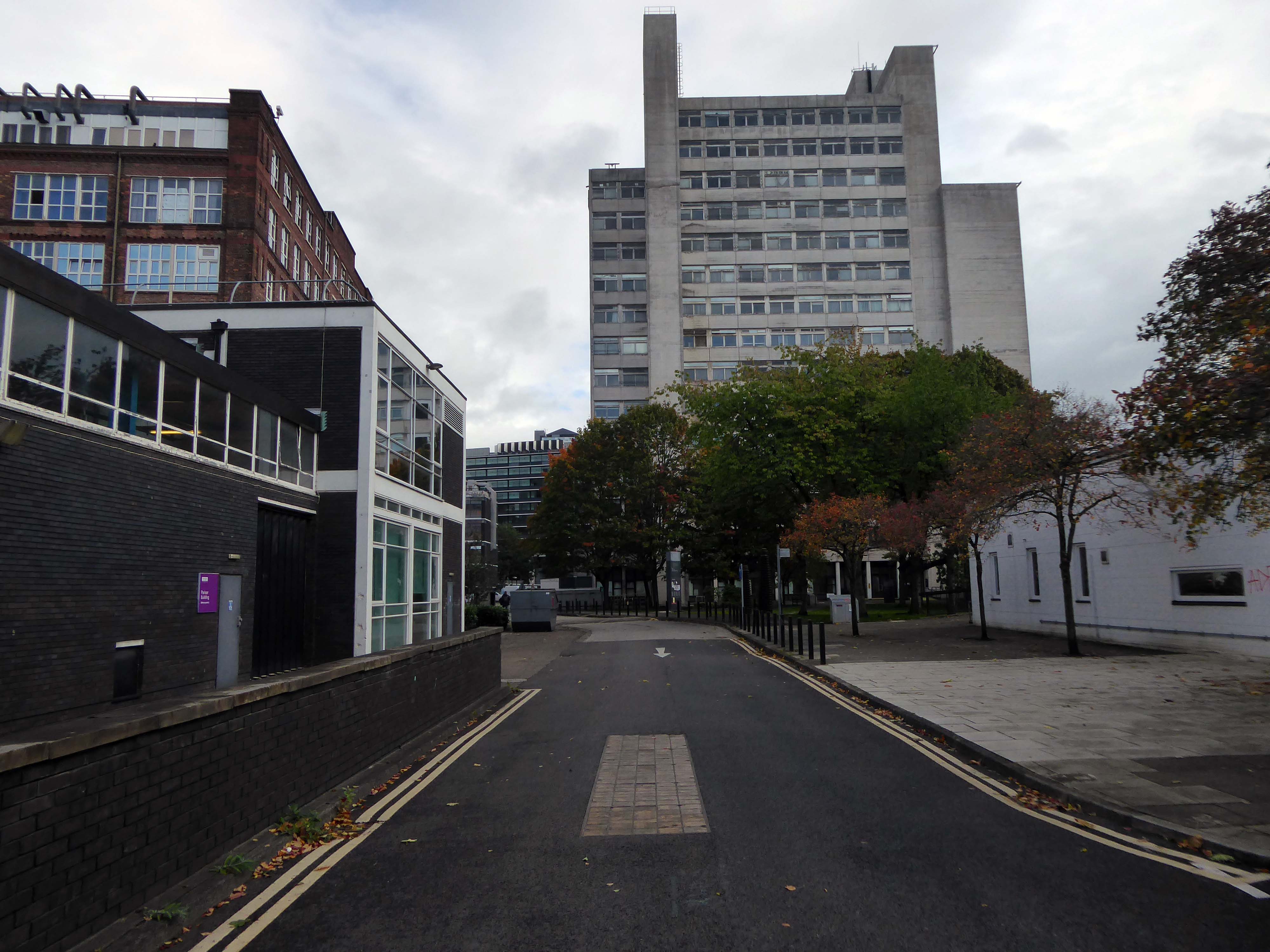
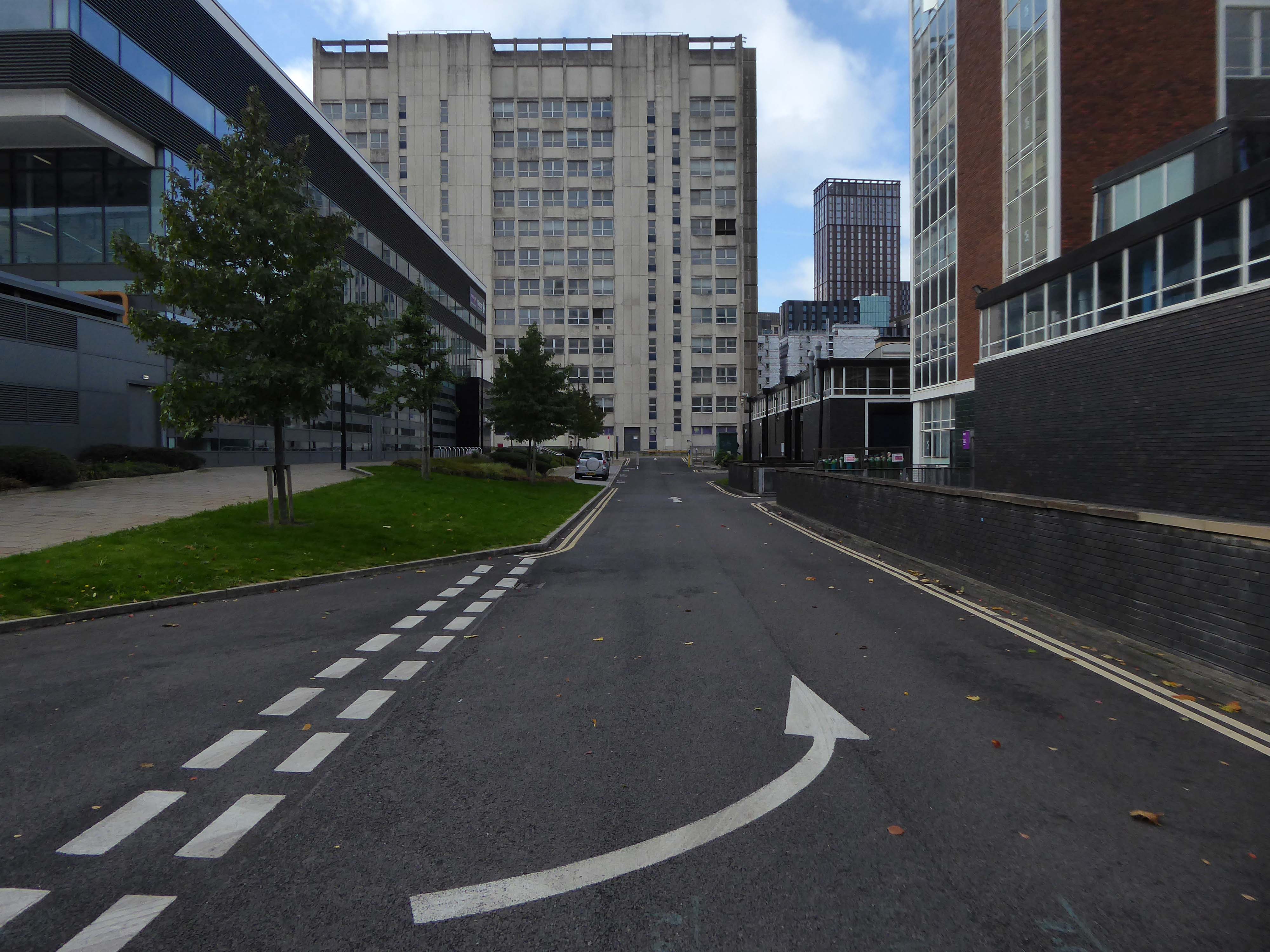
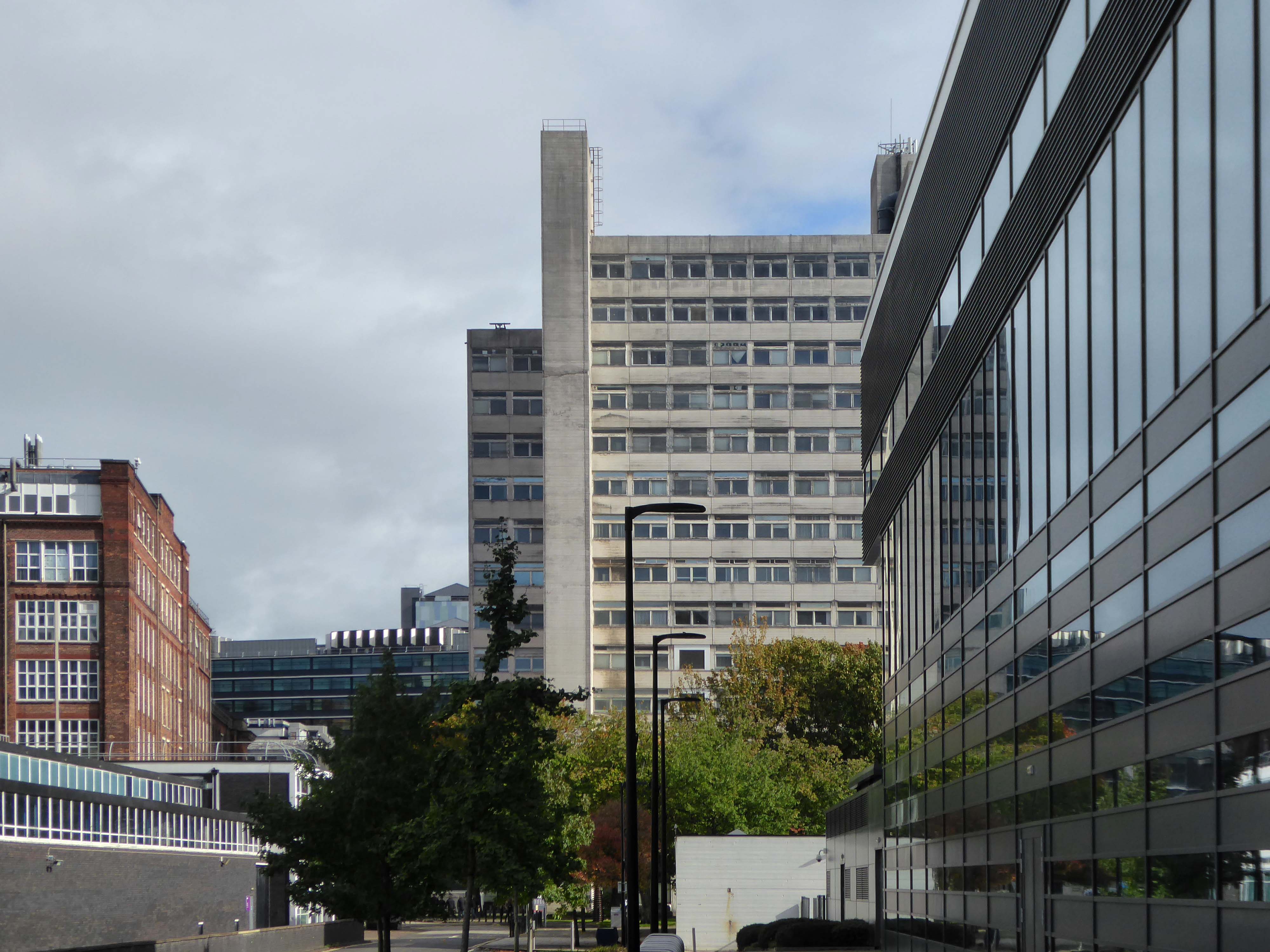
I discovered the rear of building, a building formerly only known from the others side, when seen from Oxford Road.

Whilst making my way from The Gamecock to elsewhere, I serendipitously discovered the other other side.

The Humanities Building now named the Ellen Wilkinson Building.

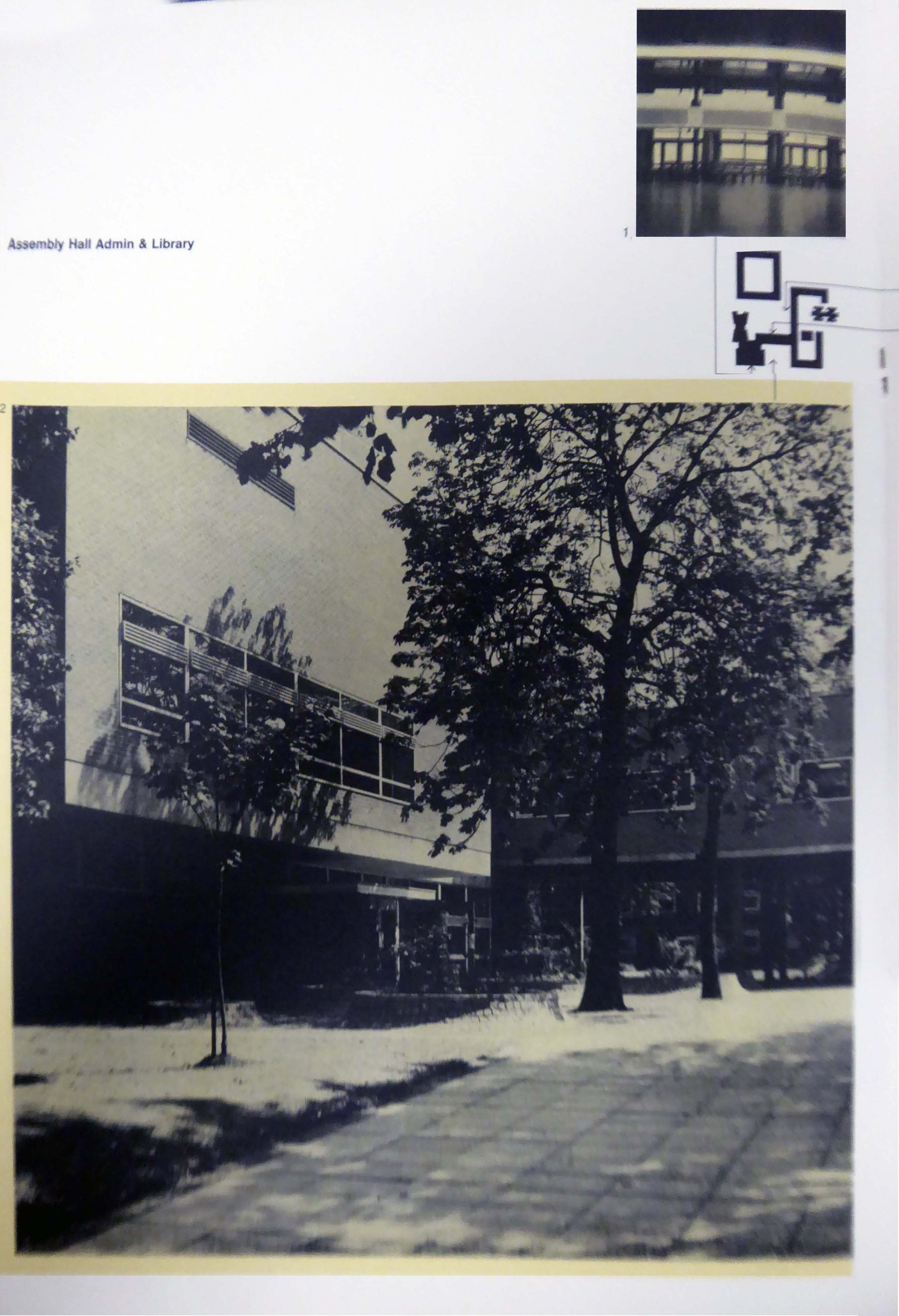
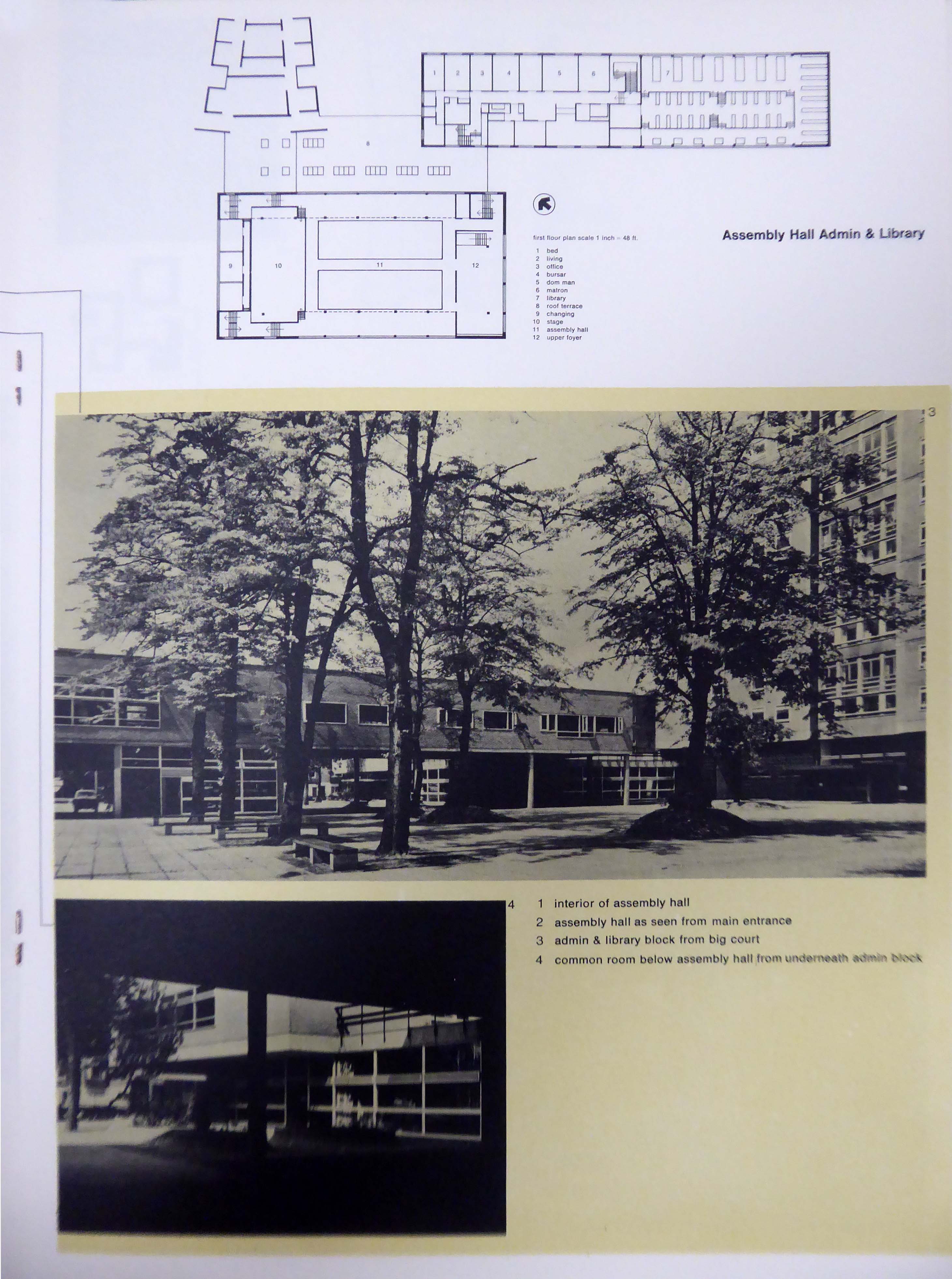
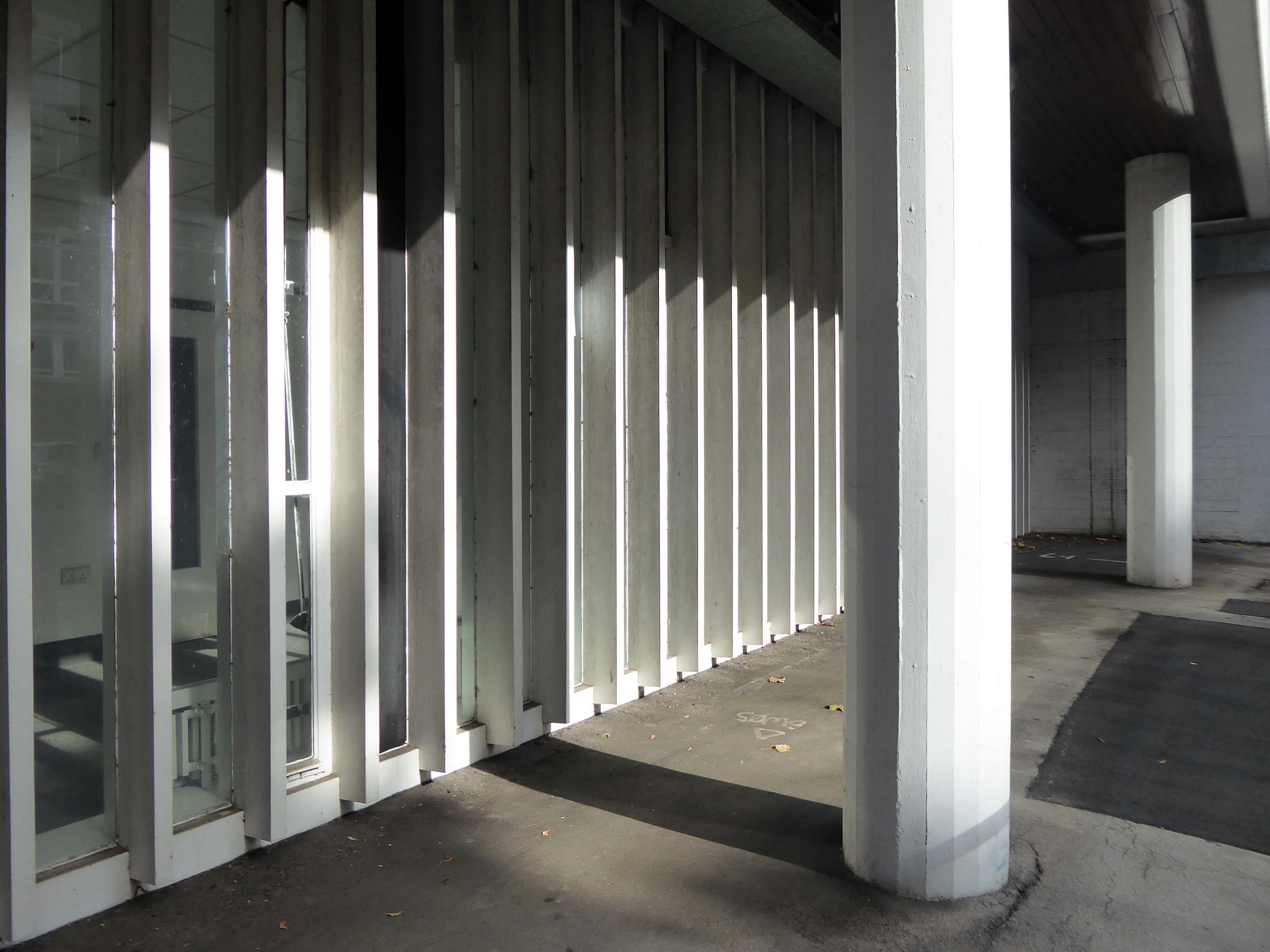
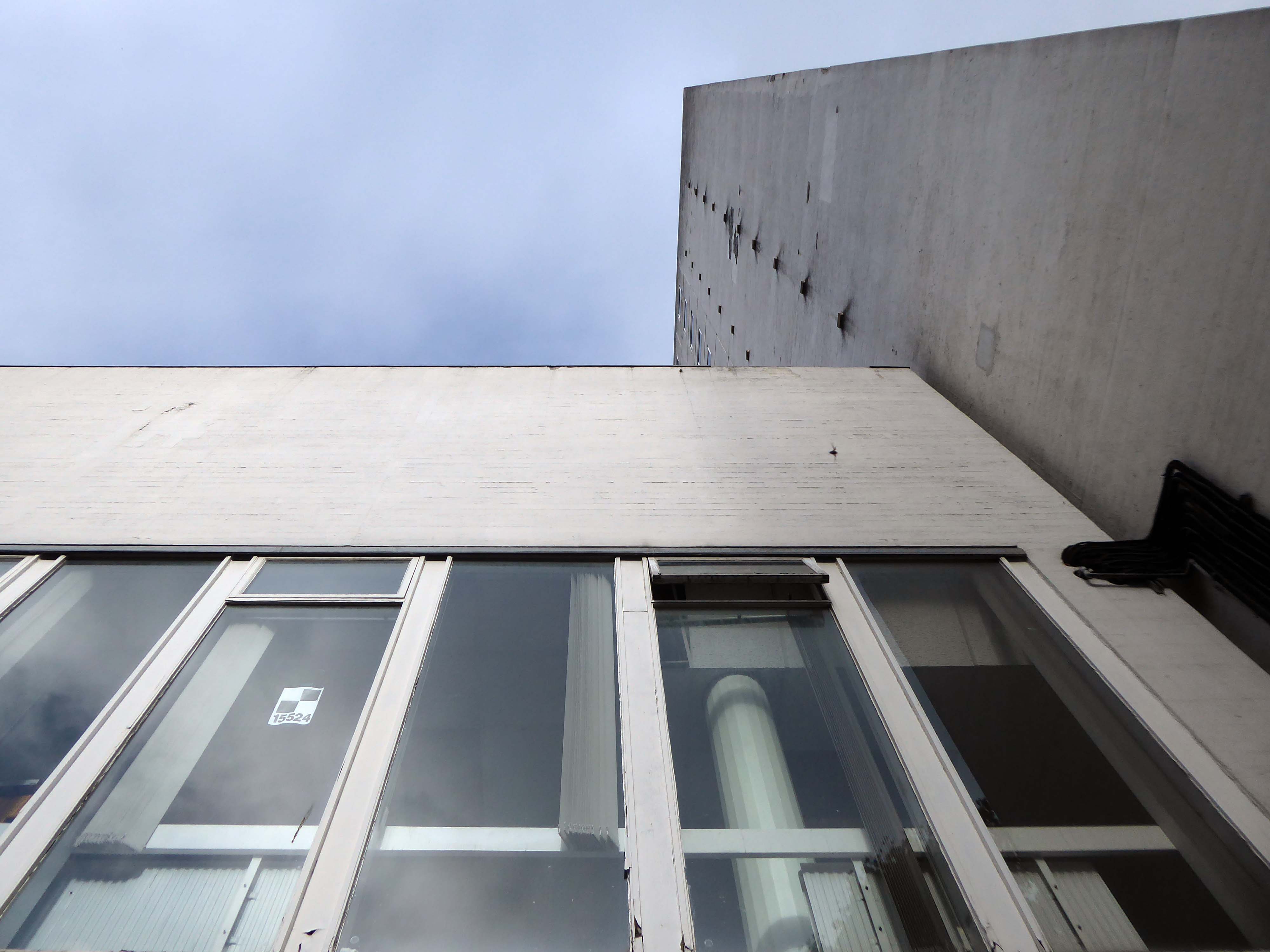
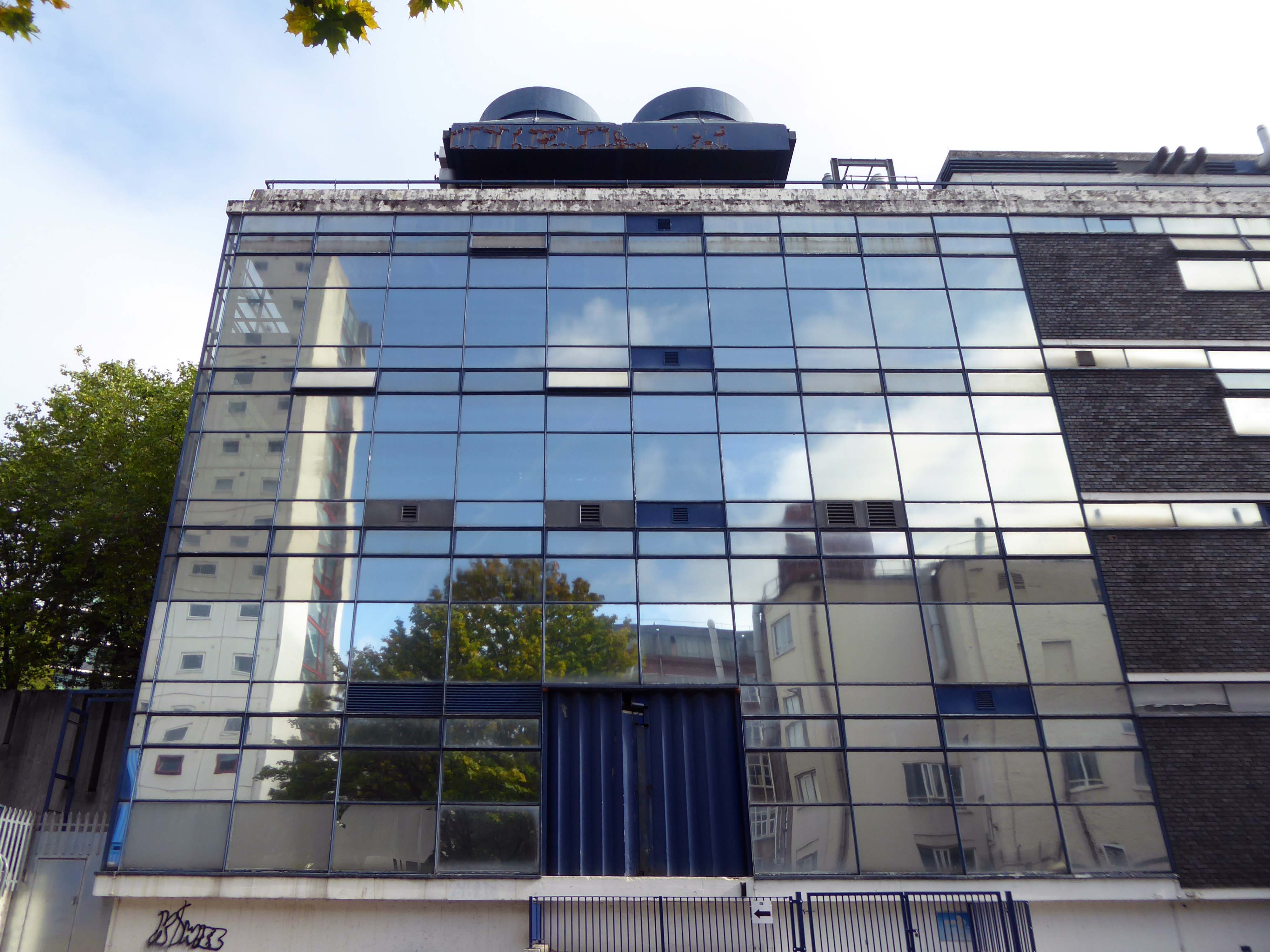
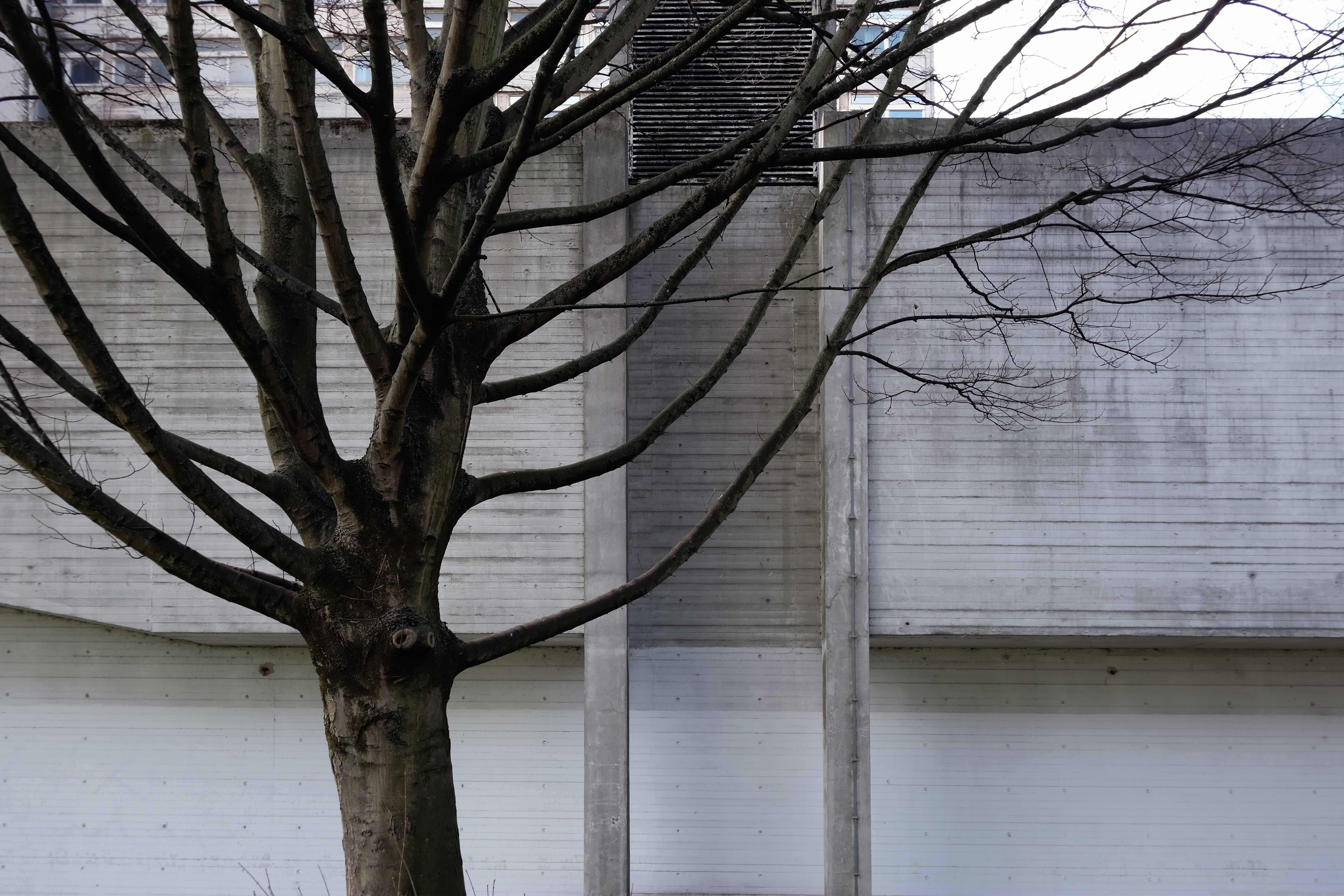
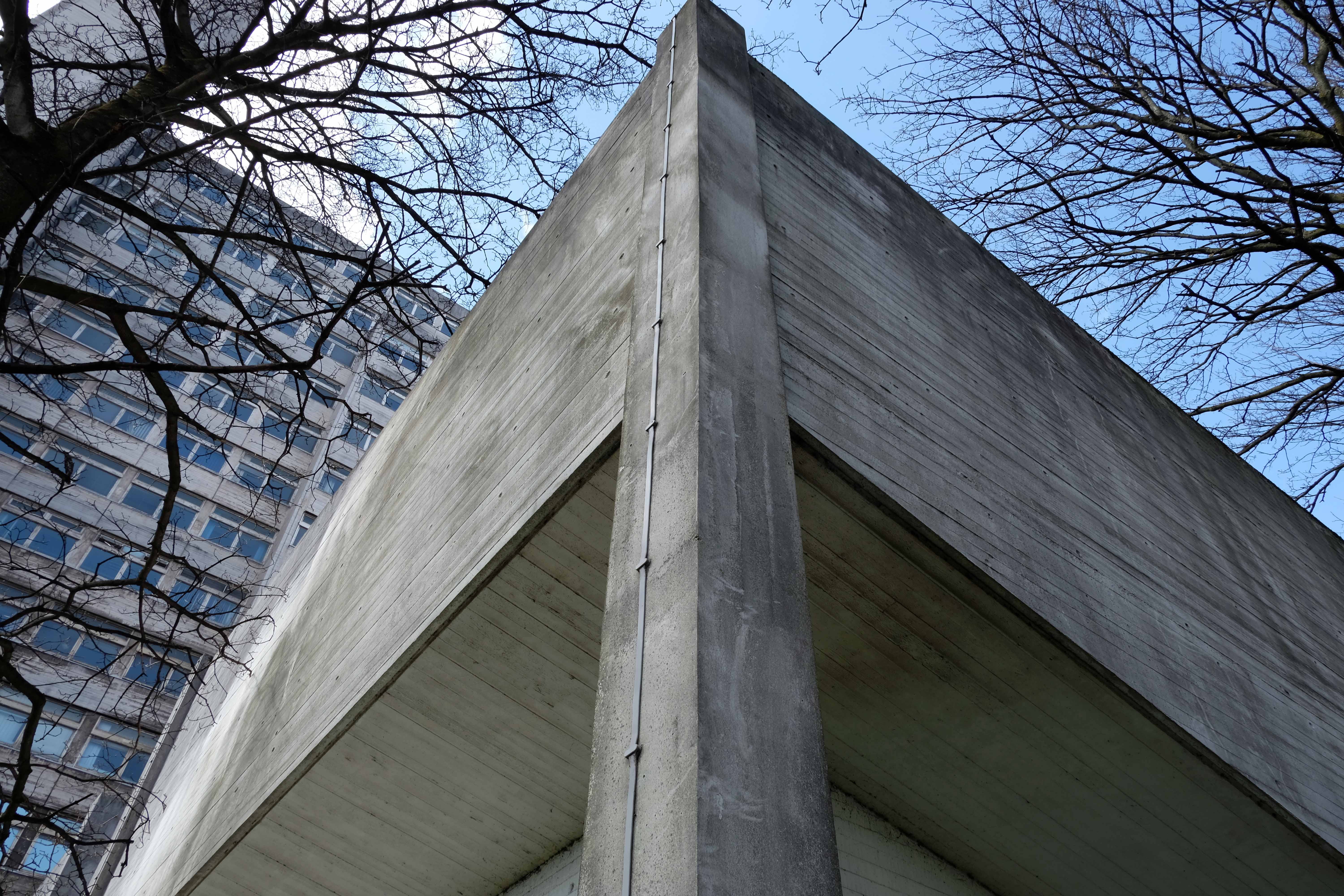
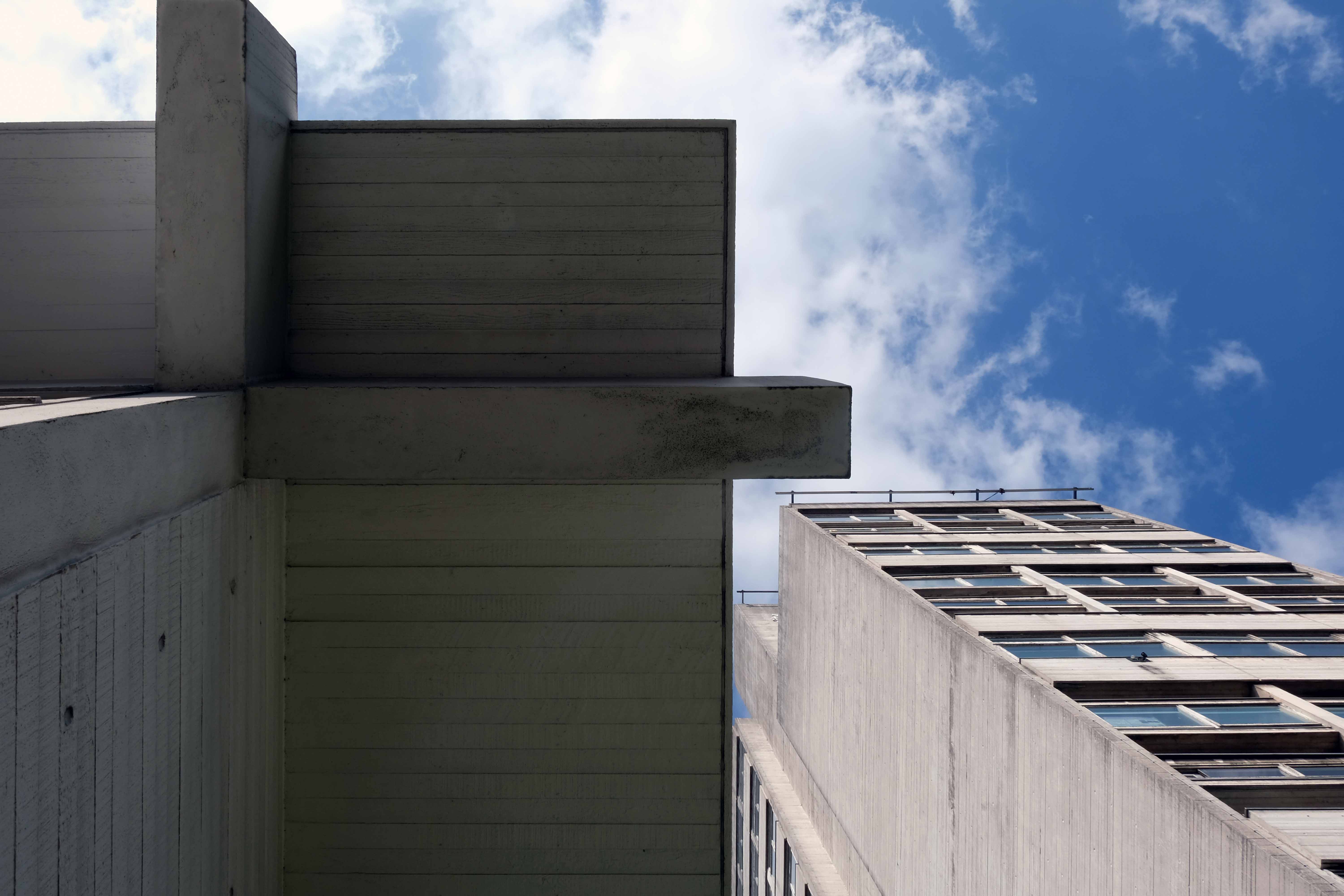
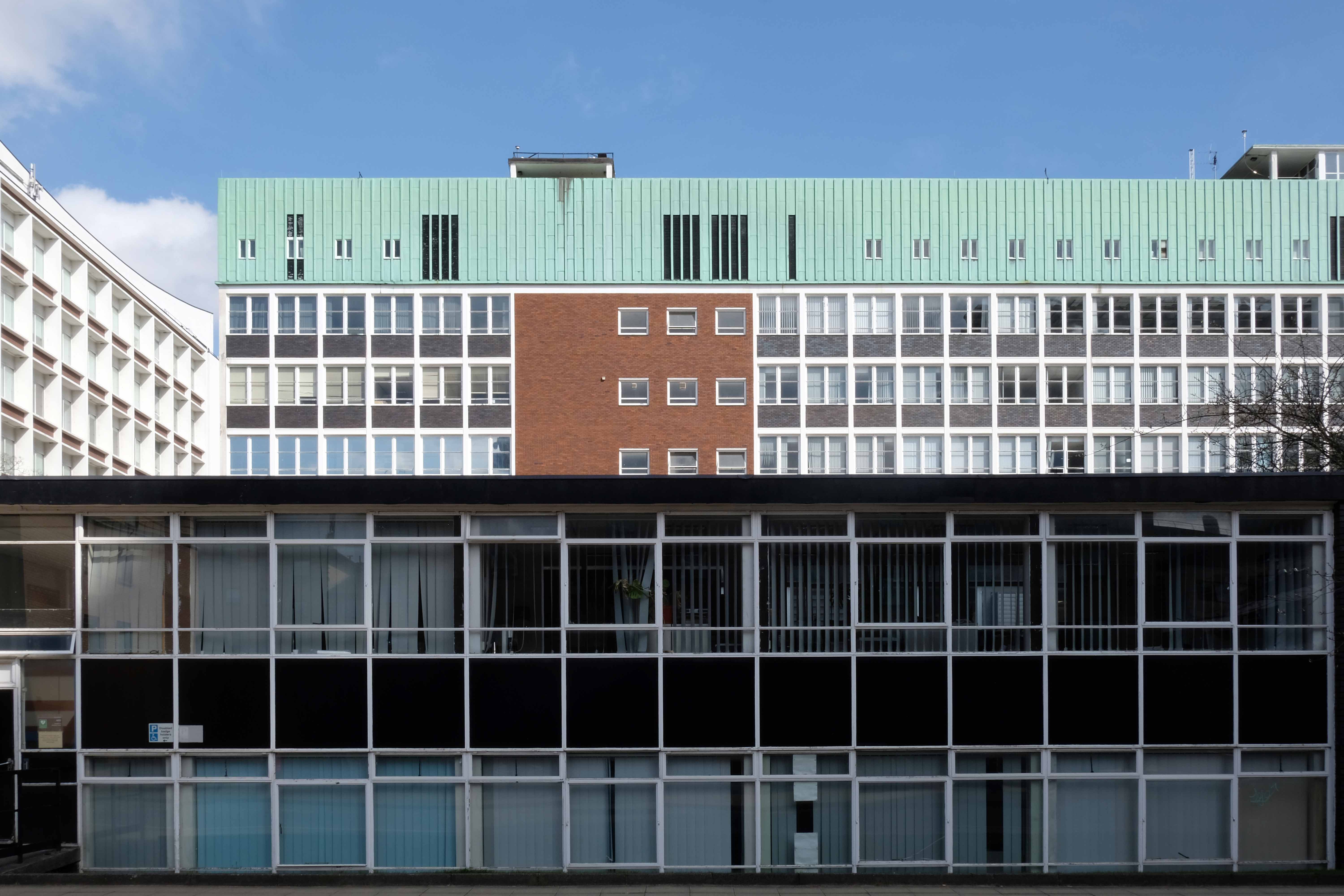
This Building Design Partnership scheme pre-dates Wilson Womersley’s appointment as master planners for the Education Precinct but exists harmoniously with the later series of buildings. This is most likely due to the method of development before any ‘grand concept’. The incremental expansion of the University, following WWII, was largely dictated by the progress of compulsory purchase orders; this group was no exception. At the planning stages, the lack of a masterplan led to organising the wings of the buildings in an open, orthogonal arrangement. This would allow expansion in a number of directions, according to the next available site in ‘the dynamic situation’. The result was the creation of a small courtyard flanked by two five-storey blocks and a two-storey structure. All three buildings use the same pink-grey concrete. The plastic qualities of concrete were explored in both cladding and structural panels and the textural qualities exposed in the bush hammered columns, to reveal the Derbyshire gravel aggregate. The sculpted and moulded panels on the two-storey block and on the gable ends of the larger blocks were designed in collaboration with William Mitchell. The only other materials in the external envelope were the windows of variously clear and tinted glass. The window modules were set out against a basic geometry in three standard patterns and applied across the façade. This resulted in a clever interplay of vertical and horizontal expression. 

Mainstream Modern

Ellen Wilkinson was born into a poor though ambitious Manchester family and she embraced socialism at an early age. After graduating from the University of Manchester, she worked for a women’s suffrage organisation and later as a trade union officer. Inspired by the Russian Revolution of 1917, Wilkinson joined the British Communist Party, and preached revolutionary socialism while seeking constitutional routes to political power through the Labour Party. She was elected Labour MP for Middlesbrough East in 1924, and supported the 1926 General Strike. In the 1929–31 Labour government, she served as Parliamentary Private Secretary to the junior Health Minister. She made a connection with a young female member and activist Jennie Lee. Following her defeat at Middlesbrough in 1931, Wilkinson became a prolific journalist and writer, before returning to parliament as Jarrow’s MP in 1935. She was a strong advocate for the Republican government in the Spanish Civil War, and made several visits to the battle zones.

During the Second World War, Wilkinson served in Churchill’s wartime coalition as a junior minister, mainly at the Ministry of Home Security where she worked under Herbert Morrison. She supported Morrison’s attempts to replace Clement Attlee as the Labour Party’s leader; nevertheless, when he formed his postwar government, Attlee appointed Wilkinson as Minister of Education. By this time, her health was poor, a legacy of years of overwork. She saw her main task in office as the implementation of the wartime coalition’s 1944 Education Act, rather than the more radical introduction of comprehensive schools favoured by many in the Labour Party. Much of her energy was applied to organising the raising of the school-leaving age from 14 to 15. During the exceptionally cold weather of early 1947, she succumbed to a bronchial disease, and died after an overdose of medication, which the coroner at her inquest declared was accidental.

Wikipedia

So here we are now – a significant building, named for a significant figure.

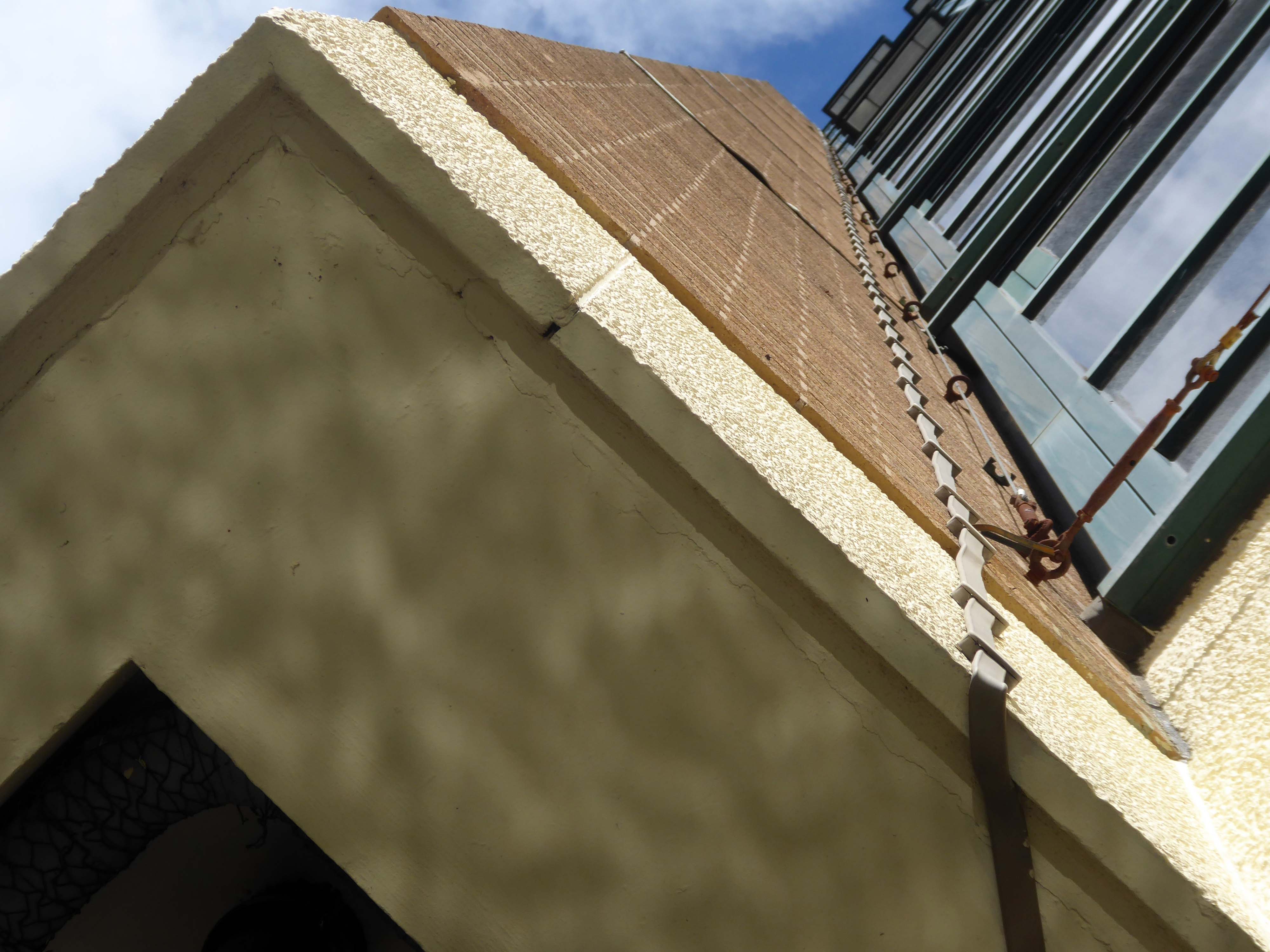
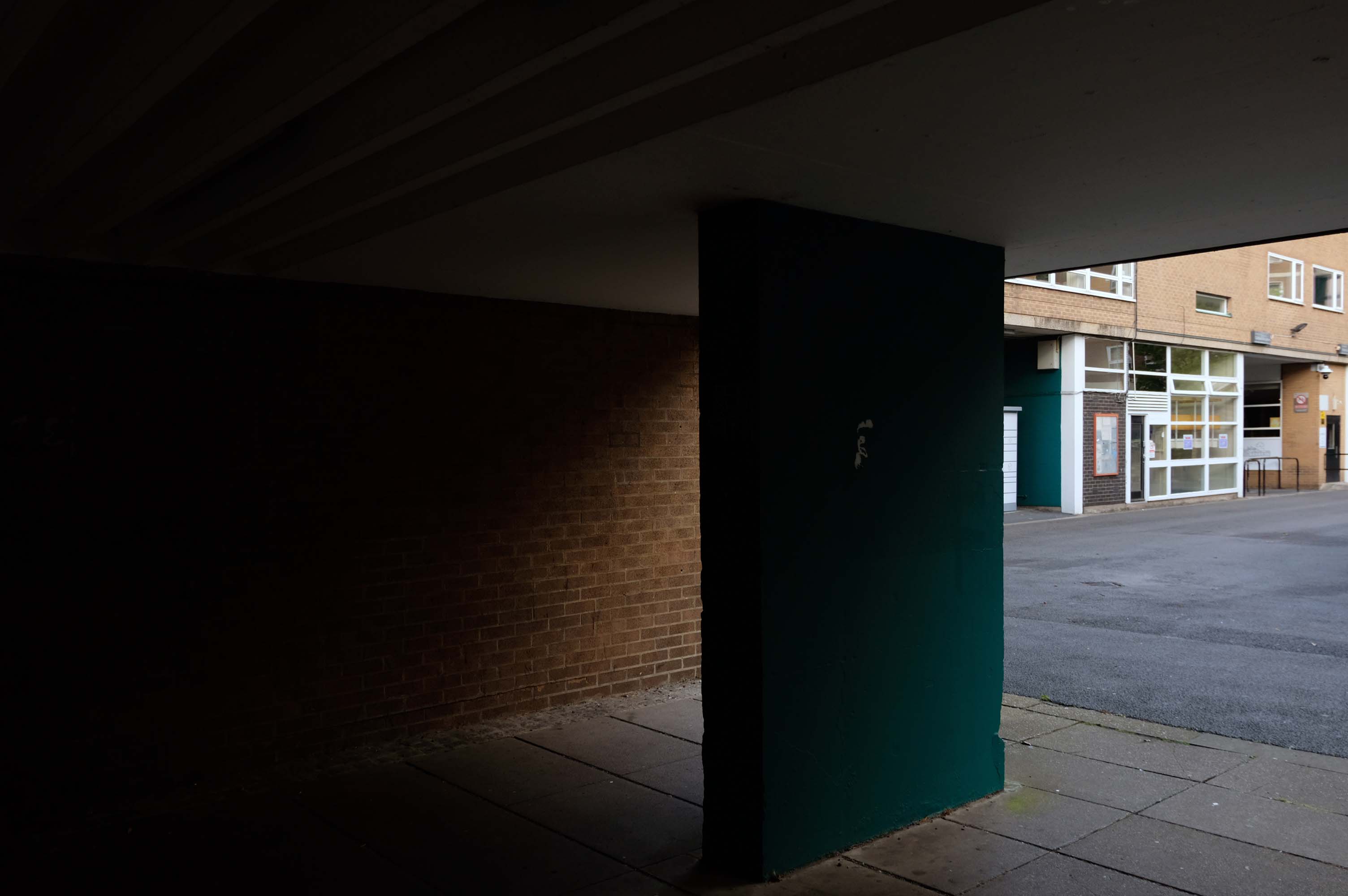
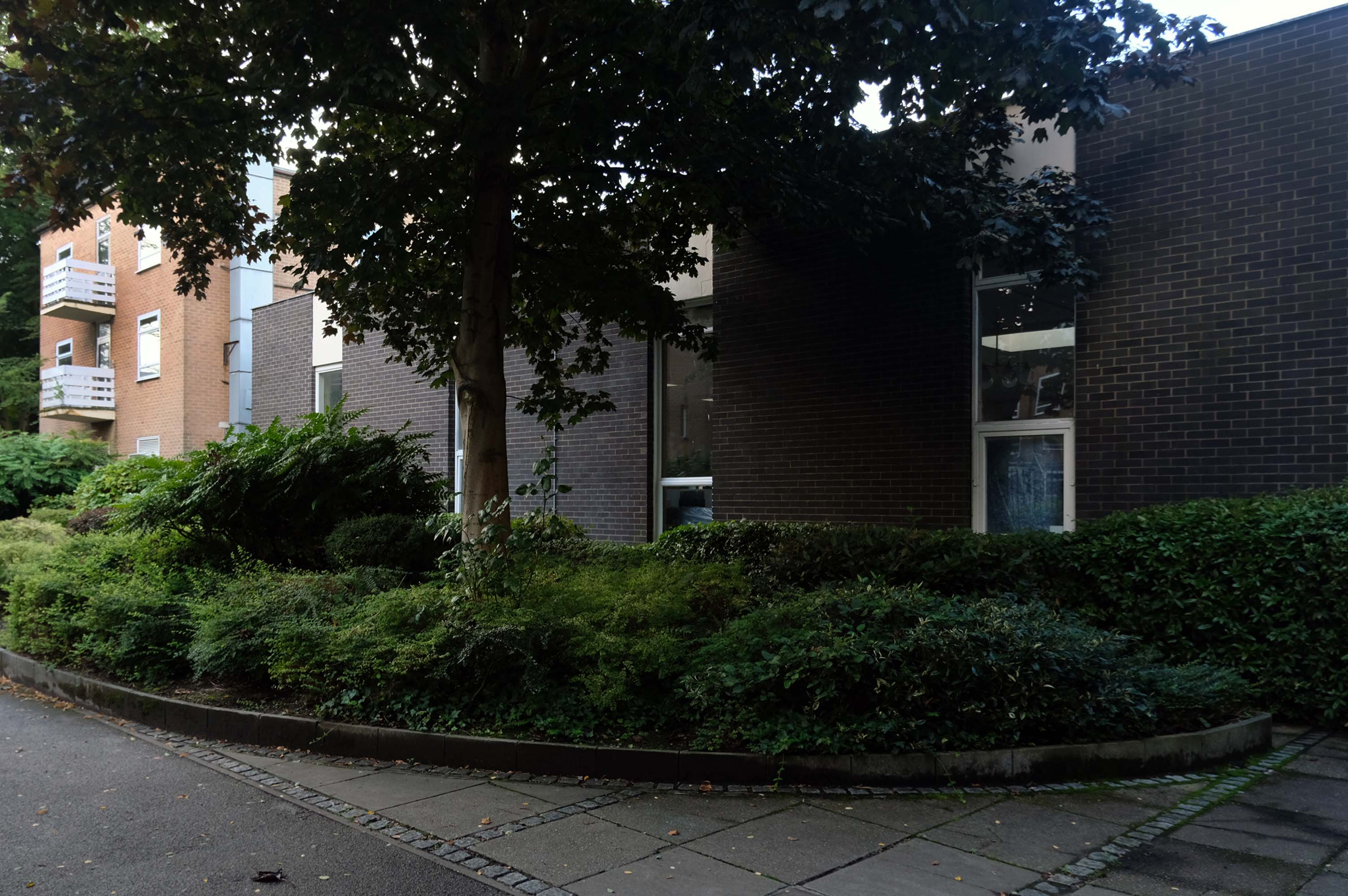
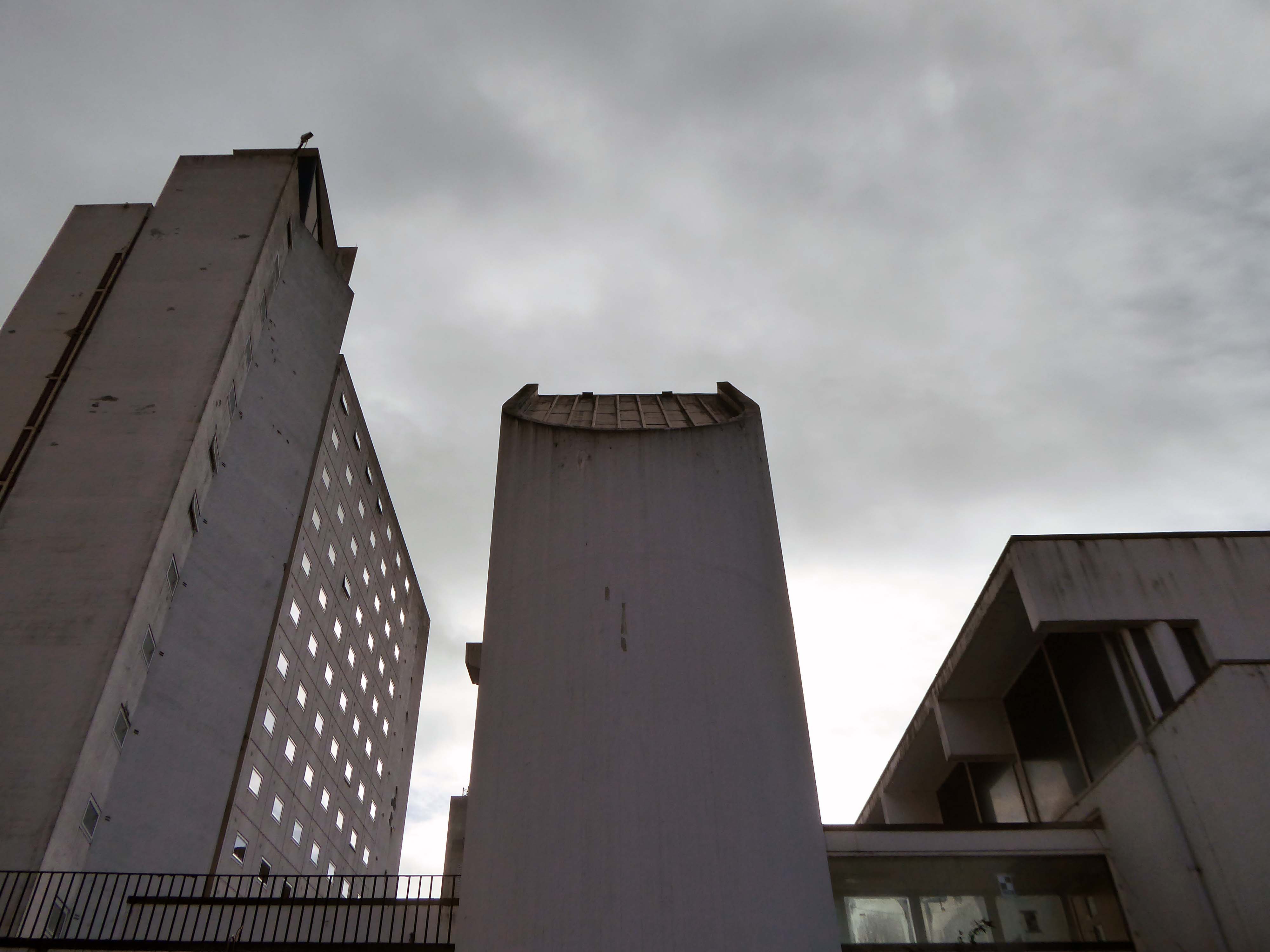
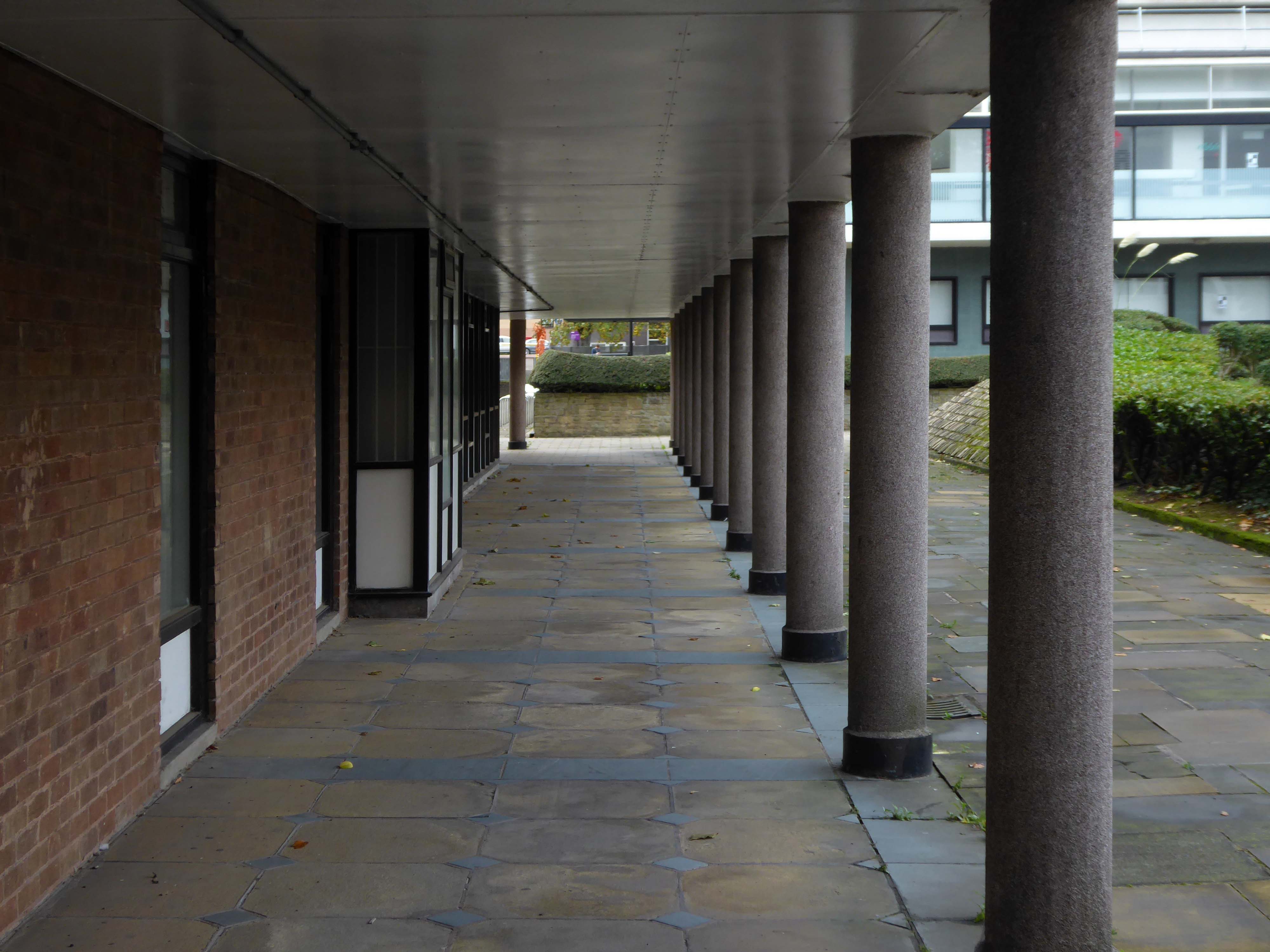
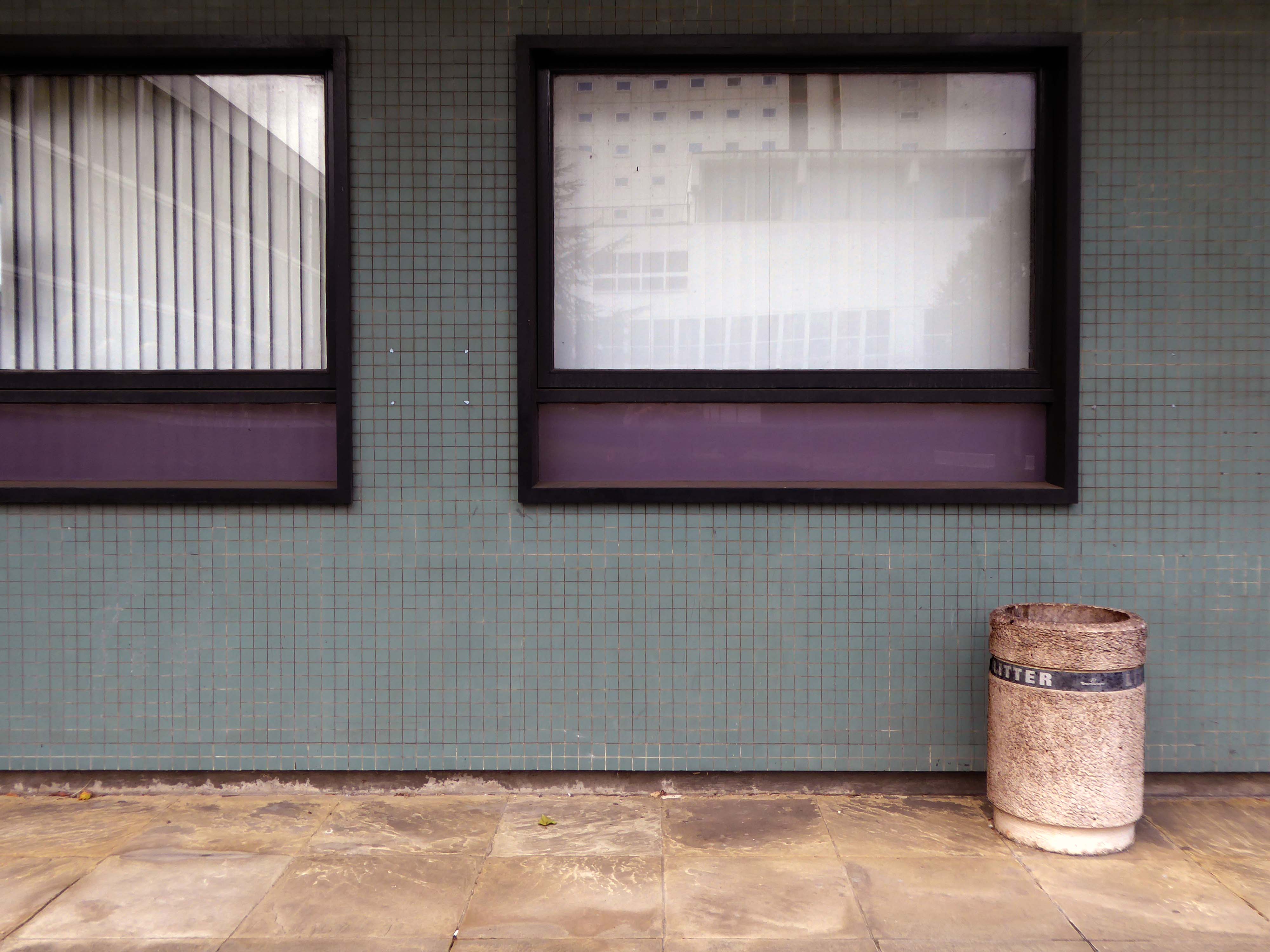
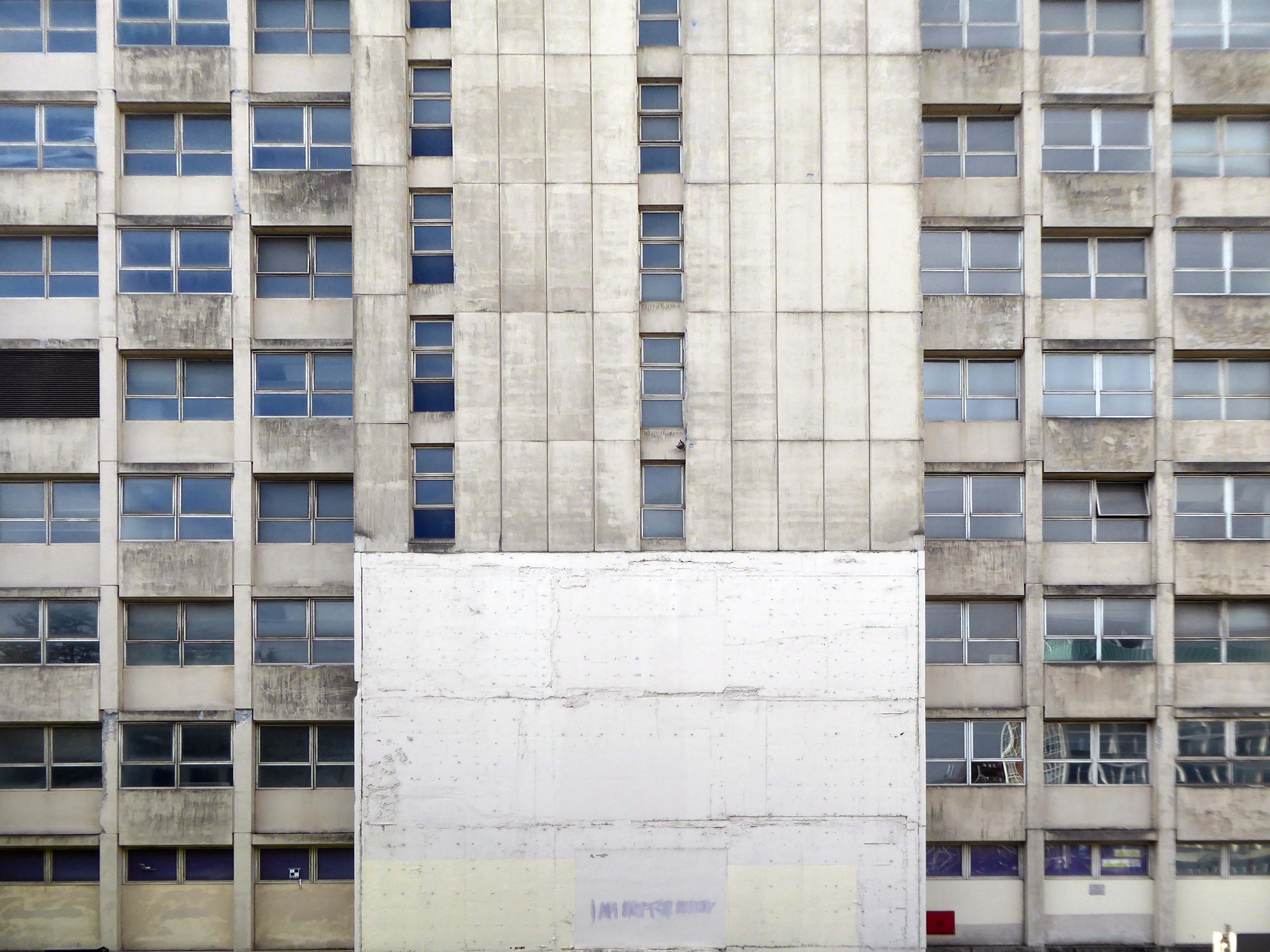
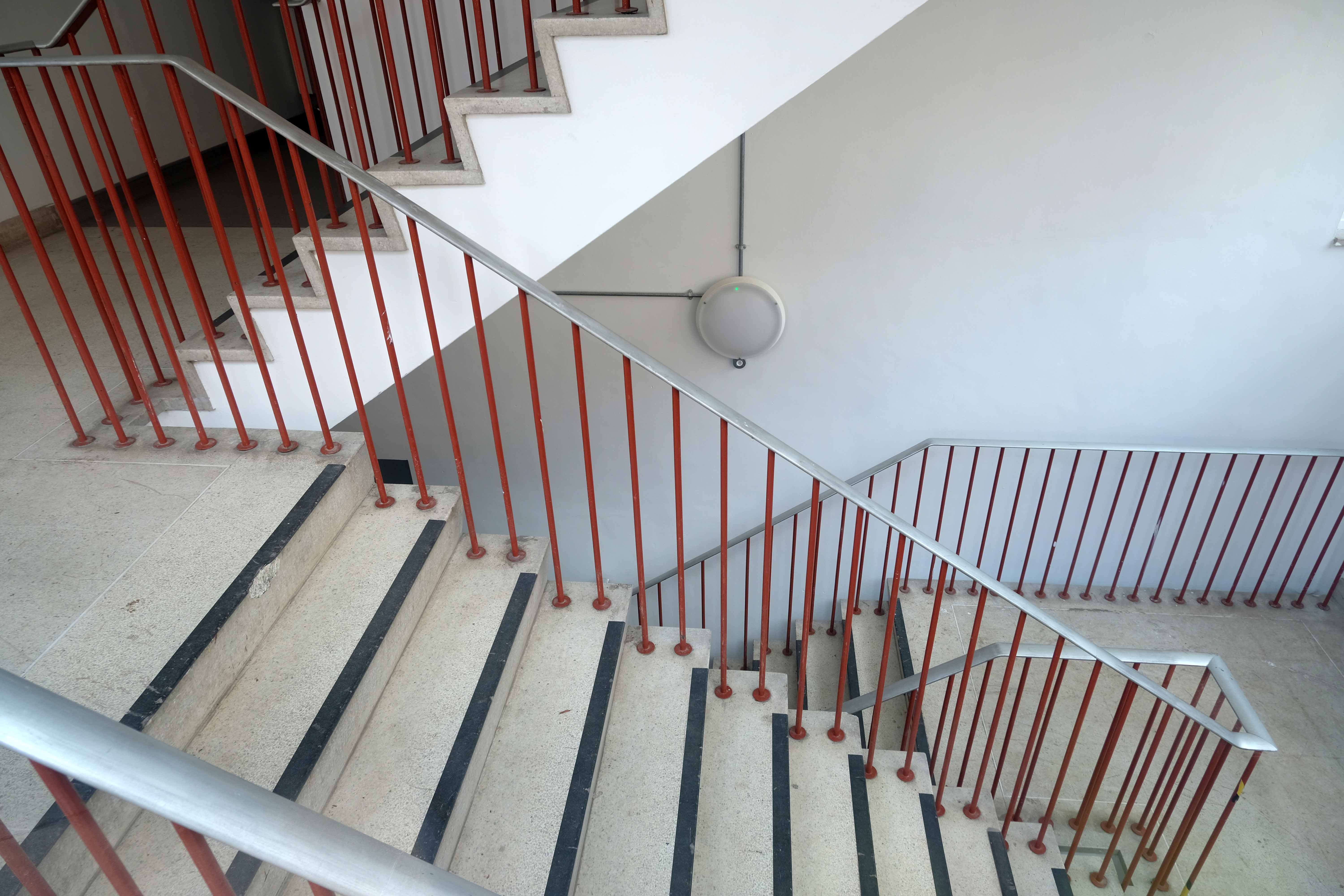
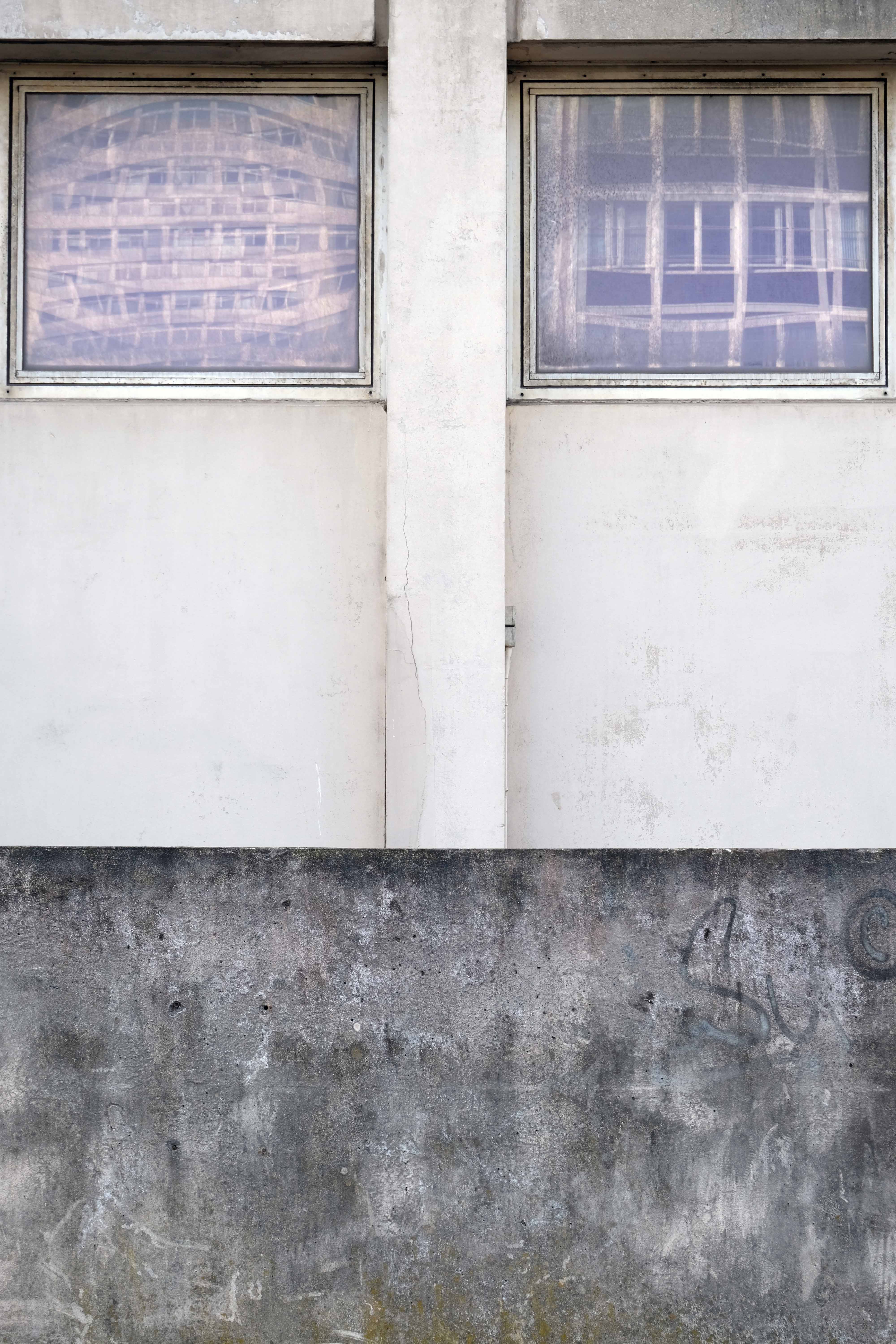
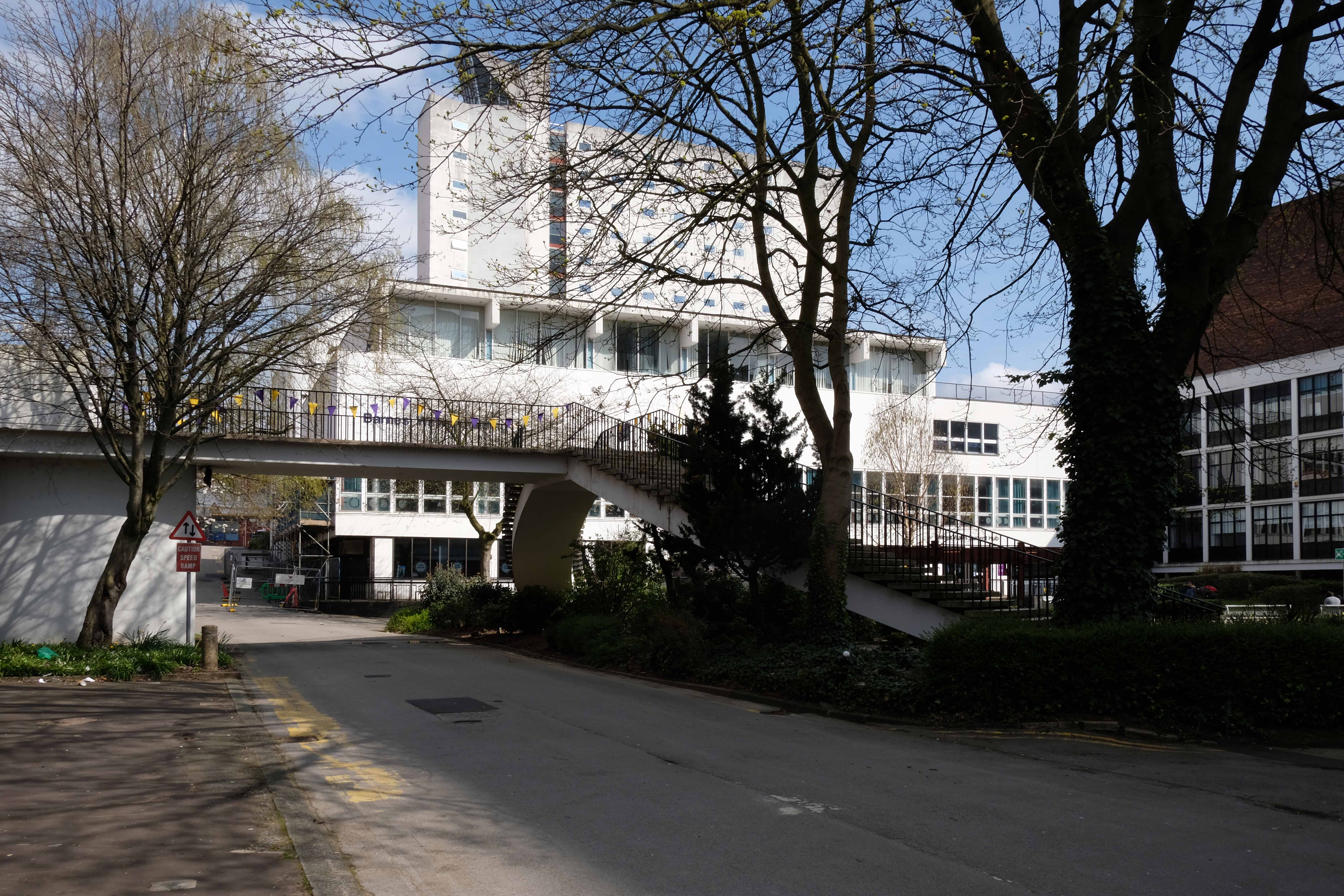
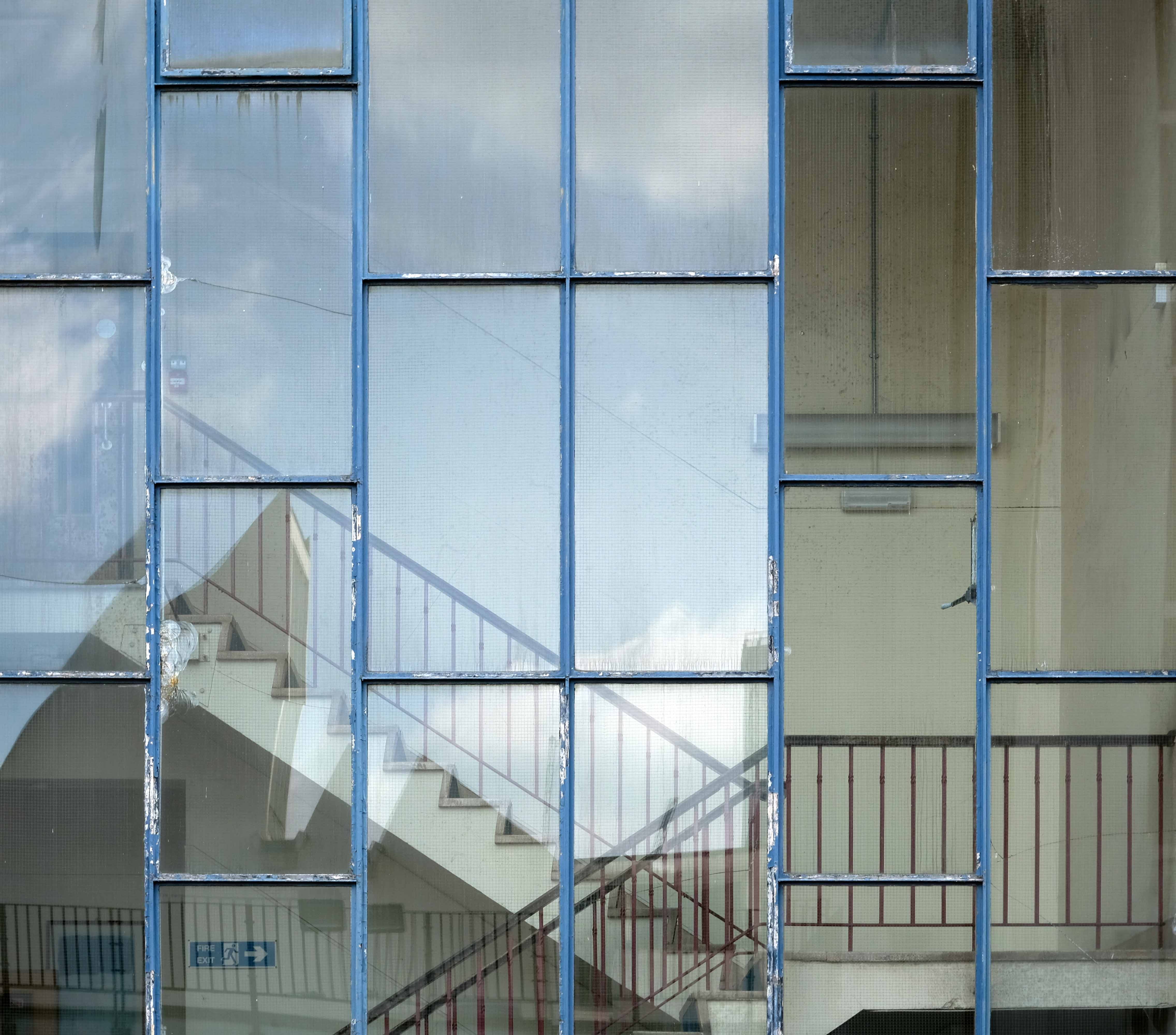
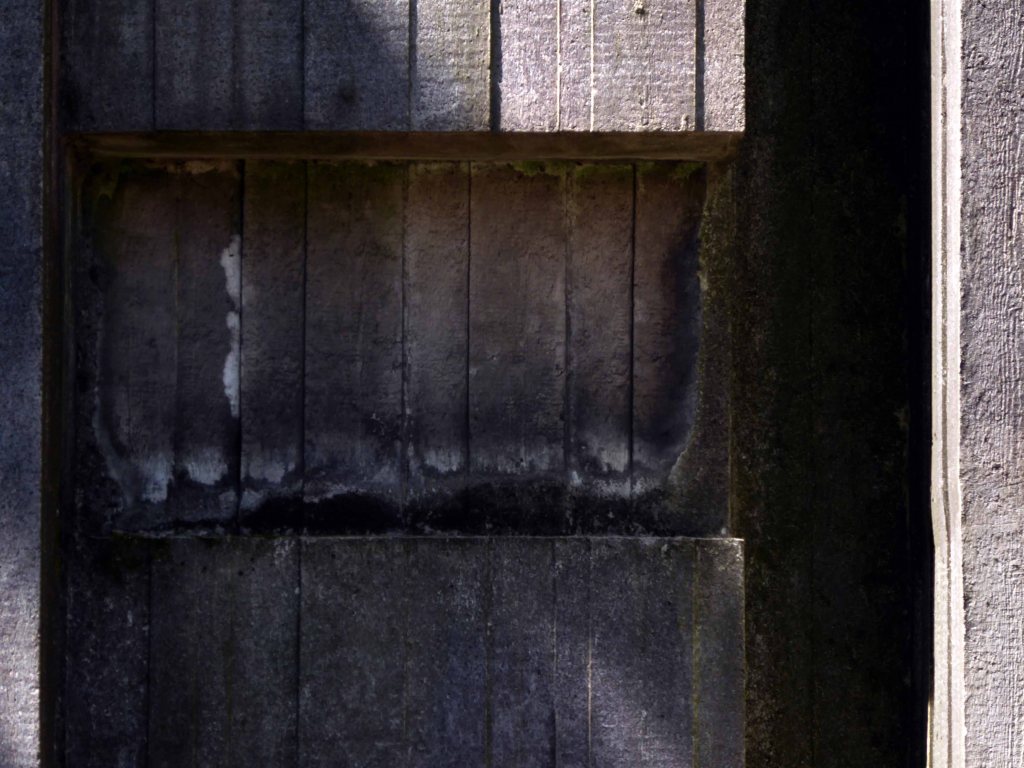
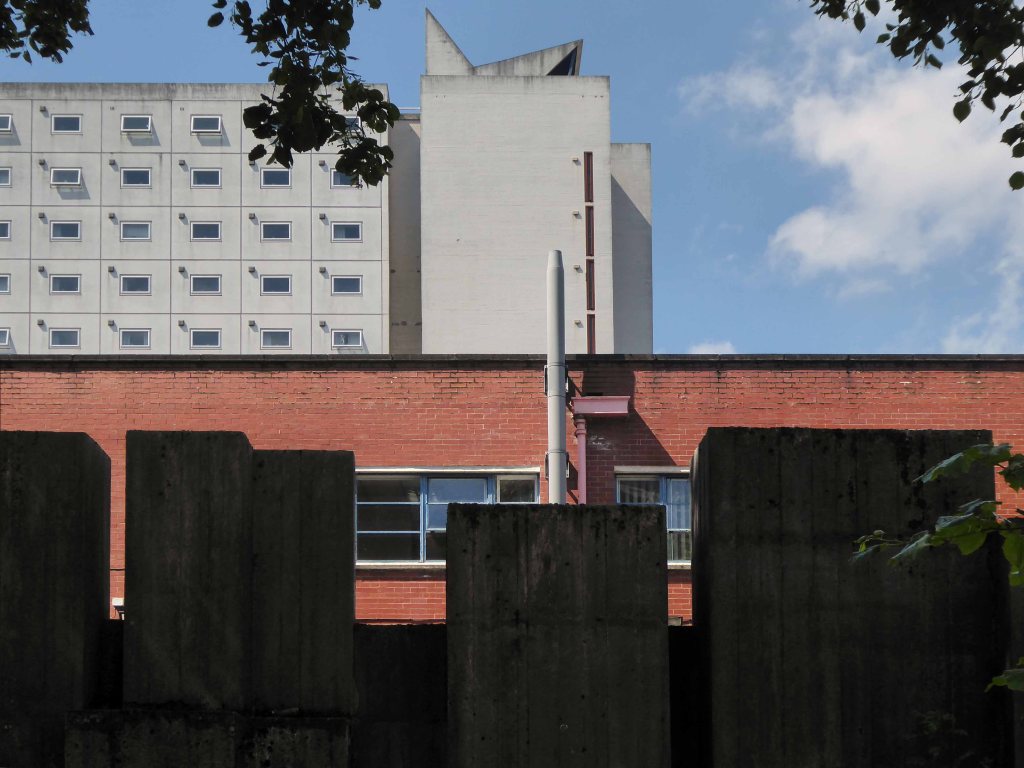
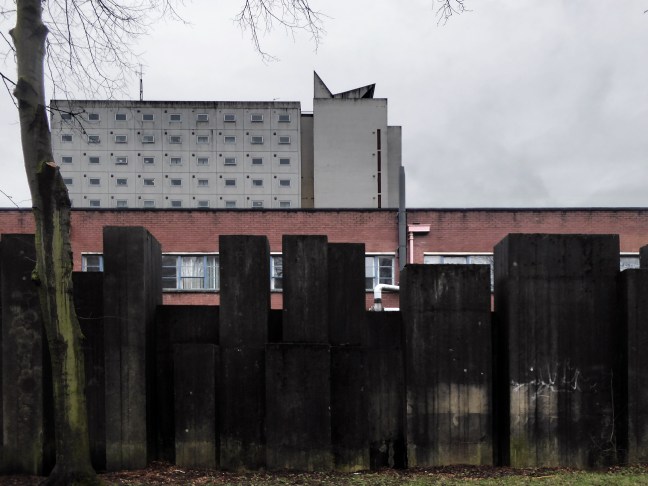
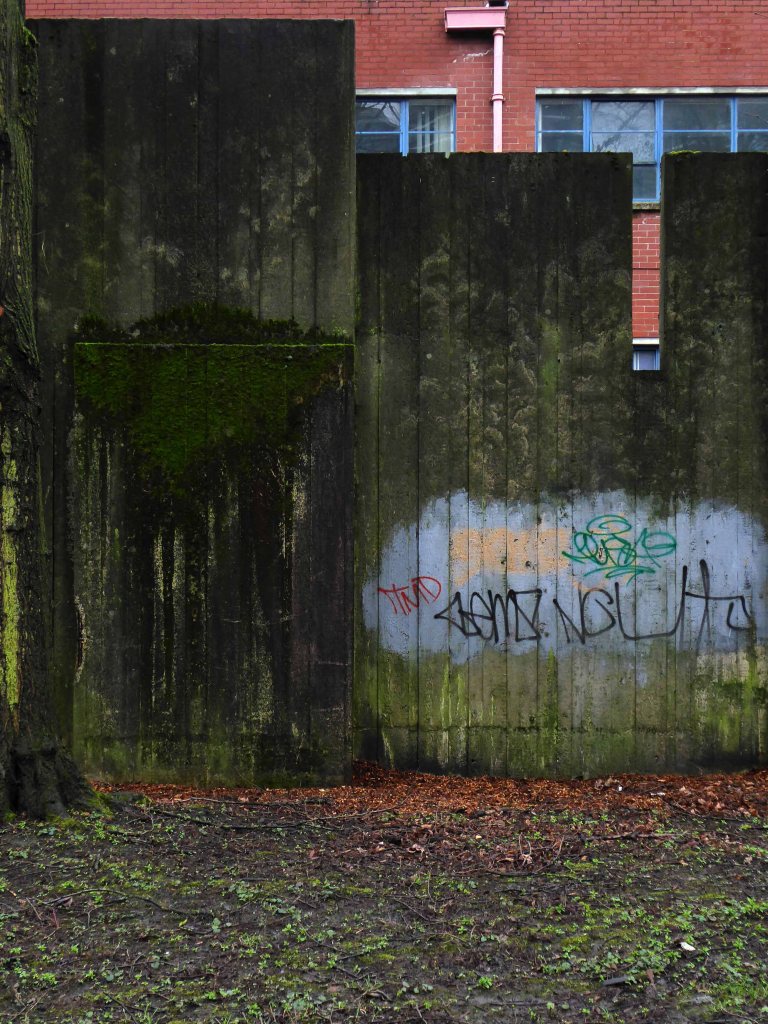
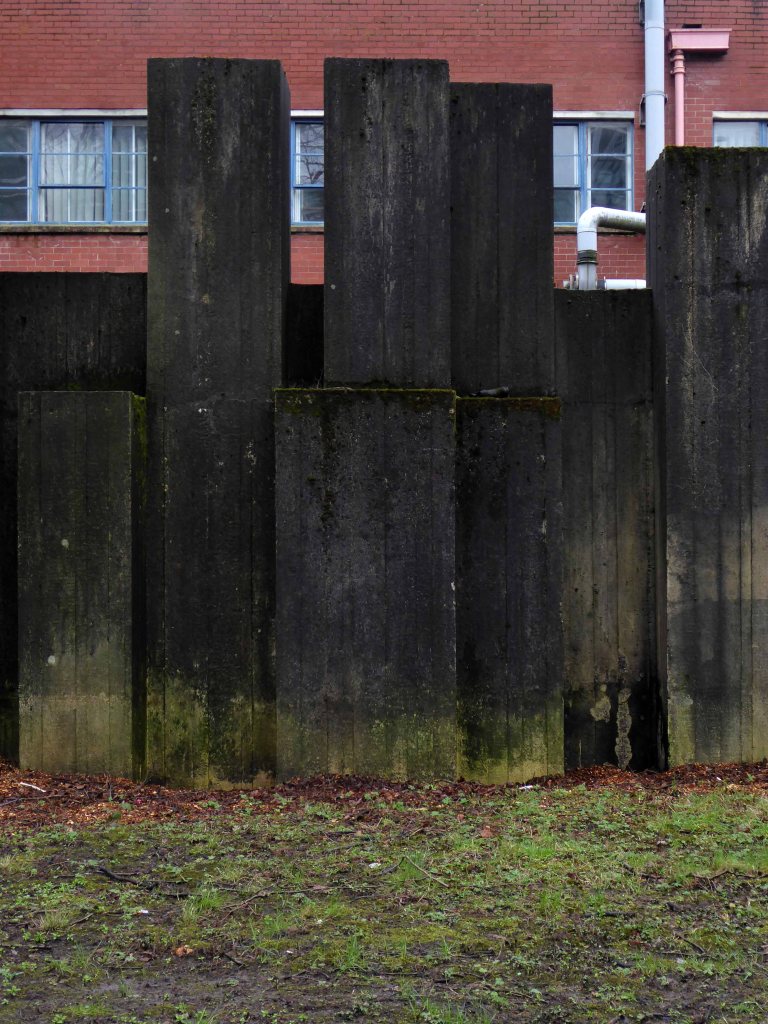
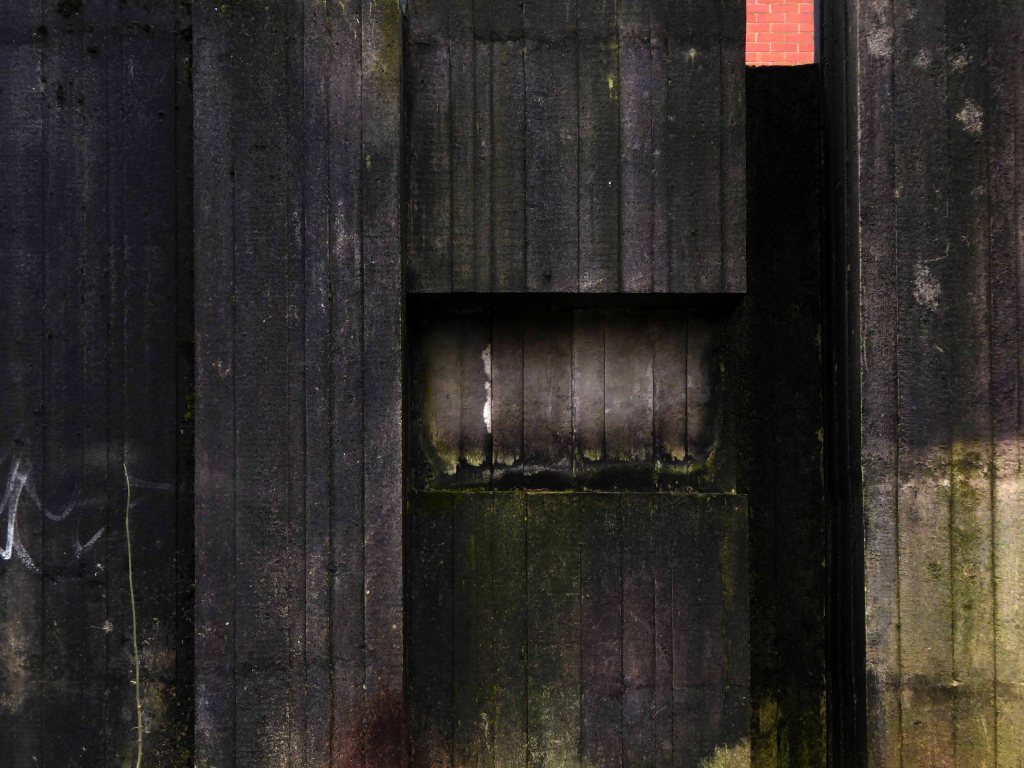
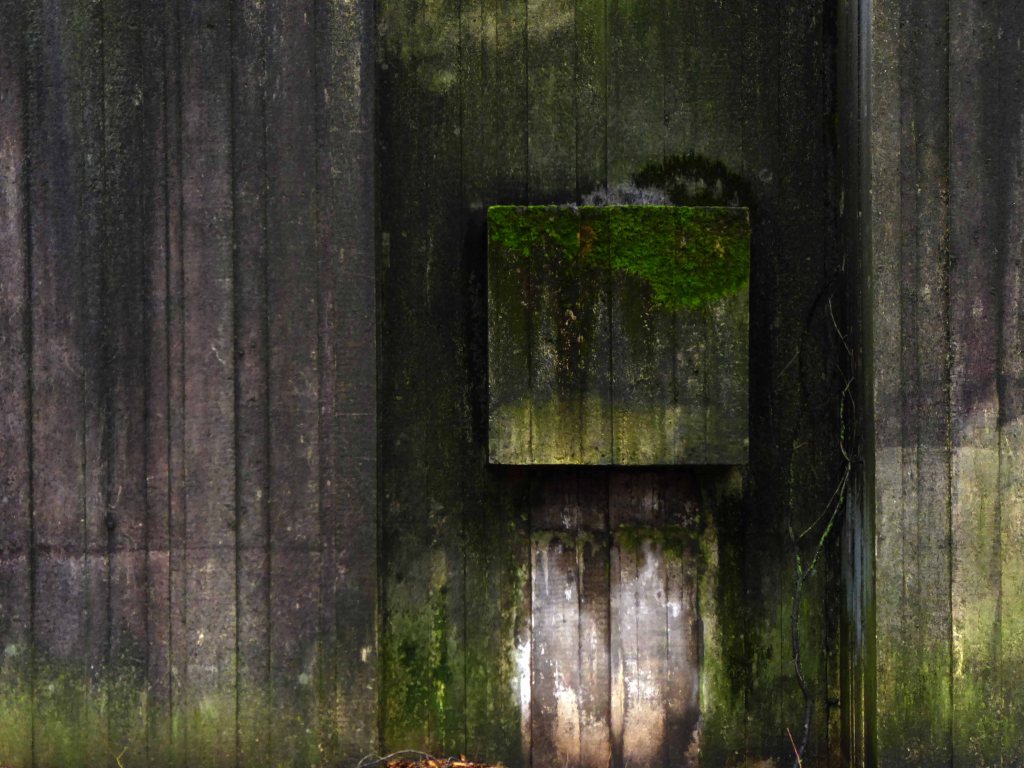
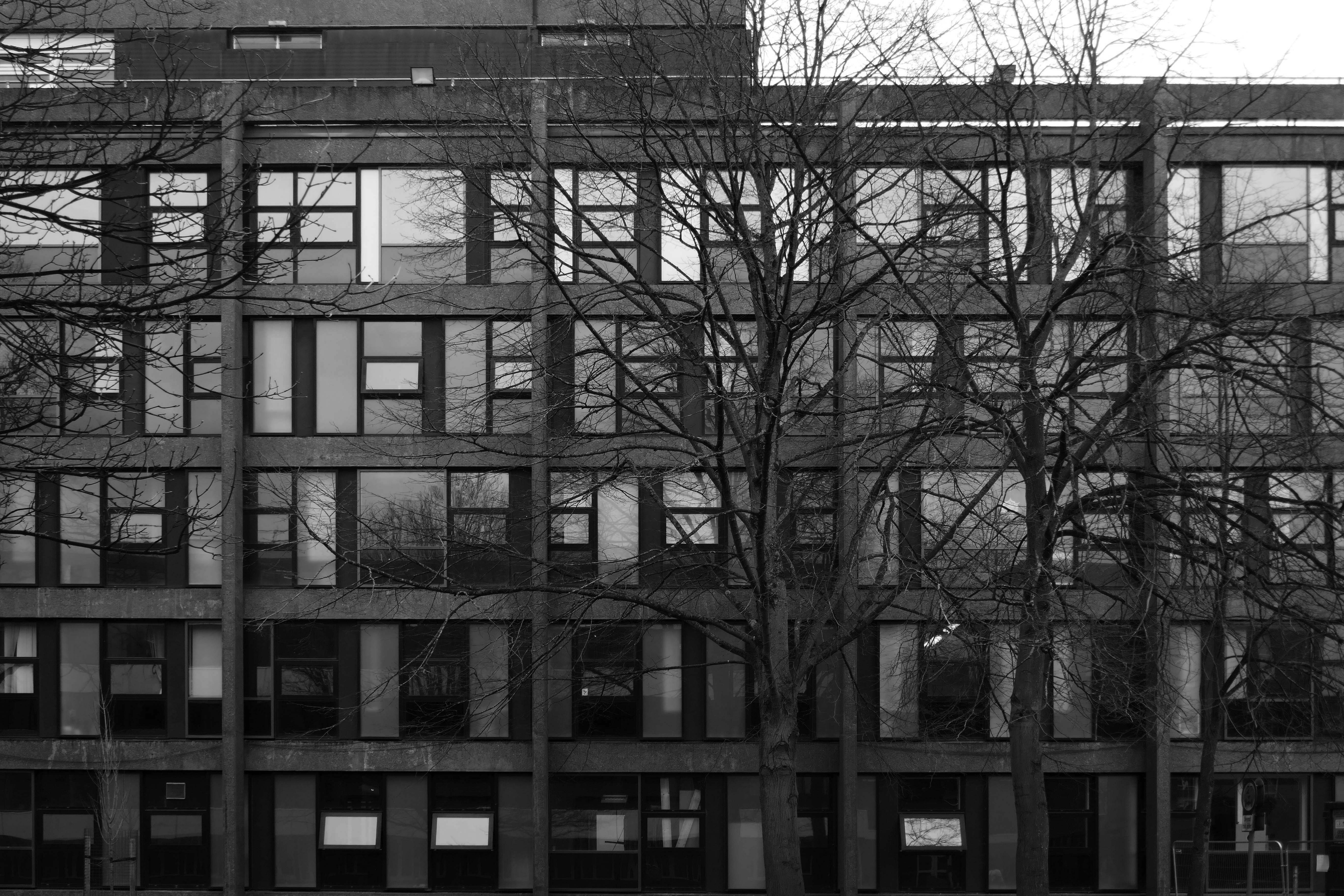
I wandered around, pale painted rectangular reliefs abutting darker rectangular reliefs. Strict window grids at a variety of heights. Warmer rounder rounded reliefs to the east, contrasting with their orthogonal cousins. A surprising courtyard contains a diminutive but charming concrete sculpture and an almost hidden exterior spiral stairway.

Sometimes it pays to get almost lost.