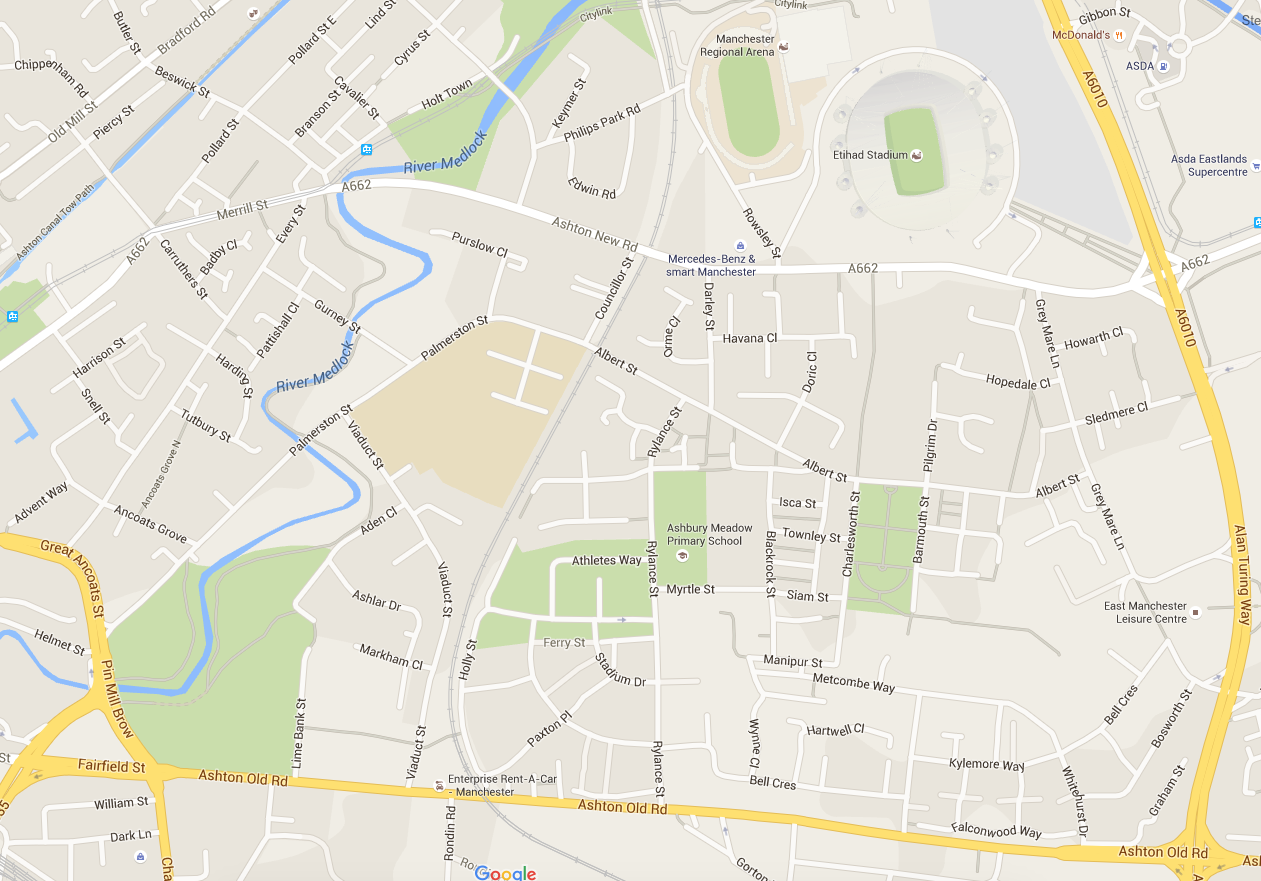
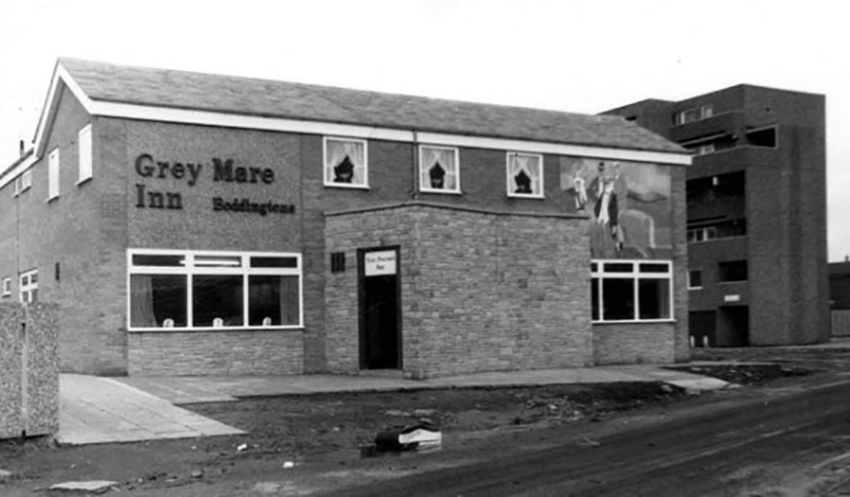
Beswick is a small district located on the east side of Manchester bounded by Ashton Old Road, Ashton New Road and Grey Mare Lane and was incorporated into Manchester in 1838. Pronounced Bes-ick the “w” is silent. Before 1066, in Saxon times, the district was called Beaces Hlaw – Hlaw was an old word for a small hill, often used as a burial mound. By the 13th century it had changed to “Beaces Wic” indicating that the area was predominantly farm land. Who or what the Bes element of the placename signified is open to interpretation, though the simplest and most plausible is that it belonged to a person called Bes or Bess.
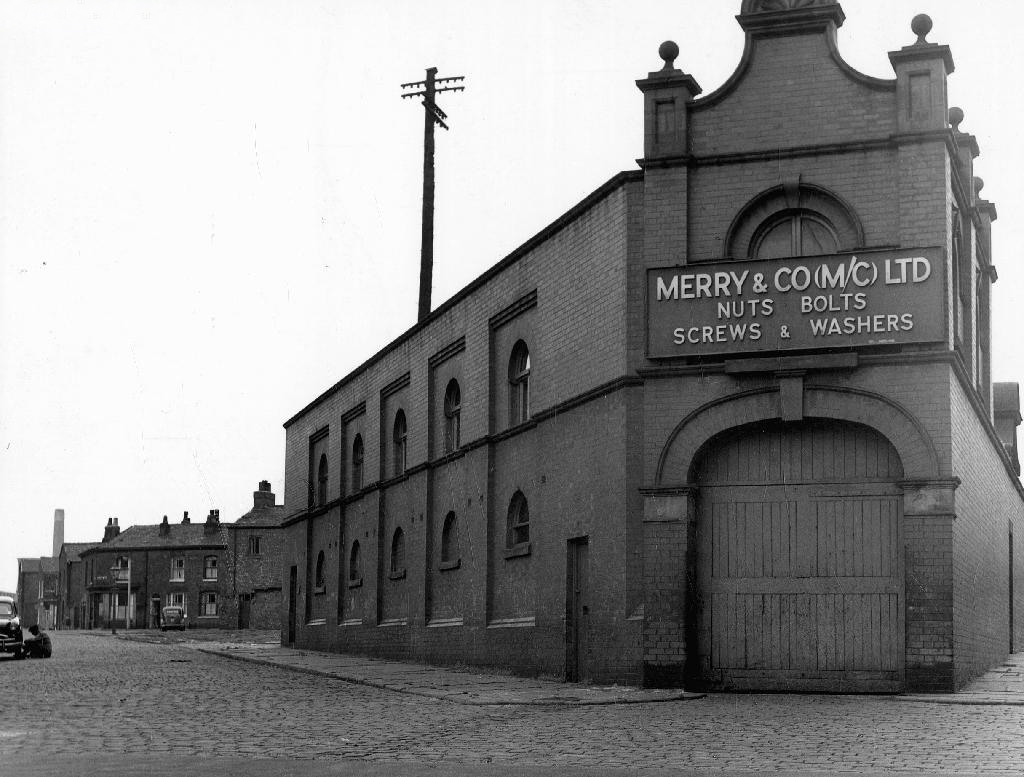
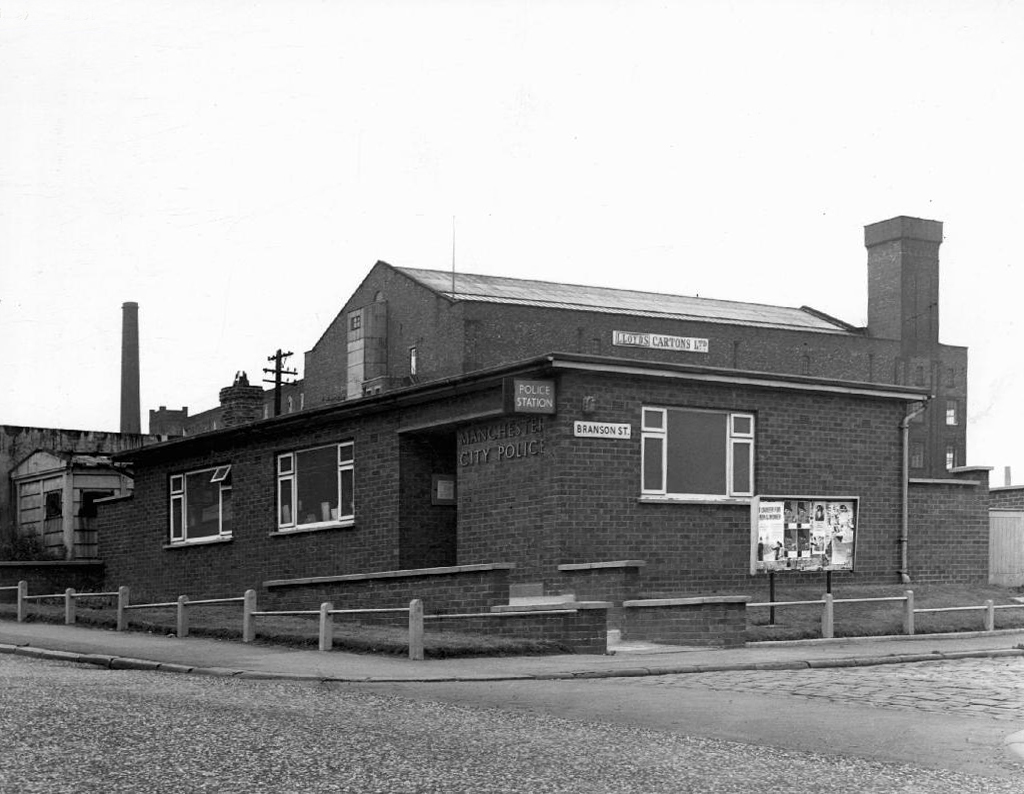
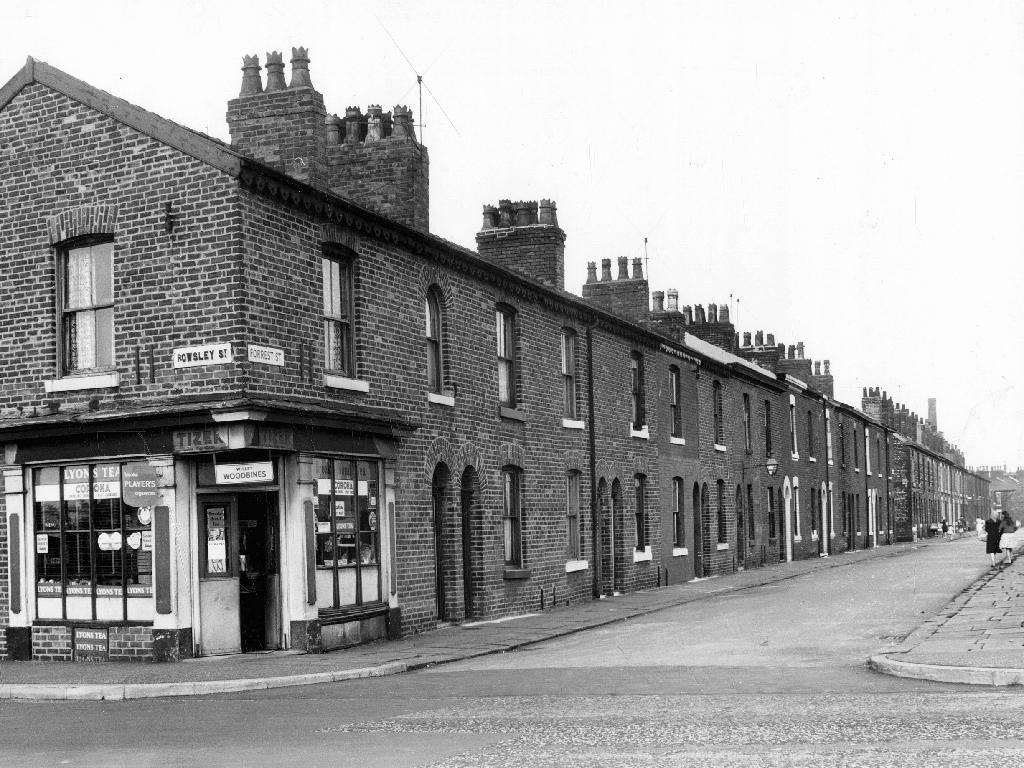
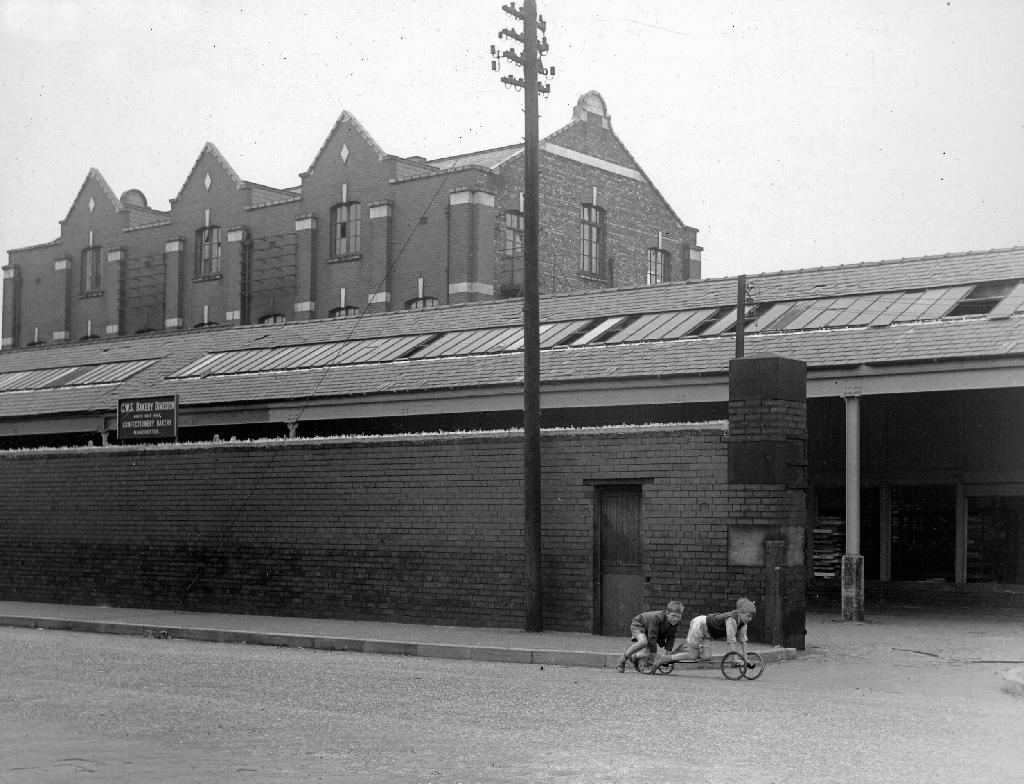
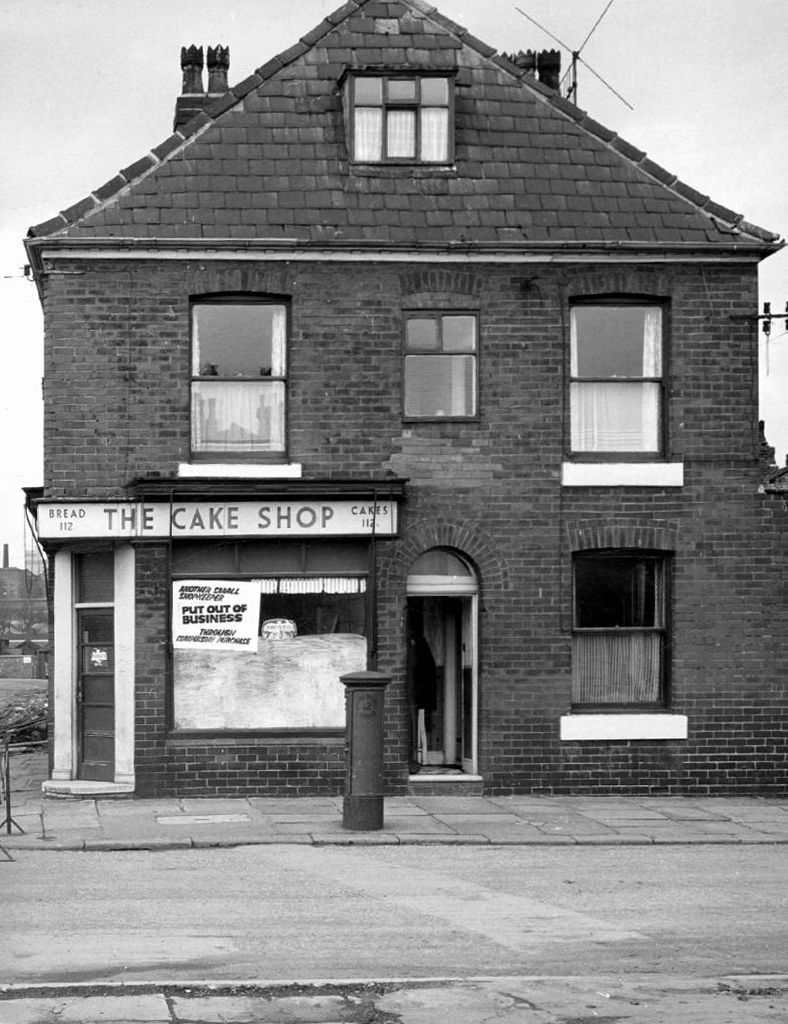
In the 60s it was, as I remember it, a typically vibrant mixed East Manchester community, industry, housing, retail, entertainment and goodness knows what bumping along together incautiously, down tight streets of Victorian terraced housing. I worked in the area as a Mother’s Pride van lad, hauling bread, cakes and galvanised trays in and out of a plethora of superabundant corner shops.
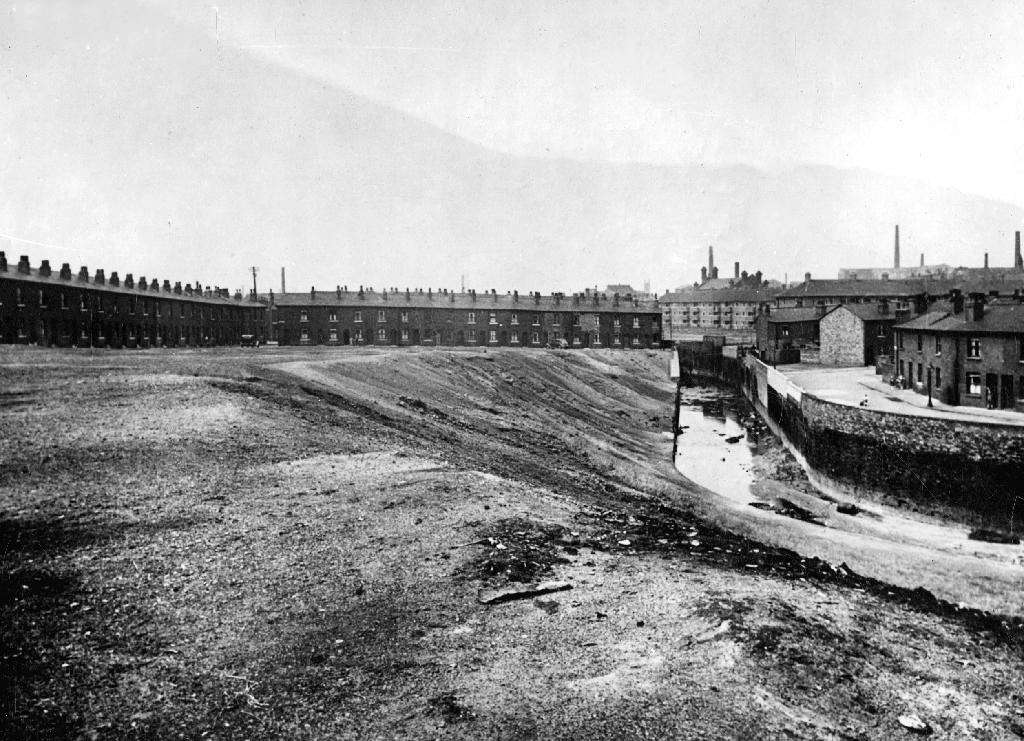
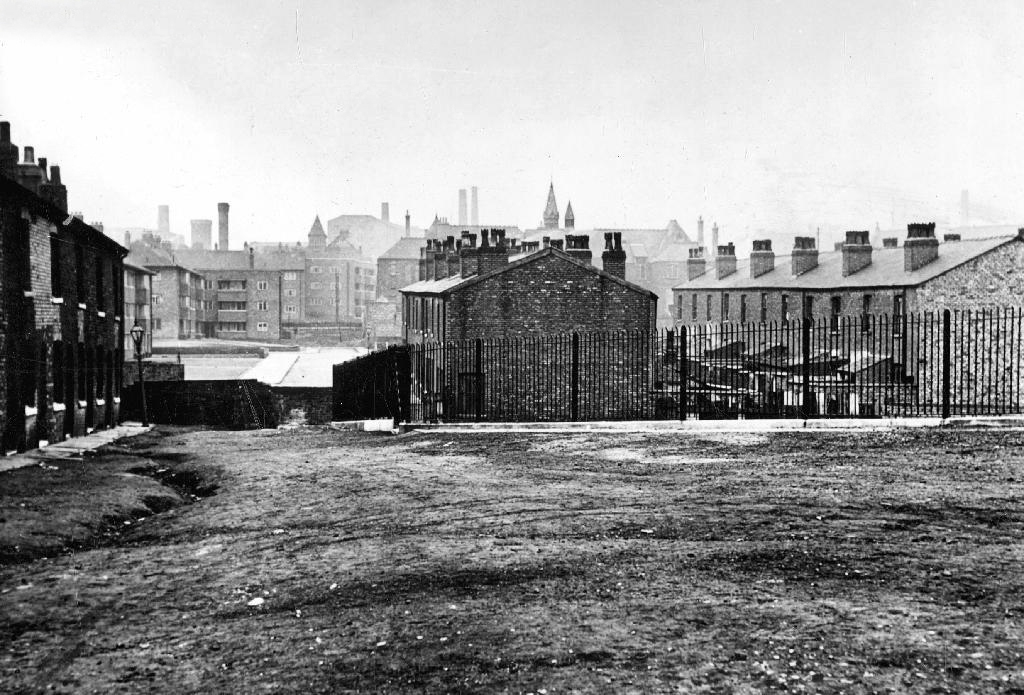
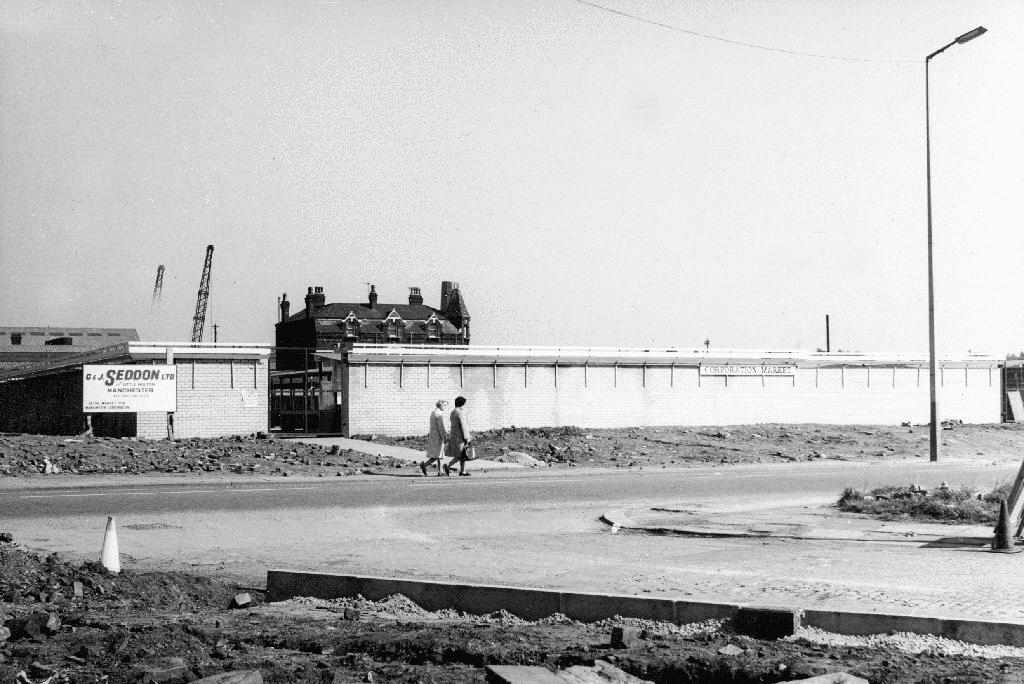
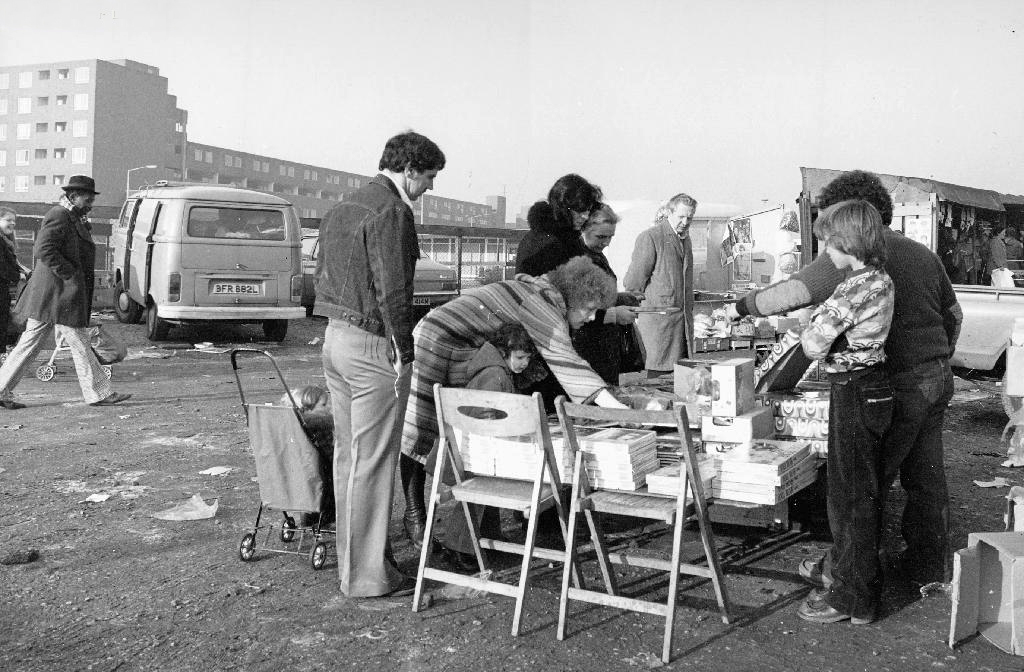
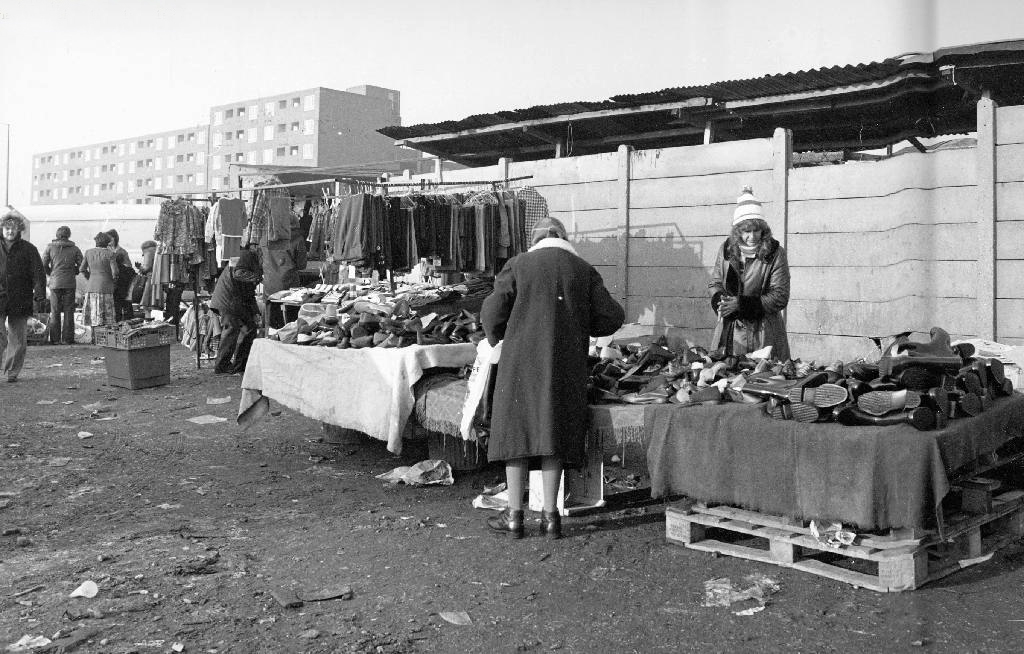
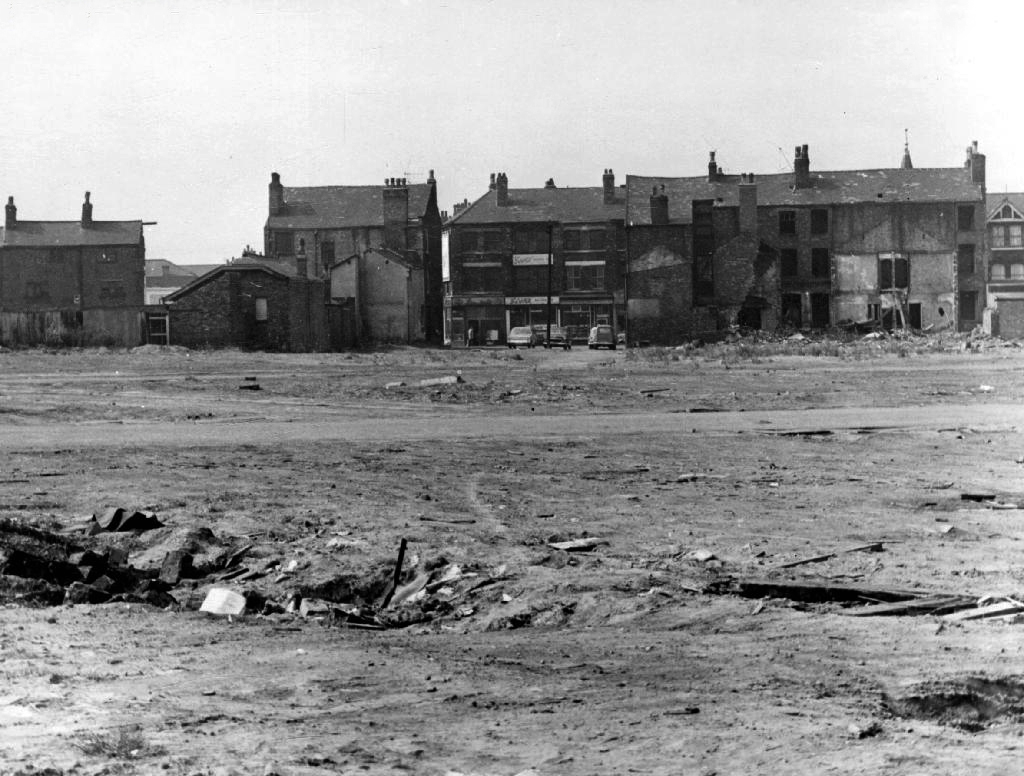
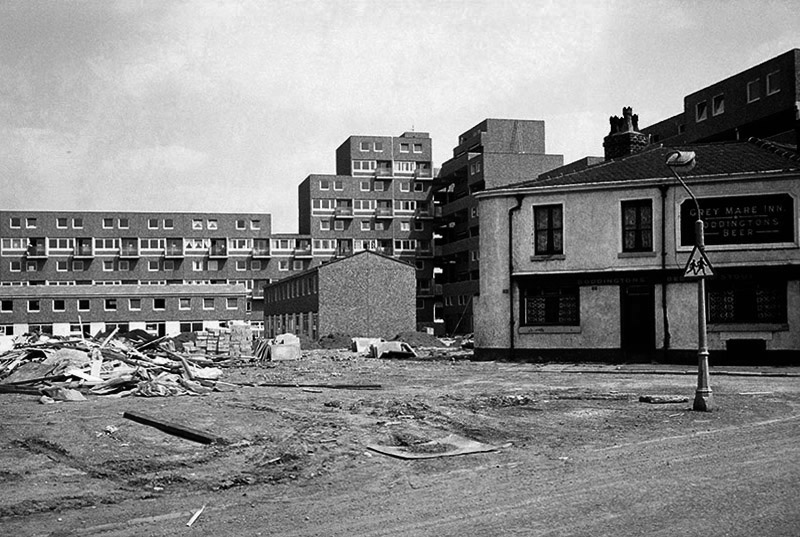
The year of 1970, approximately, dawns, ushering in a decade of great change, slum clearance and the building of brand new homes – the end, by and large, of the back to back corner shop world.
10 years later, and long gone the years of postwar full employment, and the made round to go round world of the weekly wage.
The early 1980s saw growing unemployment and world-wide recession. The large new estates suffered most. Inner city districts of Manchester saw street riots in 1981, as did many other major cities around Britain. Manchester had suffered badly as a result of the recession. In 1986, over 59% of adult males living in Hulme were unemployed; in Miles Platting the figure was 46%; Cheetham Hill and Moss Side both had an unemployment rate of 44%. The main group of unemployed were young people under the age of 21. Hulme’s youth employment was recorded at 68%, and Cheetham Hill suffered 59%.
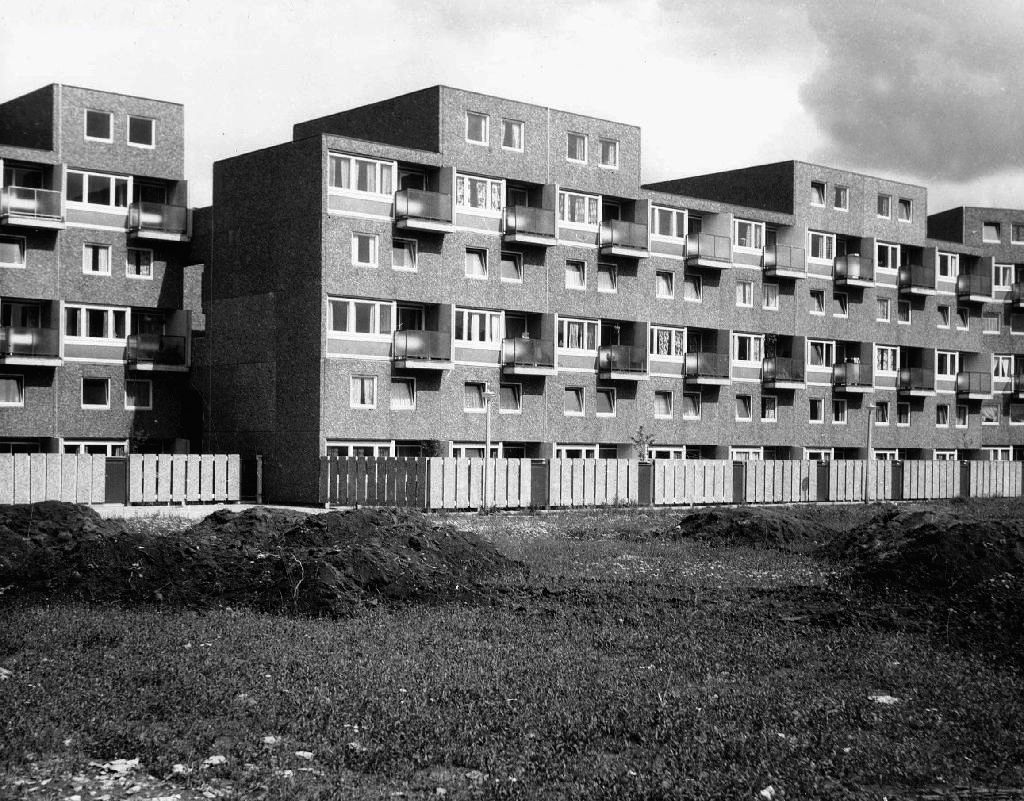
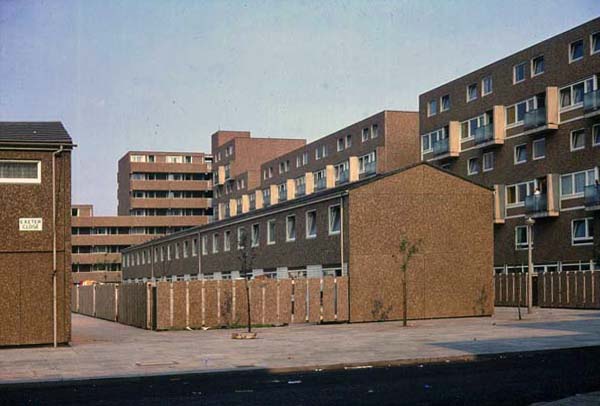
It is true that the new developments have great advantages in many ways over the terraces they replaced. Tenants who live in houses without baths or indoor sanitation and with no hot water are delighted to move into bright new flats and maisonettes, with indoor plumbing, with baths, and accommodation which has more rooms and far better kitchen facilities and central heating, even though they sometimes grumble at the cost of that central heating.
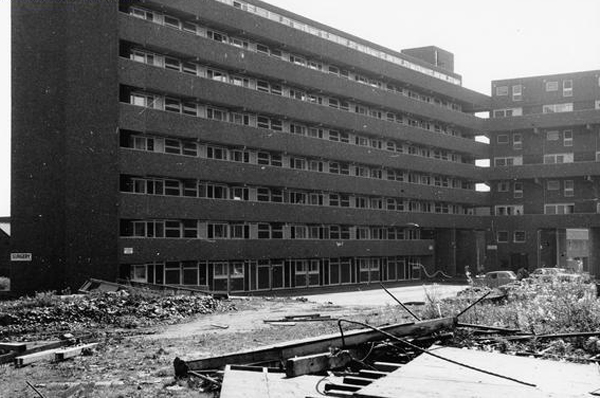
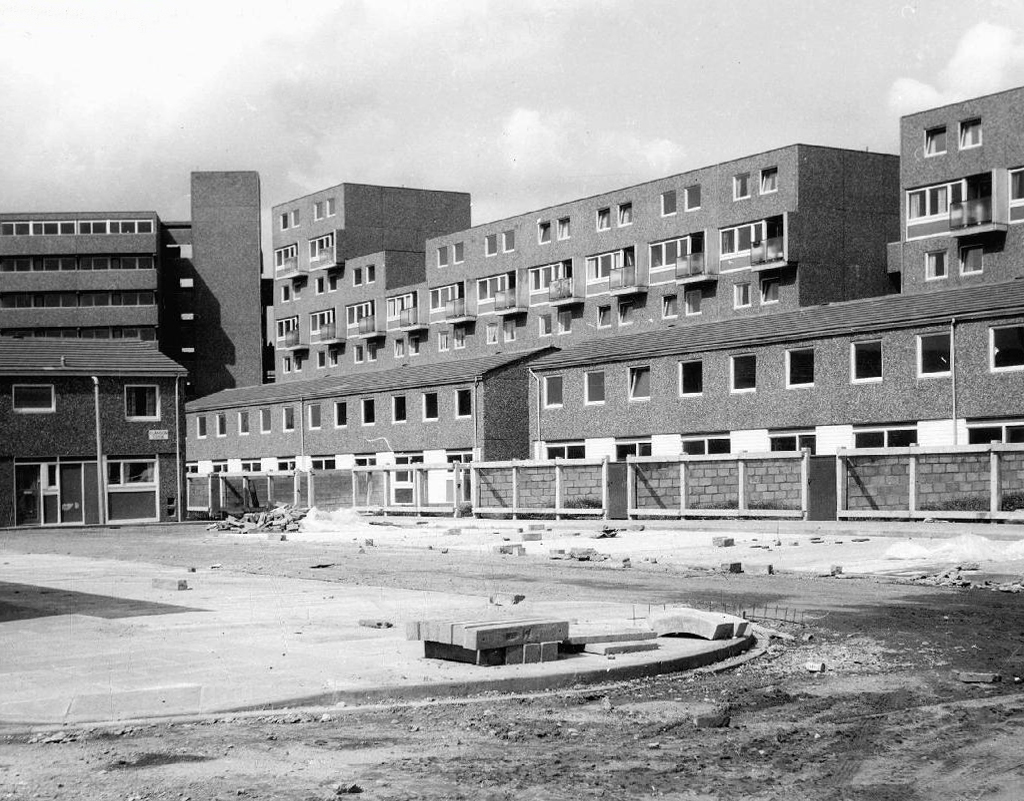
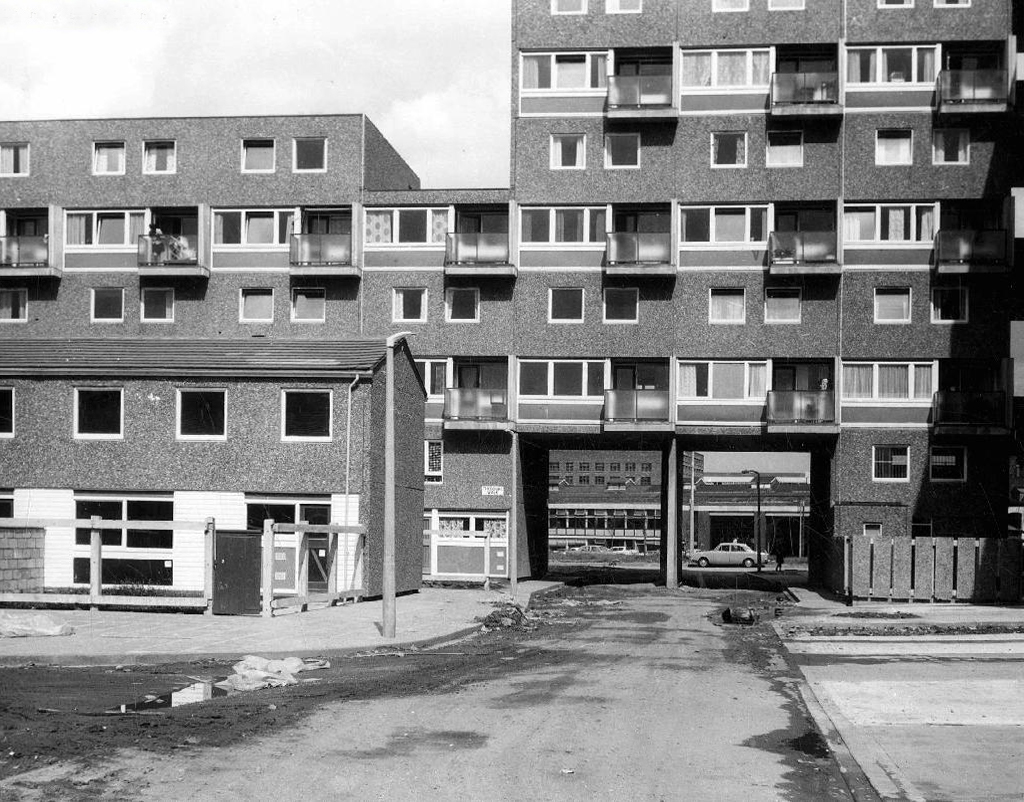
But although we can build a new housing development, we cannot easily recreate the warm community spirit which has vanished with the terraces which have been demolished. There is the noise from neighbours on the deck above and the deck below. The wind-swept balconies along which tenants have to walk are not as cosy as the streets from which they have come. Those welcoming corner shops, with their bright lights on winter evenings, have gone, and sometimes a new development has no new shops for too long a period. Even when they come, there are not enough of them.
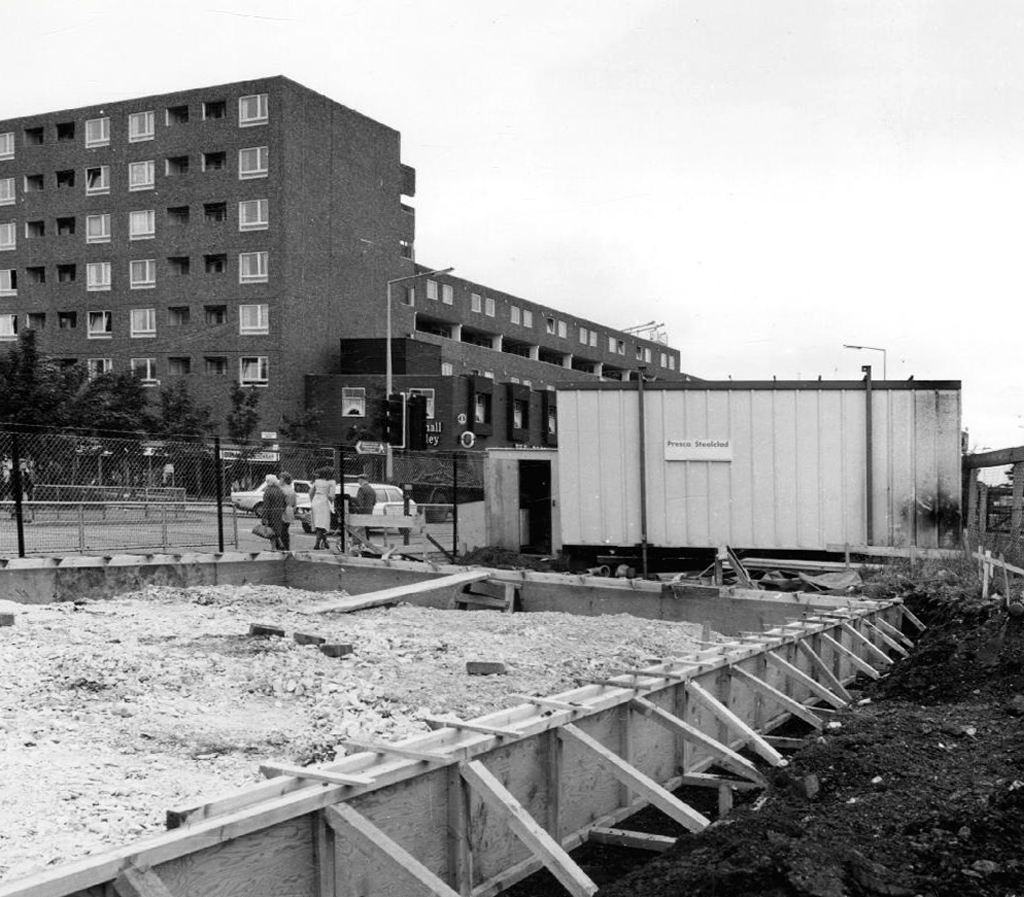
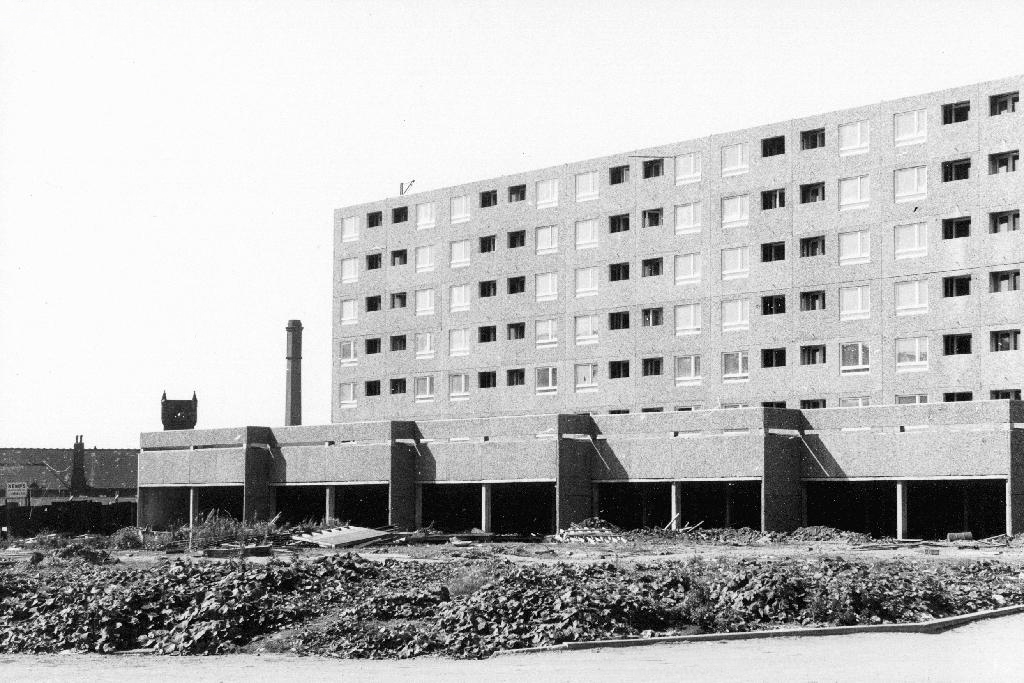
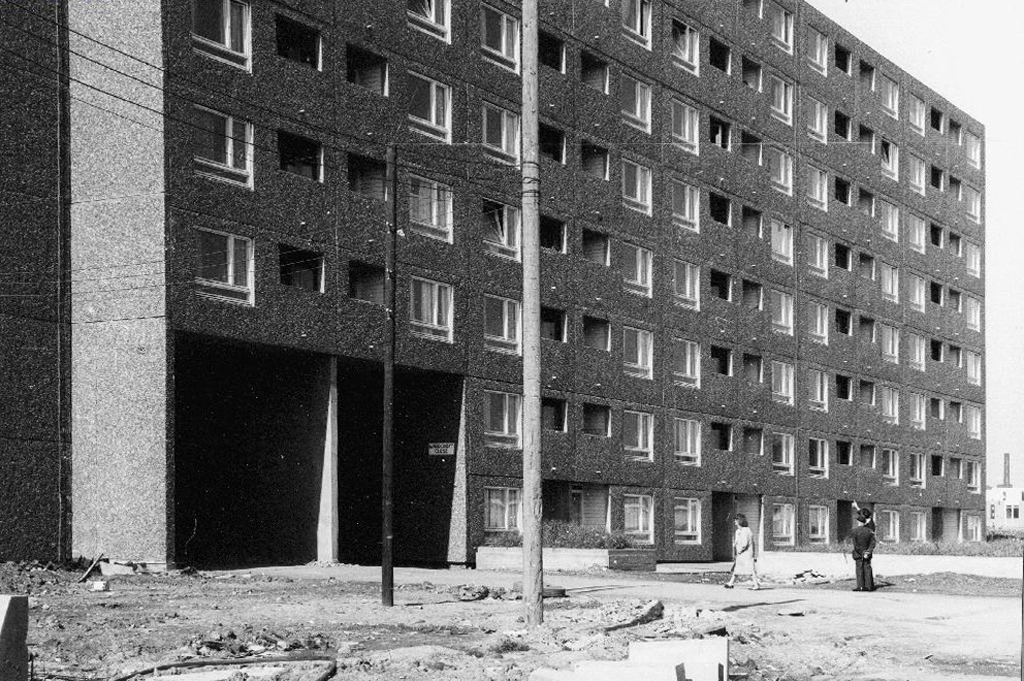
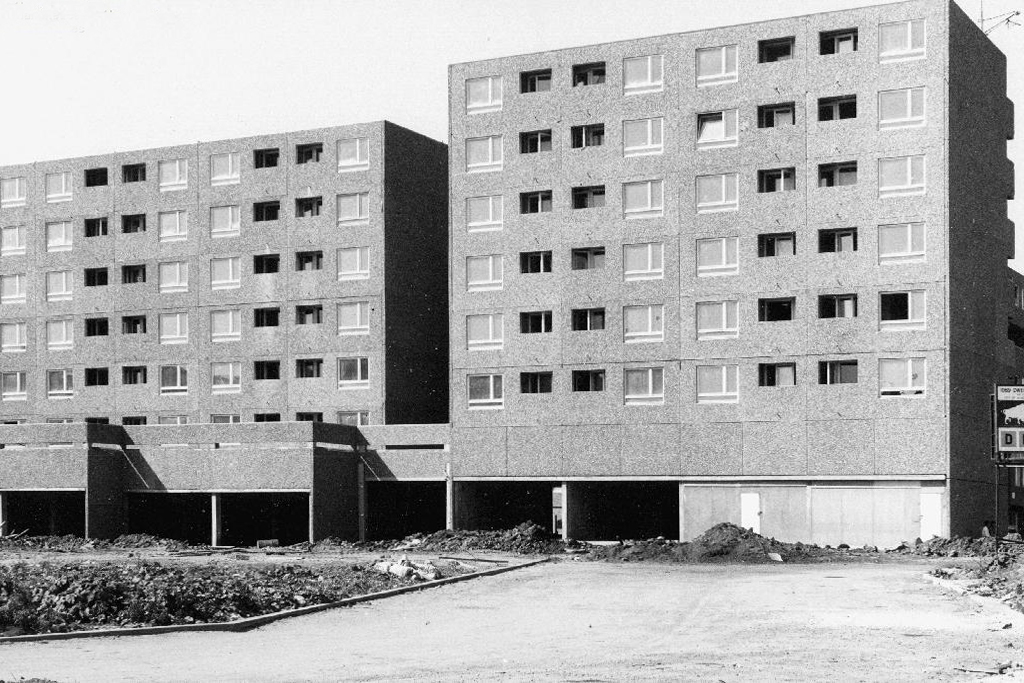
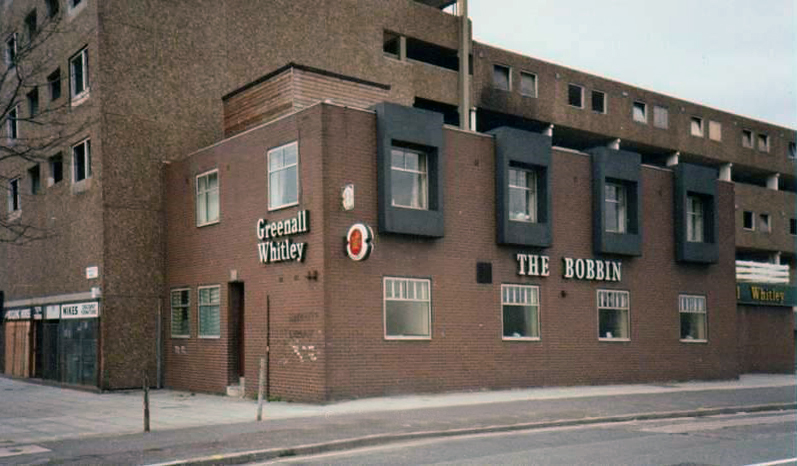
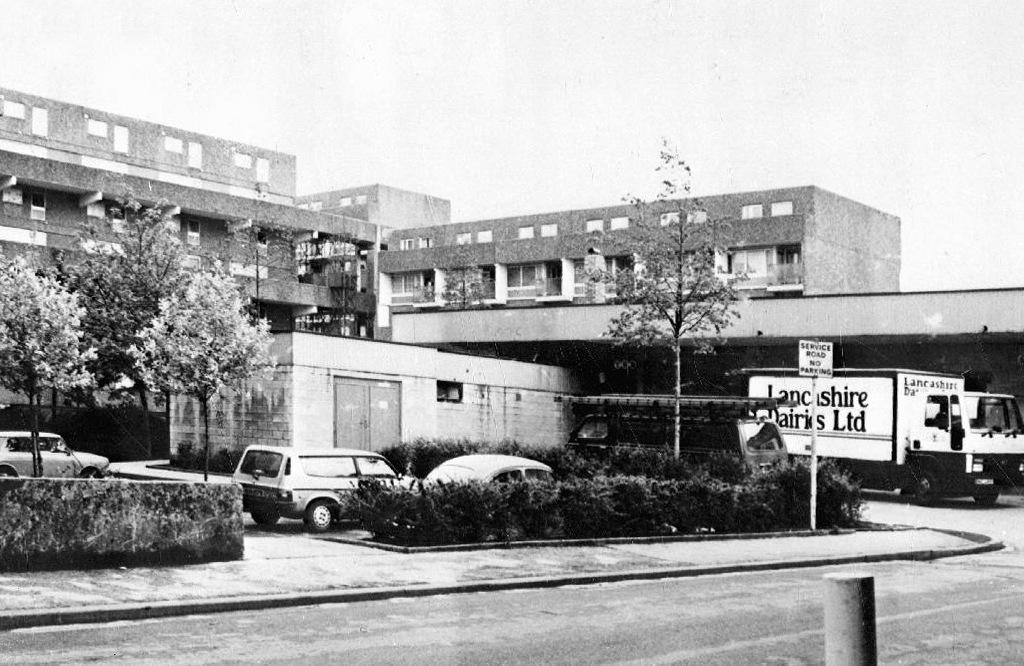
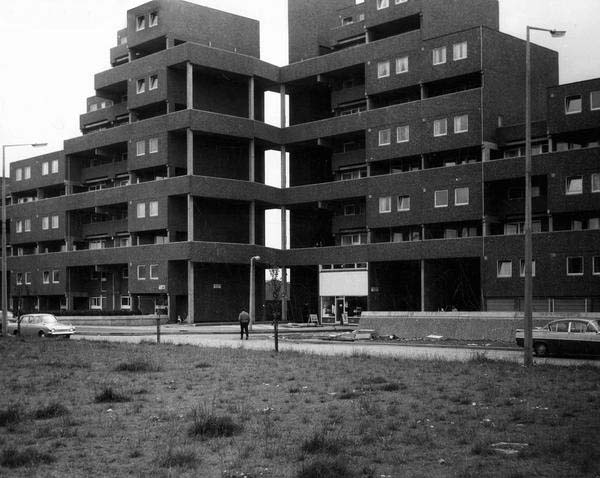
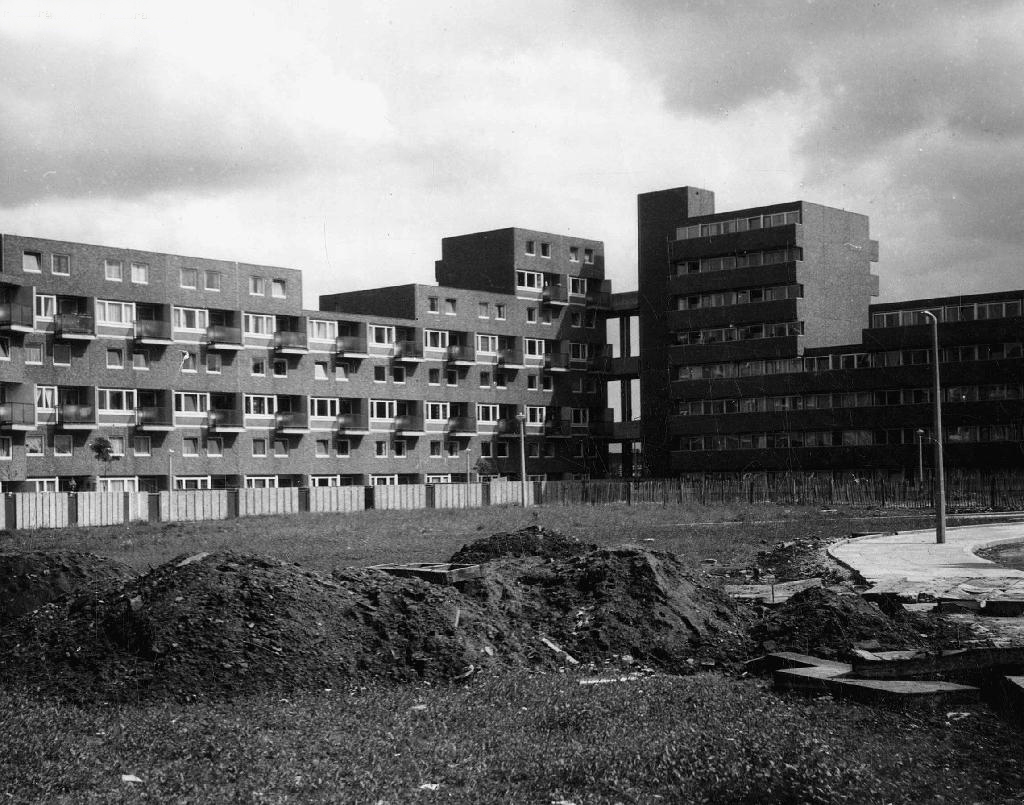
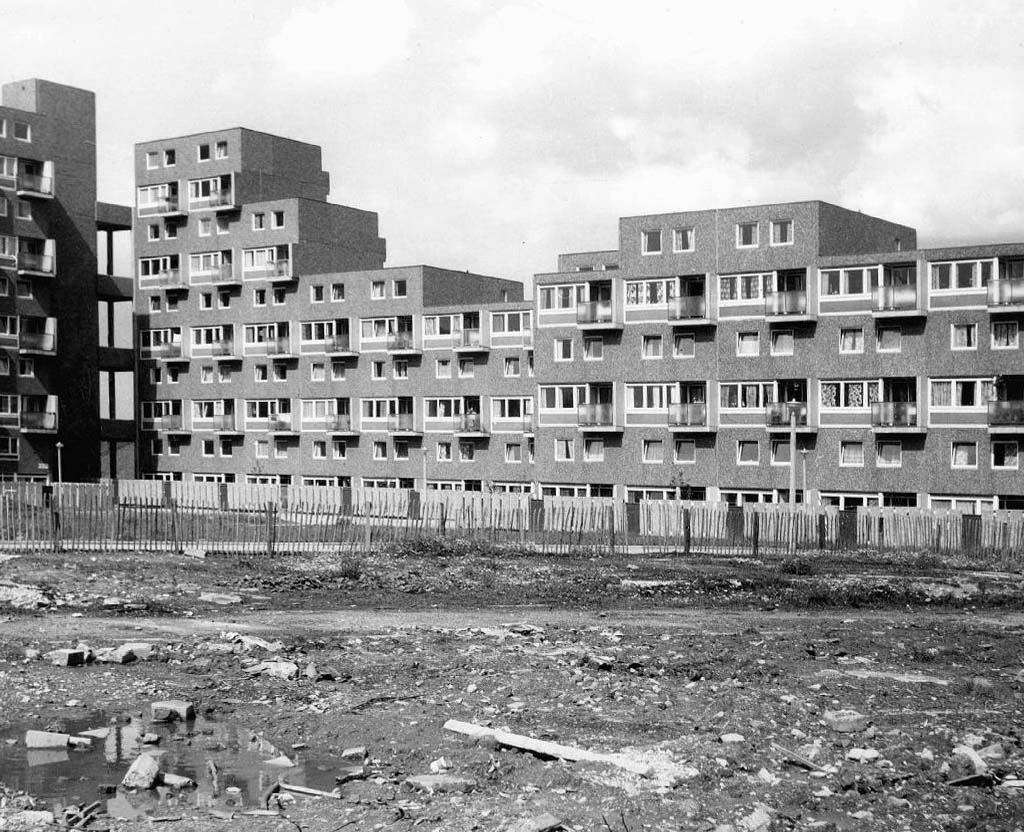
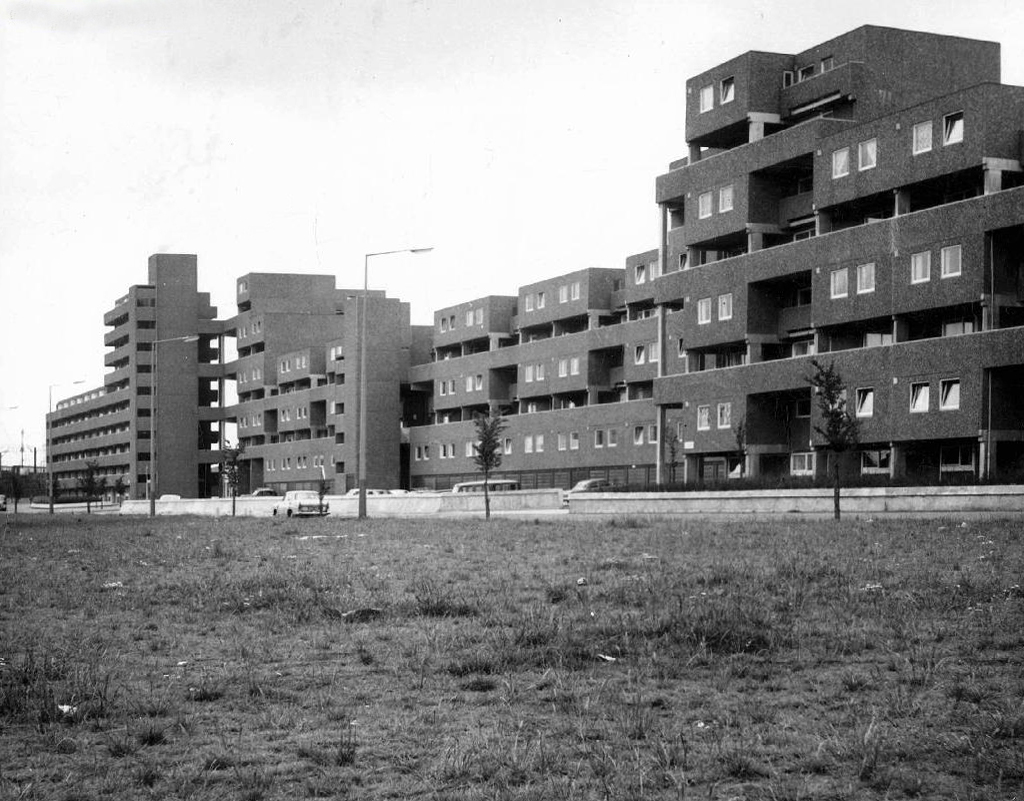
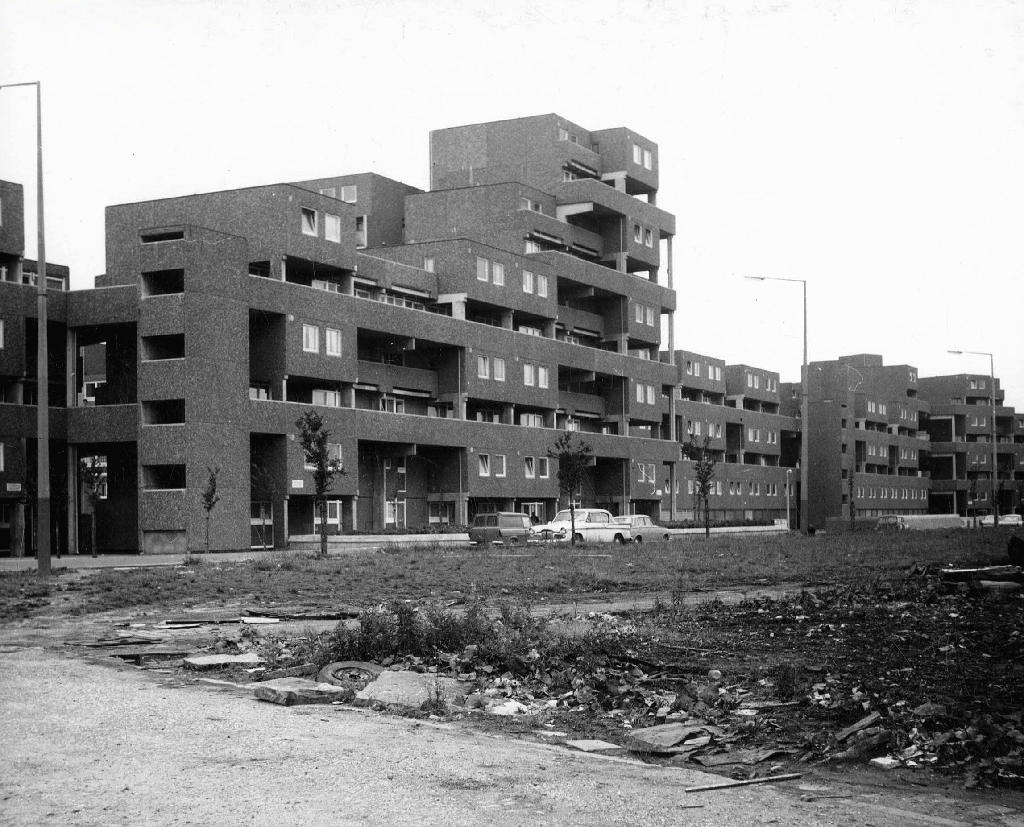
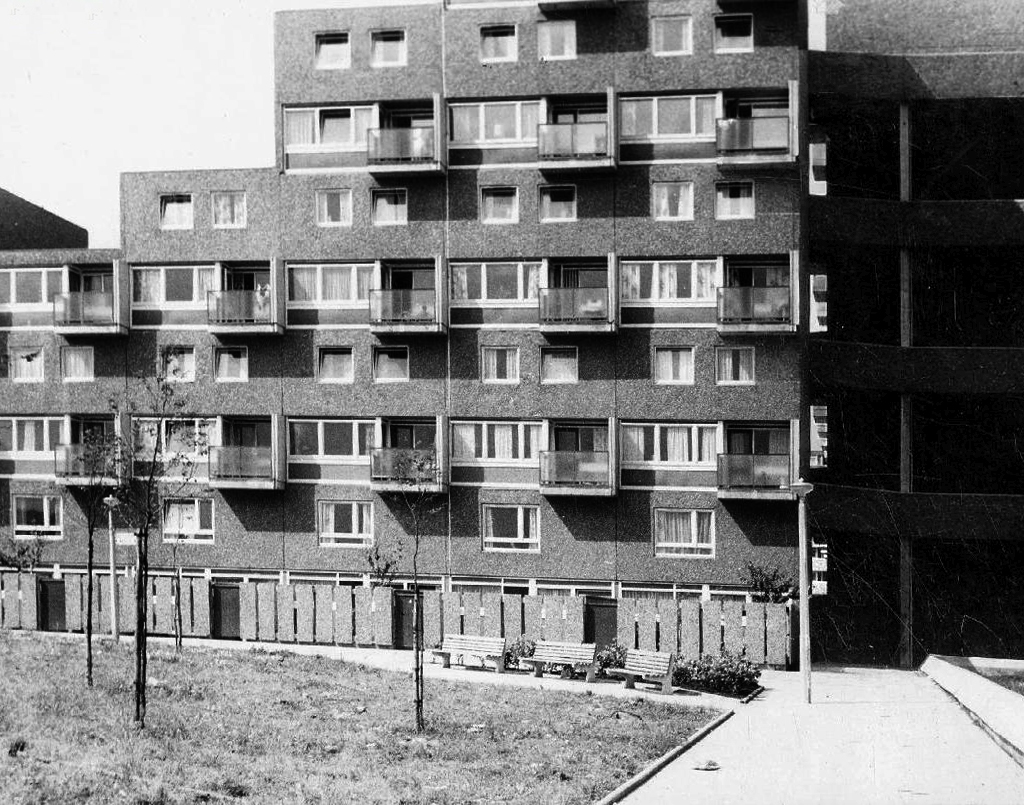
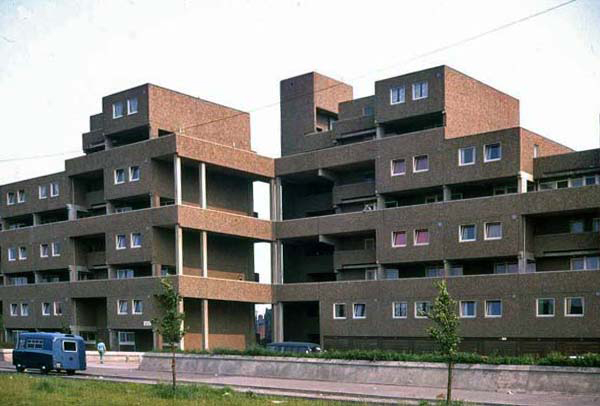
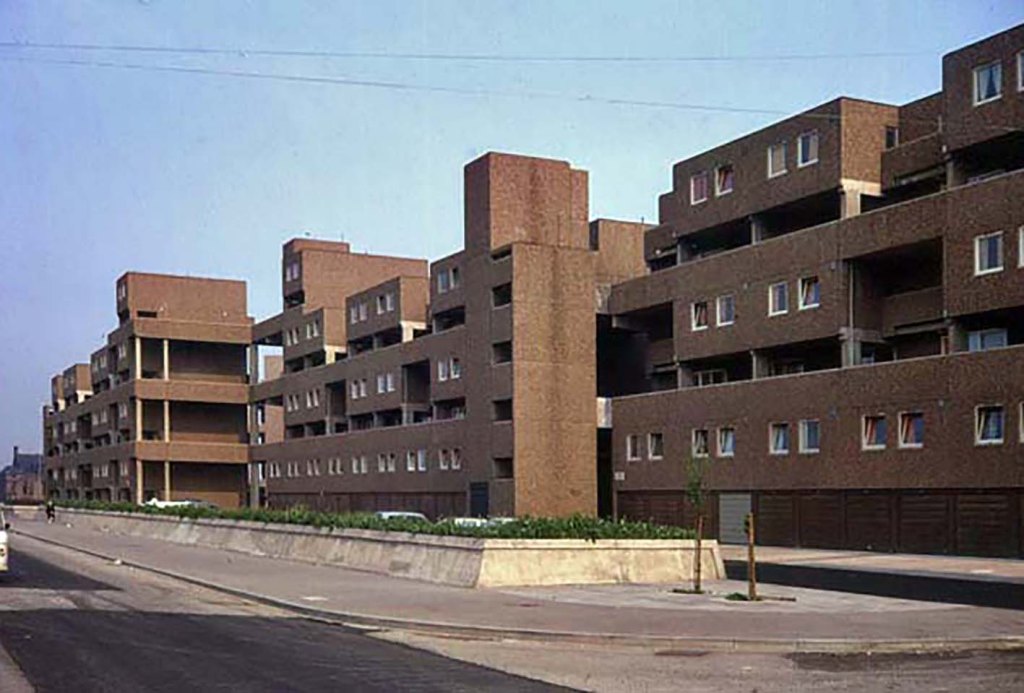
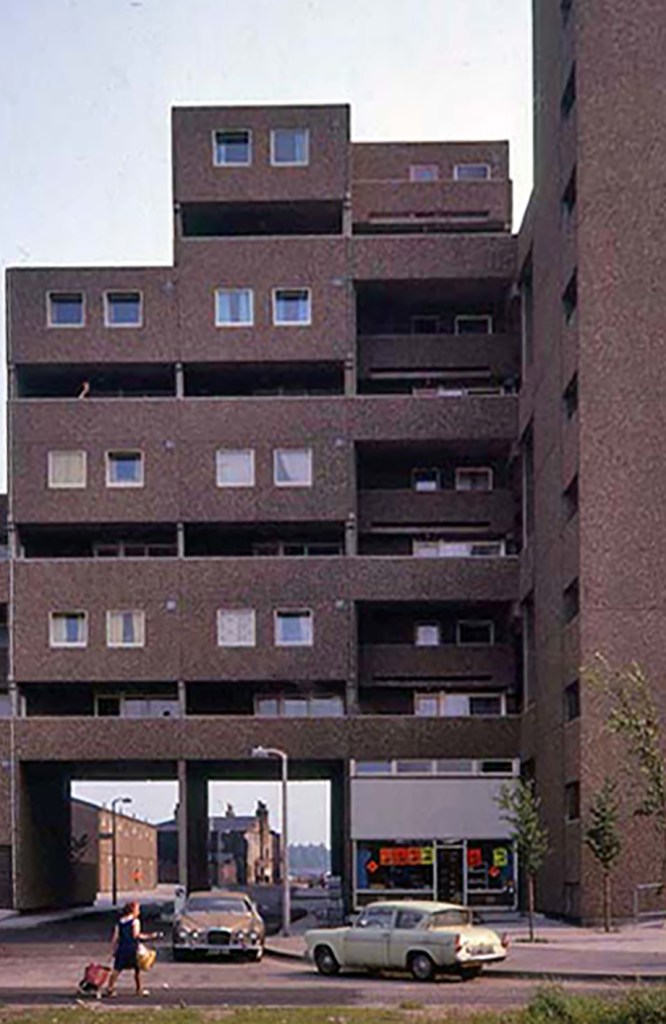
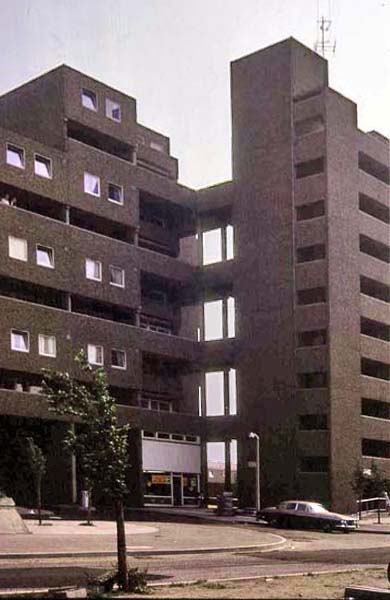
The scale of the buildings is often daunting. I have in mind Fort Beswick and Fort Ardwick in my own constituency. The design is frequently all too forbidding. That is why the two estates are called Forts.
When the tenants of these development have lived in cosy old houses, however inadequate they were in terms of physical provision, they are bitterly disappointed by the shortcomings of new property which they have looked forward to occupying.
The year of 1990, approximately, dawns, ushering in a decade of great change, multi-storey development clearance and the building of brand new homes – the end, by and large, of the one on top of another topsy-turvy world.
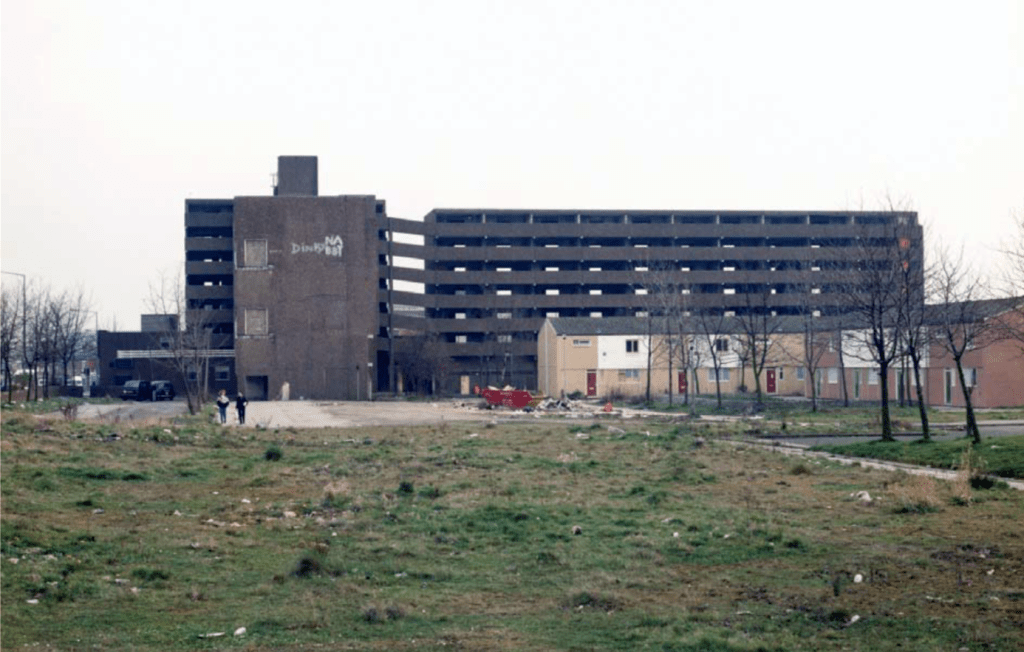
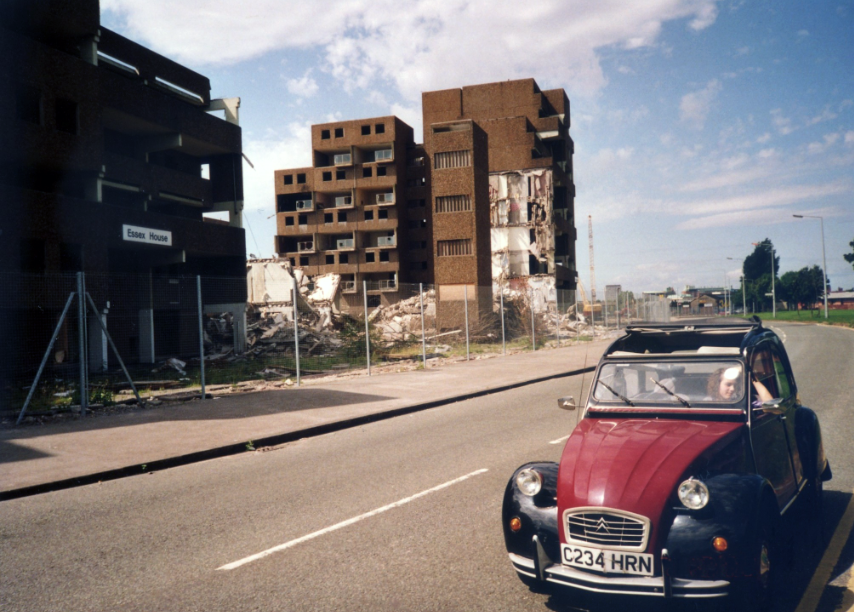
Fort Beswick was subsequently demolished.
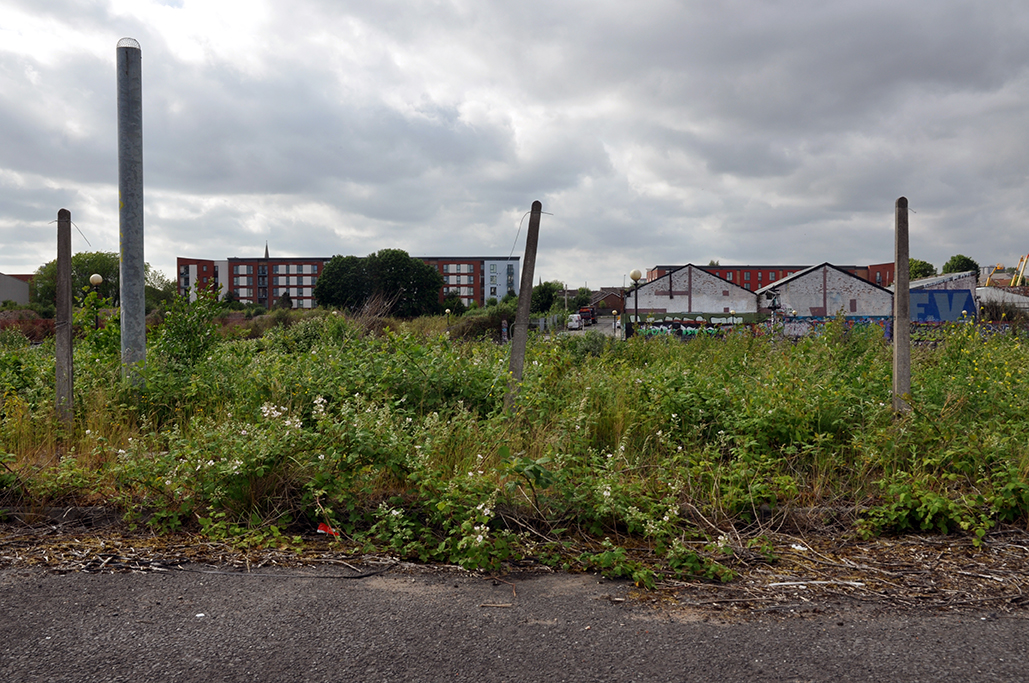
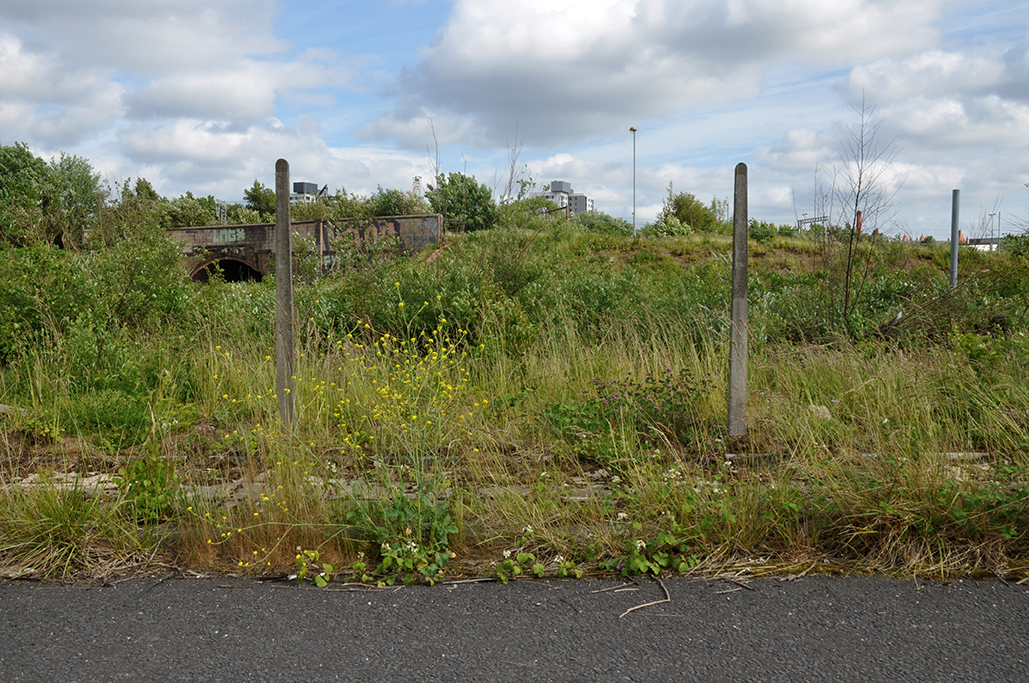
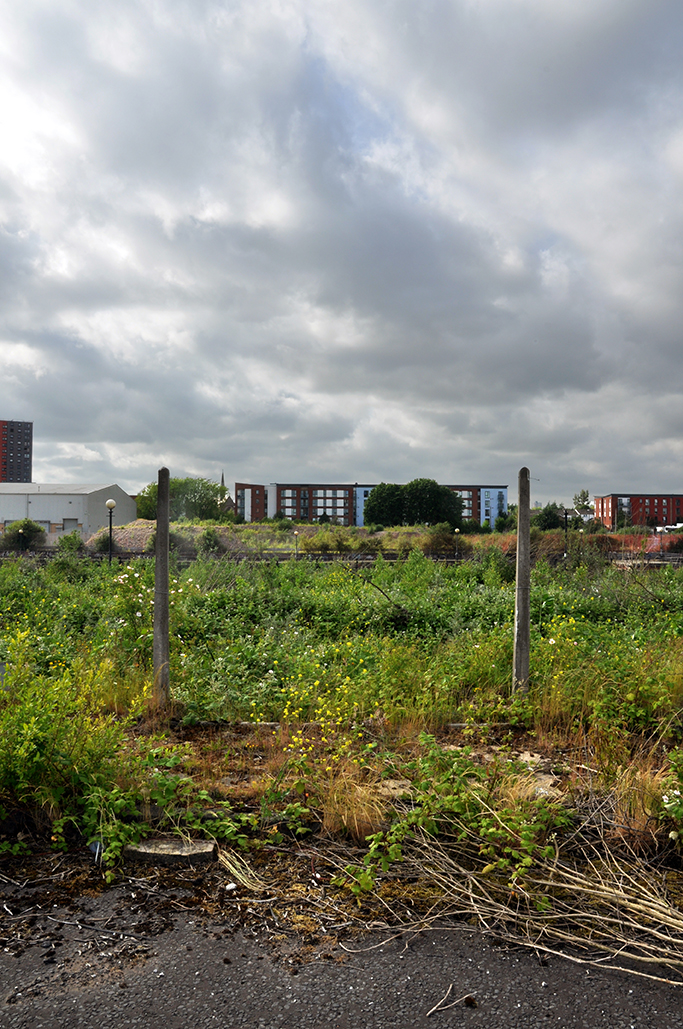
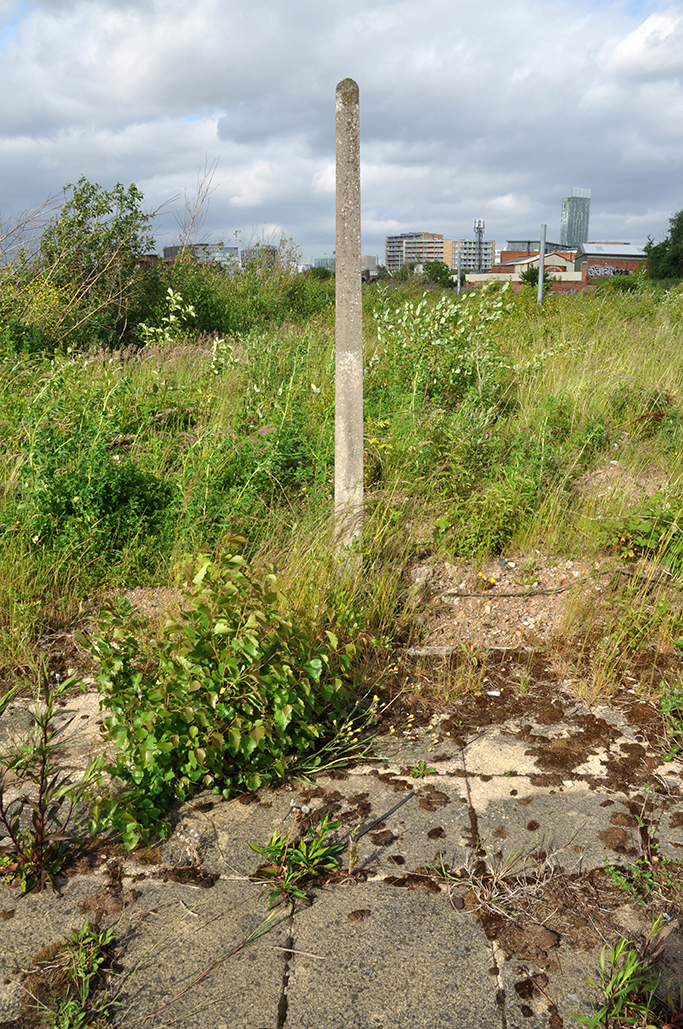
The beat goes on as Len Grant records the most recent redevelopment of East Manchester.
And the M.E.Nshouts loud and proud from the roof tops, heralding a brand new, privately funded public domain
The road to Hell is paved with good intentions and as it would subsequently transpire, loosely attached Bison concrete wall-frame system panels.
Wythenshawe apart, the City of Manchester admitted that it had 68,000 houses described as “grossly unfit” by 1959.
Its solution was to demolish 90,000 dwellings between 1954 and 1976 and to erect 71,000 dwellings by way of high rise flats and to move residents out to newly prescribed “overspill” estates – at Heywood and Langley in the north, Hyde in the east and Worsley in the west.
Most of these displaced people, however, found themselves resettled in tall tower blocks, which, no matter how architecturally innovative, or how improved their facilities, proved disastrous in social terms.
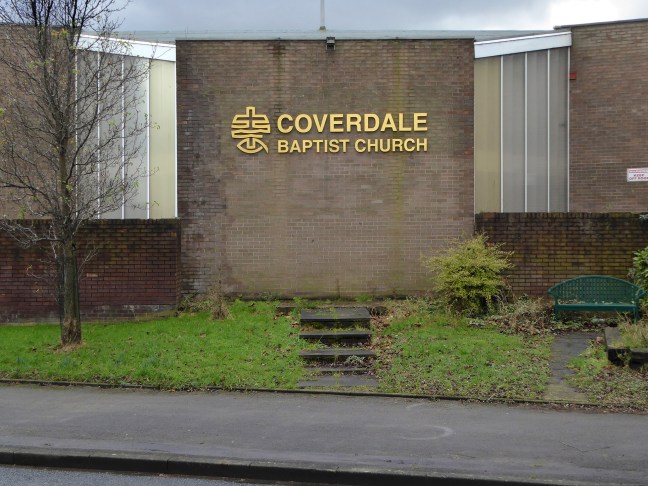
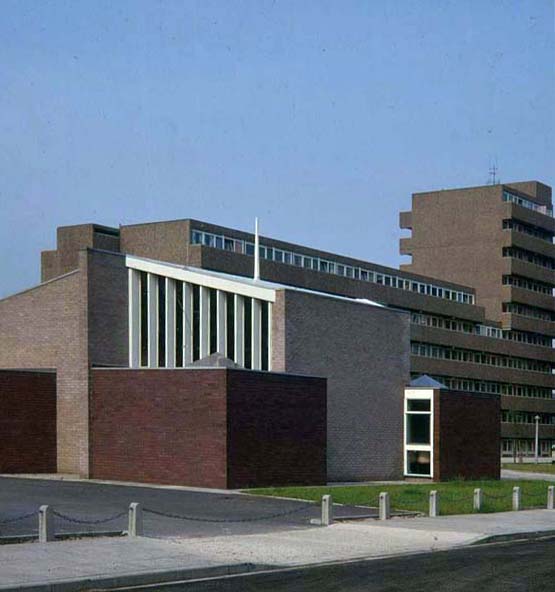
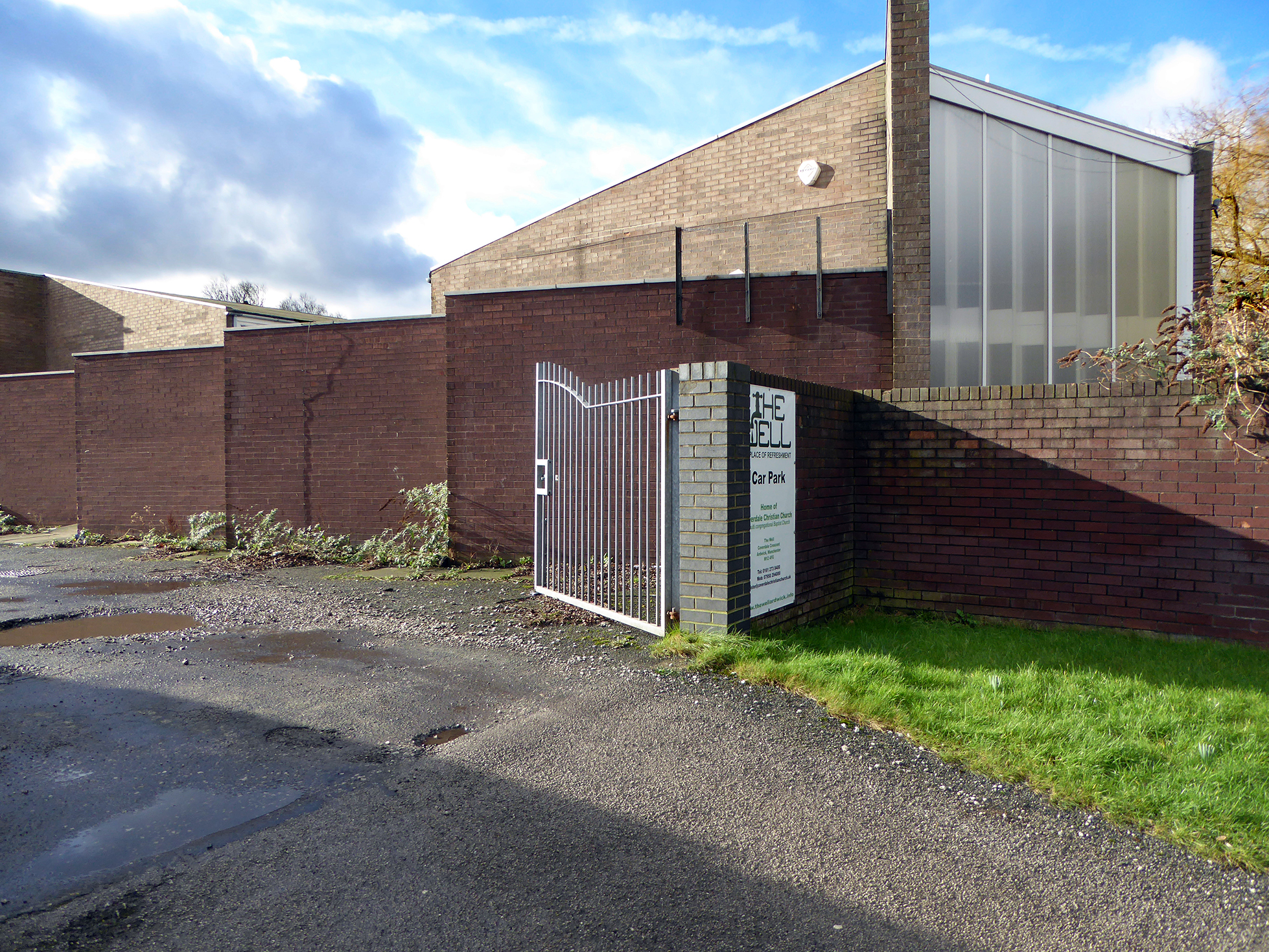
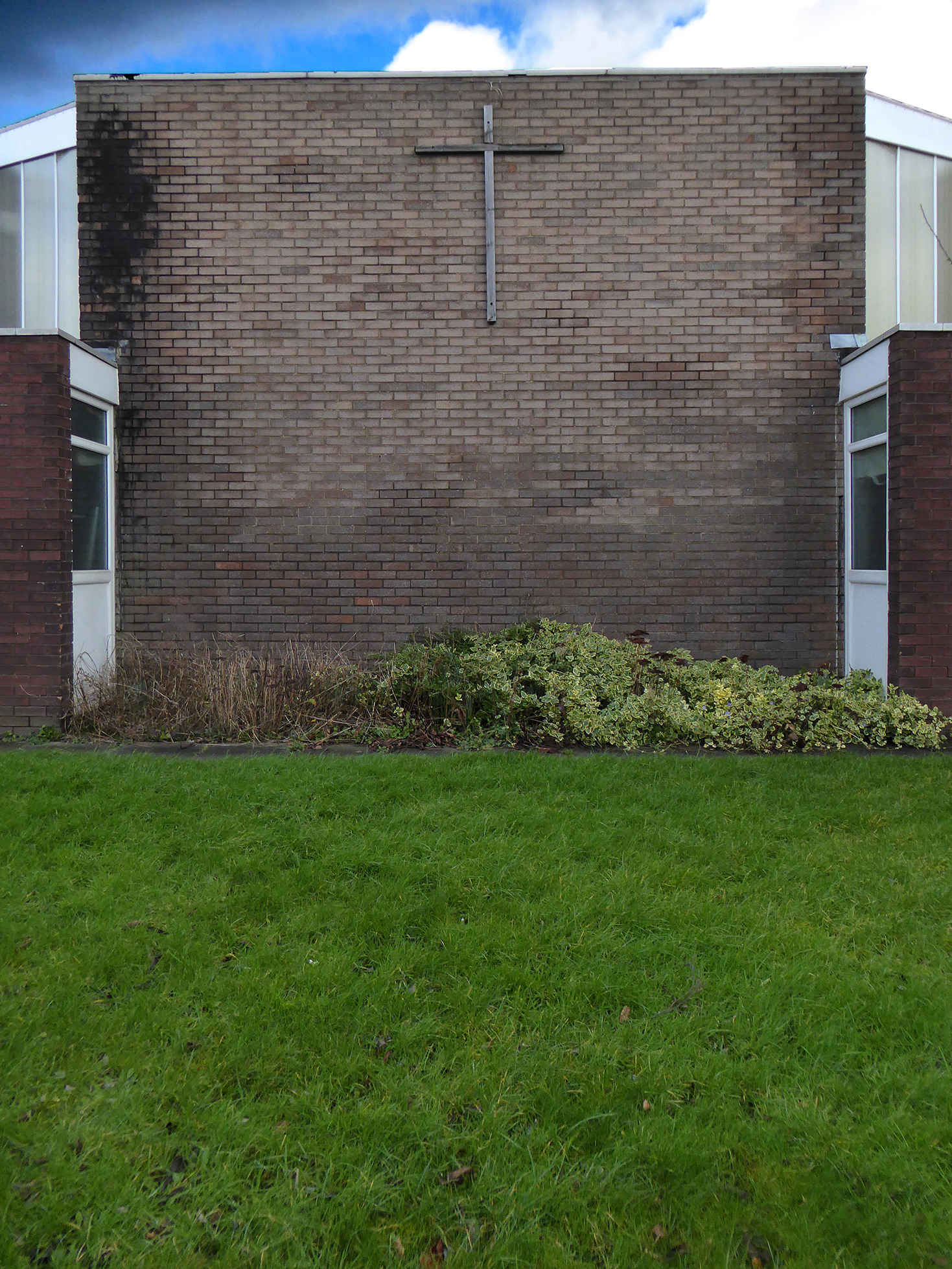
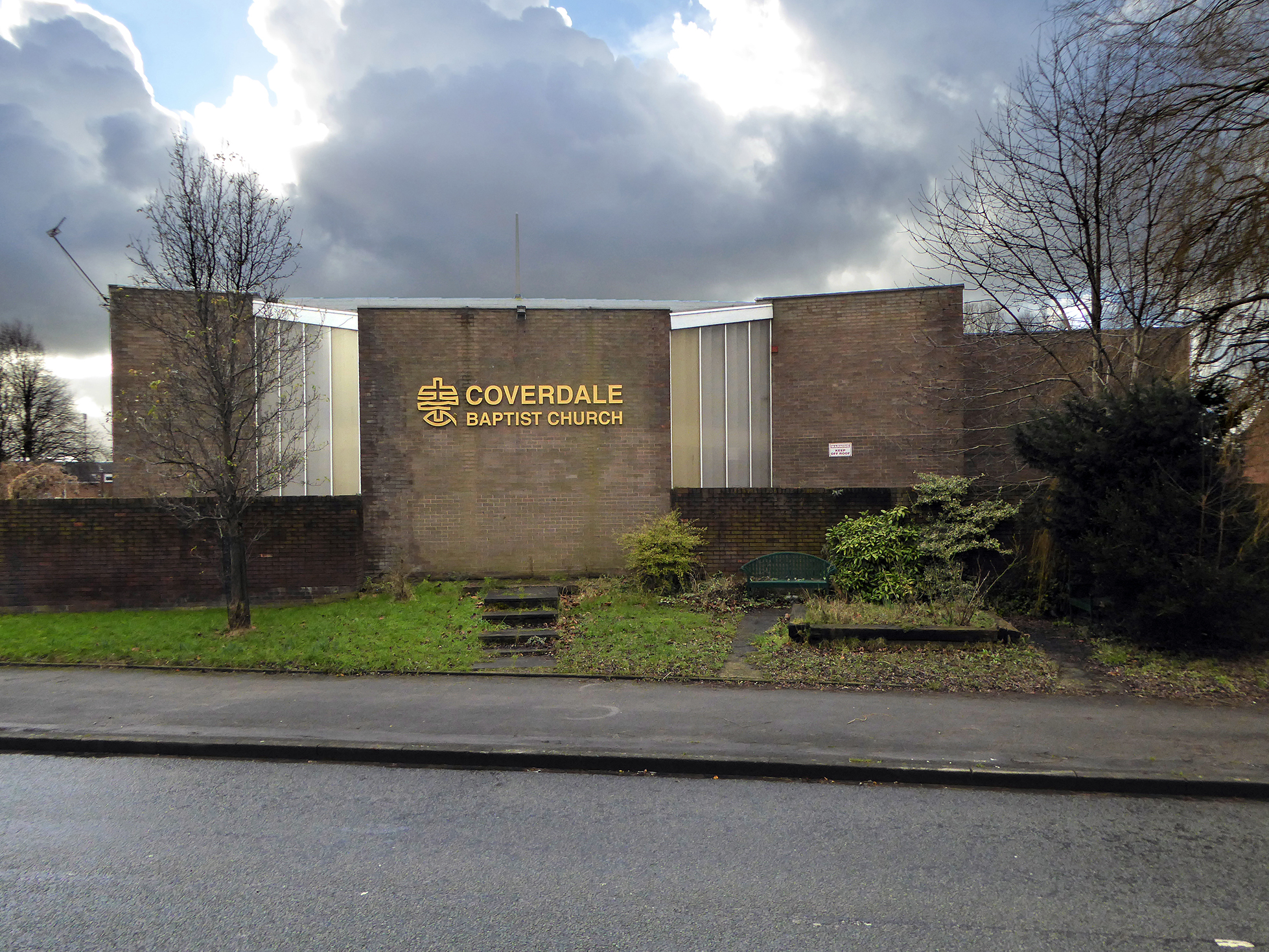
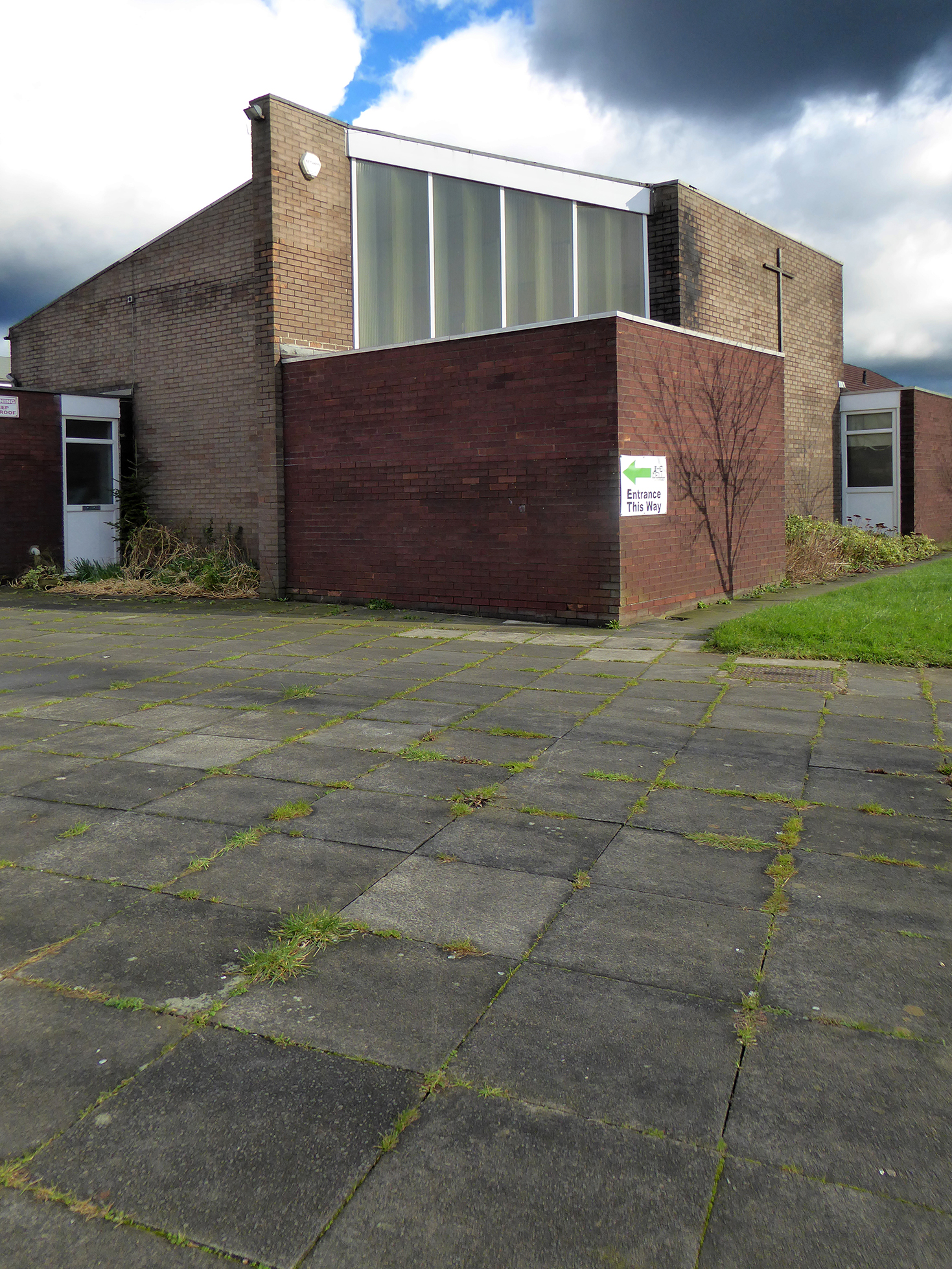
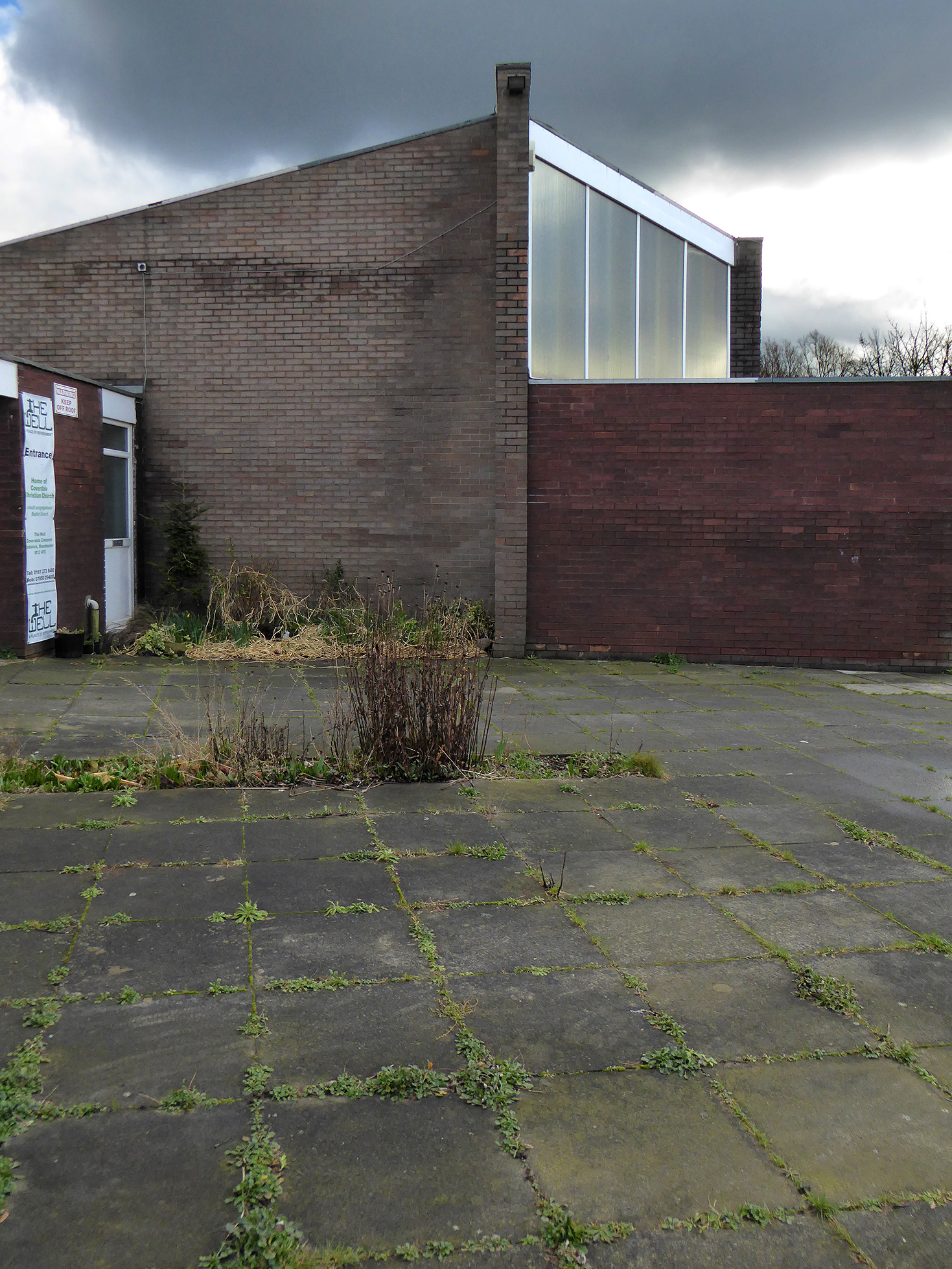
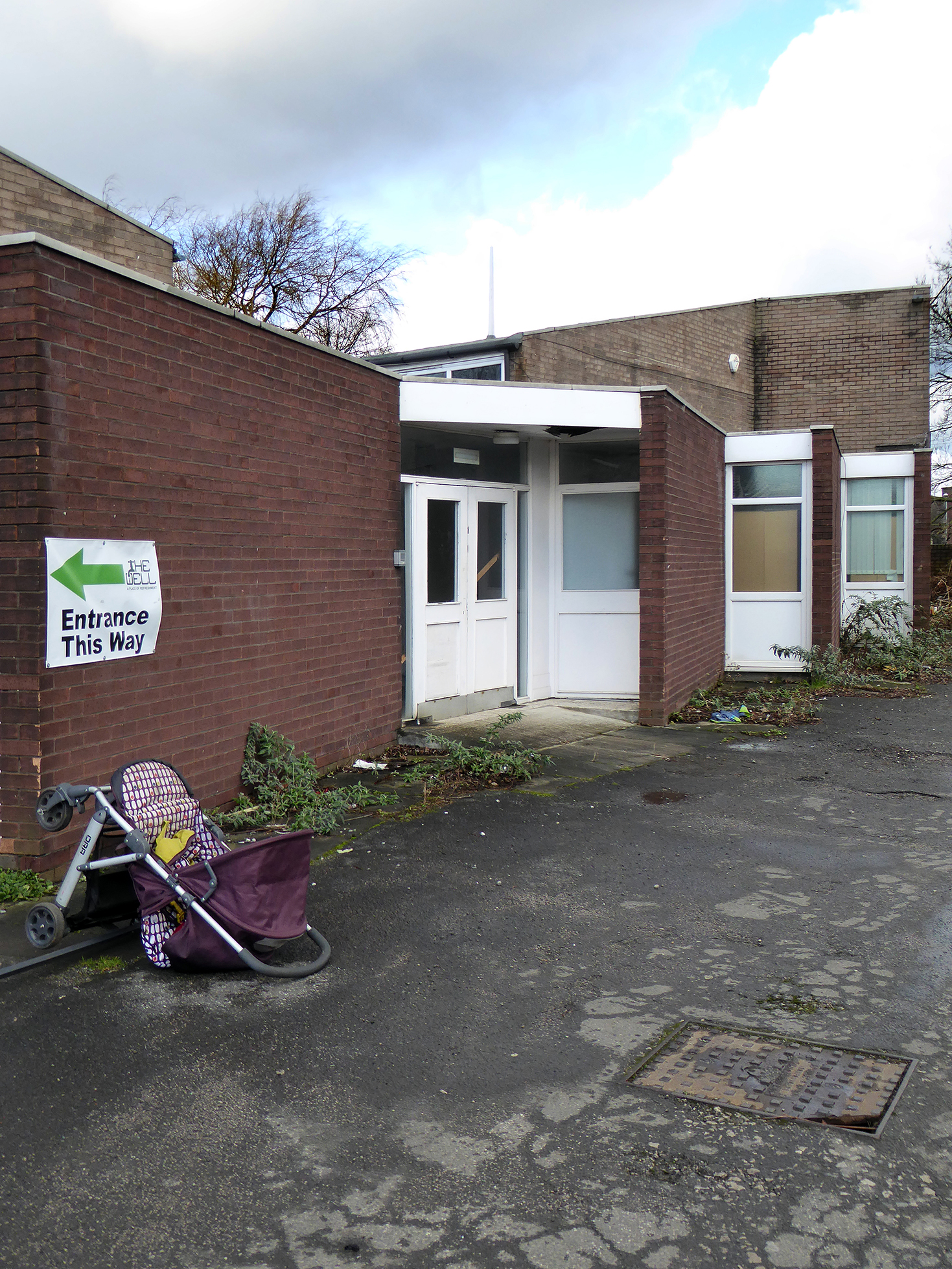
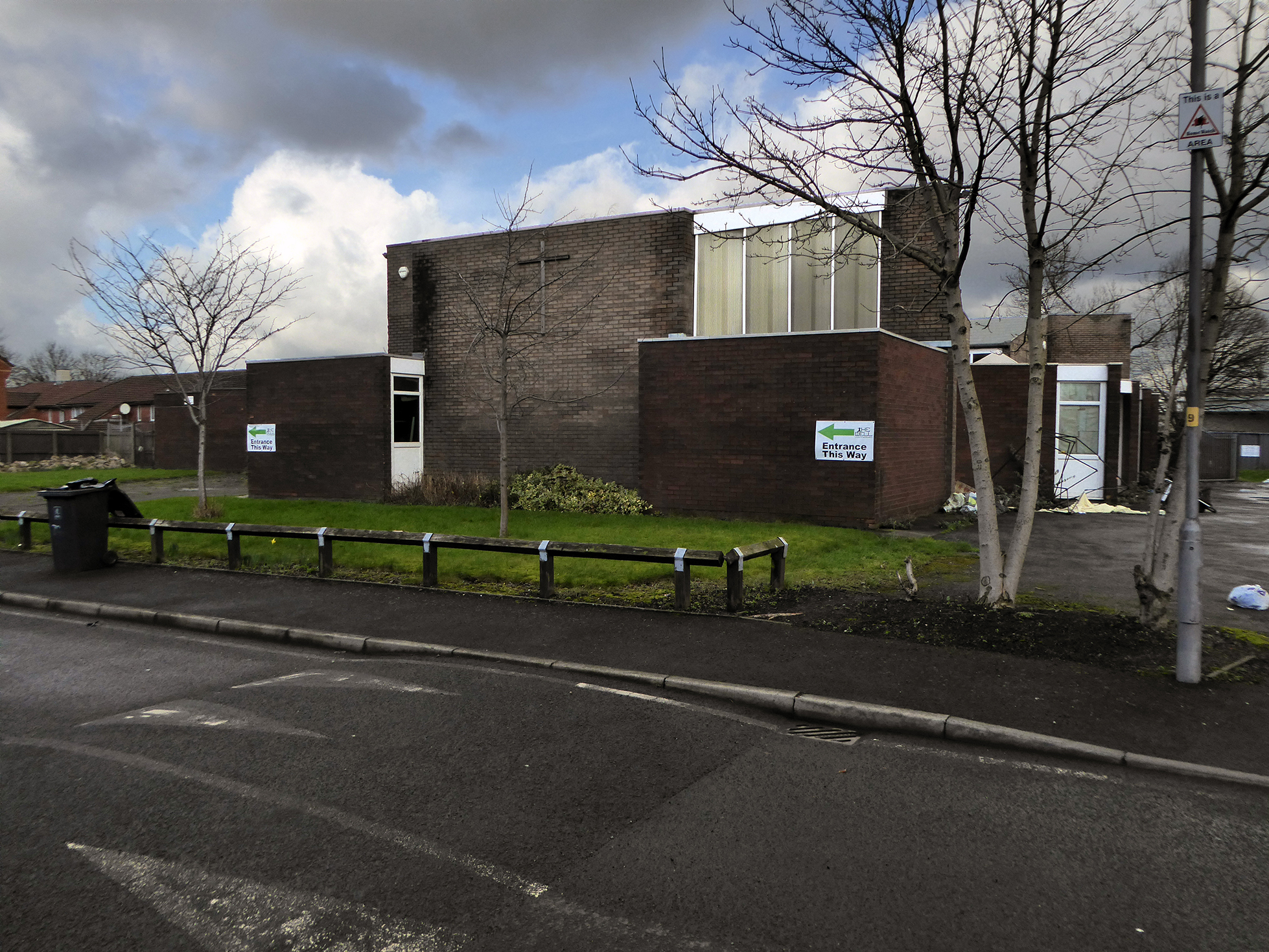
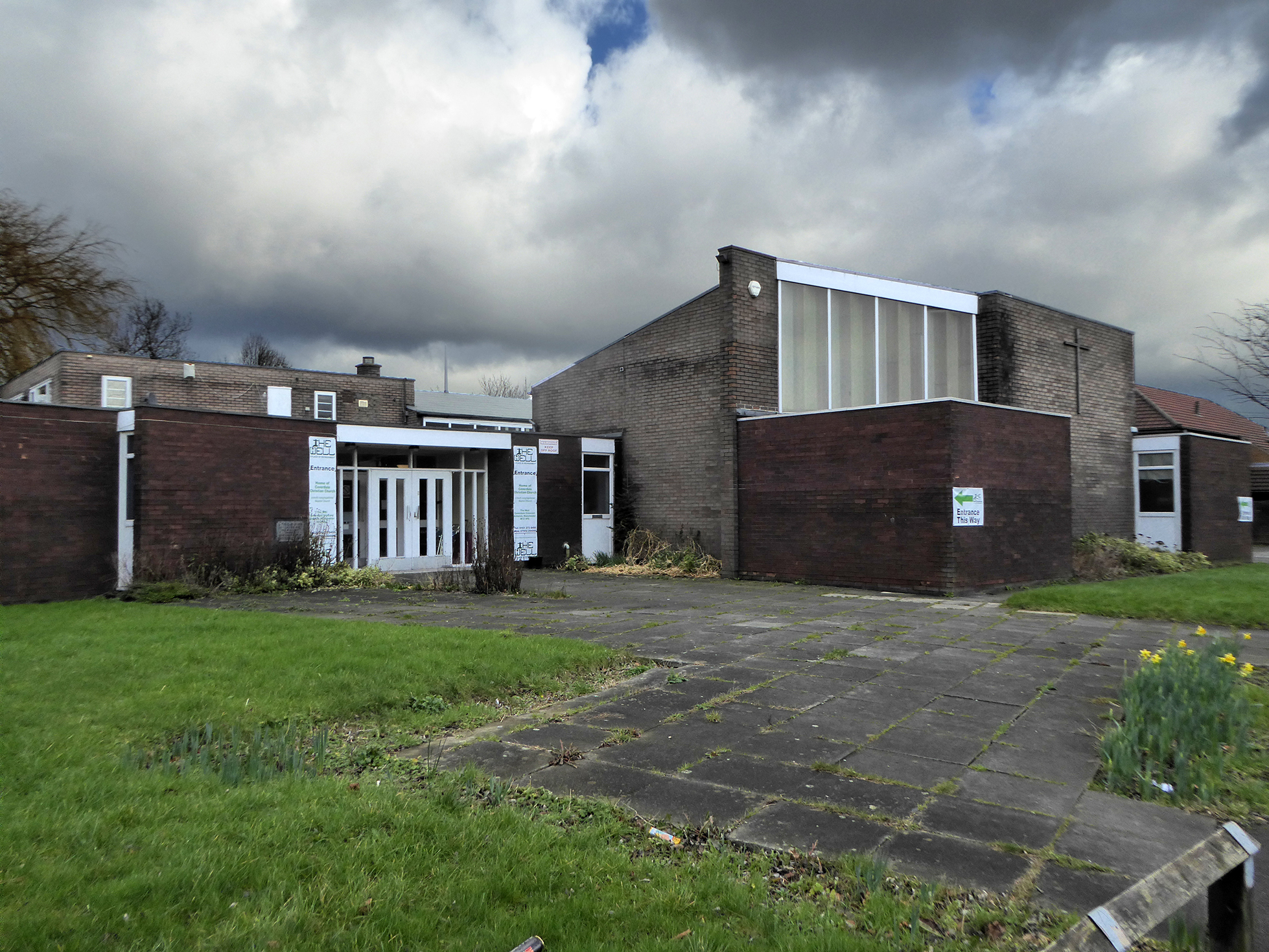
In Coverdale Crescent Ardwick such an architecturally innovative development was built.
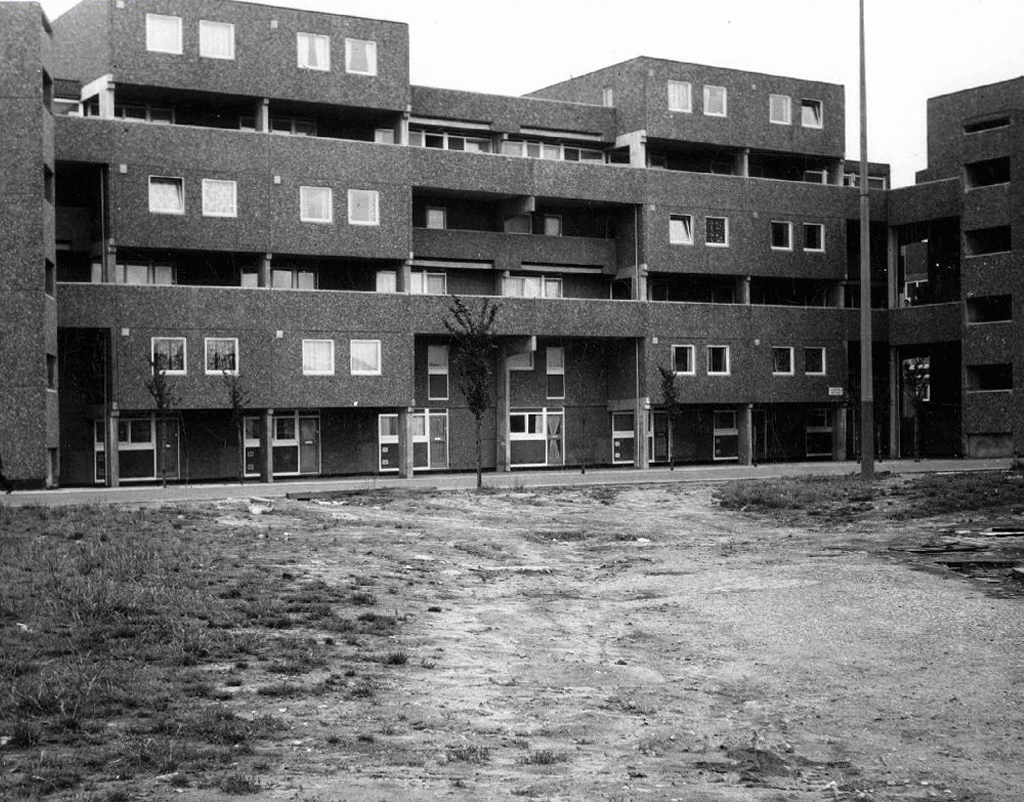
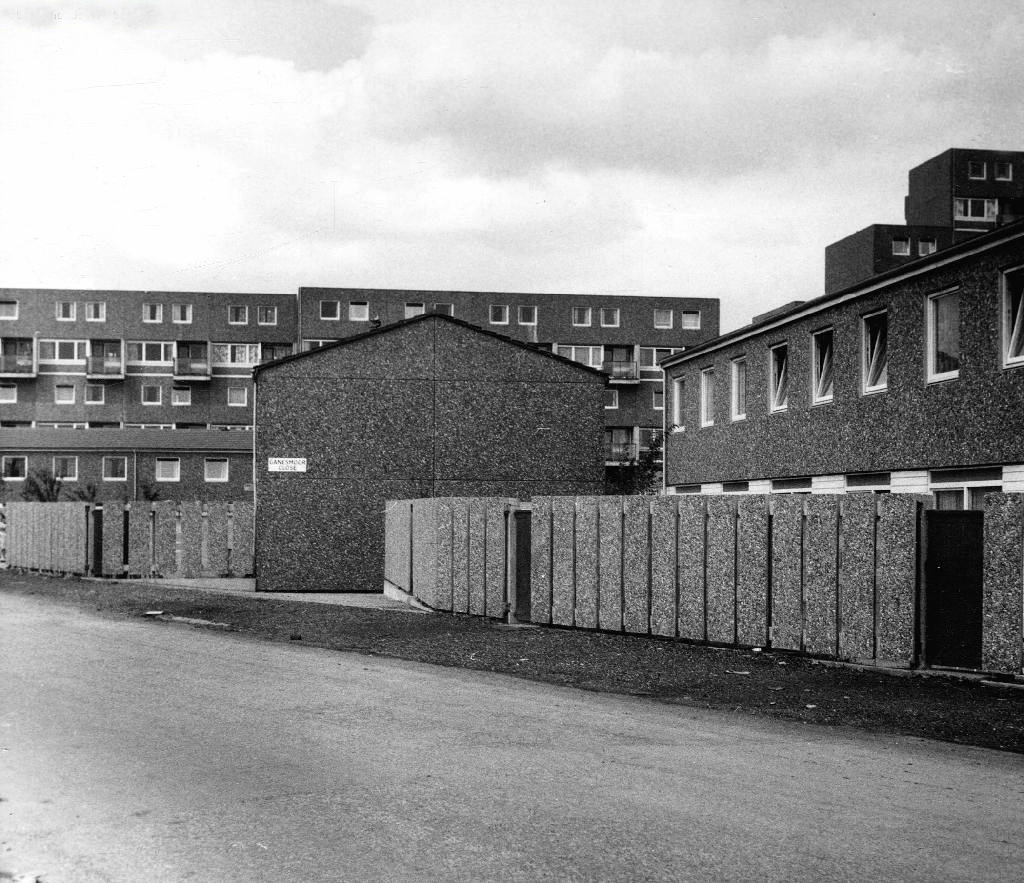
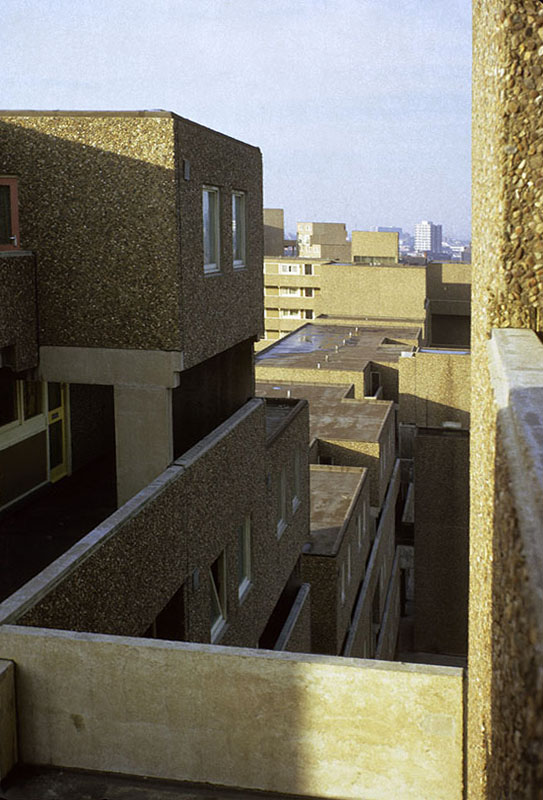
The estate, which became known as Fort Ardwick, was a deck access block of 500 homes. Completed in 1972, it was built with the same Bison concrete wall-frame system that had been used in neighbouring Fort Beswick.
By the mid-1980s it was clearly suffering from structural faults. The council employed a private firm of consultants to survey the estate, which found that water was leaking through roofs, steel fixings were corroded and concrete was breaking away. The council had to spend £60,000 immediately to bolt 1,100 panels back on to the building’s internal skin. The city architect, David Johnson, claimed that the report highlighted the rapid deterioration of Fort Ardwick’s fabric.
They said it was shoddy, thrown up, not enough care taken. The concrete panels weren’t made properly – the holes didn’t quite line up. You know what it’s like – you’re putting a flatpack cupboard together and something’s not in the right place but you just bodge it instead of sending it back, starting again, because you want the cupboard up and you’ve got other shit to do.
They had to get these consultants in, after they’d finished, to rebolt all the panels or something , so the whole thing didn’t fall down. Cost a bloody fortune my nan said, and that’s our taxes. And even then the rain got in. They’d put straw between the concrete, which sounds a bit medieval to me, and no-one wants wet straw walls, right? Cockroaches and rats and mould and that.
My nan remembers when they knocked down the terraces. I remember when they knocked down the fort. And maybe they had a point about it being shoddy, because soon as the diggers got their claws in, the whole thing fell to pieces, like it was made out of cardboard and bits of sellotape, not concrete and glass. A fort one week, a pile of rubble the next. No-one wept for it, they say.
I didn’t cry, but I stood at the end of the street and watched the diggers pawing at the walls, ripping the place to bits, our old kitchen wall gone and the cooker and the cupboards and the crap plastic clock just there for everyone to see. Except there was no-one else looking.
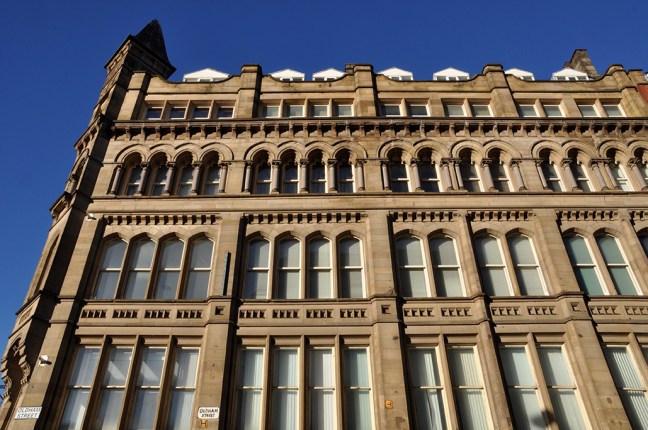
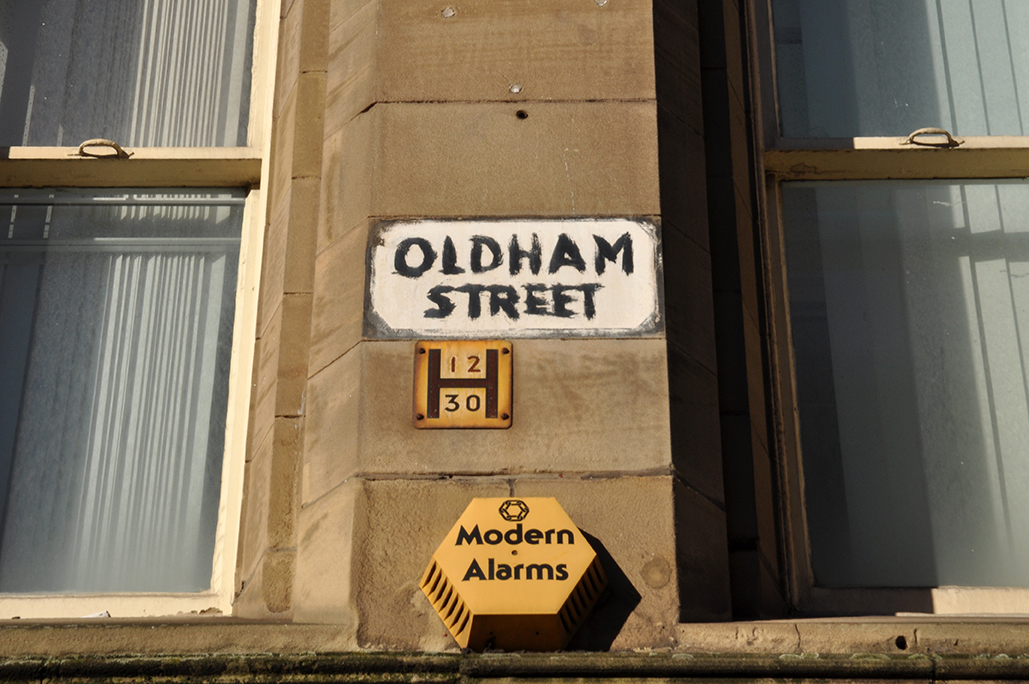
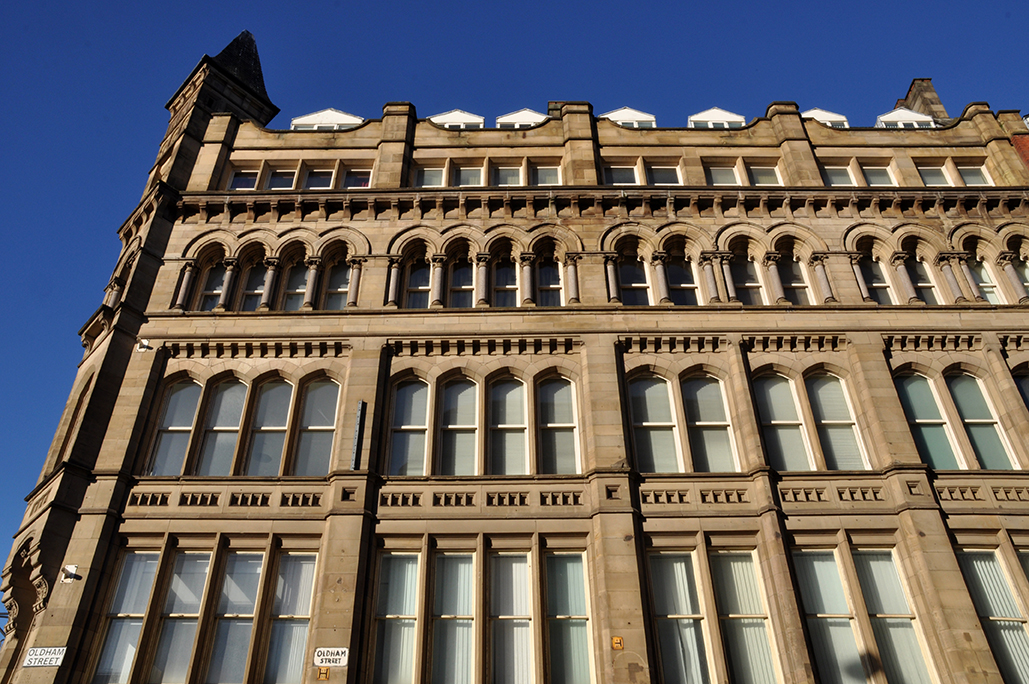
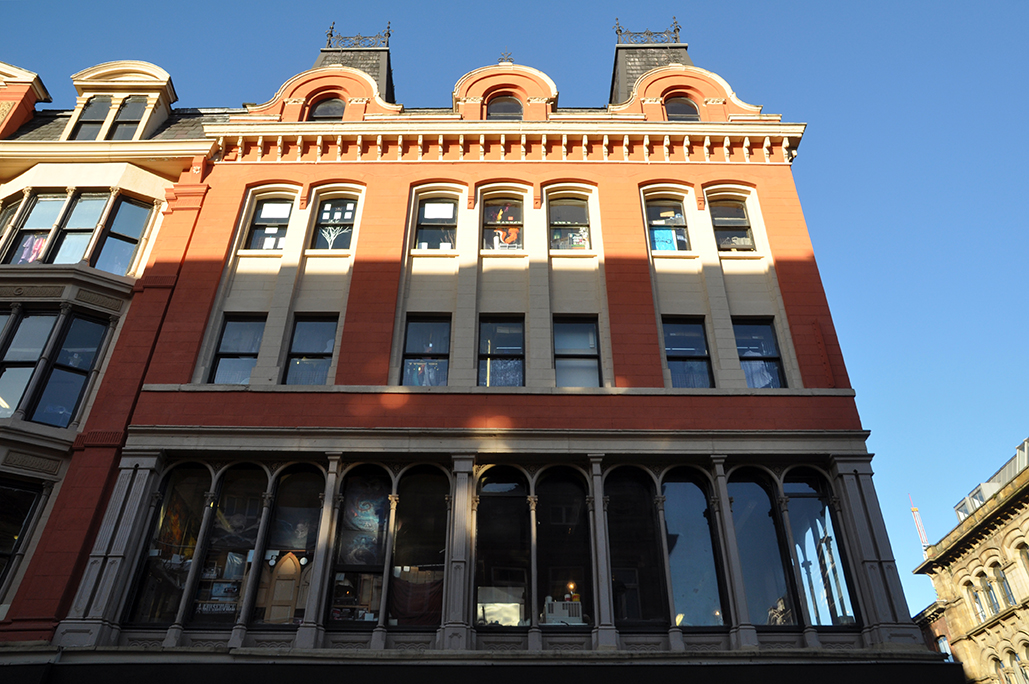
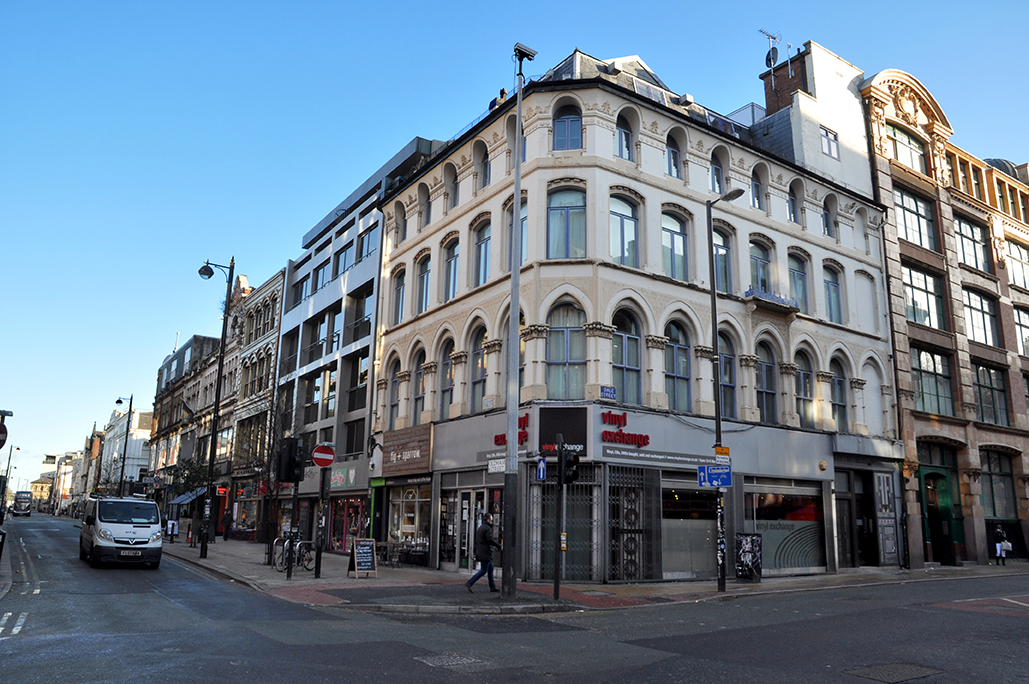
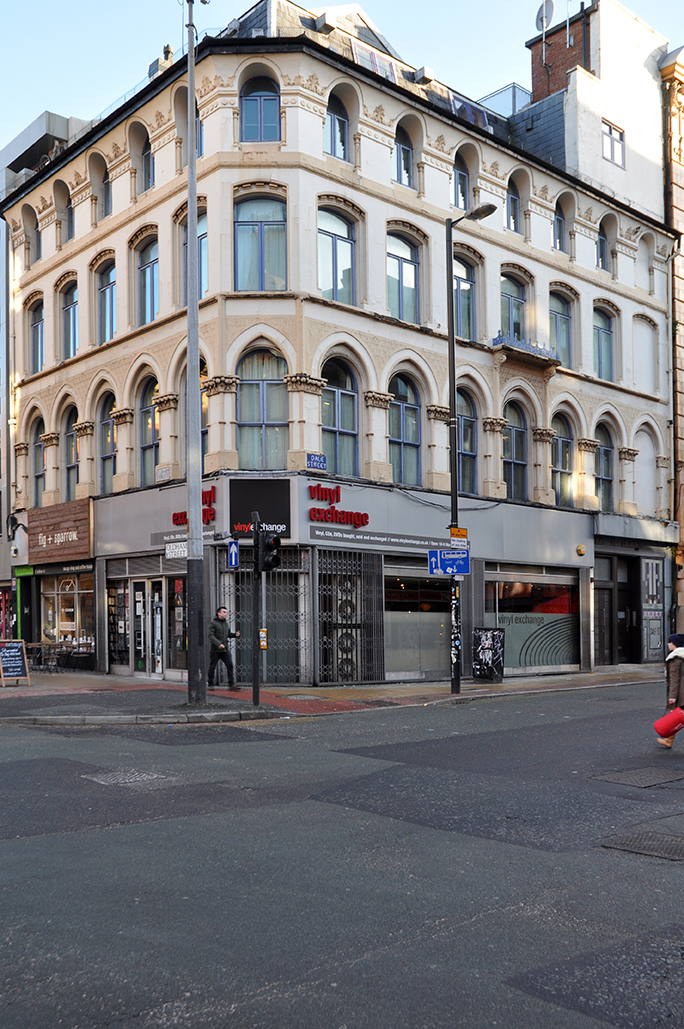
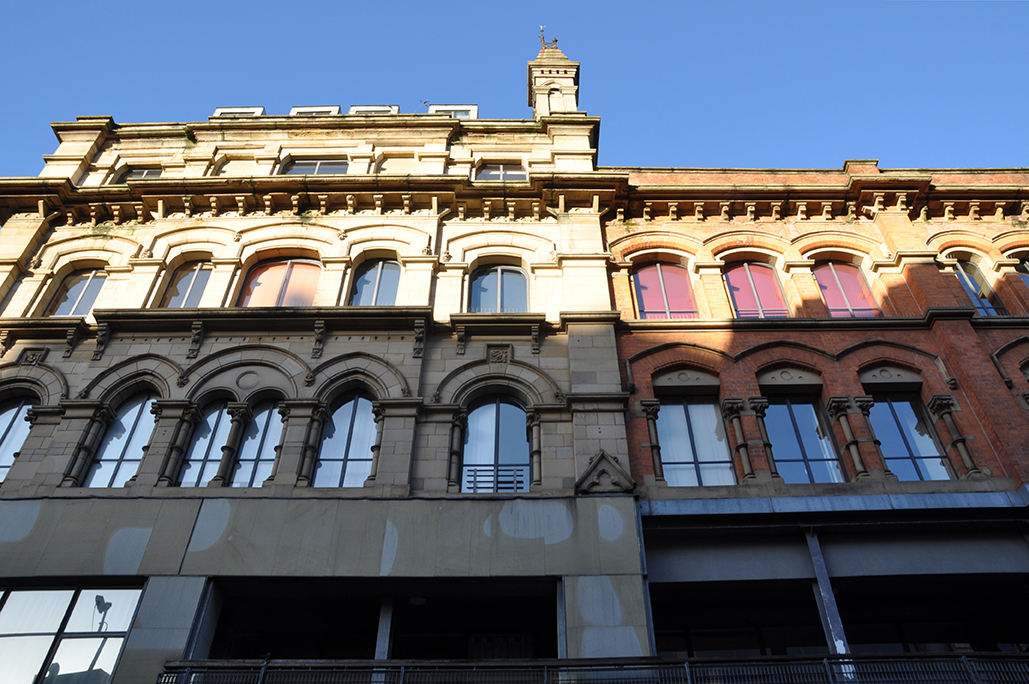
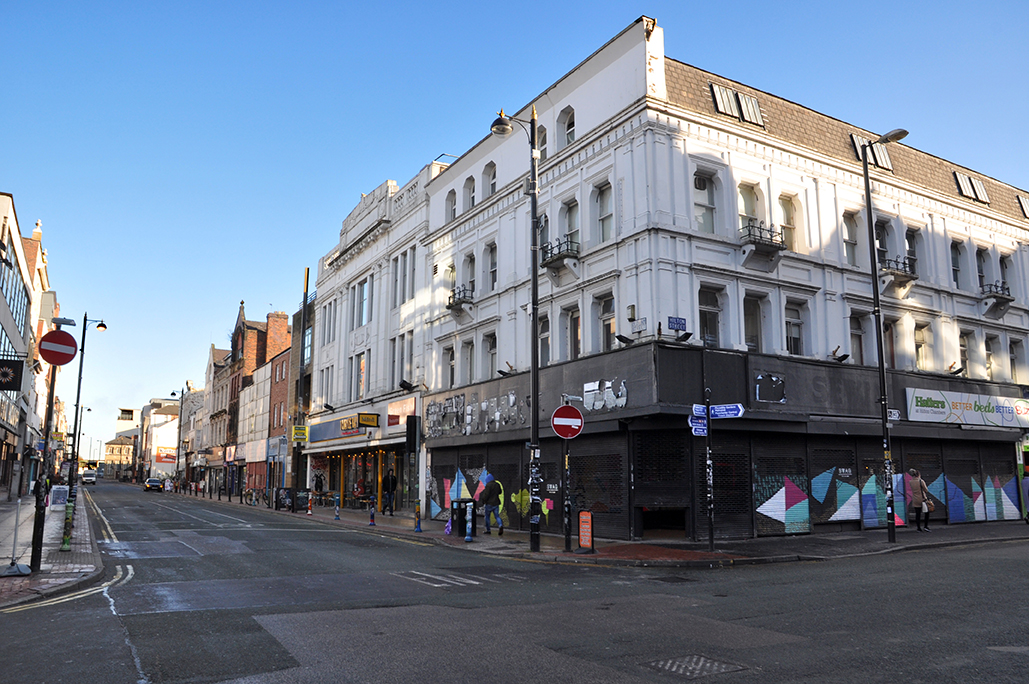
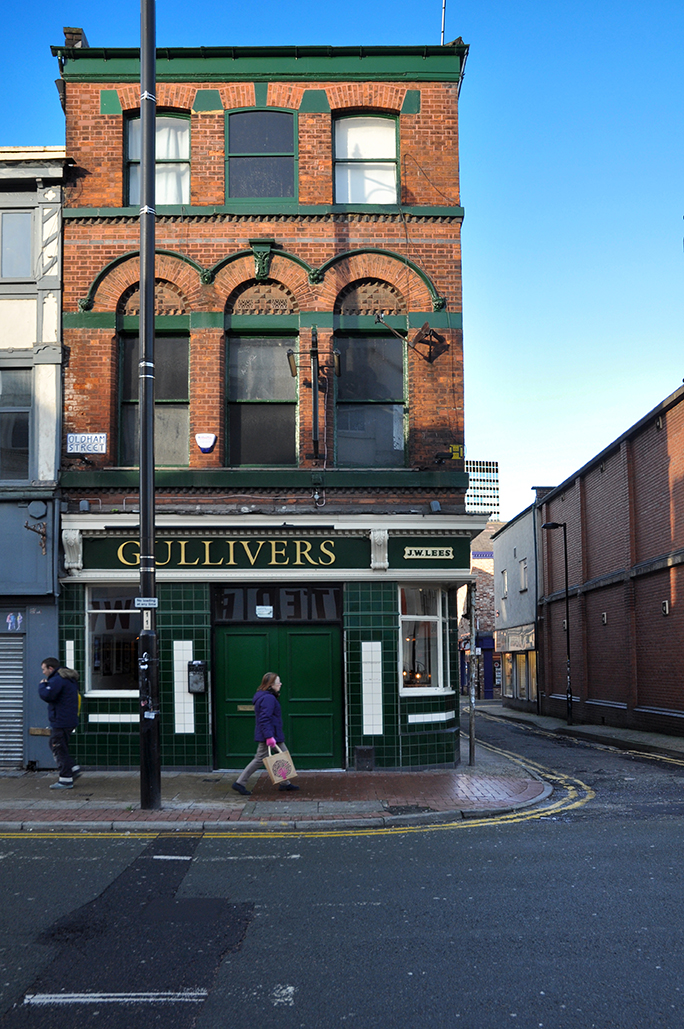
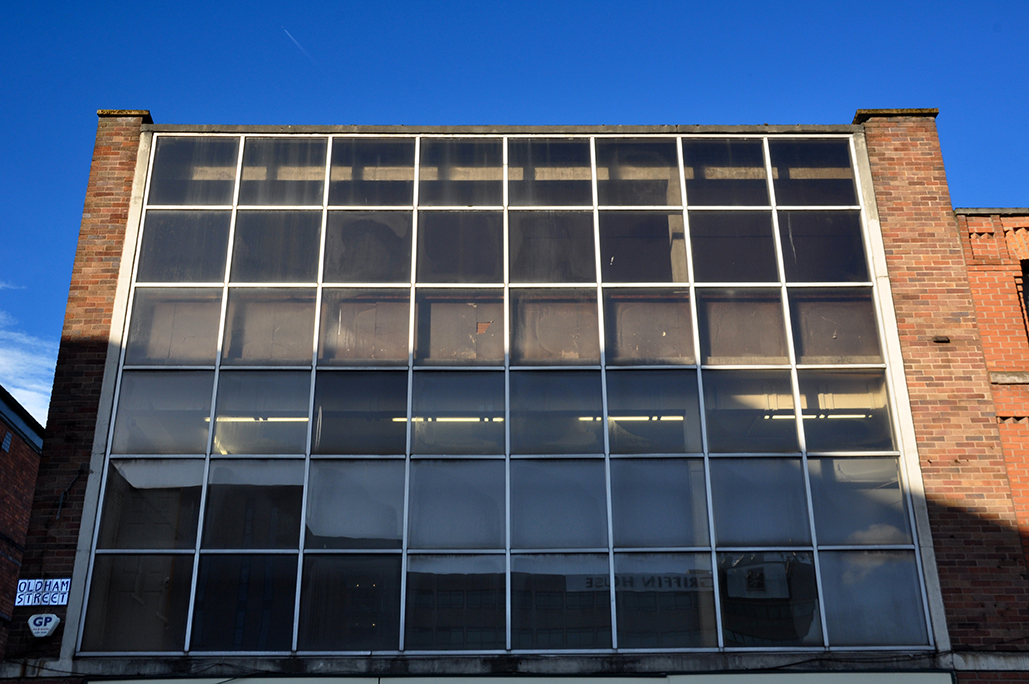
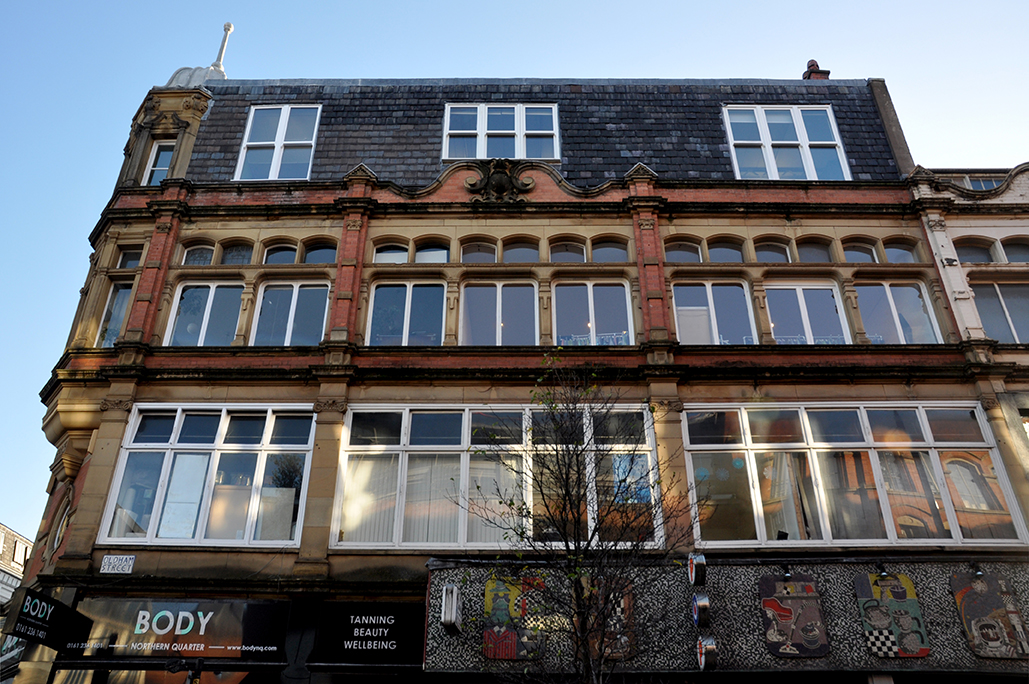
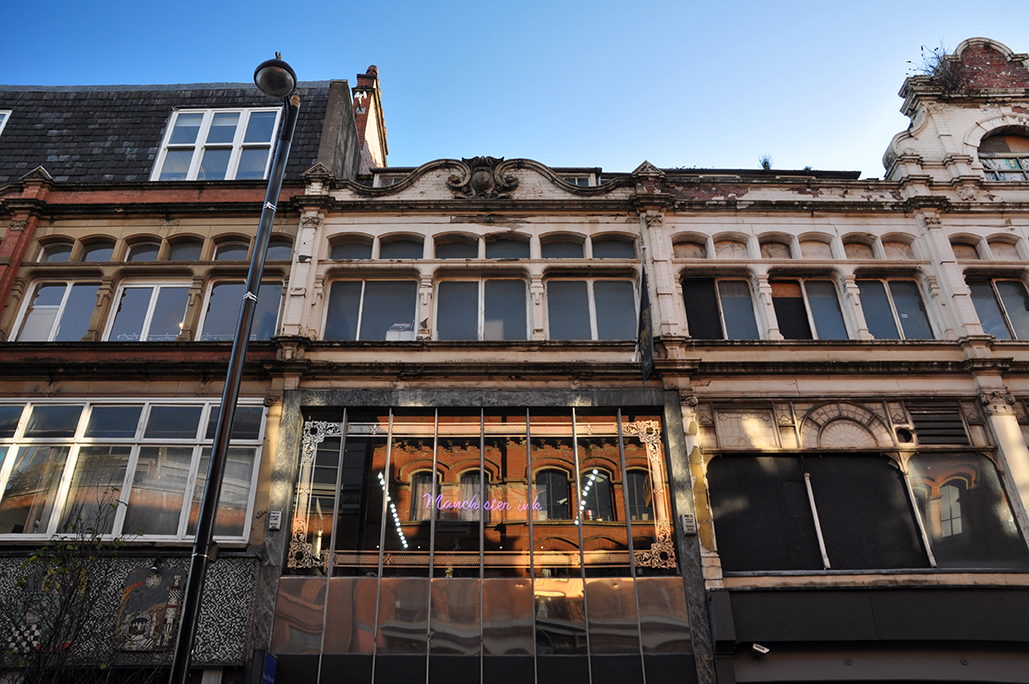
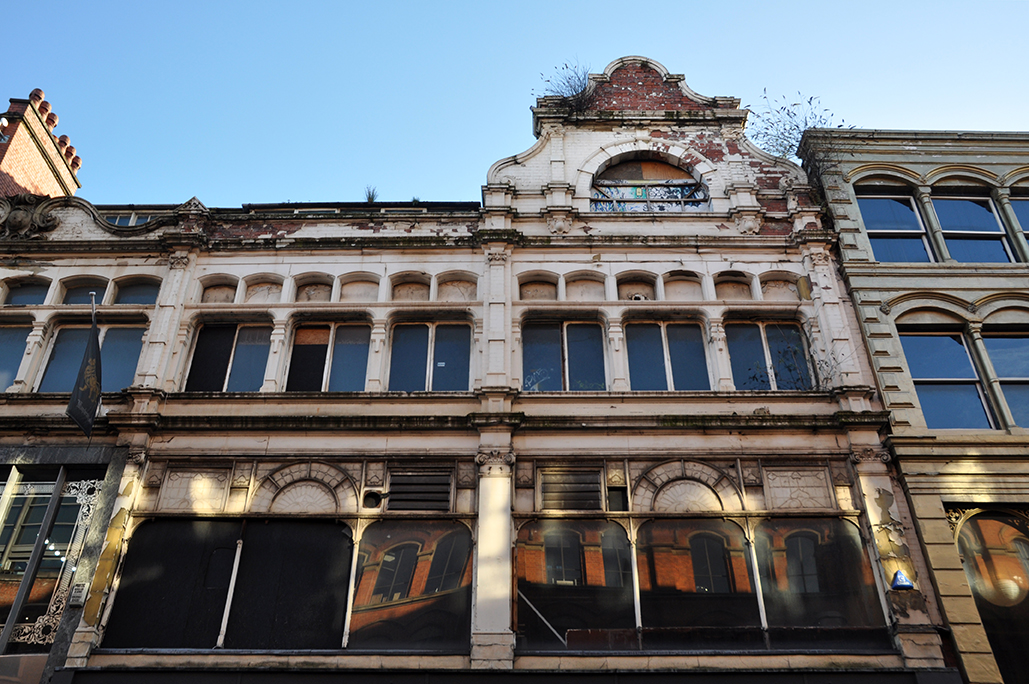
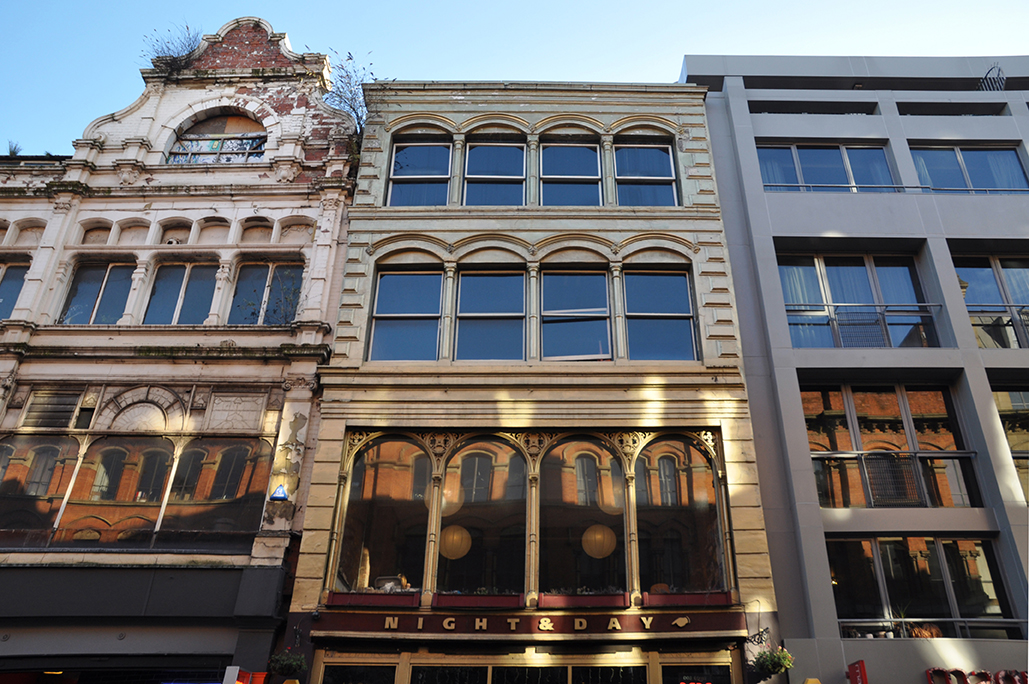
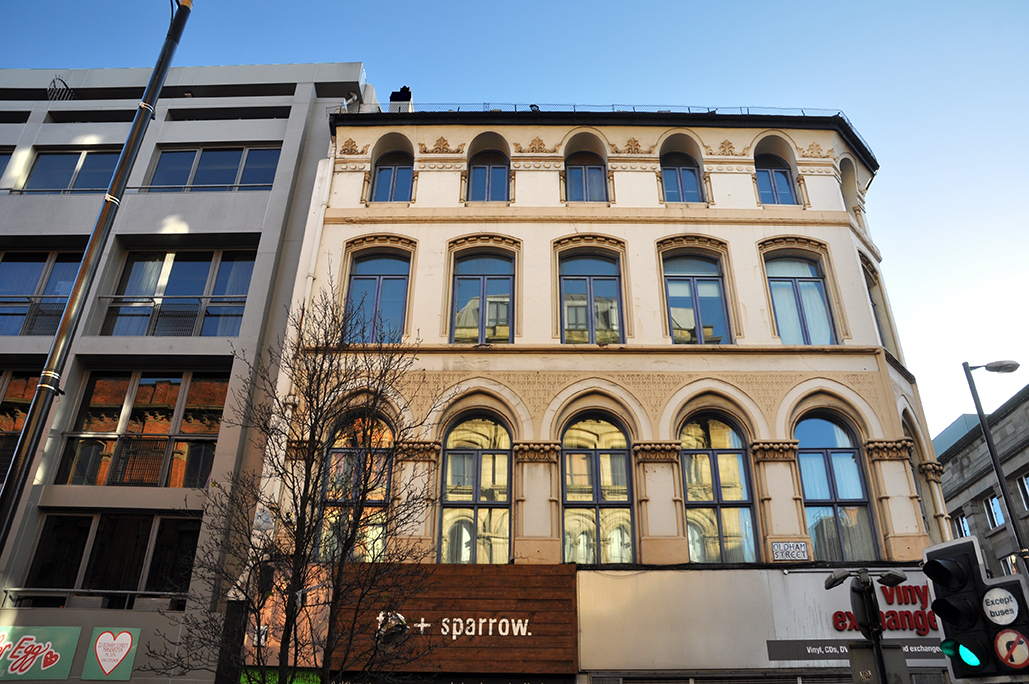
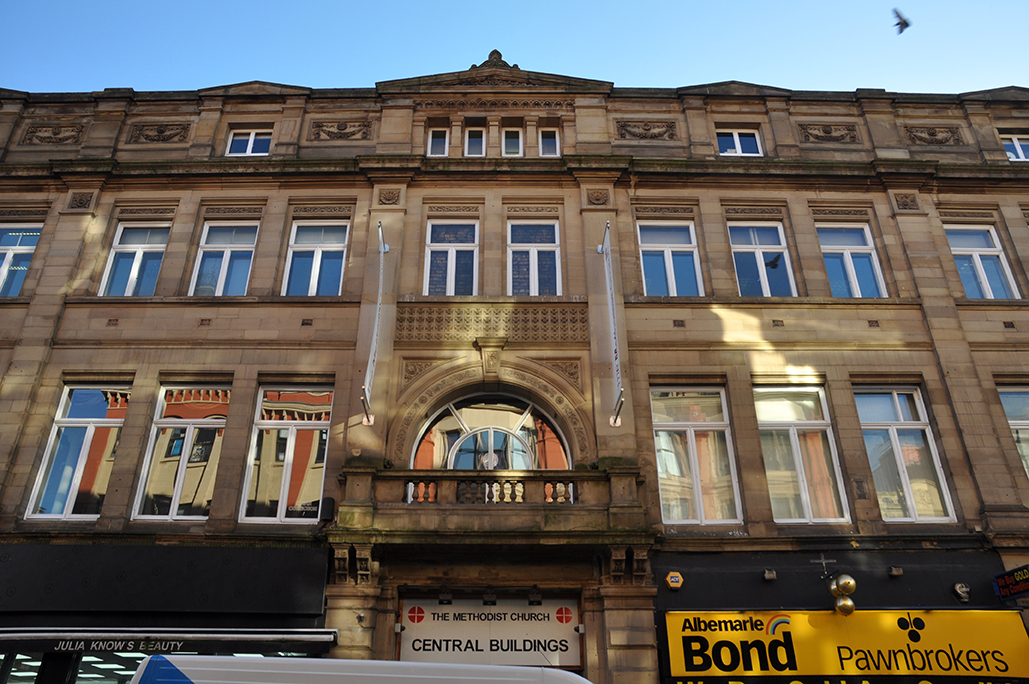
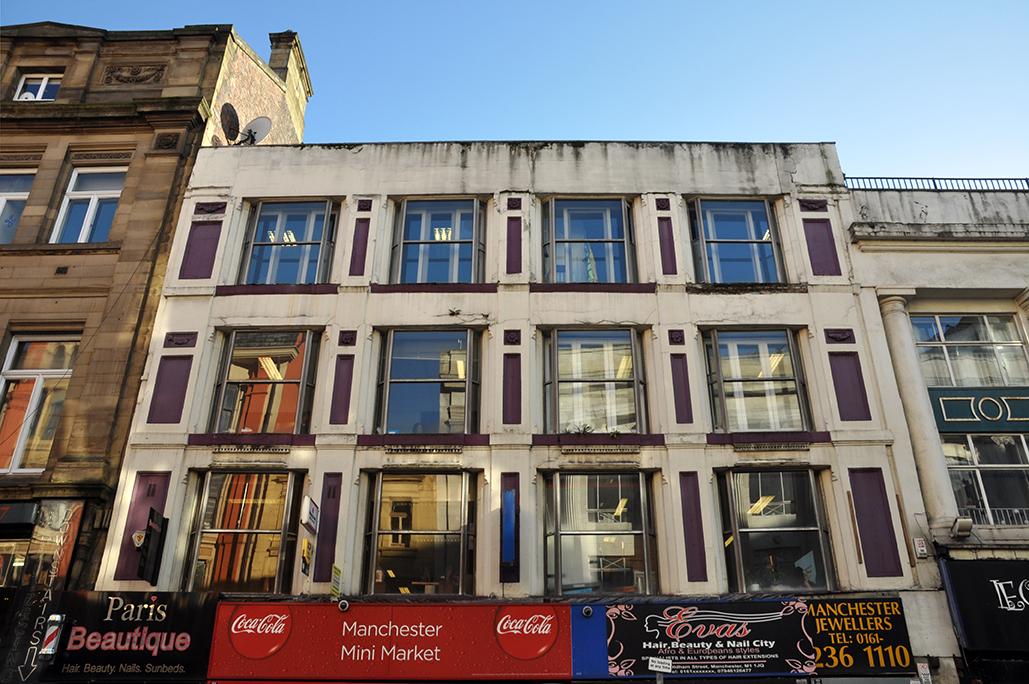
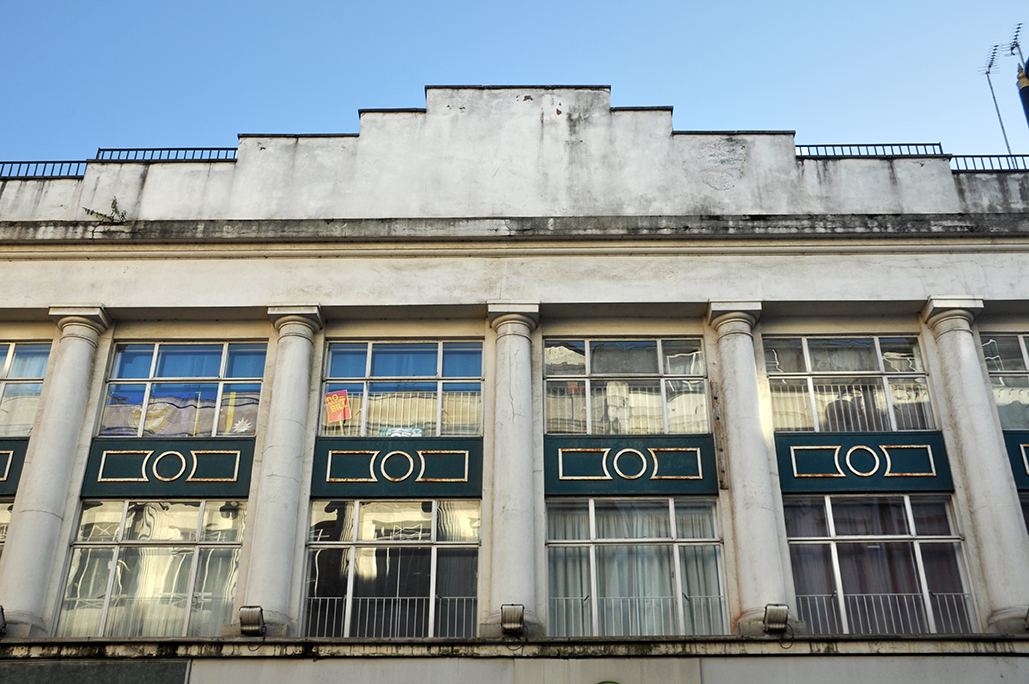
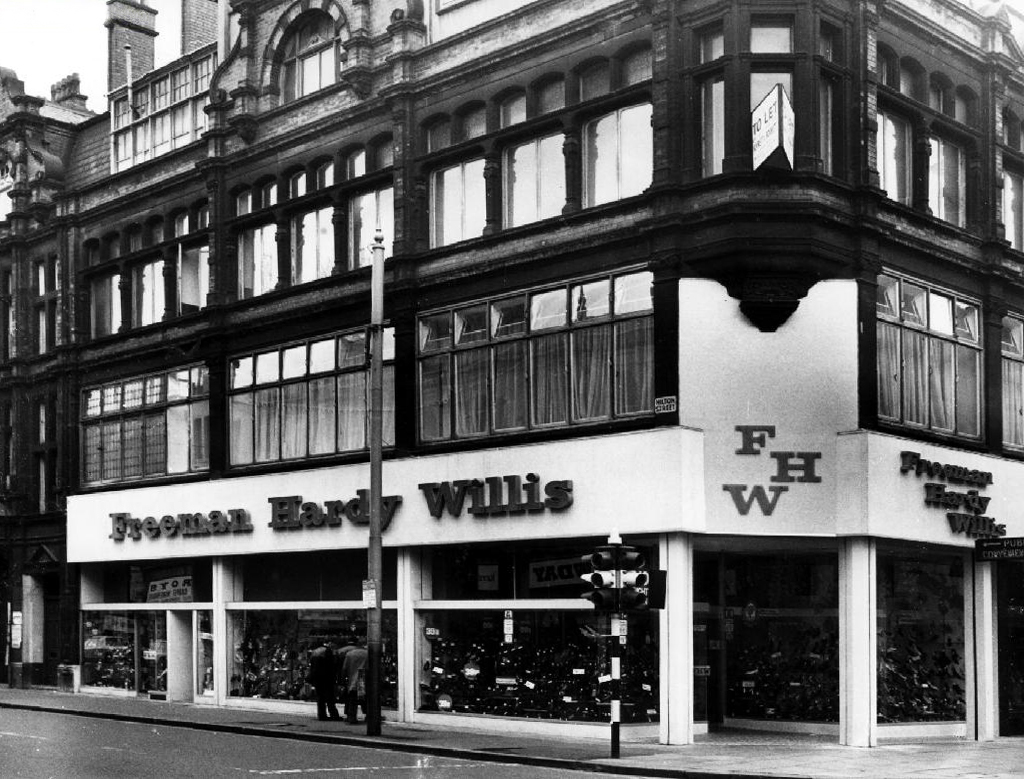
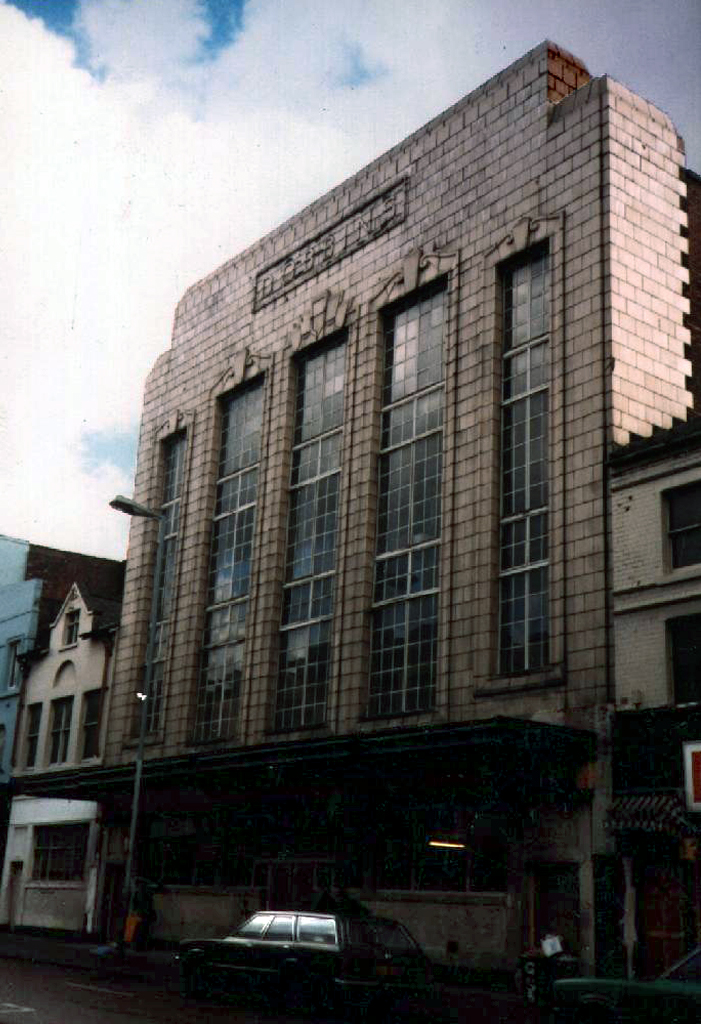
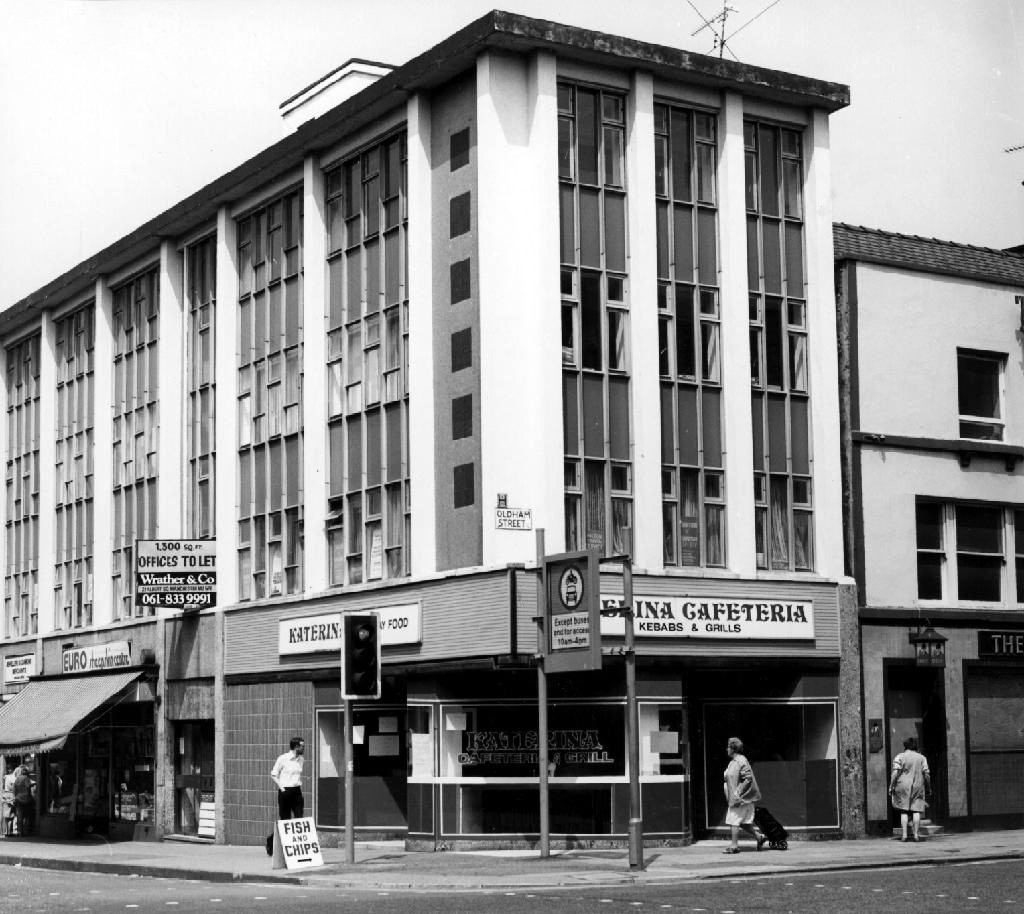
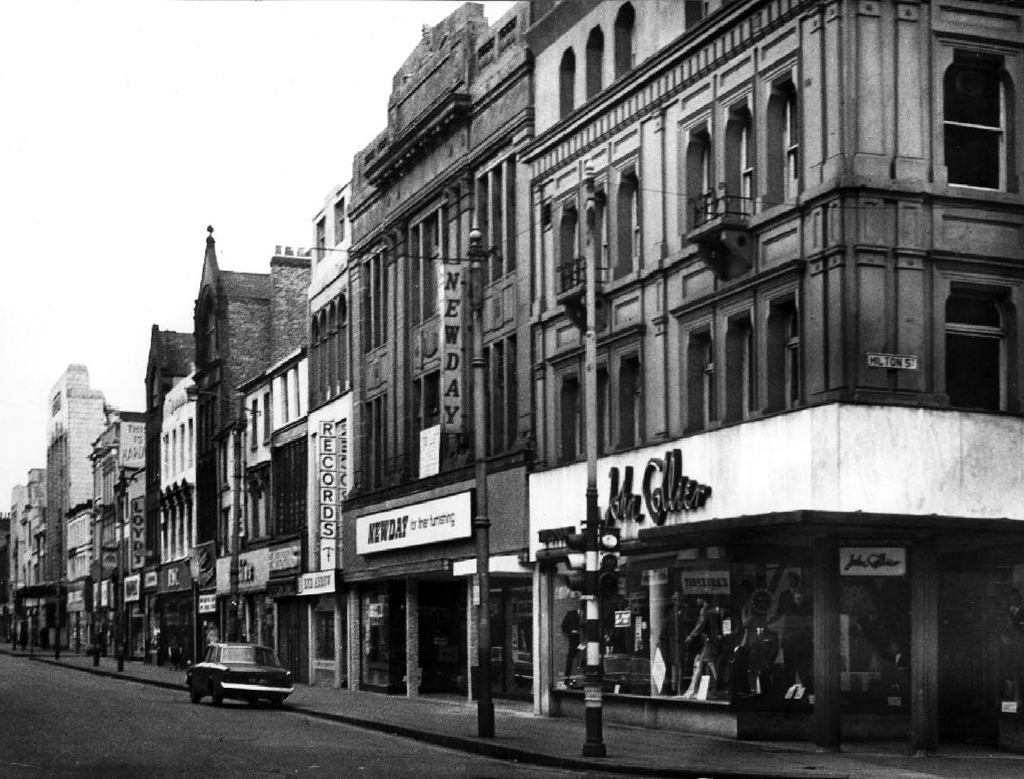
Following my previous post of archival images of Oldham Street, I took a walk along its length a week ago, to record what remained of the post war past.
Gone again the blackened façades, exuberant and differentiated signage.
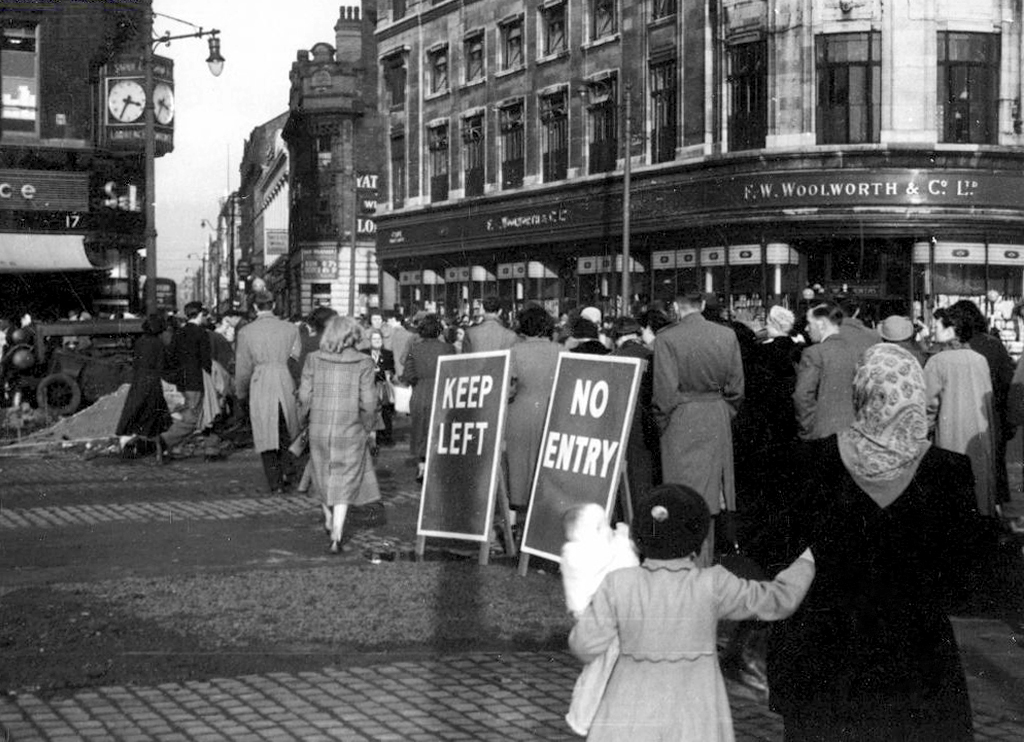
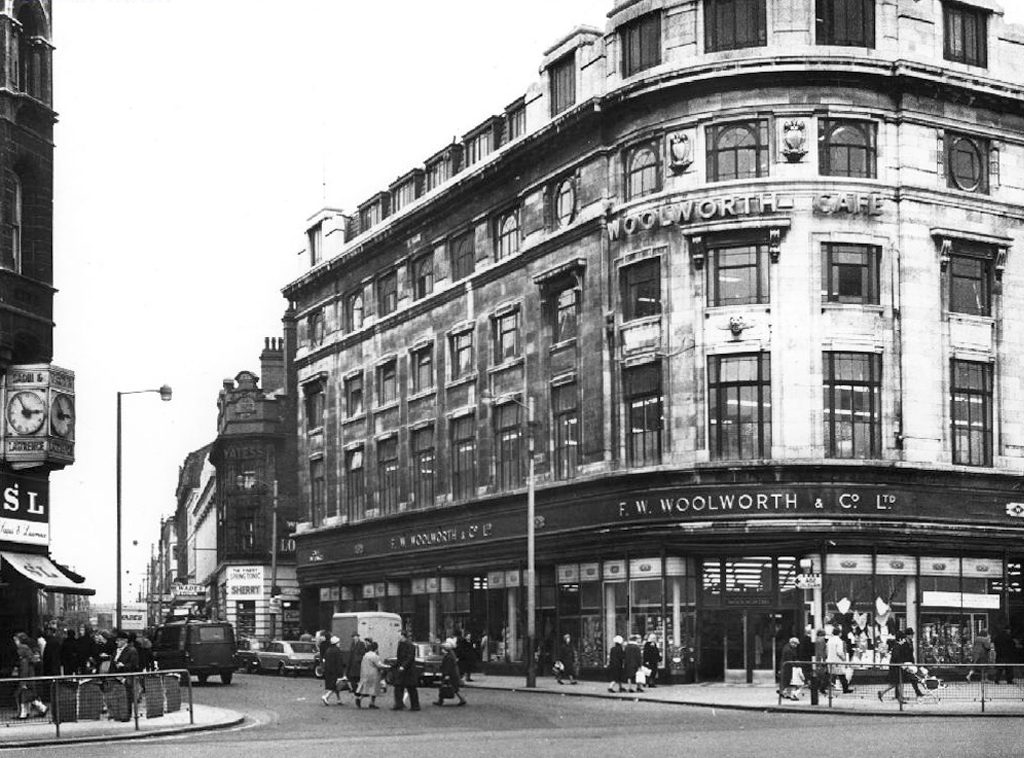
Woolworth’s burnt out long ago, never to return, exit also C&A, don’t forget your coat and hat.
Affleck’s – same name different place.
Yates’s three down none to go, the last all-in is all out.
Three pubs prevail, some serving craft ale to the not so crafty.
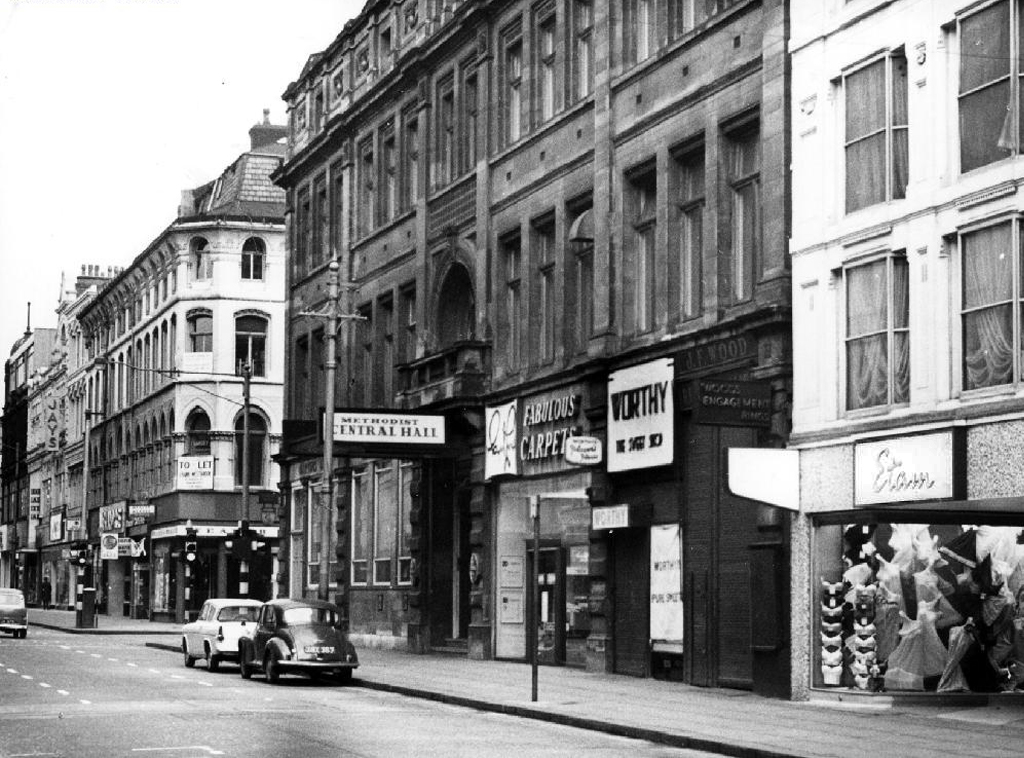
Methodist Main Hall is mainly well-used and well, loved.
In low Winter light the upper floors dance in shadow and sun-glow, against a brighter than bright blue sky.
In the early 18th century, Oldham Street was apparently:
“An ill-kept muddy lane, held in place on one of its sides by wild hedgerows”.
In 1772, a privately owned track which is now known as Oldham Street was given to the public. The road took its name from Adam Oldham rather than from the place name. He was an acquaintance of John Wesley, the founder of Methodism, which could account for the Oldham street location of the Methodist Chapel, opened by Wesley in 1781. Central Hall replaced the Chapel in 1885.
The area around Oldham Street became more affluent, with warehouses and shops, many of whose merchants lived within their shop premises. This is described by Isabella Varley, Mrs. Linnaeus Banks, a resident of Oldham Street, in her book The Manchester Man.
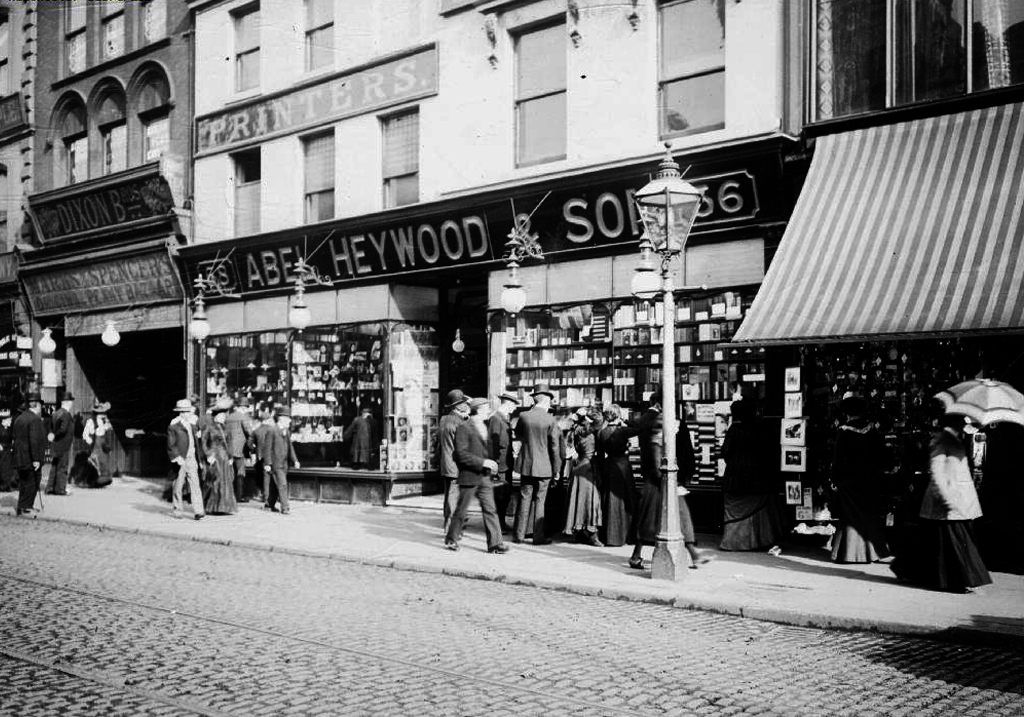
One Oldham Street shopowner mentioned by a number of writers is Abel Heywood, who spearheaded the mass distribution of books, supplying the whole country not only with penny novels, but also with educational books and political pamphlets. Heywood went on to become Mayor of Manchester.
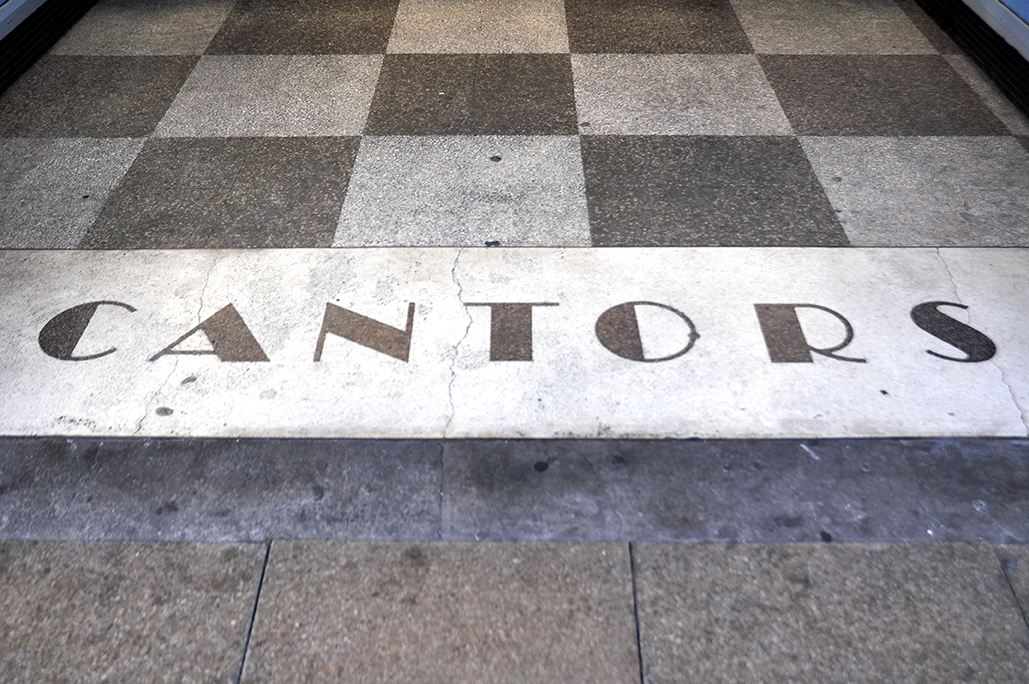
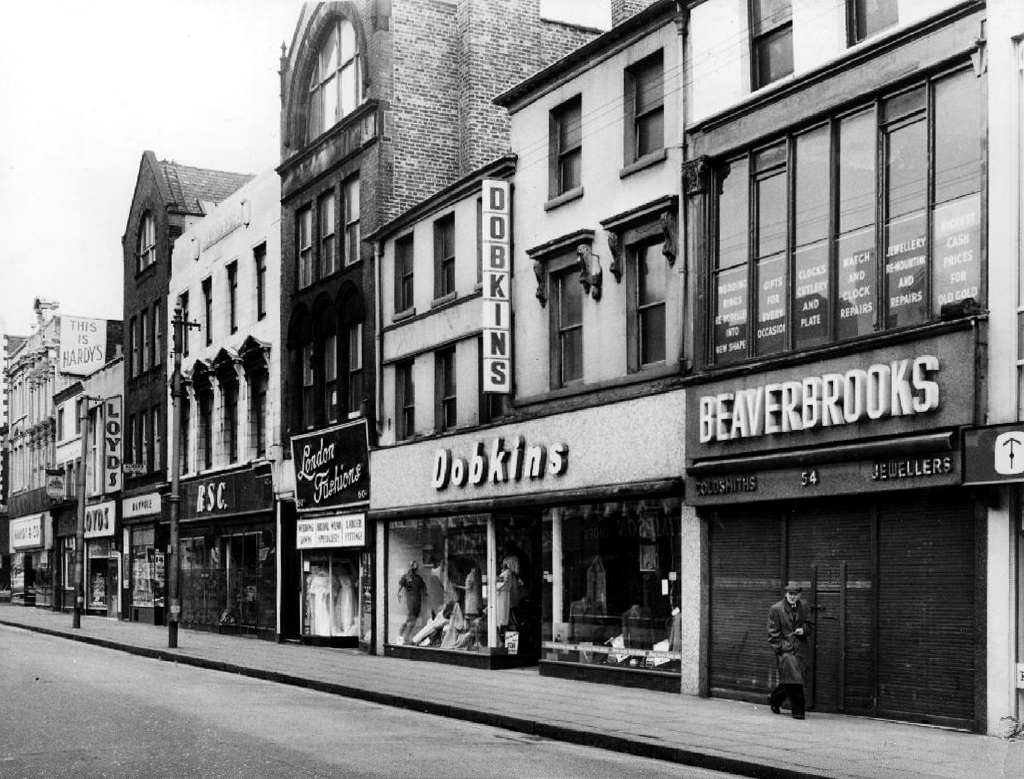
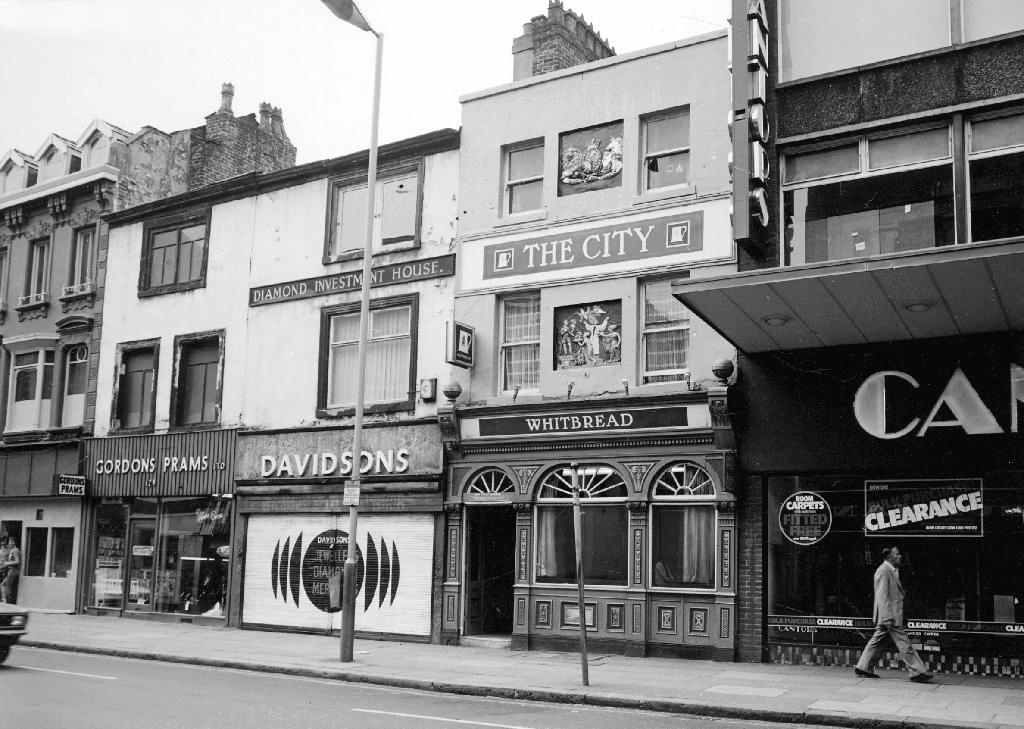
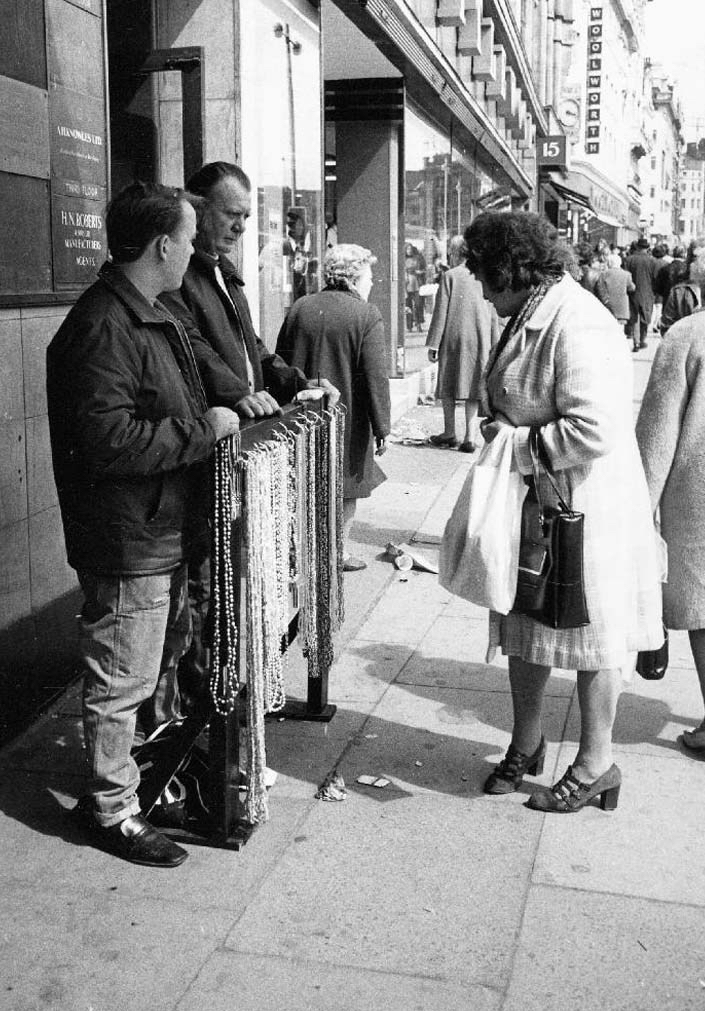
The general well to do, mix of hustle and bustle, pubs, warehousing, grand stores, smaller specialist shops and services continued into the 1970’s. Woolworths, C&A, Affleck and Browns, Cantors, Dobbins attracted a steady flow of happy shoppers, I loved the mongrel nature of the mixed use architecture.
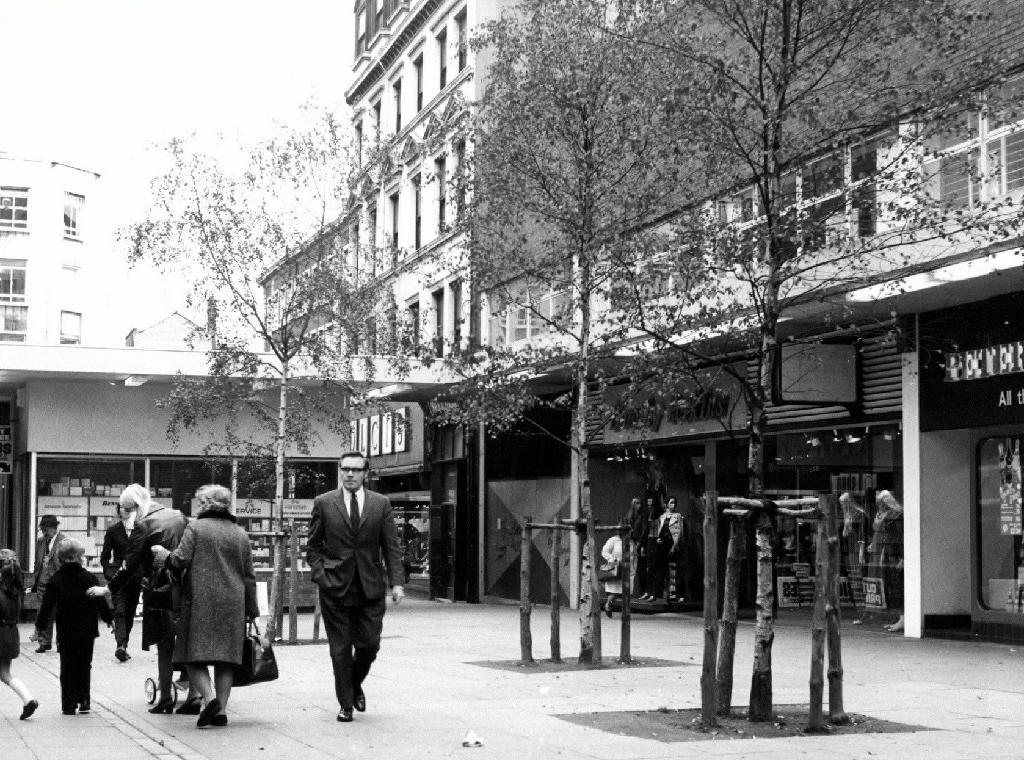
The focus if the city centre then slipped away to the newly built Arndale and pedestrianised Market Street.
Oldham Street awaited a new sense of place and purpose.
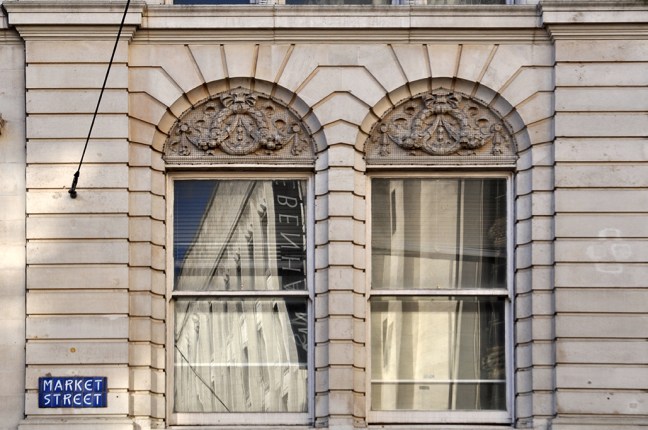
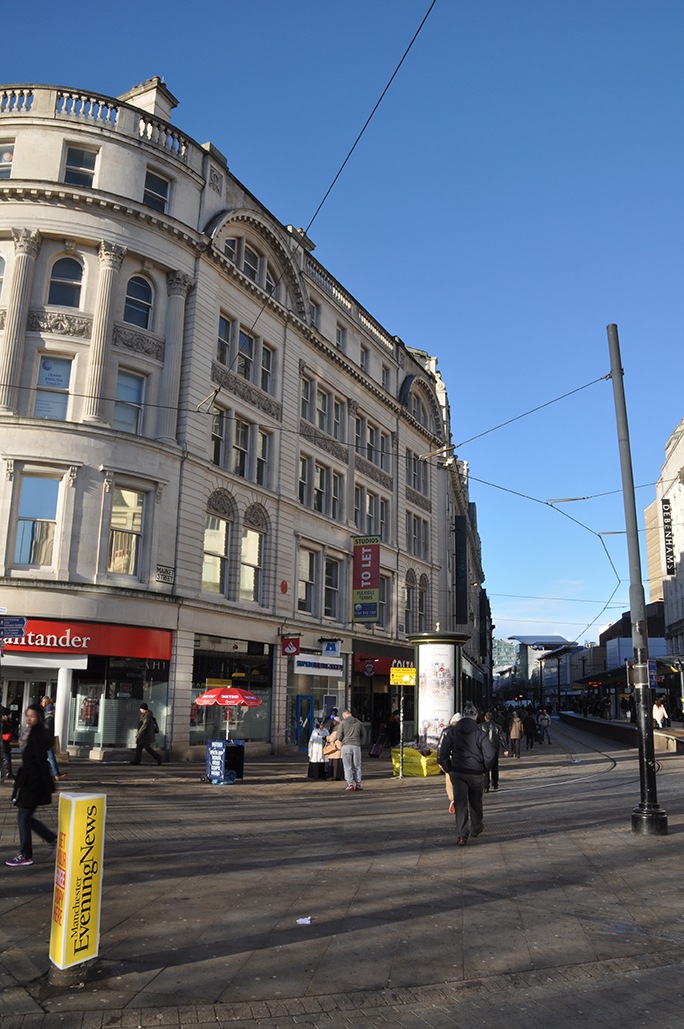
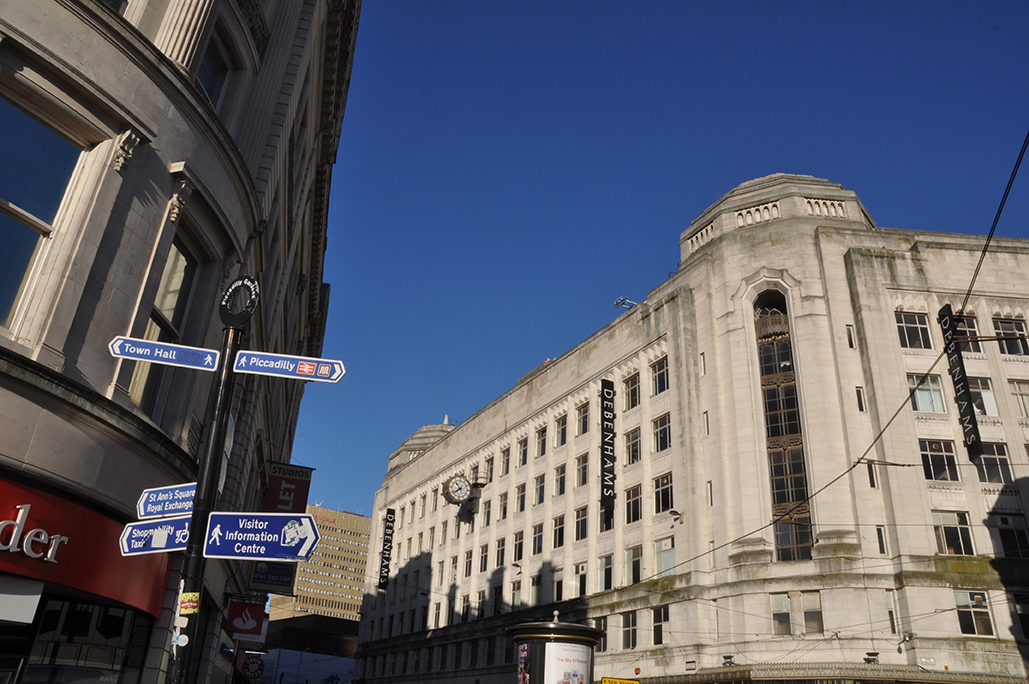
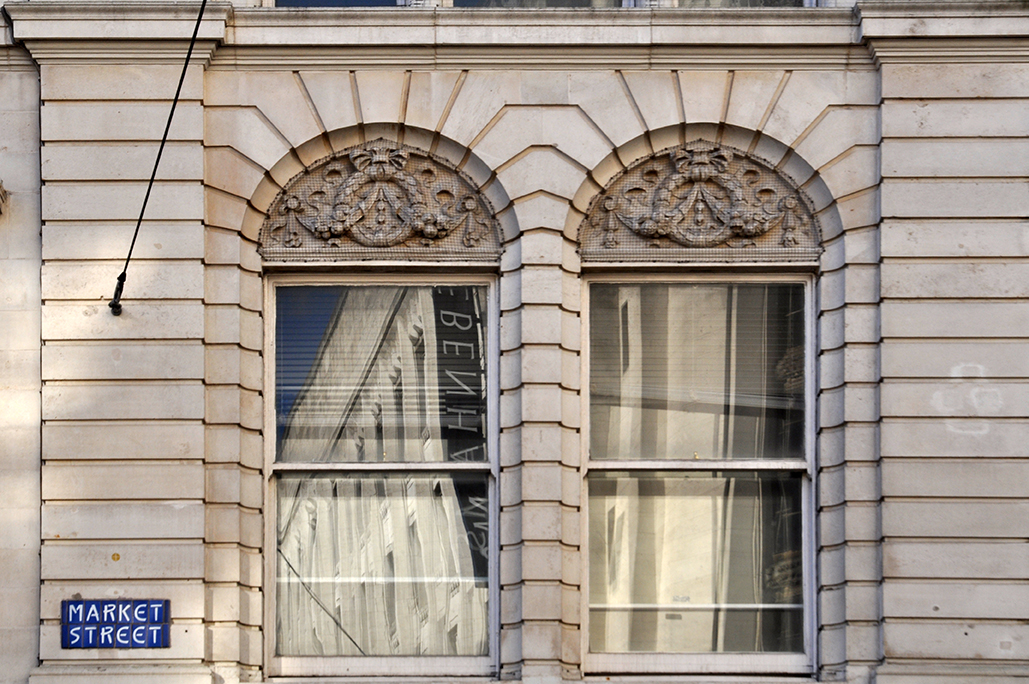
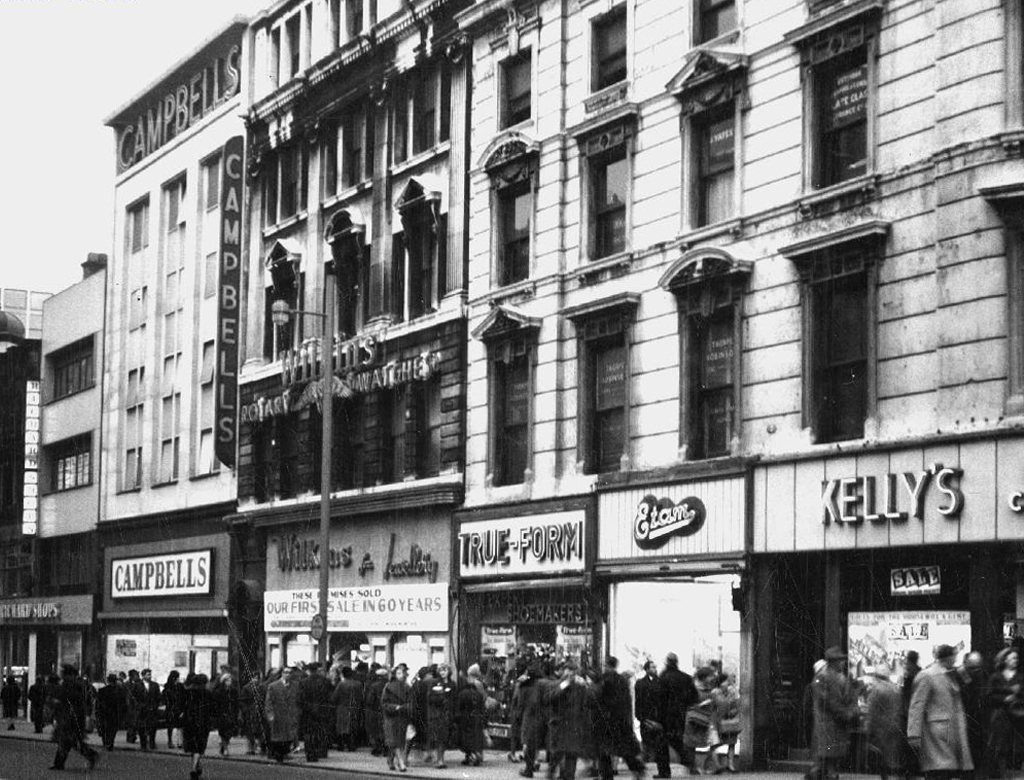
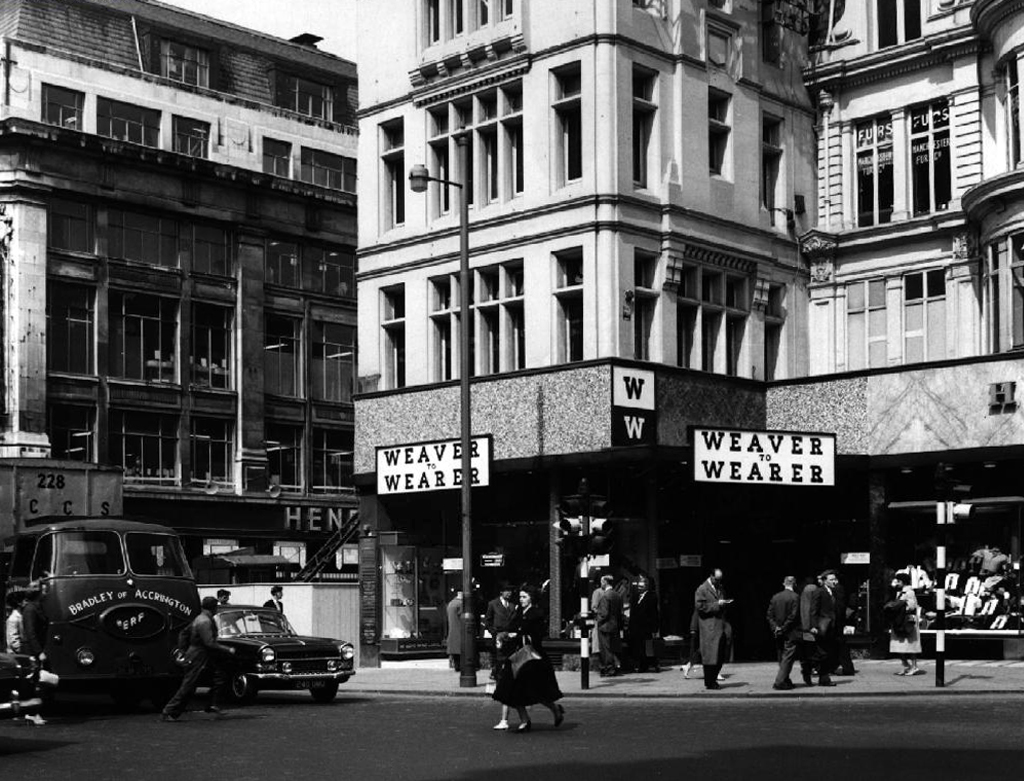
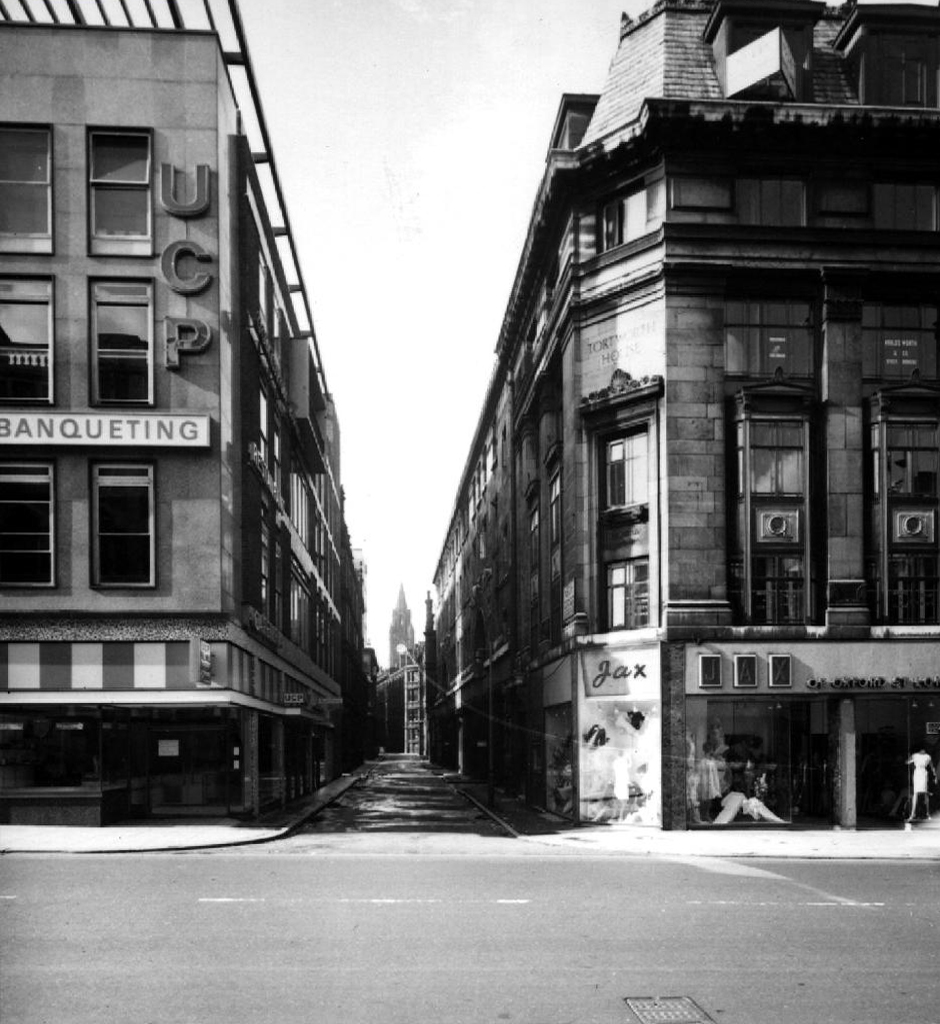
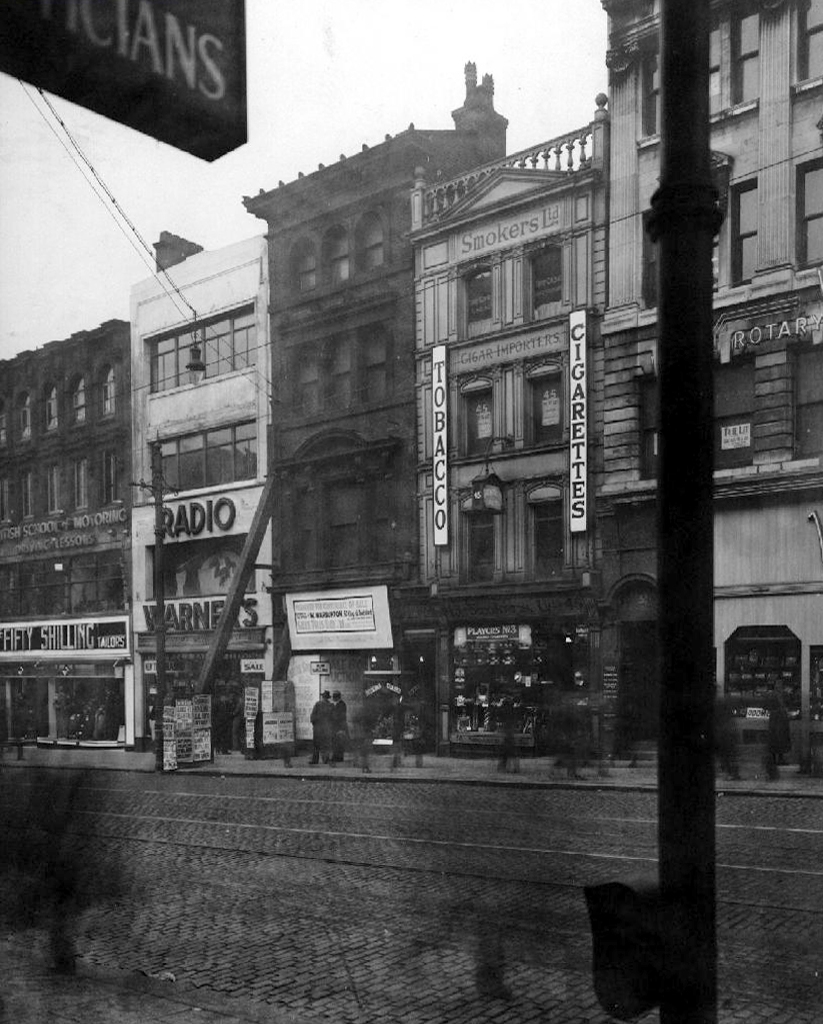
Following my previous post on Market Street, using archive material from the 60s and 70s, I was prompted to record the current state of the street.
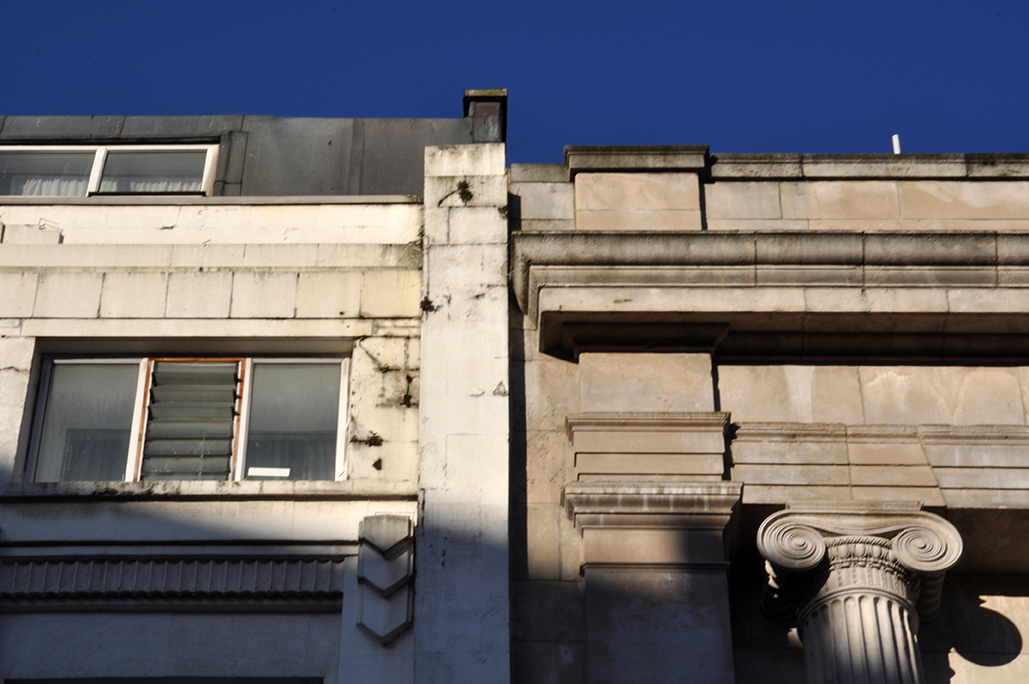
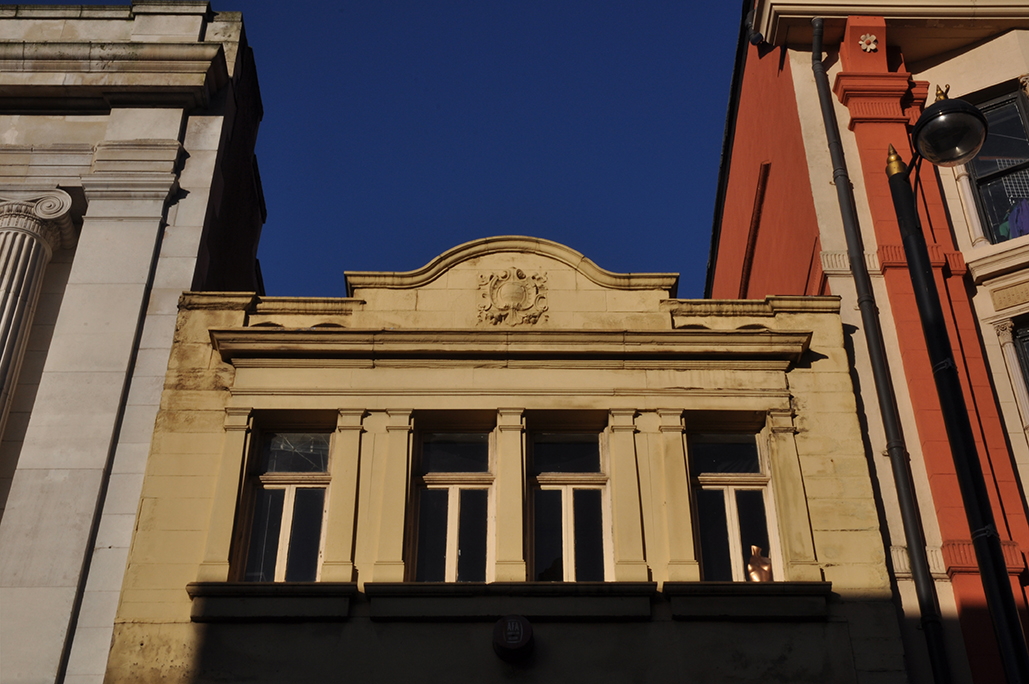
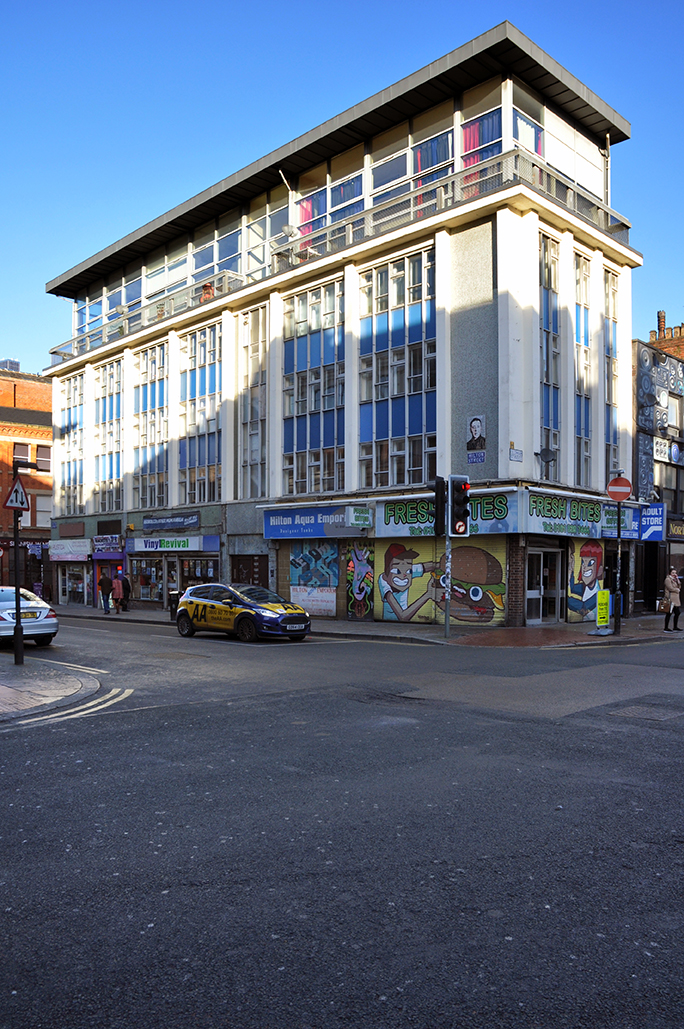
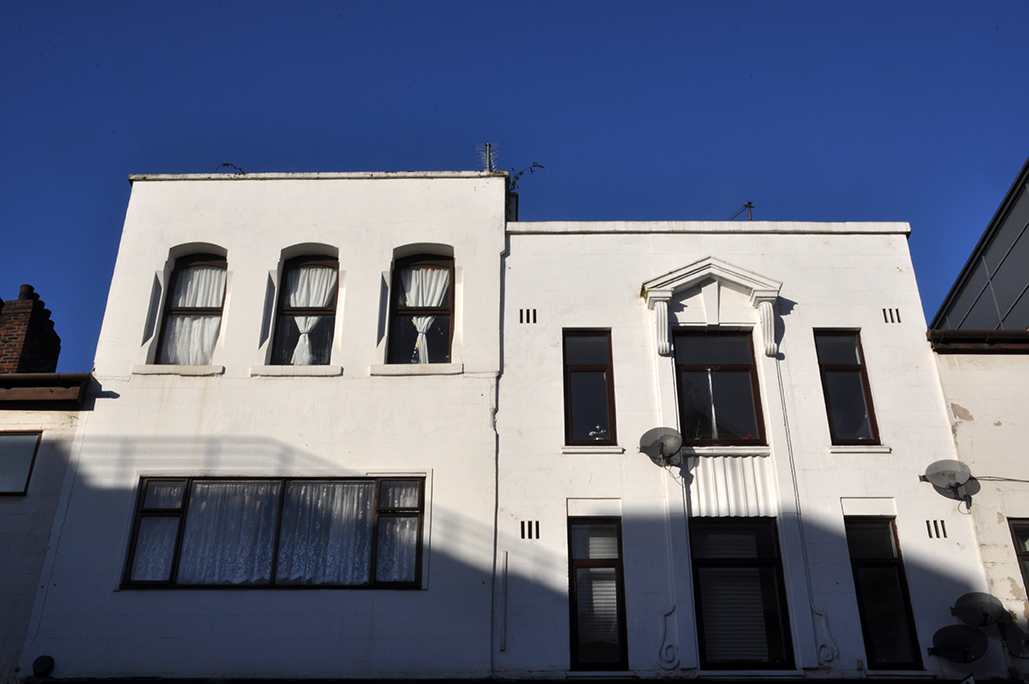
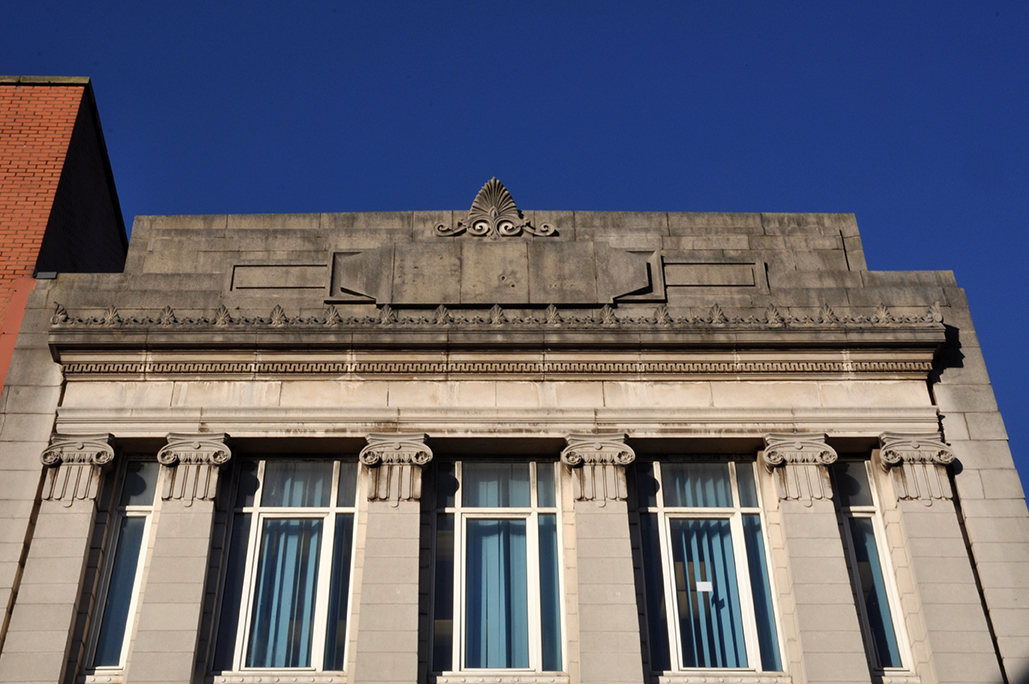
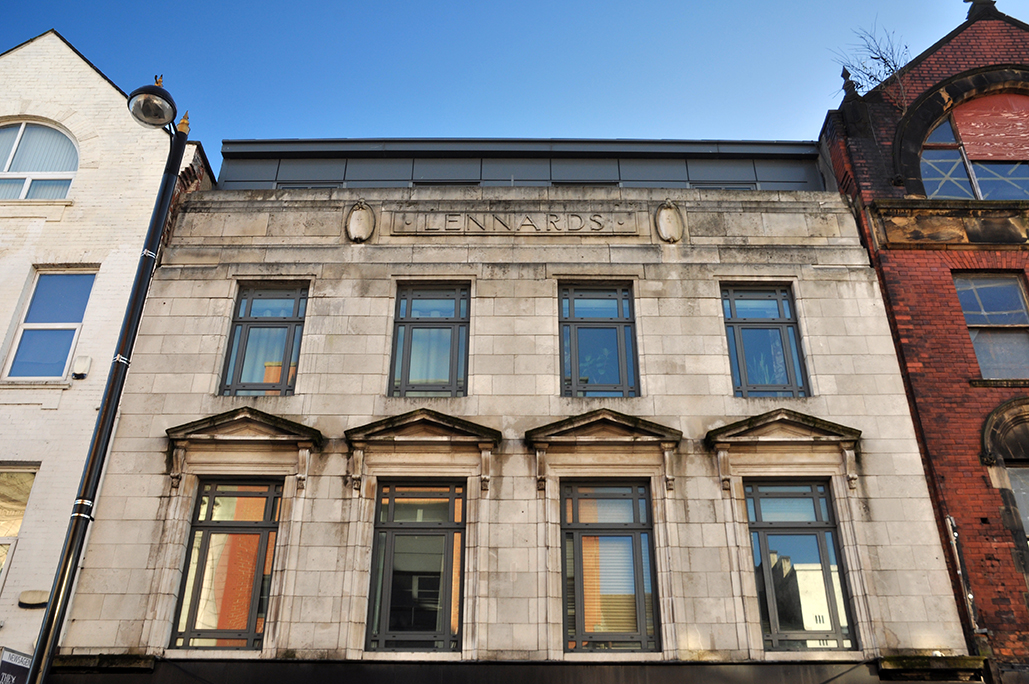
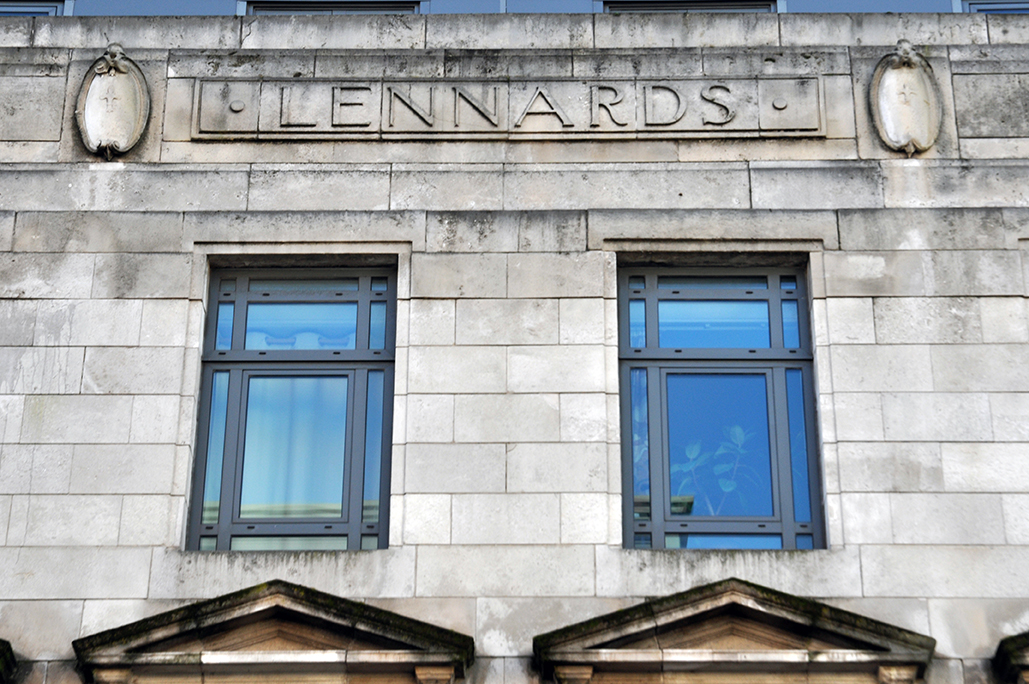
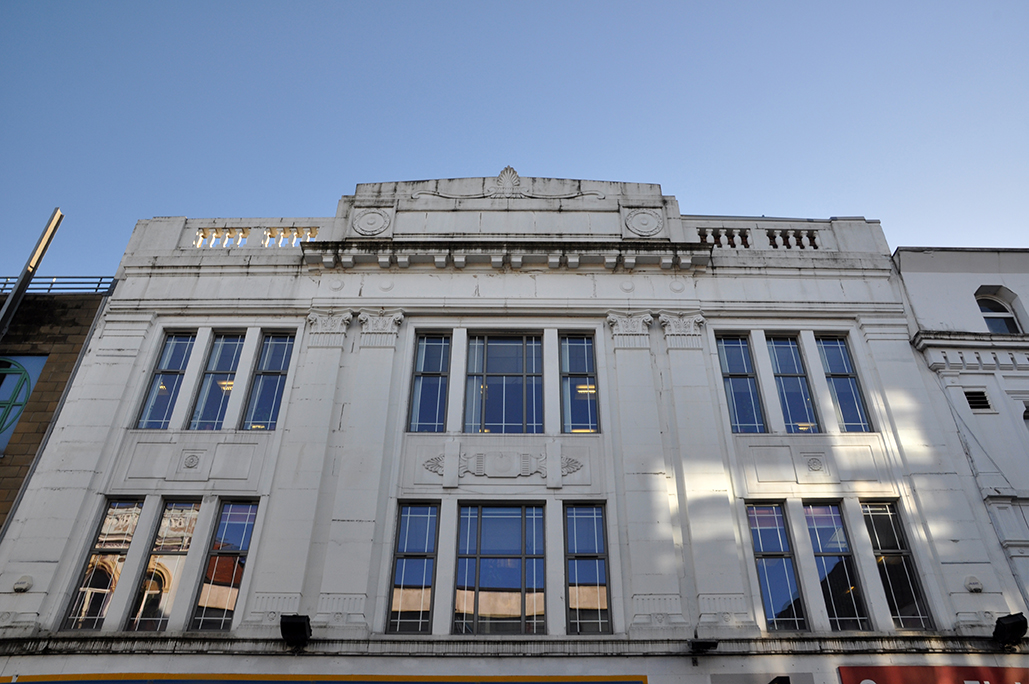
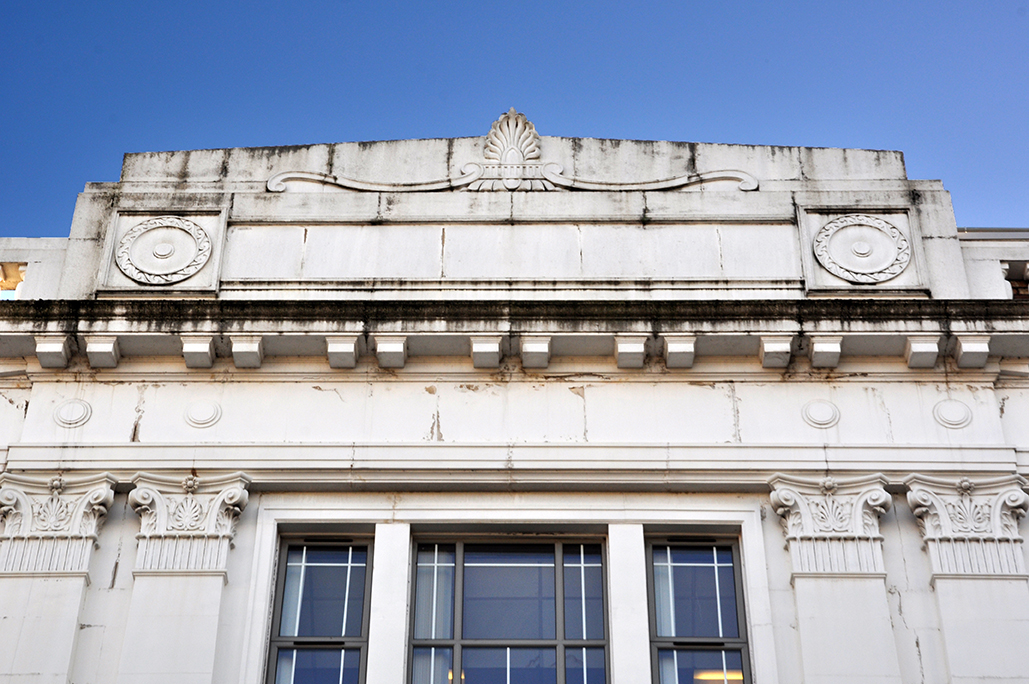
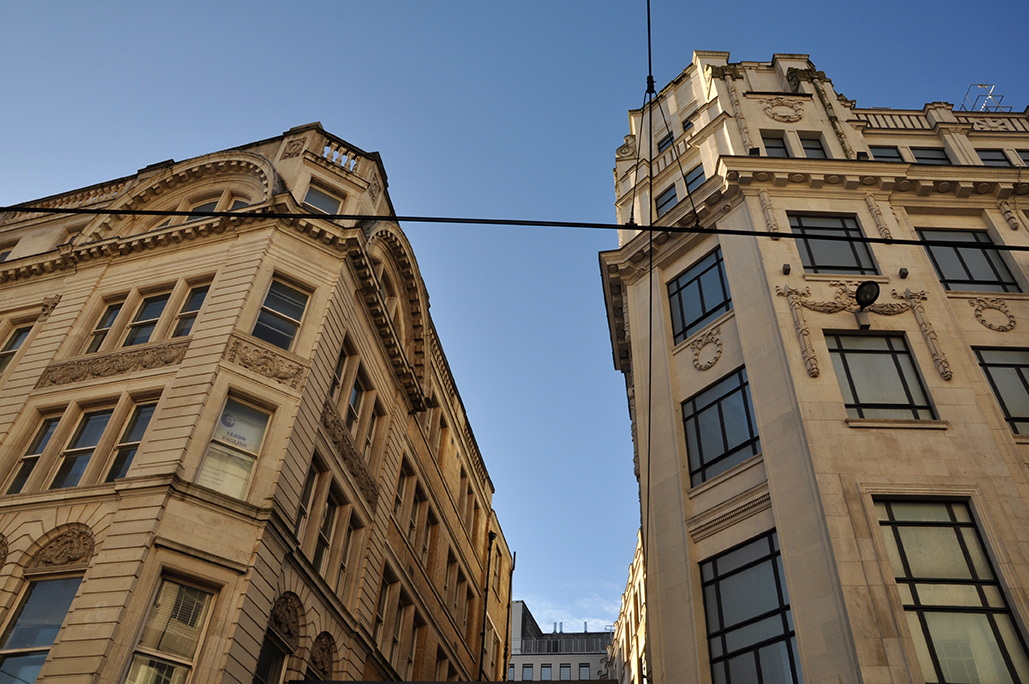
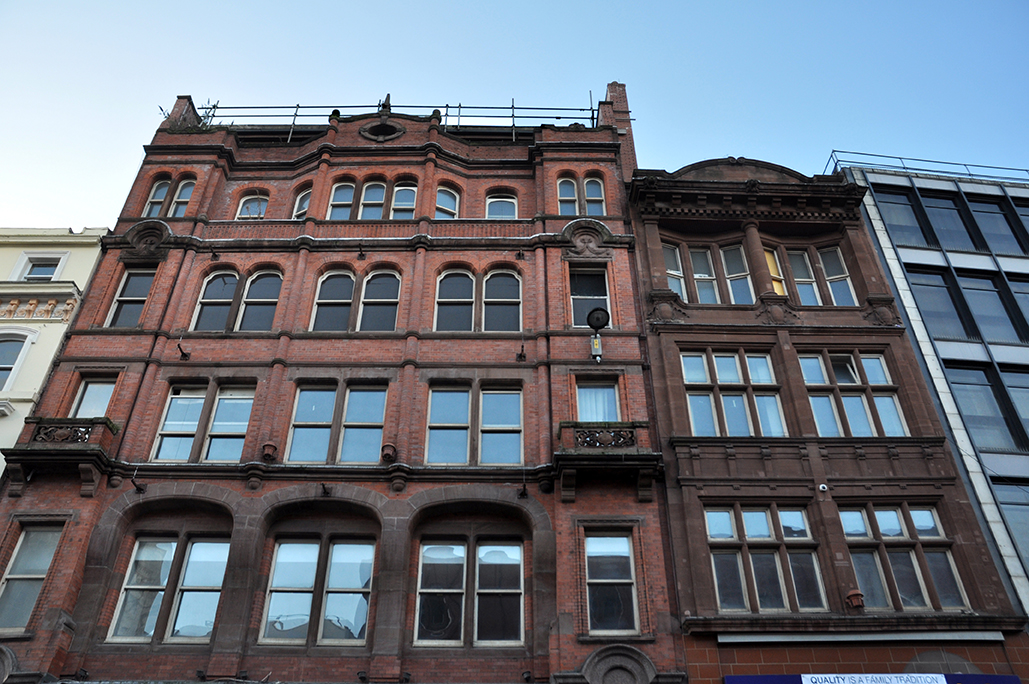
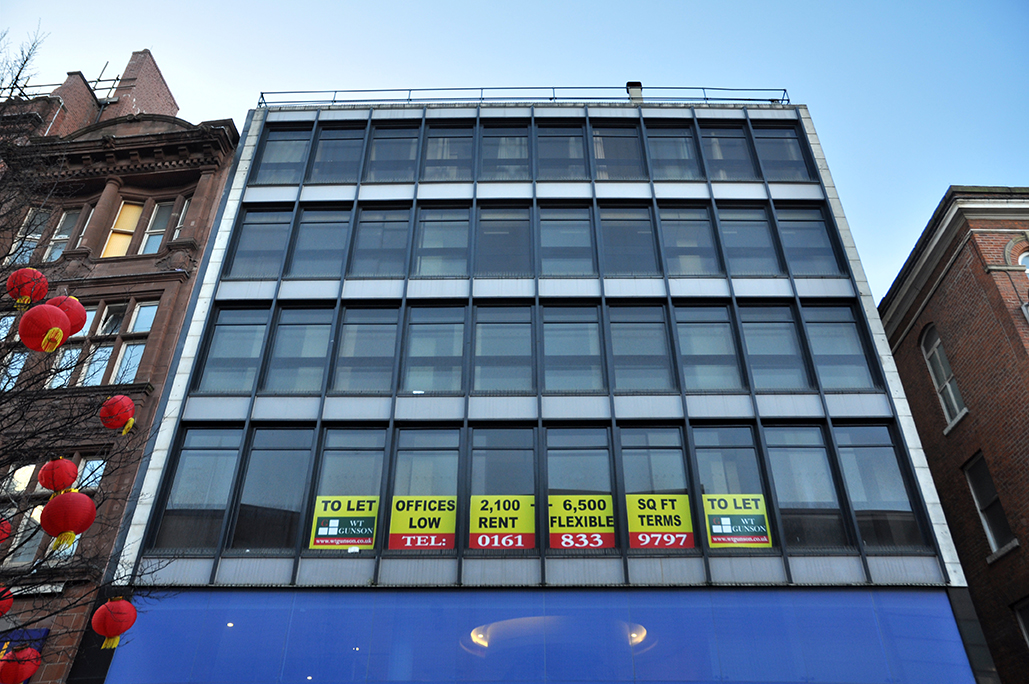
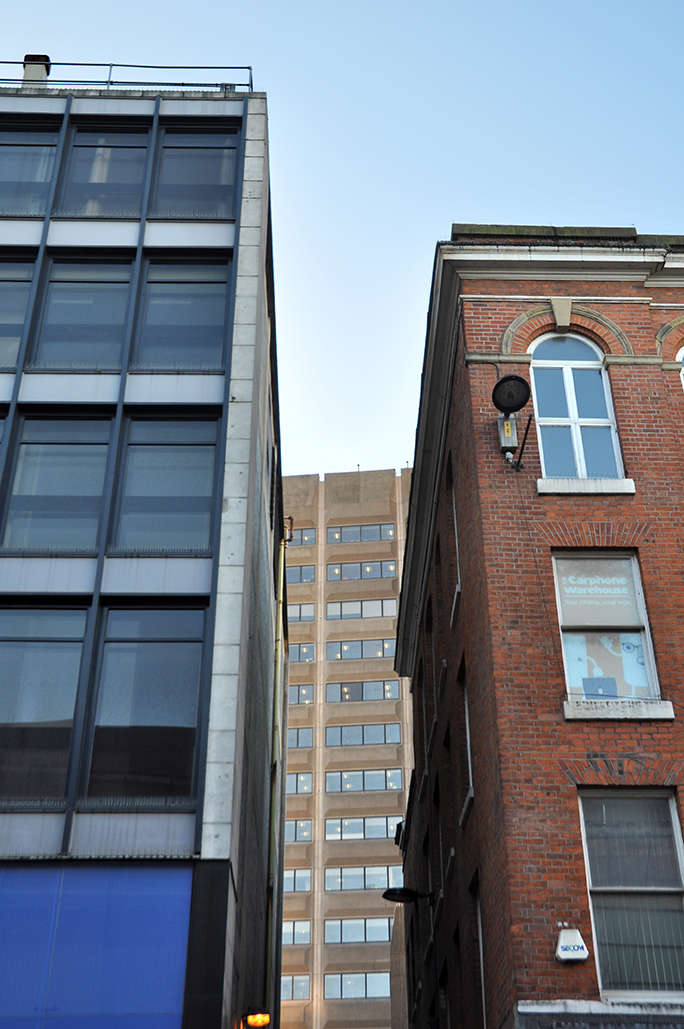
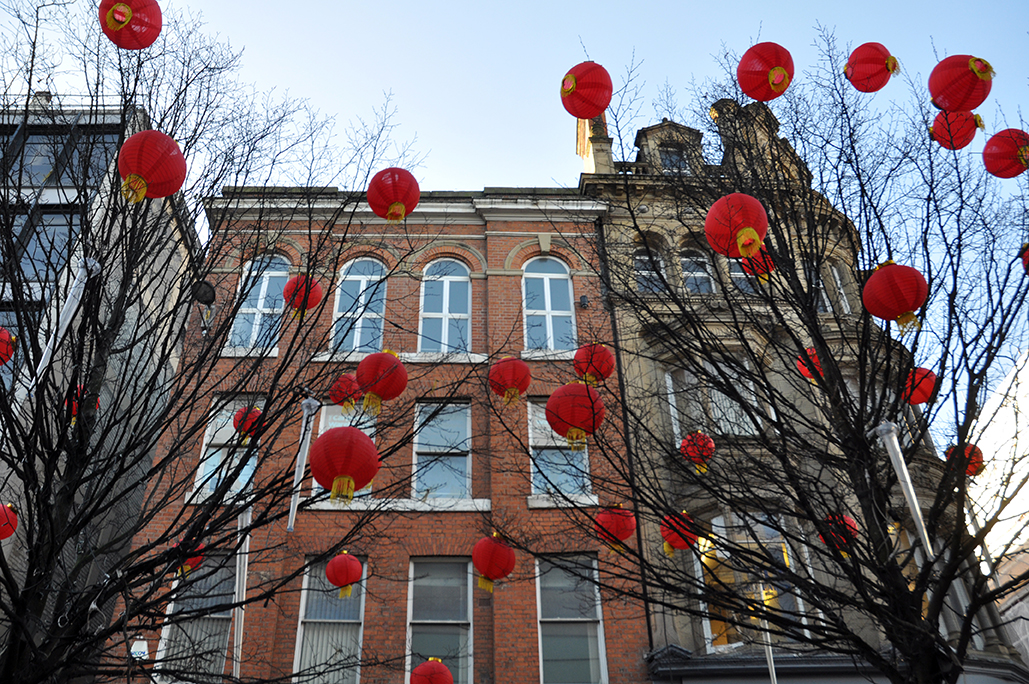
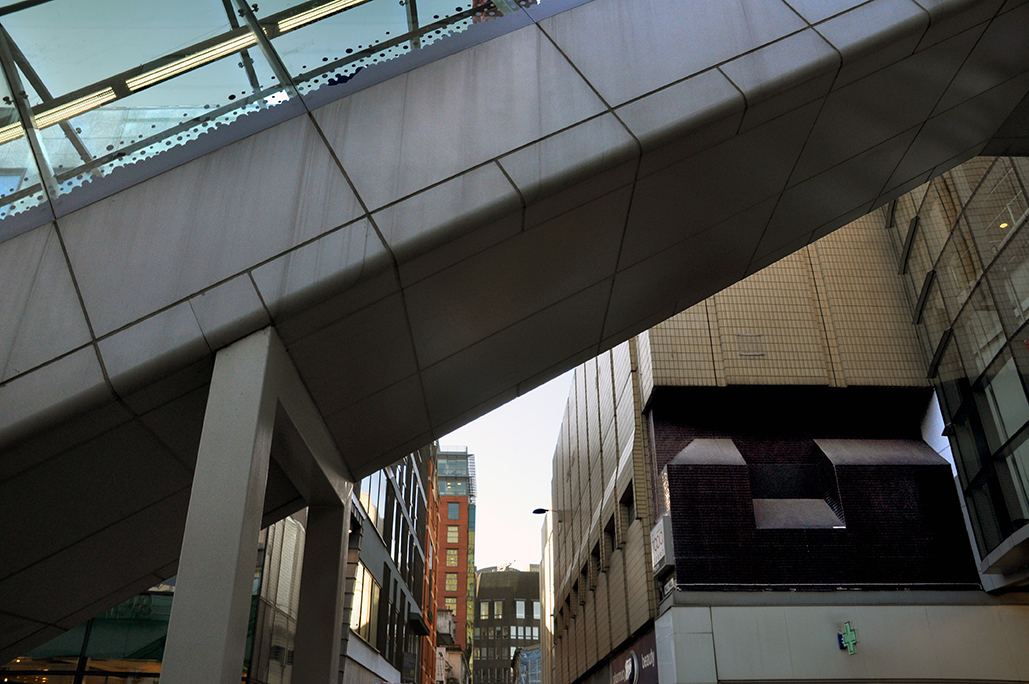
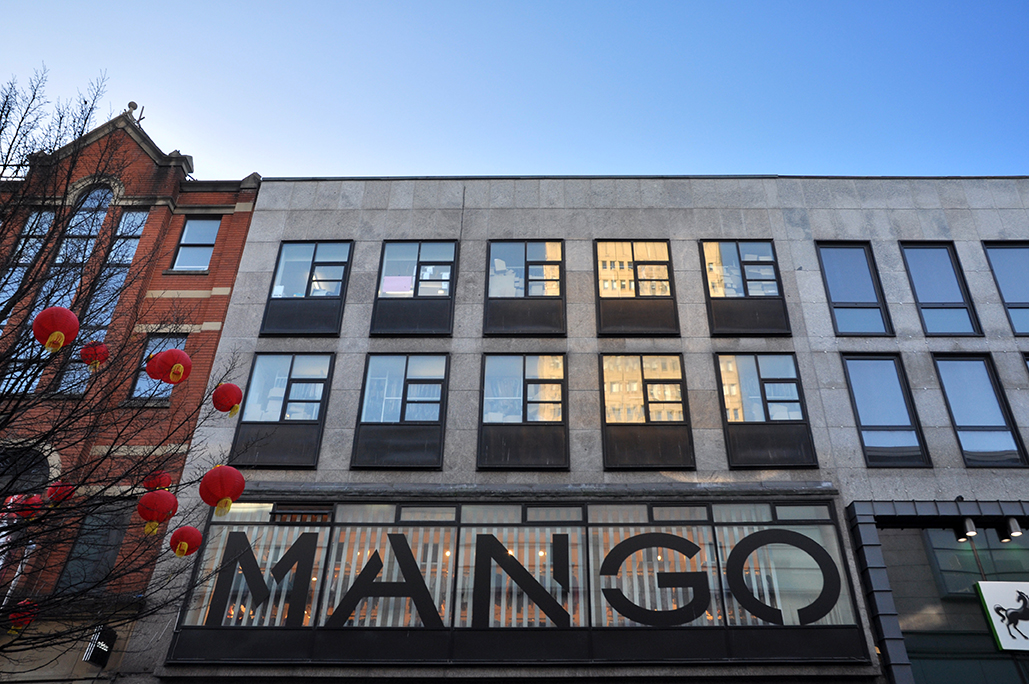
To the east is the Arndale, I chose to concentrate on the western elevation and the extant facades that chart a story from Victorian to Moderne – with a little rebuild, pastiche and grandiose Classicism in between.
See what you think, the sooty deposits have long been sandblasted away, much of the previous exciting noise and clutter, of above eye level signage ceases to shout, from just below the rooftops.
City streets are by their nature subject to movement and change, things literally come and go – in milliseconds, days and decades. People and places are shaped by the forces of function and fashion, economics and history.
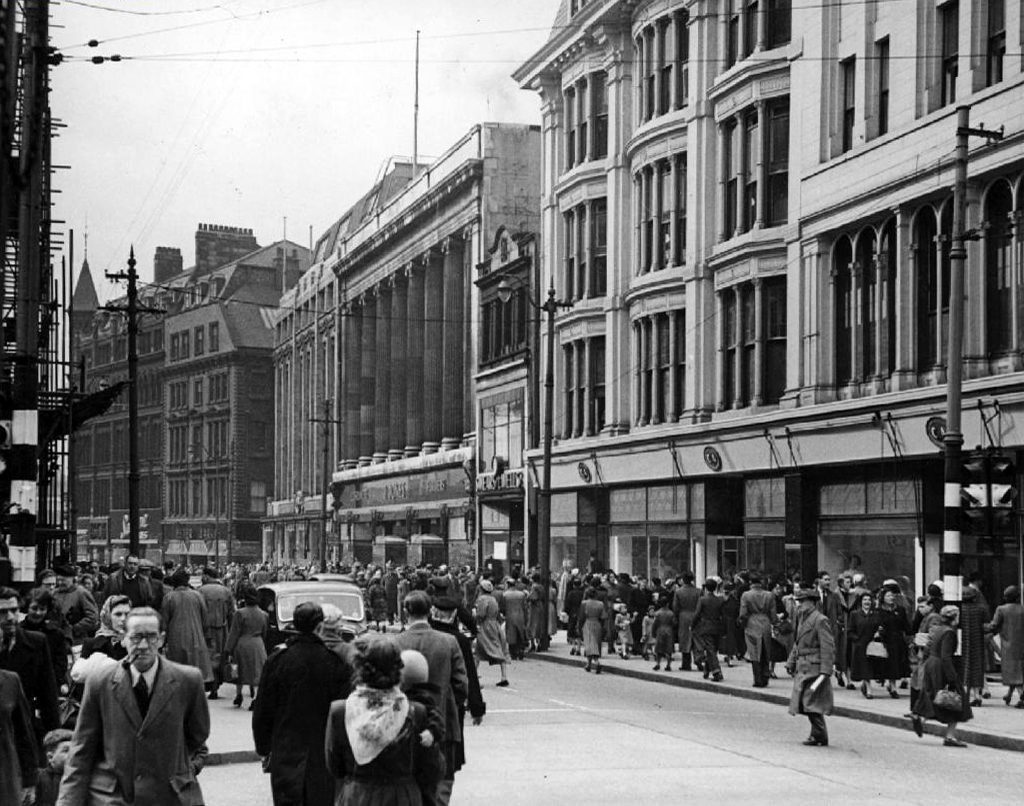
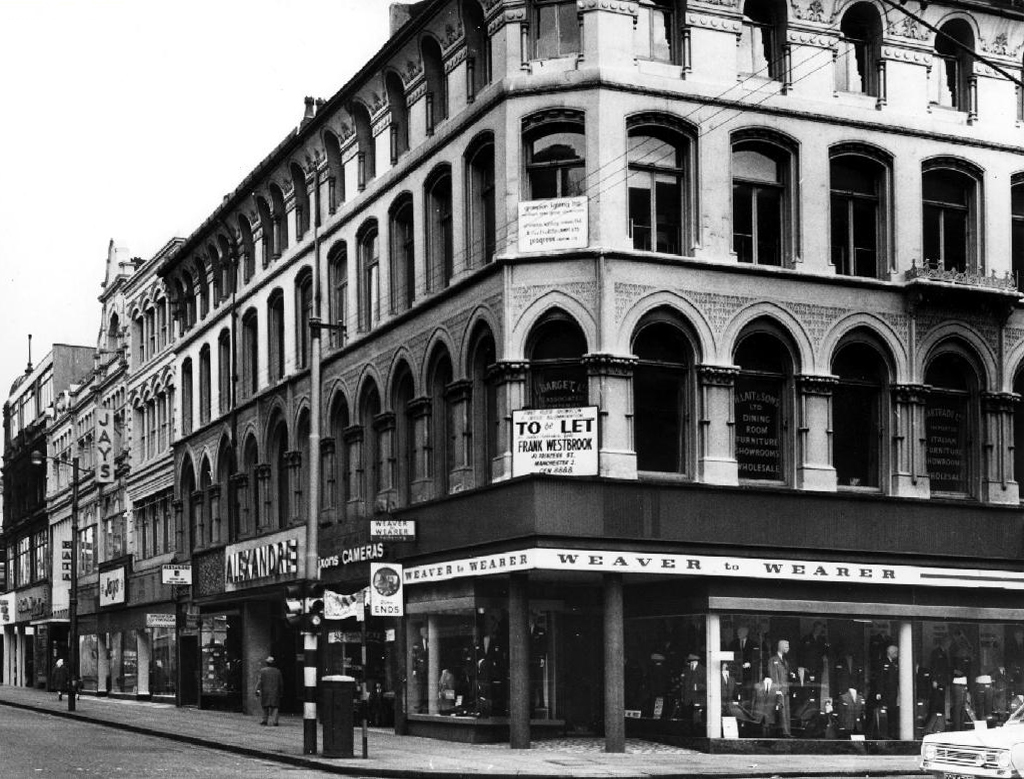
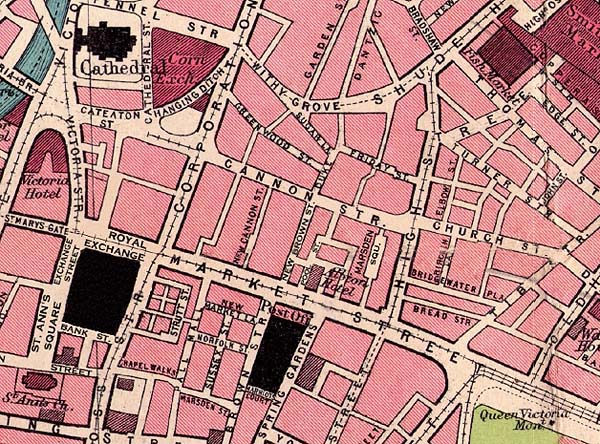
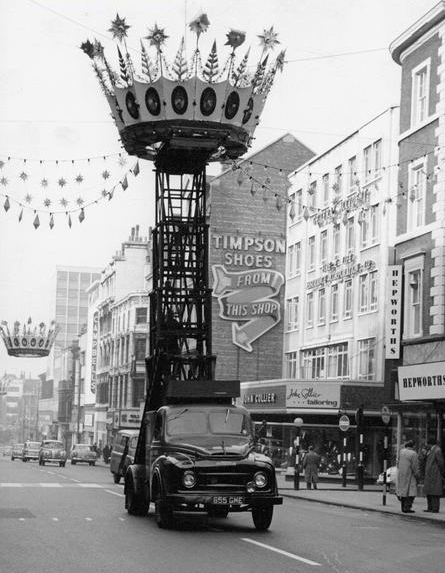
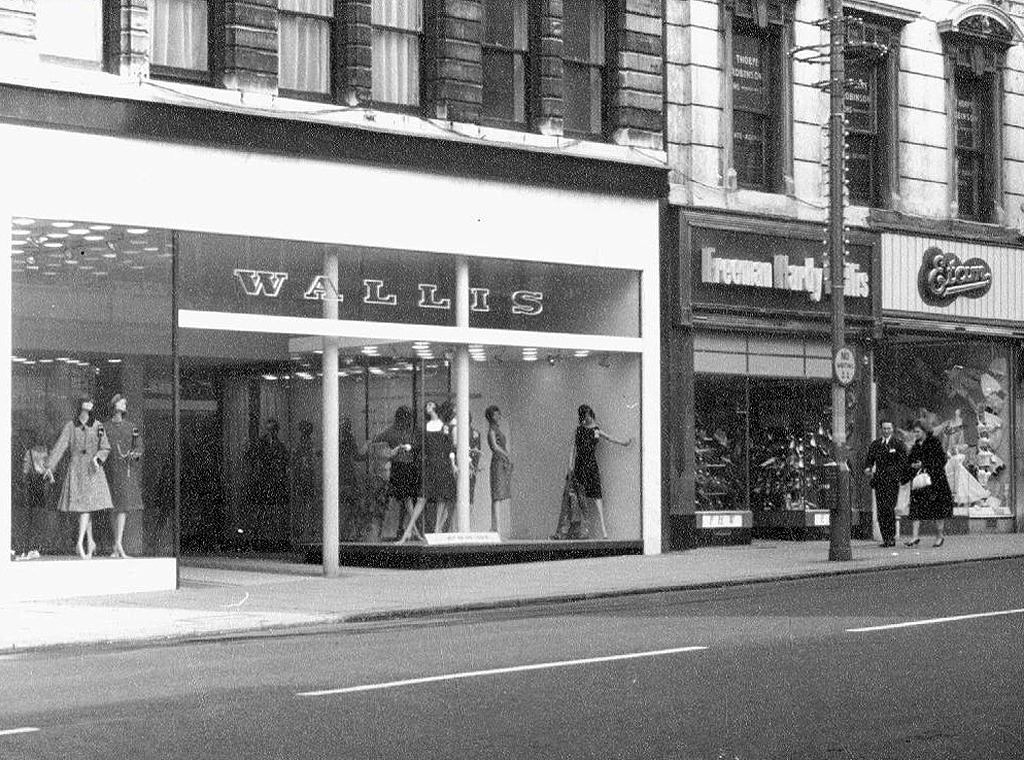
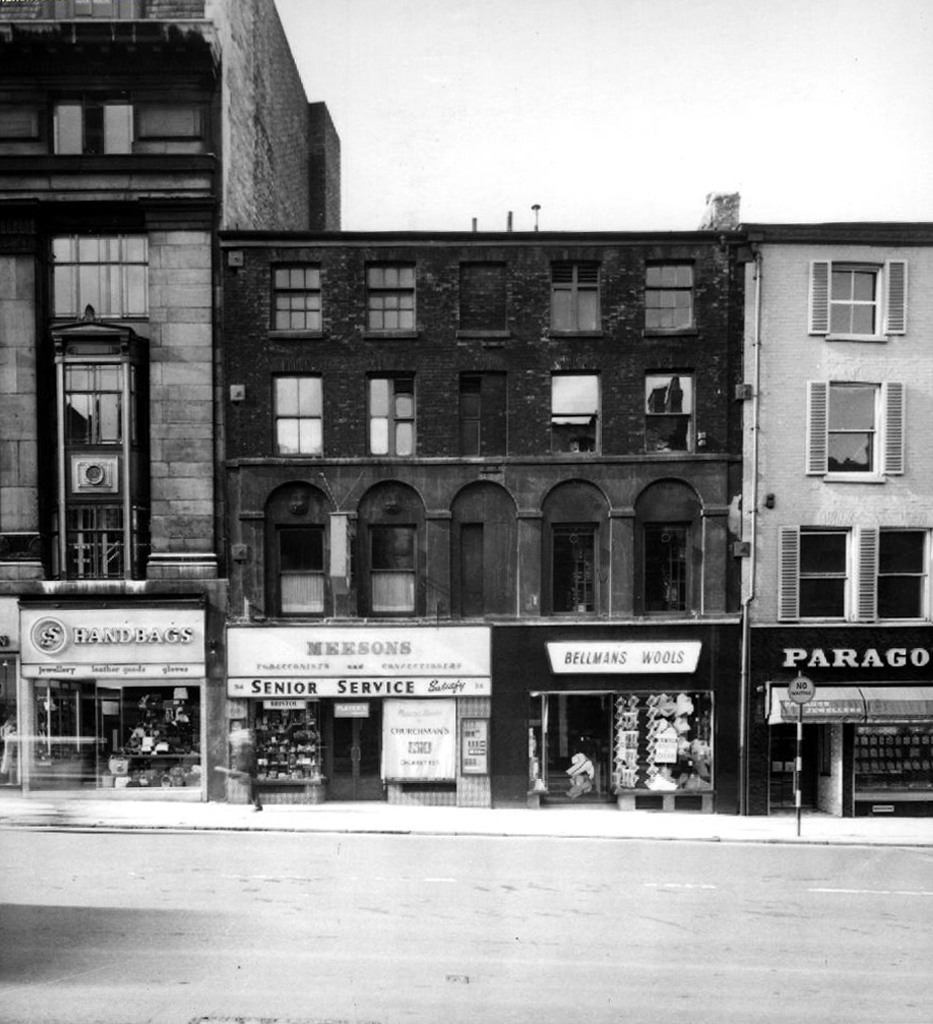
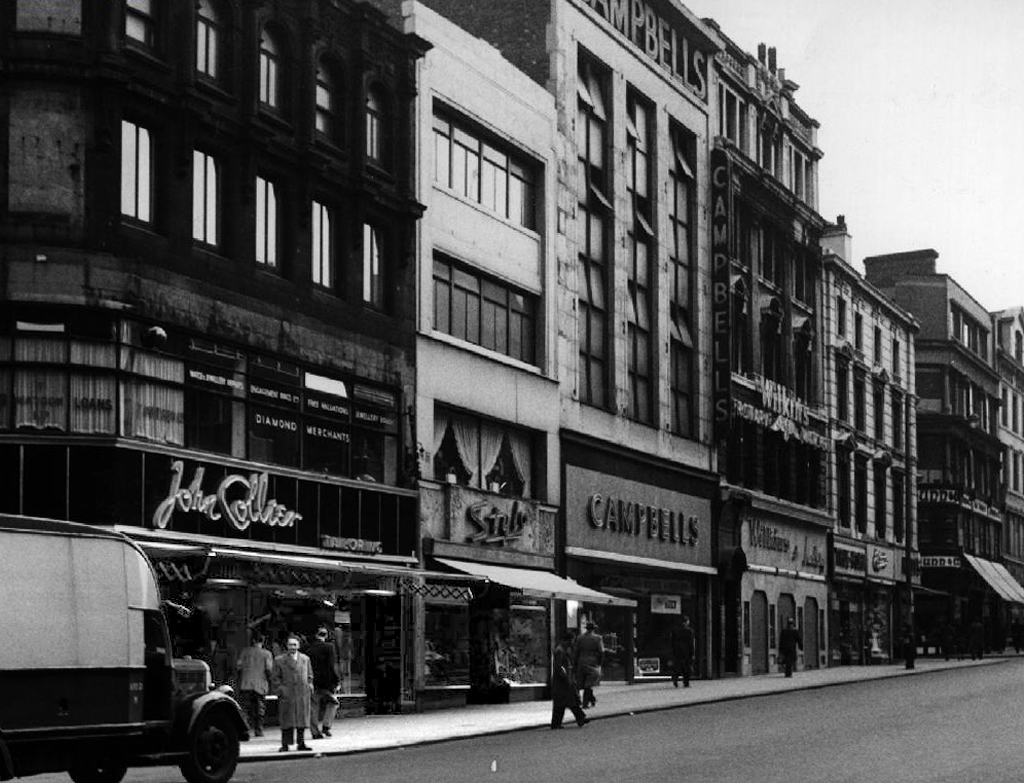
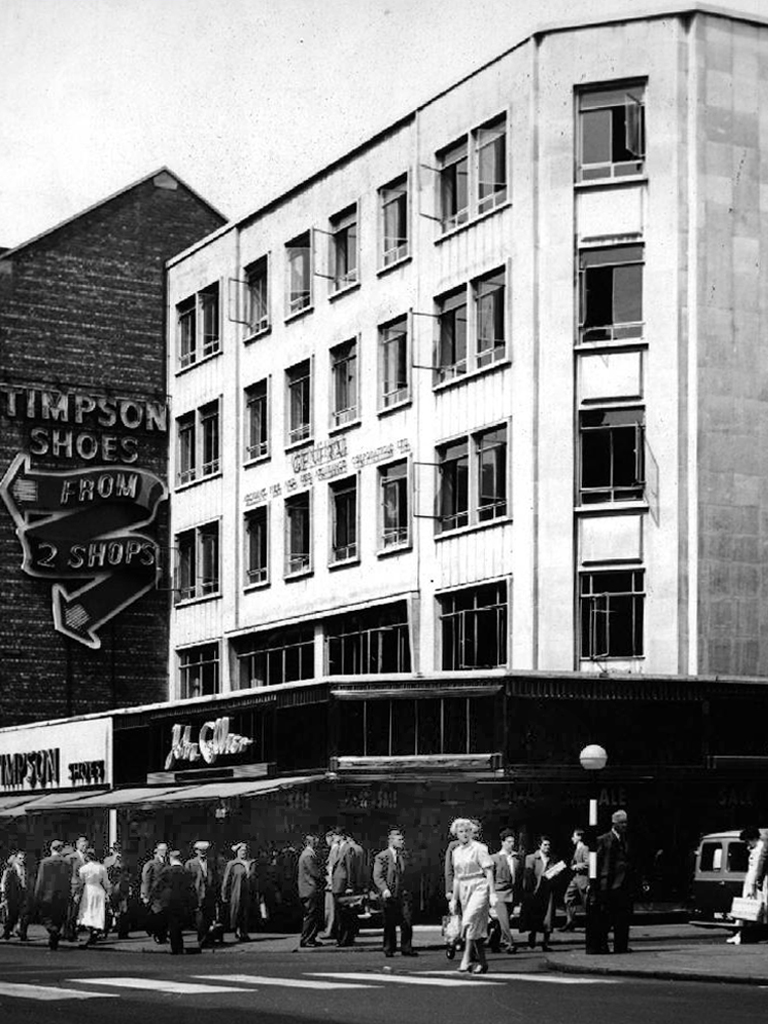
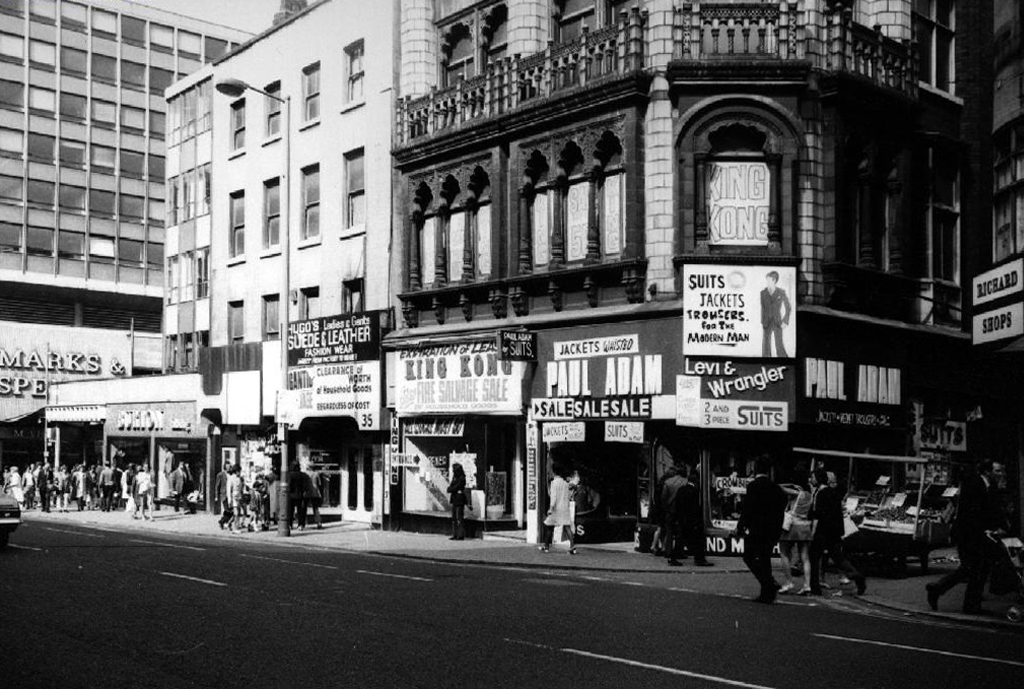
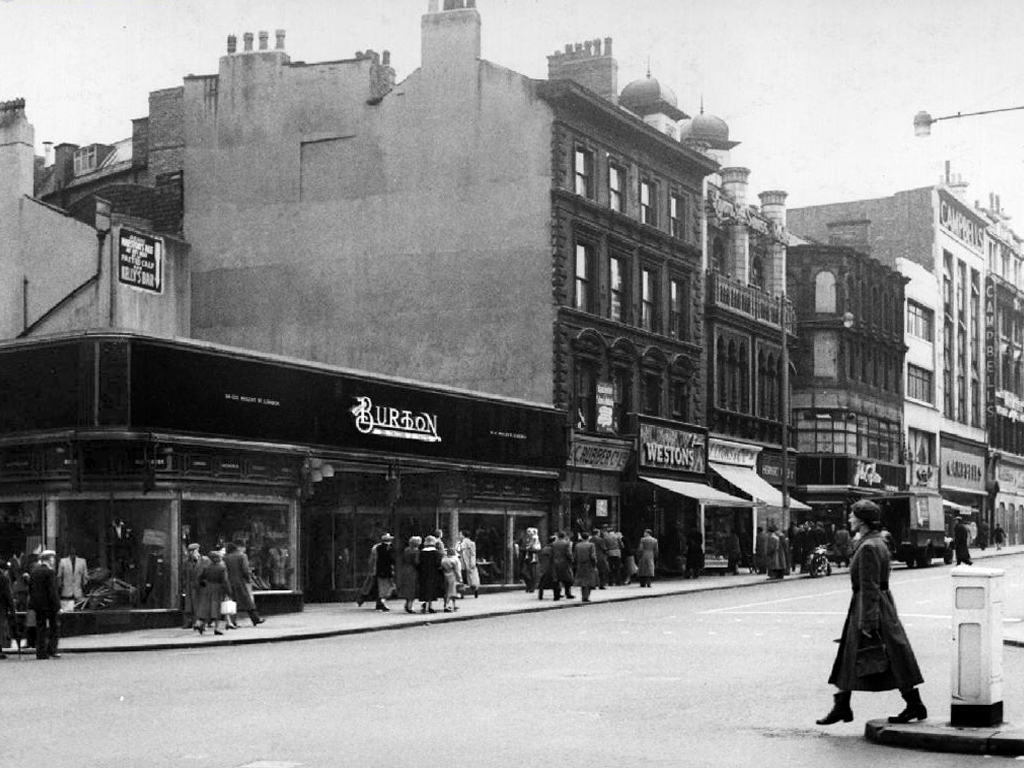
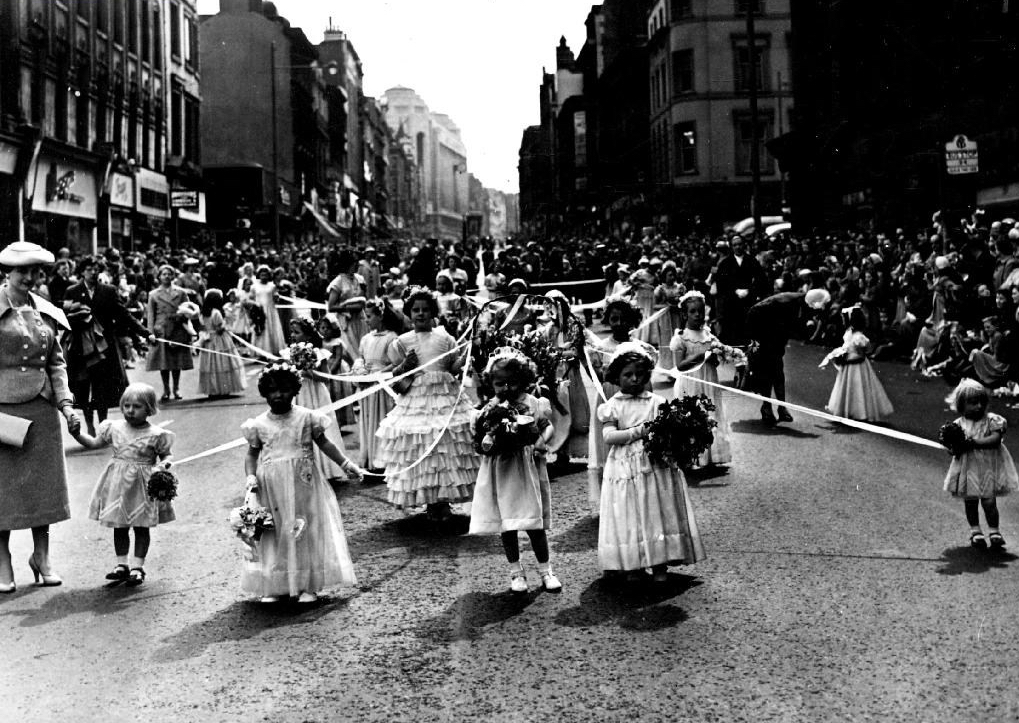
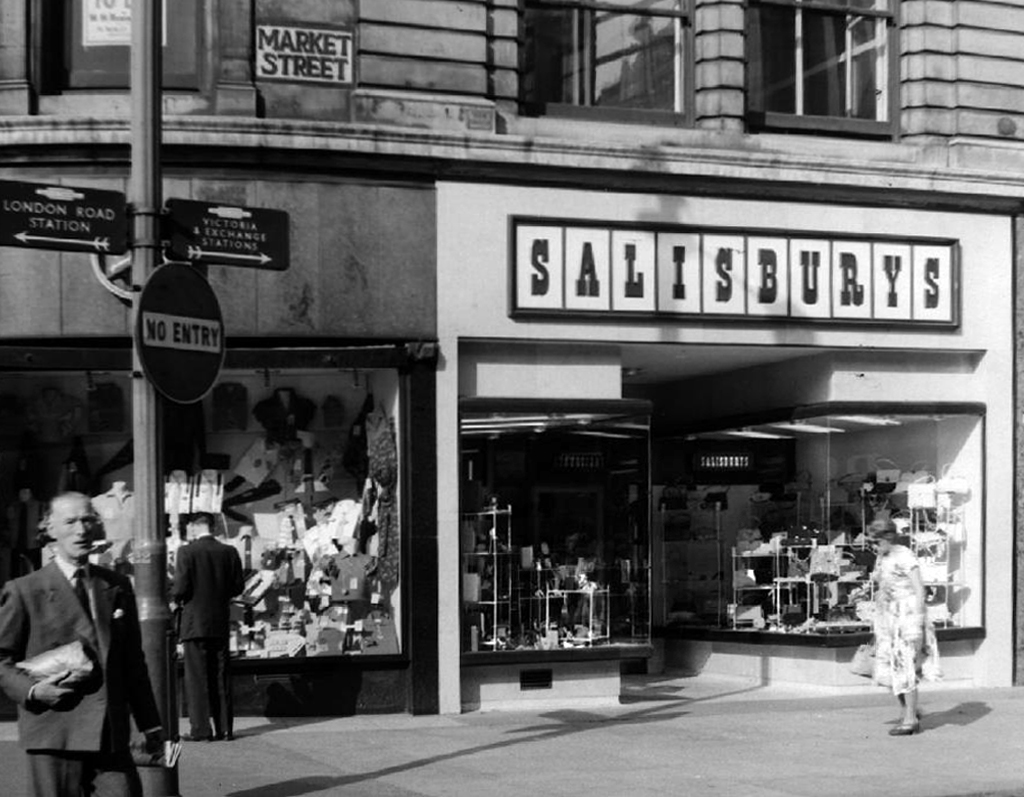
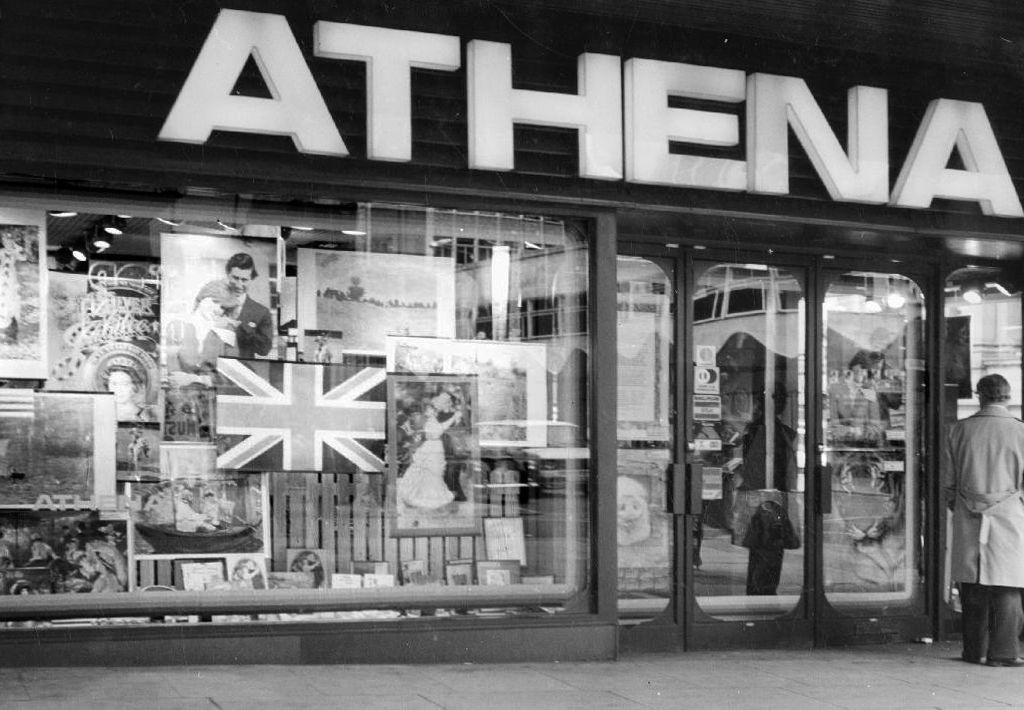
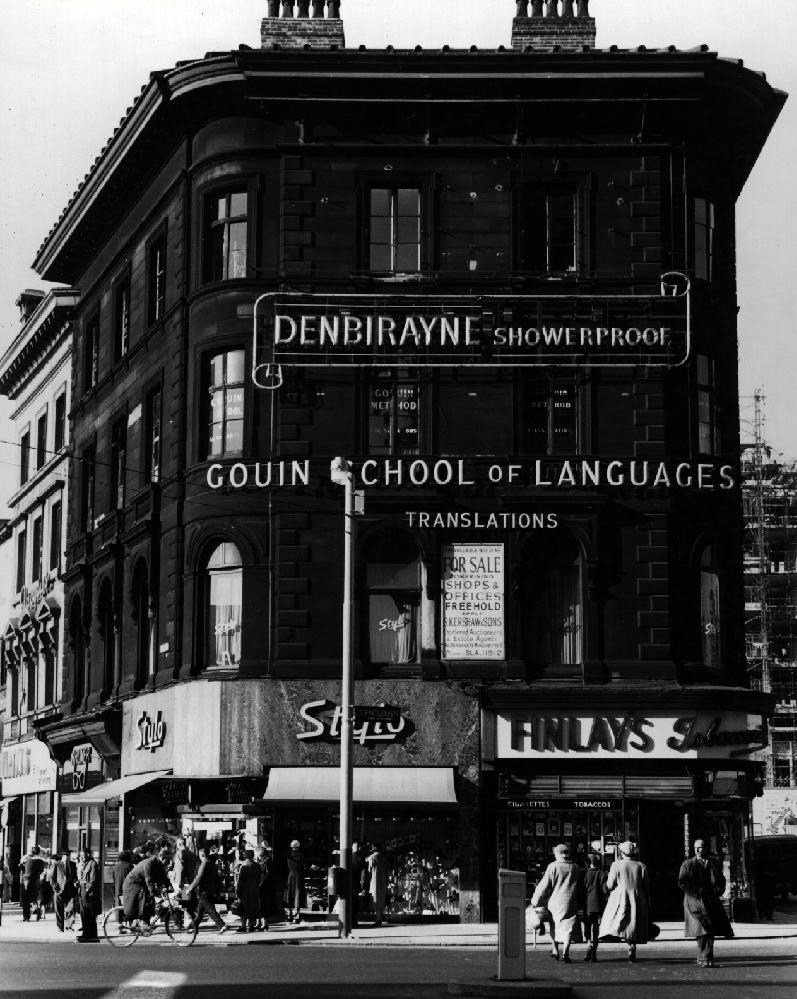
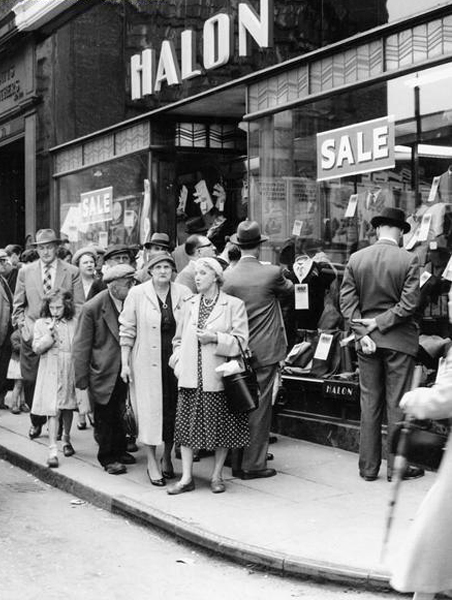
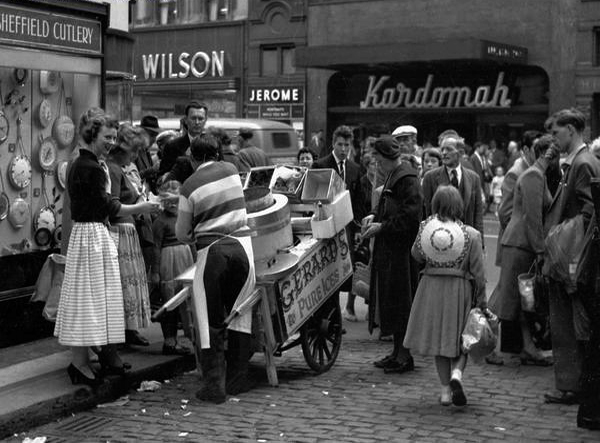
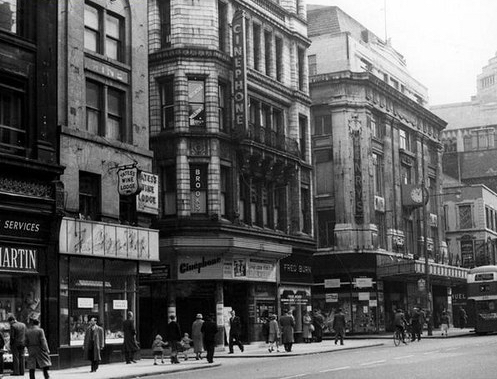
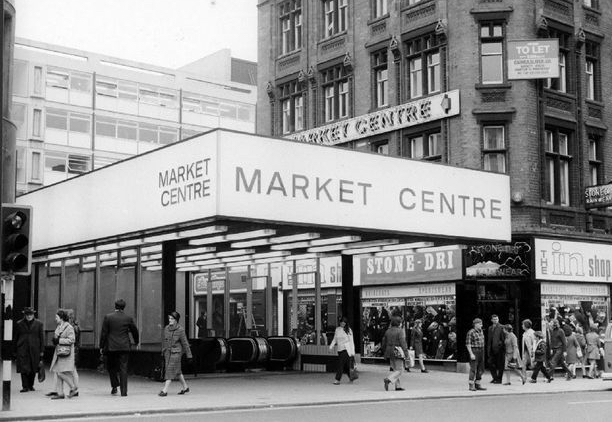
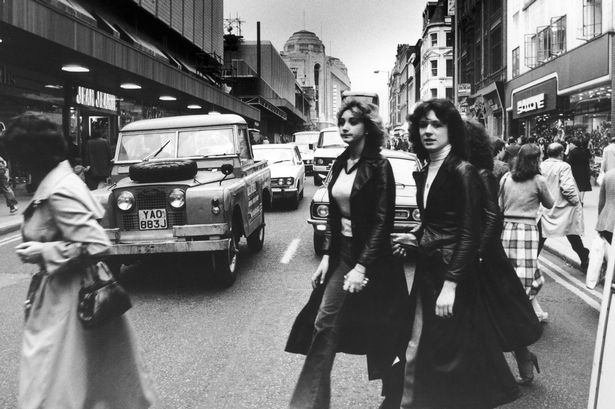
Before the Arndale, pre-pedestrianisation, Market Street, from the Fifties until the Seventies, was one of Manchester’s key arterial, retail thoroughfares. Mixing mixed traffic, shops, cafés and restaurants, bars, cinemas, offices and administration.
The architectural skyline, had the raggedy silhouette, of a century of build and rebuild.
Lower your eyes, there’s Classical, Gothic, Baroque, local Rococo, Deco, Moderne and Modern – that’s right Madam no two the same, four for a pound, get it while you can.
Lower still, things are still never still, a riot of colour in black and white Vitrolite.
Neon abounds, the names are never changed to protect the innocent.
Local traders are slowly replaced by national and international multinationals.
You have nothing to lose but but your chain-store now.
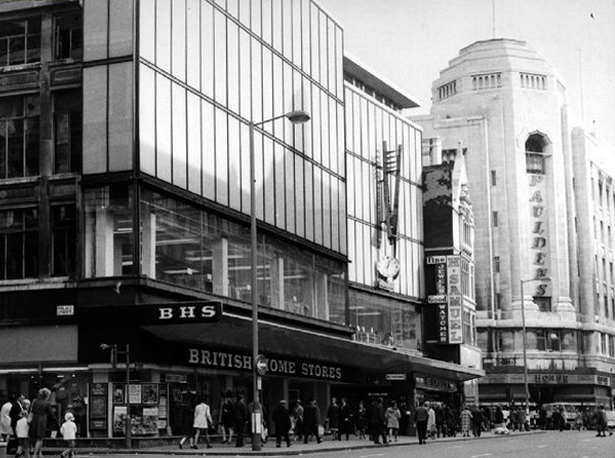
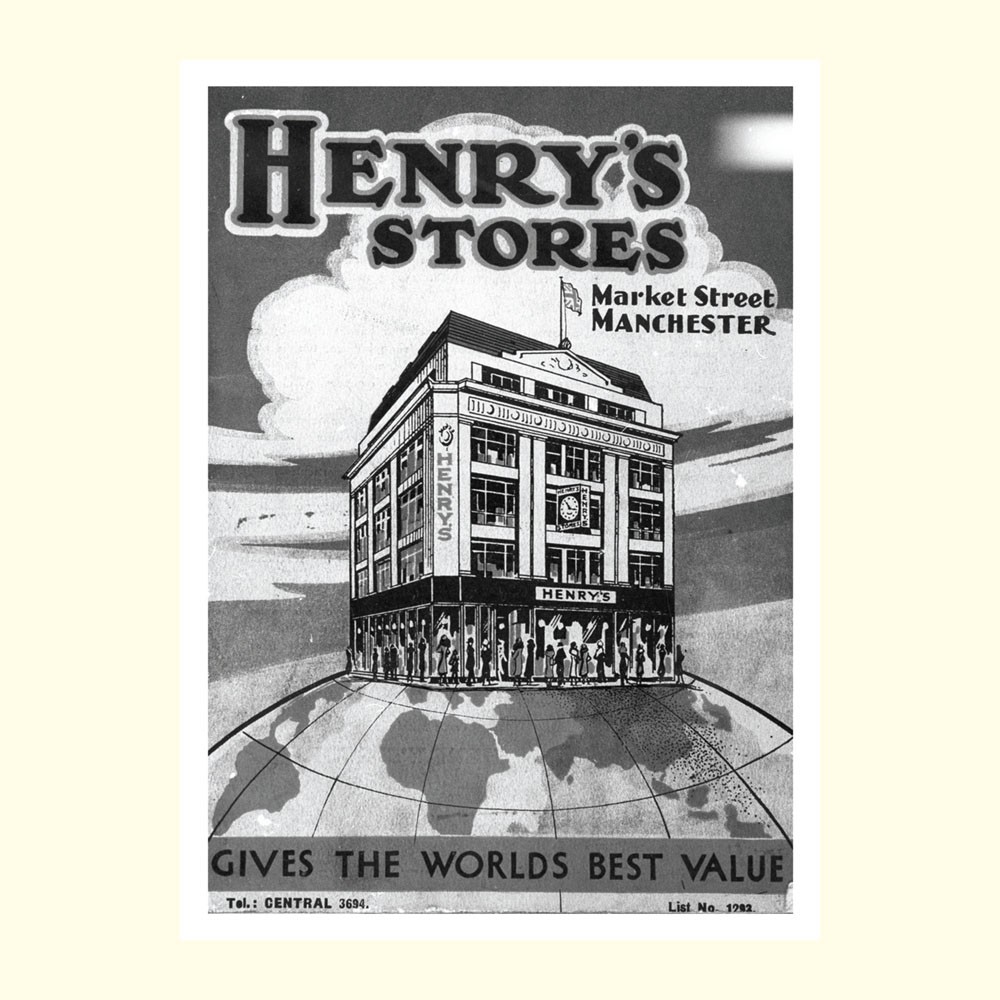
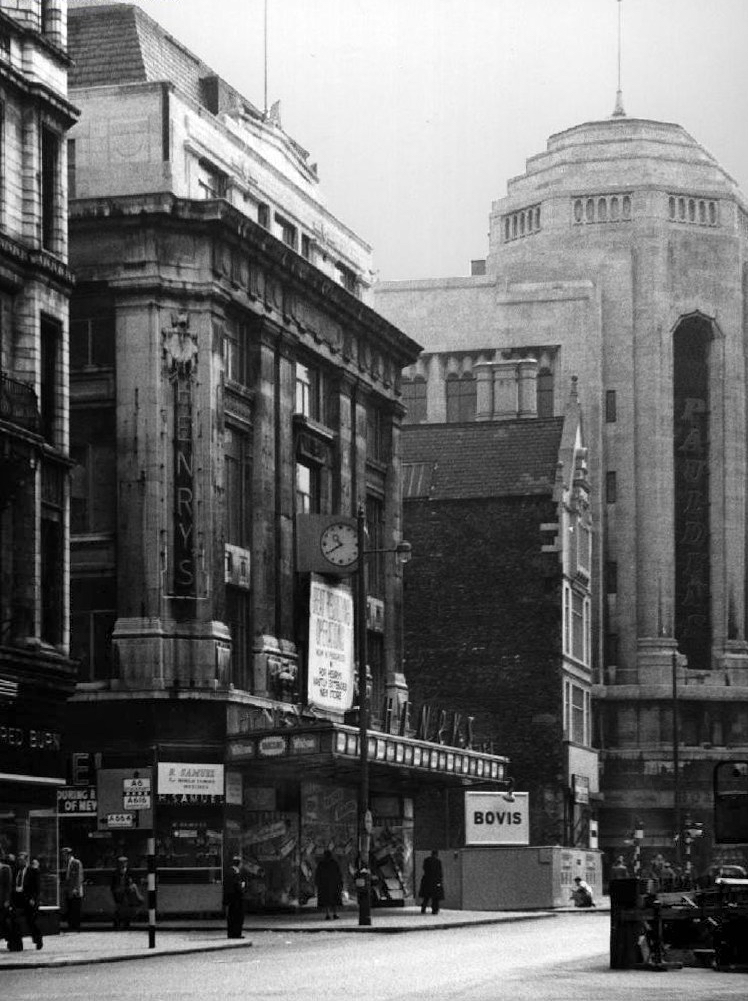
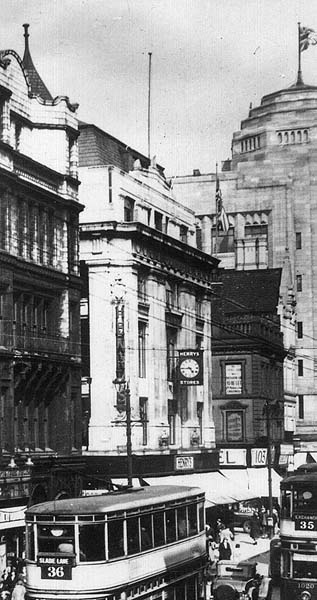
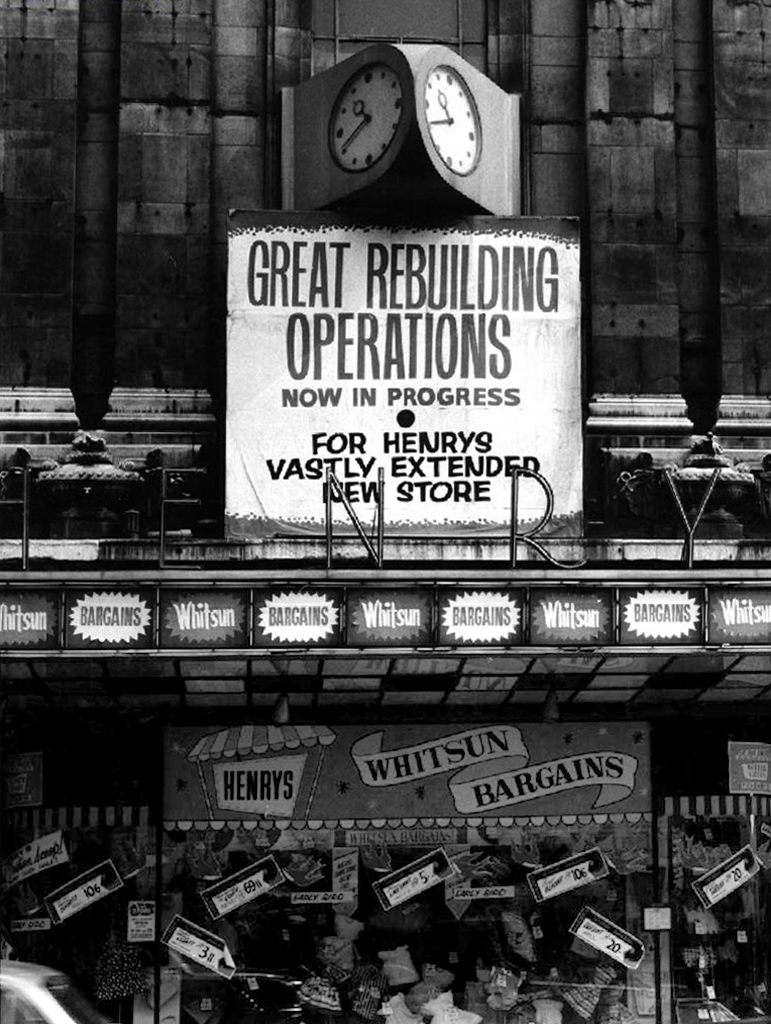
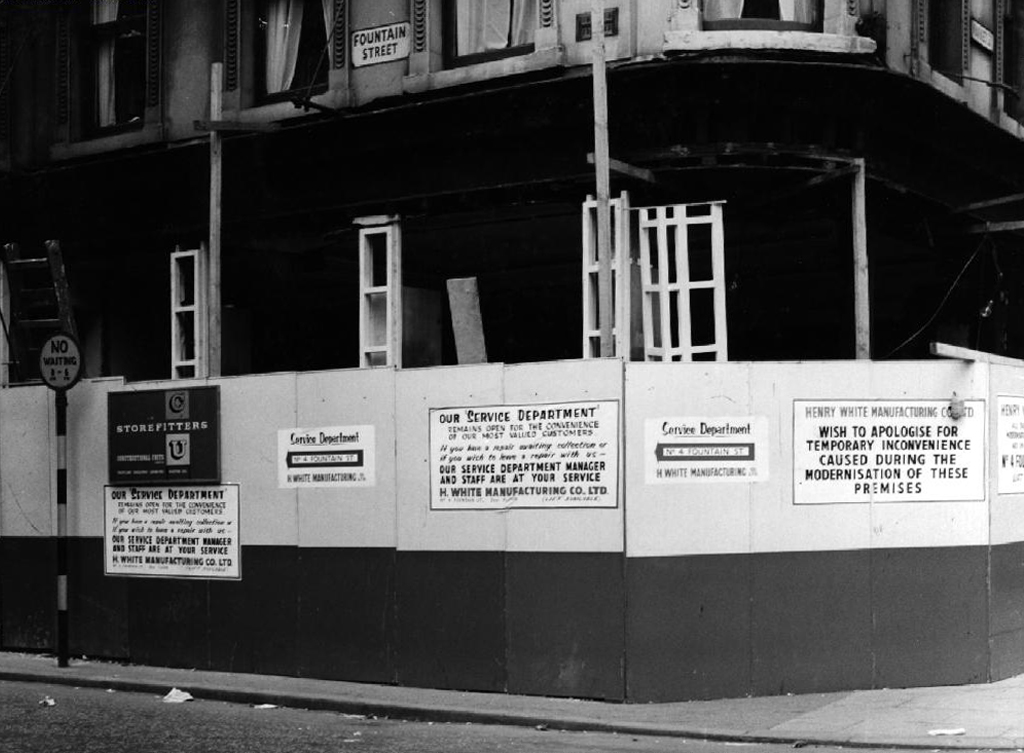
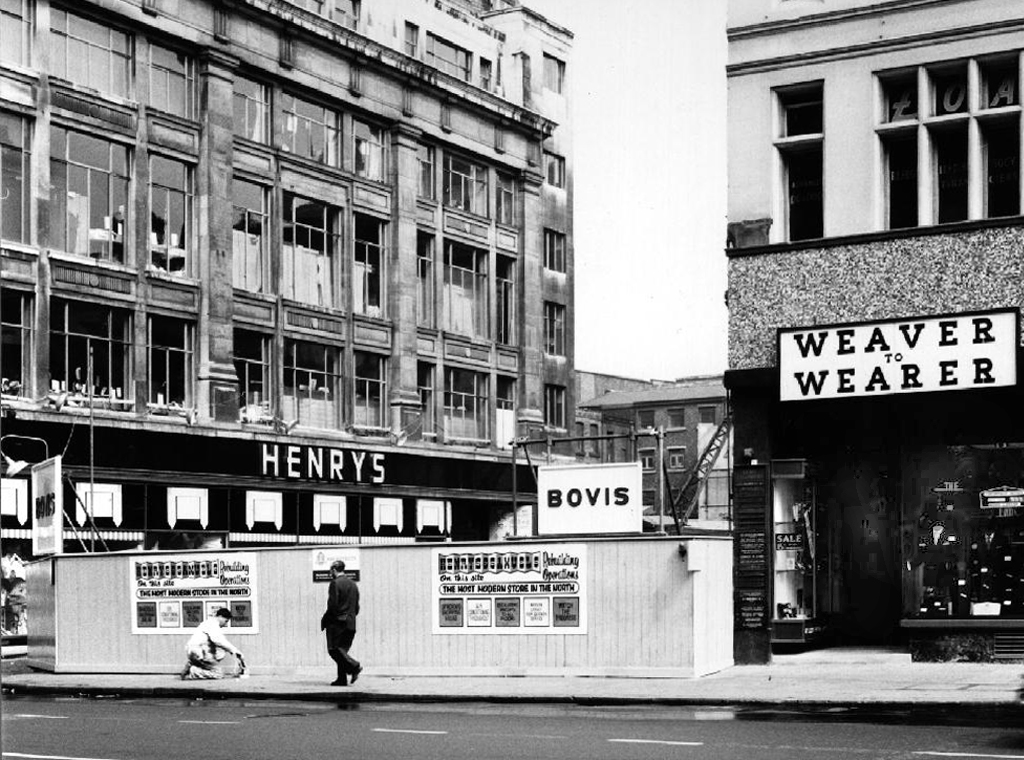
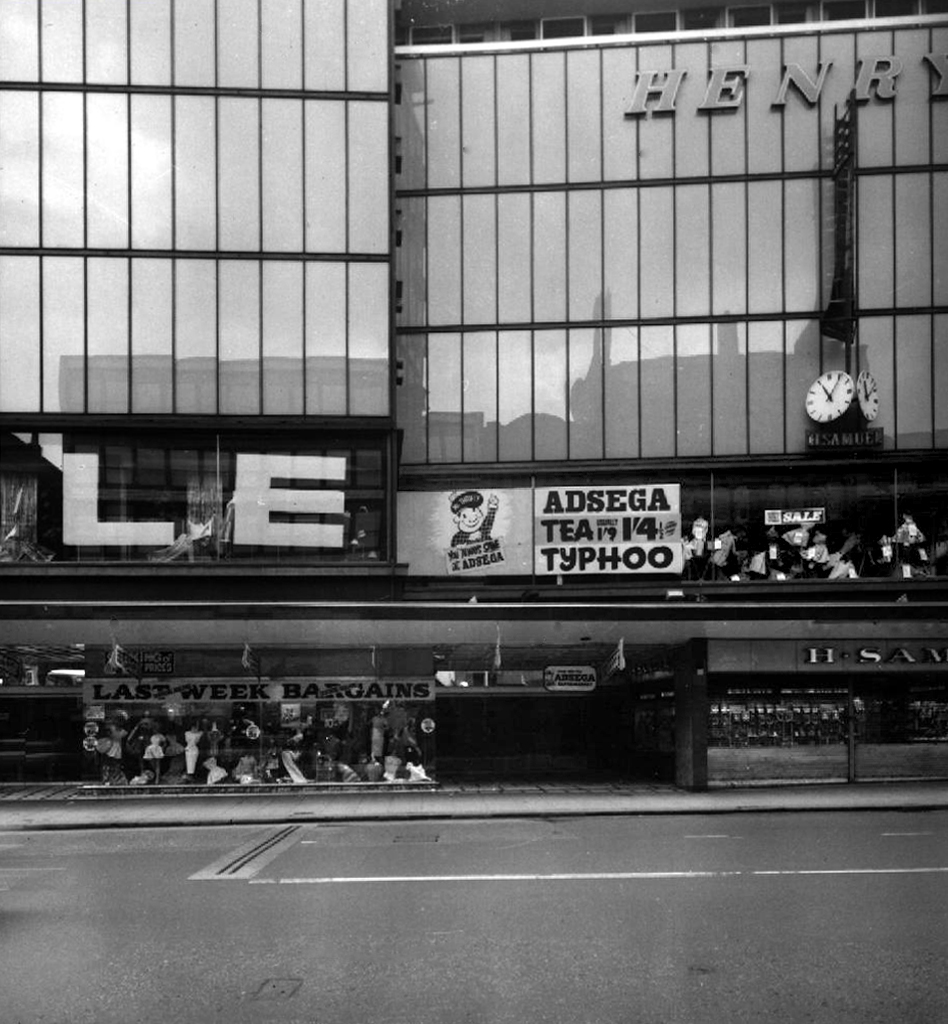
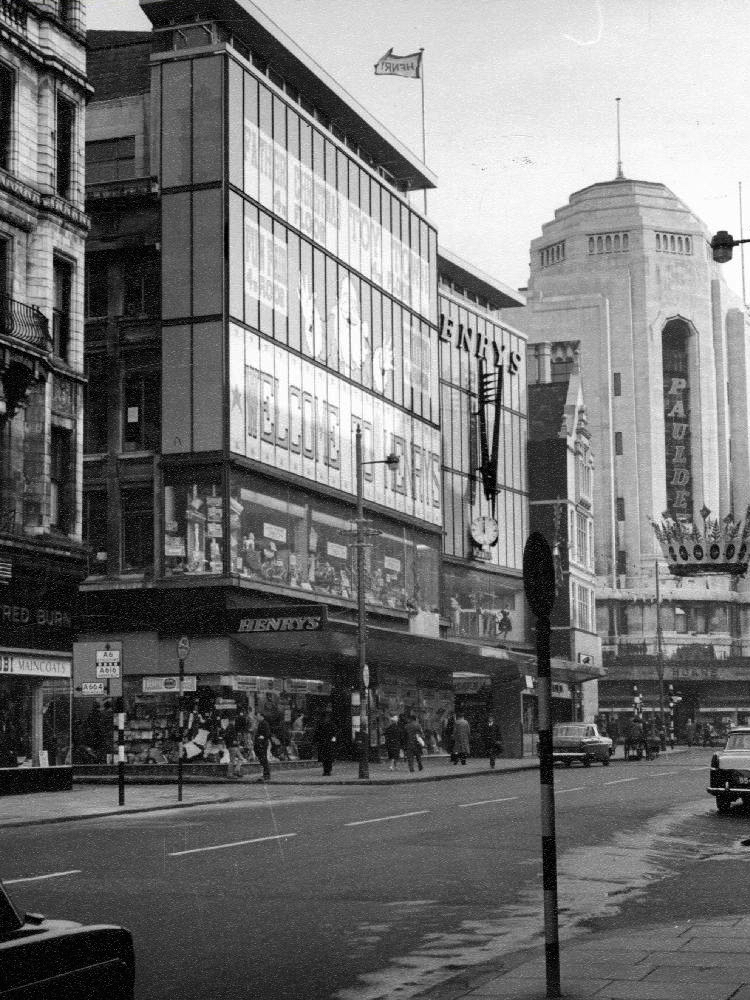
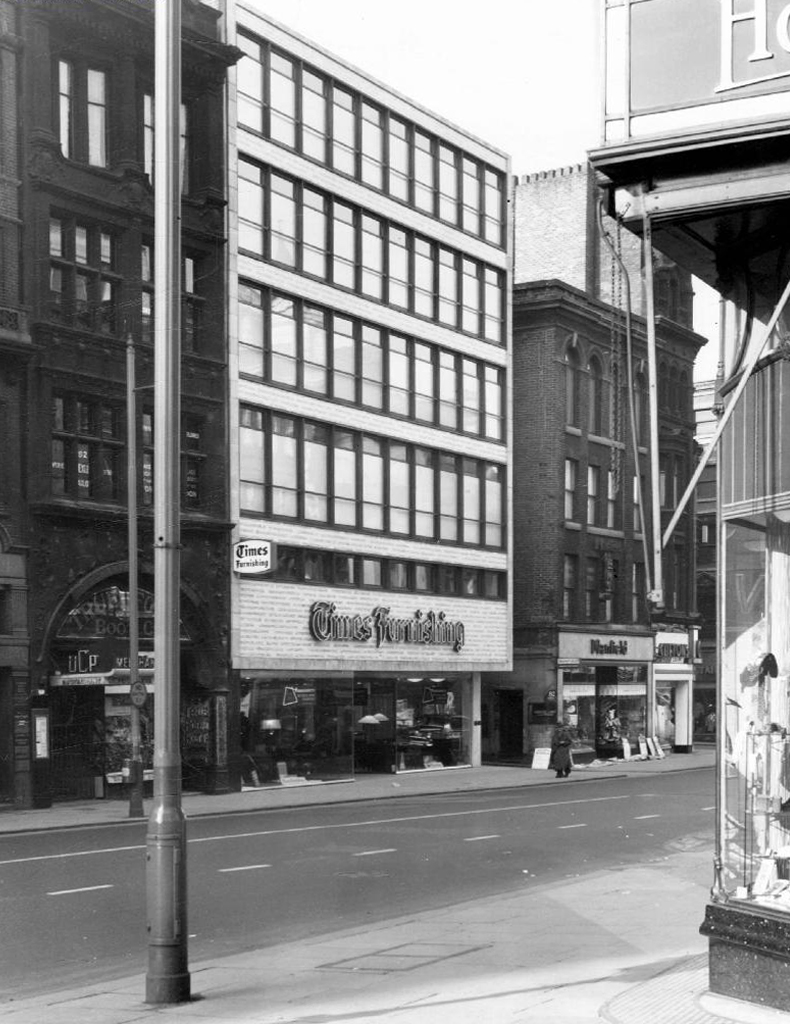
Henry Cohen came to Manchester around 1880. In 1910 he opened a men’s clothing outlet at the corner of Market Street called the Smart Outfitting Company. Having turned down a chance to join Marks and Spencer, he eventually built his department store in Market Street which opened in 1923. Henry’s Stores was redeveloped in the early 60’s acquiring an extension and a unifying Modernist façade, the site and store was acquired by BHS in the mid 60’s.
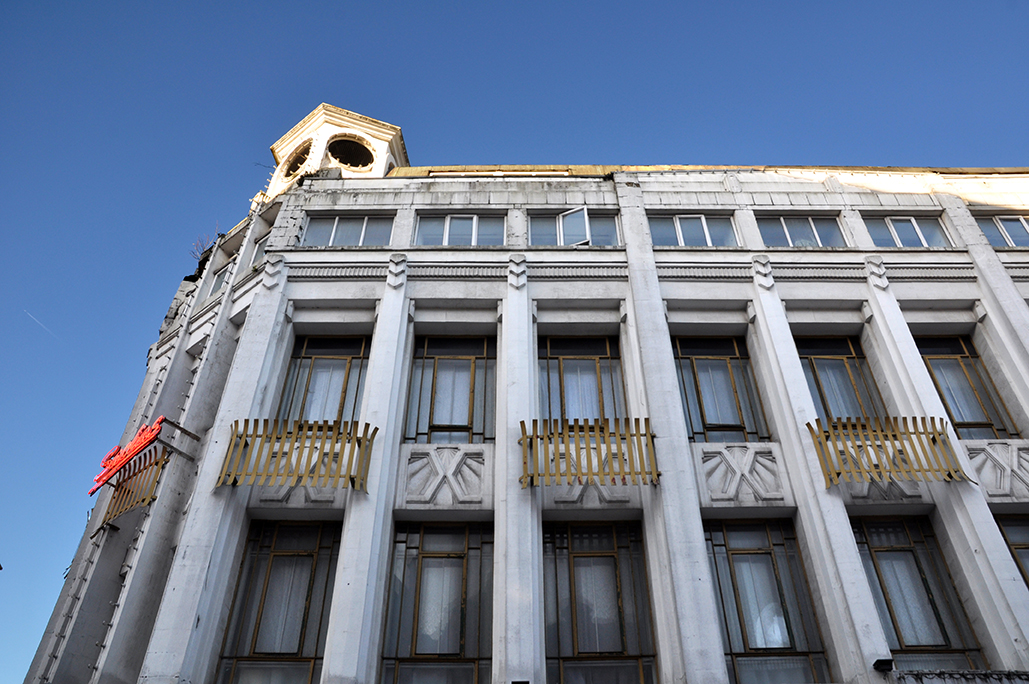
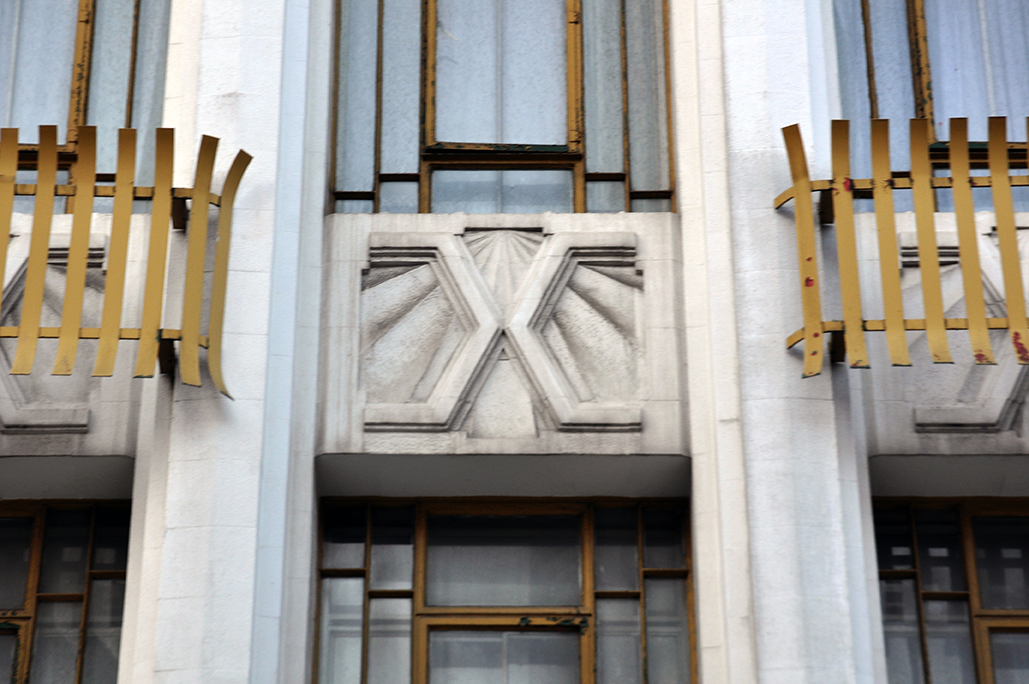
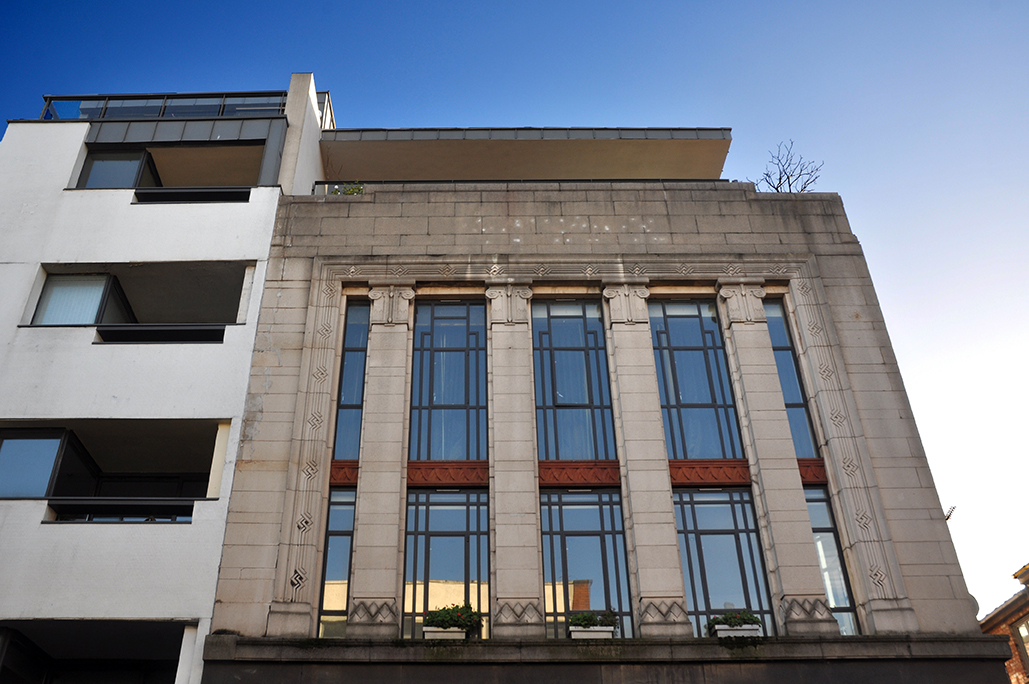
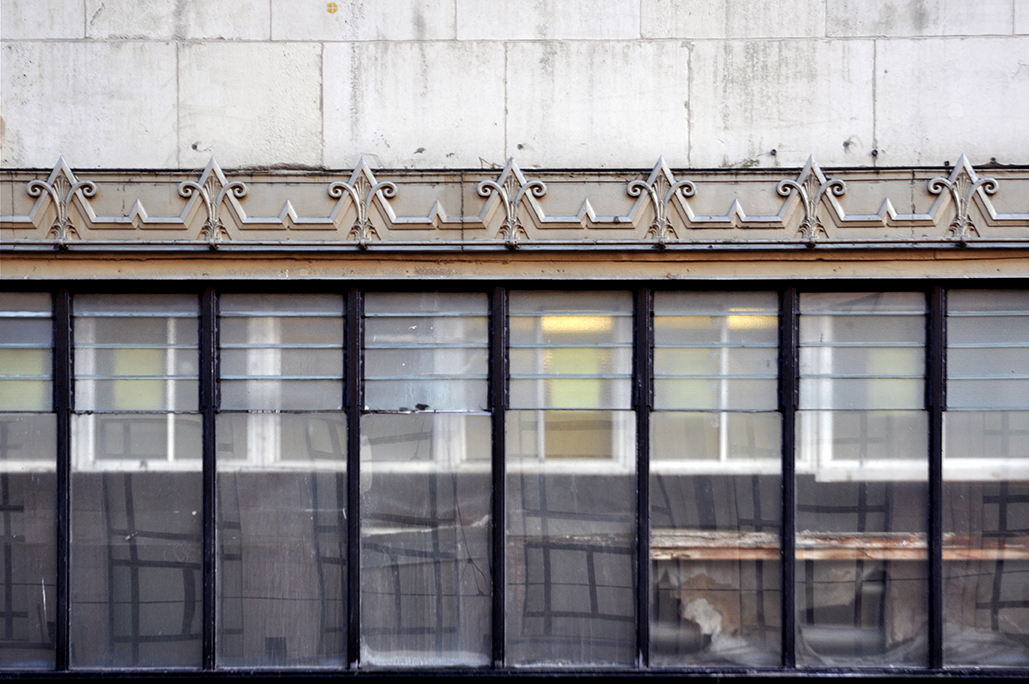
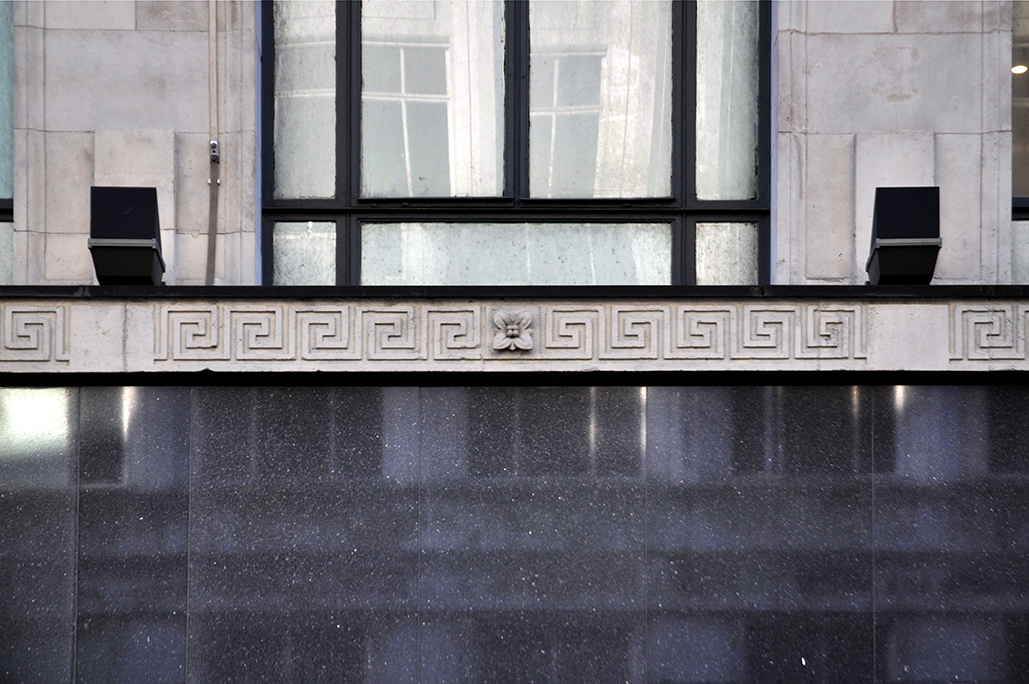
Rylands Building is a Grade II listed building in the building was originally built as a warehouse by the Rylands textile company which was founded by John Rylands. The building was designed by the eminent Manchester architects, Fairhursts, in an Art Deco style. It is clad in Portland stone and features a decorative corner tower and eclectic ‘zig zag’ window lintels.
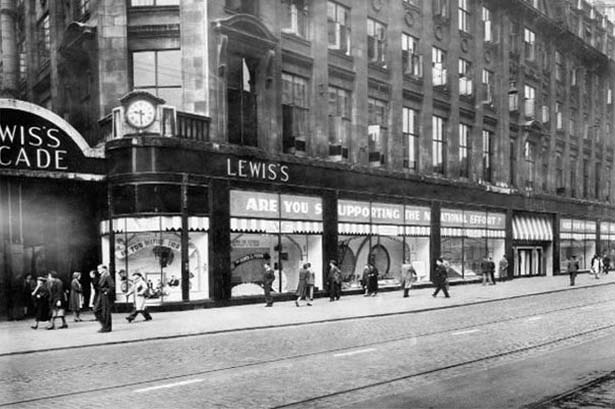
Following a fire, in 1957, which totally destroyed the premises of Paulden’s Department Store, in All Saints, the company acquired the Rylands warehouse building and converted it to a store. This was then a direct rival to the Lewis’s store, on the opposite side of Market Street. In 1973 Debenhams, the owner of Pauldens rebranded the store in their name. Since that time it has remained Debenhams.
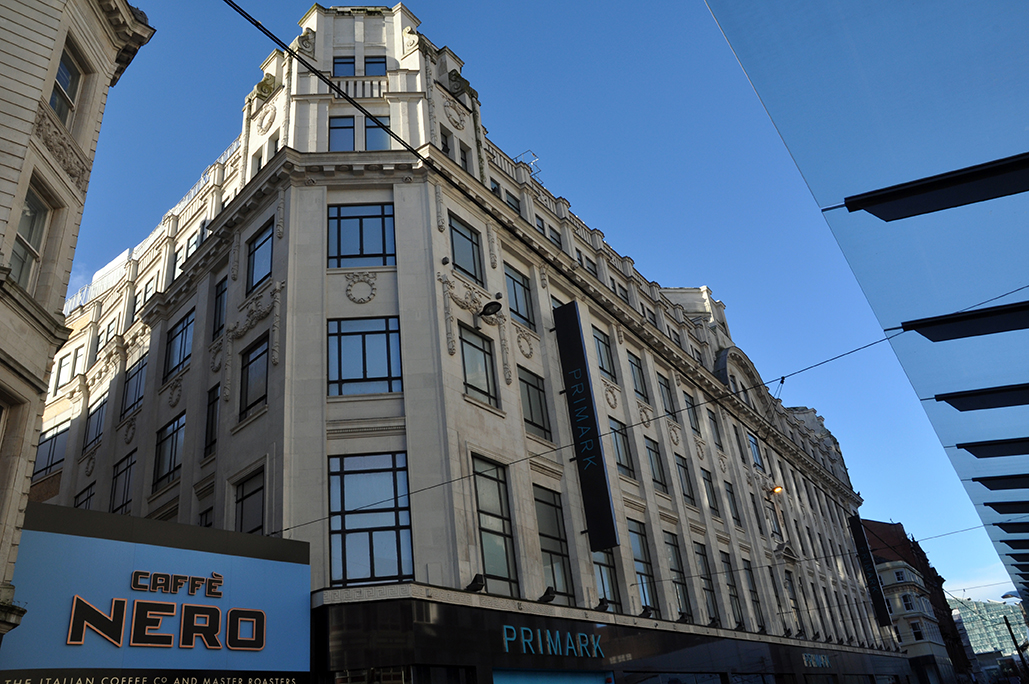
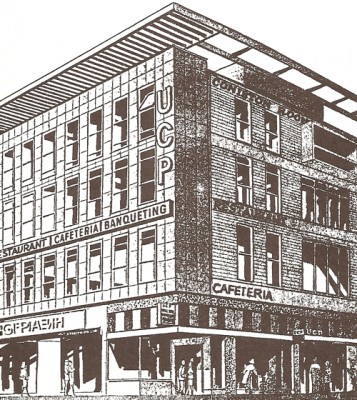
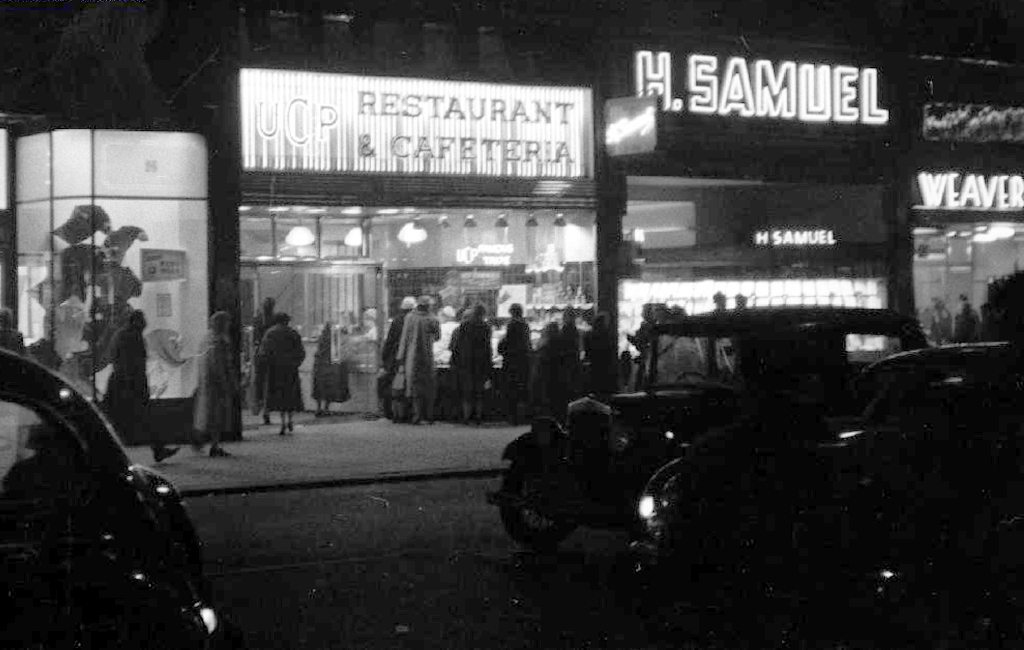
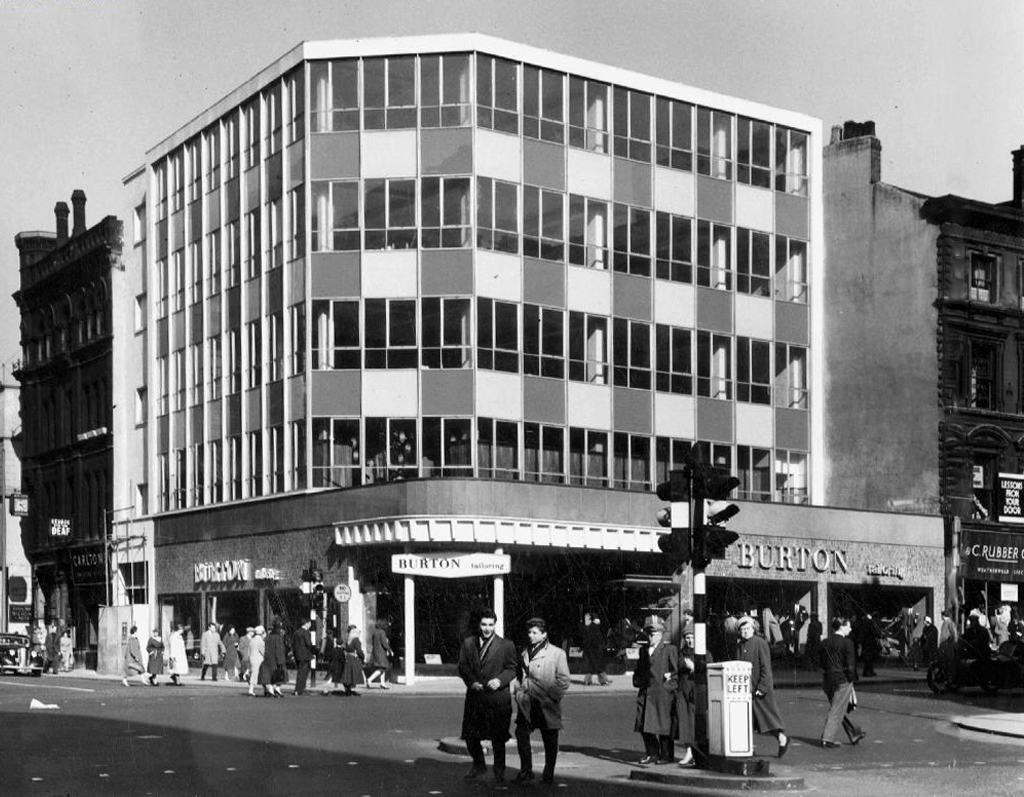
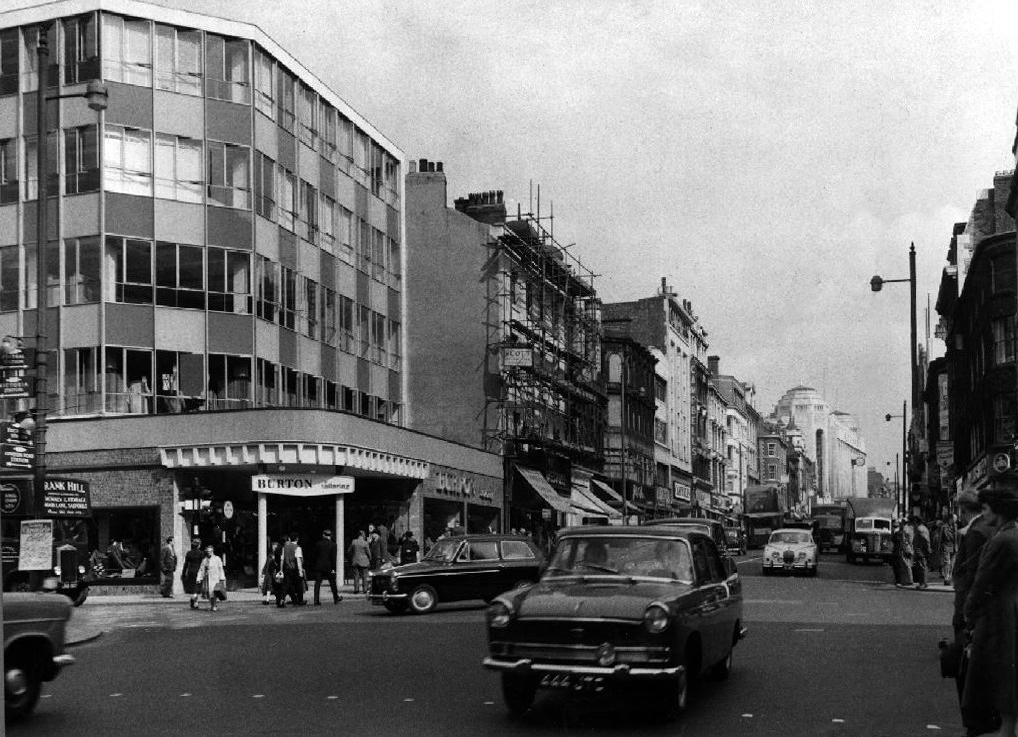
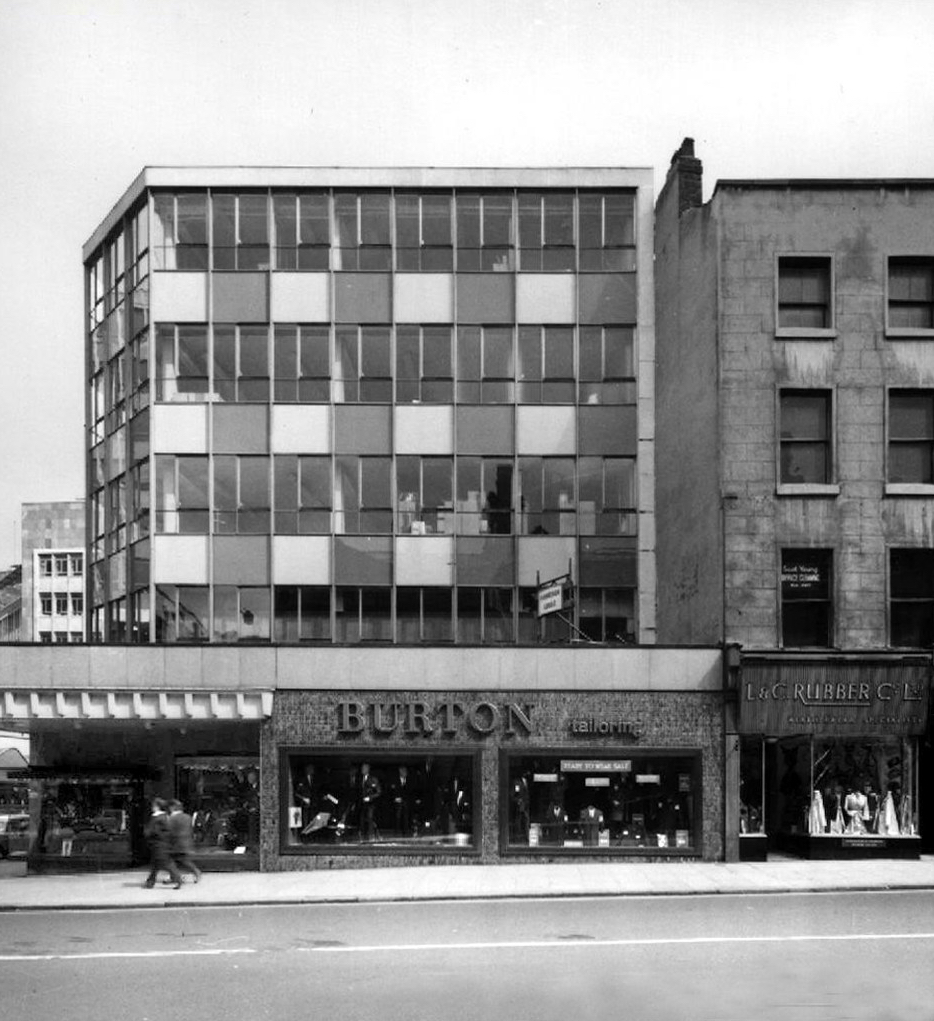
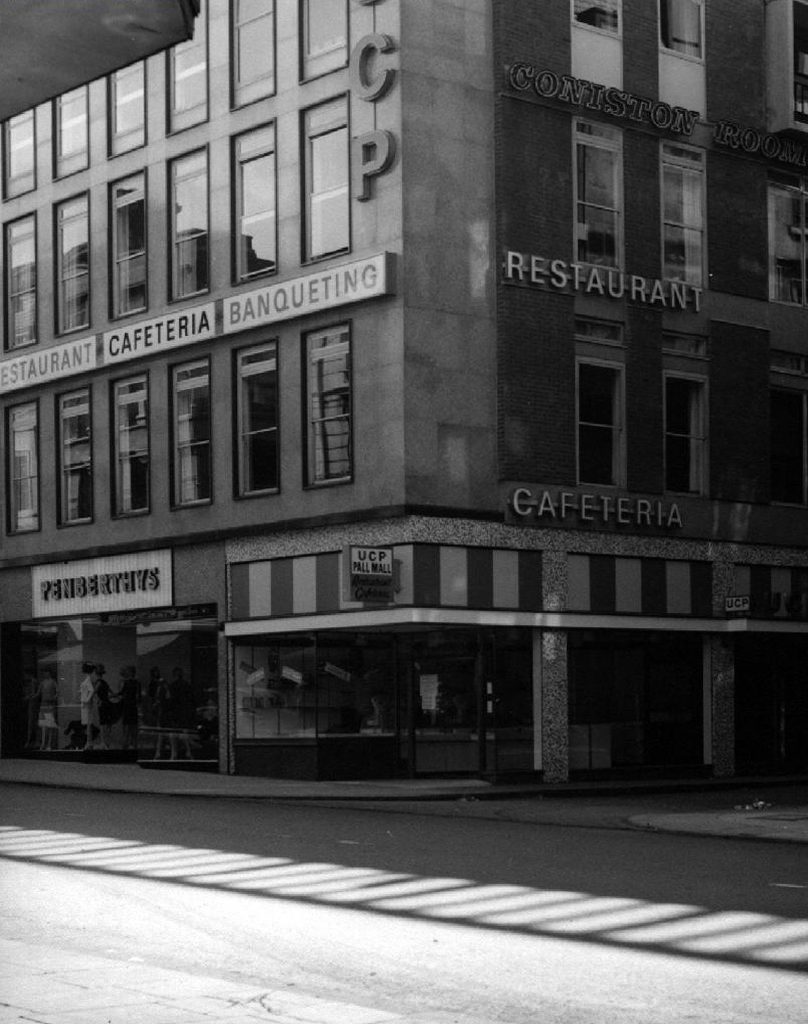
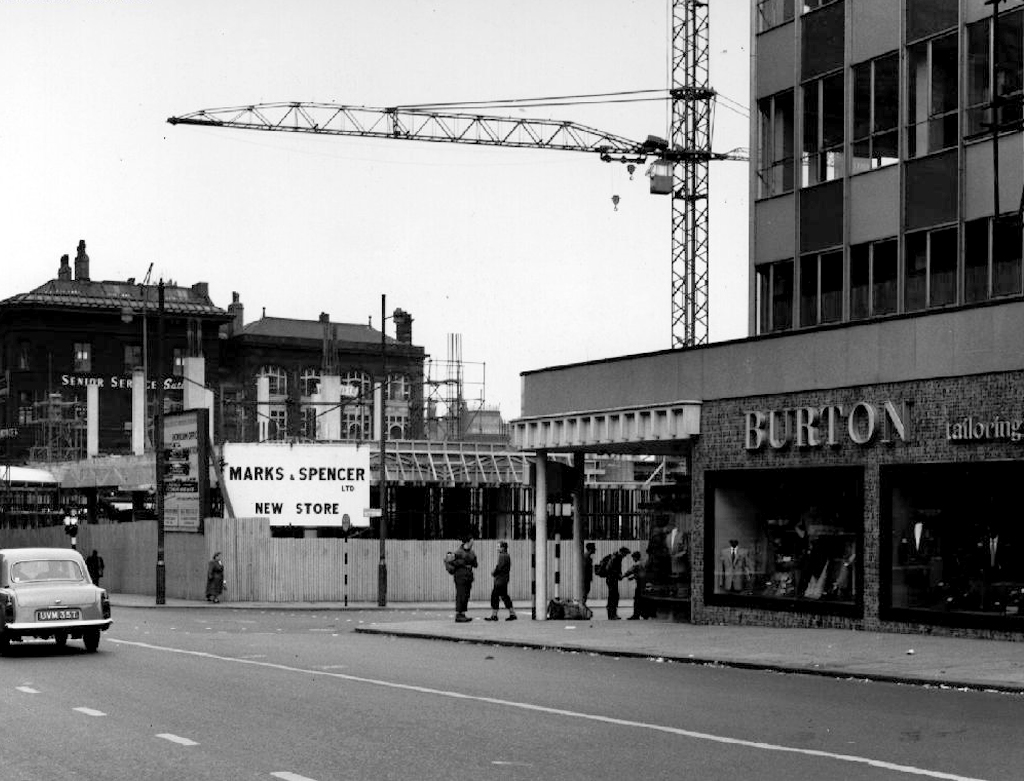
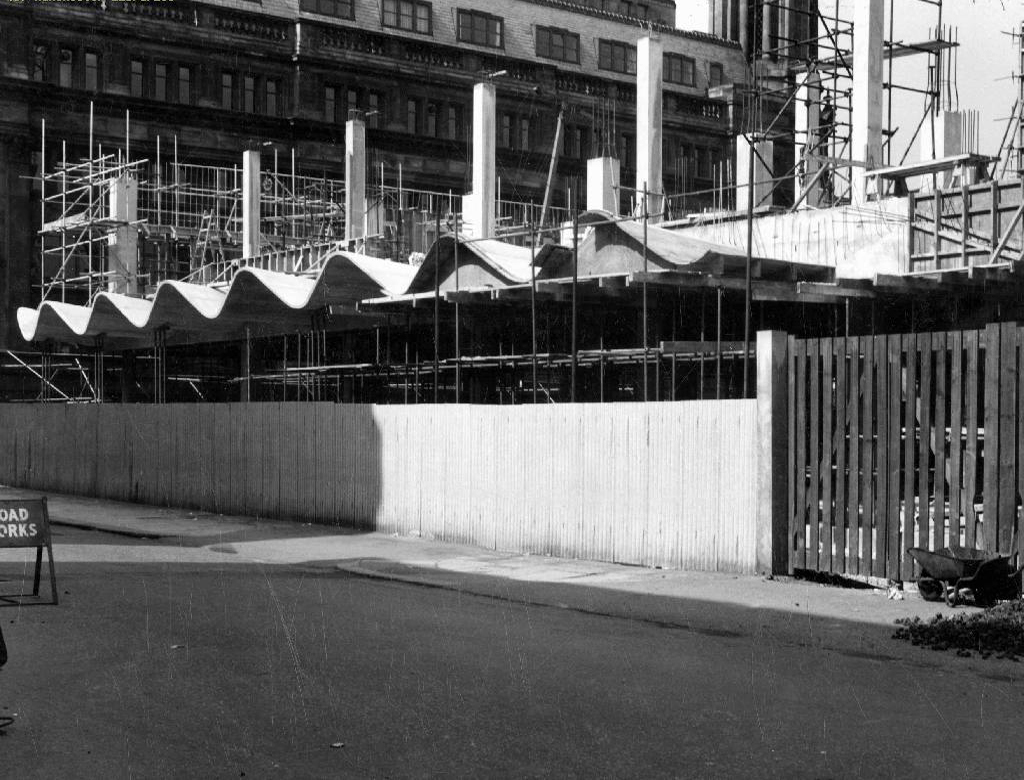
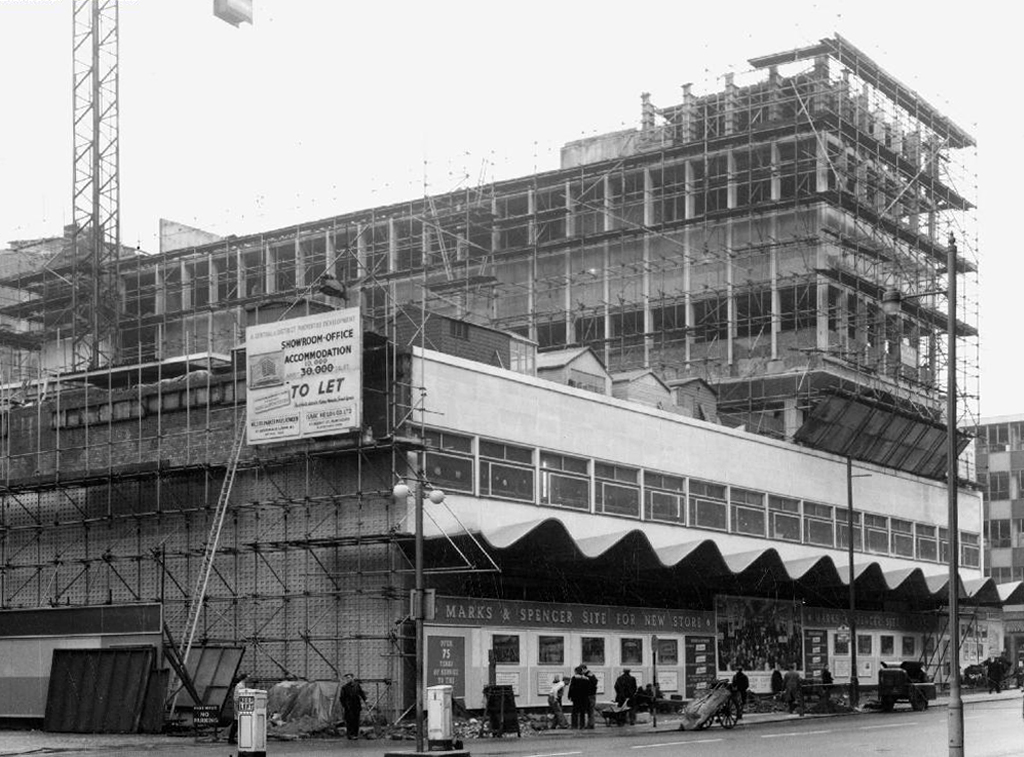
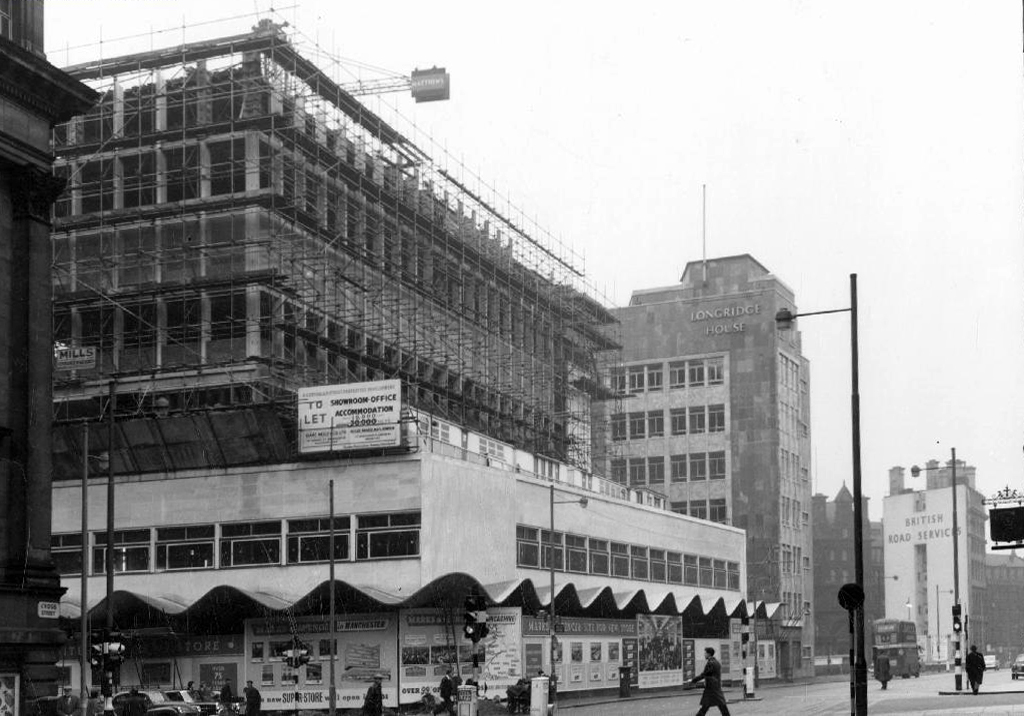
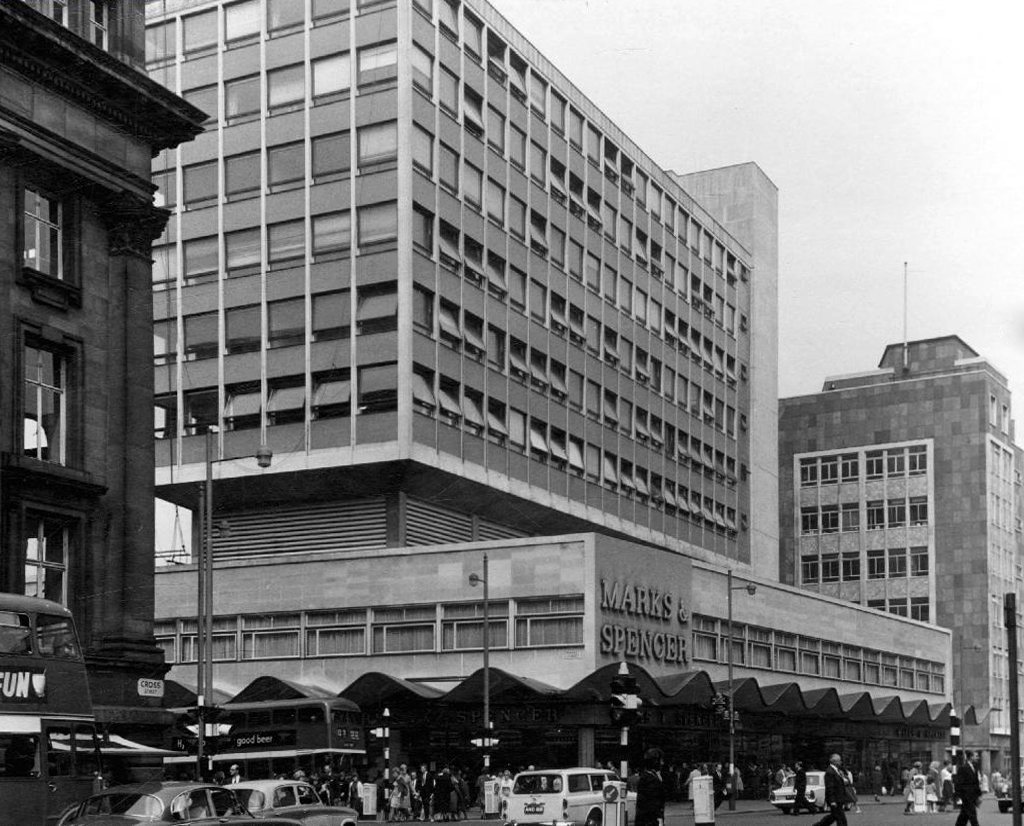
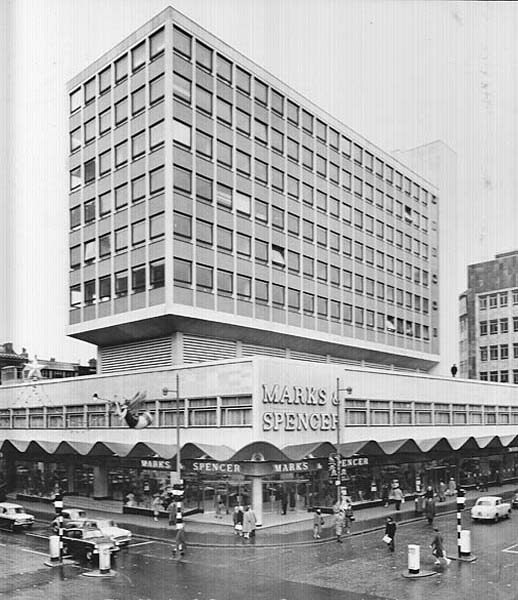
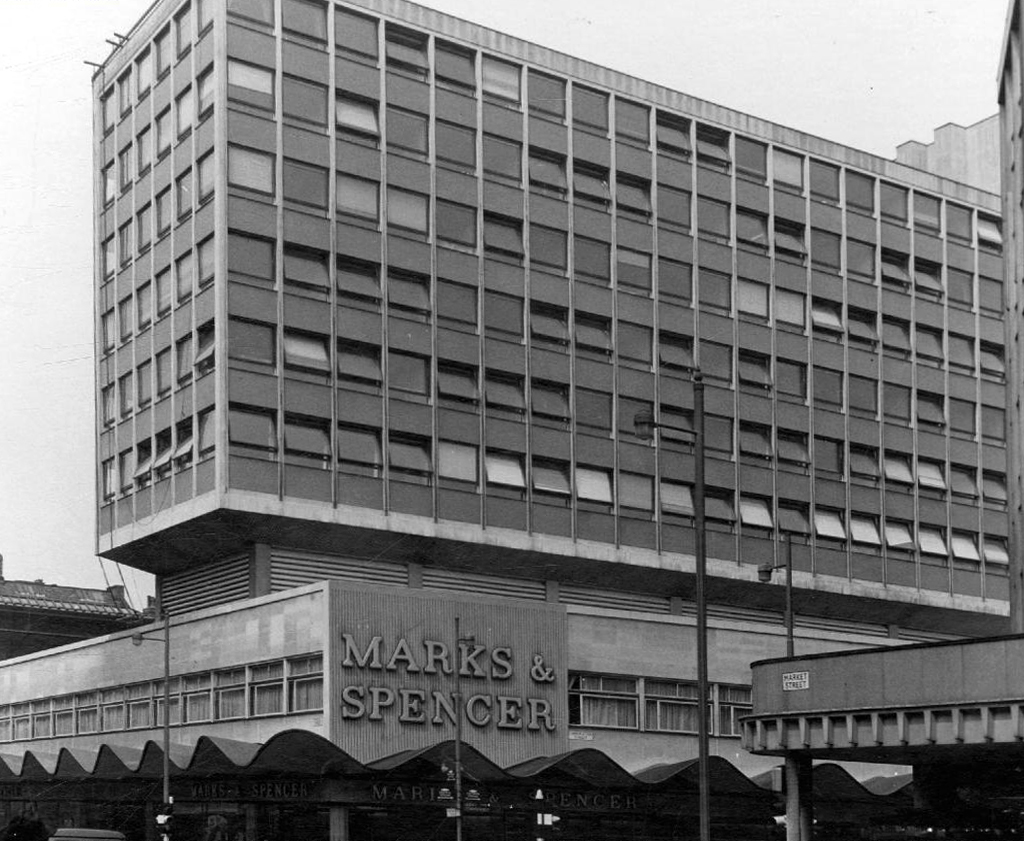
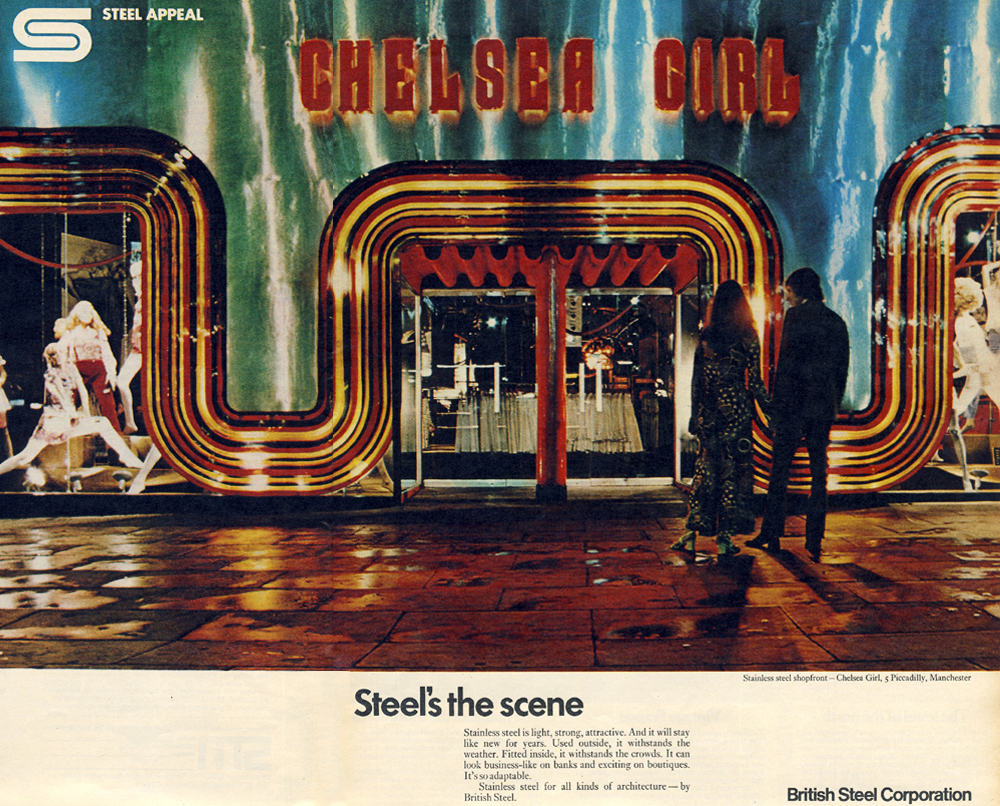
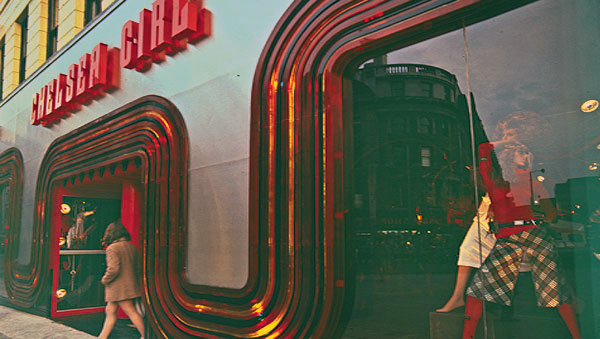
Marks and Spencers and Burton’s both undertook extensive Modernist building in the early 60’s on on the Corporation Street site, neither have survived. The Chelsea Girl steel frontage, UCP Restaurant beloved of the Manchester Modernists, Kardomah Café and countless other landmarks are long gone. Lewis’s has become Primark.
The double indignity of the Arndale and a bomb have changed things forever.
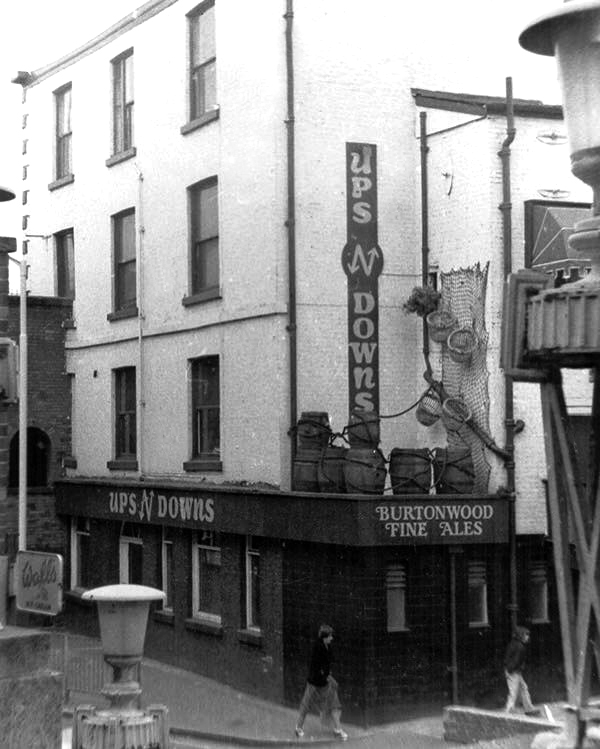
Ups ‘n’ Downs, it’s had its share of ups and downs.
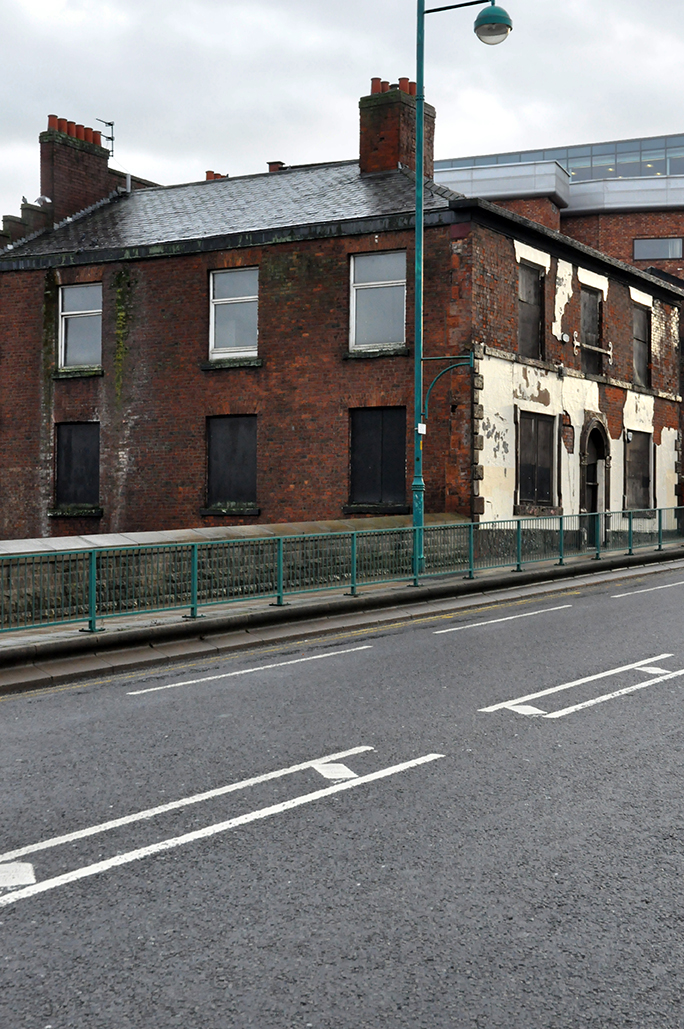
Quite literally – the former Wellington Inn has an upside facing onto the busy A6 Wellington Road, and a downside opening onto Mersey Square.
Its fortunes similarly something of a rollercoaster ride, from busy town centre pub, to edgy pseudo-club, populated by late night uniformed bus drivers, swaying on the metre square dance floor.
Latterly something of a disco party bus, going nowhere fast.
Known variously as Glitz, Bentley’s and the Bees Knees.
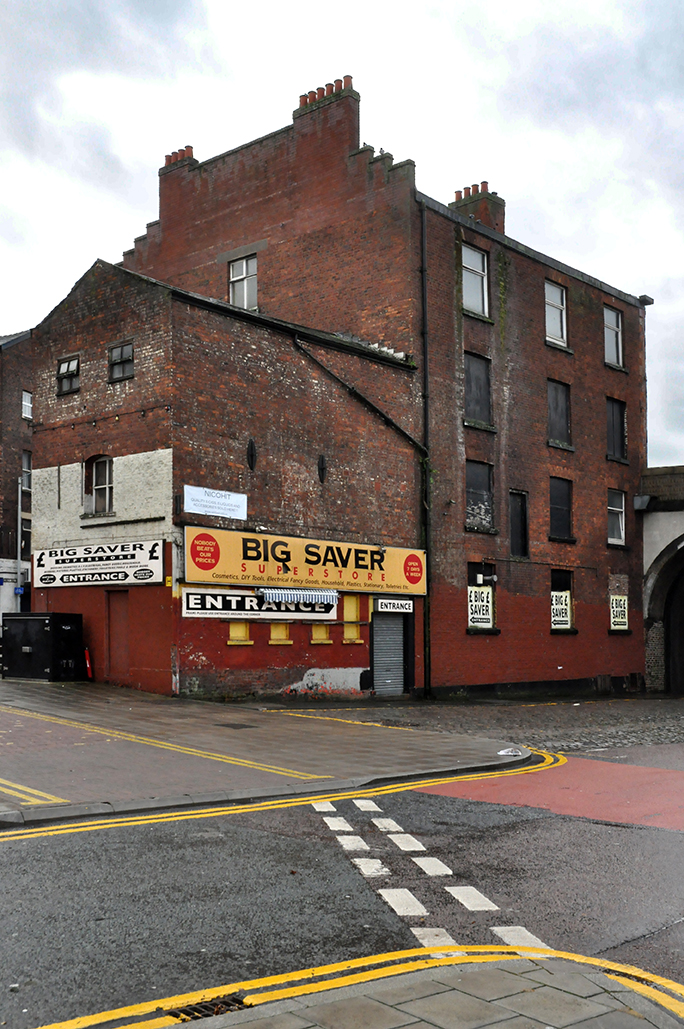
Finally, partial occupation by a forlorn pound shop – defying economic trends by closing.
An architectural curiosity and a blank faced, gap toothed greeting to the Town’s visitors, there is talk of conversion to flats under the council’s stewardship.
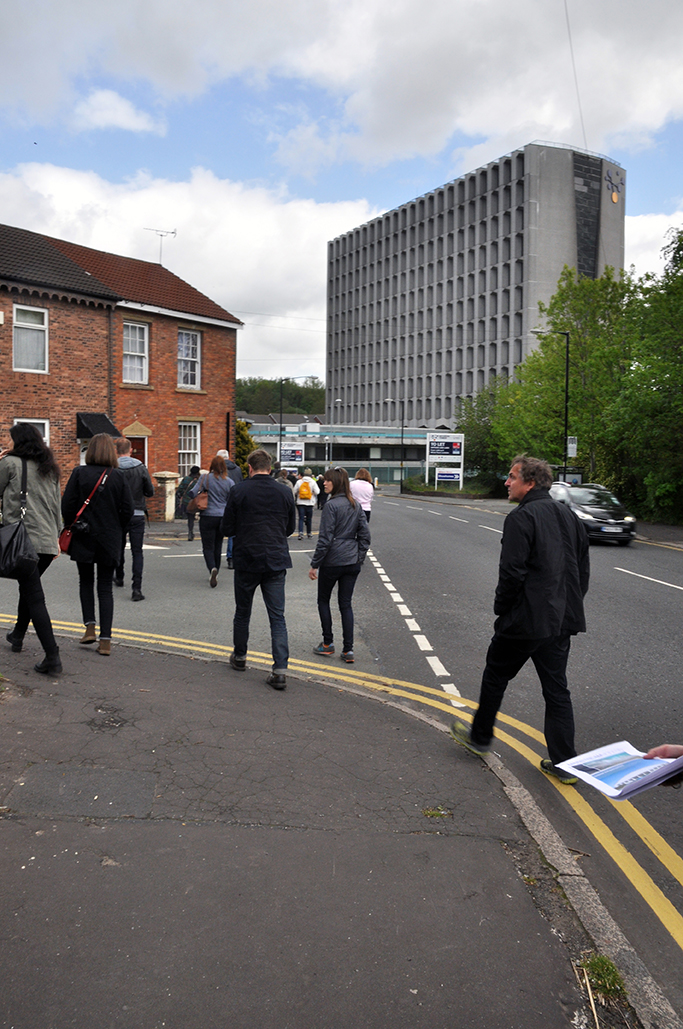
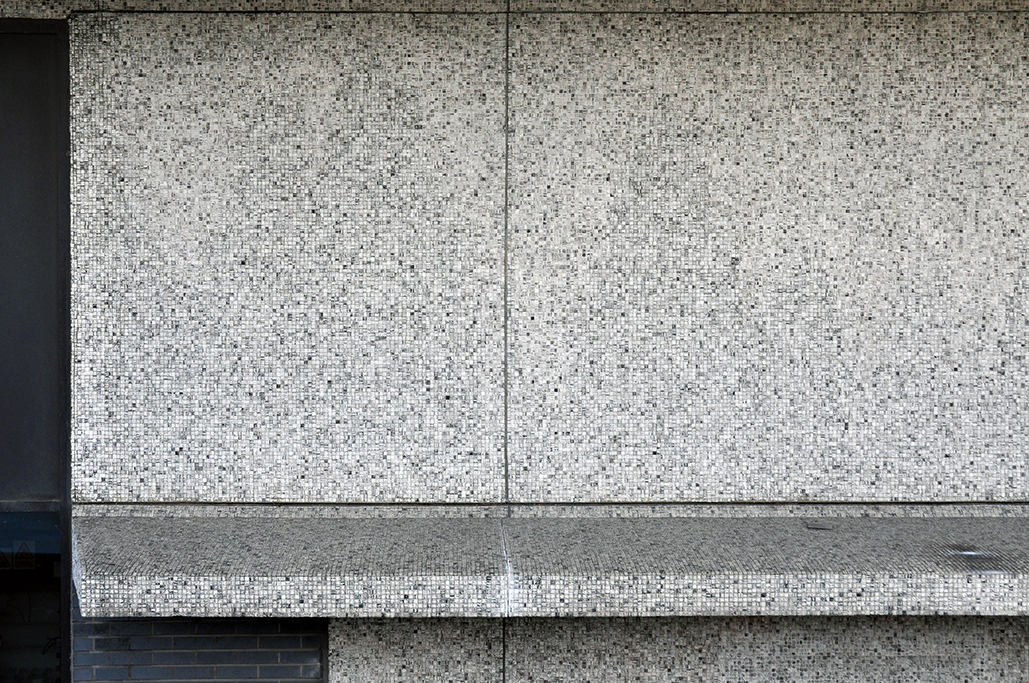
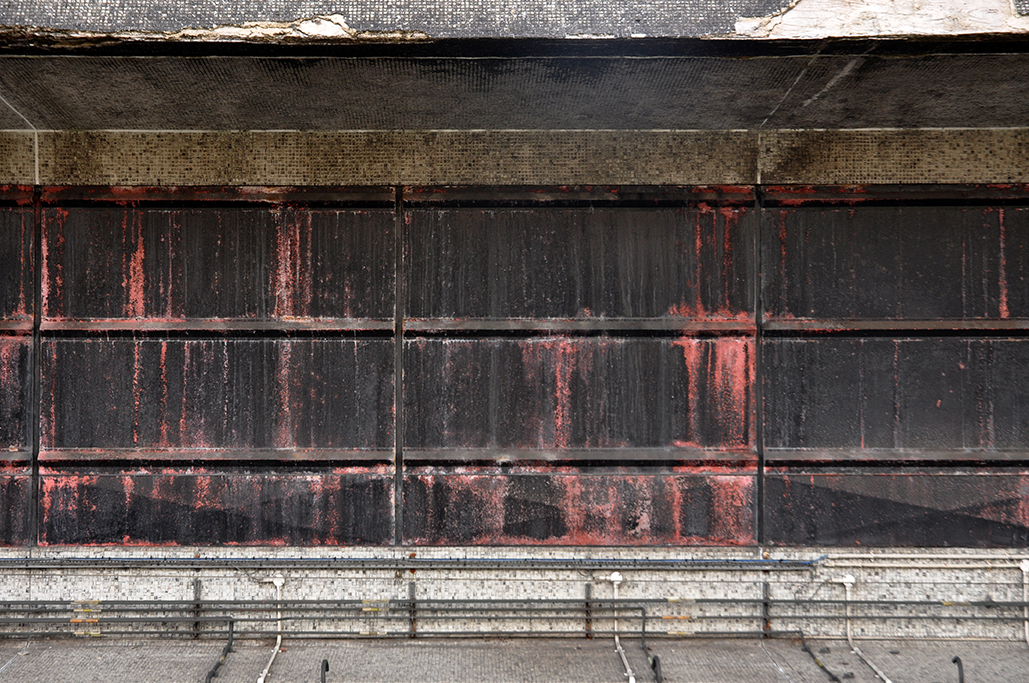
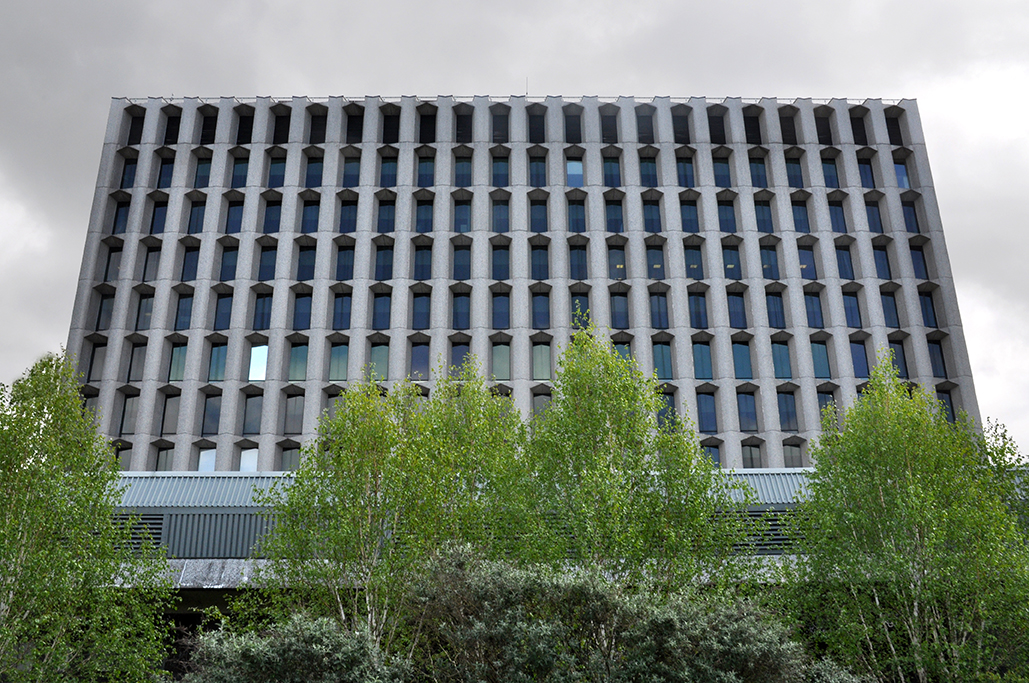
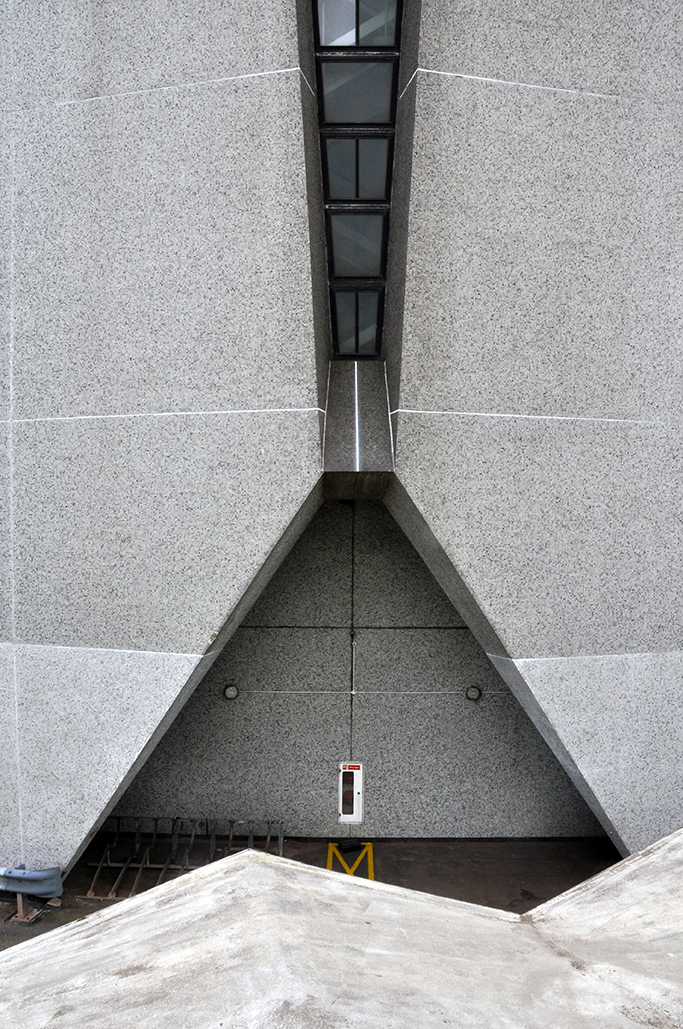
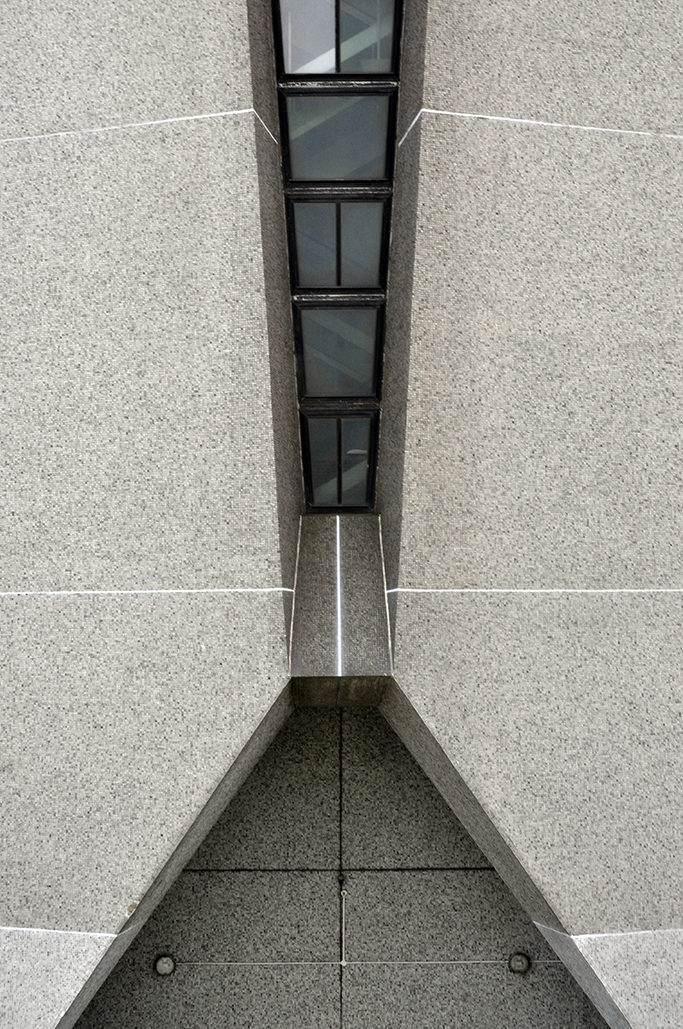
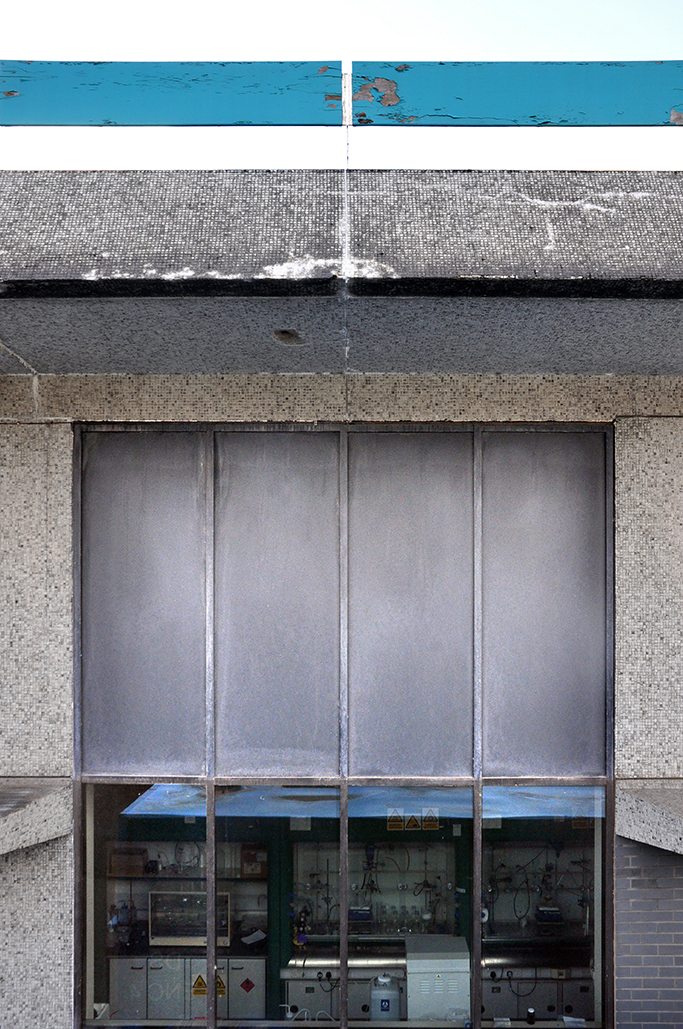
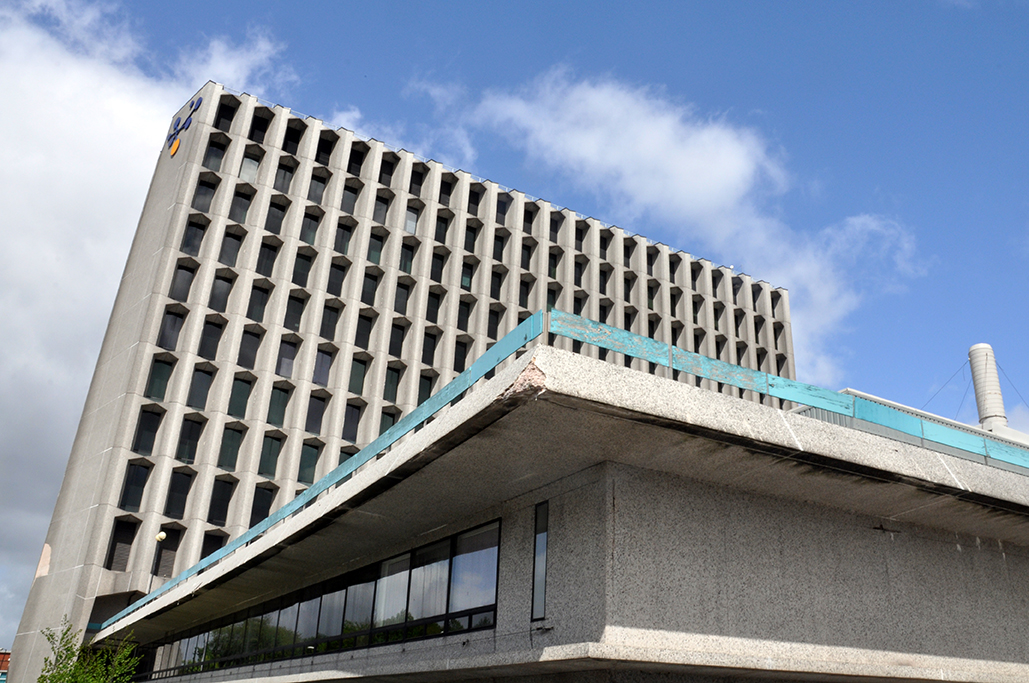
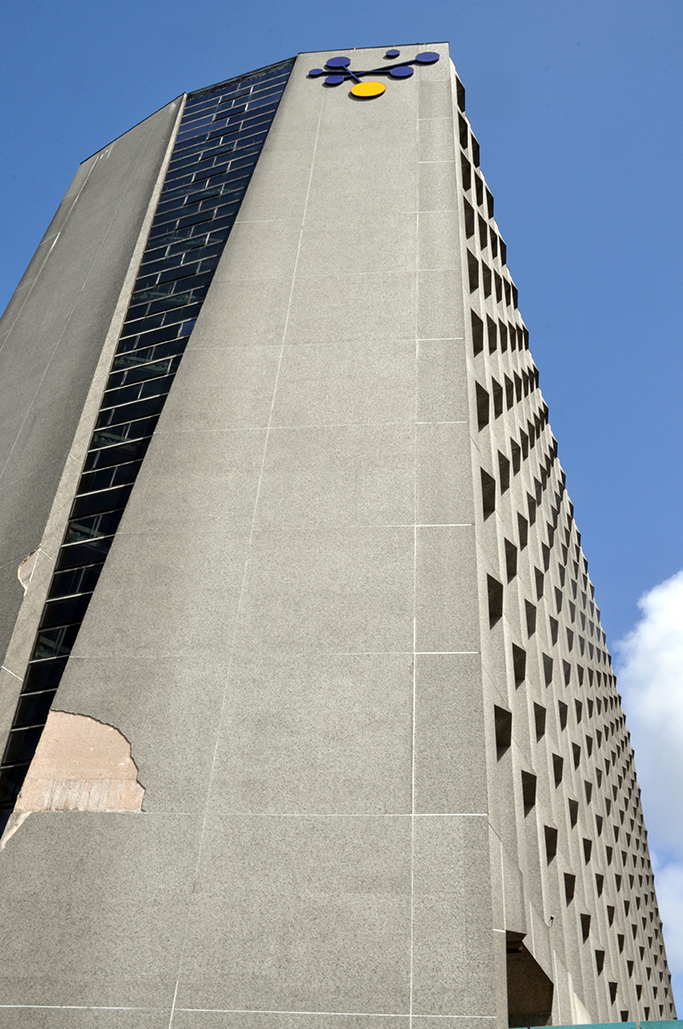
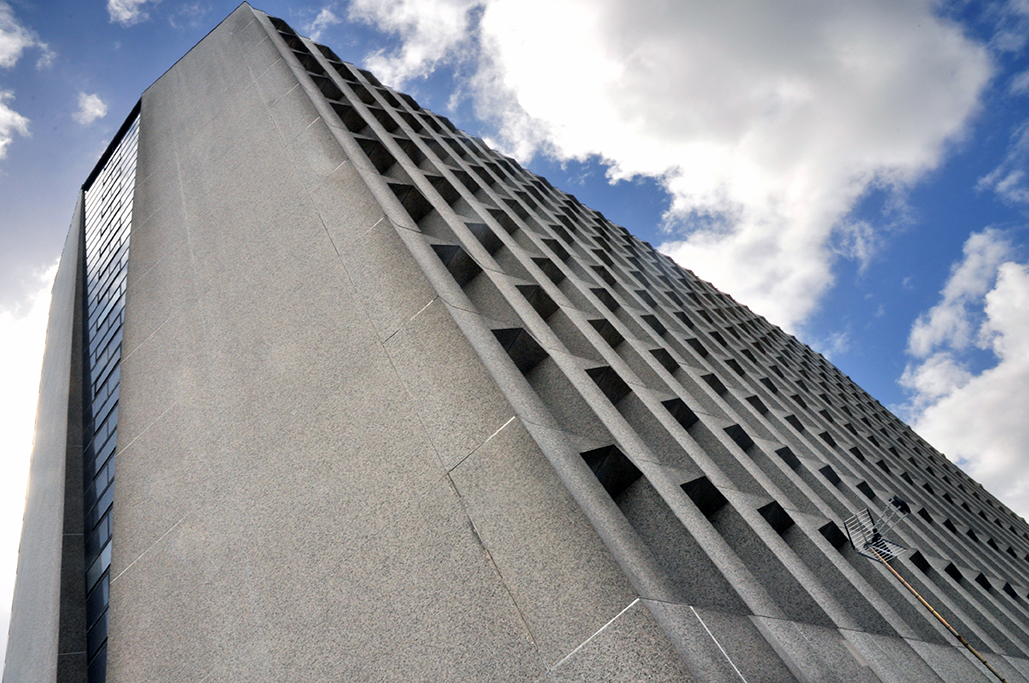
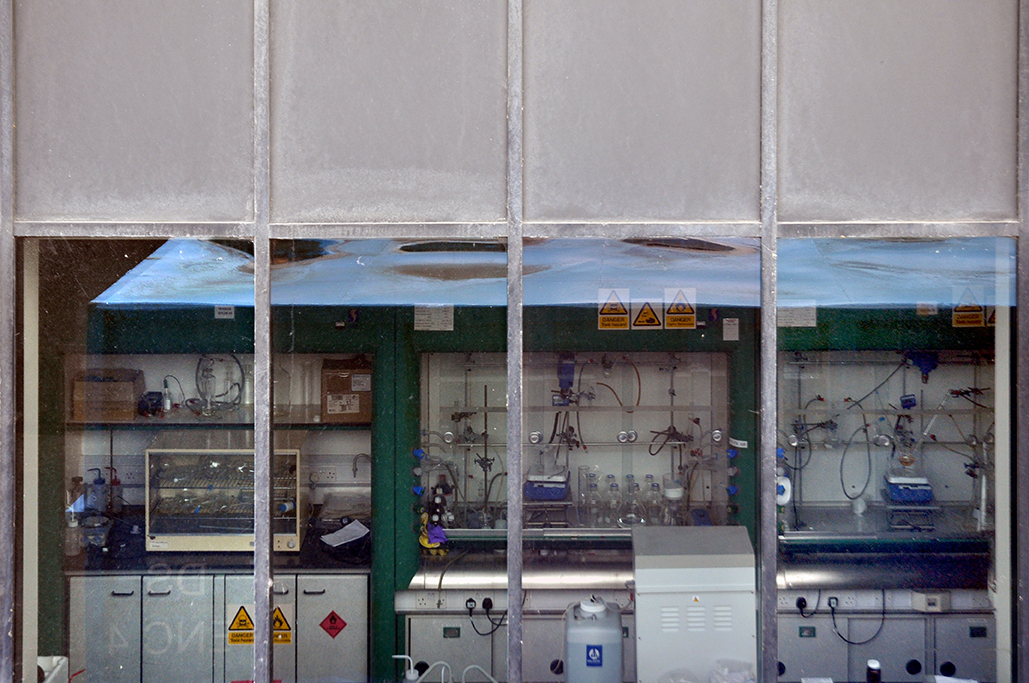
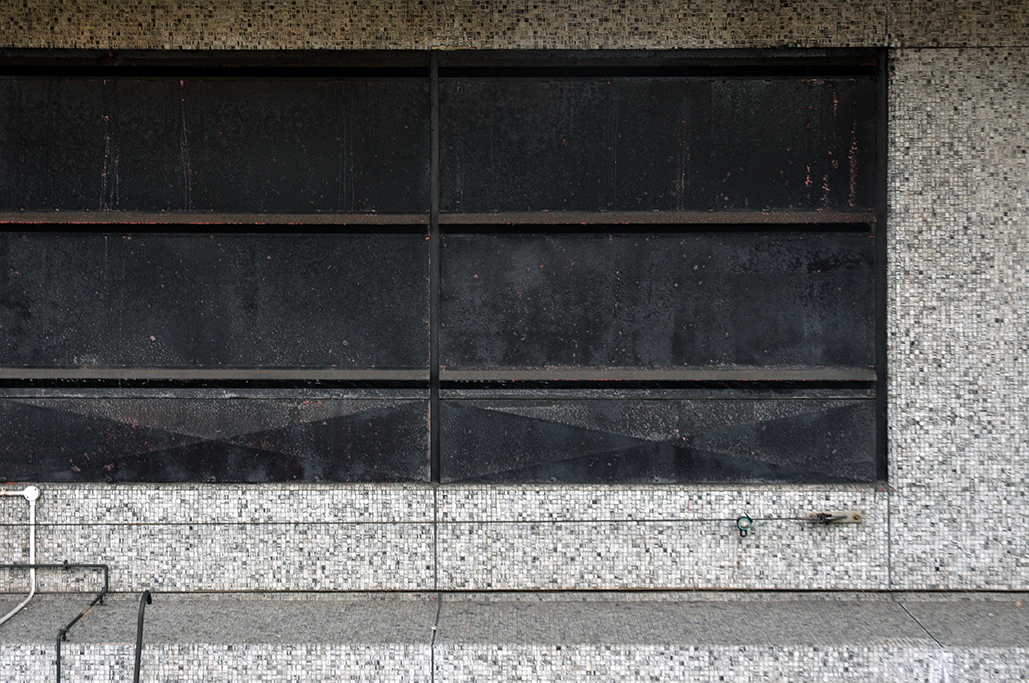
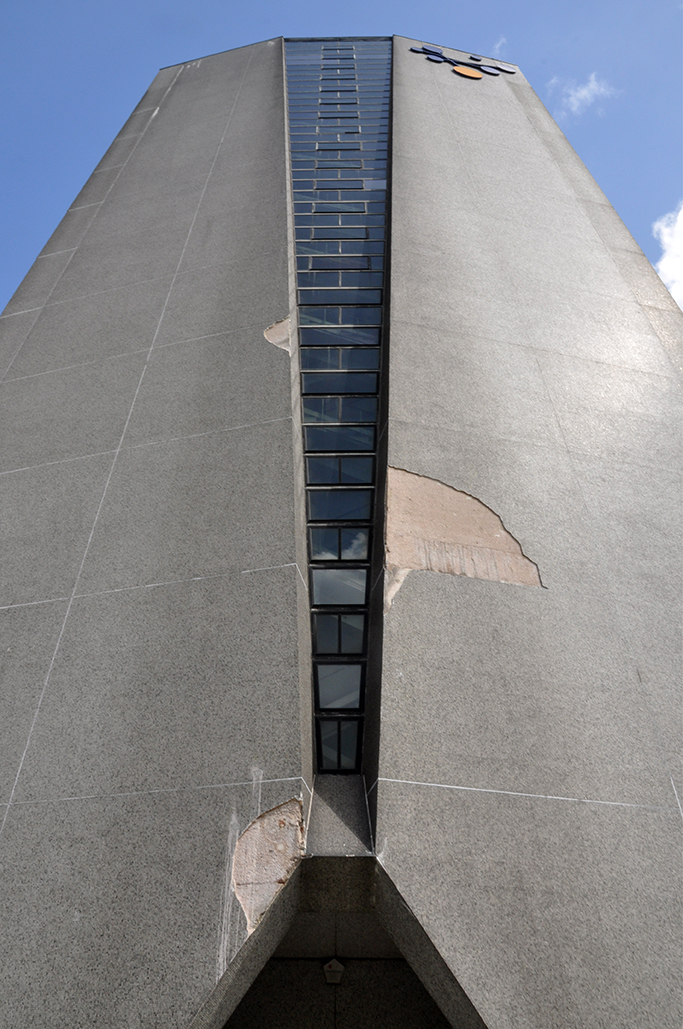
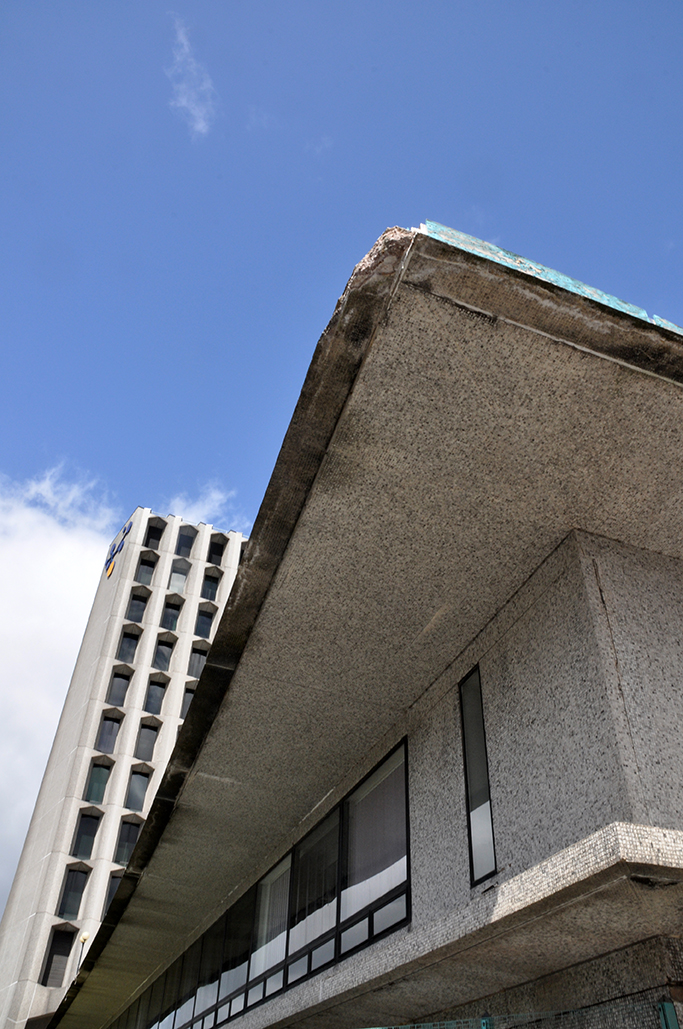
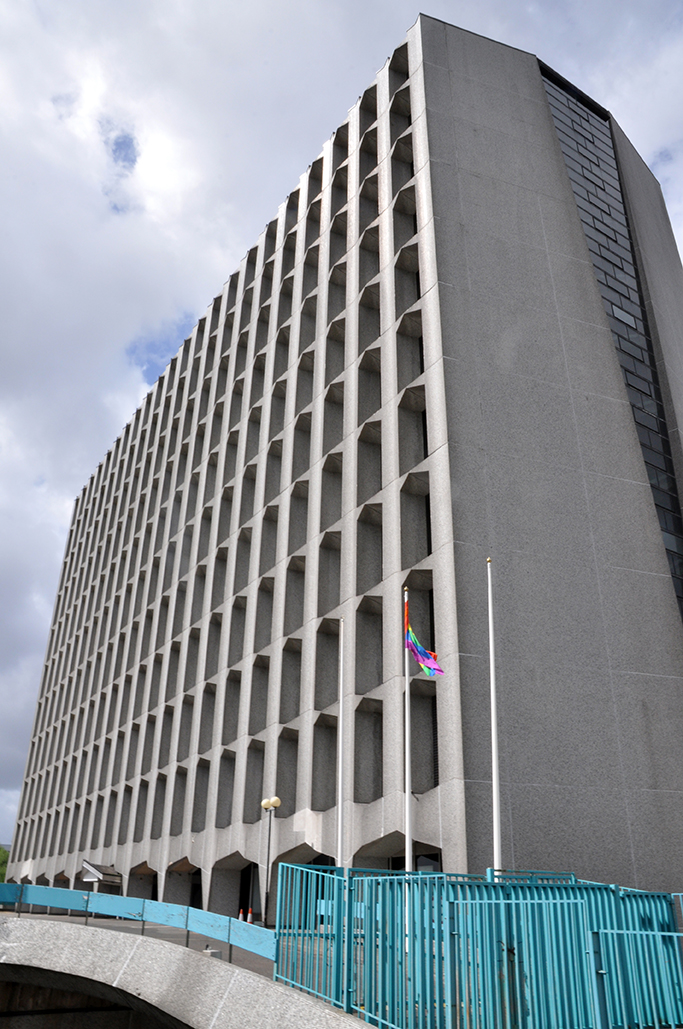
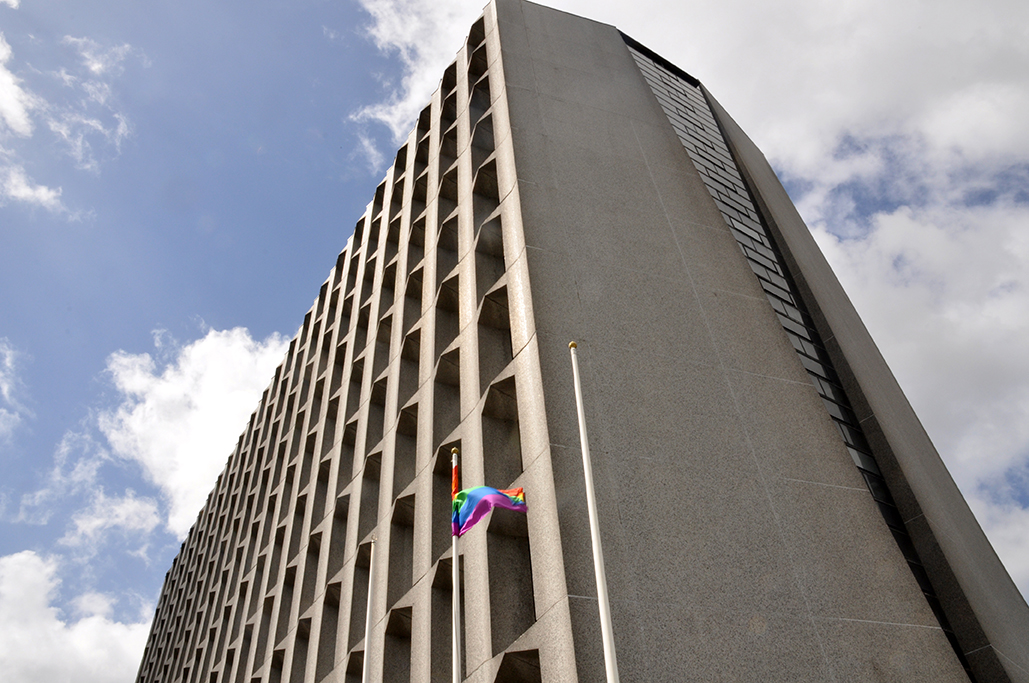
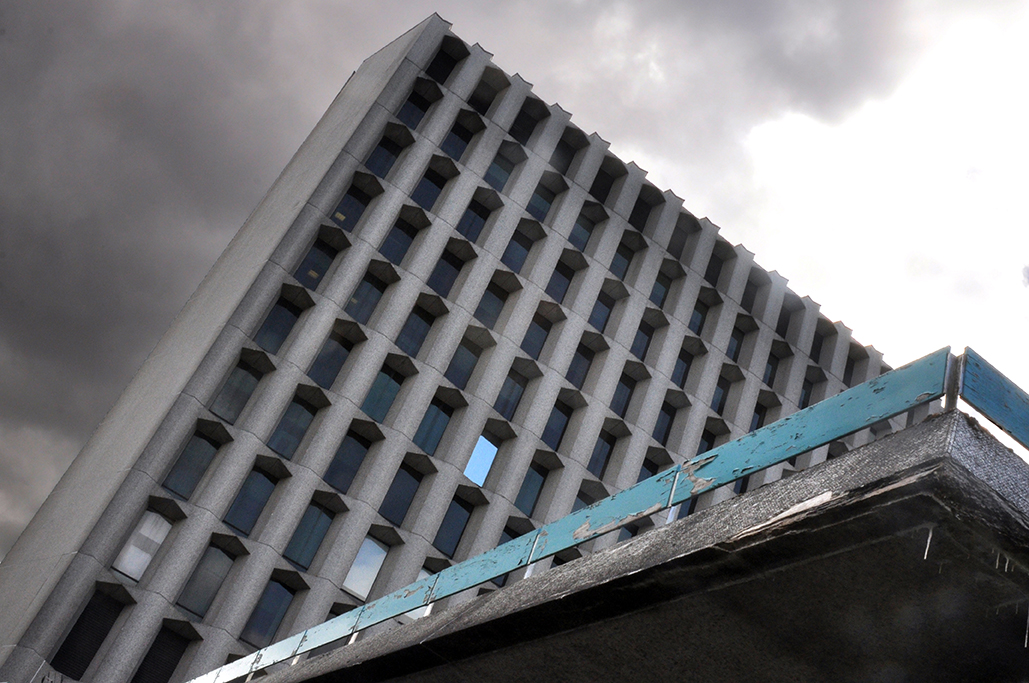
“Seifert’s corporate buildings were regularly bold, those in Manchester no exception, but this is perhaps the most monolithic of his North-West schemes. The site, in a depression adjacent the River Irk in Blackley, was formerly owned by ICI, by whom the building was commissioned. At one time, a four storey ICI laboratory building by émigré architect Serge Chermayeff also stood close. Here, the simple massing, formed by the junction of horizontal and vertical volumes, bears several of Seifert and Partners trademark gestures; the hexagonal geometries, the cut away sections of wall to form entrance ways between structural elements, and the repetitive facade. The end wall is reminiscent of Tolworth Tower, also by Seifert. The tower and podium configuration is a product of the brief; the machine hall had to be at ground level and have no construction above. The narrow tower has no internal columns, the structural grid is mirrored in the services arrangement and the two co-exist outside the usable volume of the laboratory space, in the walls and floor. This solution is expressed in the deep reveals of the main façade, services travel vertically between the window modules. Whilst somewhat hidden, the building reveals itself fantastically from elevated vantage points, the tram south from Bowker Vale station being one such location. Originally it was intended that four of these towers would be built and run along the river valley in some sort of massive futurist domino arrangement.”
A chance meeting with two aged cordial bottles, a little nudge in the right direction from Christine Studley-Yates, encouragement from Natalie Ainscough, and learned guidance from this erudite site:
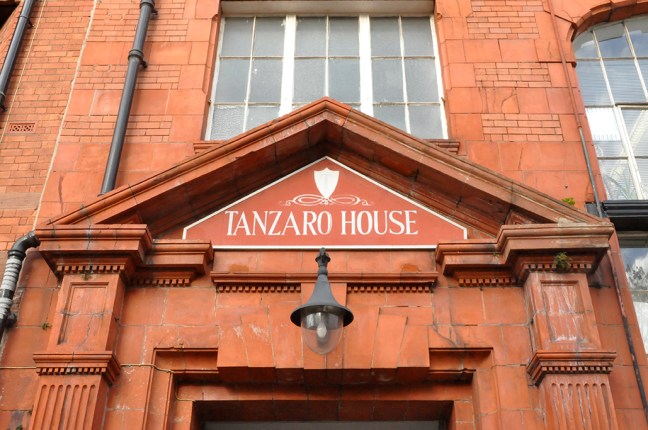
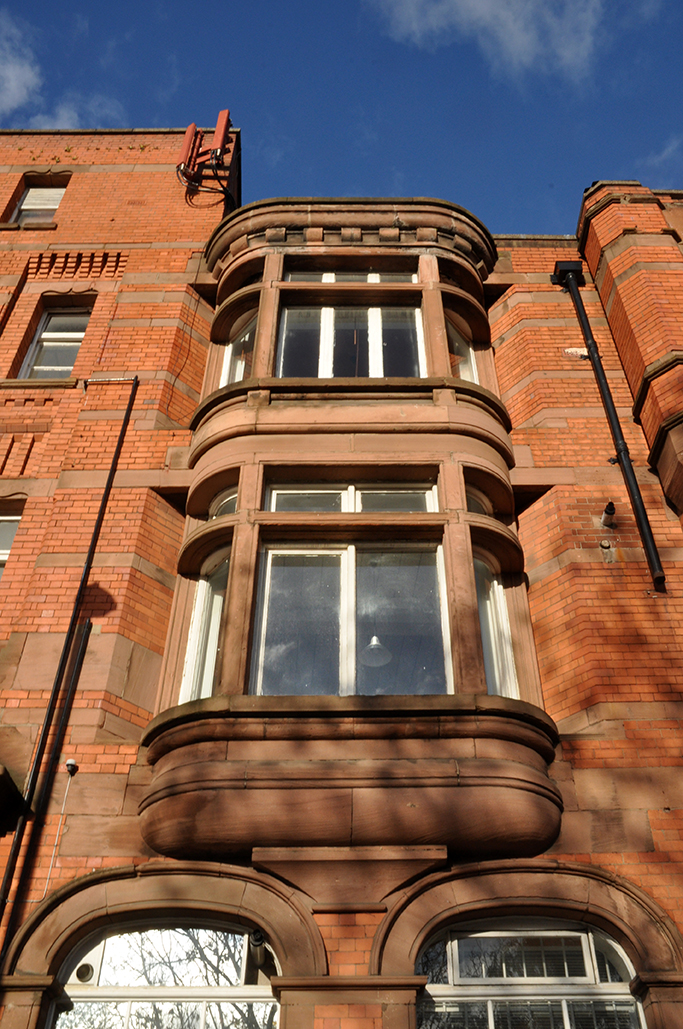
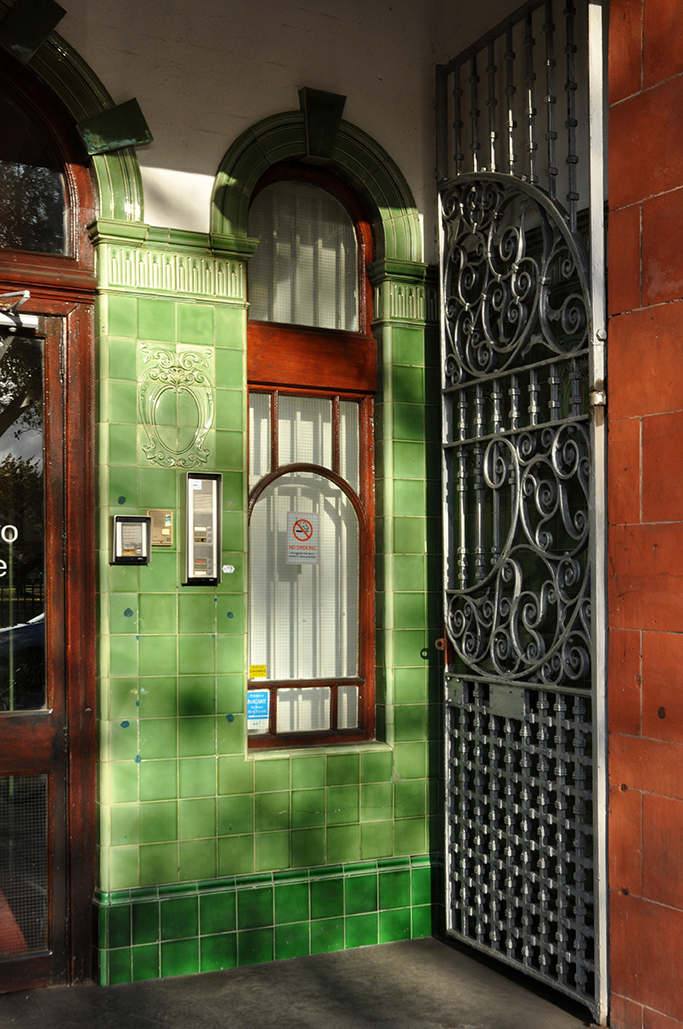
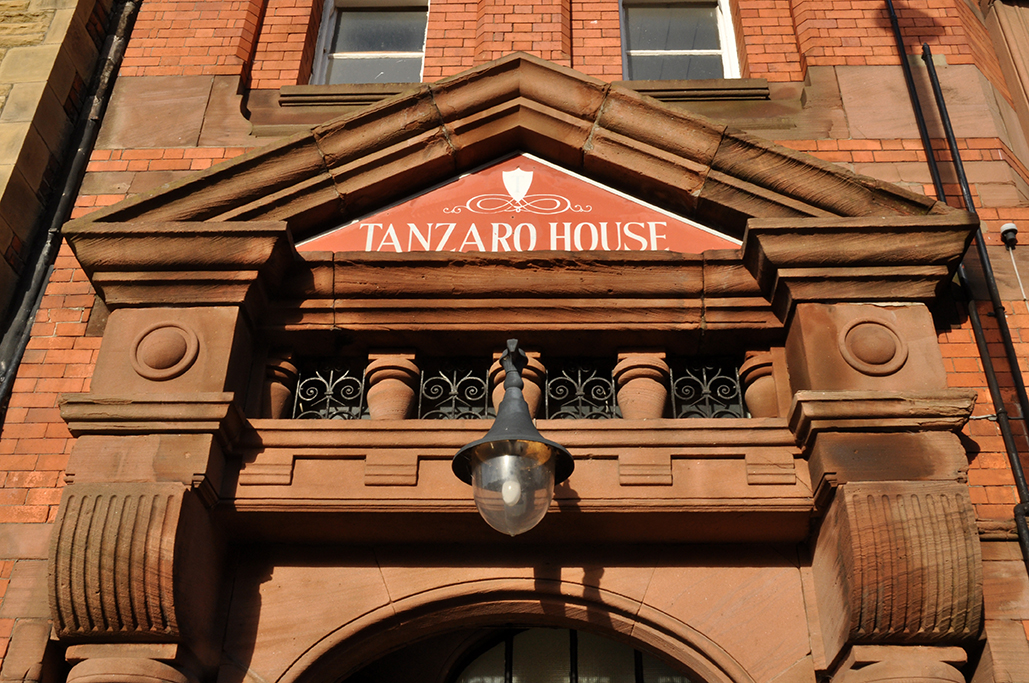
Here we are on the edge of Ardwick Green, outside Tanzaro House, former home of Jewsbury and Brown – J&B.
So called as many of their soft drinks were branded Tanzaro.
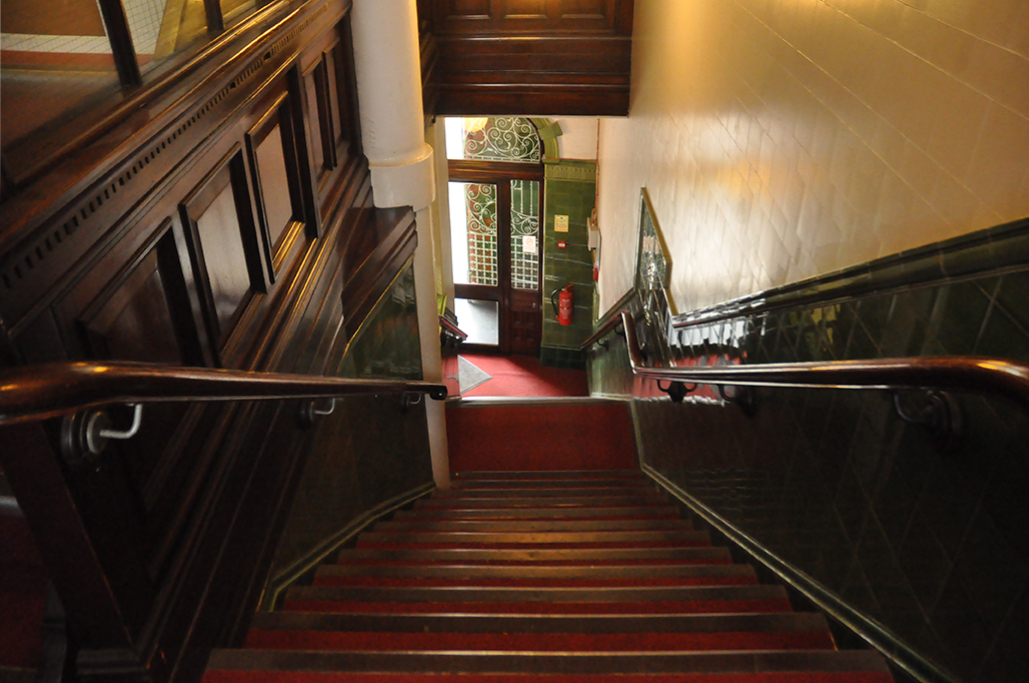
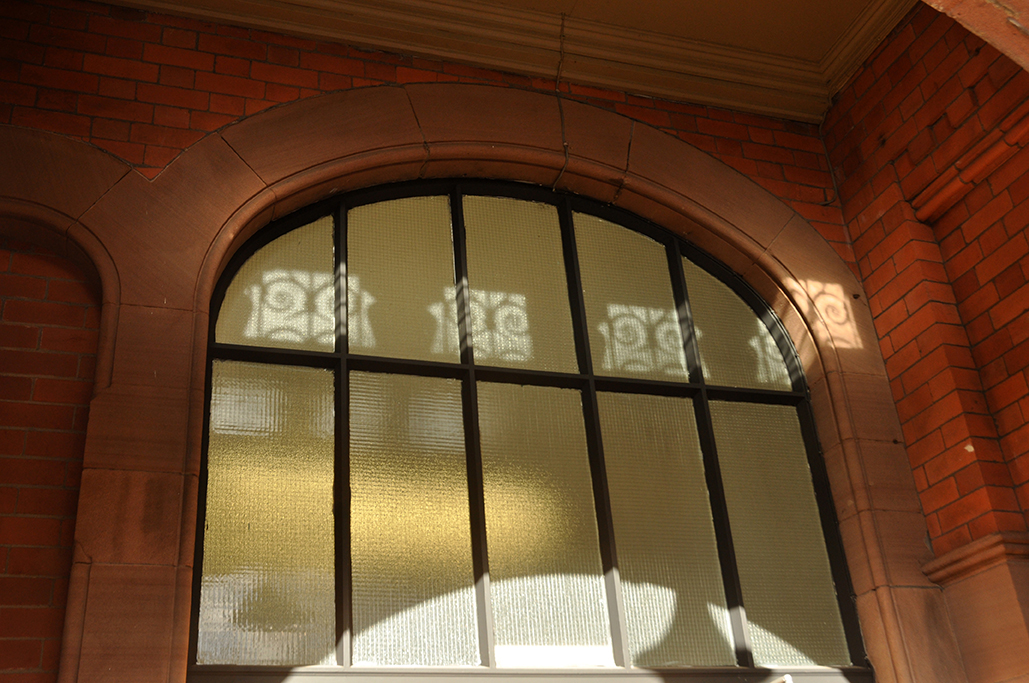
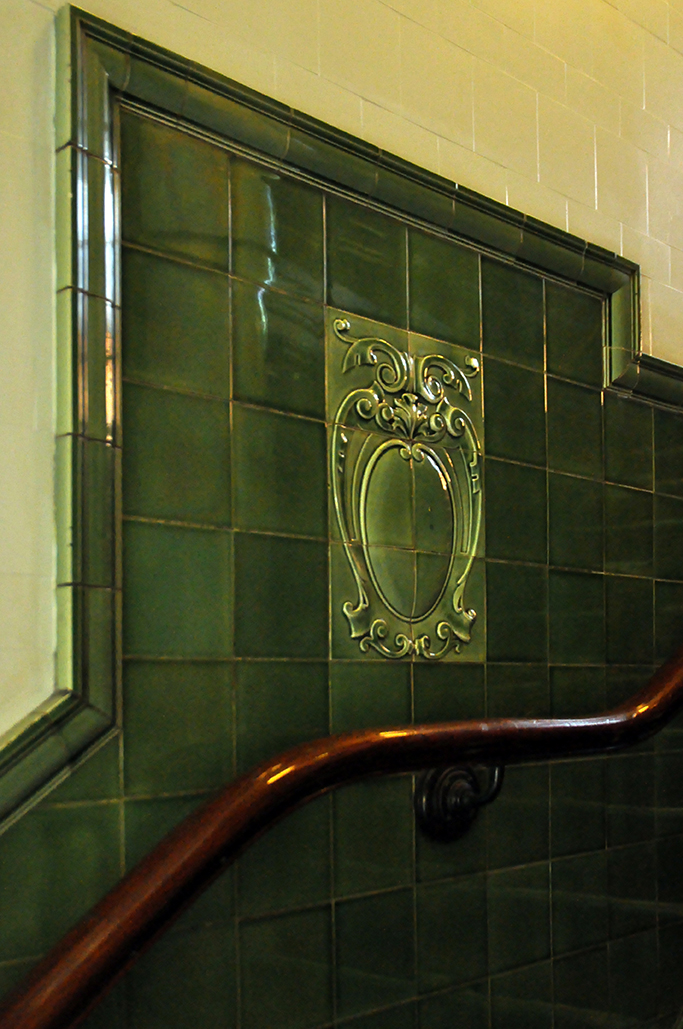
J&B are long gone, bought out by Schweppes in 1964 – the building is now home to a range of photographic, clothing and design studios. Happily the majority of the internal and external architectural features remain intact.
It stands in a small corner of Manchester, surrounded by a rich variety of architectural styles, by the side of a well-used public park – take a trip down there, just a moment away from the city centre.
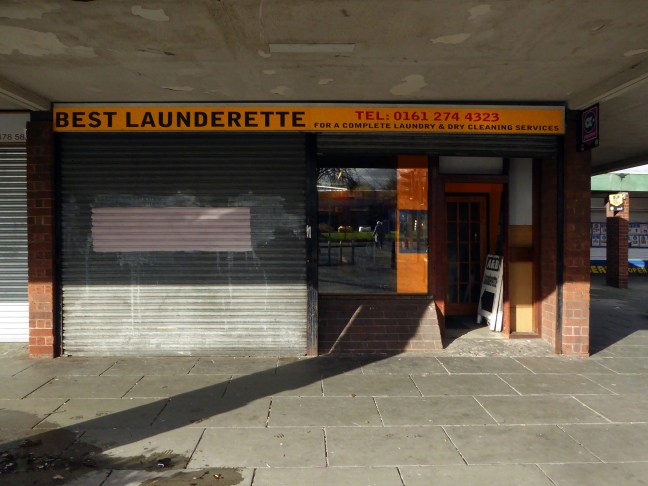
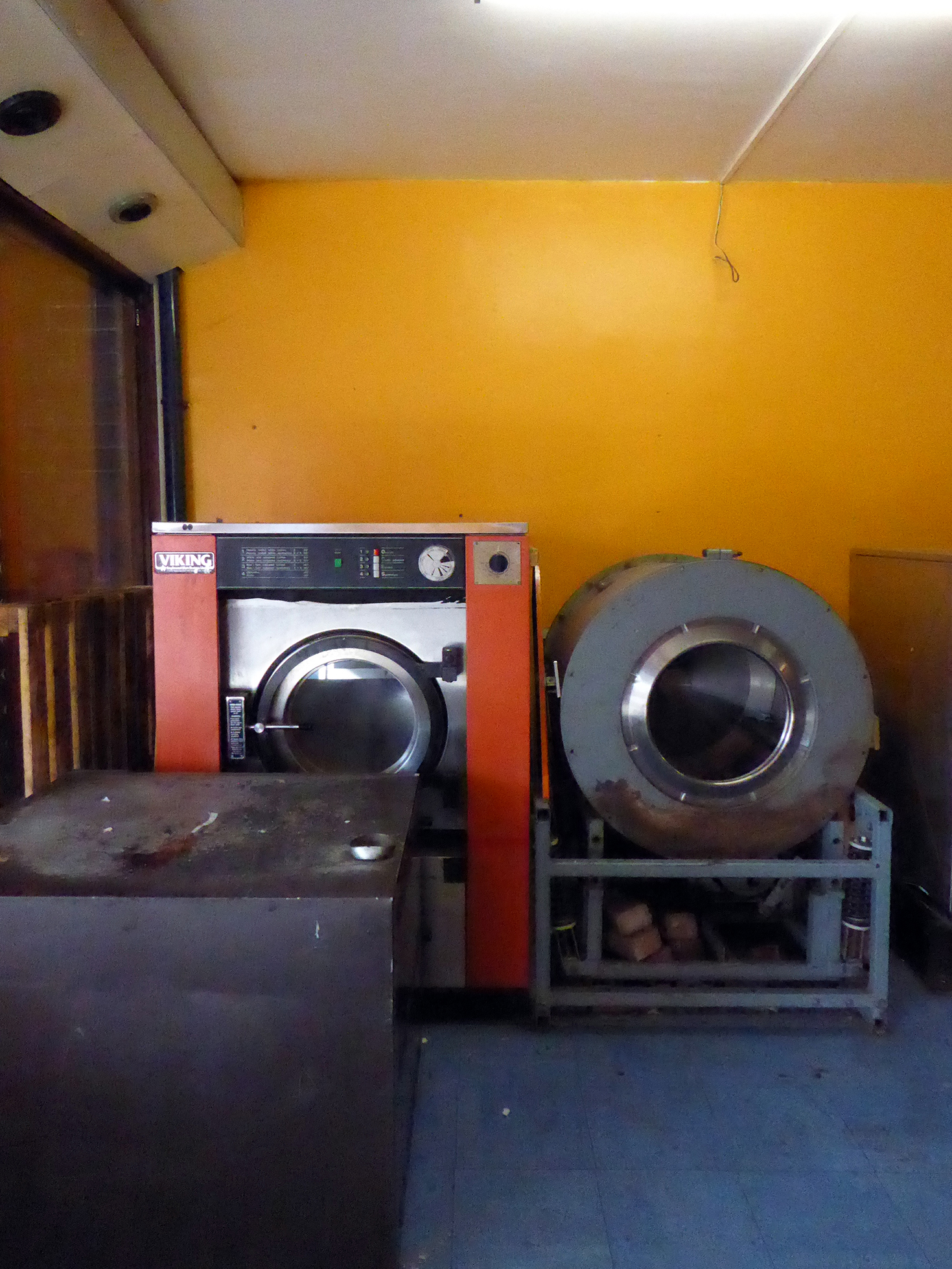
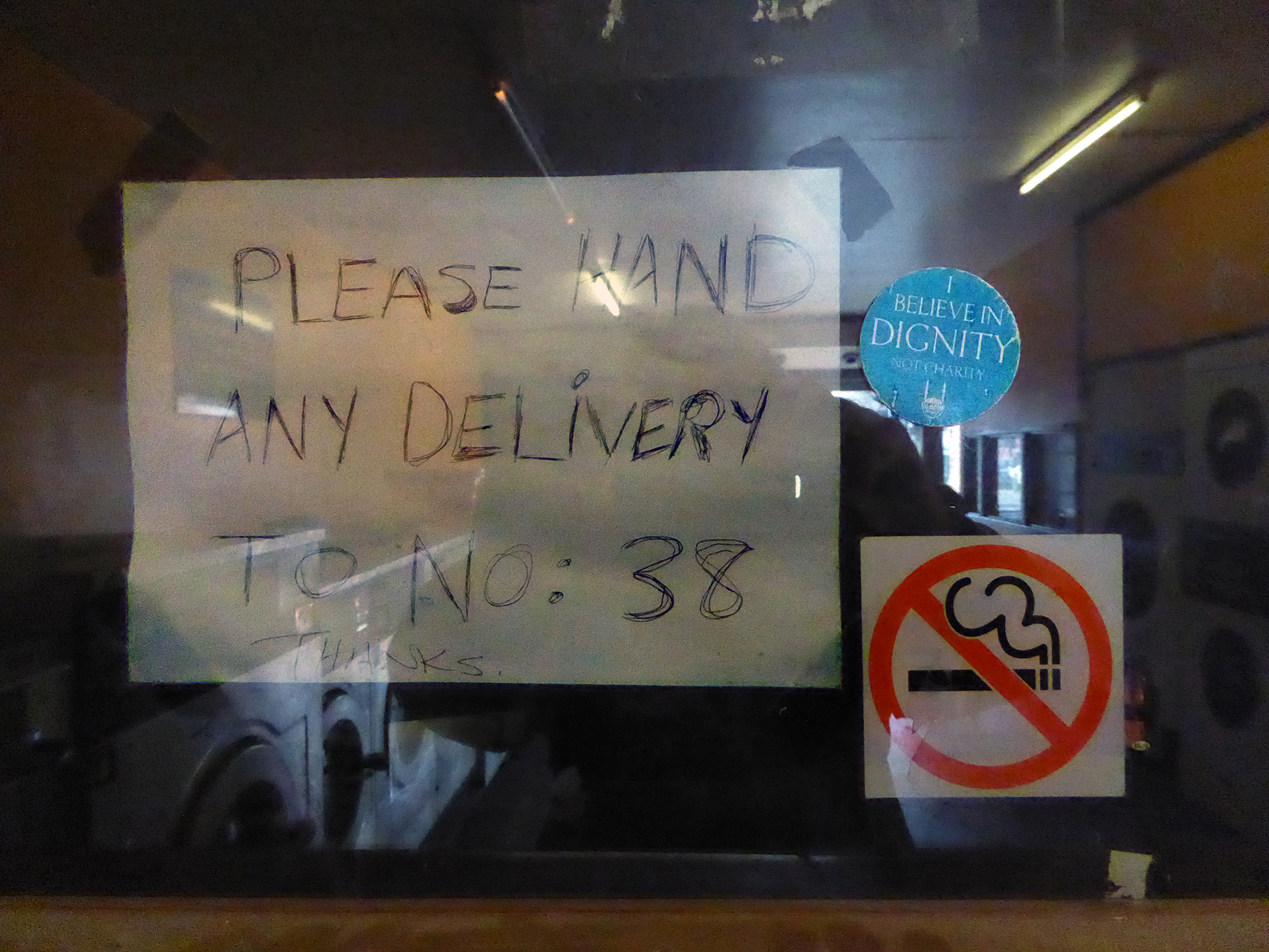
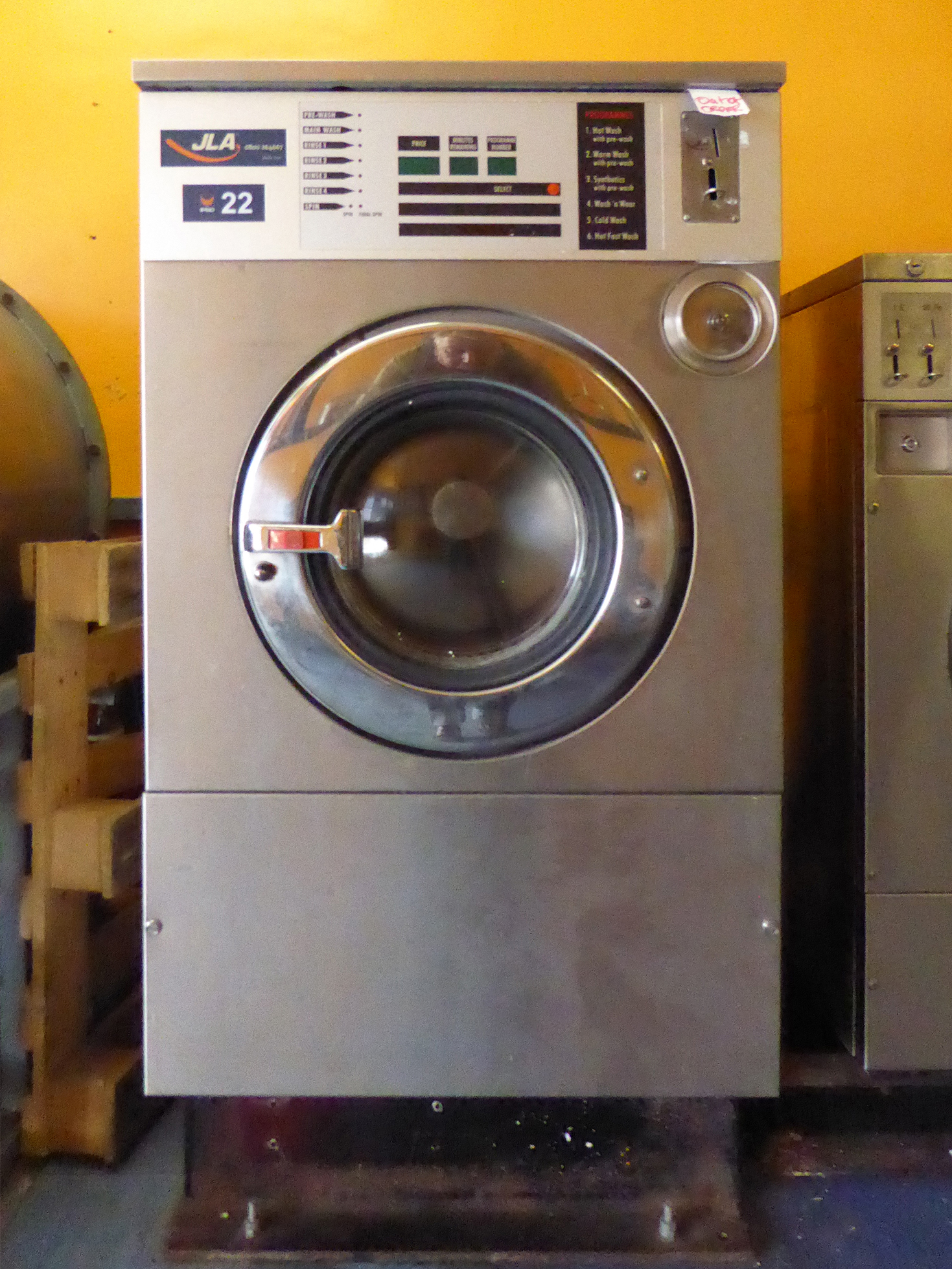
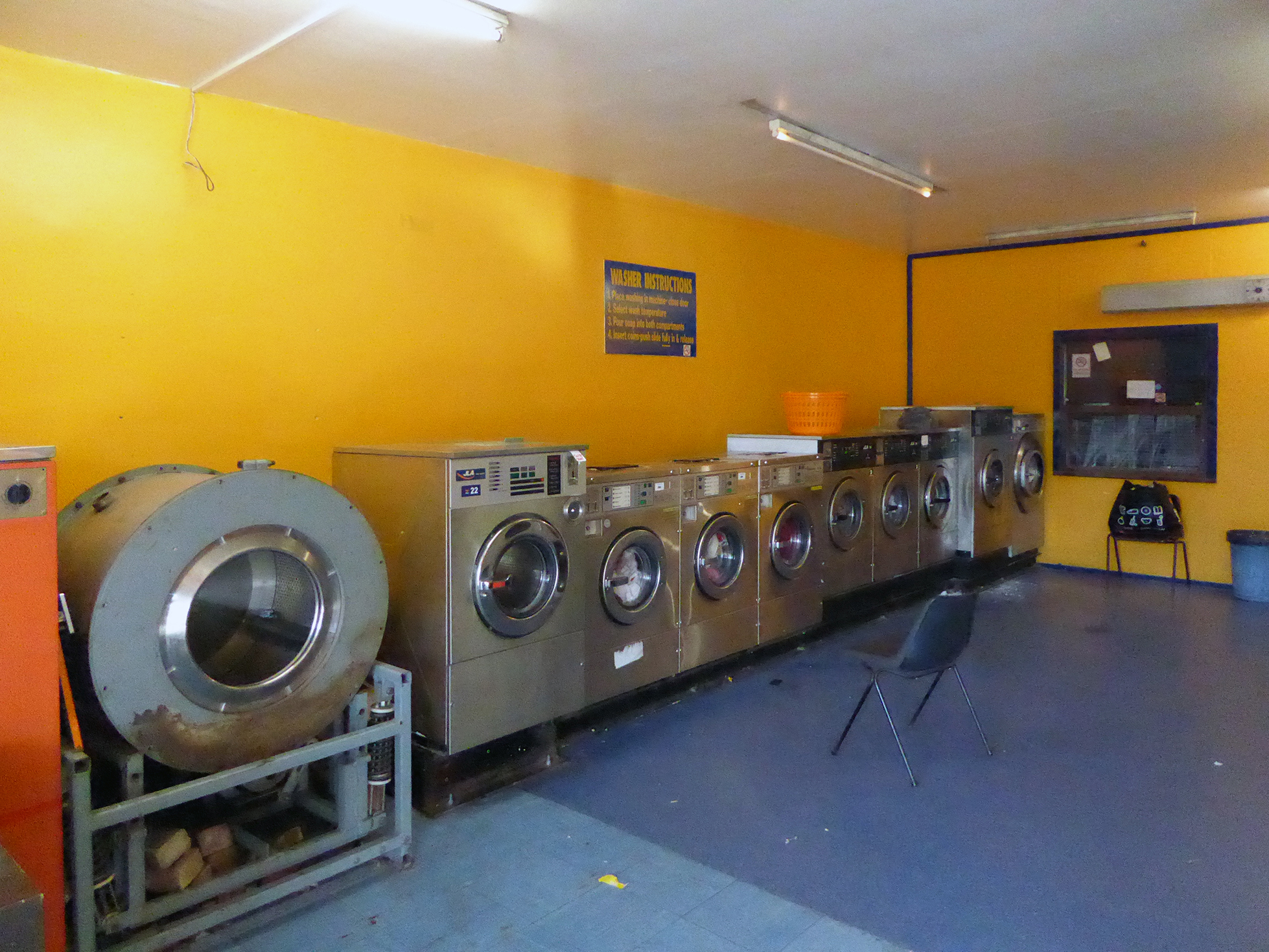
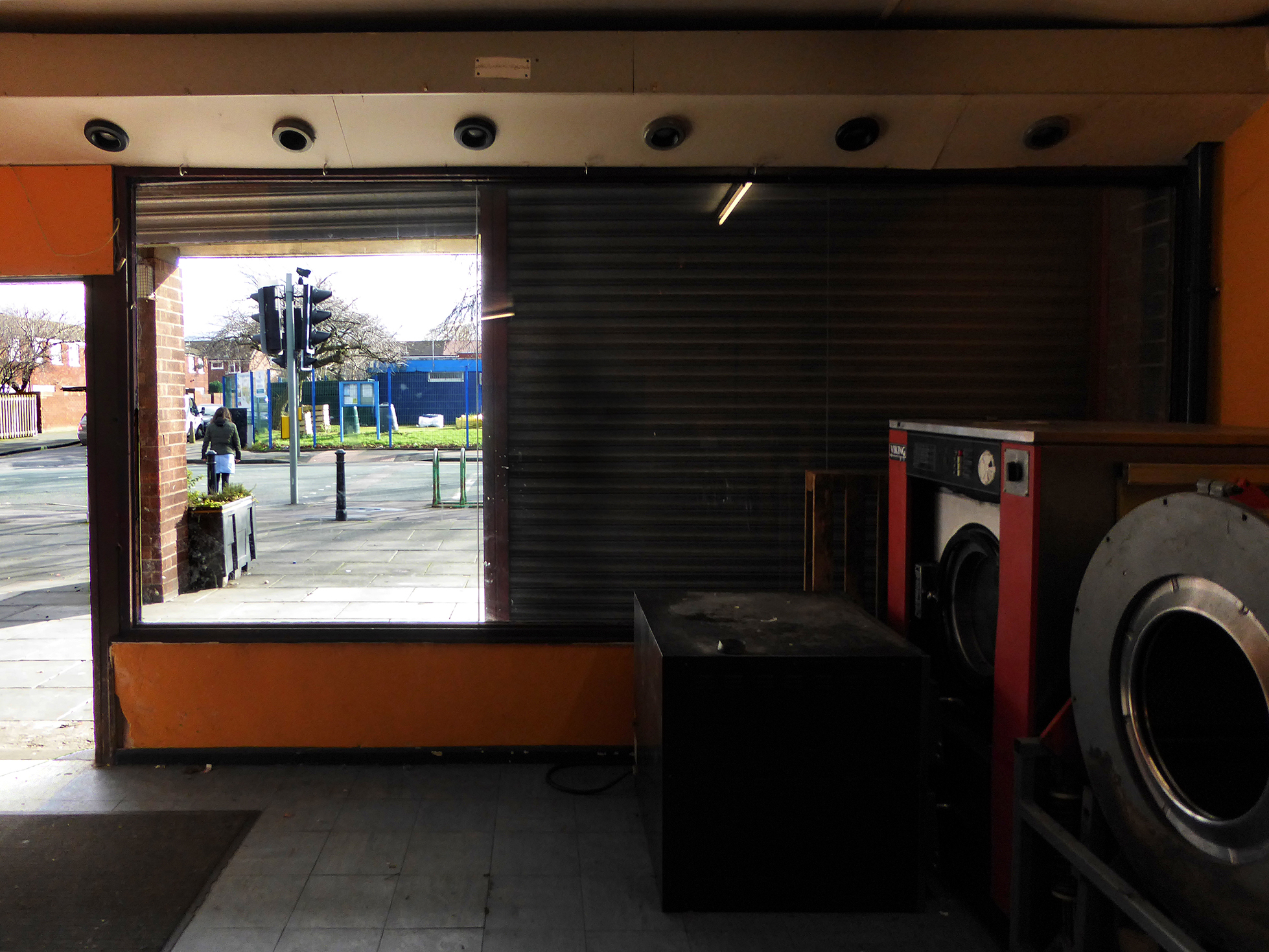
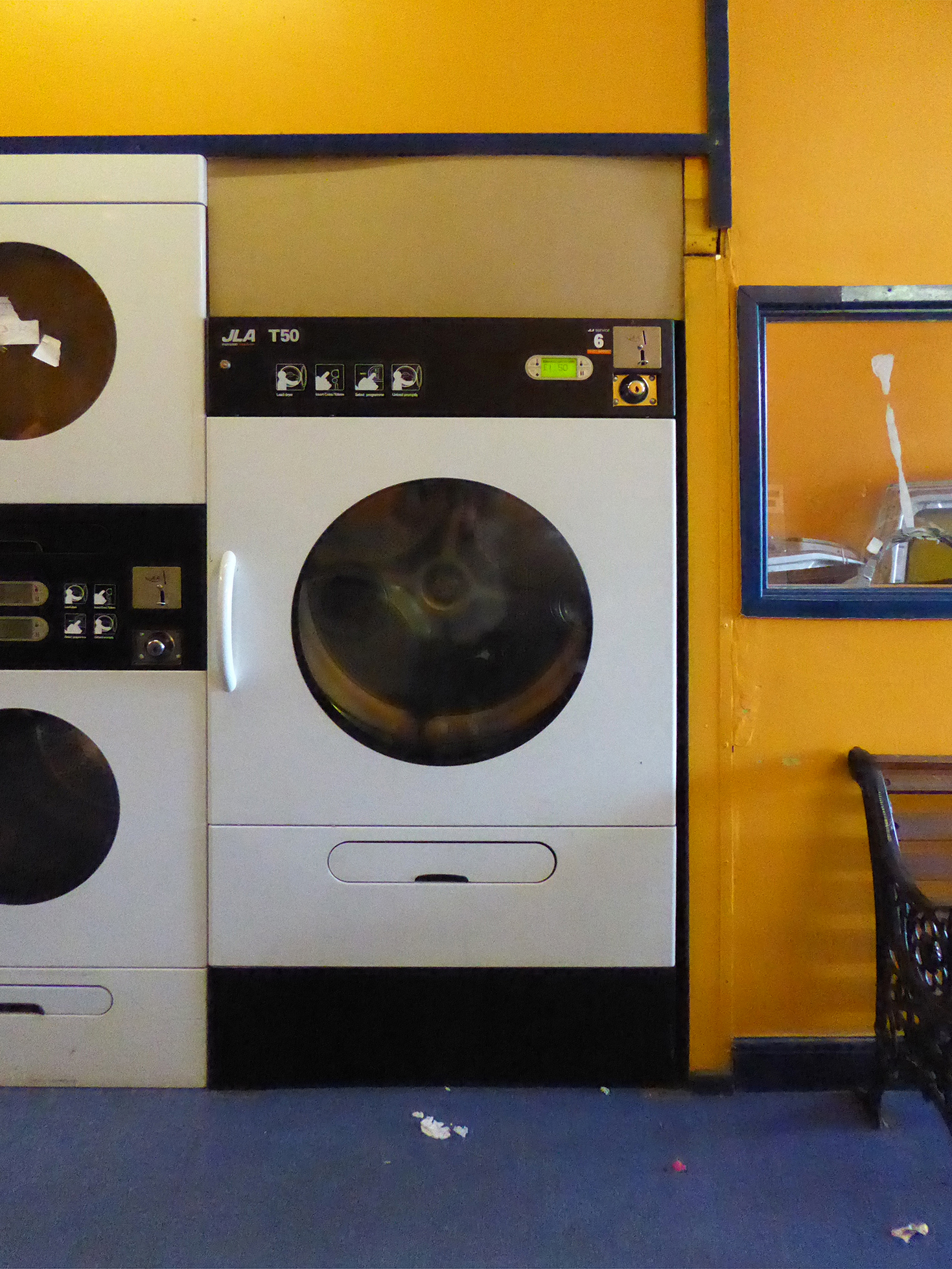
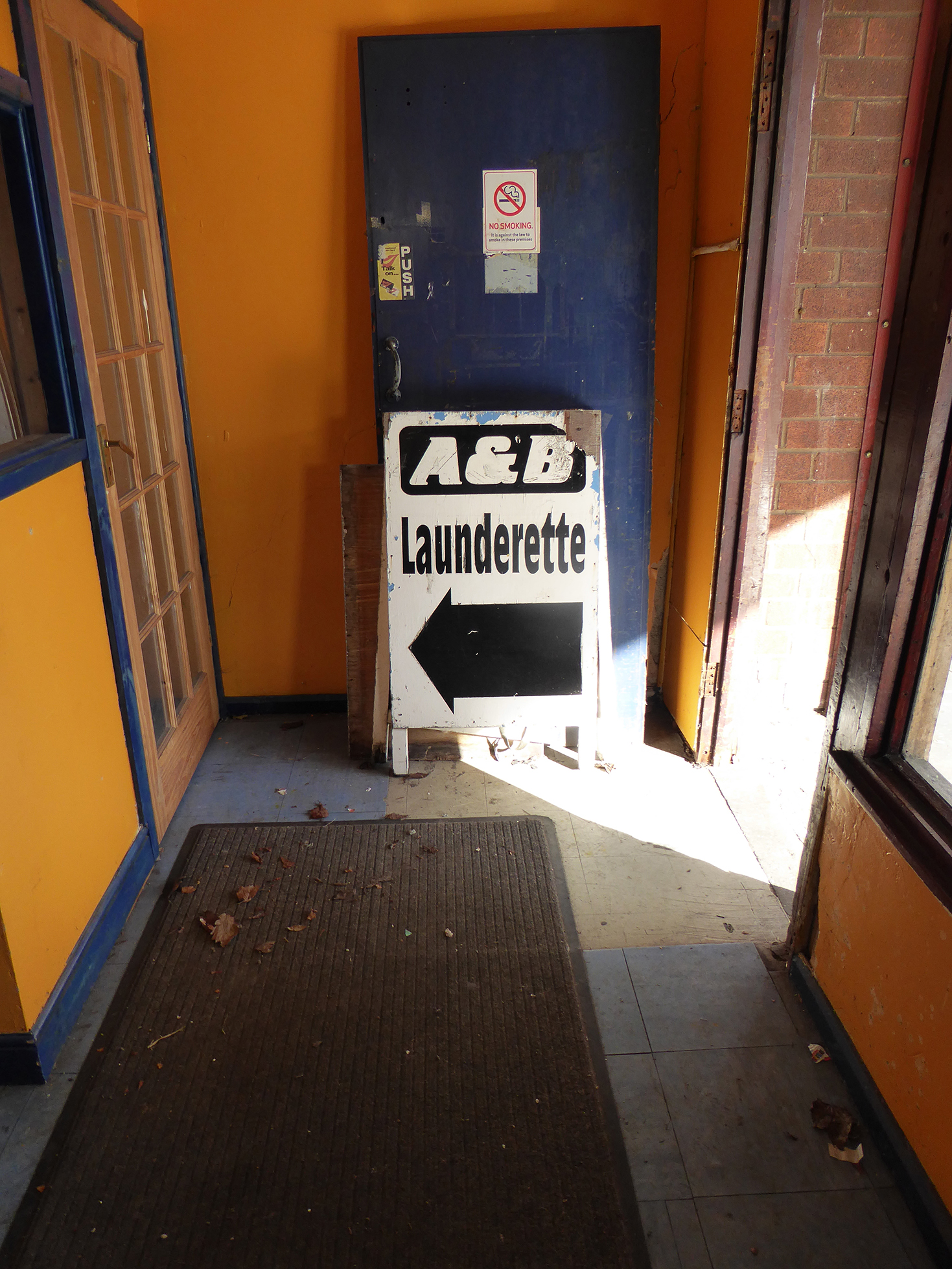
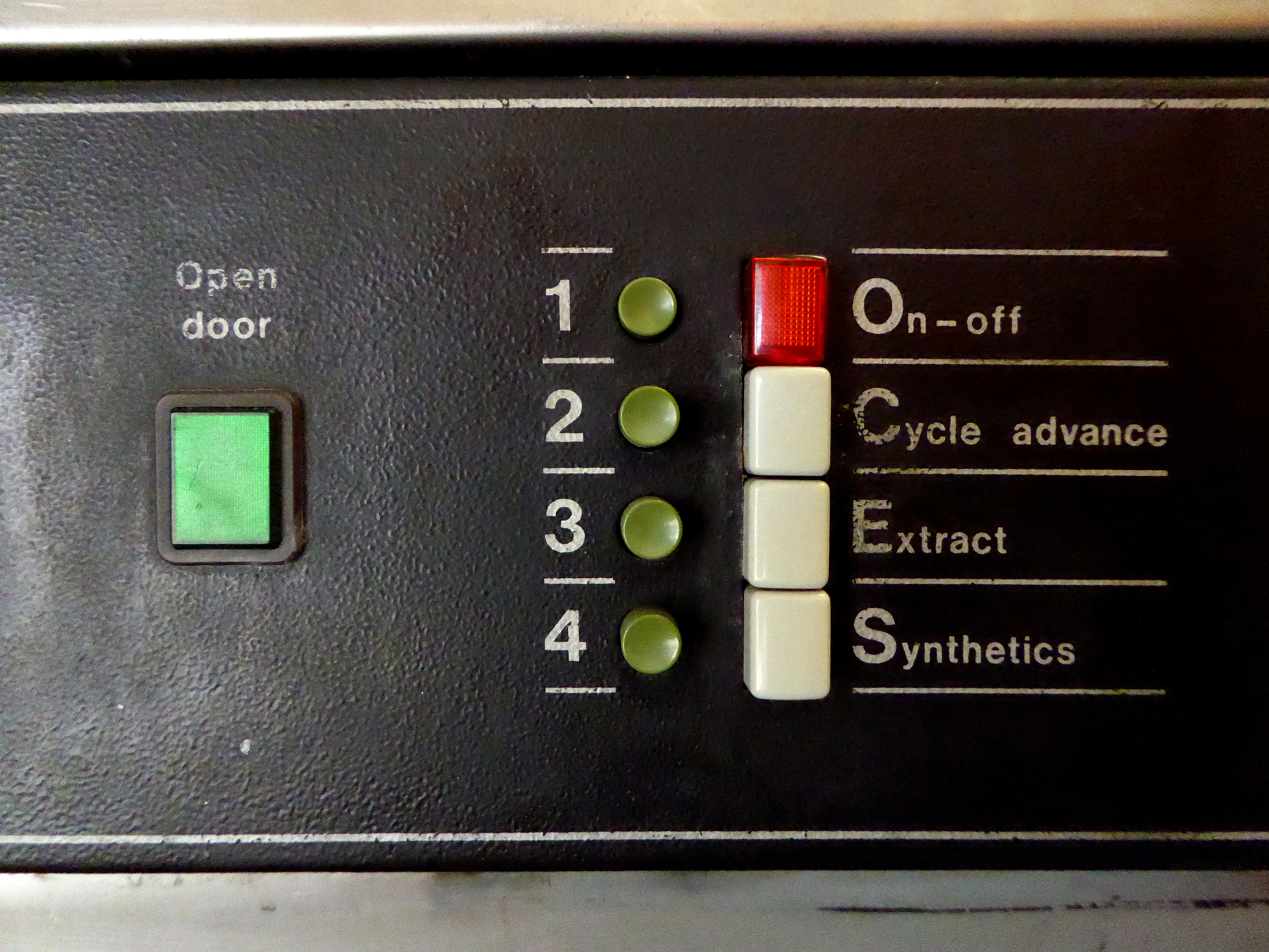
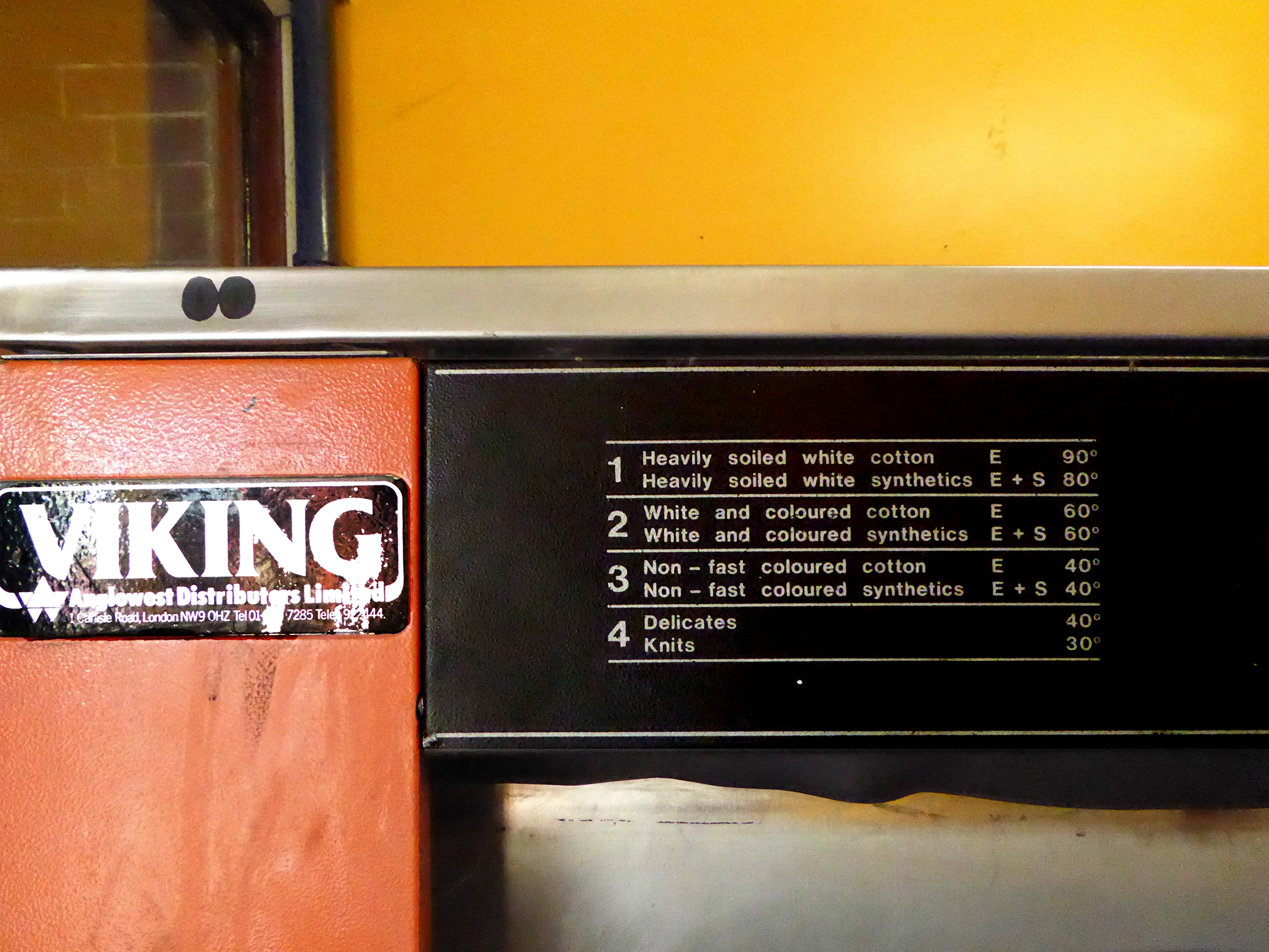
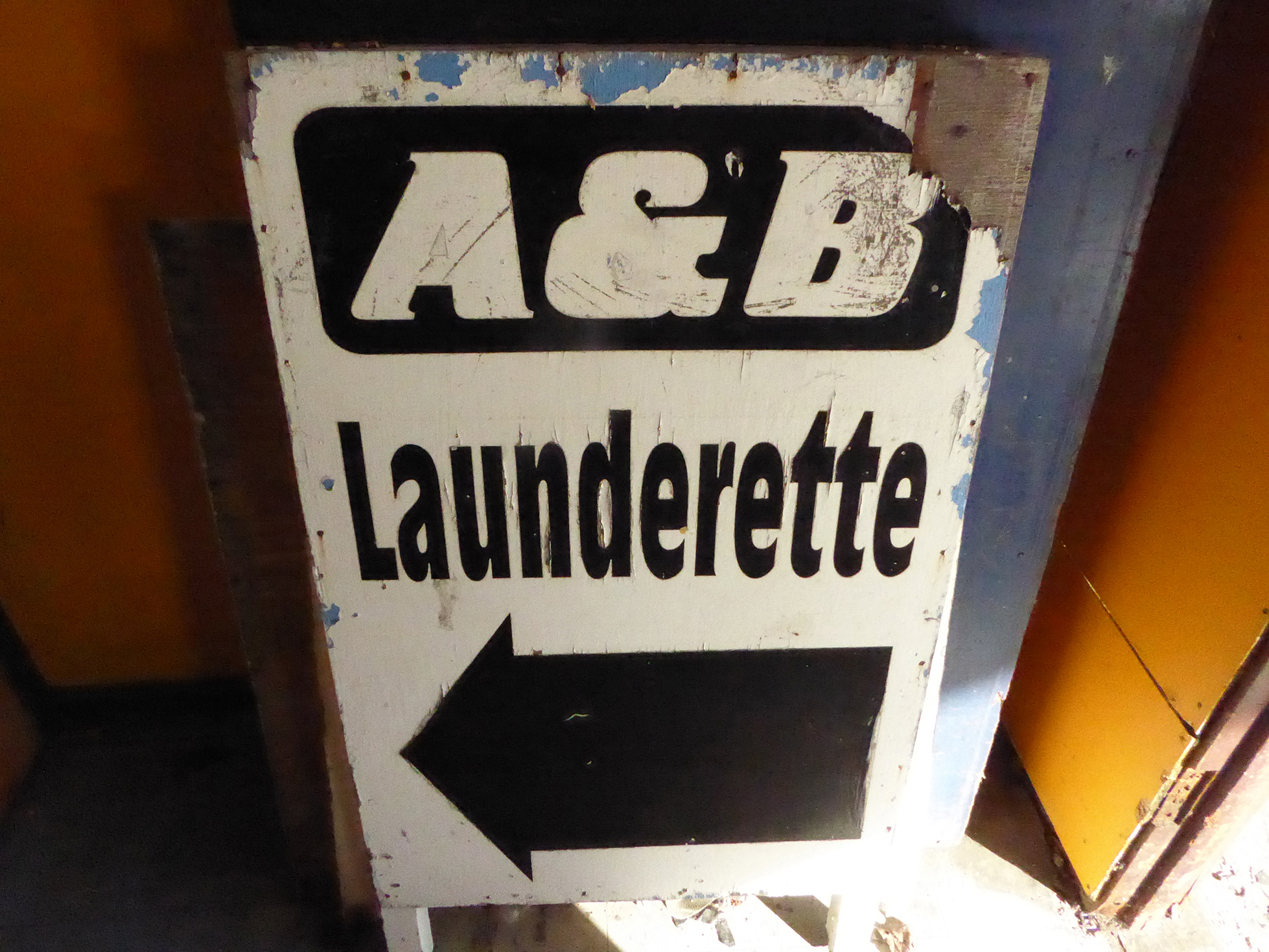
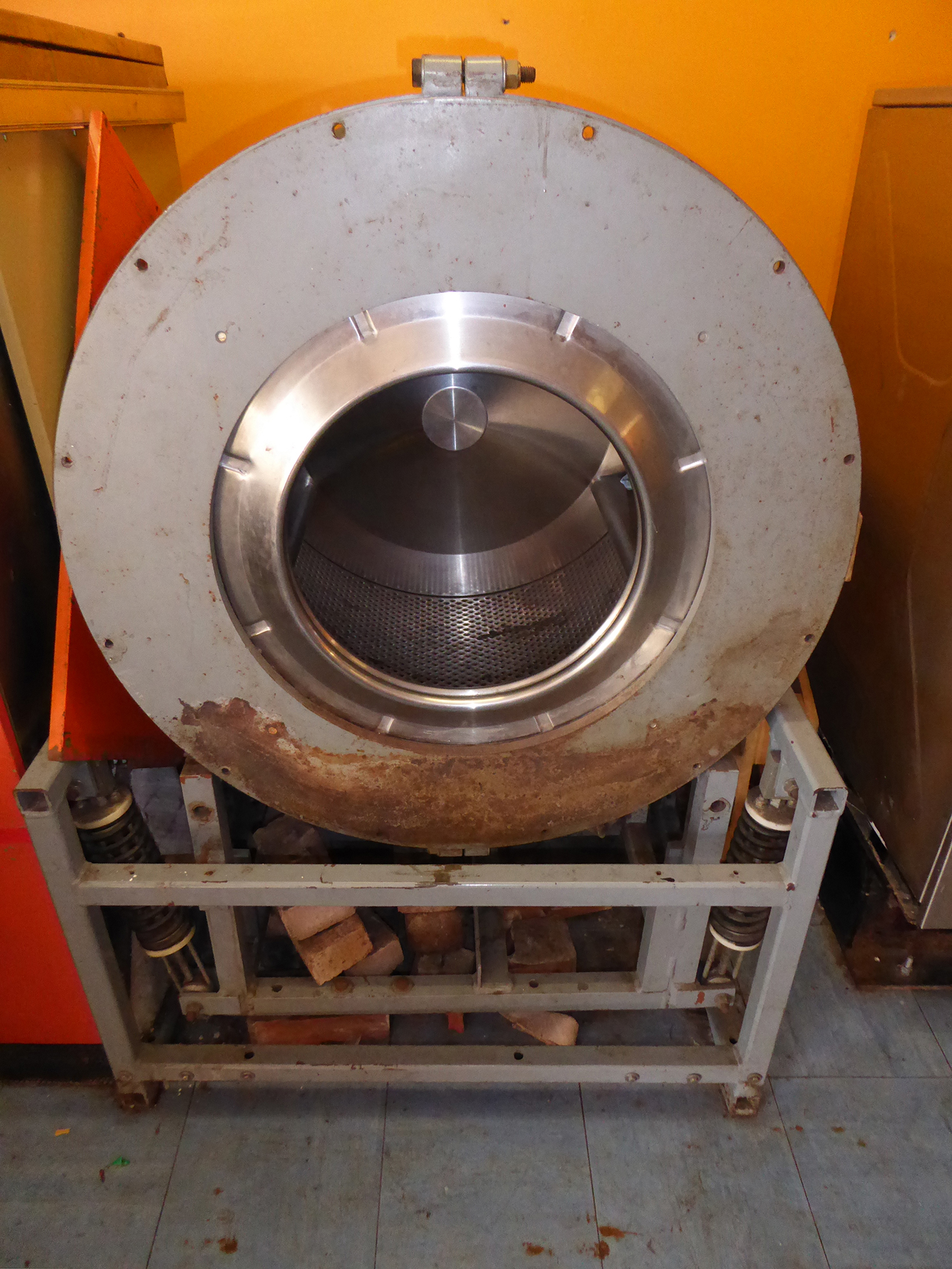
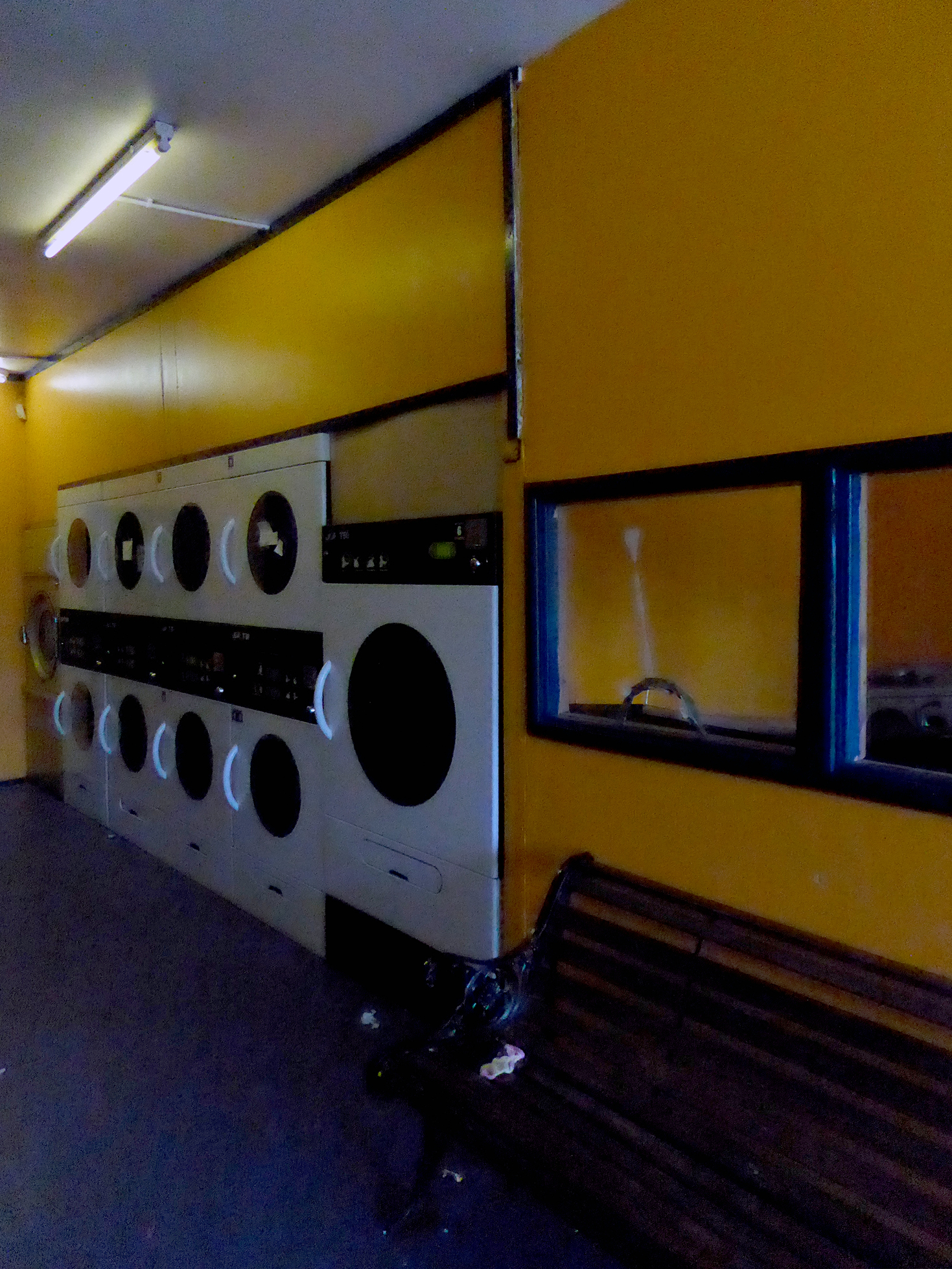
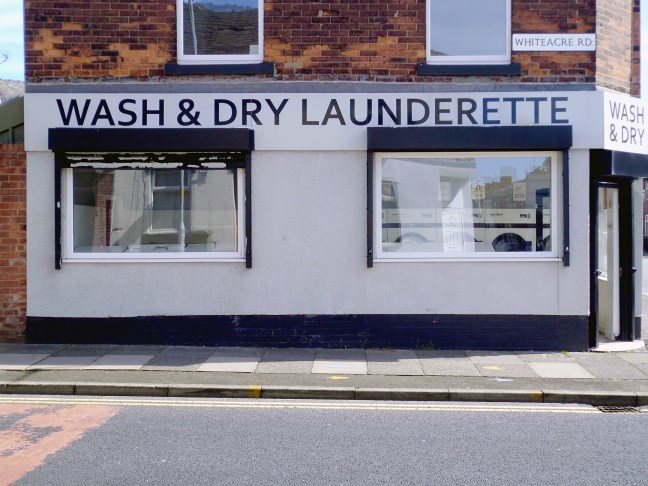
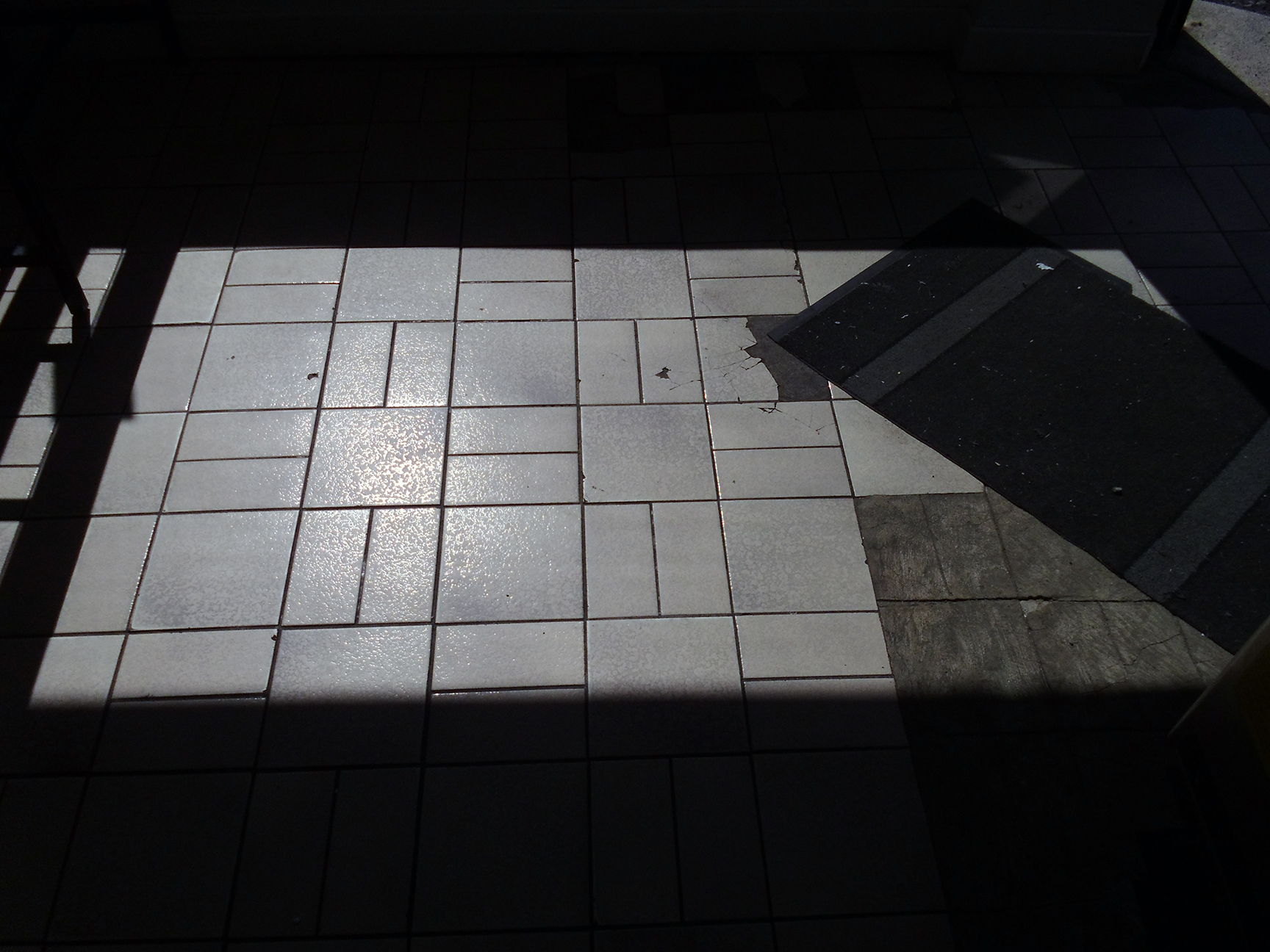
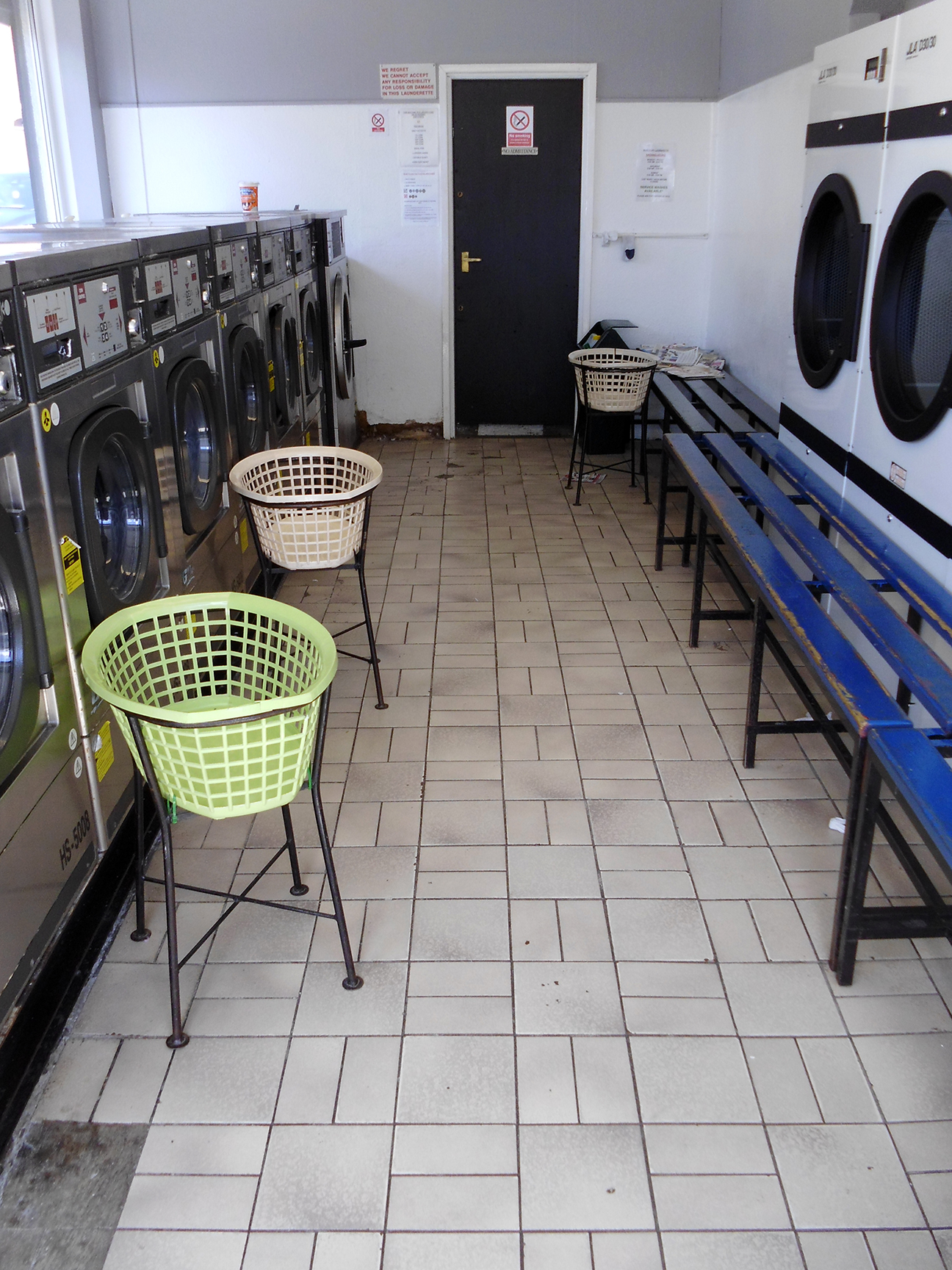
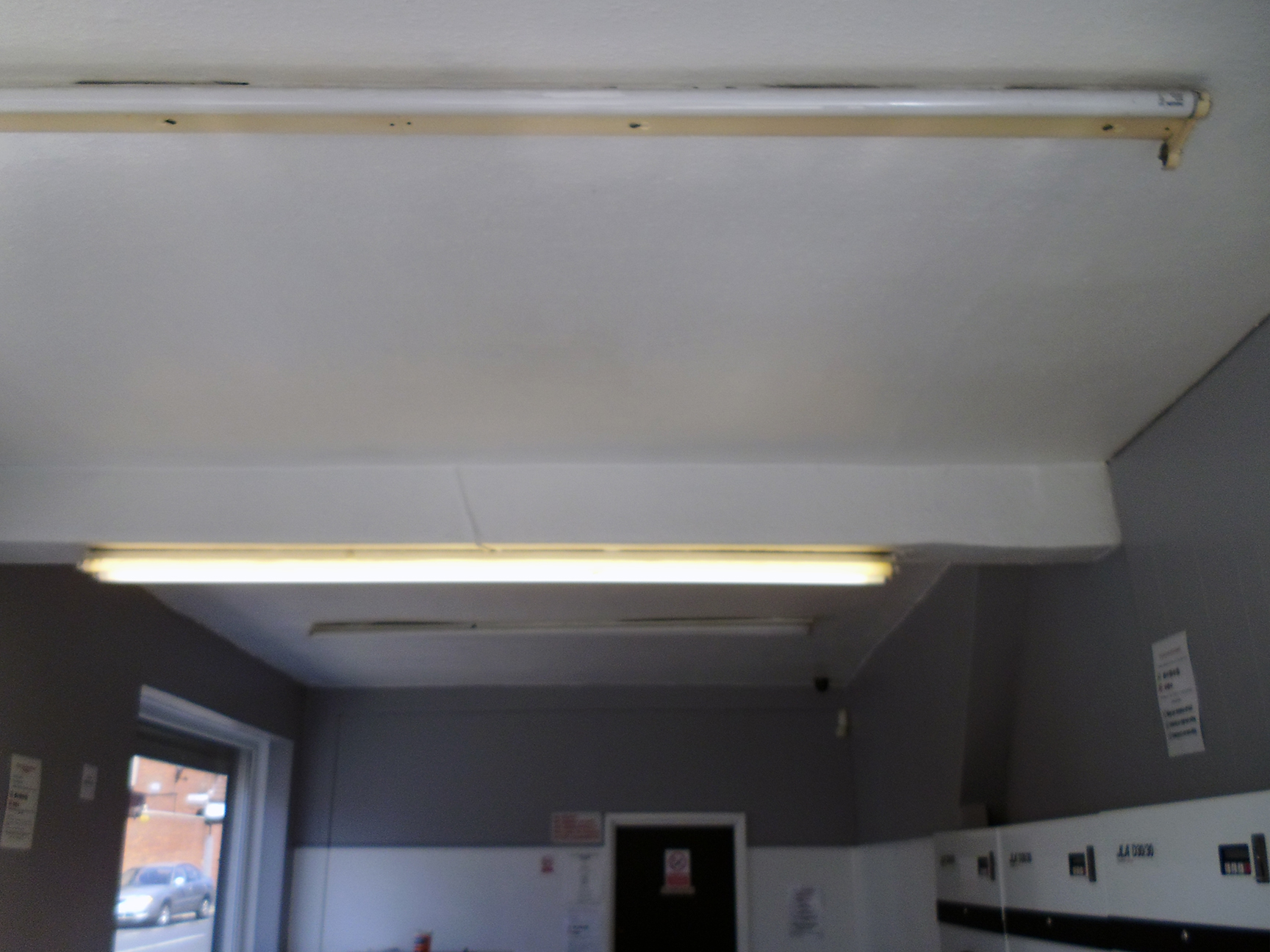
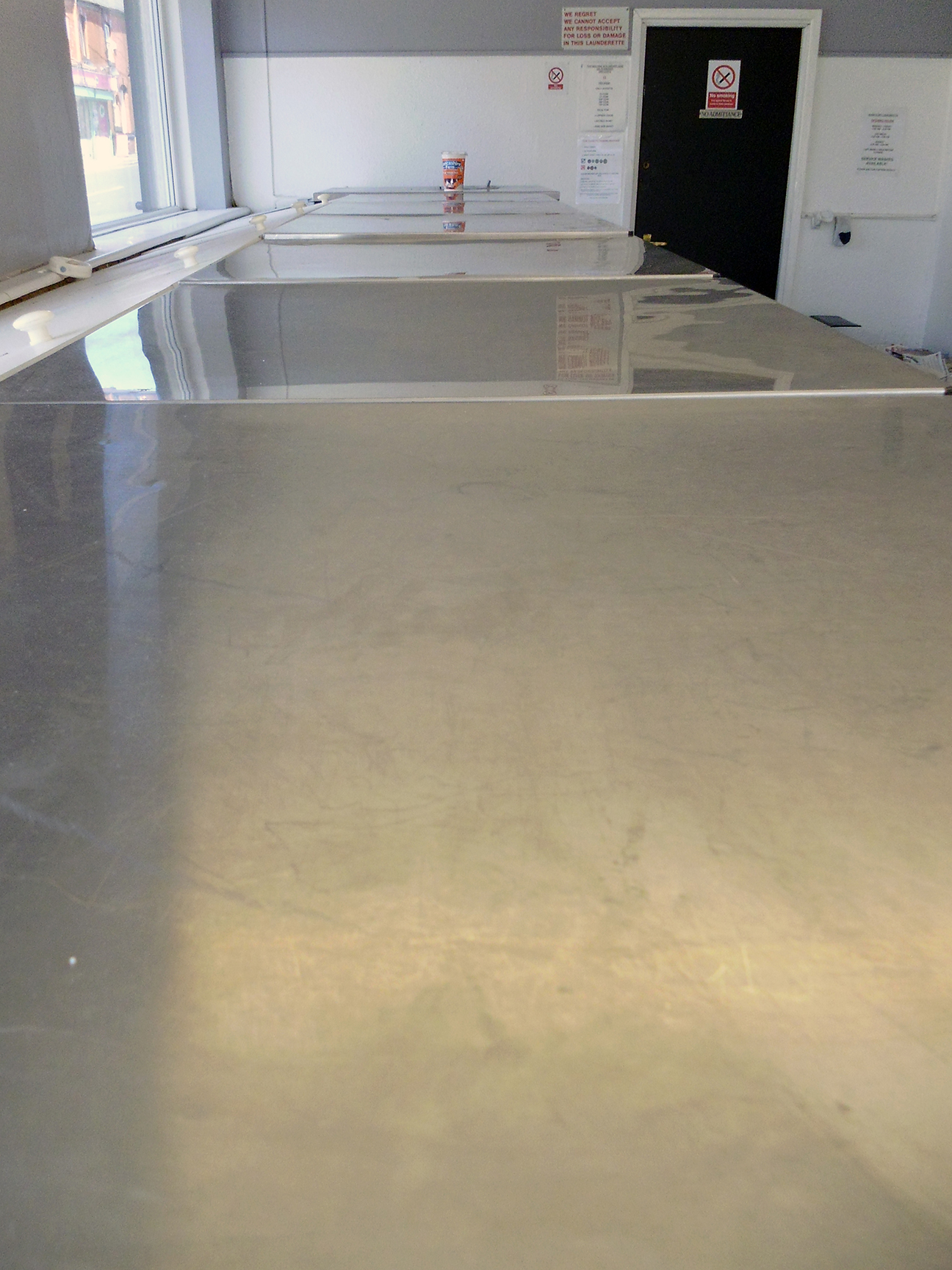
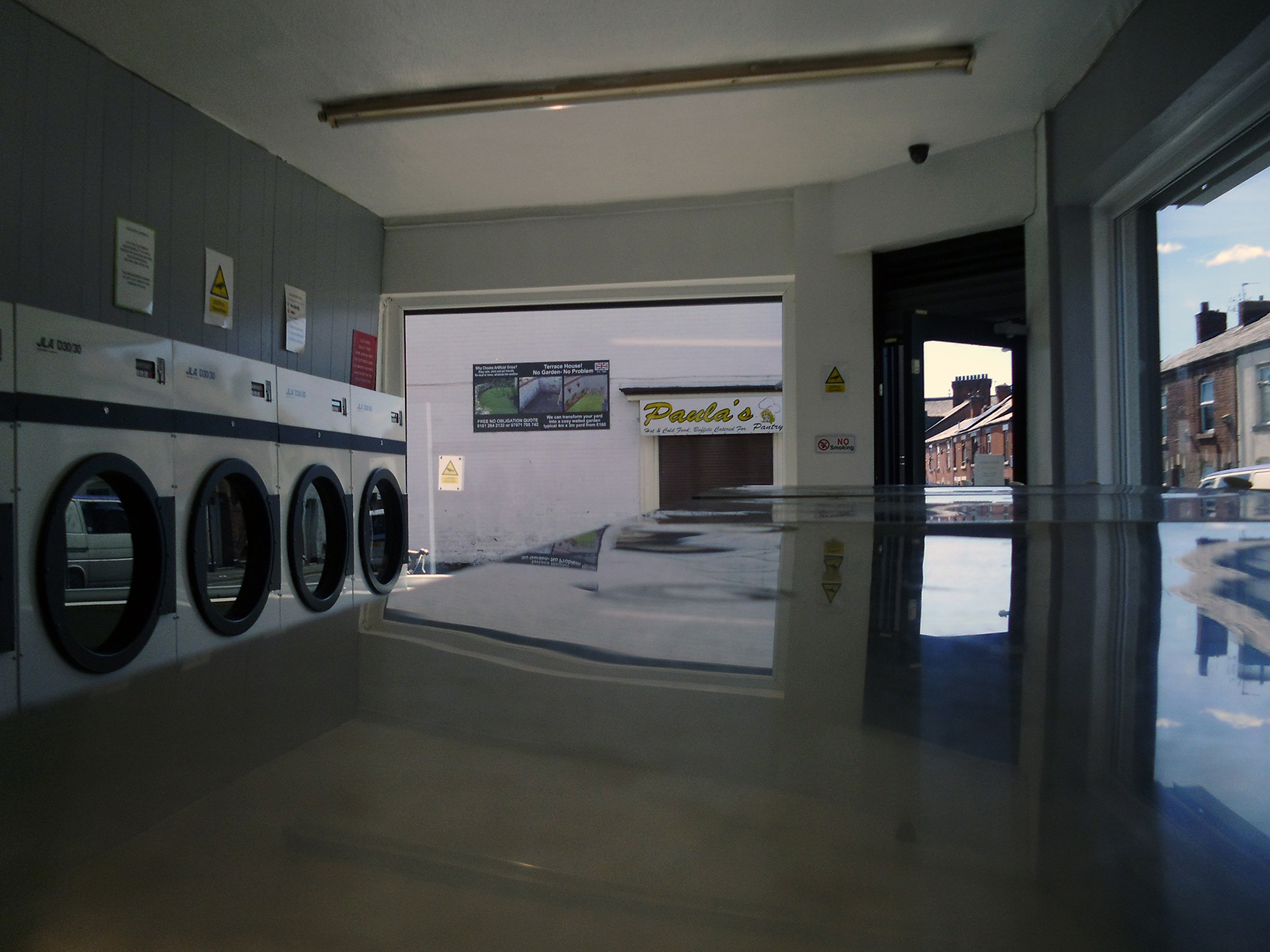
Cycling along Curzon Road one sunny Sunday afternoon, I found to my surprise, facing me across the Whiteacre Road junction.
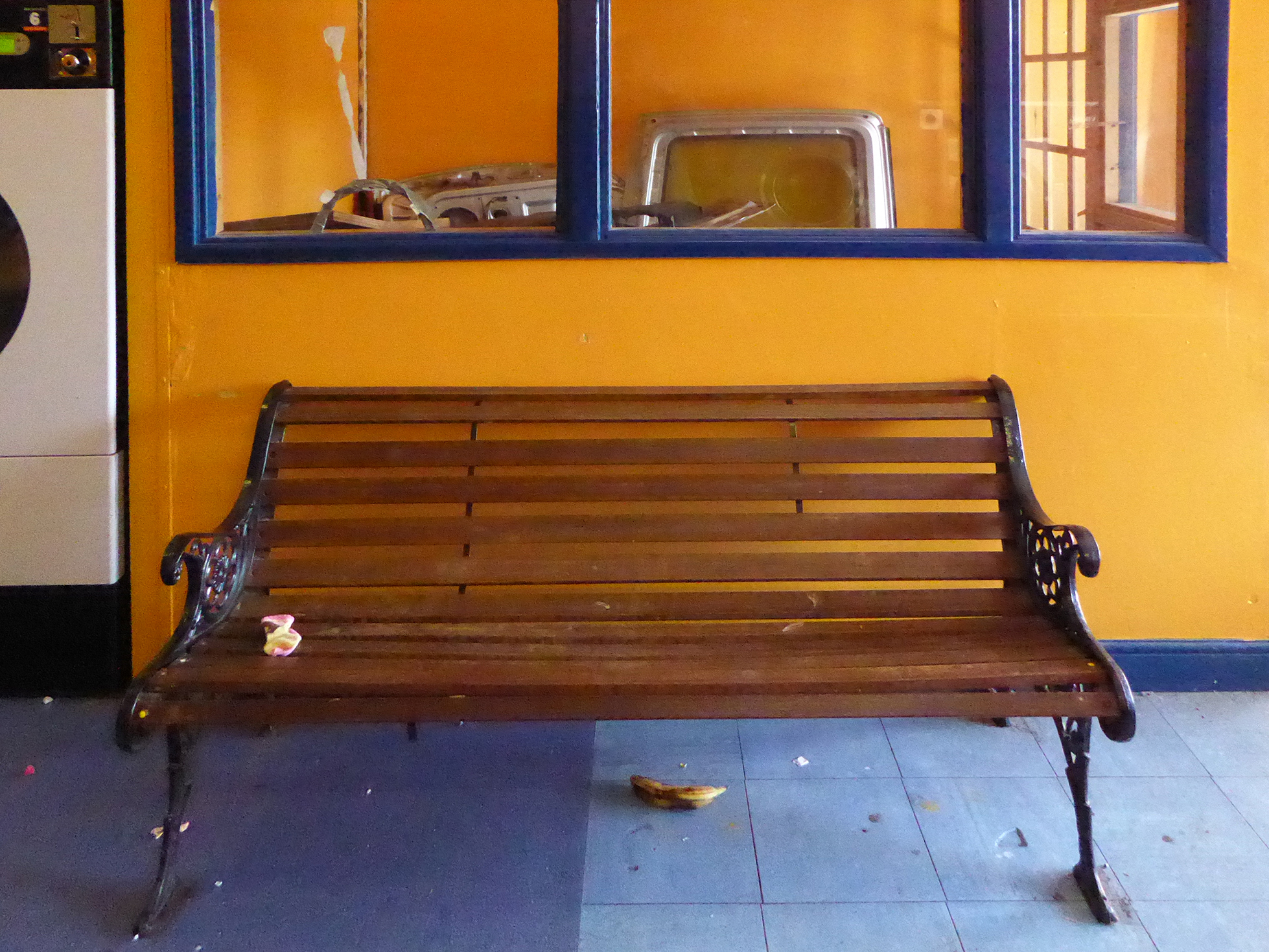
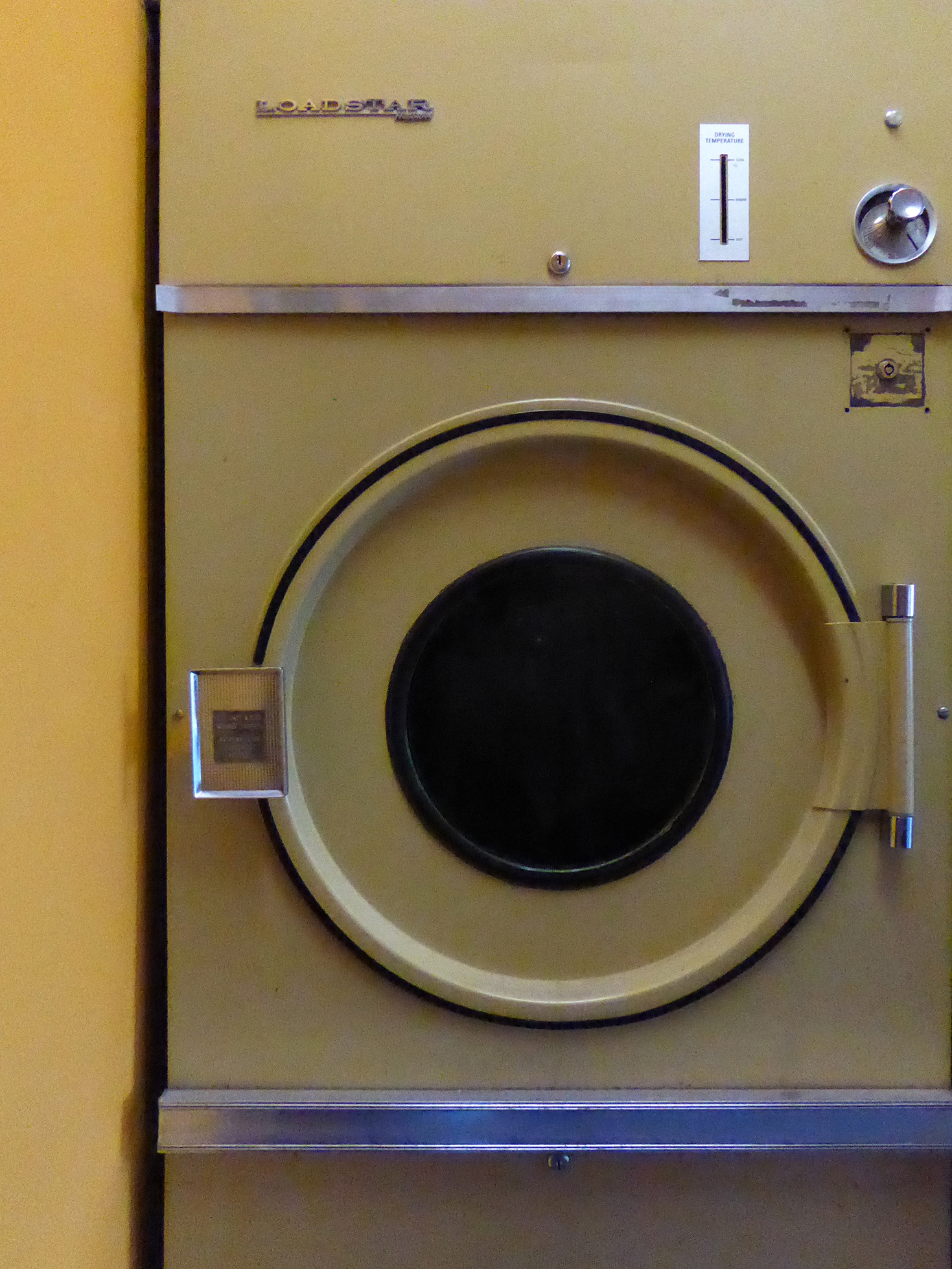
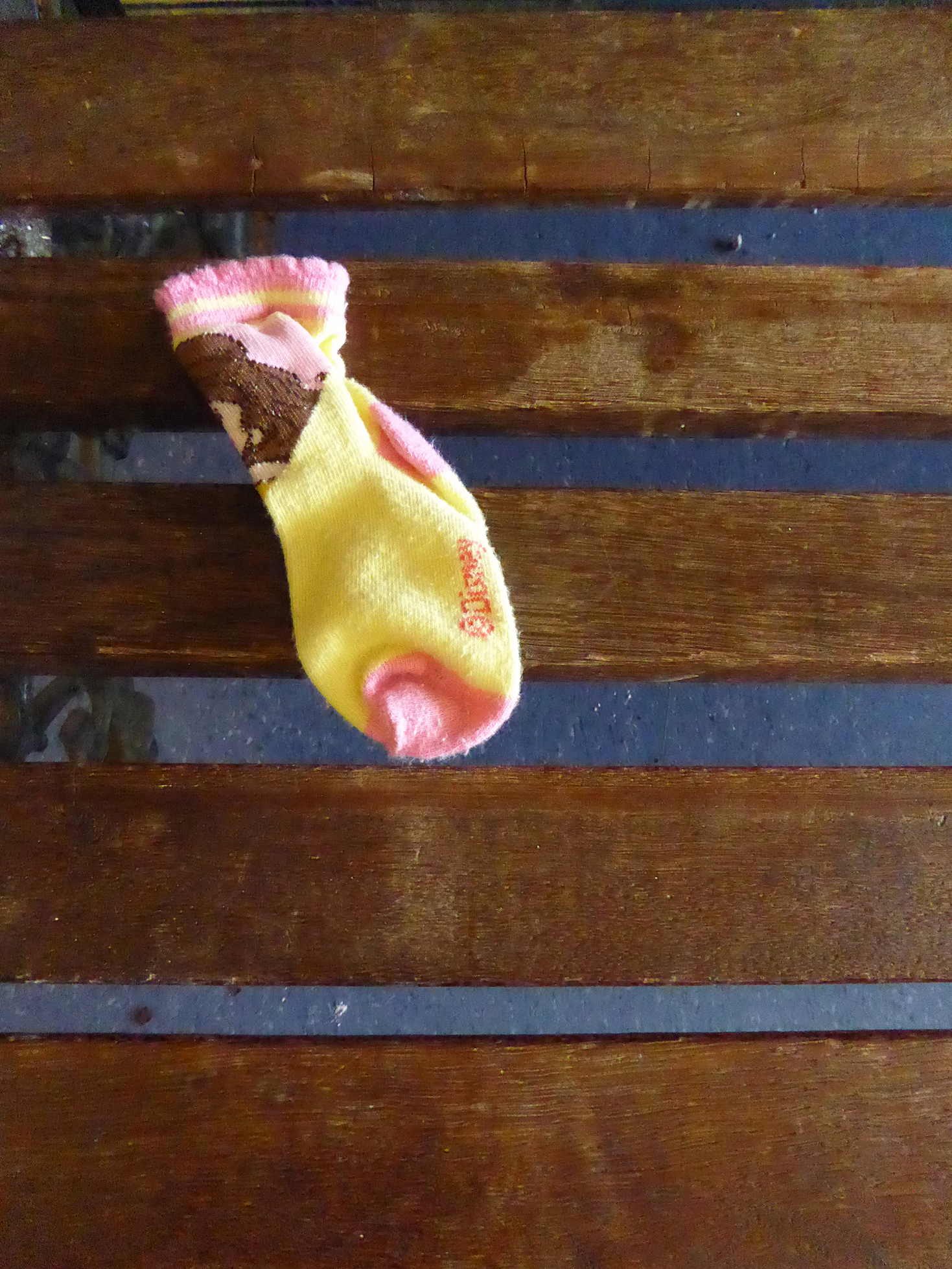
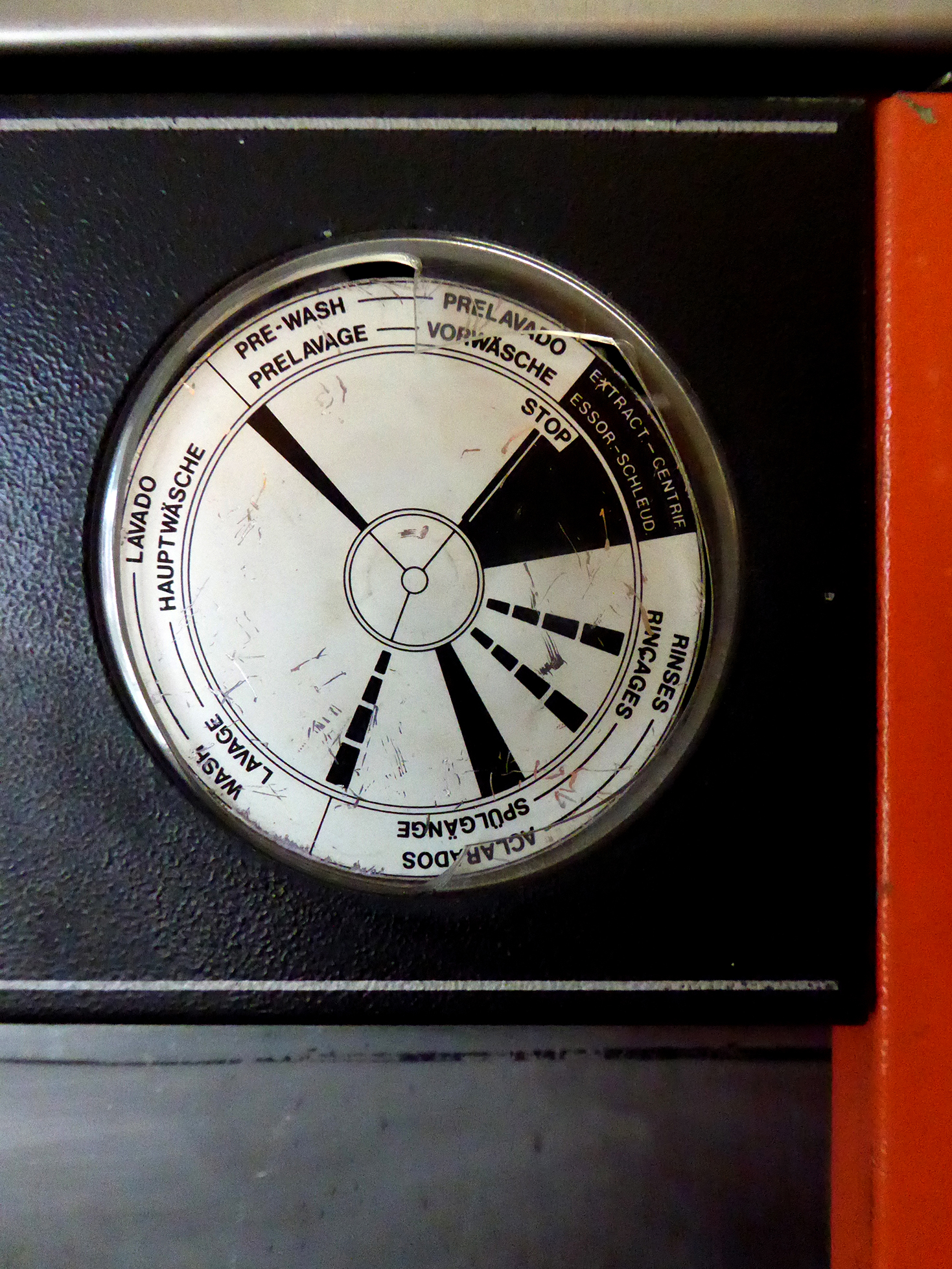
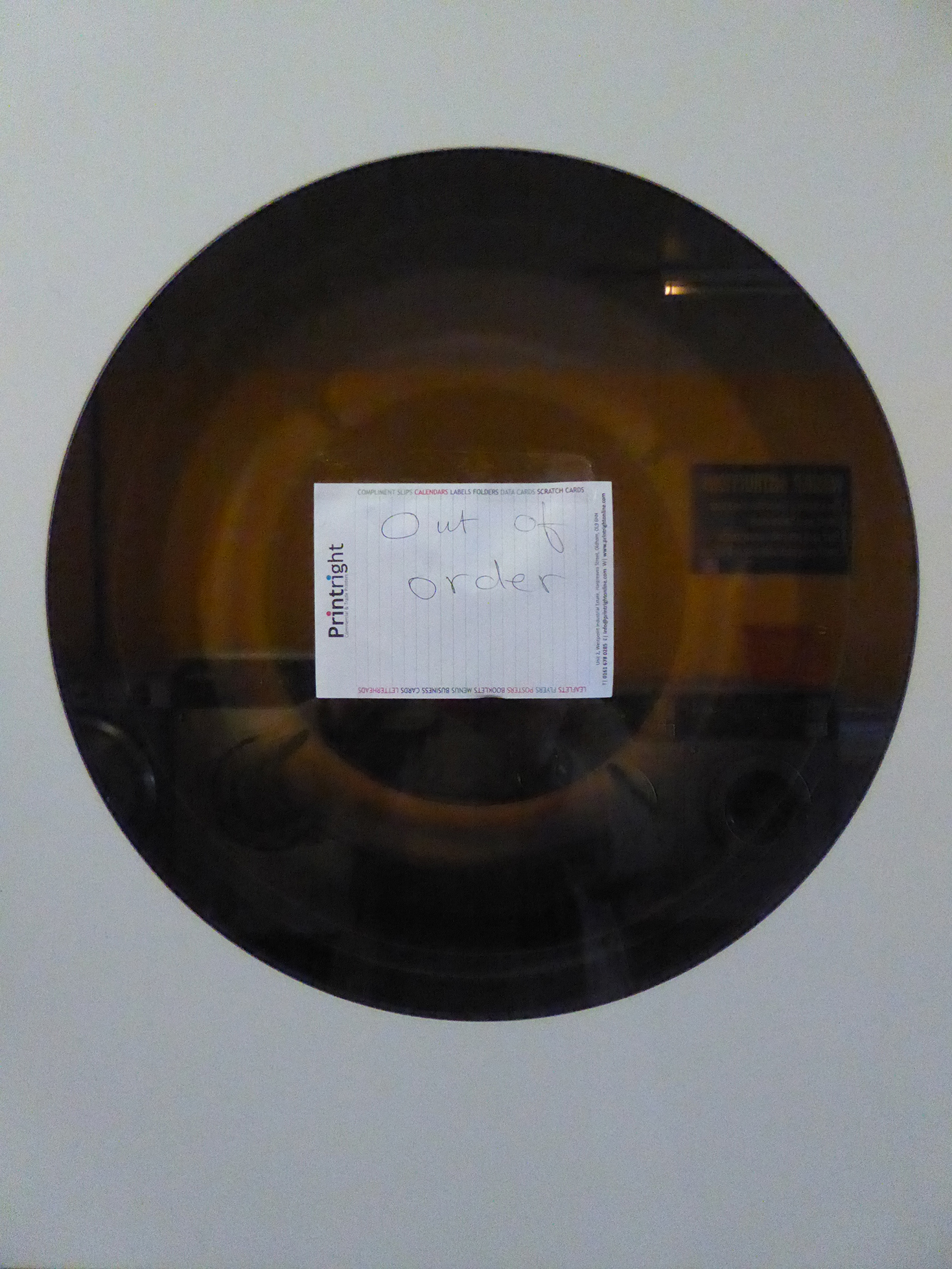
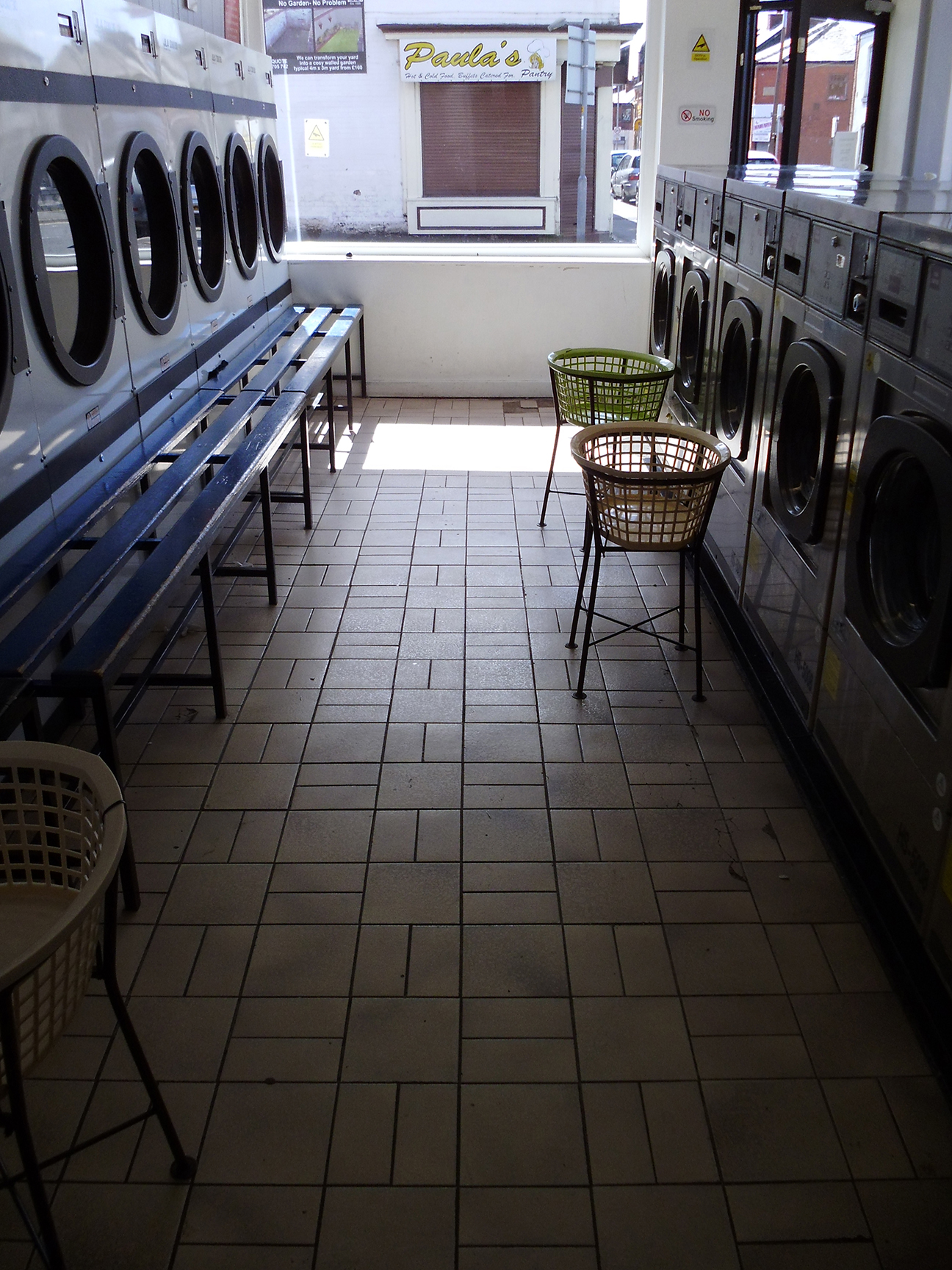
– An empty yet extant launderette.
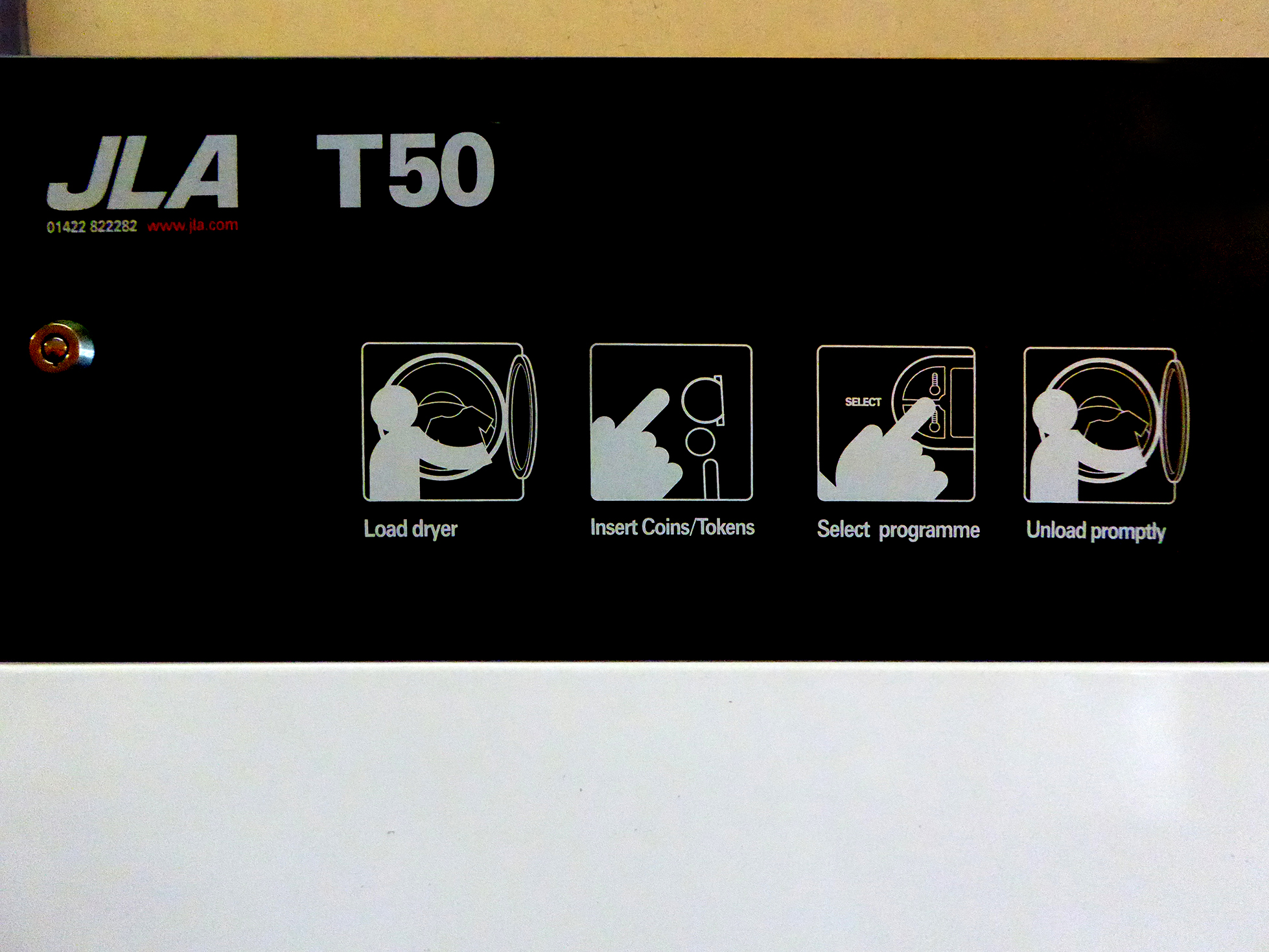
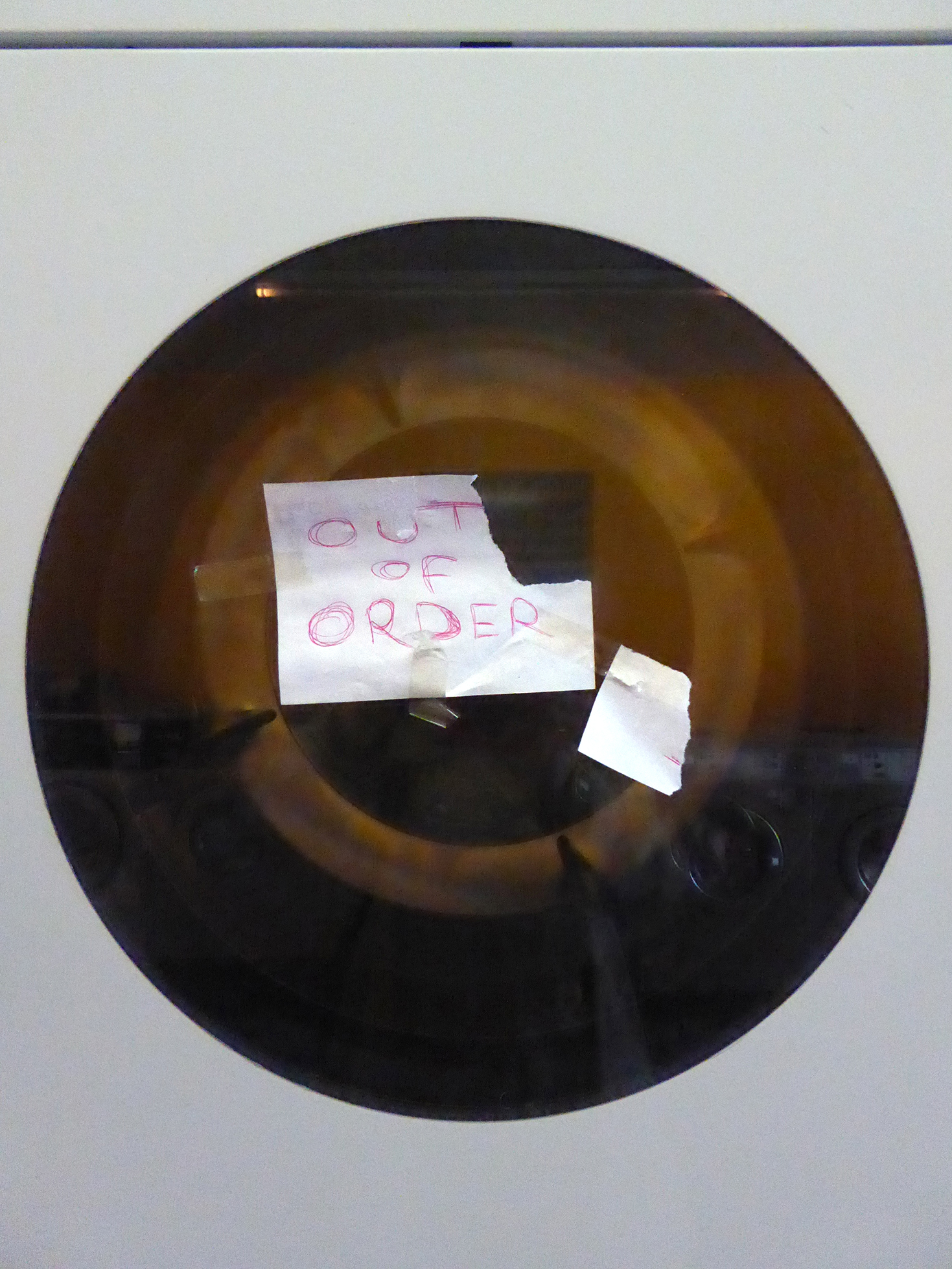
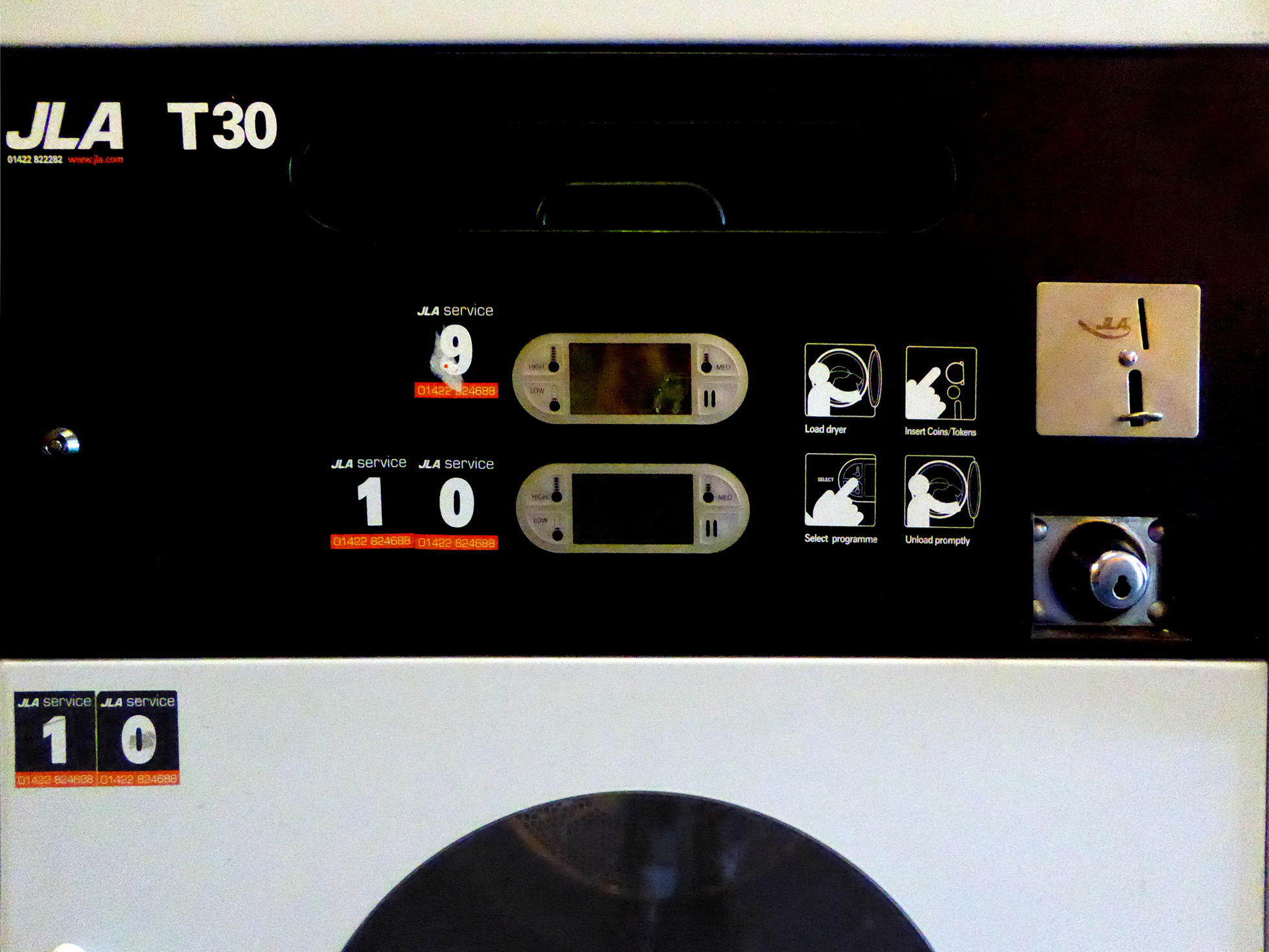
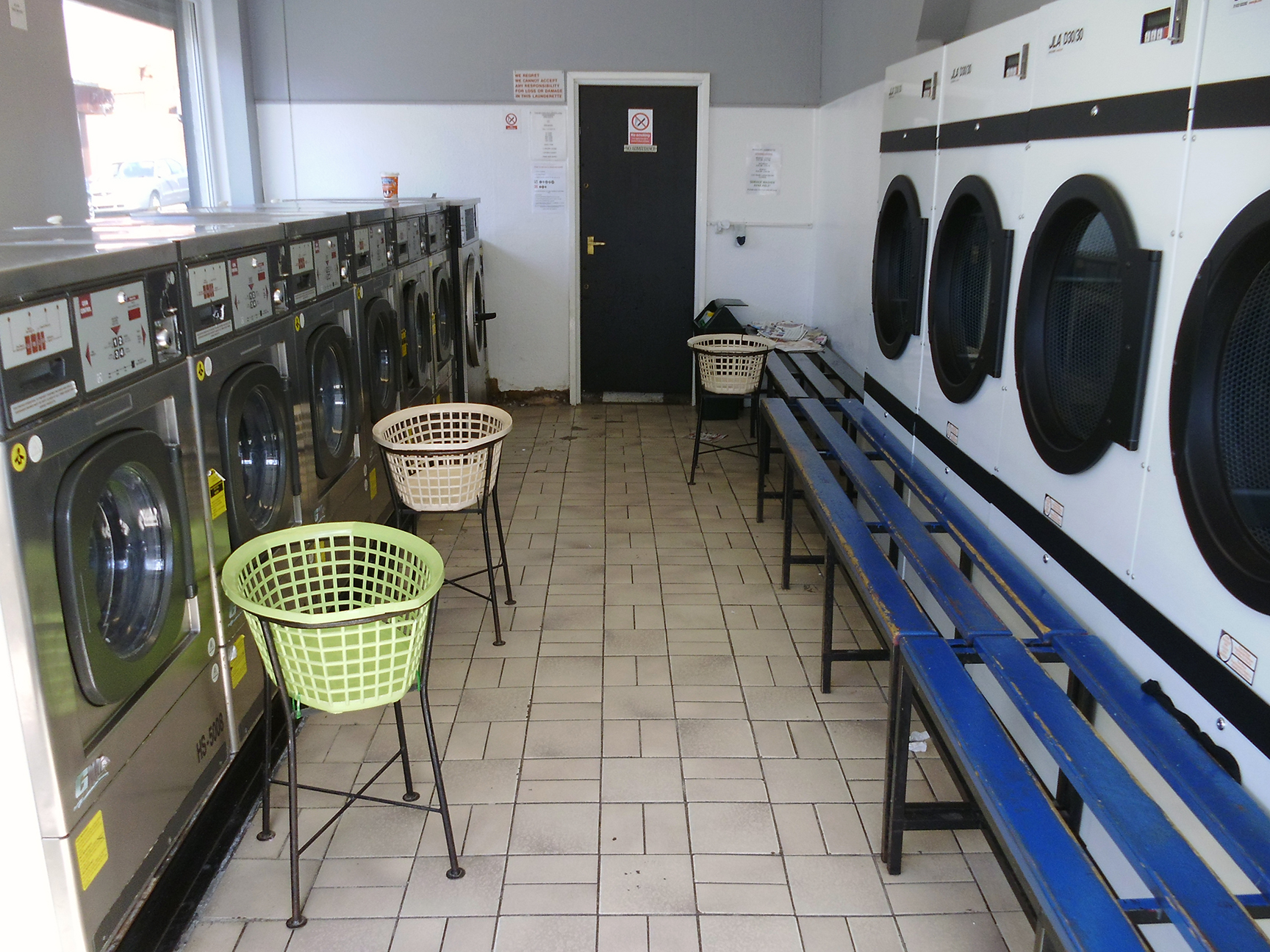
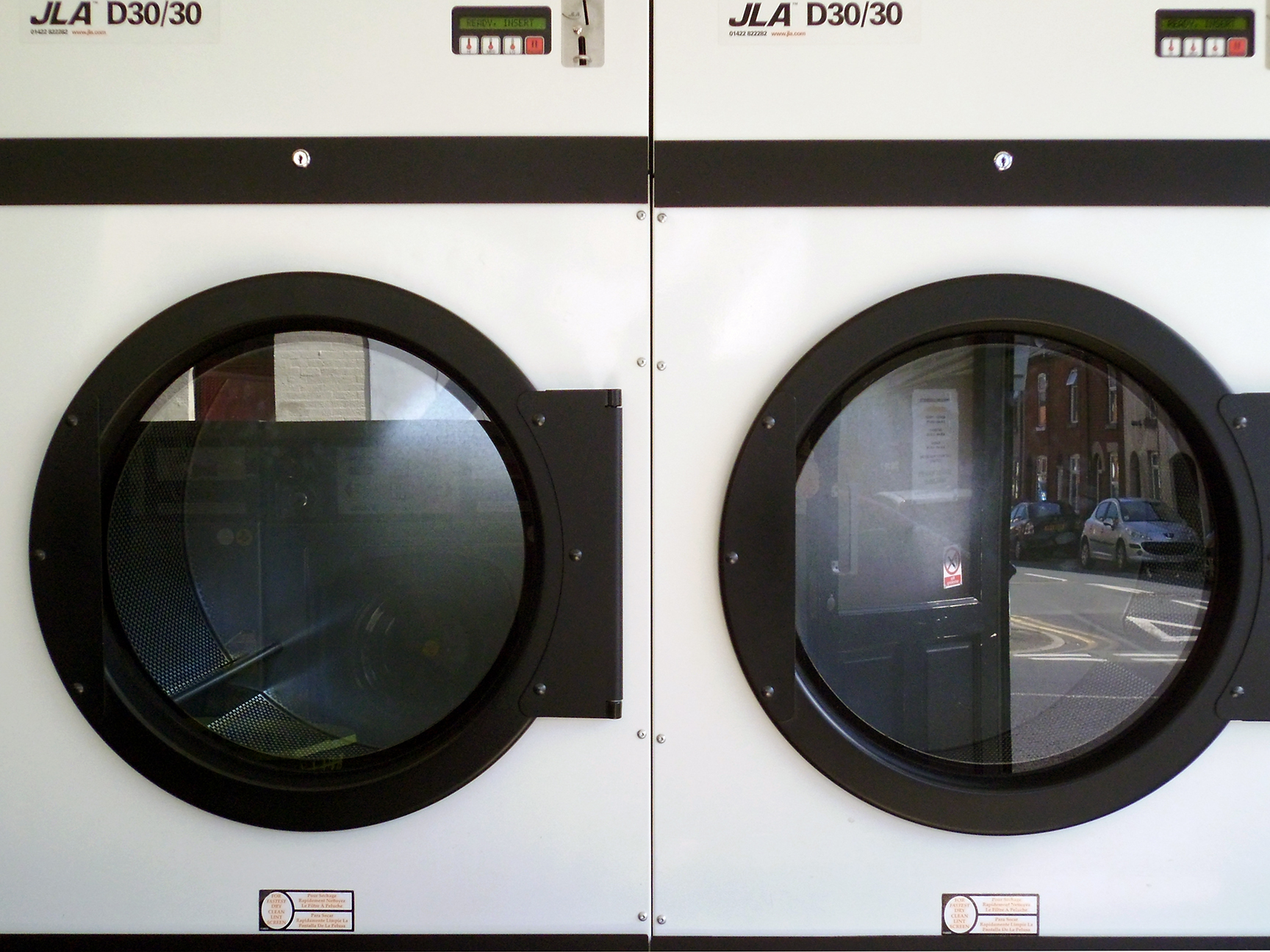
One lone drier tumbling, lonely – an absence of presence, save myself.
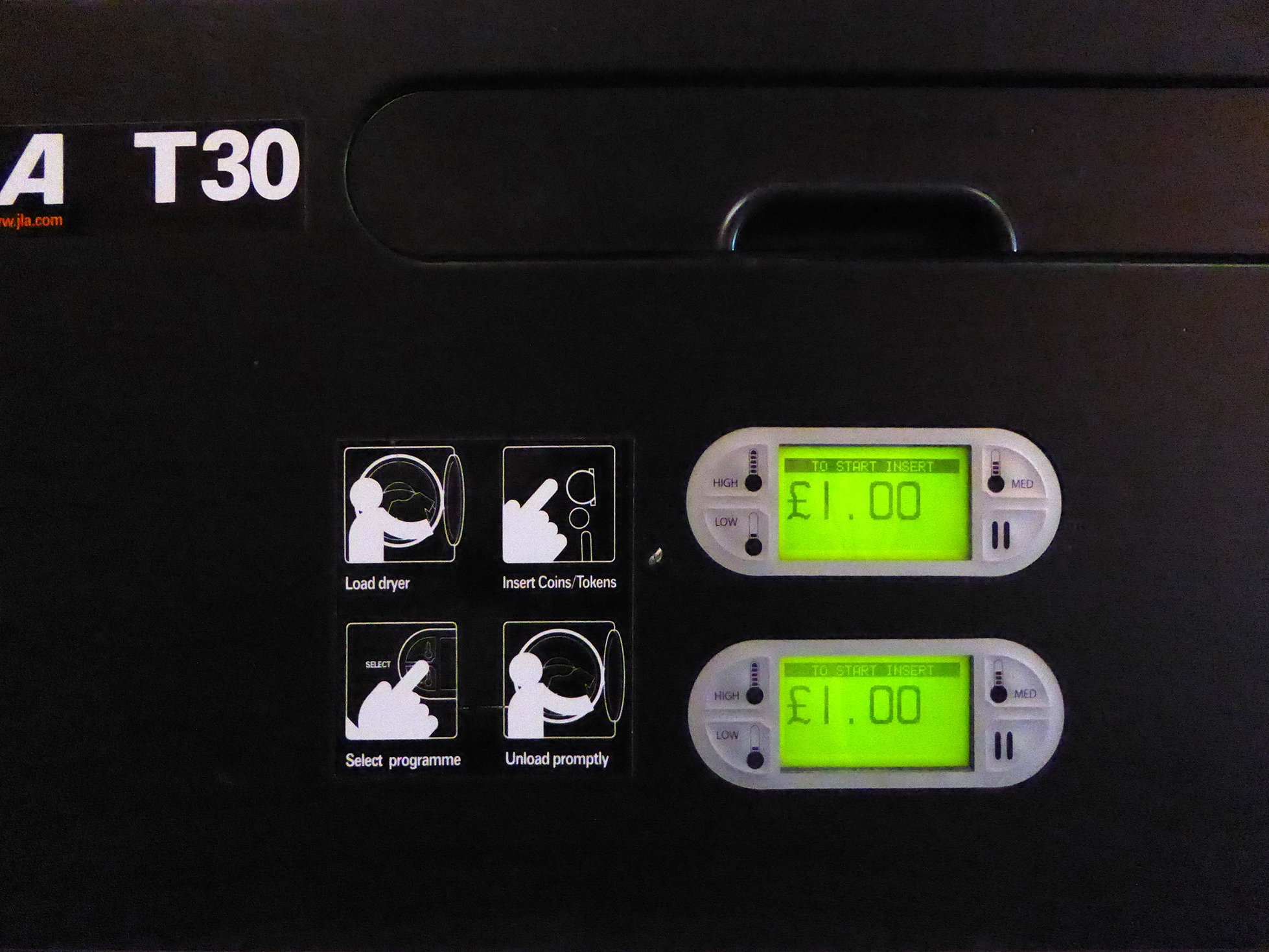
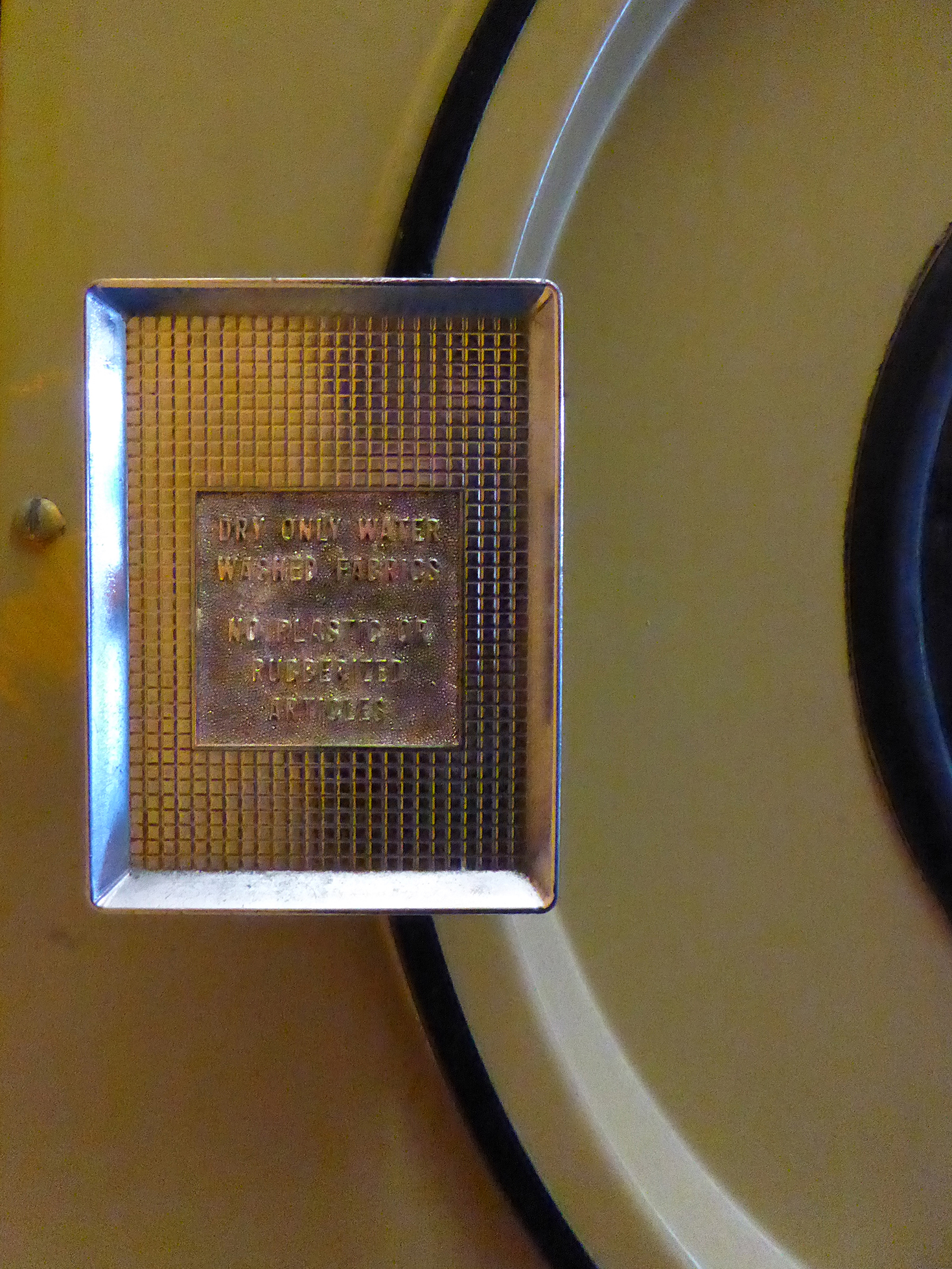
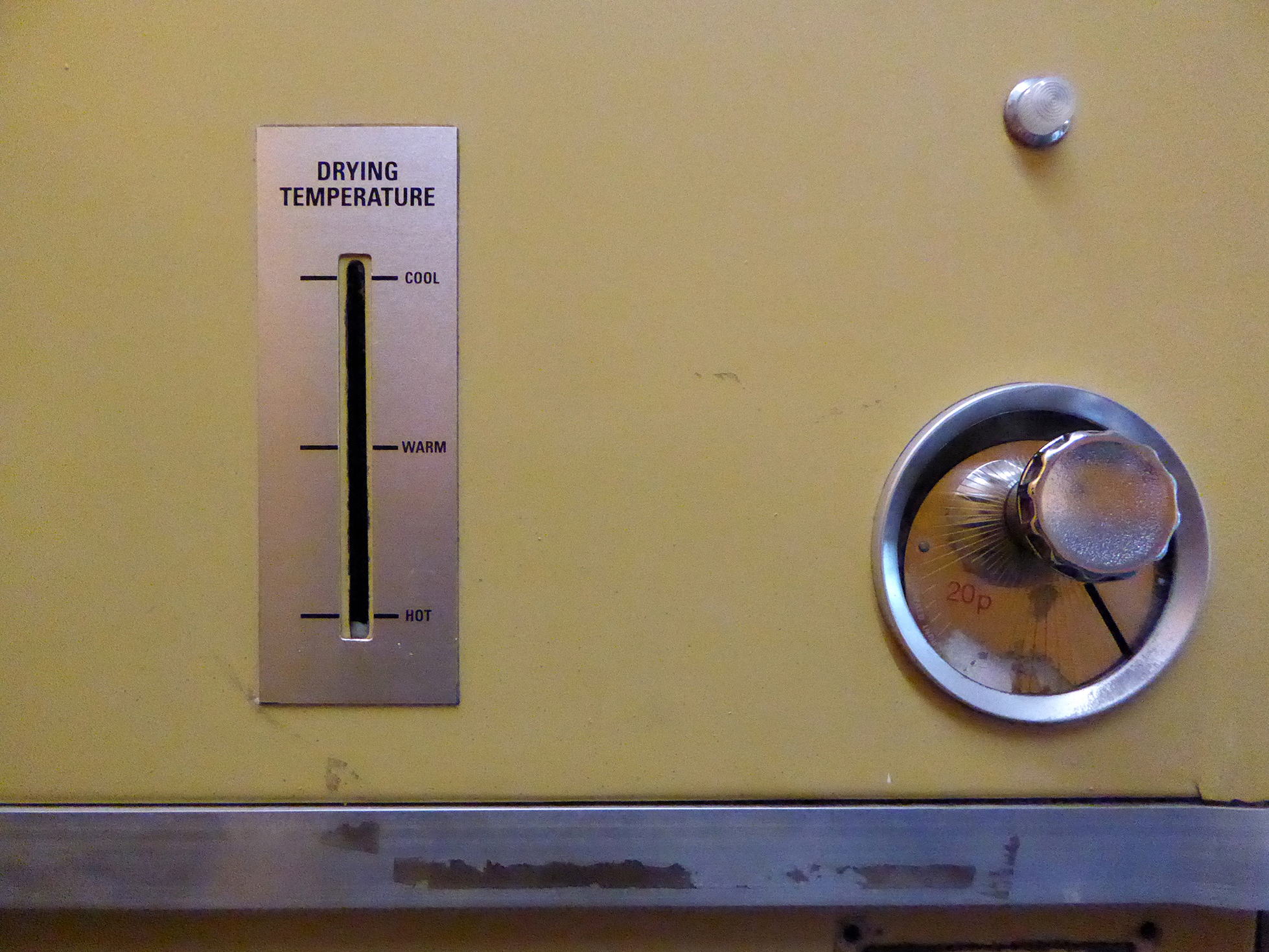
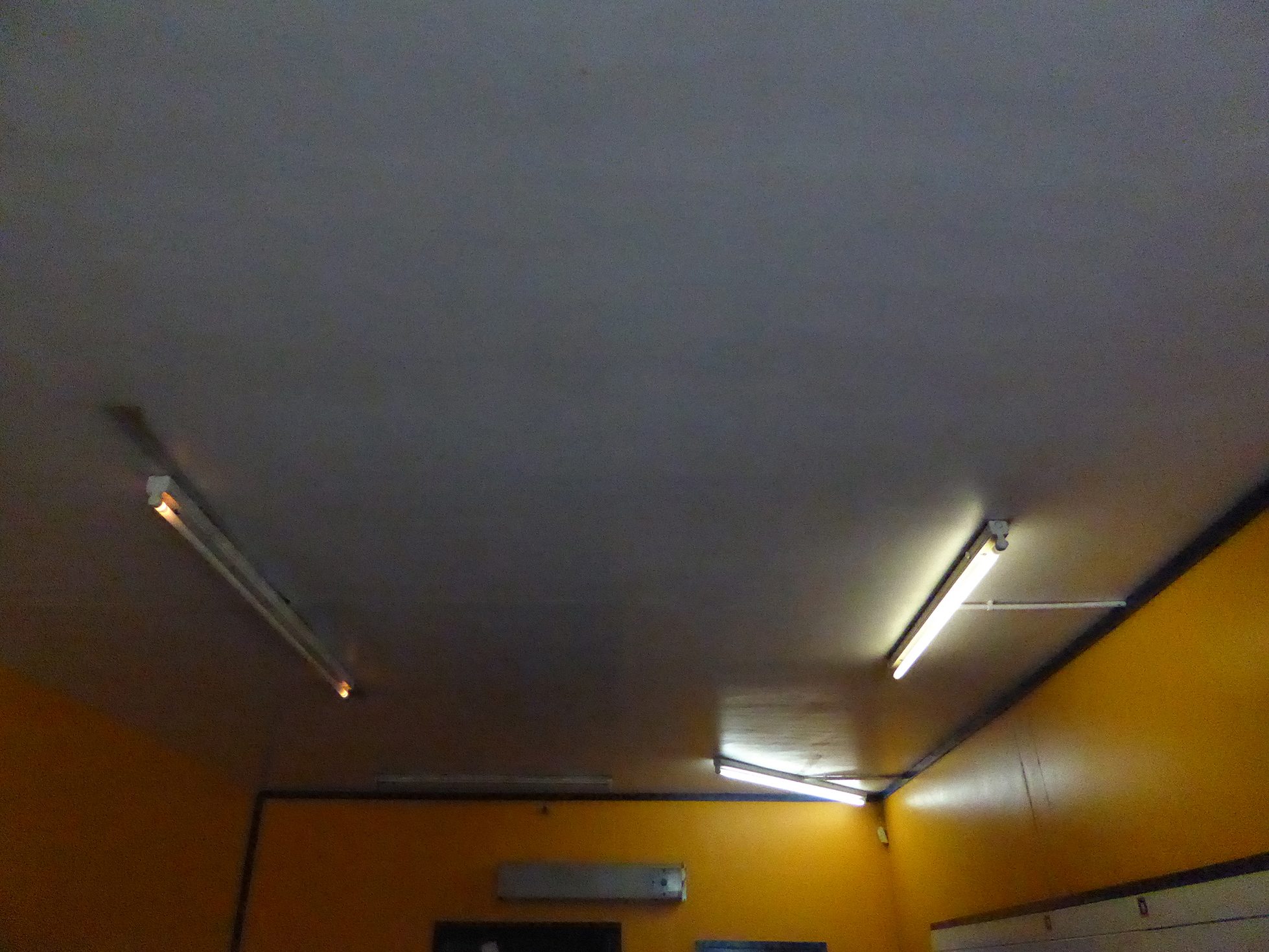
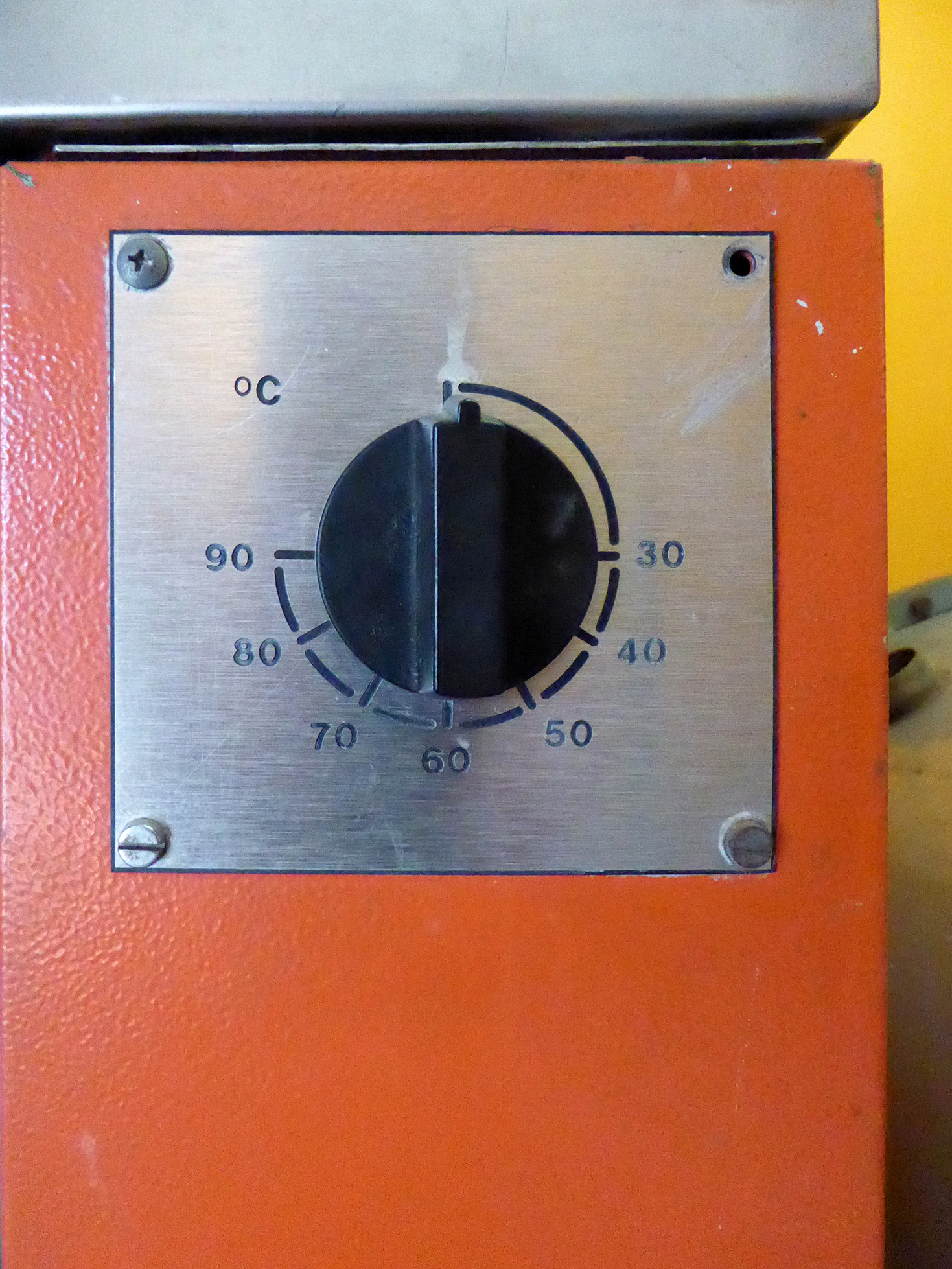
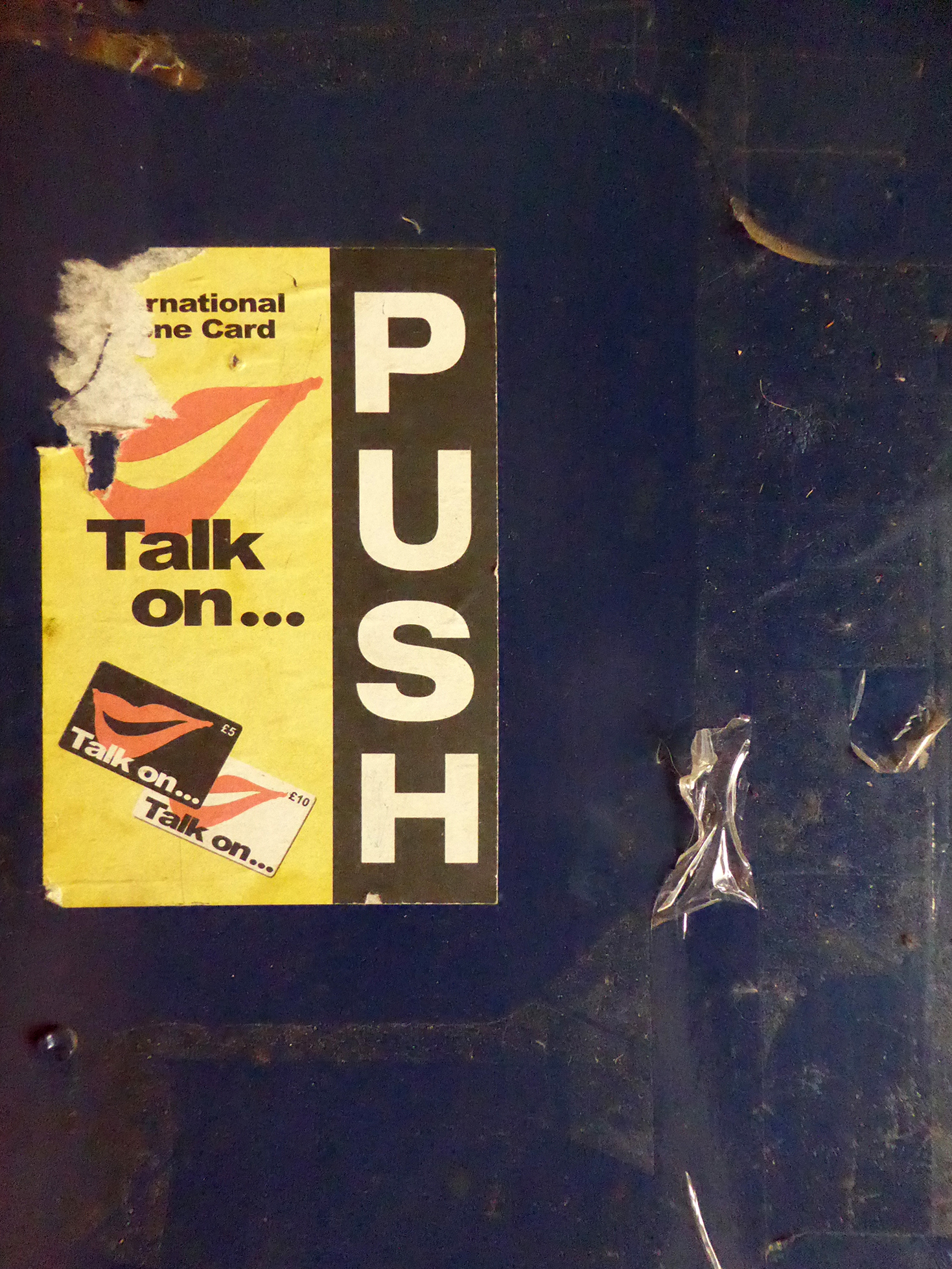
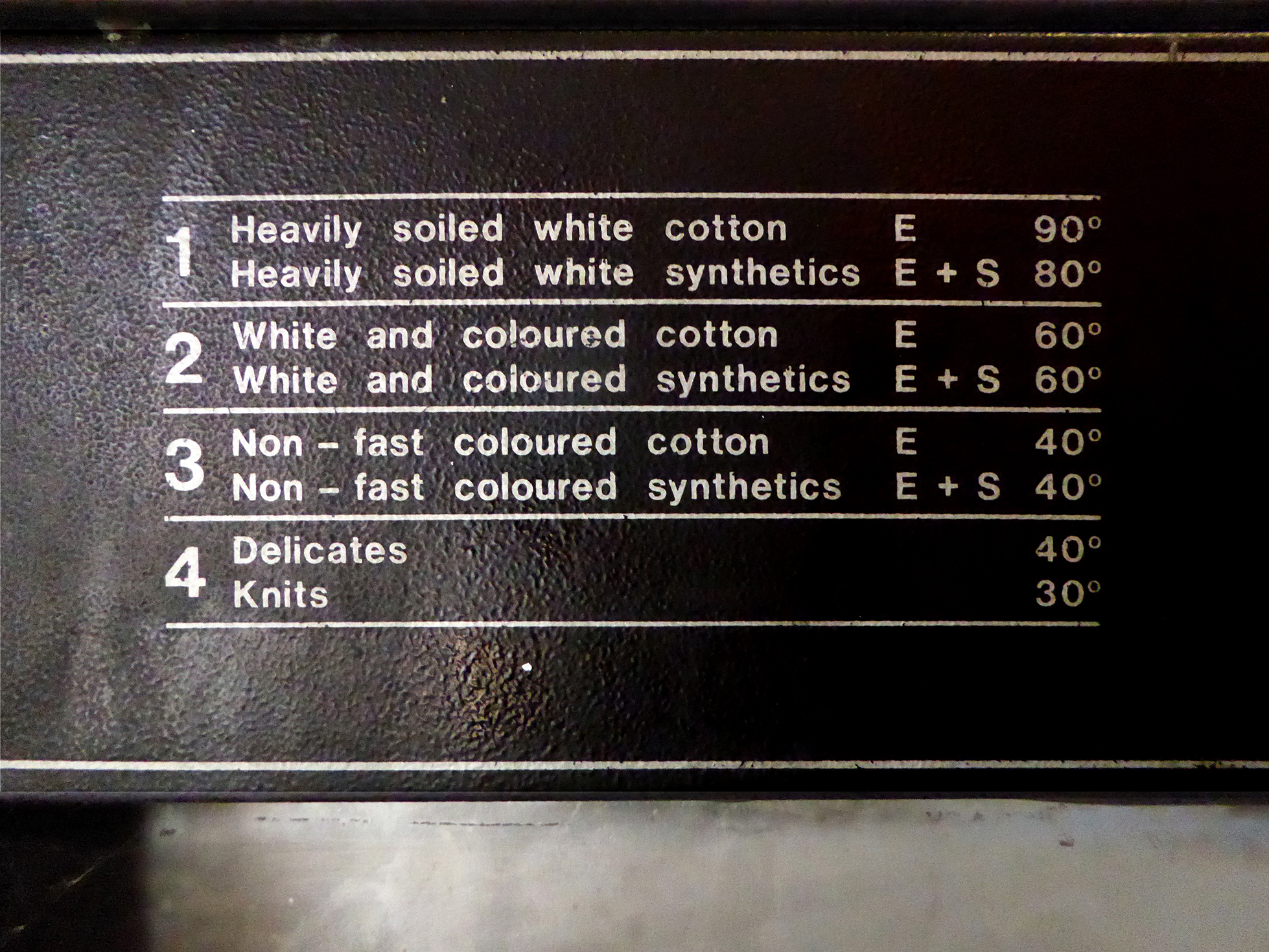
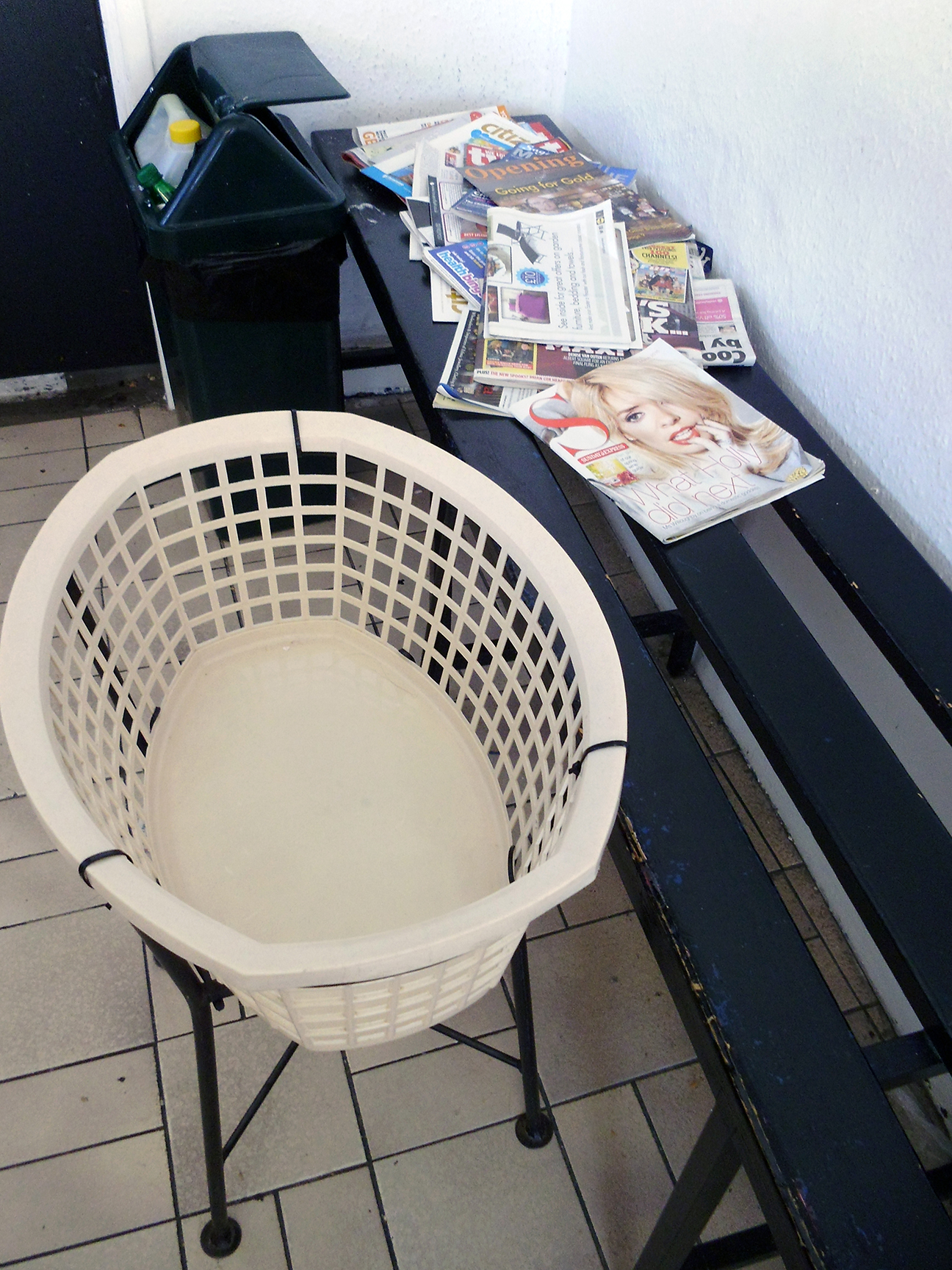
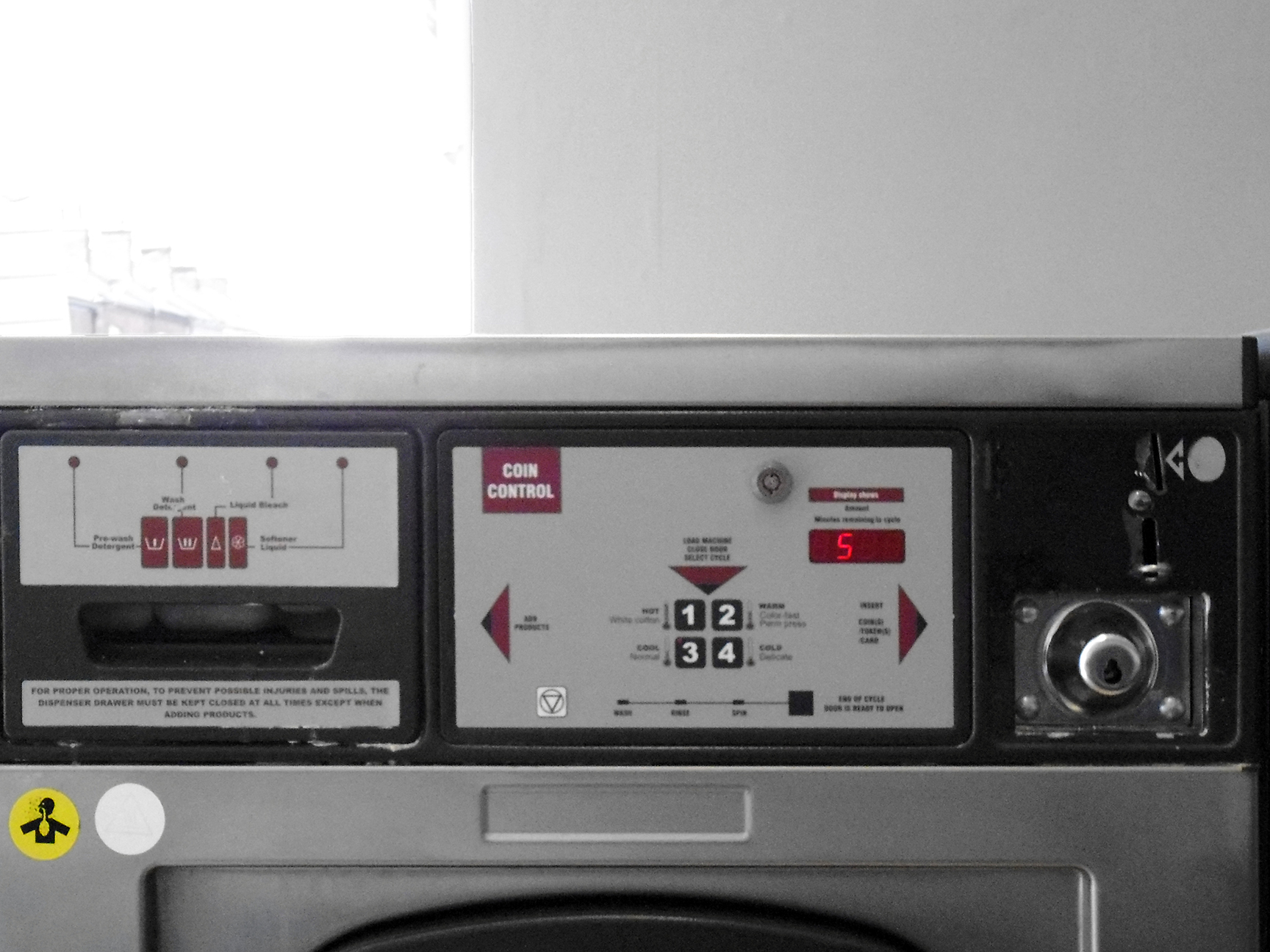
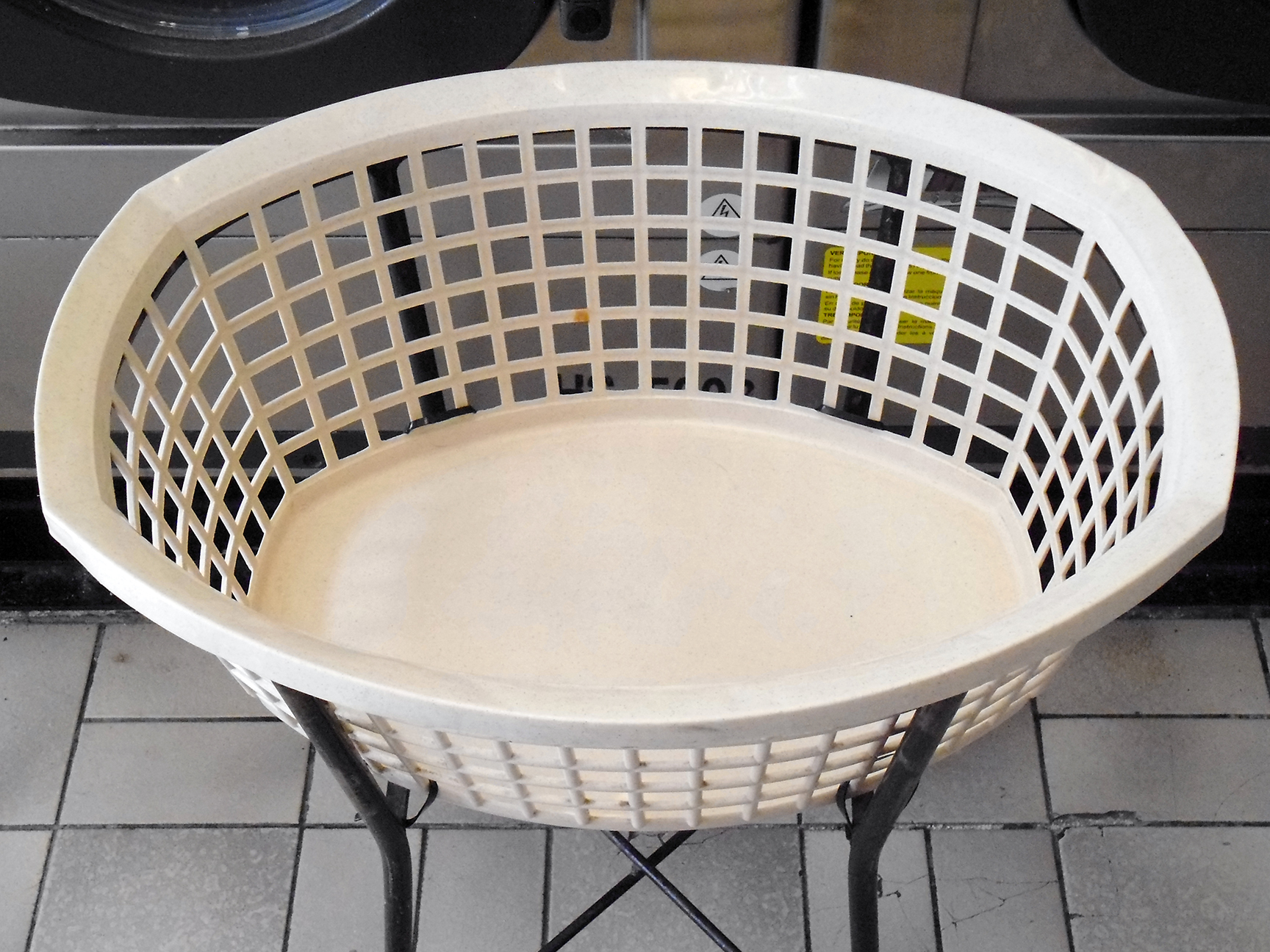
The usual spartan interior almost unkempt, enlivened by four legged, almost alien, ovalish plastic laundry baskets. A sunlit shimmer of brushed steel surfaces, low lit and deeply shadowed linoleum tiles.
Under the illuminating hum of bare fluorescent tubes.
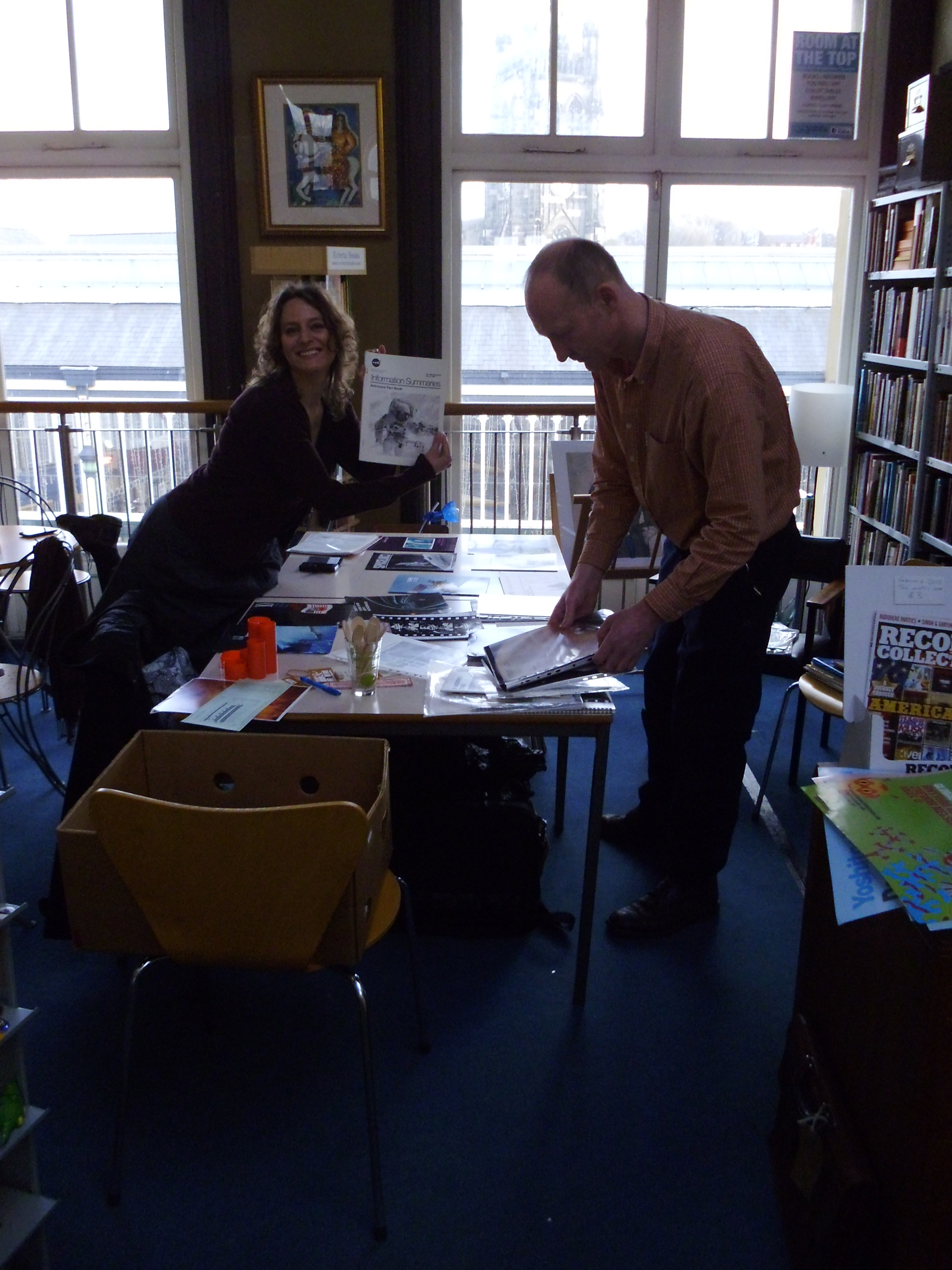
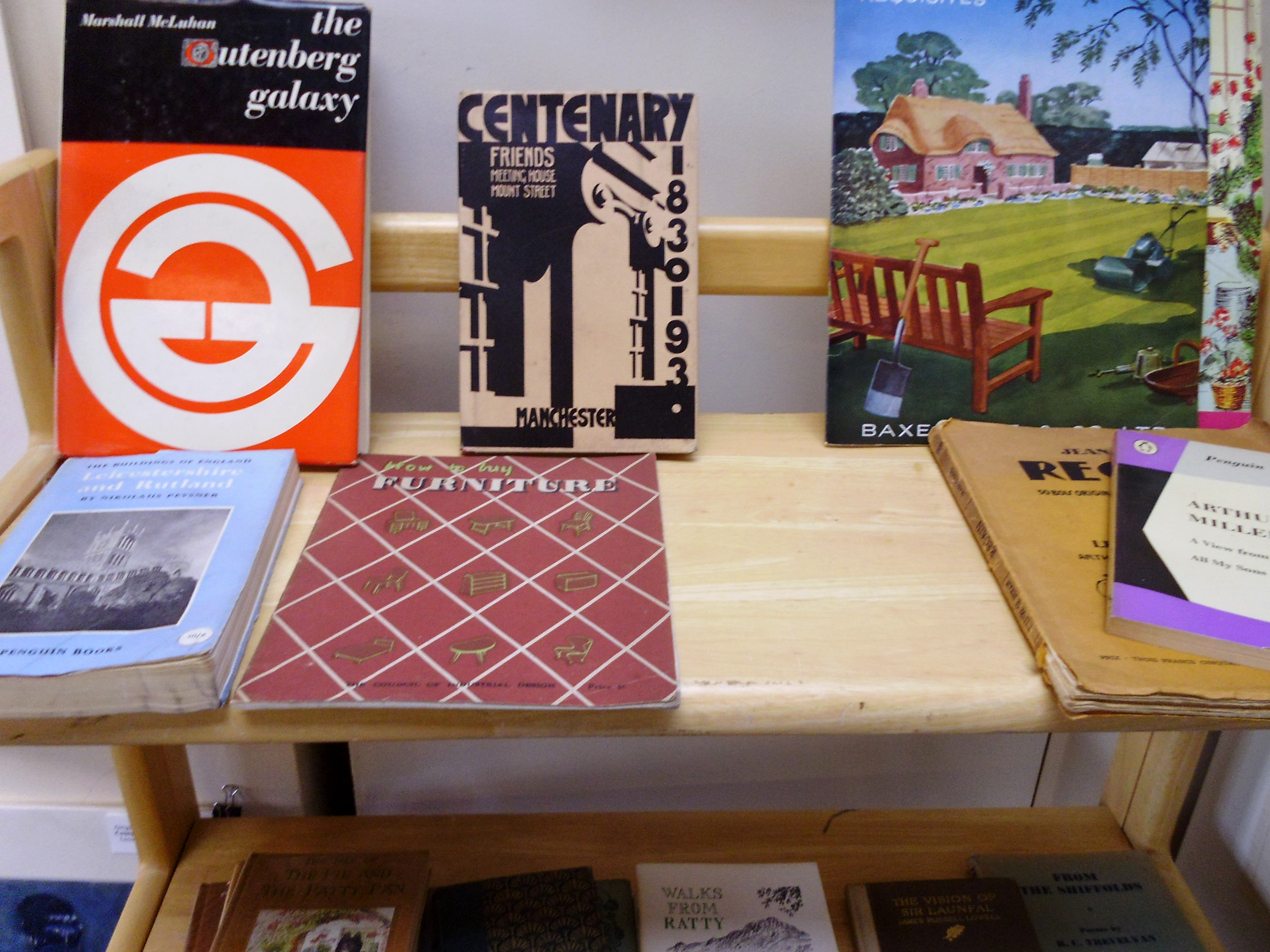
Every town worth its salt should have a decent second hand book shop.
Stockport does.
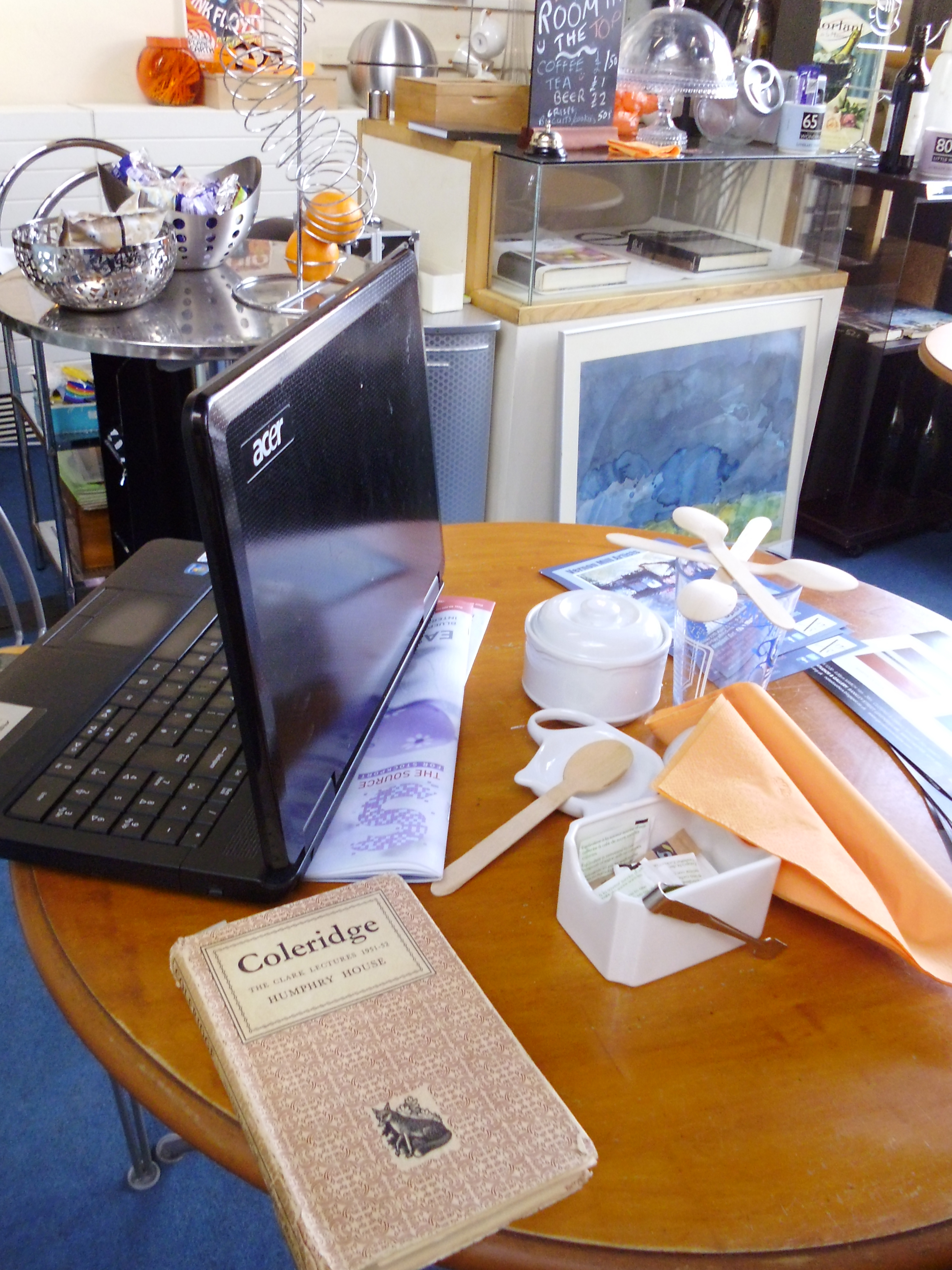
Room at the Top – on the ever so elegant Market Square, centre of the Old Town and part of the ever enlarging nexus of vintage shopping.
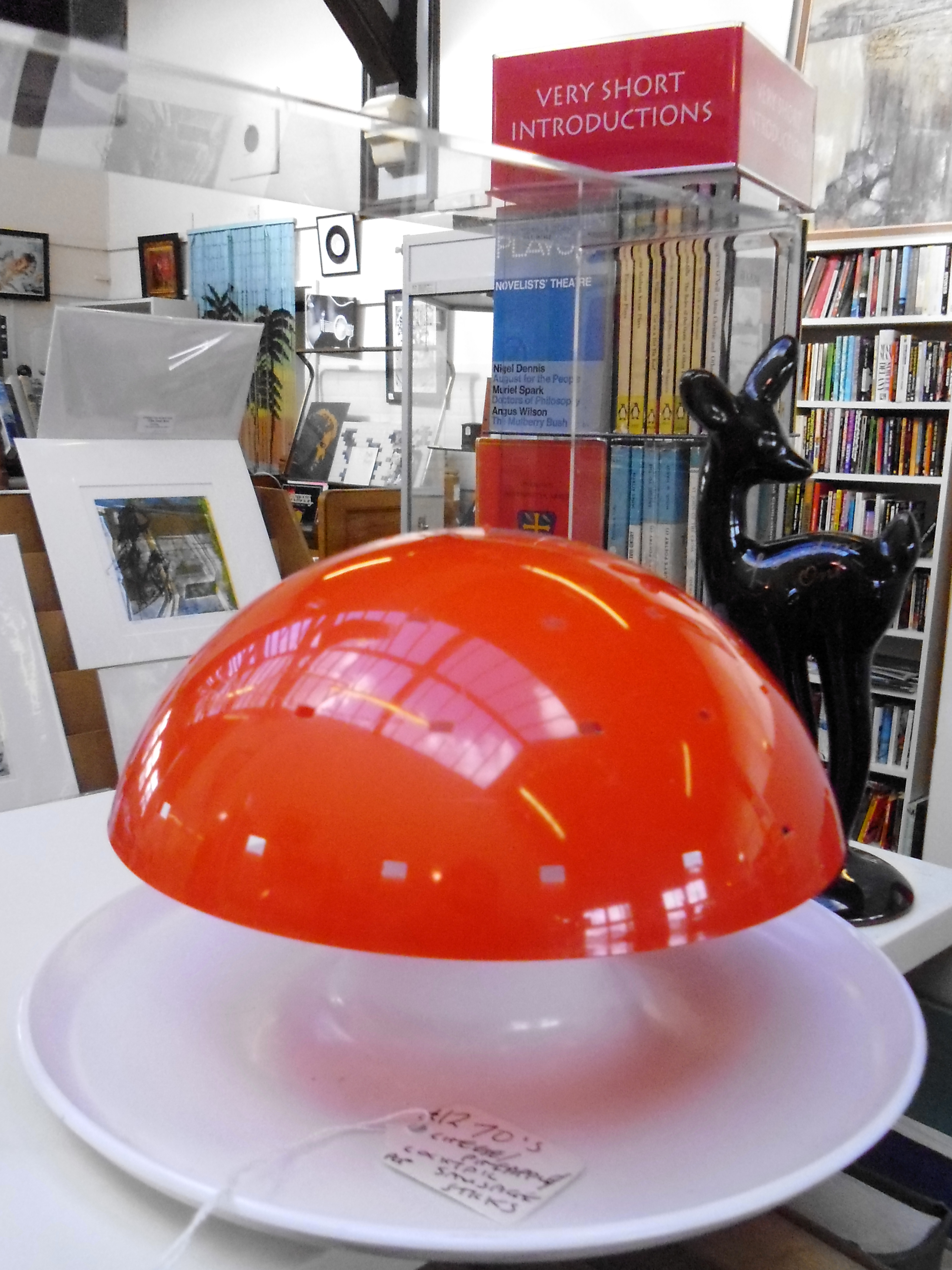
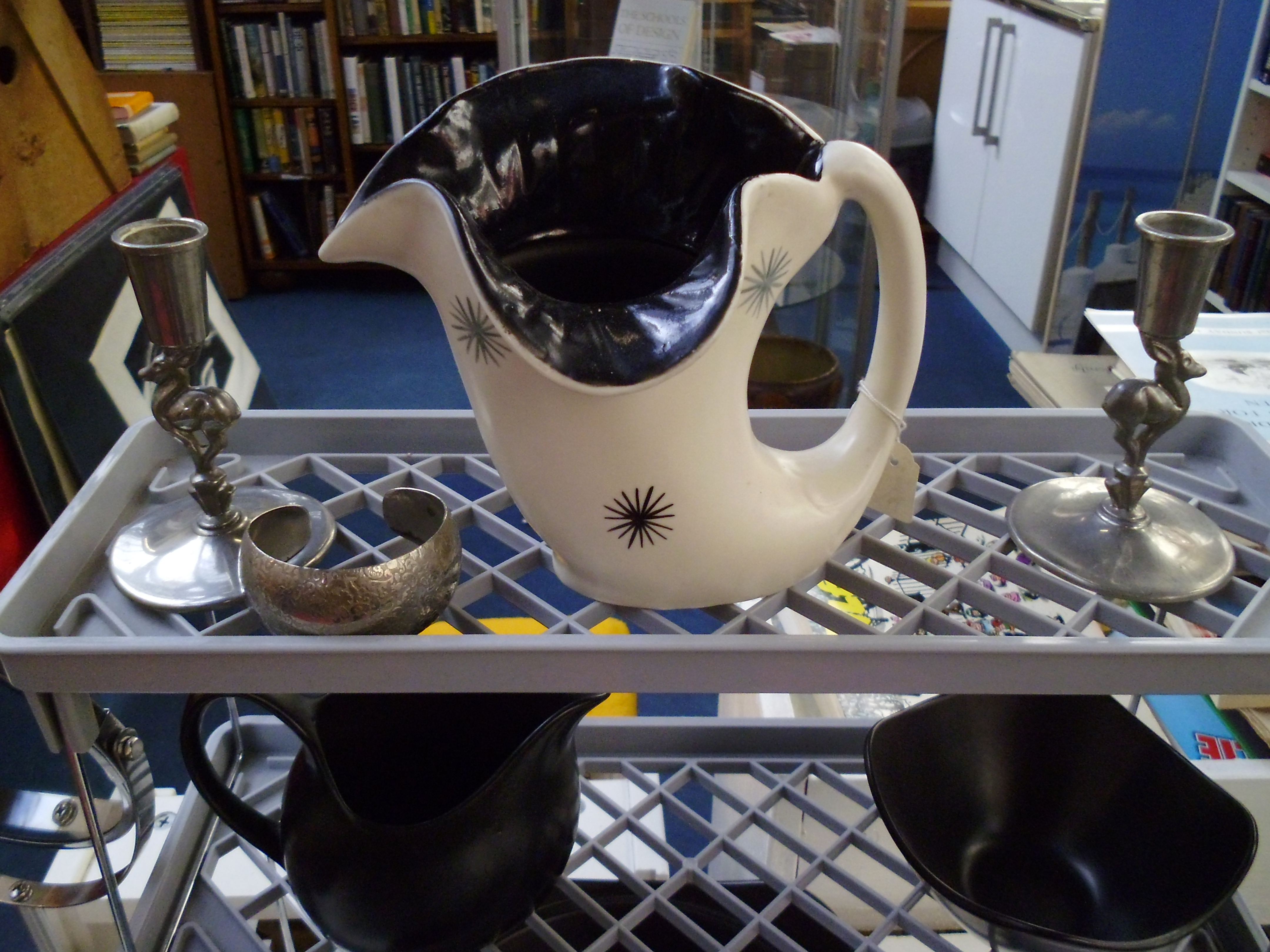
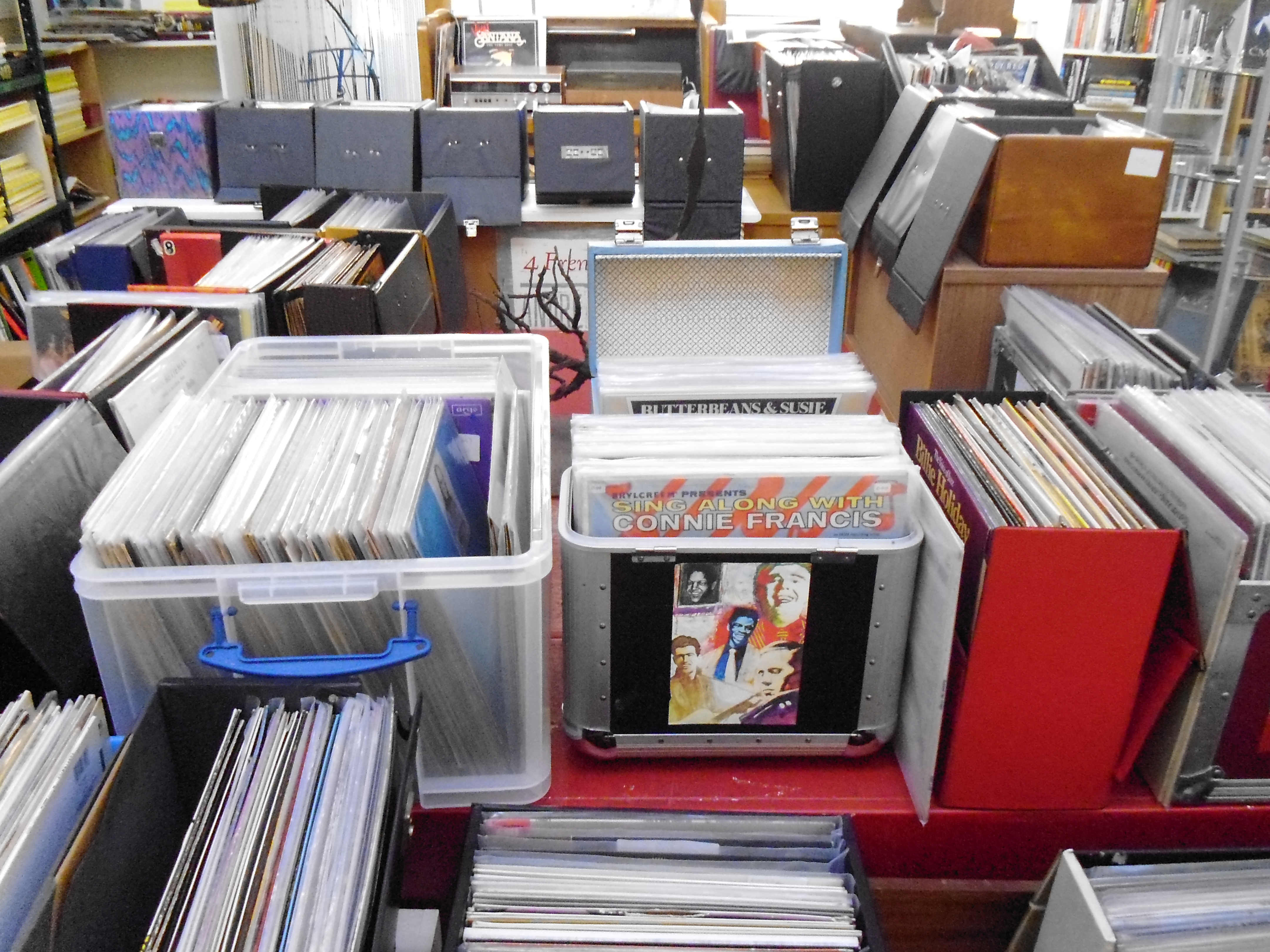
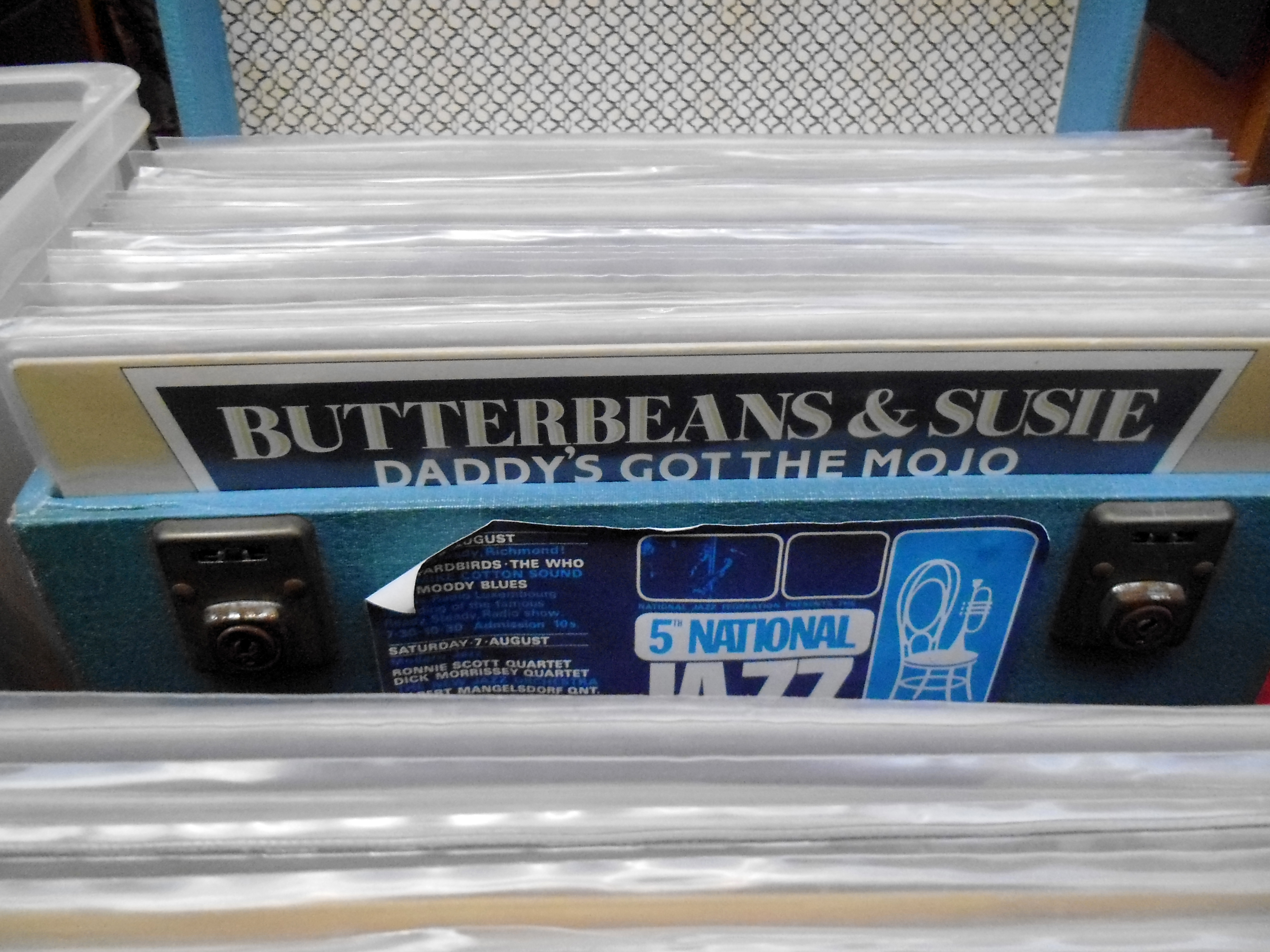
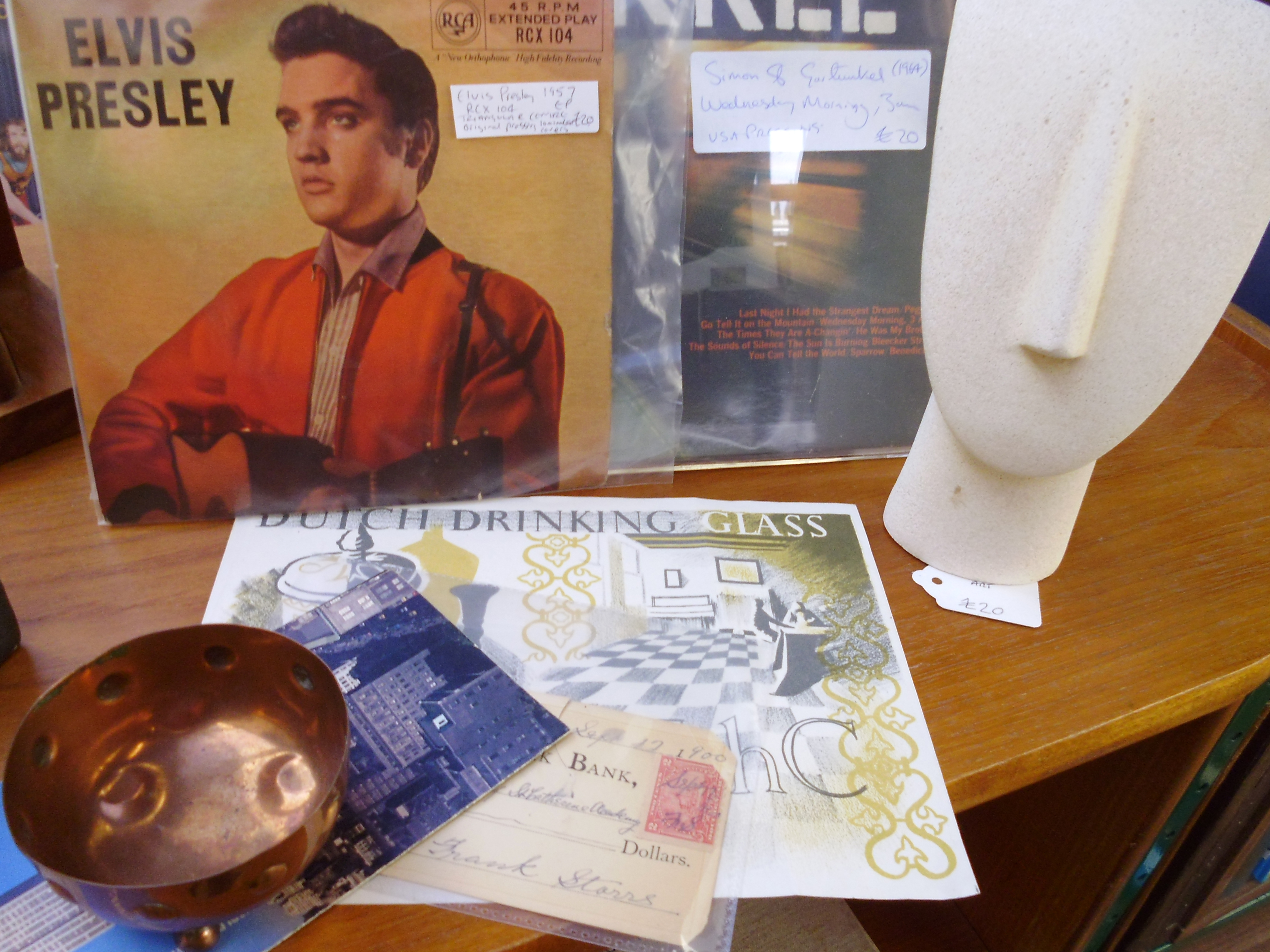
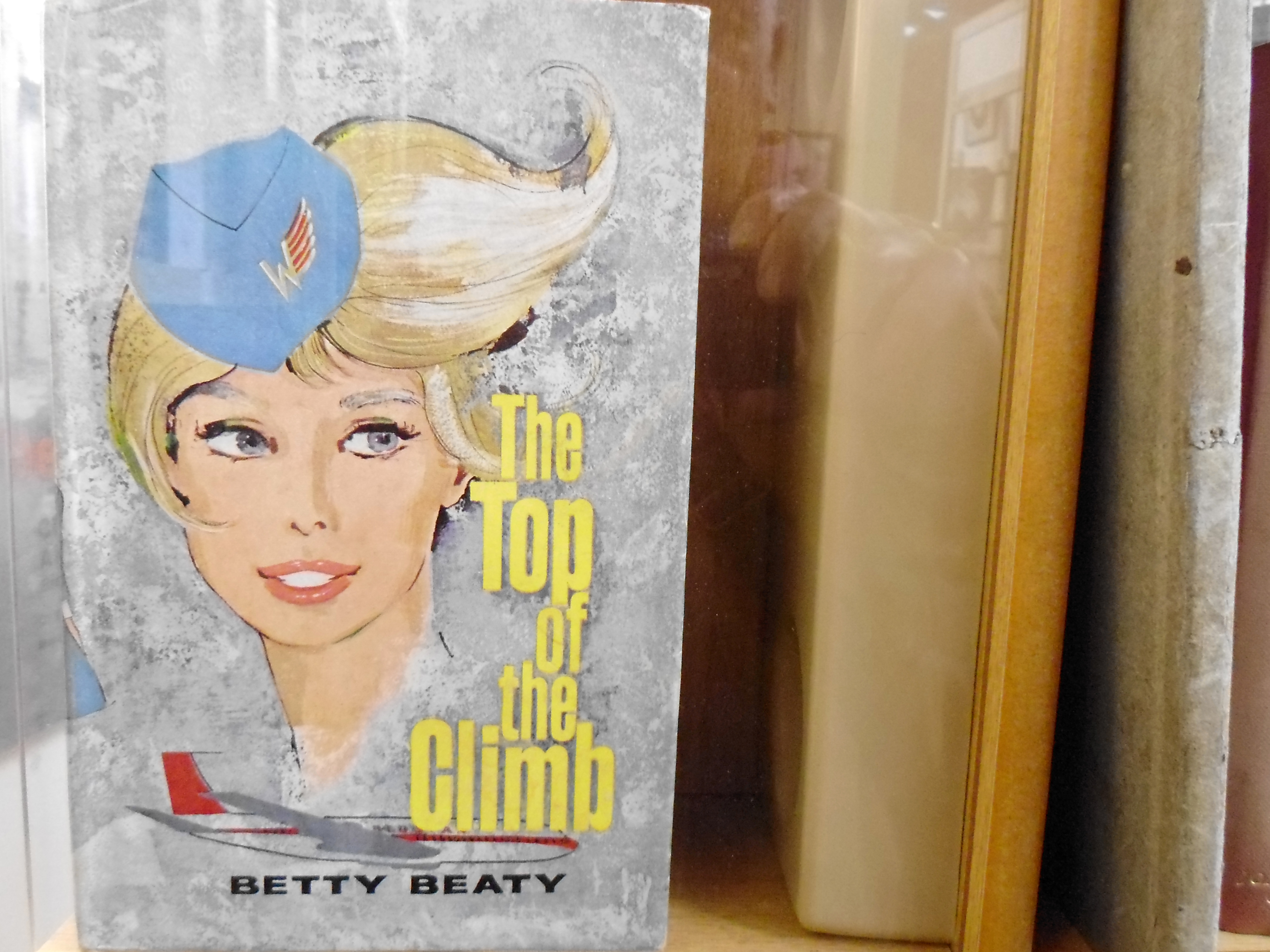
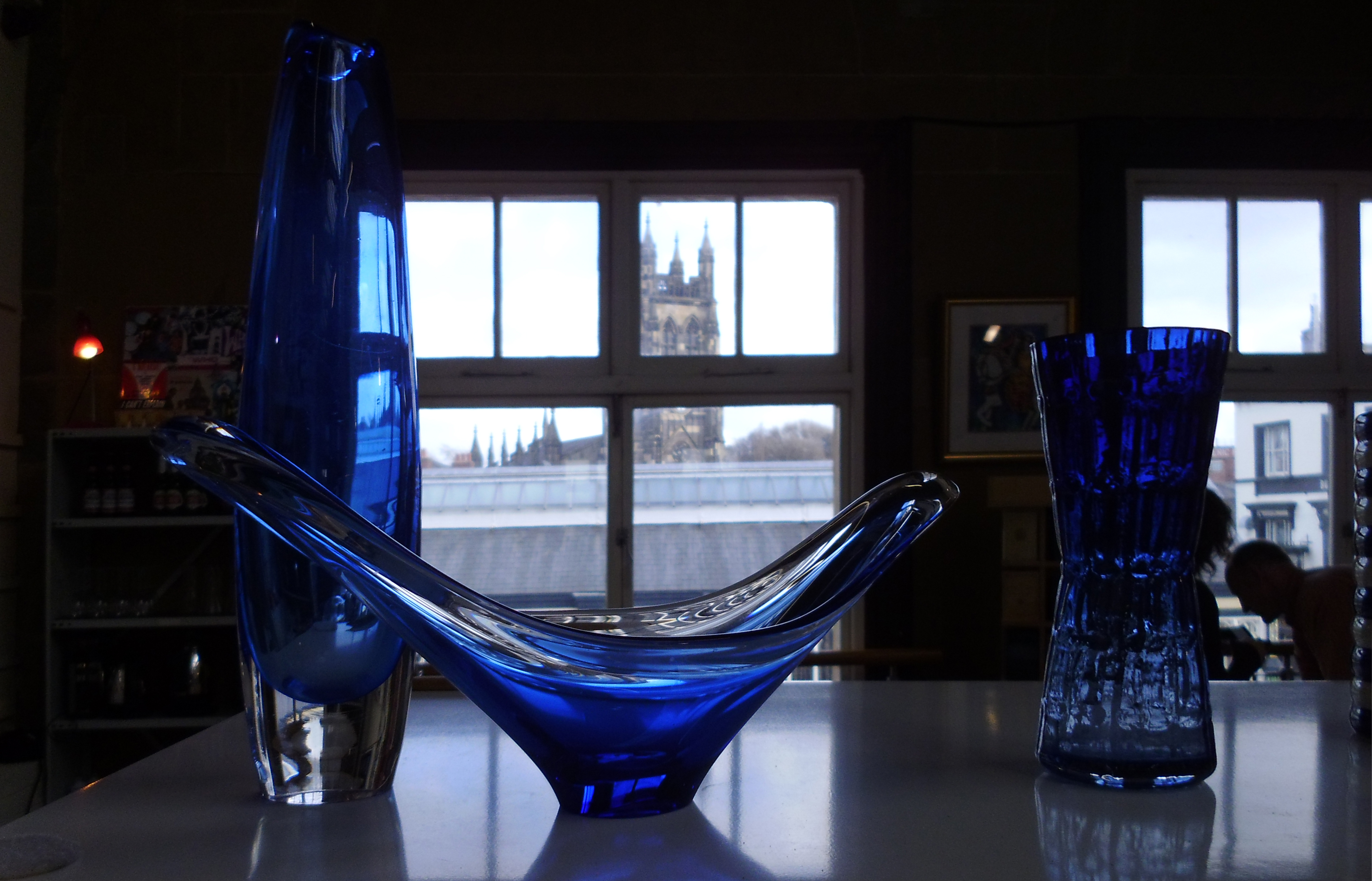
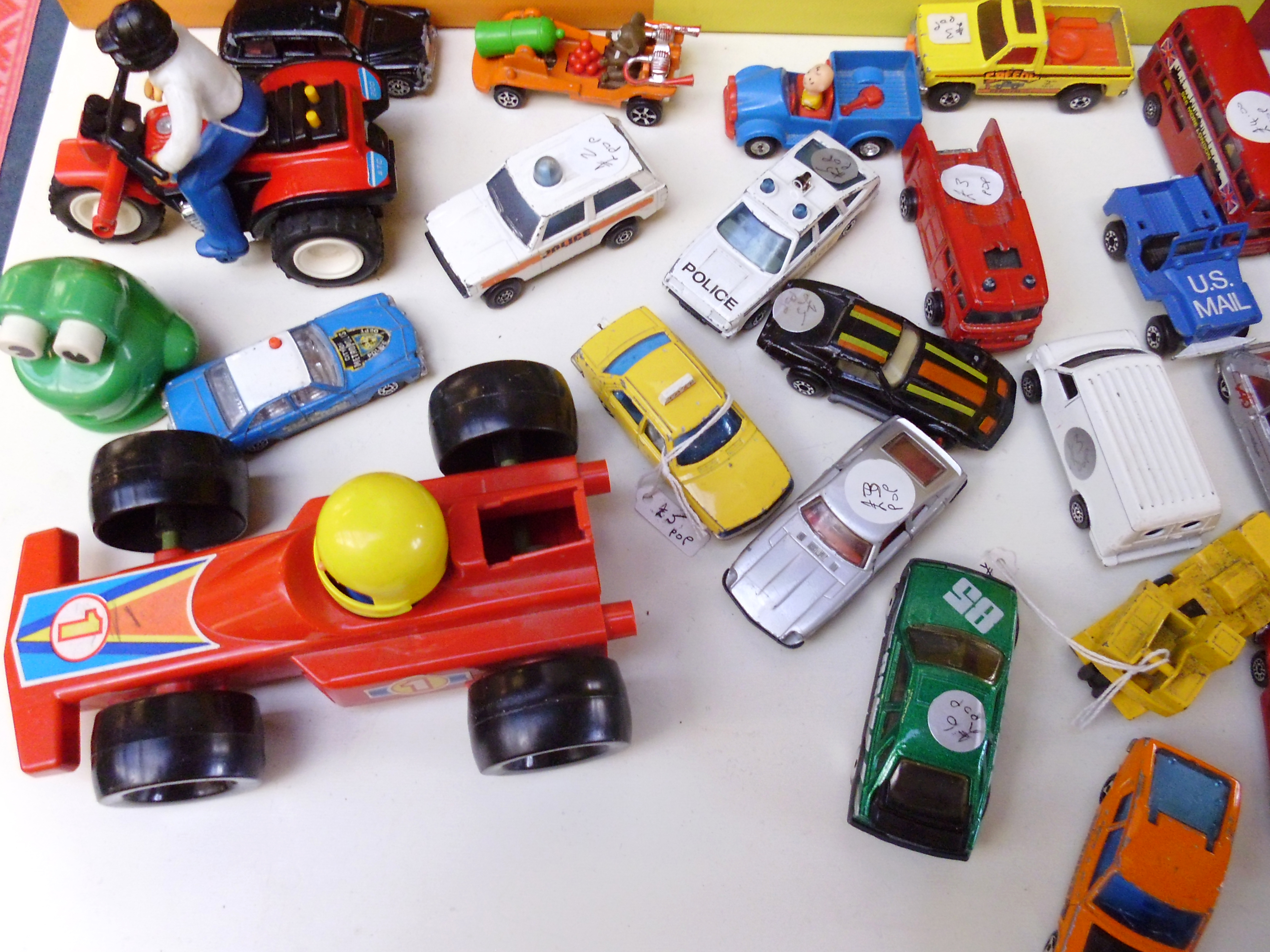
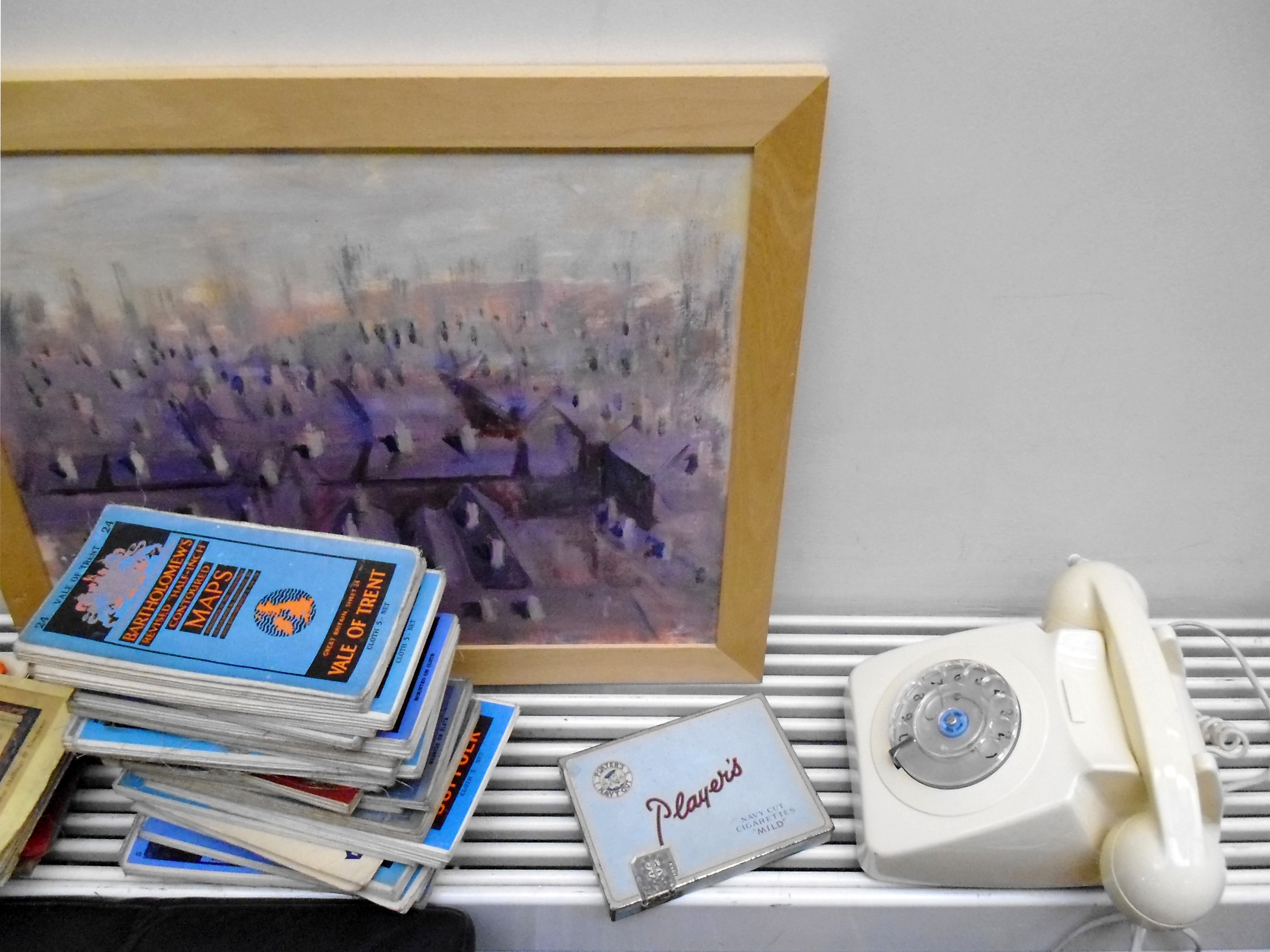
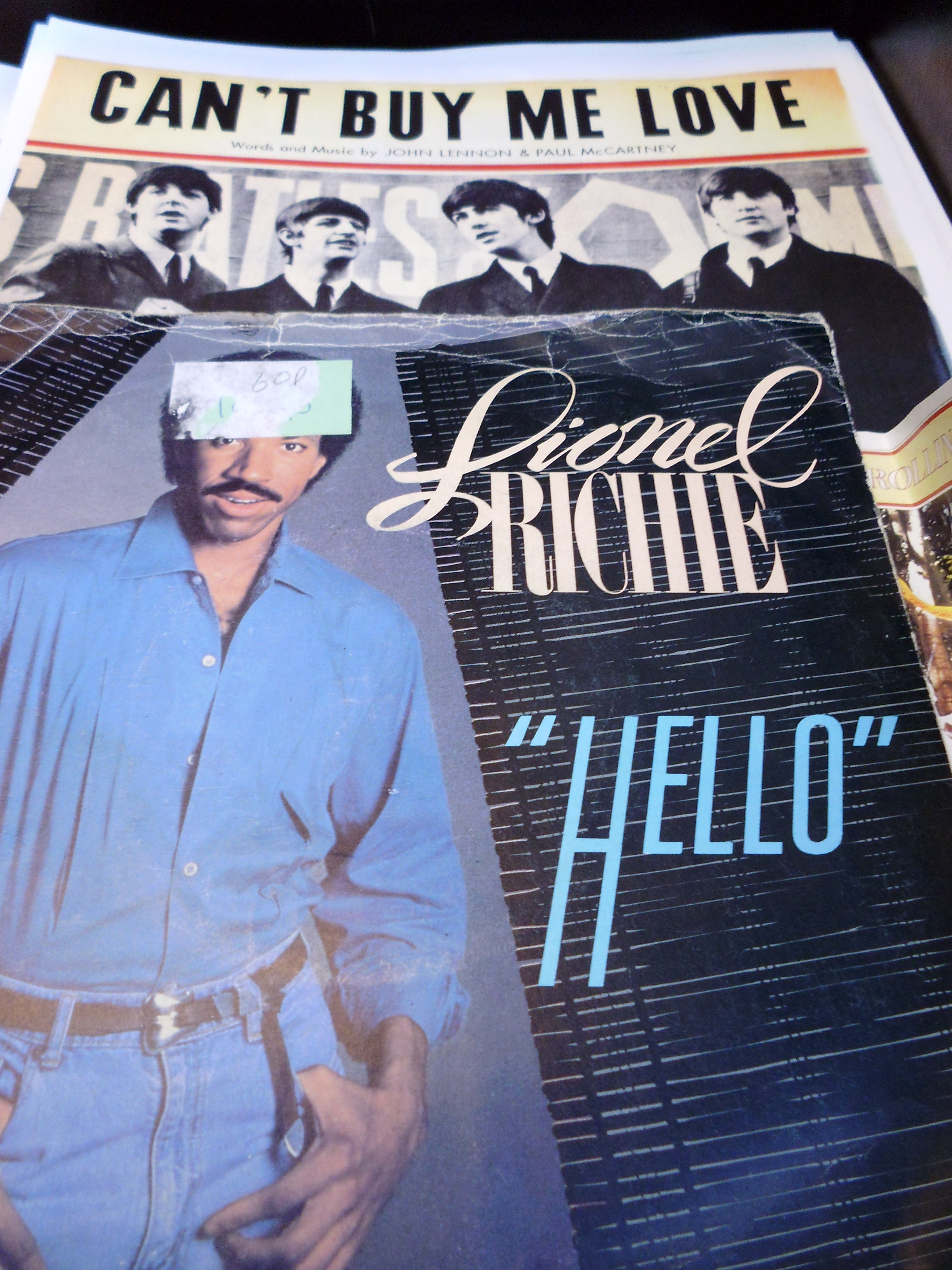
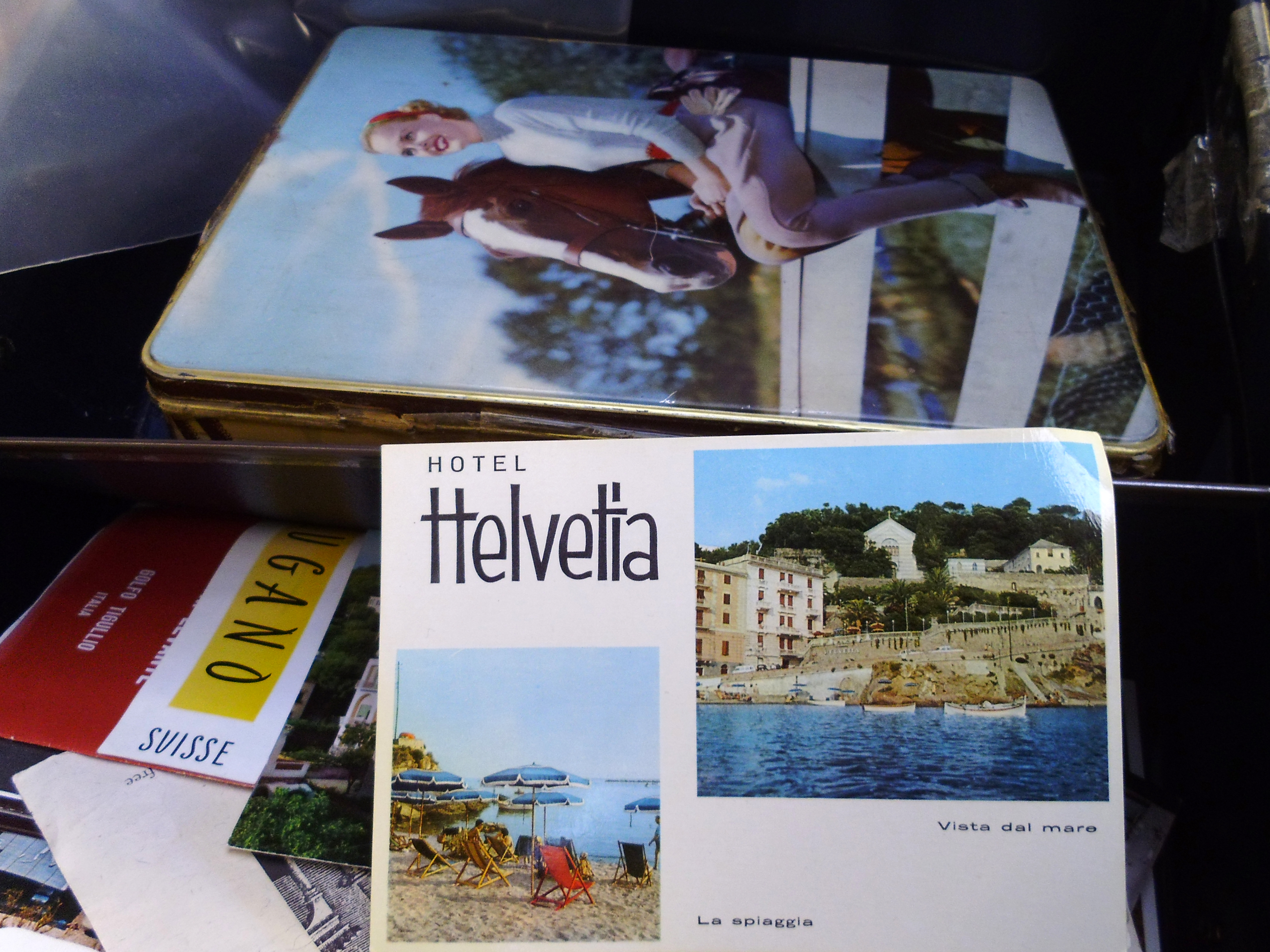
Jane, John and Lynn offer a wide selection of books, records, art, ephemera, glass, toys, ceramics and almost all sorts, in their first floor eyrie of happiness.
Always at the most reasonable of prices – you can get a brew too!
So take an hour out to browse, pursue and lollygag in convivial surroundings.
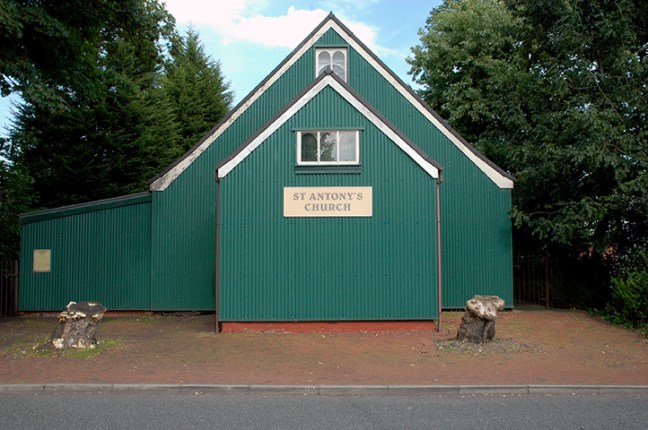
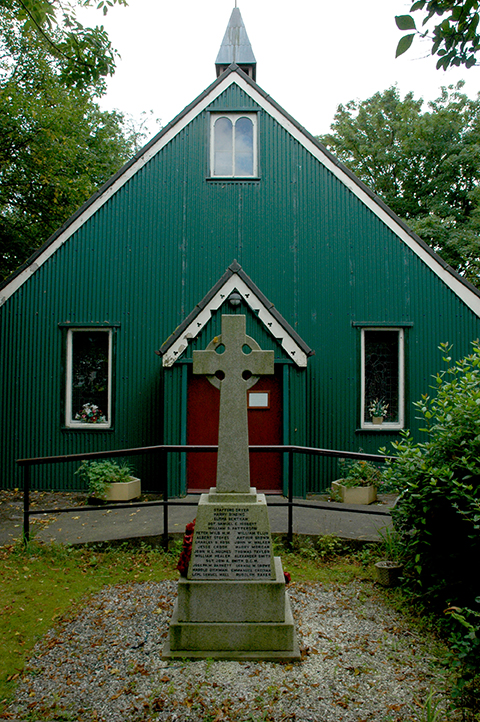
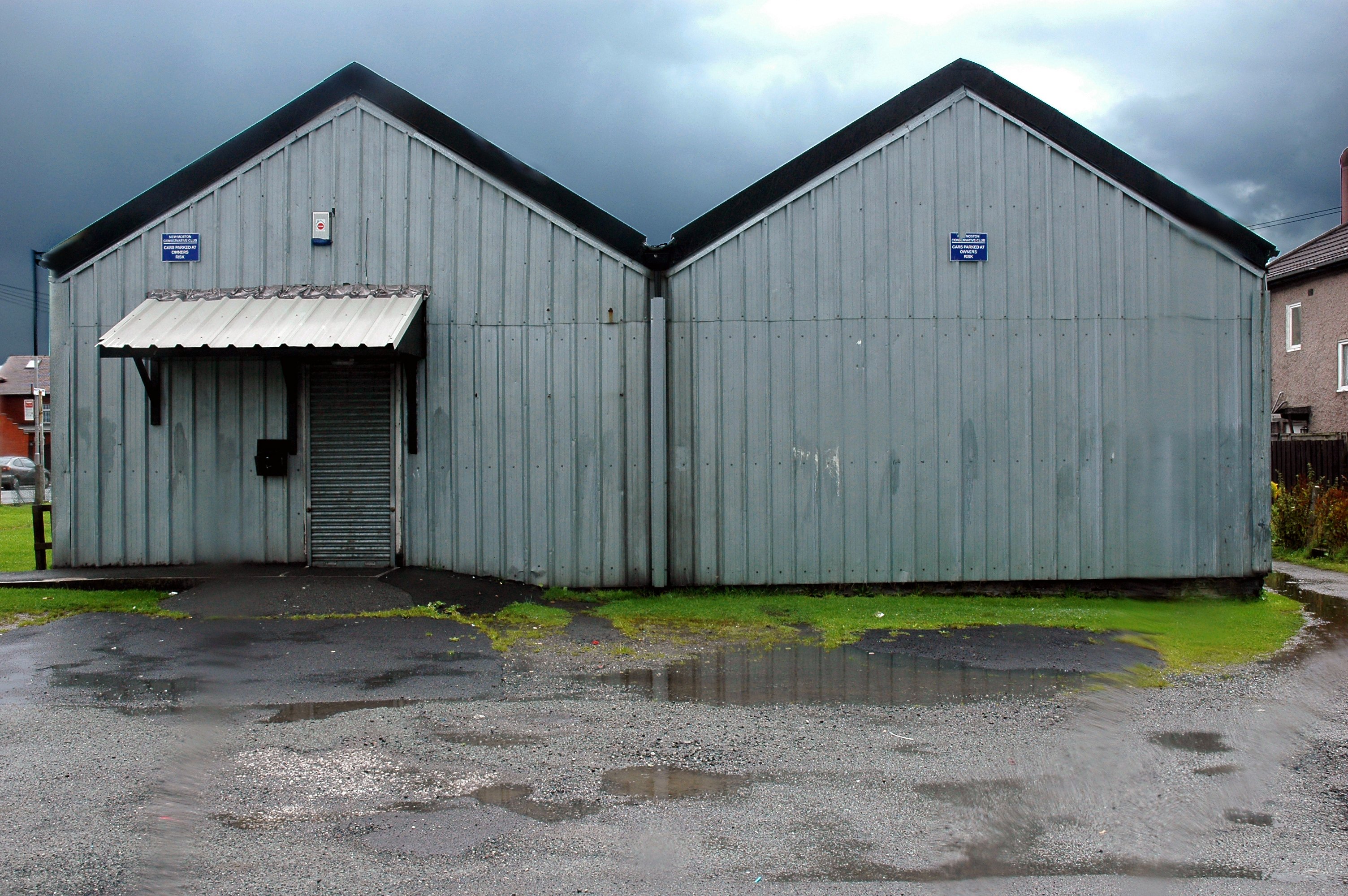
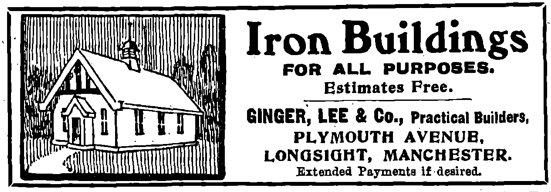
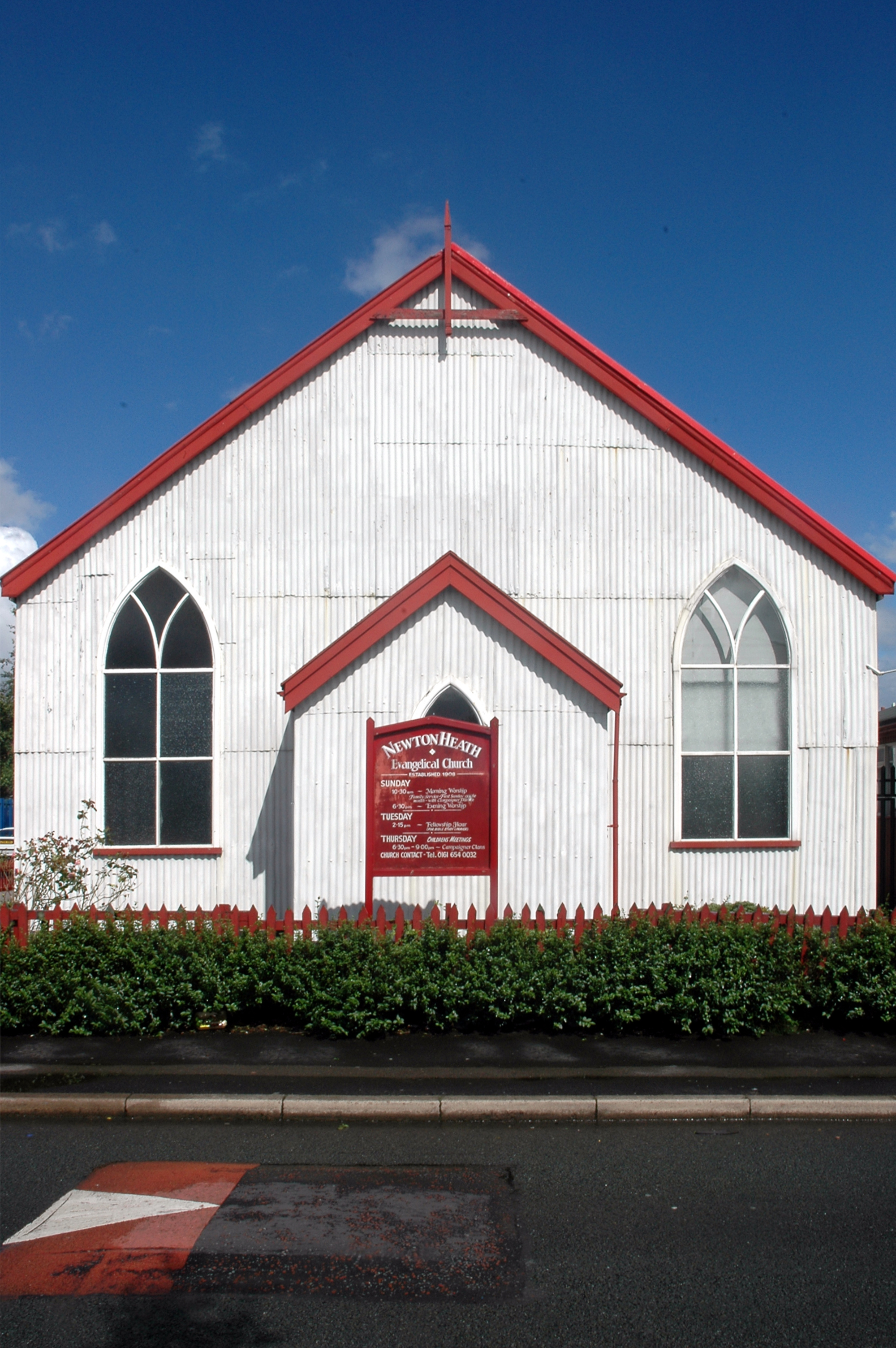
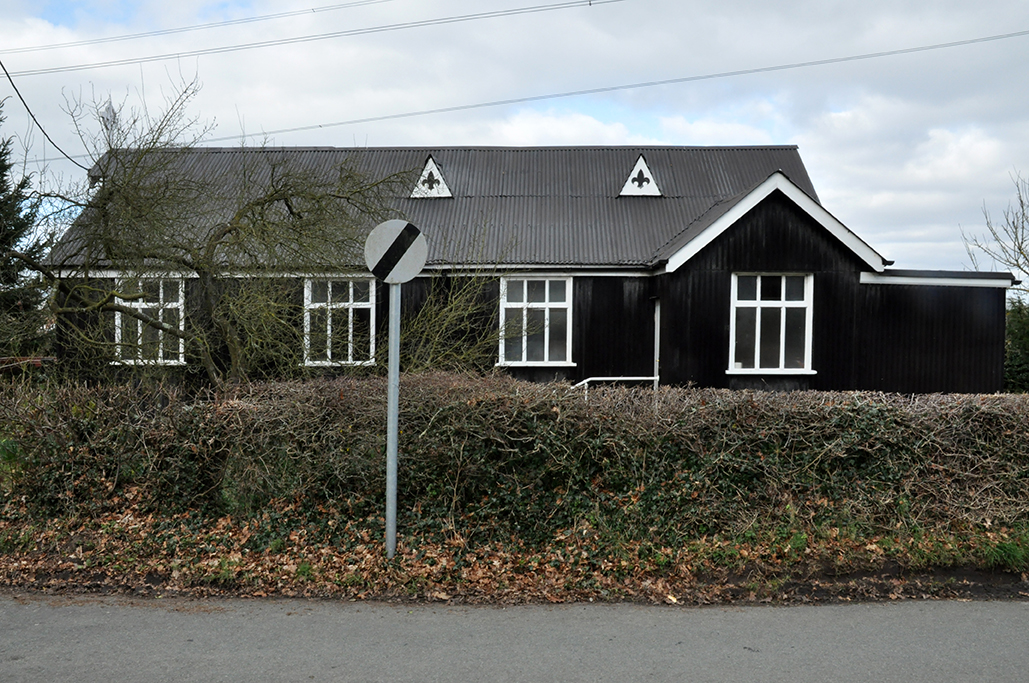
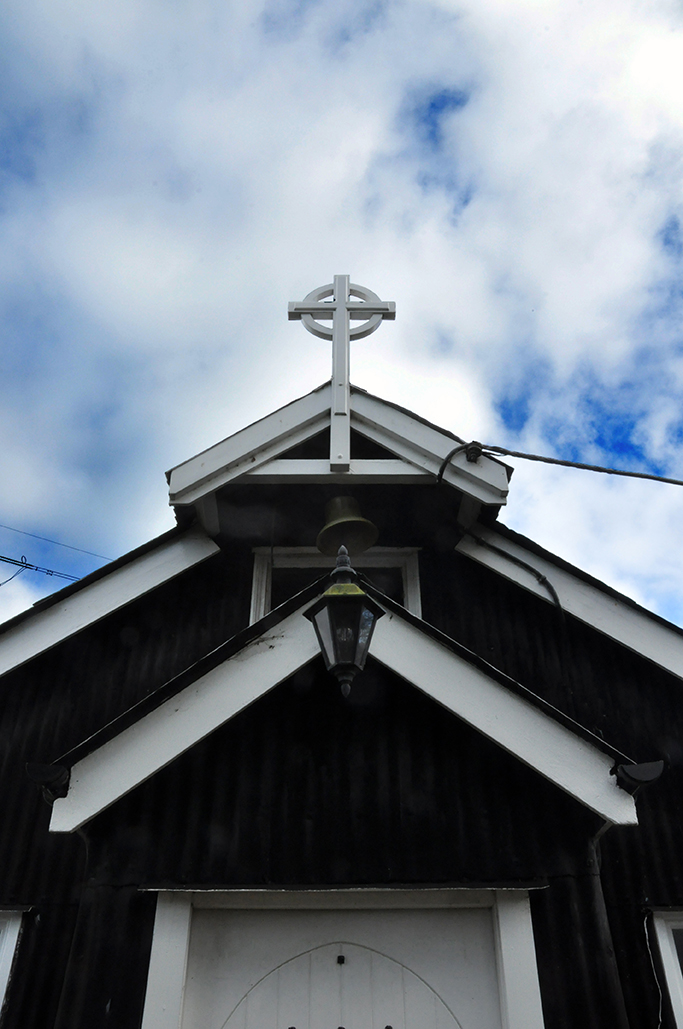
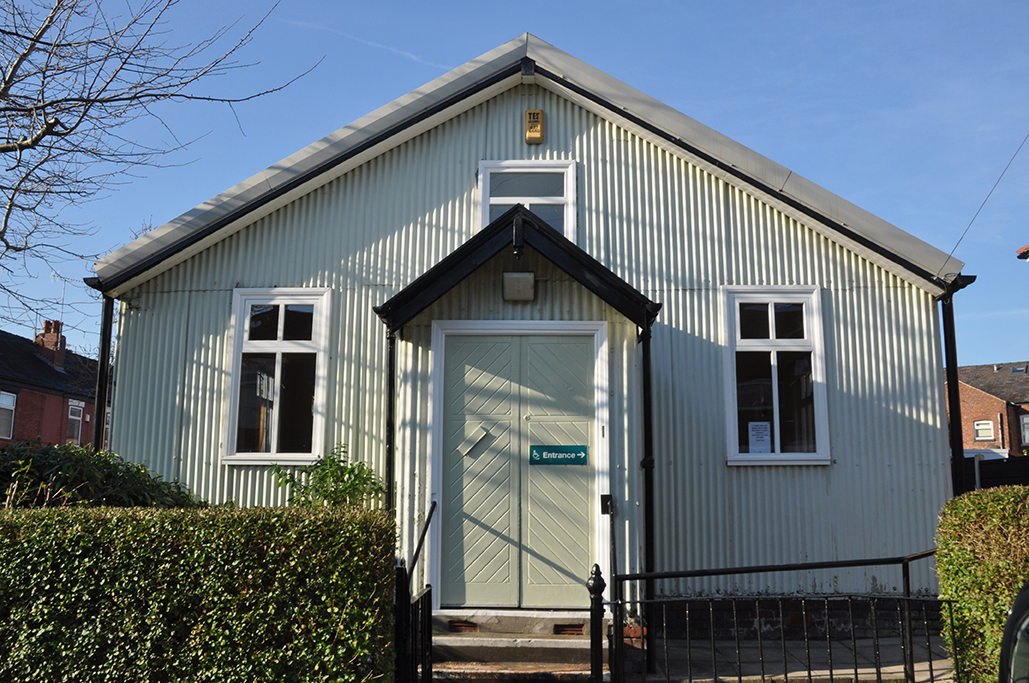
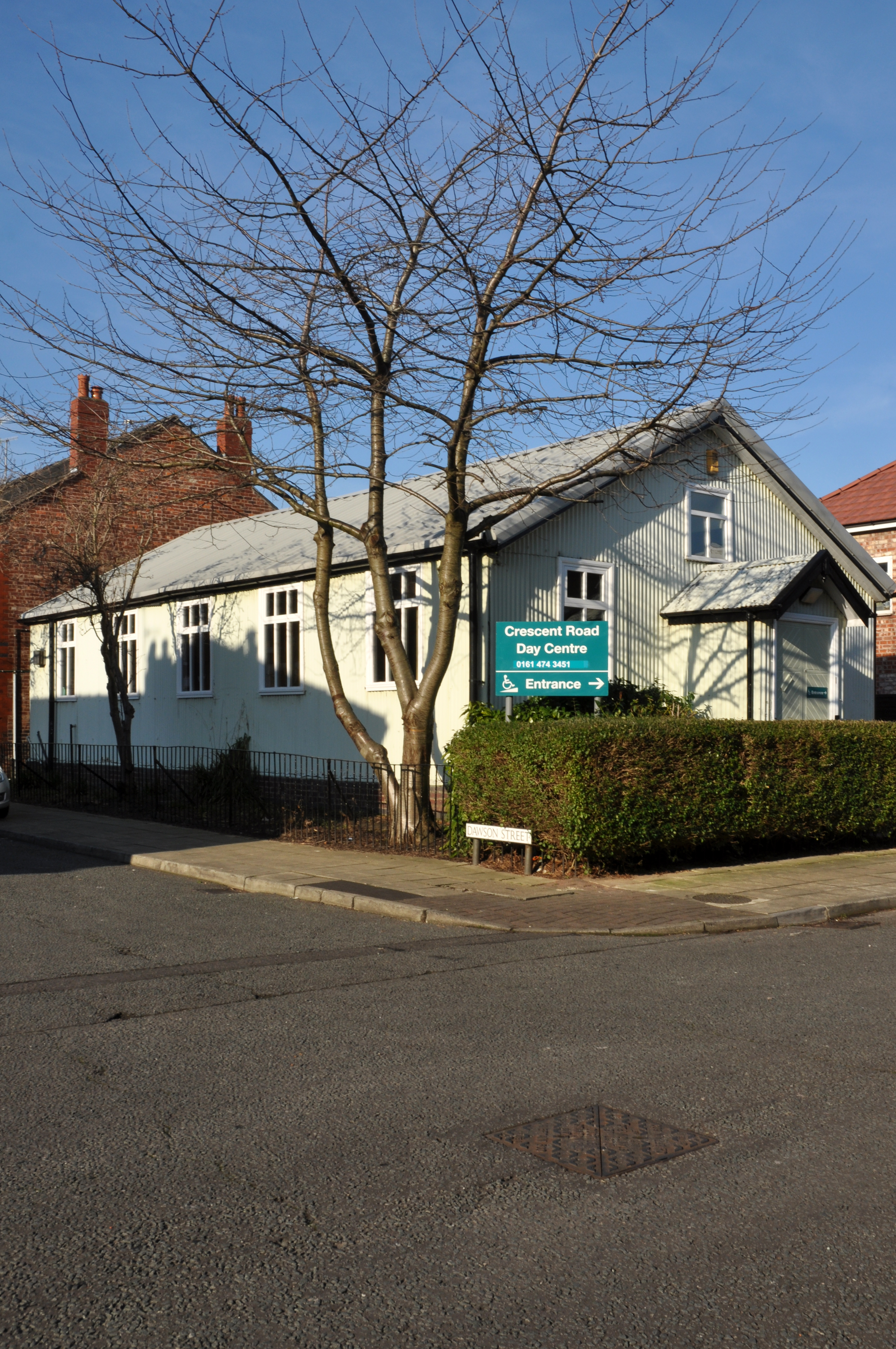
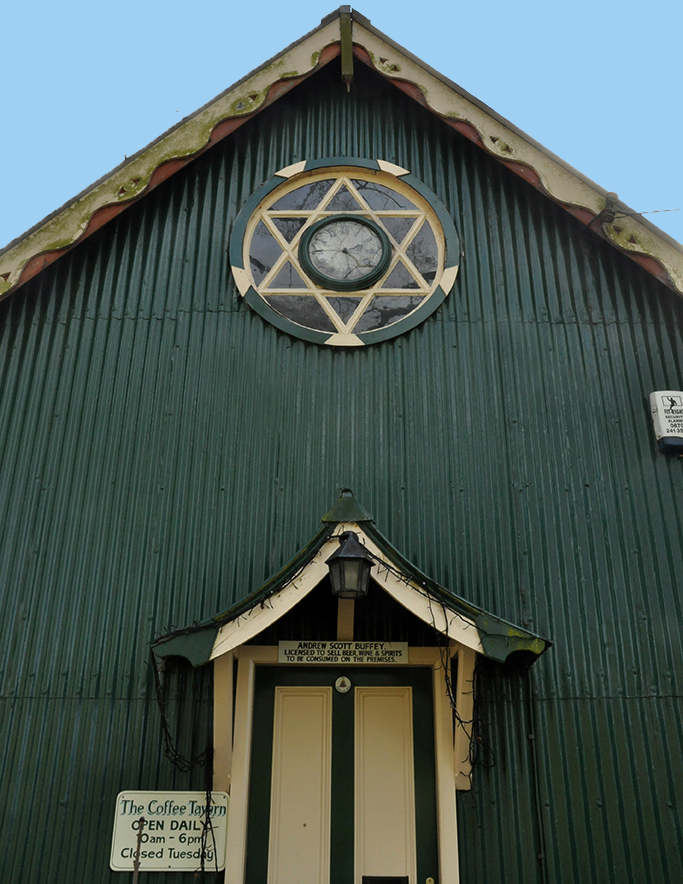
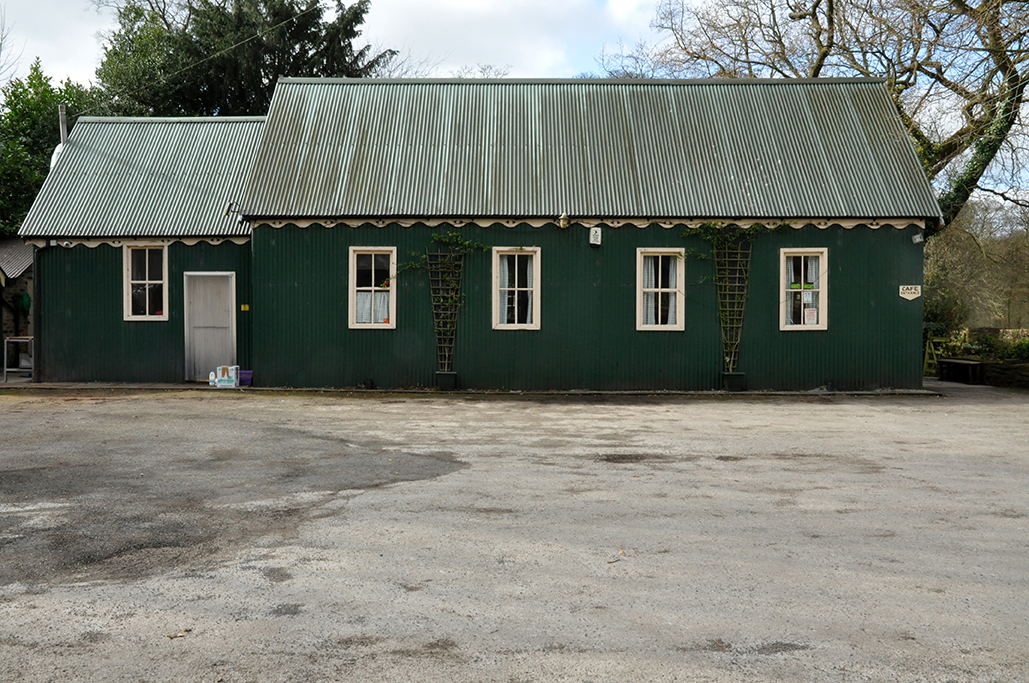
I’ve always been fascinated by temporary and informal architecture from childhood dens to shotgun shacks, sheds and caravans, so here is a record of the so called Tin Tabernacles from around Greater Manchester and beyond. And a tribute to those local people that created them.
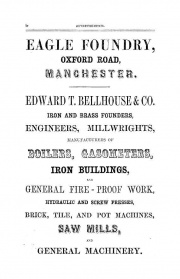
He was apprenticed to Messrs. Wren and Bennett, where he remained for some six and a-half years, and where he acquired a thorough knowledge of practical engineering. He then worked for about a year as a journeyman millwright at the Caloa Mills, and at the St. Helen’s Union Plate Glass Works; and next spent a year as a journeyman at Sir William Fairbairn’s works in the Isle of Dogs. The following year, the last of his actualworkshop life, he passed in the employ of the Liverpool Grand Junction Railway. On 1st July 1842 he started thefirm of E. T. Bellhouse and Co., which has carried on a prosperous business for the last forty years at the Eagle Foundry, Hunt Street, Manchester. Mr. Bellhouse, undertook the erection of many large bridges for various railways; and the whole of the stations required for the Arequipa Railway were constructed by him.
Another branch of engineering in which be took a great interest was the construction of iron buildings. He made and erected many custom-houses of iron; among others, that for Payta, Peru – a building unique of its kind.
Within Manchester he did a large amount of work, both for the corporation and for others. The construction of large roofs, and the general ironwork in connection with the erection of buildings, constituted the principal part of his Manchester business, although he did a large amount of hydraulic work, having among other things designed and made the hydraulic lifts in the new City Hall Manchester.
Apart from business he took an interest in every institution which tended to the benefit of his fellow-citizens, and showed especially an active desire to better the position of his workmen; for the latter purpose an extensivescientific library was formed at the Eagle Foundry. He was connected with the formation of the Athenaeum, was president of the Mechanics’ Institute, and a director of the Royal Institution of Manchester; and in many other ways he gave all the aid in his power towards benefiting the social life of his native town. After a life of hard work and disinterested generosity, the ravages of time and over-work began at length to be felt by a constitution which was not naturally of the strongest. Finding himself in failing health, be removed to Southport in hopes of regaining his strength; but on 13th October 1881 he died there at the ago of sixty-five.
St Antony’s Trafford Park
New Moston Constitutional Club 273 Moston lane
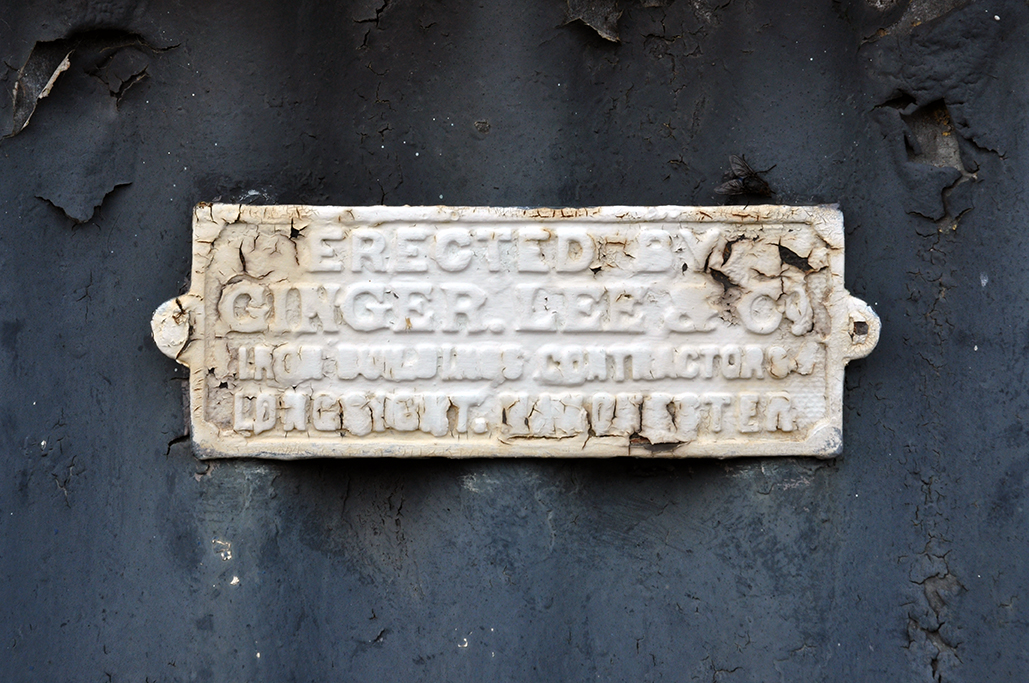
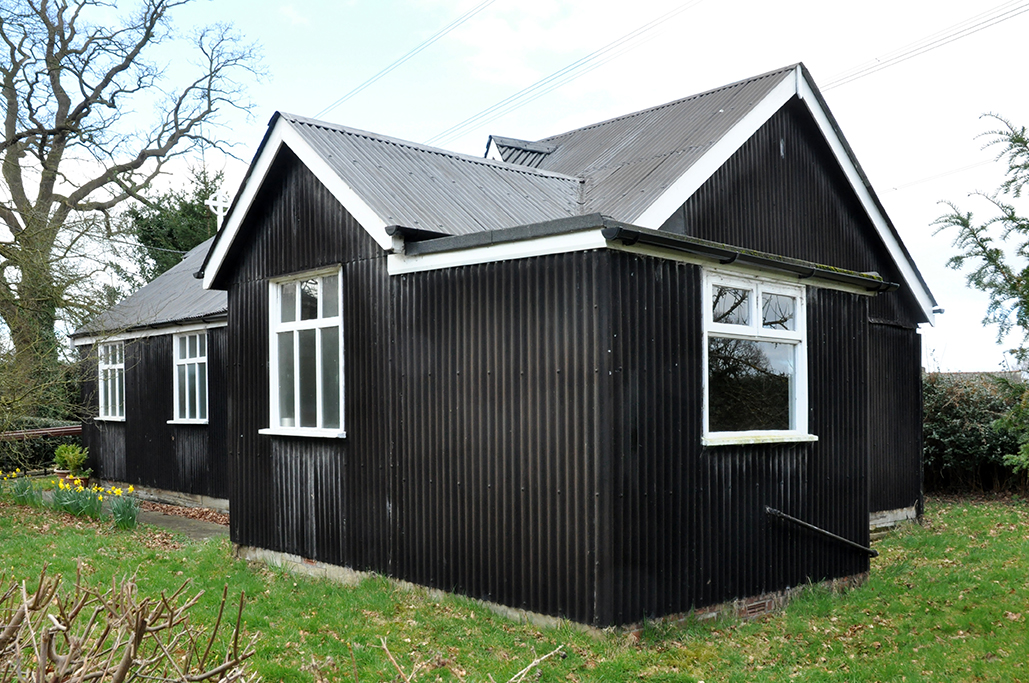
This example was made by Ginger Lee of Longsight but built in Mid Wales – along the A490 near Forden
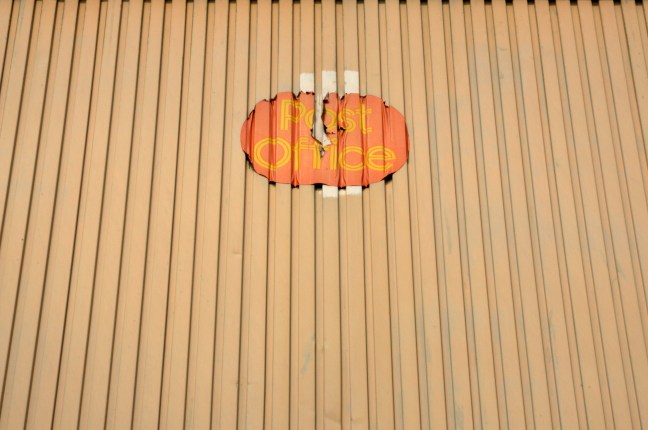
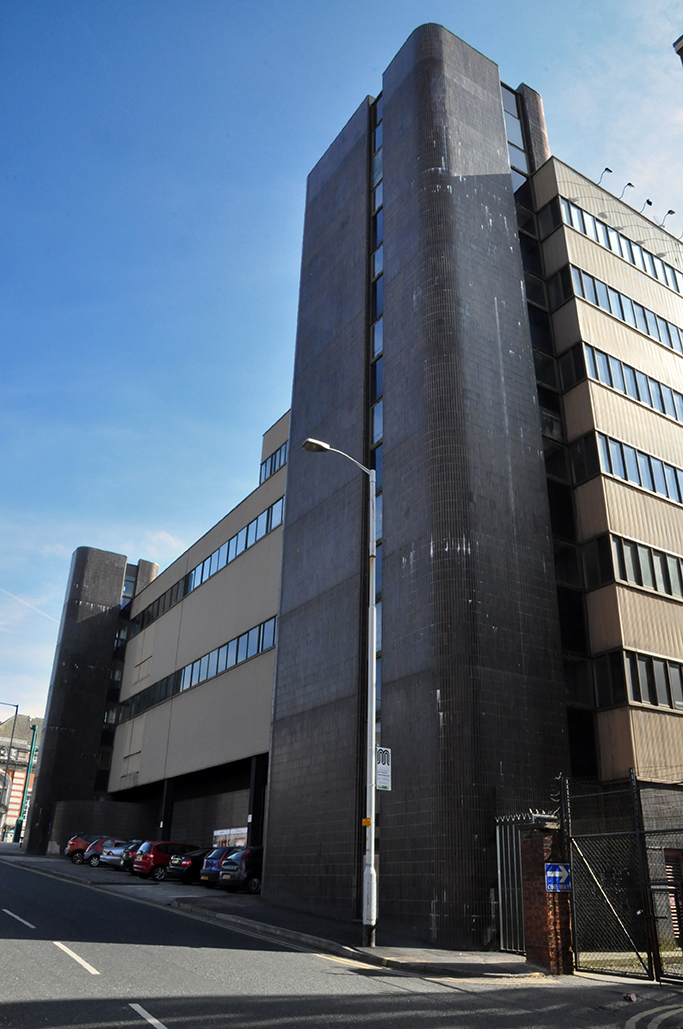
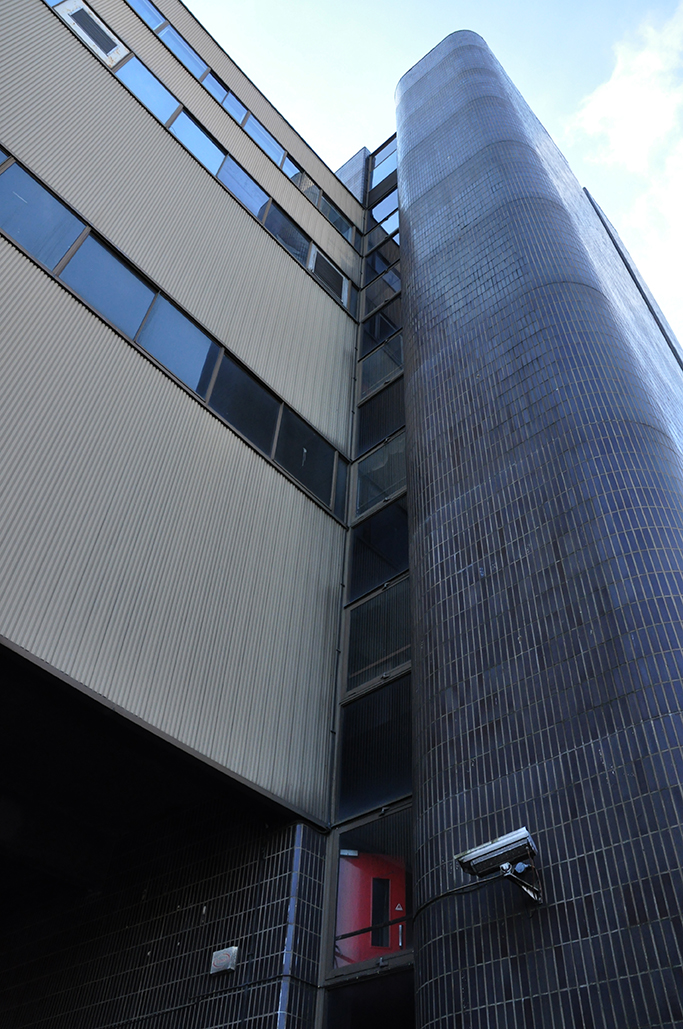
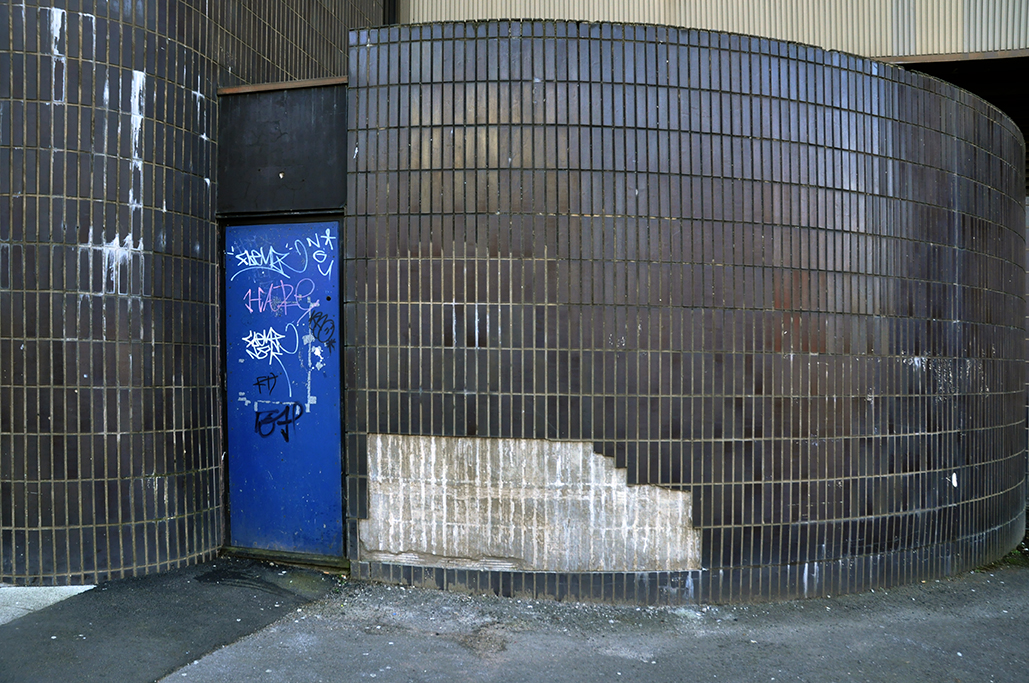
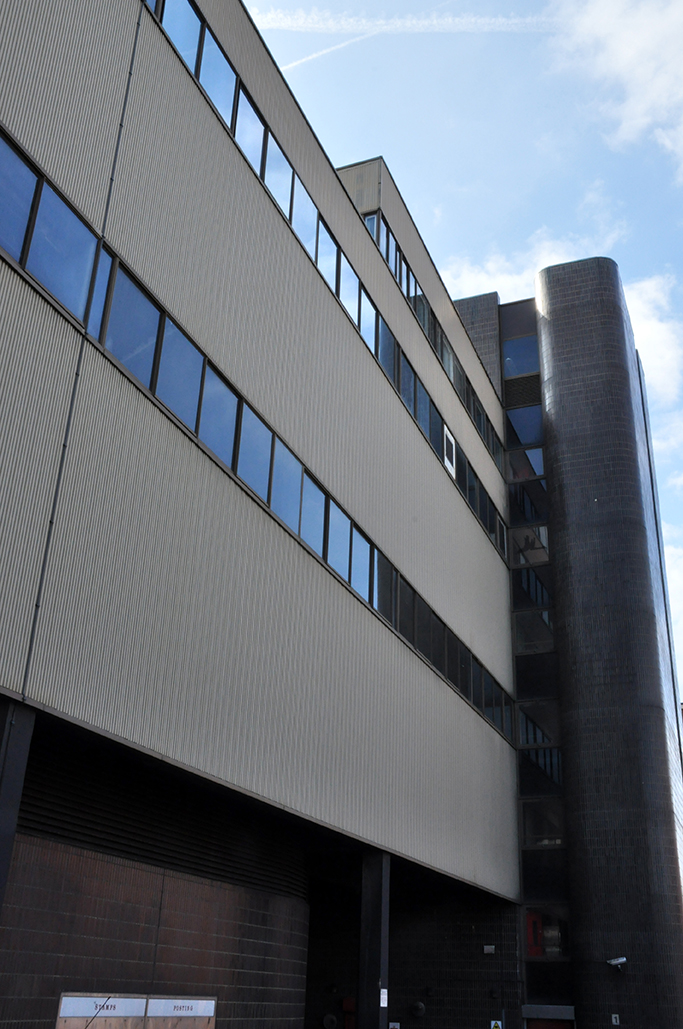
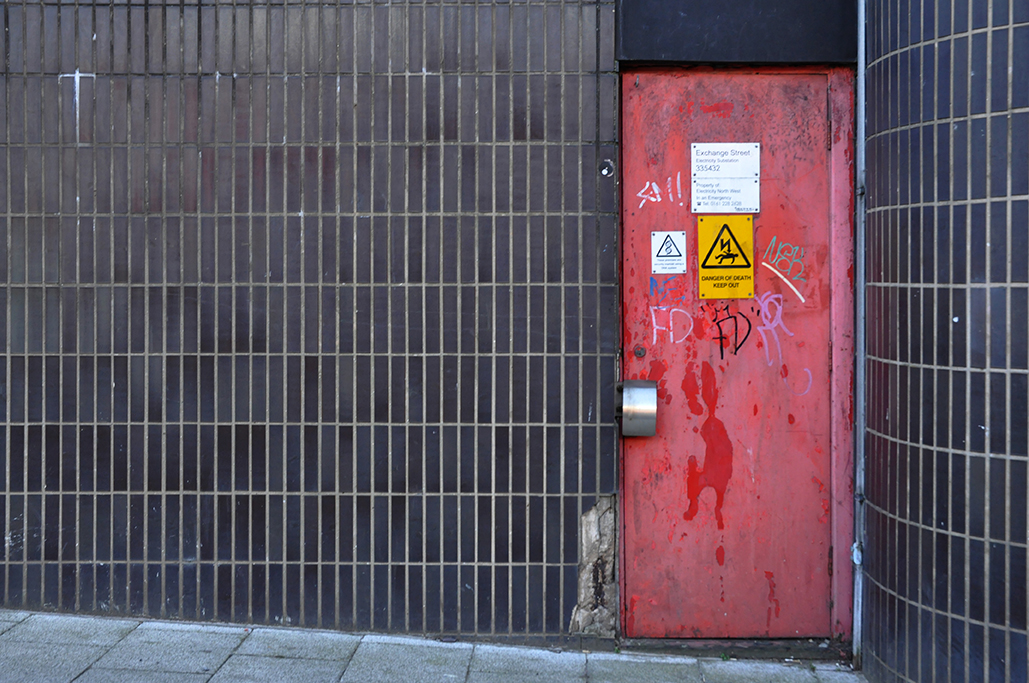
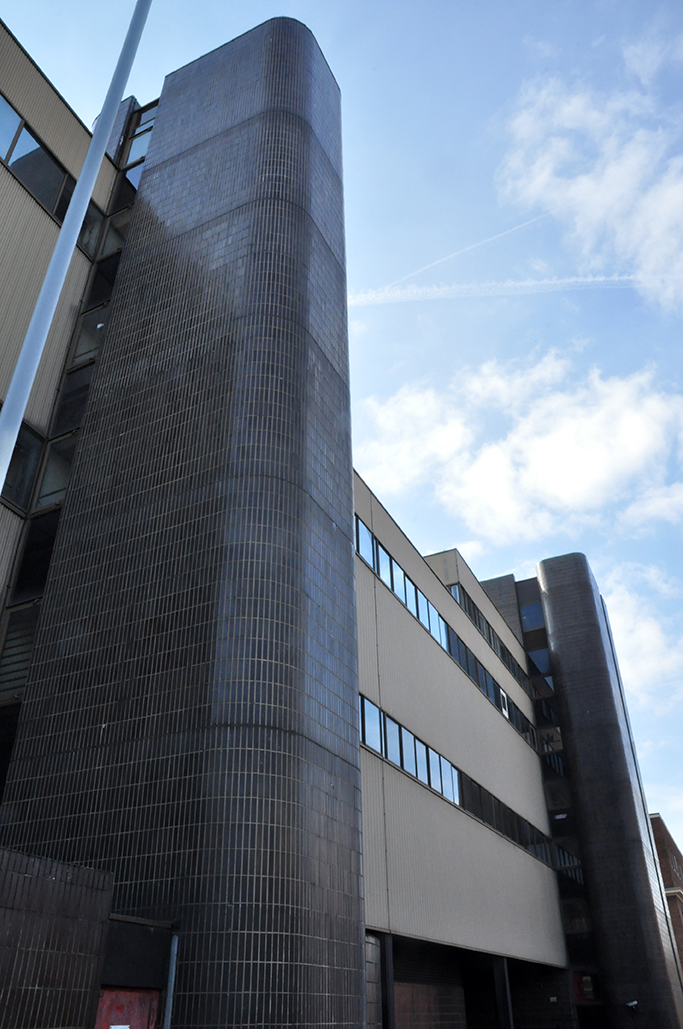
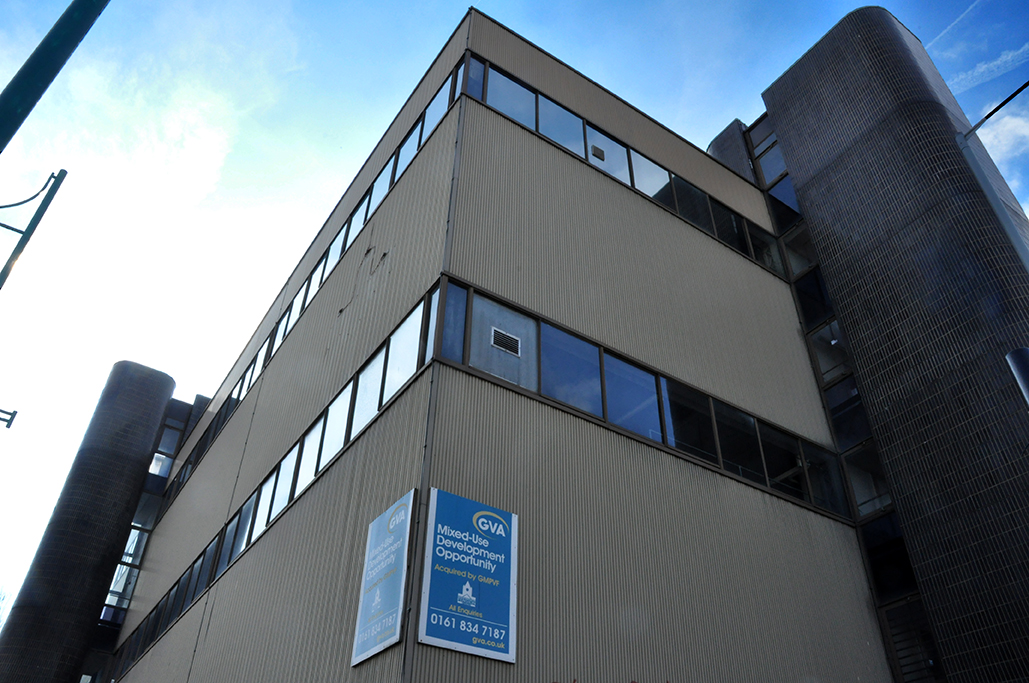
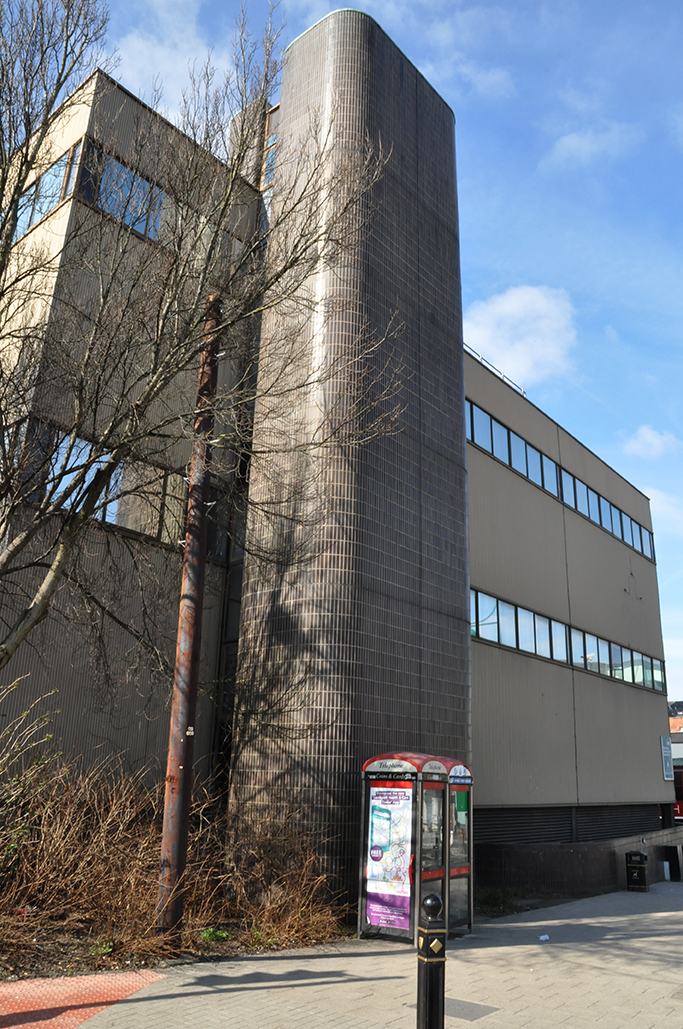
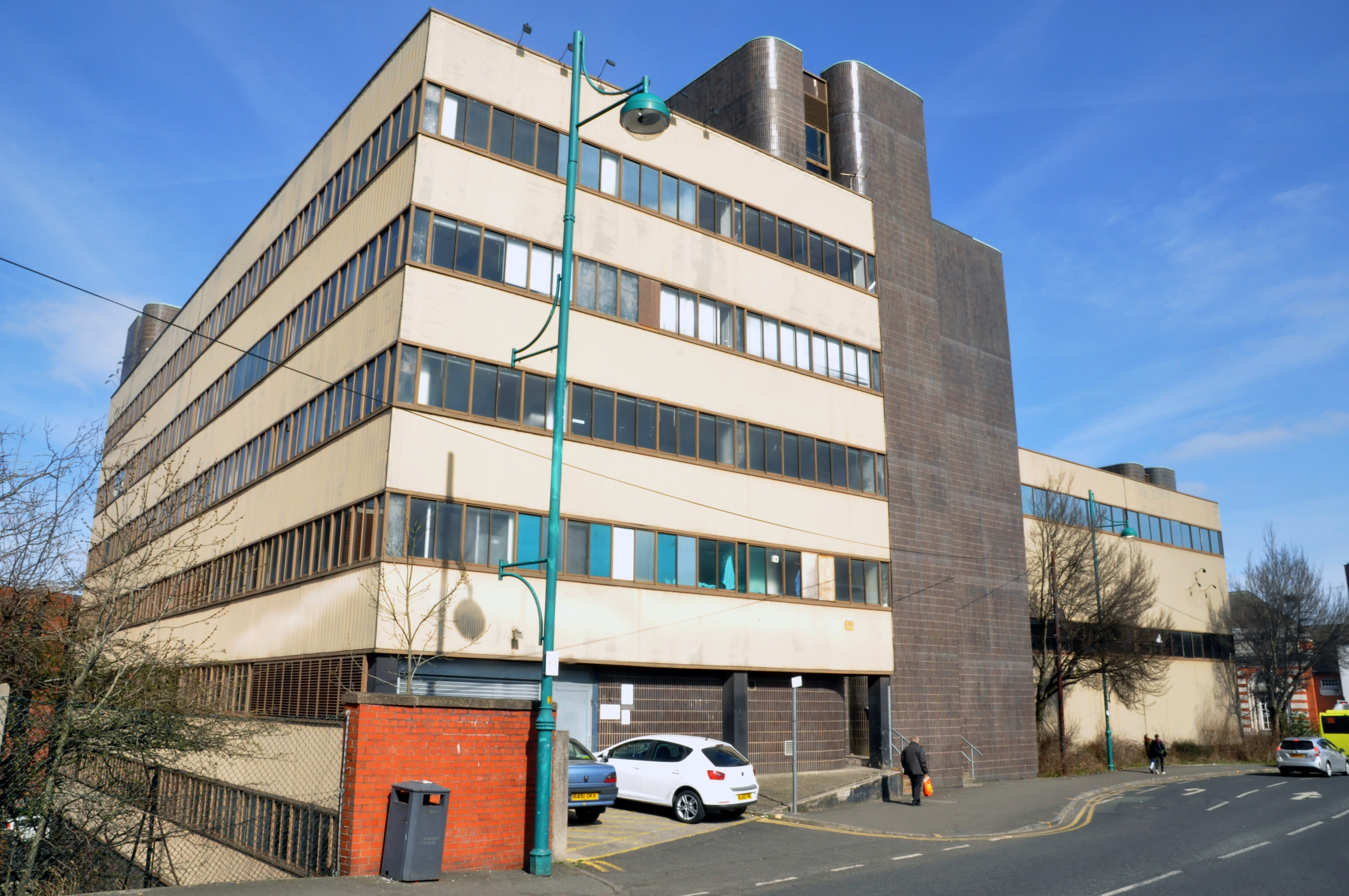
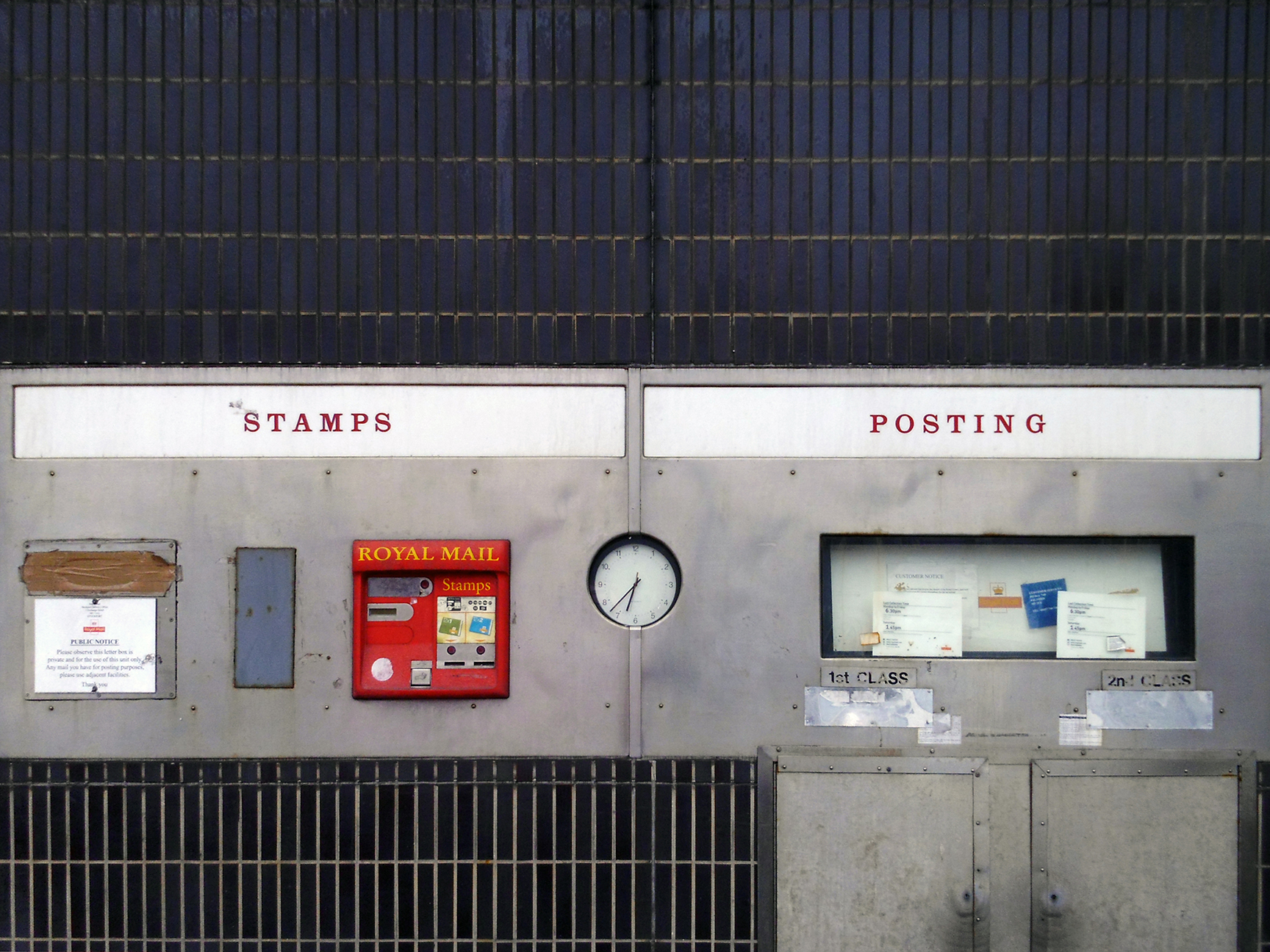
What happens to functionalist architecture when it ceases to function?
It ceases to function.
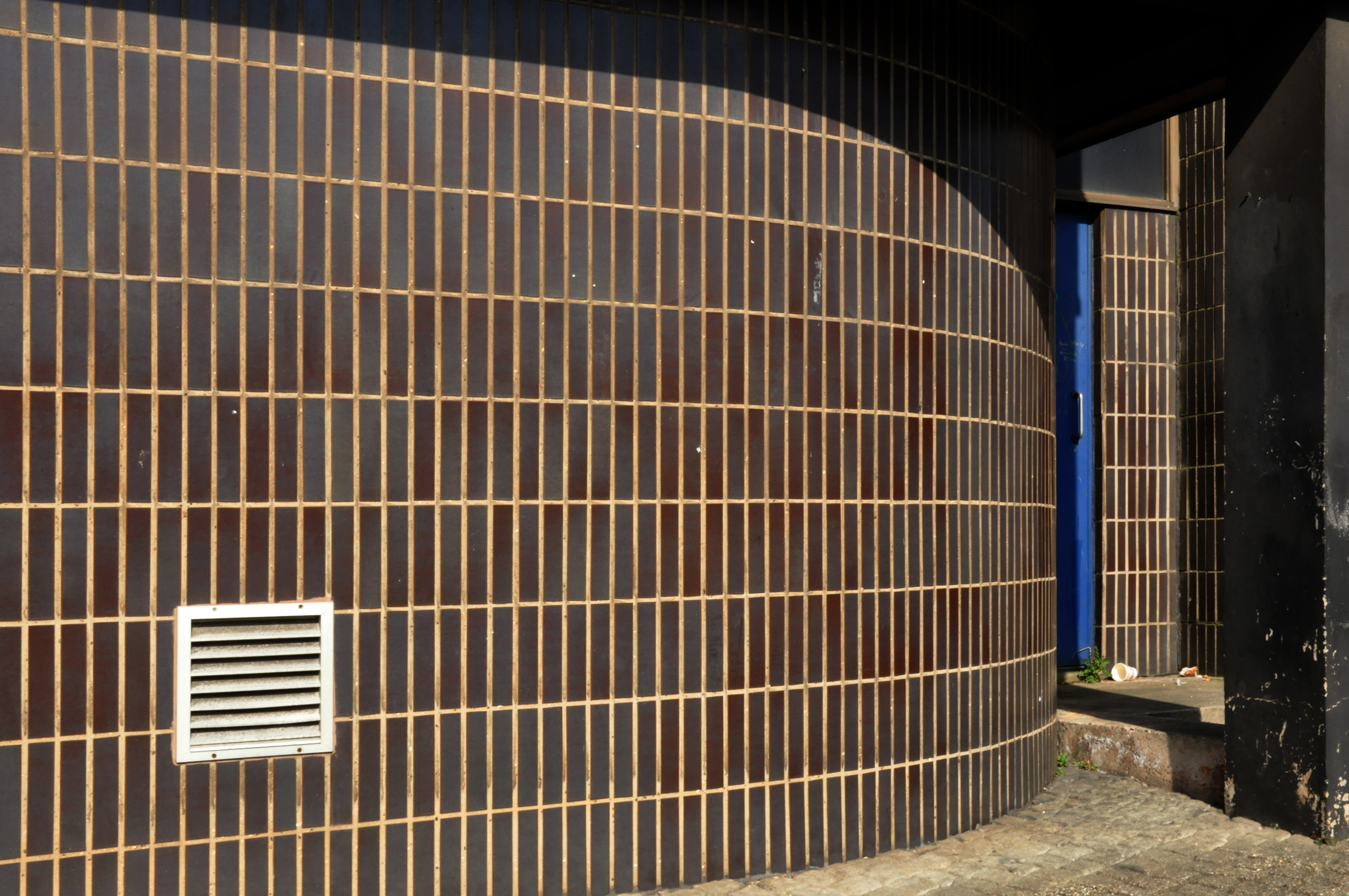
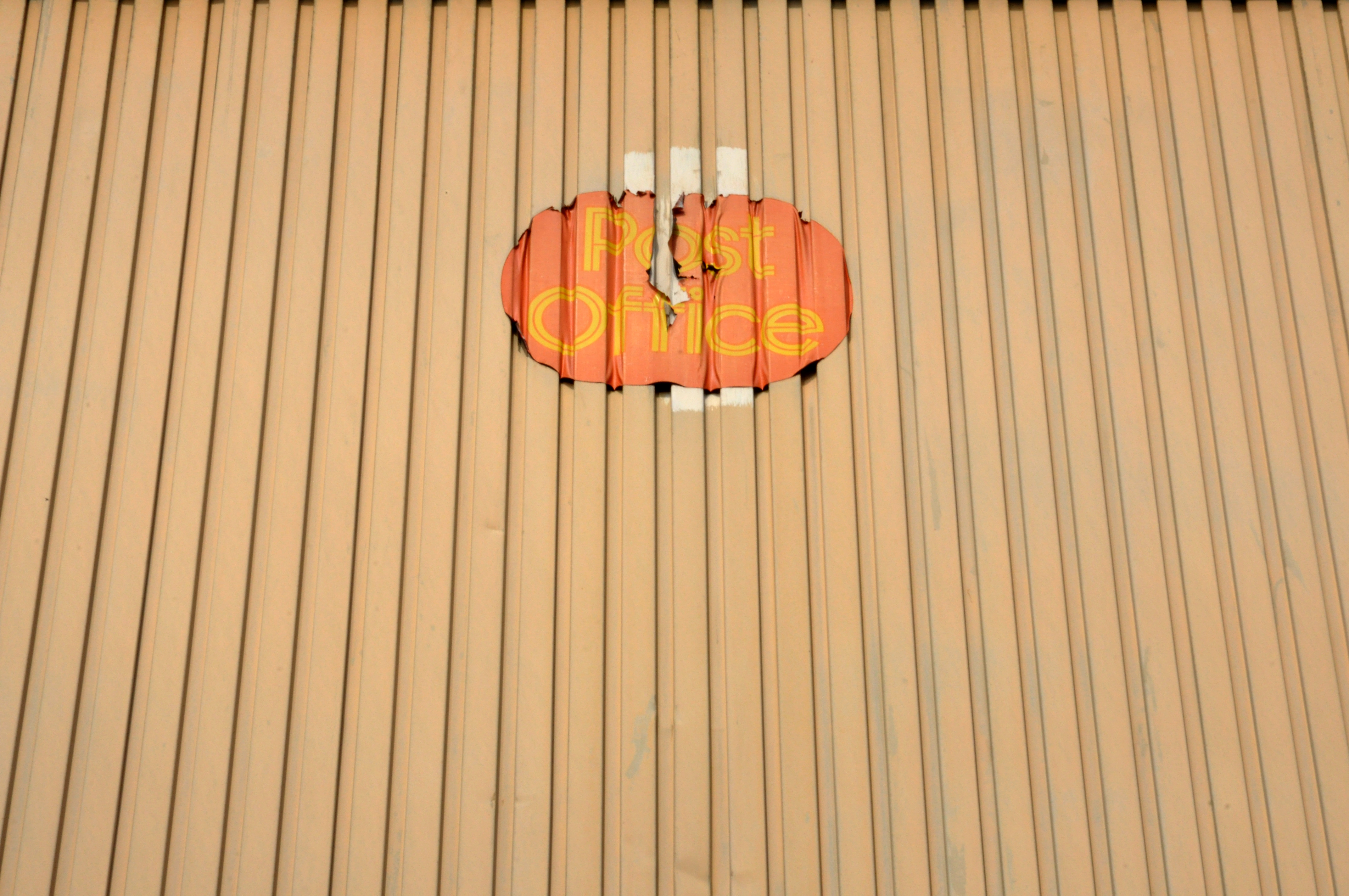
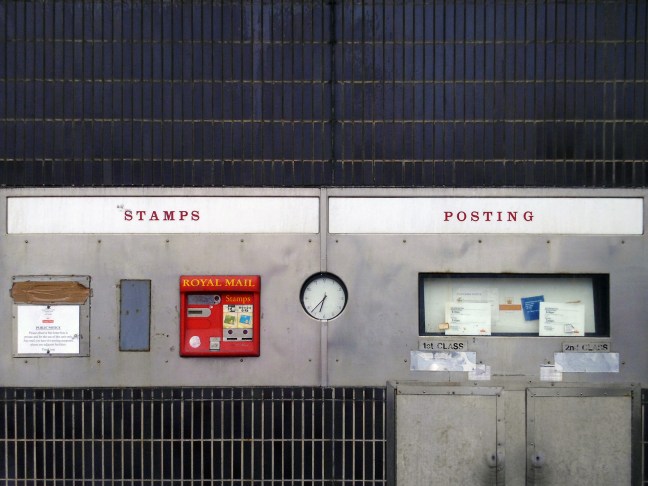
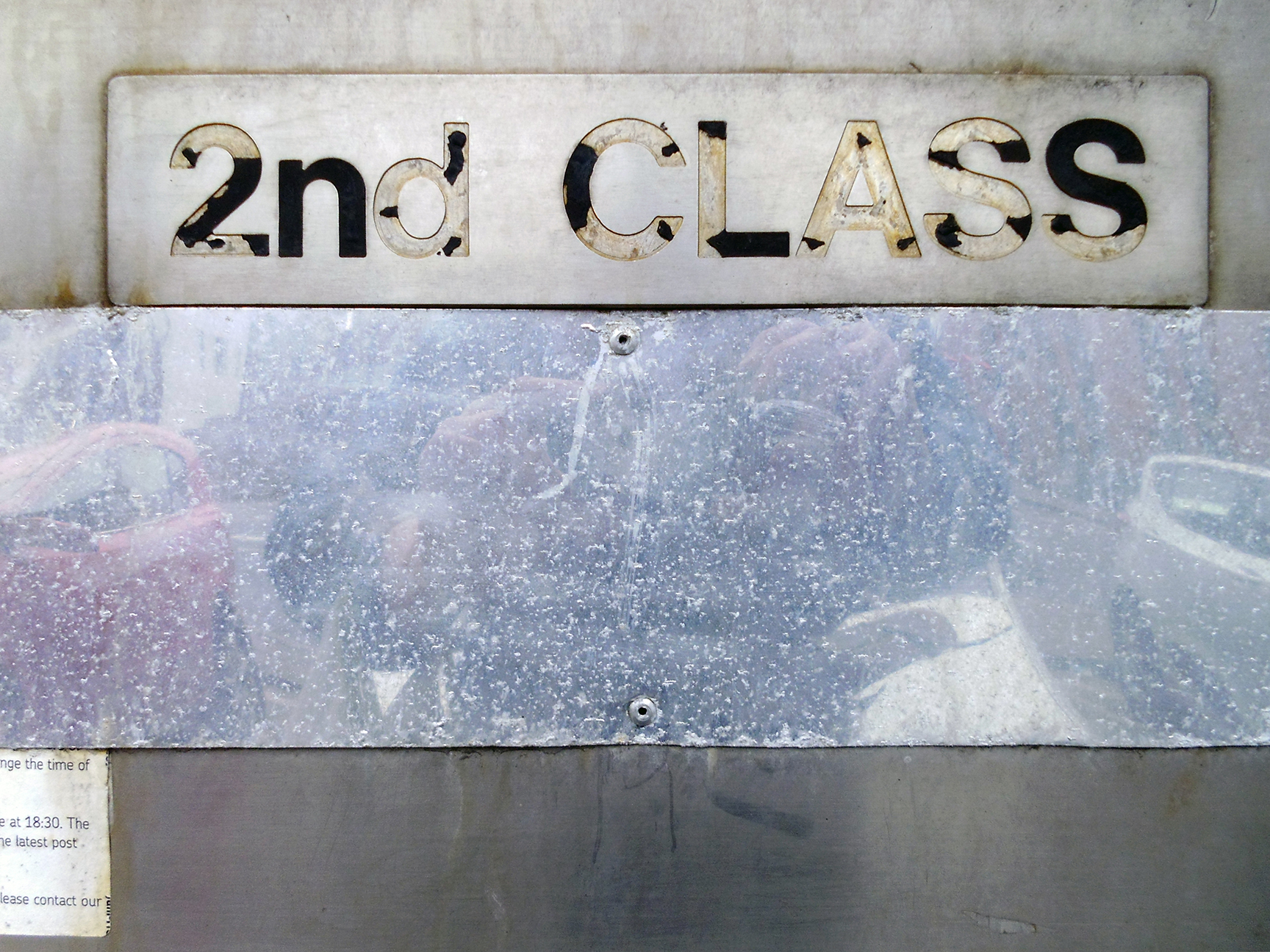
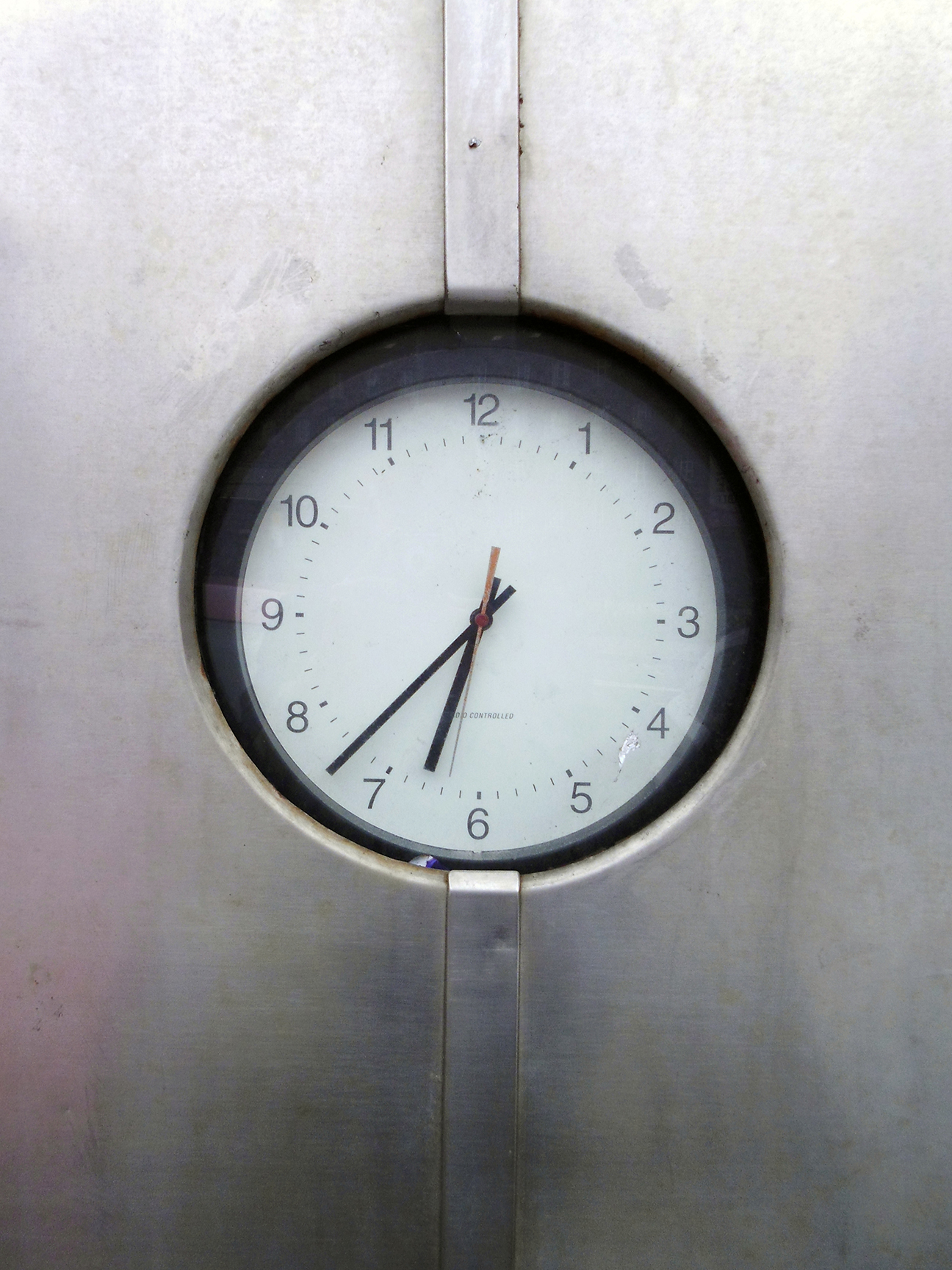
Standing on the A6 in the centre of the town, once home to a warren of postal workers, sorting mail in preparation for the two delivery a day walks. This was a communications hub before they even thought of communications hubs.
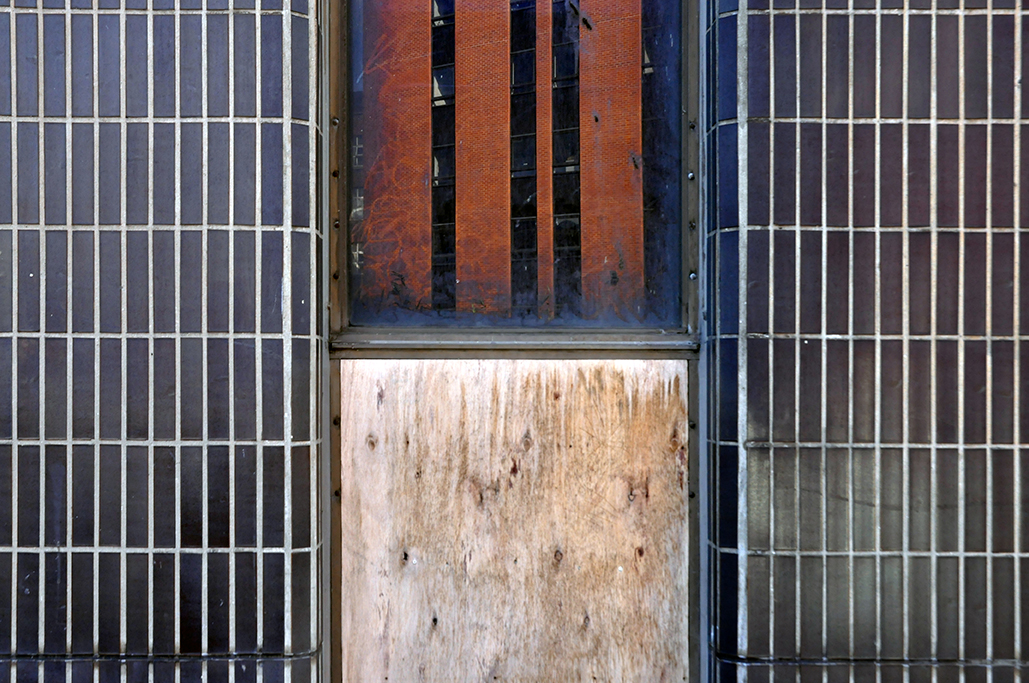
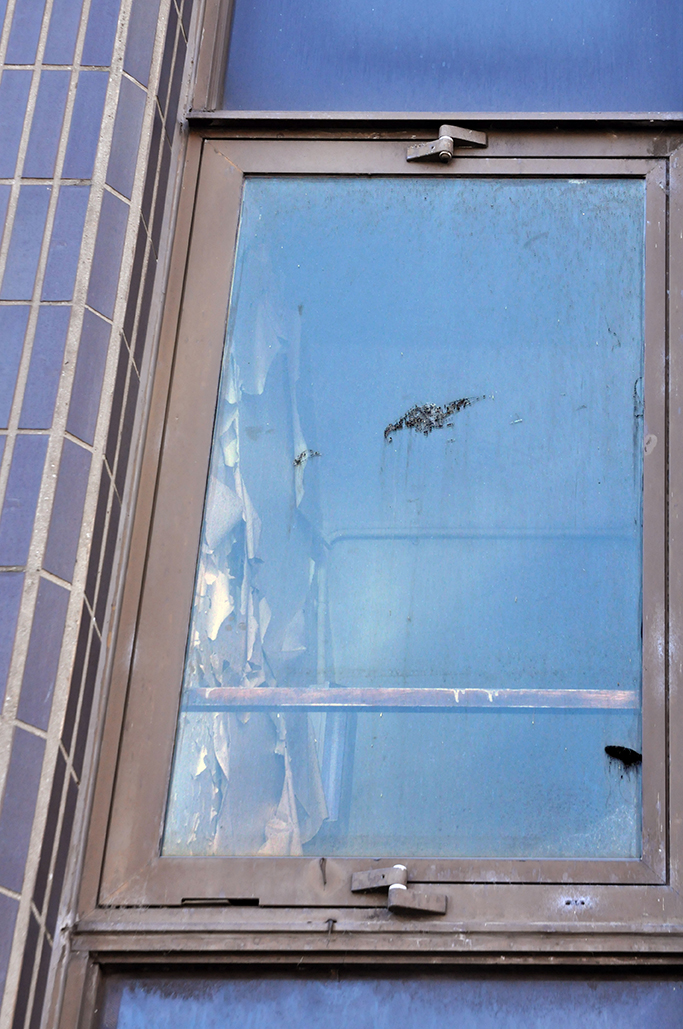
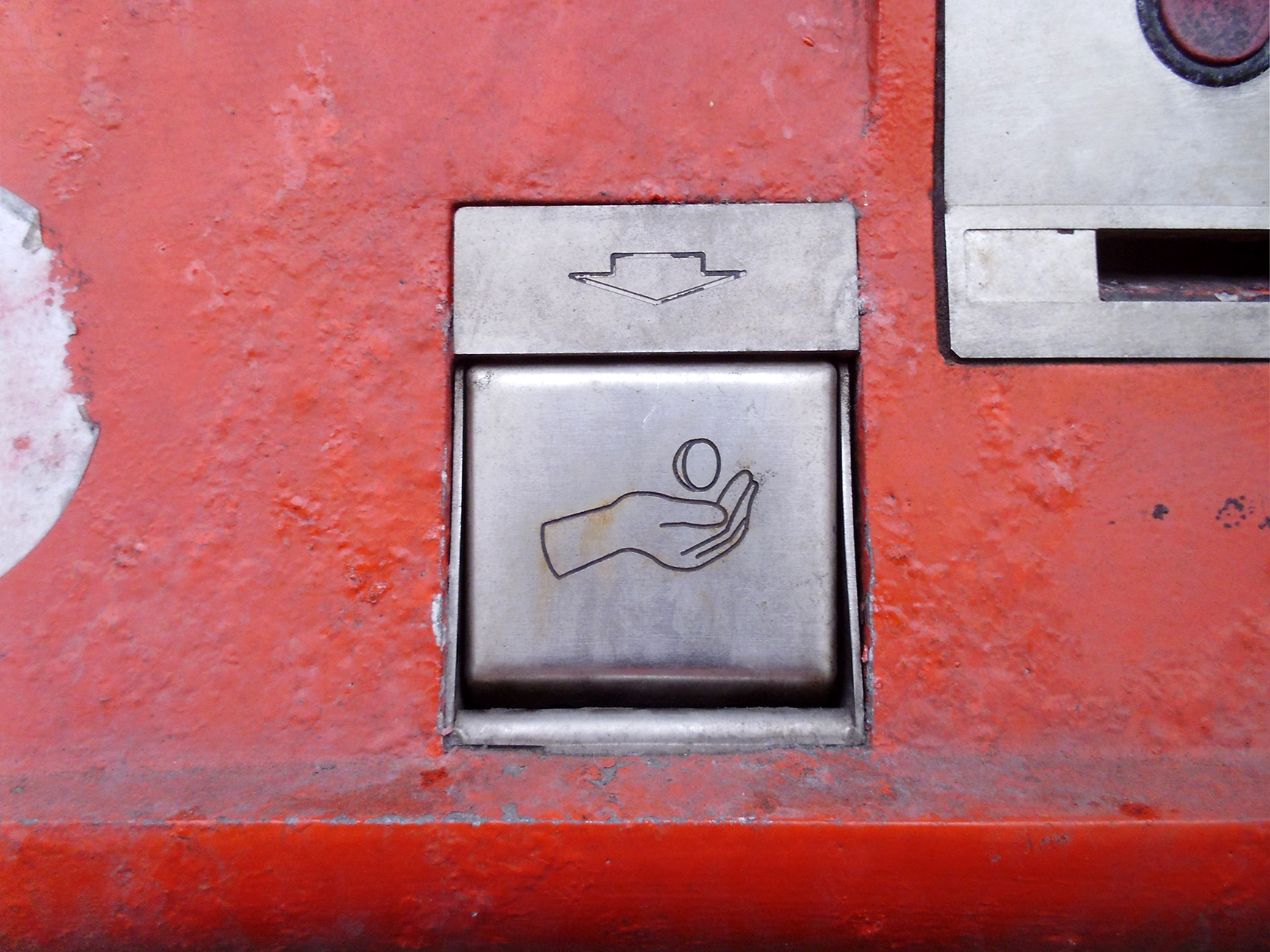
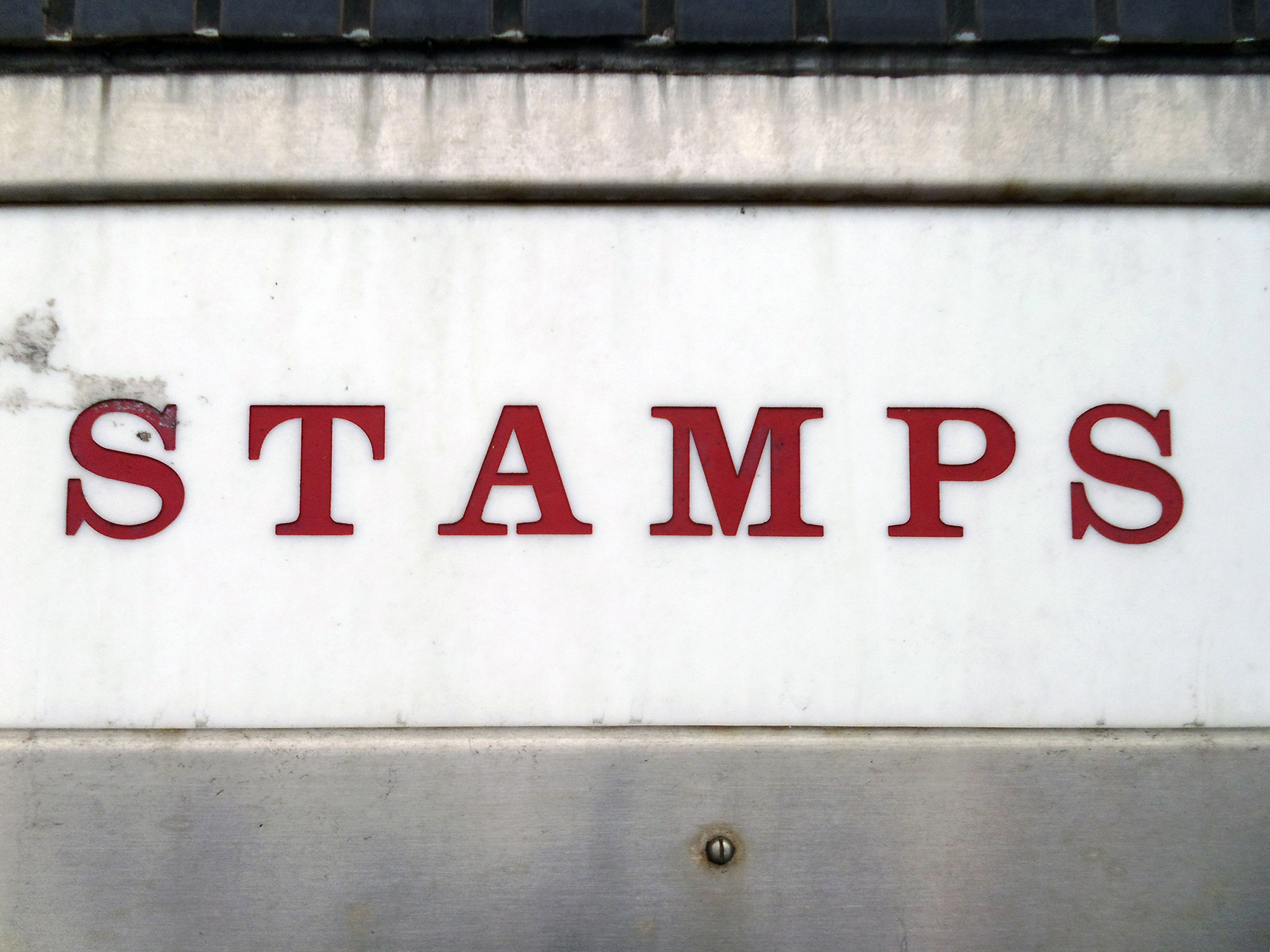
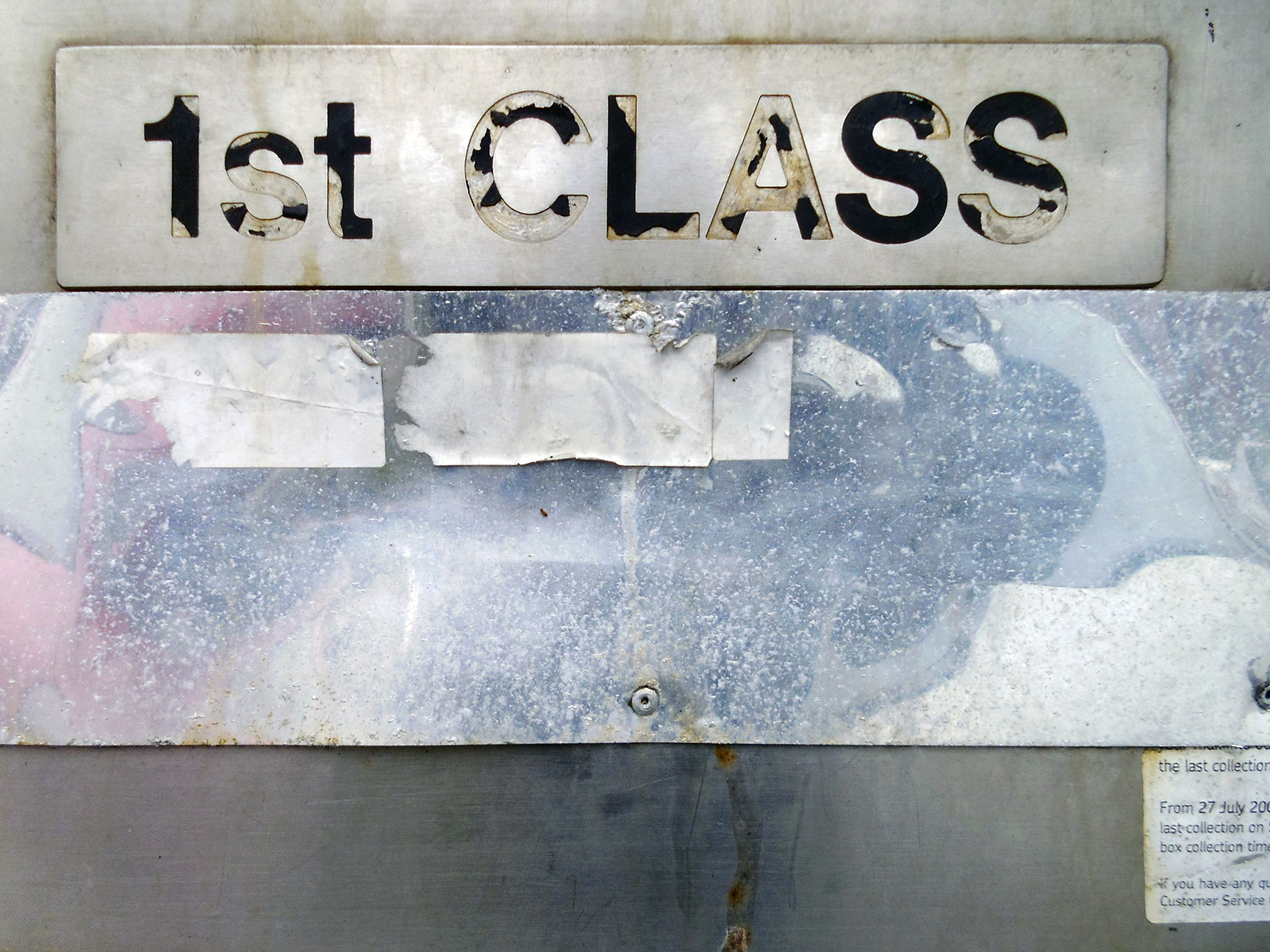
The office stands empty, inside the paint slowly peels.
Following changes in working practices the posties now sort their own round, for a single daily delivery. The process has become mechanised, requiring new technologies and an appropriate anonymous architecture, on the edge of town.
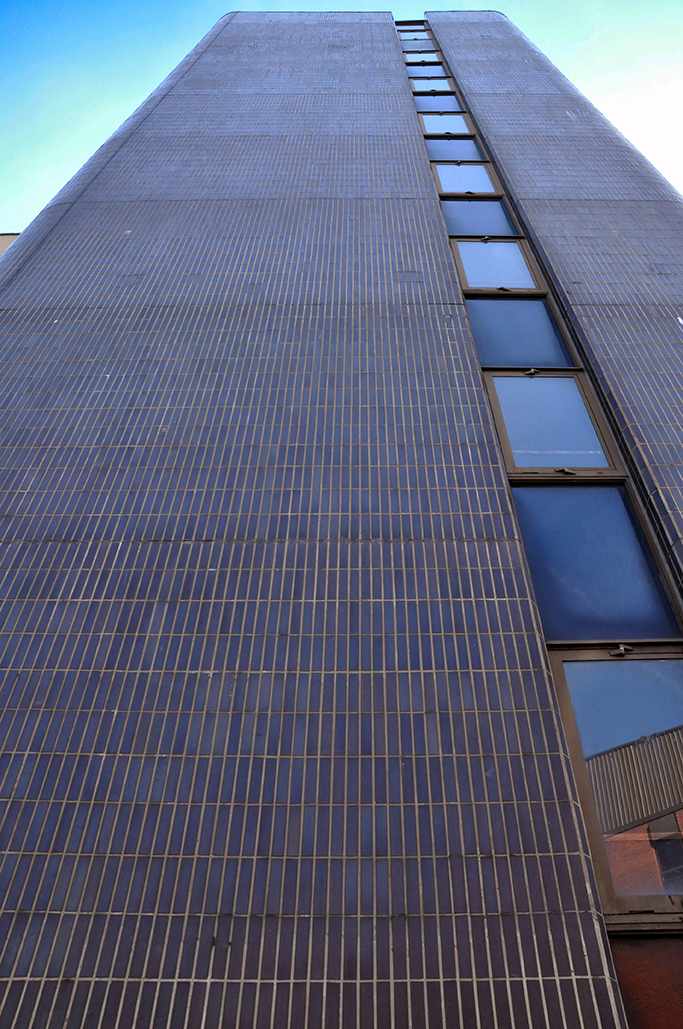
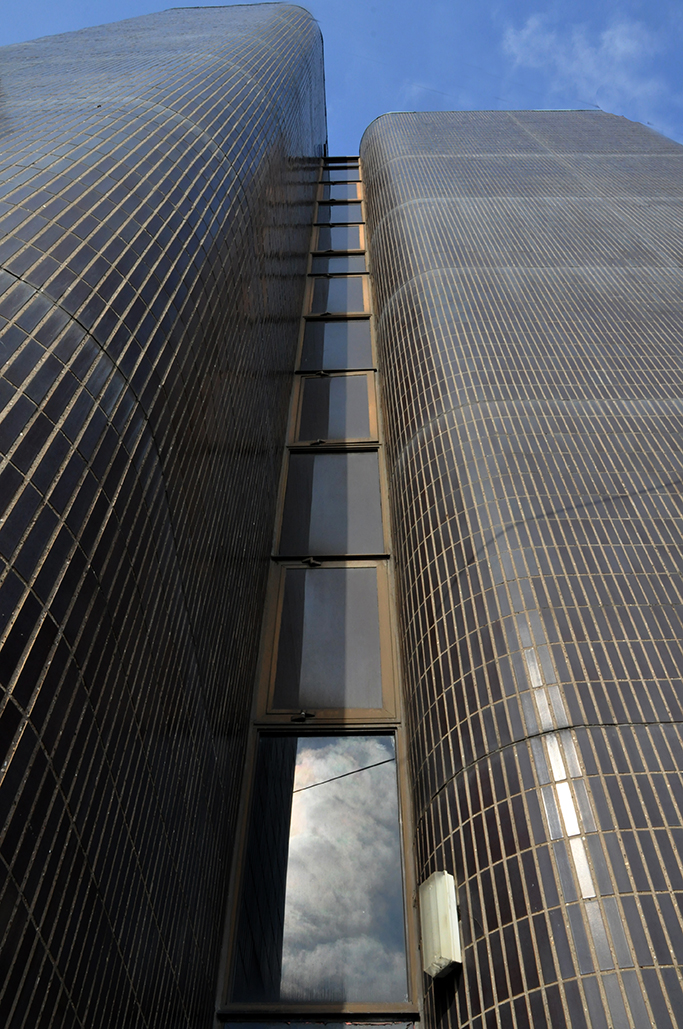
The building however, continues to reflect a 70s optimism, monumental – fading, as optimism is apt to do.
An exciting composition of curved tiled volumes and boxy glass and steel modernism, in a delightfully battered brown and cream. Now in the ownership of the Greater Manchester Pension fund, its future would seem, to say the least, uncertain. This whole Grand Central site clustered around the railway station has been subject to a series of speculative leisure developments. As in other locations they seem to fade, just as quickly as the boarded hoardings, shrouded in designers’ digital piazza visualisations.
So we stand and stare at each other lovingly, our heads in a cloud of municipal stasis.
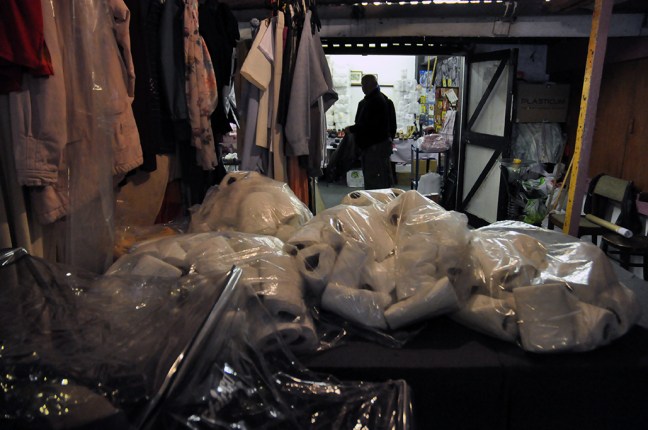
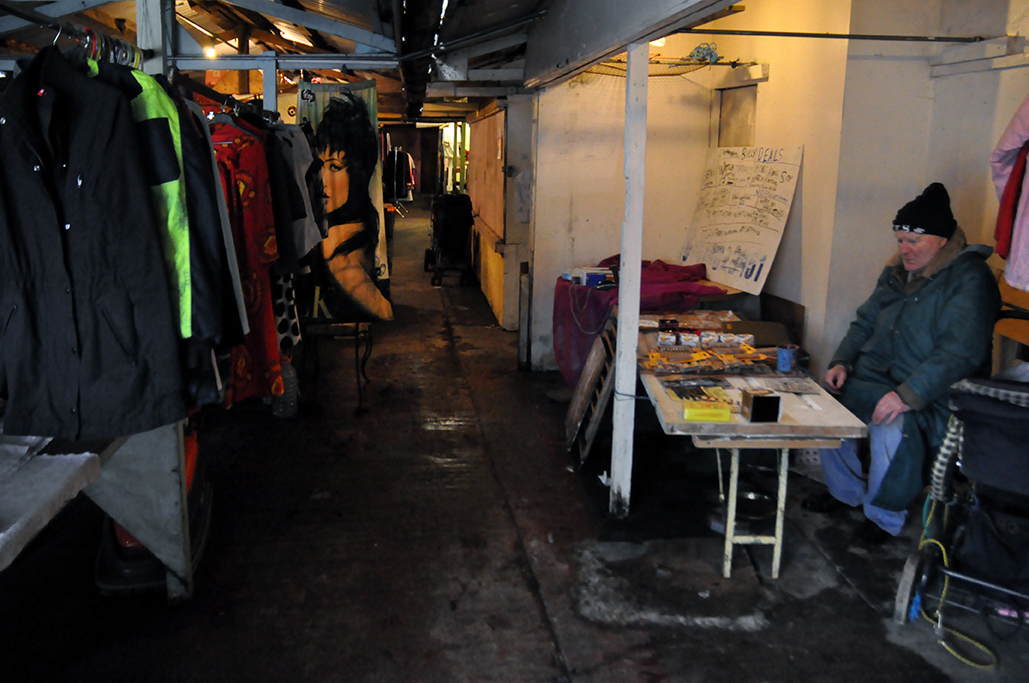
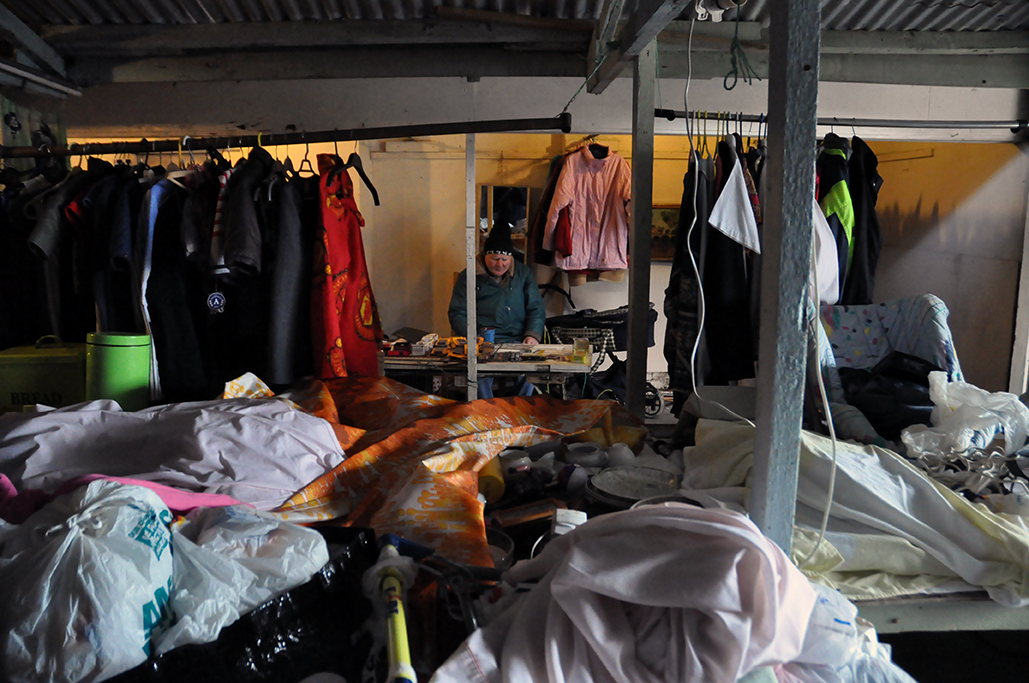
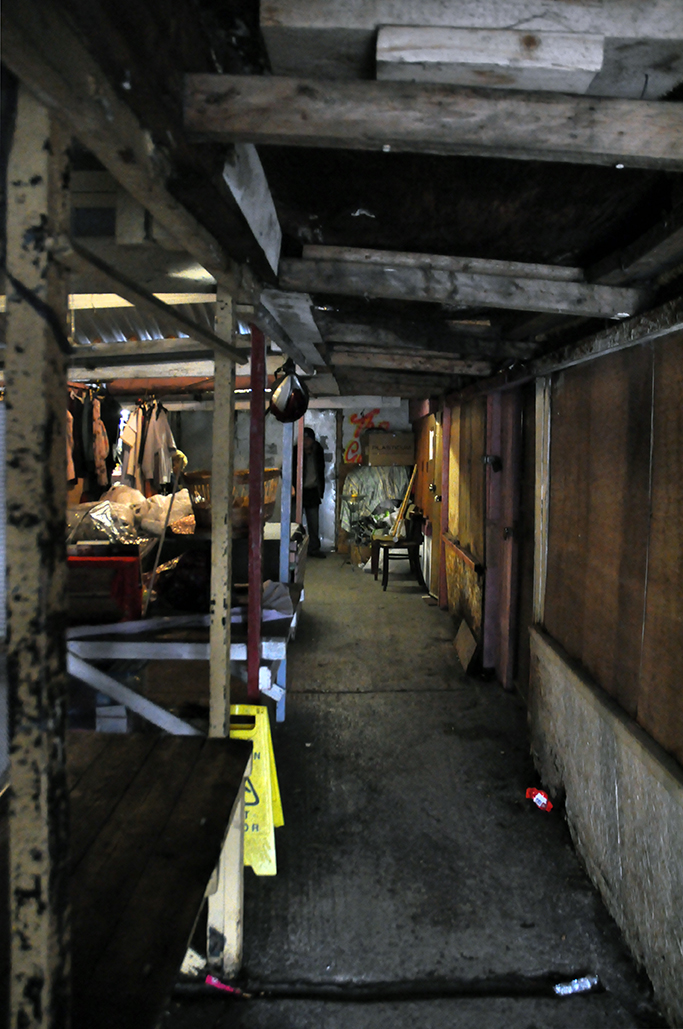
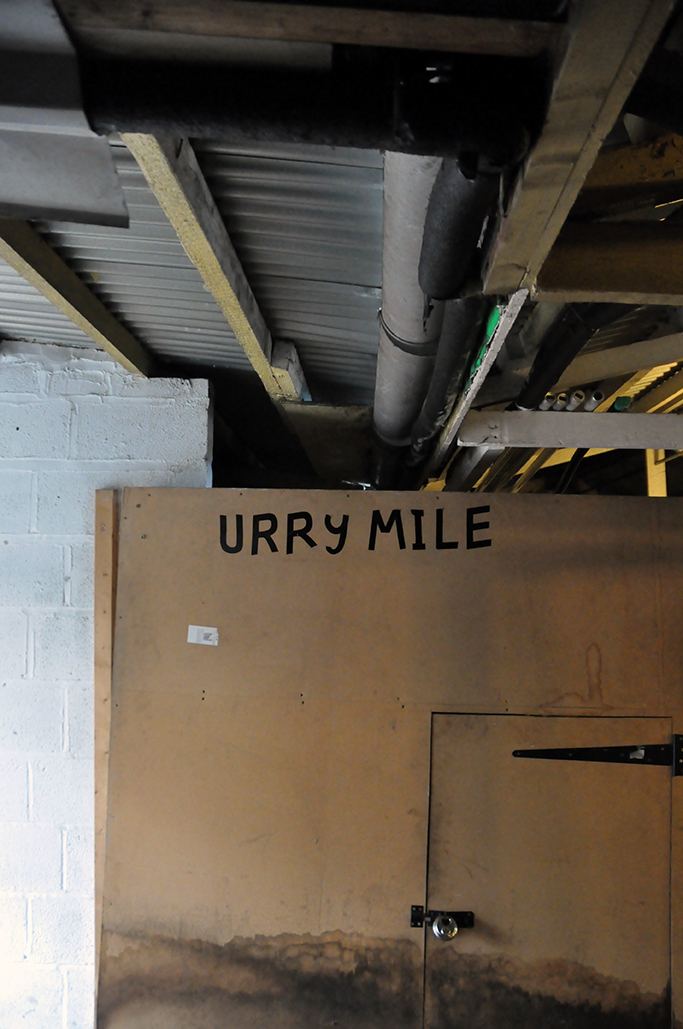
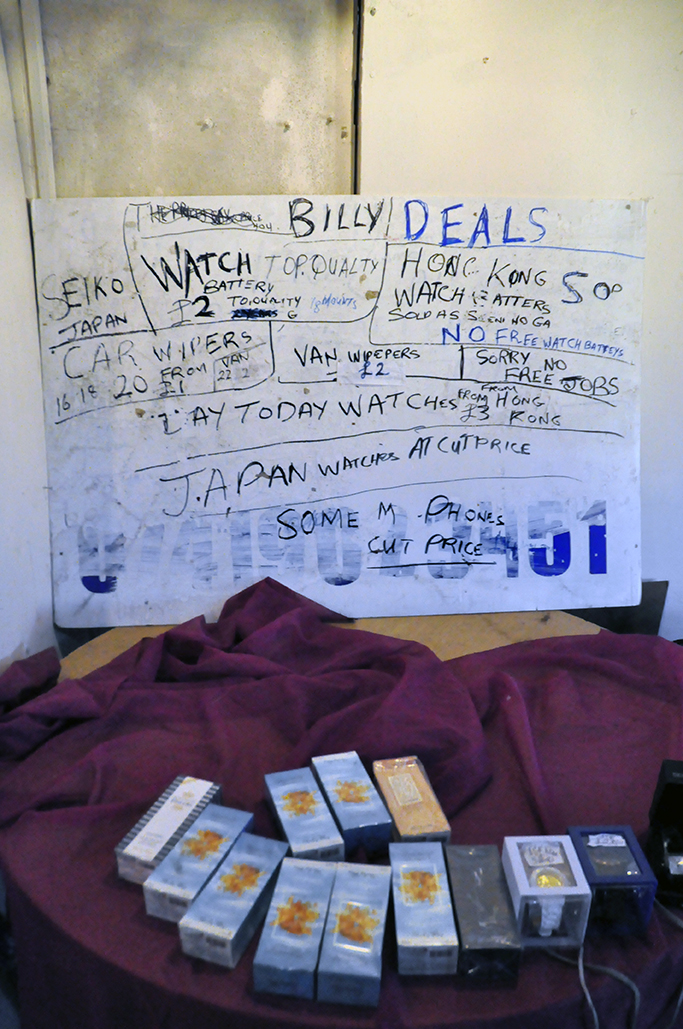
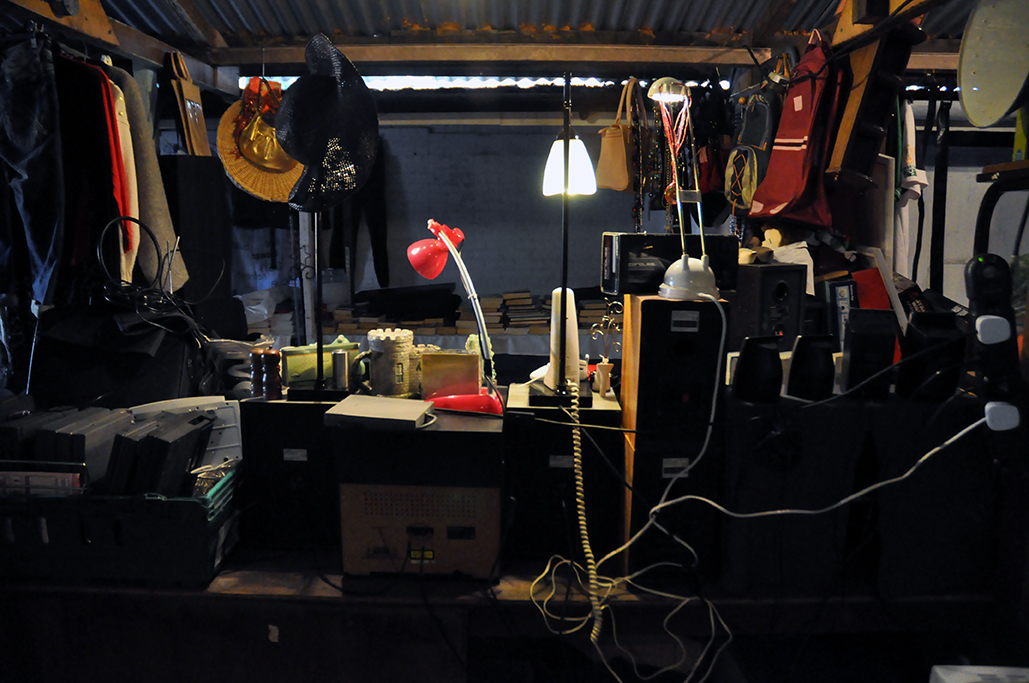
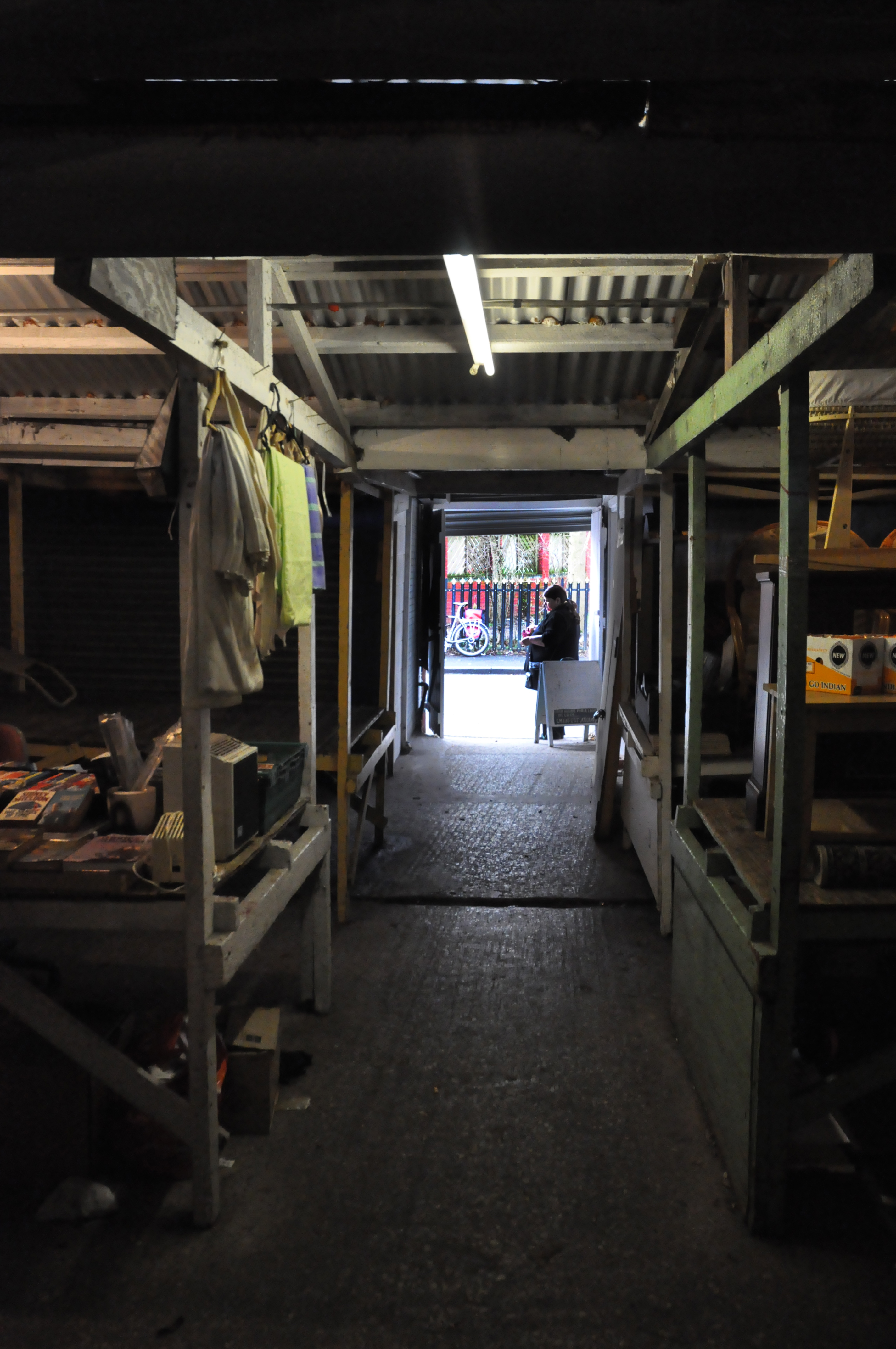
It’s dark inside, you can feel the thin light at war with the murky interior.
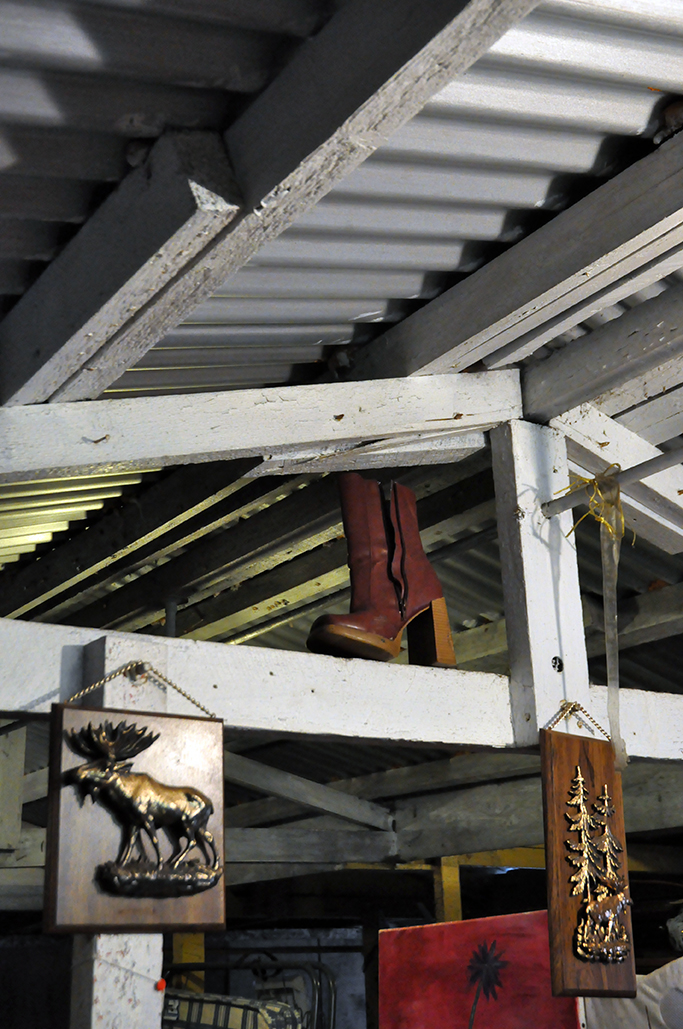
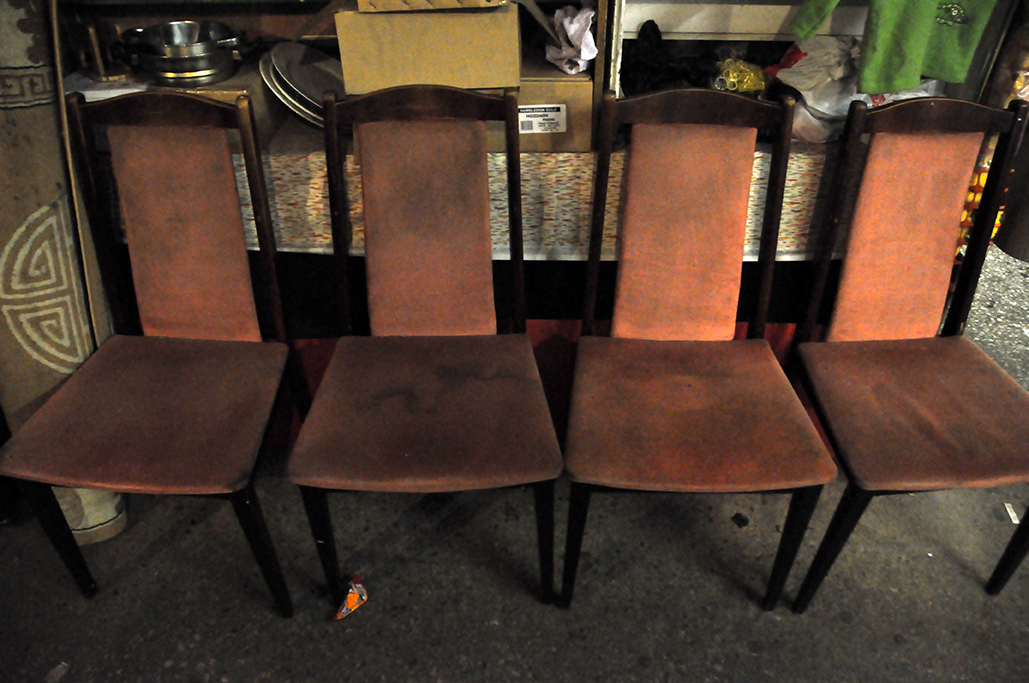
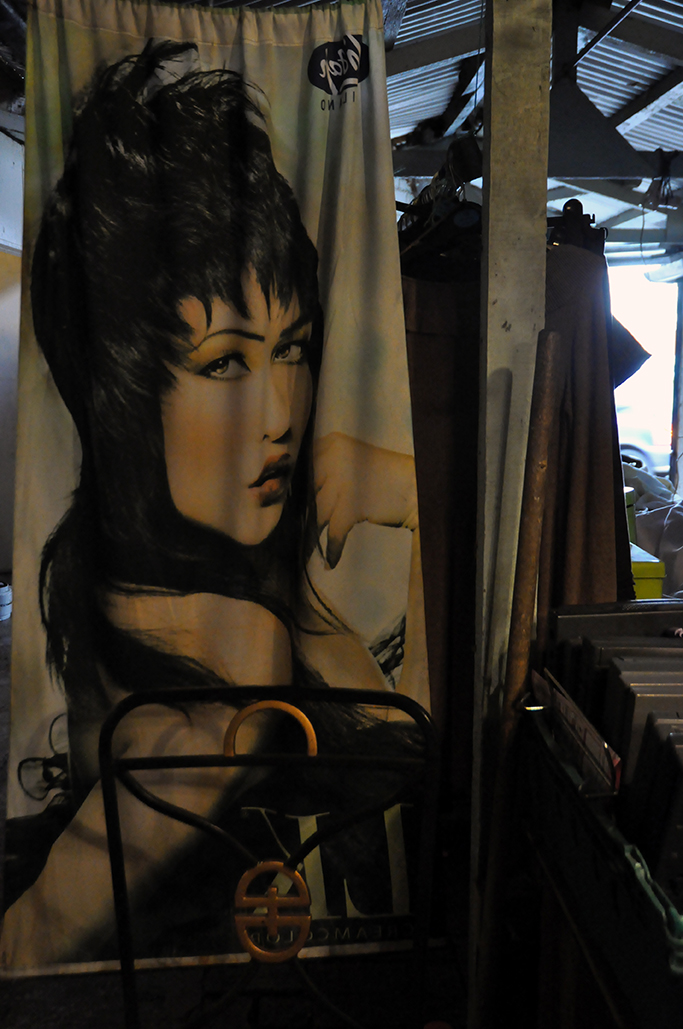
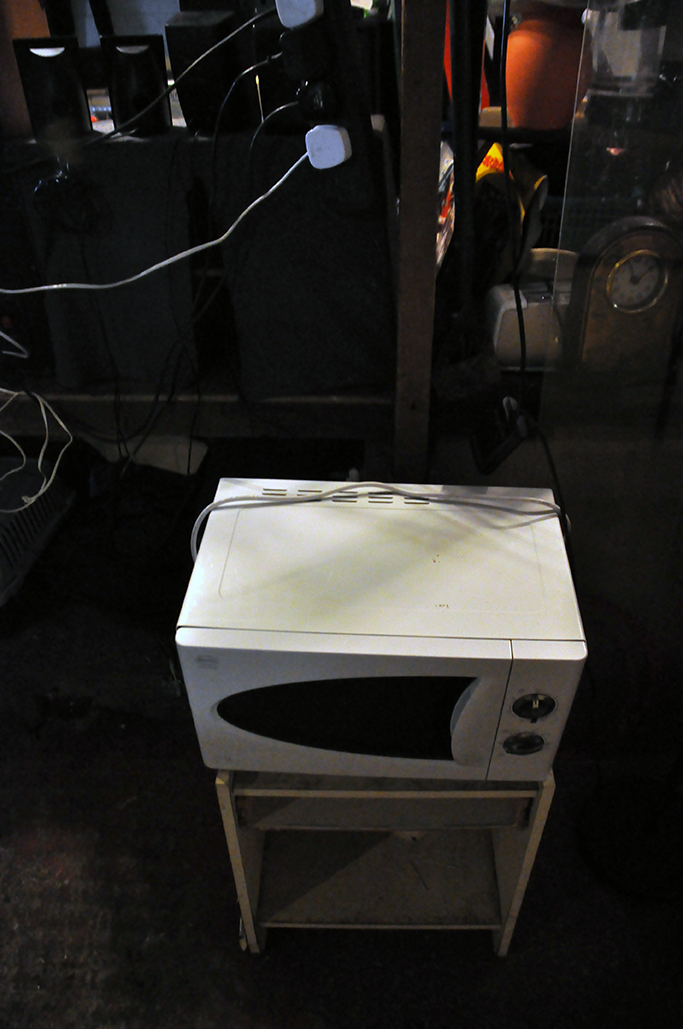
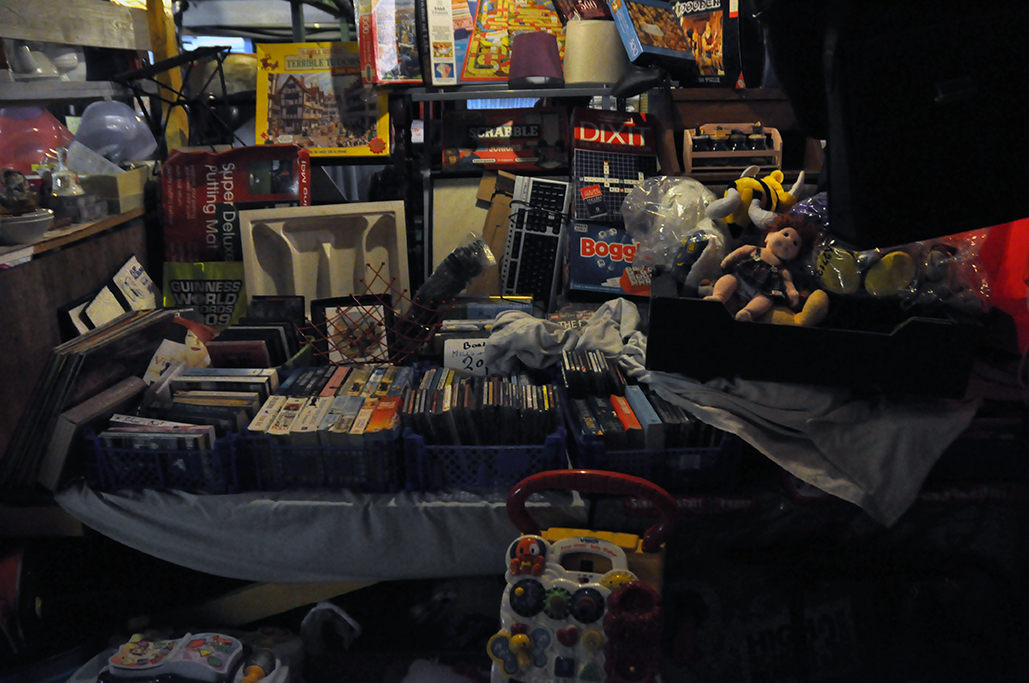
Stall holders scurry between stalls, in and out of alcoves, cupboards, hidey holes and plywood worlds.
They made me welcome, chatted as they went about their business of simply getting by.
This is the land beyond time and at times motion and emotion.
Entering seems transgressive, there is nothing in here I want or need, I just had a compulsion to record this flickering fight against the distinct possibility of extinction.
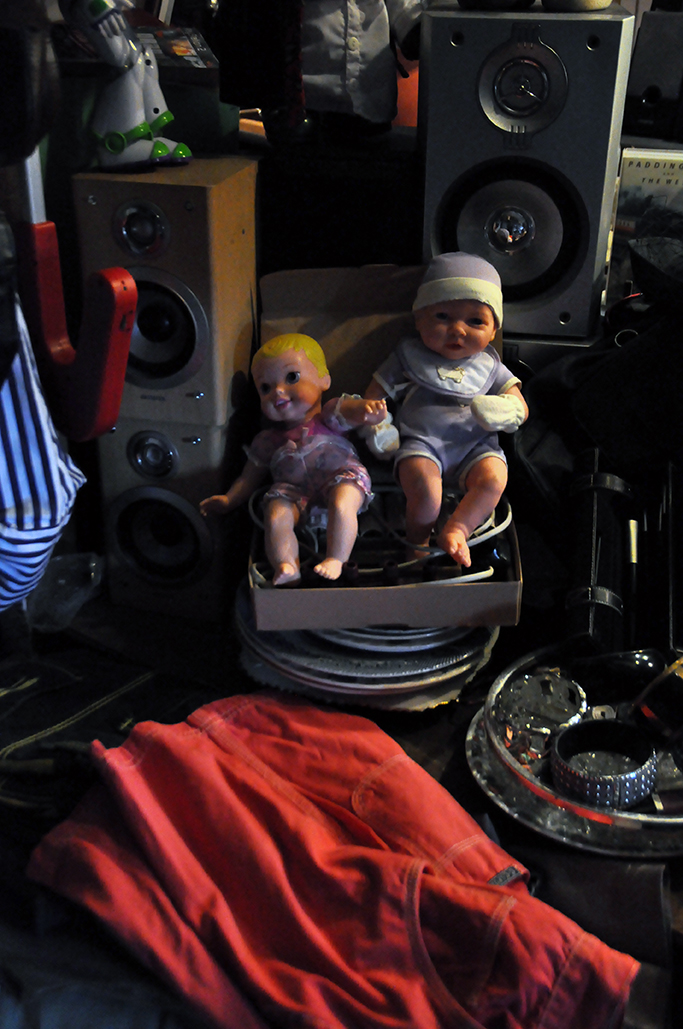
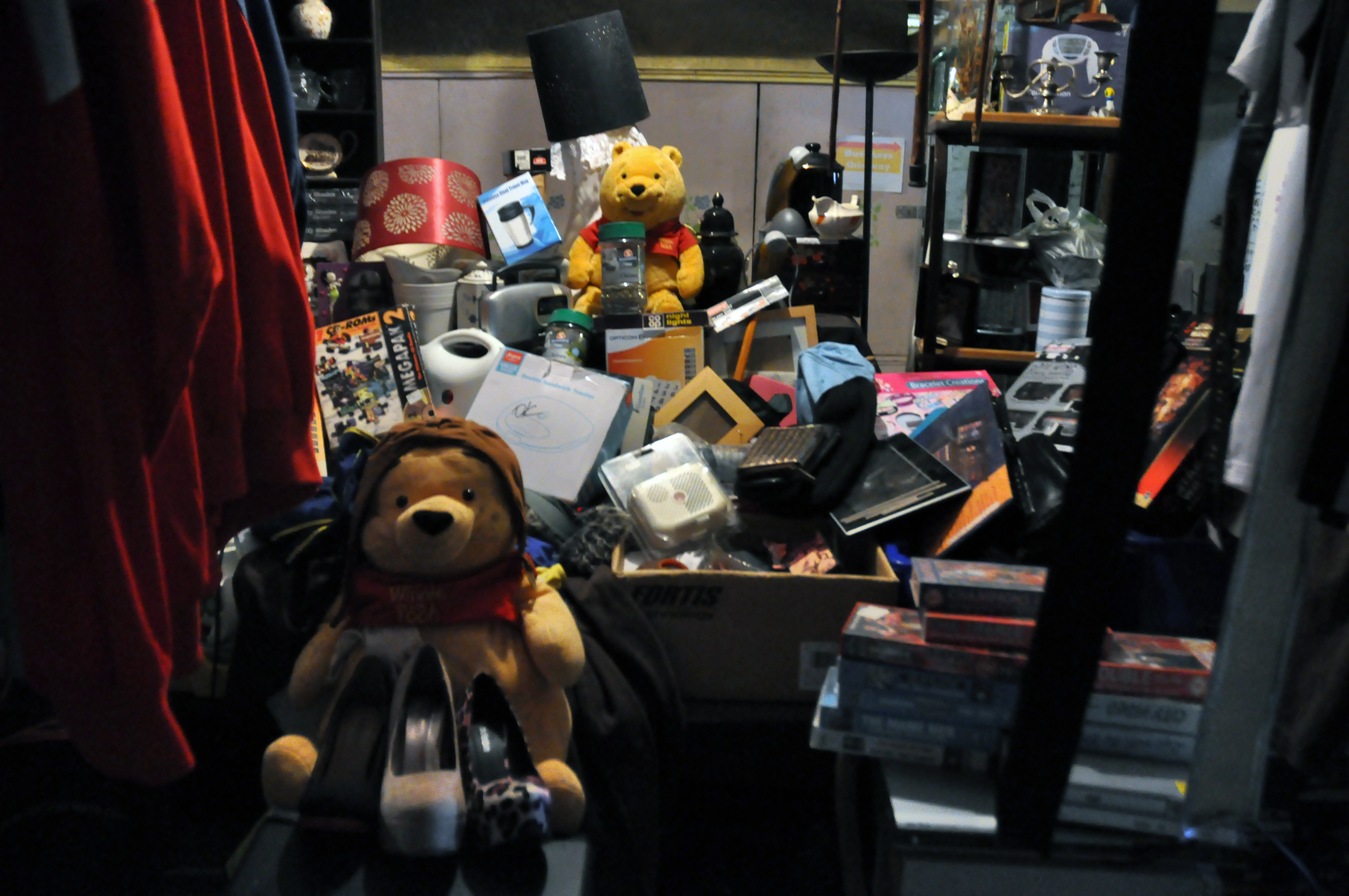
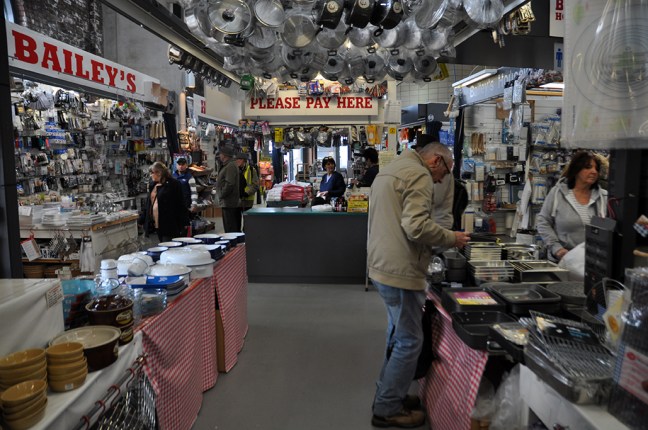
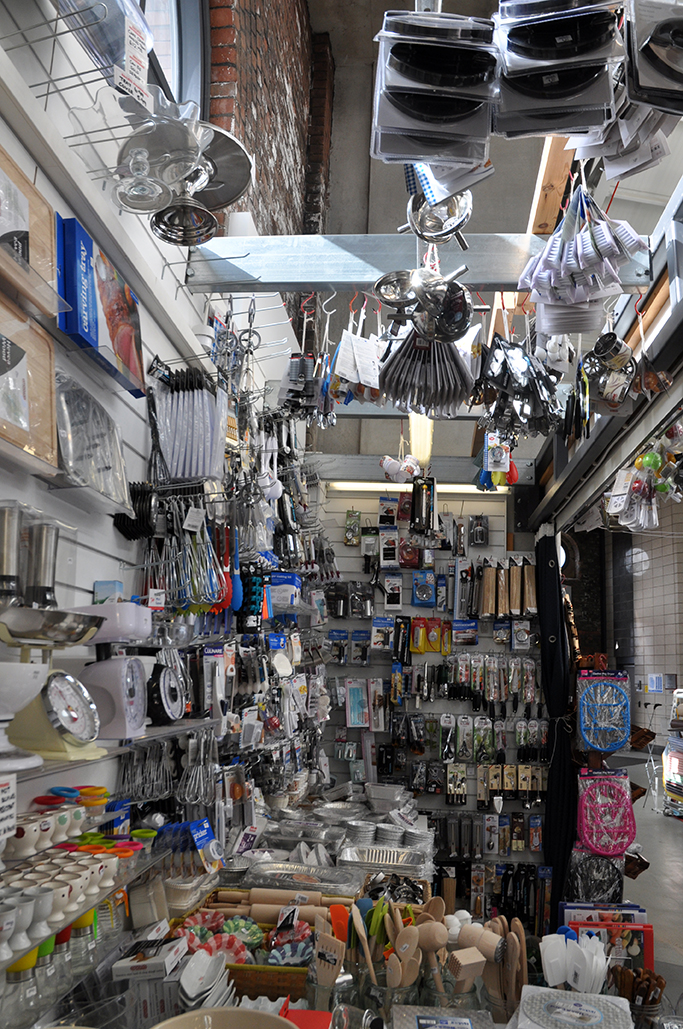
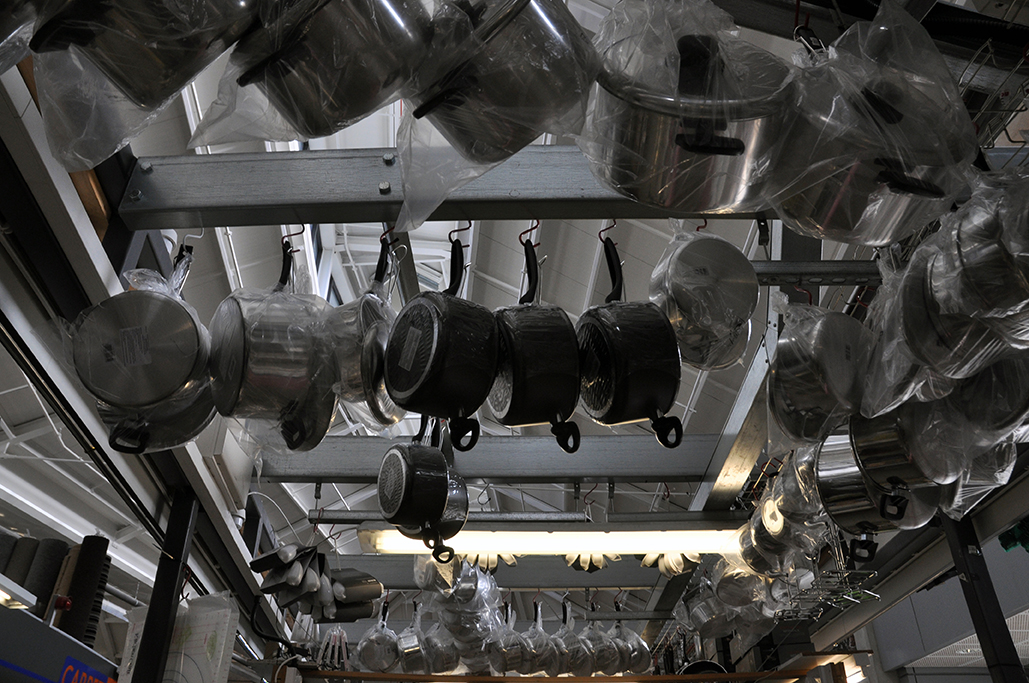
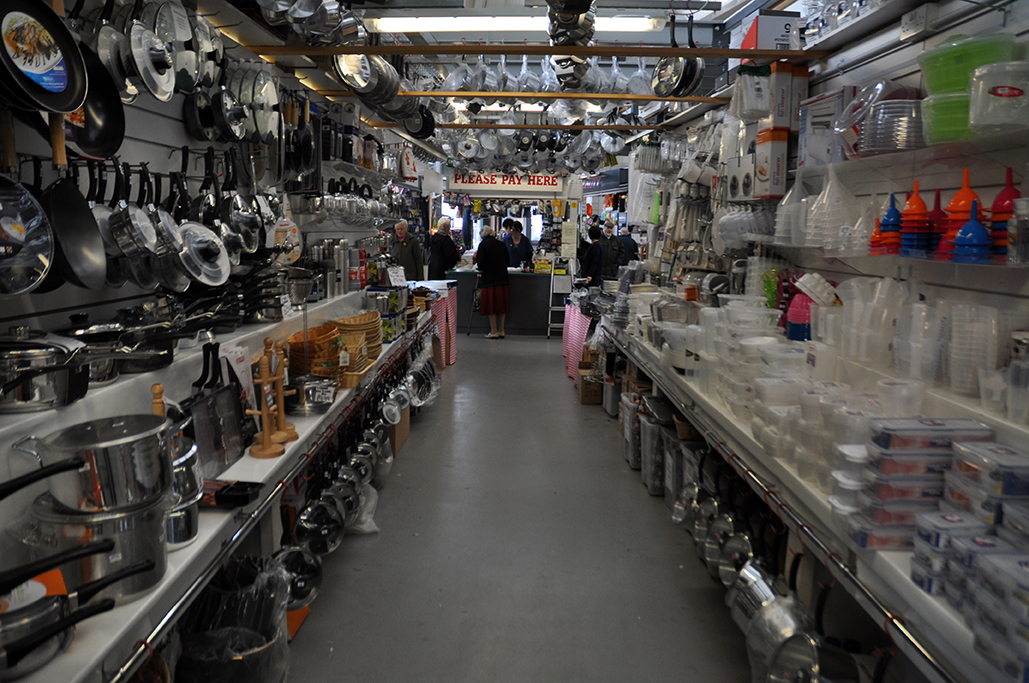
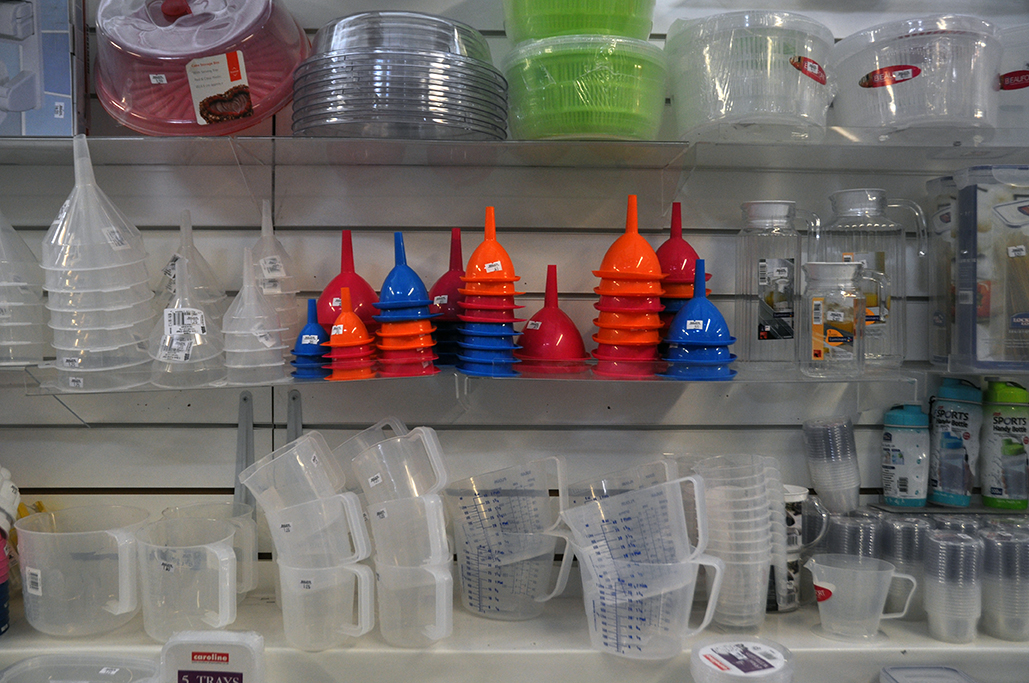
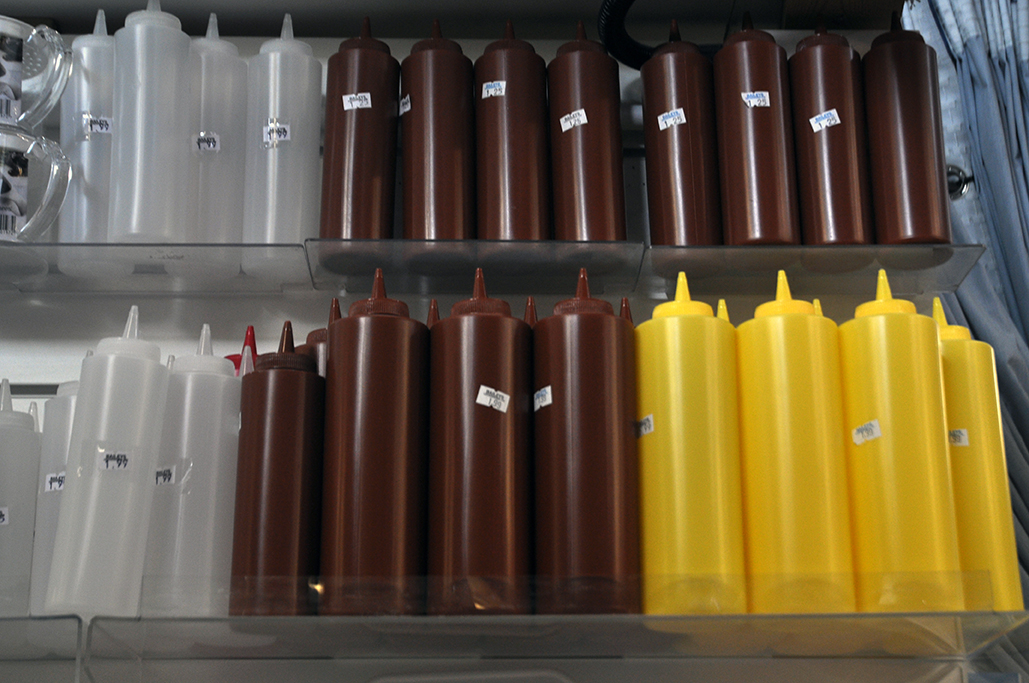
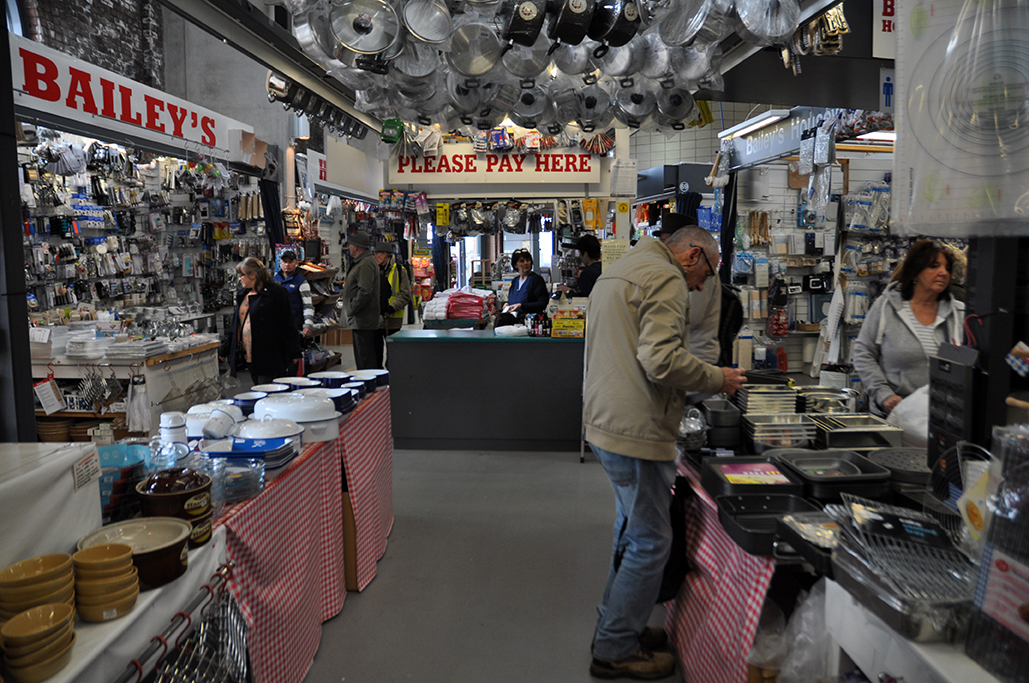
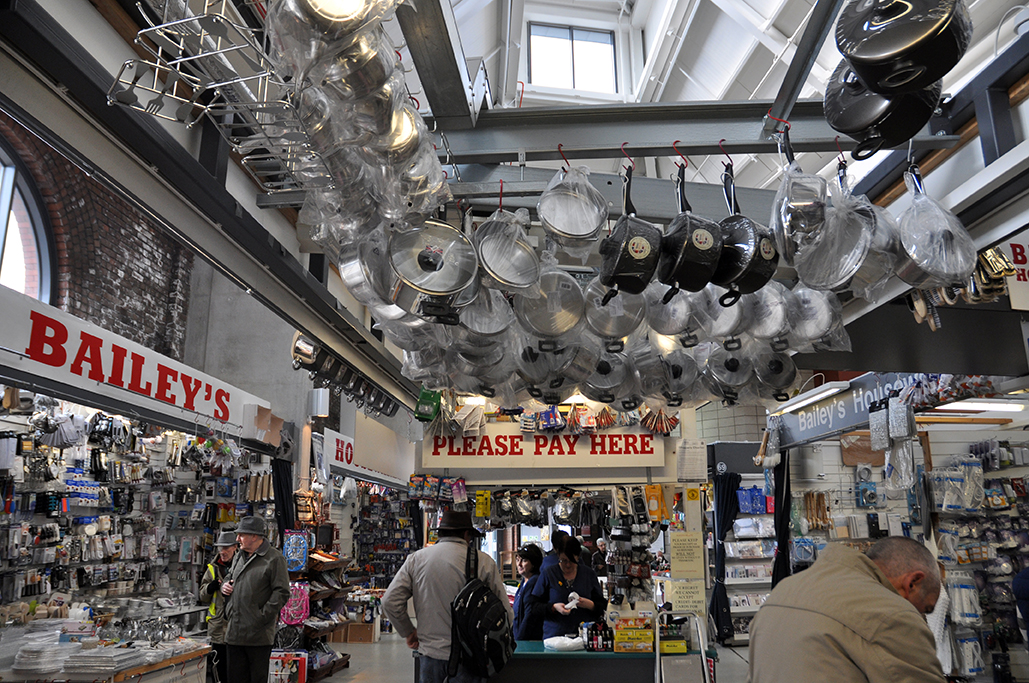
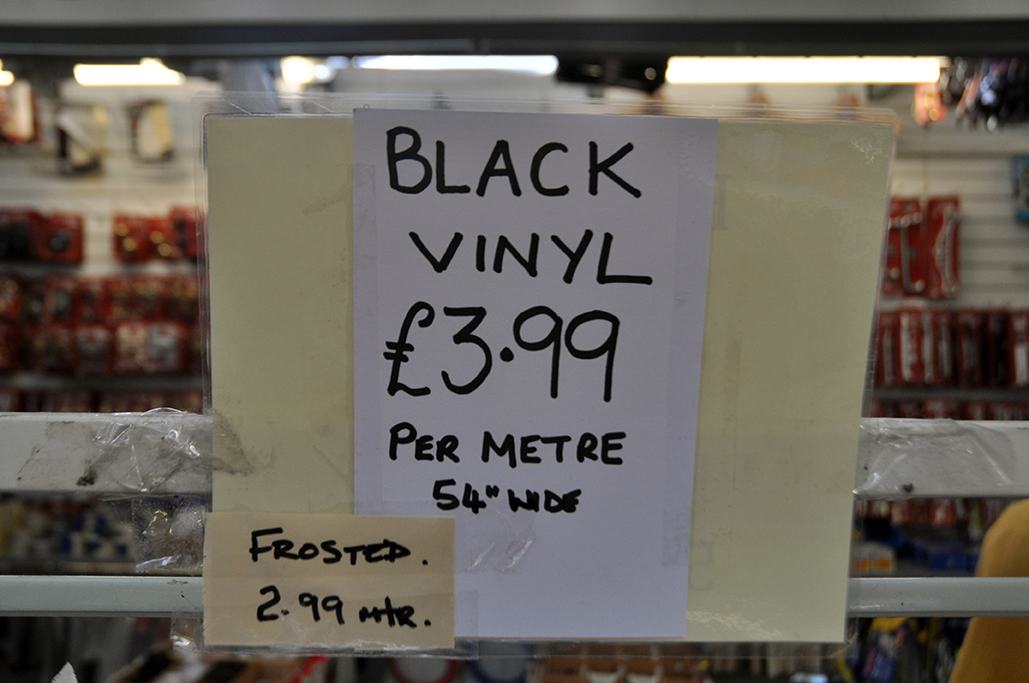
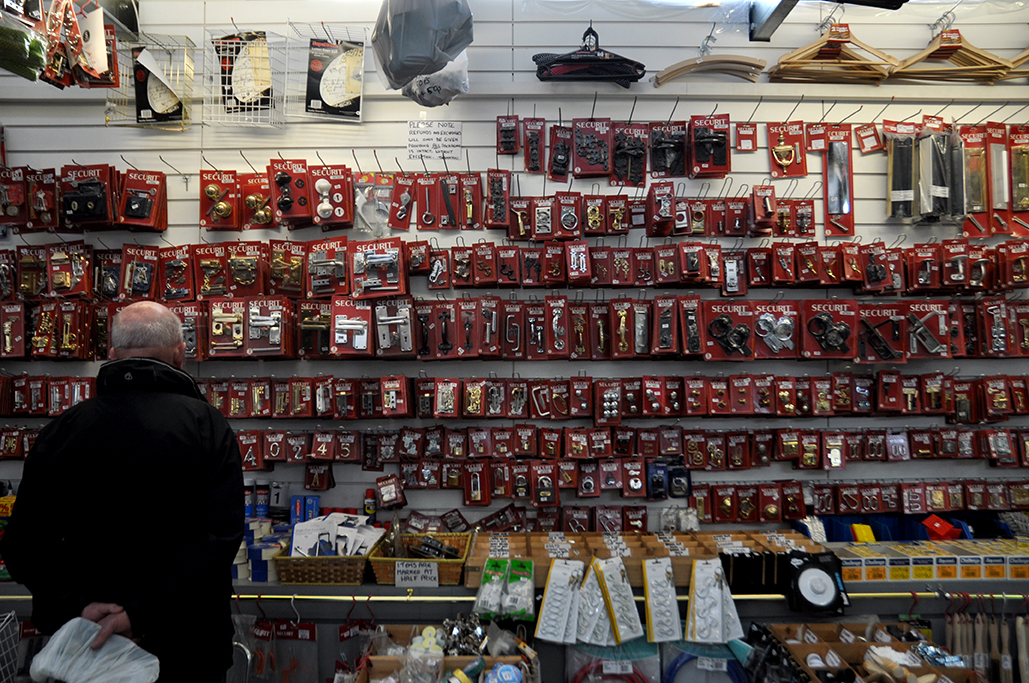
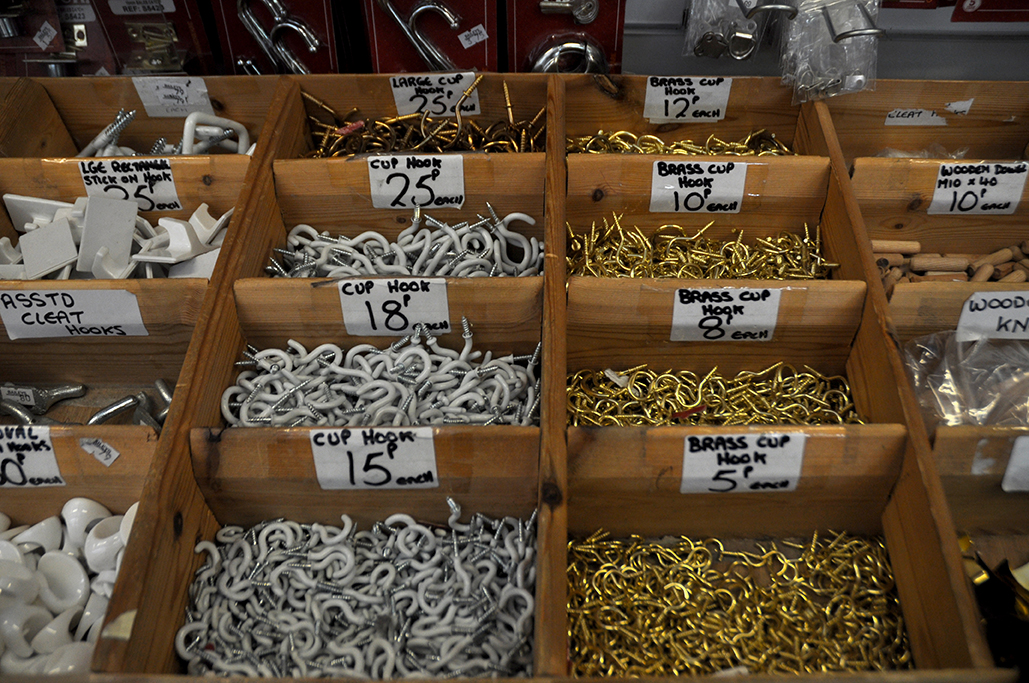
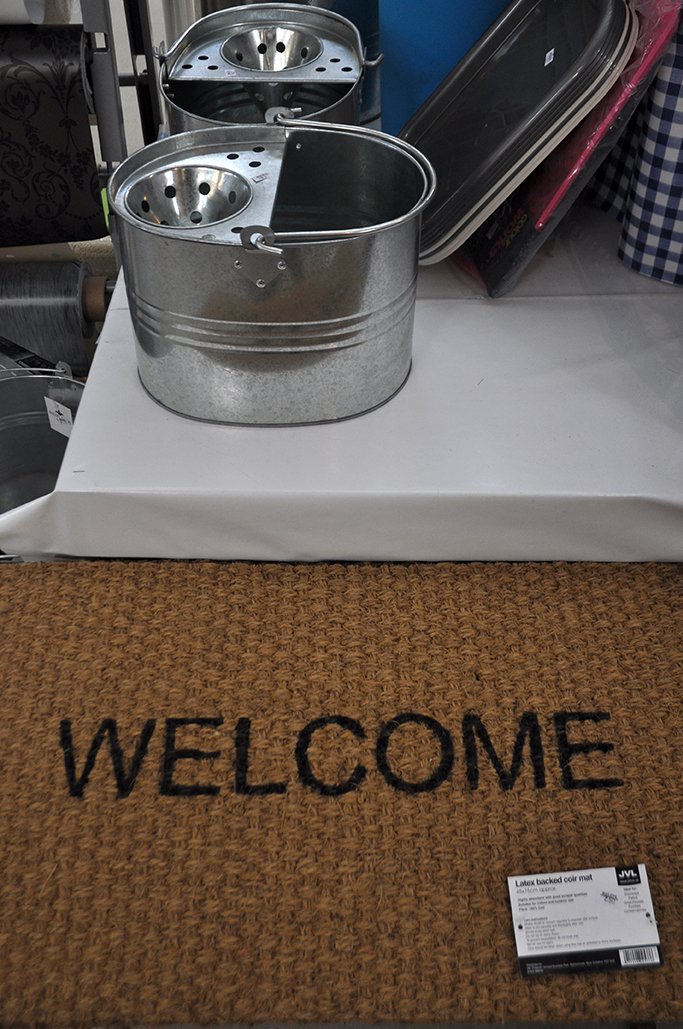
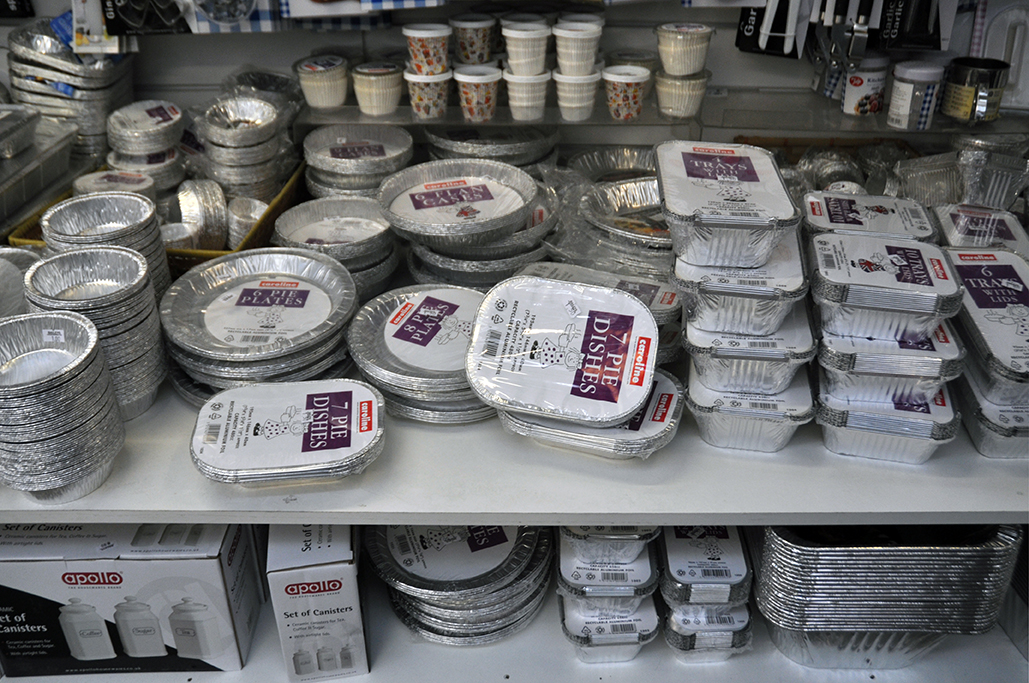
There is a stall in Ashton Indoor Market that almost defies description, an Aladdin’s cave, a cornucopia of kitchenalia – if they don’t have, it probably doesn’t exist.
I visited here as a little lad with my Mam, me holding happily on to her left hand, her right forever clutching a shopping bag. On our way to Queenie’s for woolies, eagerly awaiting a hot Vimto treat, stopping to stare at the toy stall, constantly chatting with all and sundry – pals, passers by, stall holders, the vacant and the aimlessly vagrant.
The most convivial of worlds.
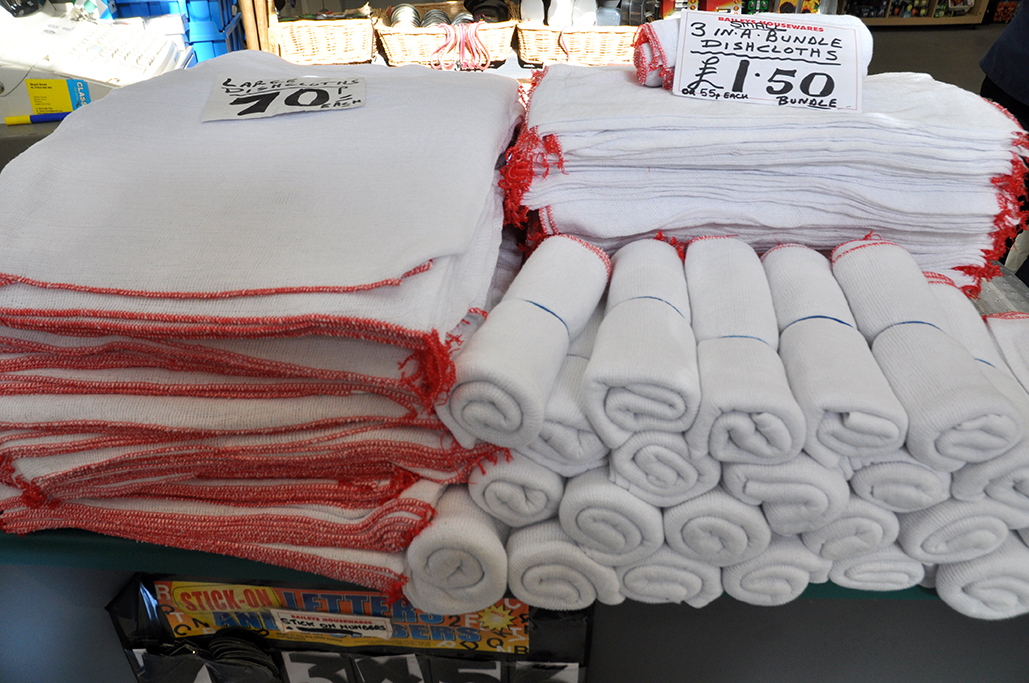
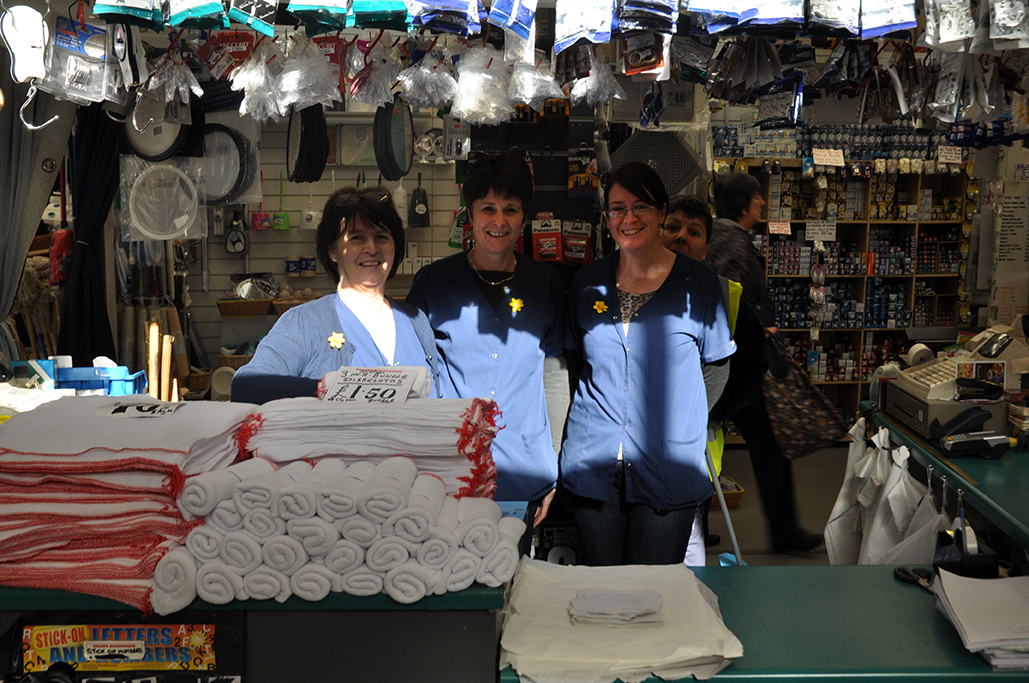
Bailey’s prevails, big, bold and beautiful a temple to the domestic, staffed by the wonderfully helpful Susan, Sandra and Mel – happy to let me snap happily and sell me two enamel pie dishes. It was pleasure to make their acquaintance.















































 Modern Mooch