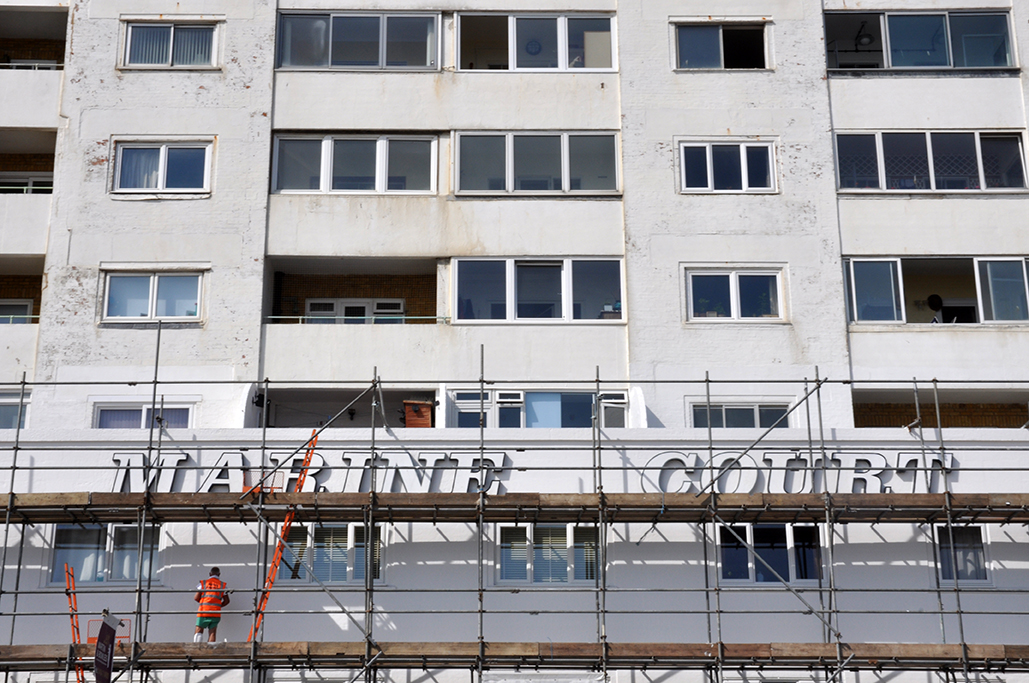
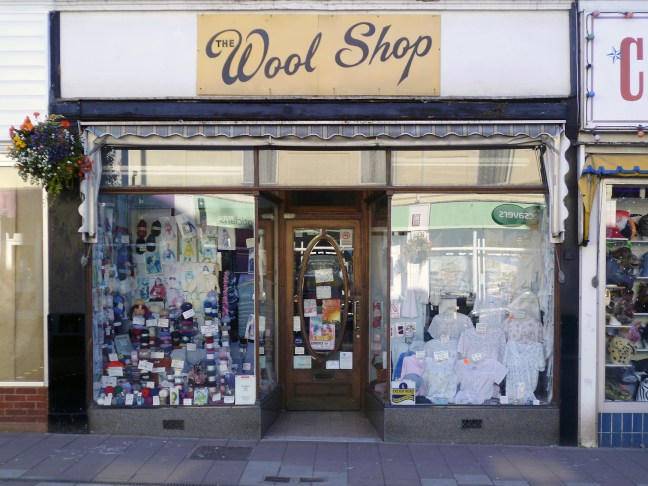
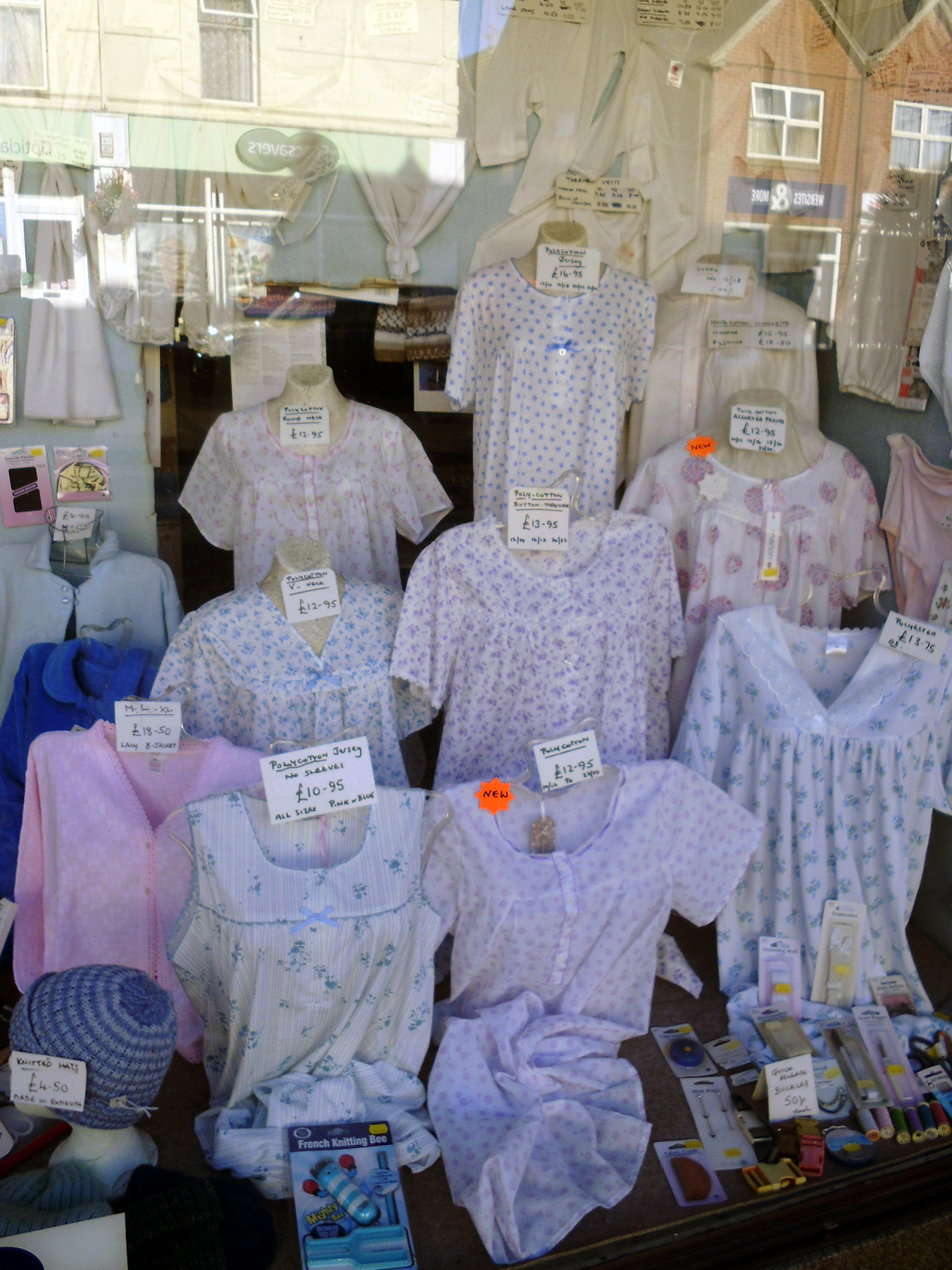
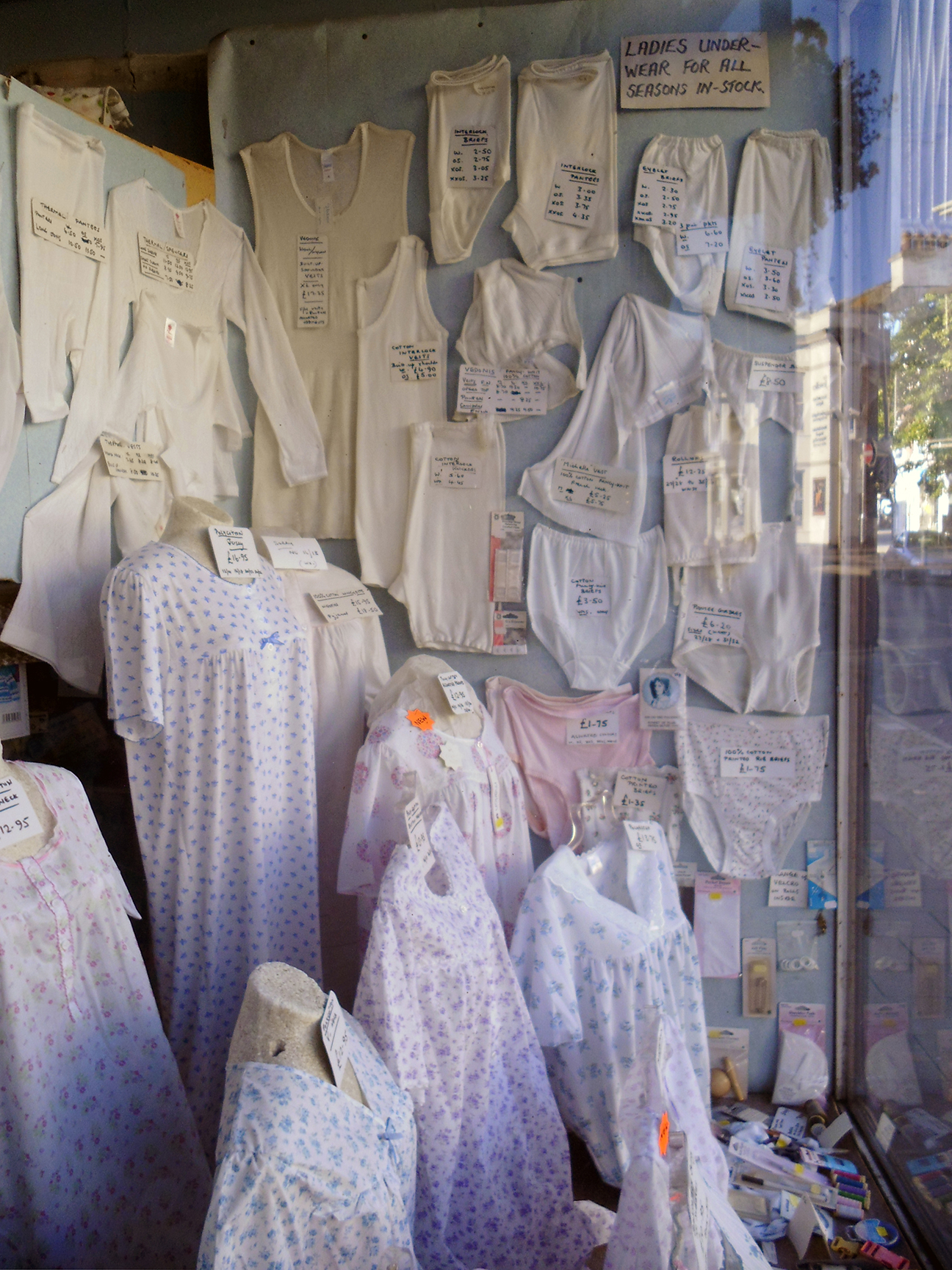
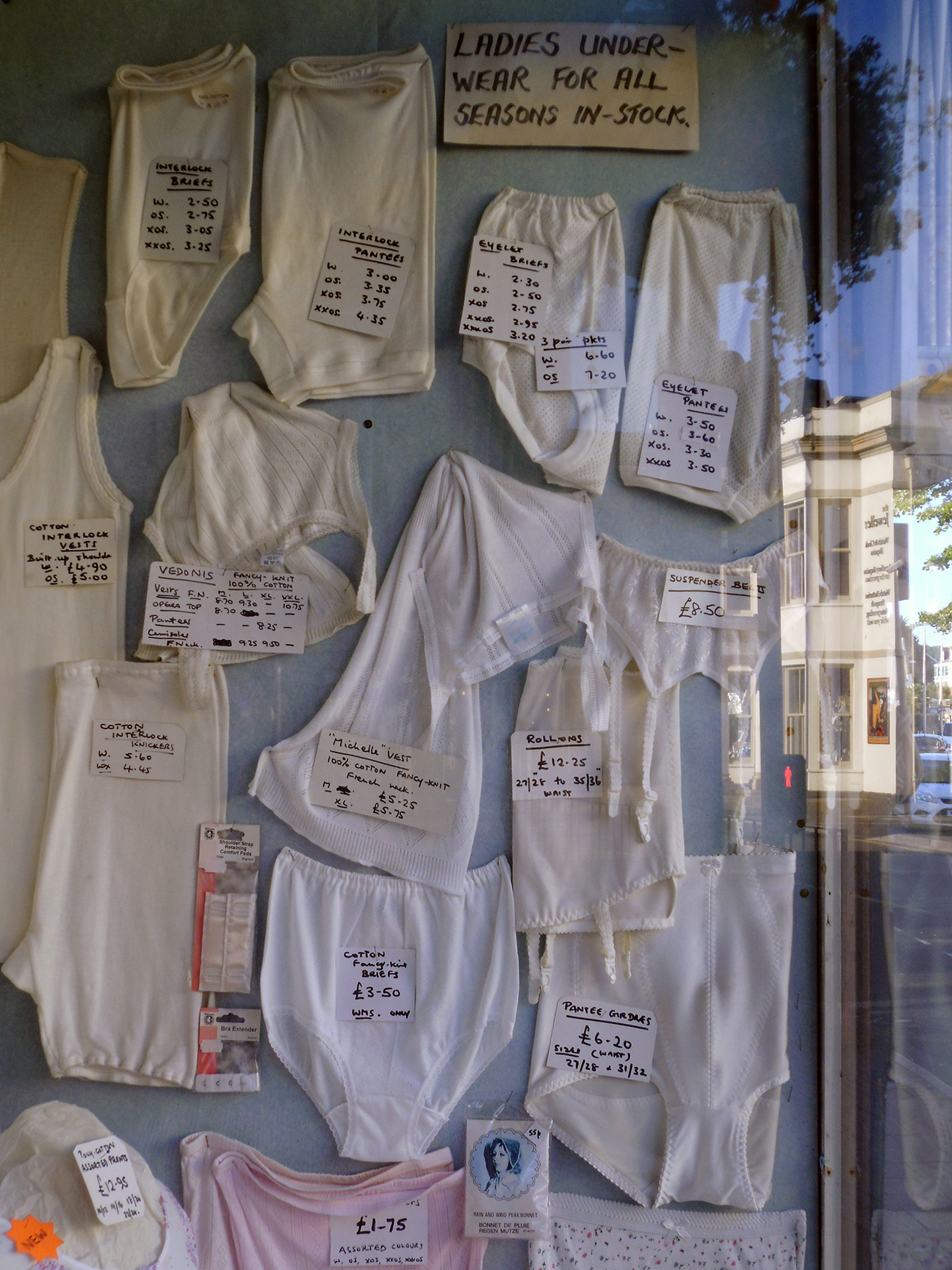
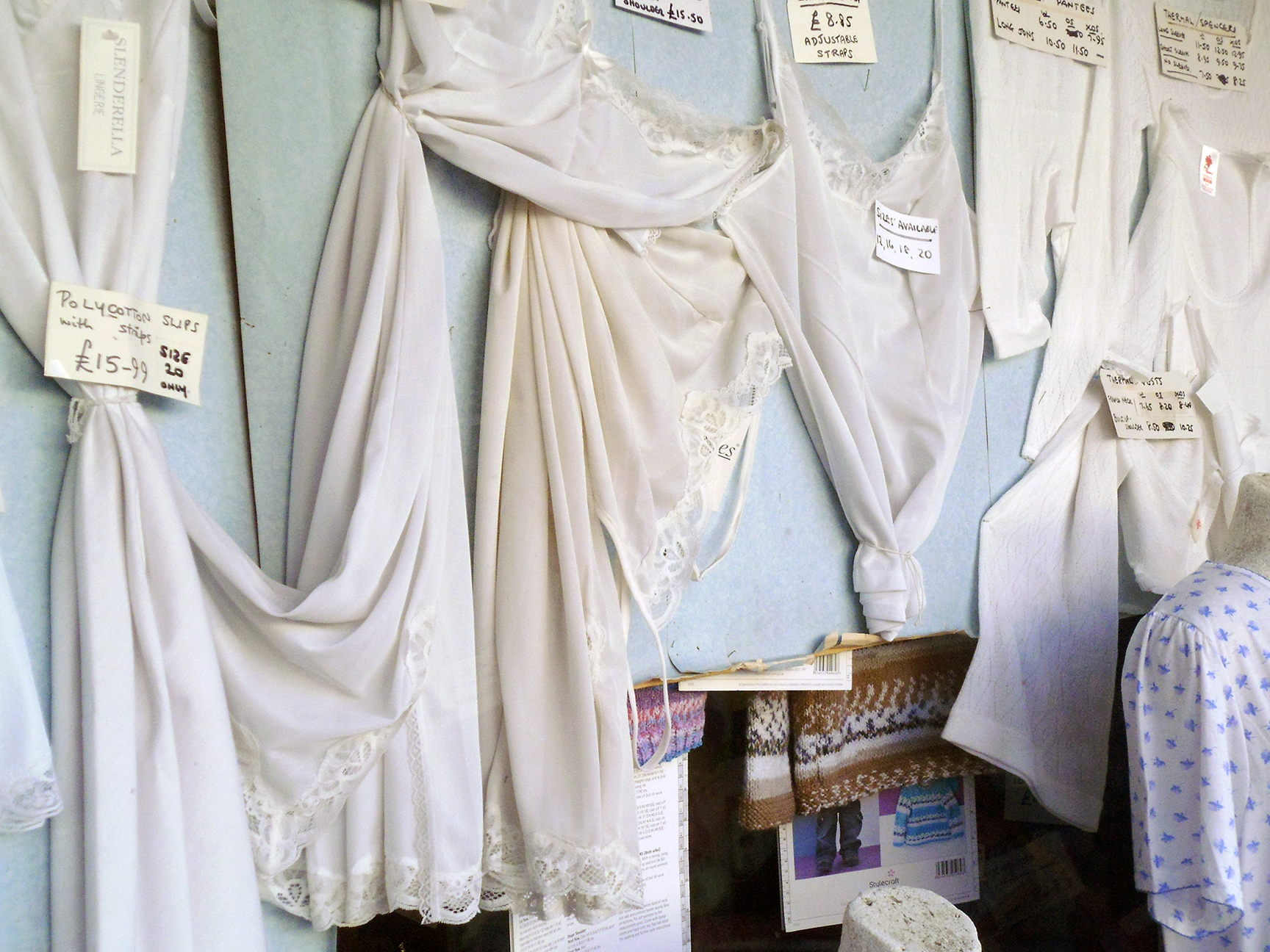
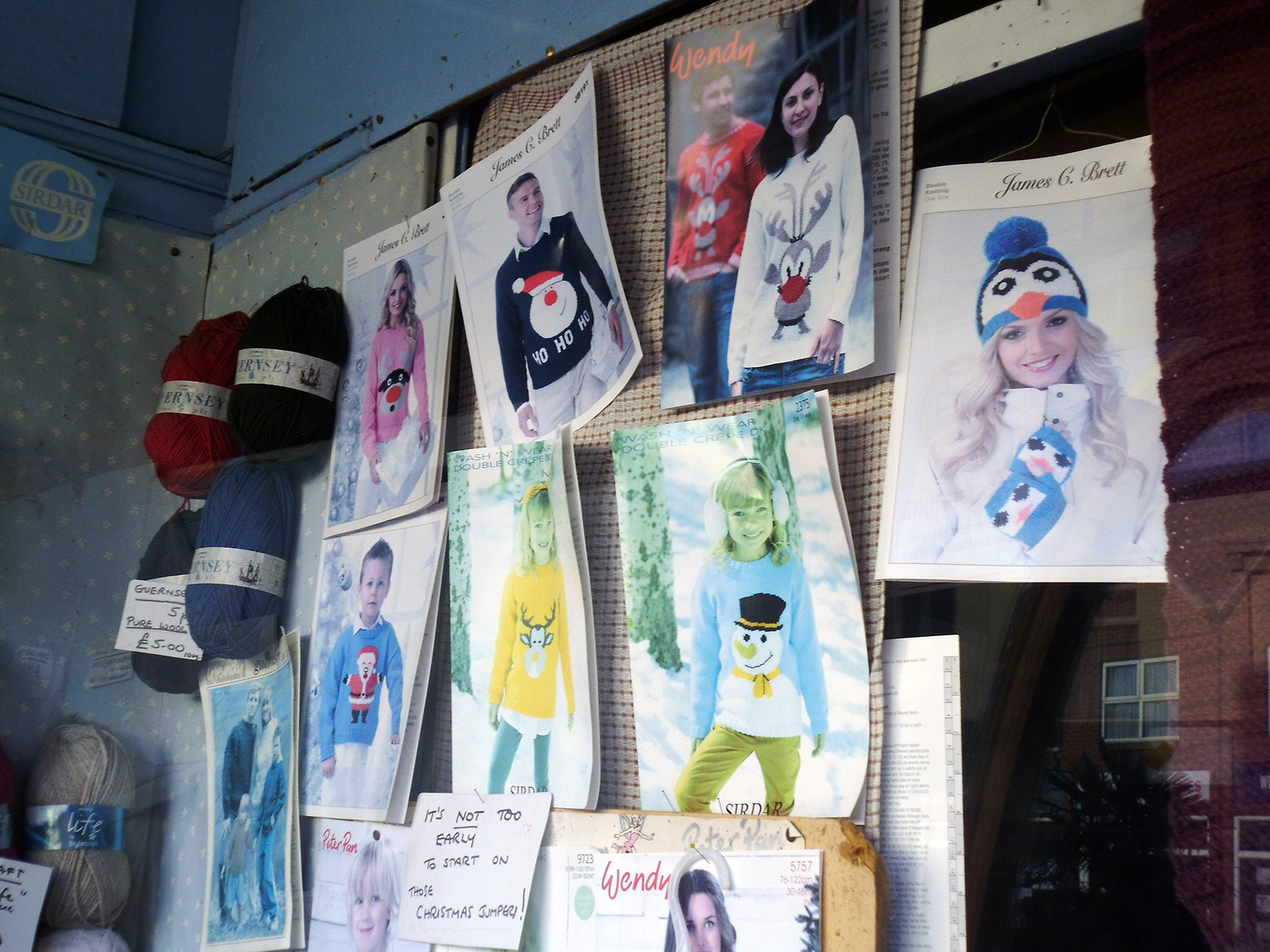
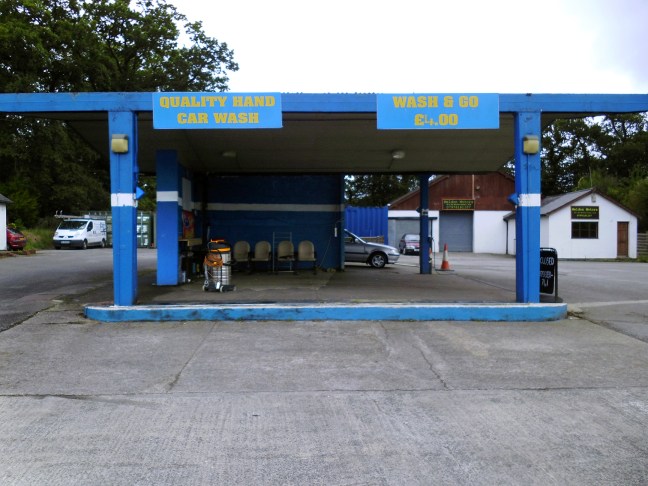
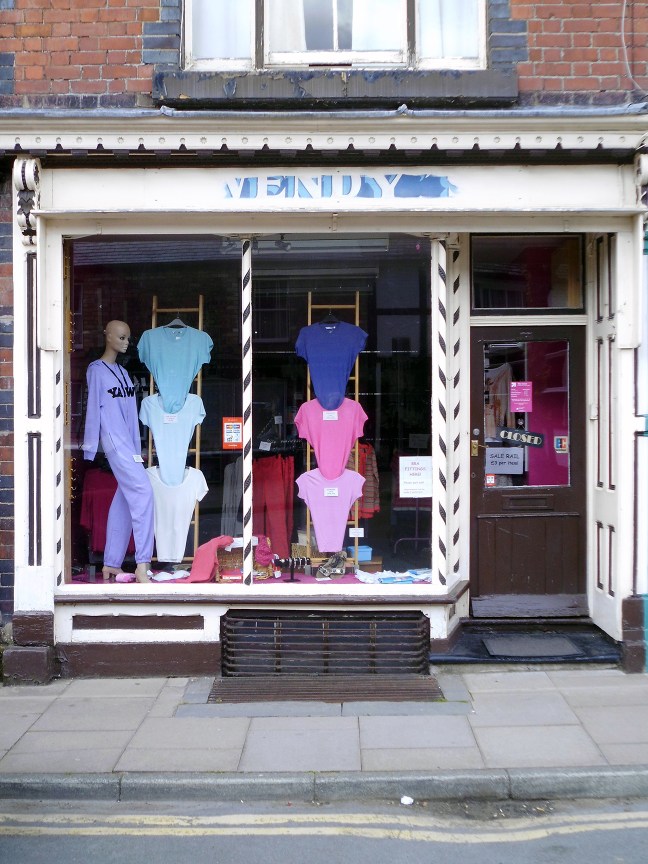
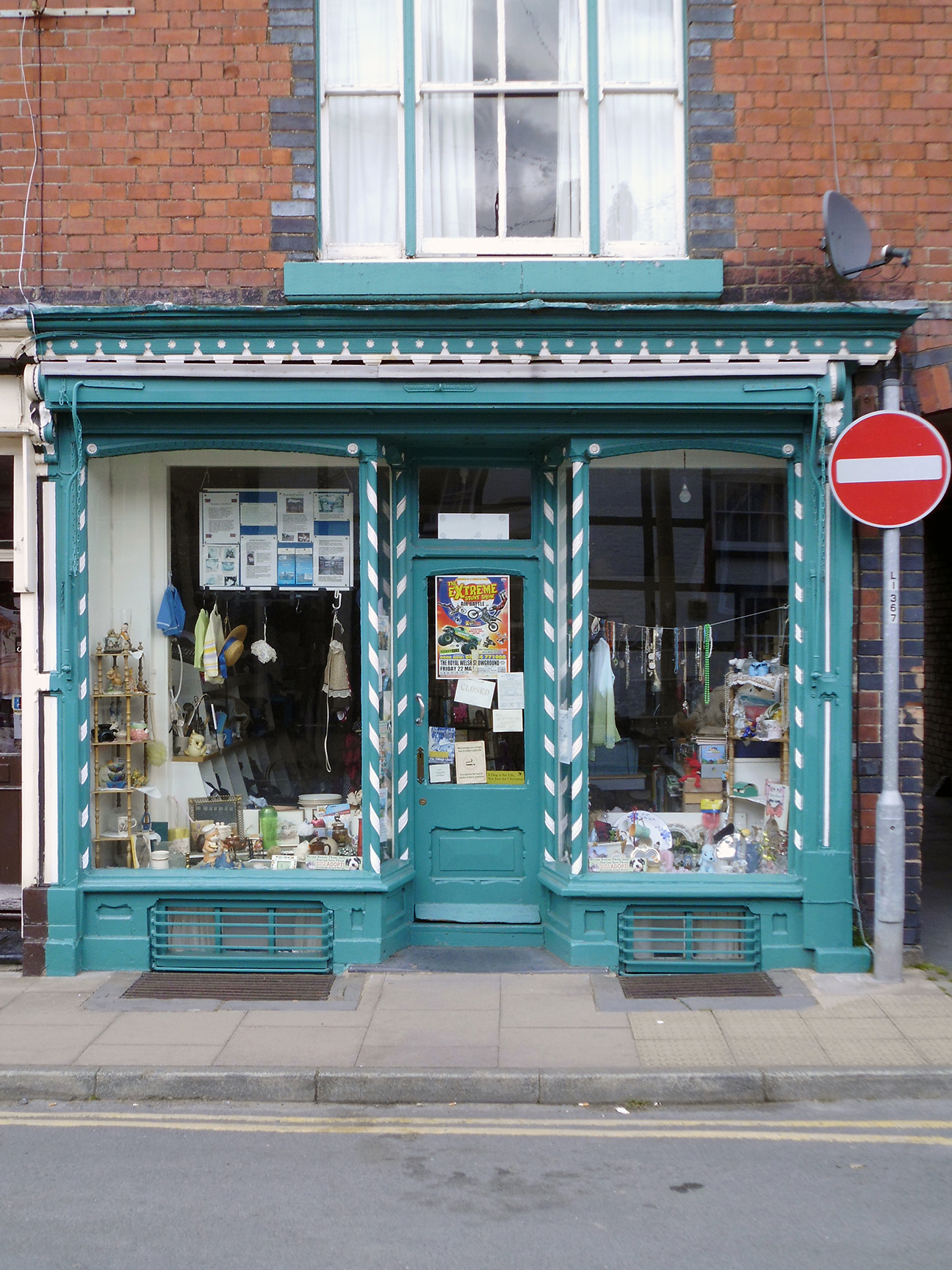
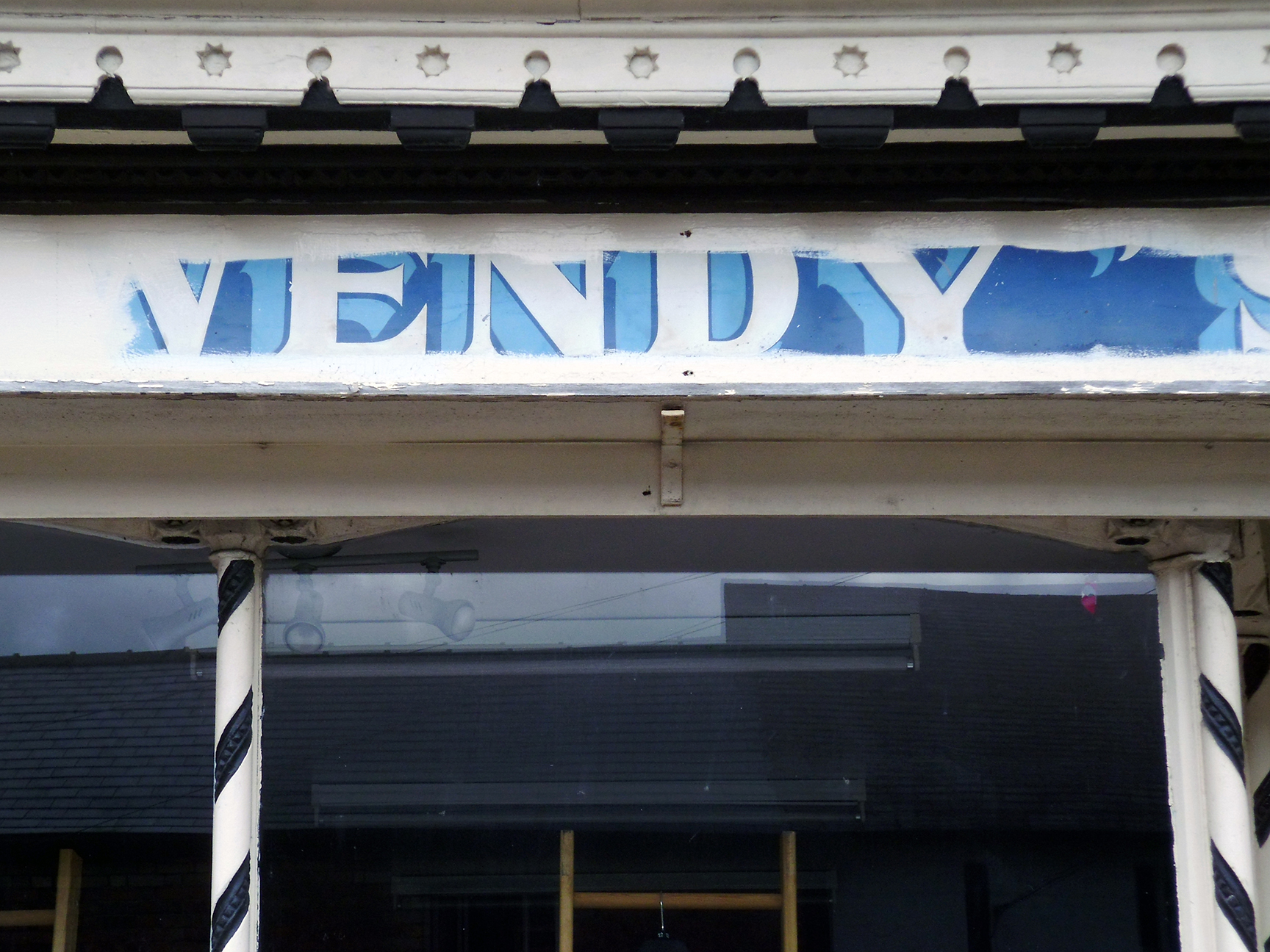
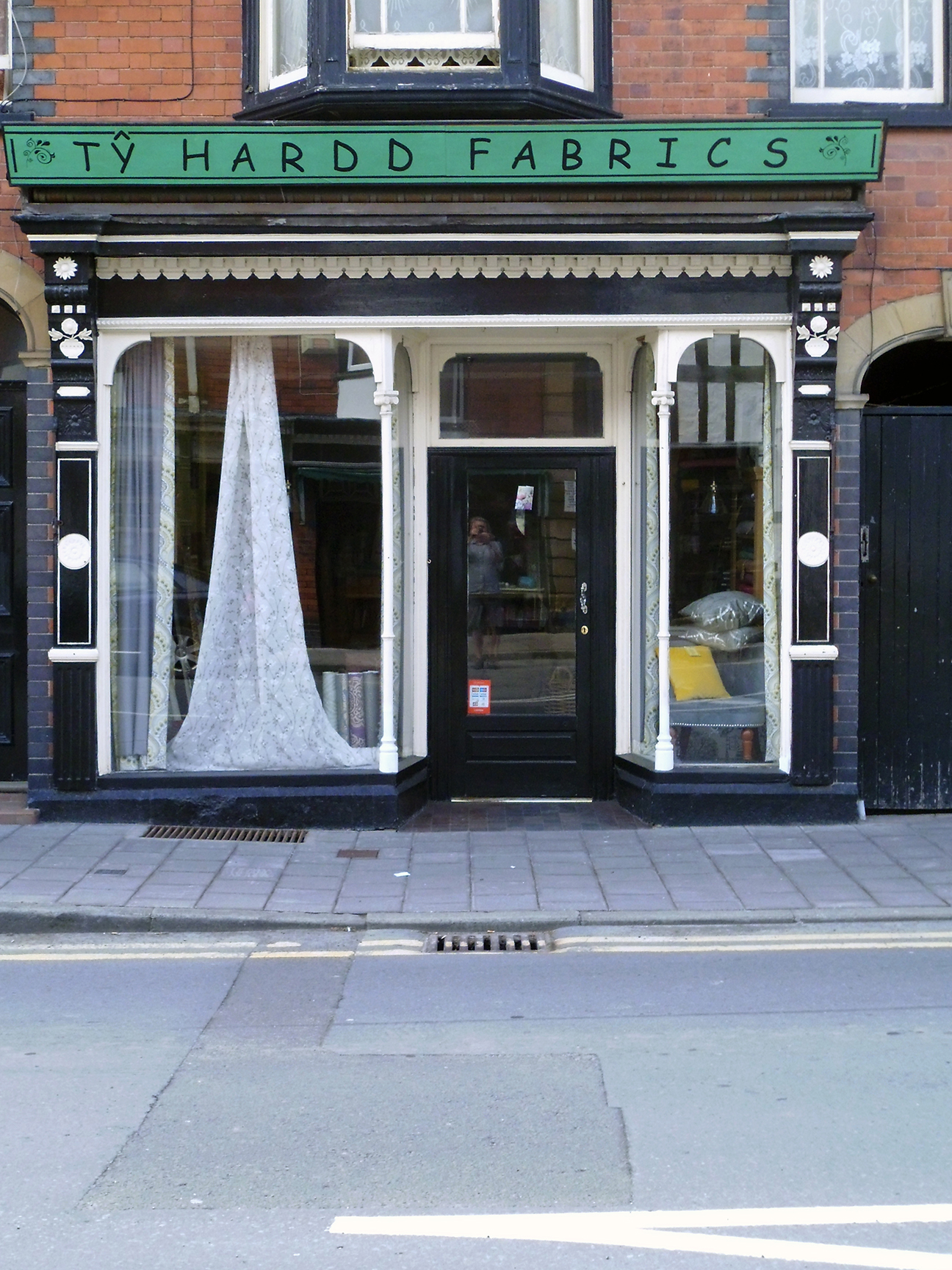
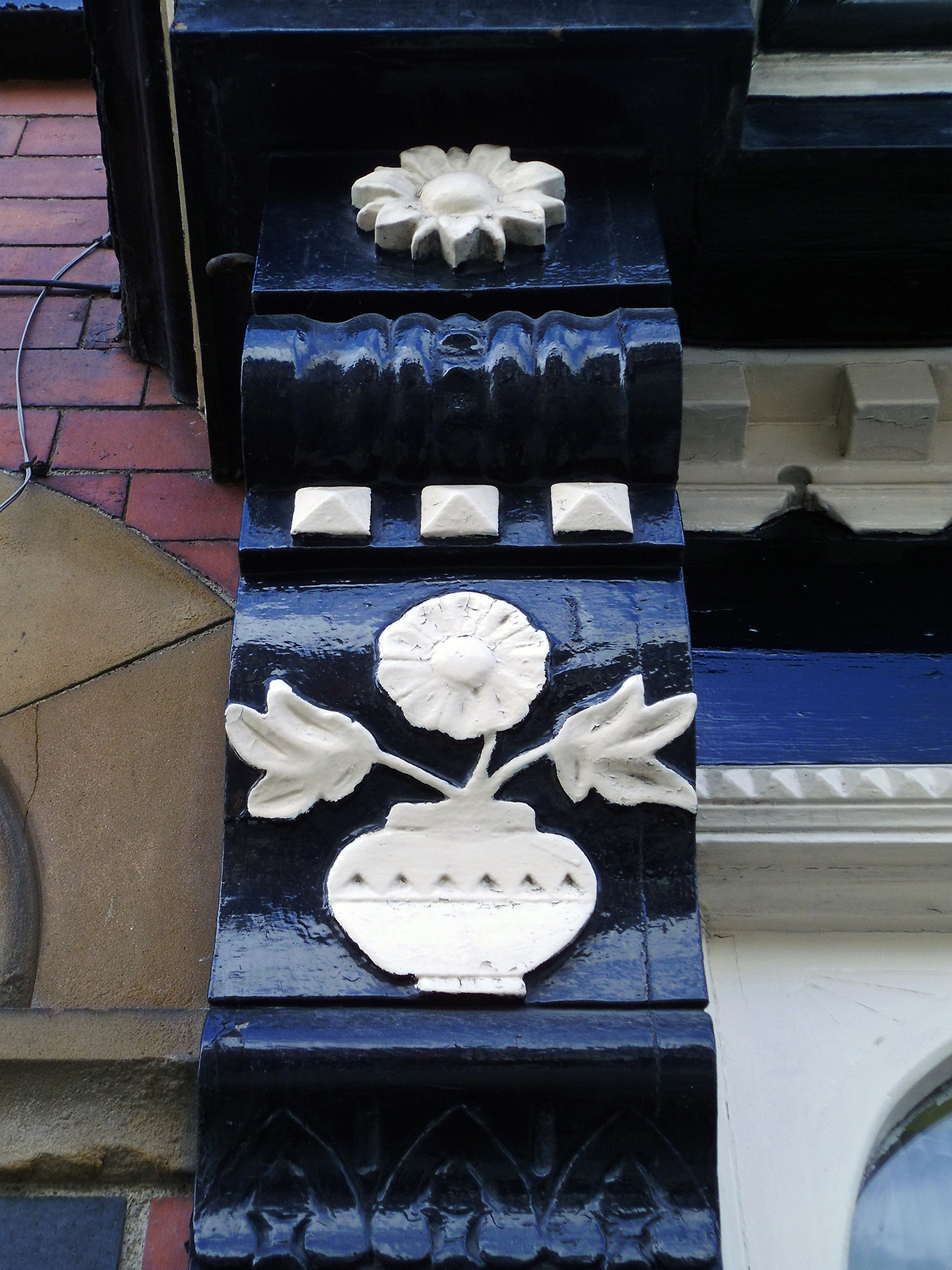
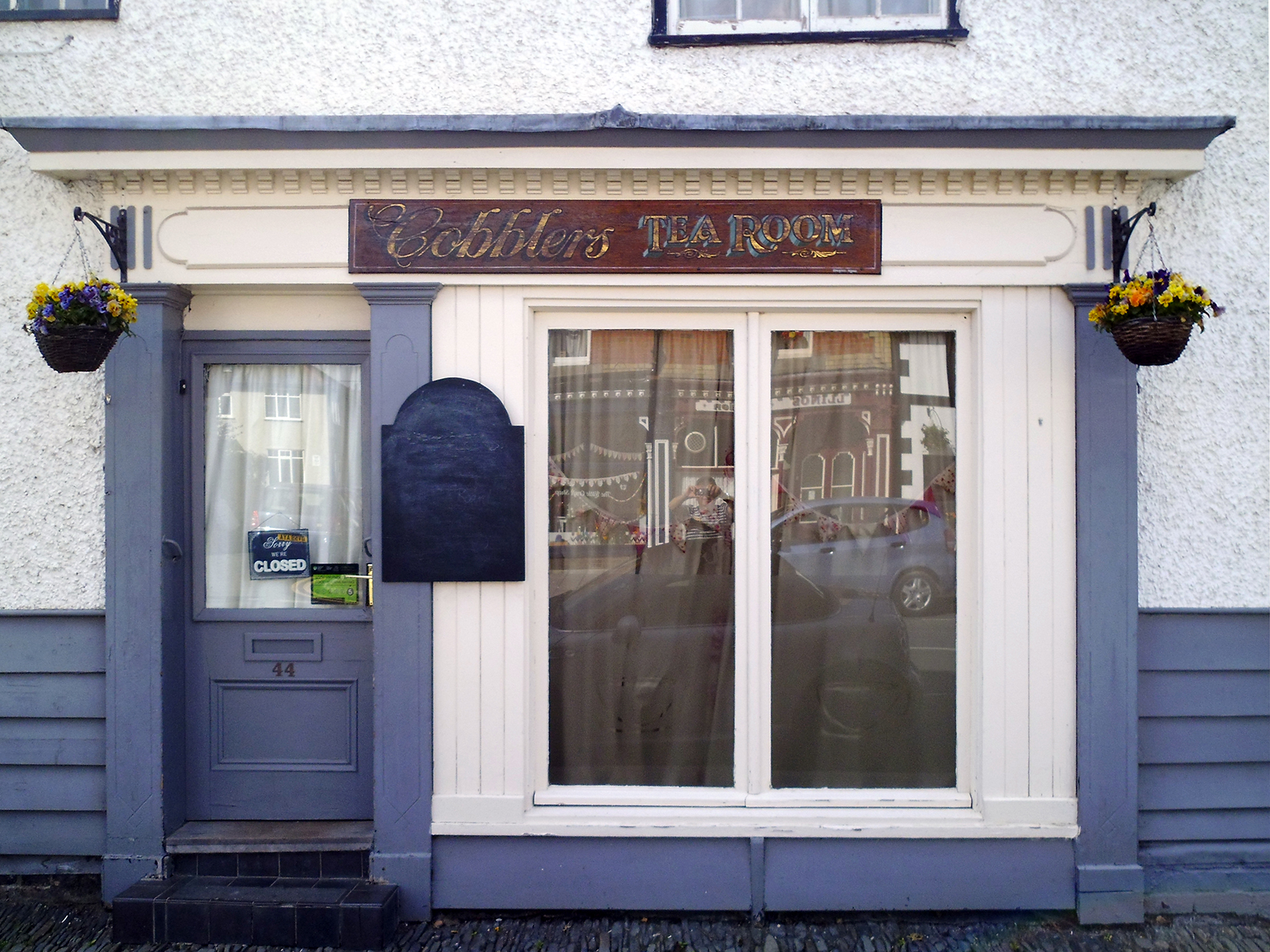
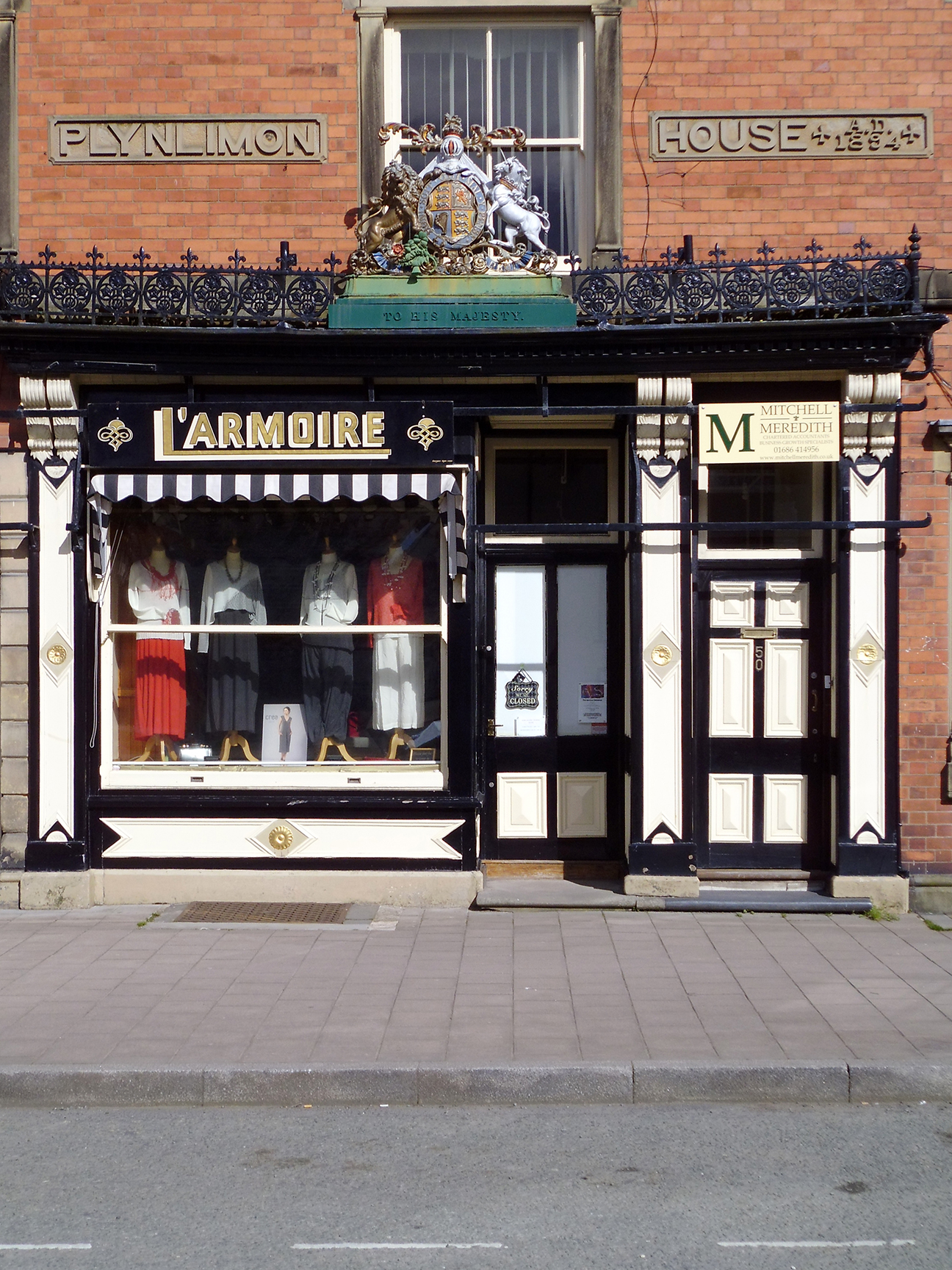
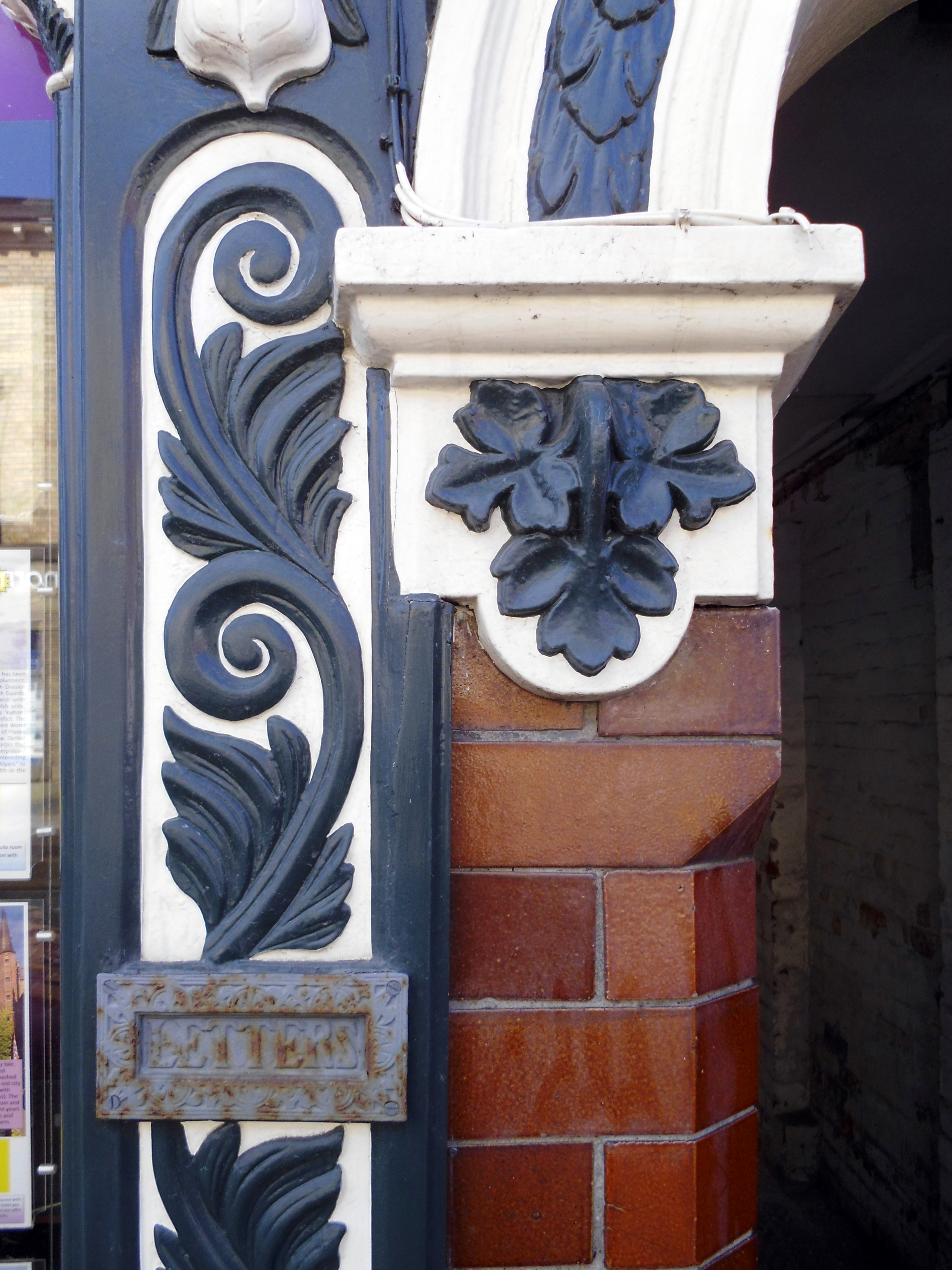
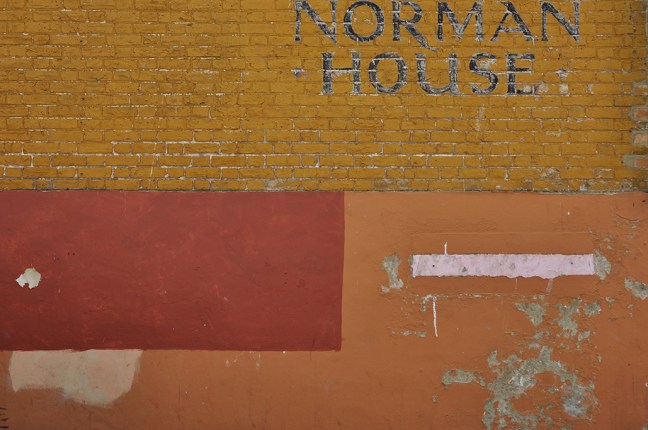
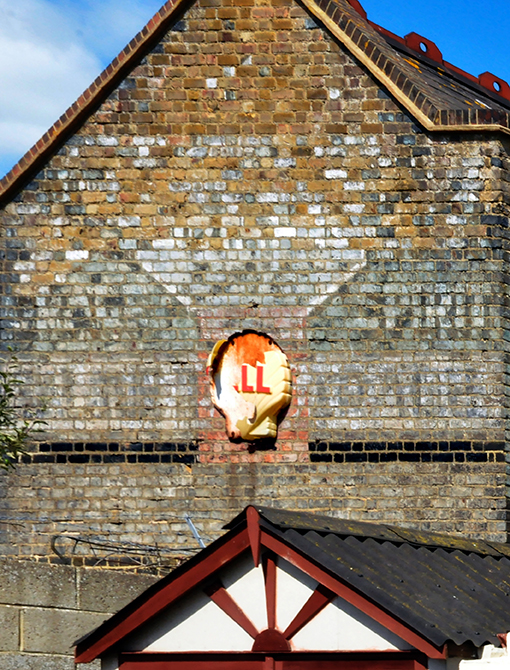
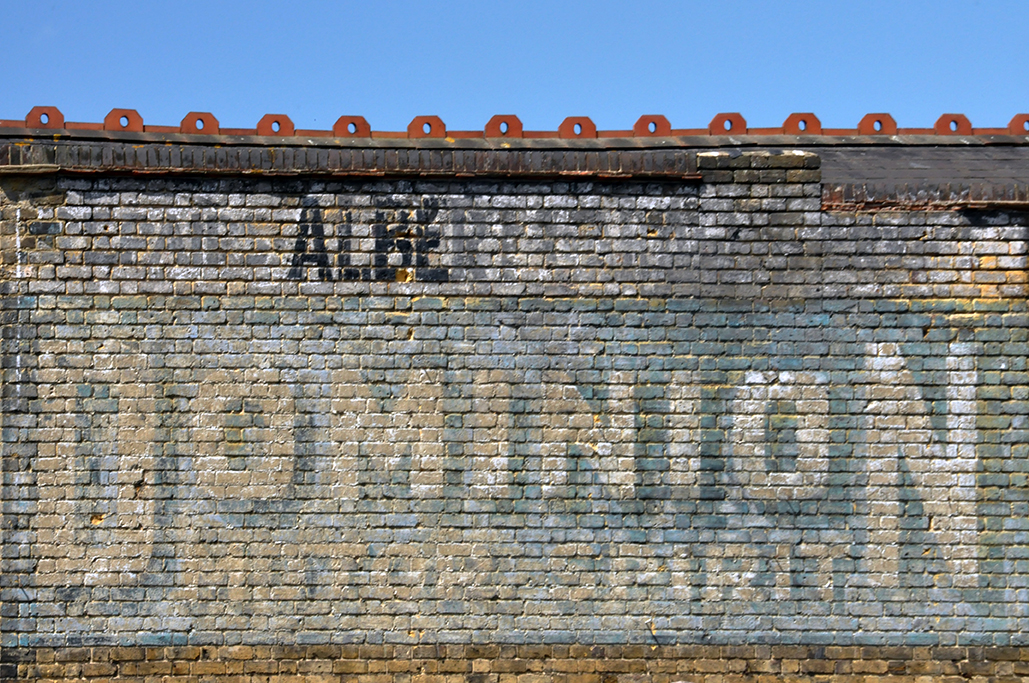
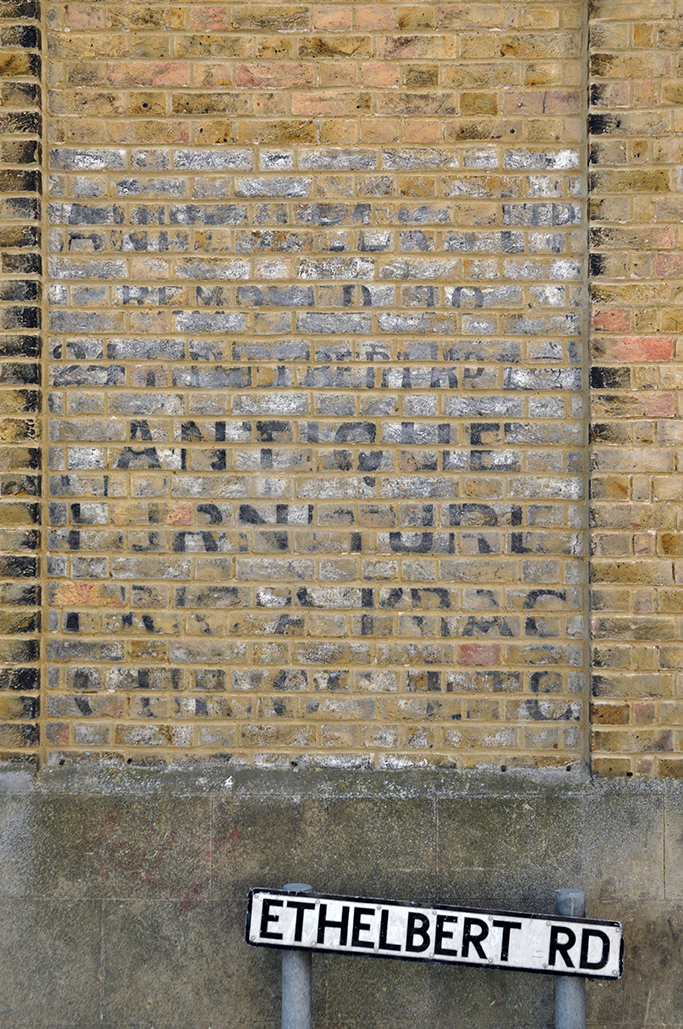
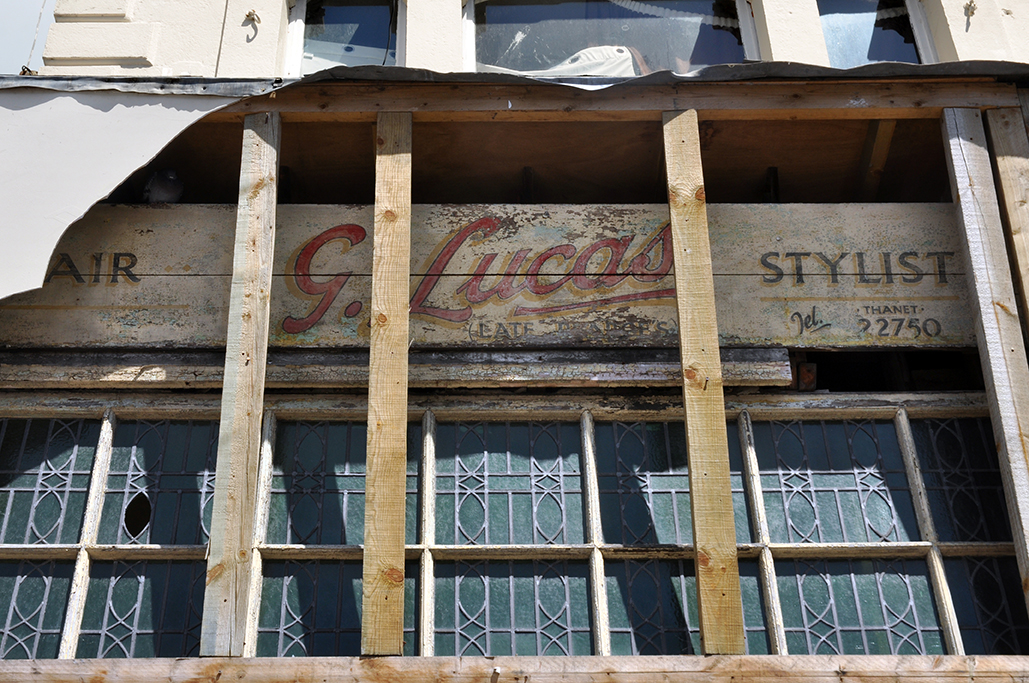
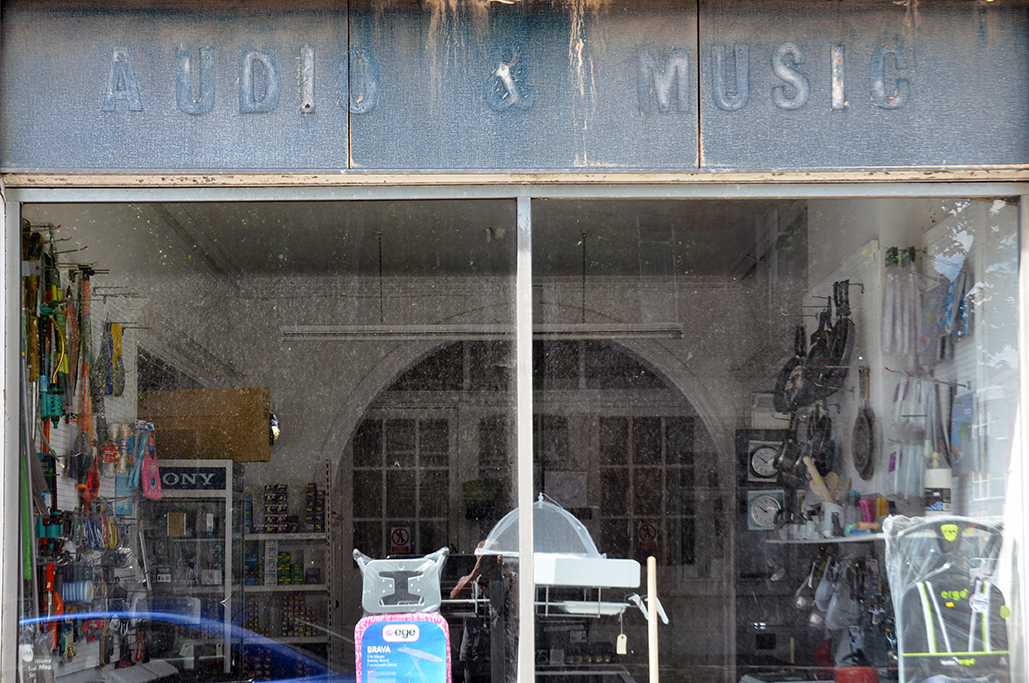
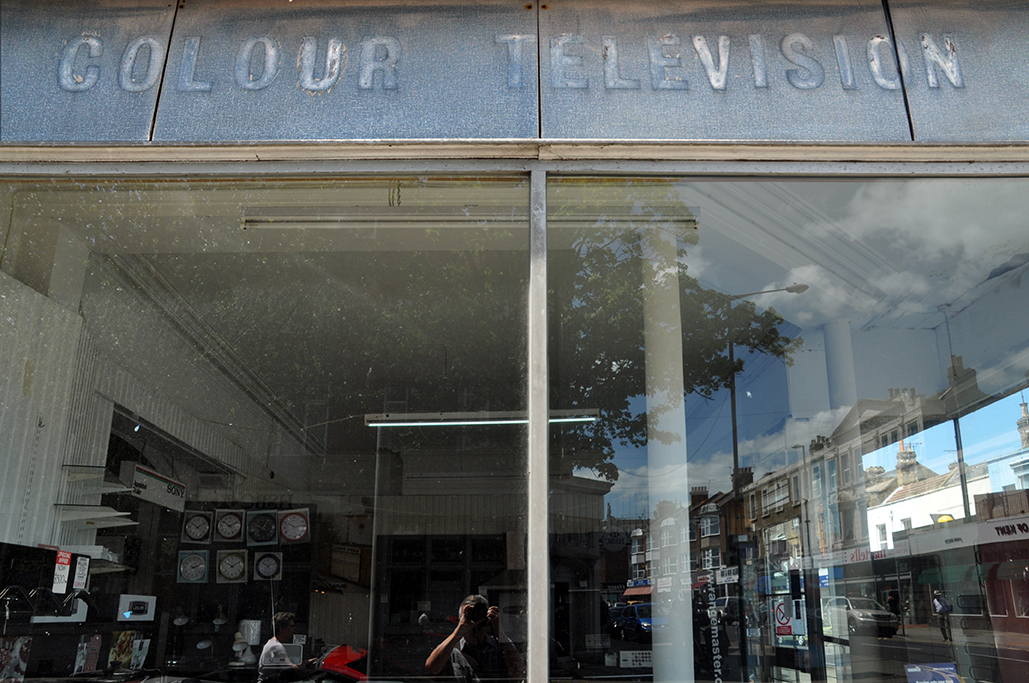
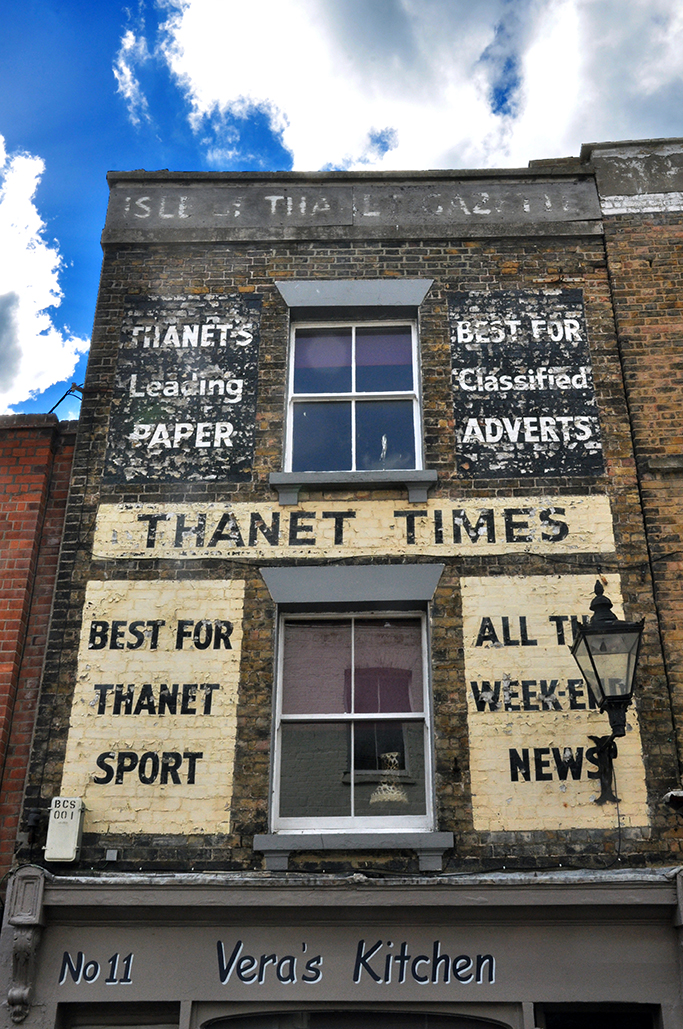
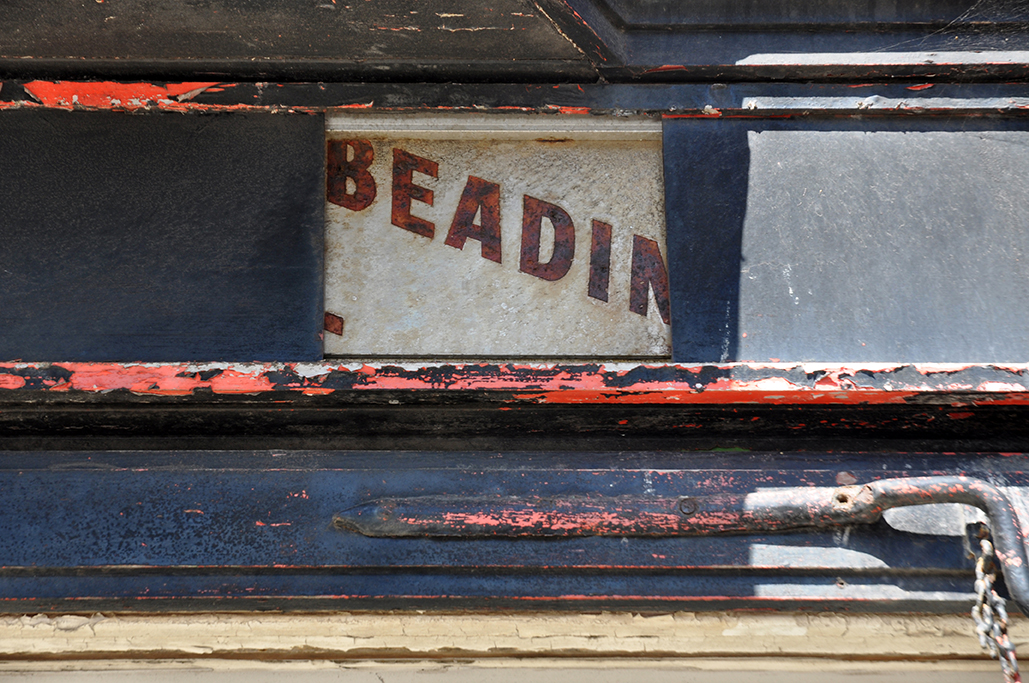
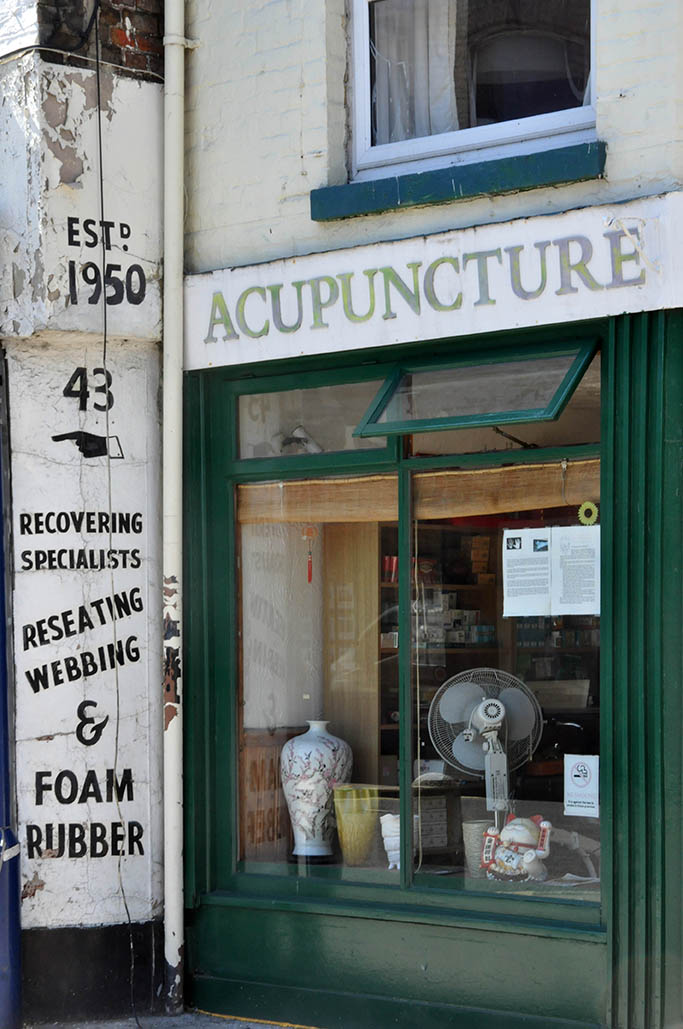
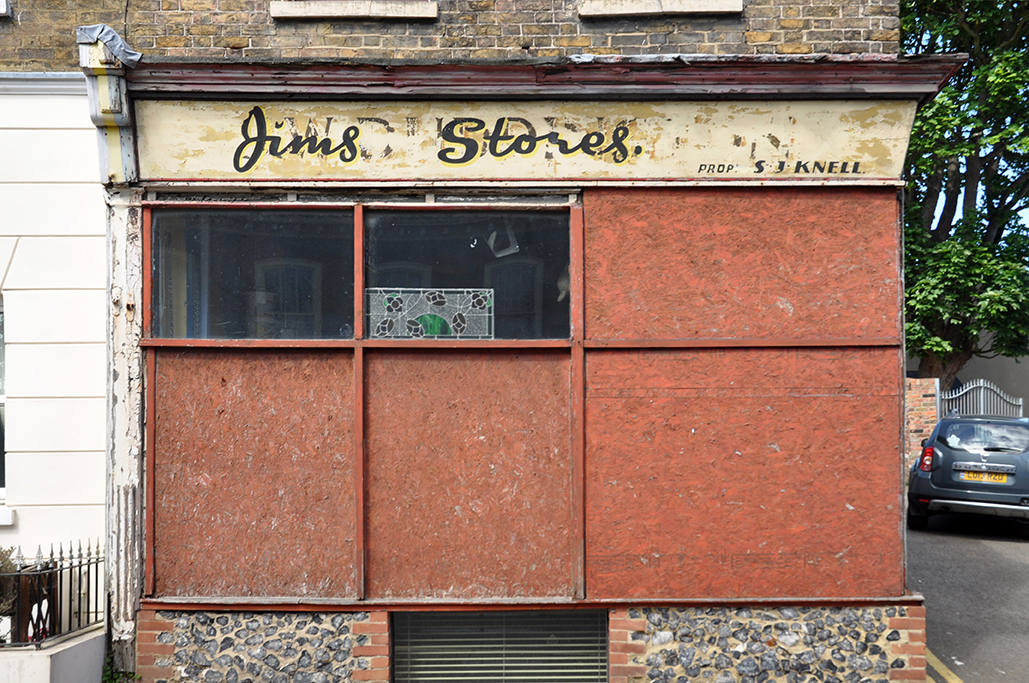
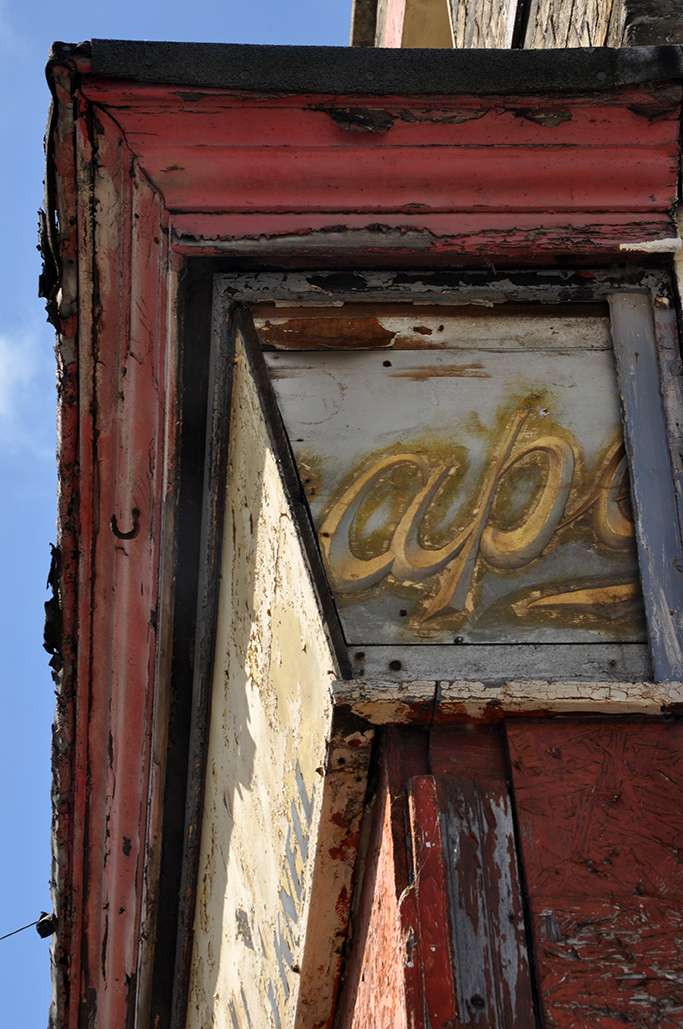
Revealed as fascia is removed and replaced.
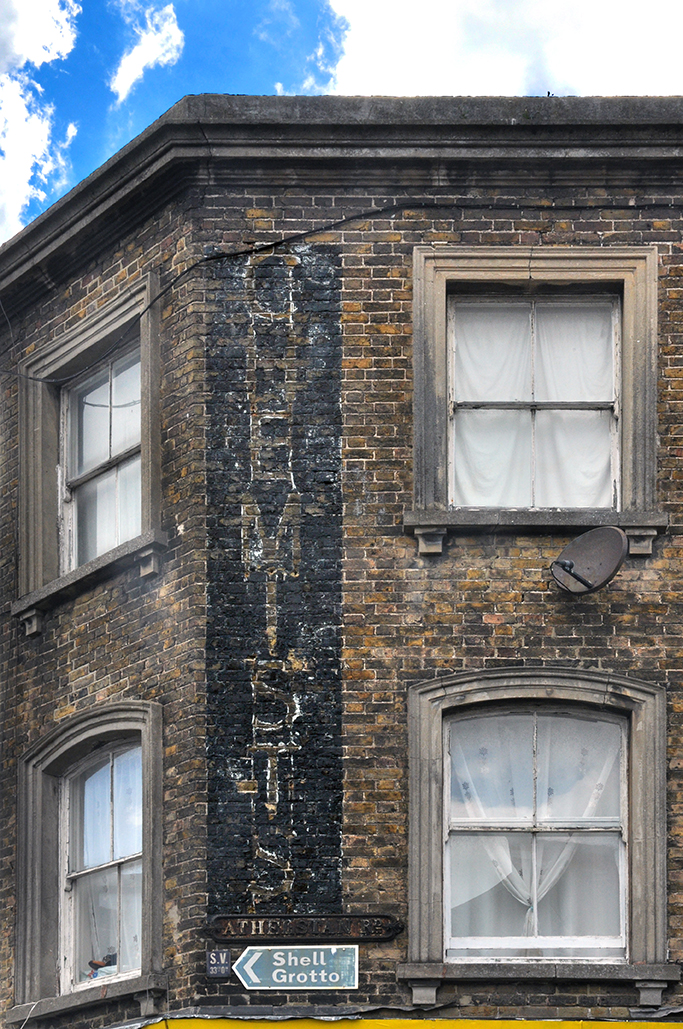
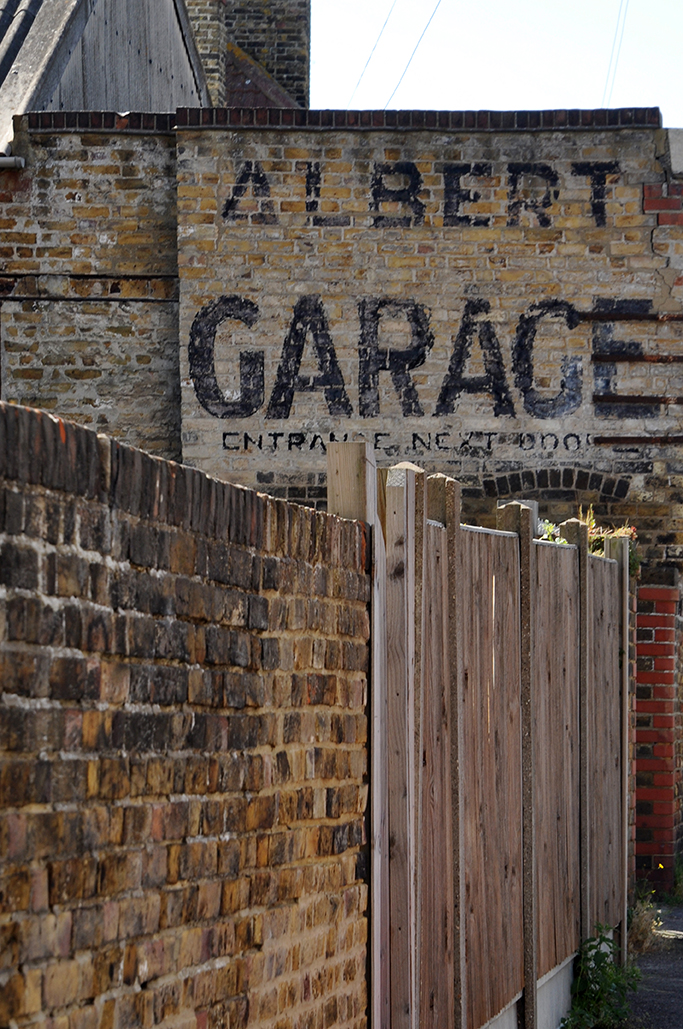
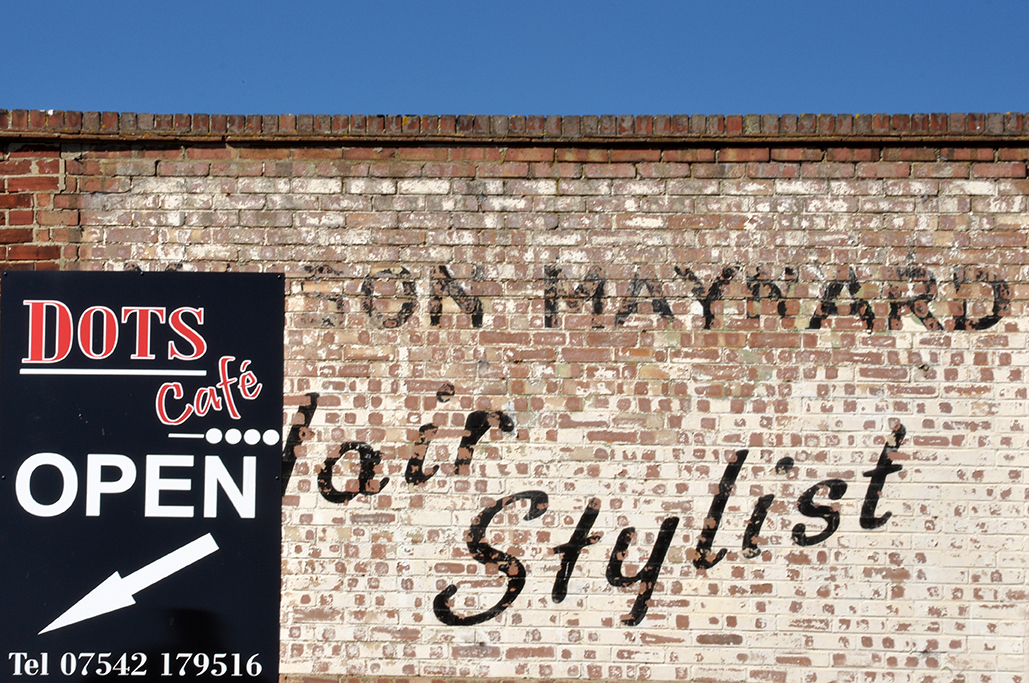
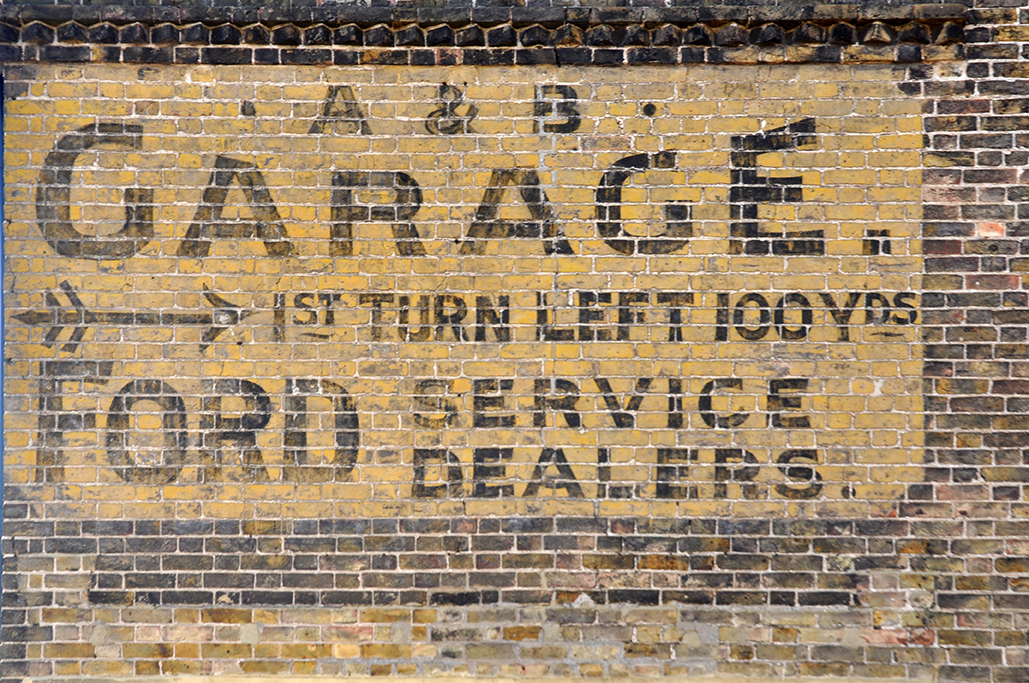
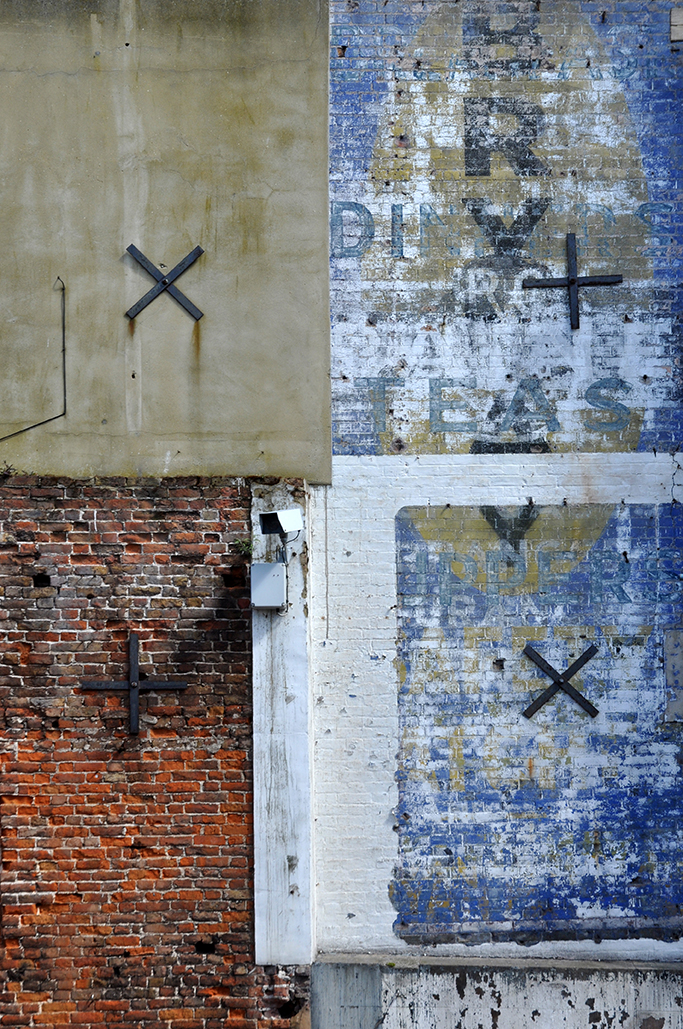
Weather washed brick, faded.
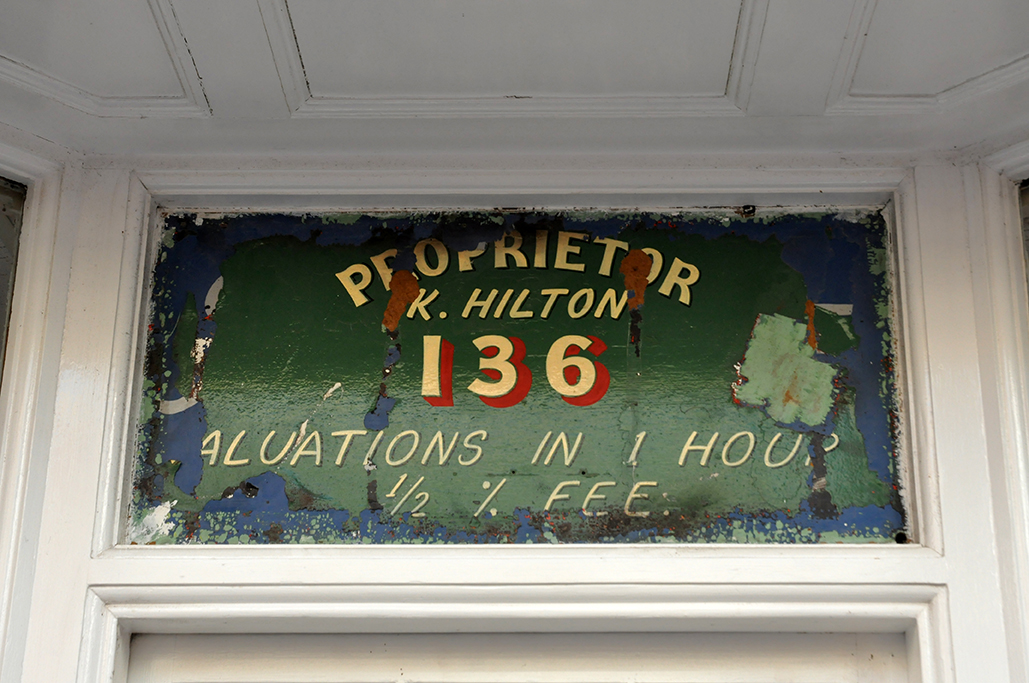
Scratched painted glass surface.
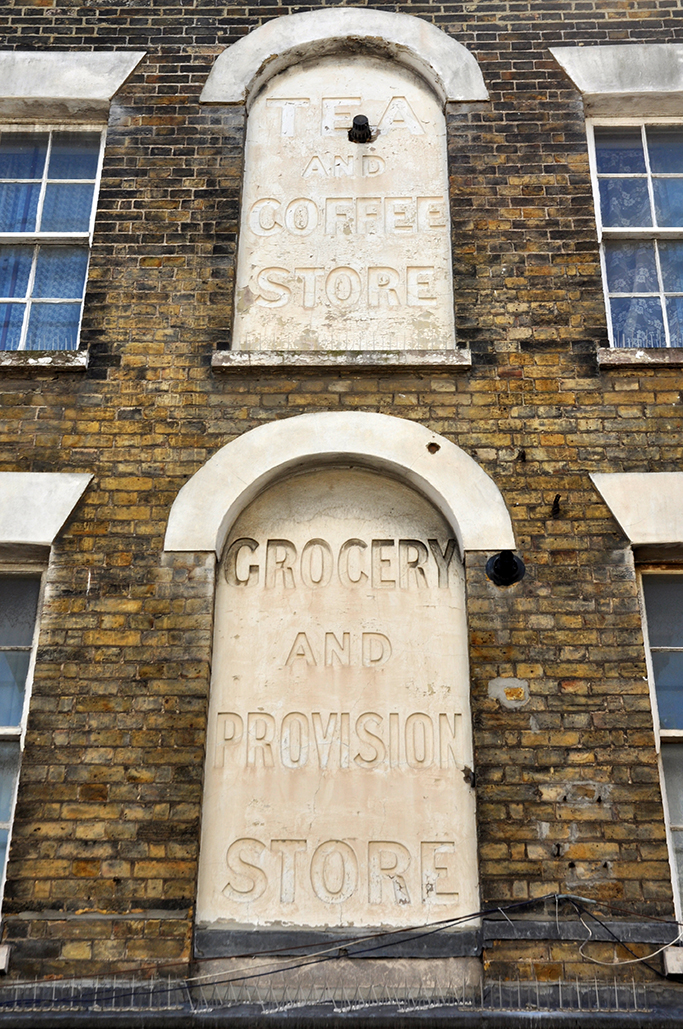
Cut, cast and moulded in native stone.
Ghostly.
Signs.
Revealed as fascia is removed and replaced.
Weather washed brick, faded.
Scratched painted glass surface.
Cut, cast and moulded in native stone.
Ghostly.
Signs.
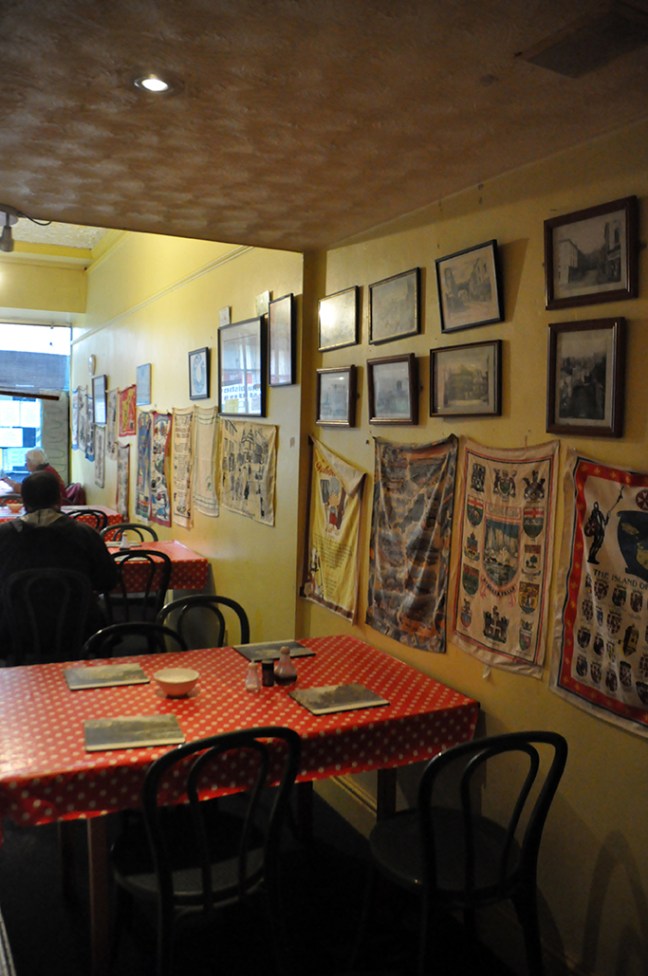
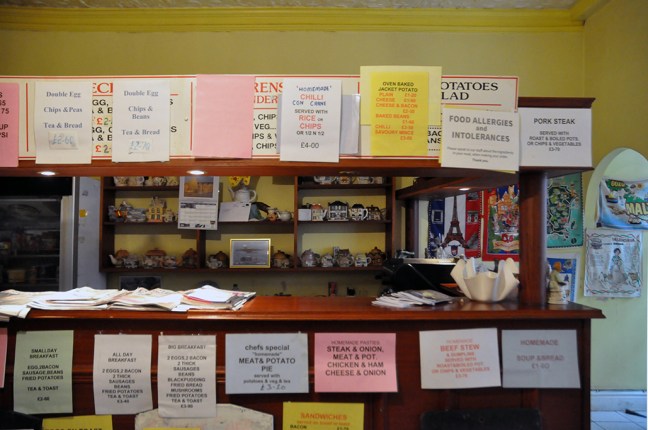
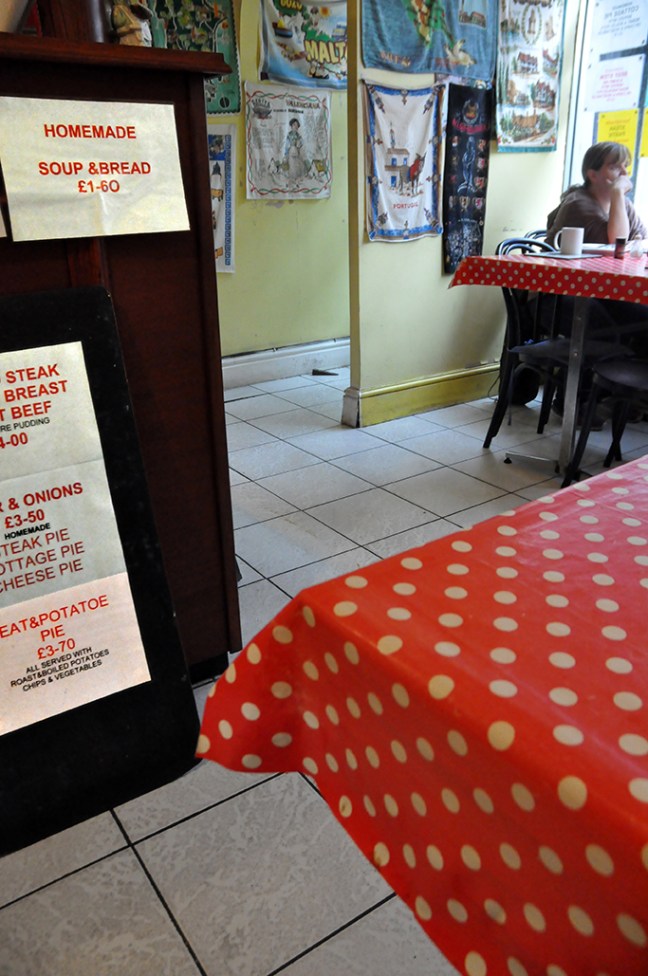
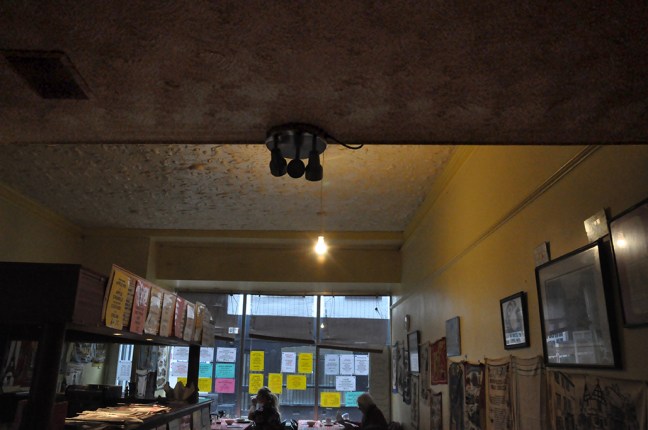
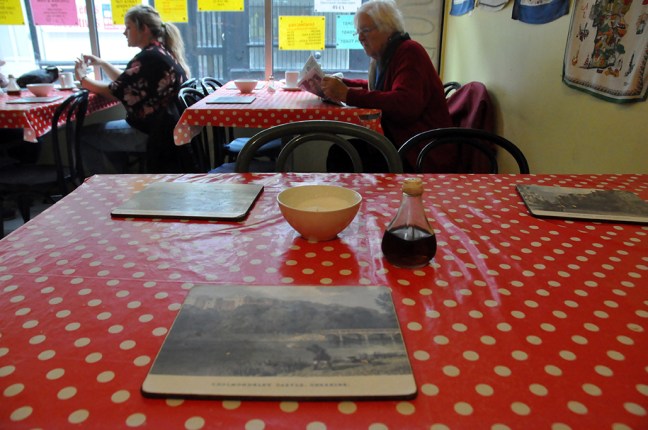
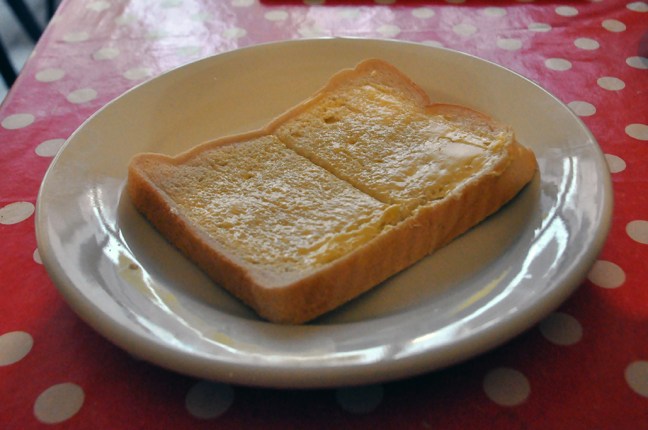
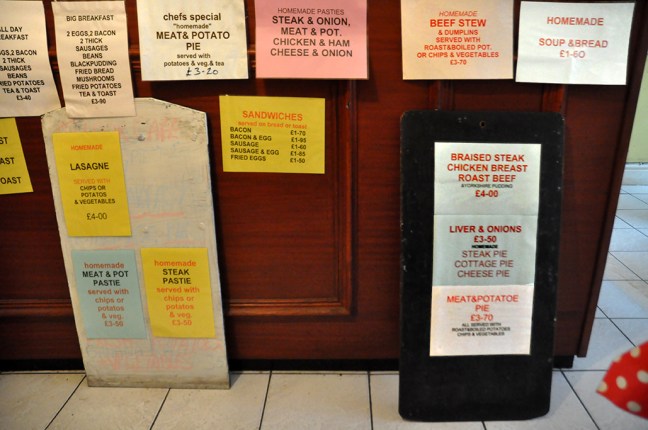
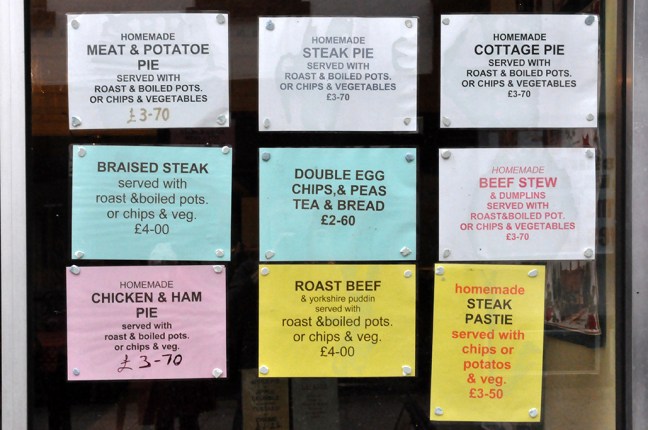
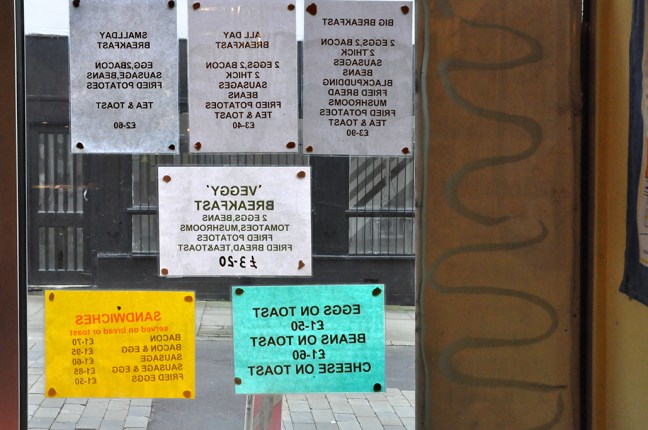
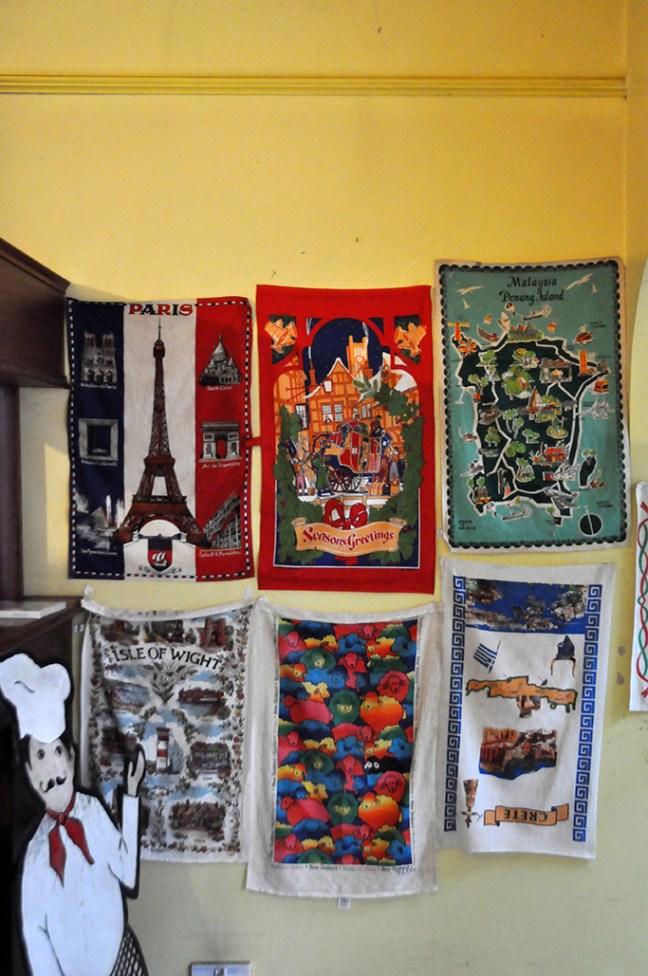
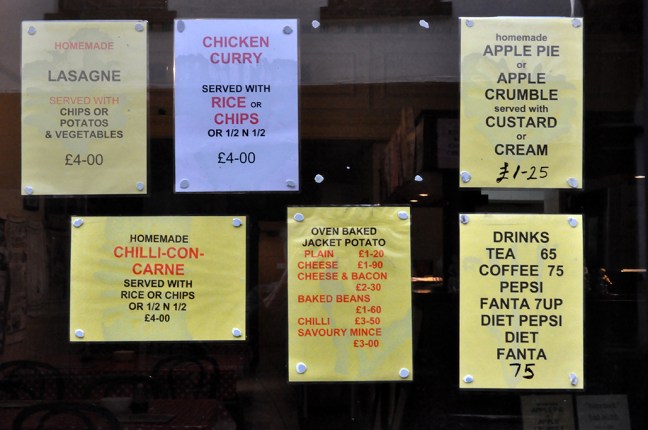
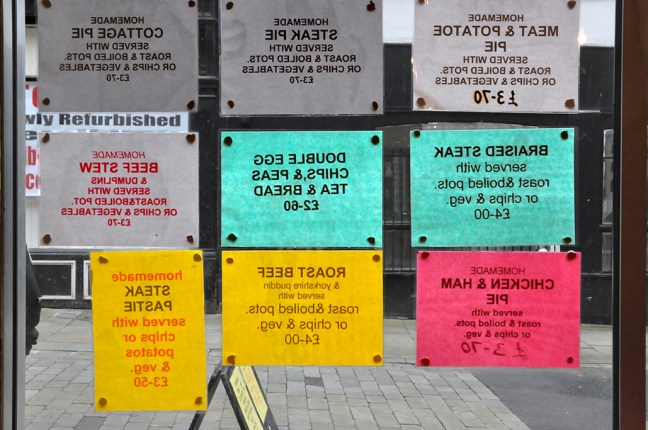
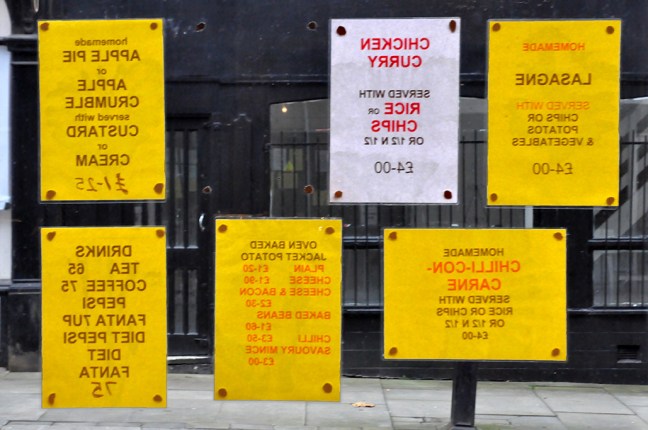
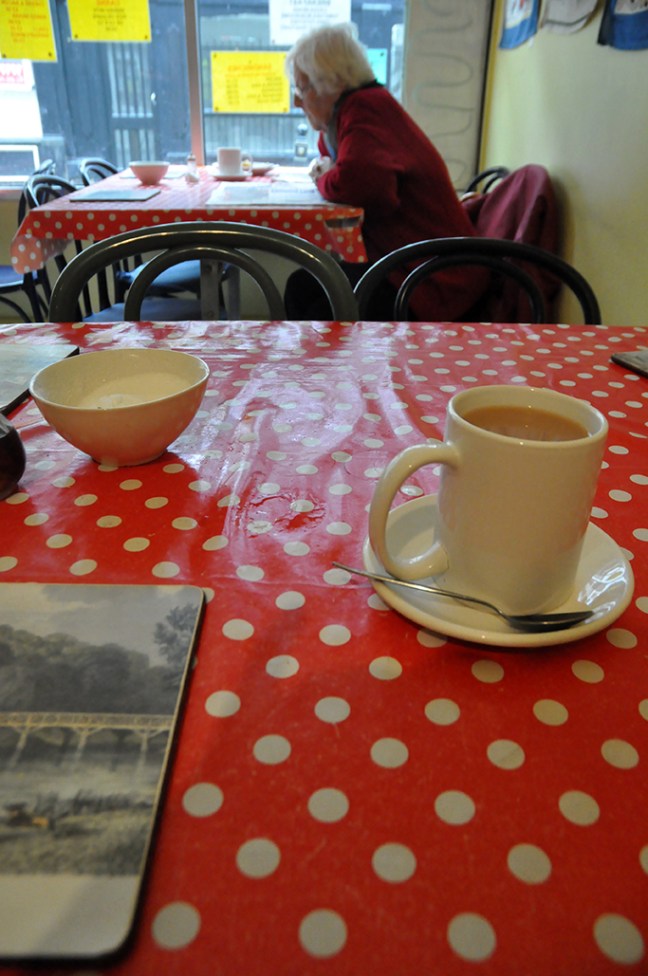
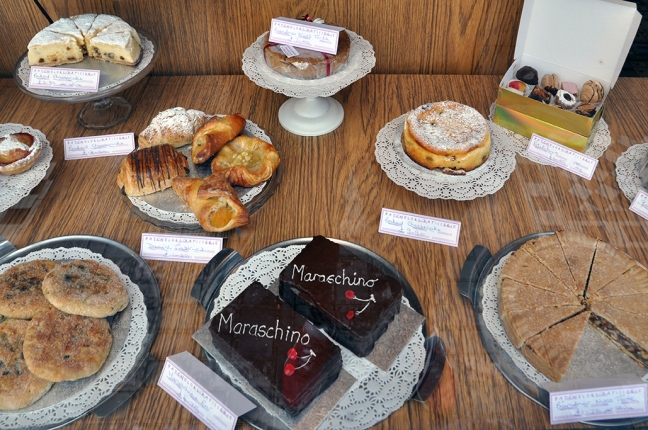
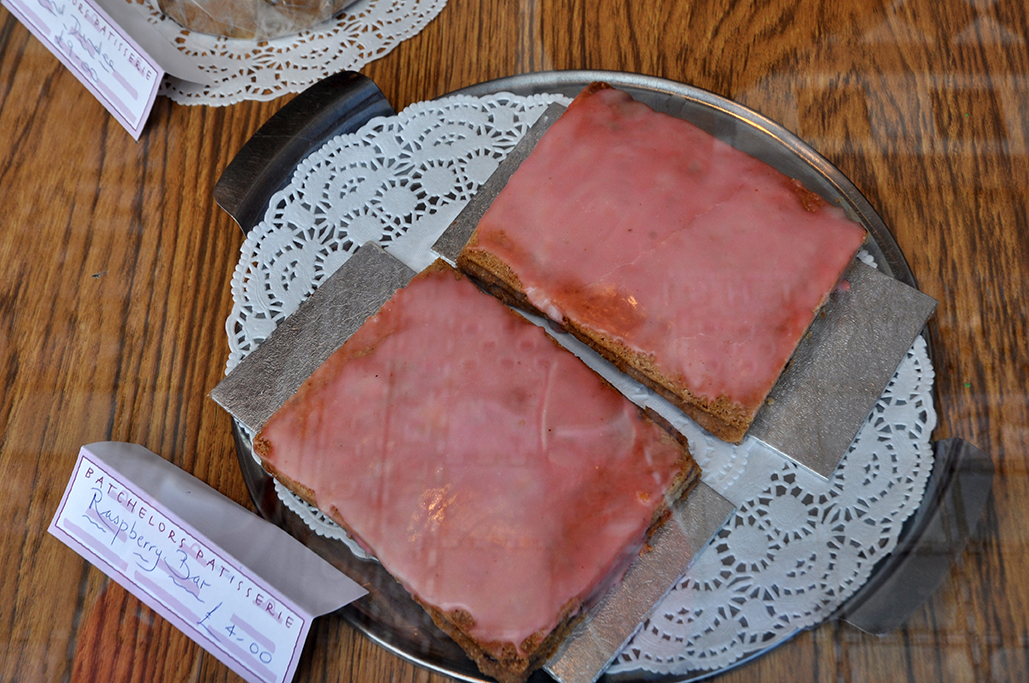
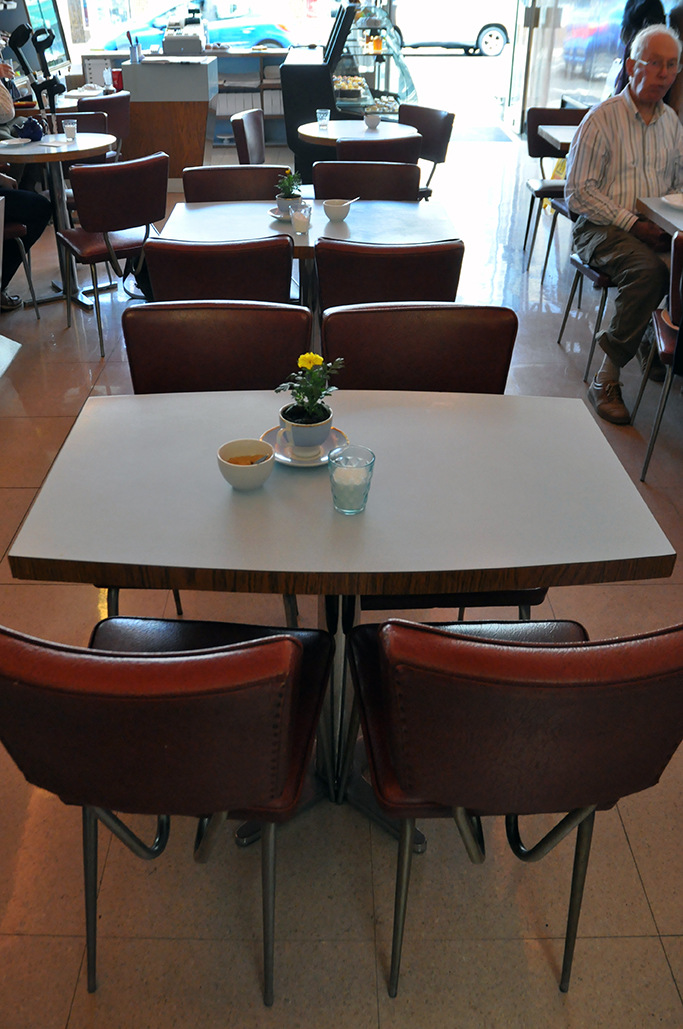
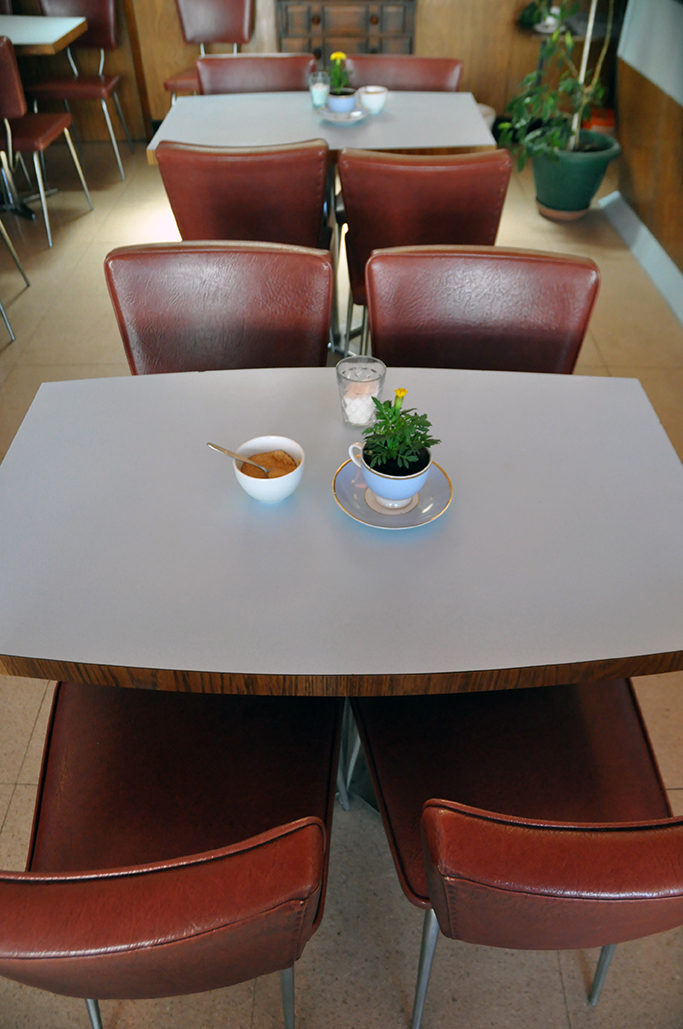
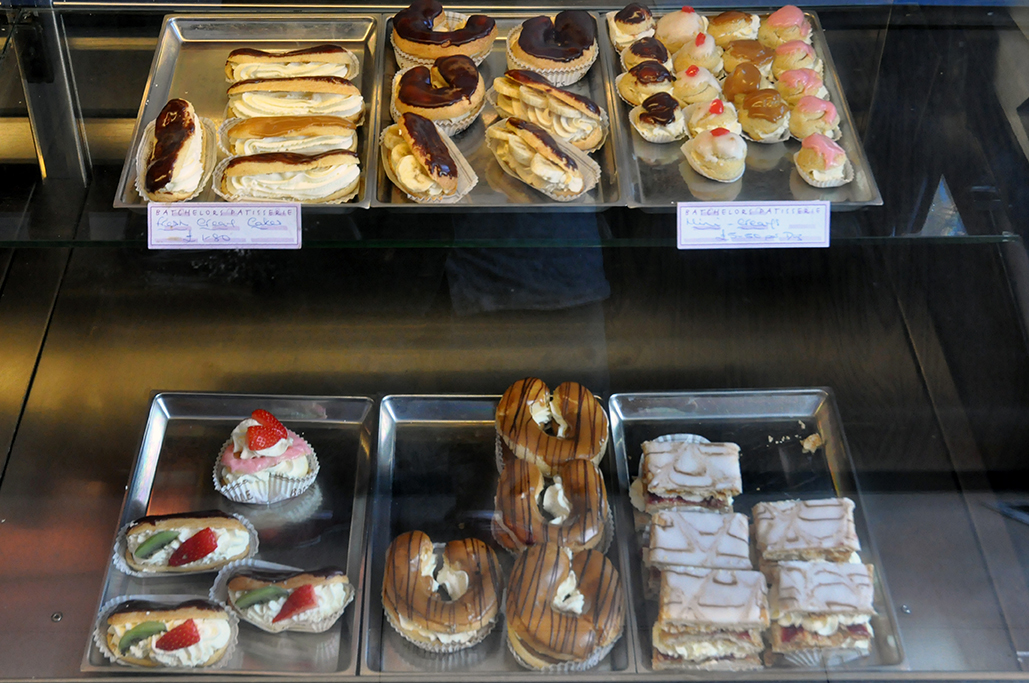
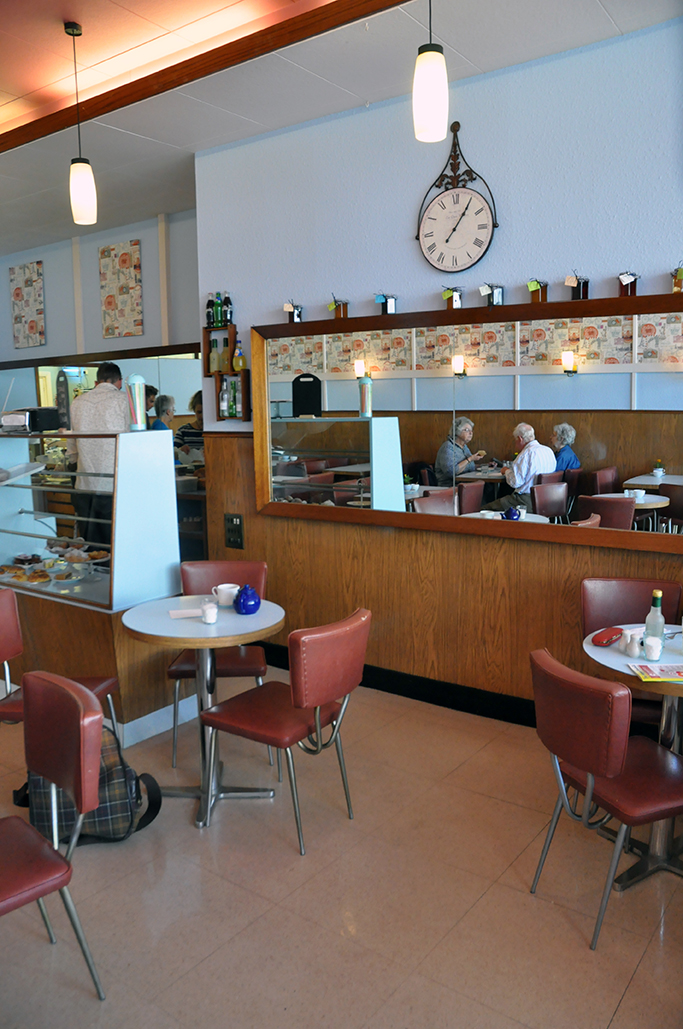
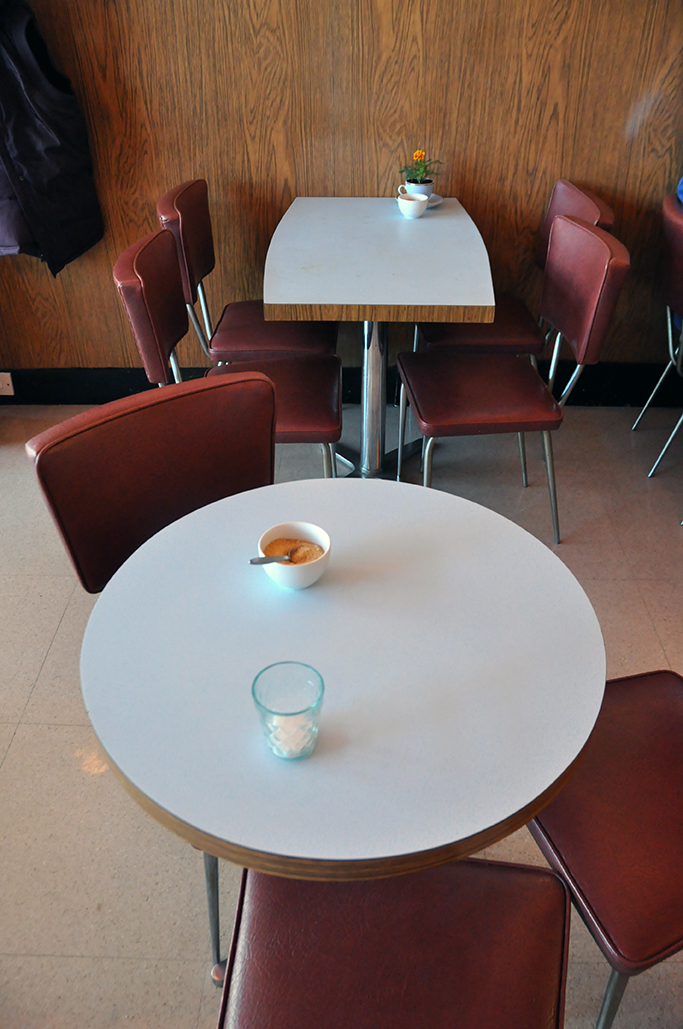
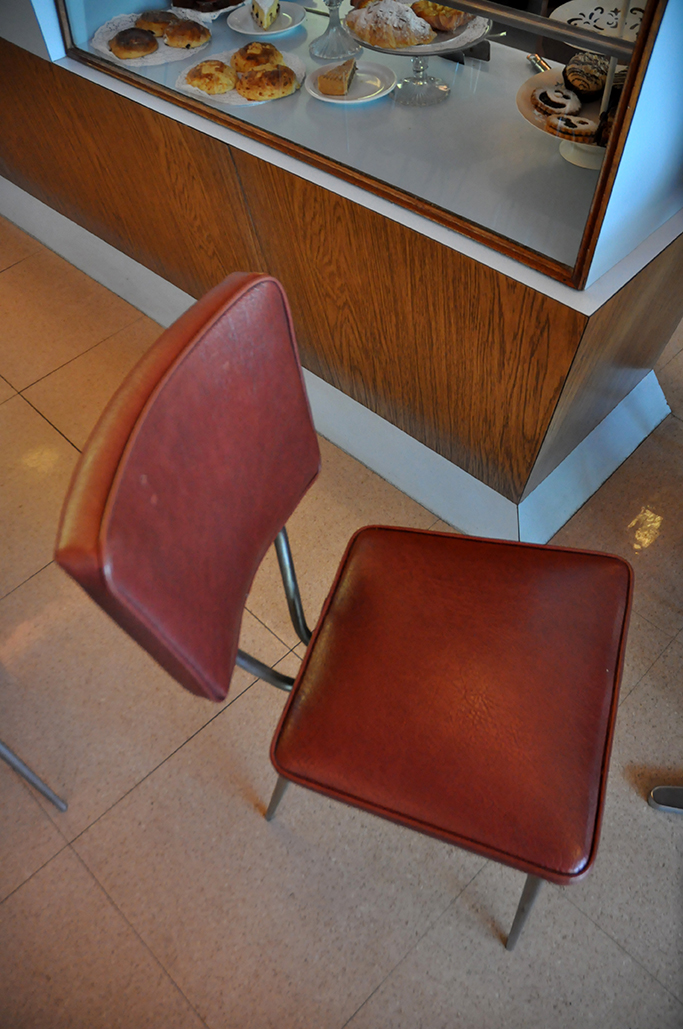
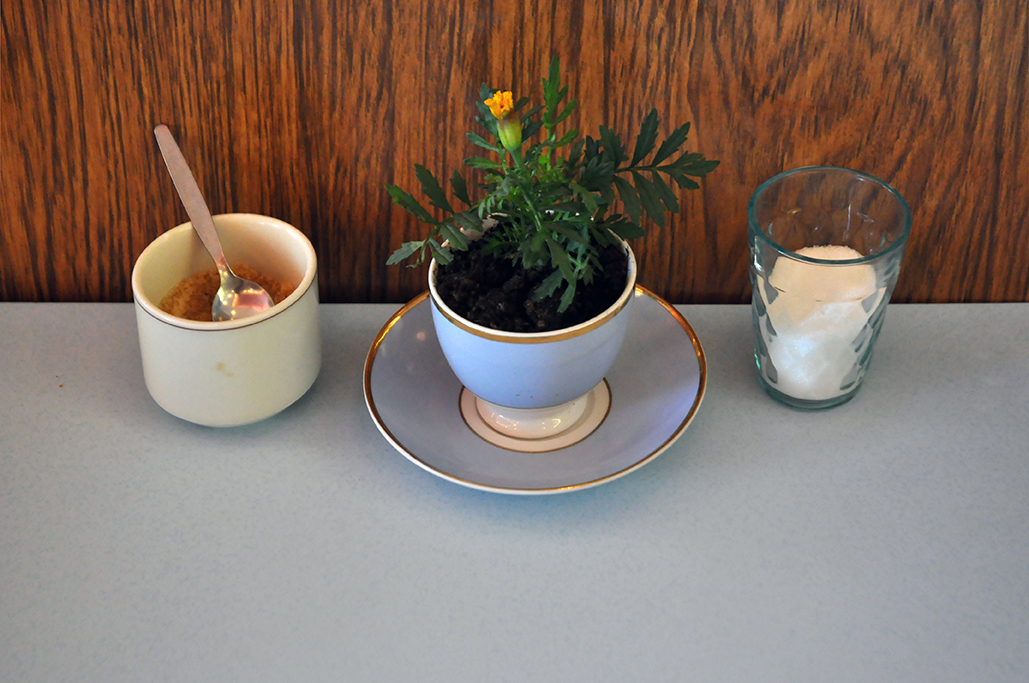
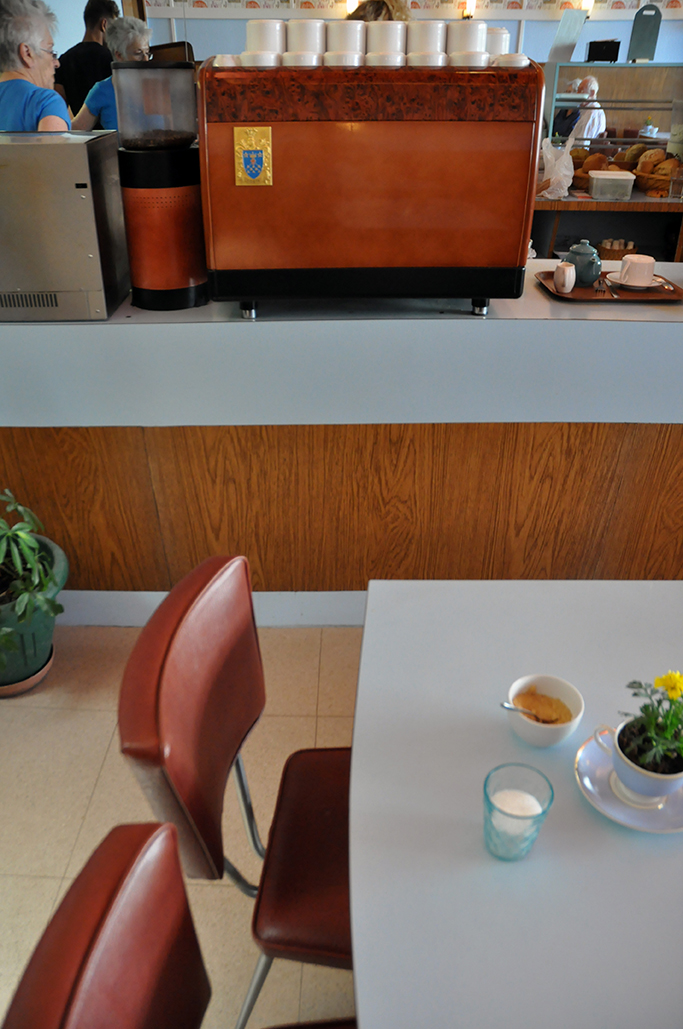
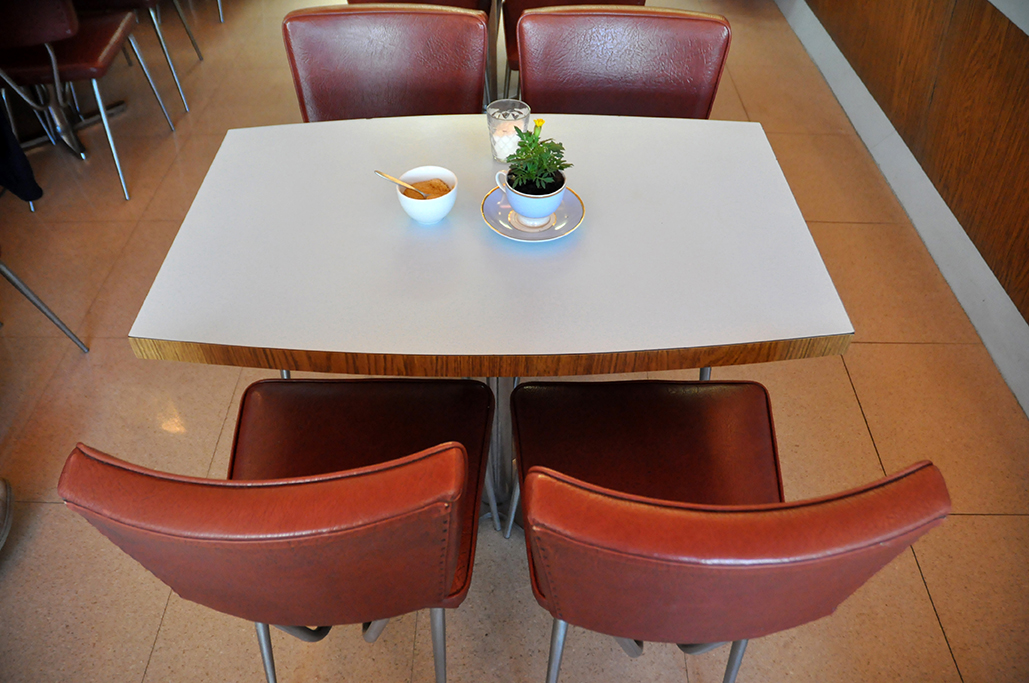
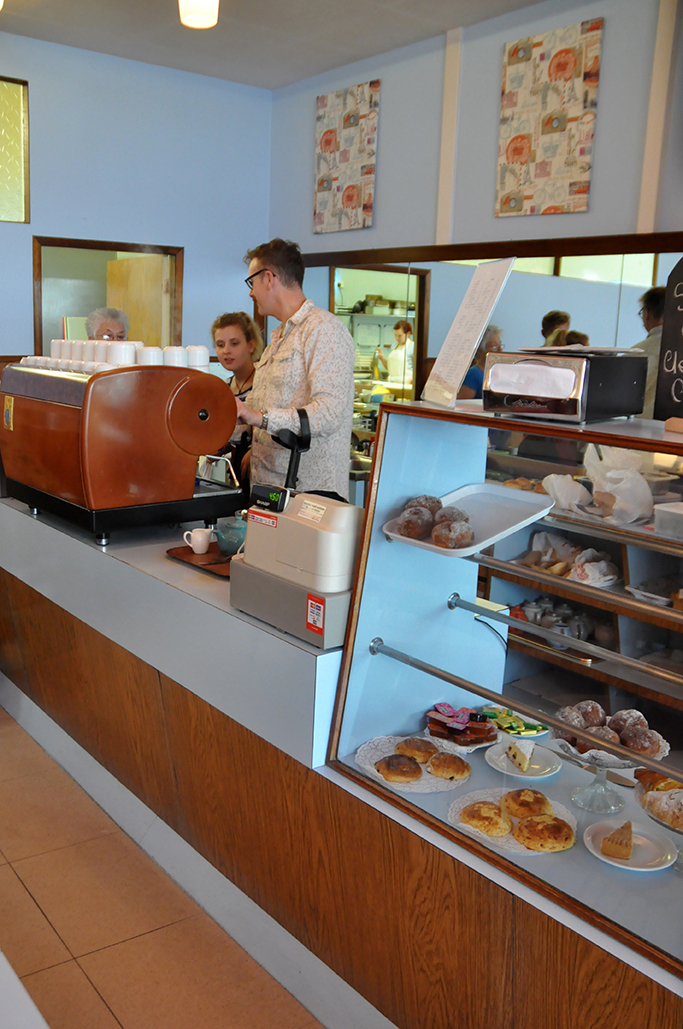
Idly meandering through Cliftonville, along Northdown Road, I chanced upon the most delightful of cake shop windows. Being something of an aficionado of cakes, shops and windows it seemed like an ideal opportunity to snap away, with customary broad-smiling, wide-eyed enthusiasm. Furthermore why not go in? I was met with the most charming of receptions from the patron Stuart Turner and staff – not unreasonably inquisitive regarding my impromptu picture taking, I explained my particular interest in the patisserie. The interior of the 50’s bakery, shop and café is perfectly preserved, with a little sympathetic restorative work. Well upholstered and formica topped the furniture is the finest of its kind, each table graced with fresh flowers, condiments and loving care and attention. An exquisite array of breads, pastries and cakes, resting on delicate doilies, displayed in glass fronted cases. I encourage you to visit, take tea, take cake, take away the fondest of sweet memories.


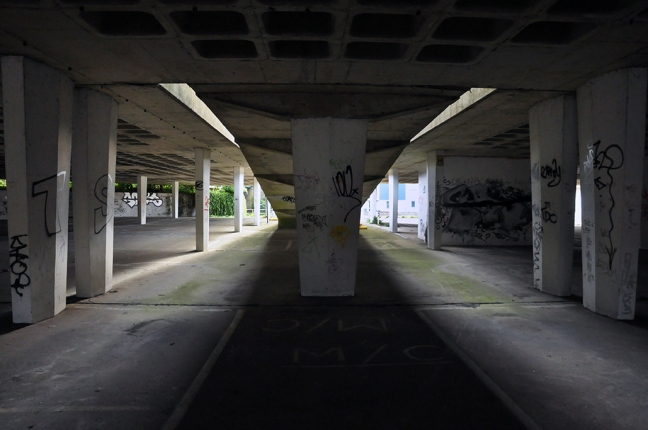
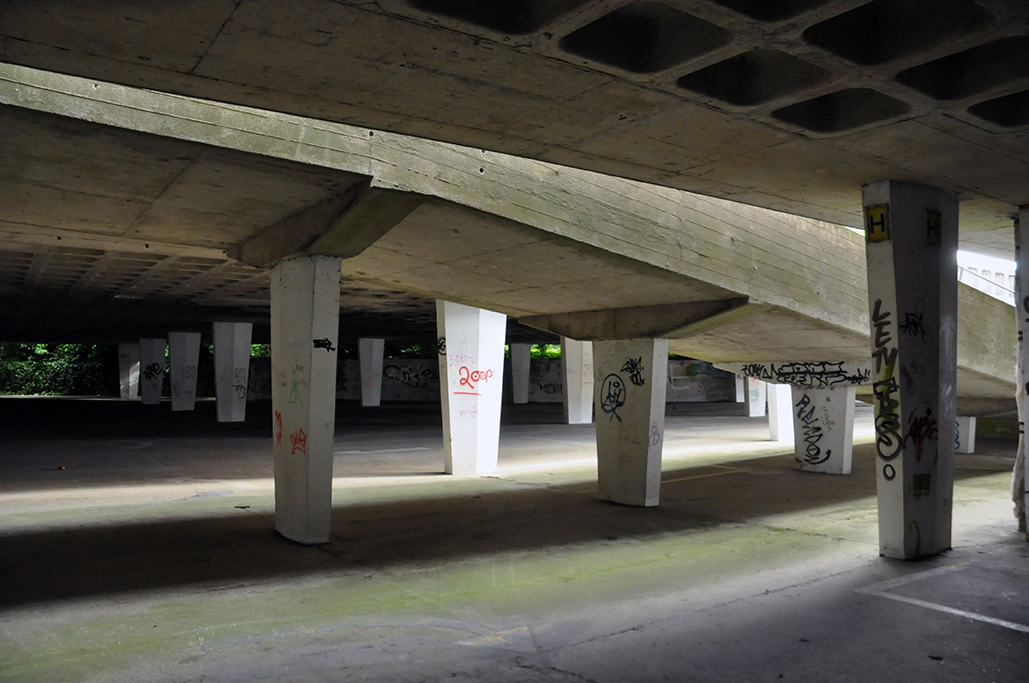
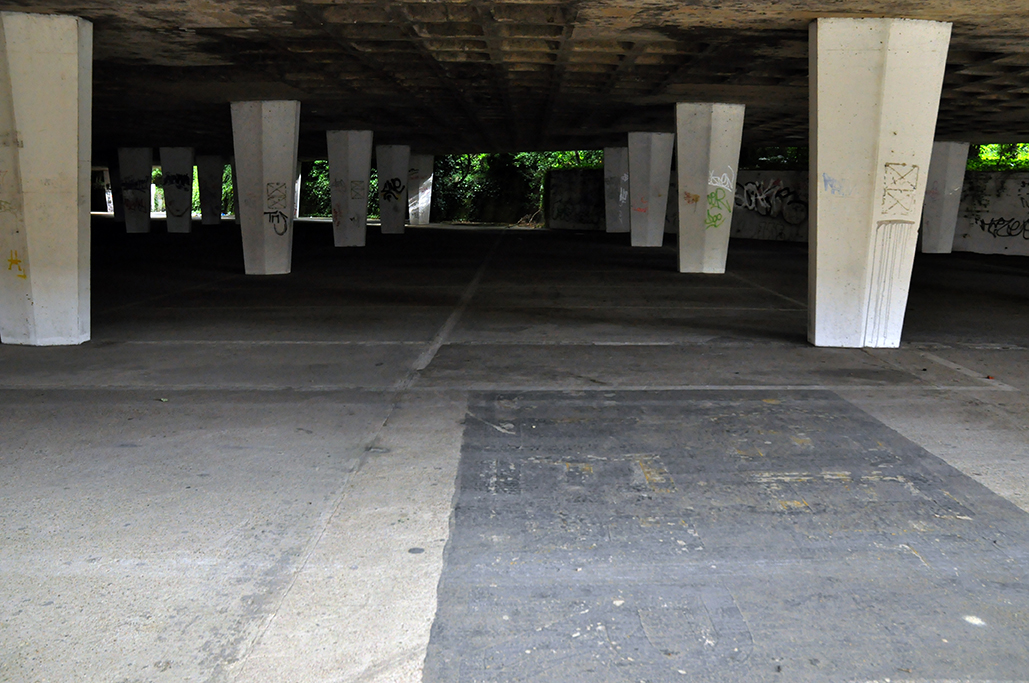
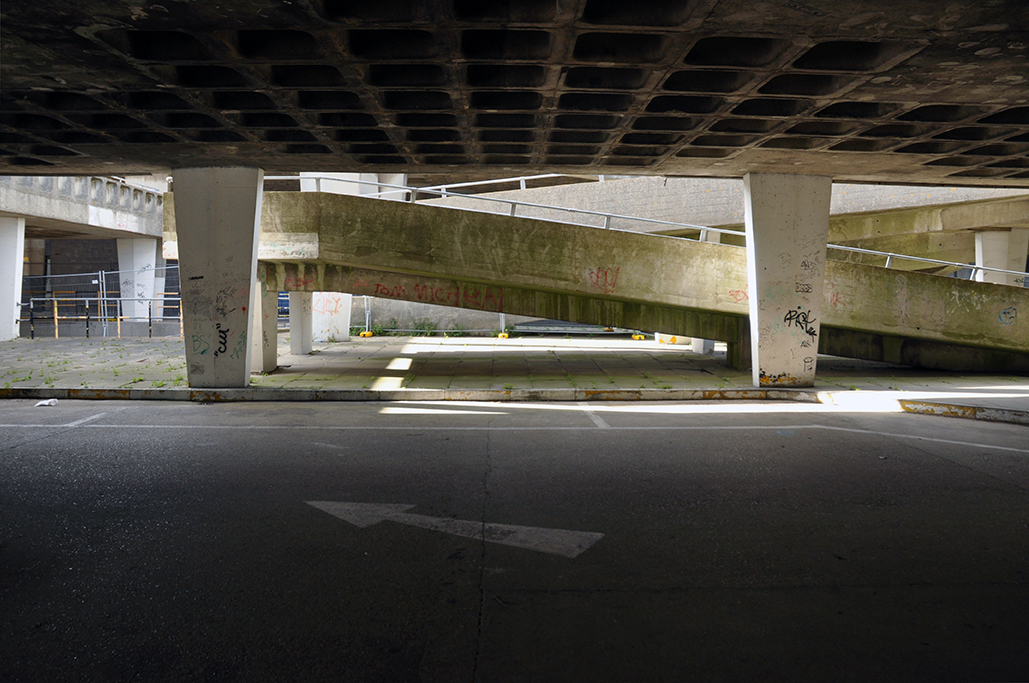
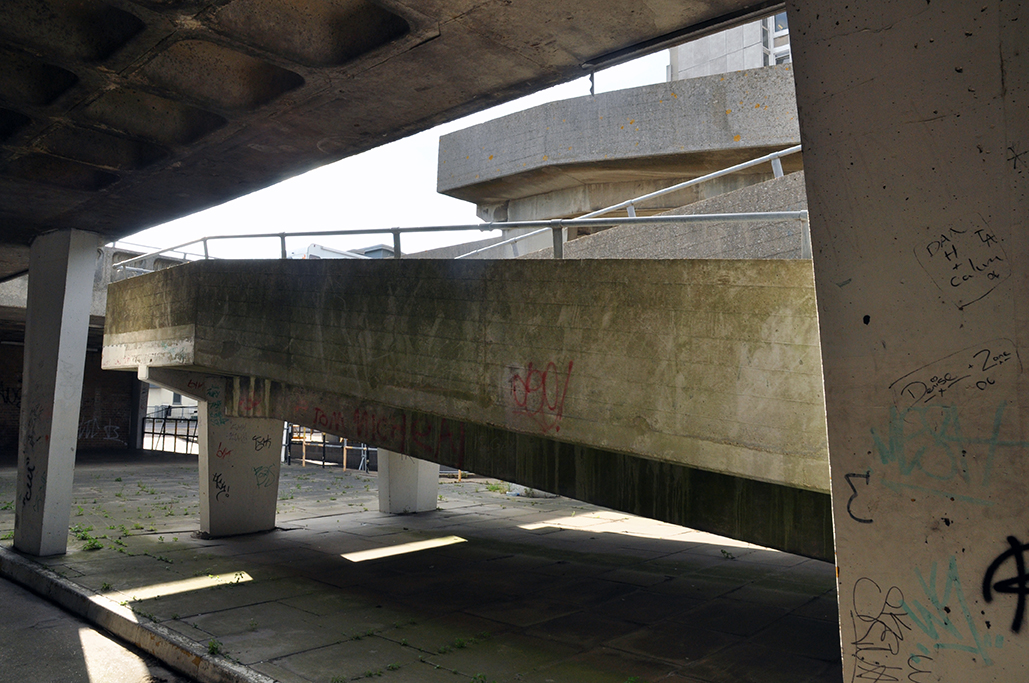
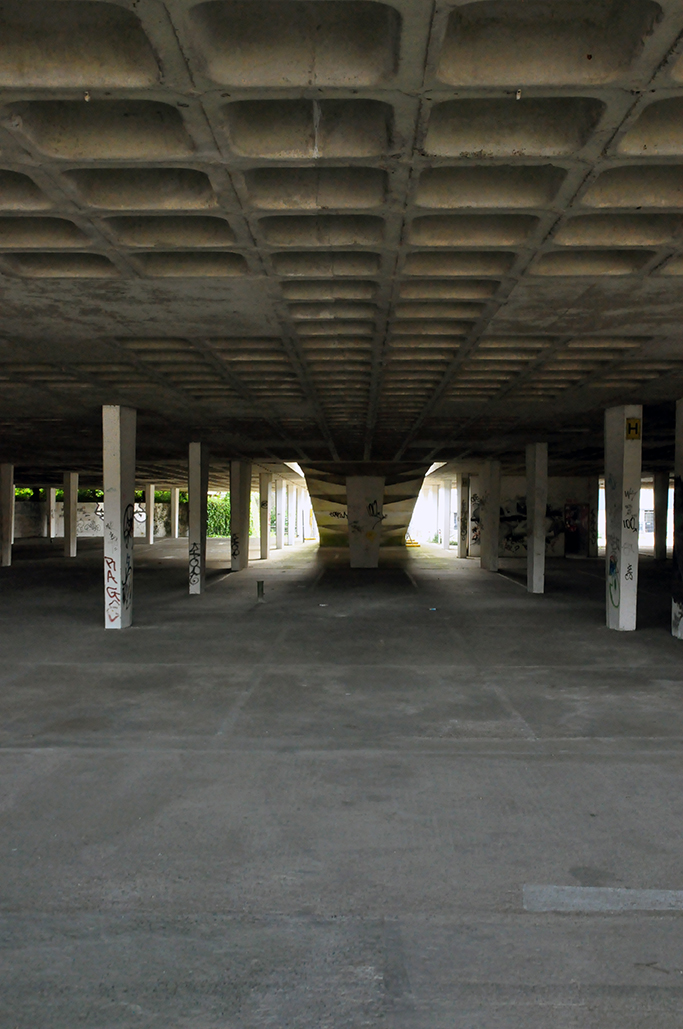
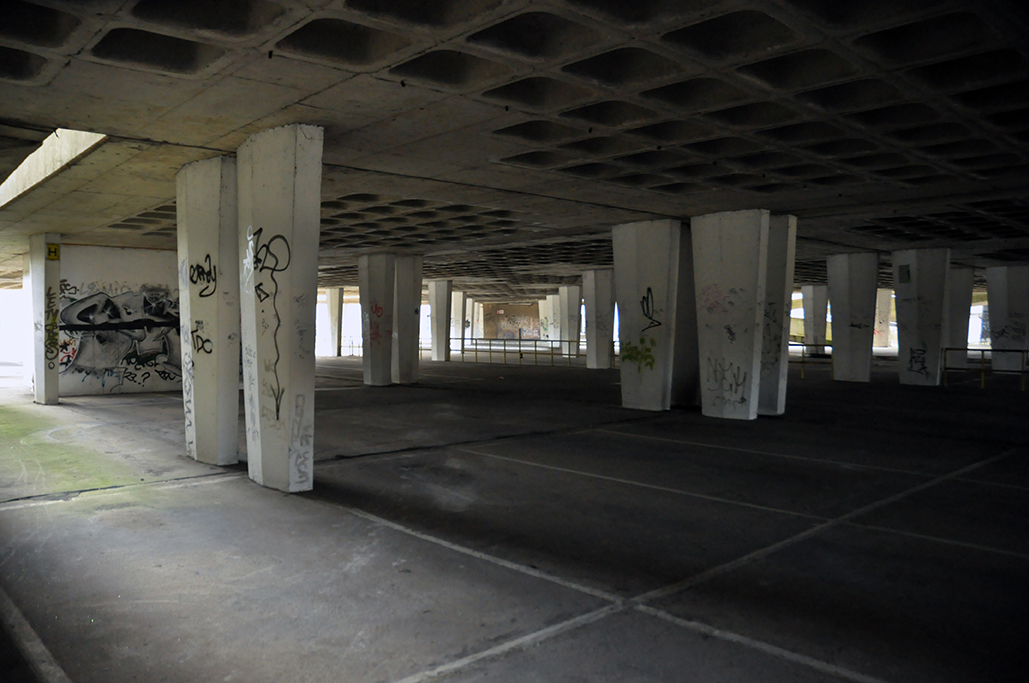
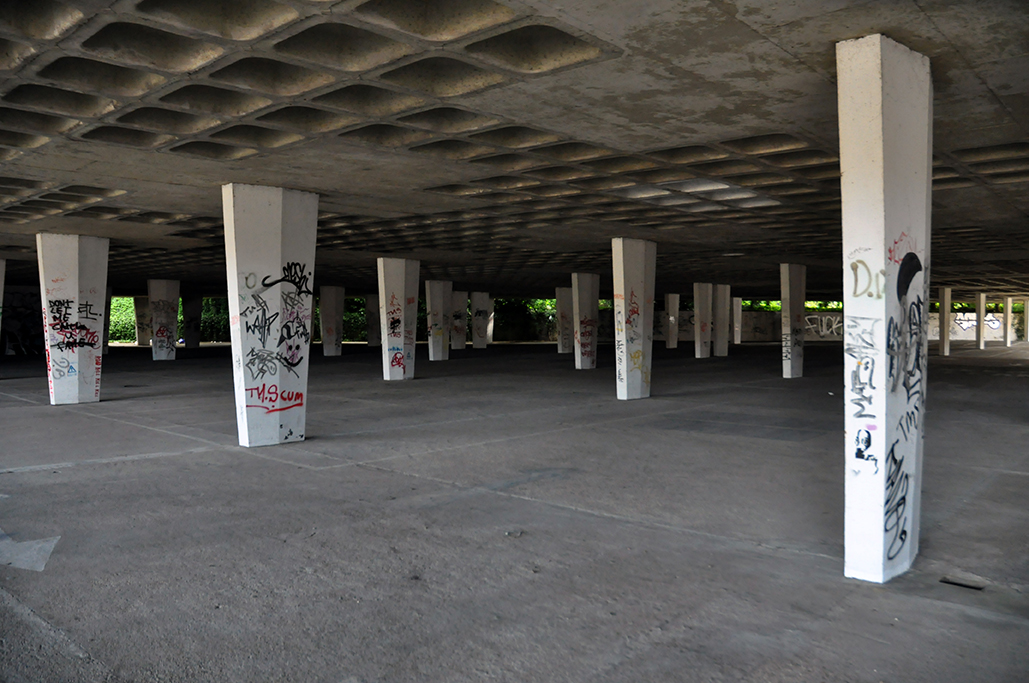
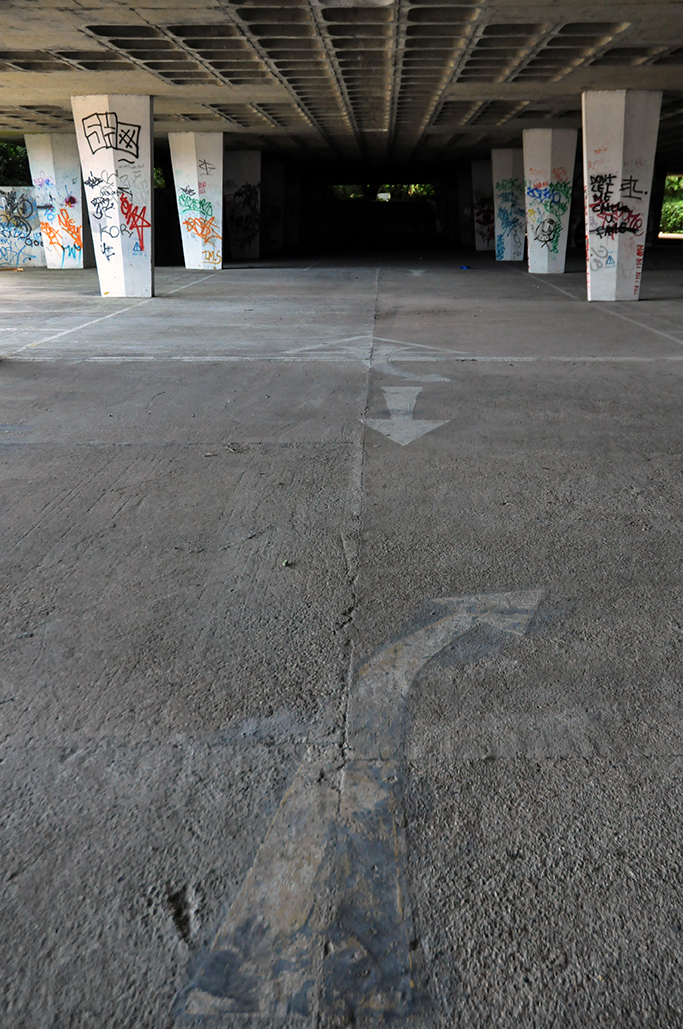
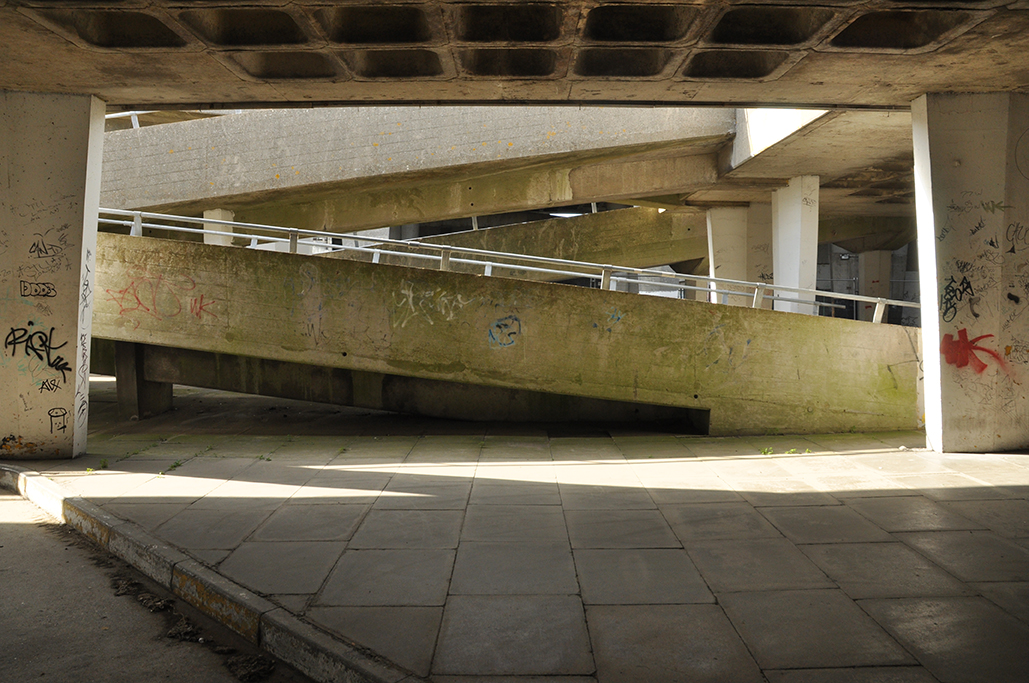
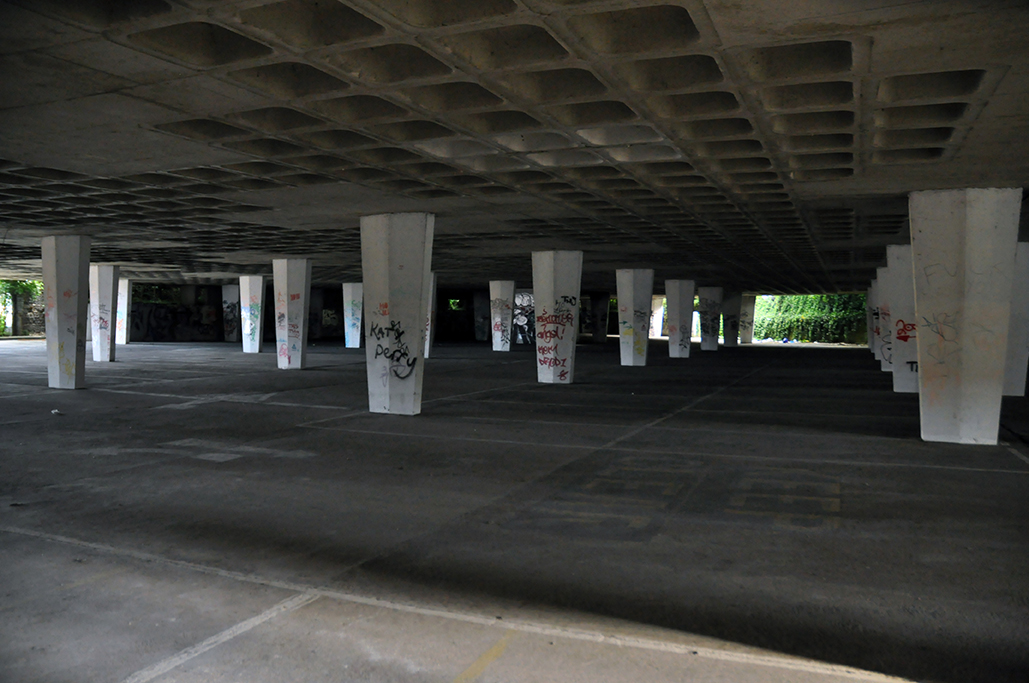
There’s a world going on underground.
At ground level.
Fenced off, rather poorly though.
Not much here to deter even the faint hearted urban explorer.
Find a gap and get in.
Join the taggers and lollygaggers,
Underground.


Mr Turner came here way back when,
The same sea lapped a different shore,
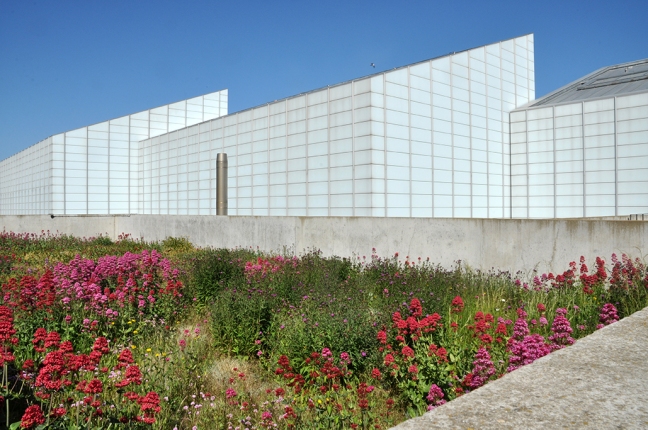
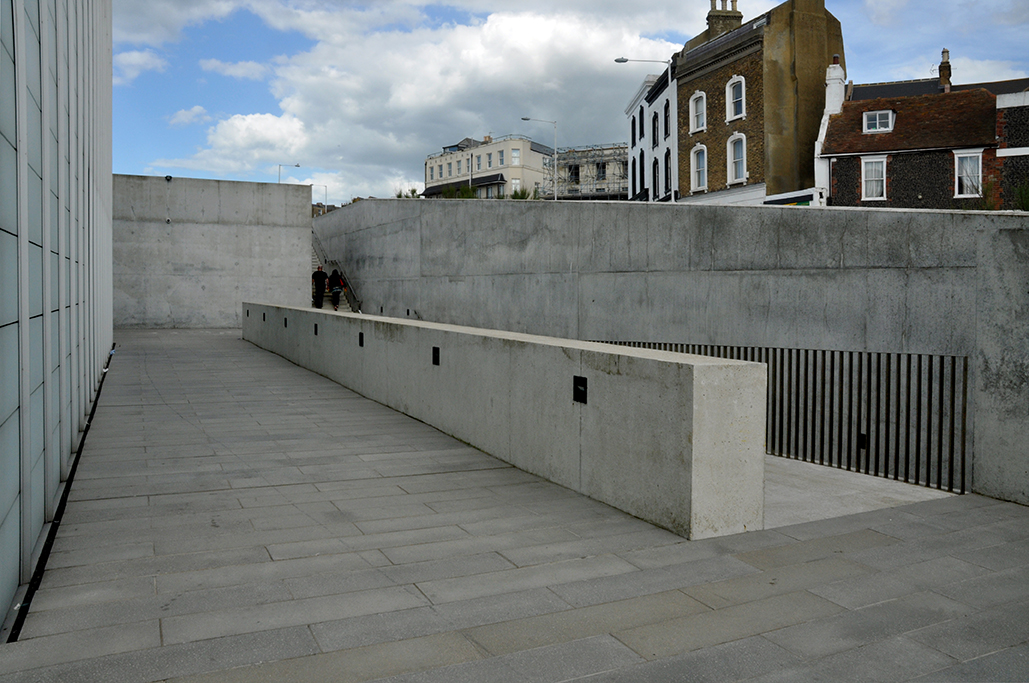
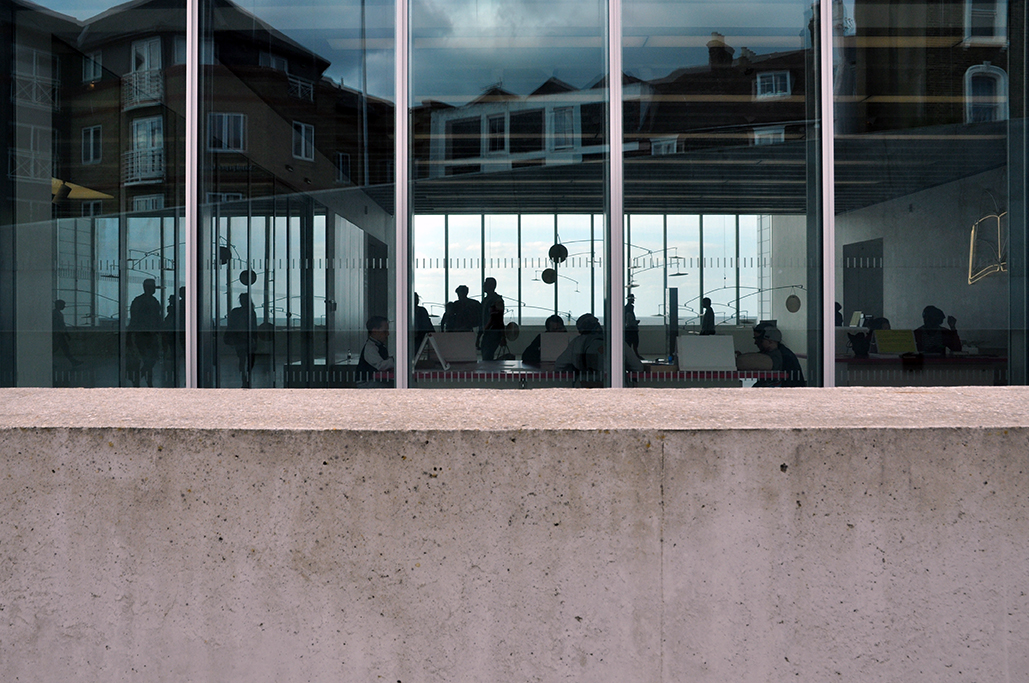
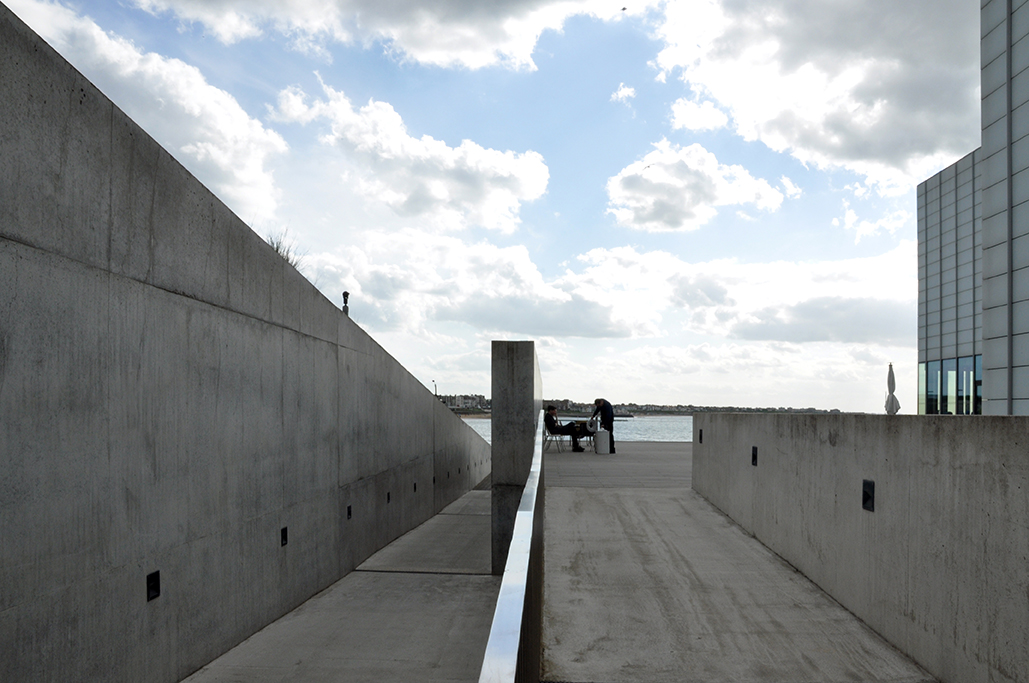
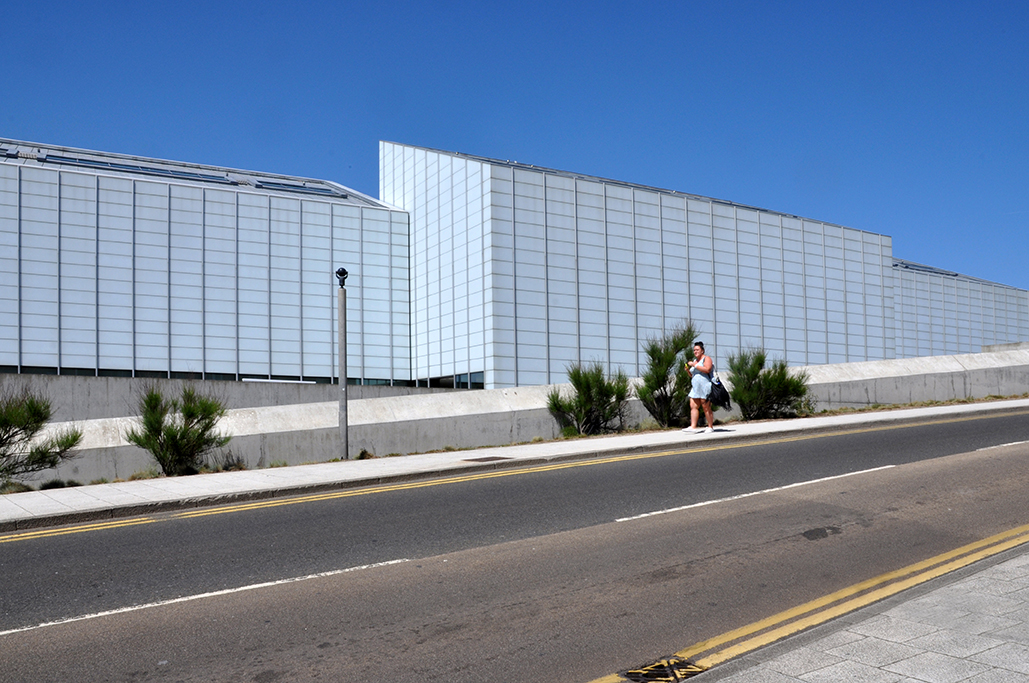
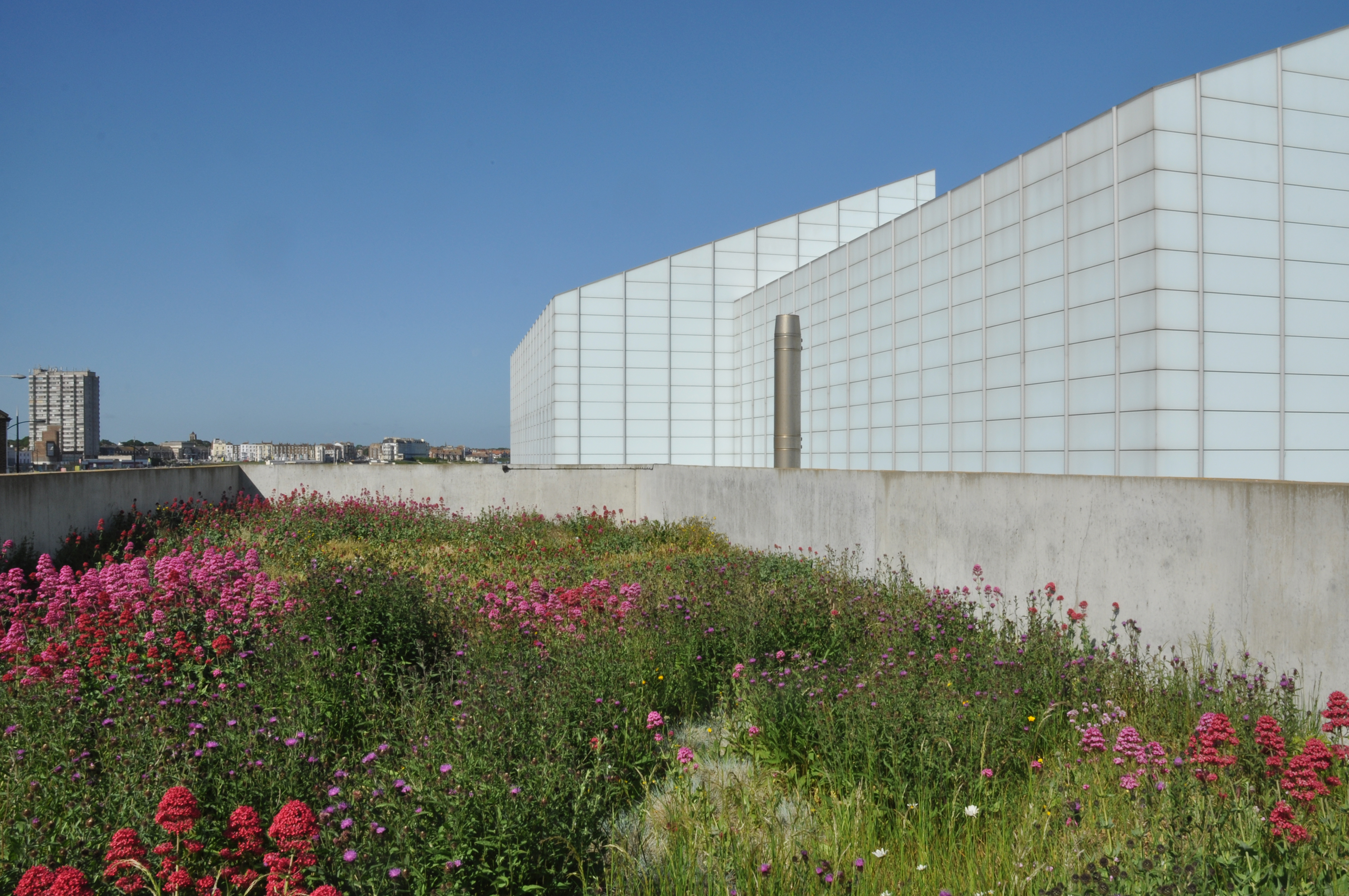
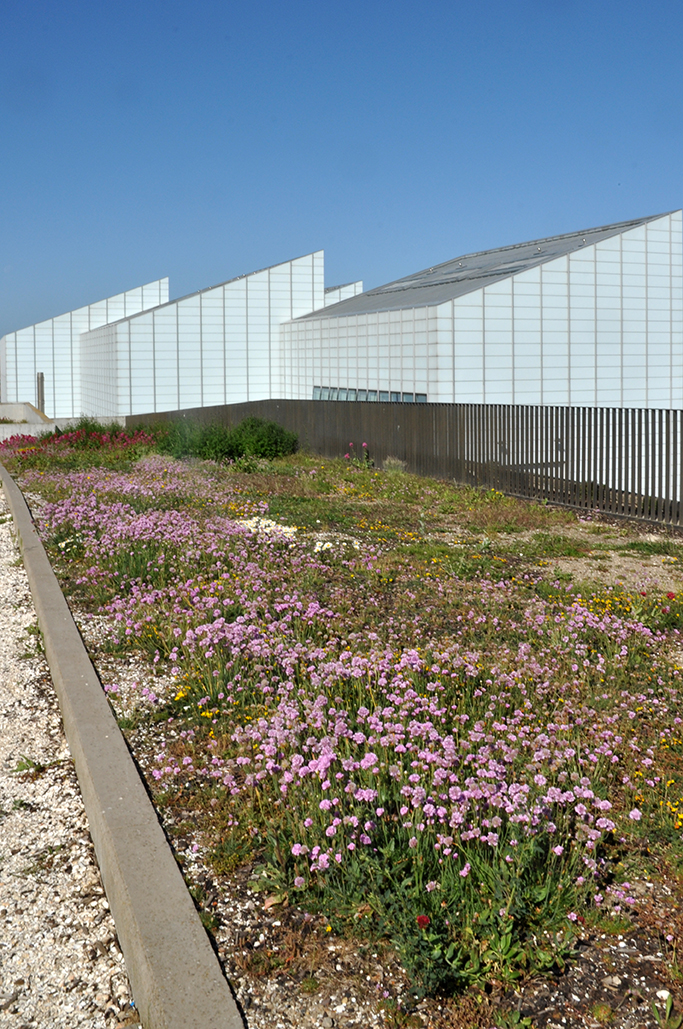
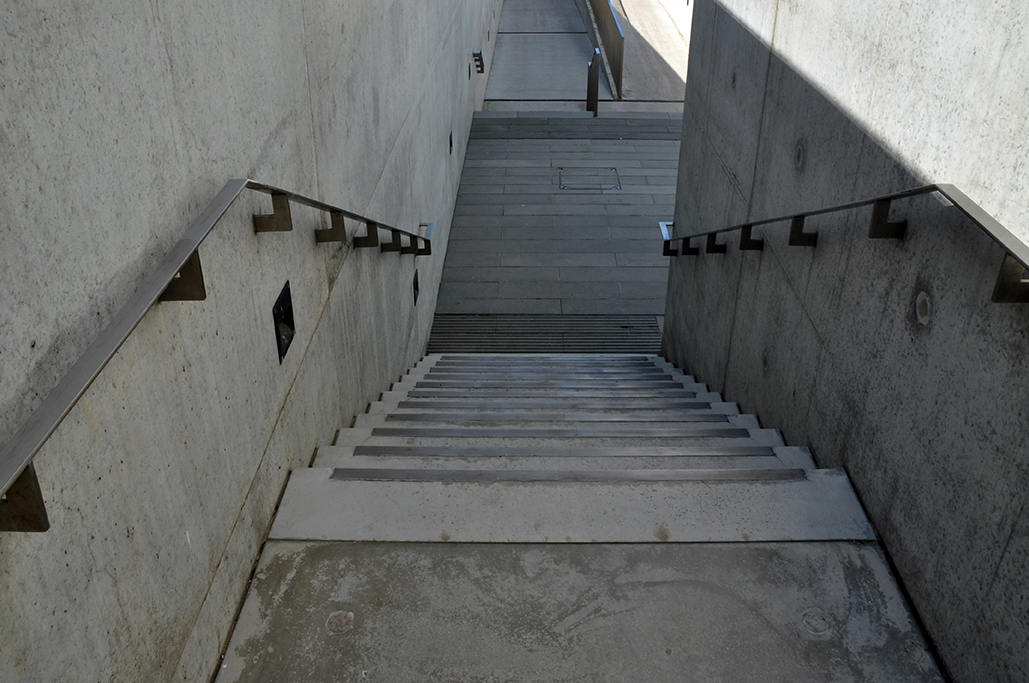
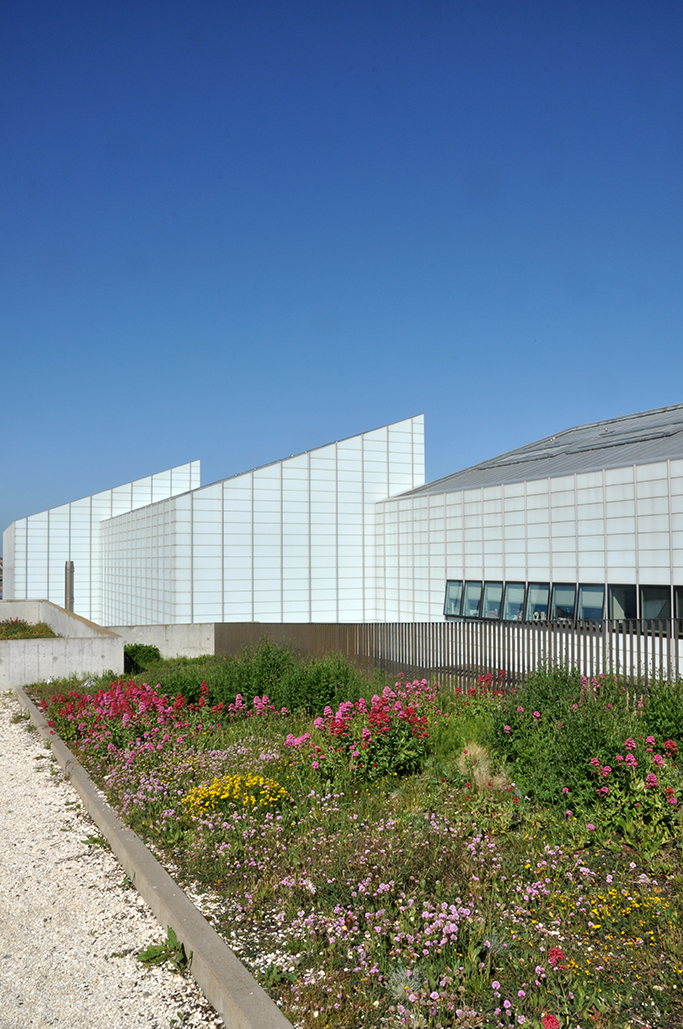
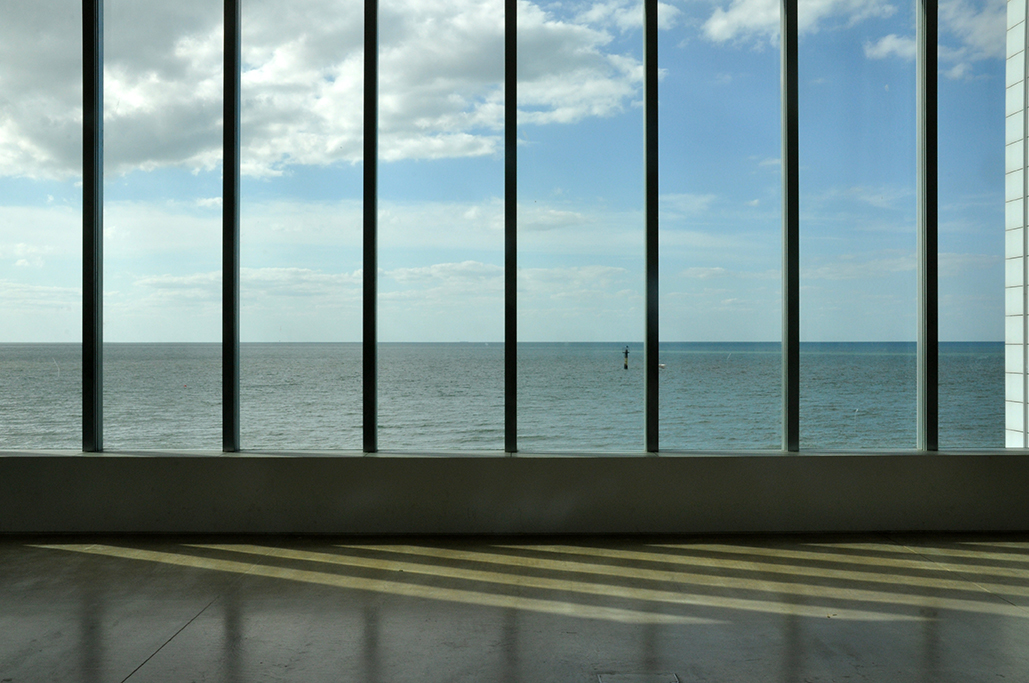
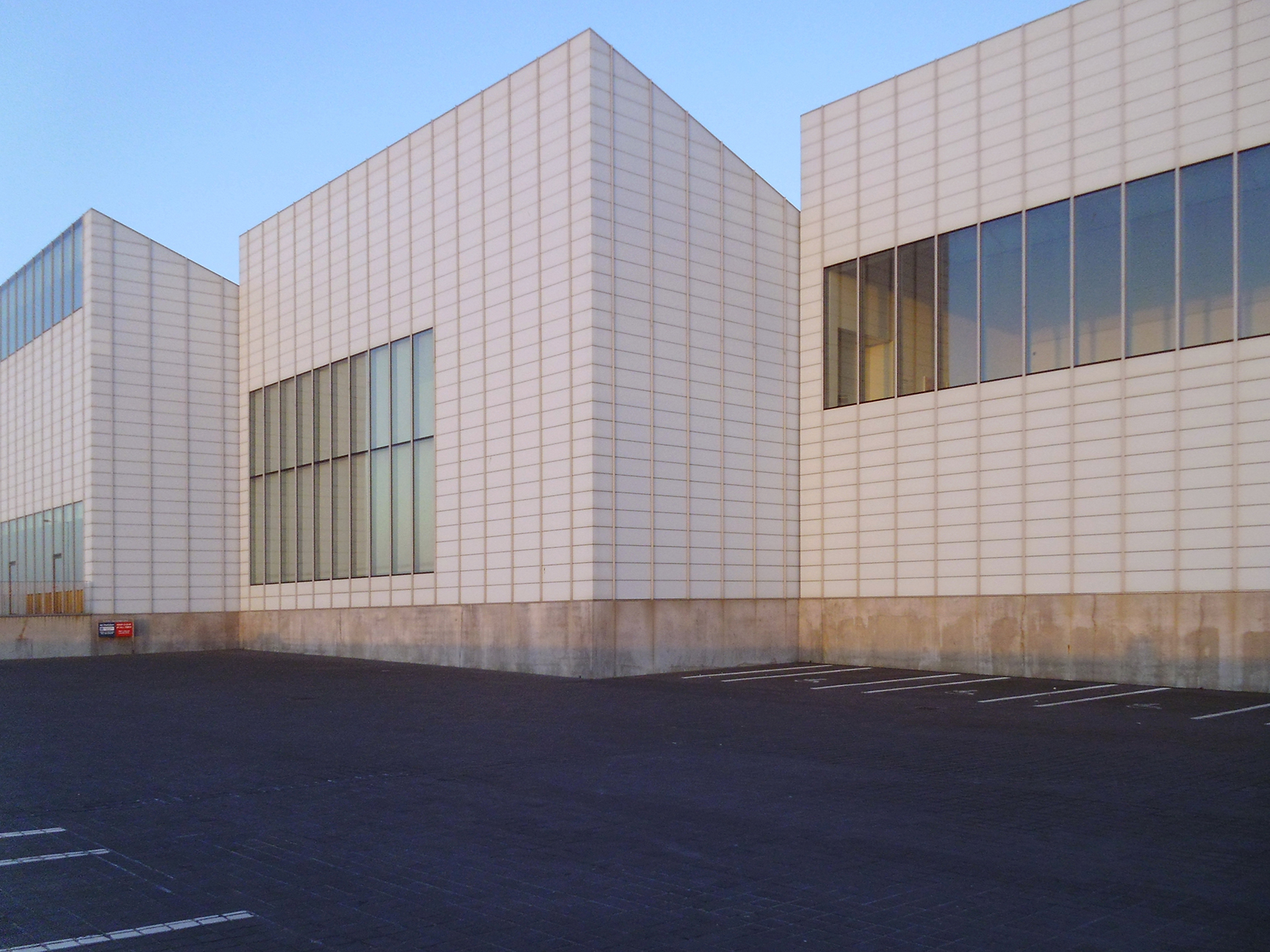
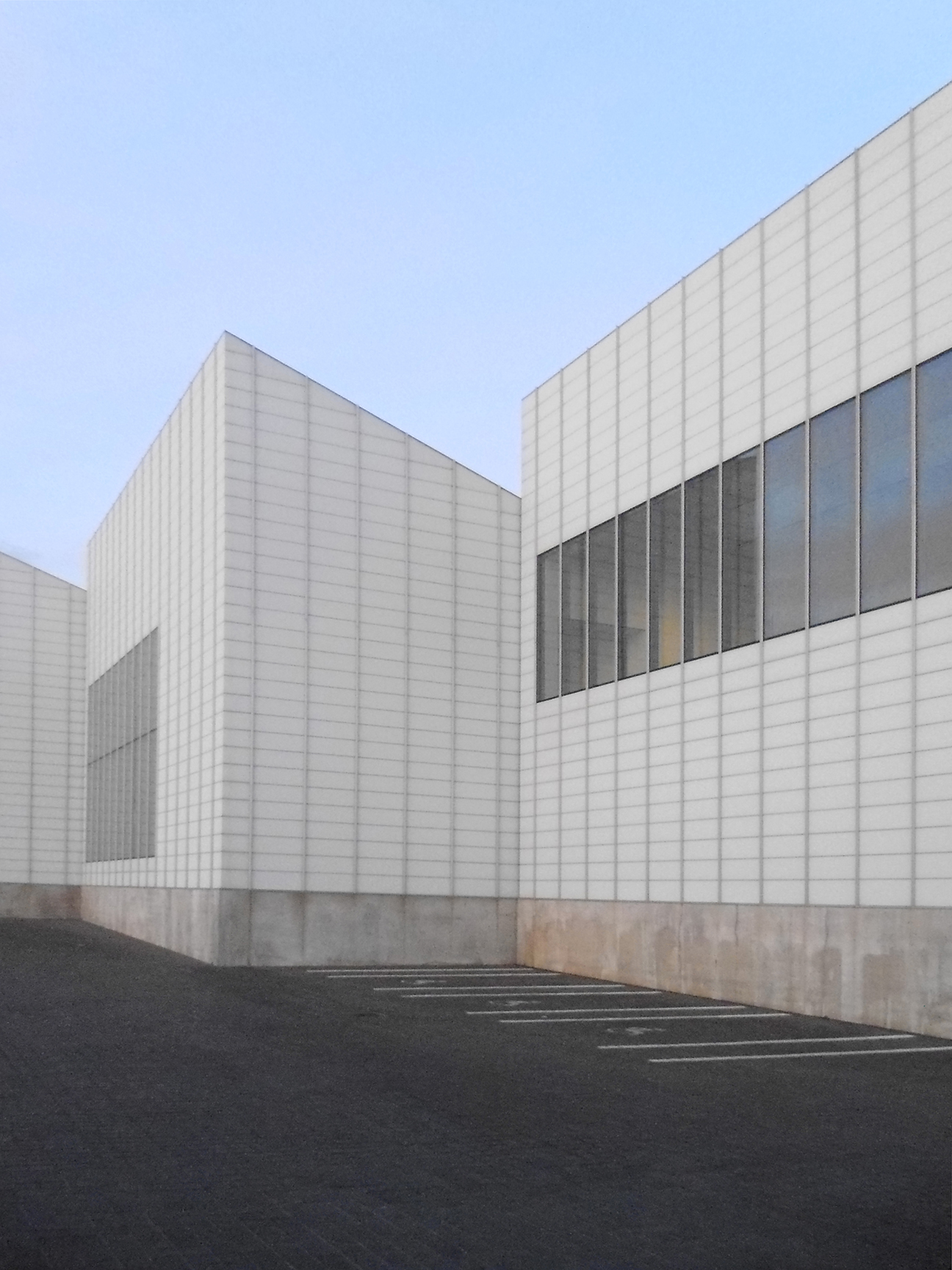
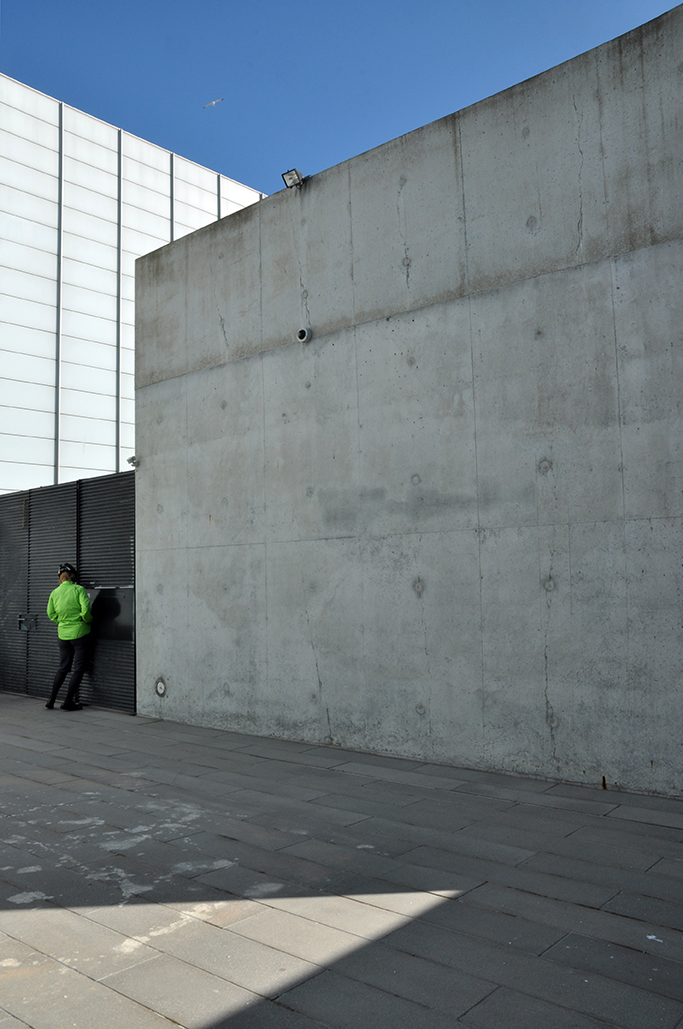
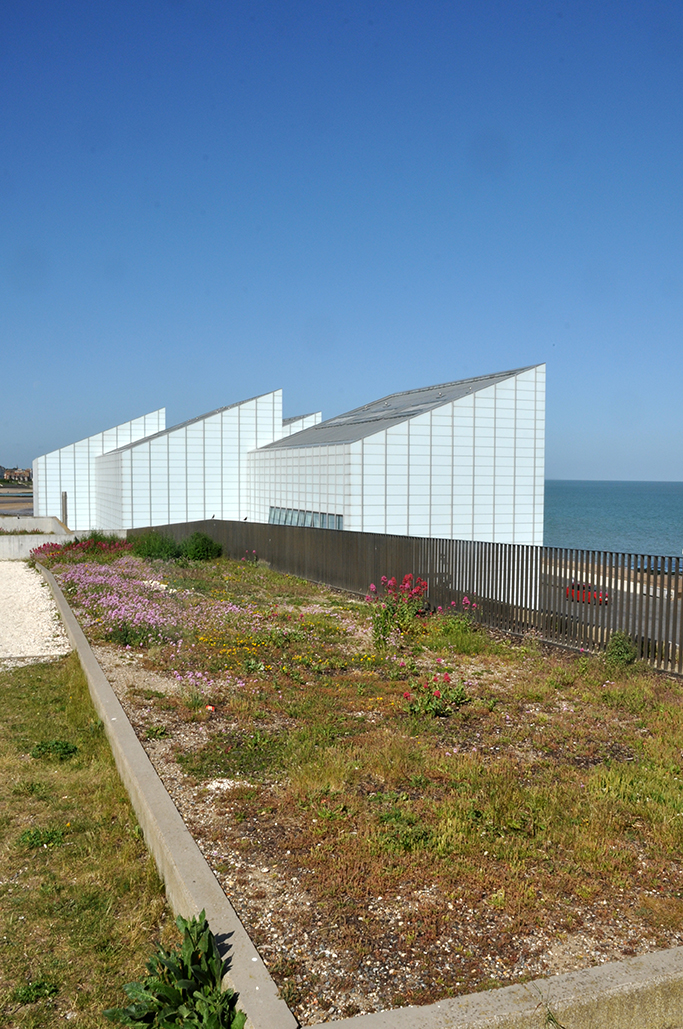
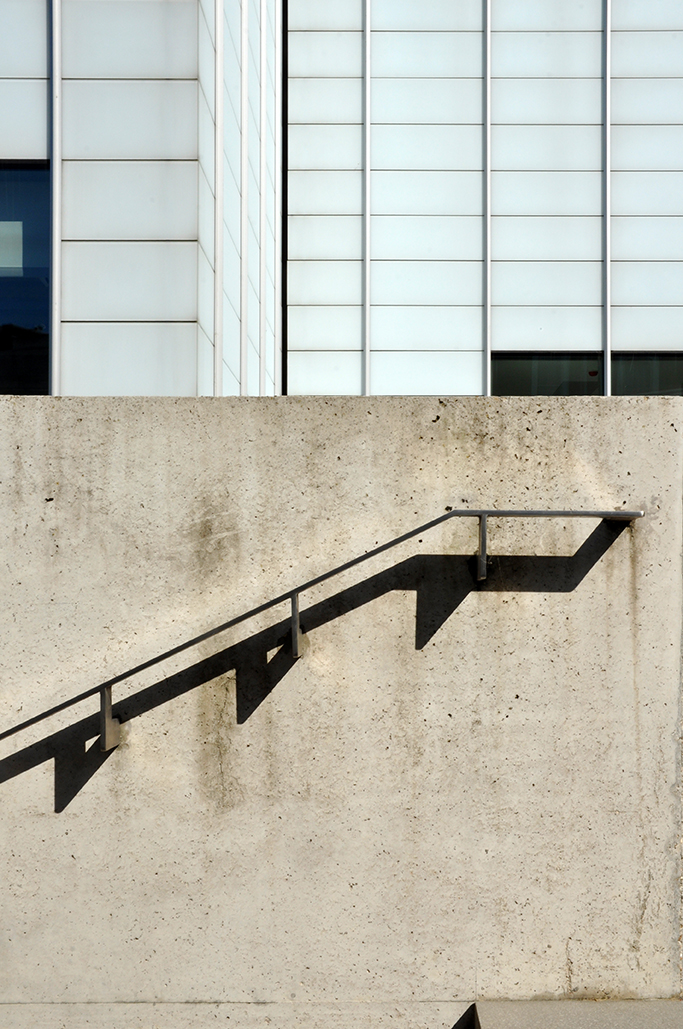
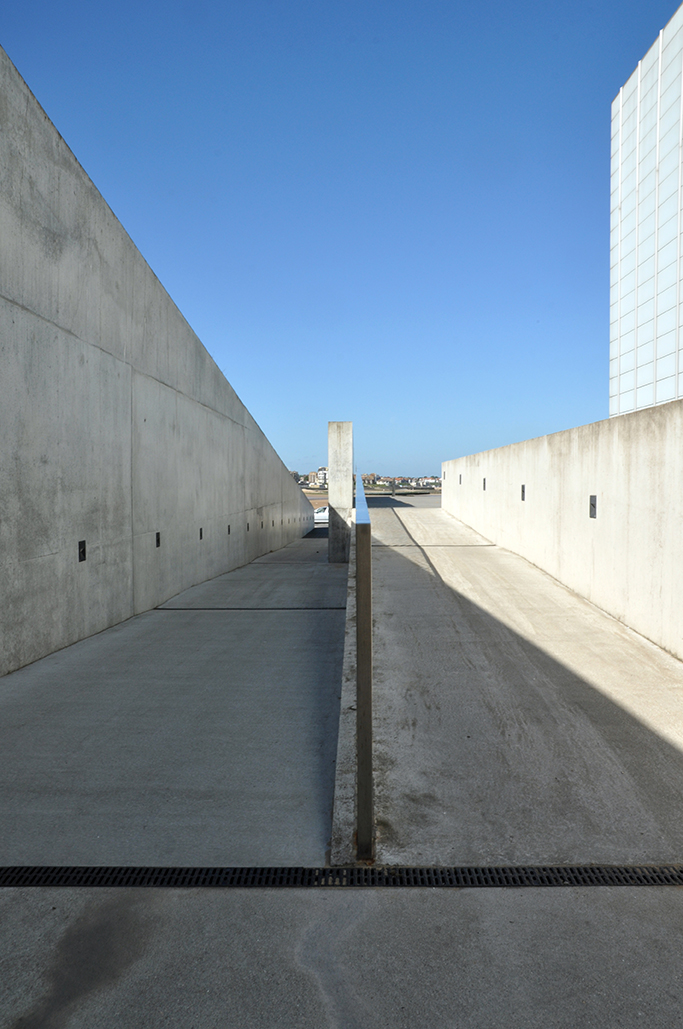
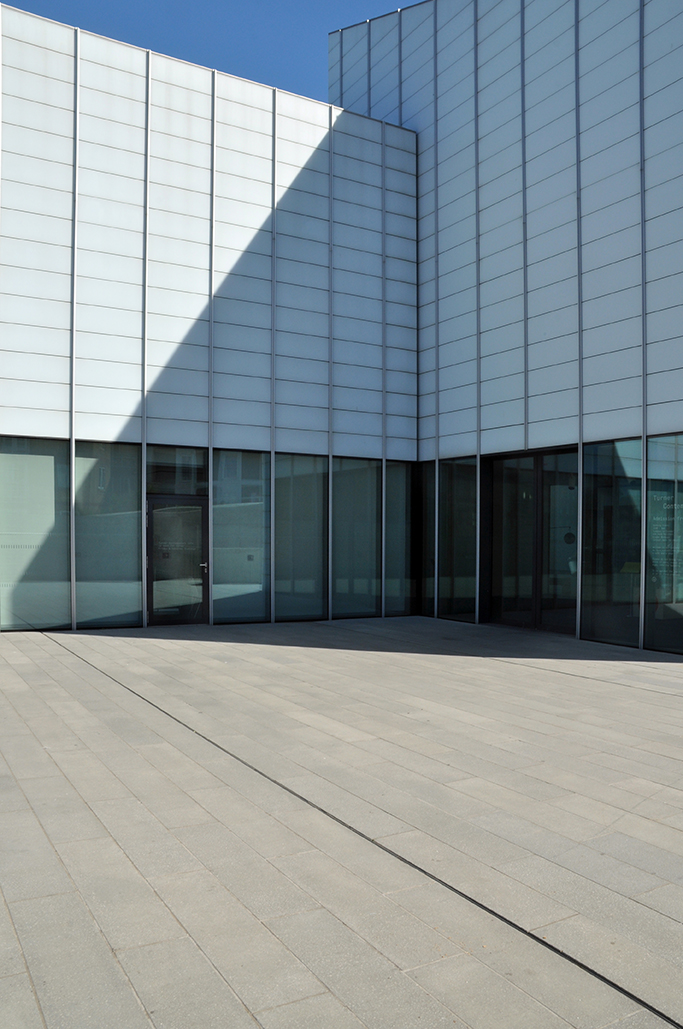
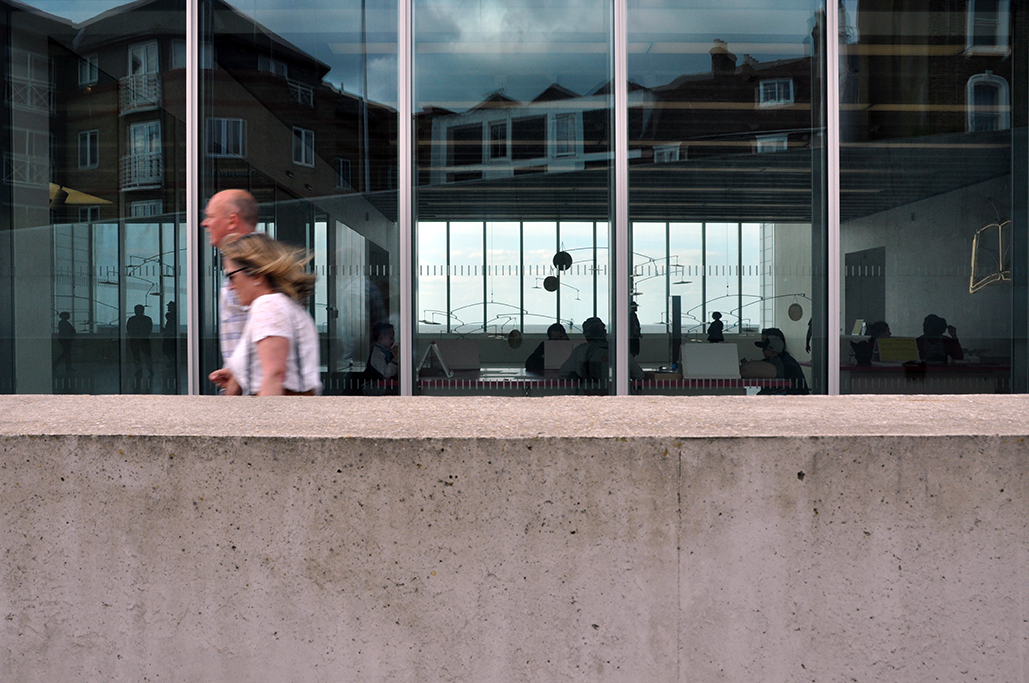
A gallery stands where he passed,
If passing pop in,
Or wander the perimeter in search of a sense,
Of well being, or otherwise,
Seeking a link with some not too distant past,
When a different sea lapped the same shore.
https://www.turnercontemporary.org


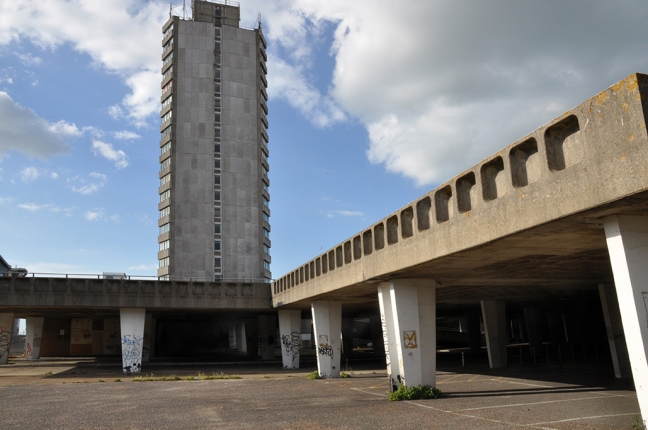
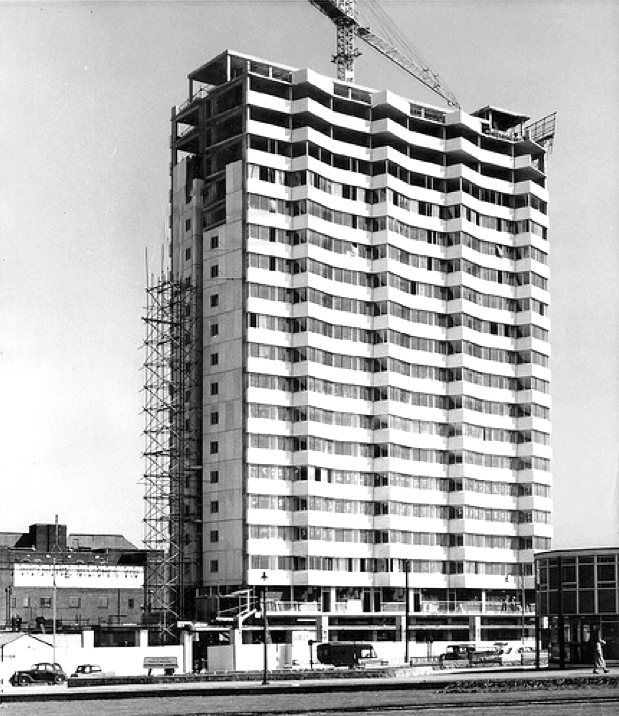
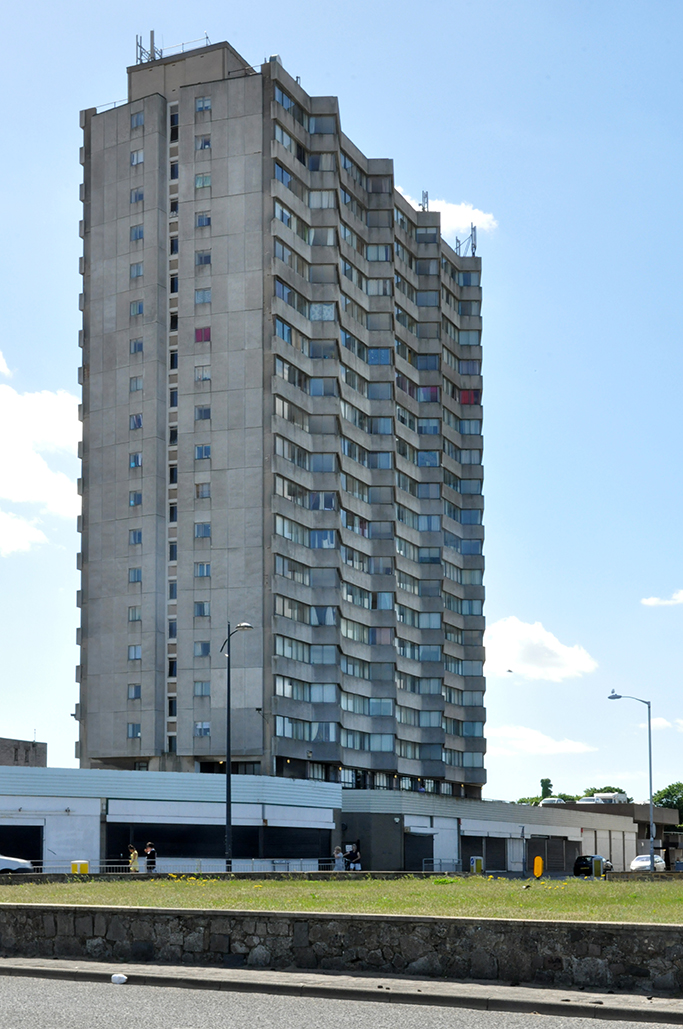
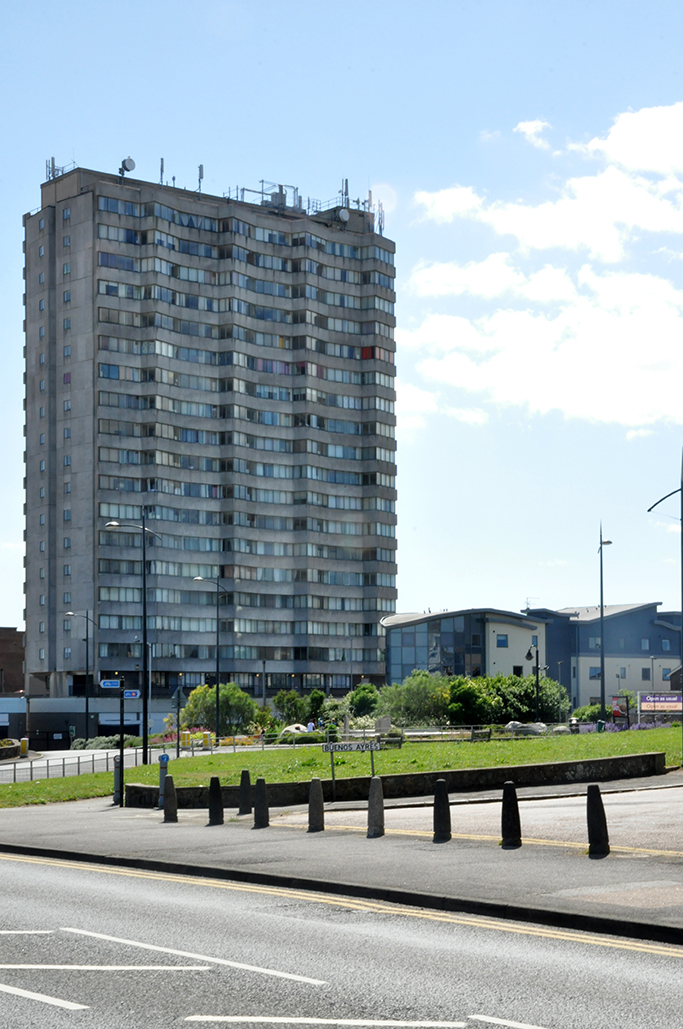
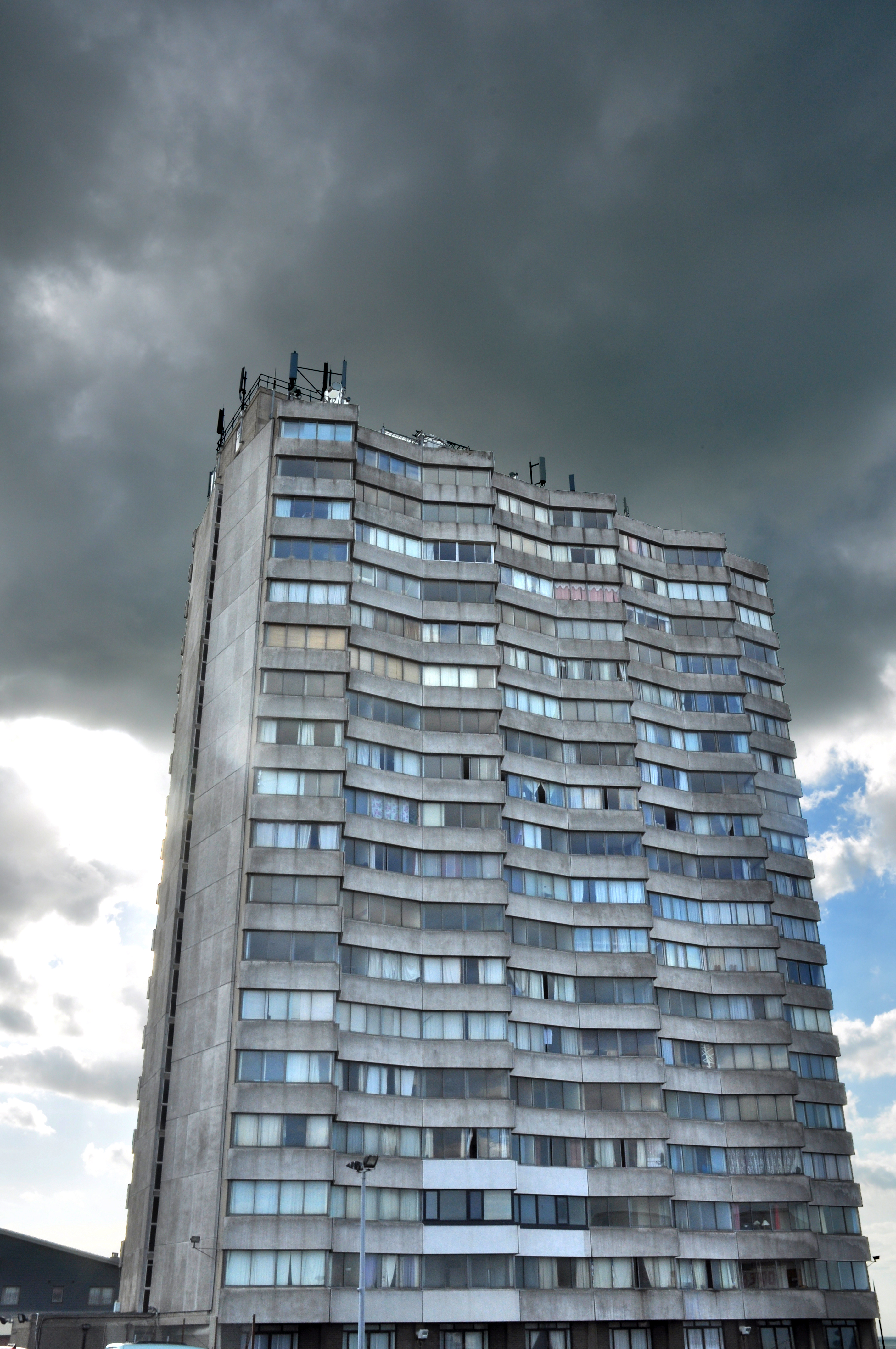
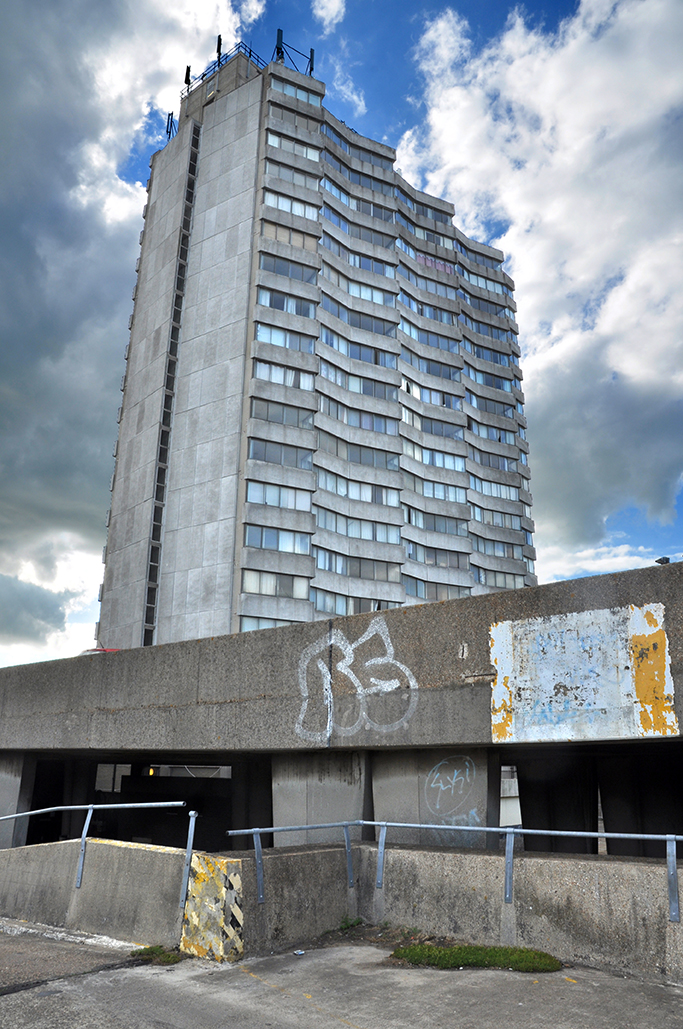
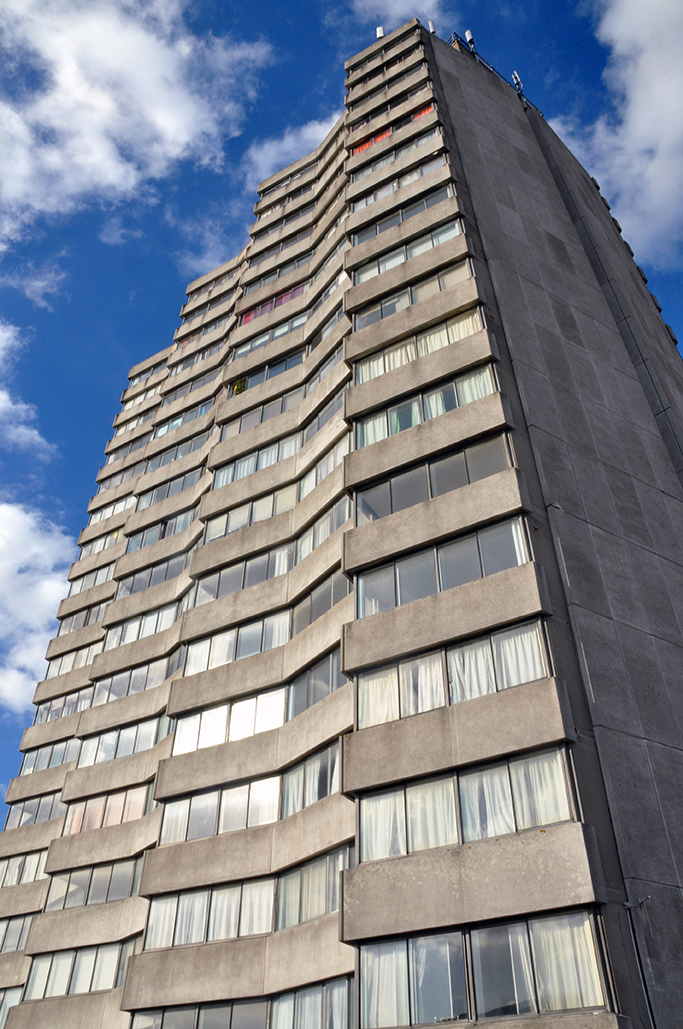
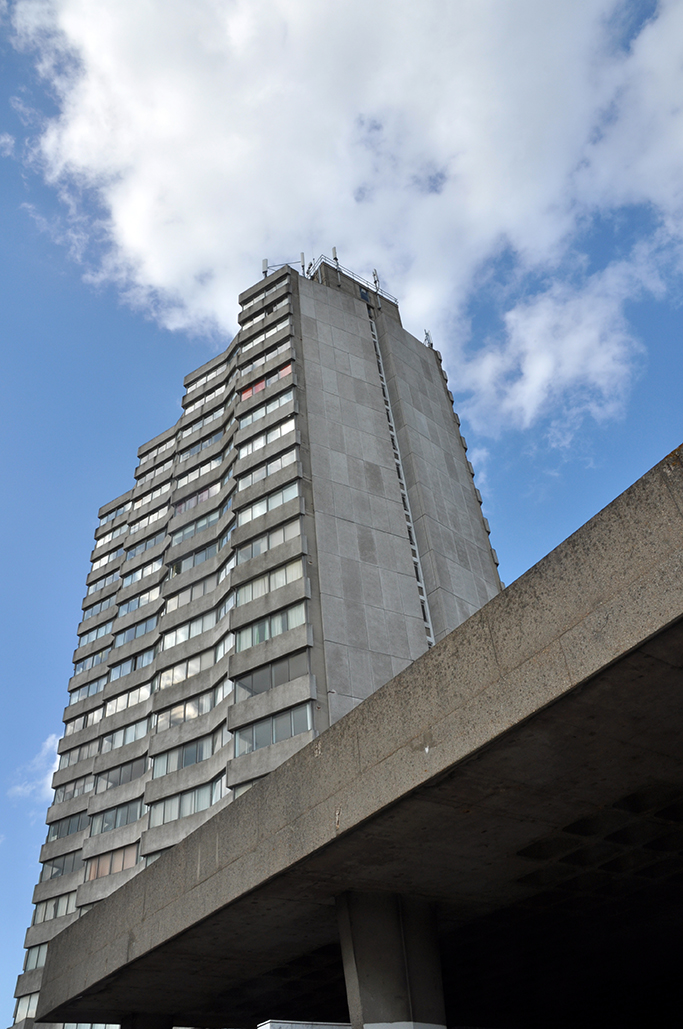
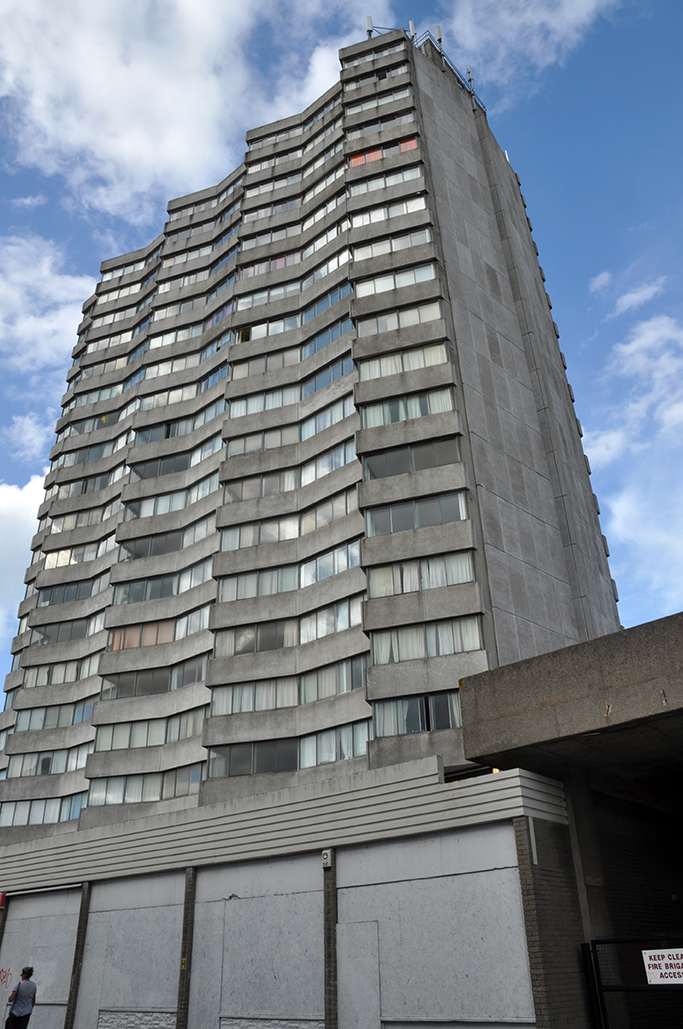
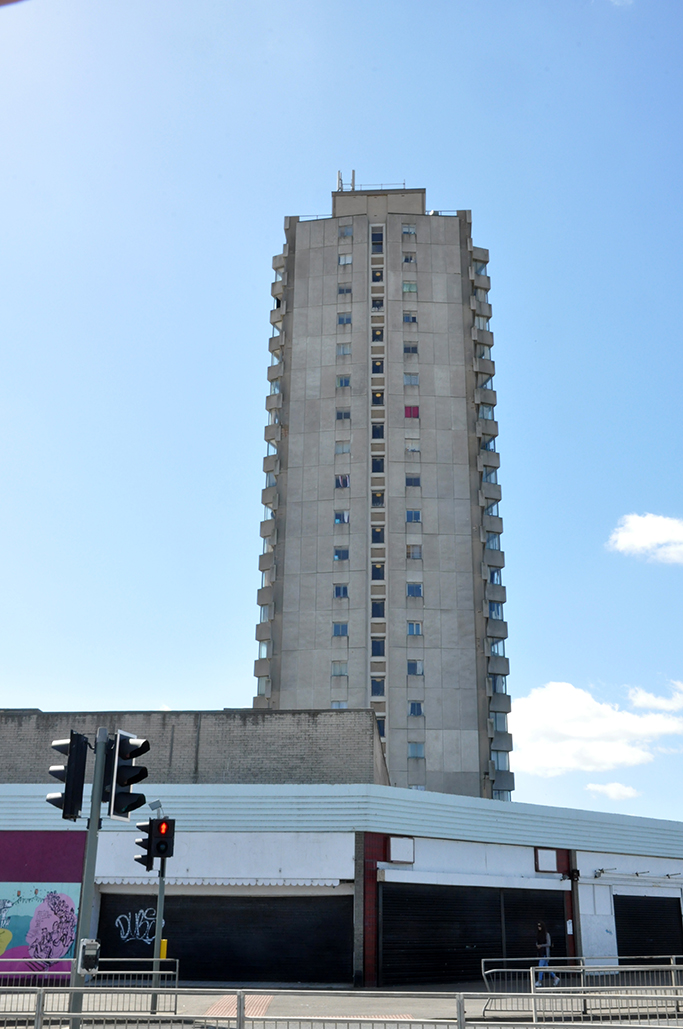
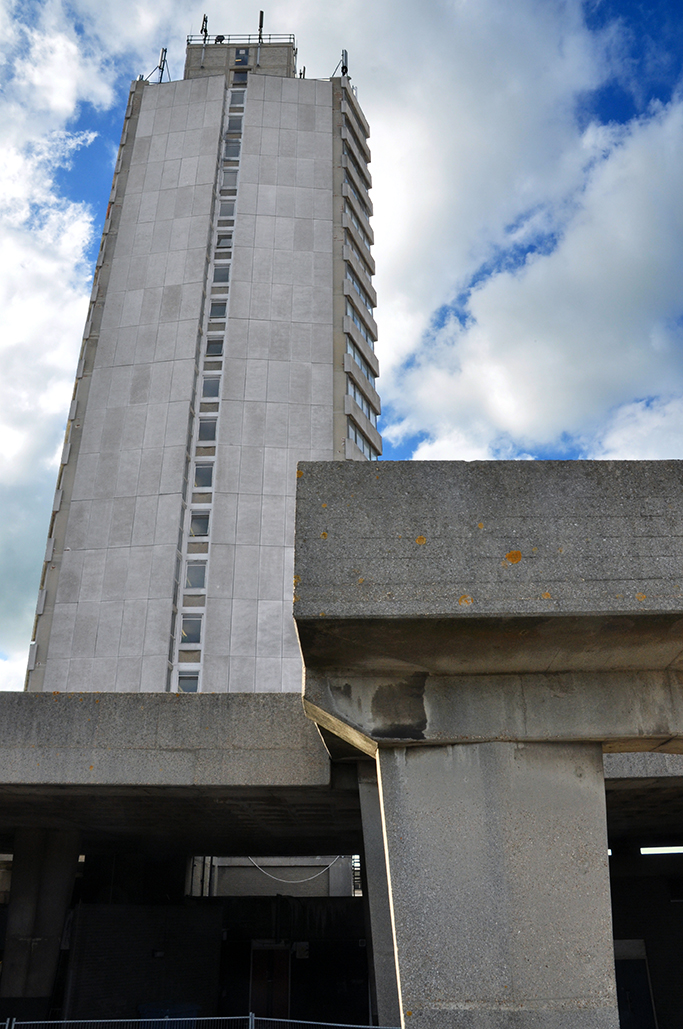
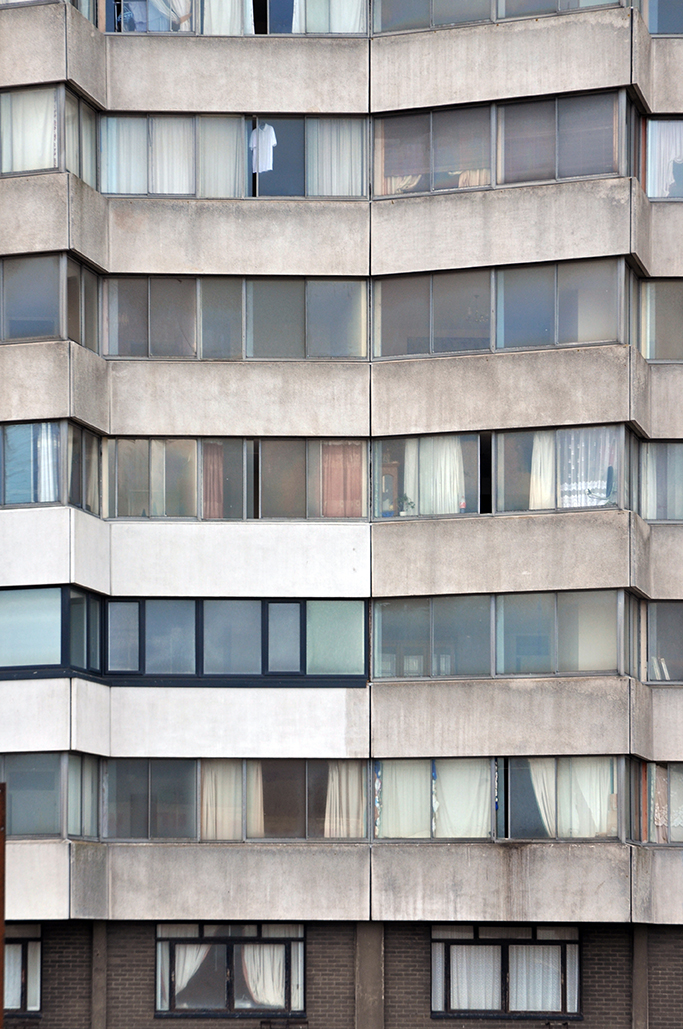
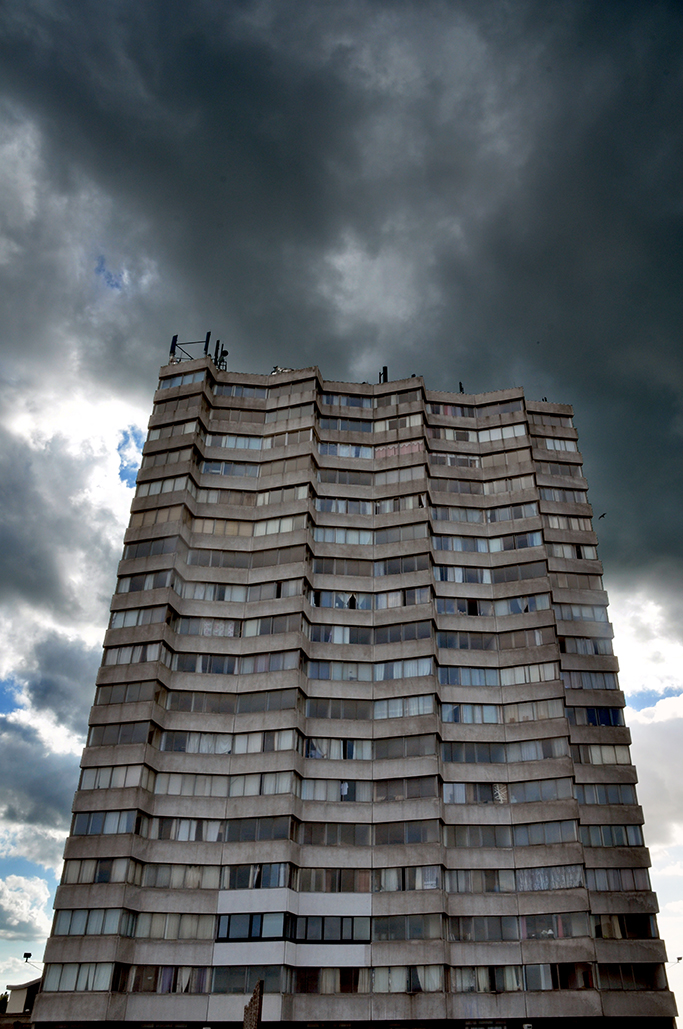
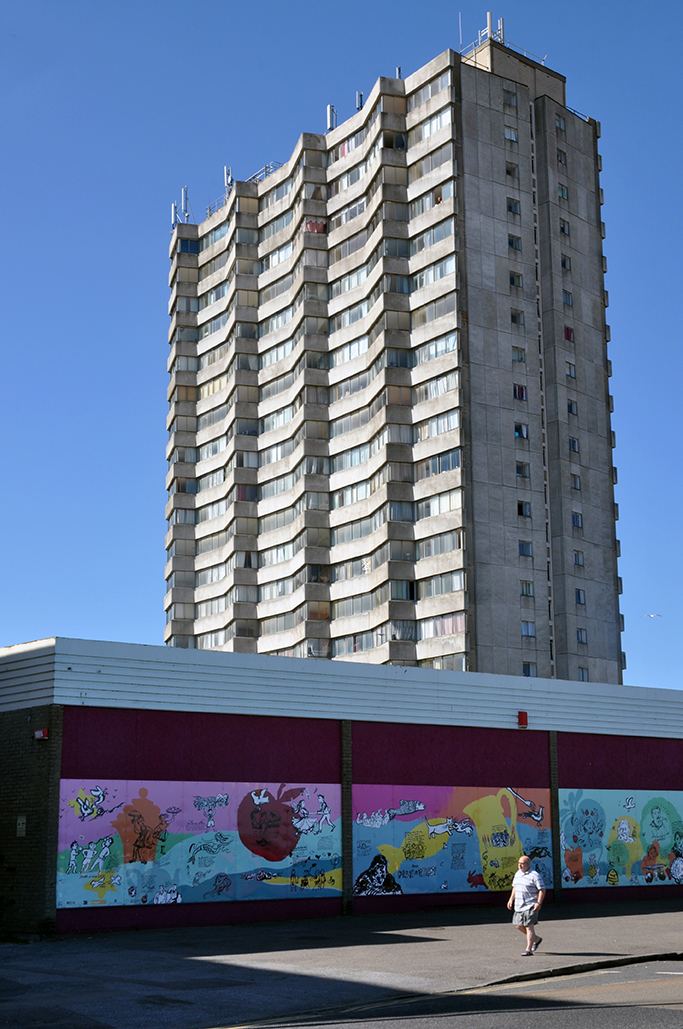
Arlington House is a 58 metre high eighteen-storey residential apartment block in Margate, Kent, England.

It was built in 1964, it has 142 apartments, and was designed by Russell Diplock & Associates, developed by Bernard Sunley Trust, and built by the contractors Bernard Sunley & Sons.
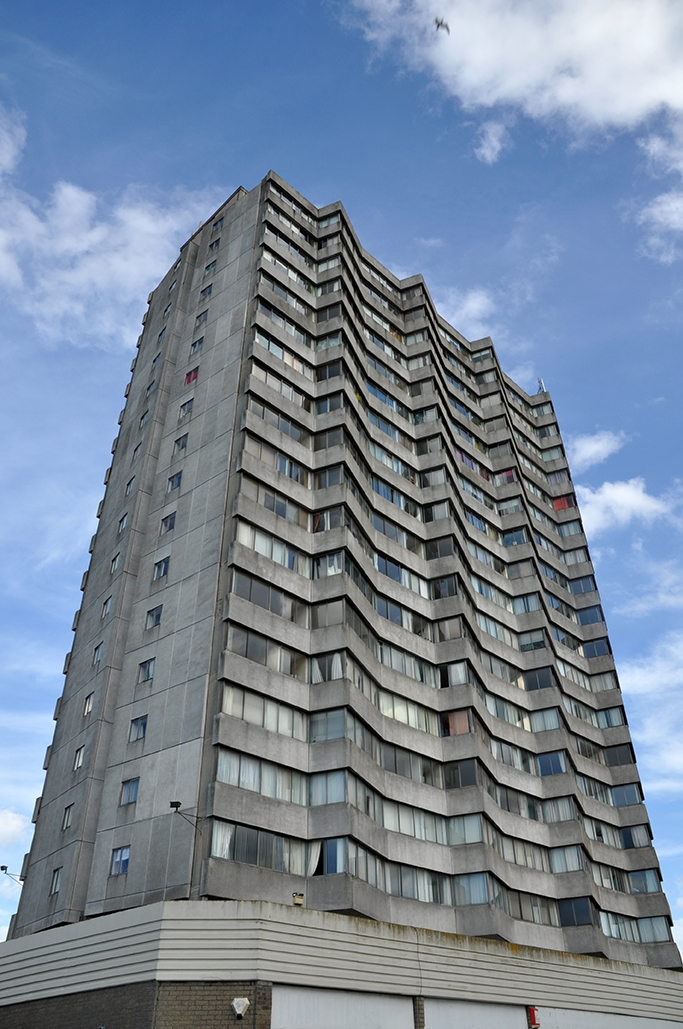
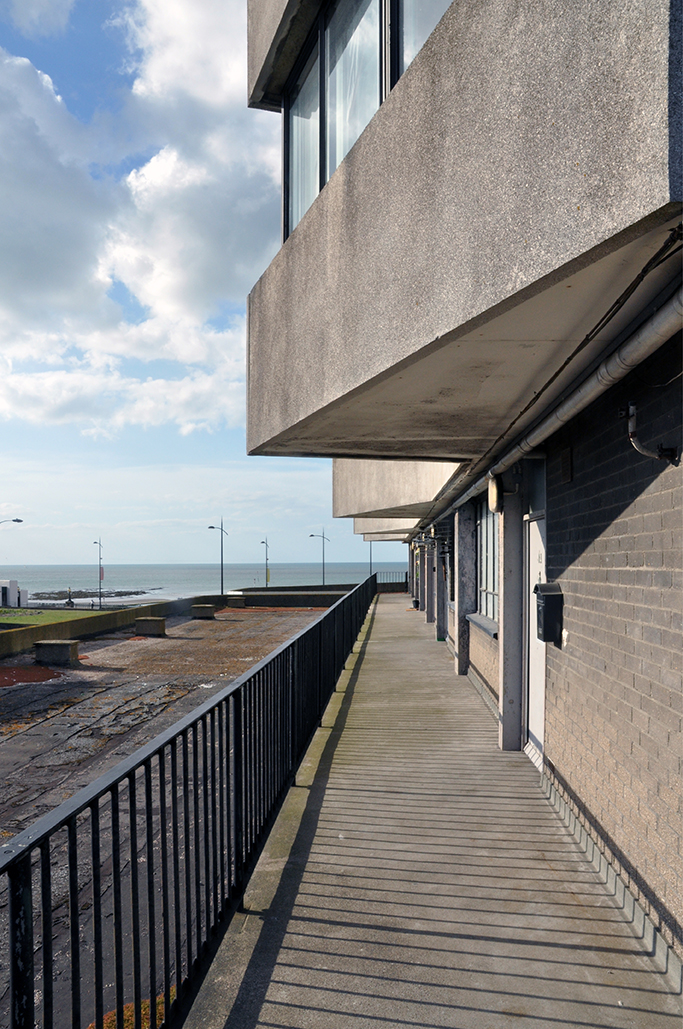
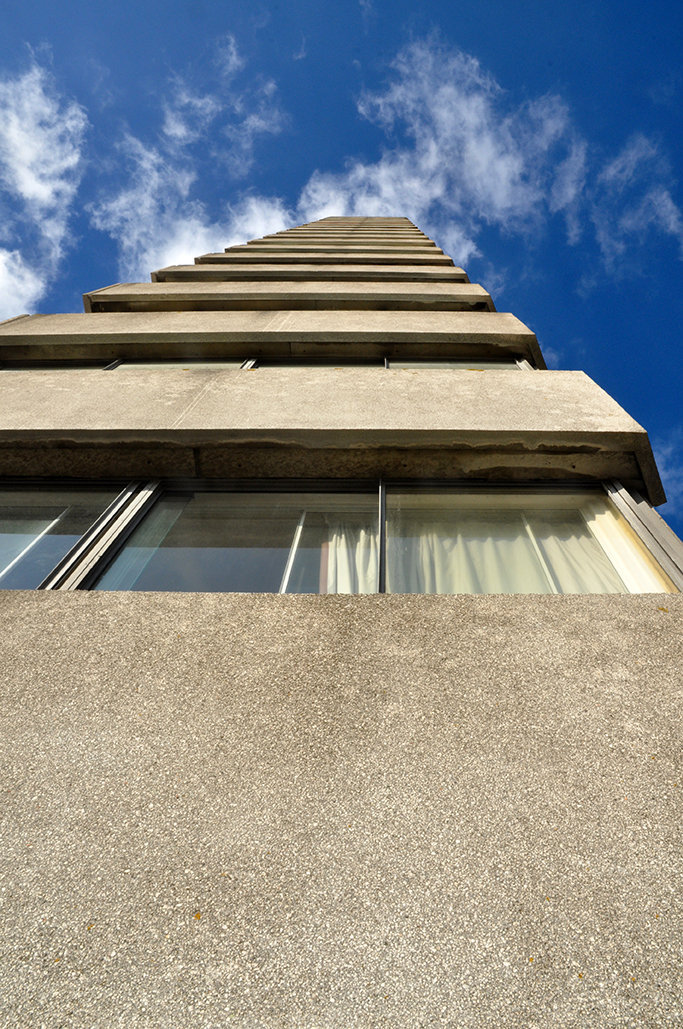
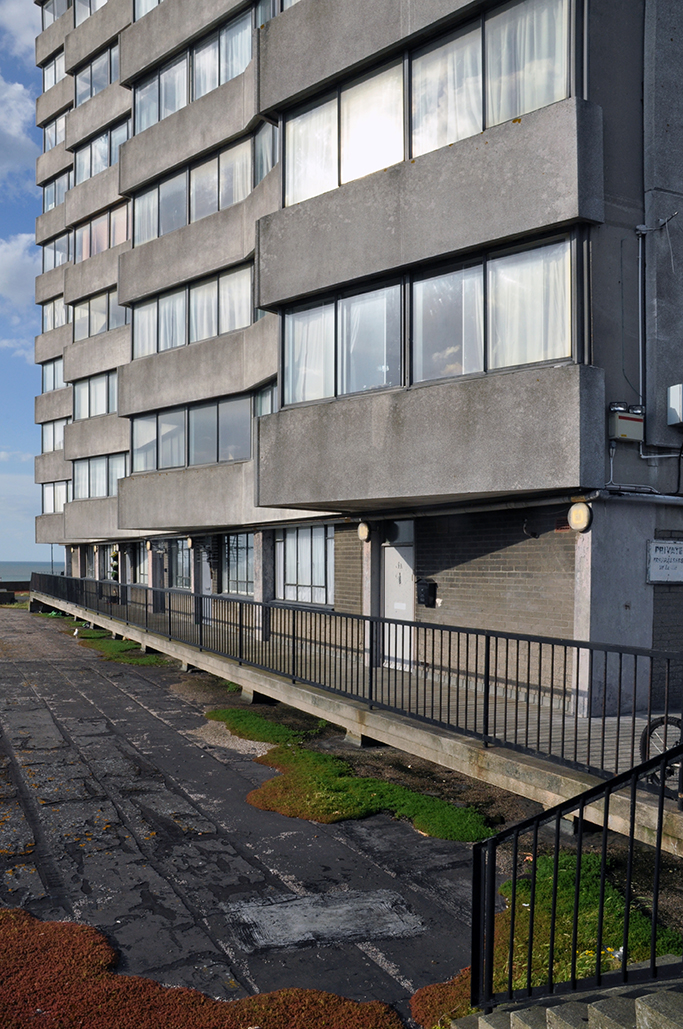
The sides of the building have a wave-like design, providing both inland and sea views.
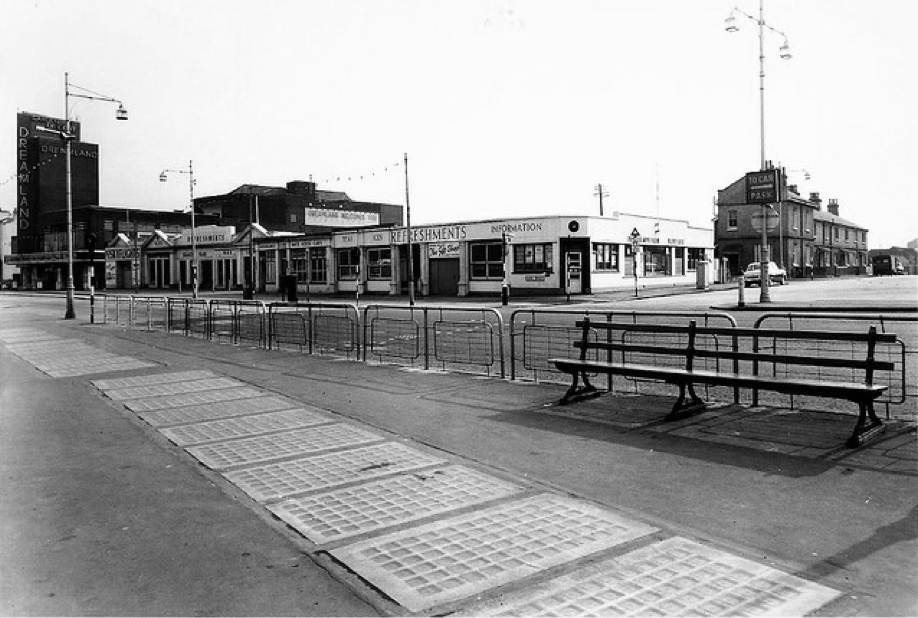
It was initially advertised as Britain’s first park and buy shopping centre with luxury flats , incorporating a theatre, restaurant and rooftop swimming pool.

I’ll try anything twice.
So off I went to Margate, on a train, again.
Rushing out of the station agog, eager, looking for a long lost friend.
An impudent exclamation mark at the end of a rowdy Georgian row.
Arlington House.
A mad amalgam of angles, incautious concrete surfaces and glass.
Entranced, enchanted, we both stare out to sea and eye each other admiringly.


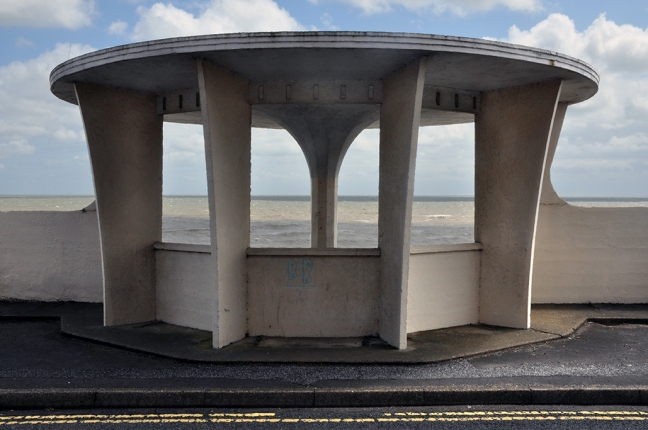
Two.
Parachuted from who knows where, onto the unsuspecting seafront.
Backed by a rambling range of well behaved Georgian terraces, facing a remorselessly mutable sea.
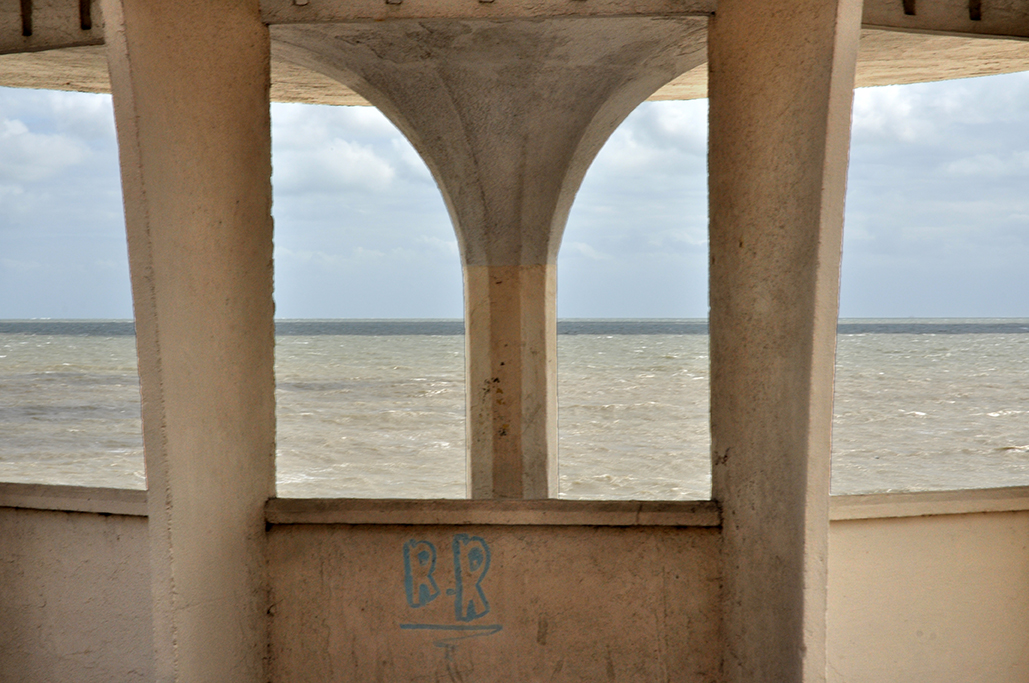
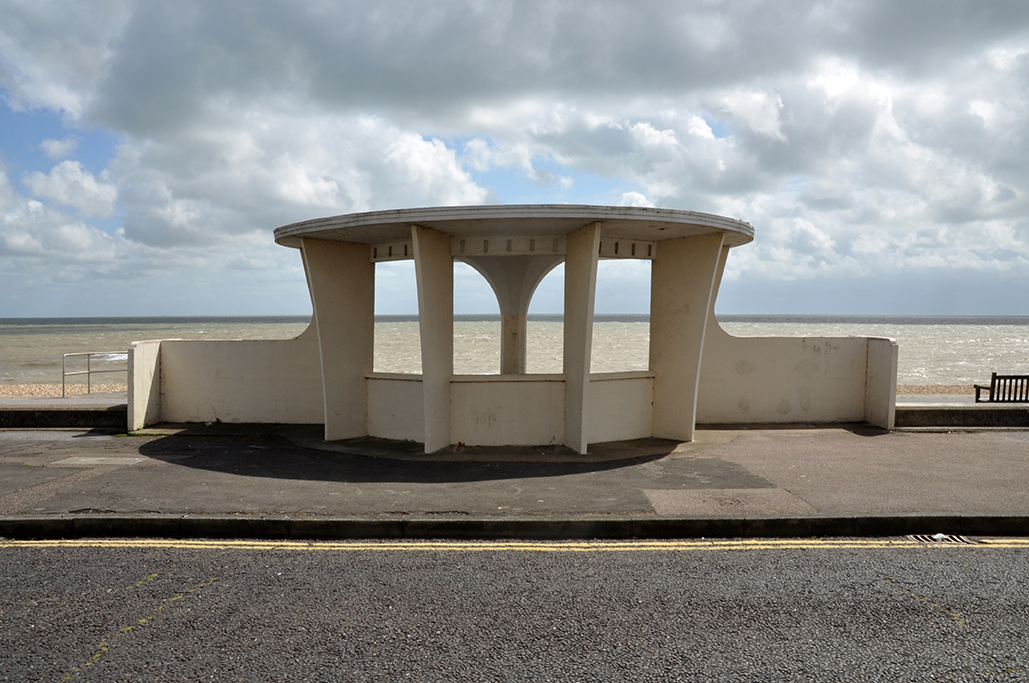
Affording space age shelter to the passing pilot of an ever imminent future.
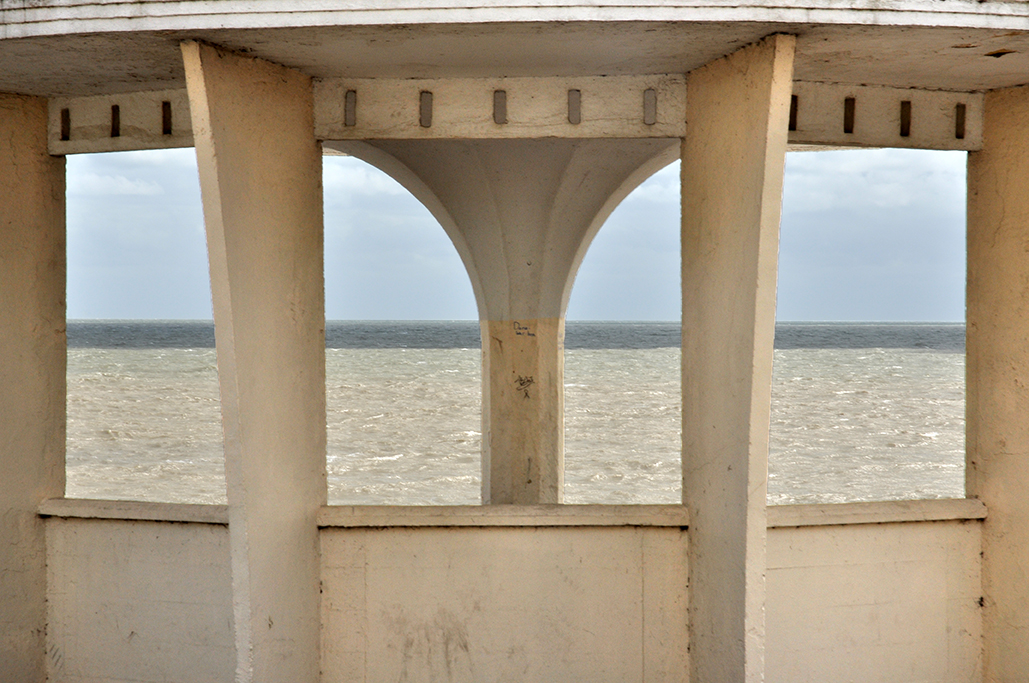
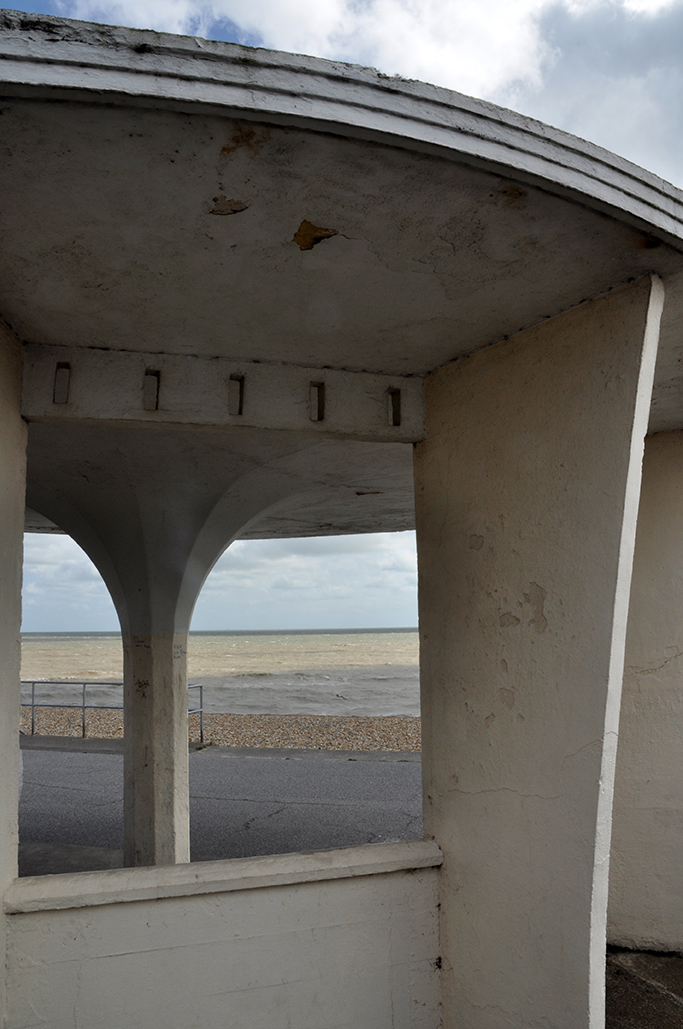
Sit in, look through, out and beyond.


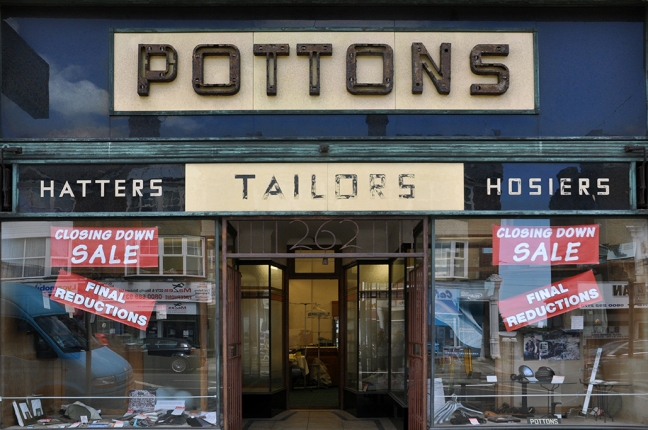
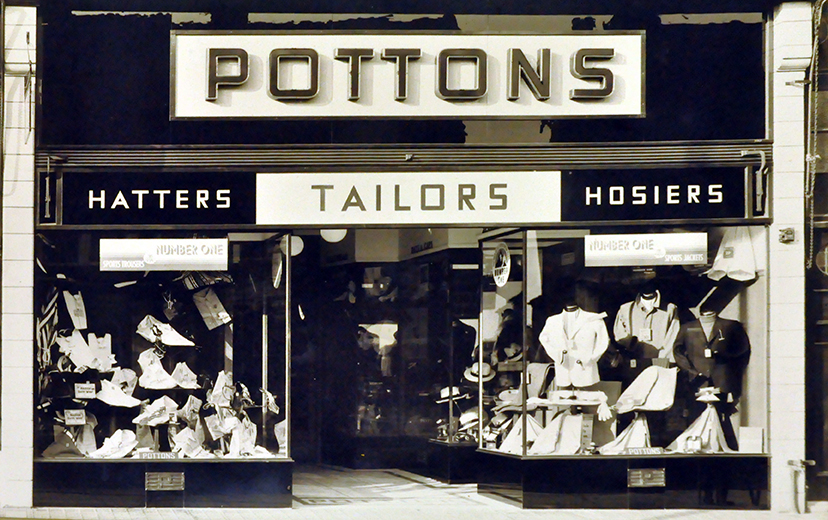
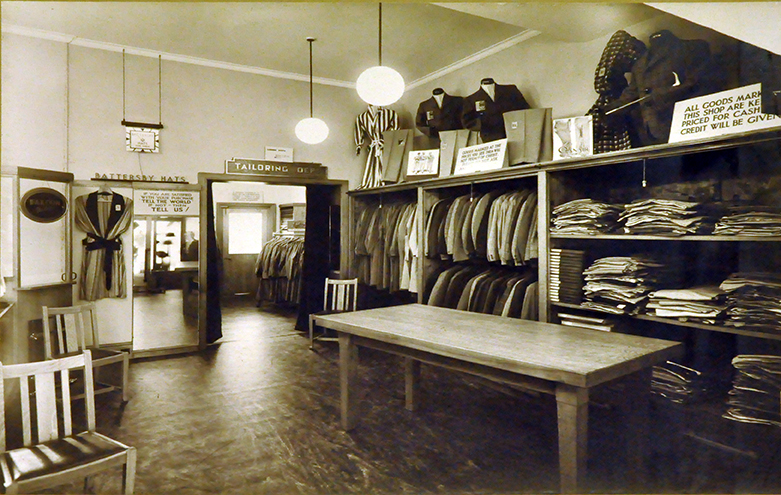
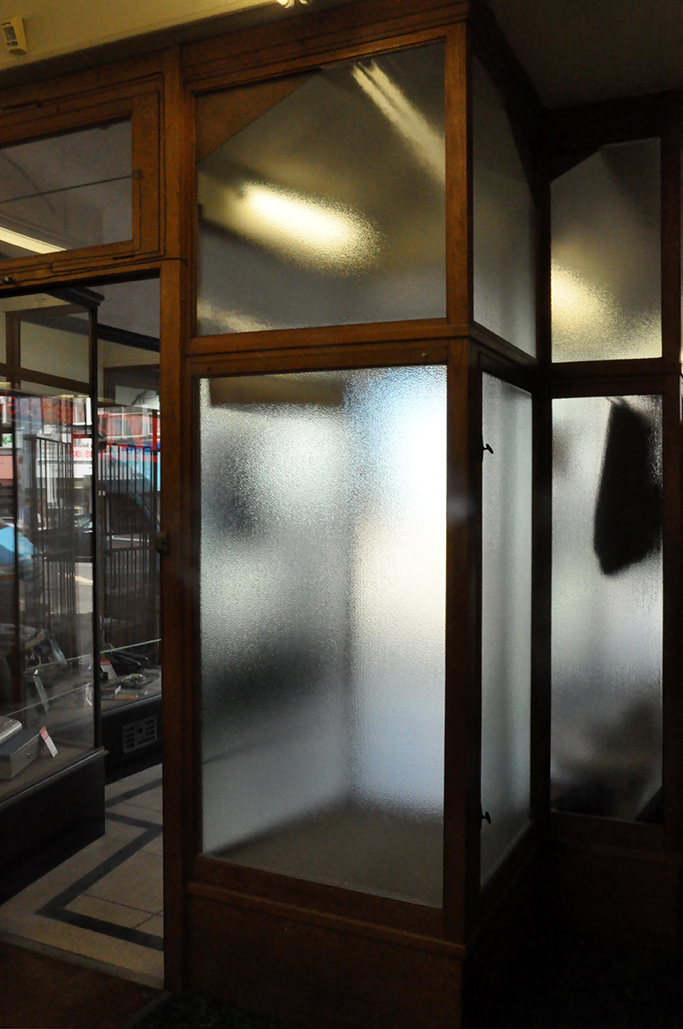
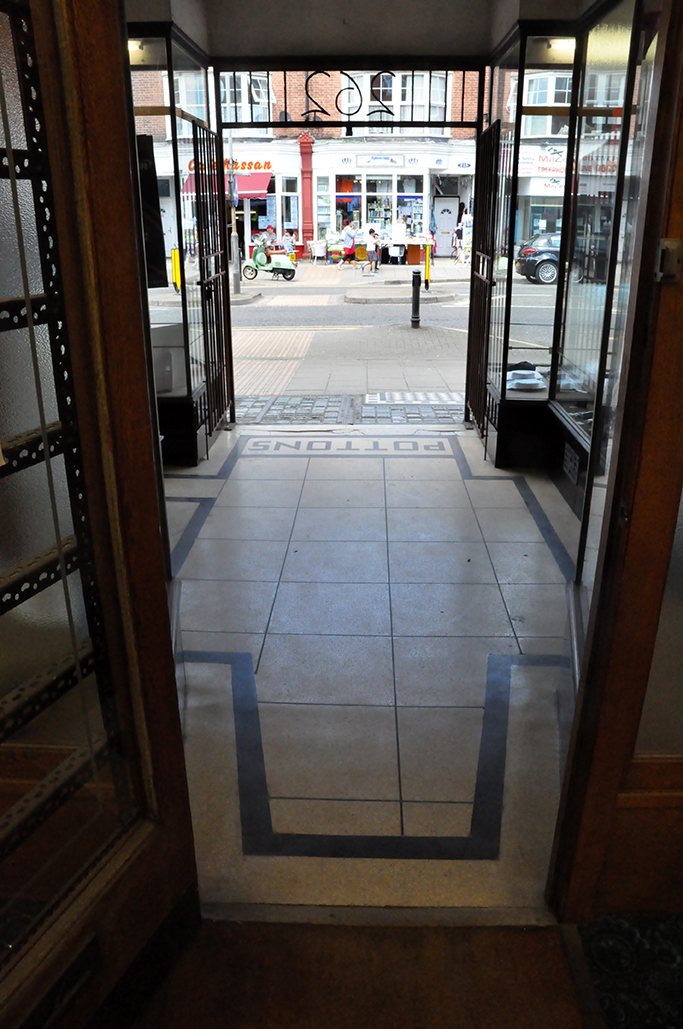
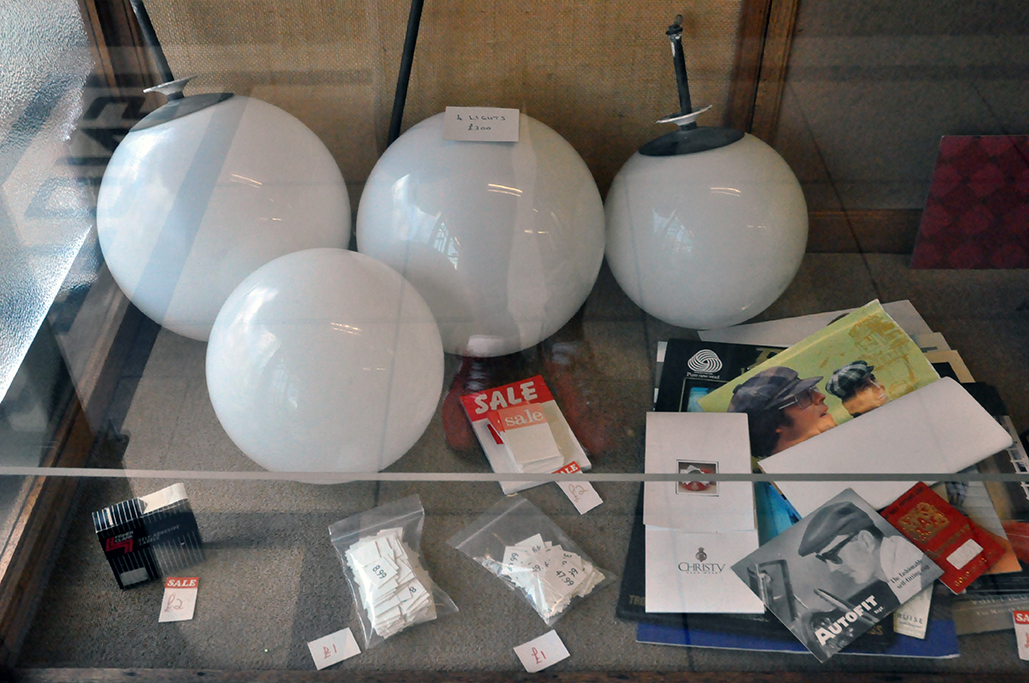
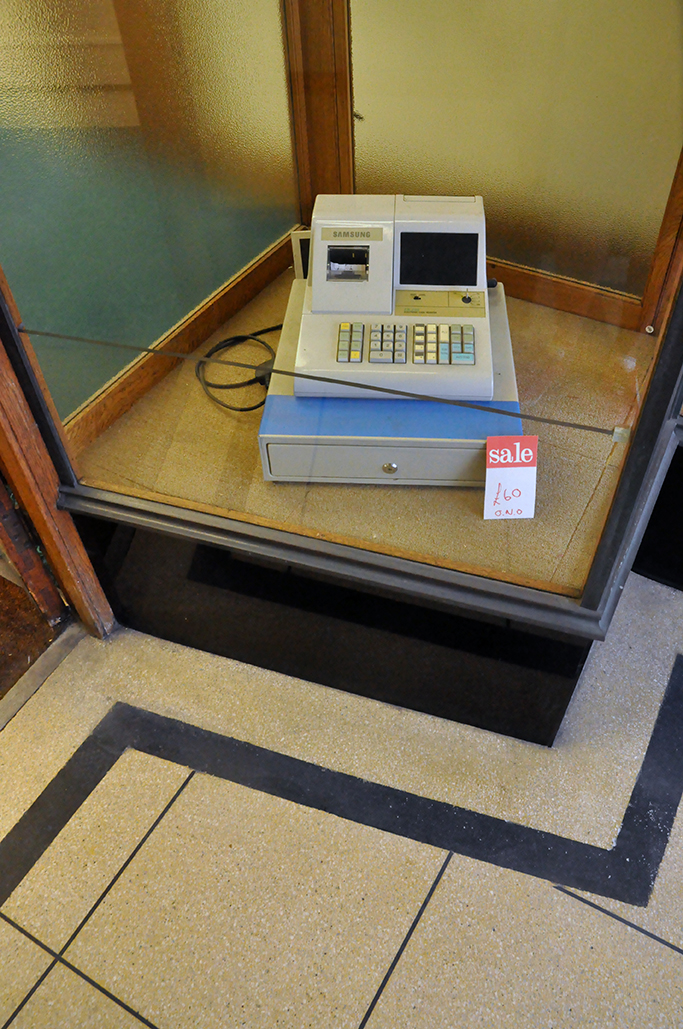
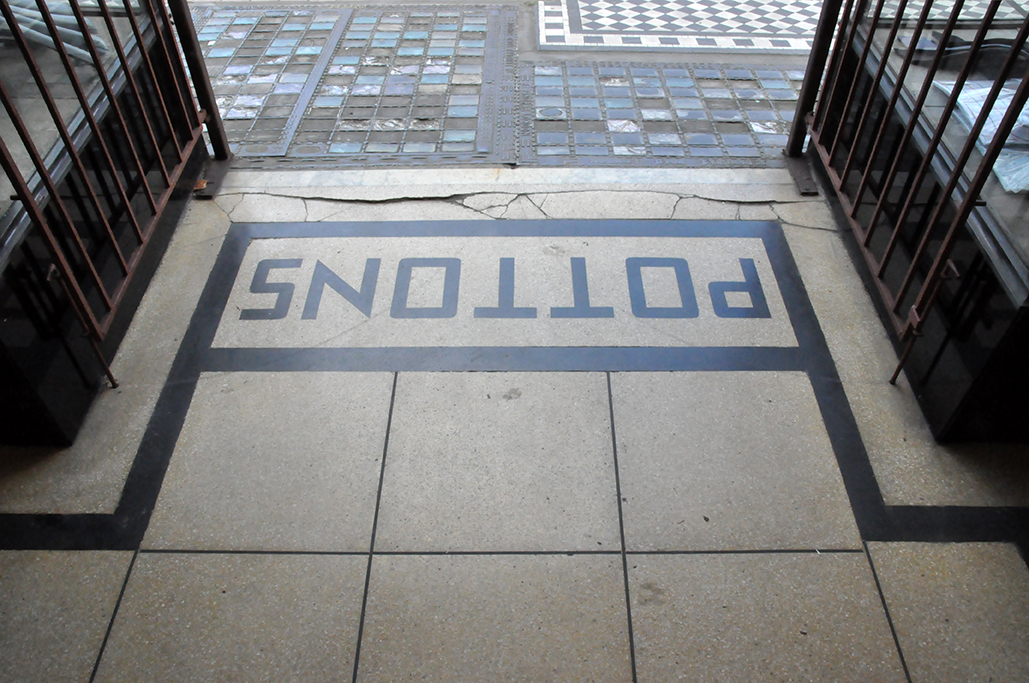
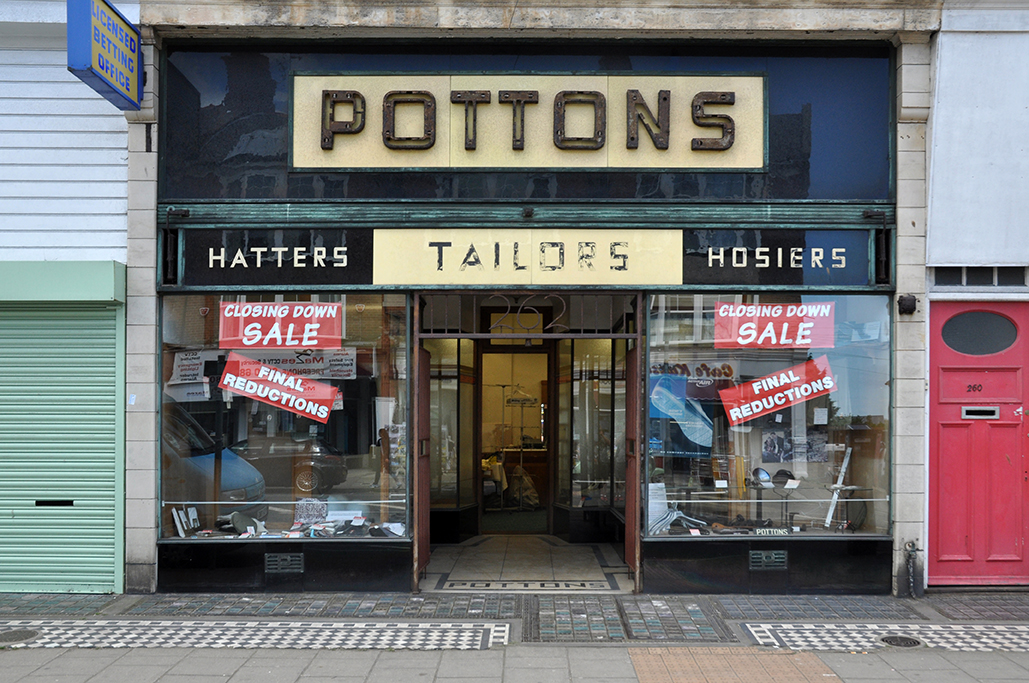
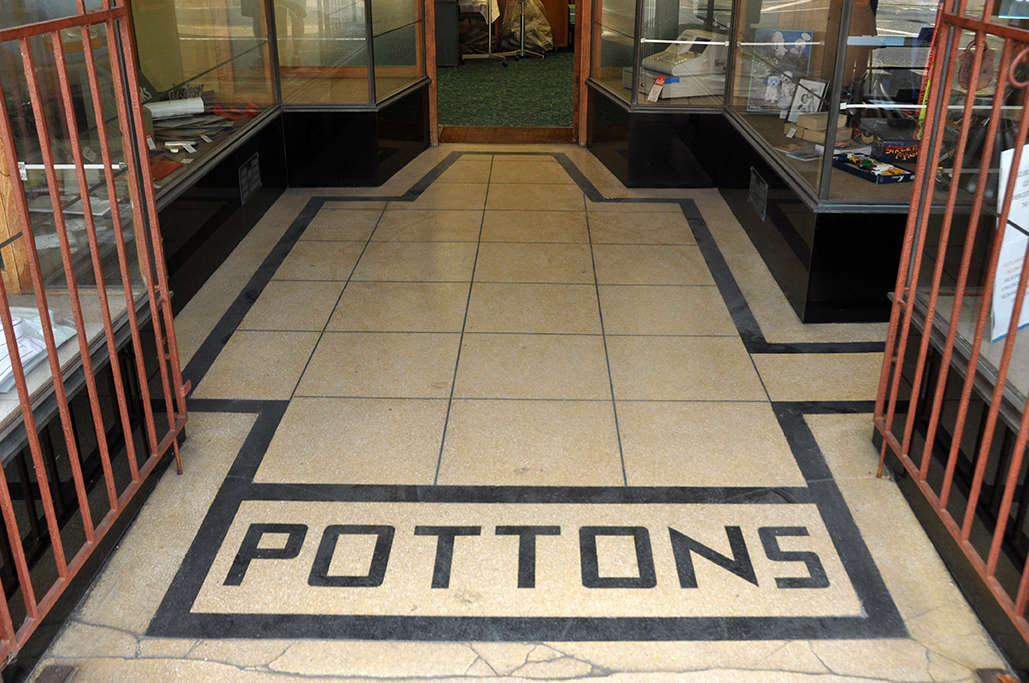
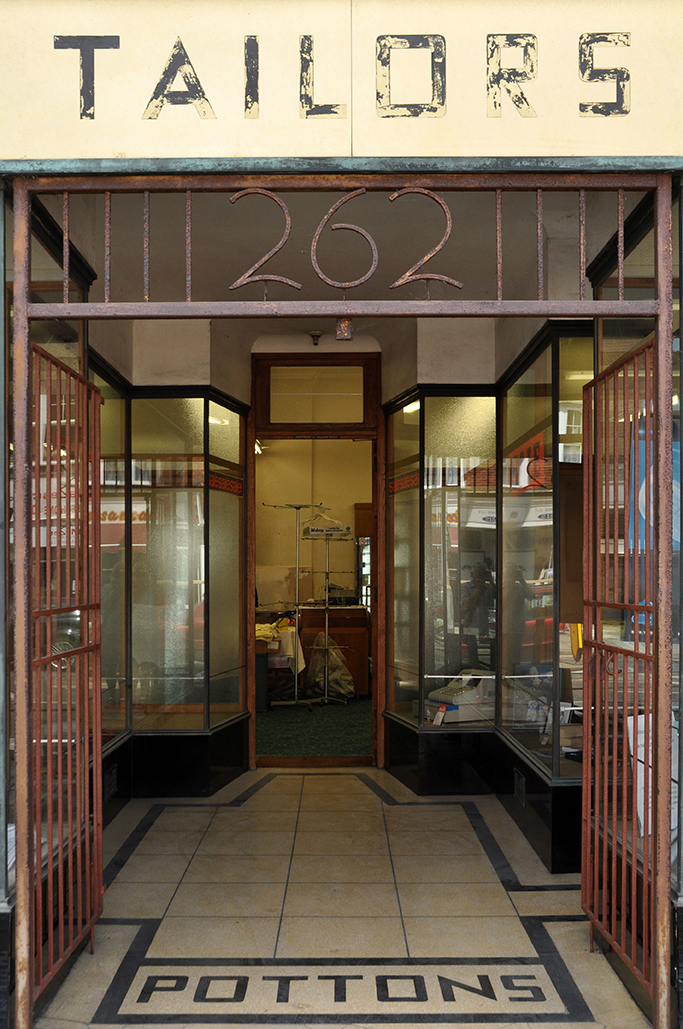
Should you, as I did wander down Northdown Road, Cliftonville, you will chance upon Pottons at 262.
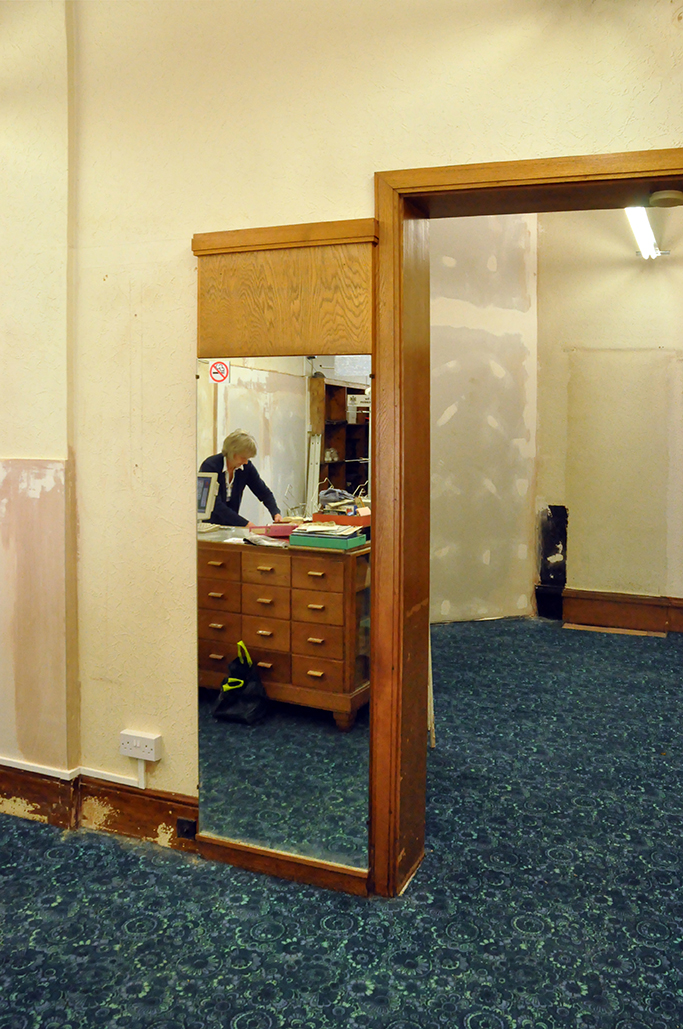
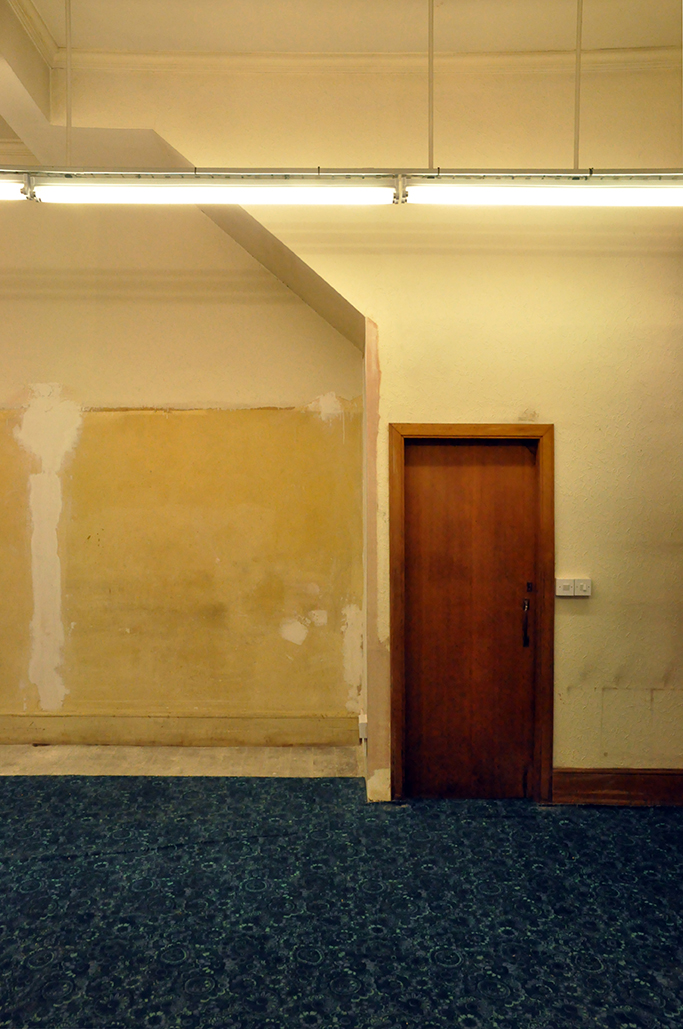
By now however, ingress is more than somewhat inhibited.
It’s closed.
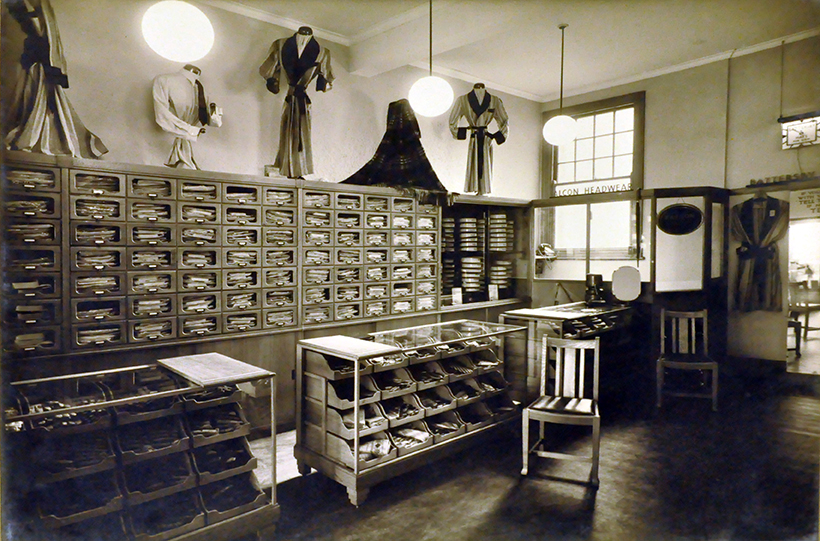
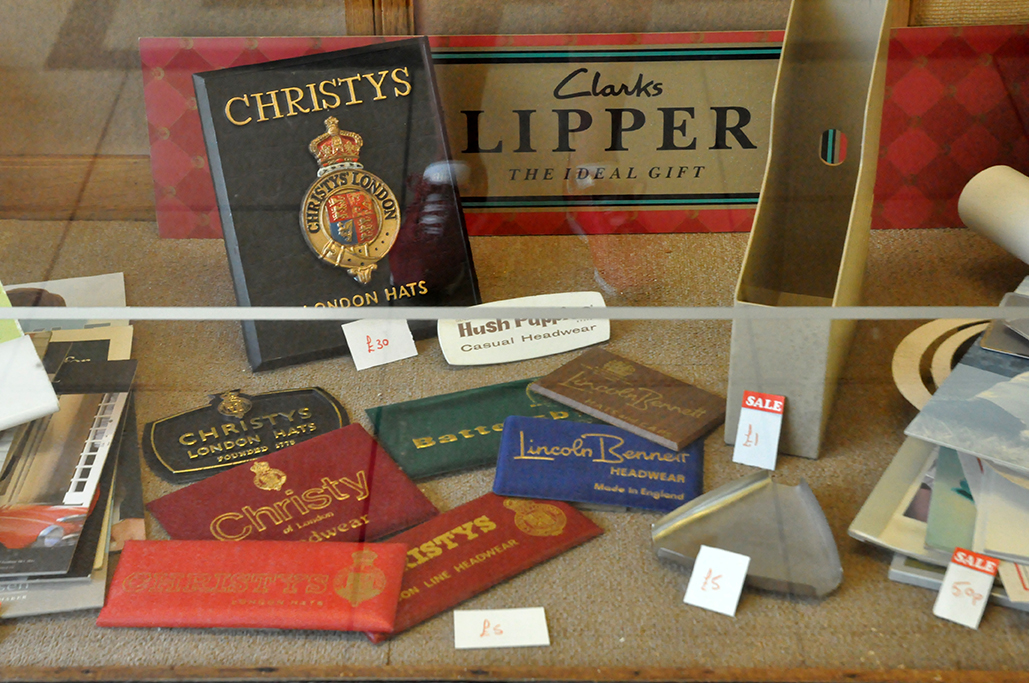
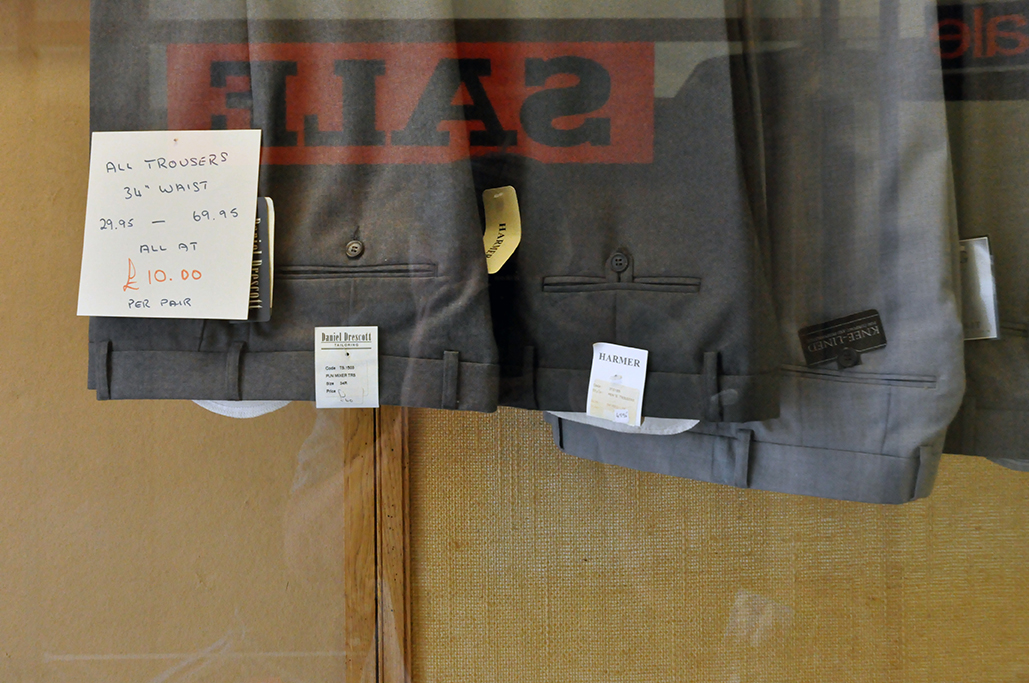
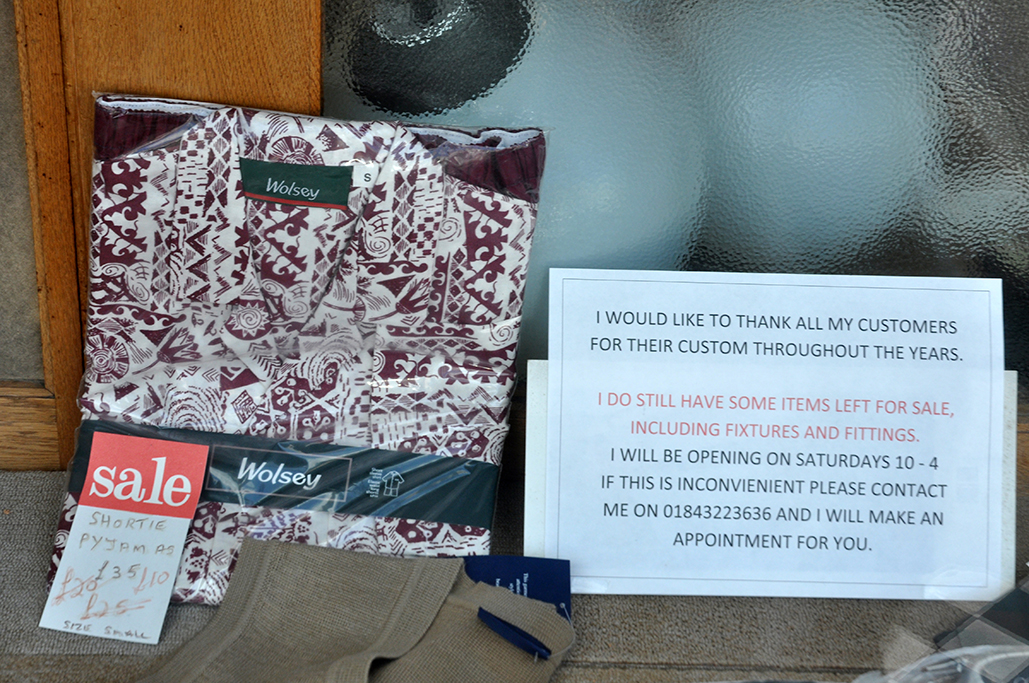
The most exciting and extant period fascia, once gave way to oak fittings and fixtures festooned with all manner of menswear, exotic and plain accoutrements, now inaccessible.
It’s gone.
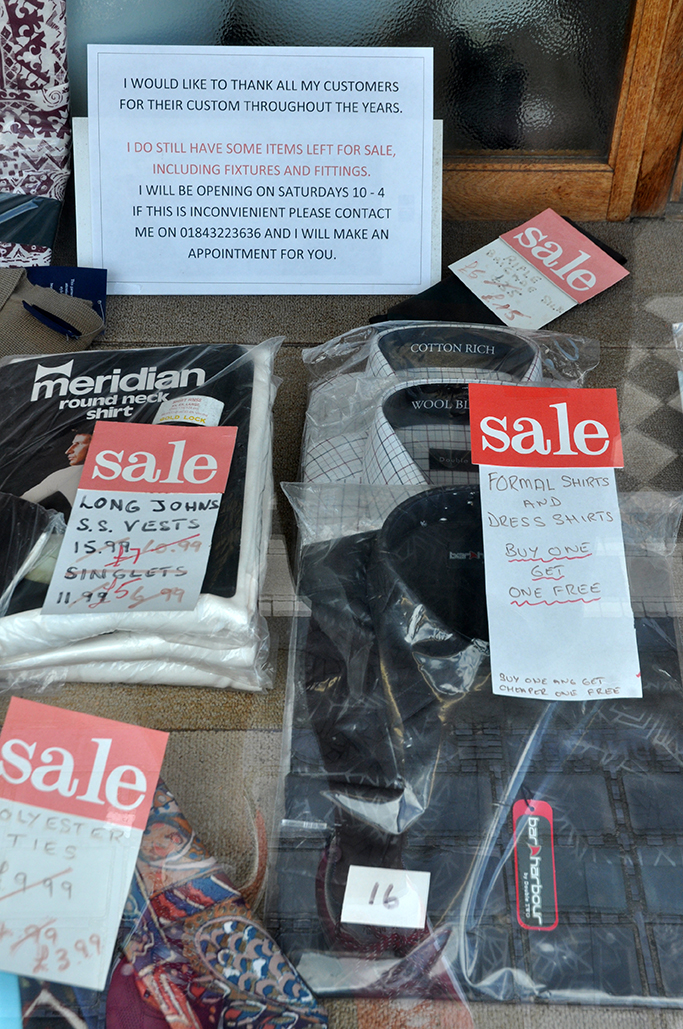
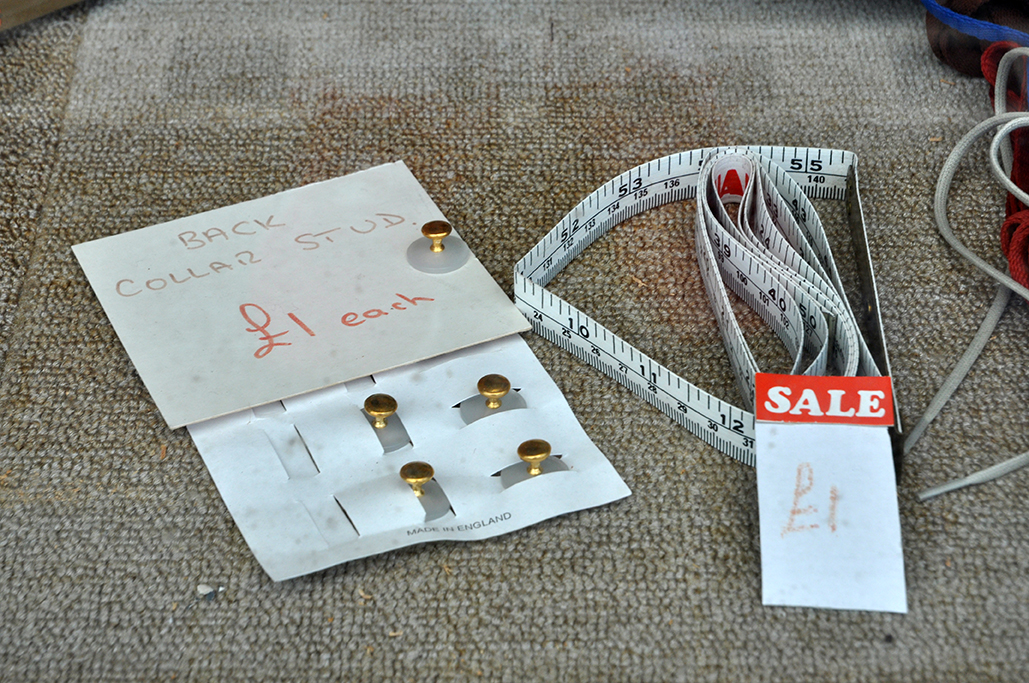
A few sad remnants were on sale, administered in their final days by Lorraine, employed for 35 years in a family business, whose trade had once included made to measure, fine millinery and quality accessories for the discerning gent around town.
No more.


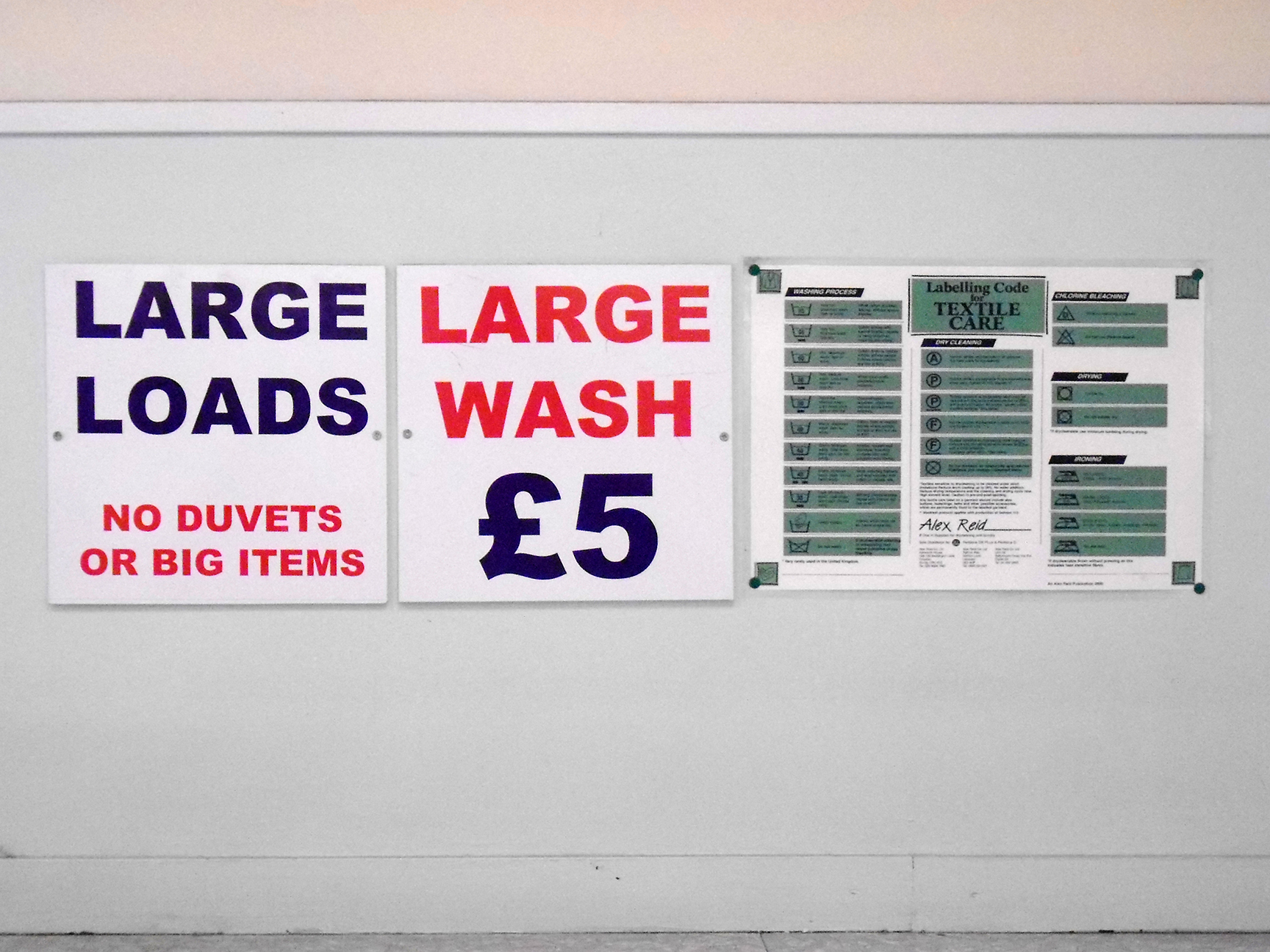
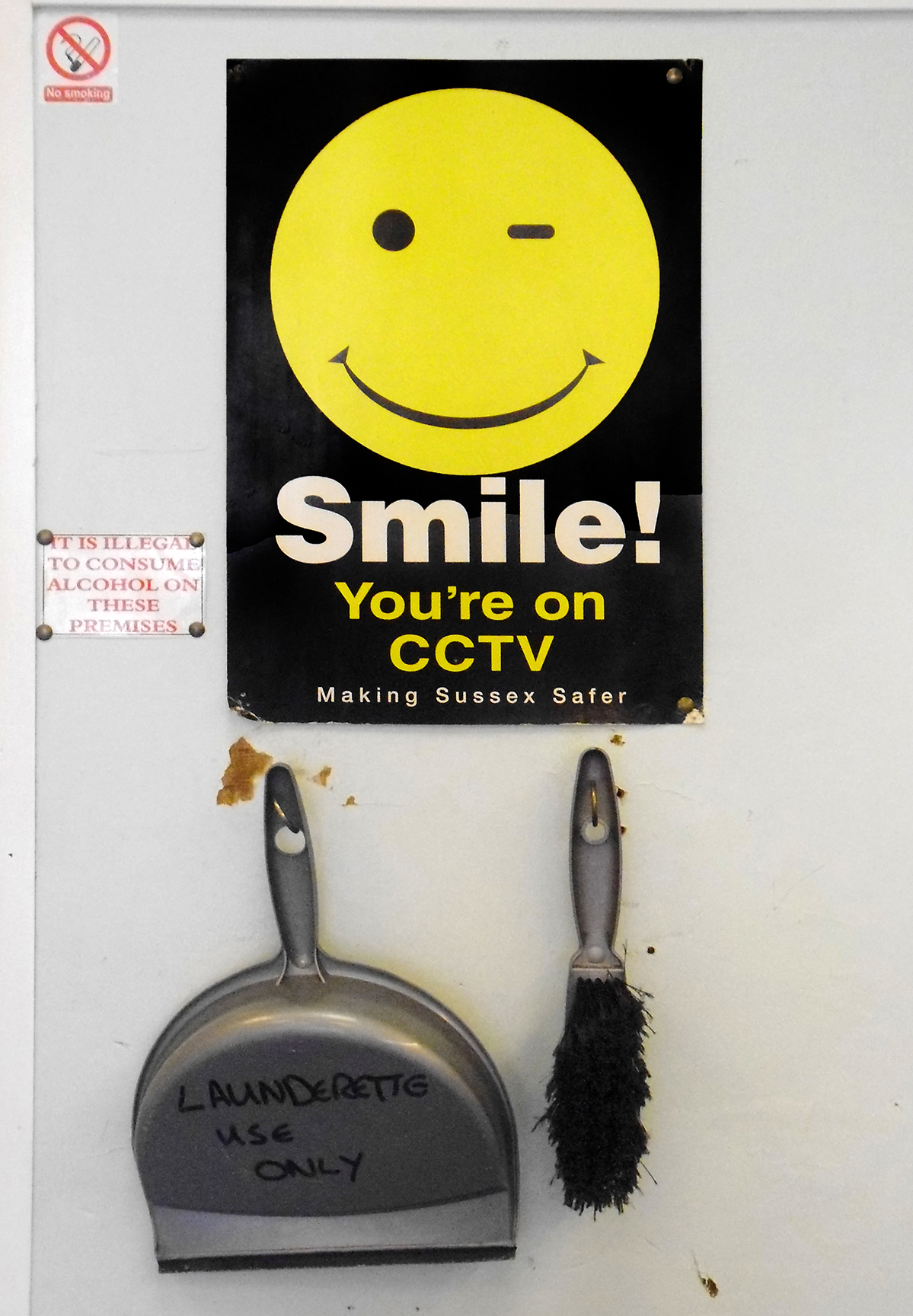
There is a sign.
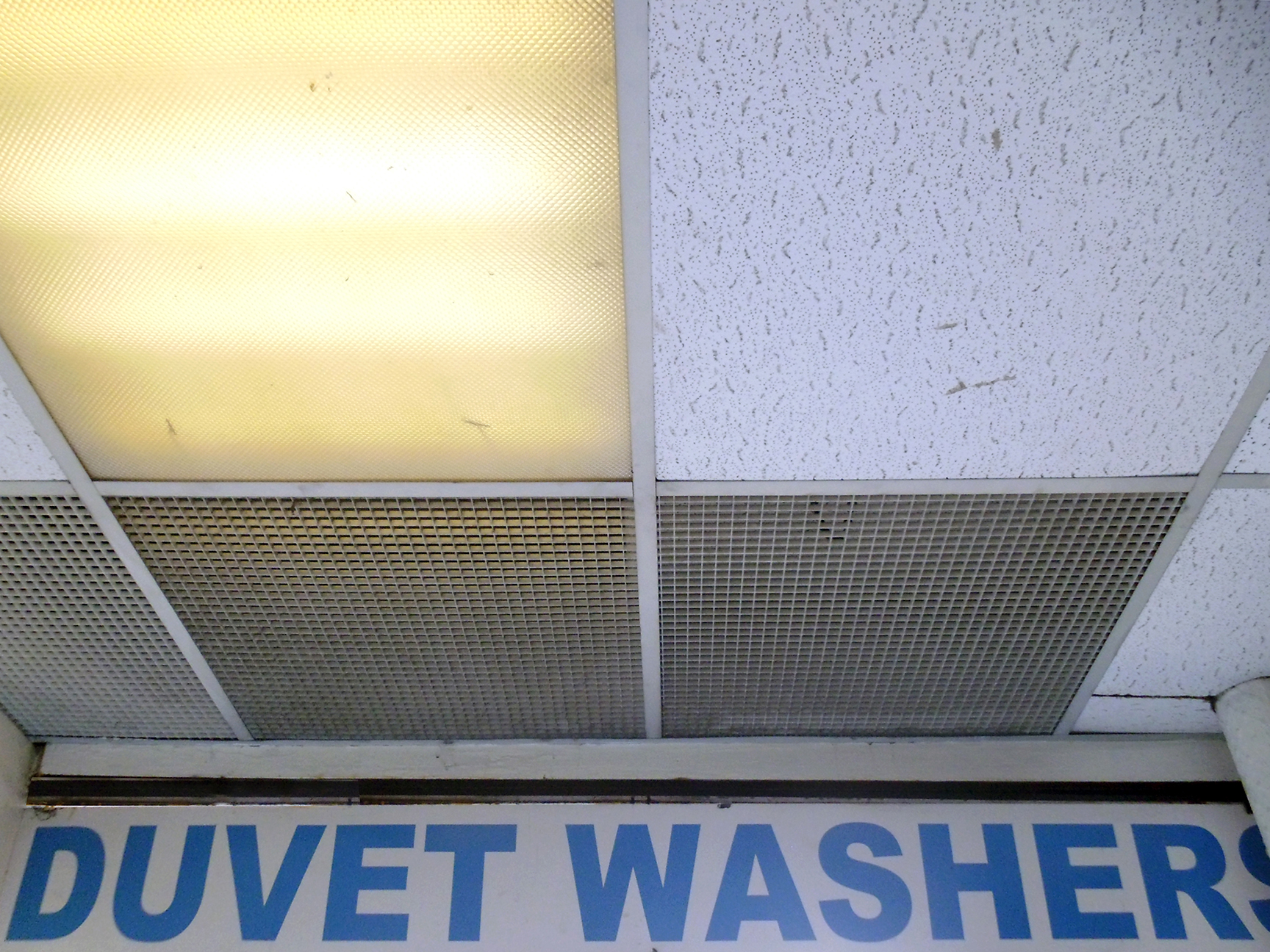
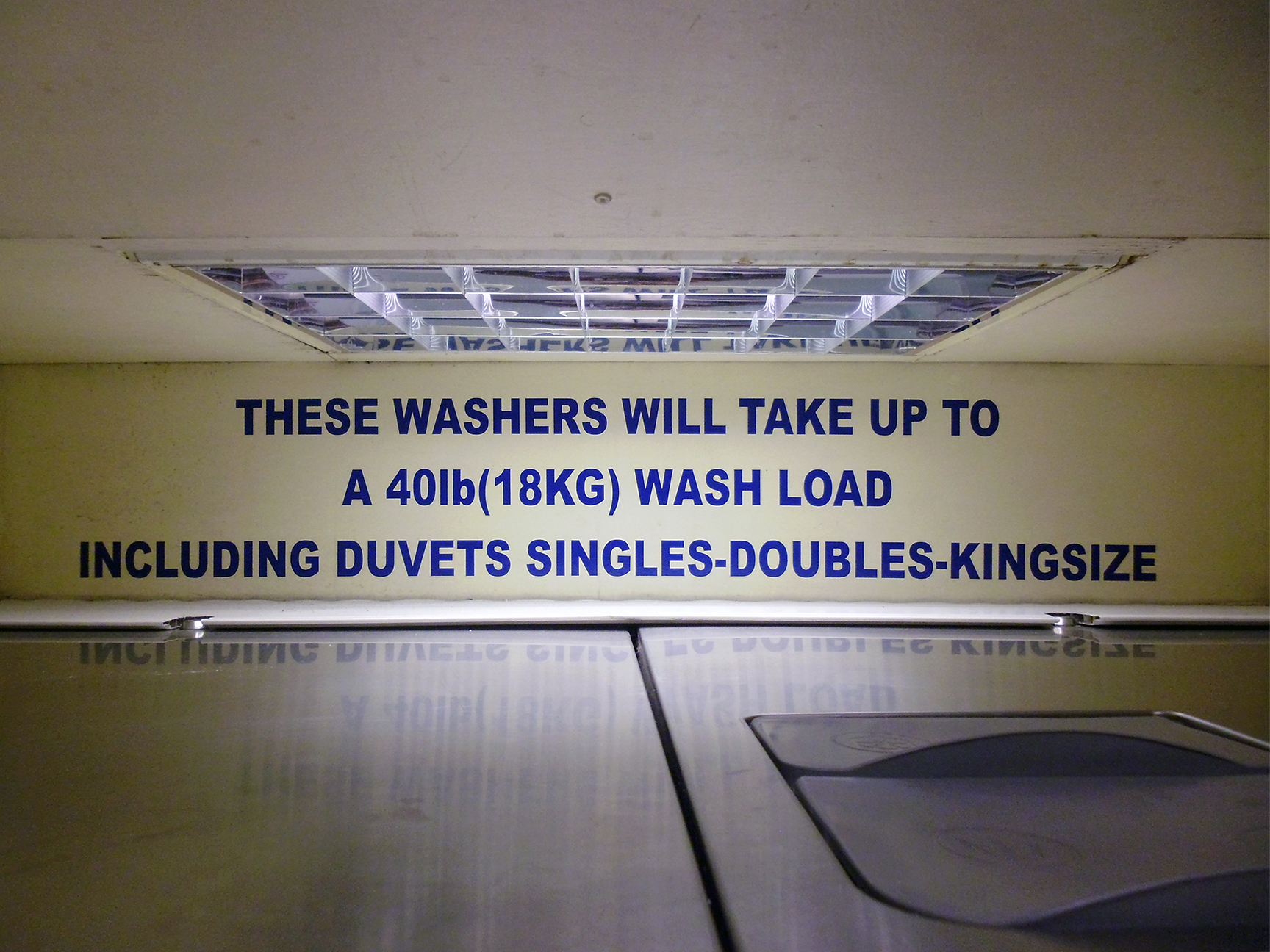
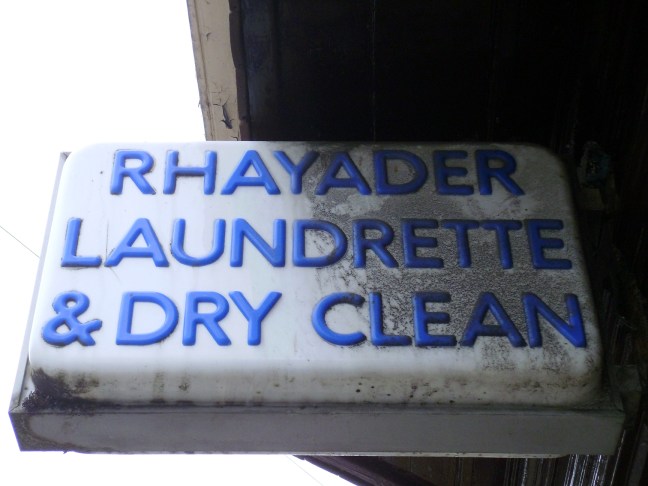
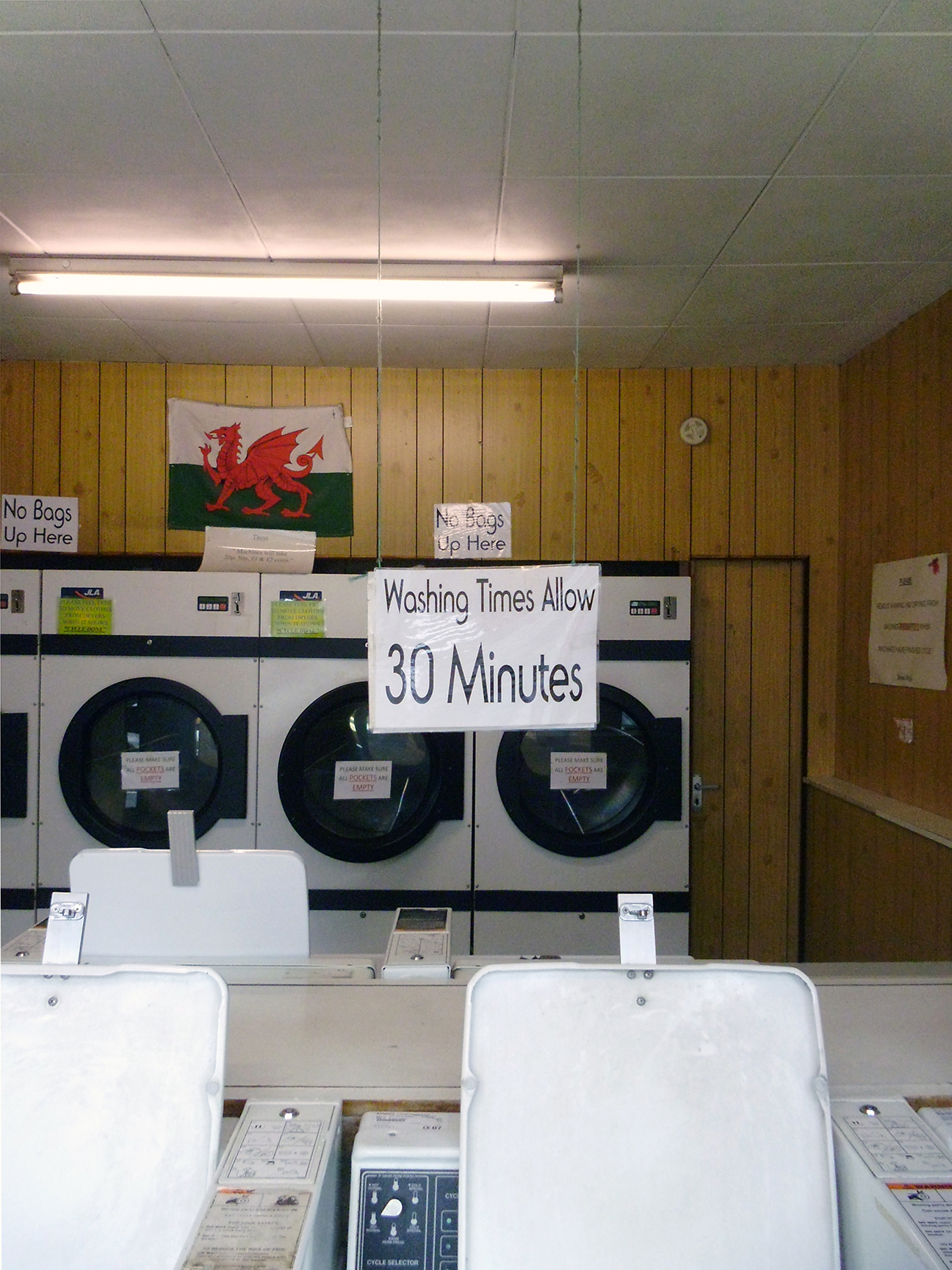
An Illuminated sign.
There are signs.
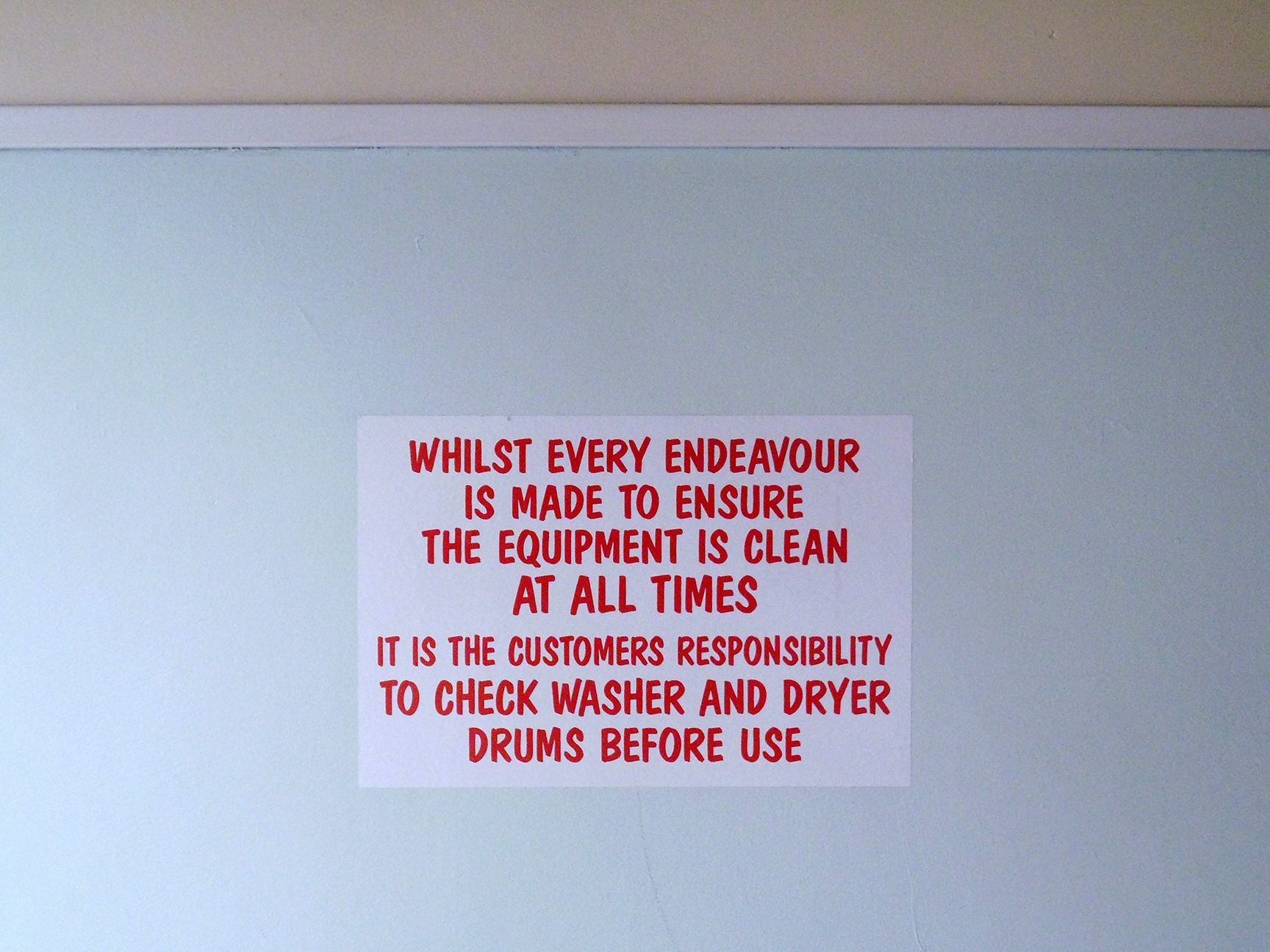
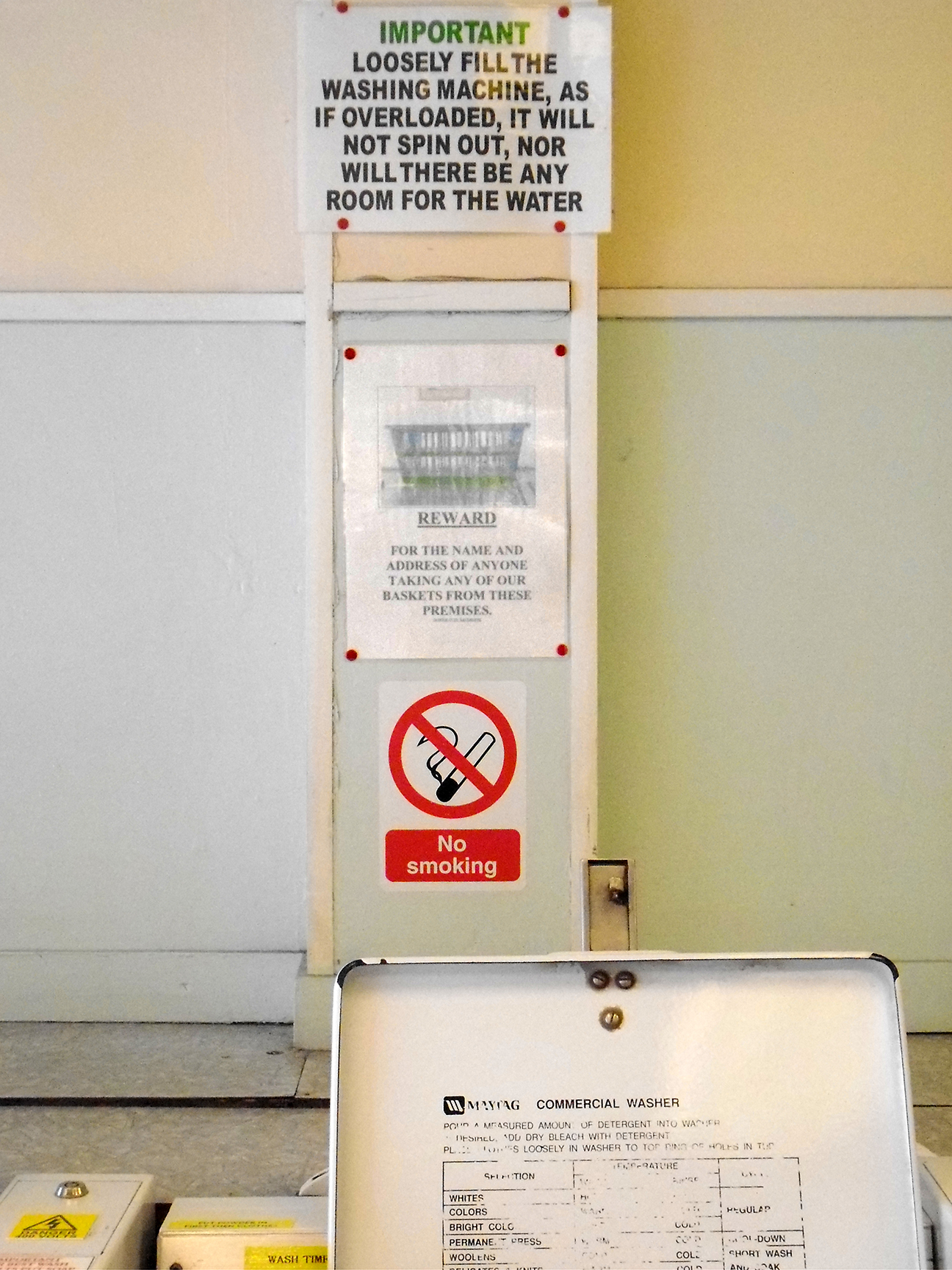
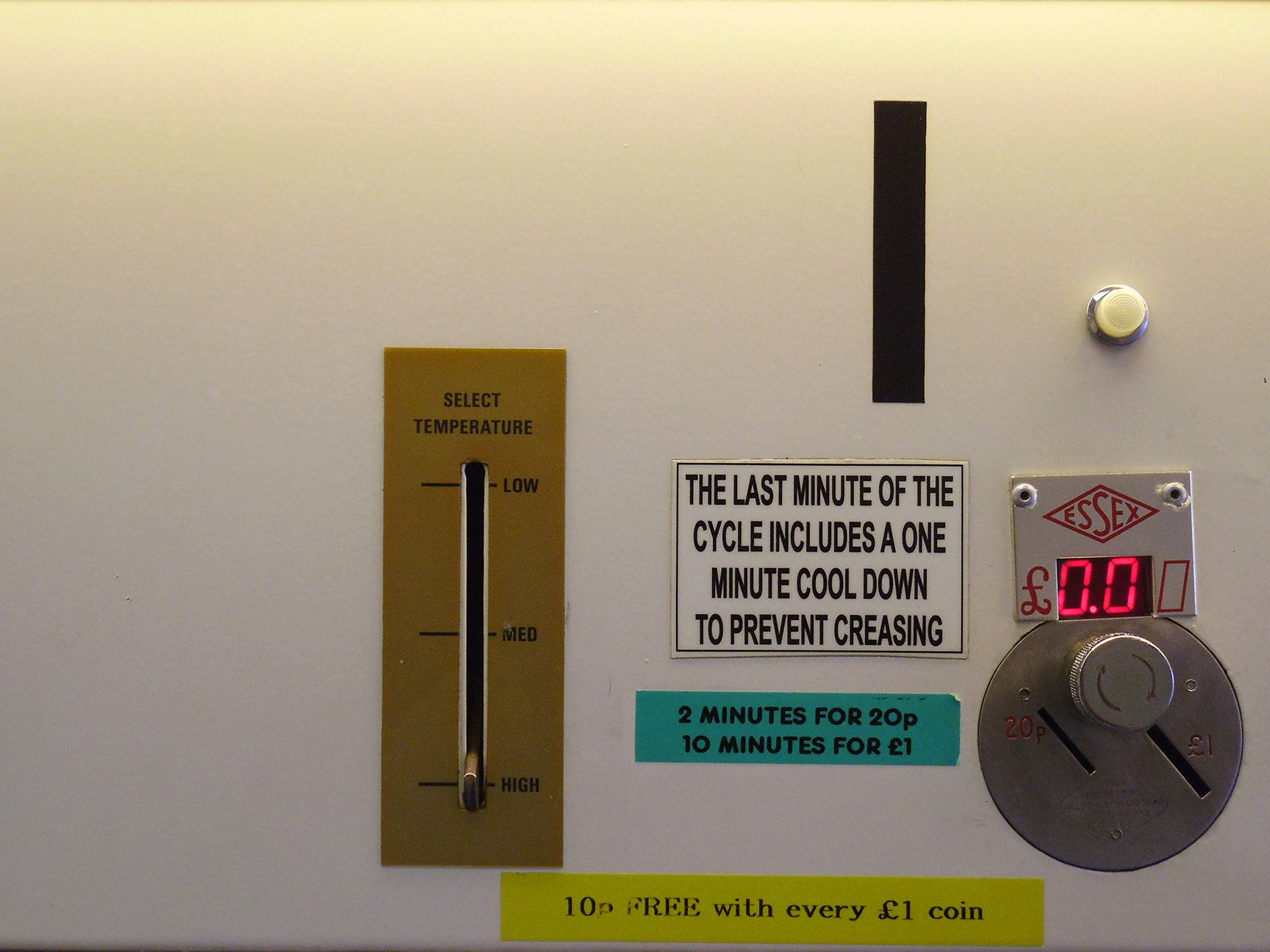
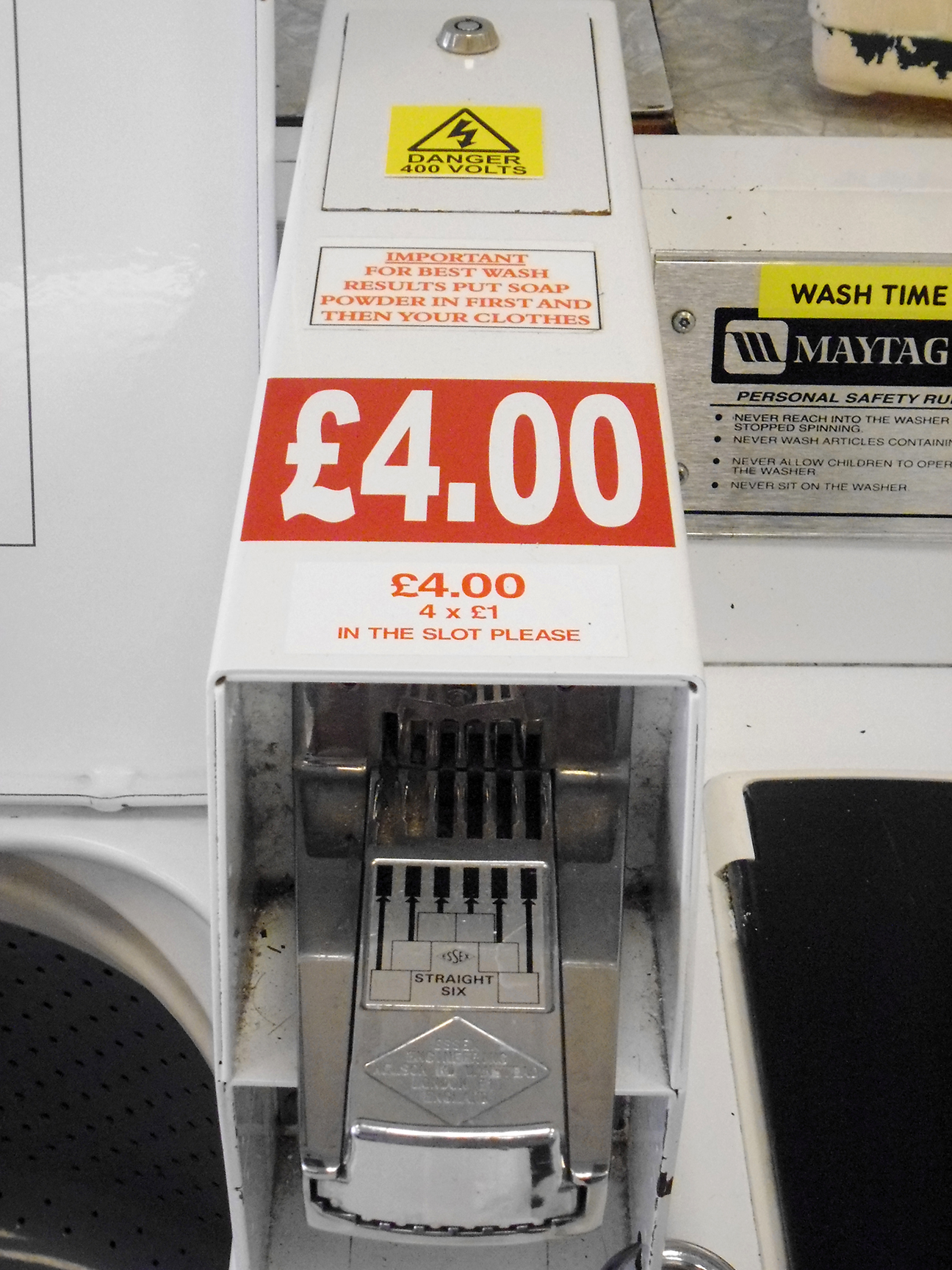
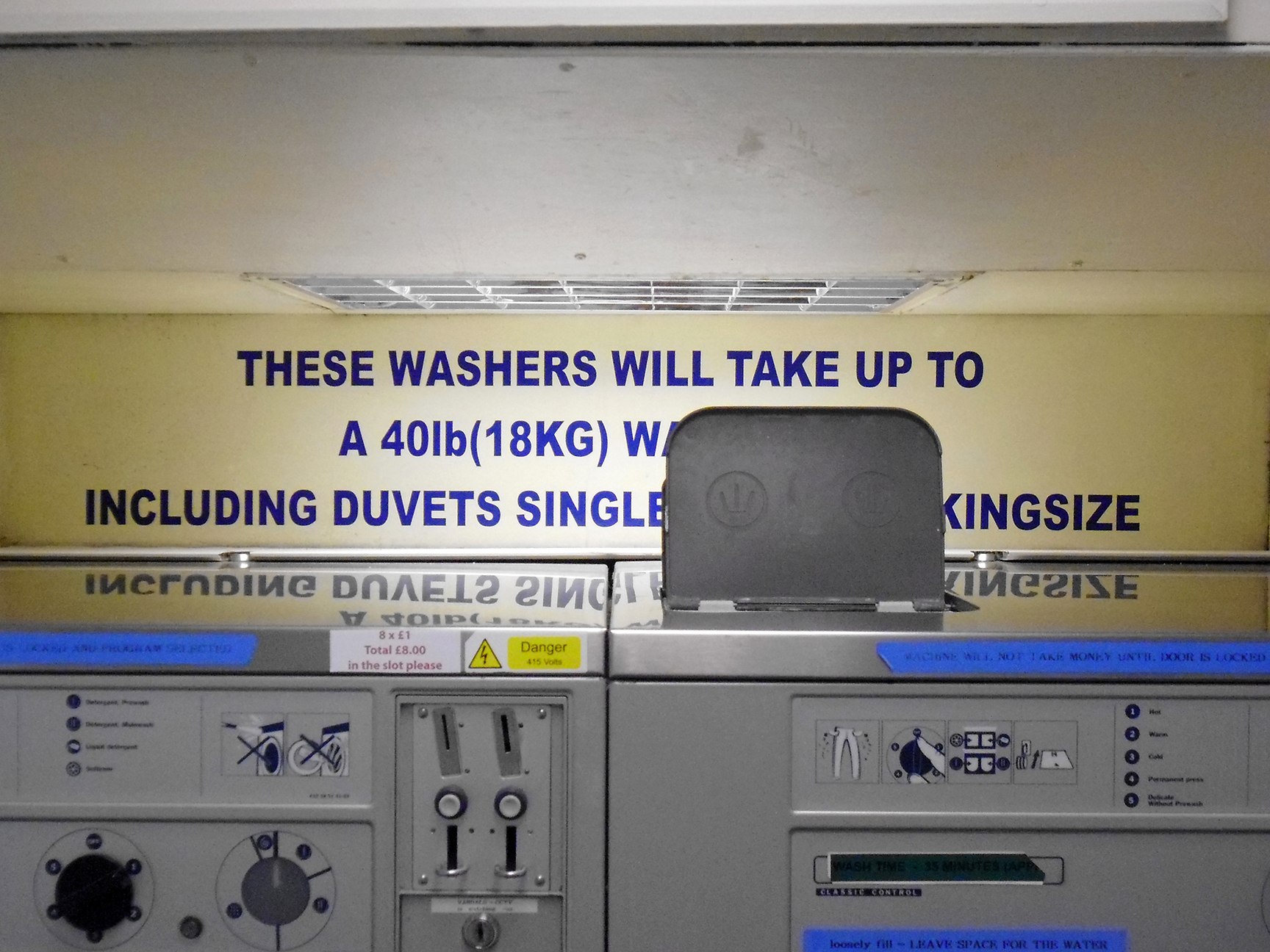
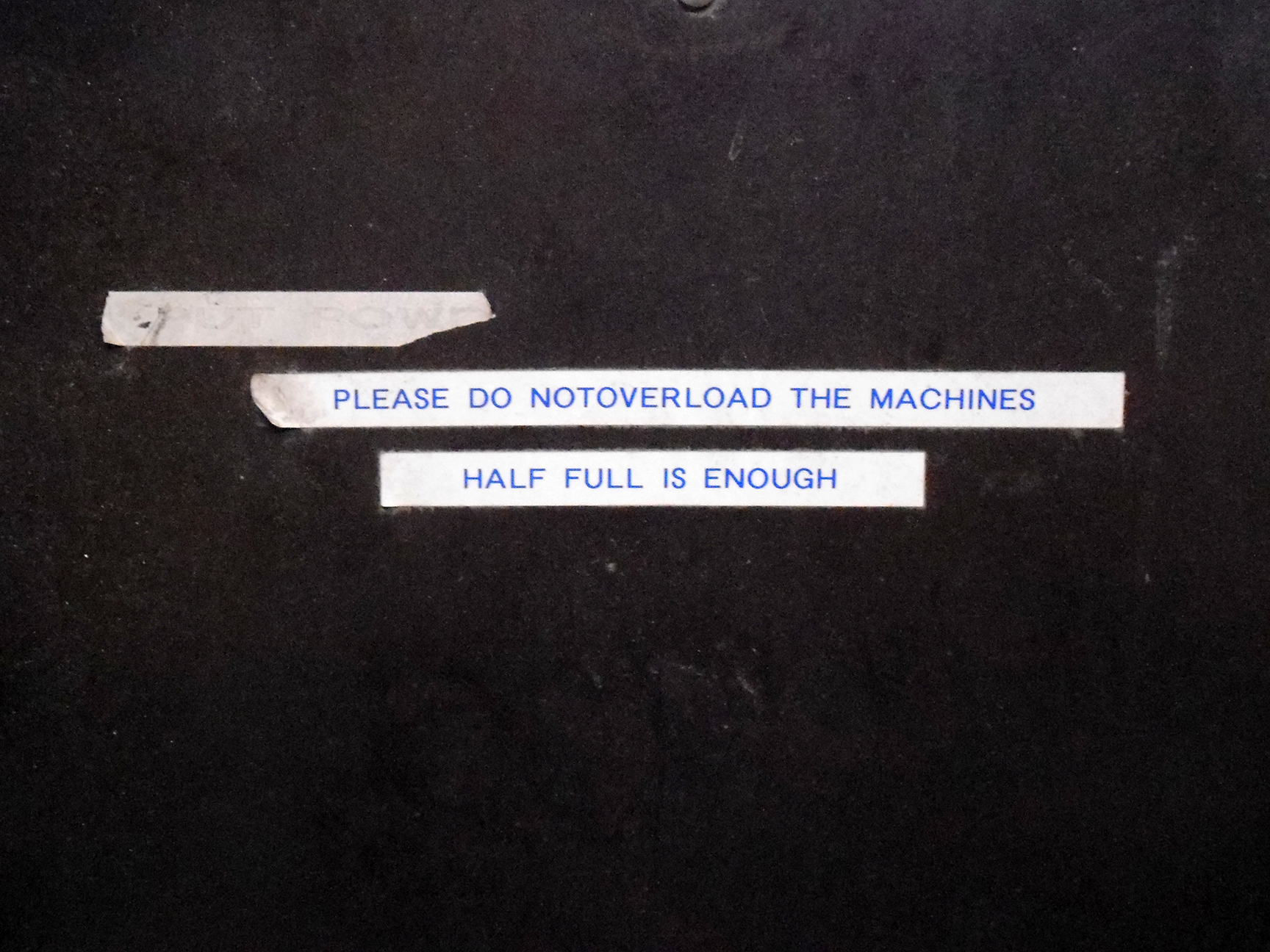
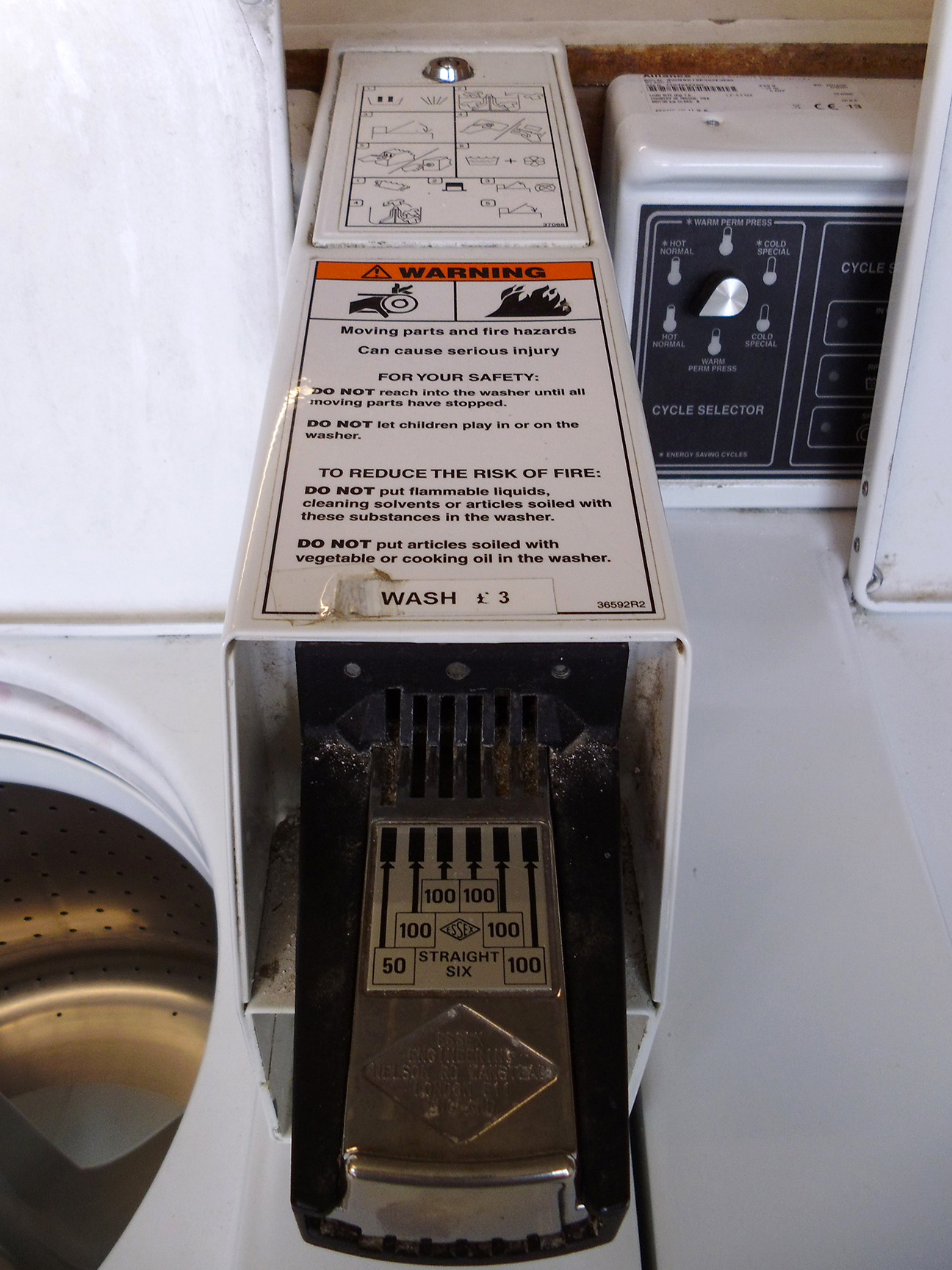
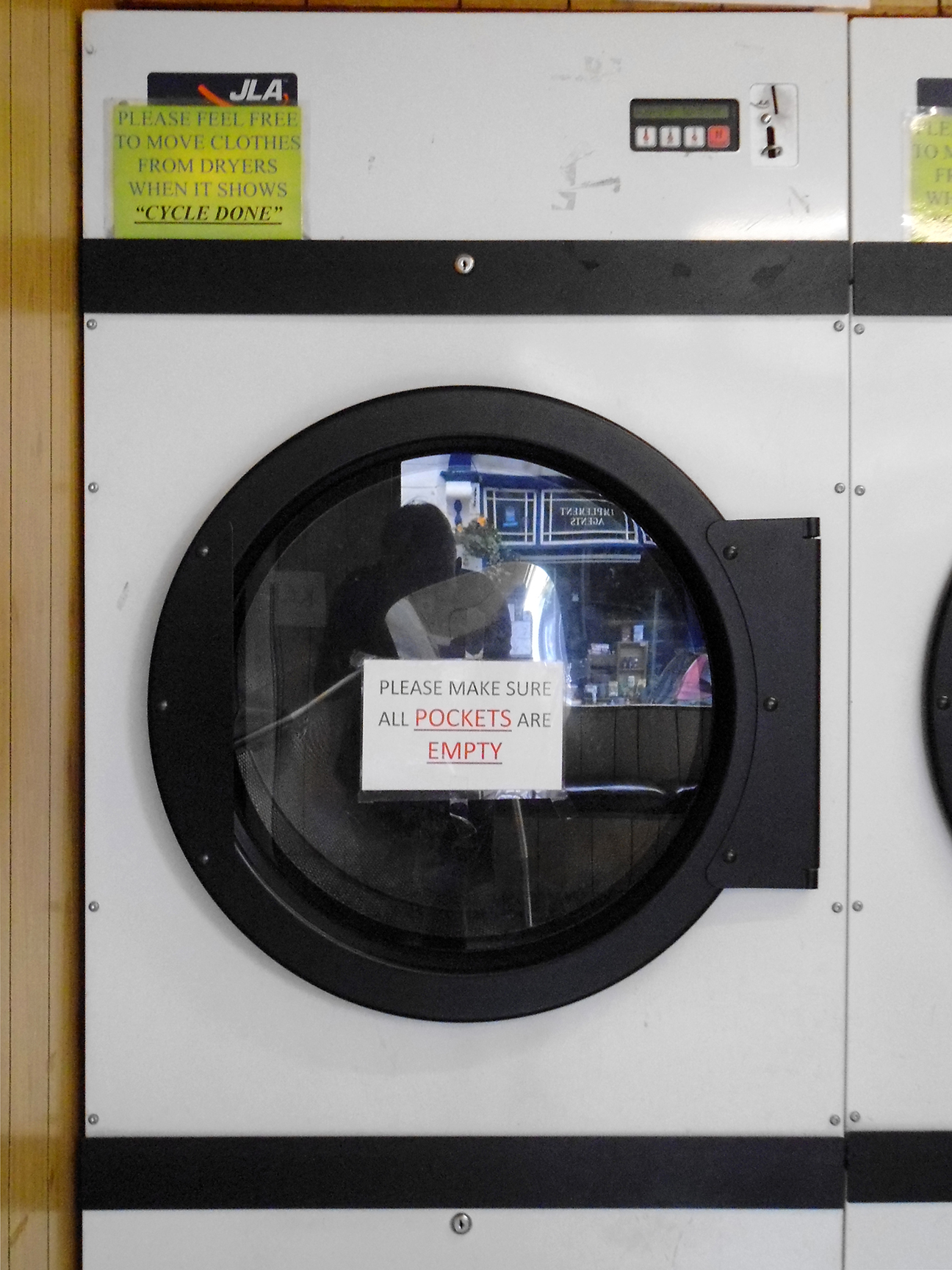
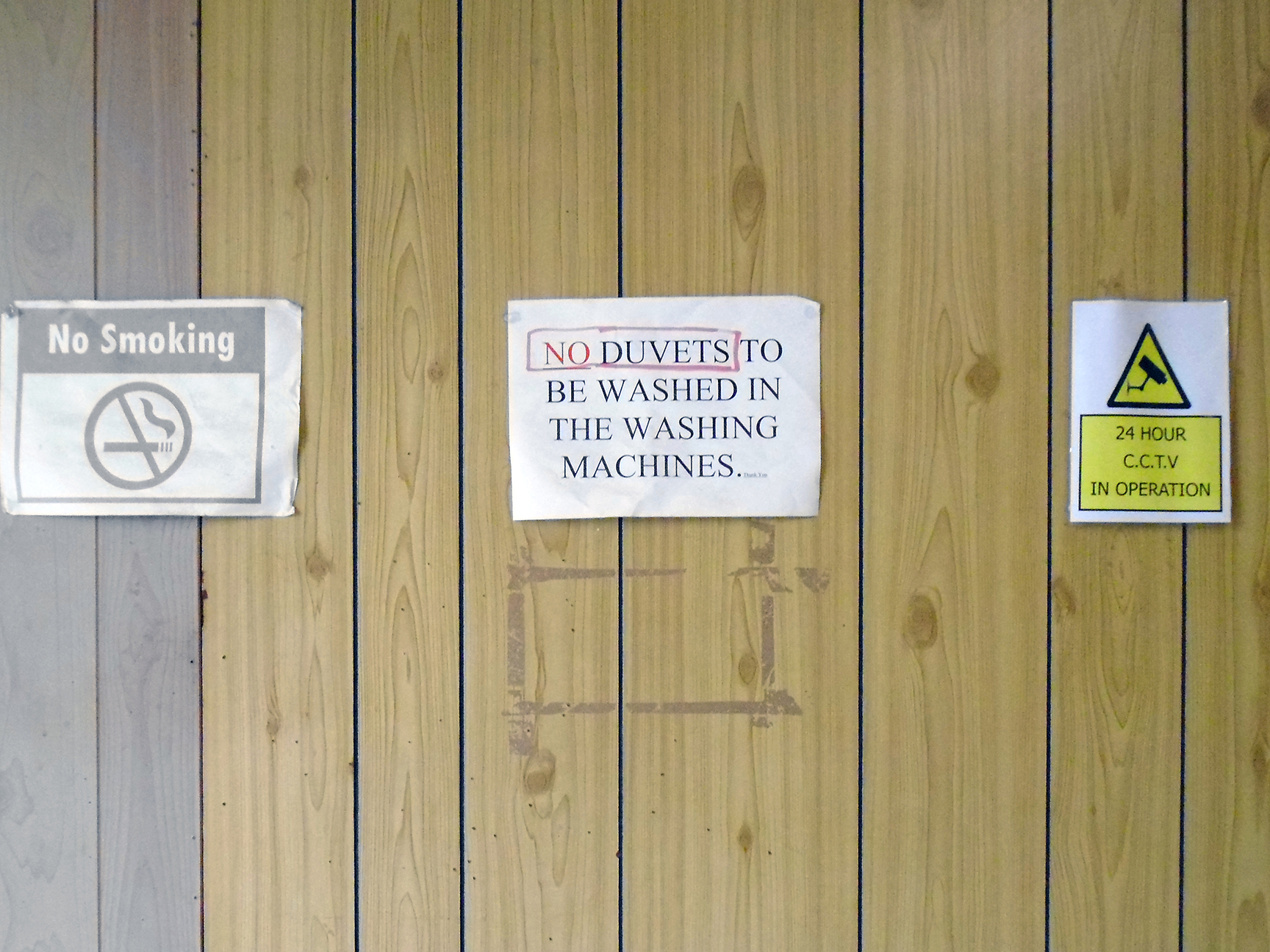
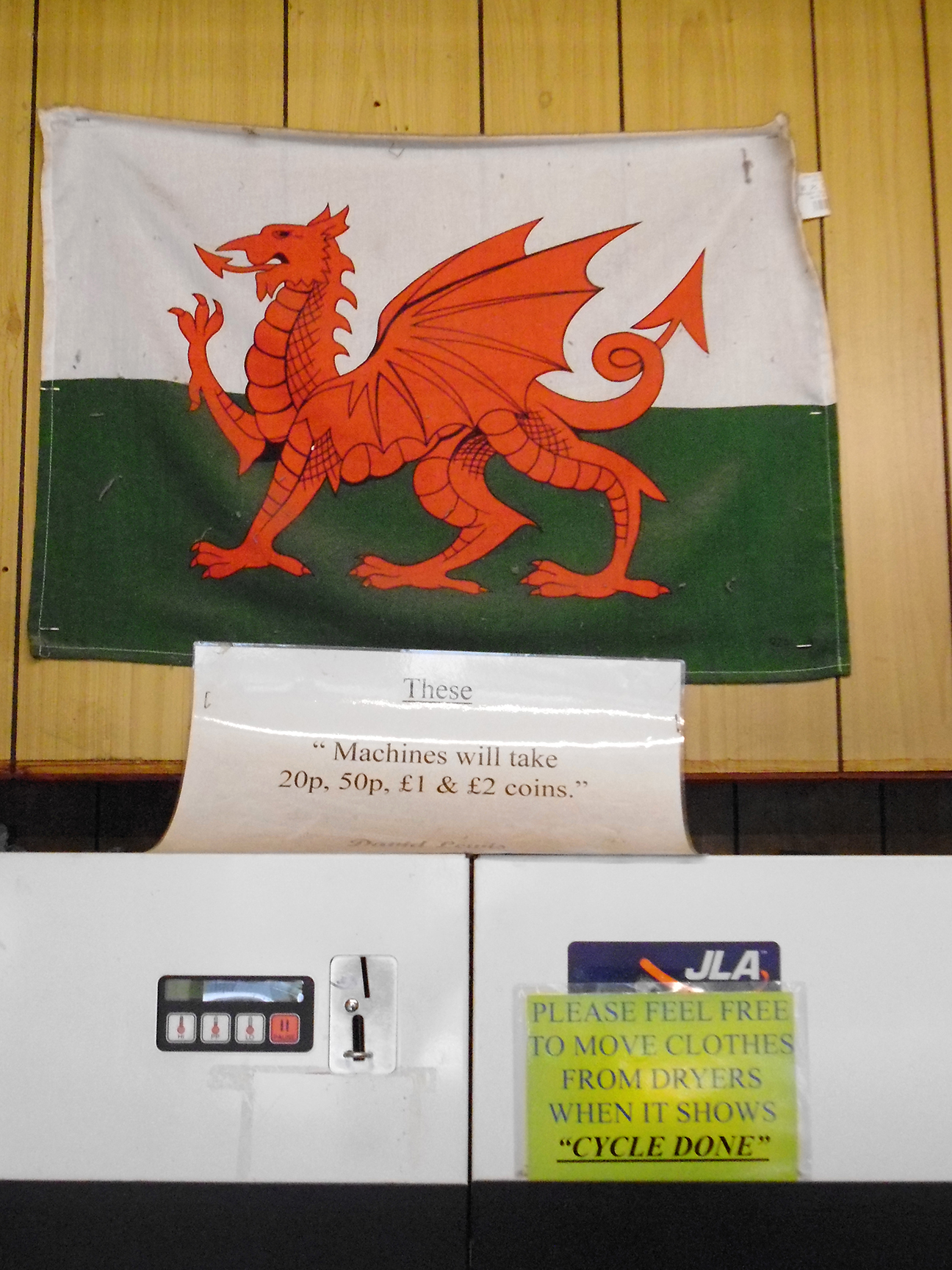
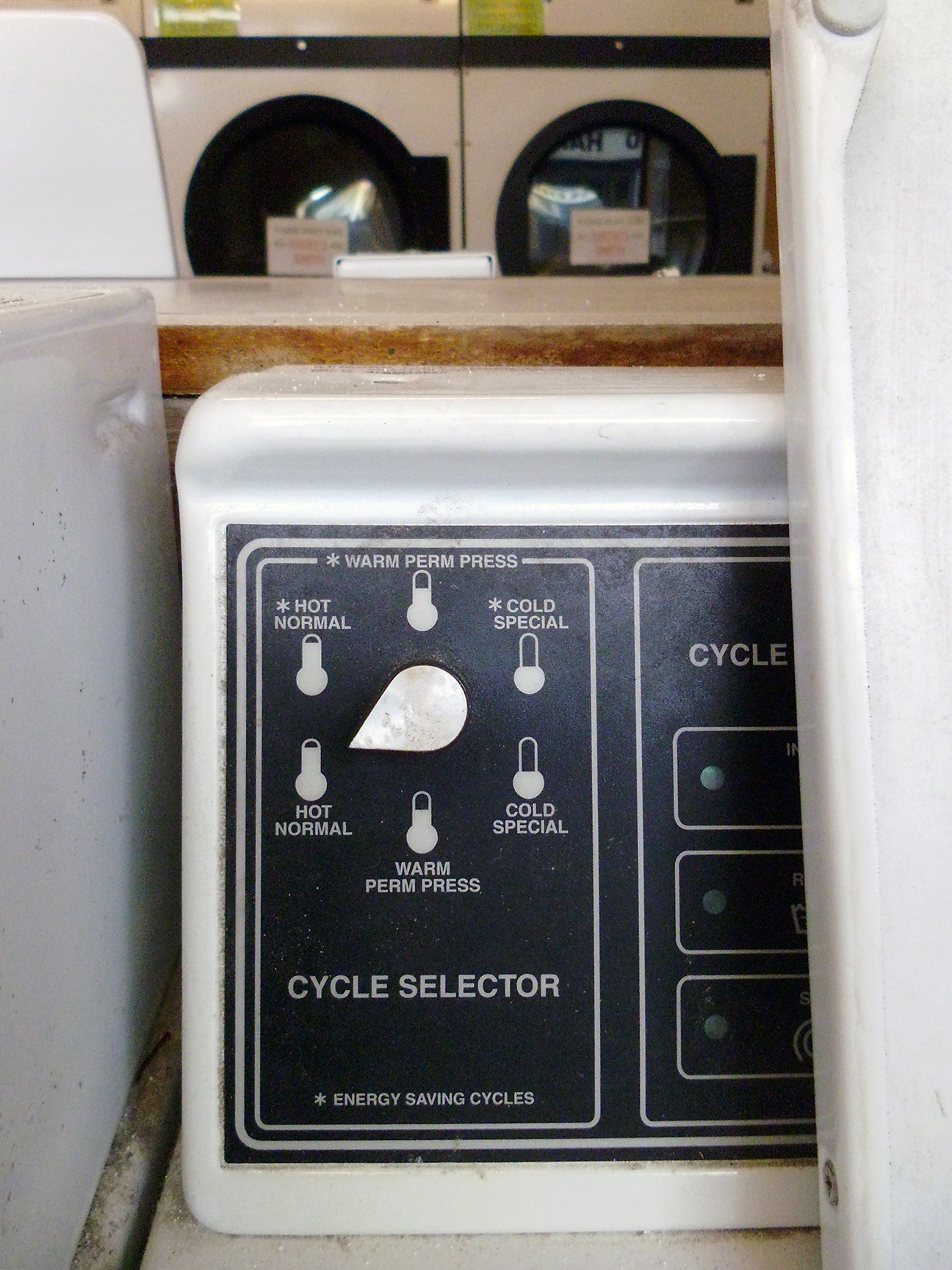
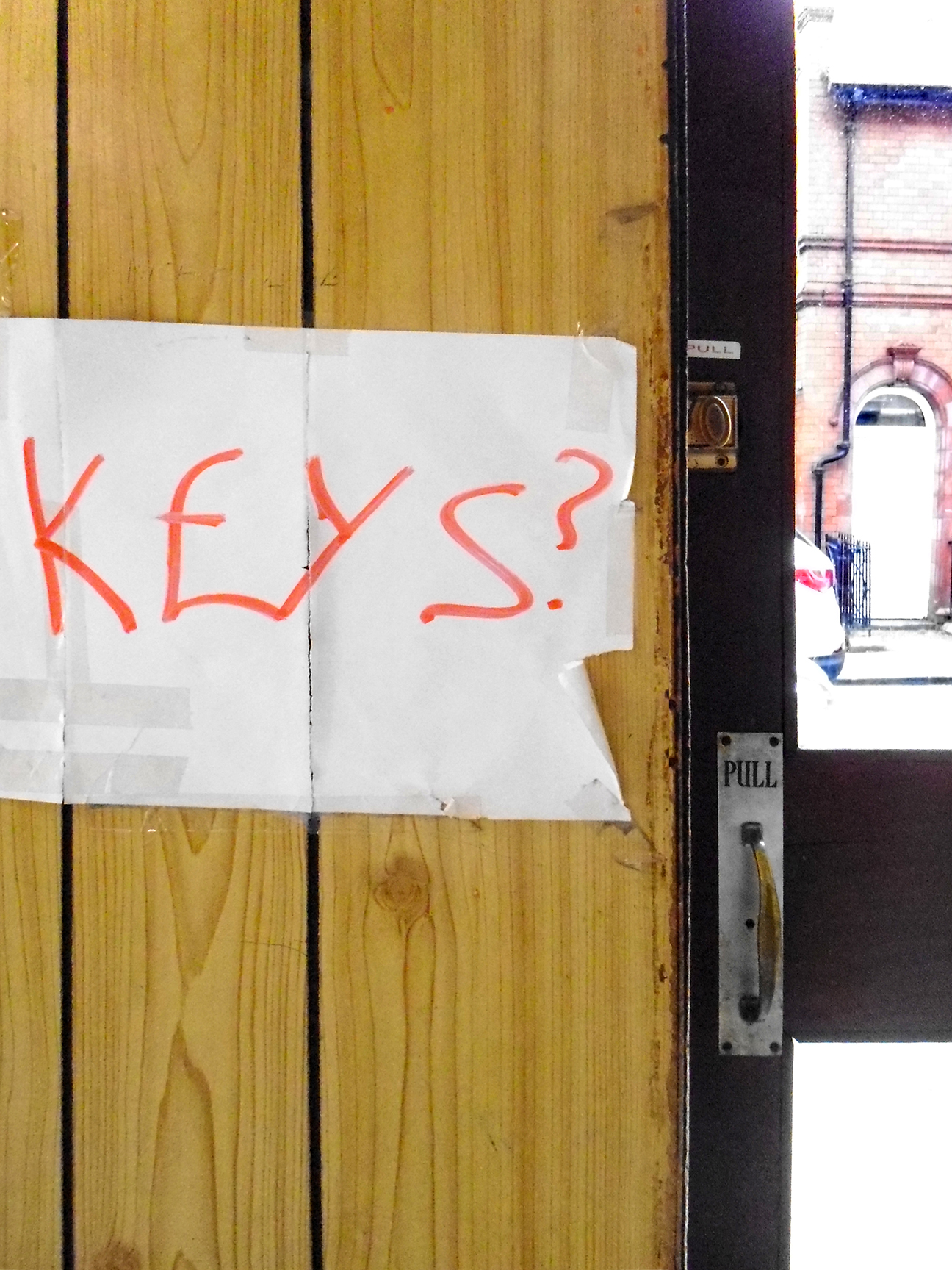
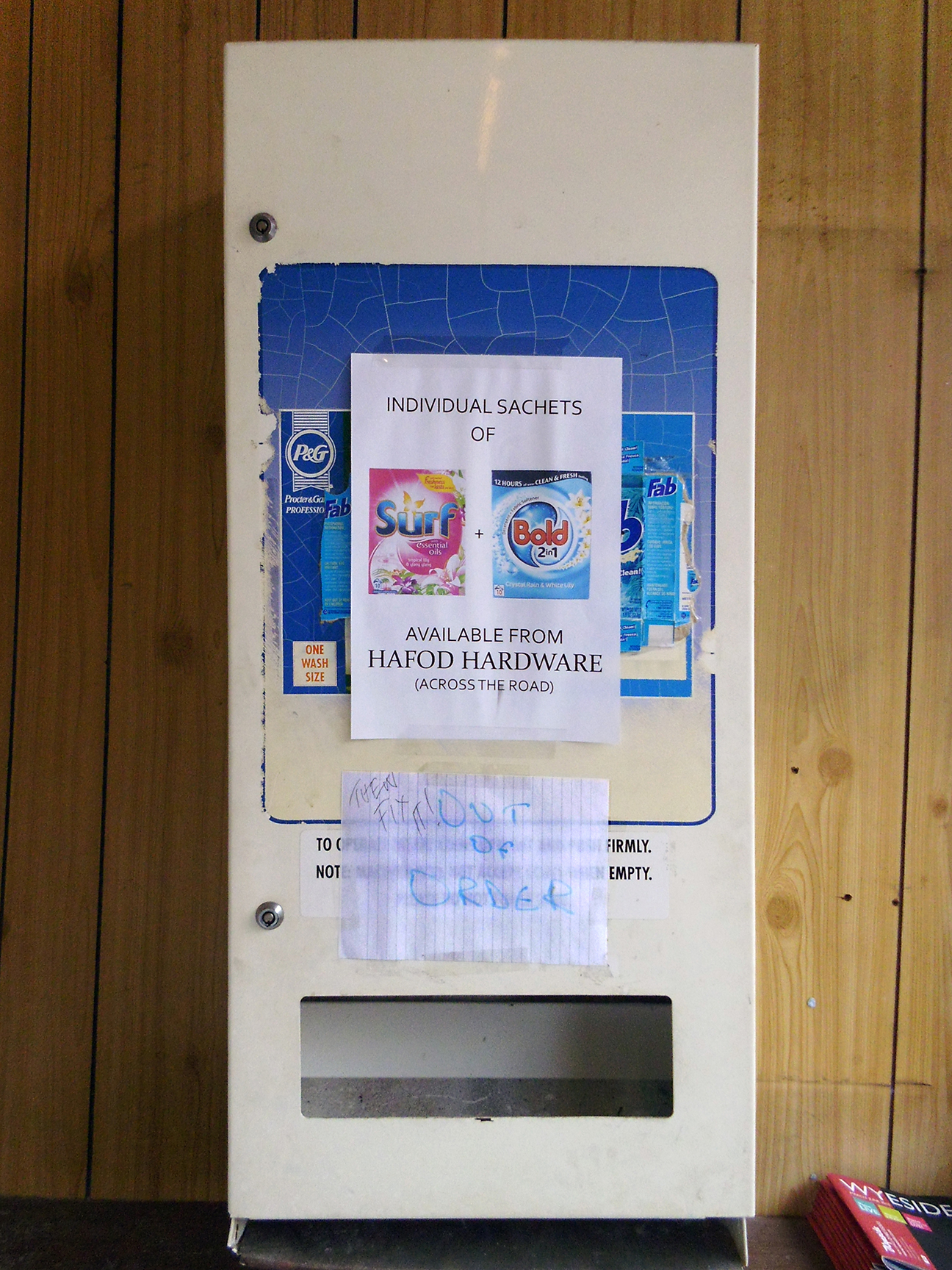
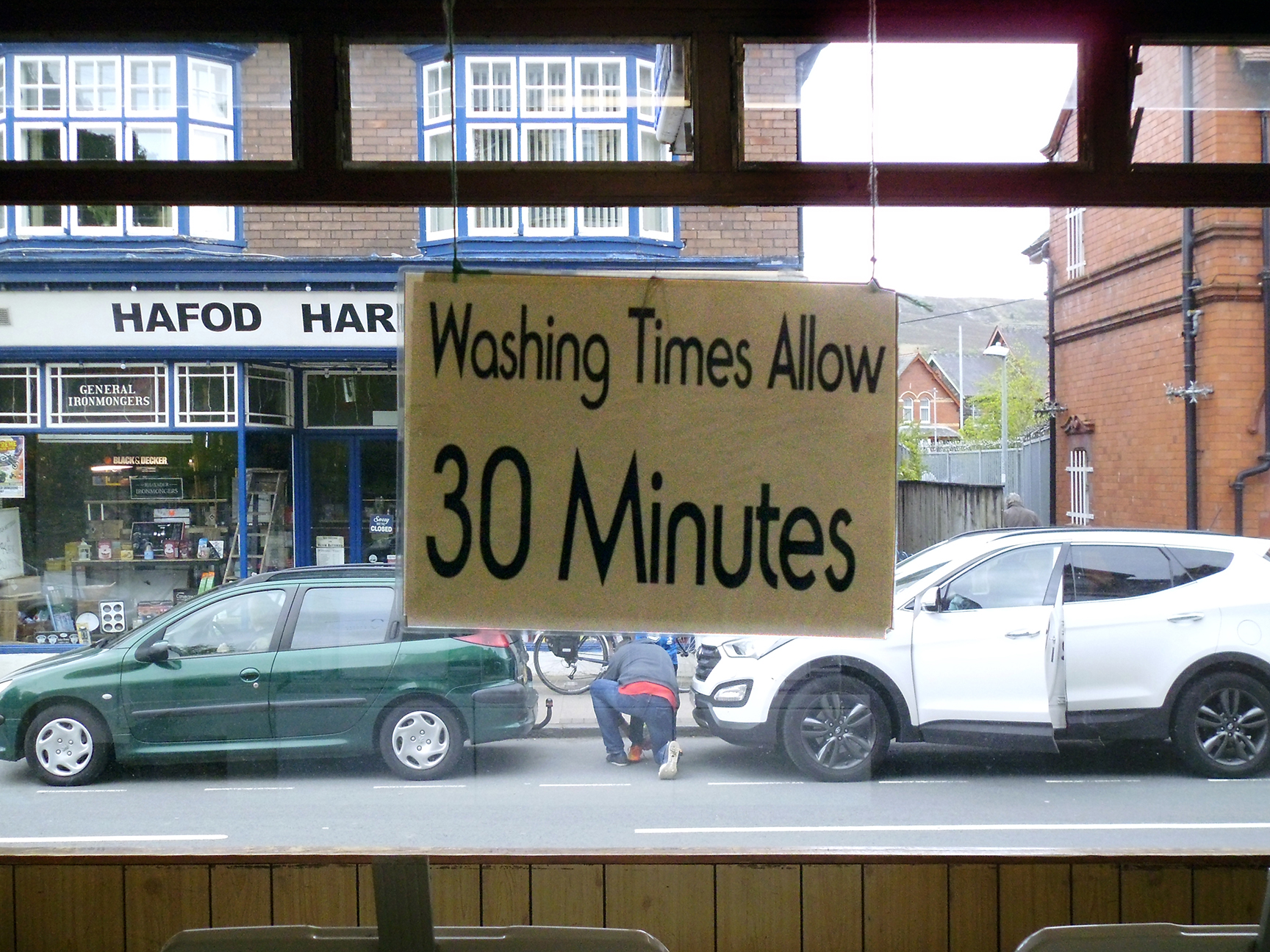
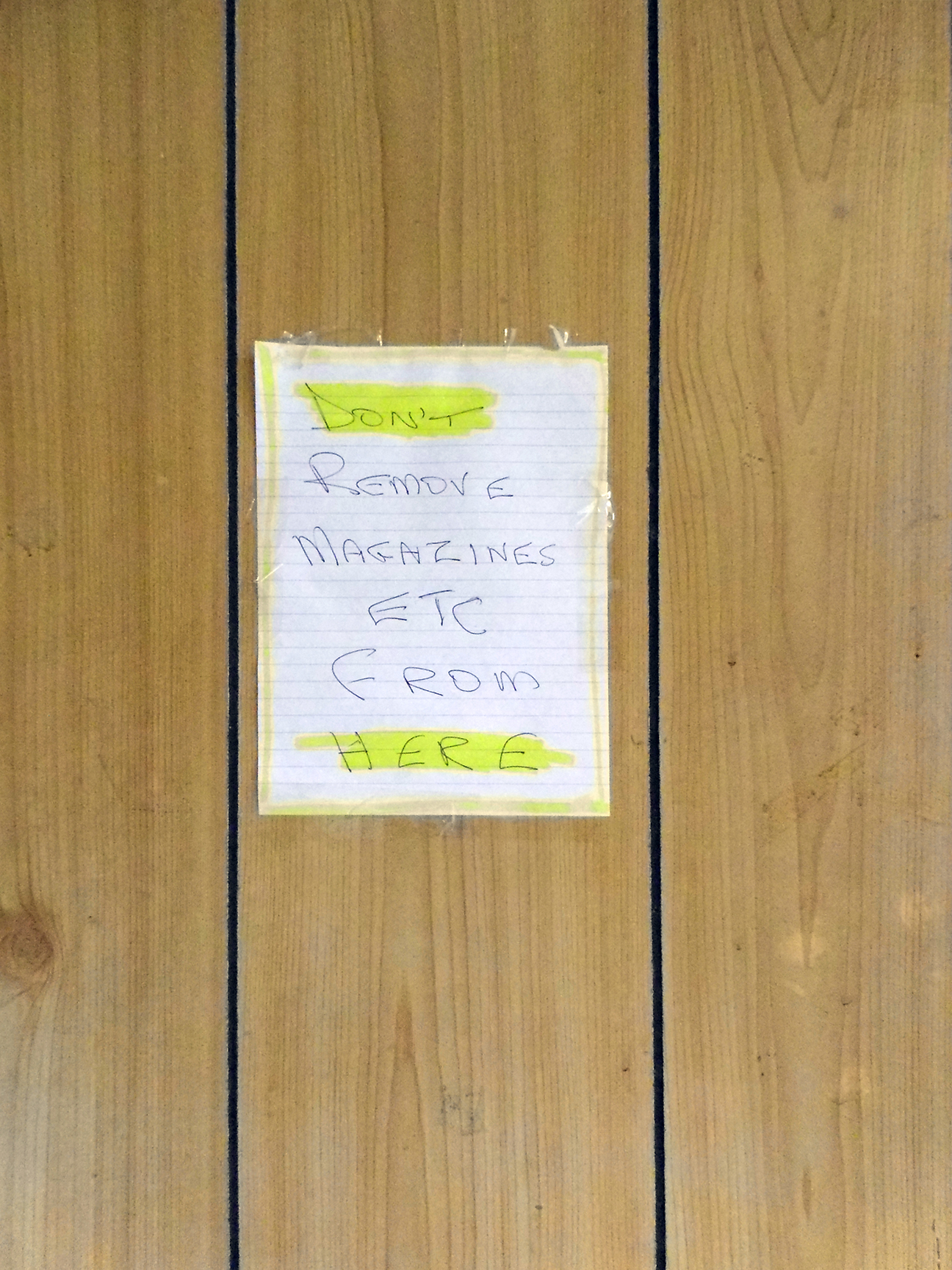
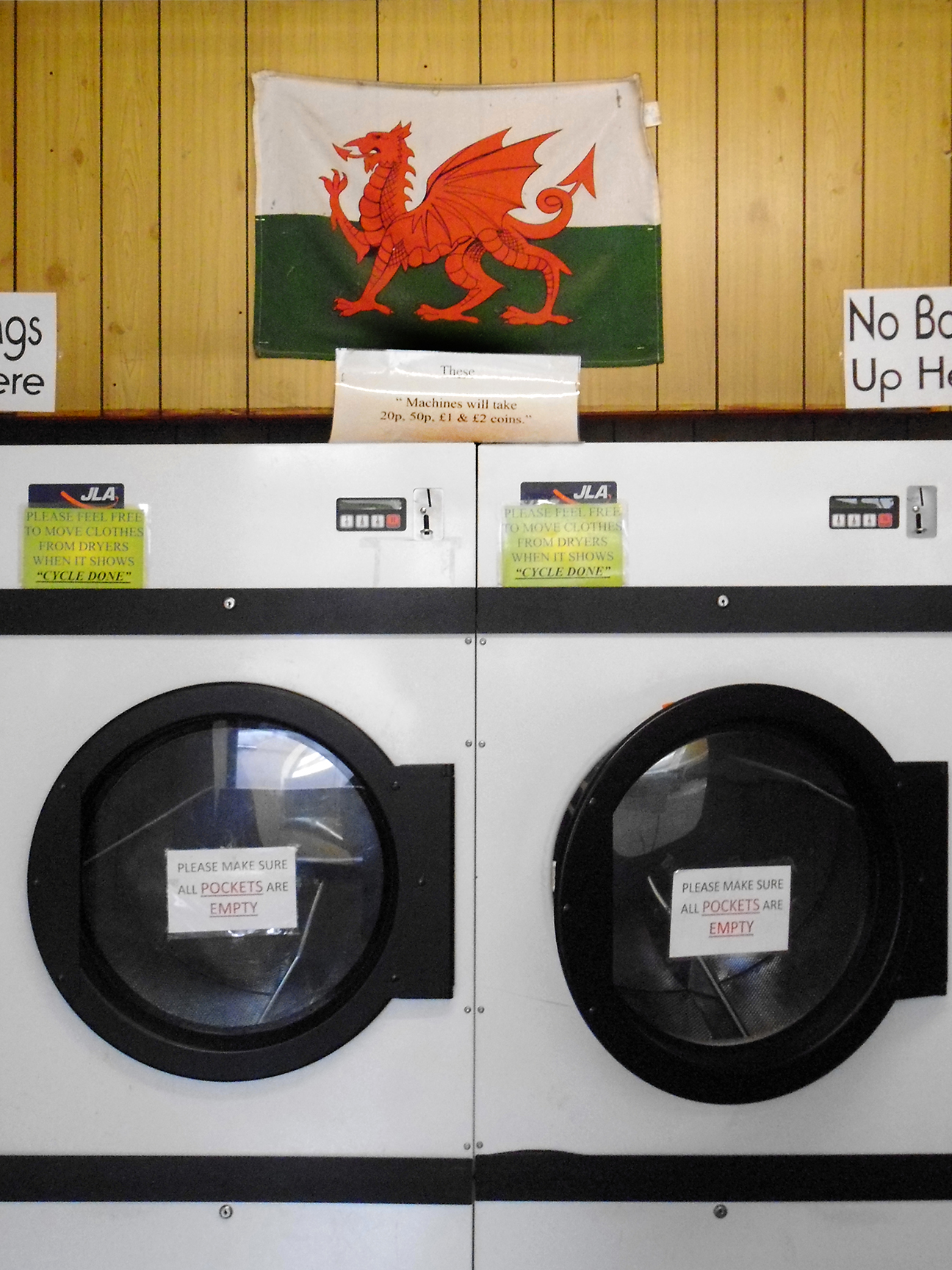
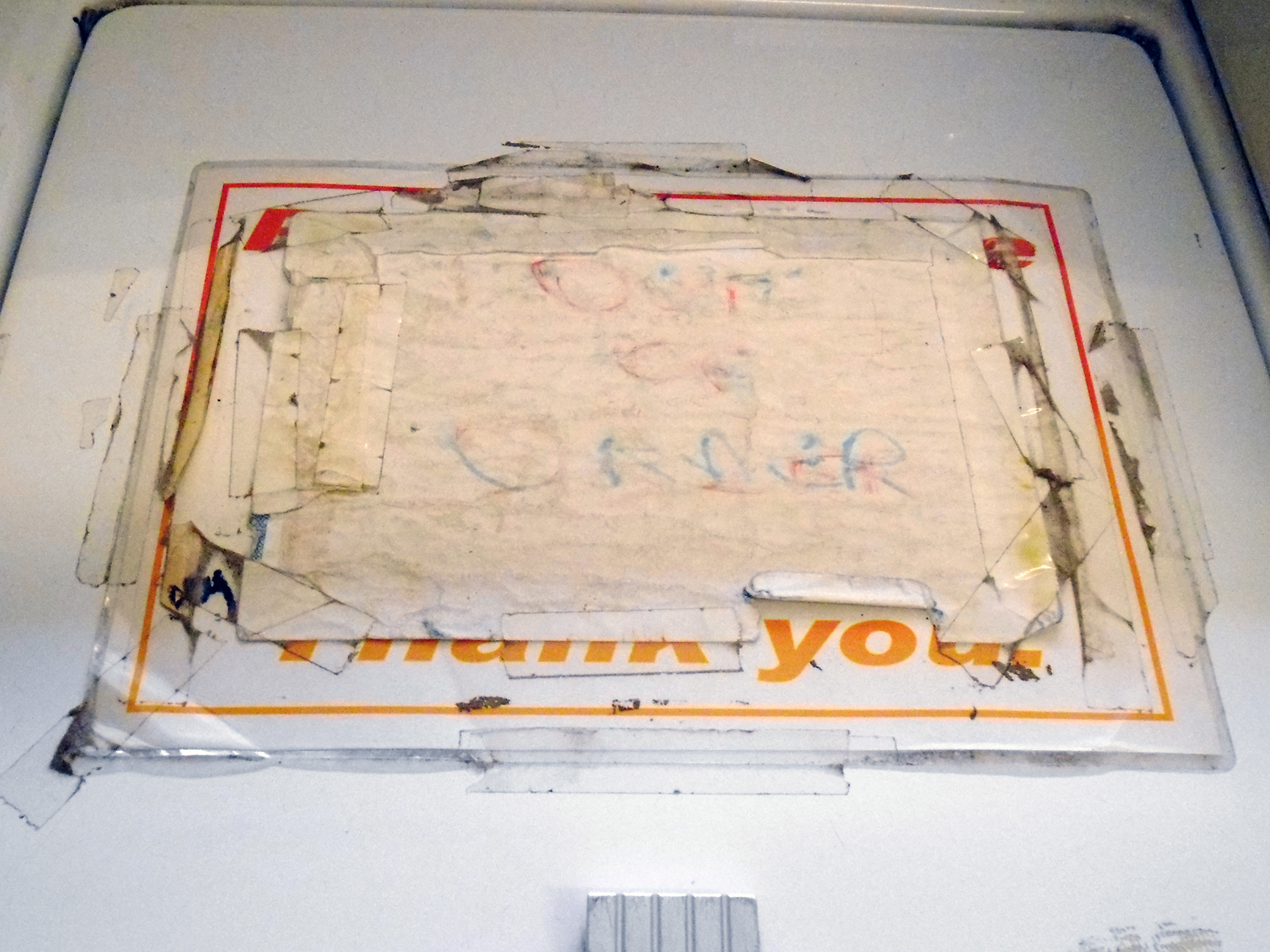
Handwritten signs – notices, instructions, scribbled hurriedly, underlined, highlighted, boxed for emphasis.
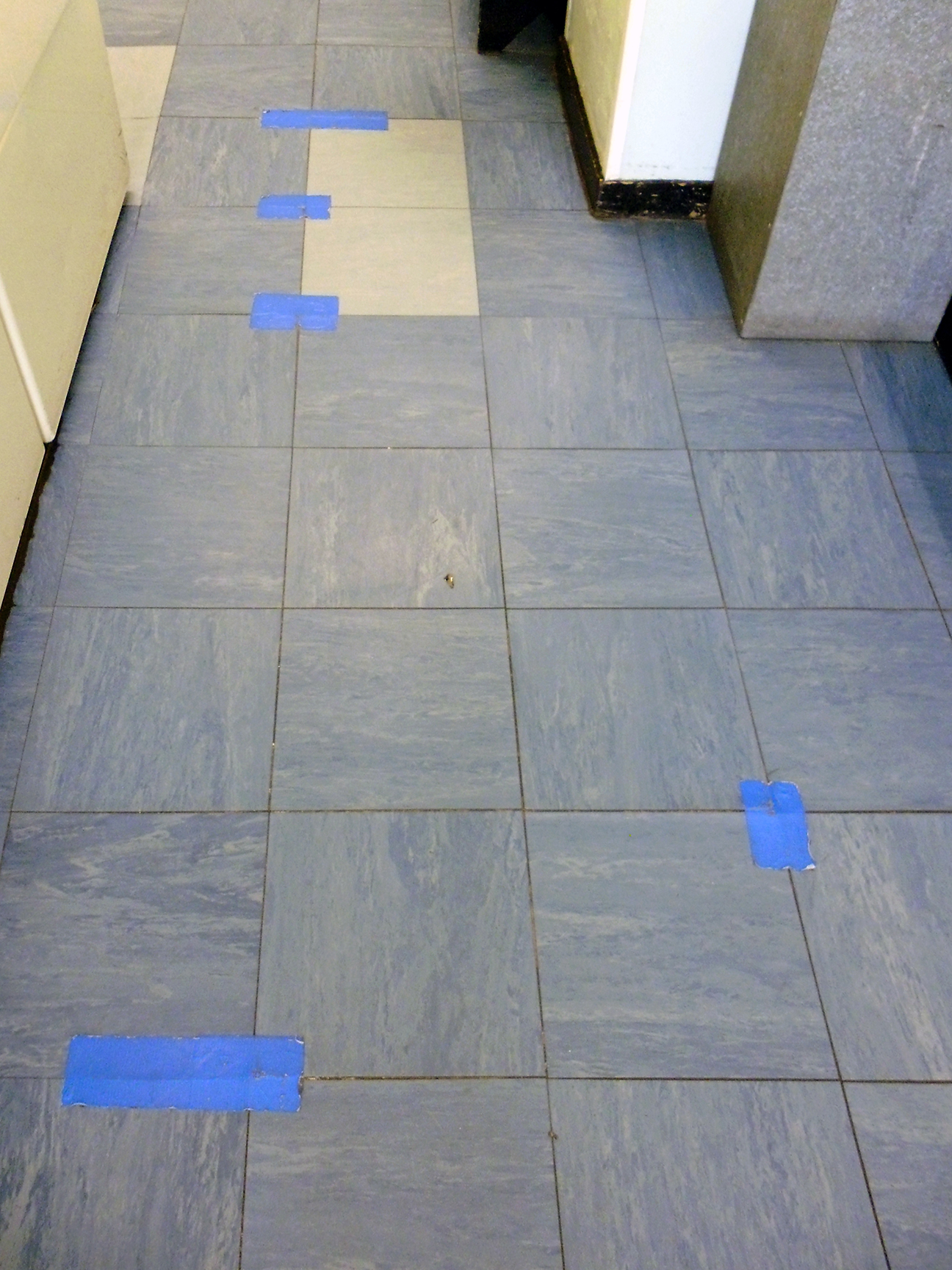
Taped up.
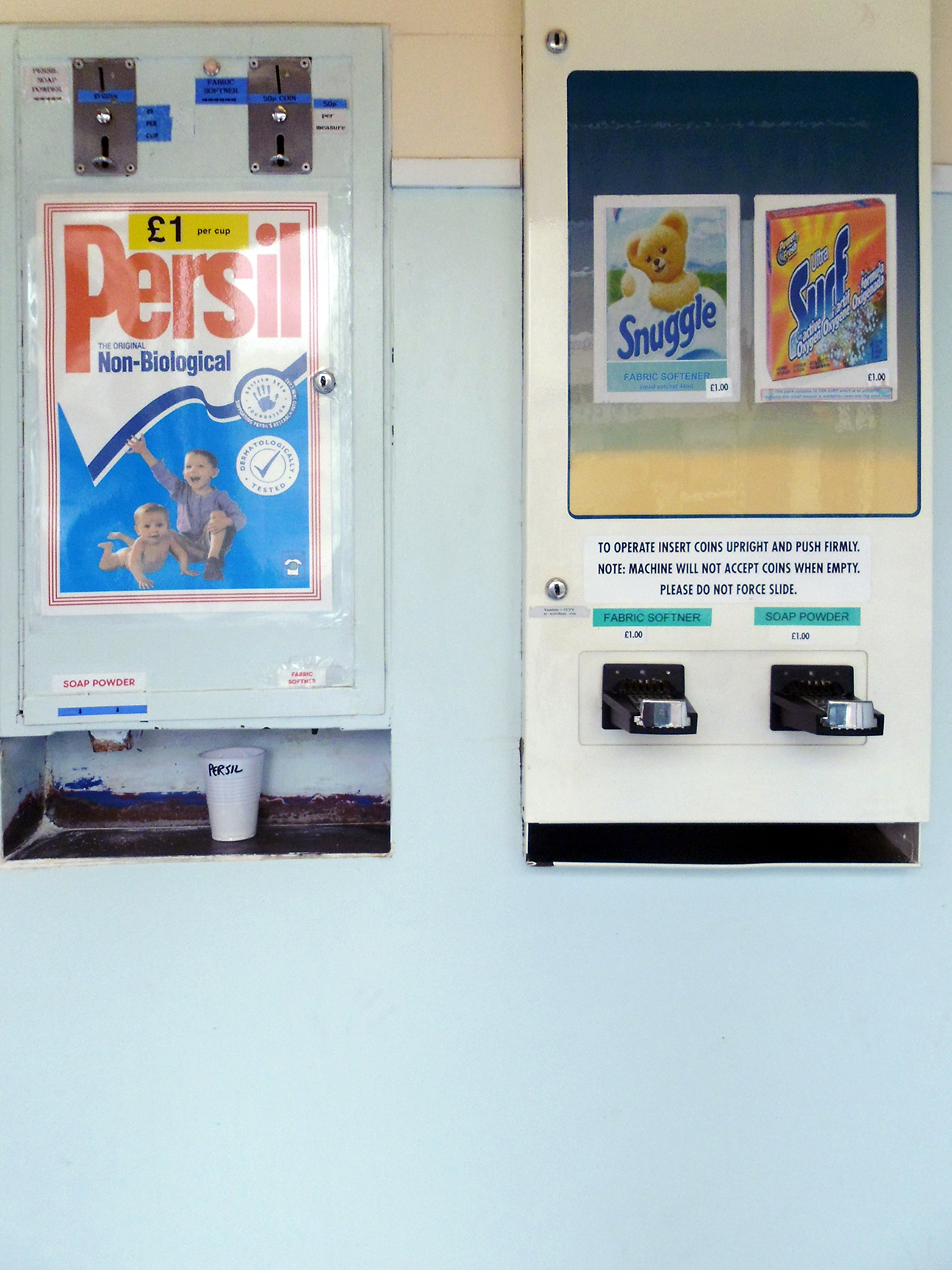
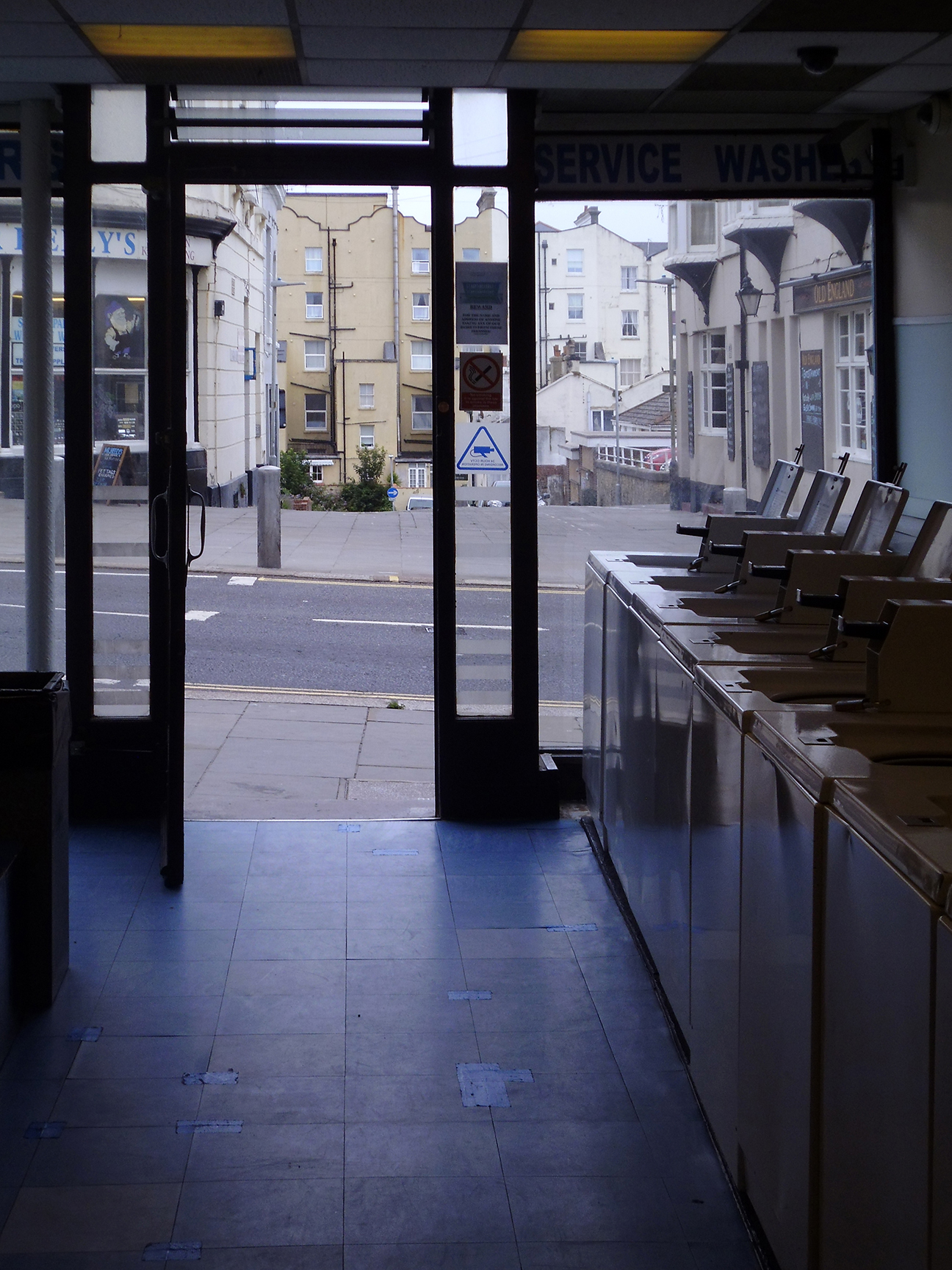
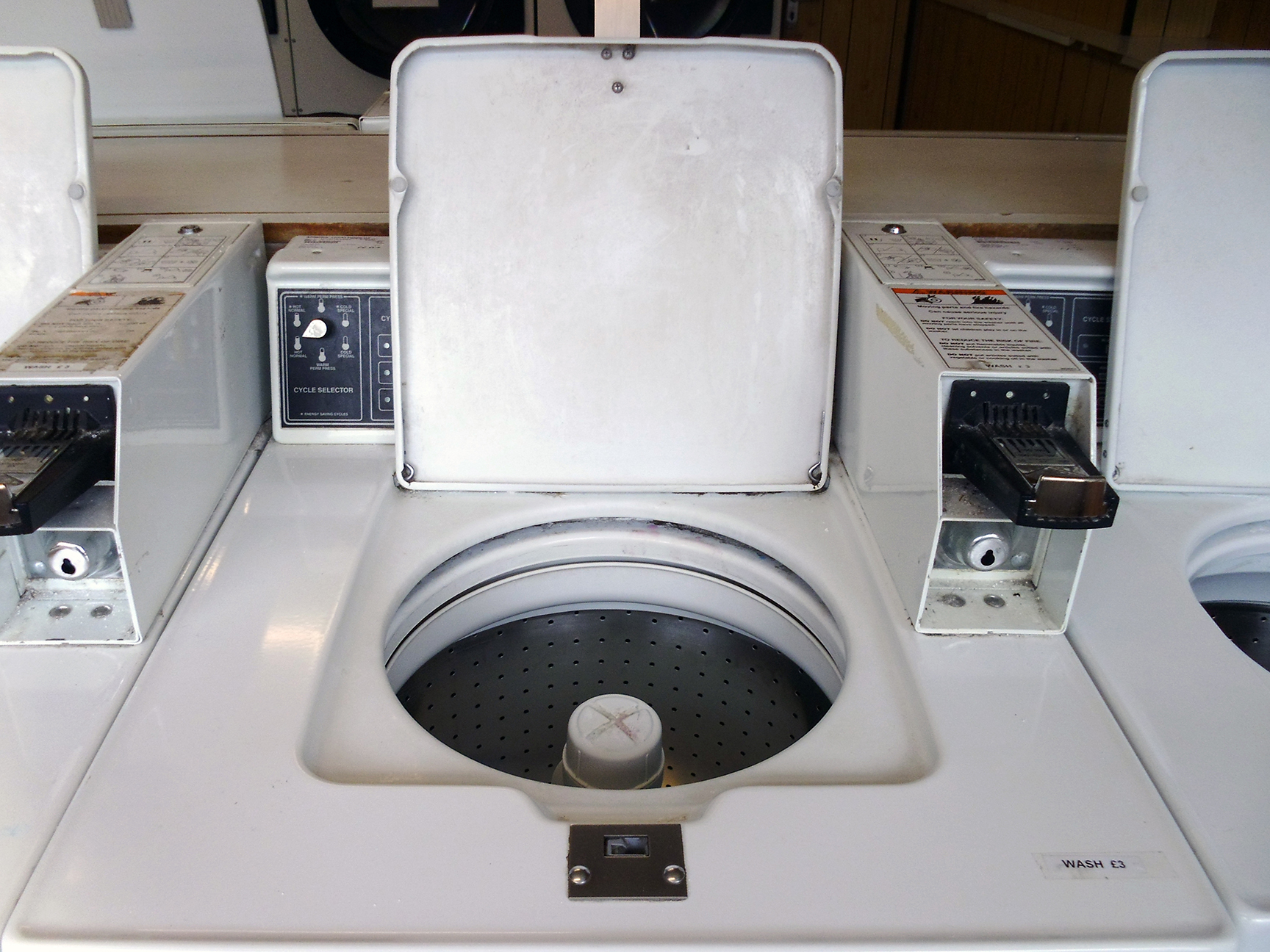
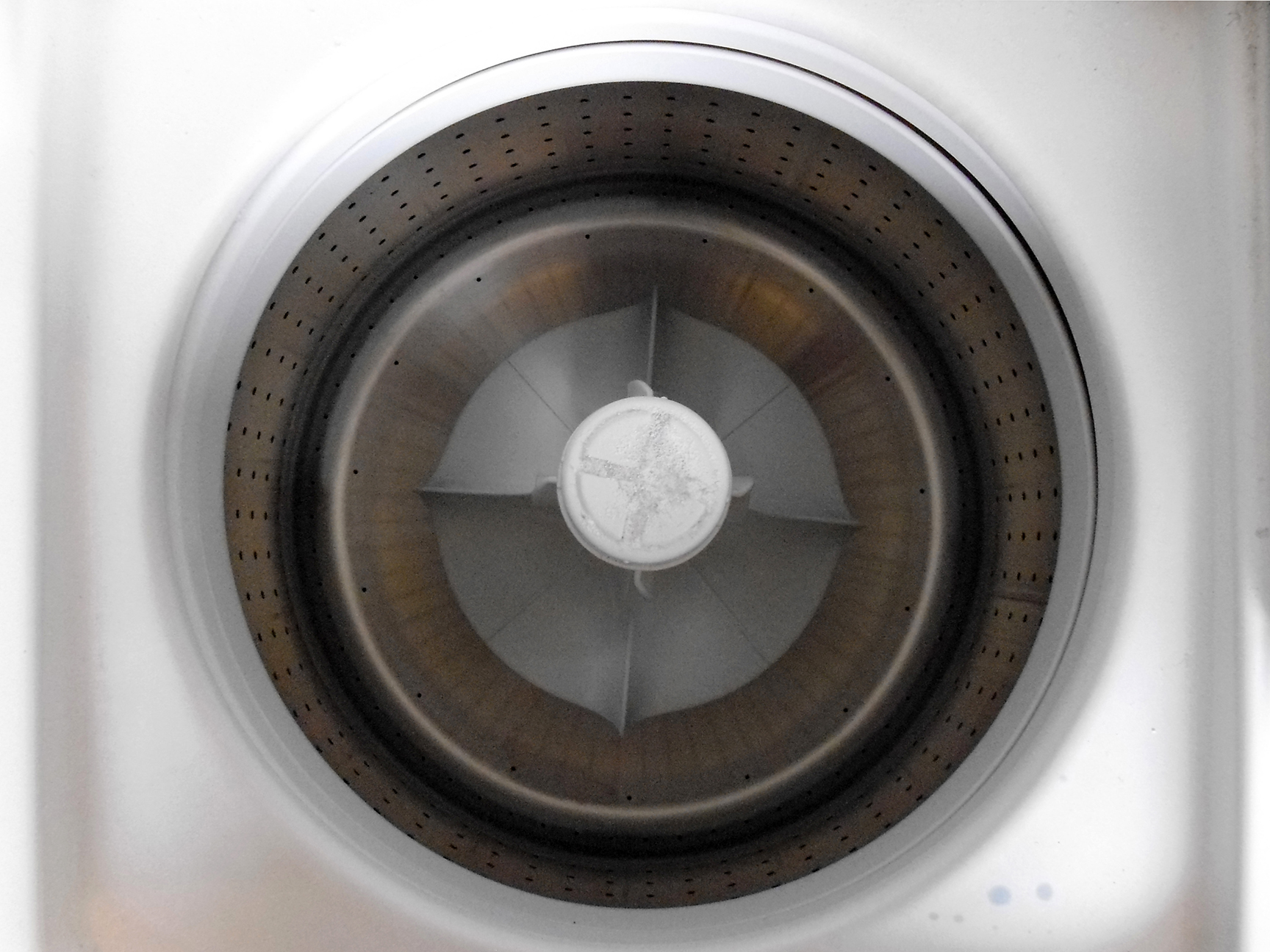
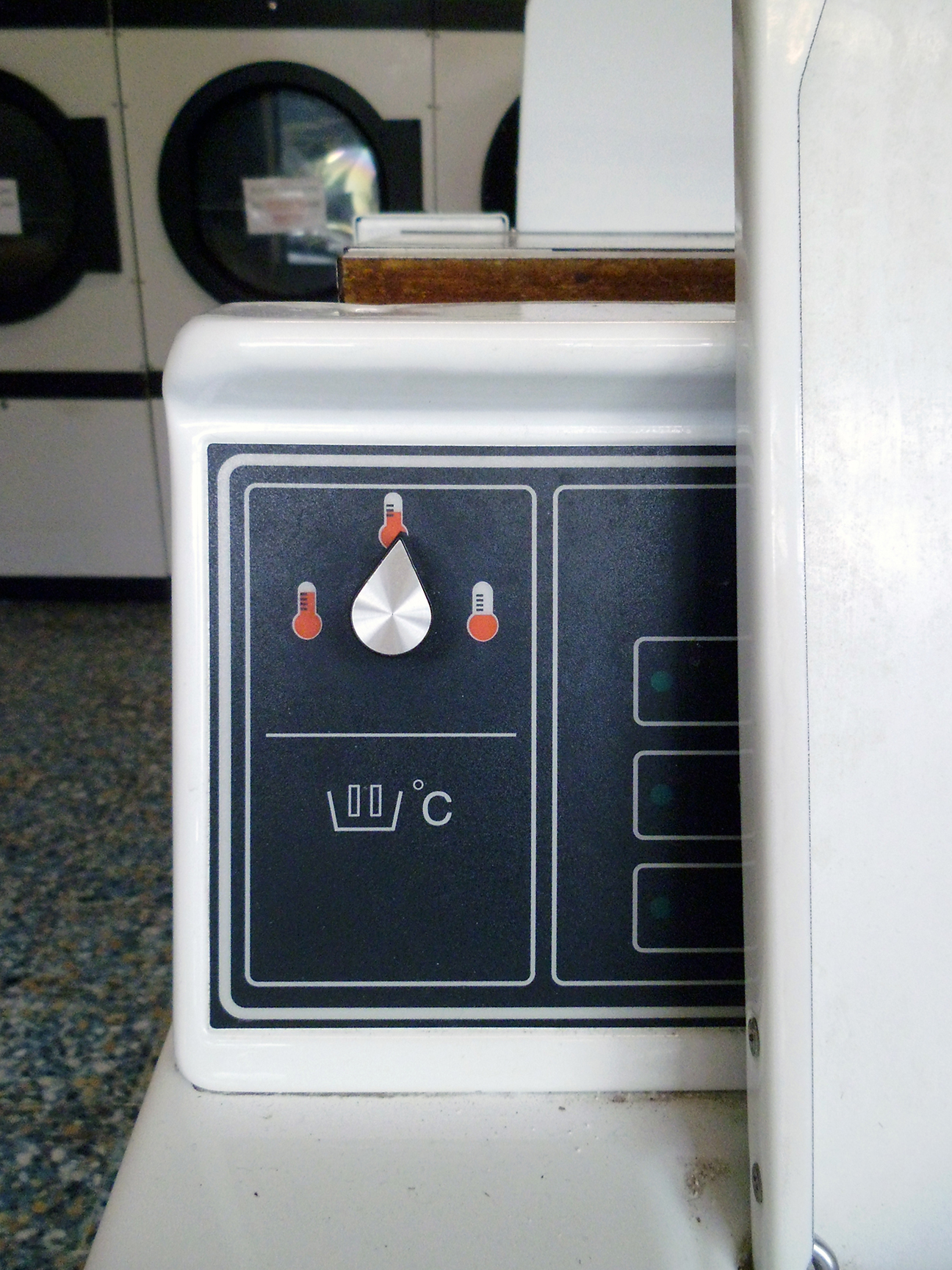
There are machines, top loaders, best left half empty.
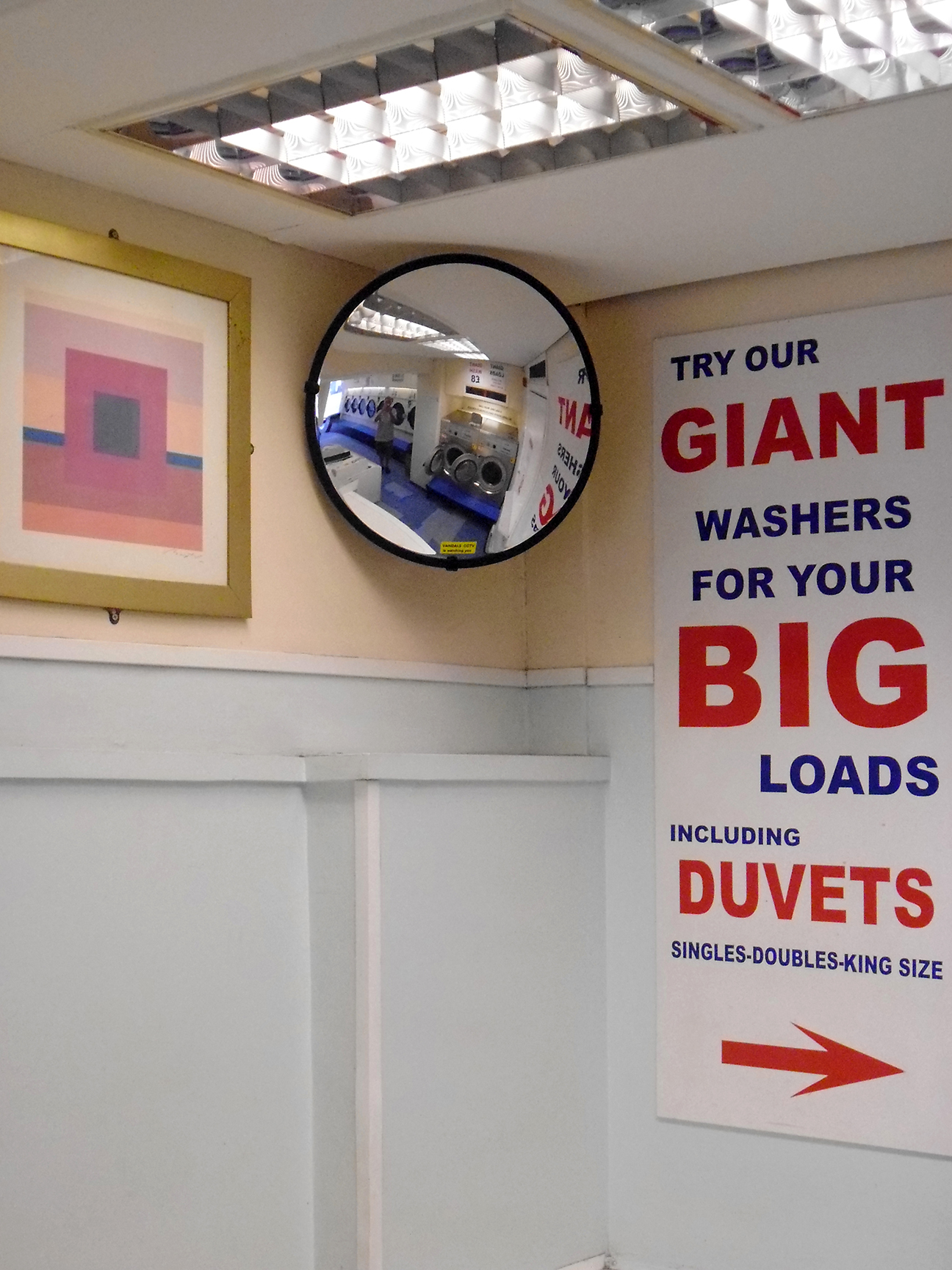
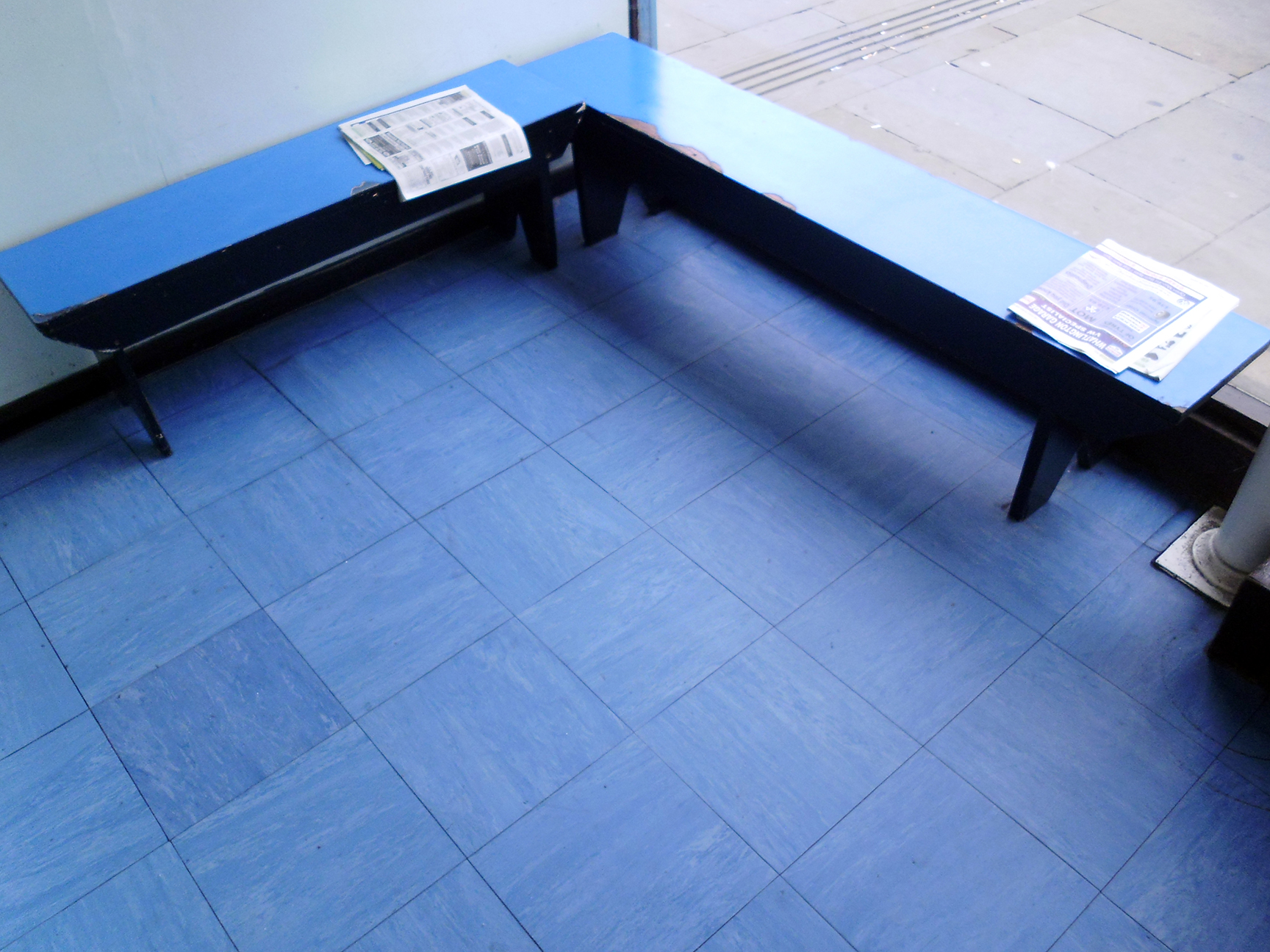
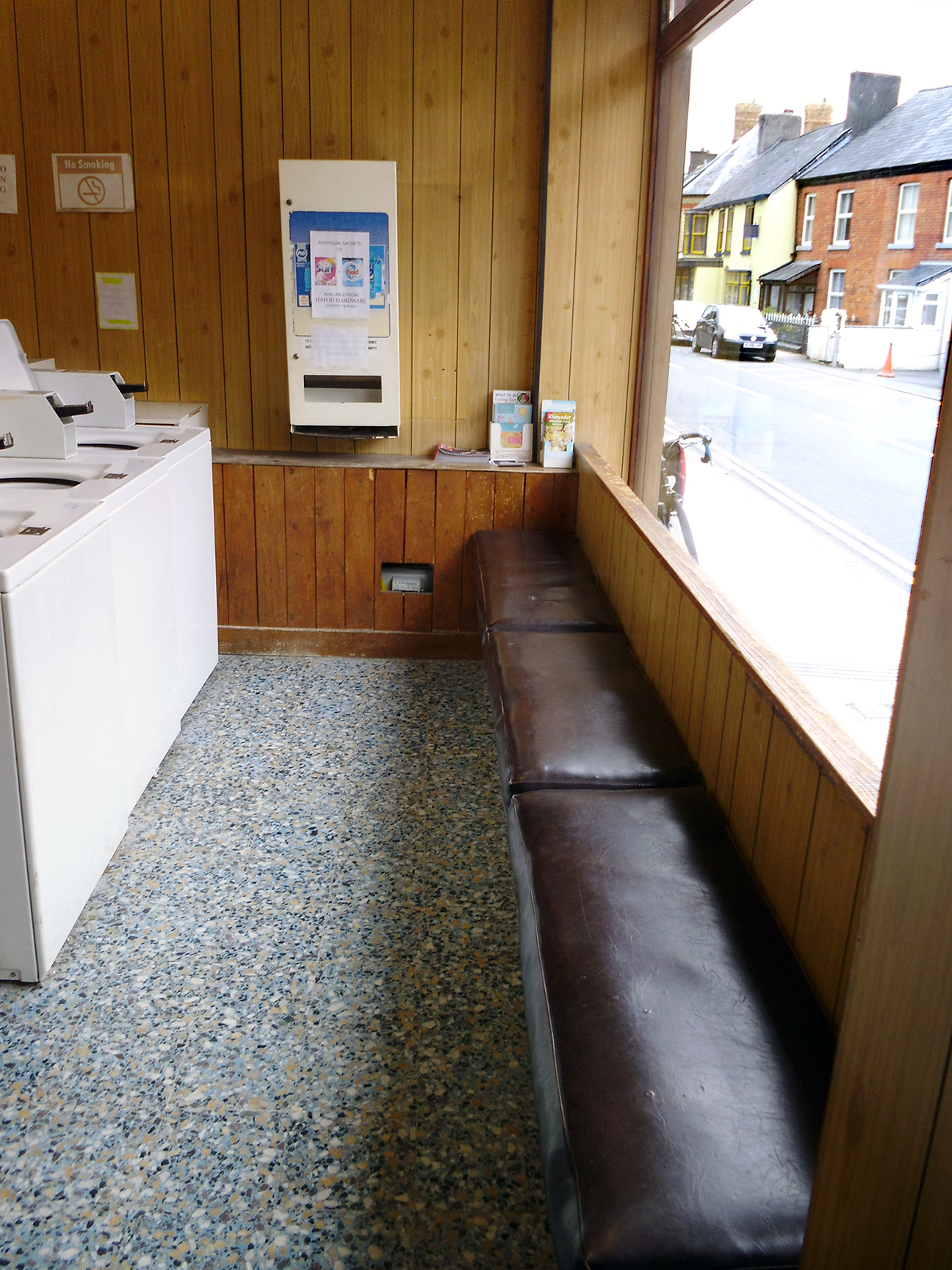
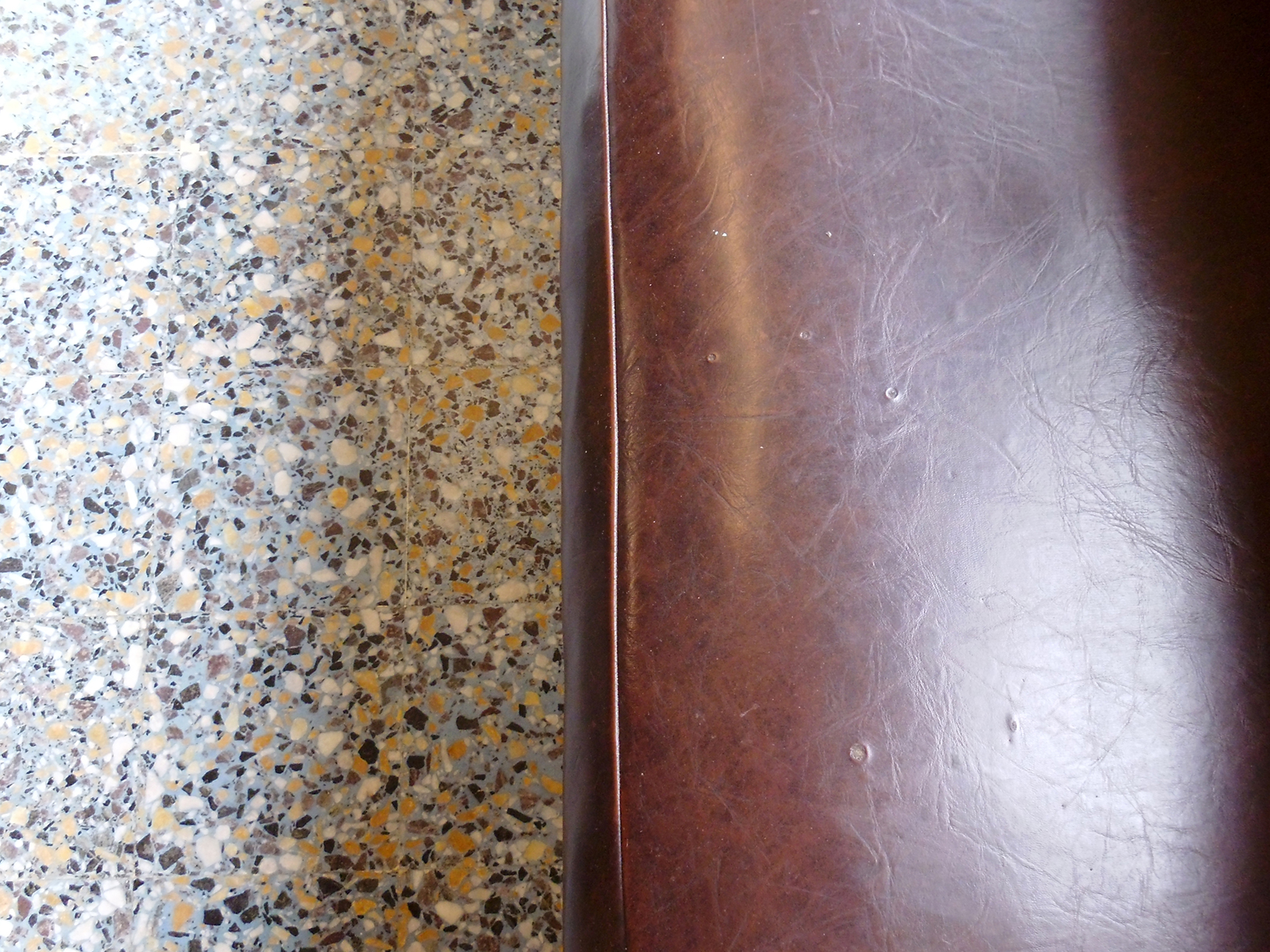
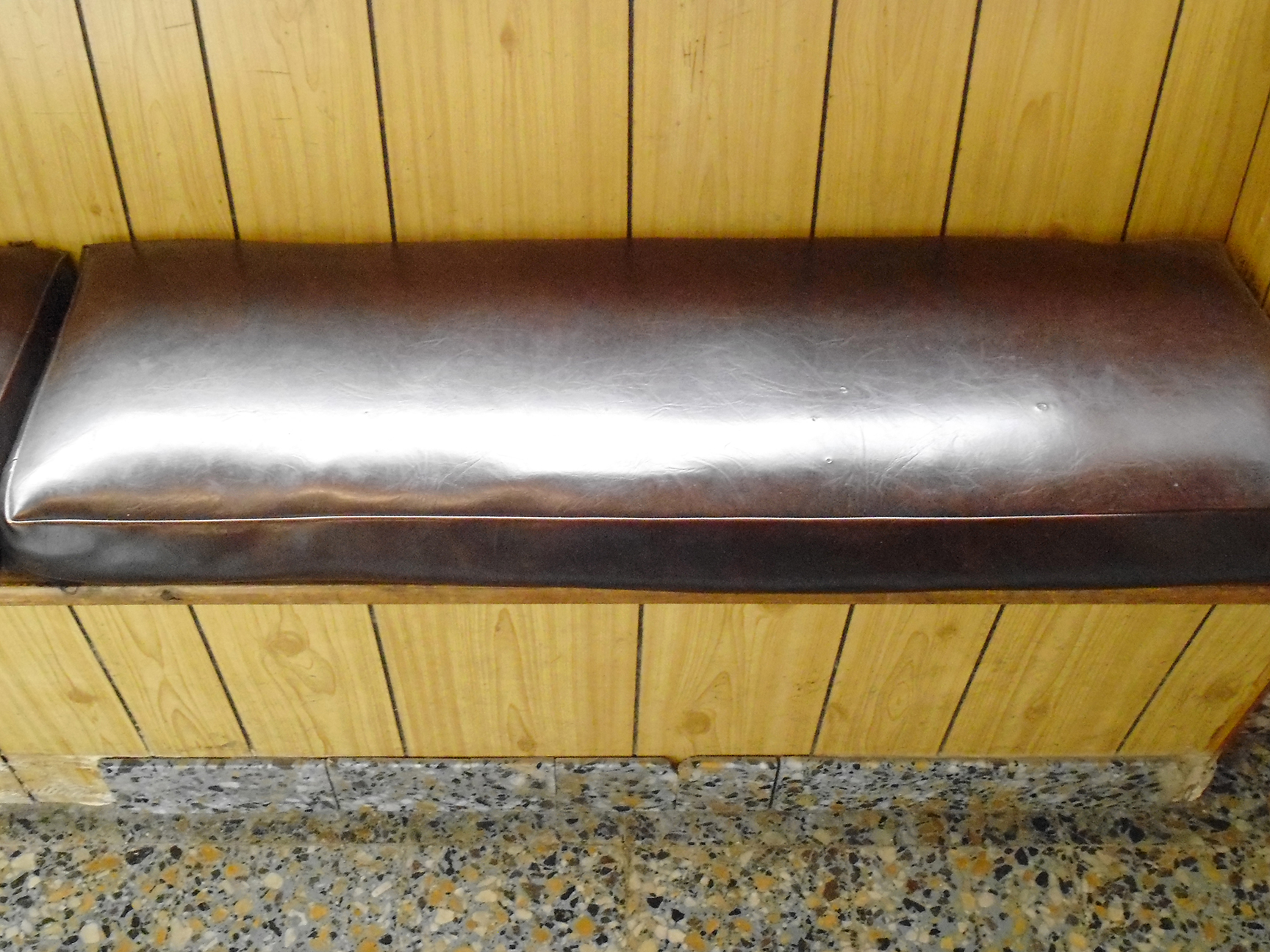
Terrazzo floor, leatherette banquette.
Out of disorder comes out of order.


Close the door when you leave
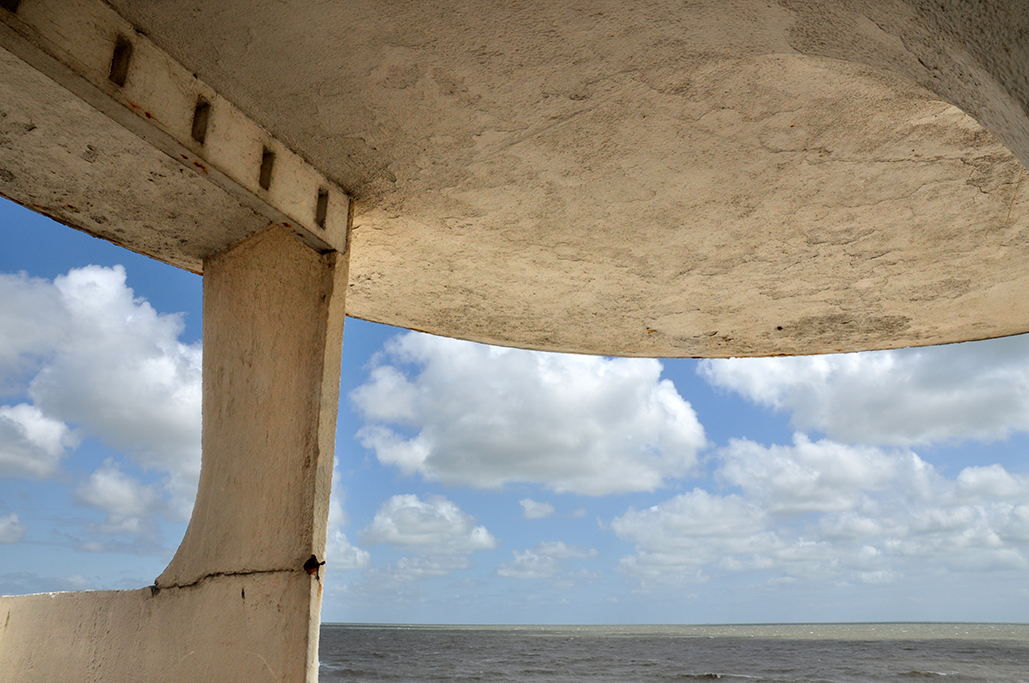
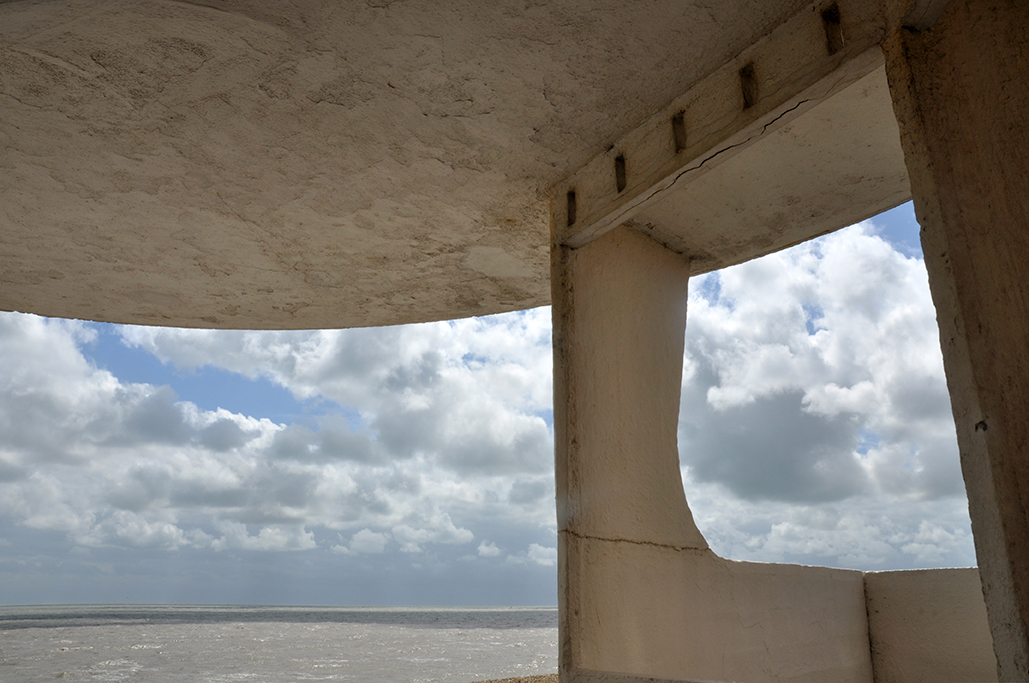
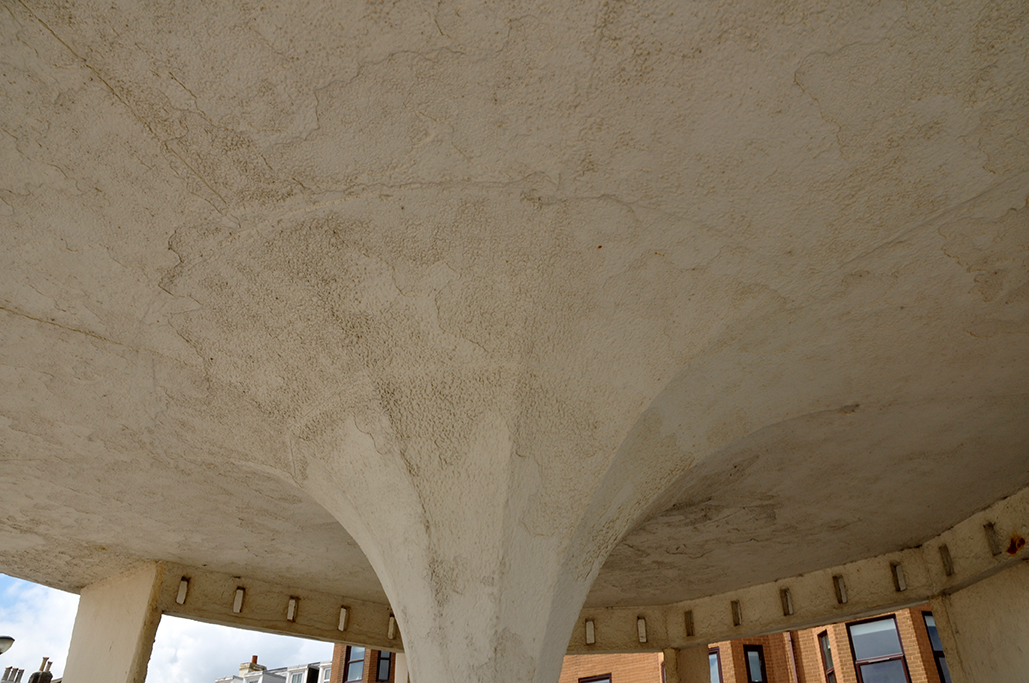
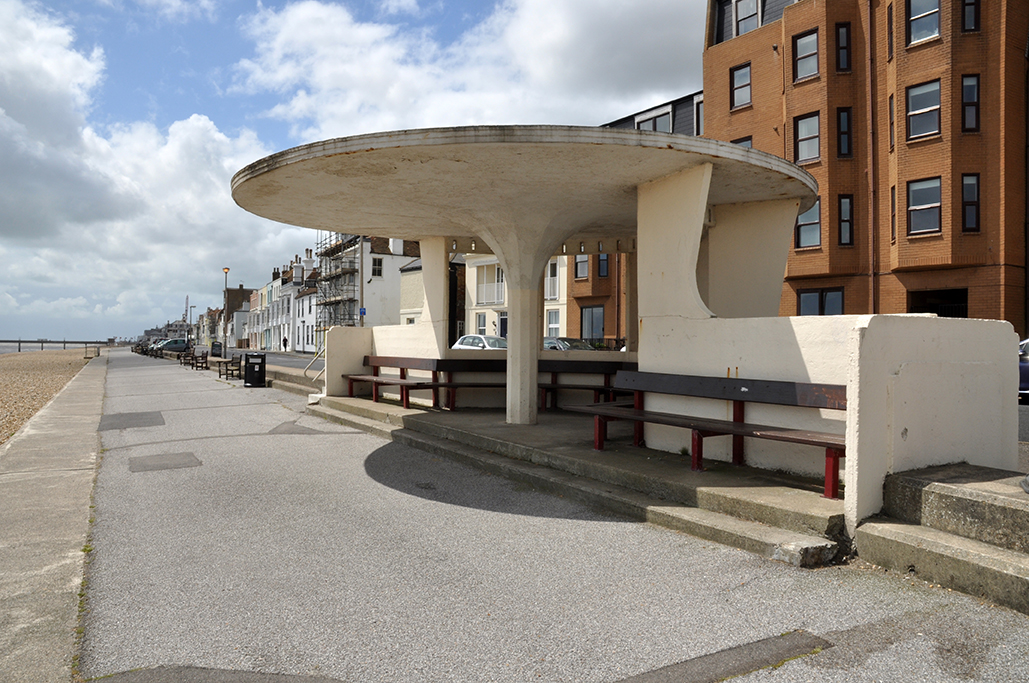
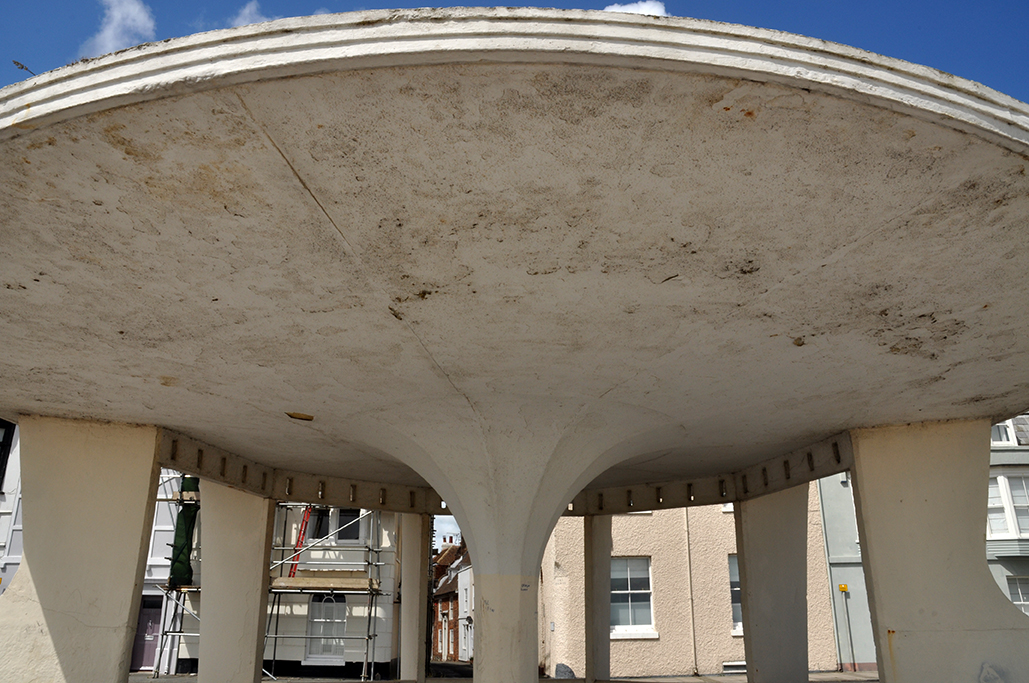
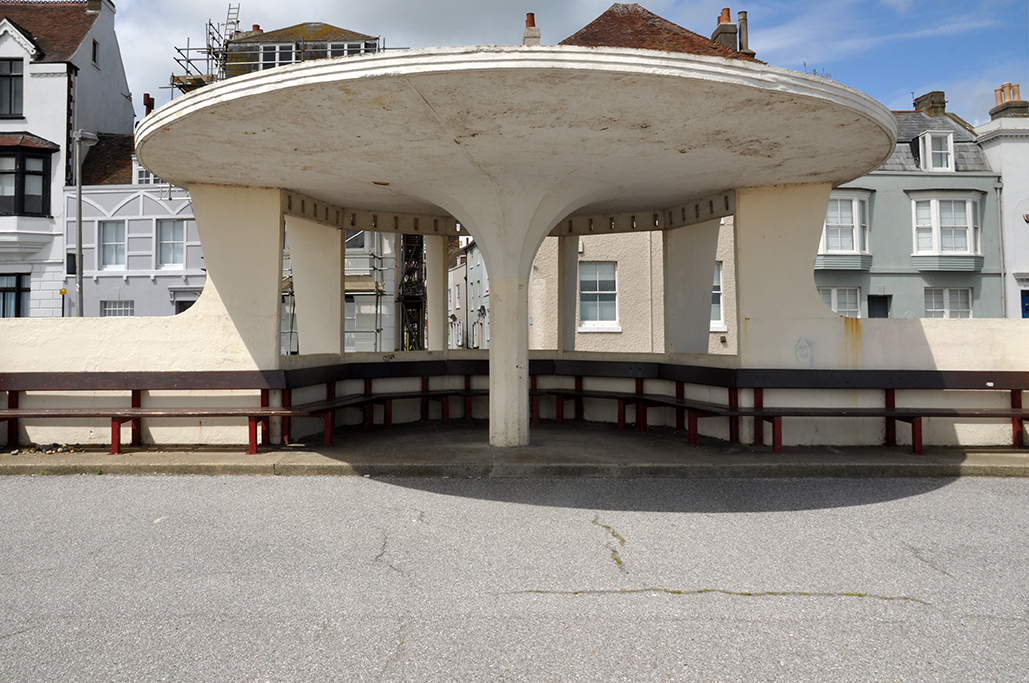
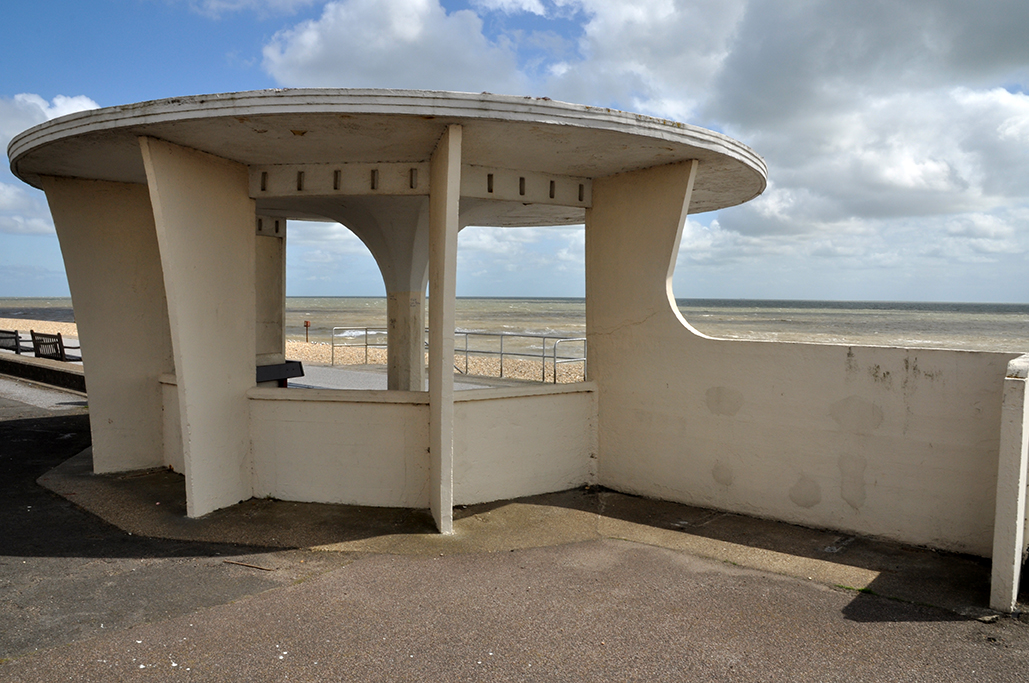
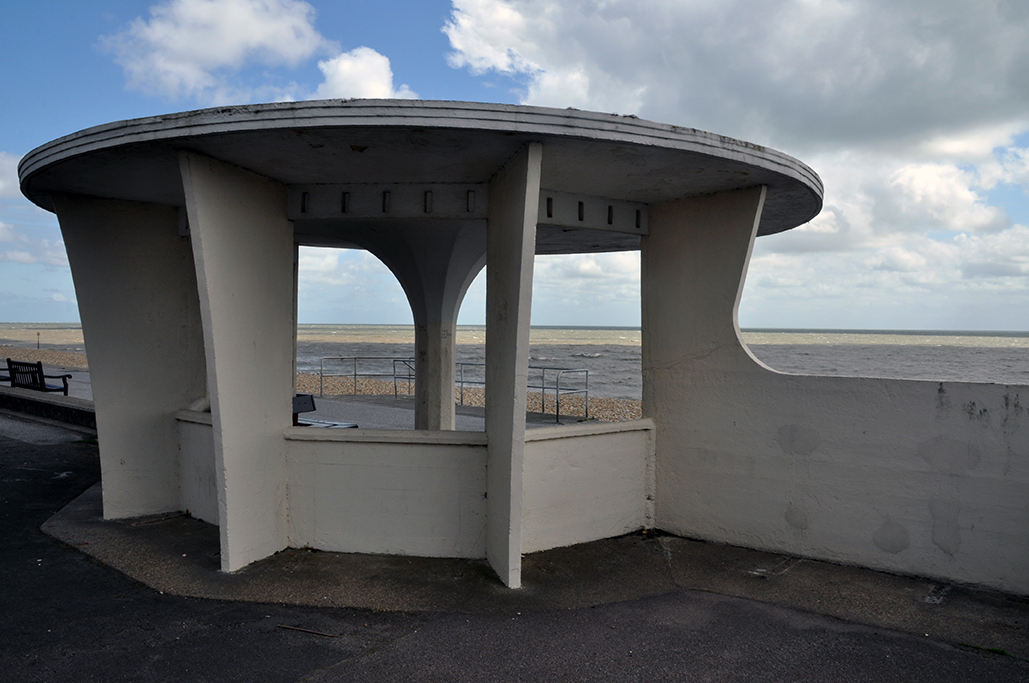
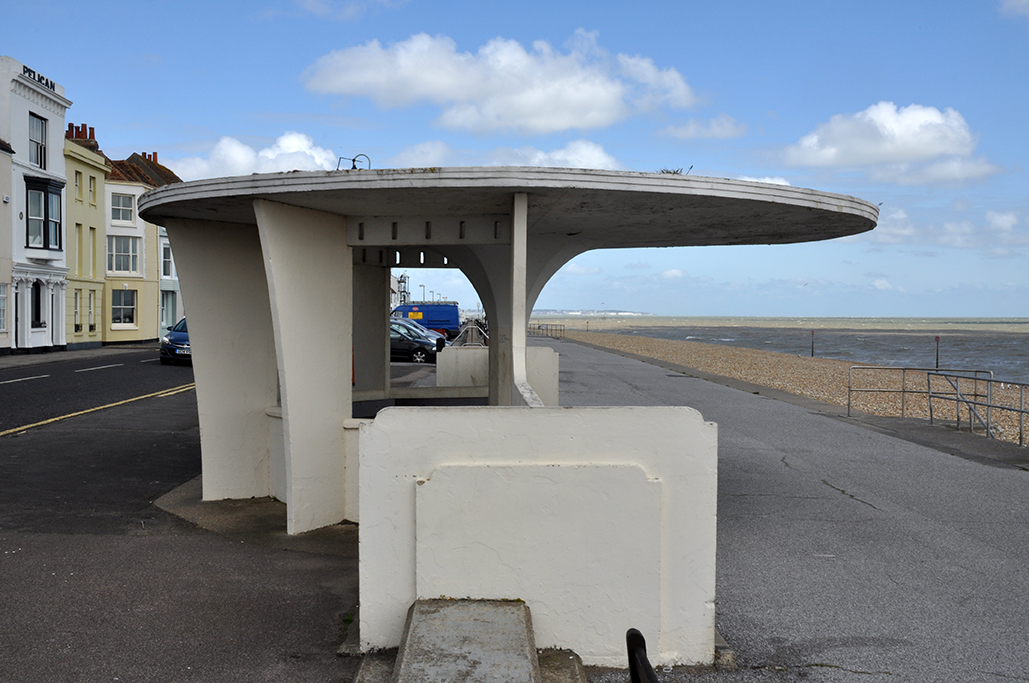
There are days when there is little else to do on the seashore than stare endlessly out to sea, seeking respite from the unrelenting rays of the sun, or conversely turning one’s back on the incoming squall.
Hunker down and hope.
For these very same and sane reasons, the urban district councils have provided you with the very means to realise the wildest of your wildest dreams.
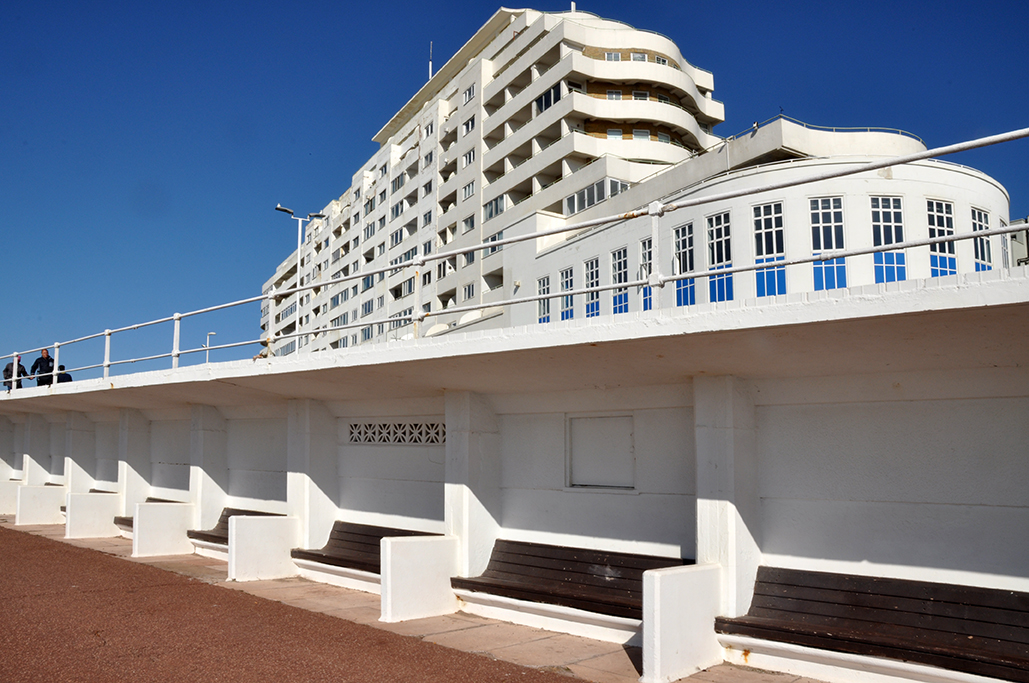
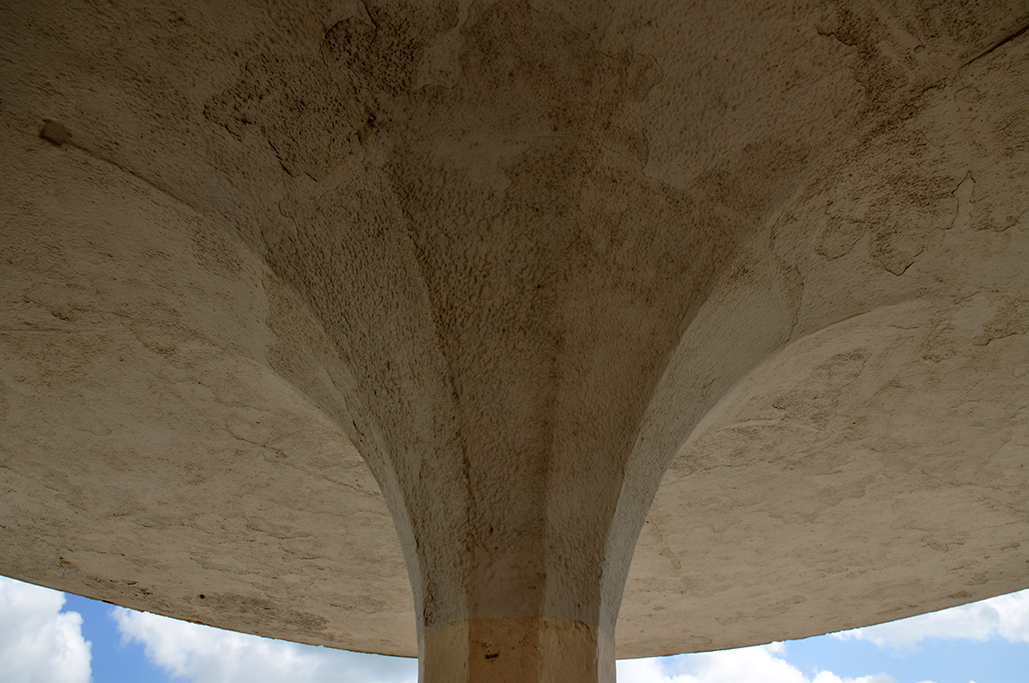
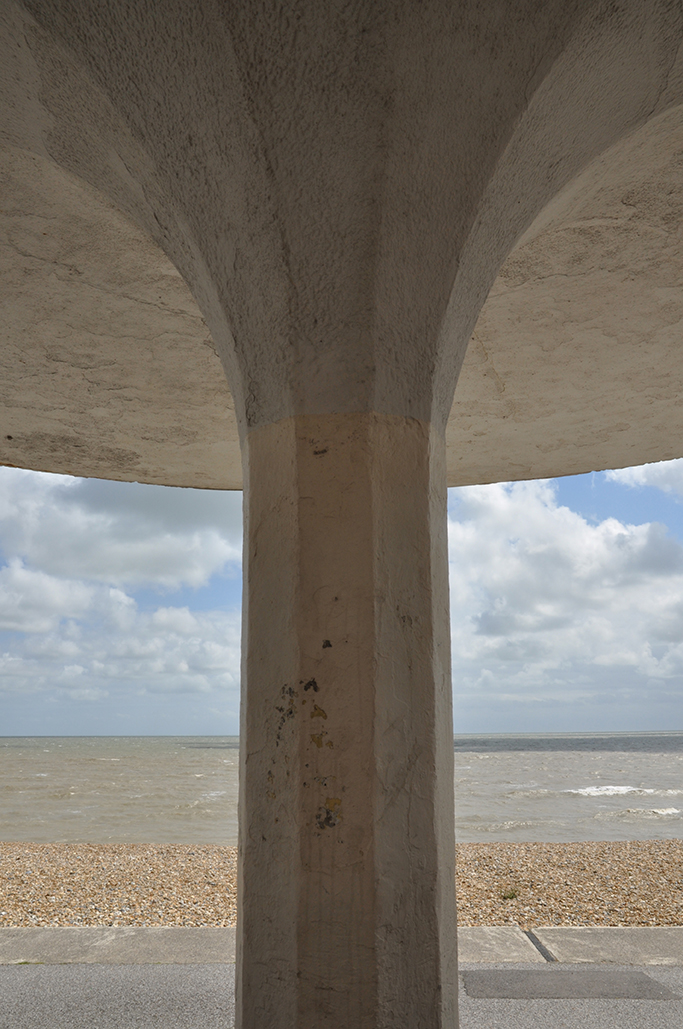
The shelter
No two are the same, look carefully – they are nuanced, under financed, resilient and emboldened against the elements. Design applied by untutored hand, cast in concrete, stone and brick, glazed, unglazed and amazing.
Set a spell, take your shoes off.
Y’all come back now, y’hear?


The seashore seems ideally suited to tall well appointed private housing, this is the architecture and landscape of wealth and privilege.
Built and maintained in the finest sixties and seventies Modernist style and fashion, affording panoramic visits across the Hove Lawns to the sea, and the soft rolling hinterland of the Downs.
If you’ve got the dollar, you’ve got a room with a view, or two.
The very first time I visited Hastings, I was immediately enchanted by the seafront and its enchanting shelters.
Perfectly formed cast concrete poetry, facing the swelling channel.
Offering shade and respite from coastal sun, wind and rain.
Temporary home to some.
Decorated in the finest style.
A short endless walk, sea to the right, back again, to your left.


Standing immutable on the south coast seafront is the View Hotel, forever almost changing.
A seventies delight of exuberant geometry, tiled detail, protruding balconies and audacious window frames.
Its confidence is overwhelming.
Recently refurbished this trade union run hotel and conference centre has preserved much of its period interior detail, a swirling spiral stairway, unique circular light fittings, dark hardwood fittings and furnishings.
Suitable setting for high espionage or low talking.
Swept along by the verve, vivacity and capacious volume, I suggest you take a peak.
http://www.theviewhoteleastbourne.com


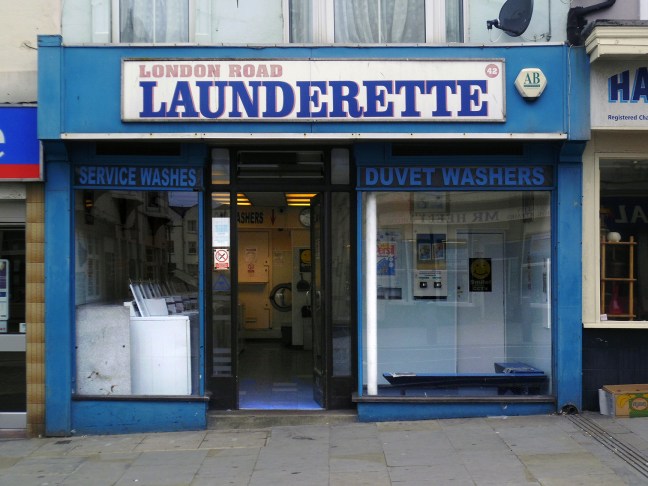
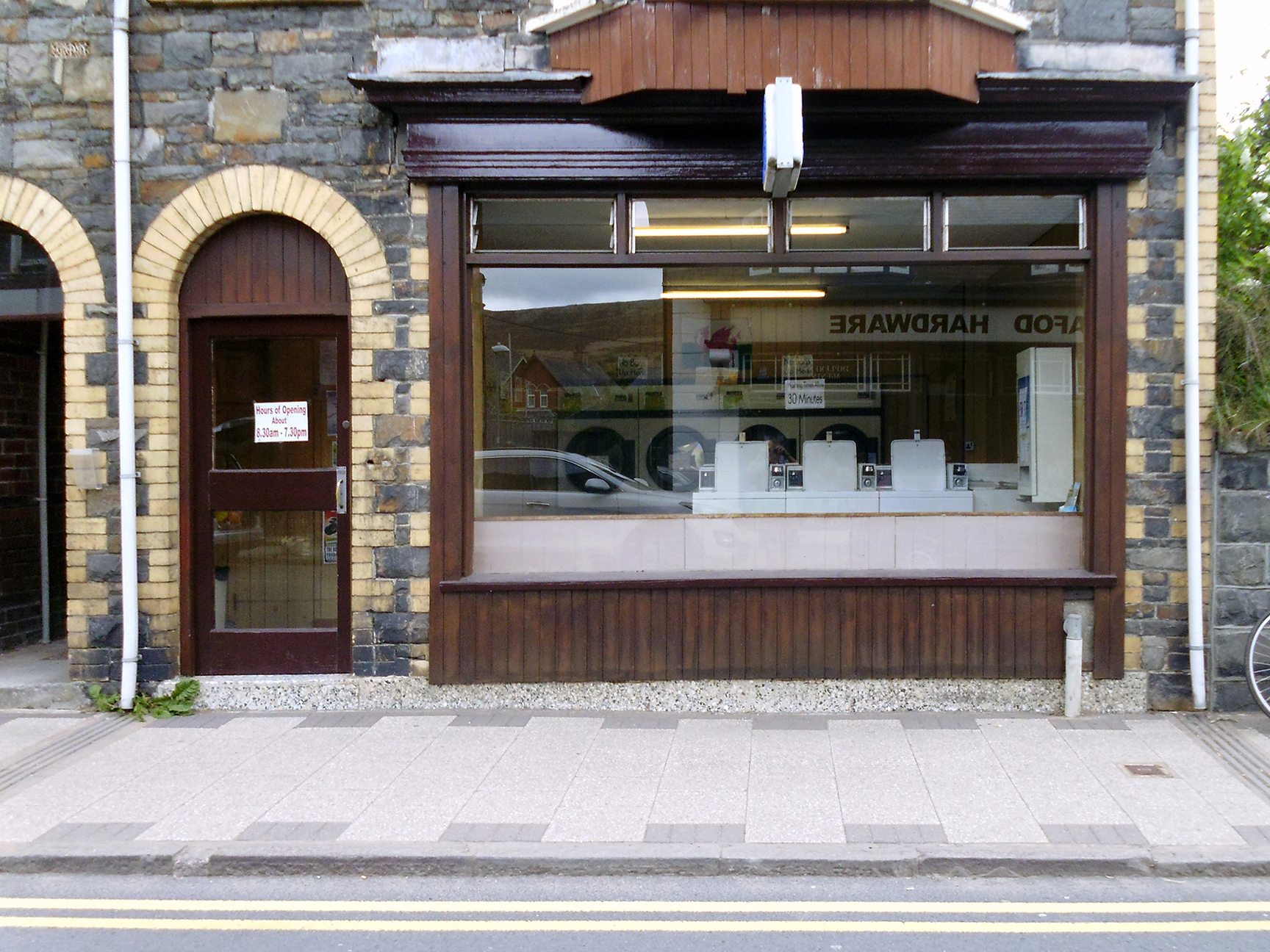
Cycling along Curzon Road one sunny Sunday afternoon, I found to my surprise, facing me across the Whiteacre Road junction.
– An empty yet extant launderette.
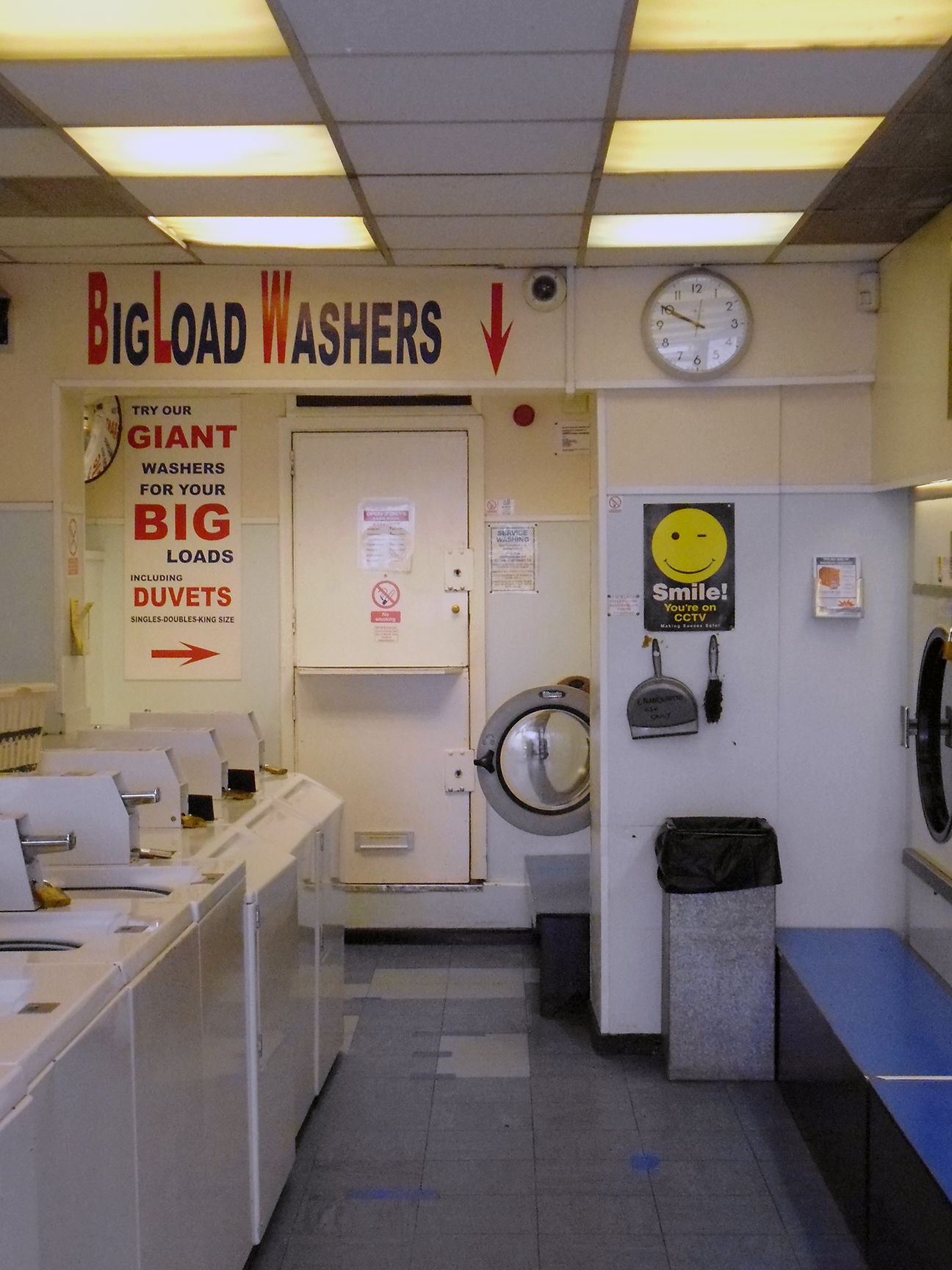
One lone drier tumbling, lonely – an absence of presence, save myself.
The usual spartan interior almost unkempt, enlivened by four legged, almost alien, ovalish plastic laundry baskets. A sunlit shimmer of brushed steel surfaces, low lit and deeply shadowed linoleum tiles.
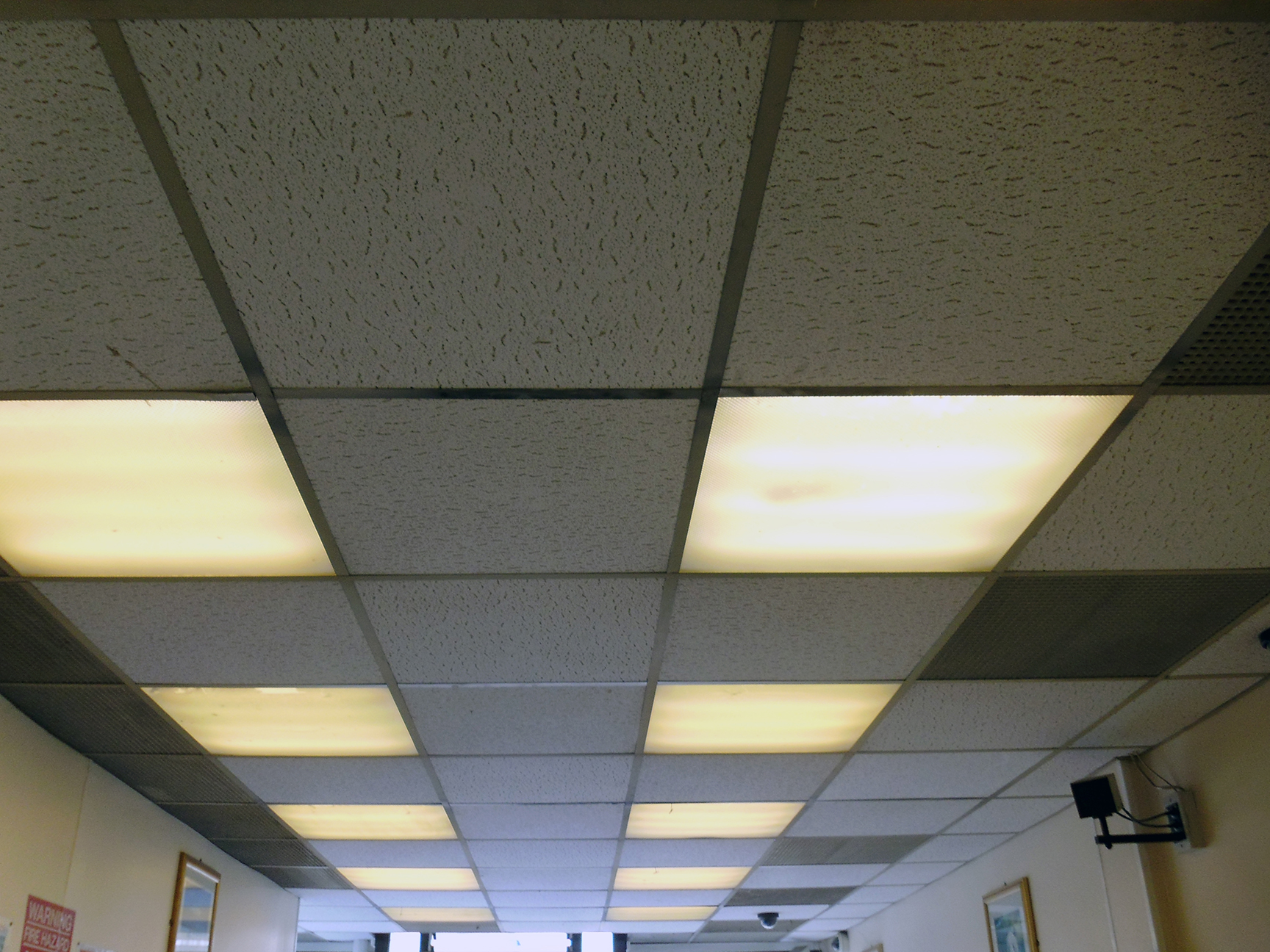
Under the illuminating hum of bare fluorescent tubes.
I snapped and exited, unwashed.
Great!


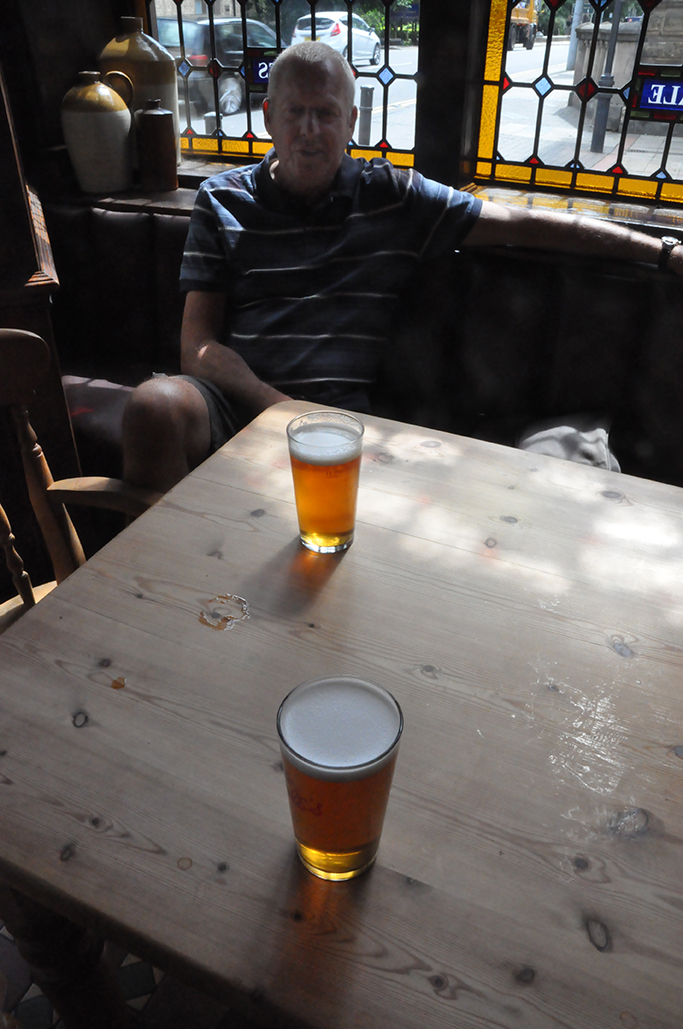
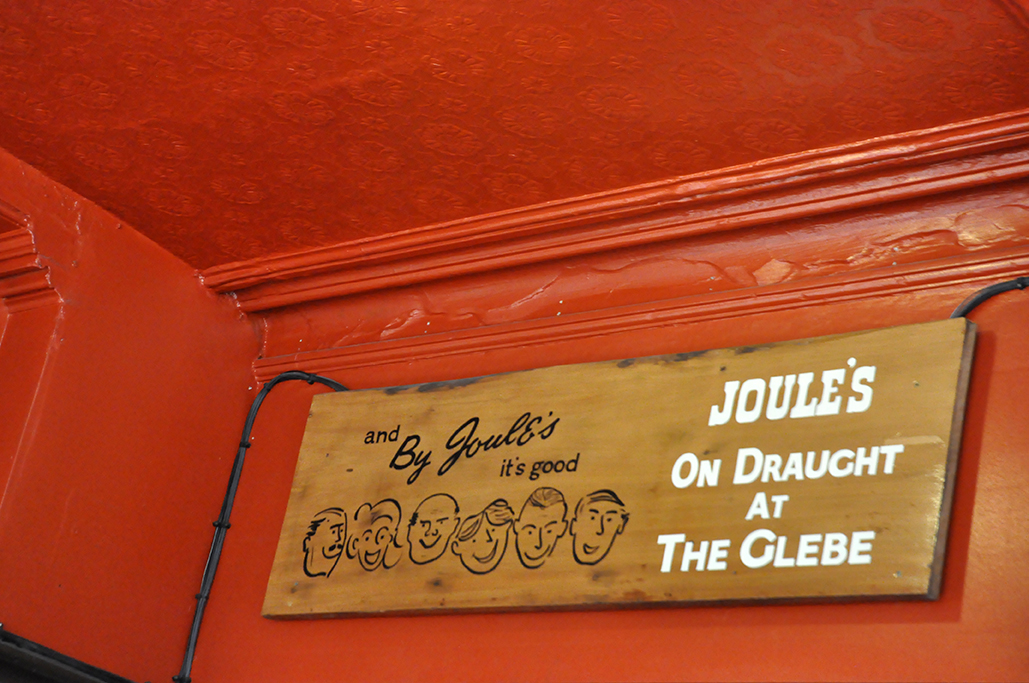
Friday afternoon, clouds gather along a long walk from the Leeds city centre, following an unforgivingly long dual carriageway, not without its hard won charm, we reached the Garden Gate.
A Tetley Heritage pub the most beautiful in Yorkshire, clad in warm glazed ceramics of the highest decorative order, a terrazzo porch and open door welcomes the weary walker.
Ready for a pint?
Leeds Pale Ale £2.60 a pop and a fine drop it is too, why not stay and have another!
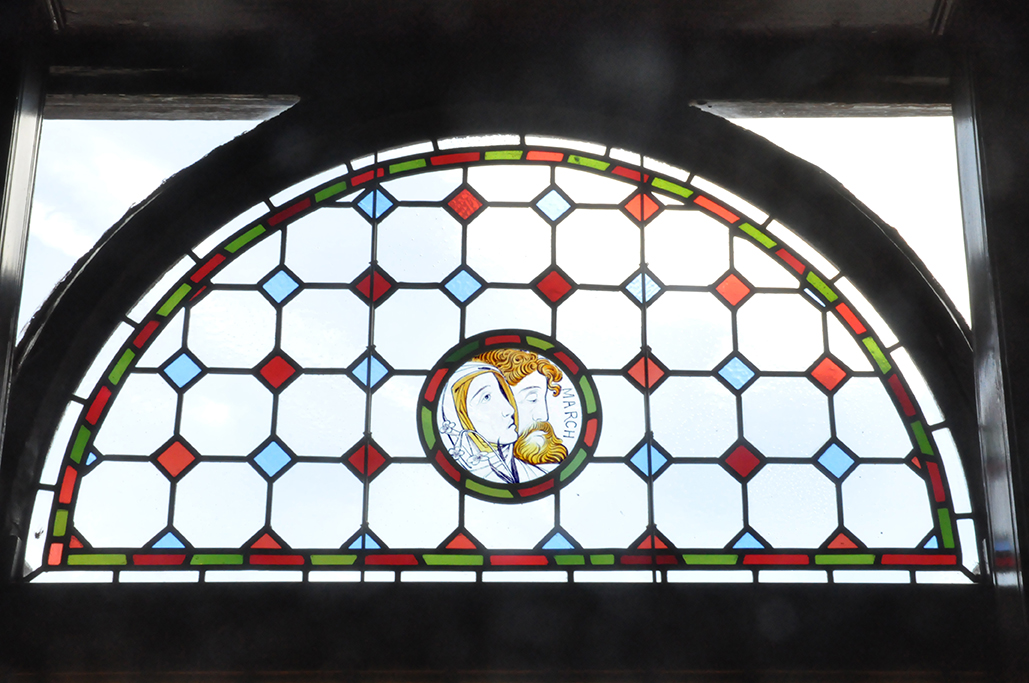
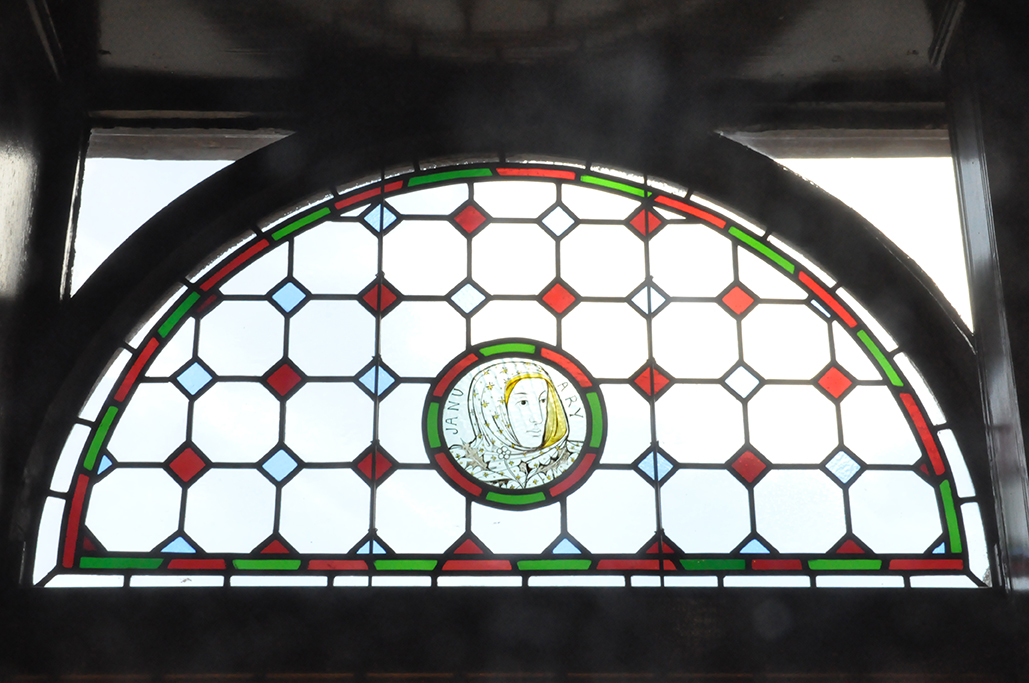
The interior arrangement of rooms cluster around a fine tiled bar, linked by corridors, clad in curved wood and large etched windows, lit with the original fittings – all in an intoxicating Nouveau style.
The cellar is lined in heavy glazed white brick and retains its rugby league history with extant showers and physio room, former home of the Garden Gate ARLFC – it says so on the first aid kit.
A thinned bar of green soap rests on the side of the long-dry bath.
The staff and customers were warm, chatty and informative – my thanks for their generous hospitality.
Its worth the walk.
My thanks to Ms. Natalie Ainscough for her cheery company, innate sense of direction and can do attitude.
http://www.gardengateleeds.co.uk


Embassy Court has always had a very special place in my heart.
Forty years ago as a young art student attending nearby Portsmouth Polytechnic, we were taken by Maurice Denis in a minibus to visit the modernist buildings in our locale, this was my first love.
Two days ago I returned to Brighton, sprinting spryly along the prom to meet an old friend.
We were ever so pleased to see each other after all these years, I walked around admiringly and smiled.
Embassy Court is an 11 storey block of flats situated on the Brighton seafront on the corner of Western Street and the Kings Road. It was designed by the architect Wells Coates and completed in 1935.
It is amongst of the most outstanding examples of pre-war Modernism in the UK, it has a grade II* listed status and remains a major Brighton landmark. This beautiful, elegantly proportioned block contains 72 flats, with awe-inspiring sea views, is considered one of the coolest places to live in Britain.
Restored in 2005 after a long period of decline, Embassy Court is now owned by a limited company, Bluestorm Ltd., born from a Leaseholders Association which obtained the freehold of the building in 1998.


Slap dab in the middle of the town stands a lone tower block of residential, social housing.
Buxton House backs onto the lower rise Civic Centre and is conjoined to the main shopping street and precinct, linked by a low wide underpass. Adorned on its street entrance by the most enchanting mosaic, announcing a spry geometric optimism to those shoppers and residents that pass under, through the underpass.
Ten floors of homes are bound in brick concrete and glass – a truly commanding central location, graced by the inclusion of an incongruous Chinese restaurant – The Mandarin.
Take a stroll around.


Huddersfield West Yorkshire shares a legacy with many other towns, a legacy of successive shopping developments of varying styles and quality. Shaped by fashion, topography and finance each makes a more or less bold statement on the fabric of the area.
In order to survive each geo-retail layer of architecture, must reinvent itself or die – adding new branding, covering period detail with newer, ever more impermanent fascias, flagging flagging and flags of all stripes.
I encircled the Piazza – its monumental nether regions, enlivened with almost temple like scale and applied brick, stone and concrete surfaces, the dark and forbidding, cinematic subterranean service tunnels, and the open walkways of the main shopping areas.
I came away impressed, hope you do too.


Spanning the Huddersfield canal and set on a hillside site of a hilly Yorkshire town, the University Buildings dominate the Colne Valley area to the south.
Typically their history spans an earlier site which evolves during the 50s and 60s, as part of the drive to develop the industrial/educational base of the area and the burgeoning growth of the provincial Polytechnics.
The result is a confident yet dizzying panoply of styles and materials on a fairly compressed but expanding site.
Brick, concrete, glass and more recent modern clad additions collide in a bun fight of assertive volumes.
It all seems very exciting.
“David Wyles, The Buildings of Huddersfield: four architectural walks – facing us now is the impressive bulk of the Central Services Building in front of which stood a six-storey building; its structure emphasised by the reinforced concrete frame which projected skeleton-like above the main roof level. This was part of the earlier Technical College development which included several buildings of similar style designed from 1957 onwards by Frederick Gibberd. The six-storey blocks have since been demolished.
The focal point of the campus, the Central Services Building, was designed by Hugh Wilson and Lewis Womersley of Manchester and constructed between 1973 and 1977 at a total cost of £3,651,000. The building contains the main non-teaching facilities.
Much of the layout derives its form from the hillside site and this is accentuated by the undercover concourse leading through to the canal, which gives access to all parts of the building. The construction is based on a grid of reinforced concrete with floors supported on circular columns. The building is clad in light buff coloured bricks intended to harmonise with local sandstone.”
https://www.hud.ac.uk/about/the-university/history-of-huddersfield/


How incongruous, to find a little of the space age in a suburban provincial Cheshire street, keeping company with solid, stolid brick built homes and sensible Victorian stone structures.
Trinity is dominated by its diamond shaped stained glass, framed in unfinished concrete, emboldened like a wide ecstatic grin, extending beyond the bounds of the street, beaming towards heaven.
To the side are concrete columns pierced by irregular rectangular windows.
Completed in 1968, architect was Gorden Ball from VWB Architects.
This tiny gem deserves your attention – take yourself off to Mill Street pronto.


Wandering amiably down Whalley Old Road towards Blackburn one warm sunny day today, I came upon yet another launderette.
Somehow, somewhat frozen in time.
Front window cracked, but just about holding together, signage almost intact, machines formerly fully functioning – flagging, fluorescent tubes softly flickering, unguarded against the wood chip.
Patterned formica surfaces care worn and faded from use and abuse.
Washing done at home takes longer to dry (and costs you more).
You have been warned.