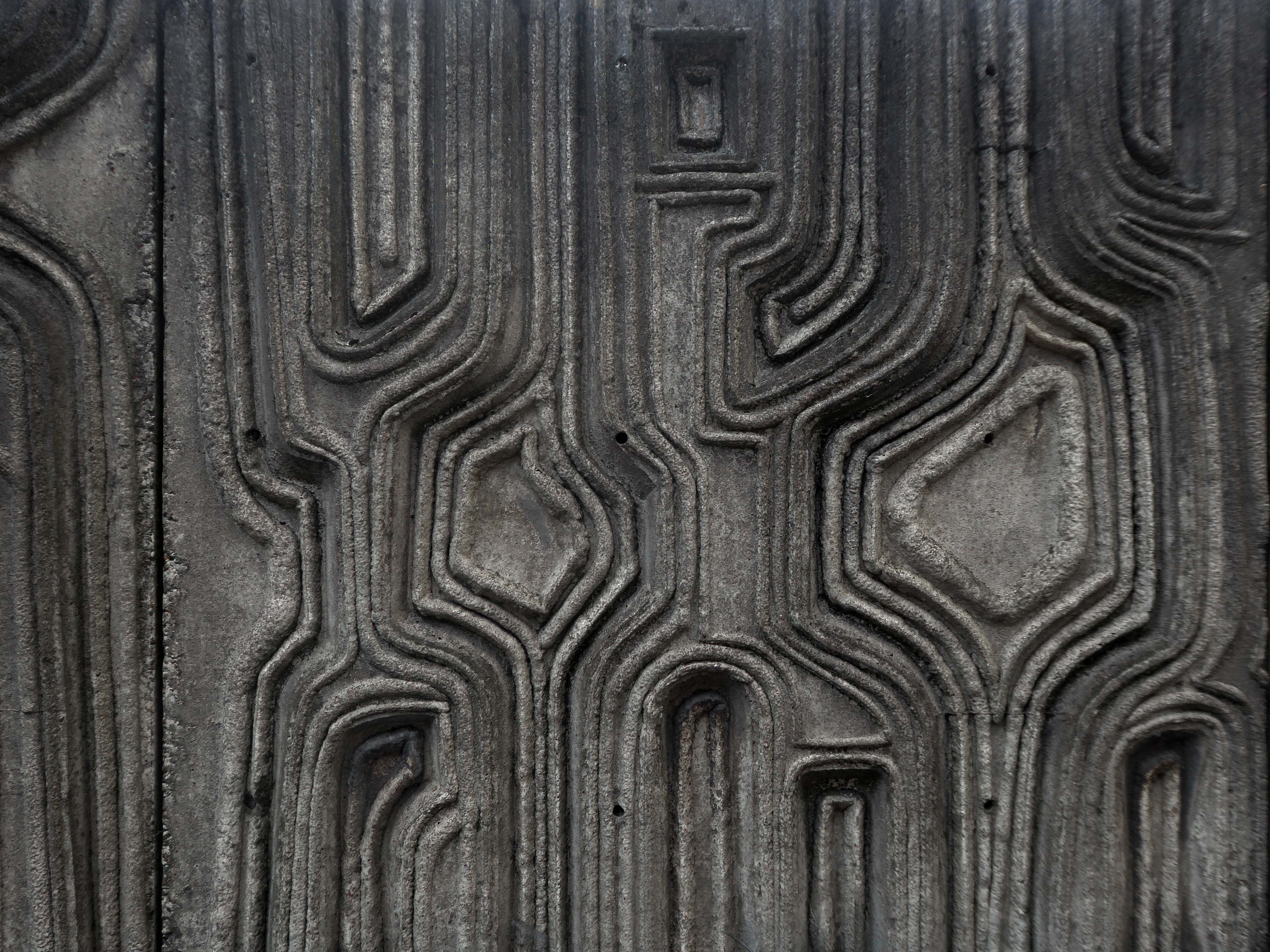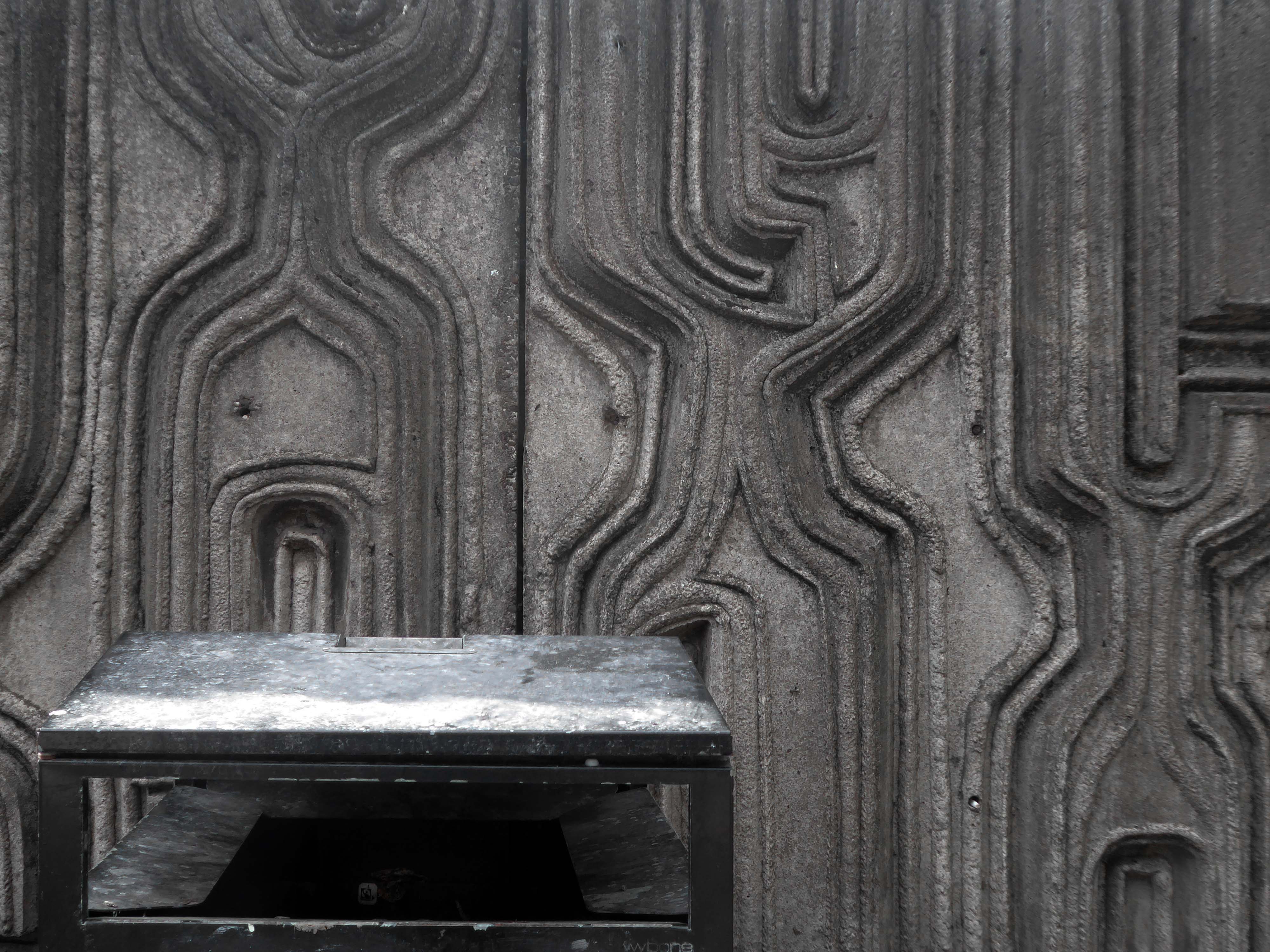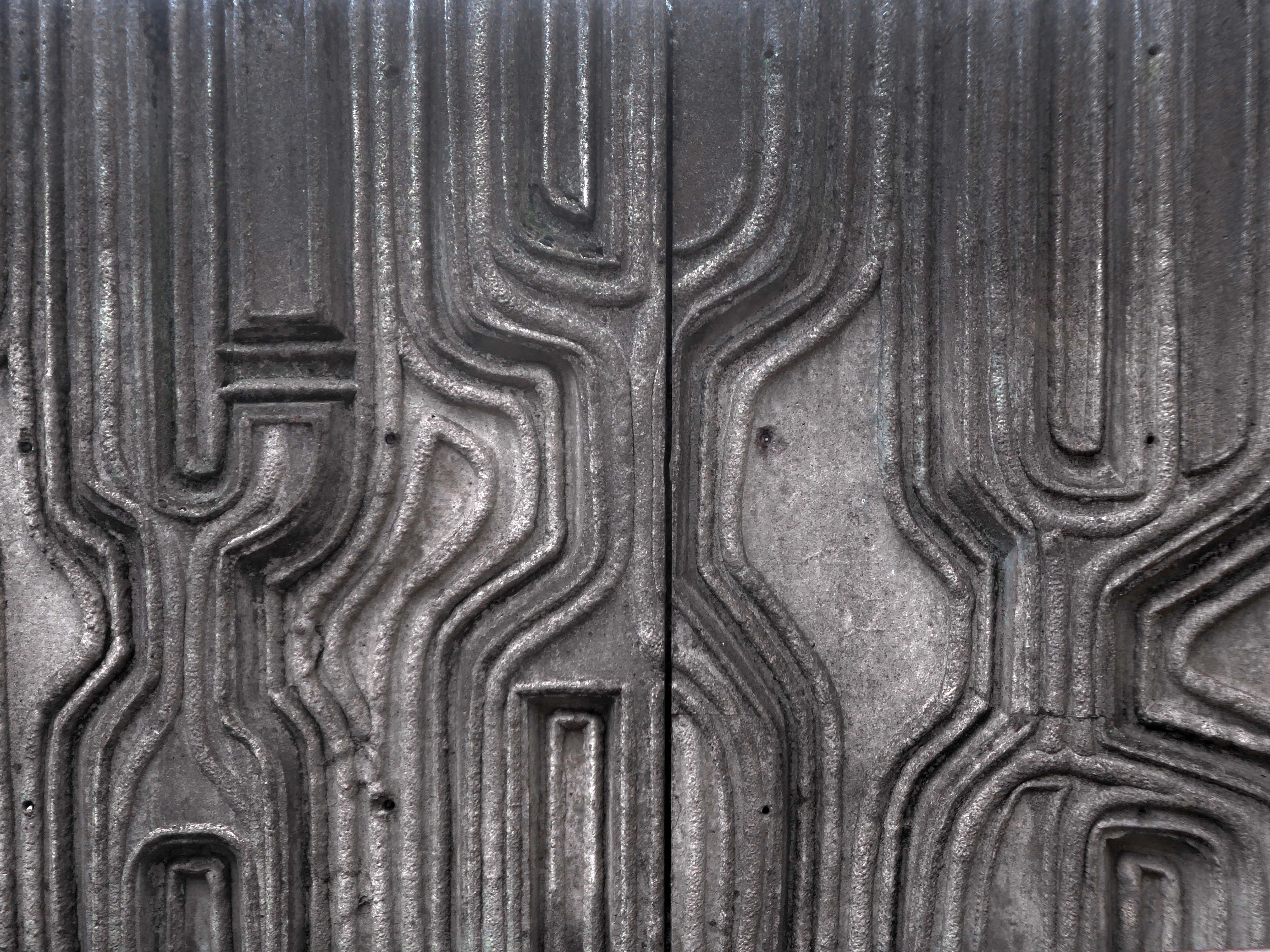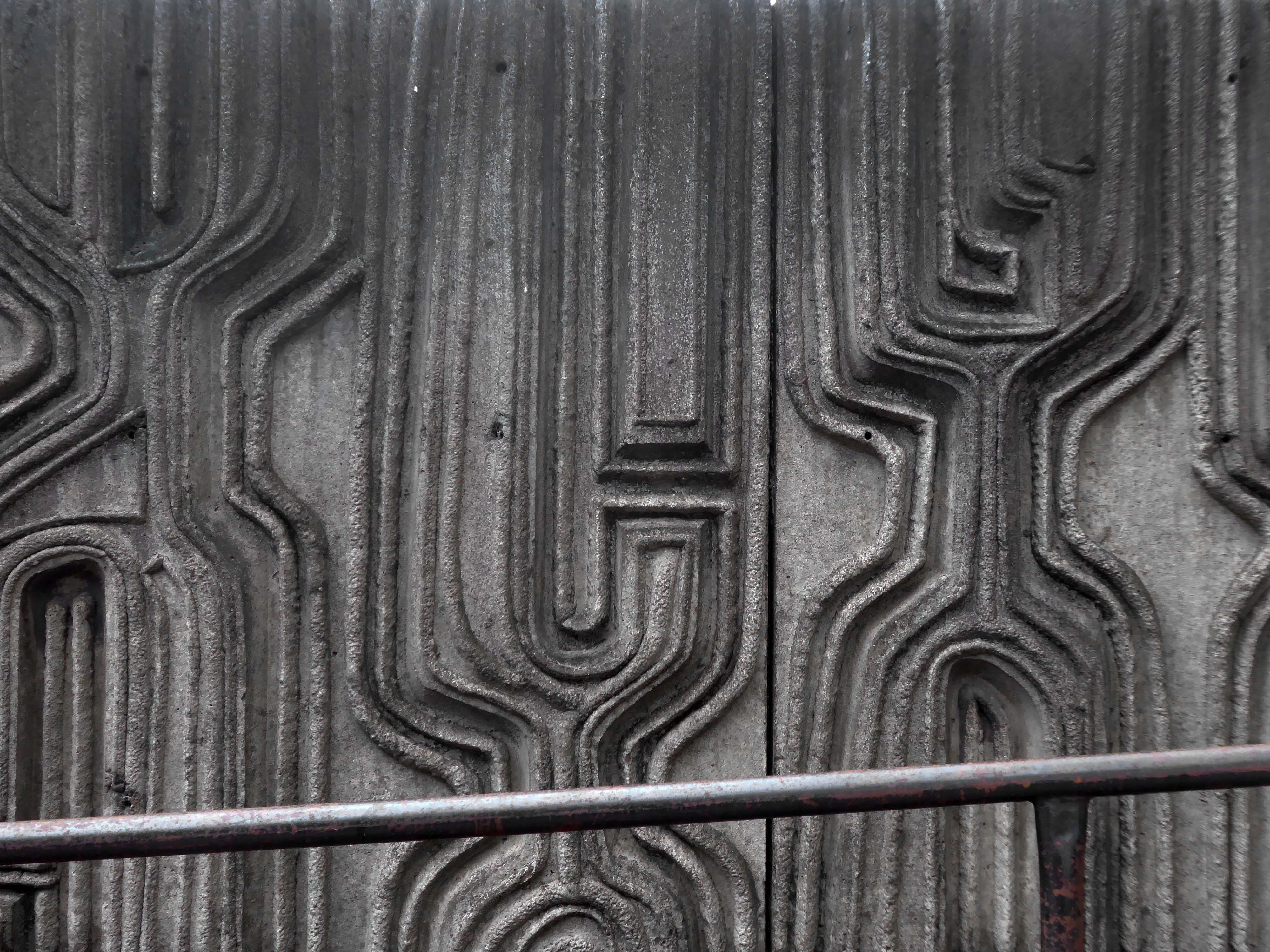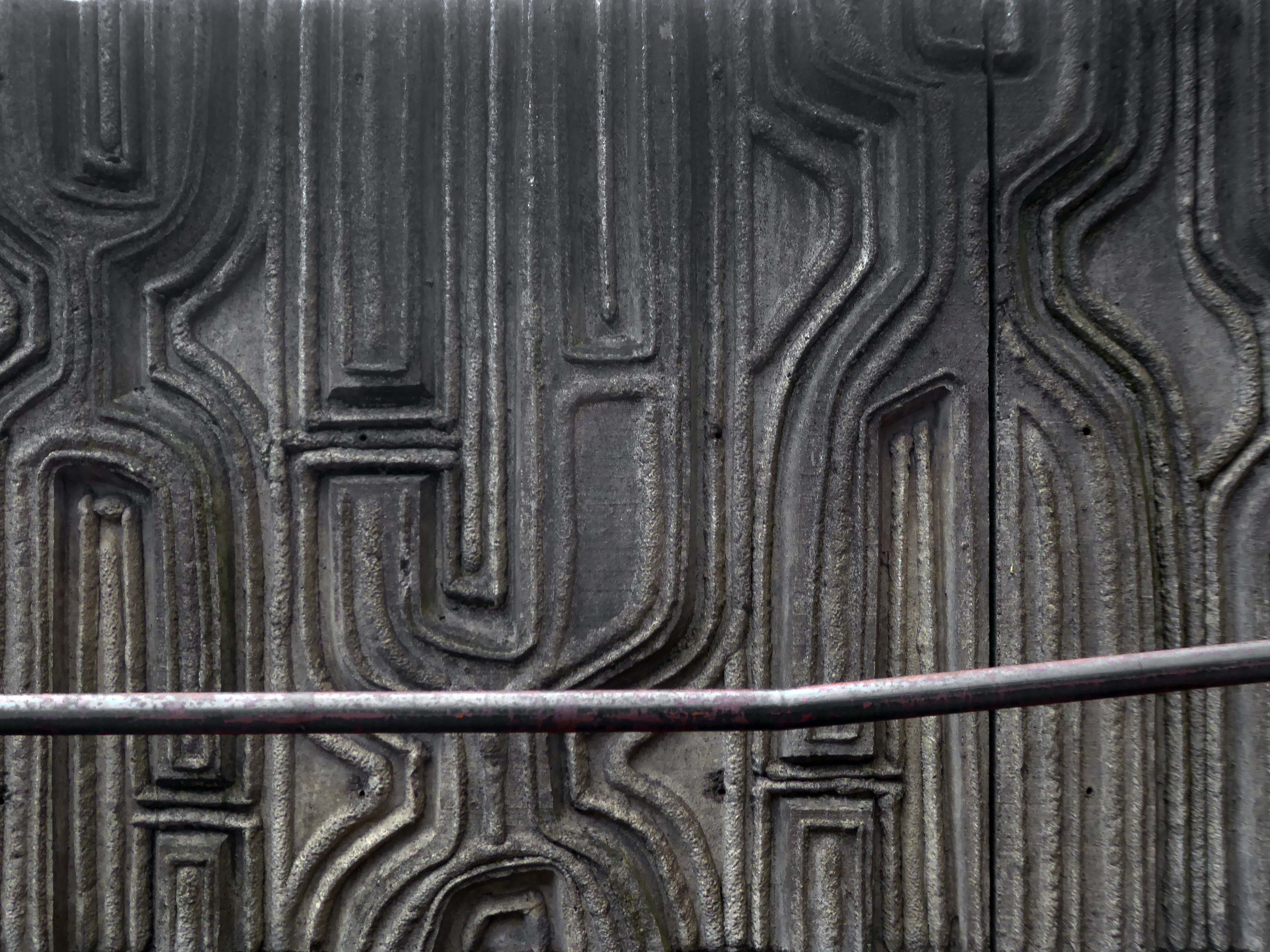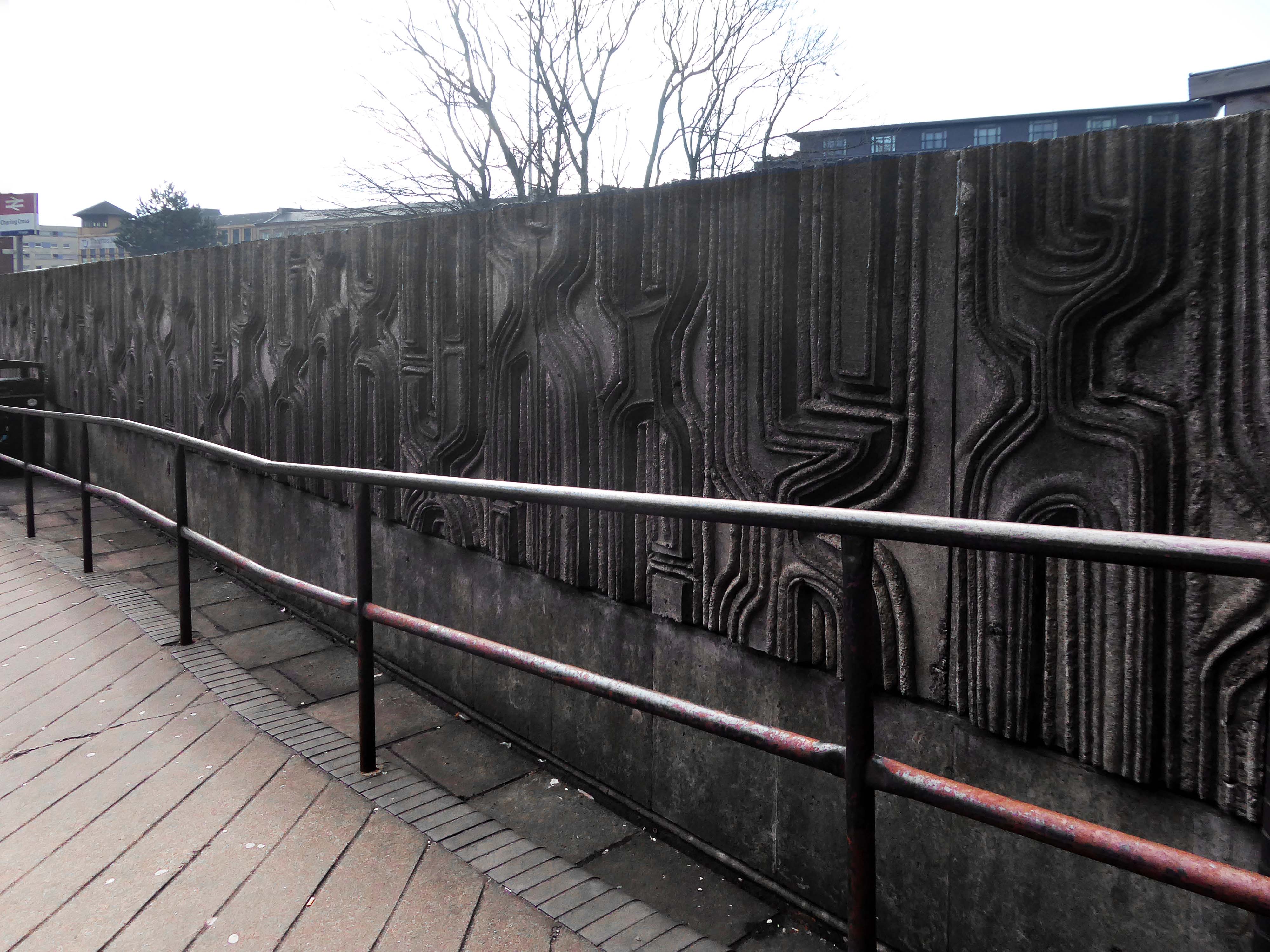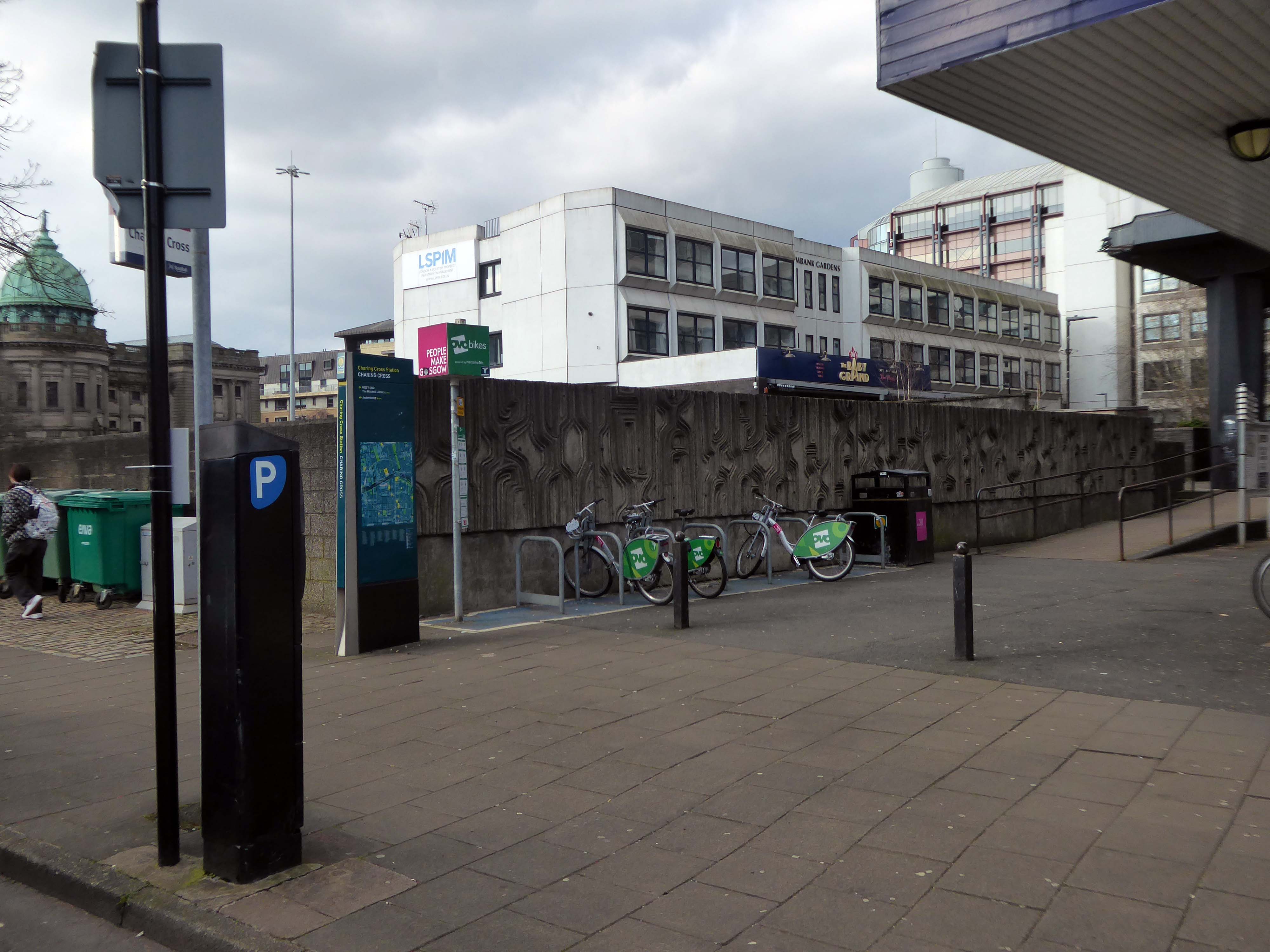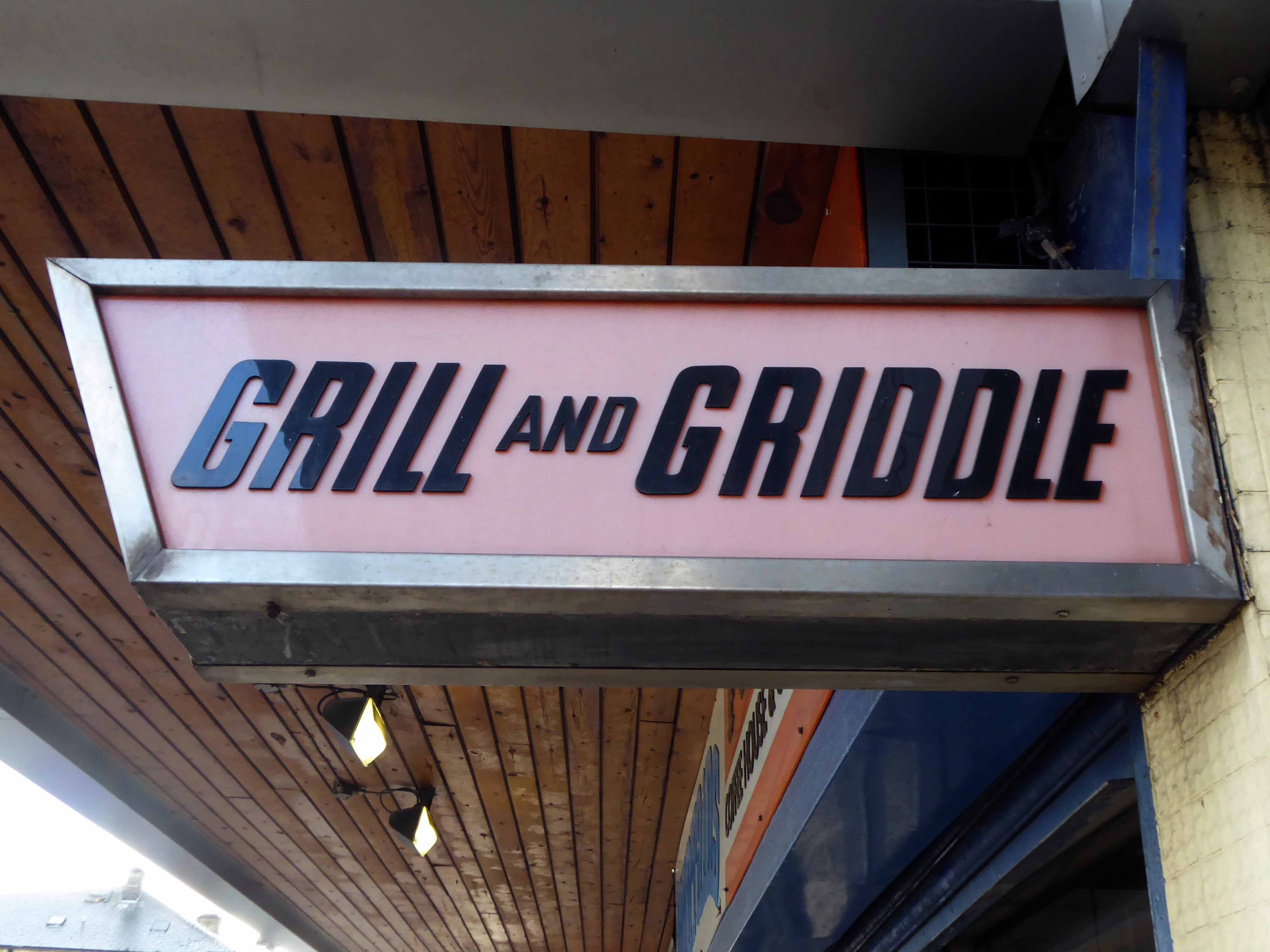
Charing Cross Station – Glasgow

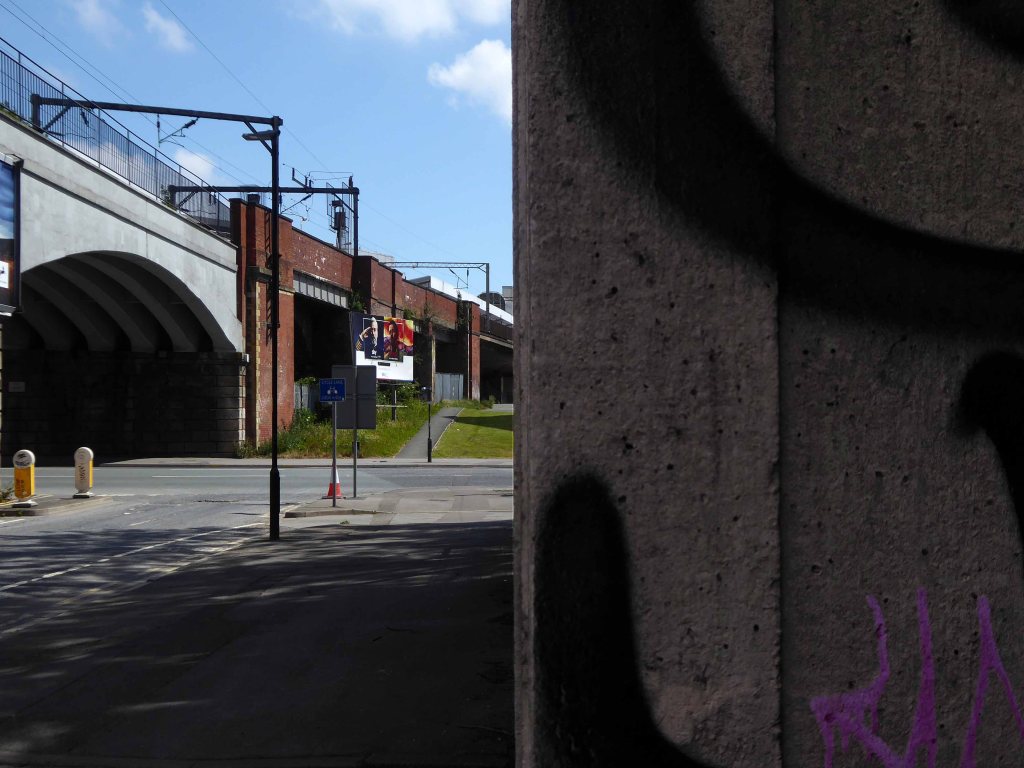
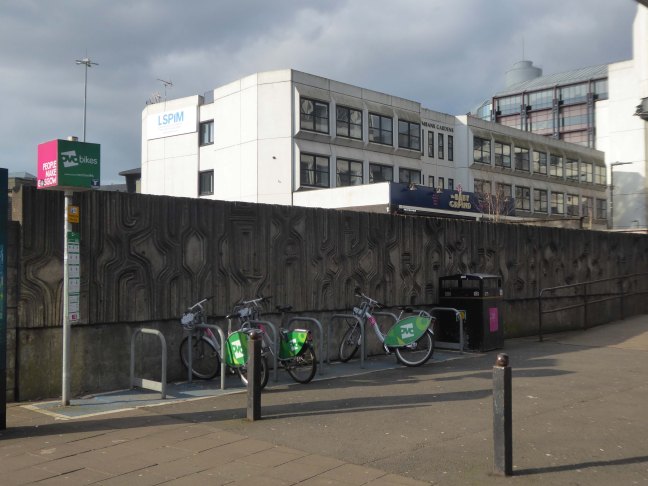
Dating from 1886, it was originally part of the Glasgow City and District Railway, the first underground railway in Scotland, and as such the station is built below the surface of the surrounding streets. The station was built using the cut and cover method, with the original walls being visible on the open air section at the western end of the platforms.
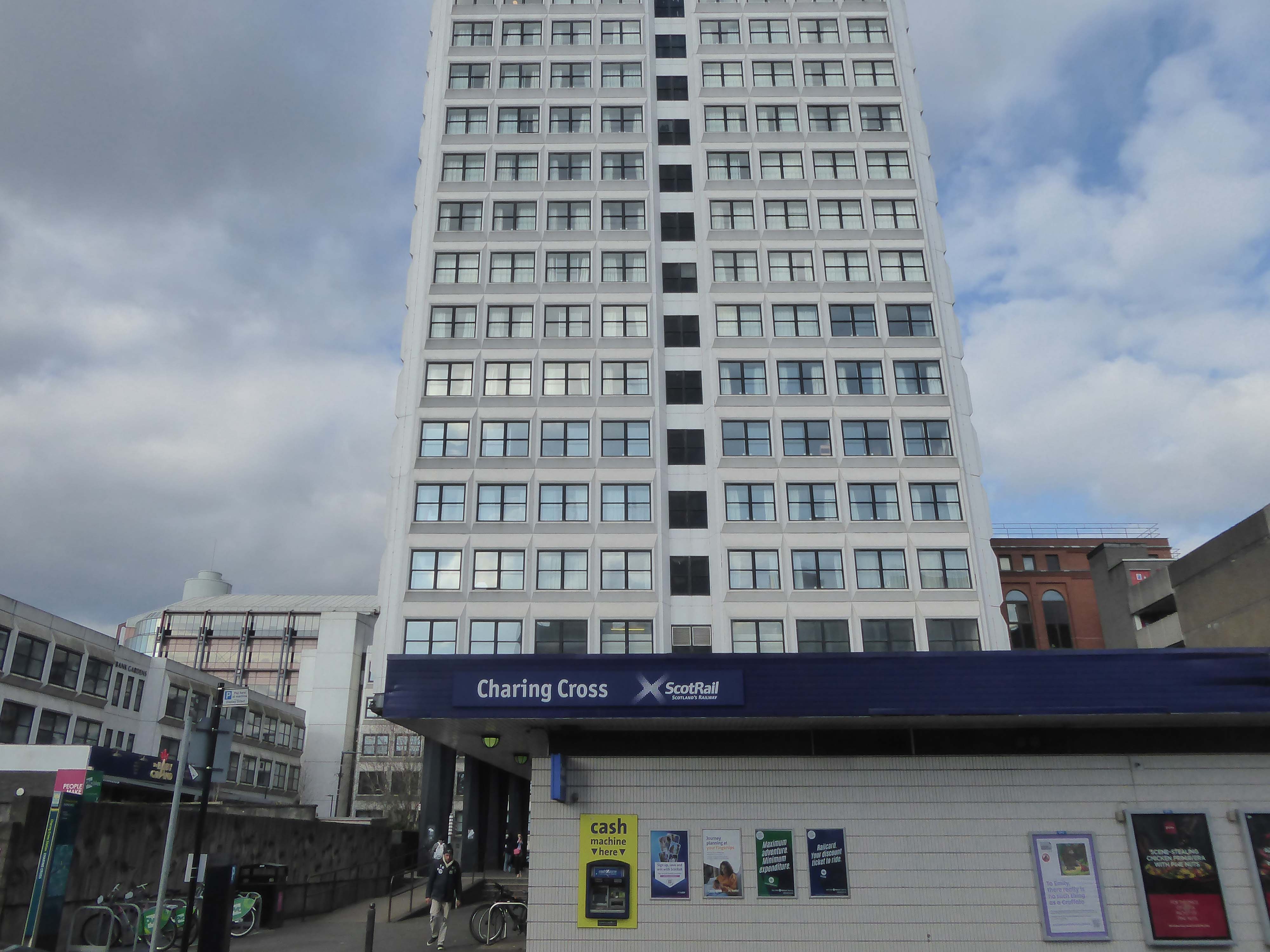
In 1968 it was demolished due to it being in the path of the new Glasgow Inner Ring Road, and the surface access to the station was moved to its eastern end, with a new surface building constructed as part of the Elmbank Gardens office complex in 1971 – the building was designed by the Richard Seifert & Partners.

Wikipedia

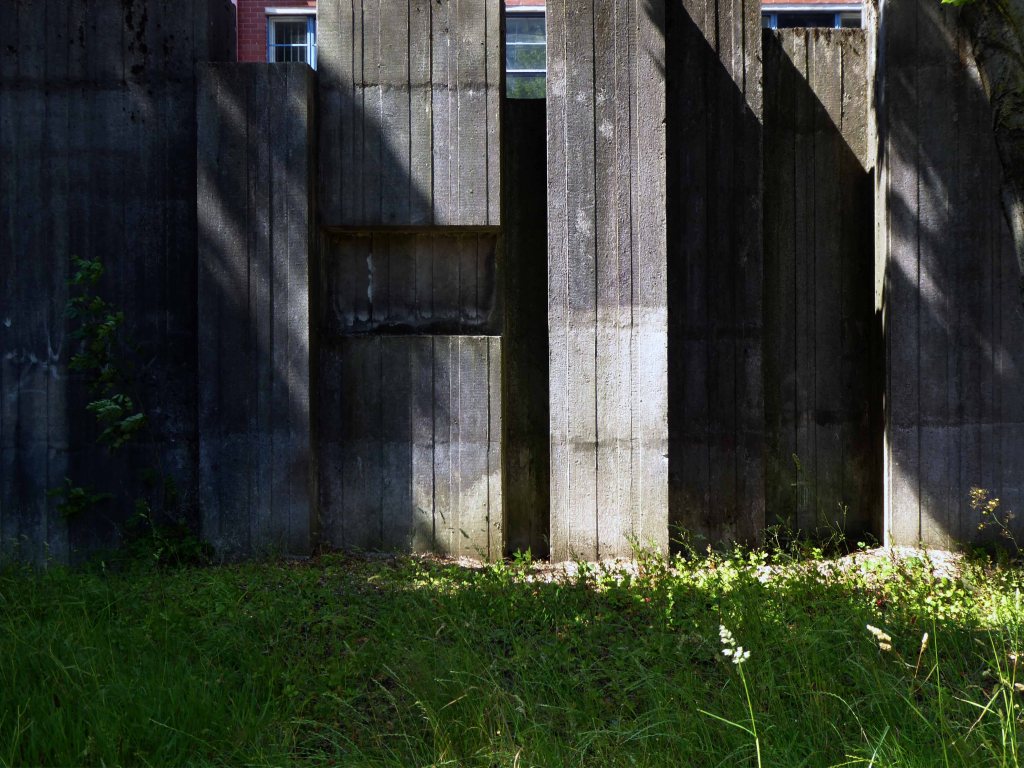
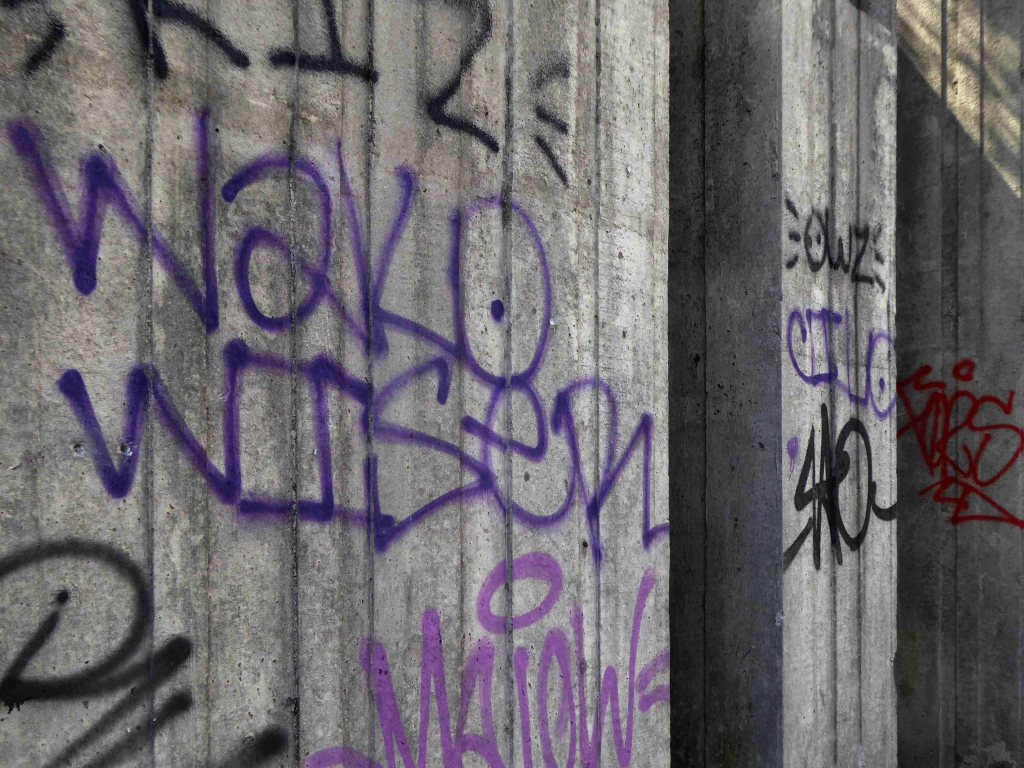
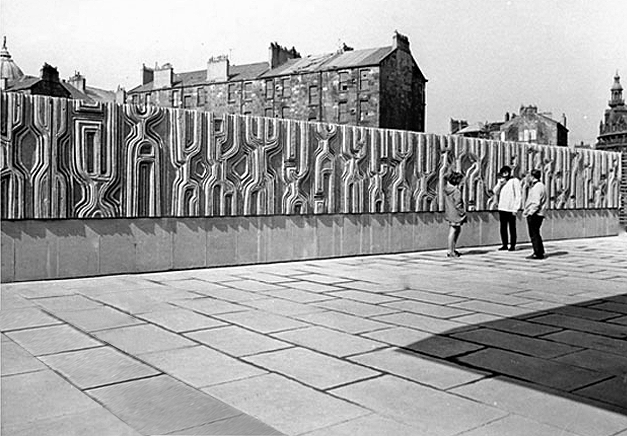
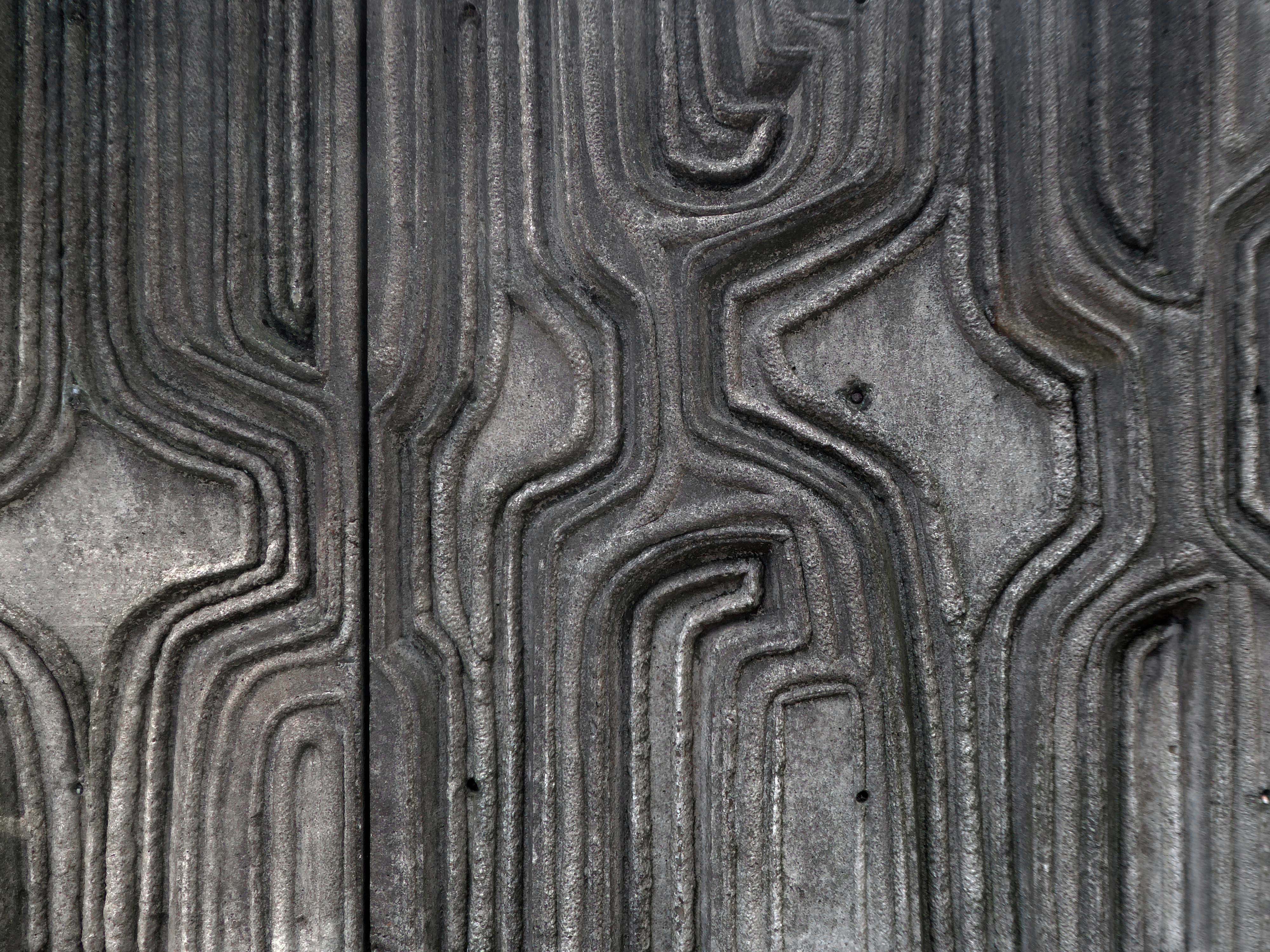
I was there in 2024 to photograph the Charles Anderson mural.

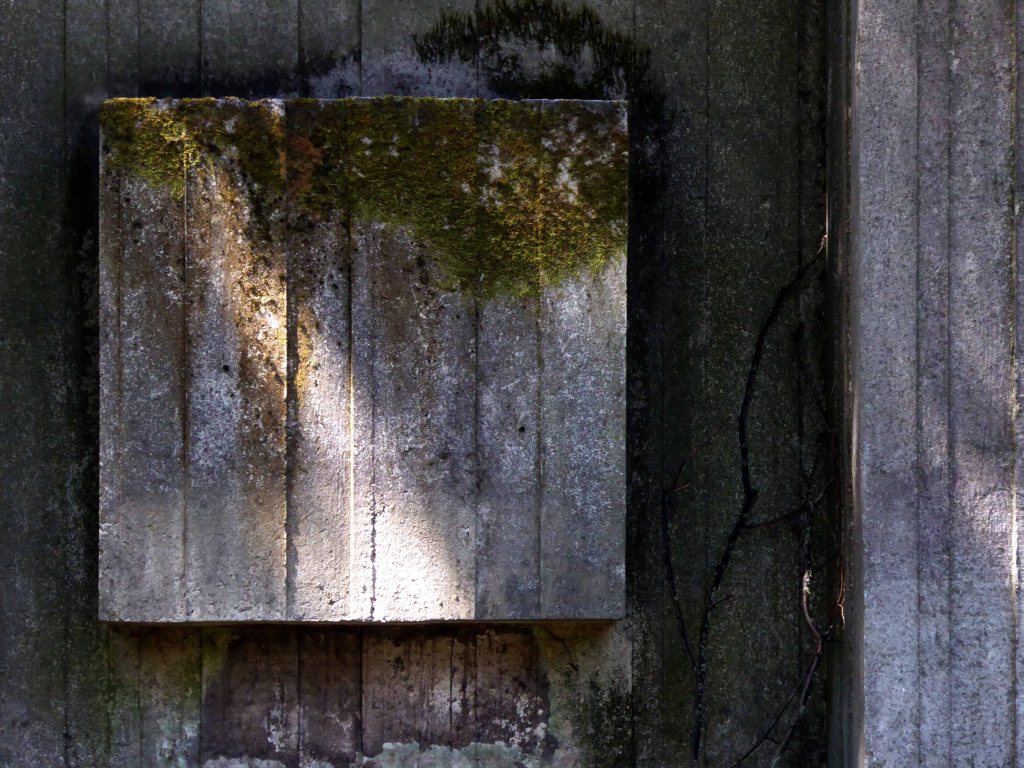
Constructed in situ – one third has now been removed at the northern end
Charles Anderson studied drawing and painting at Glasgow School of Art under David Donaldson, Mary Armour etc, graduating with Diploma in 1959.  The following year he entered  The Royal Scottish Academy painting competition for Post Graduate students and  won the Chalmers Bursary.  Joan Eardley – one of the adjudicators- took a keen interest in his work and encouraged him to exhibit at the RSA the same year. 

Following a period of five years teaching art,  He worked as a professional mural painter and sculptor for the next thirty years on major art and design projects throughout the United Kingdom, carrying out commissions for  a wide variety of clients including local authorities, property developers, banks and major insurance companies.    His most prestigious commission to date was the result of winning a national sculpture competition to provide a  bronze figurative group  which is entitled “The Community”  for Livingston New Town in 1996.  In early 1997  he returned  to the painting of easel pictures and  contributed to the annual exhibitions of The Royal Glasgow Institute, the Royal  Scottish Society  of  Painters in Watercolours, The Royal Scottish Academy and The Paisley Art Institute. He has works in various private collections throughout the U.K. and abroad.

Charles Anderson Art

The £250m transformation of the Charing Cross area of Glasgow has been given the go-ahead.

The project including new homes, student accommodation, hotel space and local services has been approved by Glasgow City Council.

Developers CXG Glasgow also plan to knock down the 300 Bath Street office building, which bridges the M8 motorway.
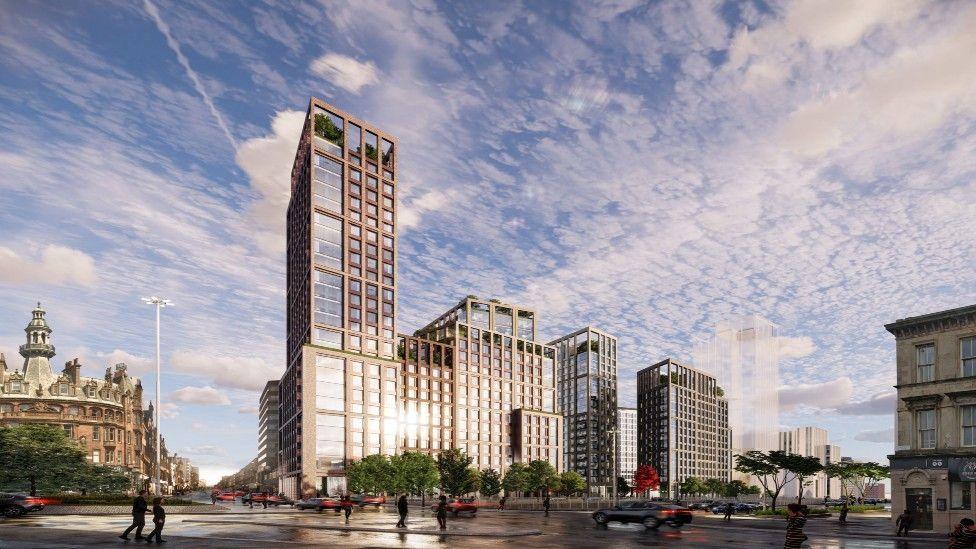
Further detailed applications will need to go before the council for approval before the Charing Cross Gateway project can begin.
BBC 2024

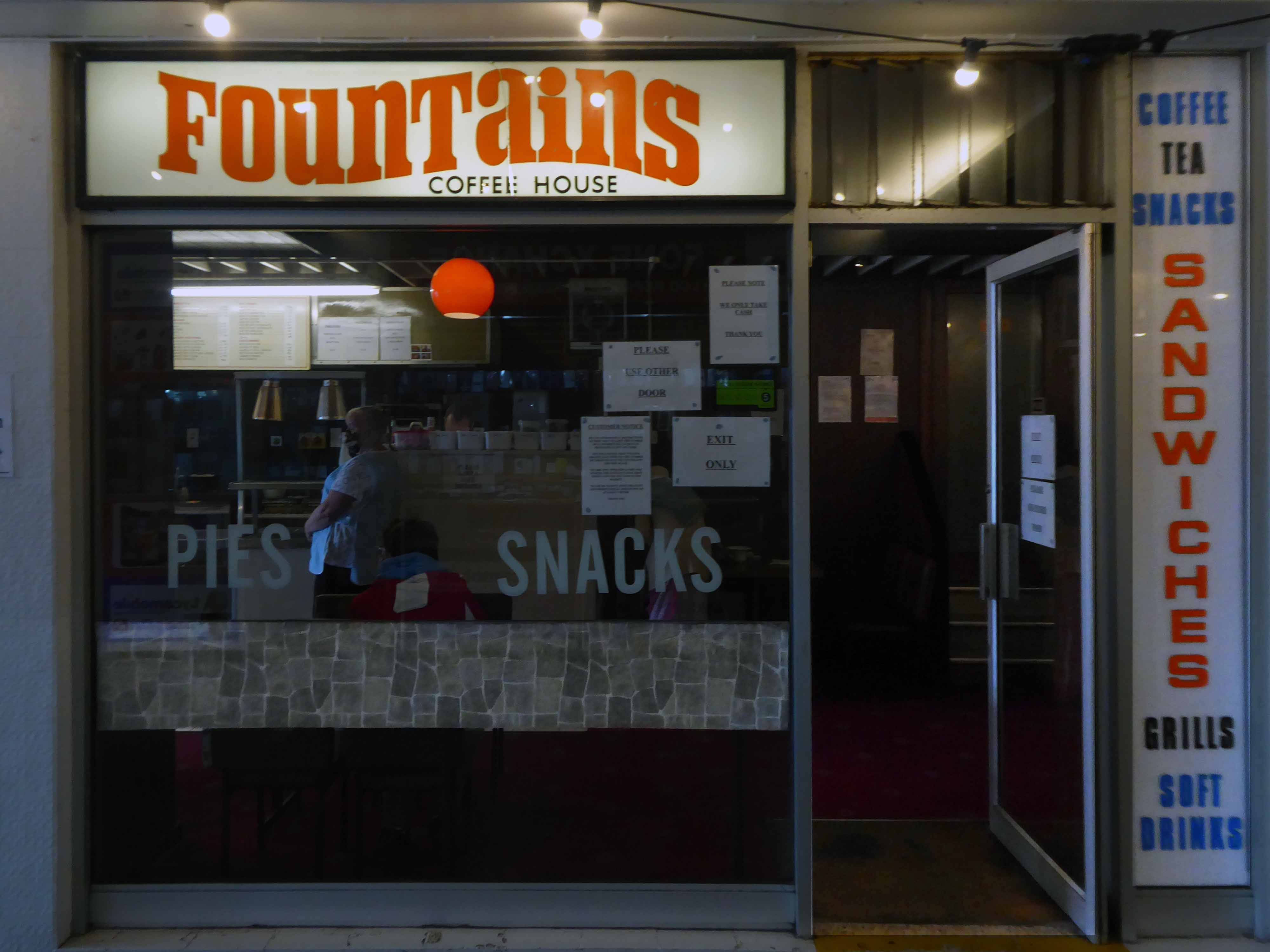
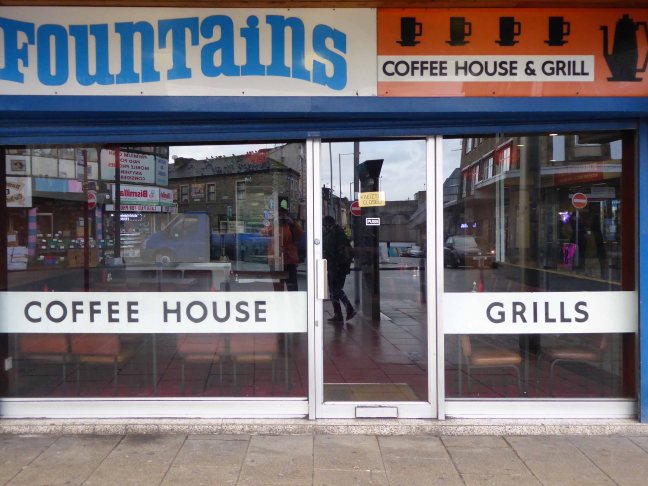
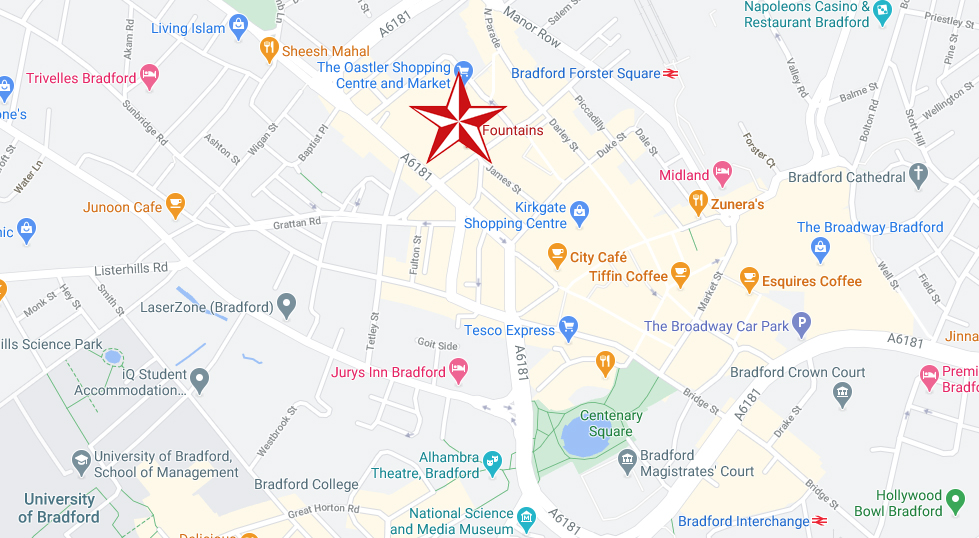
Fountains Café – Bradford

17 John St Bradford BD1 3JS

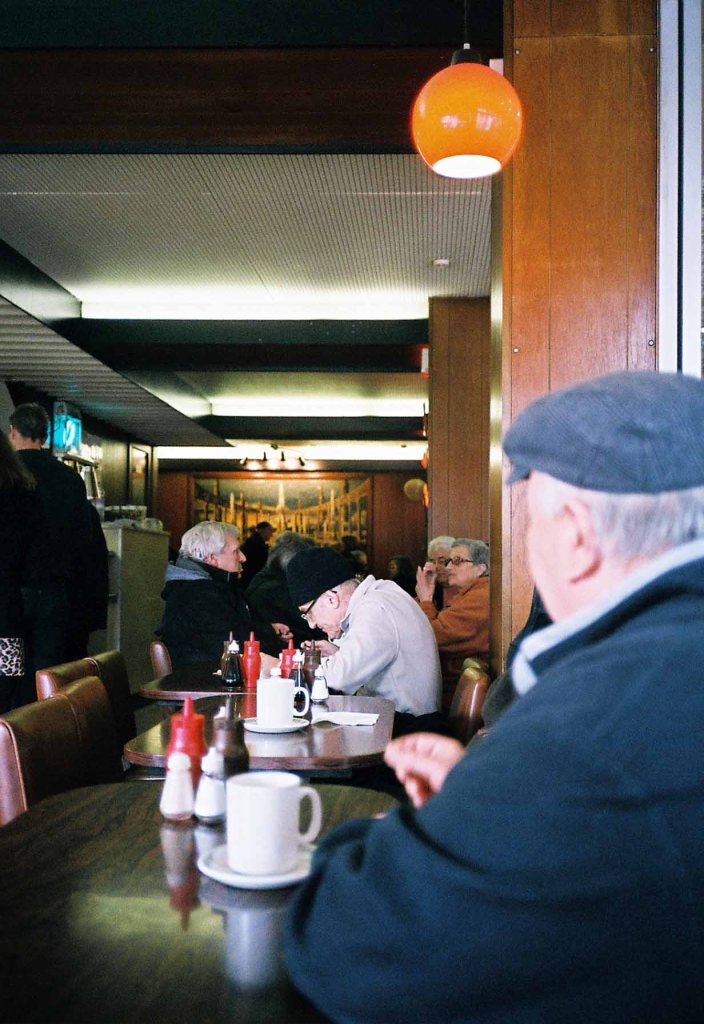
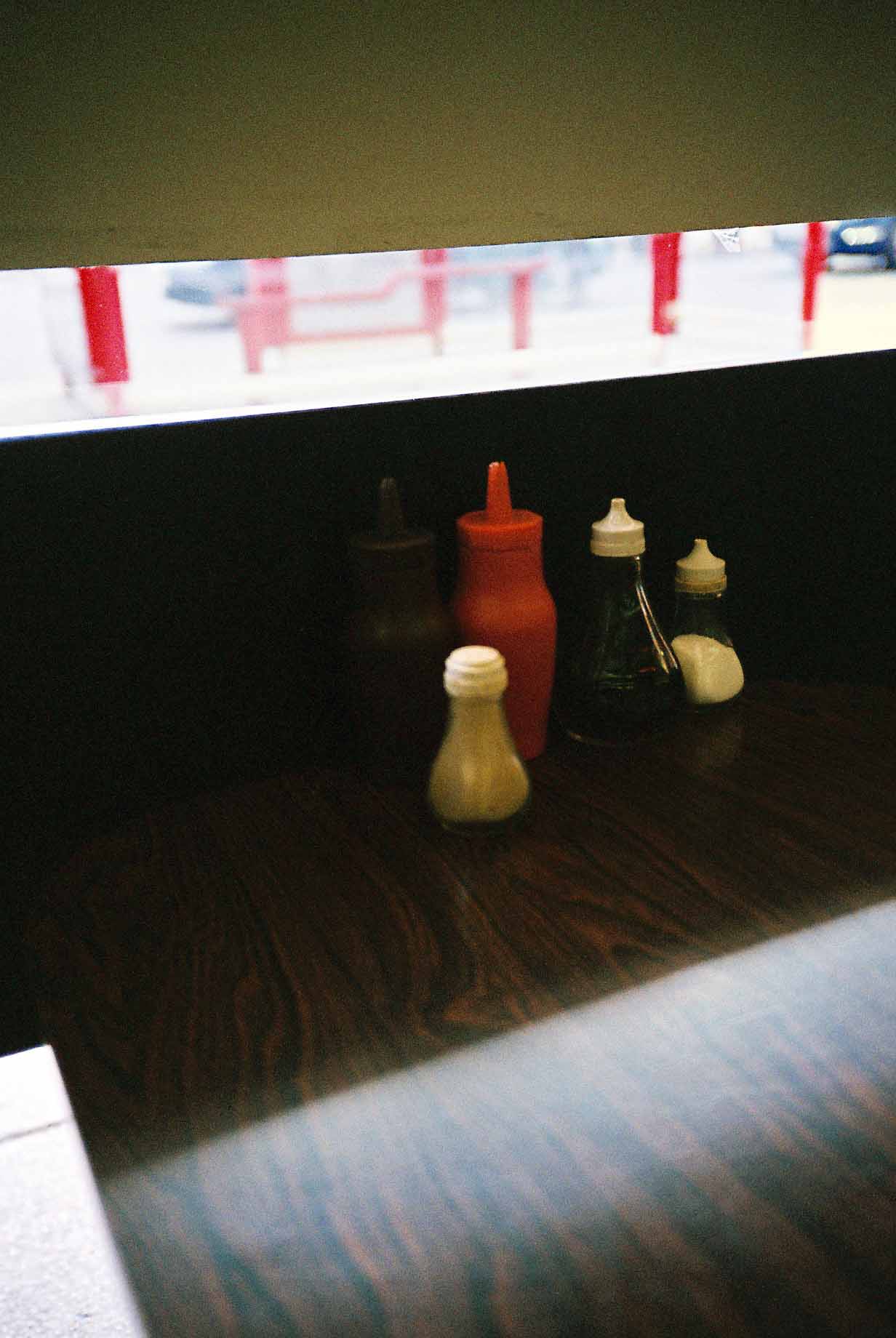
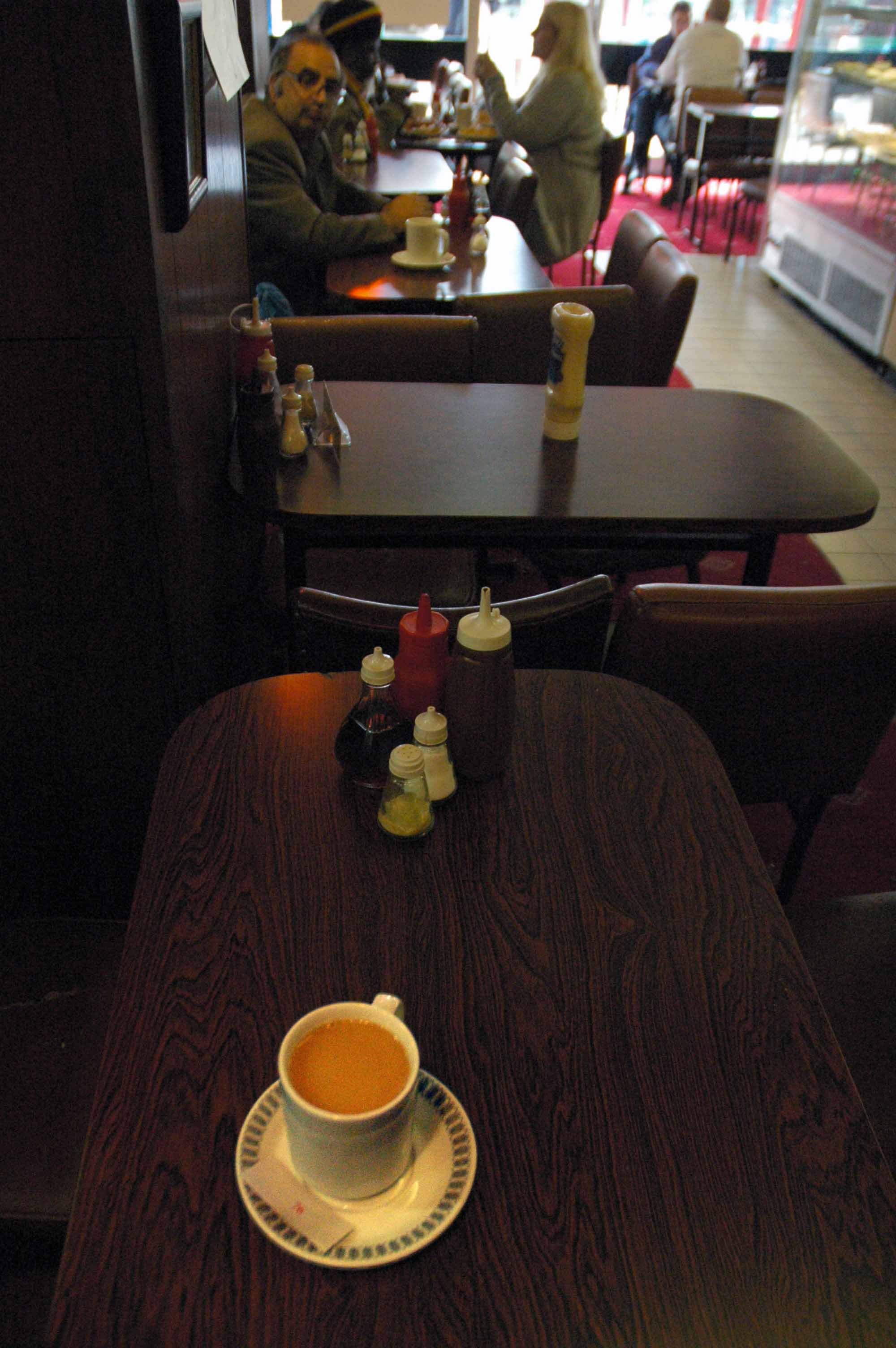
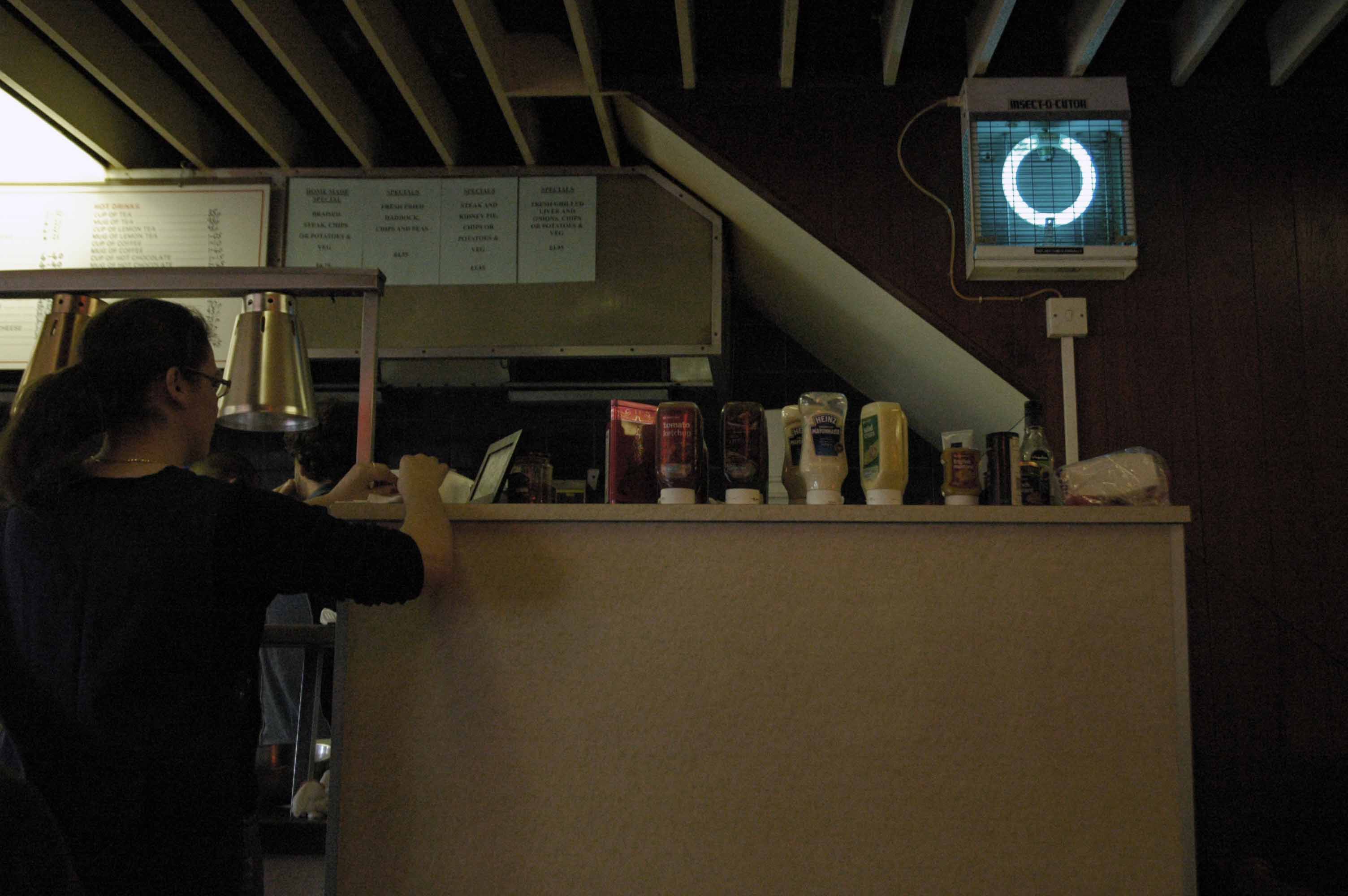
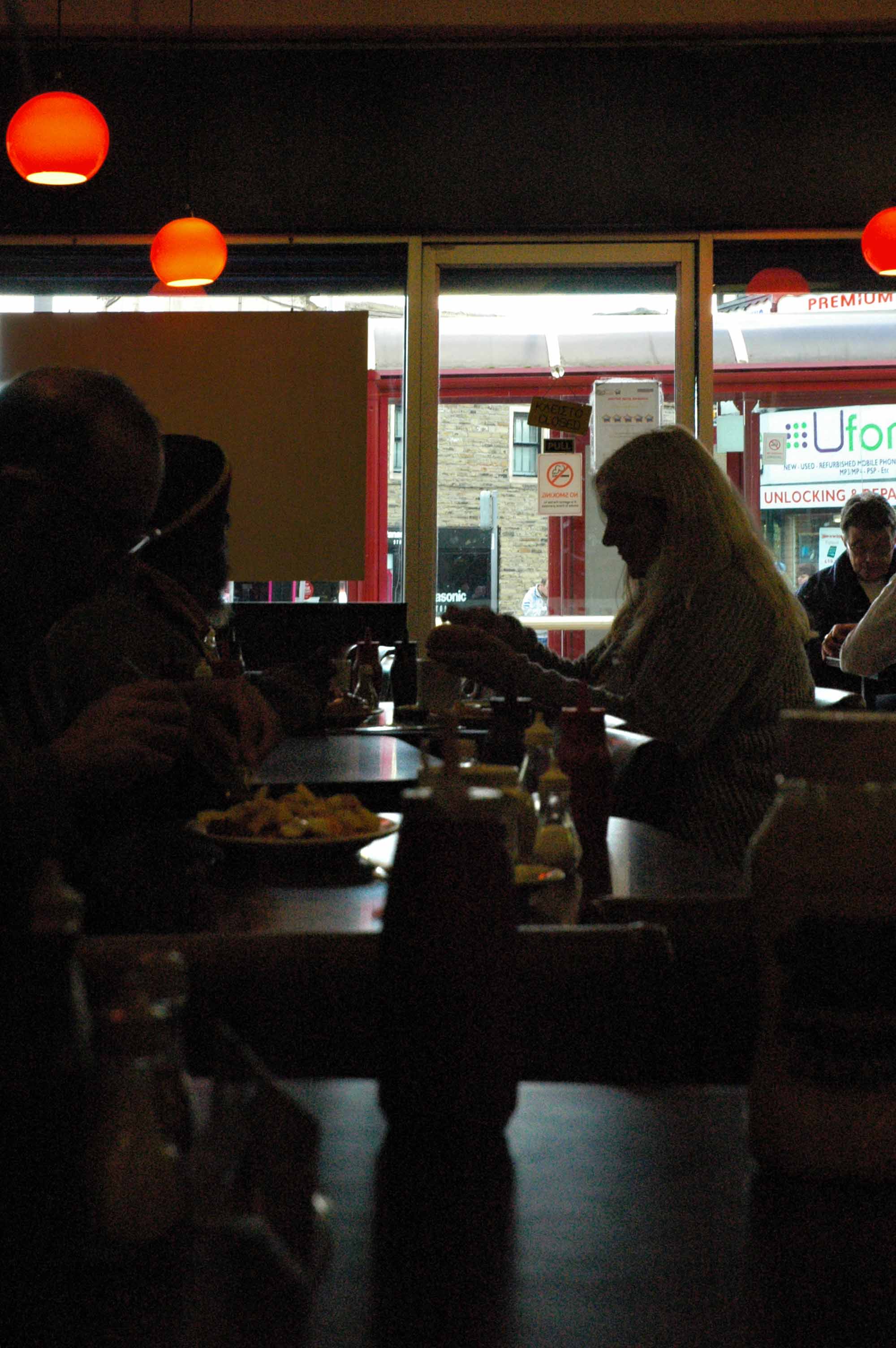
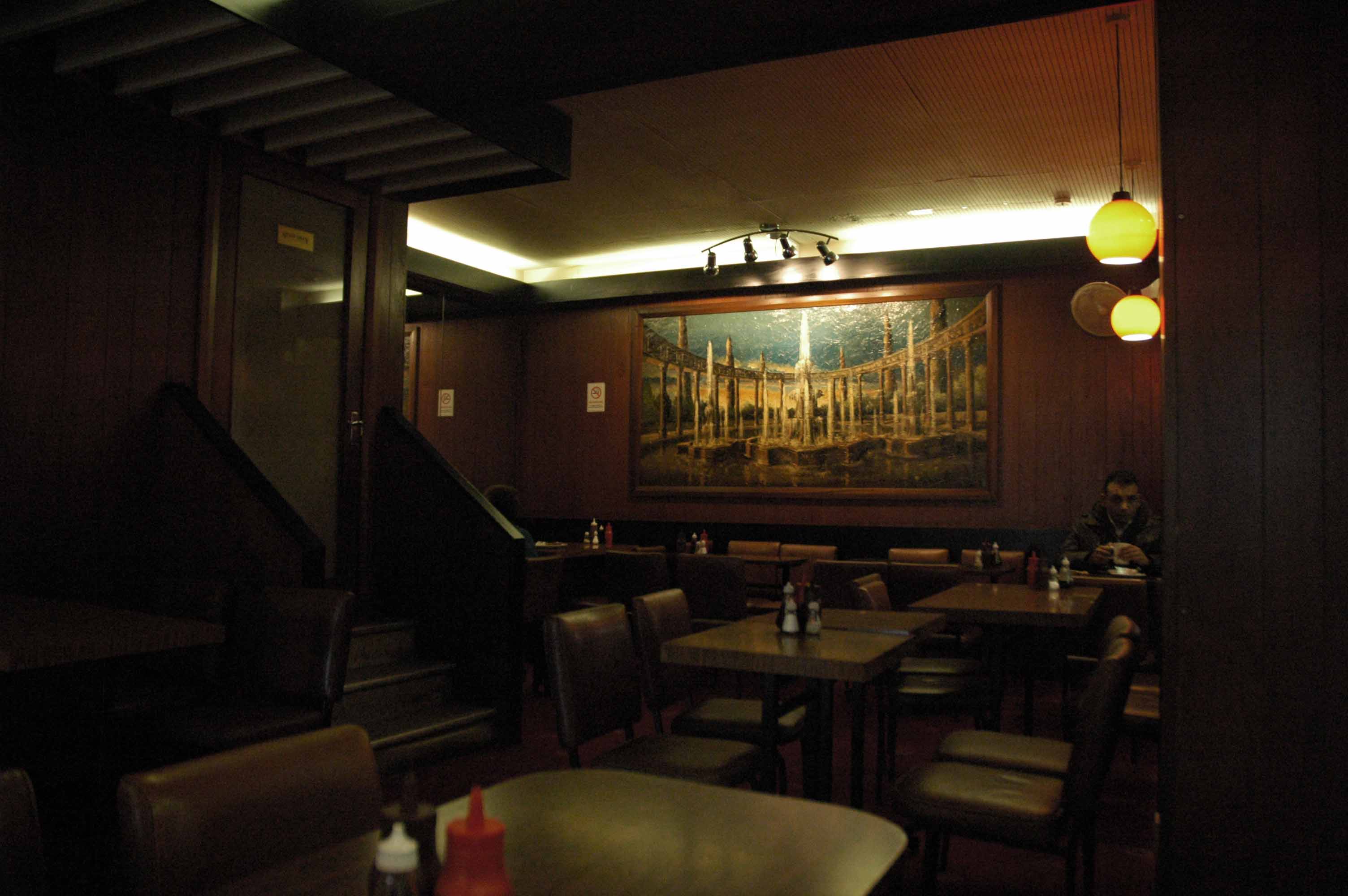
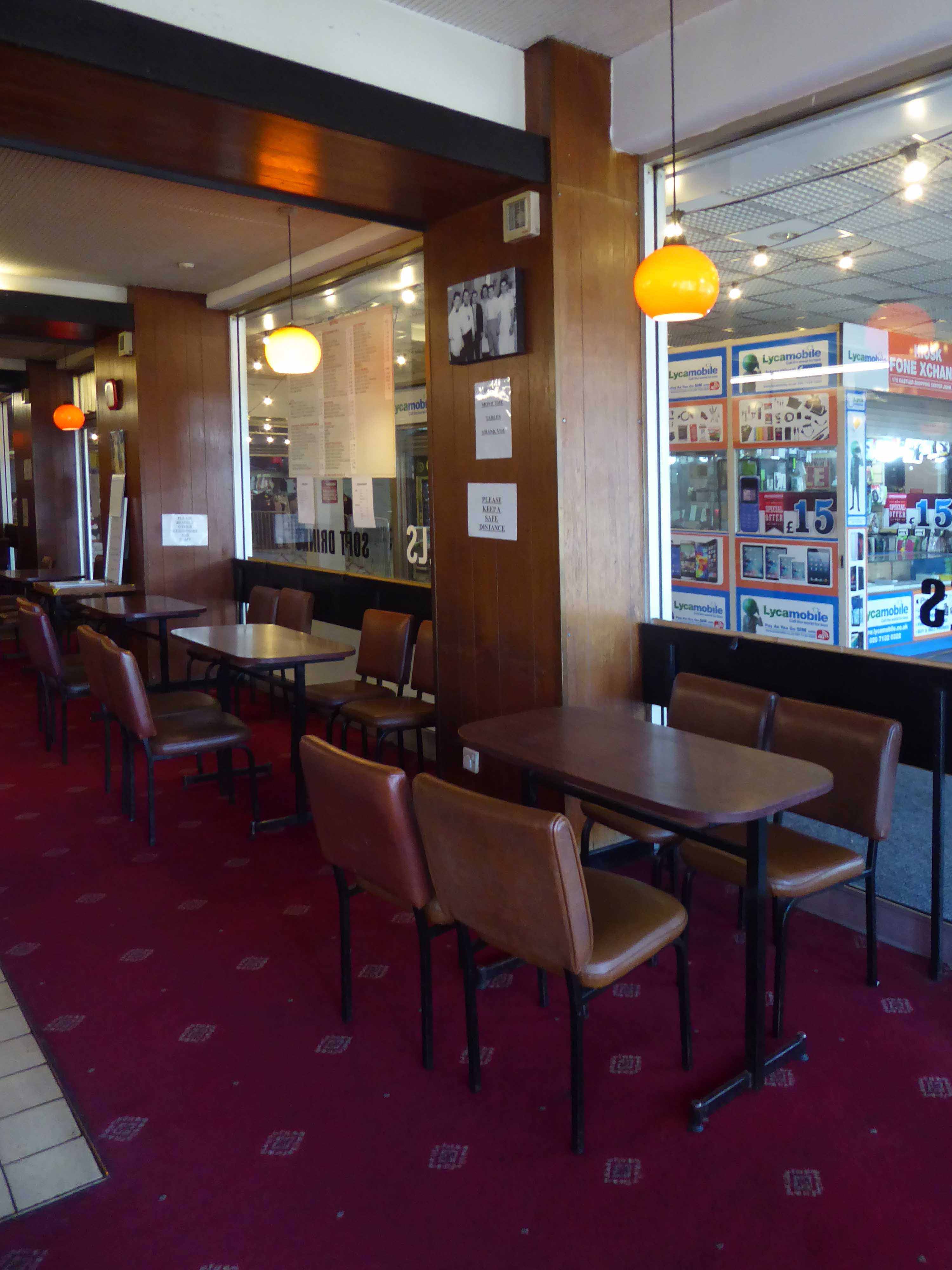
I first came here some twenty years ago or so and on each subsequent visit little seems to change.

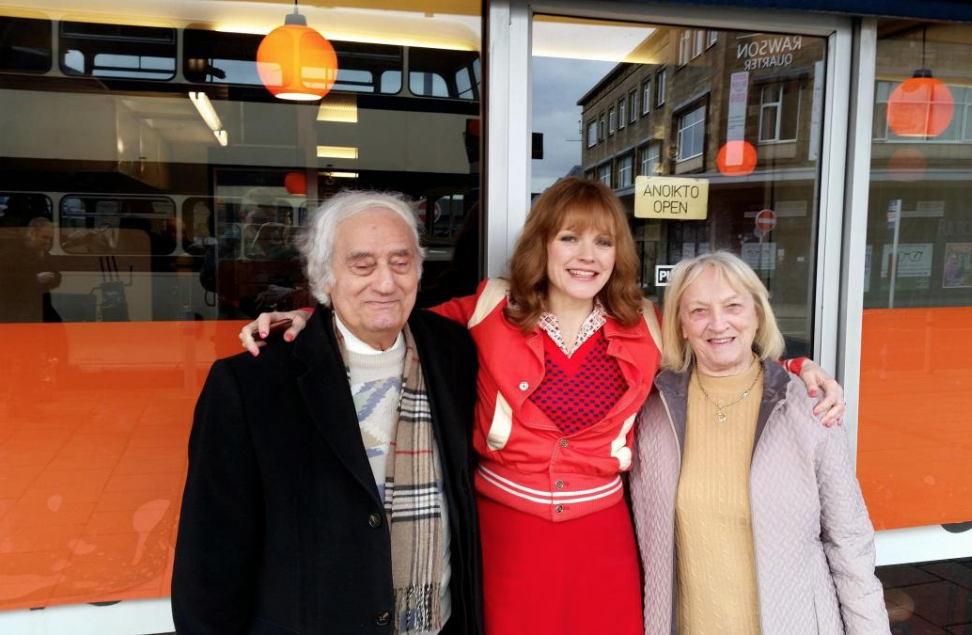
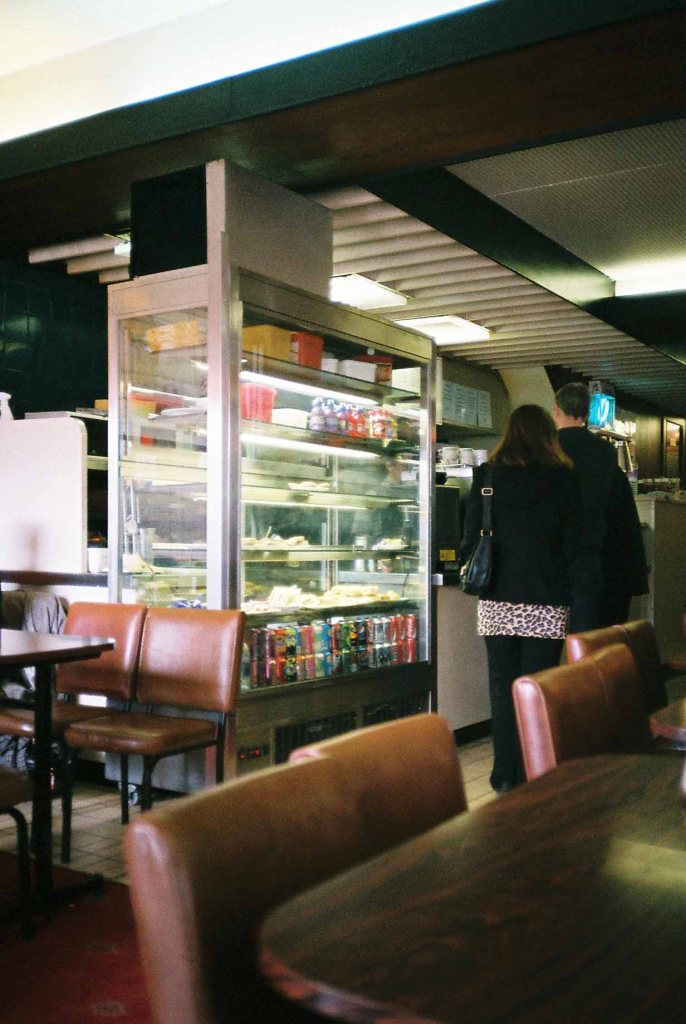
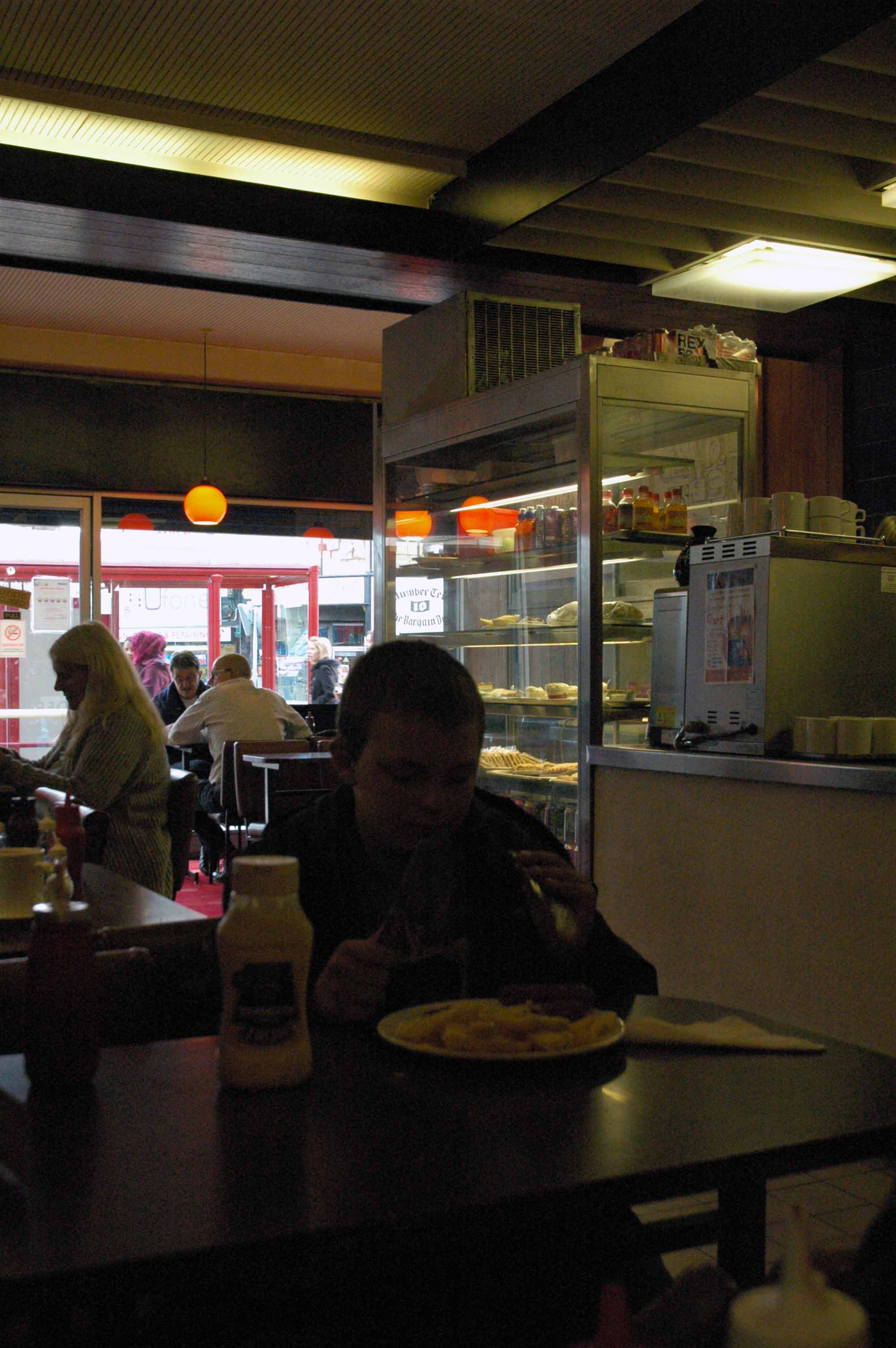
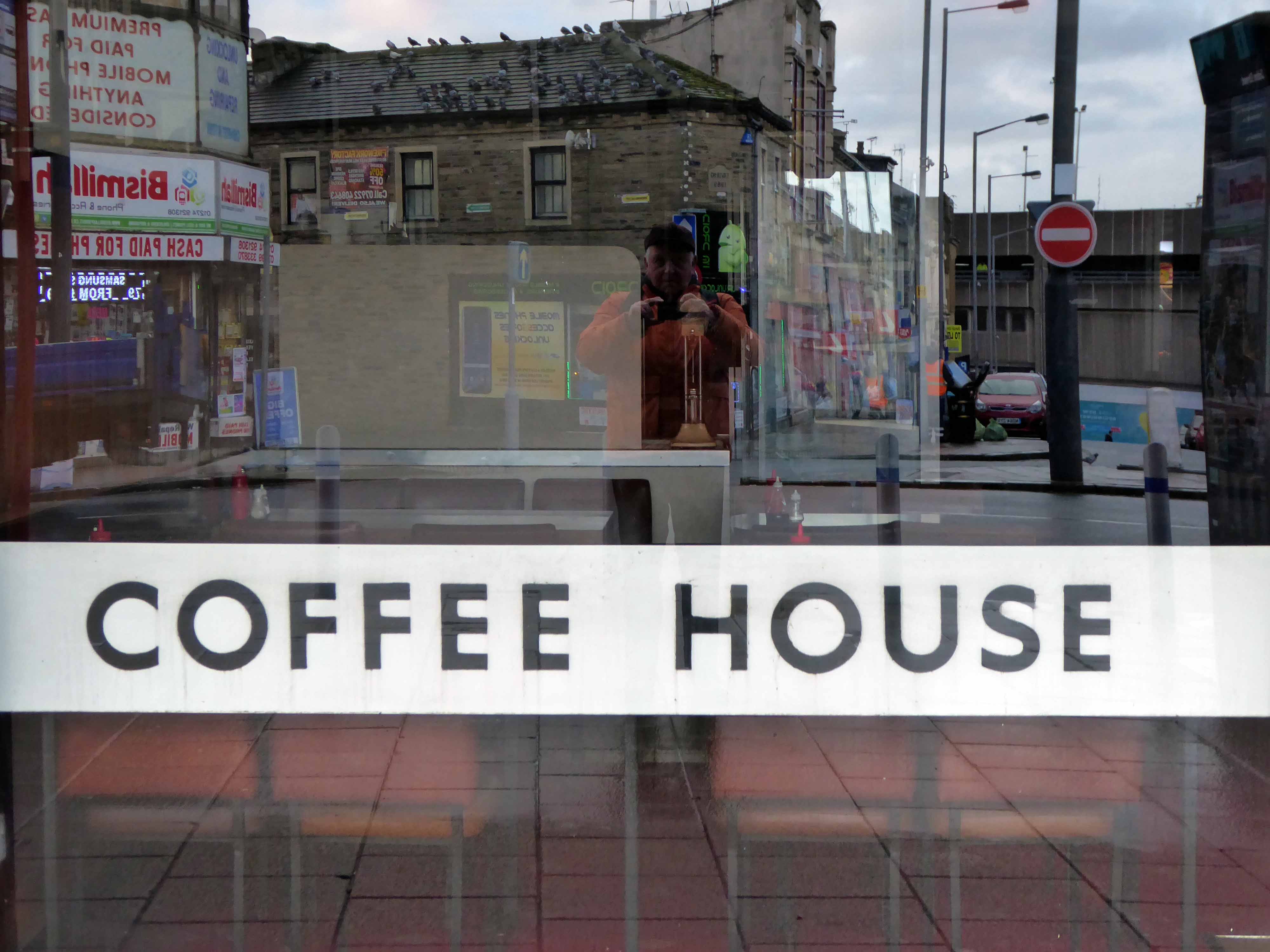
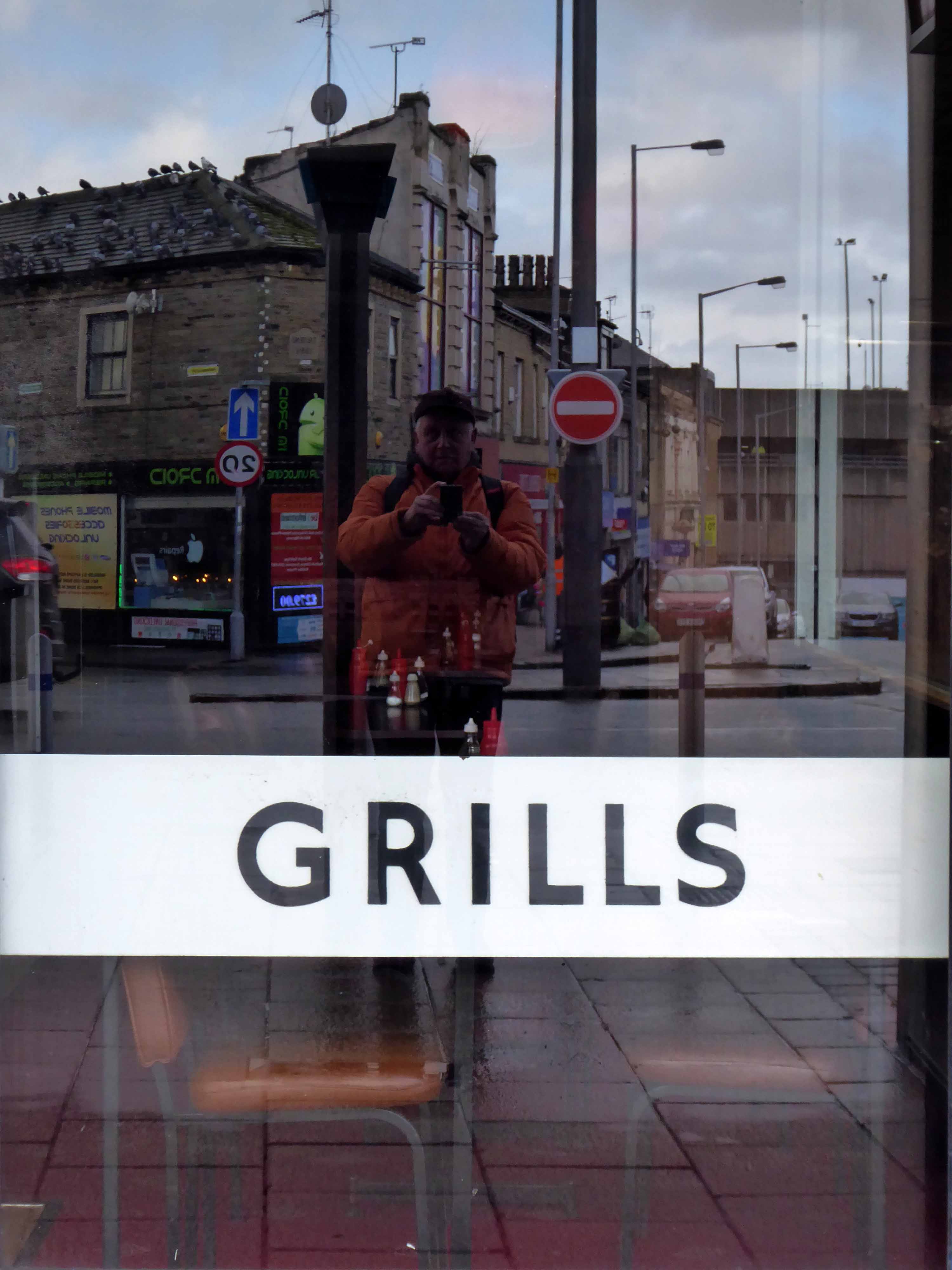
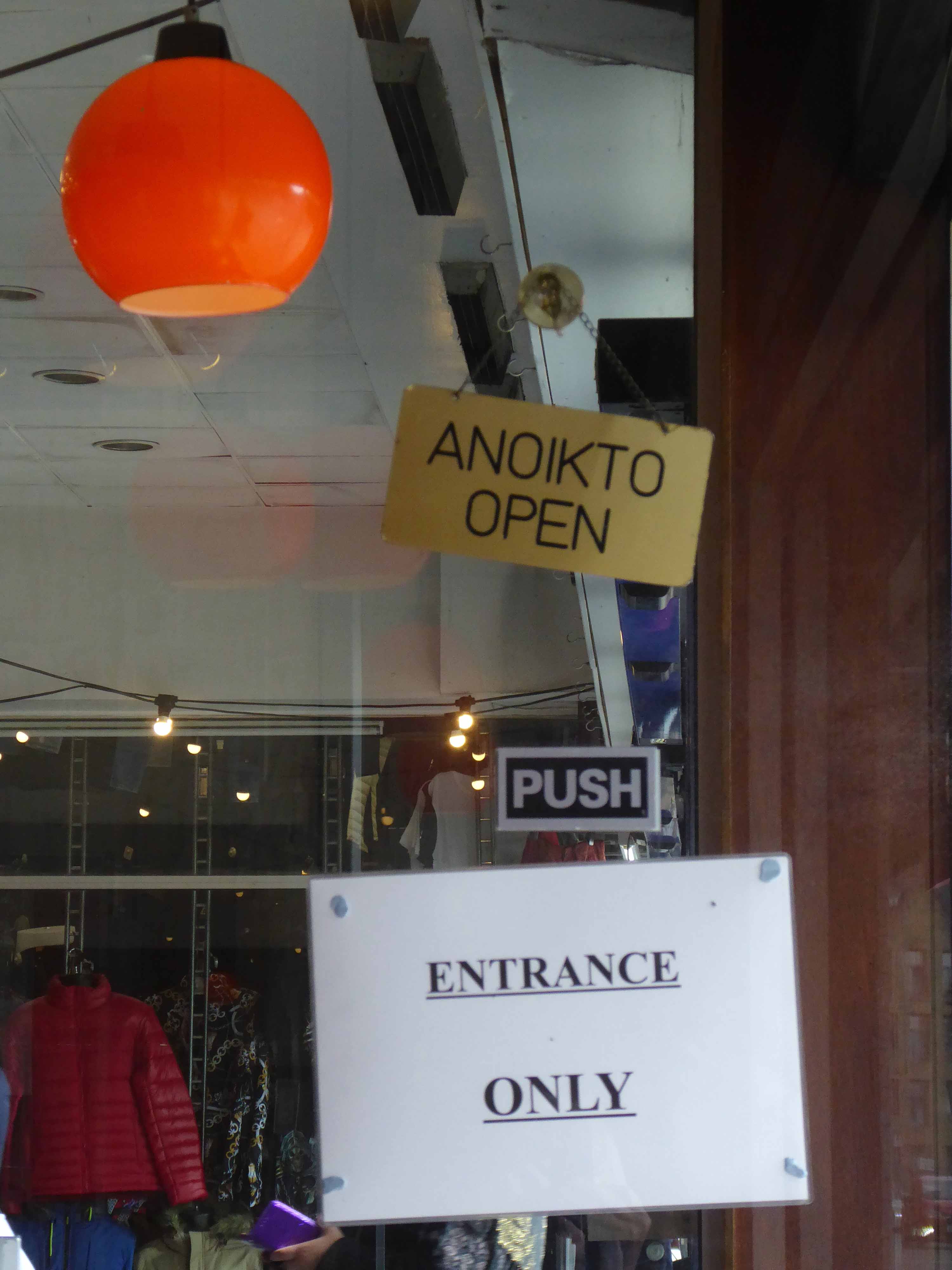
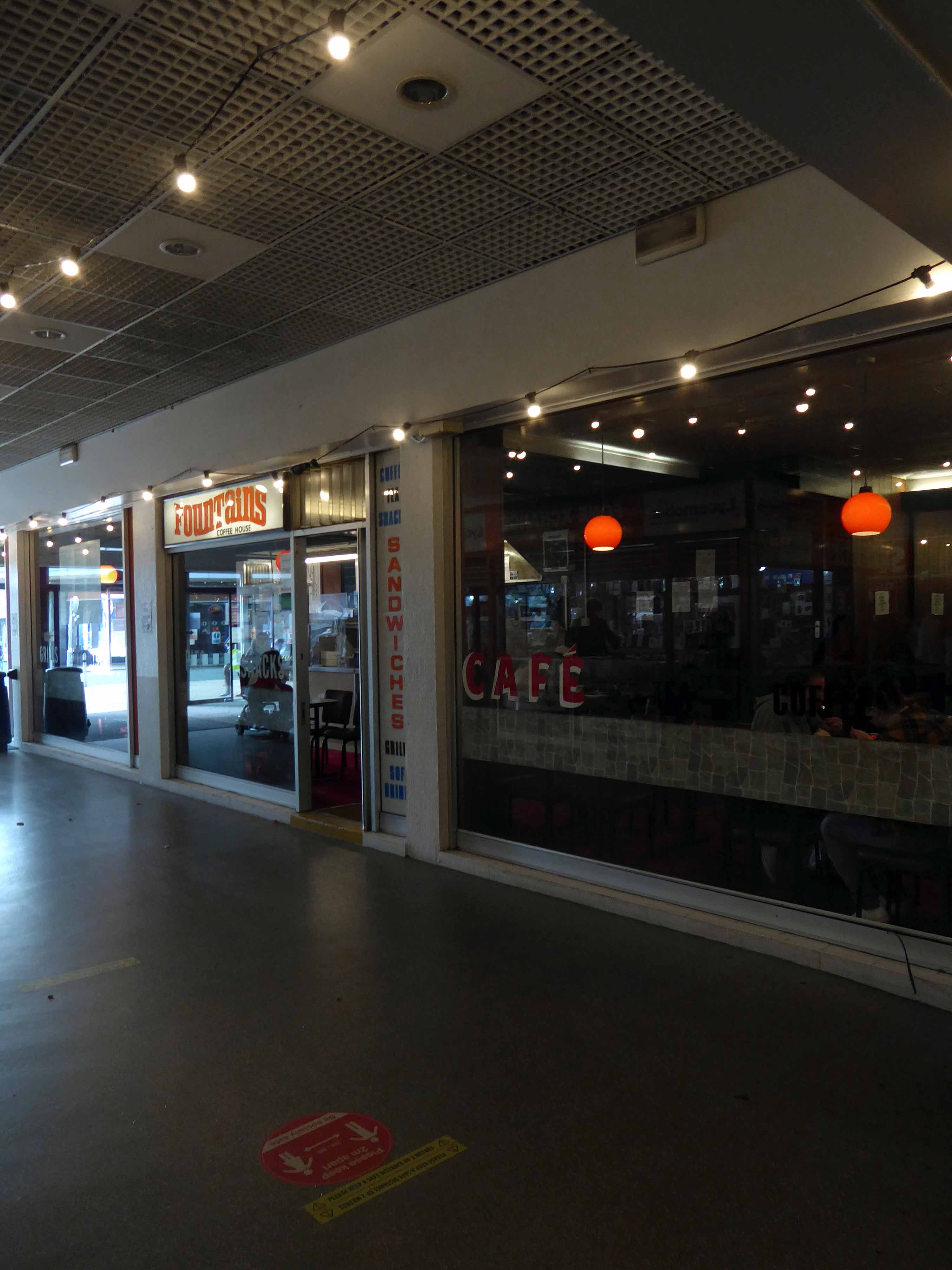
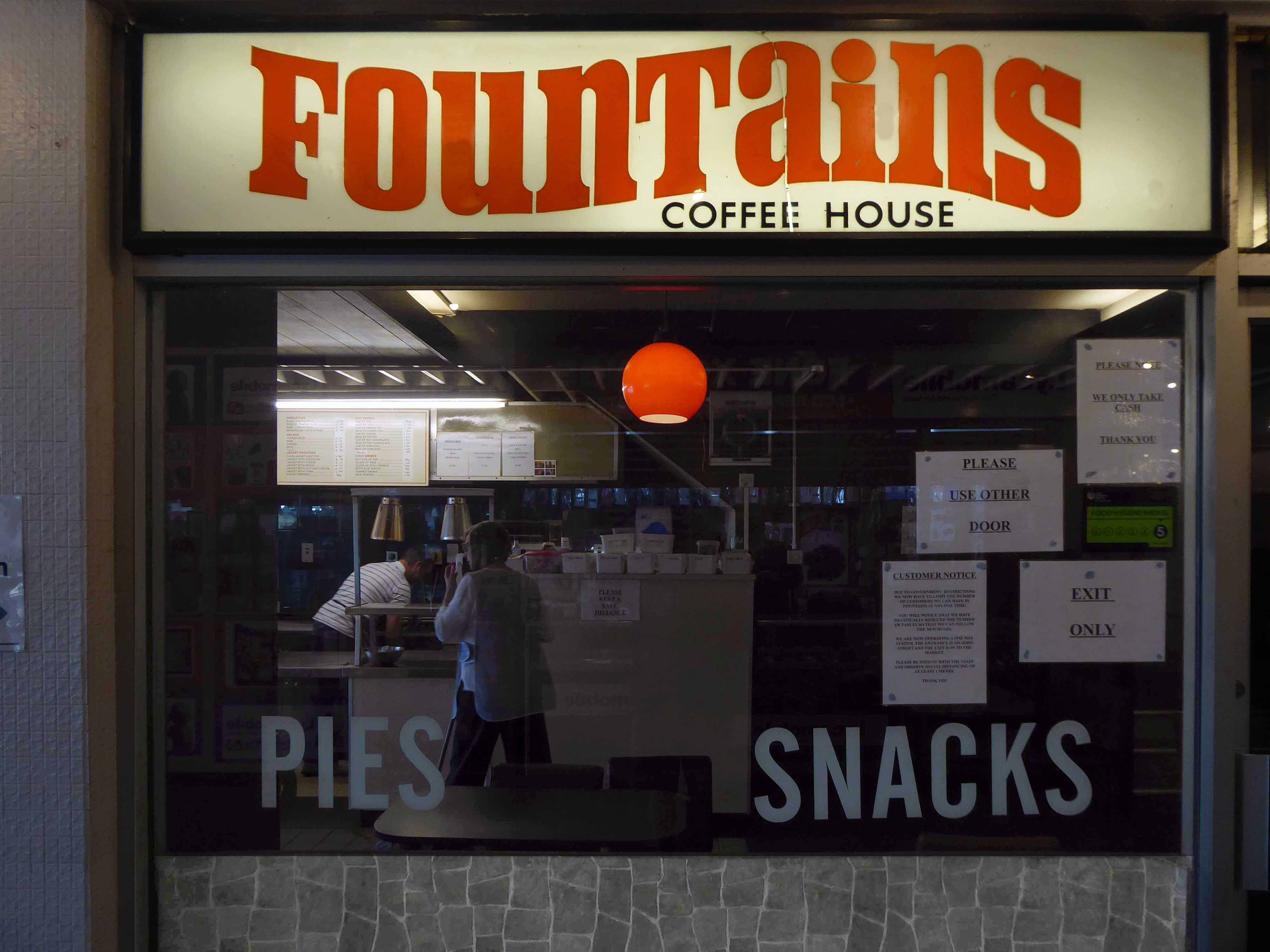
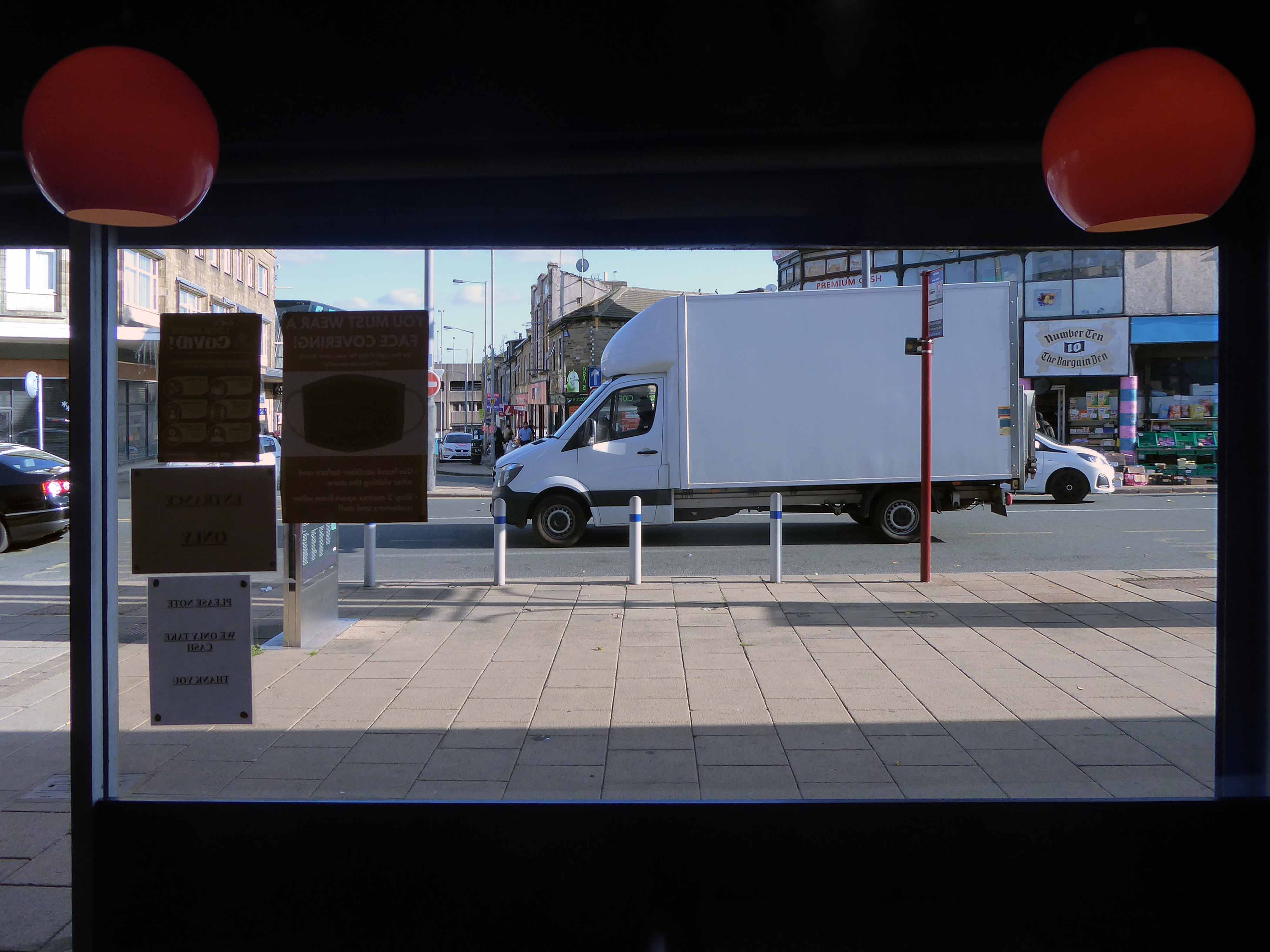
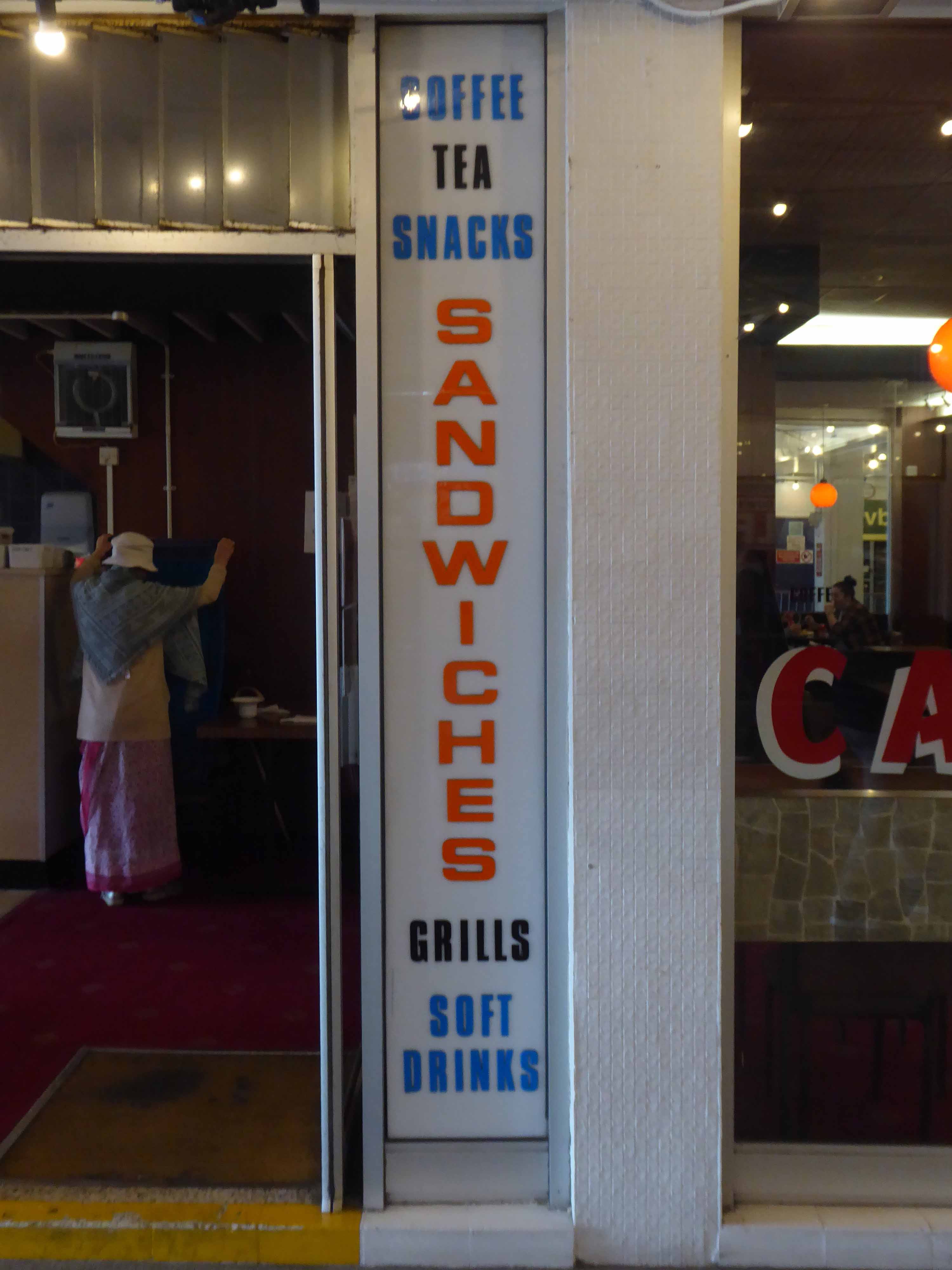
The exterior signage and fascia remain intact.

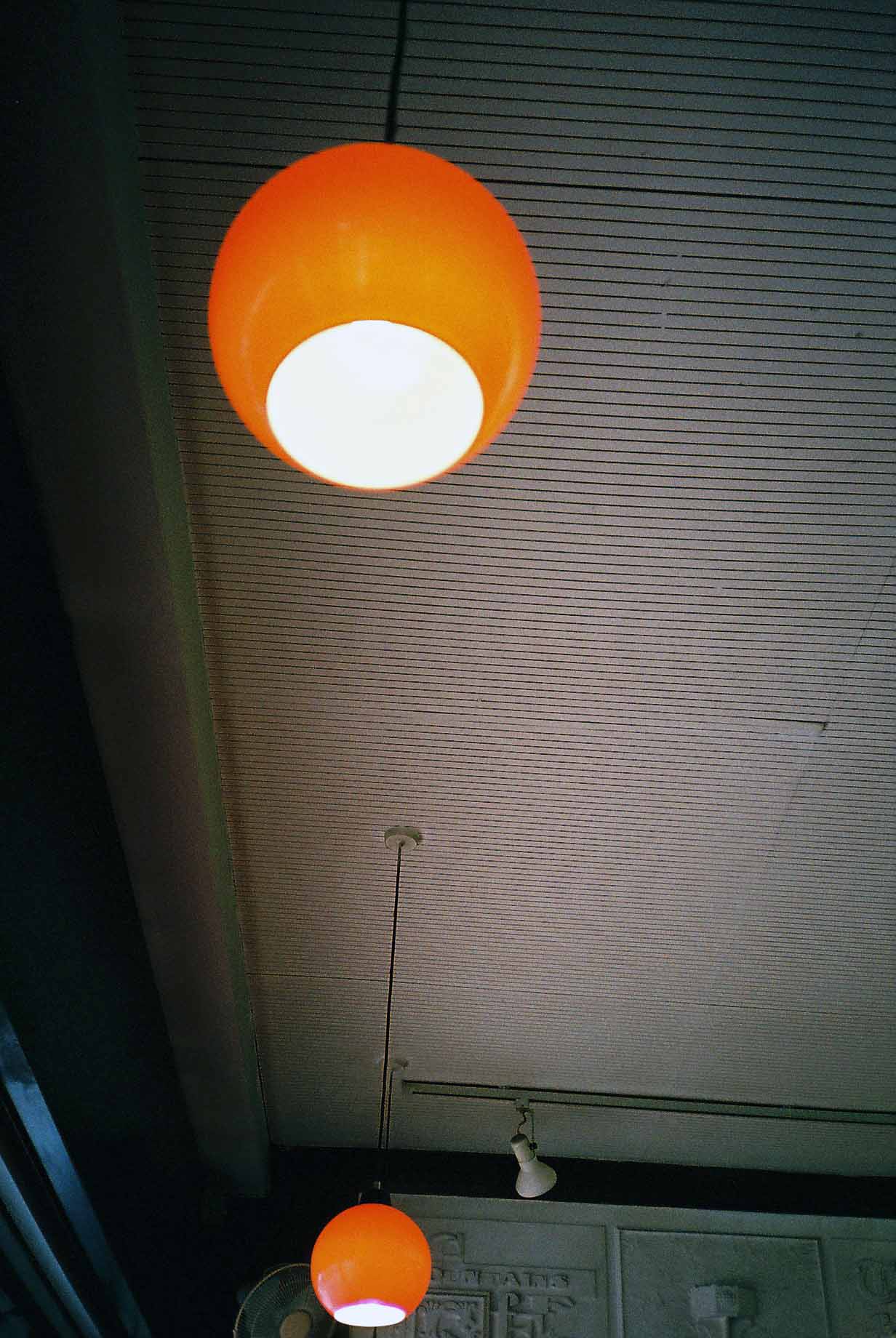
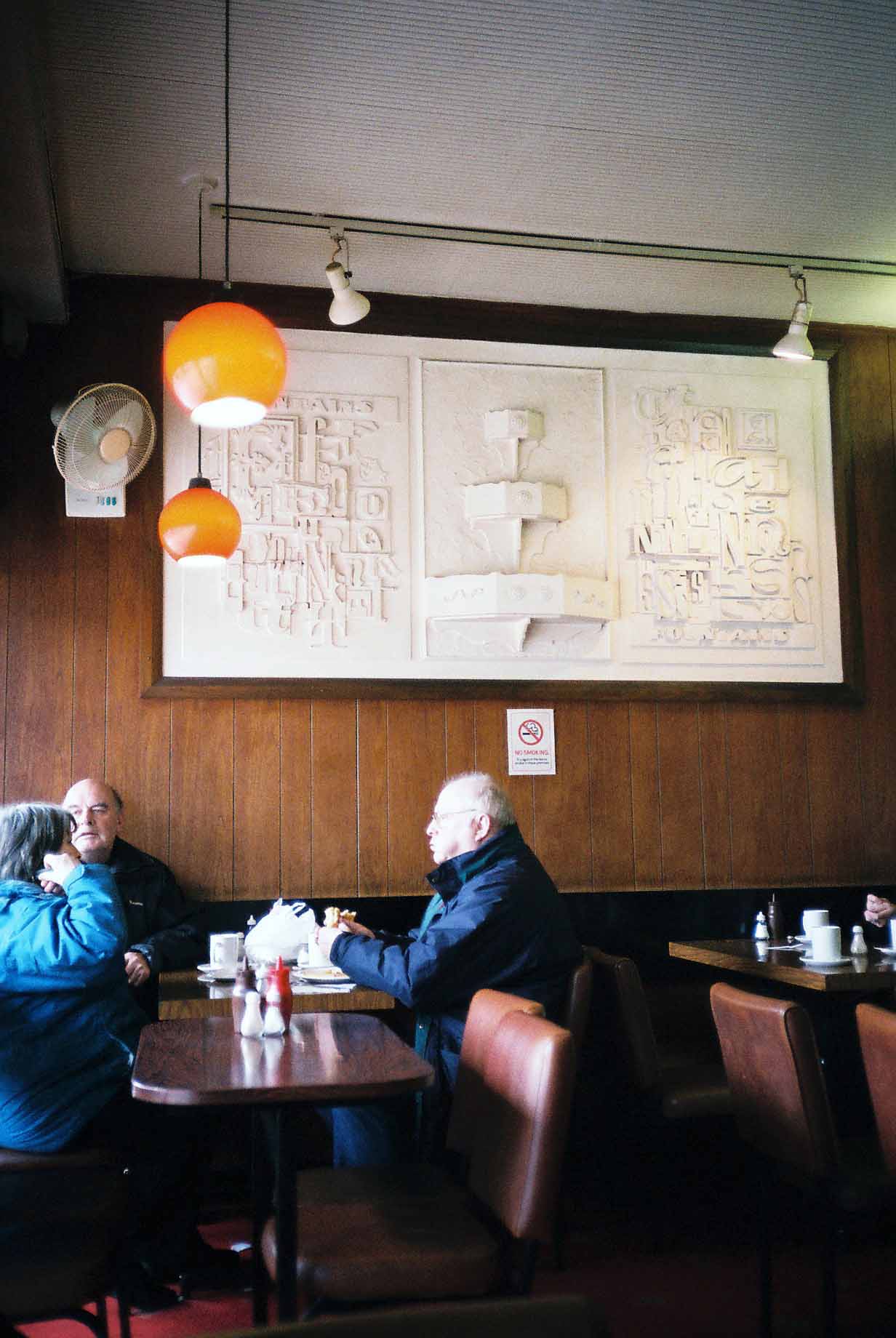
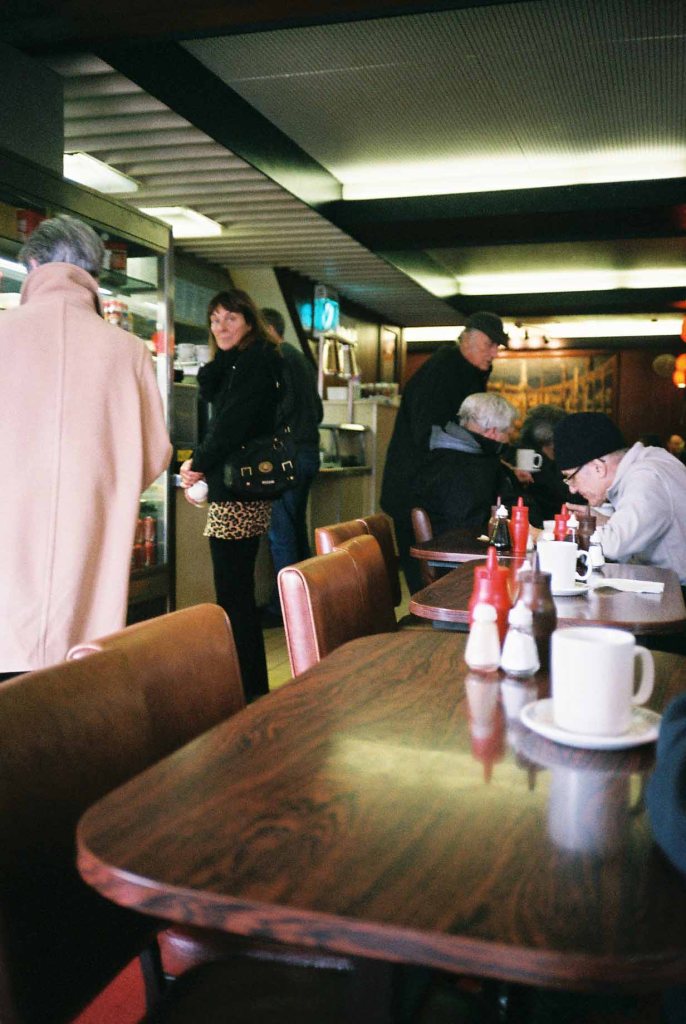
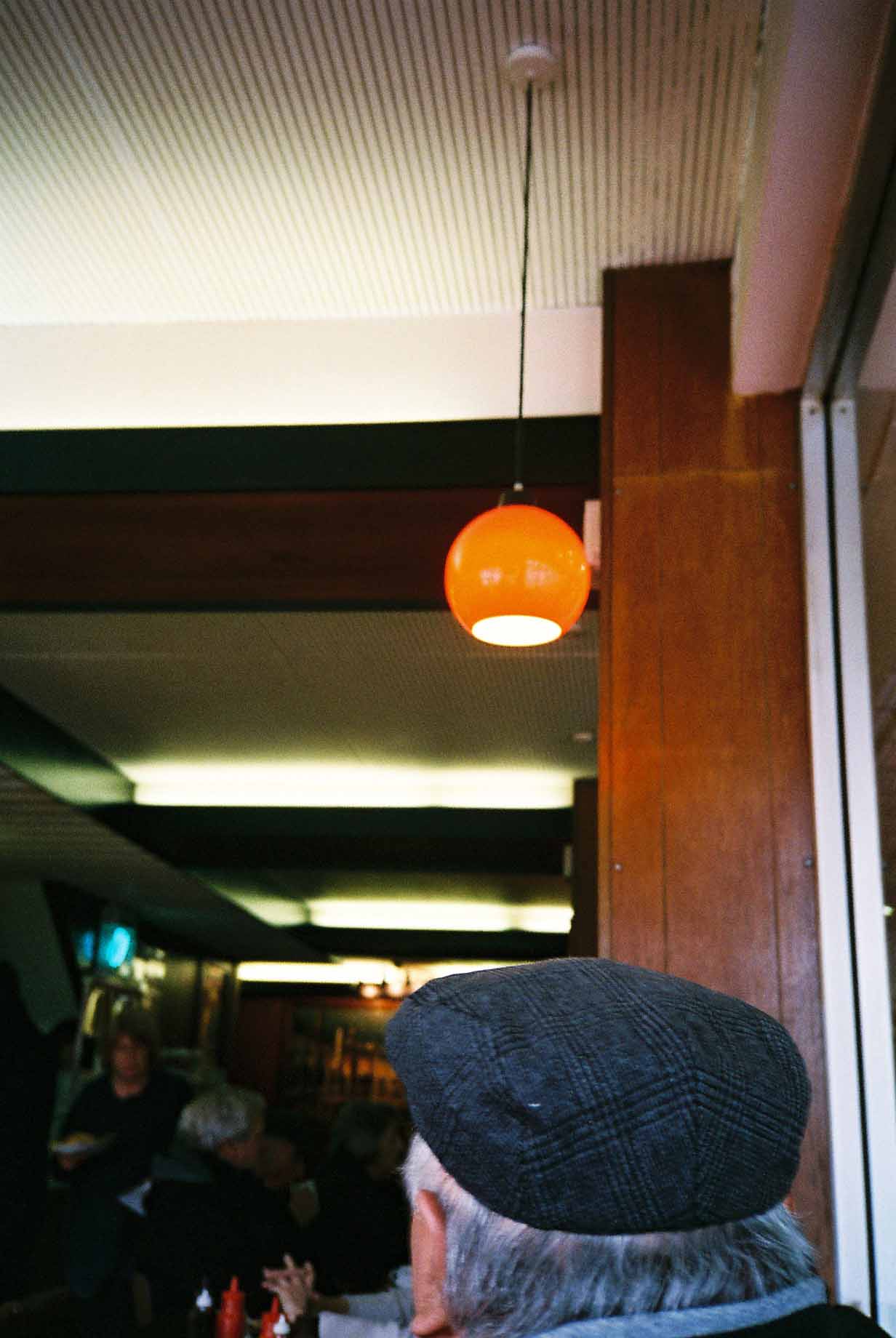
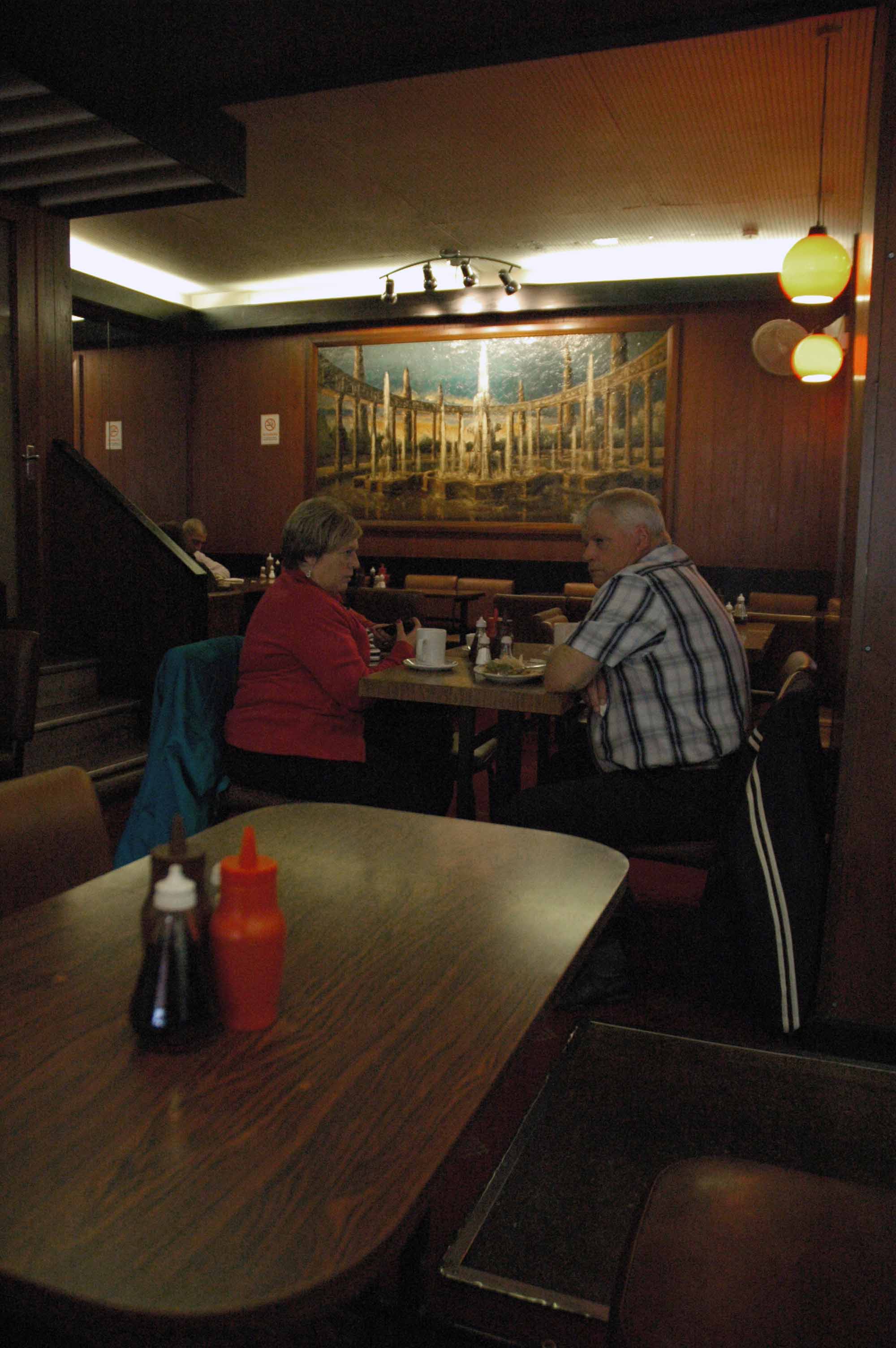
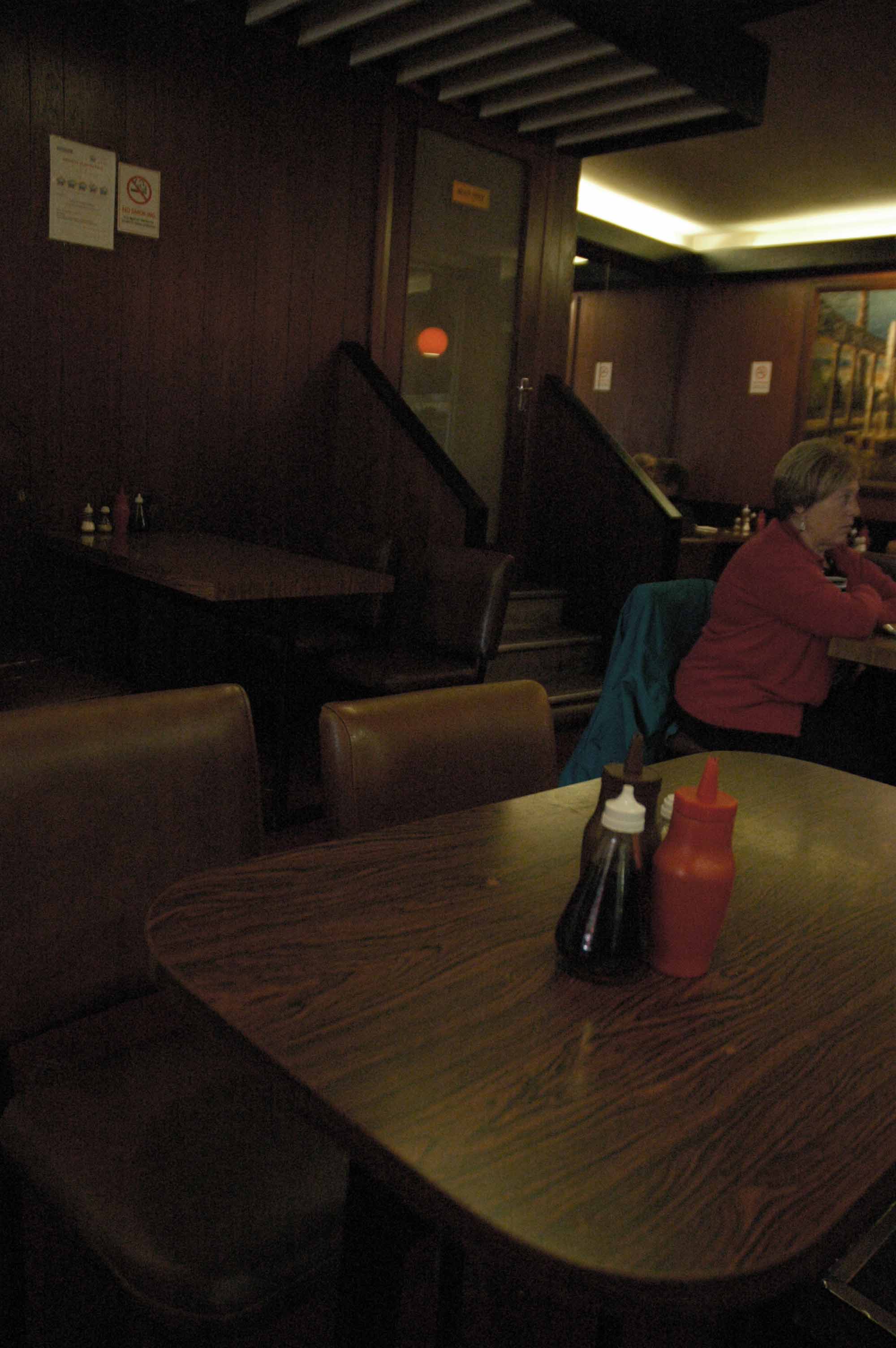
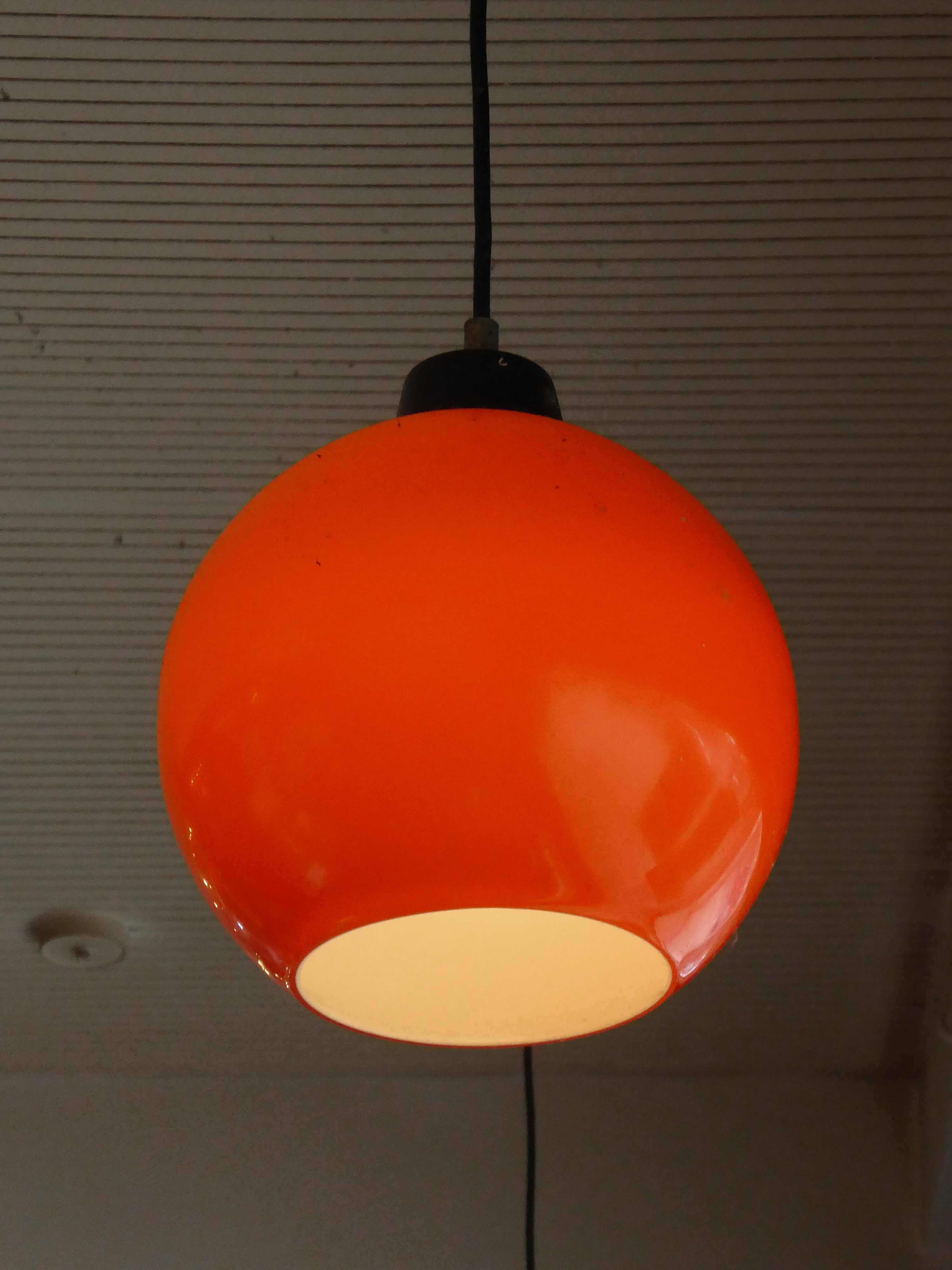
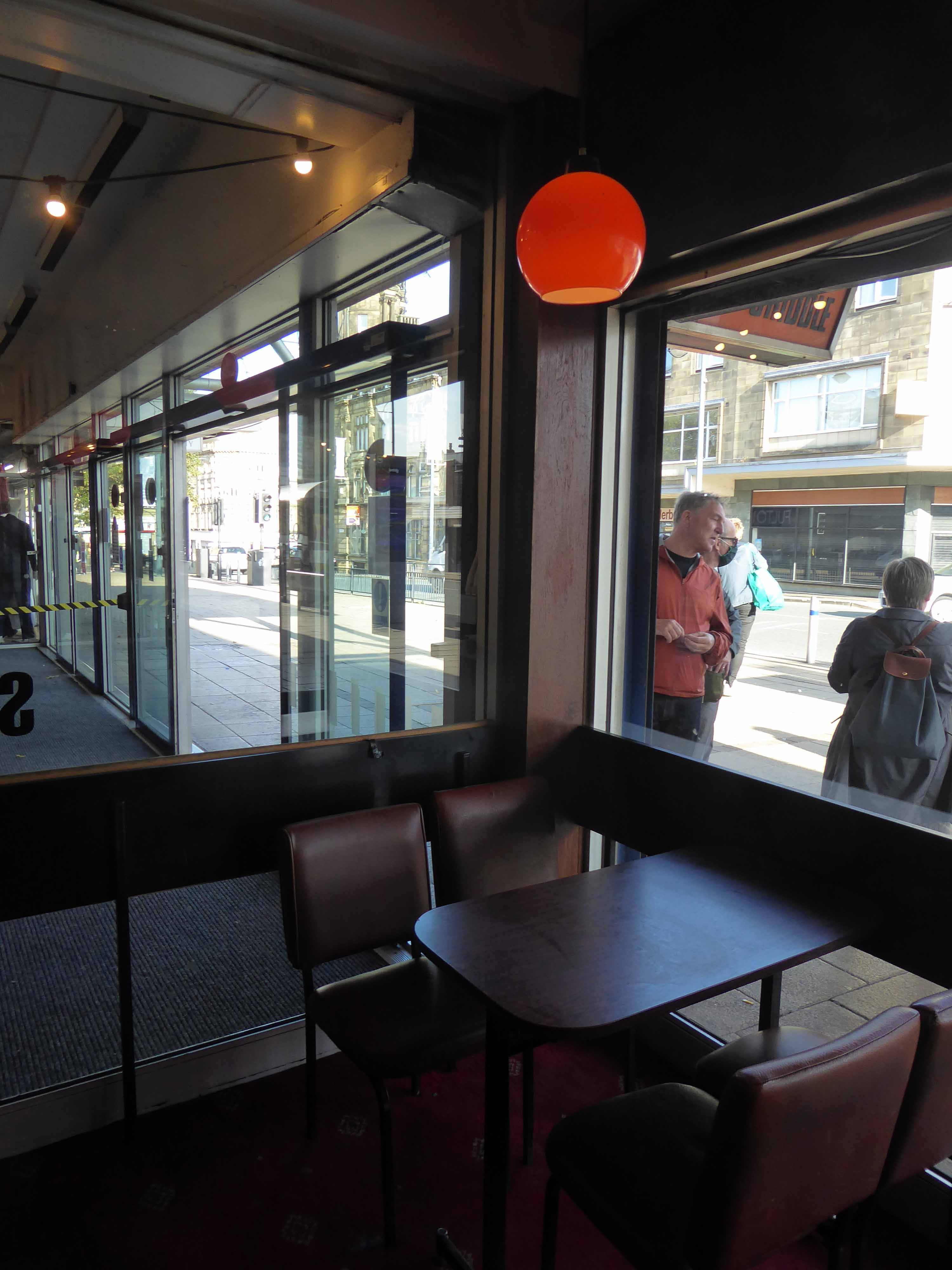
The orange light shades are still hanging limp and bright from the suspended ceiling.

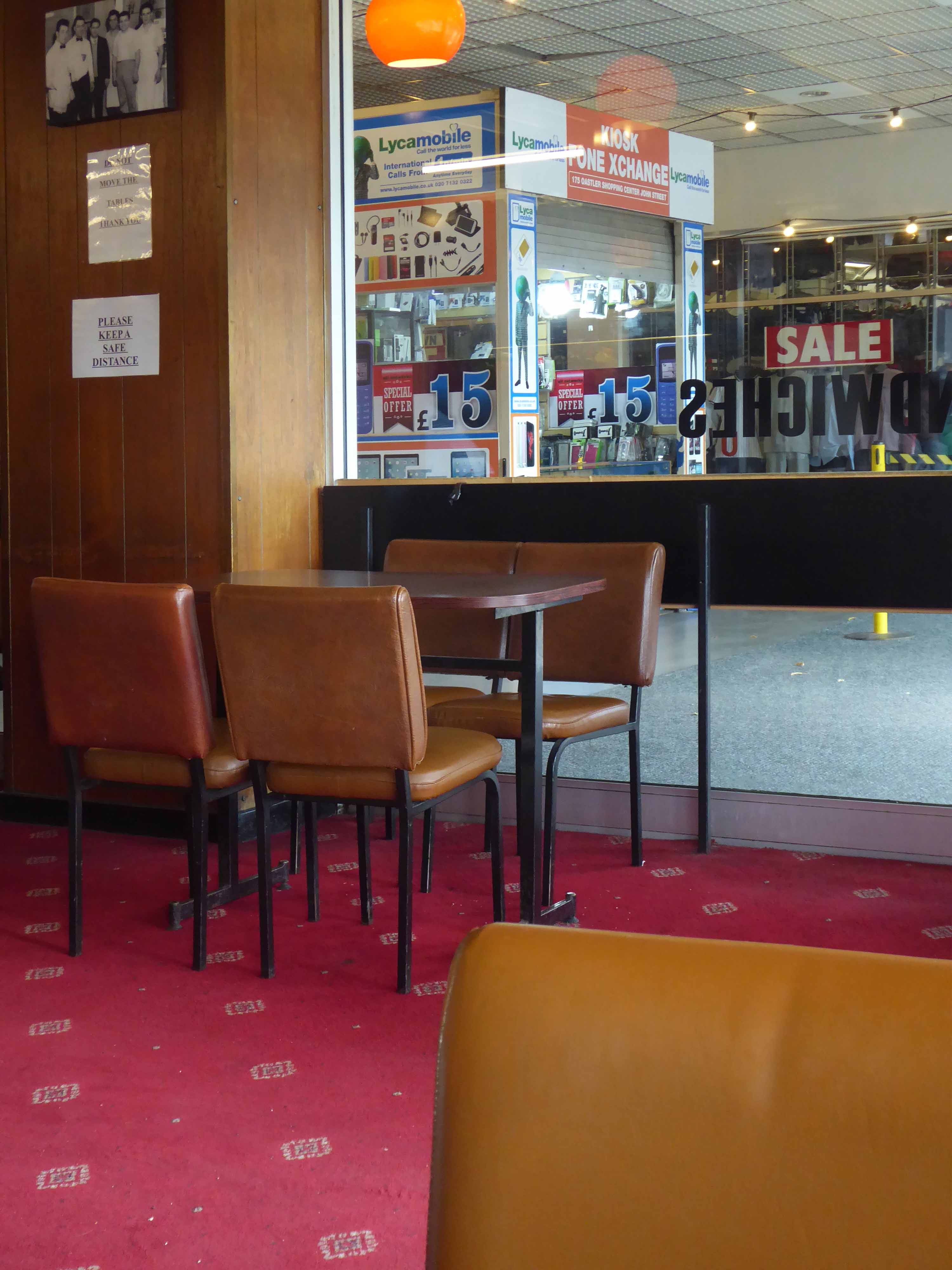
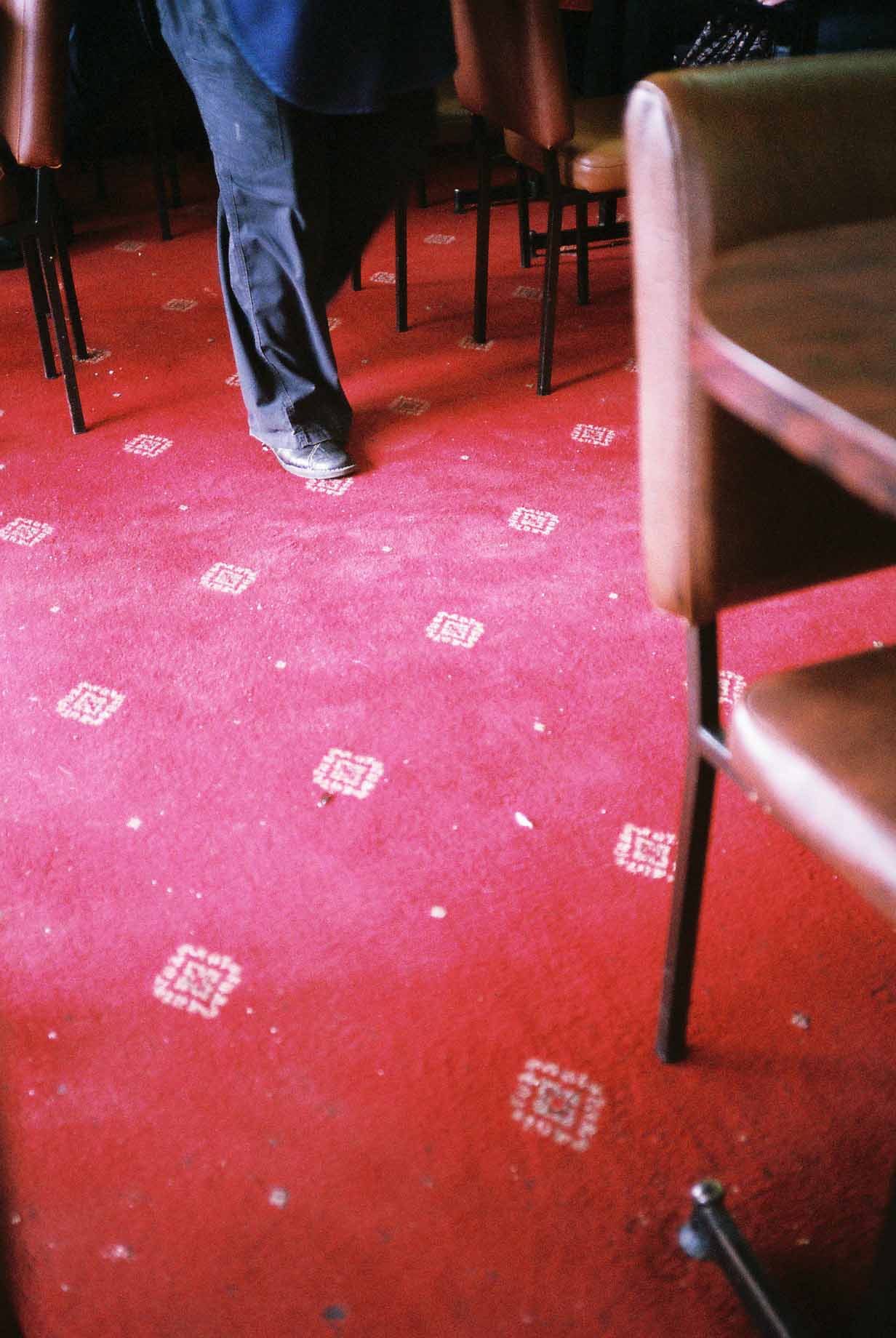
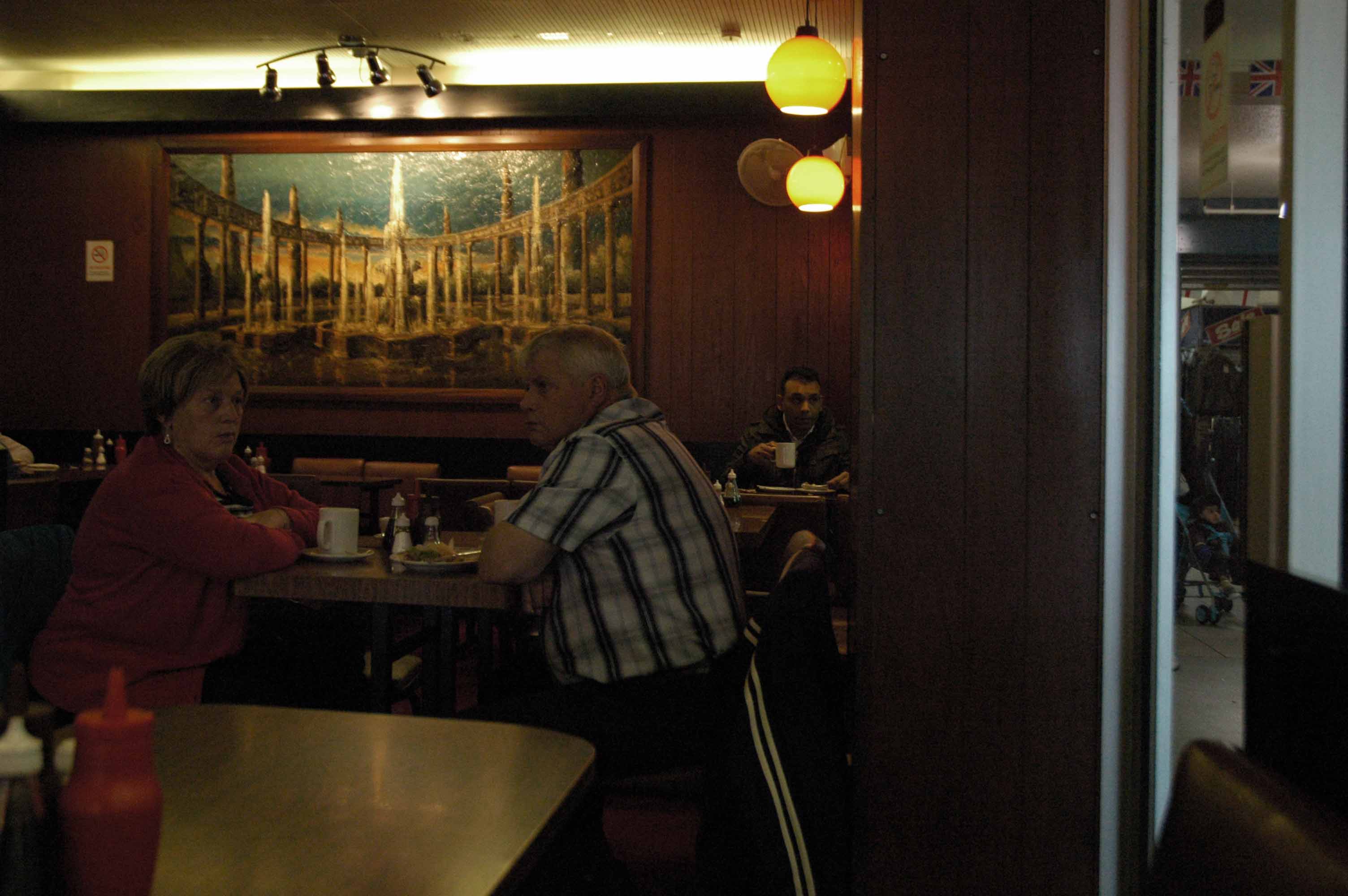
The furniture and scarlet carpet unmoved, as the cheery waiting staff weave merrily in, out and round about with meals and drinks.

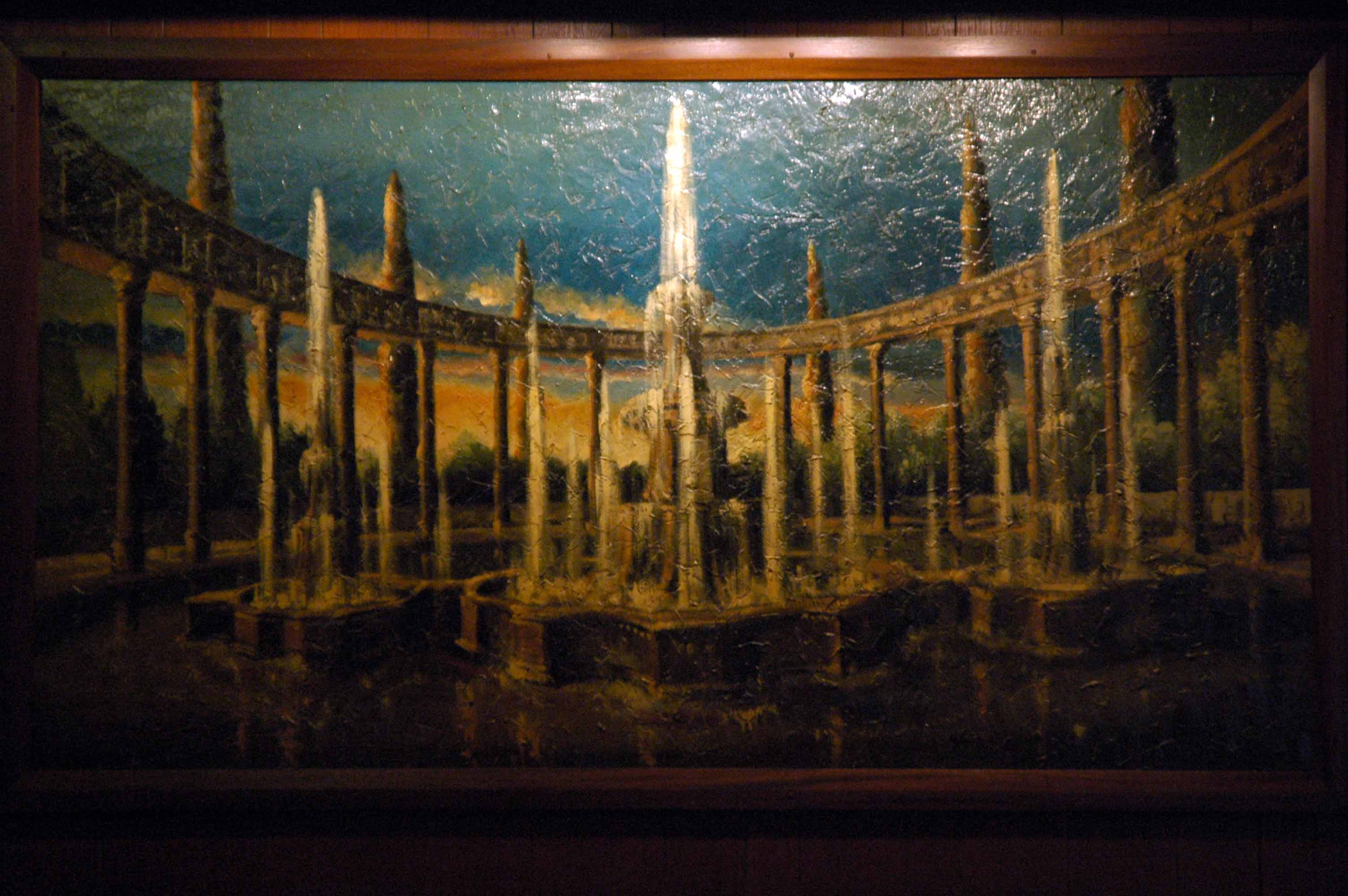
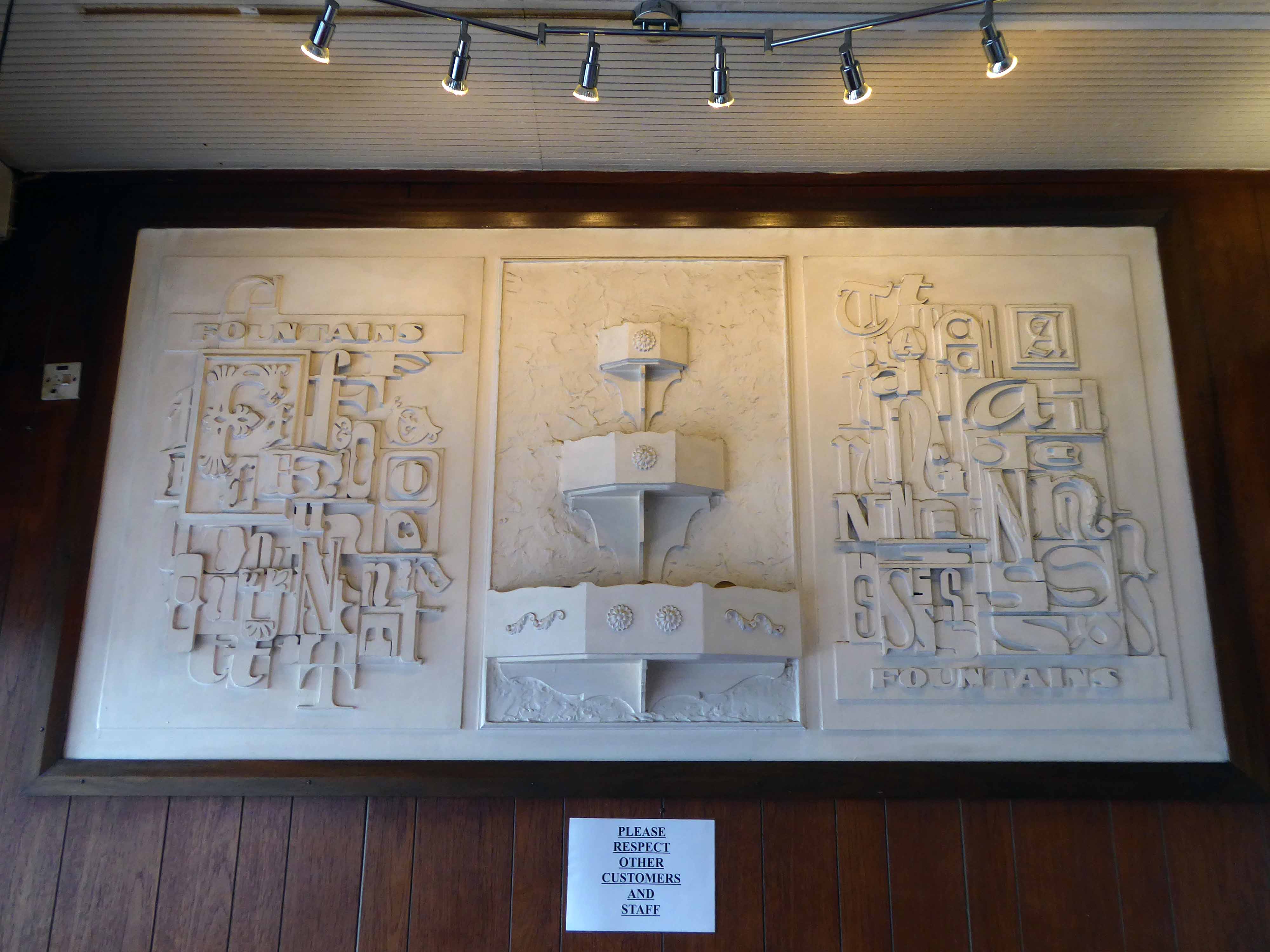
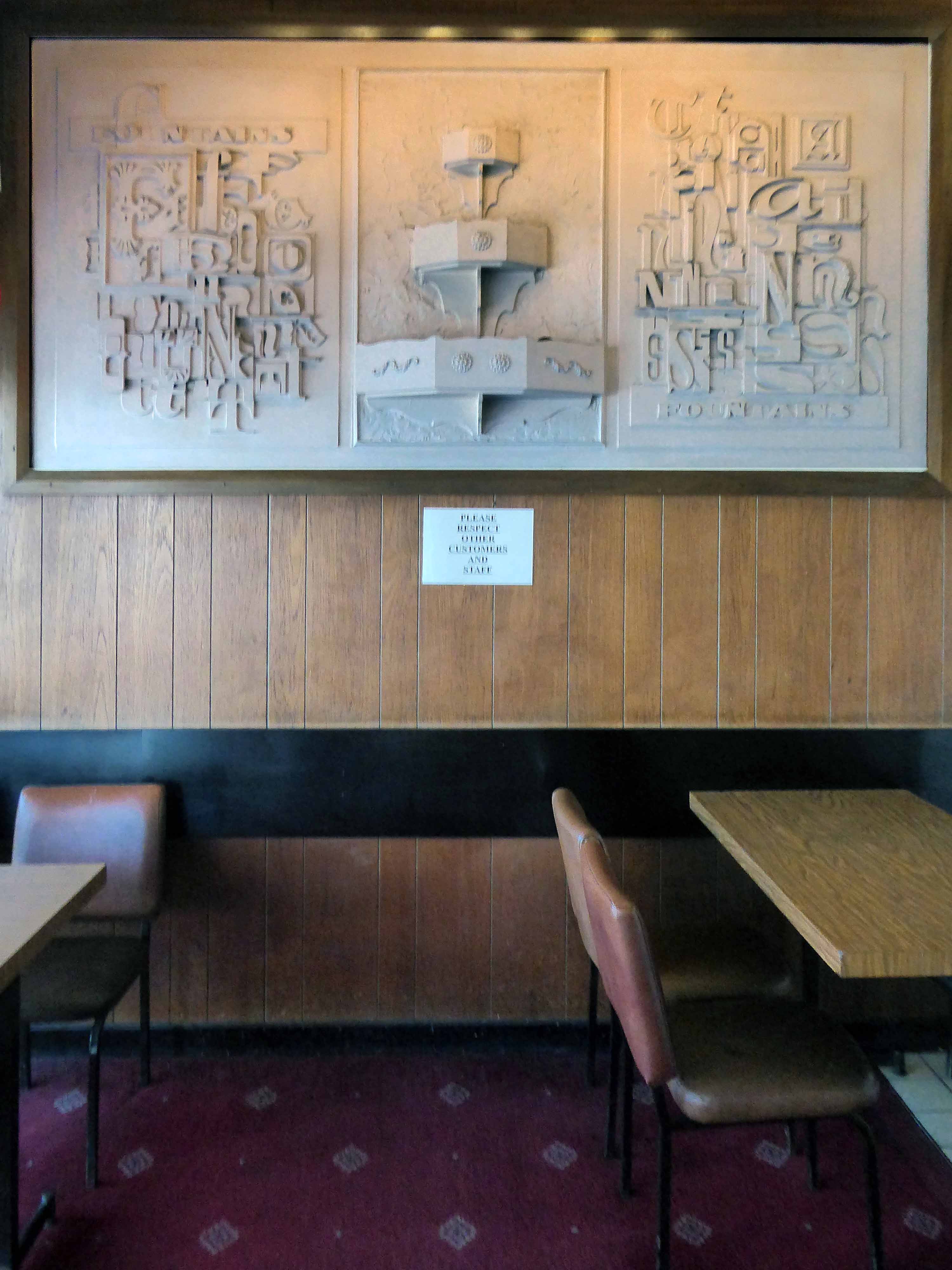
The distinctive white relief sits in the same place on the wall.

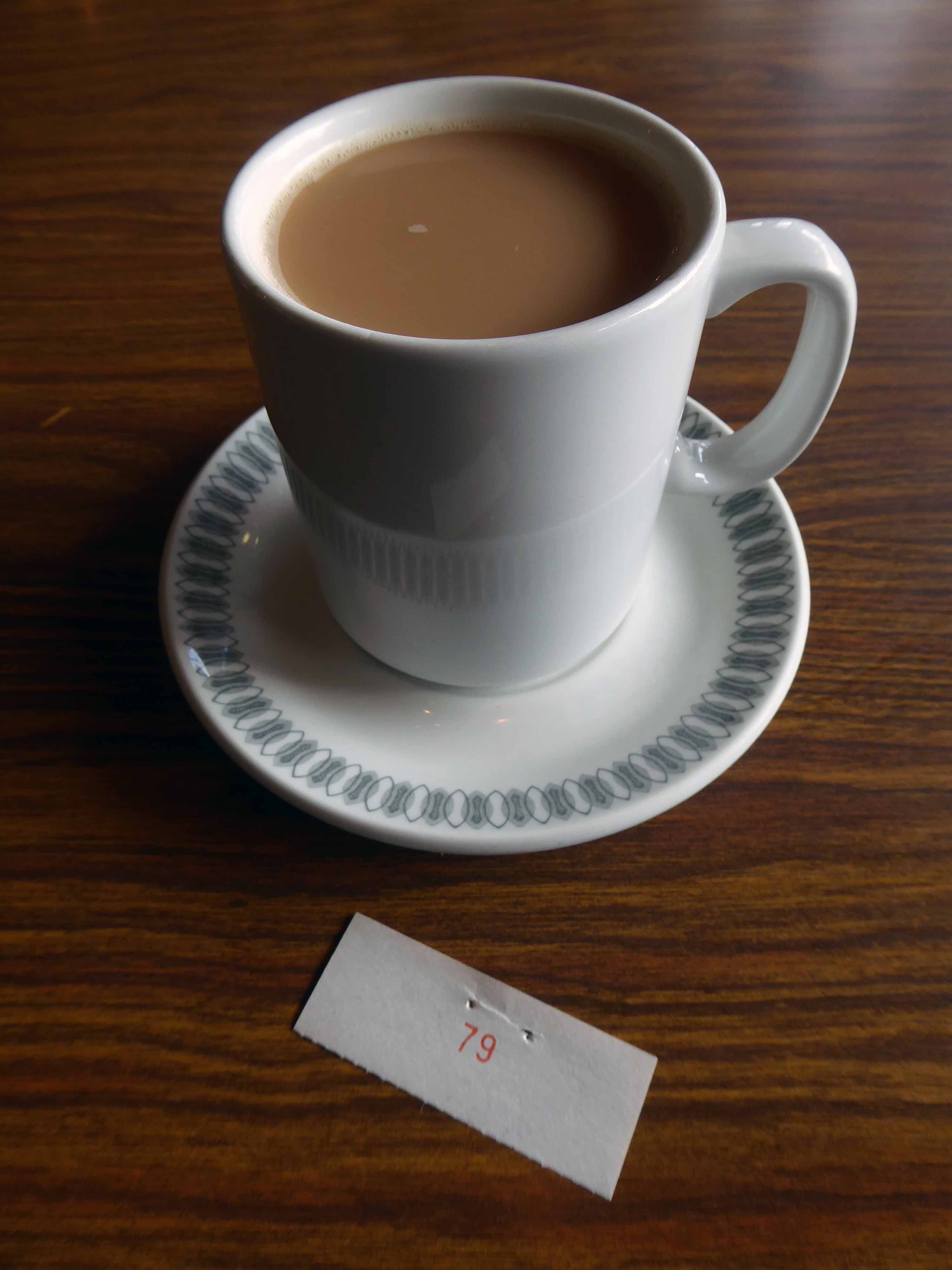
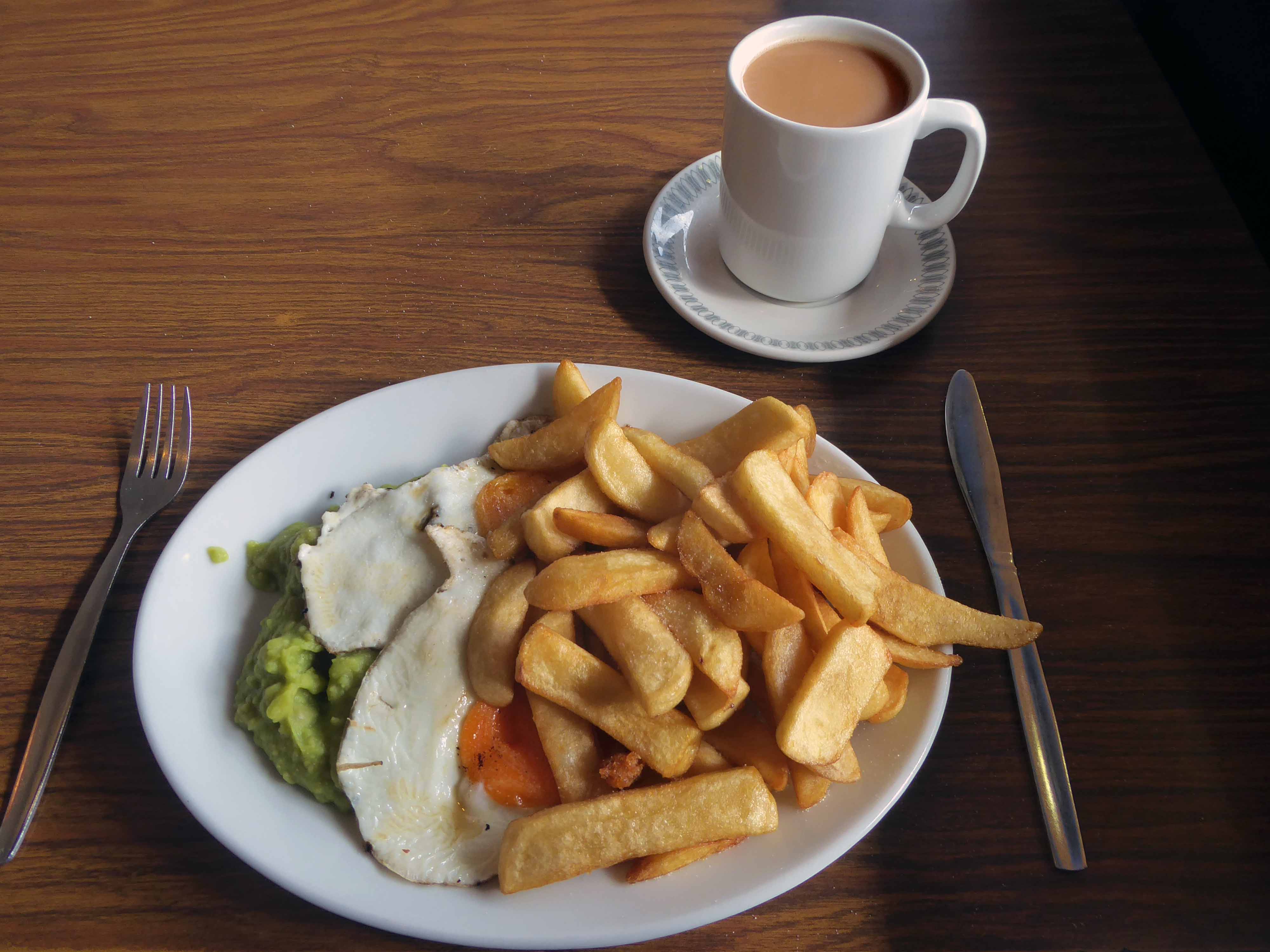
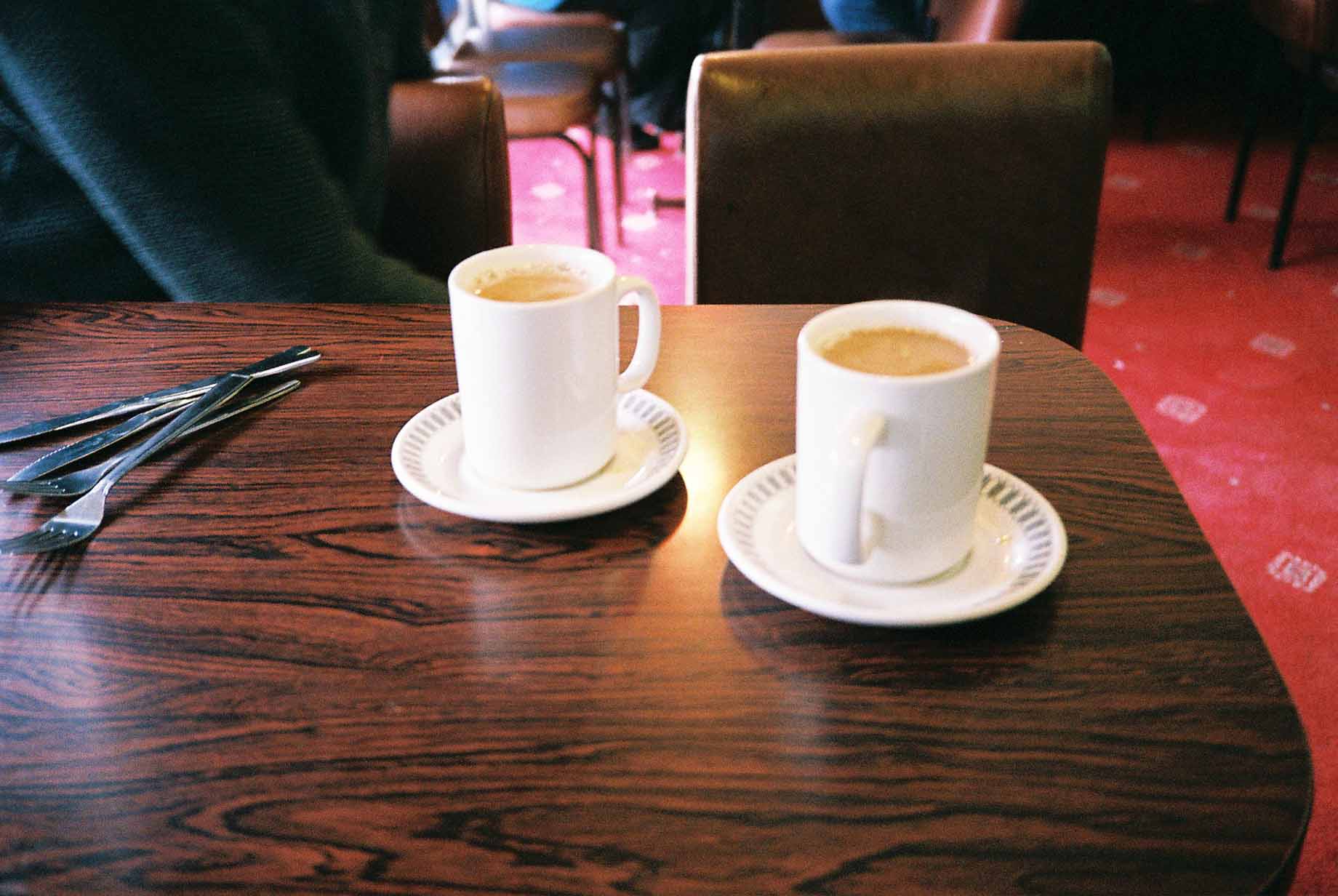
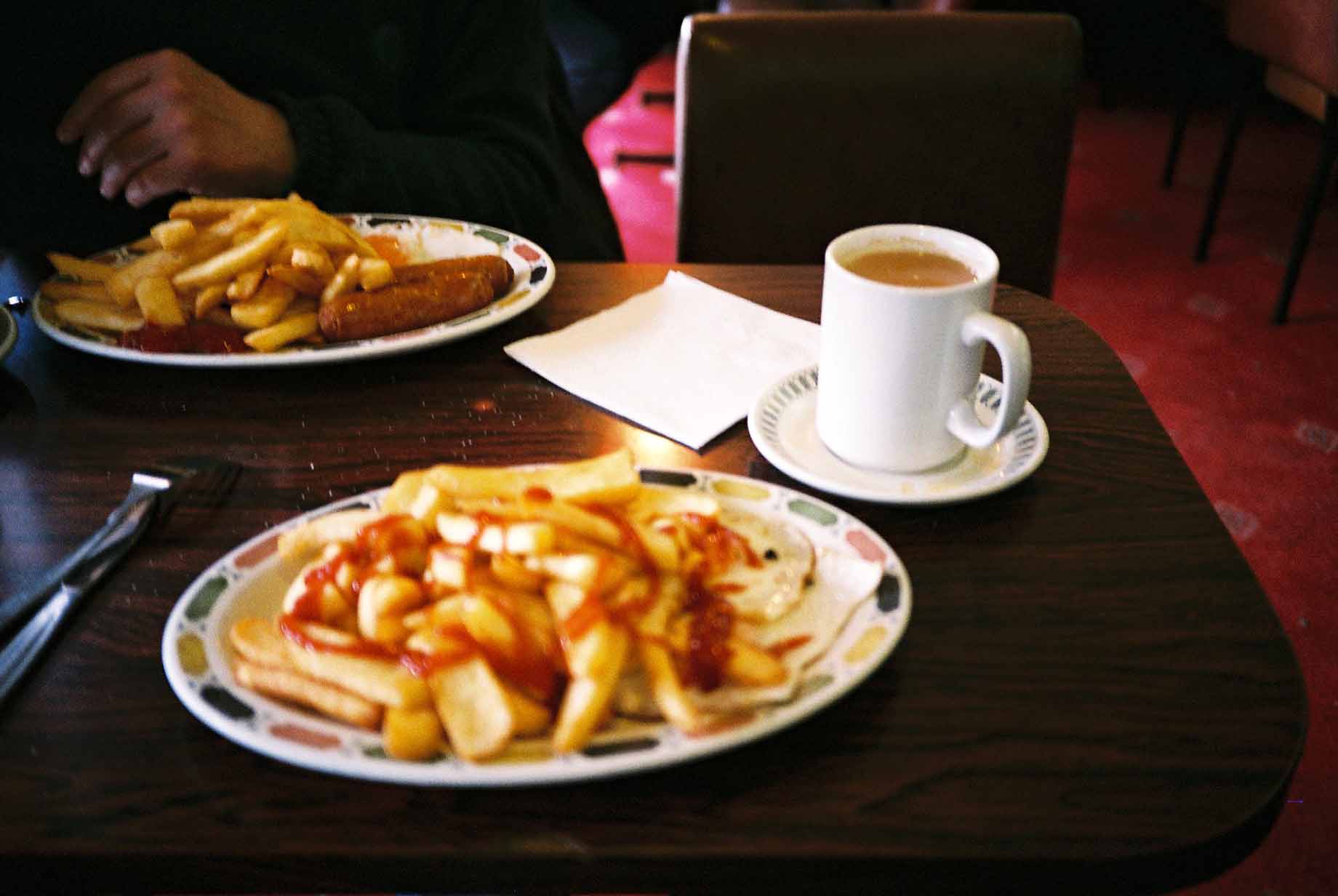
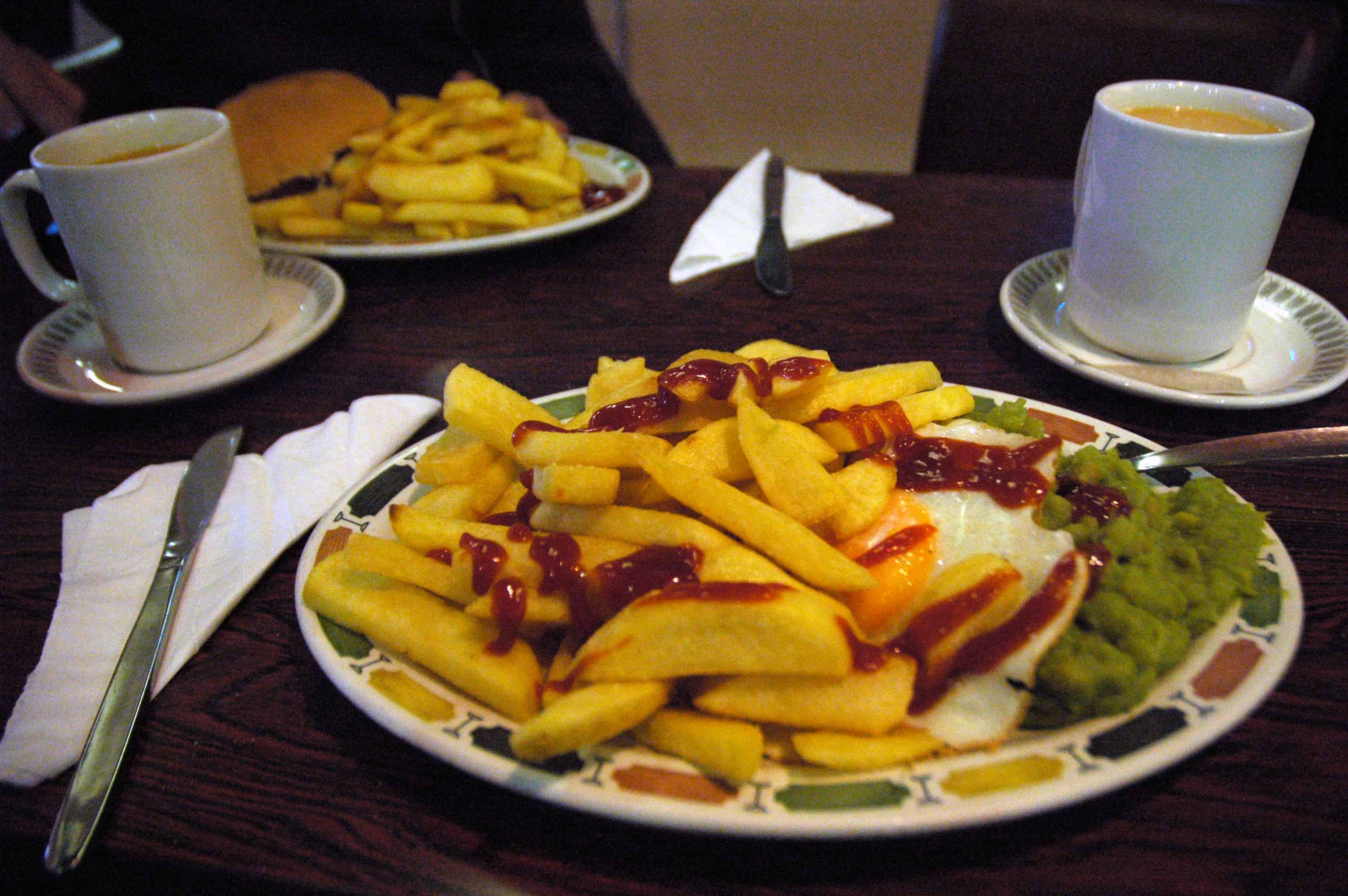
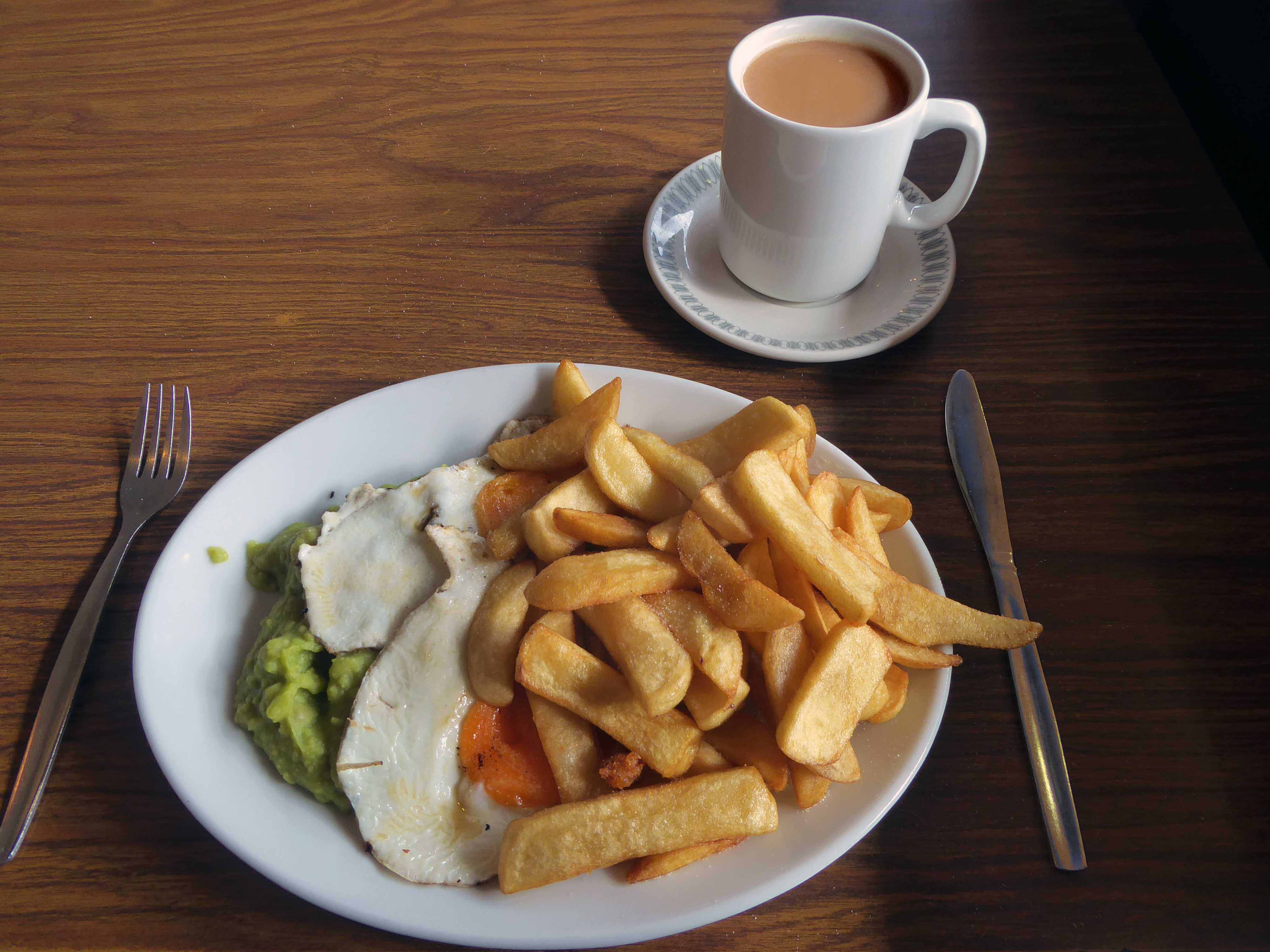
Almost inevitably I order a mug of tea.

Along with a plate of eggs chips and peas.

Eat and drink the lot and leave happy and contented – who can resist a well run, well appointed classic café?

I can’t.

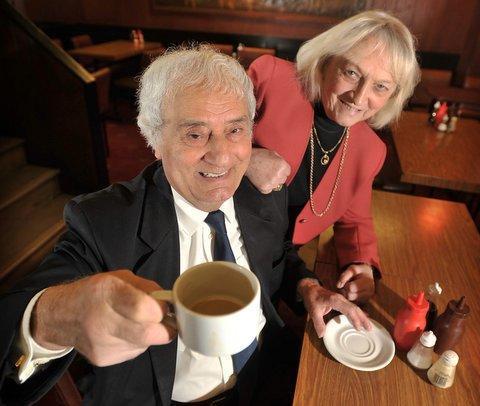
A well-known and respected figure in the Bradford business world, Mr Paul Georgiou ran Fountains Coffee House in John Street for just shy of 50 years alongside his wife Mary, and has run cafés and other businesses in the city for almost six decades.

Other ventures created by Mr Georgiou include the Hole in the Wall nightclub, which was one of the first underground nightclubs in the city centre. It hosted acts including Sir Tom Jones and rockers Thin Lizzy as they rose to fame in the late 1960s and early 1970.

Sadly he passed away in 2019.

His main business Fountains Coffee House is now managed by his son Michael, but when it opened it was one of the first businesses to open in the John Street Market, as the Oastler centre was known then.

Telegraph and Argus

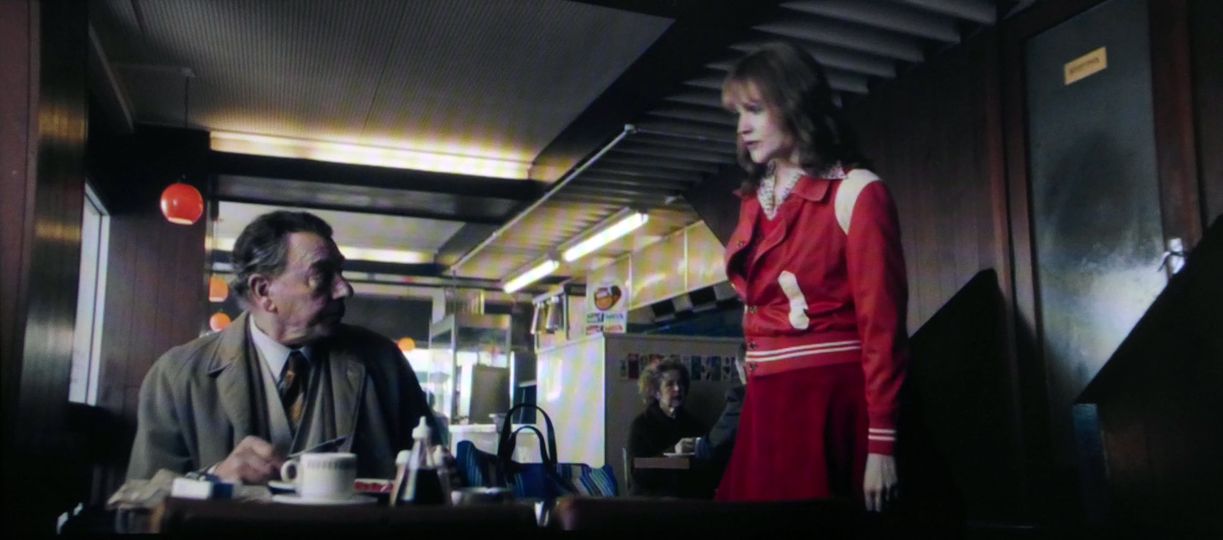
Maxine Peake was a recent visitor – filming a sequence for the film Funny Cow, along with Alun Armstrong.

I pop in every time I hit town – often whilst hosting a Modernist Mooch.

So here they are my own observations, brews and grub from the last few years.

Do yourself a favour pop in, if and when you pass, you won’t be disappointed.

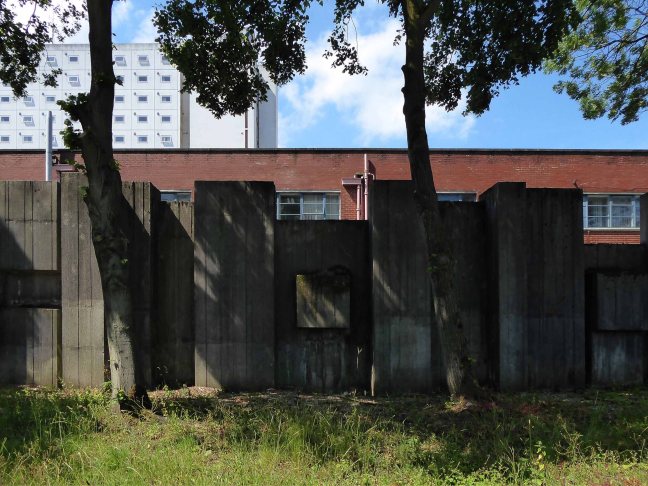
Holloway Wall – 2020

Of course I’ve been here before – and you may have as well.

And I’ve been to Huyton too.

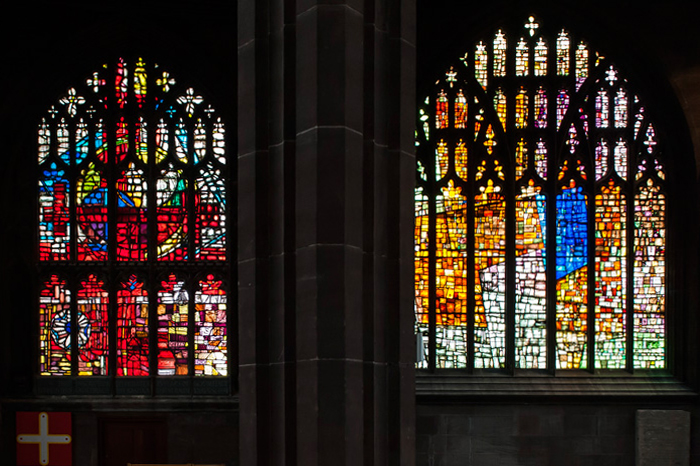
Tony Holloway’s work also illuminates the windows of Manchester Cathedral.

As well as the panels of the Faraday Tower, just the other side of UMIST.

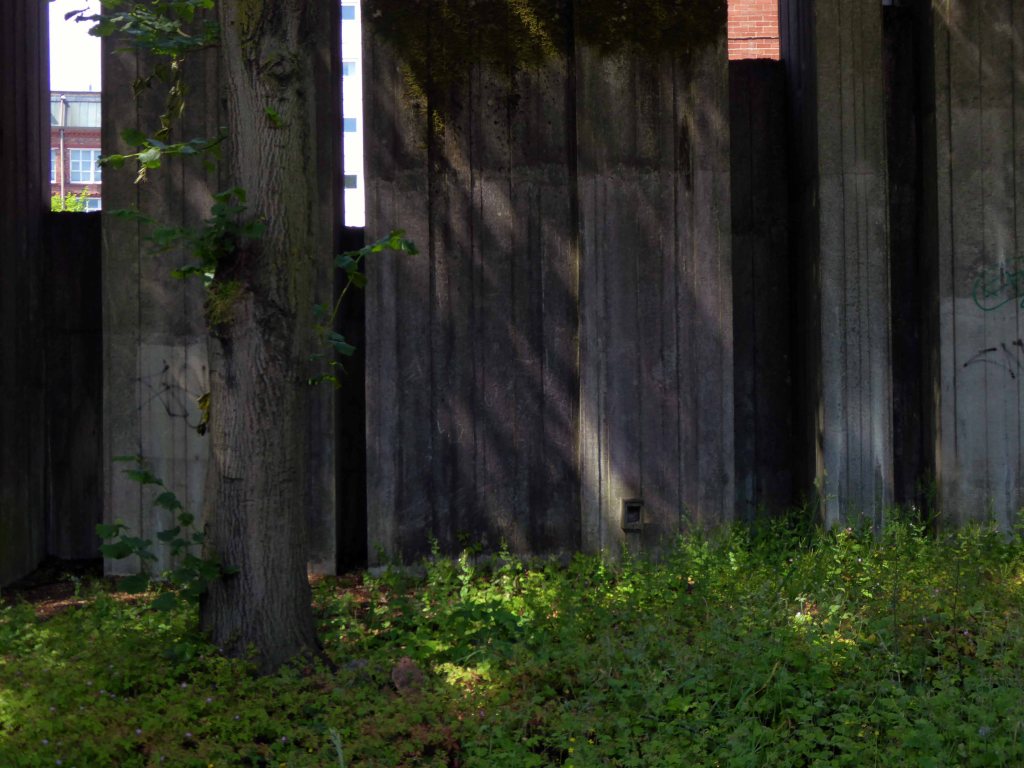
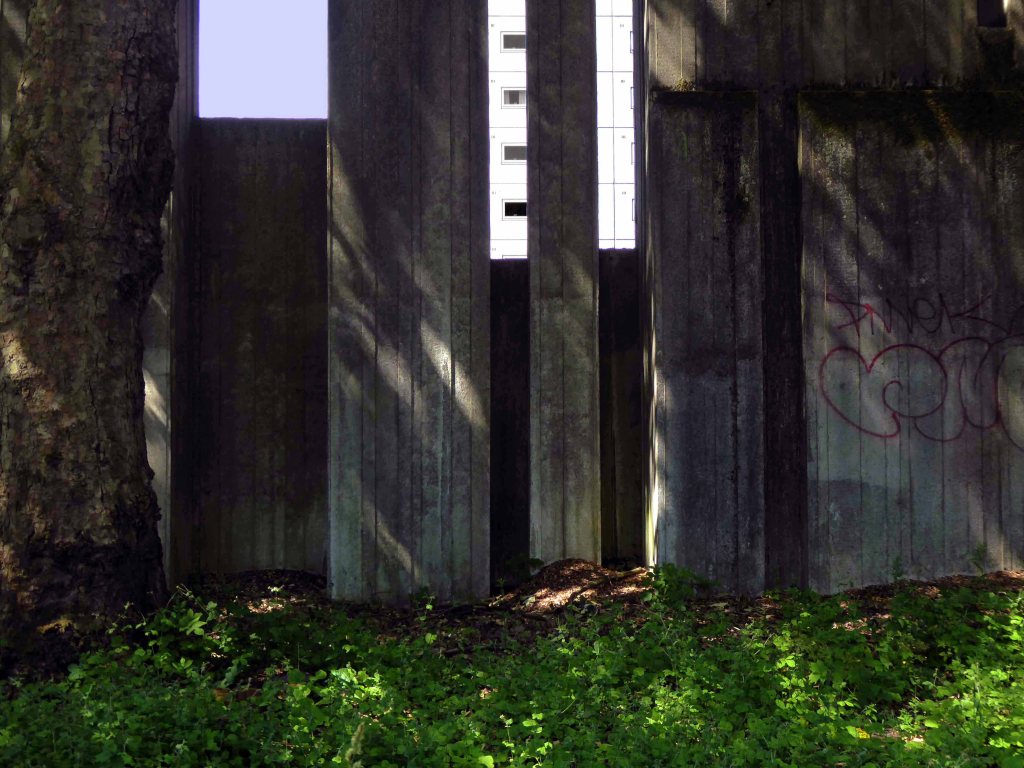
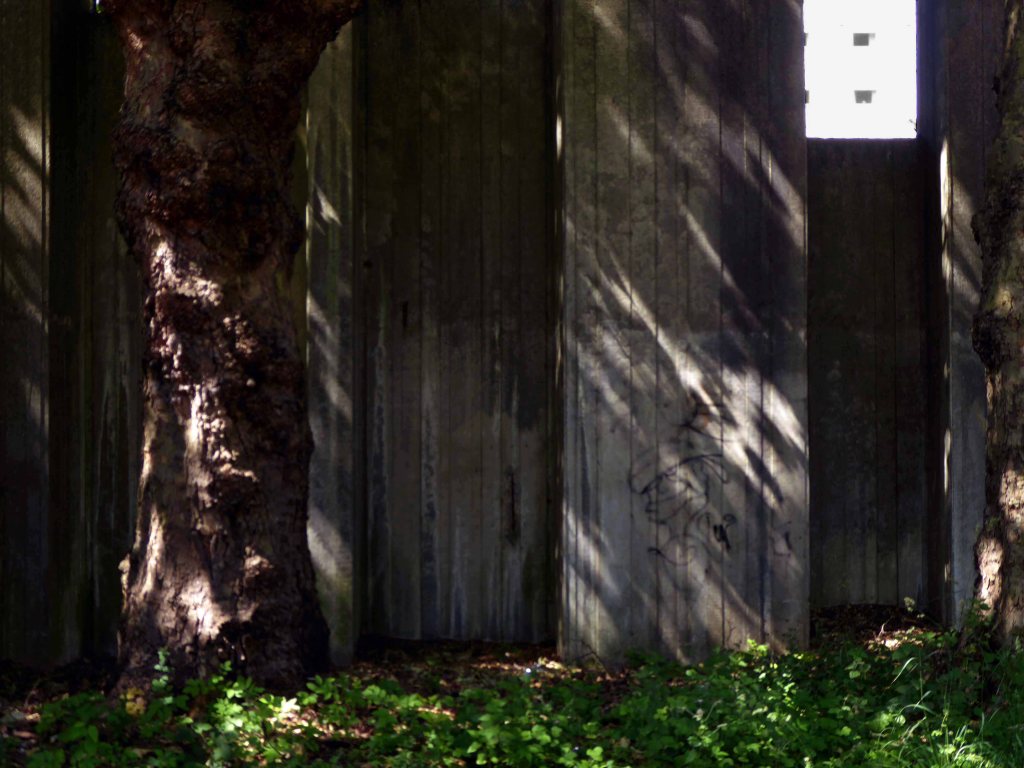
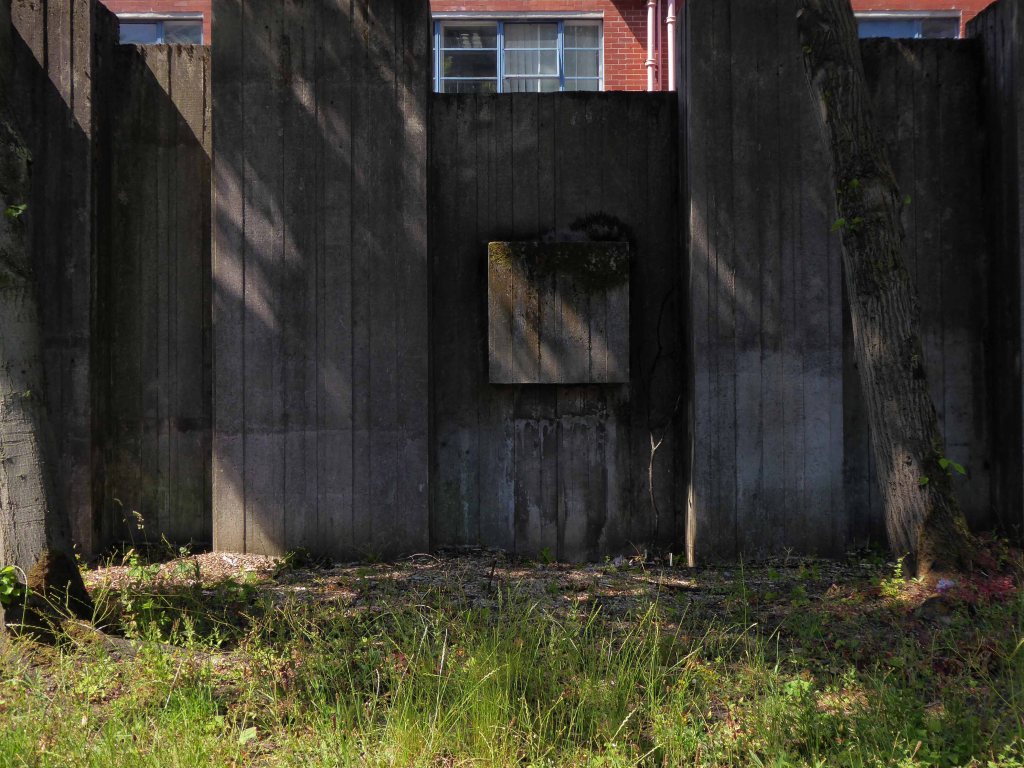
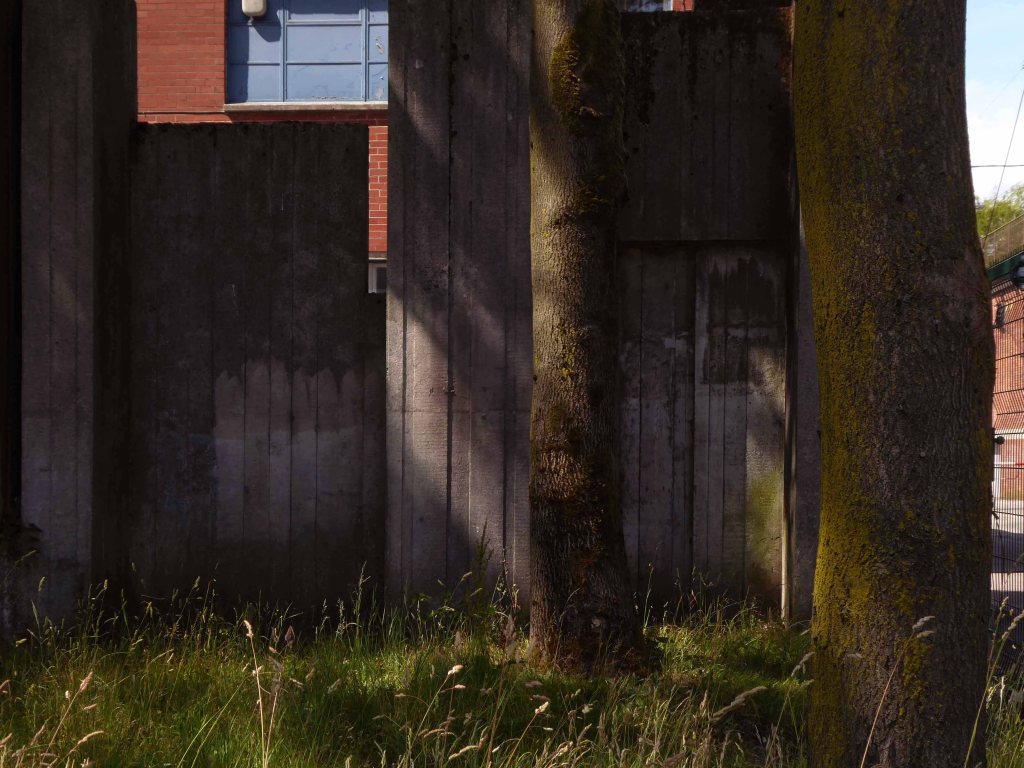
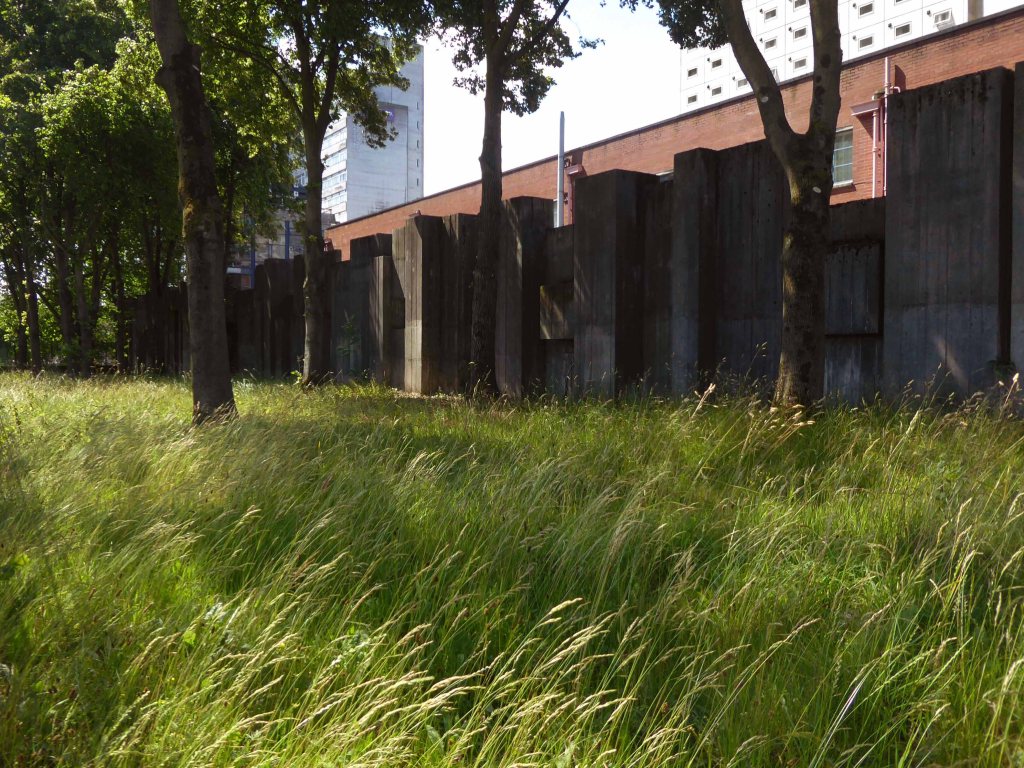
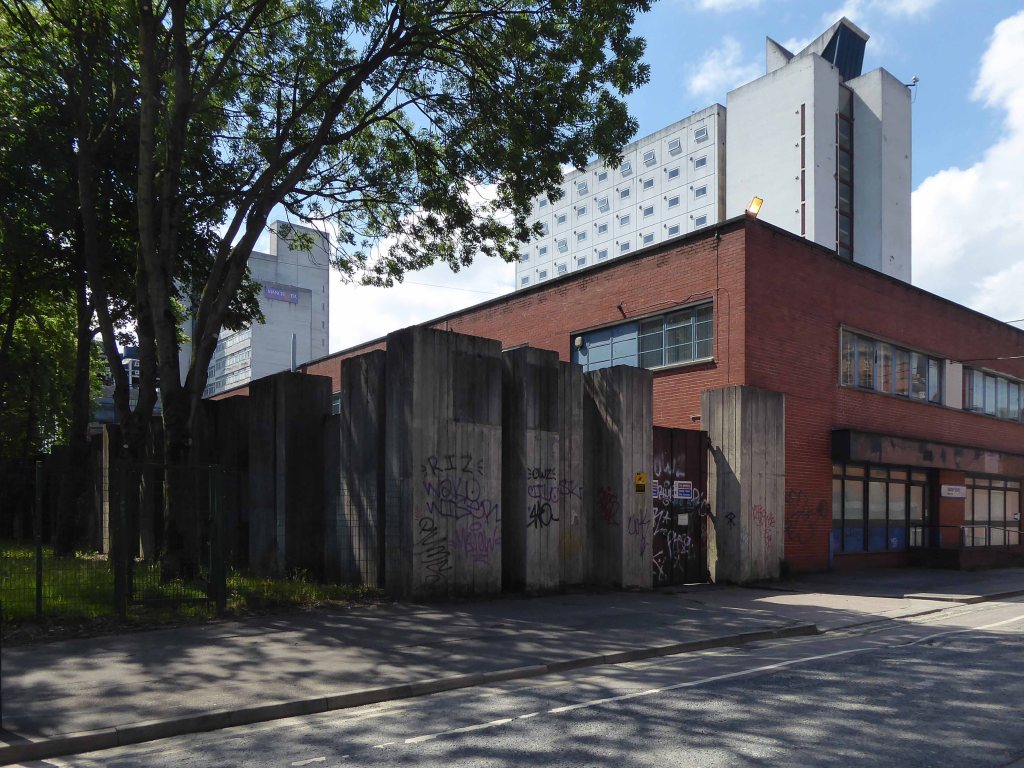
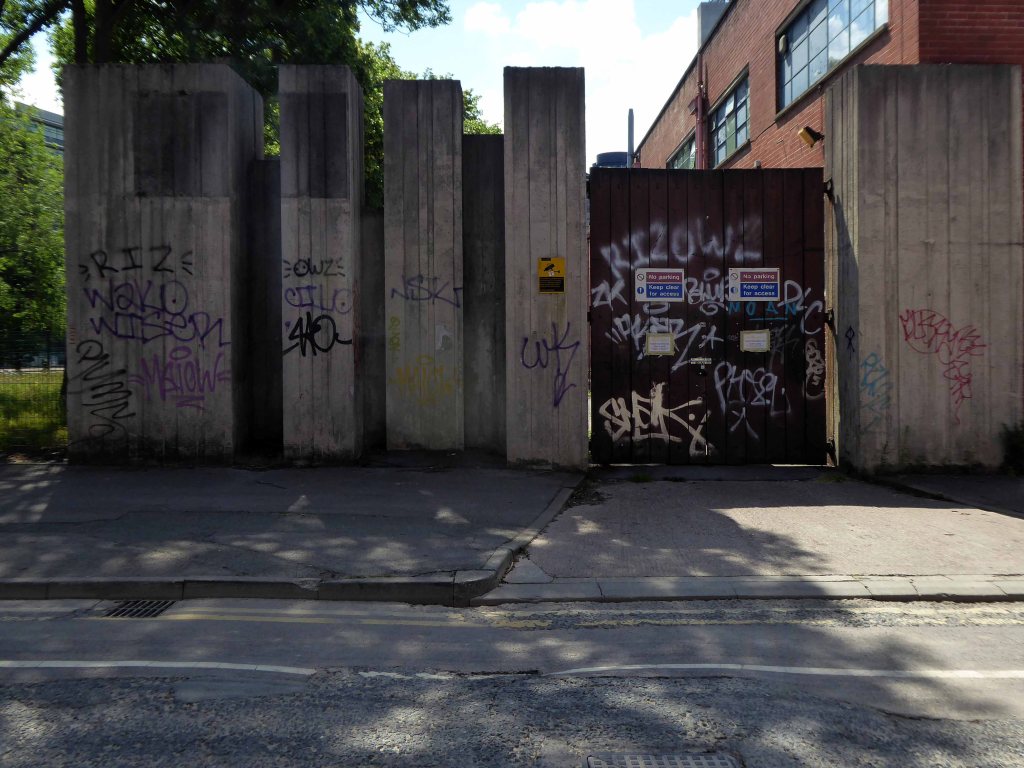
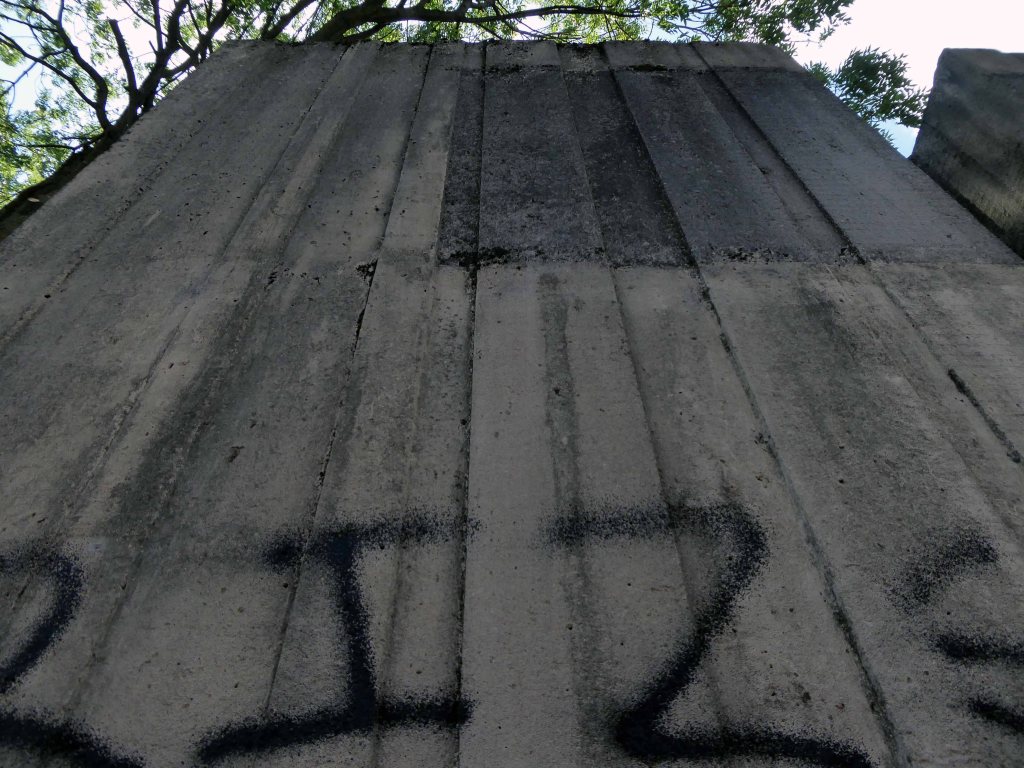
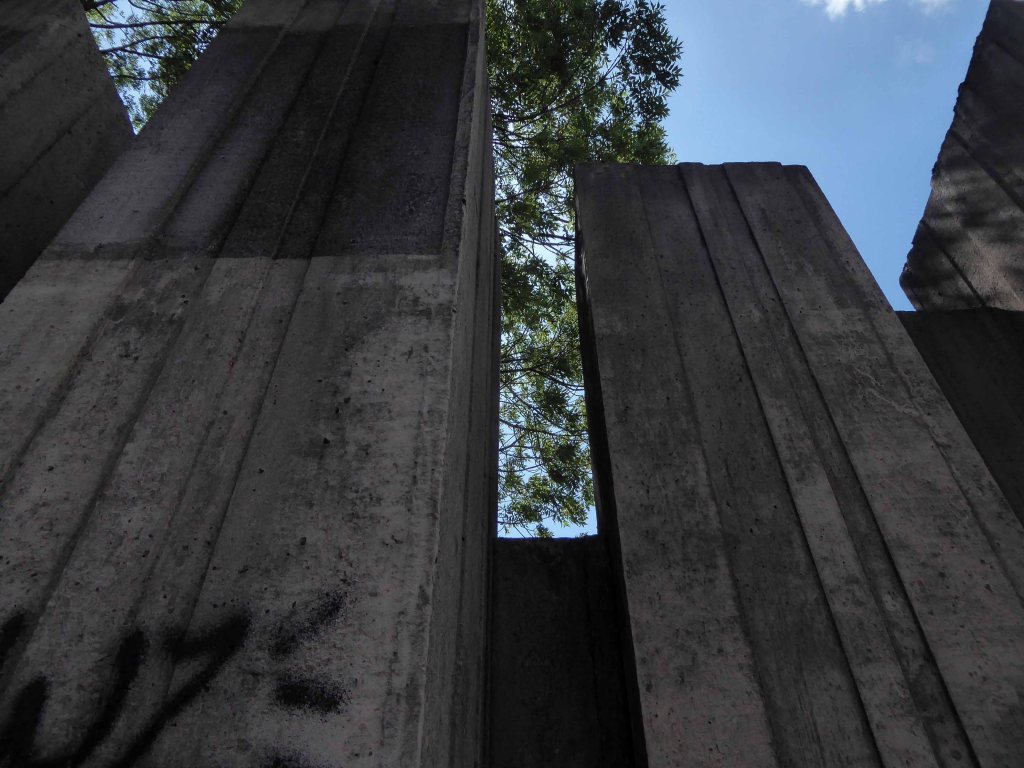
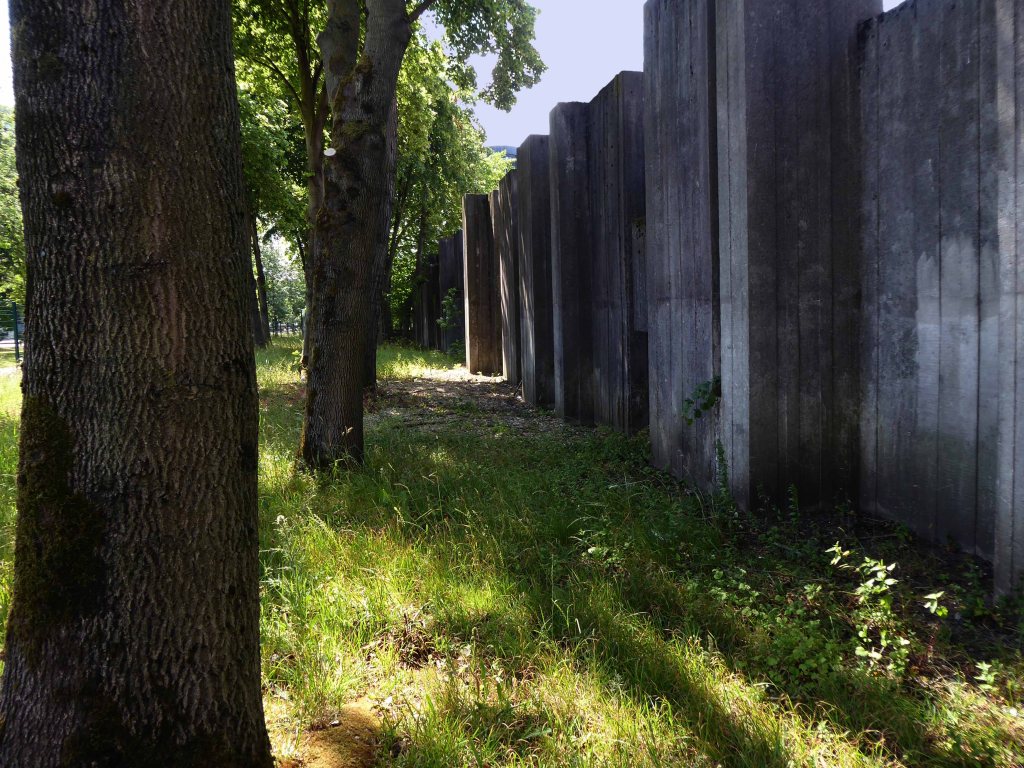
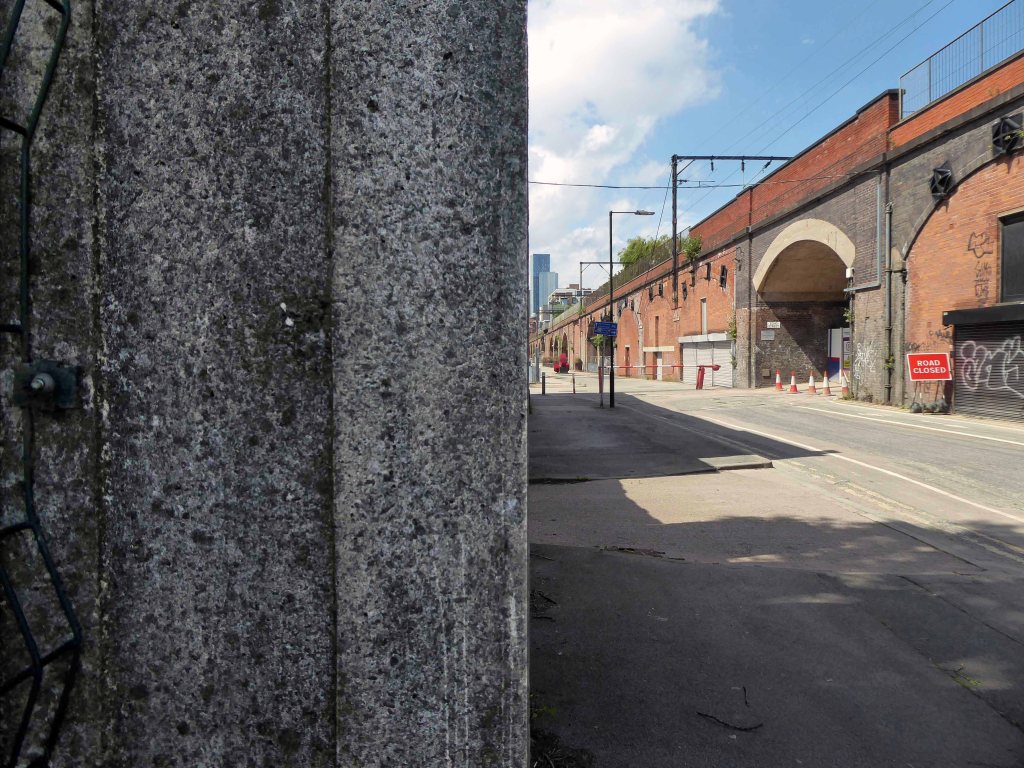
The wall is listed, fenced and obscured by the gradual incursion of assorted greenery.

It’s beginning to attract moss, amongst other things – just not like a rolling stone.

Like nearly everything else, it looks different each time you pass by, more or less light, new tags and signs – so here it is as of Saturday 13th June 2020.

Locked in during the lockdown.

Abbey Walk Car Park – Grimsby

I was in town, just looking around, just looking for modernity, just looking.

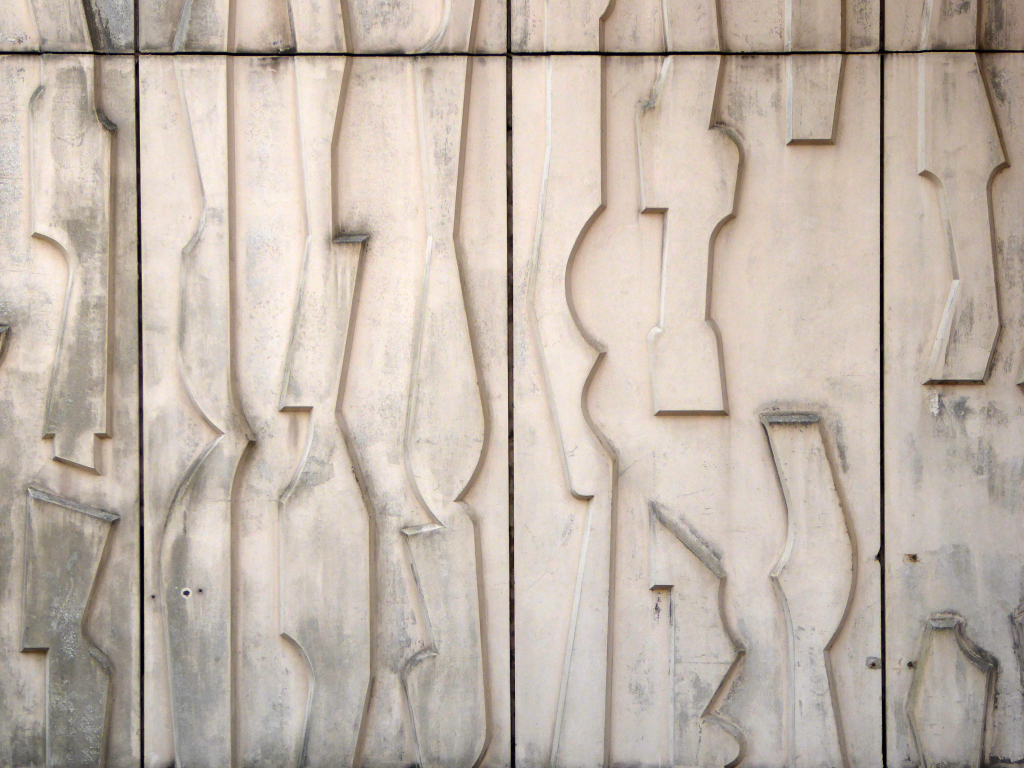
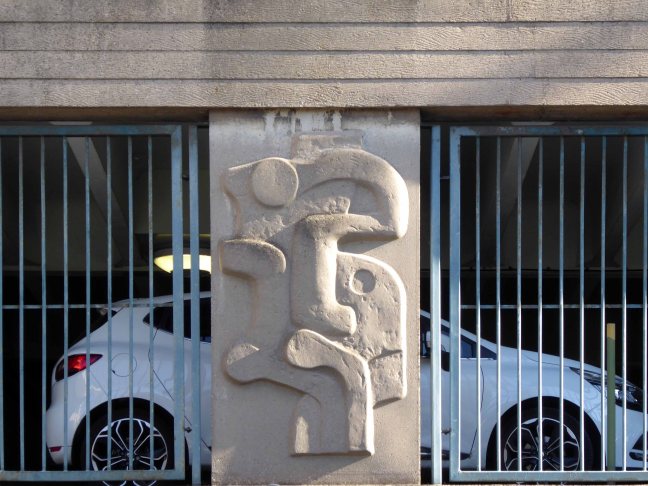
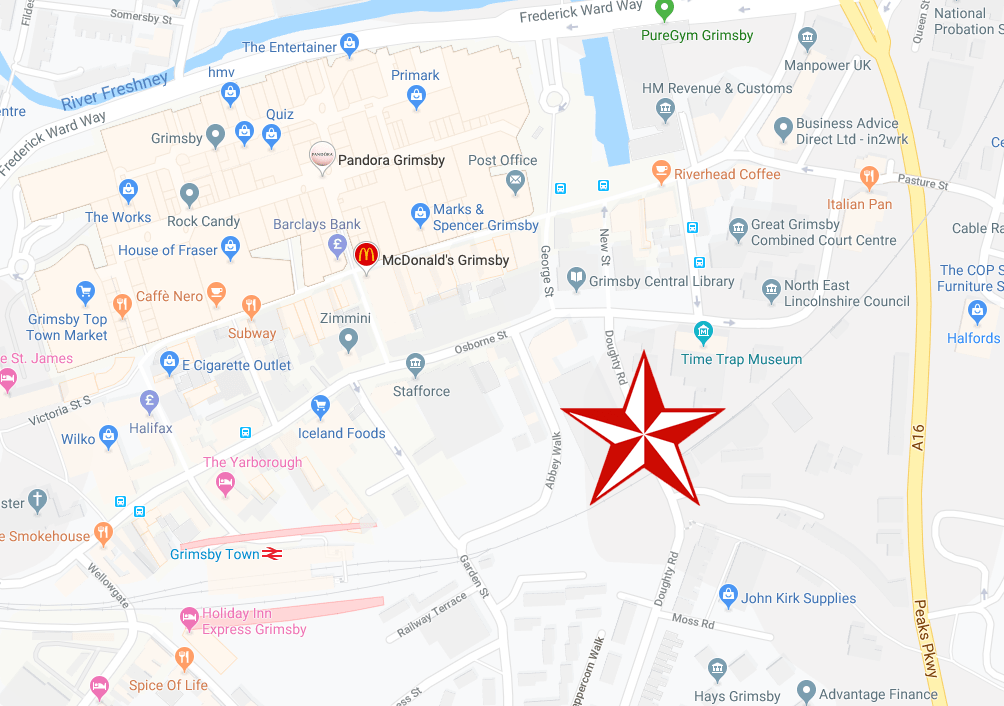
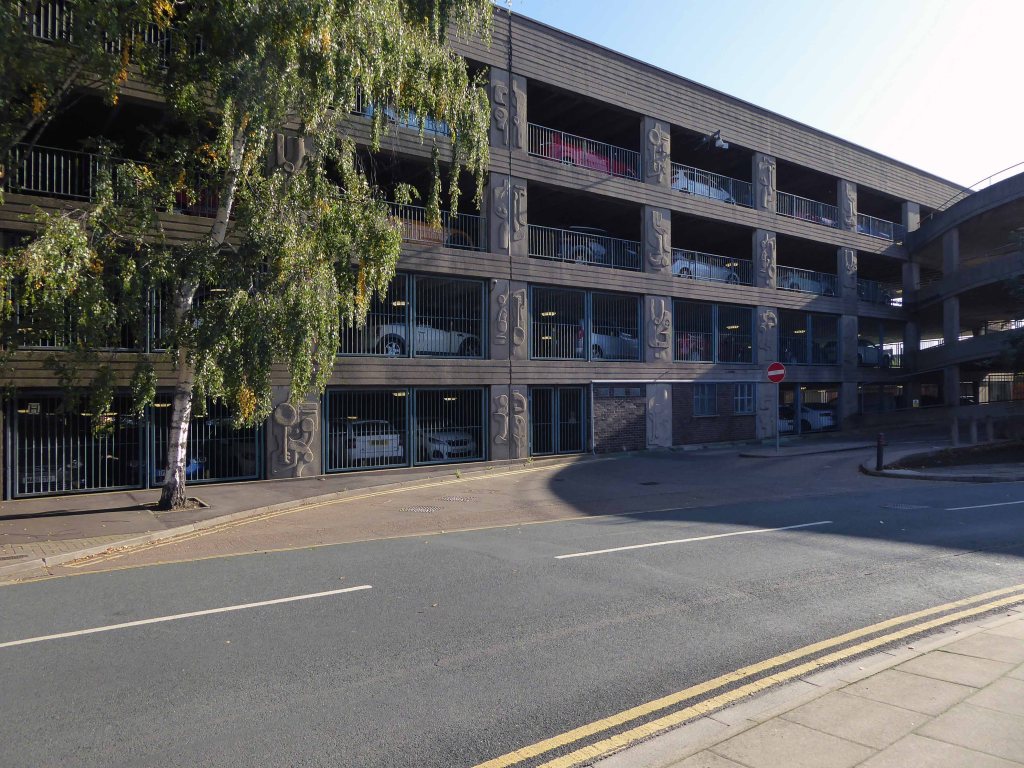
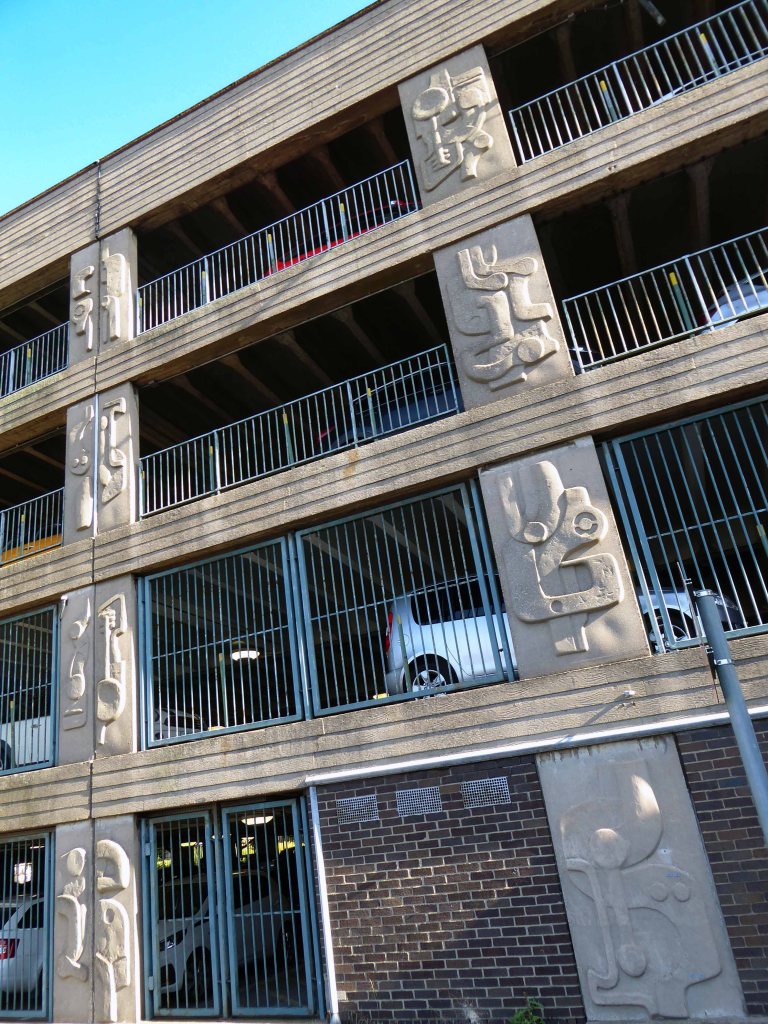
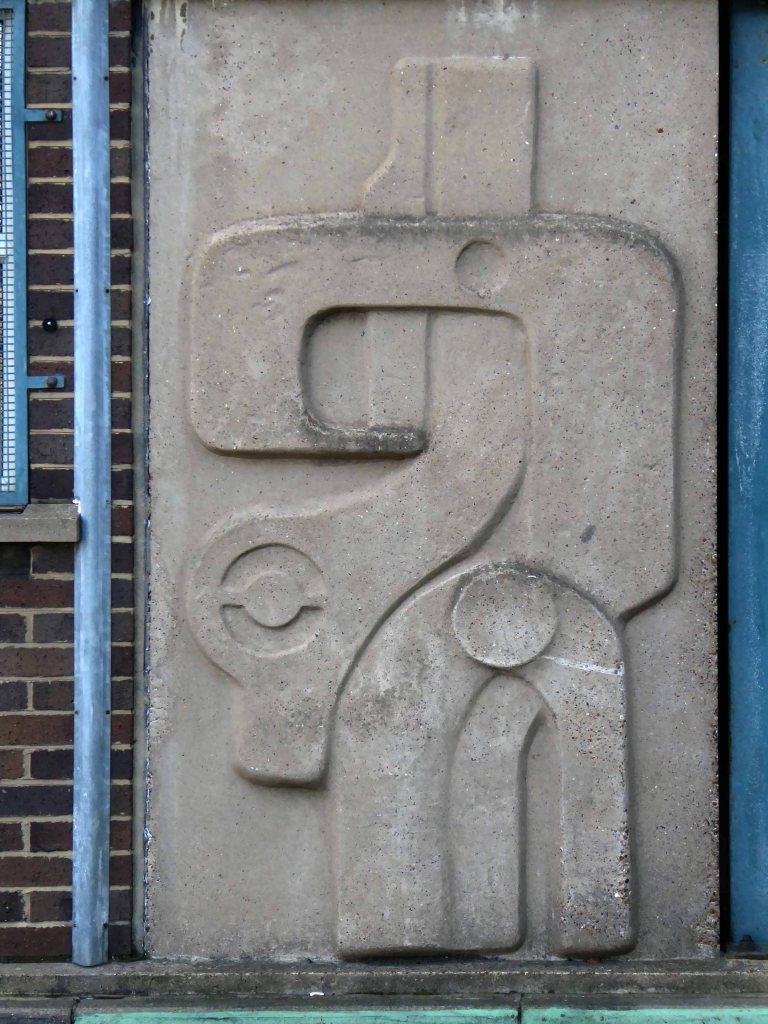
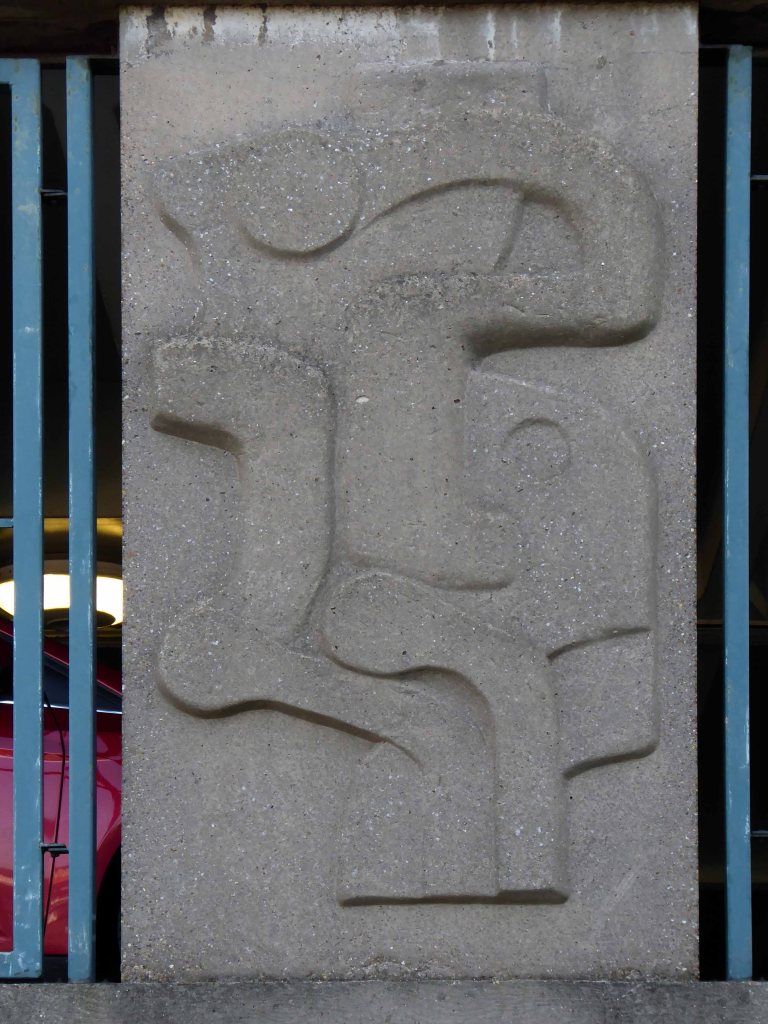
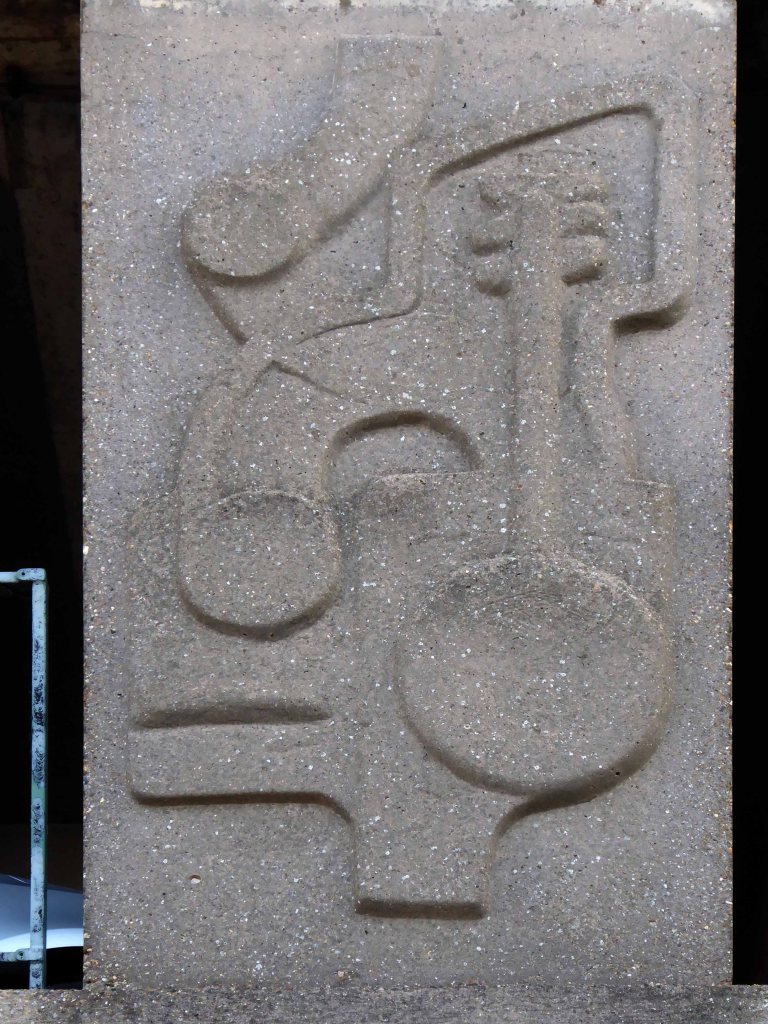
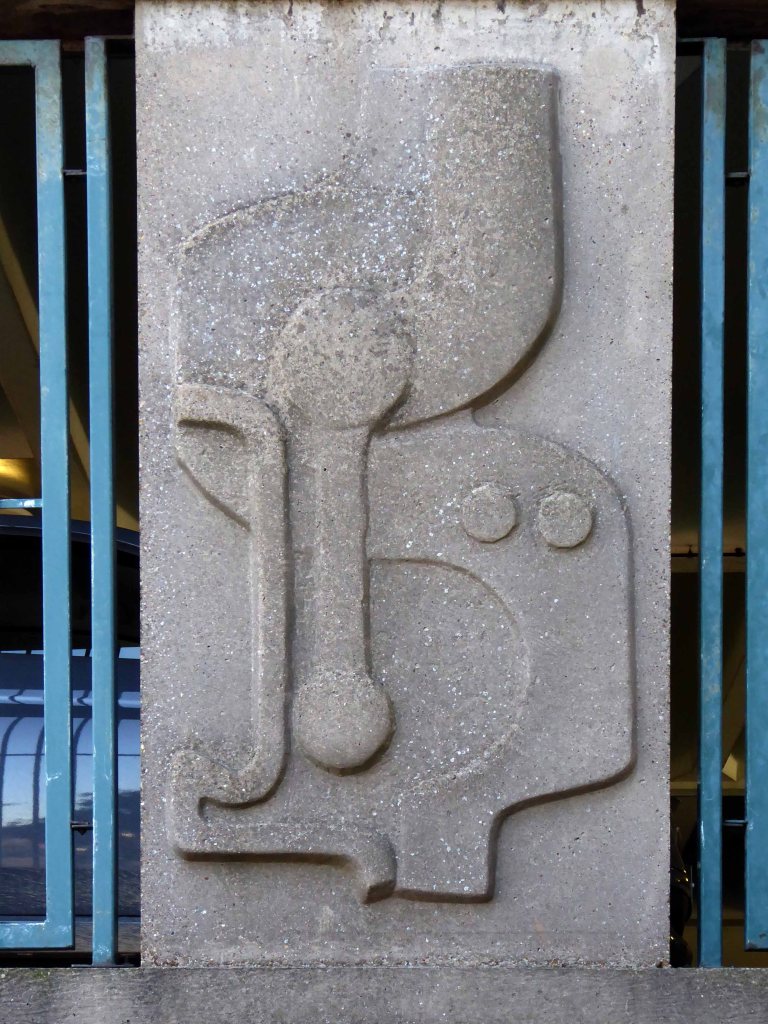
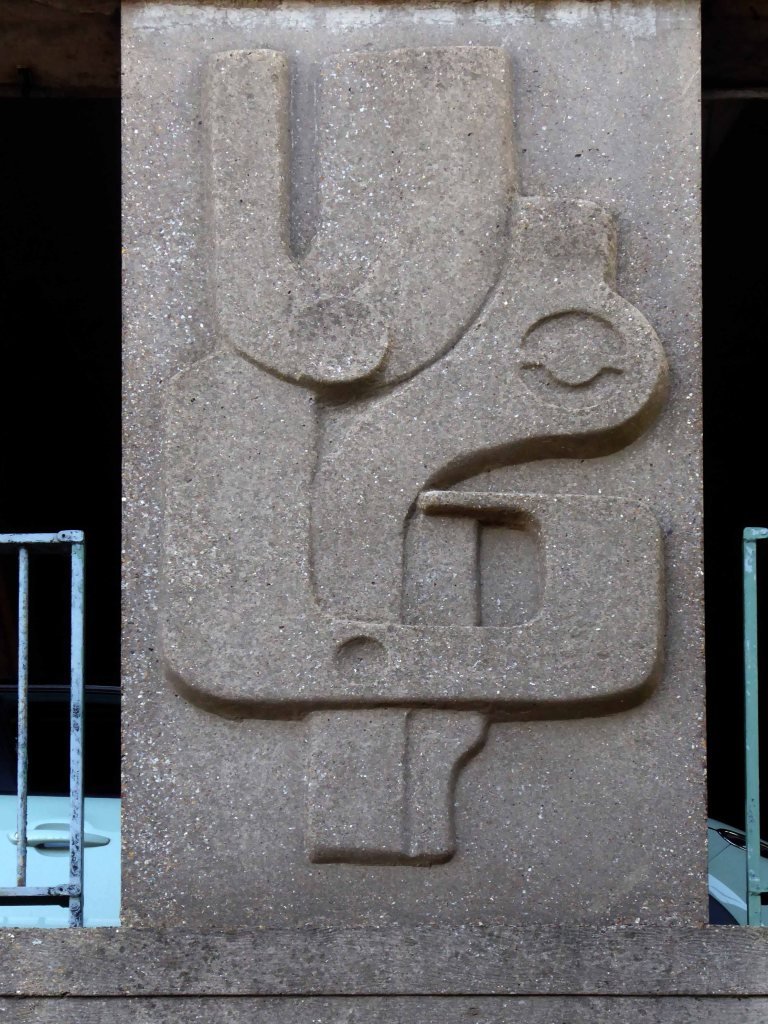
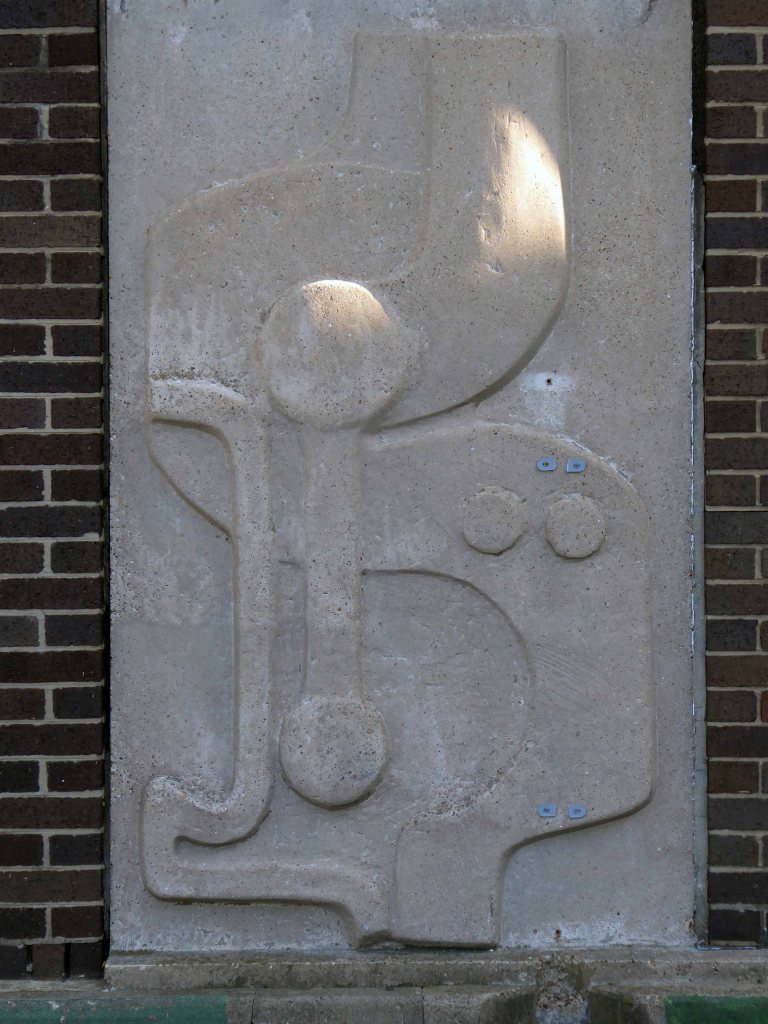
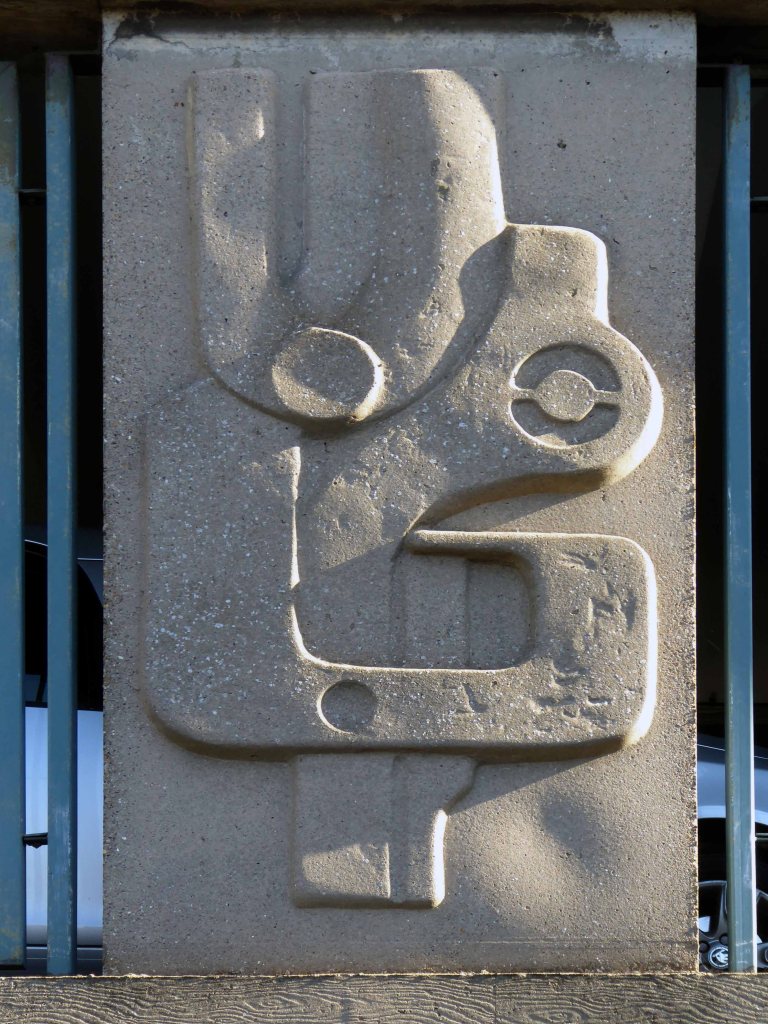
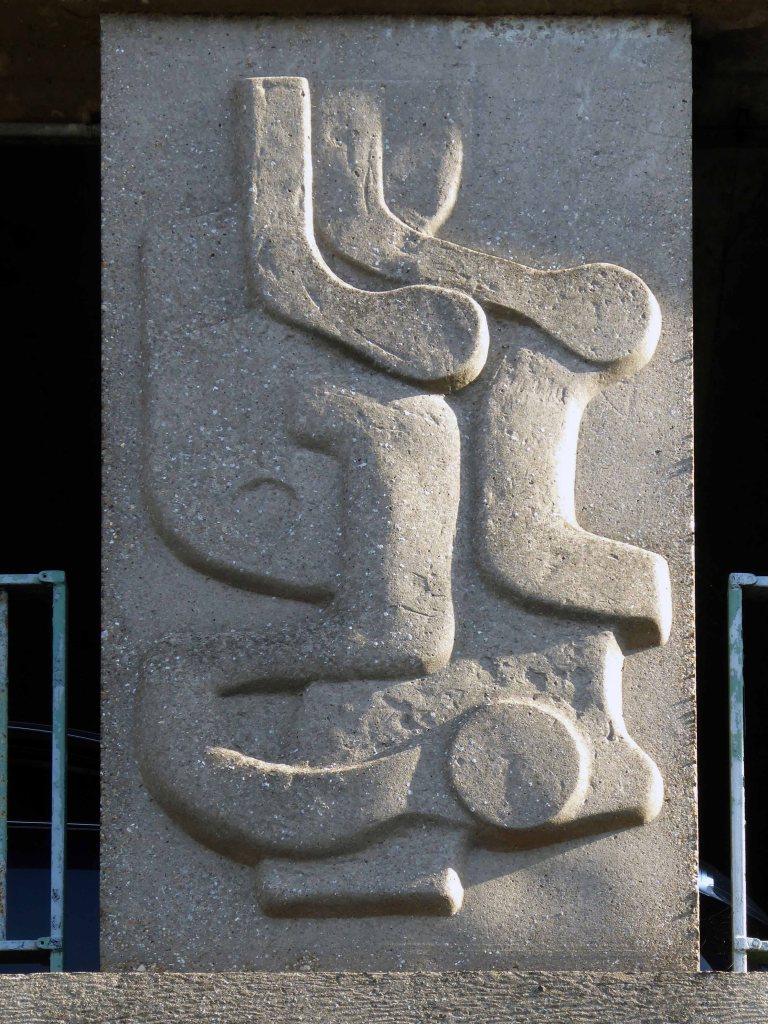
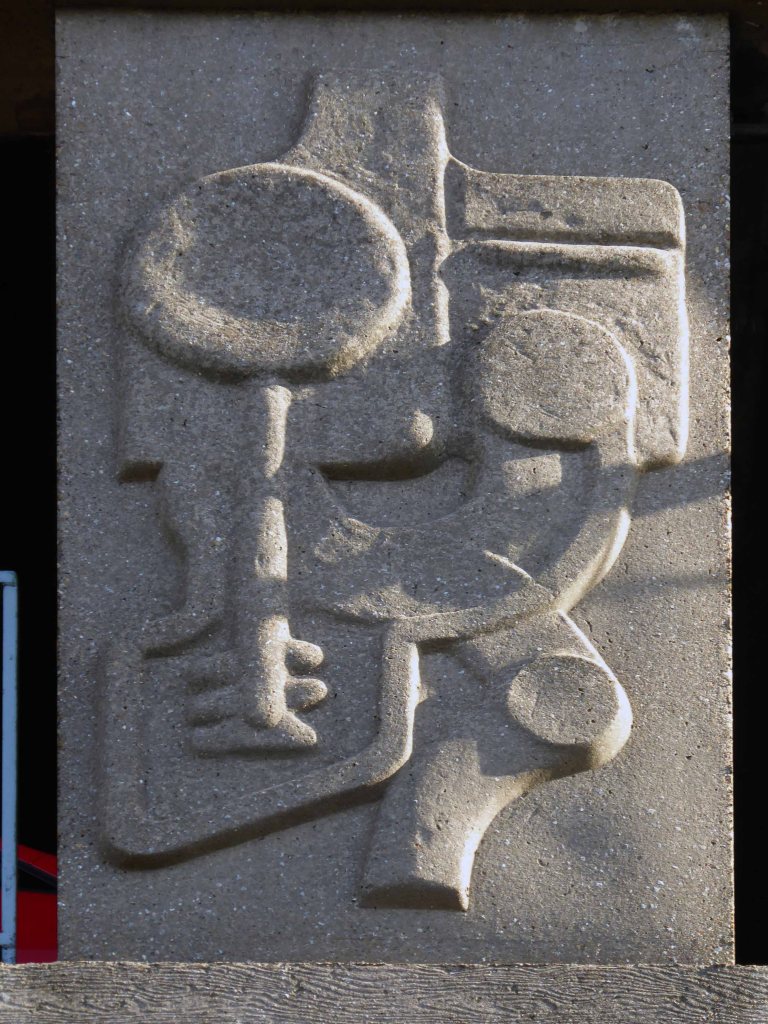
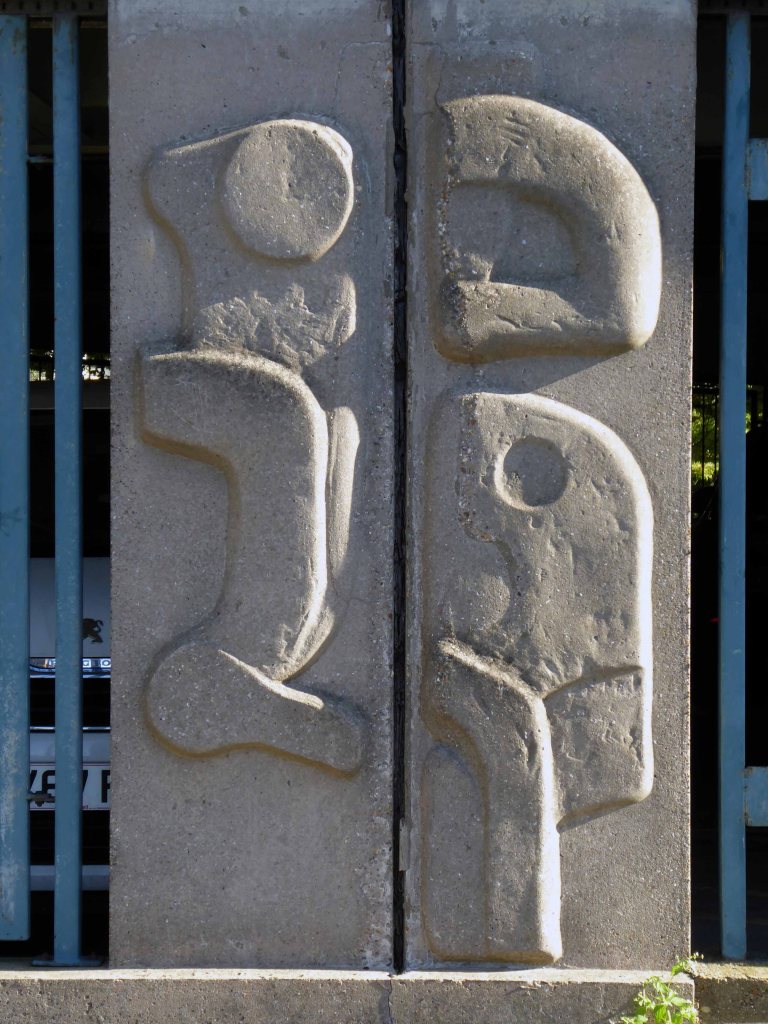
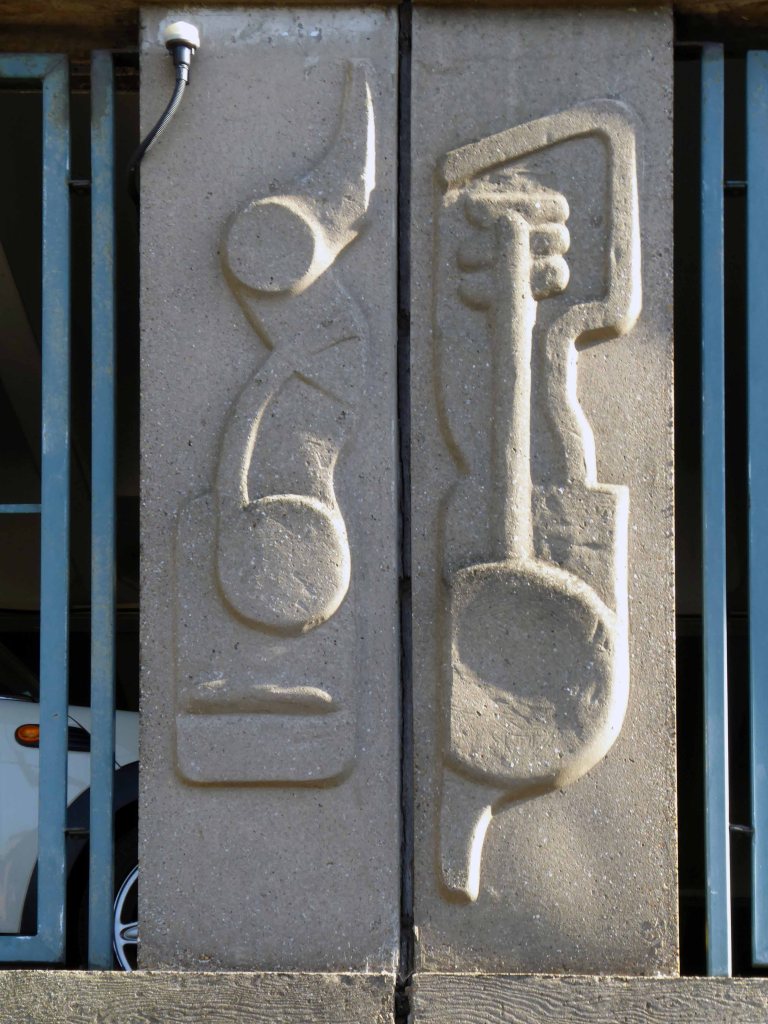
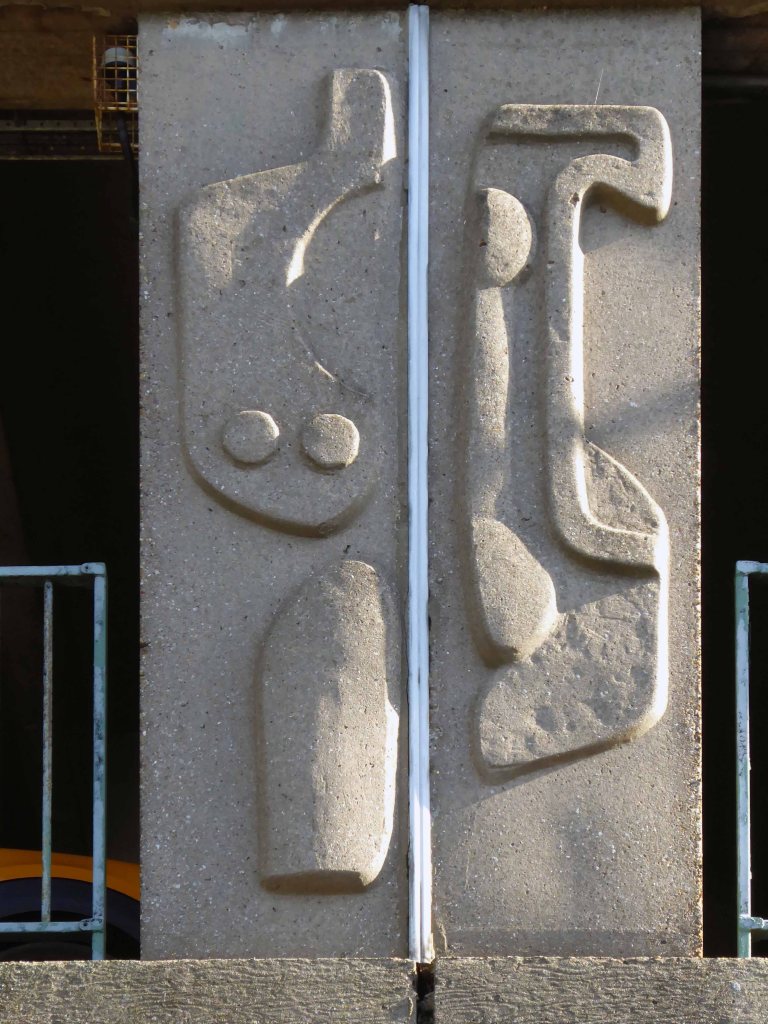
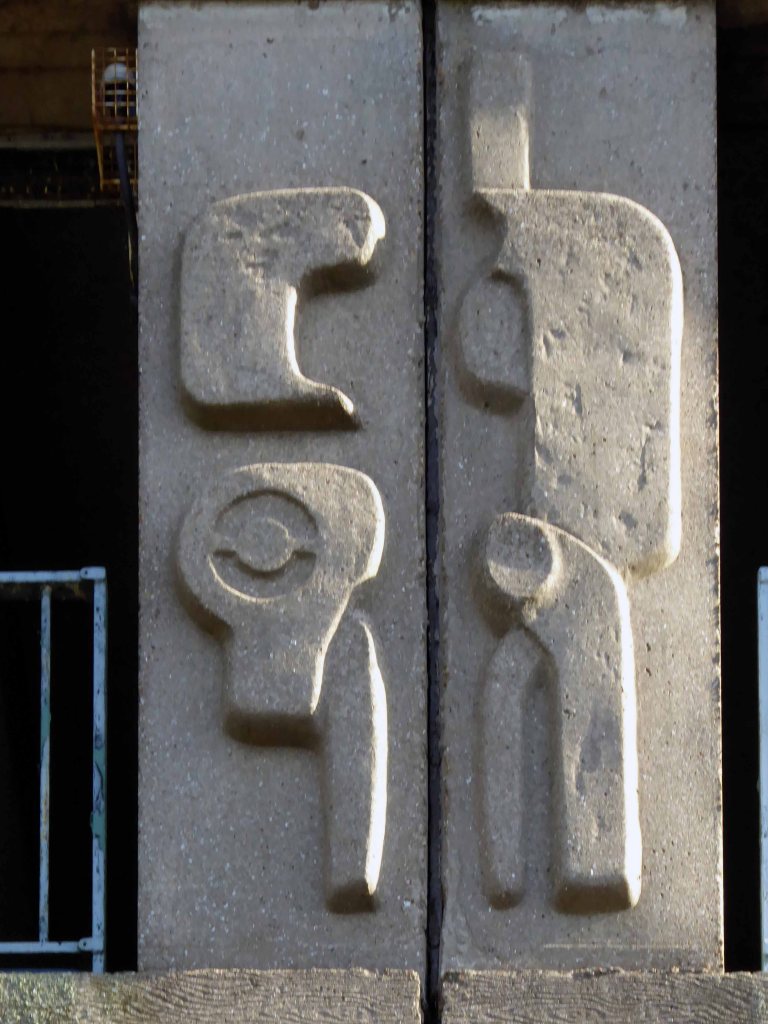
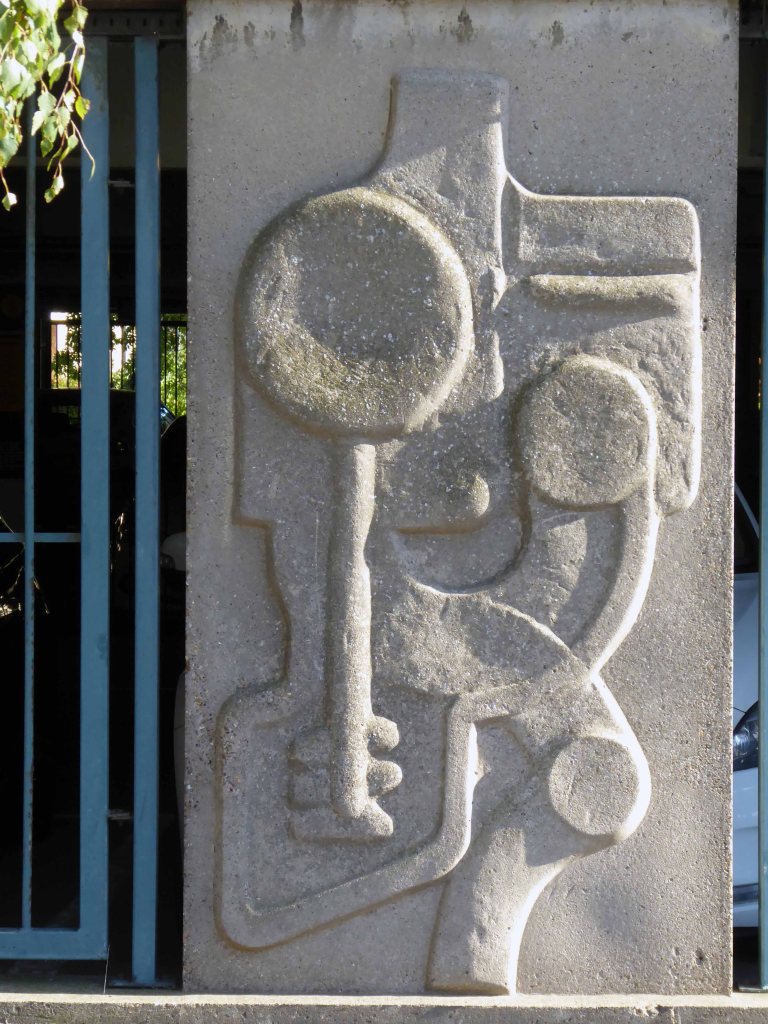
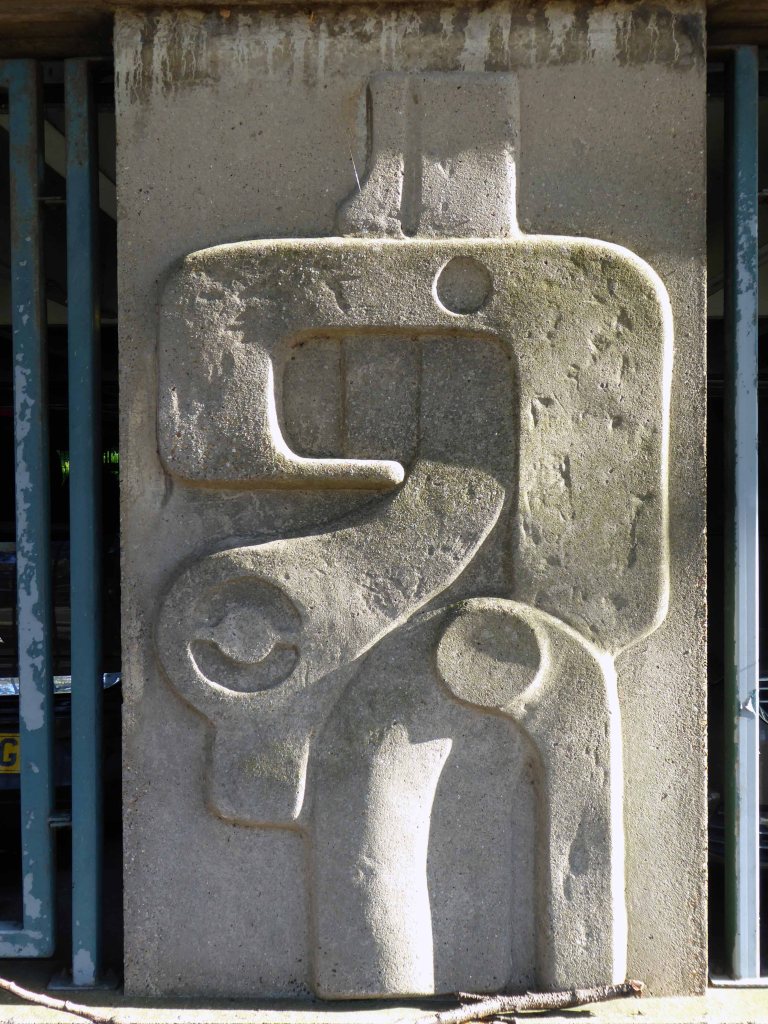
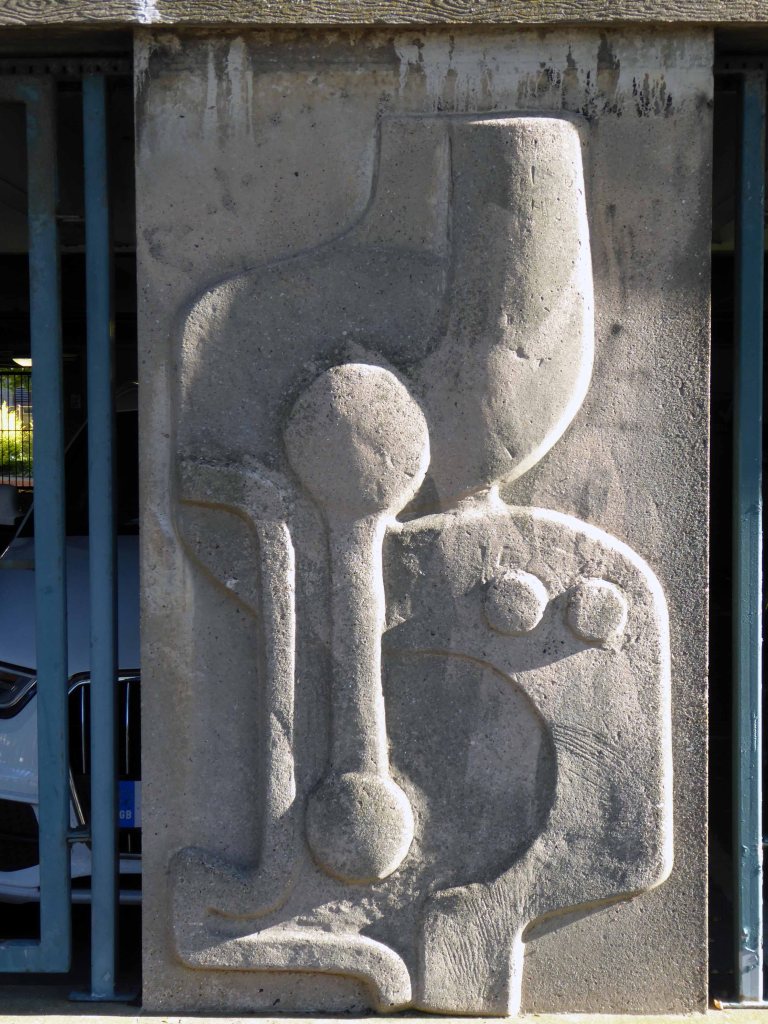
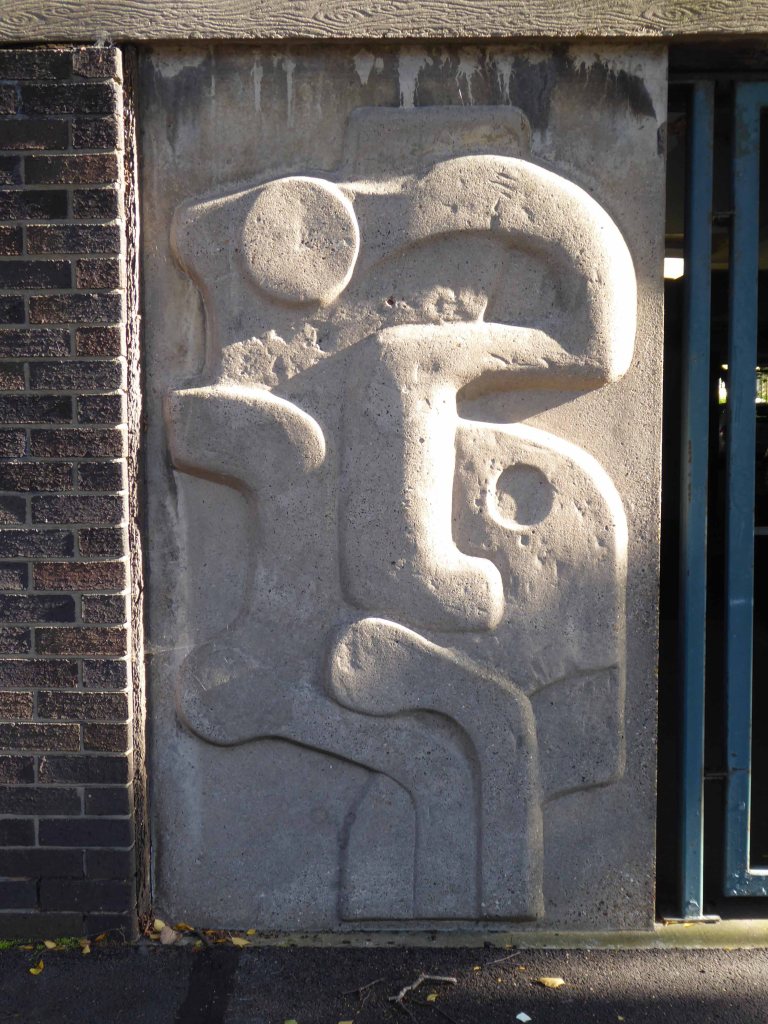
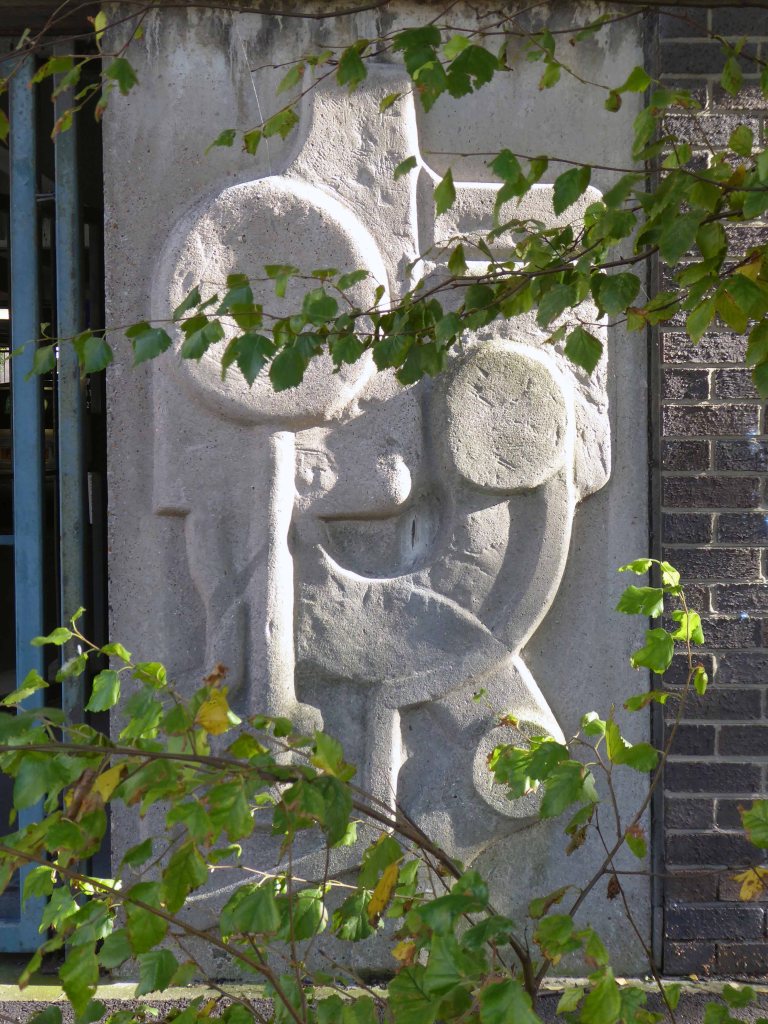
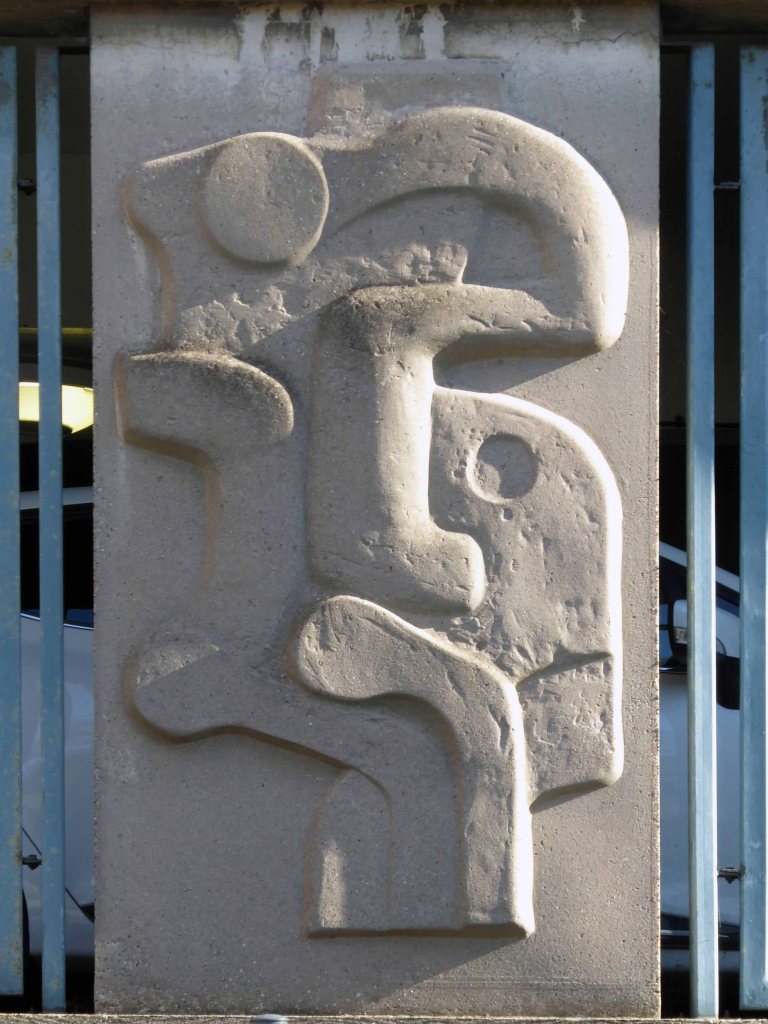
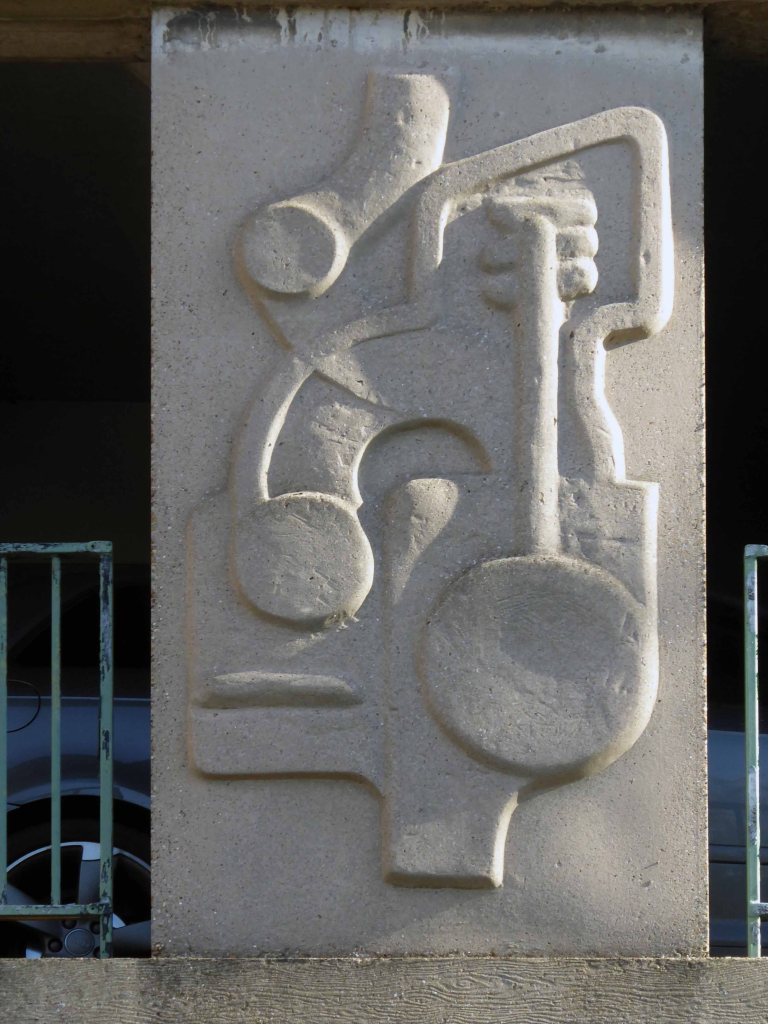
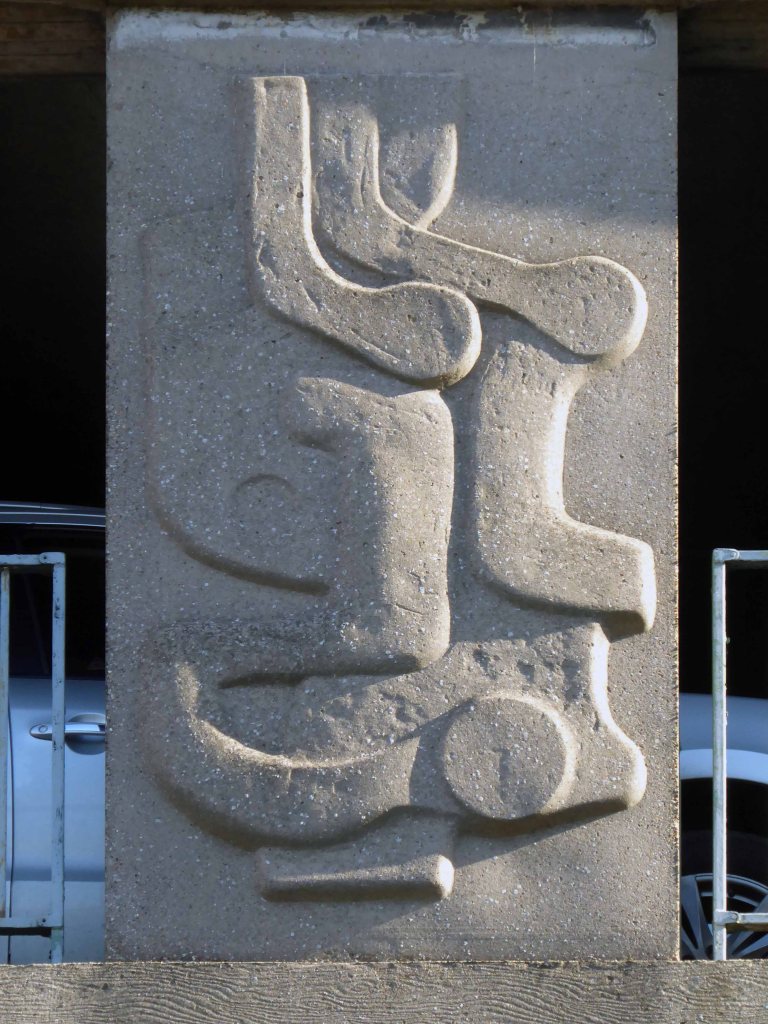
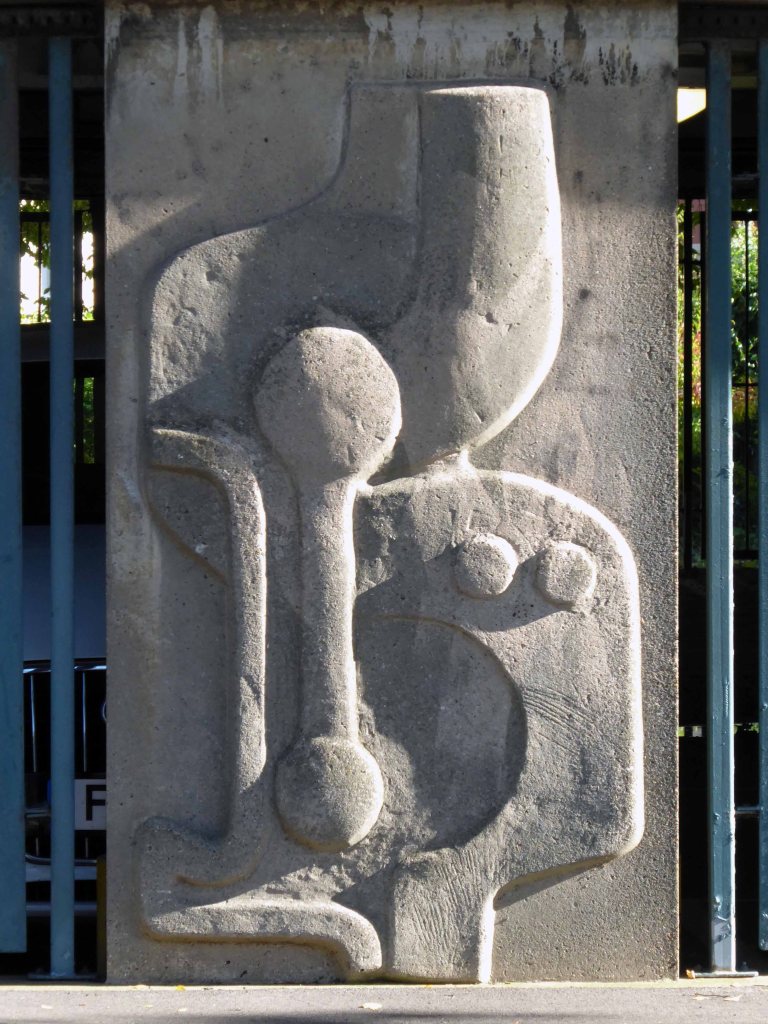
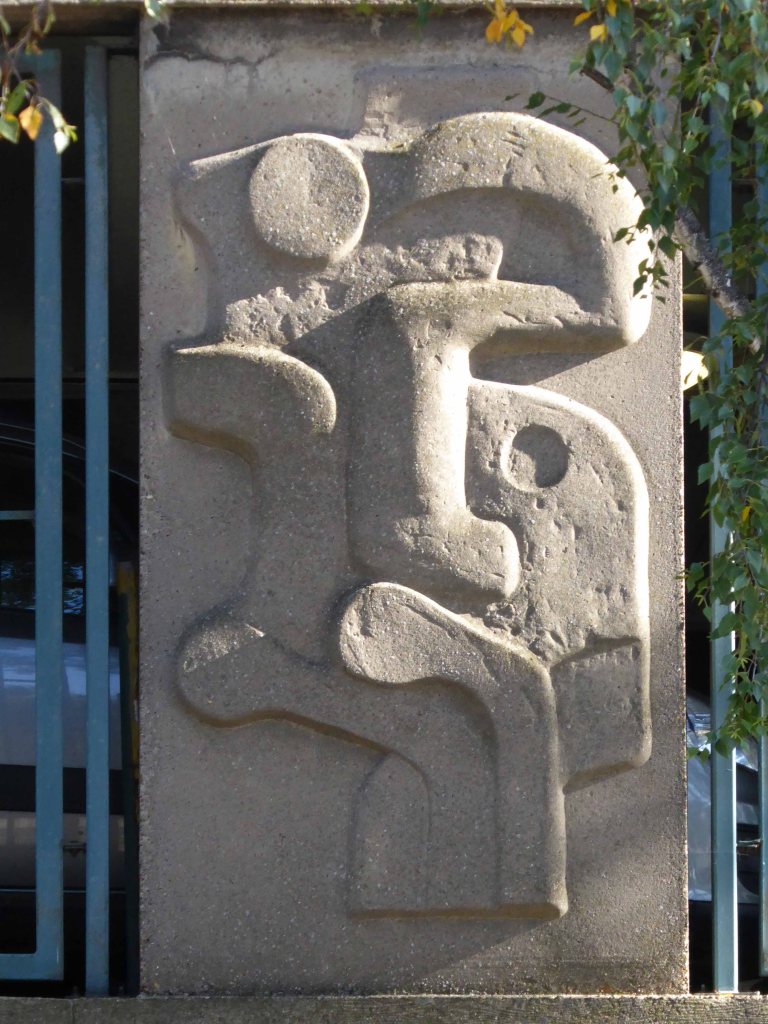
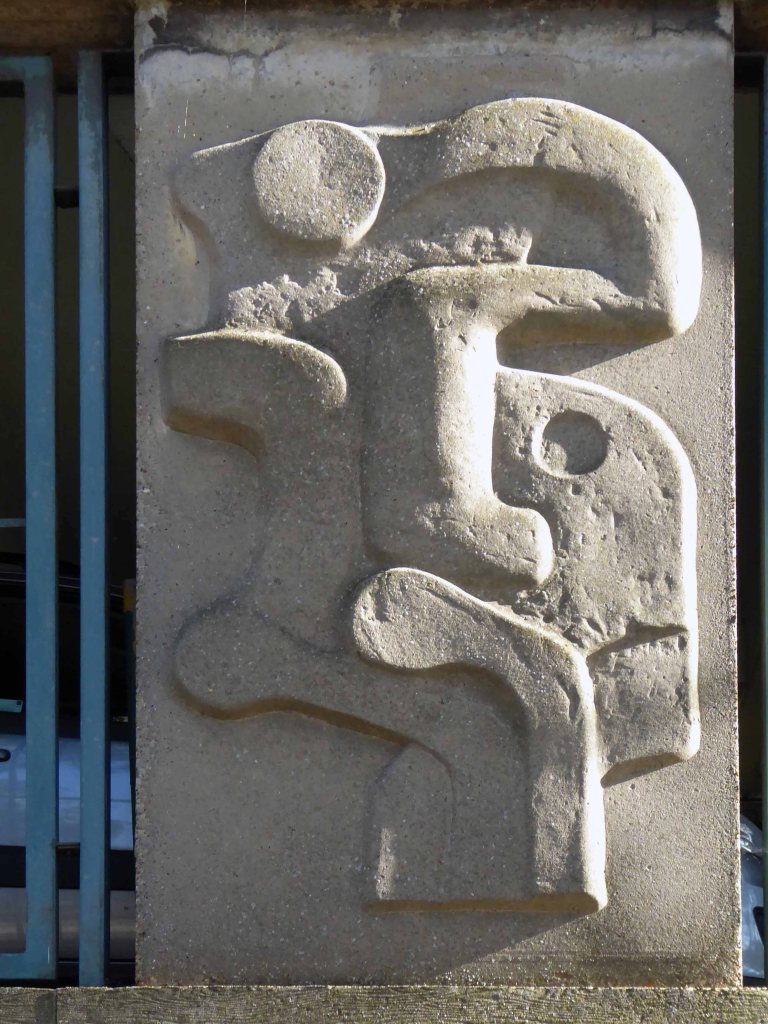
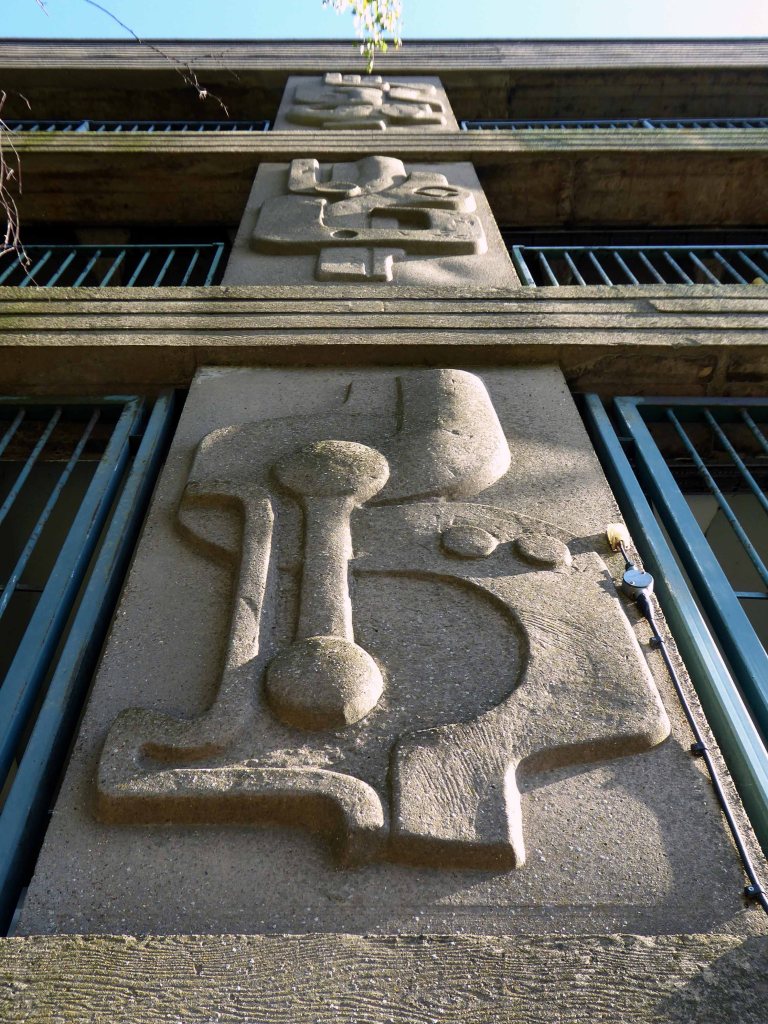
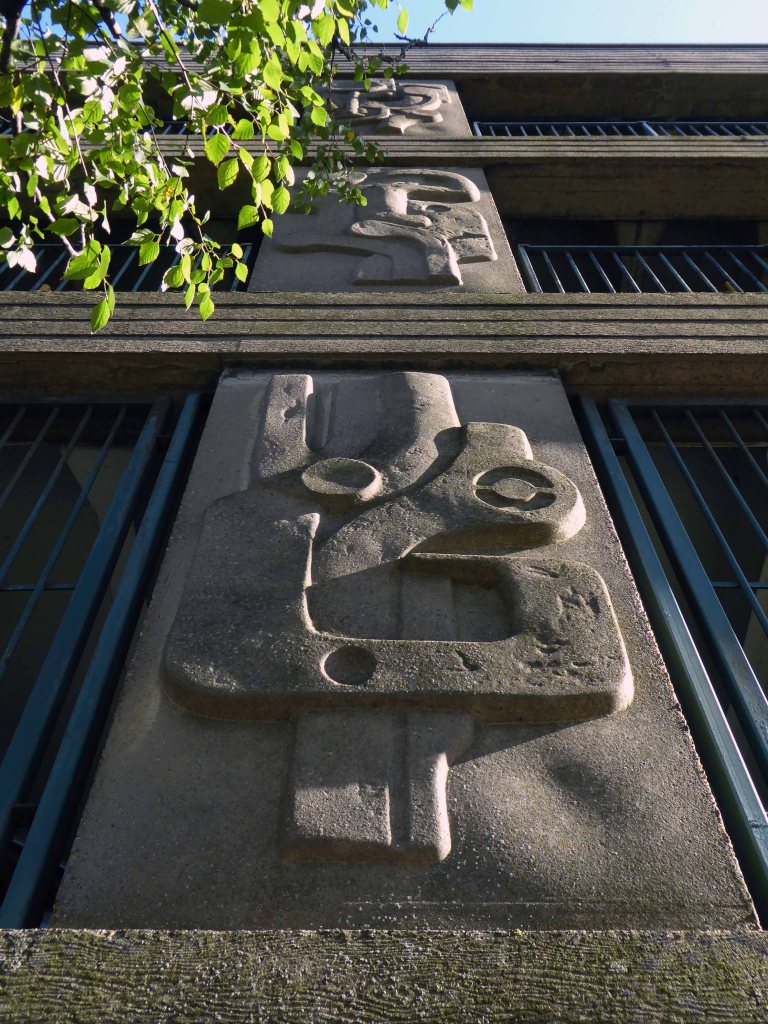
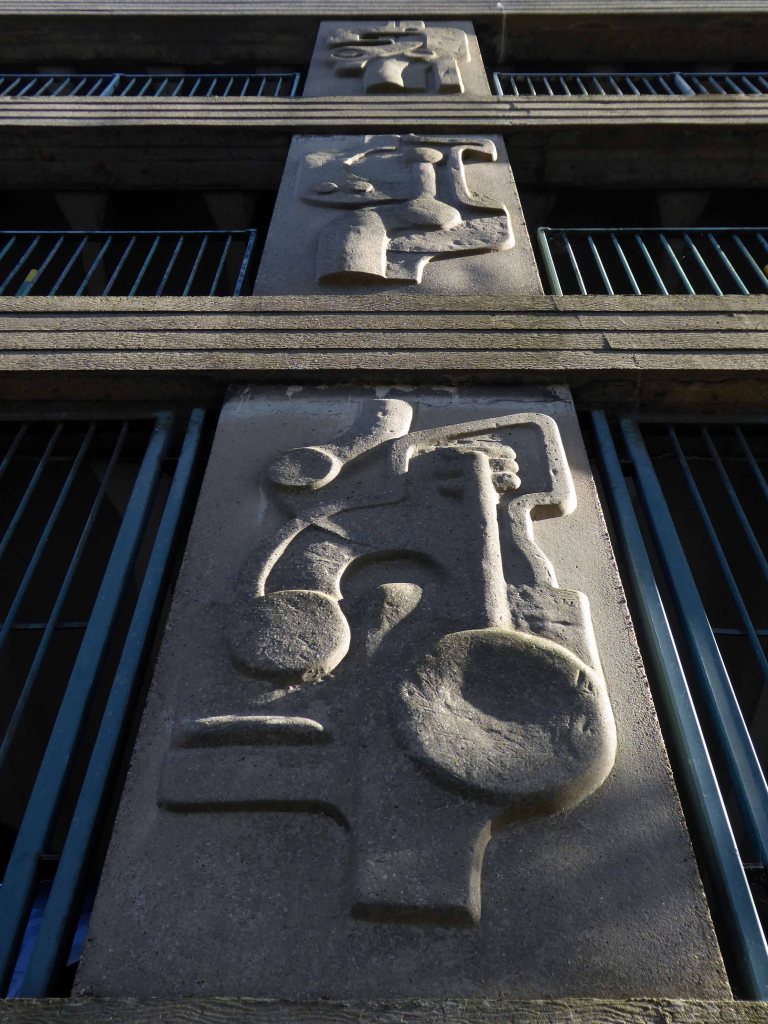
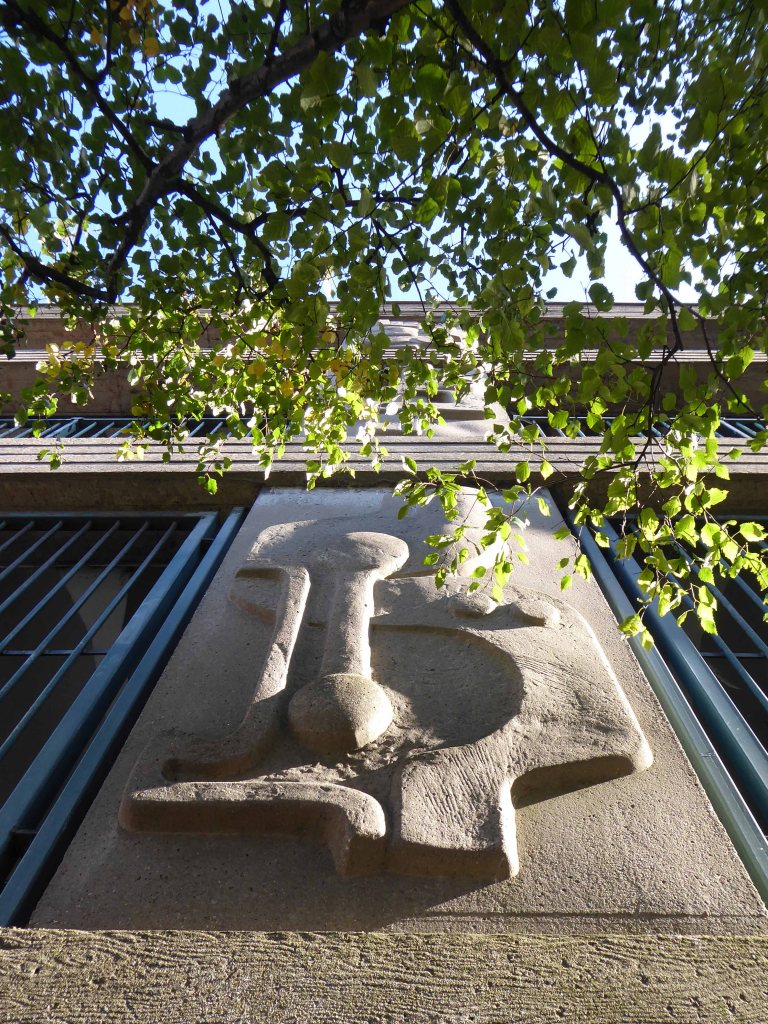
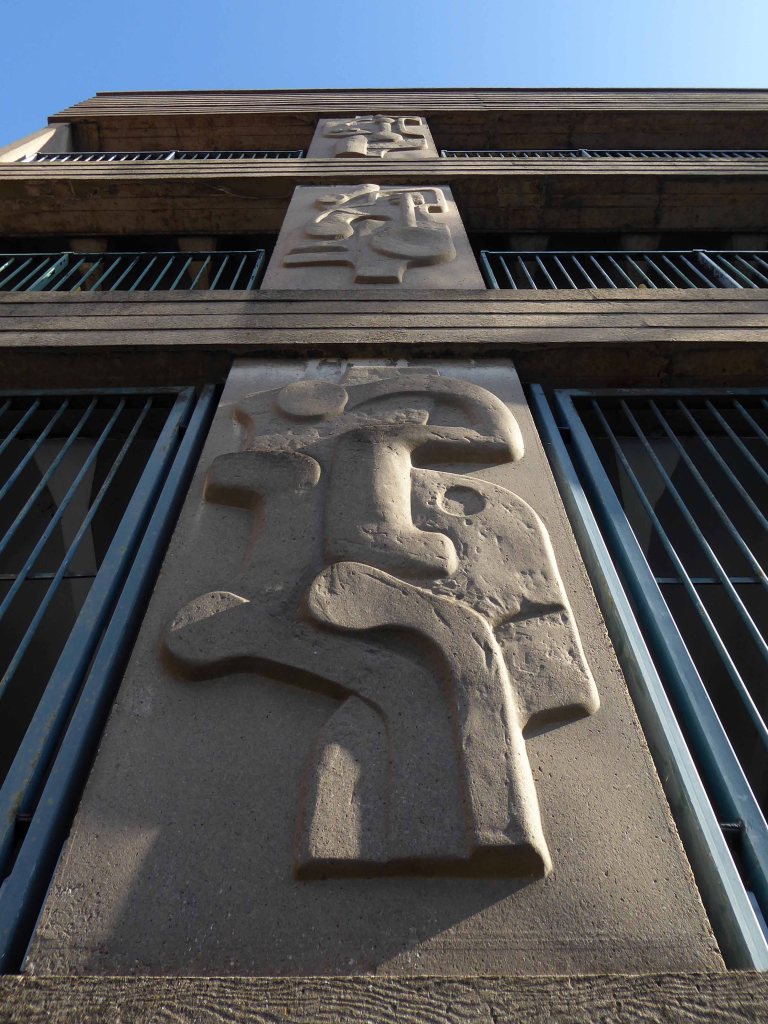
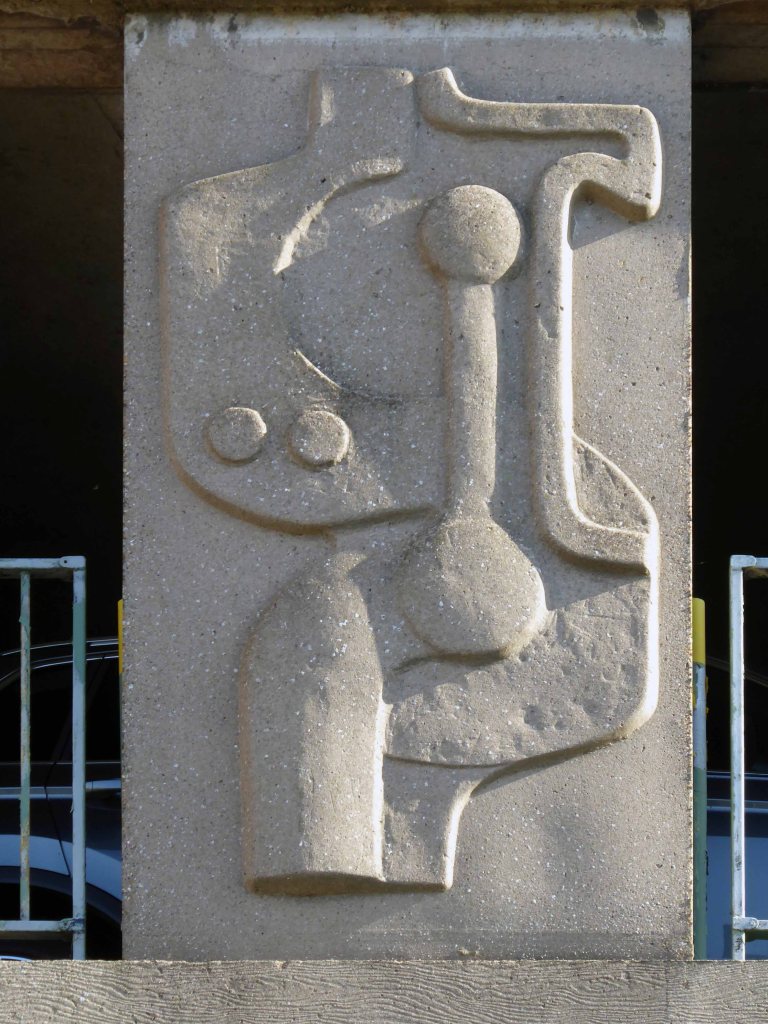
I found you by chance between the railway and the high street, so I took a good look around, fascinated by the concrete sculptural panels on your fascia columns, those facing Abbey Walk.

Research tells me that they the work of Harold Gosney – born in Sheffield, he studied at Grimsby School of Art and London’s Slade School of Fine Art.

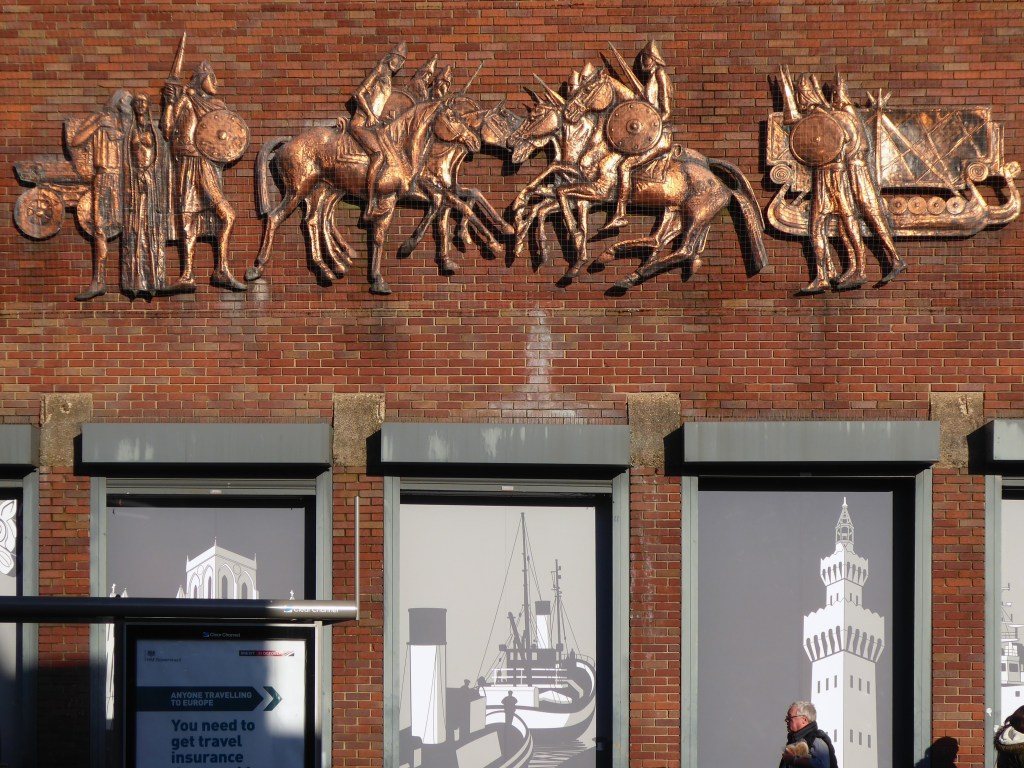
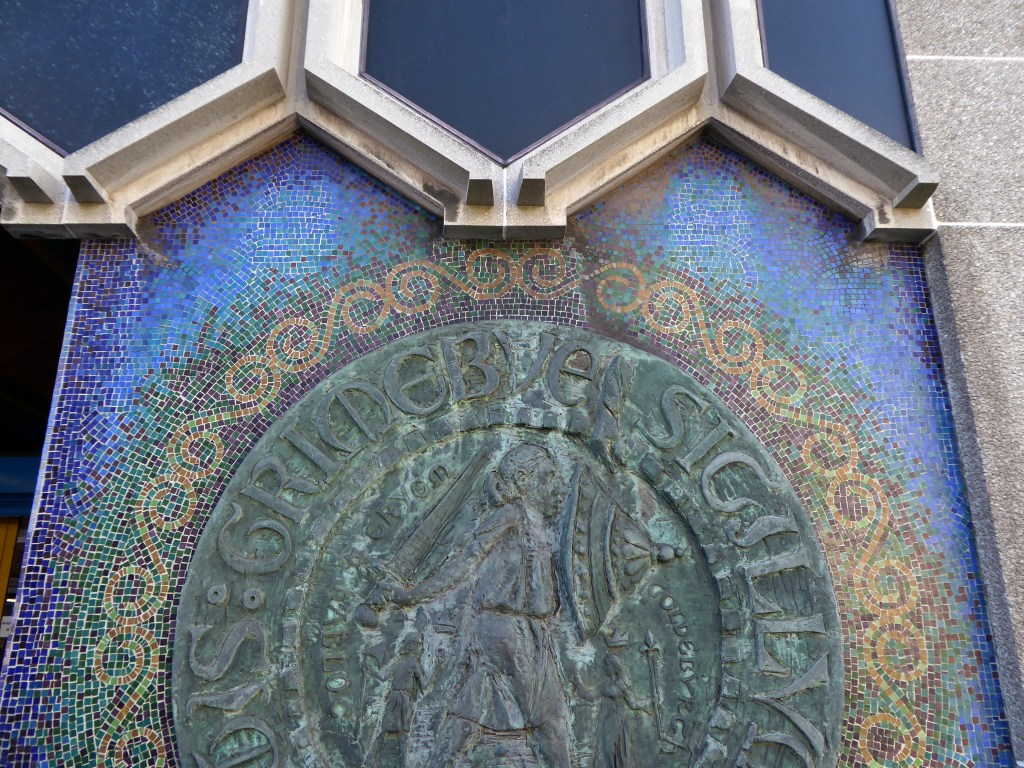
The majority of Gosney’s early commissions were collaborations with architects and he has made a significant contribution to public art in Grimsby. He is the artist responsible for the reliefs on the Abbey Walk car park, the large Grimsby seal by the entrance to the Grimsby Central Library and the Grim and Havelok themed copper relief on the side of Wilko store in Old Market Place.

Wikipedia

The car park has been the subject of some speculative repairs and refurbishment:

In total, the scheme will cost the council £1.54 million.

The authority will borrow £1.34 million to fund the project with a further £200,000 coming from a local transport grant. But the council said that the improvements made could help increase revenue from the car park of around £34,000 a year.

Councillor Matthew Patrick, portfolio holder for transport at the council, said that the work is essential to “brighten up” the building and attract people into Grimsby.

“It’s one of the largest car parks in the town,” he said.

“It will attract more people into the town centre and help to improve the offering of the car park.”

Lincolnshire Reporter

So here we are faced with a rare, precious and beautiful example of municipal modernism, a bold and brave attempt to decorate what is often the most functional of functional structures.

Owing something to the work of both Henry Moore and Pablo Picasso the imagery is derived from automotive parts, along with it seems to me, vague intimations of figuration.

Let’s talk a look!

Mitzi Cunliffe – Owen’s Park Manchester

Mitzi Solomon Cunliffe January 1st 1918  December 30th 2006

American born, resident of Didsbury Manchester, sculptor and designer, responsible for, amongst other things, the BAFTA mask.

Mitzi_Cunliffe_Design

Her first large scale commission was two pieces for the Festival of Britain in 1951. One, known as Root Bodied Forth, shows figures emerging from a tree, and was displayed at the entrance of the Festival. The second, a pair of bronze handles in the form of hands, adorned the Regatta Restaurant. She created a similar piece, in the form of knots, in 1952 which remains at the School of Civic Design at Liverpool University, along with The Quickening in the rear courtyard.

p1090554

p1090555-copy

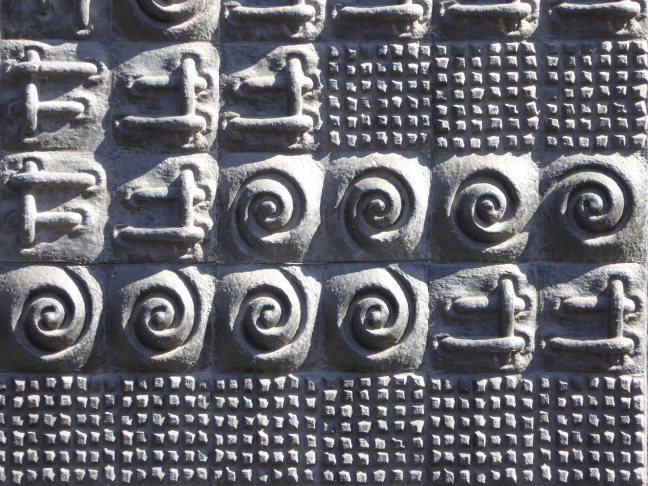
Cunliffe developed a technique for mass-producing abstract designs in relief in concrete, as architectural decoration, which she described as sculpture by the yard. She used the technique to decorate buildings throughout the UK, but particularly in and around Manchester.

d9d483ddd467272577443b6391e5a66a

Particularly this example of four modular panels named Cosmos, set in the wall of the student halls of residence in Owens Park, Fallowfield, Manchester.

P1270299

P1270300

P1270302

P1270303

P1270304

P1270306

P1270307

P1270308

P1270309

P1270310

P1270311

P1270312

P1270313

P1270314

P1270315

P1270316

P1270317

P1270318

P1270321

P1270322

P1270323

P1270324

P1270325


Long Lane Post Office – Heald Green

Screen Shot 2018-05-30 at 14.09.16

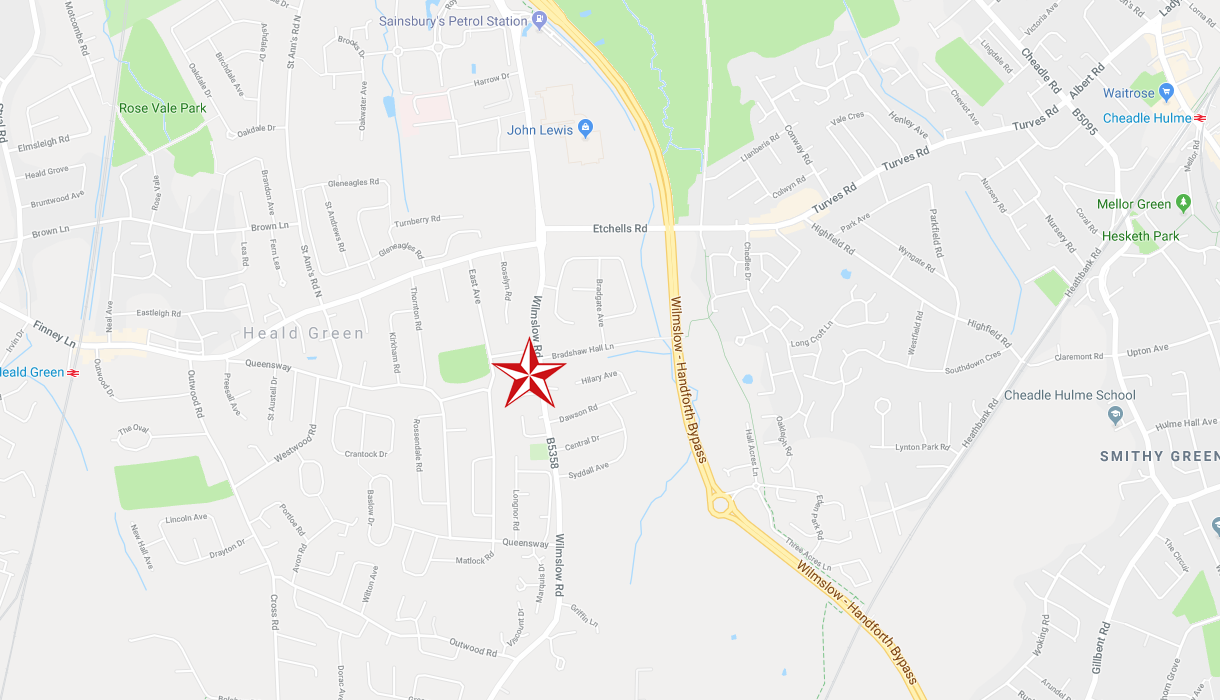
190 Wilmslow Rd, Heald Green, Cheadle SK8 3BH

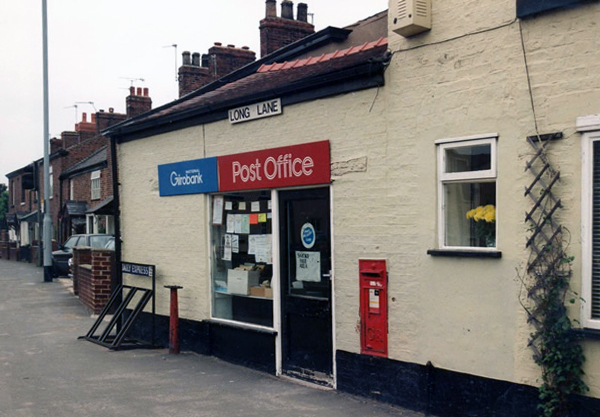
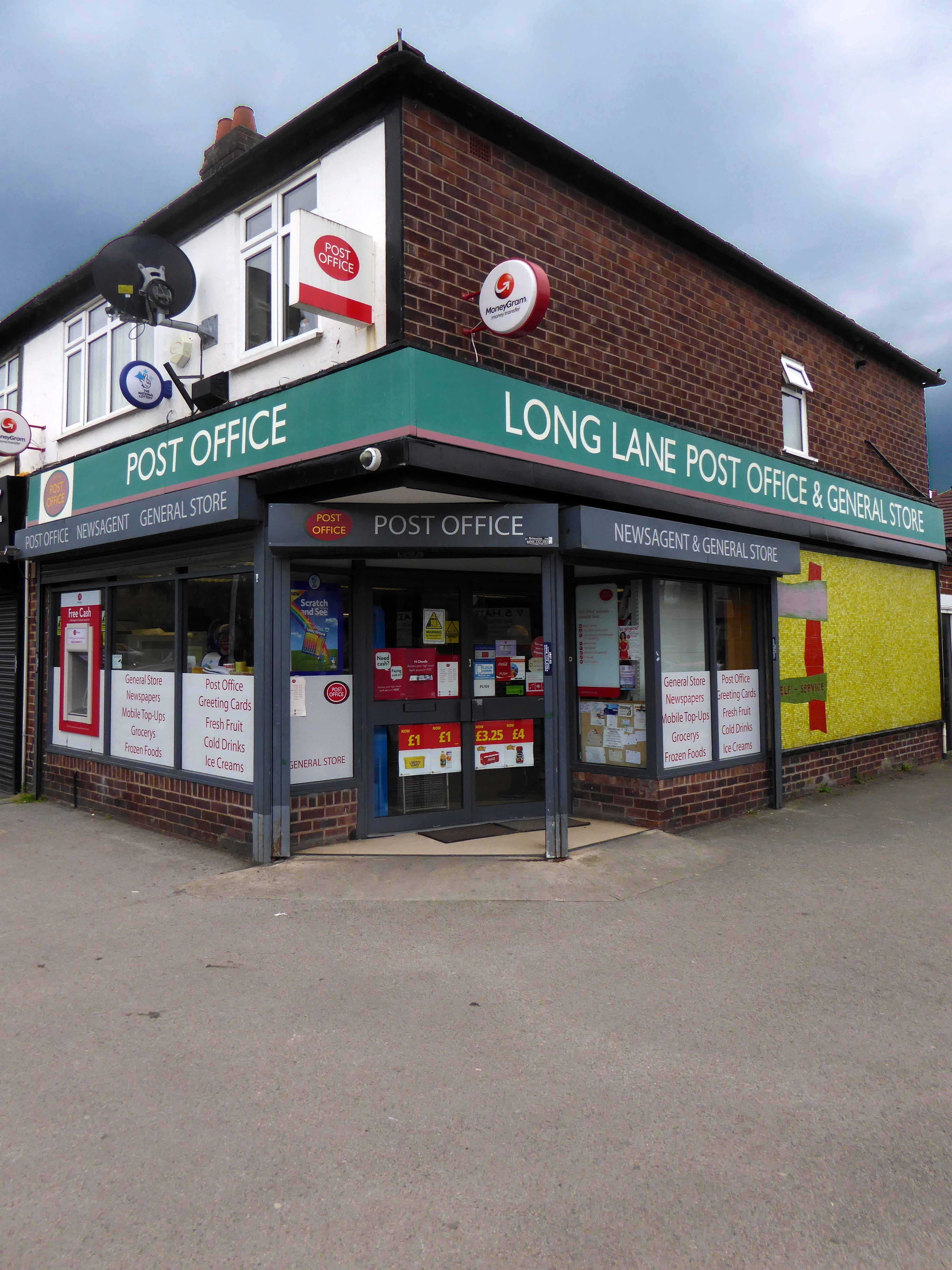
The original Long Lane Post Office is still there but not here:

40249

However – I digress.

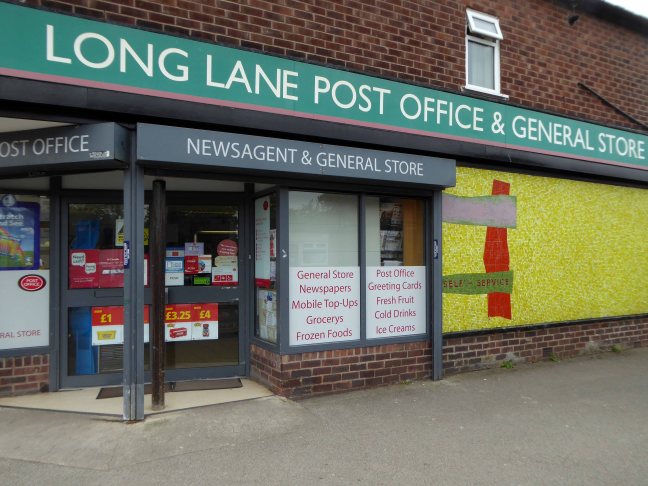
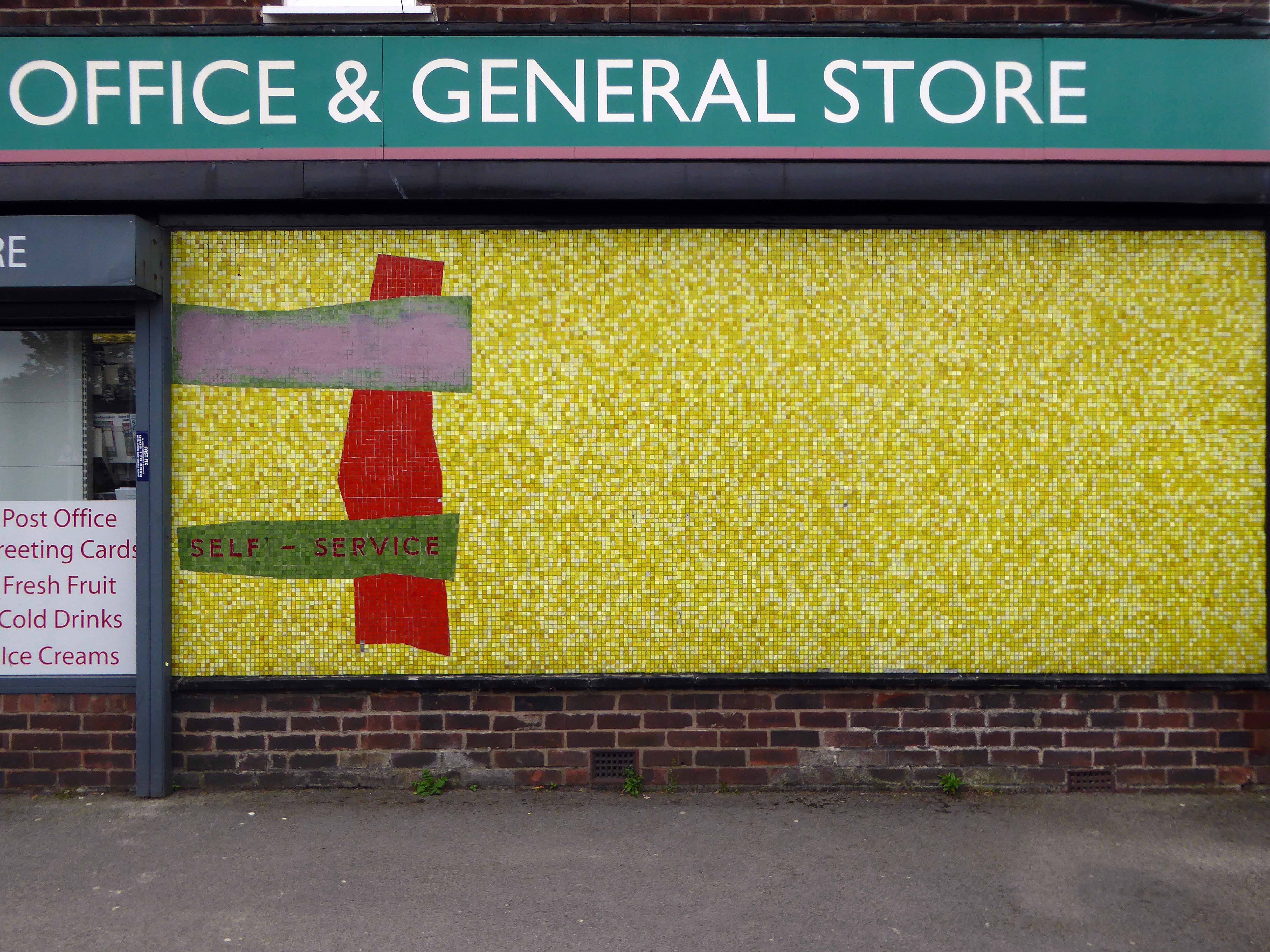
One fine day, some time ago there popped into my consciousness a Sixties retail mosaic in the Heald Green area – I tracked down its precise whereabouts online, in the modern manner.

Thinks – one fine day, just you wait and see I’ll pay a visit to the Heald Green area.

So today I did, it started off fine and finished up less so.

Jumped the 368 from Stockport Bus Station alighted at The Griffin.
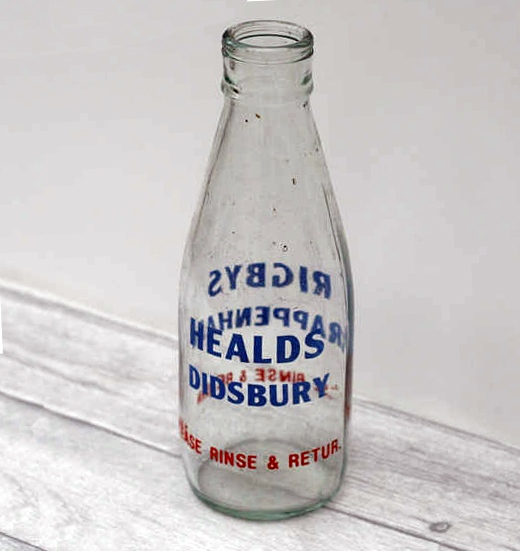
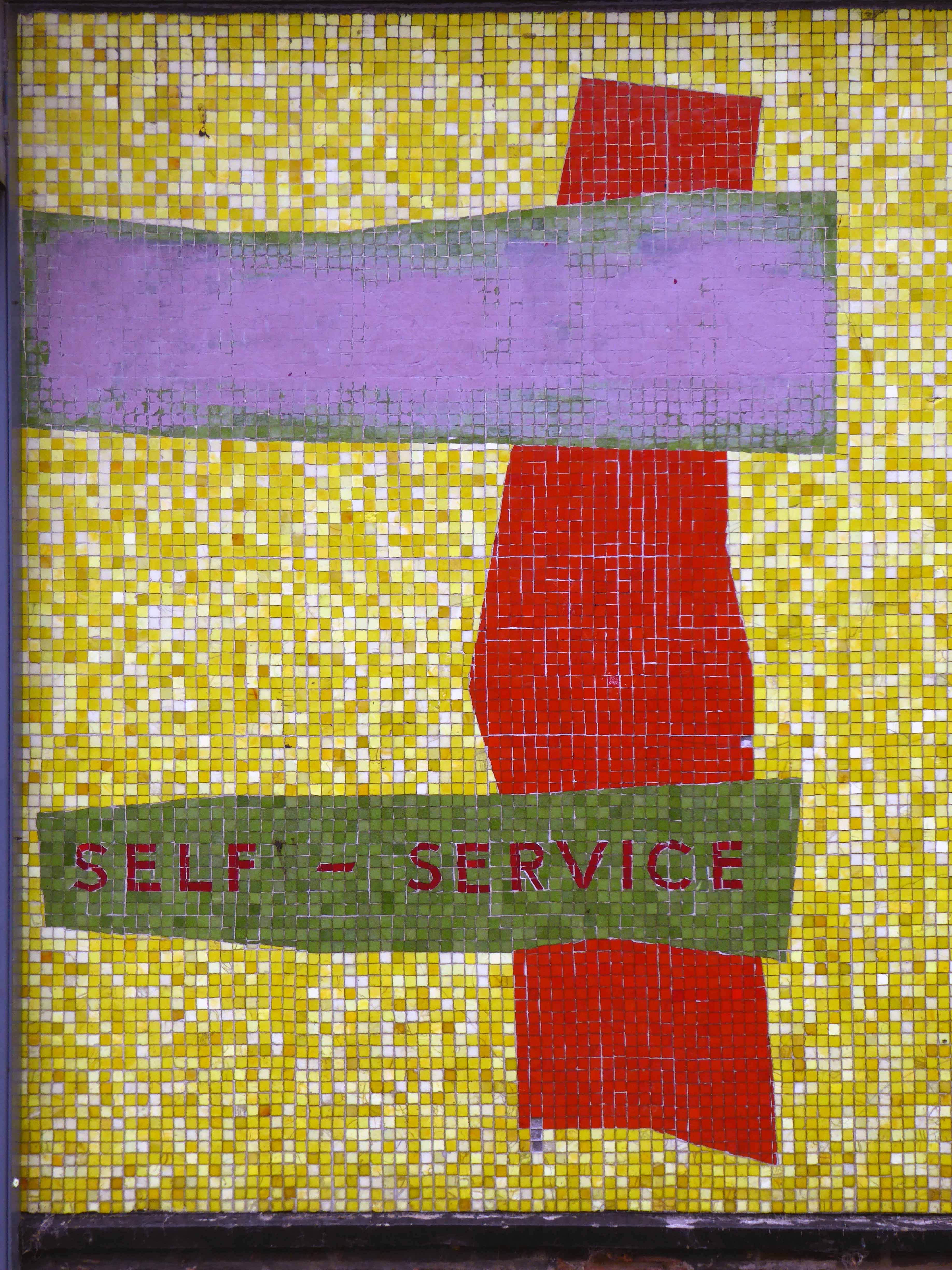
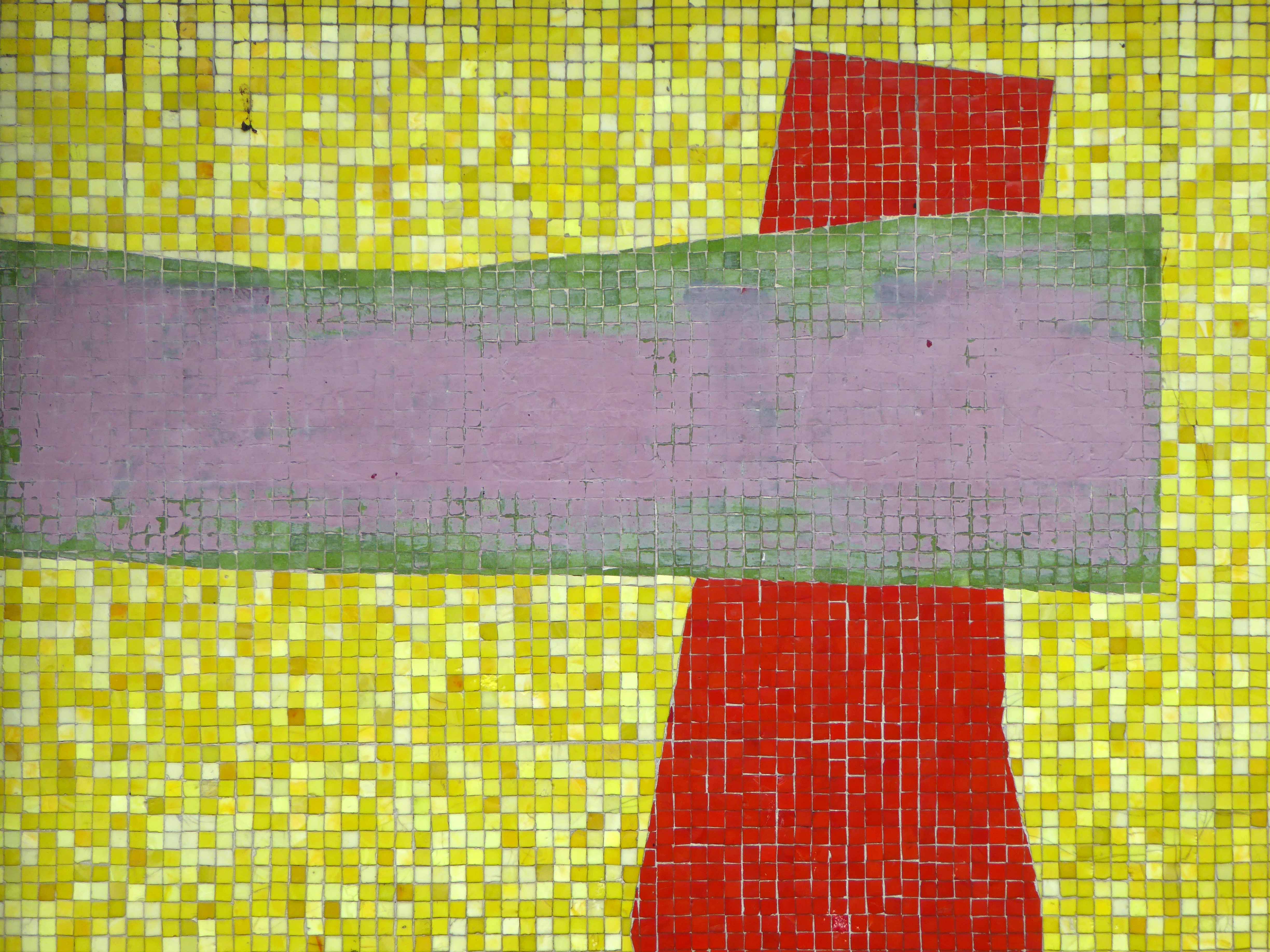
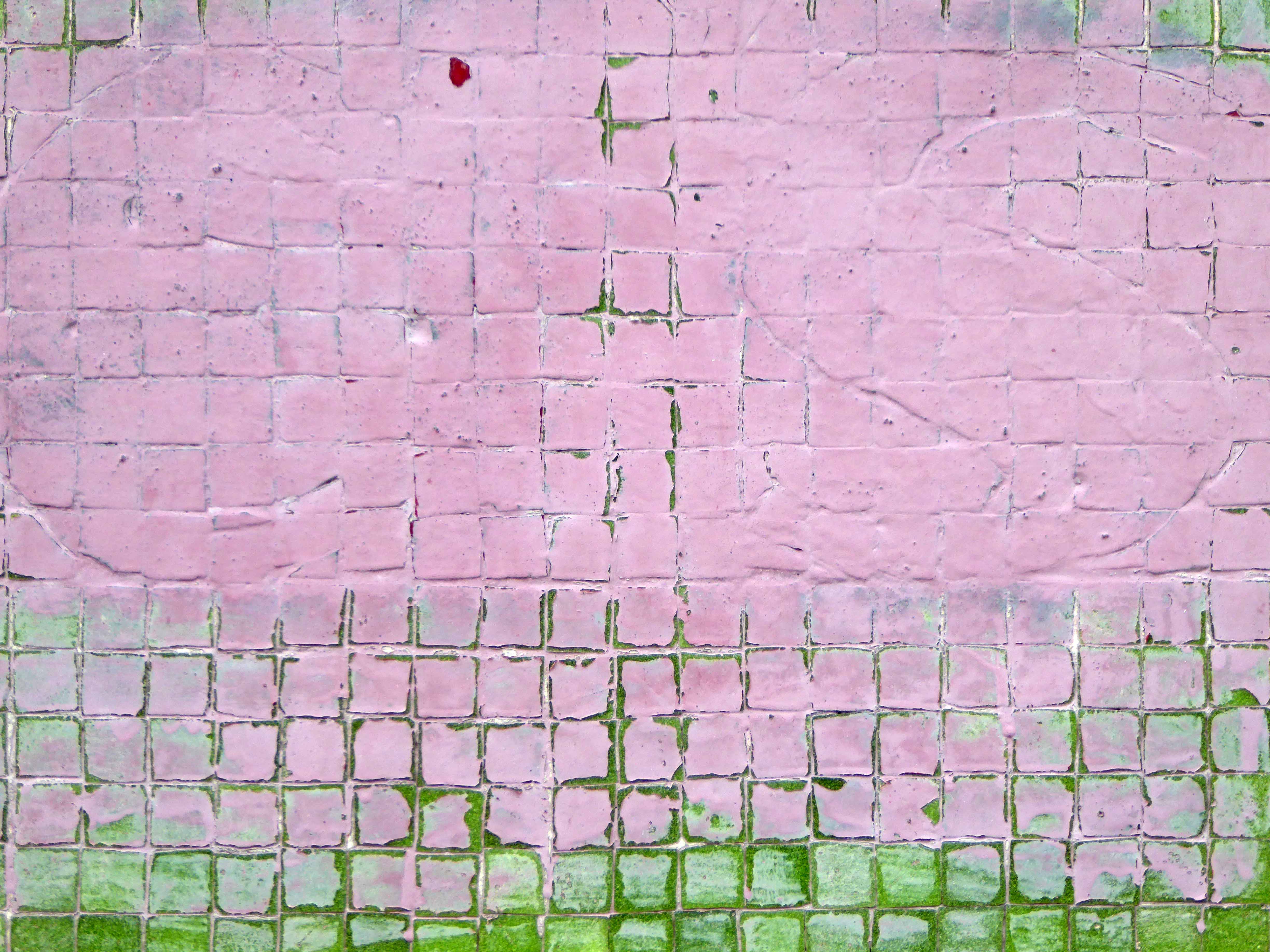
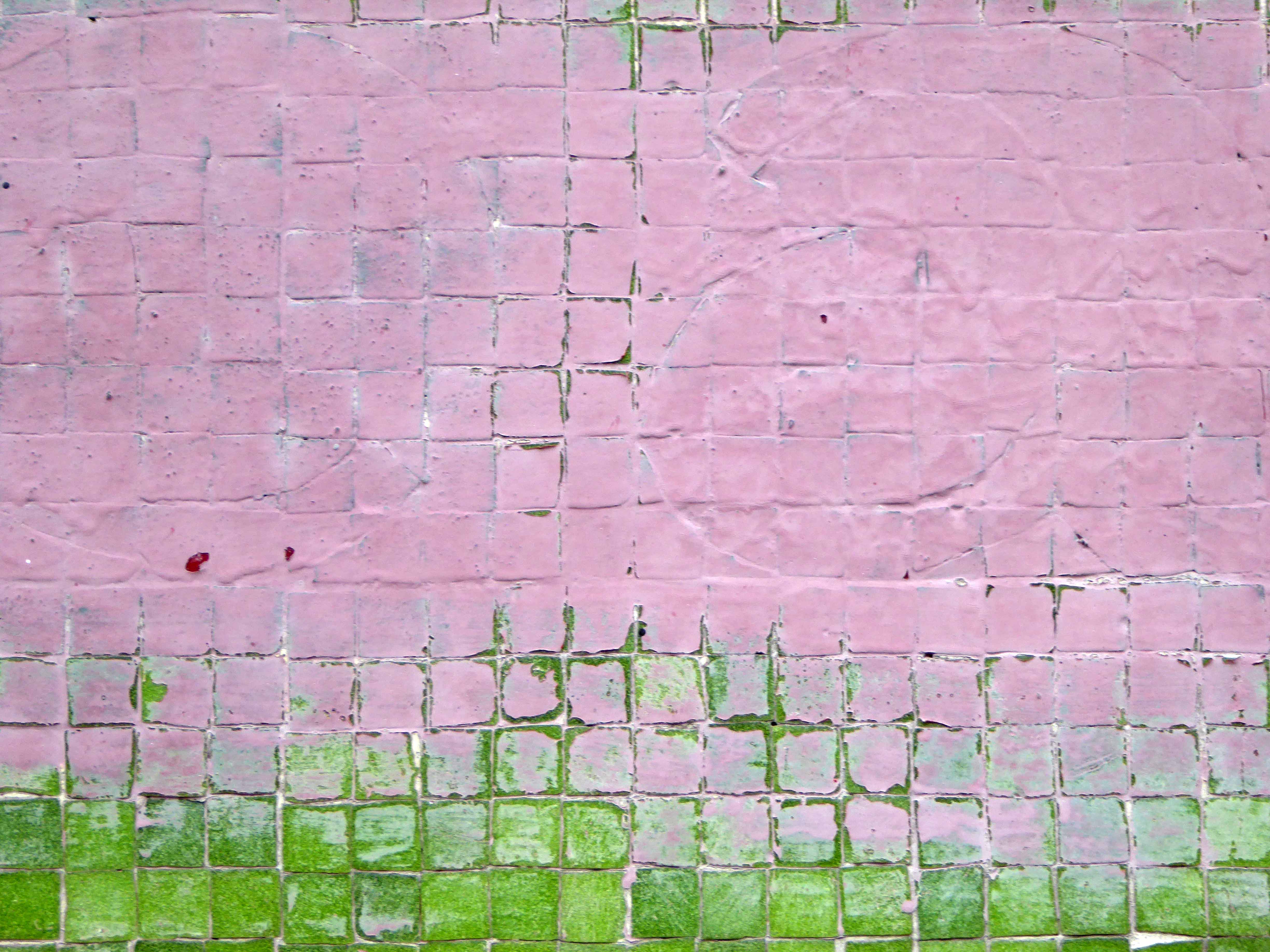
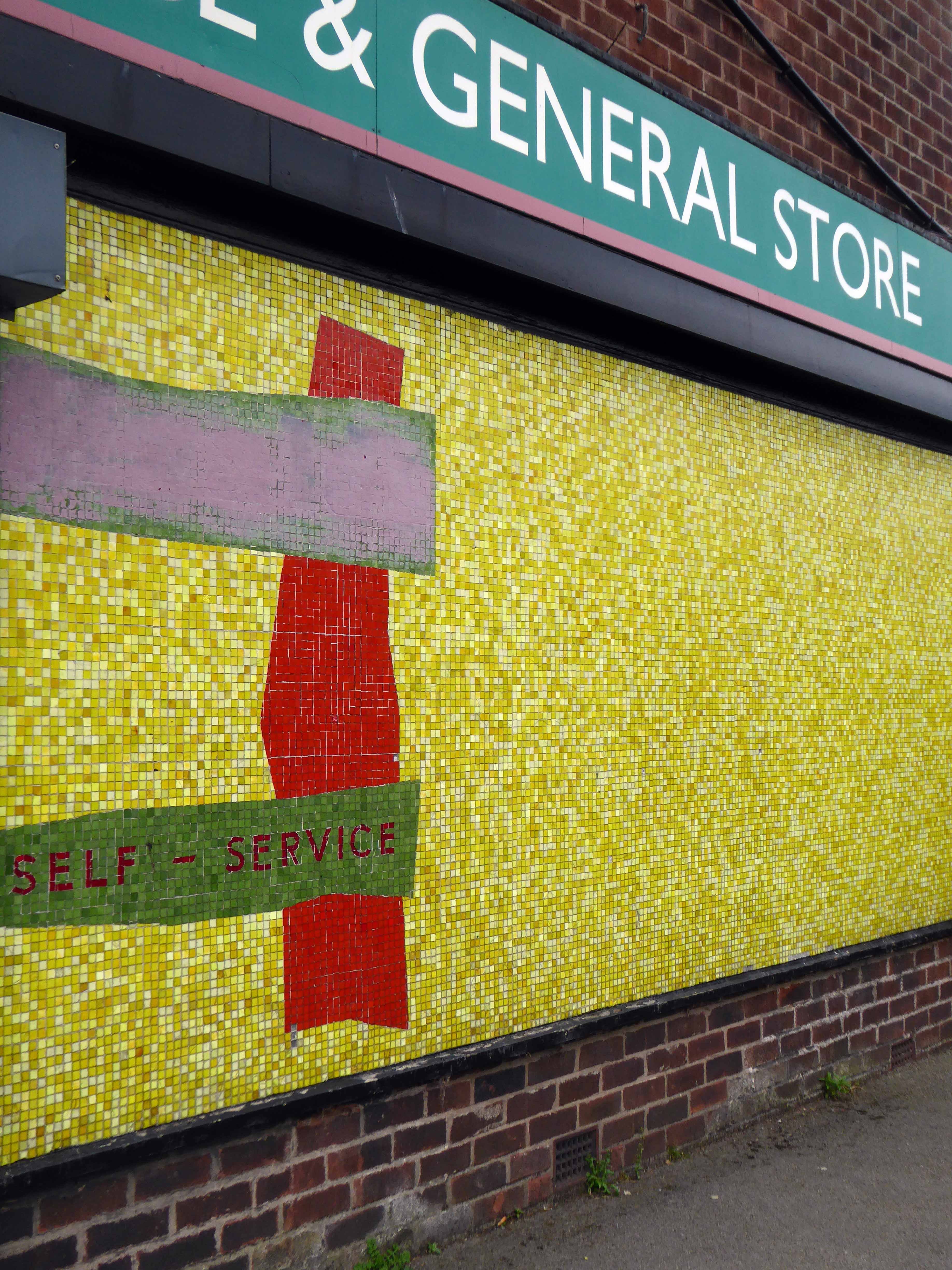
Walked aways up the road and there it was, almost intact – it’s original name obliterated with lilac exterior emulsion – did it once read healds?

Why of course it did – the local dairy and retailers were the shop’s original owners.
il_570xN.1484313889_n91e

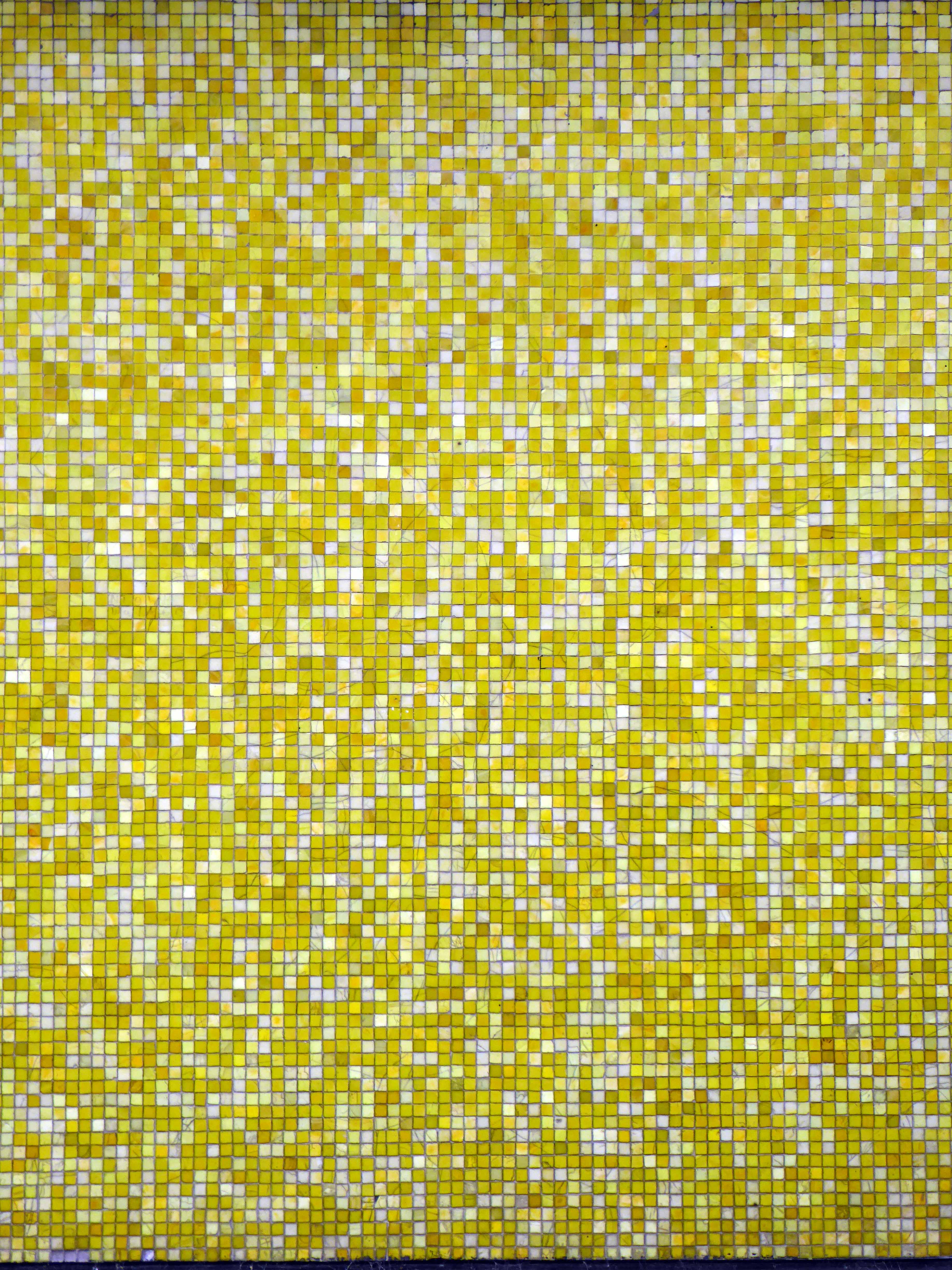
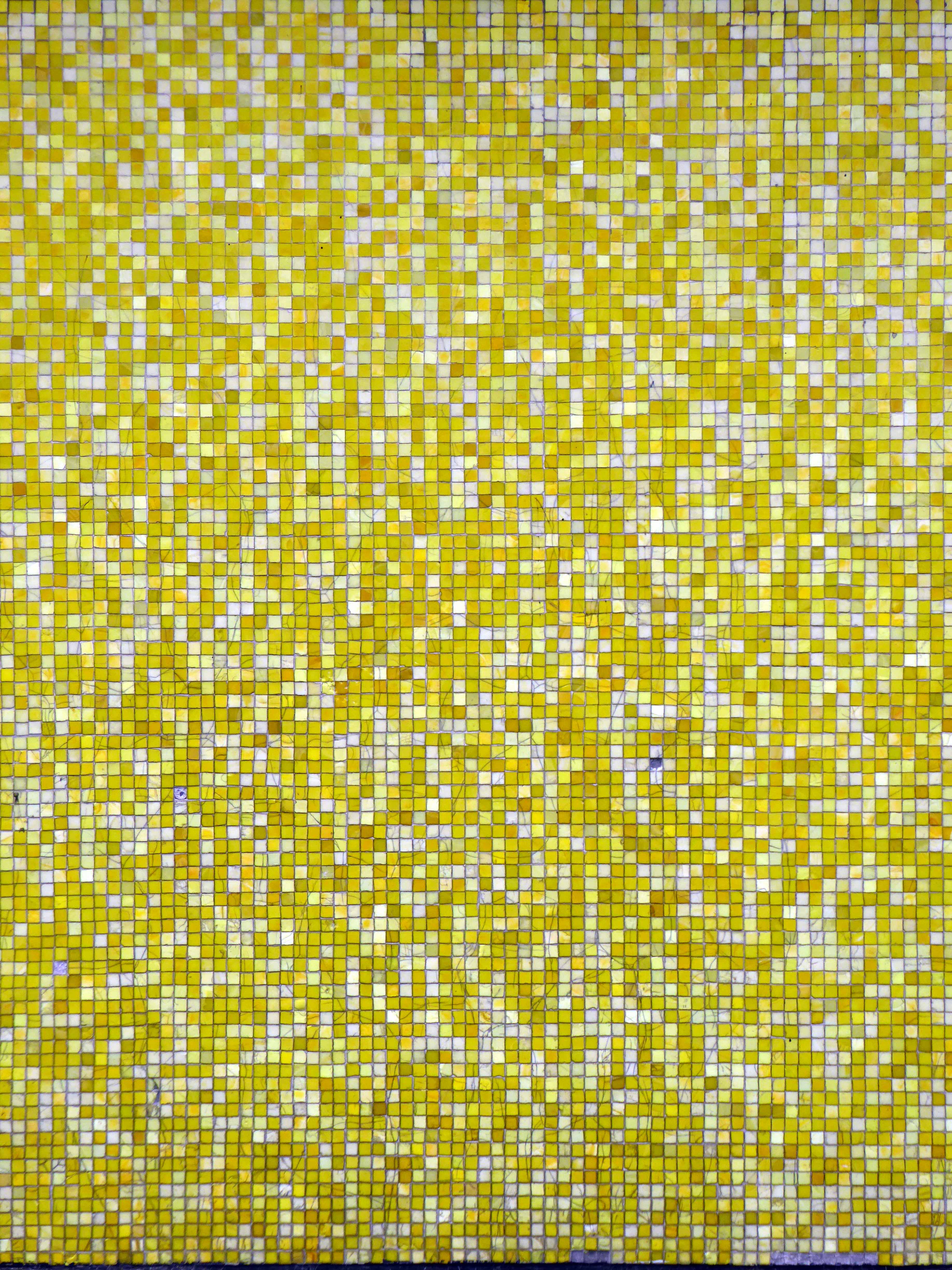
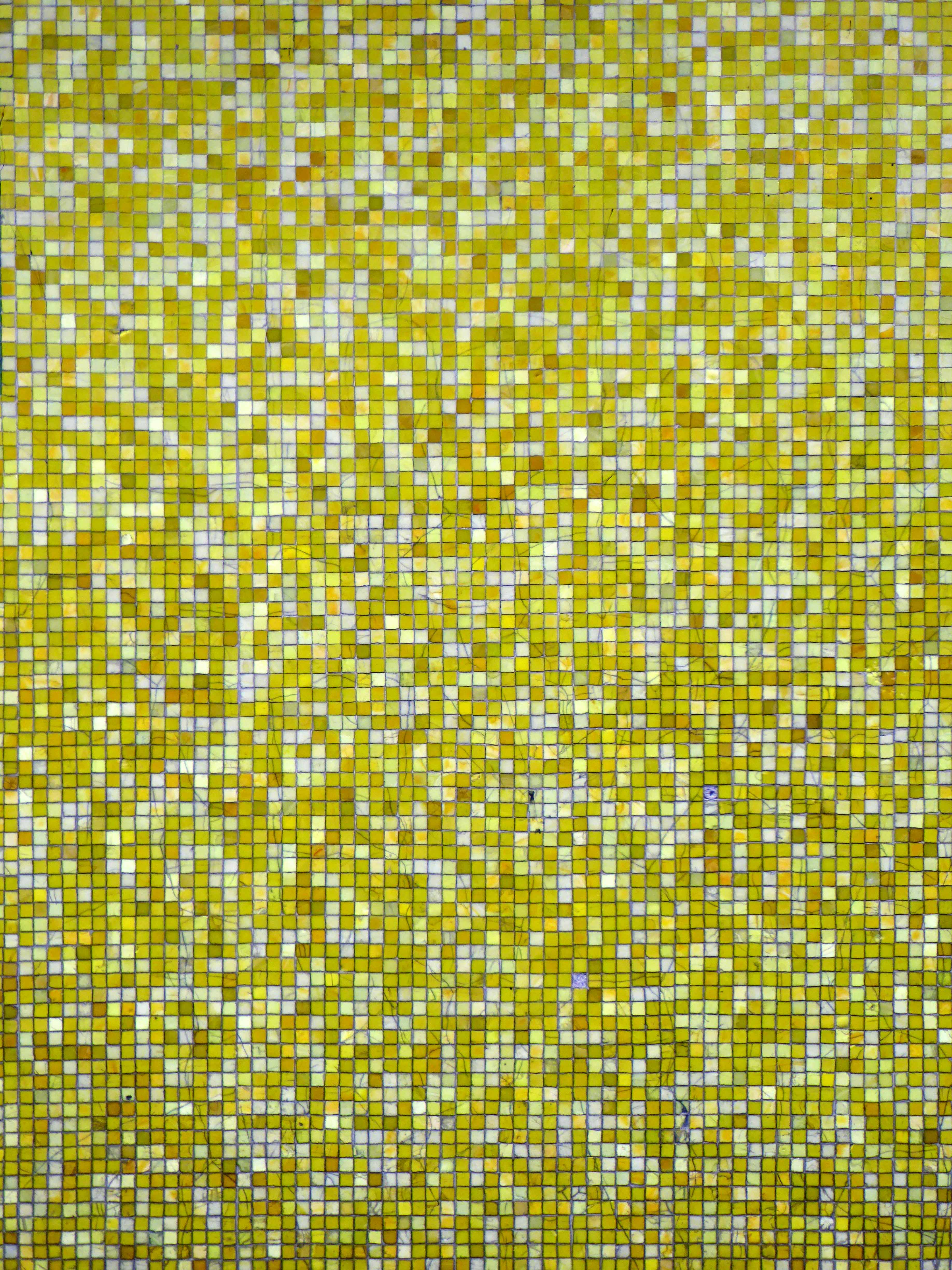
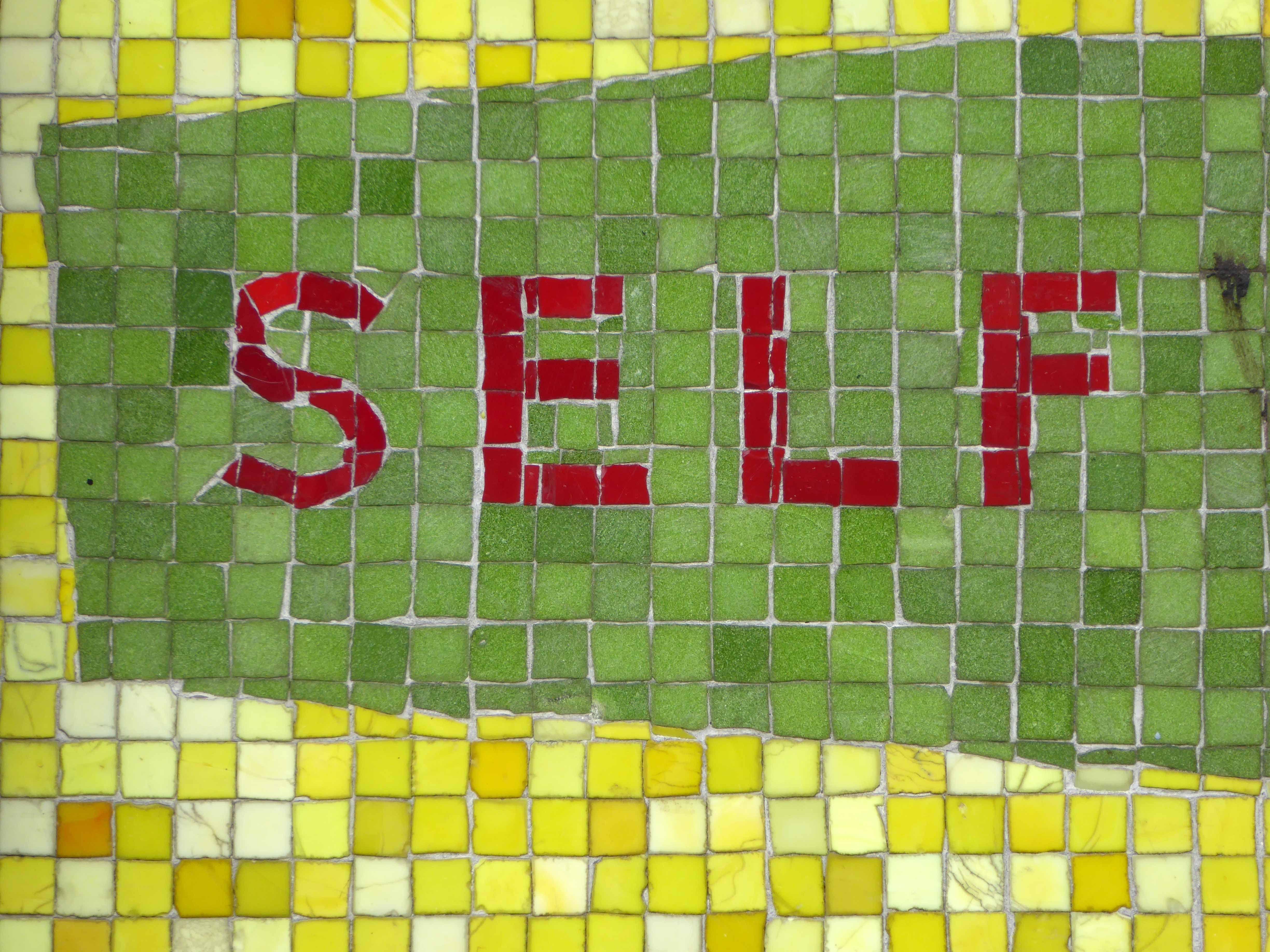
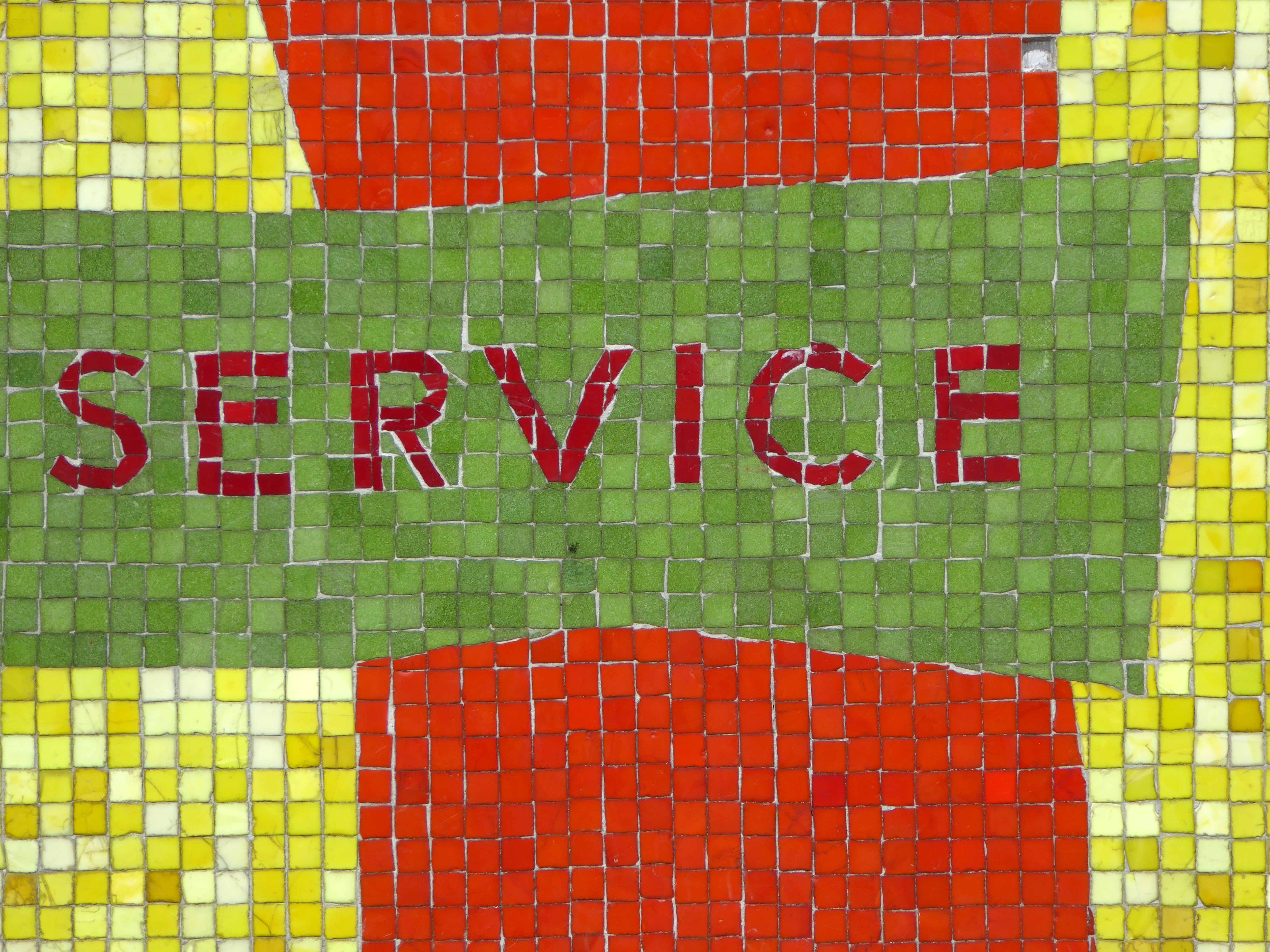
A few tesserae are missing otherwise the piece is as was – a wobbly jumble of text, shape and colour.
Self service – at your service.

P1250715

P1250711

P1250712

P1250713

P1250714


P1250717

P1250718

P1250719

P1250720

P1250721

P1250722

P1250723

P1250724

P1250725