Weston super Mare

Although there is evidence in the local area of occupation since the Iron Age, it was still a small village until the 19th century when it became a seaside resort, and was connected with local towns and cities by a railway, and two piers were built. The growth continued until the second half of the 20th century, when tourism declined and some local industries closed. A regeneration programme is being undertaken with attractions including the Helicopter Museum, Weston Museum, and the Grand Pier. The Paddle Steamer Waverley and MV Balmoral offer day sea trips from Knightstone Island to various destinations along the Bristol Channel and Severn Estuary. Cultural venues include The Playhouse, the Winter Gardens and the Blakehay Theatre.

Wikipedia

I arrived mid-morning on Saturday 25th July 2015 – having travelled some two hundred miles or so from Stockport by train.

The Iron Age seemed to be over and regeneration slowly but surely under way.

This marked the start of another coastal tour, following last year’s epic which began in Hastings.

This time I was heading for Hastings – but that can wait until tomorrow, let’s have a look around town.

Directly opposite the station is a group of Seaside Moderne homes in various states of whiteness – standing in line along Neva Road.

Reasonably priced, cheaper than Frinton – check it out

I pushed my bike along the prom heading for my pre-booked digs in a stylish seafront hotel.

Past the Marine Causeway linking the shore to some kind of modern day Post Modern Shangri-La.

A mystical, harmonious valley, gently guided from a lamasery, enclosed in the western end of the Kunlun Mountains, possibly not.

You can stroll onto Knightstone Island, where you will find some cafes serving light snacks and refreshments, or to the other side which takes you along the causeway, accessible to walk across according to the tides. At the other side of the Causeway you will find a small rocky beach with tidal rockpools ideal for exploring.

Just along the prom stands one of my all time favourite seaside shelters.

Even further along – what’s all this here then?

The foundation stone of the Birch-designed Birnbeck Pier was laid in 1864. It opened on 5th June 1867 and consisted of a 1040 foot cantilever construction to Birnbeck Island and a short jetty extending westwards from the island.

National Piers Society

It seems to have changed hands several times in its relatively short life, including the stewardship of the infamous Urban Splash and the mysterious mystery owners, the current custodians it seems, have done little to secure a secure future.

It remains alone and untended, stretching aimlessly out to sea.

In April 2015, Friends Of The Old Pier Society created a novel fund raising scheme in which 1p and 2p coins would be lined up to stretch from the Grand Pier to Birnbeck Pier.

September 2019 Councillor Mr Crockford-Hawley said:

It’s this end of Weston which is the sore, it’s the carbuncle, it’s clearly well past its prime and it needs some serious attention. I mean it would be wonderful if somebody came along with an open ended bank account and said ‘yup, I’d love to restore it for the sake of restoring it’, but quite clearly there’s got to be an economic future for the pier, there’s got to be a purpose for the pier.

Possibly a wealthy Beatle could bail the ailing pier out of deep water?

Having made a bob or two since they appeared here in 1963.

Next thing I know I’m outside the imposing and impressive sounding Ocean Hotel. Sad to say on the day/night of my visit it wasn’t just this weary traveller that appeared to be over tired, happy to report the the New Ocean Hotel has been revamped and in tip-top condition by all accounts.

Any road up, let’s get out, take a walk up the road – have look at some local type.

Watney’s mythical Red Barrel.

Watney’s was the Evil Corporation which sought to crush plucky small brewers and impose its own terrible beer on the drinking public. It acquired and closed beloved local breweries, and it closed pubs, or ruined them with clumsy makeovers.

Its Red Barrel was particularly vile – a symbol of all that was wrong with industrial brewing and national brands pushed through cynical marketing campaigns.

A page-spread from Design Research Unit 1945-1972 – Koenig Books 2011 via A Practice for Everyday Life via Boak and Bailey – who examine the truth behind the myth.

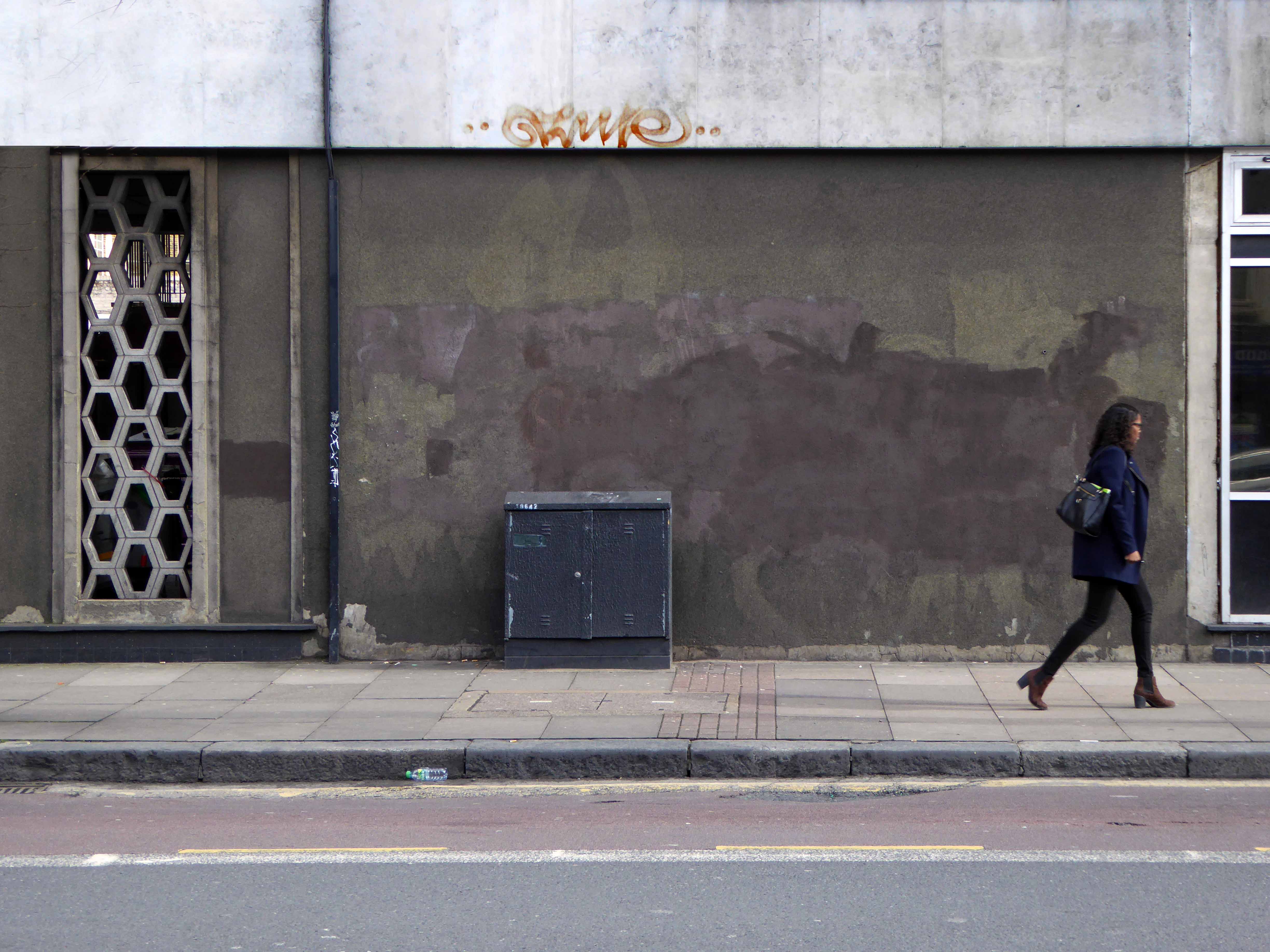
A palimpsest ghost within a ghost.

A seaside outing for dear old Brush Script – a casual connecting script typeface designed in 1942 by Robert E. Smith for the American Type Founders.

The face exhibits an exuberant graphic stroke emulating the look of handwritten written letters with an ink brush.

It came third as a Least Favorite nomination in a 2007 designers’ survey.

It was rated fifth in The Eight Worst Fonts In The World list in Simon Garfield’s 2010 book Just My Type.

Why have just one identity when you can have two, welcome to the 21st Century schizoid Savoy – don’t it jus’ make you want to stomp?

First but surely not the last sighting of Profil aka Stymie Bold Italic – in a none inline variant.

Classical kerning down at the local estate agents, tasteful Gill Condensed Bold – from the hand and eye of the far from tasteful Eric.

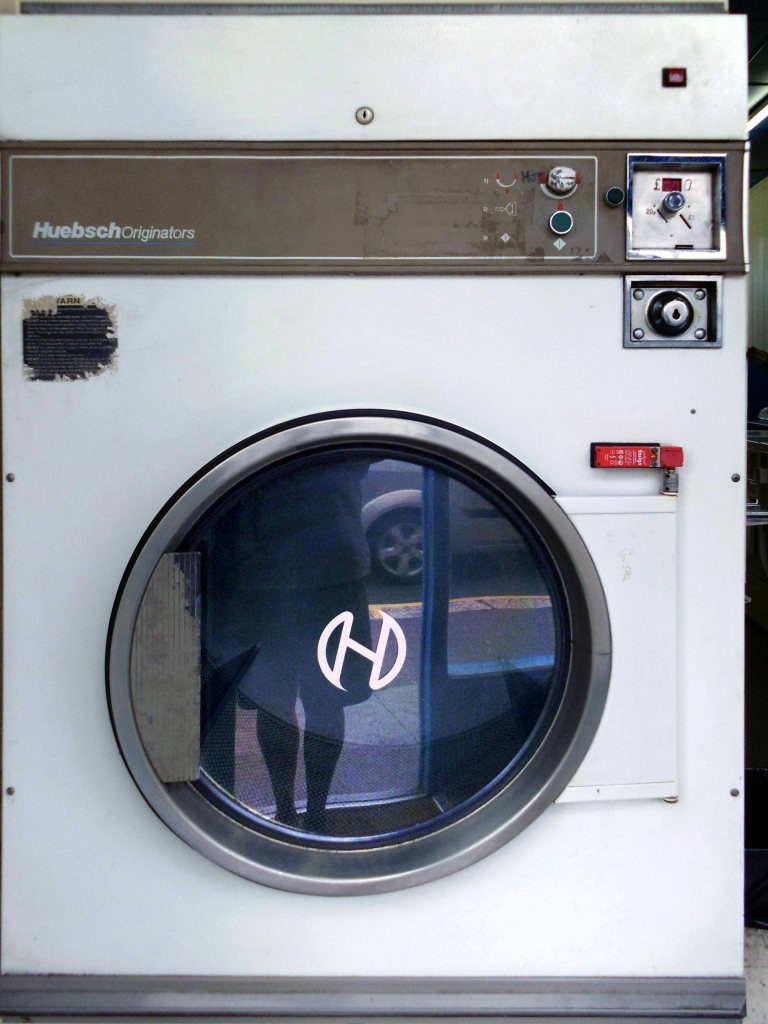
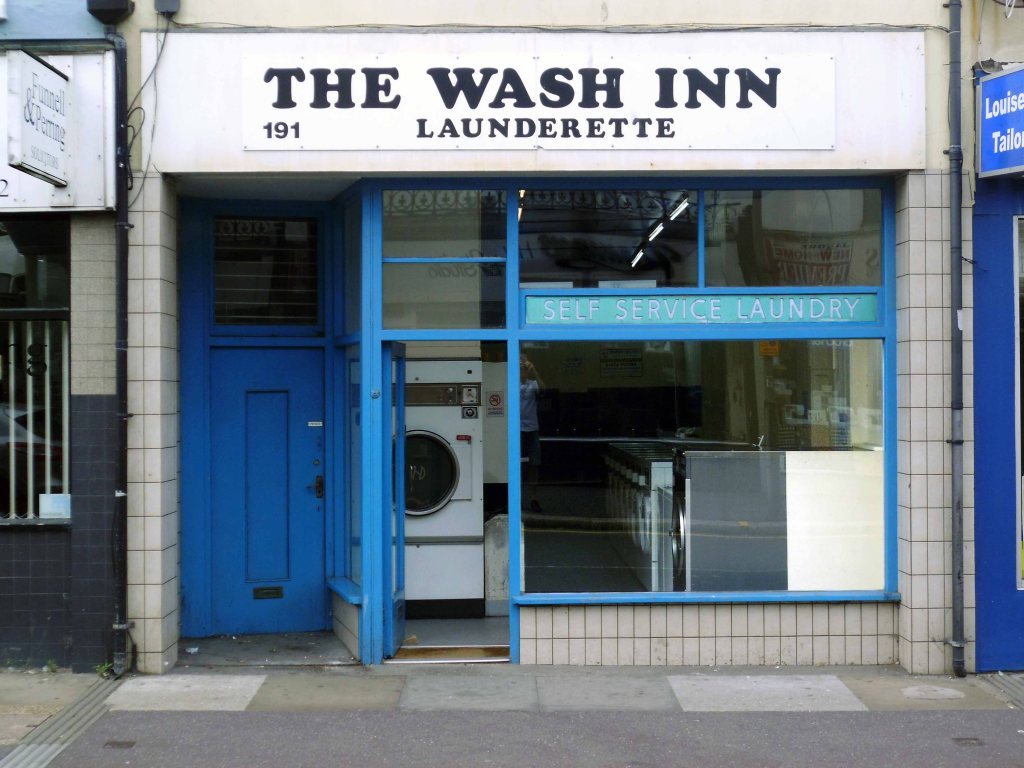
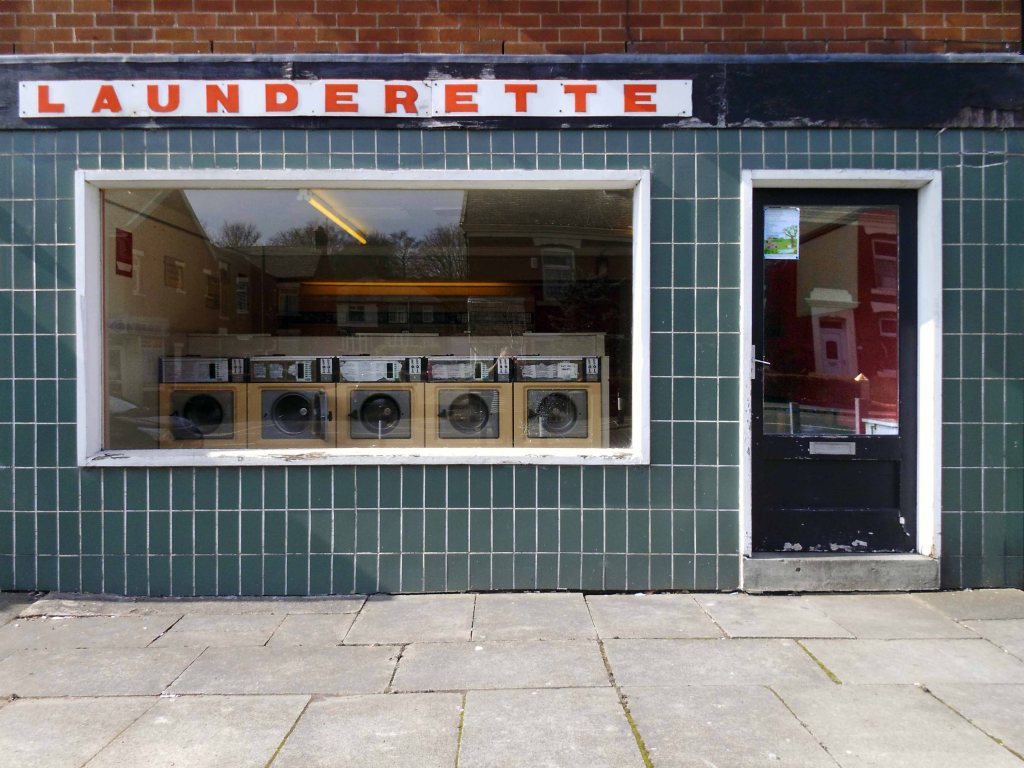
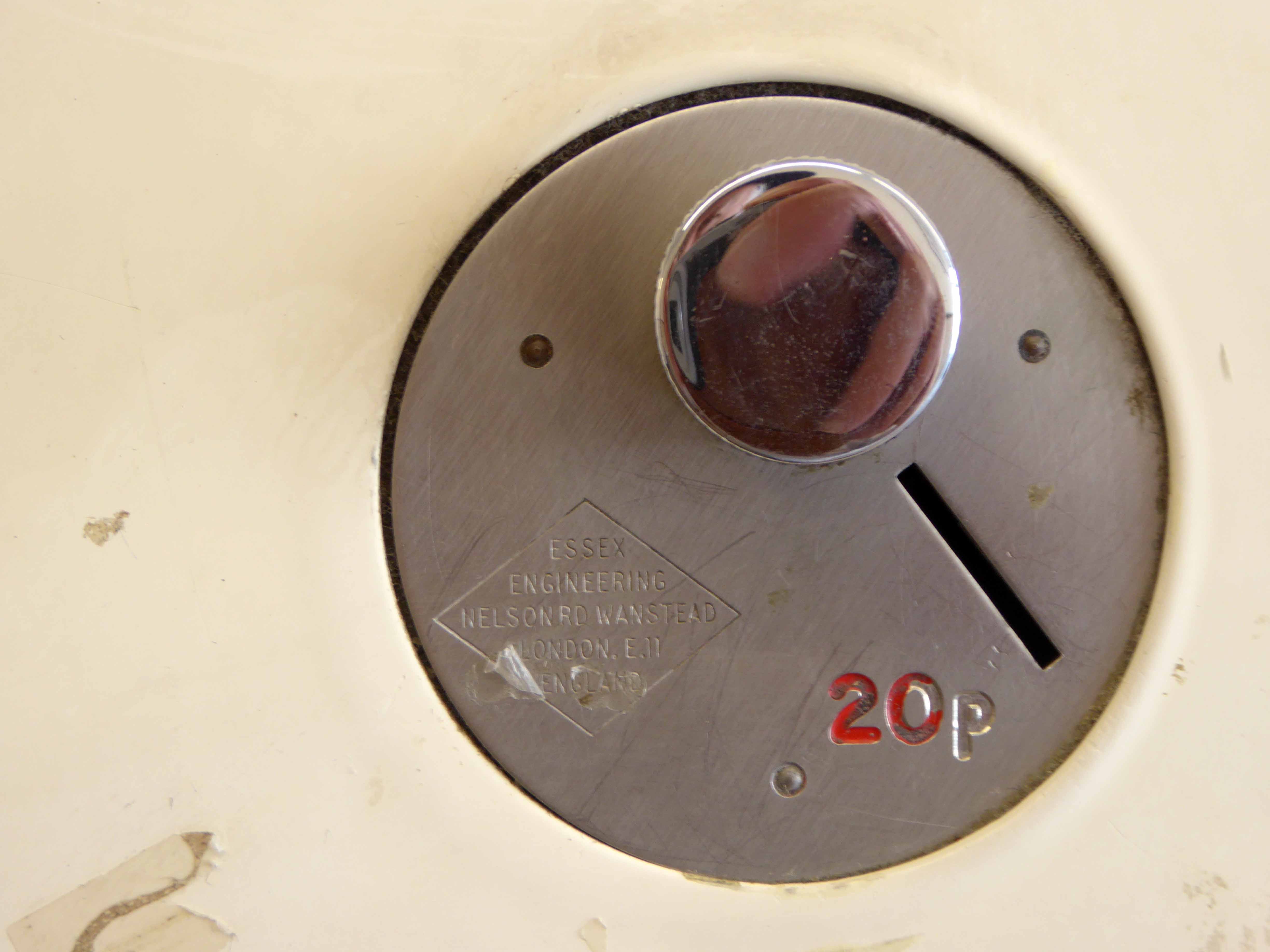
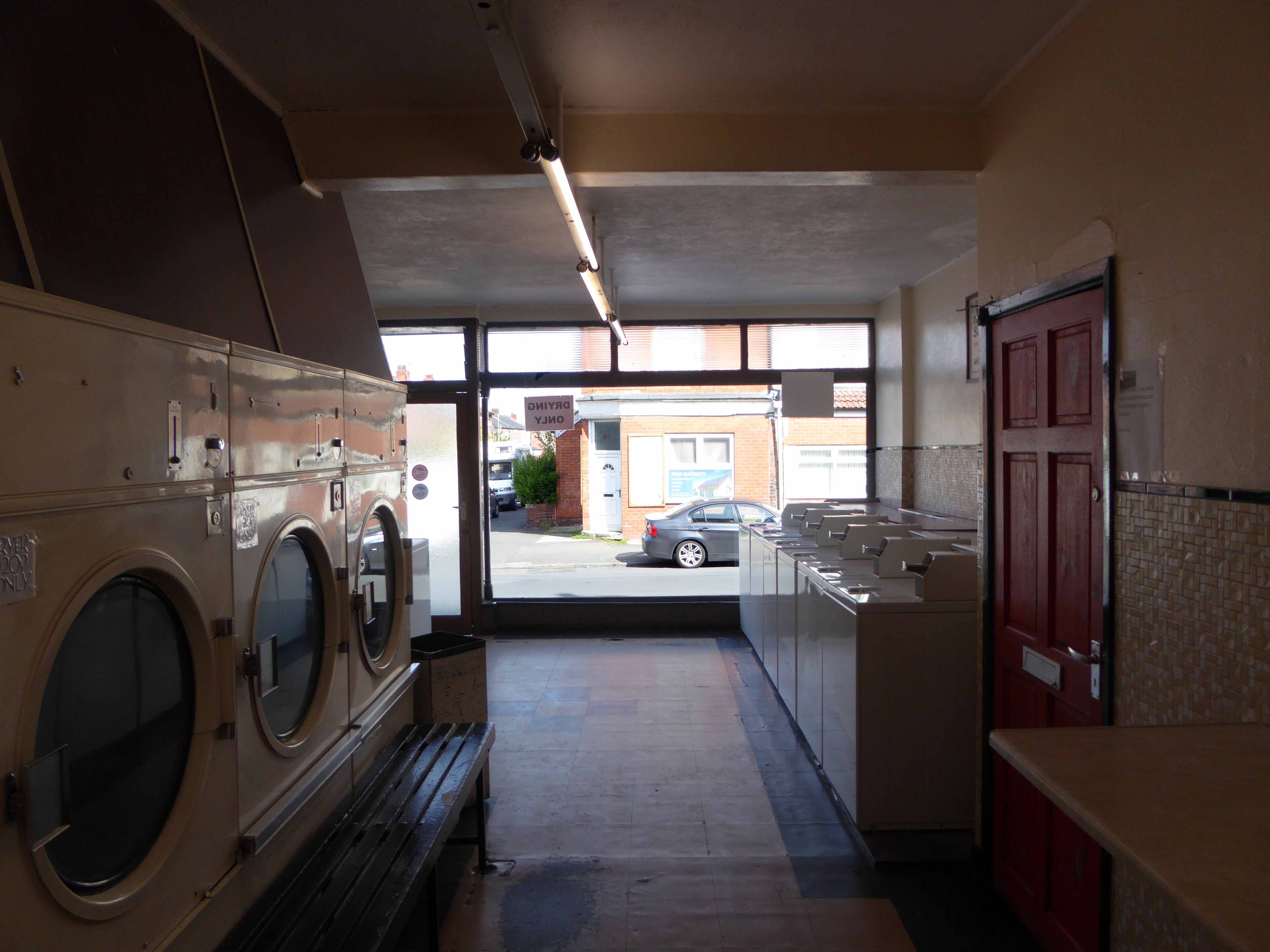
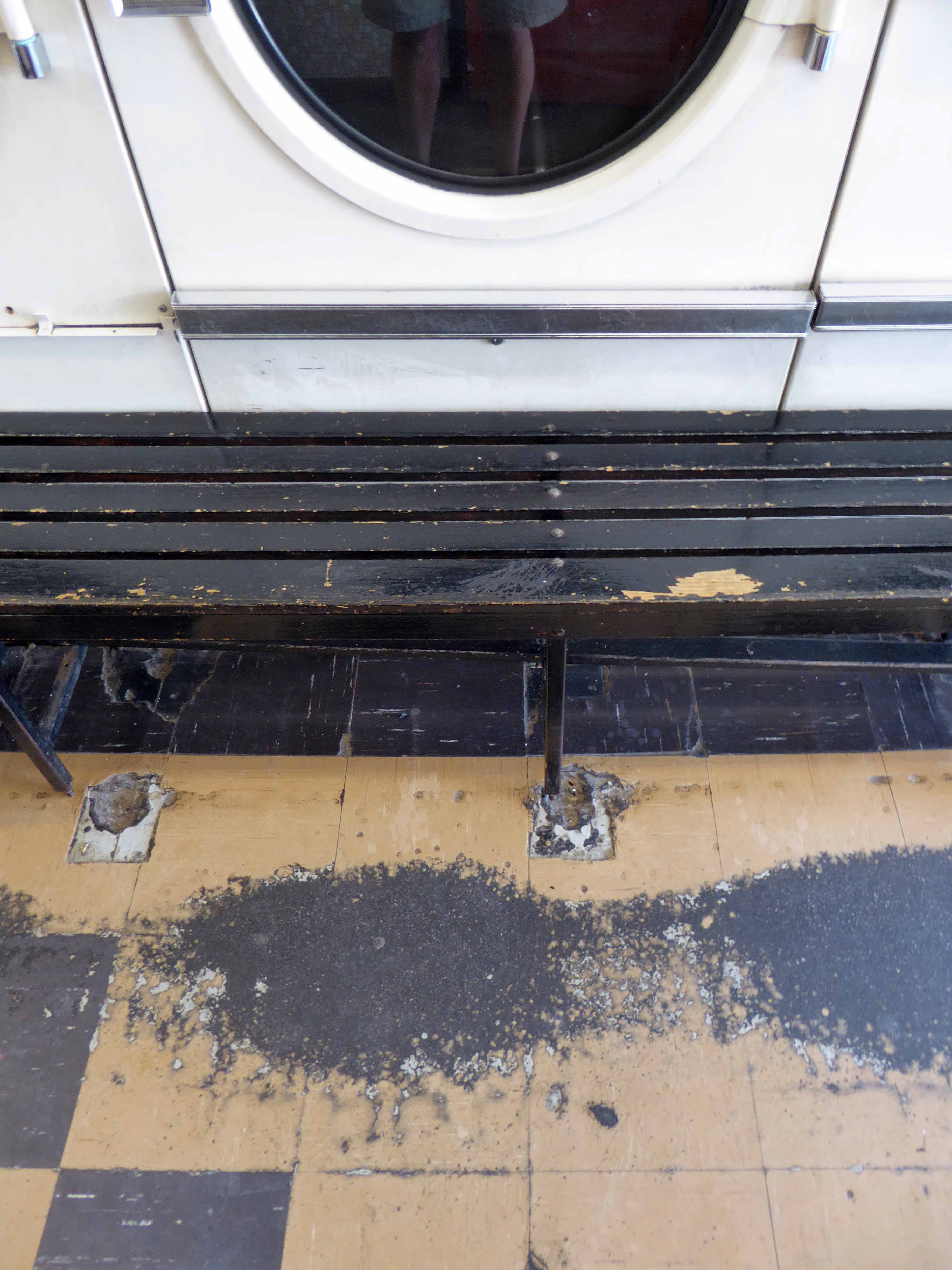
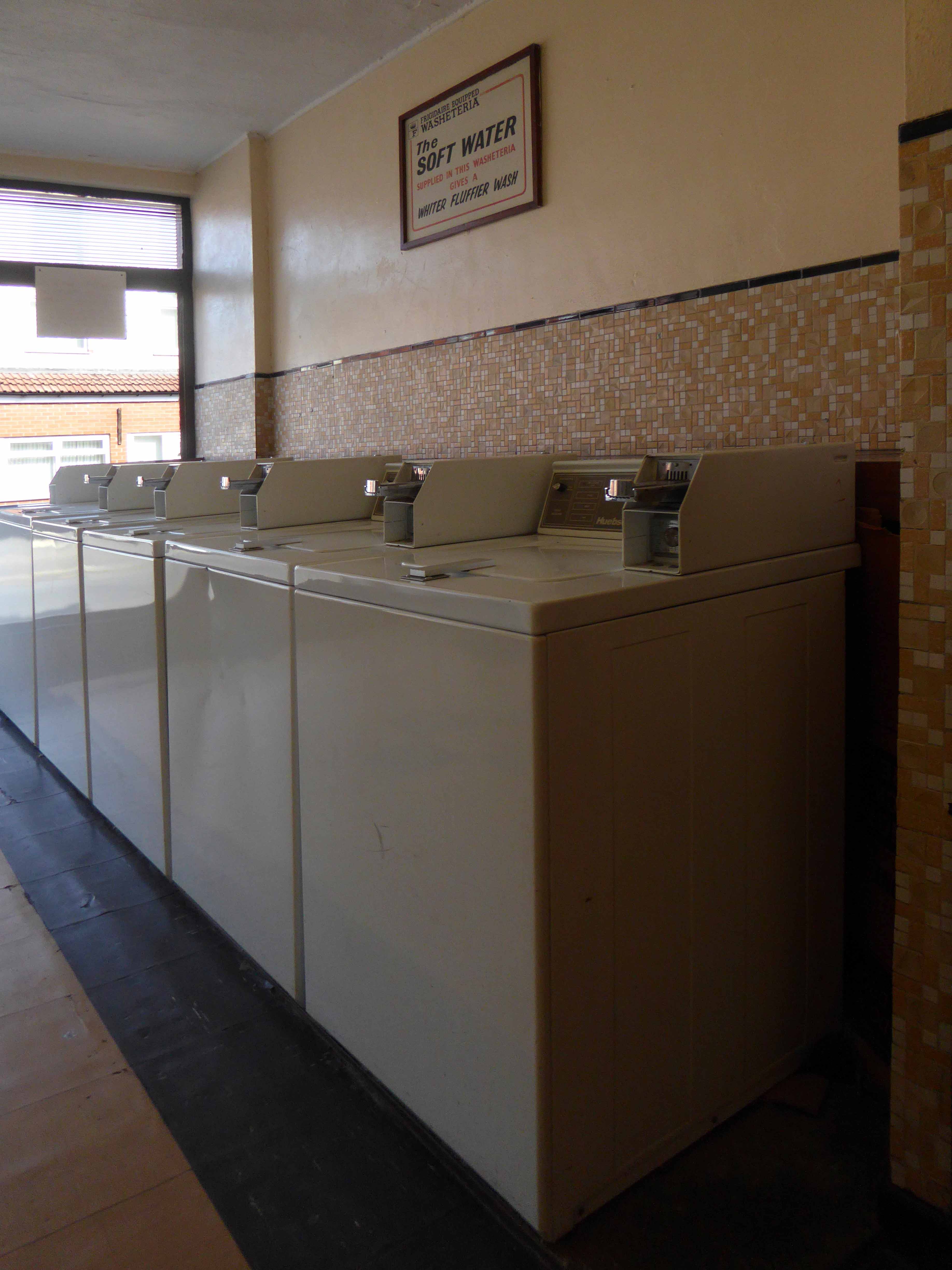
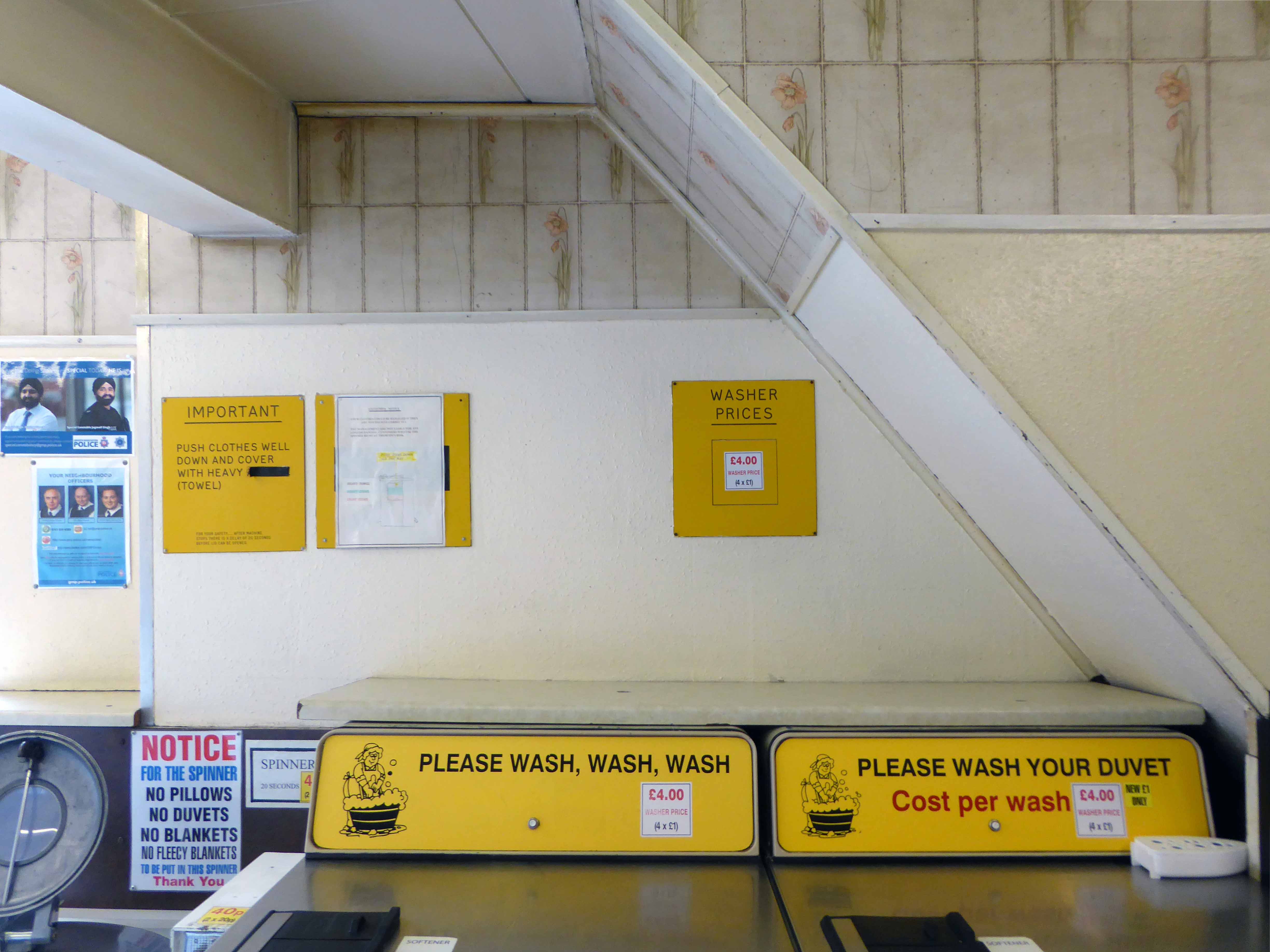
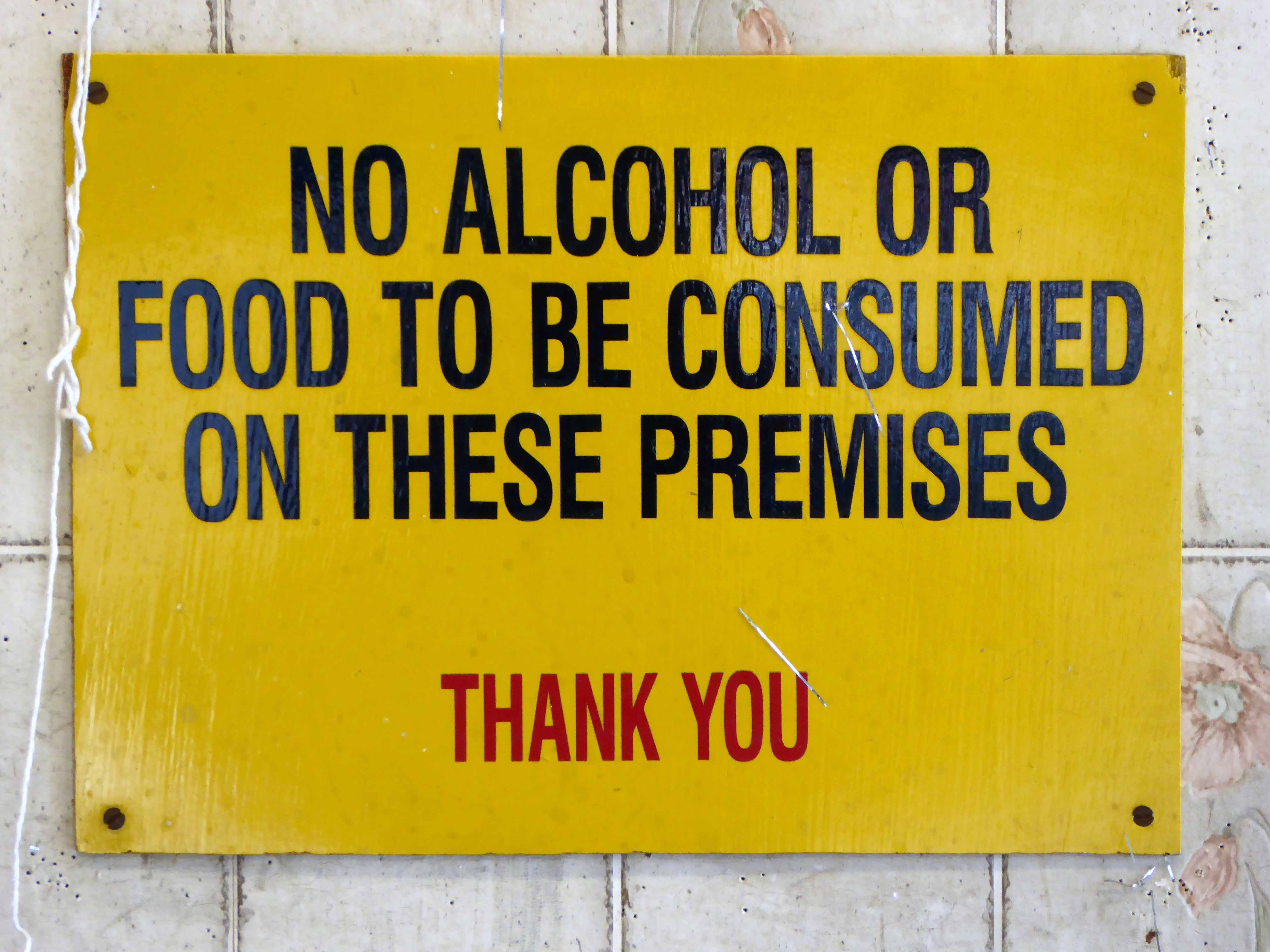
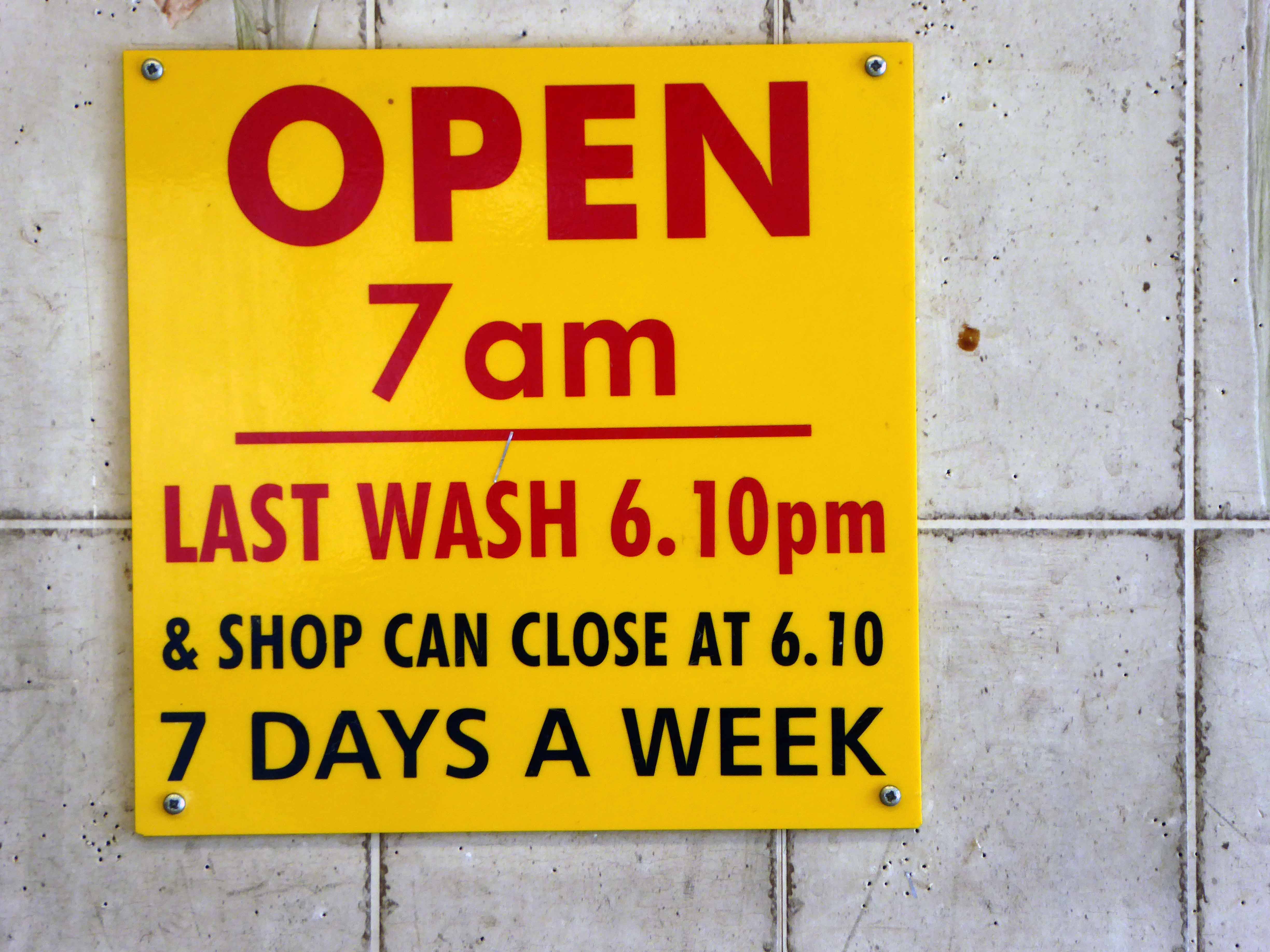
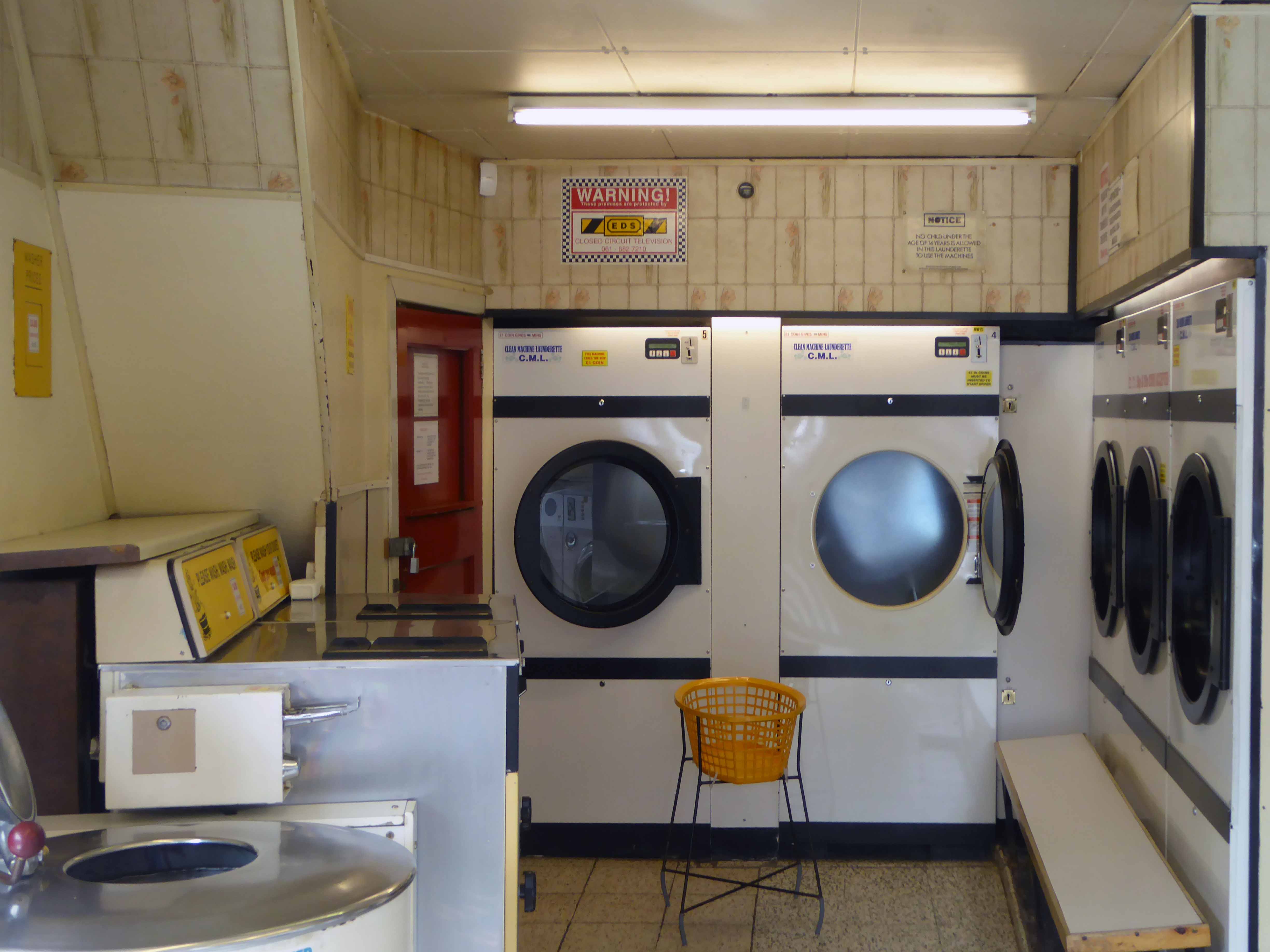
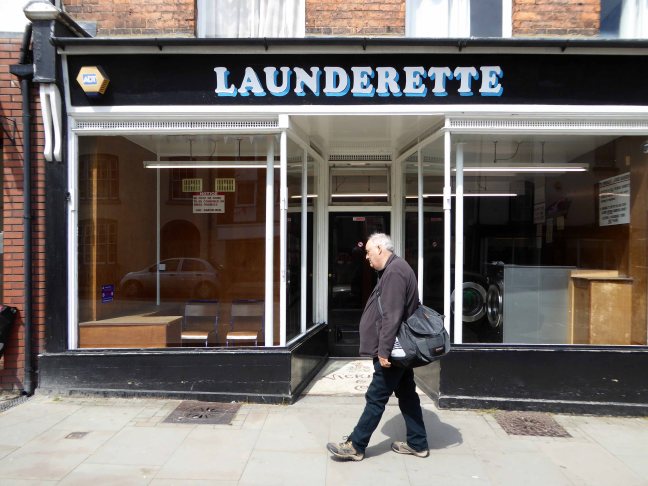
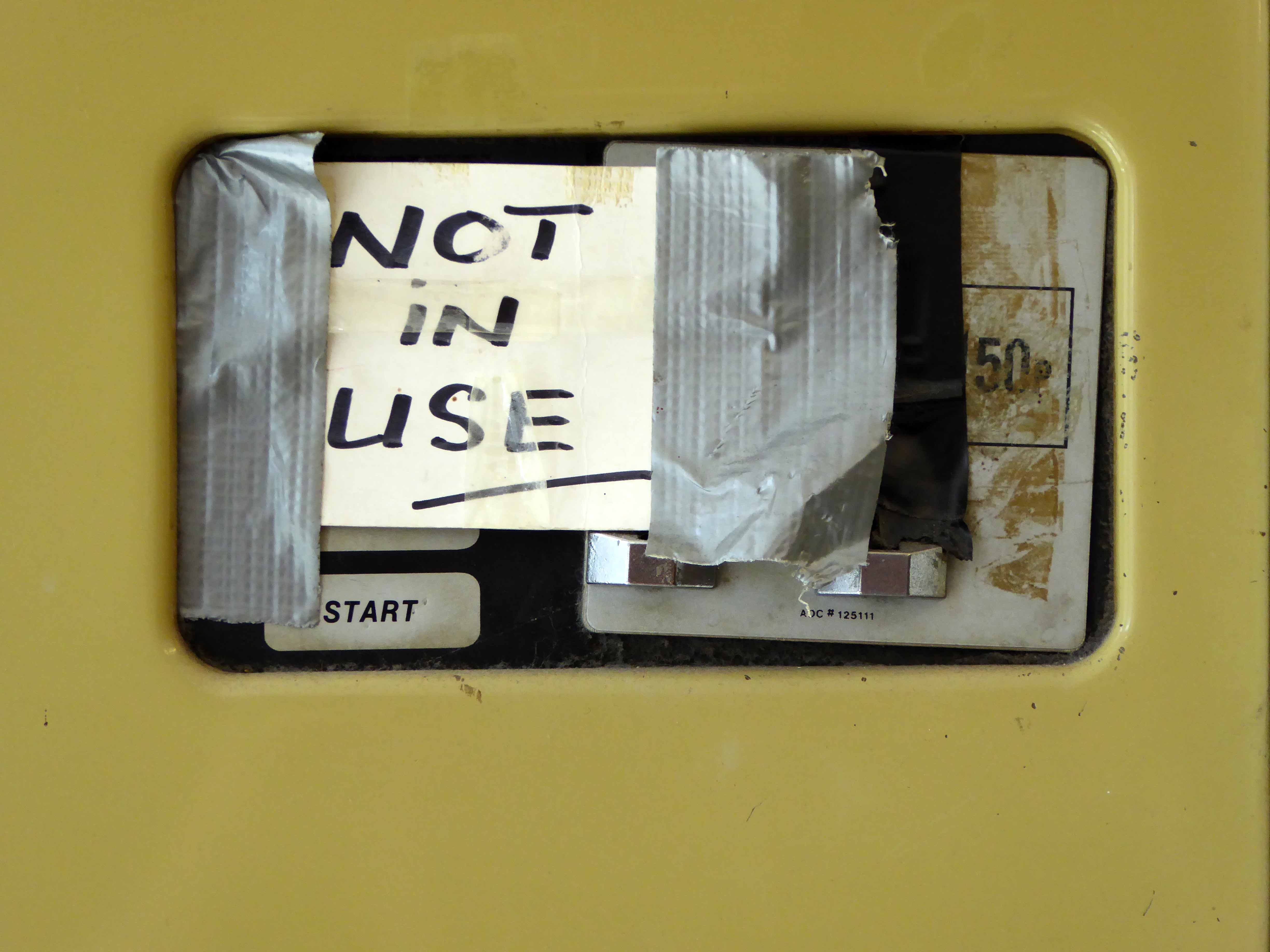
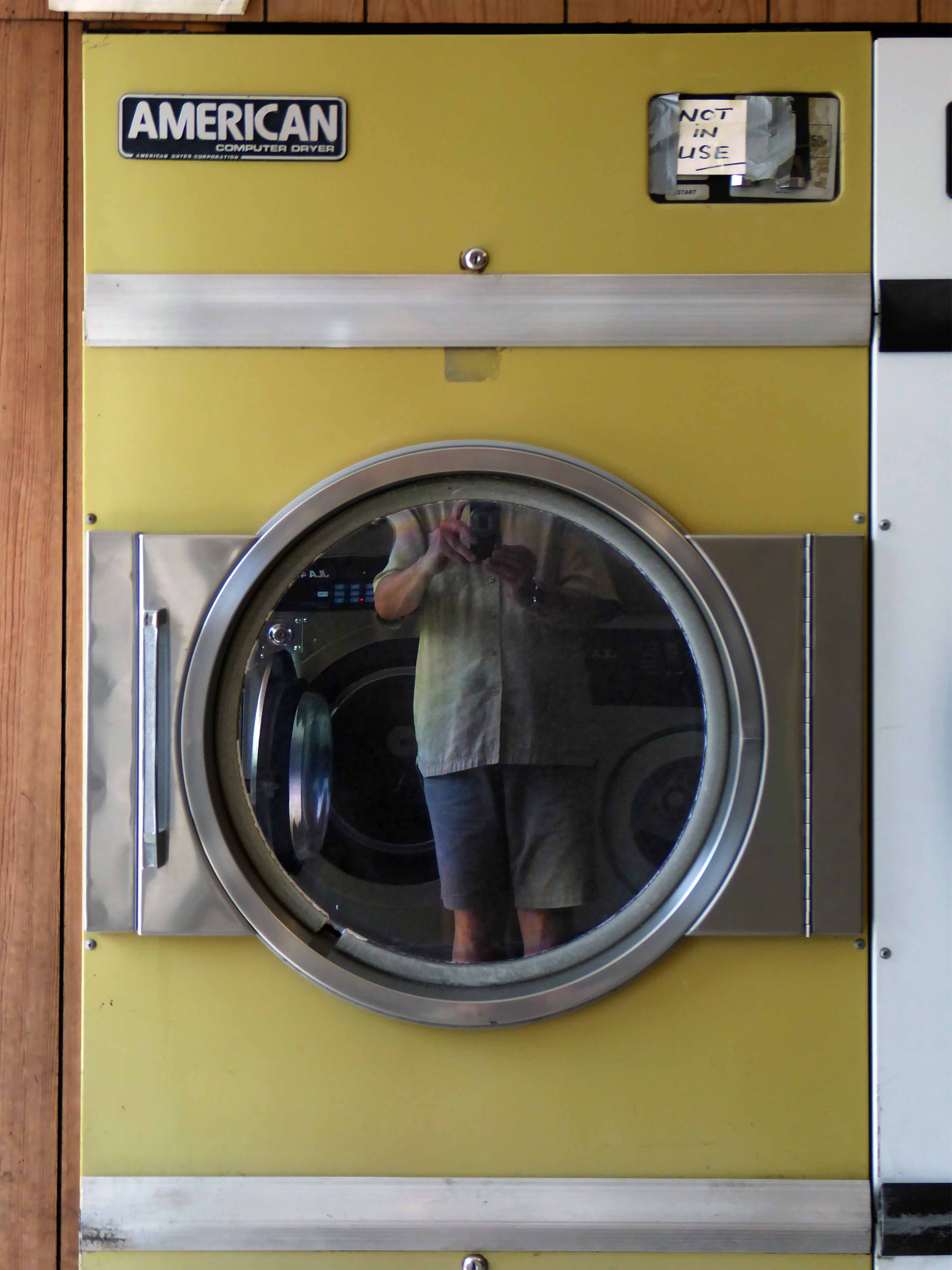
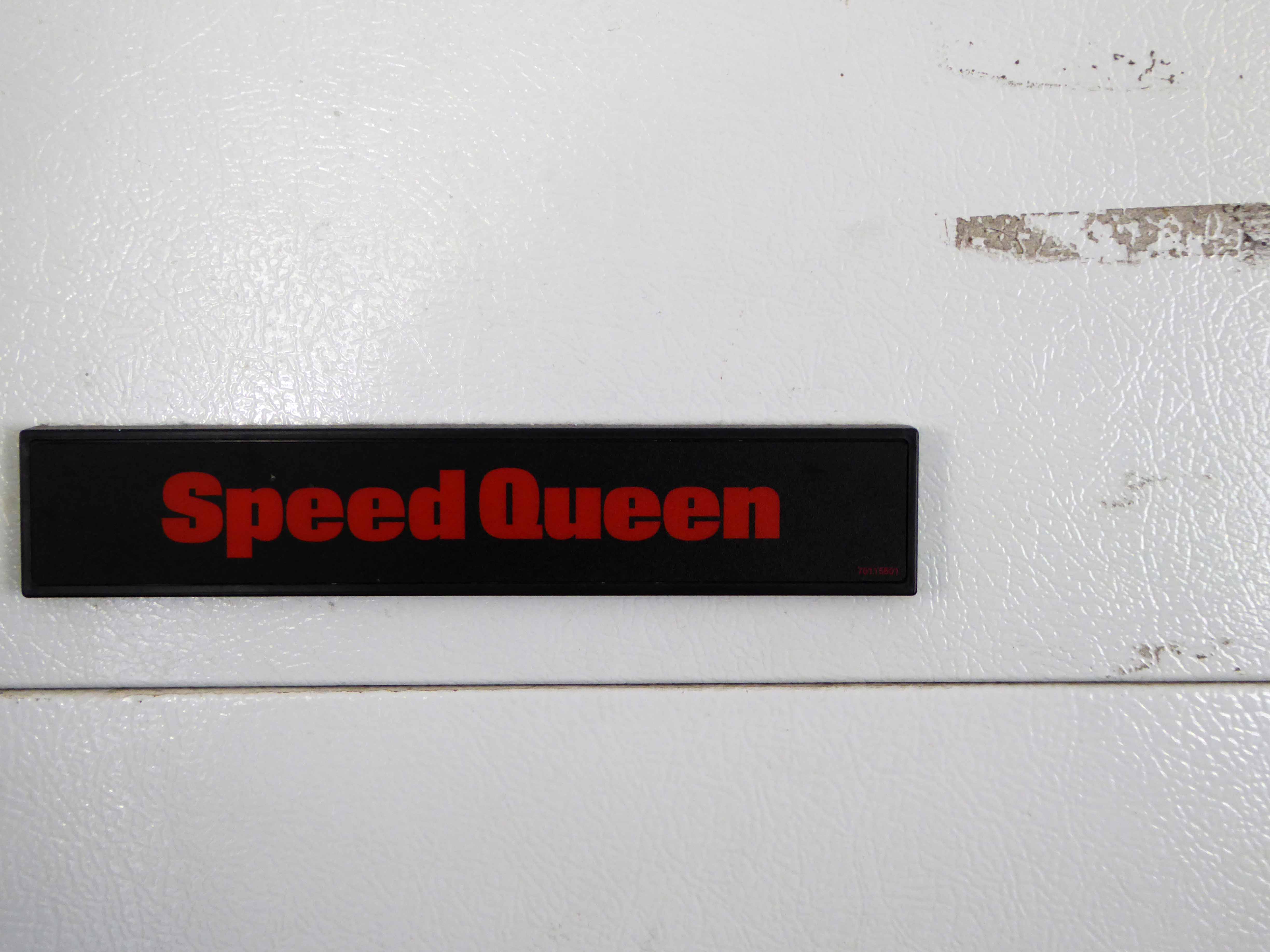
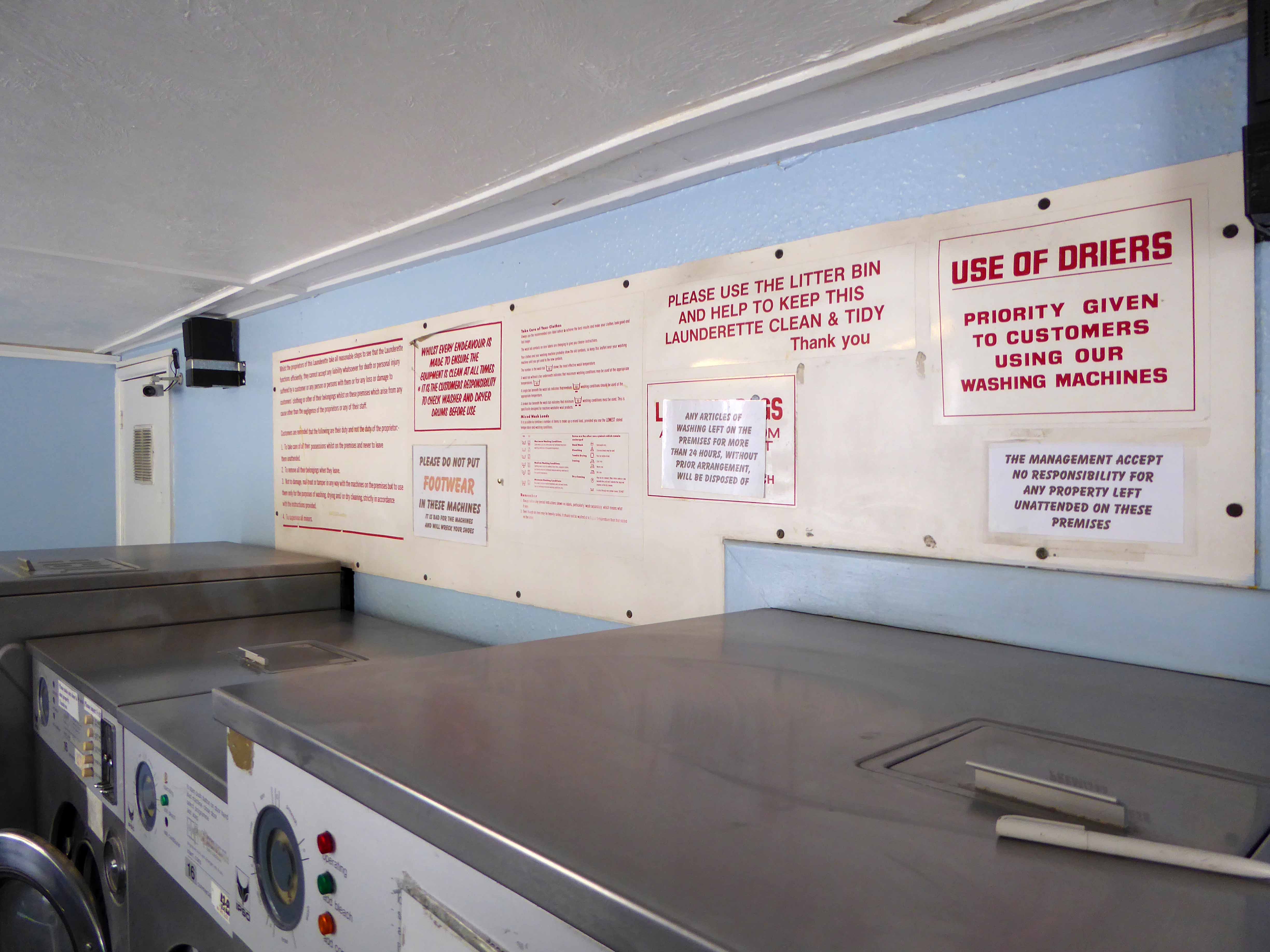
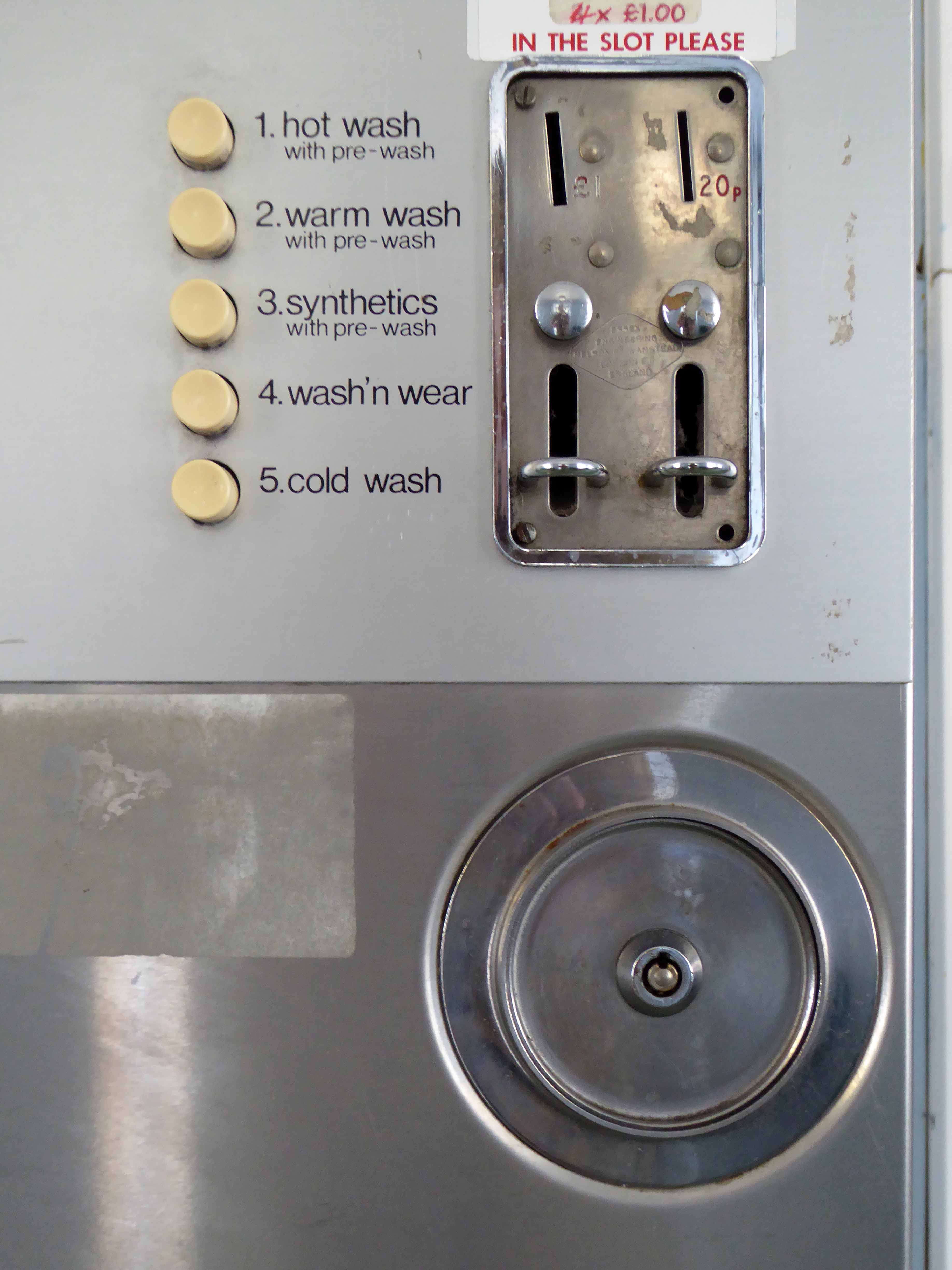
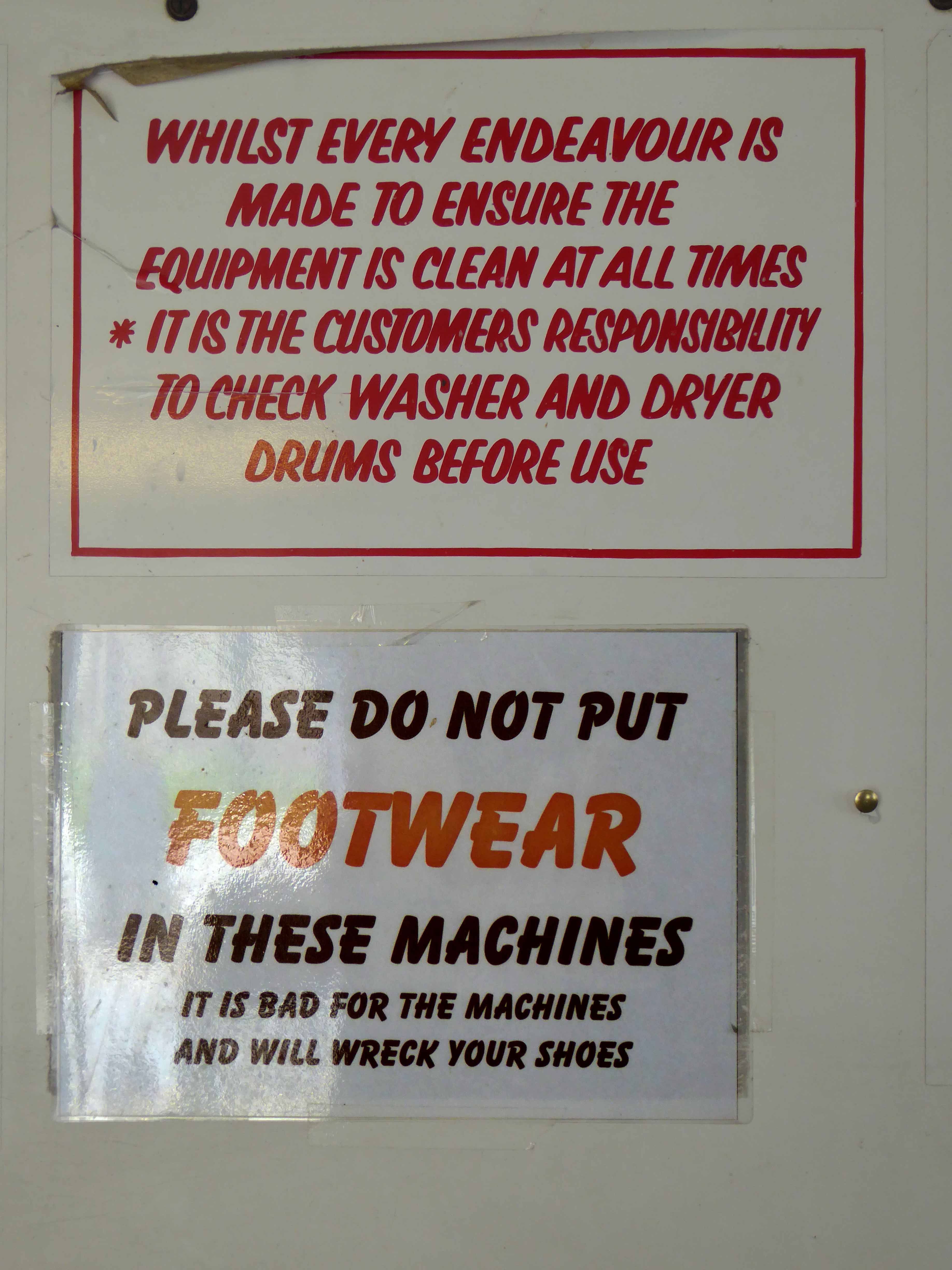
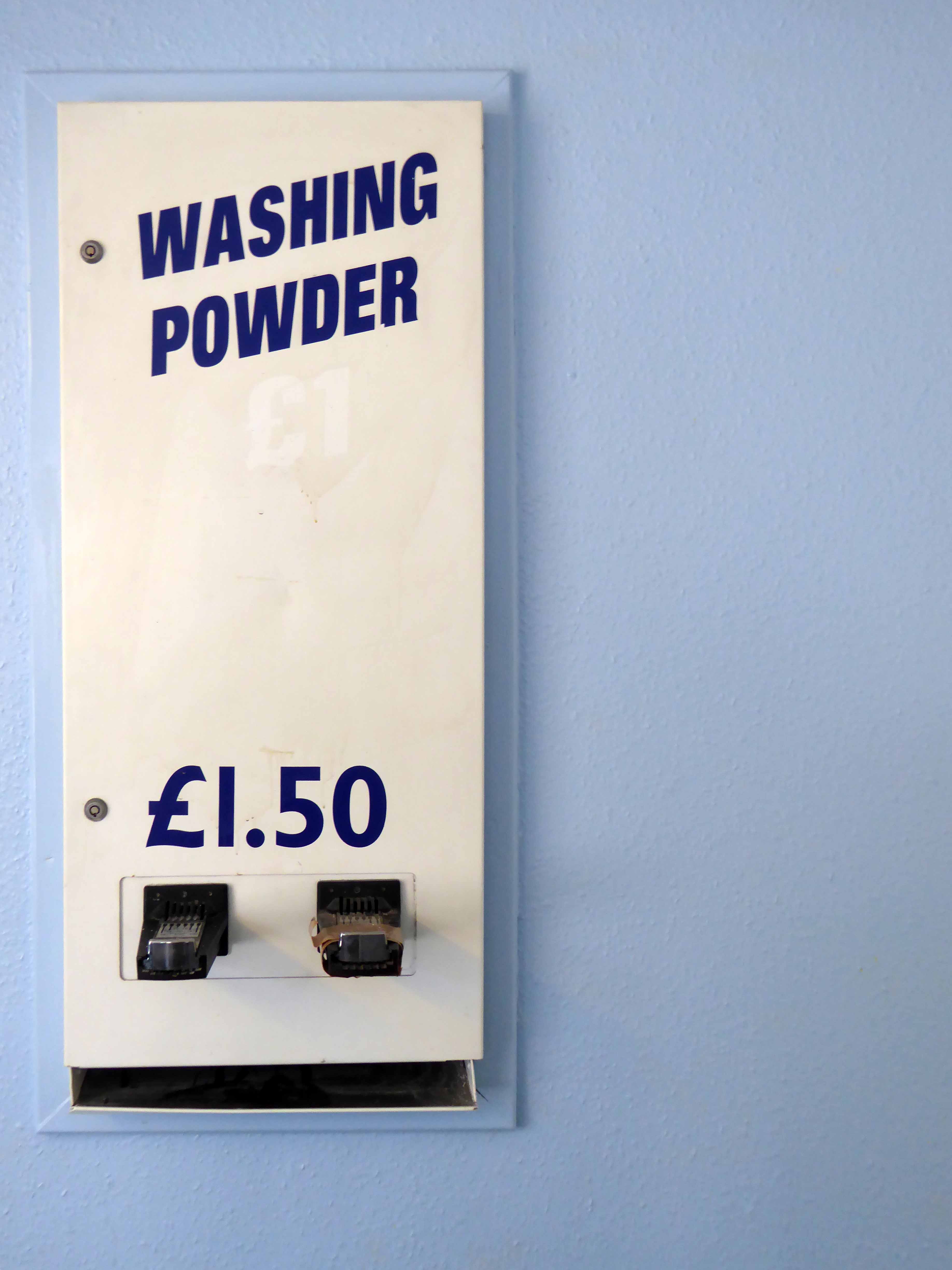
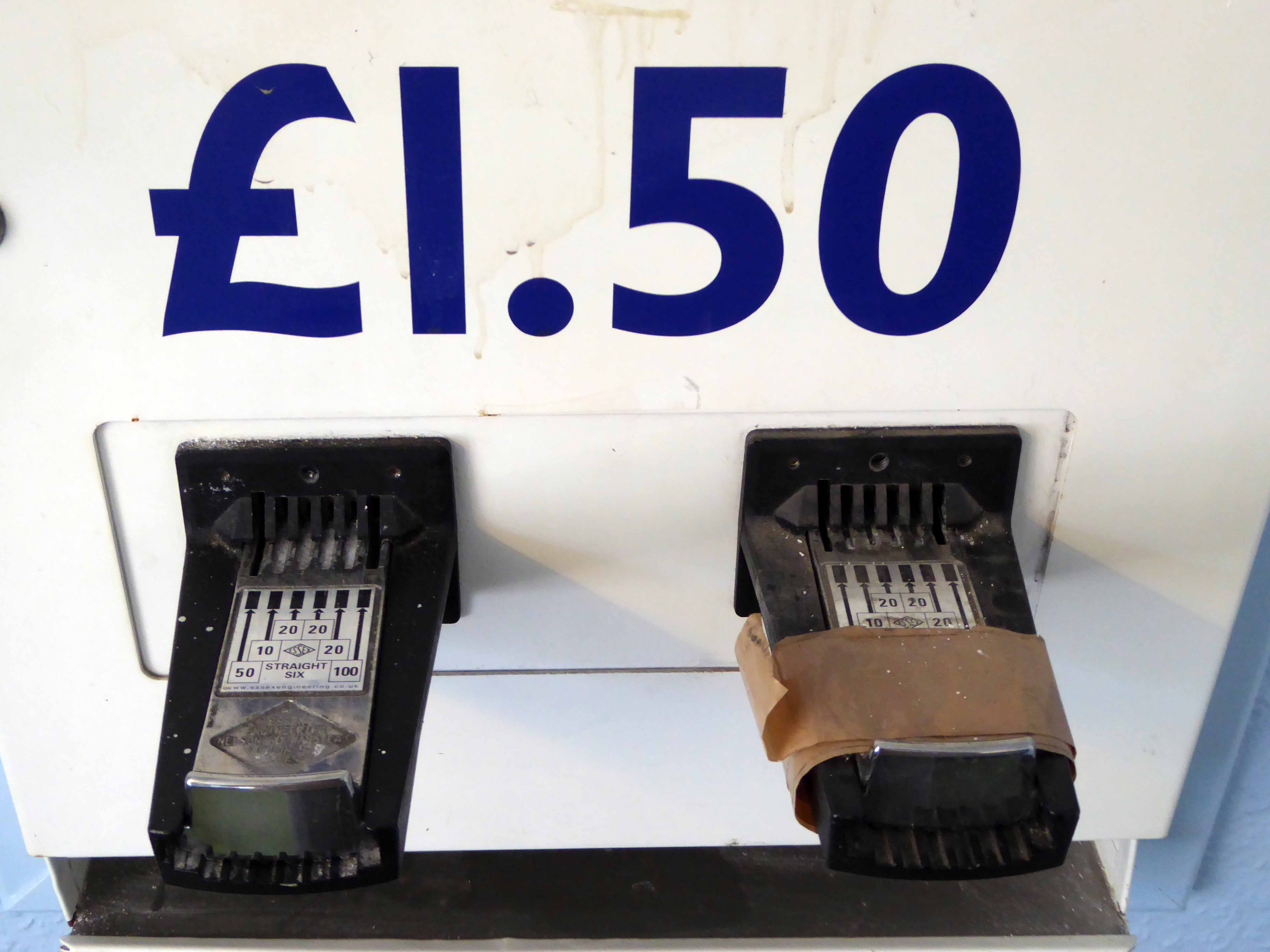
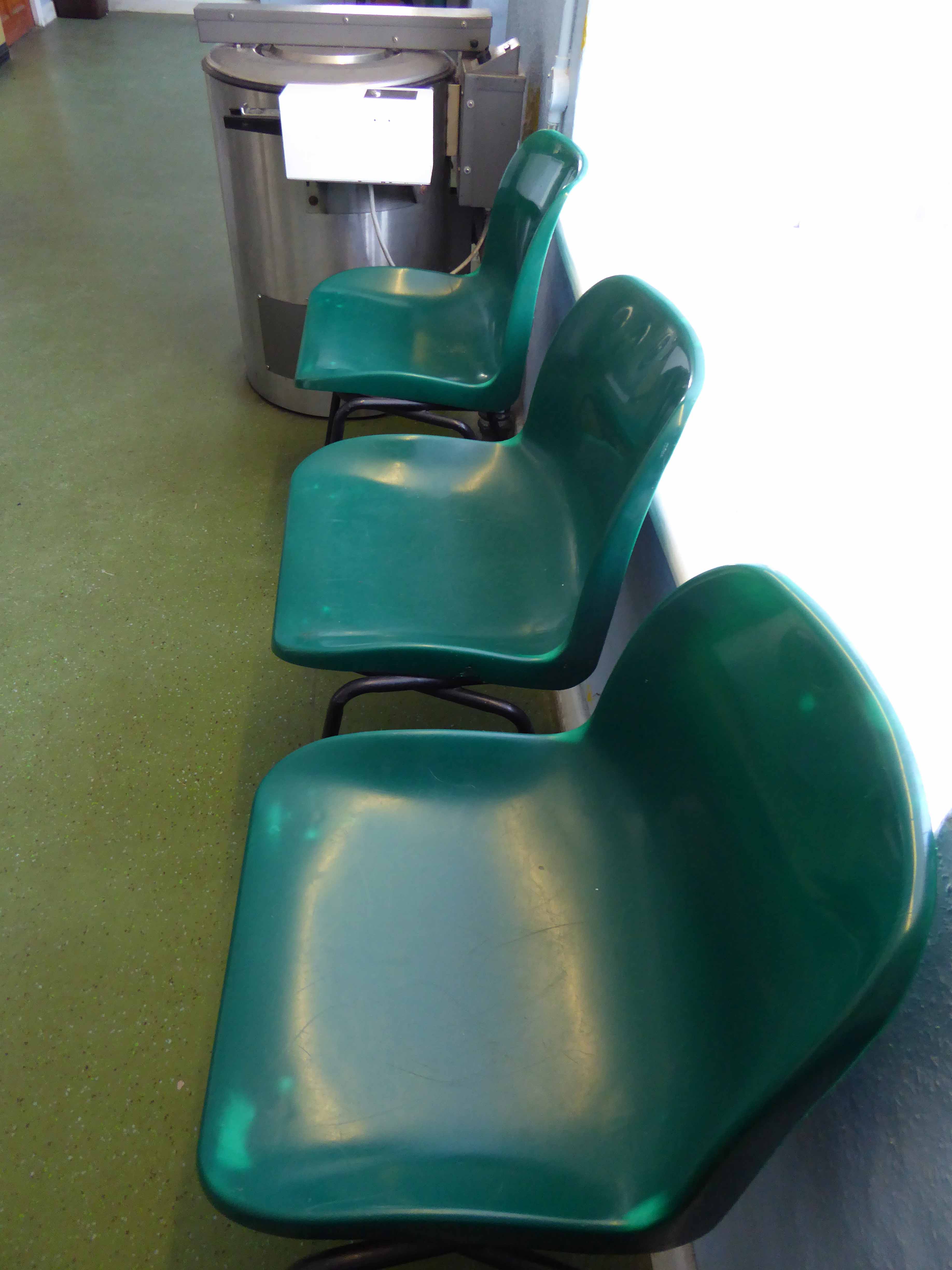
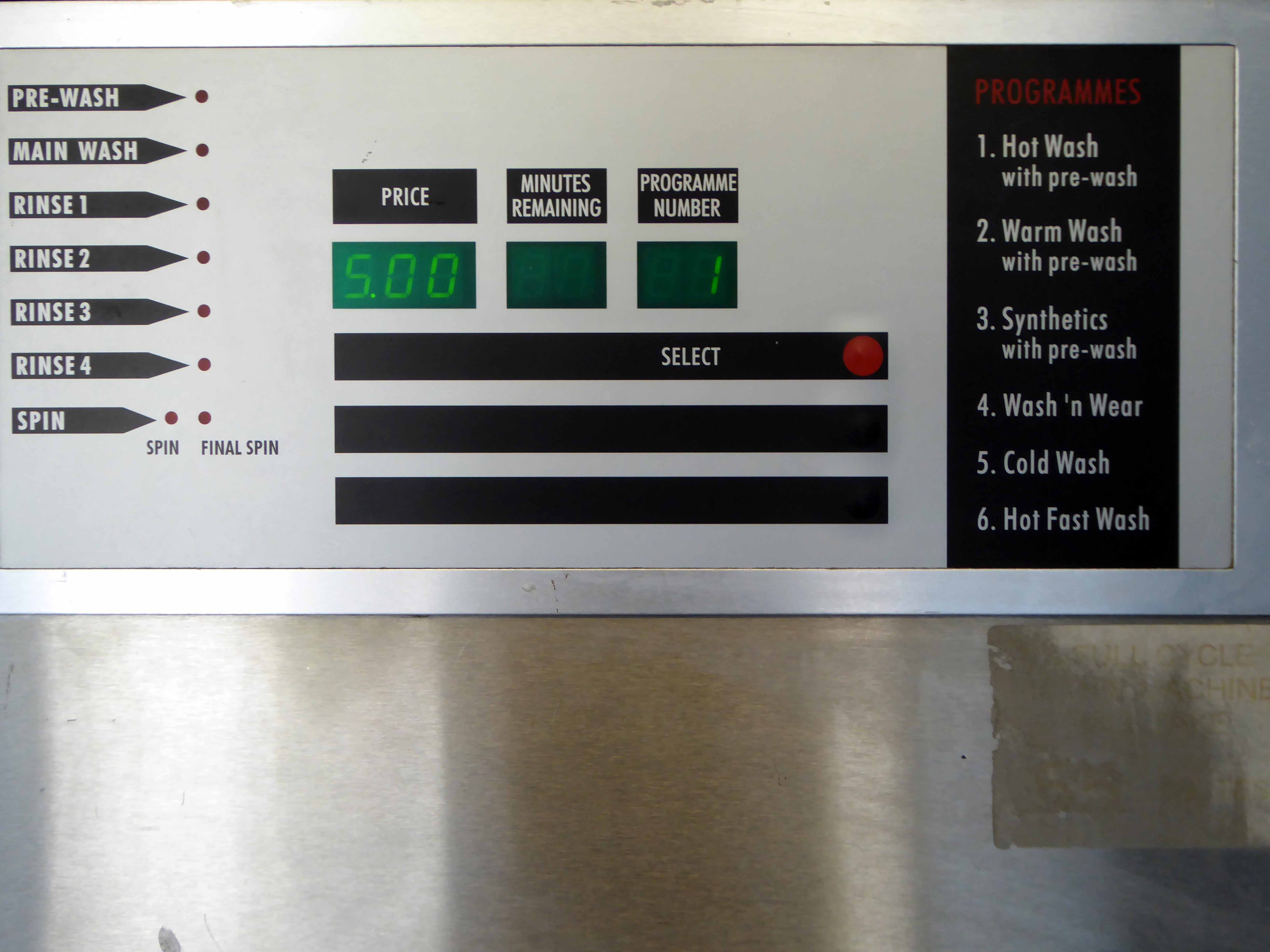
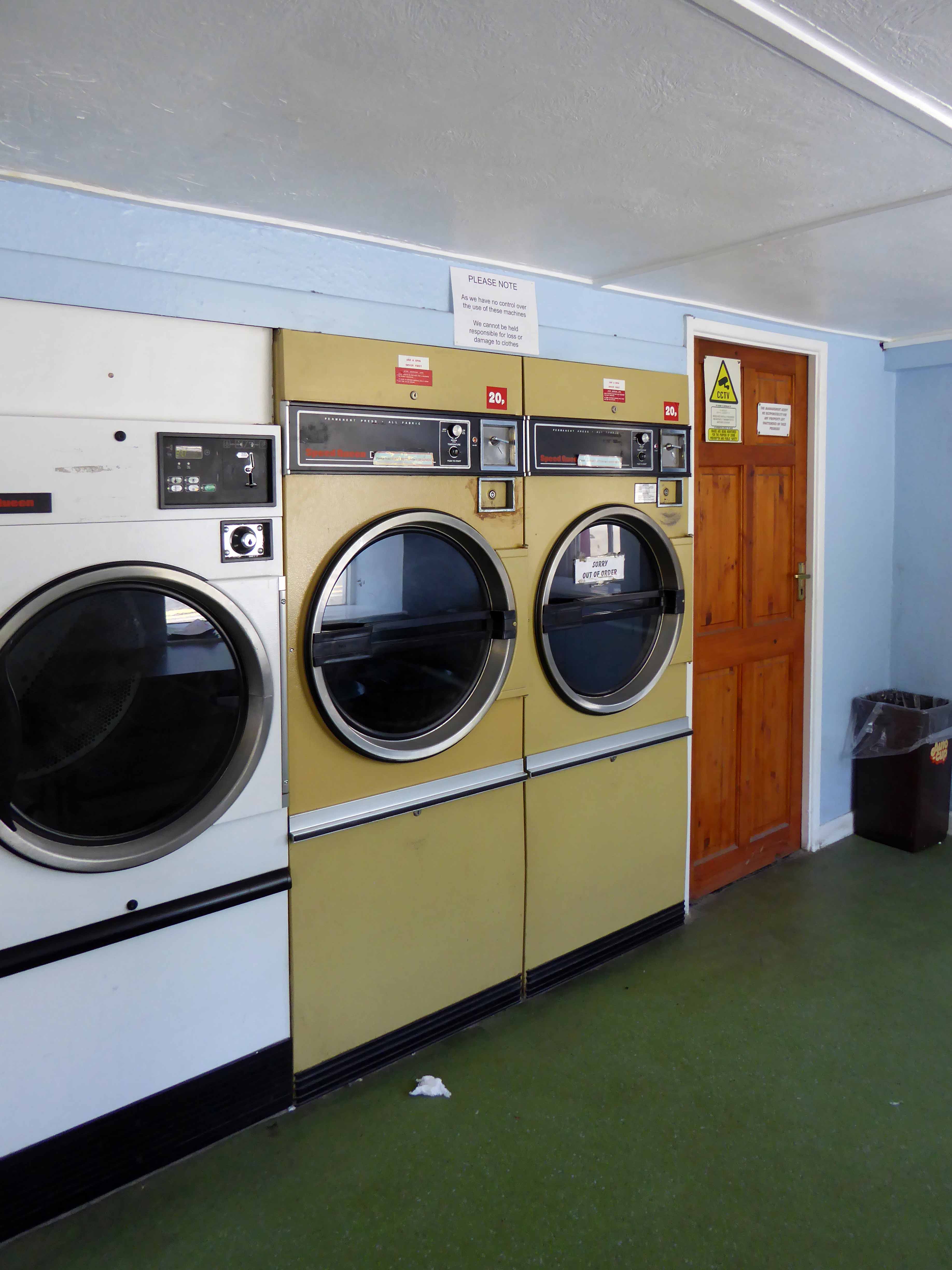
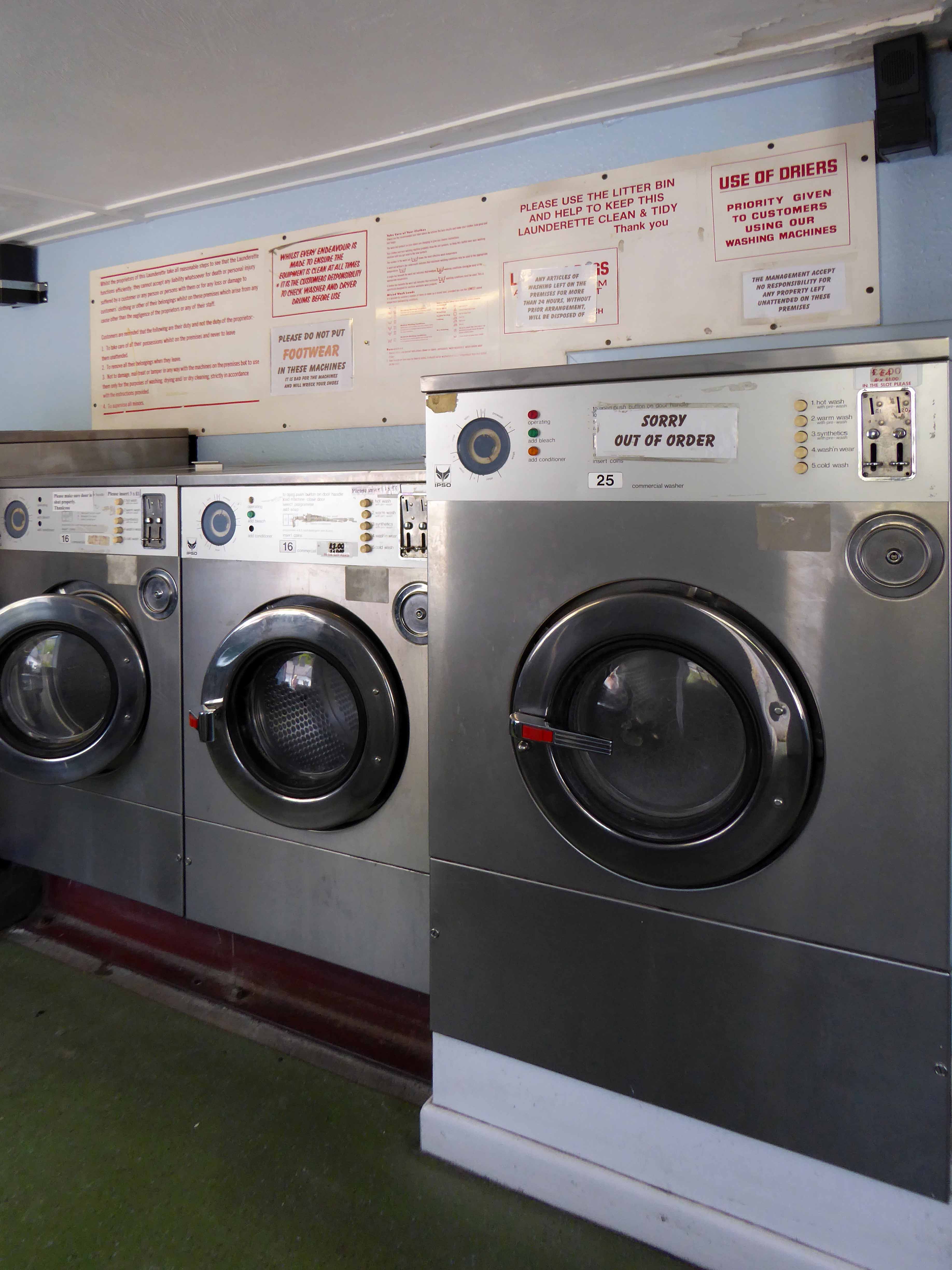
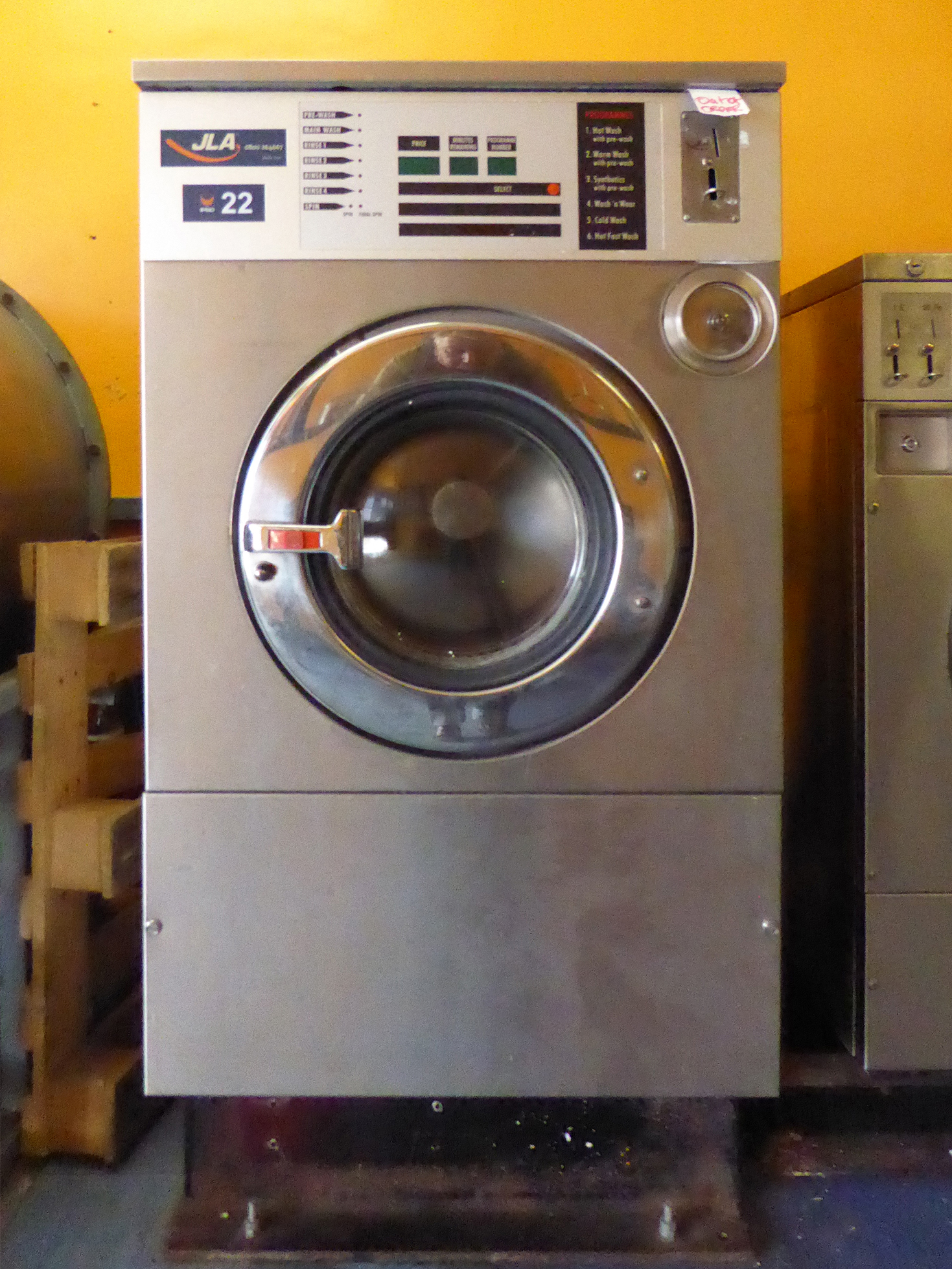
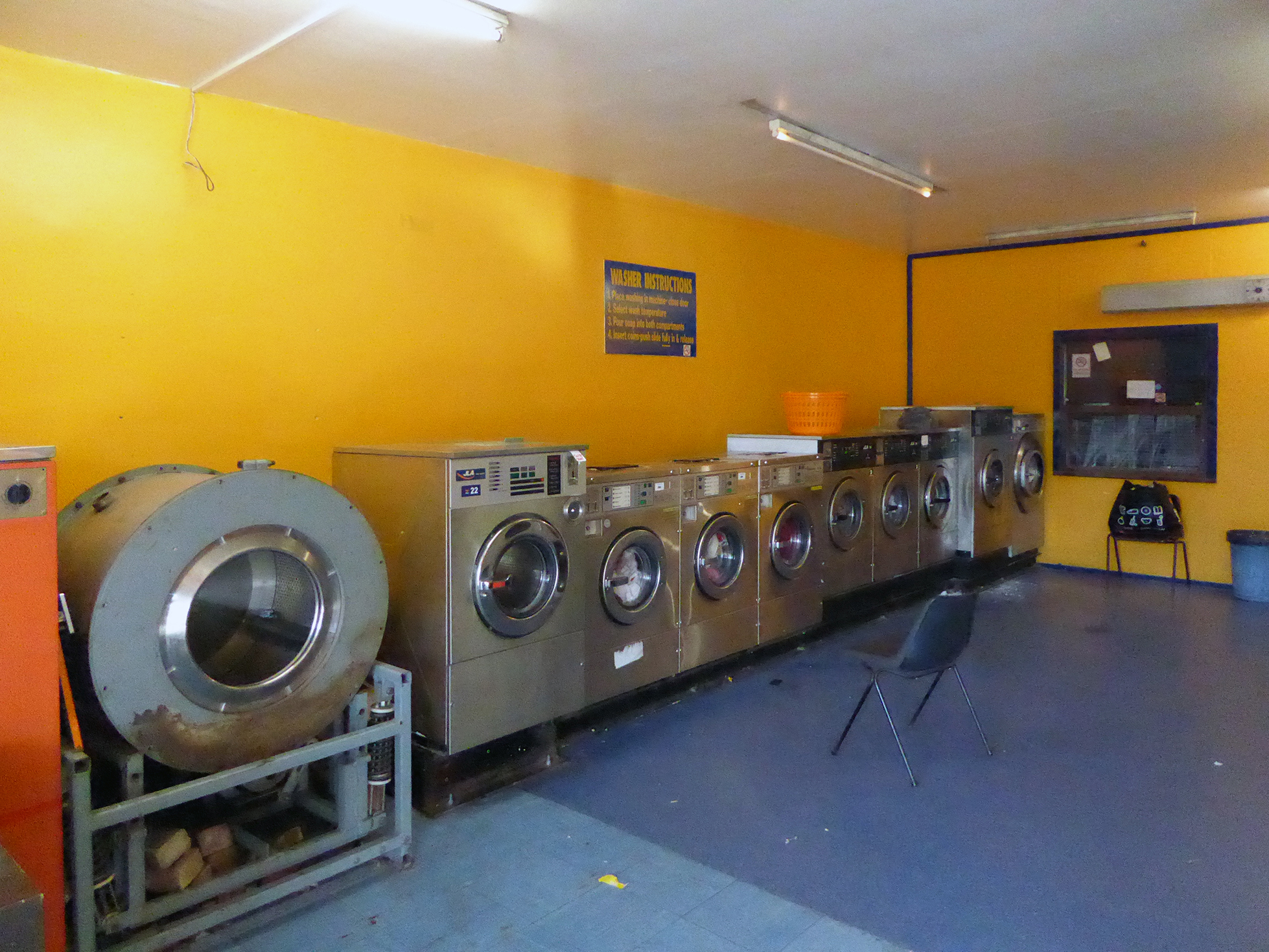
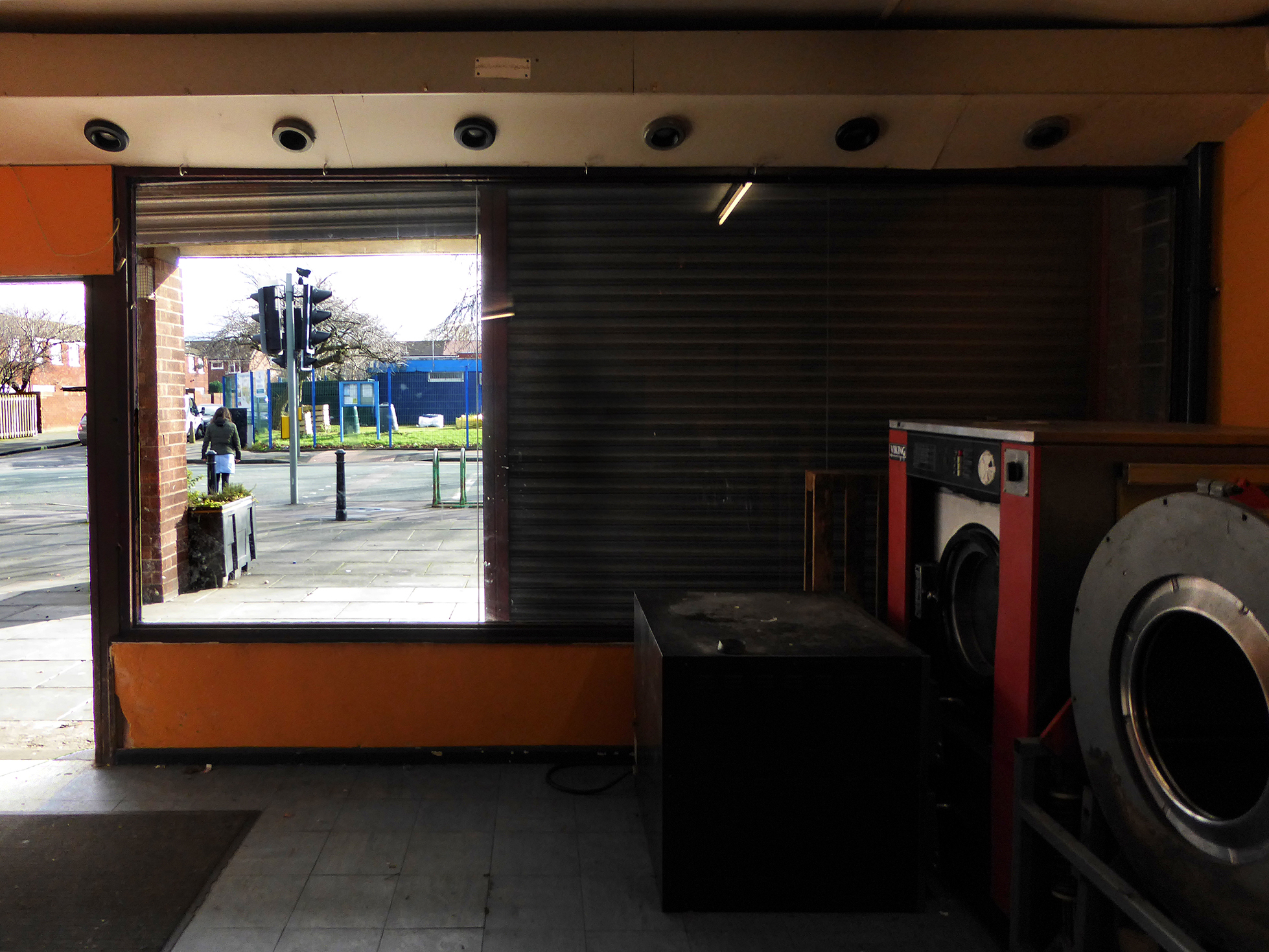
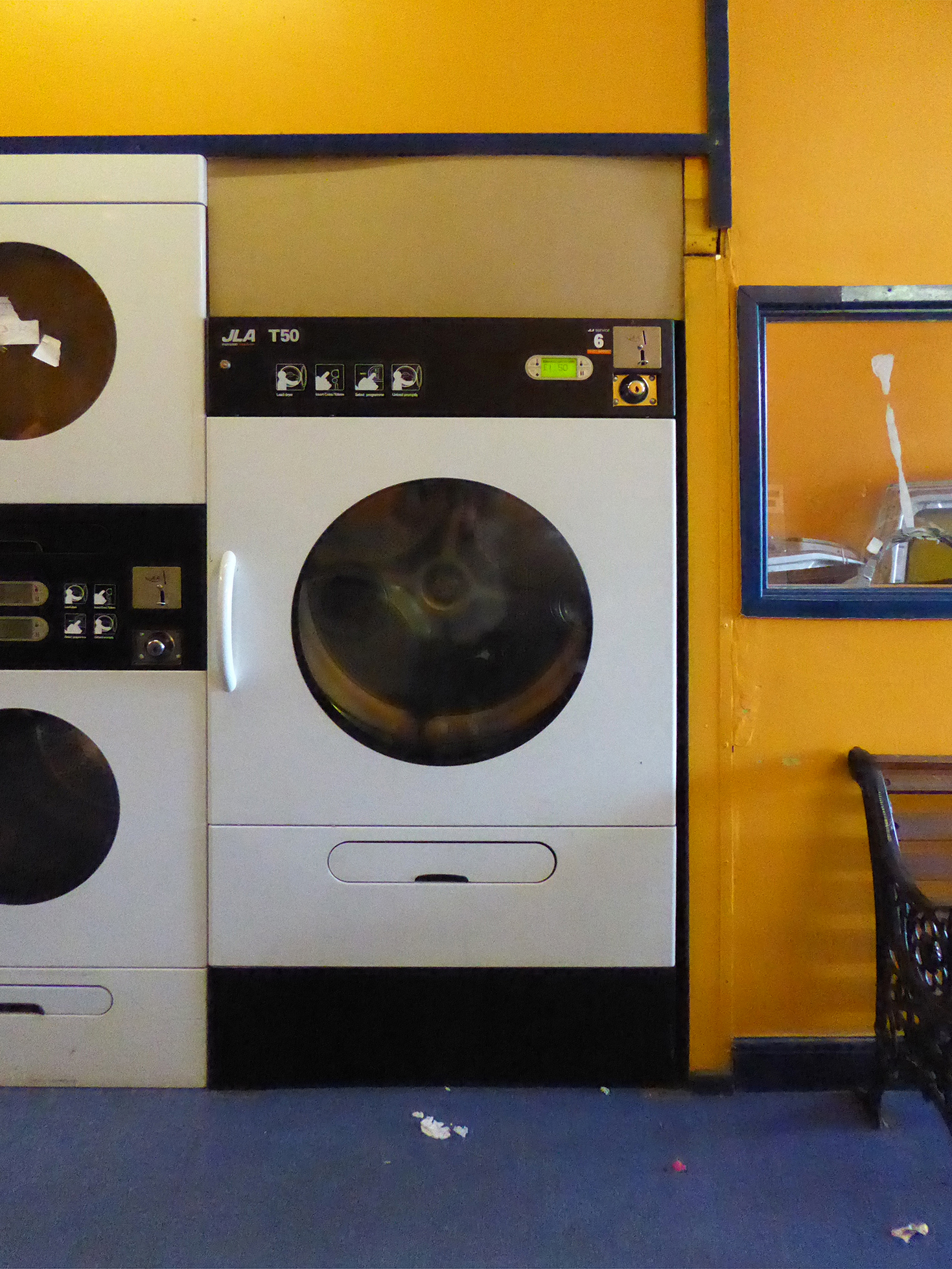
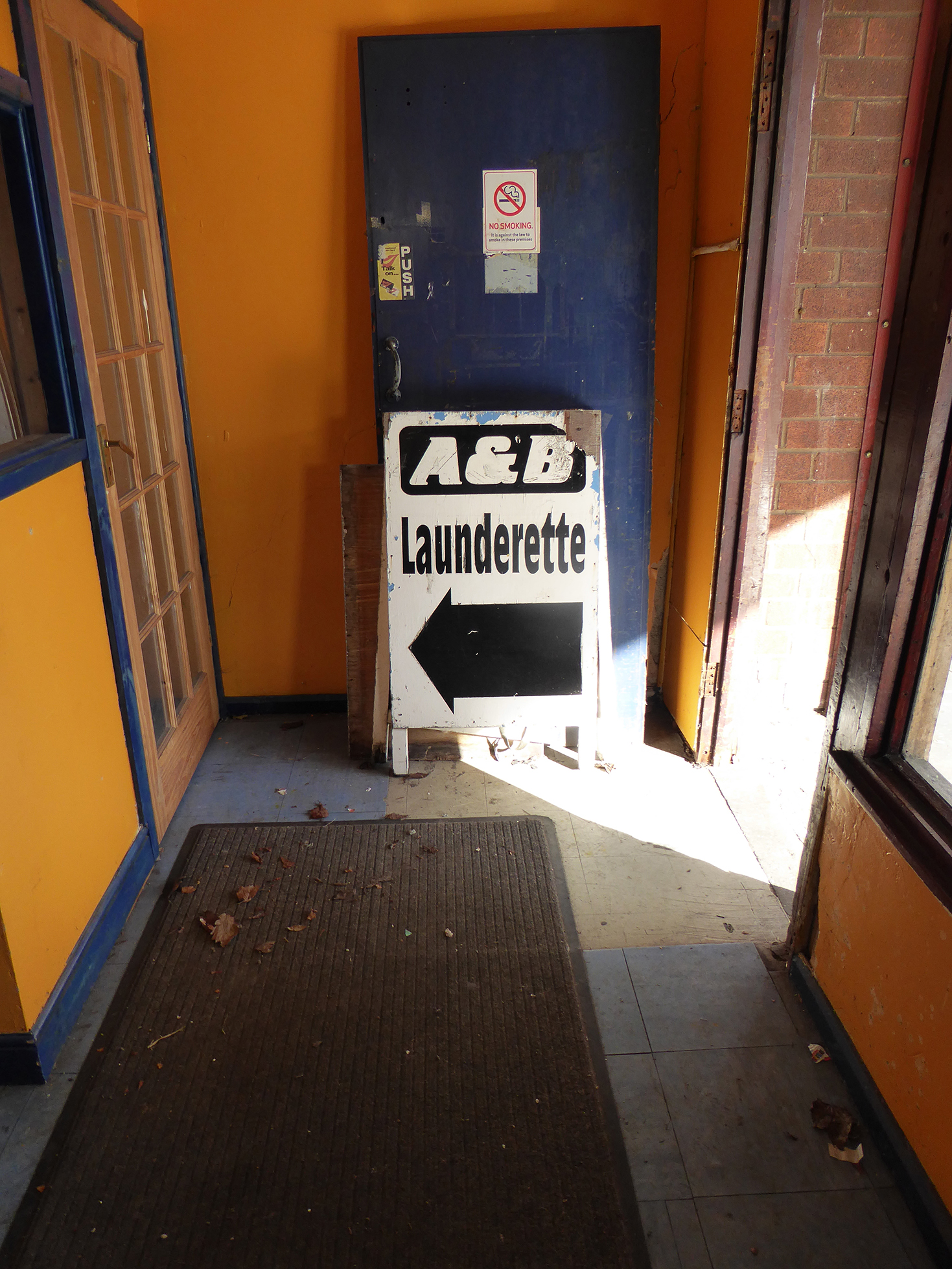
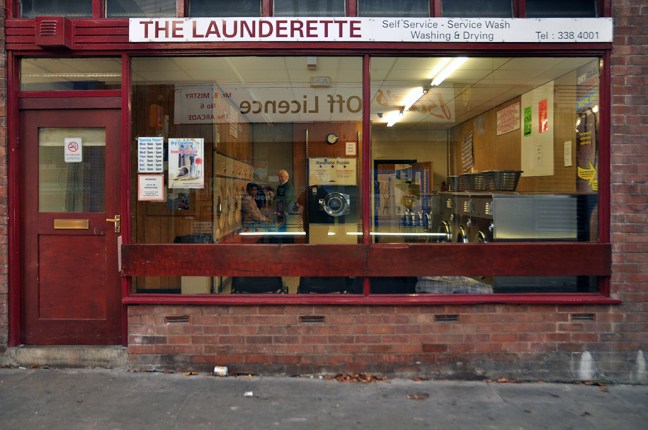
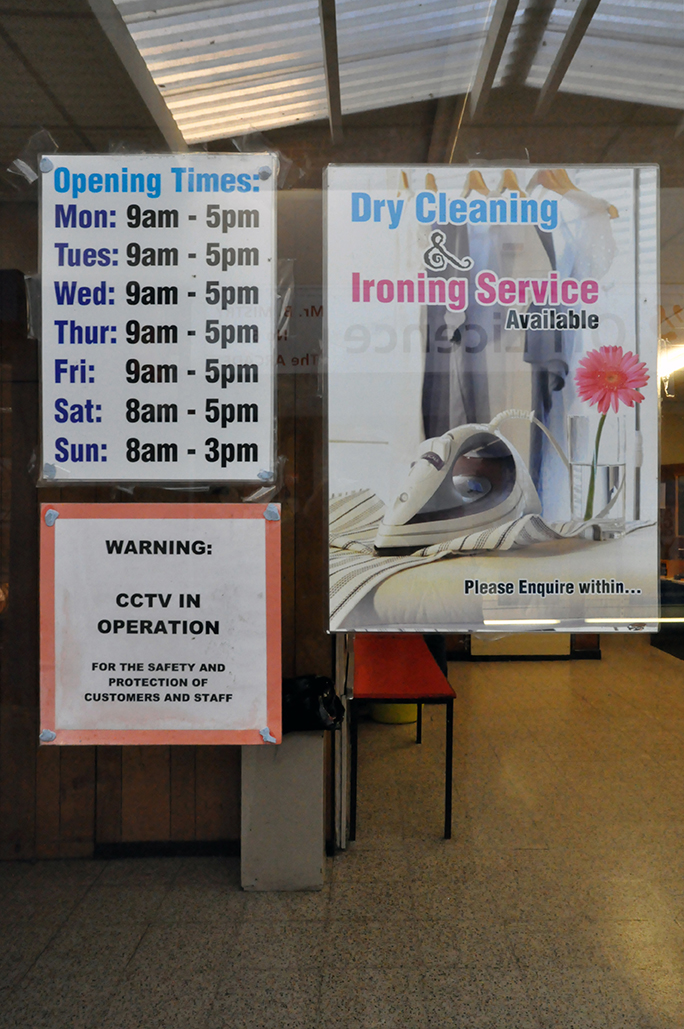
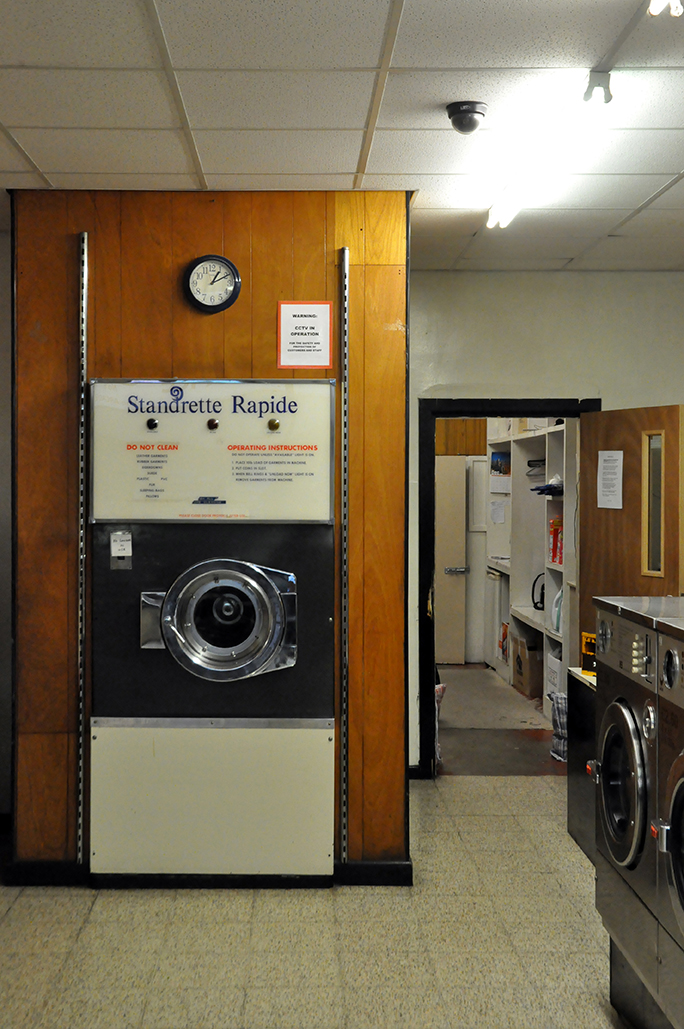
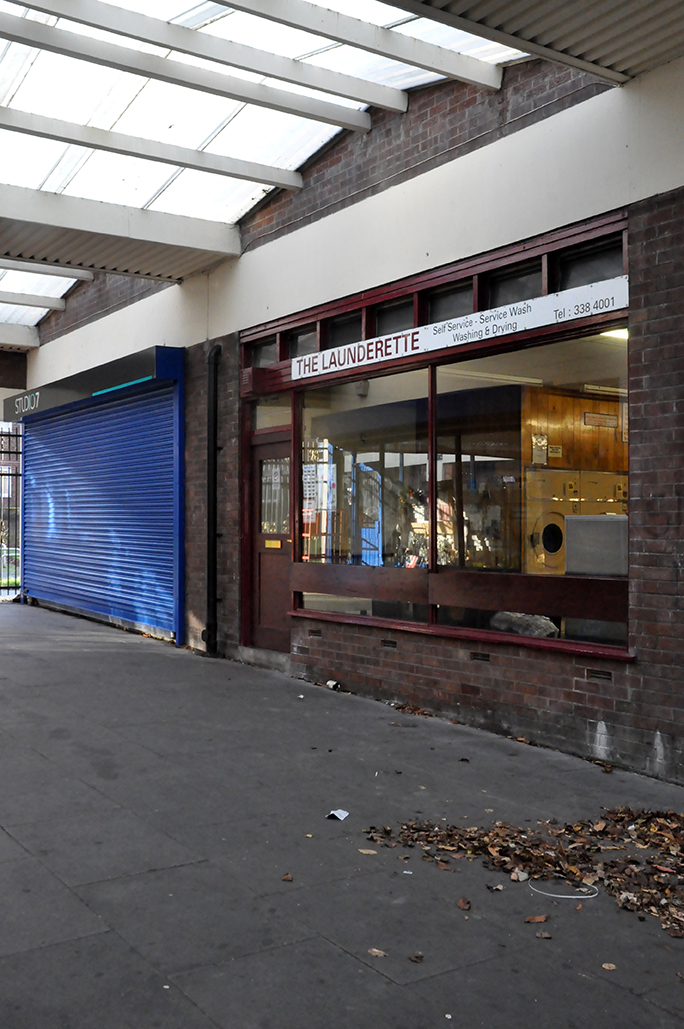
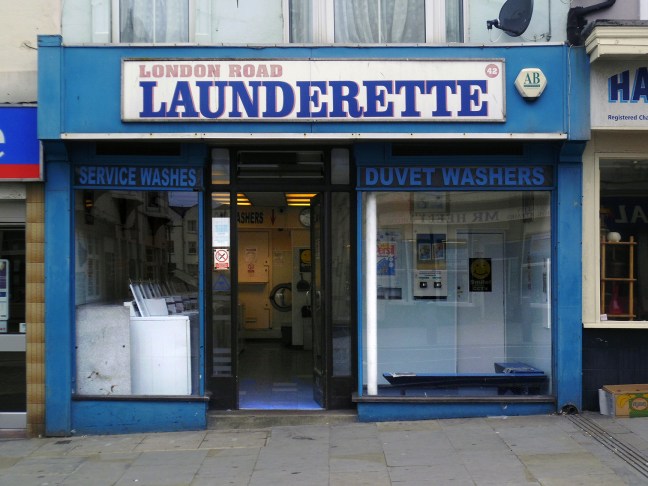
Ay up it’s a launderette that almost thinks it’s a scooter!

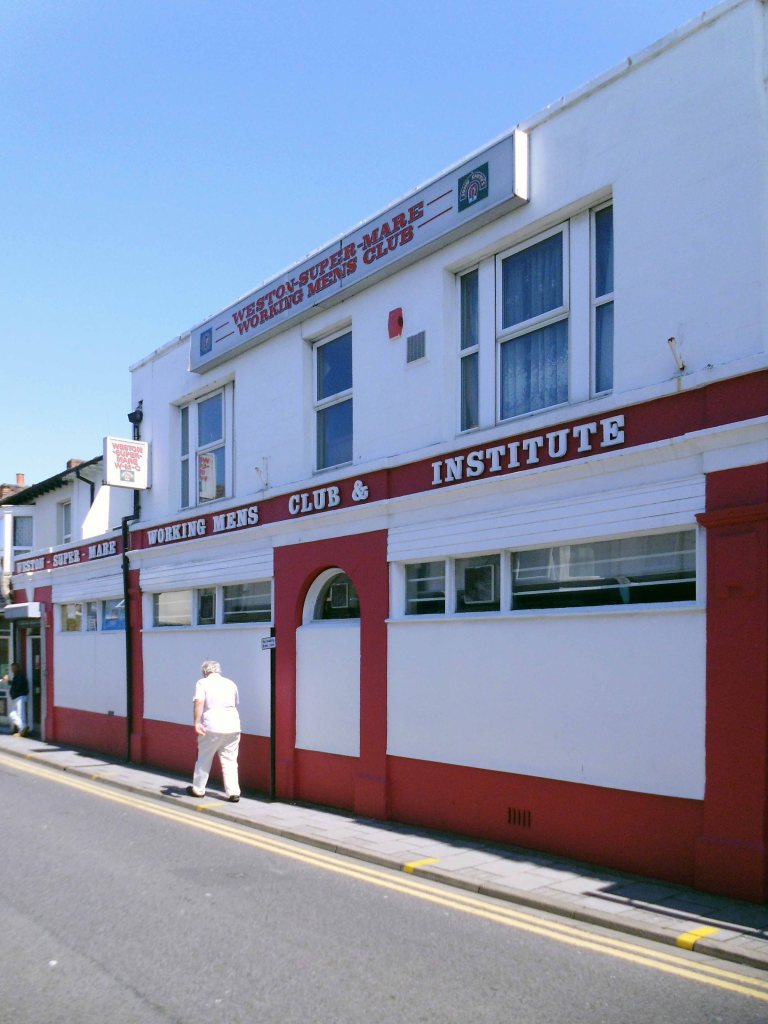
Cheap beer, raffle, singer and bingo on a Wednesday afternoon.

Amazing and great atmosphere with friendly service staff and atmosphere, love it, real nice people

Facebook

Russell Davies Flickr

Keeler Productions has taken over Locking Road Car Park, opposite Tesco, and The Regent Restaurant, in Regent Street, to film a BBC period series The Trial of Christine Keeler, based on the Profumo Affair in the 1960s.

Weston Mercury

Enough of all that period drama, let’s have a look at some period architecture.

Madeira Court – 67 flats built in 1988.

Weekly Social Activities include – coffee mornings, card evenings and occasional days out, organised by social club. New residents accepted from sixty years of age, both cats and dogs generally accepted.

I can find no reference for this dalle de verre stained glass window.

Boulevard United Reformed Church – Waterloo Street

Architects Gordon W. Jackson and Partners 1959

Constructed on part of the site of the former Electric Premier Cinema, the Odeon Theatre was opened on 25th May 1935 with Jack Buchanan in Brewster’s Millions. Built as one of the original Odeon Theatres in the then emerging Oscar Deutsch Odeon Theatres circuit, it was built on a prime corner street position in this sea-side town and was the first of several Odeon Theatre’s to be designed by architect Cecil T Howitt.

The Odeon was Grade II Listed on 21st August 1986.

Cinema Treasures

The Weston-super-Mare Odeon was built by C Bryant & Son Ltd of Birmingham on the site of the former Electric Premier Cinema. It opened on 25 May 1935, at which time it was described in the souvenir programme as ‘modernity at its best’, with seating accommodation that was ‘luxurious and spaced to give ample room for true comfort’.

A short walk along the prom snapping shelters and the sheltered – no two the same.

I then chanced to fall into a Beer Festival and bad company – the rest is a blur, see you all tomorrow there’s some cycling to be done.

Night night.
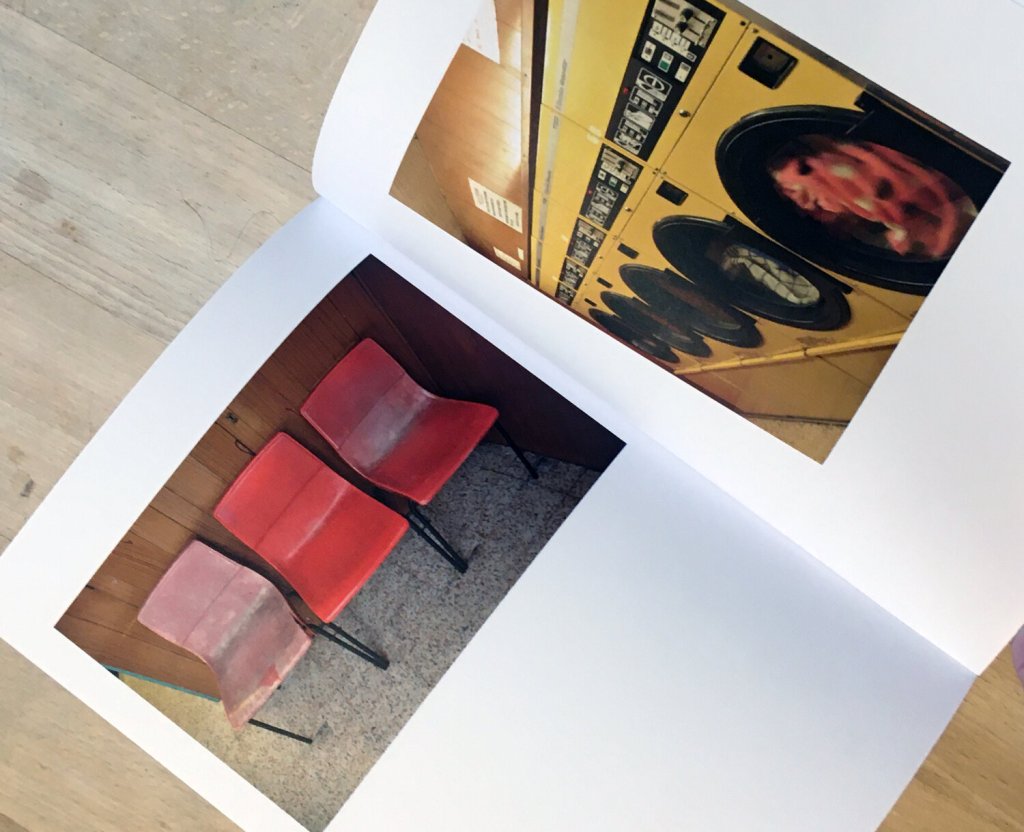
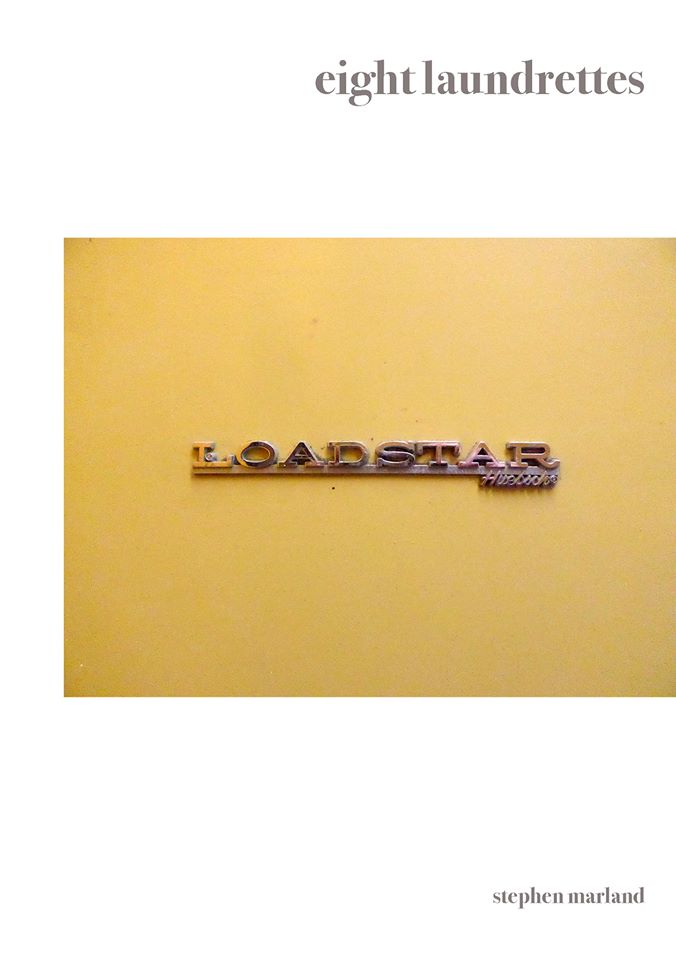
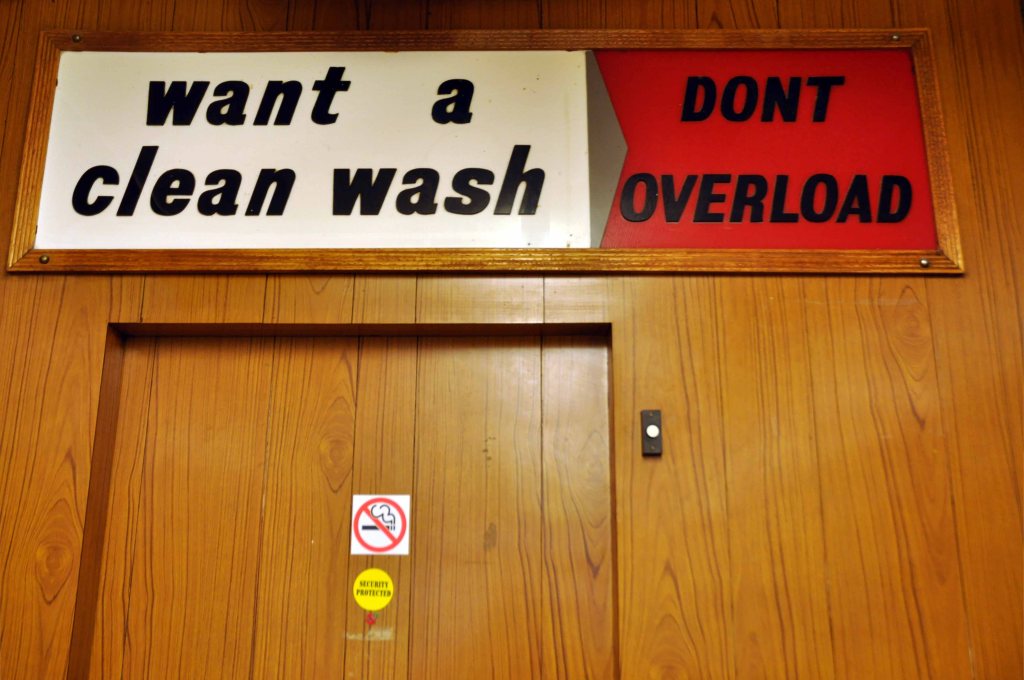
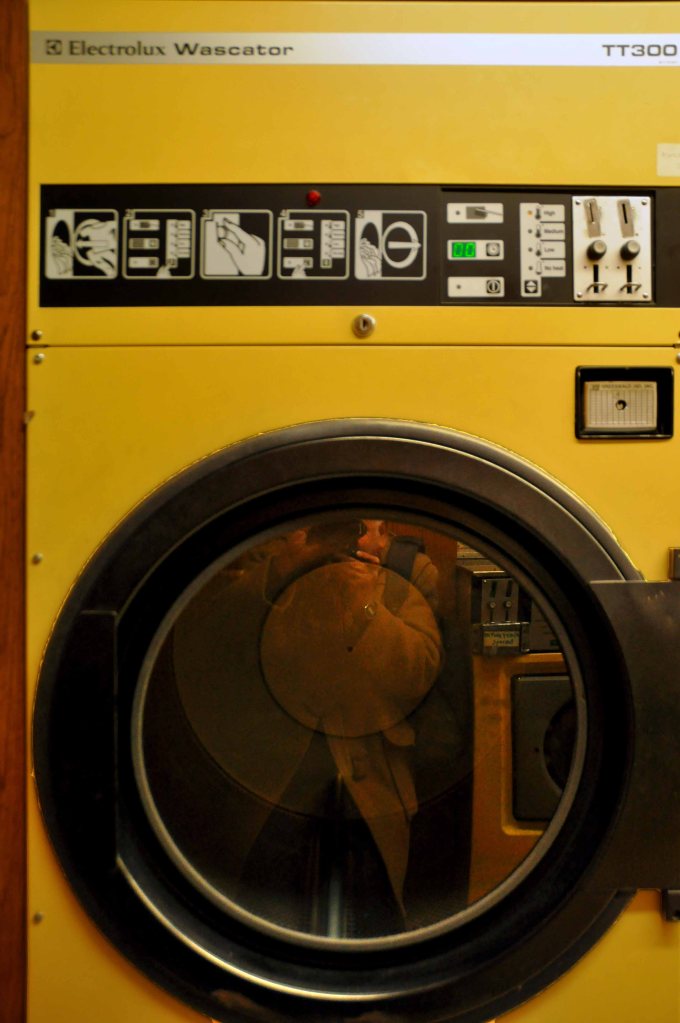
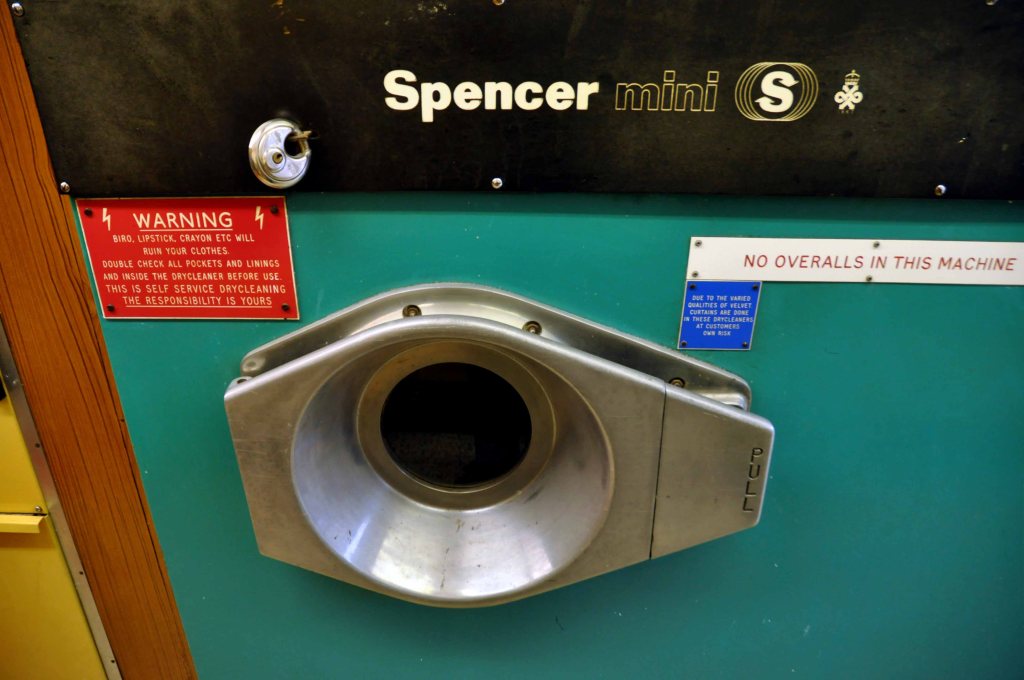
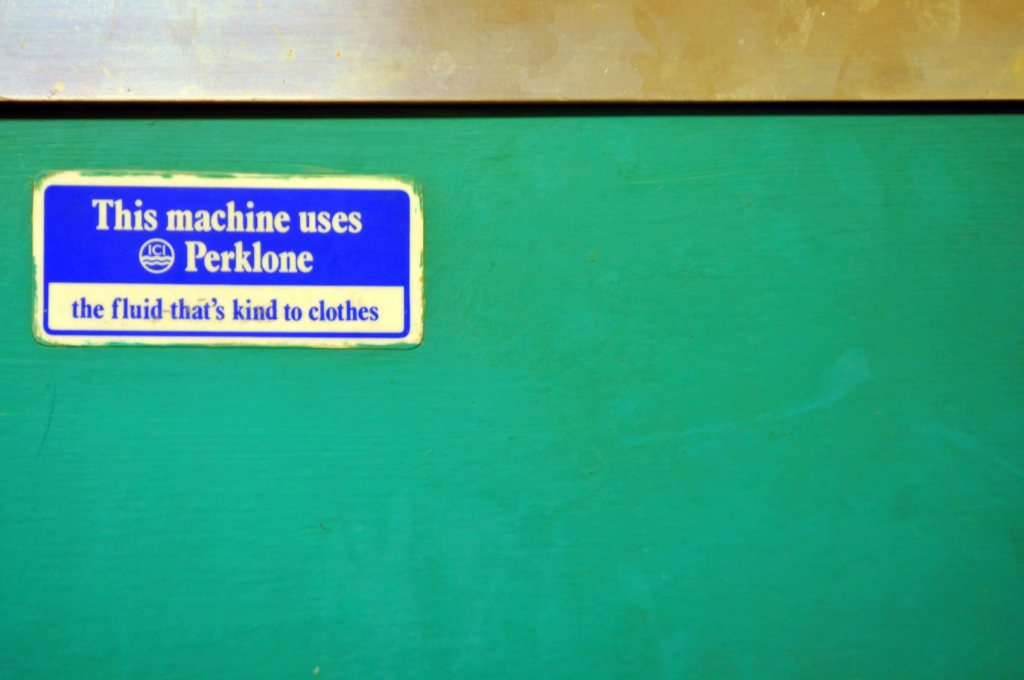
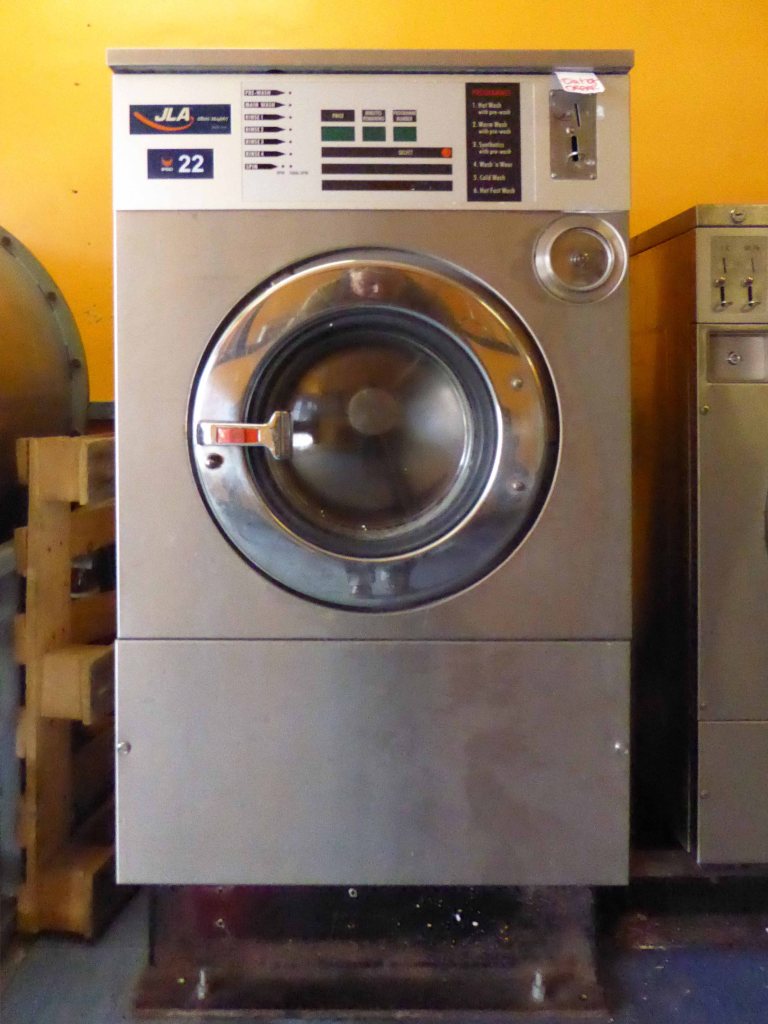
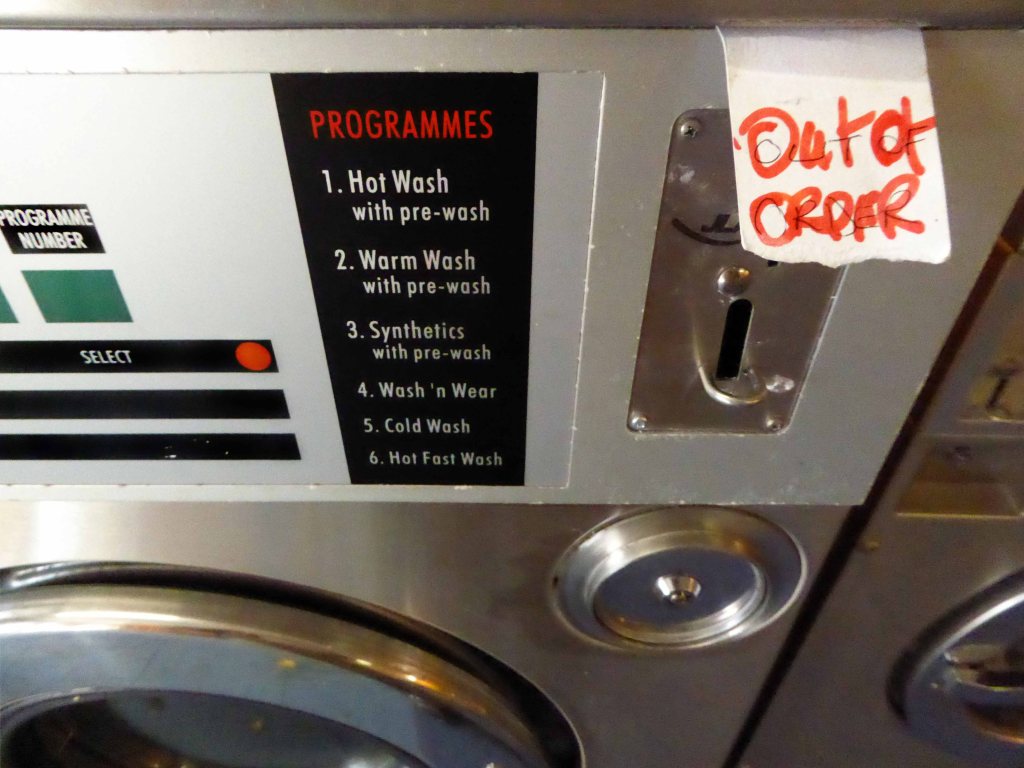
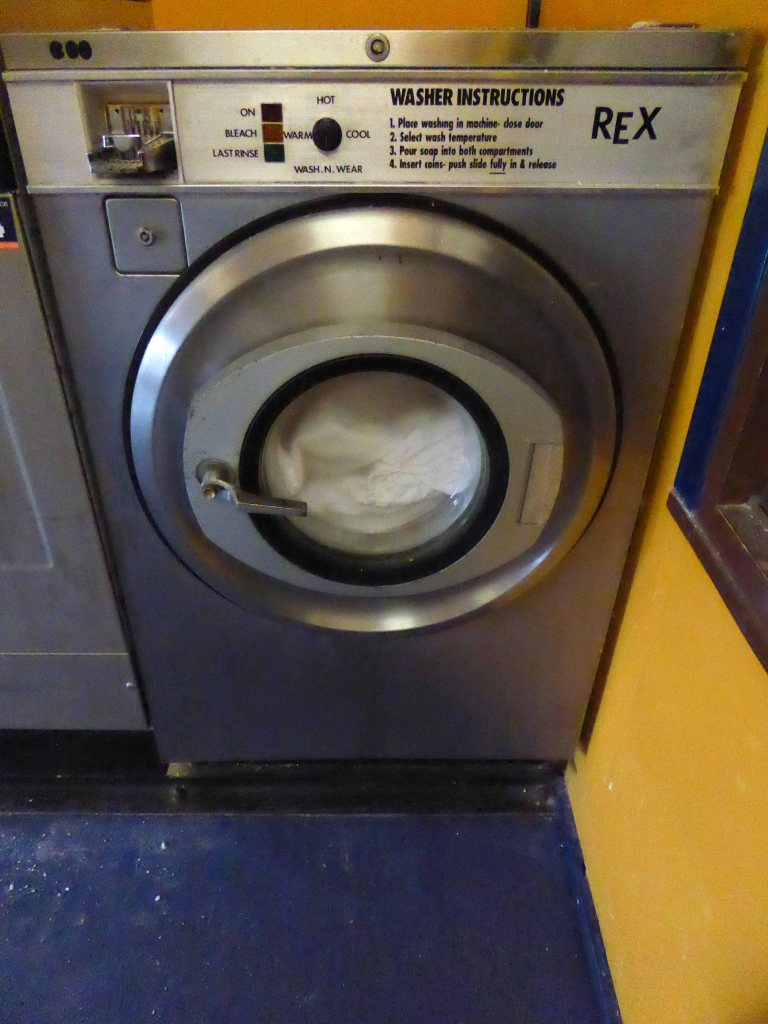
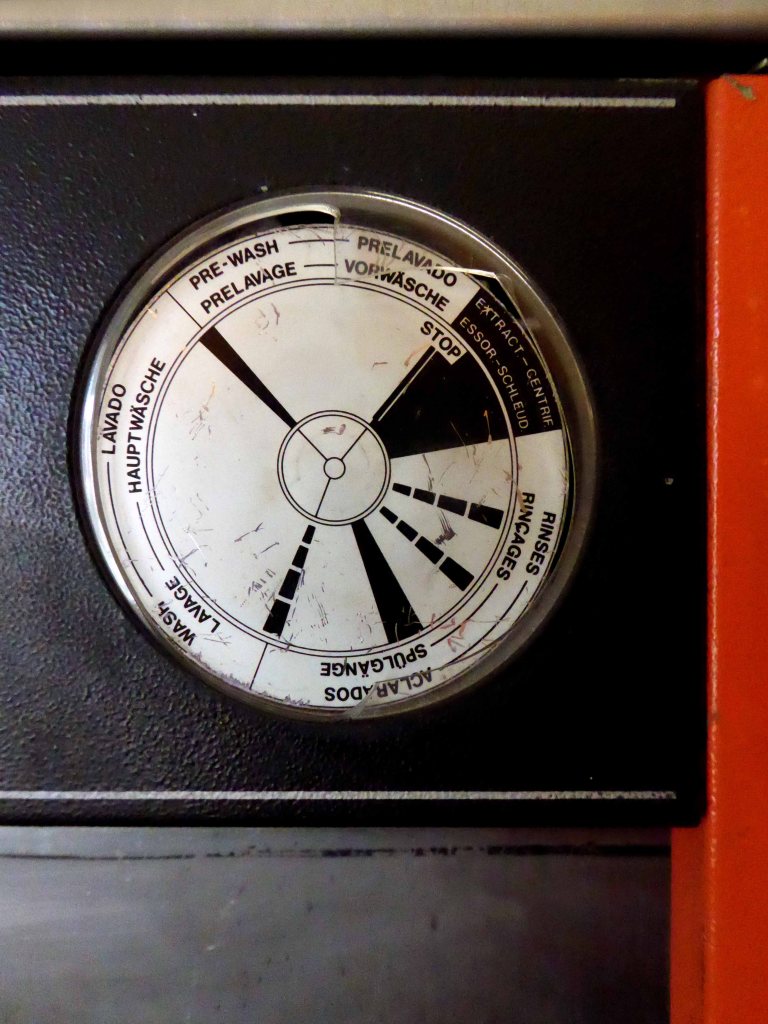
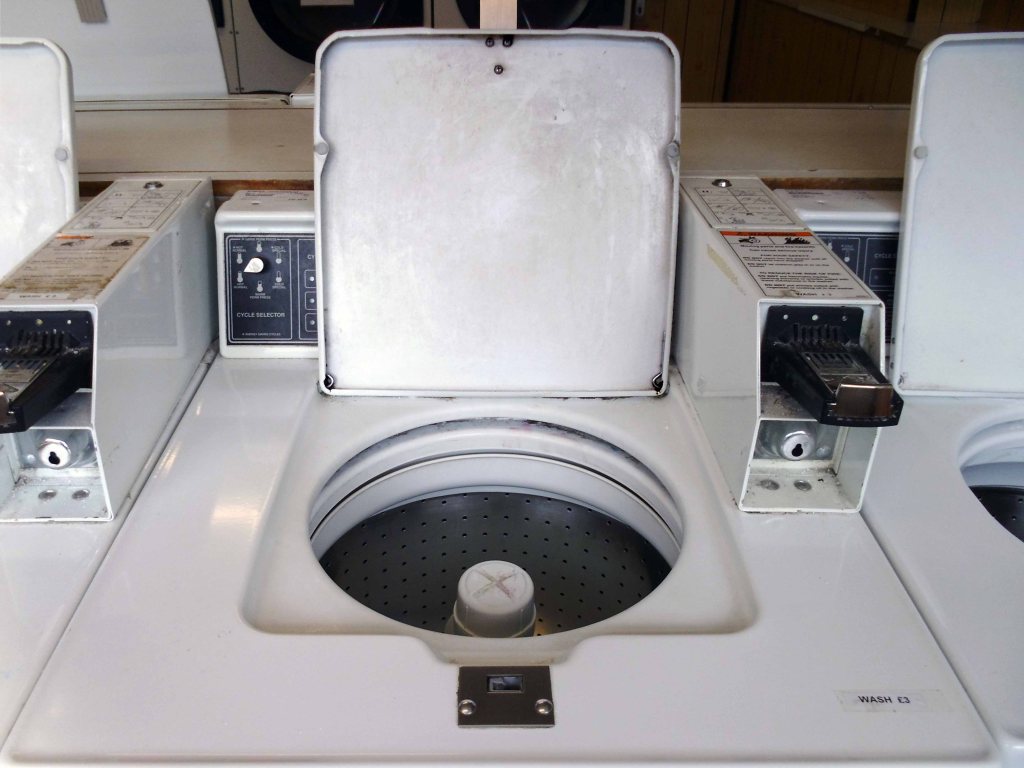
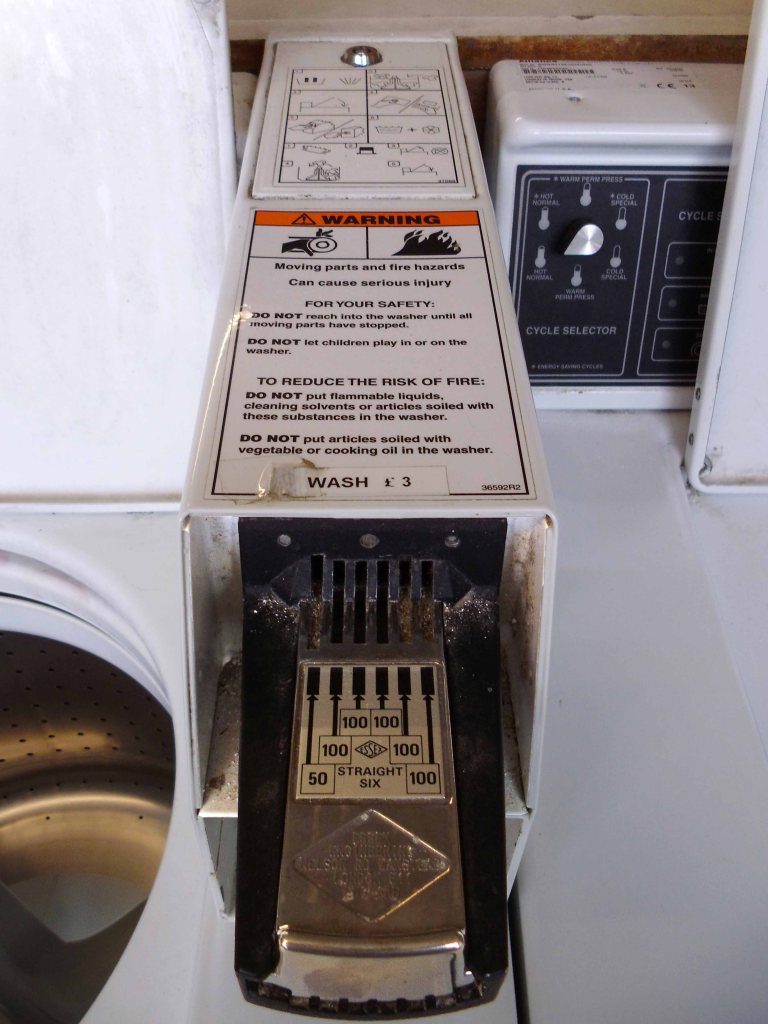
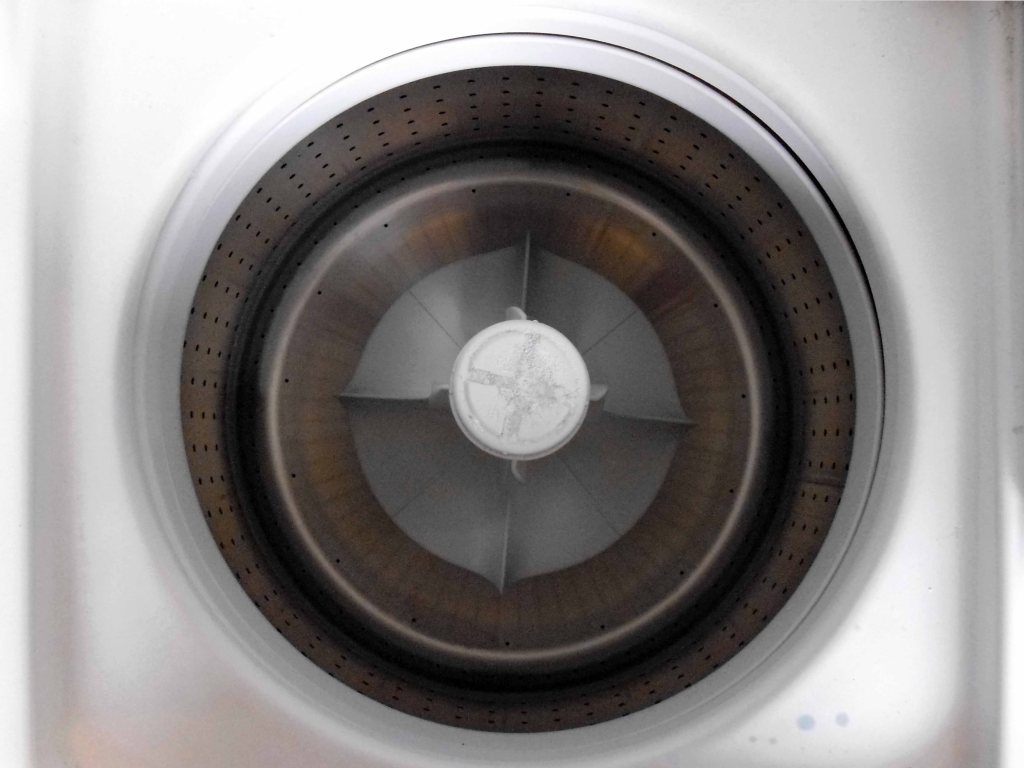
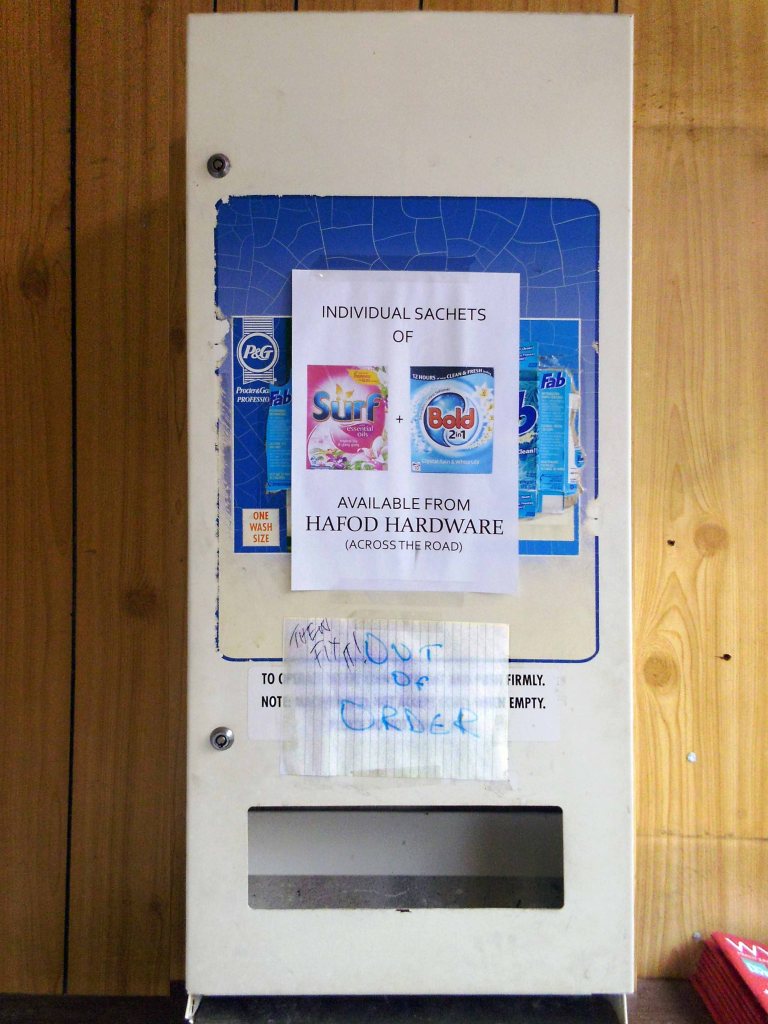
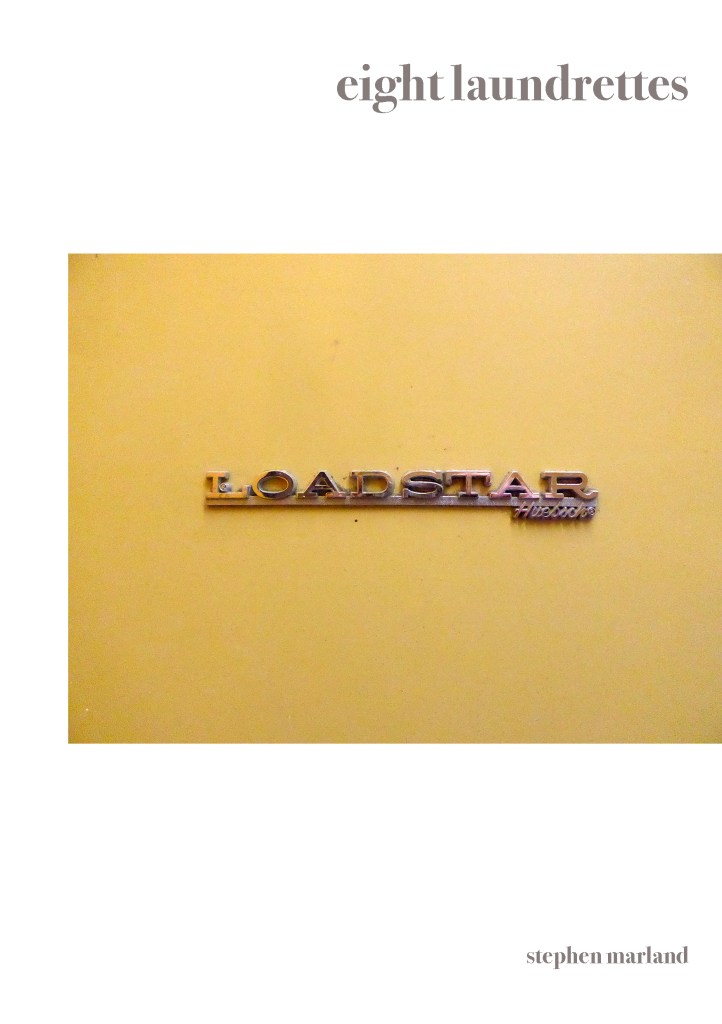
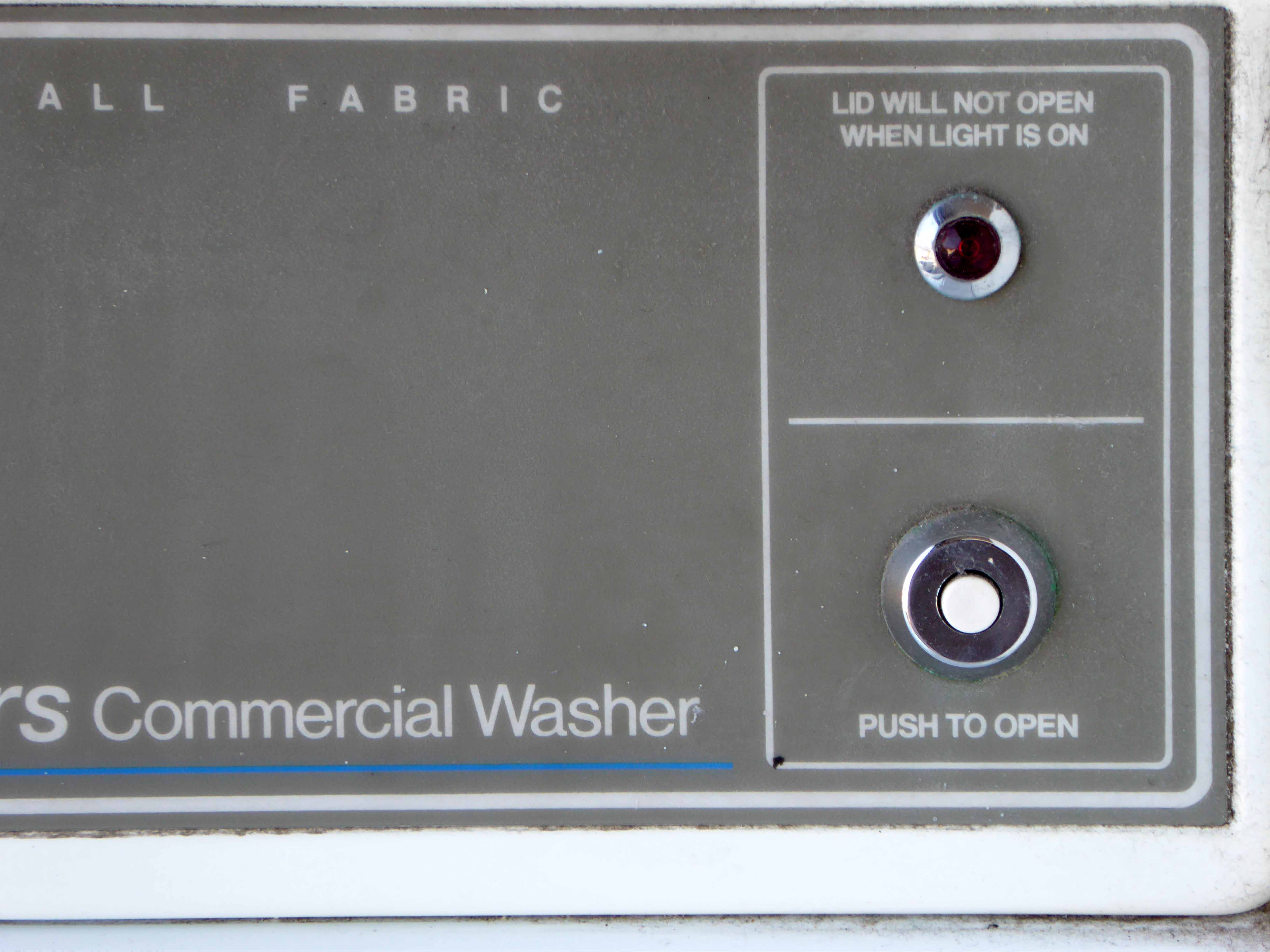
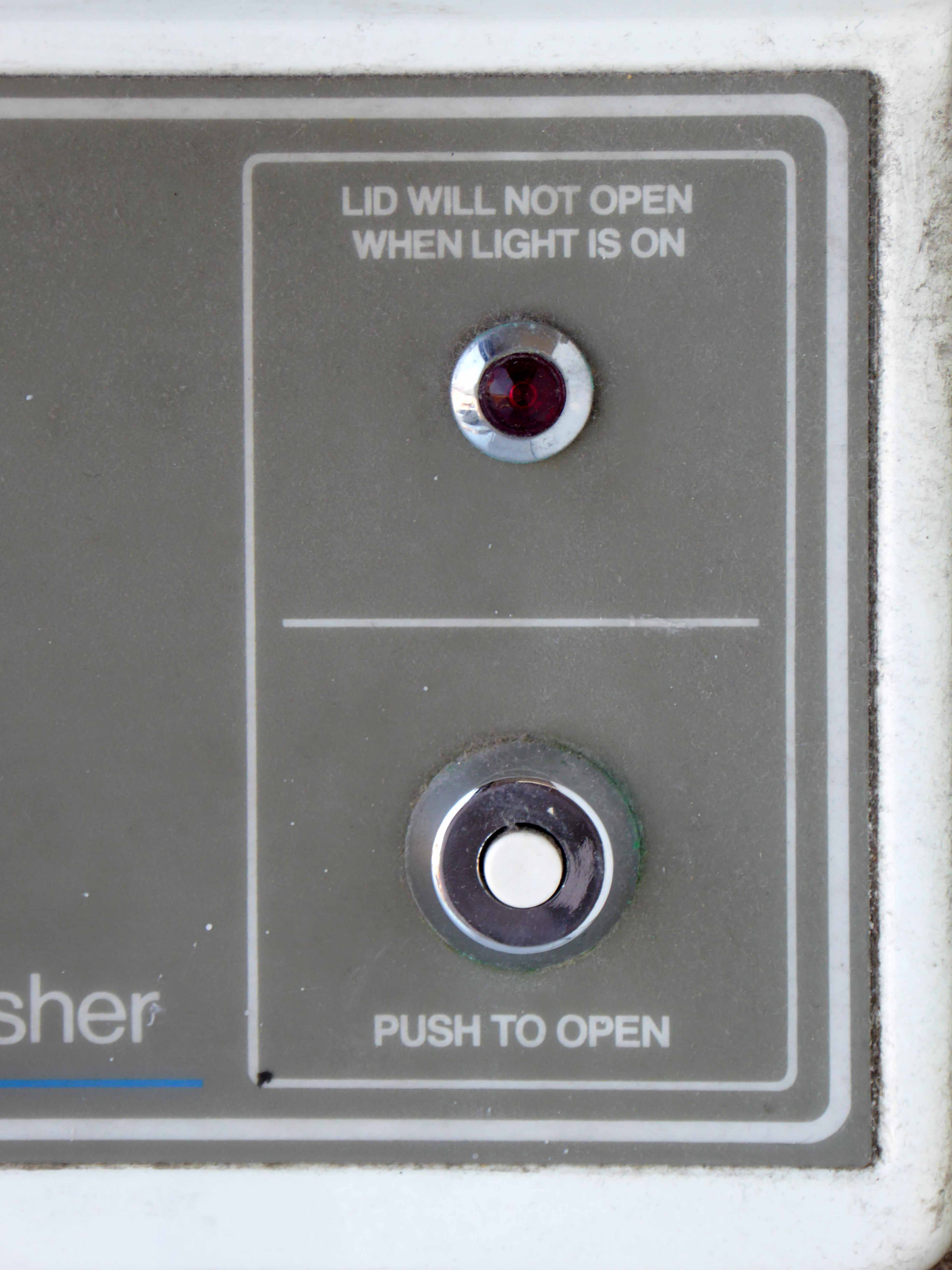
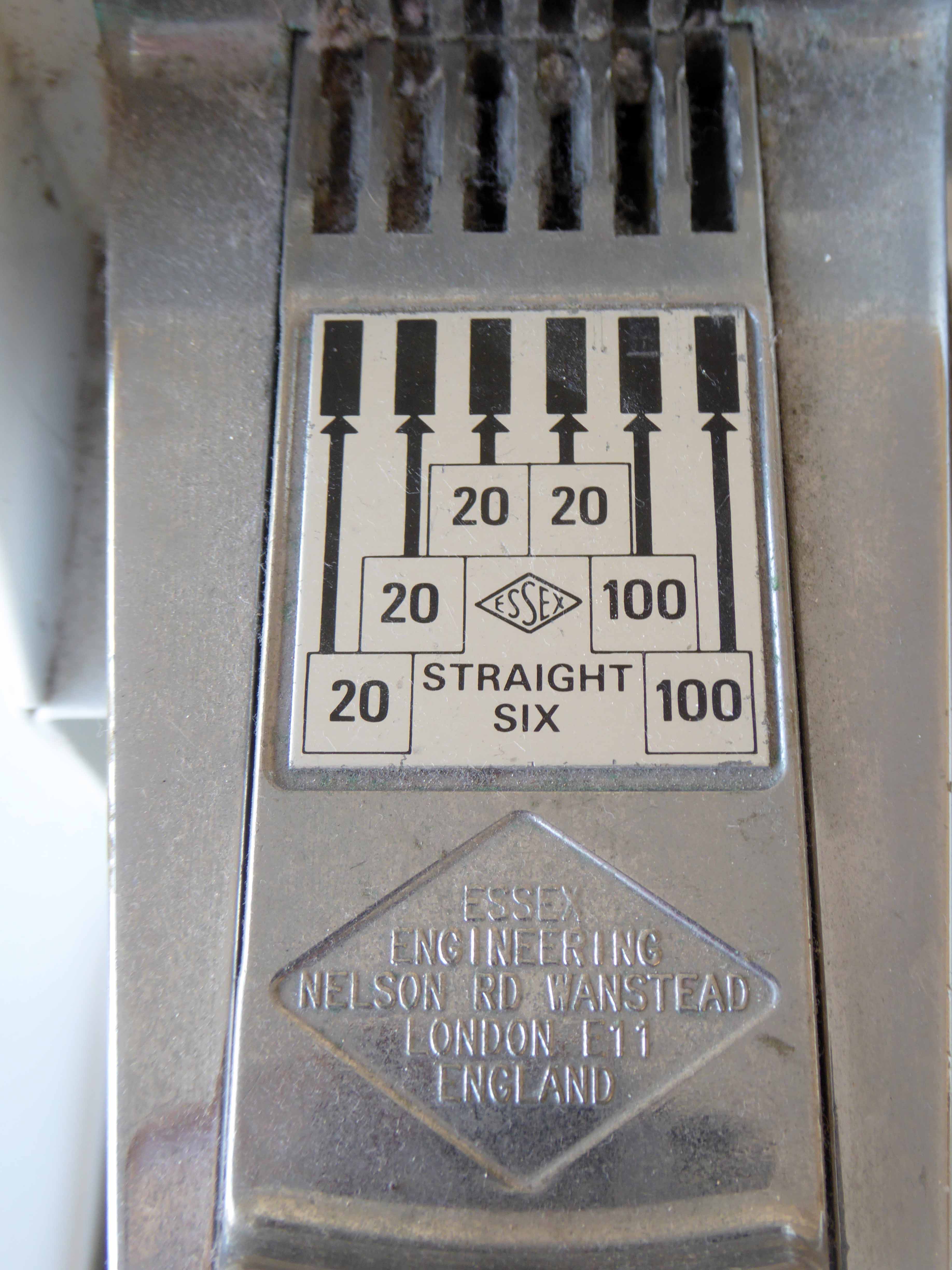
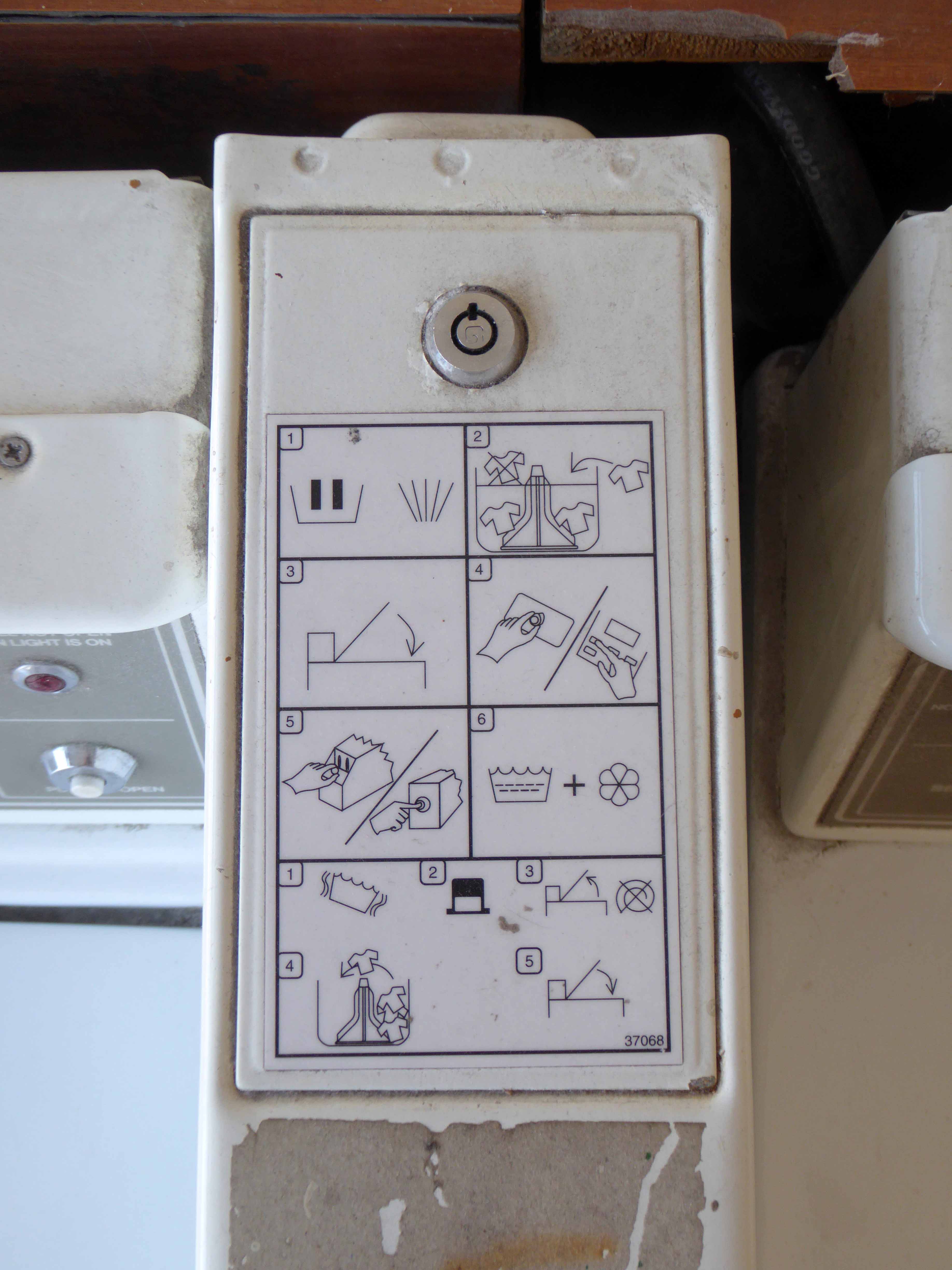
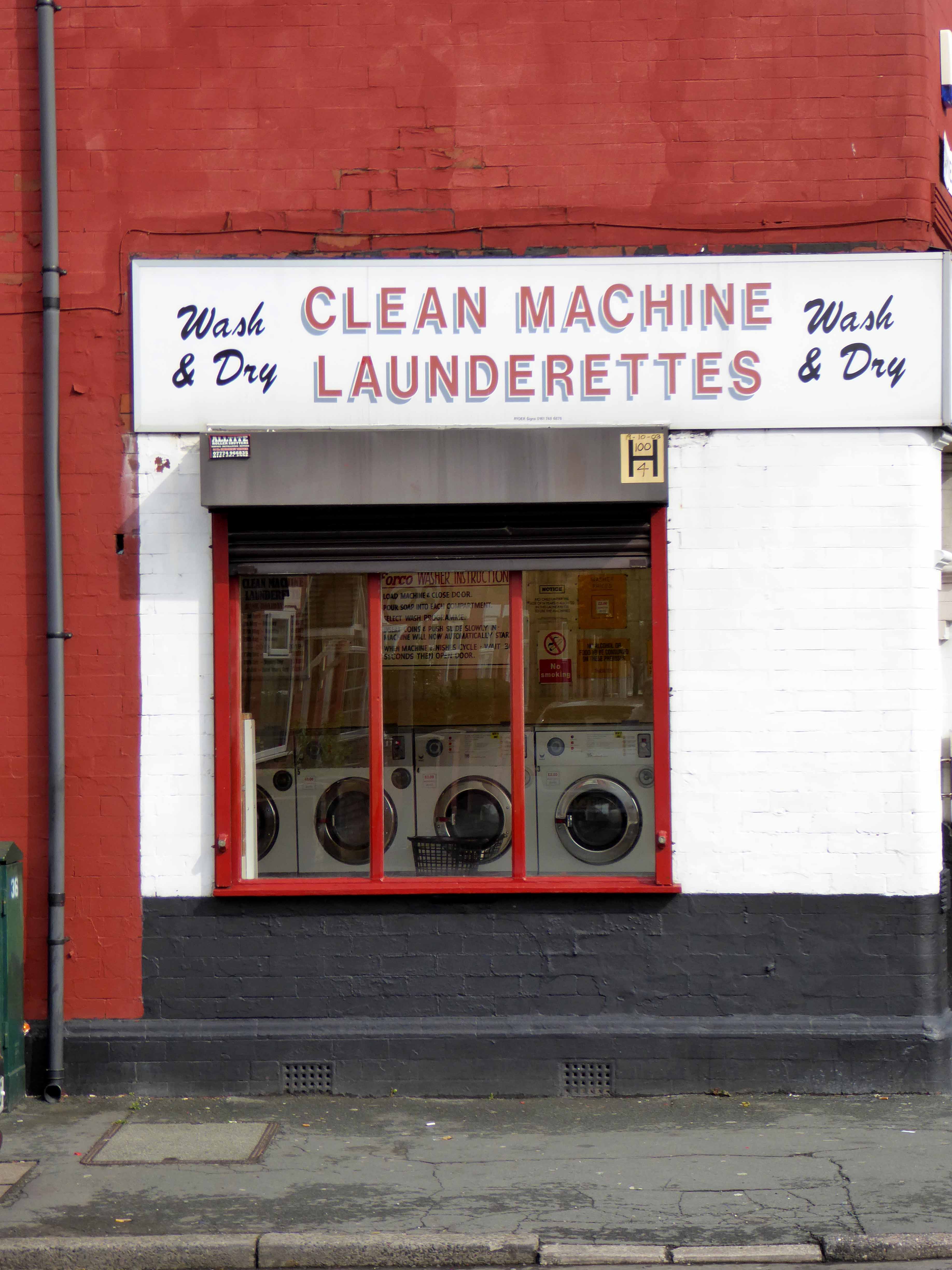
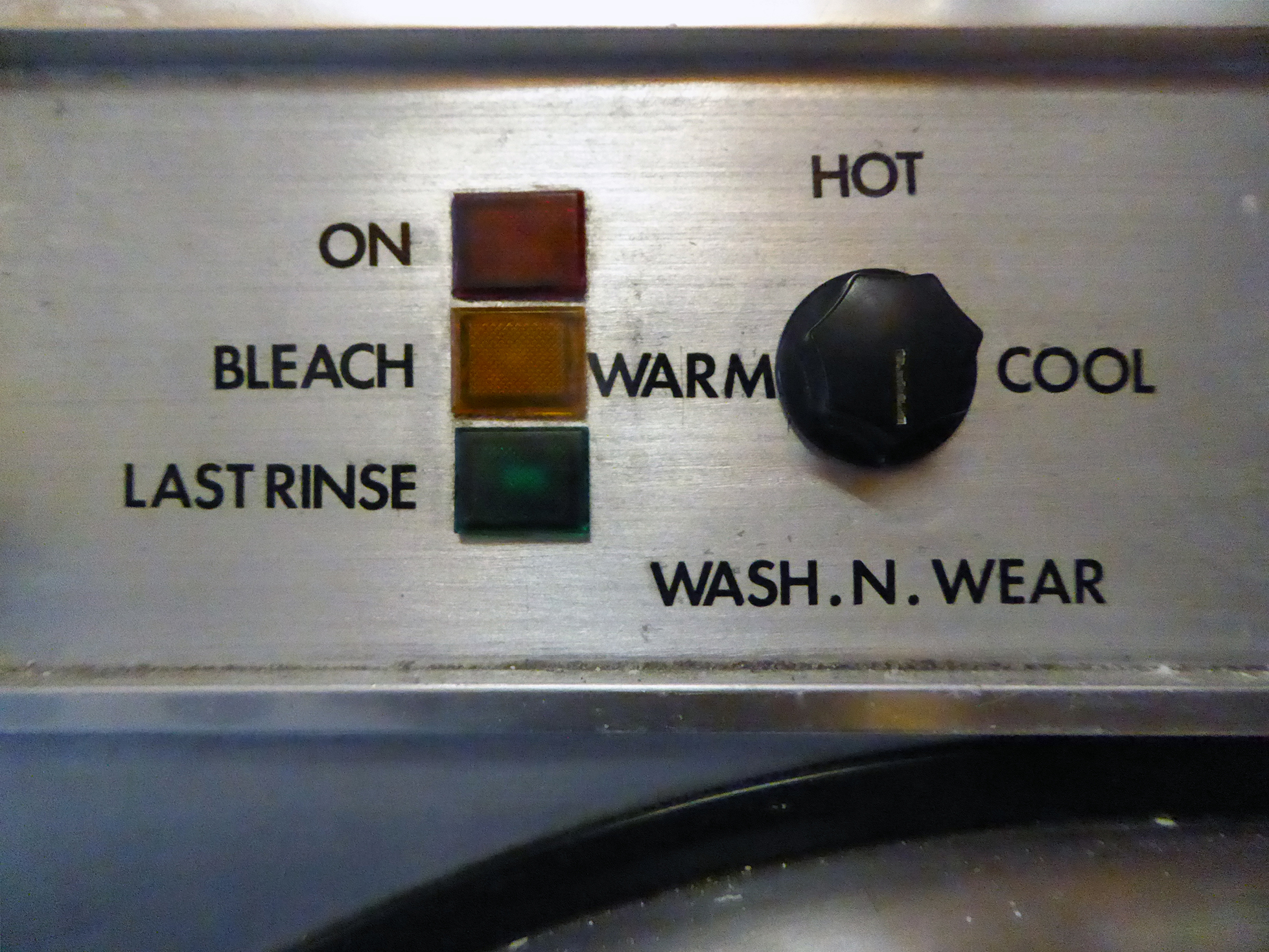
eight laundrettes

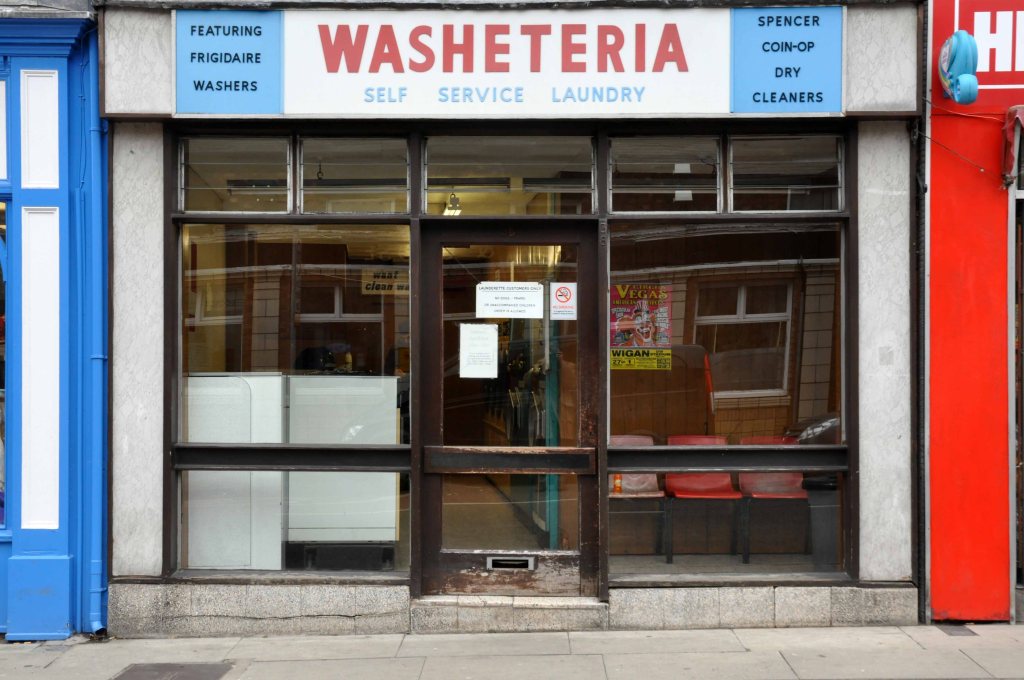
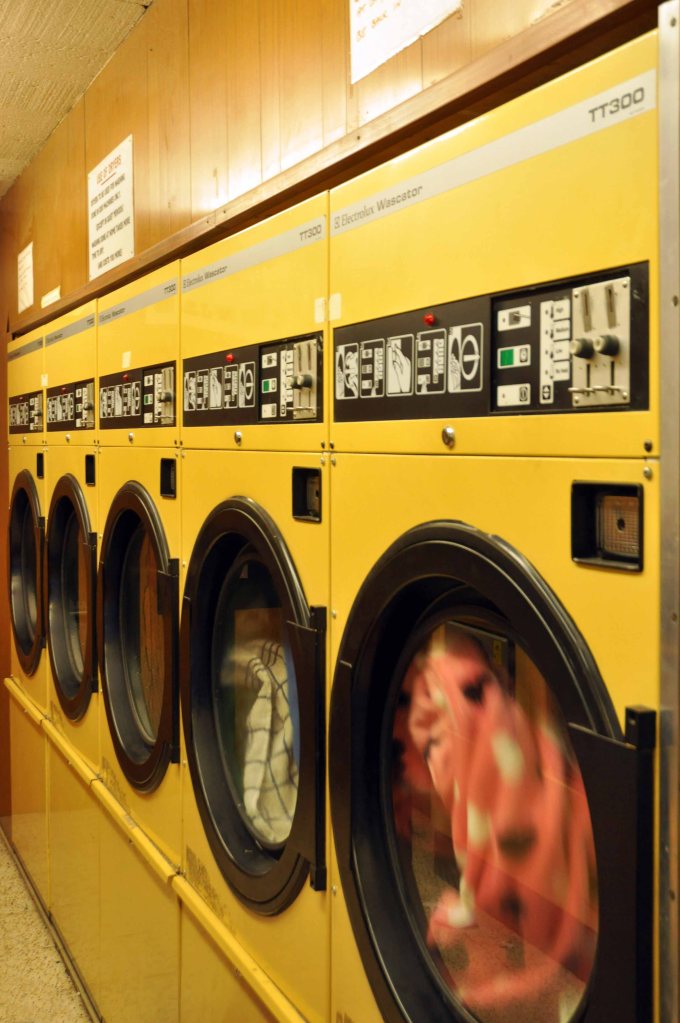
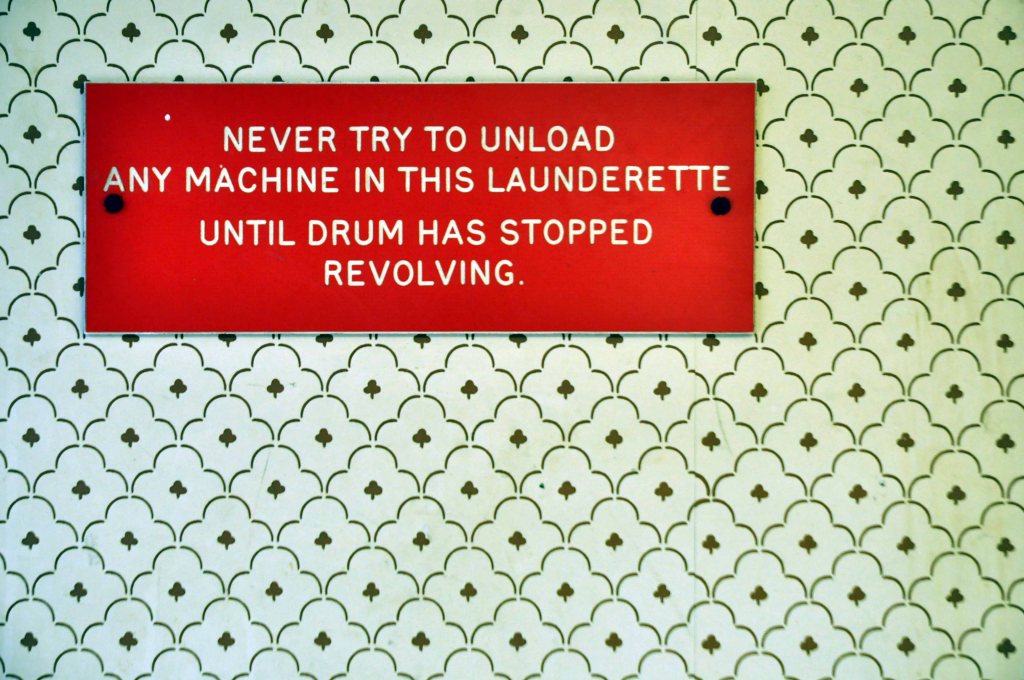
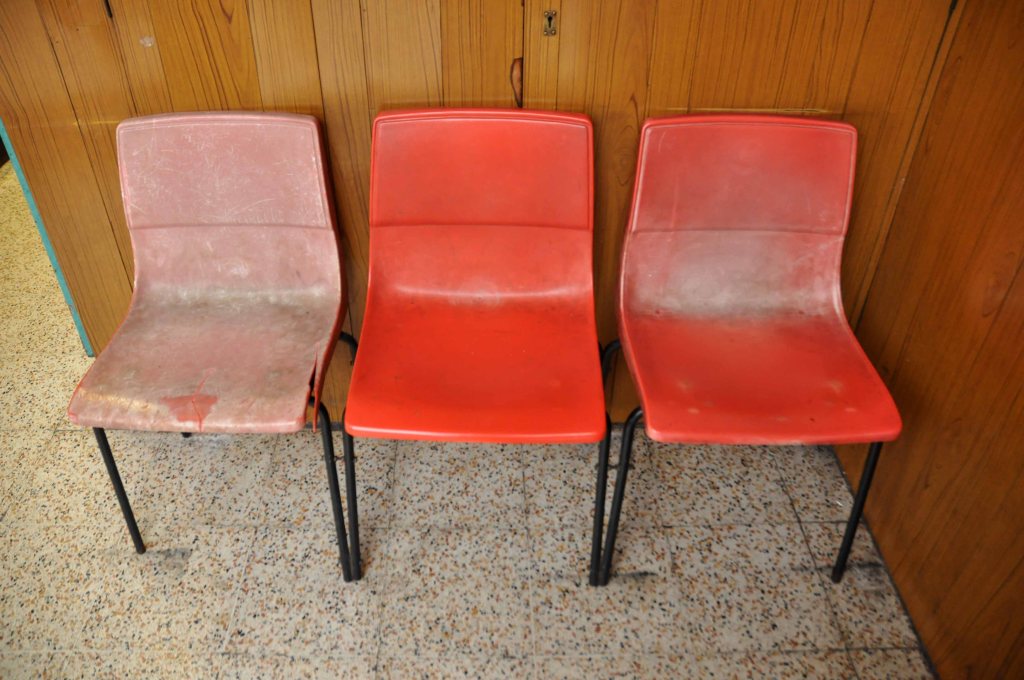
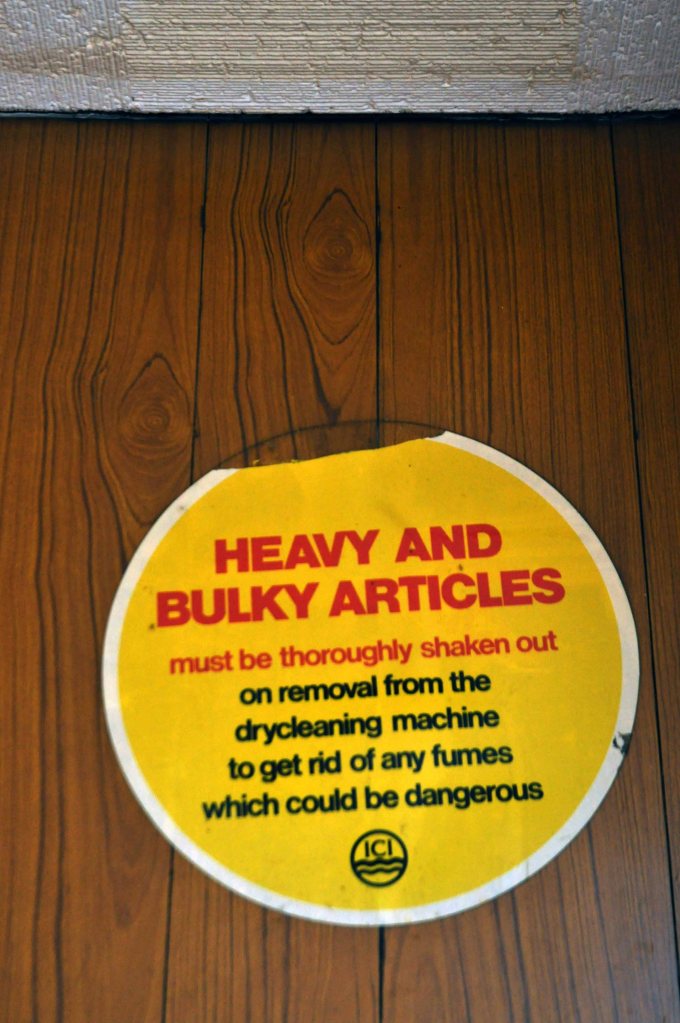
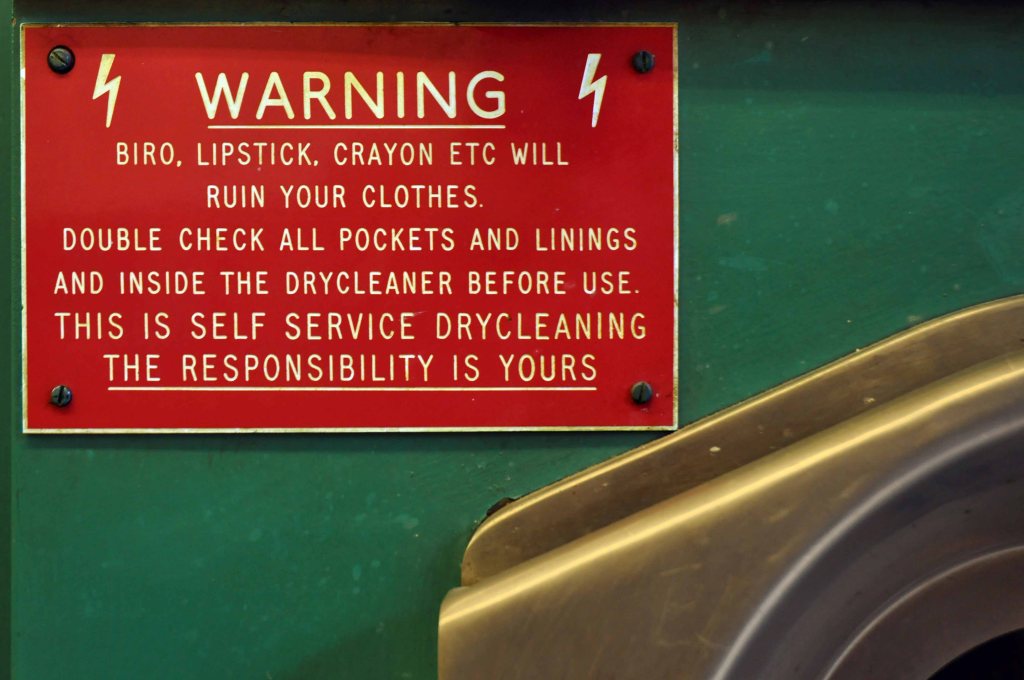
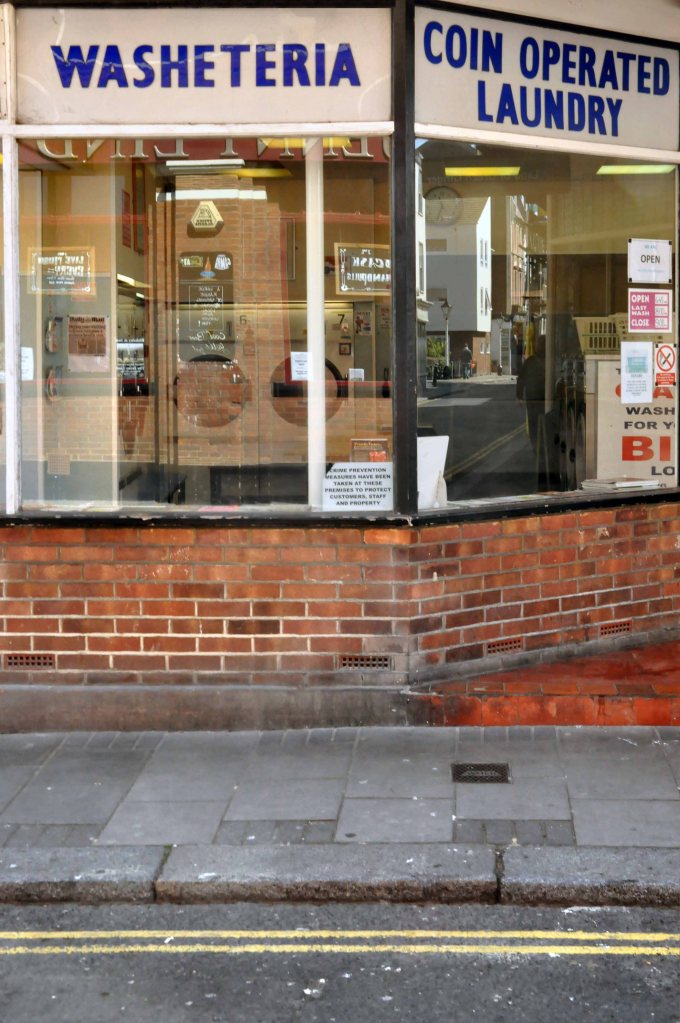
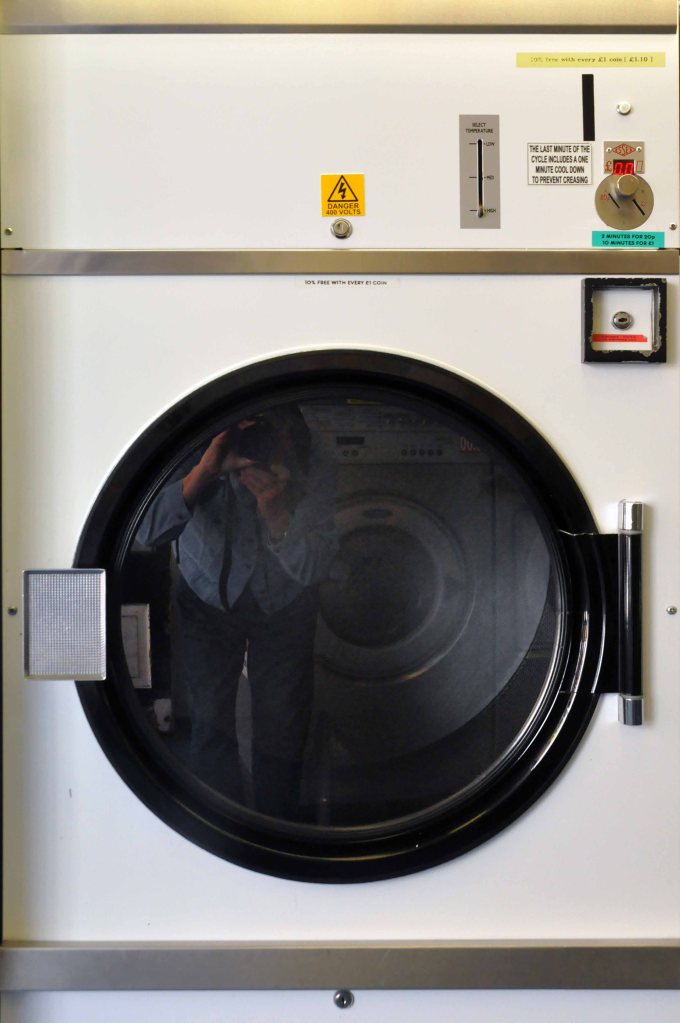
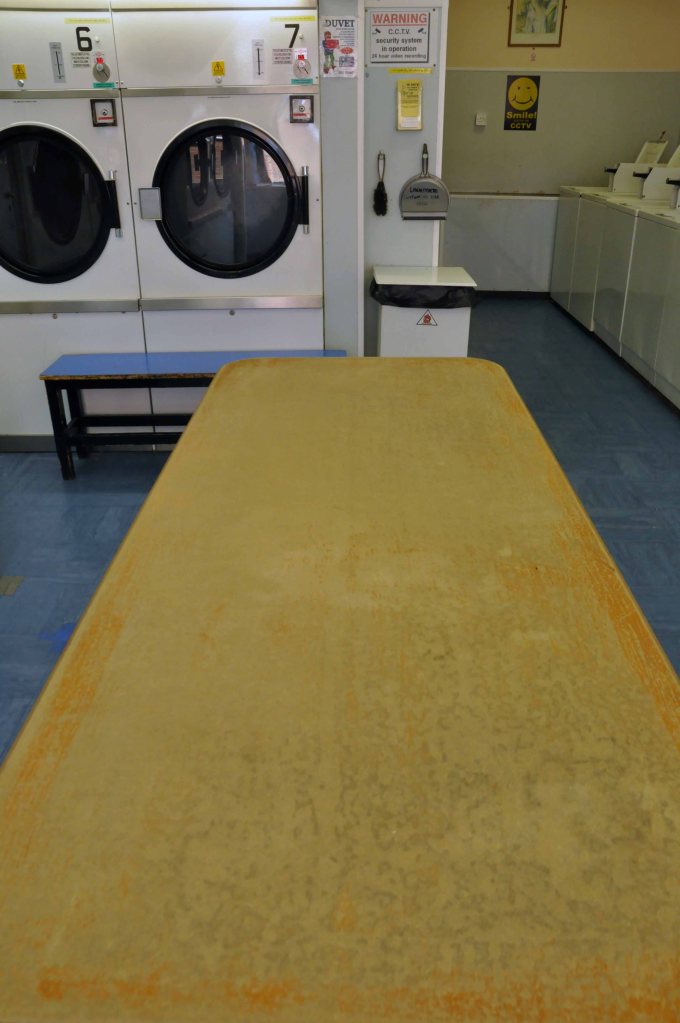
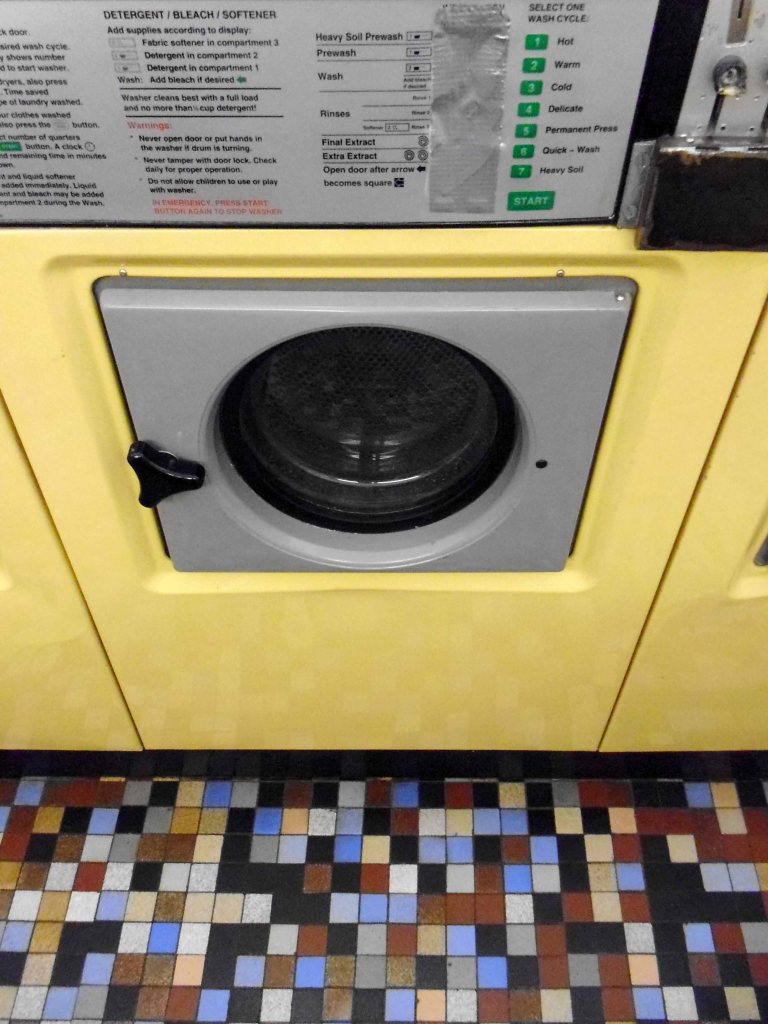
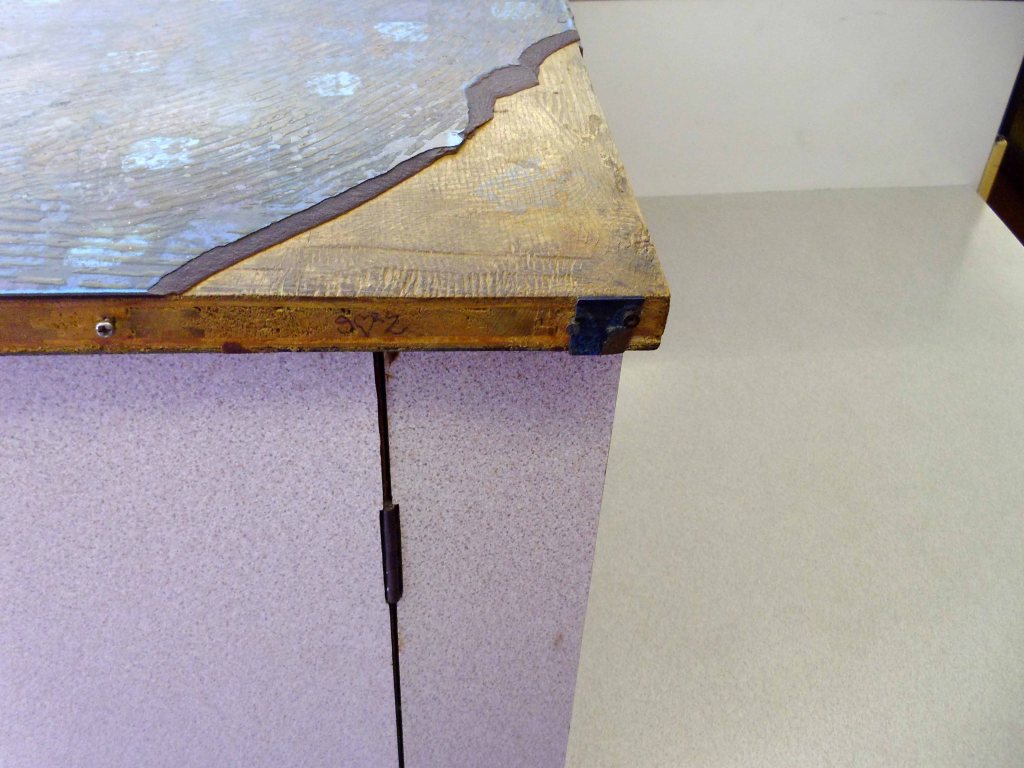
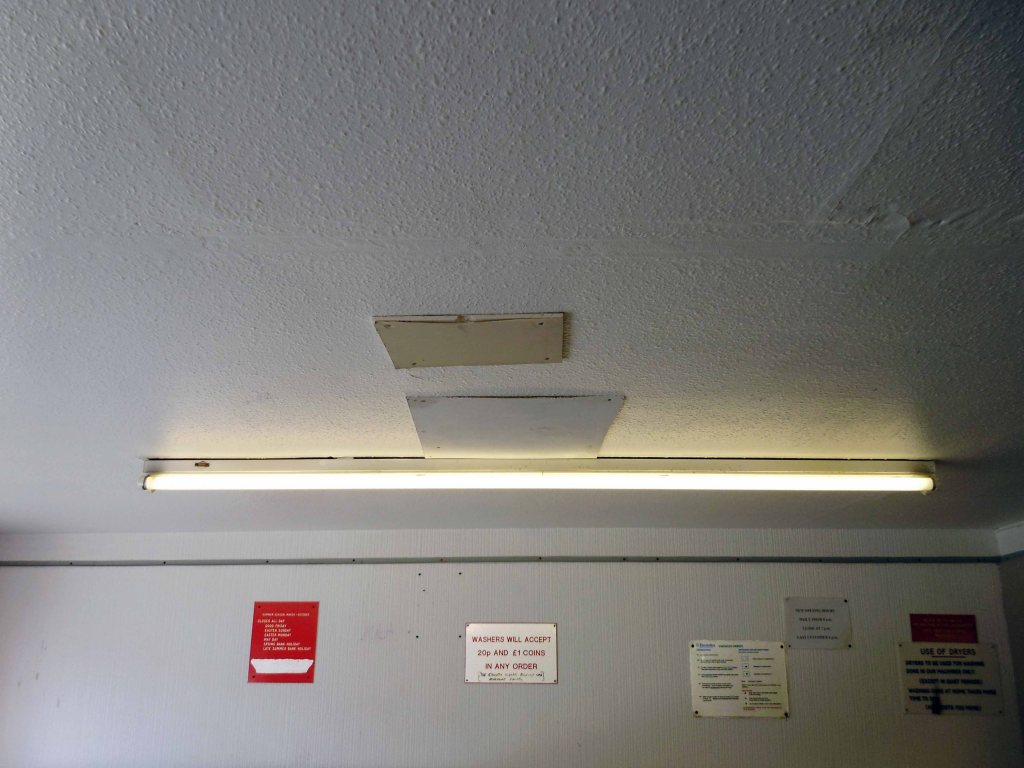
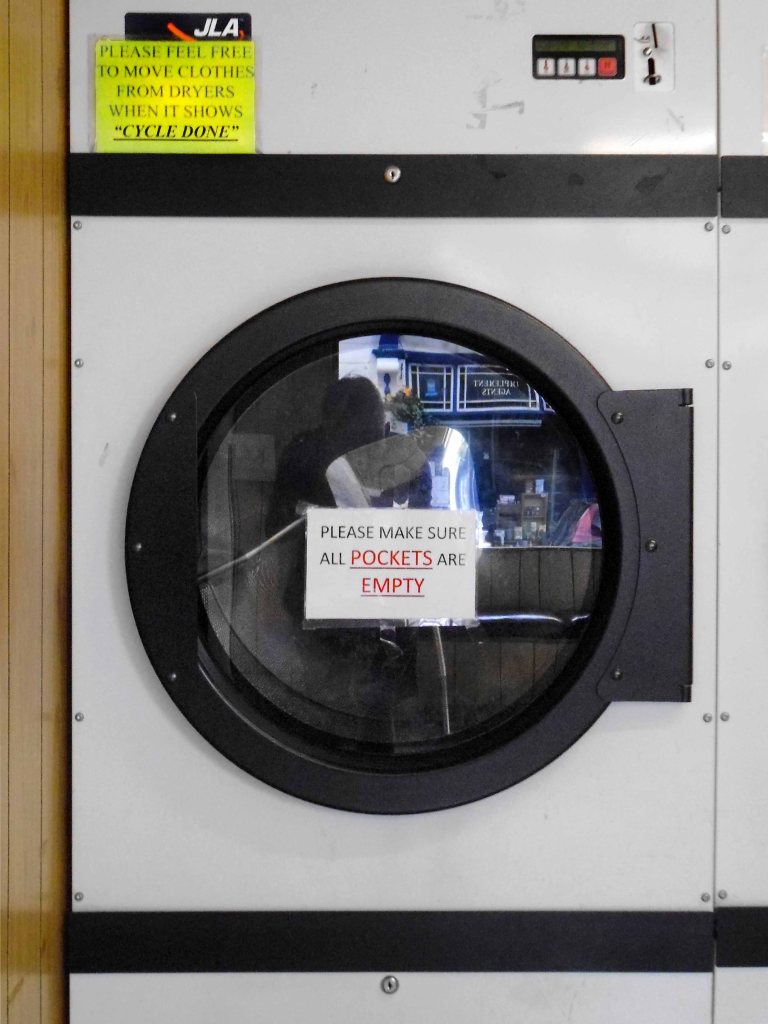
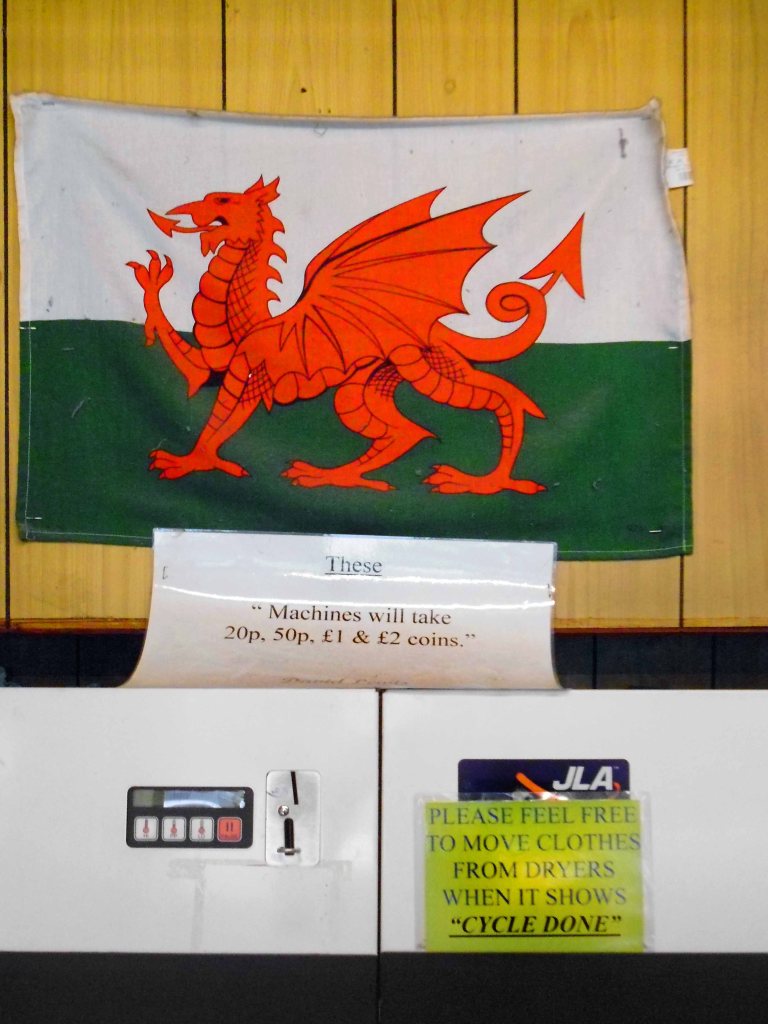
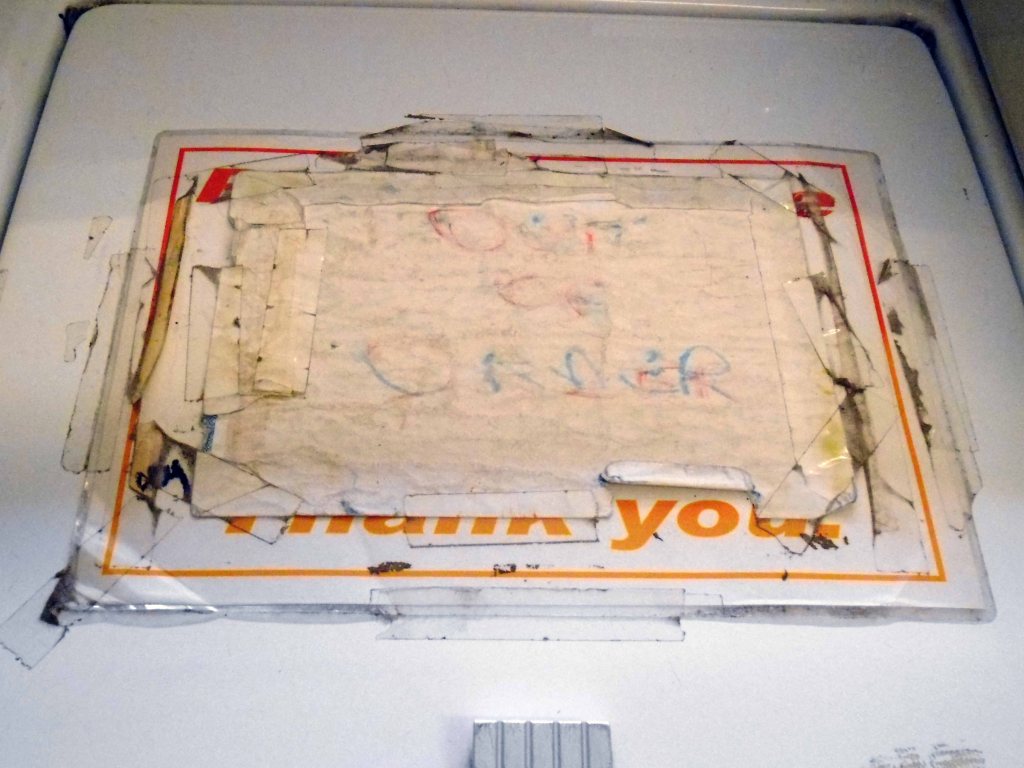
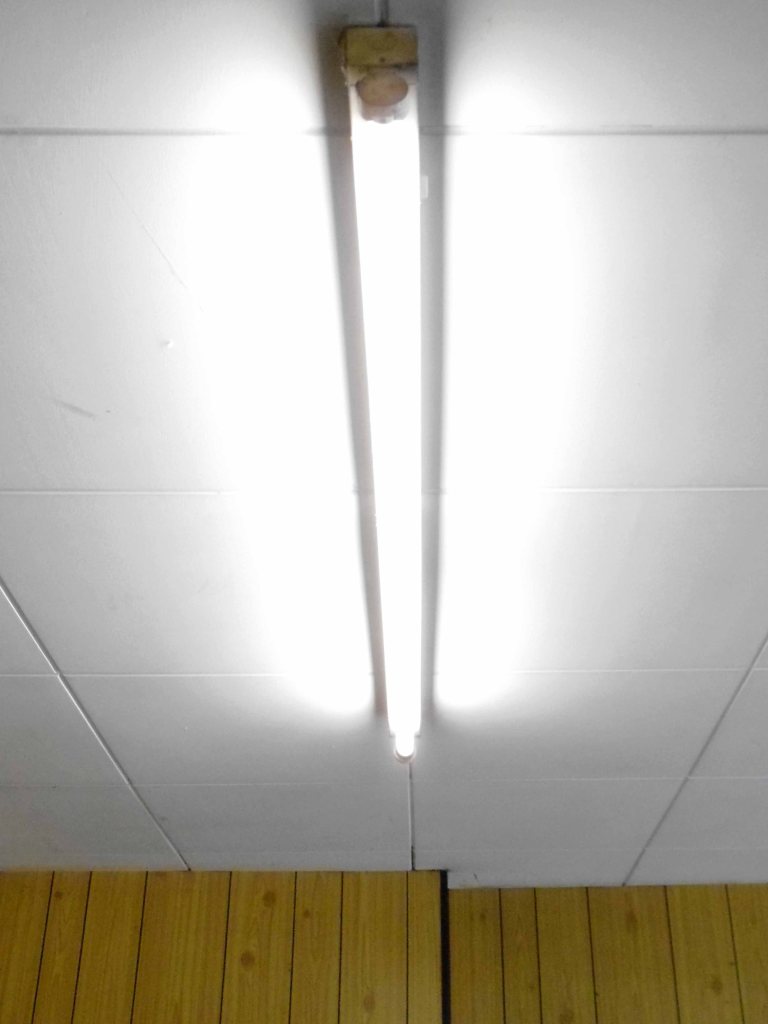
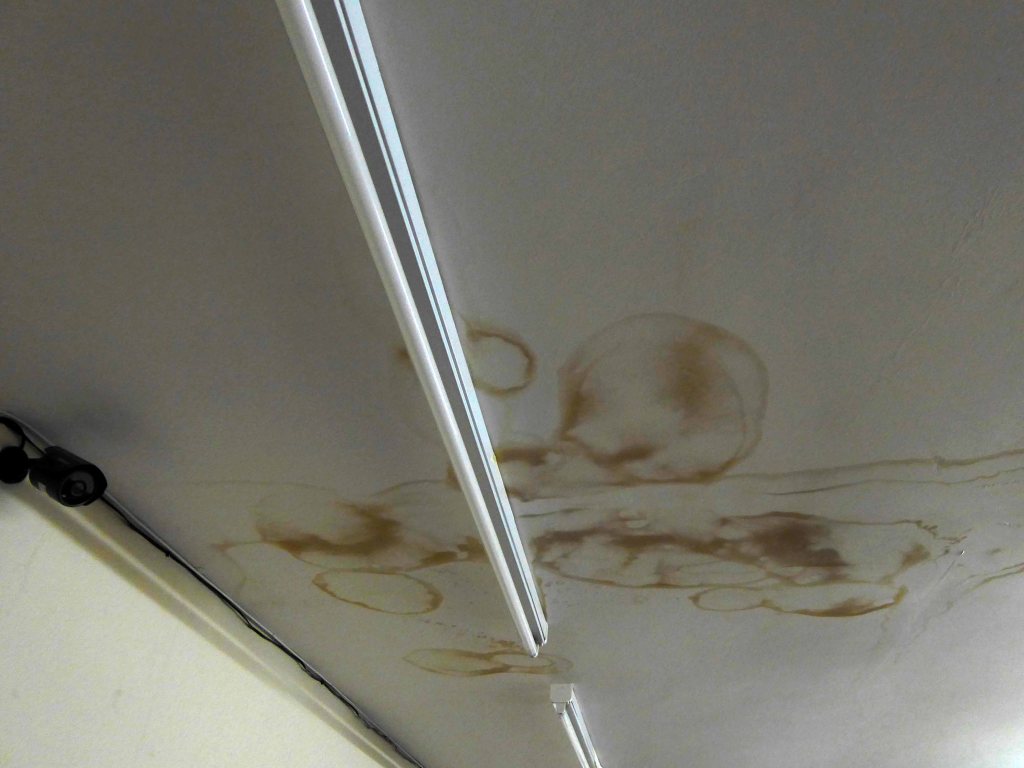
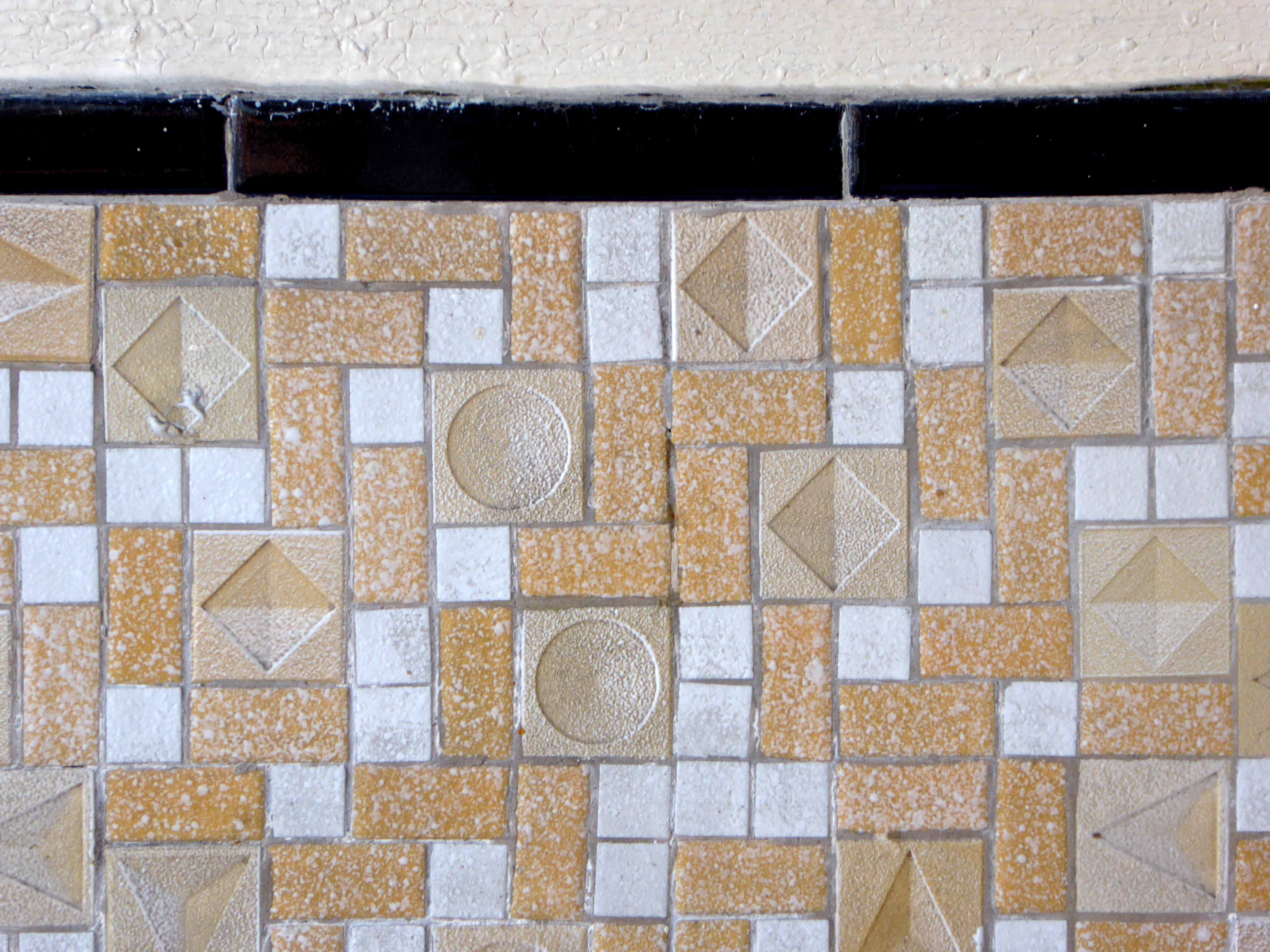
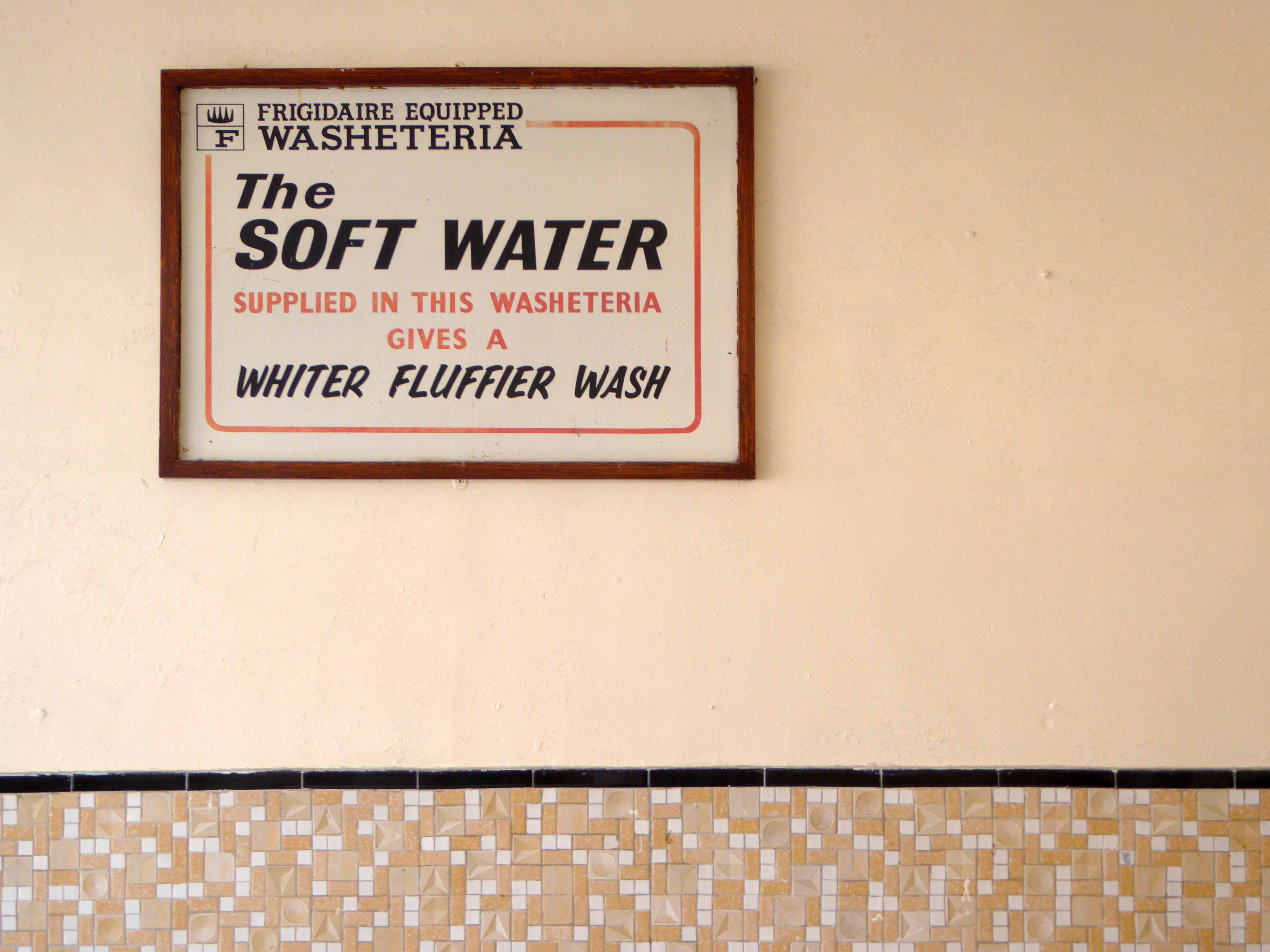
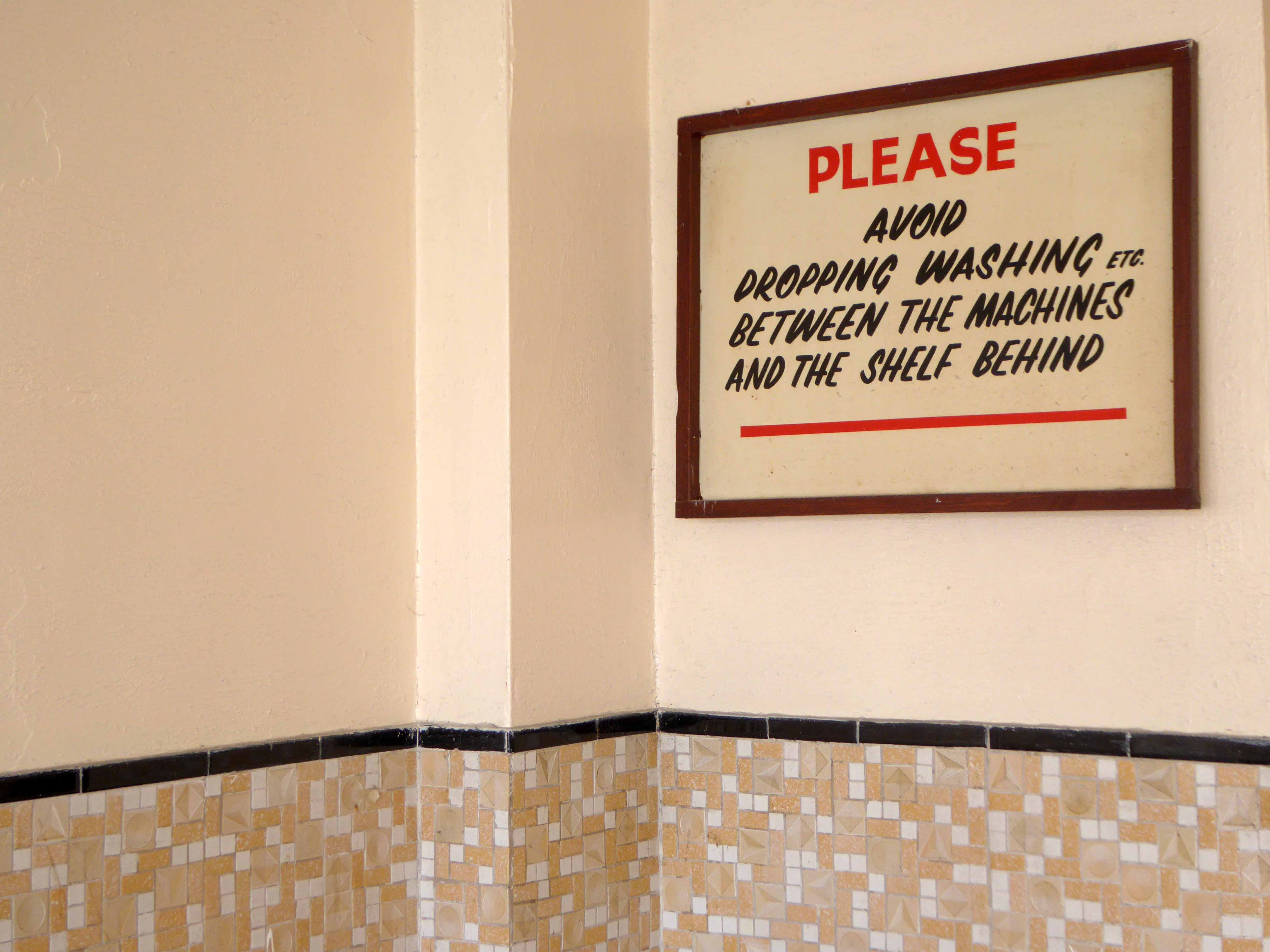
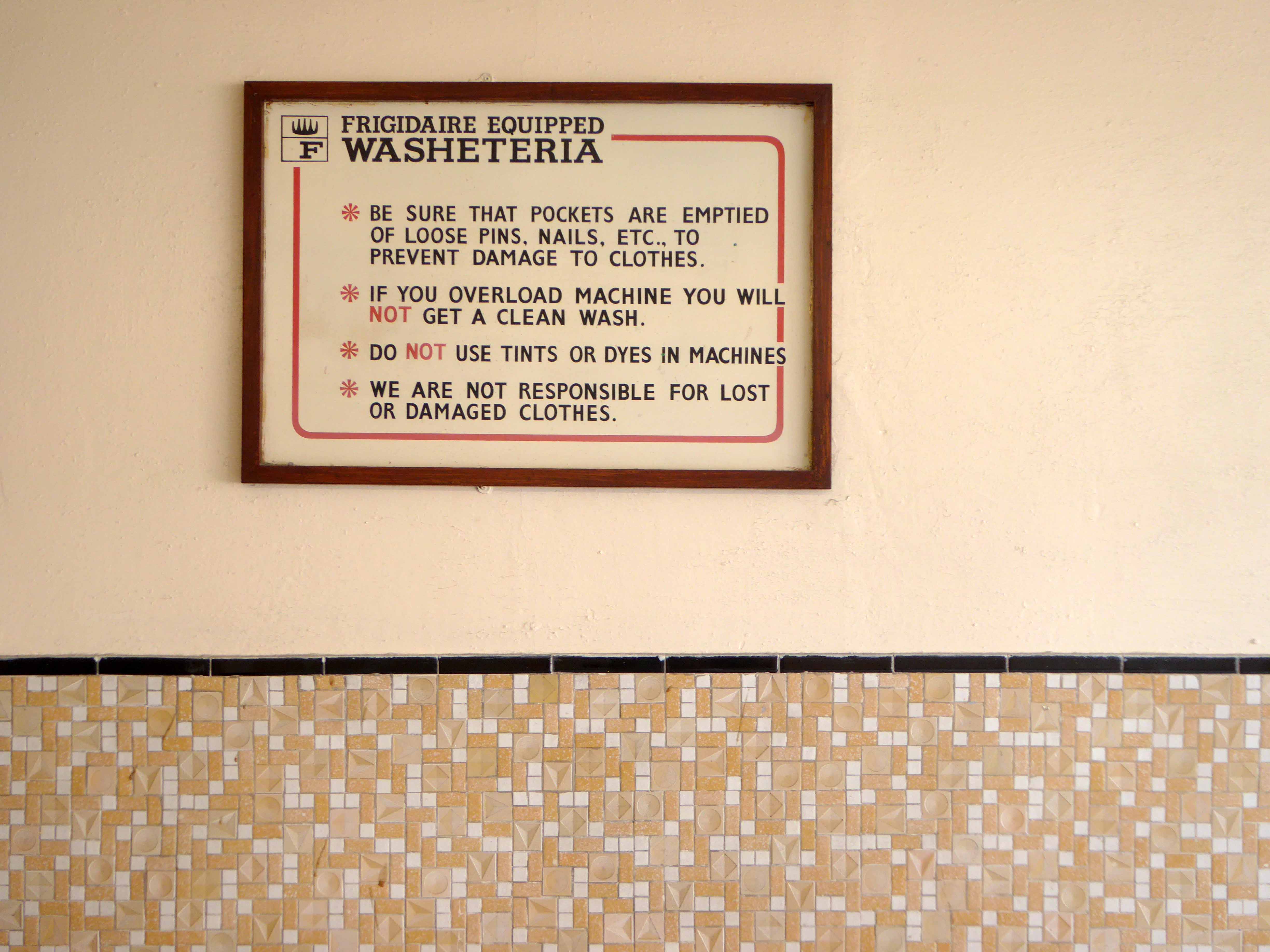
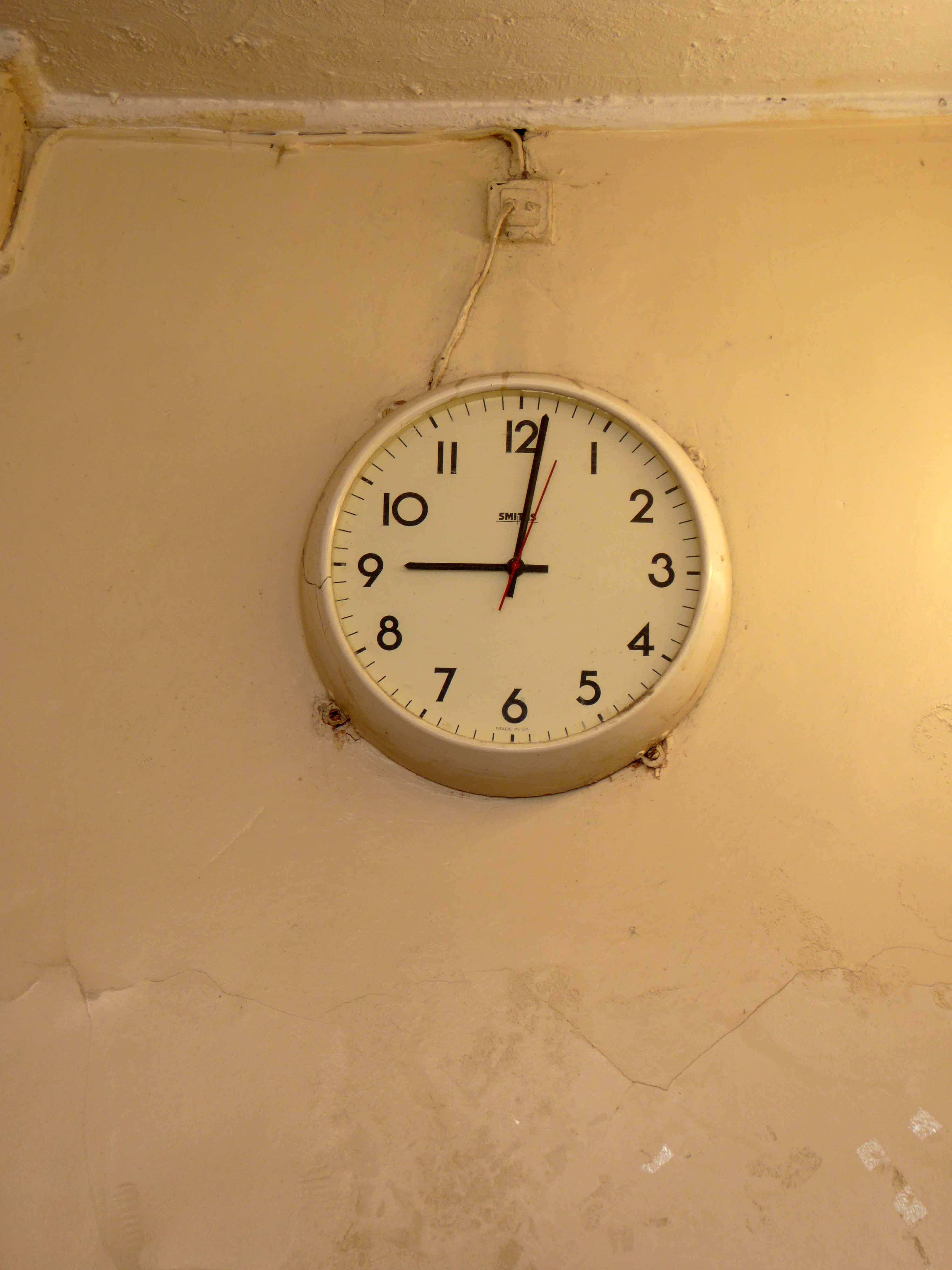
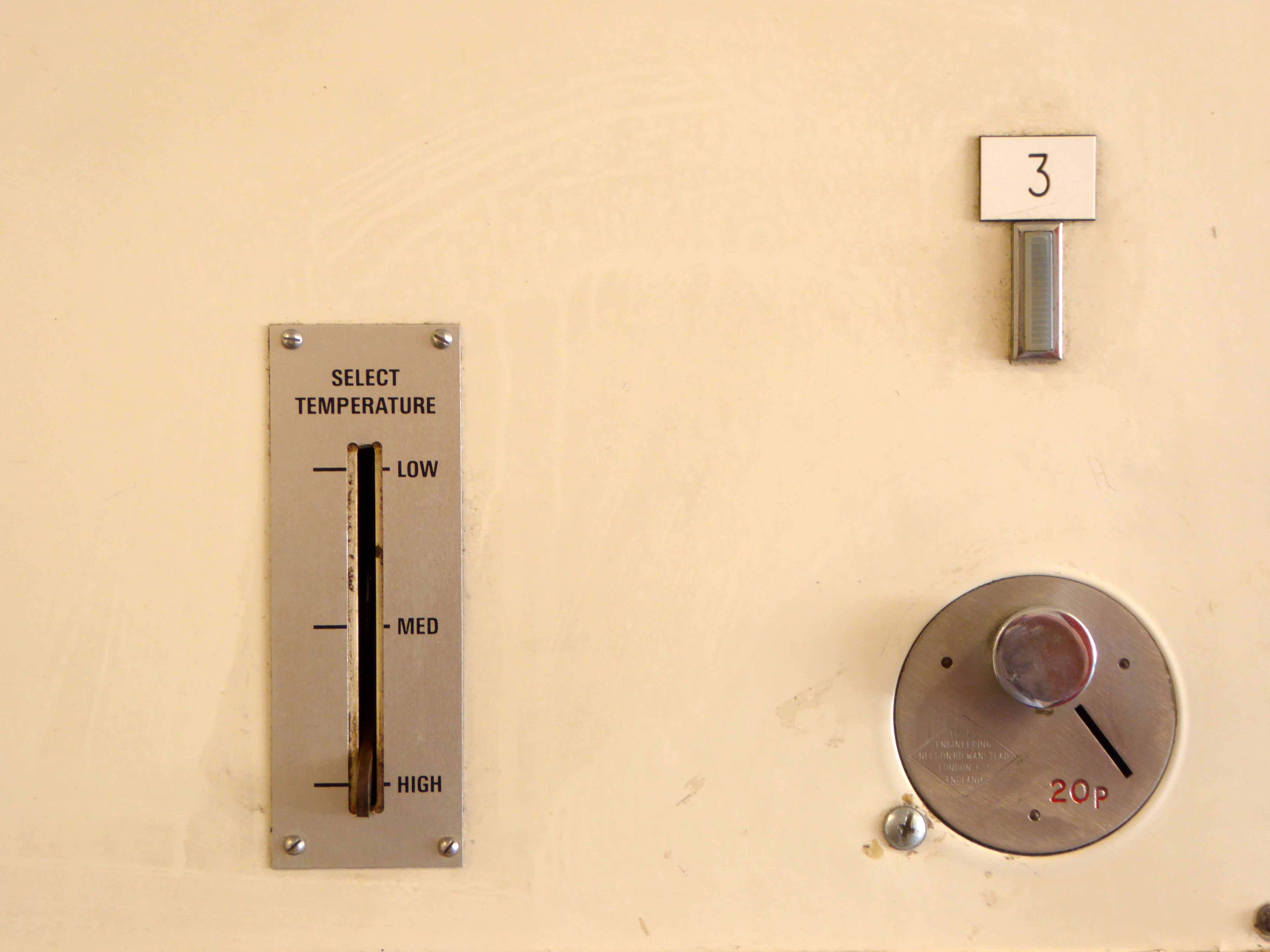
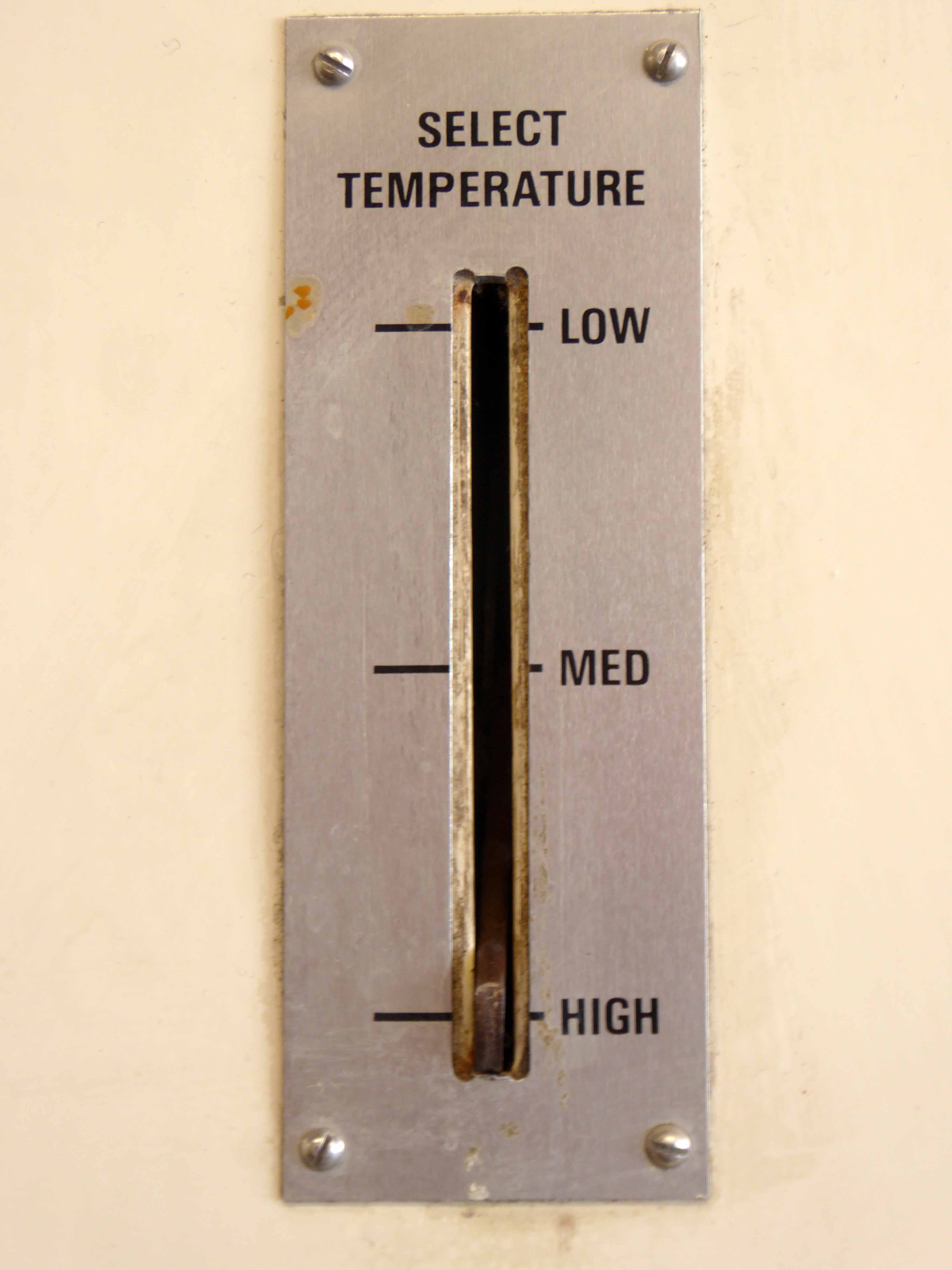
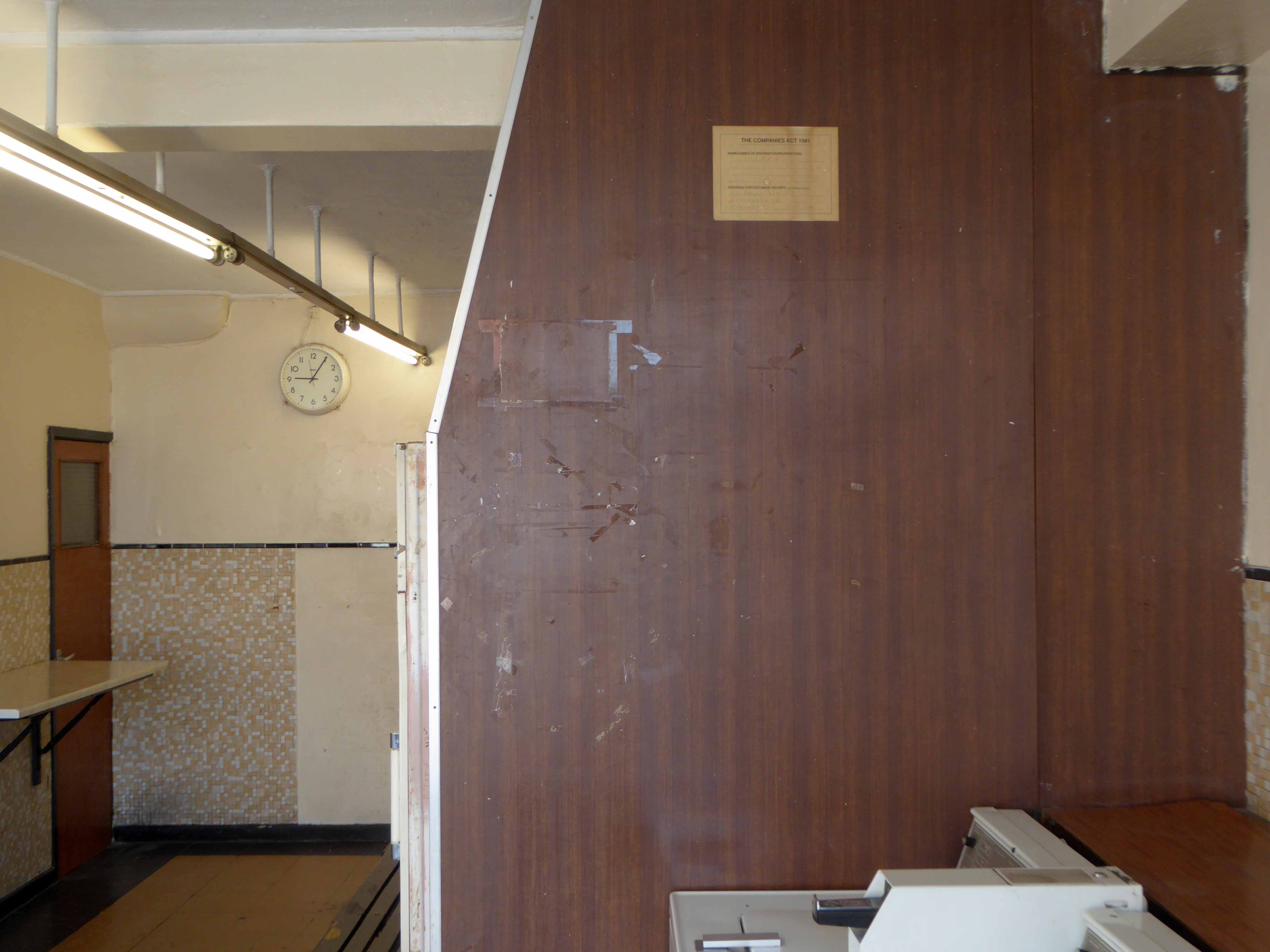
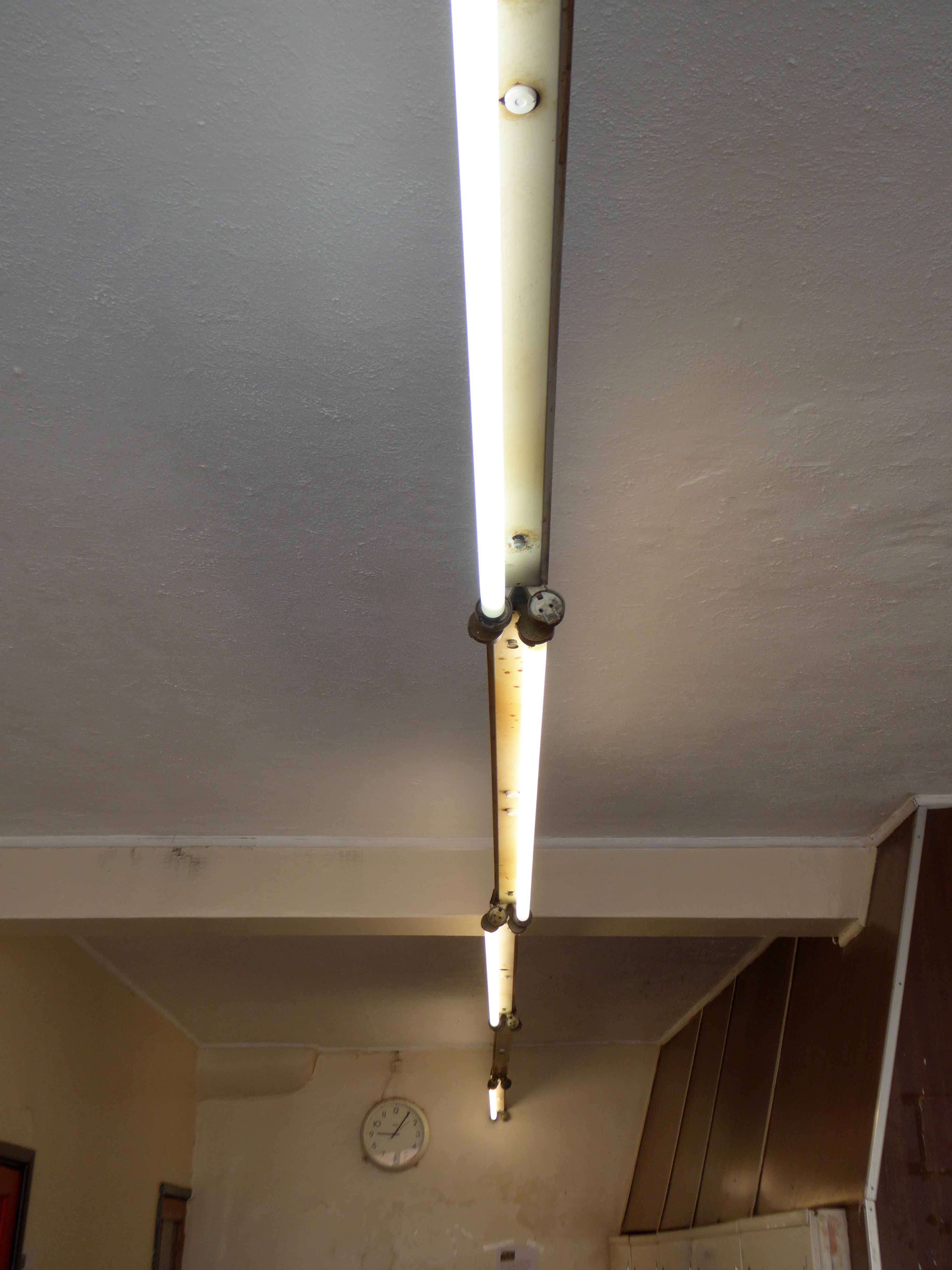
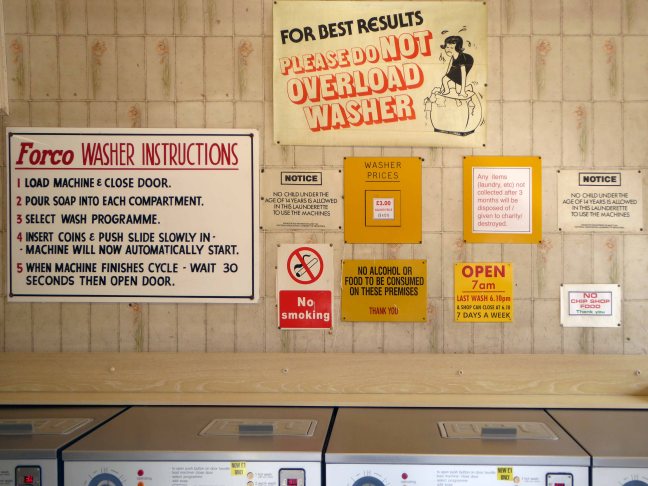
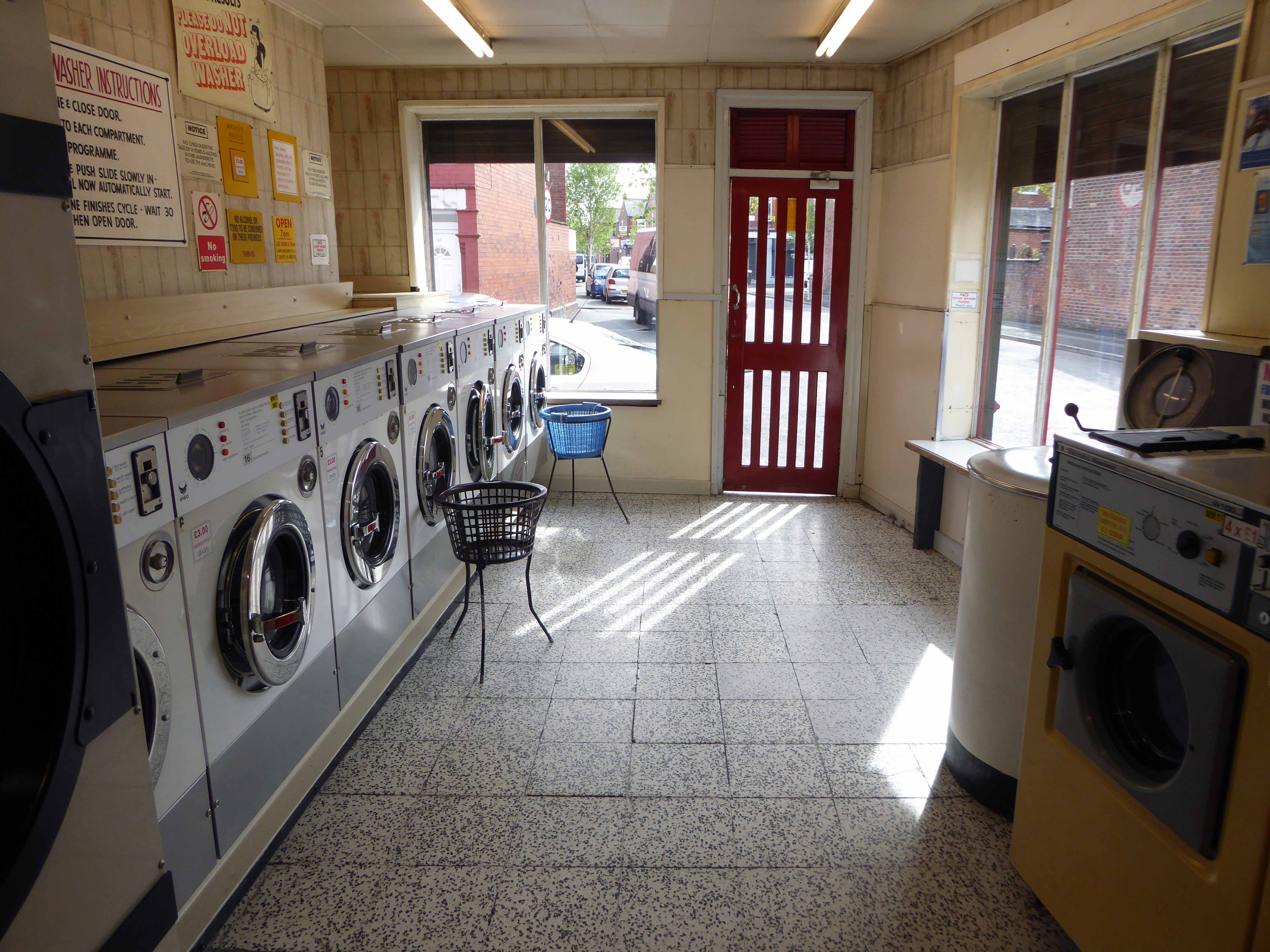
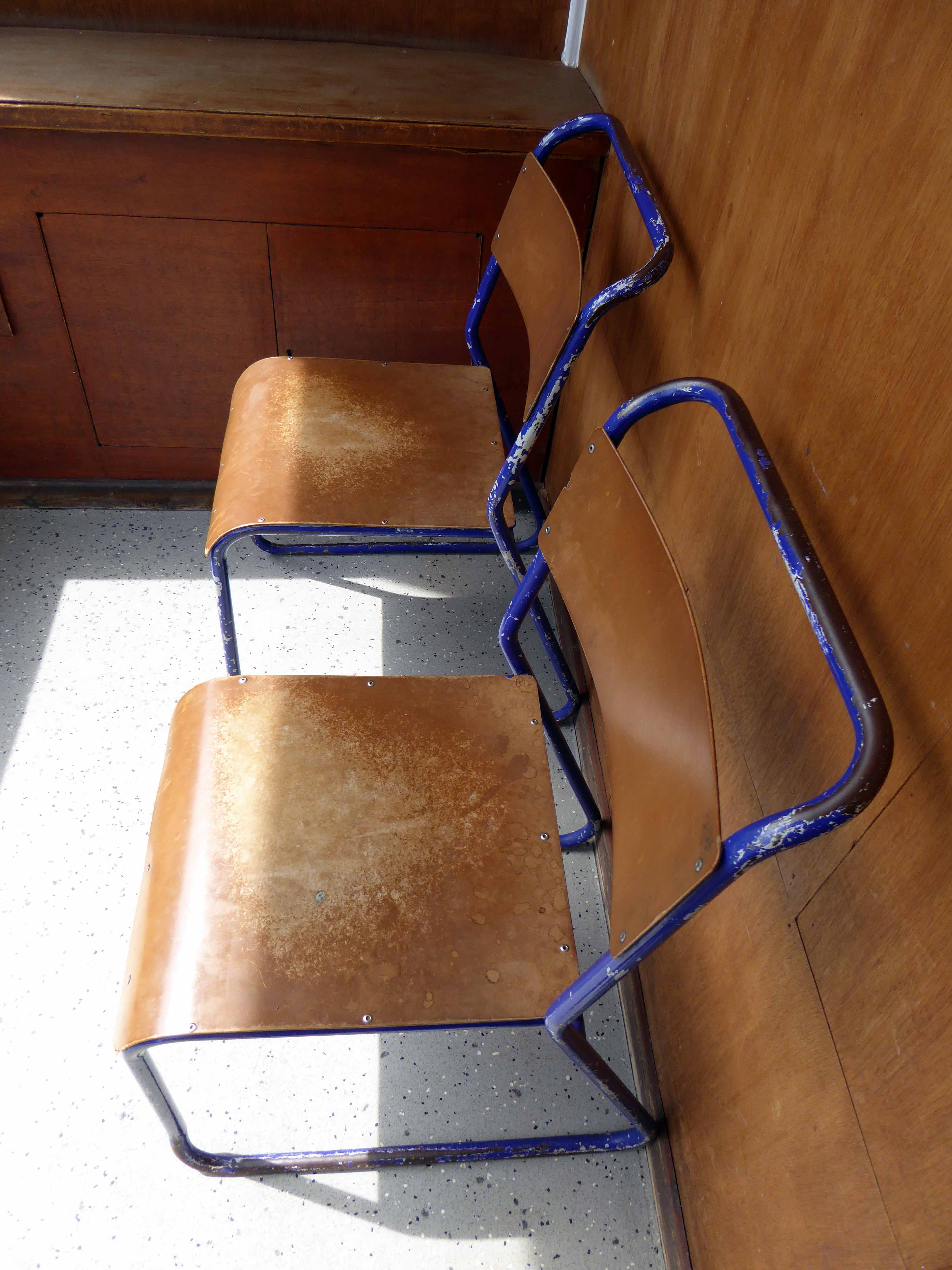
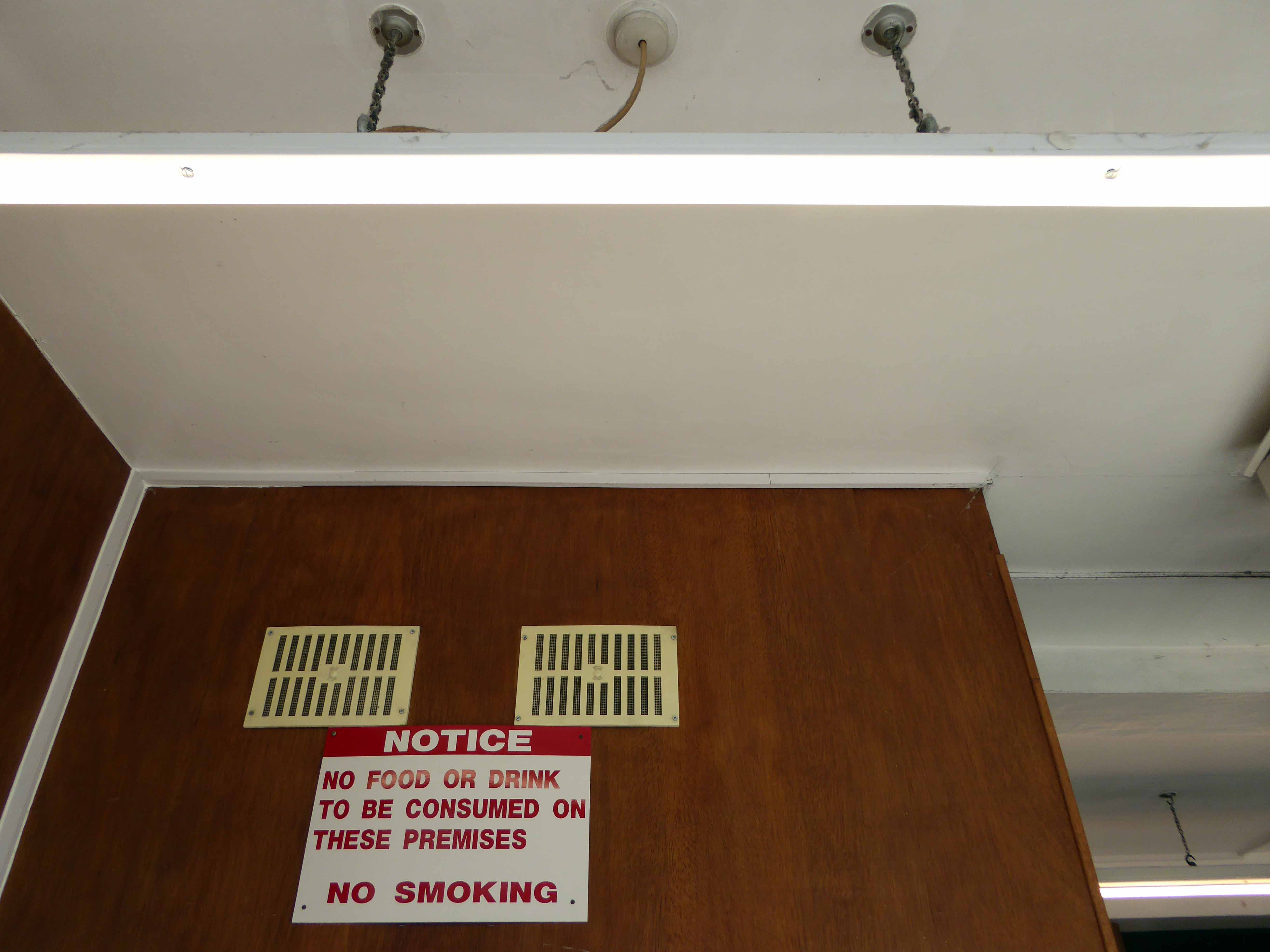
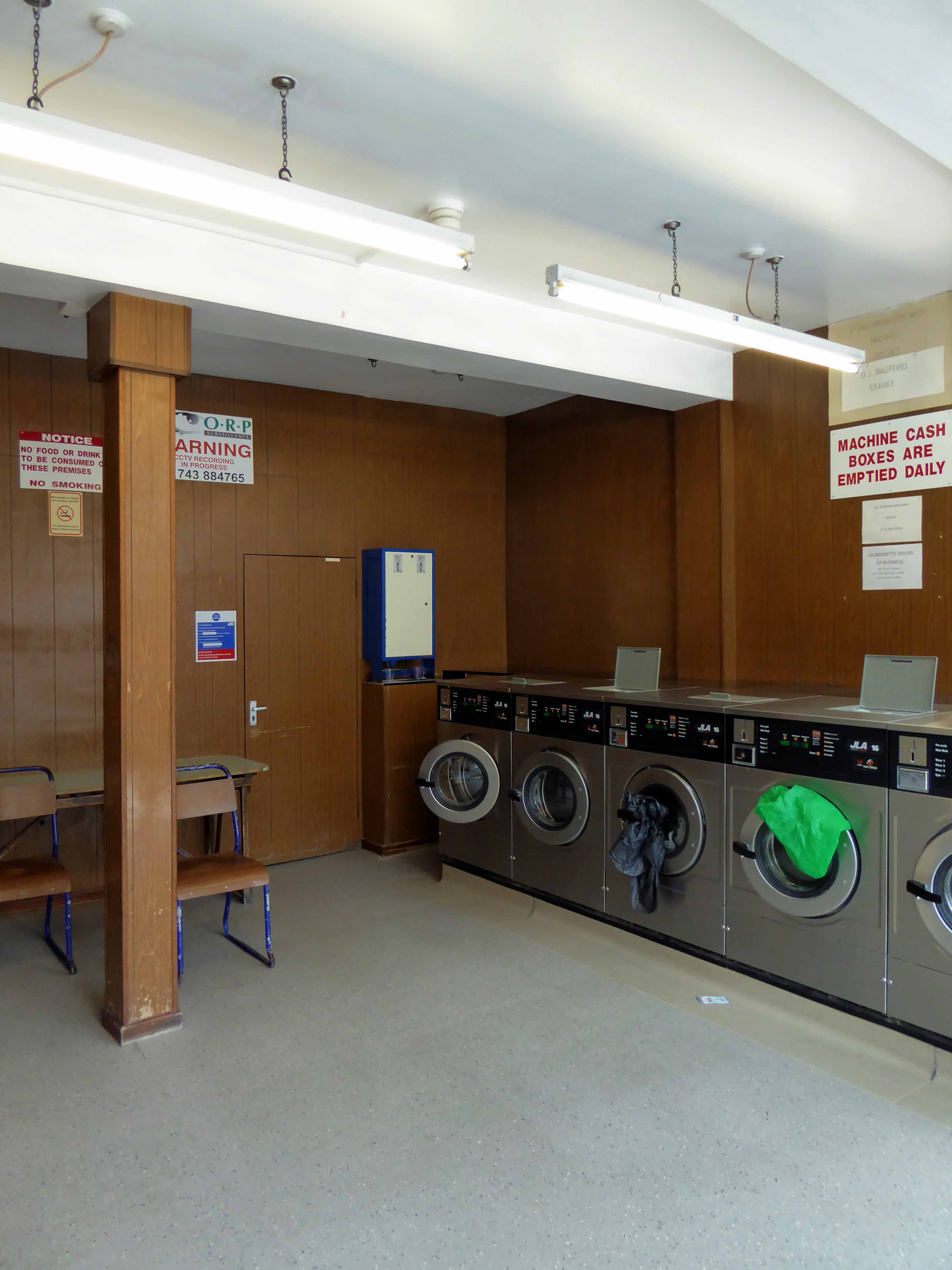
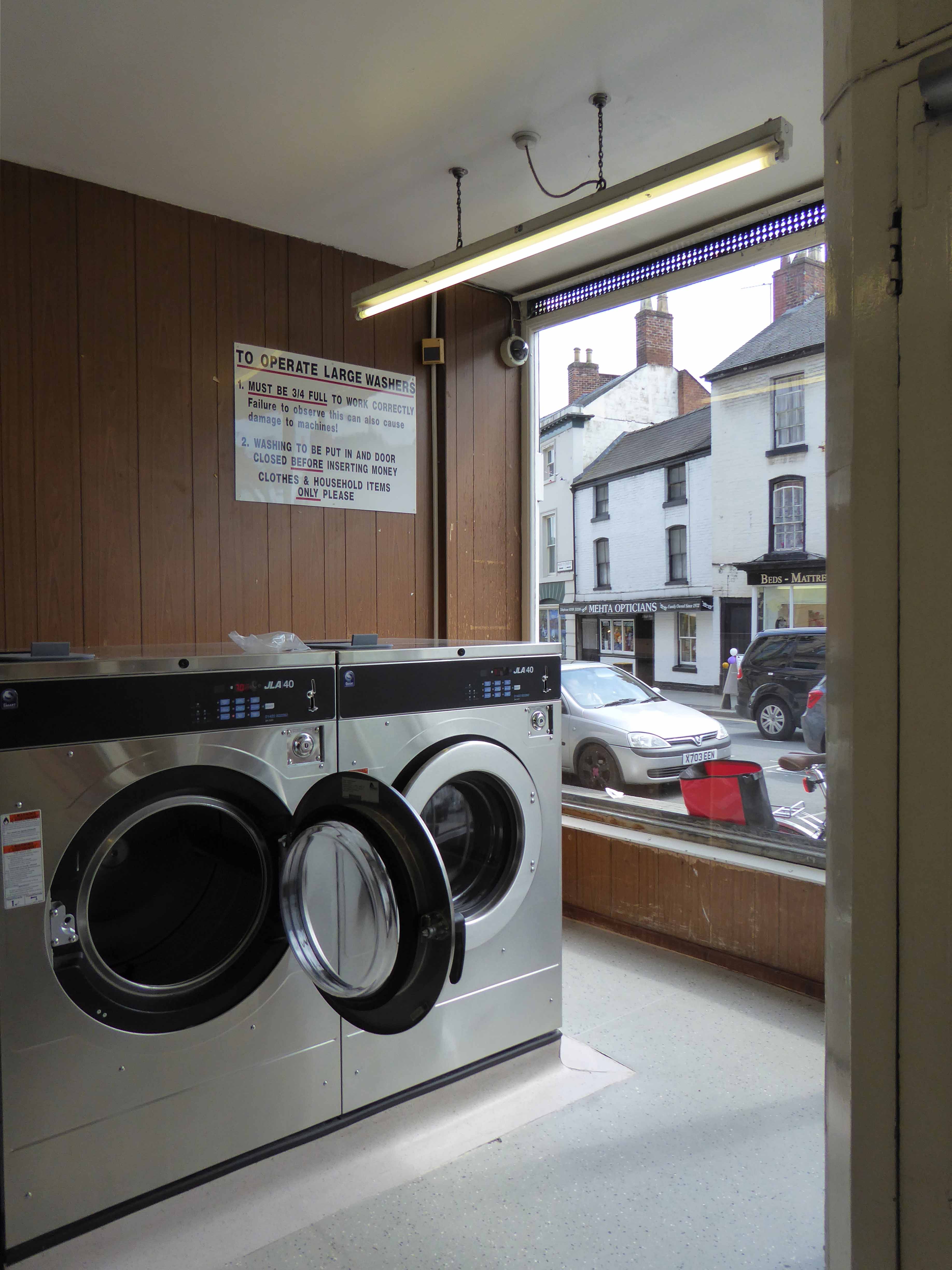
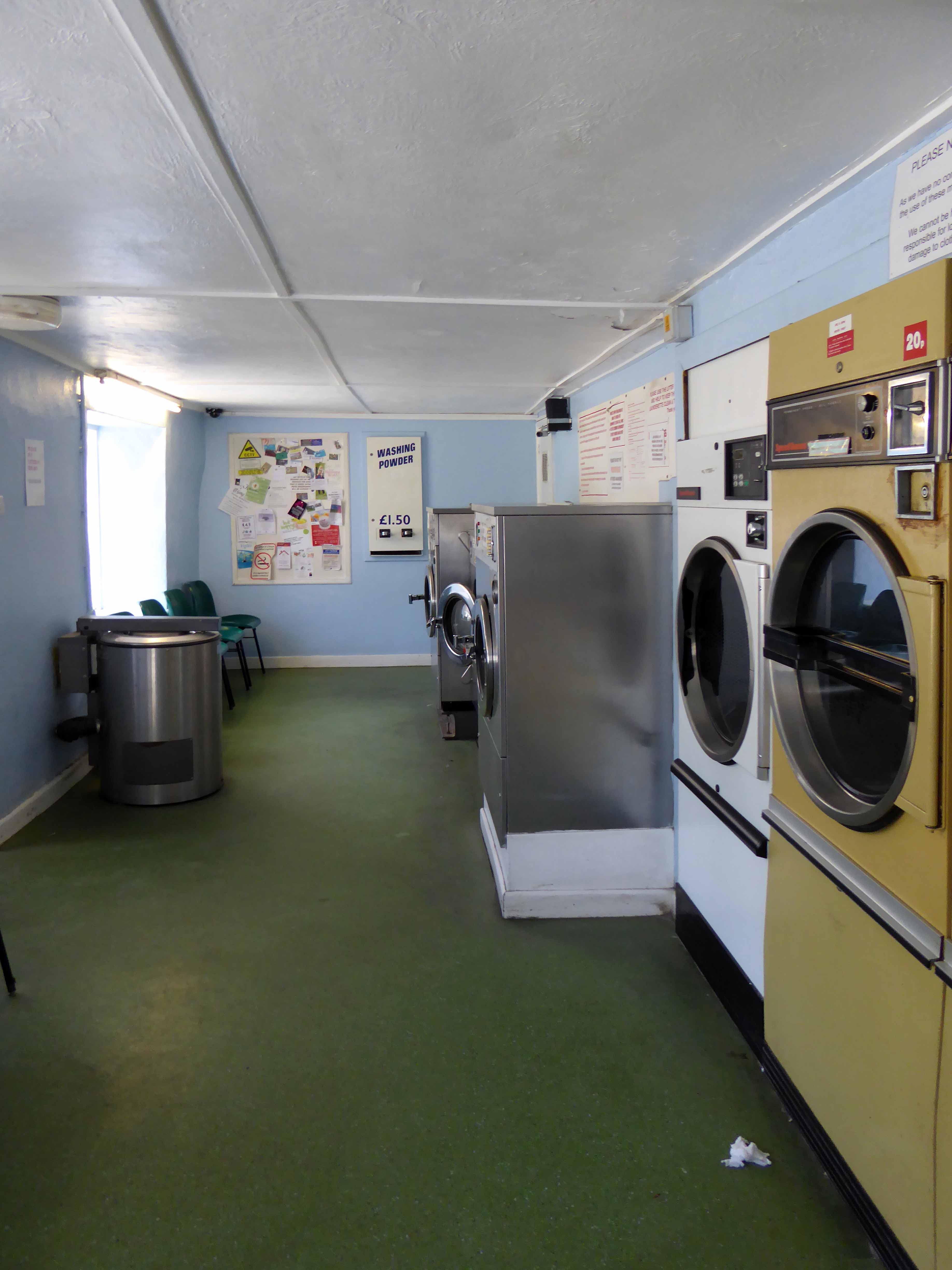
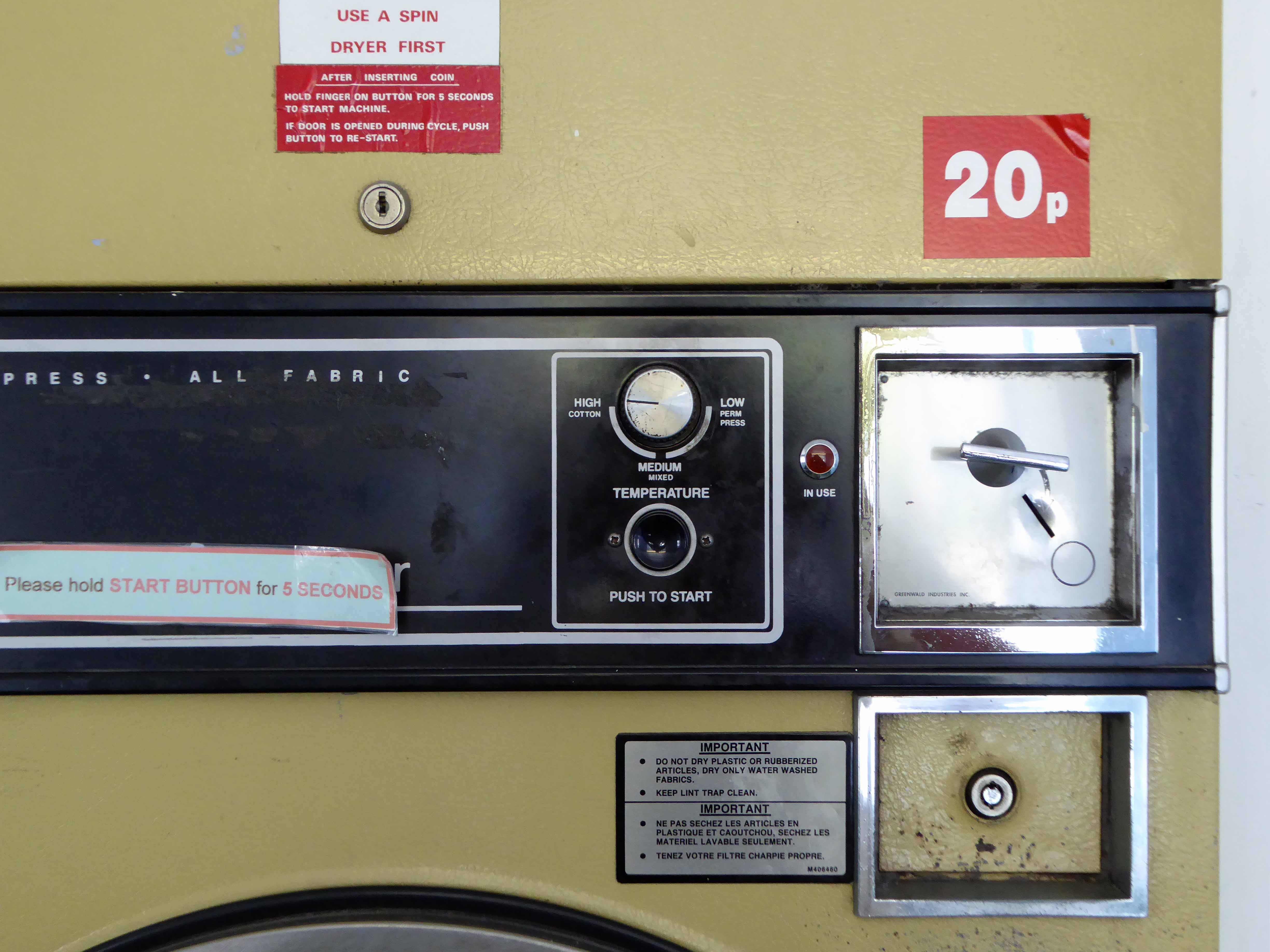
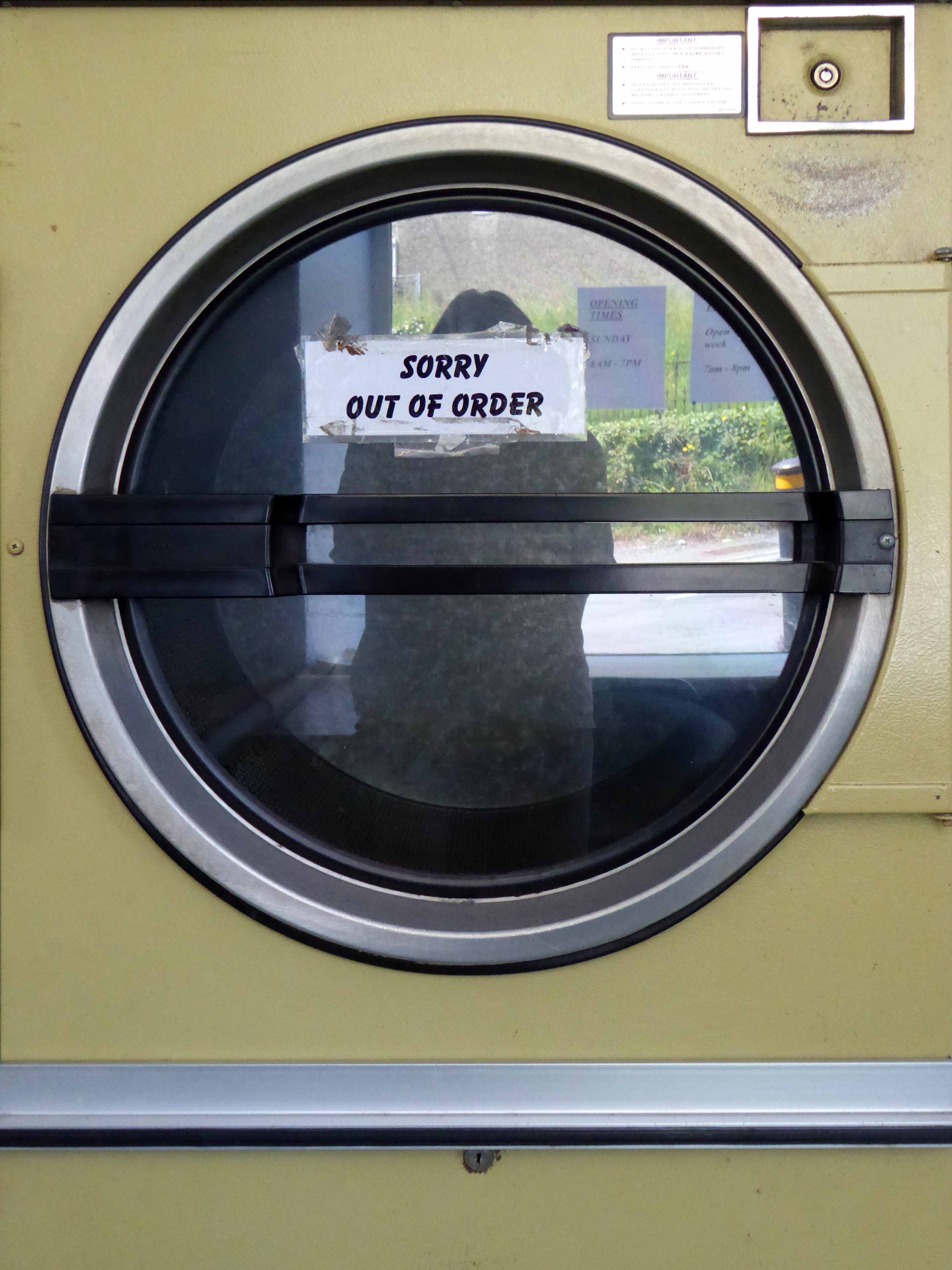
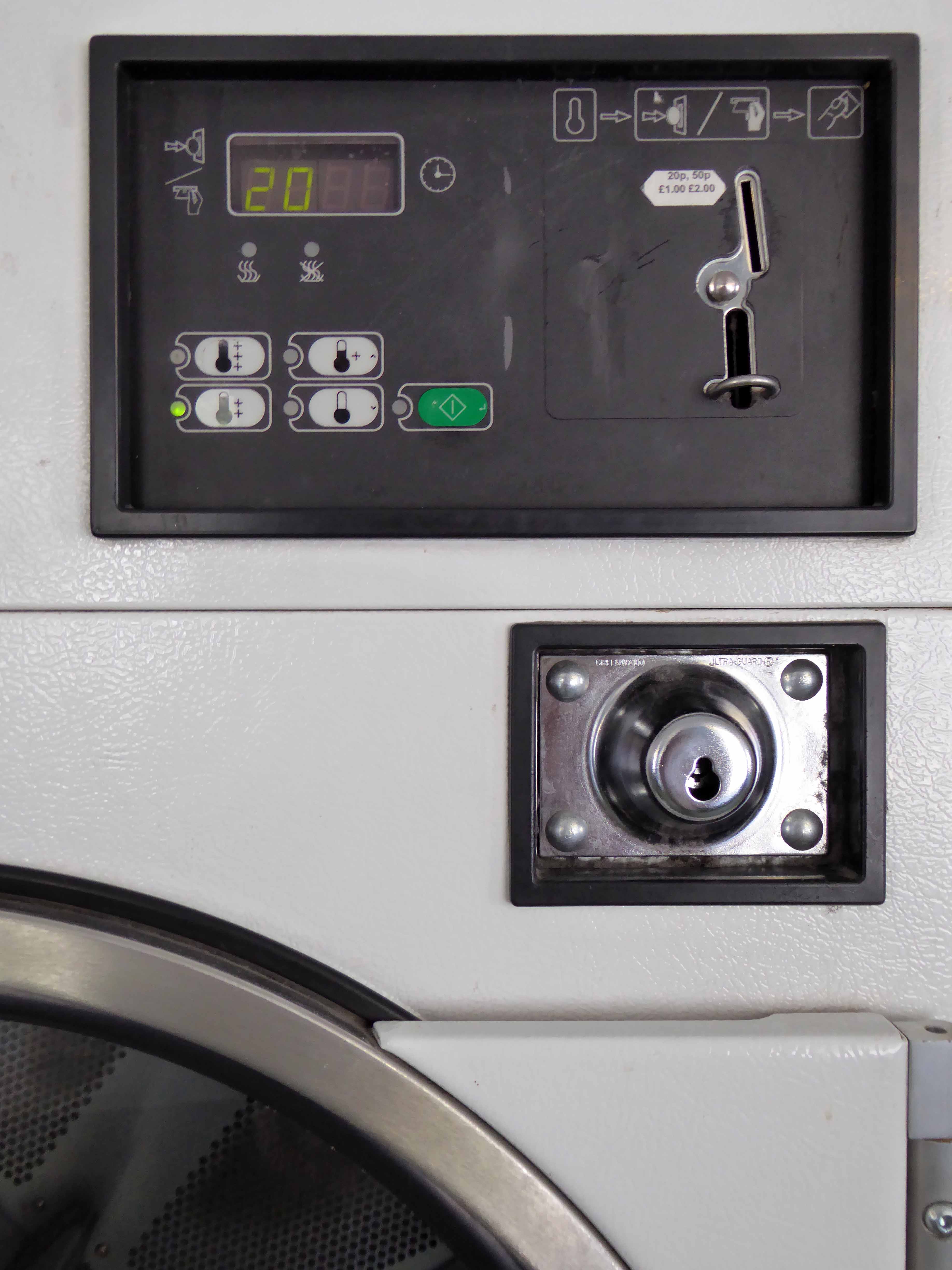
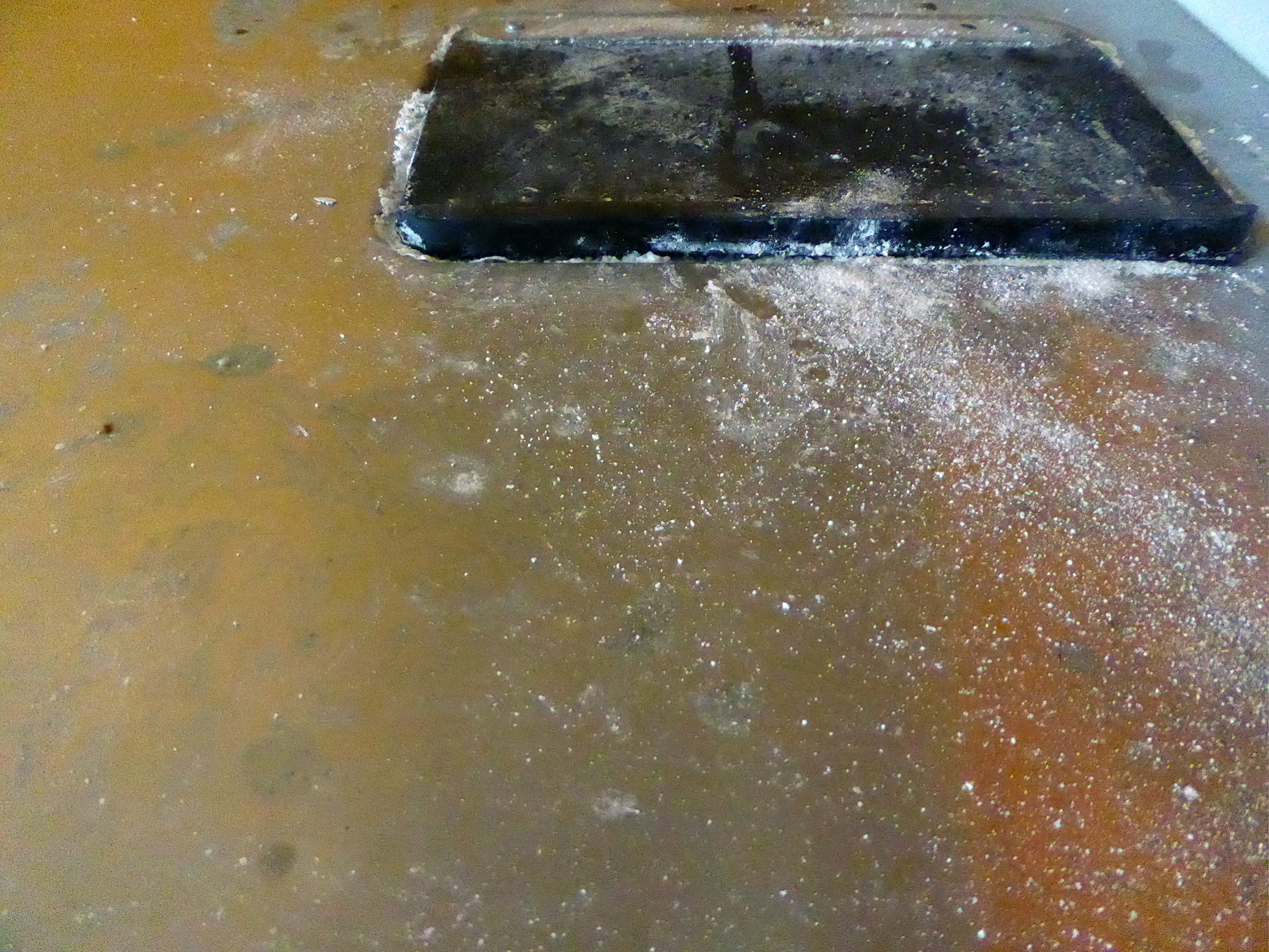
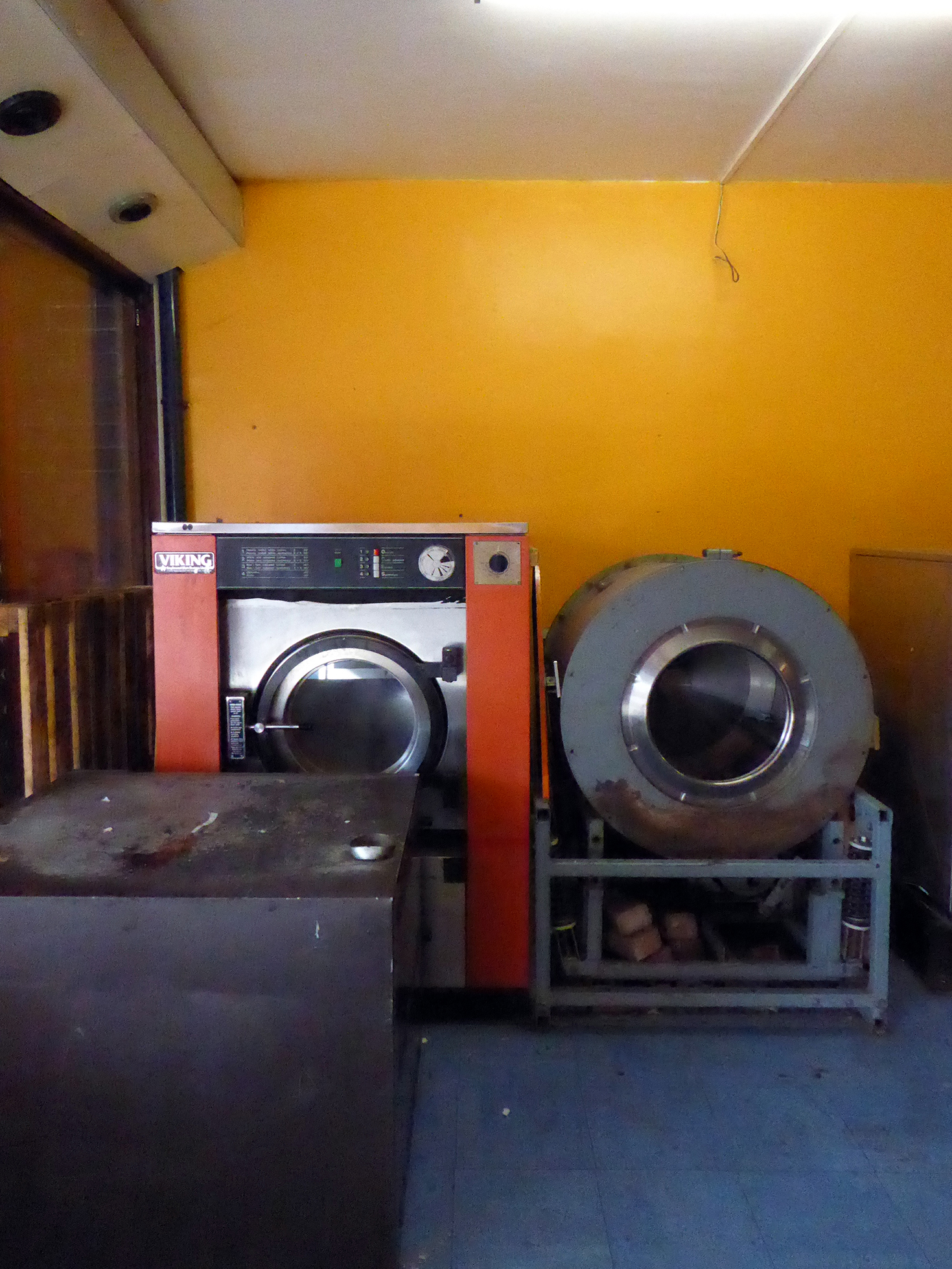
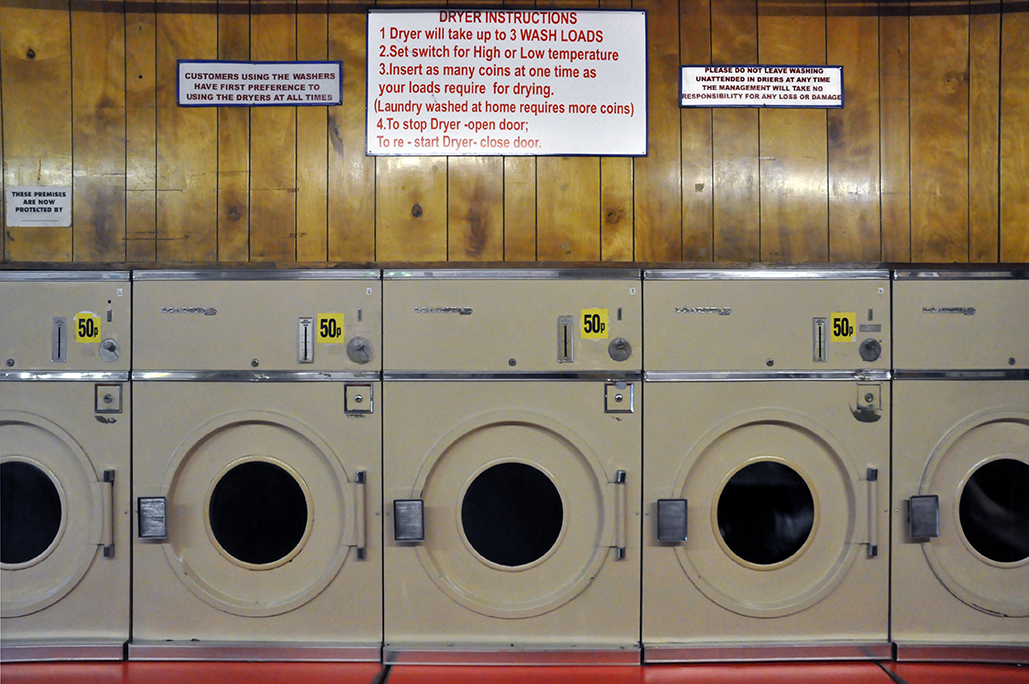
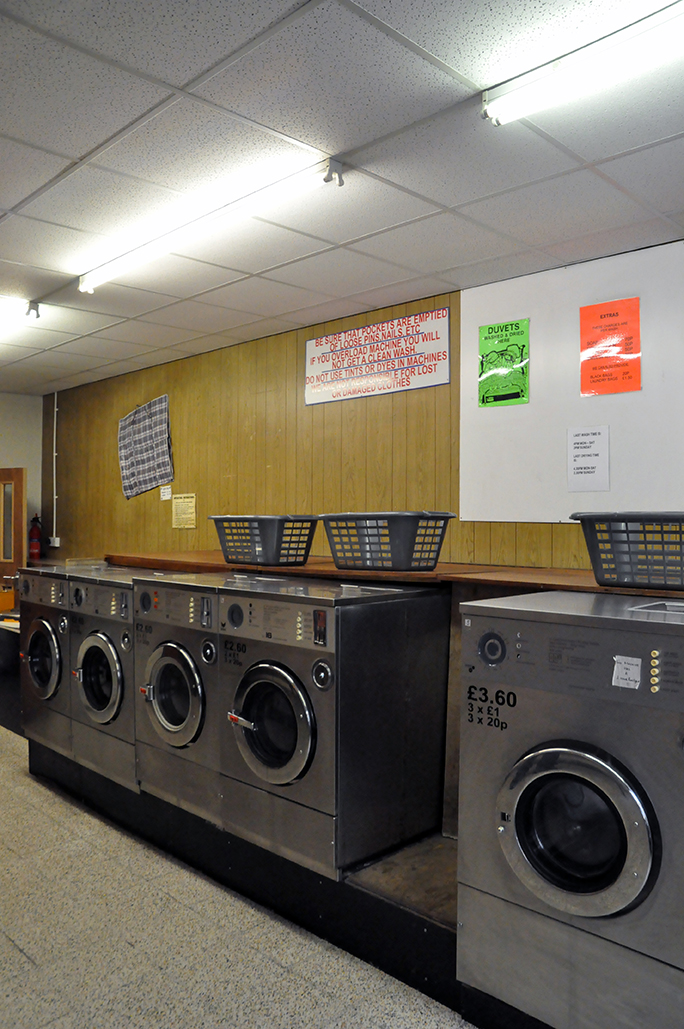
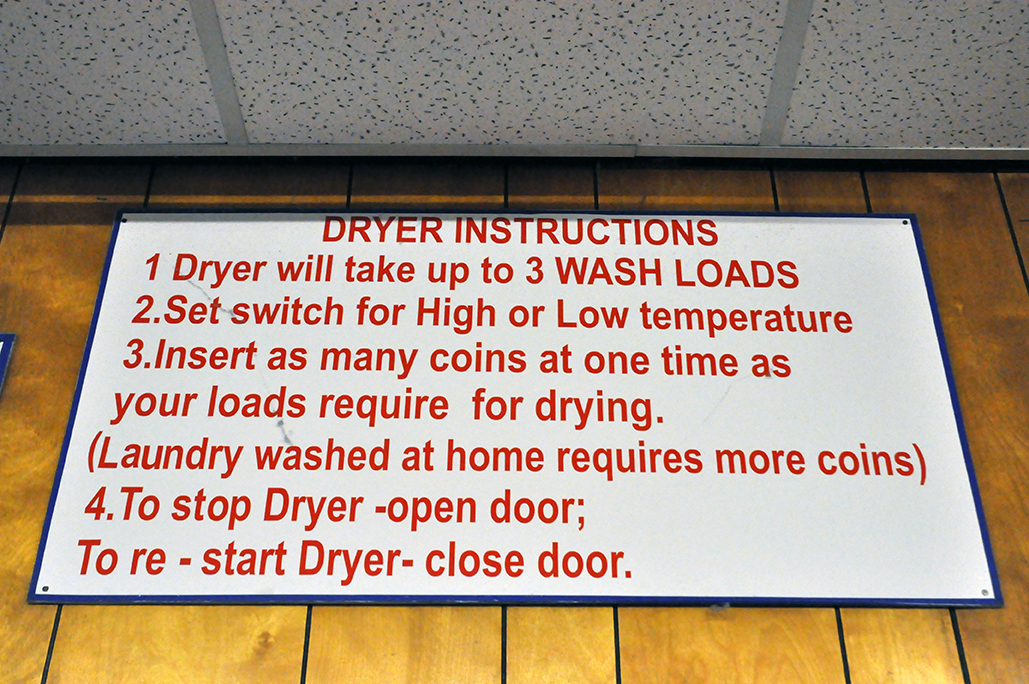
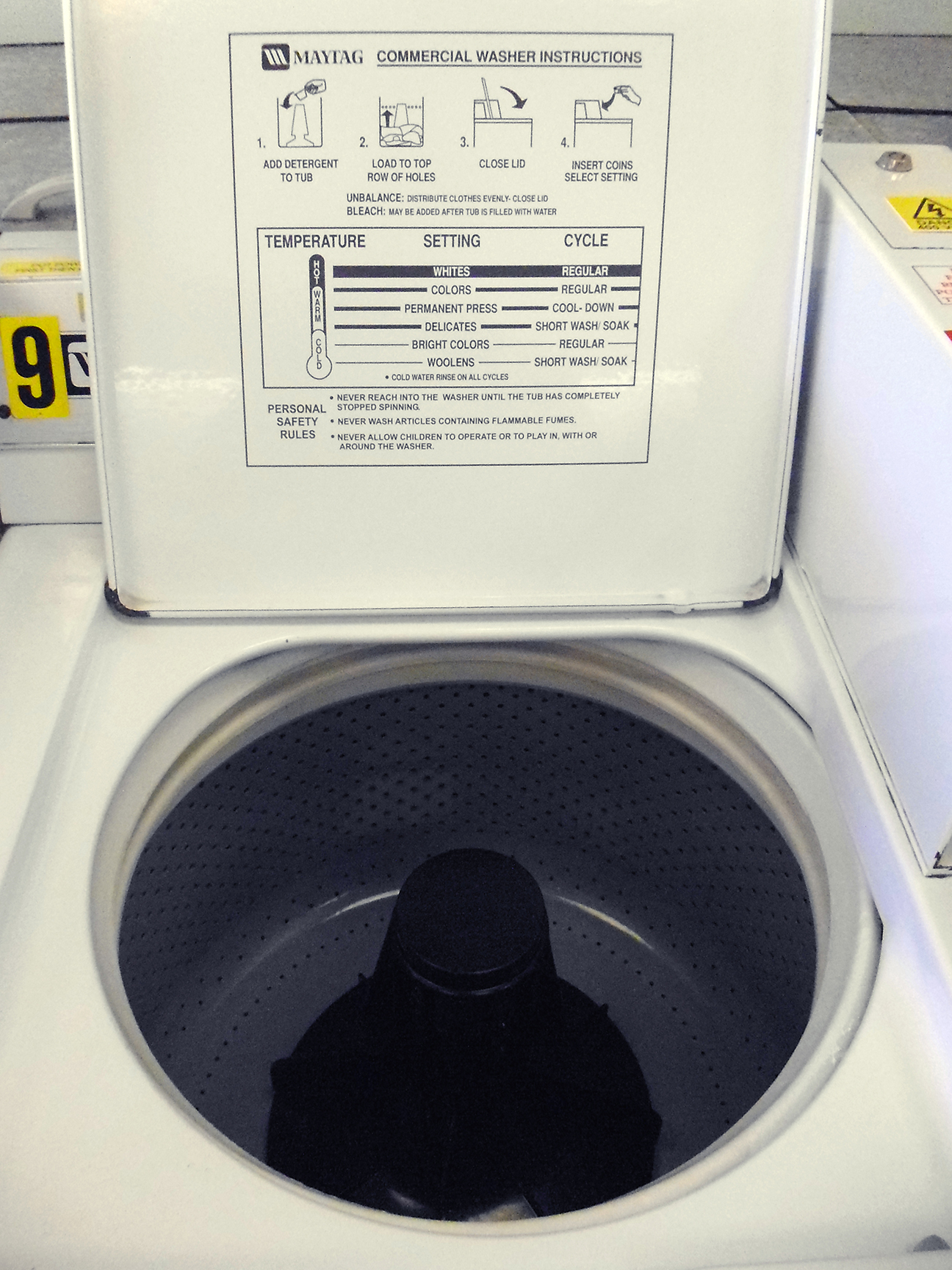
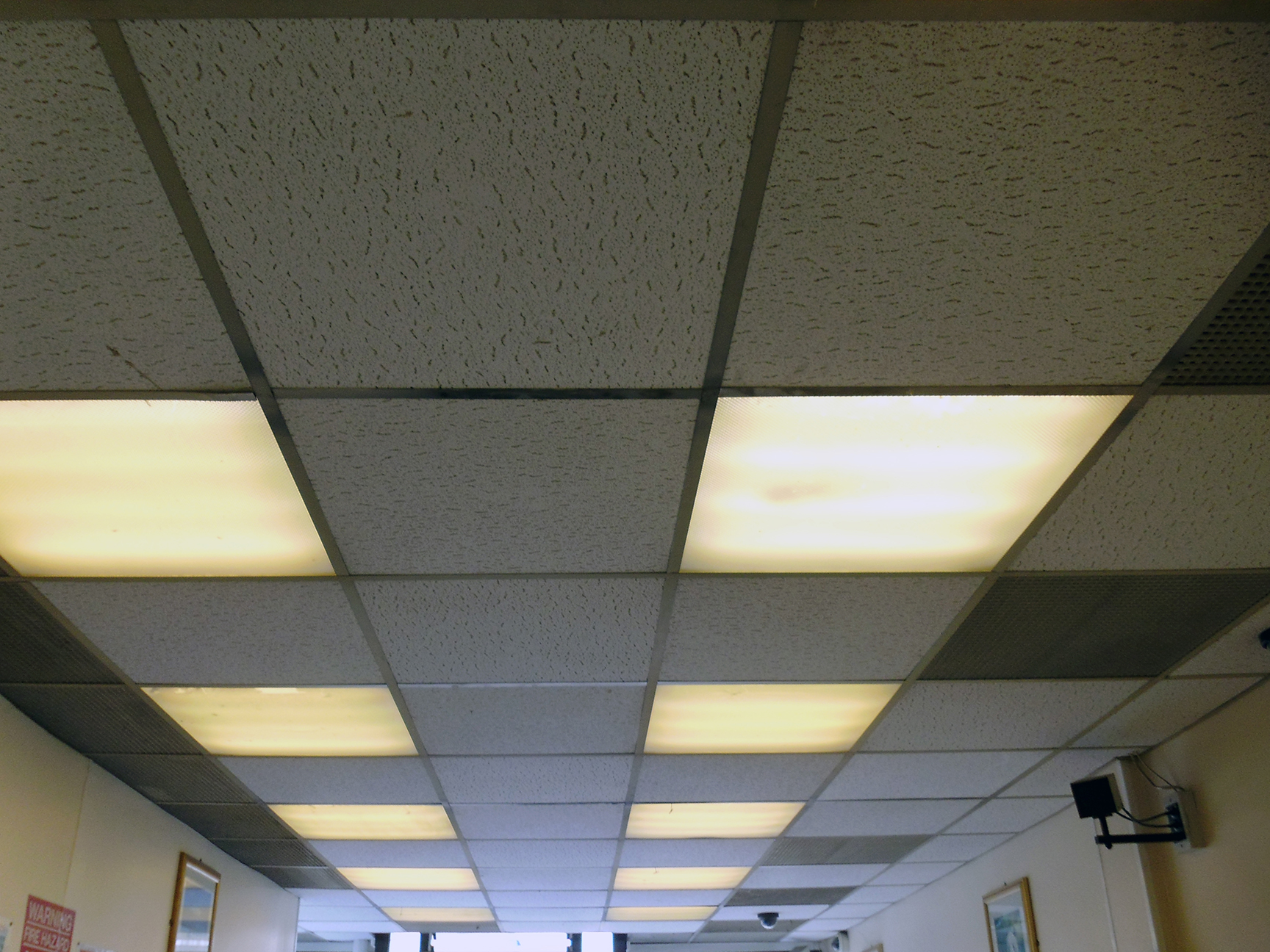
It began on an aimless walk out of Wigan on through Frimley, I found heaven on earth in the warm enfolding arms of the Washeteria. A perfectly preserved fascia, interior and machines, more by diffident neglect than good management. Signature wood effect and patterned Formica panelling, over earnest signs demanding the highest standards of personal conduct, etched in thick discoloured coloured plastic, abound on every surface. Stuttering strip lighting and a stone cold linoleum floor. A dull white ceiling, with a surface texture formed from deep frozen ennui.
Three years later I had visited and snapped several examples, all with their own uniques characteristics though all contributing to a typology. 

In the United Kingdom known as launderettes or laundrettes, and in the United States, Canada, Australia, New Zealand as laundromatsor washeterias.

George Edward Penury created the word laundromat for Westinghouse. 

According to NALI – the National Association of the Launderette industry, numbers peaked at12,500 in the early 80s but have since dwindled to just 3,000. 

The first UK launderette – alternative spelling: laundrette. was opened on May 9th 1949 in Queensway London.

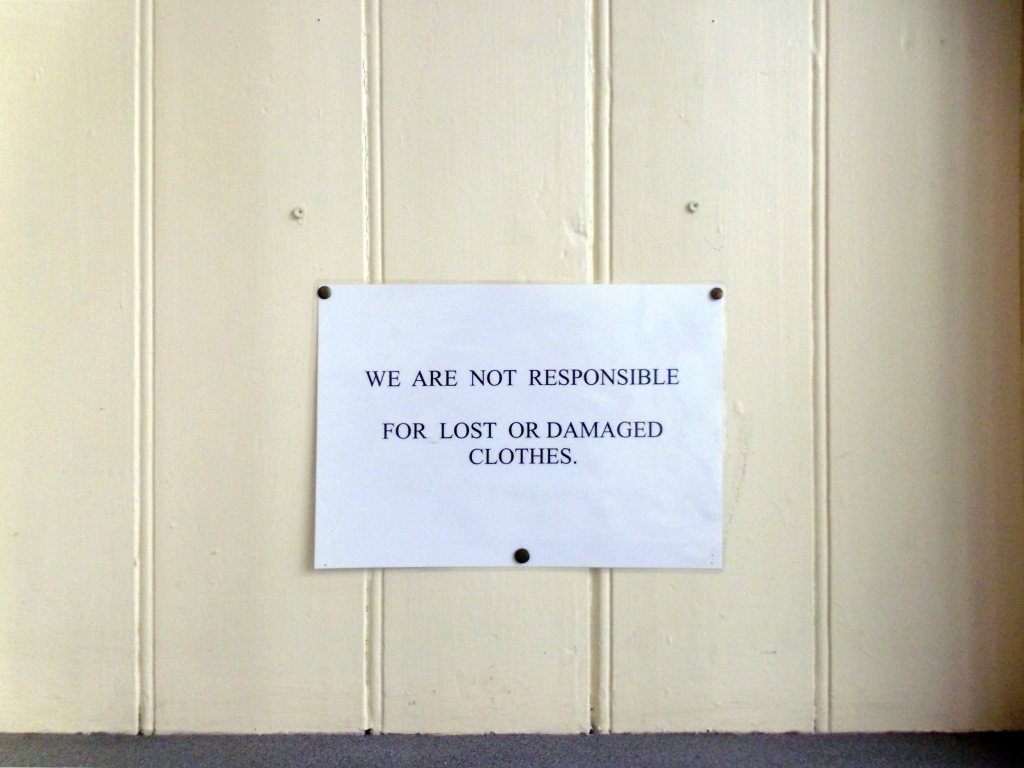
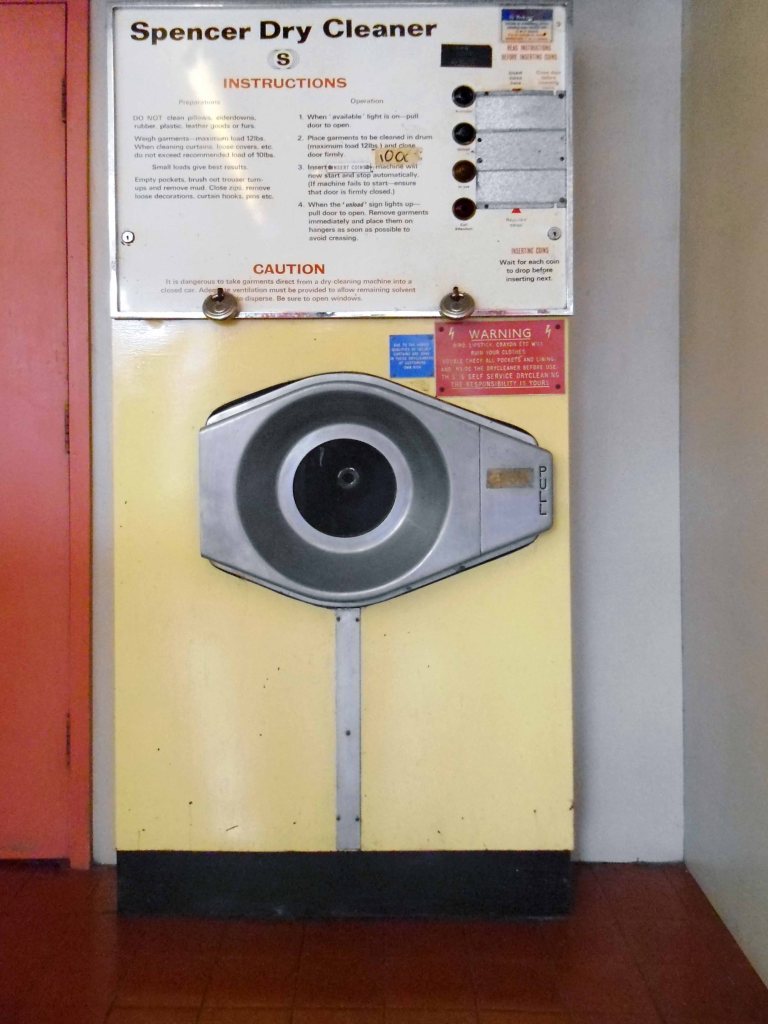
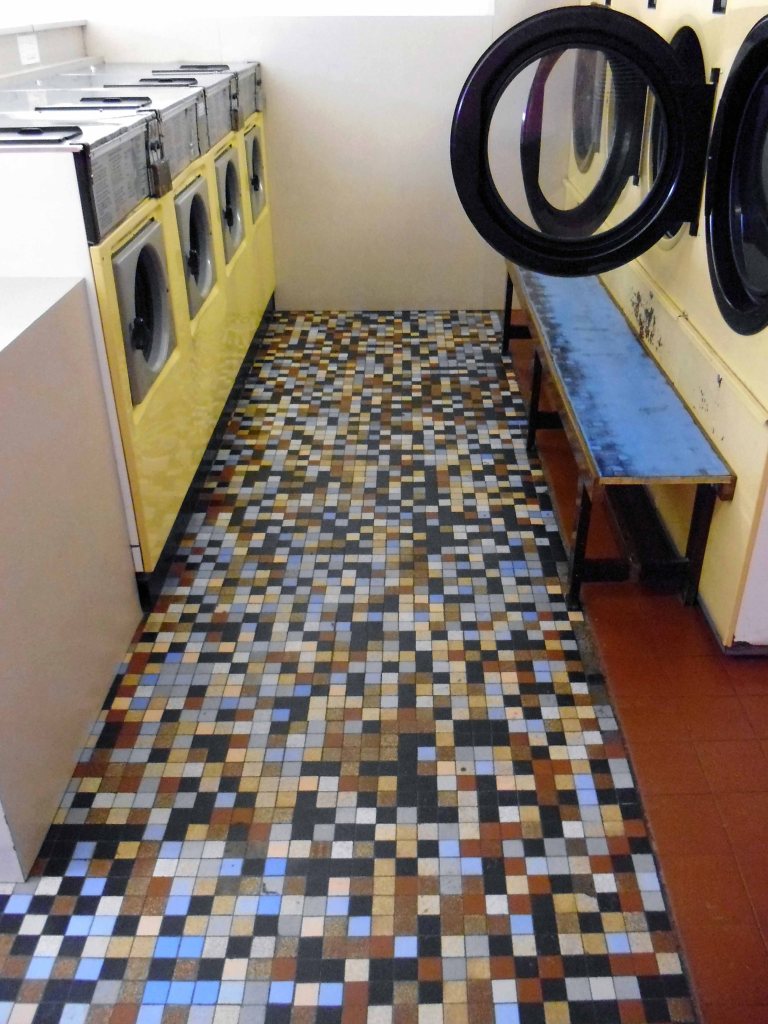
Come with me now and relive those warm damp languorous moments as we visit eight laundrettes.

All the books sold out in three hours – so here’s your chance to flick through the virtual pages as the prewash finishes.

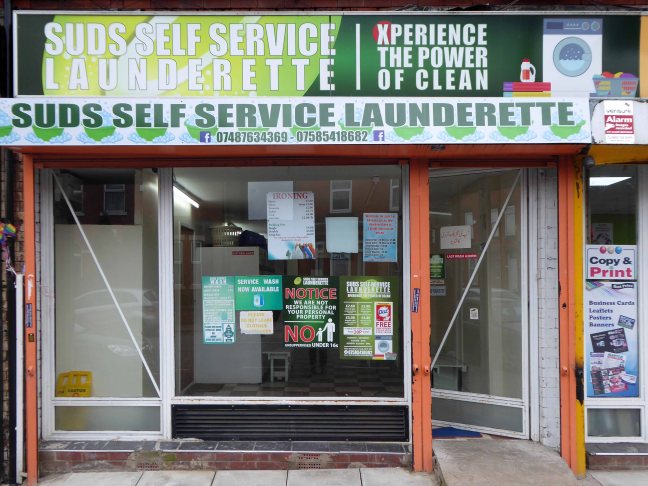
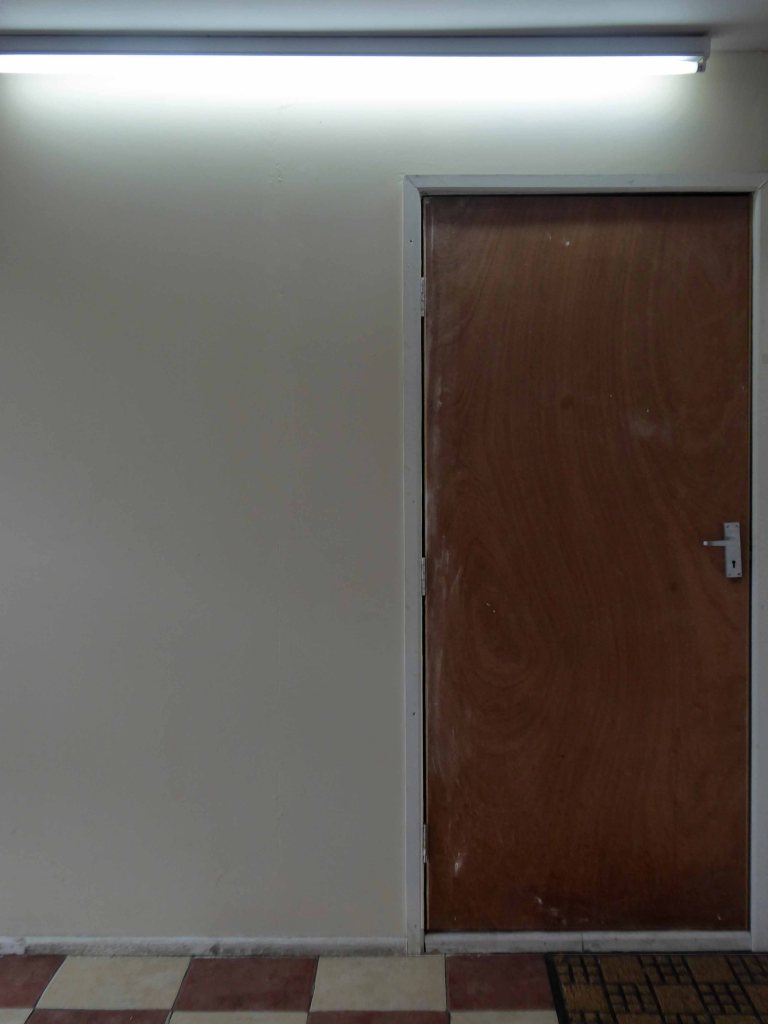
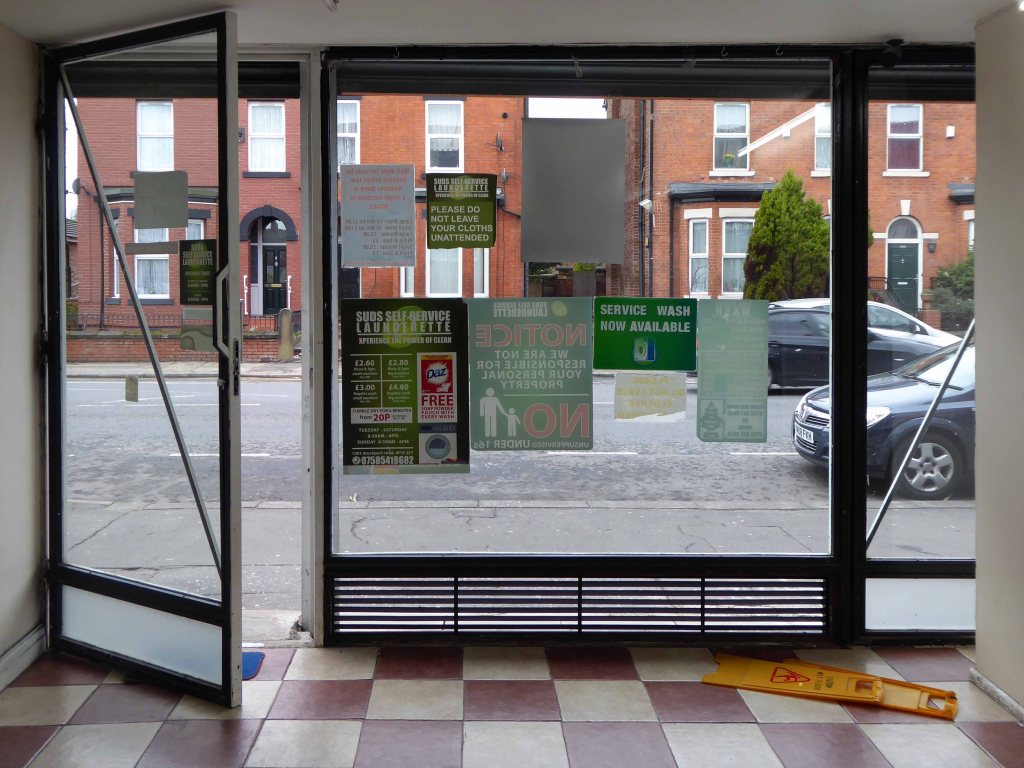
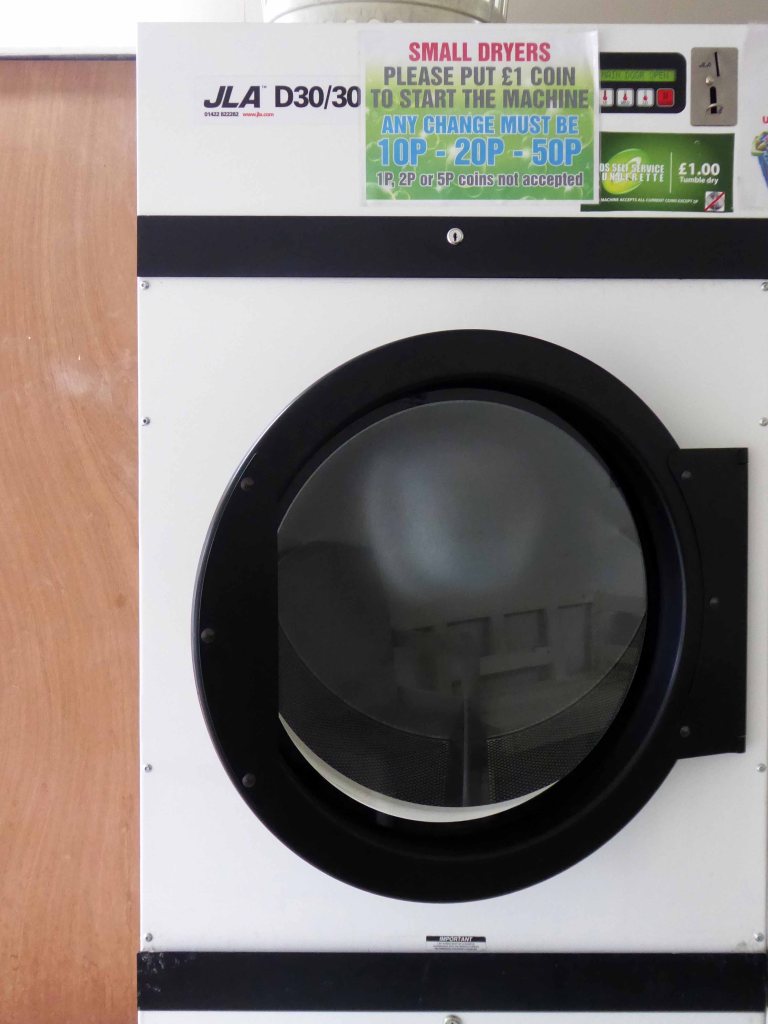
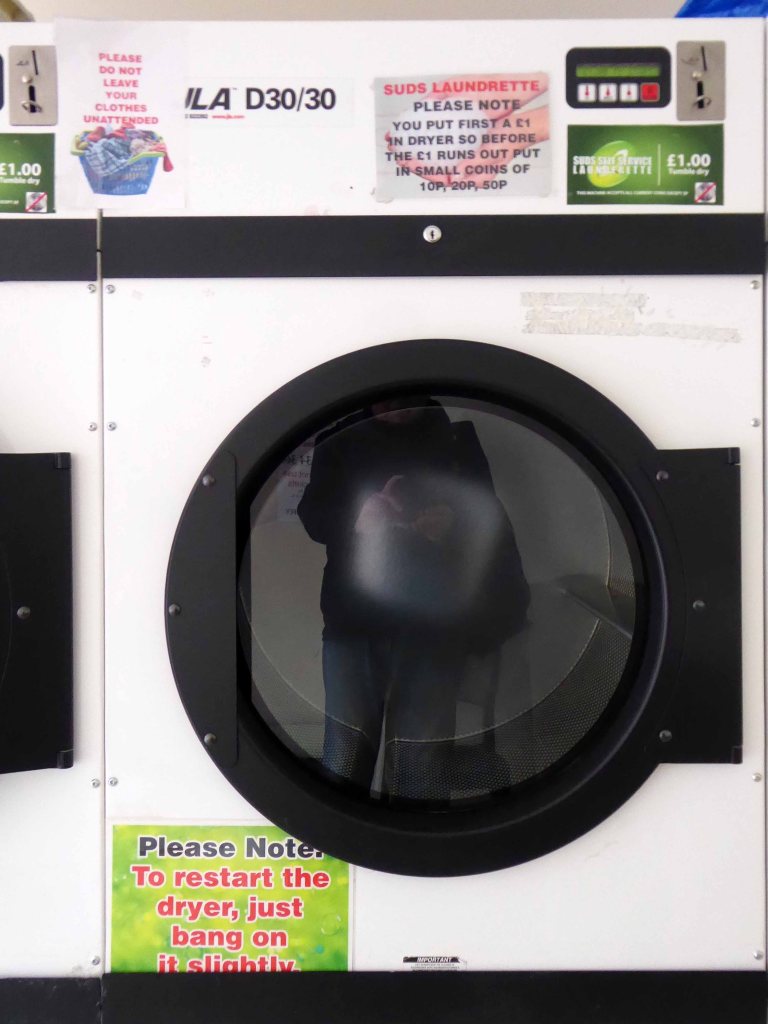
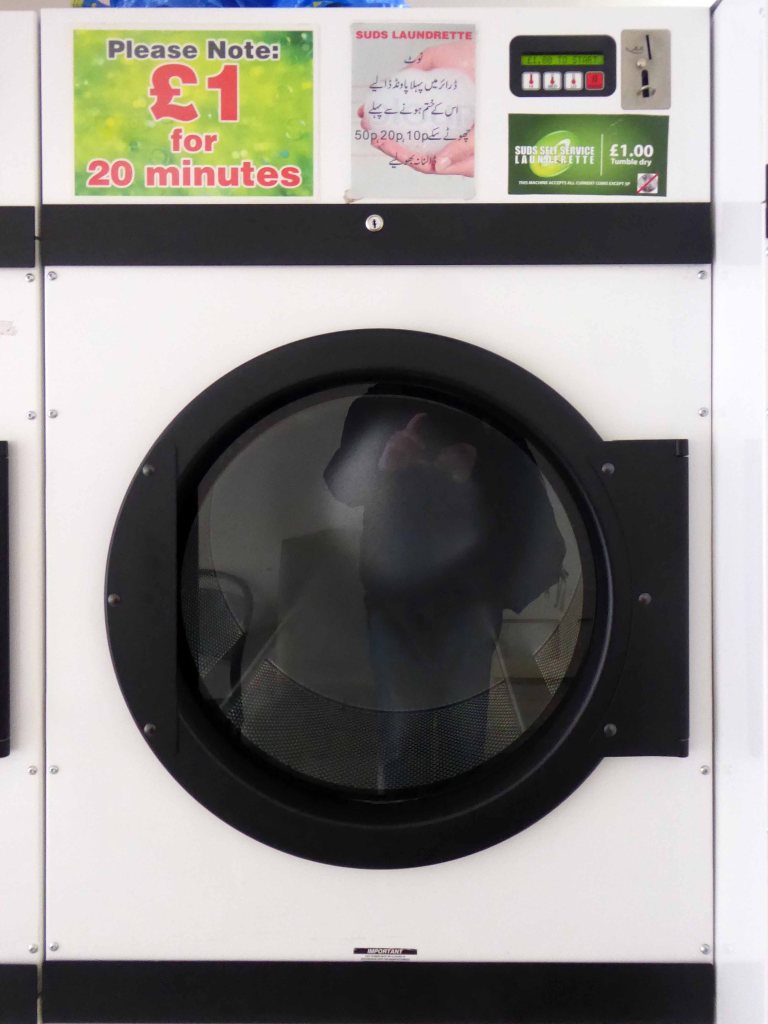
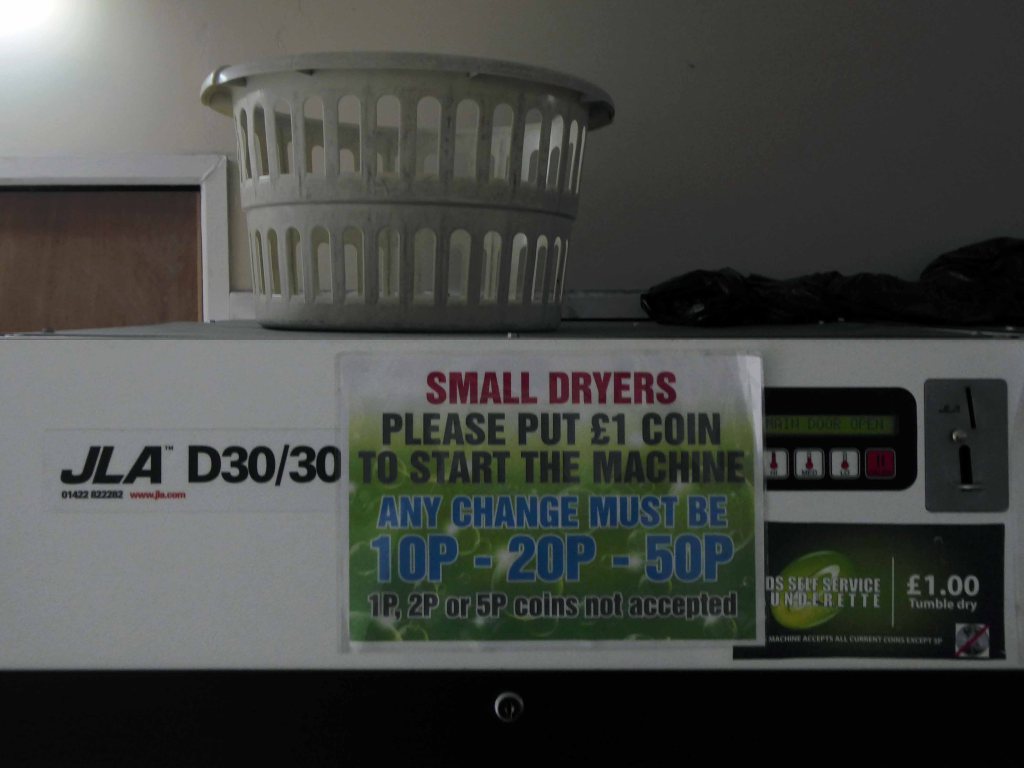
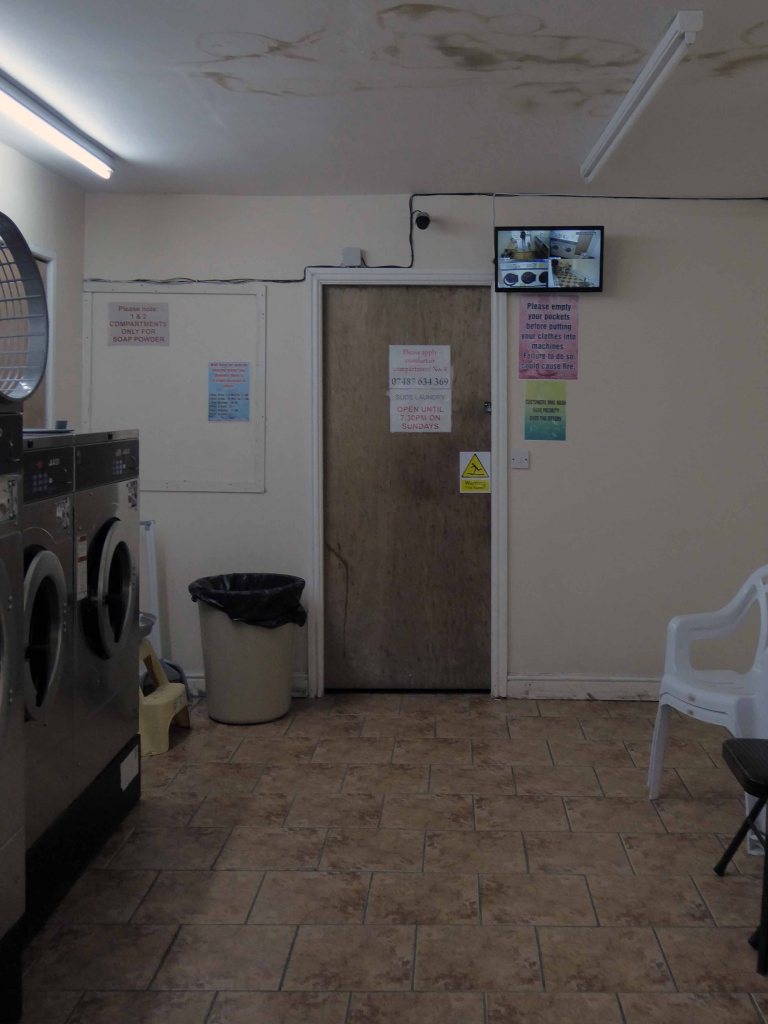
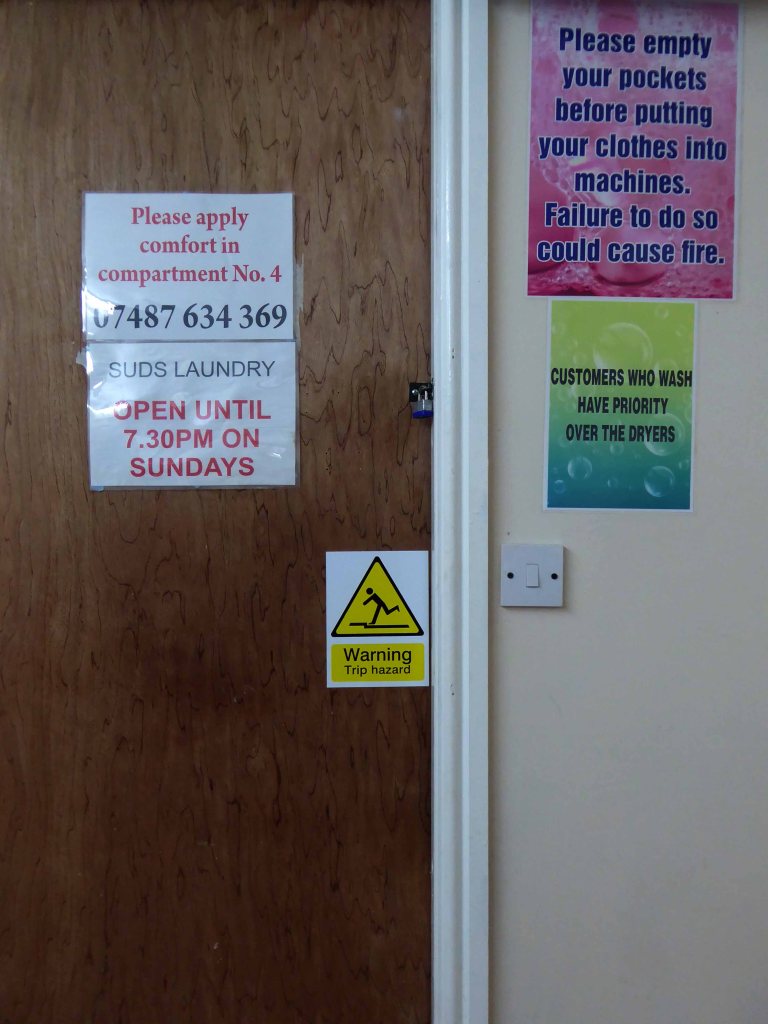
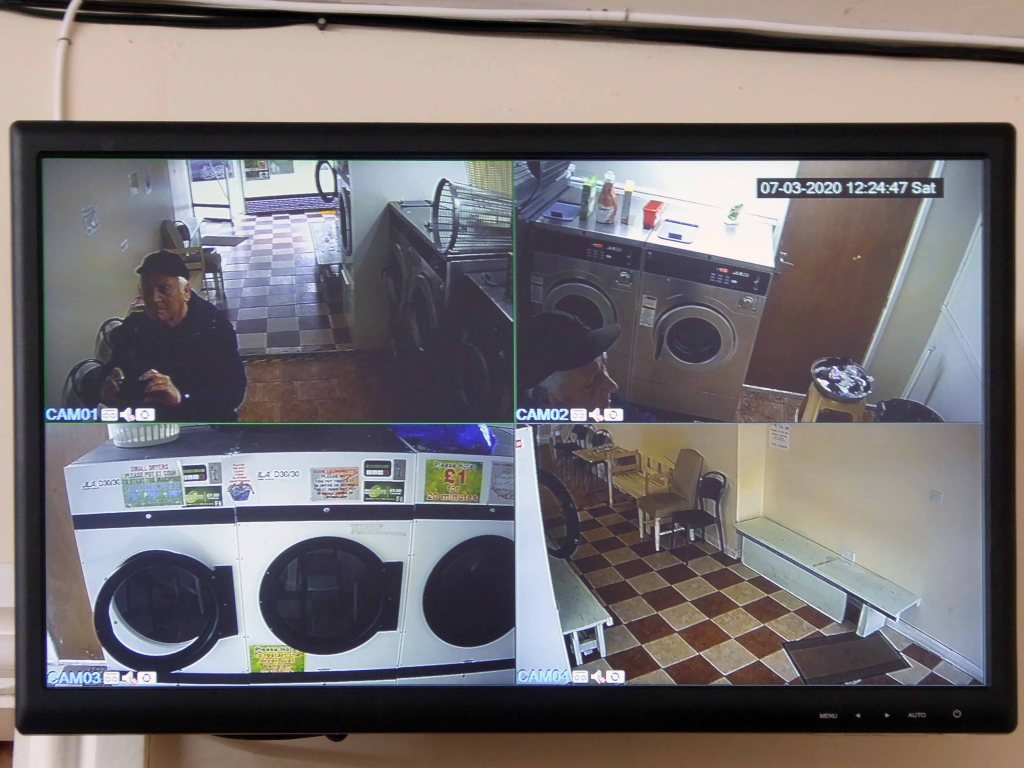
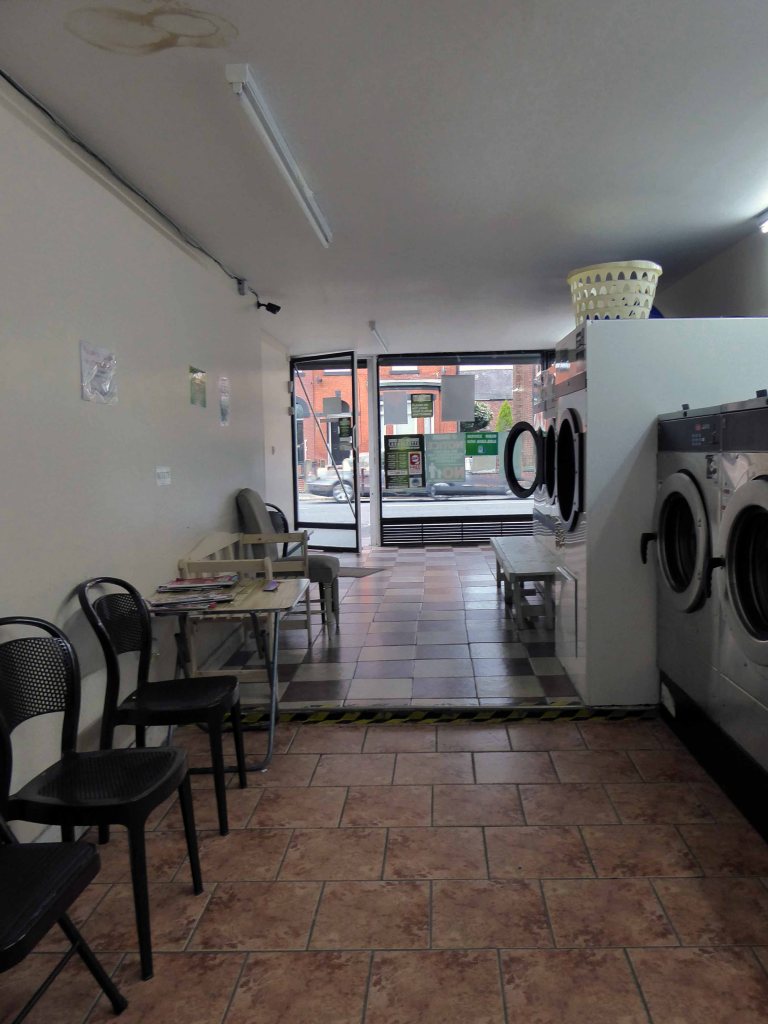
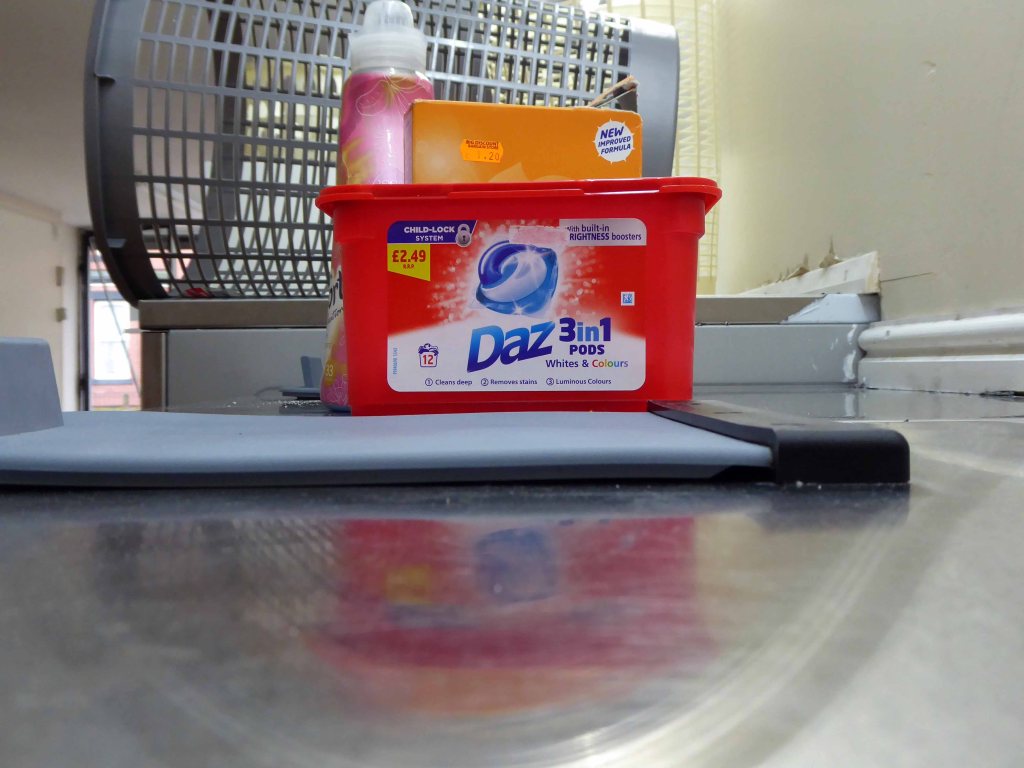
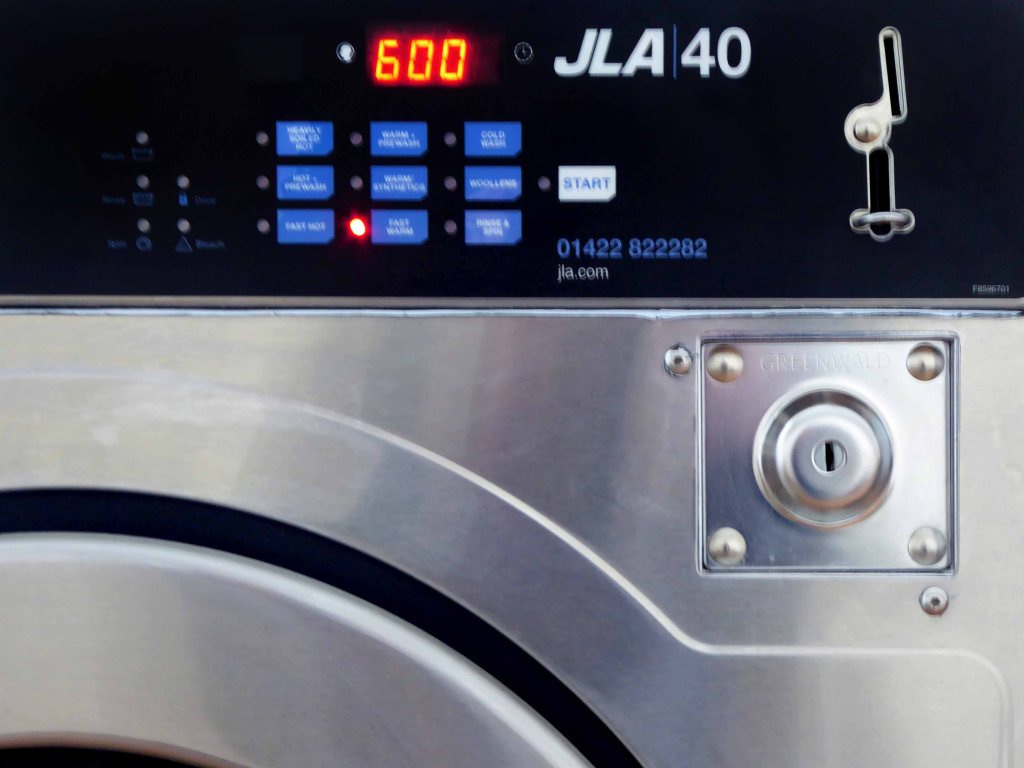
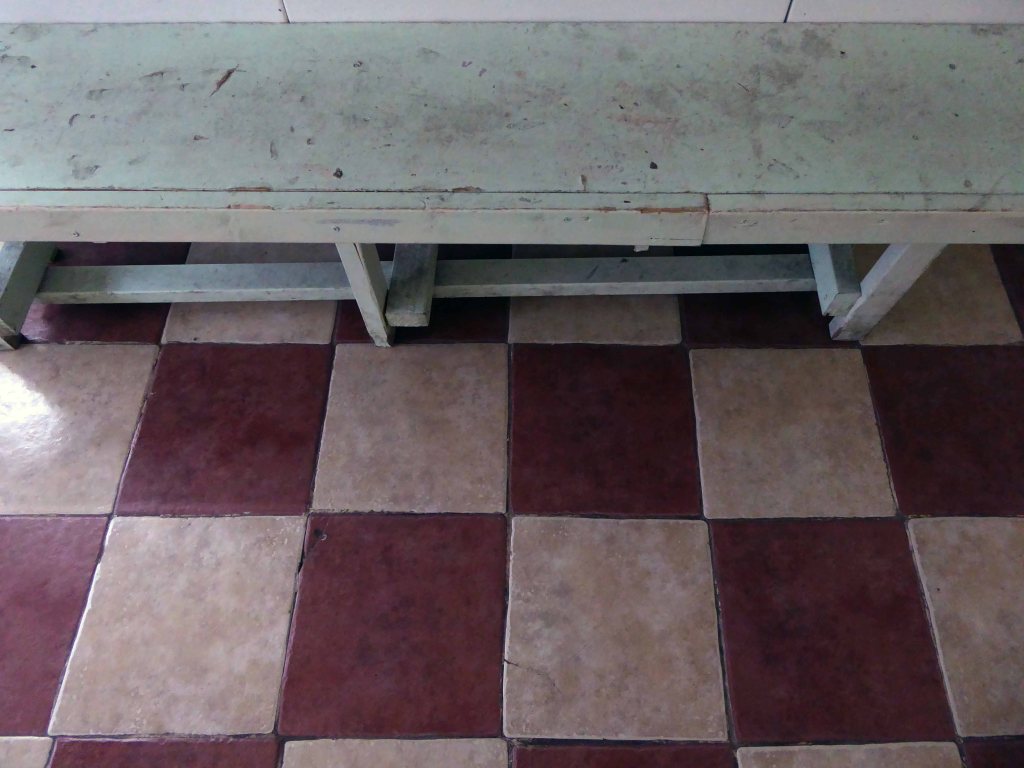
Suds Laundrette – Levenshulme

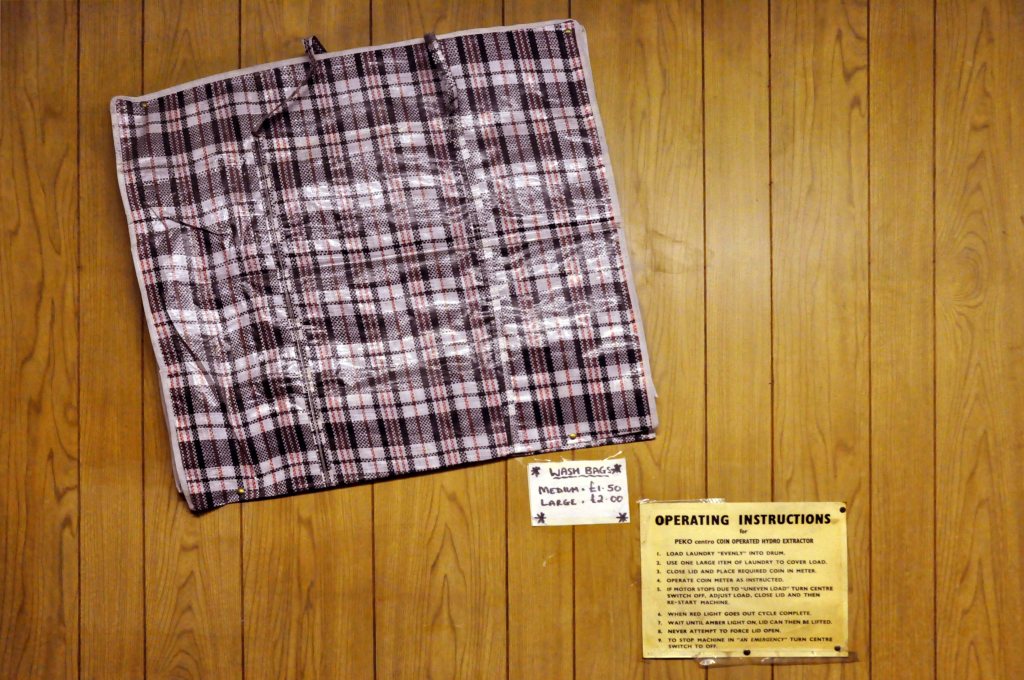
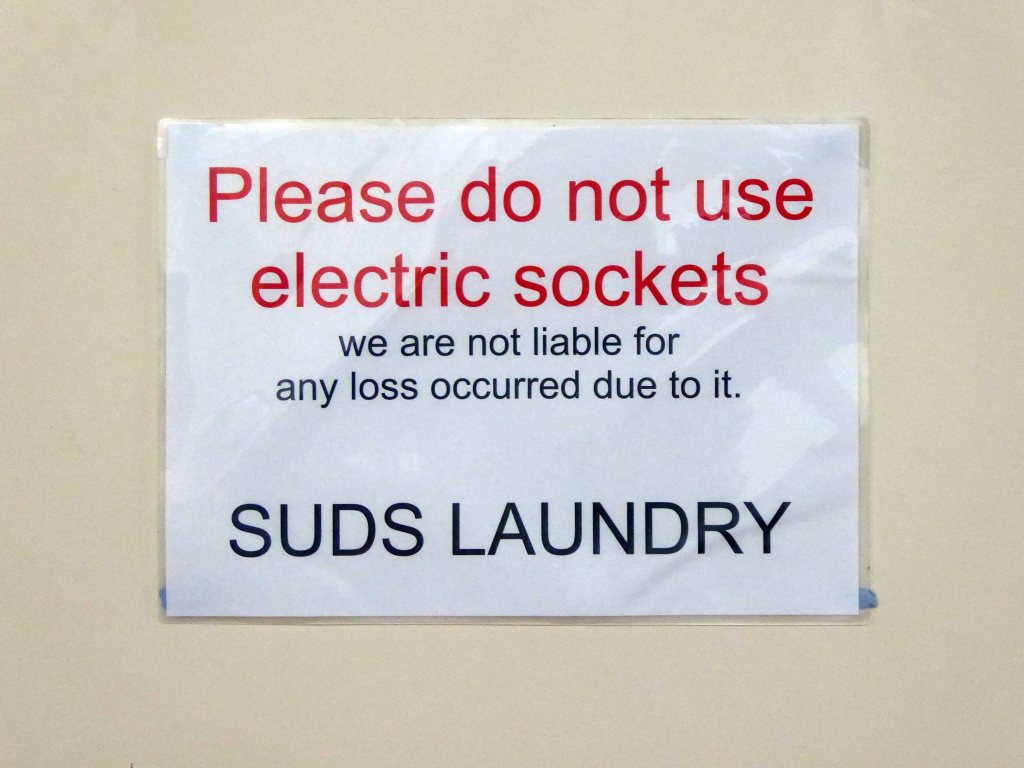
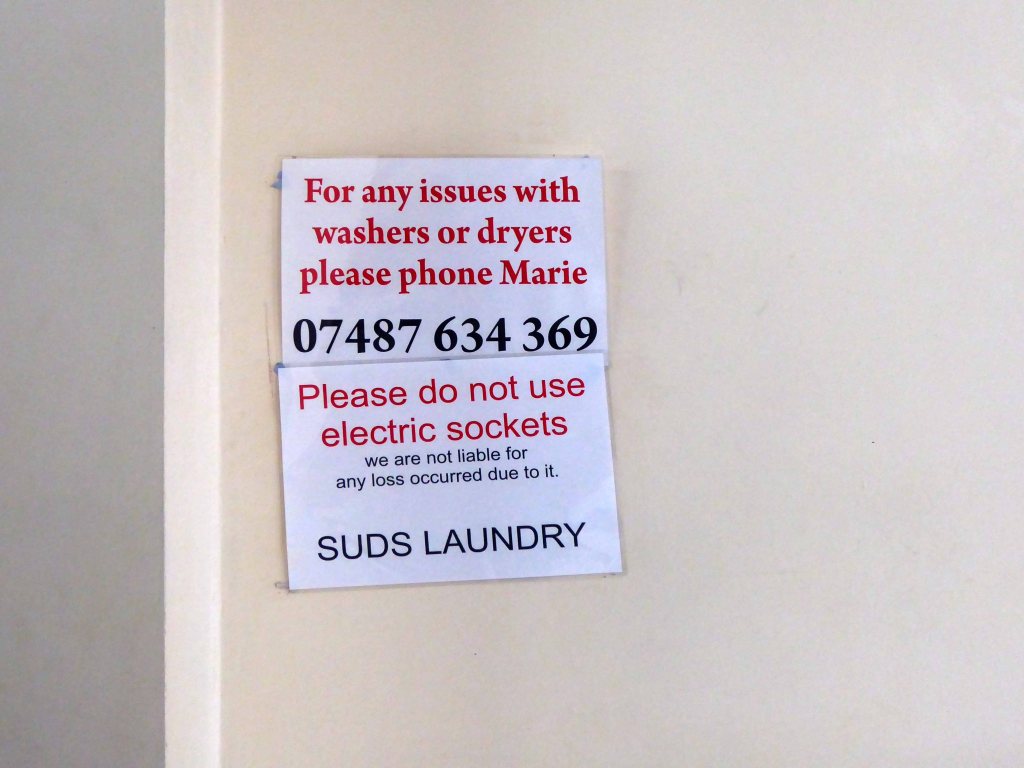
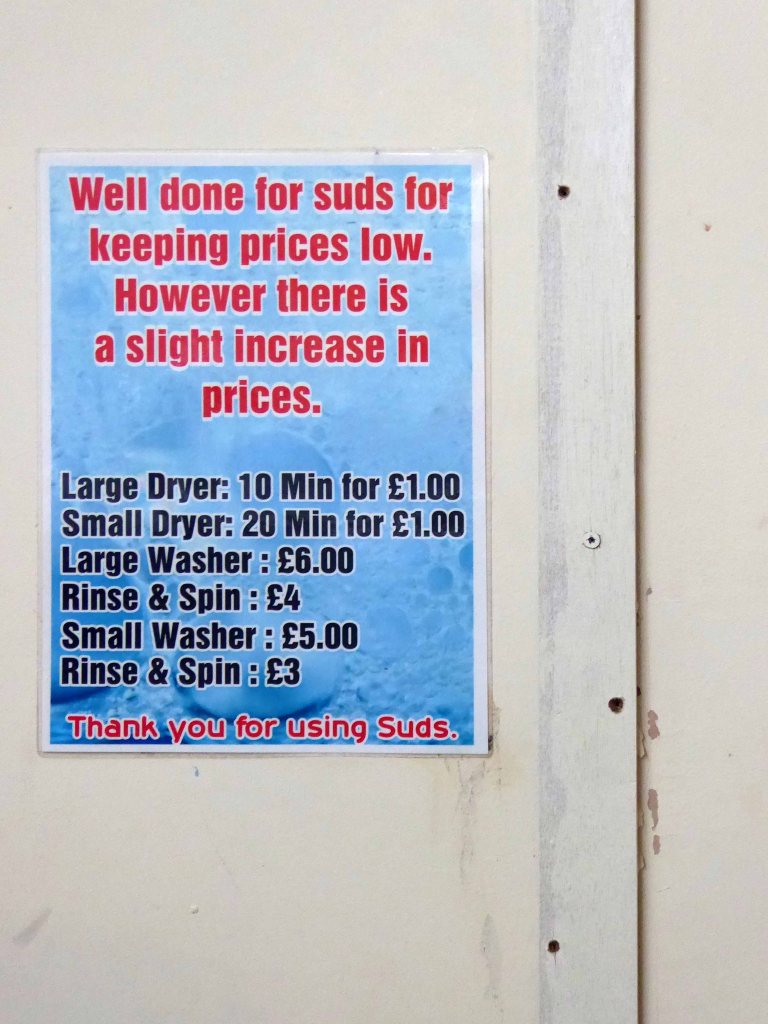
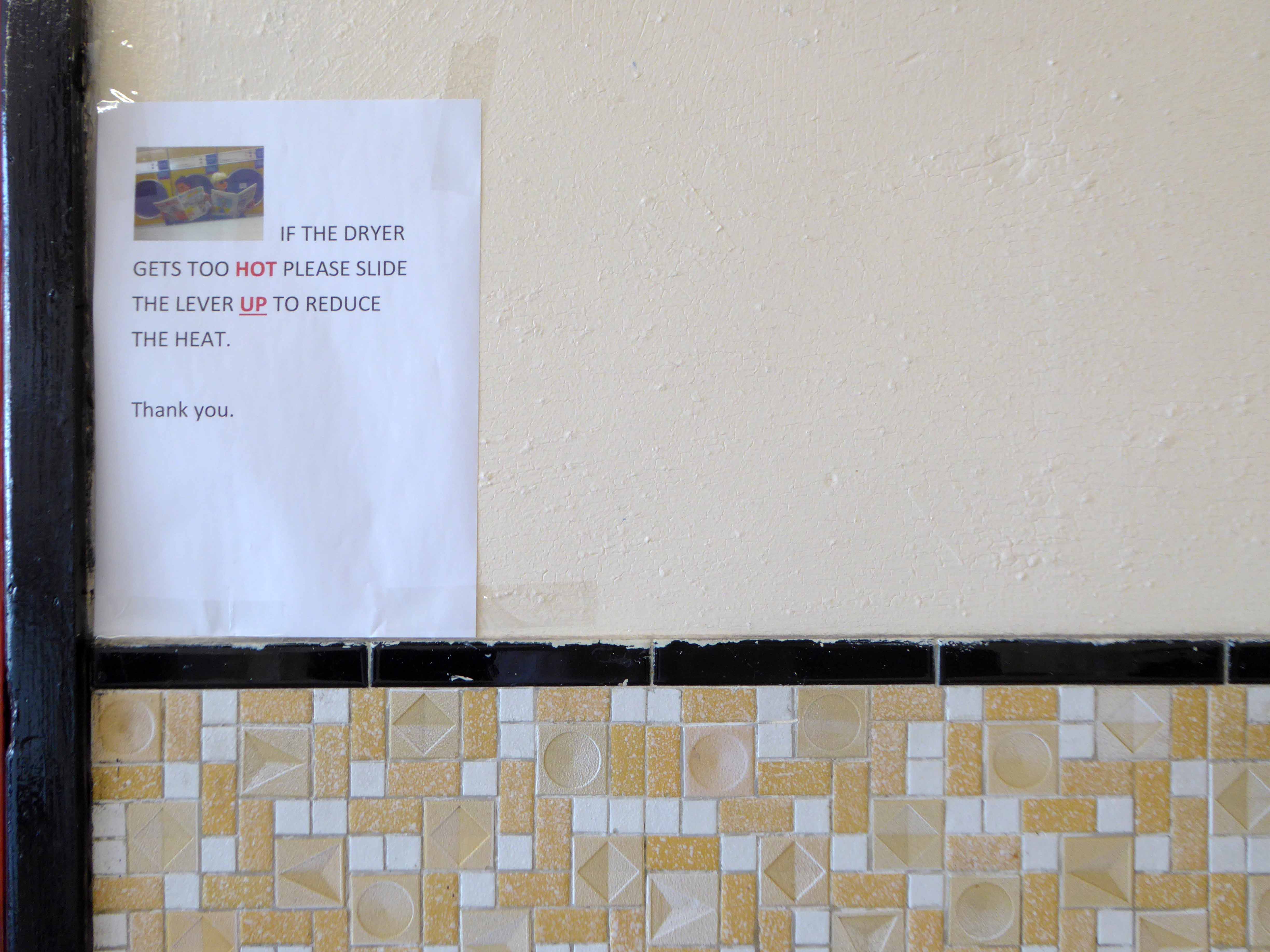
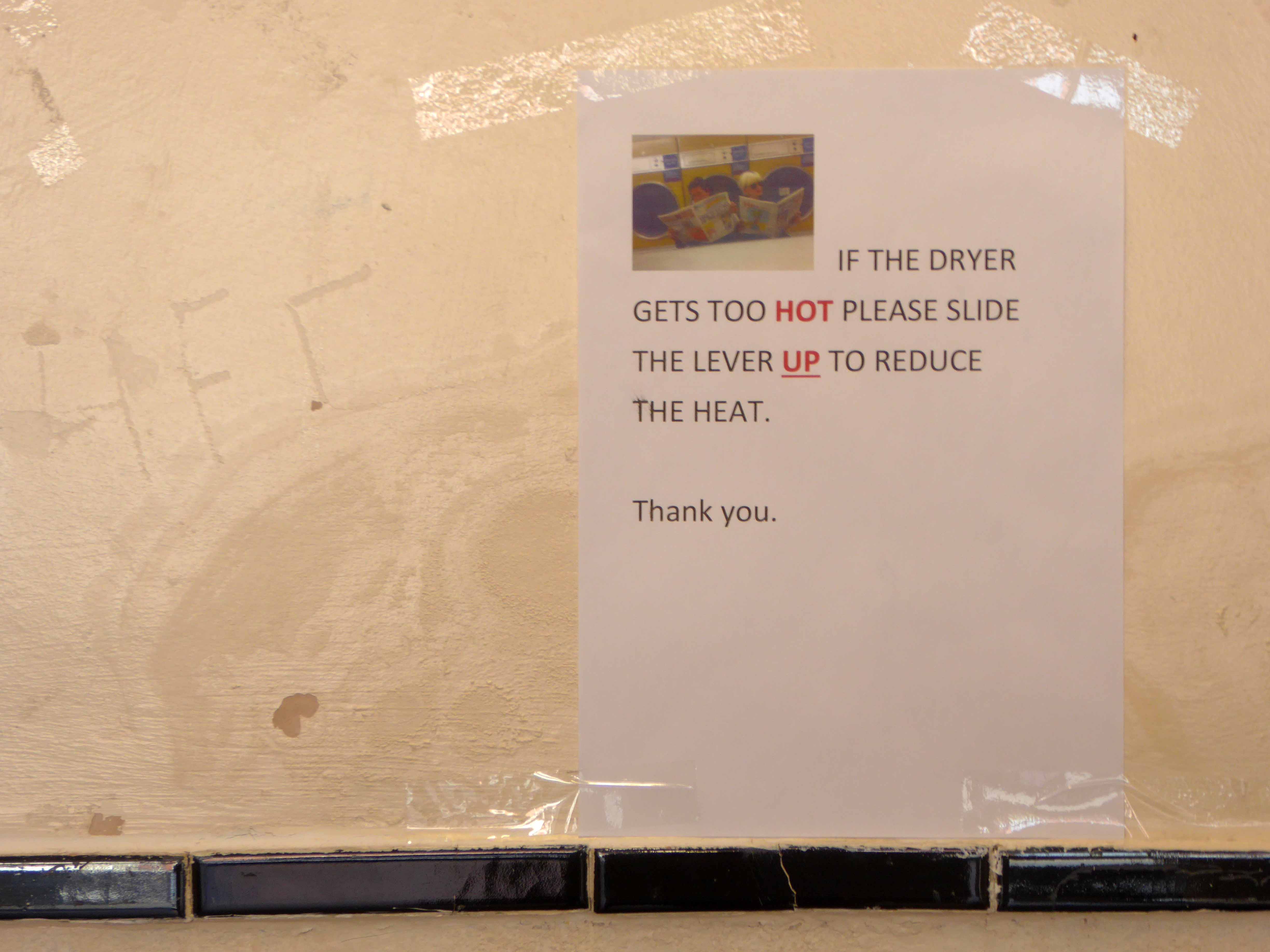
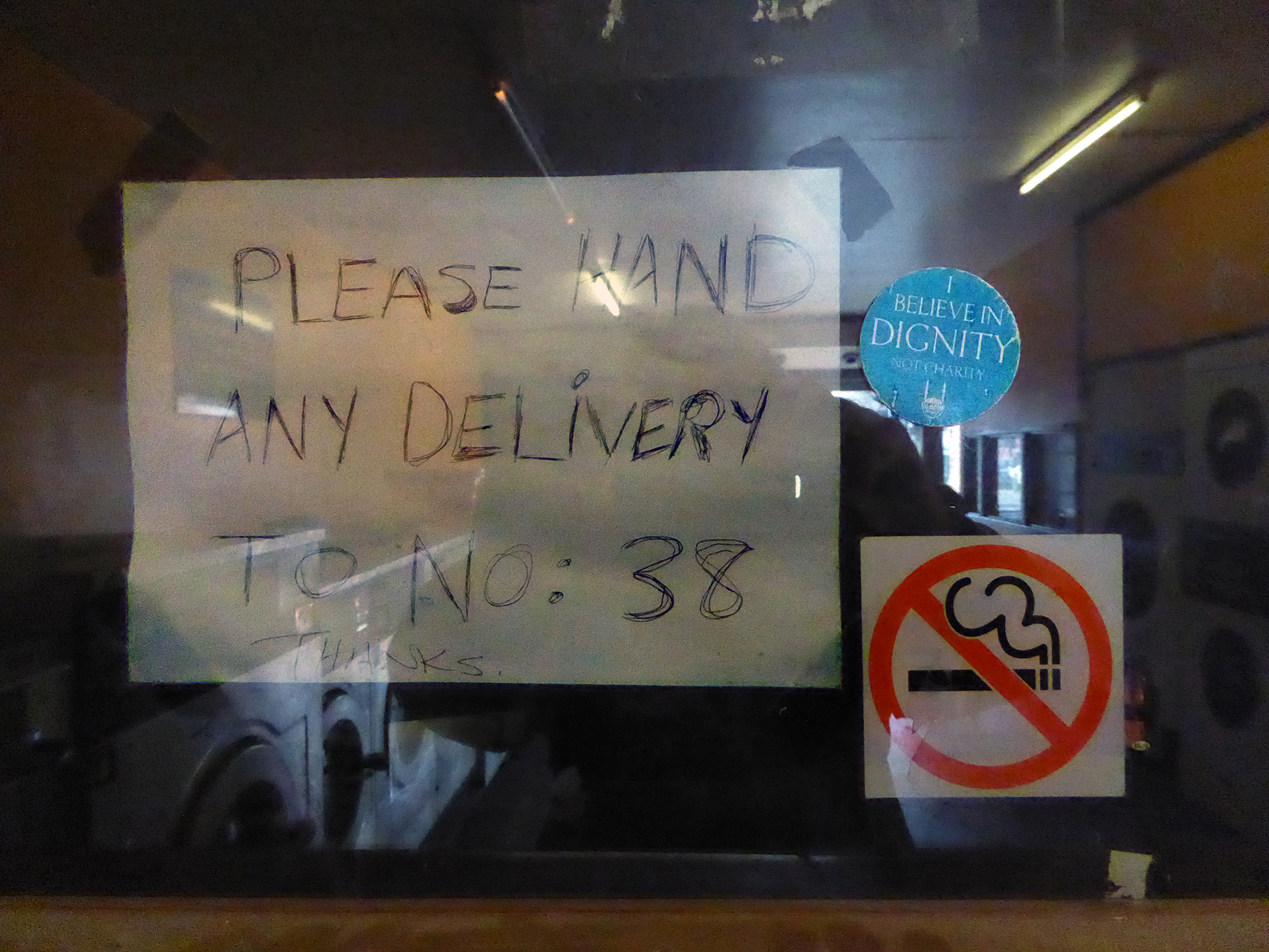
We have entered a new age – the age of the A6 based computer generated A4 Blu-Tack attached laminated print out.
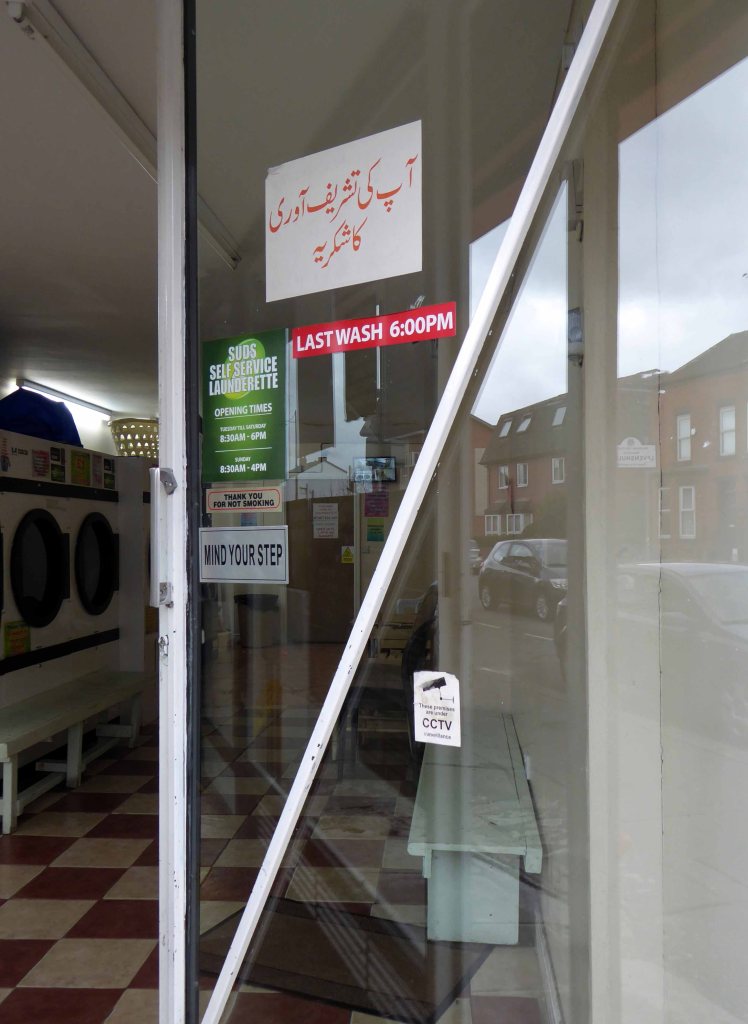
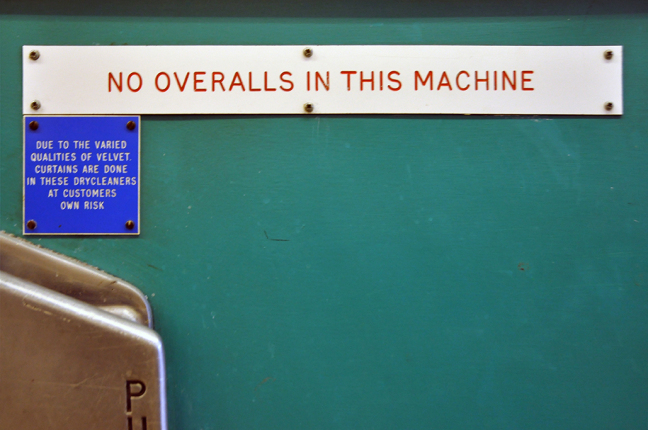
An informal typography for the age of informality – long gone the etched plastic, hand rendered fascia days of yore.
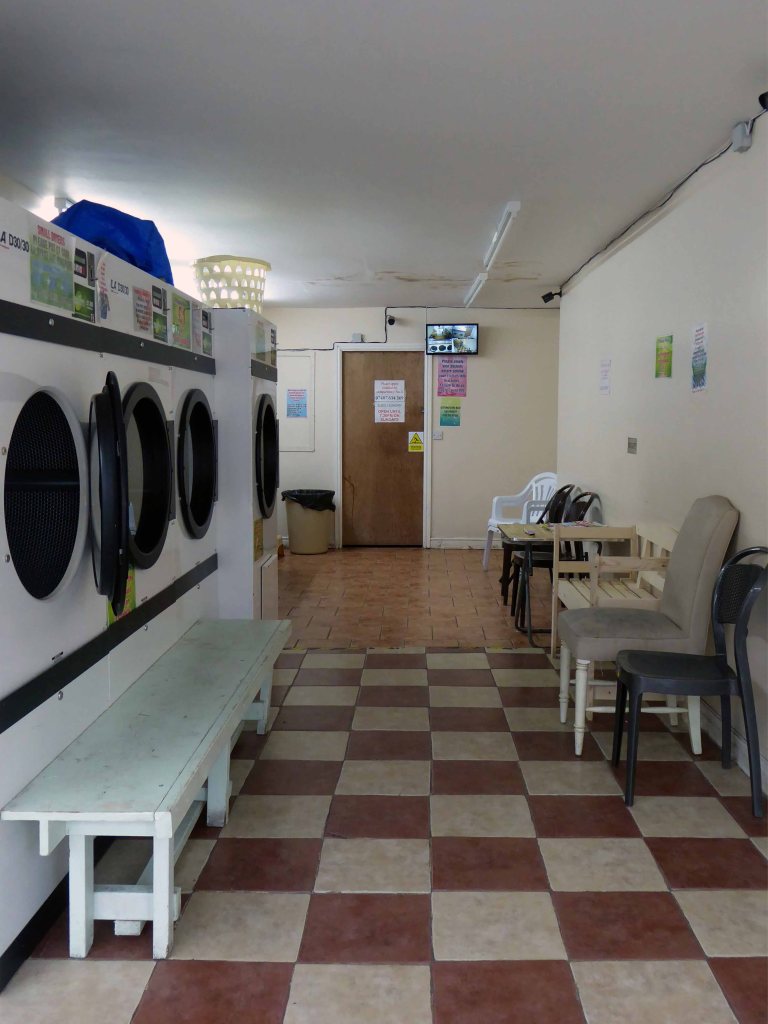
This is now one of many launderama dramas – my sole intent to record the state of the nation’s dirty washing.

There is even to be a book published this March.

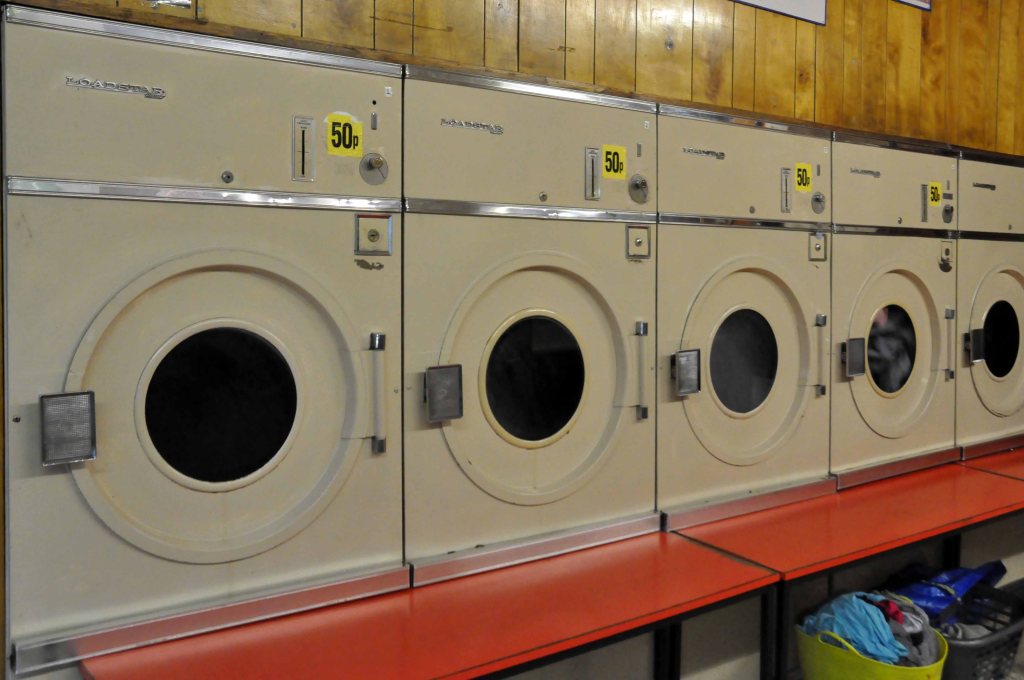
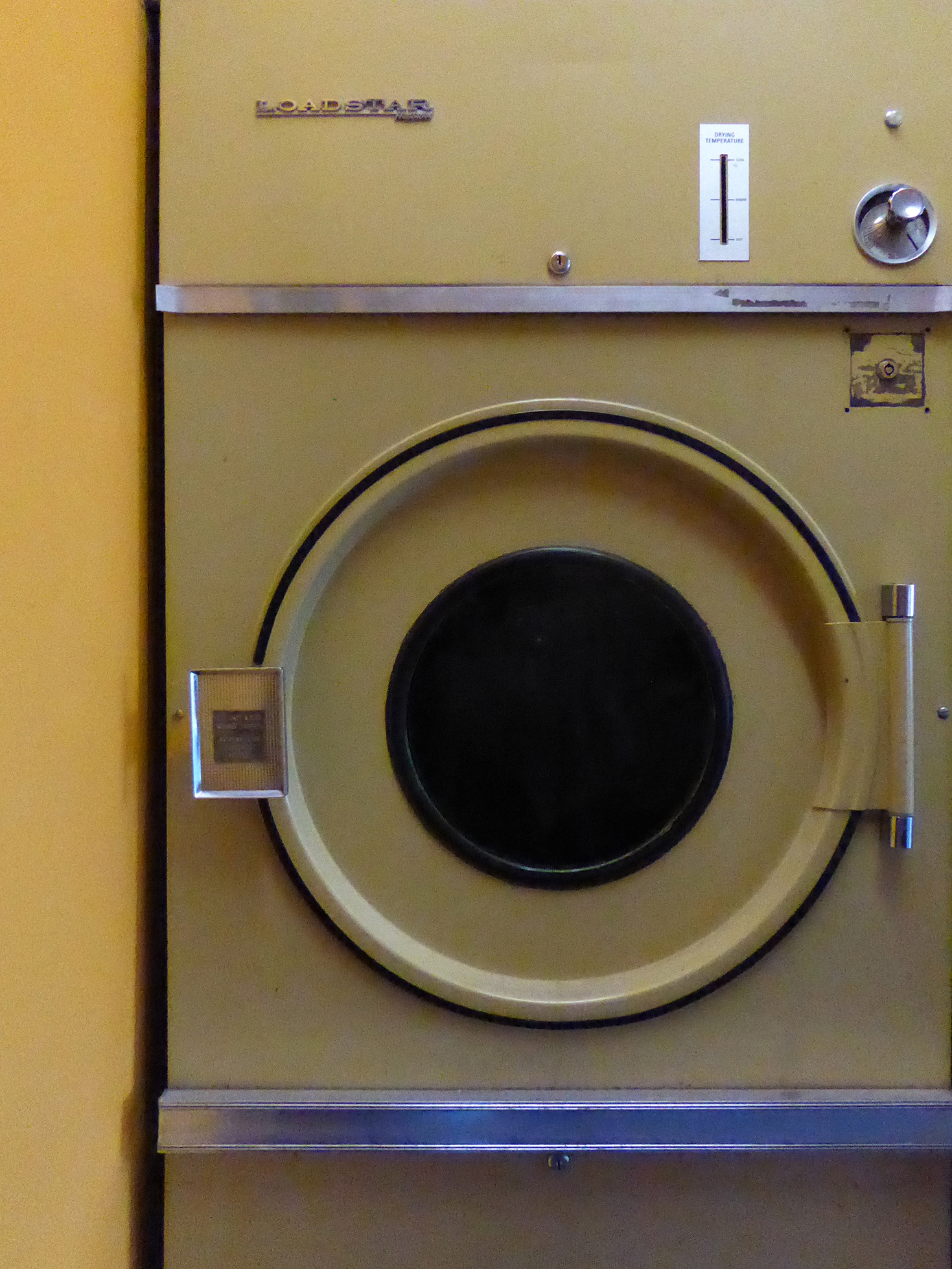
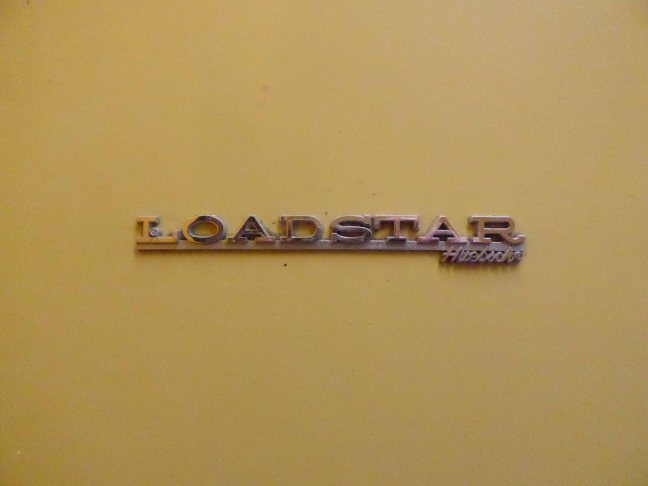
So one more for the road – load up the Loadstar with washers and slugs, let’s all get dry, one way or another.

Launderette – Hull

Whilst walking down Beverley Road I caught sight of of you out of the corner of my eye – my left eye.

My beautiful laundrette:

In this damn country, which we hate and love, you can get anything you want, it’s all spread out and available.

That’s why I believe in England.

Set back slightly from the road and the rest of the world.

Queens Road a street with an incident packed street view.

Without hesitation I entered the world of washing, soap and suds, signs and surfaces.

Dirty linen has never been so public.

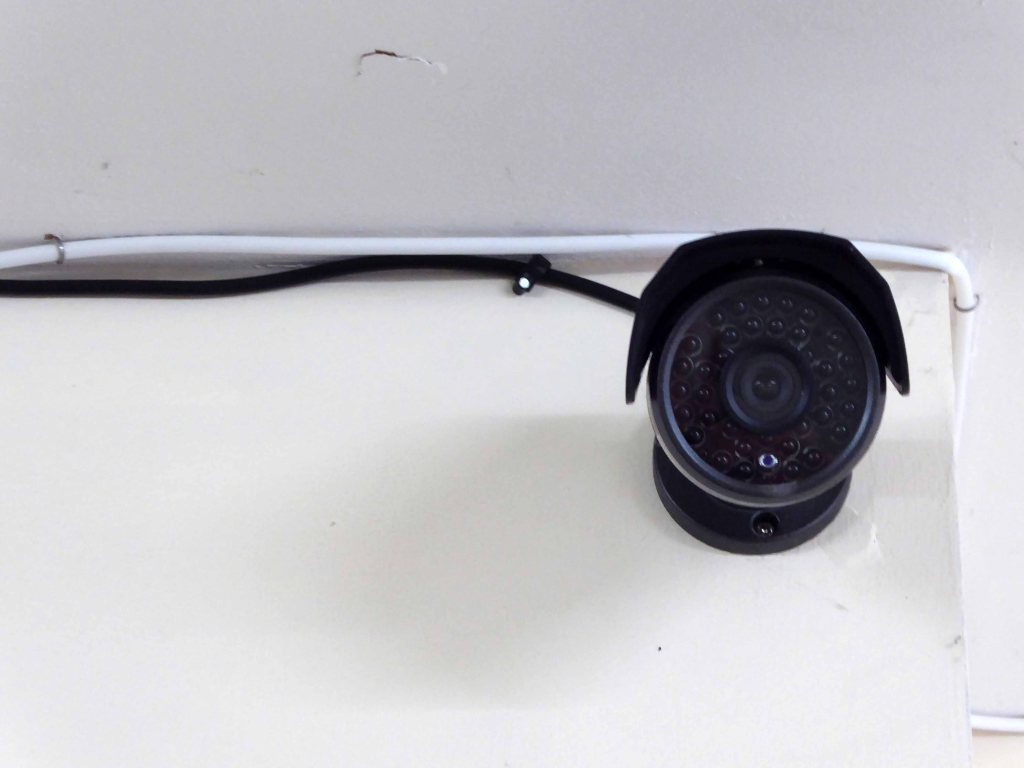
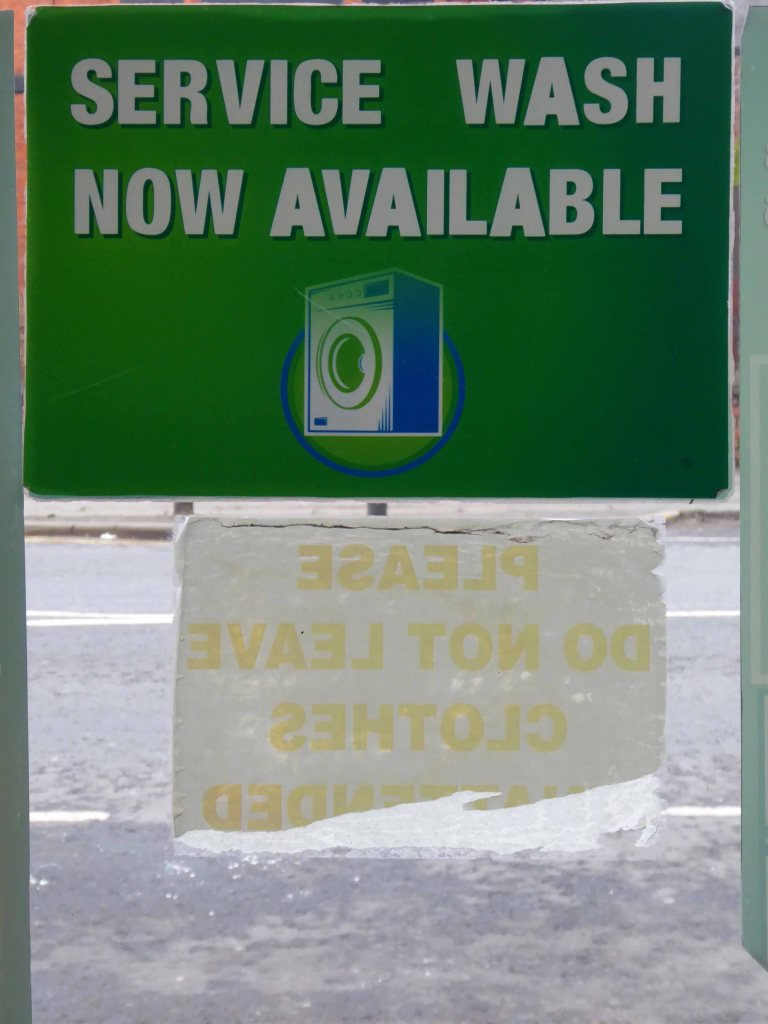
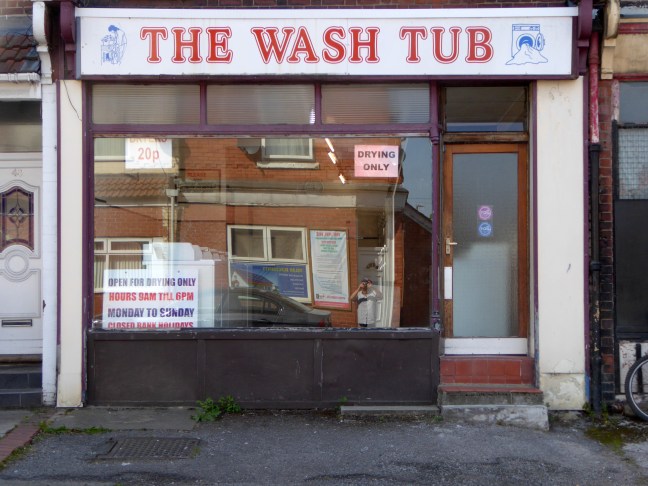
The Wash Tub Levenshulme – Manchester

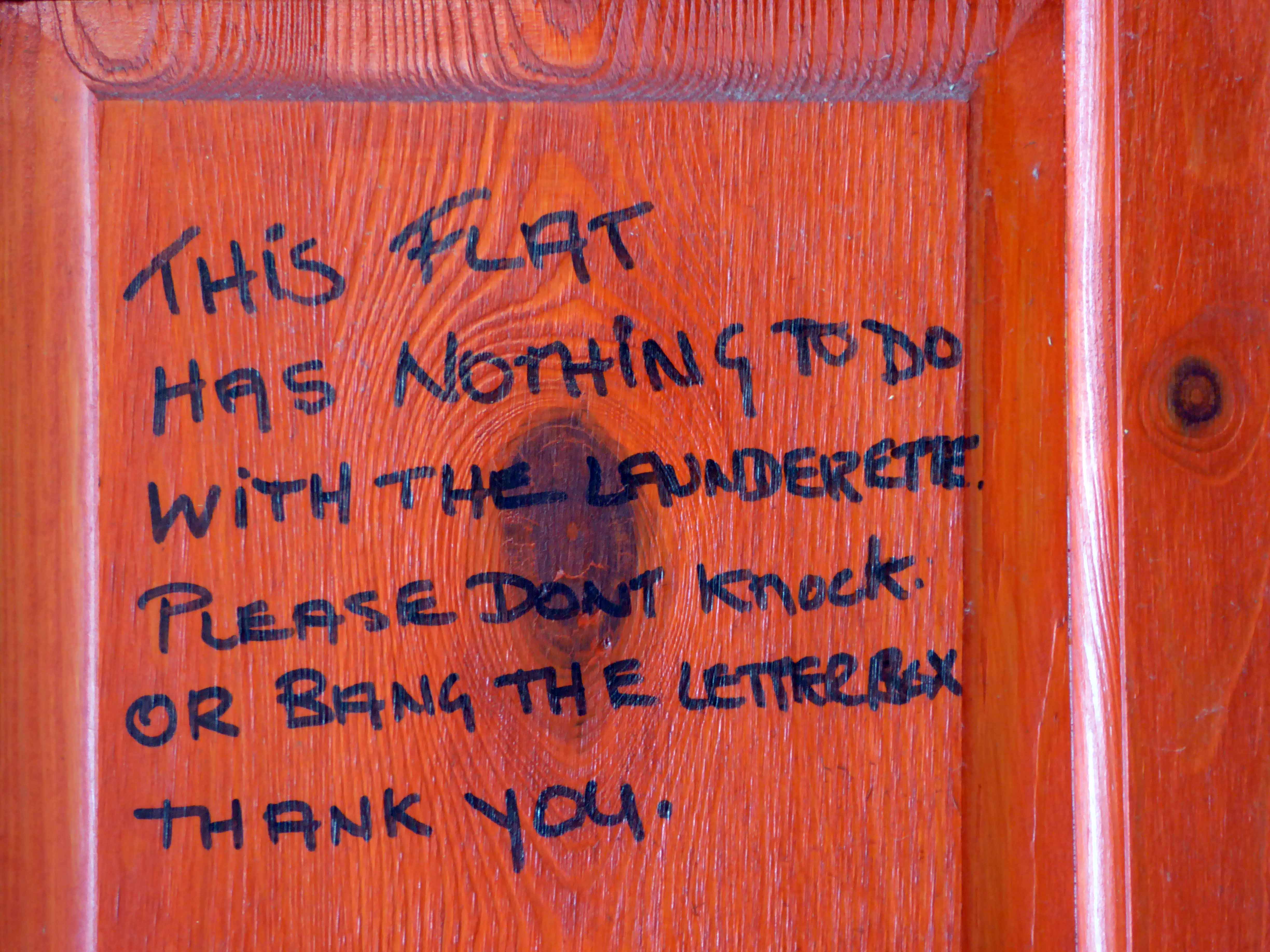
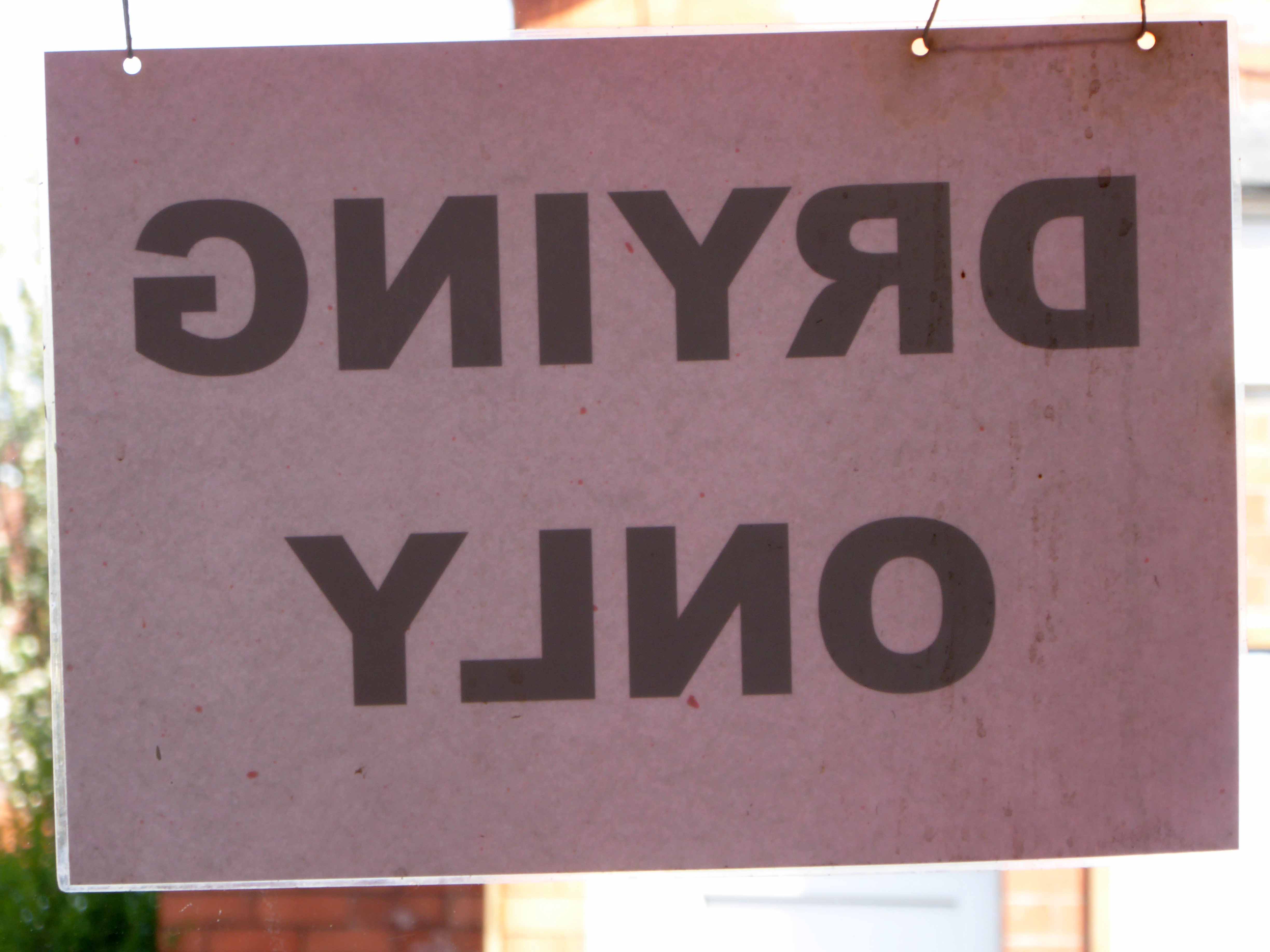
When is a washtub not a washtub – self evidently when it doesn’t wash.

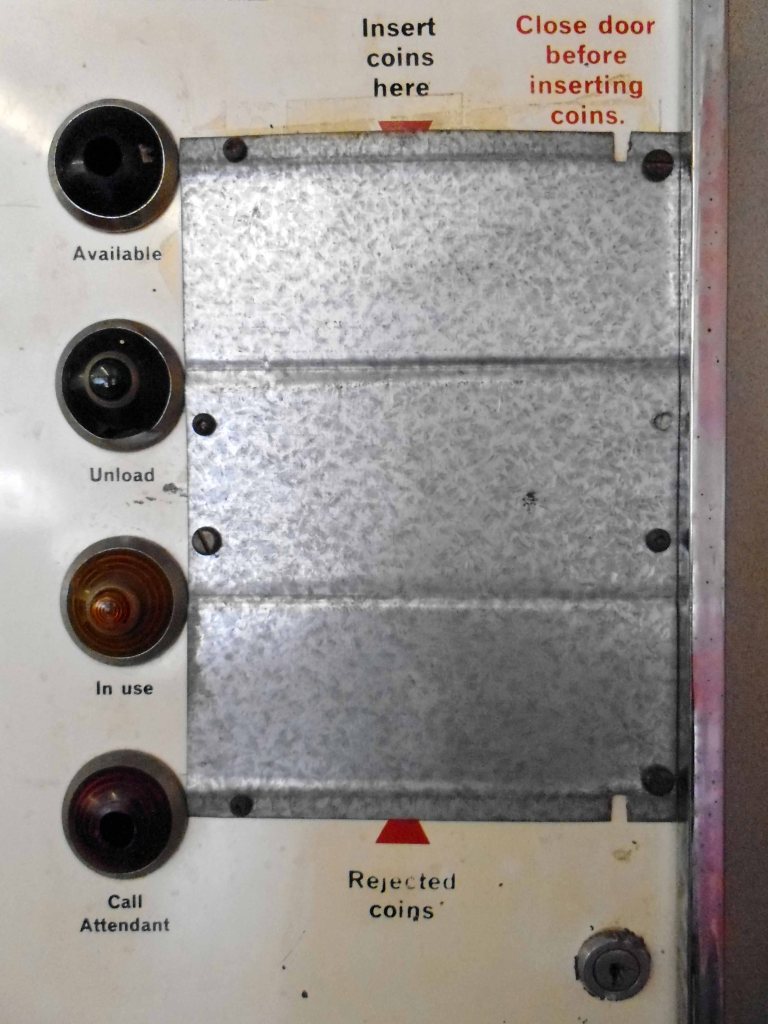
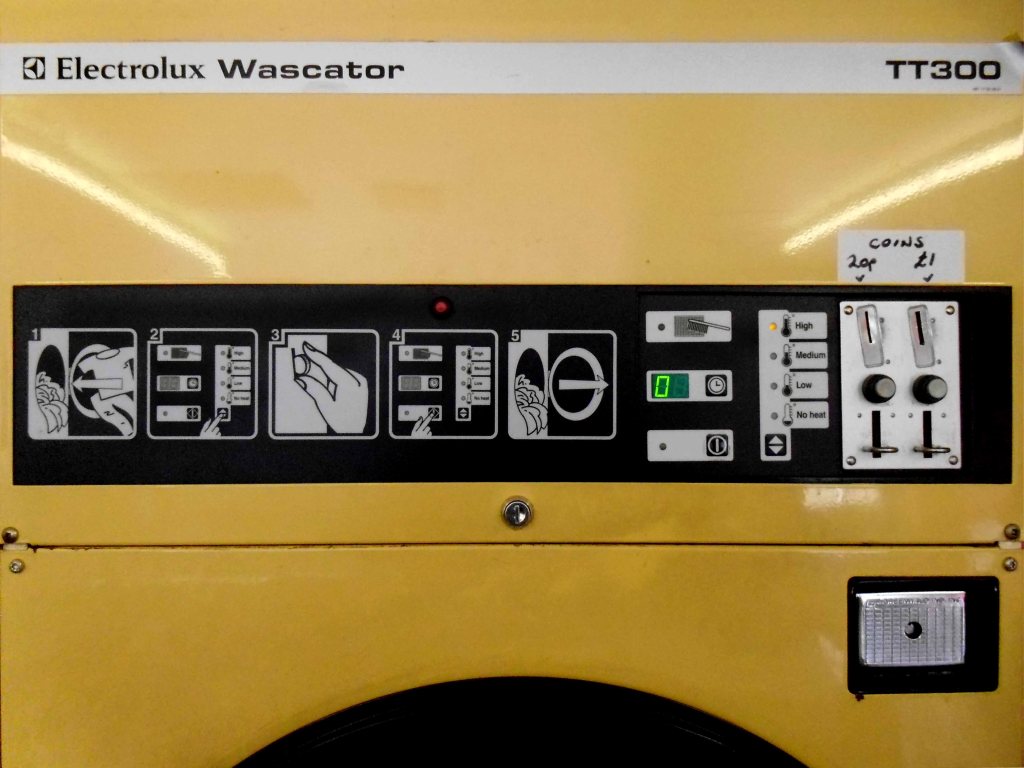
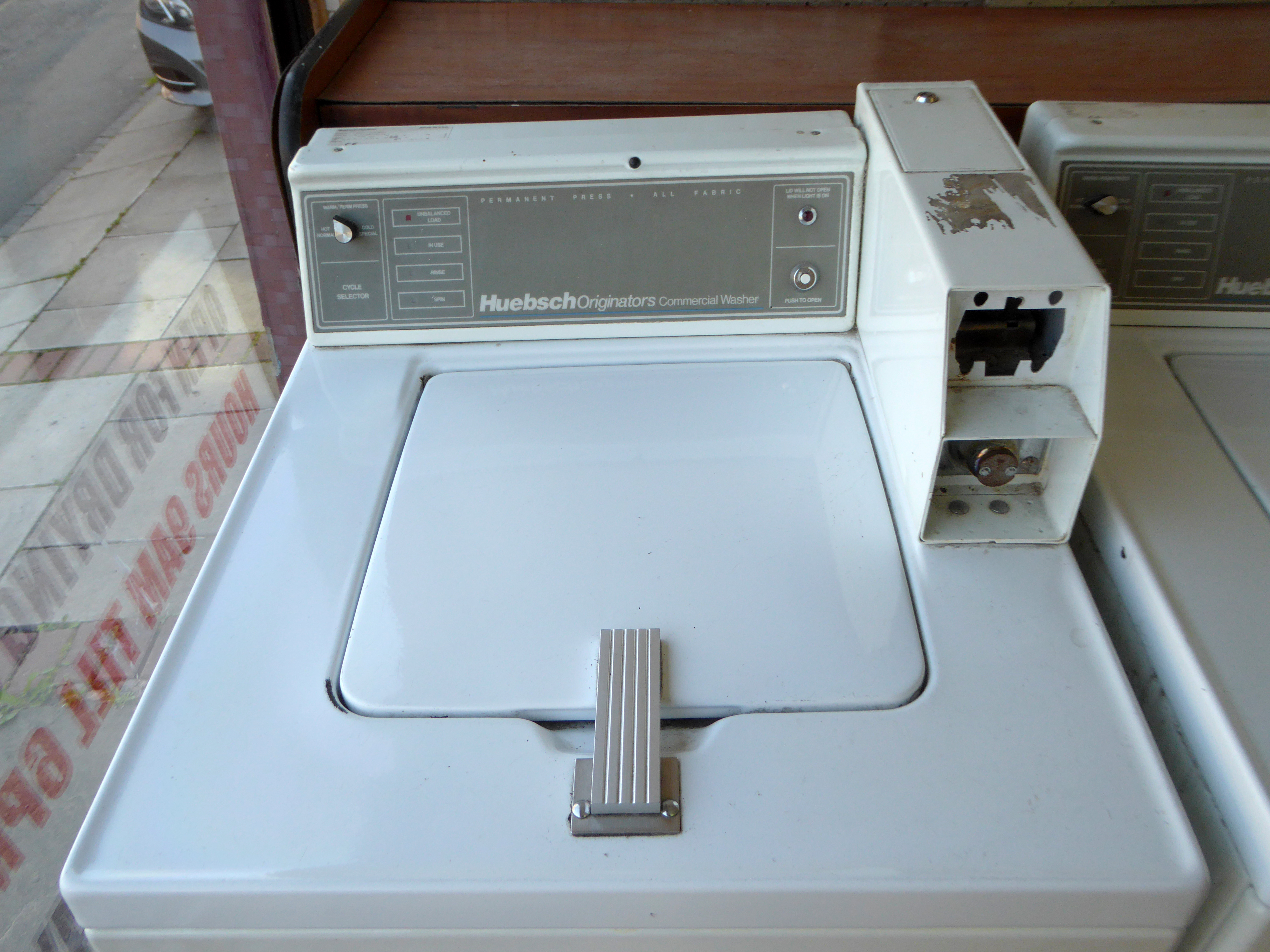
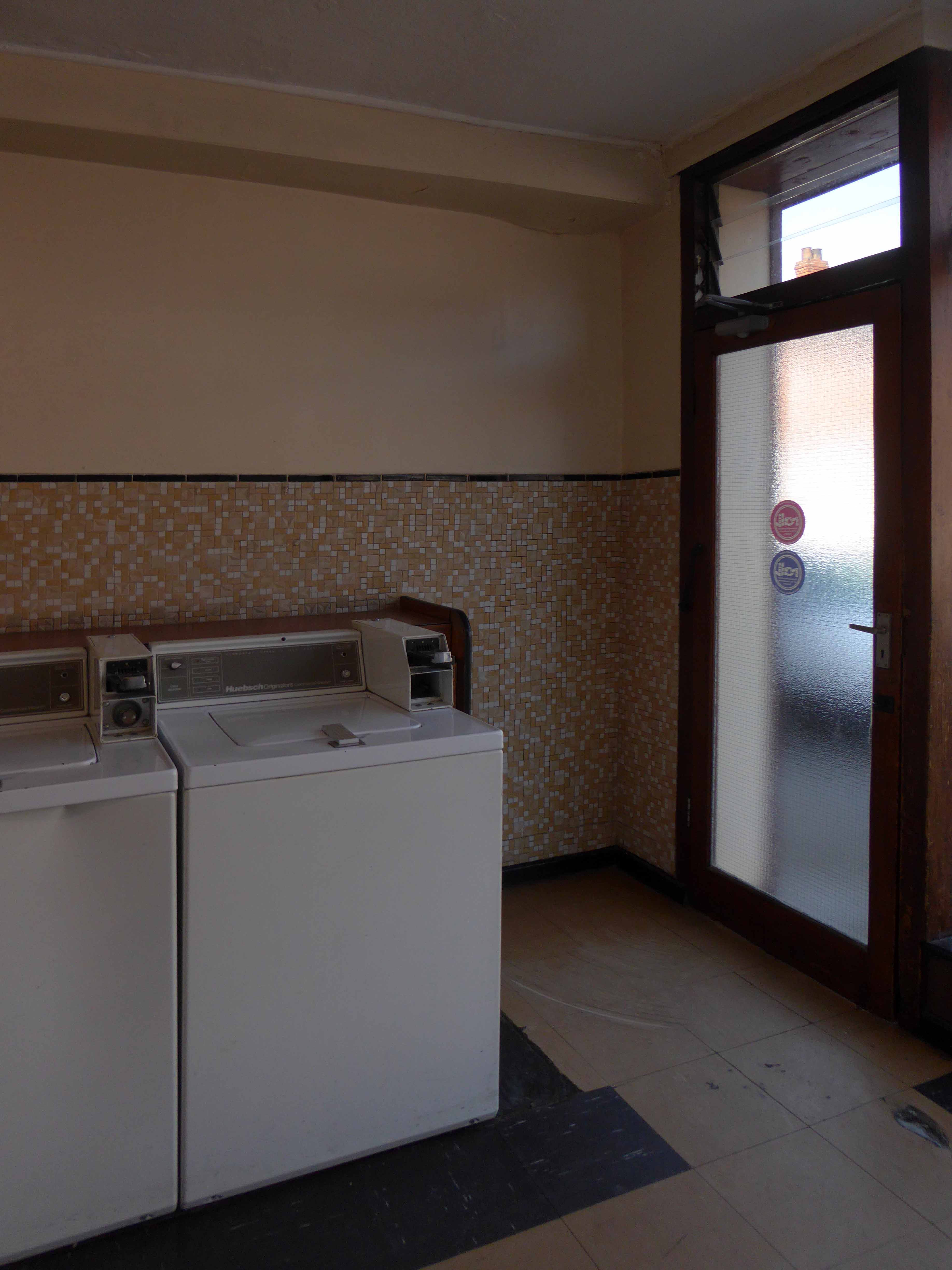
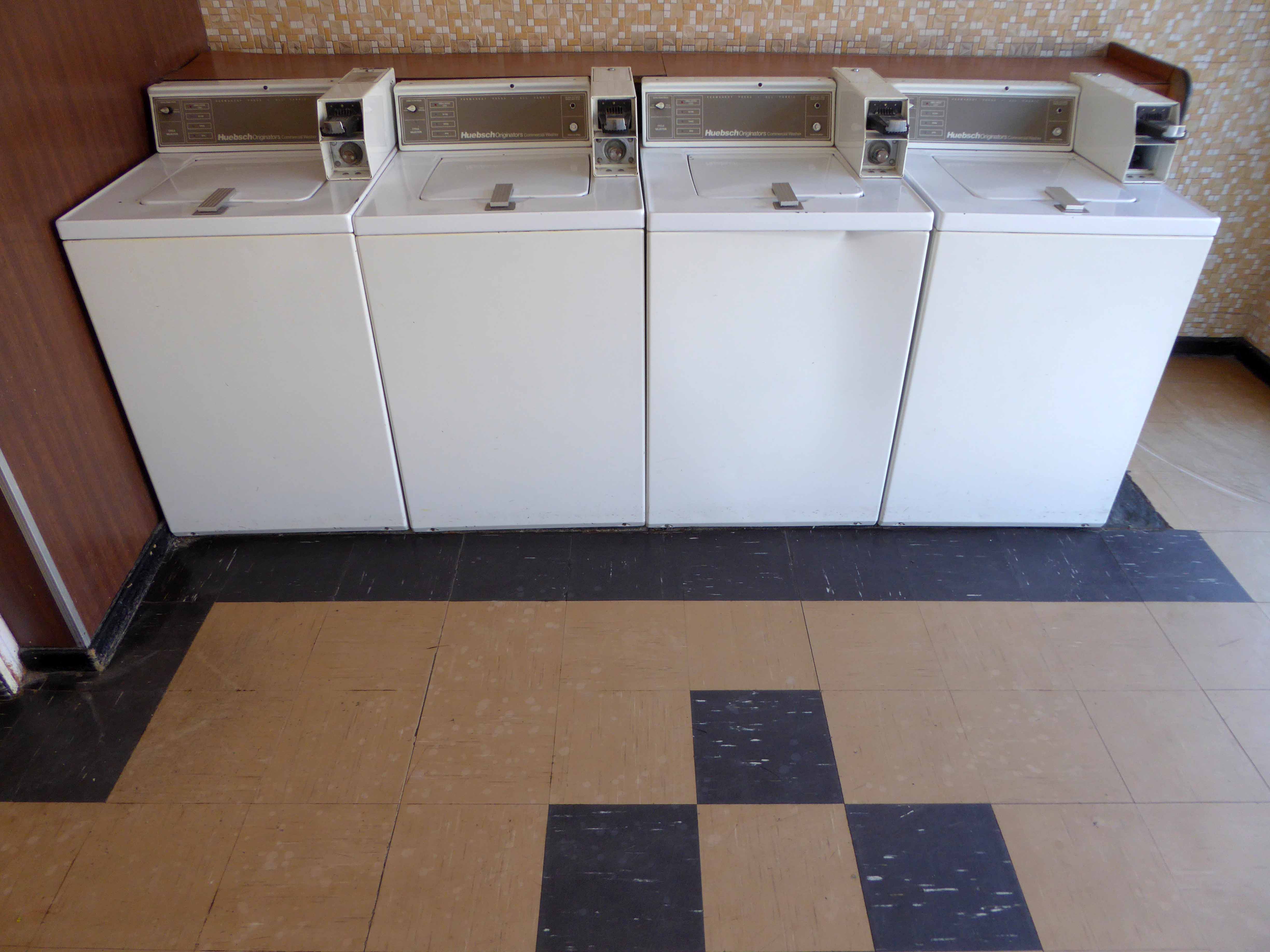
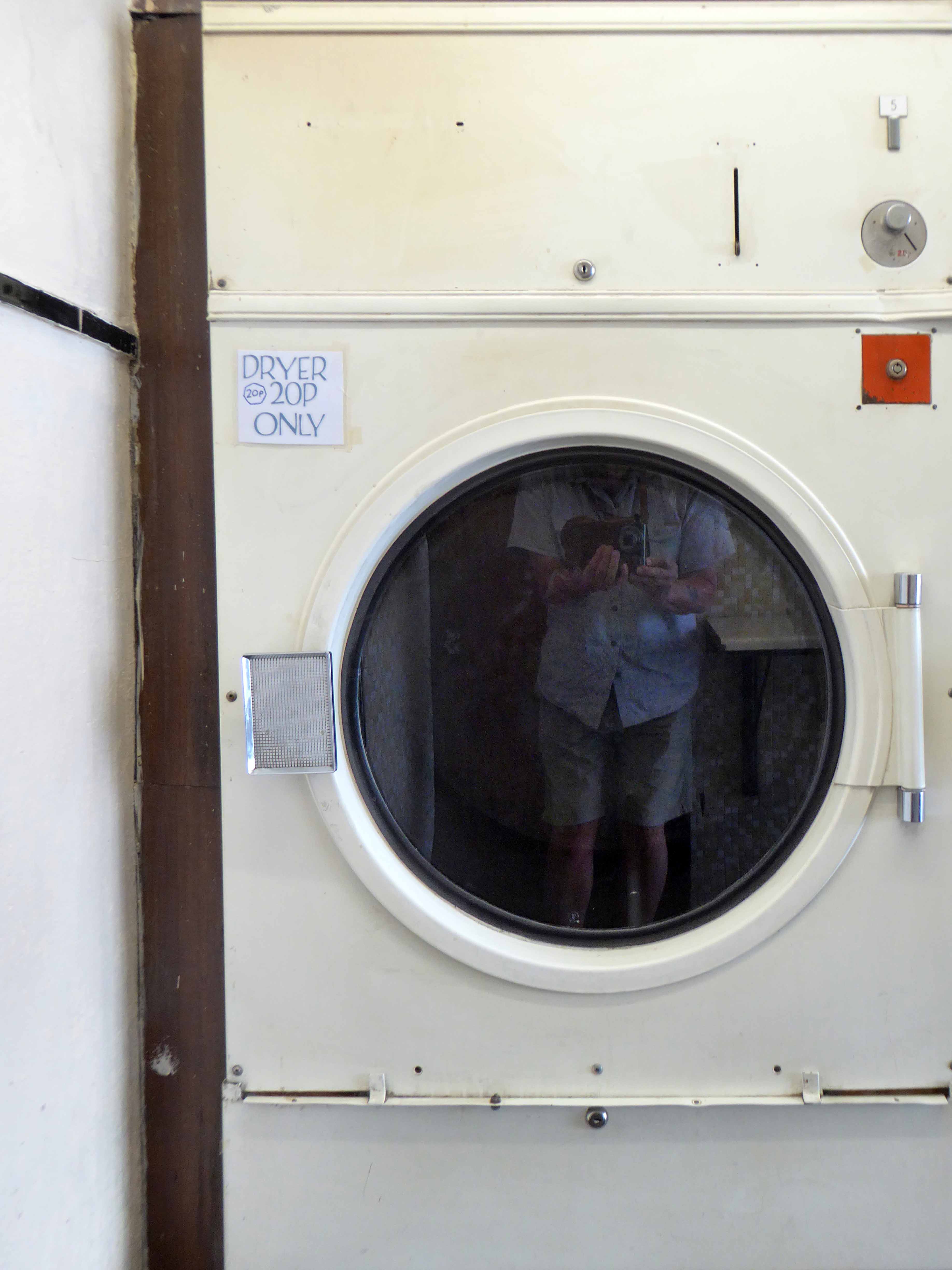
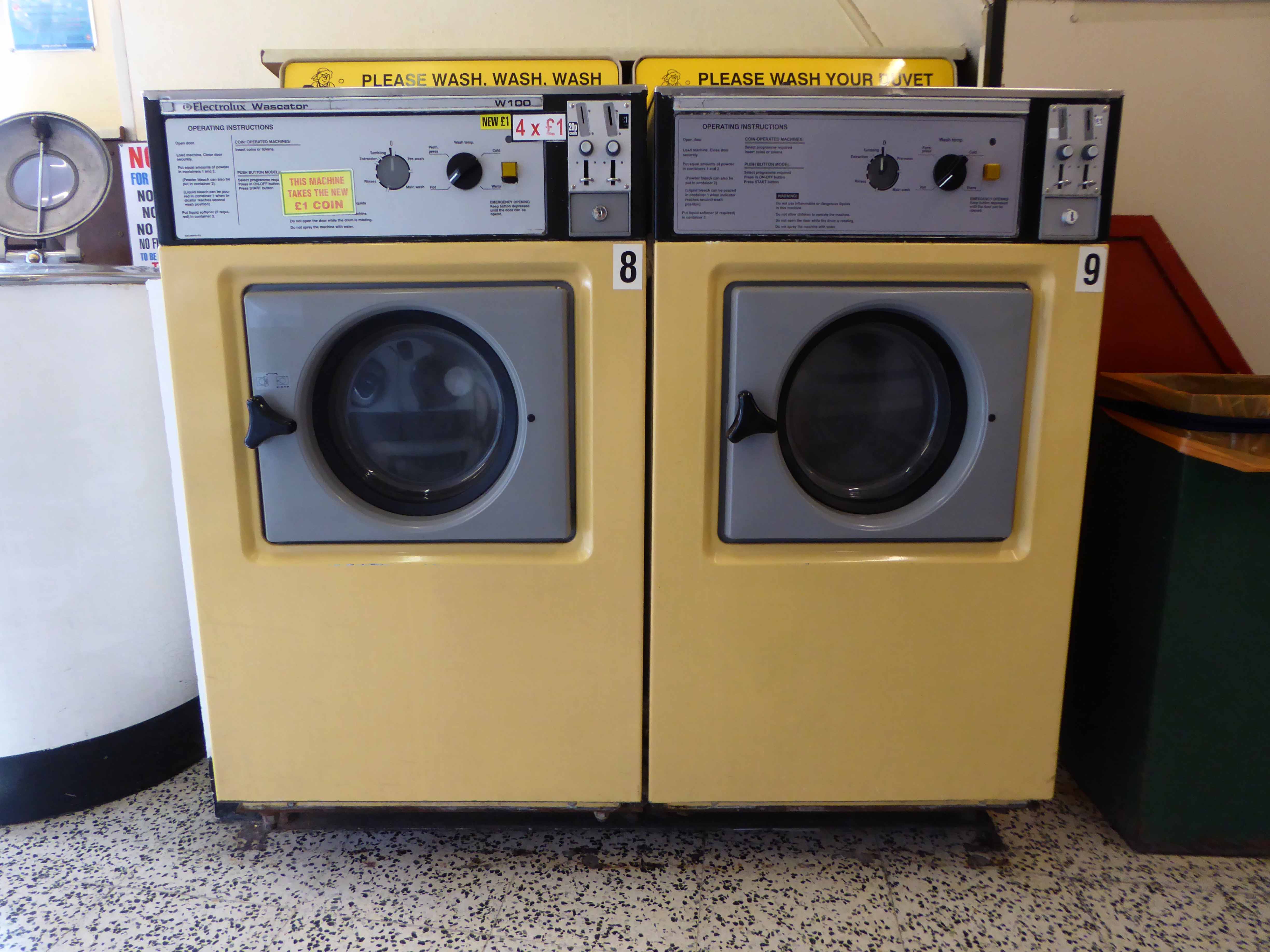
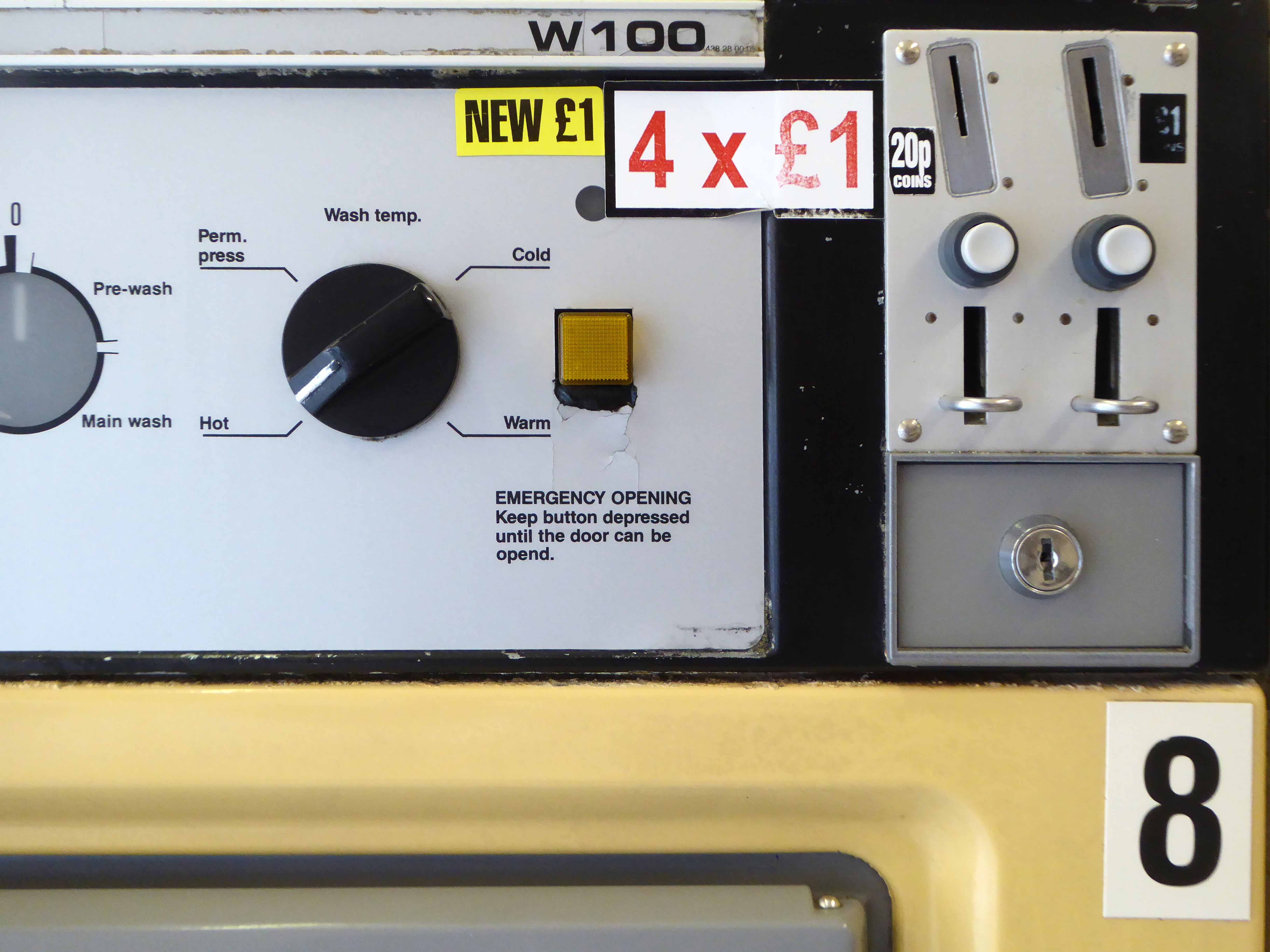
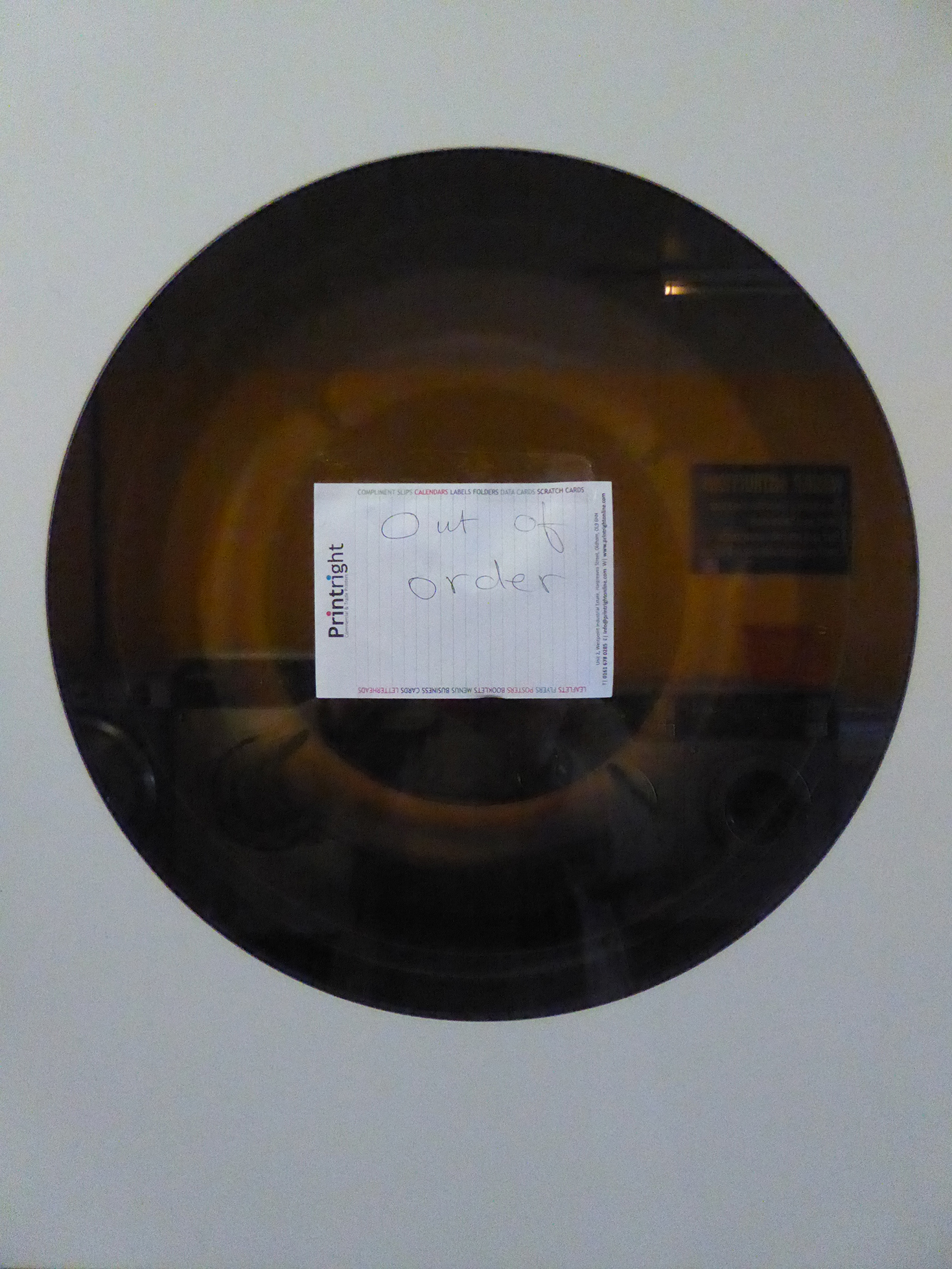
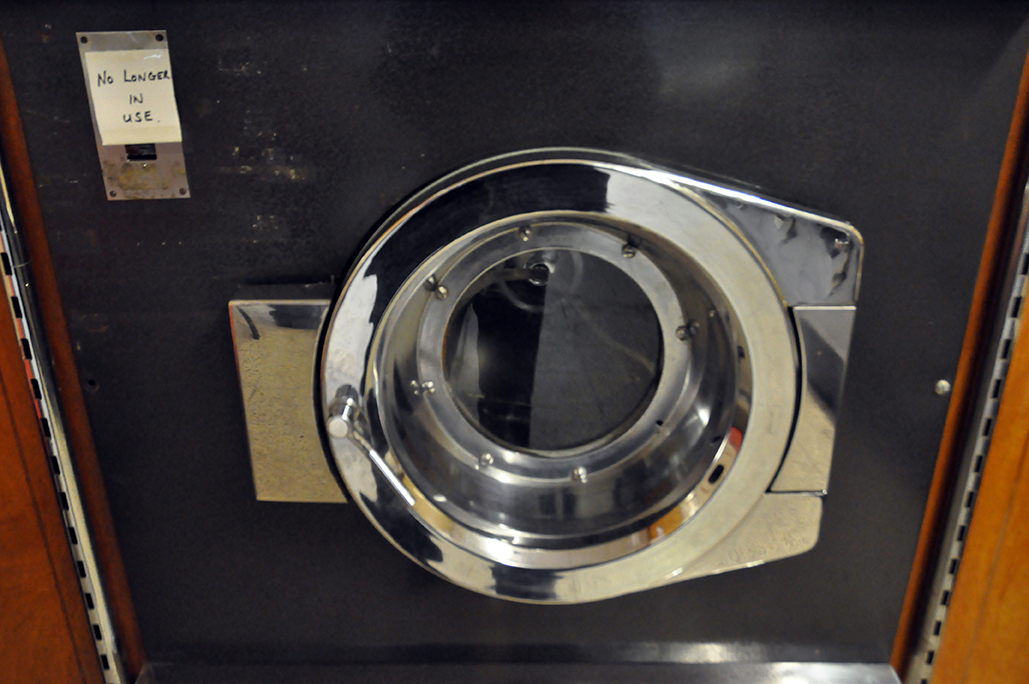
This is the land of the decommissioned washer – cash box removed, unrepurposed, demure and decorative yet sadly redundant.

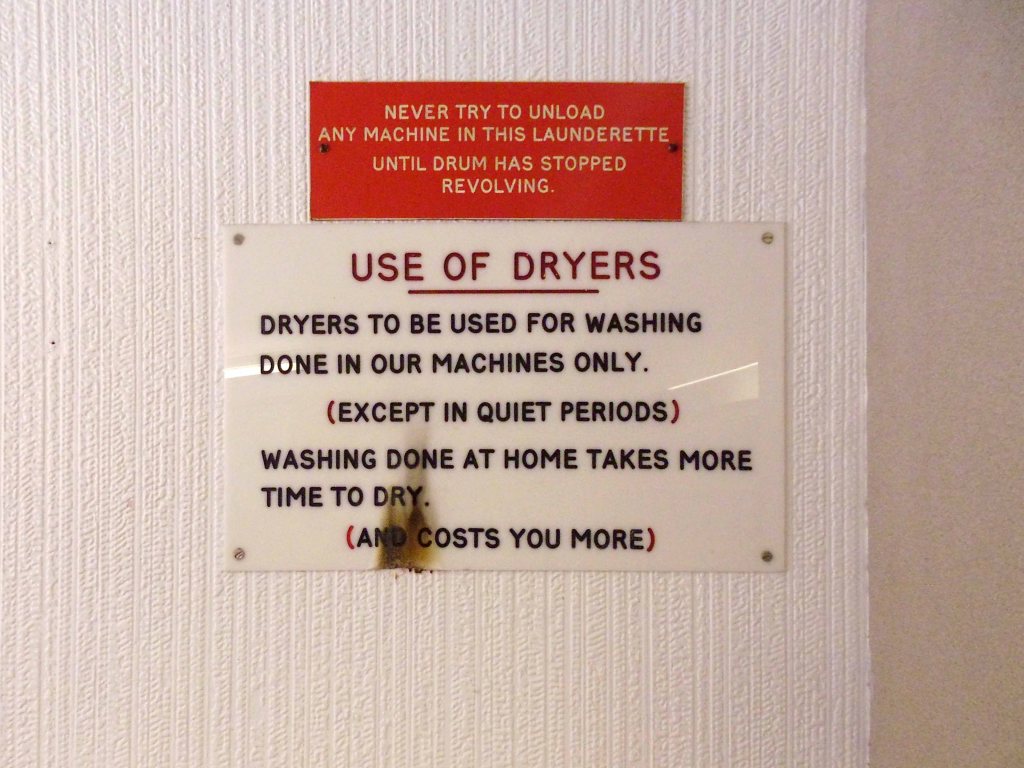
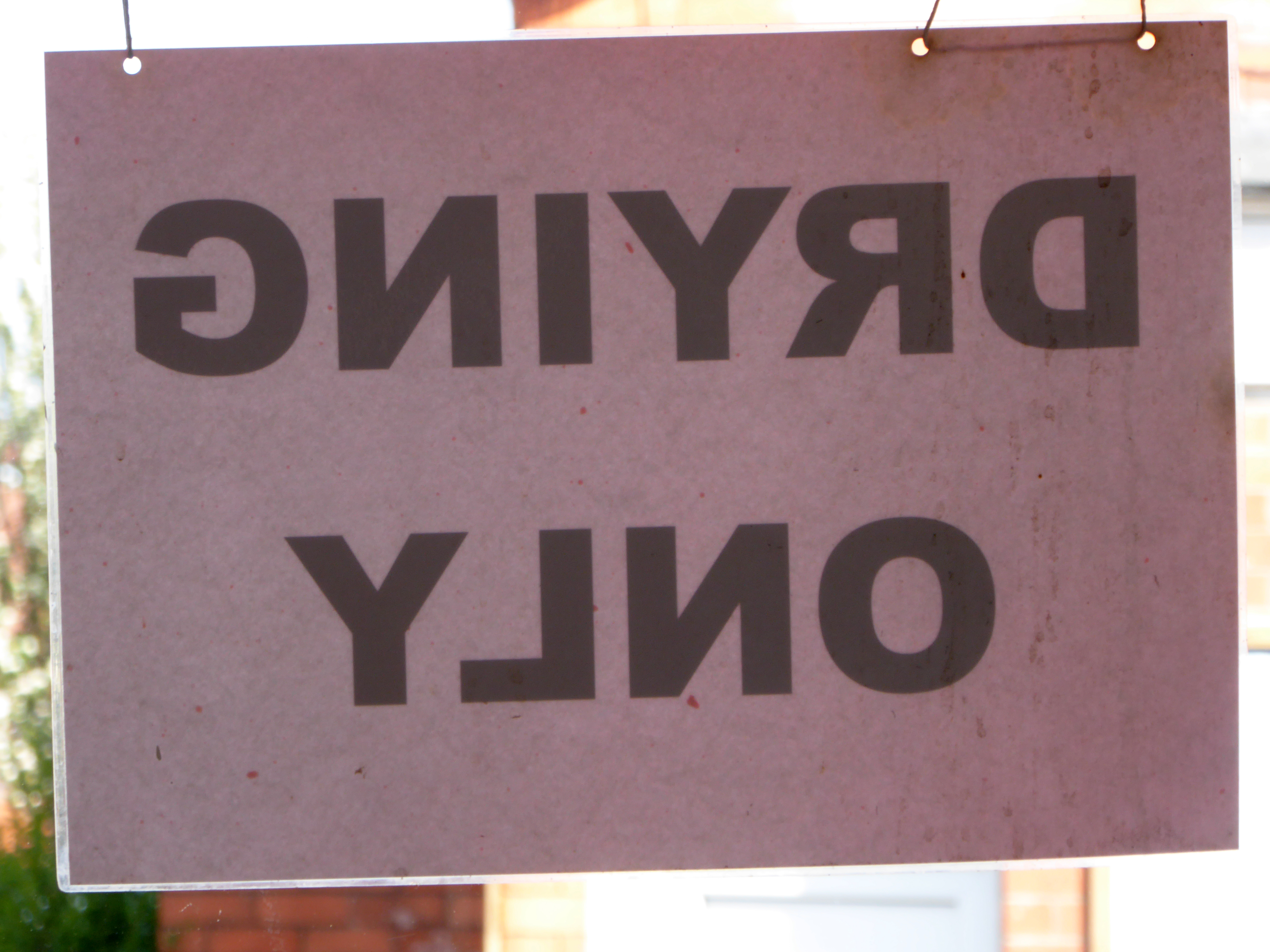
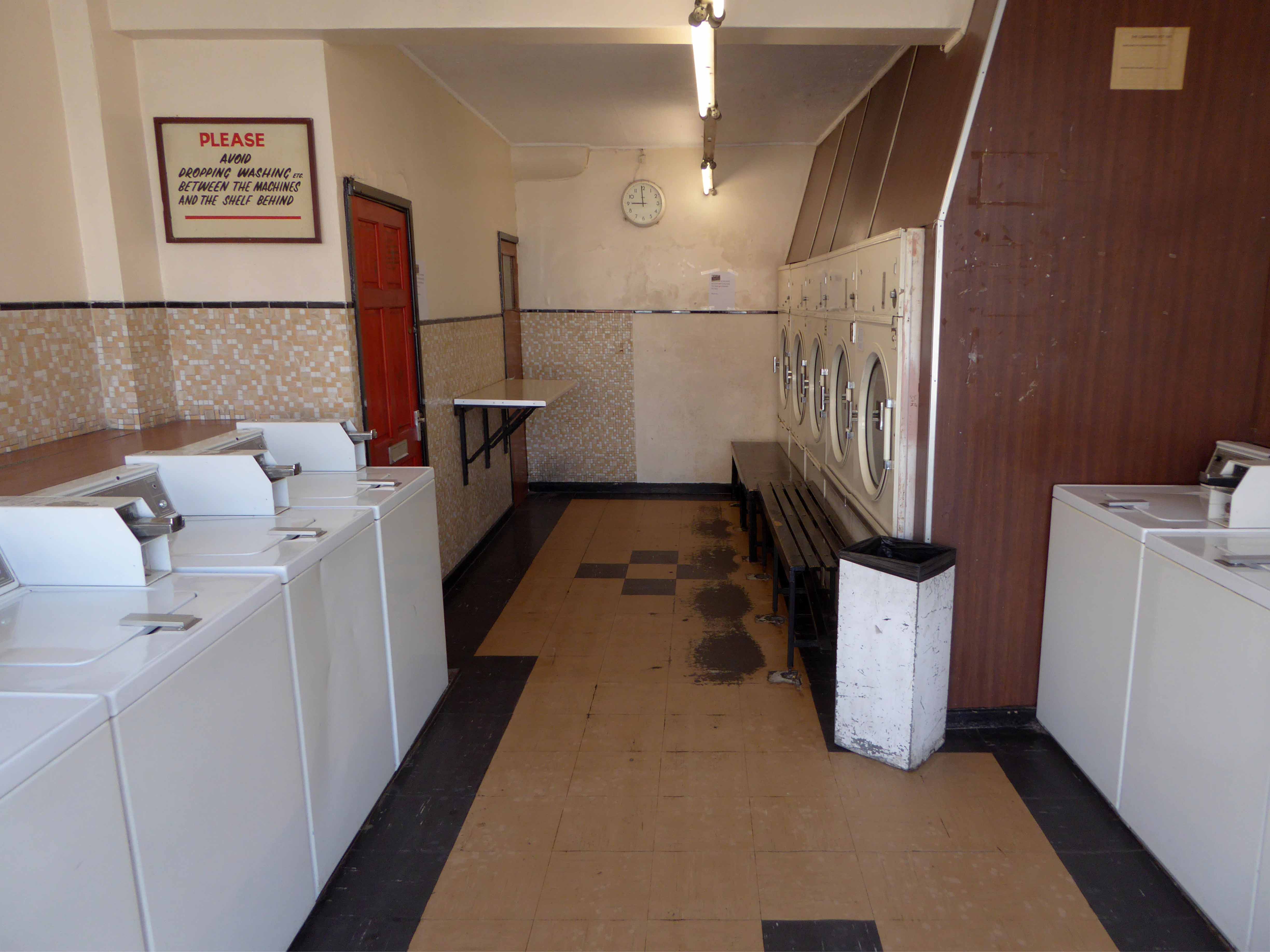
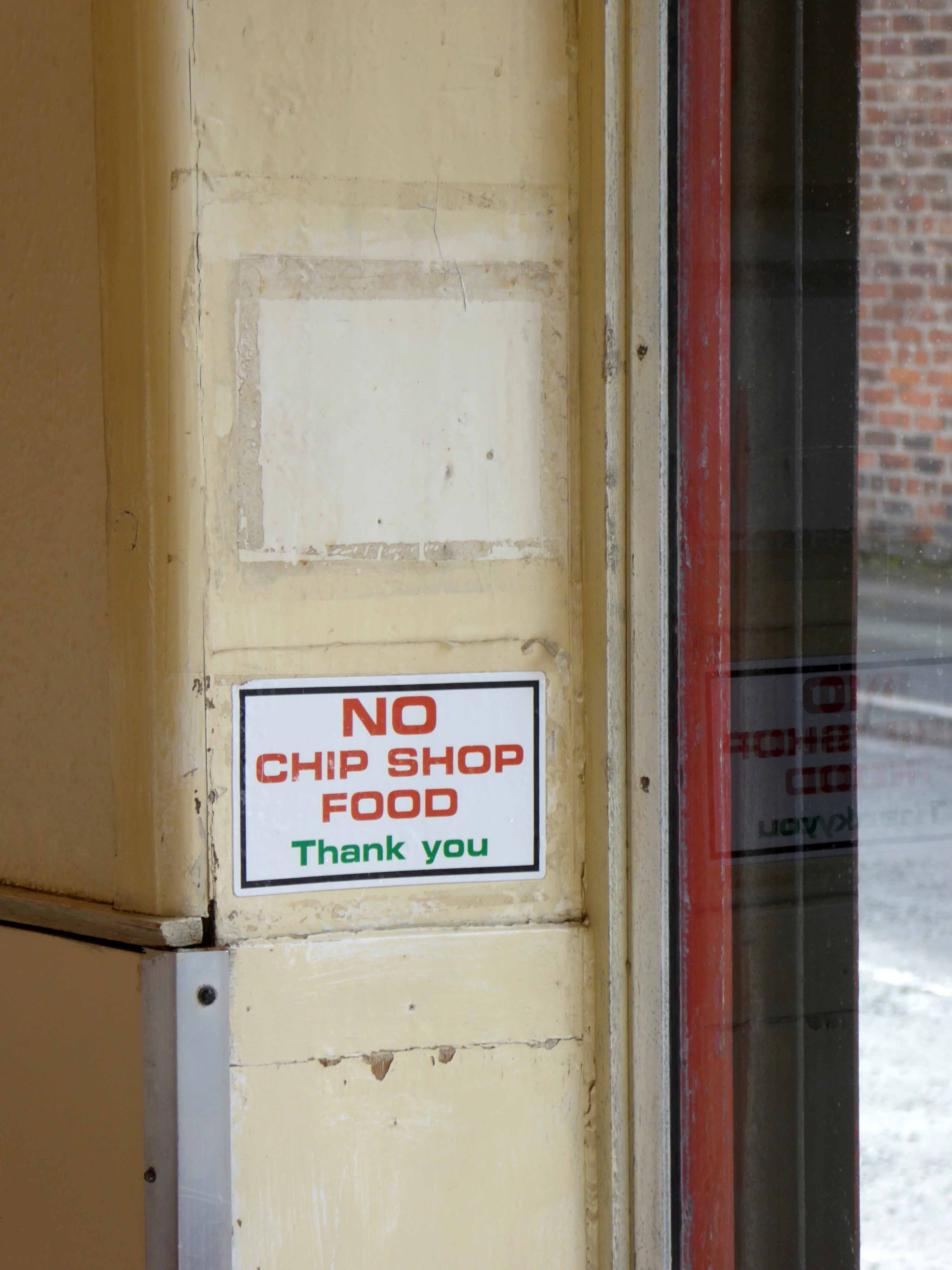
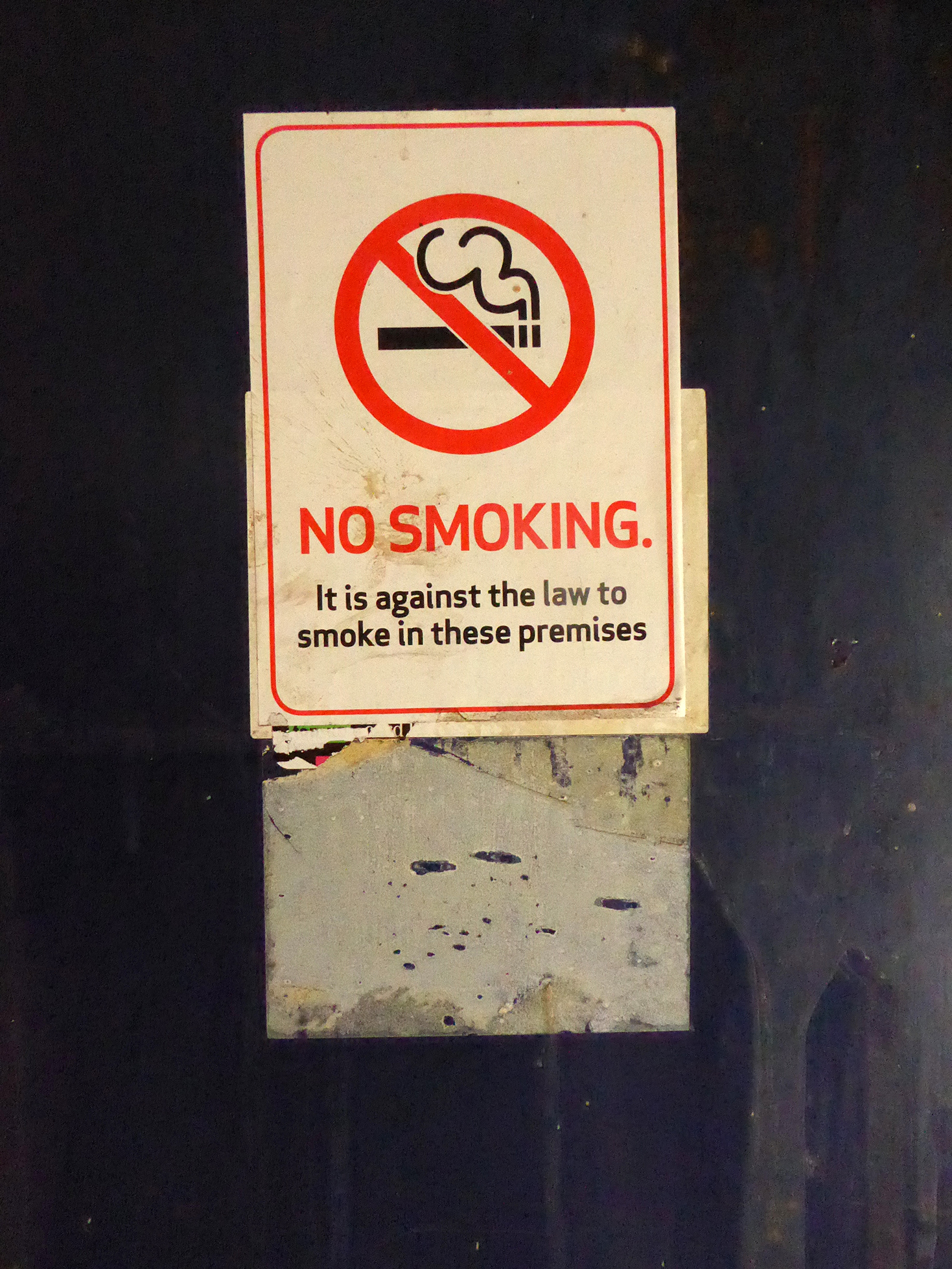
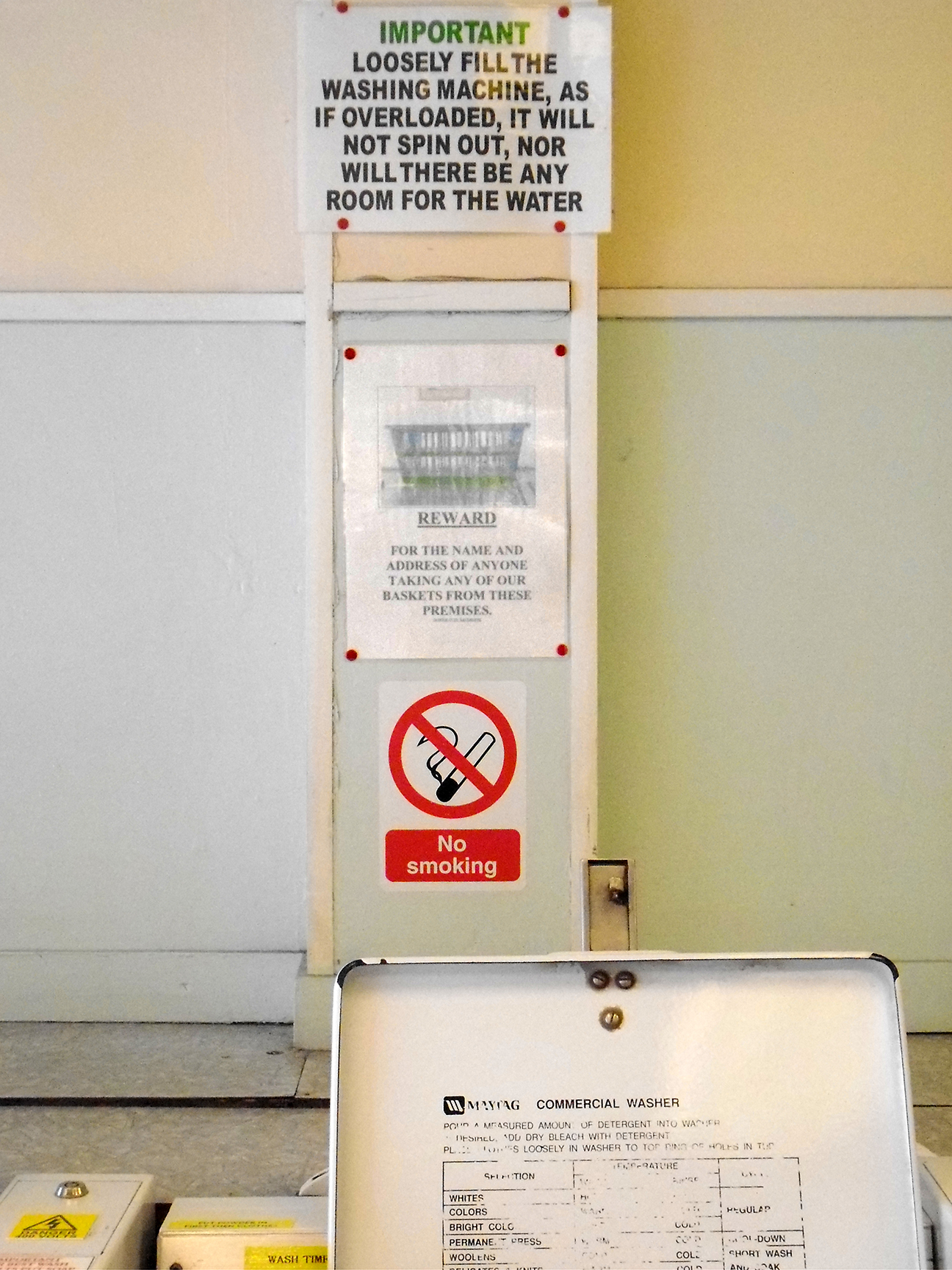
This is a dry only facility its surfaces inert, frozen in time, its sign declaiming pointless imperatives to nobody in particular.

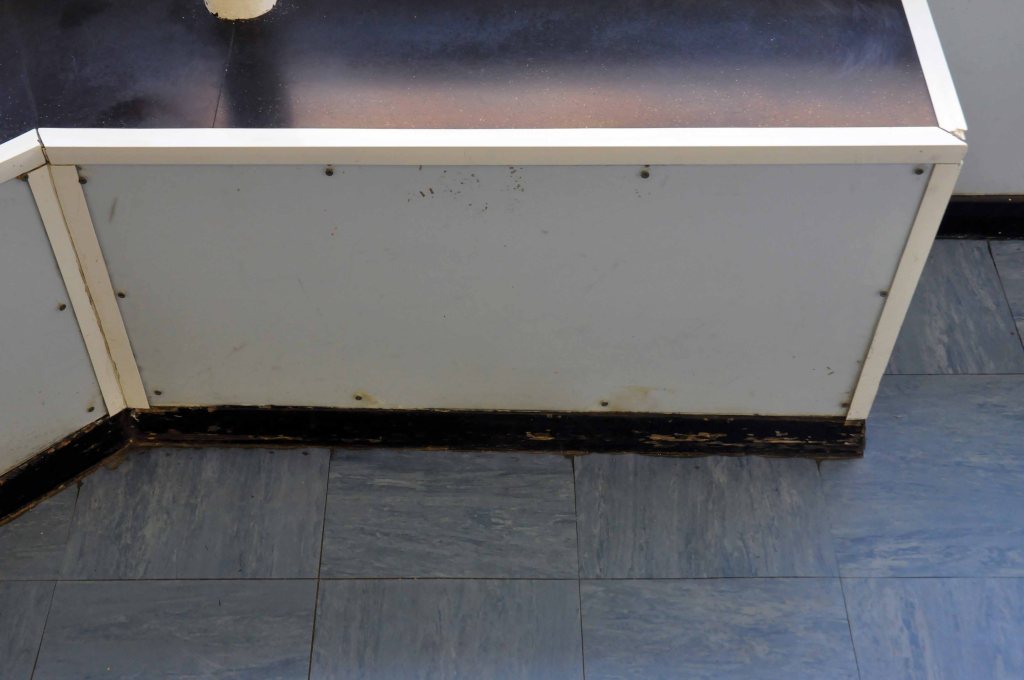
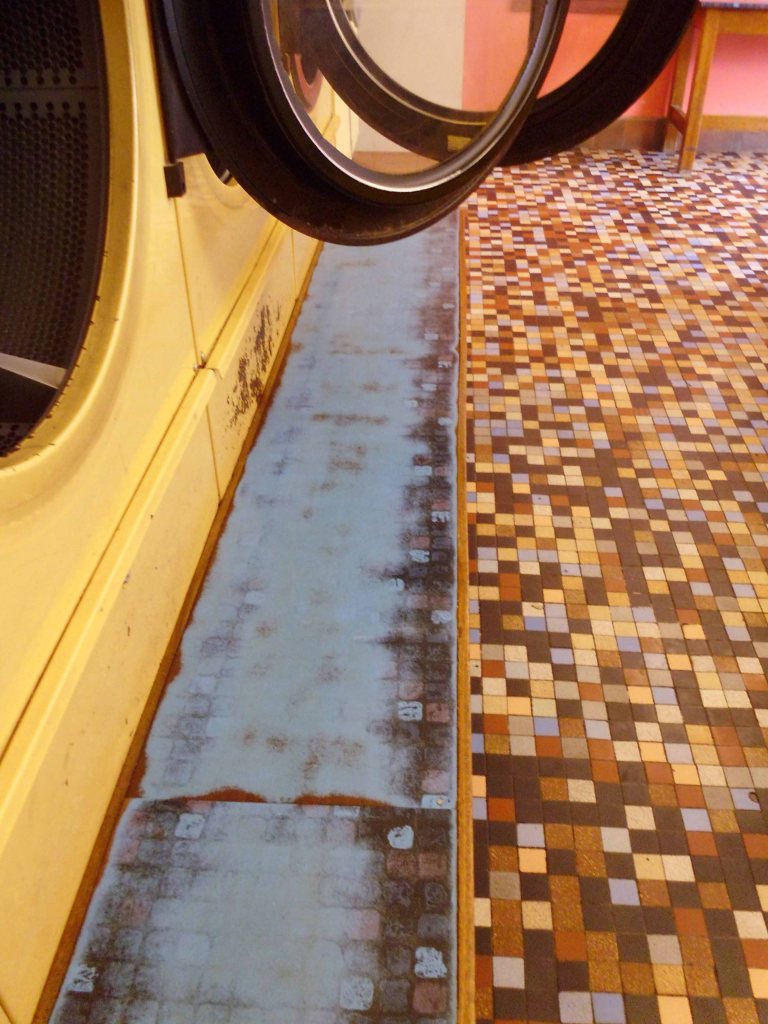
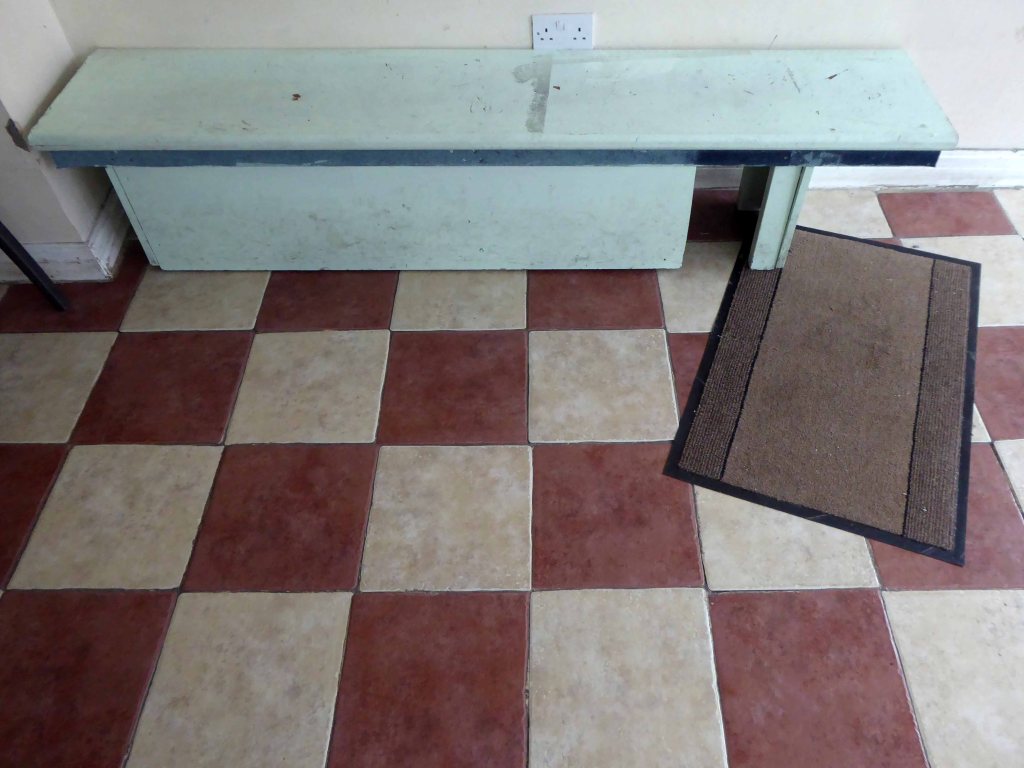
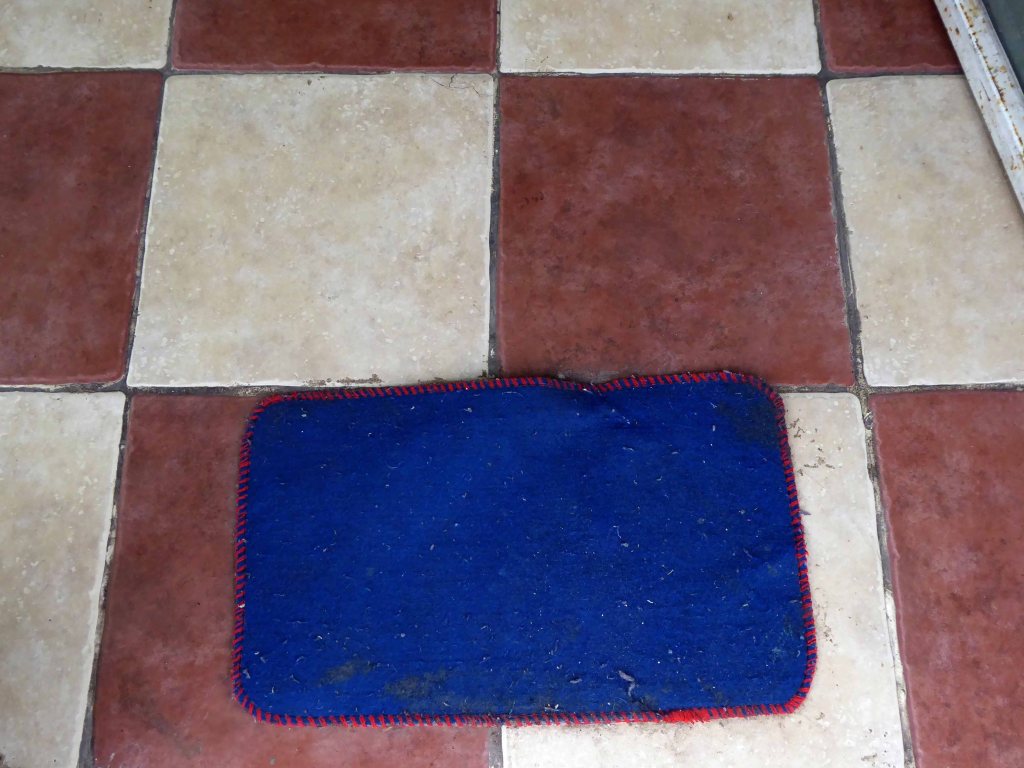
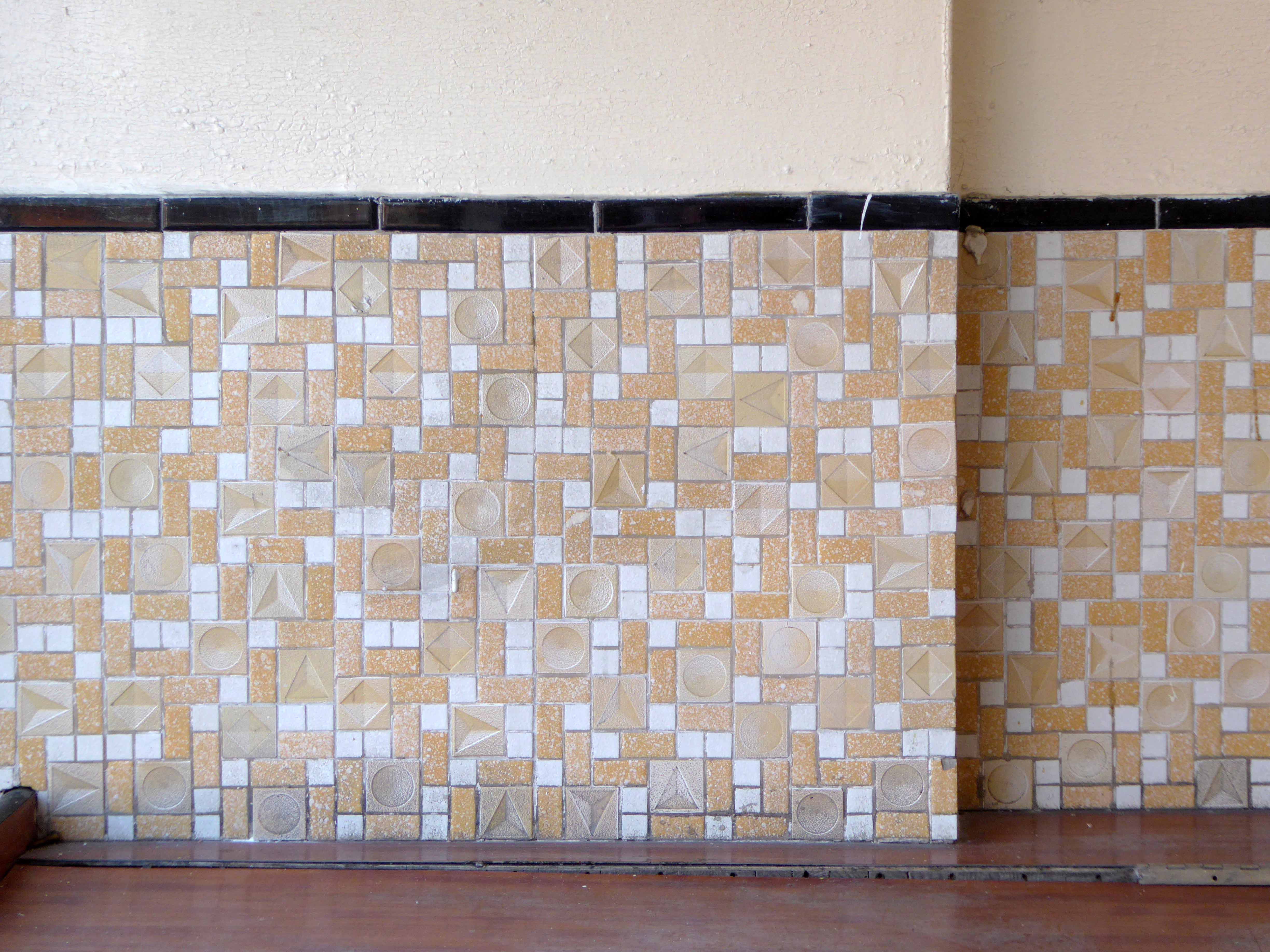
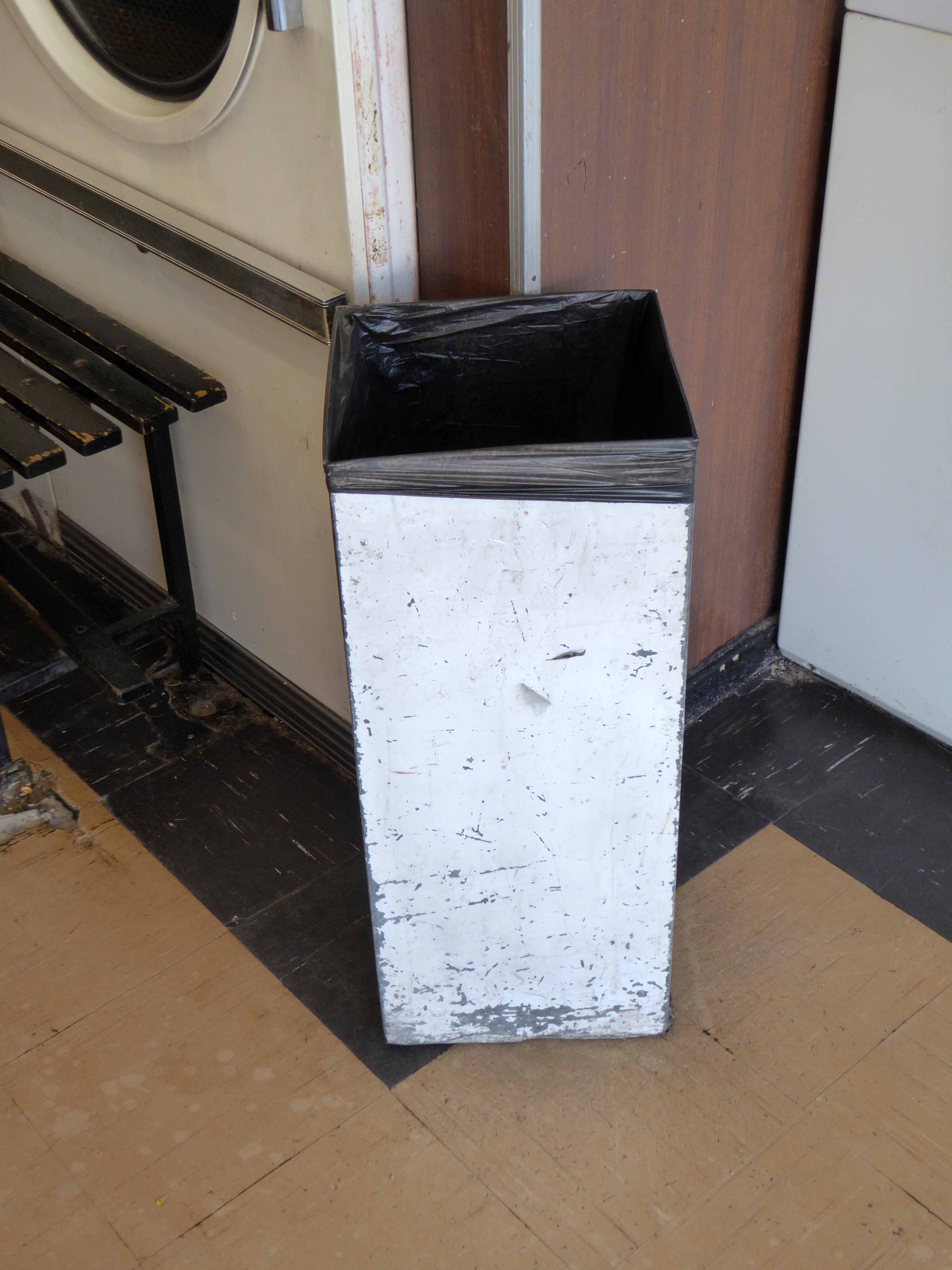
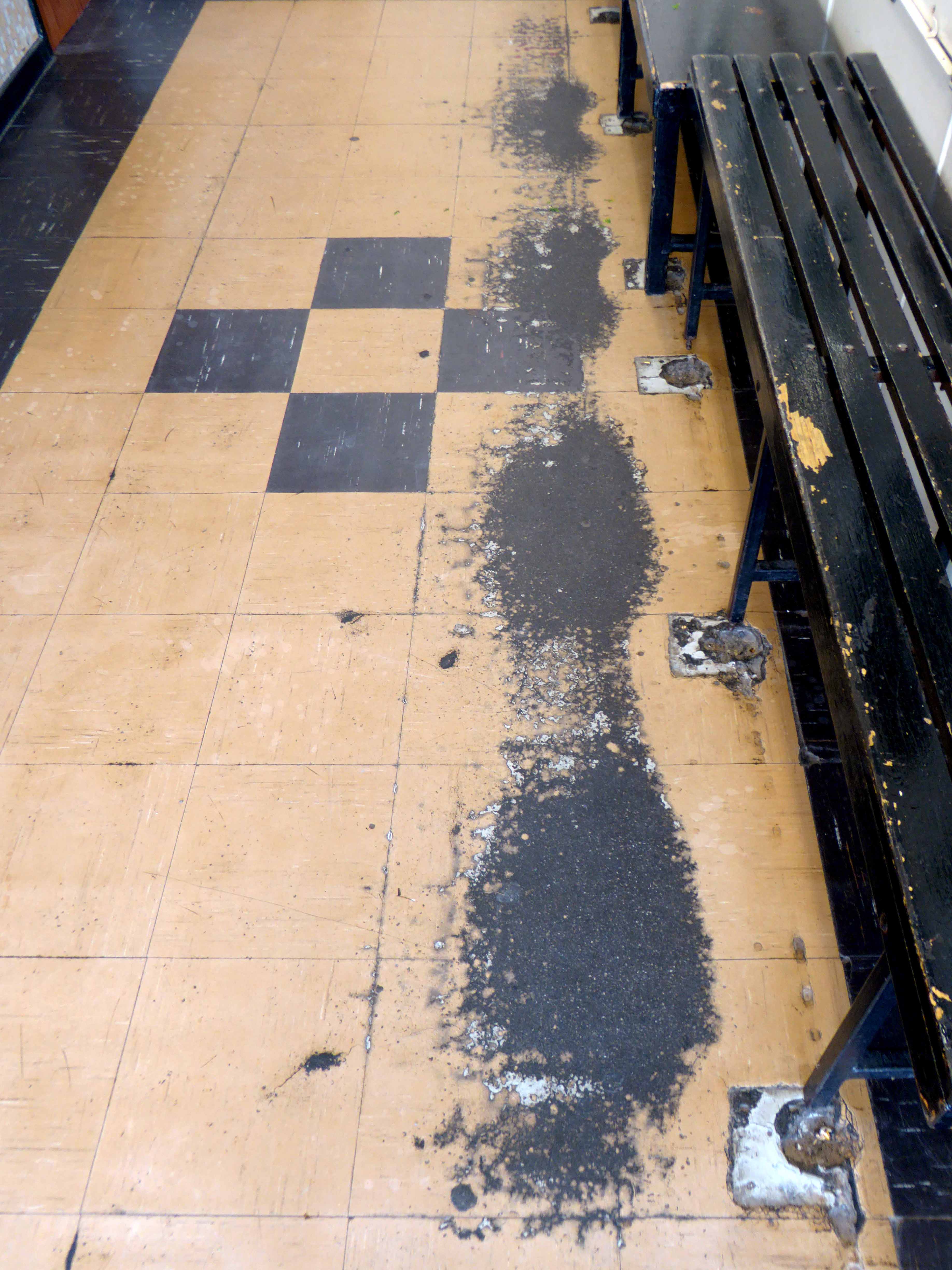
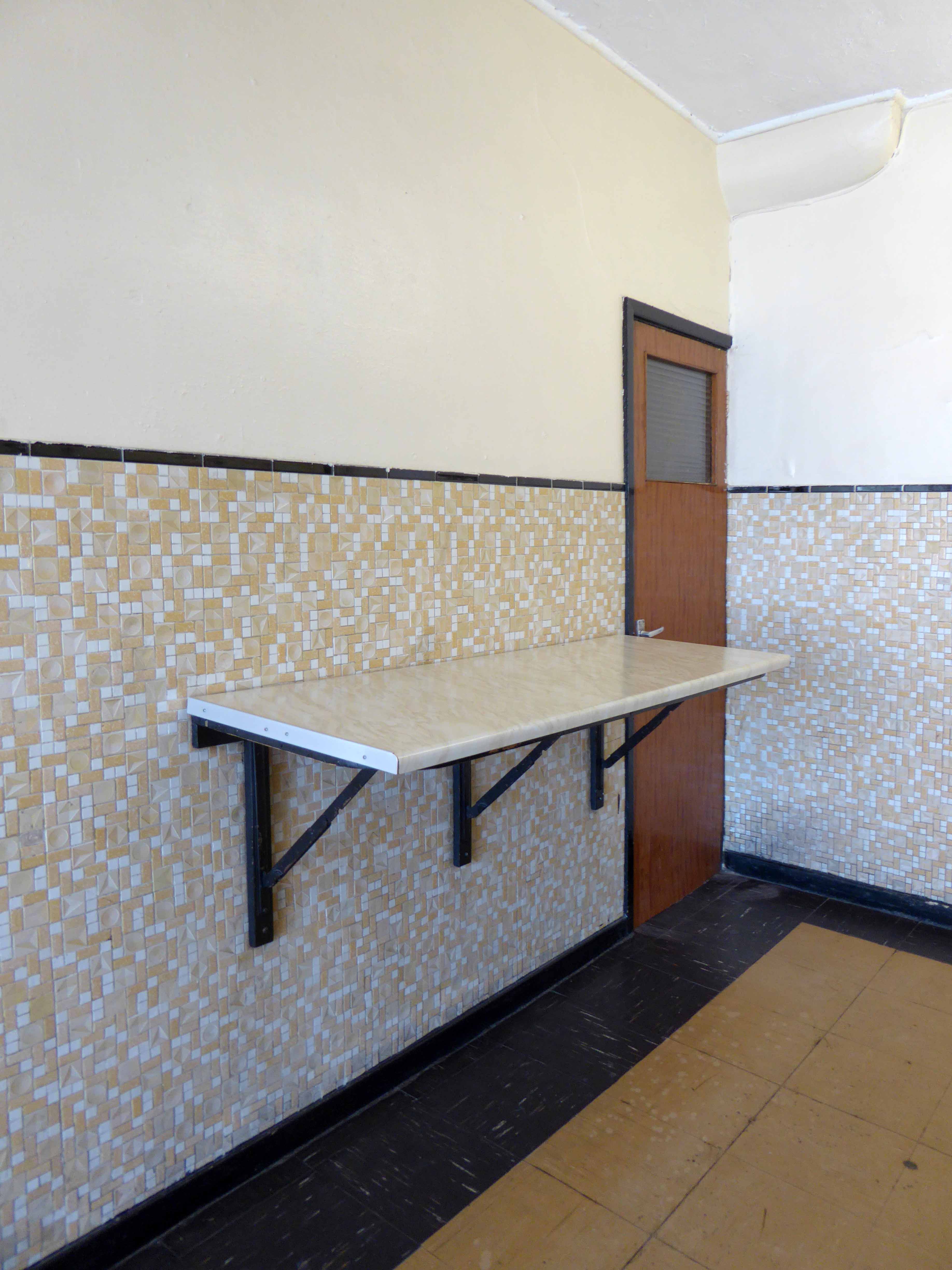
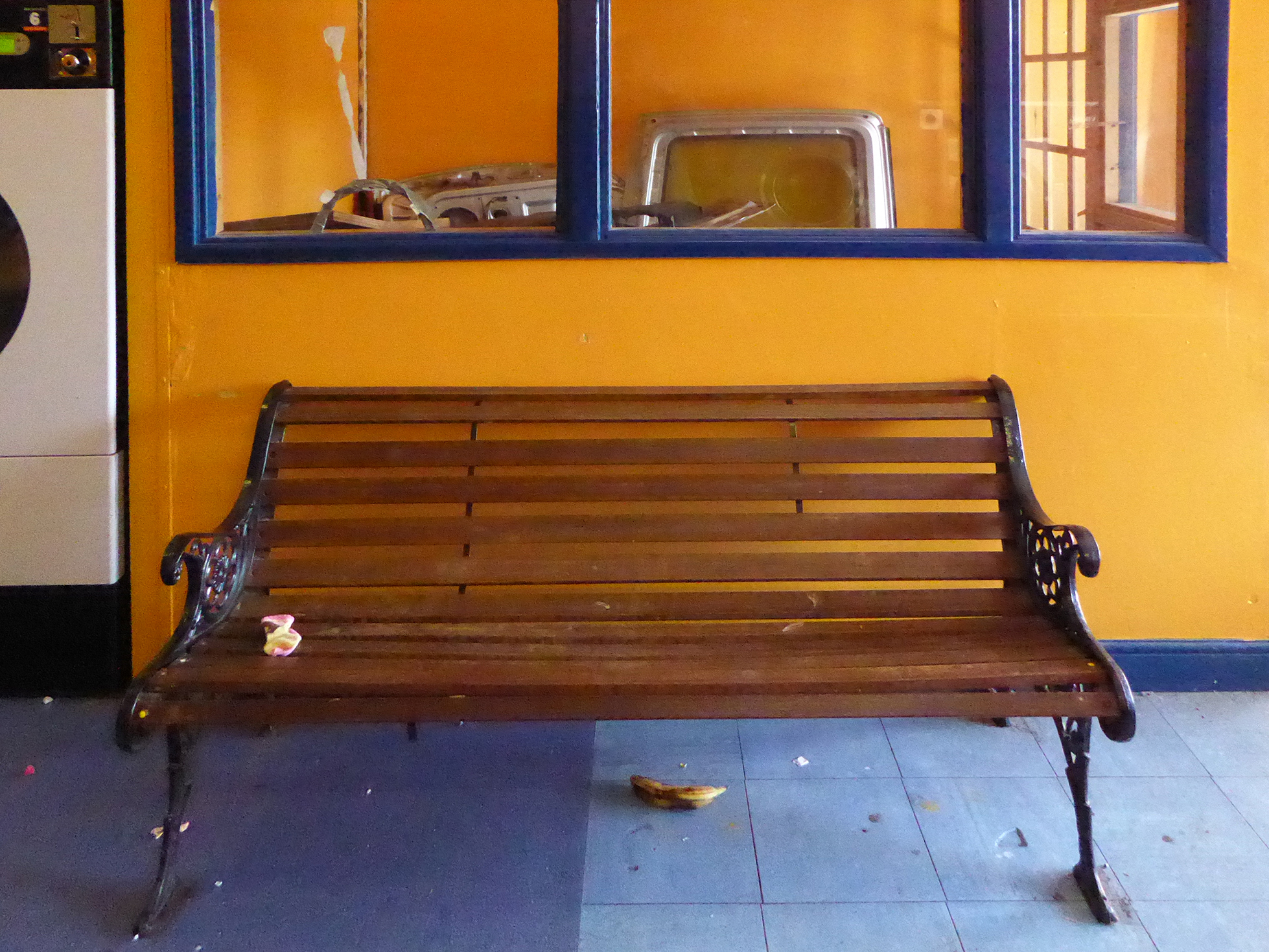
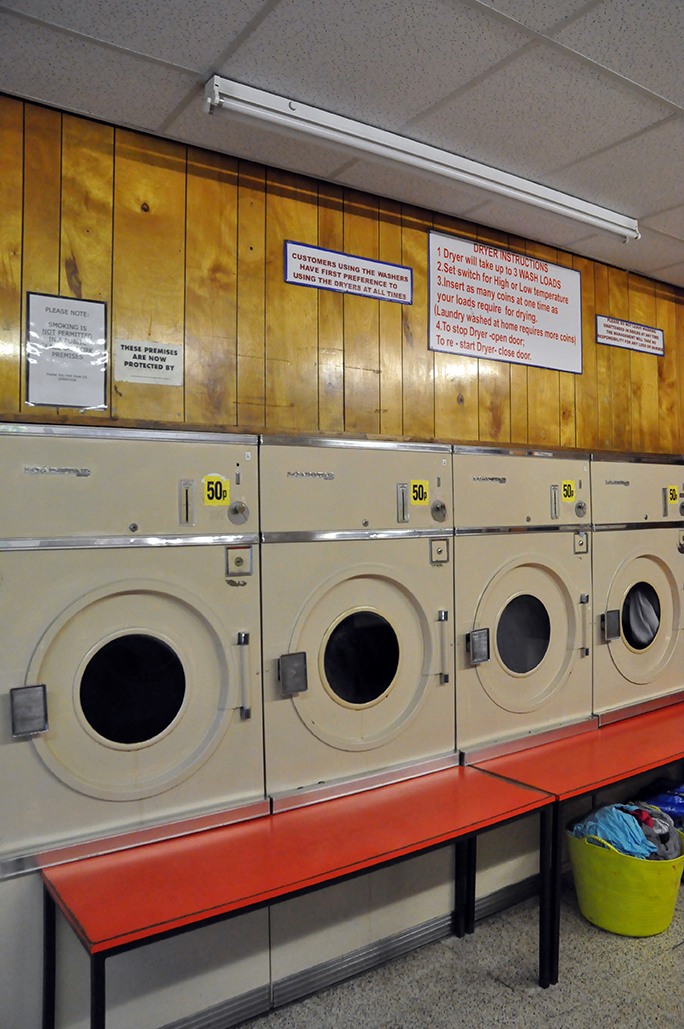
Worn lino, prosaic mosaic, strip lighting, wood-grained Formica, black wooden benches backed up against the warmth of the warm drier – time becomes elastic, limitless.

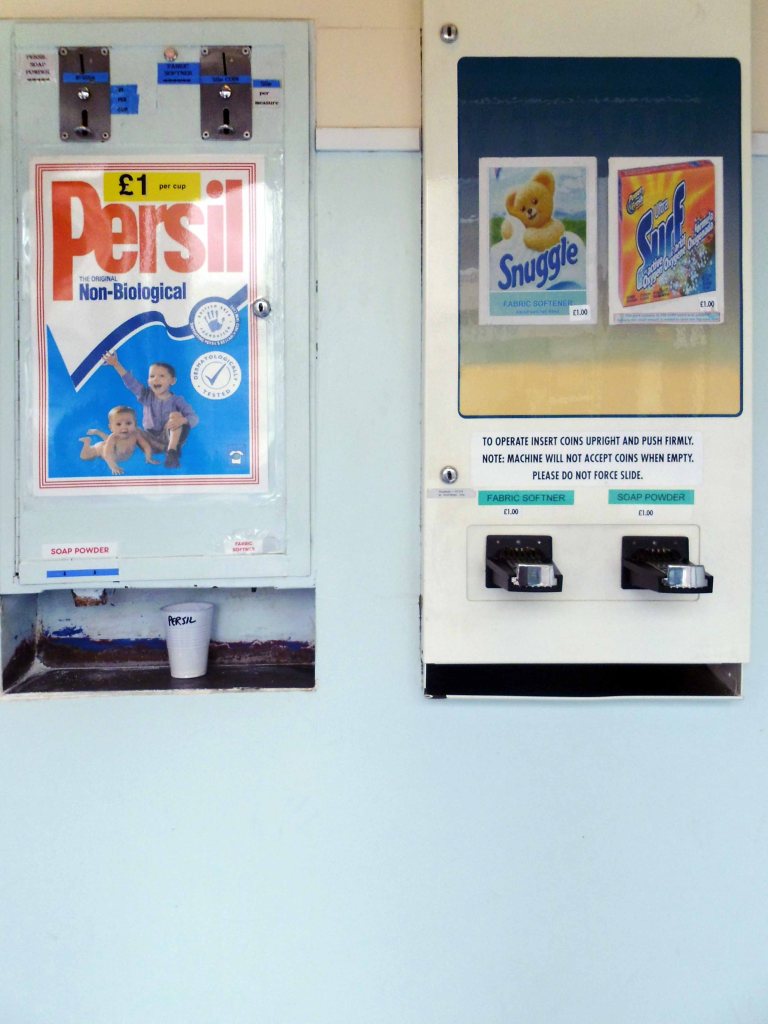
Enter at your own peril, Persil in hand prepare to be disappointed.

Launderette – Levenshulme

14 Matthews Lane Manchester M19 3DS

It’s been quite a while – following a spate there has been an abatement.

Time was I couldn’t pass a coin-op operation without snapping.

It all began in a Wigan Washeteria one thing lead to another then another.

I was all washed up, rinsed and spun out – I had to call it a day.

Yesterday things changed – I turned a corner in life when I turned the corner into Matthews Road, the familiar aroma, signs and things signified came flooding right back – time stood still beneath a strip light lit suspended ceiling.

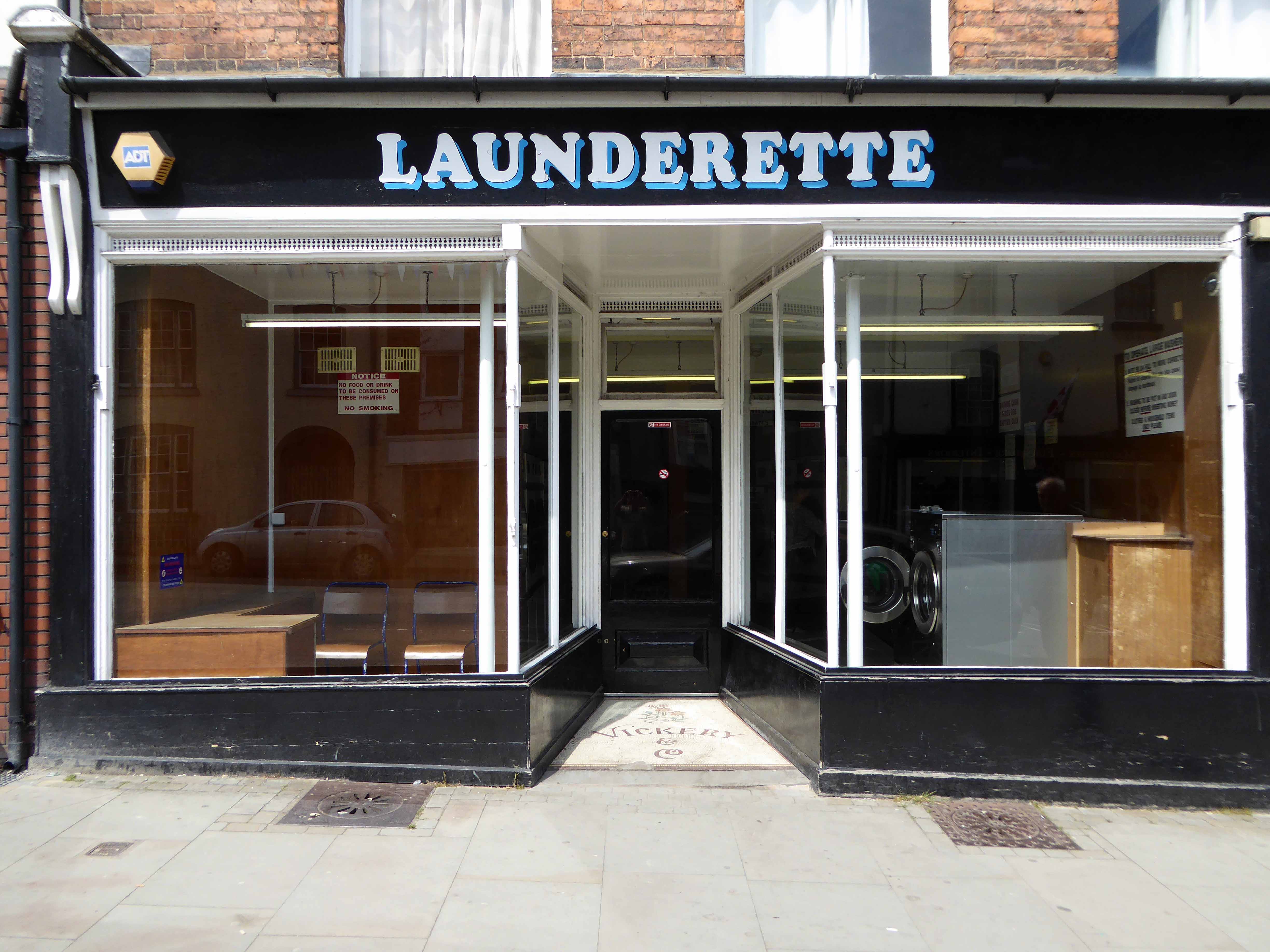
Laundrette – Welshpool

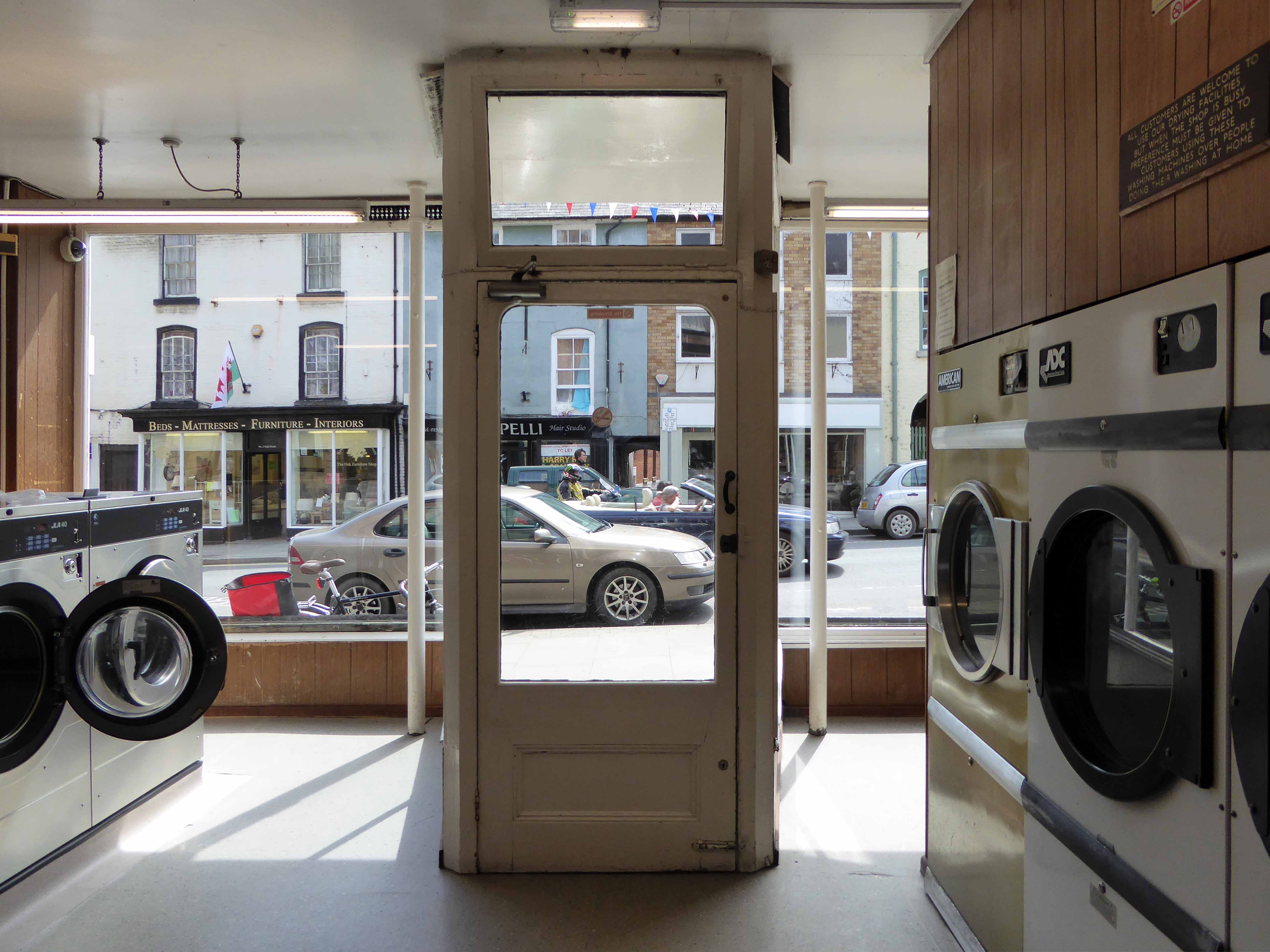
When walking the streets of Welshpool, one often finds oneself outside.

Outside a launderette.

I paused.

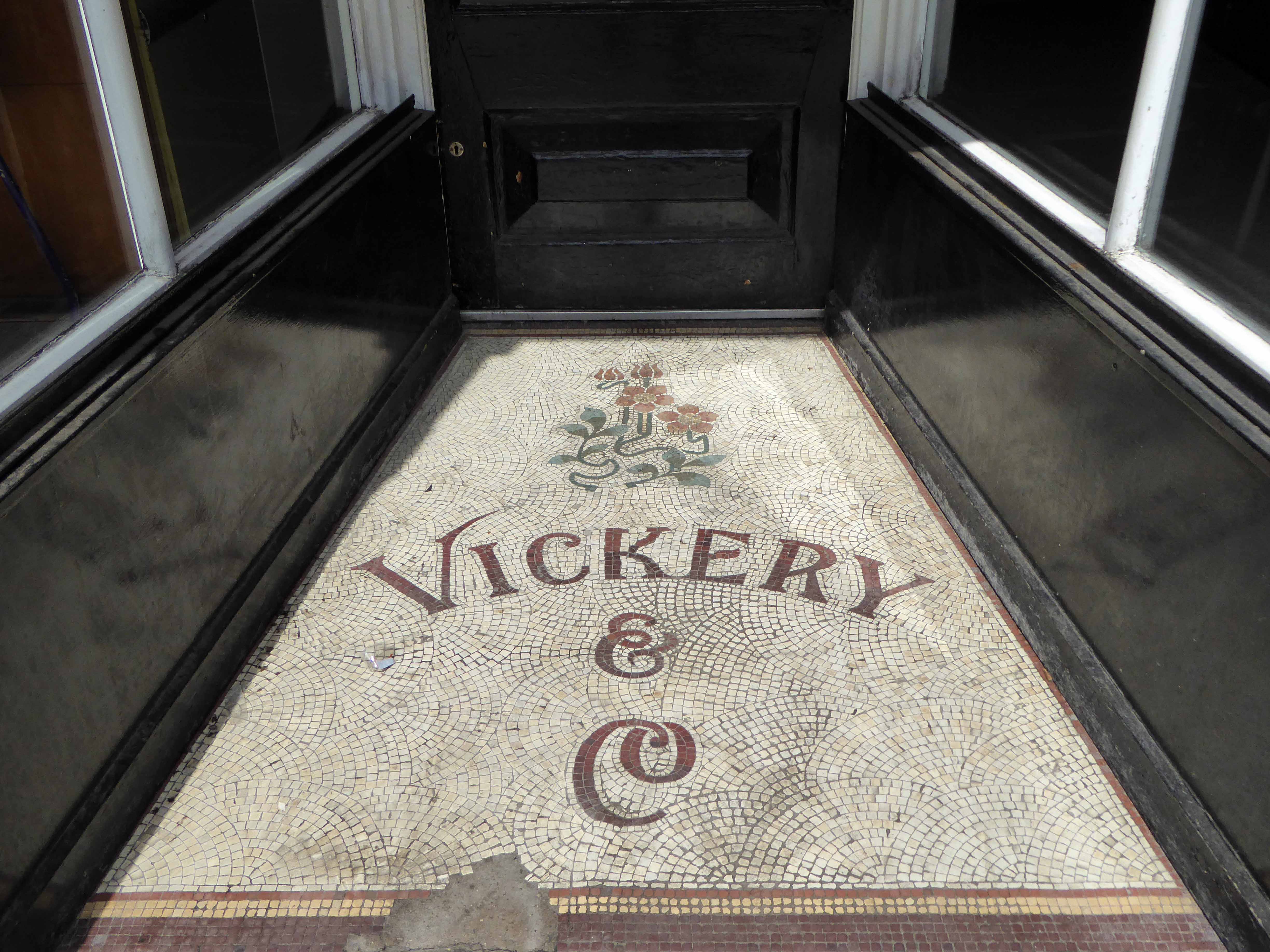
The porch was decorated by the most enchanting mosaic, Vickery and Co.

Hosiers, Hatters and Outfitters.

Politely, ever so politely, I asked the two local lads if they would step aside from their porch perch one moment, I snapped.

And walked on.

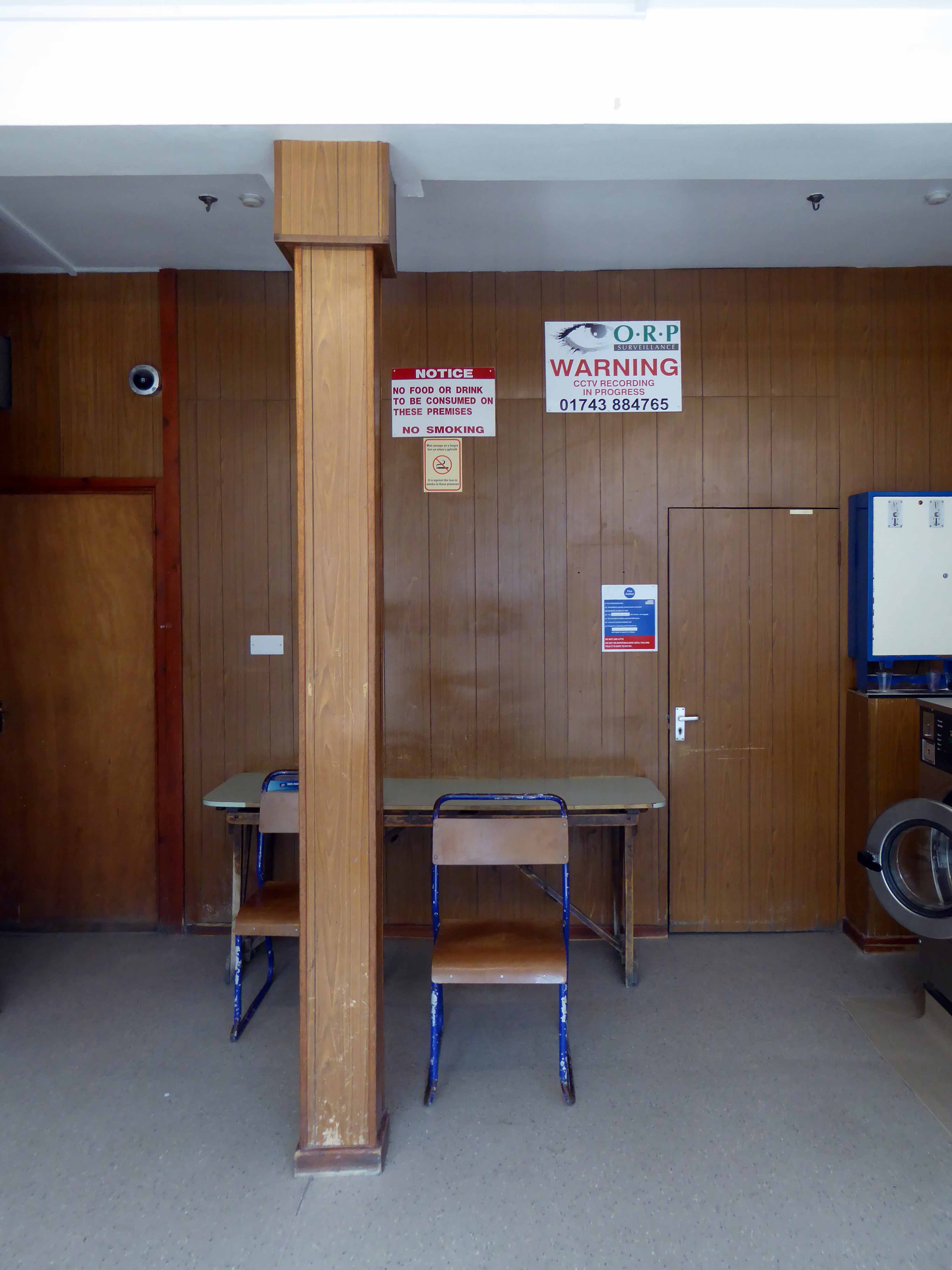
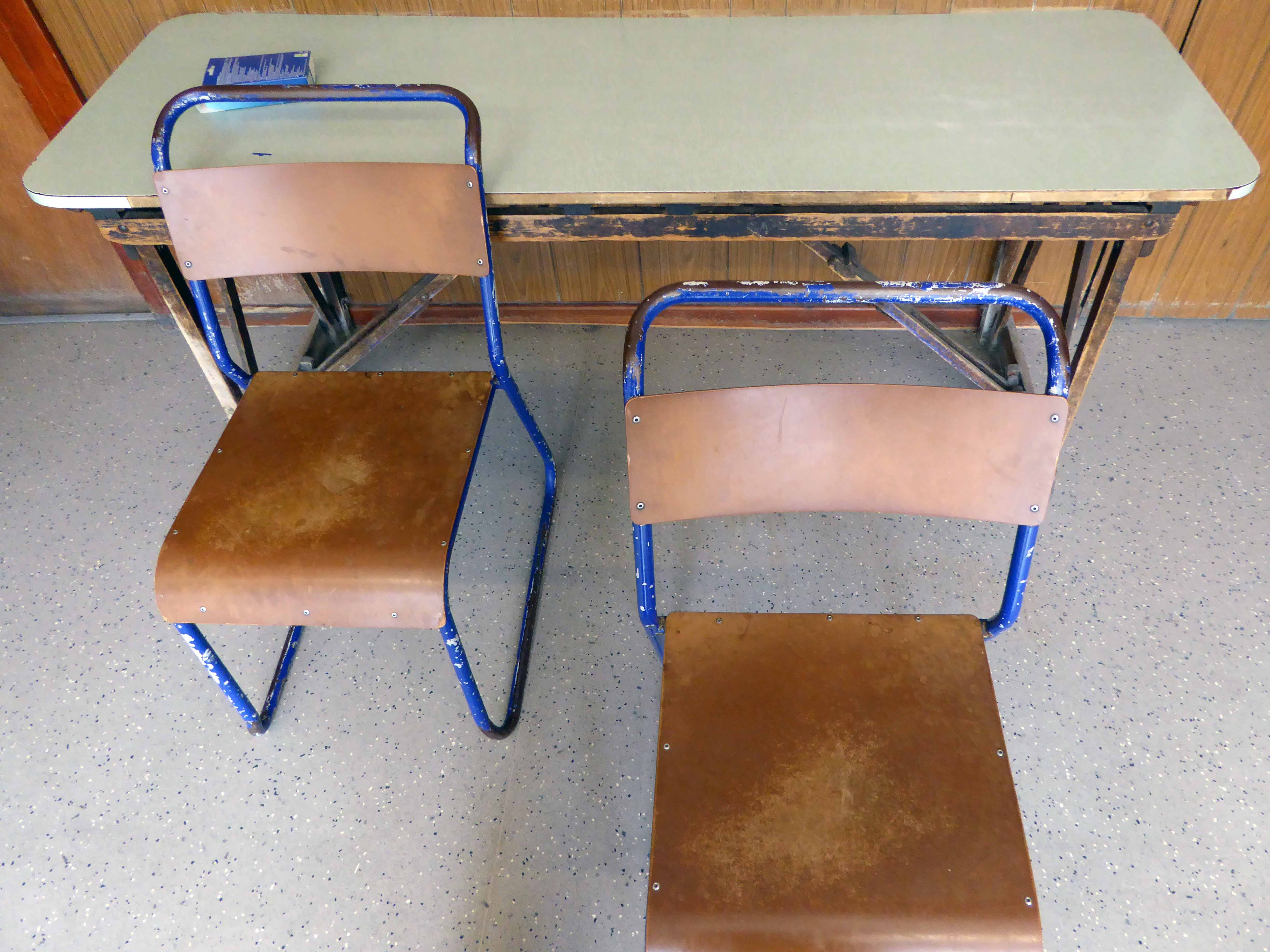
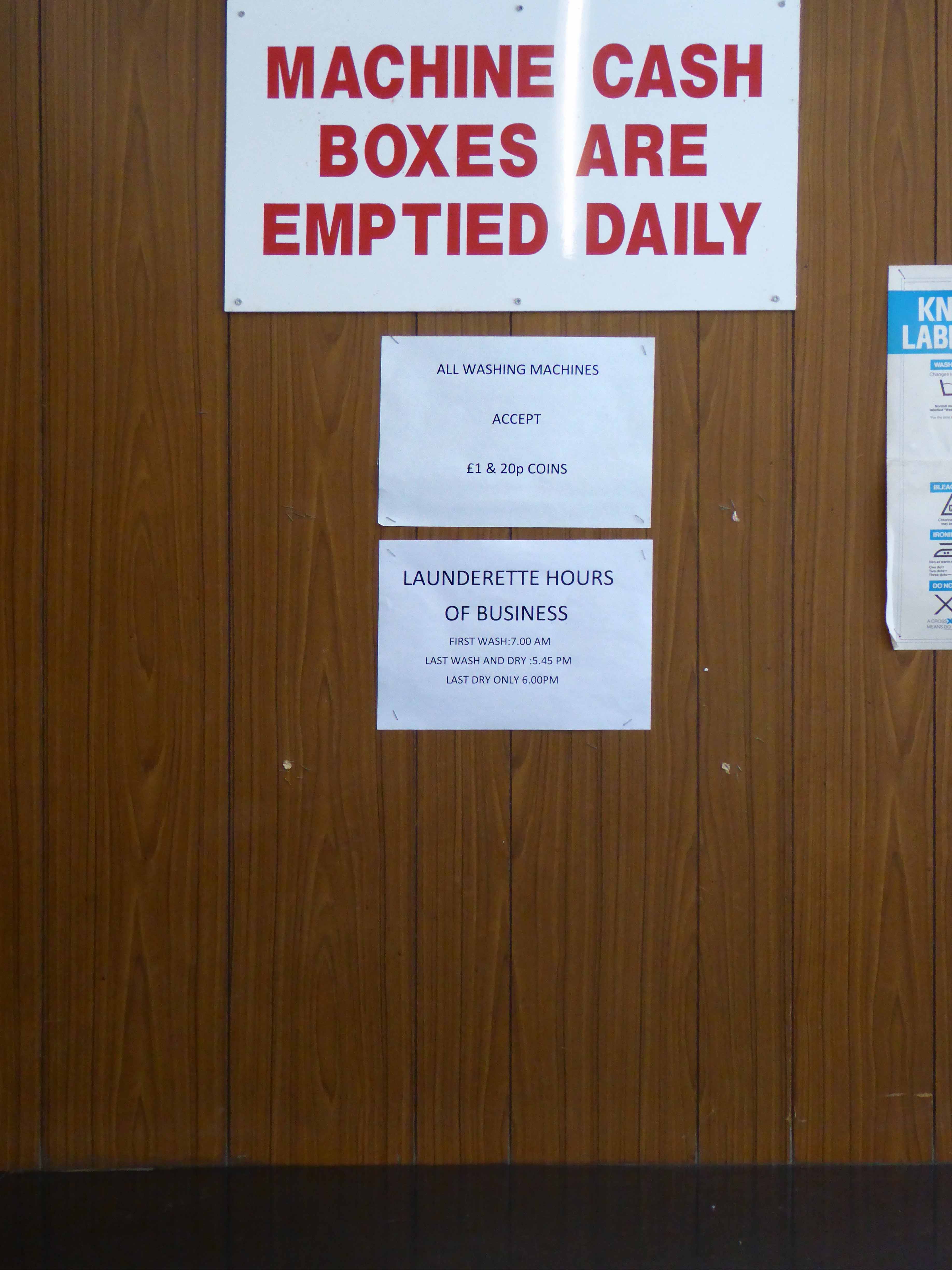
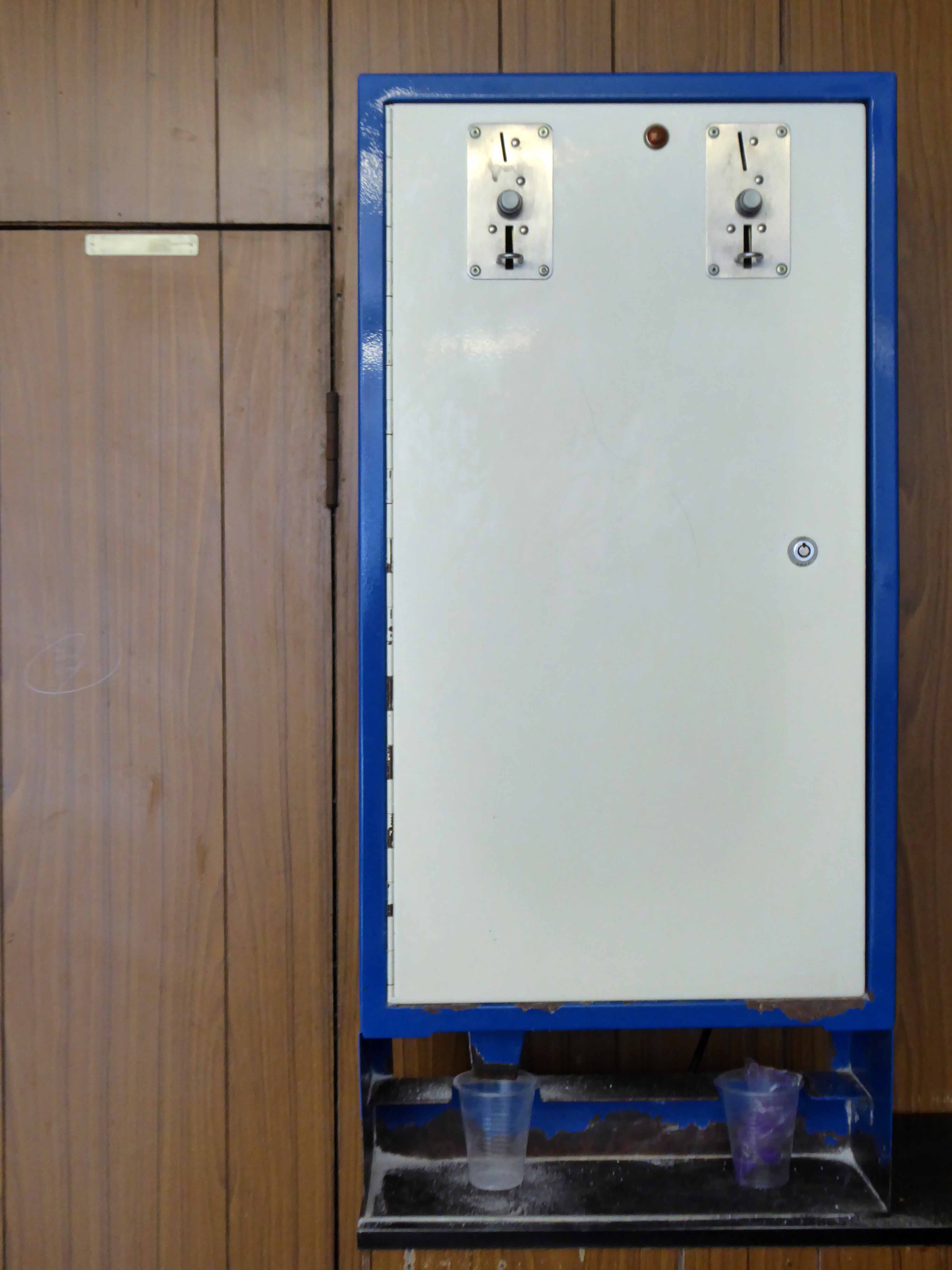
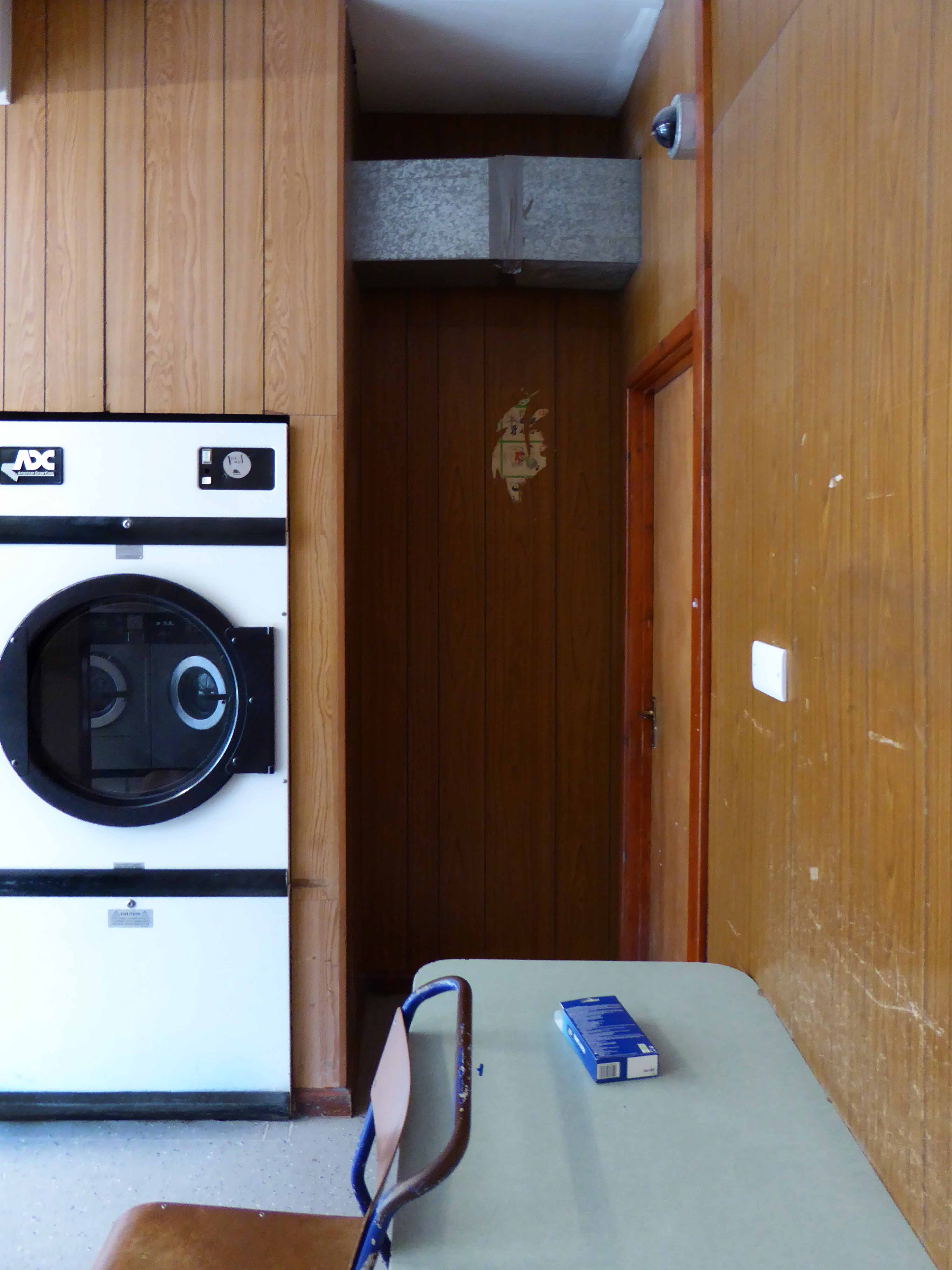
Upon my return, nobody was here, I hurriedly occupied the vacant space, with the expansive volume of my incurable curiosity.

Here is what I found.

P1050847 copy

P1050848 copy

P1050849 copy

P1050850 copy

P1050851 copy

P1050852 copy

P1050853 copy

P1050854 copy

P1050855 copy

P1050856 copy

P1050858 copy

P1050859 copy

P1050860 copy

P1050861 copy

P1050862 copy

P1050863 copy

P1050864 copy

P1050865 copy

P1050866 copy

P1050867 copy


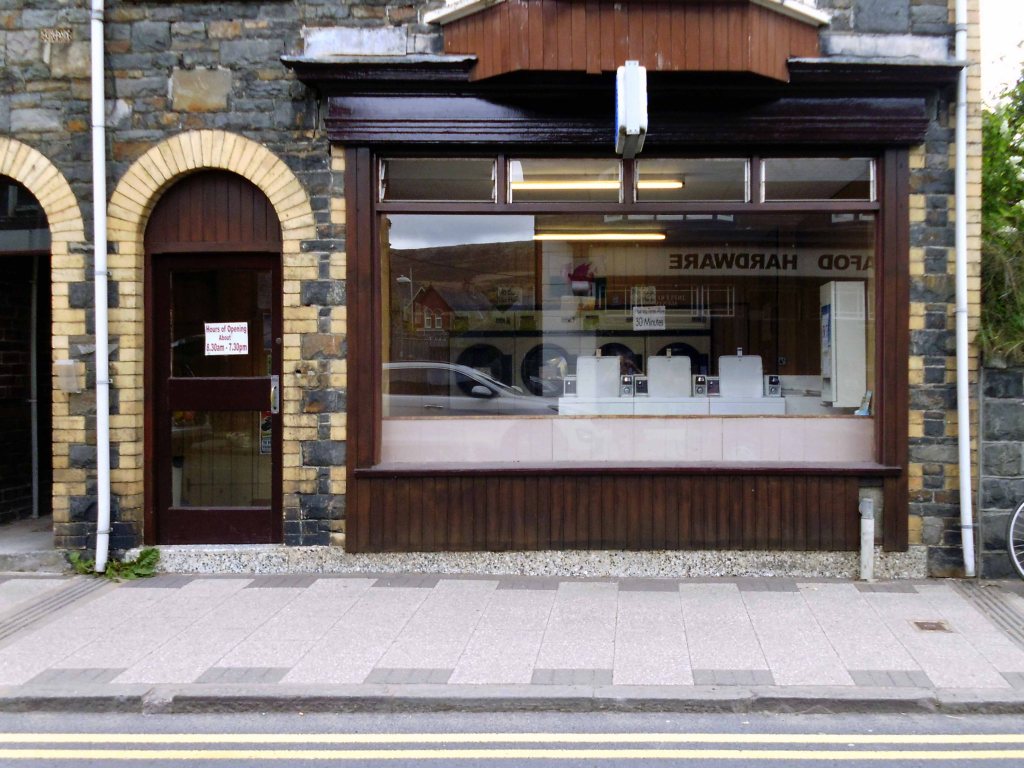
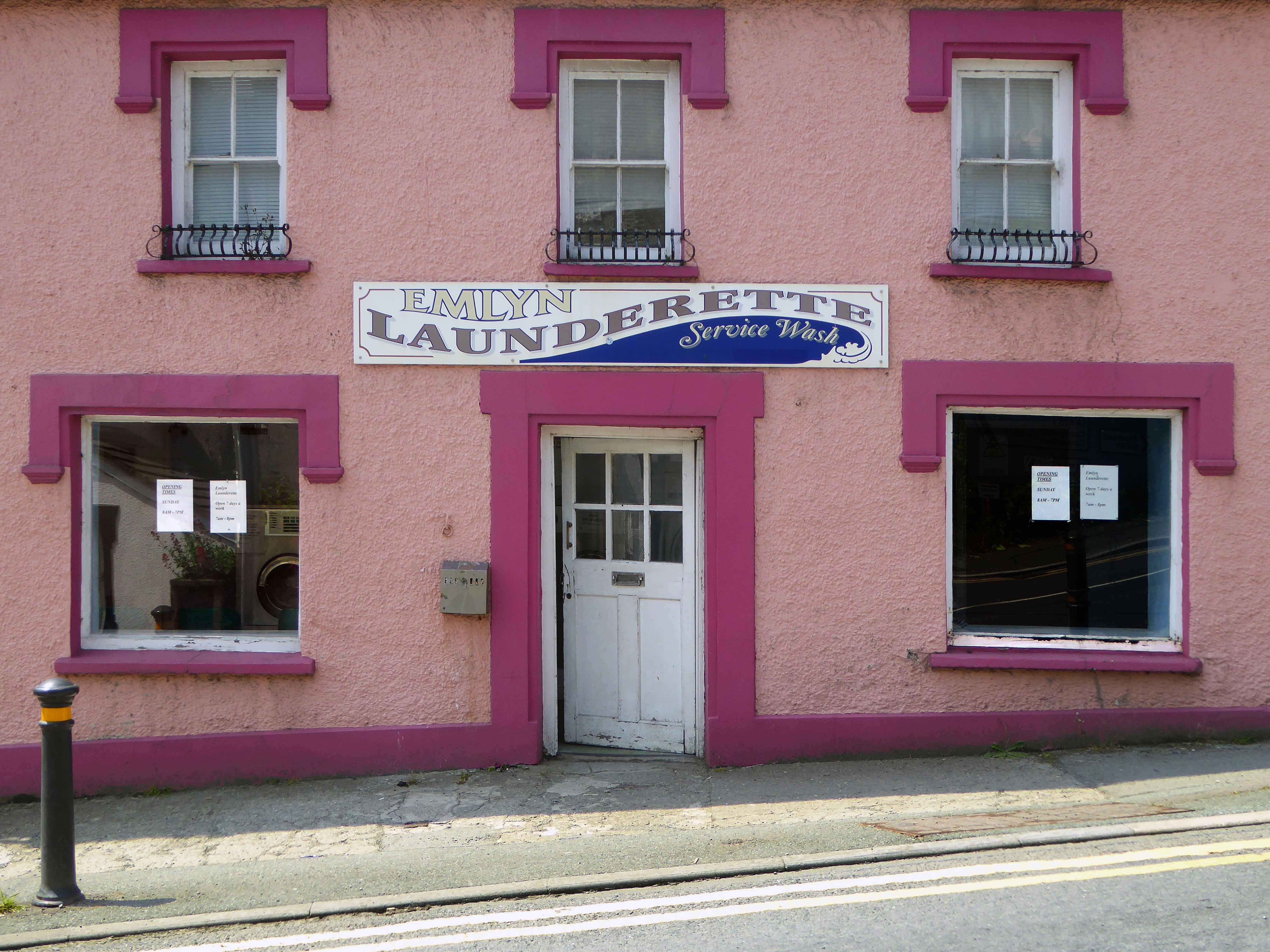
Laundrette – Emlyn West Wales

You could be in the middle of nowhere.

You are in the middle of nowhere.

Though never six feet from a rat, or a mile from a main road.

Moments away from a laundrette.

Imagine my amazement, on arrival in a town straddling the border of the counties of Ceredigion and Carmarthenshire in west Wales and lying on the River Teffi.

A launderette.

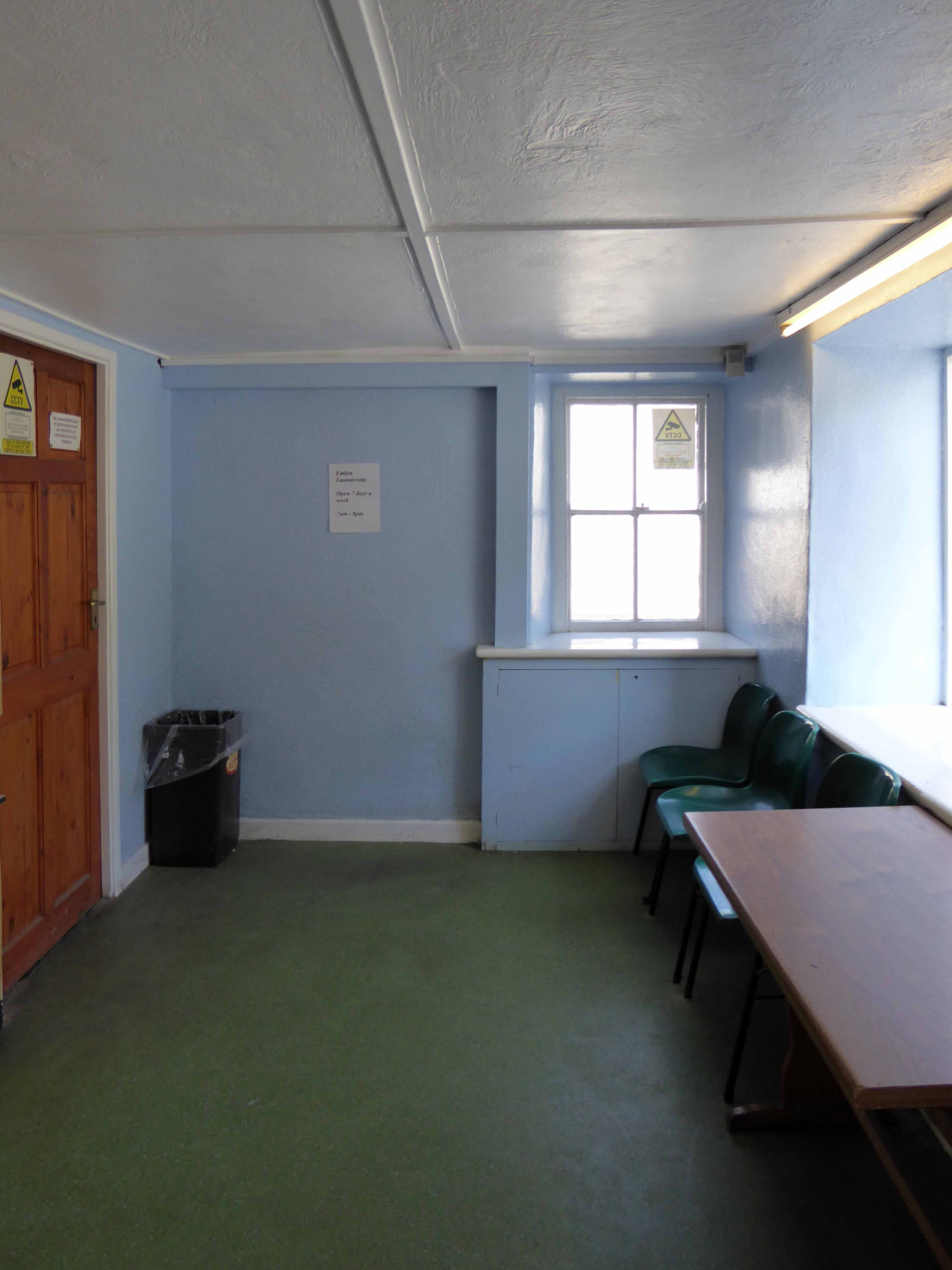
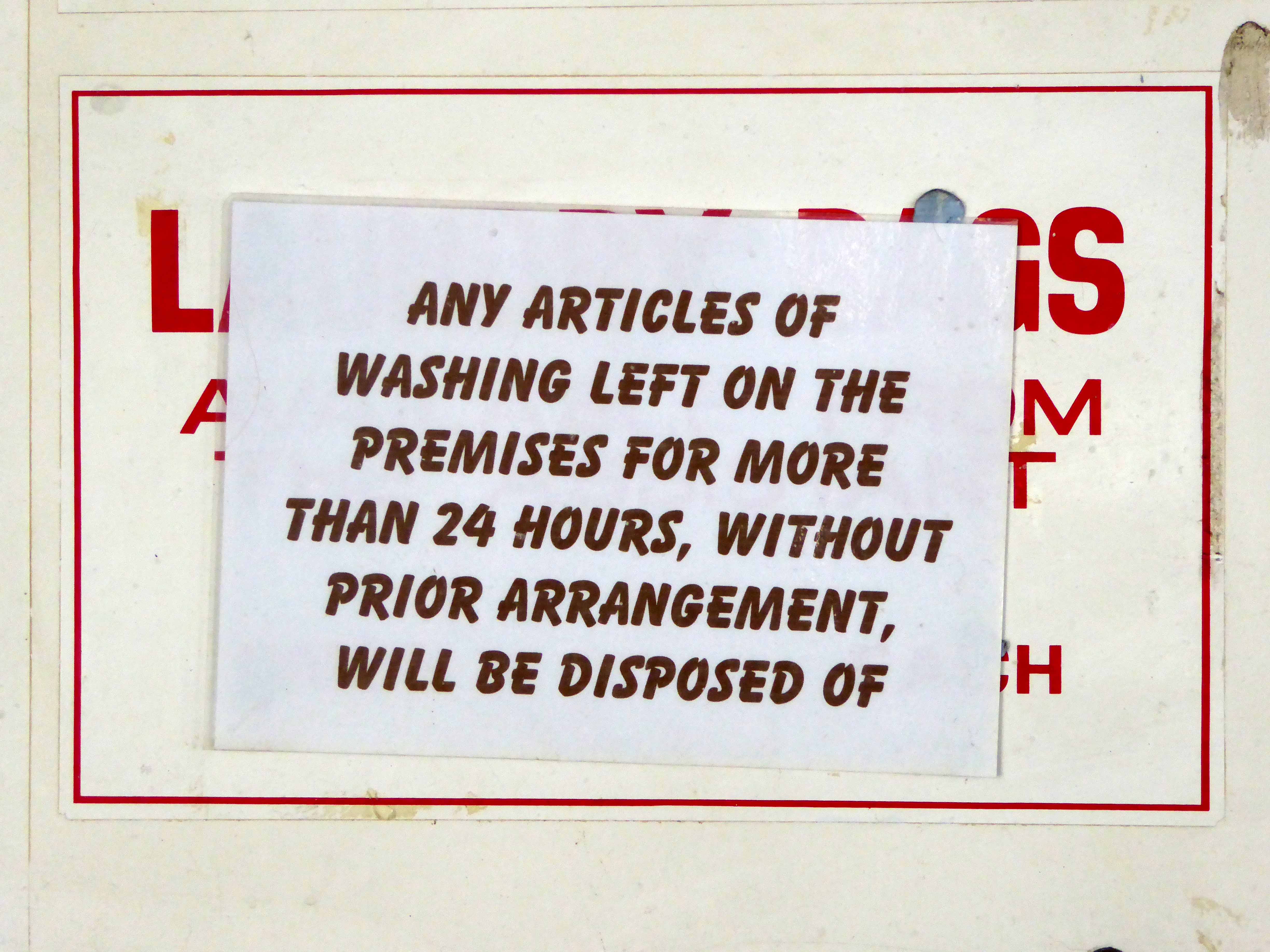
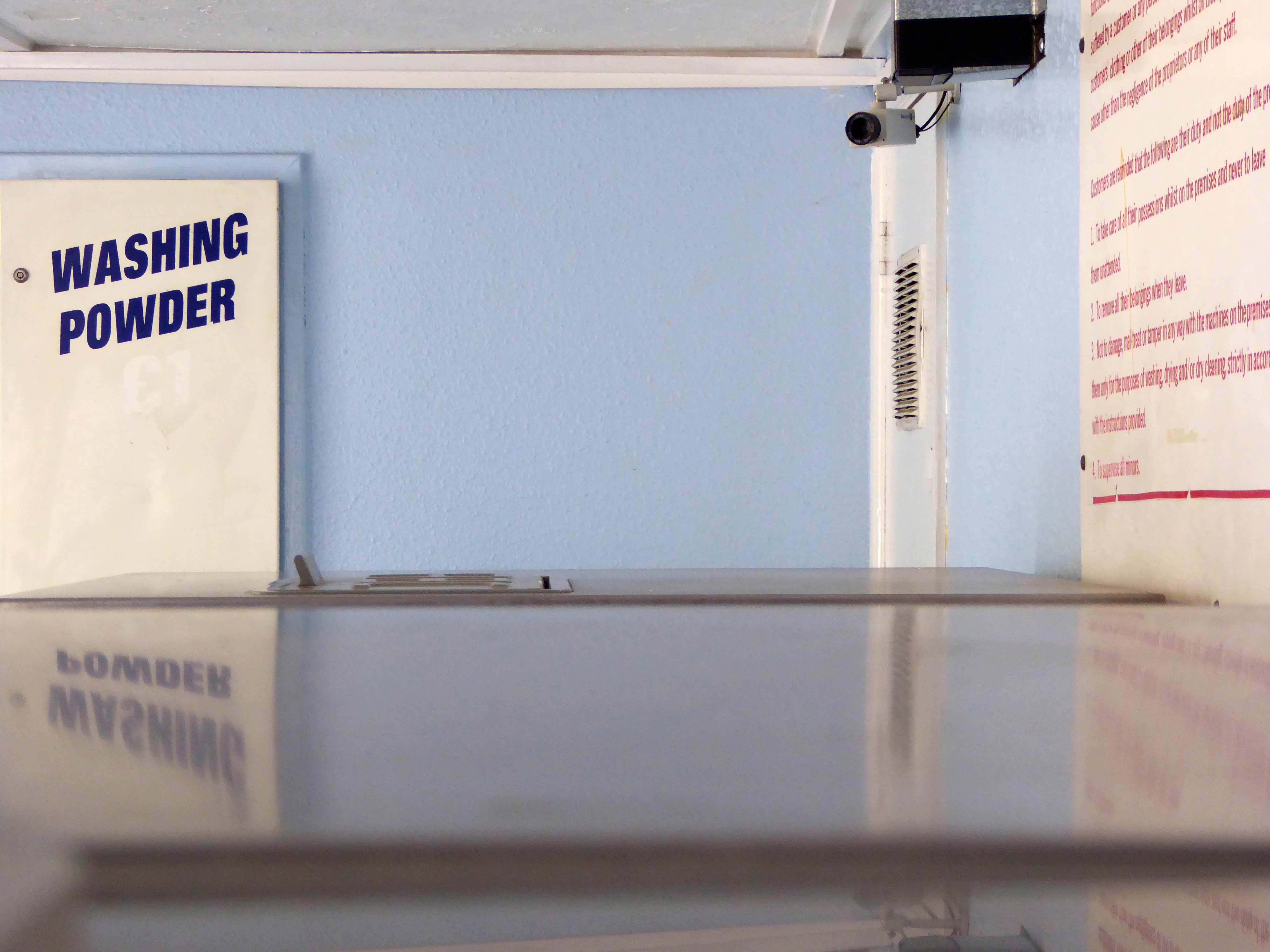
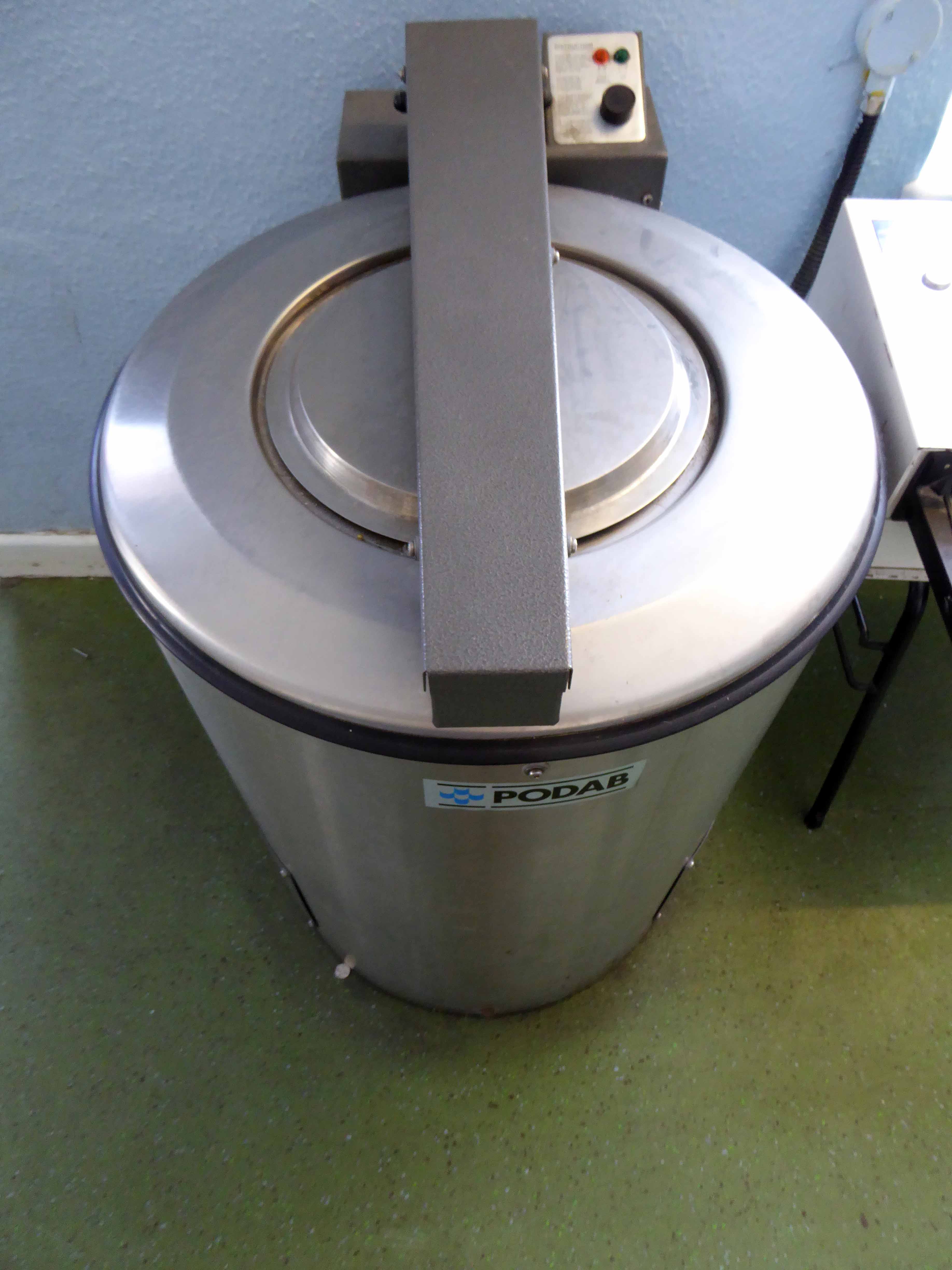
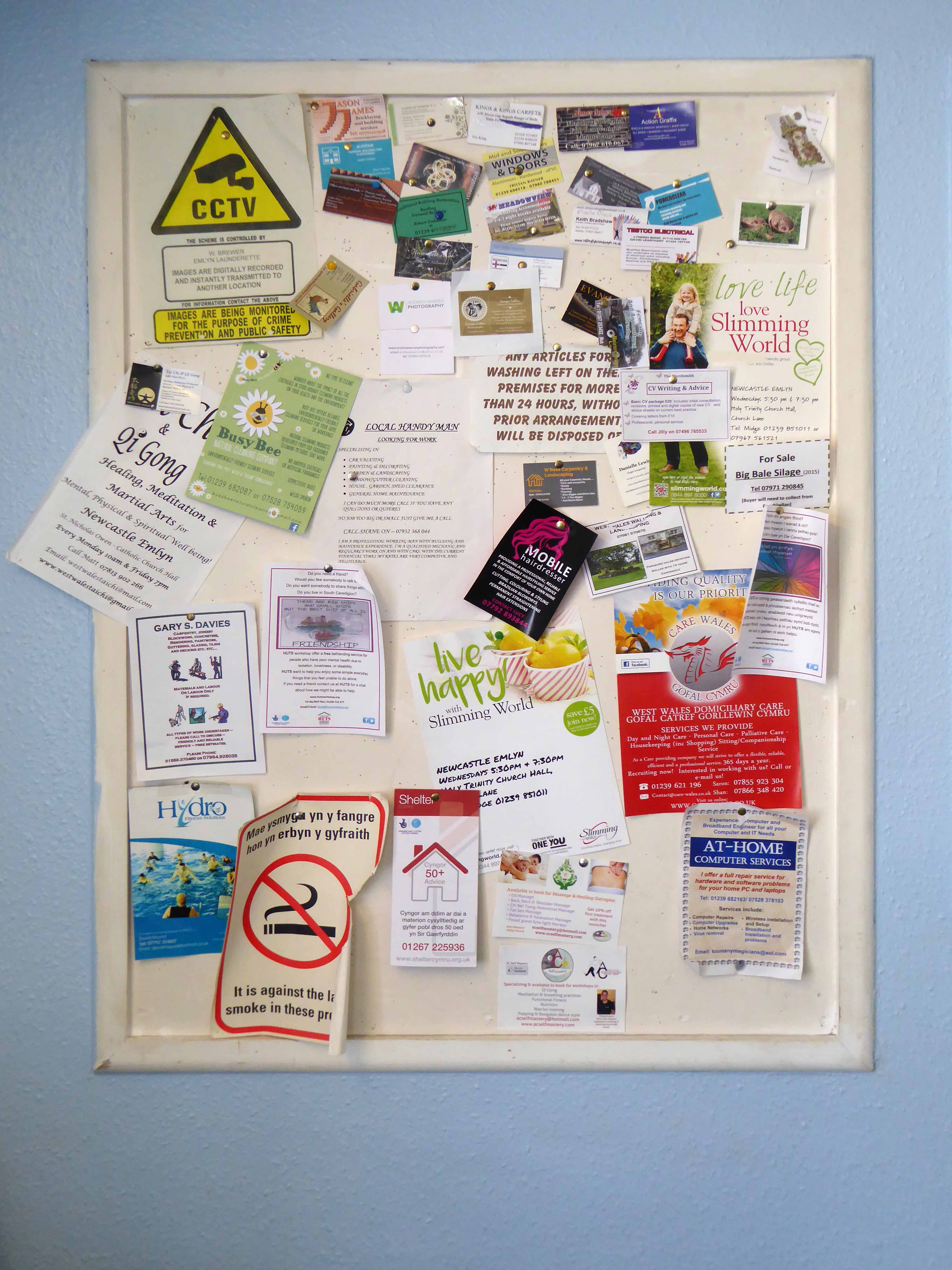
The heady of mix of interior austerity.

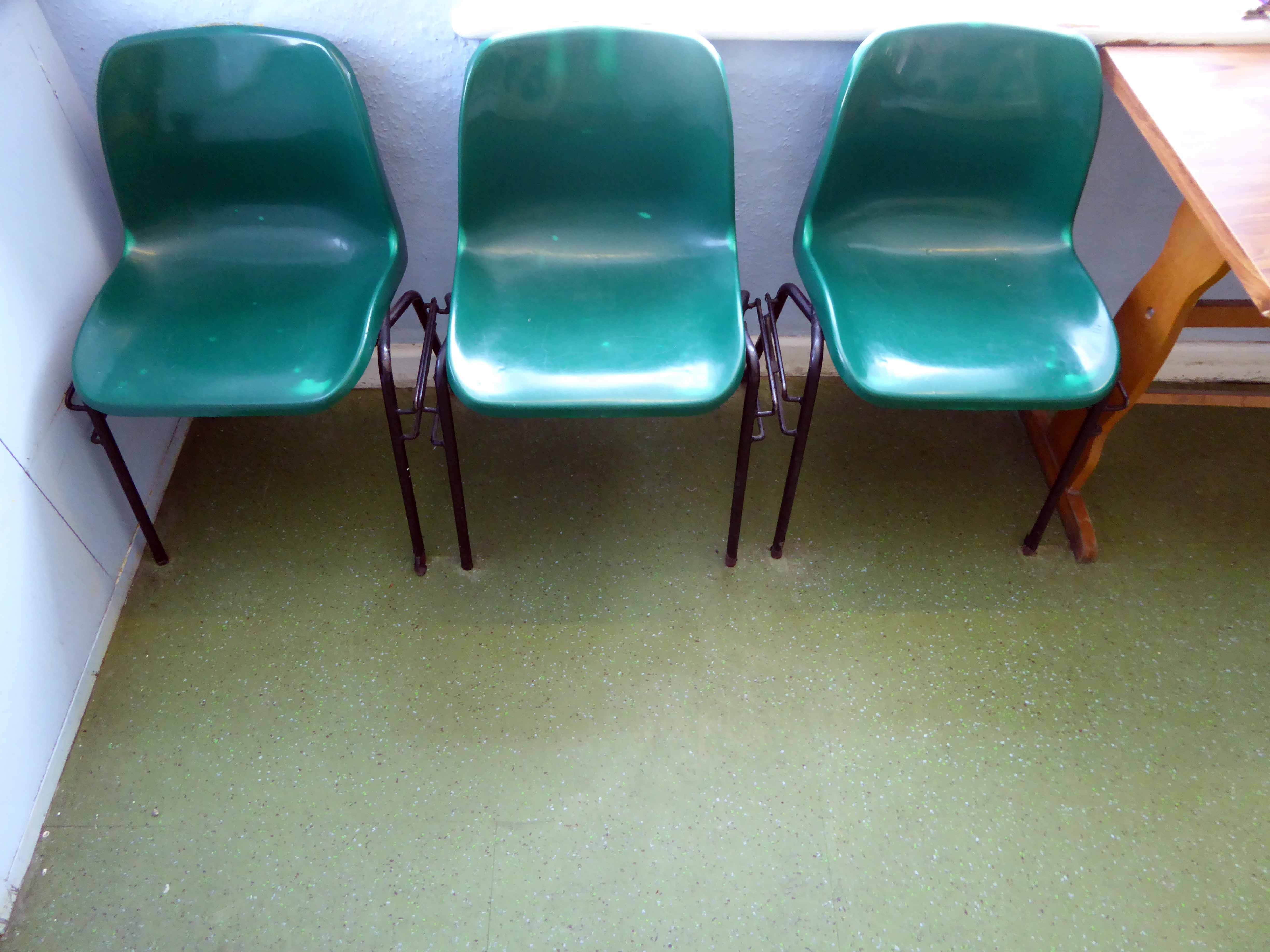
Functionally muted green, grey sky blue, nothing added.

An all too distinctive aroma of who knows what – warm water, soap and humanity?

Wash your dirty linen in public.

P1050712 copy

P1050688 copy

P1050689 copy

P1050690 copy

P1050691 copy

P1050692 copy

P1050693 copy

P1050694 copy

P1050696 copy

P1050697 copy

P1050698 copy

P1050699 copy

P1050700 copy

P1050701 copy

P1050702 copy

P1050703 copy

P1050704 copy

P1050705 copy

P1050706 copy

P1050707 copy

P1050708 copy

P1050709 copy

P1050710 copy

P1050711 copy

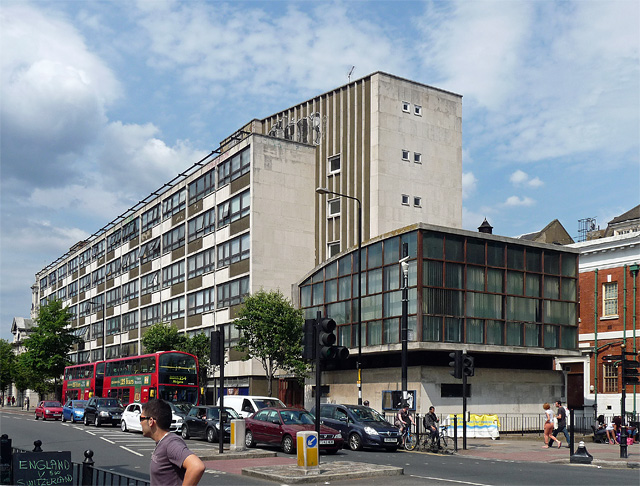
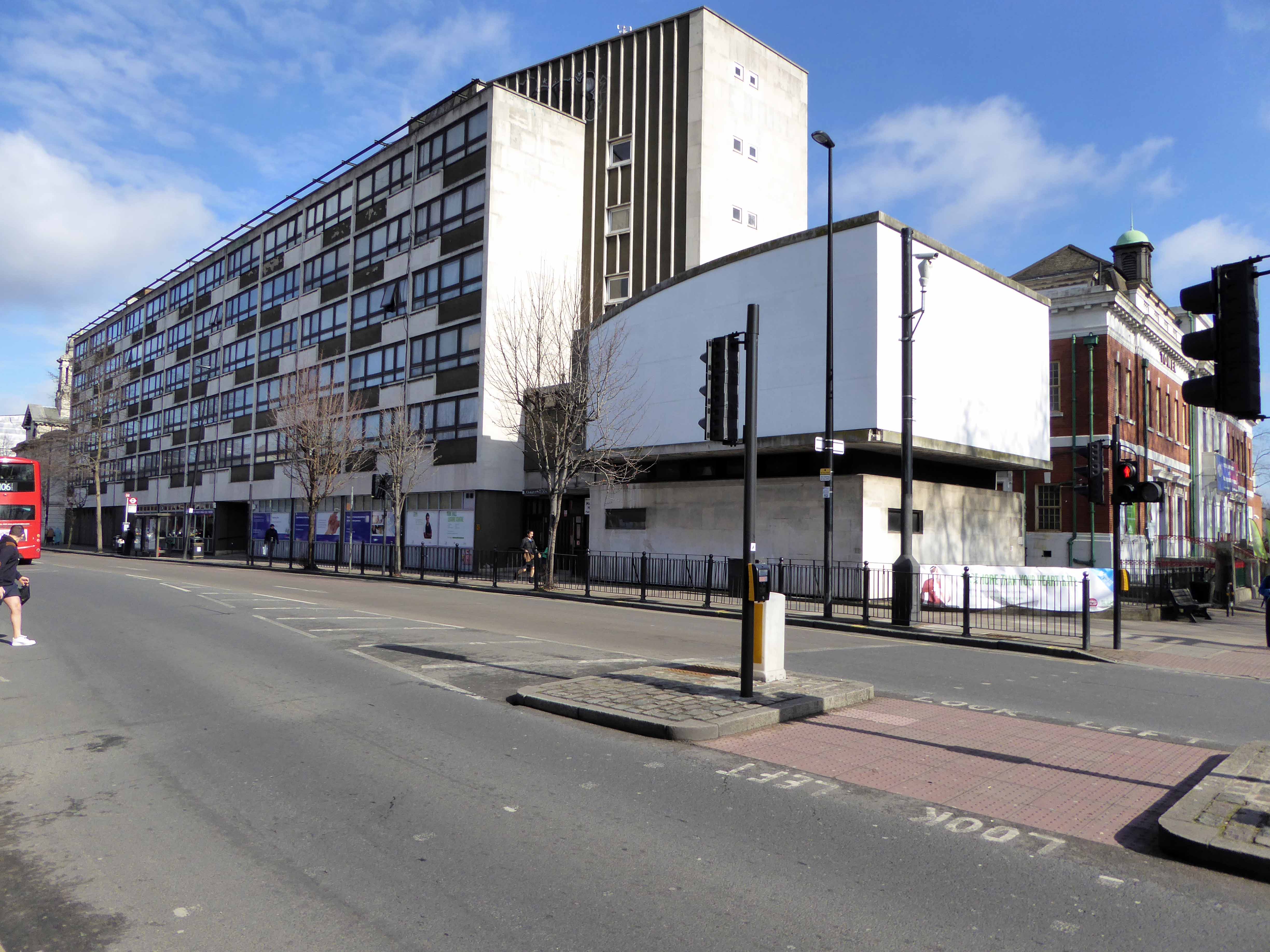
Mayfield House – Bethnal Green

Building Conditions in Bethnal Green – Post 1945

“The immediate problem after the war was to house those whose homes had been bombed. Longer-term objectives were to complete and extend earlier clearance programmes in order to reduce the population density and separate industry from residential areas, as reaffirmed in the County of London Plan of 1943. Some 5,000 people lived in temporary housing, including requisitioned properties and hutments or mobile homes, prefabs, of which the L.C.C.’s first in East London were in Florida and Squirries streets. All but 15 of its 190 ‘prefabs’ were in use in 1955, together with 309 requisitioned properties; at least 48 mobile homes were still in use in 1966.  War damage had been repaired by 1953 and attention shifted to slum clearance; flats were to be allotted to those in cleared areas rather than by a waiting list. The L.C.C. and M.B. co-operated in drawing up five-year plans:  by 1954 there were 16,852 permanent homes of which 2,434 were unfit, 1,711 in the L.C.C.’s clearance areas and 675 in the M.B.’s, together with 48 individual houses. The L.C.C. demolished 510 and the M.B. 550 between 1956 and 1960 and the M.B. demolished another 151 unfit and 46 other houses in 1961-2. Most were replaced by municipal estates, although both councils also acquired sites scheduled for industry, business, or open space. It was estimated that to find a site and build an estate took six years.” 

Thanks to http://www.british-history.ac.uk/vch/middx/vol11/pp135-147

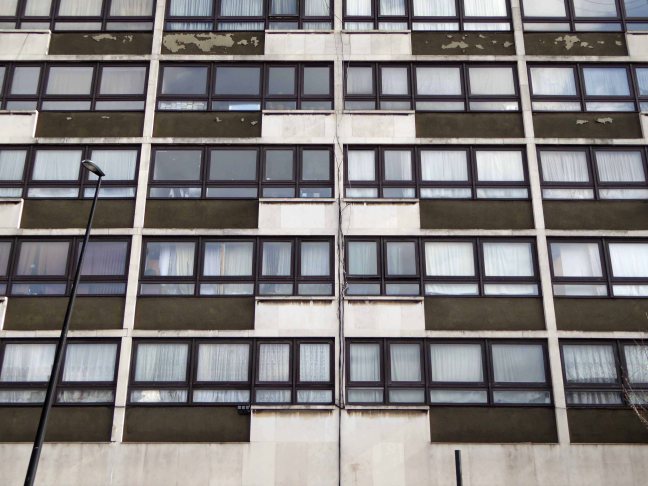
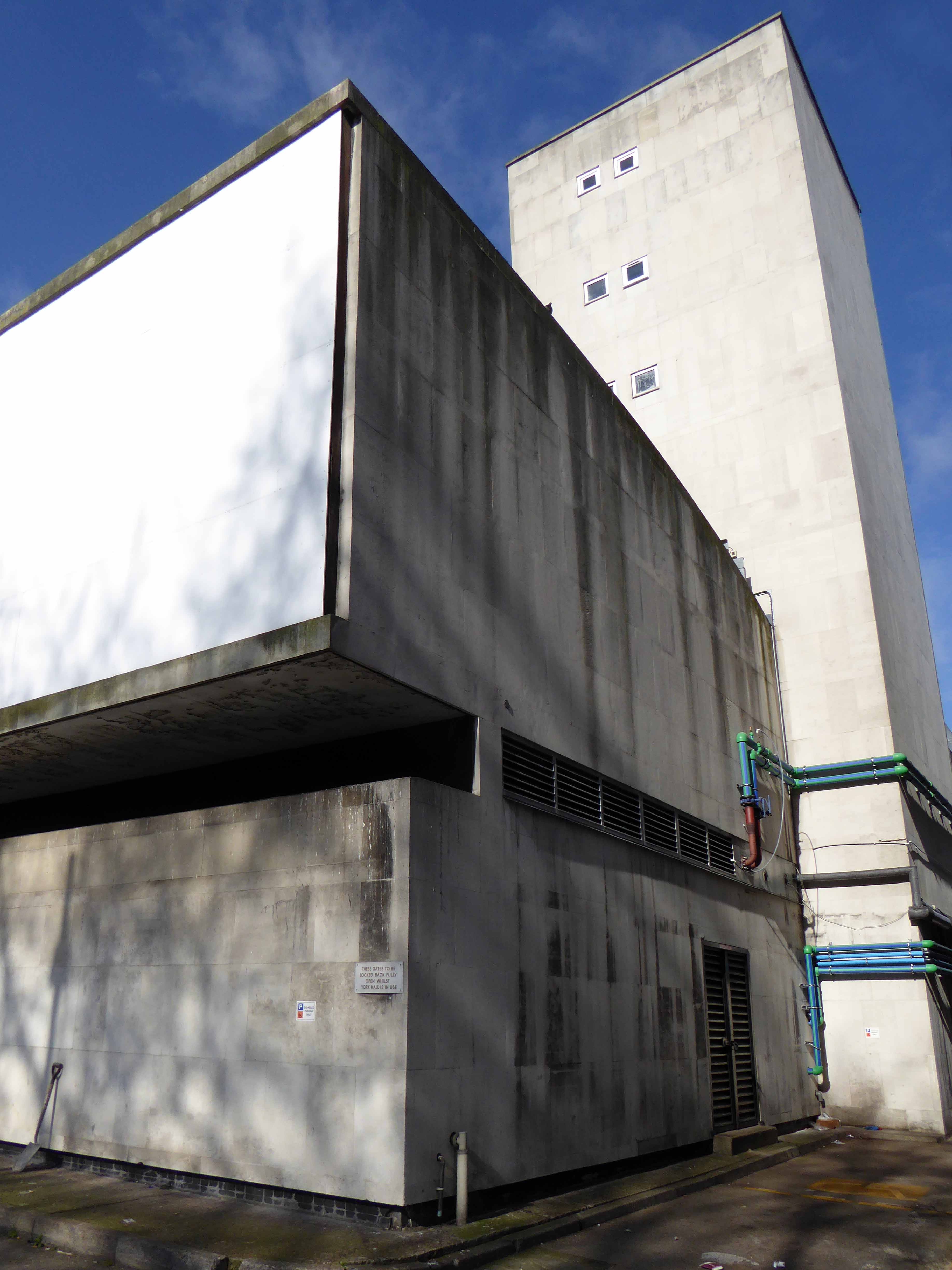
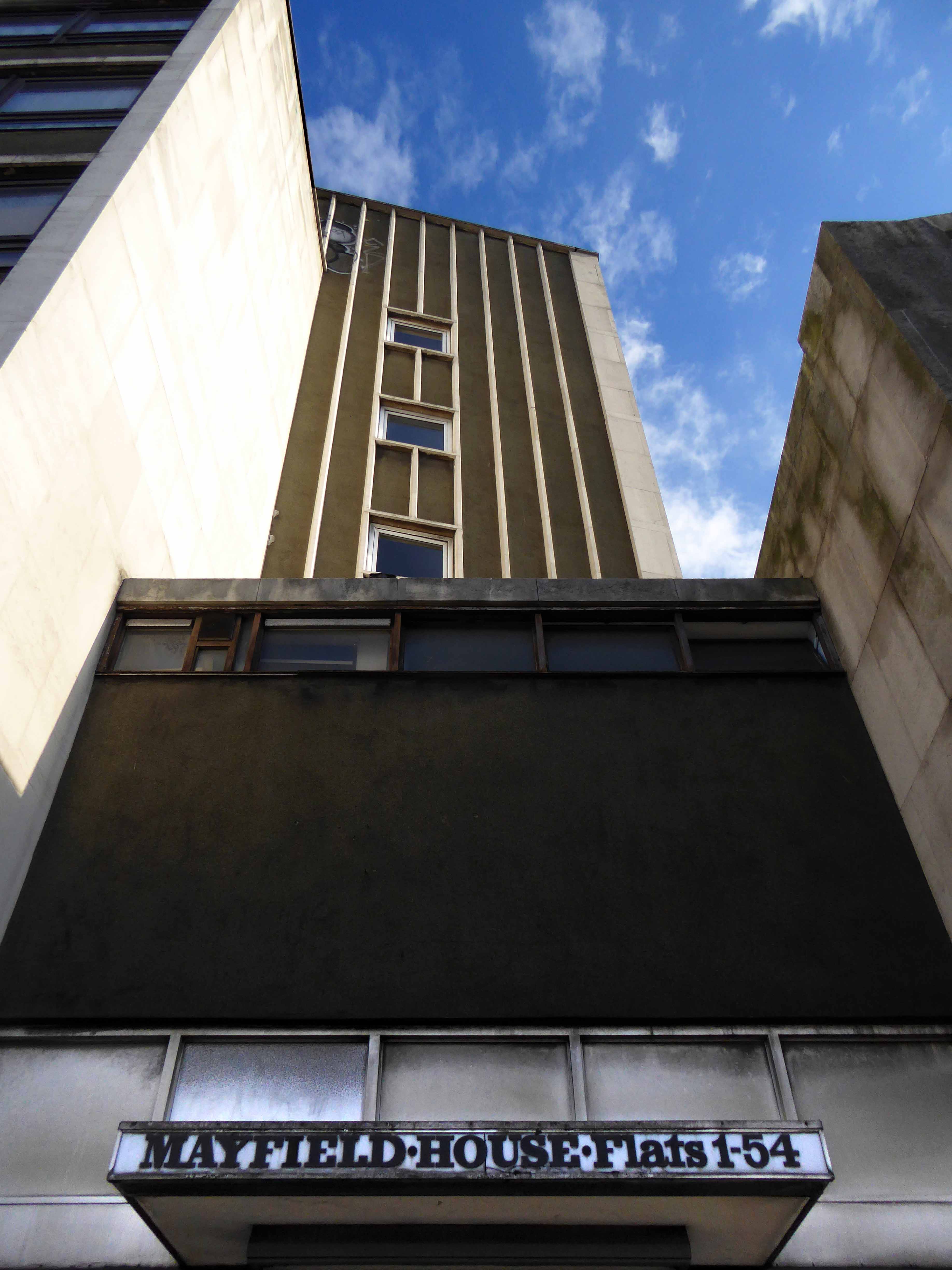
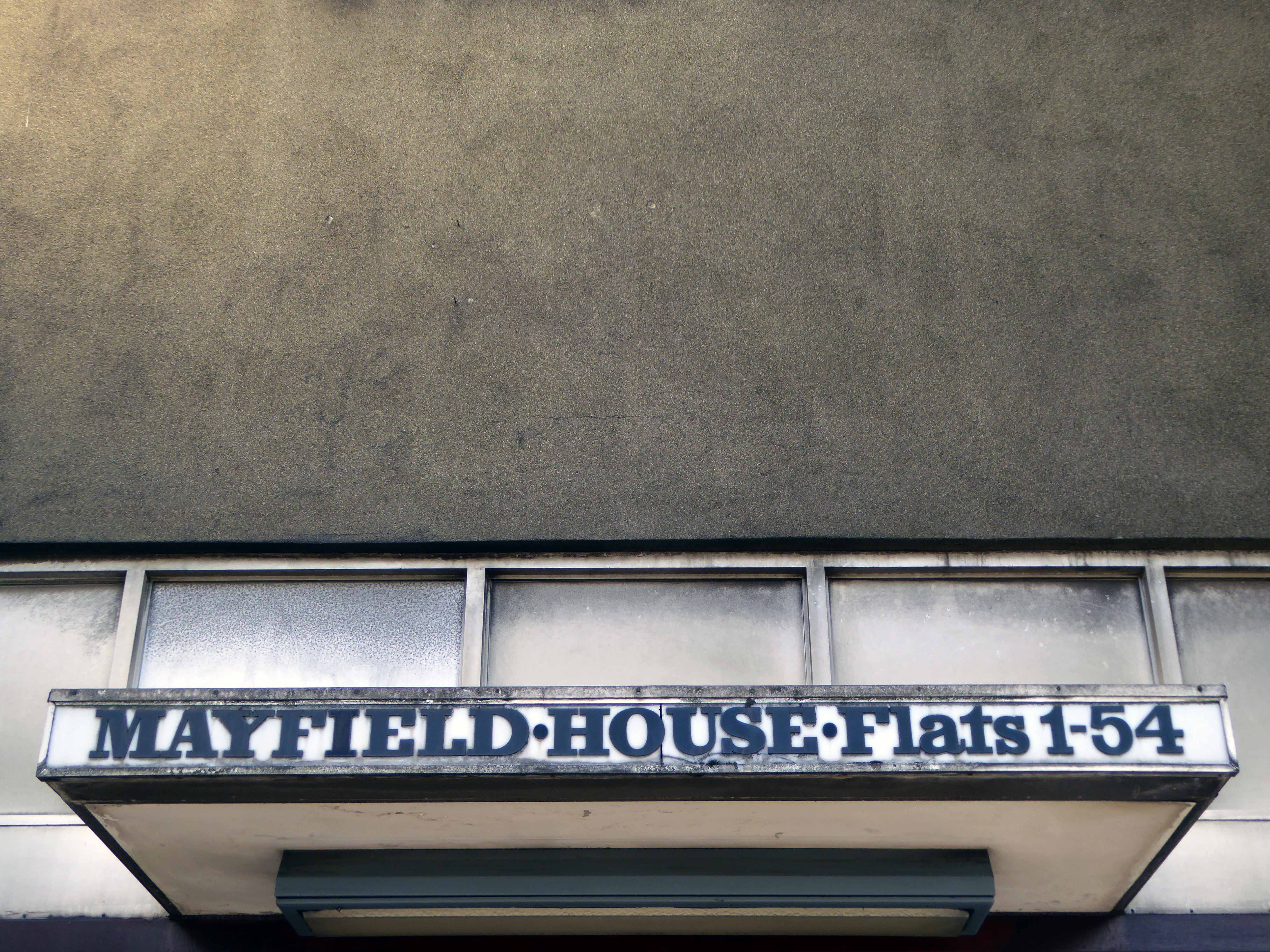
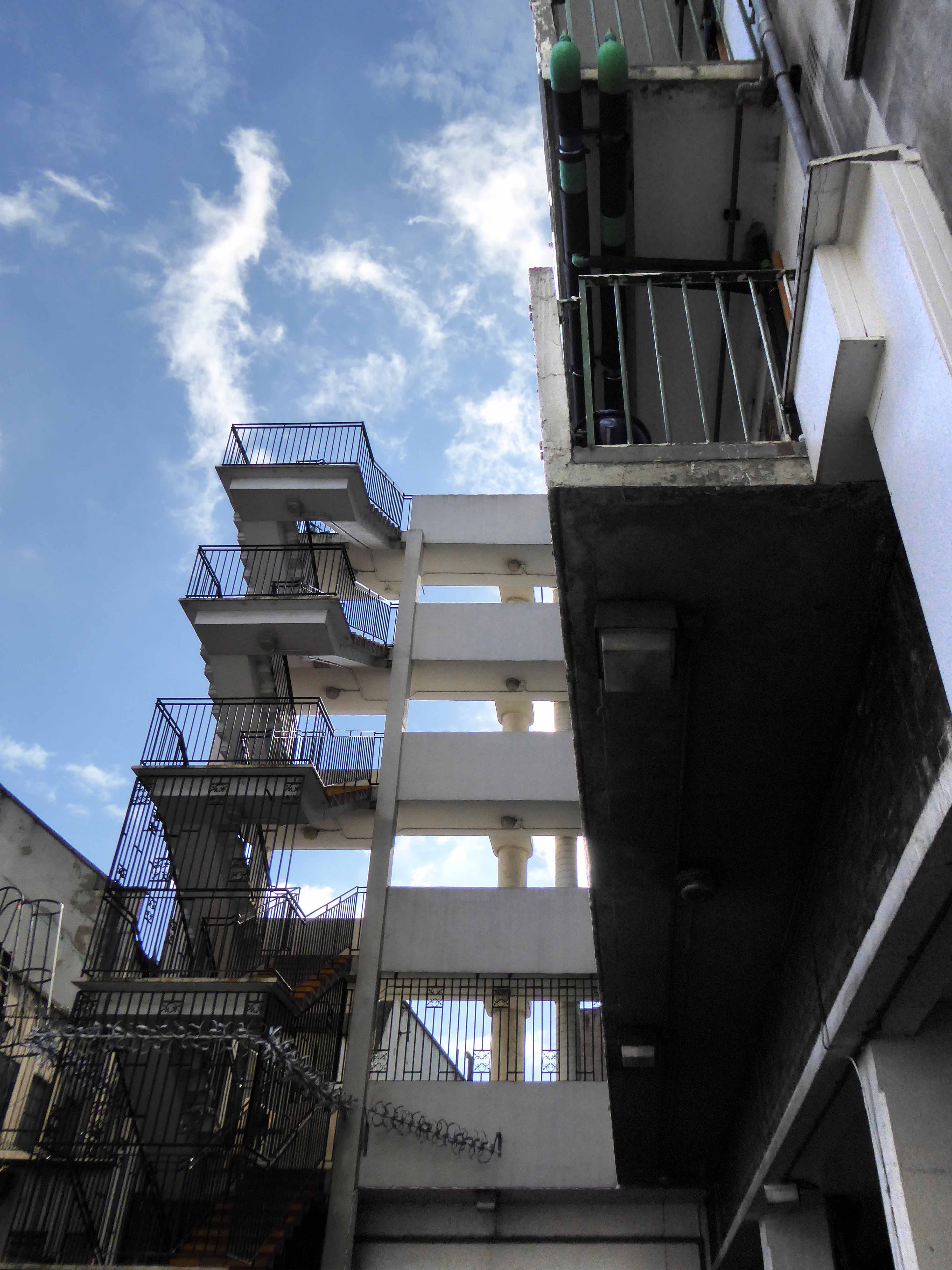
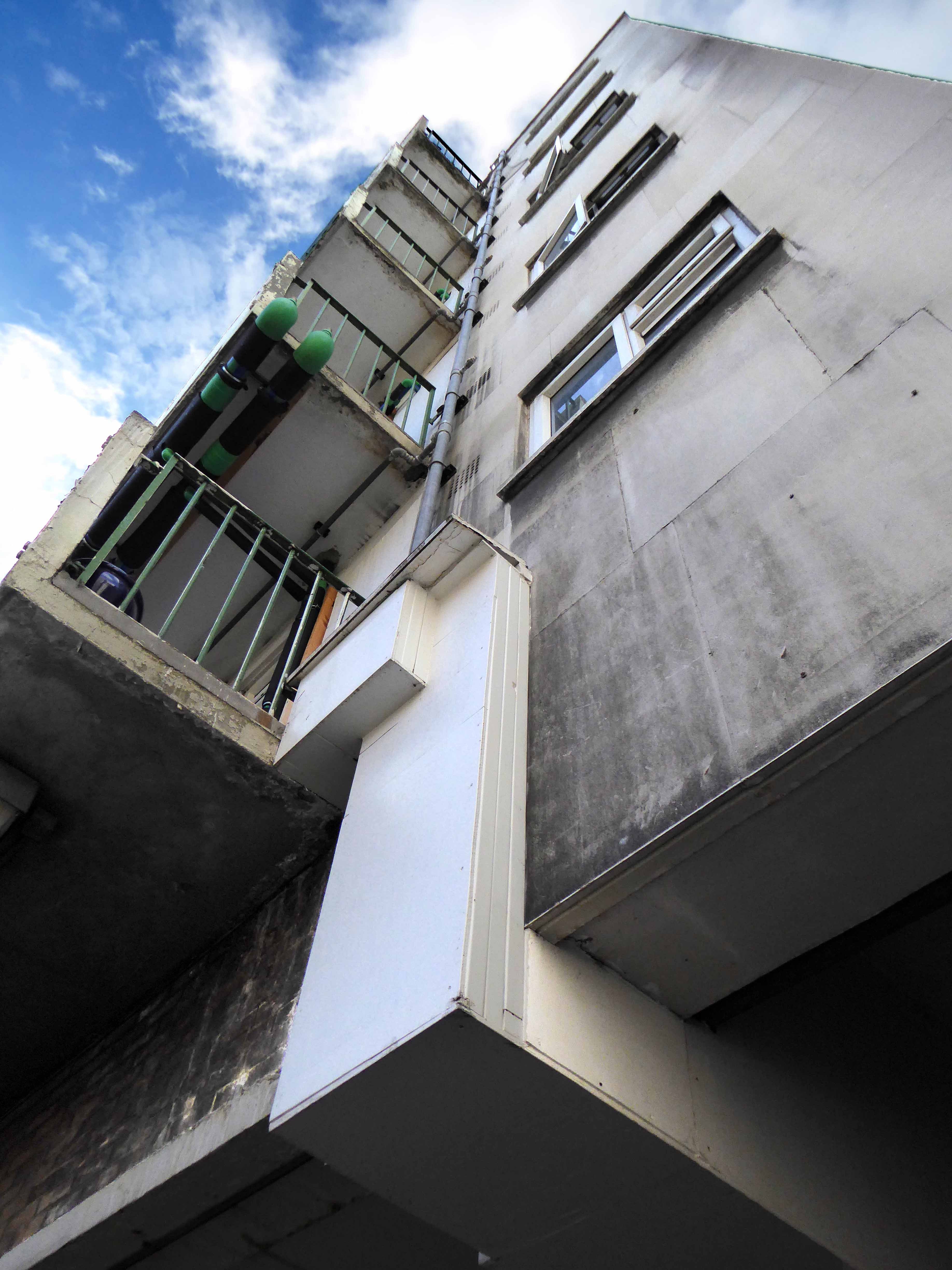
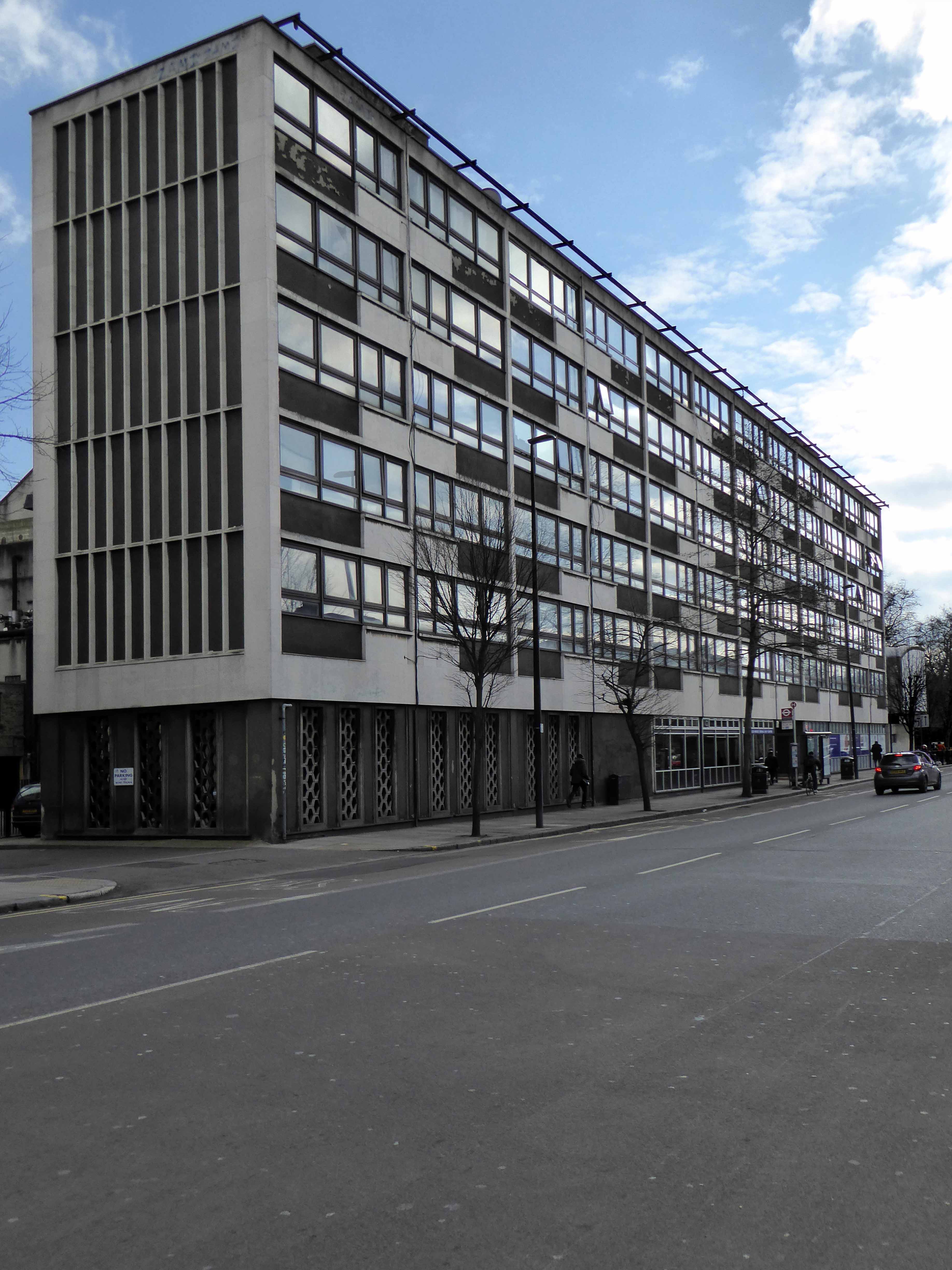
The six-storeyed Mayfield House opened with 54 flats in 1964 on the east side of Cambridge Heath Road, south of the town hall.

Exploring London in an accidental and often tangential manner, often offers many surprises. Ostensibly in search of the V&A Museum of Childhood I tumbled into Mayfield House. The whole area, as can be seen in the above link, is home to several estates and homes, designed by the eminent architects du jour, Mayfield receives no such attribution, possibly the work of the borough office.

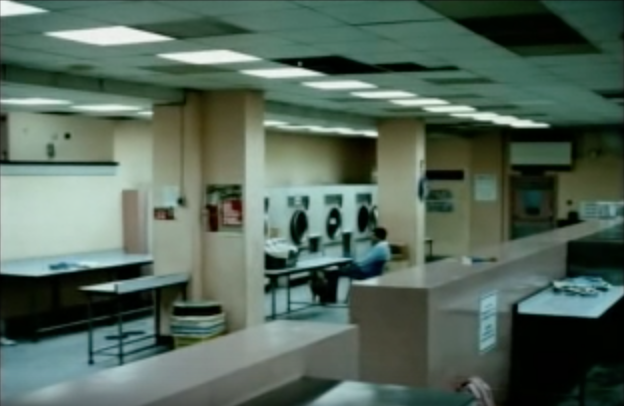
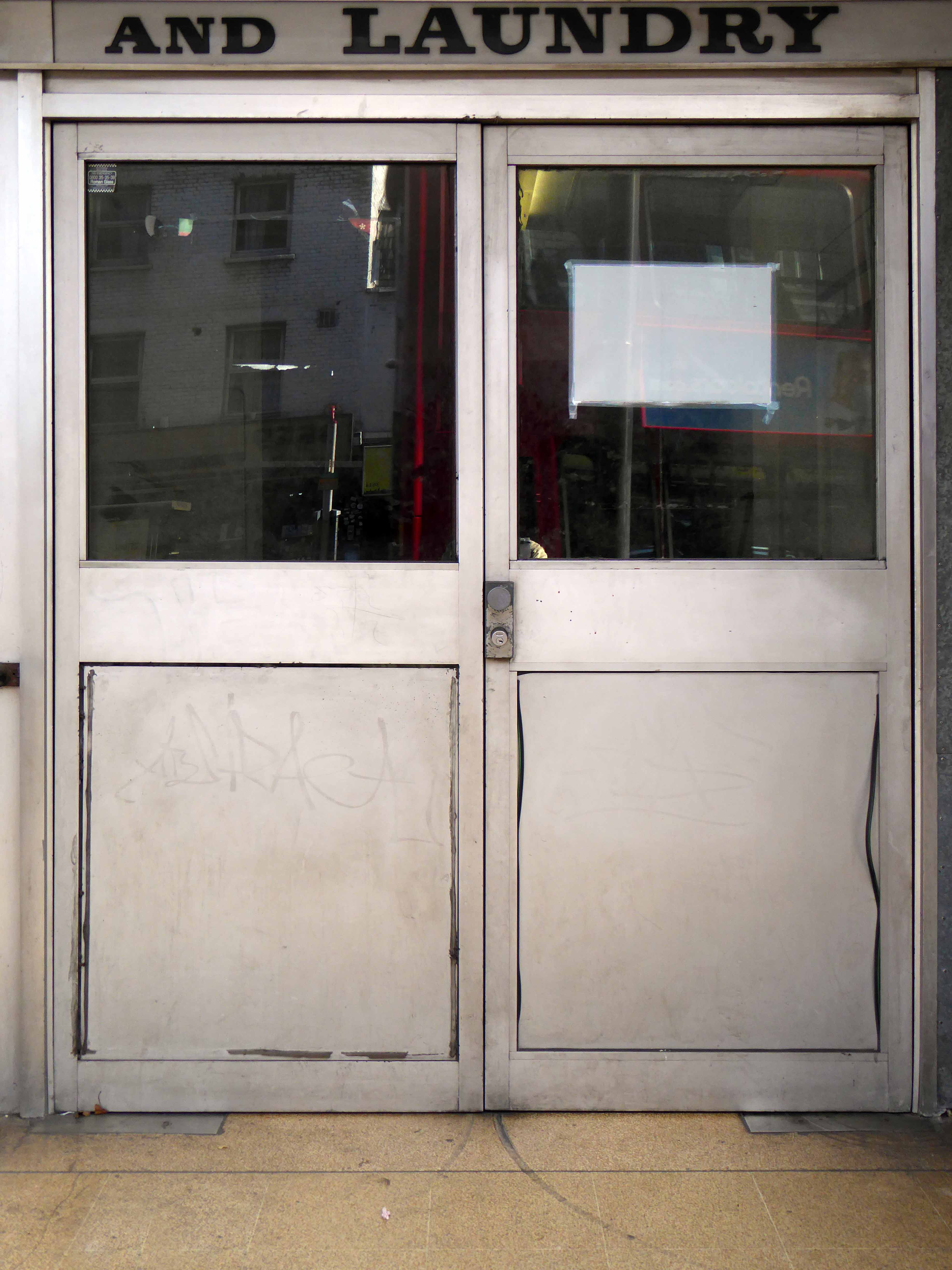
None the worse for that a building of some note, famously housing one of London’s first coin operated laundries, as seen in the promo video for The Streets – Dry your eyes.

Screen Shot 2016-03-17 at 16.35.58

The flats also contain a Somalian Centre, Bethnal Green having been home, for many years to Somali seamen – the subject of a recent photographic exhibition by Sarah Ainslie

DSC_0236

Photographs copyright © Sarah Ainslie

Ali Mohammed Adan – Seaman

“I first came to London by ship in March 1958. I stayed in Aldgate for a night and went to Newport where my cousin had a house. There are many Somalis there. From that day until I retired in 1990, I was in the Merchant Navy, and I brought my family over from Somaliland. In 1970, I moved back to London to Bethnal Green but my wife and daughters chose to stay in Newport.

In Somaliland, I owned over a hundred camels and sheep. Nobody keeps camels anymore, everyone sold them and moved to the city. They say, ‘It’s too much work.’ But keeping camels and sheep and living on a farm, it’s a good life because you eat every day. Everybody wants to do it again now.”


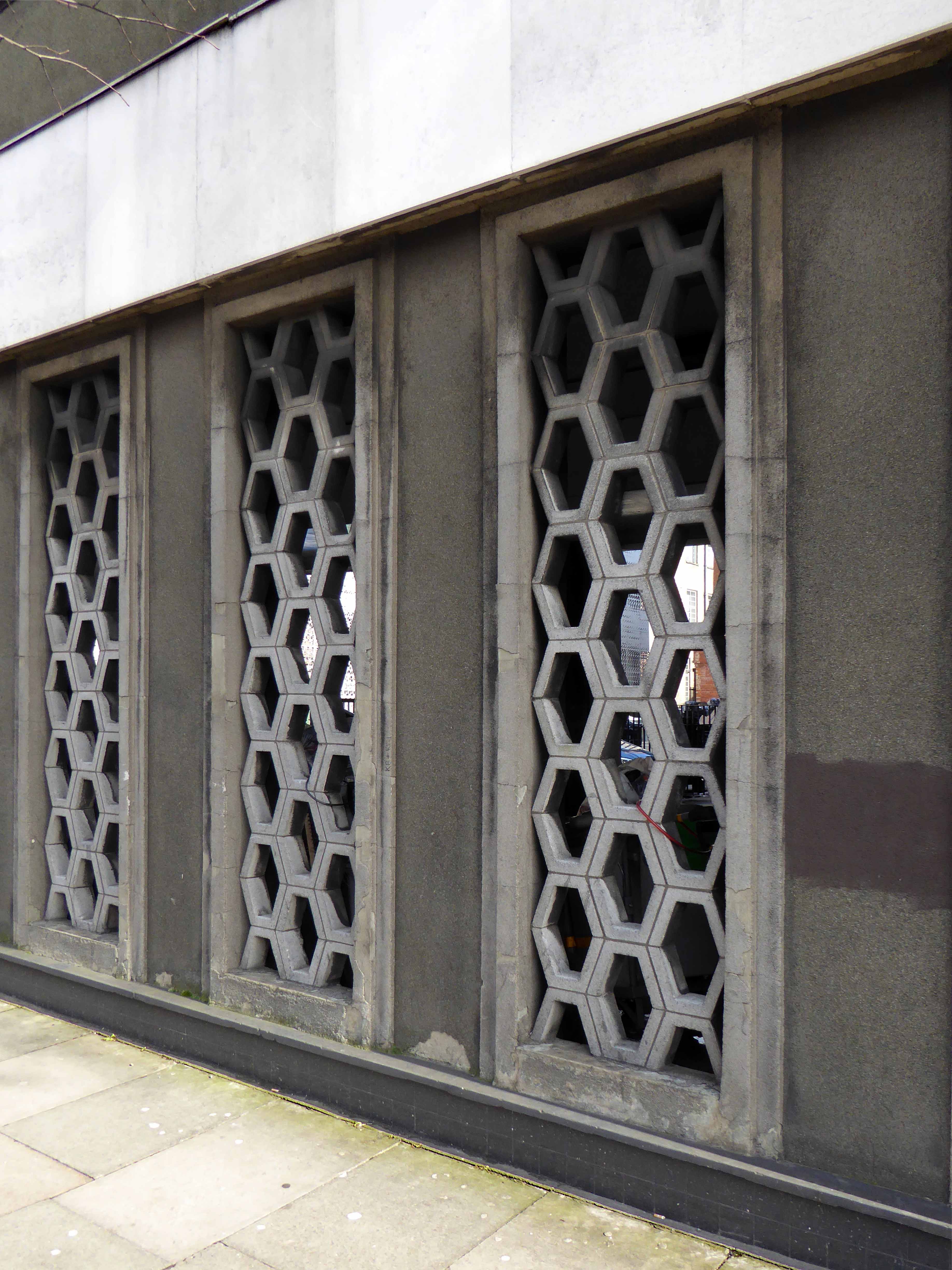
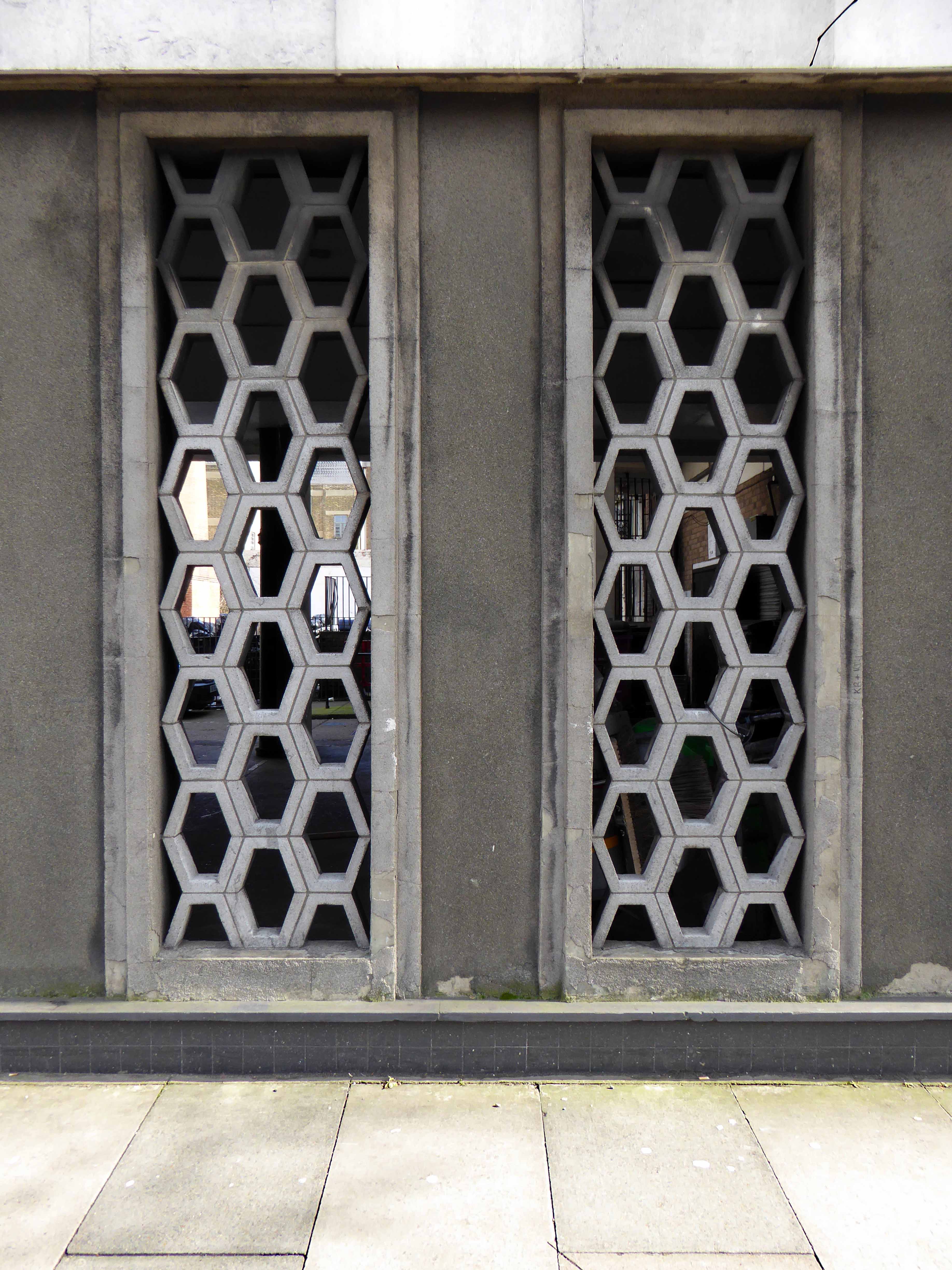
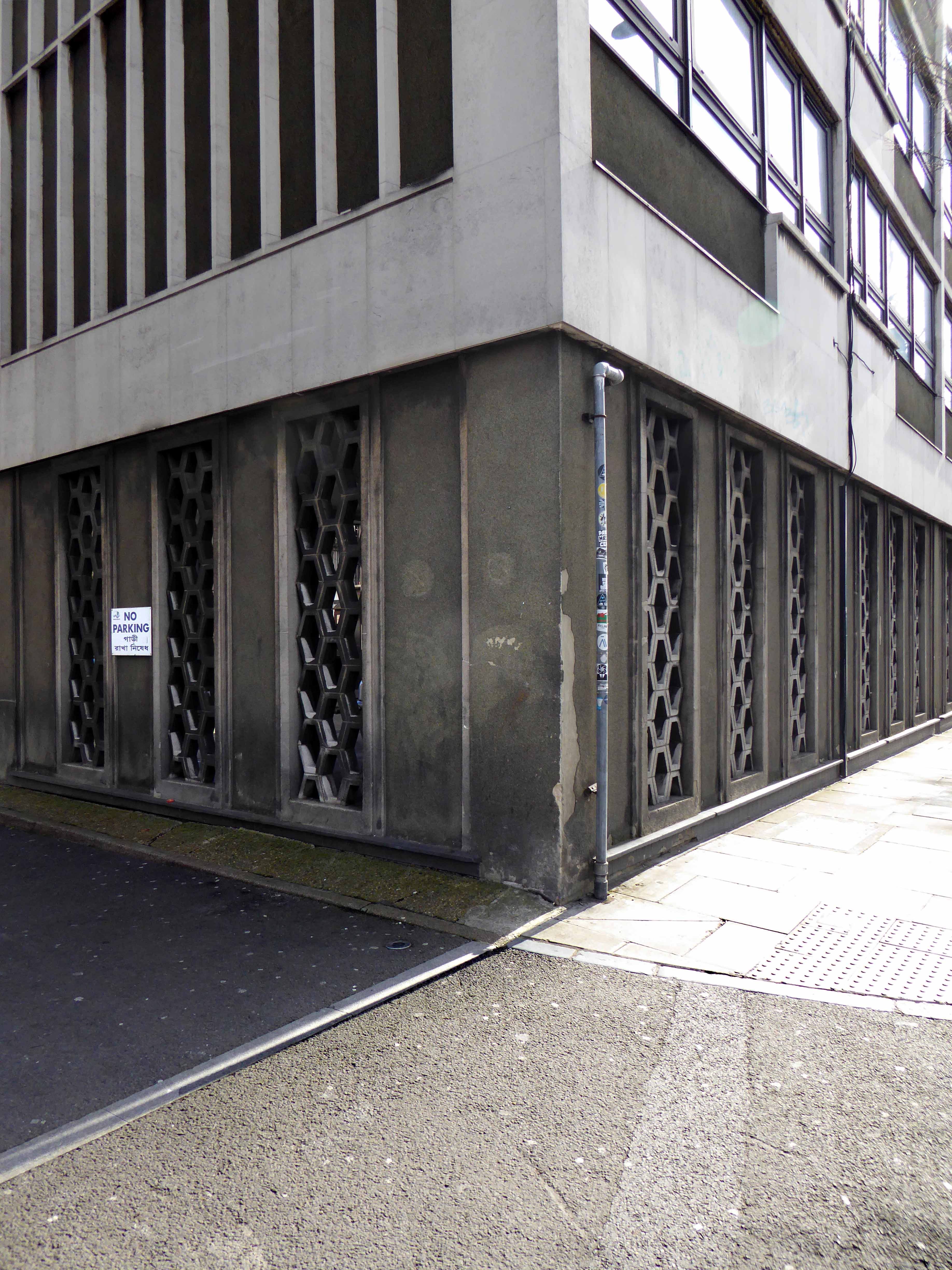
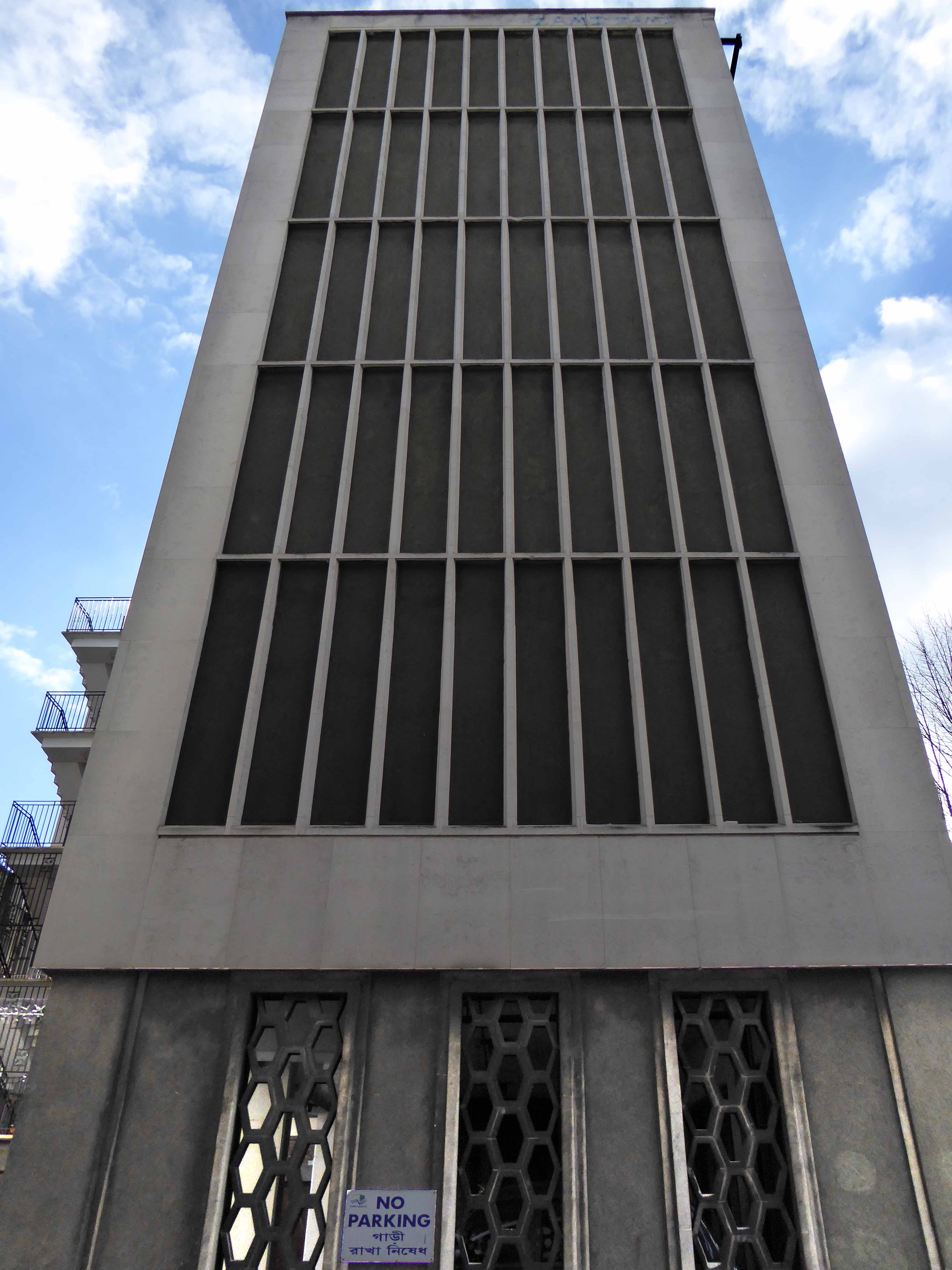
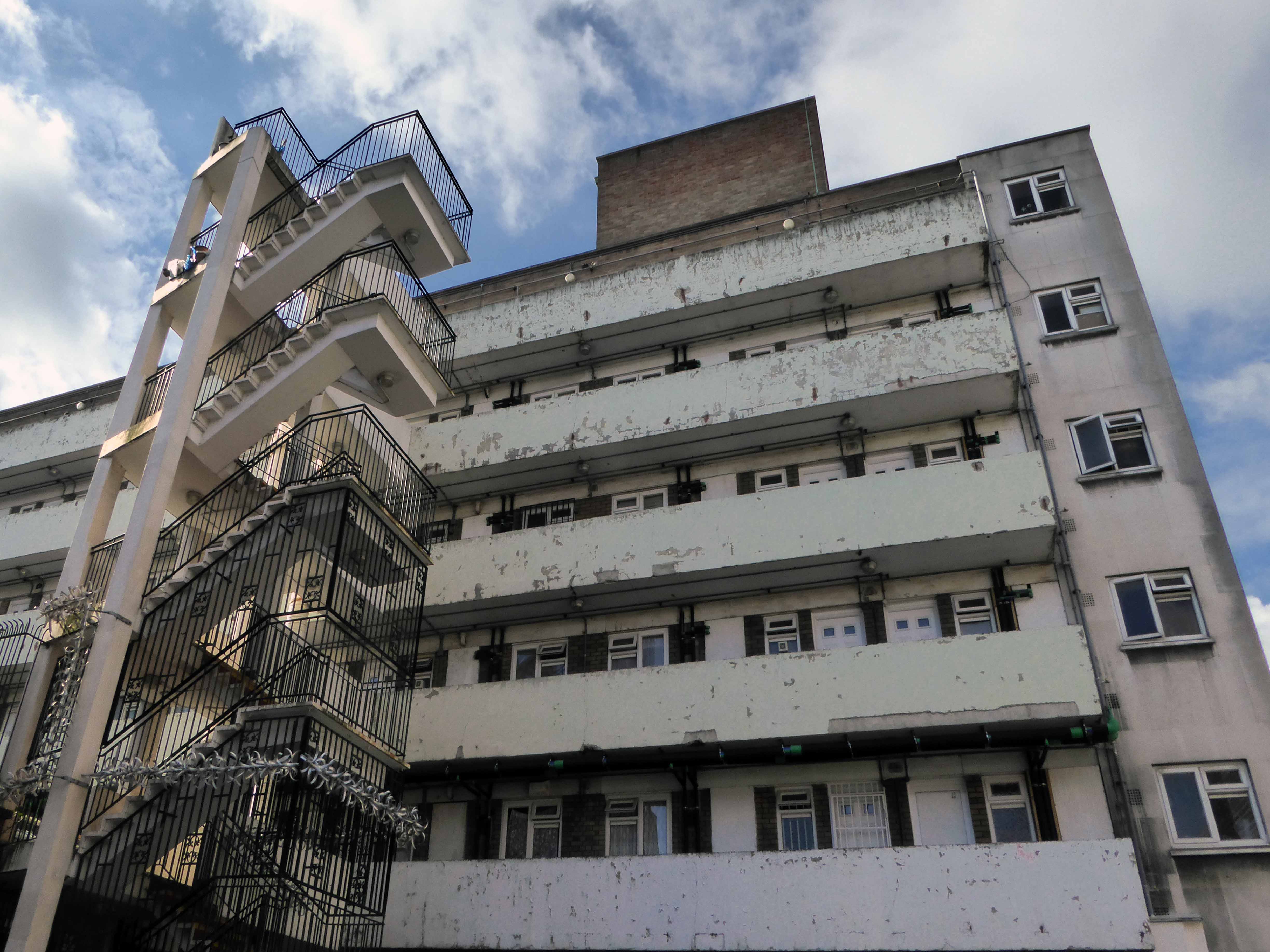
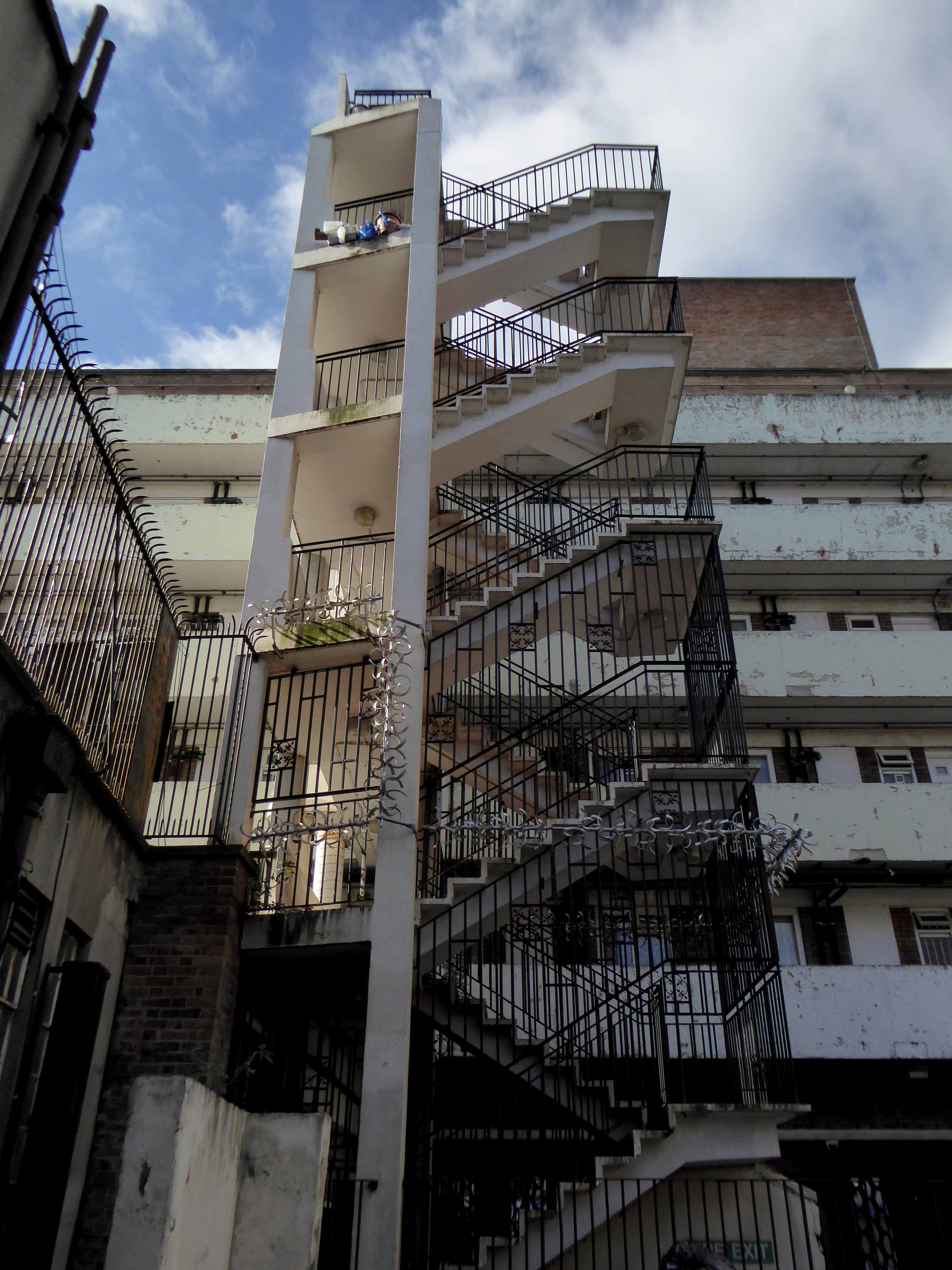
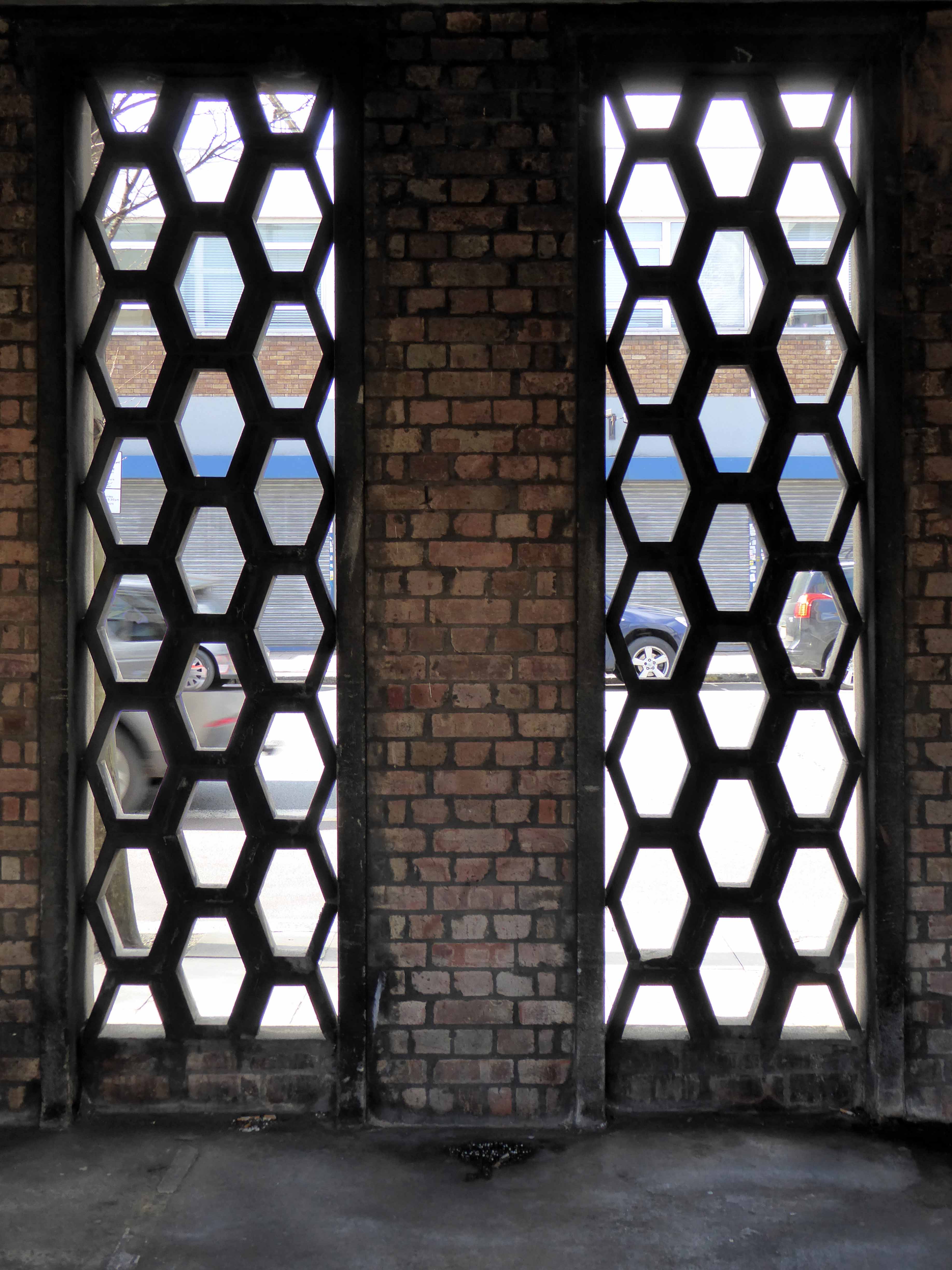
An intriguing structure with a dominant grid on the front elevation, sharp signage, extravagant exterior rear stairs, modular concrete screened, low-level car parking and a recently enclosed glassed gallery.

2686397_93fb4162


London – city of surprising surprises.


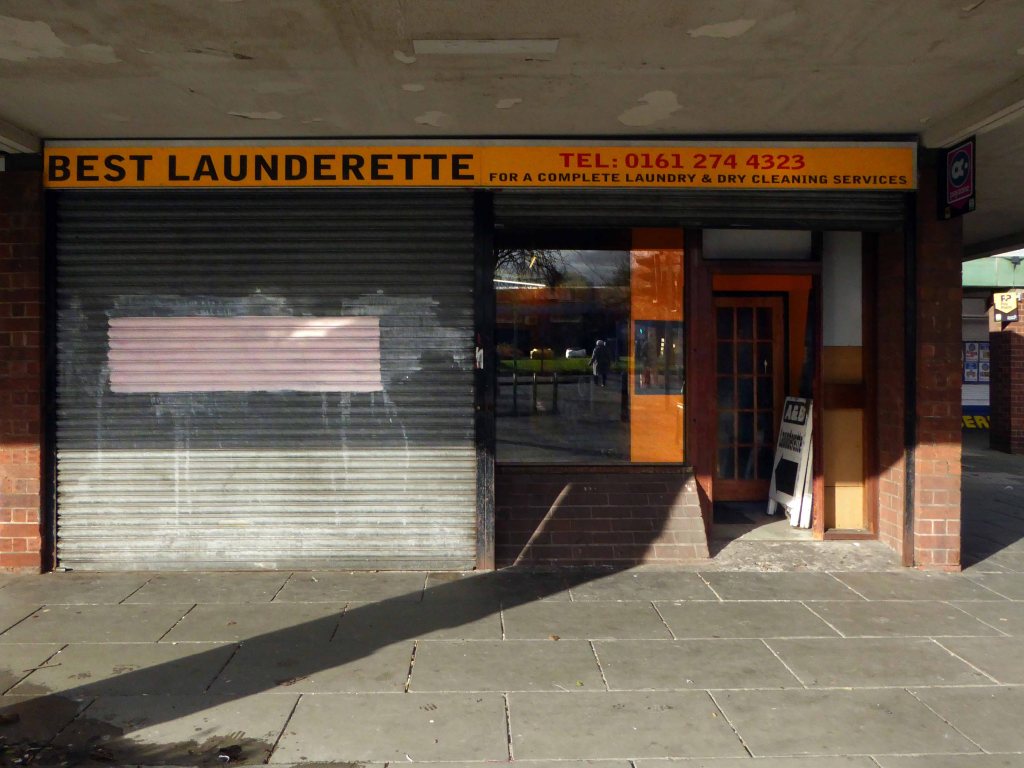
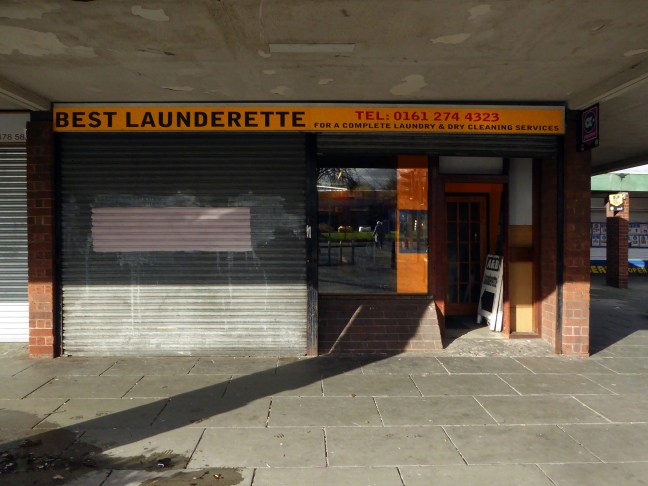
Best Launderette – Brunswick Street Manchester

I was out walking on the corner one day.

I spied some old washing.

In the doorway it lay.

Well there was a doorway, but no door.

There was a door, but not attached to the doorway.

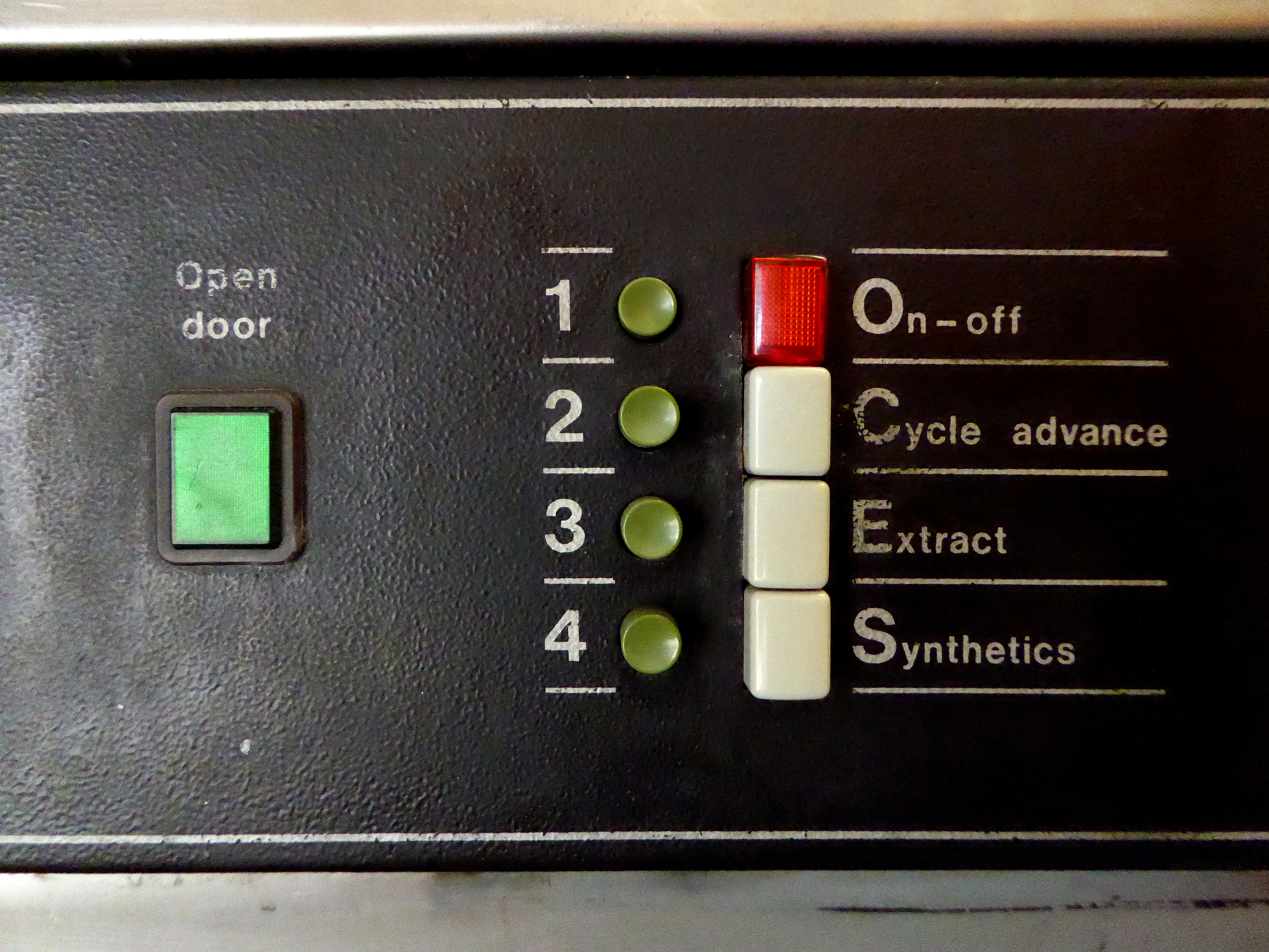
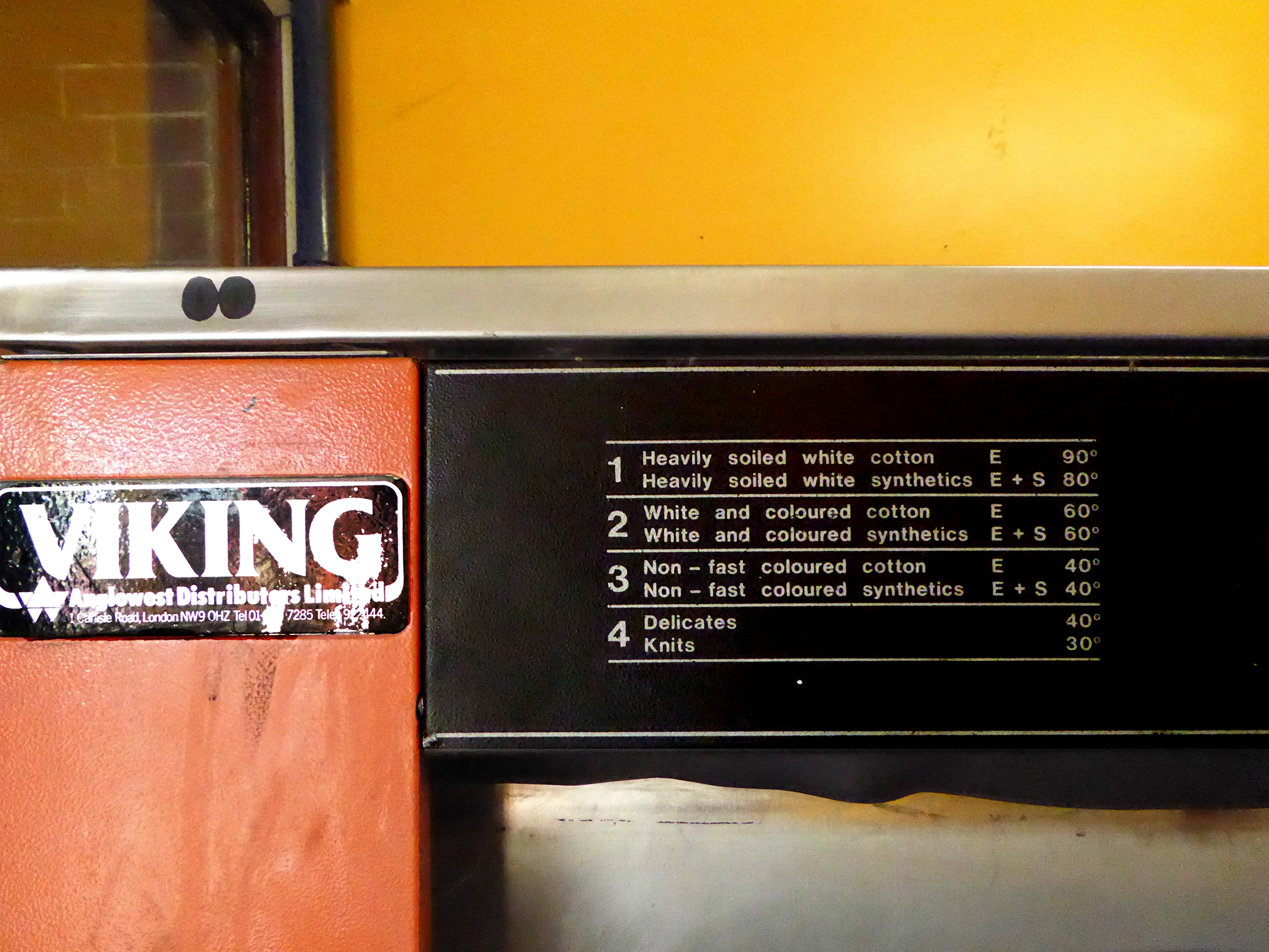
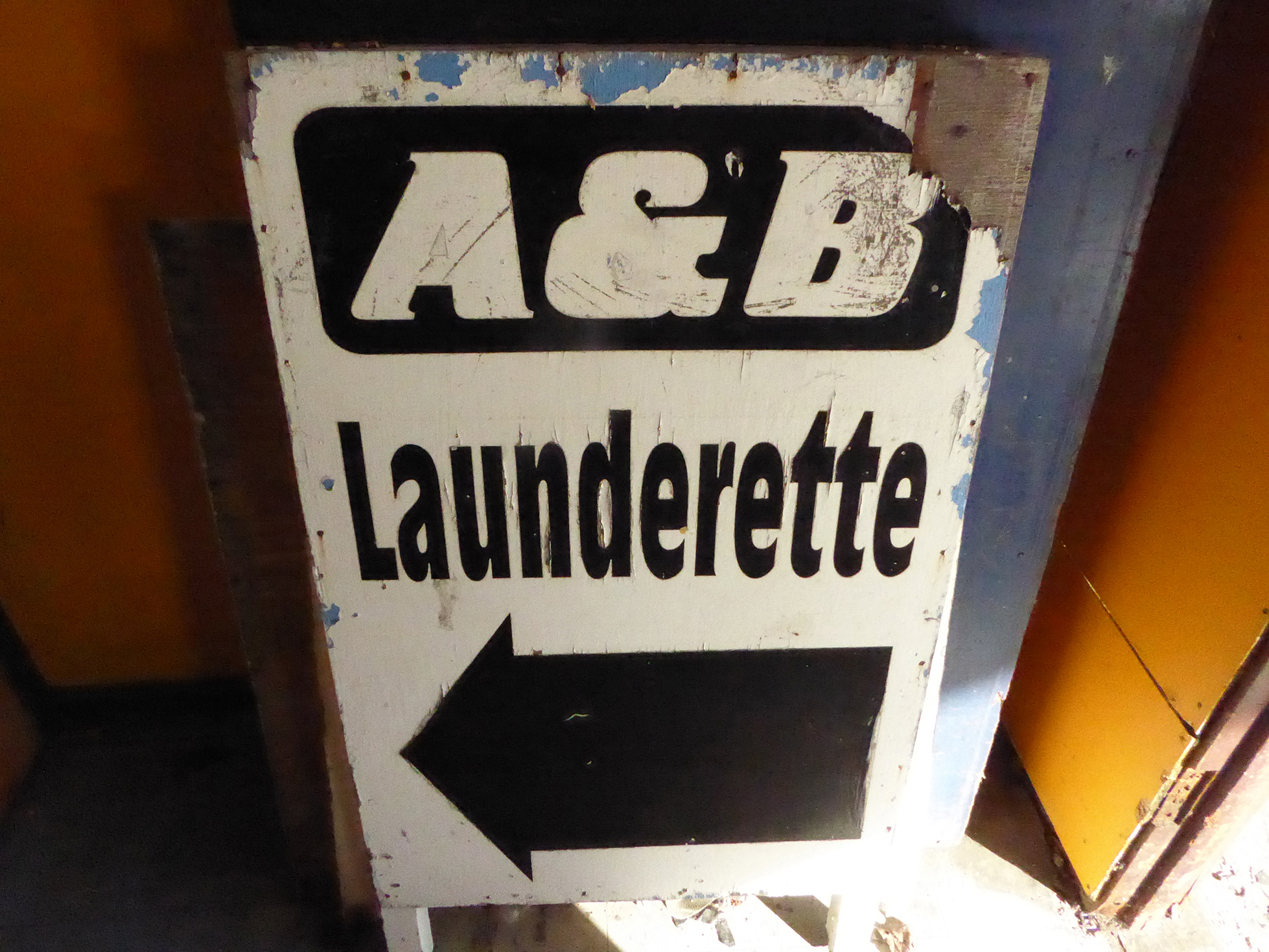
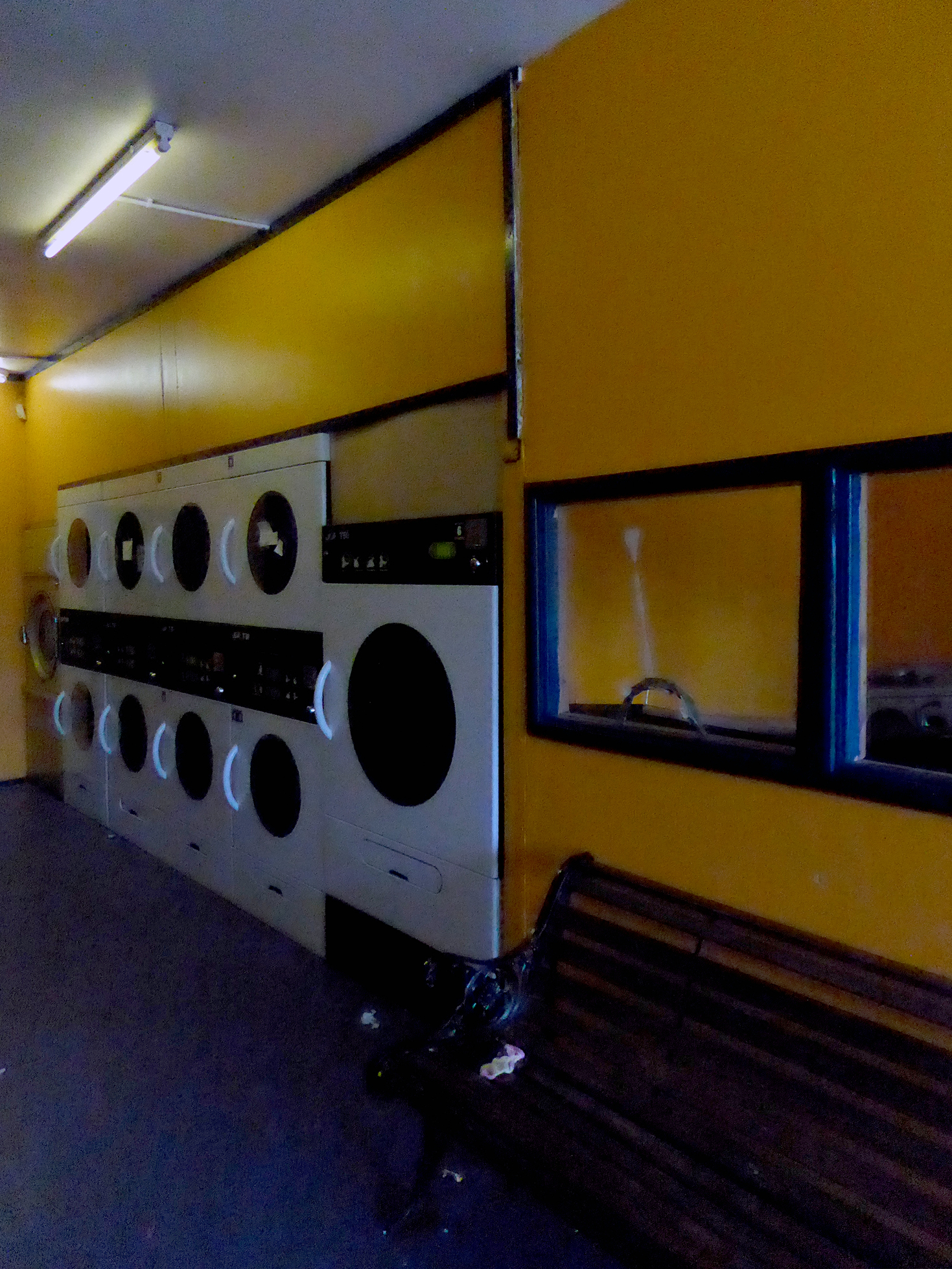
Well there was washing, I had inadvertently found the Best Laundrette.

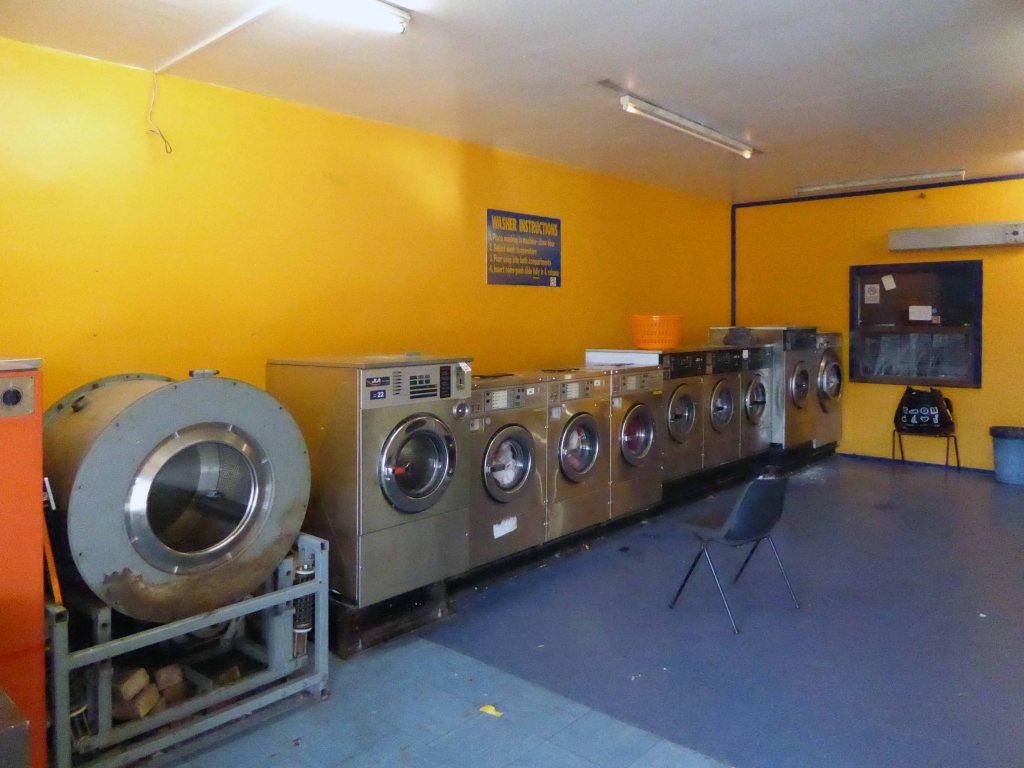
Unattended, seemingly unloved, washing spinning happily, unobserved.

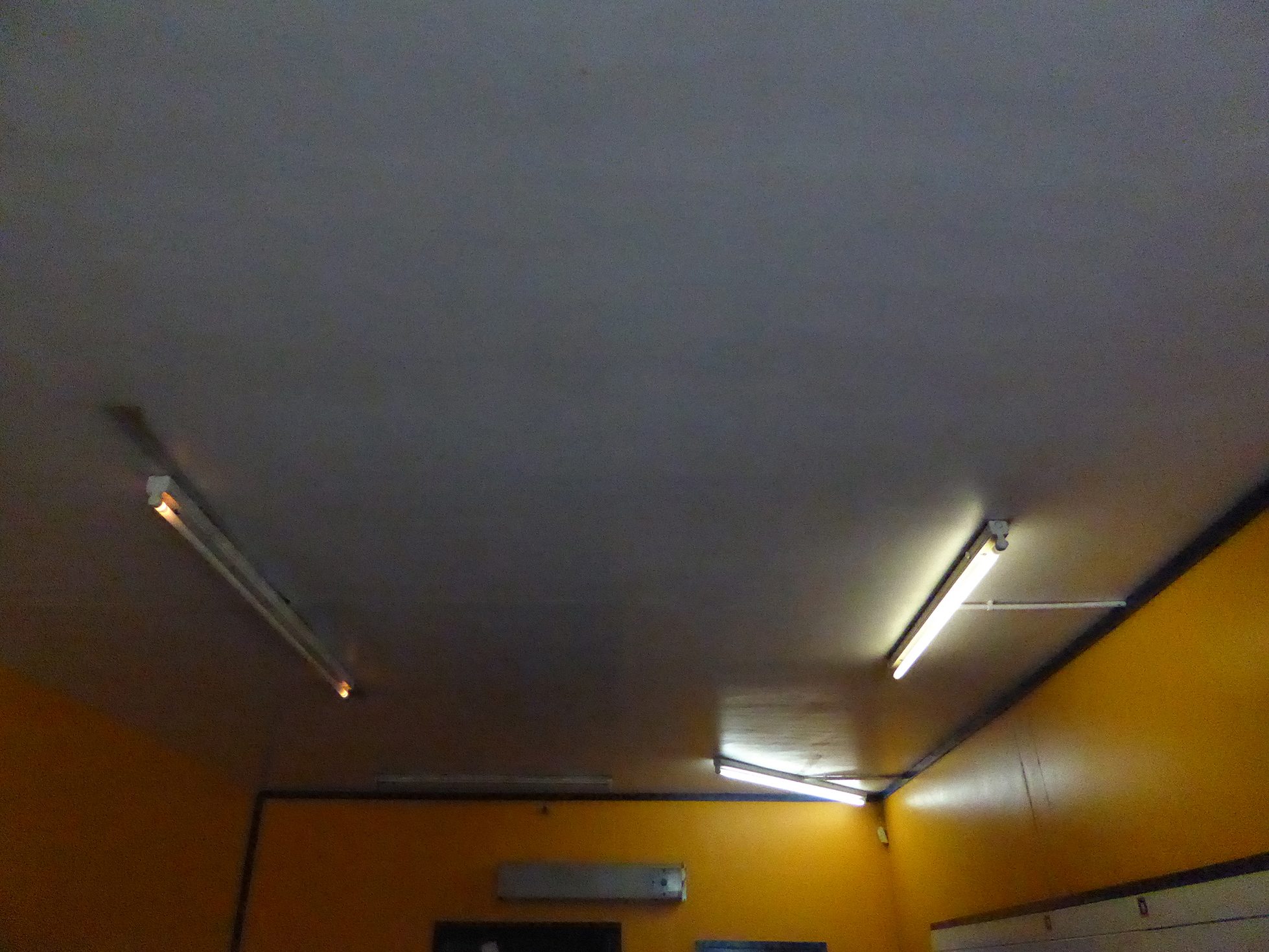
Guantanamo orange walls, stormy petrol blue sky linoleum floor.

Lit by several stark, bare fluorescent tubes.

I quickly went about my business, made my excuses to myself and left.


P1000922 copy

P1000928 copy

P1000920 copy

P1000924 copy

P1000937 copy

P1000935 copy

P1000931 copy

P1000932 copy

P1000927 copy

P1000918 copy

P1000930 copy

P1000919 copy

P1000917 copy

P1000943 copy

P1000921 copy

P1000942 copy

P1000923 copy

P1000936 copy

P1000934 copy

P1000939 copy

P1000933 copy

P1000952 copy

P1000949 copy

P1000948 copy

P1000945 copy

P1000962 copy

P1000957 copy

P1000944 copy

P1000950 copy

P1000959 copy

P1000954 copy

P1000958 copy

P1000961 copy

P1000938 copy

P1000947 copy

P1000946 copy


Launderette – Stalybridge

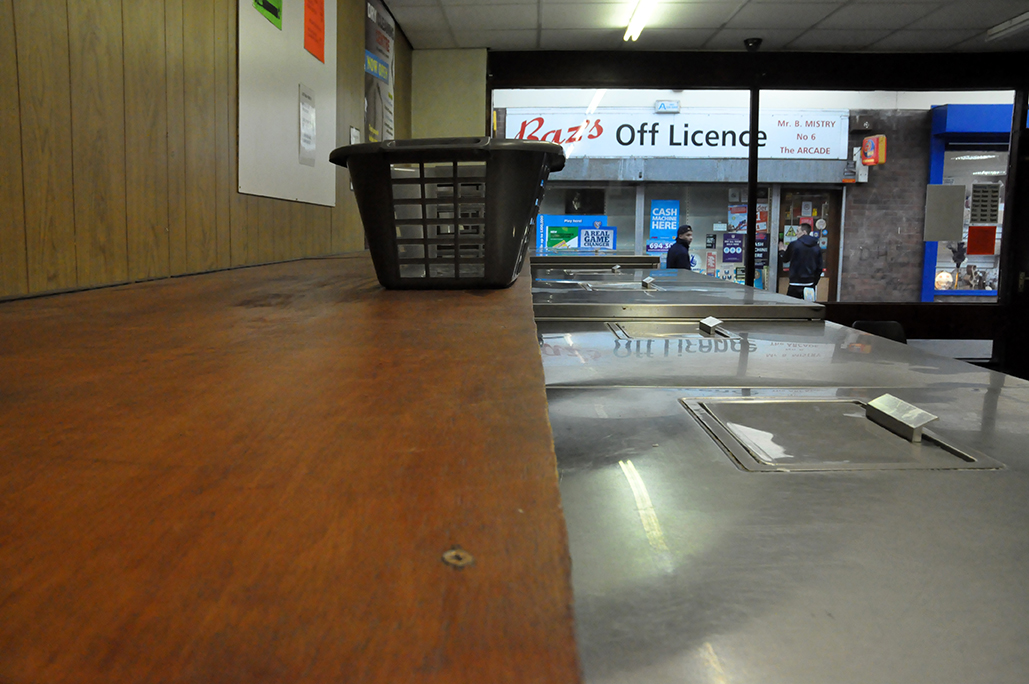
Tucked away in an arcade, far from Arcadian – not far from Baz’s Off Licence.

The launderette.

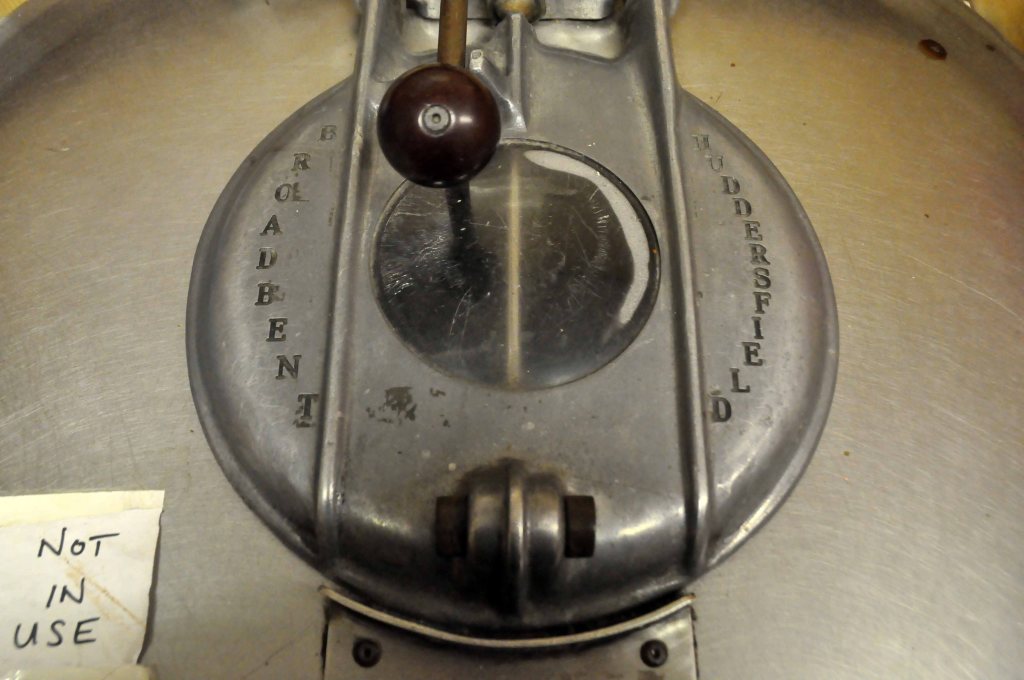
Yet another testament to the partial persistence of industrial technology.

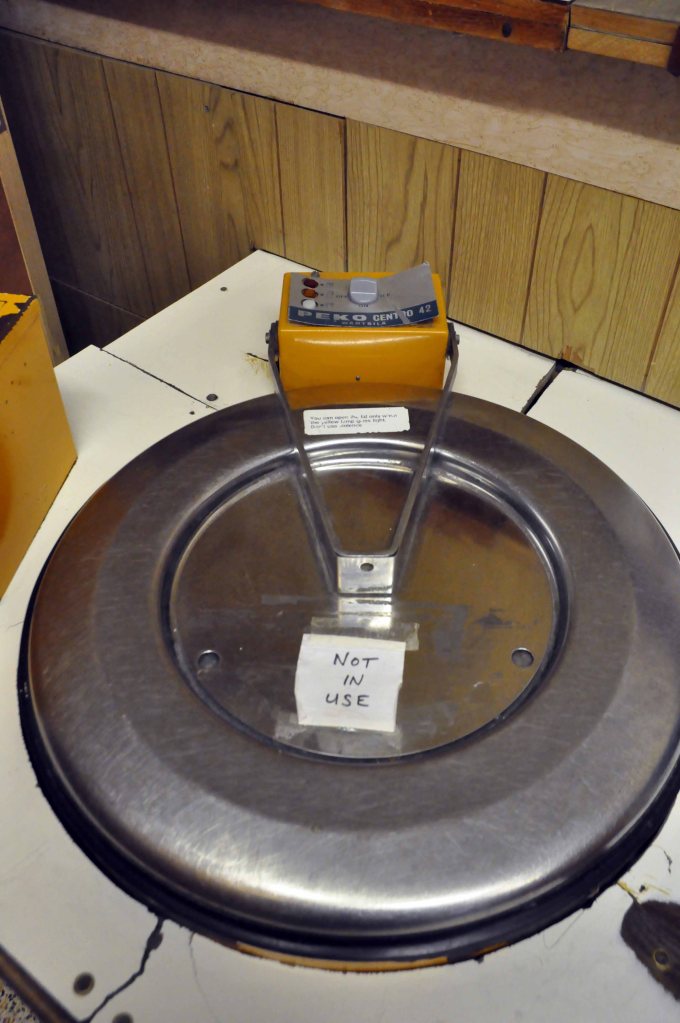
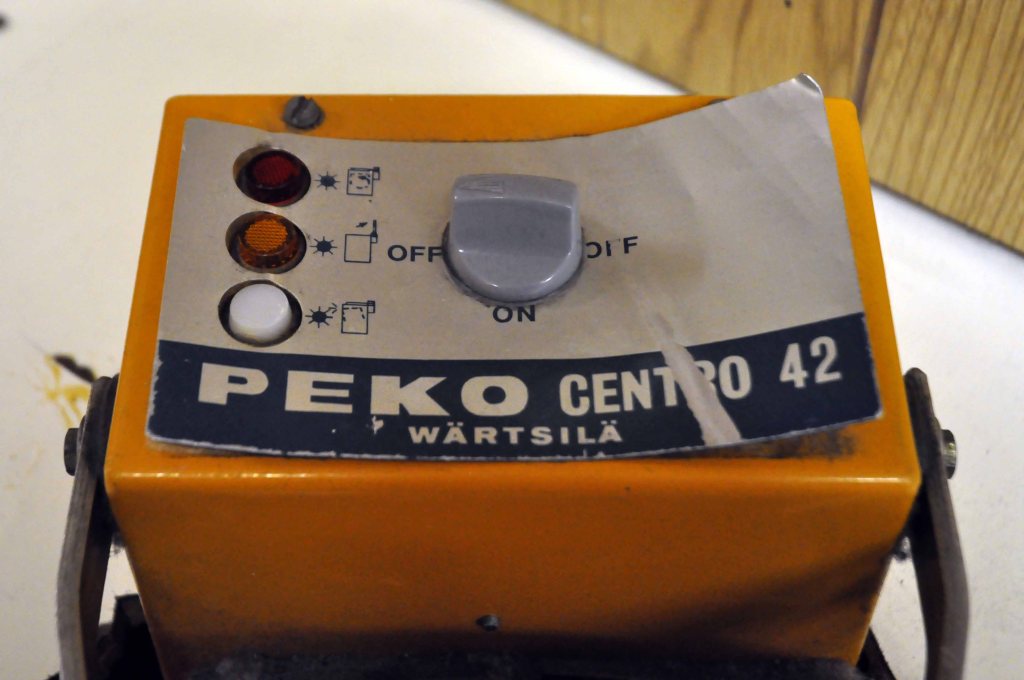
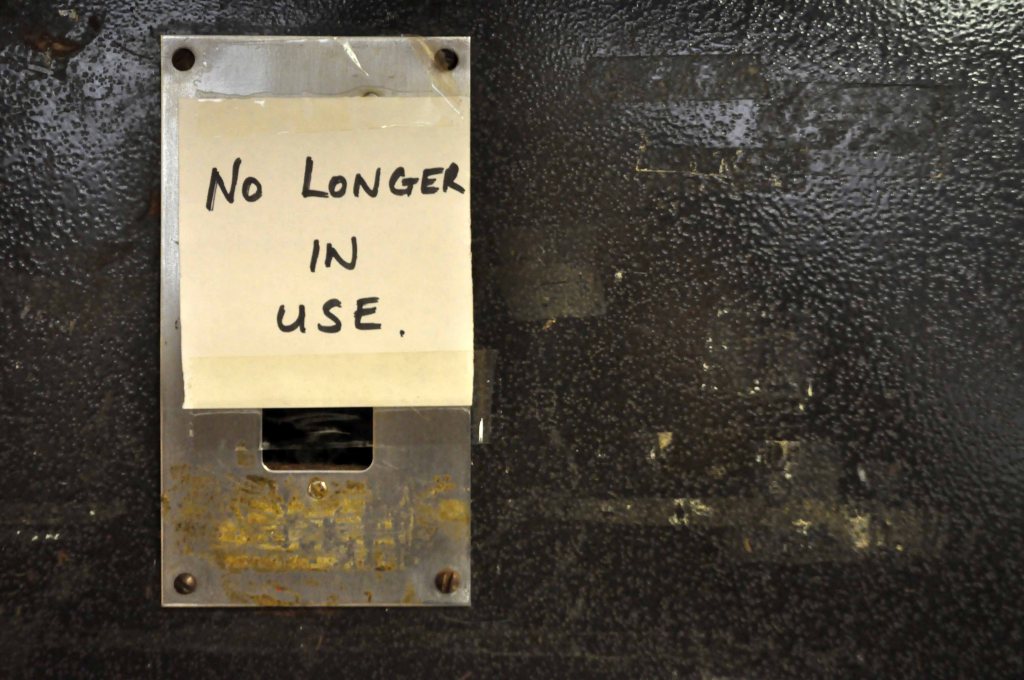
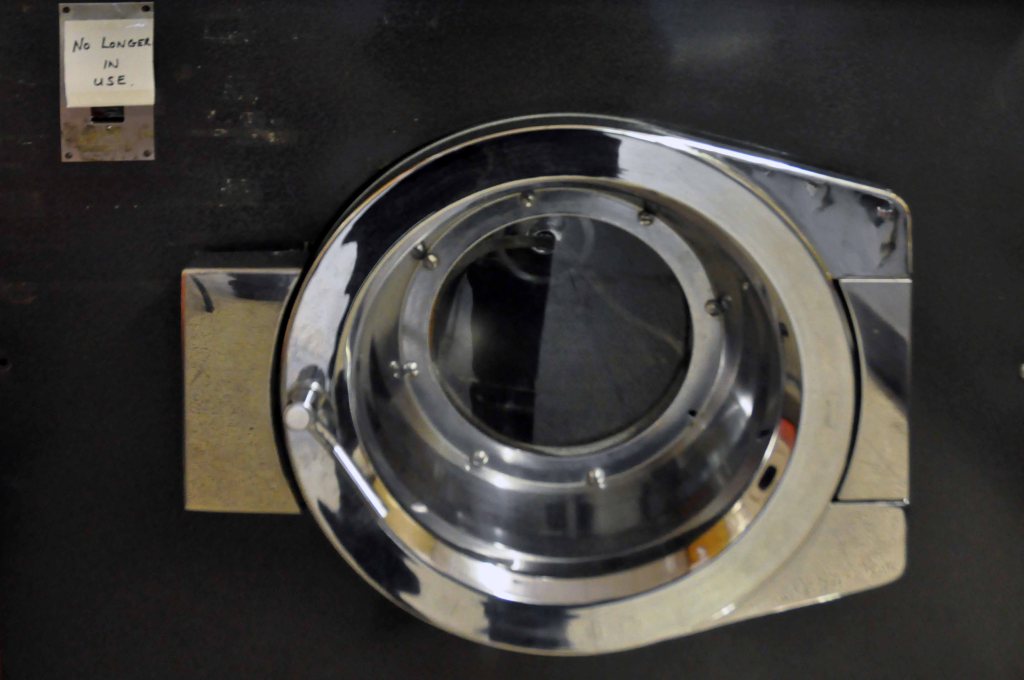
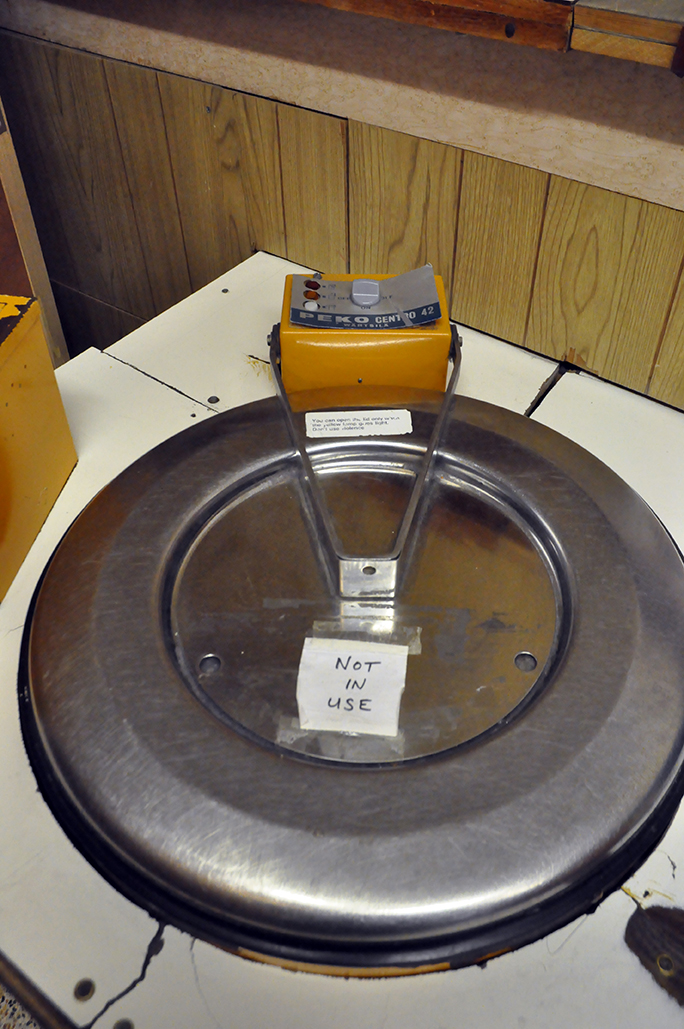
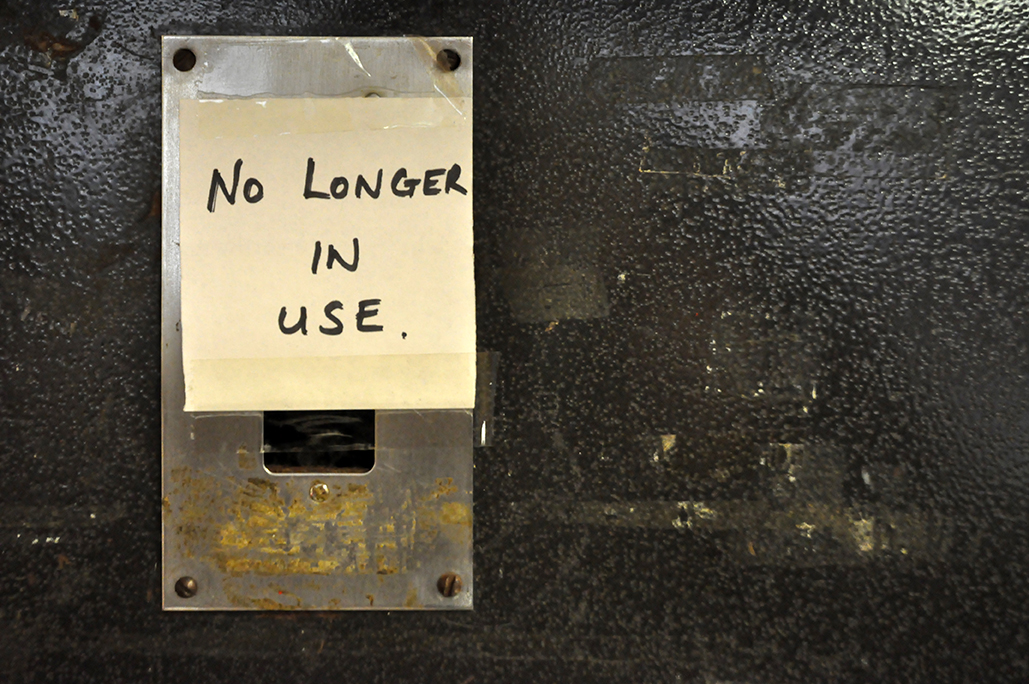
No Longer in Use.

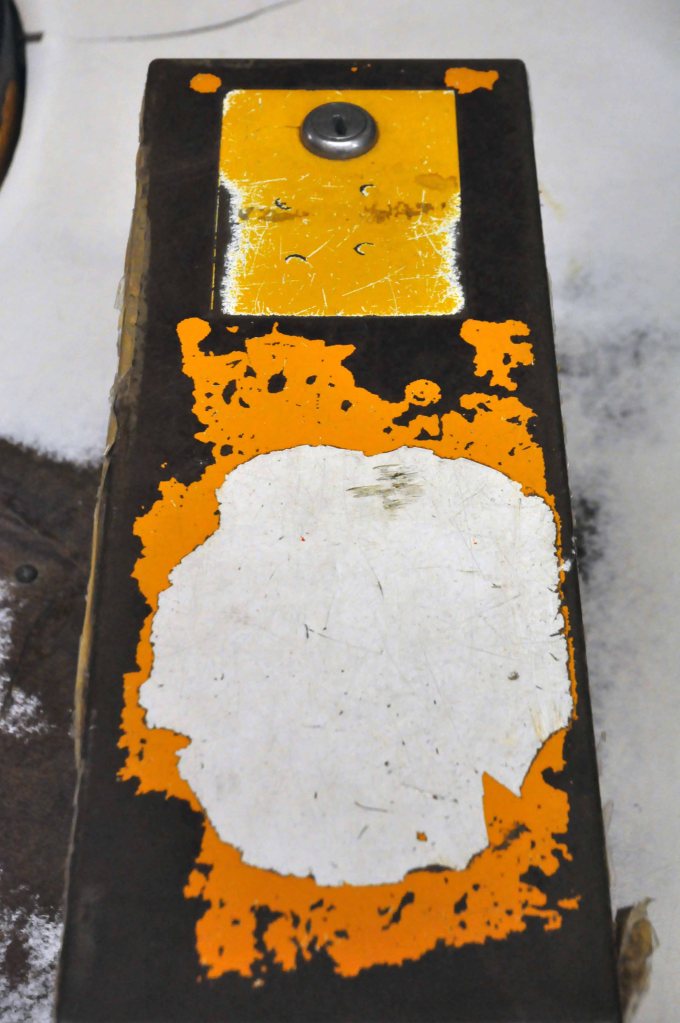
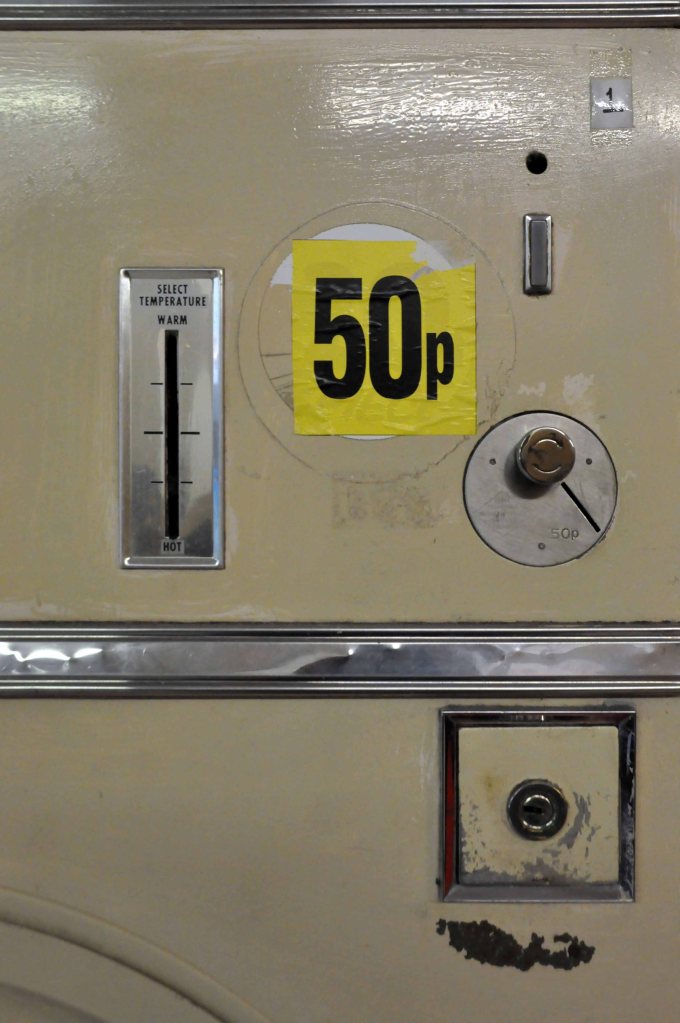
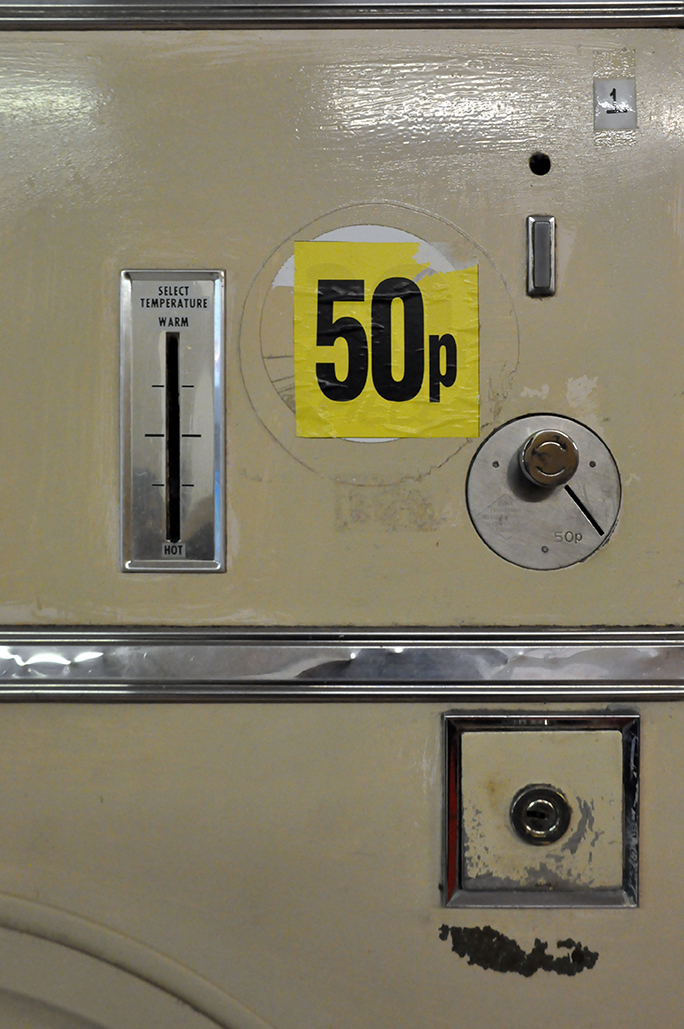
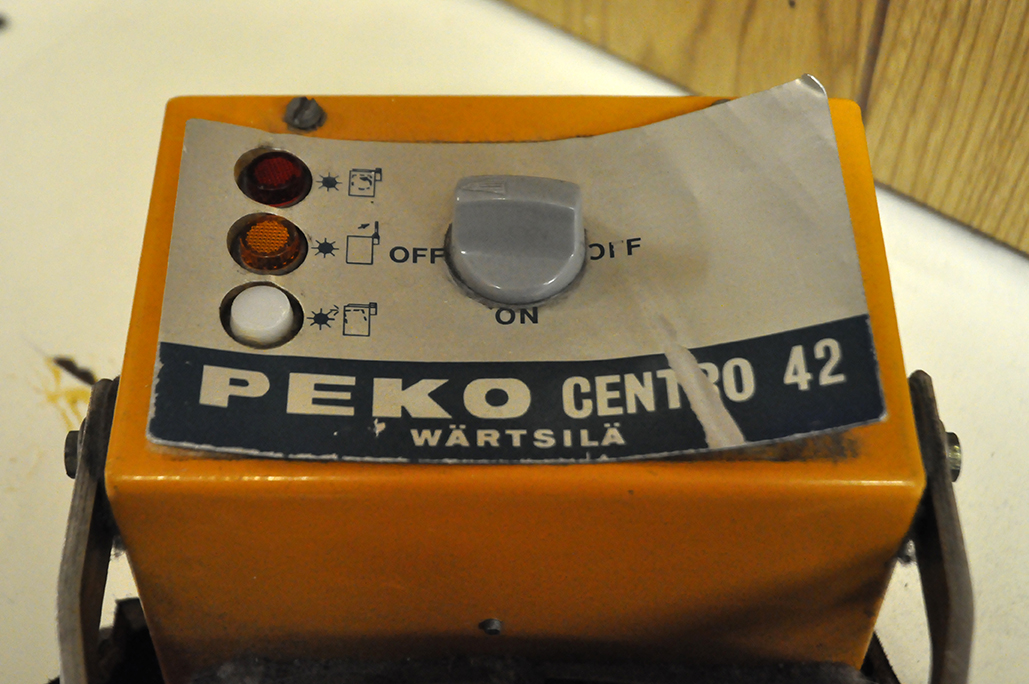
A happy hotch-potch of signs, surfaces and sixties design.

Informal formica, stripped bare strip lighting, wobbly laminate walls.

Watch and wait, whilst the World and your washing whirl.


DSC_0073 copy

DSC_0074 copy

DSC_0075 copy

DSC_0072 copy

DSC_0098 copy

DSC_0084 copy

DSC_0076 copy

DSC_0091 copy

DSC_0089 copy

DSC_0096 copy

DSC_0088 copy

DSC_0078 copy

DSC_0086 copy

DSC_0080 copy

DSC_0094 copy

DSC_0082 copy

DSC_0081 copy

DSC_0097 copy

DSC_0083 copy

DSC_0077 copy

DSC_0101 copy

DSC_0100 copy

DSC_0085 copy

DSC_0079 copy

DSC_0092 copy

DSC_0090 copy

DSC_0093 copy

DSC_0102 copy


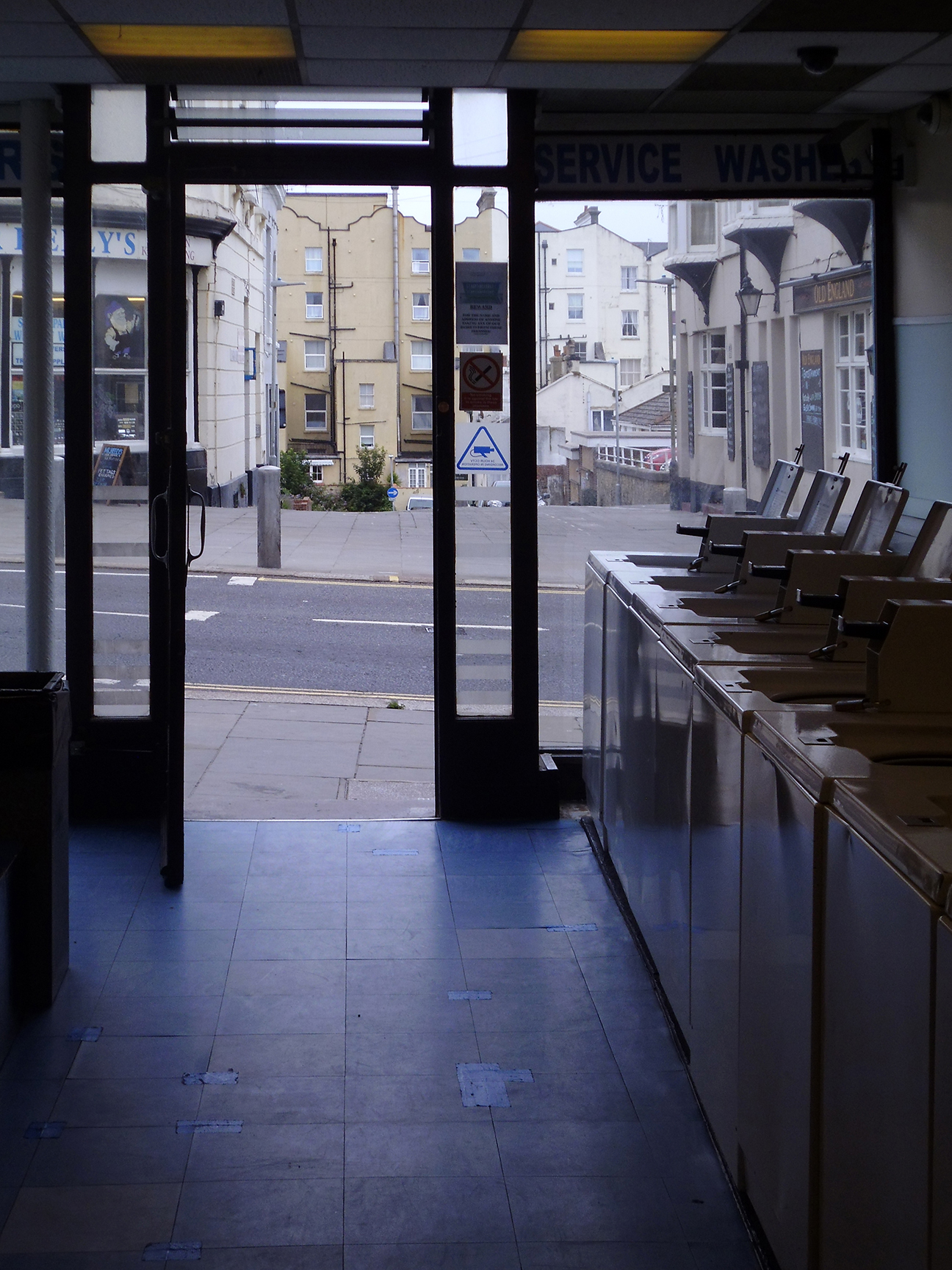
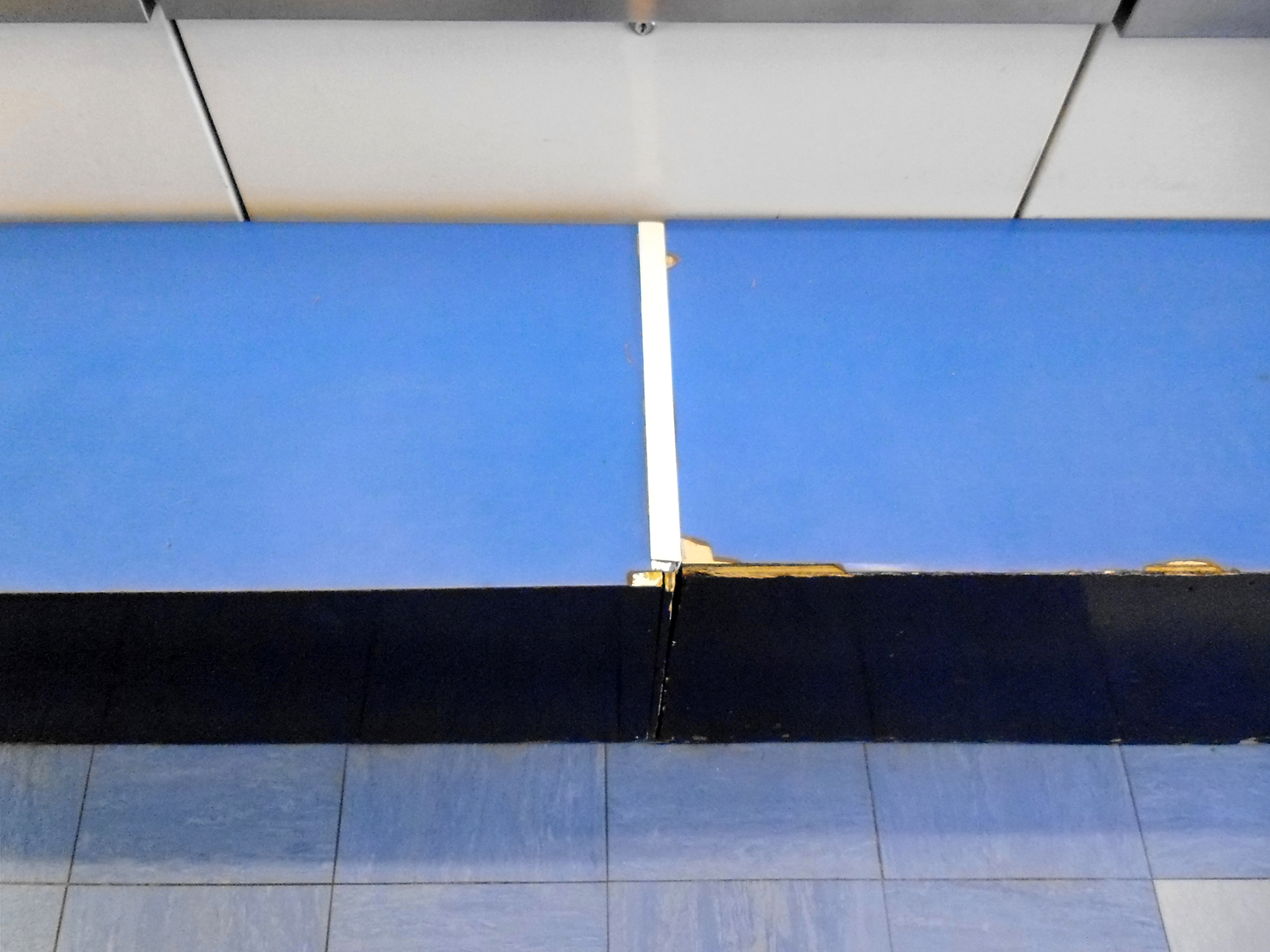
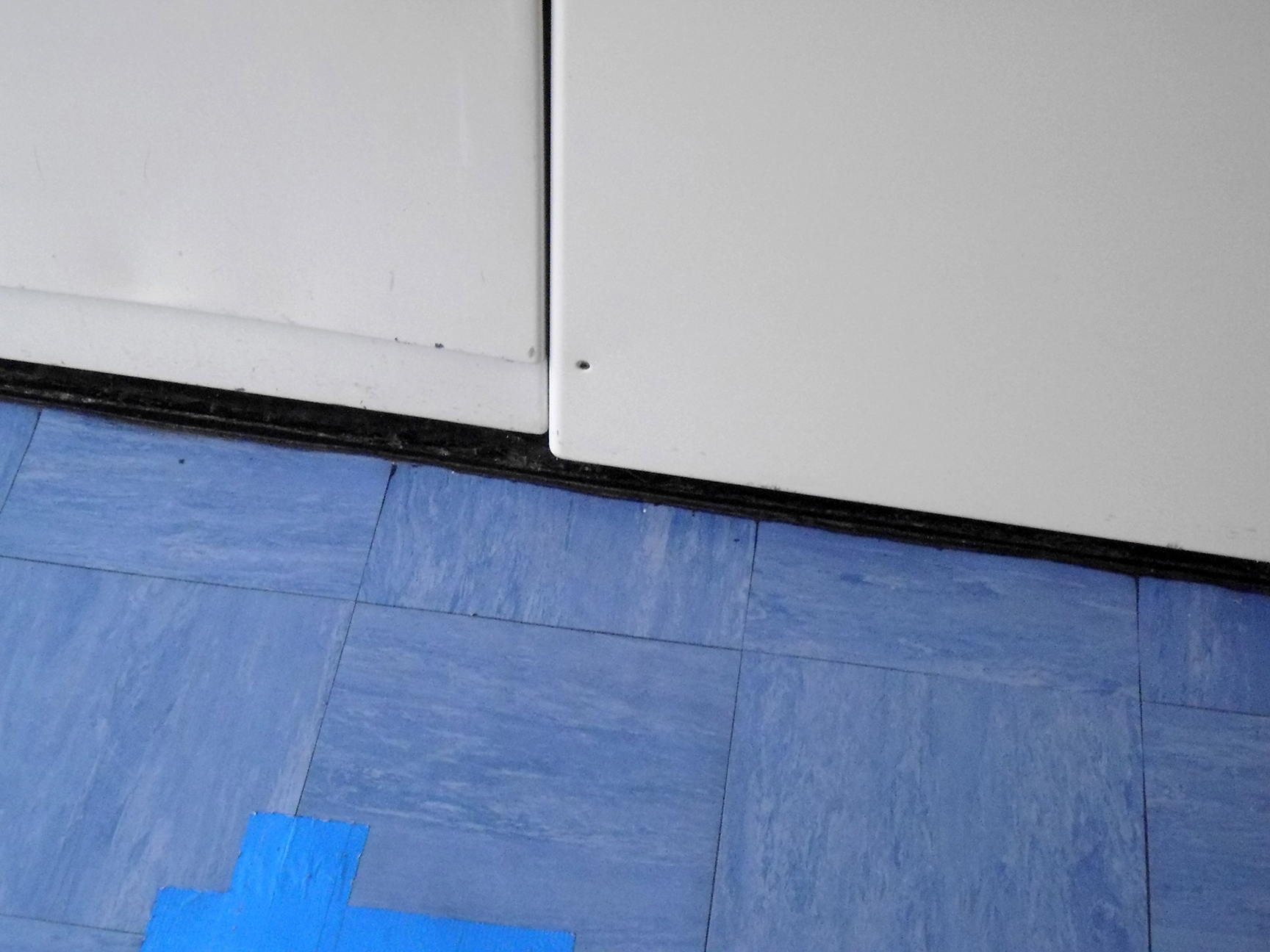
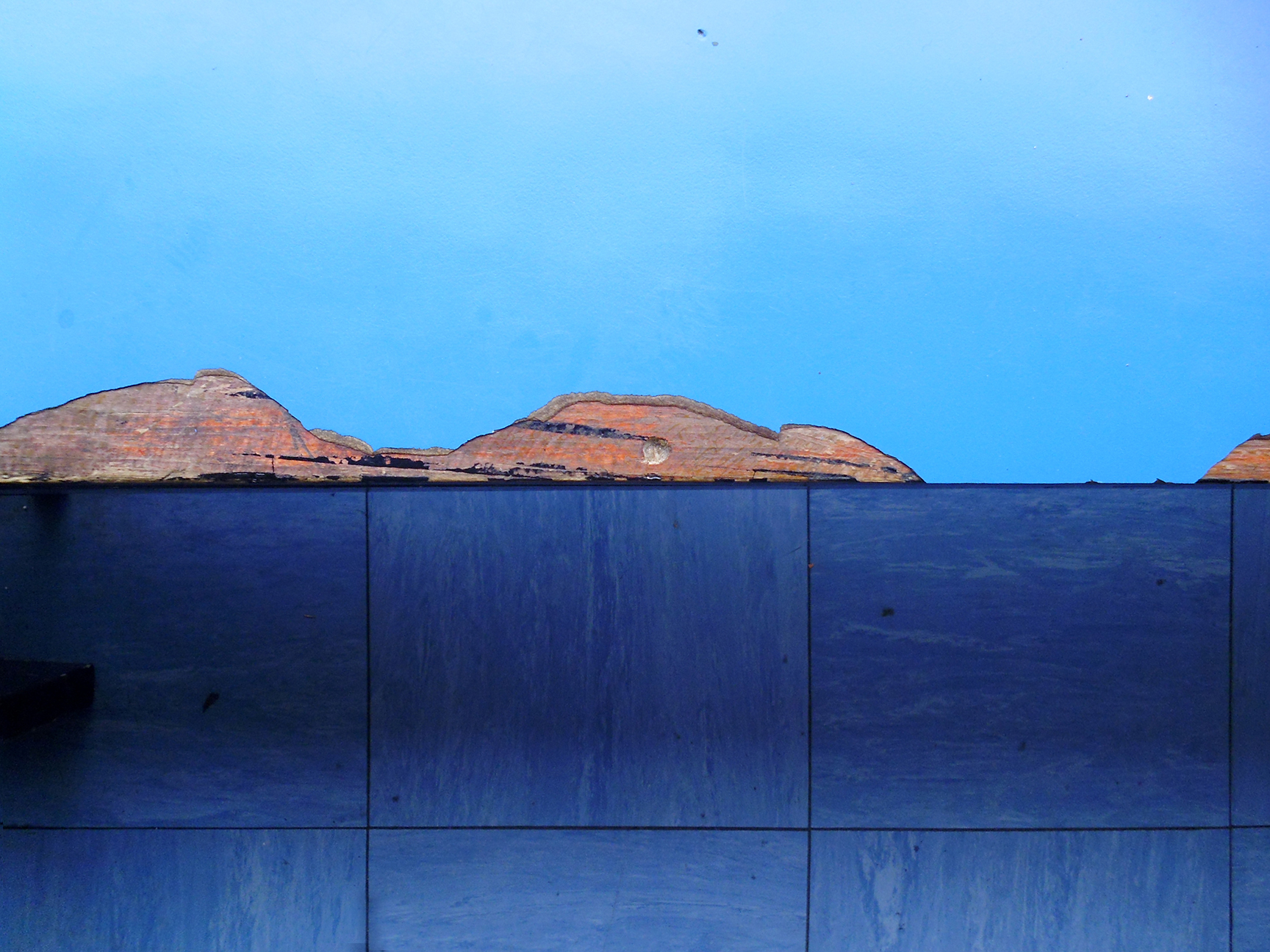
Washeteria – Hastings

Don’t forget to forget.

Big is not large, not small.

This is a dirty blue,  washed-out pale yellow, Alice in Wonderland un-wonderful land.

Time will not stand still – you’re in a spin, oh what a spin that you’re in.

Walk in, wash and wish.

DSC_0424 copy

DSC_0439 copy

DSC_0429 copy

DSC_0431 copy

DSC_0438 copy

DSC_0441 copy

DSC_0436 copy

DSC_0434 copy

DSC_0428 copy

DSC_0444 copyDSC_0445 copy

DSC_0427 copy

DSC_0430 copy

DSC_0432 copy

DSC_0435 copy

DSC_0443 copy

DSC_0442 copy

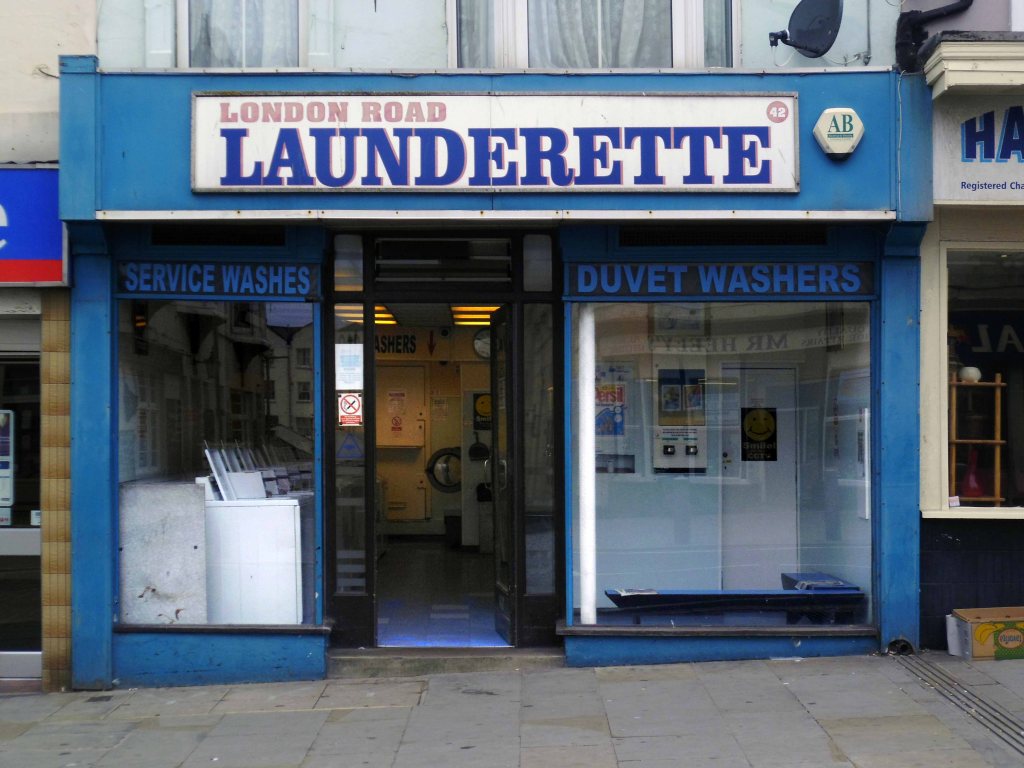
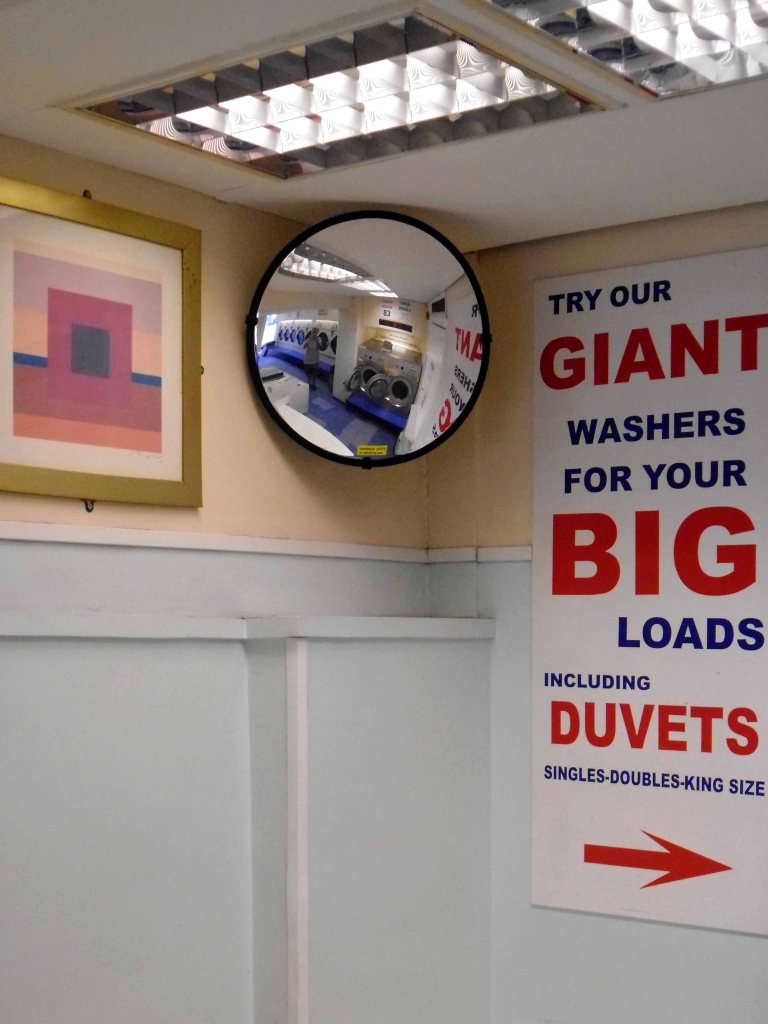
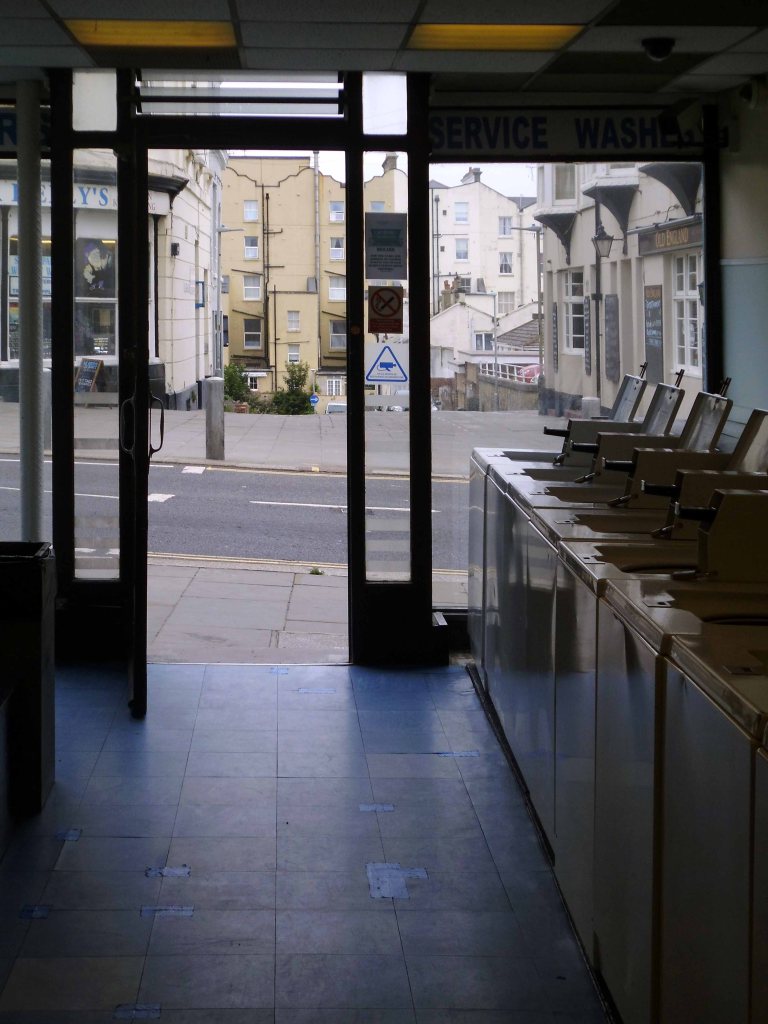
Launderette – London Road St Leonards

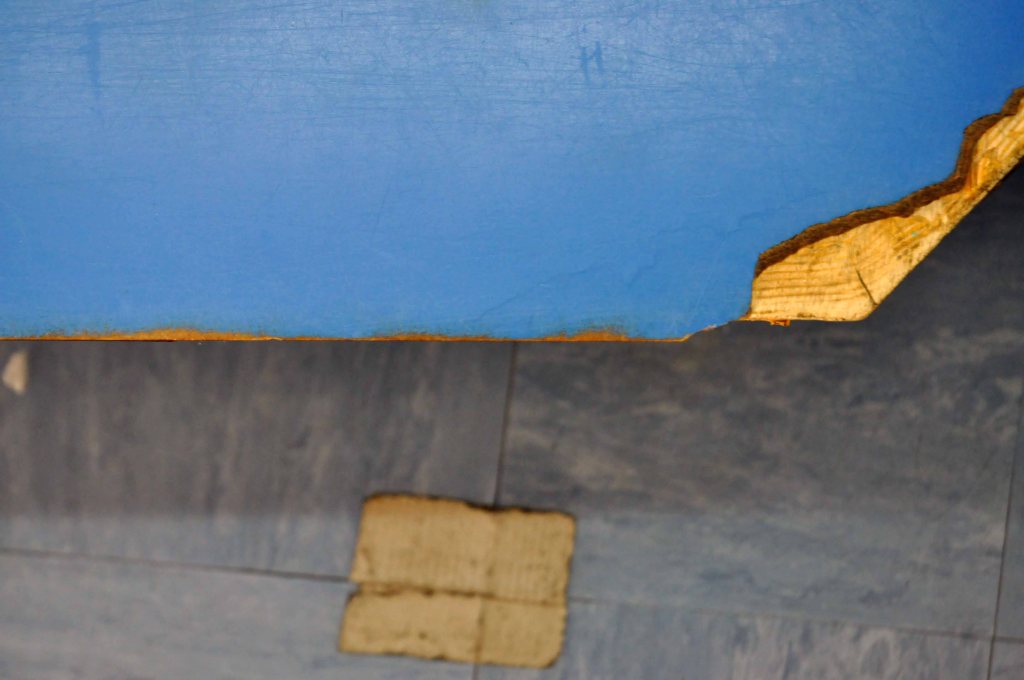
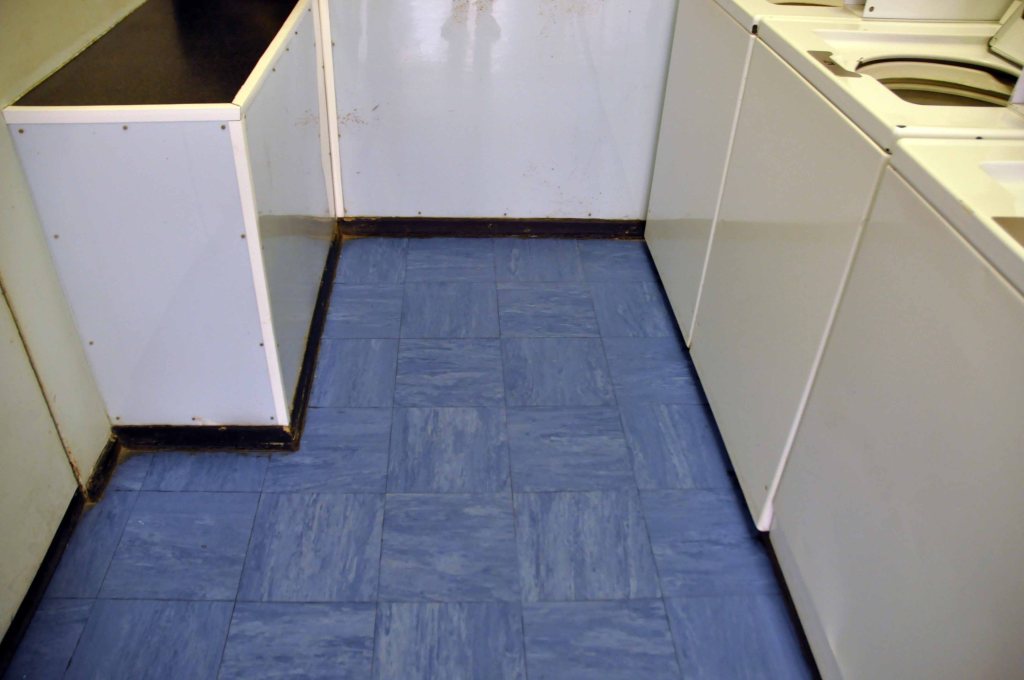
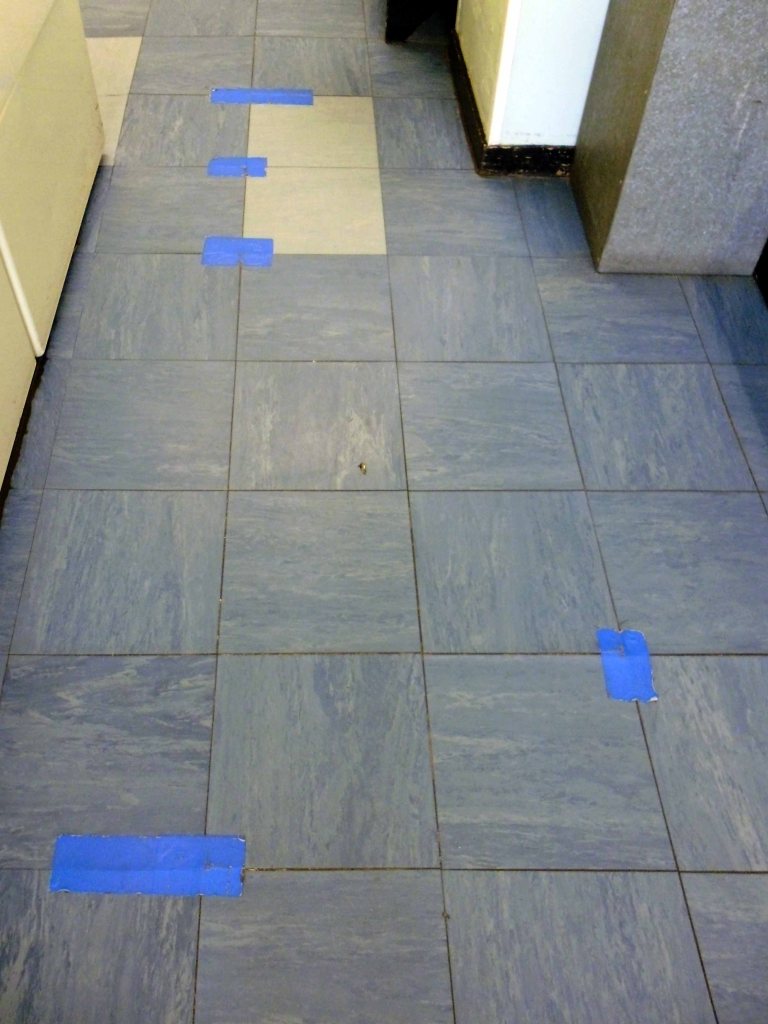
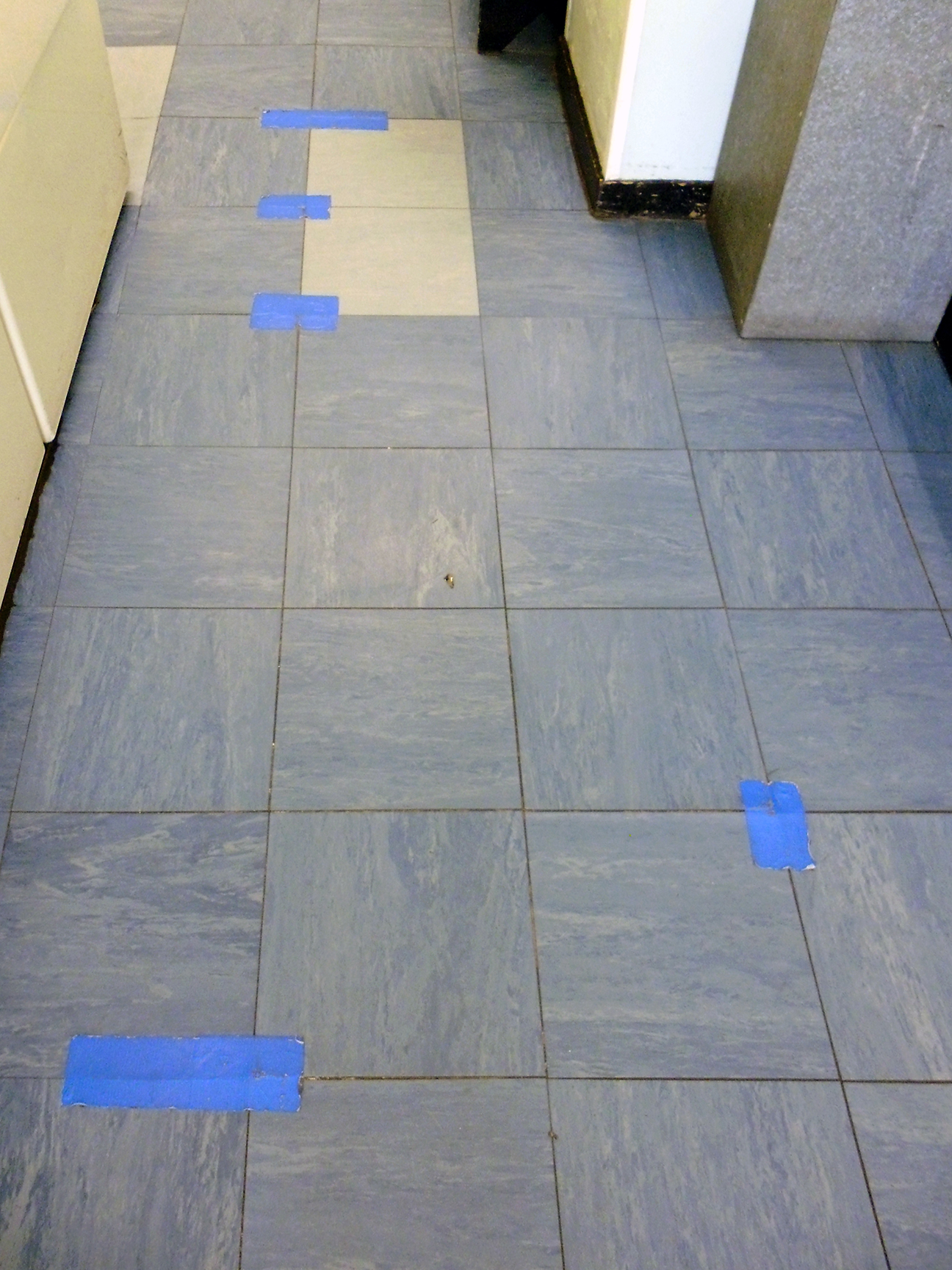
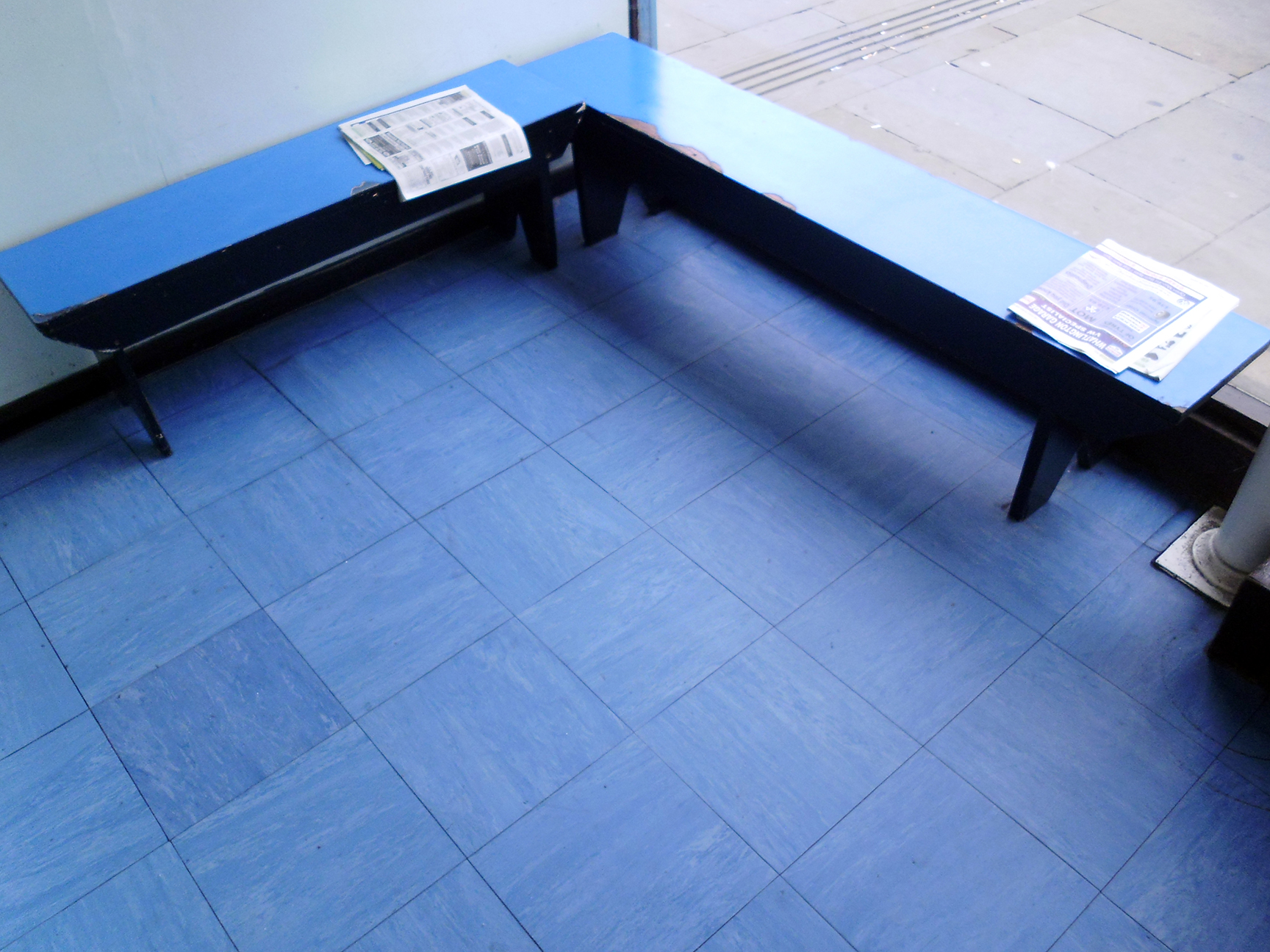
Mid blue linoleum tiles, patched here there.

And everywhere.

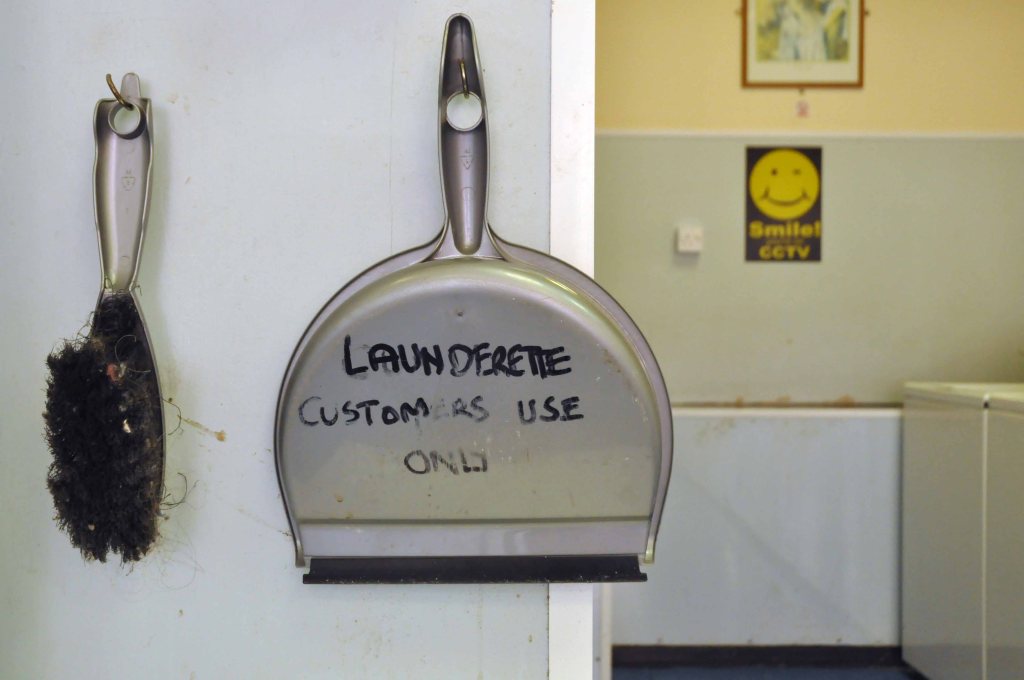
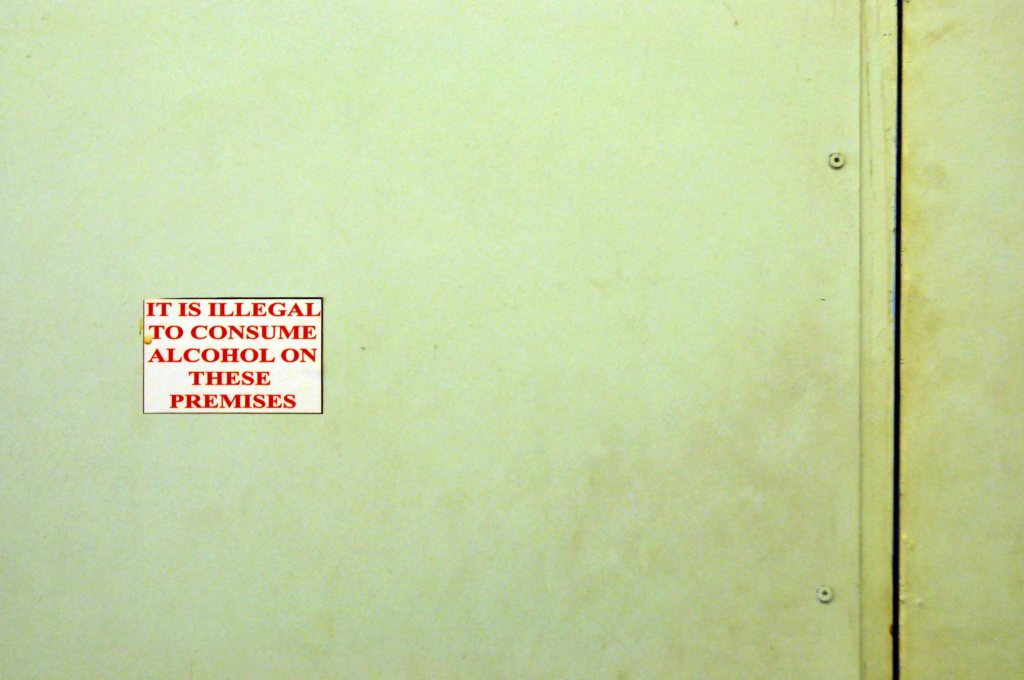
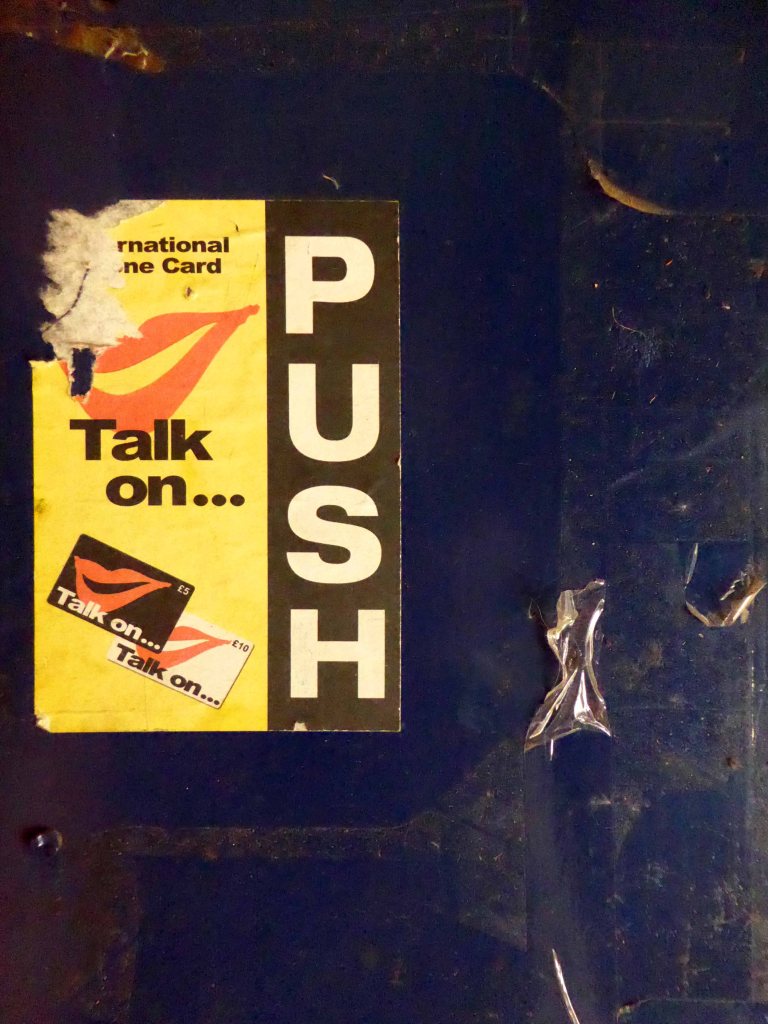
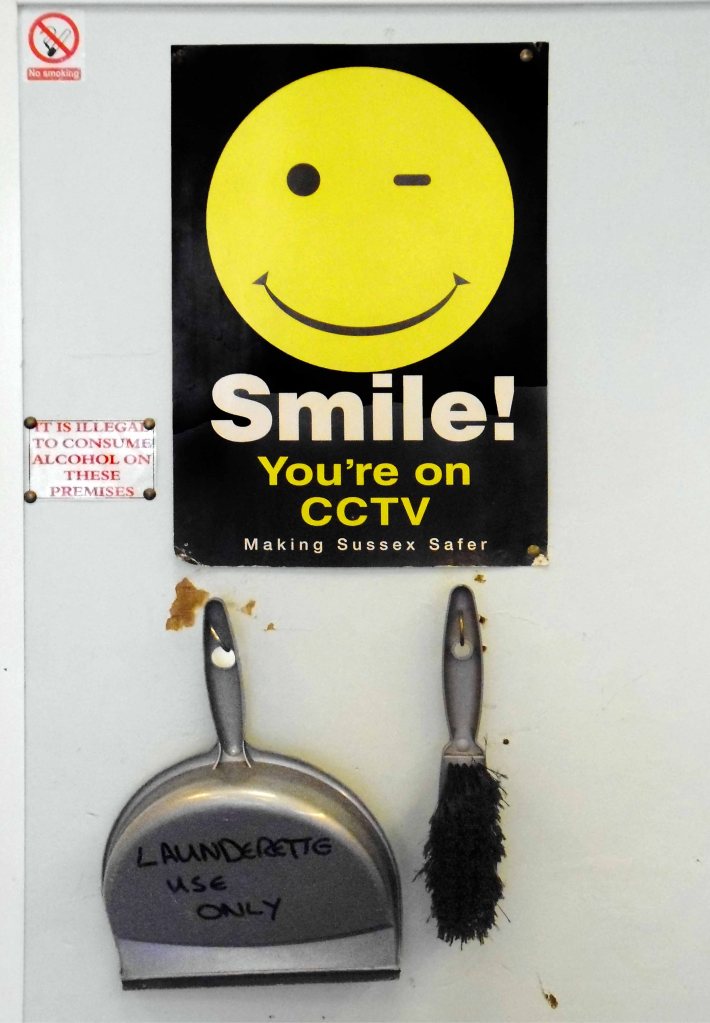
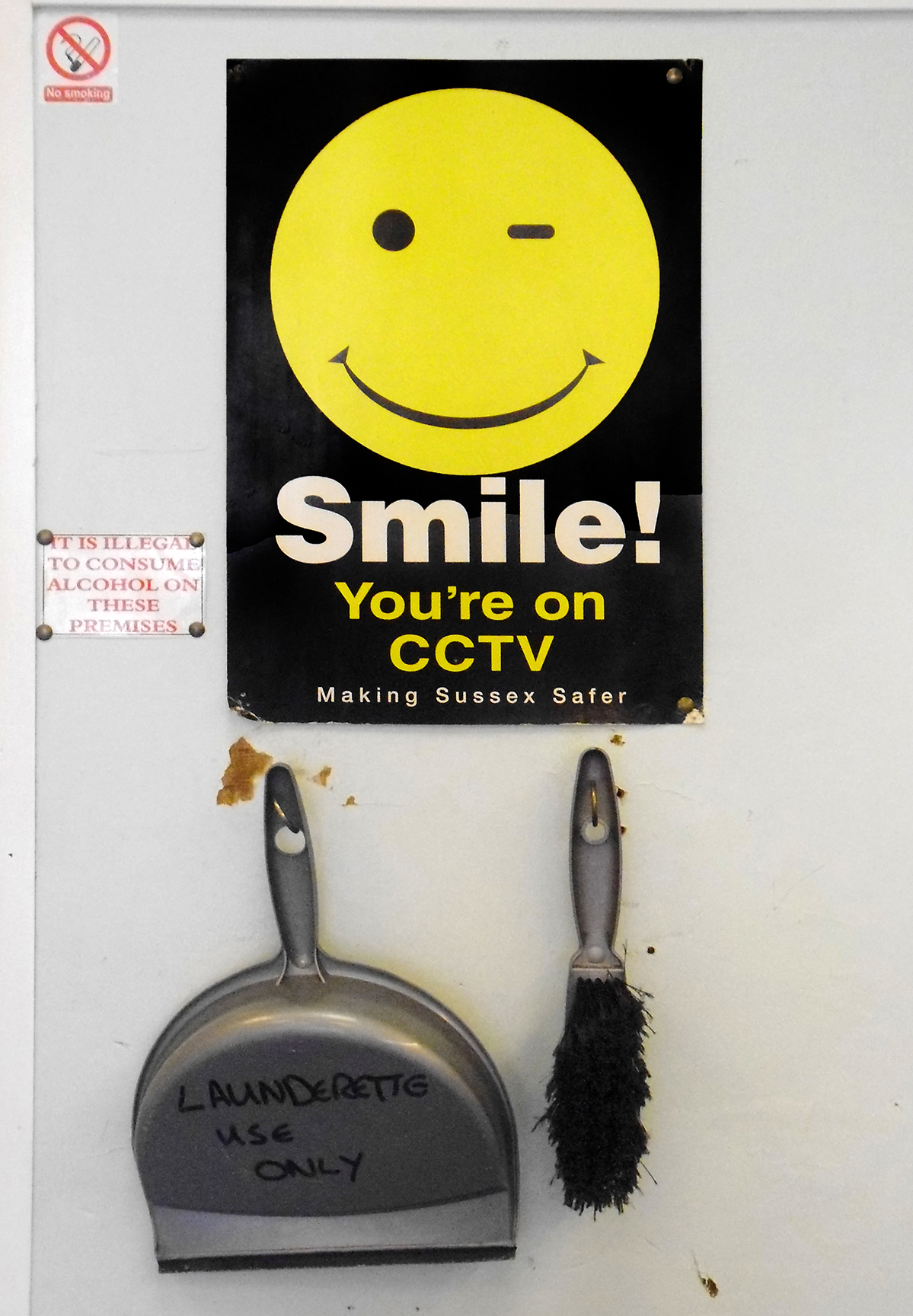
Signs

Everywhere.

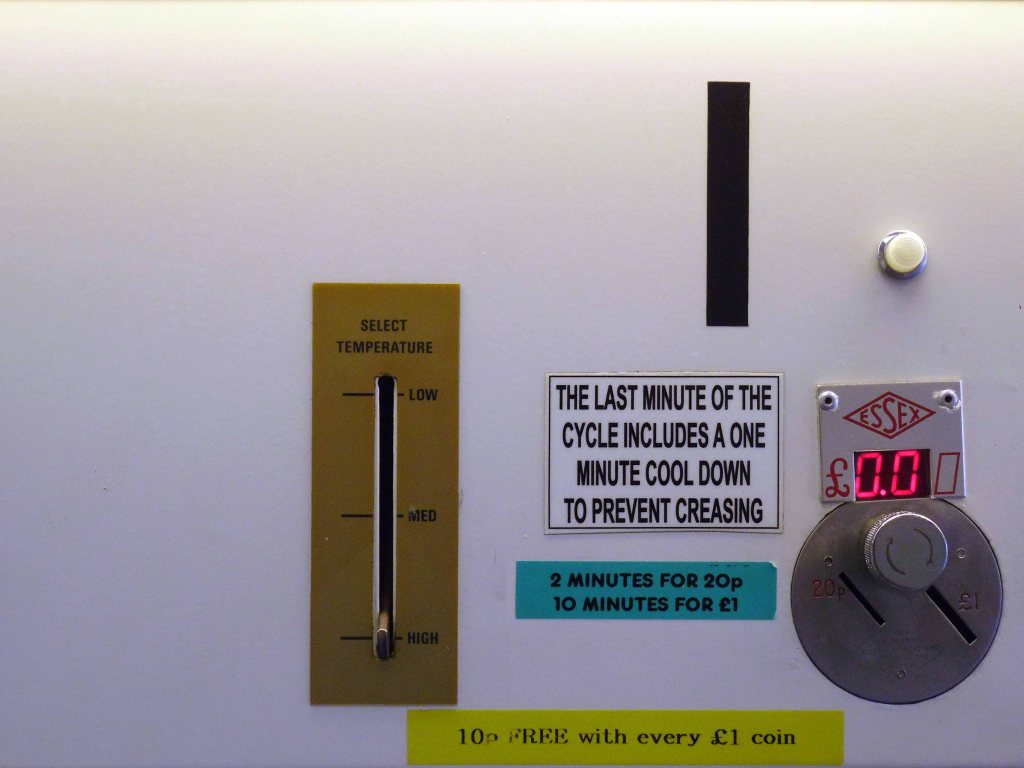
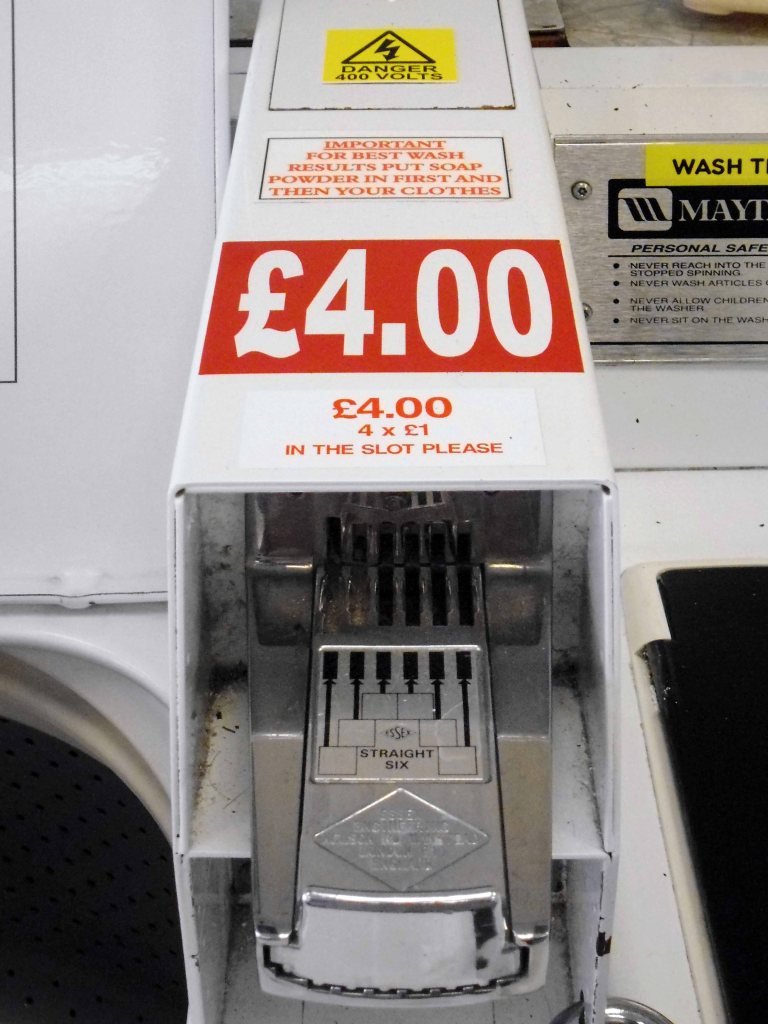
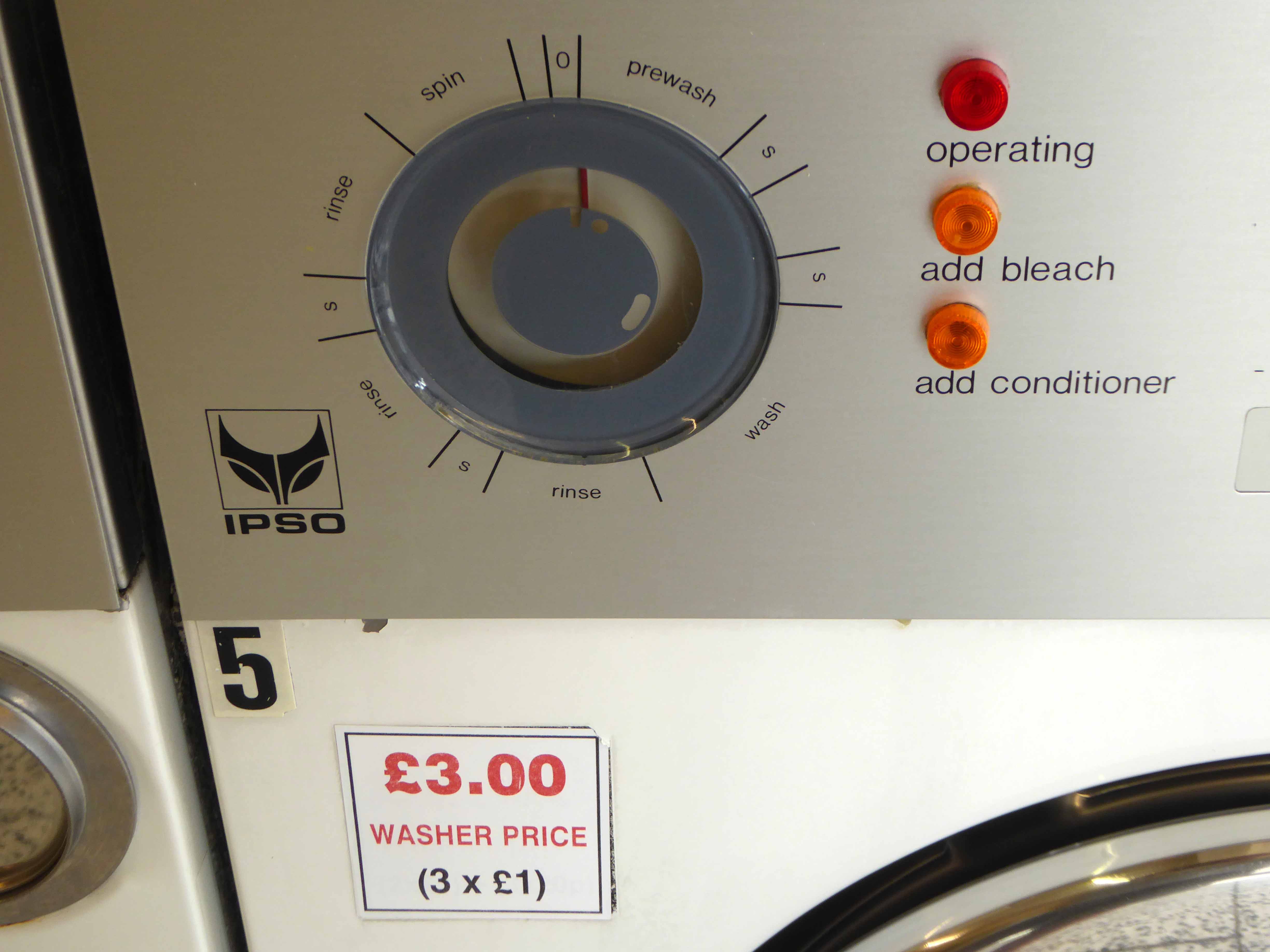
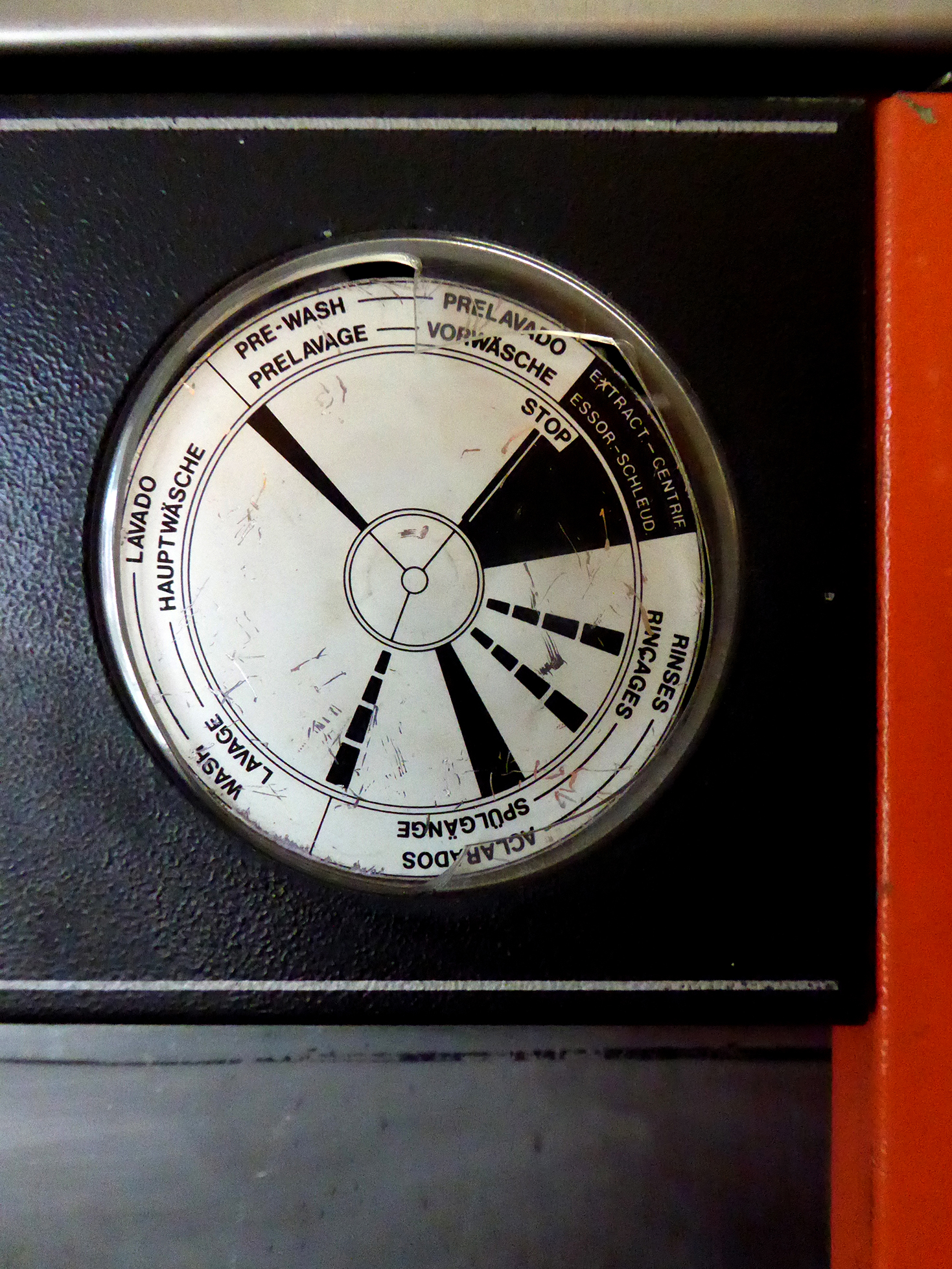
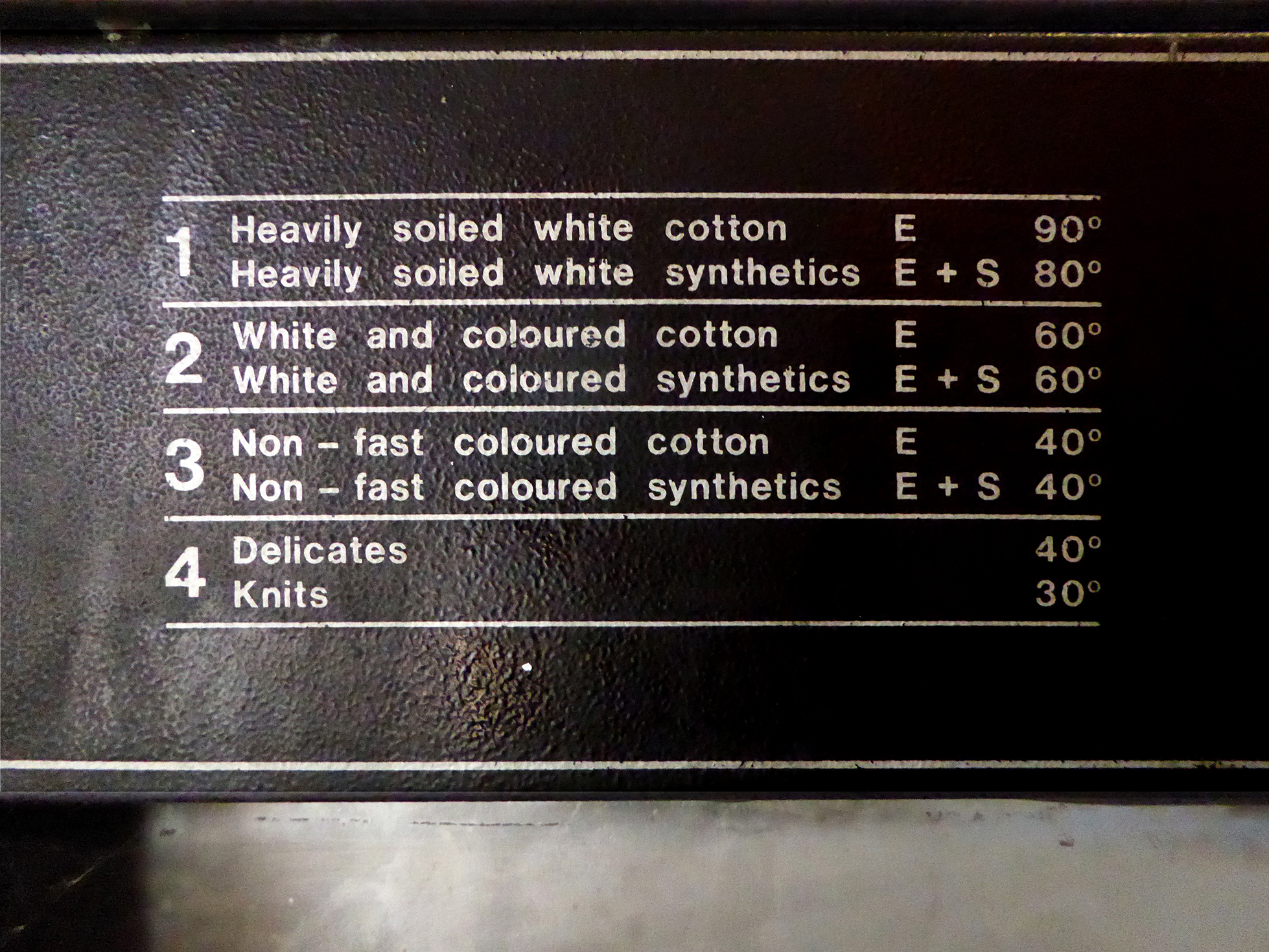
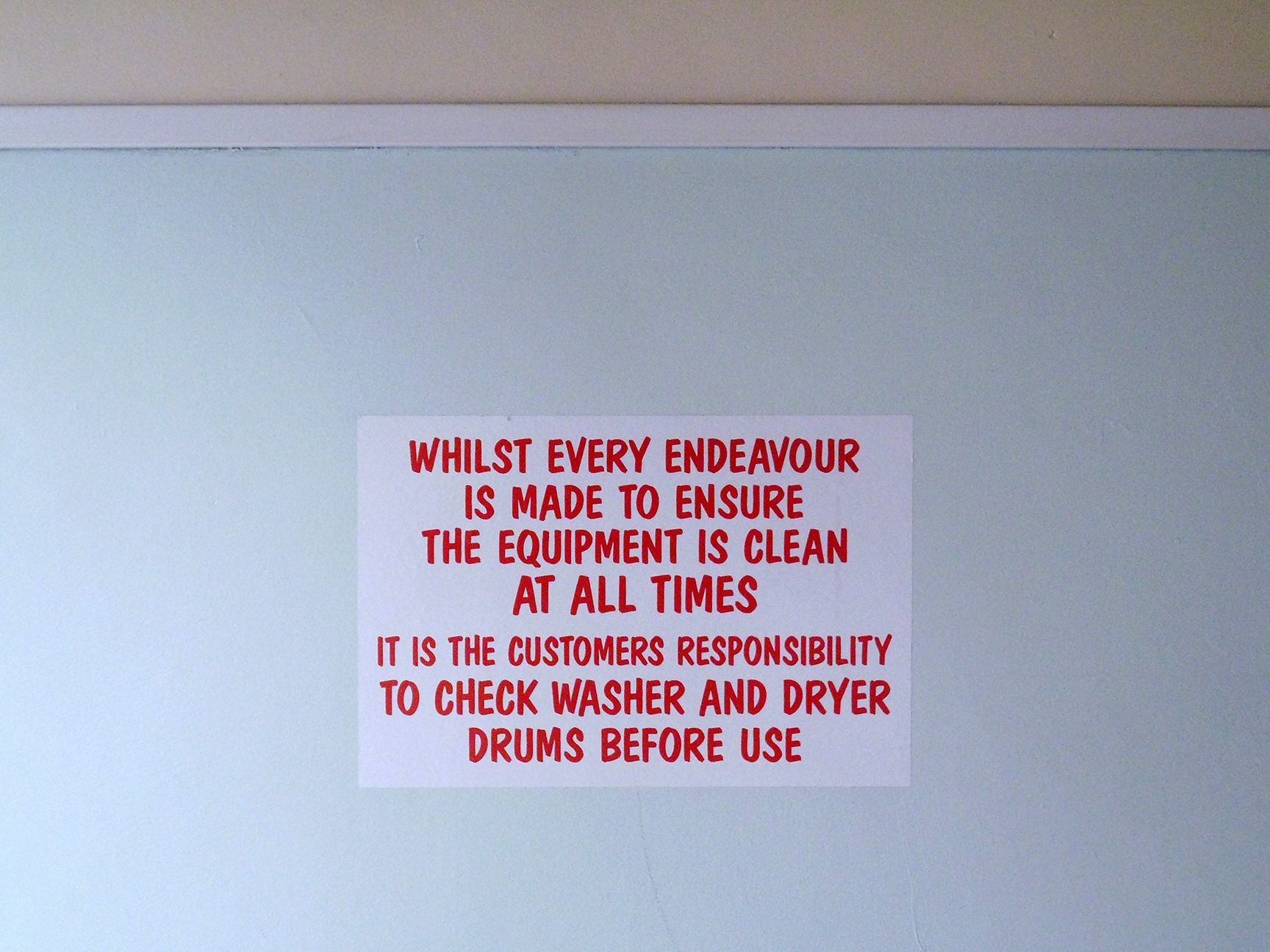
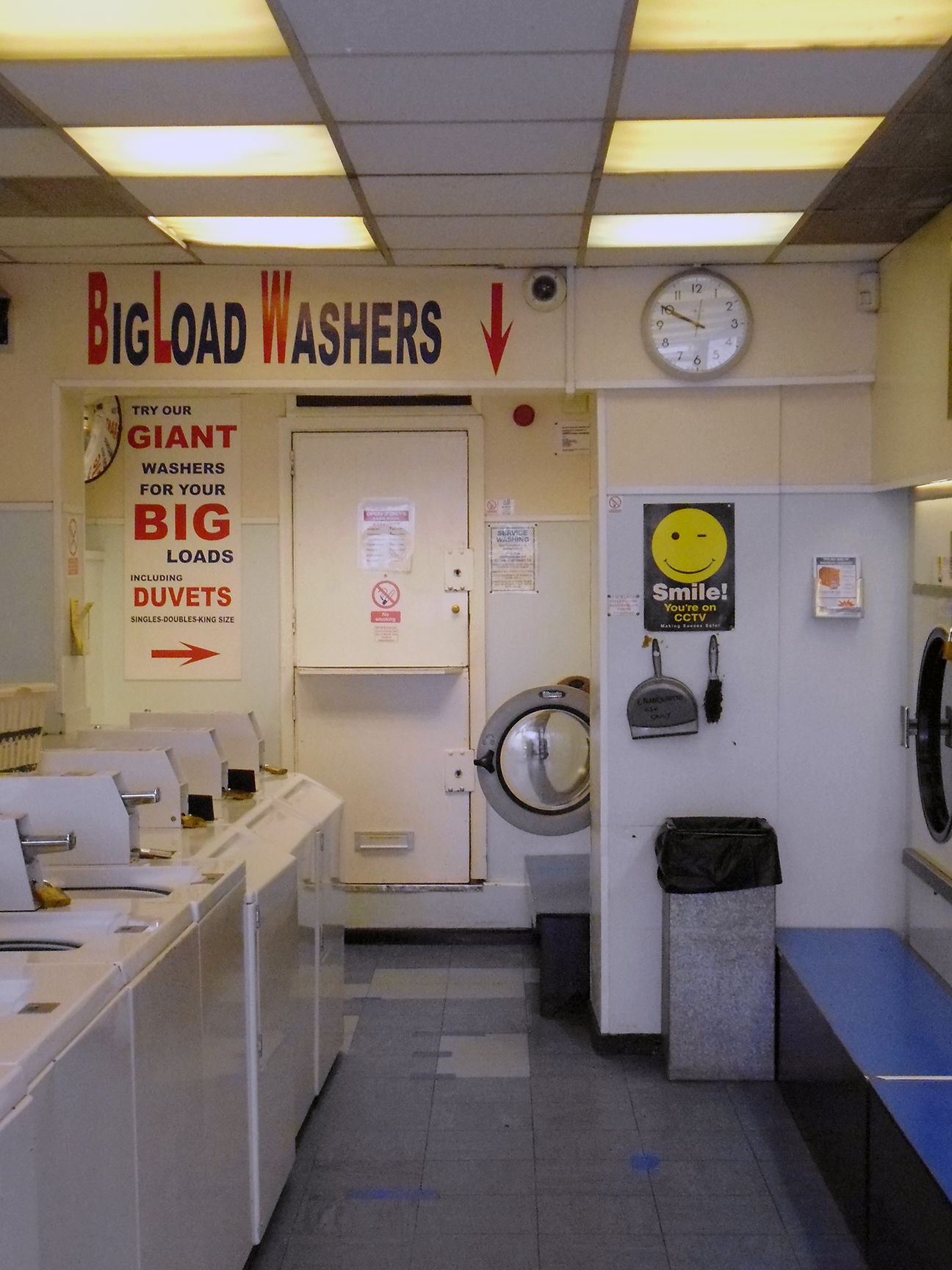
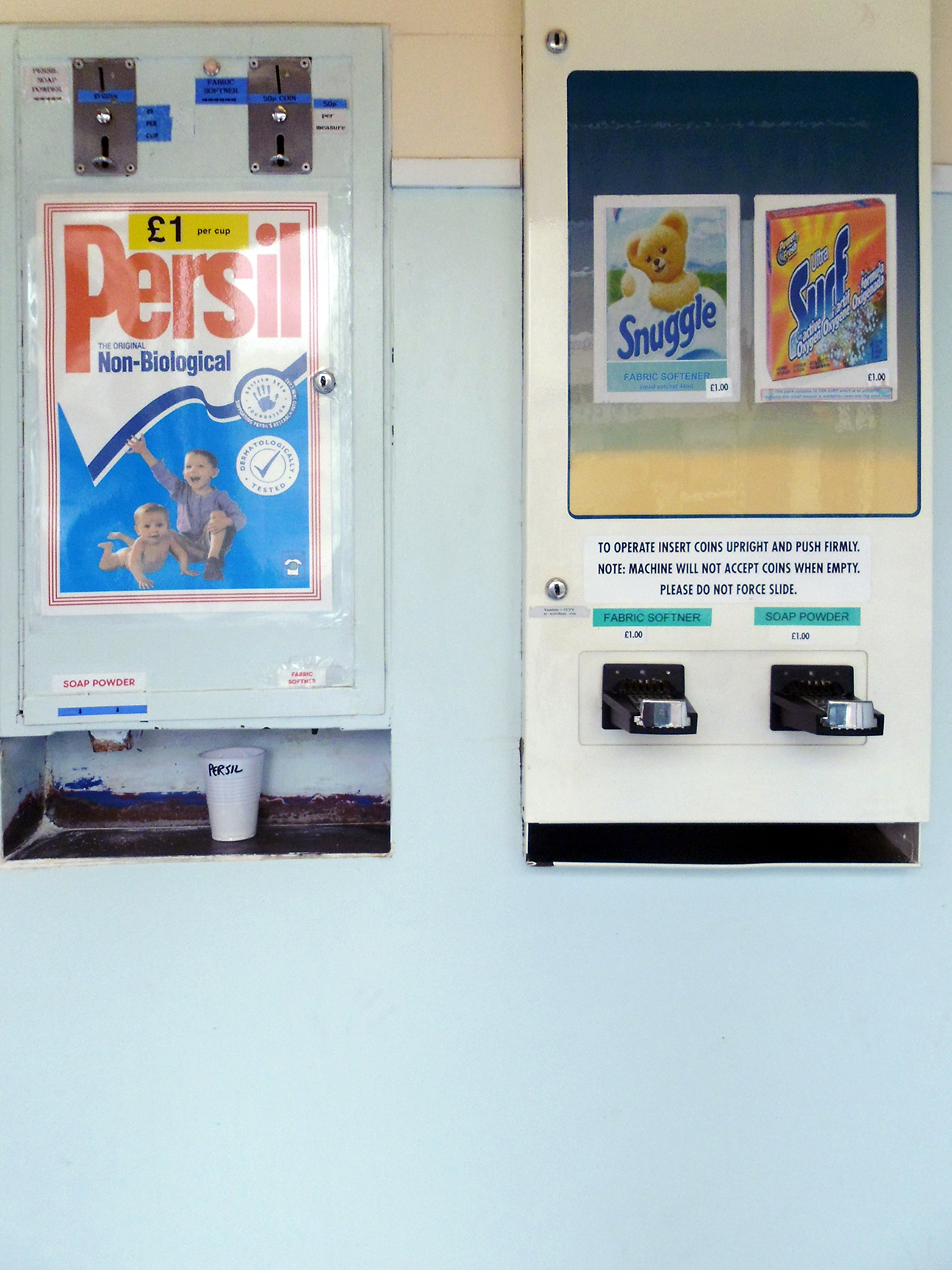
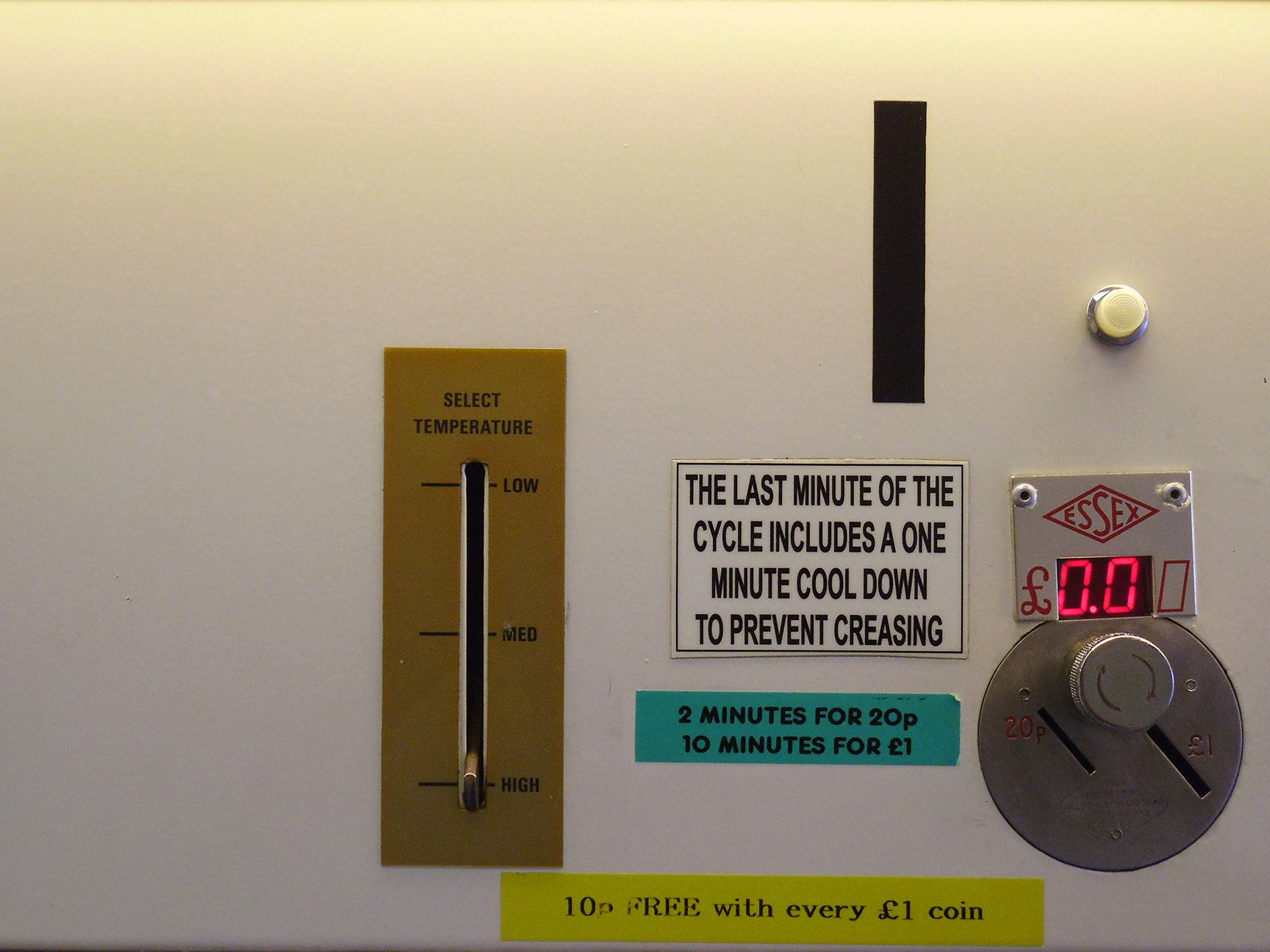
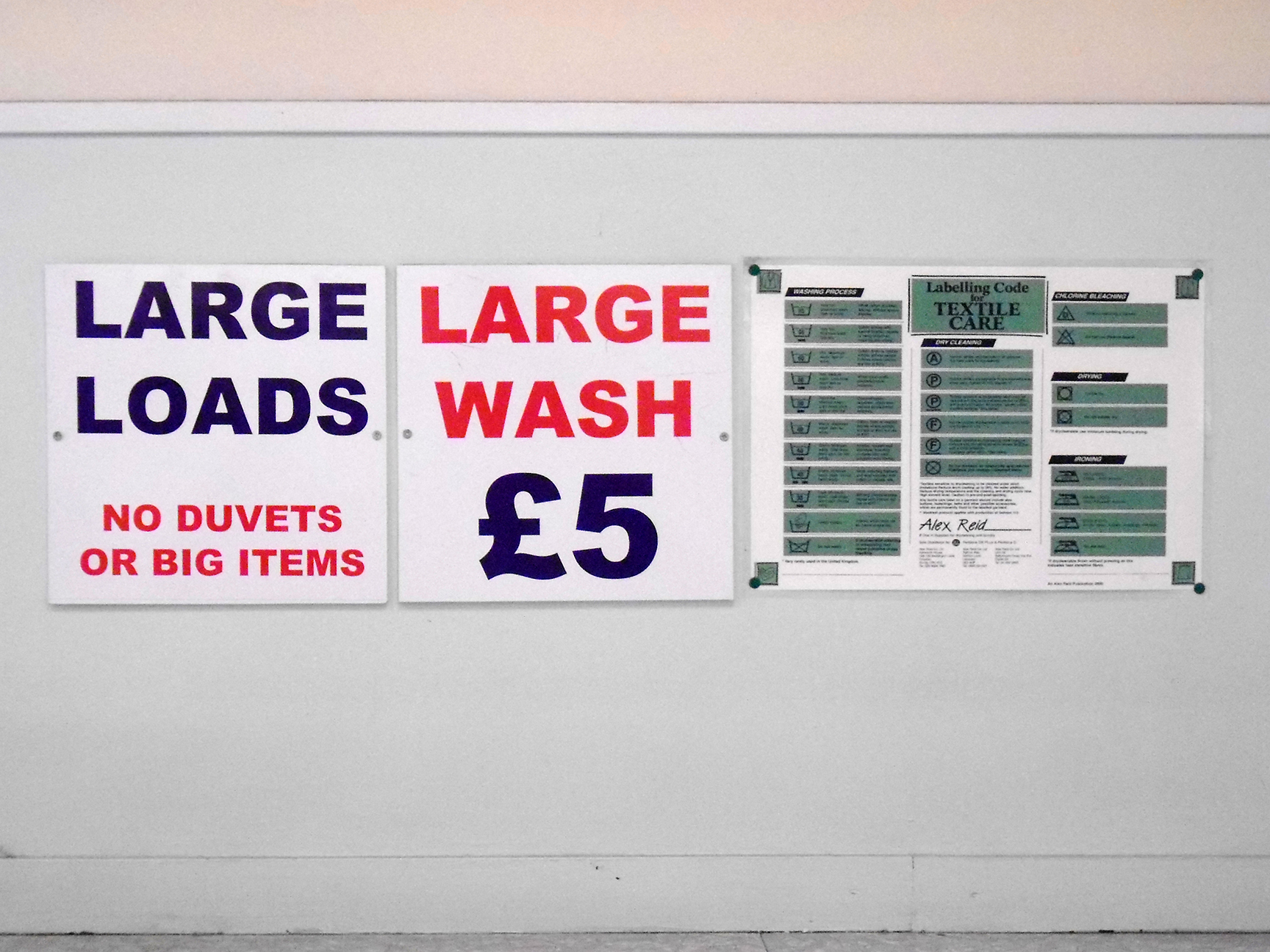
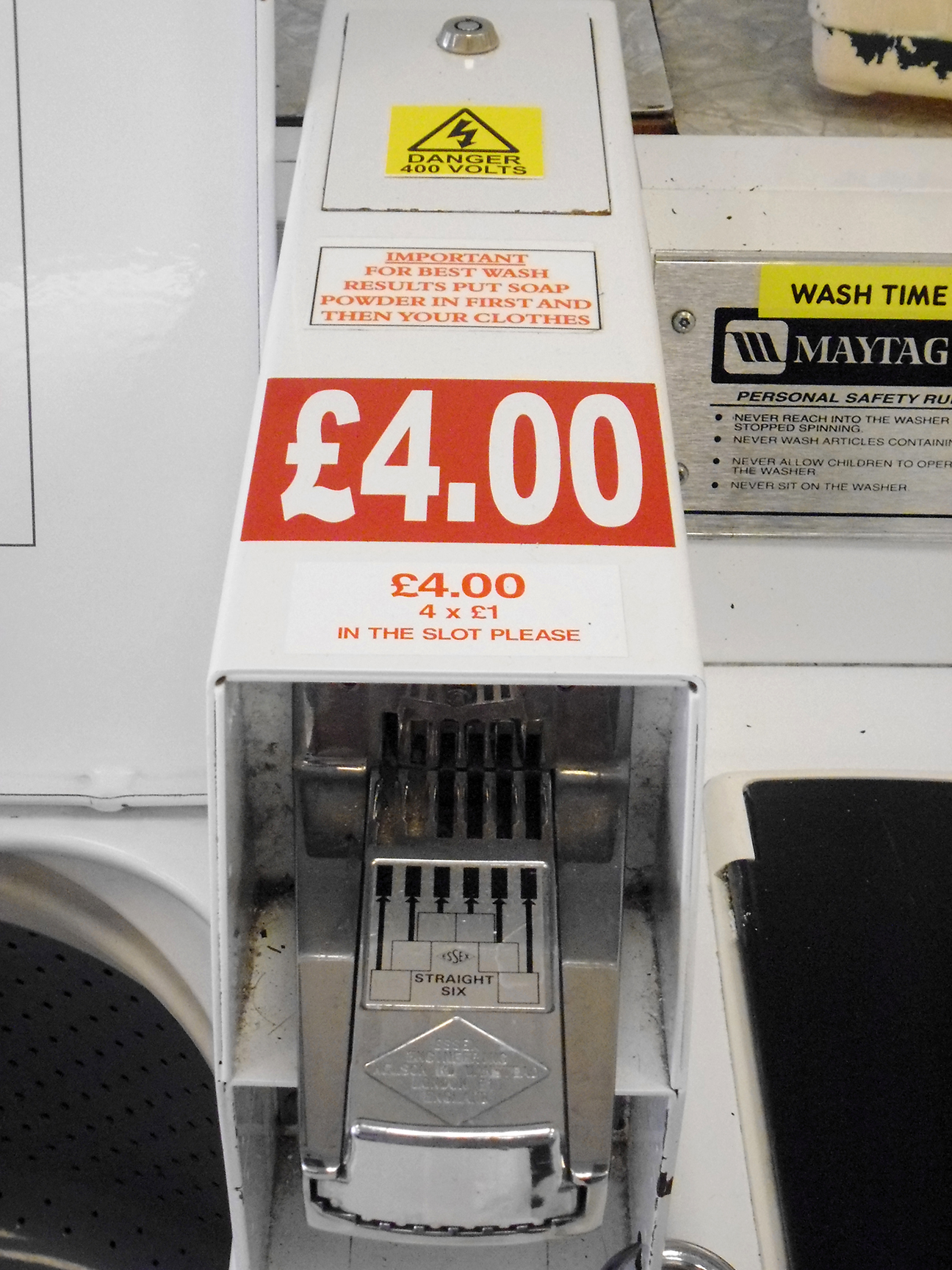
In an uncertain universe, you can almost always rely on the launderette, to guide you on life’s soapy journey, through a complex series of immutable do’s and don’ts, arrows, slots, buttons and bows.

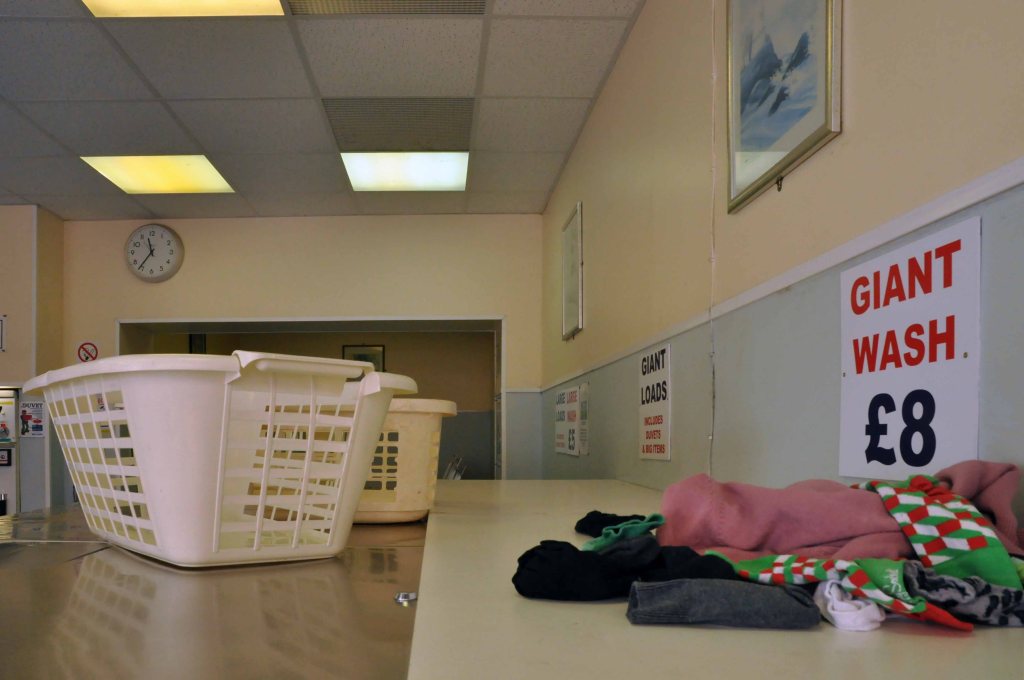
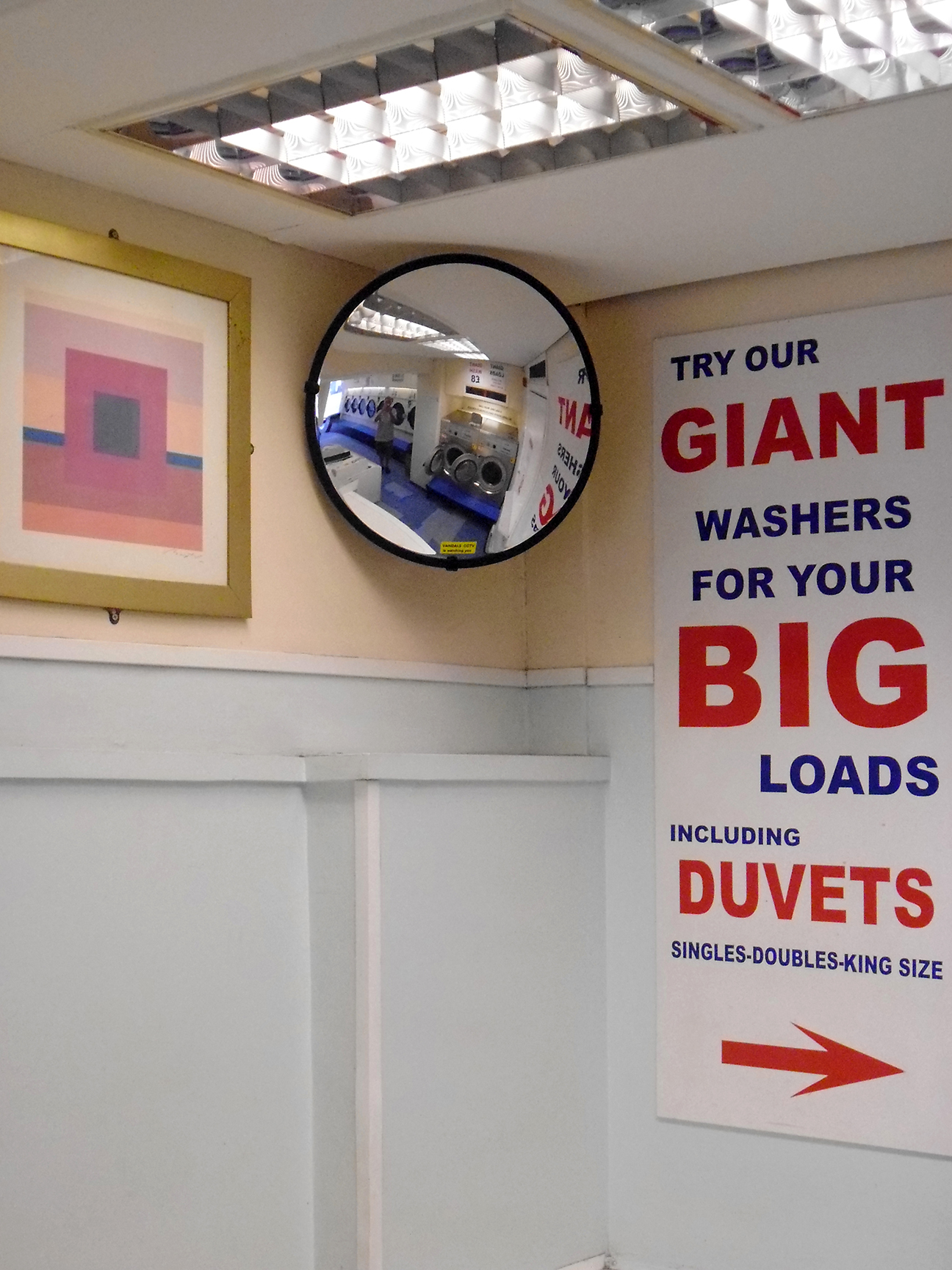
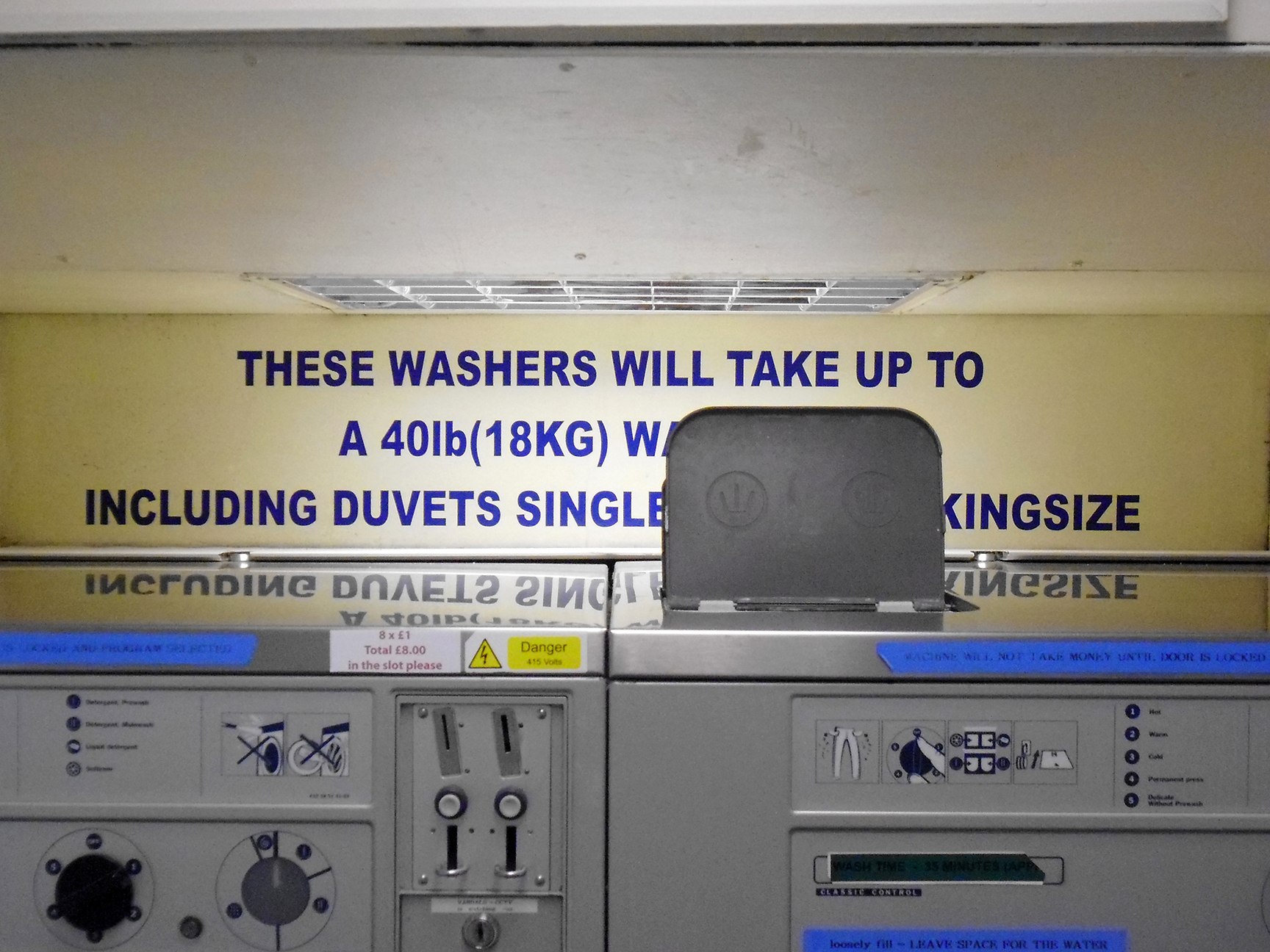
Giant is the new big is the new large.

I feel so small.

P1020467 copy

P1020466 copy

P1020482 copy

P1020469 copy

P1020472 copy

P1020475 copy

P1020478 copy

P1020477 copy

P1020487 copy

P1020479 copy

P1020471 copy

P1020481 copy

P1020476 copy

P1020470 copy

P1020473 copy

P1020474 copy

P1020480 copy

P1020468 copy

P1020483 copy

P1020484 copy

P1020485 copy

P1020486 copy

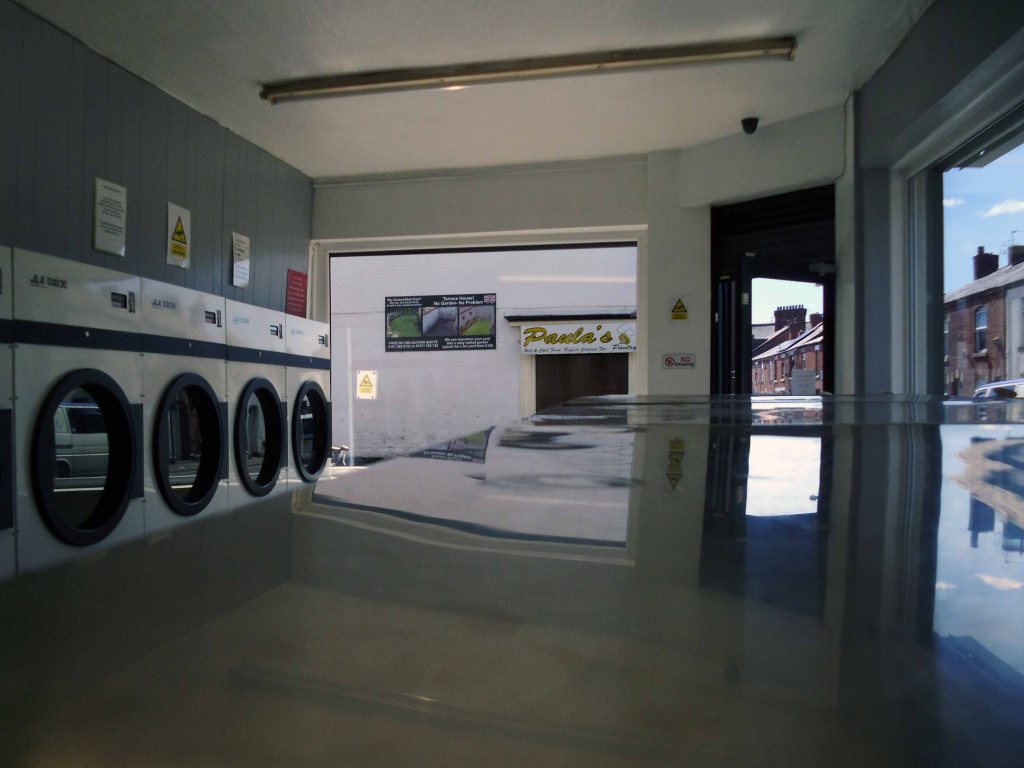
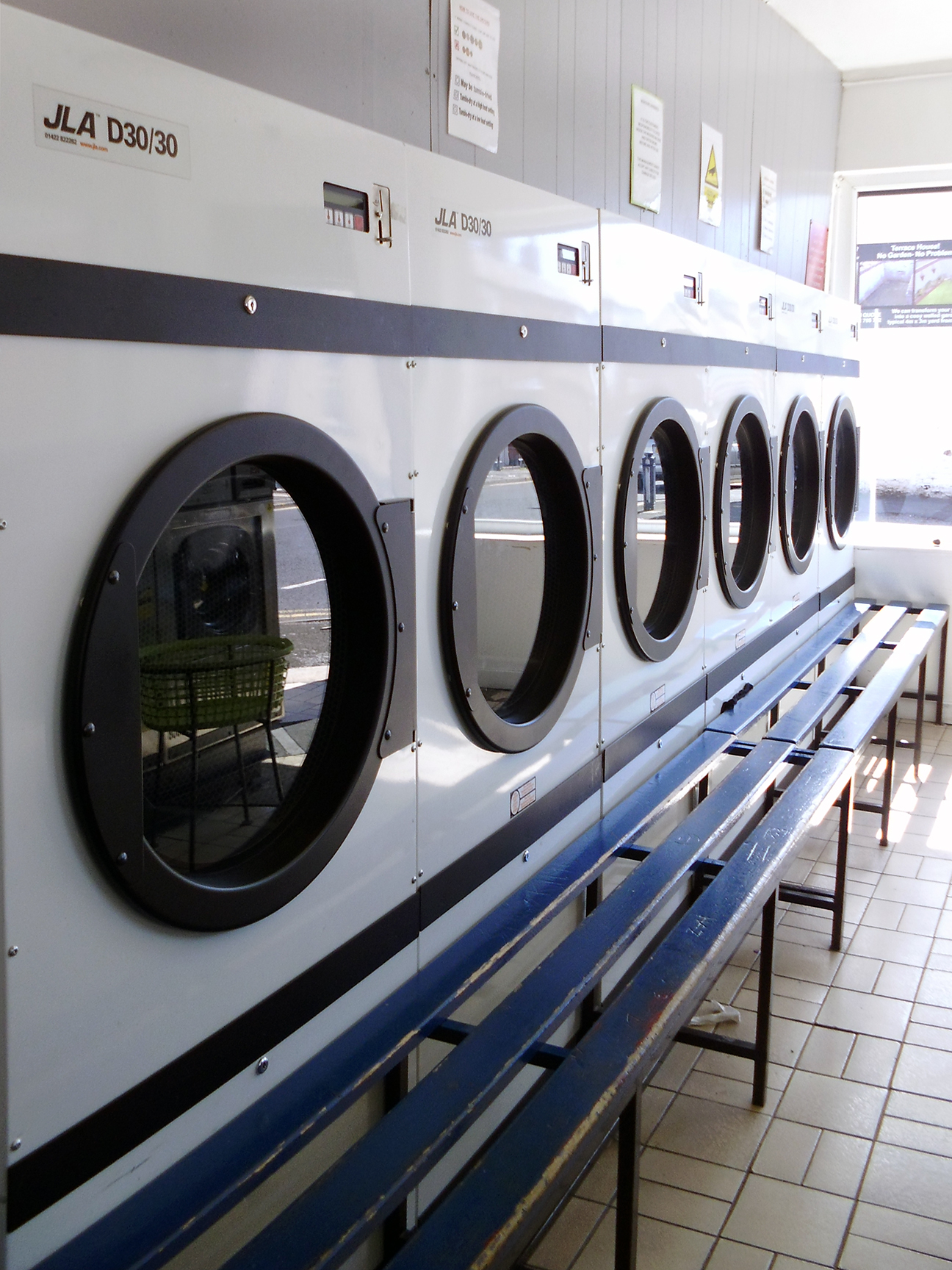
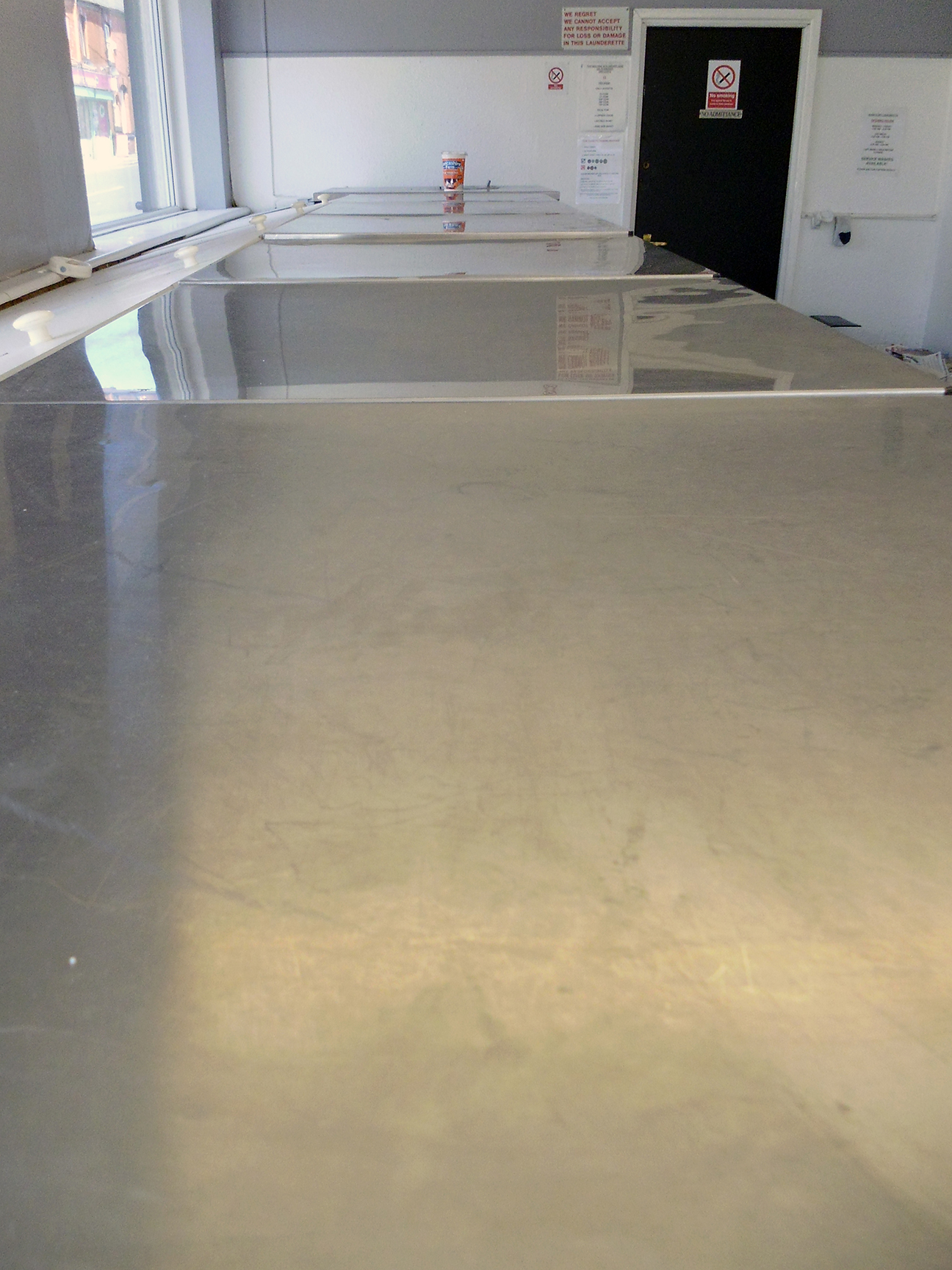
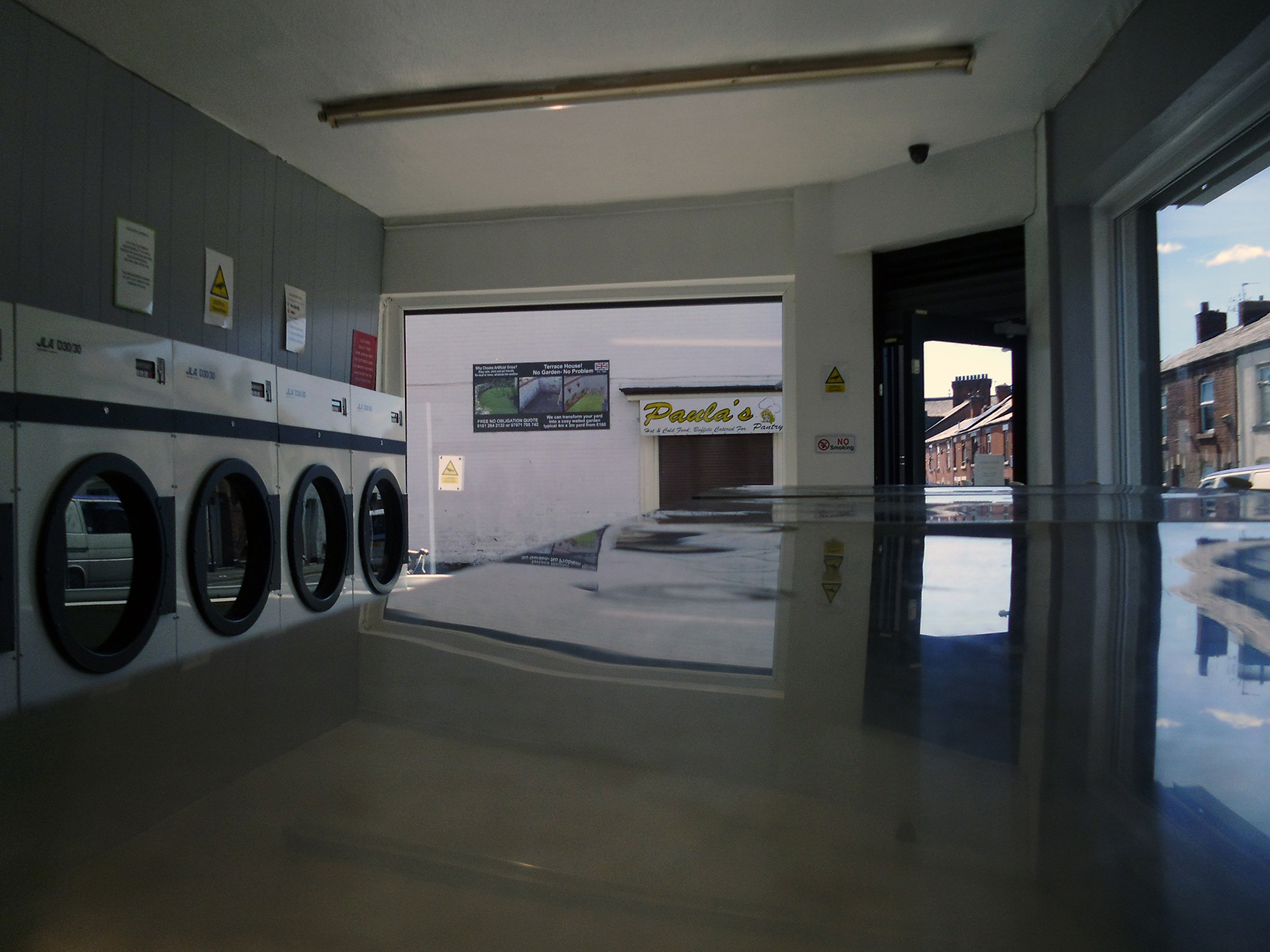
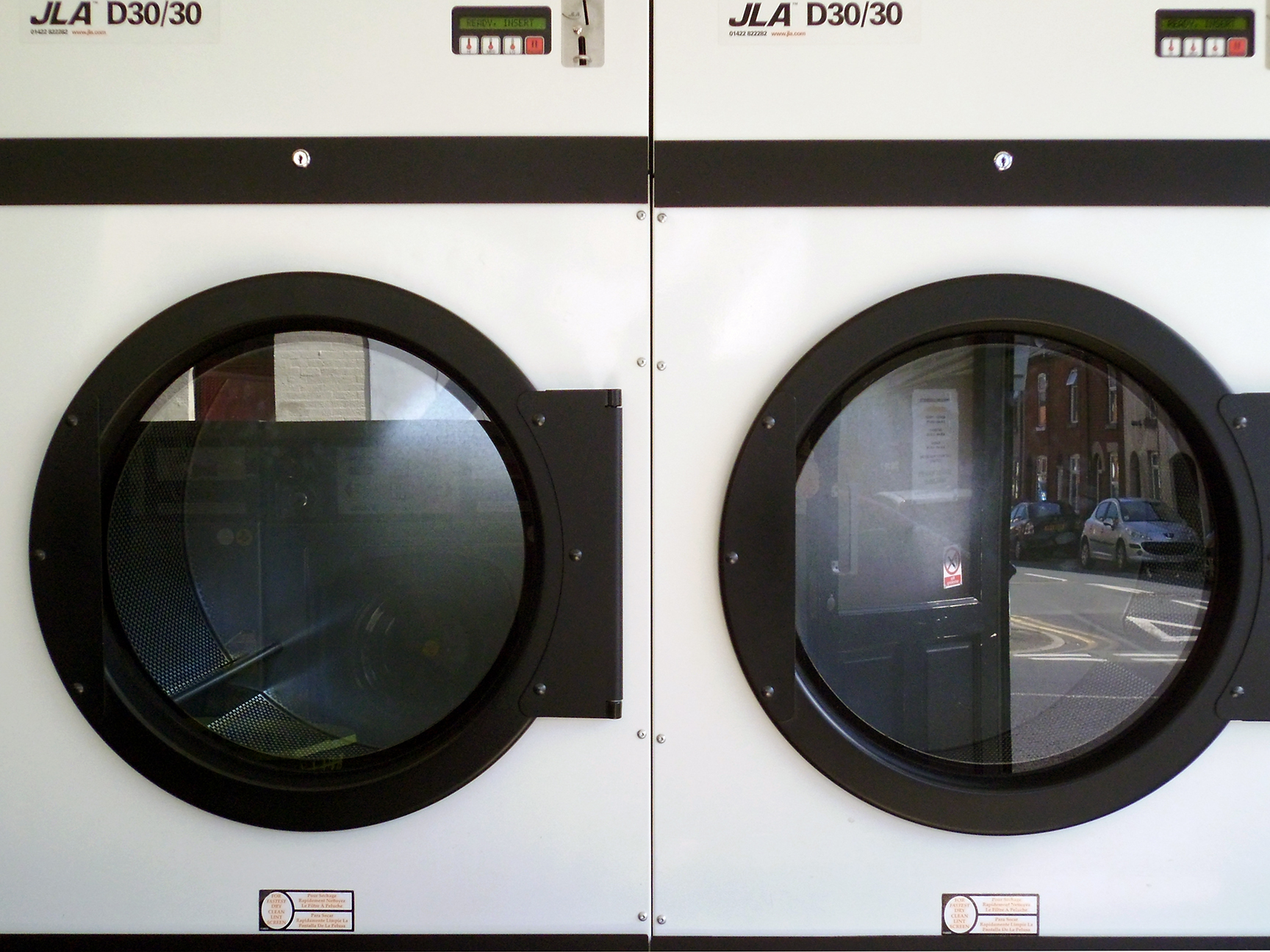
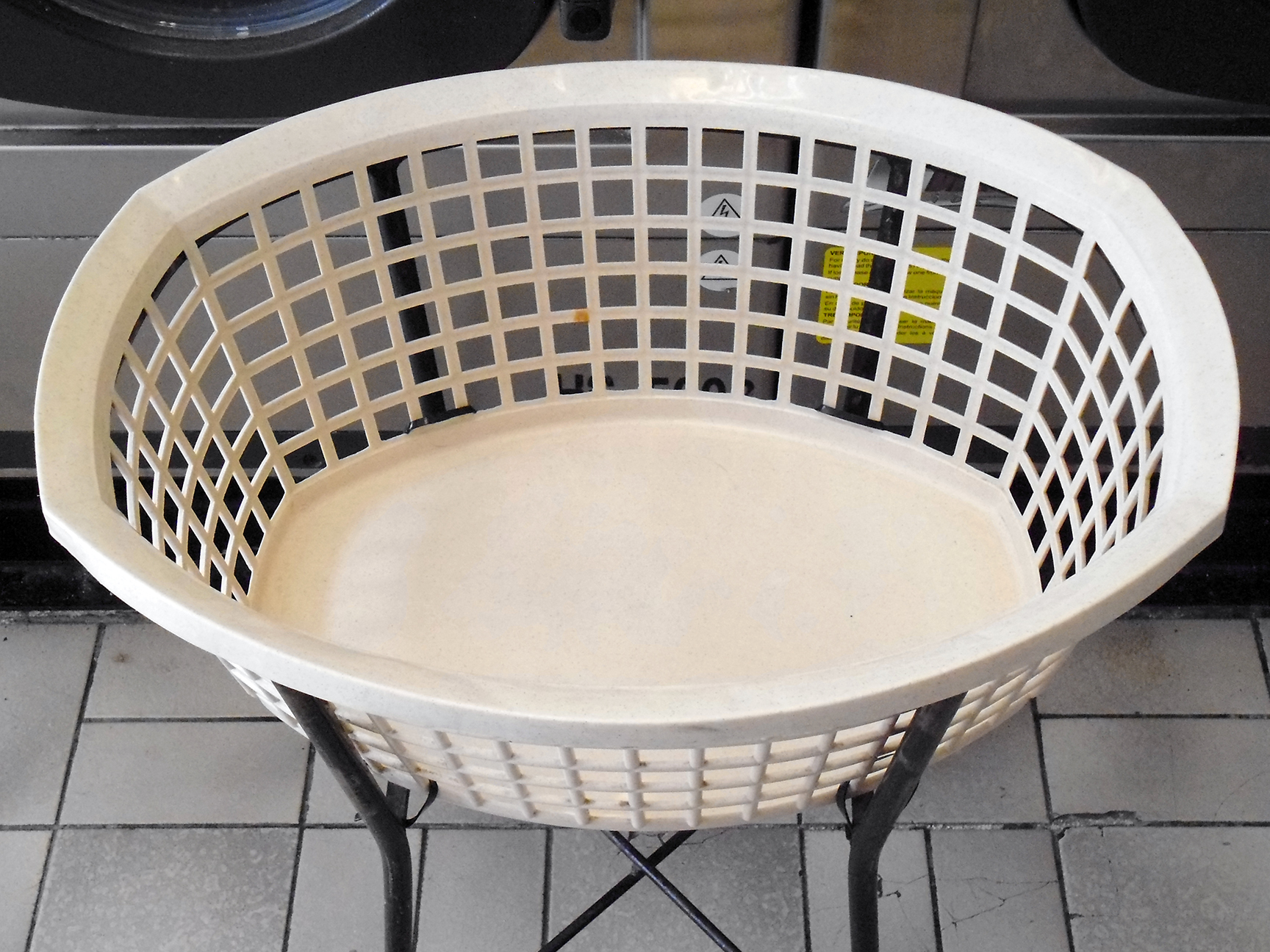
Ashton under Lyne – Laundrette

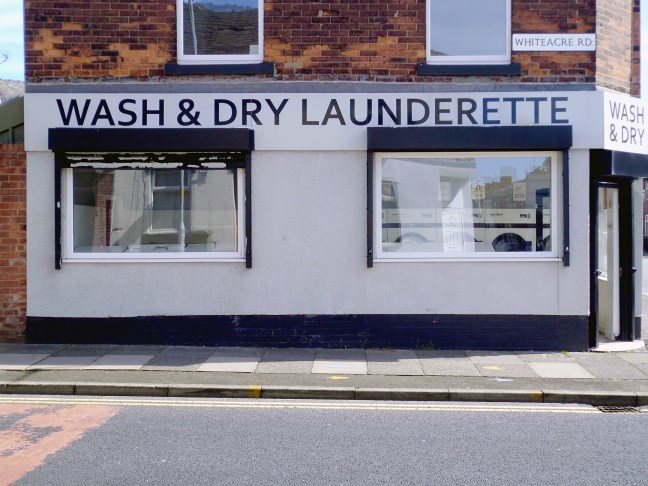
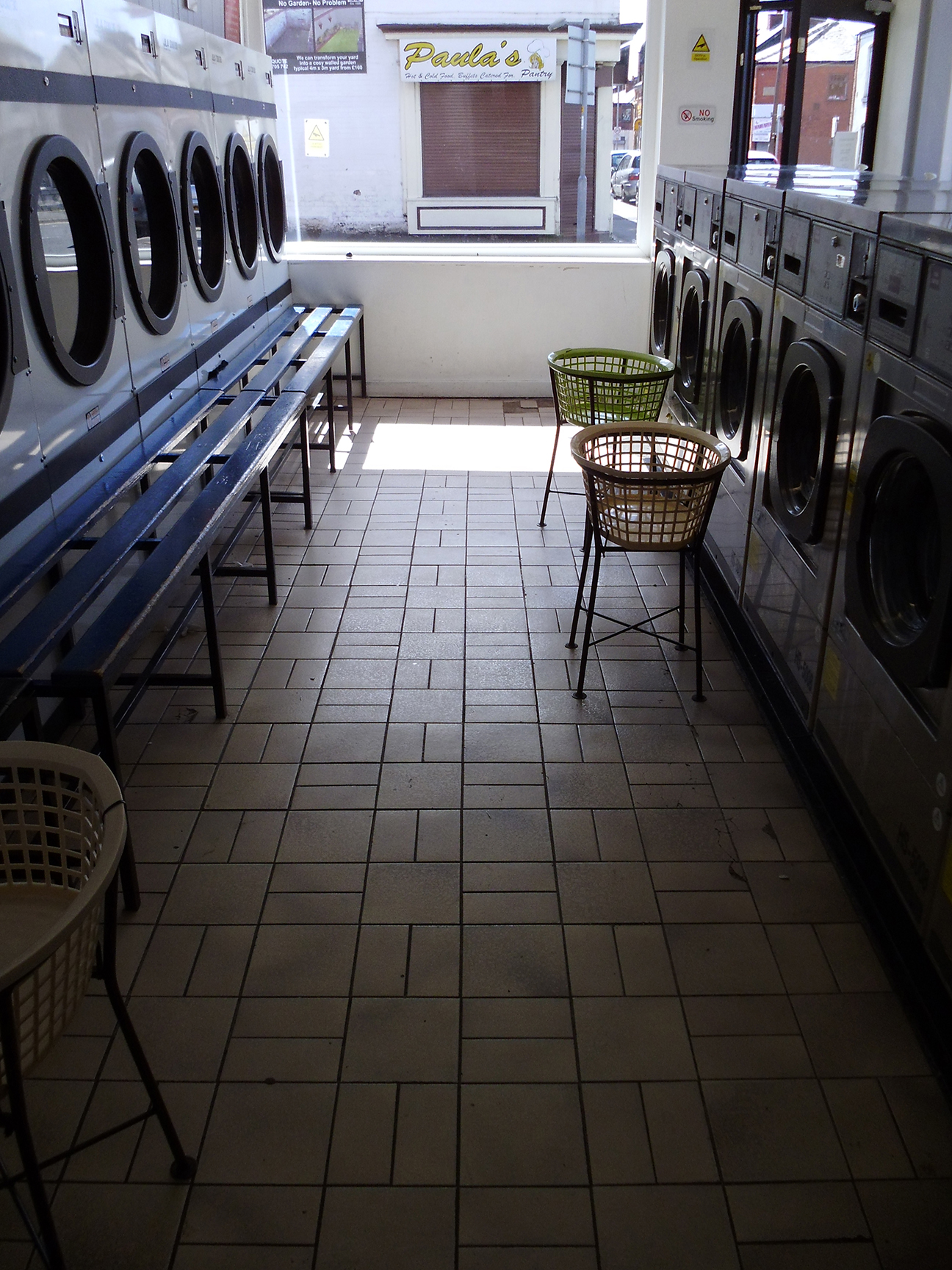
Cycling along Curzon Road one sunny Sunday afternoon, I found to my surprise, facing me across the Whiteacre Road junction.

– An empty yet extant launderette.

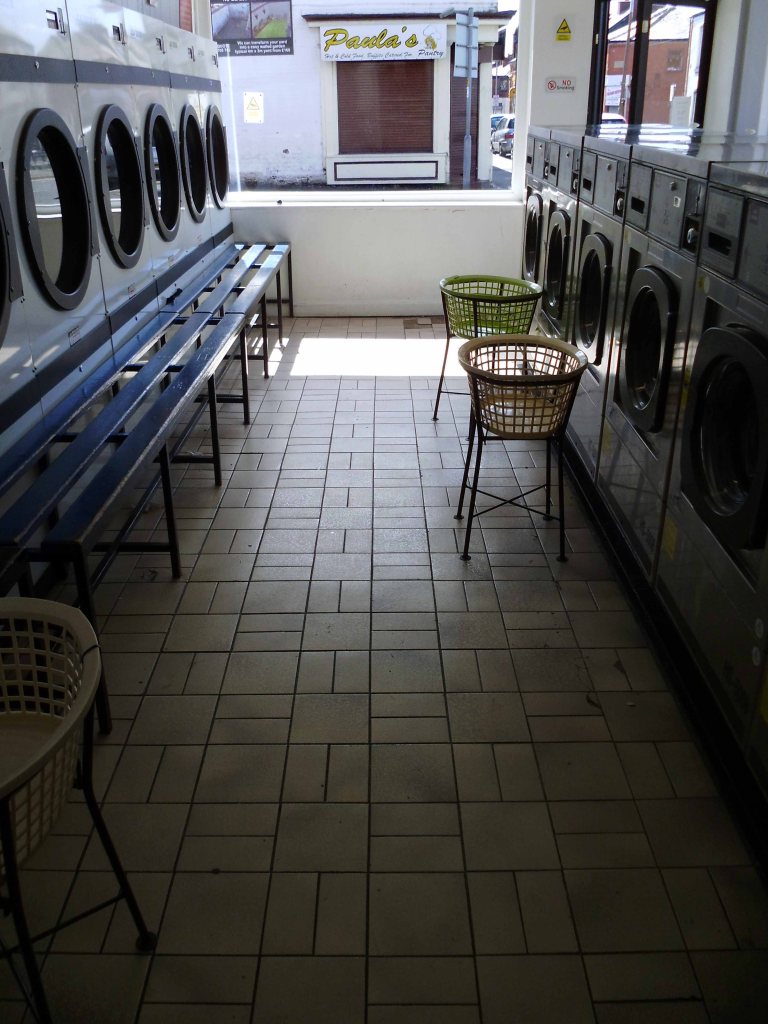
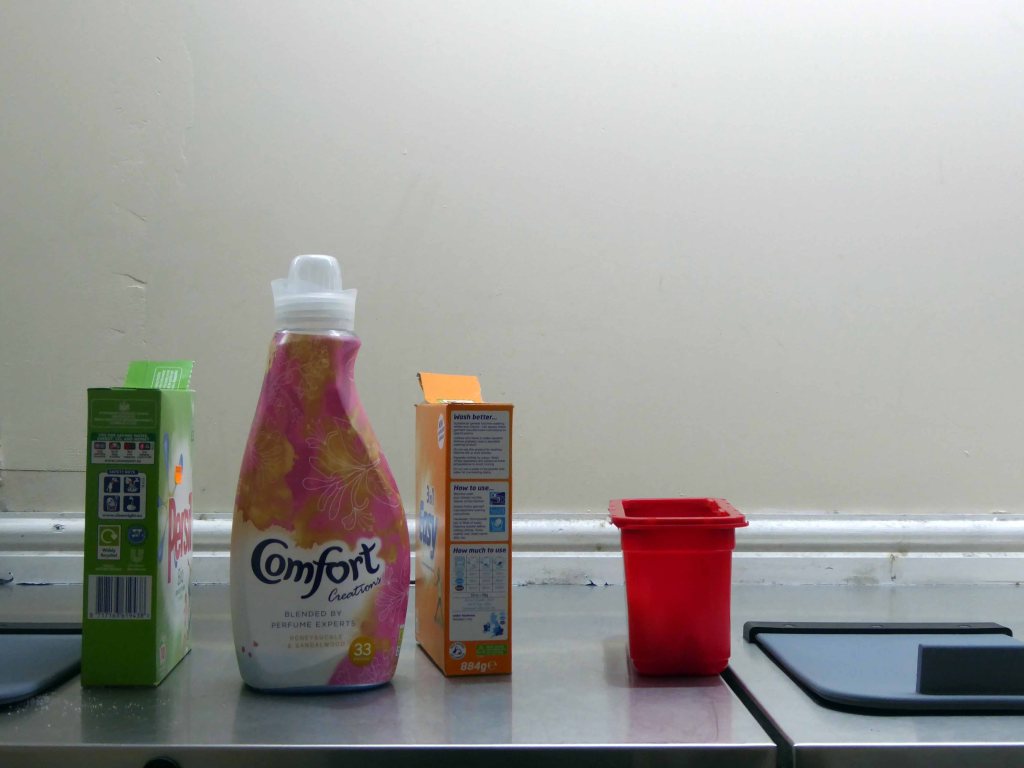
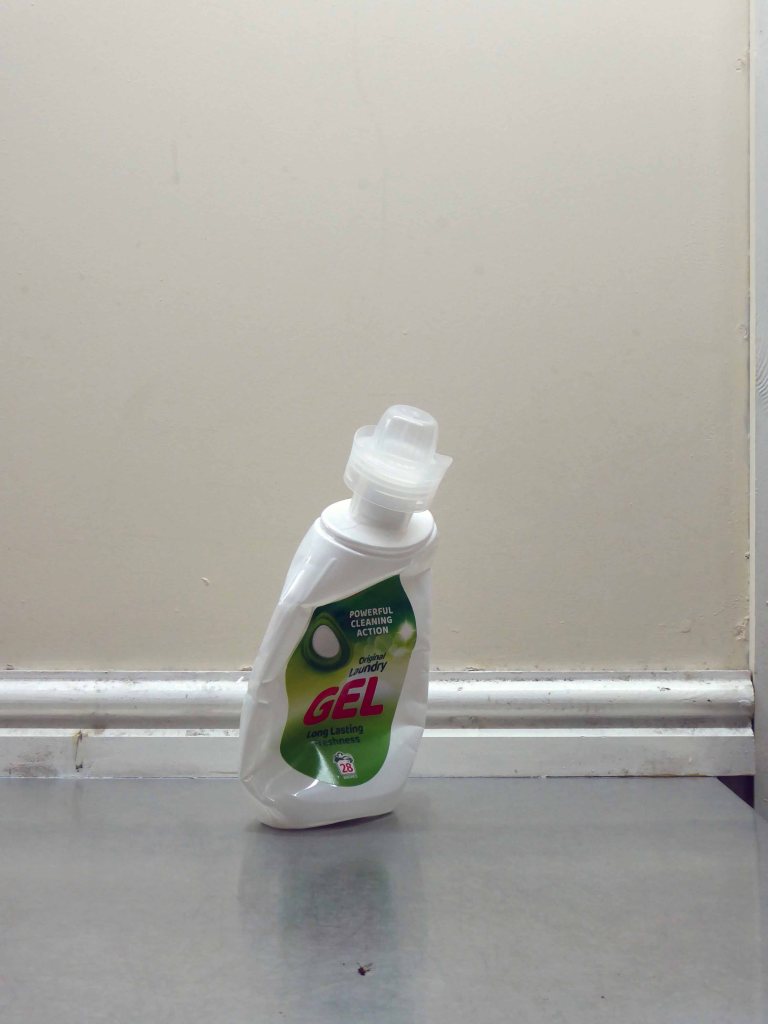
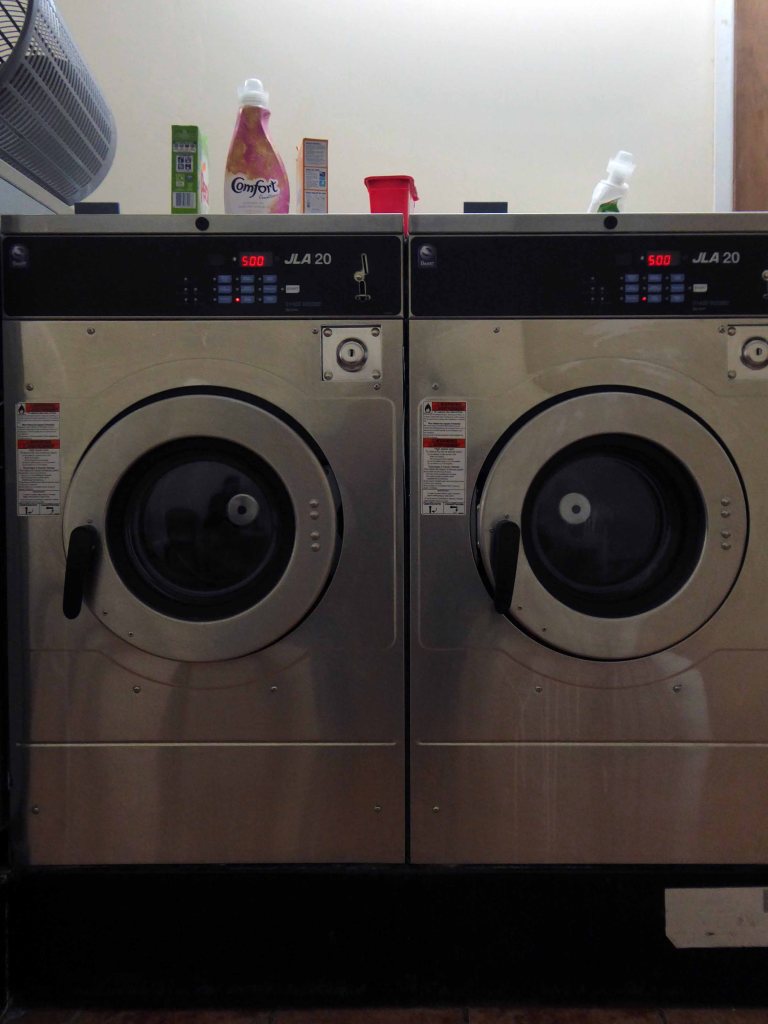
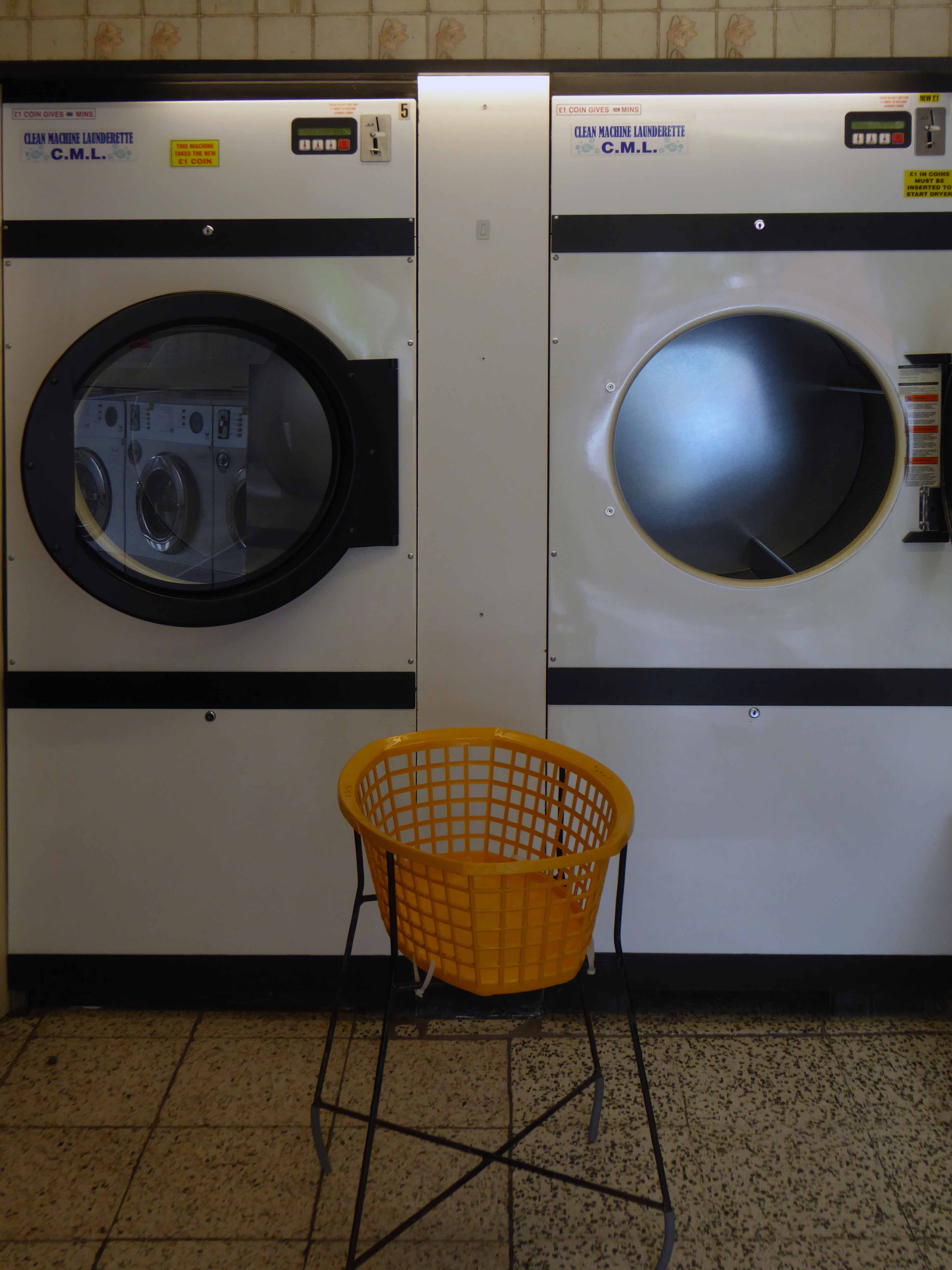
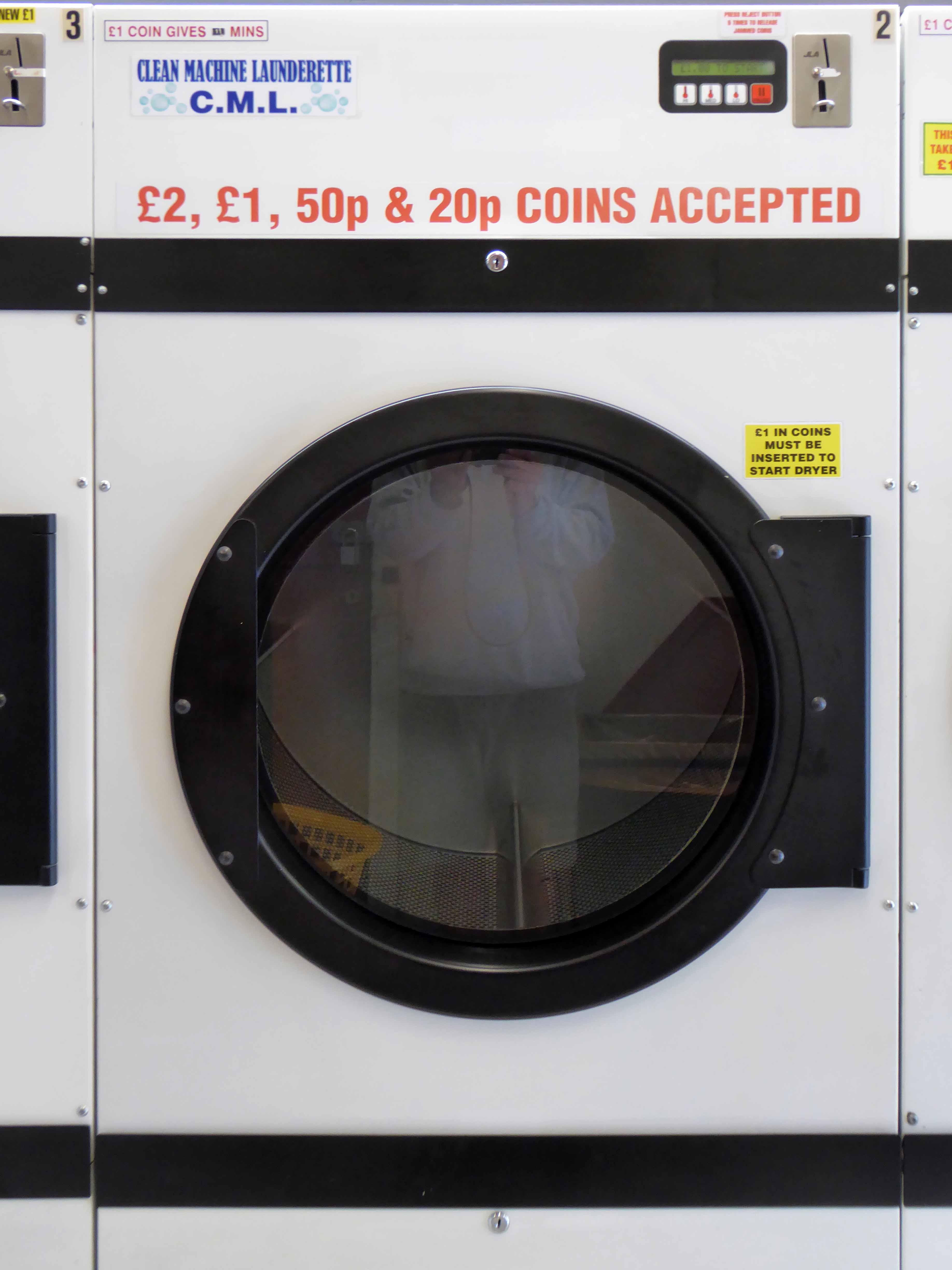
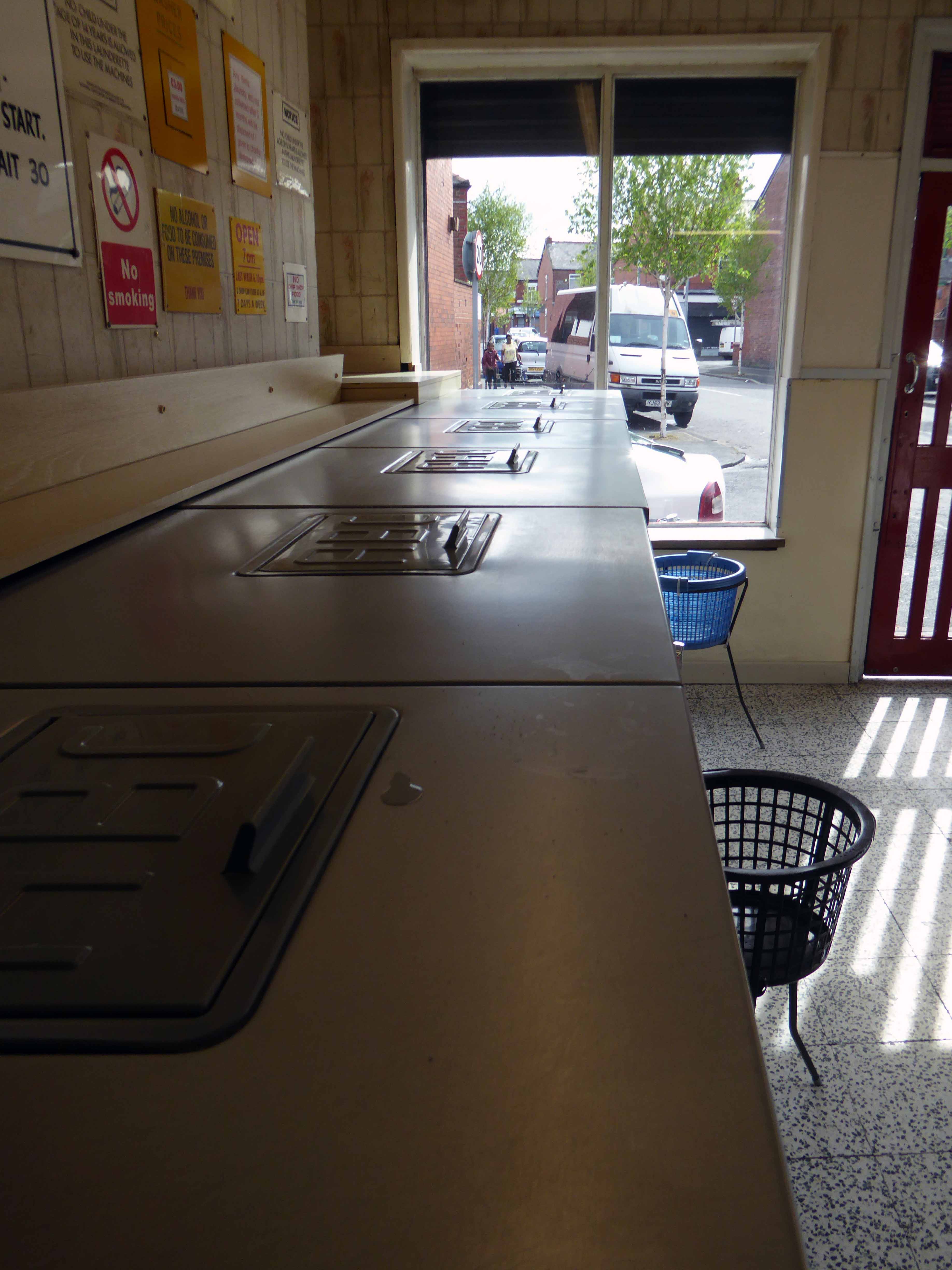
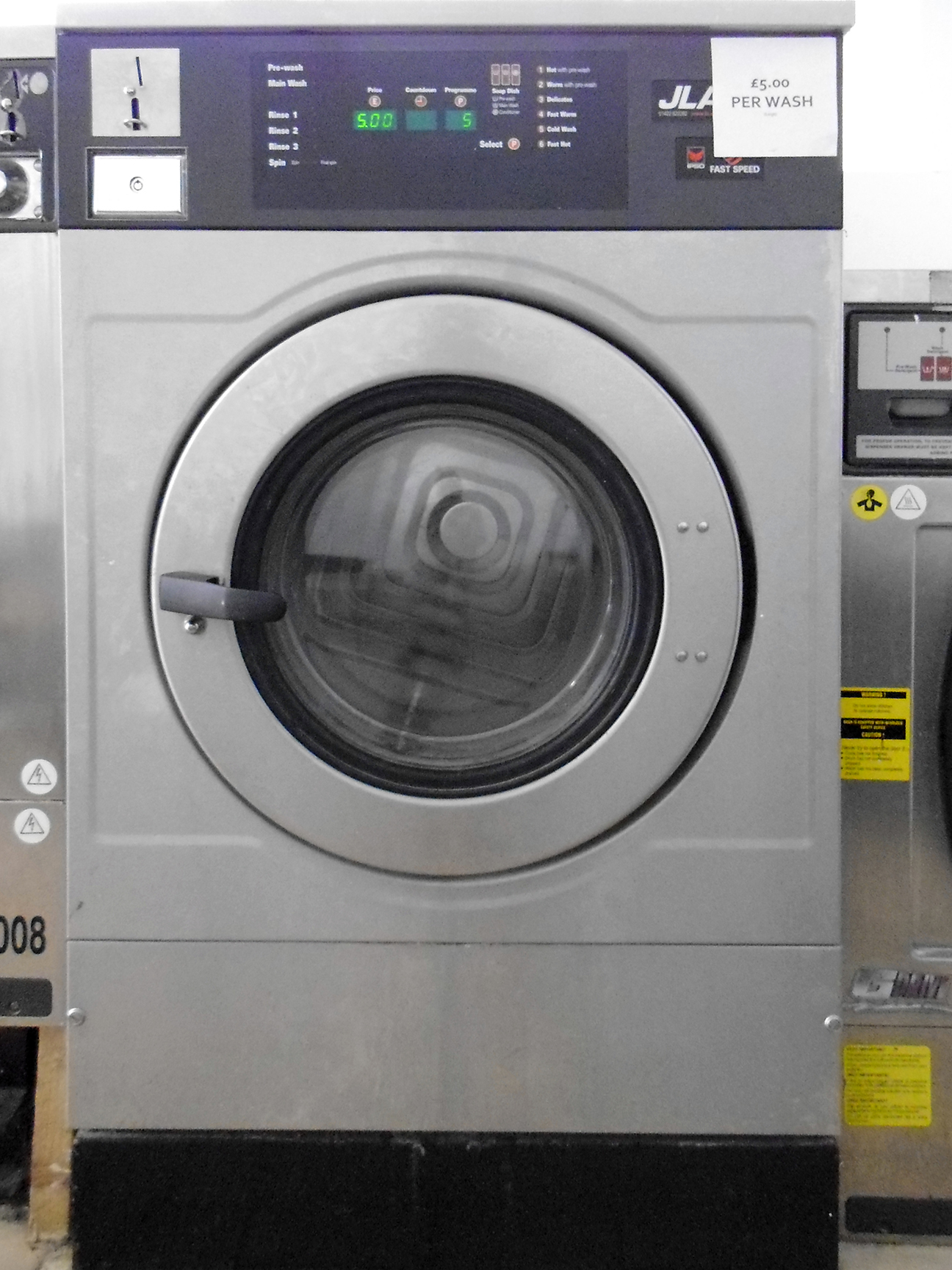
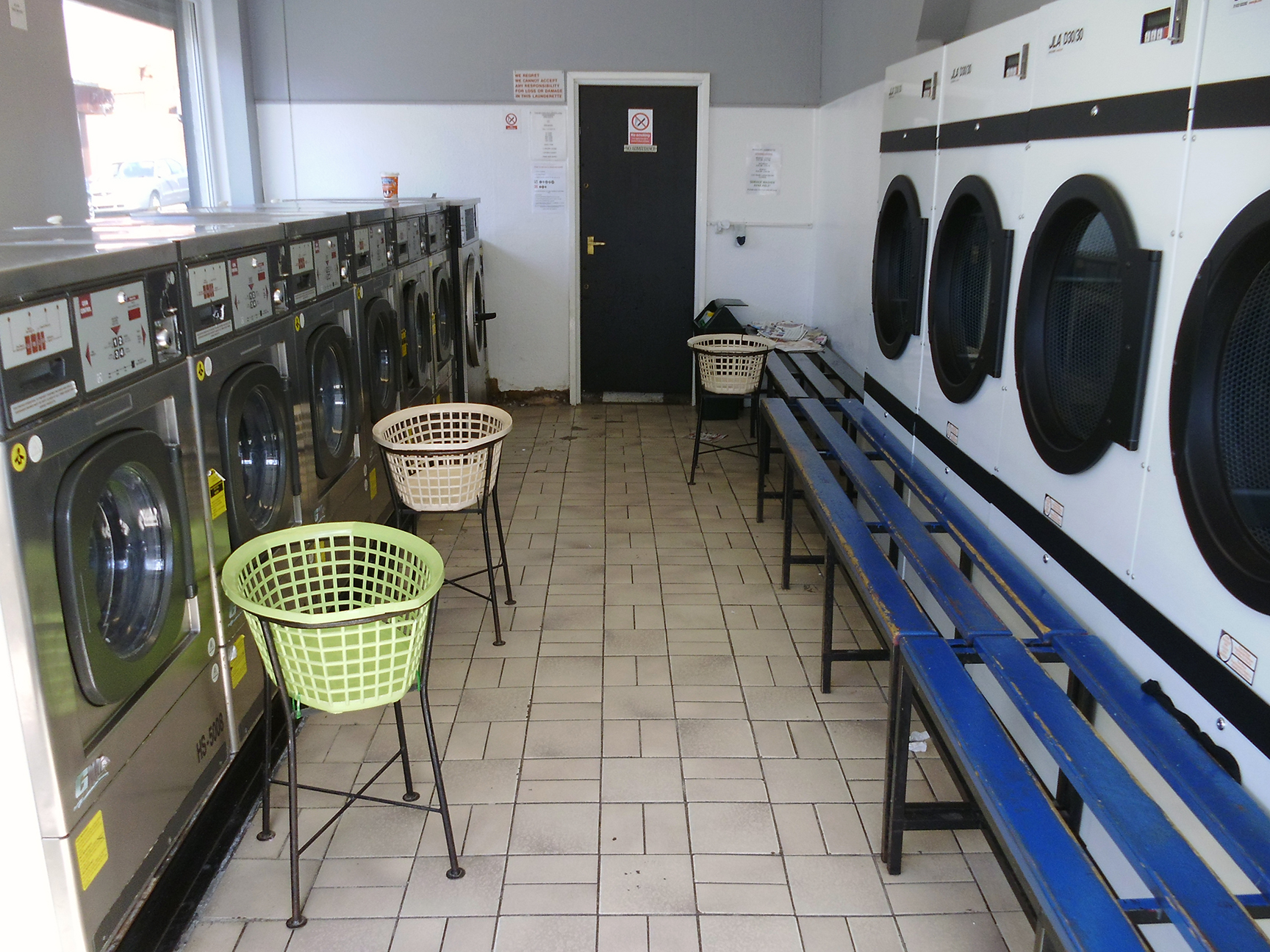
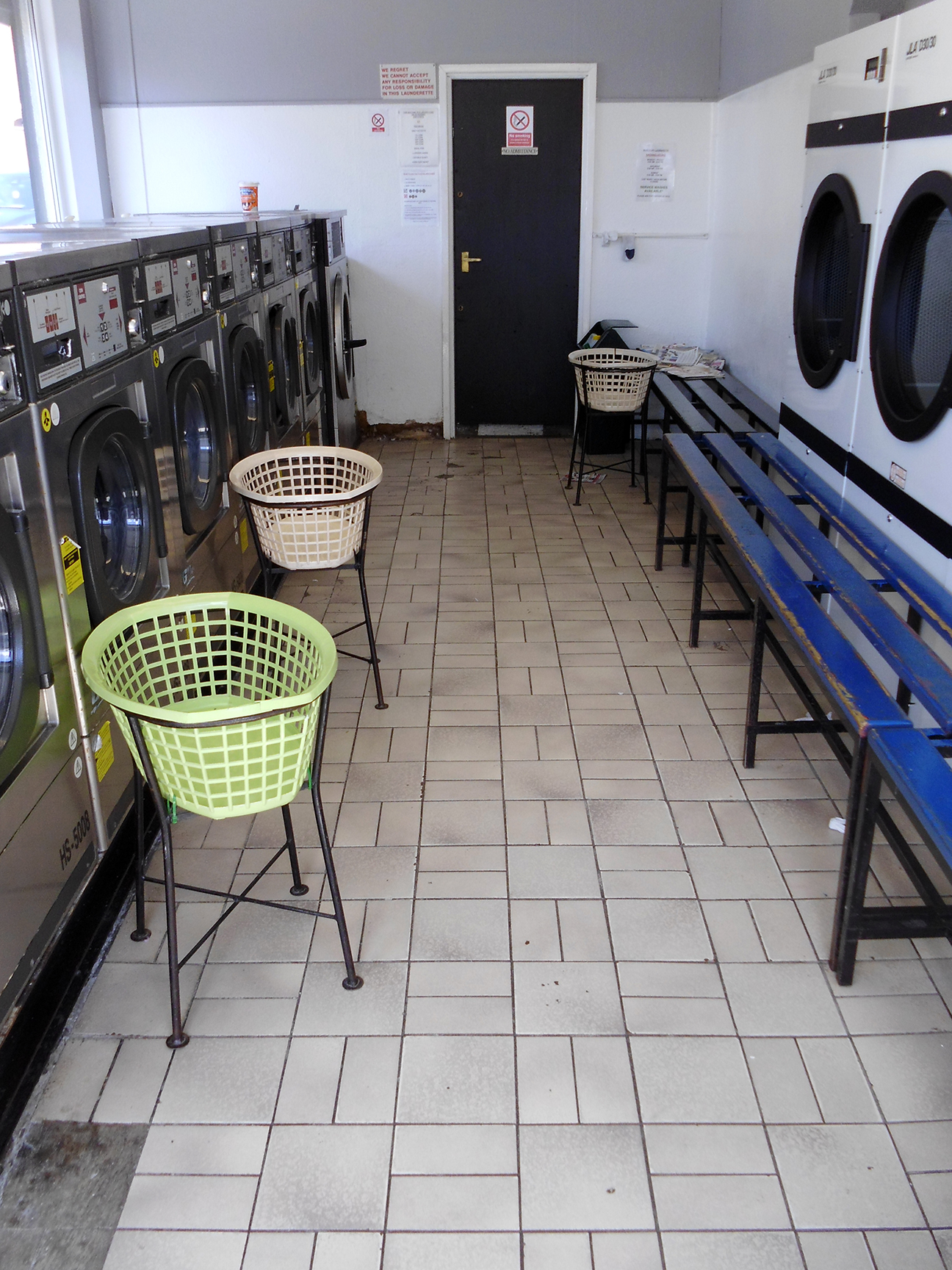
One lone drier tumbling, lonely – an absence of presence, save myself.

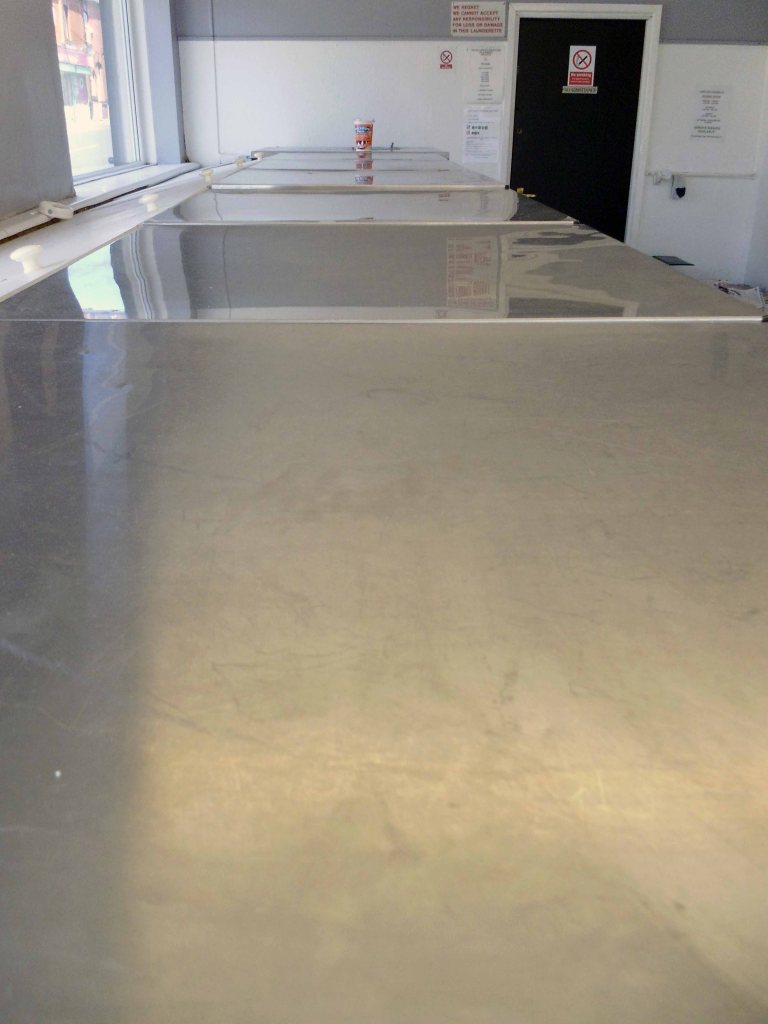
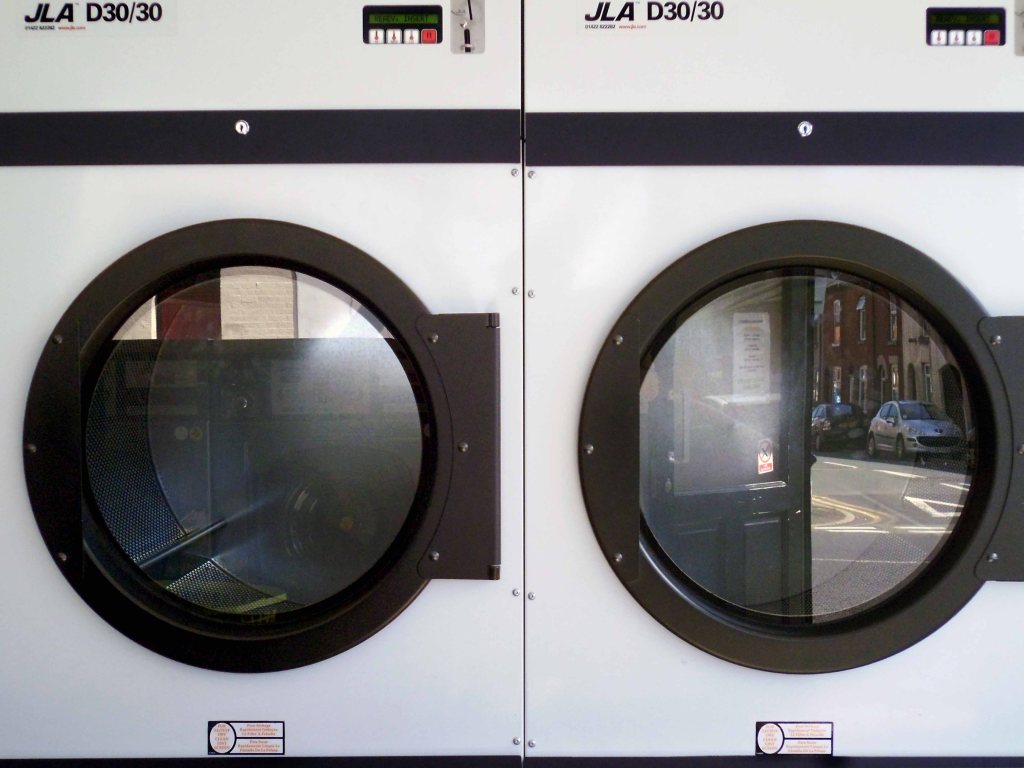
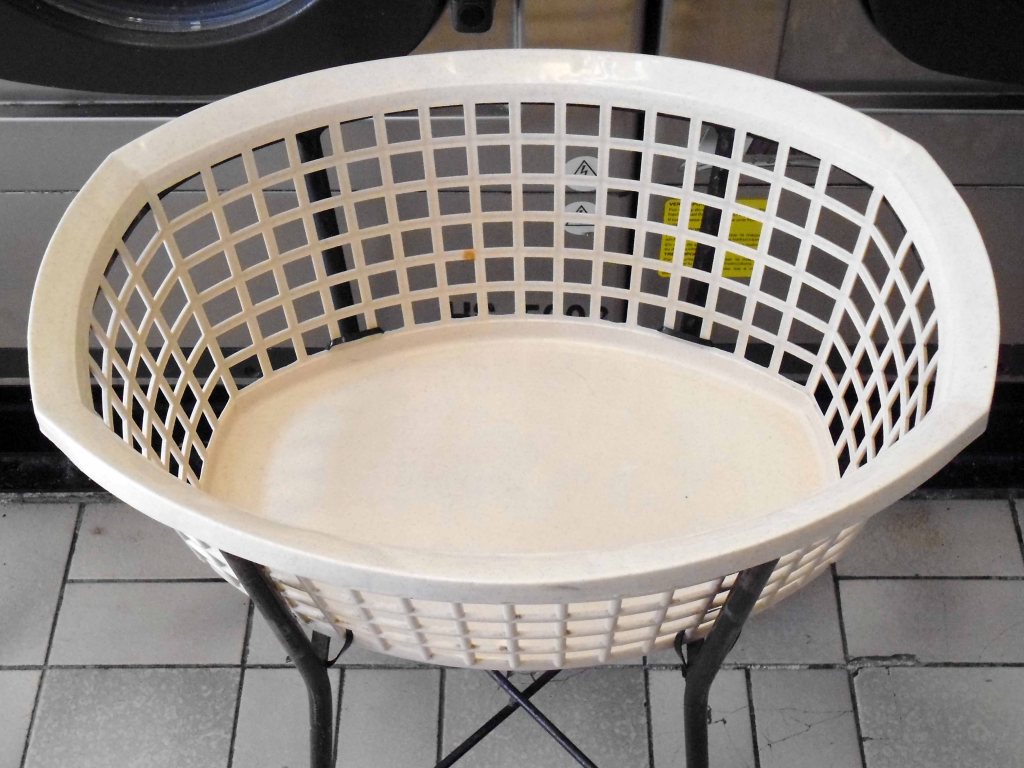
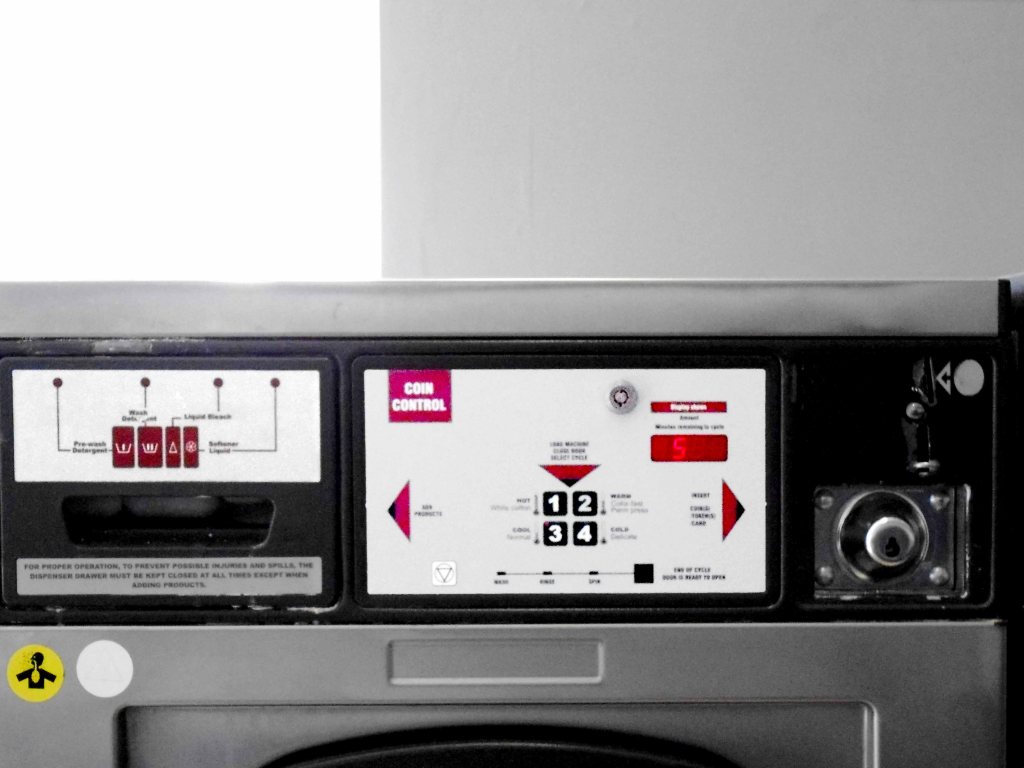
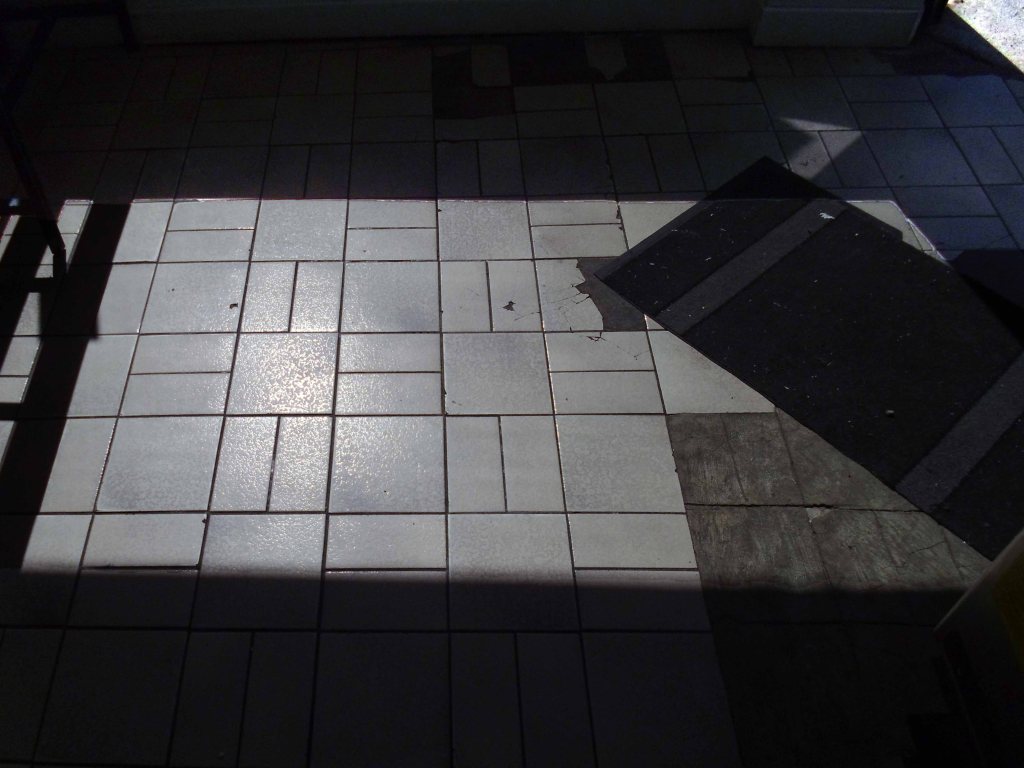
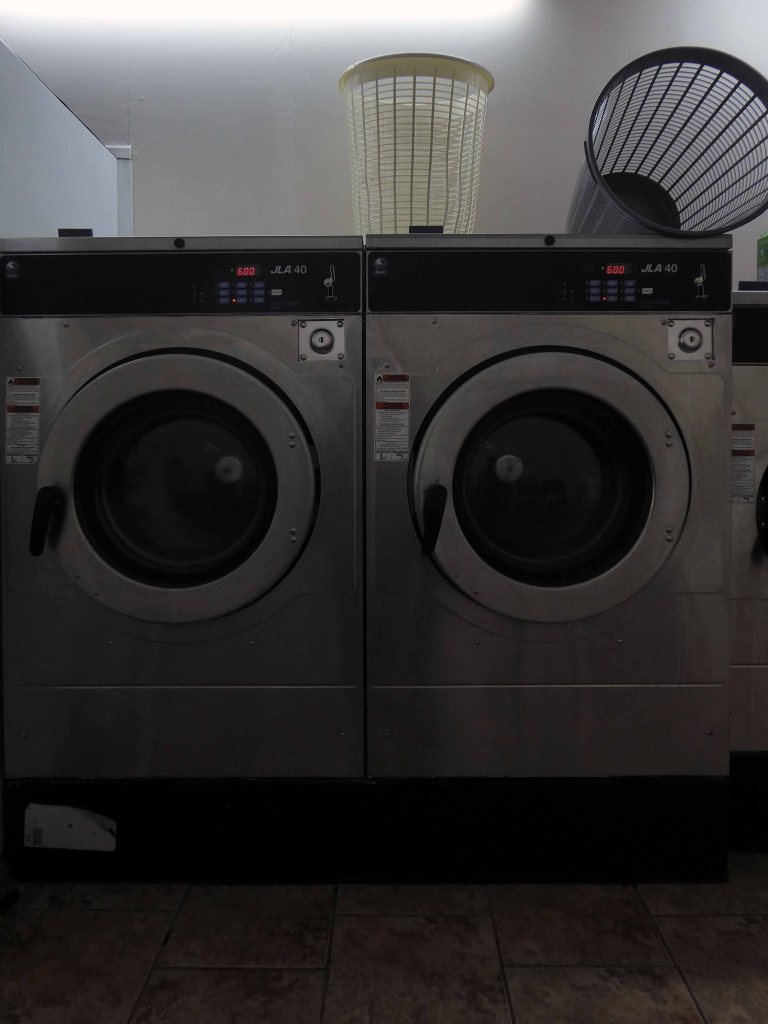
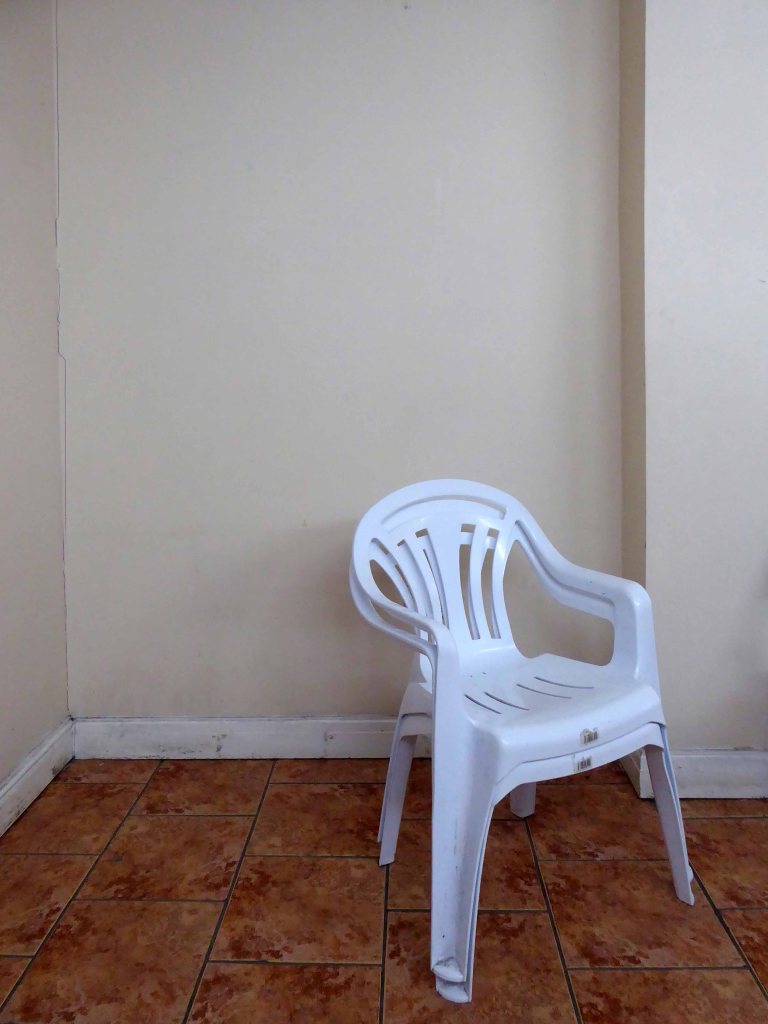
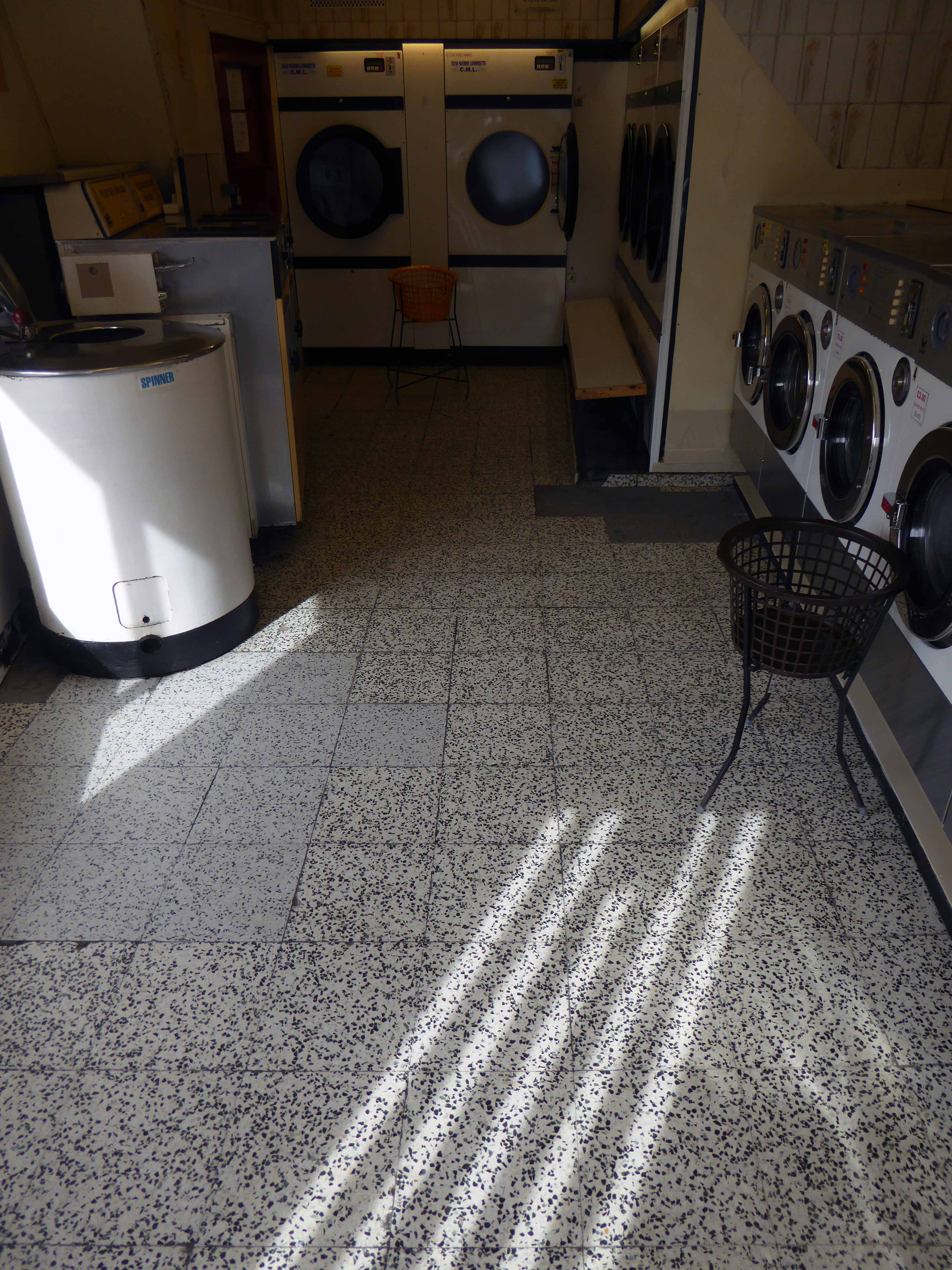
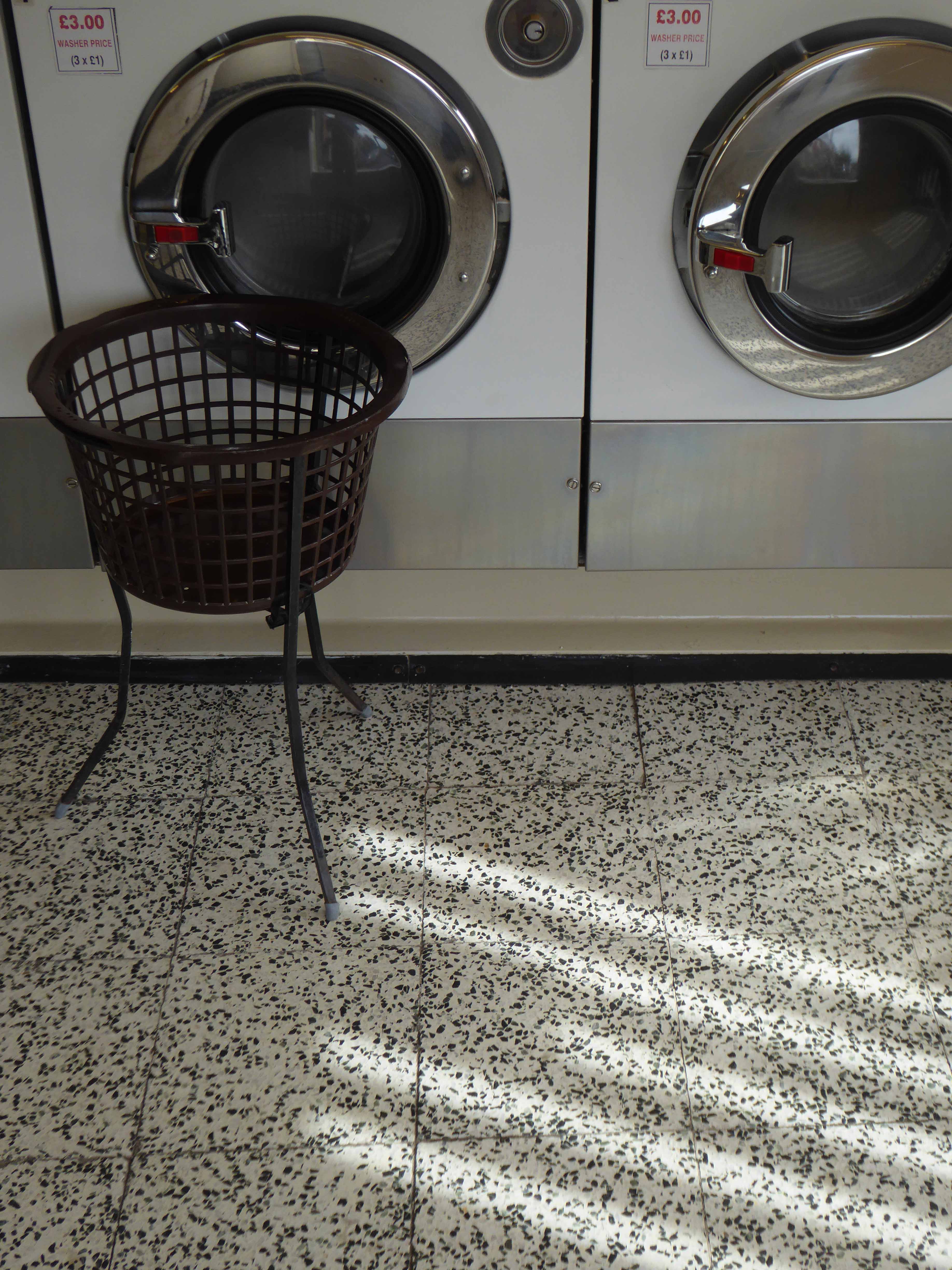
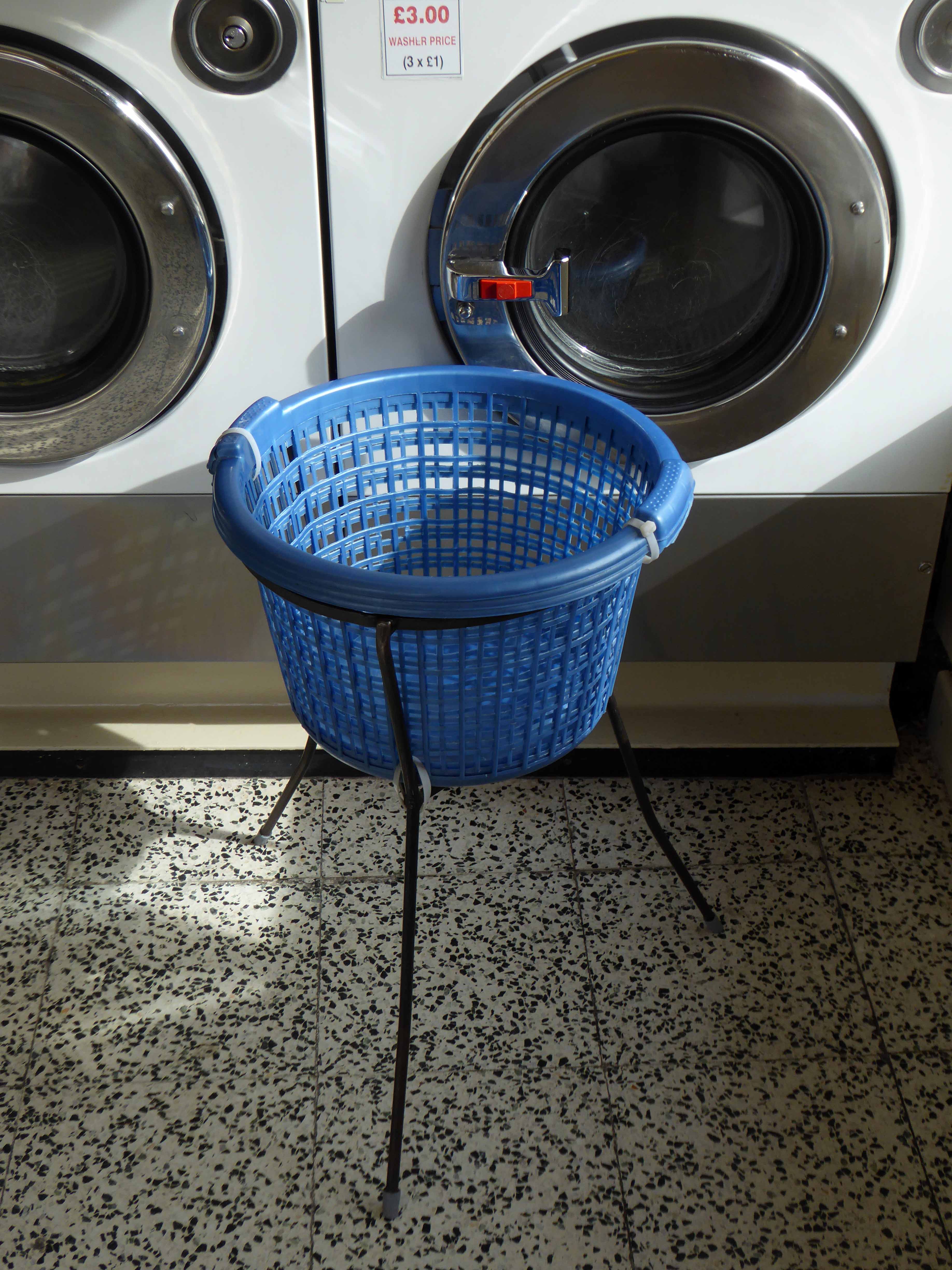
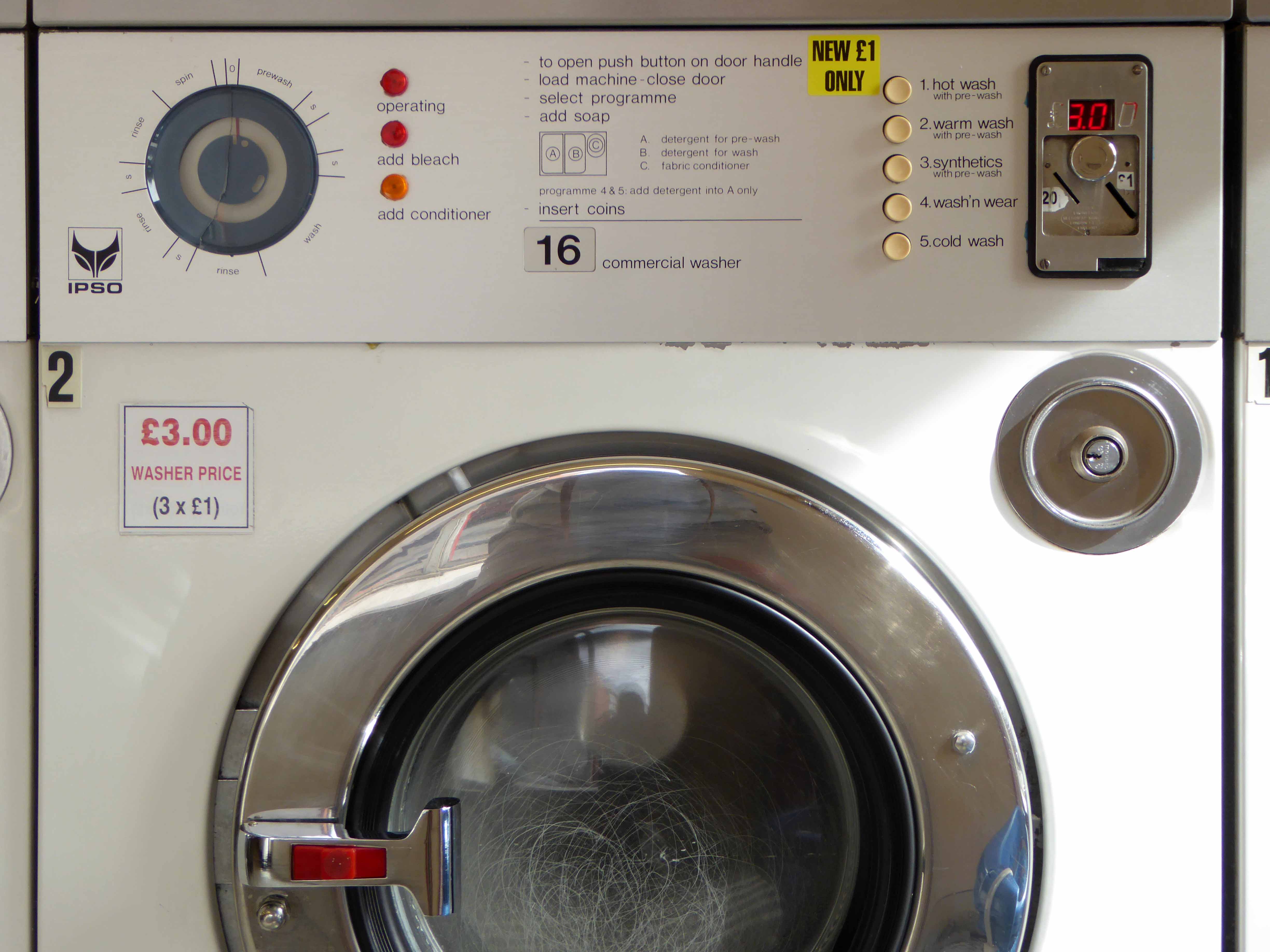
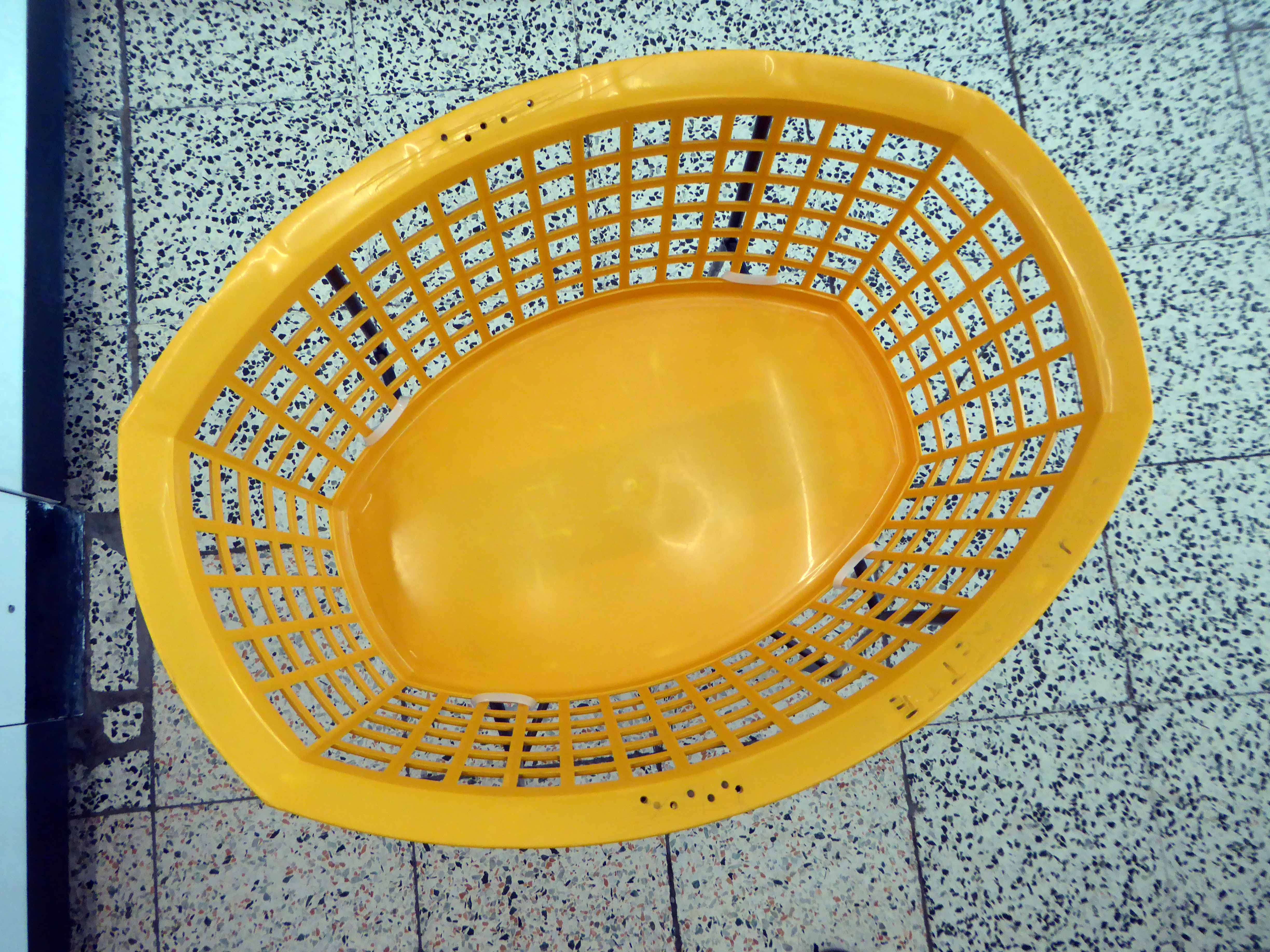
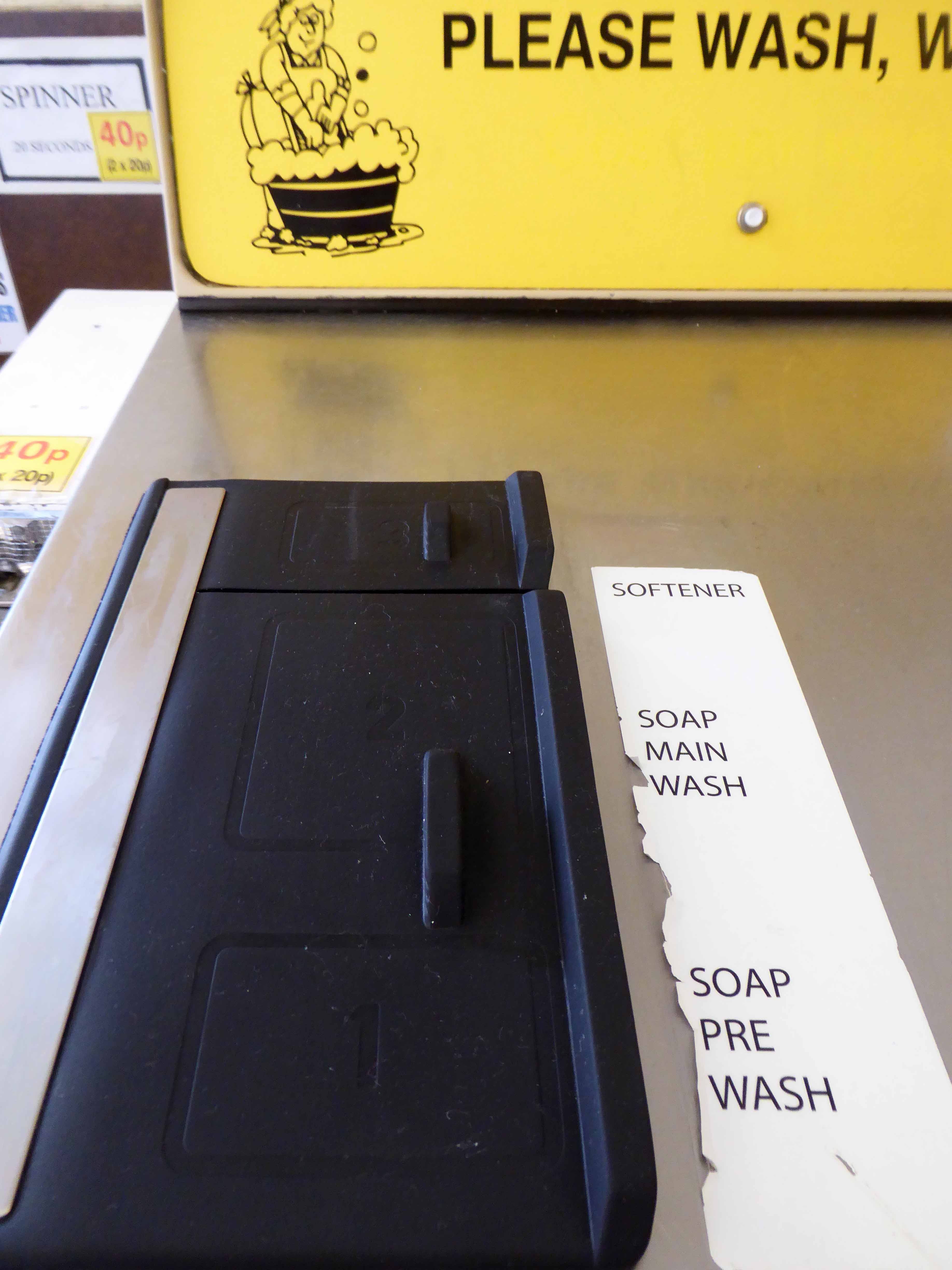
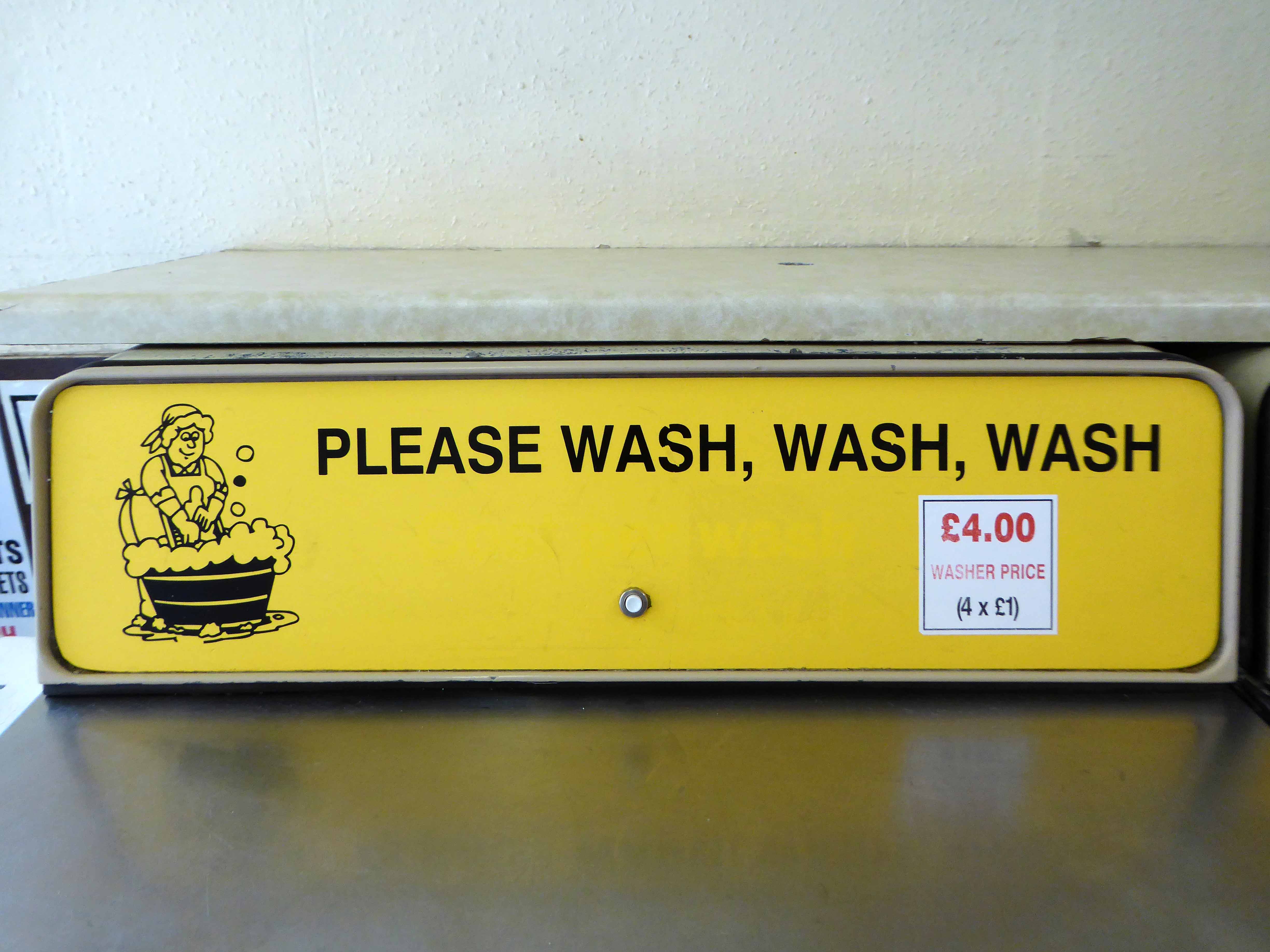
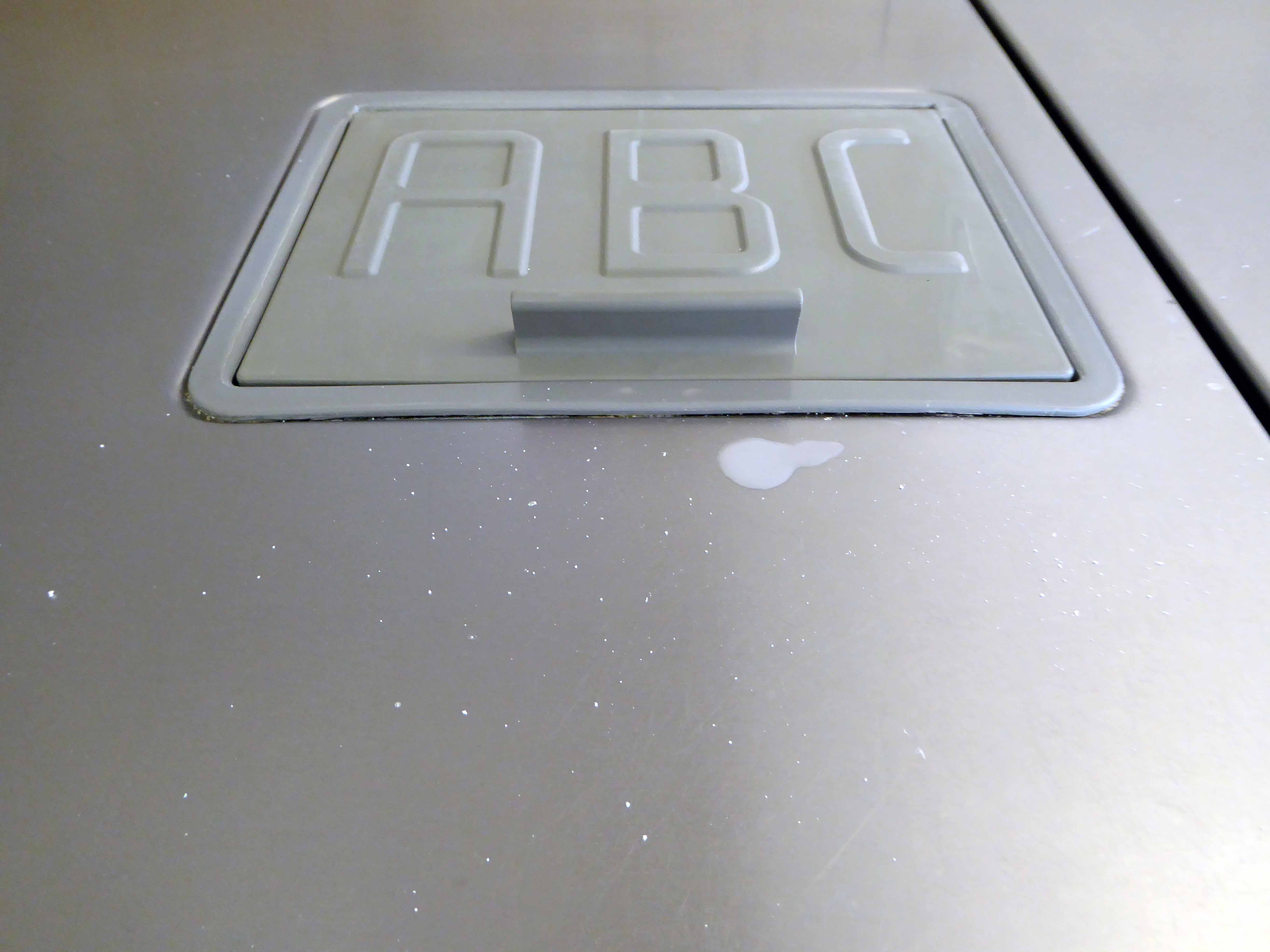
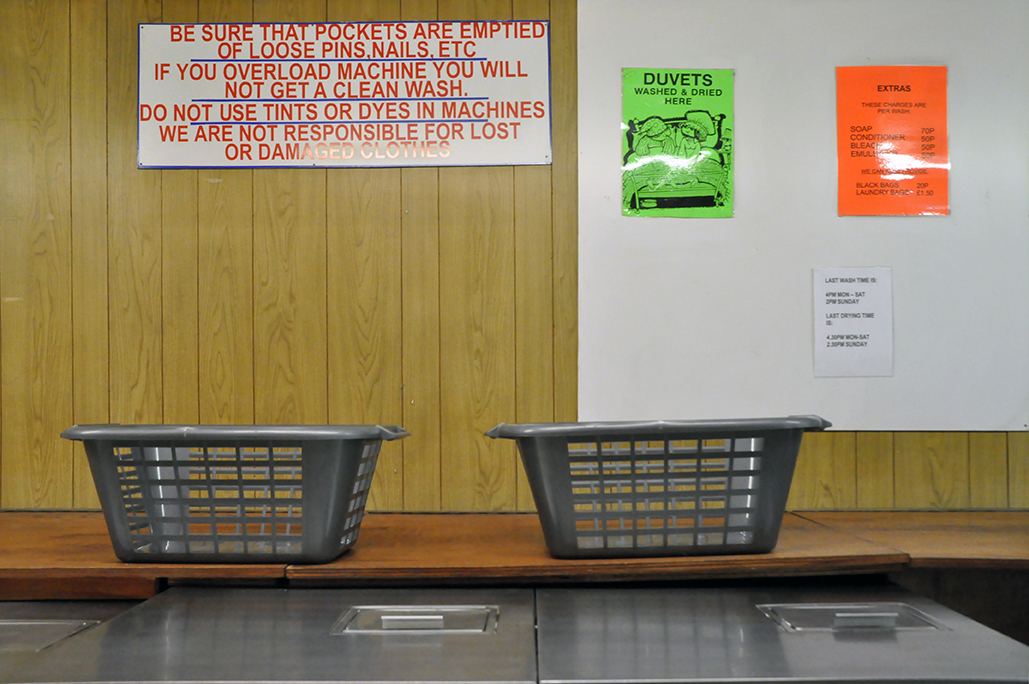
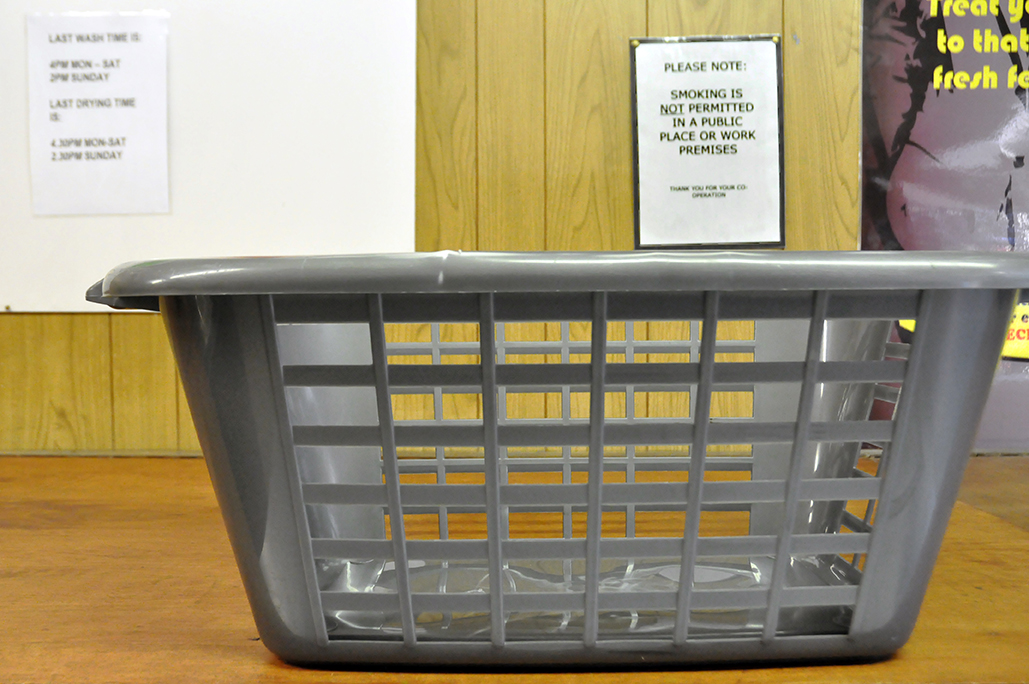
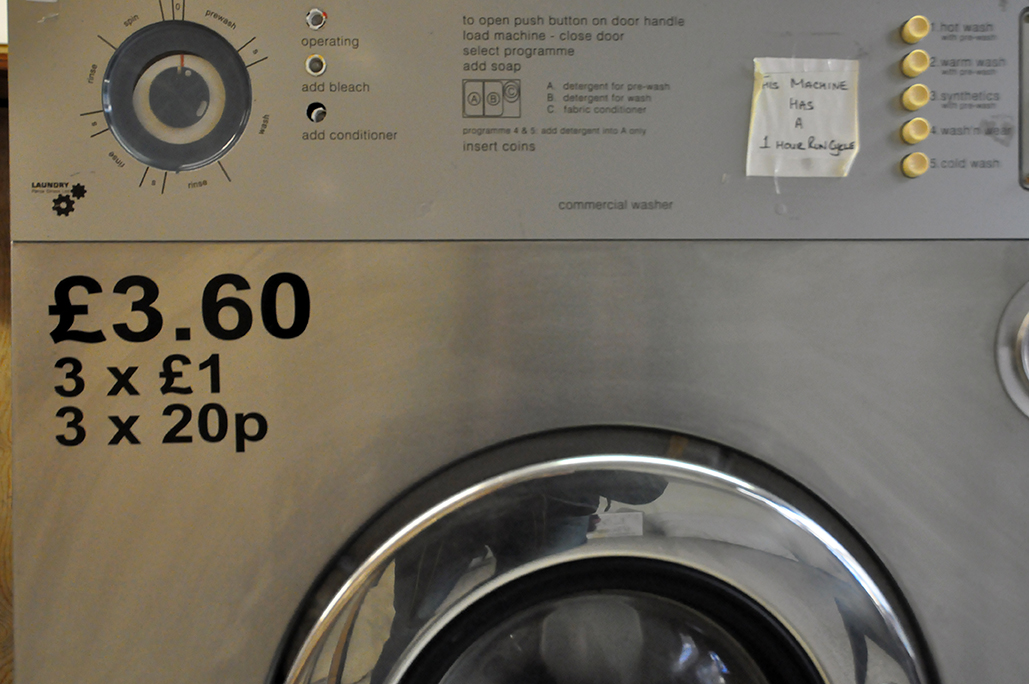
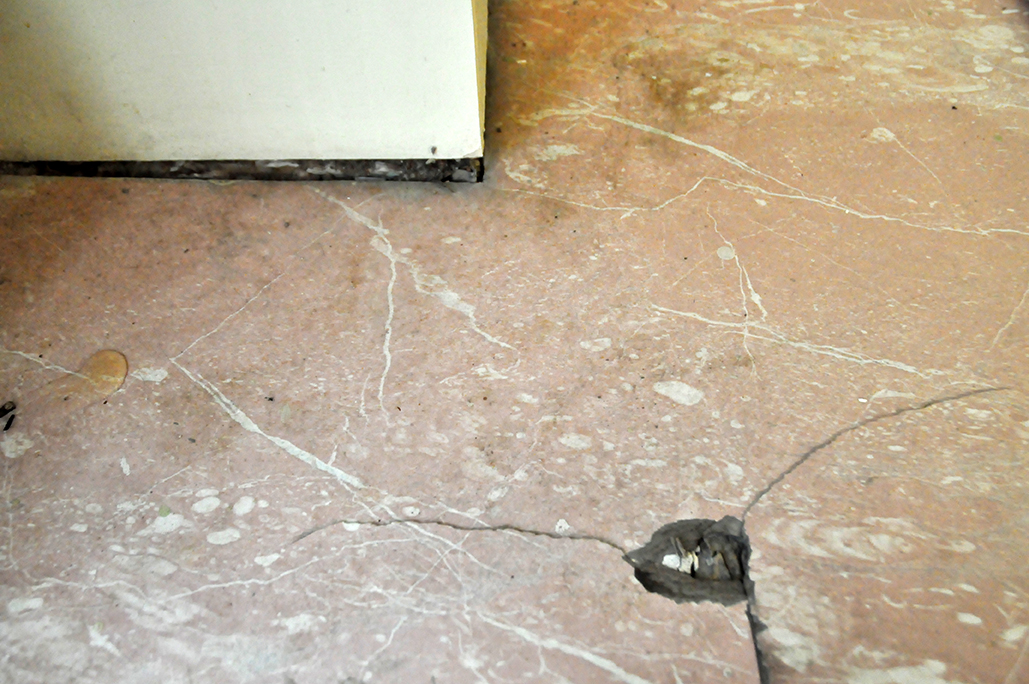
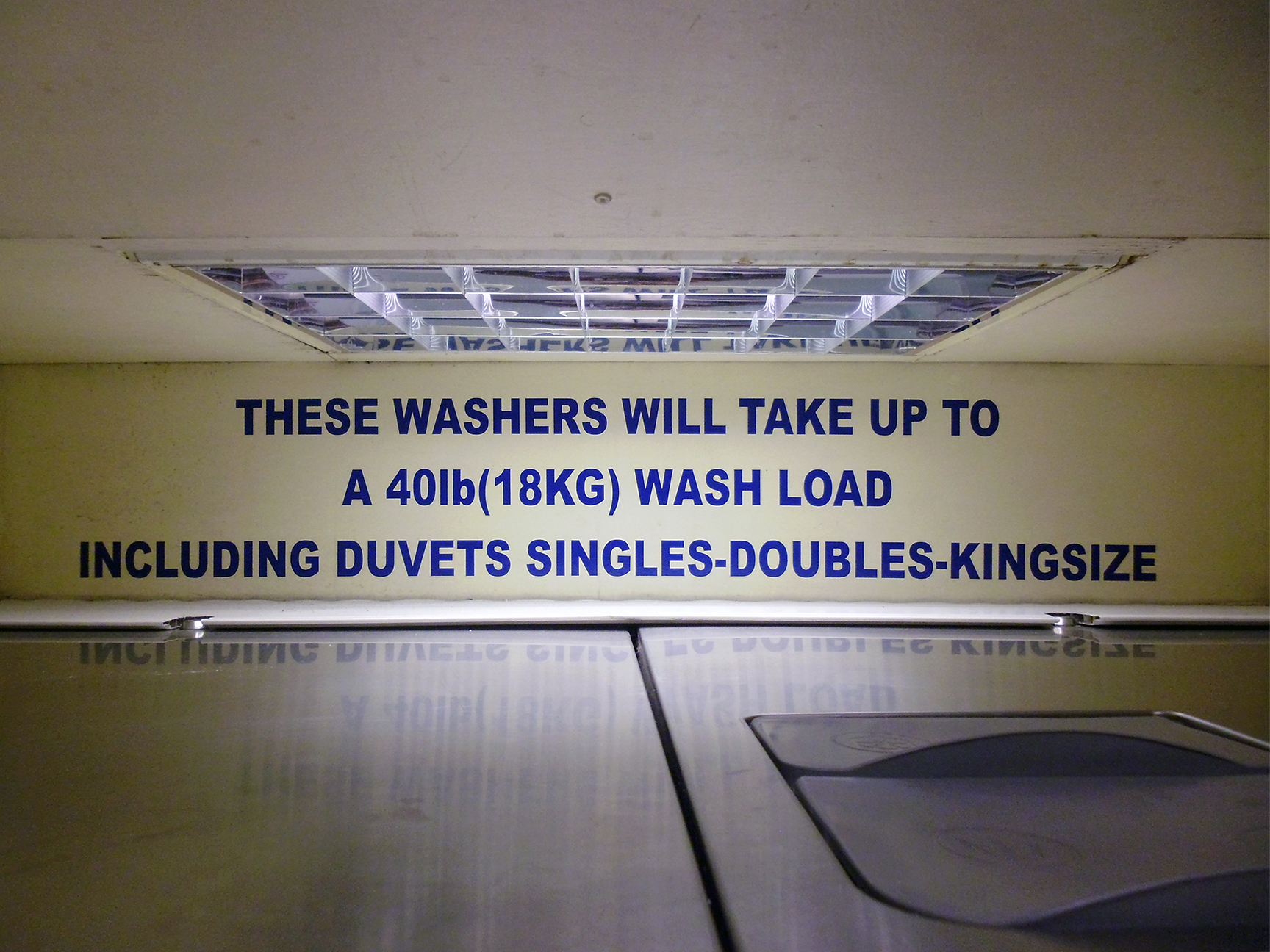
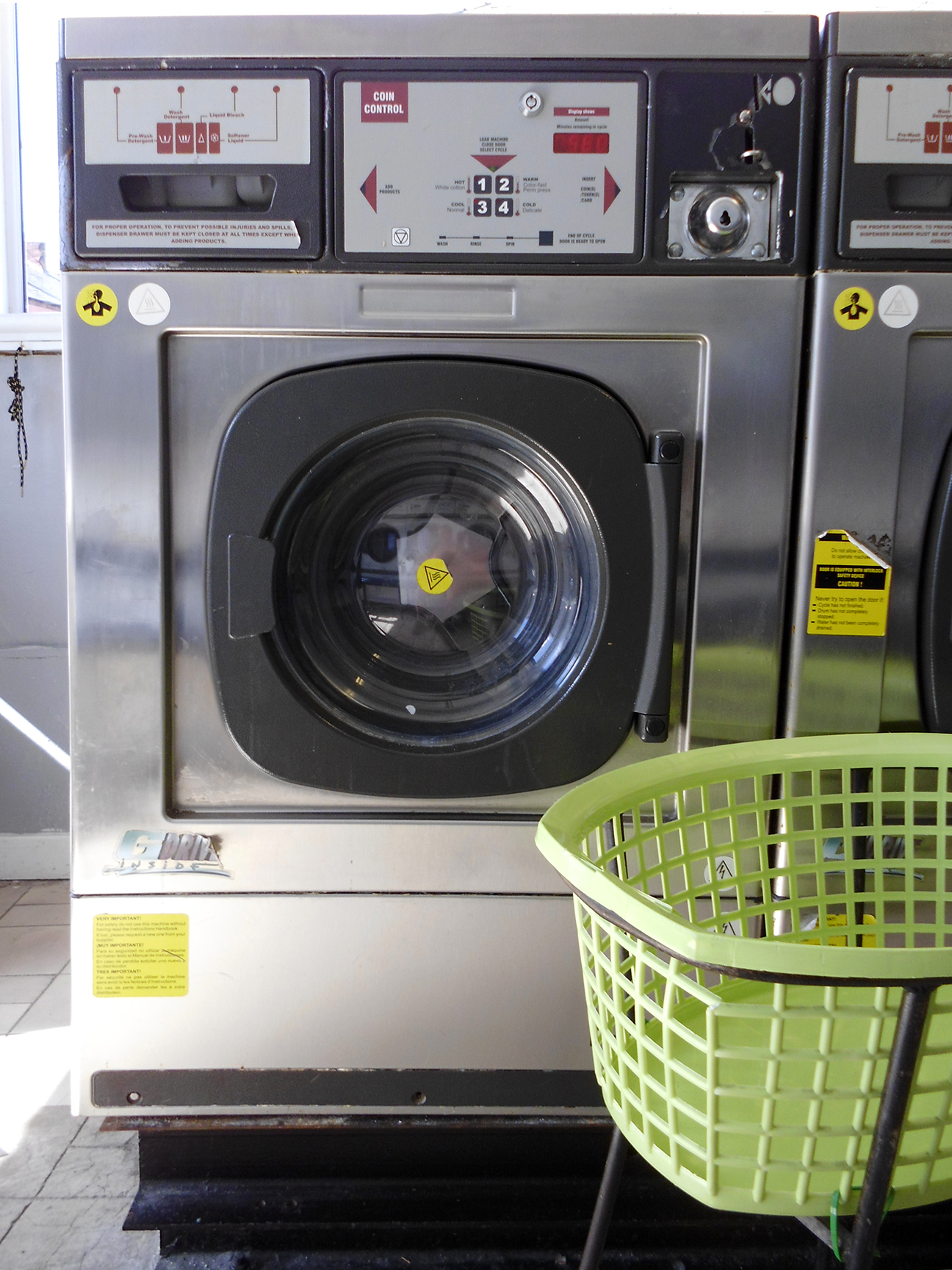
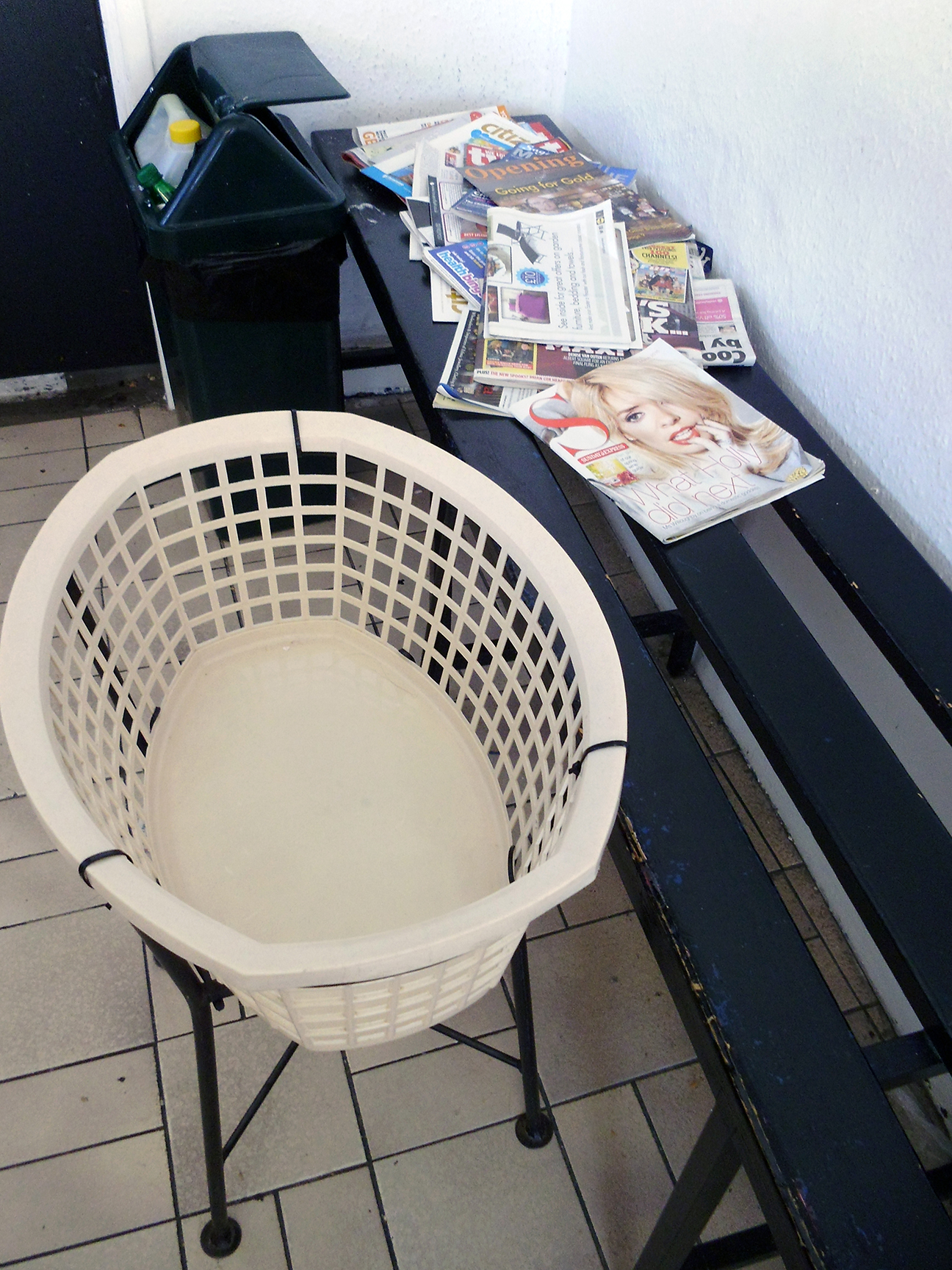
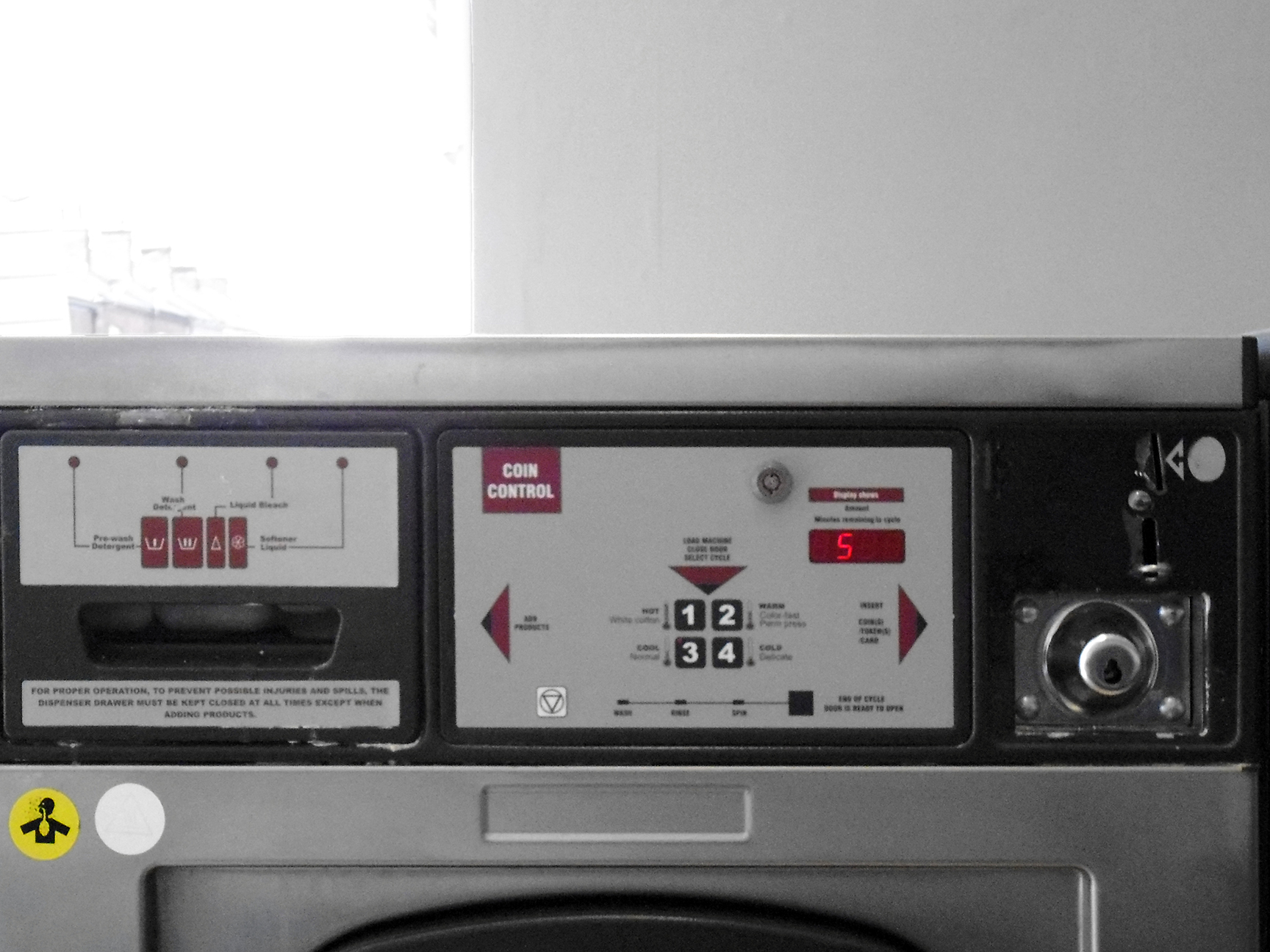
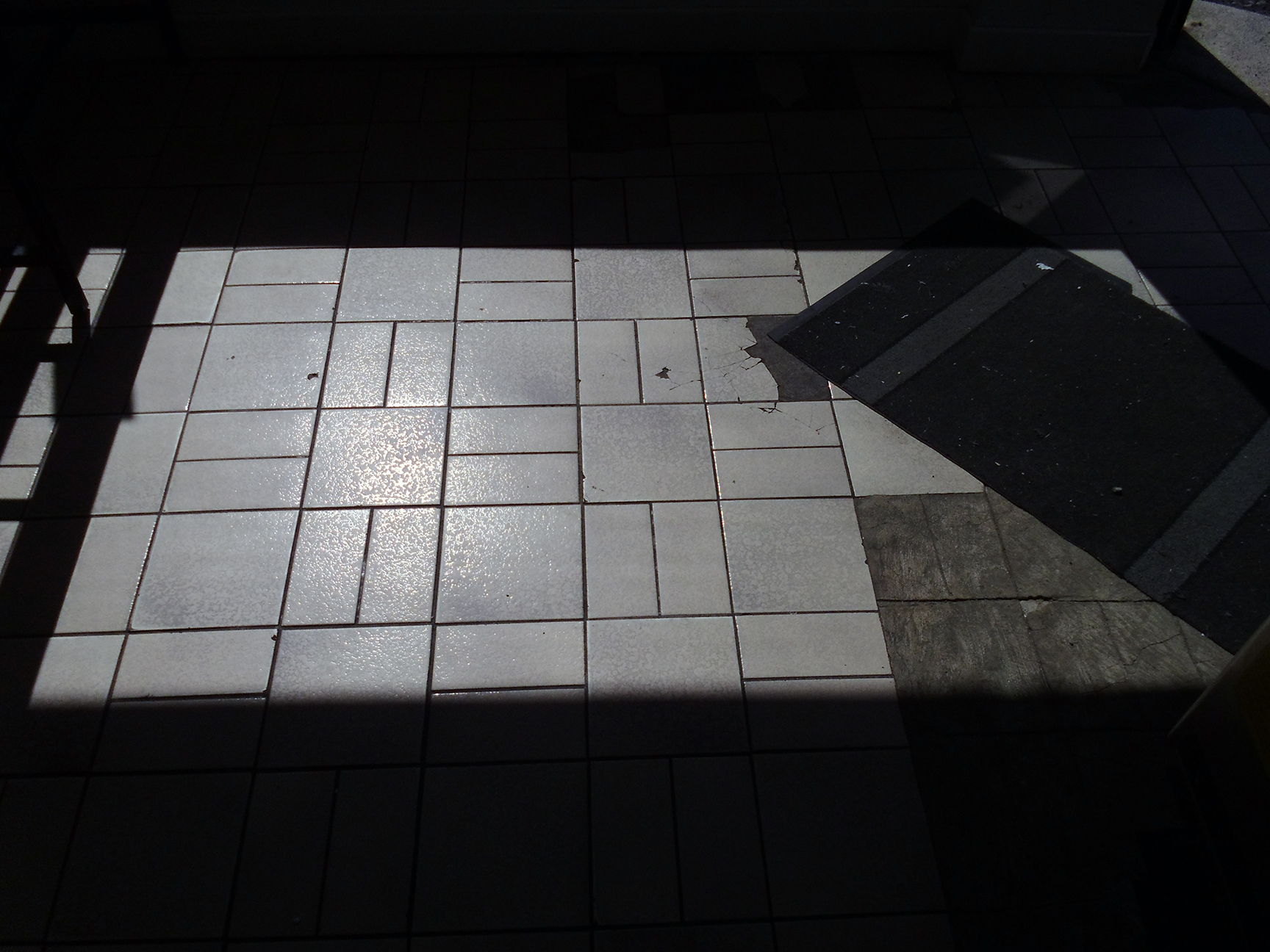
The usual spartan interior almost unkempt, enlivened by four legged, almost alien, ovalish plastic laundry baskets. A sunlit shimmer of brushed steel surfaces, low lit and deeply shadowed linoleum tiles.

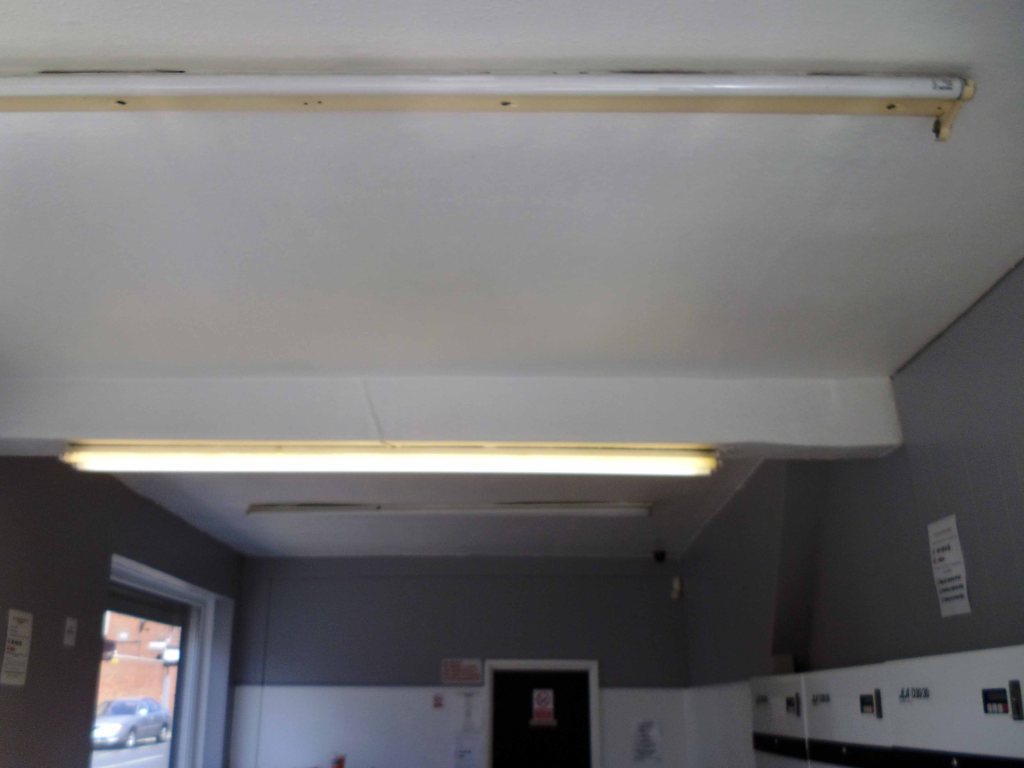
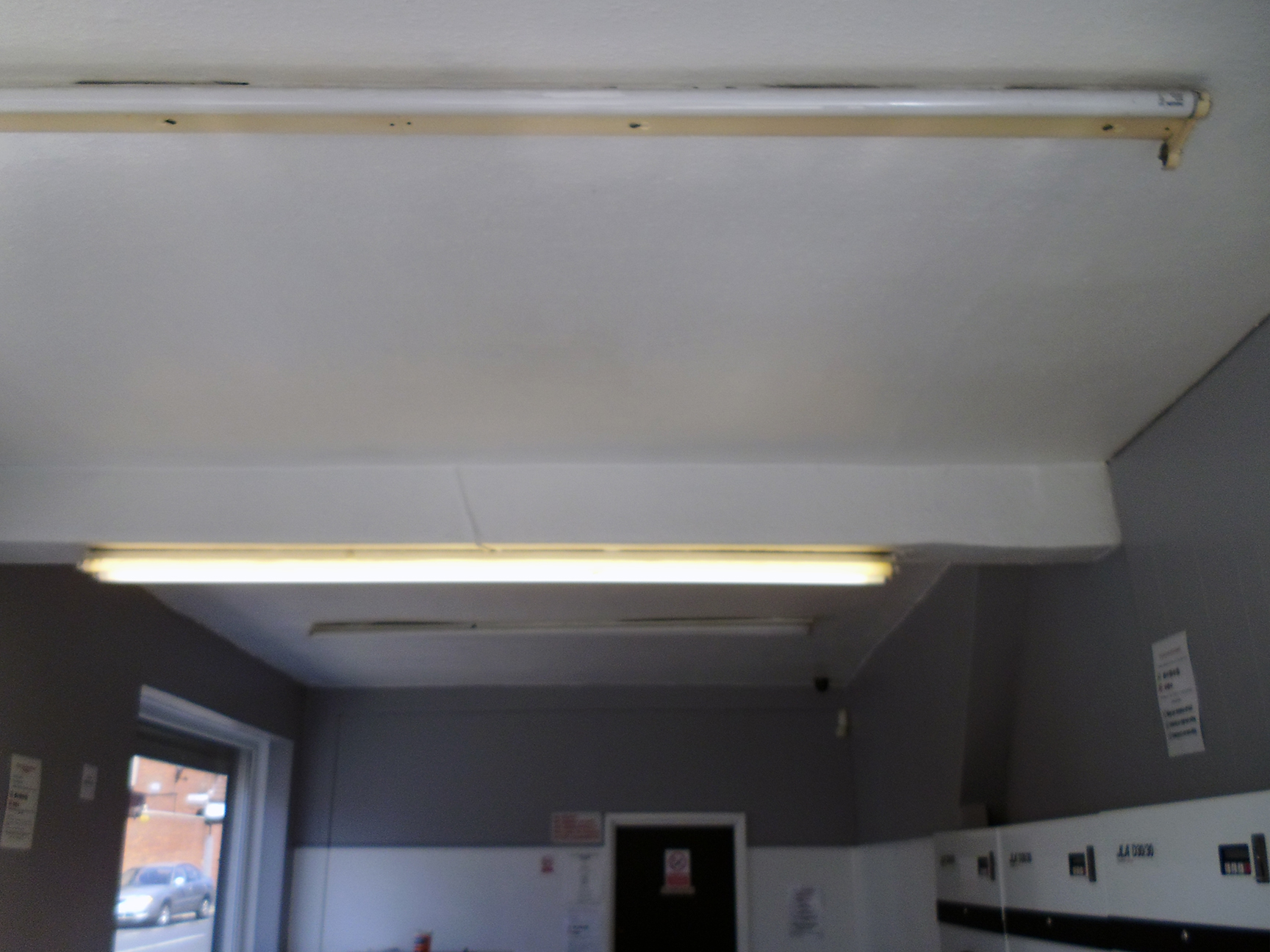
Under the illuminating hum of bare fluorescent tubes.

I snapped and exited, unwashed.

Great!

P1060635 copy

P1060627 copy

P1060634 copy

P1060640 copy

P1060633 copy

P1060637 copy

P1060639 copy

P1060626 copy

P1060641 copy

P1060628 copy

P1060638 copy

P1060630 copy

P1060632 copy

P1060636 copy