The days when a vast multitude of things came and went have been and gone.
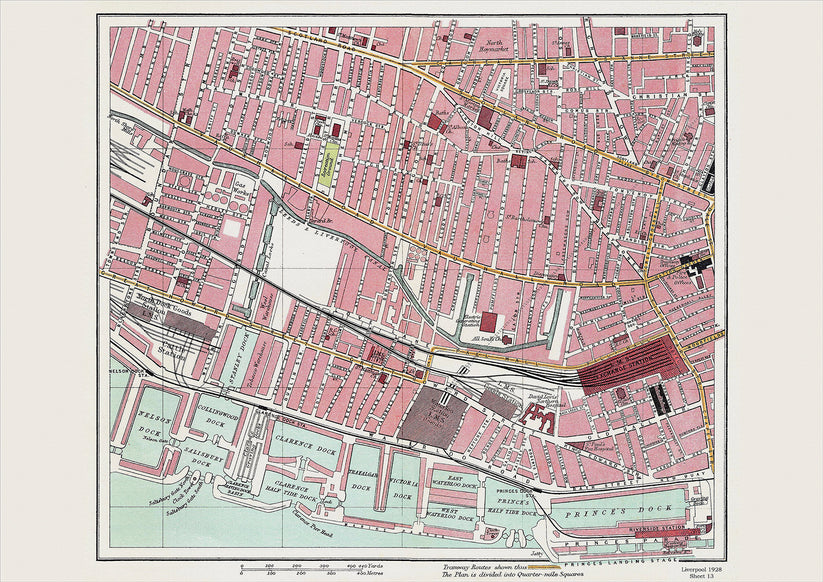
The docks as they were are no more.
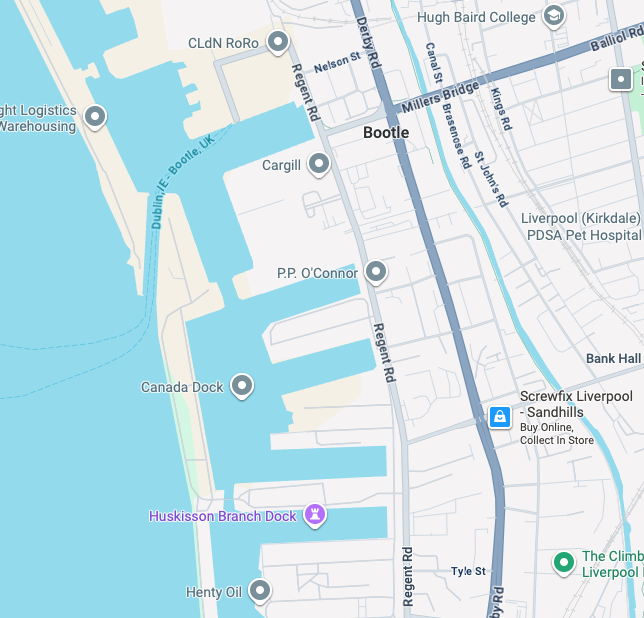
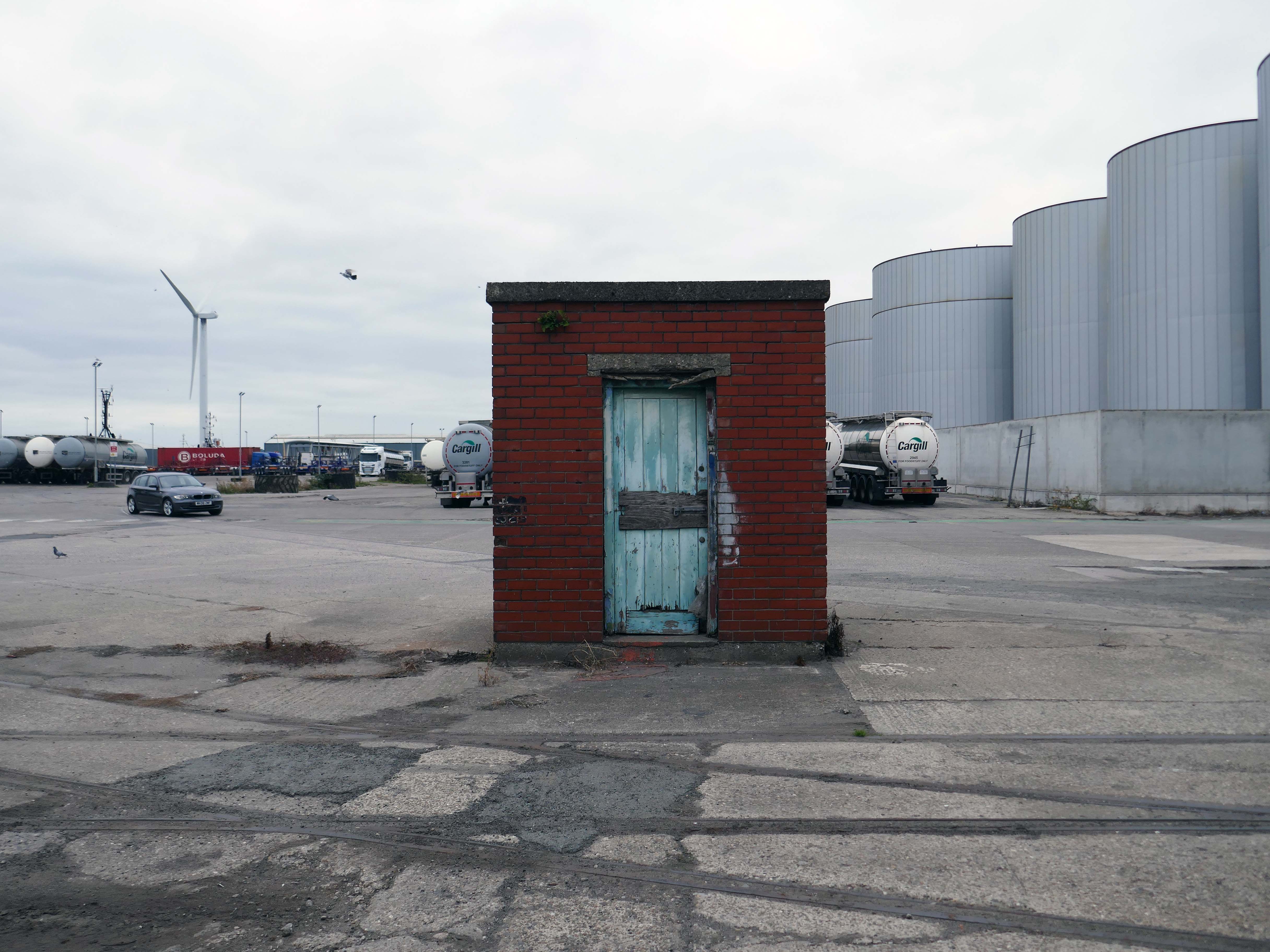
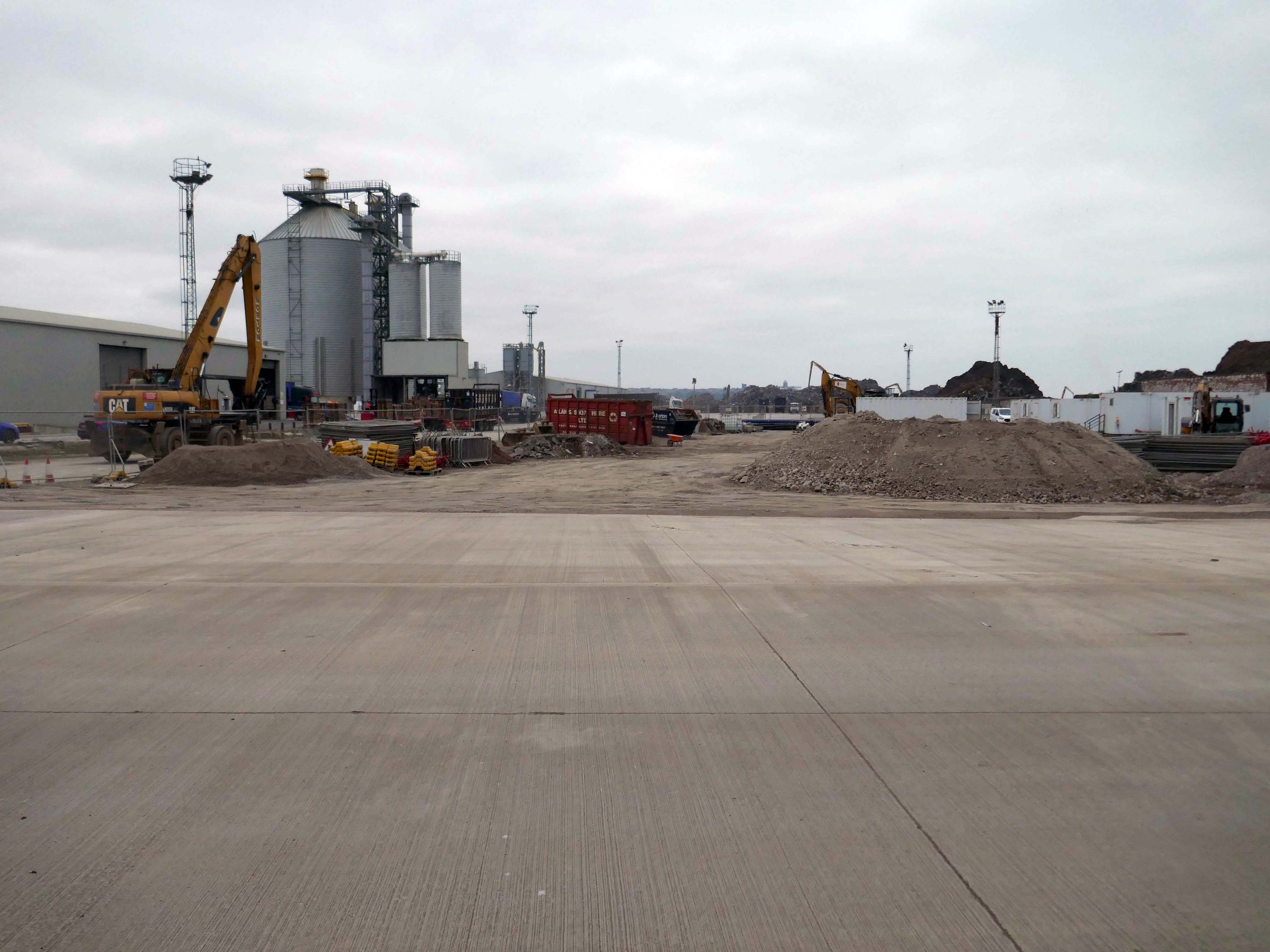
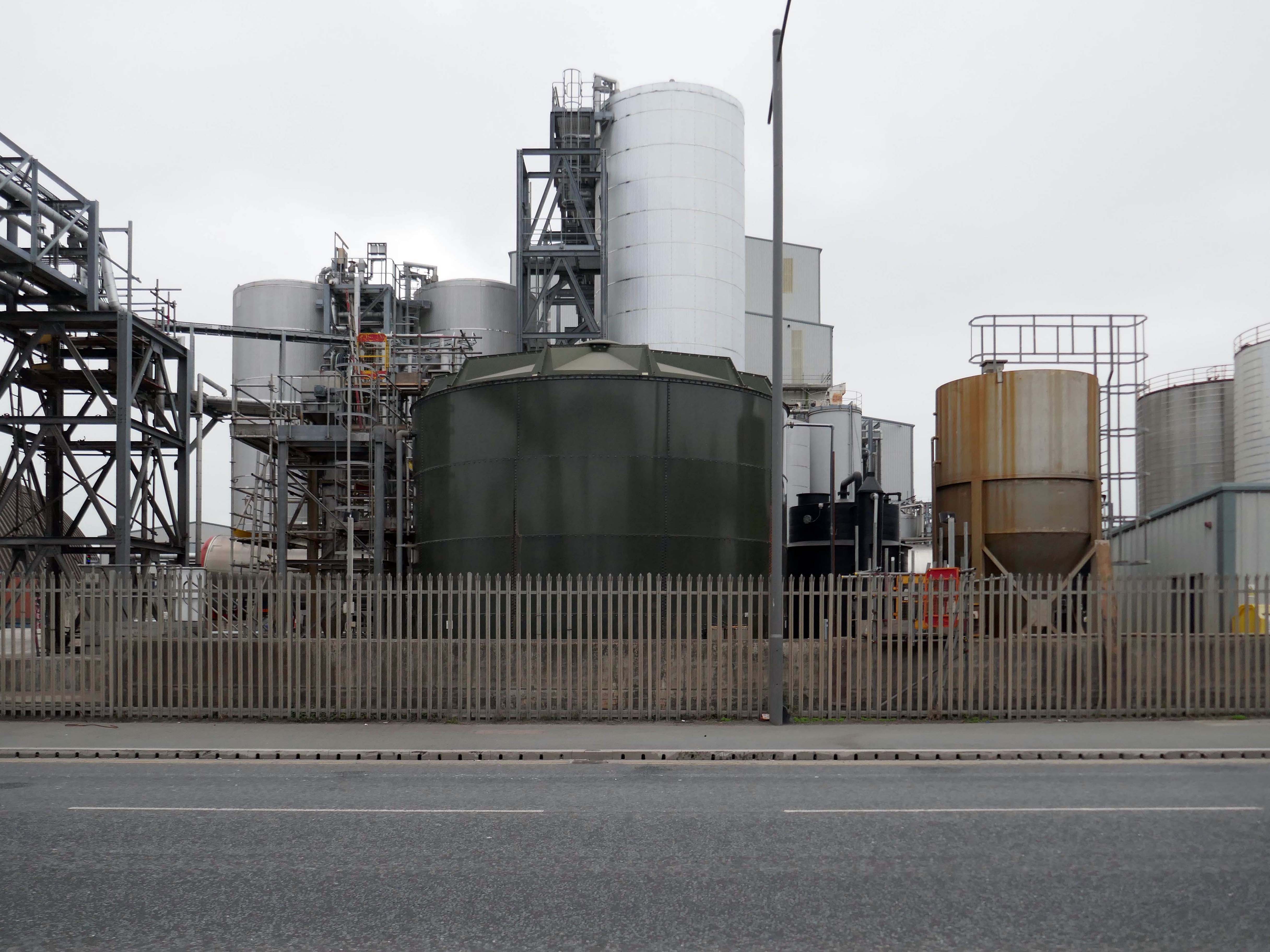
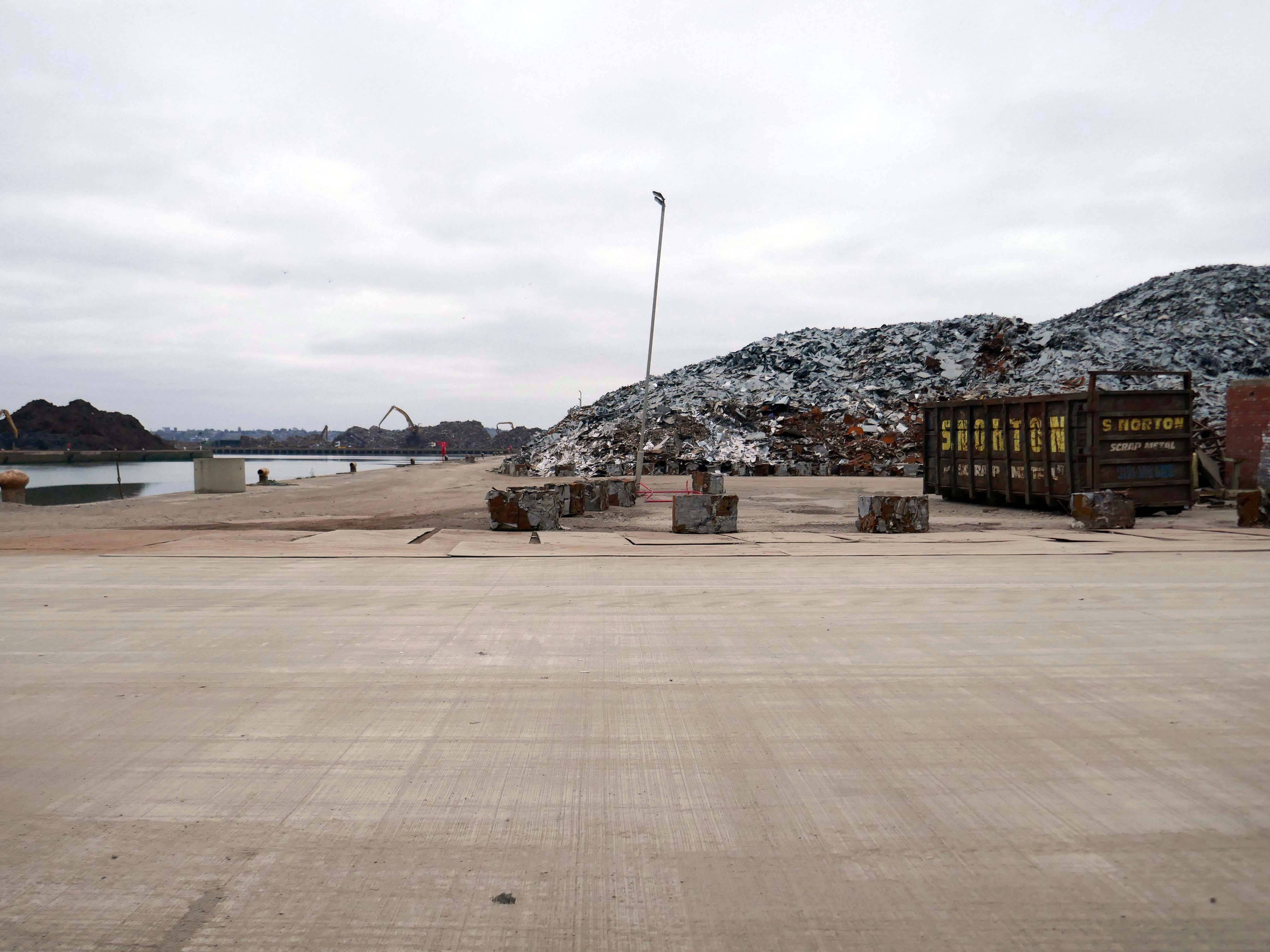
Yet in 2023, the Port of Liverpool was the UK’s fourth busiest container port, handling over 30 million tonnes of freight per annum. It handles a wide variety of cargo, including containers, bulk cargoes such as coal, grain and animal feed, and roll-on/roll-off cargoes such as cars, trucks and recycled metals. The port is also home to one of the largest cruise terminals in the UK which handles approximately 200,000 passengers and over 100 cruise ships each year.
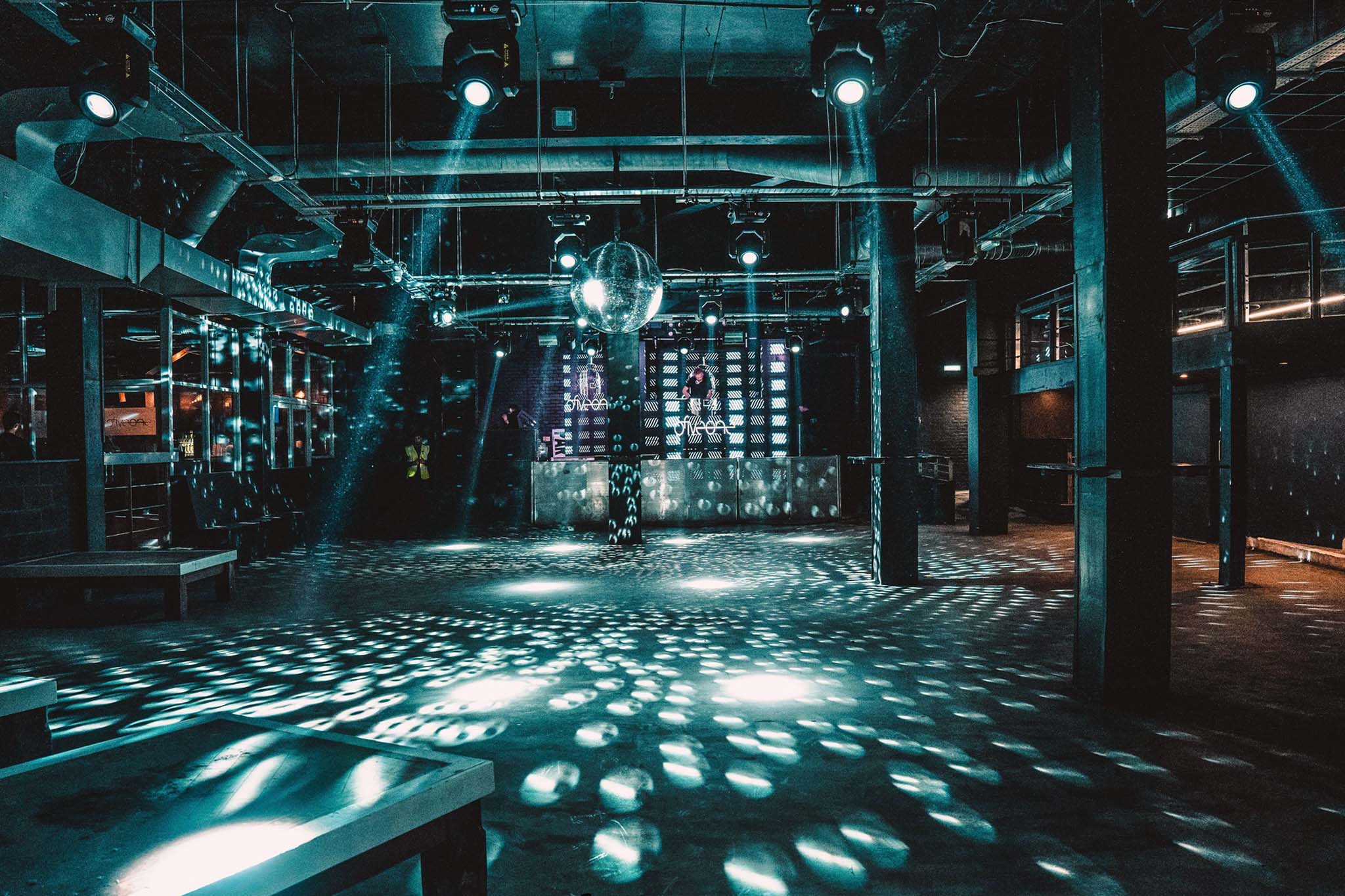
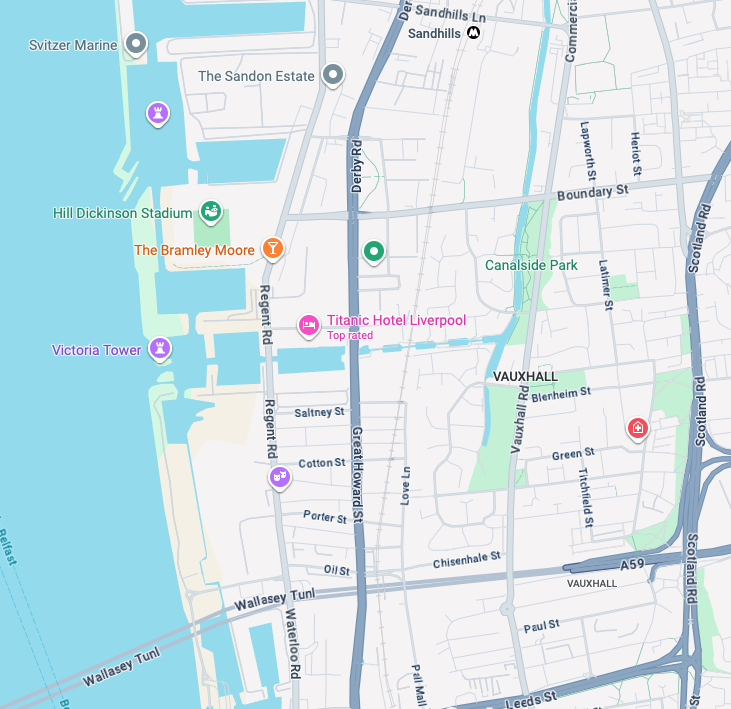
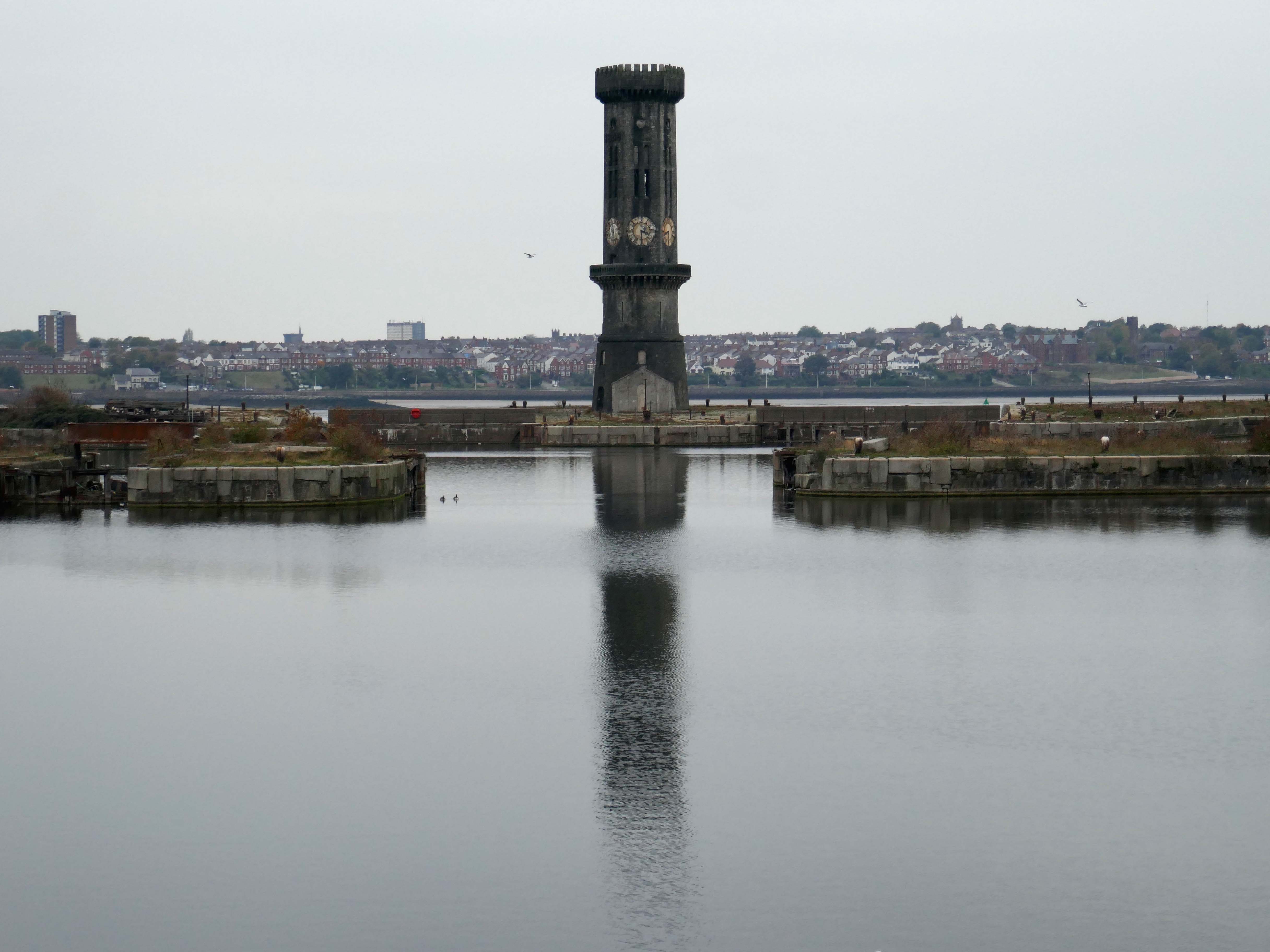
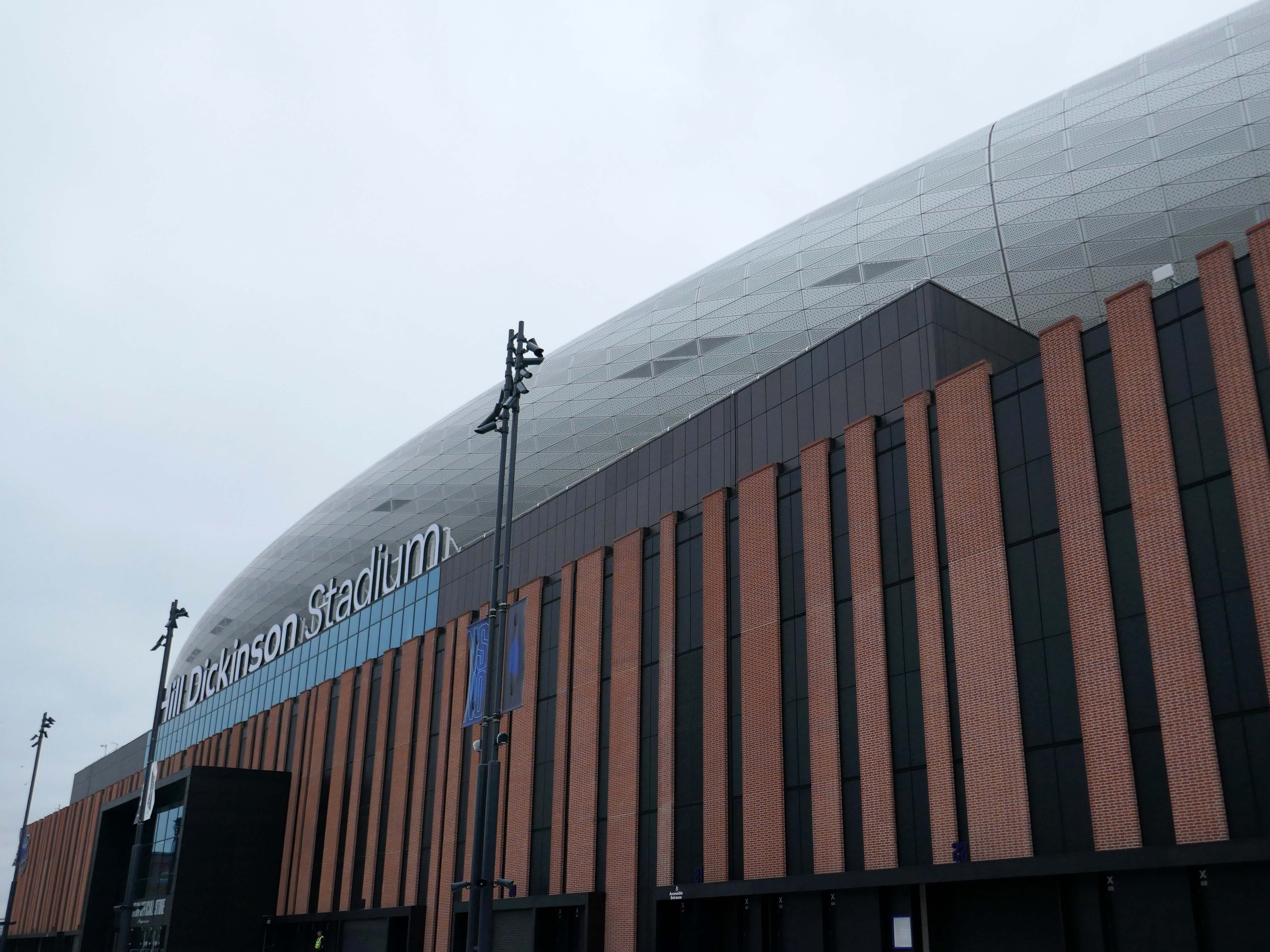
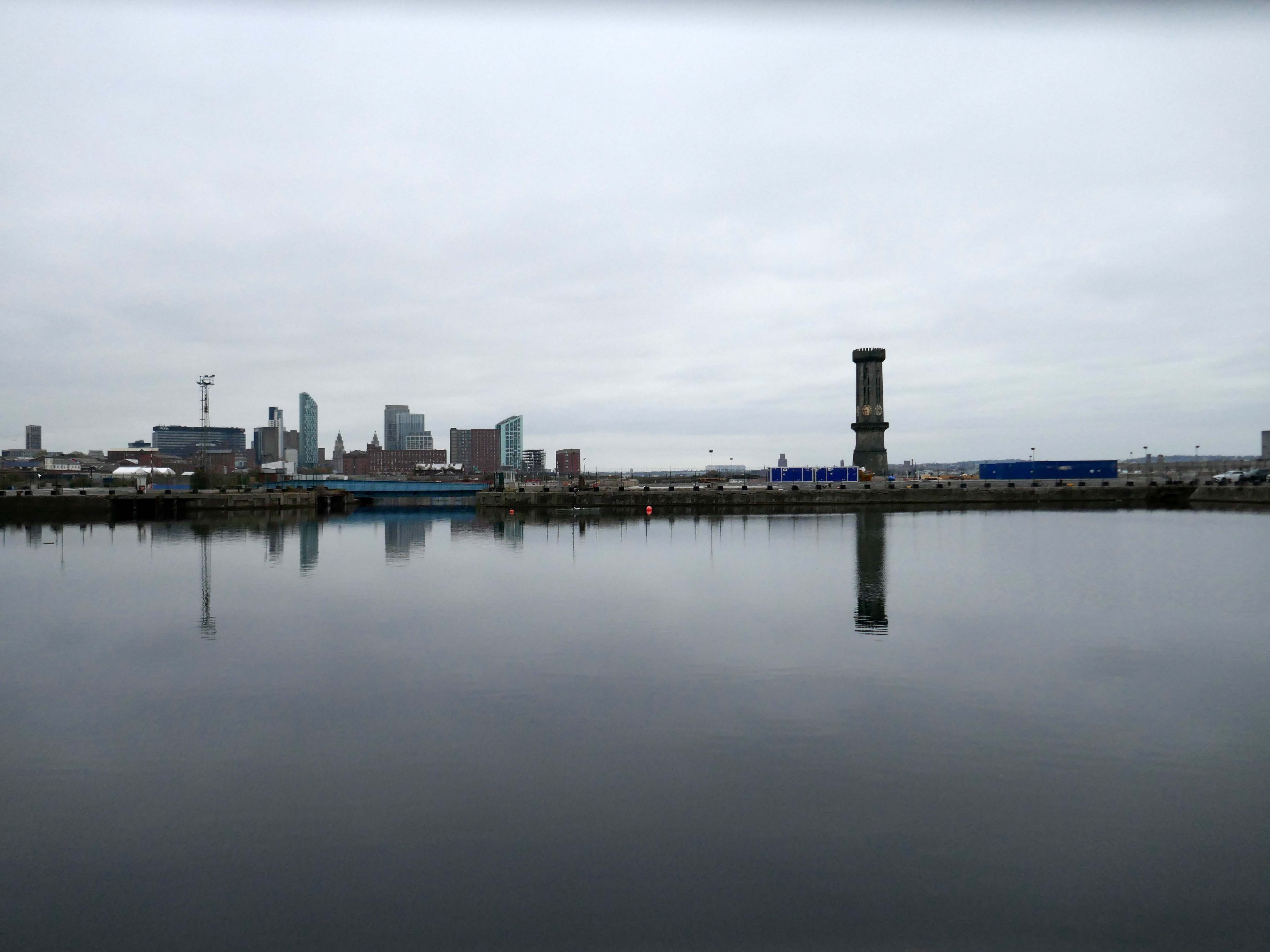
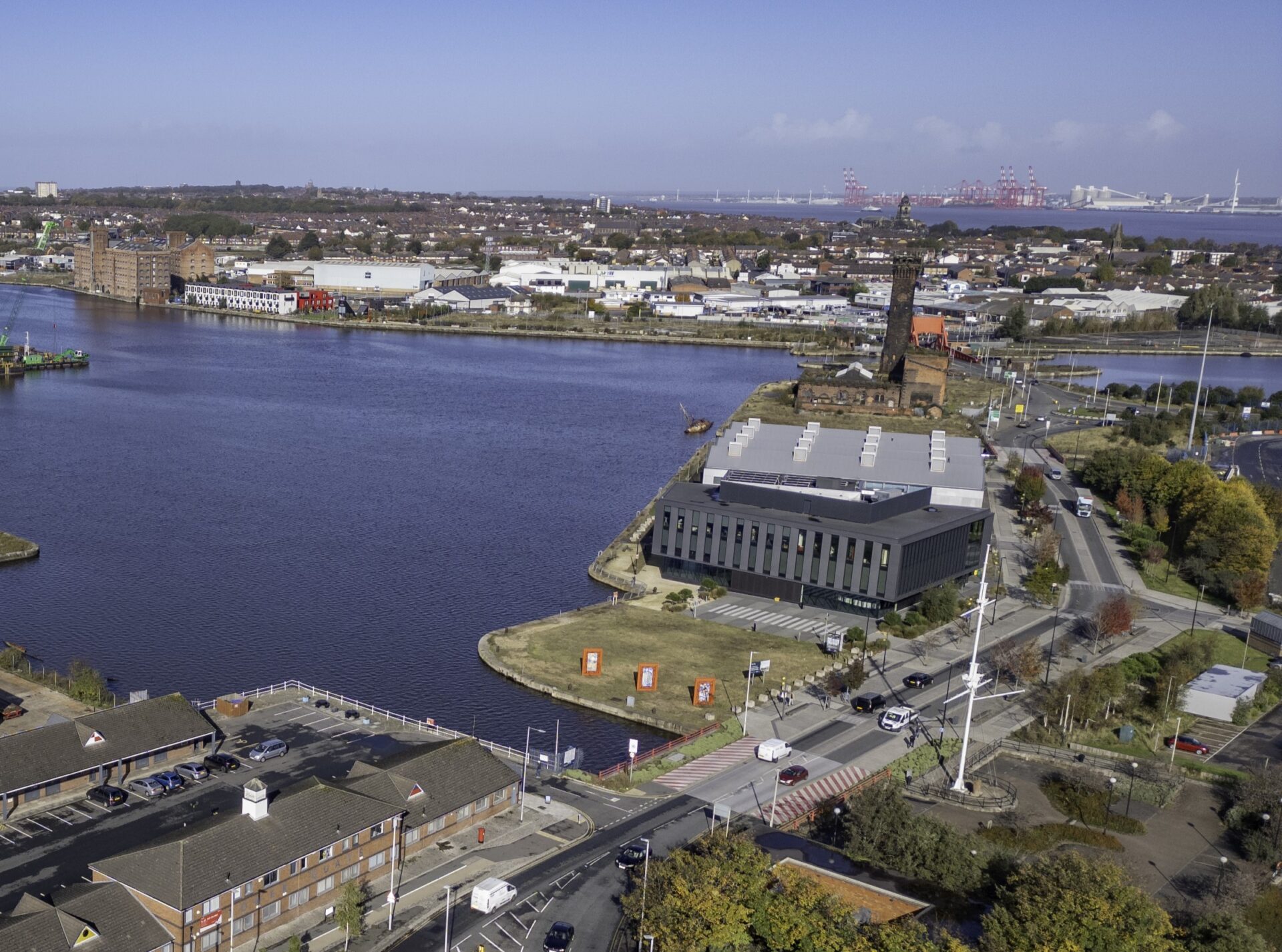
Now with the opening of the Titanic Hotel in the Stanley Dock and the arrival of the Toffees just up the road at the Hill Dickinson Stadium, the whole area is slowly being transformed into a destination, as they say in modern parlance.
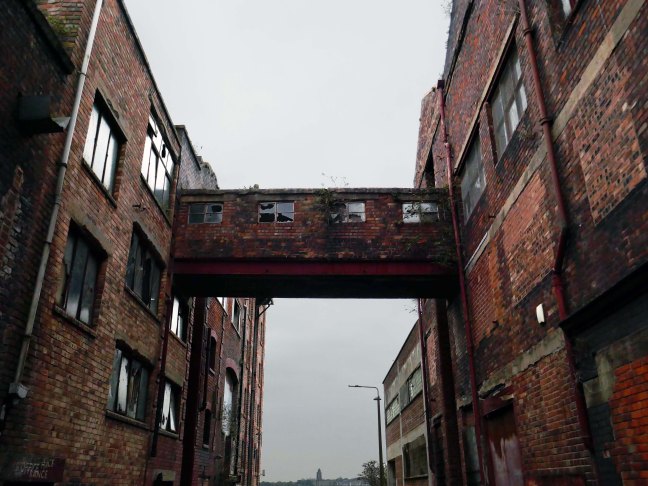
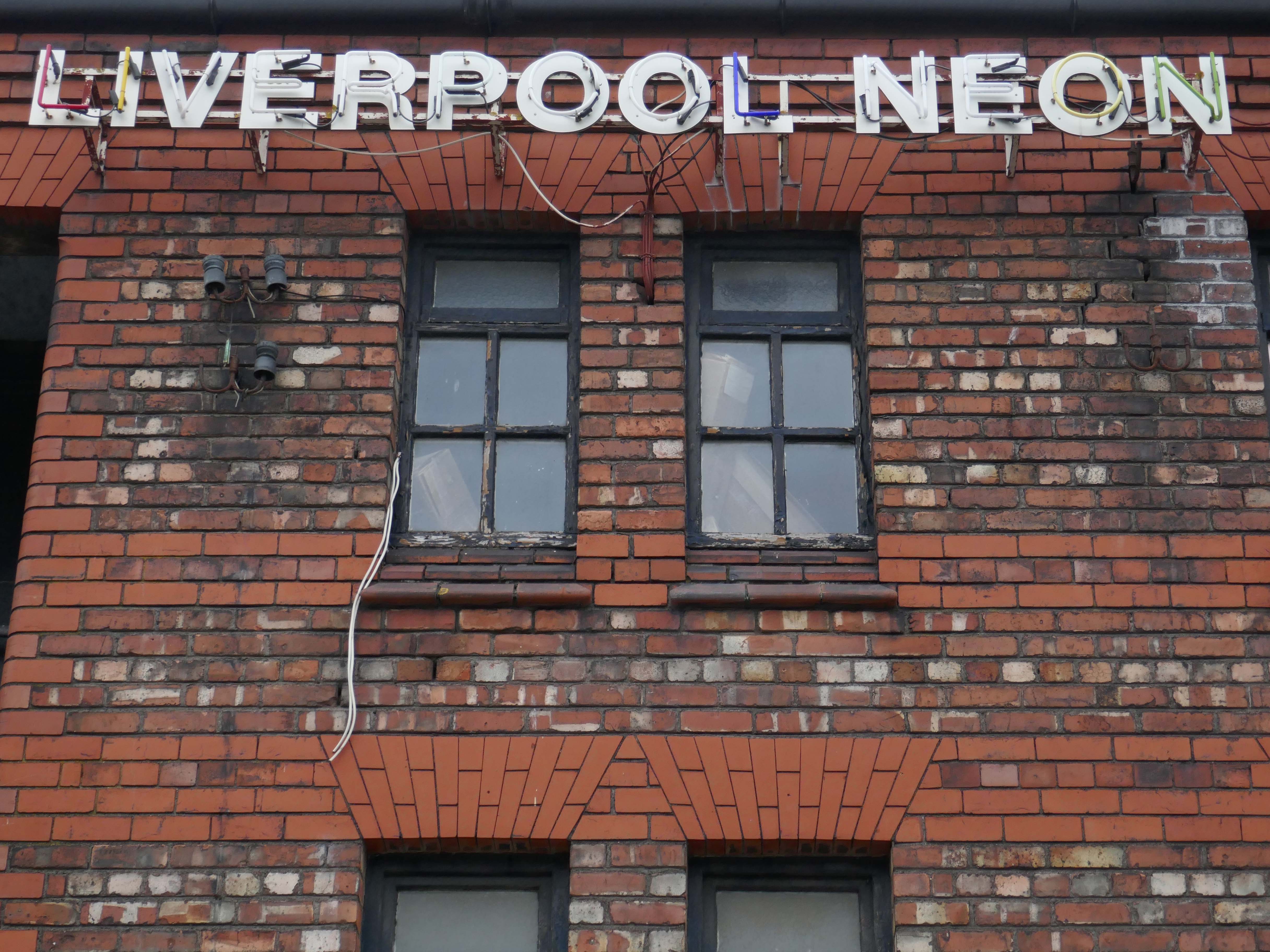
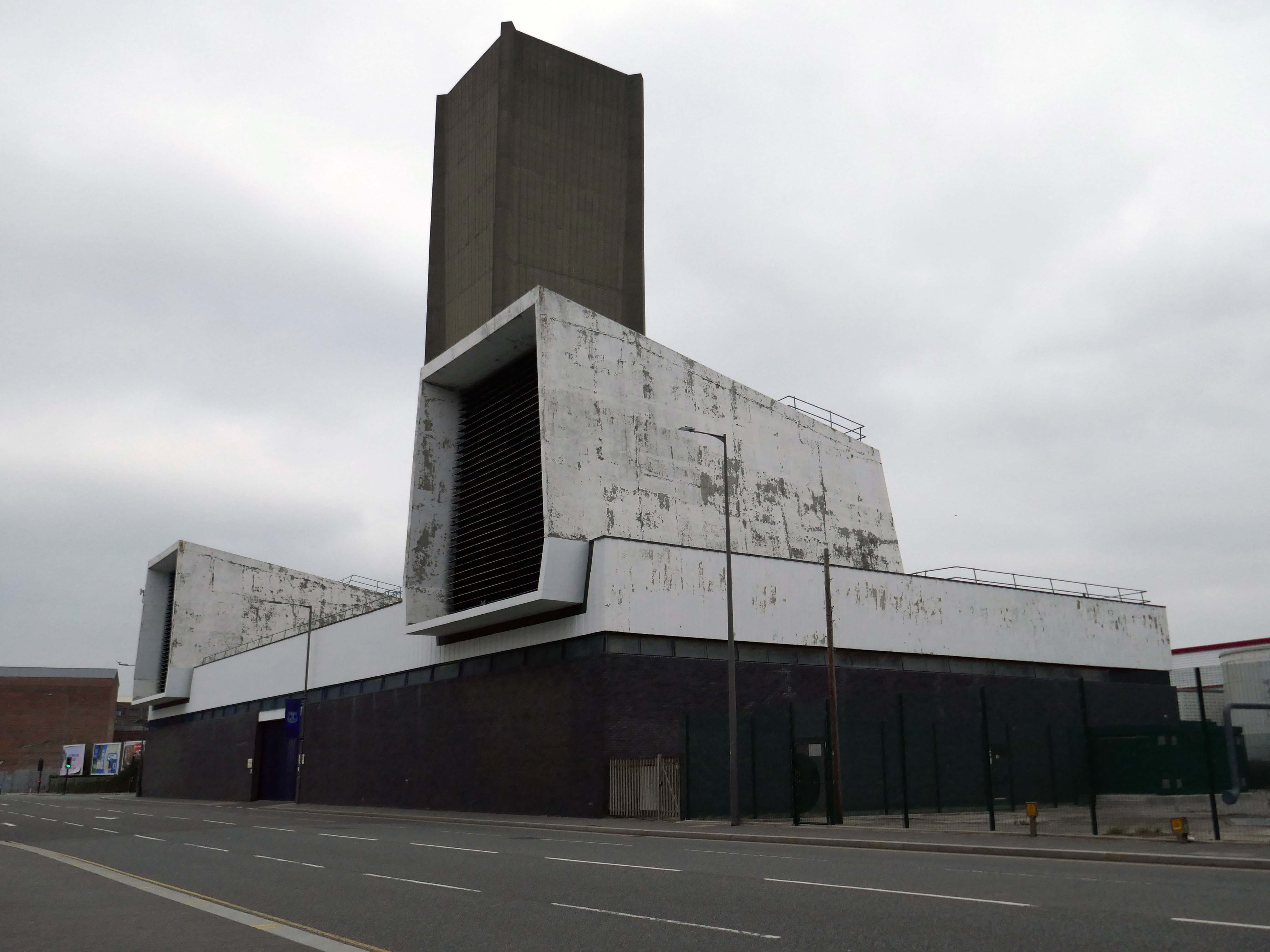
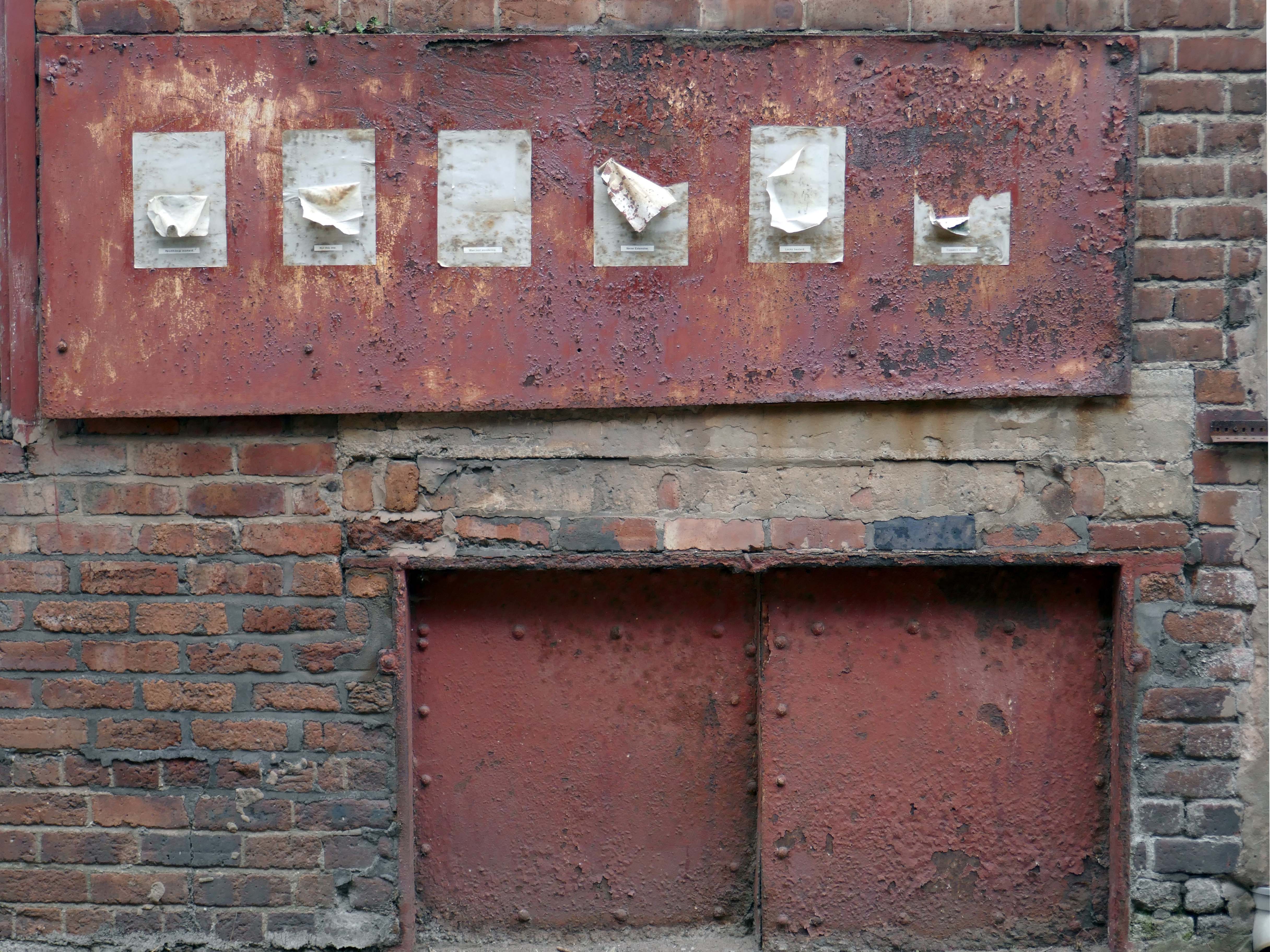
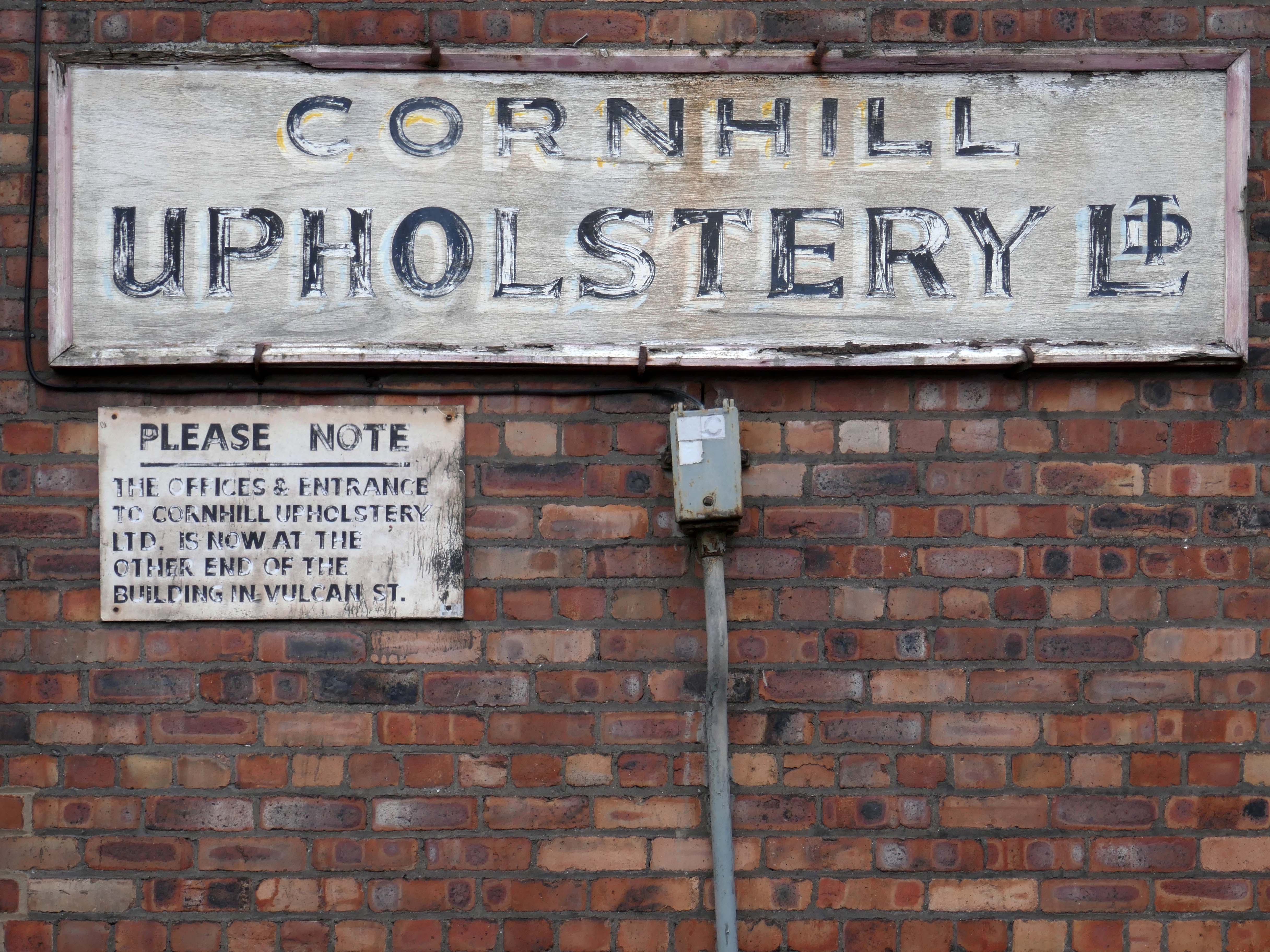
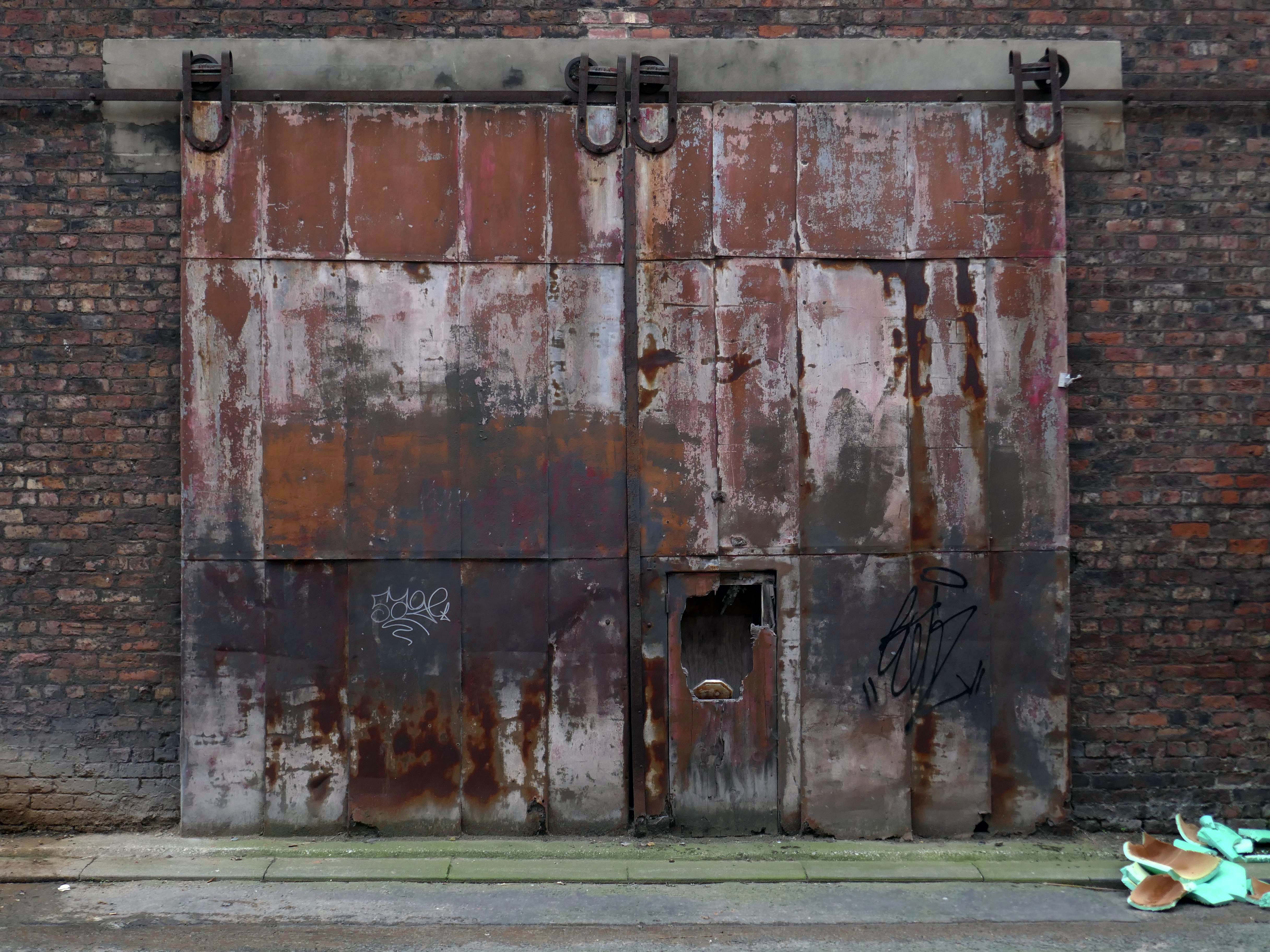
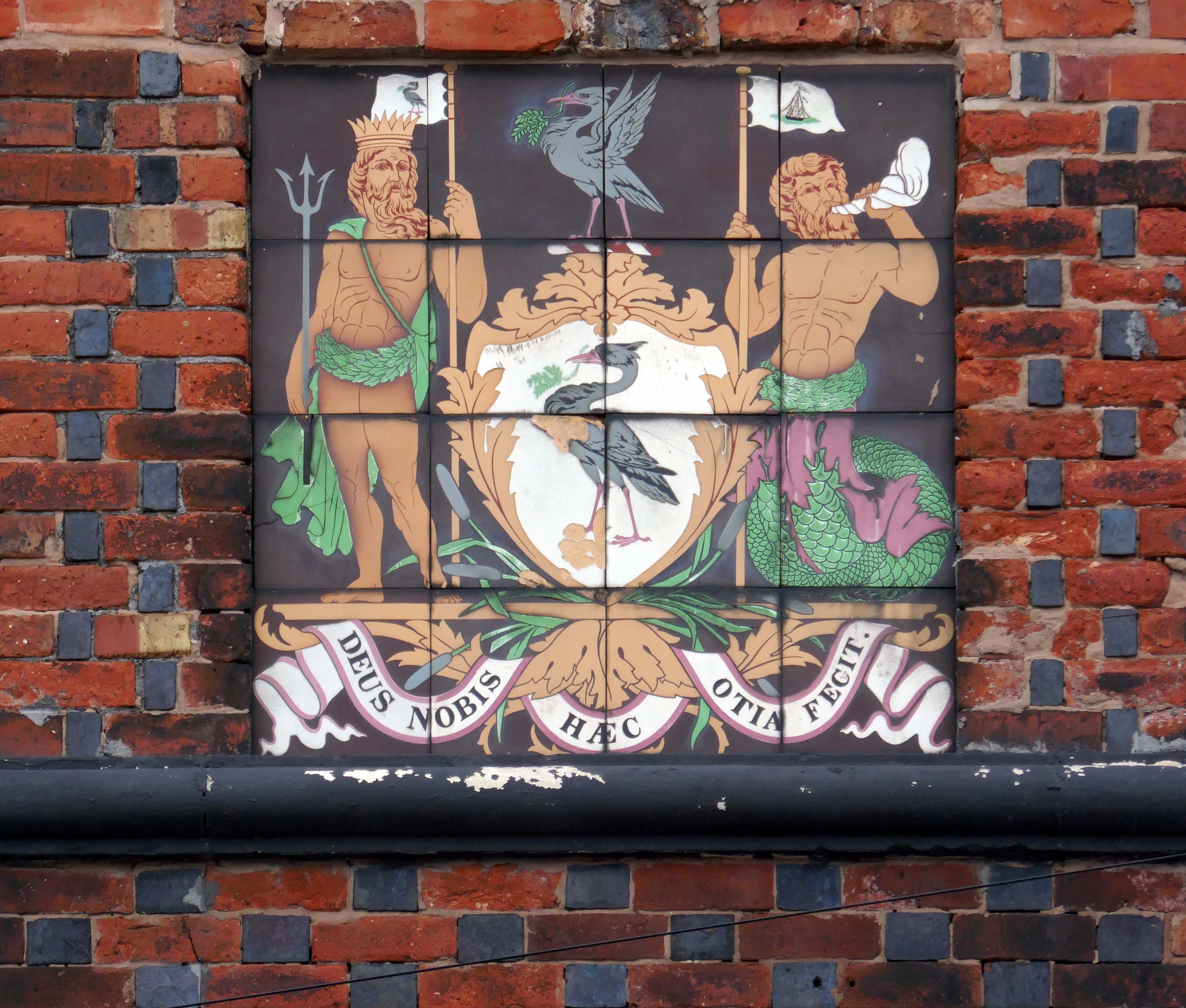
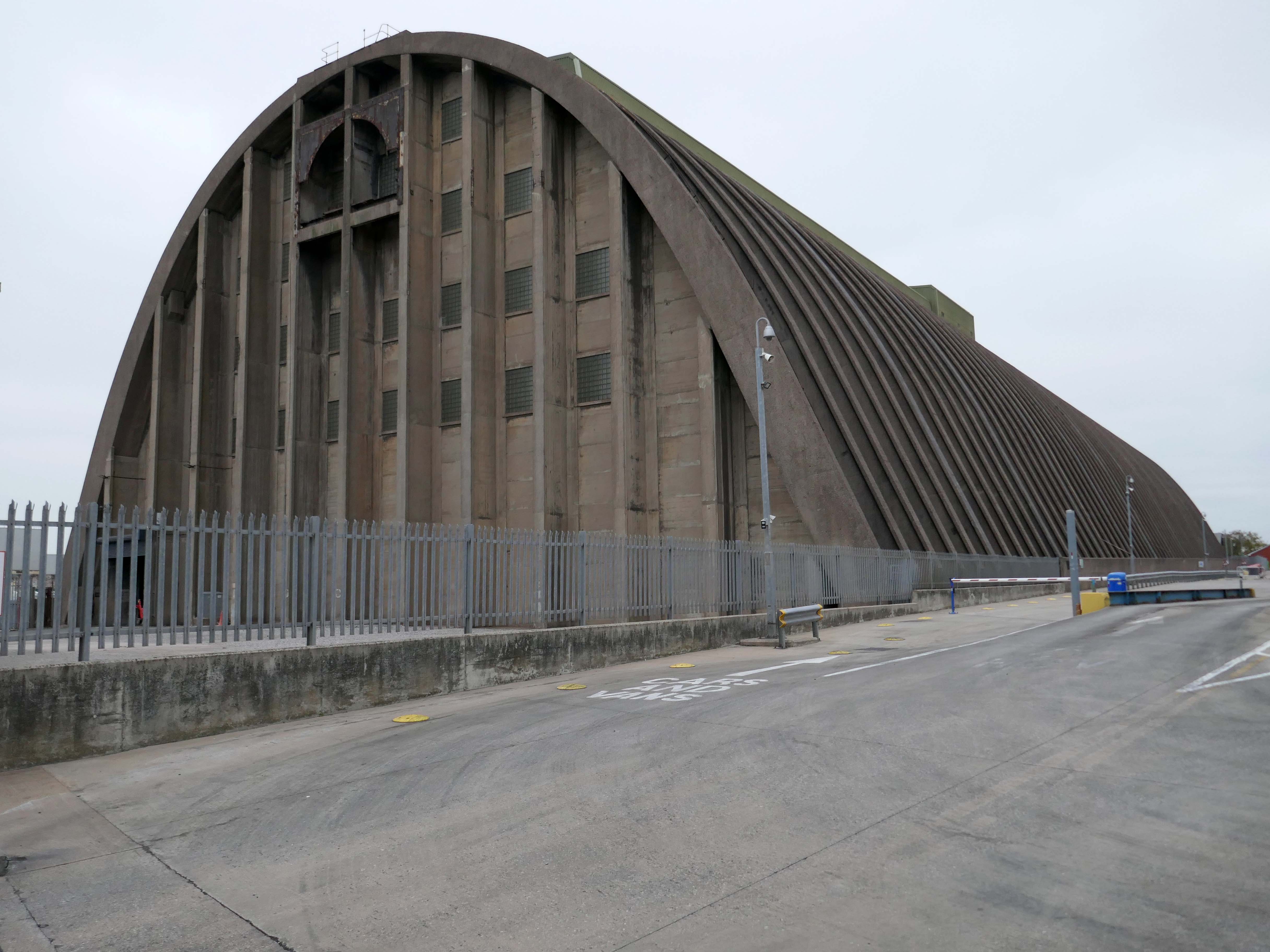
However much of the Industrial heritage remains in various states of disarray, used and possibly disabused, but hanging on in there.
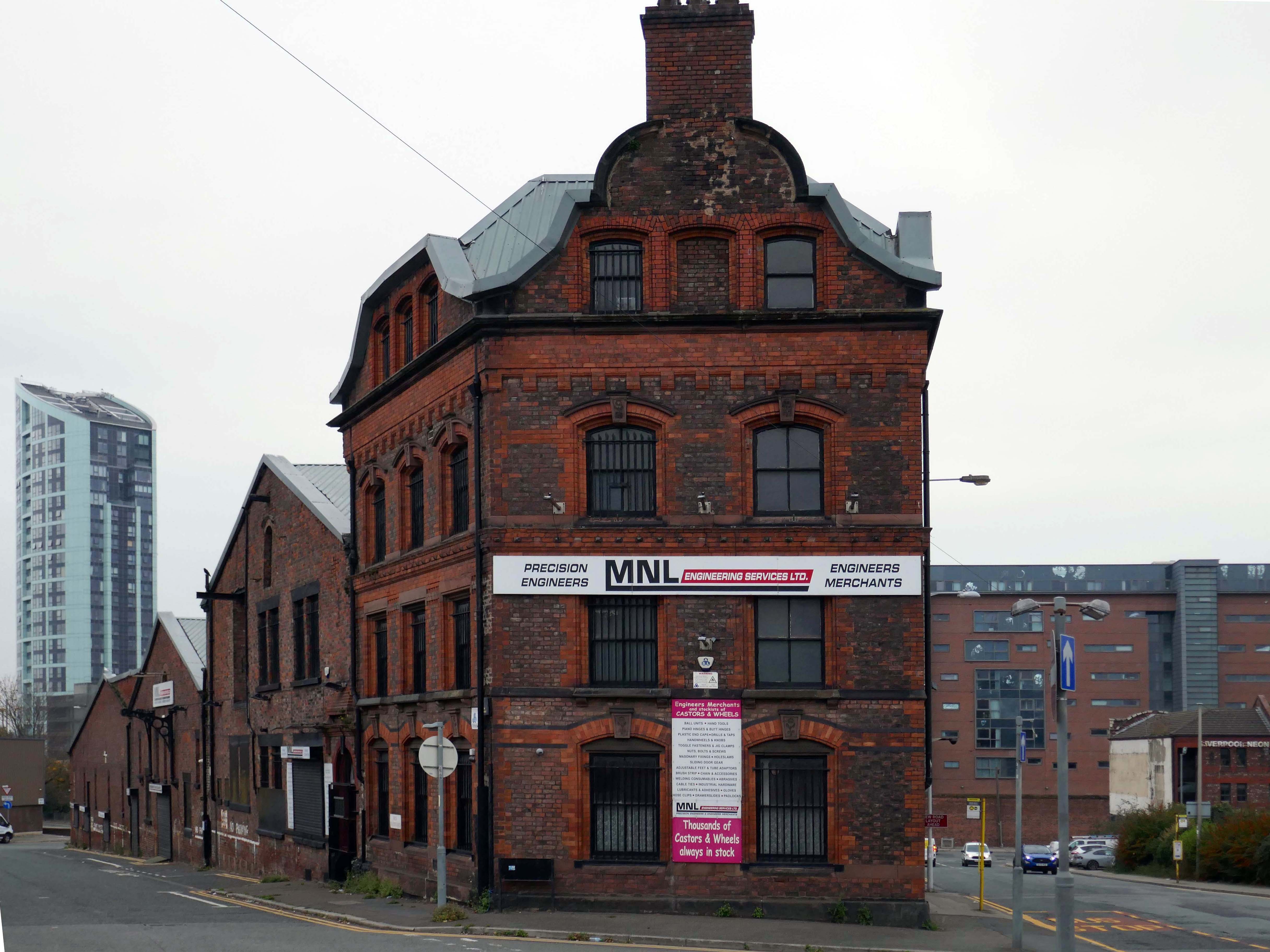
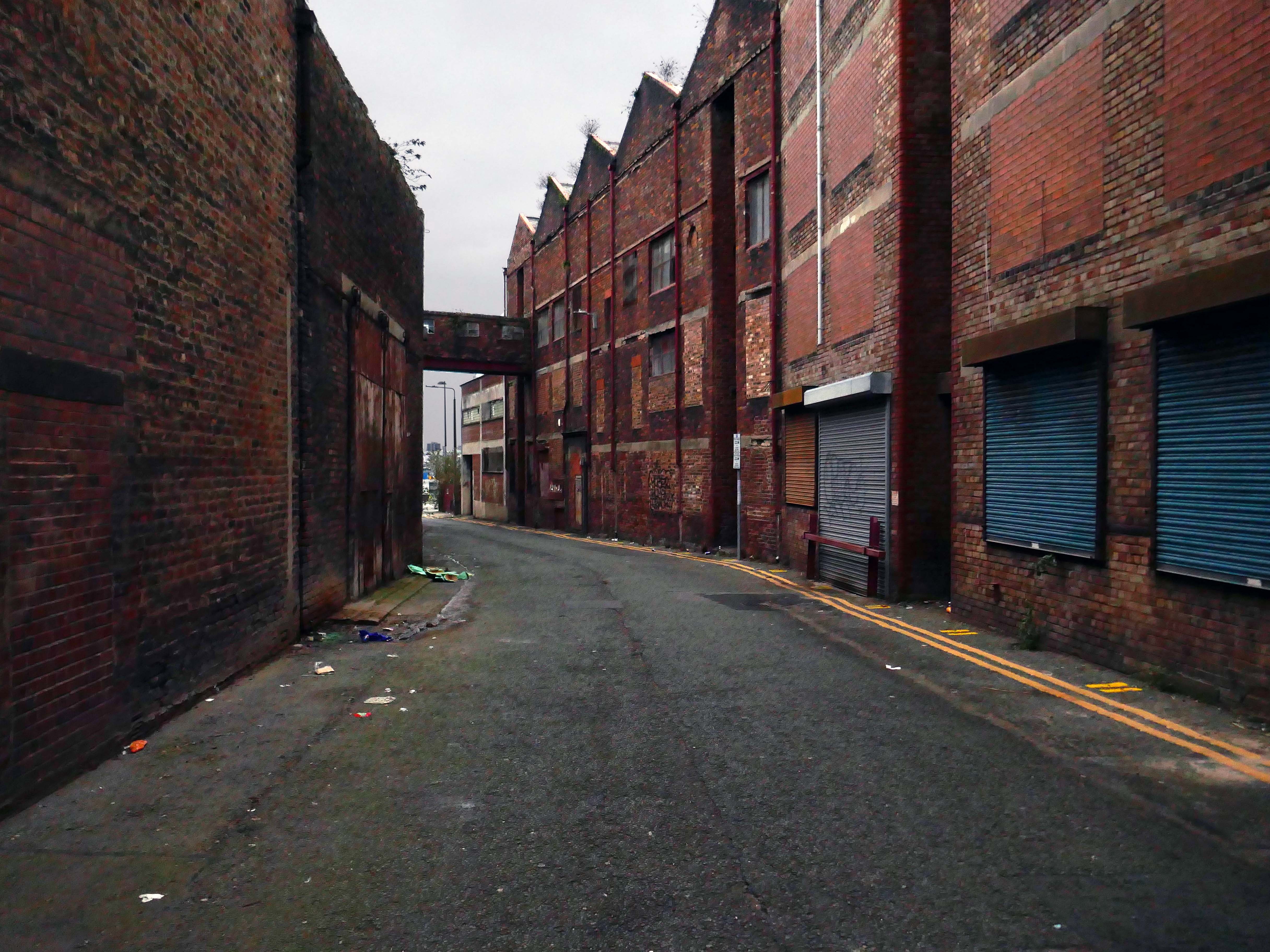
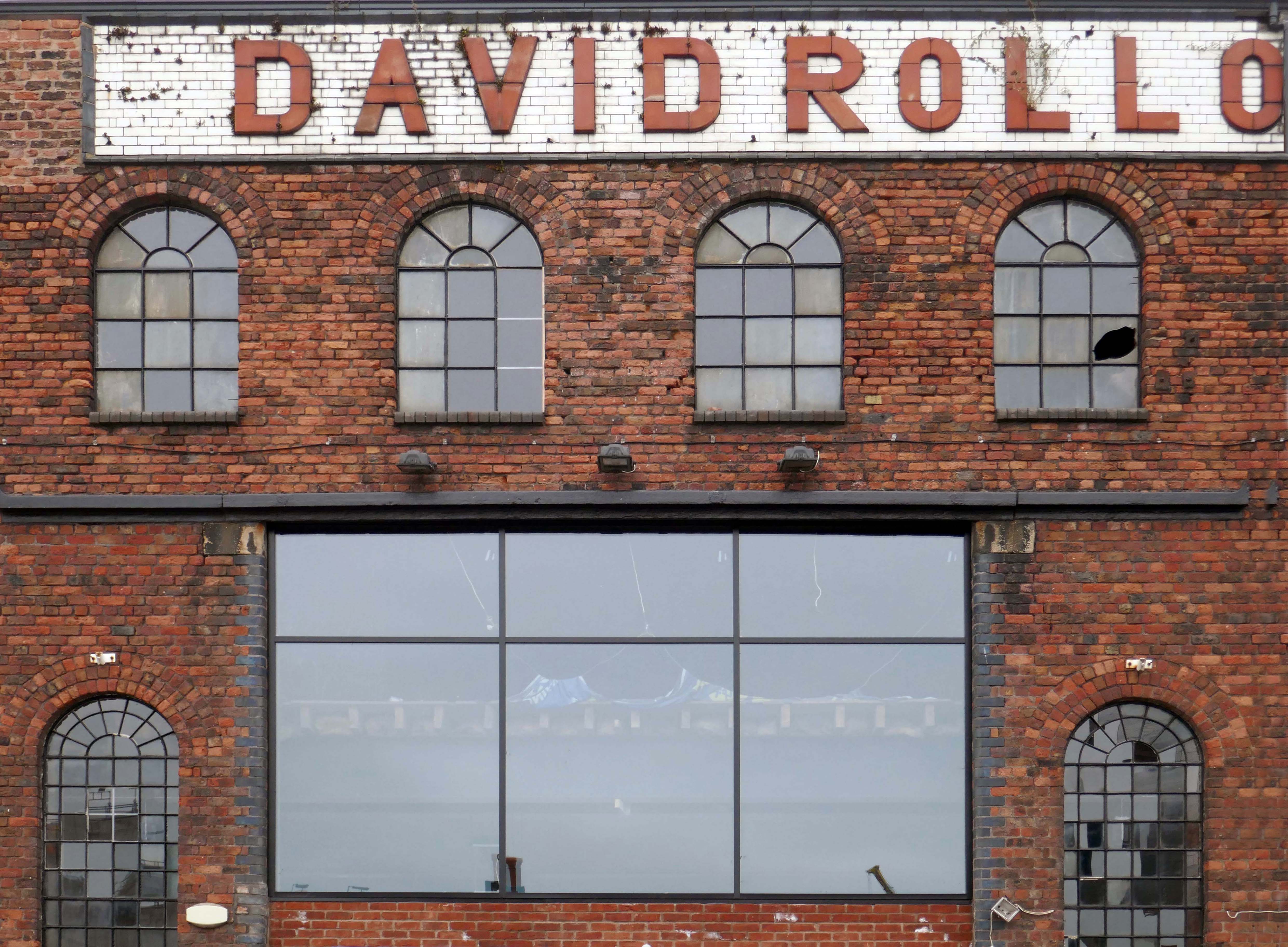
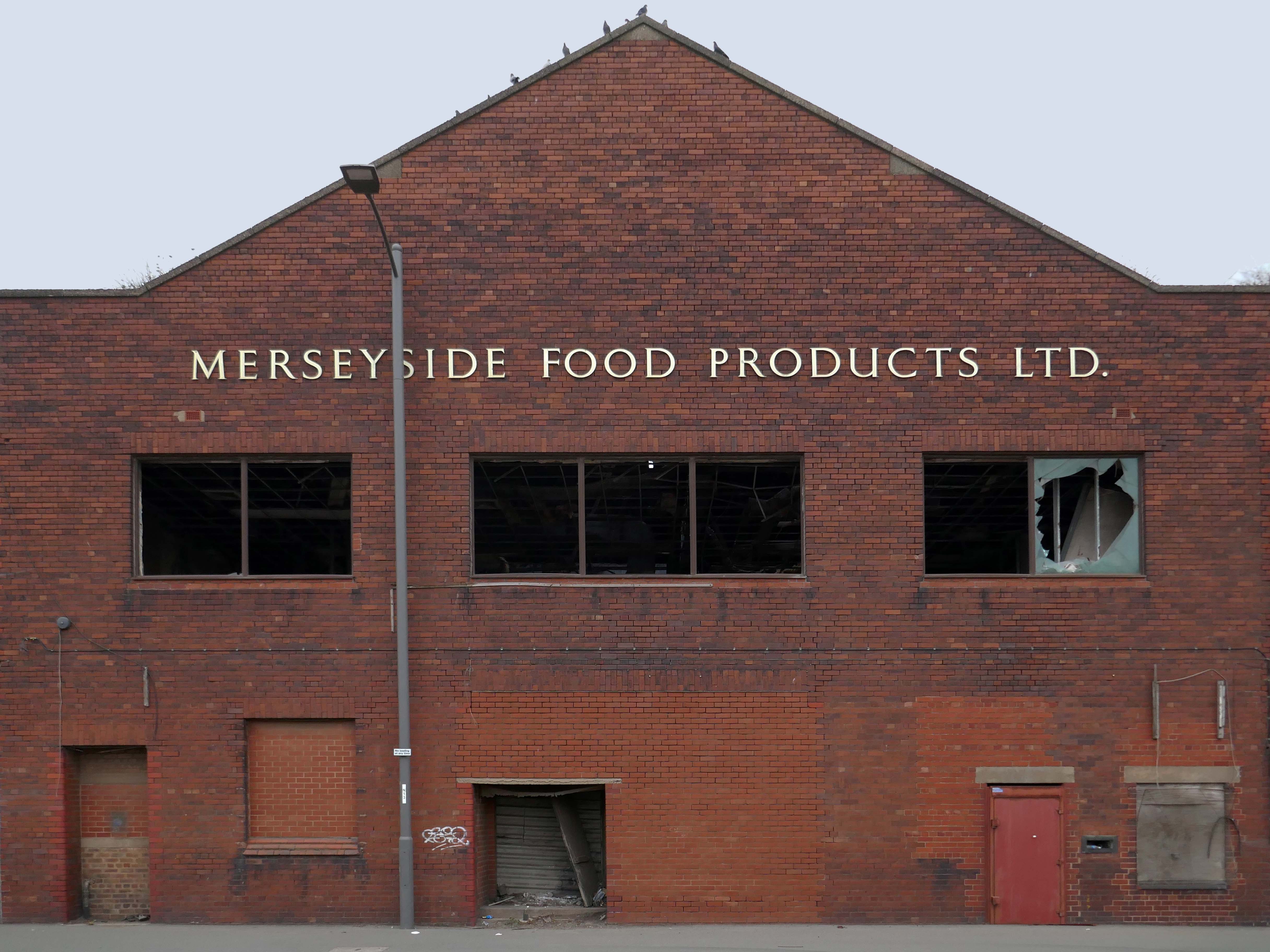
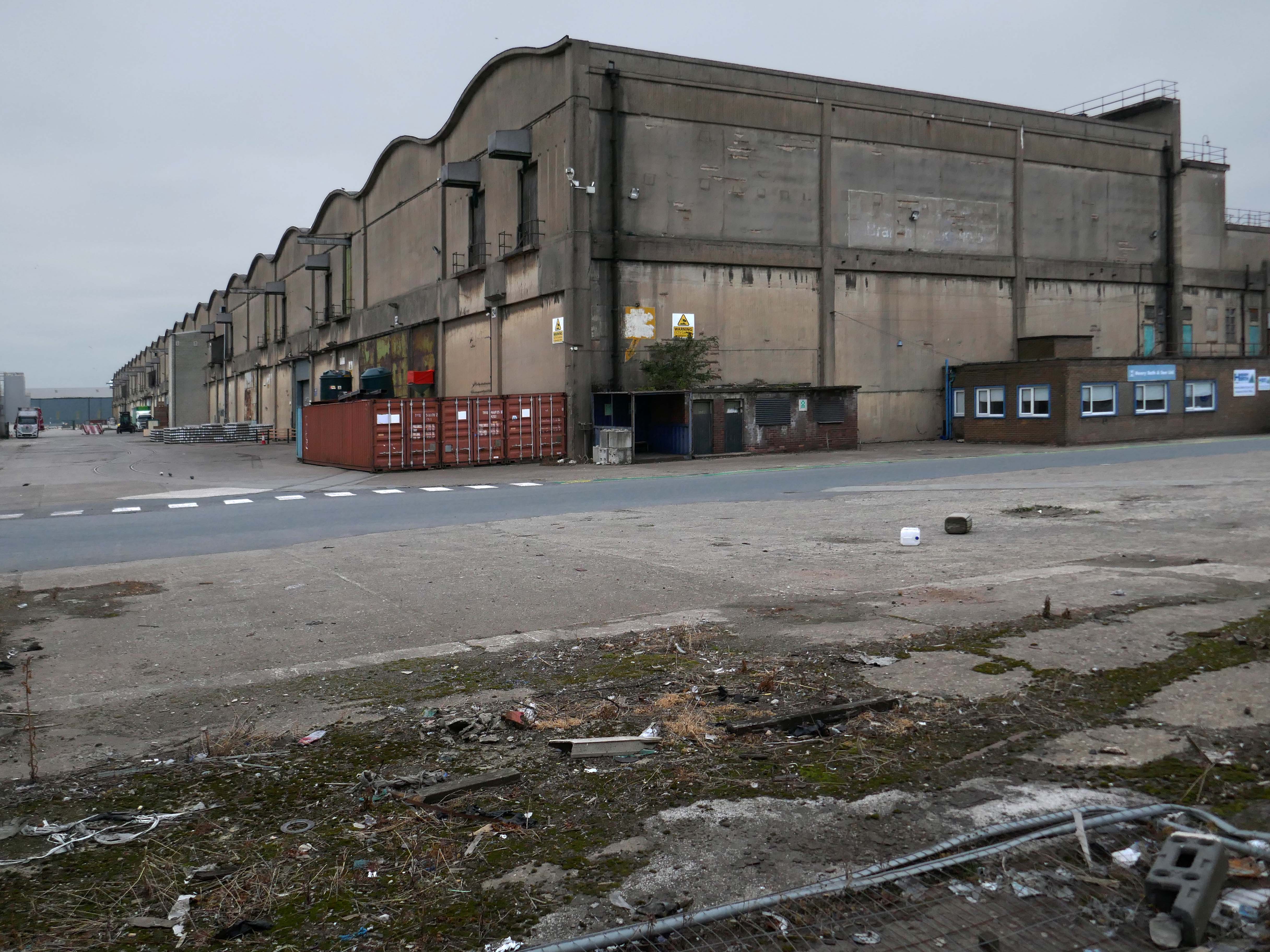
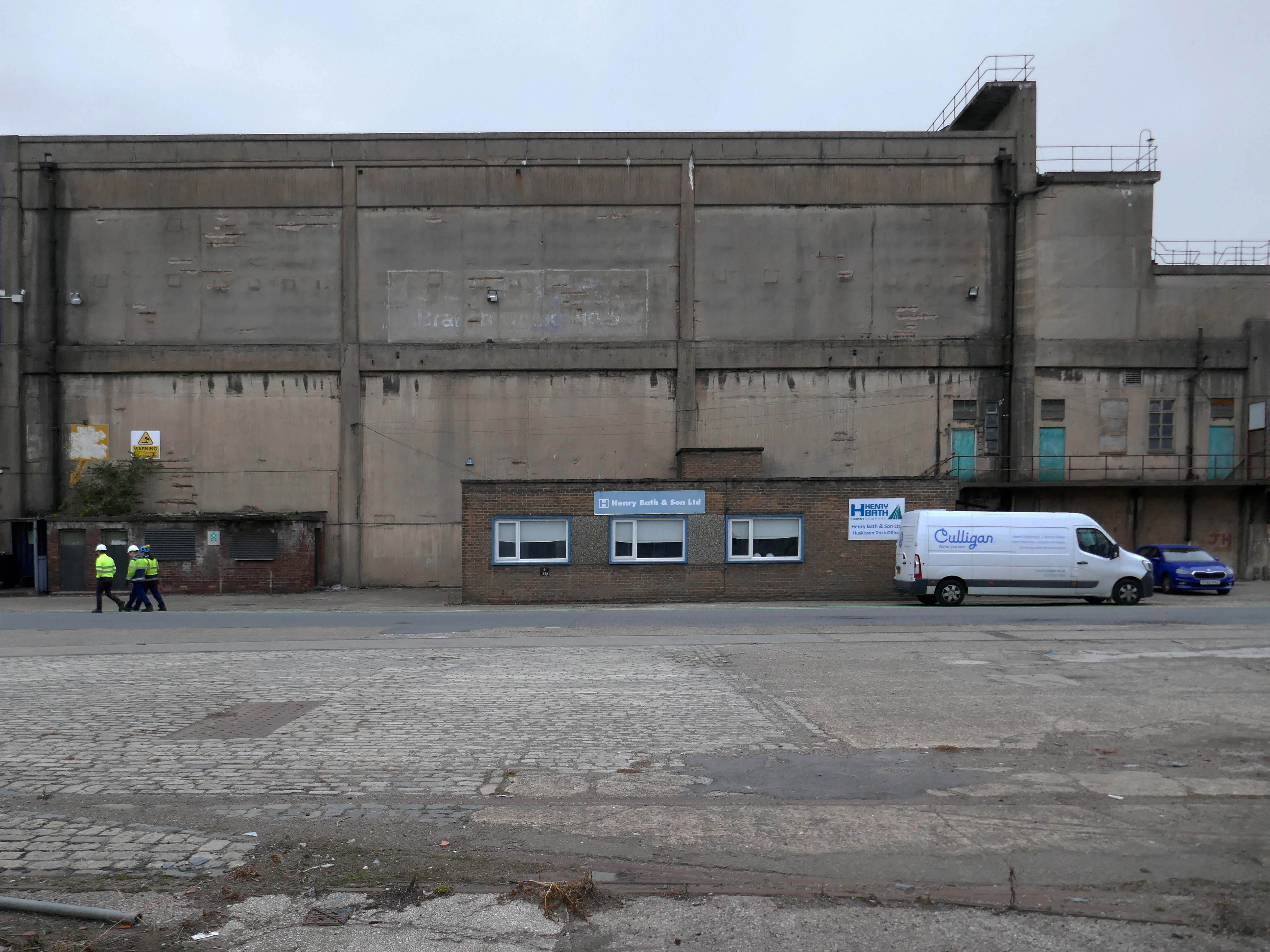
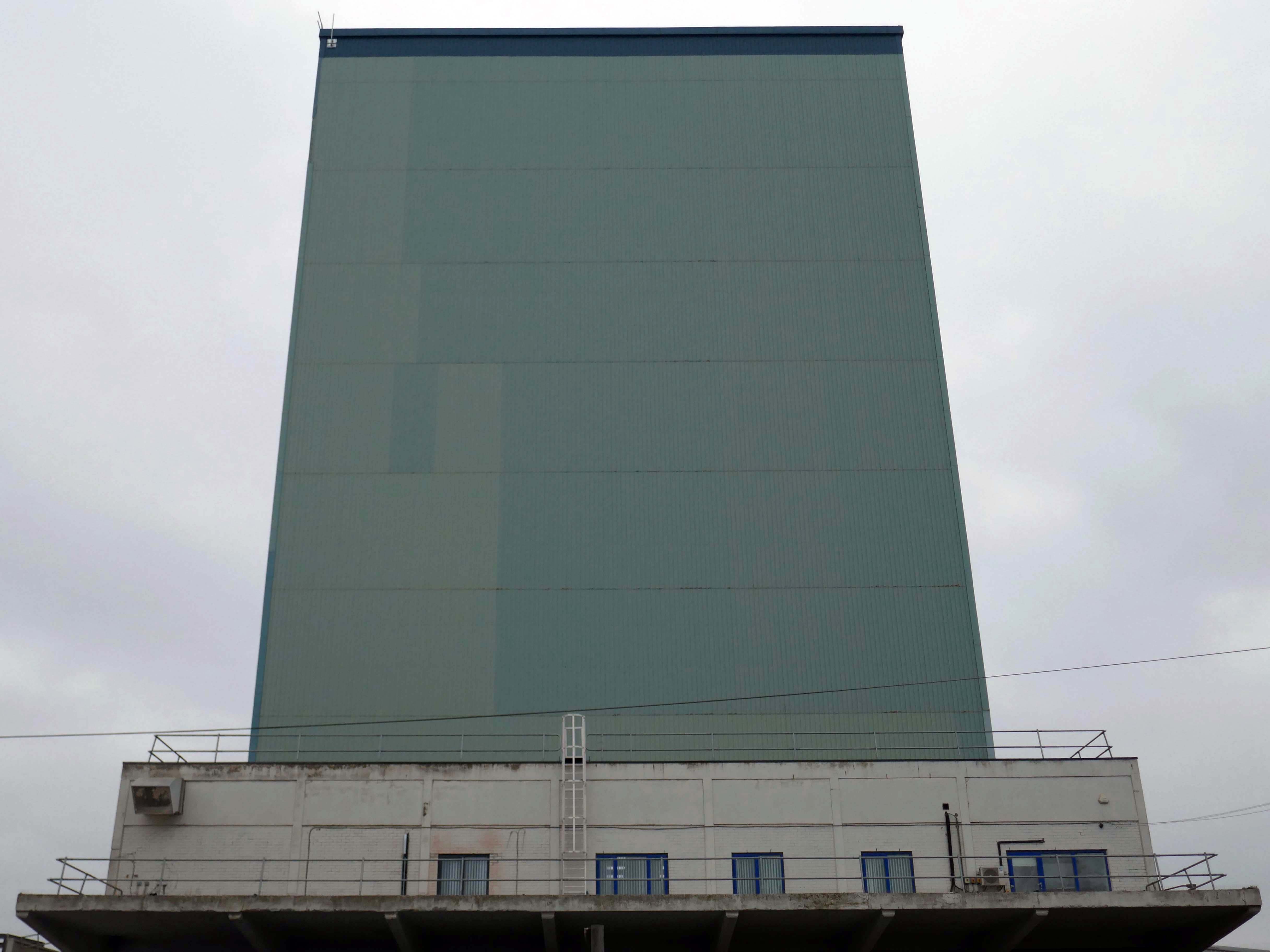
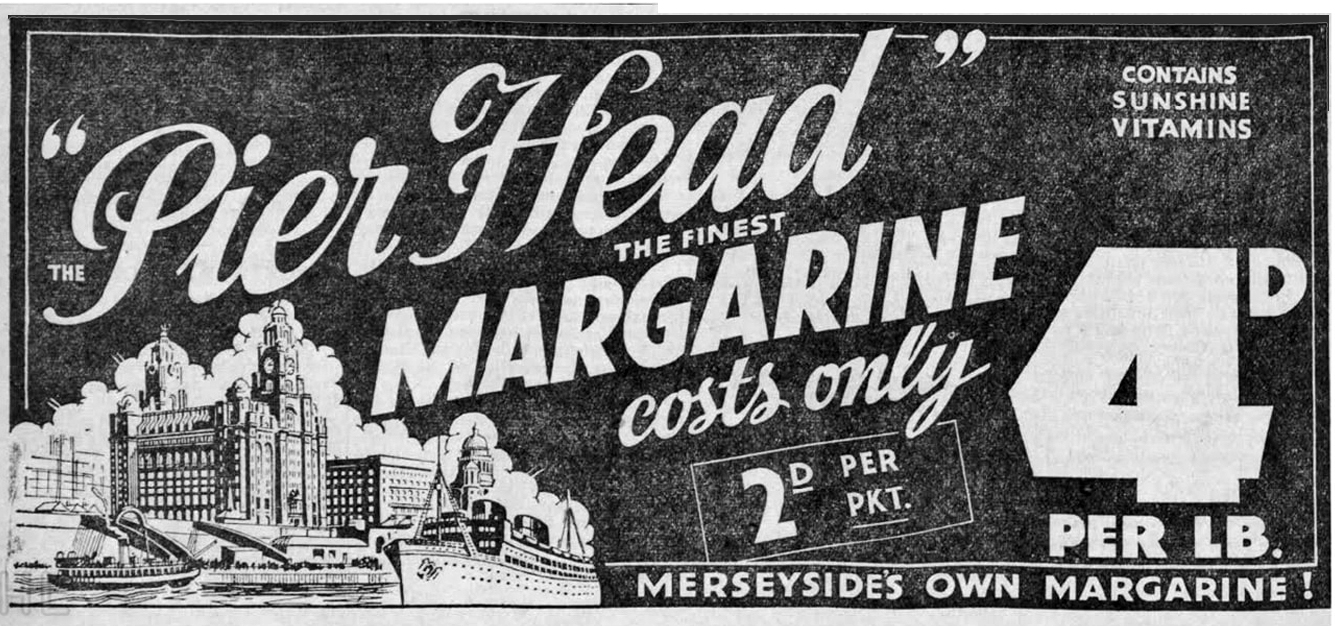
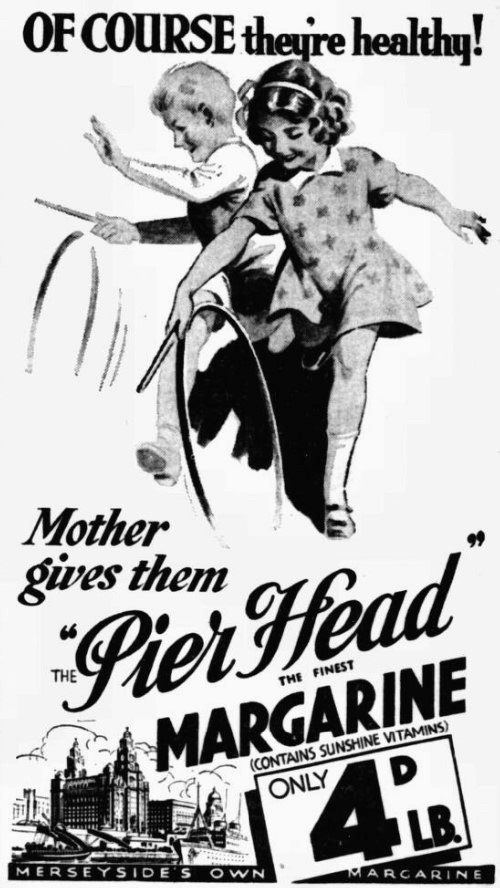
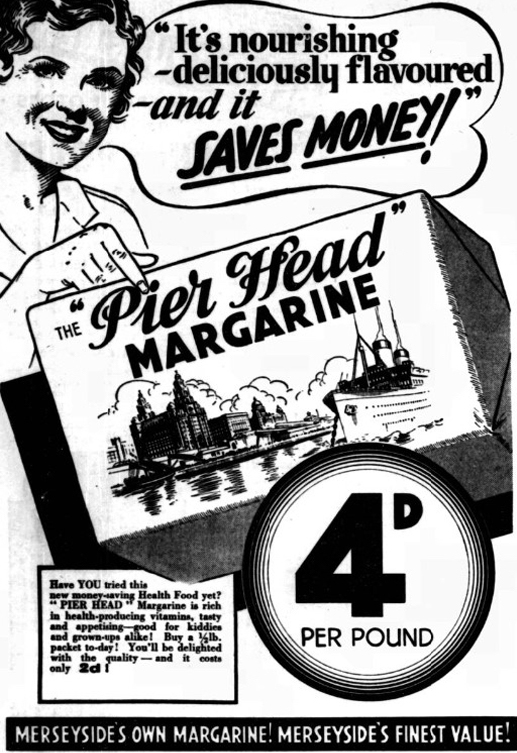
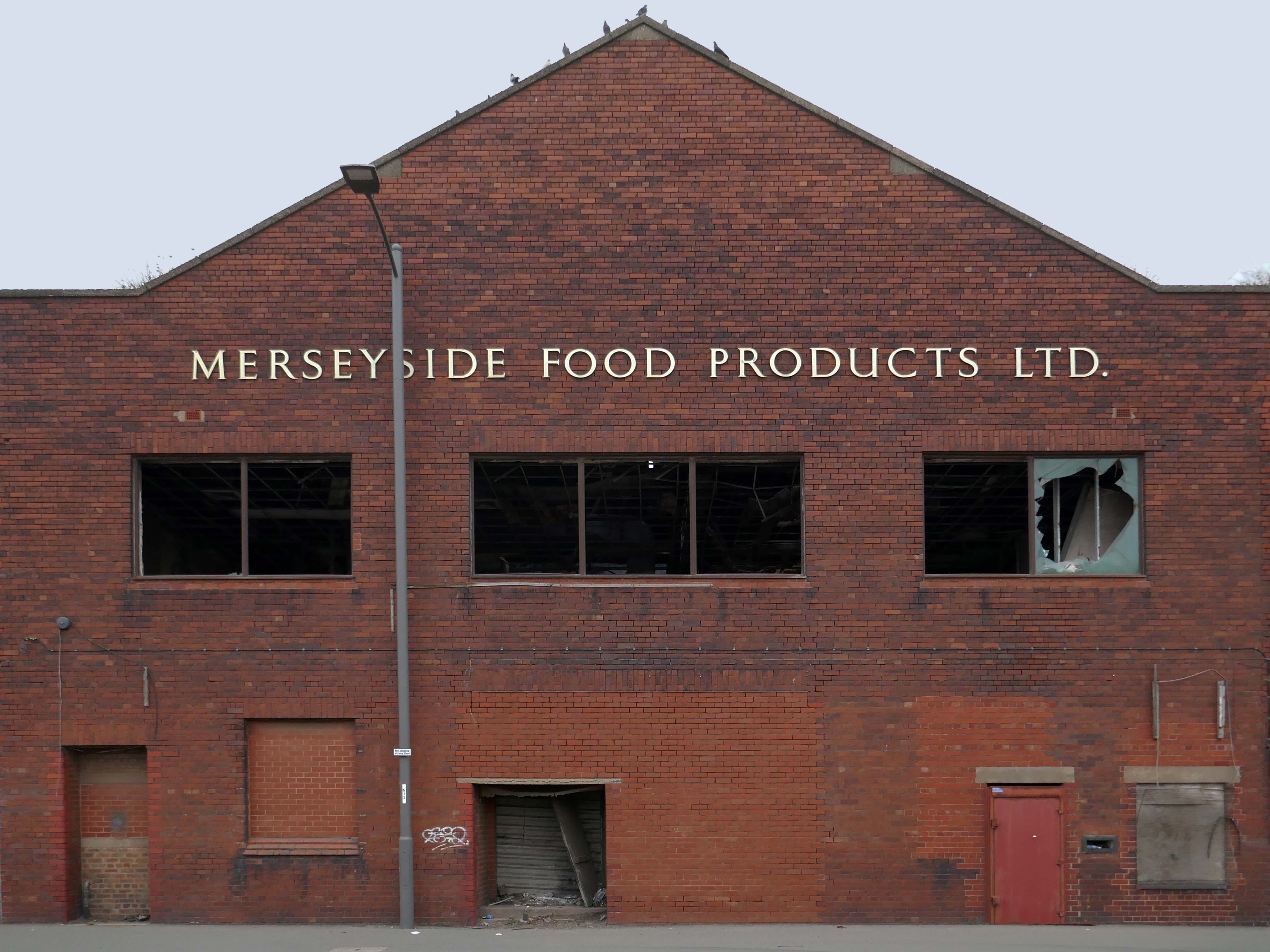
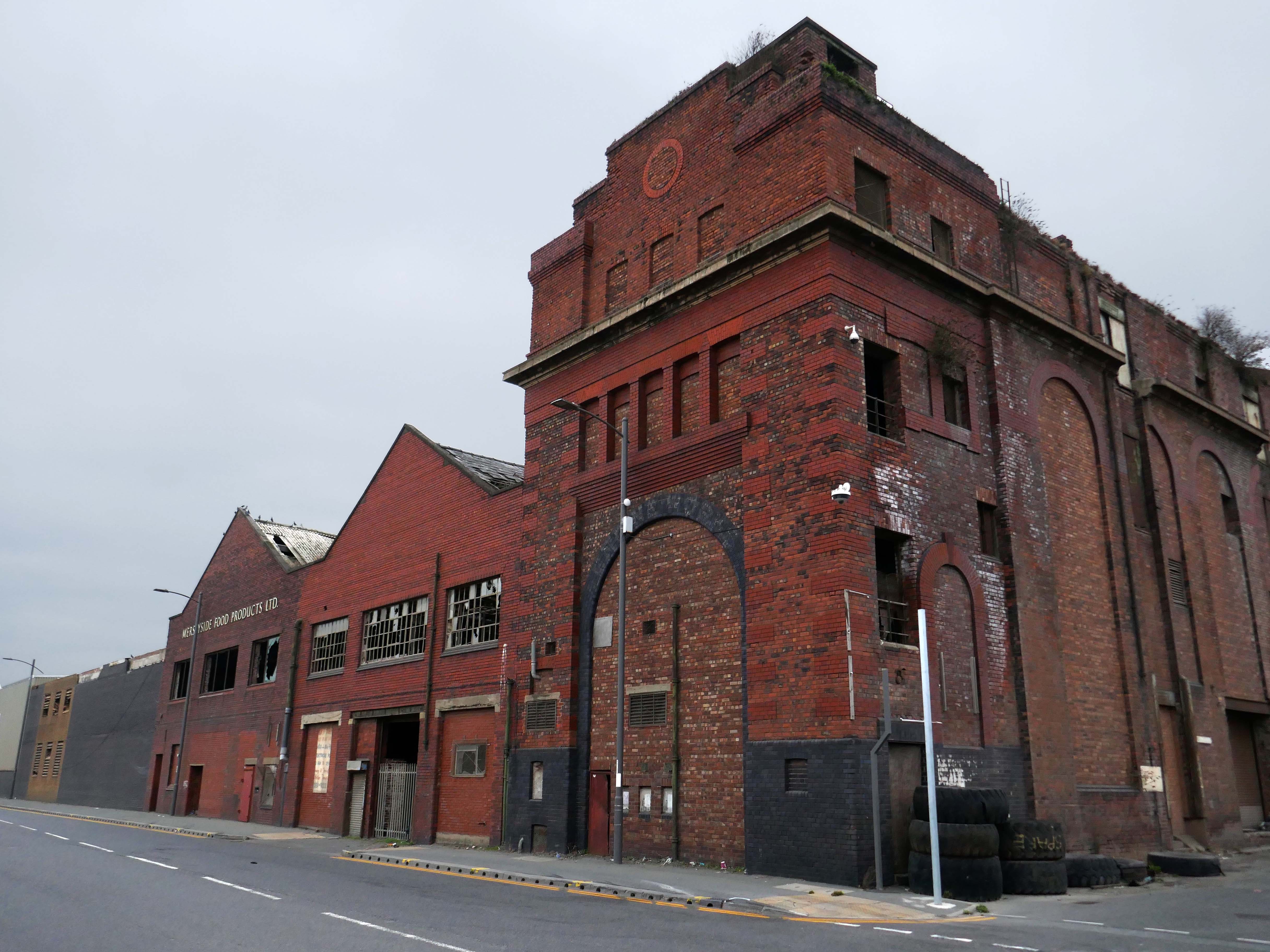
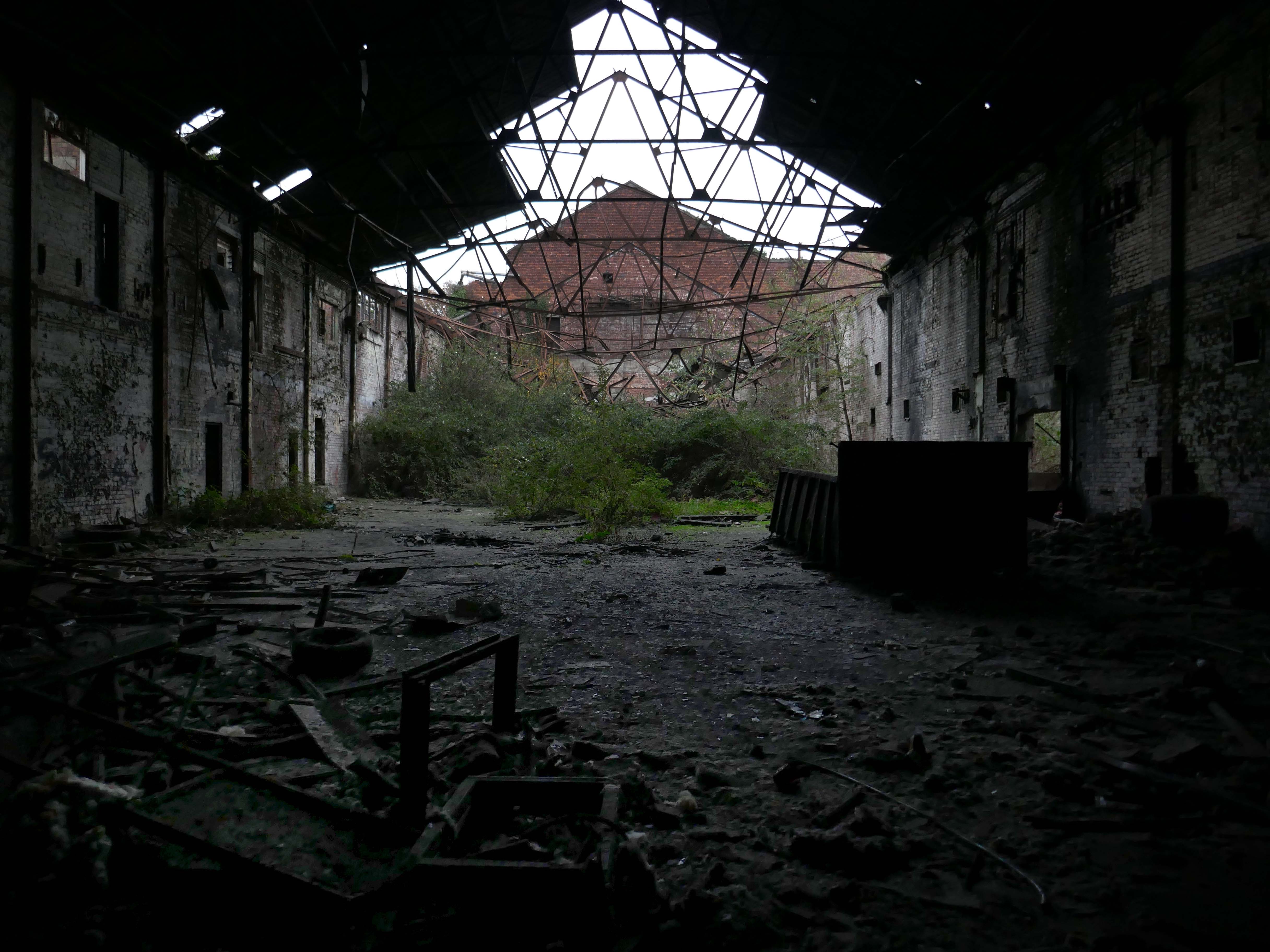
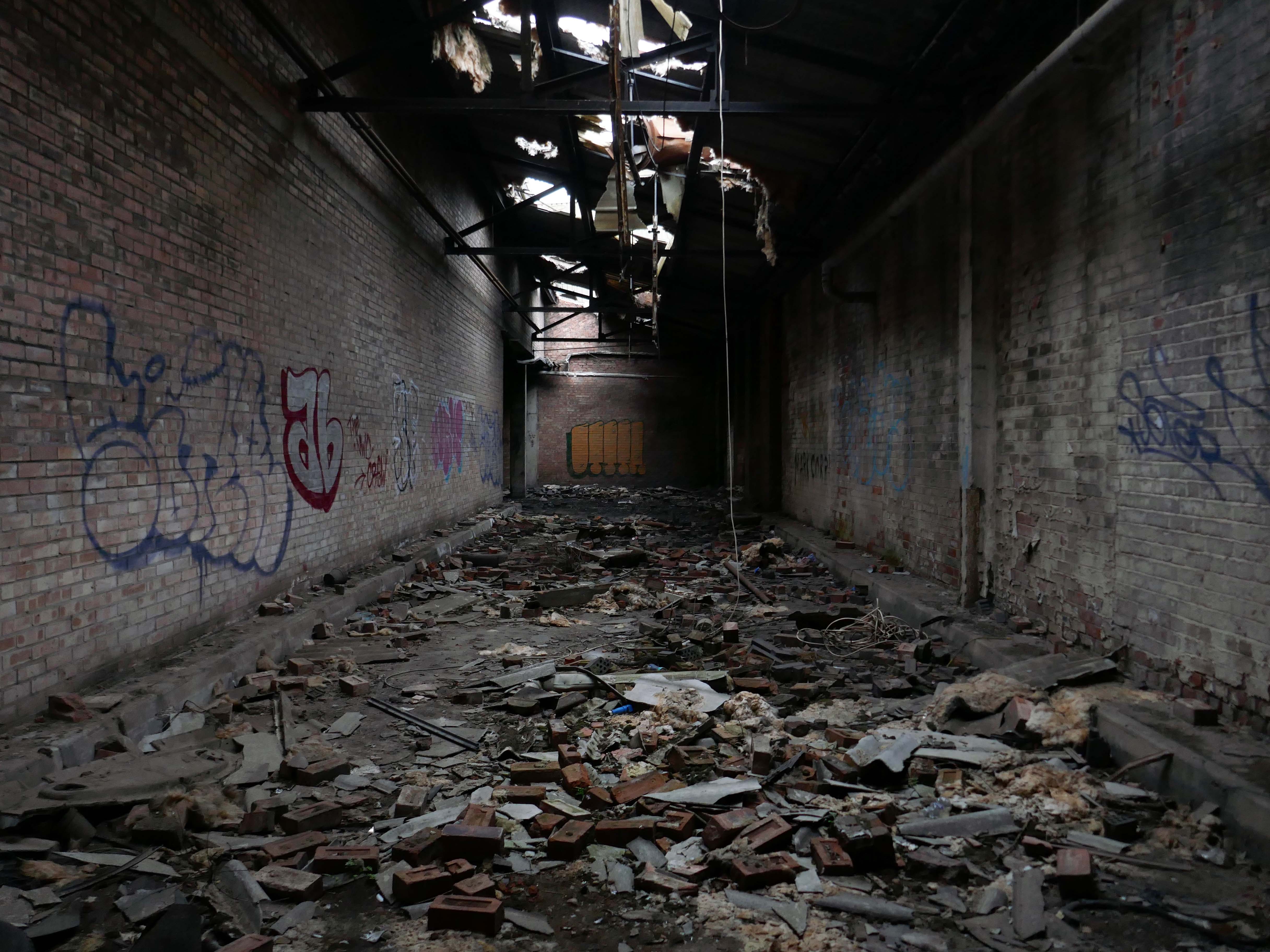
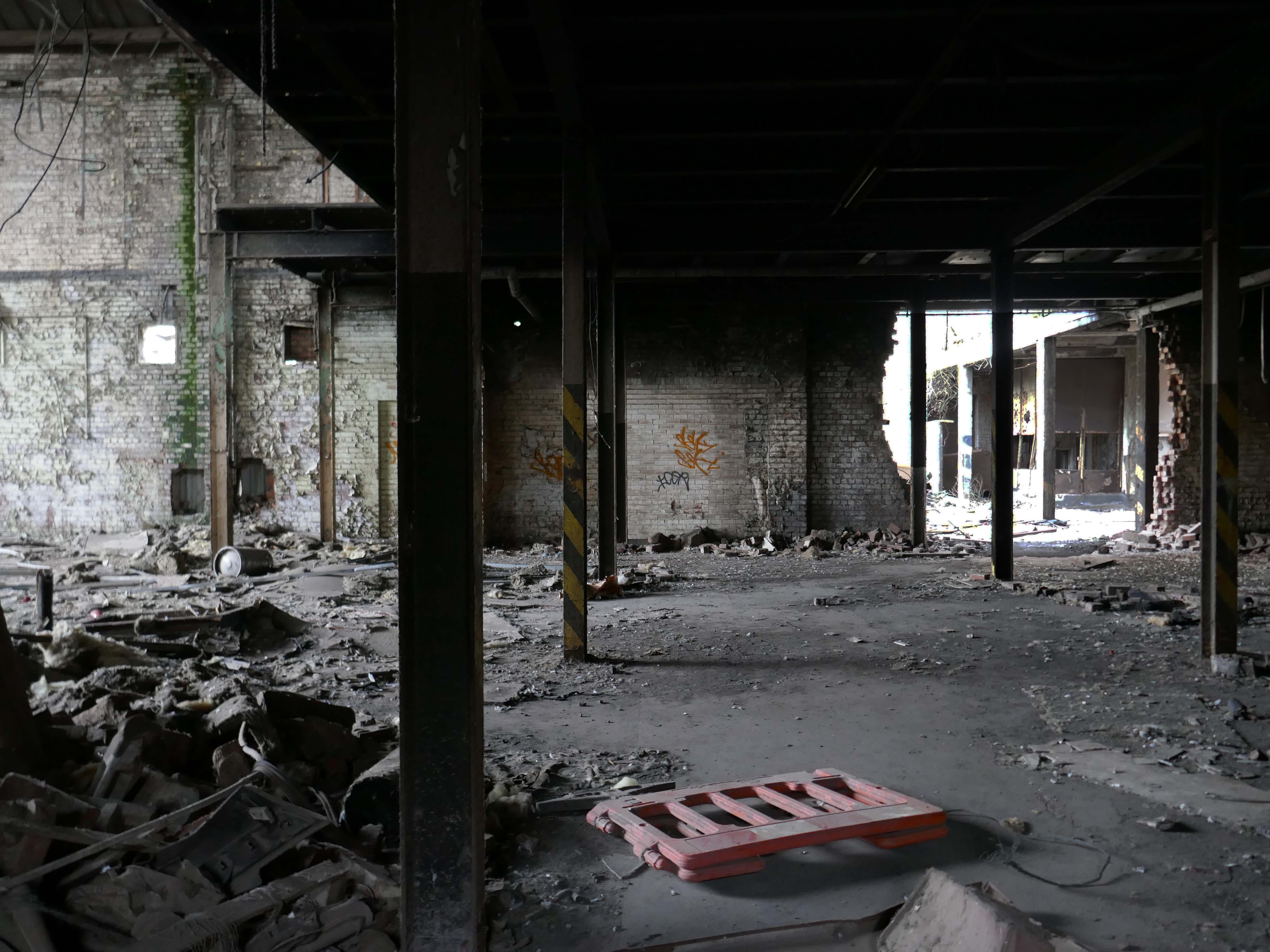
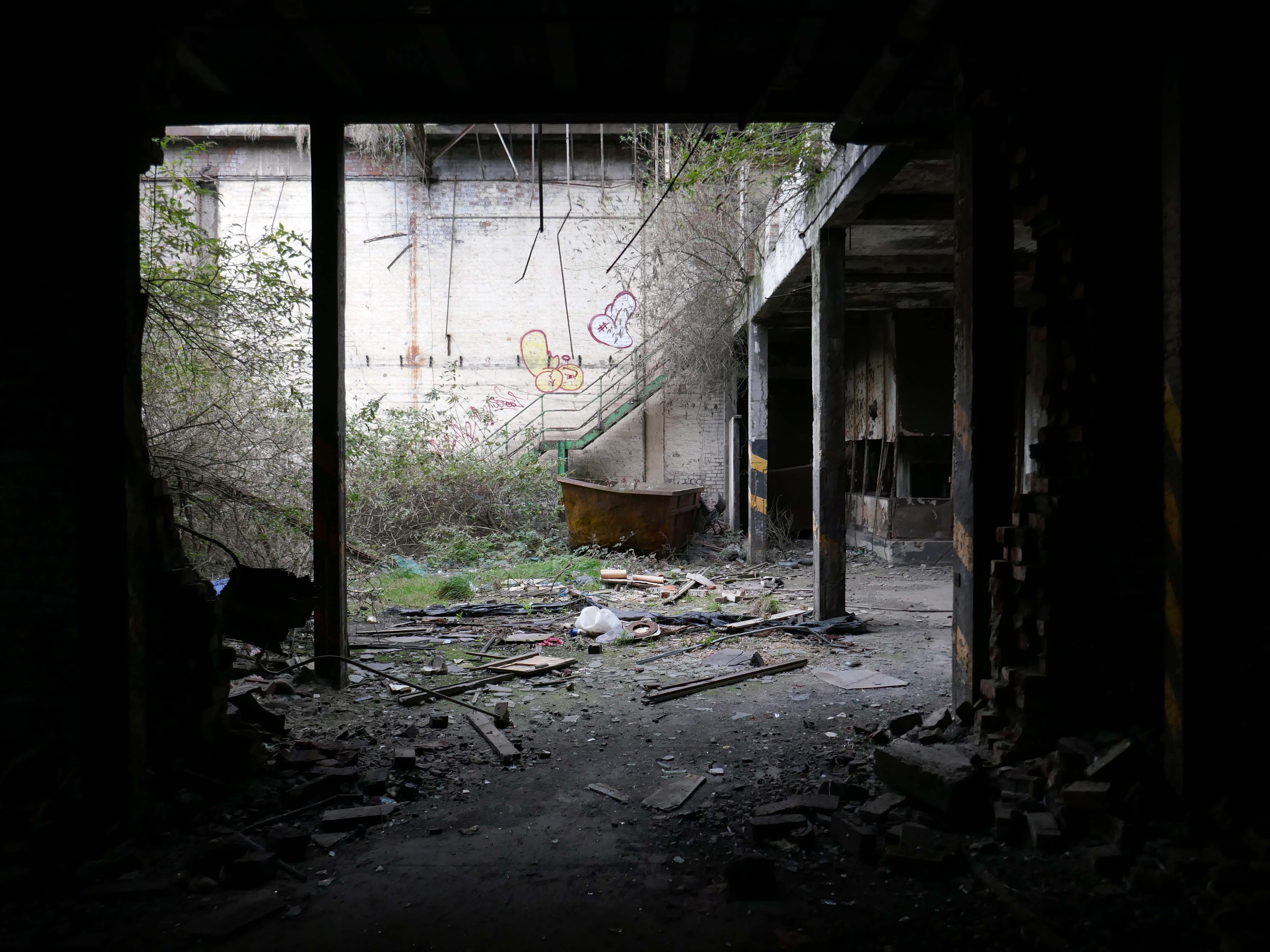
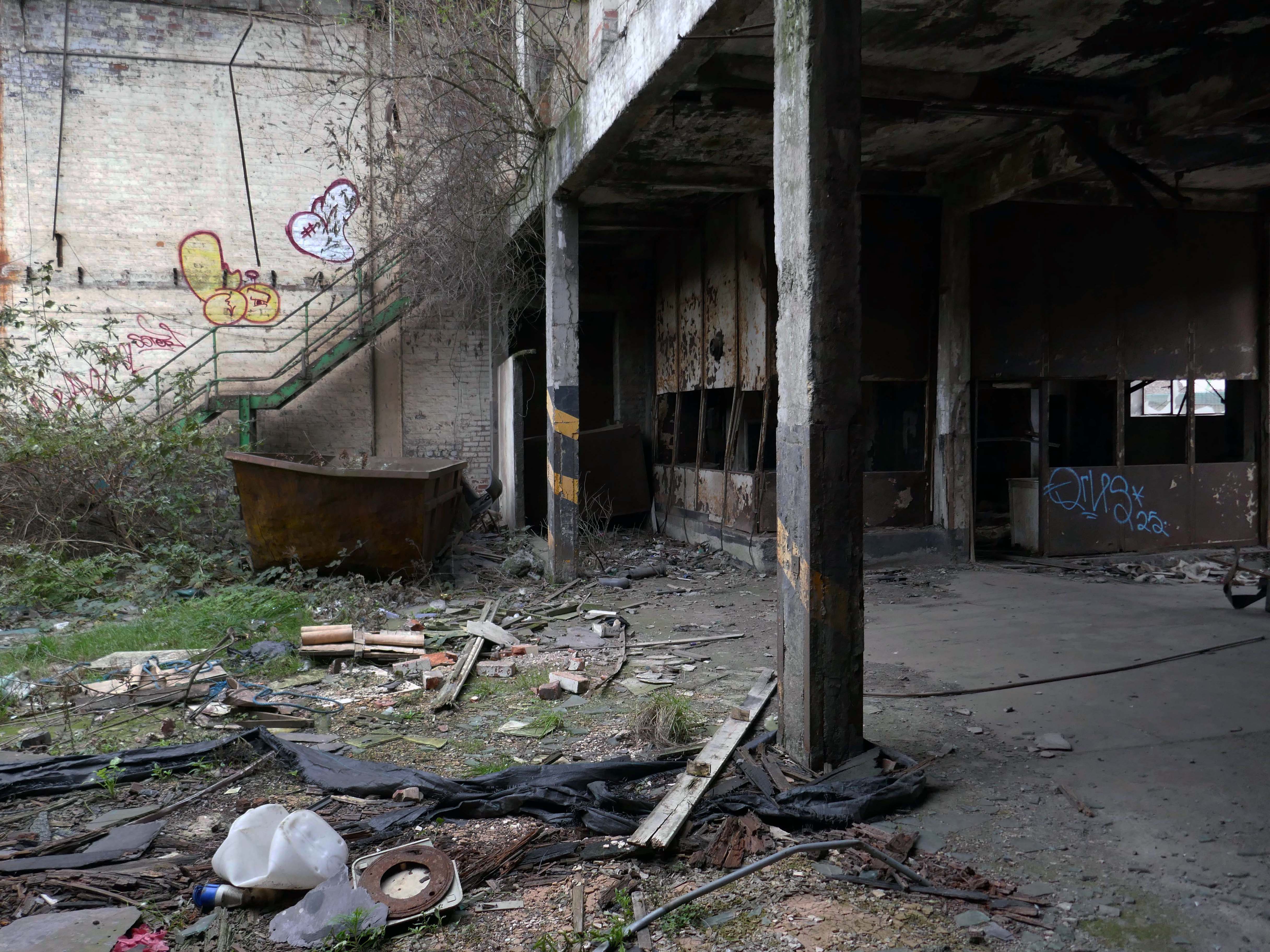
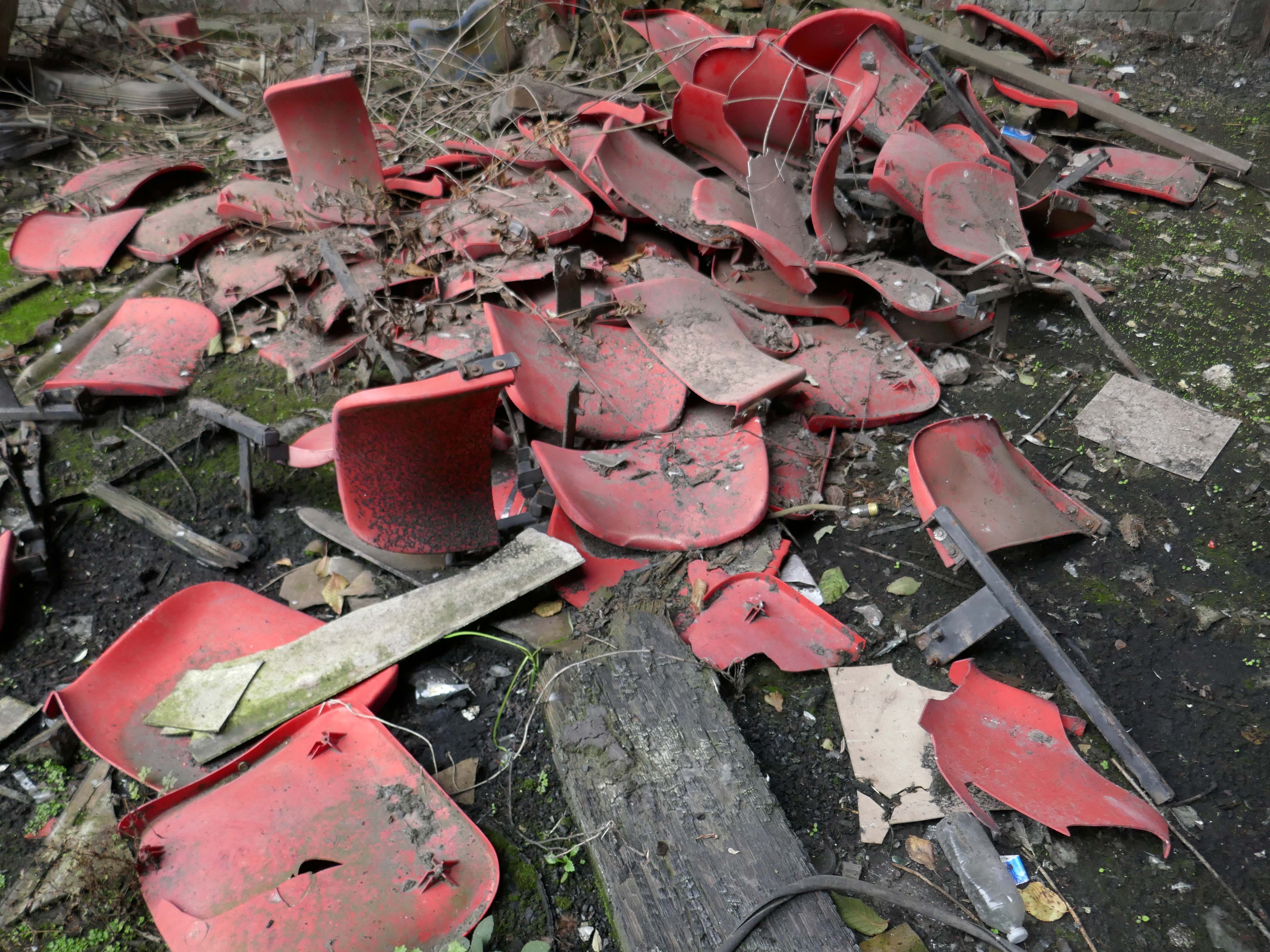
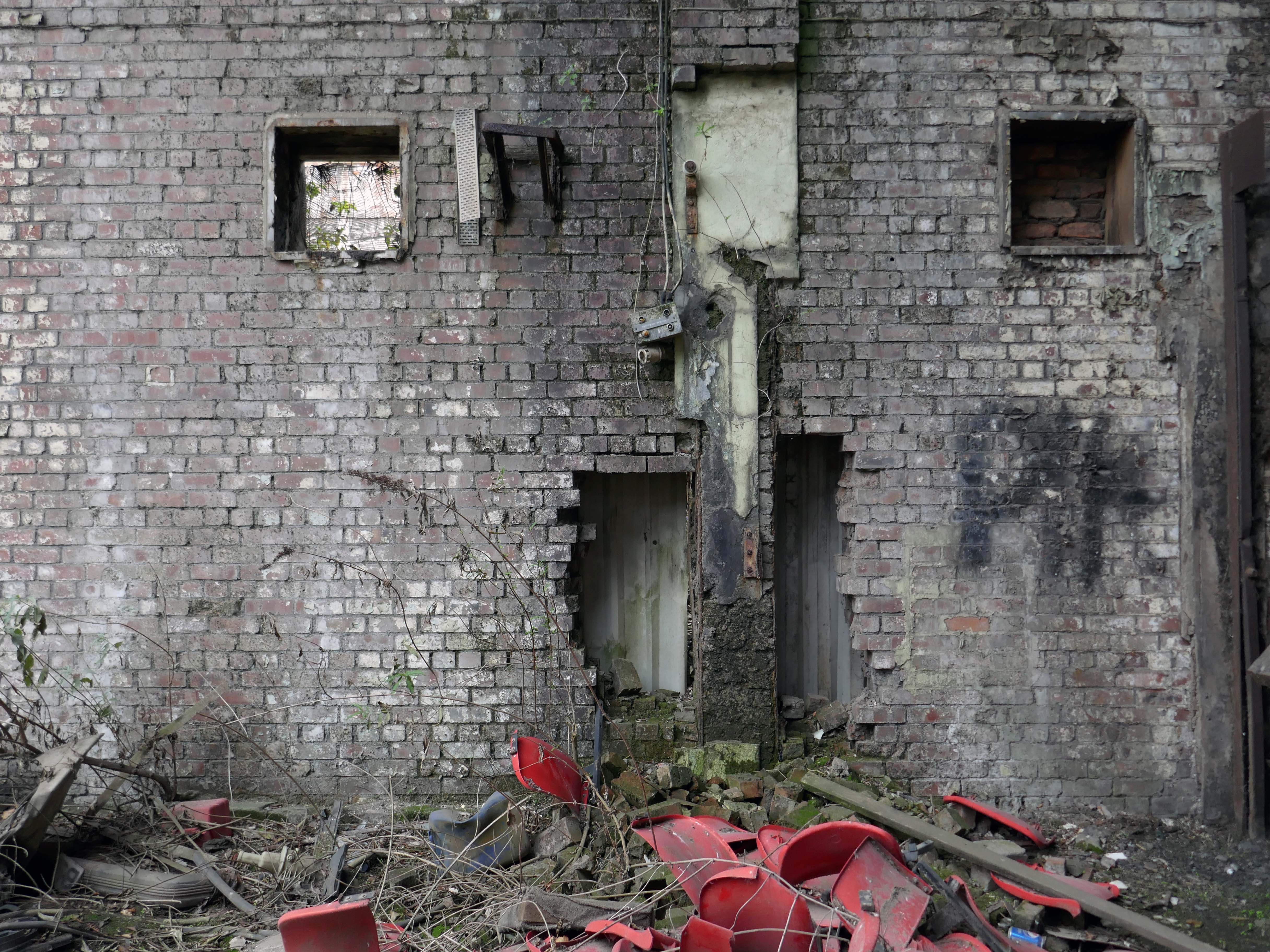
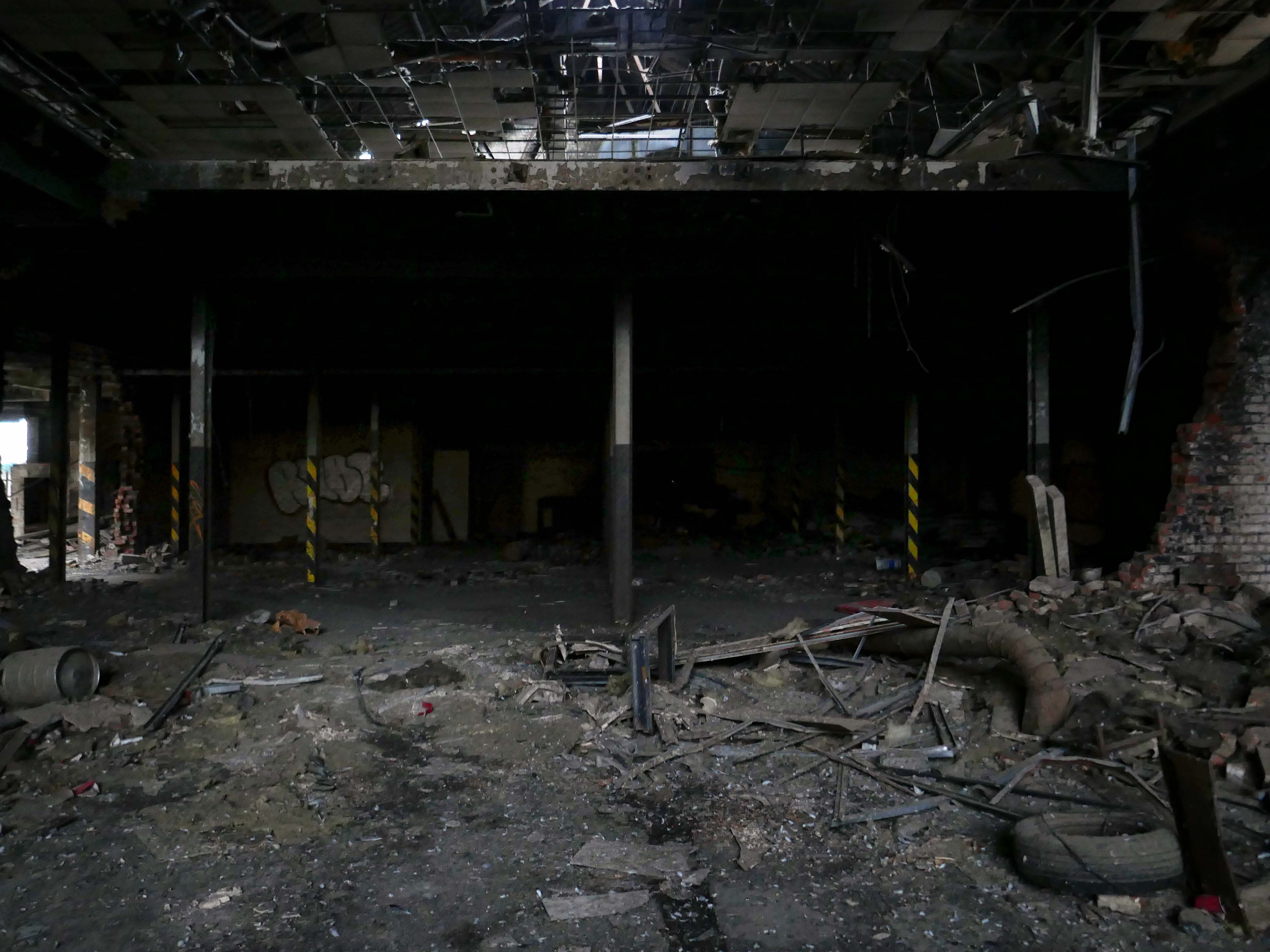
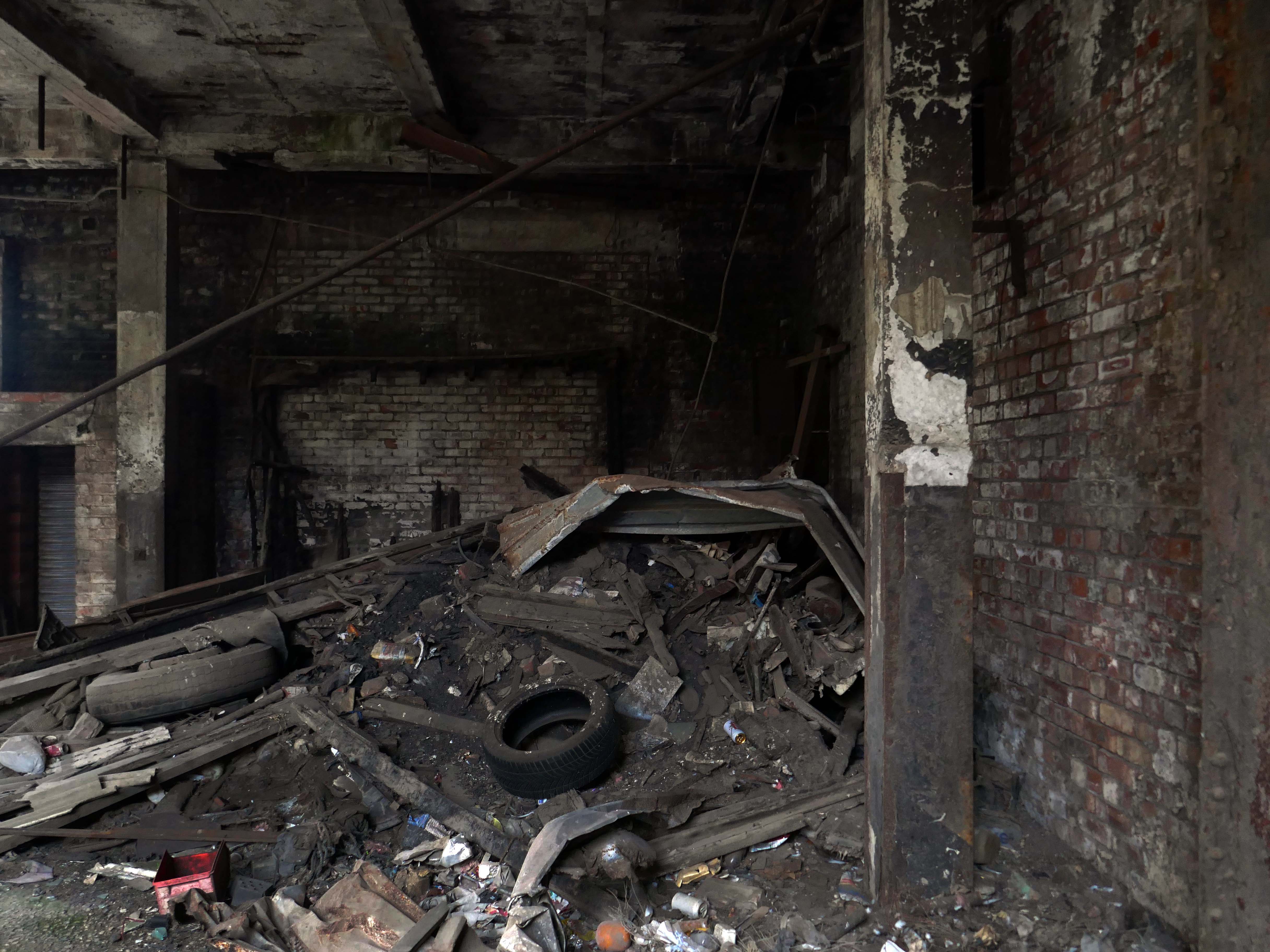
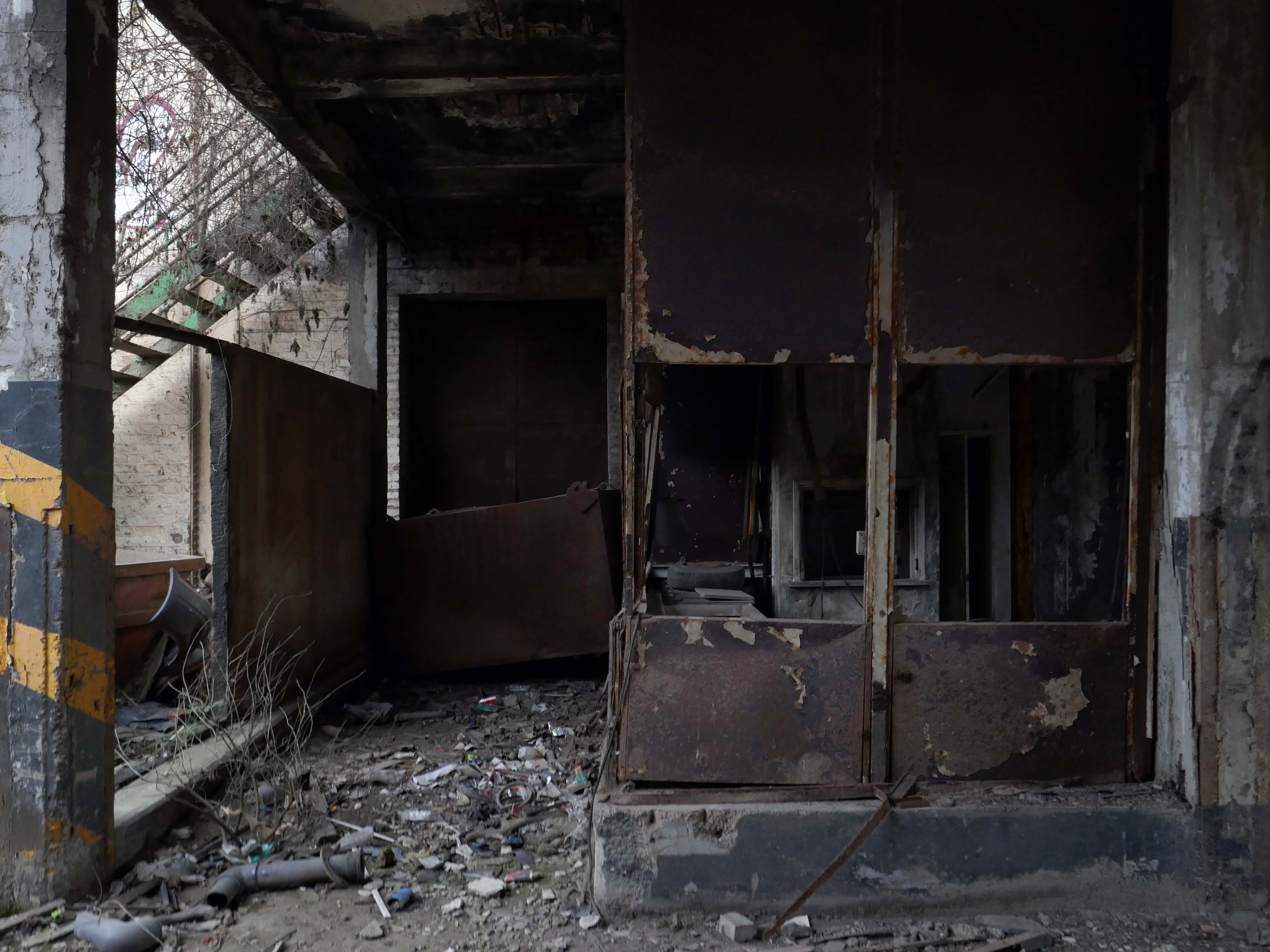
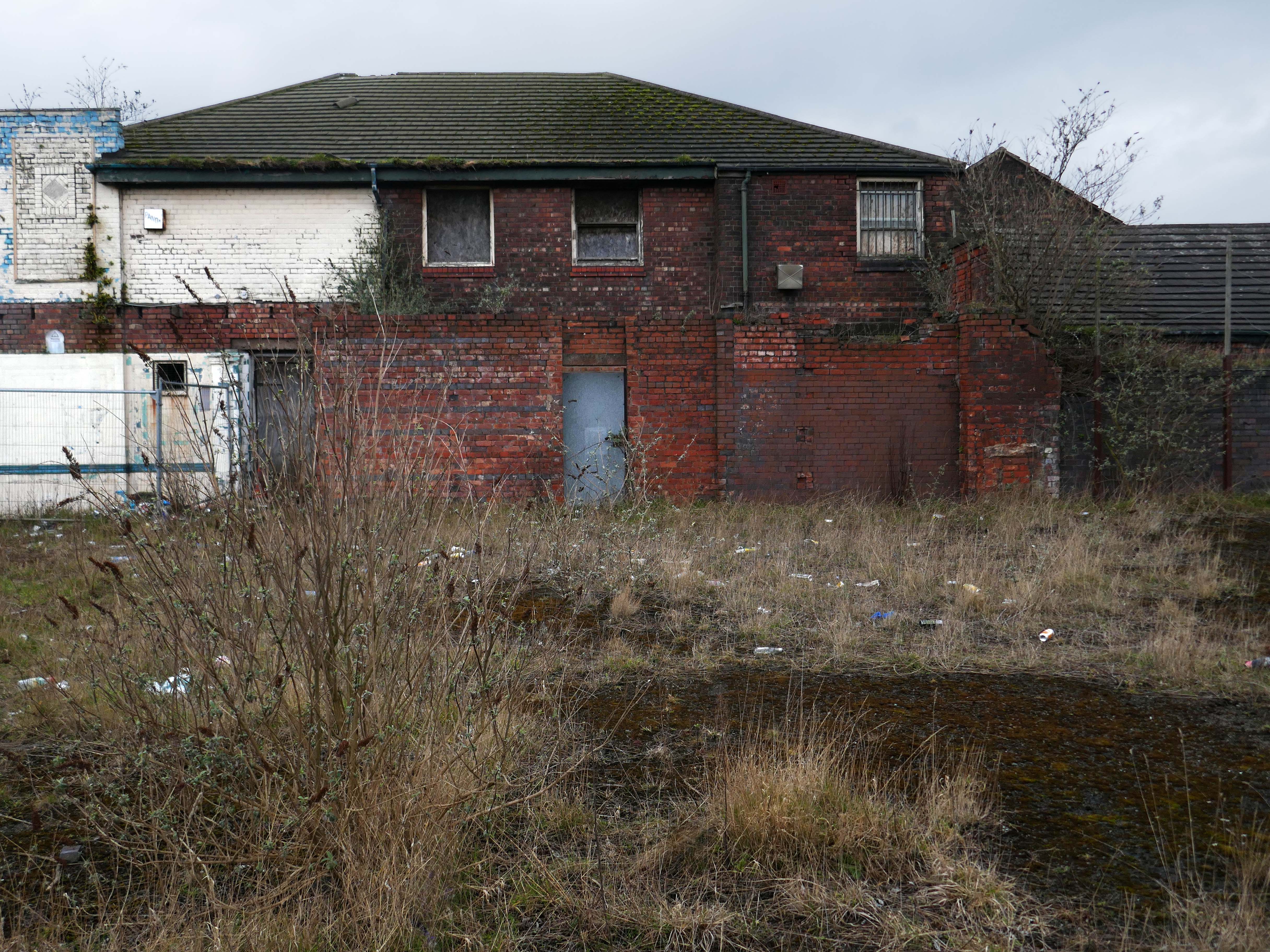
Merseyside Food Products Ltd of Marsh Lane, later 185 Regent Road.
Edible oil producers.
1939 Producing Pier Head brand margarine.
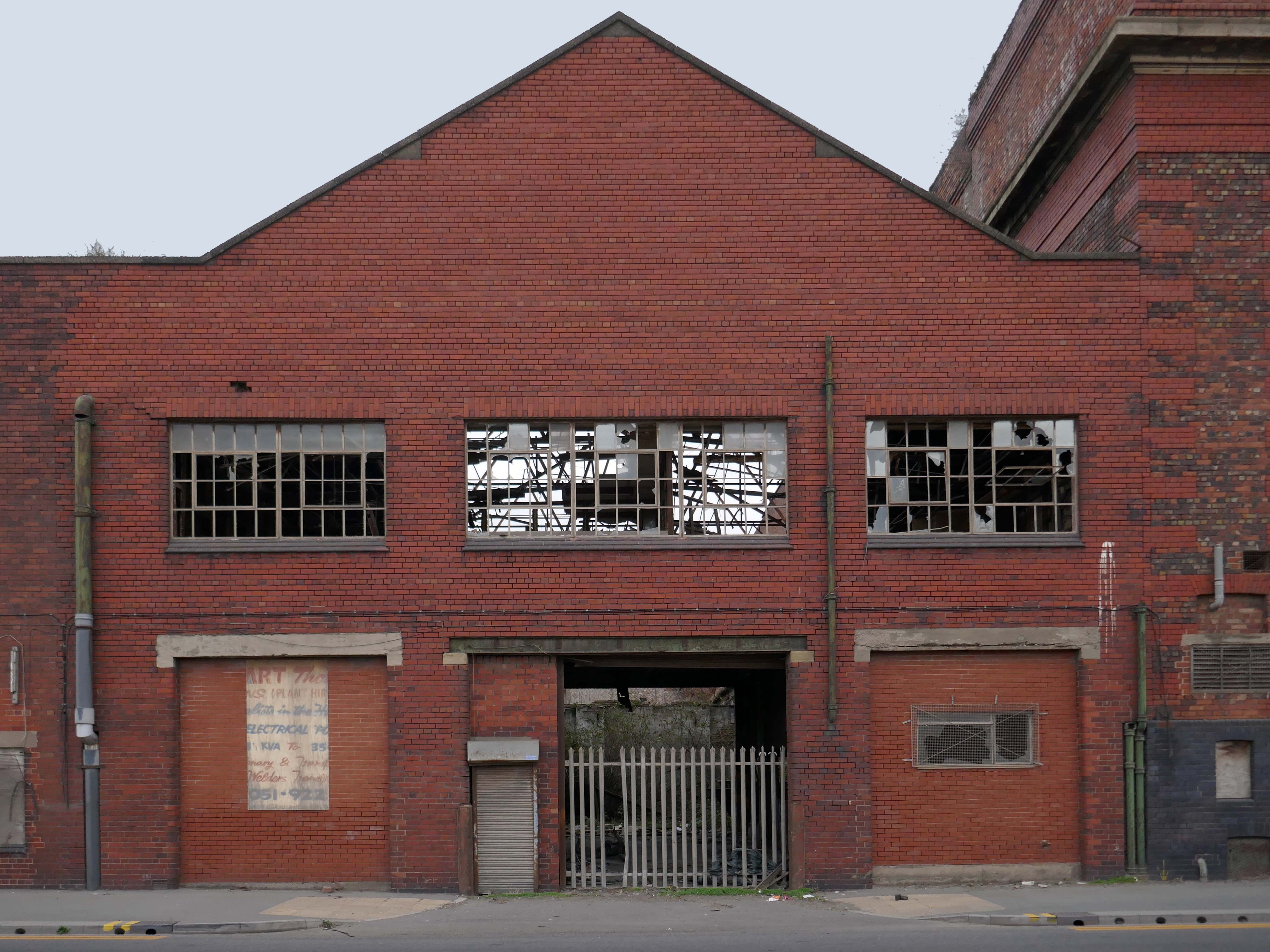
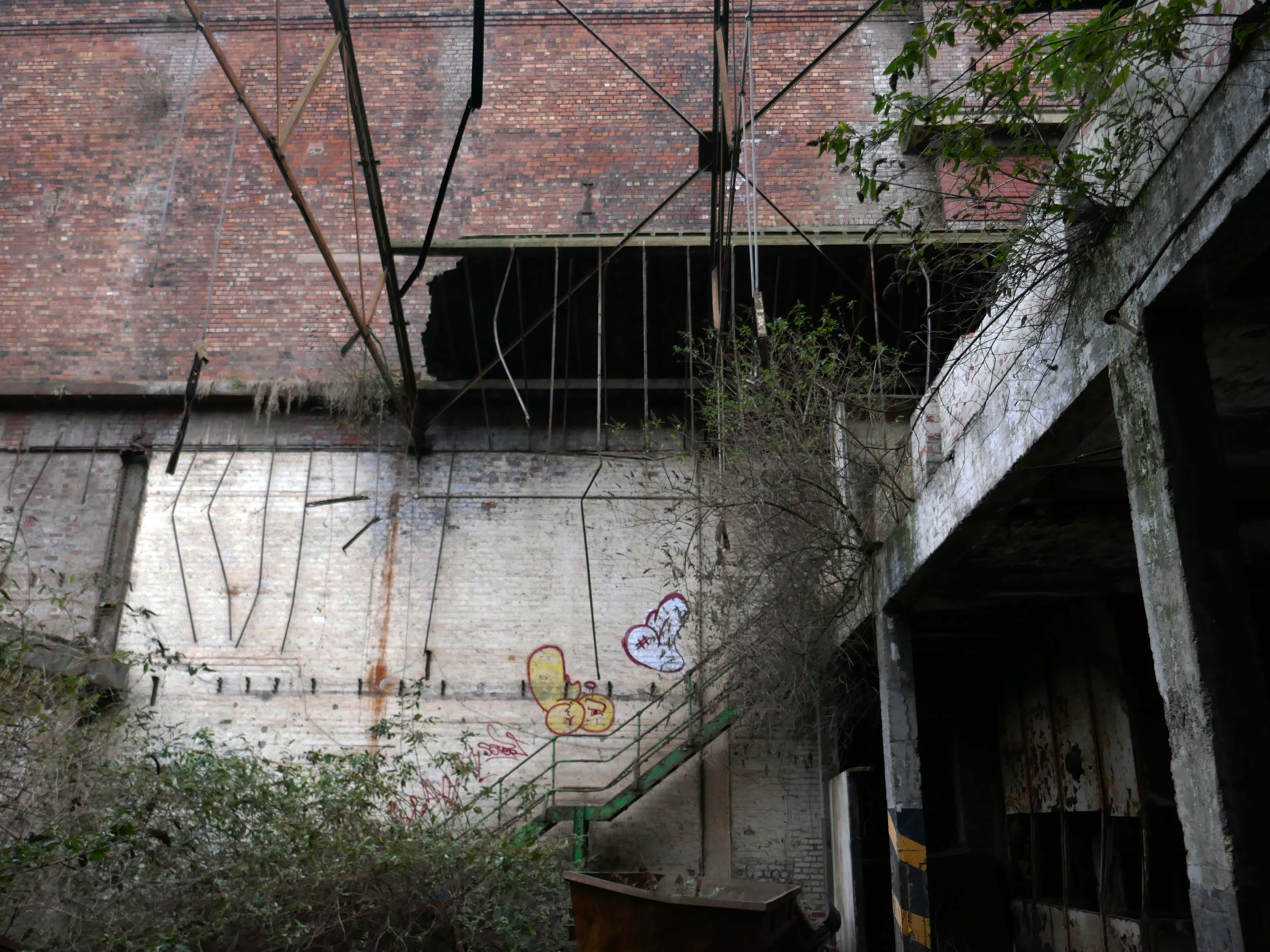
The Regent Road premises had originally been the marine engineering North Works of H&C Grayson. It appears that the southern block was converted to a warehouse at some point before being occupied by Merseyside Food Products in the 1950s.
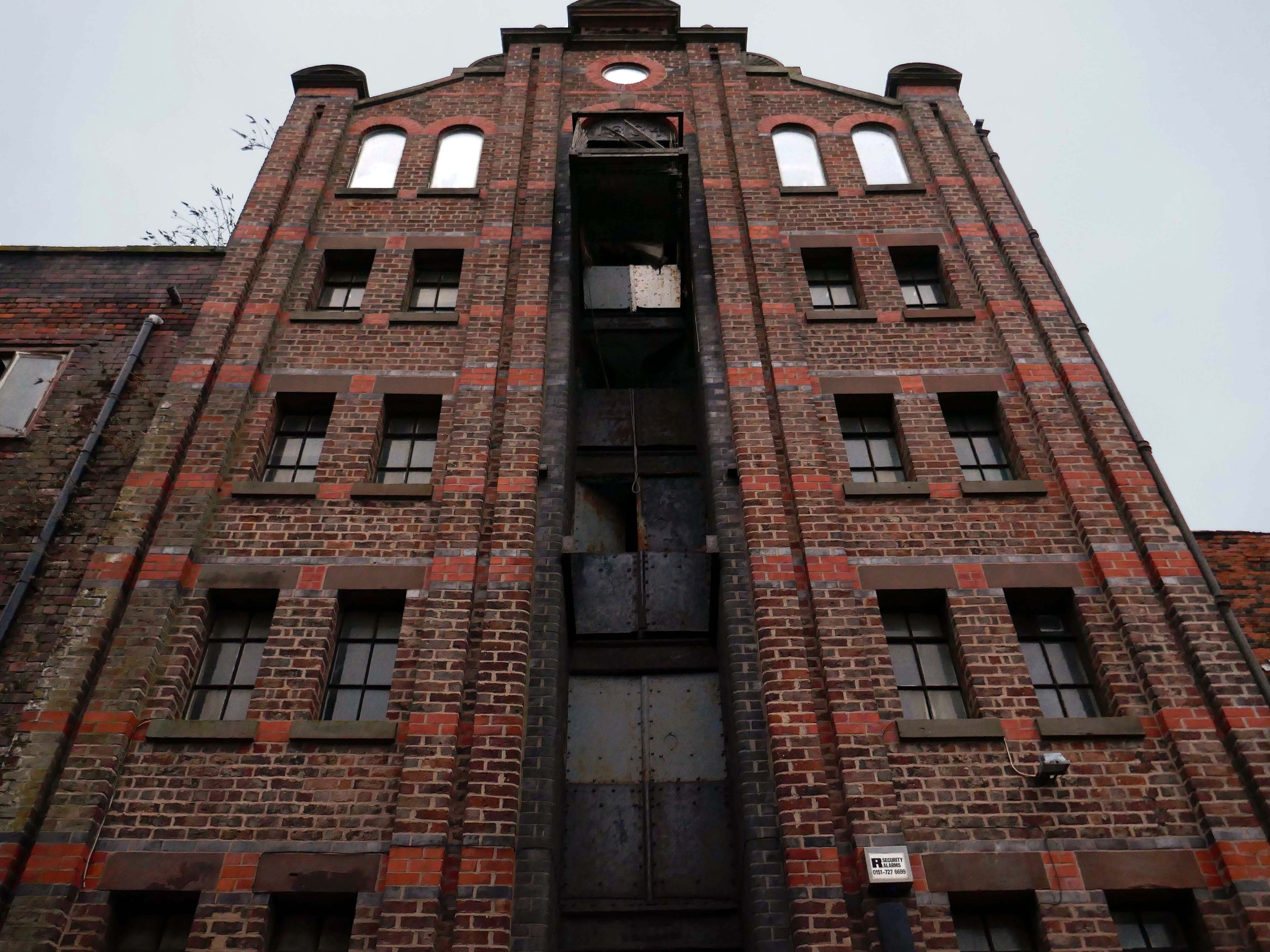
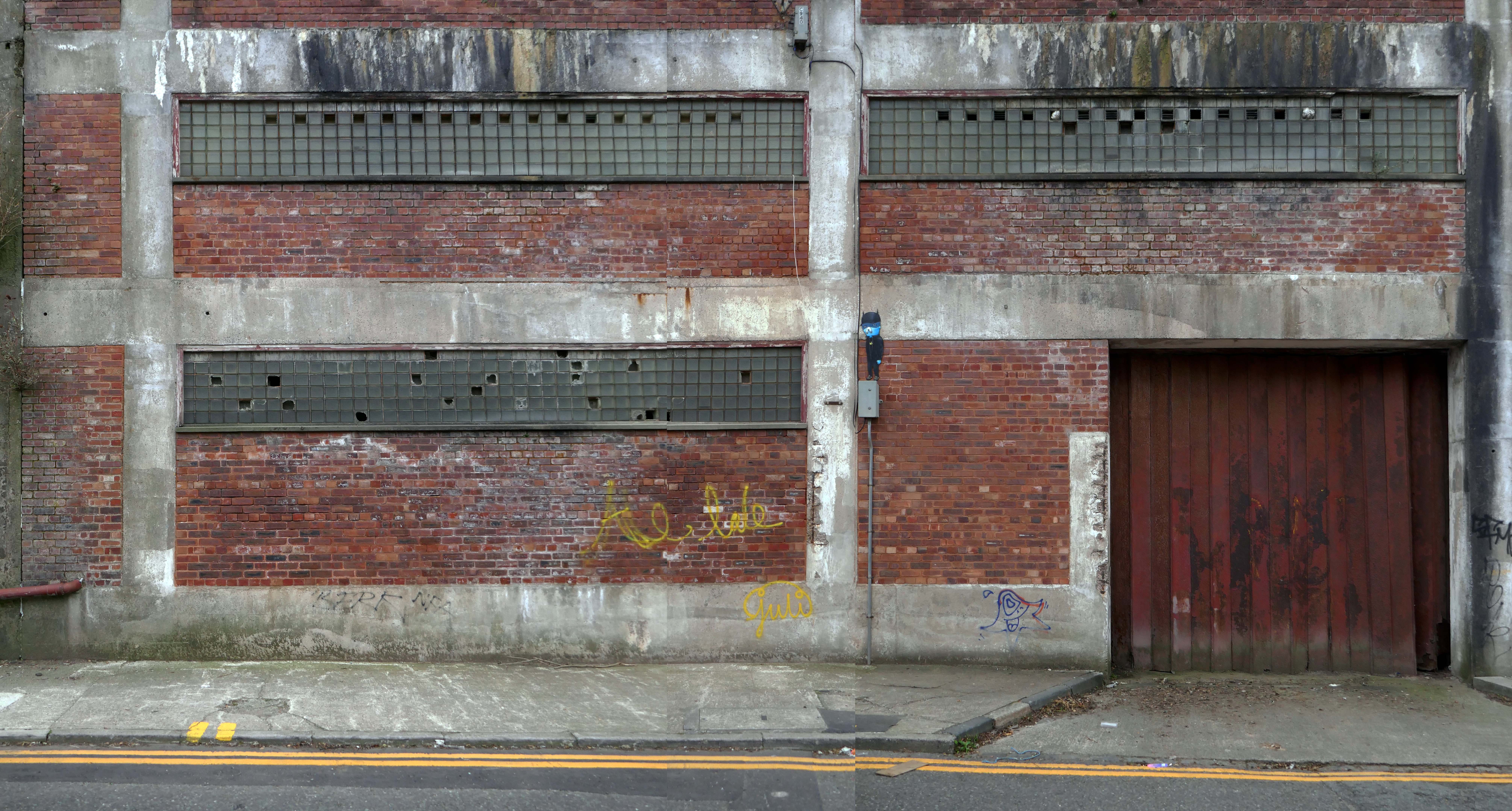
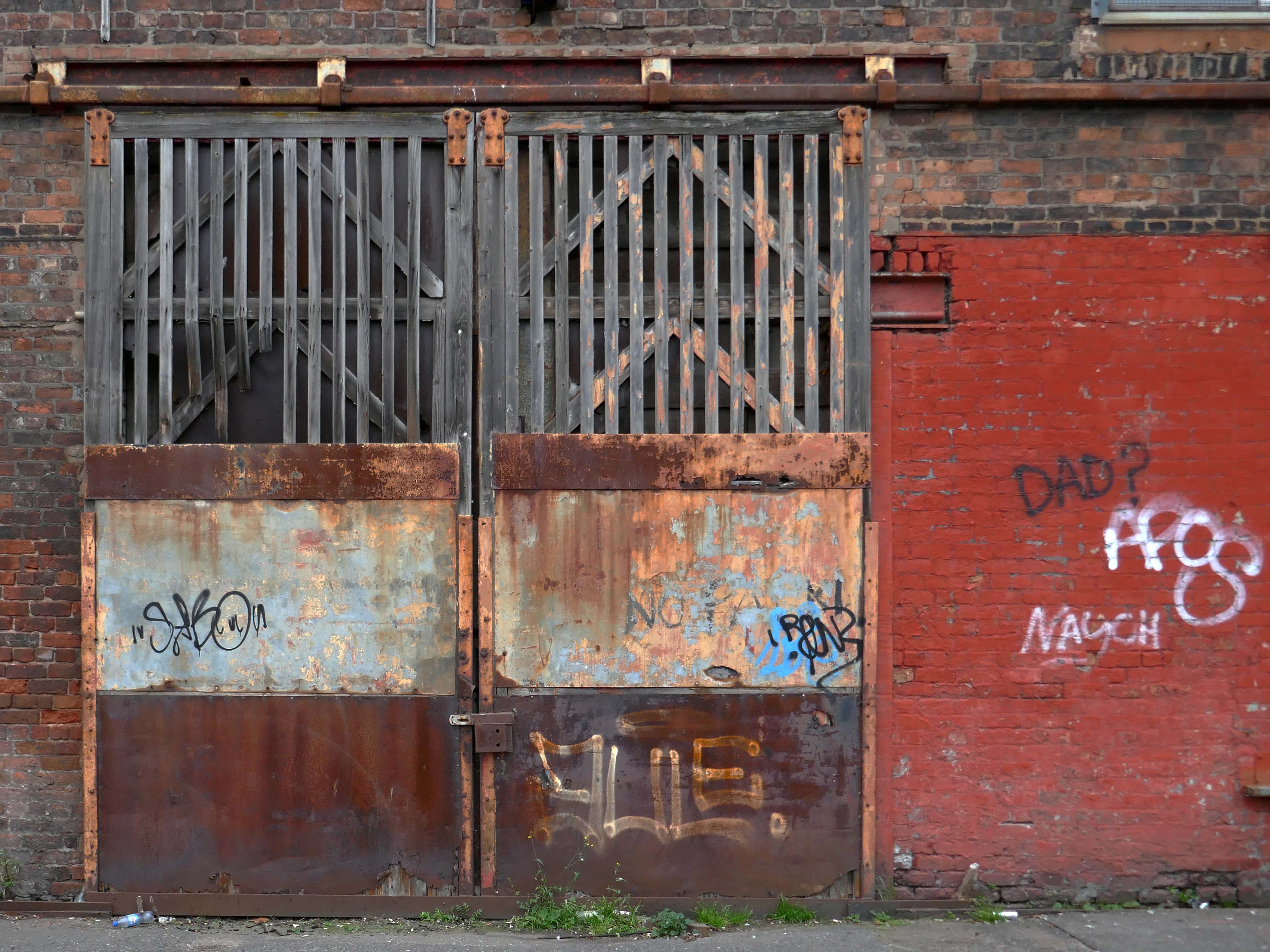
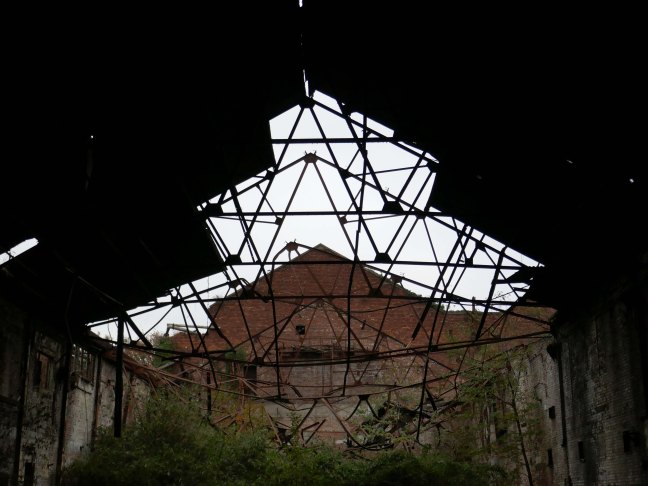
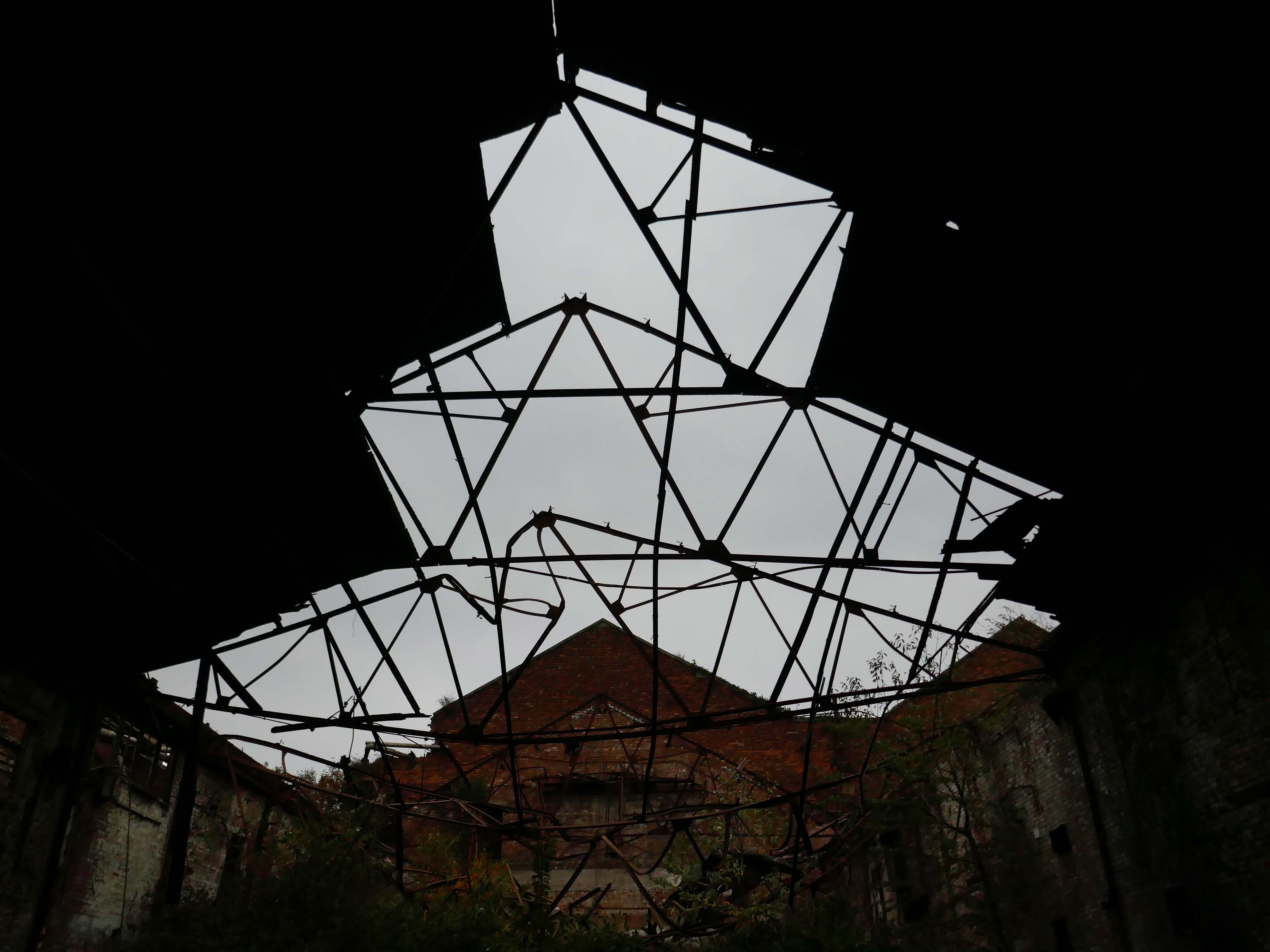
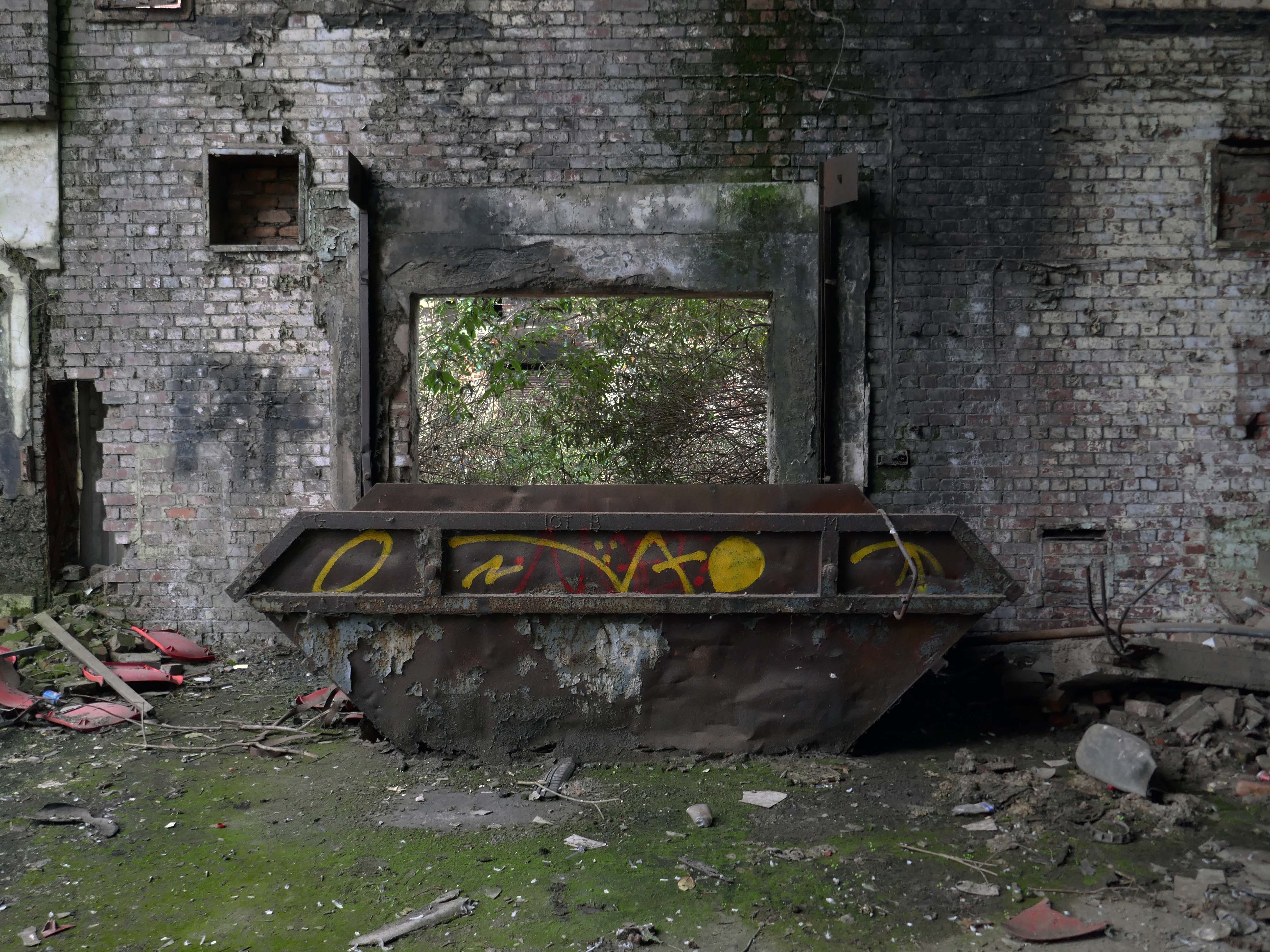
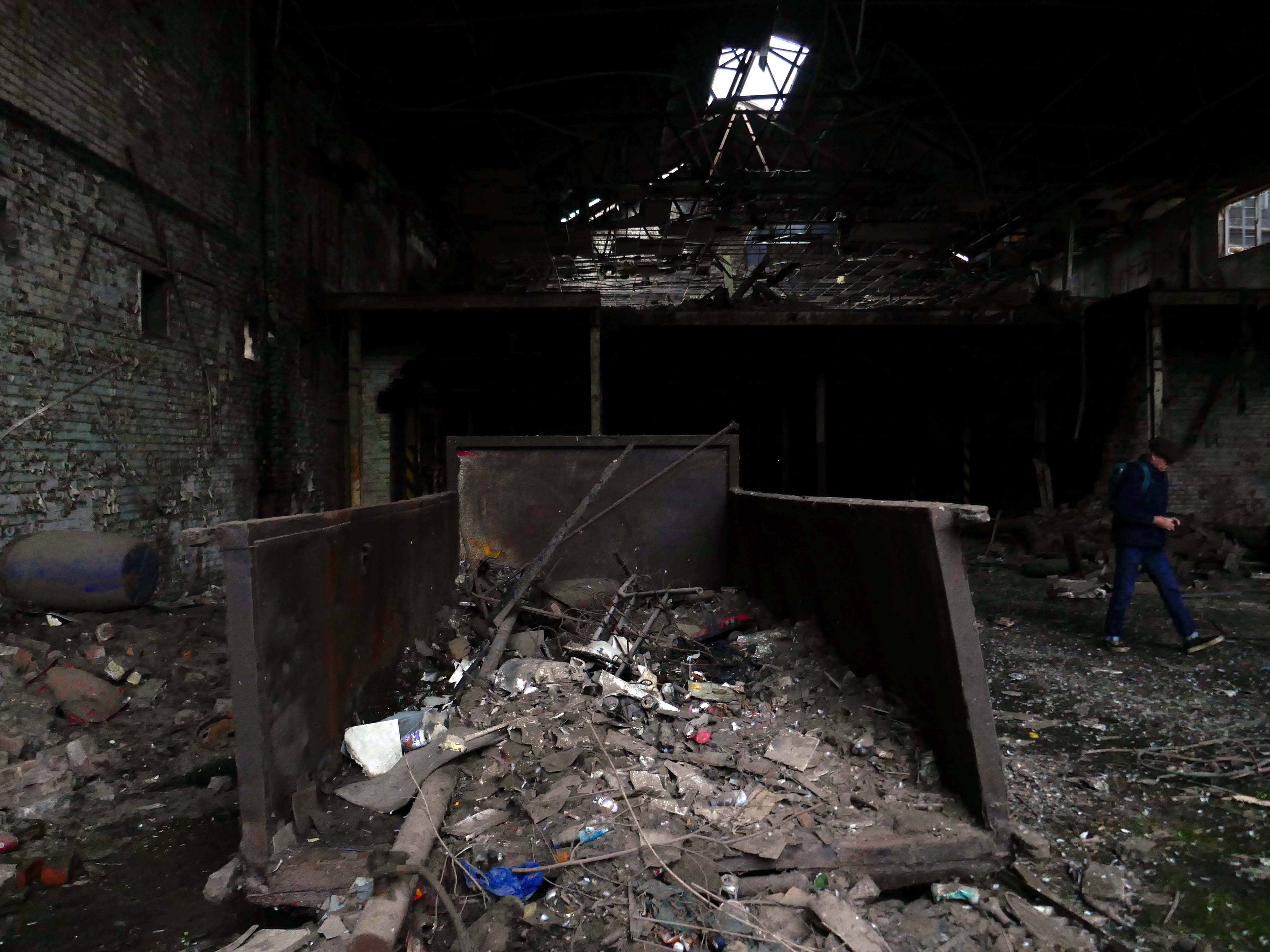
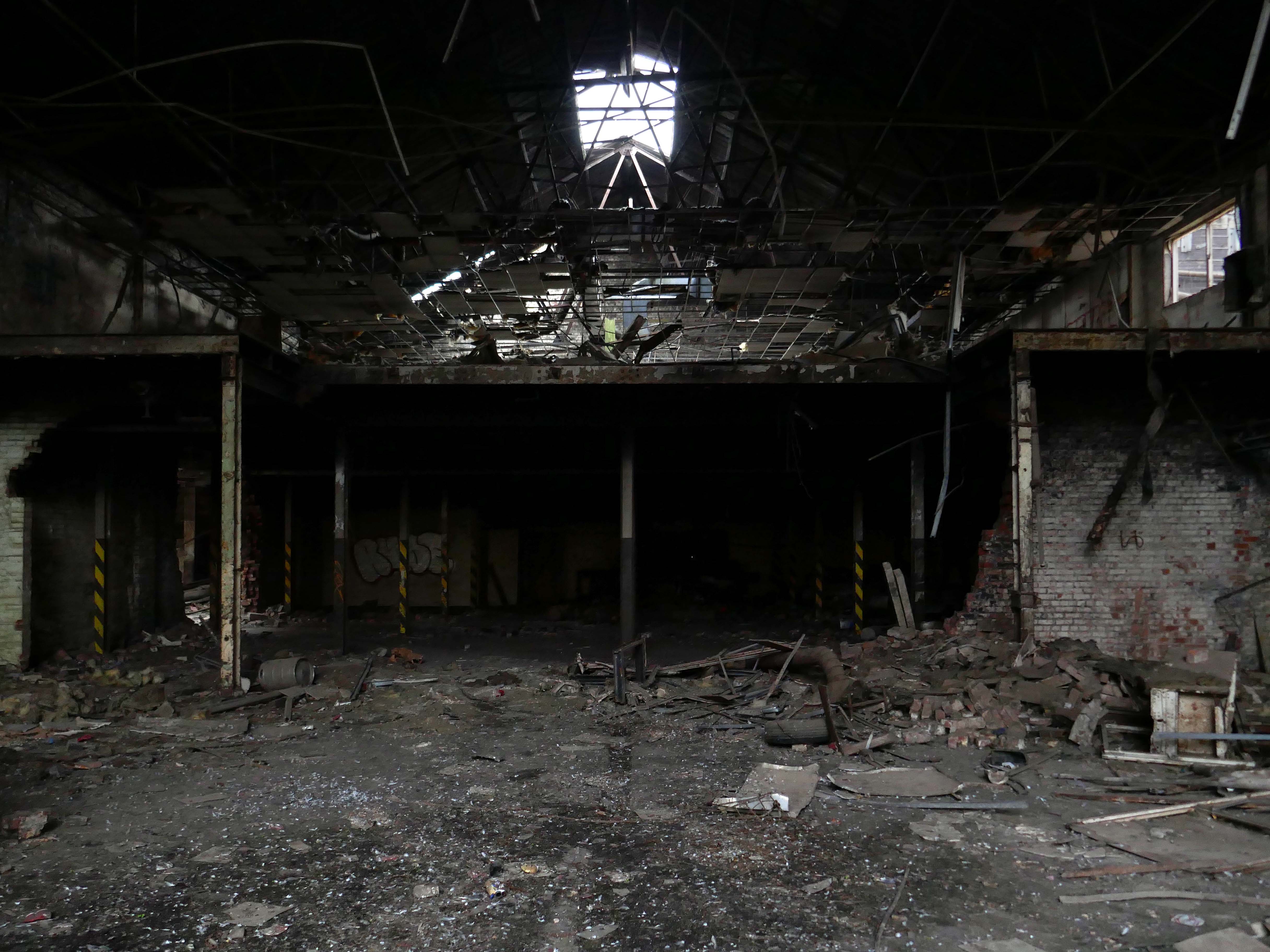
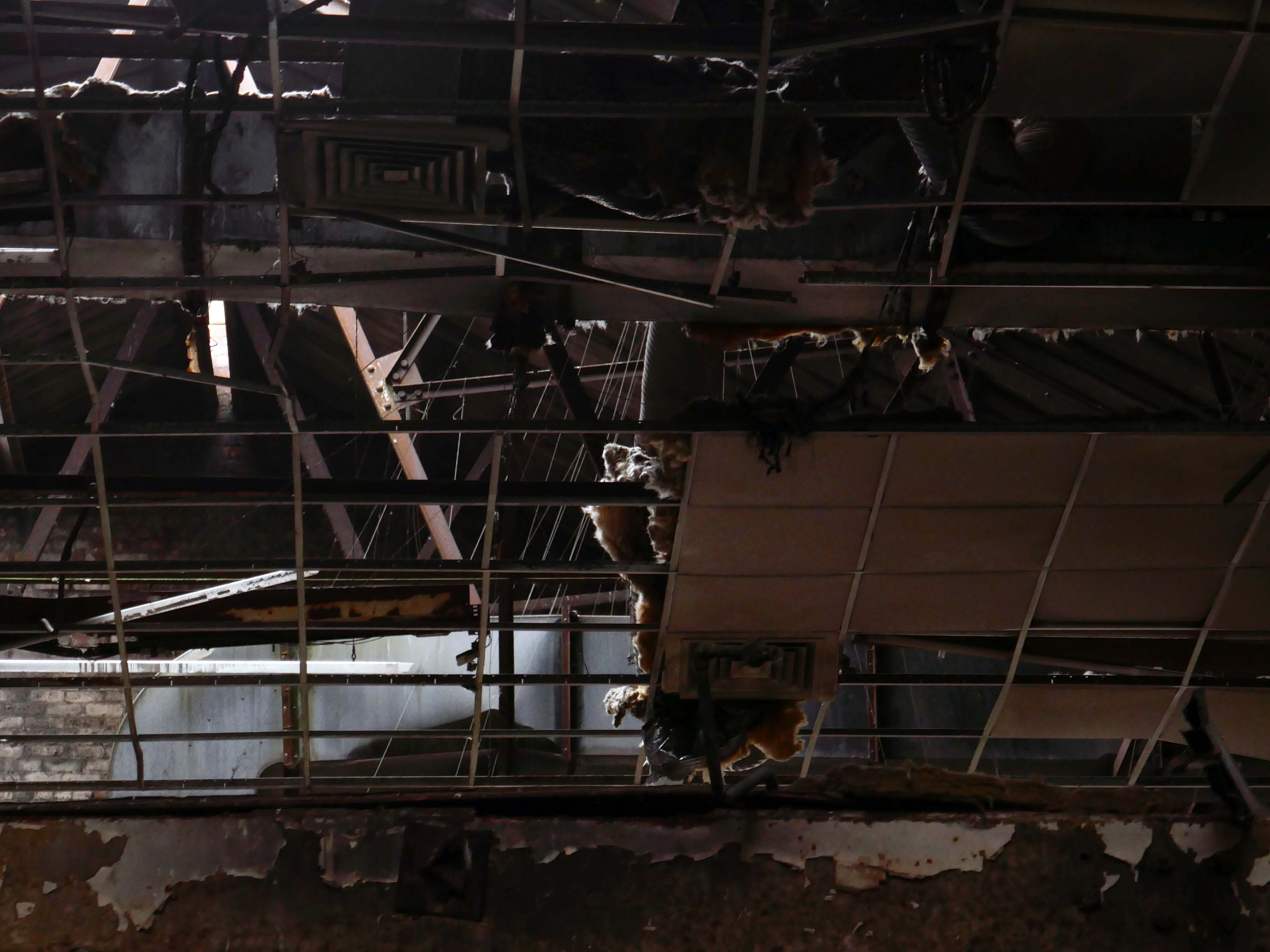
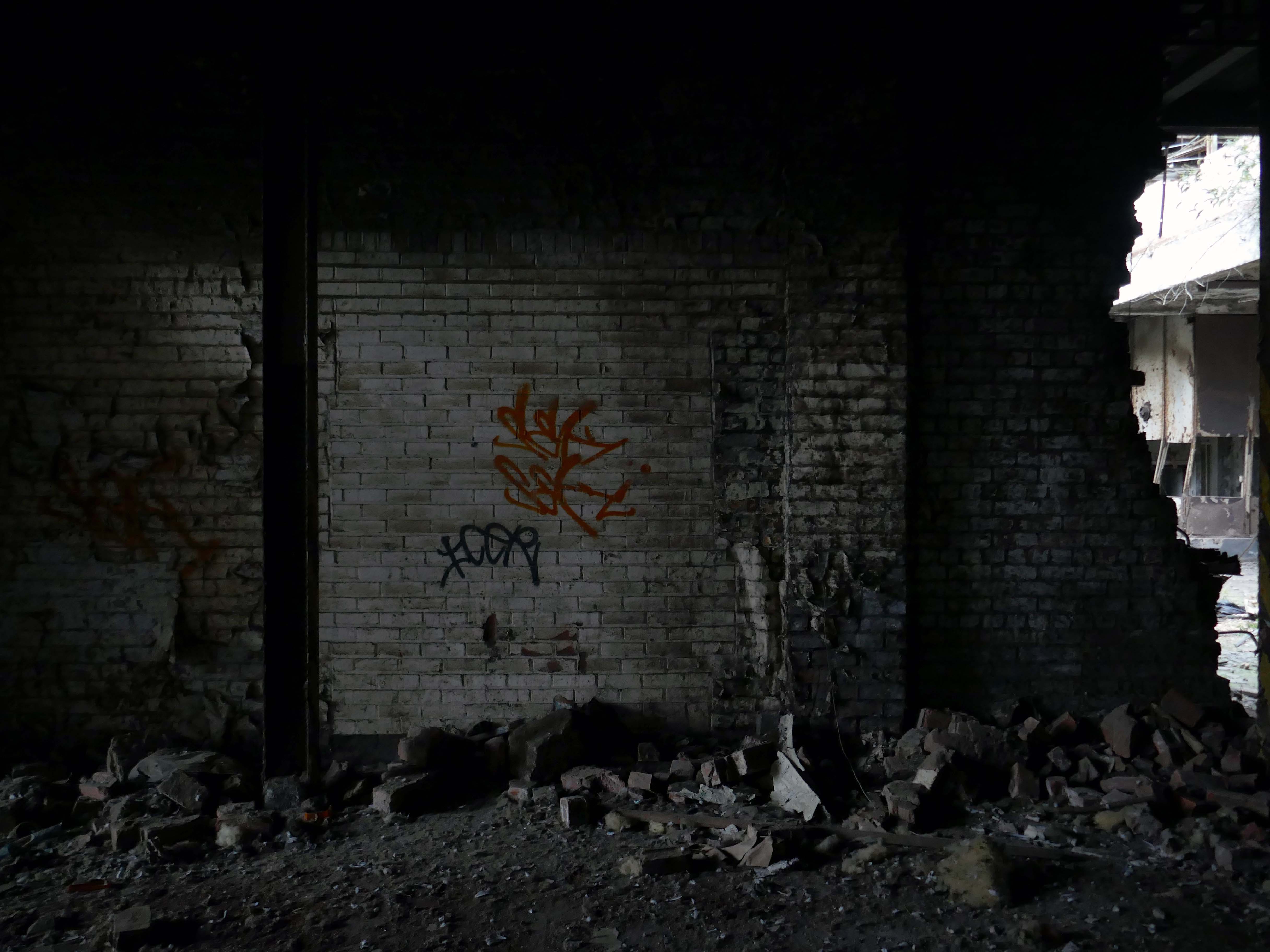
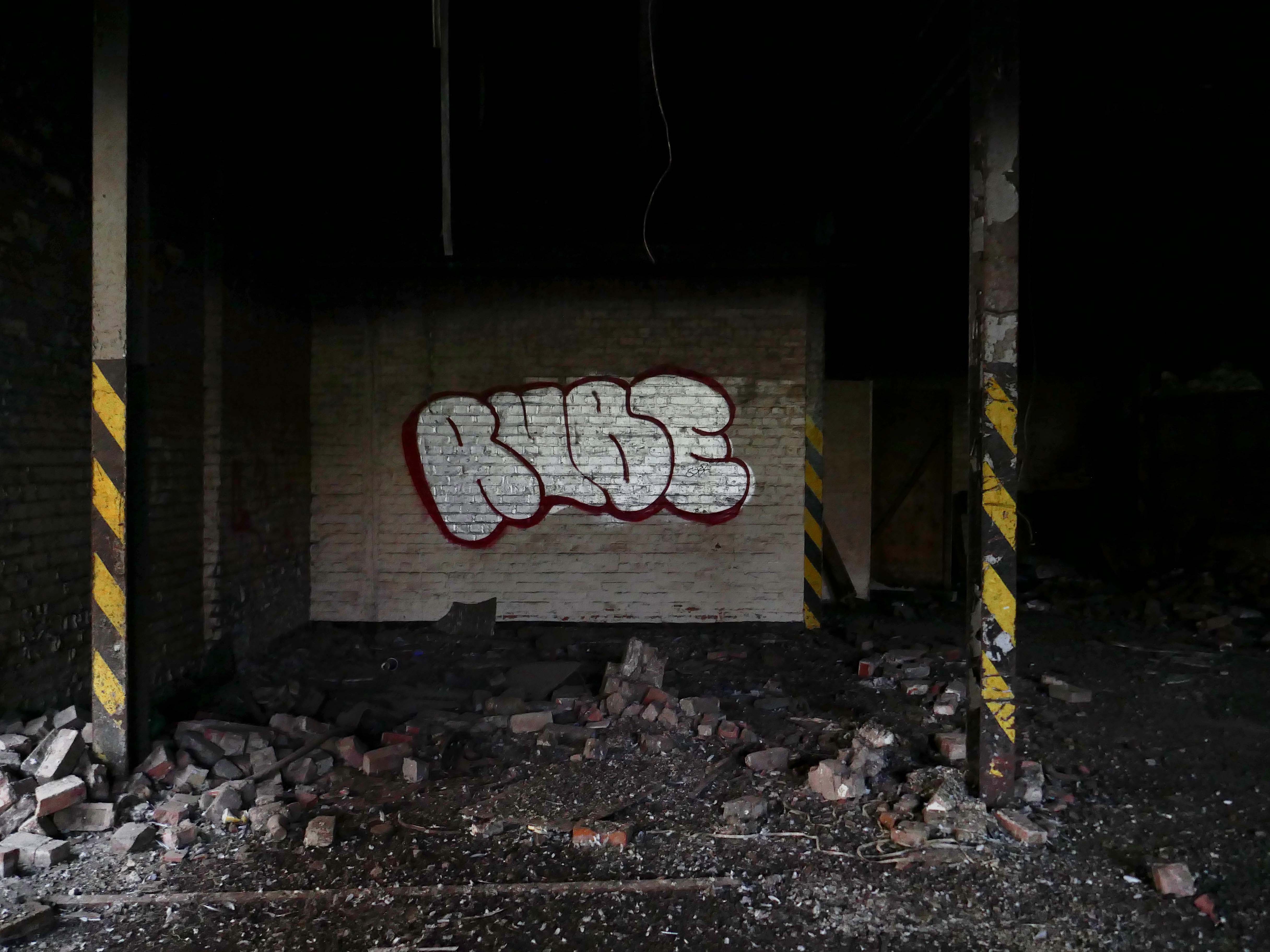
Having a casual afternoon stroll along the road, I espied a narrow gap in the railings, whilst I could never be considered a devotee of urbex, who can resist a narrow gap in the railings?
There are those who have been here before – the 28 Days Later folk take a much deeper peep.
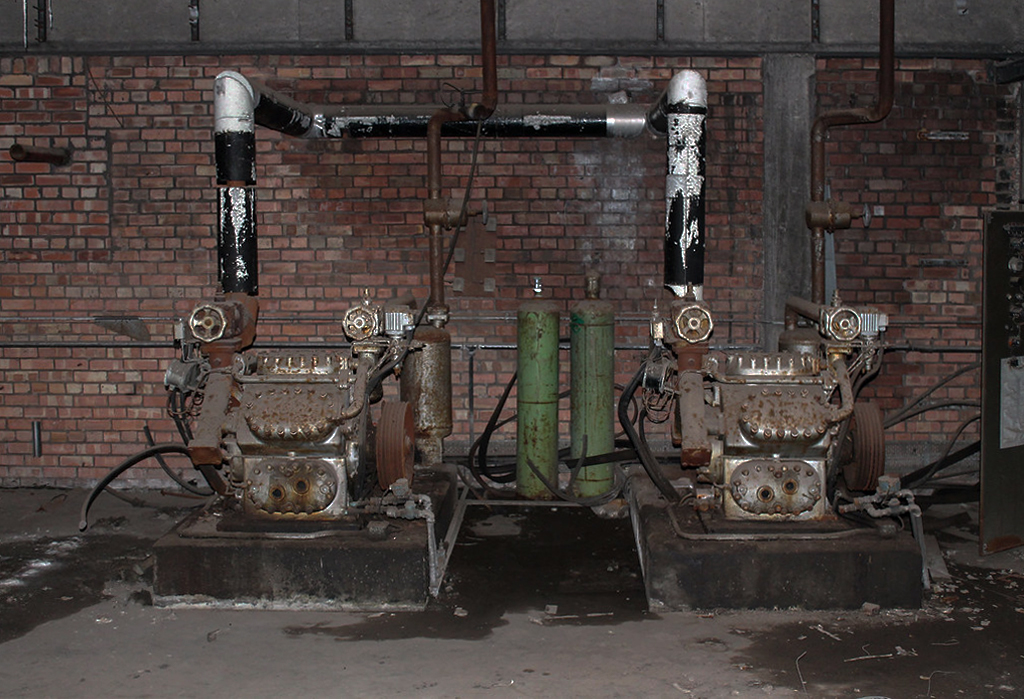
Uncovering some of the left behind plant.
And attracting a comment from a former employee:
I was company microbiologist at this site, The sets of broken windows at the front of the building on the first floor were the laboratories.
The main photograph shows the chemistry laboratory, my microbiology laboratory was next door. The larger windows to the left provided light to a large open plan reception and office area. Within the factory, the main area had various packing machines for margarines, from 250g paper wrapped packets to 2 Kg catering packs.
A second packing area contained a machine that produced tinned margarine for the Ministry of Defence, who supplied it to the Army overseas.
Whilst feeling that familiar frisson of mild trepidation, whilst walking through the debris, dirt and decay, it’s important to recall those who have walked and worked in these now derelict premises.
With that in mind here’s what I saw whilst feeling that familiar frisson of mild trepidation, whilst walking through the debris, dirt and decay,
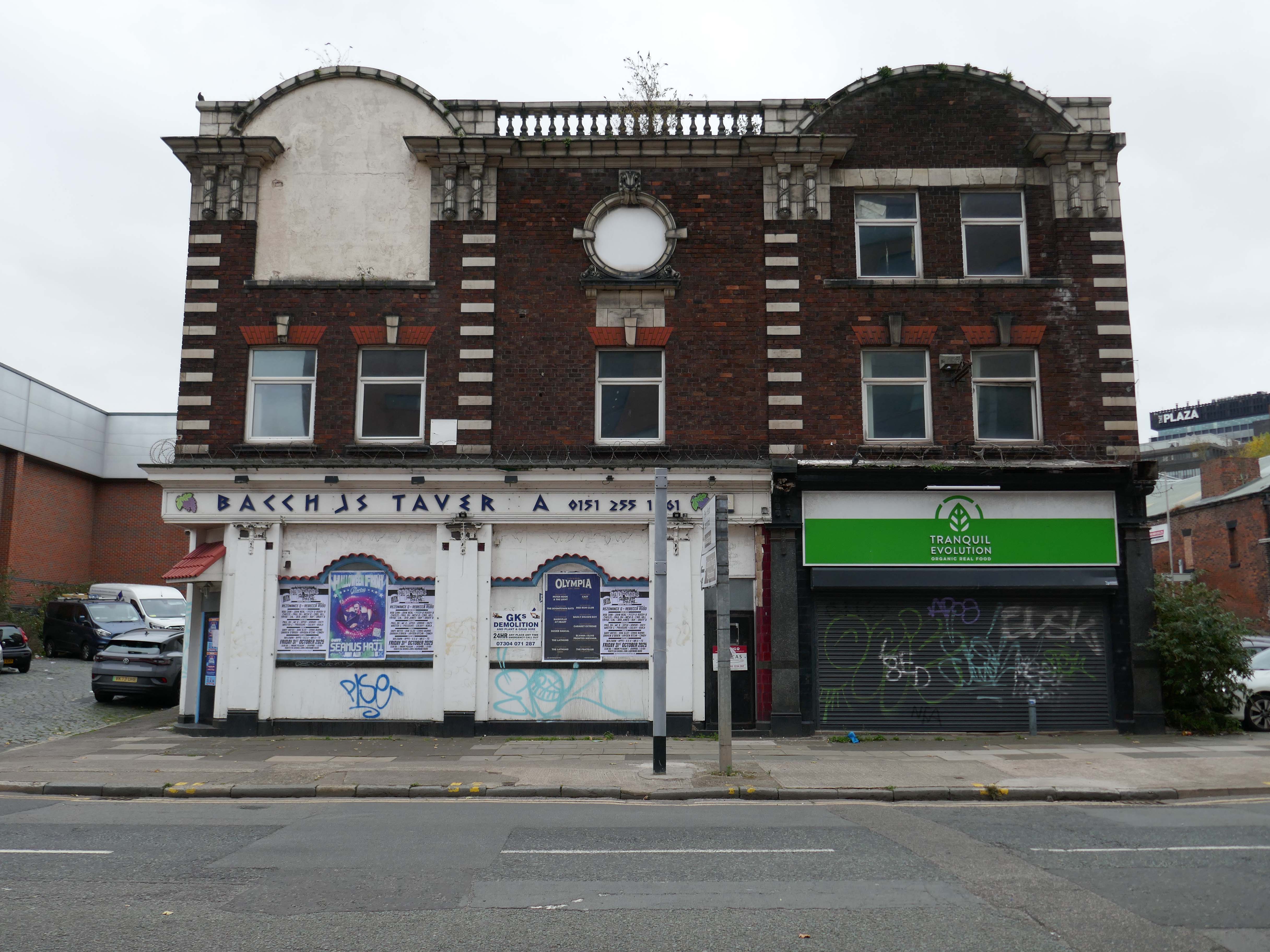
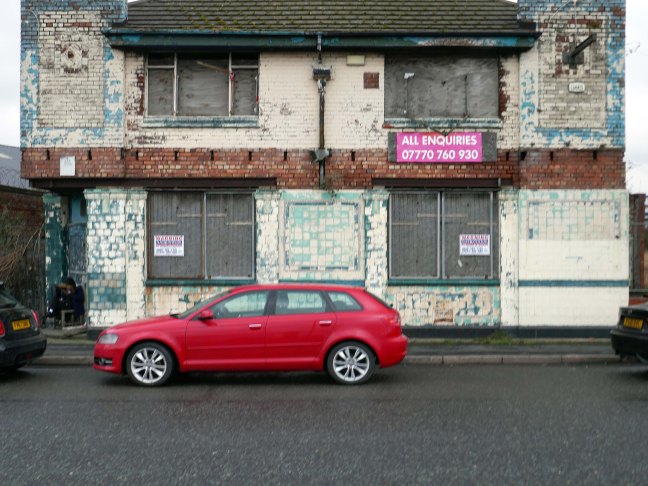
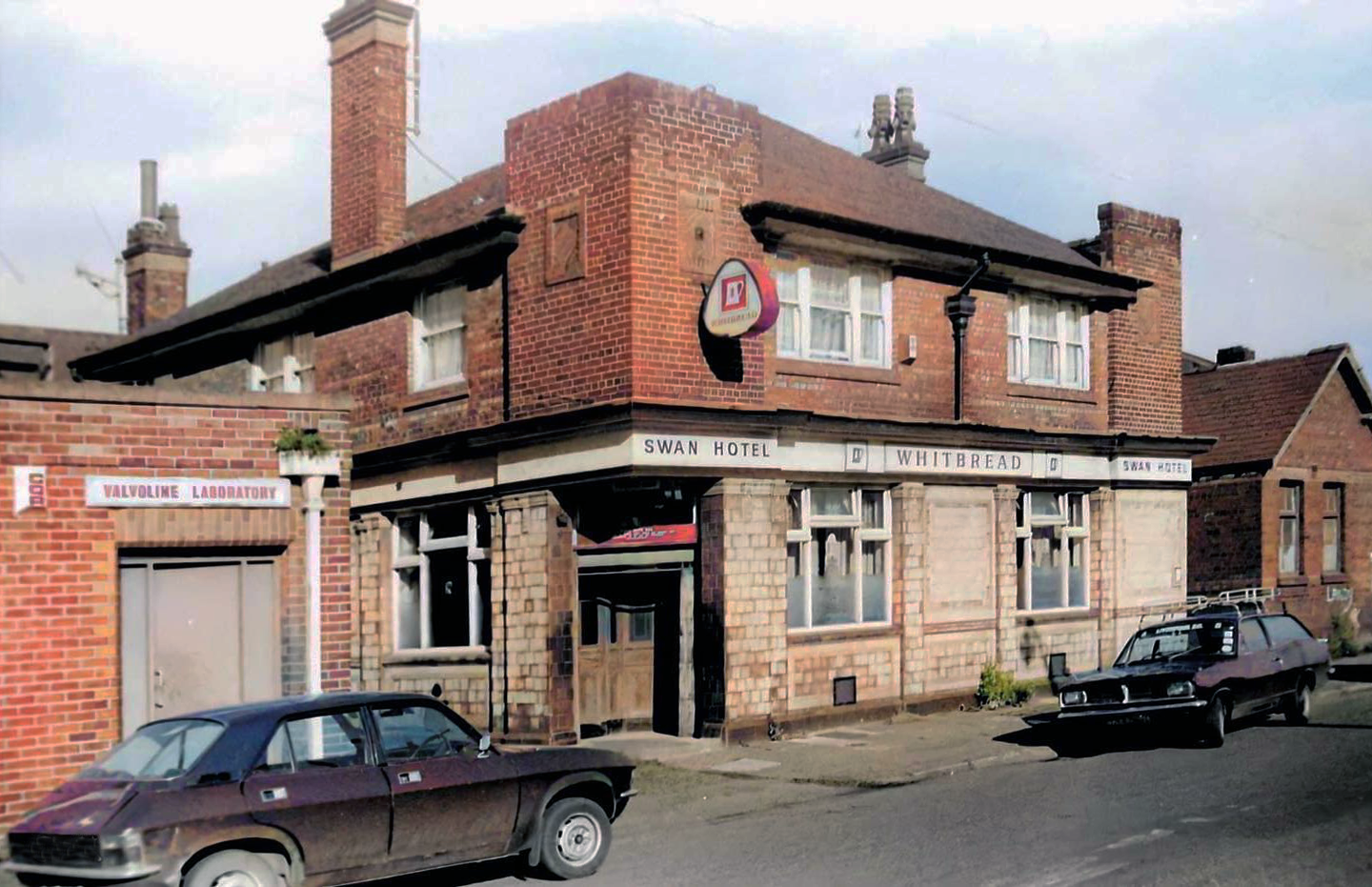
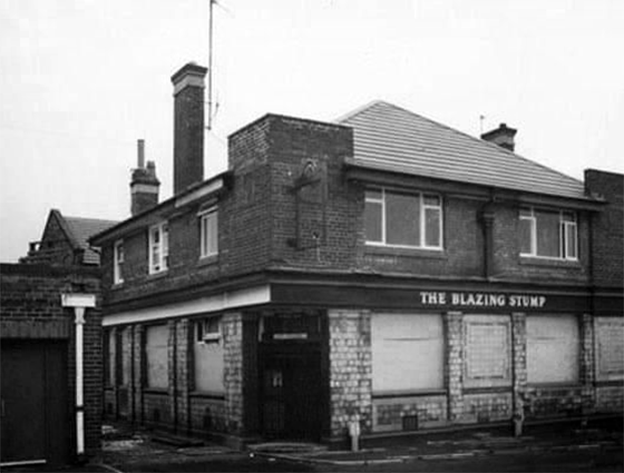
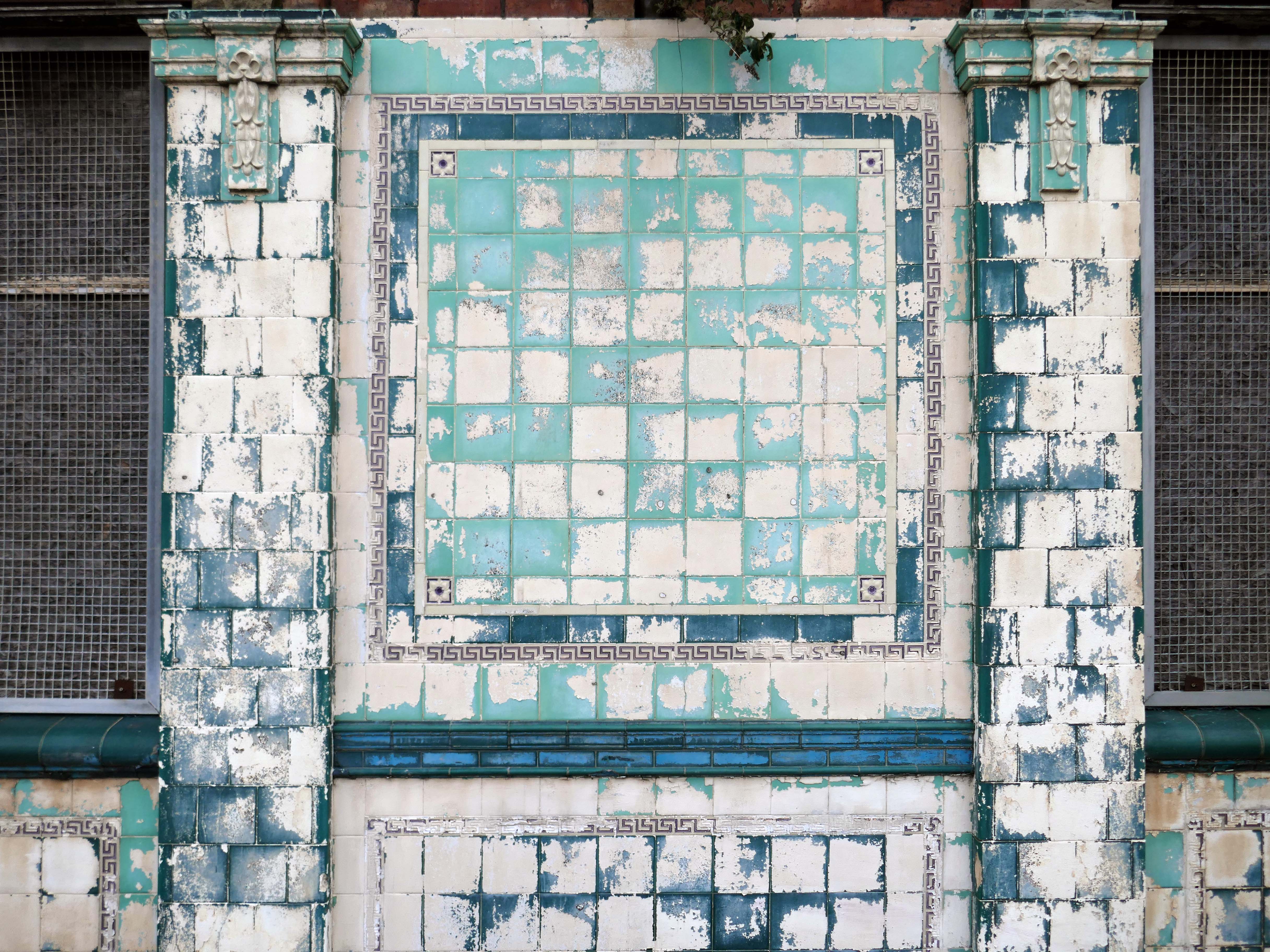
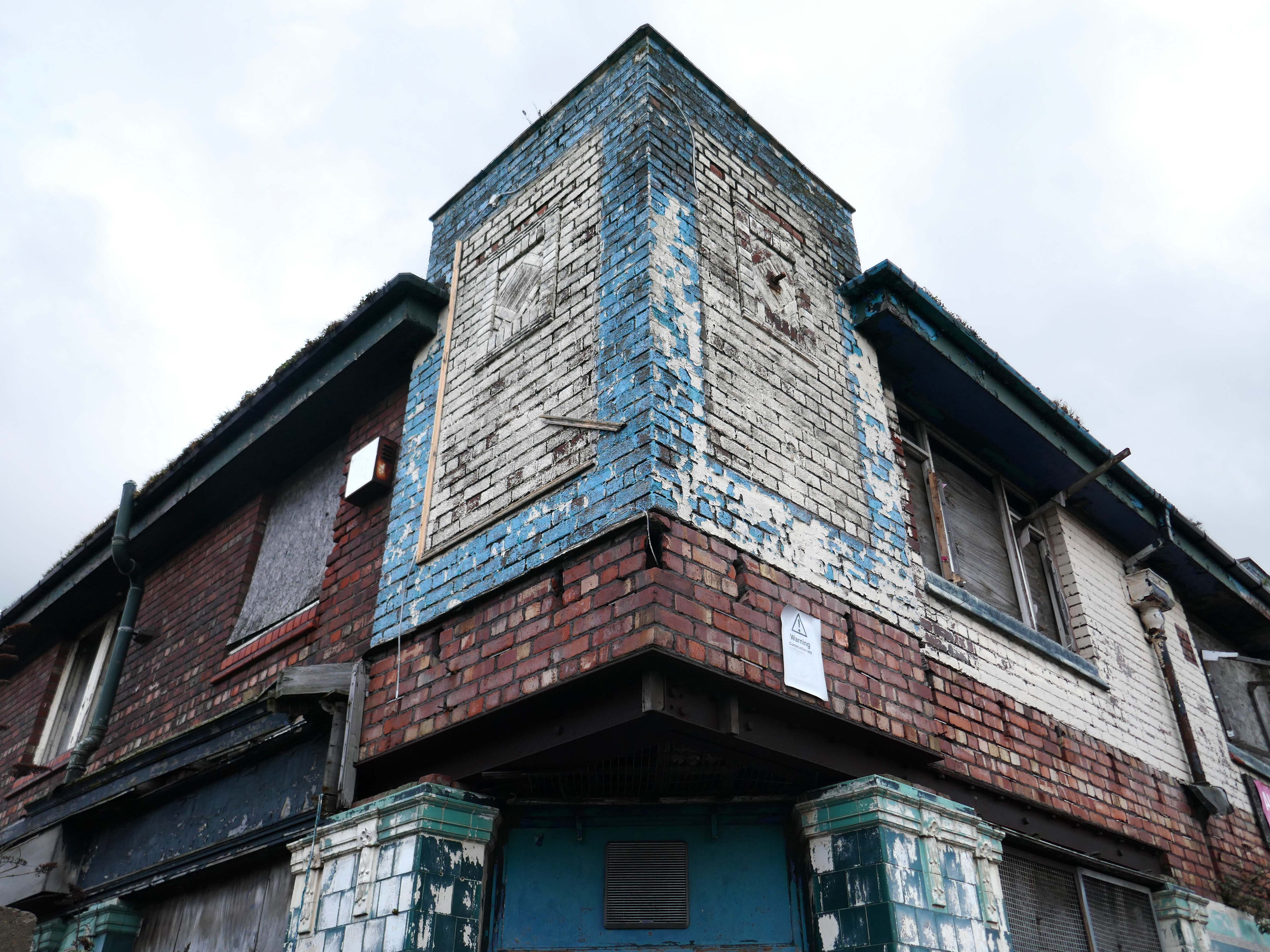
At one time named the Royal Swan, in the later years its name was changed to the Blazing Stump and before closure became a night club known as Bonkers.
A lost venue once loved for being the “wackiest fun pub” in the 1980s.
Date of closure unknown but thought to be late 1980s or early 1990s.
On the Dock Road was the ‘Swan Hotel which also opened in 1878. The nickname of the Swan Hotel was ‘The Blazing Stump’ and the story goes that an old seadog with a wooden leg used it to poke the fire. In those days pitch was used as a wood preservative, which is probably why his wooden leg caught fire when poking the fire one time too many – hence ‘The Blazing Stump.’
Due to its location near the Wallasey Docks majority of the customers who visited the pub came off the grain or ore boats. The pub would be thronged with Norwegians, Greeks, Germans, Swedes and Arabs and local people. When the pub was full the place had an unusual and interesting flavour because of this rare variety of people.
The ‘Stump’s’ days were numbered when less and less ships visited the Wallasey docks. The building still stands but remains unused, with the owner looking for a big payout sale. Or who knows, the doors may just open once more.
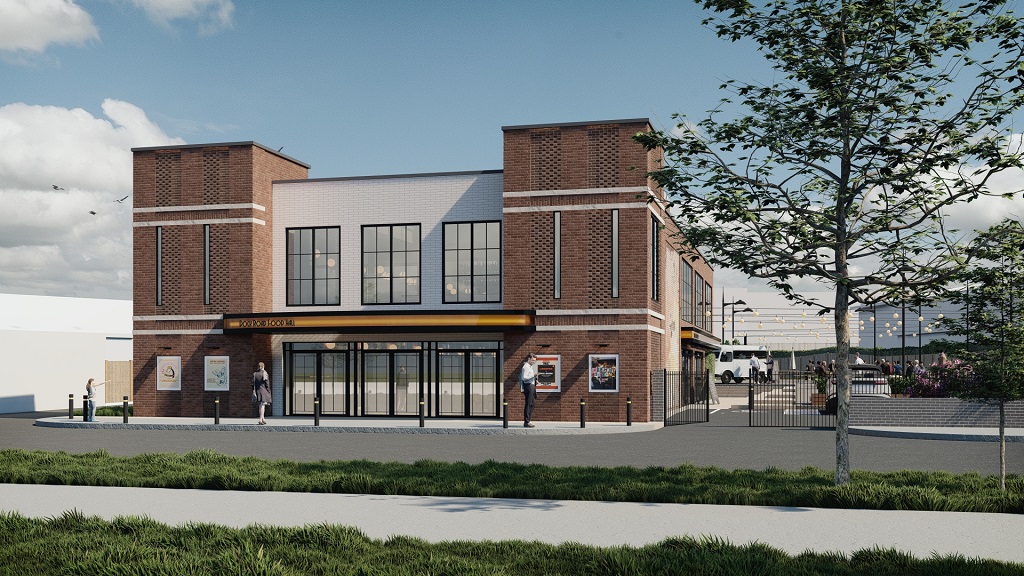
Now construction company AP Mitchell and Evoke Architecture have submitted plans to Wirral Council to completely turn the site around.
The plans include outdoor seating areas with benches, an outdoor event space, food and drinks vendors, and a large bar. A private function space will sit inside the new building which will be called the Dock Road Food Hall.
The design works carefully to balance modern design with reminiscent character features, sympathetic to the original building and surrounding historic buildings of similar style. The result is a contemporary structure that aligns with the evolving character of Dock Road and the Wirral Waters masterplan.
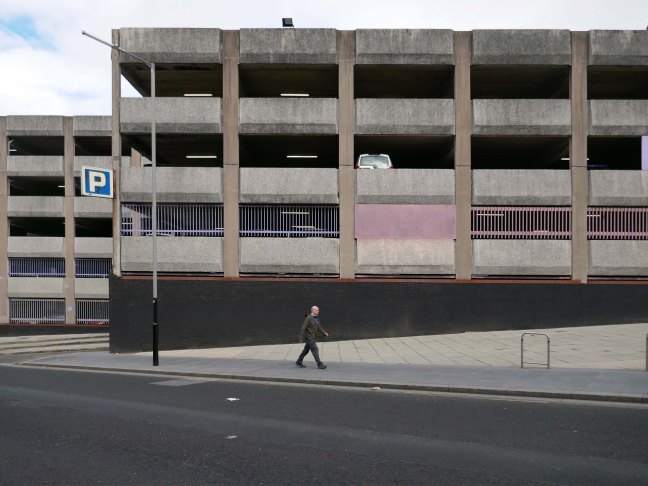
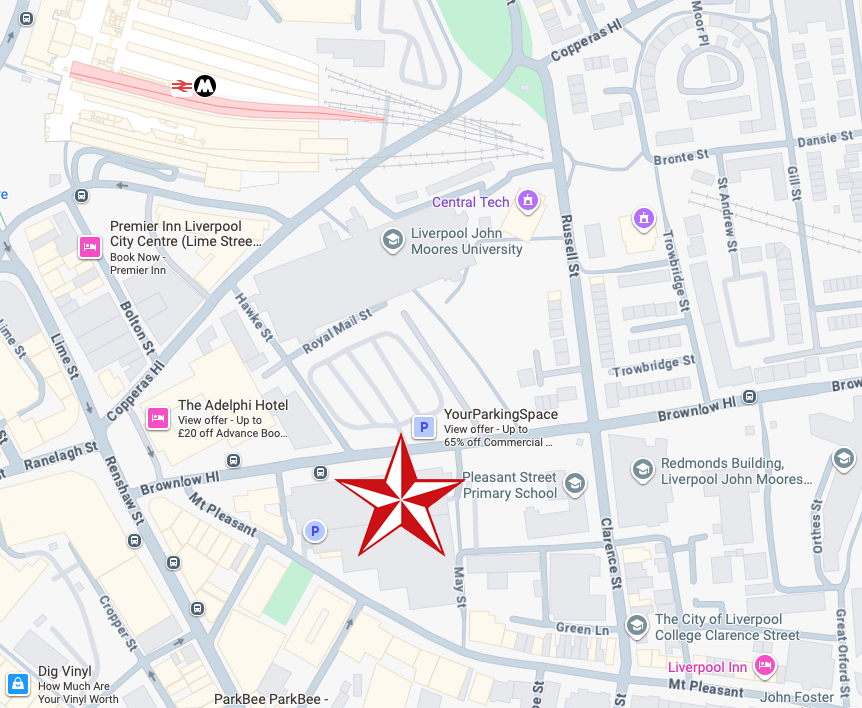
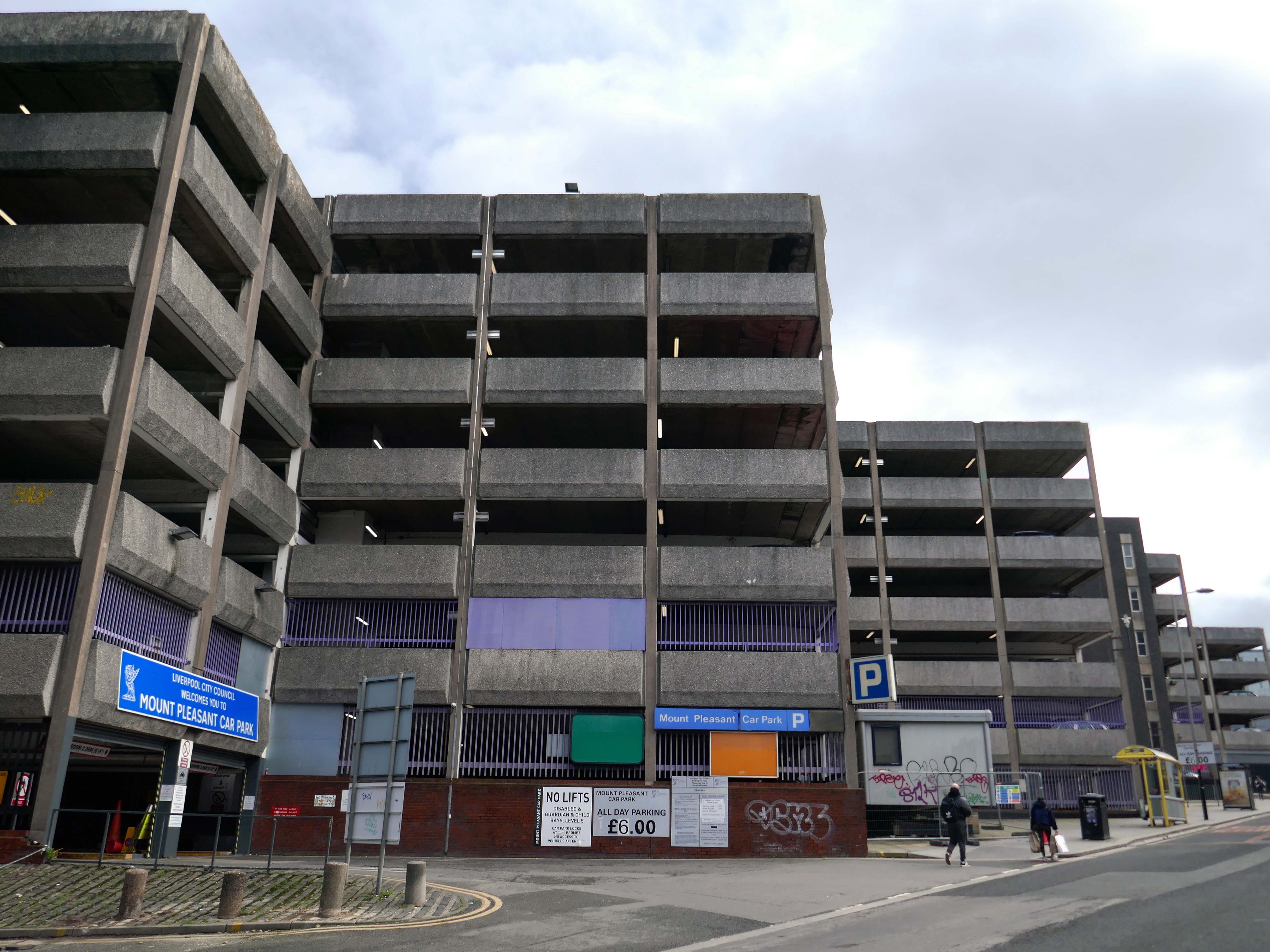
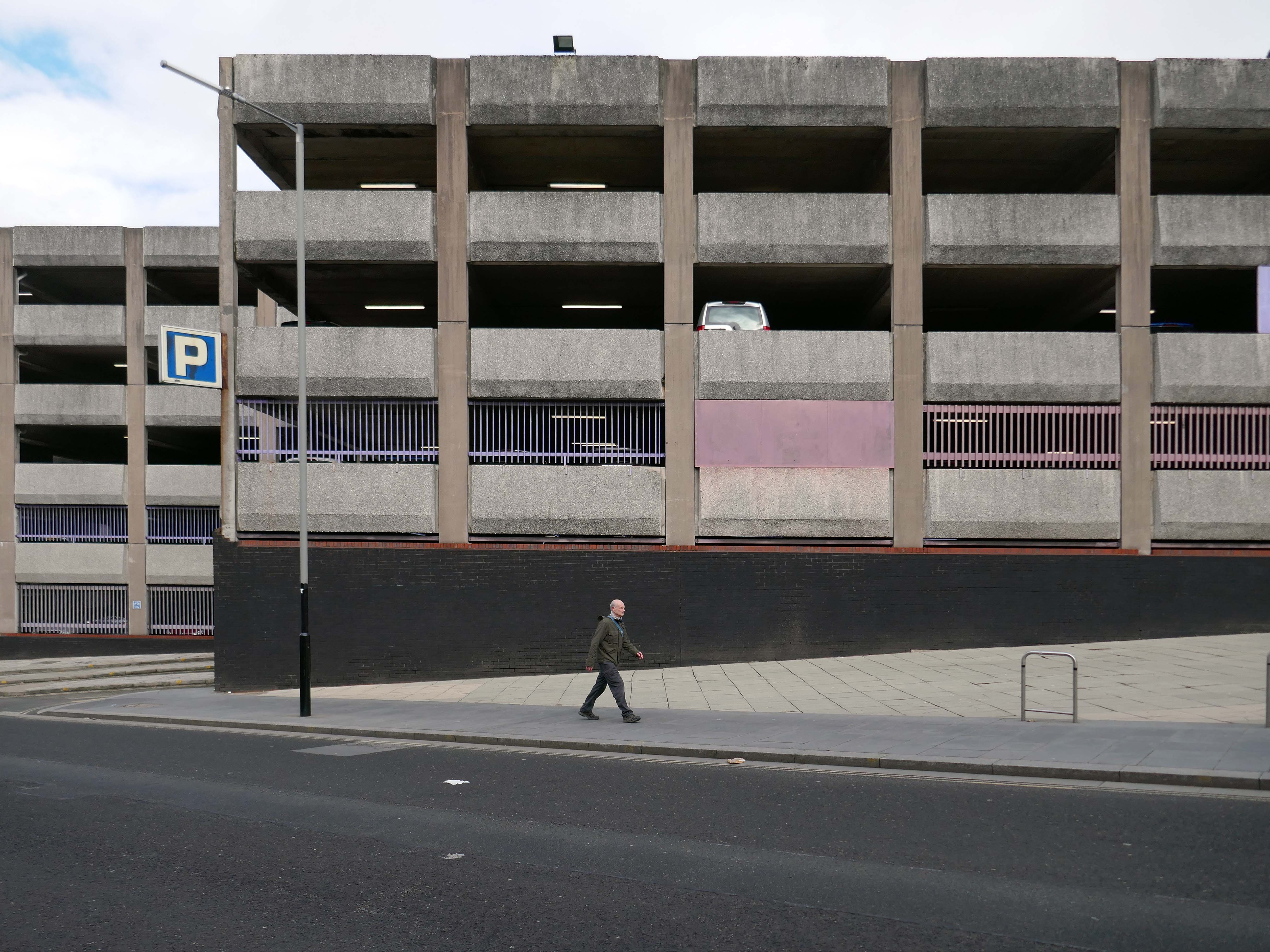
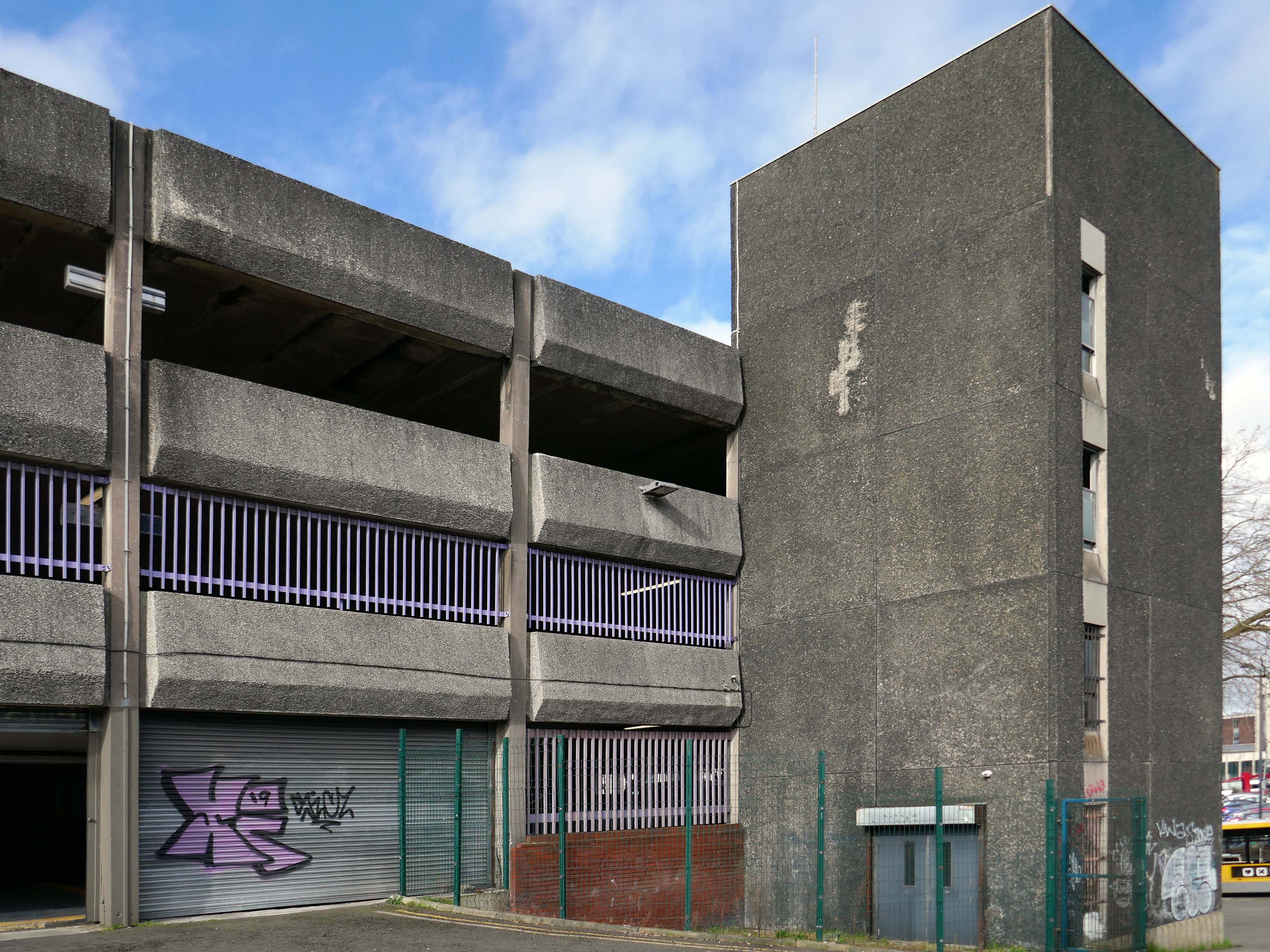
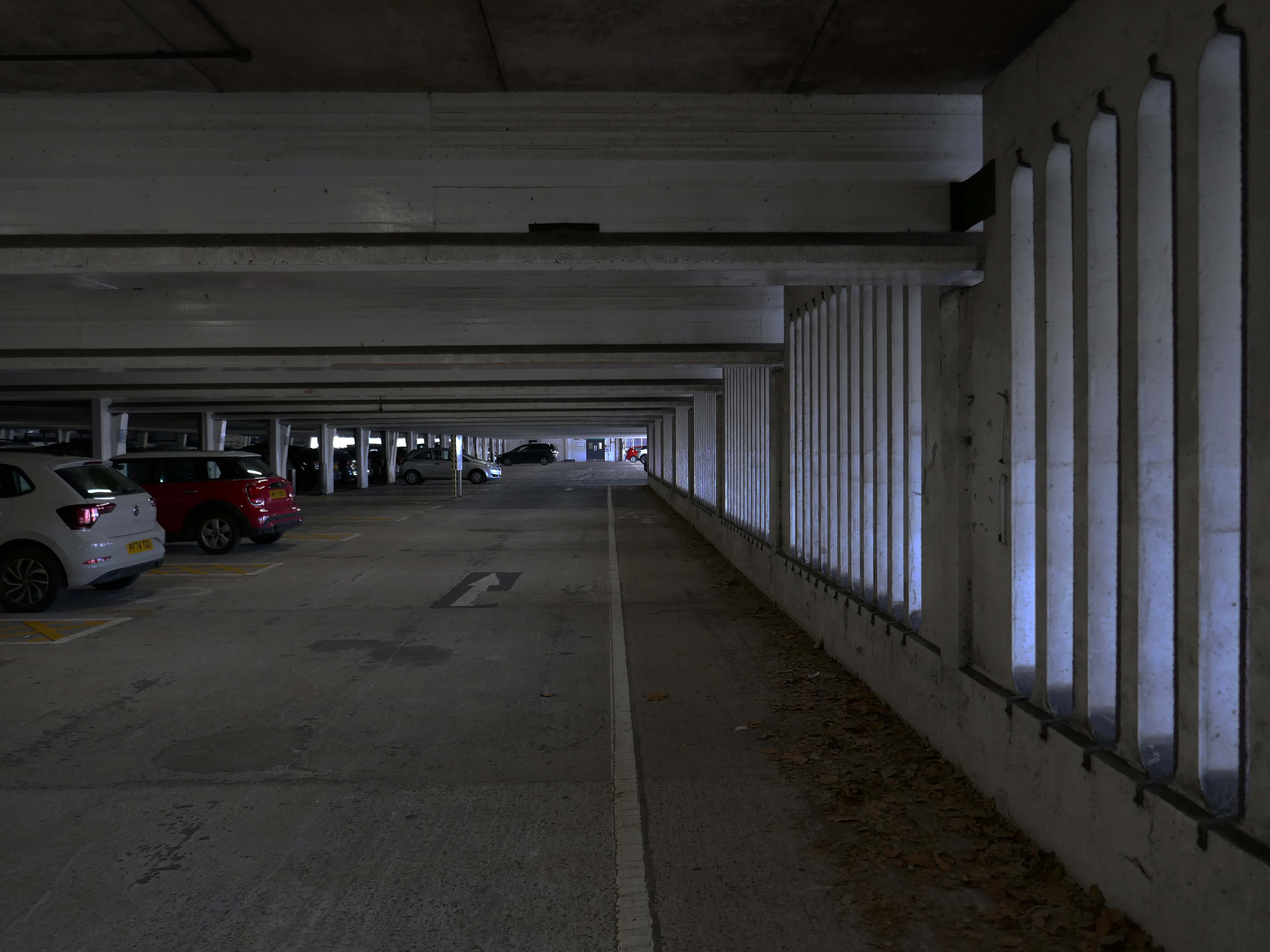
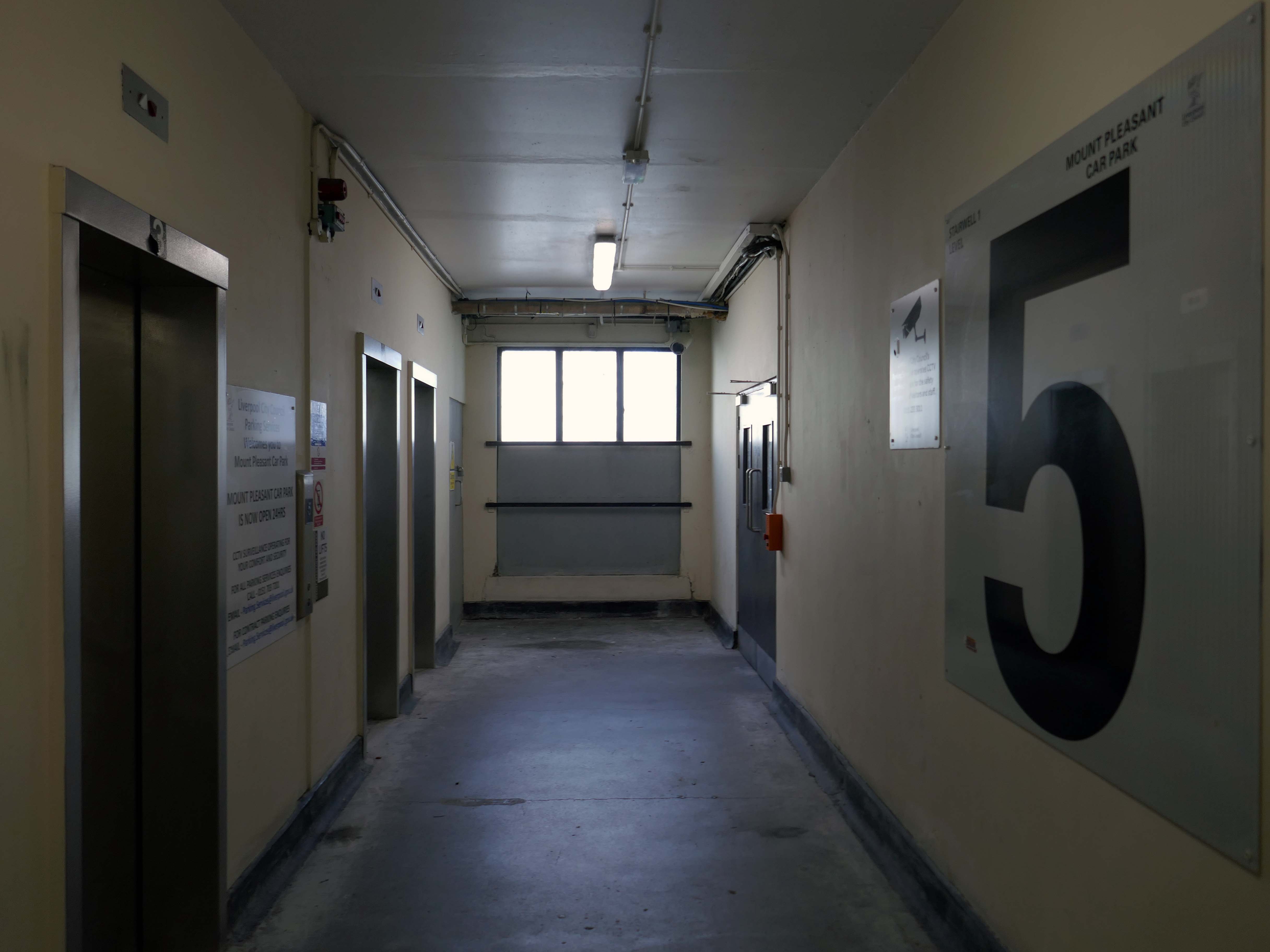
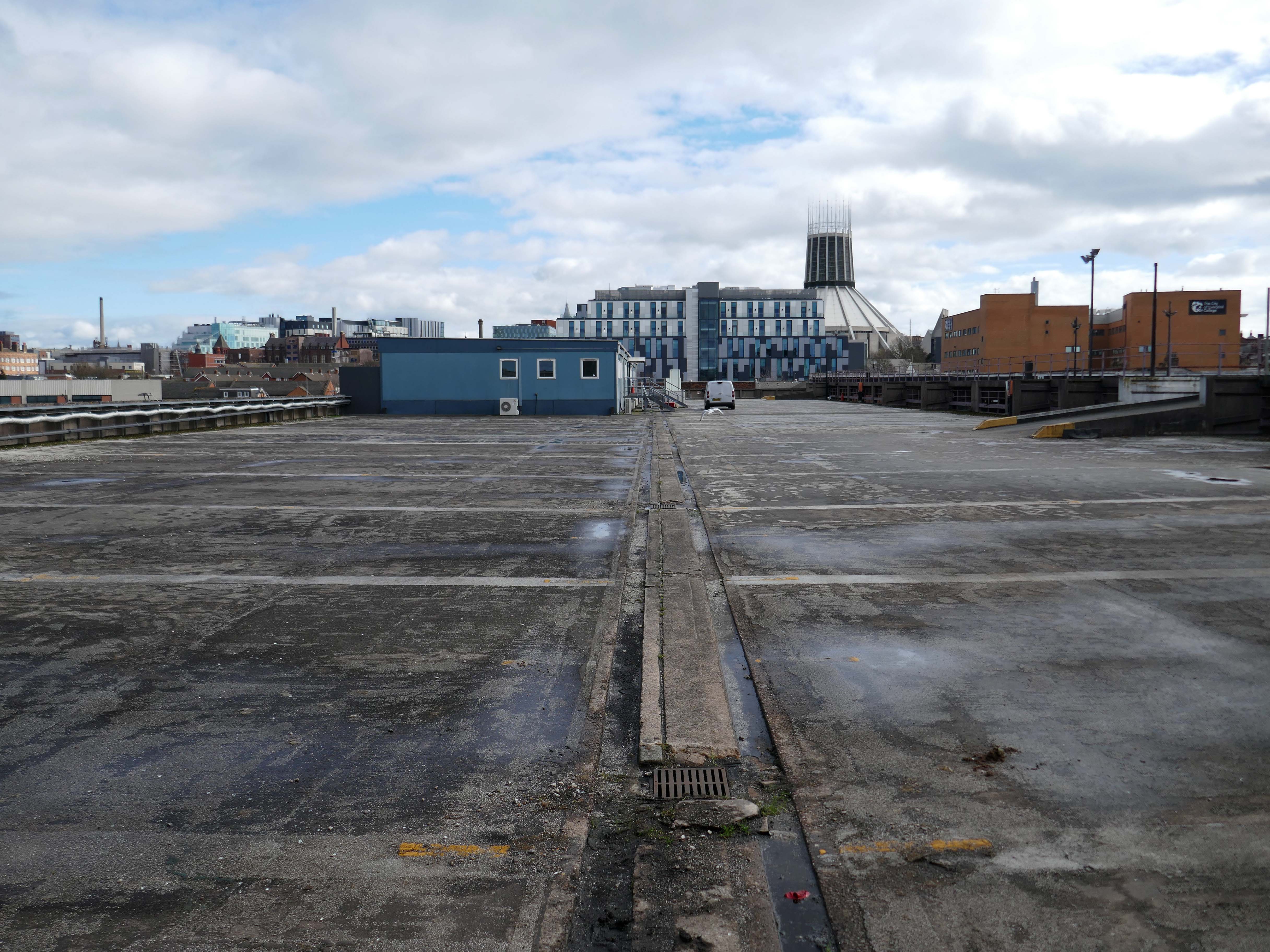
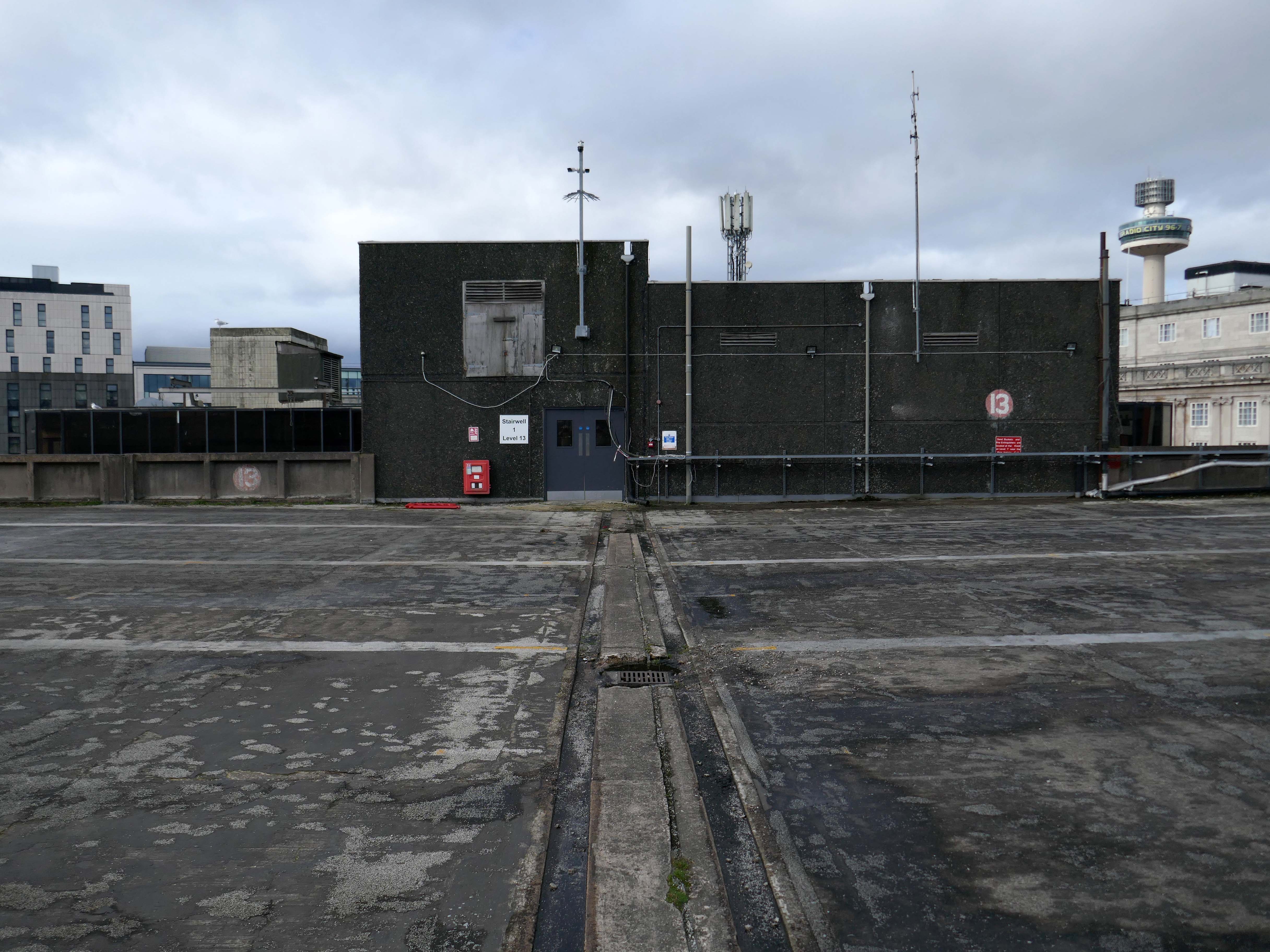
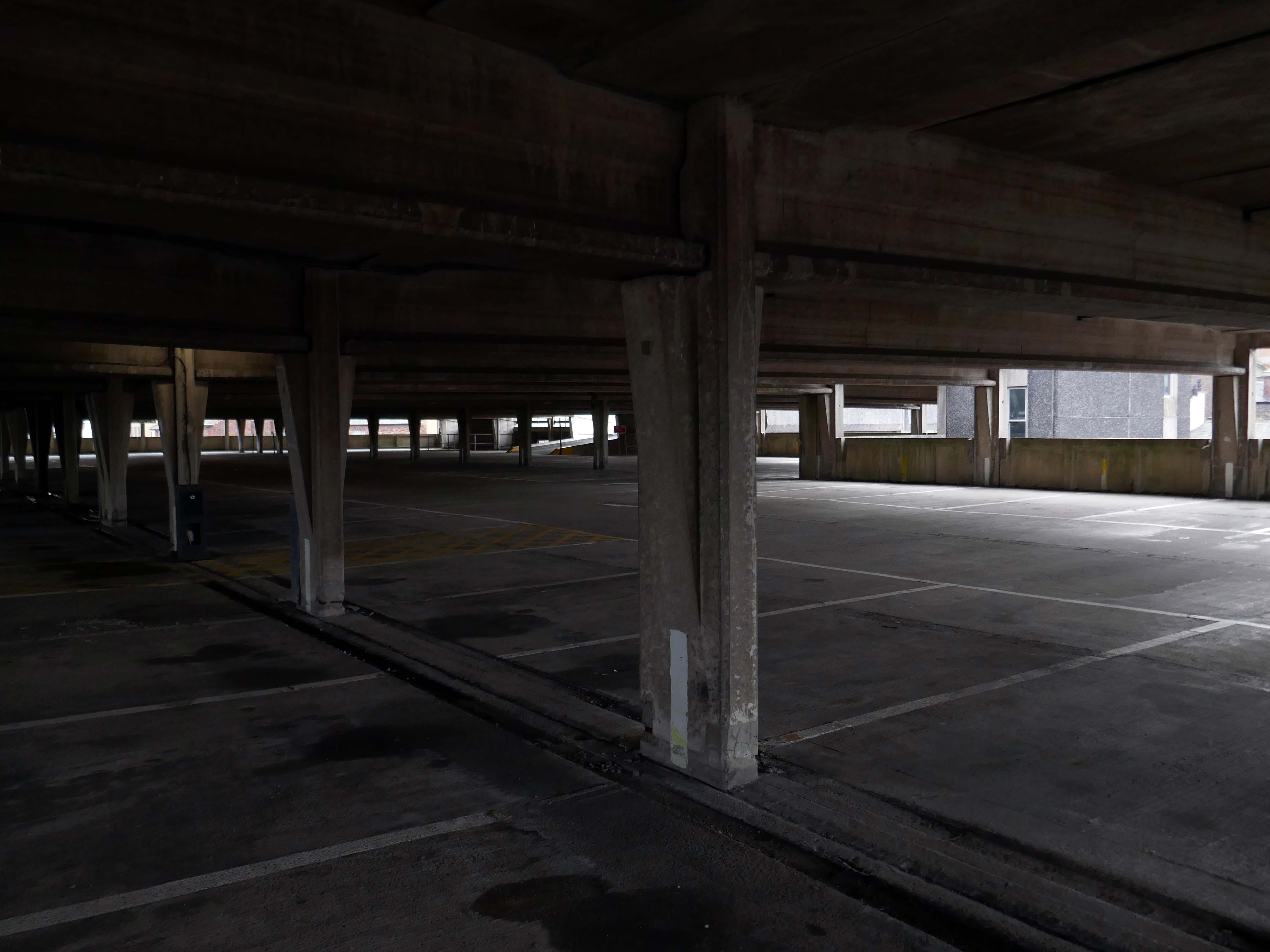
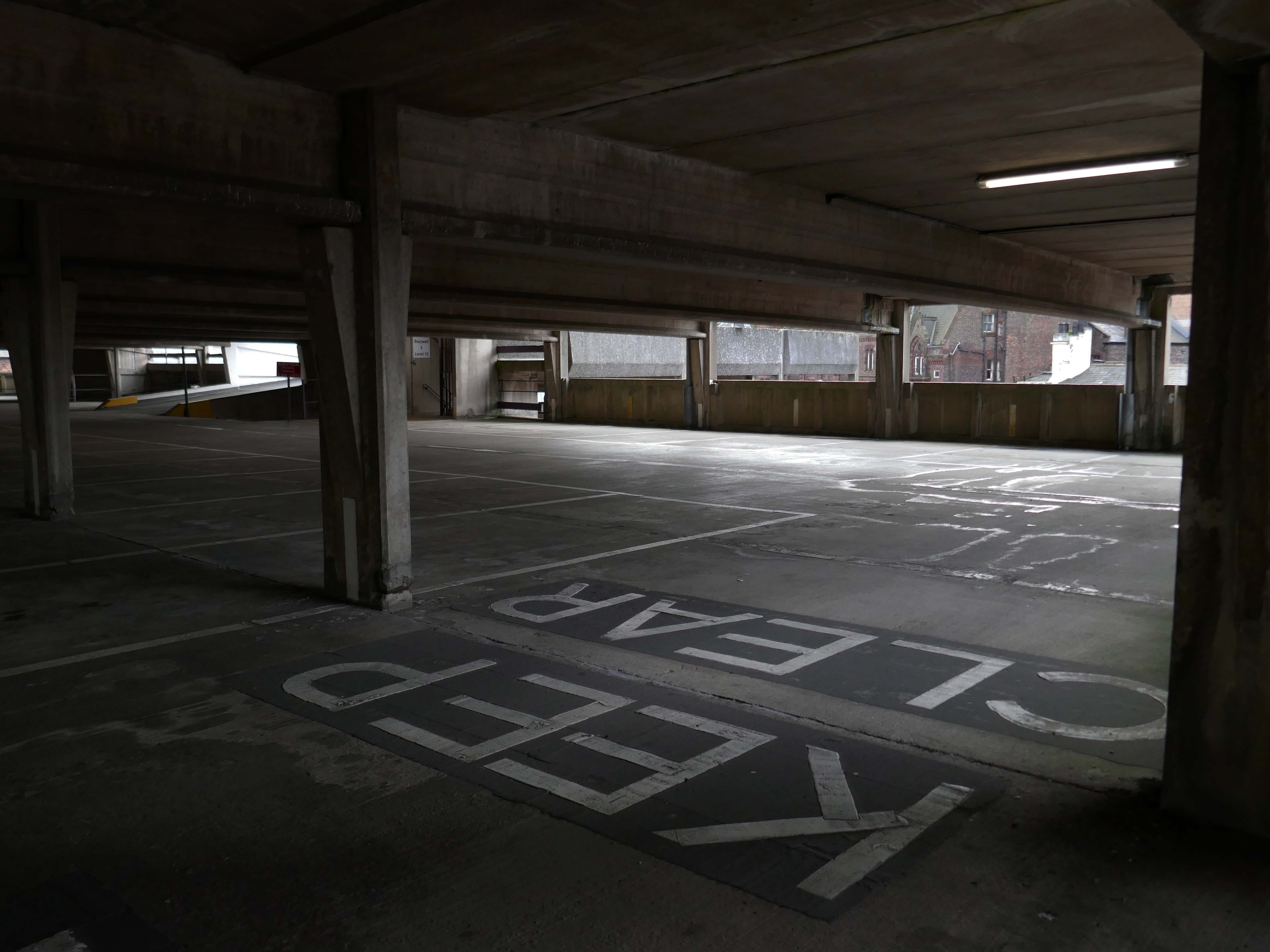
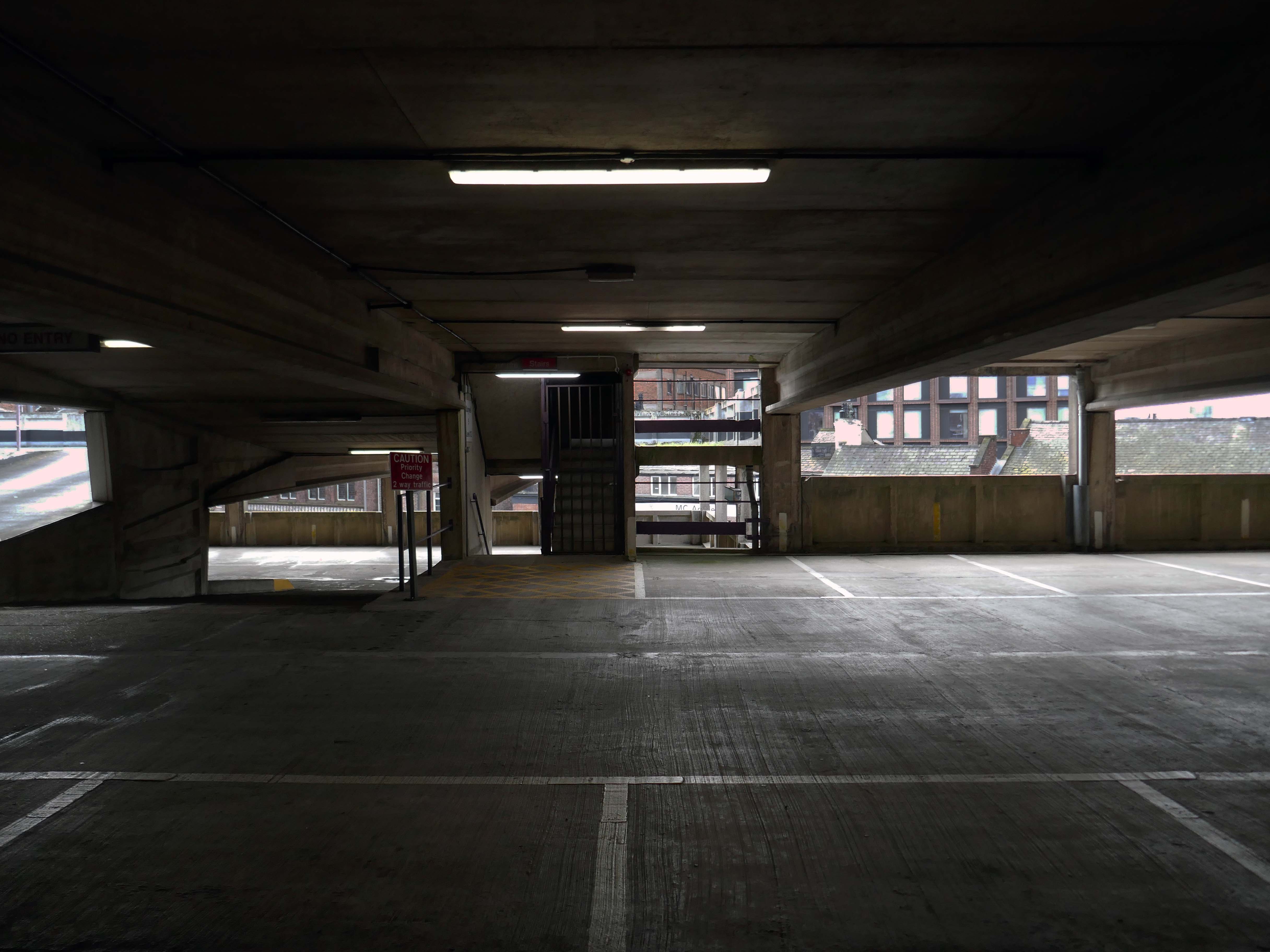
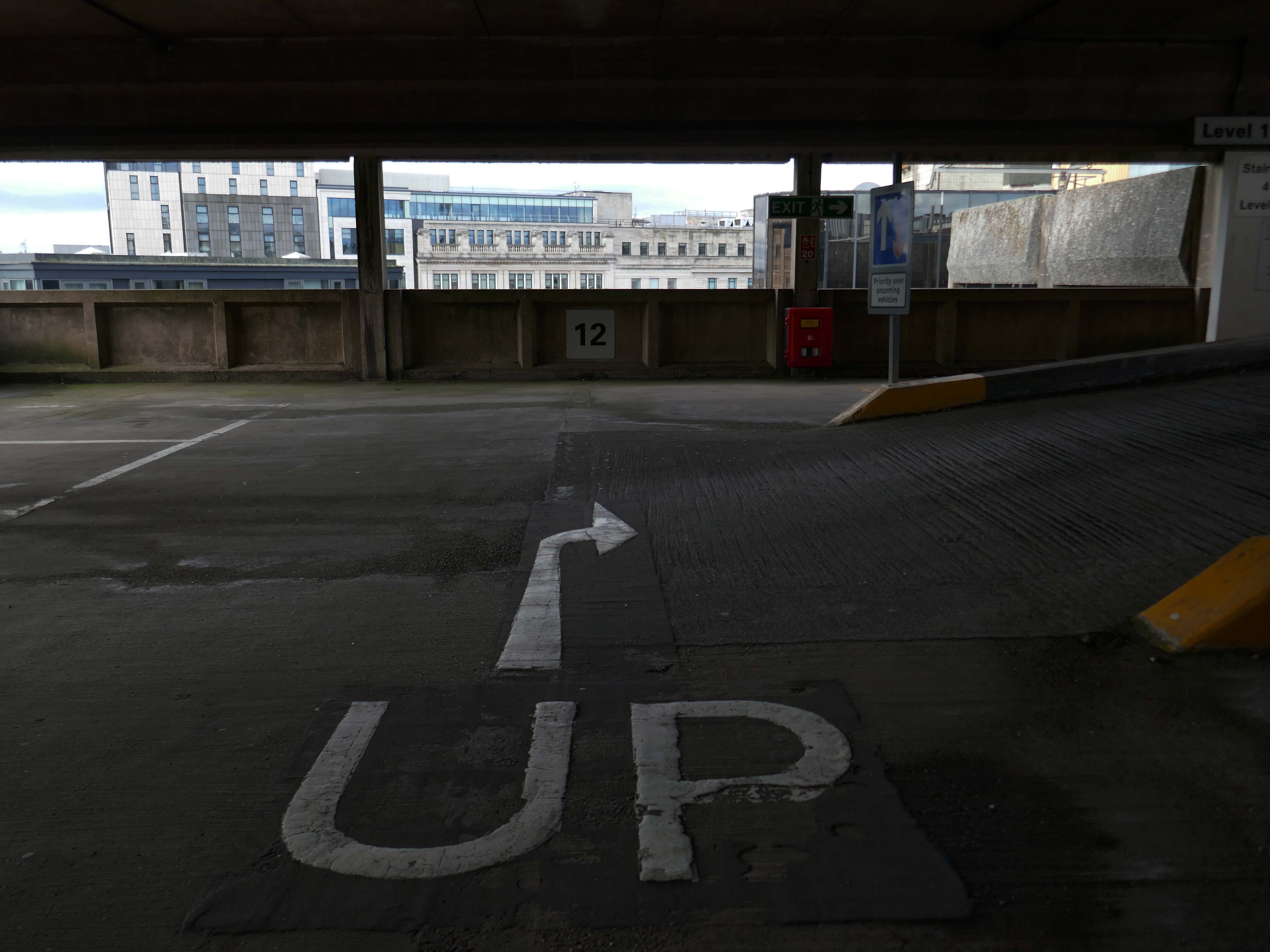
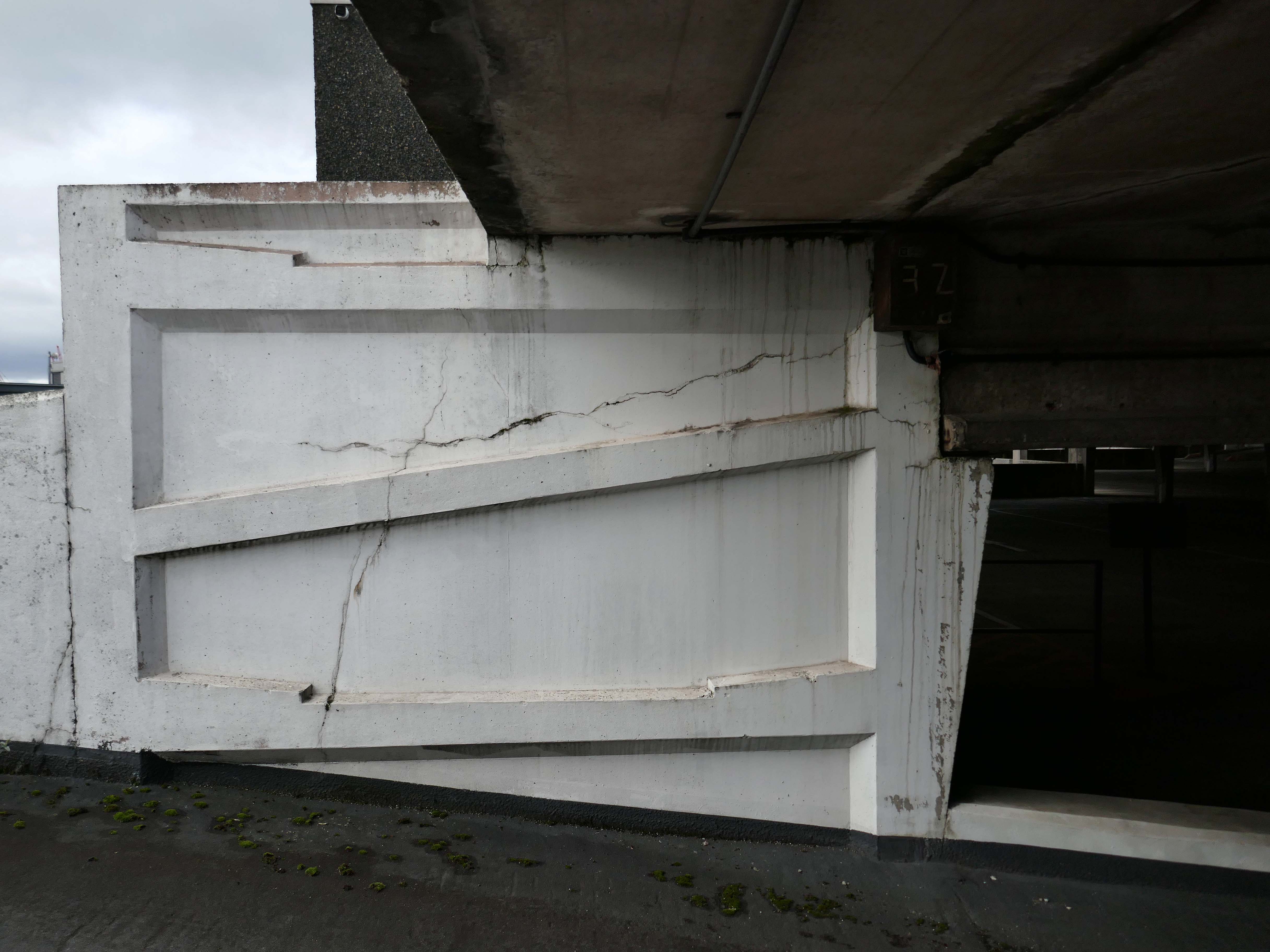
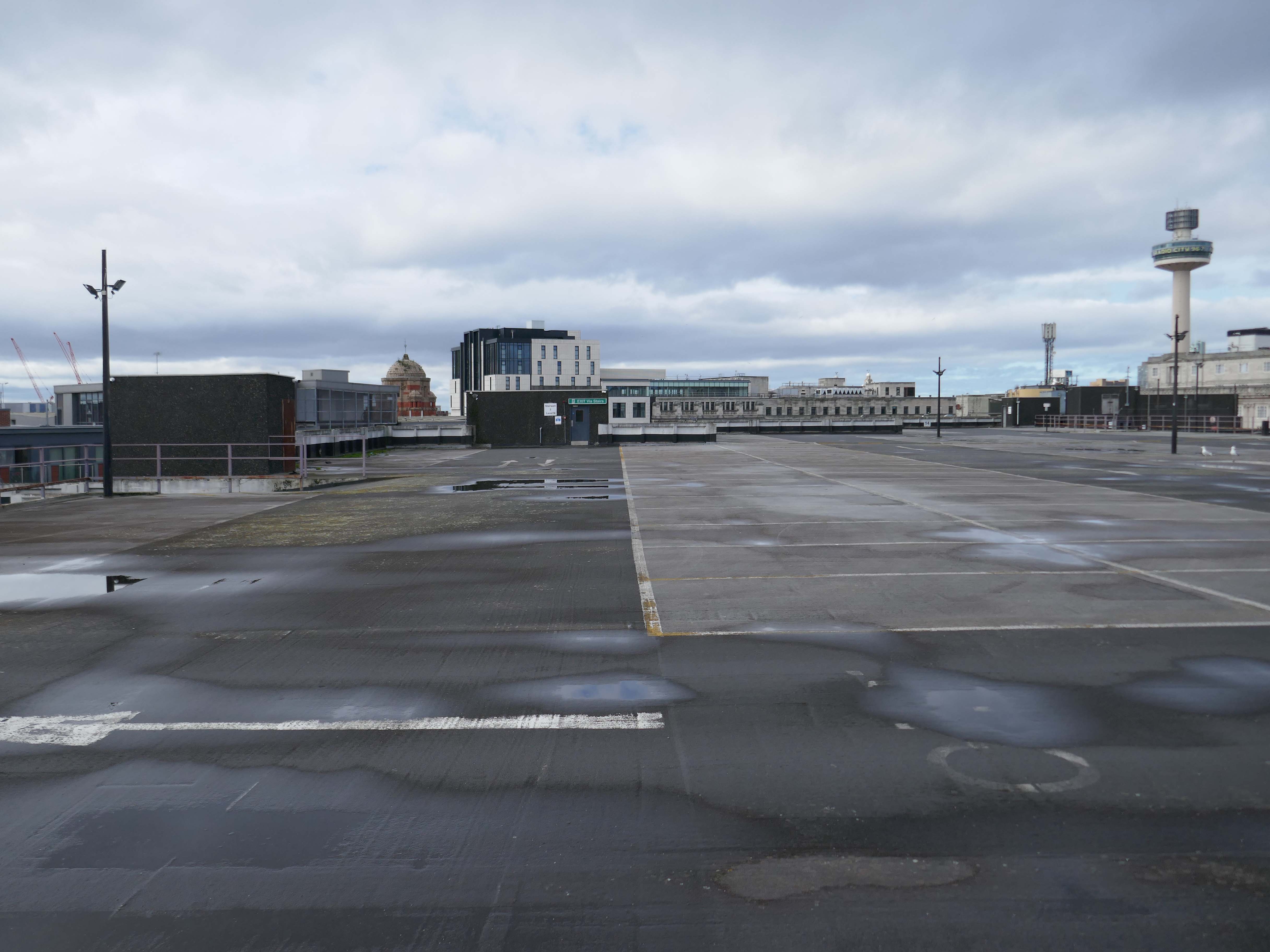
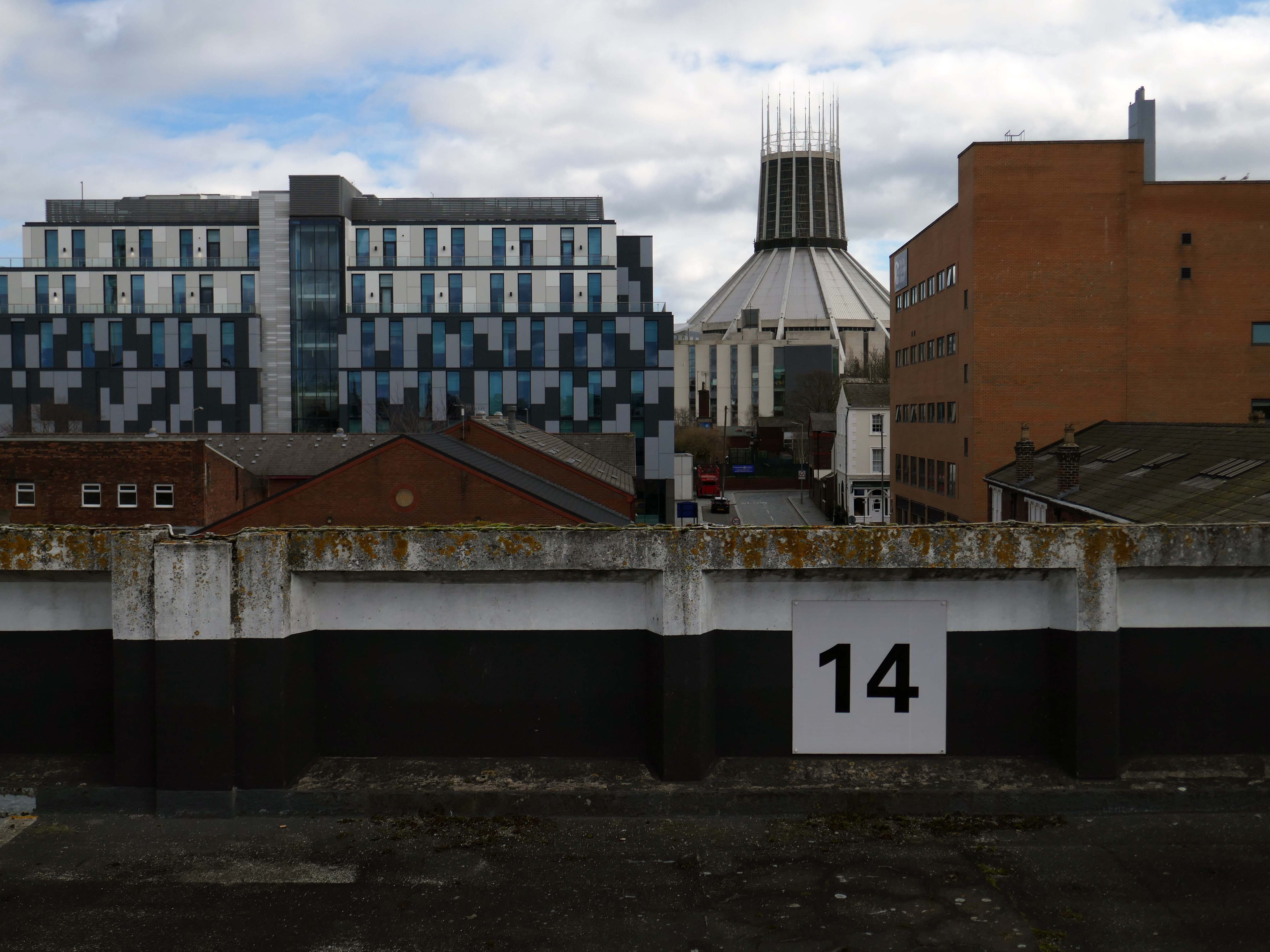
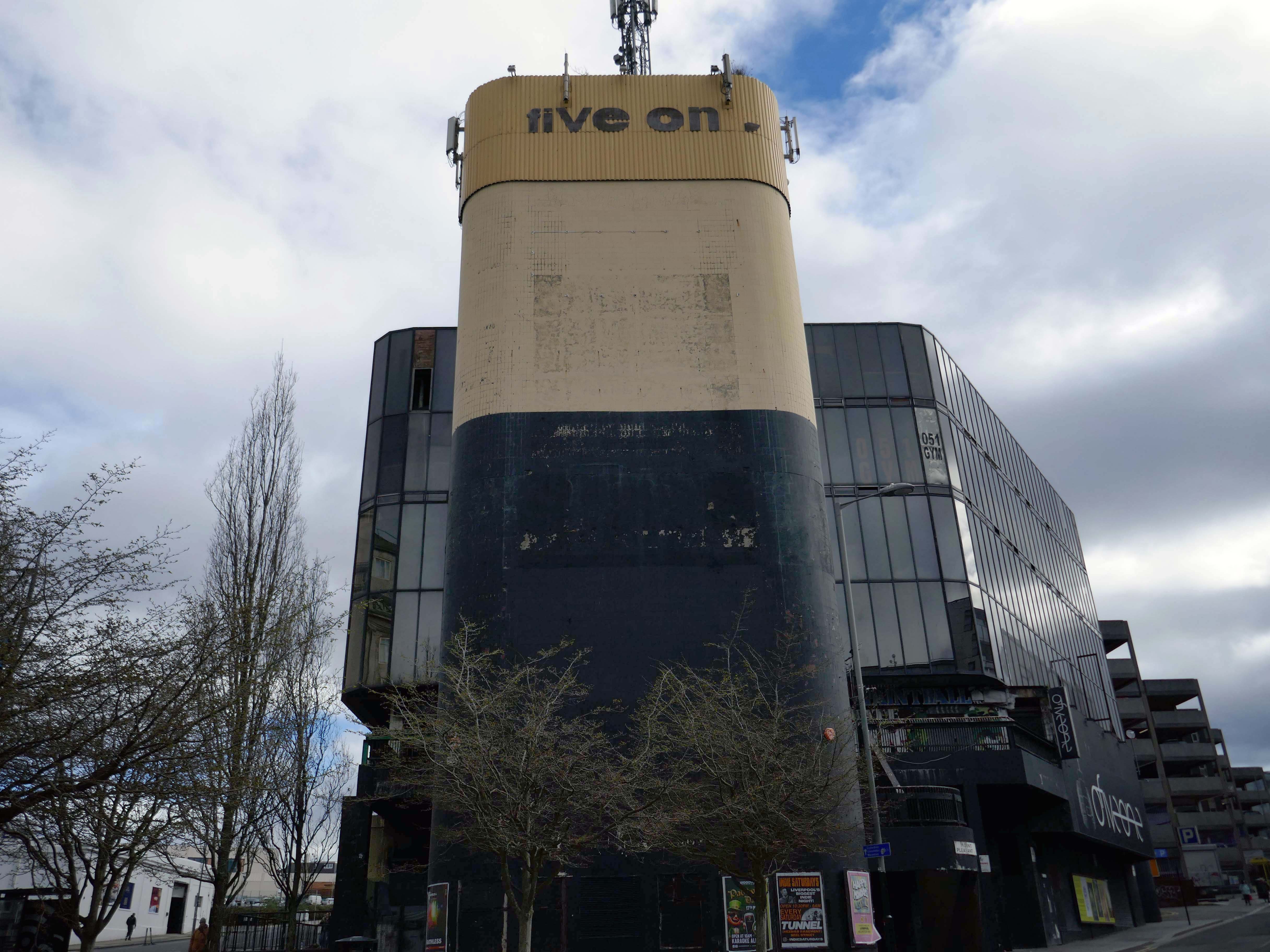
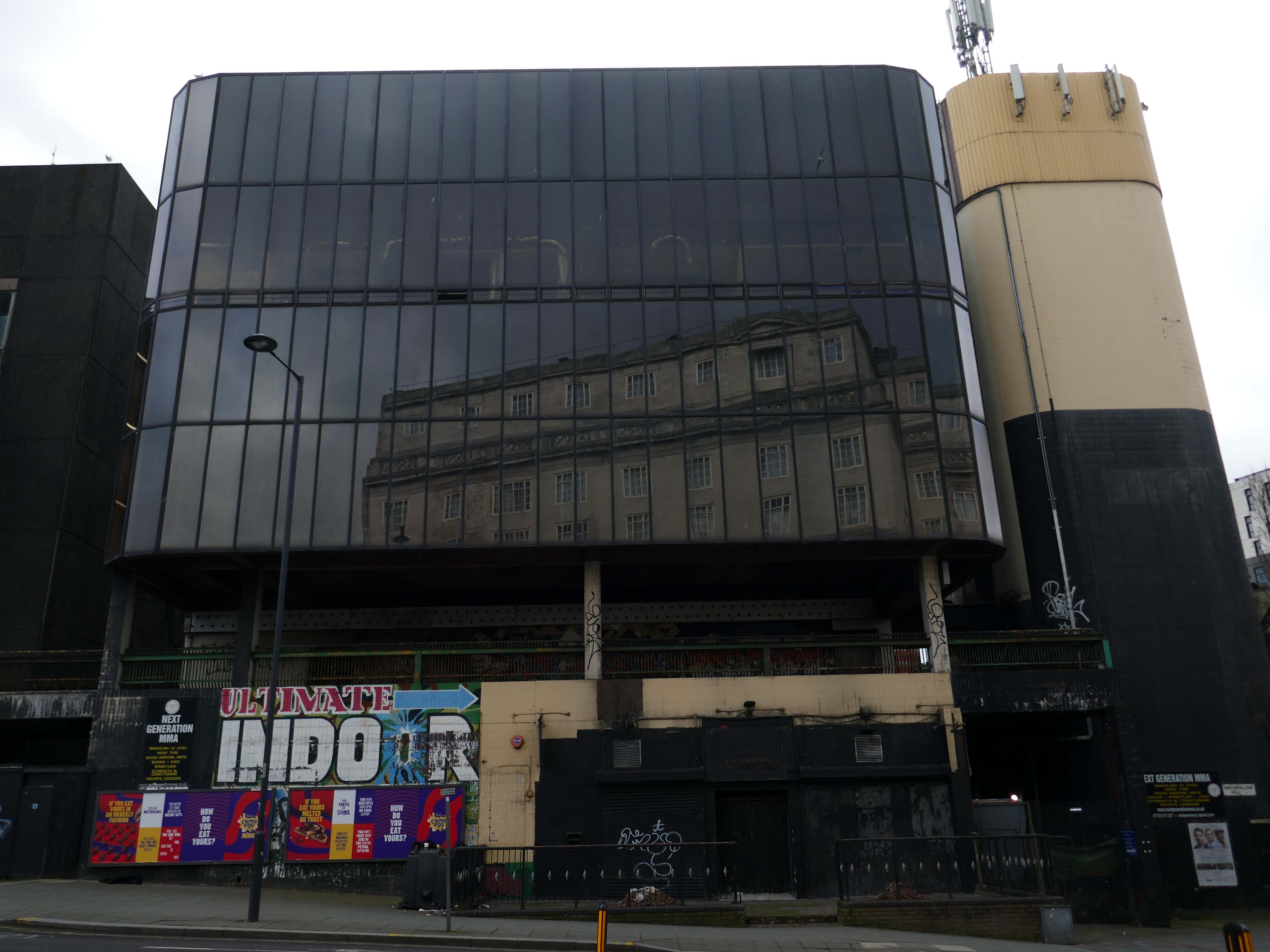
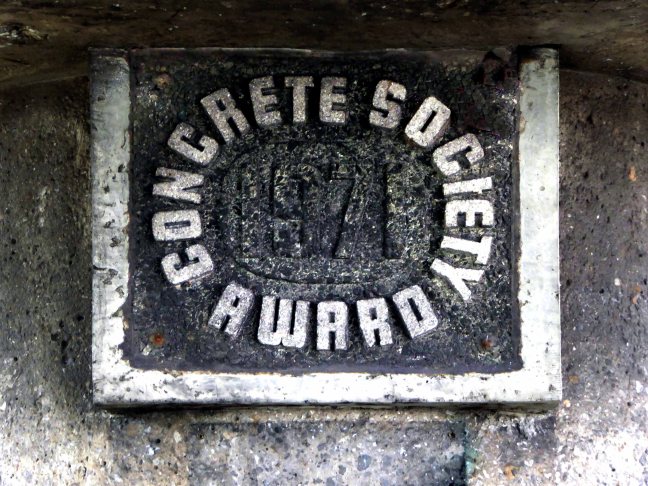
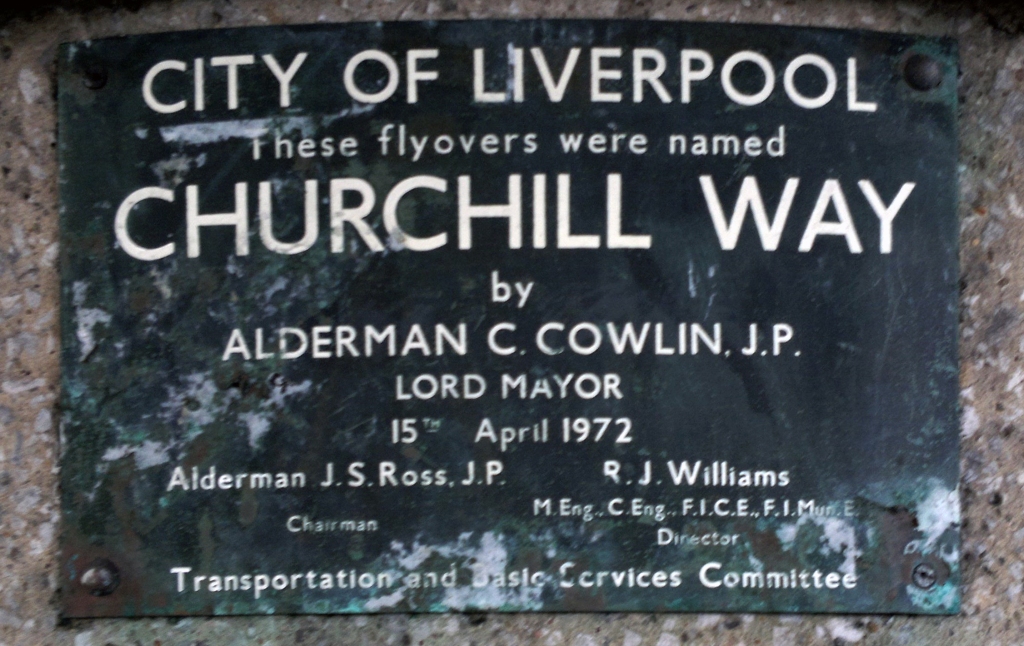
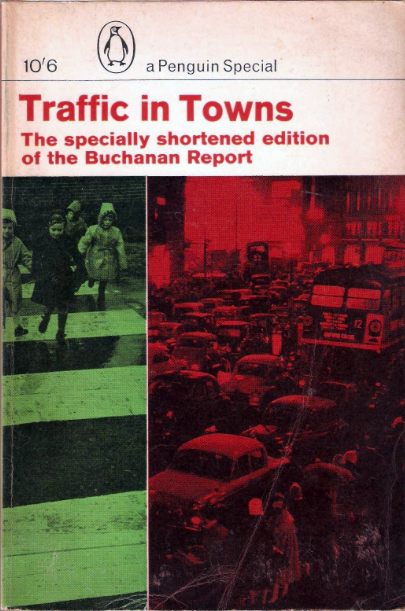
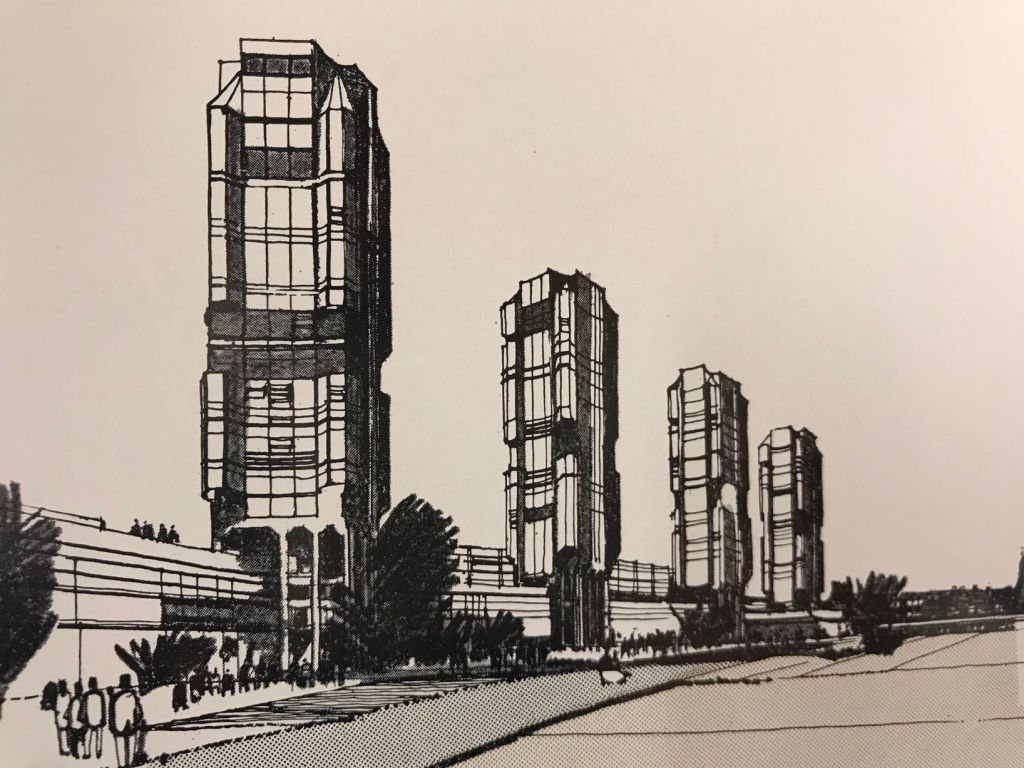
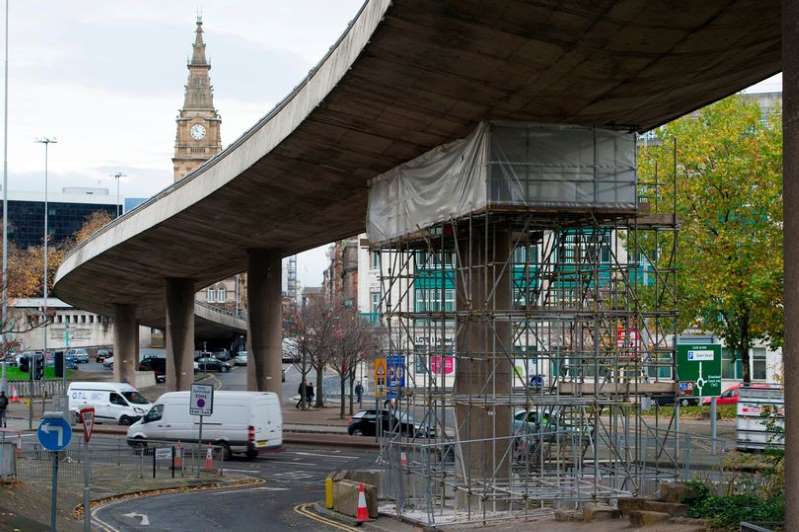
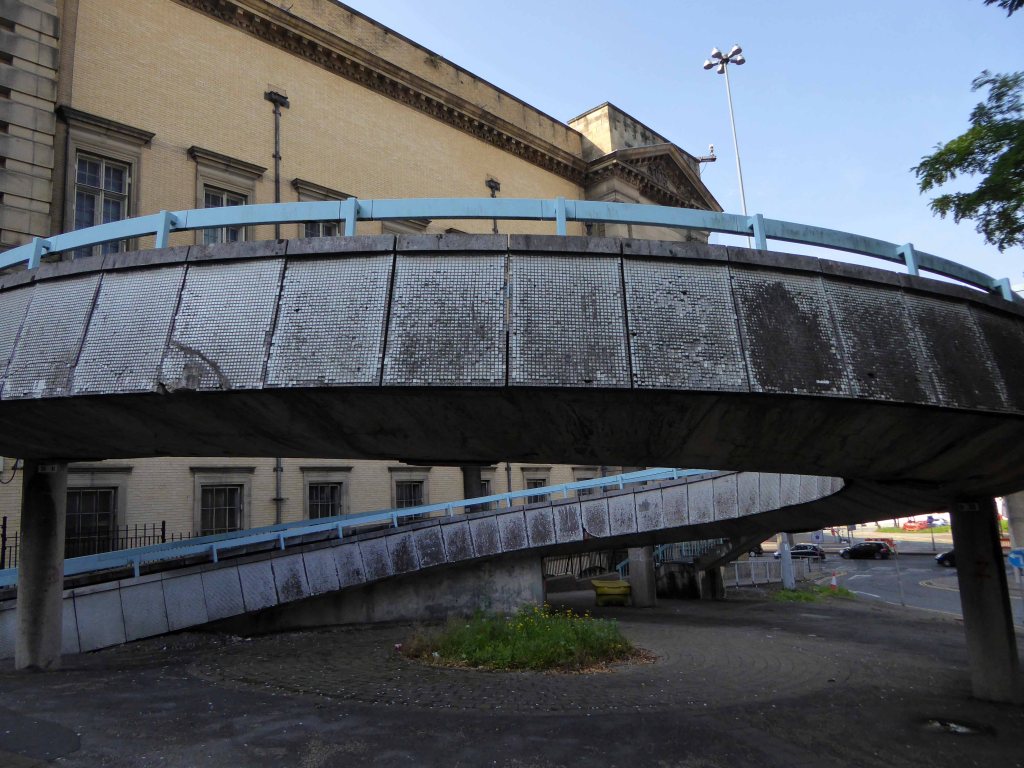
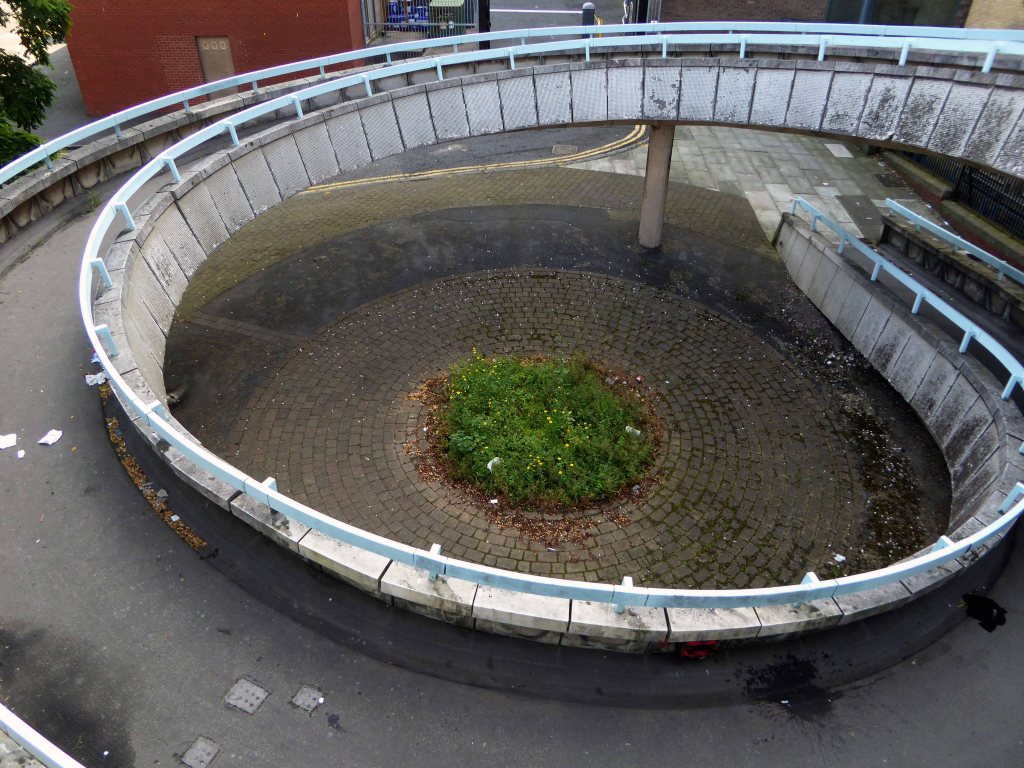
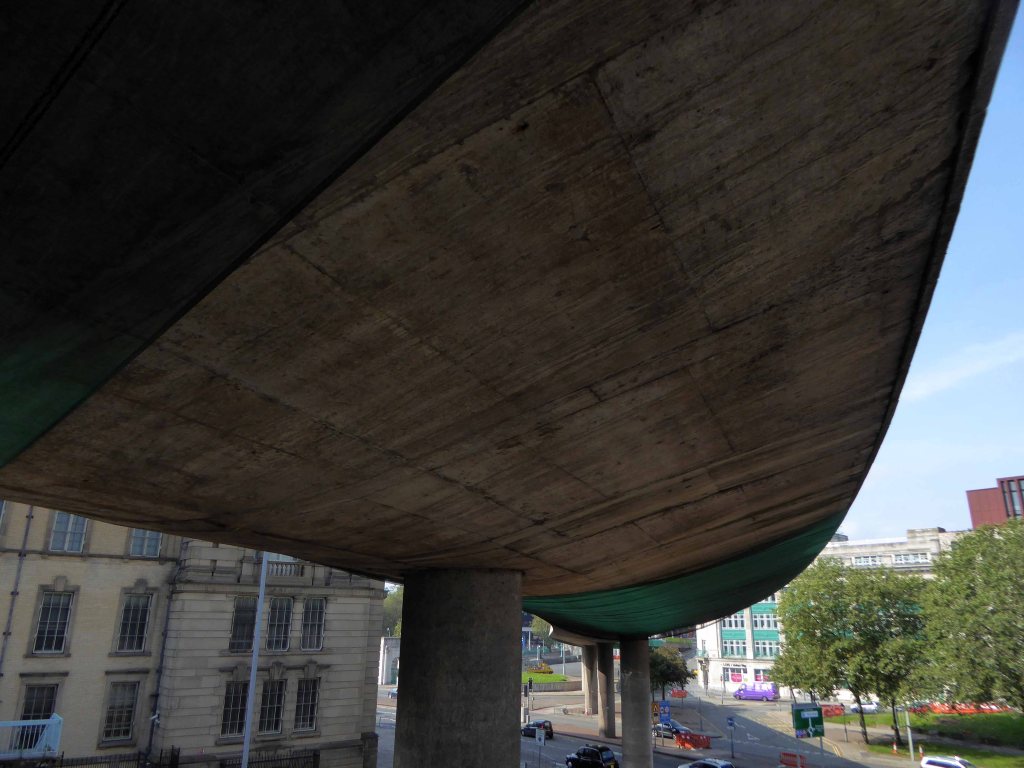
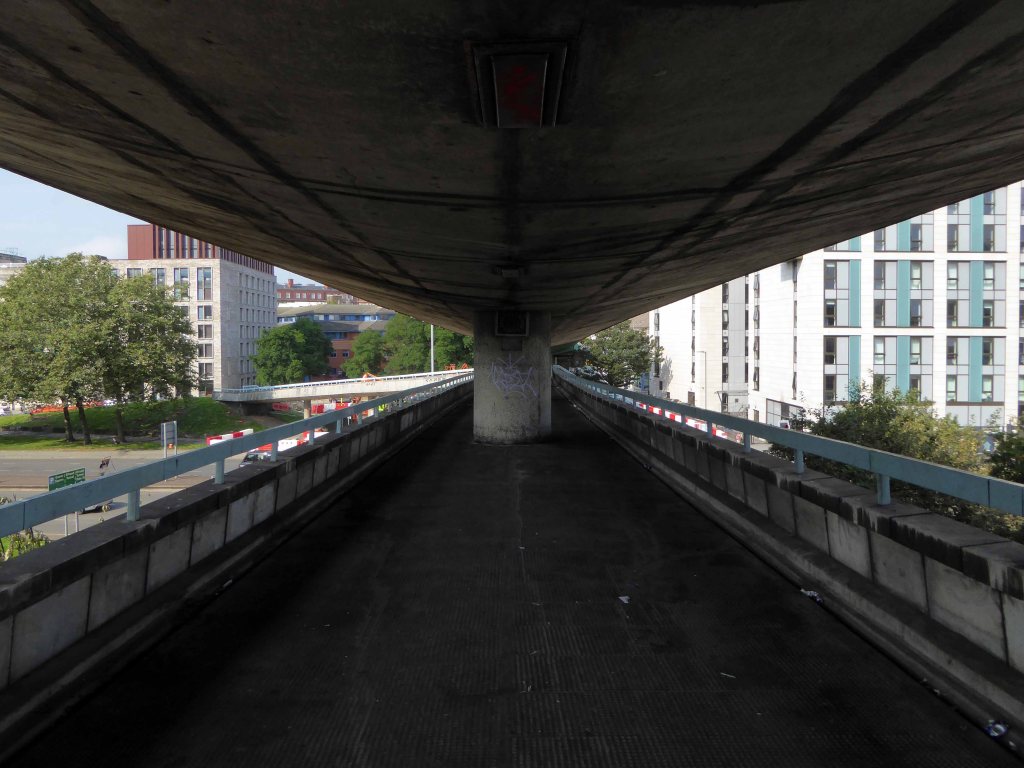
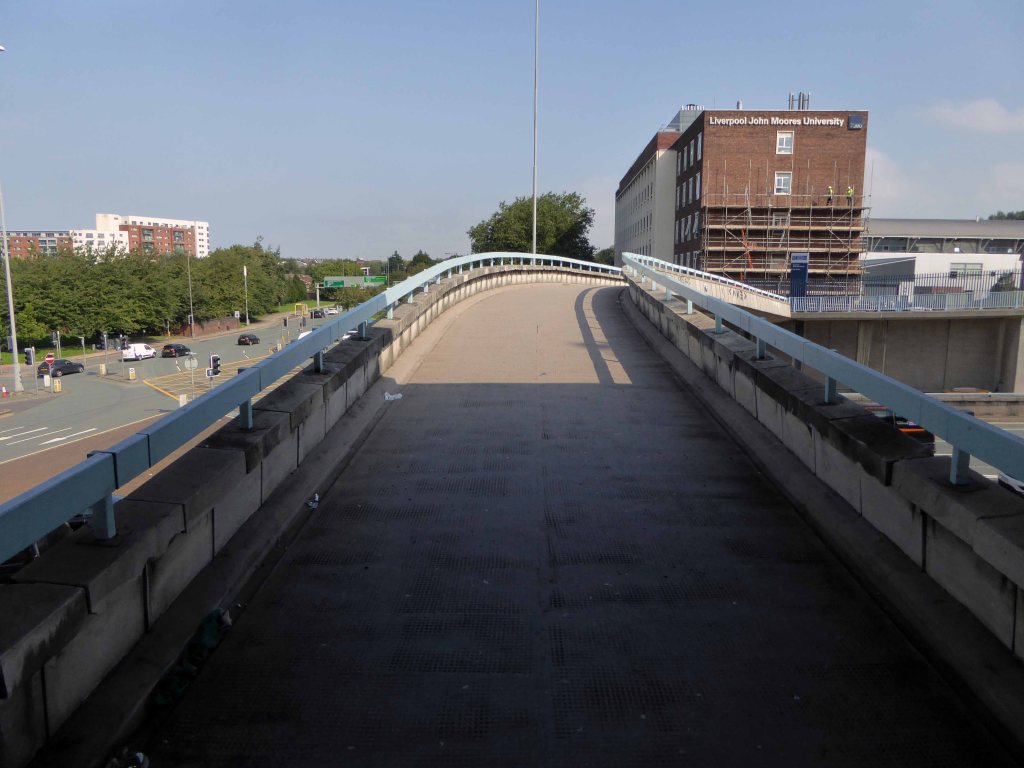
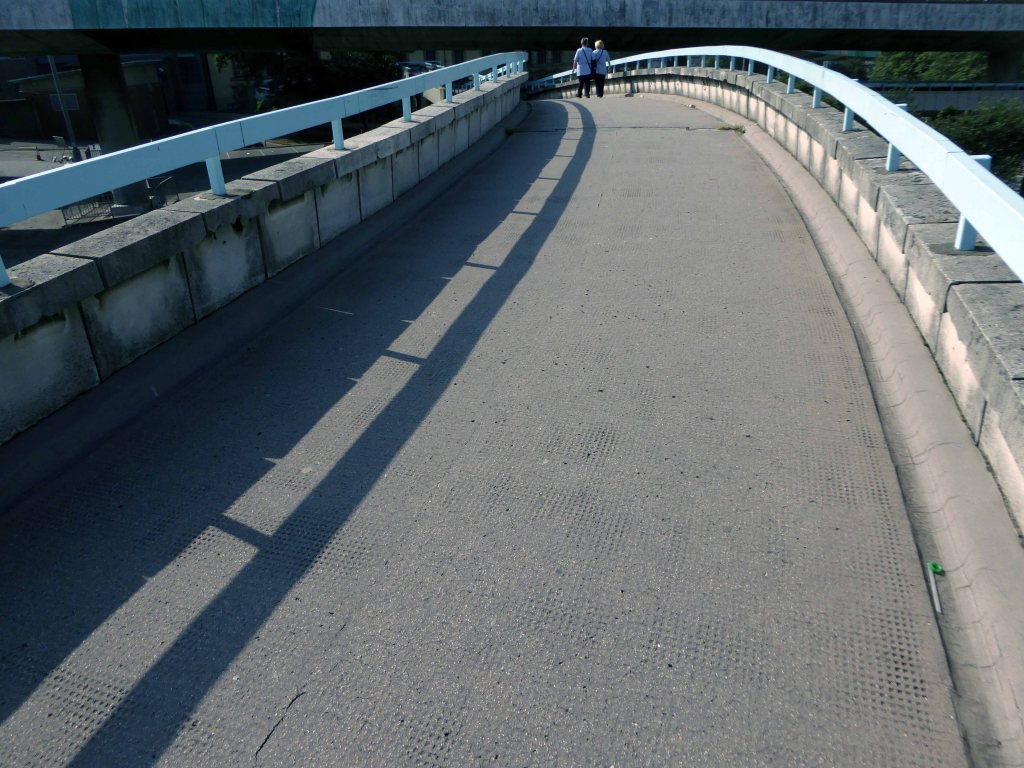
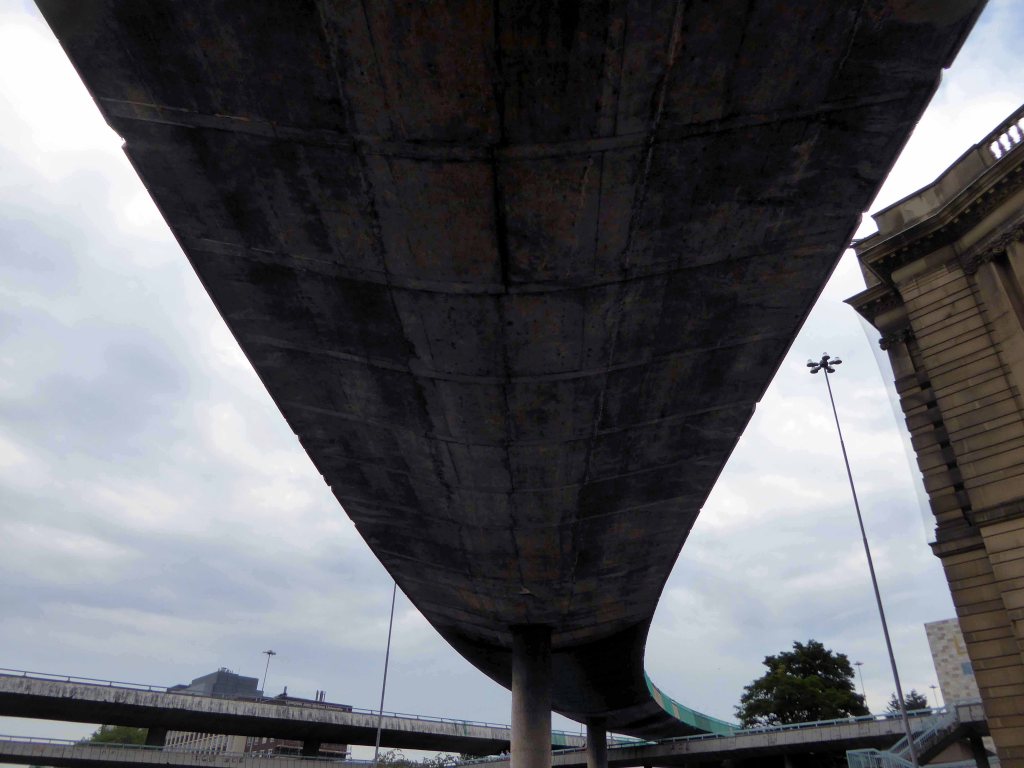
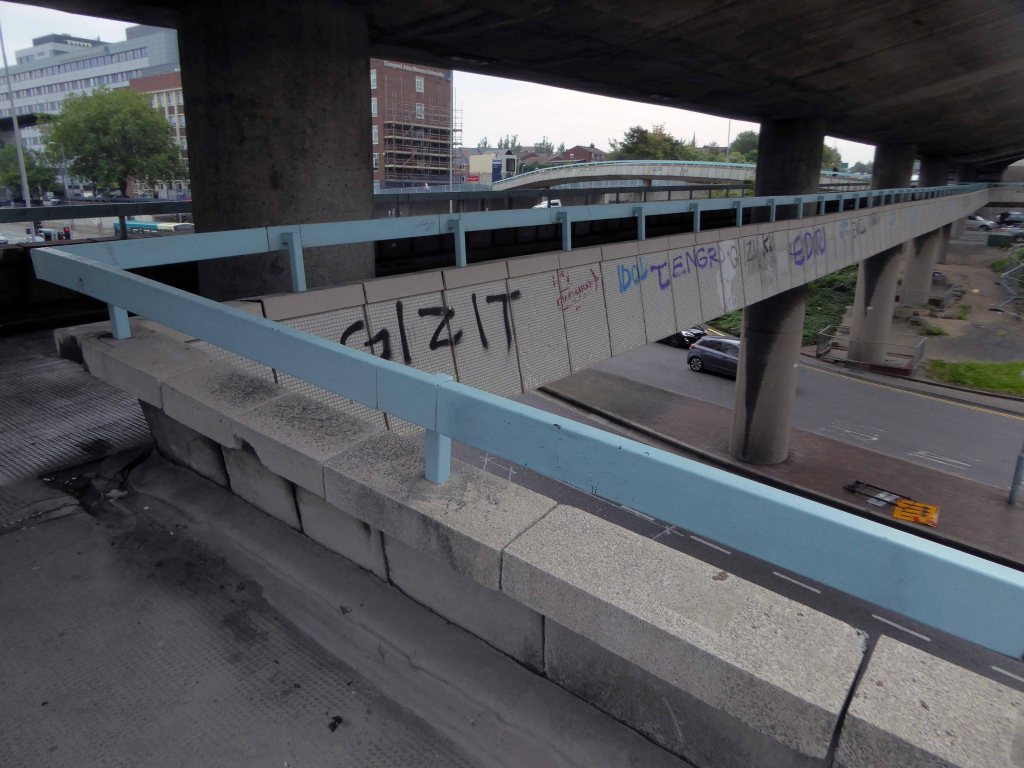
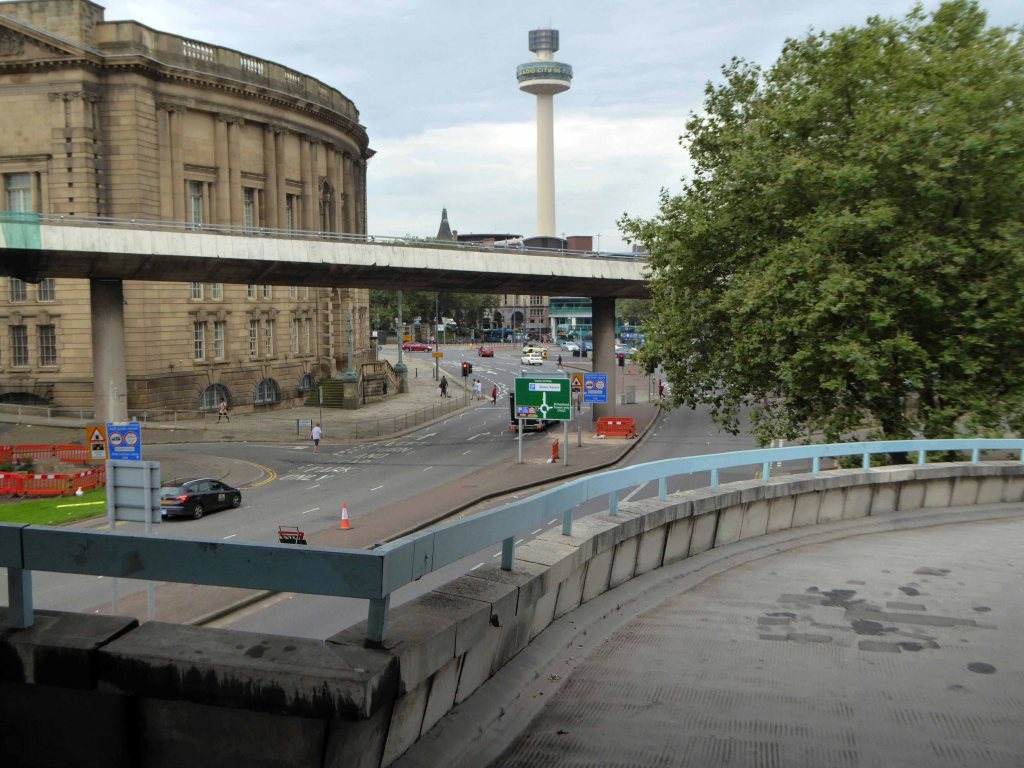
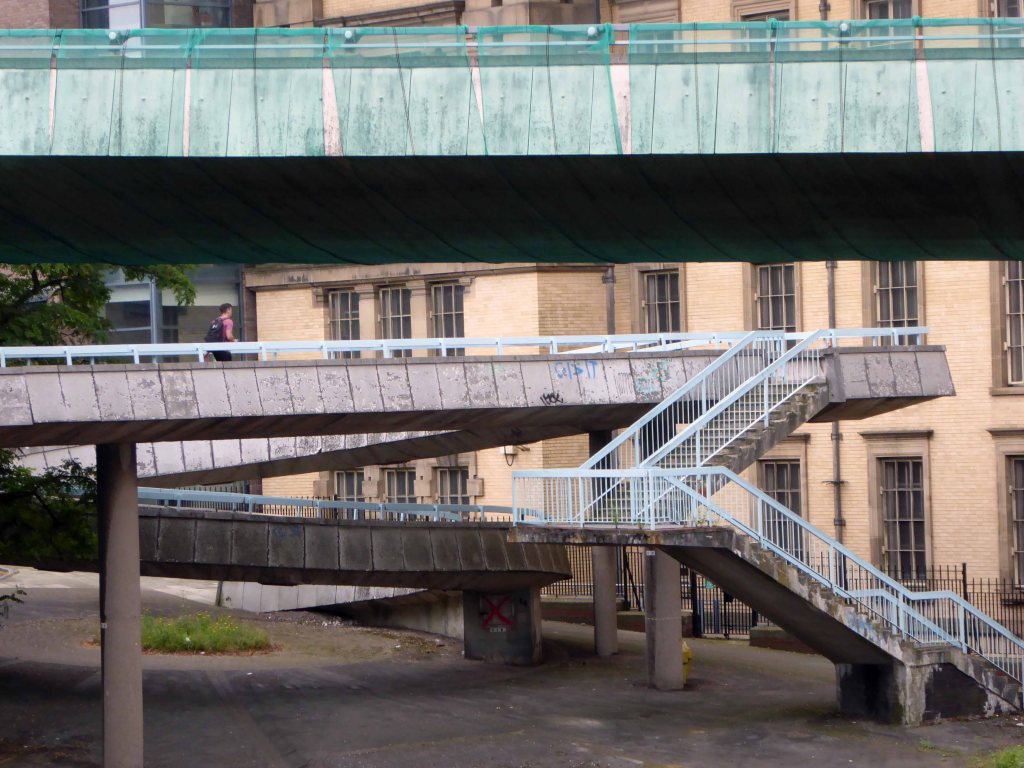
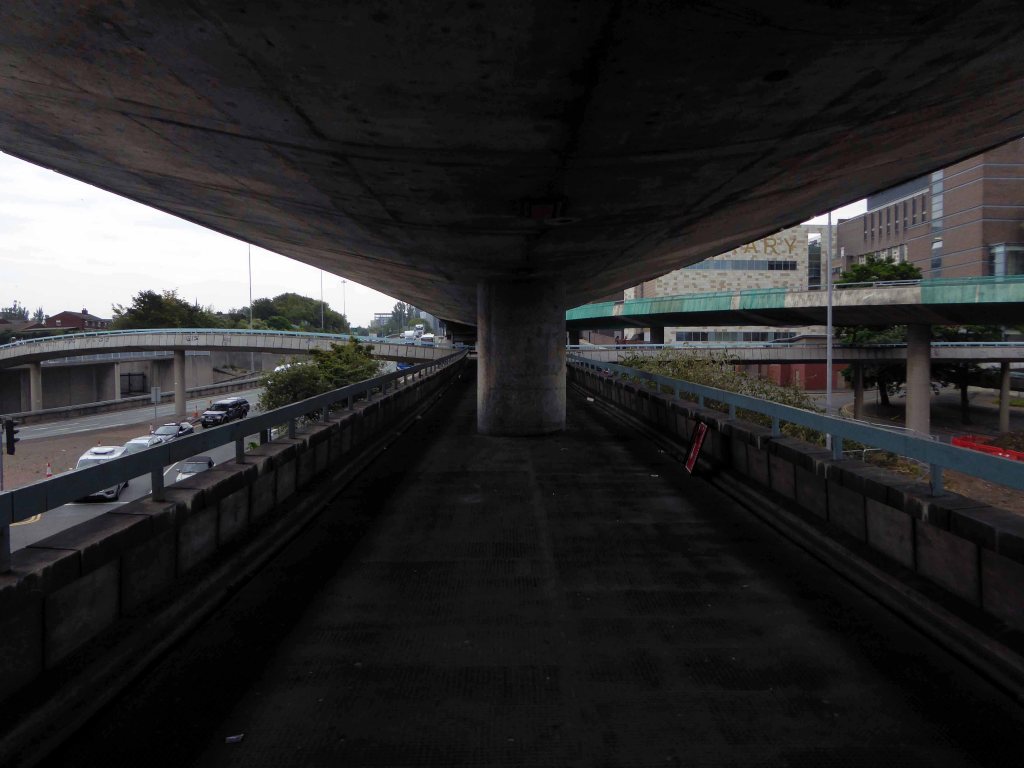
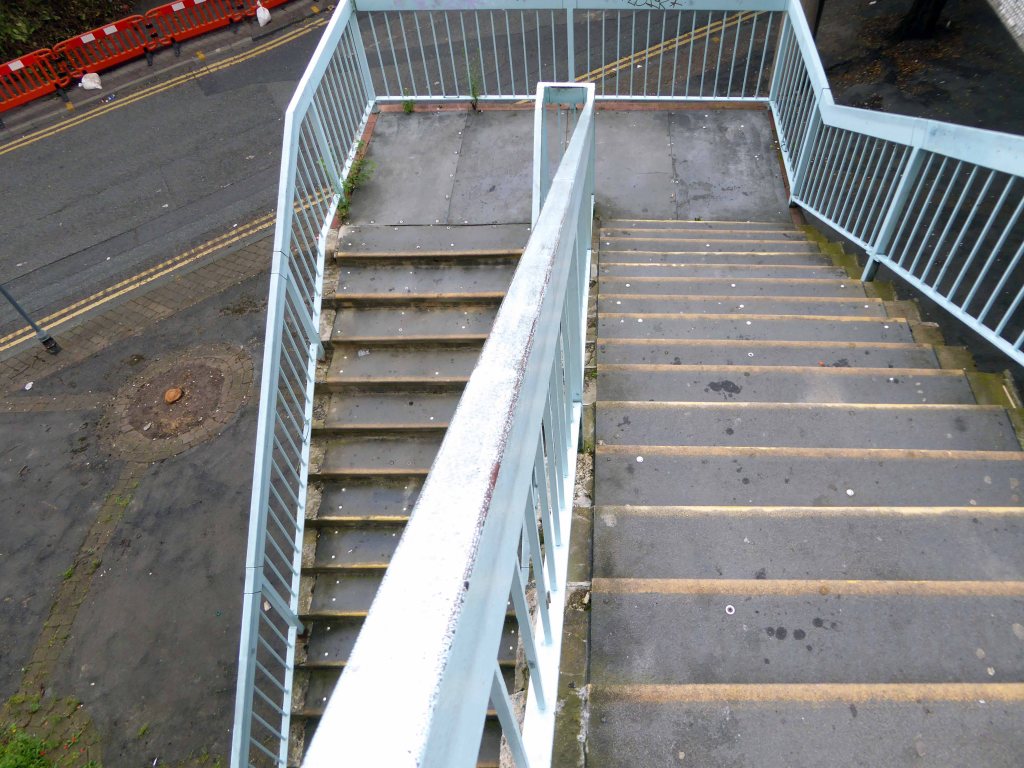
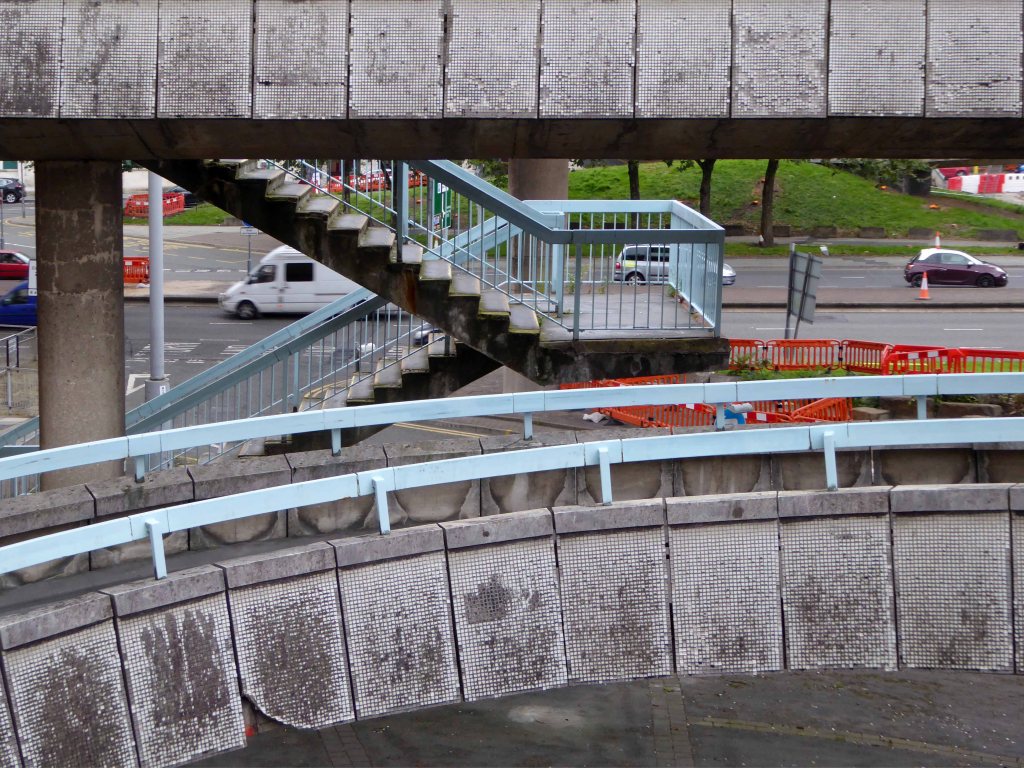
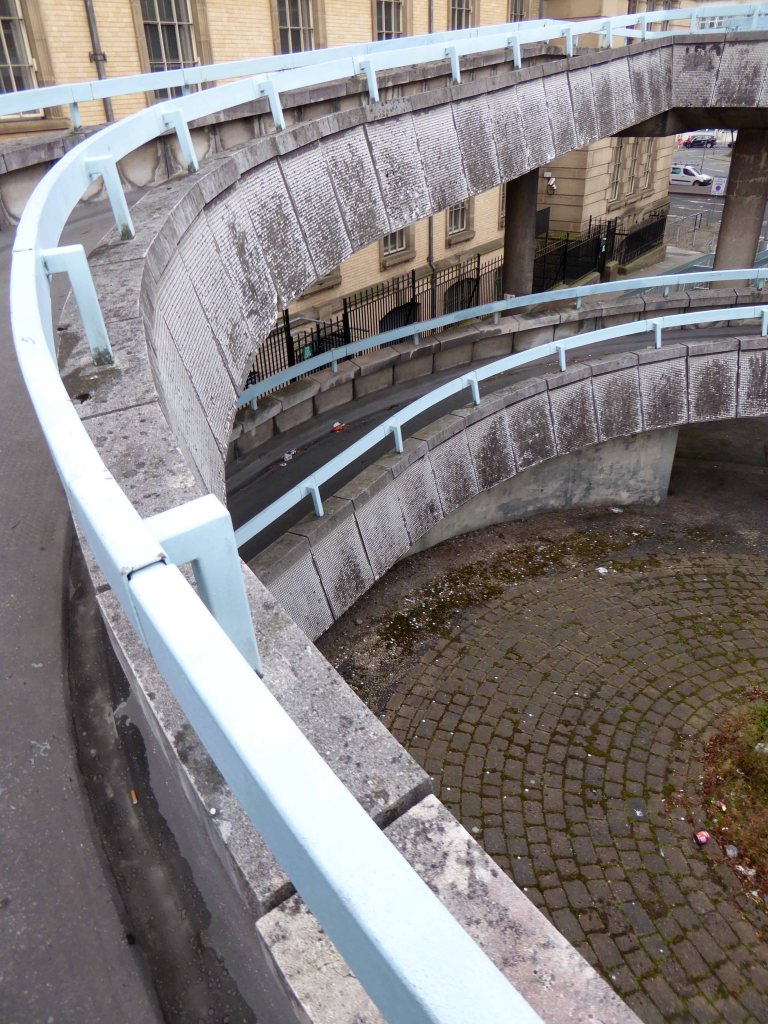
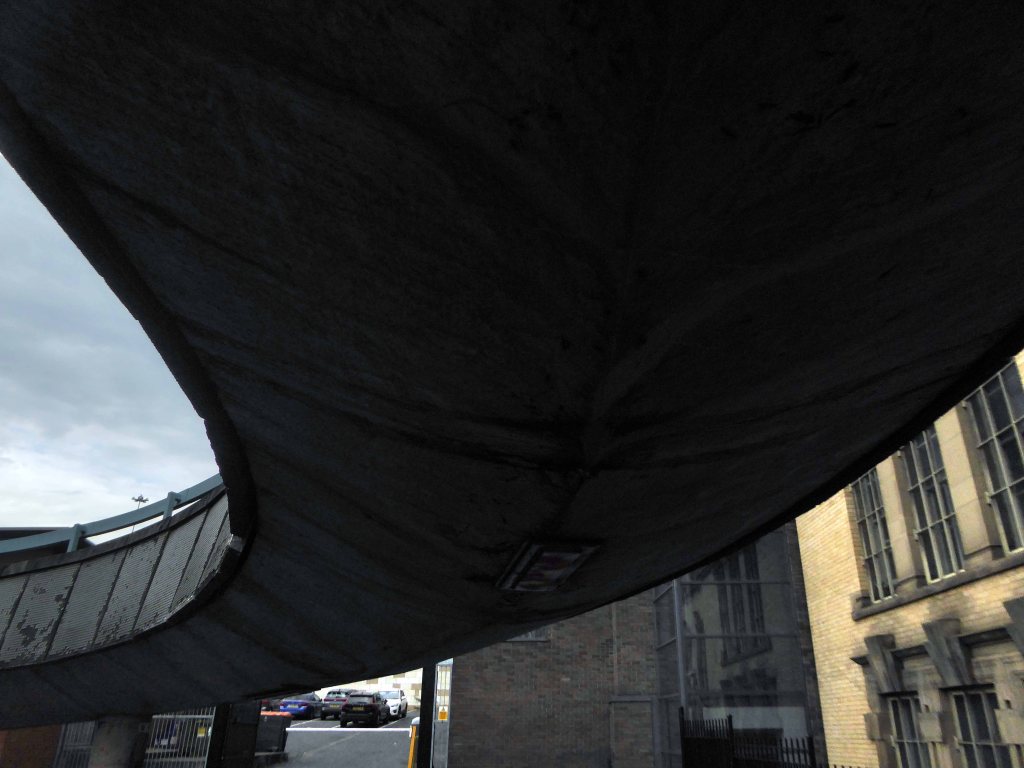
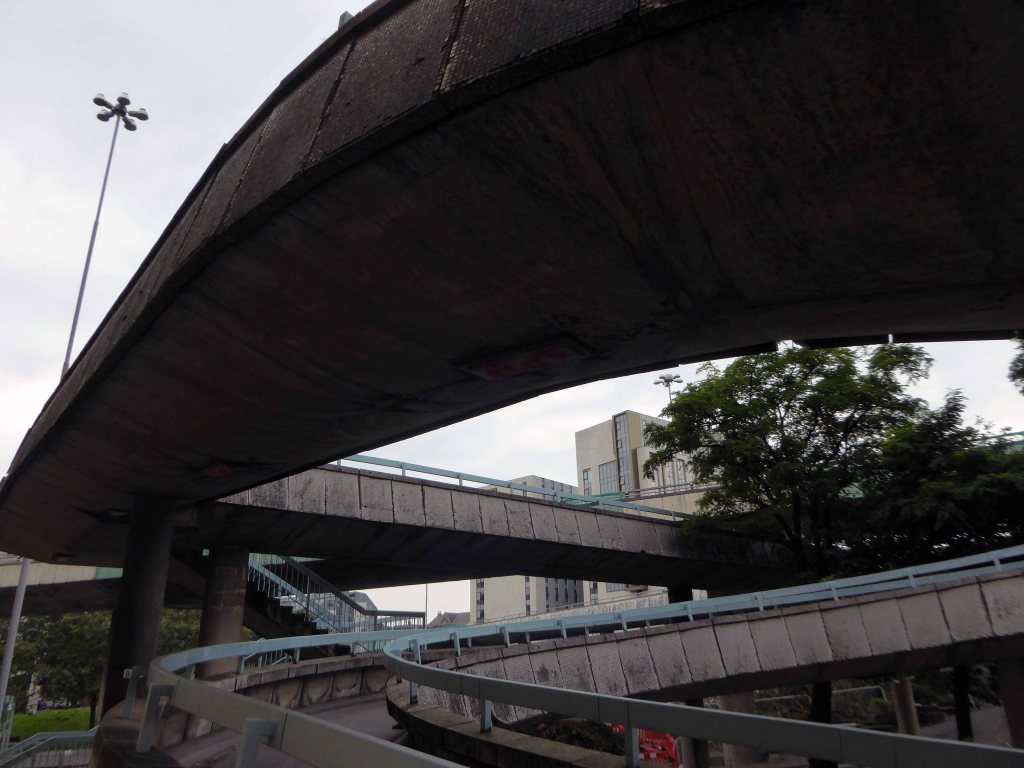
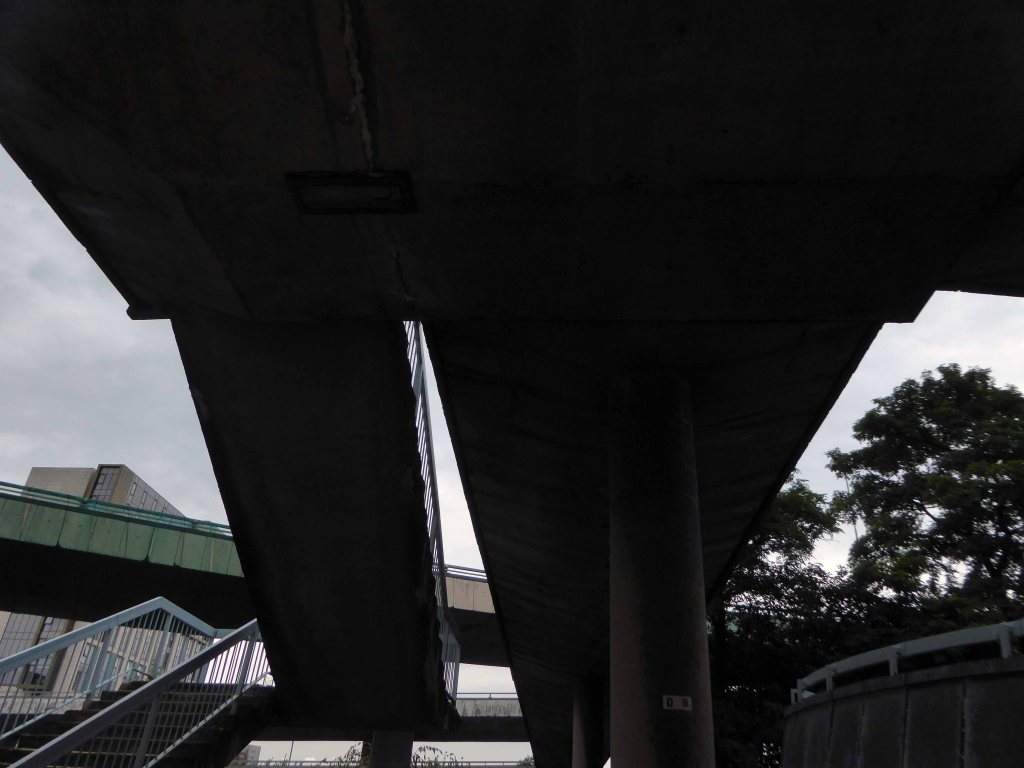
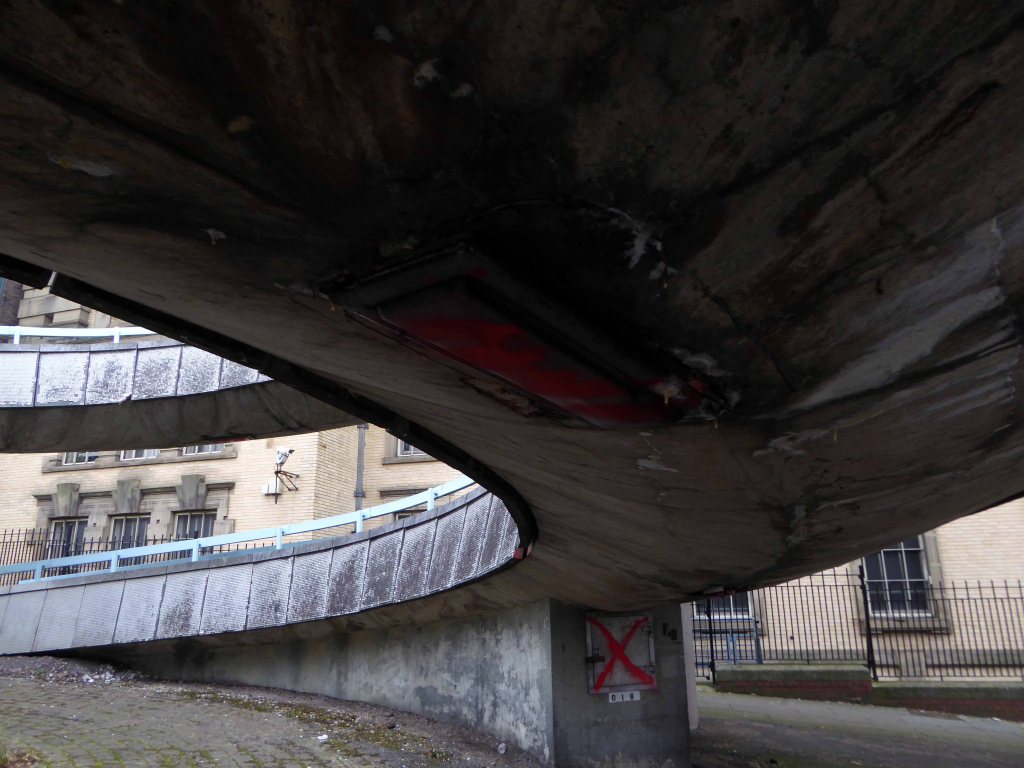
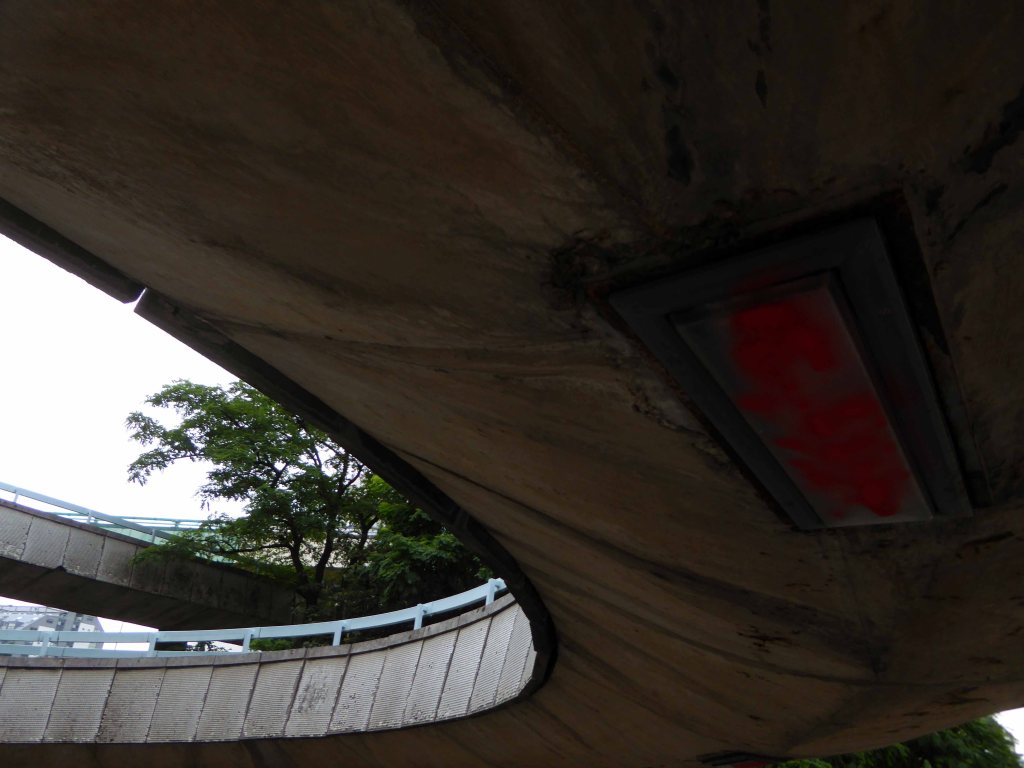
Opened in 1972 as an almost belated response to George Buchanan’s 1963 Traffic in Towns which had informed the Liverpool City Centre Plan of 1965.
The report warned of the potential damage caused by the motor car, while offering ways to mitigate it. It gave planners a set of policy blueprints to deal with its effects on the urban environment, including traffic containment and segregation, which could be balanced against urban redevelopment, new corridor and distribution roads and precincts.
These policies shaped the development of the urban landscape in the UK and some other countries for two or three decades. Unusually for a technical policy report, it was so much in demand that Penguin abridged it and republished it as a book in 1964.
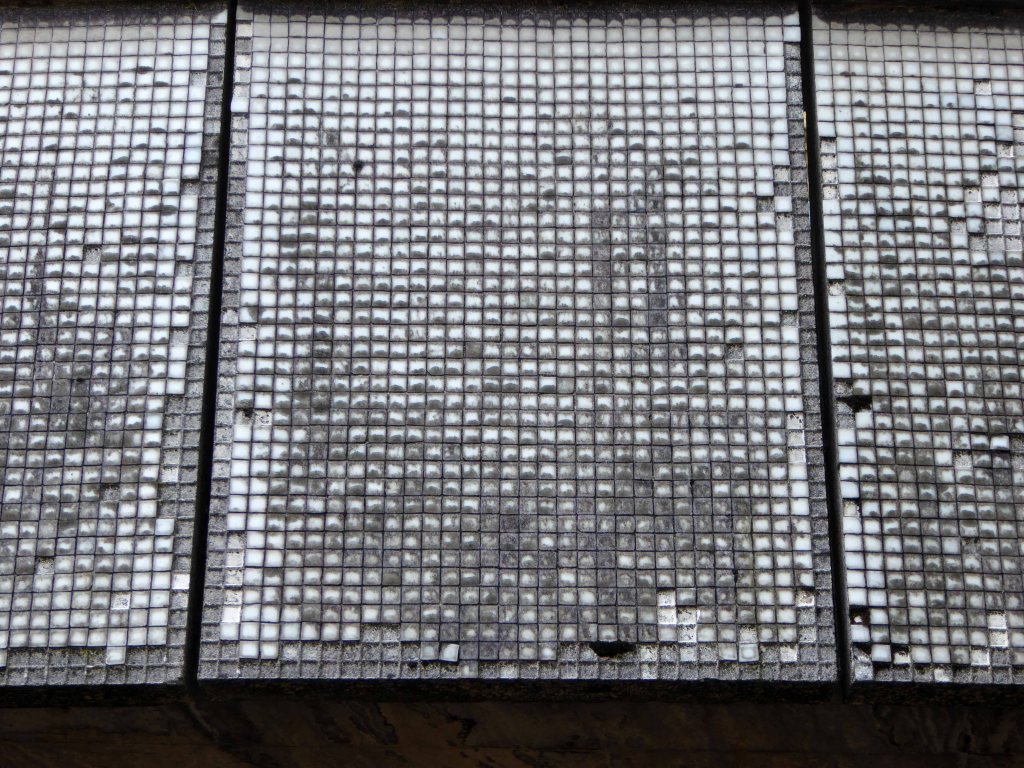
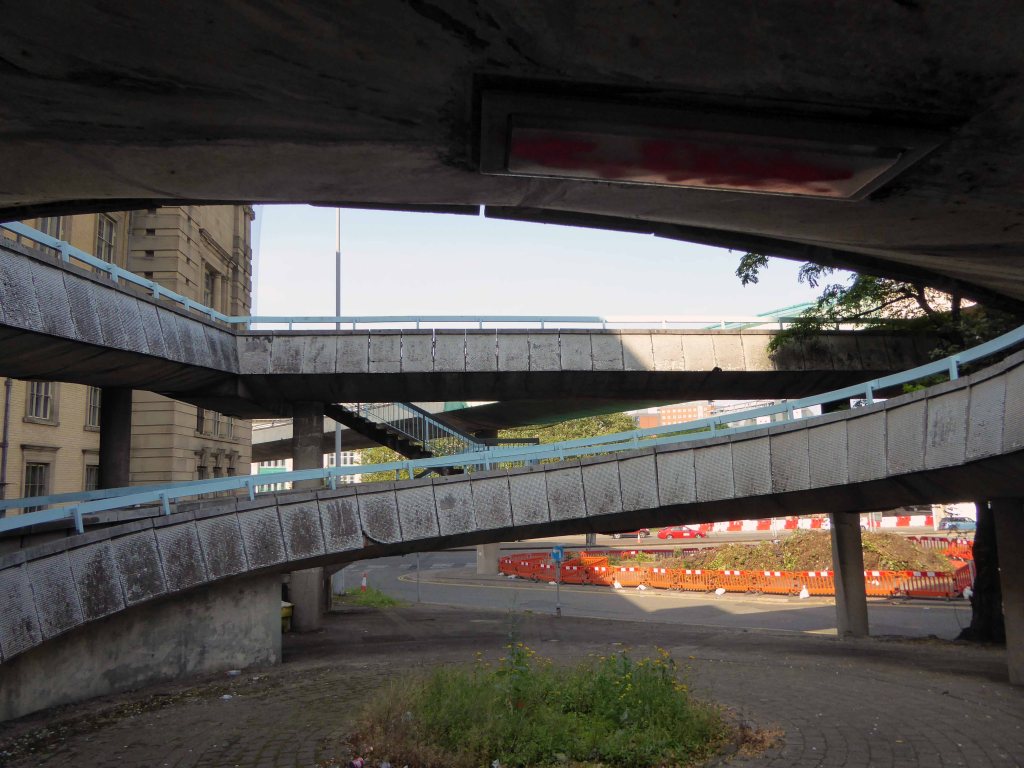
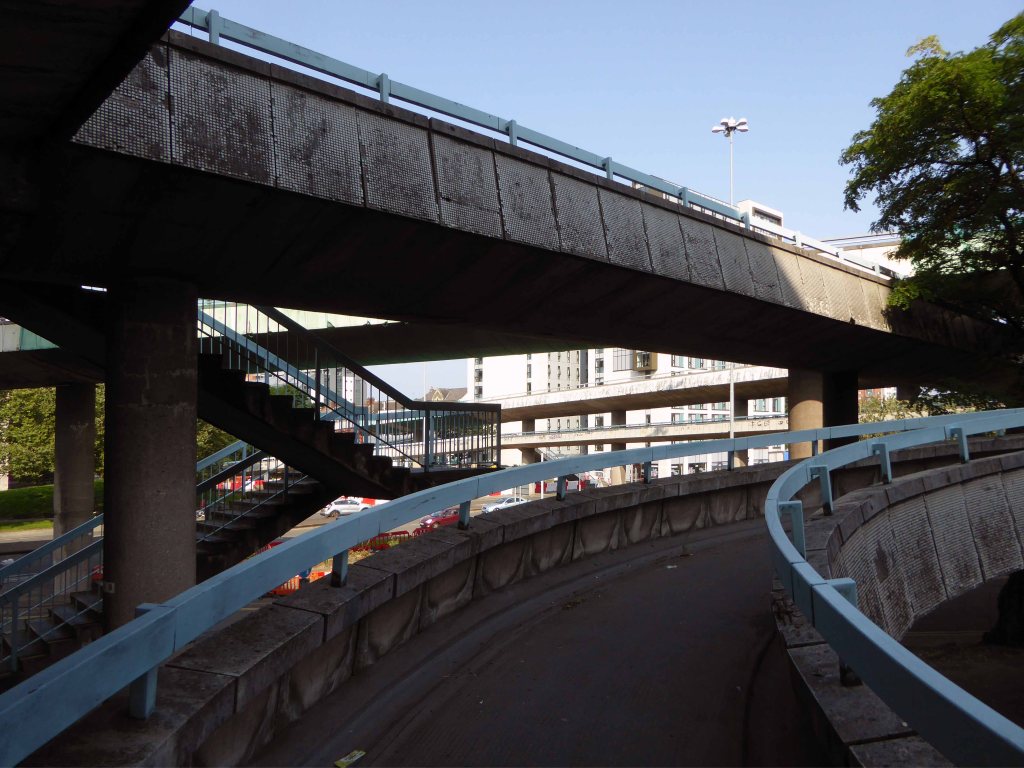
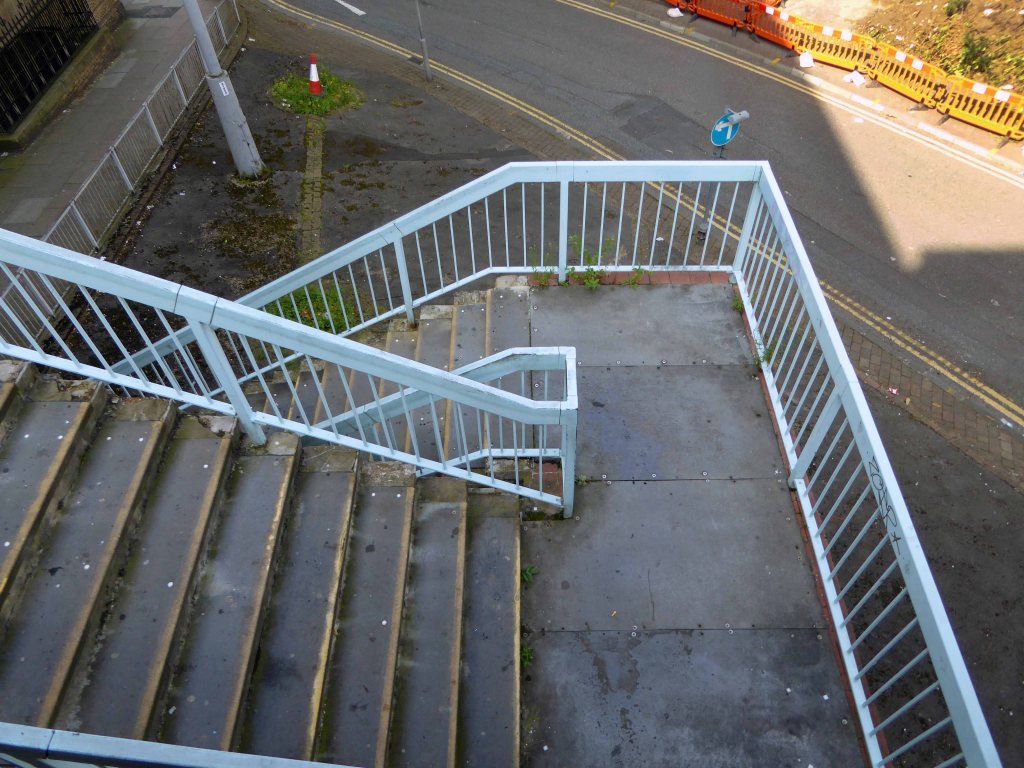
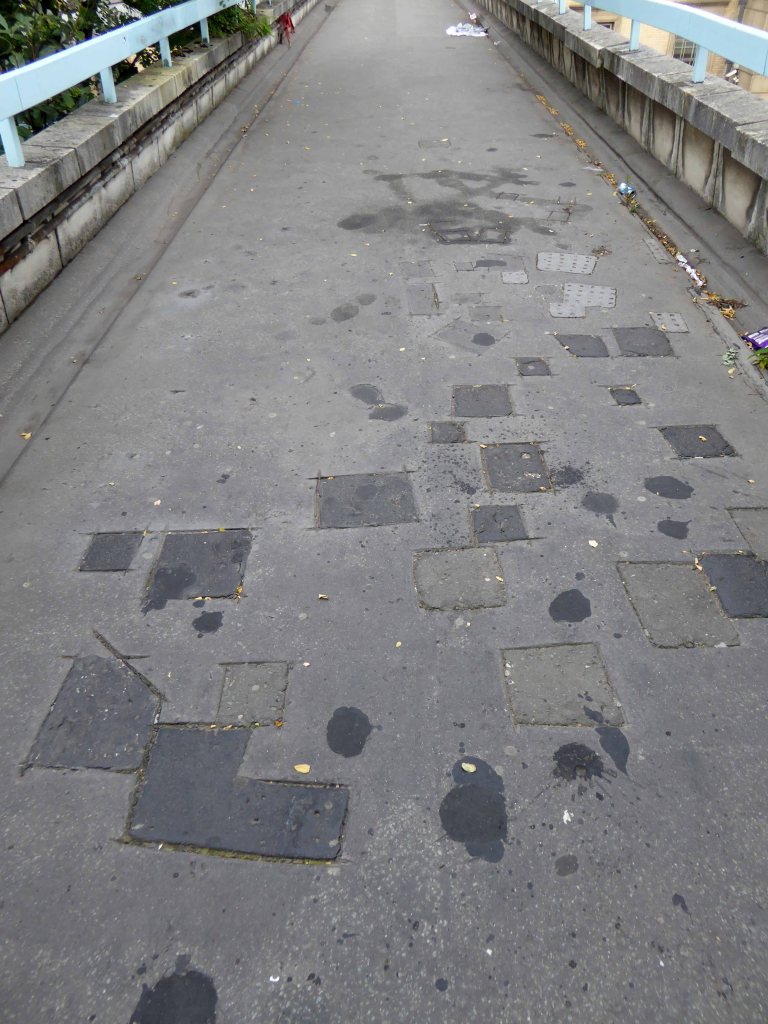
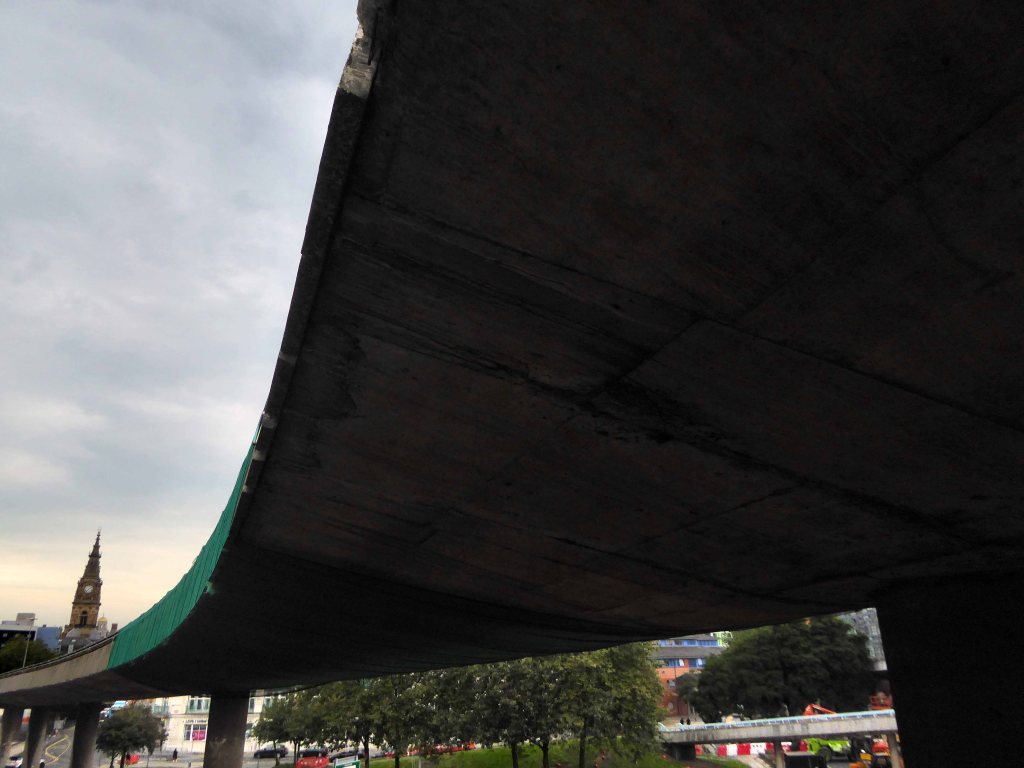
The Churchill Way was realised and remained in use until September 2nd 2019 – closed and facing a £10 million demolition programme, following a maintenance report which found them to be unsafe – and presumably beyond economic repair.
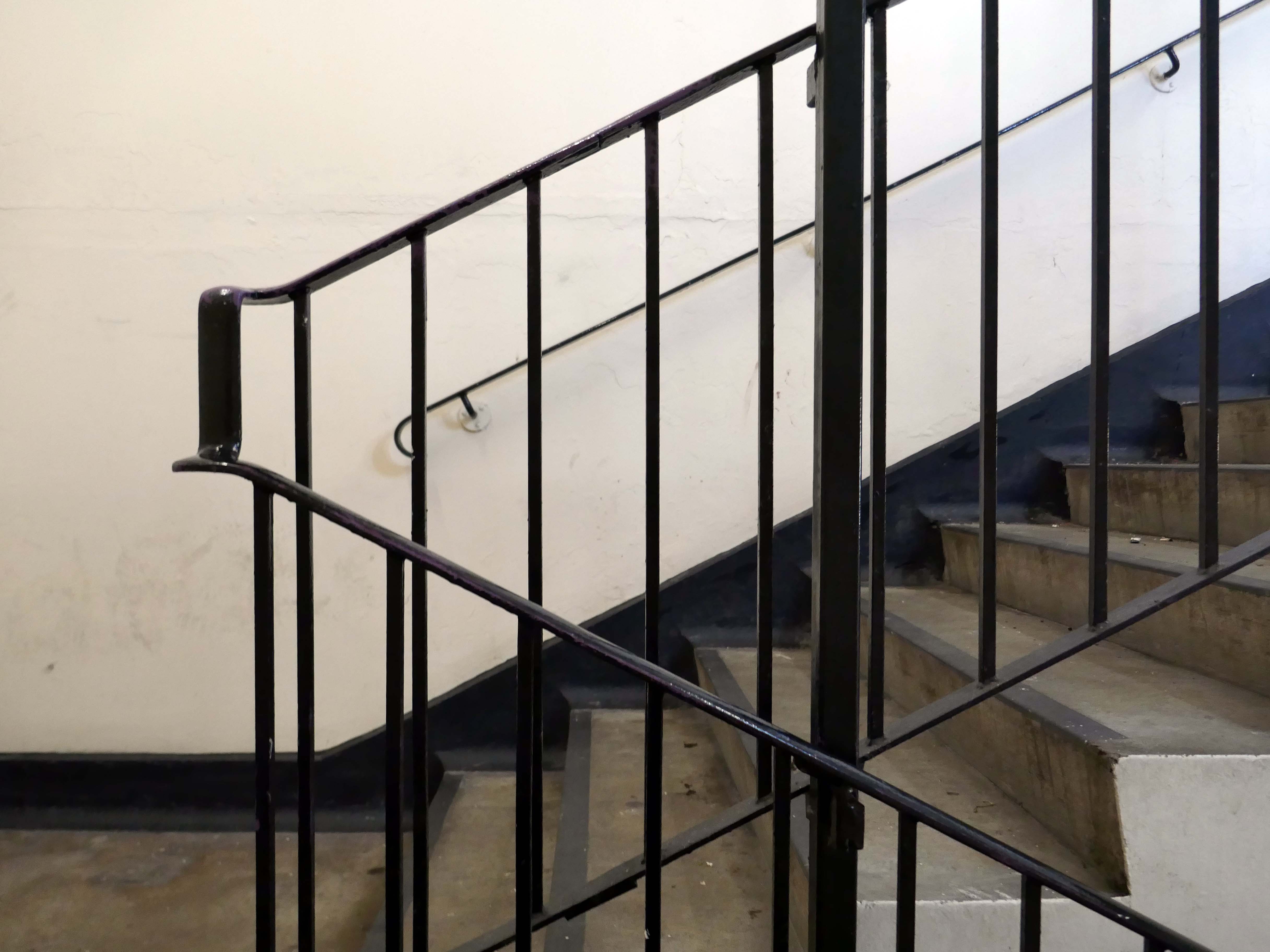
And so I took one last look around taking snaps, an epitaph to the end of an era, and the end of an idea that was once once rendered concrete.
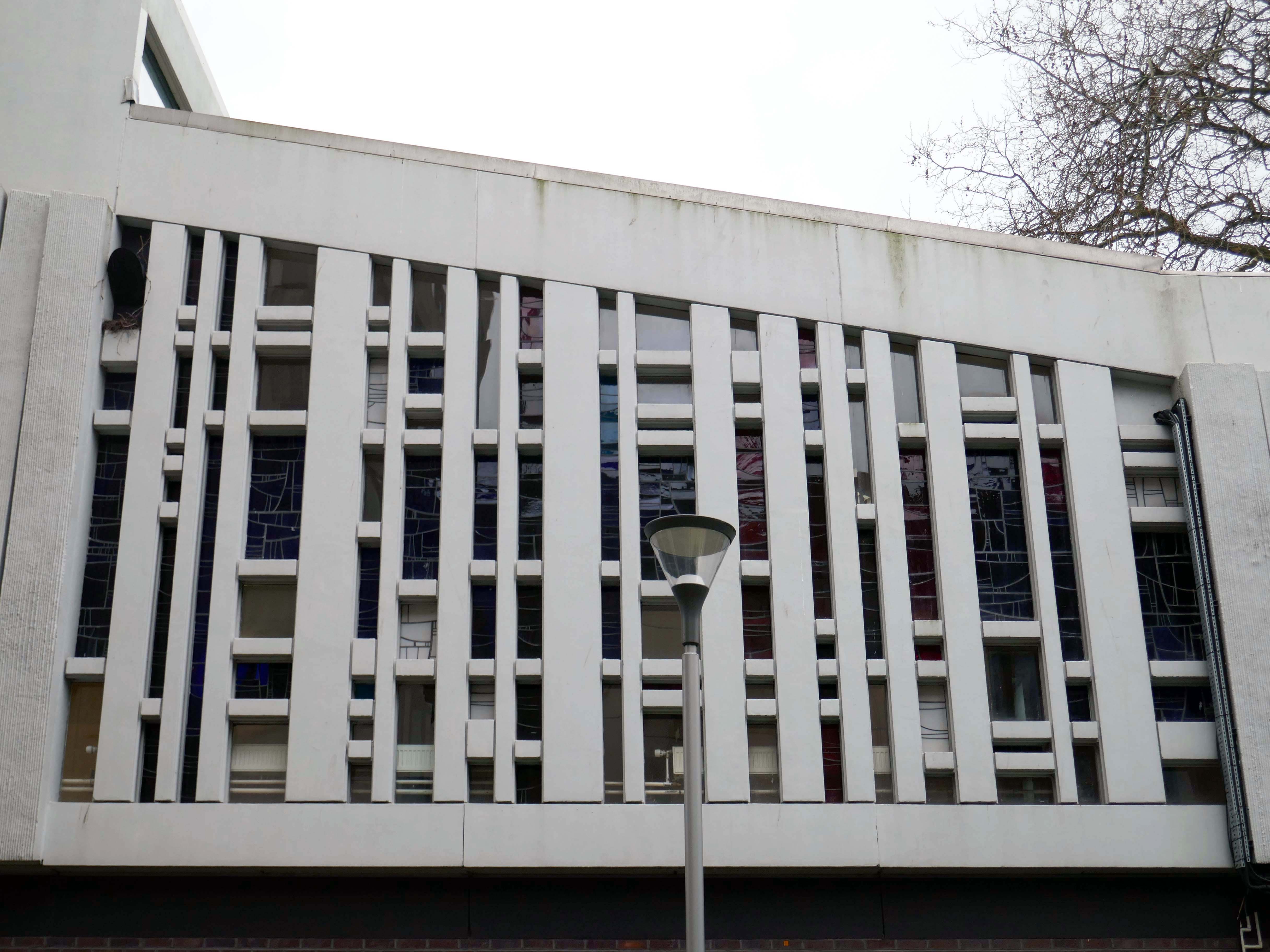
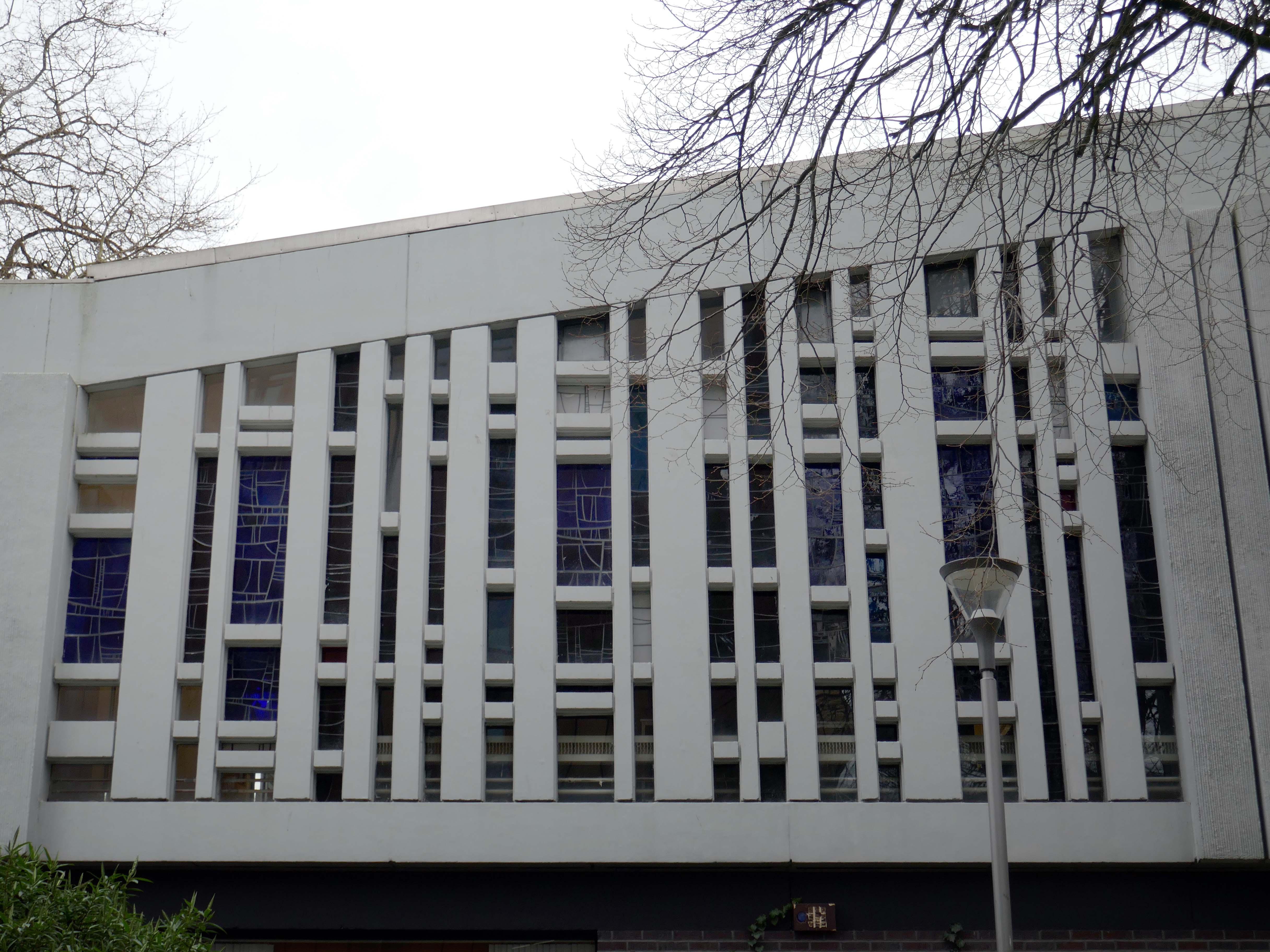
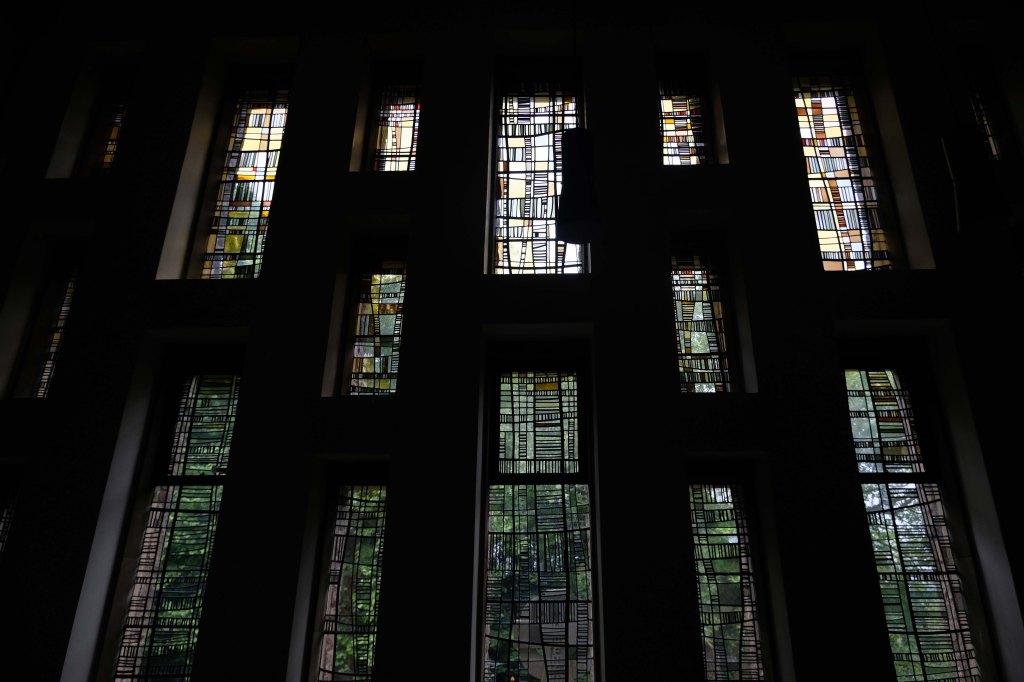
Antony Holloway – artist born March 8th 1928 he died on August 9th 2000.
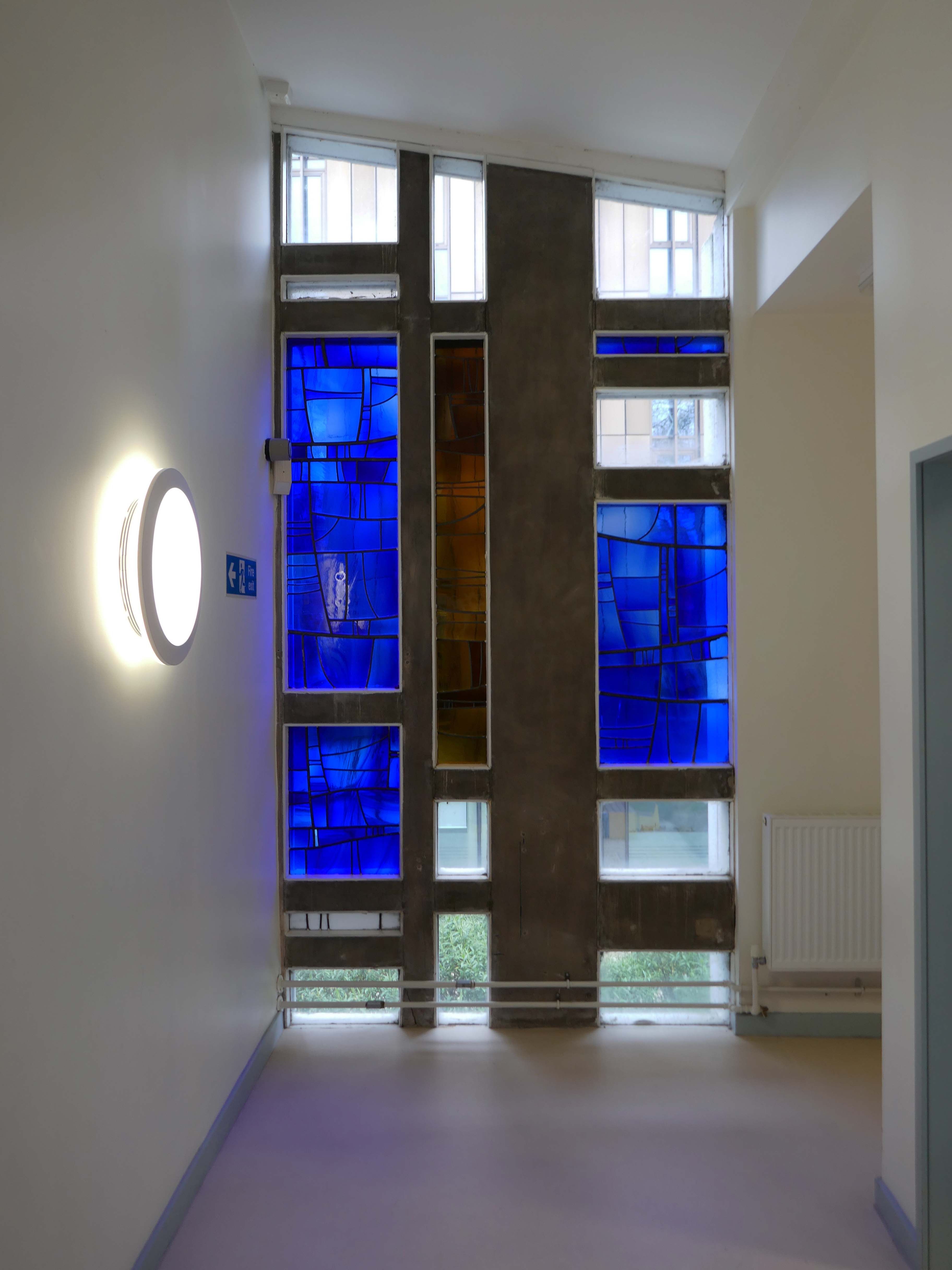
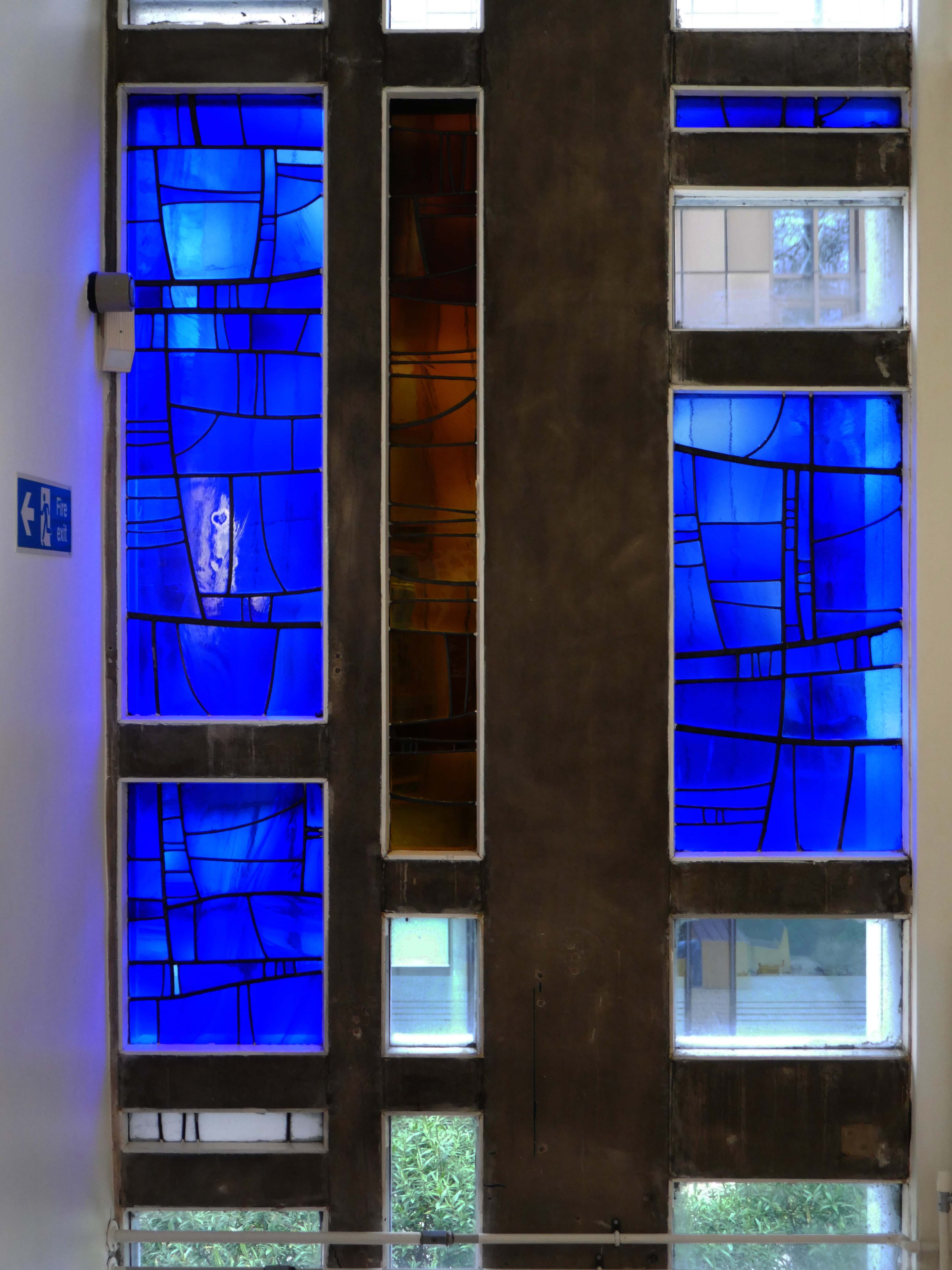
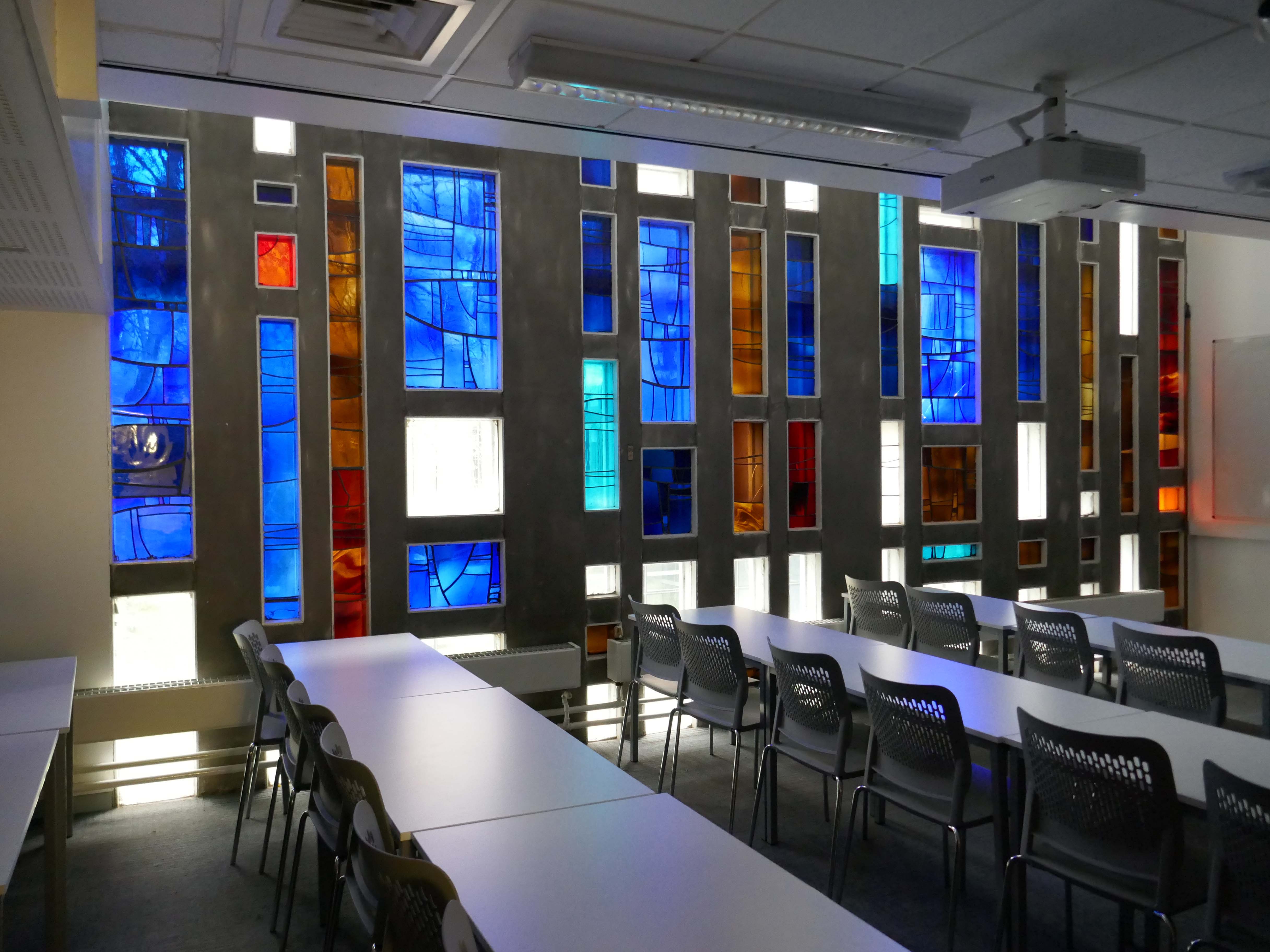
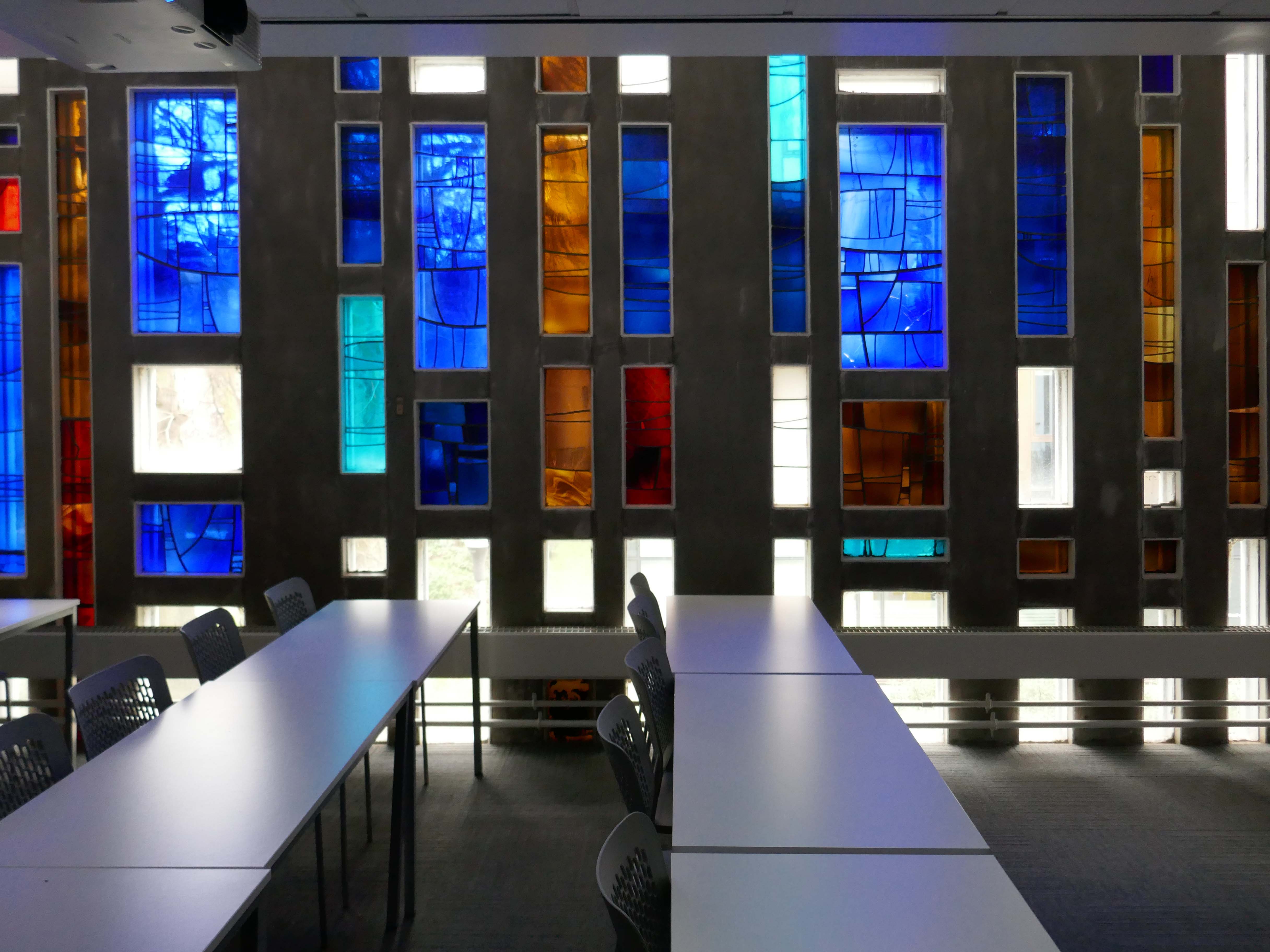
Dorset was where he was born and grew up and the Dorset landscape was always there deep within him. He was educated at Poole grammar school between 1939 and 1945. After national service in the Royal Air Force in Dorset and Germany from 1948 to 1953 he studied at Bournemouth College of Art. Then came the RCA.
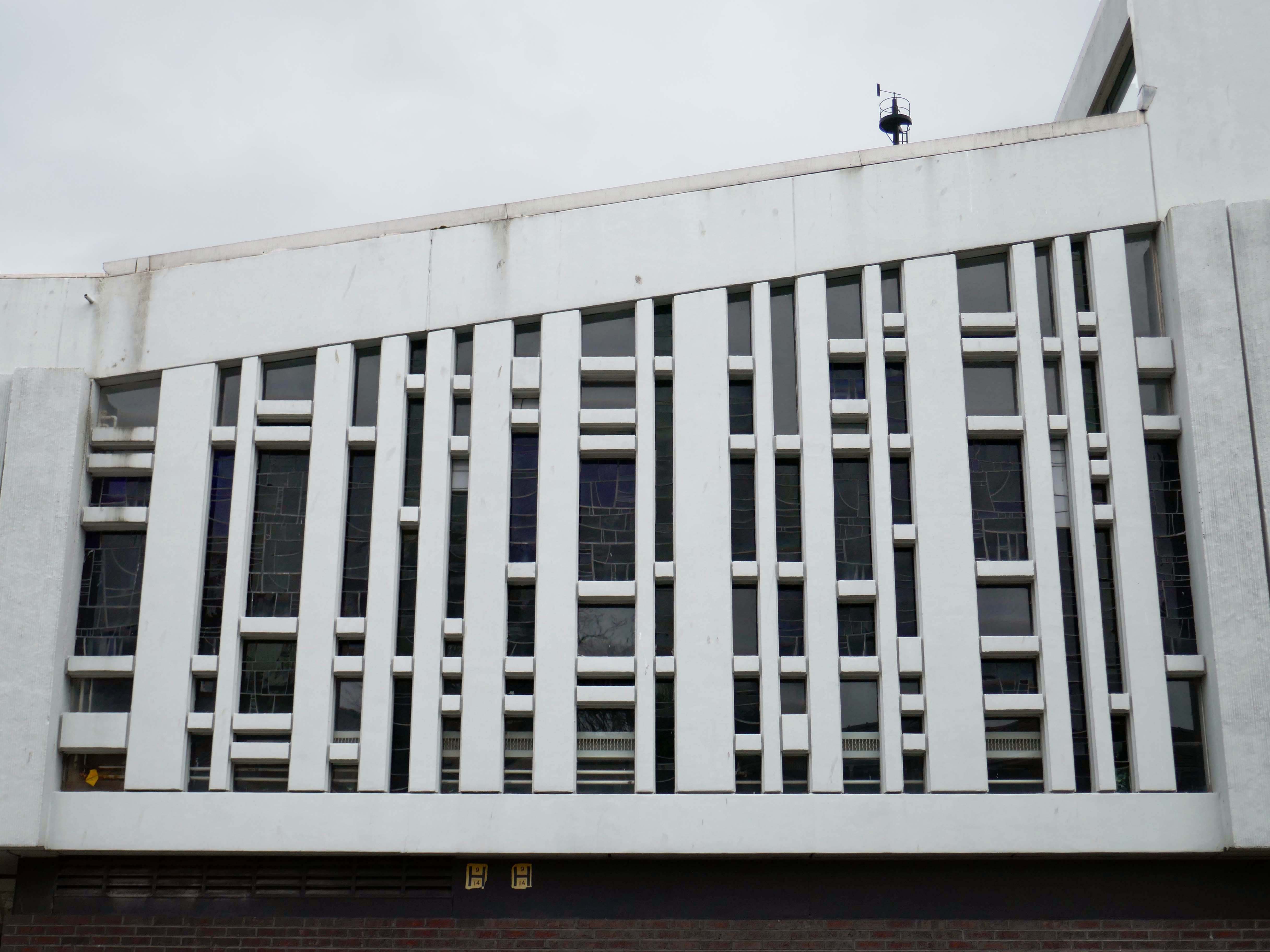
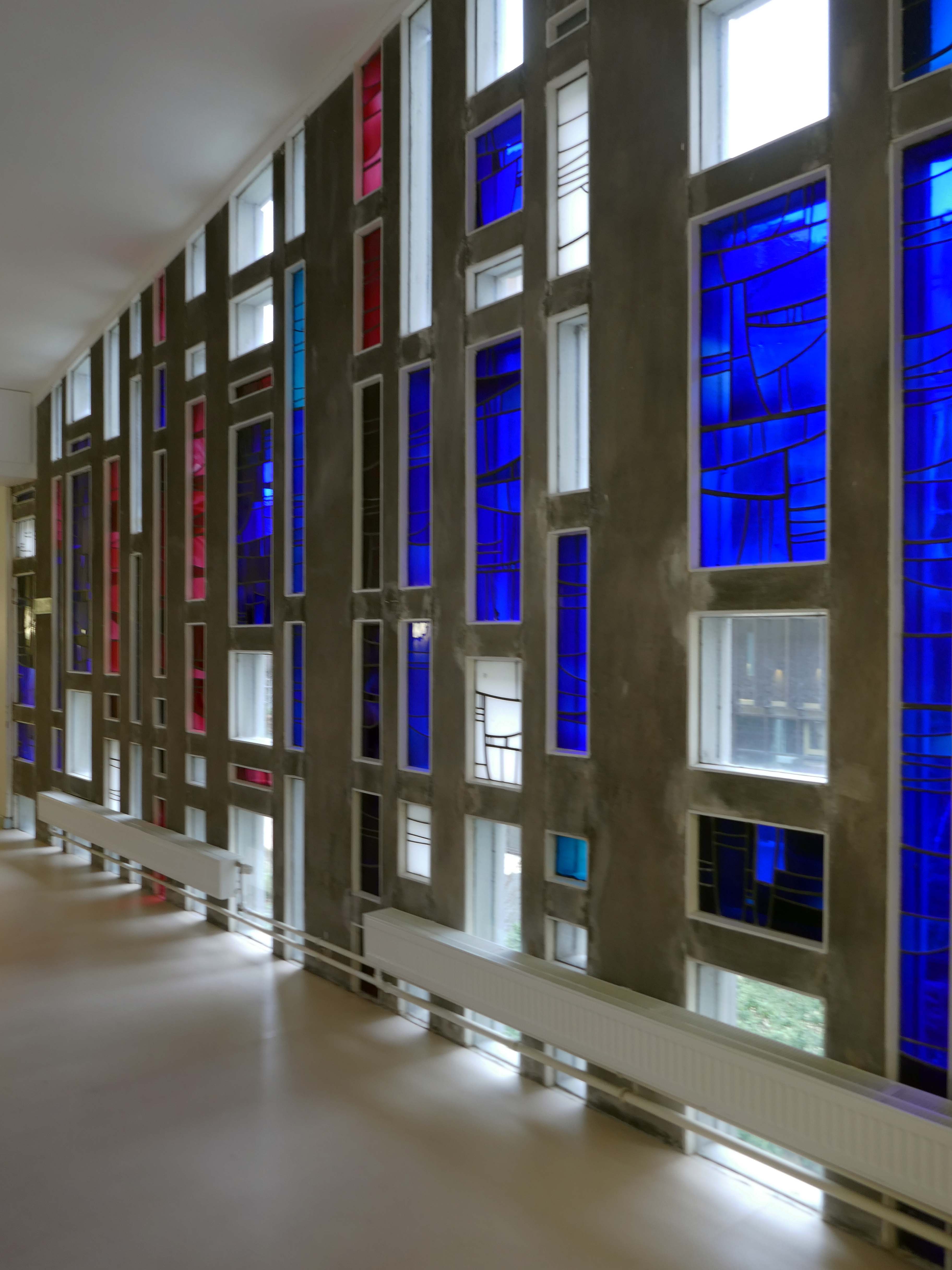
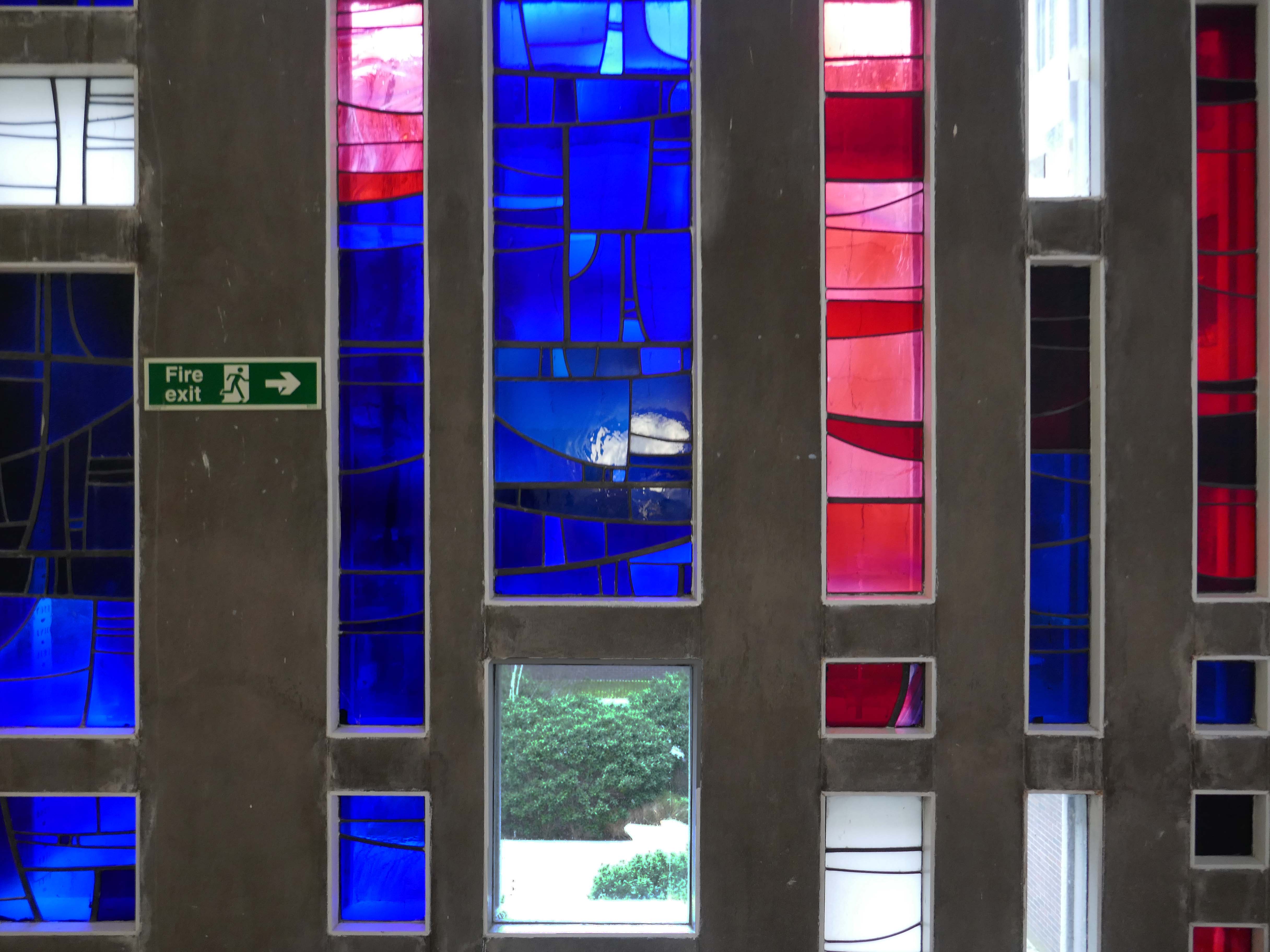
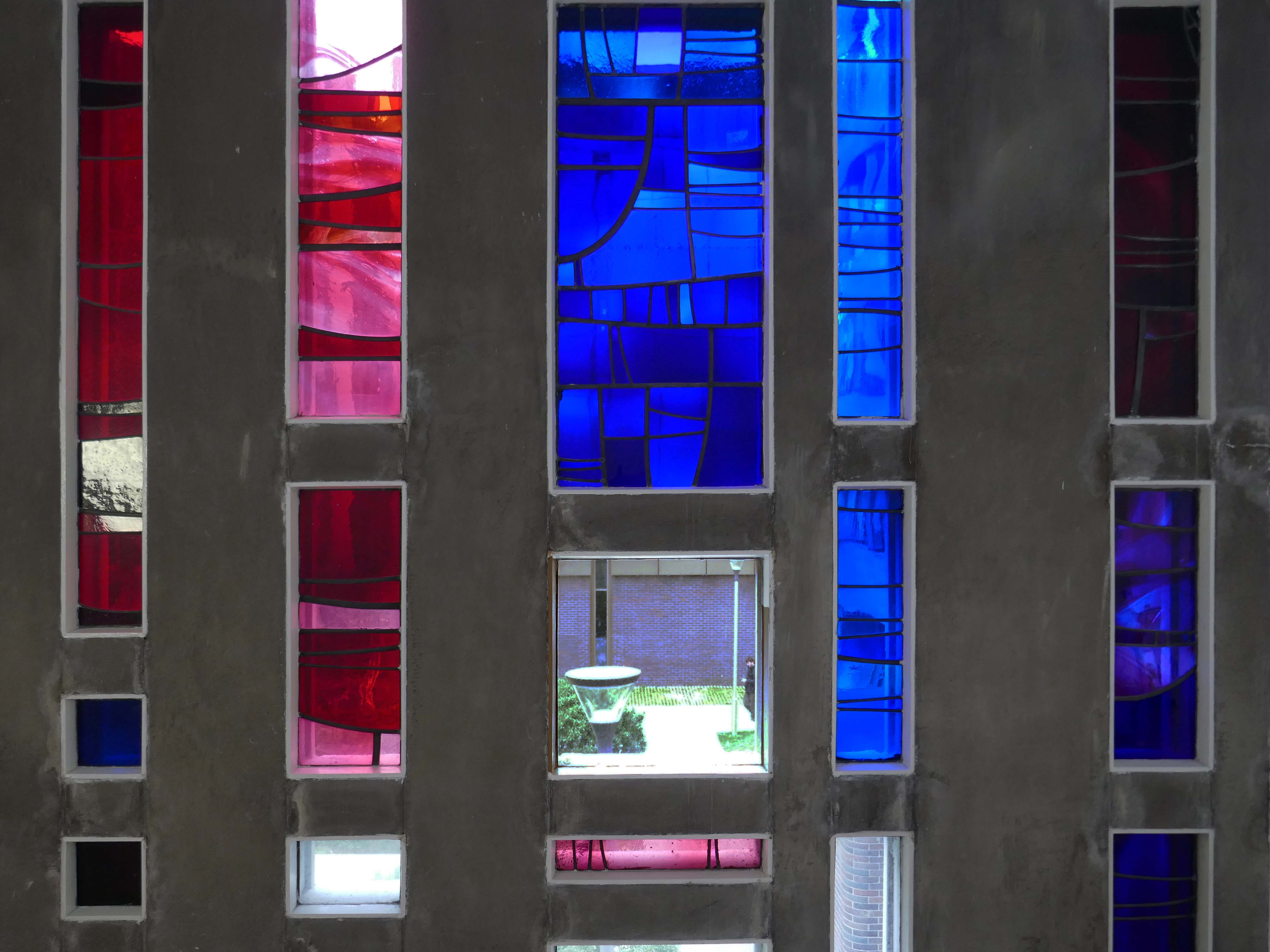
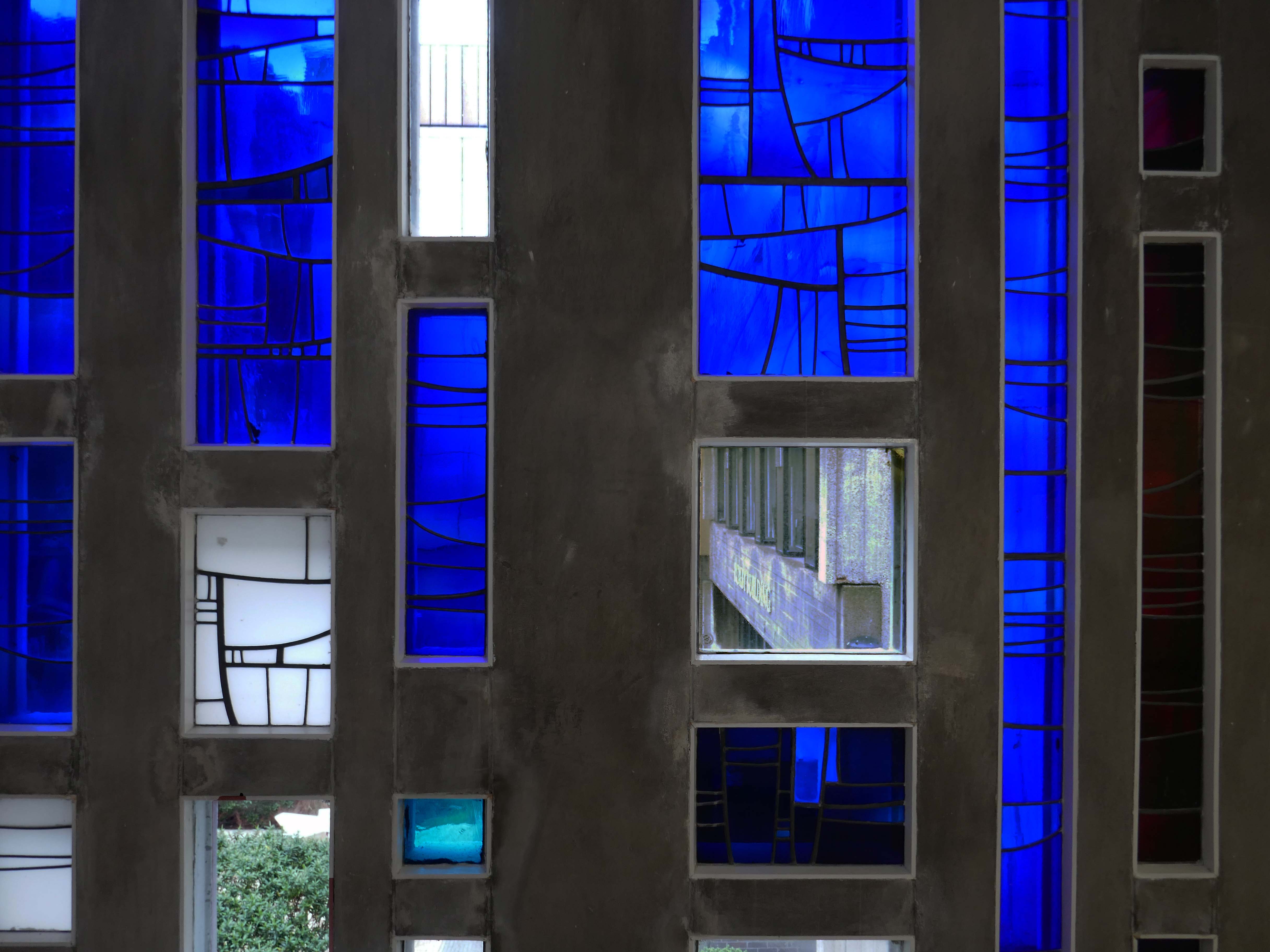
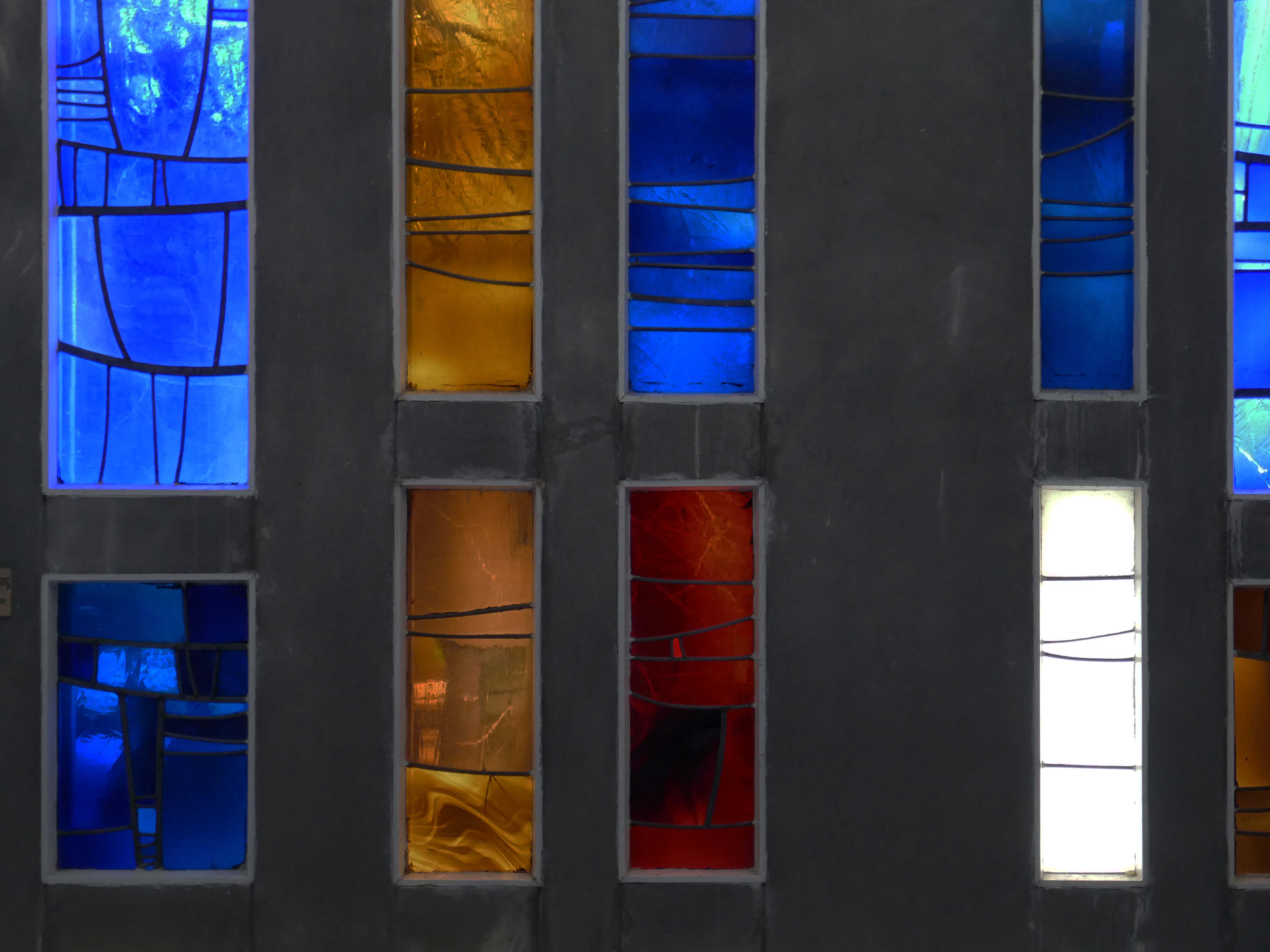
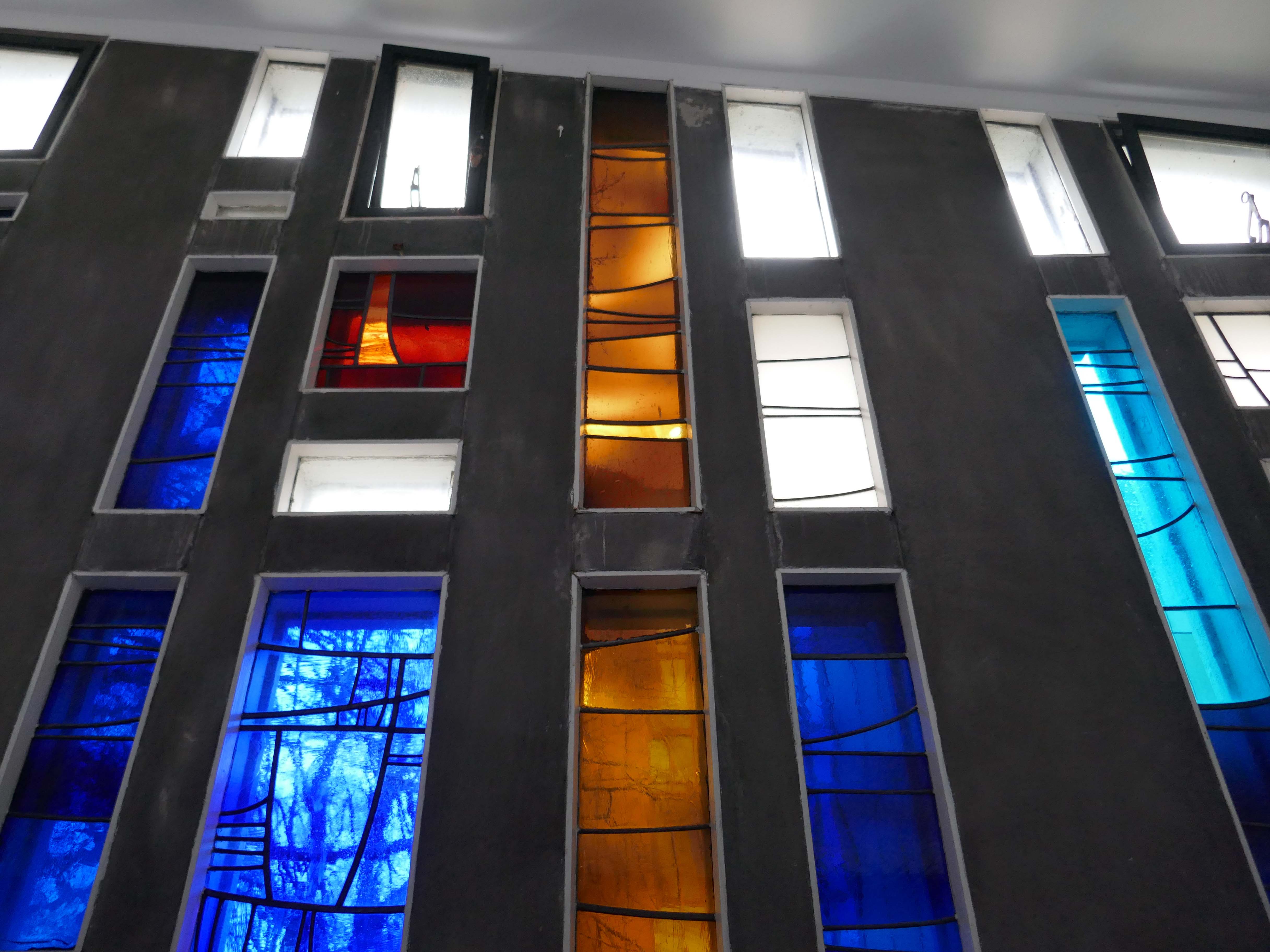
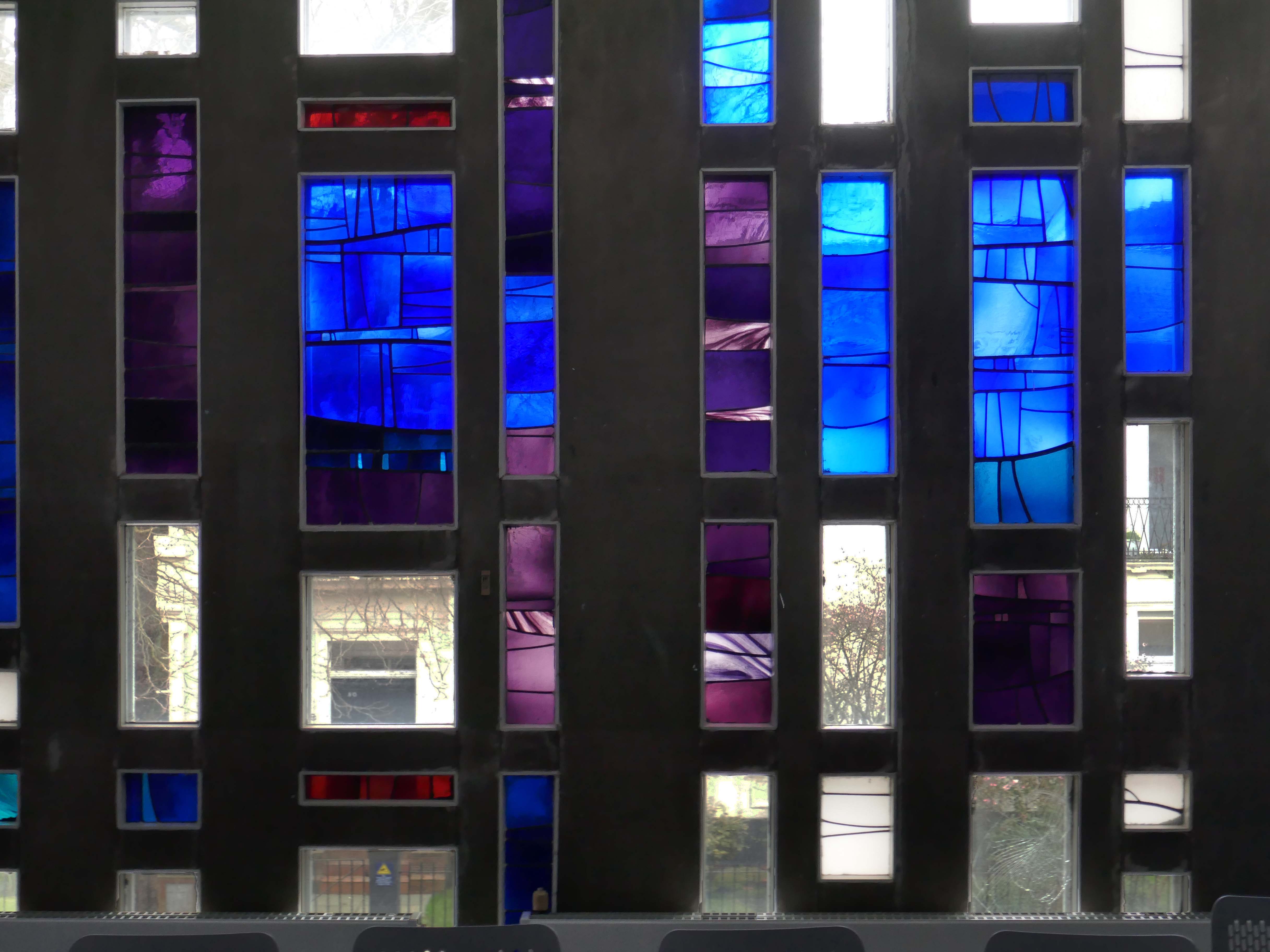
Tony began work as a stained glass and mural designer and jumped, with astonishing confidence, into working as a consultant designer with the architects’ division of the London County Council. He learned how to deal with architects and builders, and became adept at getting as much out of the money available – never enough – for his projects.
In 1963 he was introduced to the Manchester architect, Harry Fairhurst. Eight years later, after they had worked together on commissions in Cheshire and Liverpool, Fairhurst sought Tony’s advice about a plan for five large stained-glass windows in Manchester Cathedral.
Tony asked to design and make the first window, the St George in the inner south-west aisle. It was completed in 1973. Further windows followed in 1976 and 1980 and the final window, Revelation was installed in 1995.
Partially covered with greenery and now securely contained within spiked railings, I circumnavigated the site catching and snapping the structure where I could – here are those very snaps.
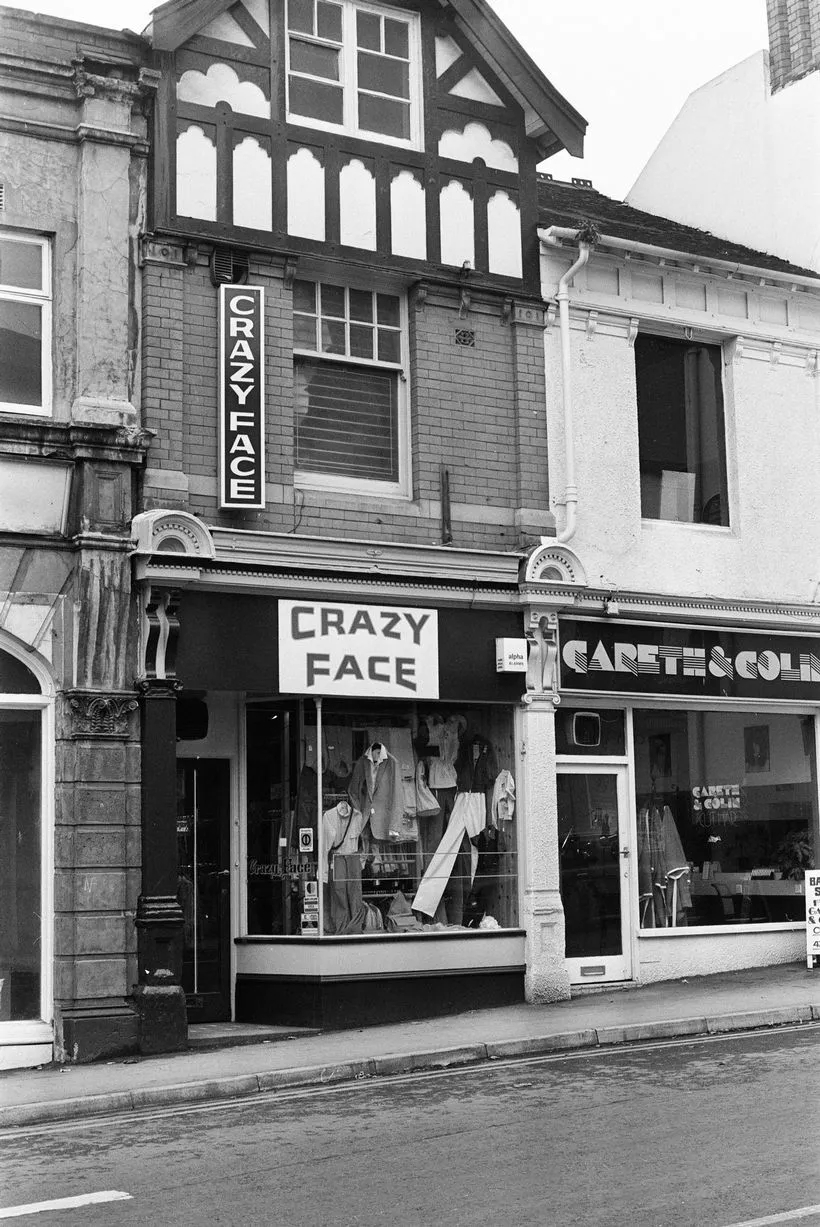
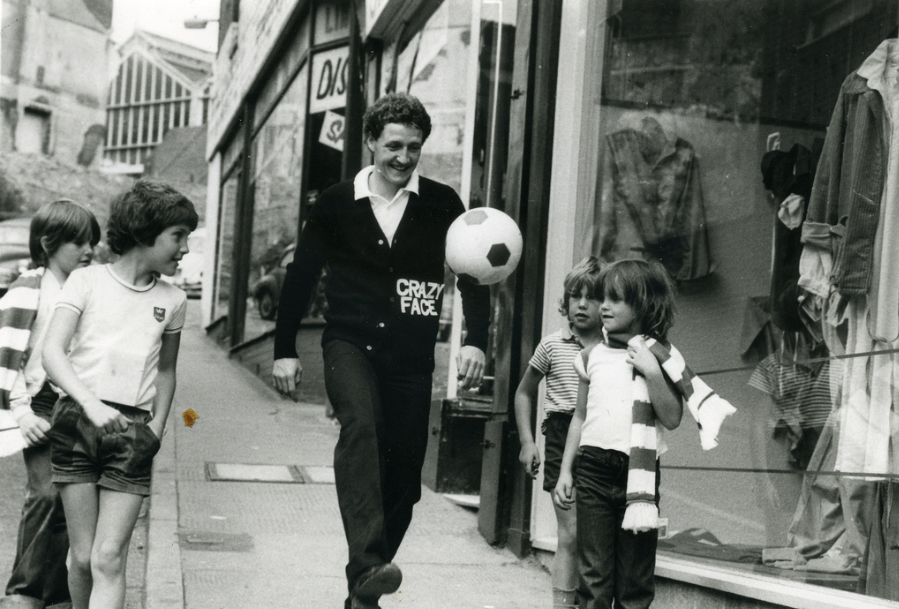
The Crazy Face shop at Tiviot Dale, Stockport, next door to Gareth and Colin’s Hairdressers, part owned by Gareth Evans who managed the Stone Roses. Two shops owned by legendary Manchester band managers side by side!
You see, the thing is, the Crazy Face factory is my story, my history, my childhood memoirs, the location of my earliest adventures. Crazy Face clothing was my Dad’s workplace, his shops, his factory, his vision and it was a real place, it was places, there were several factories and the ‘factory’ was the whole circus of creativity that surrounded him.
Of course Joe Moss was also the manager of The Smiths and latterly was managing Johnny too, in some capacity, in later years, but the Crazy Face story is a whole in which The Smiths are a chapter, so it feels strange to see the Crazy Face name associated with Johnny Marr in this way, as part of his marketing.
David Moss
This a tale of times long long ago – in the land that Levi Strauss forgot.
Of British boys and girls with – denim set on destruction.
Born in 1955 I was hurled into the turmoil of the Swinging Sixties, with little or no idea concerning style or fashion. Clothes were hand me down, home made accessories to a guileless life of pre-teen, jean-less hi-jinx.
The Beat Boom, that raging torrent that swamped the North West of England in a swirling vortex of raw R’n’B and indigo trousers changed all that forever.
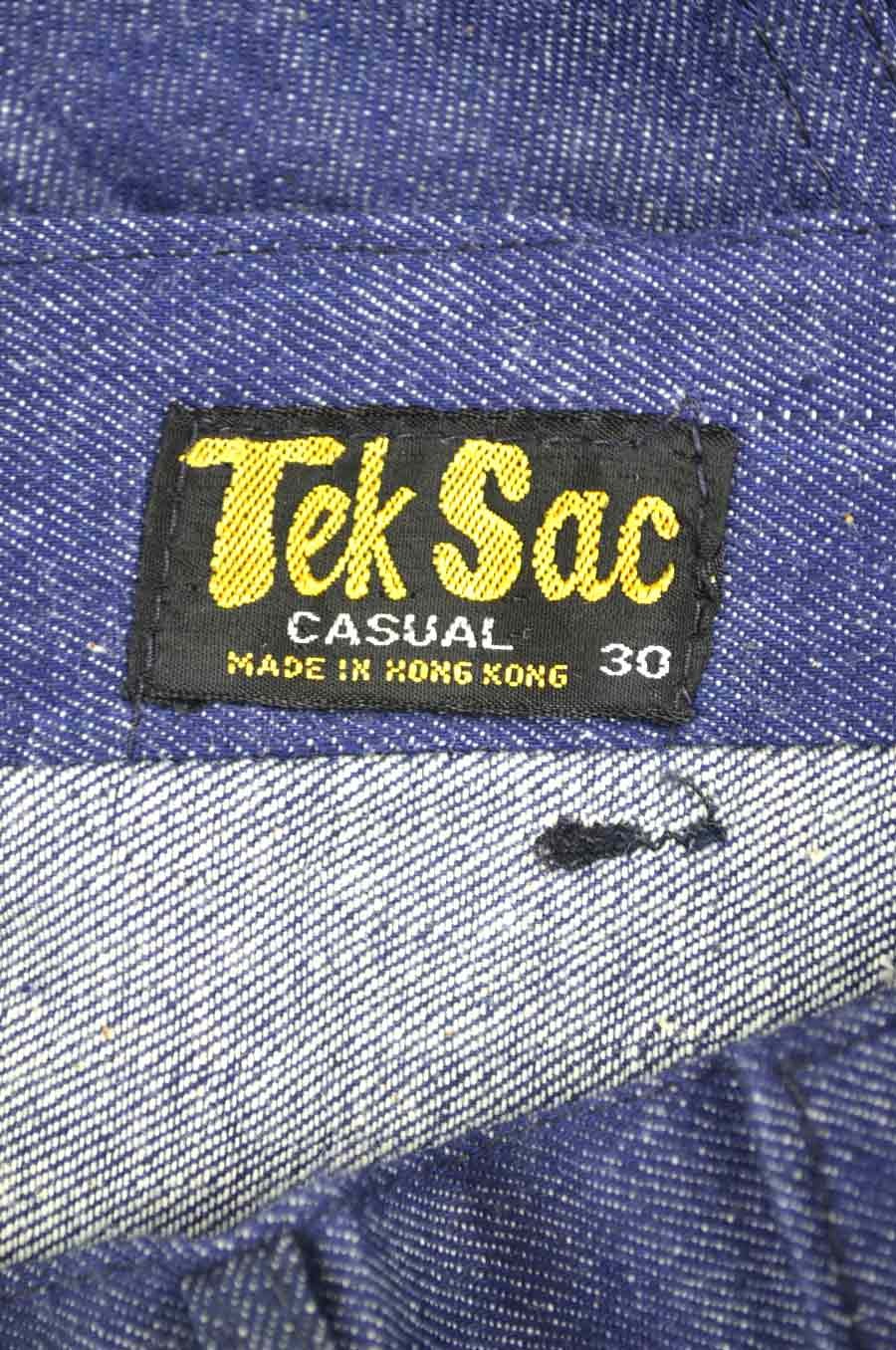
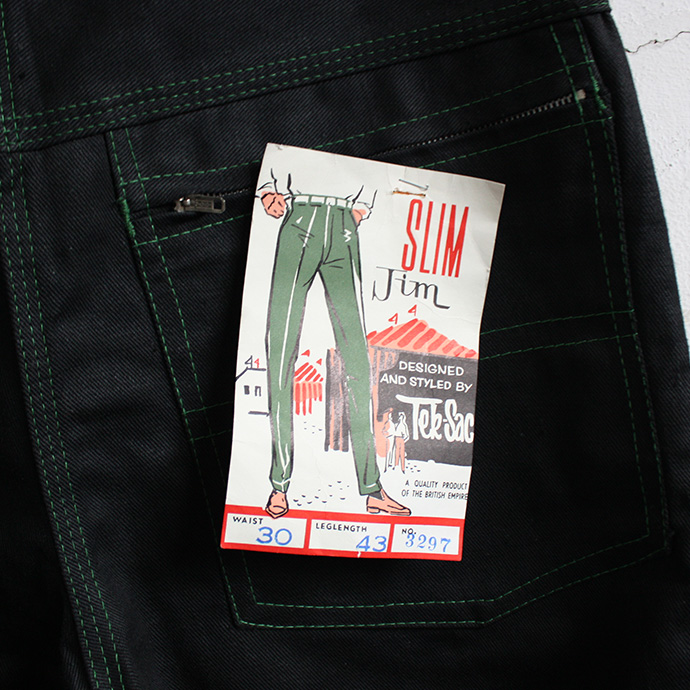
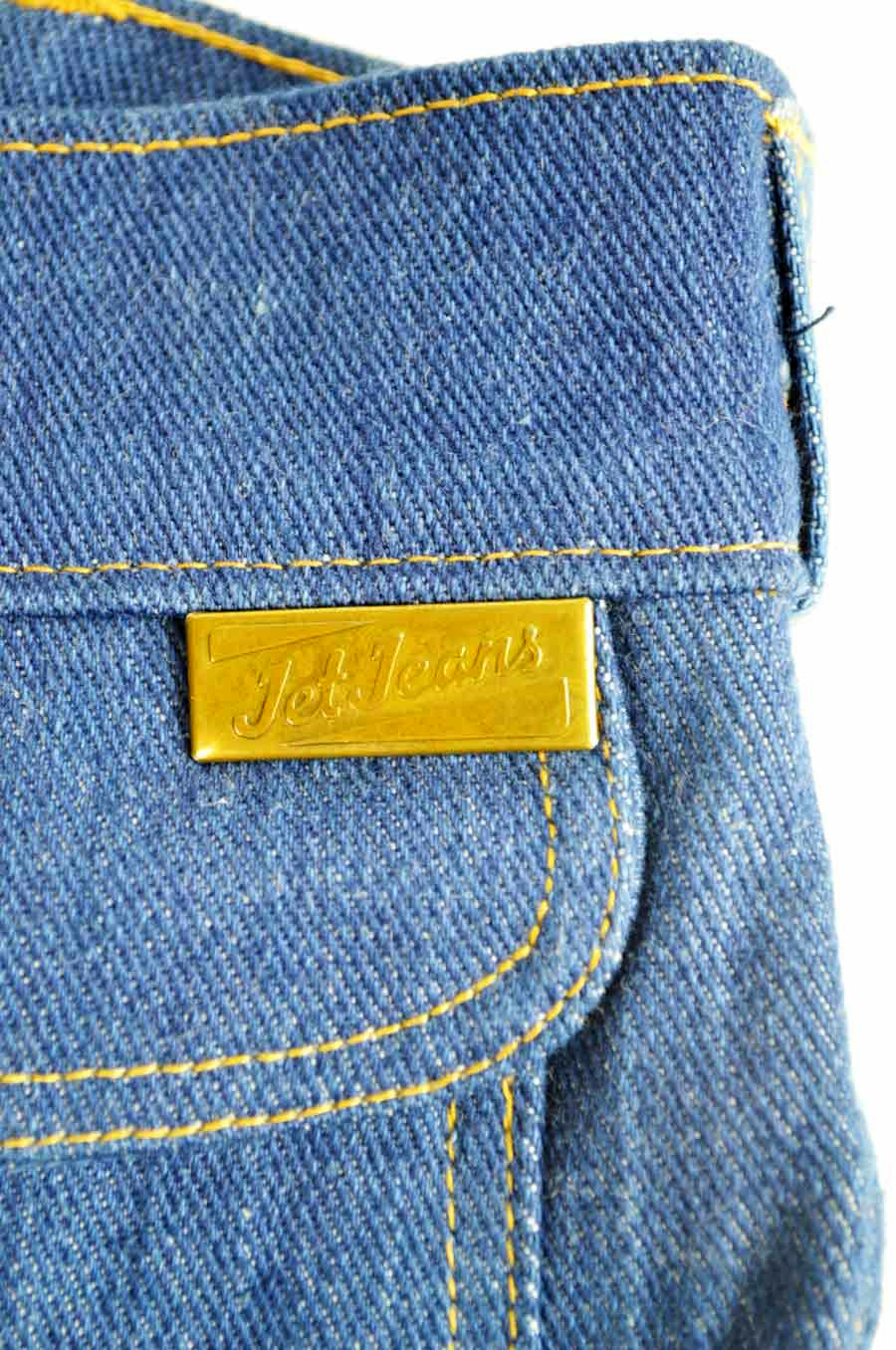
I have no idea just here they came from, or any idea or where they eventually went, but my first pairs of jeans were Tek Sac and/or Jet.
A thin copy of their American cousins, cut and stitched with a casual carelessness from the pale blue gossamer that was Empire Brand cotton, they were pre-worn out, threadbare before you had actually worn them out. Designed to induce a distressed look in the wearer, years before the coming of the distressed look.
Jet seemed to have survived into the 70s – rich in Disco Chic, even warranting their own TV ad – get into Jet Jeans get into Jet.
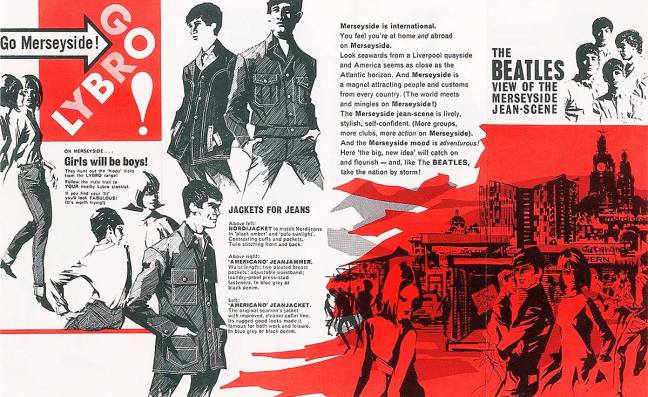
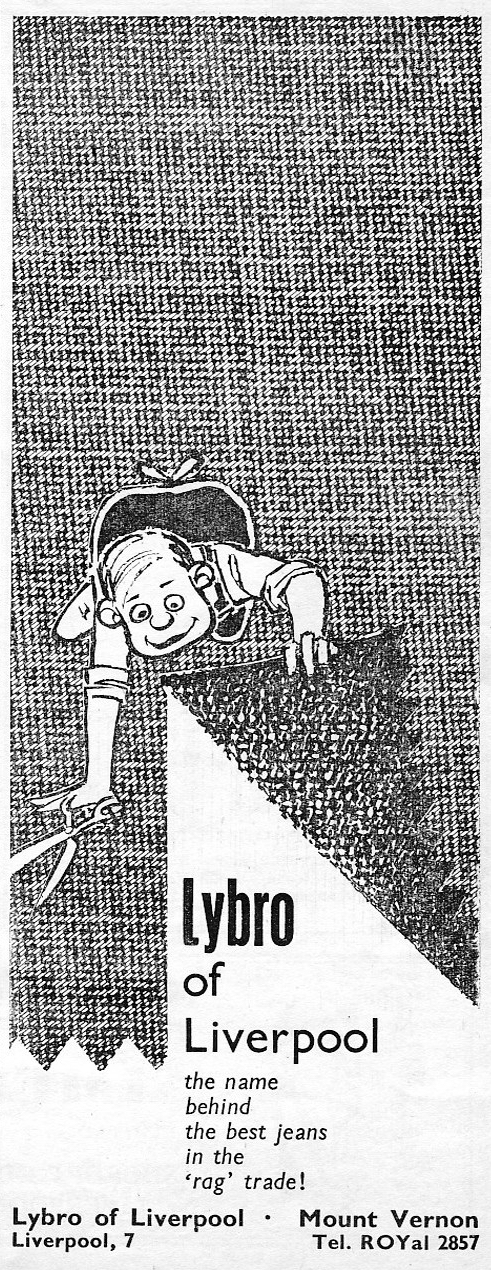
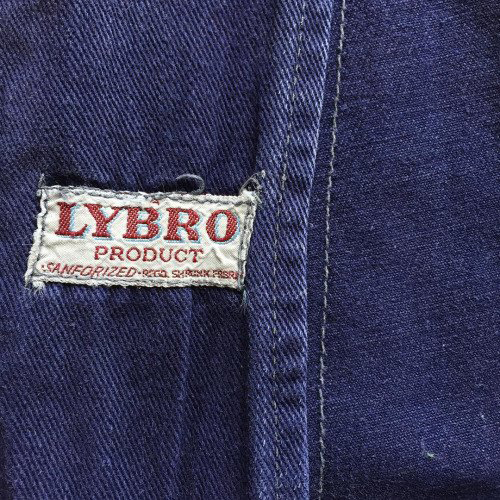
As I remember the first pair of serious branded jeans were local – for famous local people – they were Liverpool made Lybro of Mount Vernon. A slightly heavier denim, styled to suit and fit the lower half of the upwardly-mobile, mobile teenage tearaway.
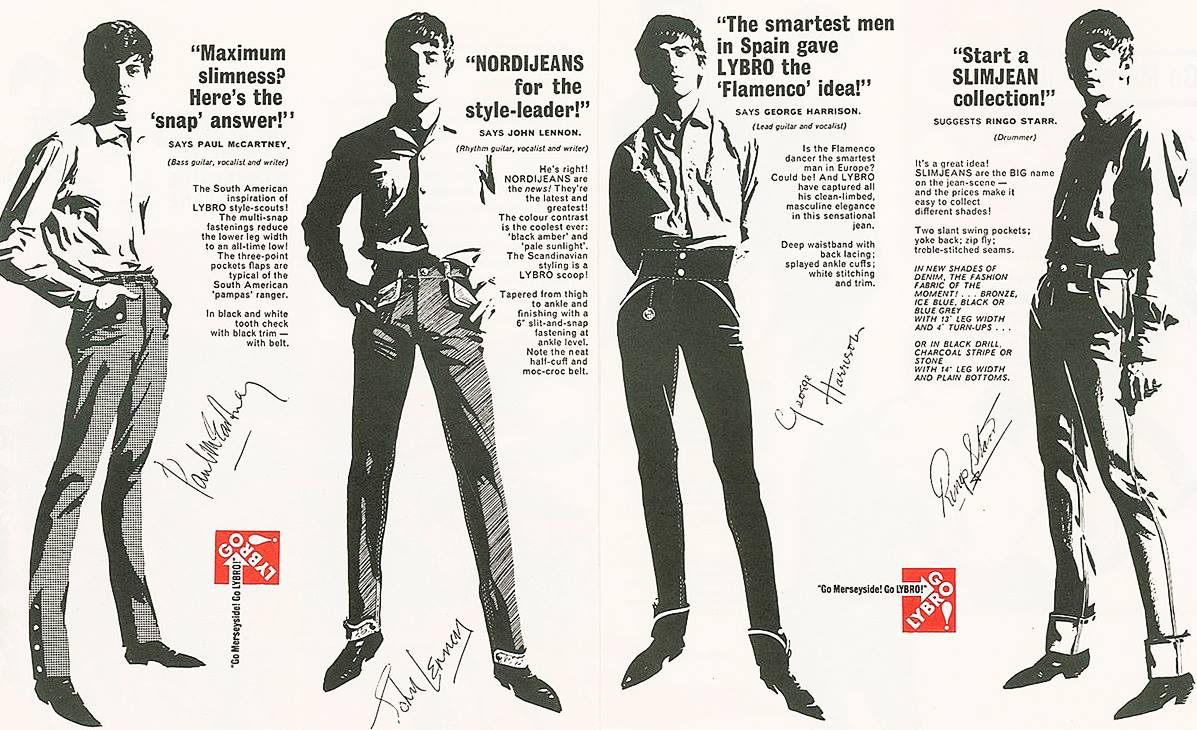
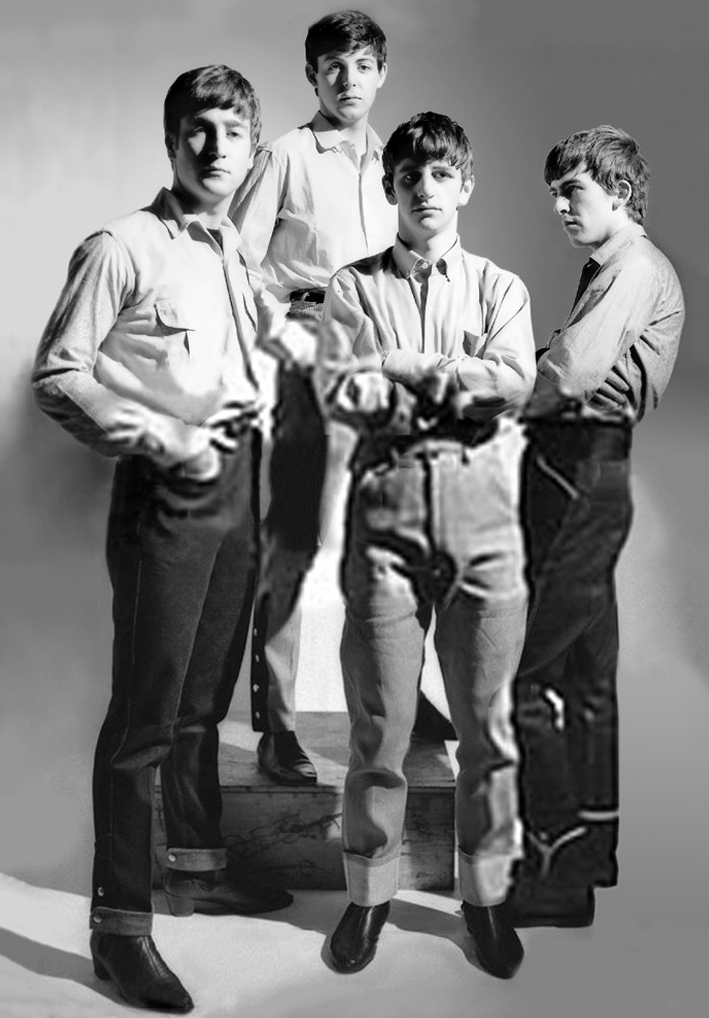
In 1963, a Liverpool jeans company, Lybro Limited, asked if The Beatles would advertise their jeans. The request may either have come through the group’s manager, Brian Epstein – or through their friend at the Cavern Club, DJ Bob Wooler. The advertising agency behind the campaign was Millican Advertising Limited, operating from Liverpool 3.
The original photos came to light in 2004, when photographer Richard Cooper unearthed the pictures in an old file and remembered the shoot on which he worked as a young 20-year-old apprentice at a photo studio in Liverpool’s African Chambers.
The photos formed the basis of drawings used on the final advertisements.
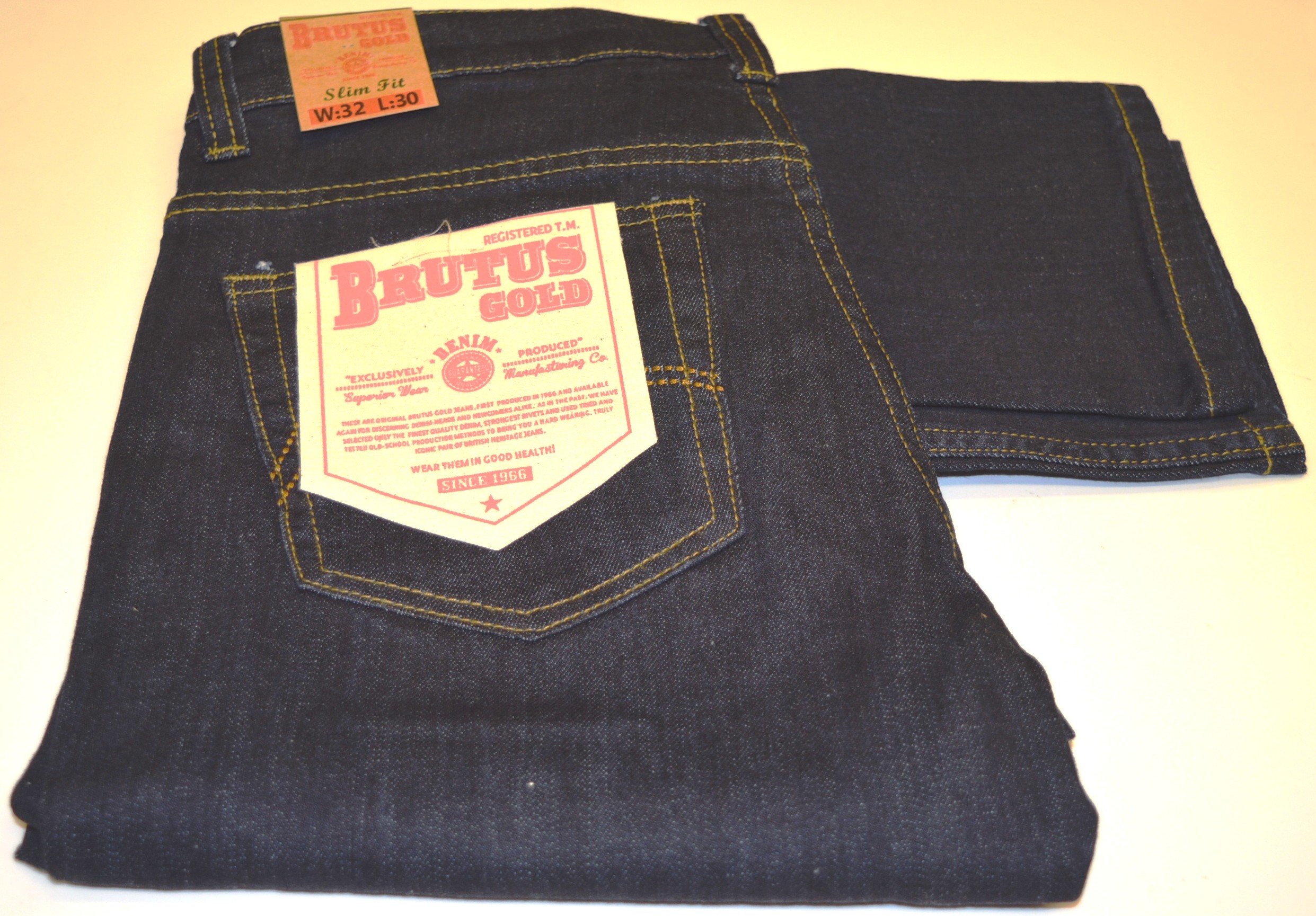
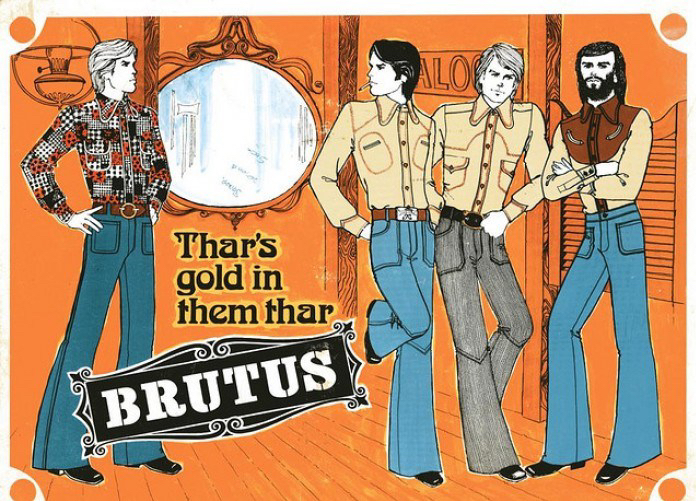
Then along came came Brutus – possibly the first homegrown denim to challenge the American imports for distinctive style and quality.
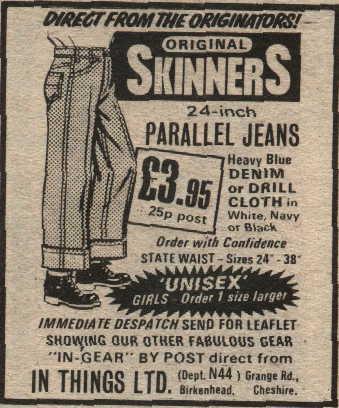
By now flares had flared up like an unwanted rash on the face of the mid-seventies, whilst I remained in a parallel omniverse – constant and true to the parallel cut.
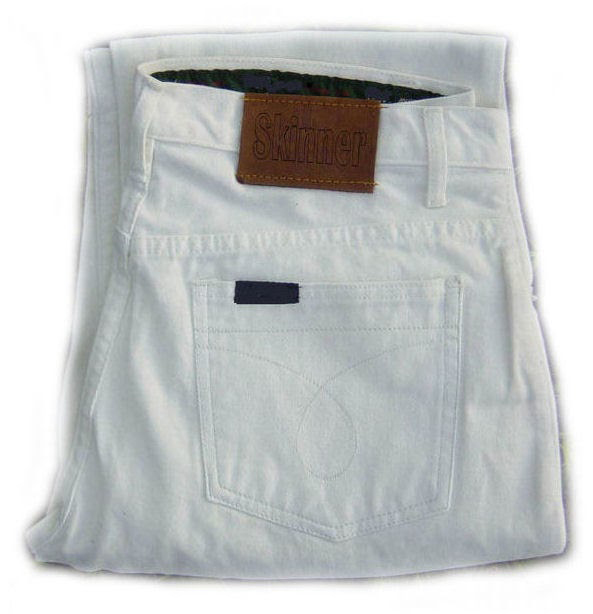
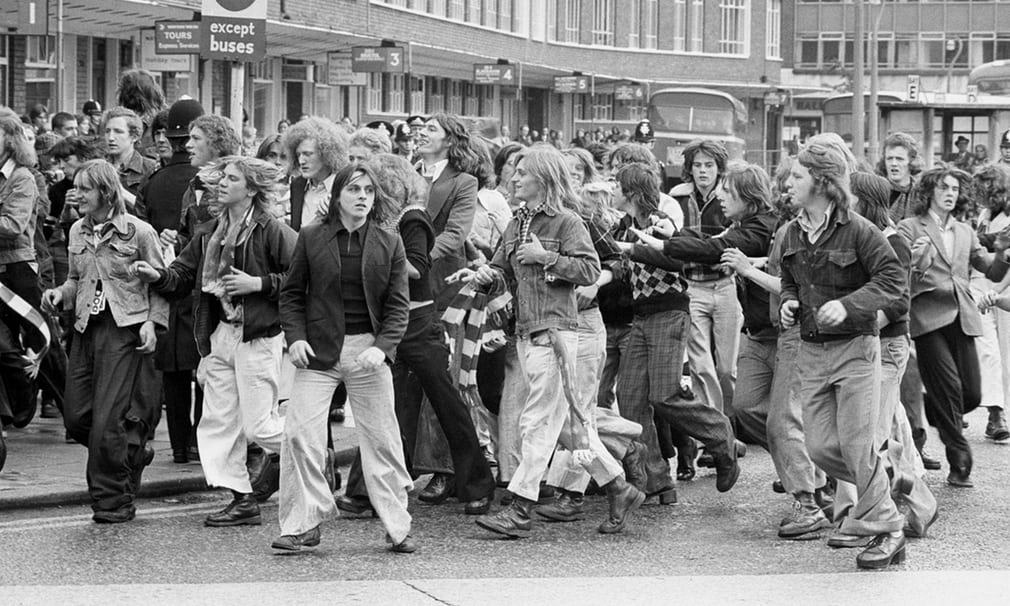
Beloved of the boot-boy and rampaging teenage togger hooligan alike, Skinners ran counter to the ever widening gulf between toe cap and jean hem. I had several pairs in the Seventies, indigo, white and corduroy – we were out, straight and proud.
Less enlightened times produced a rash of Skinner clad misdemeanours on the streets and terraces of this fair Isle.
Manchester United fans in Cardiff 1974
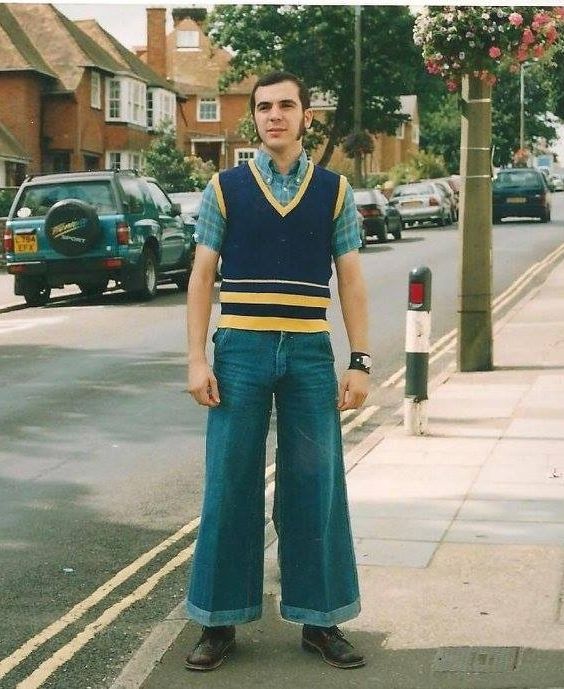
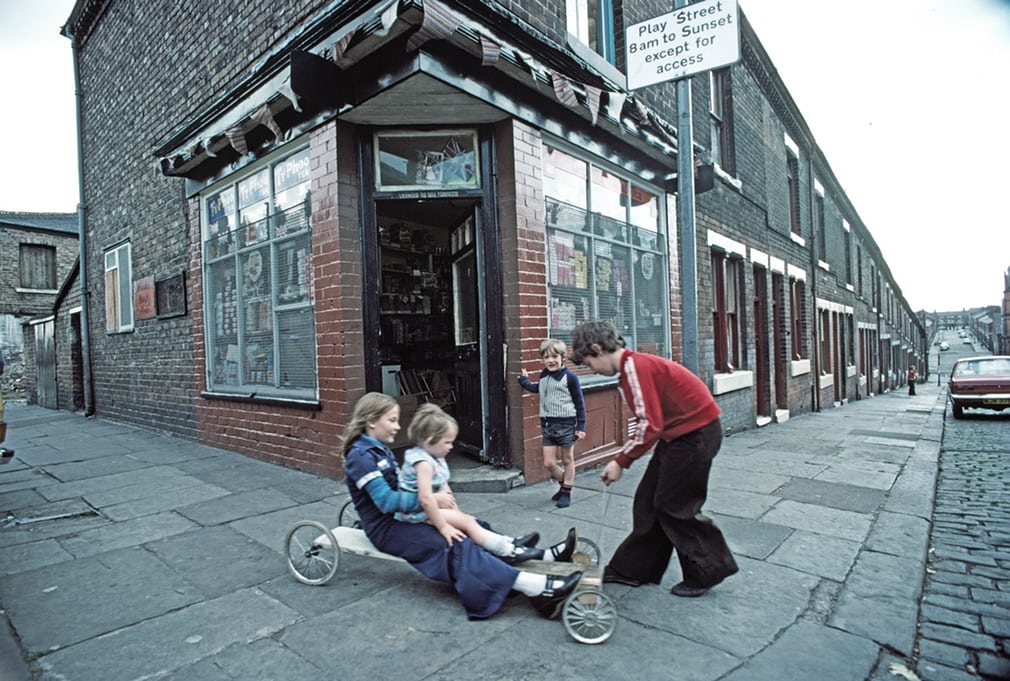
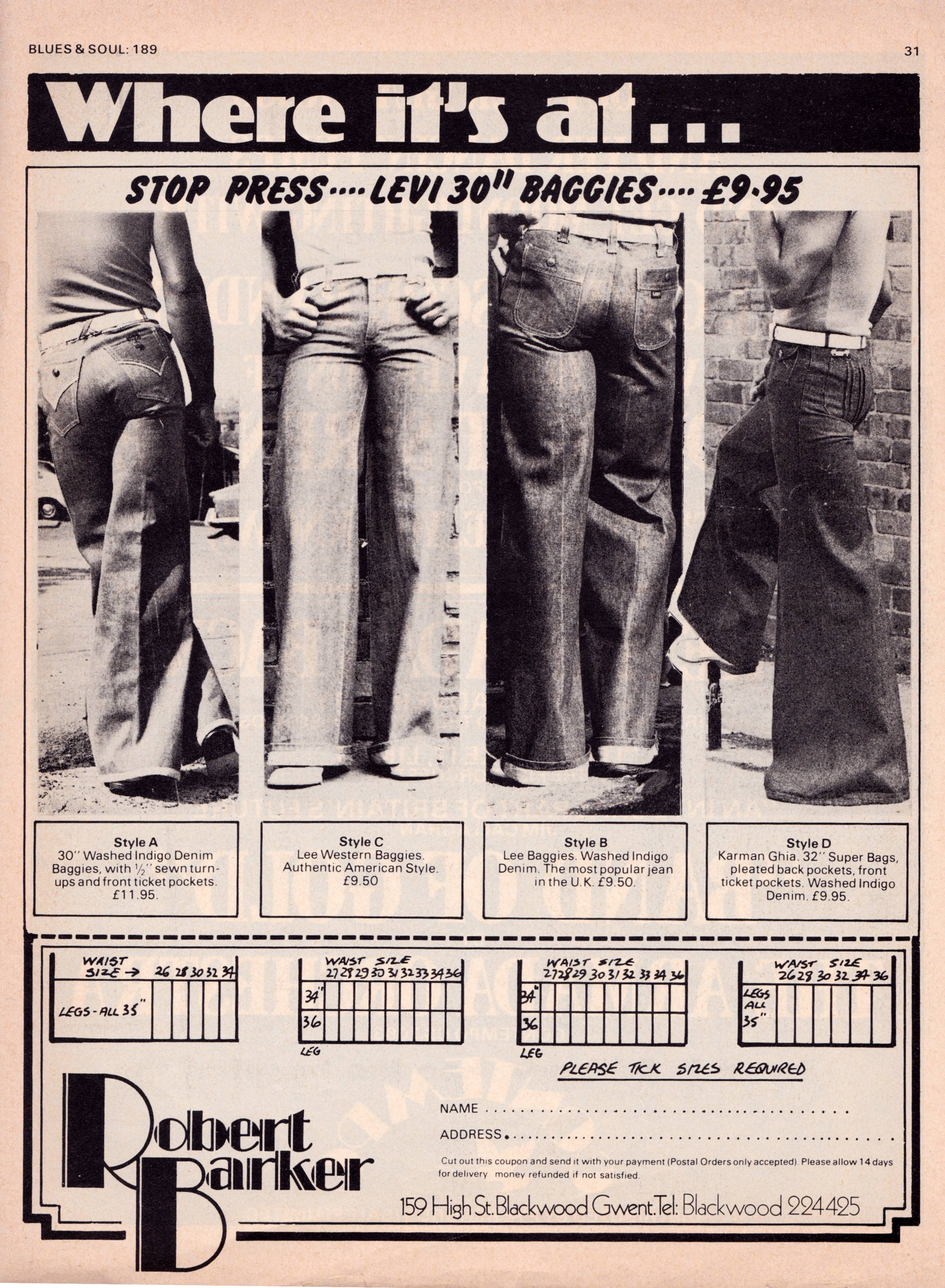
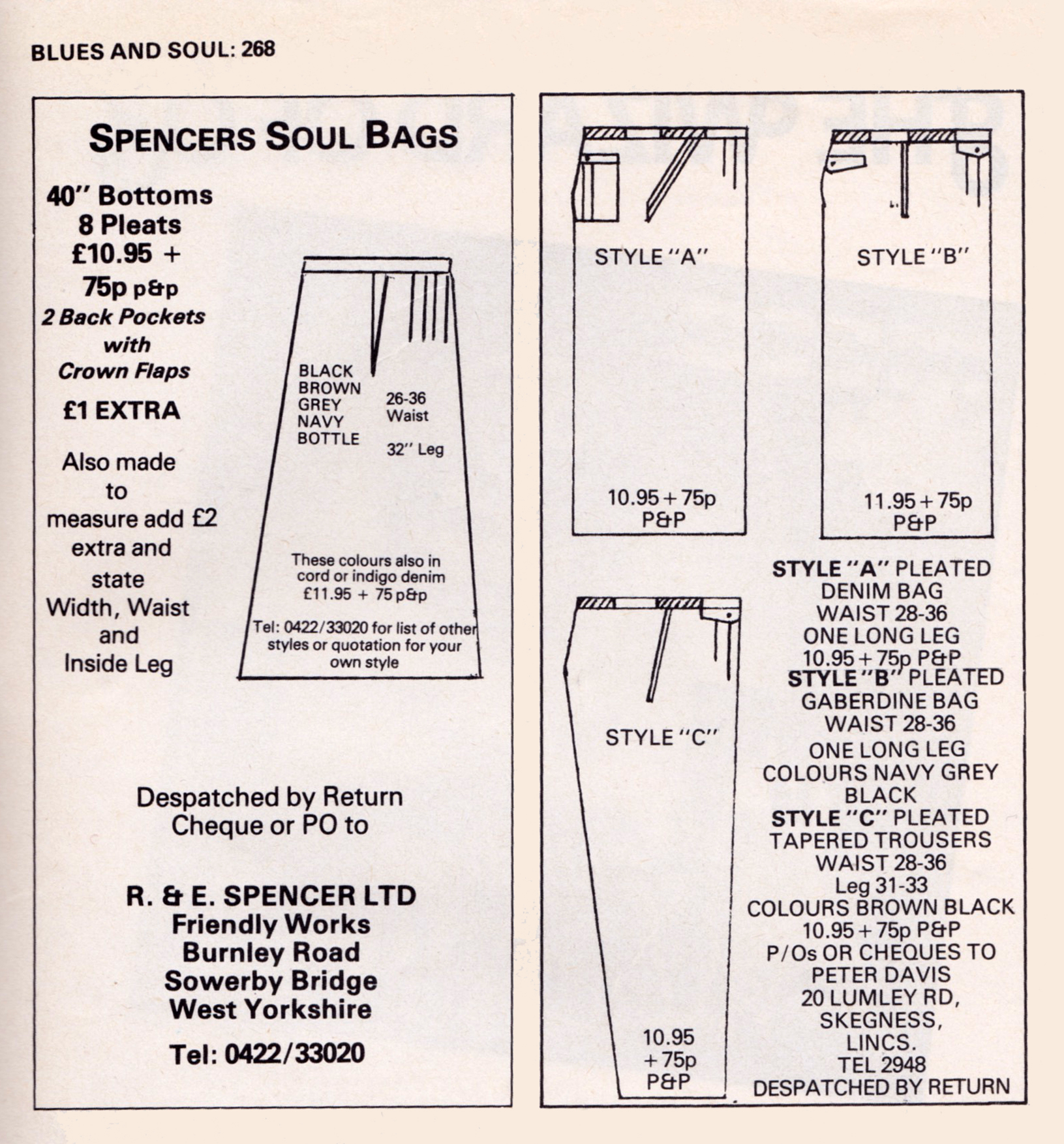
As the Seventies began to collide with the Eighties the upper half of the UK embraced the widest and wildest styles they could find, the northern soul danced to Northern Soul, as jeans, skirts and trousers wrapped and embraced their flailing all-night limbs.
John Bulmer – Manchester 1974
Blues & Soul August 1976
Blues & Soul January 1979
It couldn’t last, we had to take a narrower view in our strides.
The onset of Punk Rock heralded the inception of the skinnier jean – despatching the Hippy flare and Soul Boy bag, indigo to the bargain bins of history.
I then began to buy mine from Crazy Face – brainchild of Joe Moss, he had series of Stockport shops on Mealhouse Brow, Lower Hillgate and Tiviot Dale along with Chapel Walks in Manchester – Joe would later find fame managing Manchester pop sensations The Smiths.
Stuart Lee of Stockport County at Mealhose Brow
For years I would wear a wide variety of wide and not so narrow Crazy Face denim – served by fresh-faced, soon to be superstar DJ Jason Boardman.
Nothing last forever and my love affair with home grown denim eventually came to an end, Joe Bloggs, Hooch and Bench largely passed me by.
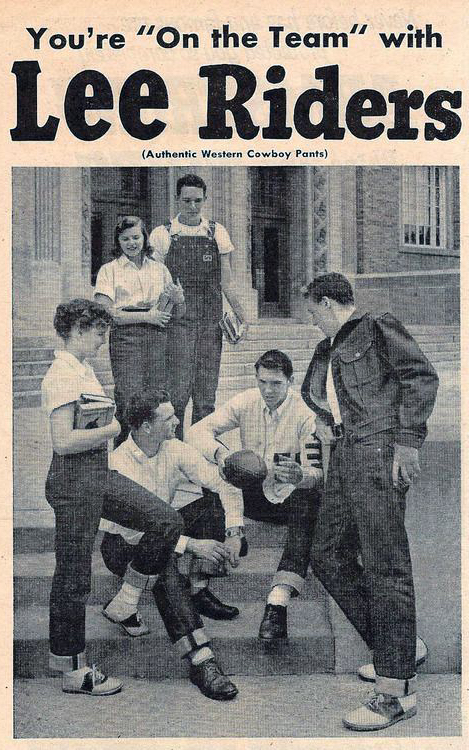
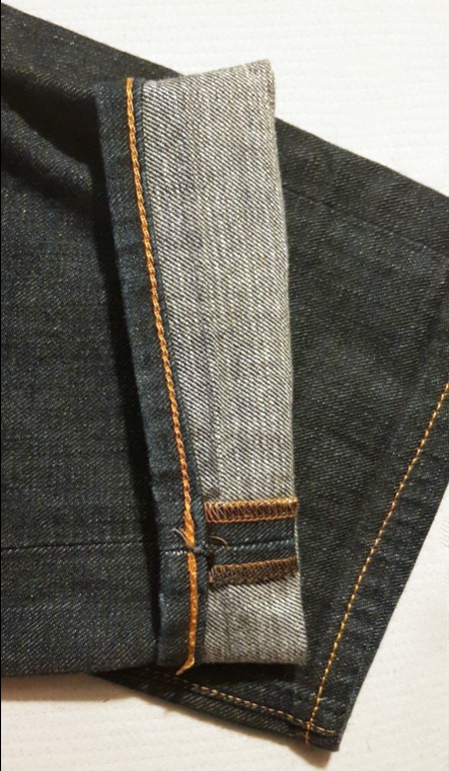
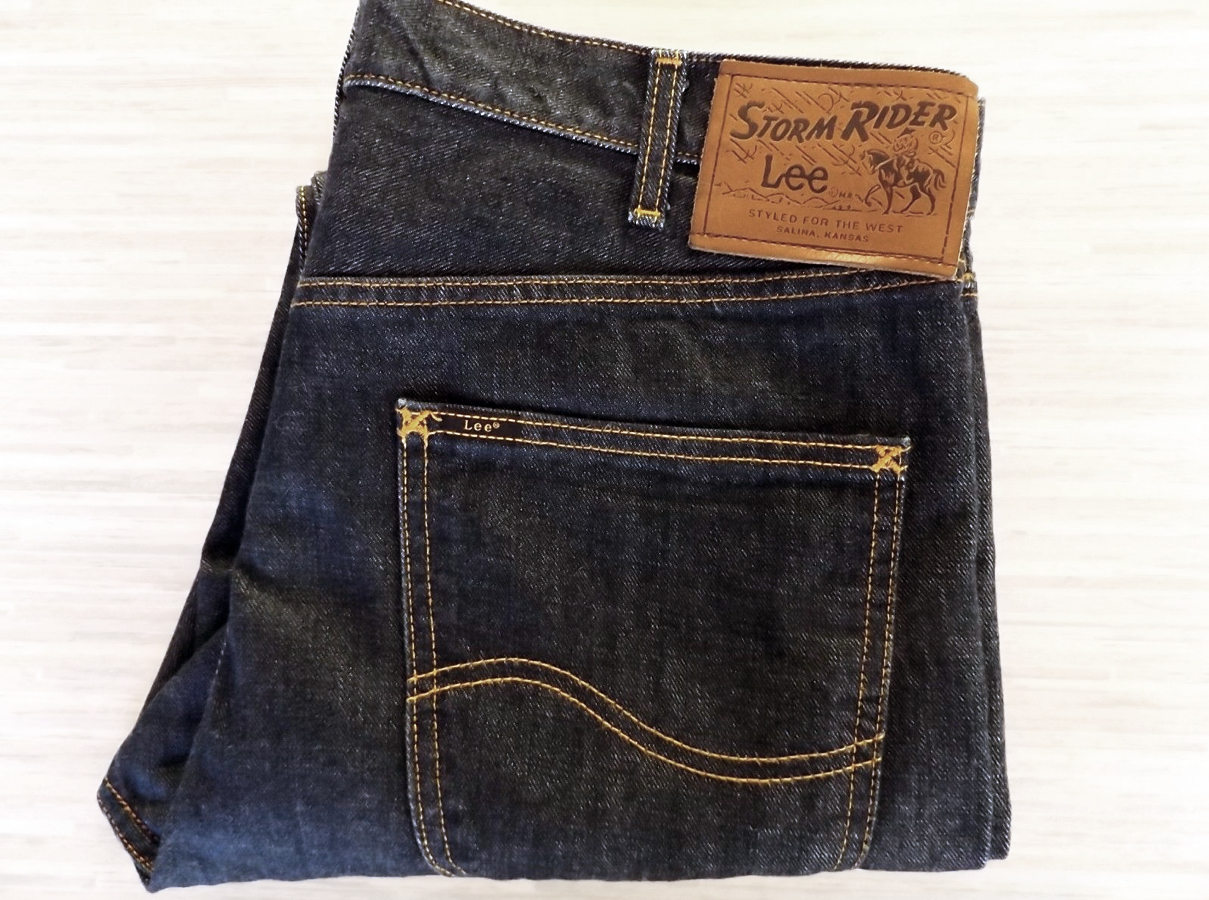
And so our story ends – a Storm Rider in a turn up, I began wearing Lee Jeans and I’ve never looked back, owning several pairs in various states of wash and wear loved, they are now no longer made.
So some ways down the line I’ll have to take a look at what’s shaking – shake down a pair of eBay Tek Sacs and start all over again.
And so castles made of sand, Fall in the sea, eventually.
Once there was a battle here, several actually, and battles mean castles, possibly.
Erected in the between 1232 and 1235, inevitably through the passage of time, blows were exchanged, the Banastre Rebellion of 1315, and later in 1689 Prince Rupert was battered by King Billy, and so on until it was eventually demolished in 1726. A series of churches ensued, finally to be supplanted by the arrival of an amusingly statuesque Queen Victoria, replete with plaque.
In 1976 excavation of the south side of Castle Street was conducted before the construction of the Crown Courts building, which was built in the style of a castle.
What goes around comes around, ending up largely square in Derby Square.
And lo and so it came to pass, new law courts were erected upon the site begun in 1973, opened in 1984. Architects were Farmer and Dark, who were also responsible for the Fawley Power Station.
And the Cornwallis Building at the University of Kent.
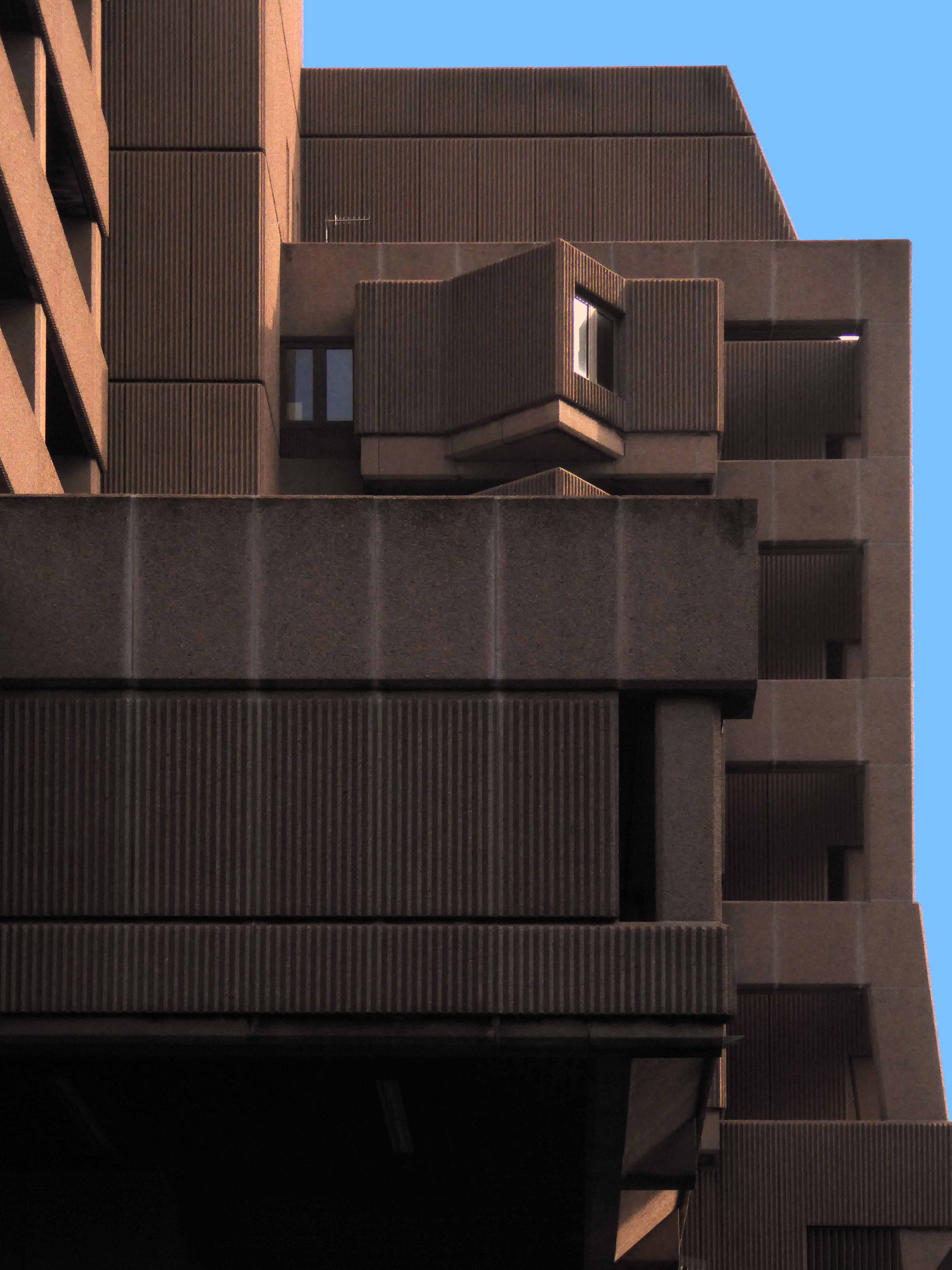
I passed by there yet again last Saturday, still maintaining a restrained ambivalence regarding this monolithic concrete and sand pseudo-castle. Less than, and larger than the sum of its parts. The quirky detailing and awkward geometry, producing a somewhat confused, yet imposing scheme, an ossified pinkish ribbed construct from another age.
After Telstar, Rhyl’s residents and visitors have this week been privileged to see another miracle of scientific progress – the Vickers-Armstrong VA-3, which arrived on Sunday to prepare for the first scheduled passenger carrying hovercoach service in the world.
The world’s first commercial passenger hovercraft service ran briefly from Rhyl to Moreton beach in 1962, but ended when a storm hit the passenger hovercraft while it was moored, damaging its lifting engines.
I’m fascinated by hovercrafts, they were for a while the future that we seemed to have been promised, a future that had consistently failed to arrive.
Until even they failed to arrive, or depart for that matter.
I do have a love of doomed hovercraft services – I’ve been to Pegwell Bay.
Youngest passenger was 21 months old Martin Jones, 128, Marsh Road, who travelled with his mother, Mrs Millie Jones, an usherette at the Odeon Cinema: his grandmother Mrs Jean Morris, and Mrs Morris’s 14 year old son, Tony, a pupil of Glyndwr County Secondary School, the first schoolboy to travel on the hovercraft. Mr Tony Ward of 13, Aquarium street, a popular figure as accordionist on one of the local pleasure boats a few seasons ago, and his 20 year old daughter Rosemary, cashier at the Odeon, who were among the first to book seats at the North Wales Travel Agency, were also among the passengers.
Mrs Handley was the manageress of the Sports Cafe and got to know all the crew as they had all their meals there, even a farewell party with a cake in the form of a hovercraft.
The Queen and Prince Philip had received an invitation to undertake the trip, but declined perhaps just as well, for on what proved to be the final journey the hovercraft left Wallasey at 1.15 p.m. on September 14th and both engines failed en route.
There has been talk of reviving the service, a service that sadly seems so far to have defied revival.
“It really will be a feather in our cap for Rhyl.”
To wander the streets with a broad smile, open heart and eyes, is to enter into an unwritten contract with the unexpected and inexplicable.
Chance encounters with old, new or familiar friends.
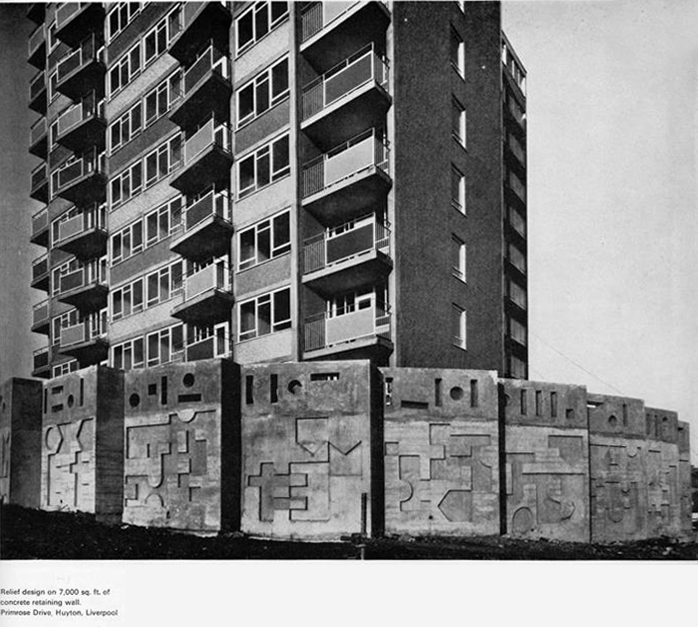
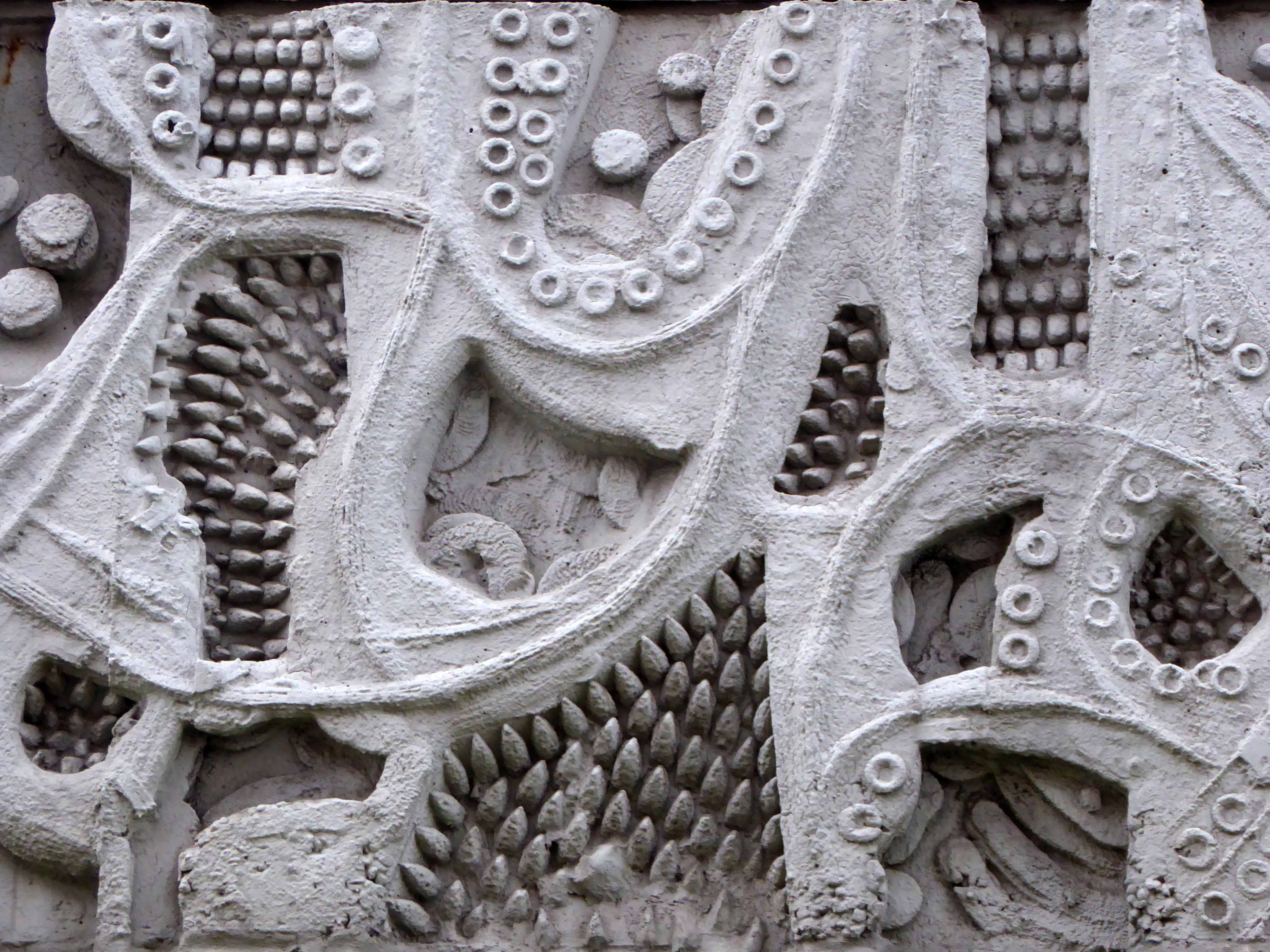
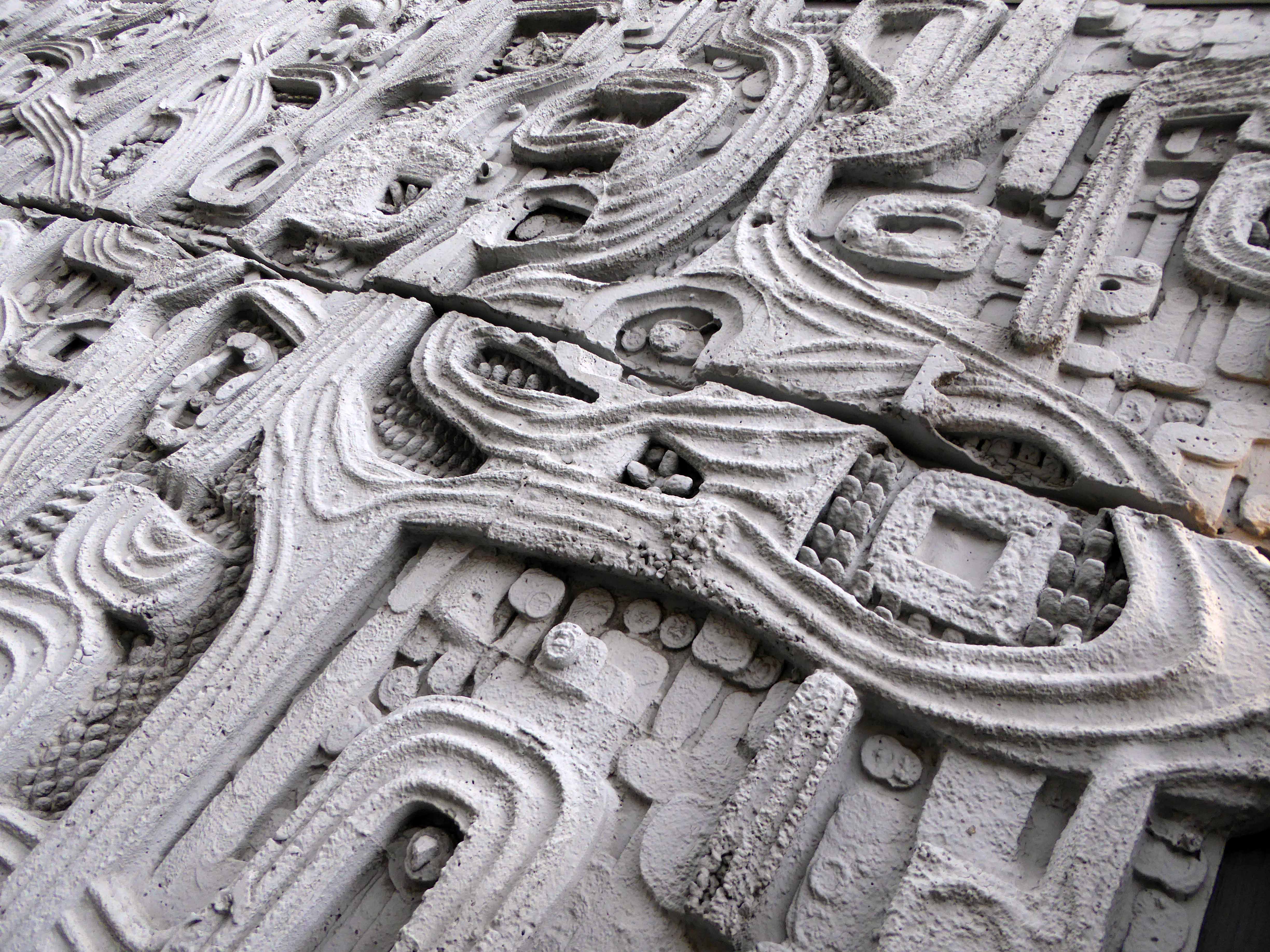
Imagine my surprise, when for the first time ever I unexpectedly came upon these William Mitchell reliefs on Hope Street, whilst walking aimlessly away from Lime Street.
That sense of surprise has never diminished, my spirits lift and my smile broadens to a cheeky grin, my pace quickens in ever so eager anticipation as I approach.
Wrapped tightly around the low, low waist of the former Federation House – big, bossy and very, very beautiful – though at times obscured by more recent architectural intrusions.
The original raw concrete is now awash with washes of off-magnolia exterior emulsion.
Hughes and Willet were seemingly less amazed or amused, the opinion of the Aztecs, or for that matter the Neo-Aztecs, is sadly not a matter of record.
I remain impressed by the impressed concrete relief, a convincing addition to a sharp functional modern office block, all of which have not dated disastrously as soon as the fashion supporting it has collapsed.
Treat yourself take a walk, surprise yourself once in a while.
Aztec bars were withdrawn shortly after their launch in 1967.
The Aztec race was all but wiped out following their disastrous encounter in 1519 with the Conquistadors.
The William Mitchell reliefs prevail to this this day, as of last Sunday.
Once again I wandered the warm and welcoming streets of Liverpool in search of houses.
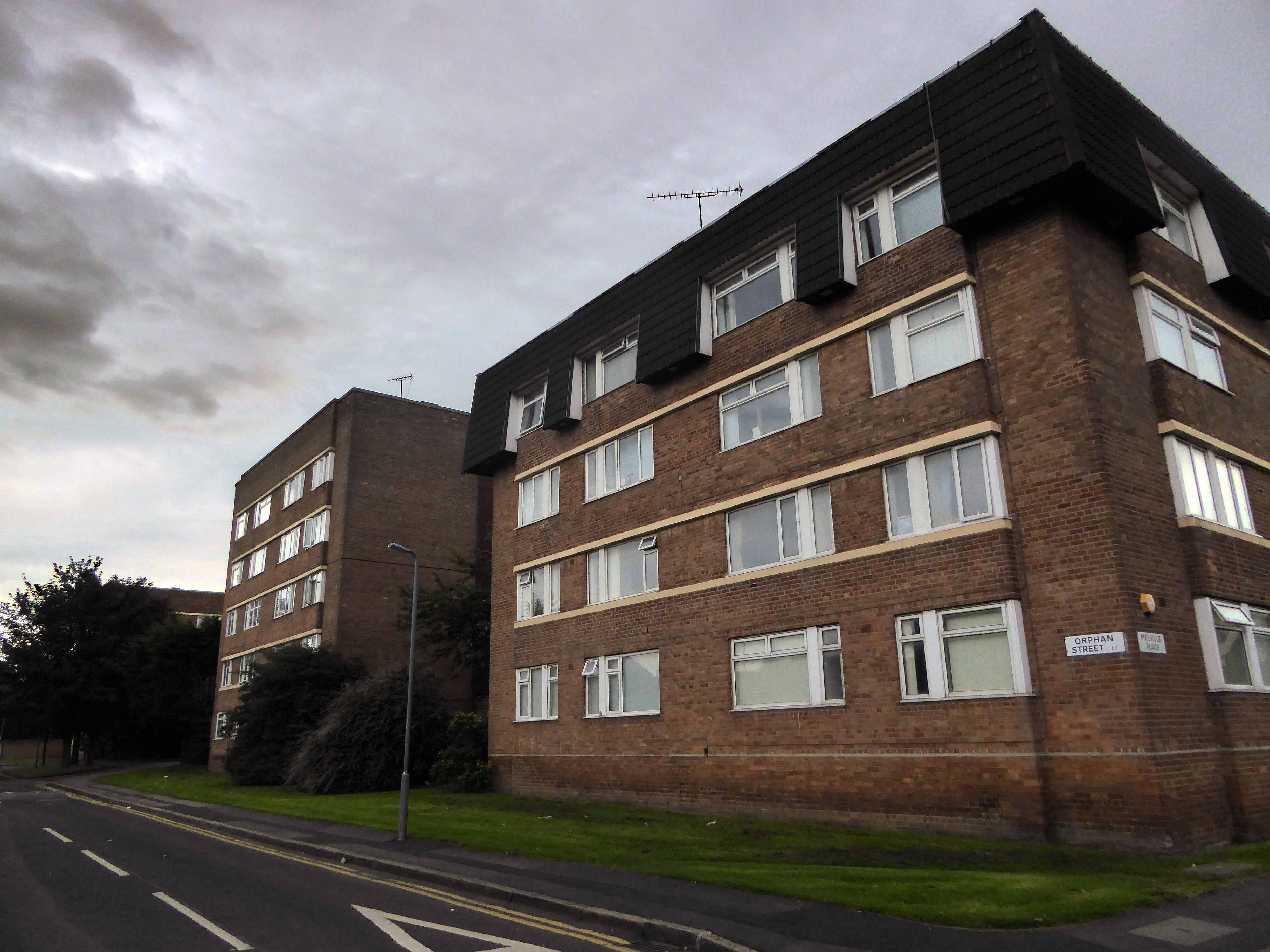
Once again I found older housing, dressed up as newer housing with a new roof, windows and clientele, a stone’s throw from my former encounter in St Andrew’s Gardens.
Myrtle Gardens in Edge Hill was part of the larger project of Liverpool’s inter-war rehousing programme – a tale very well told by Municipal Dreams.
There is also a comprehensive visual history here in this clip:
Containing the poignant lost faces of the estate:
A familiar tale of bomb damage, decline and sale to private developers and here we are today, a mix of short student lets, newcomers and a handful of long term residents.
Eddie the porter – named Eddie Porter, a clear case of nominative determinism, proved the perfect host, I introduced myself as the man from the Manchester Modernists, doors opened and the conversation flowed like fine wine.
Tales of lads illicitly playing football in the roof voids, families leaving concrete structures in order to huddle in corrugated iron Anderson Shelters, A Hitler’s time in the ‘Pool and his resolve save the Liver Building, bombs that did fall on the now missing blocks of flats, a family celebrating the return of their son killed in an air raid.
We parted and I strolled amongst the elevated homes some 300 flats, over 80 years old and continuing to provide shelter and succour for the many, though sadly no longer under the sheltering wing of the Municipal Housing Department and their team of engineers, architects and builders.
With a disdain bordering on a sociopathic destructive indifference it appears.
New Labour with an eye to rehouse the housed, tinned up hundreds of homes prior to demolition and redevelopment. They were and still are solid late Victorian terraces possibly in need of improvement – during the 1990’s, period housing stock was refurbished with central government funding, through a system of easily obtained grants. Improving the living conditions of many, maintaining the structures, and supporting the local self-employed building trade.
So several years down the line, I visited the streets of Wavertree discussed in Owen Hatherley’s article of 2013.
Little or nothing has changed there are some tenanted houses, interspersed between the blanked out windows in sadly deserted streets, save the two camera shy free runners, who had lived and played in the area for some seven years.
When one door closes another door closes.
If working-class areas are to defend themselves, they need confidence, both in themselves and in the places they live, otherwise the whole grim process will go on, with councils making the same mistakes and the same lives being destroyed, without interruption.
I love walking around the Bullring, there are no bulls, just students.
What was once imagined as inter-war social housing, a proud public utopia for you and me, is now a temporary pied-à-terre for them and their owners.
Built in 1935 as part of the city’s expansion of council homes, a time and place very much in thrall, to the then current developments in German Modernism.
Standing on the corner watching all the world go by.
Reflecting on and reflecting it’s older neighbours.
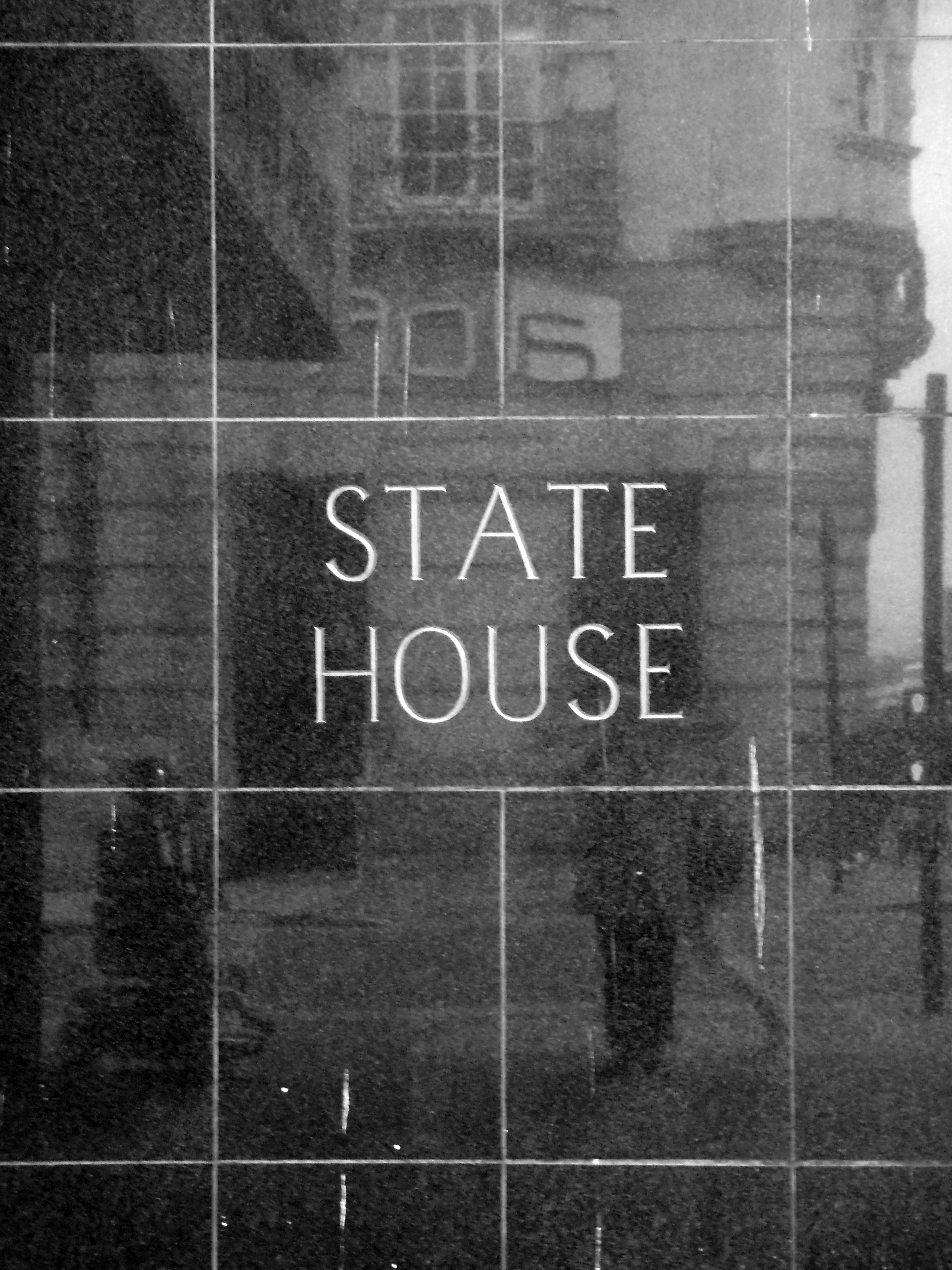
State House Dale Street.
“Built 1962 to the designs of Edmund Kirby & Sons. It has an assertive service tower, apparently clad in polished granite. Unusually, above the entrance is a concrete slab with a relief depicting what looks like a coat of arms above the building’s name. Kirby’s practice moved into the building for a time.”
Three well proportioned volumes – a central service tower, main block and outriding, lower level base.
An exciting conflation of grids, contrasting in scale and finish.
127 Dale Street, corner of North Street, just by the Ship and Mitre, across from the Queensway Tunnel entrance?
Yes that’s the one, Liverpool’s most remarkable, least remarked upon building.
So clean, so modern, so new, a delightful grid of materials, glass, steel, polished marble, brick and patinated beaten metal.
Stand back and wonder, move in and sigh with delight.
As I went about my snappy business, I was approached by a local – Mark.
Surprised by my curiously, up close, slow scrutiny of the building, he went on to explain that he was familiar with the architect Derek Jones who had worked on the design for Ormrod and Partners in 1964.
Formerly home to Higson’s Brewery offices, now housing the Merseyside Museums administration and design teams, the exterior is largely intact.