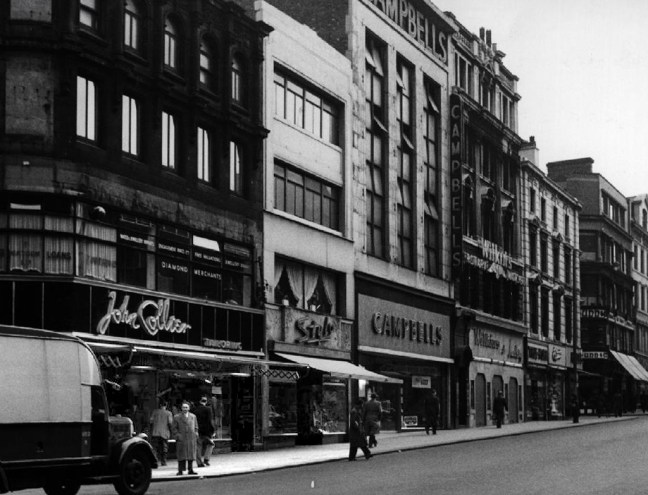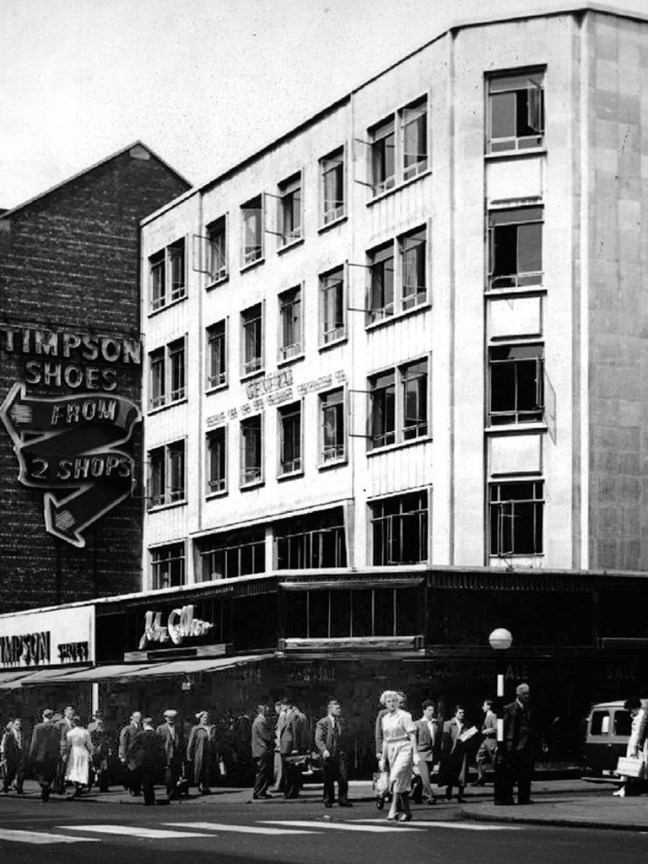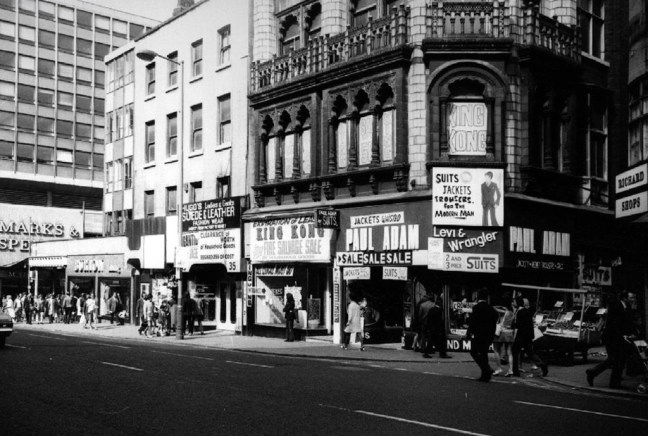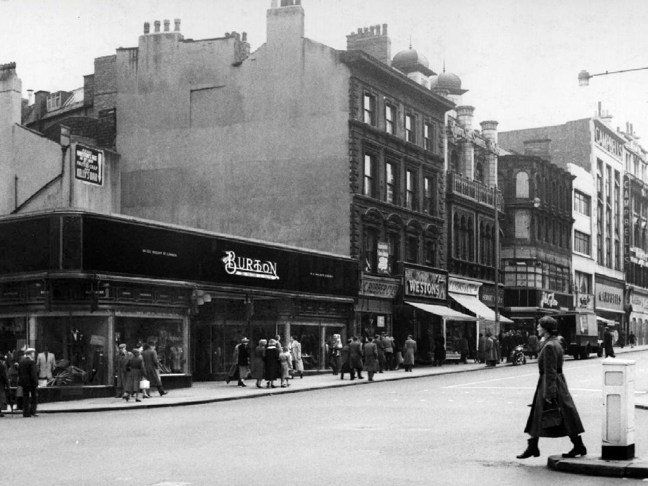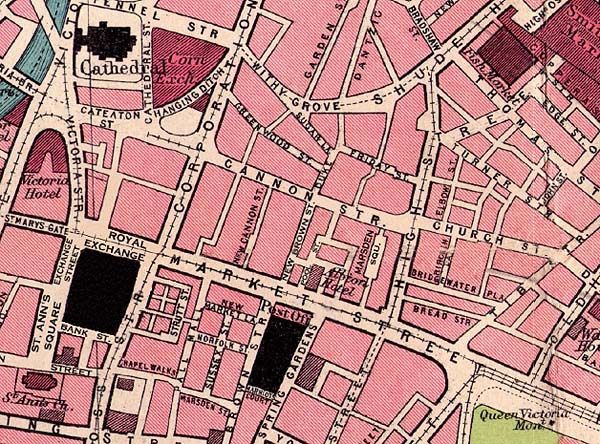
Market Street – Manchester 2016

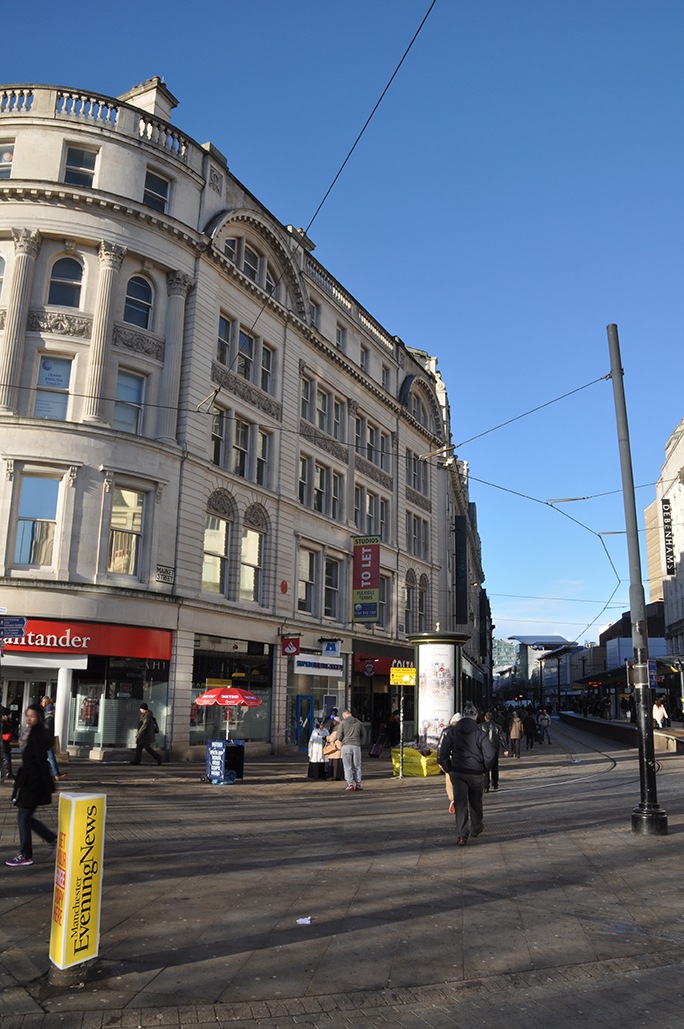
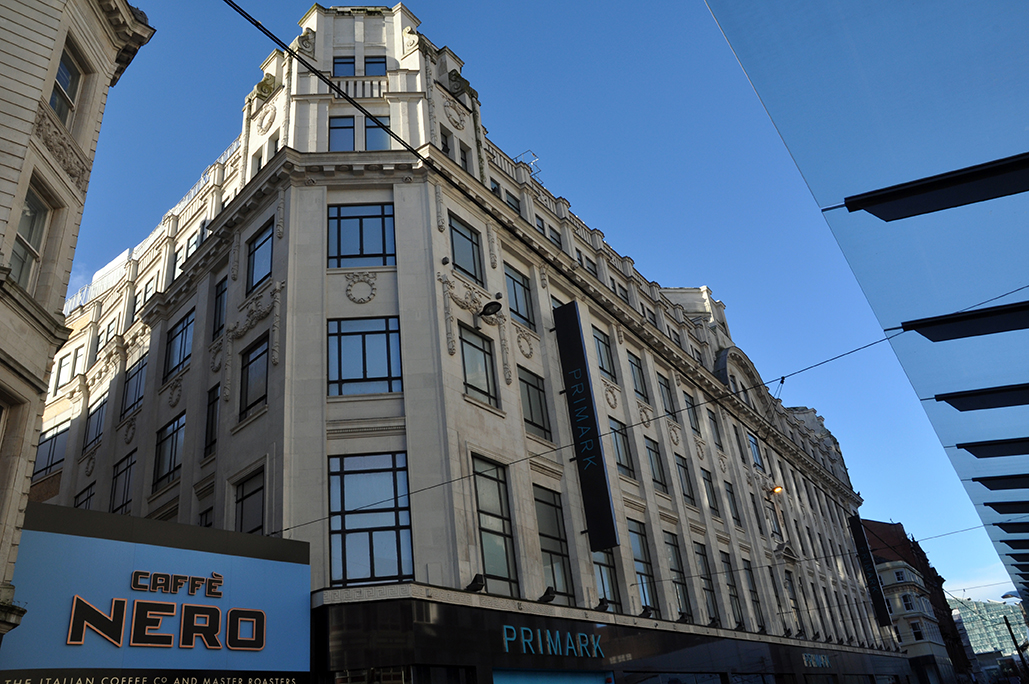
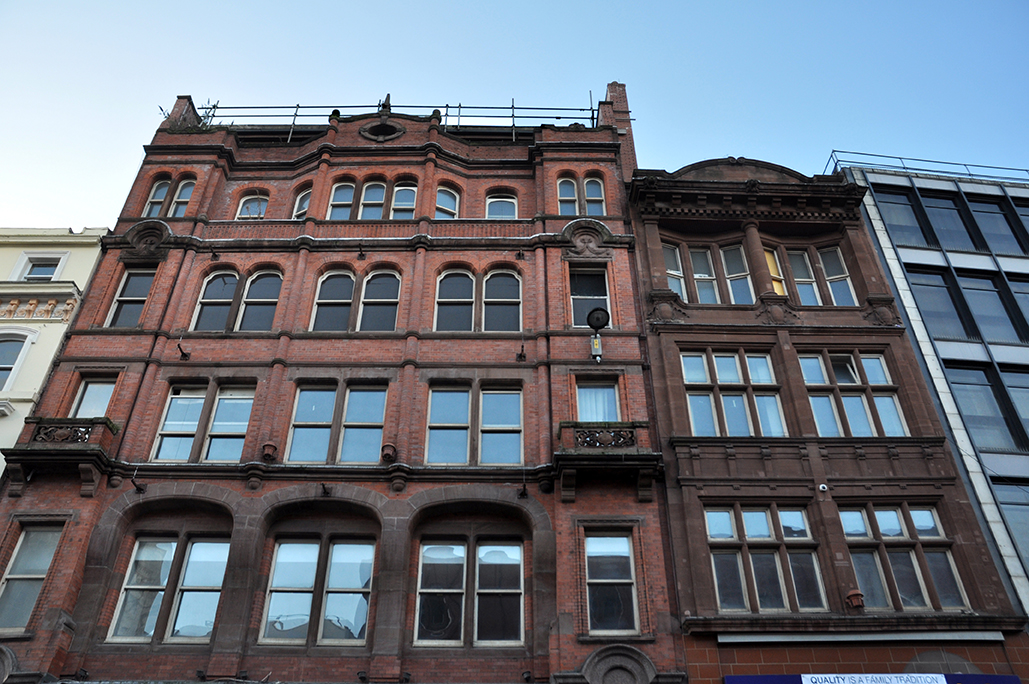
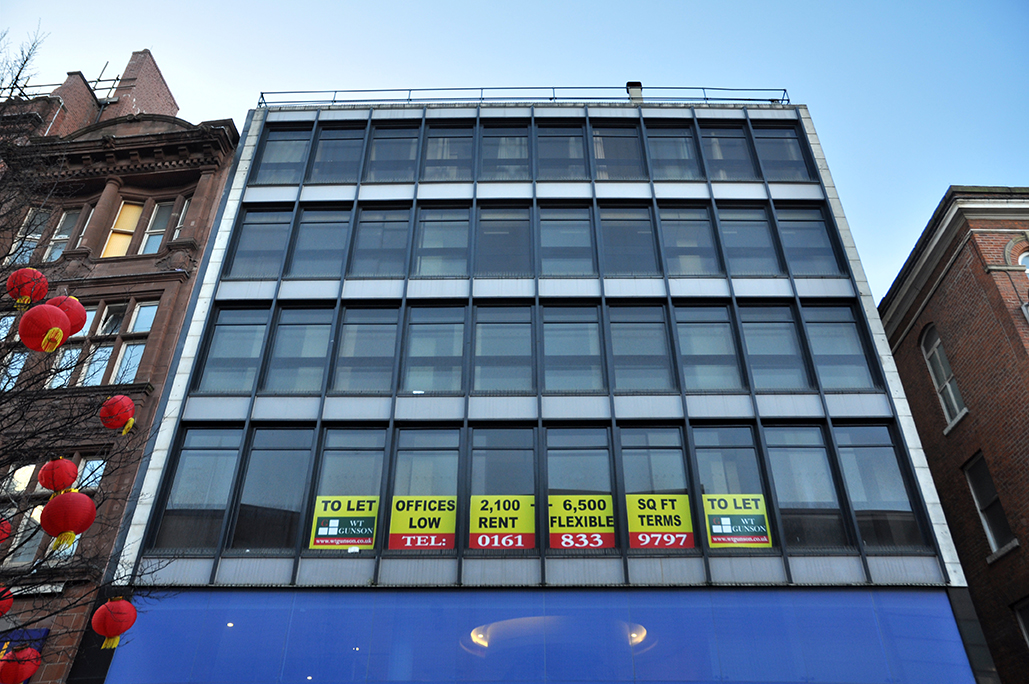
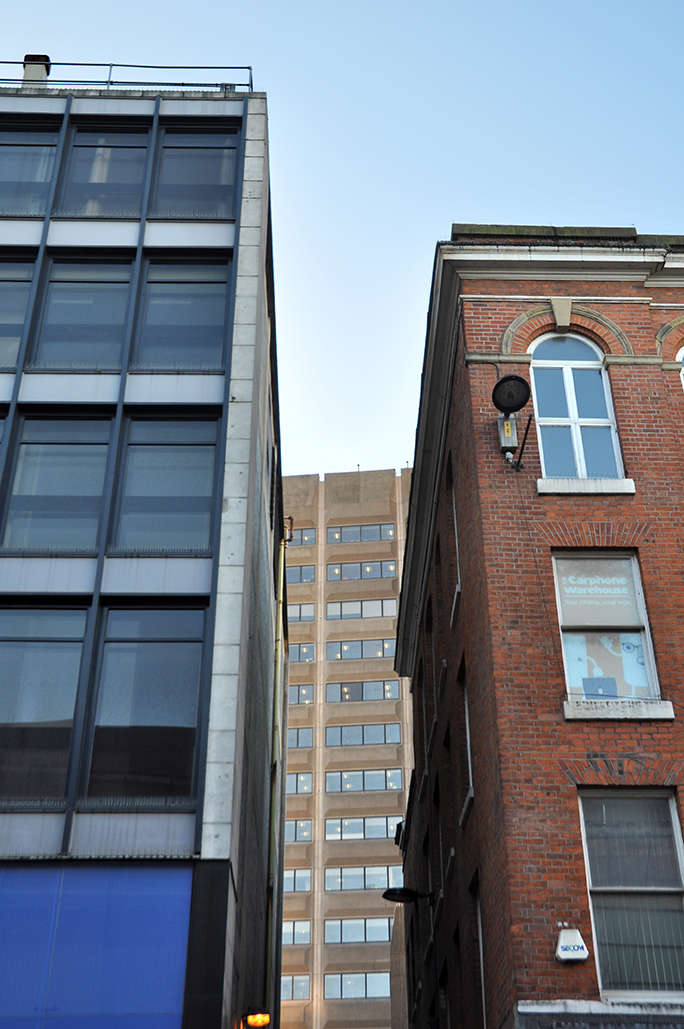
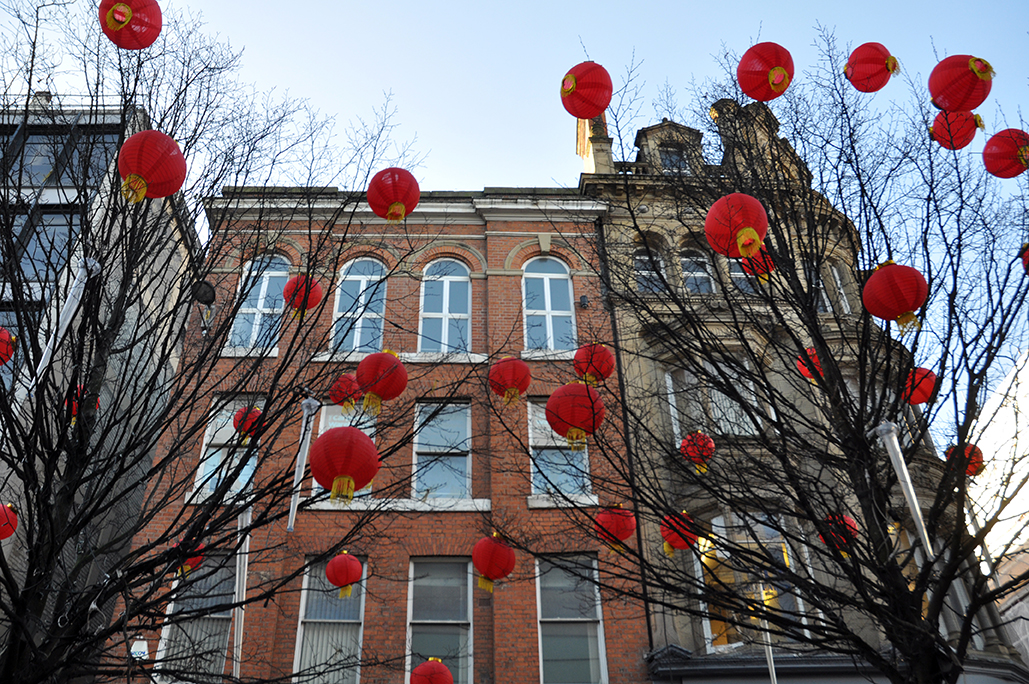
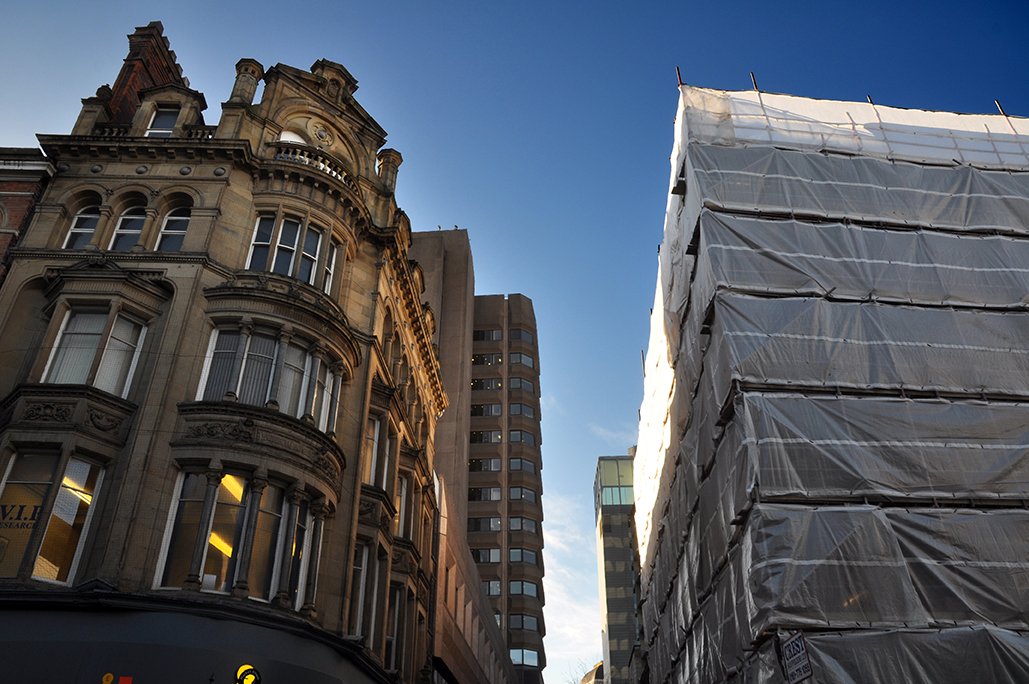
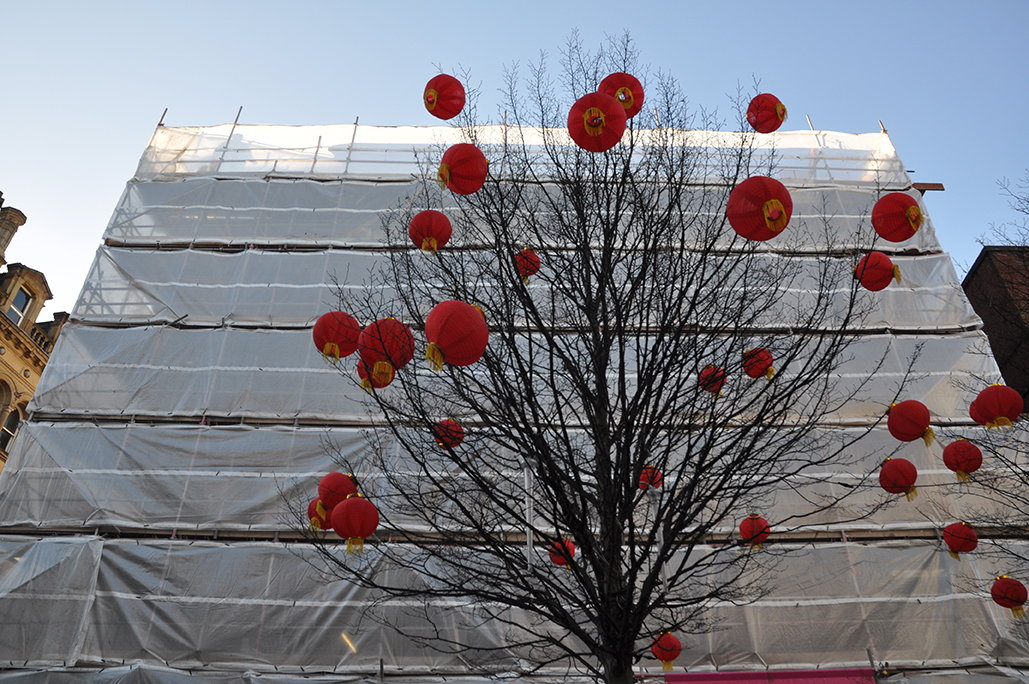
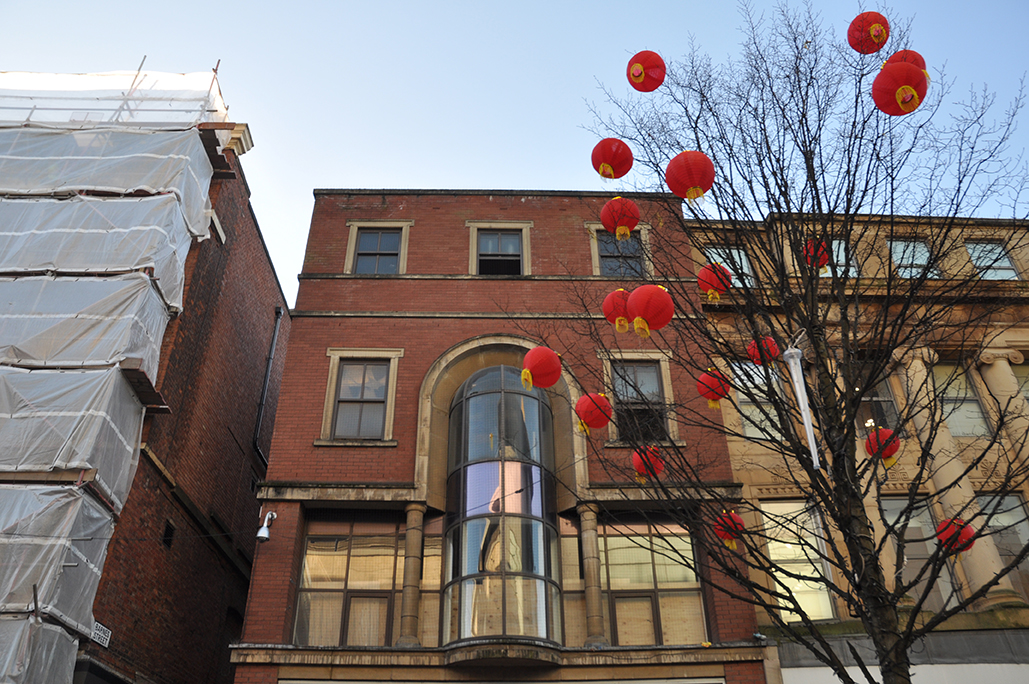
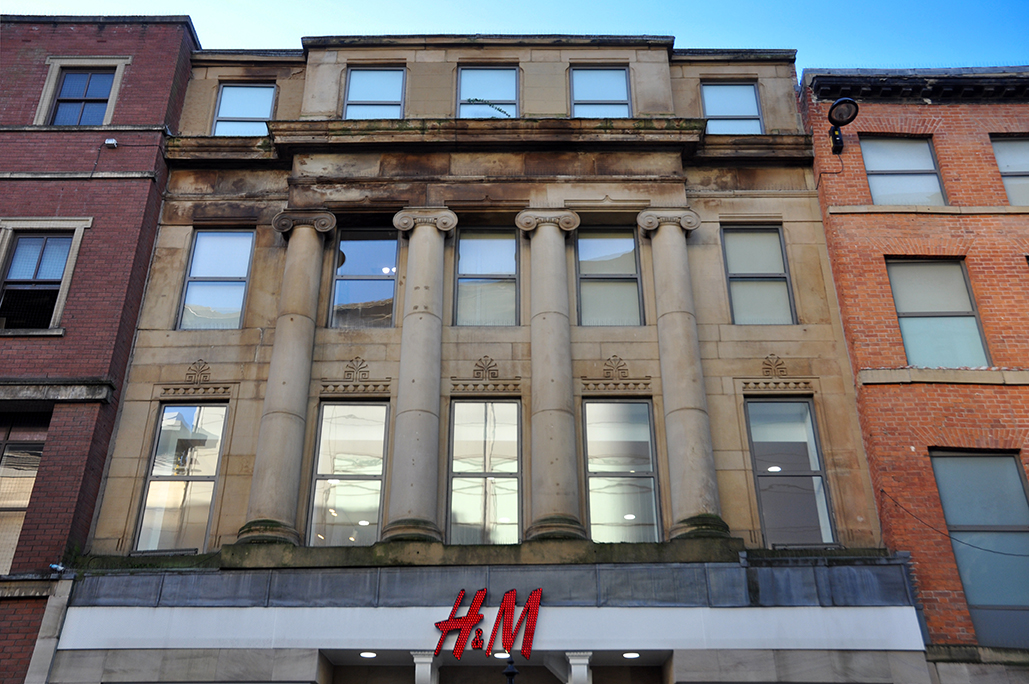
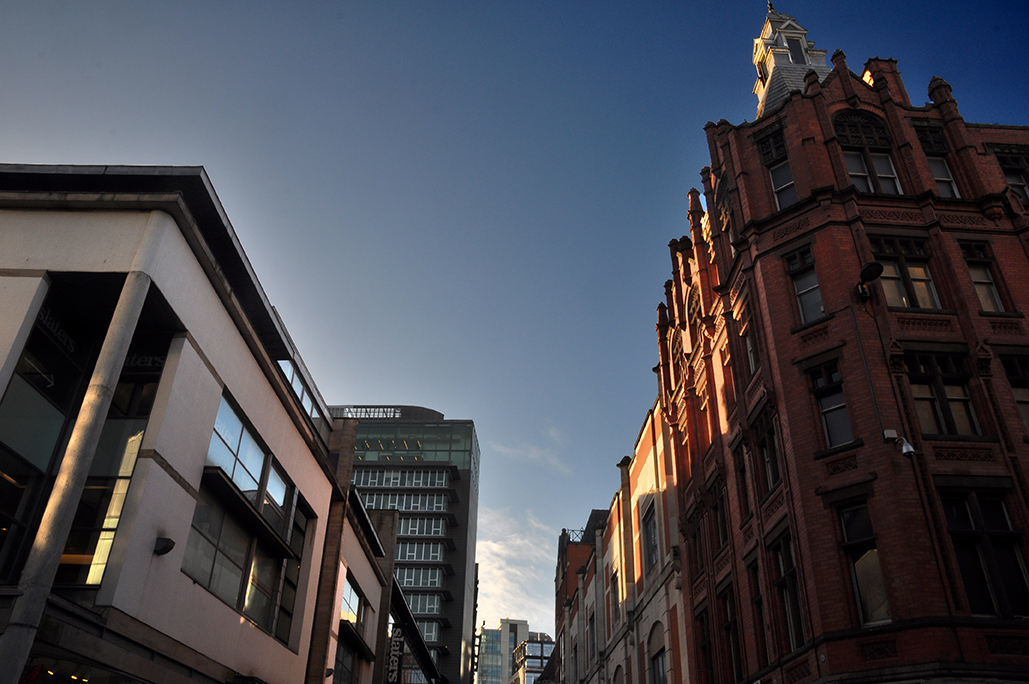
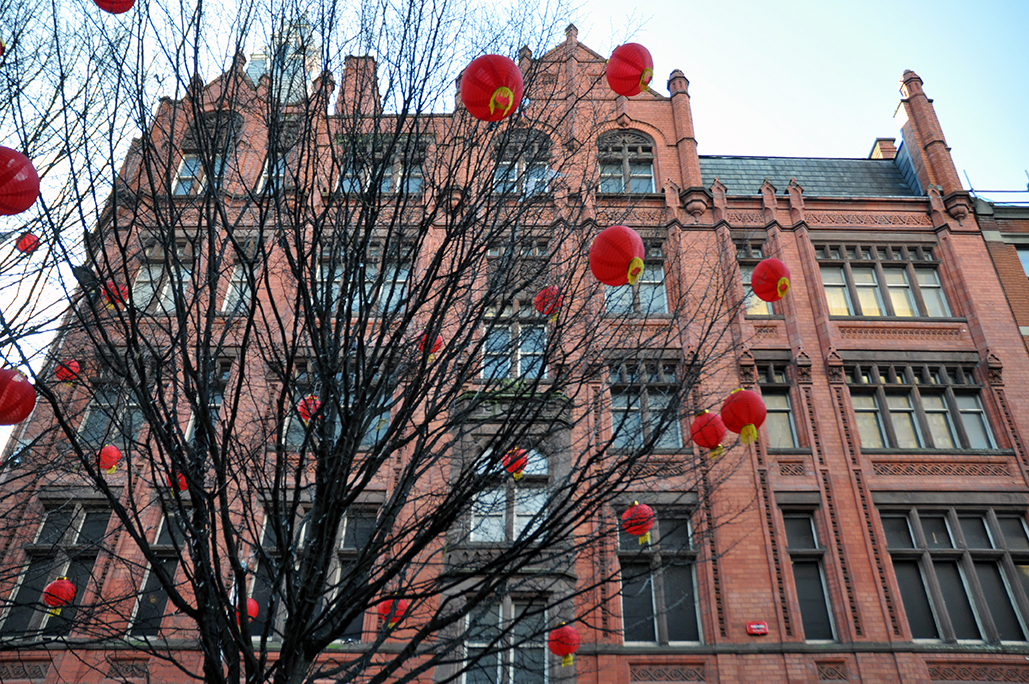
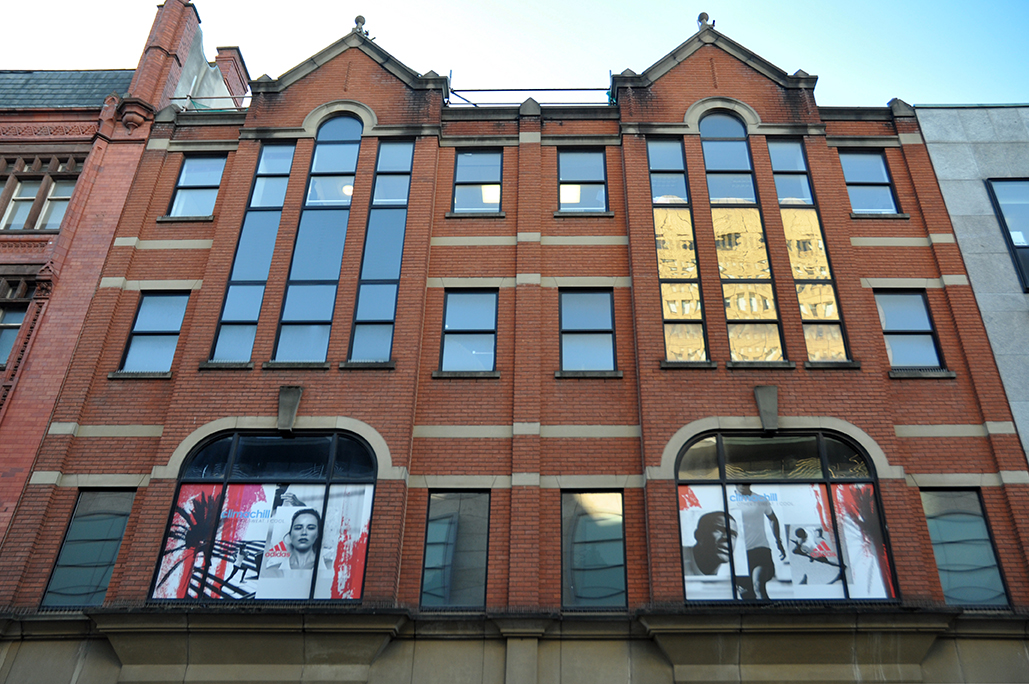
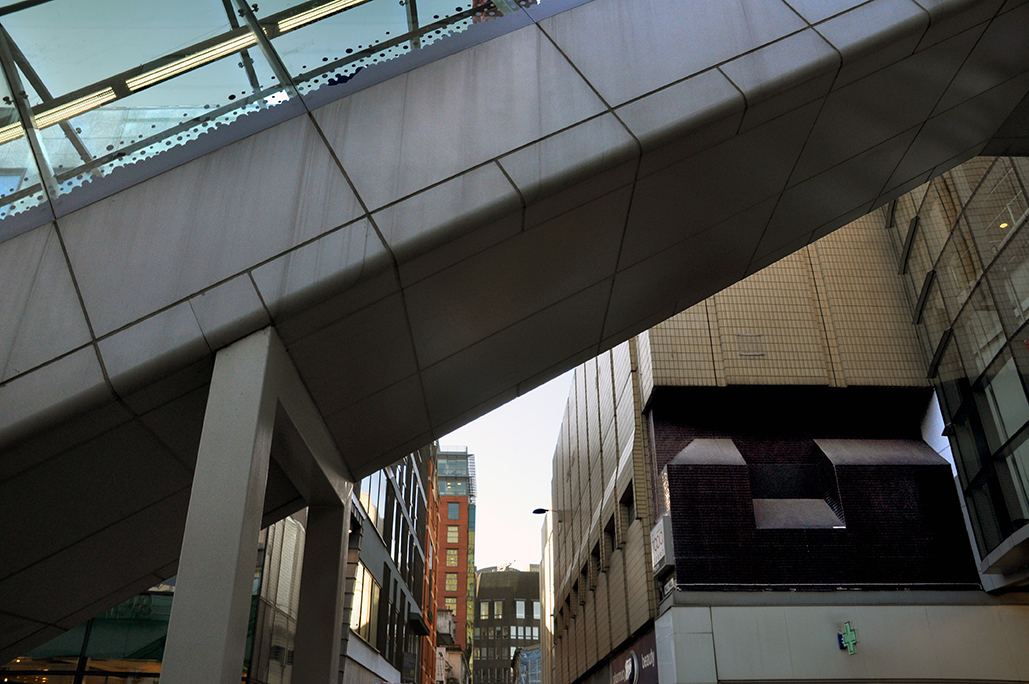
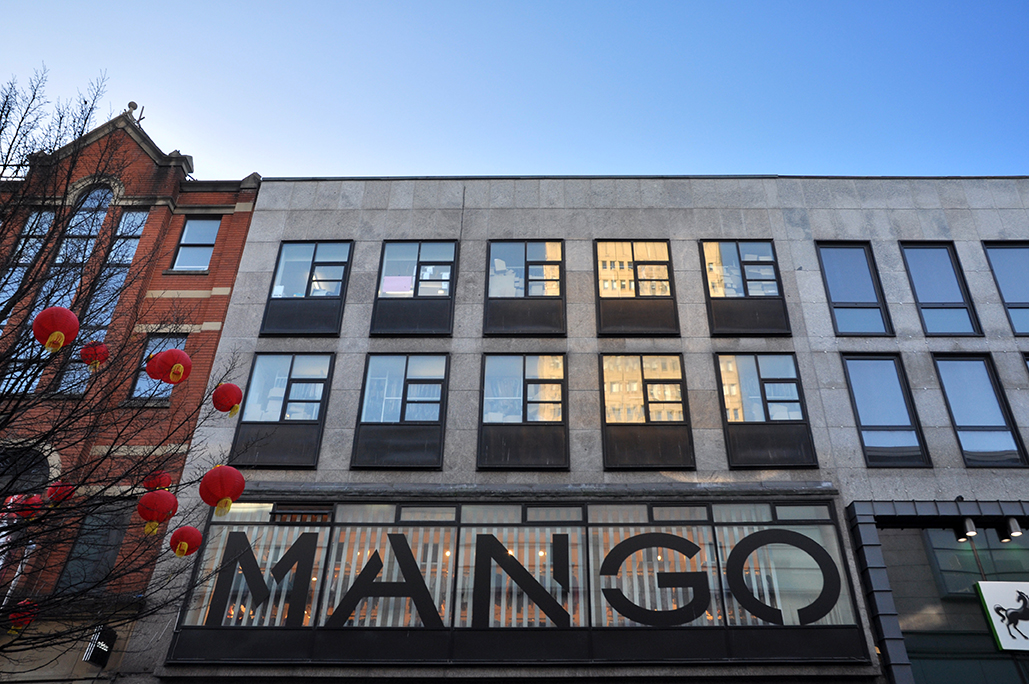
Following my previous post on Market Street, using archive material from the 60s and 70s, I was prompted to record the current state of the street.

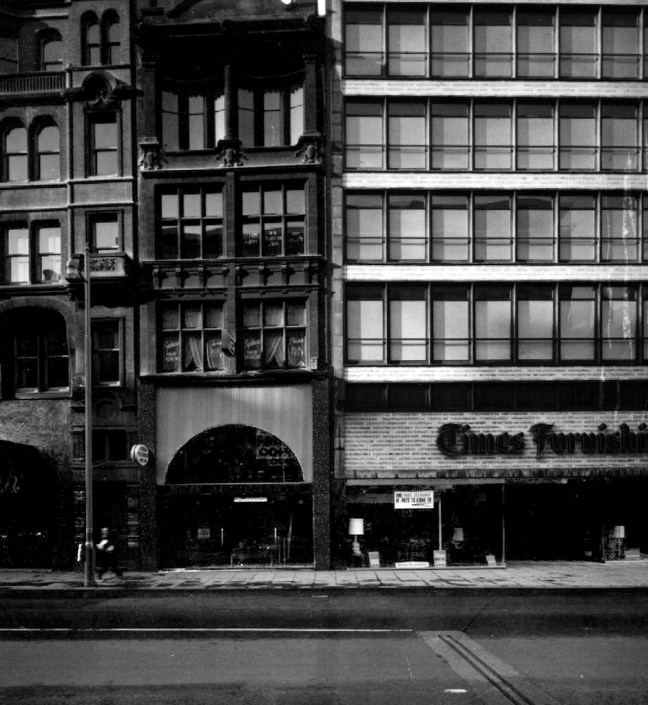
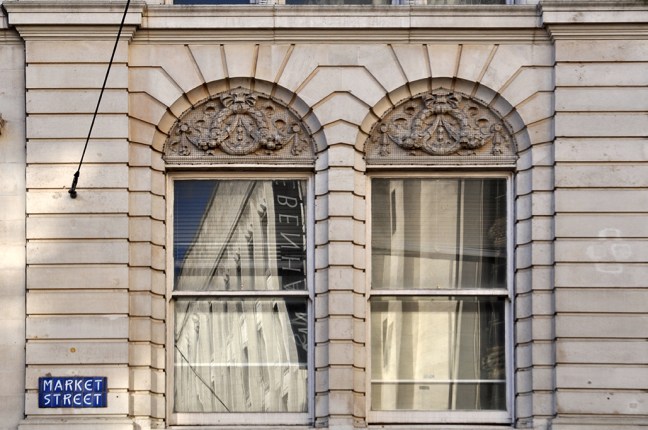
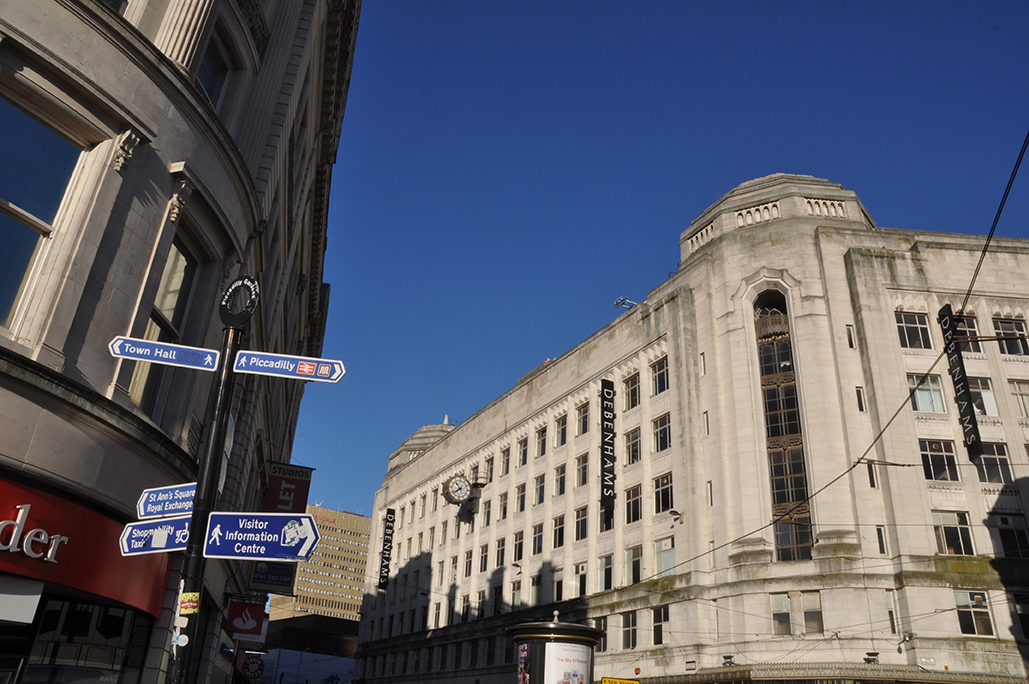
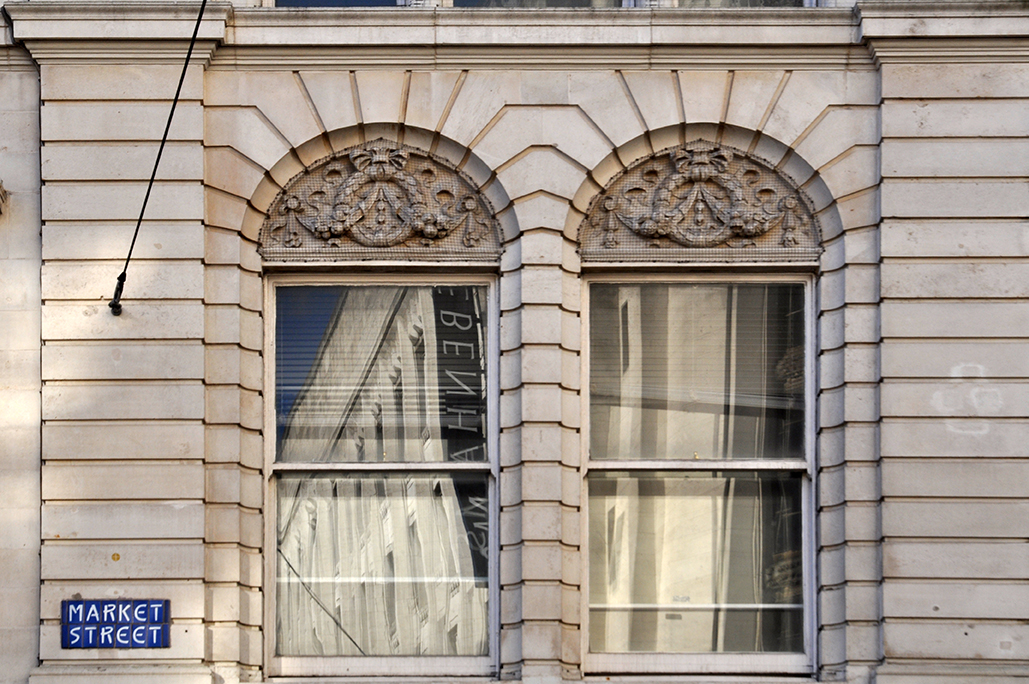
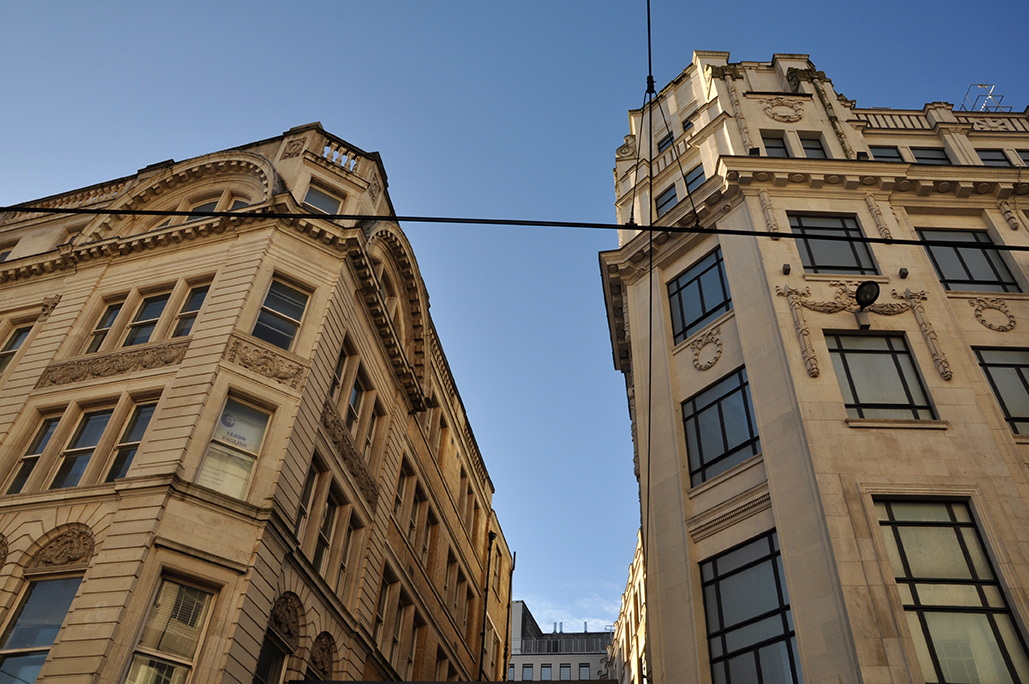
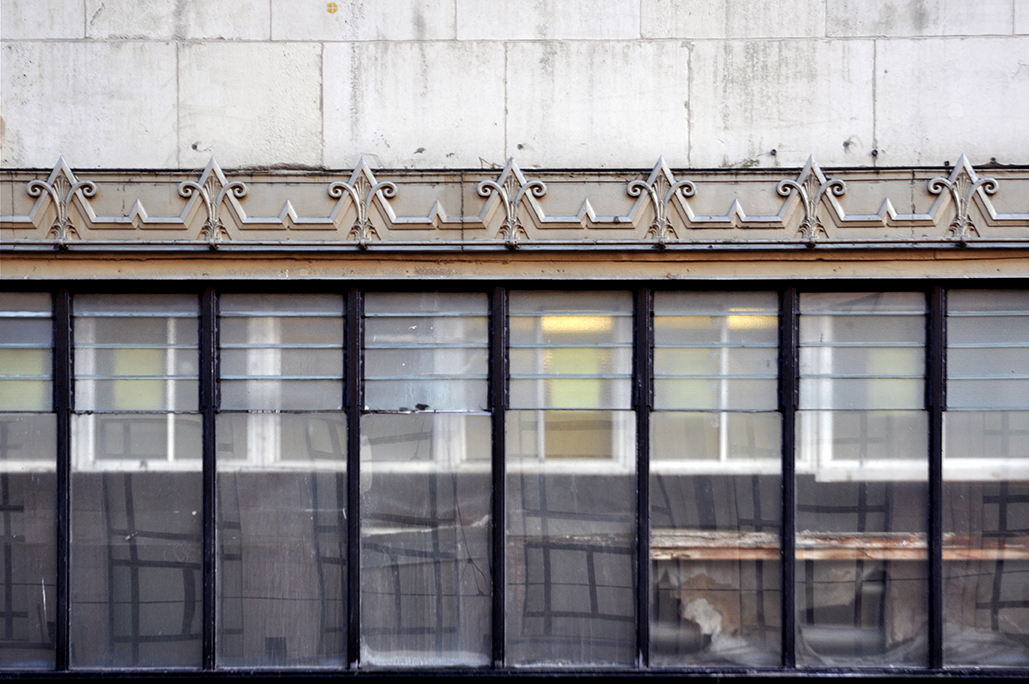
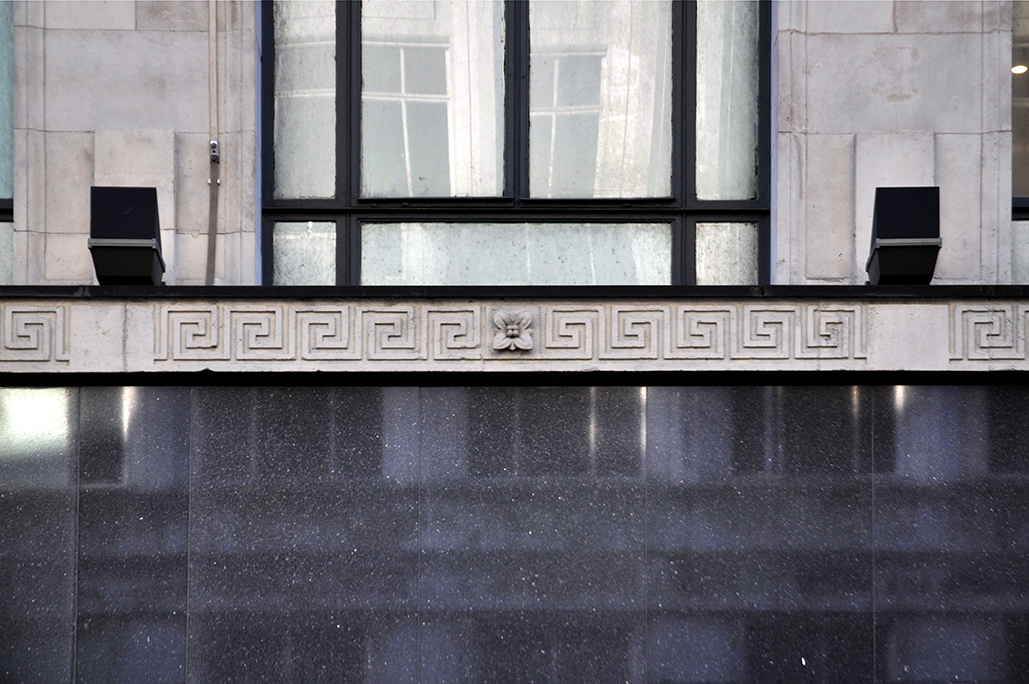
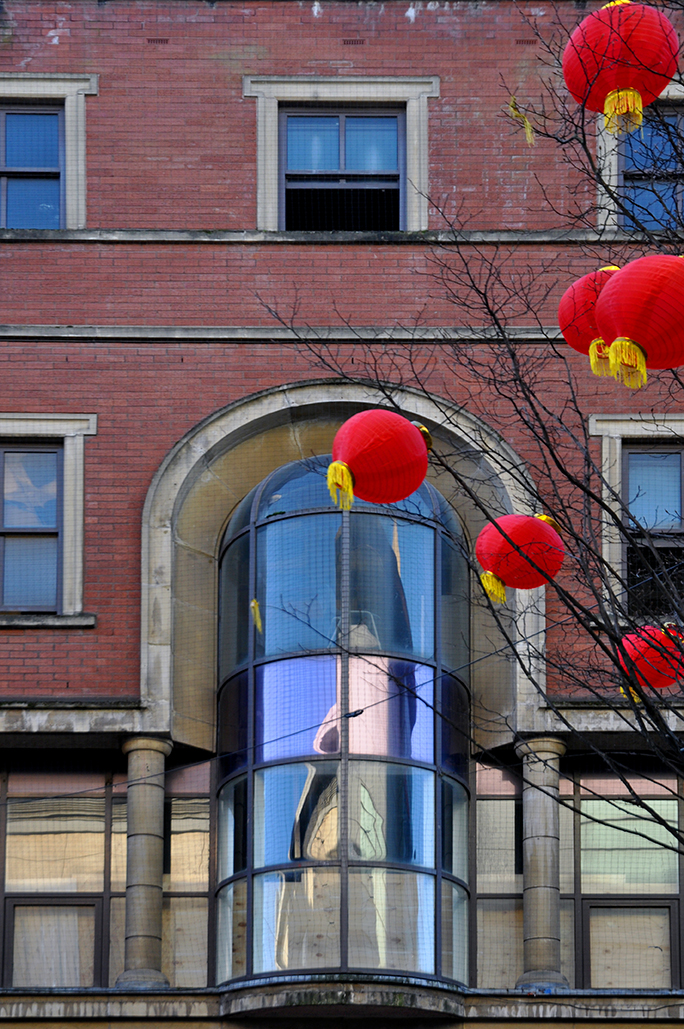
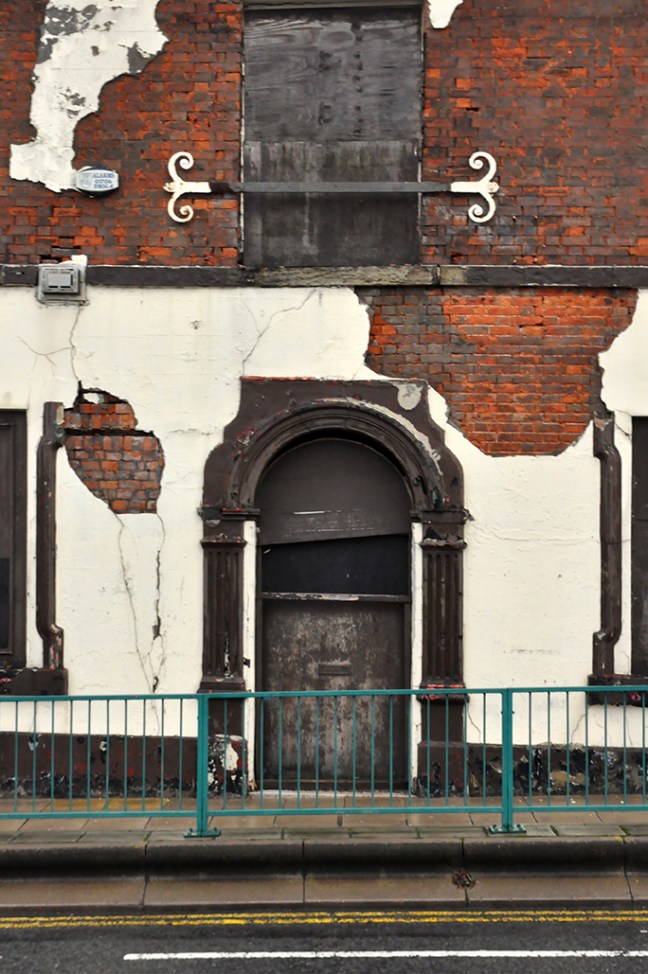
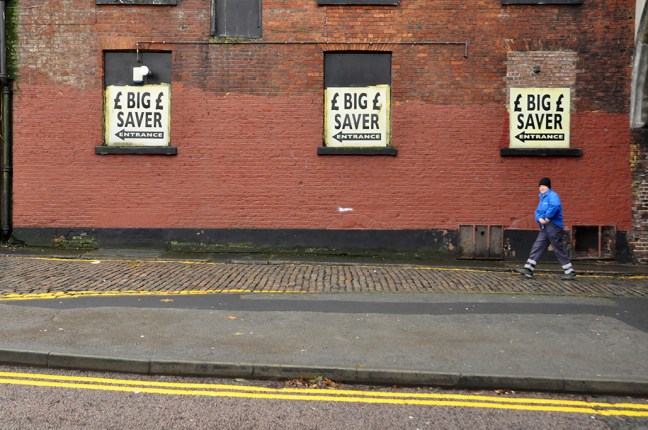
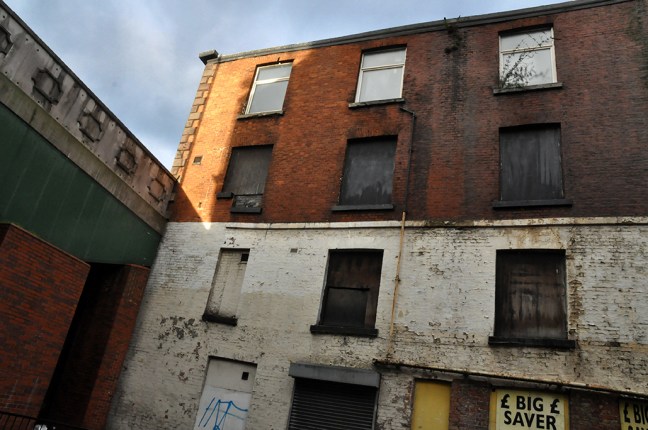
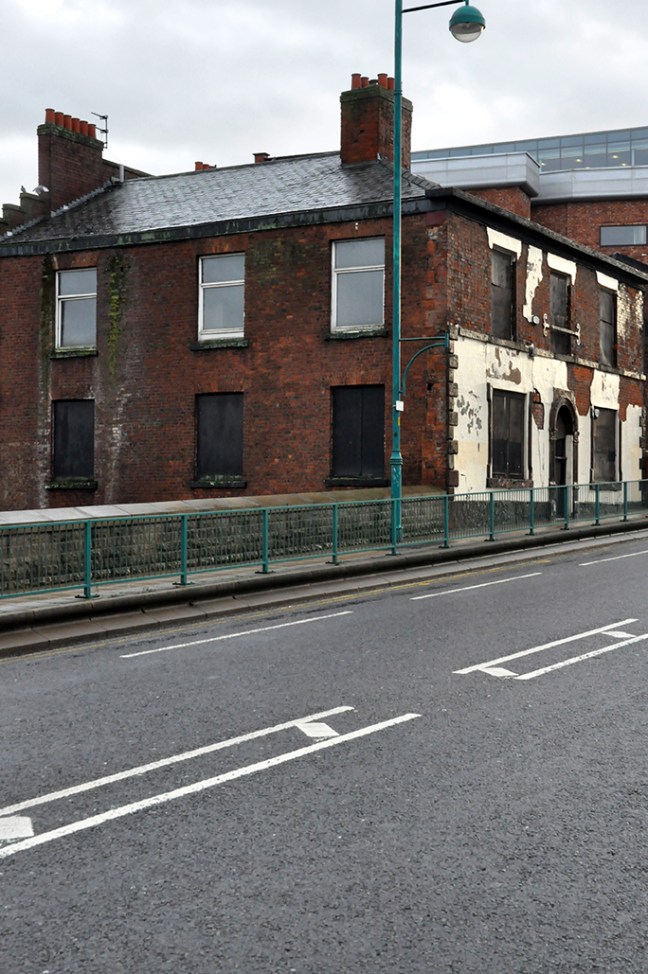
To the east is the Arndale, I chose to concentrate on the western elevation and the extant facades that chart a story from Victorian to Moderne – with a little rebuild, pastiche and grandiose Classicism in between.

See what you think, the sooty deposits have long been sandblasted away, much of the previous exciting noise and clutter, of above eye level signage ceases to shout, from just below the rooftops.

It’s a cleaner, leaner and possibly meaner world.

http://www.manchestereveningnews.co.uk/news/greater-manchester-news/manchesters-market-street-named-sixth-9421149

It always pays to look up – just don’t inadvertently bump into things.

Market Street – Manchester

cinephone2

City streets are by their nature subject to movement and change, things literally come and go – in milliseconds, days and decades. People and places are shaped by the forces of function and fashion, economics and history.

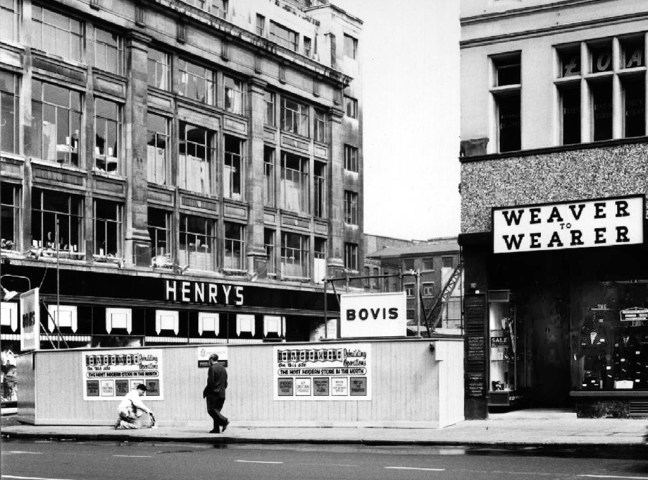
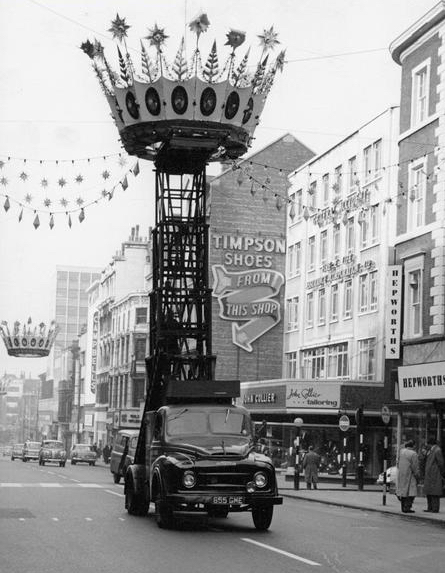
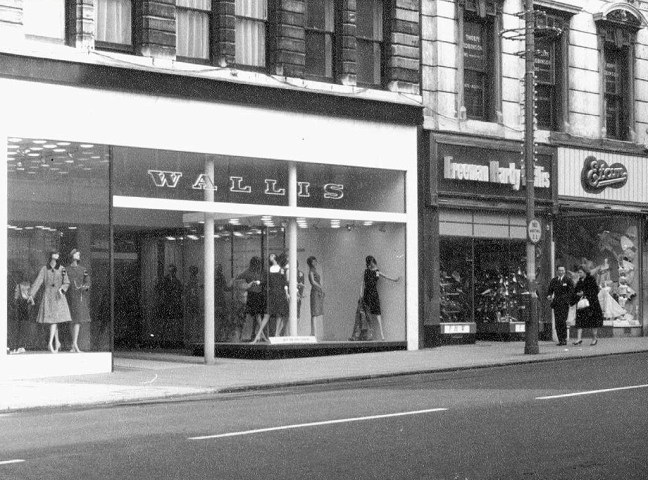
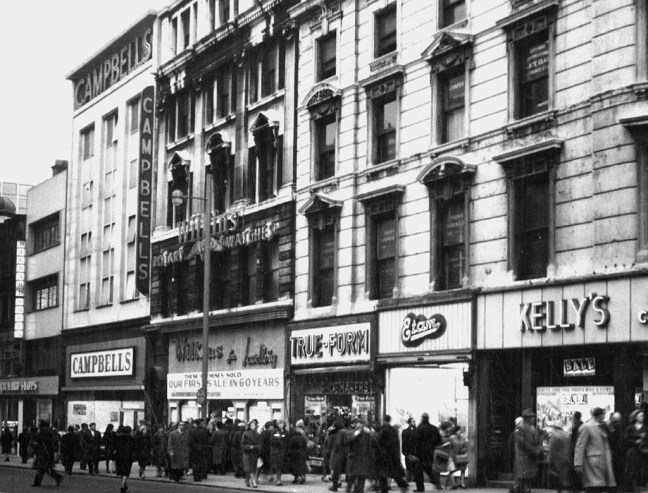
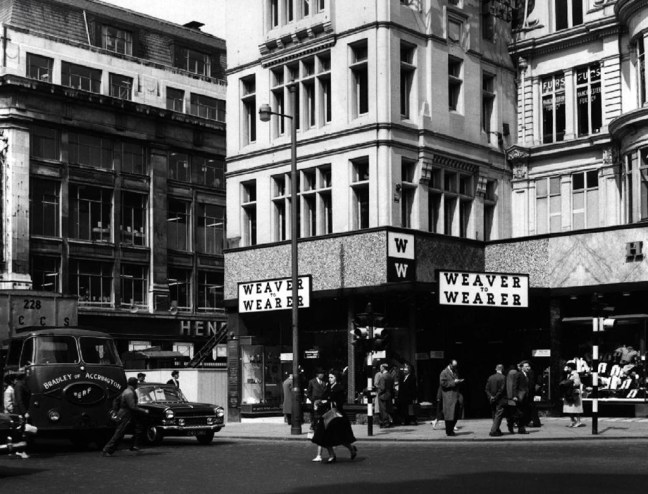
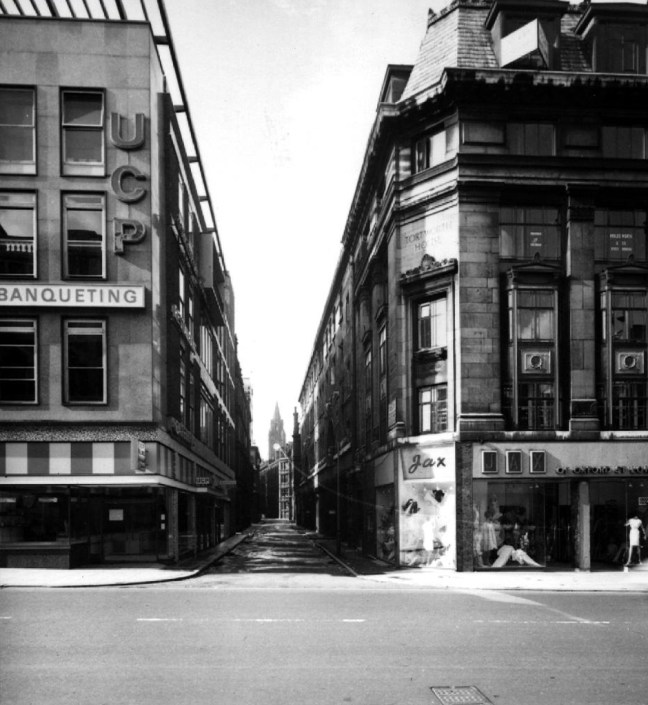
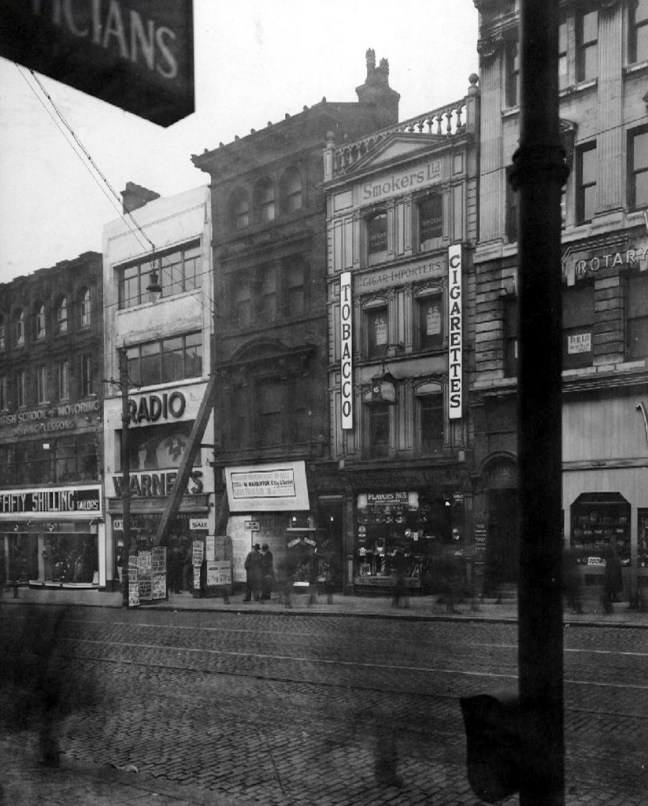
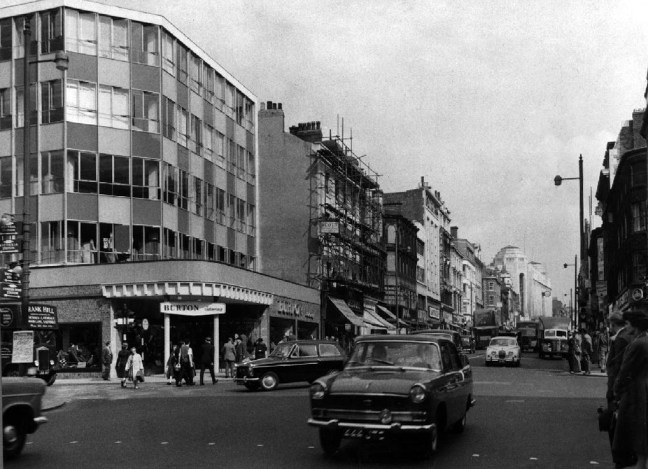
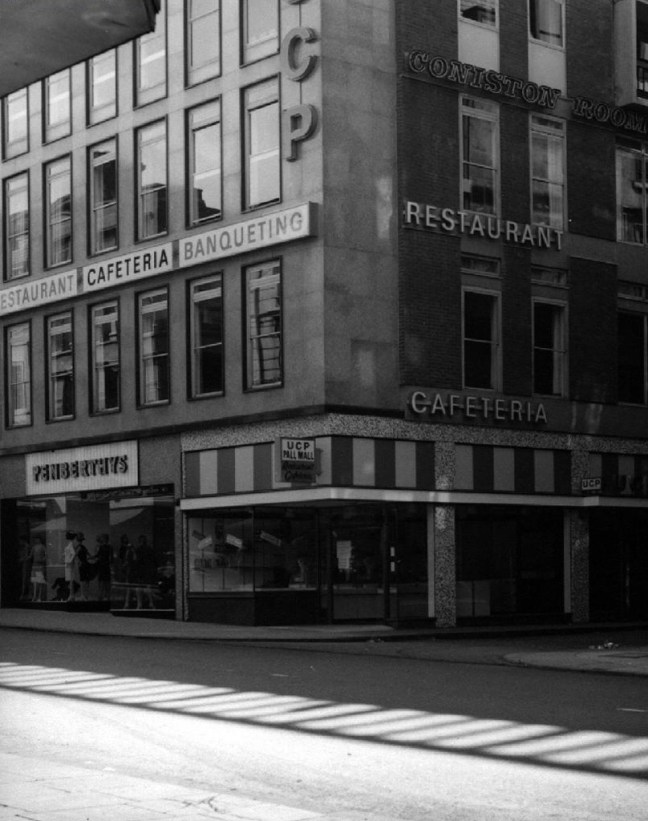
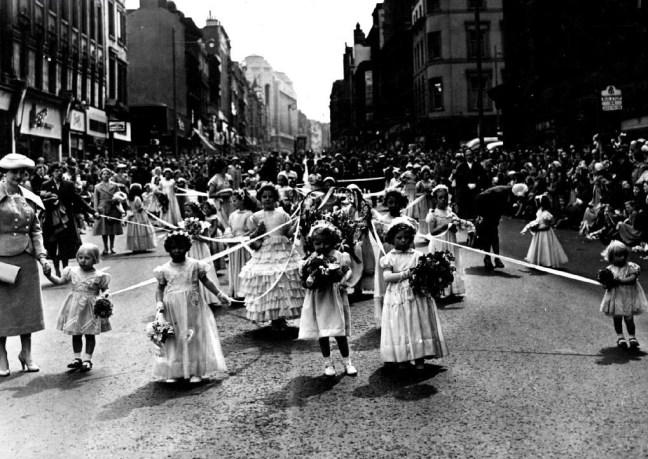
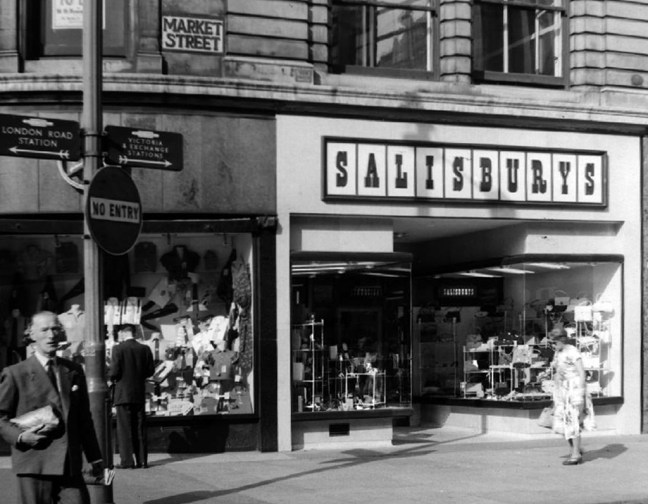
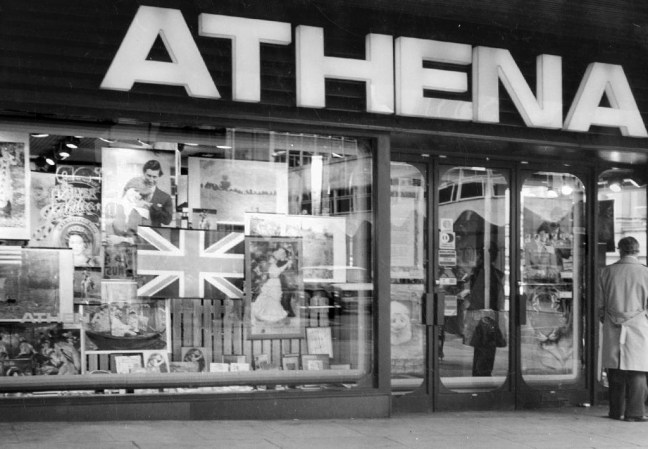
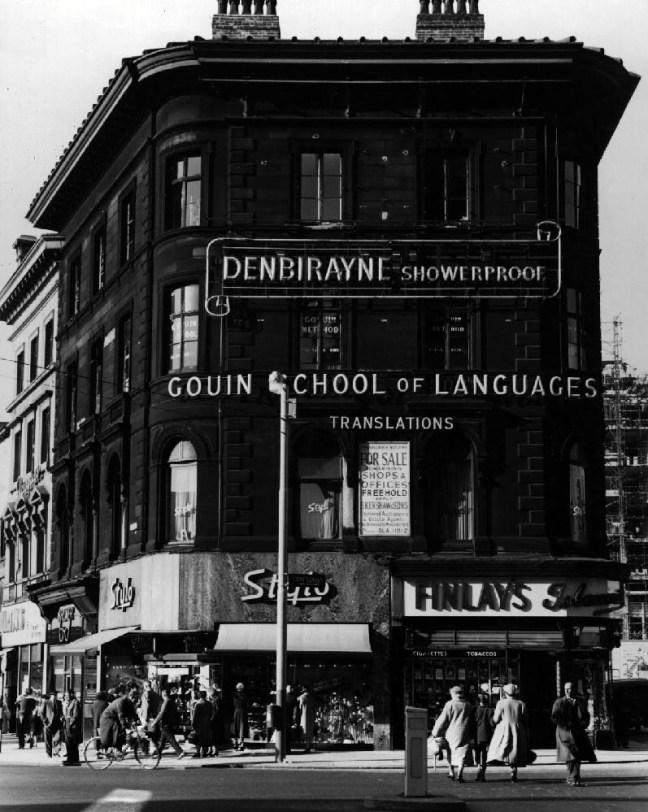
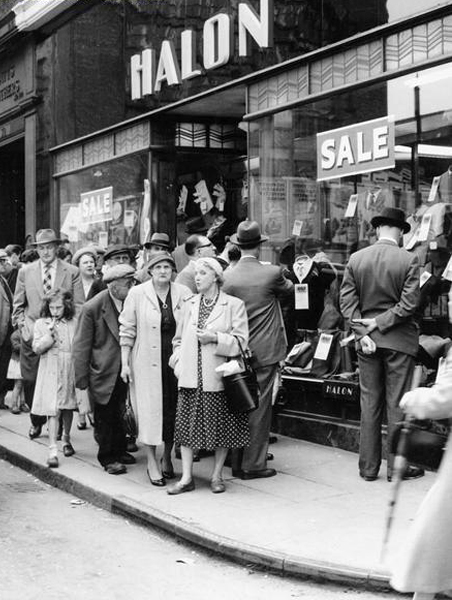
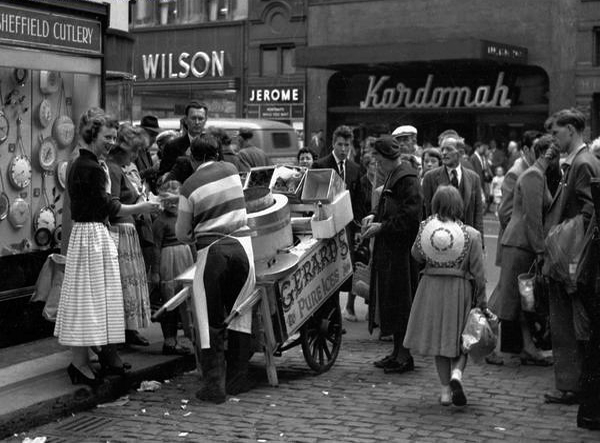
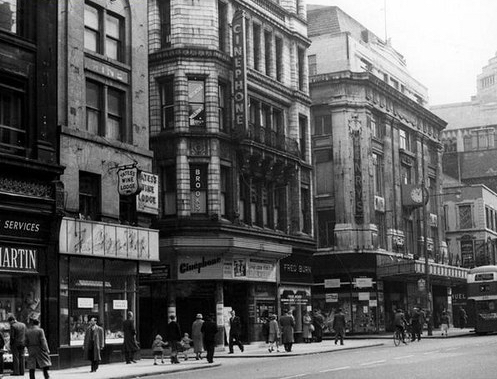
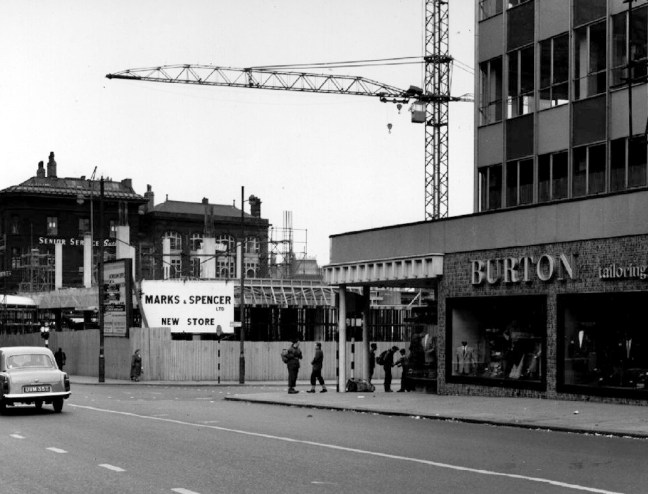
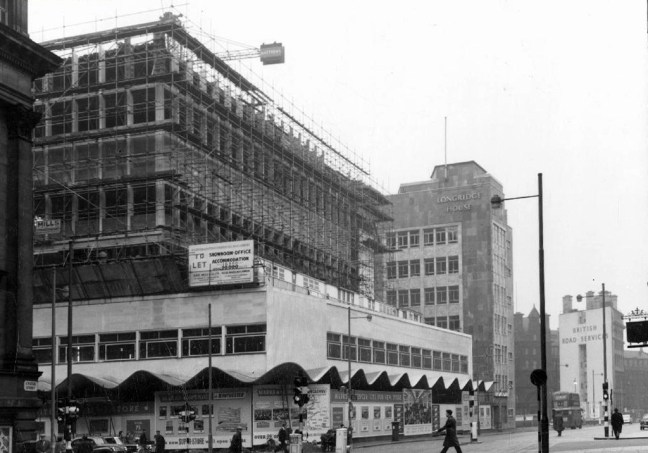
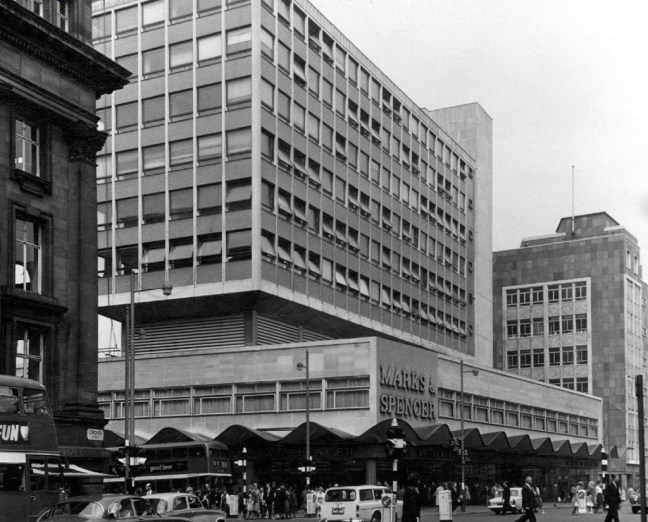
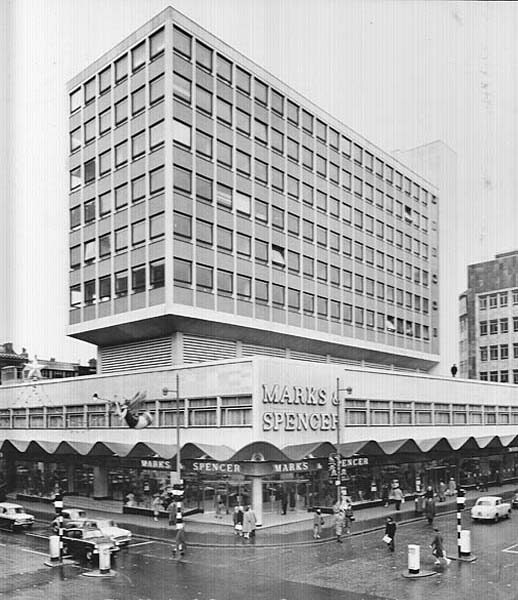
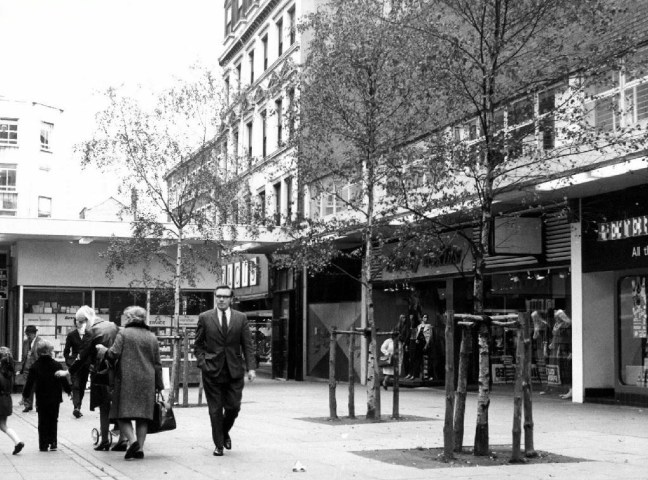
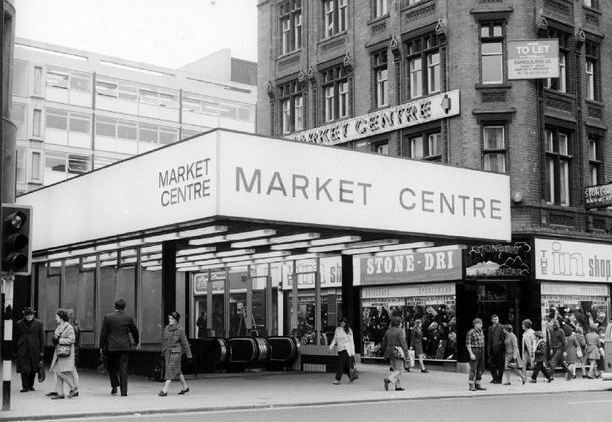
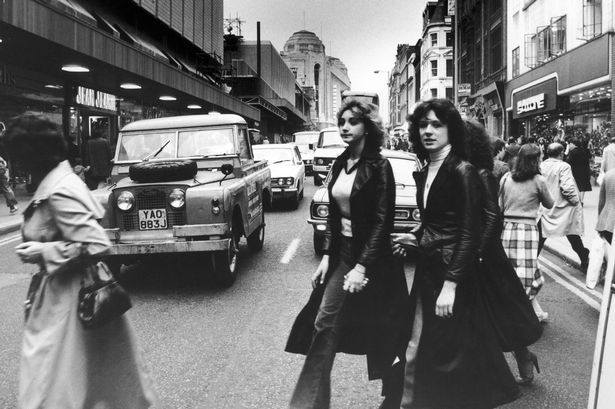
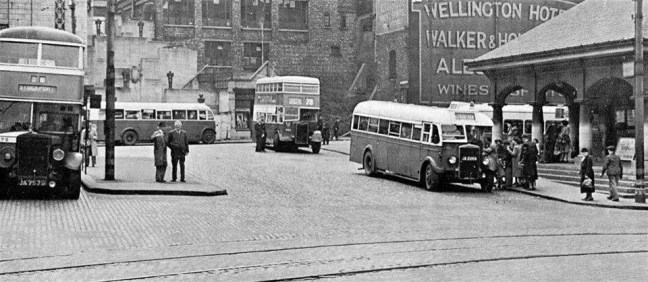
Before the Arndale,  pre-pedestrianisation, Market Street, from the Fifties until the Seventies, was one of Manchester’s key arterial, retail thoroughfares. Mixing mixed traffic, shops, cafés and restaurants, bars, cinemas, offices and administration.

The architectural skyline, had the raggedy silhouette, of a century of build and rebuild.

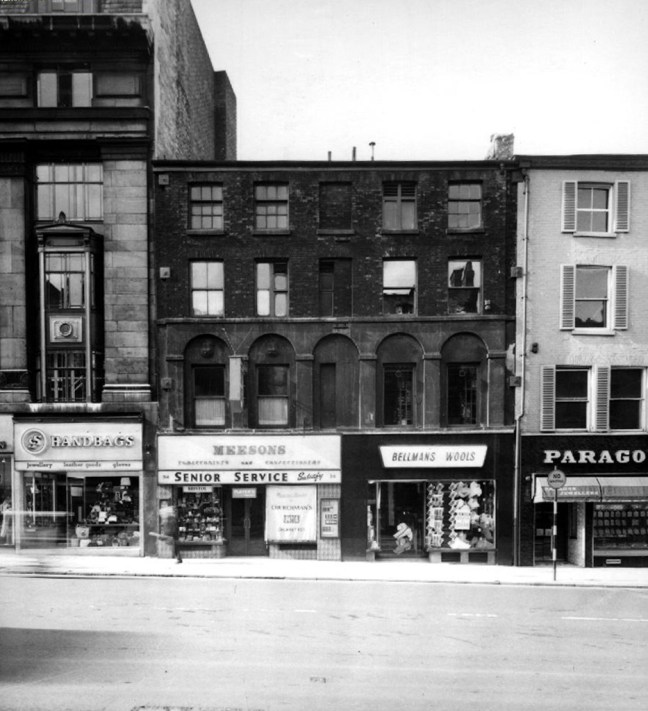
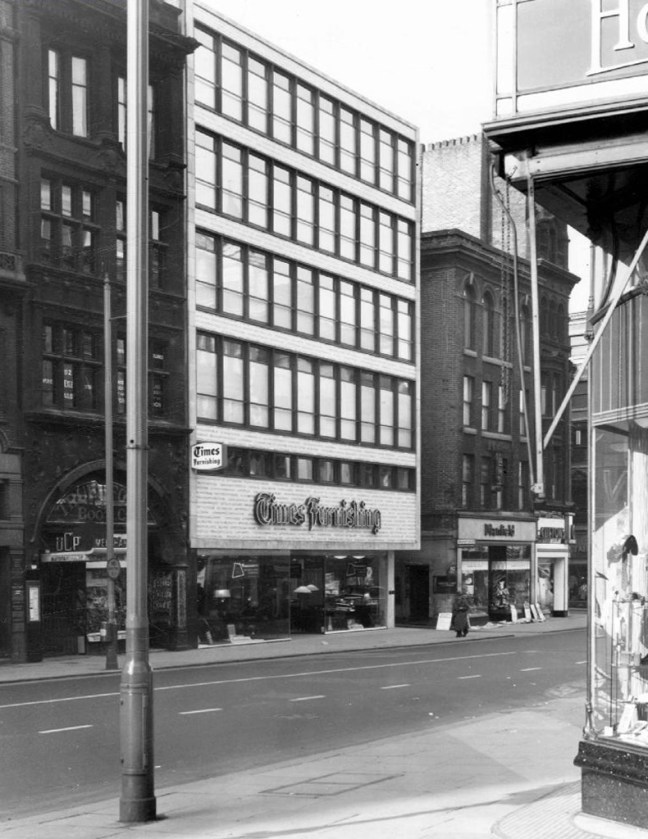
Lower your eyes, there’s Classical, Gothic, Baroque, local Rococo, Deco, Moderne and Modern – that’s right Madam no two the same, four for a pound, get it while you can.

Lower still, things are still never still, a riot of colour in black and white Vitrolite.

Neon abounds, the names are never changed to protect the innocent.

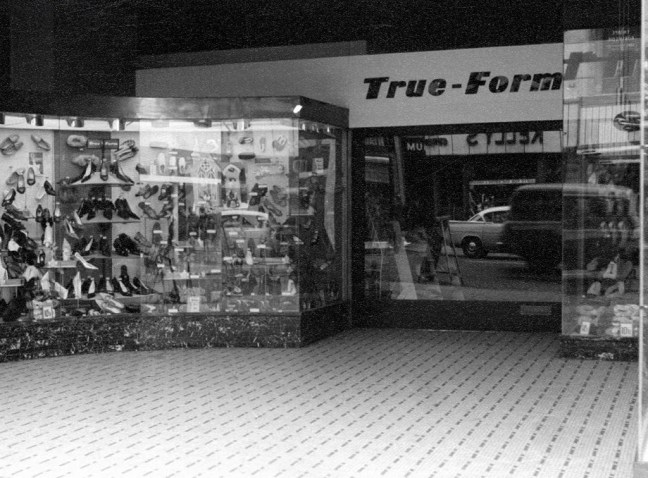
Local traders are slowly replaced by national and international multinationals.

You have nothing to lose but but your chain-store now.
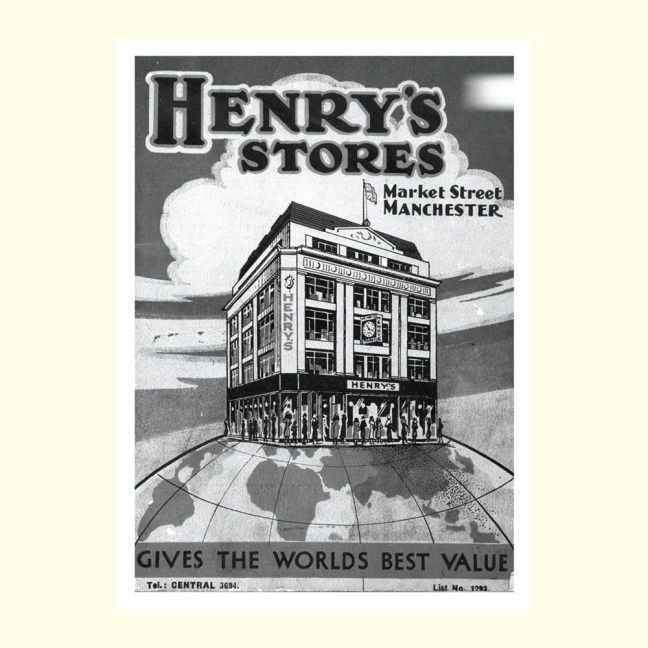


ront-page-from-henry-s-stores-catalogue.-398-p

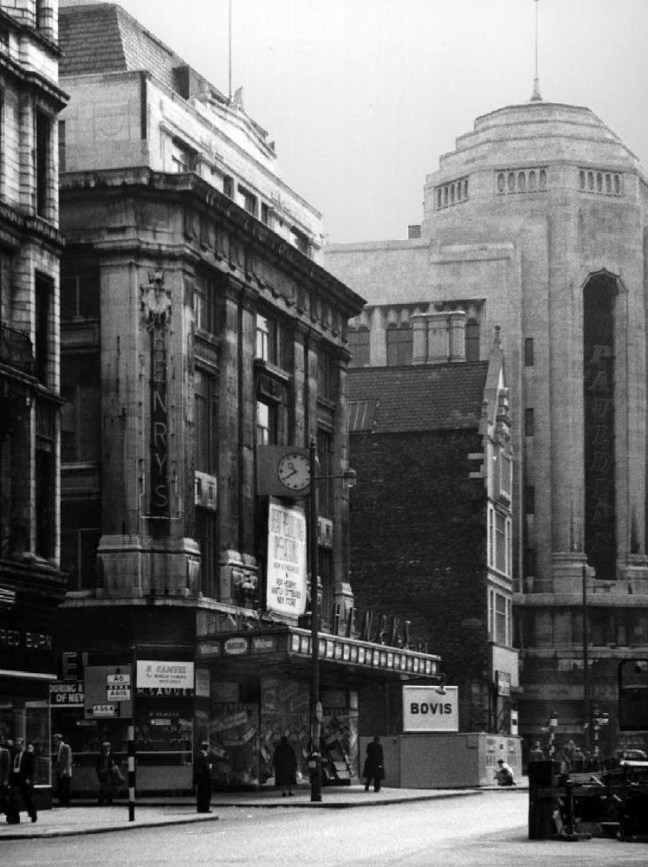
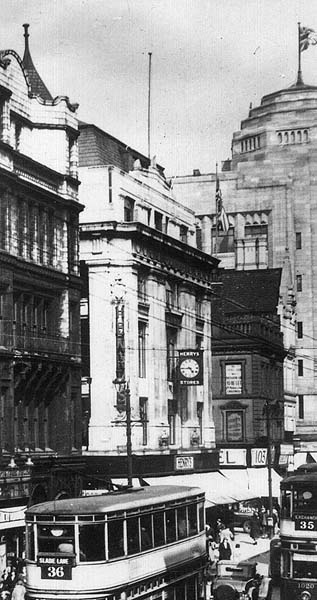
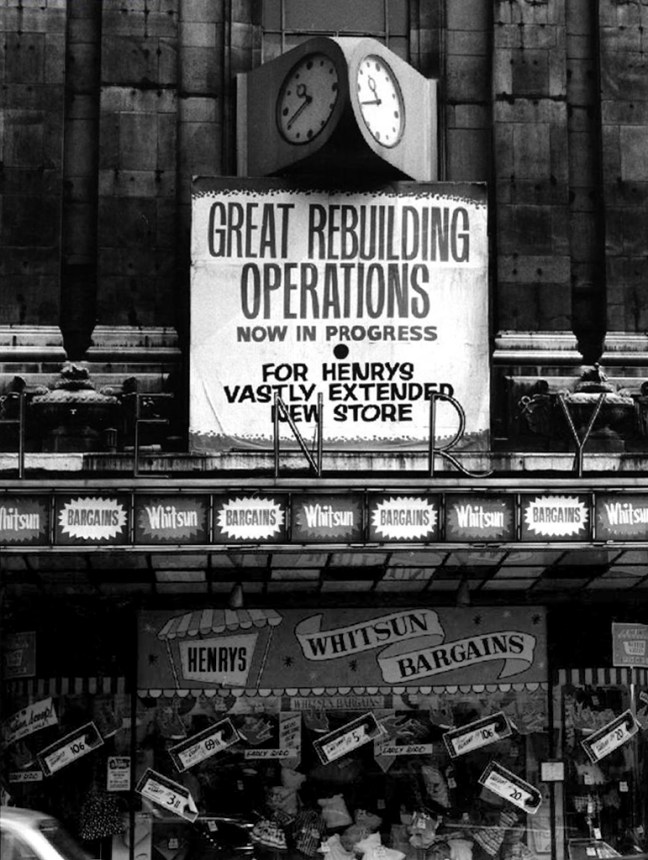
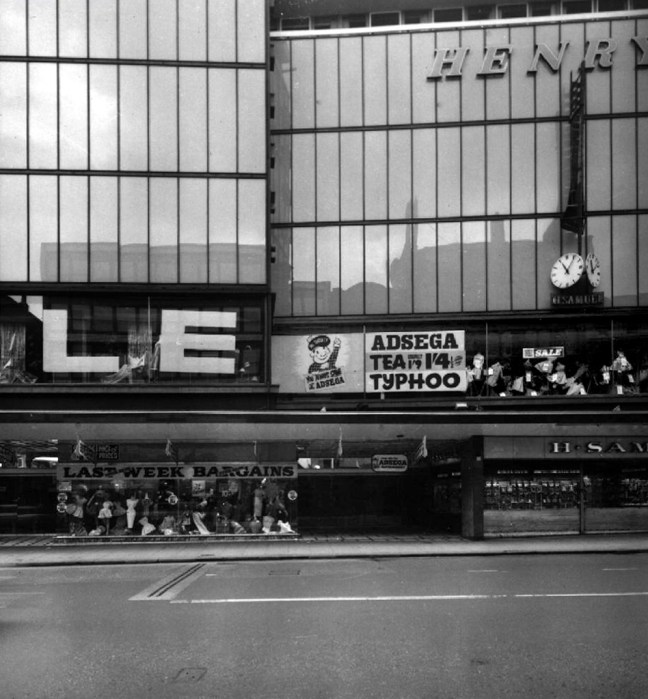
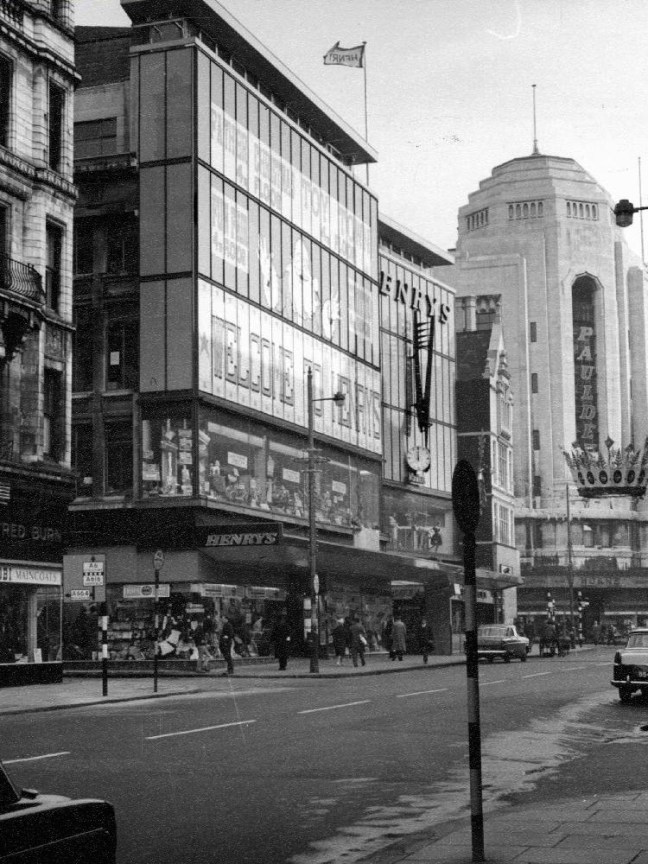
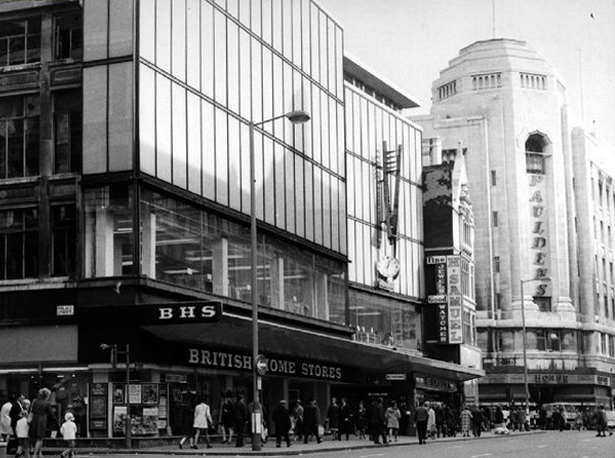
Henry Cohen came to Manchester around 1880. In 1910 he opened a men’s clothing outlet at the corner of Market Street called the Smart Outfitting Company. Having turned down a chance to join Marks and Spencer, he eventually built his department store in Market Street which opened in 1923. Henry’s Stores was redeveloped in the early 60’s acquiring an extension and a unifying Modernist façade, the site and store was acquired by BHS in the mid 60’s.

Rylands Building is a Grade II listed building in the building was originally built as a warehouse by the Rylands textile company which was founded by John Rylands. The building was designed by the eminent Manchester architects, Fairhursts, in an Art Deco style. It is clad in Portland stone and features a decorative corner tower and eclectic ‘zig zag’ window lintels.

Following a fire, in 1957, which totally destroyed the premises of Paulden’s Department Store, in All Saints, the company acquired the Rylands warehouse building and converted it to a store. This was then a direct rival to the Lewis’s store, on the opposite side of Market Street. In 1973 Debenhams, the owner of Pauldens rebranded the store in their name. Since that time it has remained Debenhams.

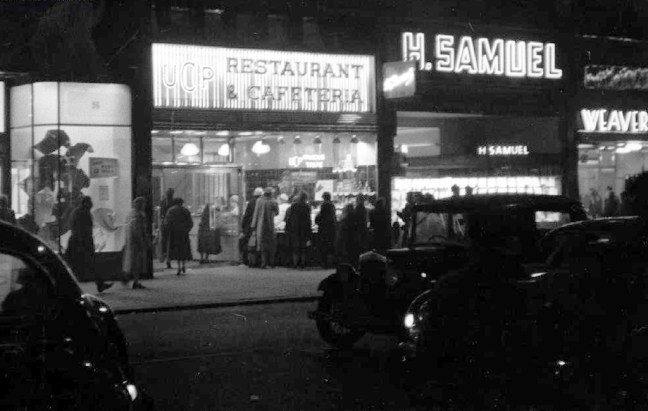
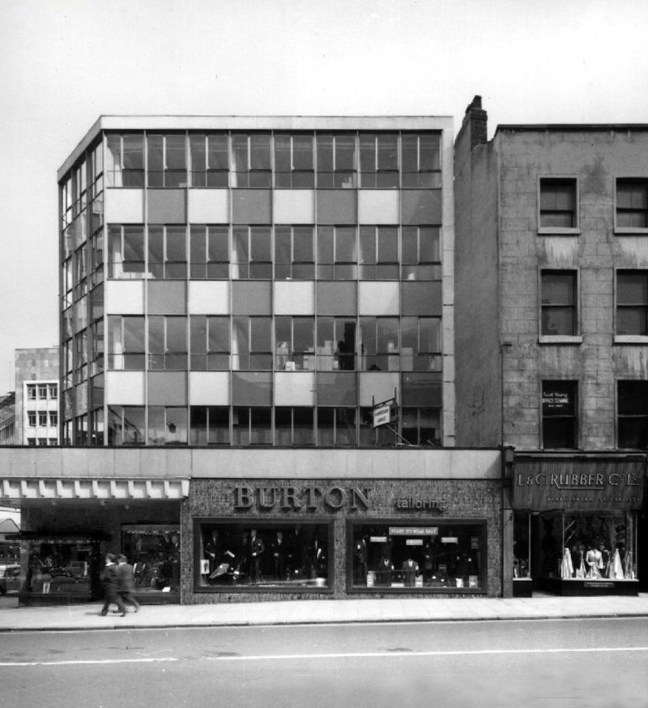
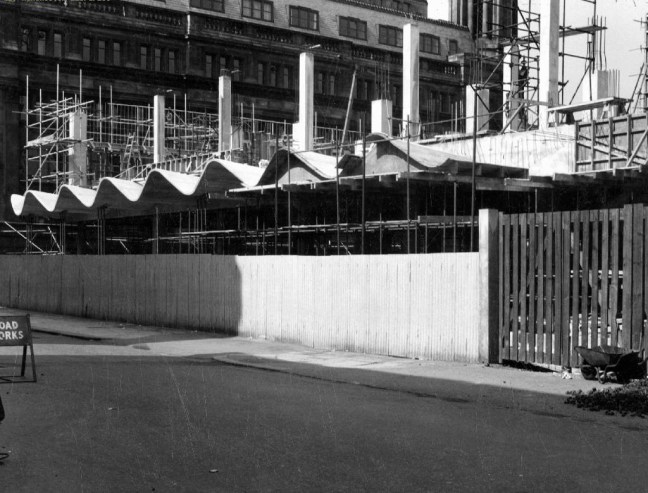
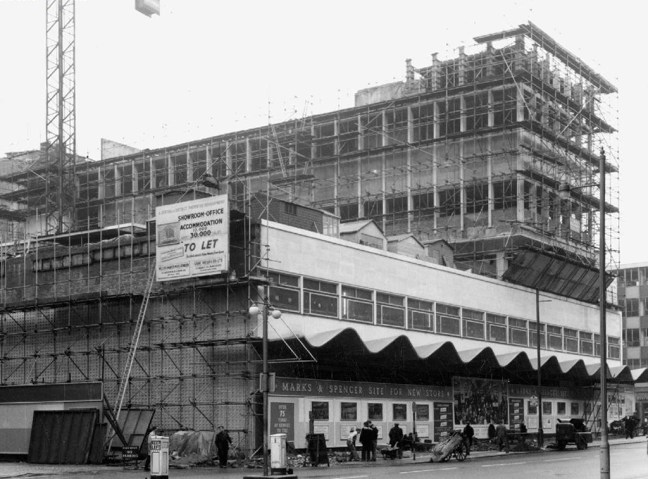
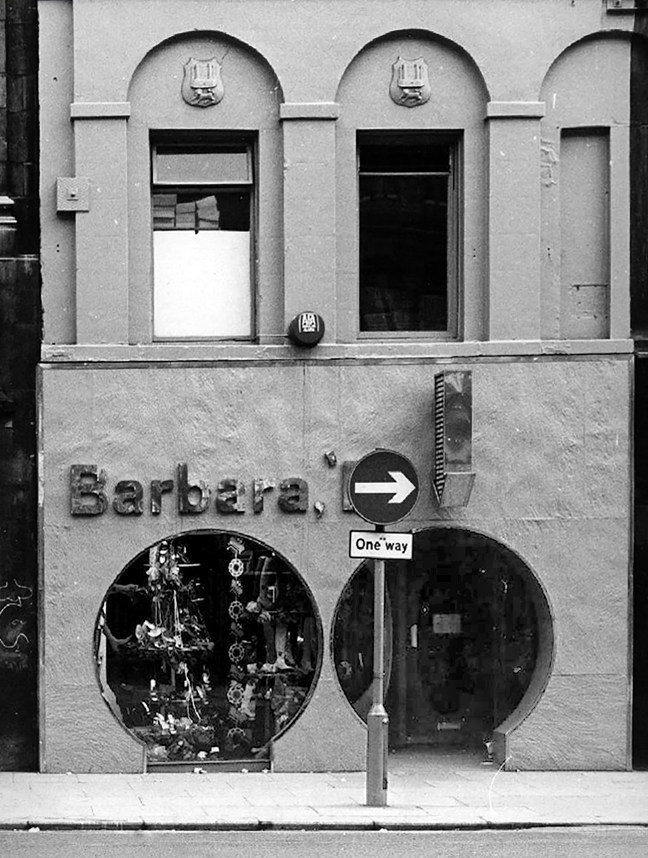
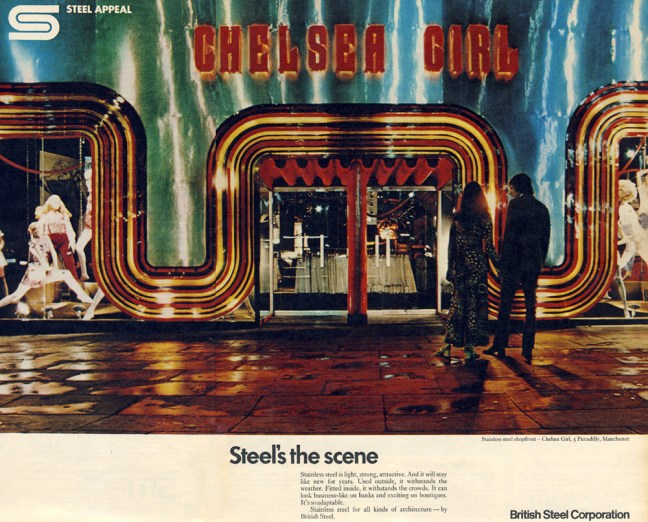
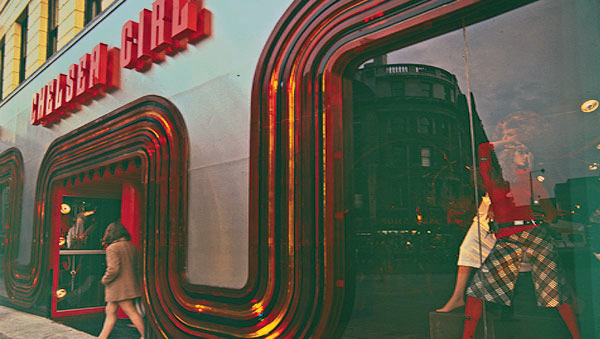
Marks and Spencers and Burton’s both undertook extensive Modernist building in the early 60’s on on the Corporation Street site, neither have survived. The Chelsea Girl steel frontageUCP Restaurant beloved of the Manchester Modernists, Kardomah Café and countless other landmarks are long gone. Lewis’s has become Primark.

The double indignity of the Arndale and a bomb have changed things forever.

Nothing stands still – this is Market Street.

With thanks to http://images.manchester.gov.uk/index.php?session=pass

lewis-1940

8.jpeg

henry's

7

10

9

3

webmedia-4-php.jpeg

a-z

14

webmedia-23-php.jpeg

webmedia-6.php

webmedia-26.php

16

webmedia-9.php

18

5

webmedia-10.php

webmedia-7.php

webmedia-1.php

2.jpeg

4.jpeg

webmedia-11.php

webmedia-3.php

13

webmedia-8.php

webmedia-12.php

15

webmedia-13.php

webmedia-15-php.jpeg

6

webmedia-2.php

1.jpeg

19

webmedia.php

20.jpeg

webmedia-5.php

webmedia-22-php.jpeg

webmedia-24-php.jpeg

5220807822_fcafda48e6.jpg

11

webmedia-17.php

webmedia-18.php

webmedia-19.php

webmedia-20.php

Marksandspencer1962

webmedia-21.php

12

17

webmedia-9.jpg

steels-the-scene-chelsea-girl

Chelsea Girl

p_00484389


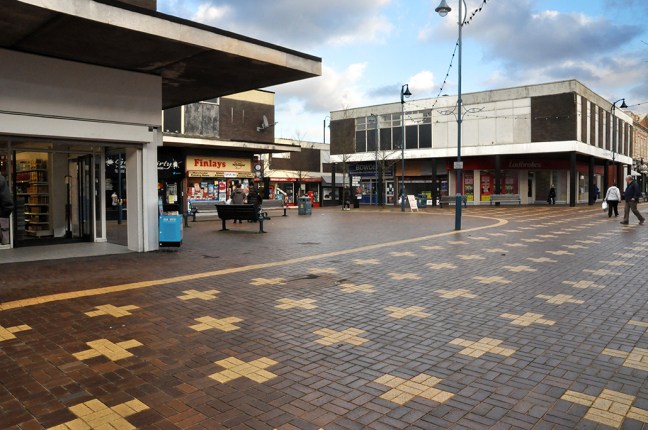
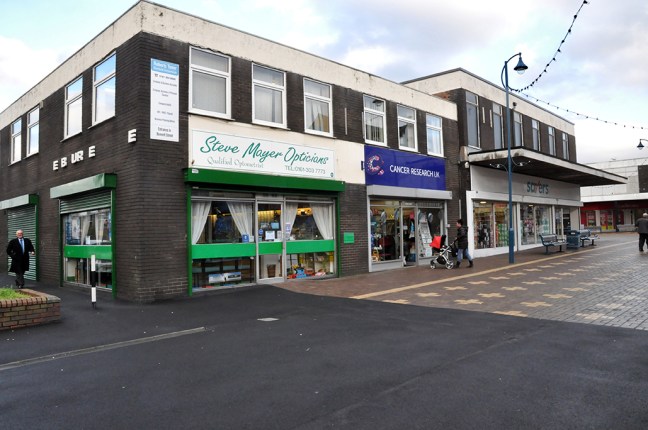
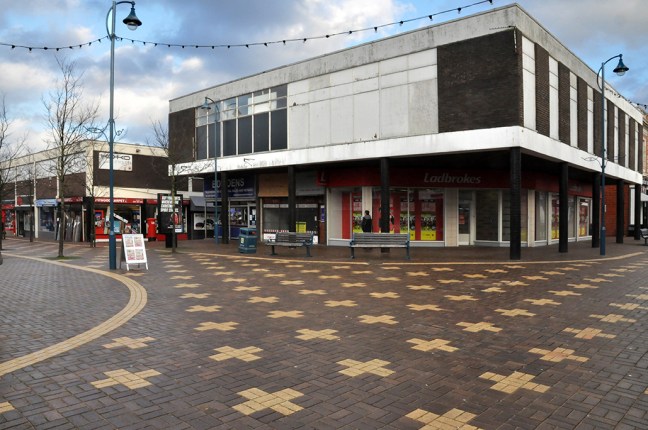
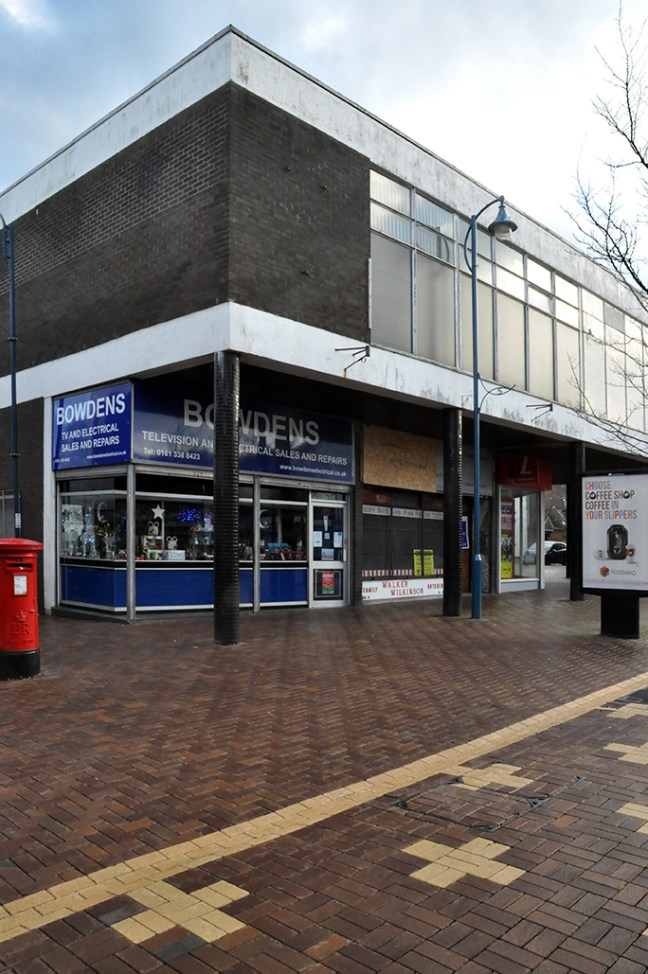
Precinct – Stalybridge

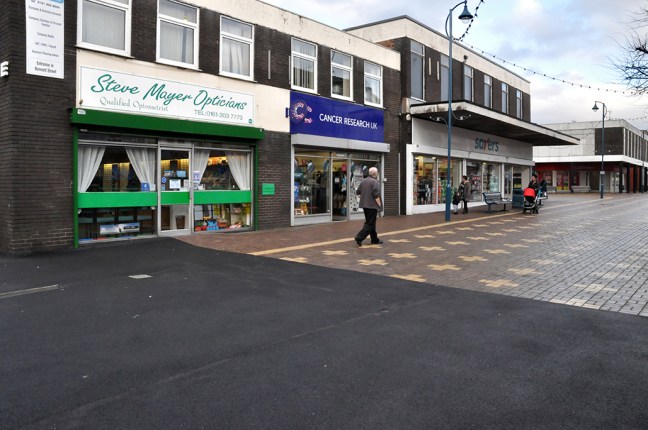
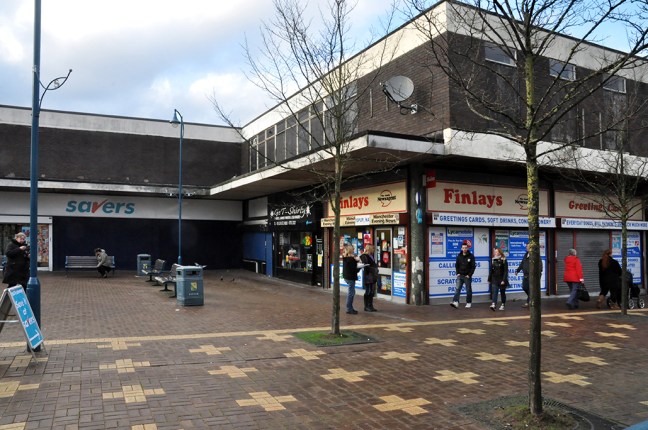
The dissipated filling, in an Aldi and Tesco sandwich, a flat roofed, concrete and brick sixties shopping development, a precinct.

Small towns typically comprise of several retail developments, of various vintages, chasing diminishing returns, in ever expanding rectangles.

Stalybridge is no exception, once a bustling mill town, it sought salvation in a hedonistic mini-break by the River Tame, party industry.

Stalyvegas.

The bright lights of the society of the spectacle, now extinguished, burnt brightly in Bar Liquid, Club Rififi, H2O and Amber Lounge.

Walking the streets today, a meagre spread of shoppers, hardened daytime drinkers and lost souls.

Bids were made for a Portas Pilot, Mary contrarily resisted.

The Northern Powerhouse hits the buffers.

The Buffet prevails.

DSC_0119 copy

DSC_0118 copy

DSC_0121 copy

DSC_0126 copy

DSC_0127 copy

DSC_0120 copy

DSC_0122 copy

DSC_0123 copy

DSC_0125 copy

DSC_0124 copy


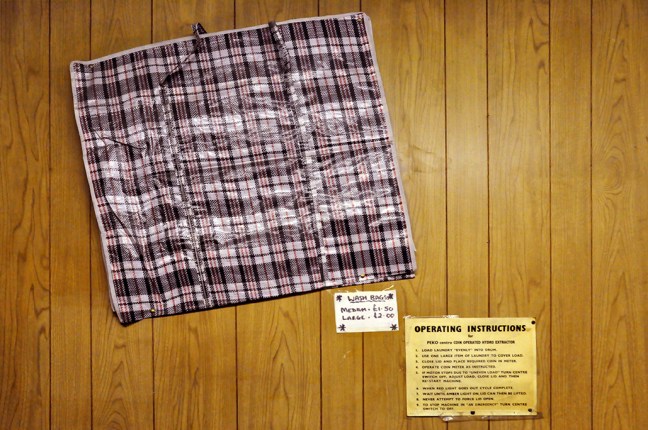
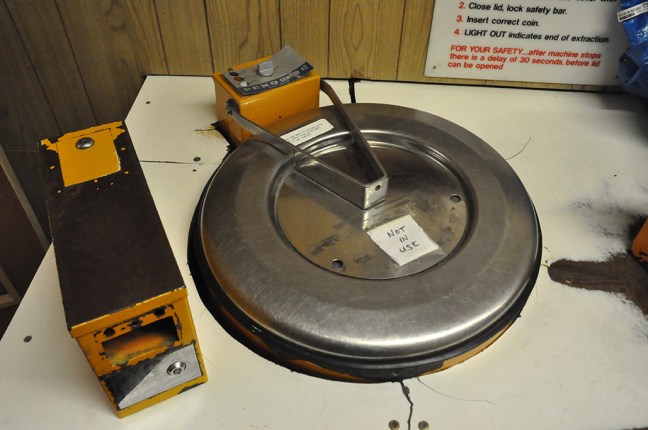
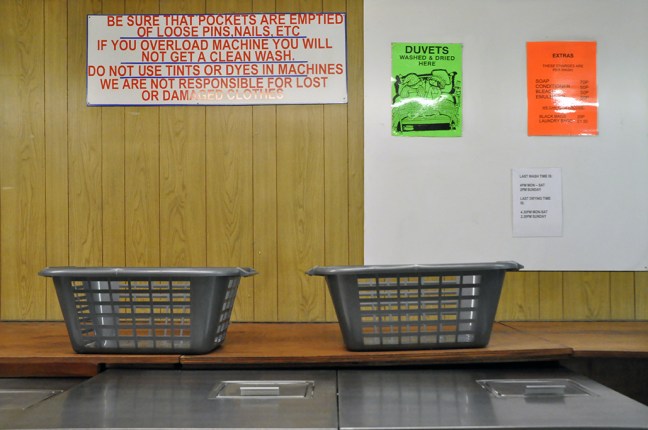
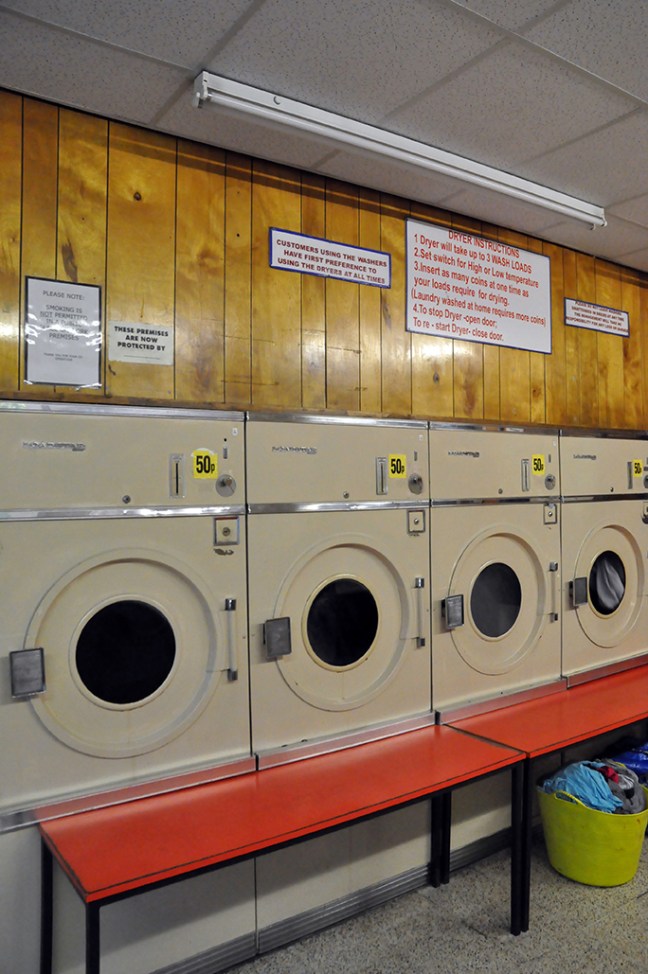
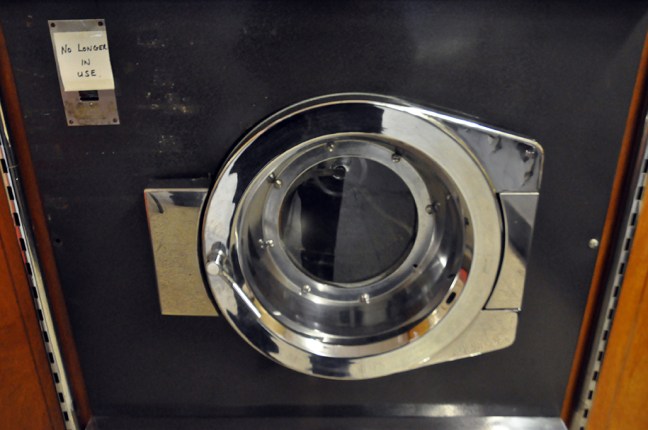
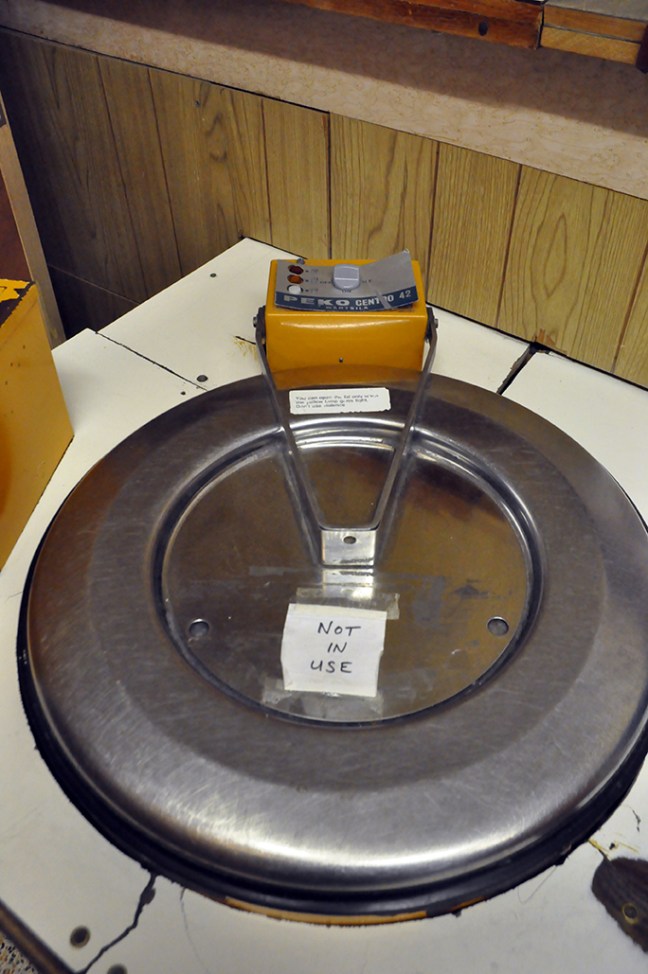
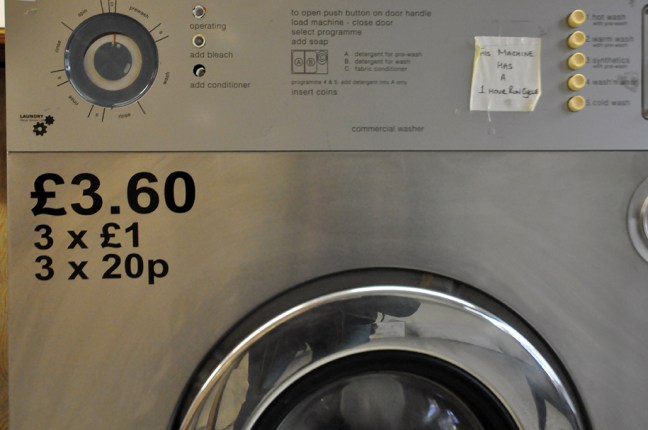
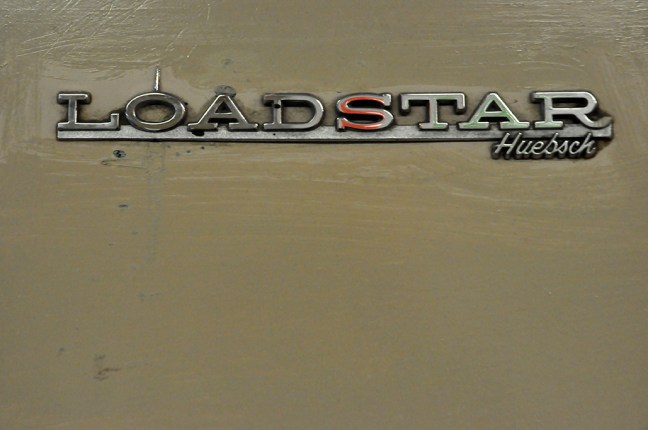
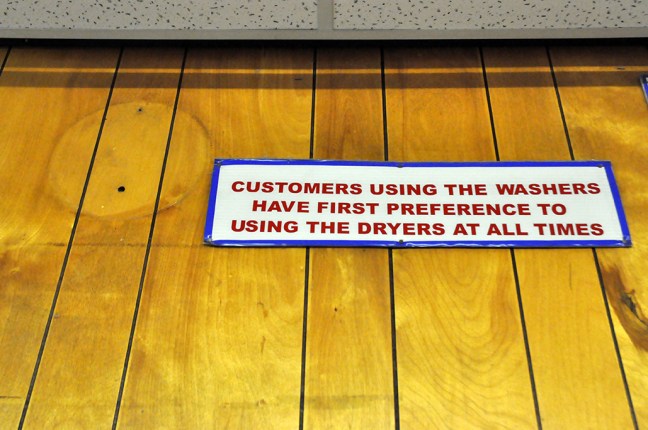
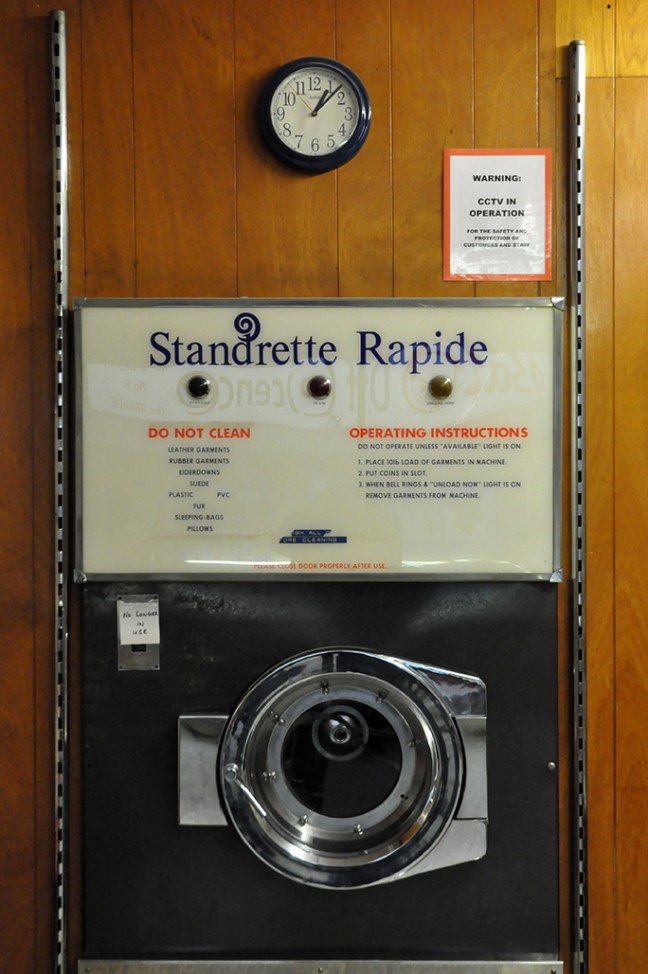
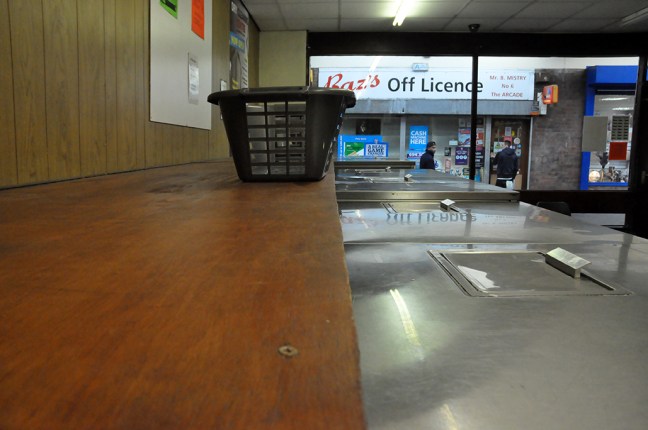
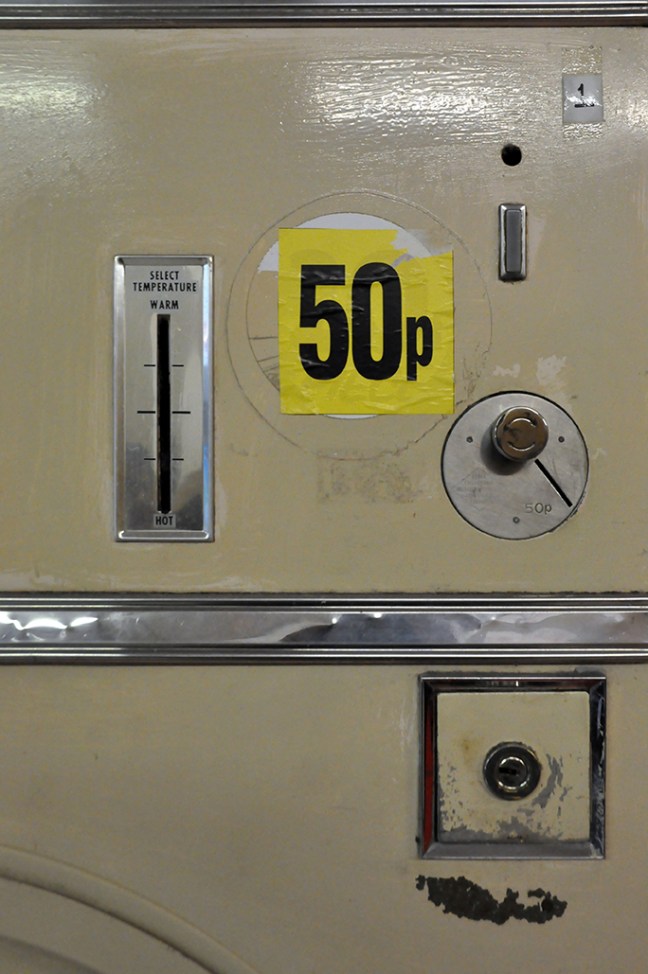
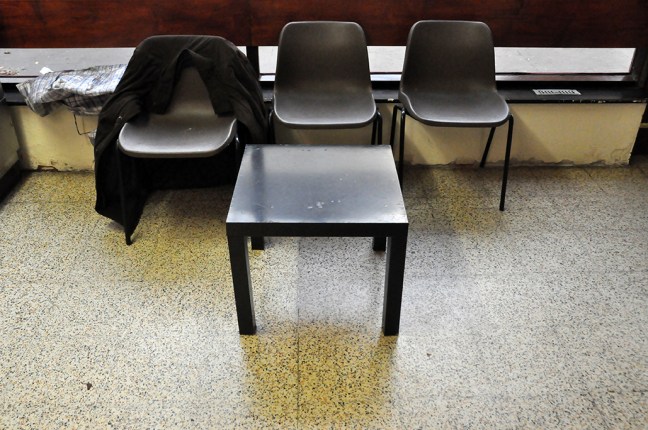
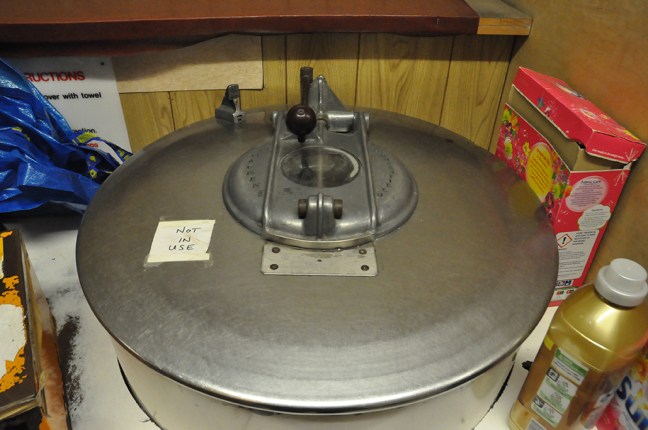
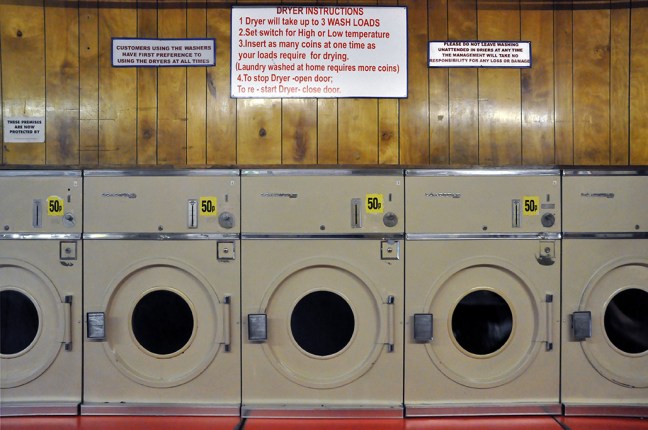
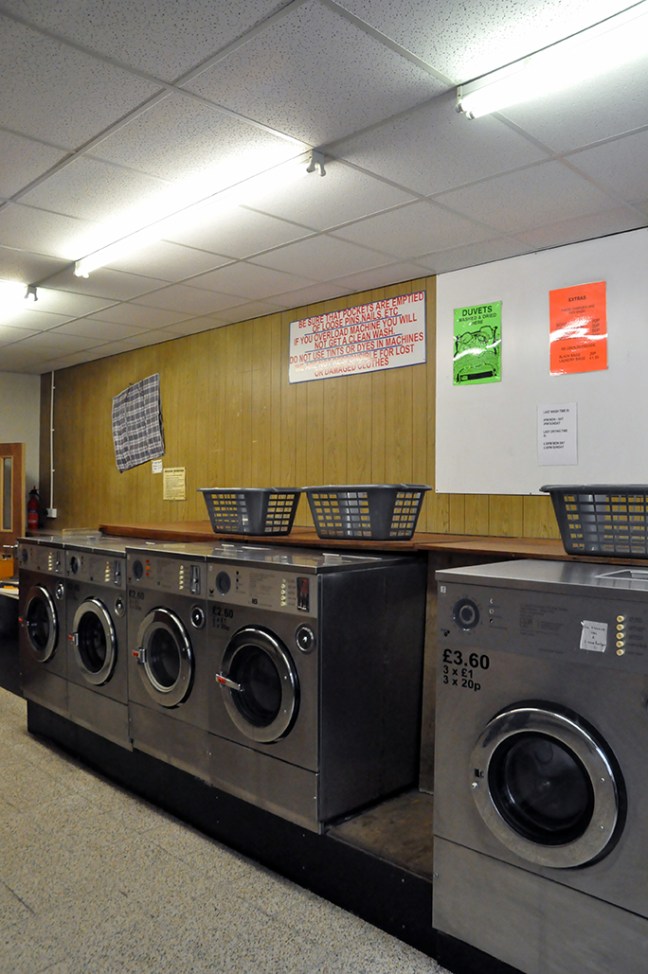
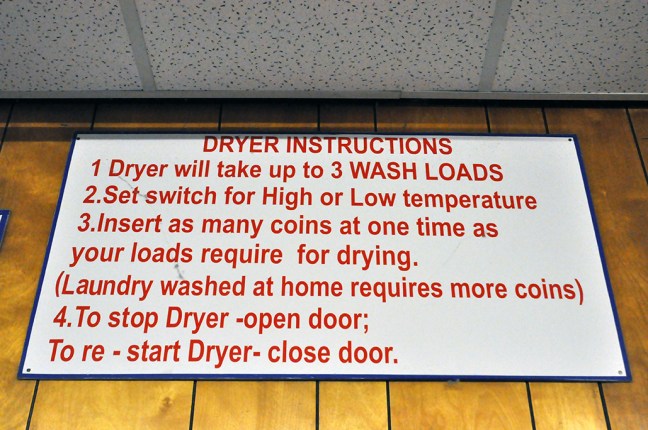
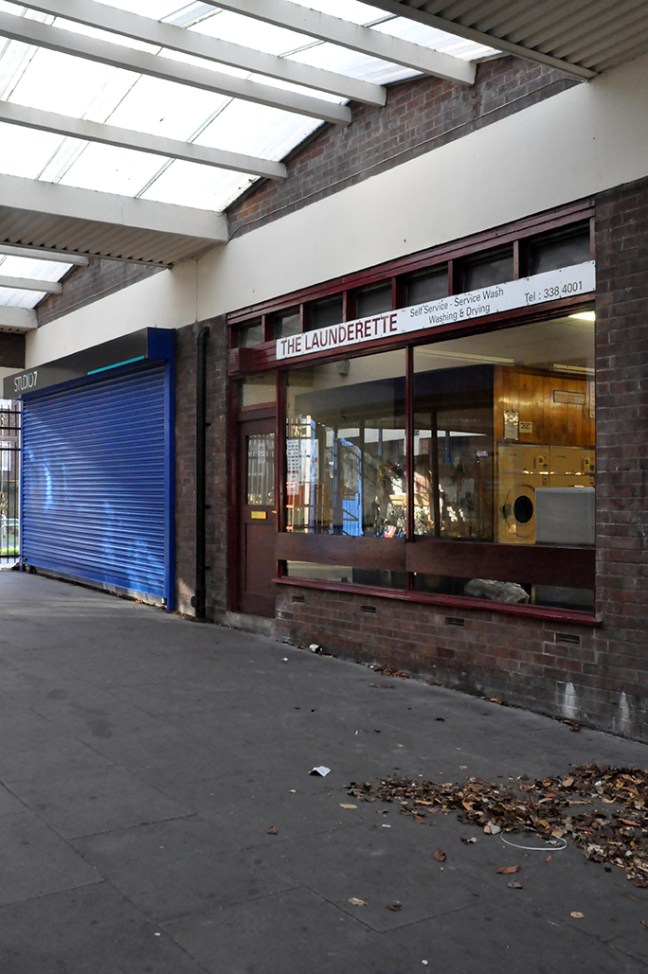
Launderette – Stalybridge

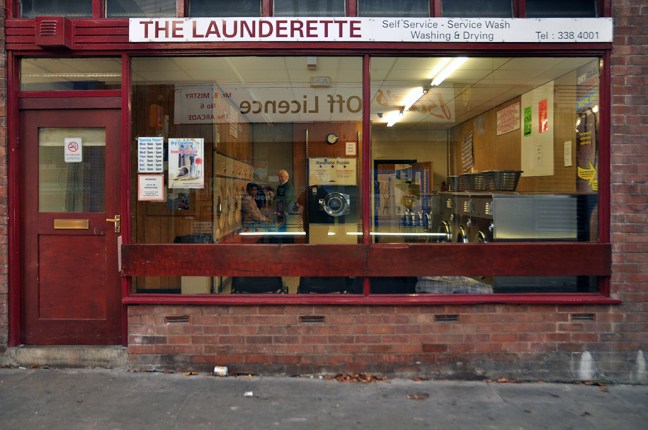
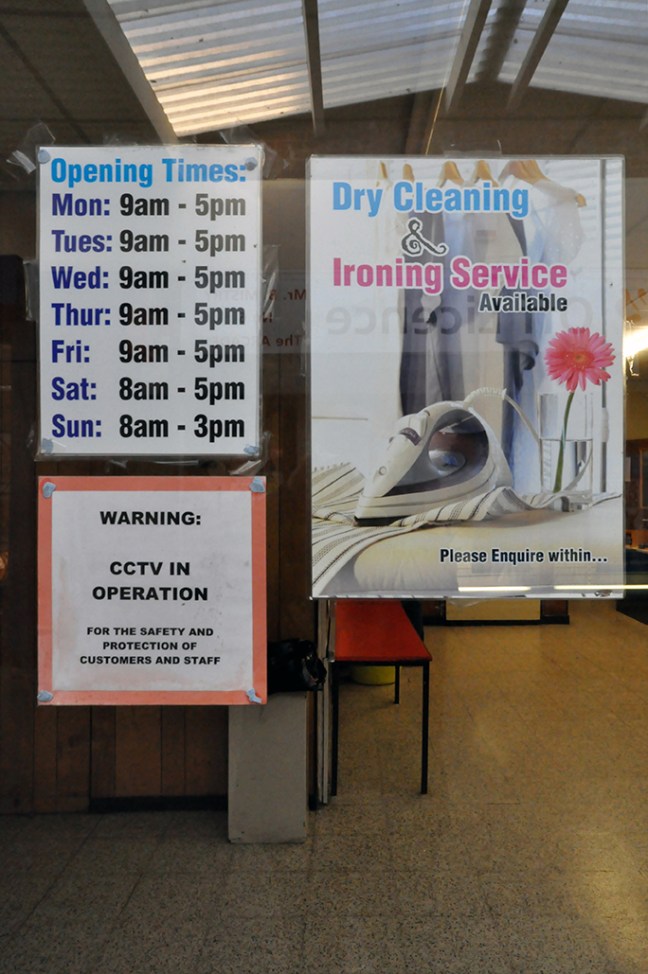
Tucked away in an arcade, far from Arcadian – not far from Baz’s Off Licence.

The launderette.

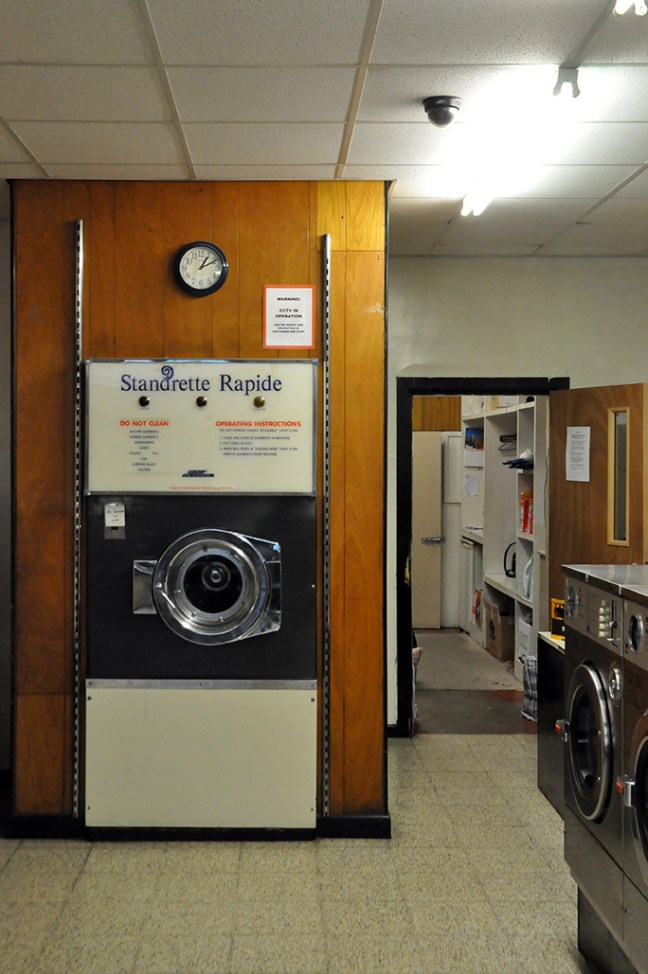
Yet another testament to the partial persistence of industrial technology.

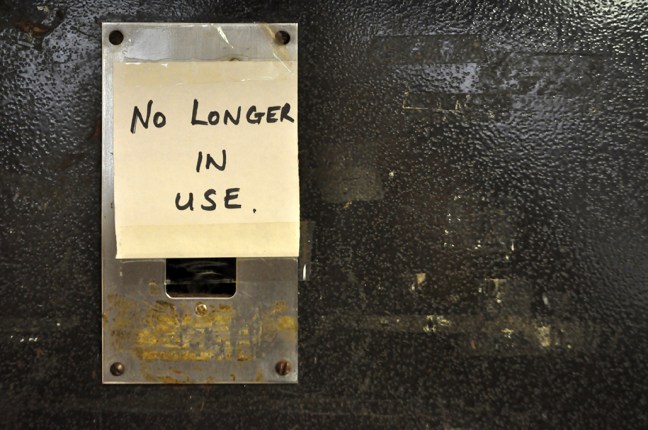
No Longer in Use.

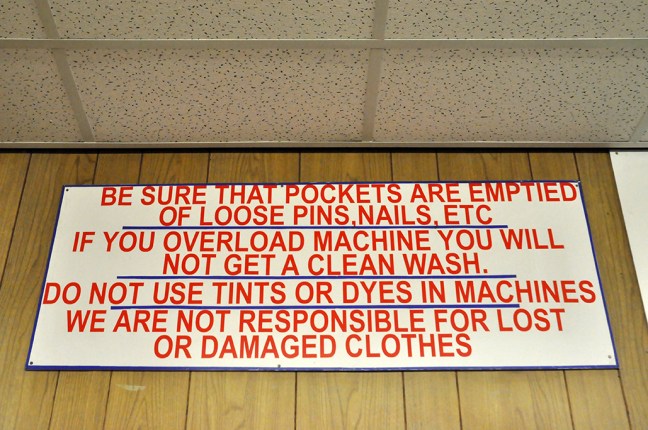
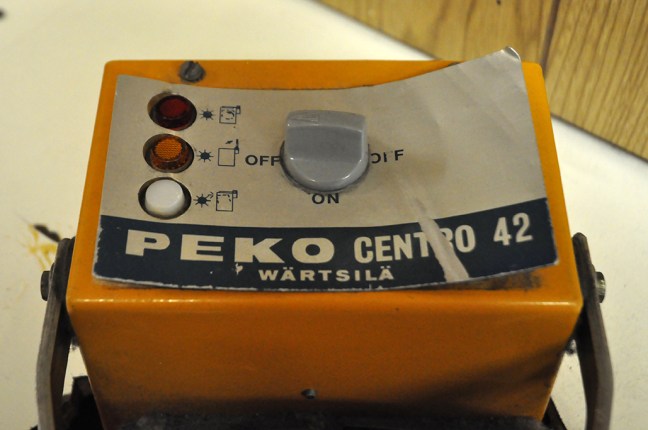
A happy hotch-potch of signs, surfaces and sixties design.

Informal formica, stripped bare strip lighting, wobbly laminate walls.

Watch and wait, whilst the World and your washing whirl.


DSC_0073 copy

DSC_0074 copy

DSC_0075 copy

DSC_0072 copy

DSC_0098 copy

DSC_0084 copy

DSC_0076 copy

DSC_0091 copy

DSC_0089 copy

DSC_0096 copy

DSC_0088 copy

DSC_0078 copy

DSC_0086 copy

DSC_0080 copy

DSC_0094 copy

DSC_0082 copy

DSC_0081 copy

DSC_0097 copy

DSC_0083 copy

DSC_0077 copy

DSC_0101 copy

DSC_0100 copy

DSC_0085 copy

DSC_0079 copy

DSC_0092 copy

DSC_0090 copy

DSC_0093 copy

DSC_0102 copy


Ups ‘n’ Downs – Stockport

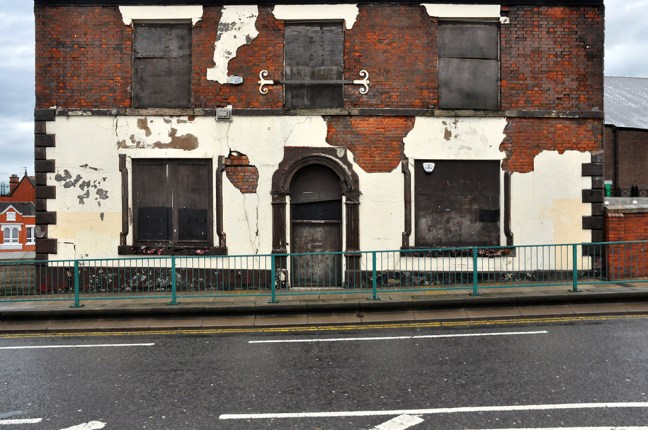
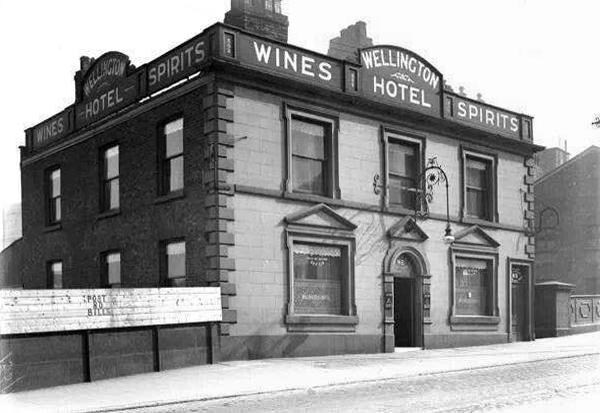
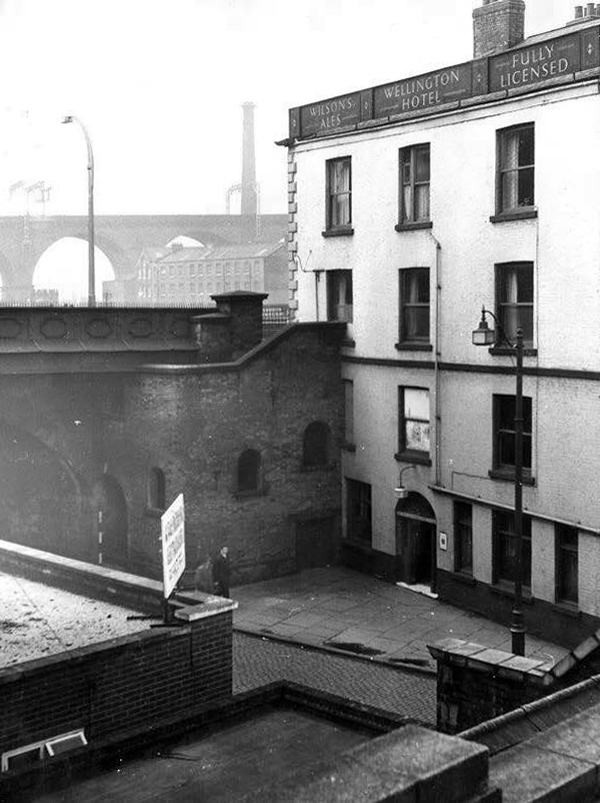
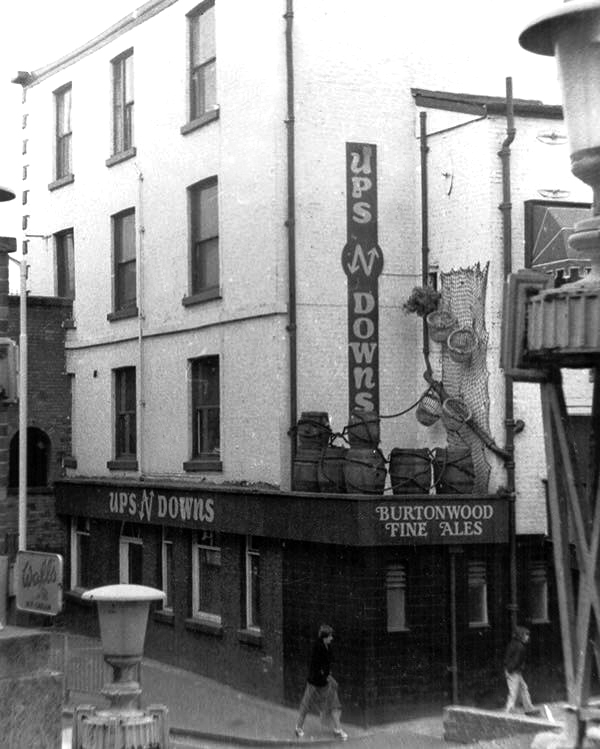
Ups ‘n’ Downs, it’s had its share of ups and downs.

Quite literally – the former Wellington Inn has an upside facing onto the busy A6 Wellington Road, and a downside opening onto Mersey Square.

27972749_557518087936232_7728145189045588891_n

27858056_557516154603092_2607525642965010439_n

27750183_557516157936425_5371938937434776142_n

27972829_557516197936421_3119942482090205920_n

Its fortunes similarly something of a rollercoaster ride, from busy town centre pub, to edgy pseudo-club, populated by late night uniformed bus drivers, swaying on the metre square dance floor.

Latterly something of a disco party bus, going nowhere fast.

Known variously as Glitz, Bentley’s and the Bees Knees.

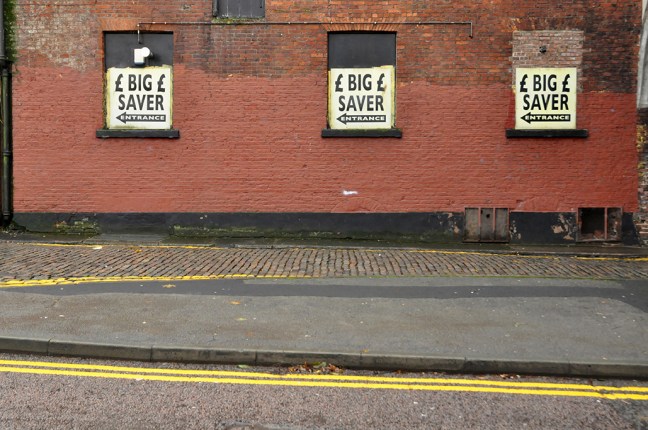
Finally, partial occupation by a forlorn pound shop – defying economic trends by closing.

An architectural curiosity and a blank faced, gap toothed greeting to the Town’s visitors, there is talk of conversion to flats under the council’s stewardship.

It seems like up to me.

DSC_0003

DSC_0017

DSC_0006

DSC_0004

DSC_0021

DSC_0019

DSC_0016

DSC_0005

DSC_0008

DSC_0020

DSC_0014

DSC_0013

DSC_0007

DSC_0032

DSC_0002

DSC_0012

DSC_0028

DSC_0023

DSC_0001

DSC_0010

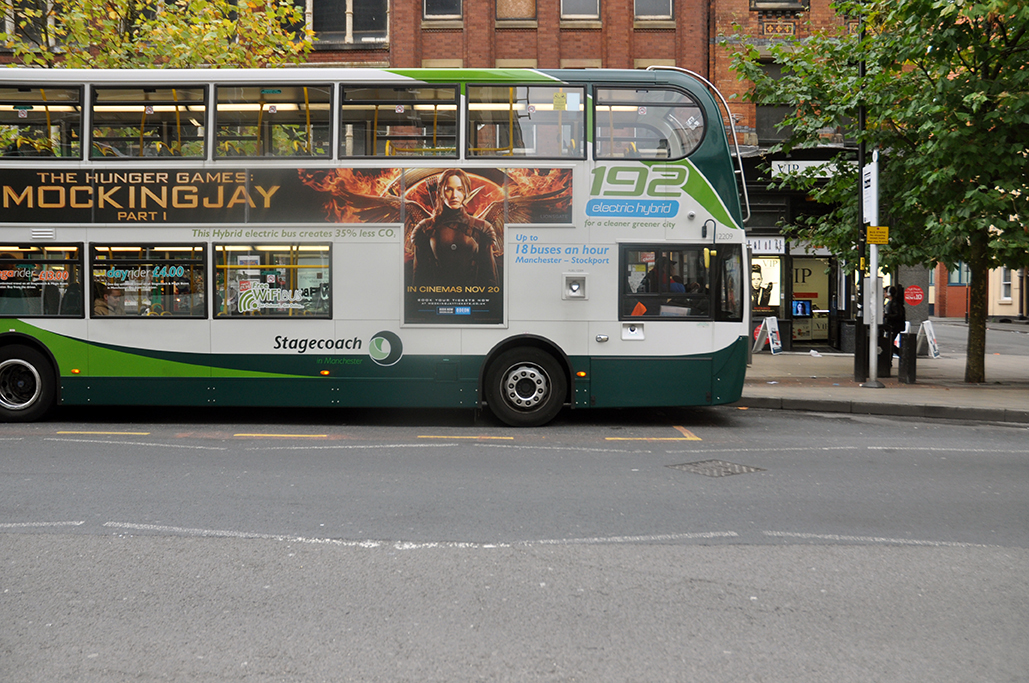
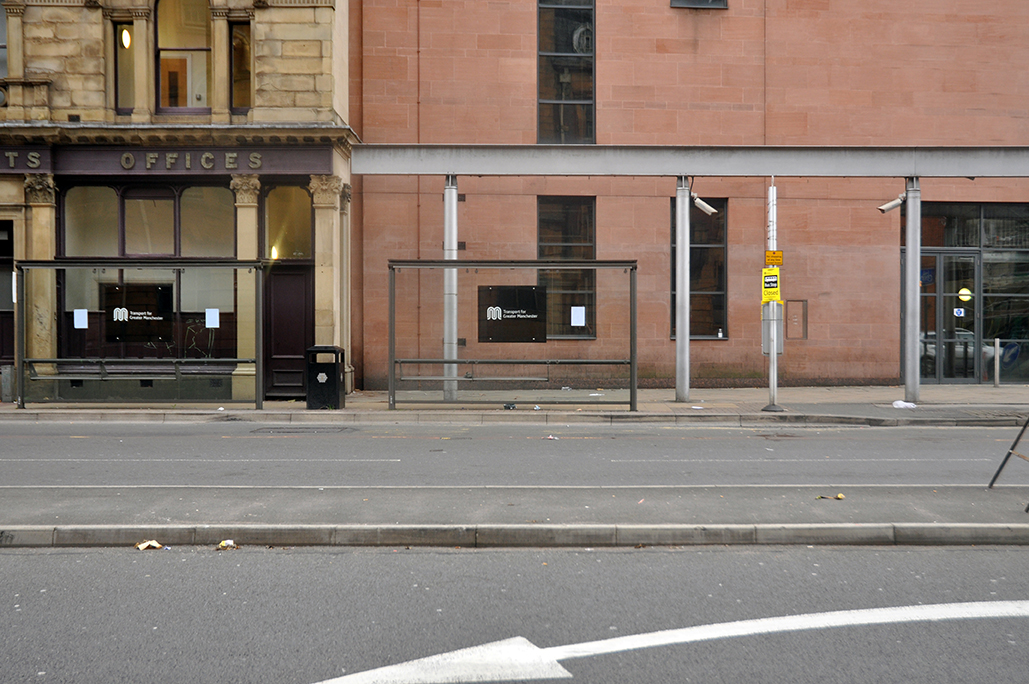
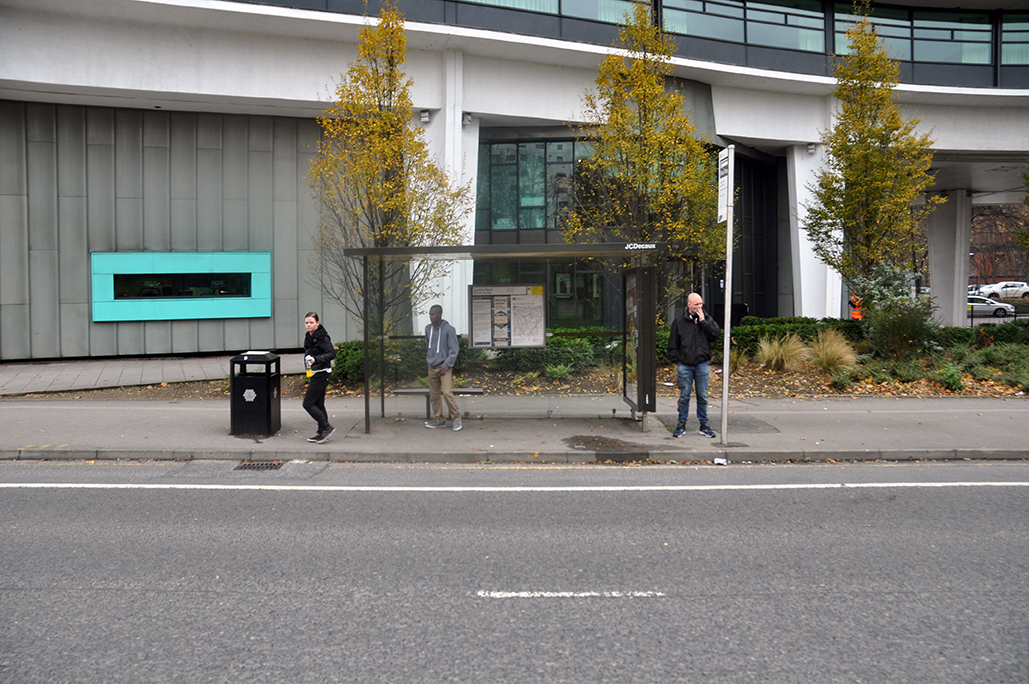
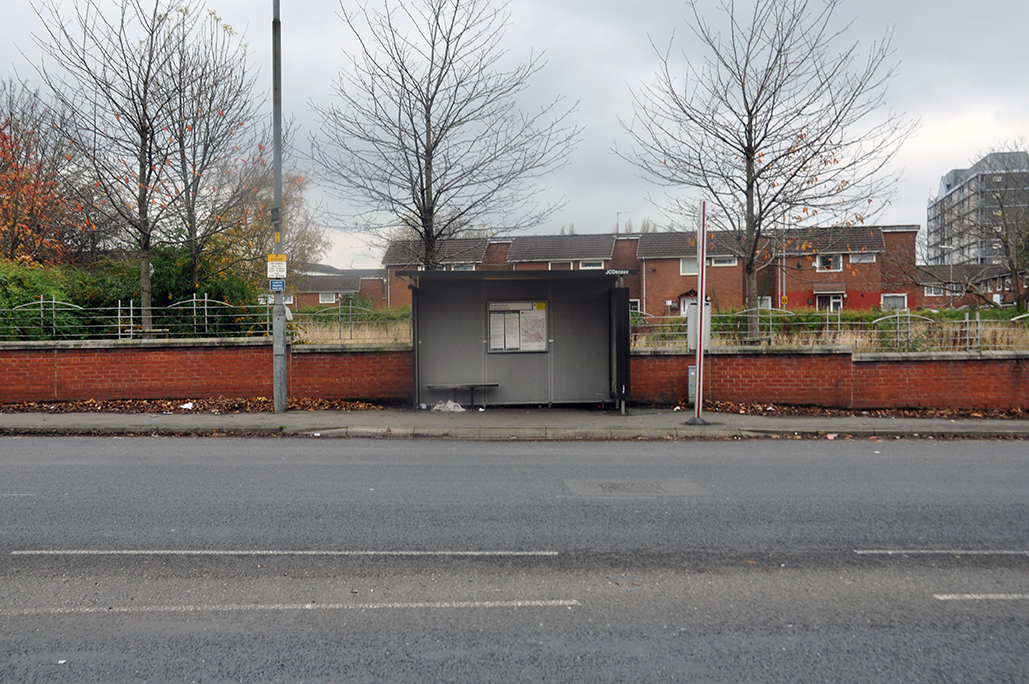
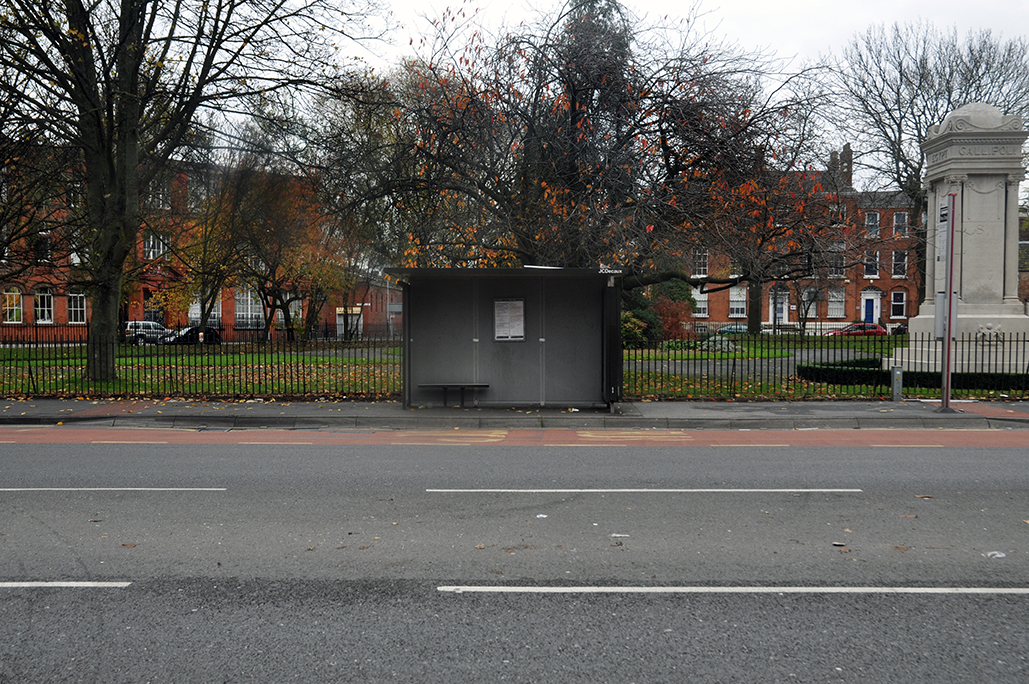
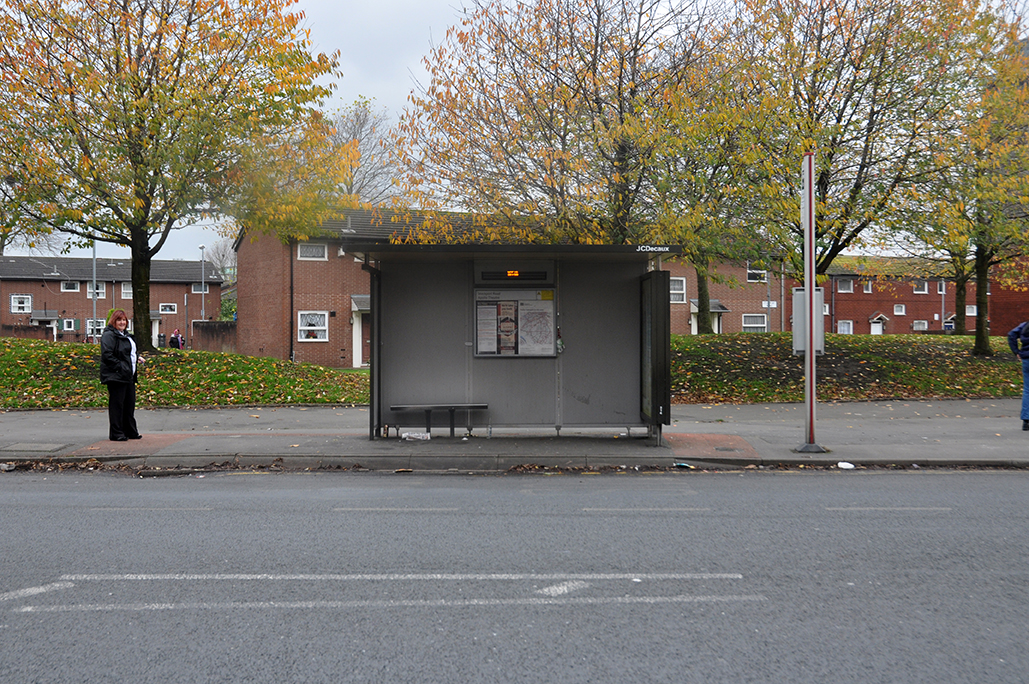
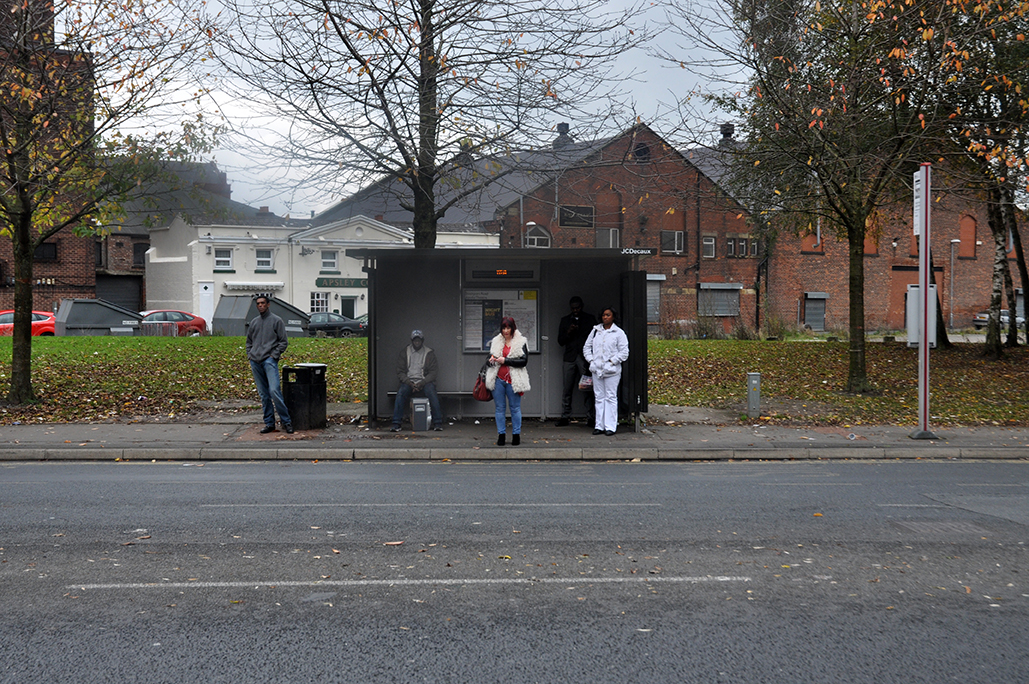
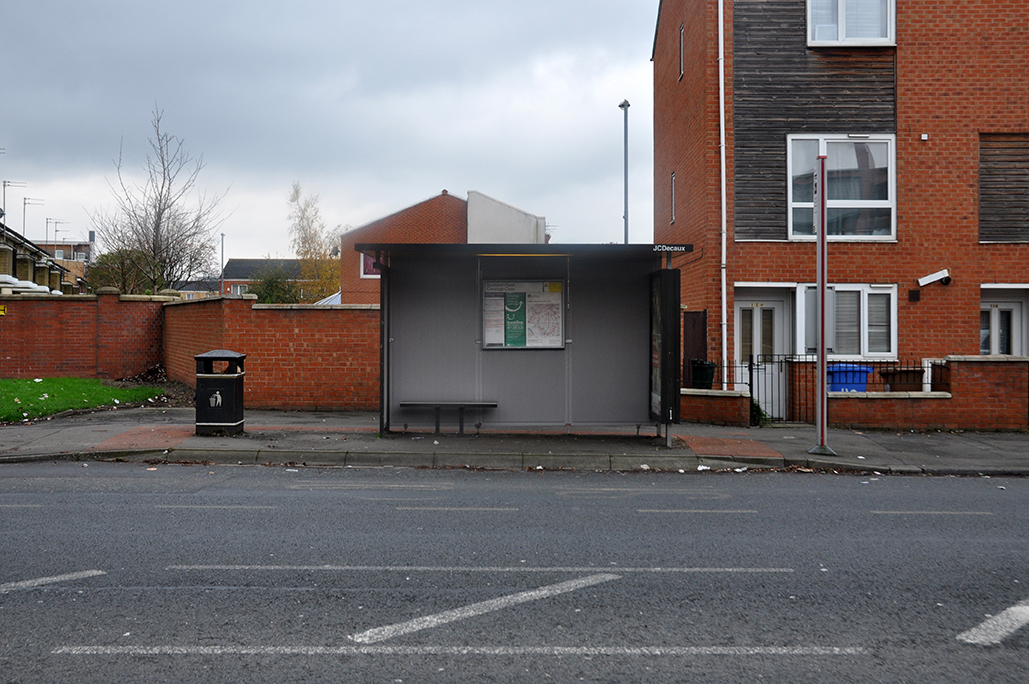
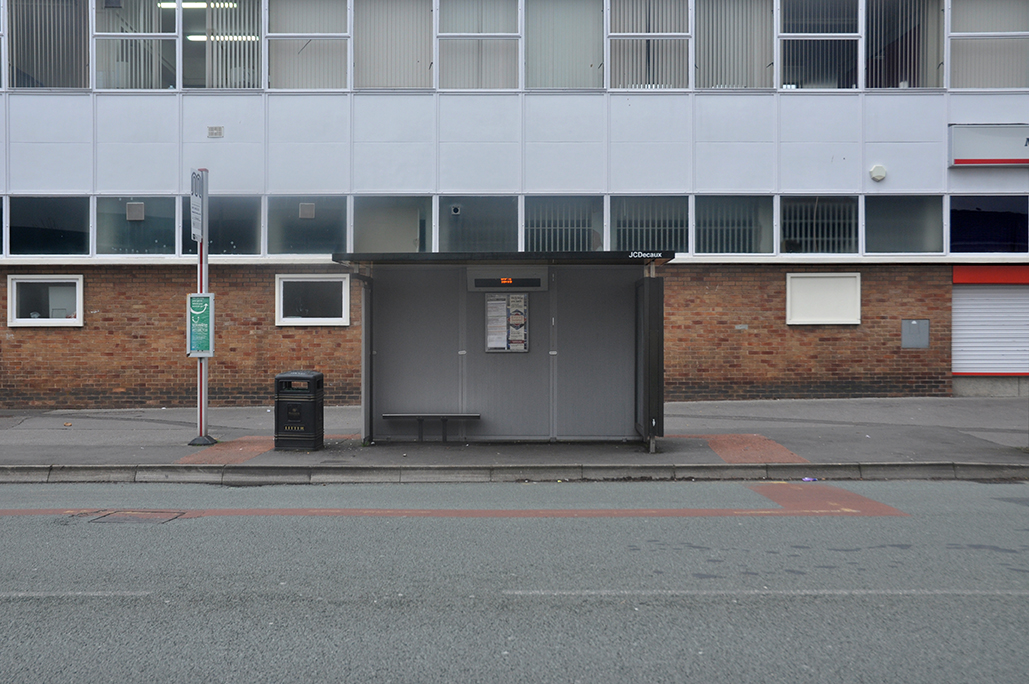
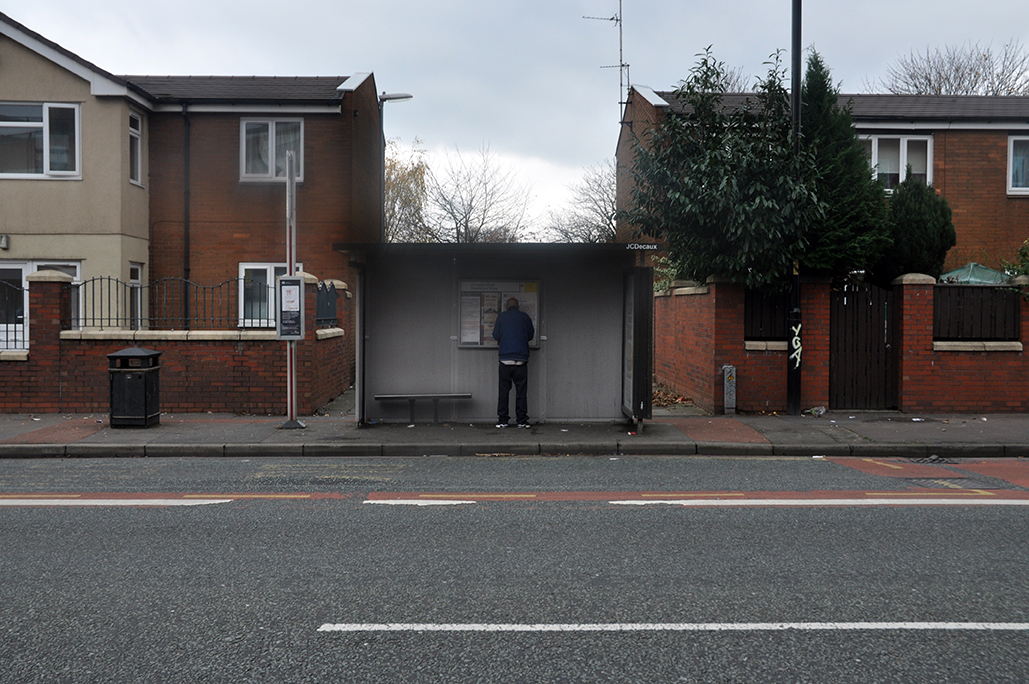
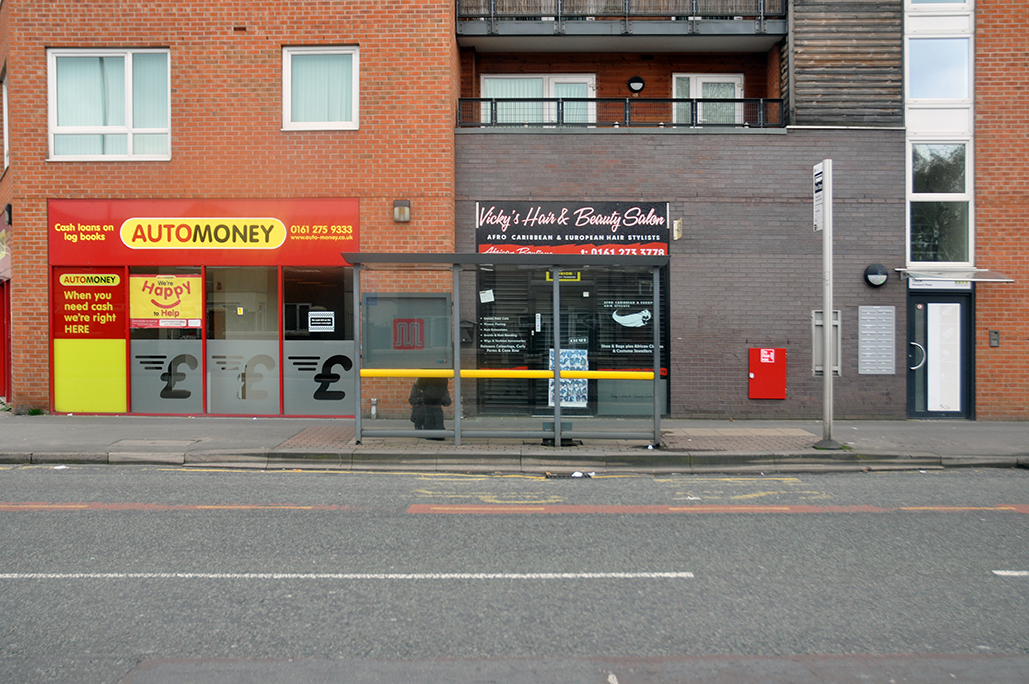
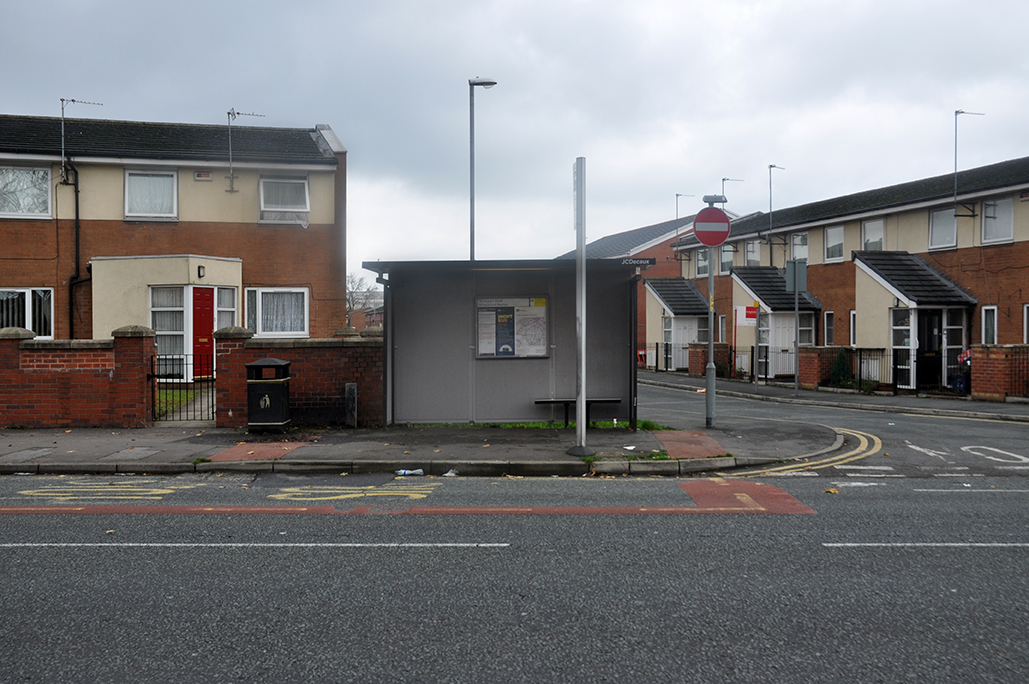
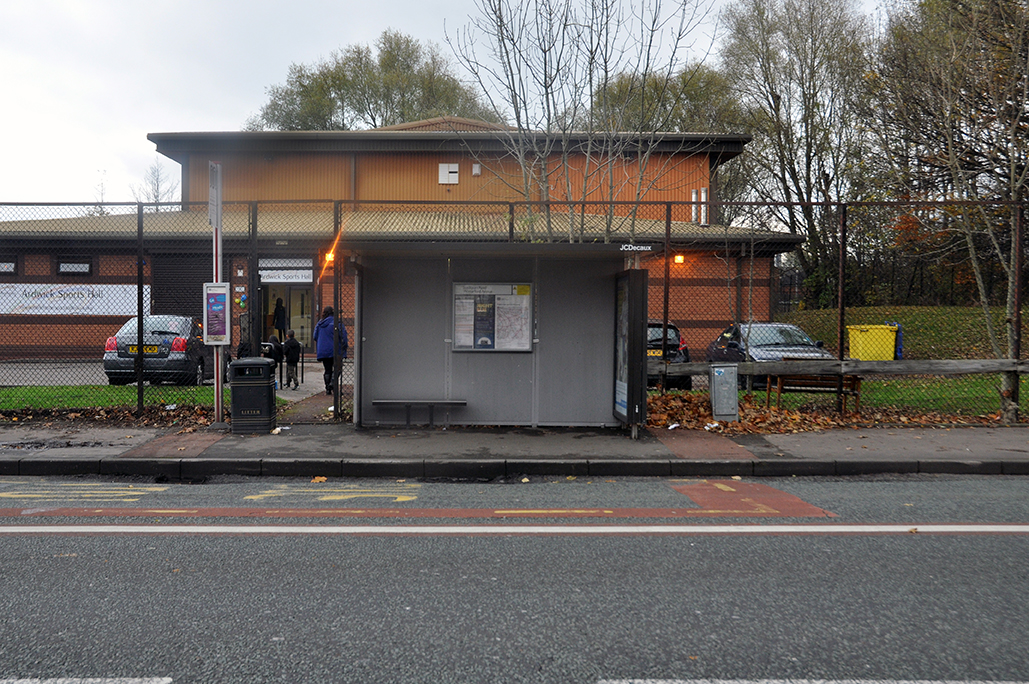
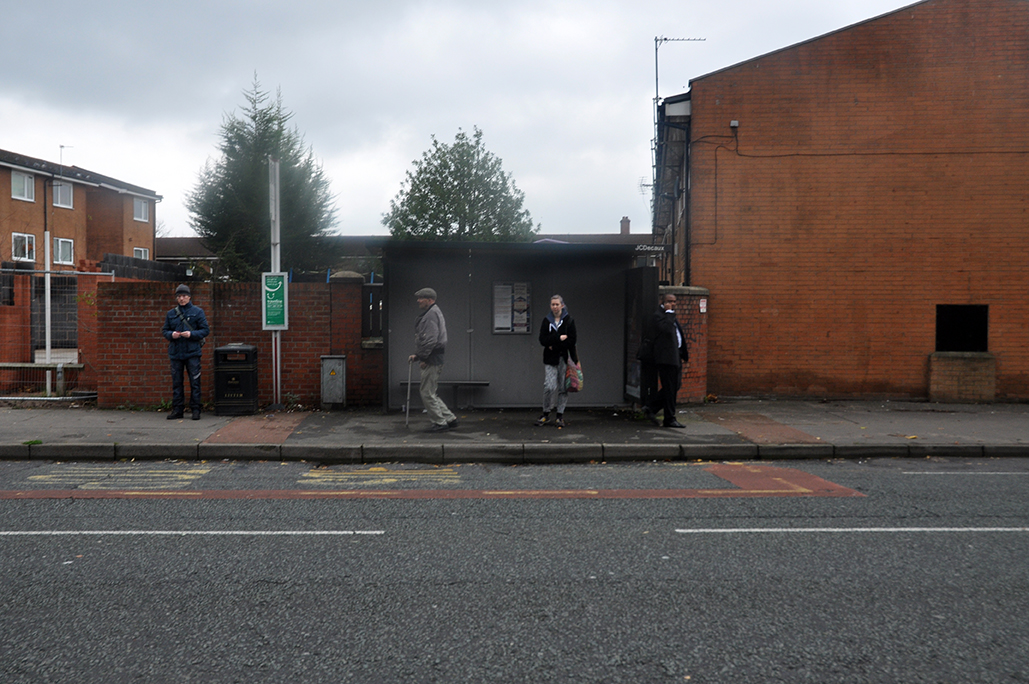
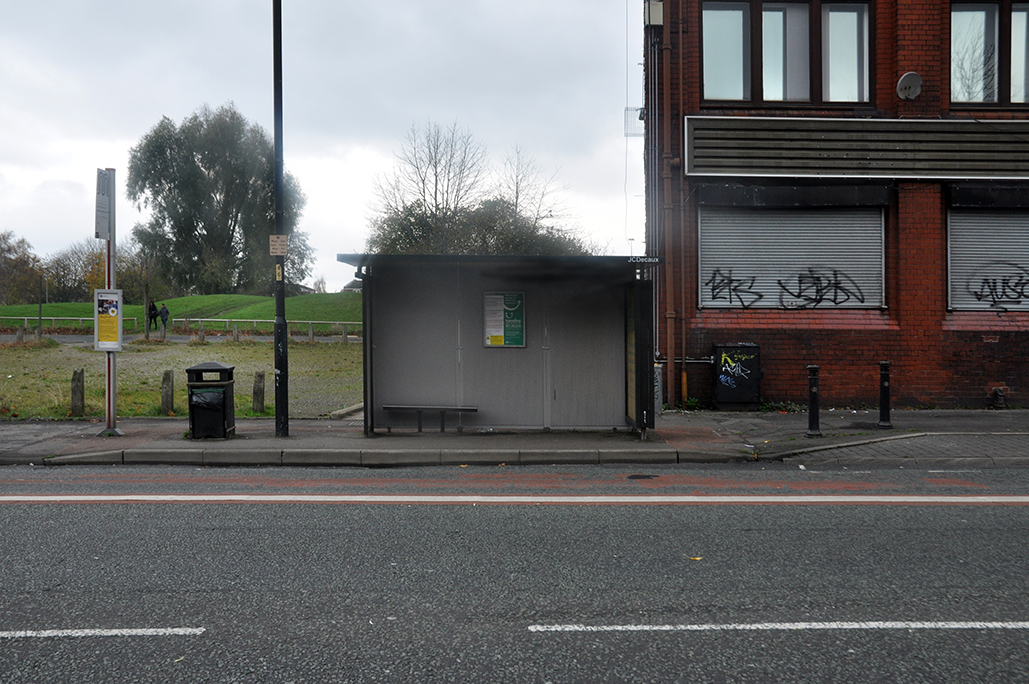
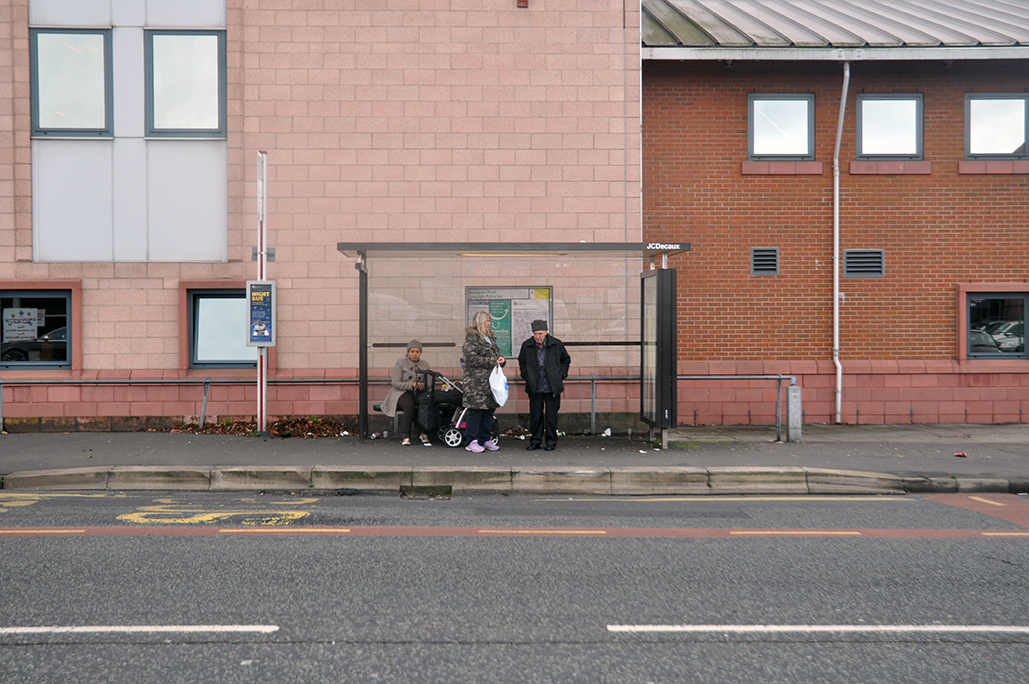
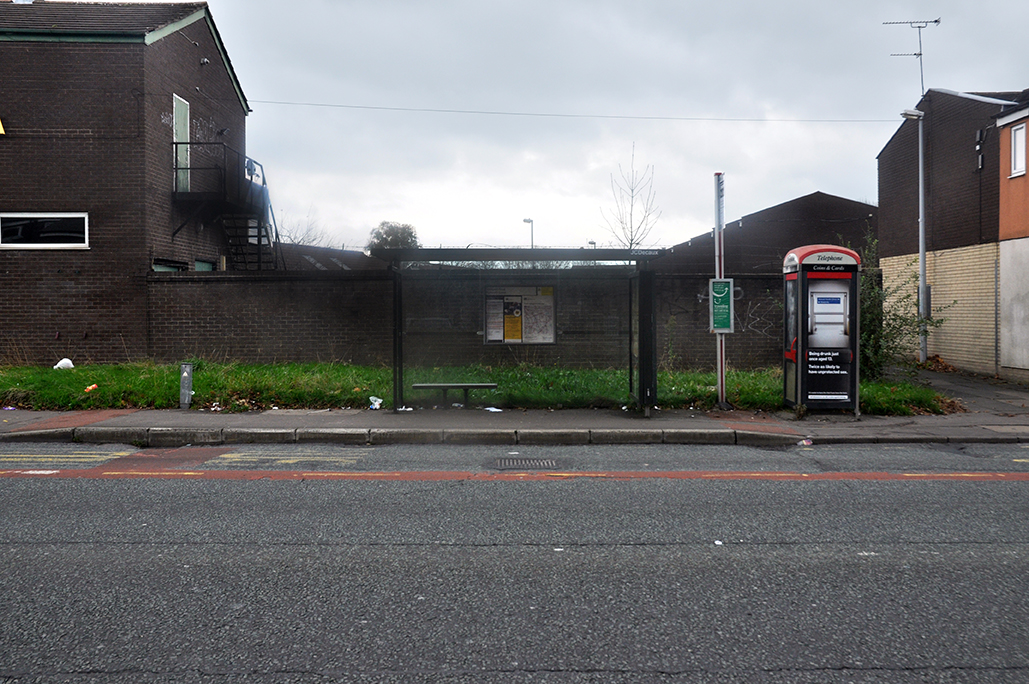
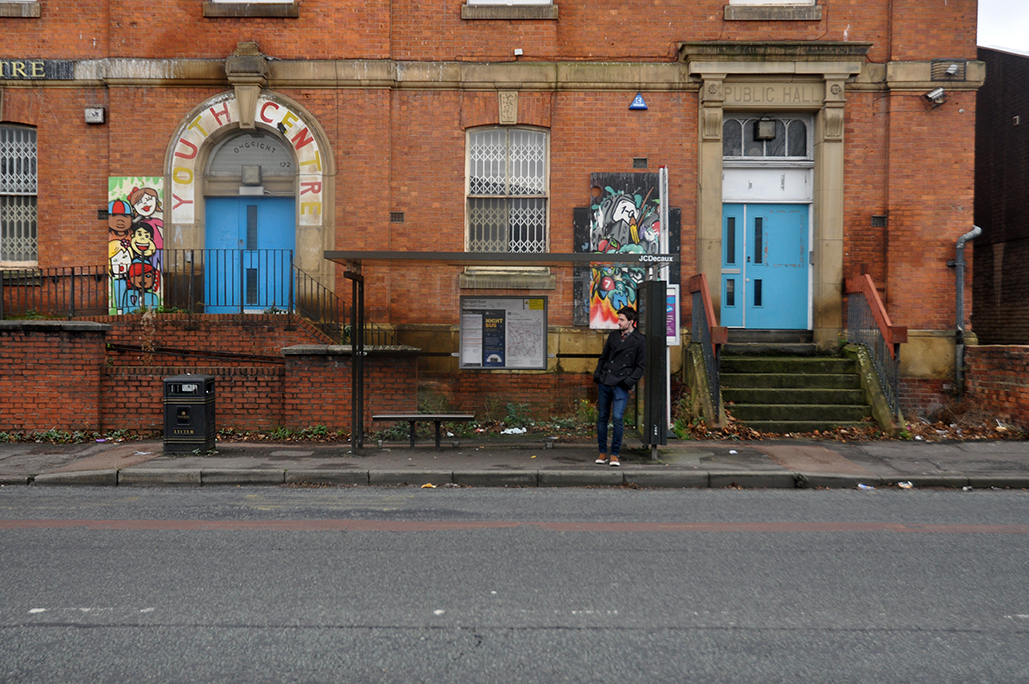
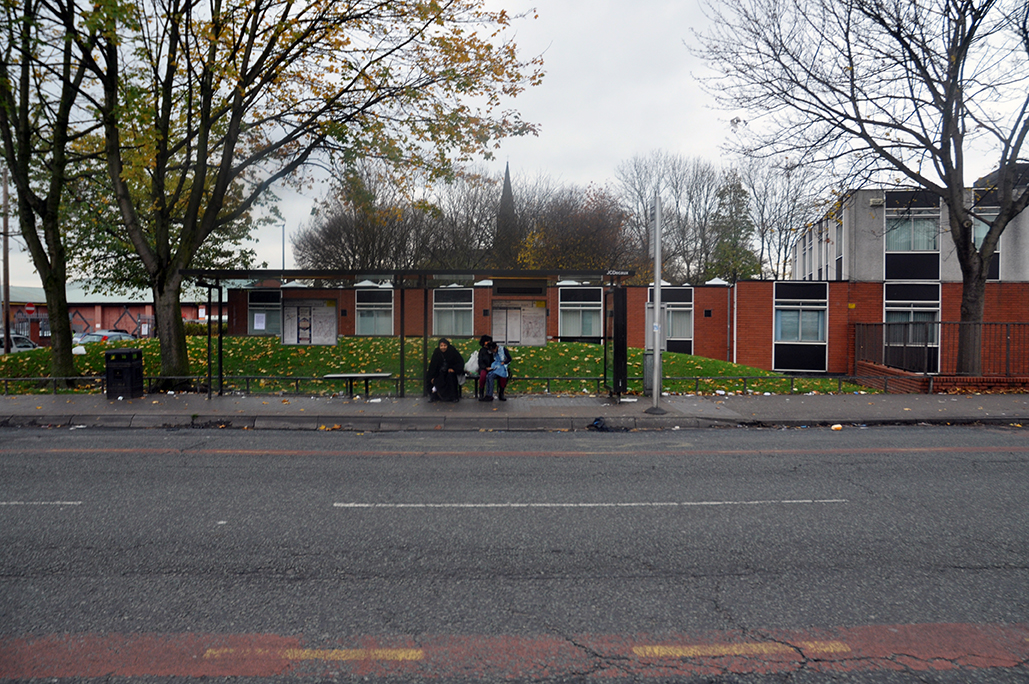
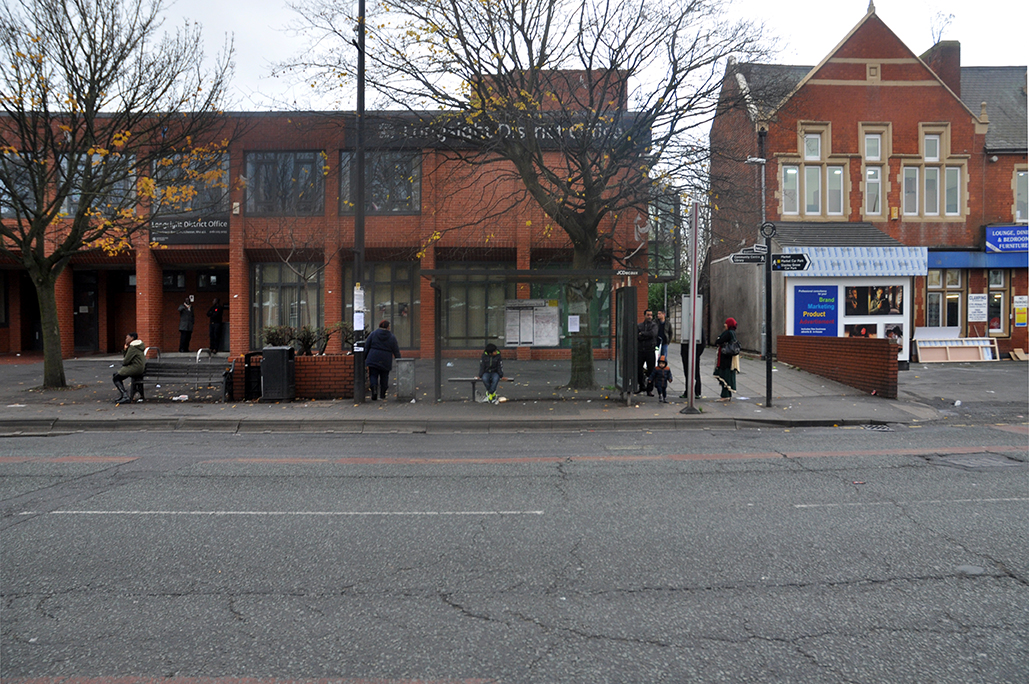
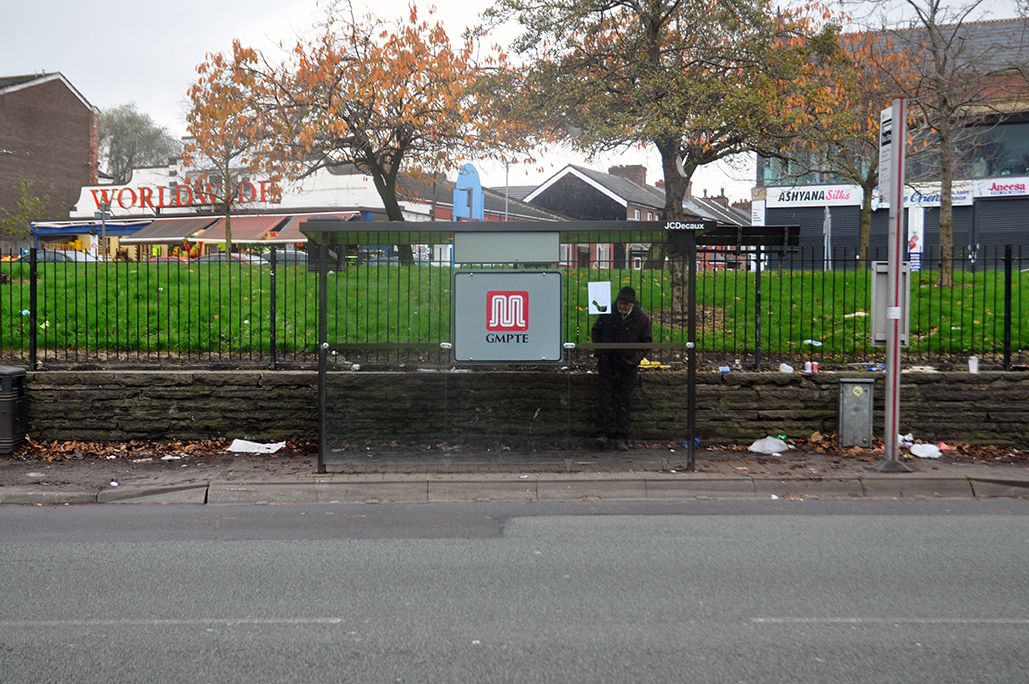
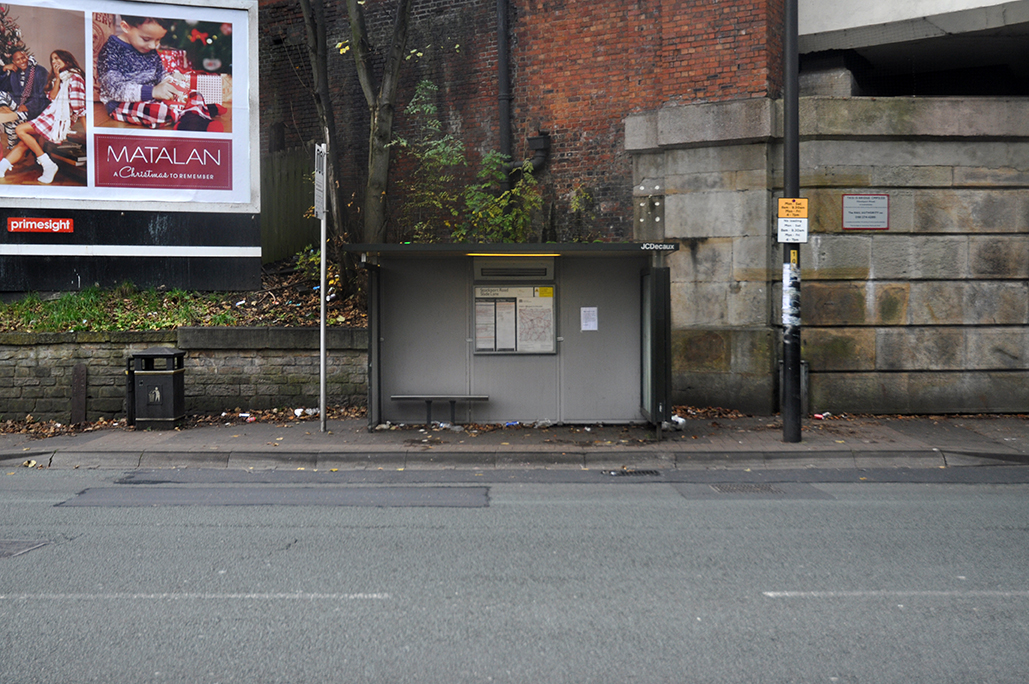
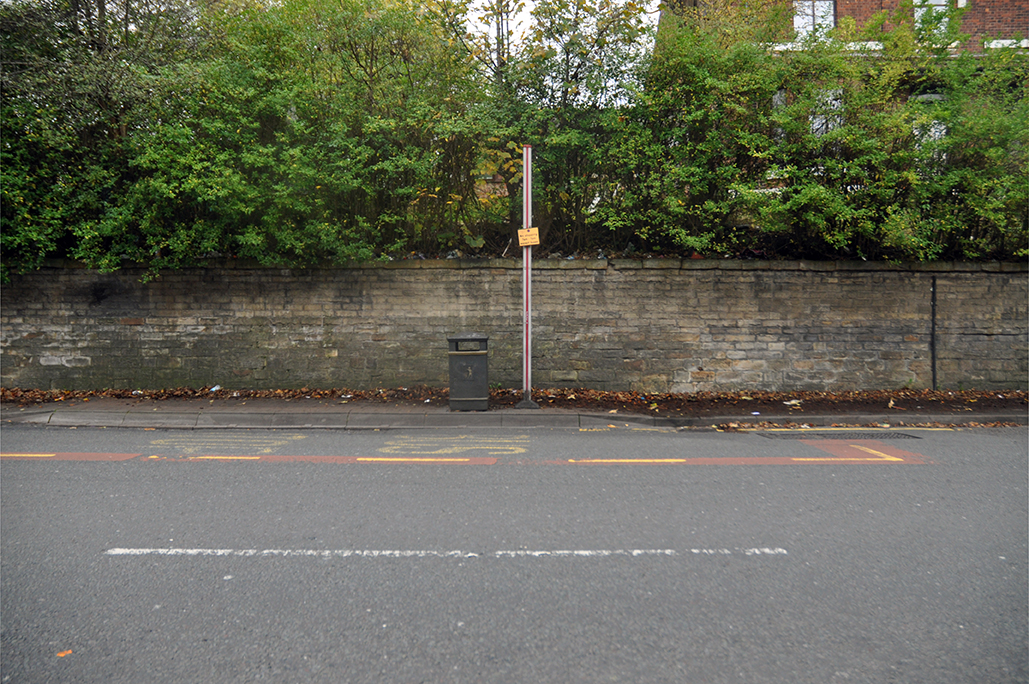
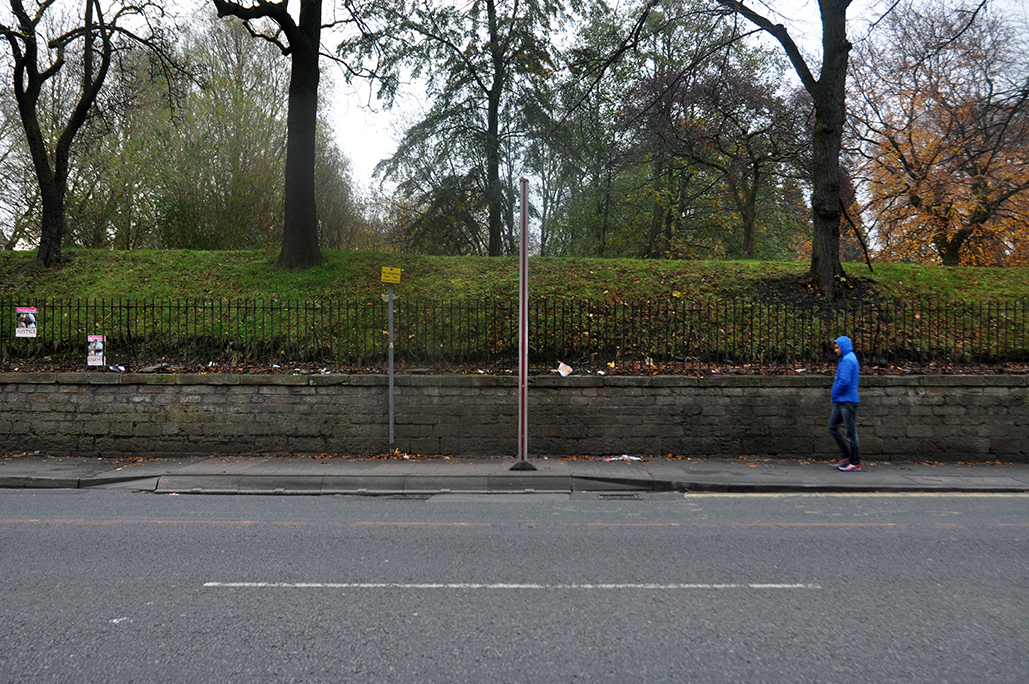
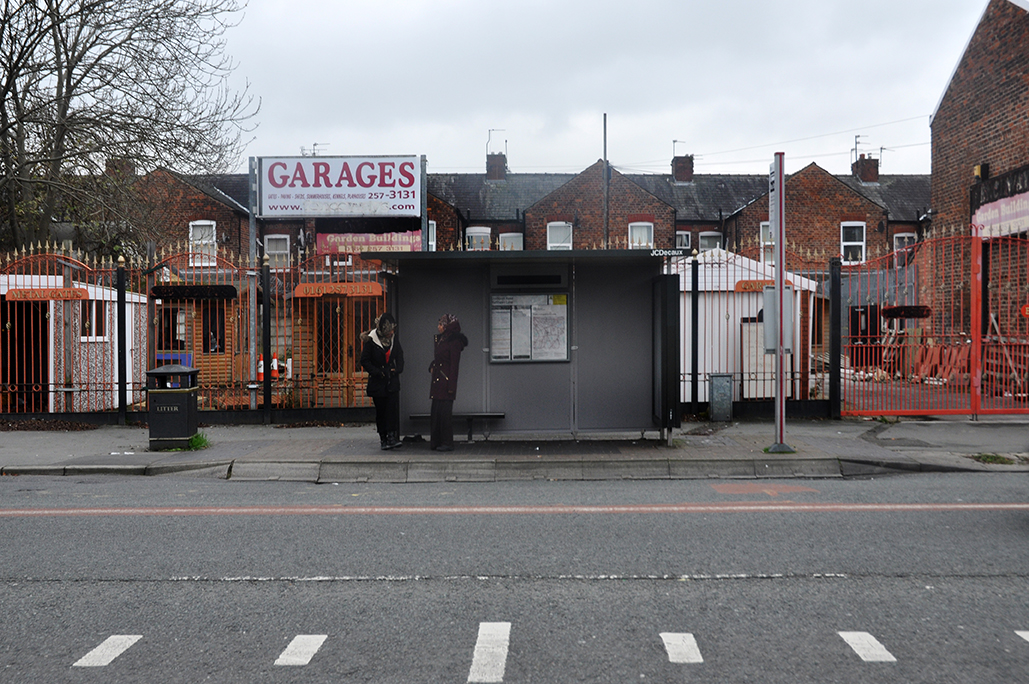
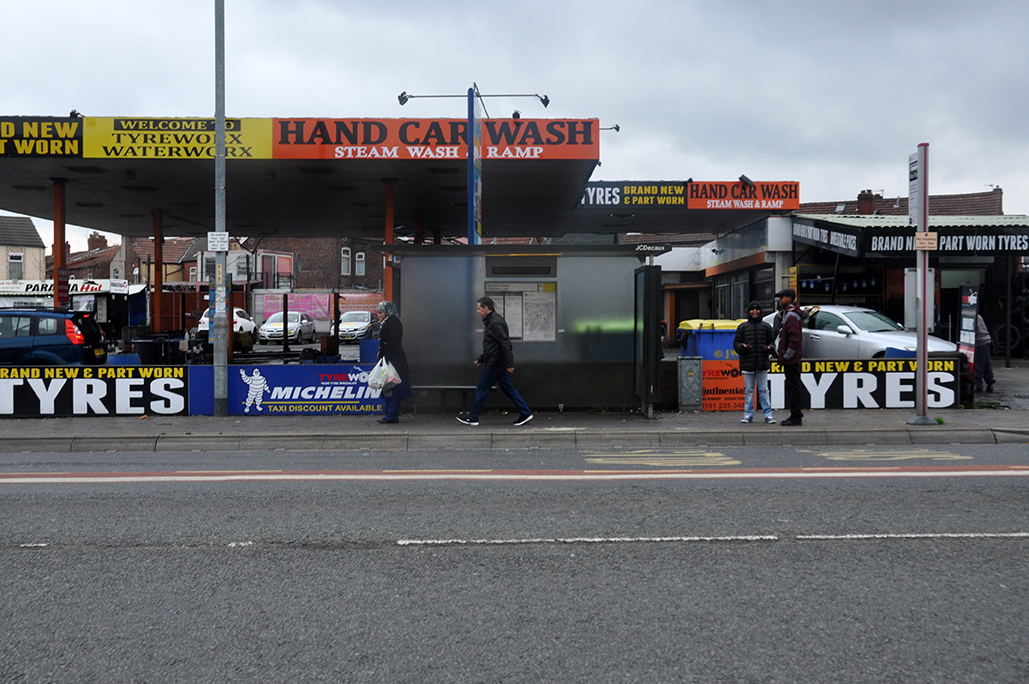
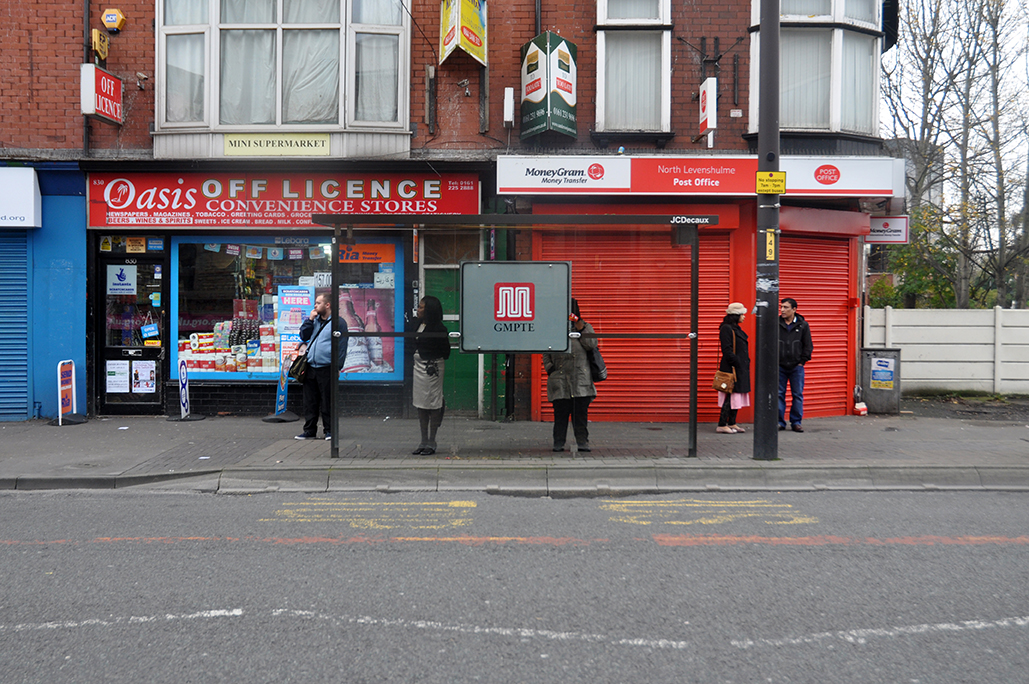
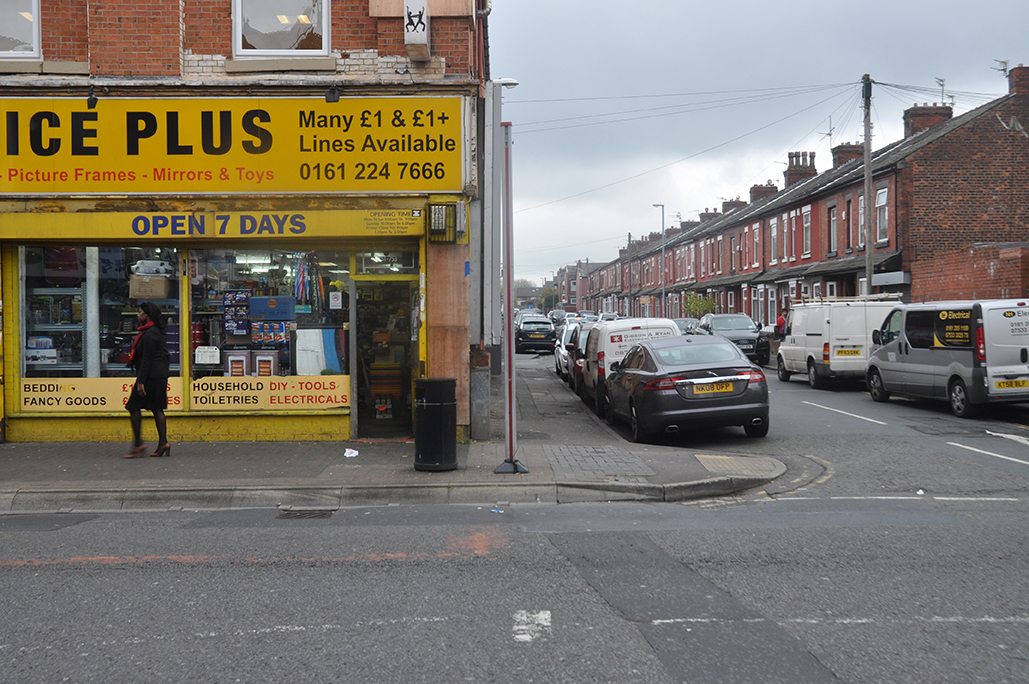
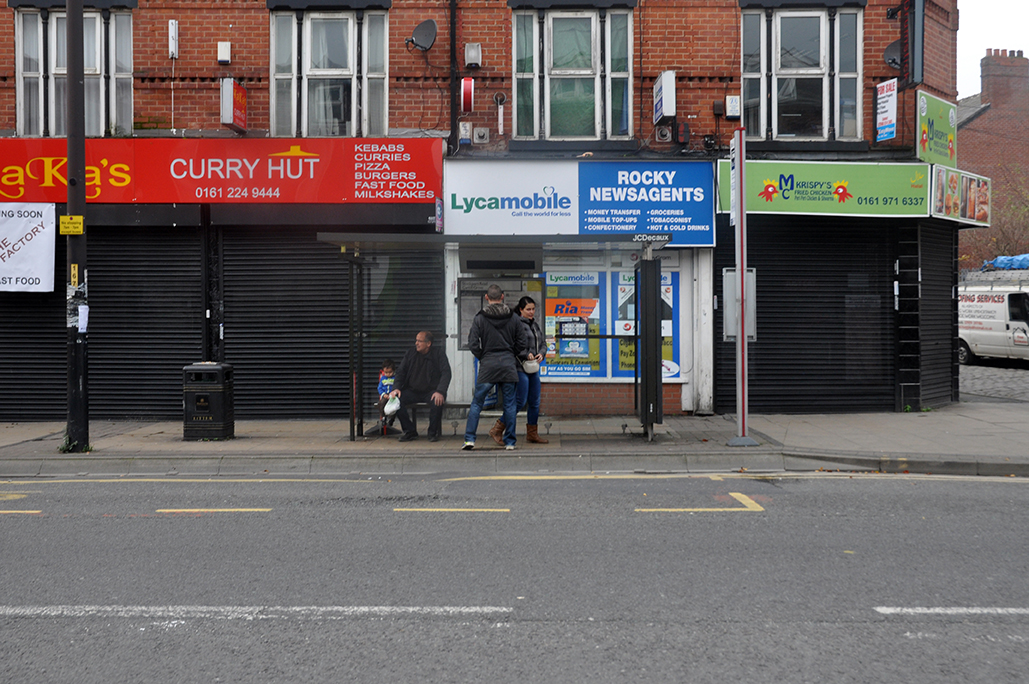
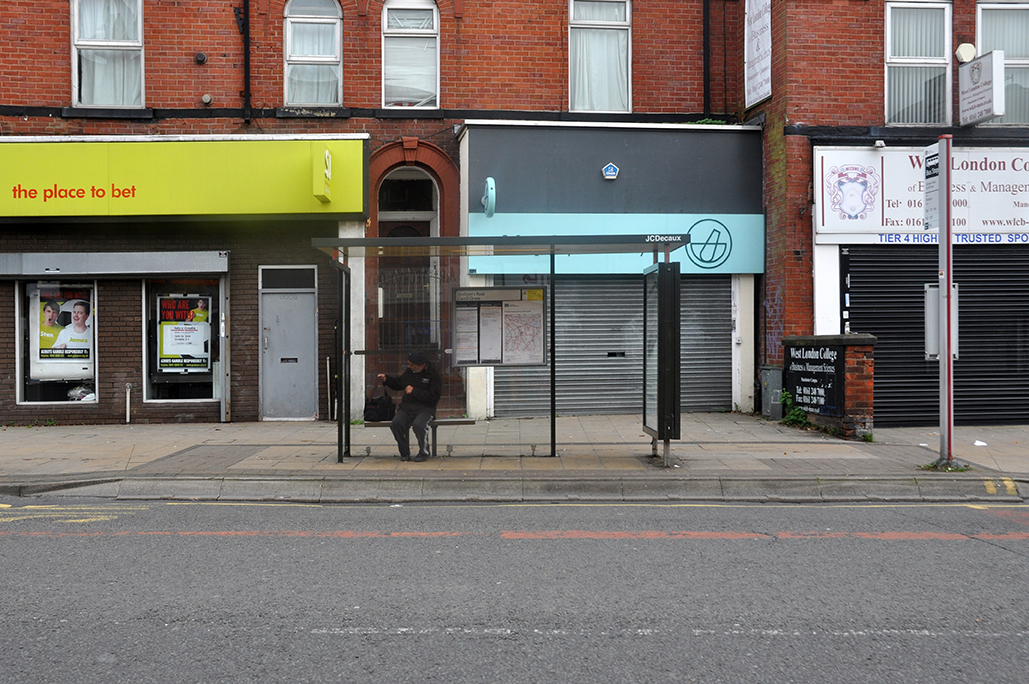
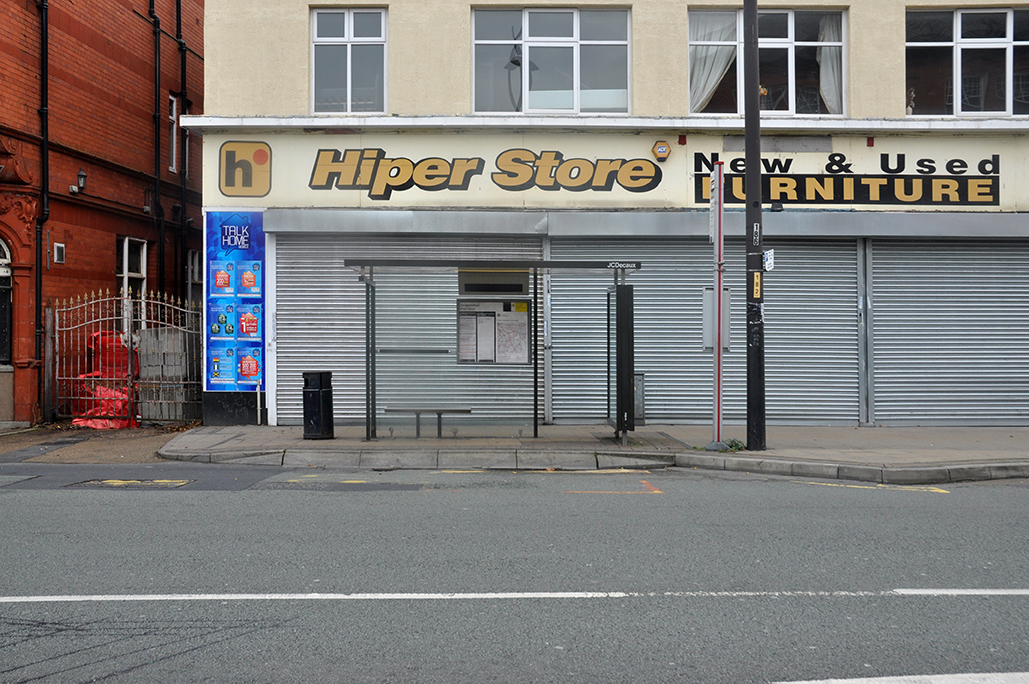
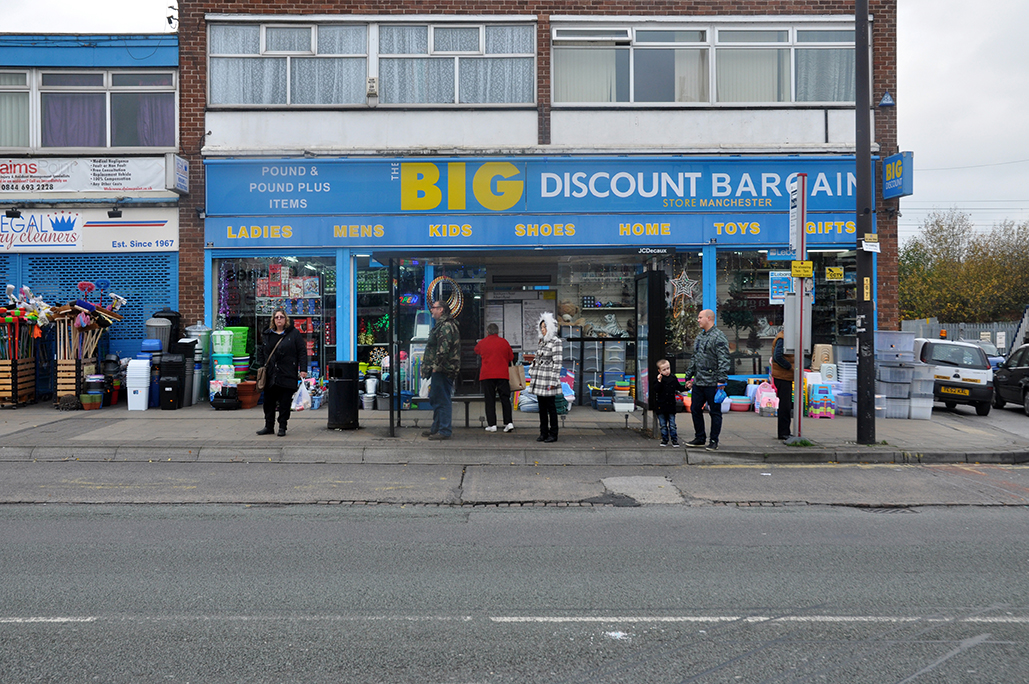
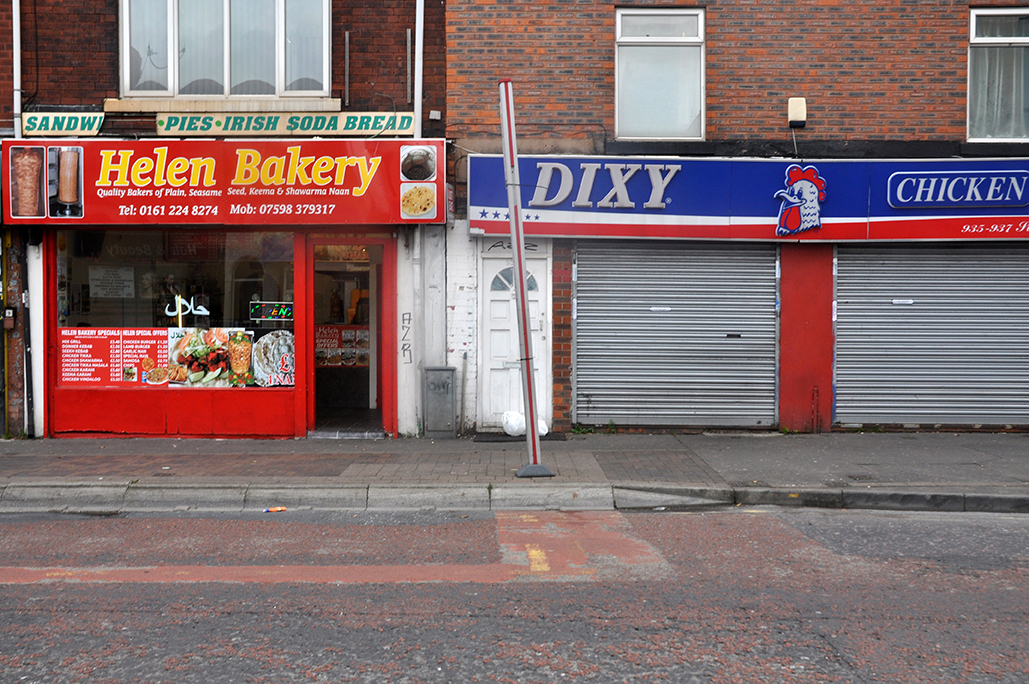
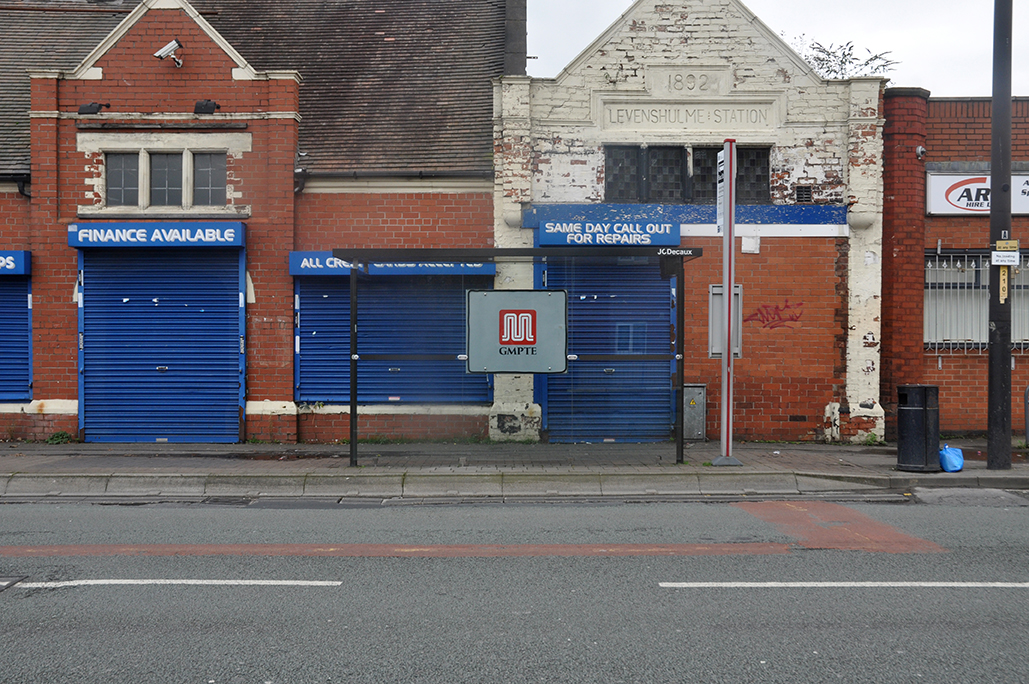
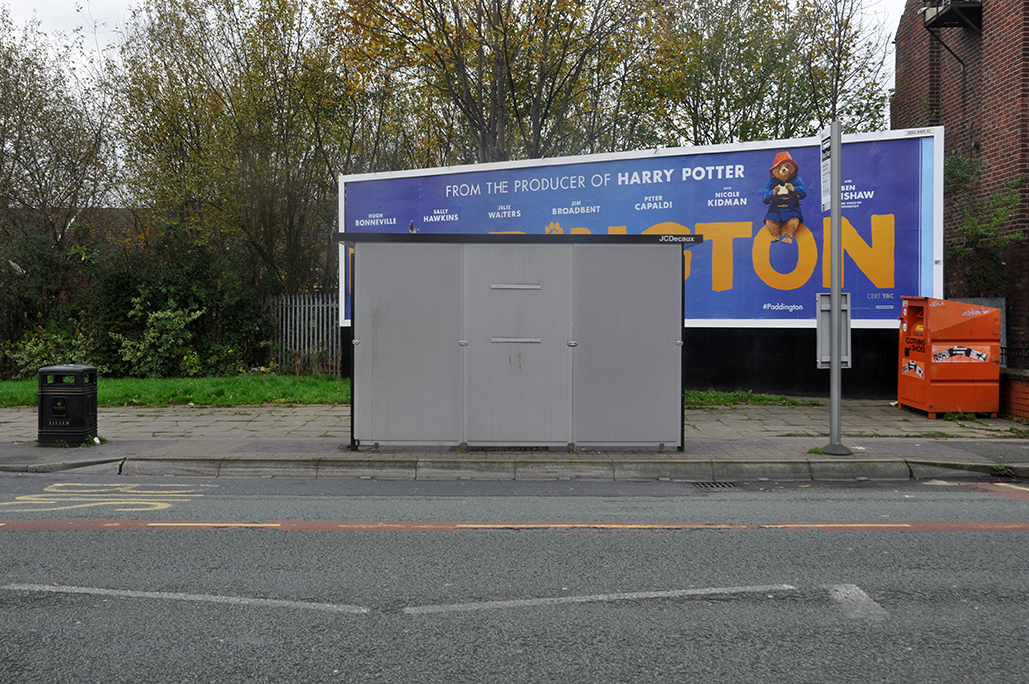
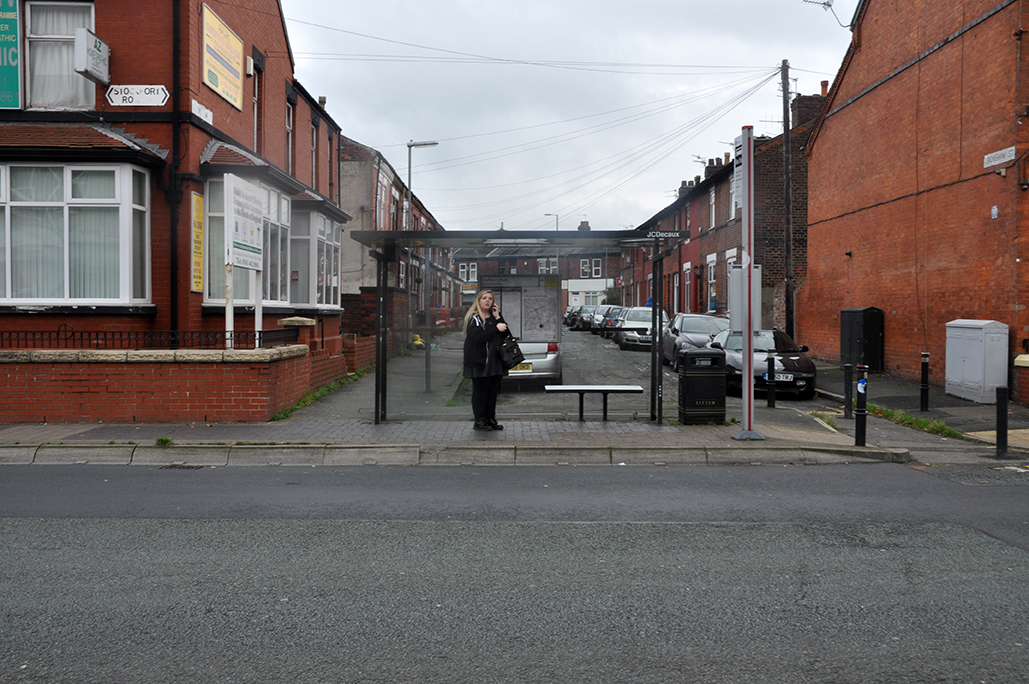
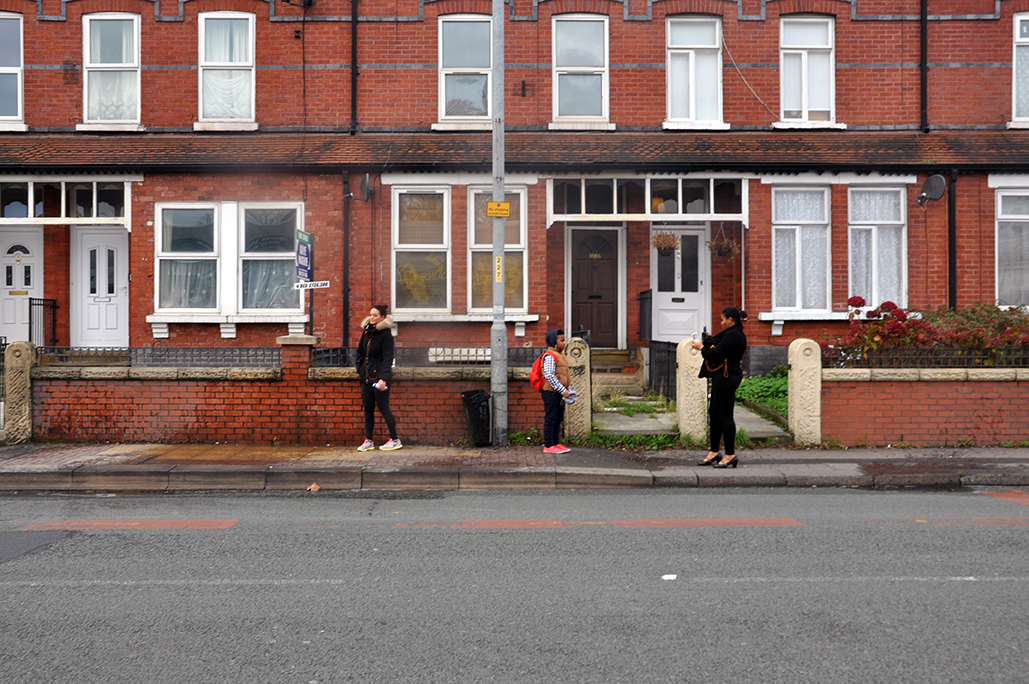
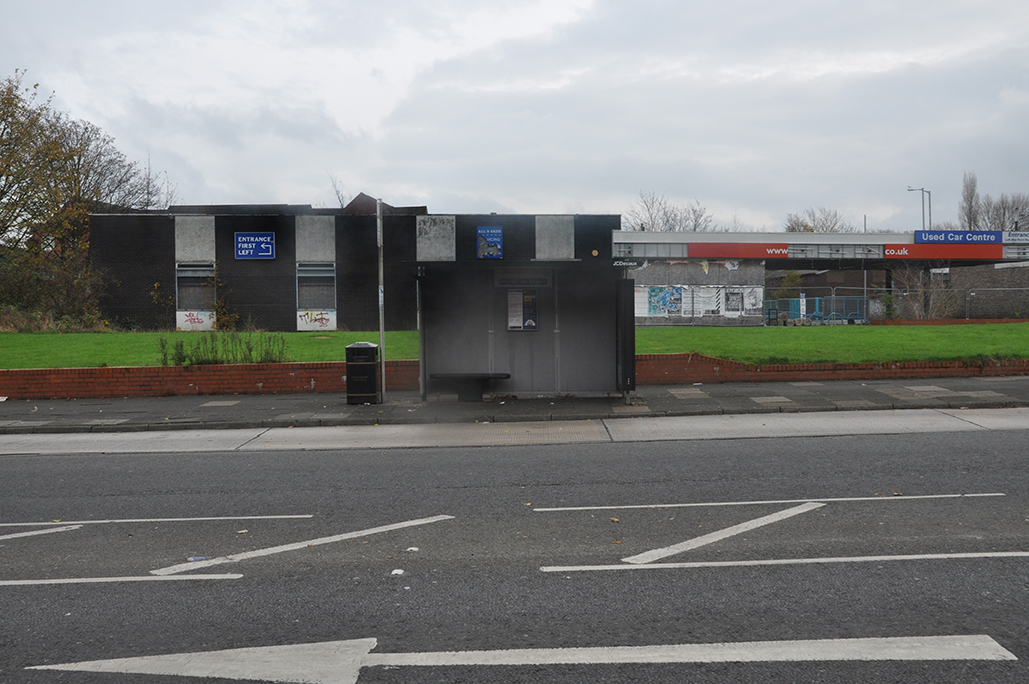
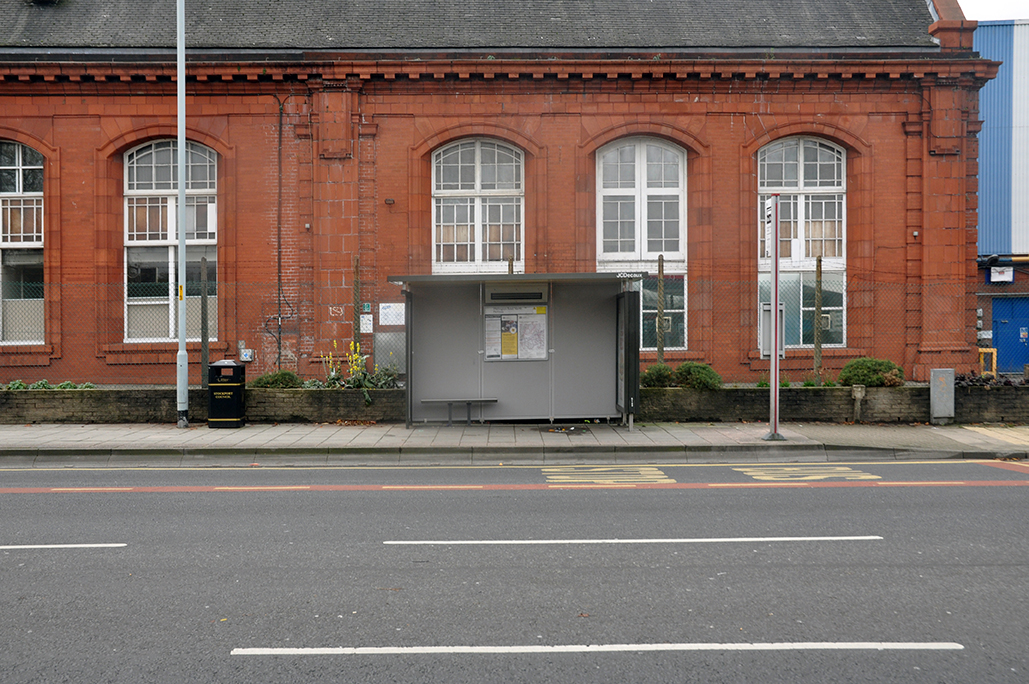
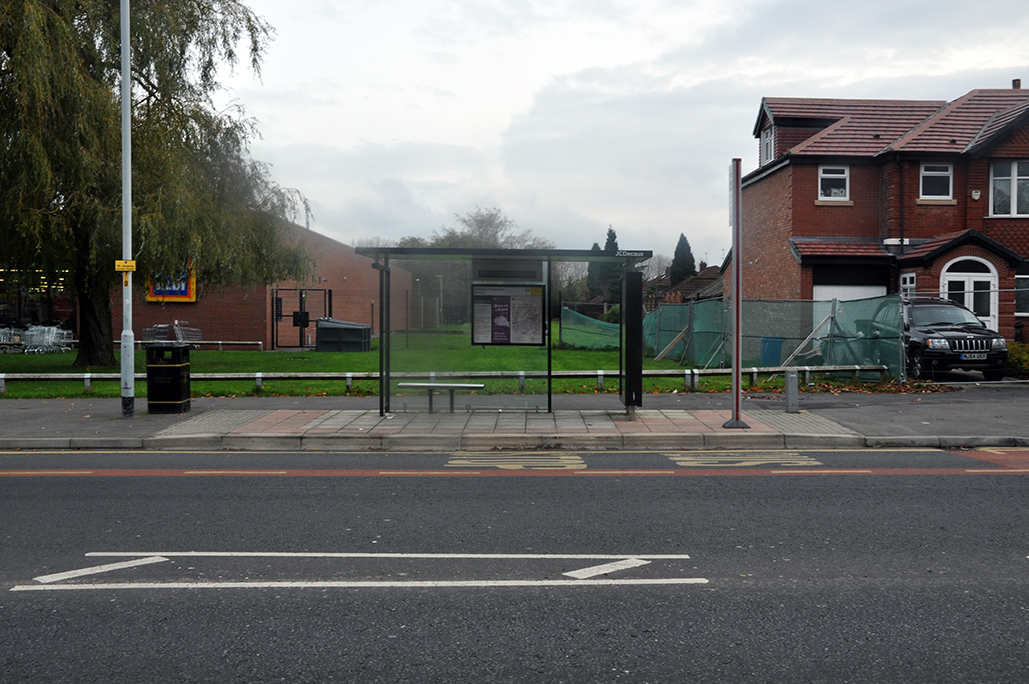
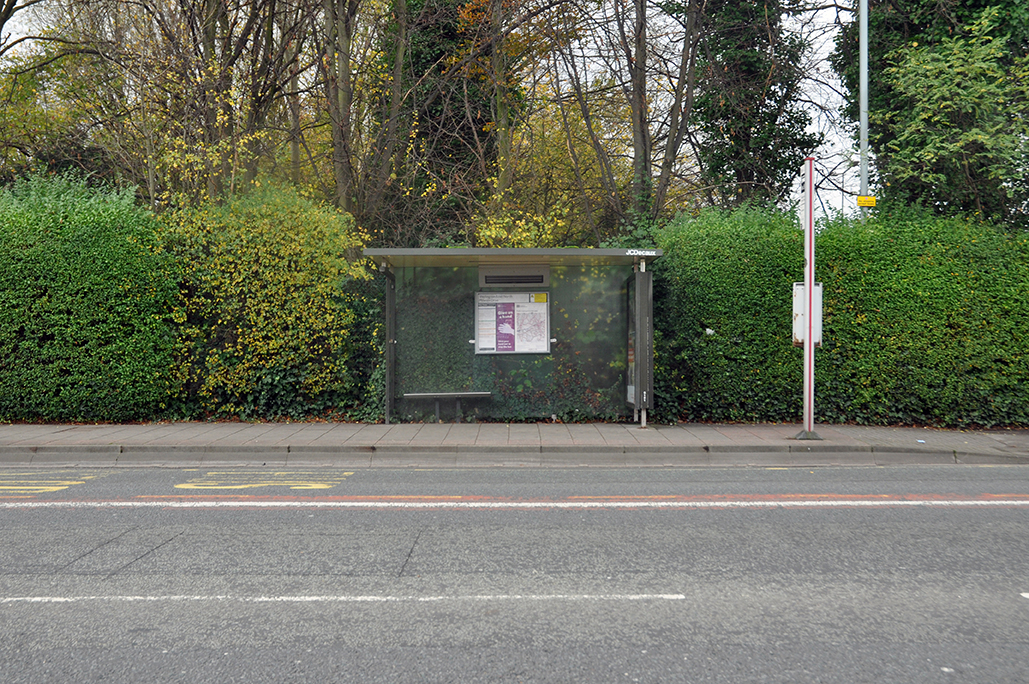
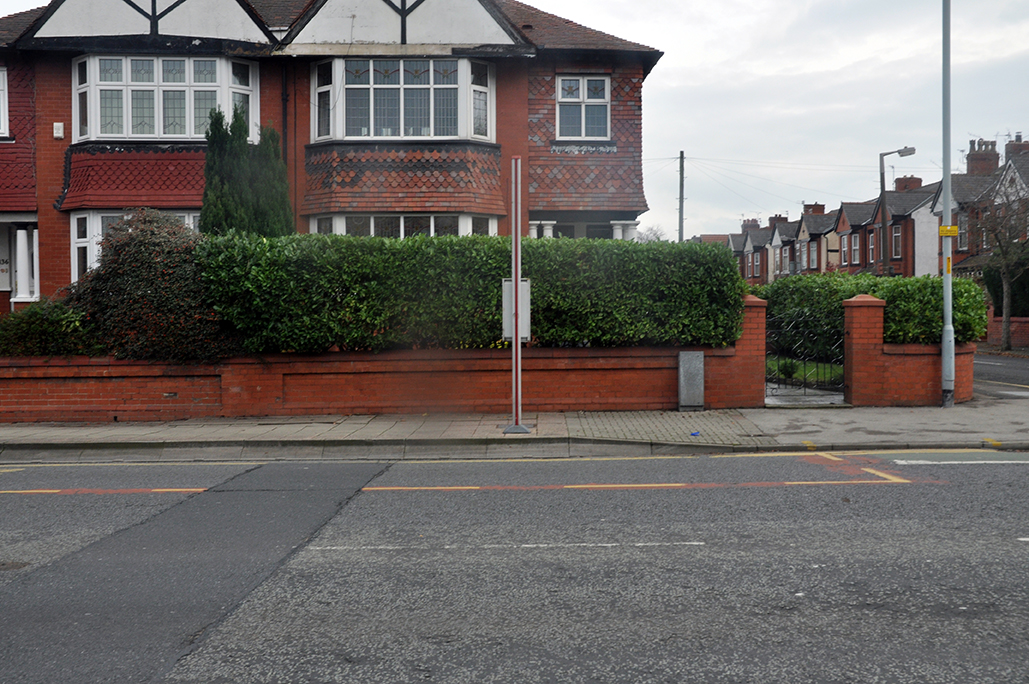
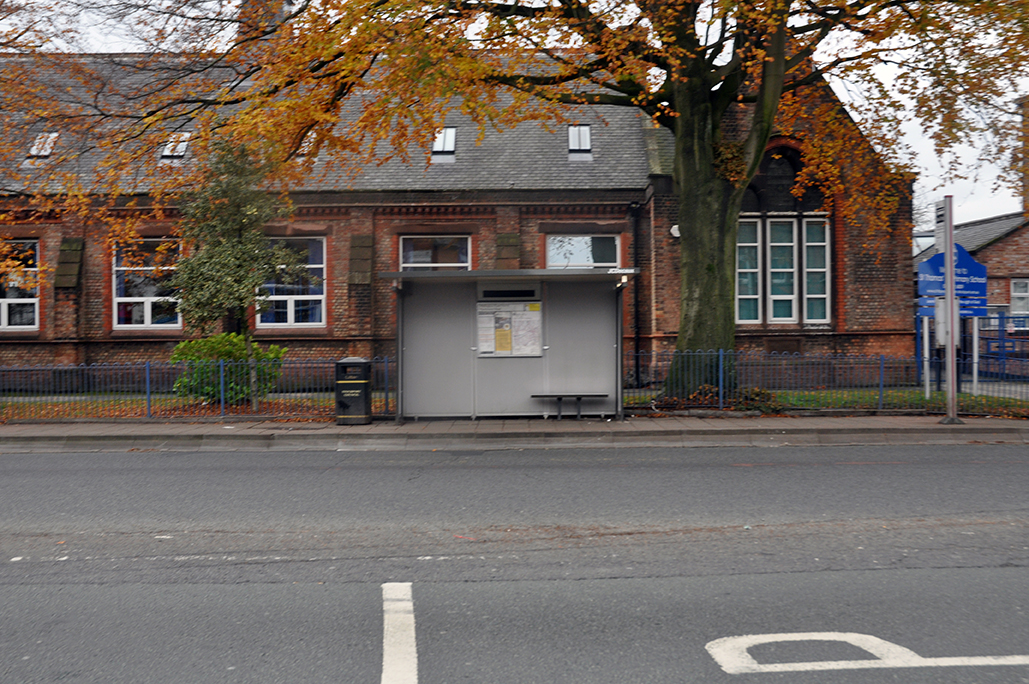
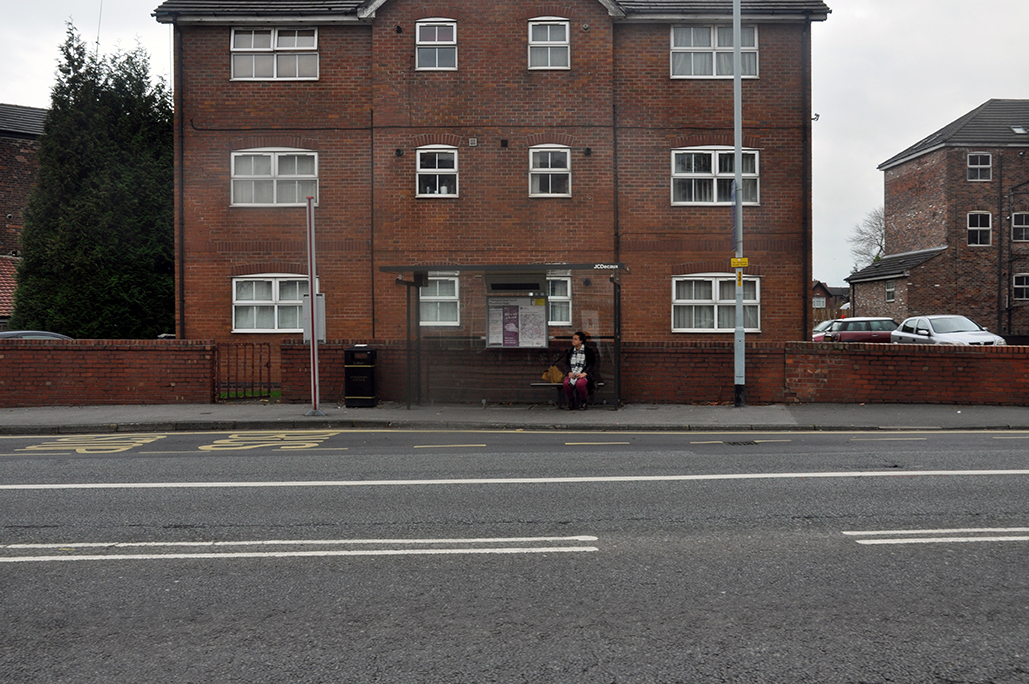
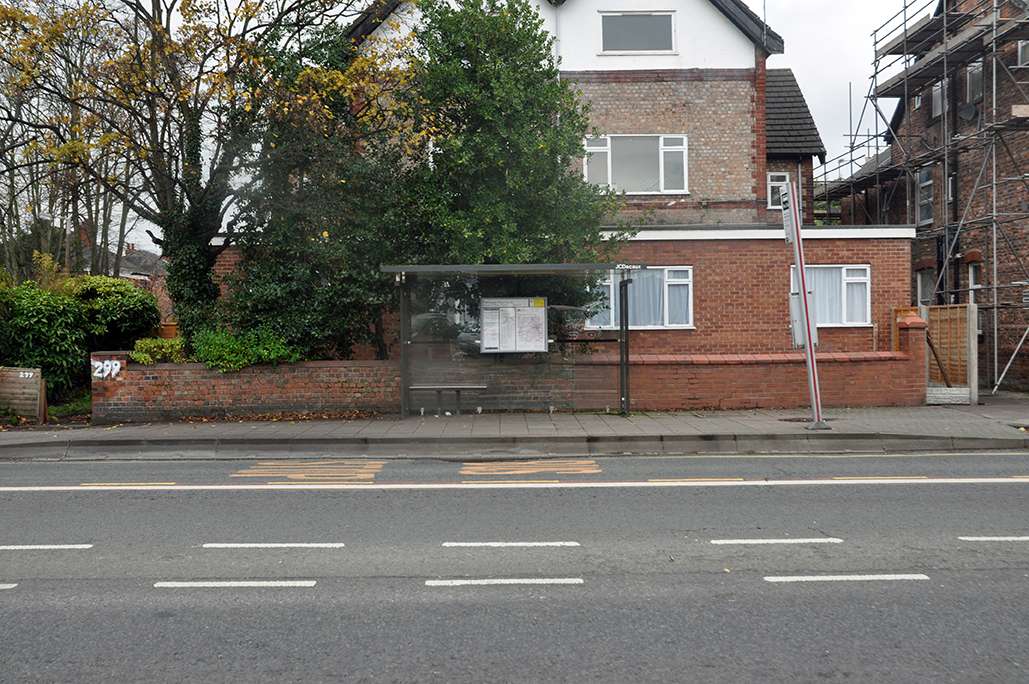
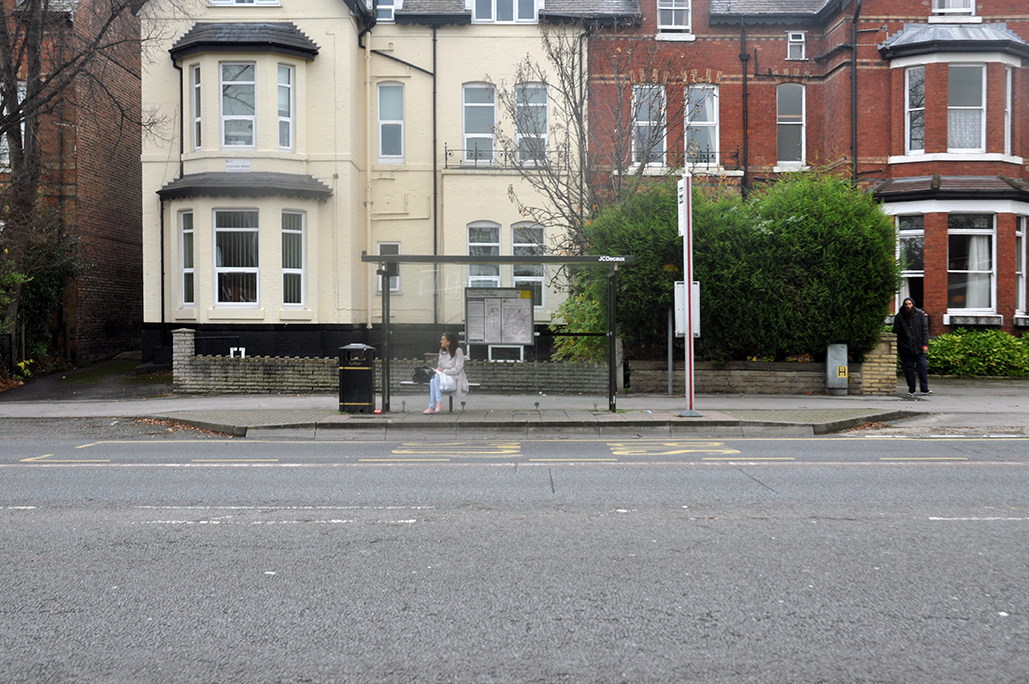
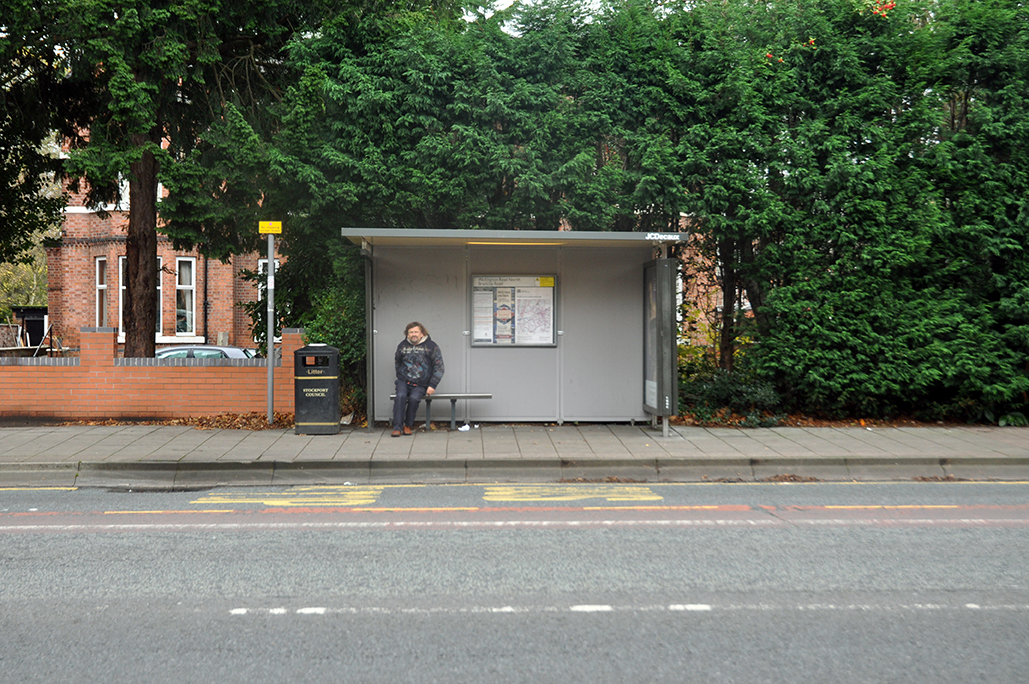
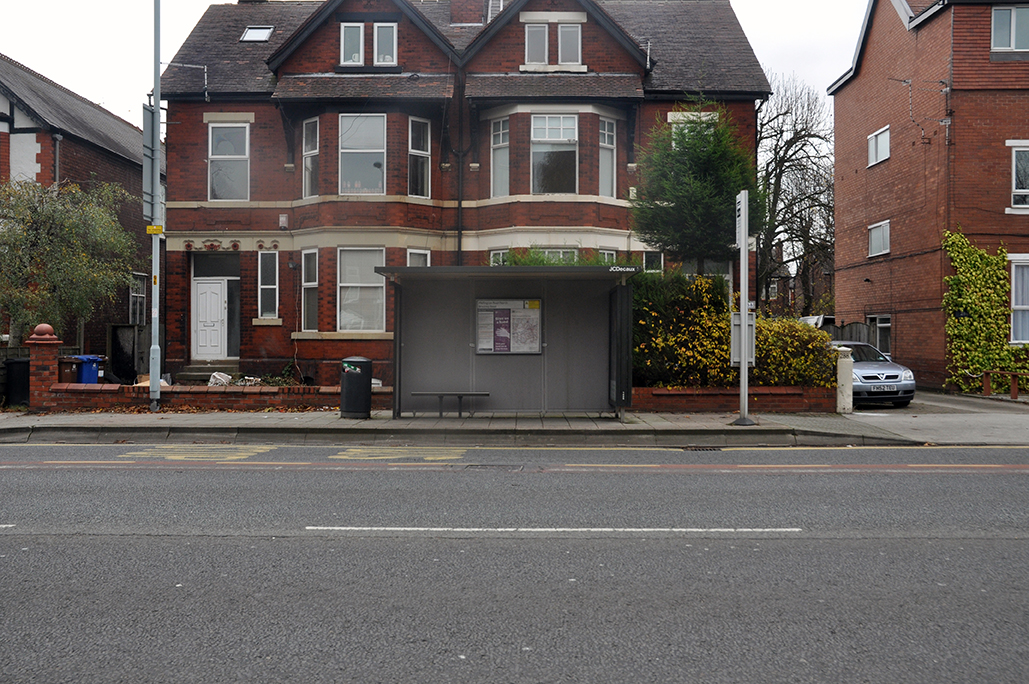
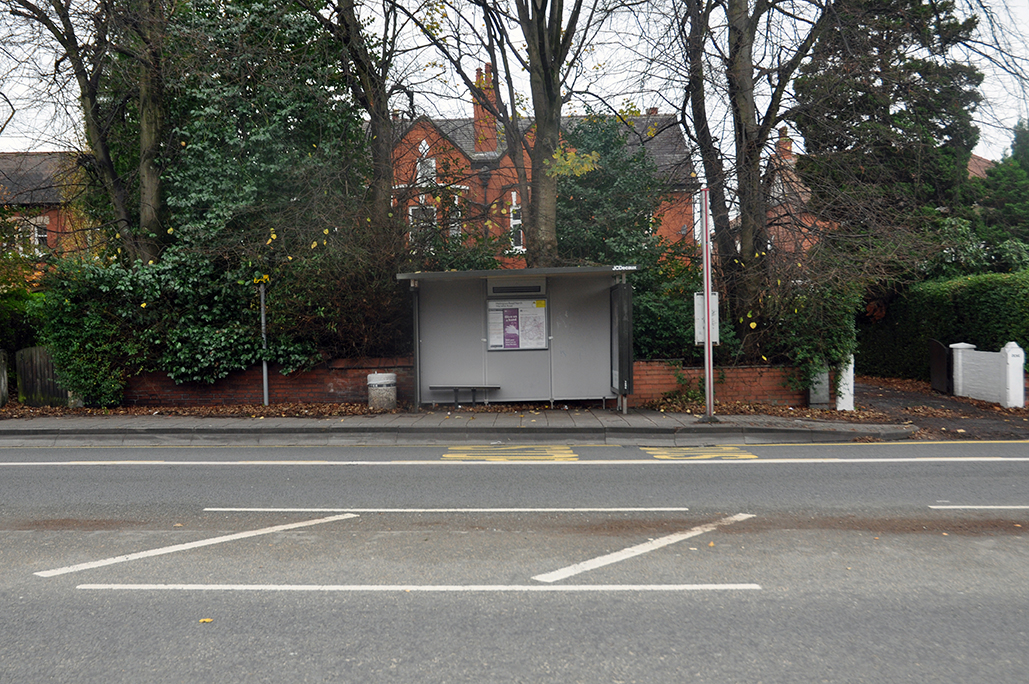
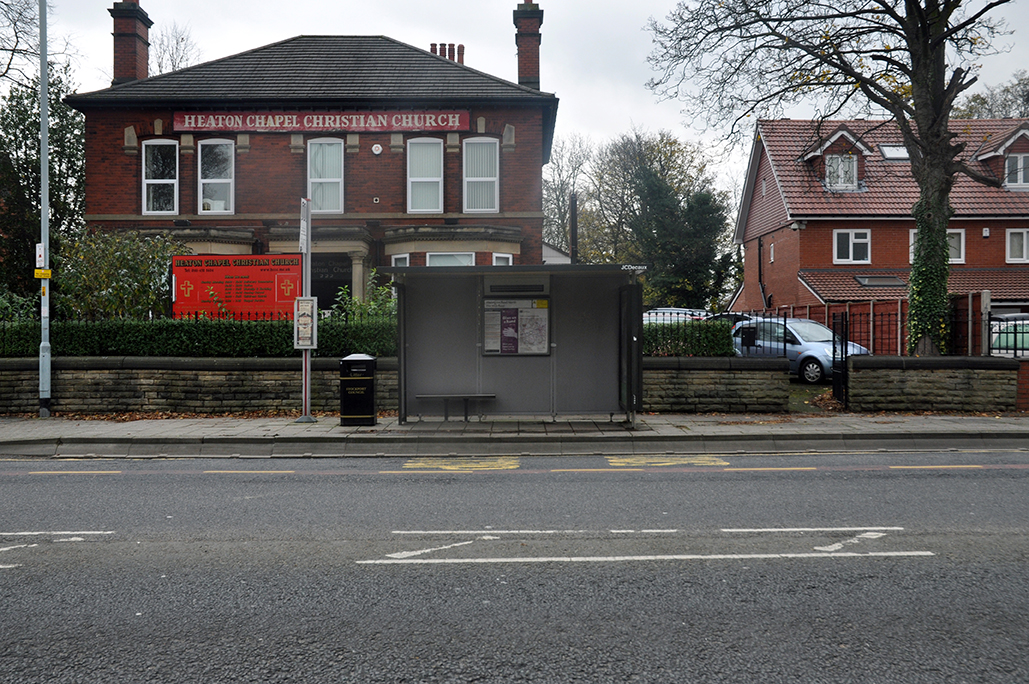
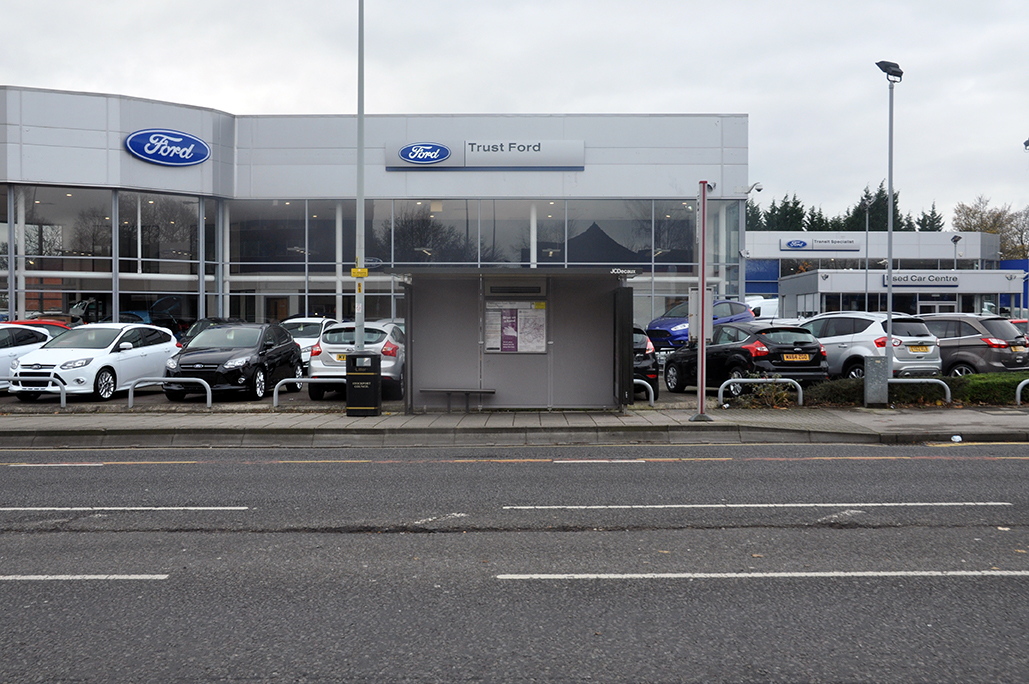
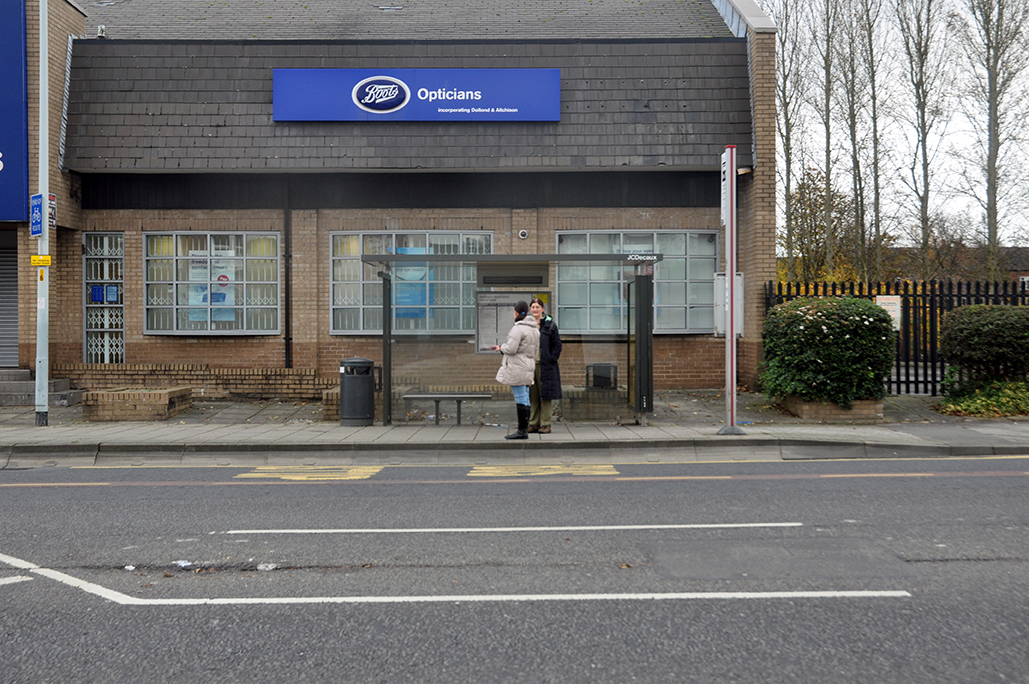
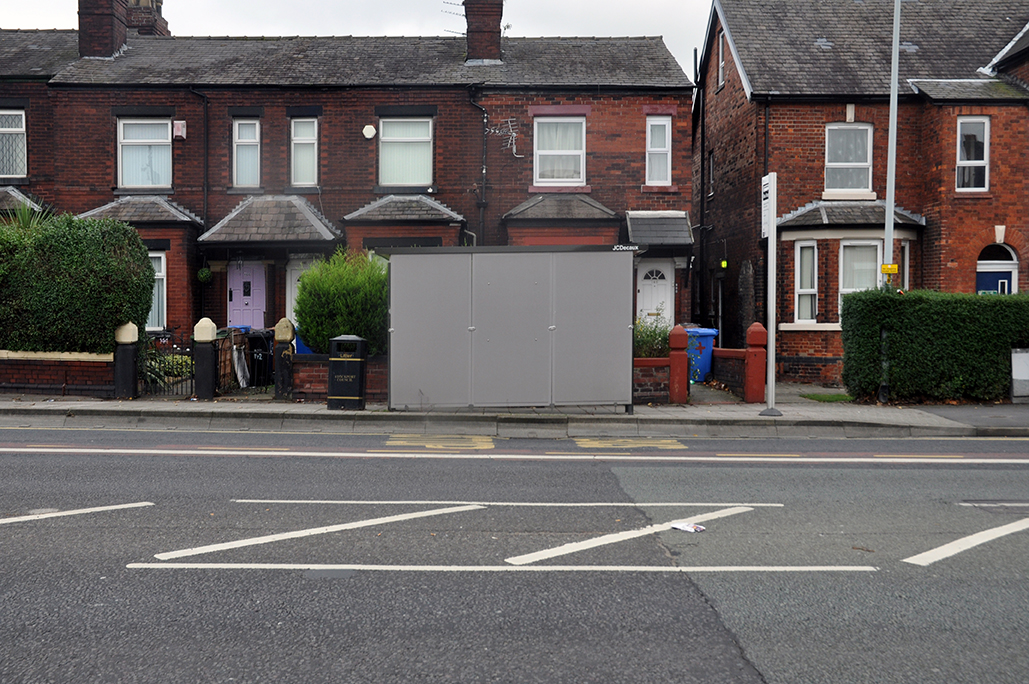
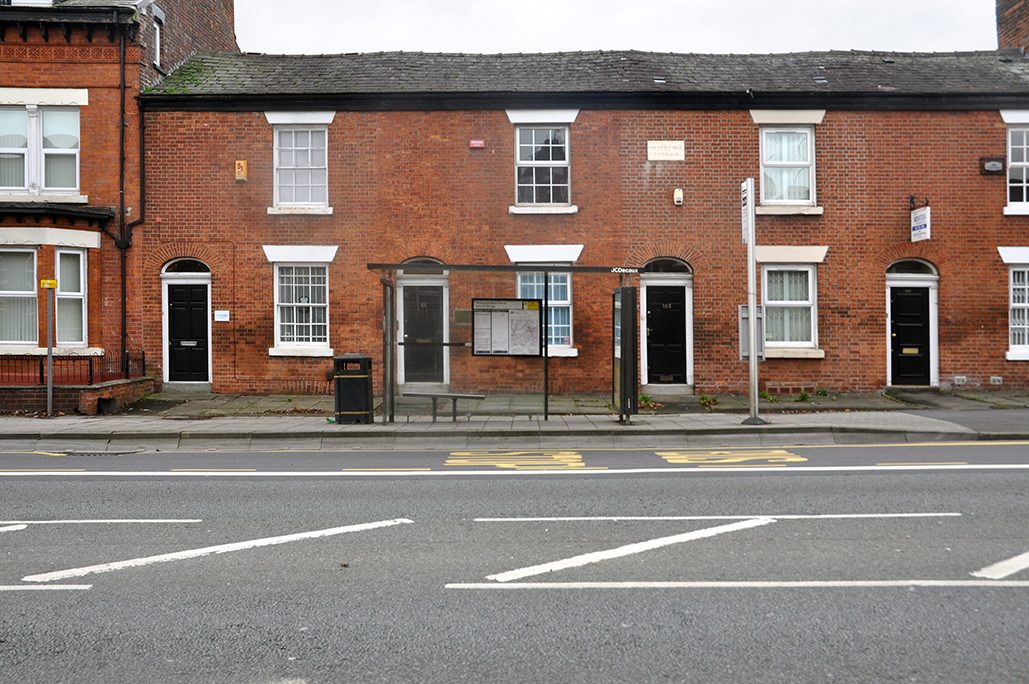
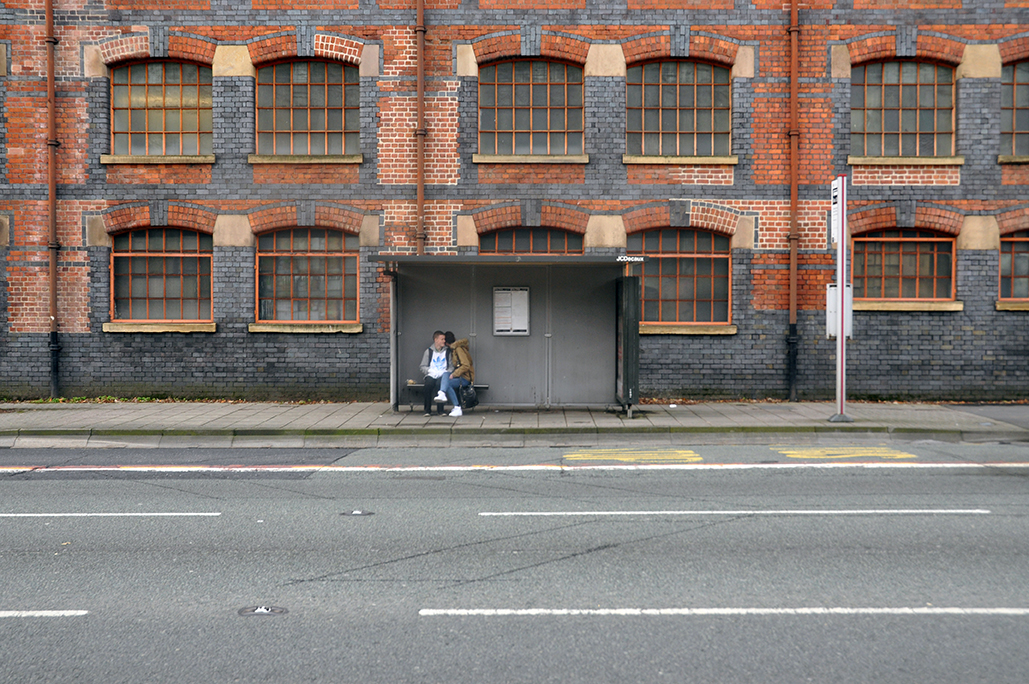
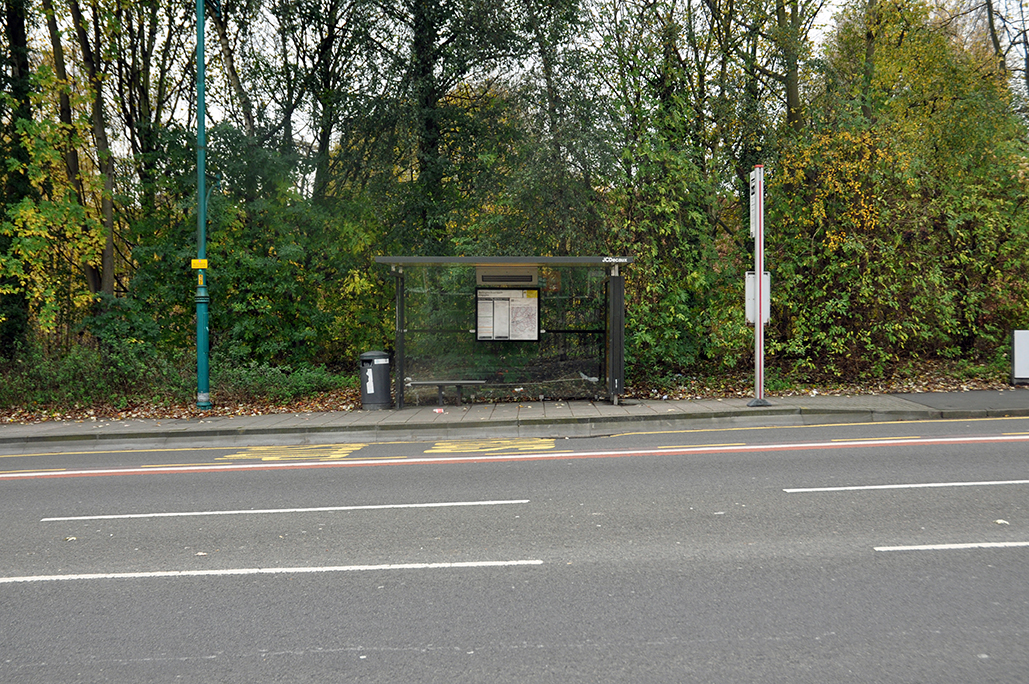
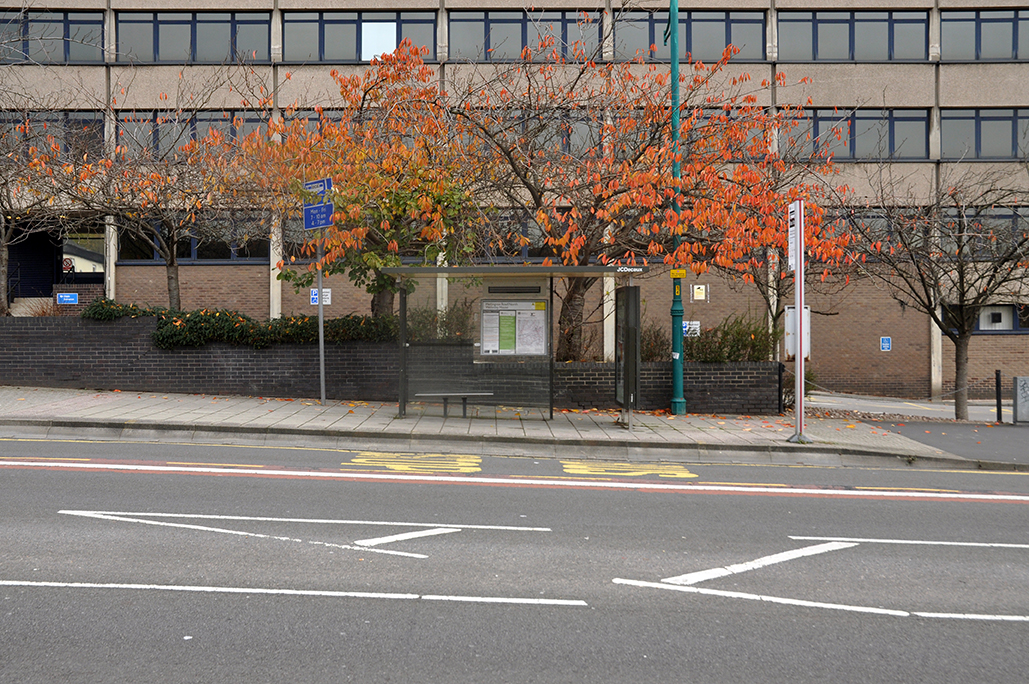
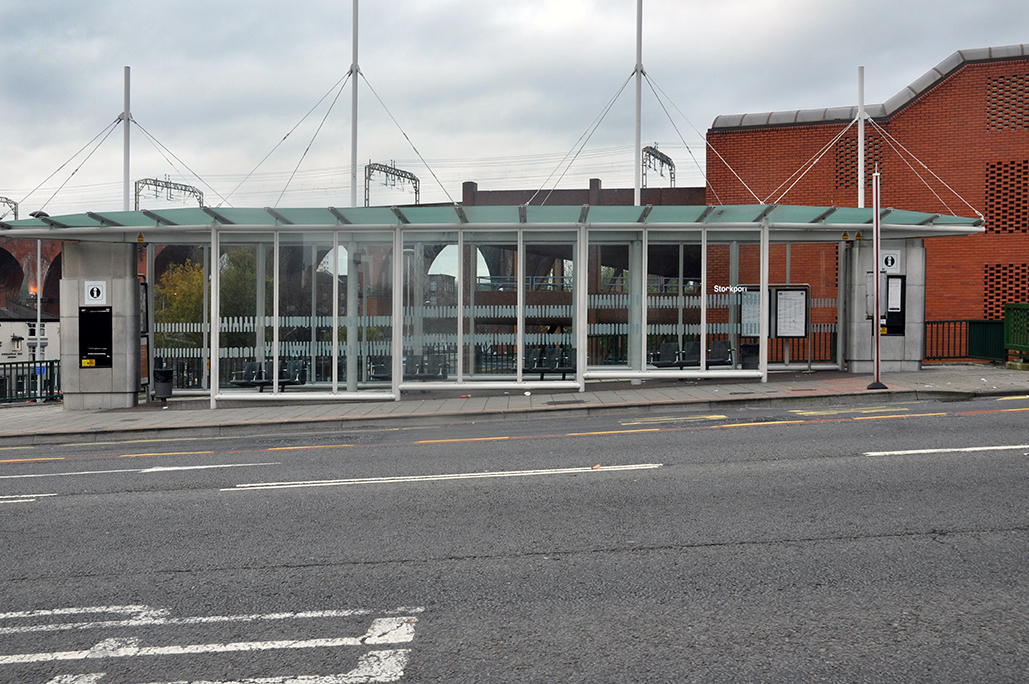
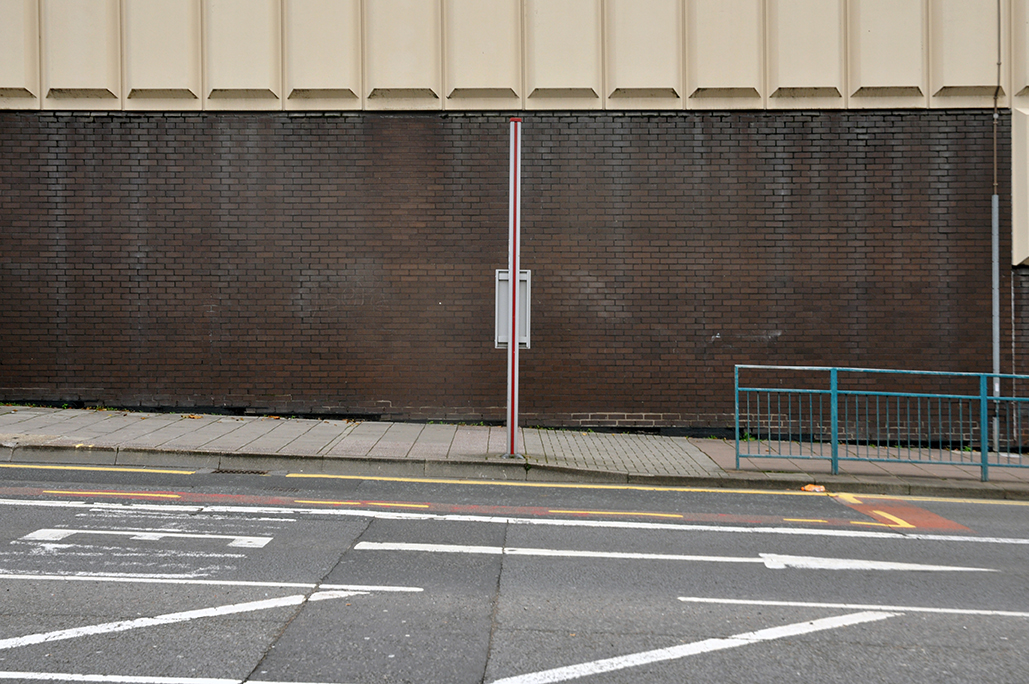
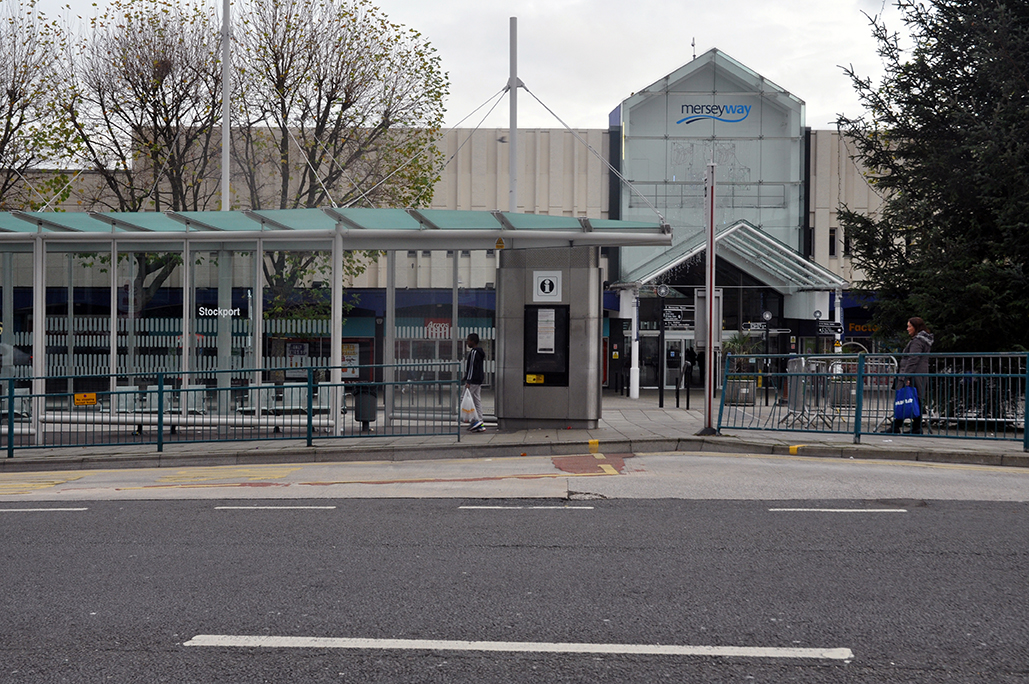
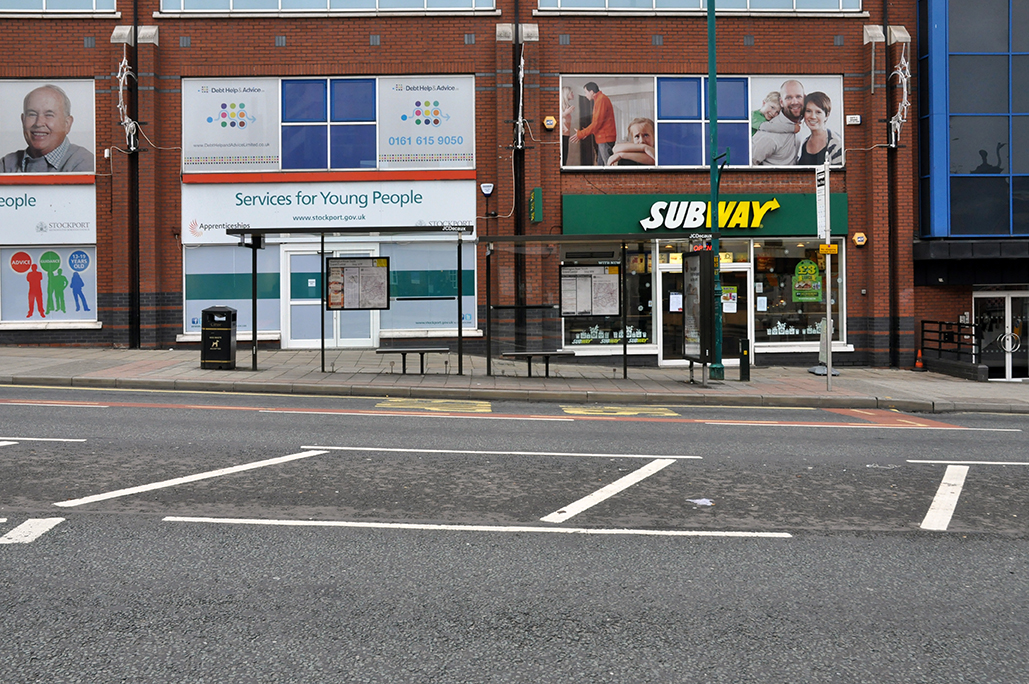
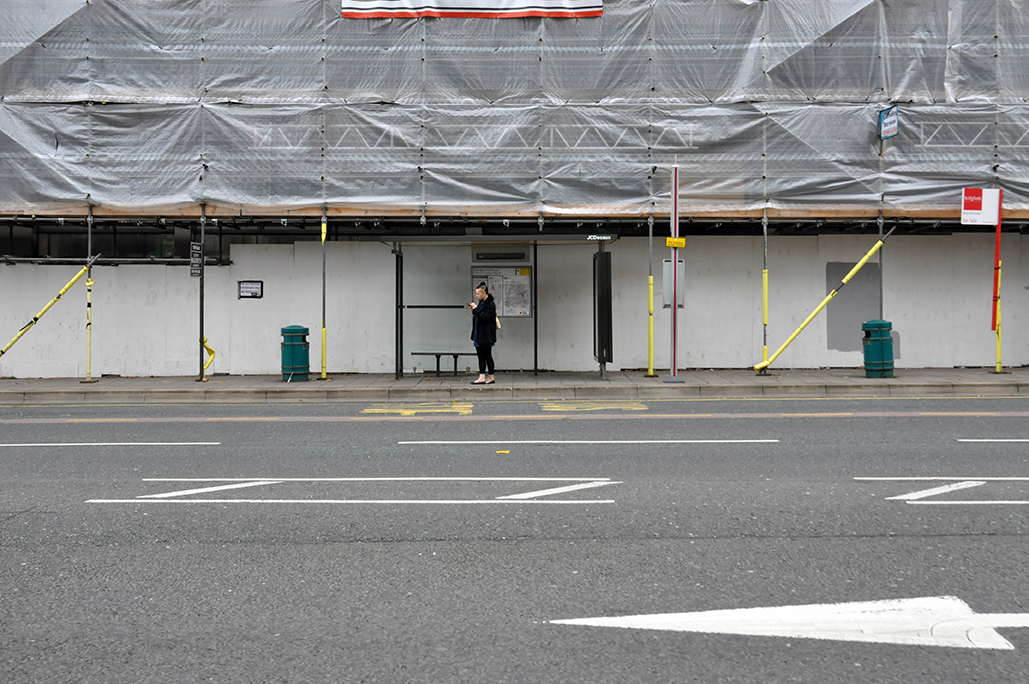
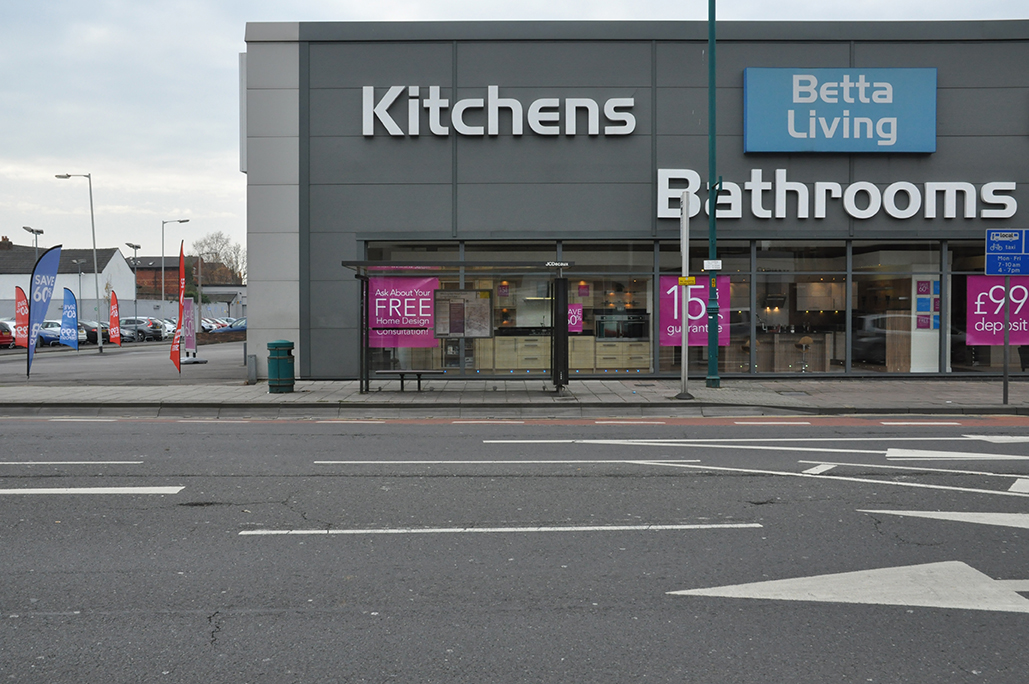
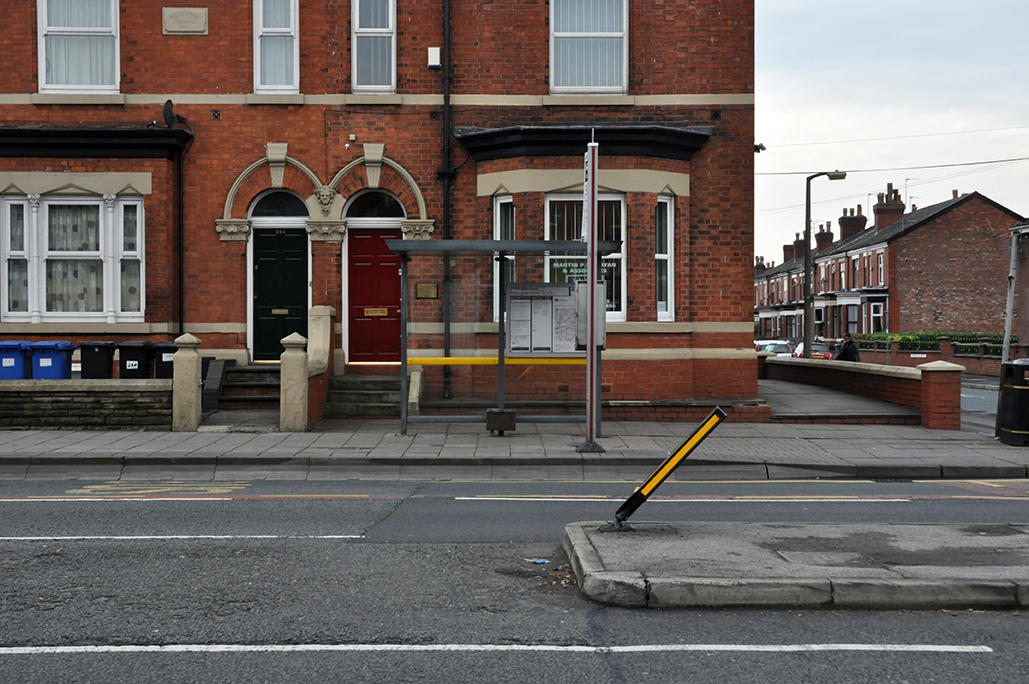
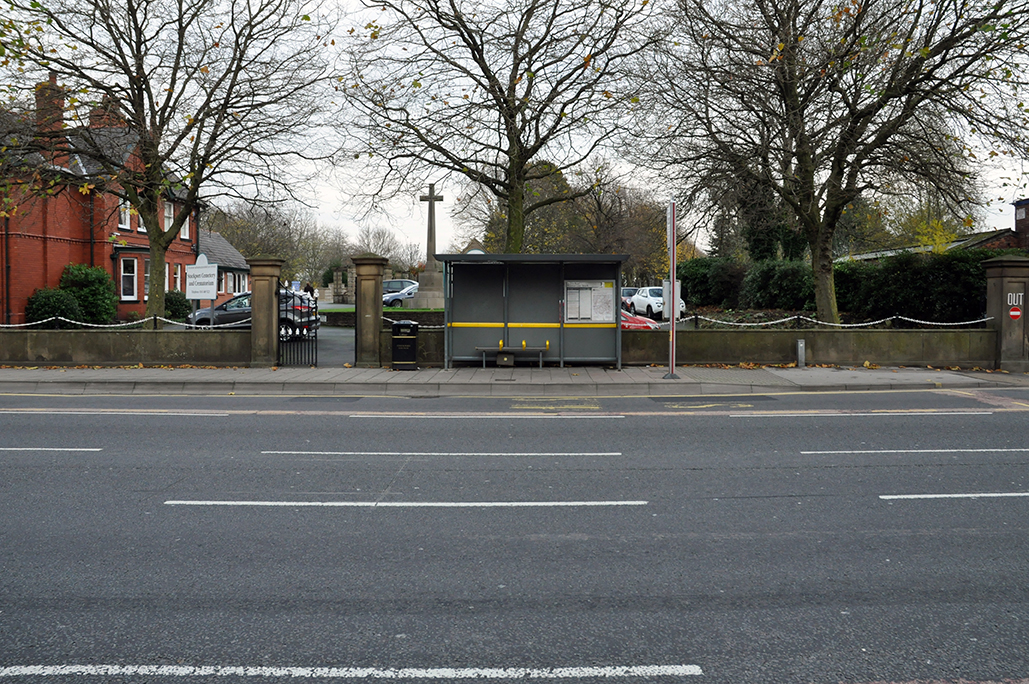
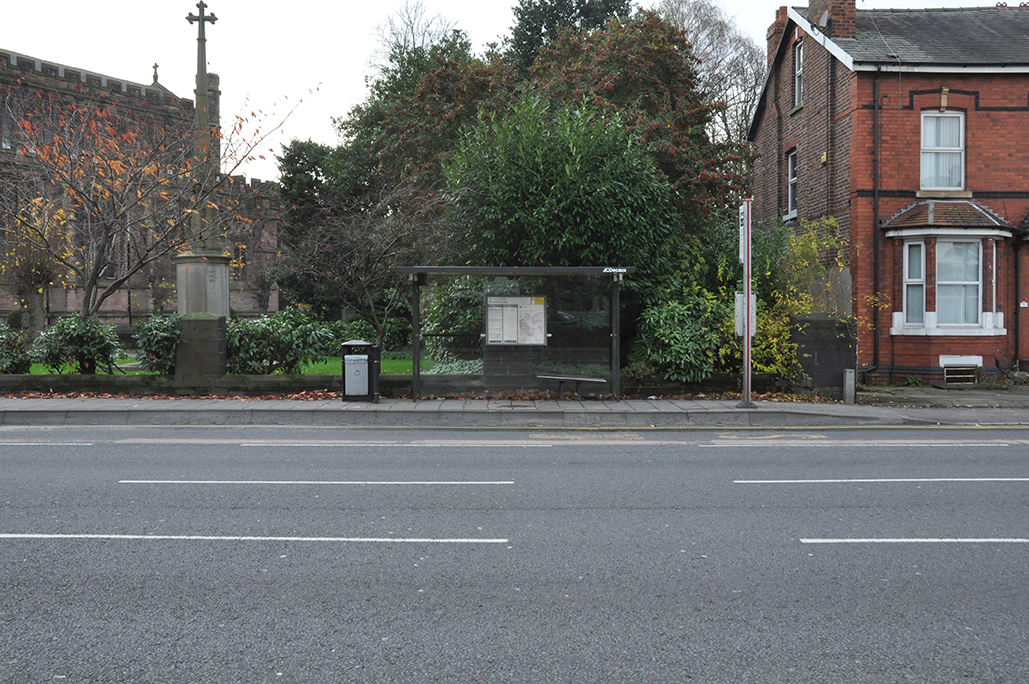
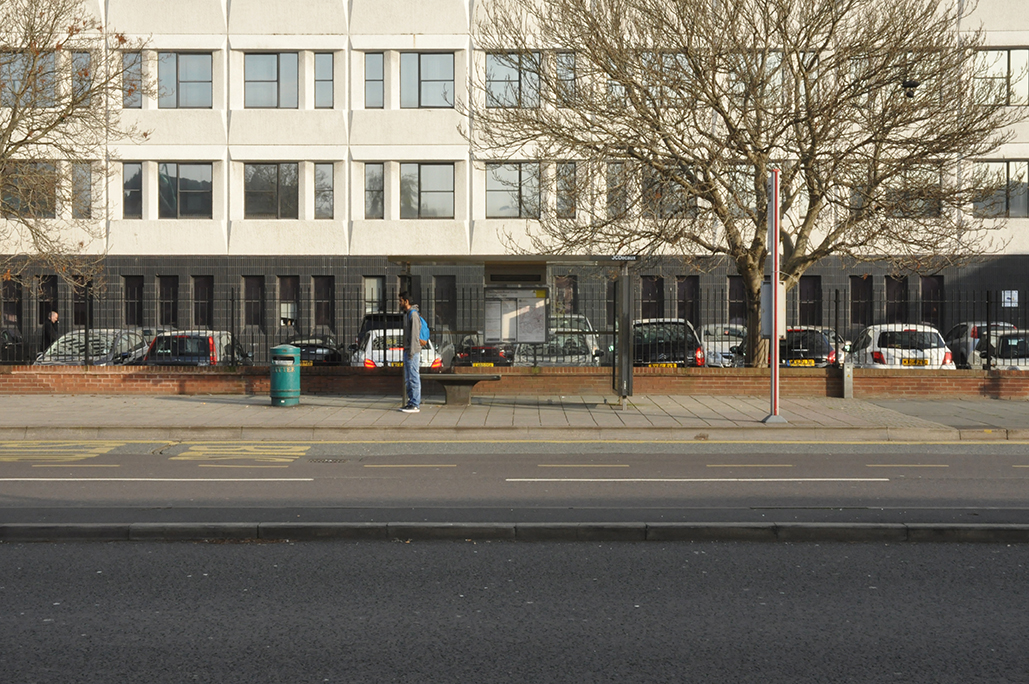
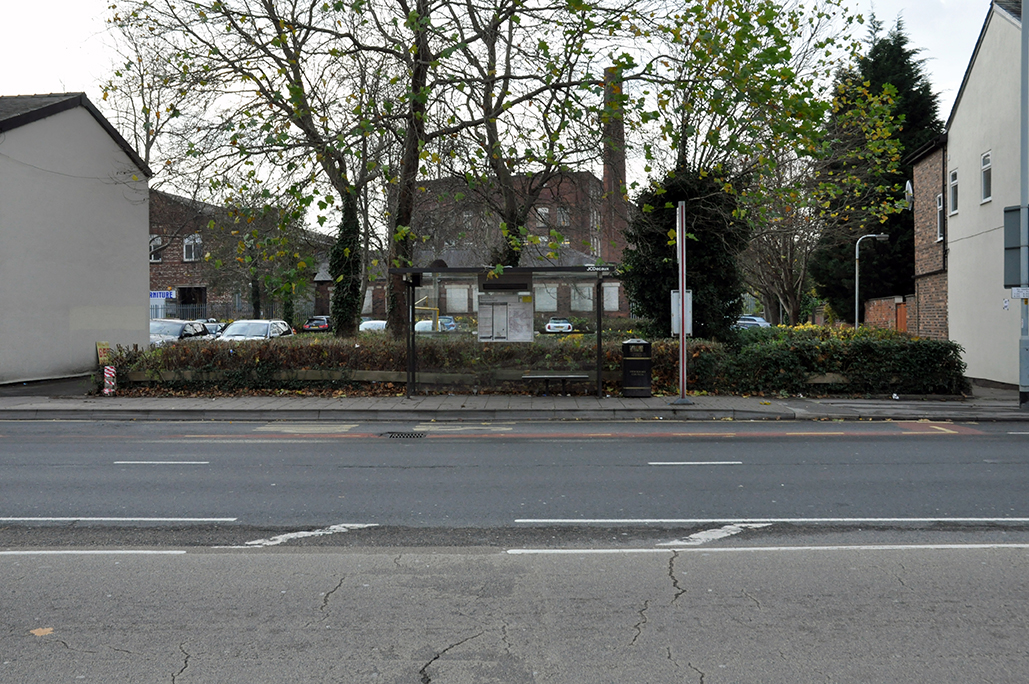
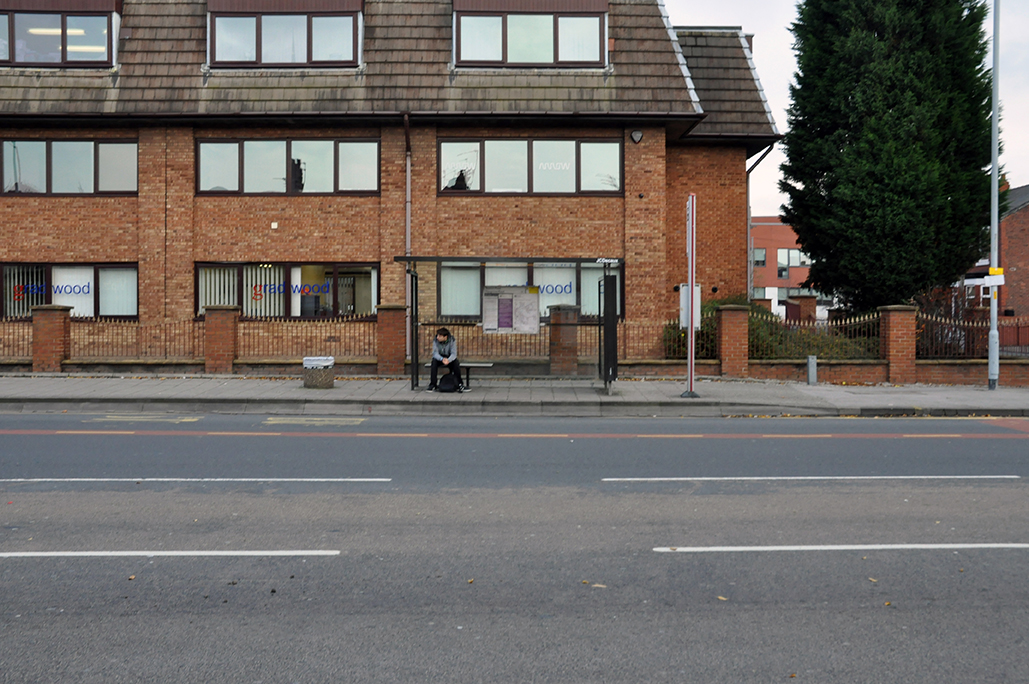
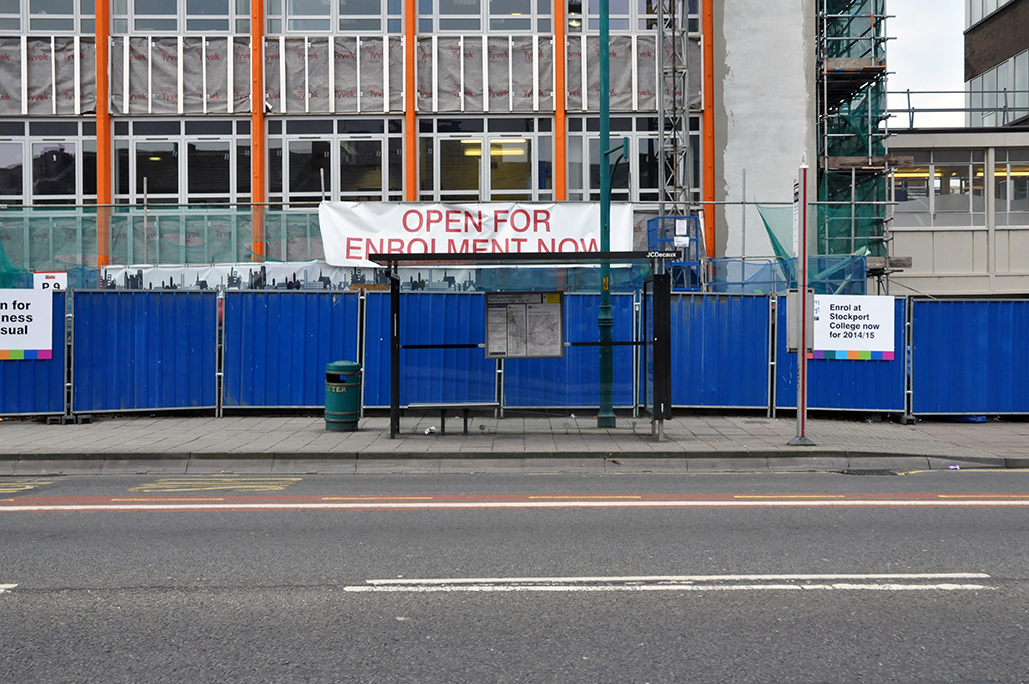
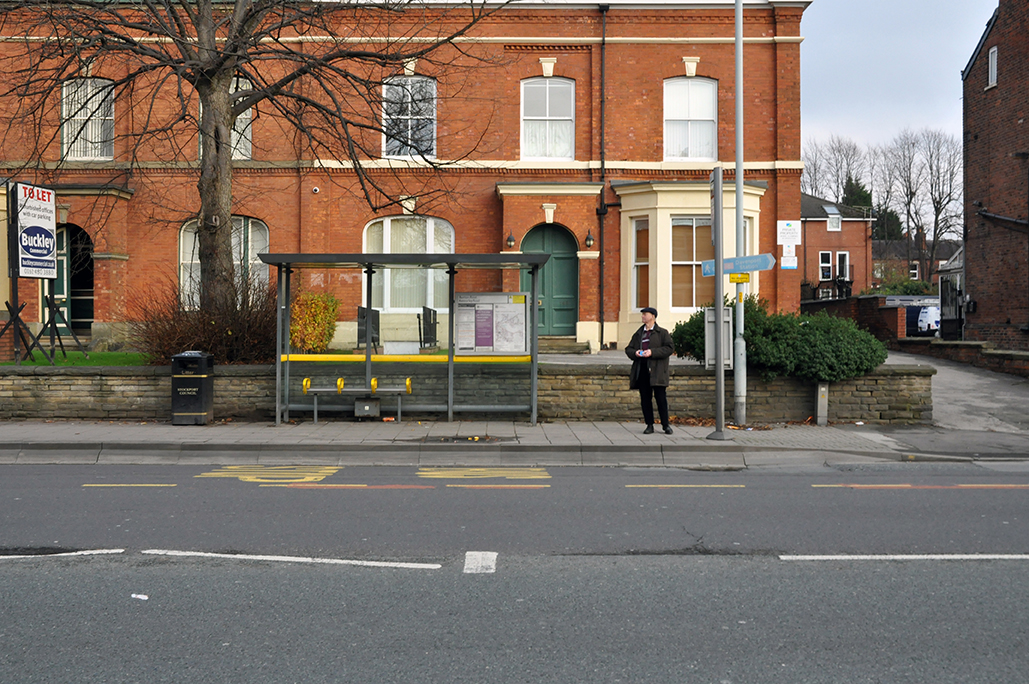
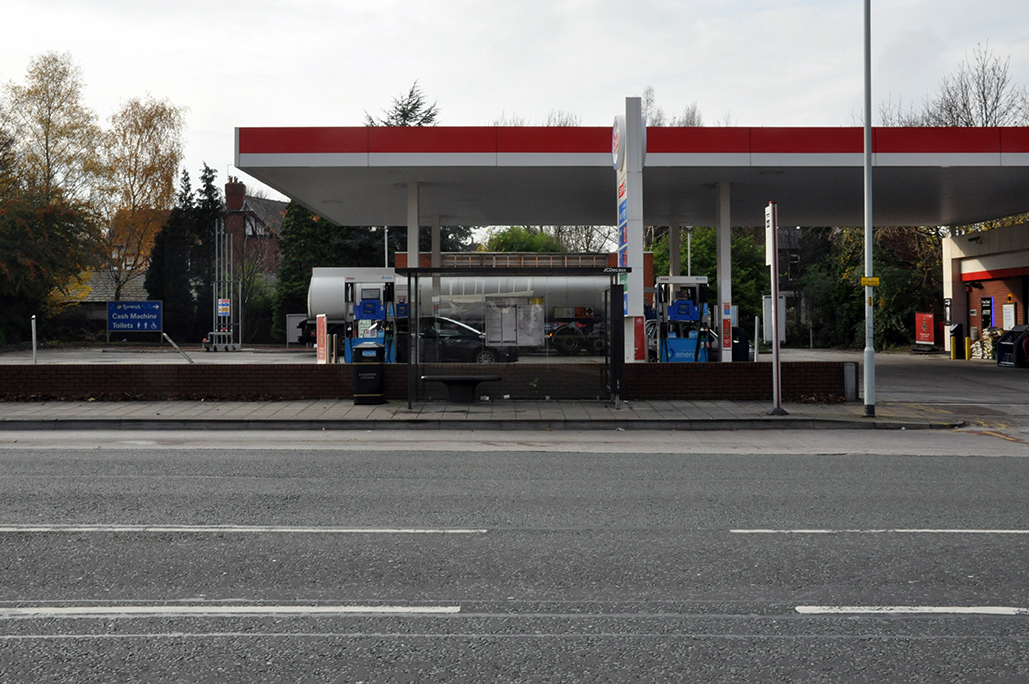
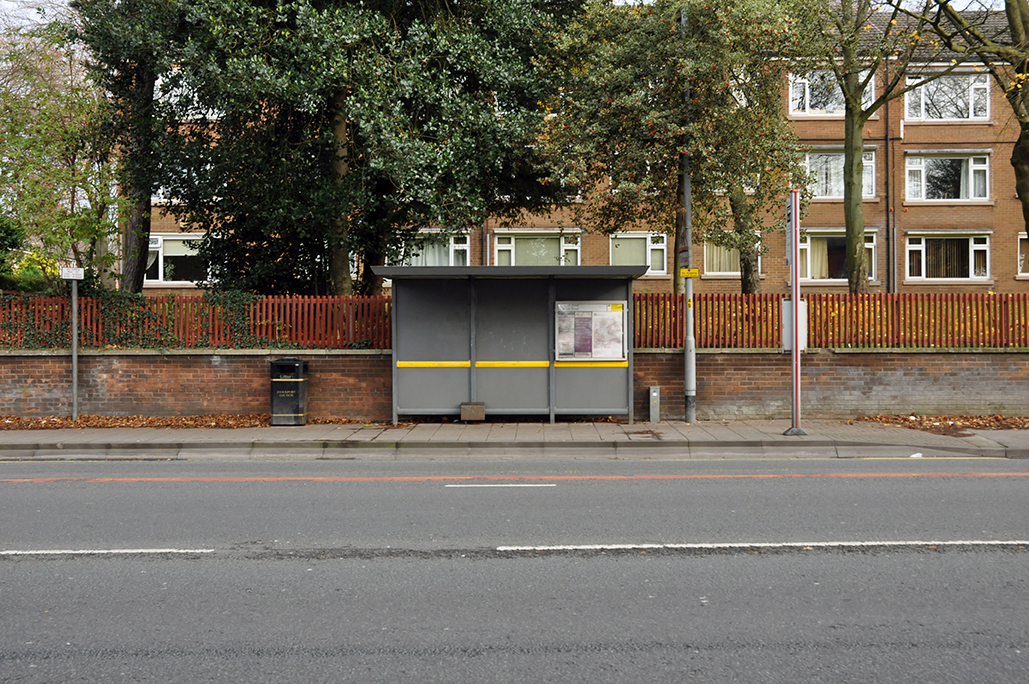
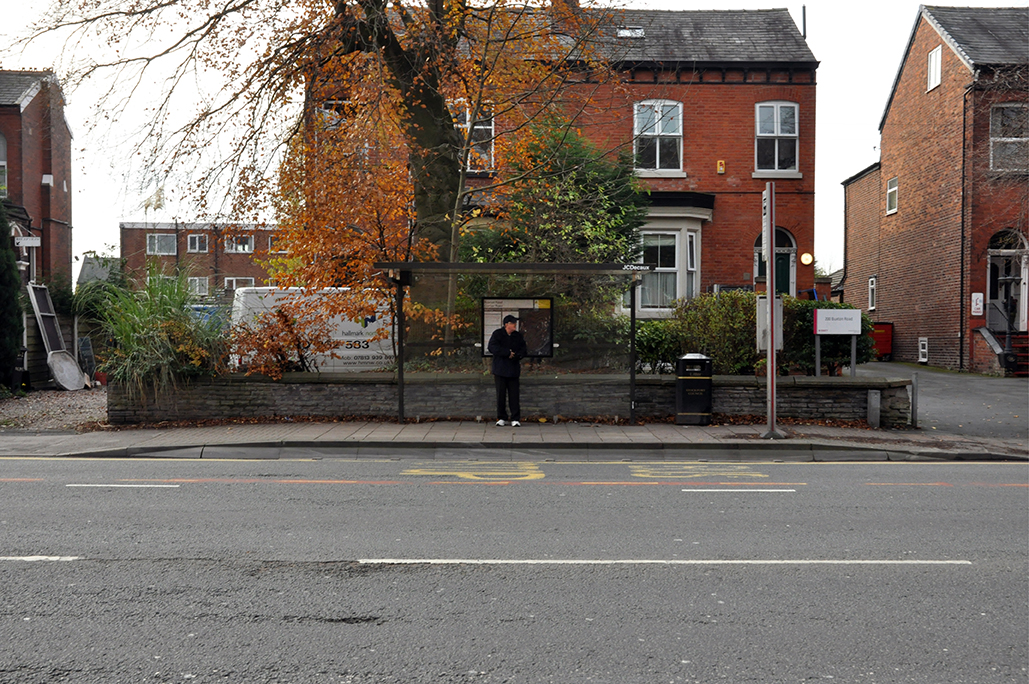
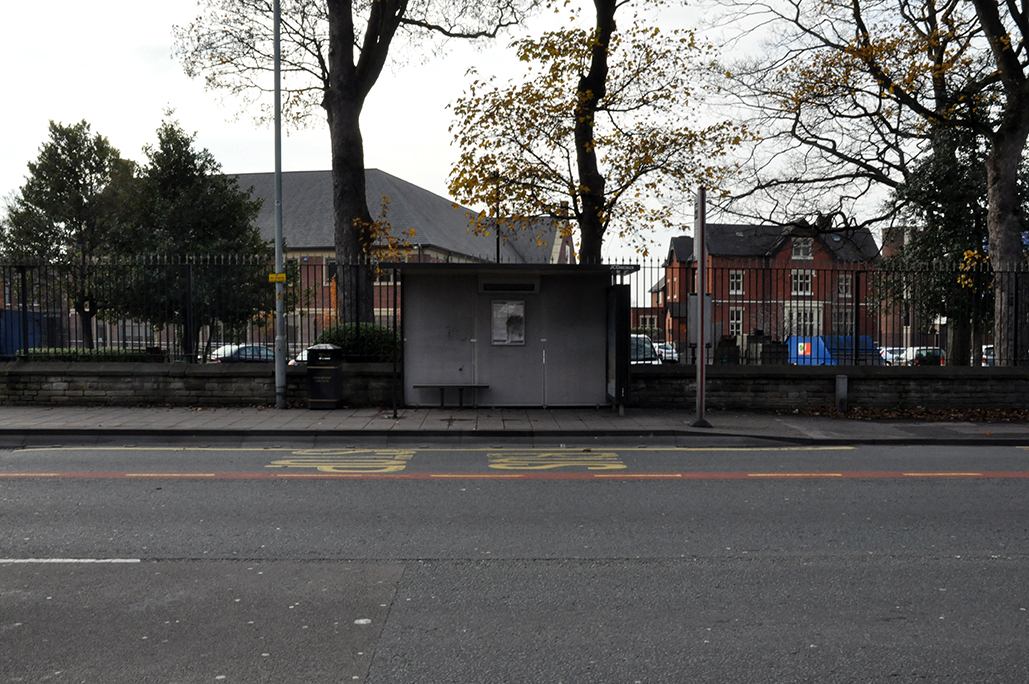
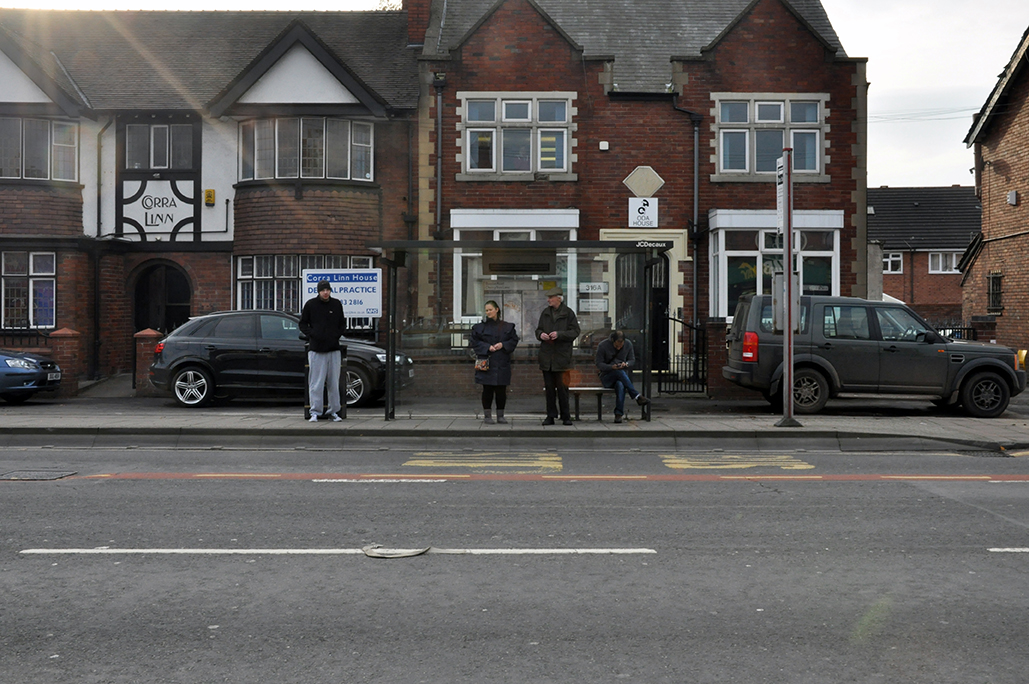
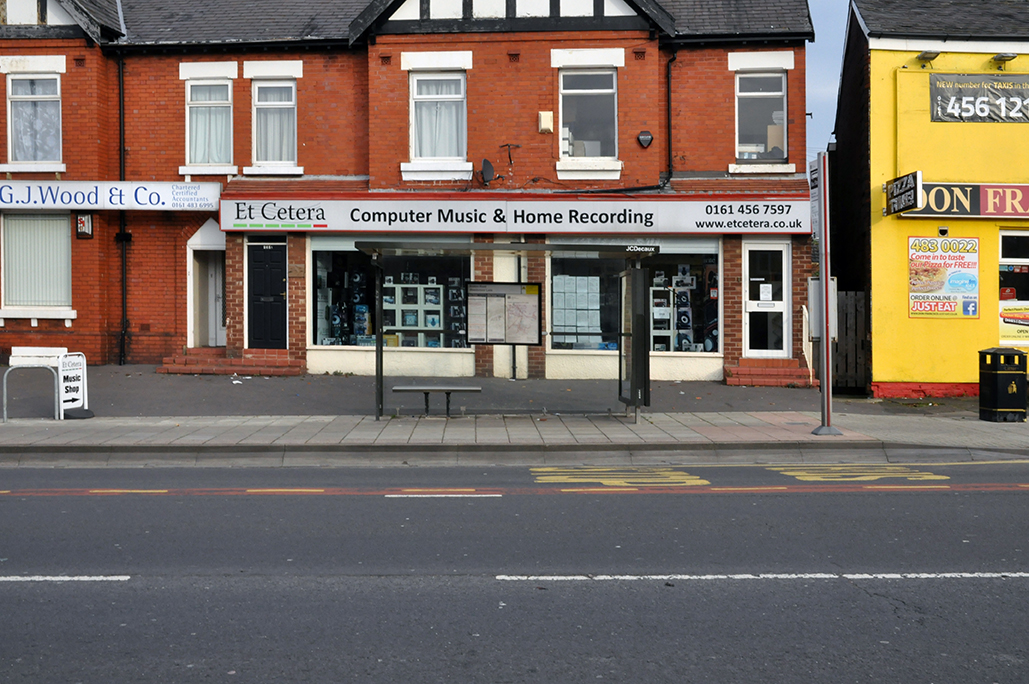
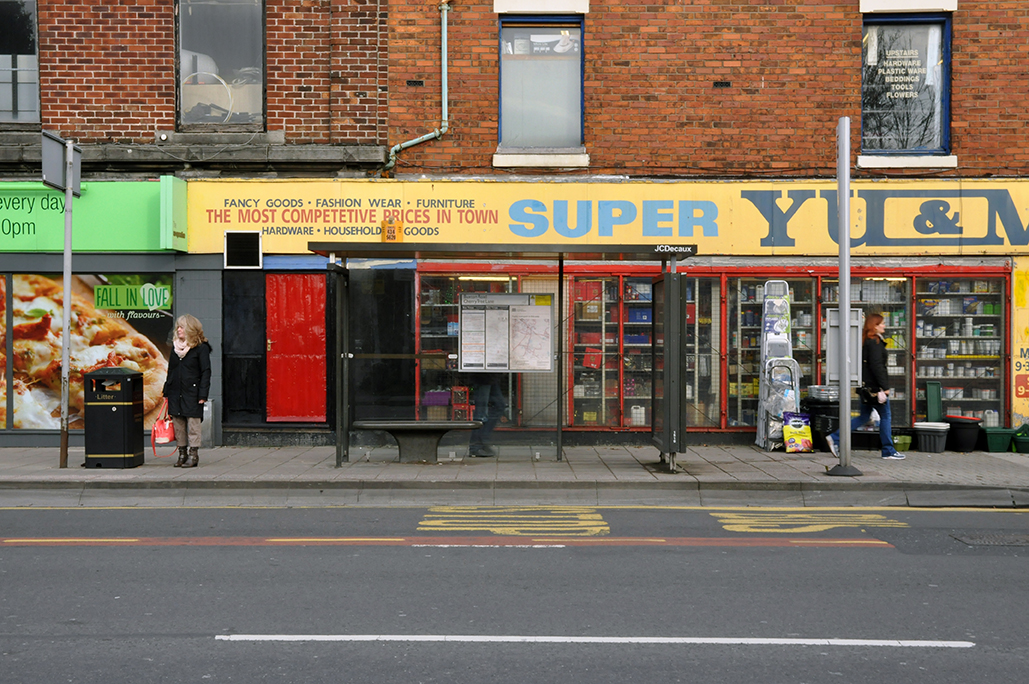
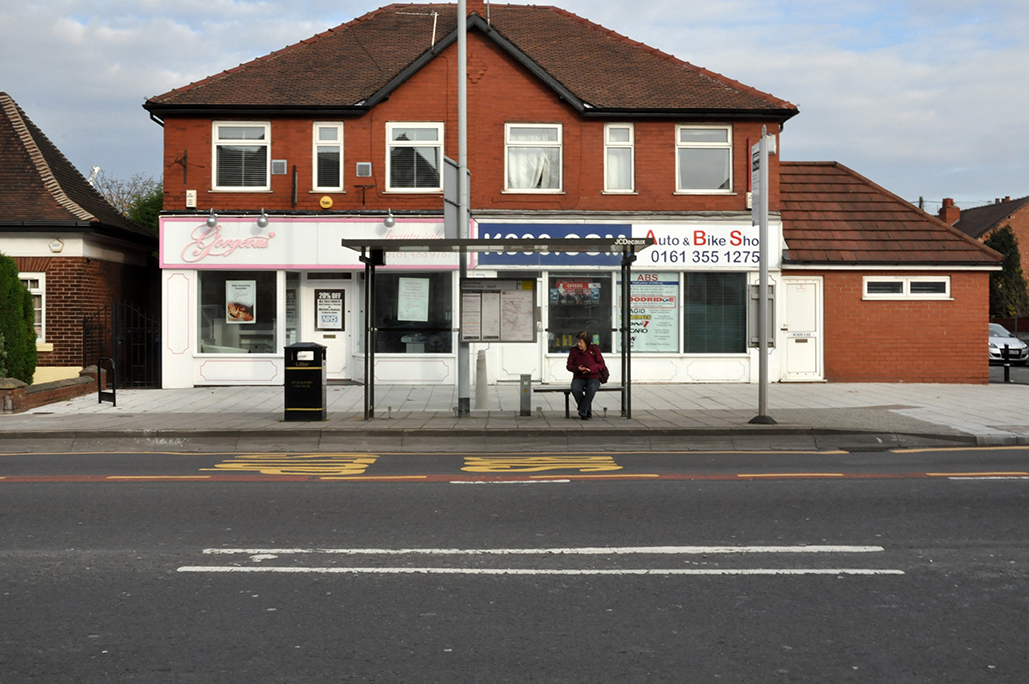
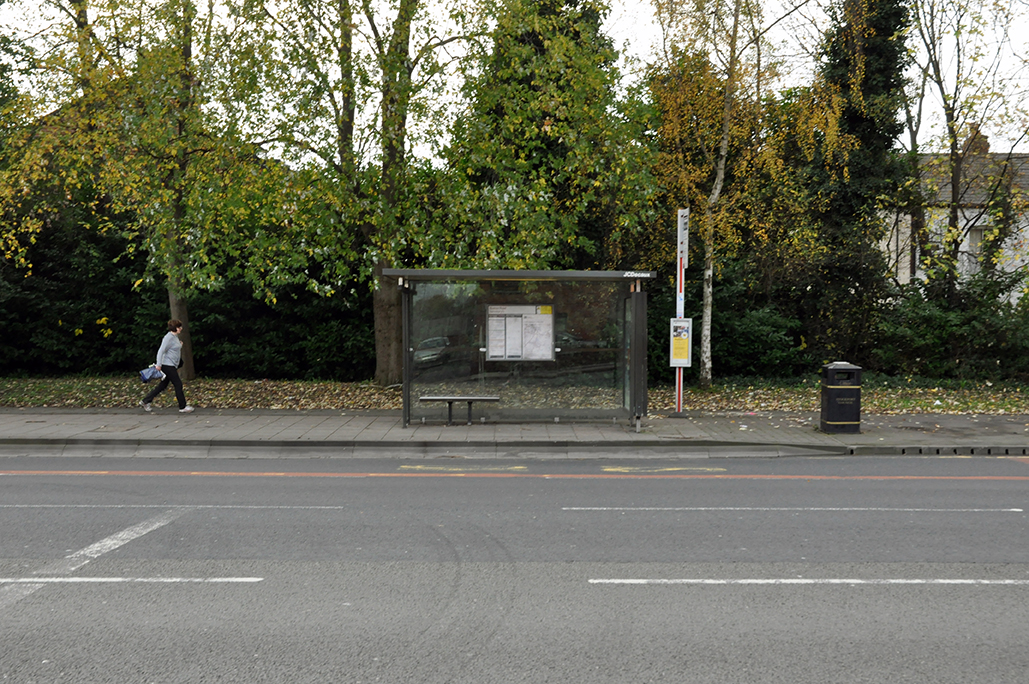
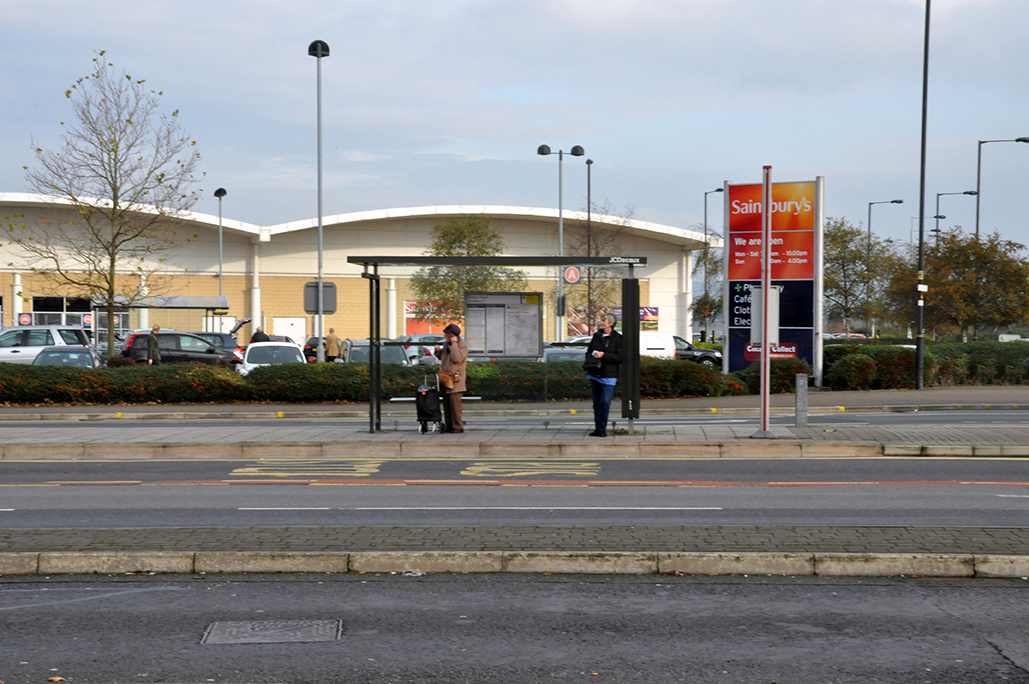
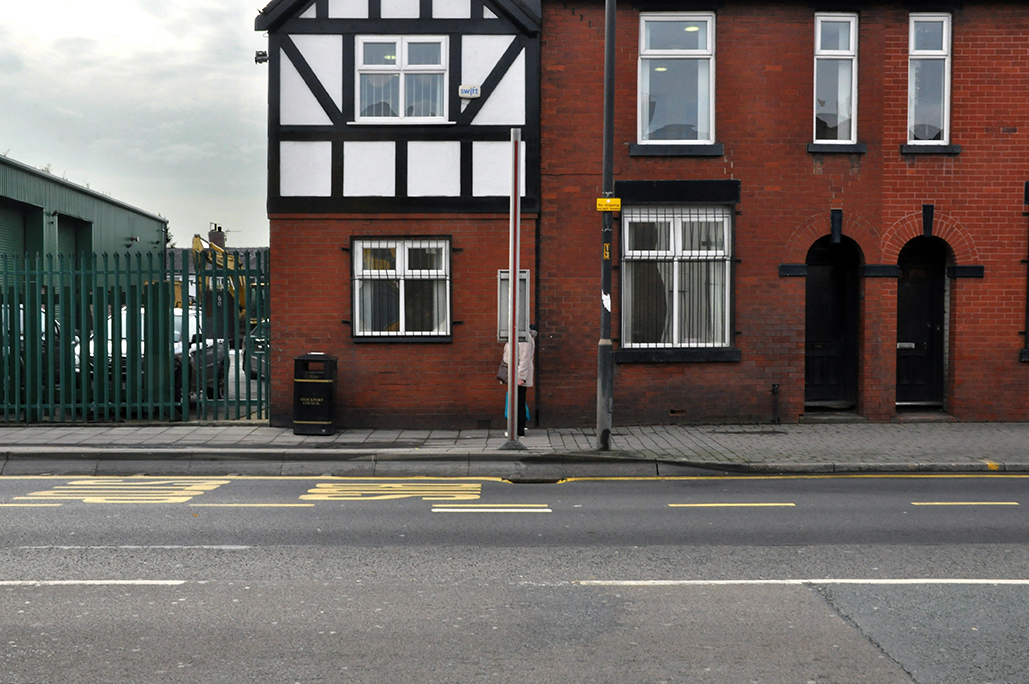
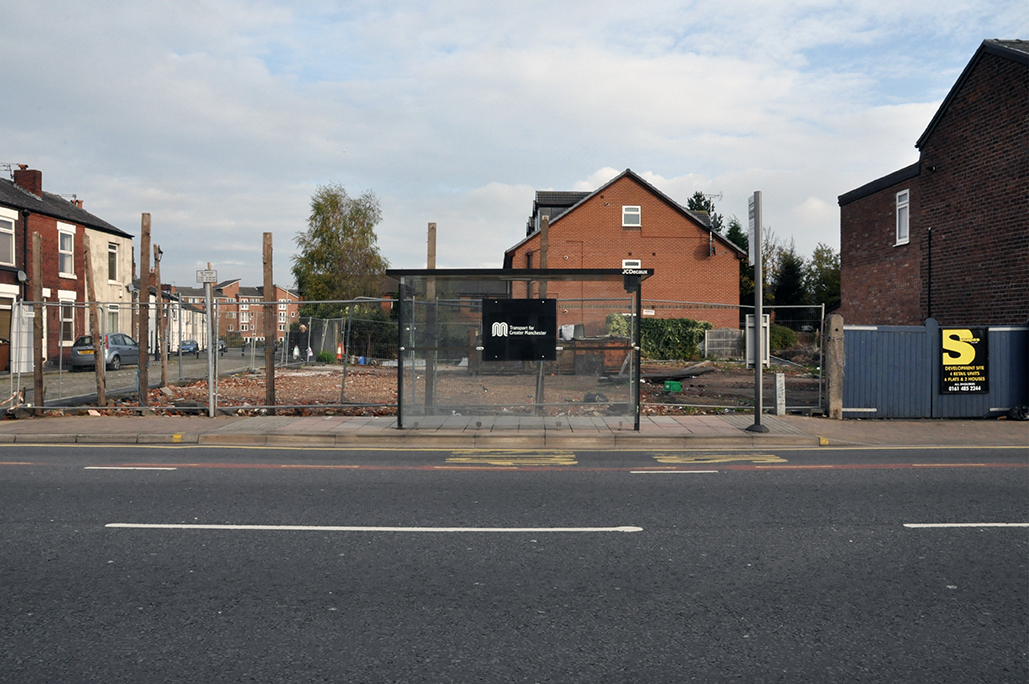
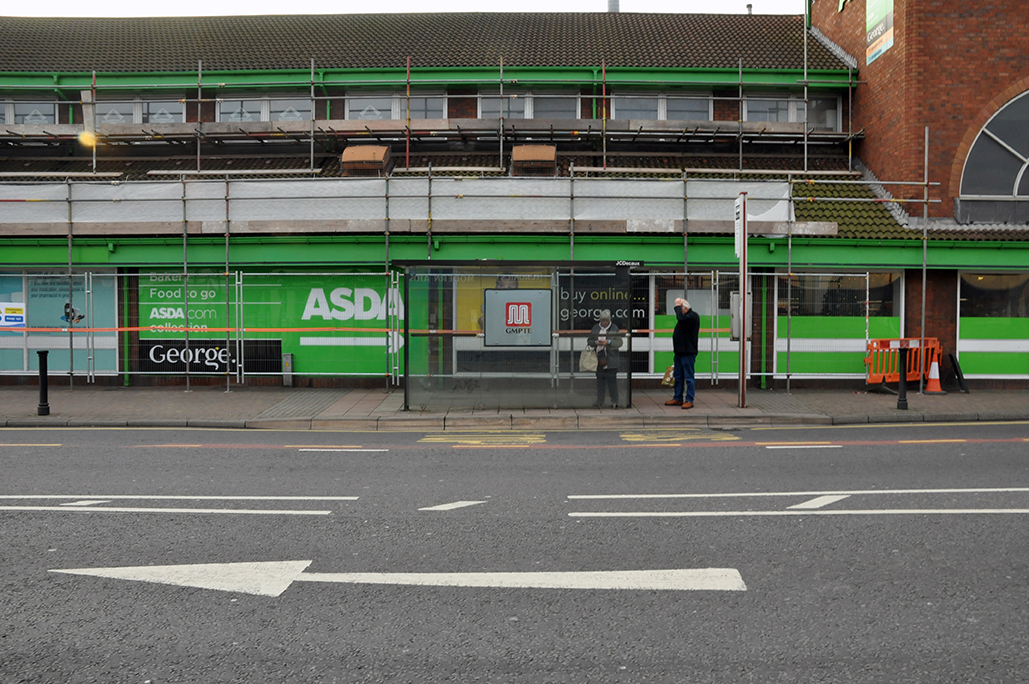
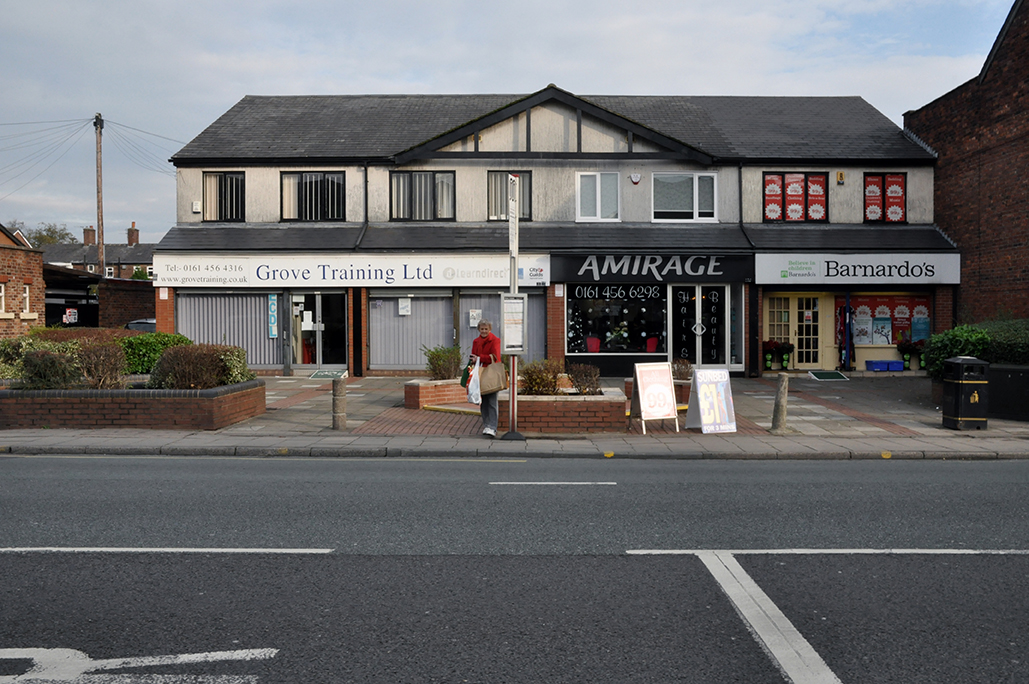
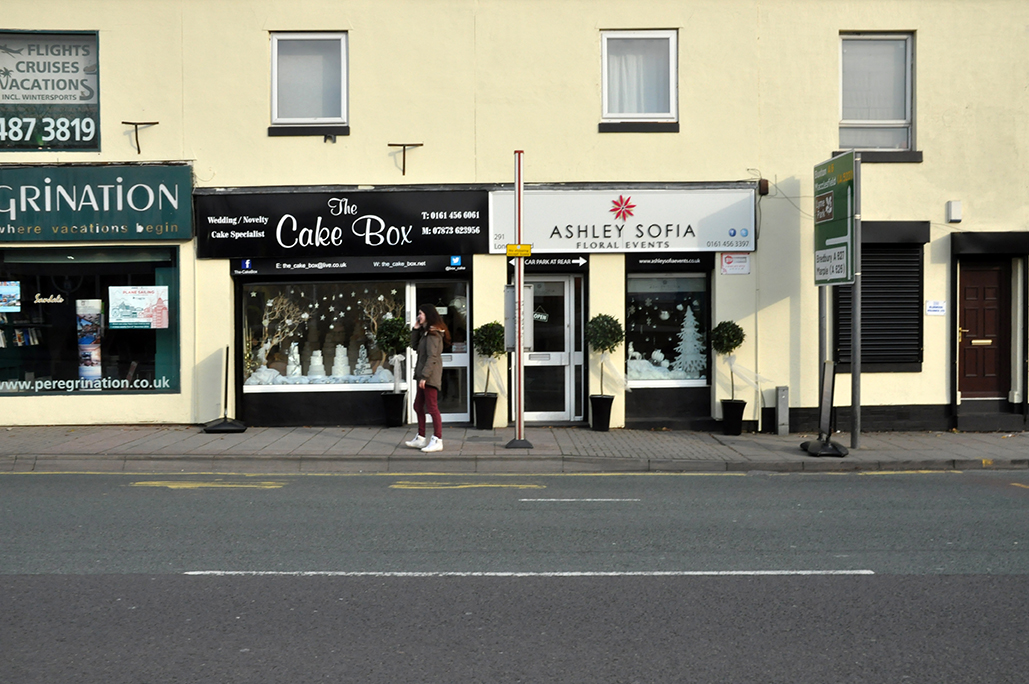
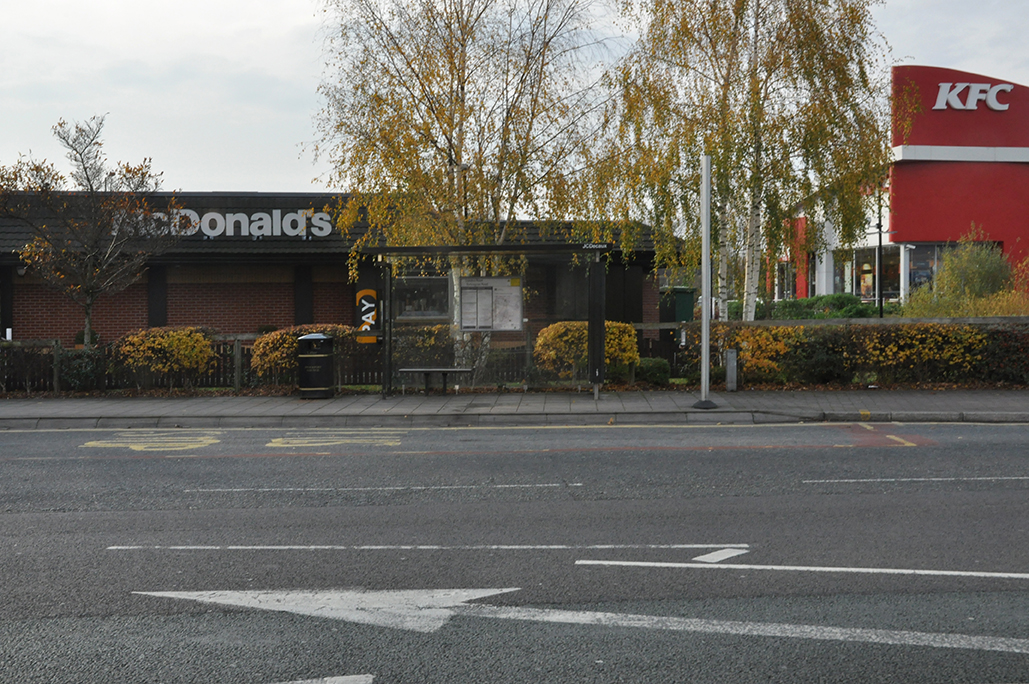
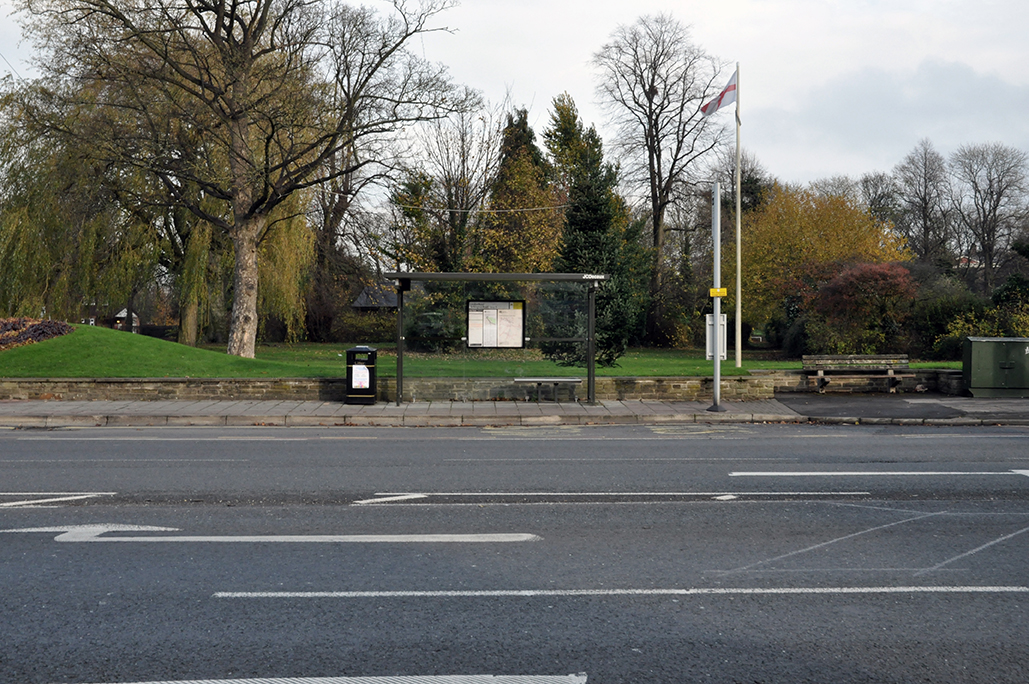
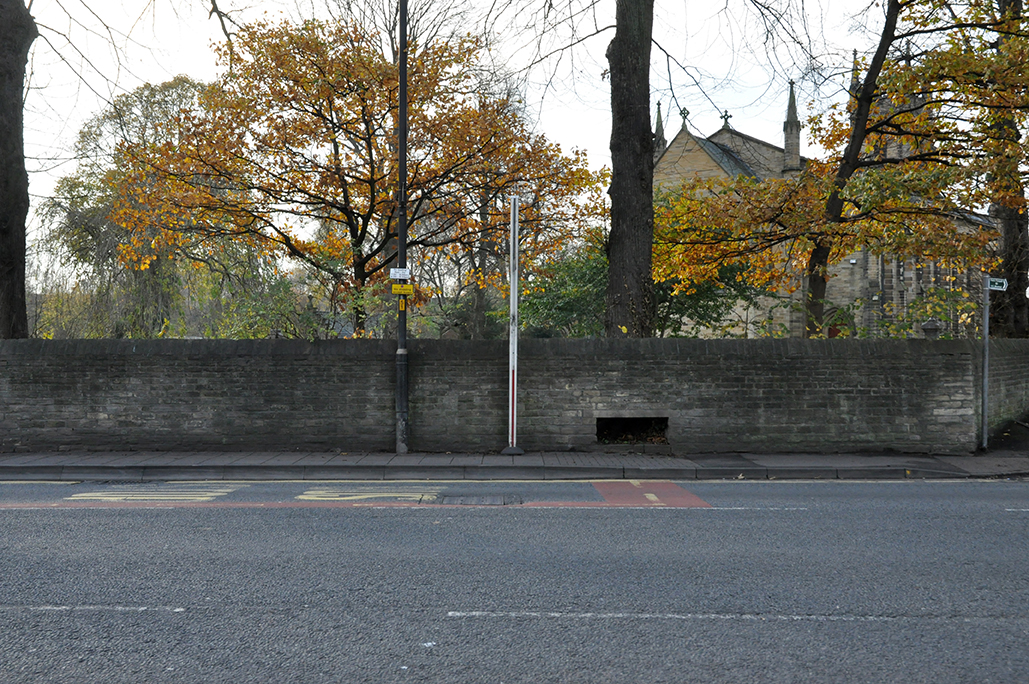
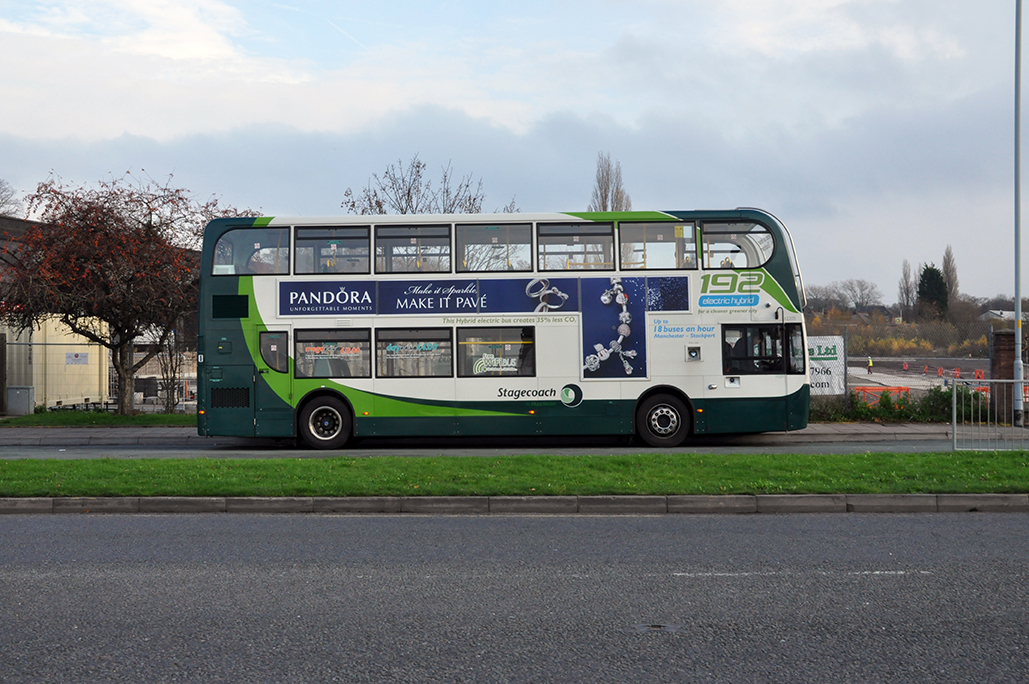
All 98 #192 Bus Stops

There there are 98 stops on the 192  route, between Manchester and Hazel Grove.

– I know because I walked them all.

Sunday morning roads relatively free of traffic.

Some stops peopled some not.

Zigzagging the A6 to record a consistent sequence.

The bus stops here.

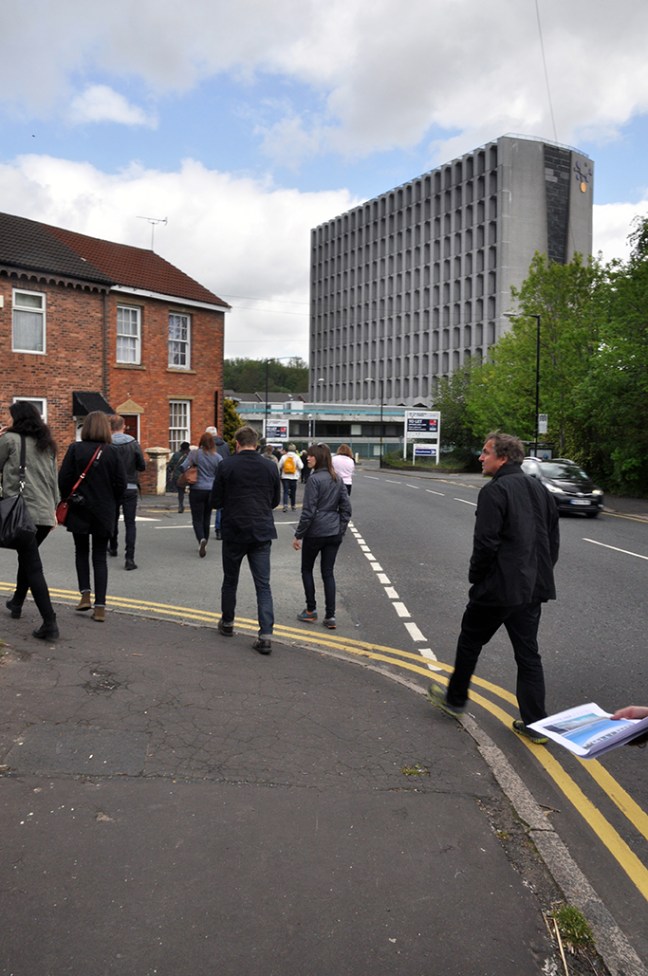
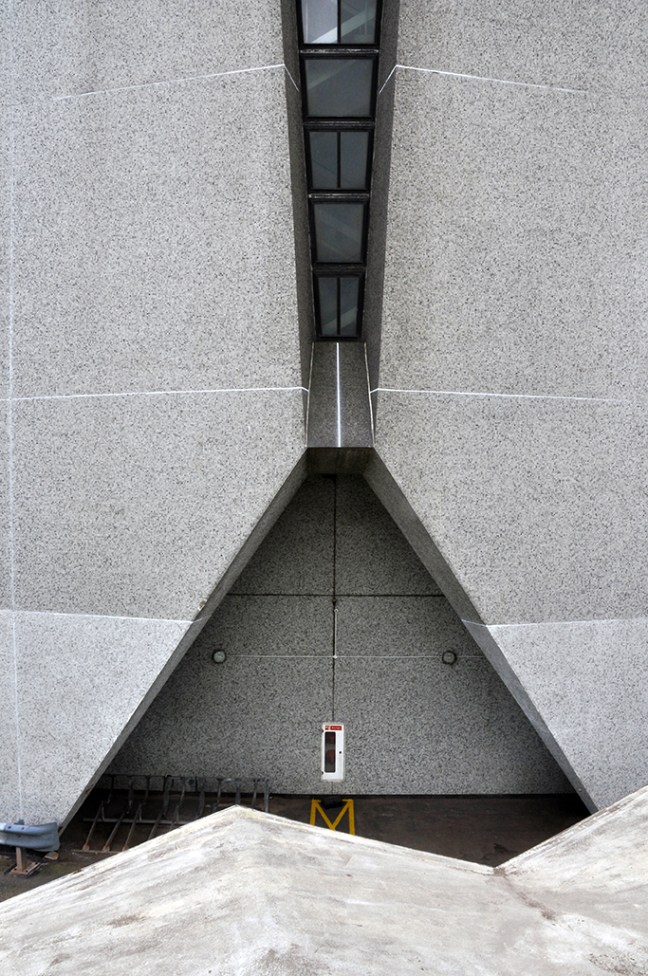
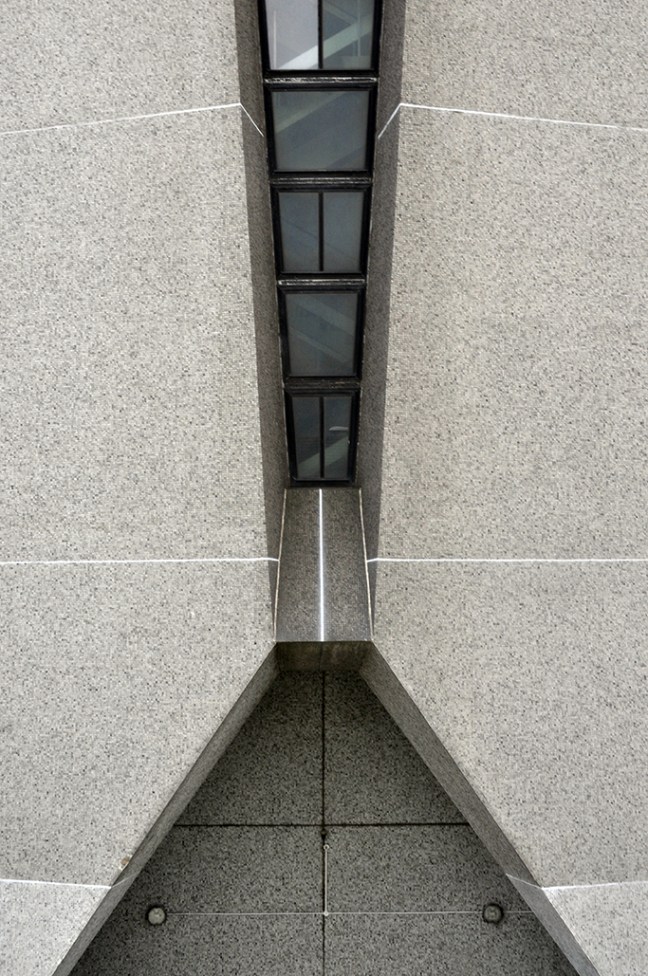
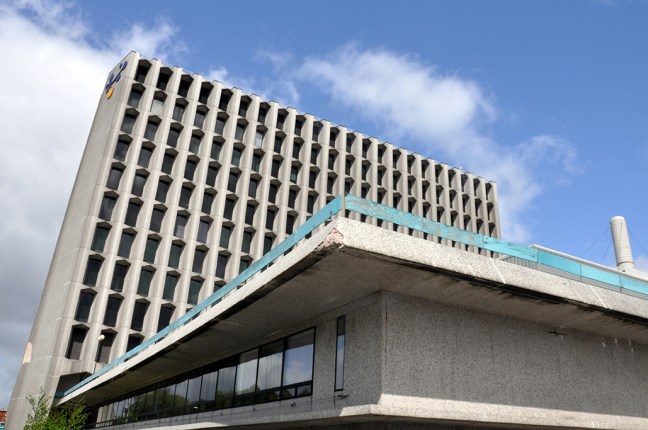
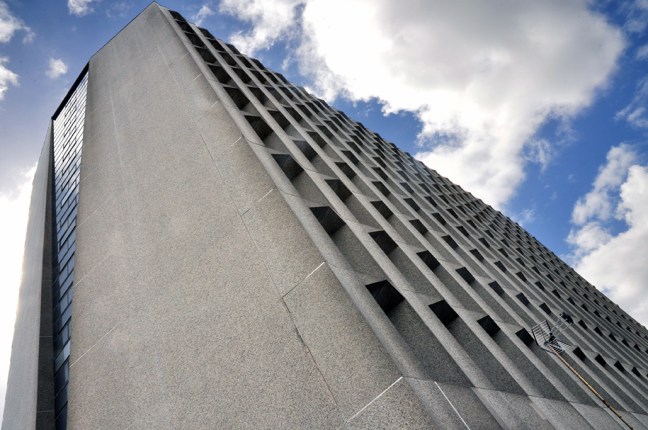
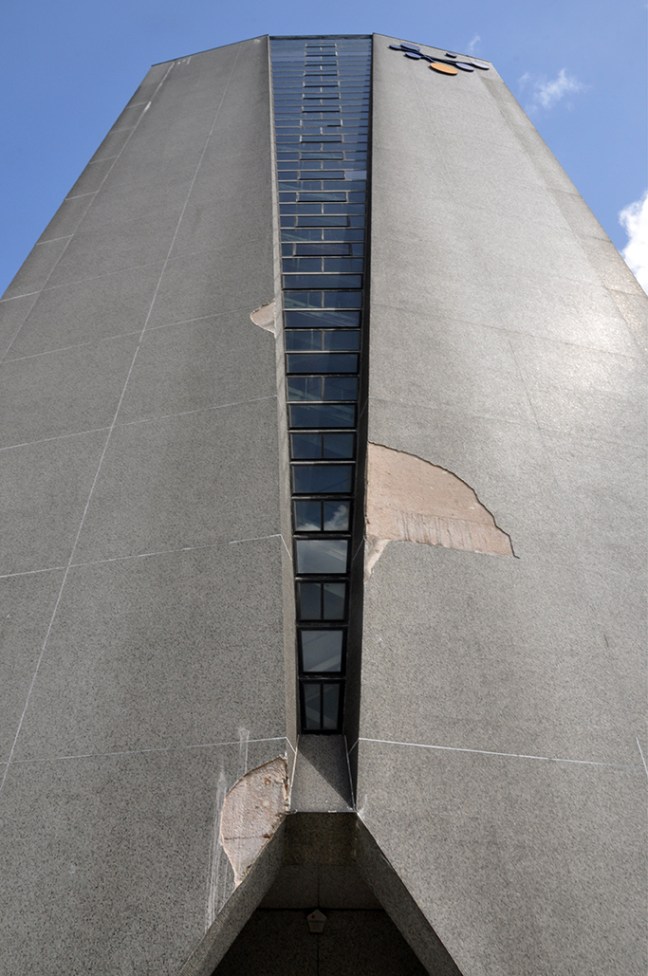
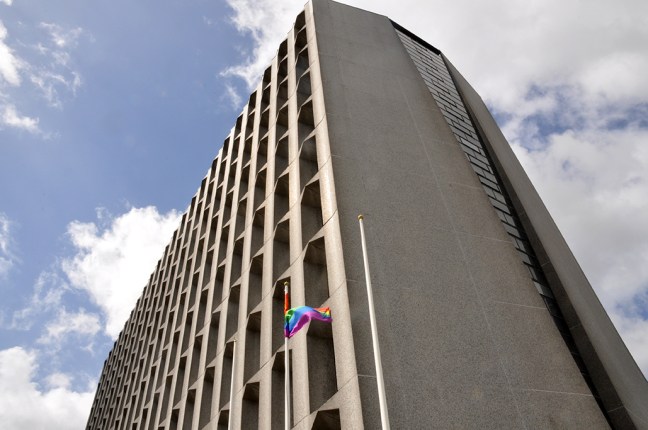
Hexagon Tower – Blackley Manchester

Manchester Orbital – a coach trip around the outer and upper limits of the city’s Modernist Architecture.

Organised by the Manchester Modernist Society

http://www.modernist-society.org

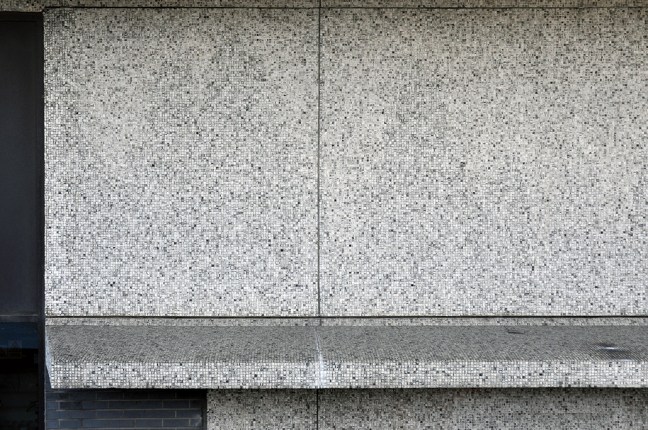
“Seifert’s corporate buildings were regularly bold, those in Manchester no exception, but this is perhaps the most monolithic of his North-West schemes. The site, in a depression adjacent the River Irk in Blackley, was formerly owned by ICI, by whom the building was commissioned. At one time, a four storey ICI laboratory building by émigré architect Serge Chermayeff also stood close. Here, the simple massing, formed by the junction of horizontal and vertical volumes, bears several of Seifert and Partners trademark gestures; the hexagonal geometries, the cut away sections of wall to form entrance ways between structural elements, and the repetitive facade. The end wall is reminiscent of Tolworth Tower, also by Seifert. The tower and podium configuration is a product of the brief; the machine hall had to be at ground level and have no construction above. The narrow tower has no internal columns, the structural grid is mirrored in the services arrangement and the two co-exist outside the usable volume of the laboratory space, in the walls and floor. This solution is expressed in the deep reveals of the main façade, services travel vertically between the window modules. Whilst somewhat hidden, the building reveals itself fantastically from elevated vantage points, the tram south from Bowker Vale station being one such location. Originally it was intended that four of these towers would be built and run along the river valley in some sort of massive futurist domino arrangement.”

With thanks to Mainstream Modern

http://www.mainstreammodern.co.uk/casestudies.aspx/Detail/72/hexagon-tower

DSC_0013

DSC_0023

DSC_0026

DSC_0017

DSC_0030

DSC_0032

DSC_0024

DSC_0045

DSC_0044

DSC_0029

DSC_0025

DSC_0027

DSC_0043

DSC_0046

DSC_0038

DSC_0036

DSC_0018

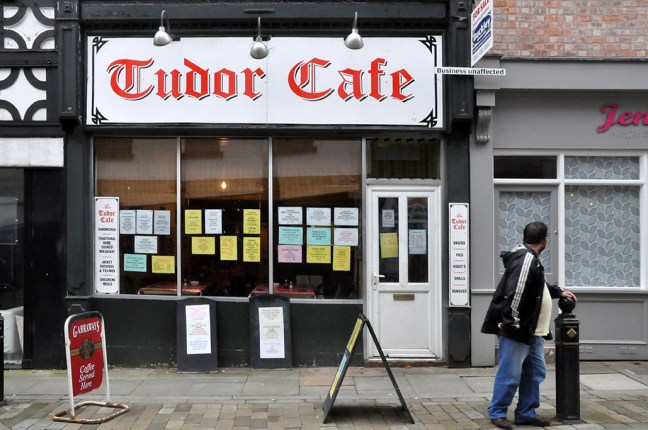
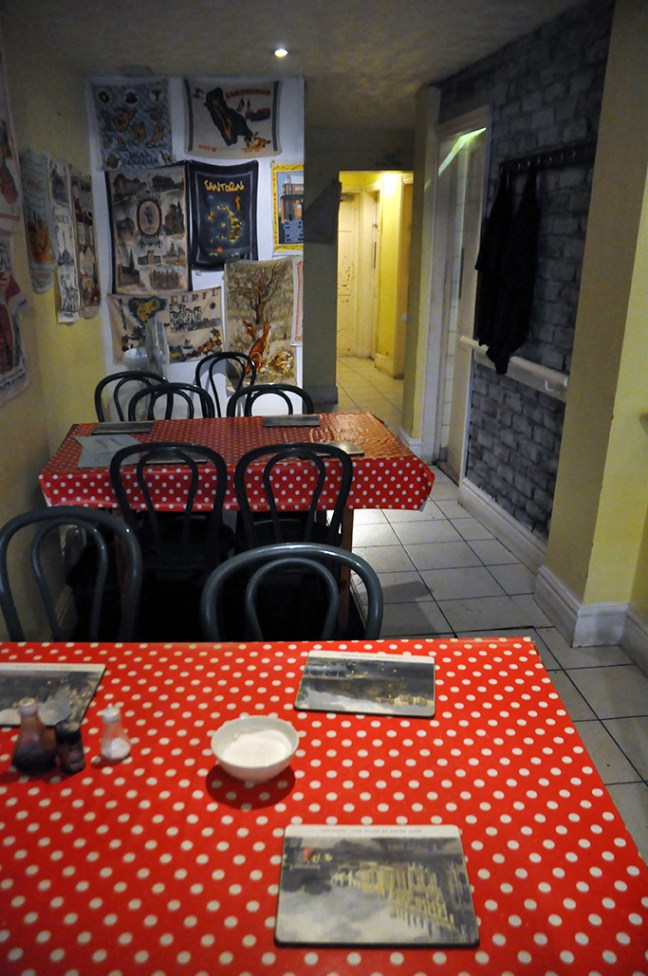
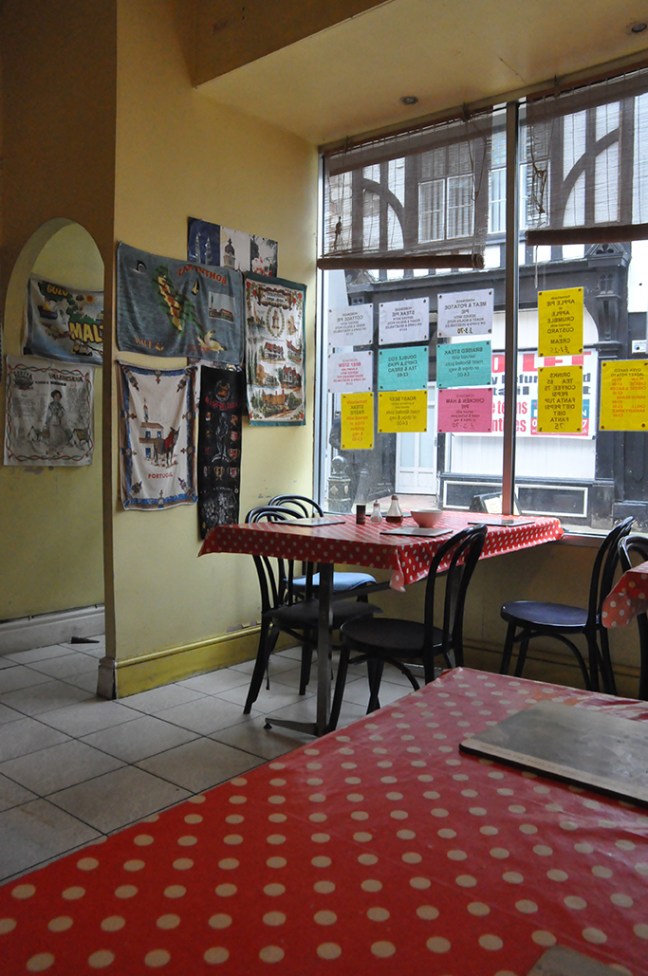
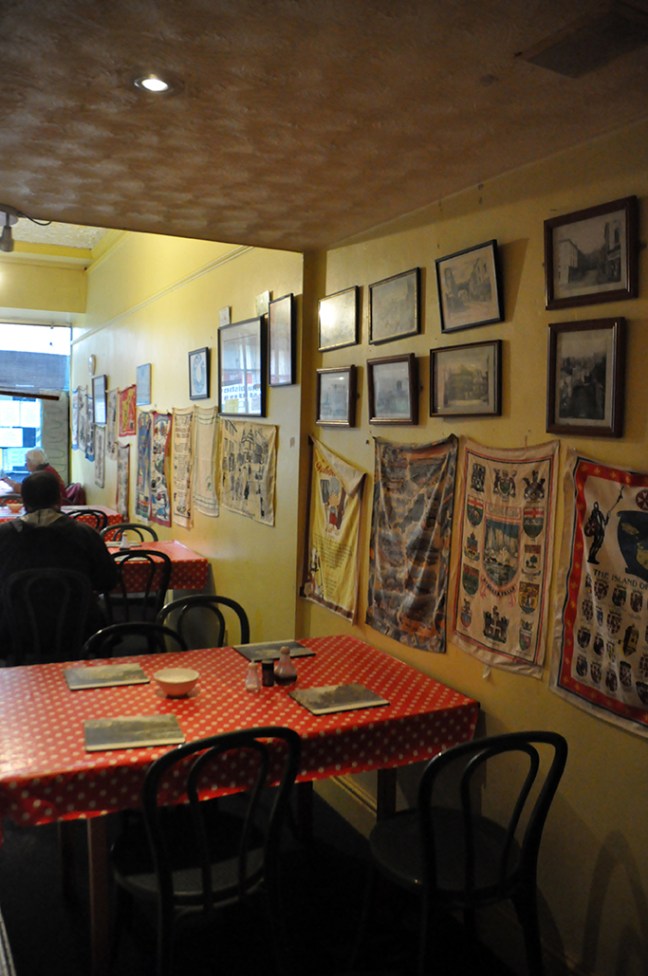
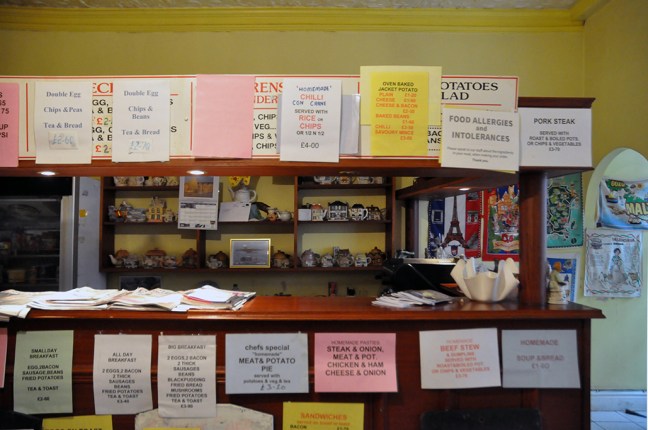
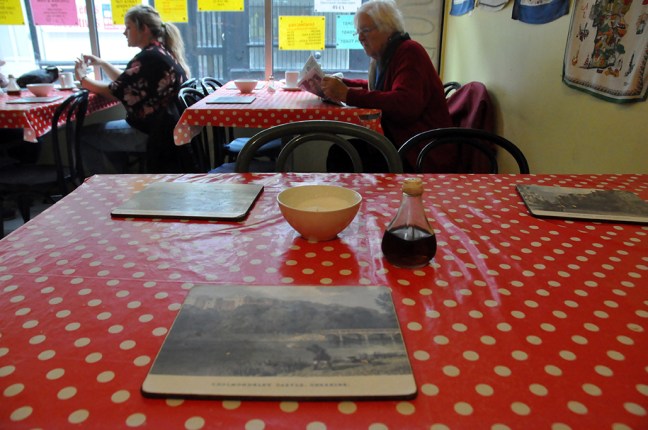
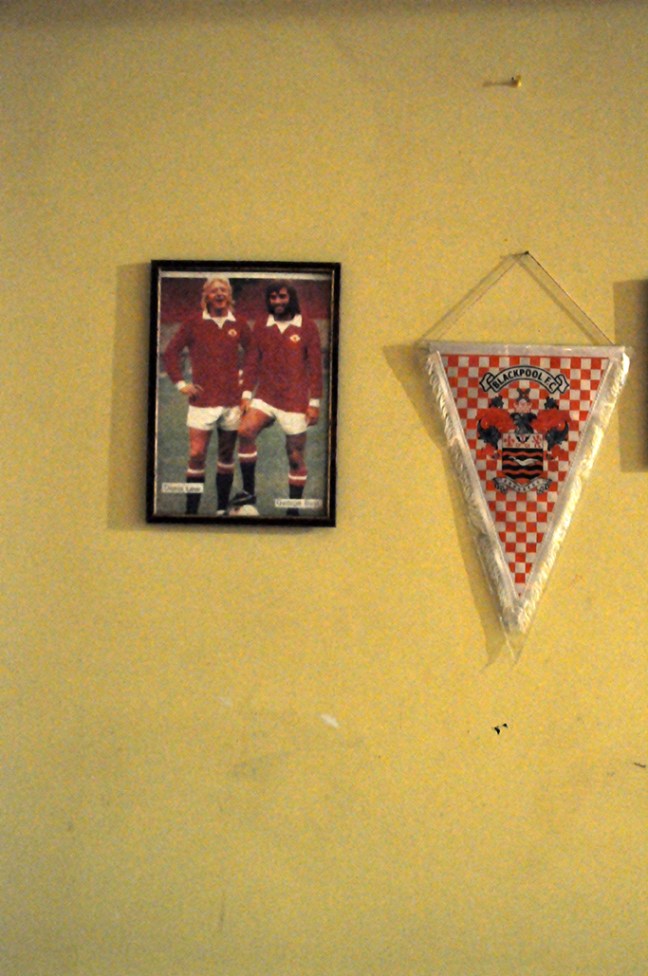
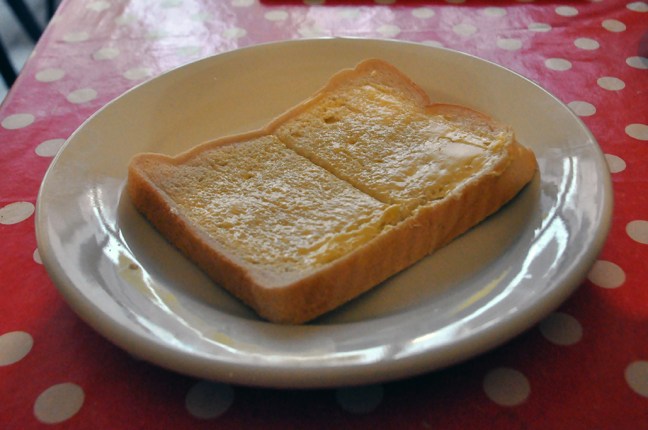
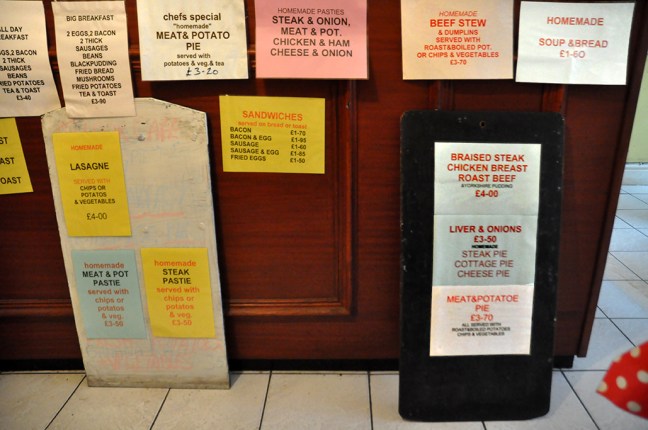
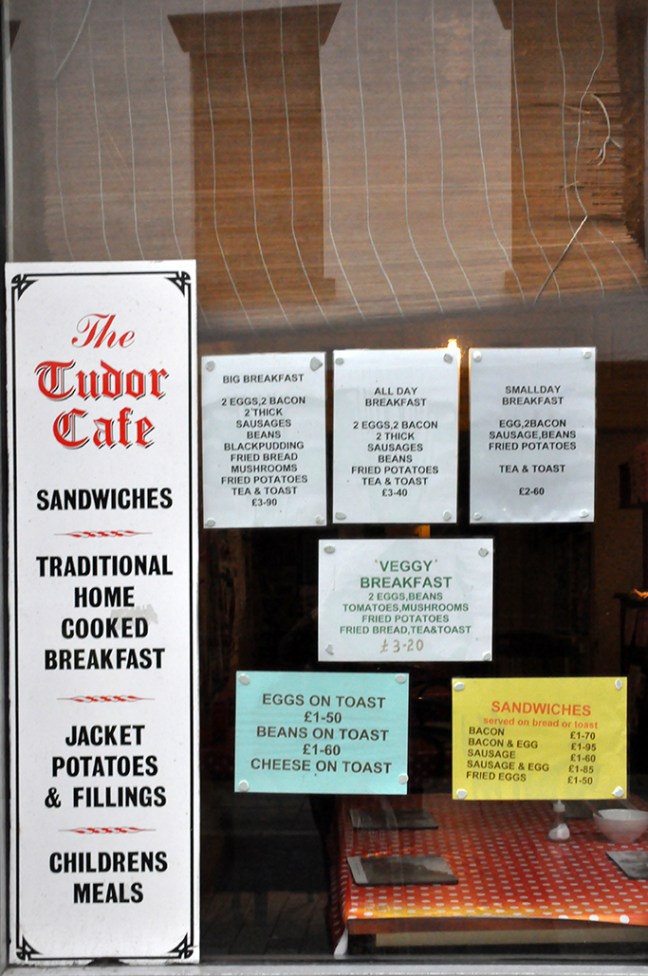
The Tudor Café – Stockport

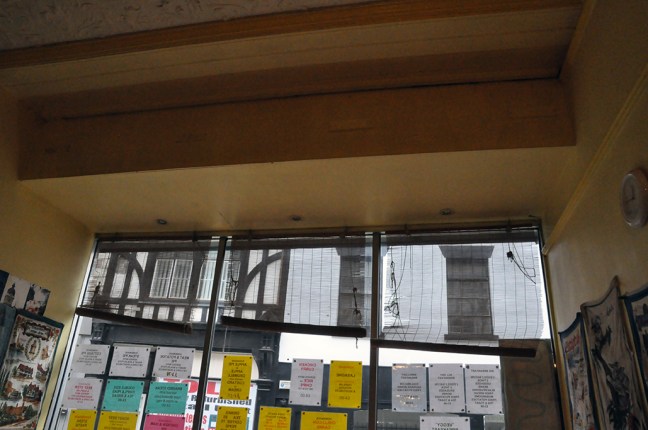
On Lower Hillgate, almost next door to where it used to be, there stands The Tudor Café.

Almost where it has almost always stood.

Other businesses have come and gone, happily it prevails.

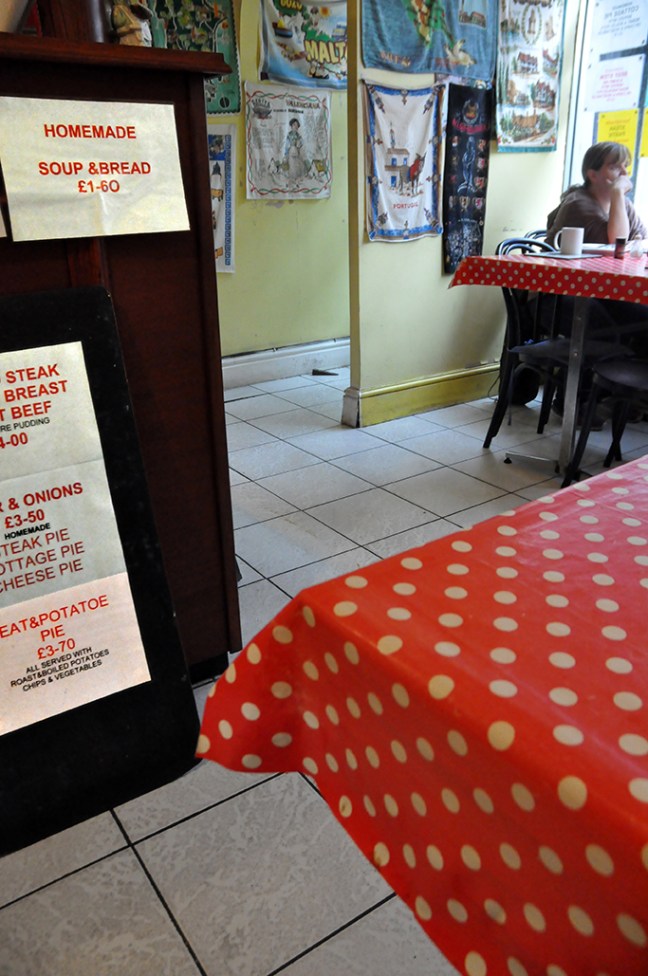
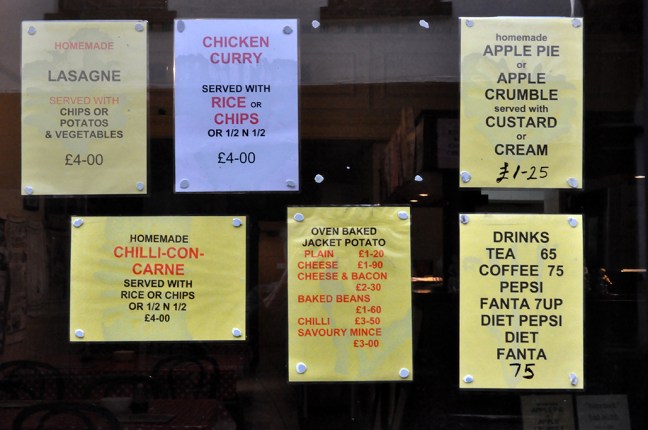
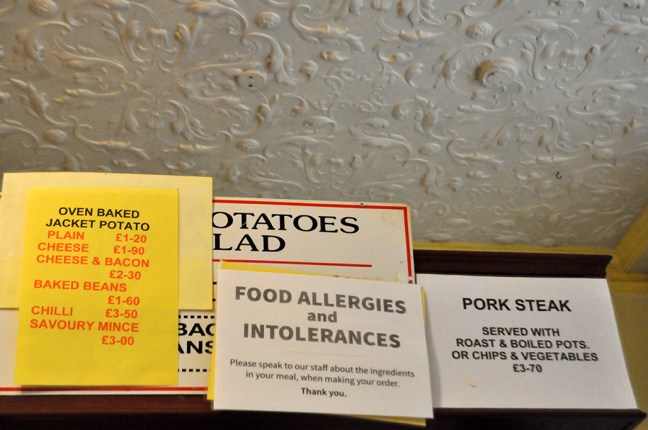
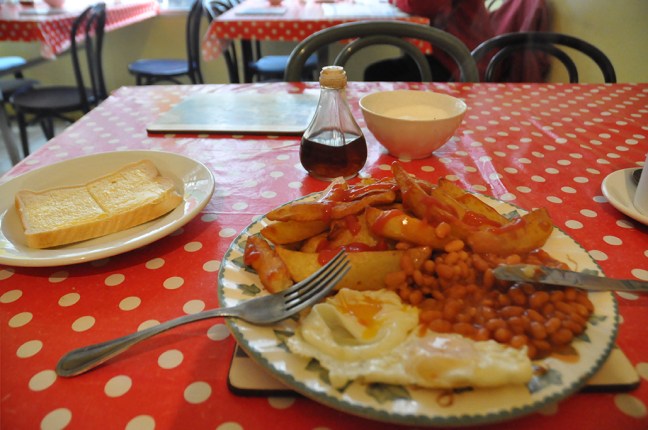
The cheapest tastiest grub in town.

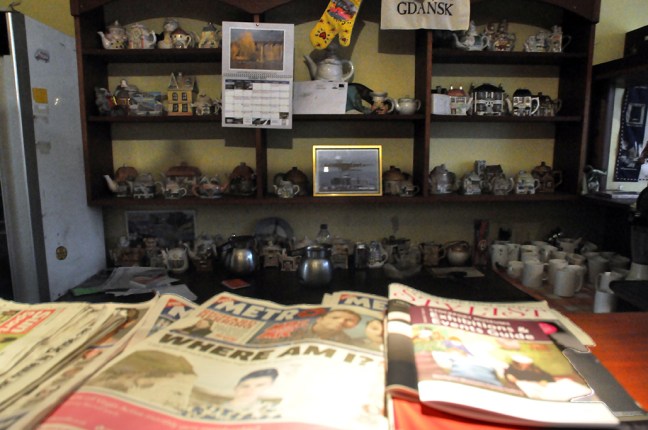
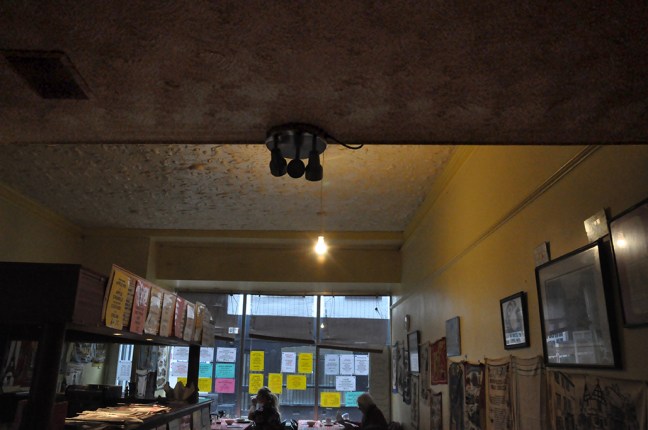
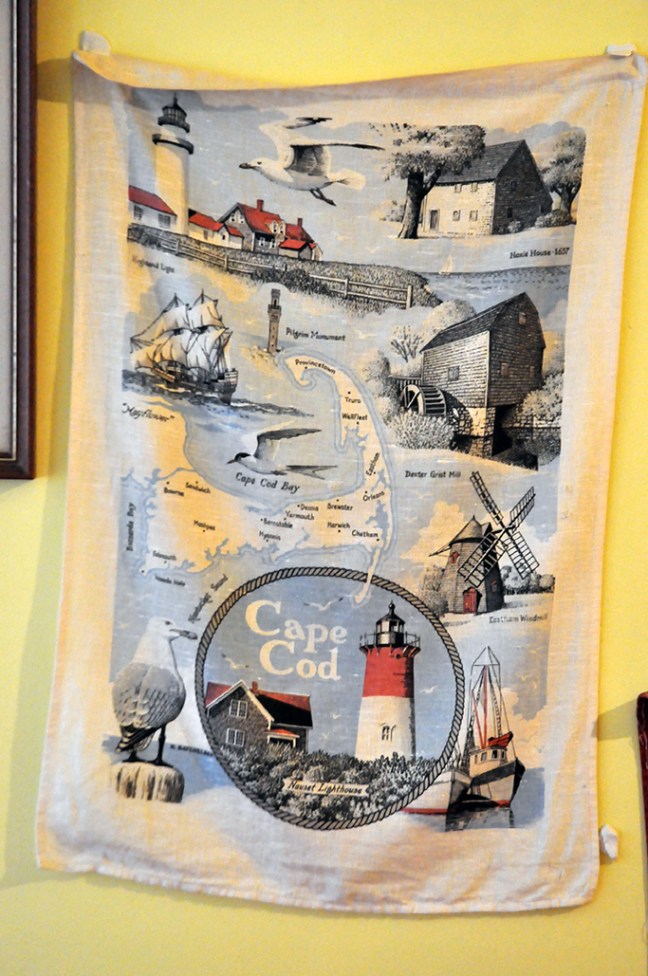
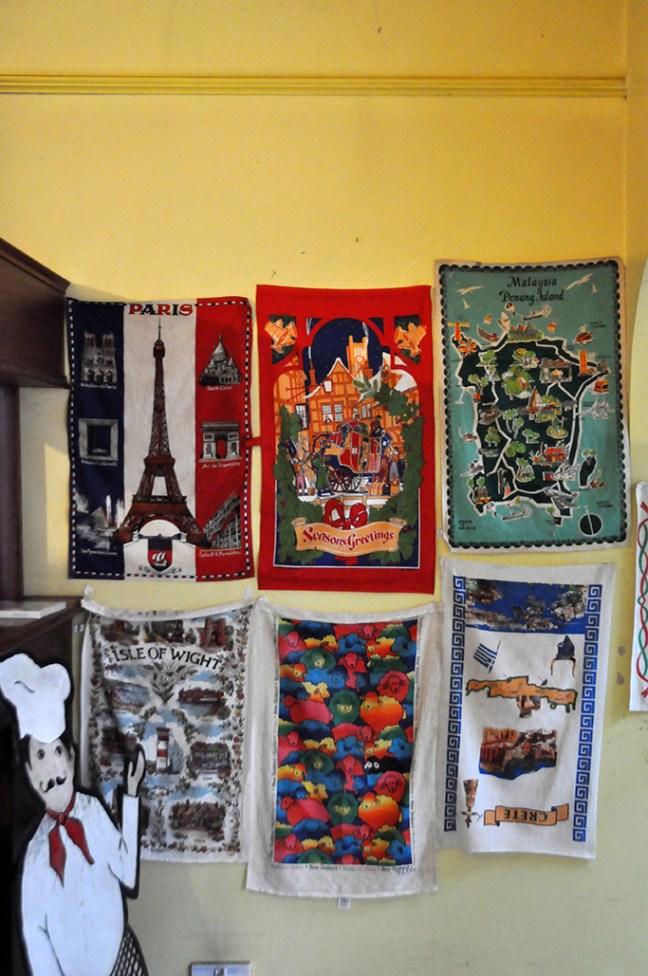
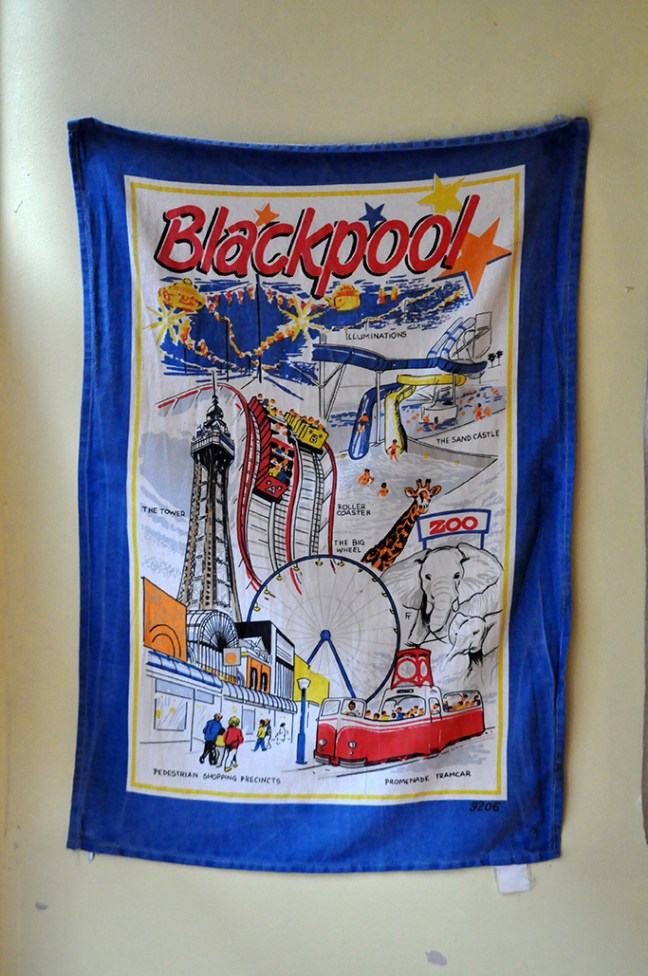
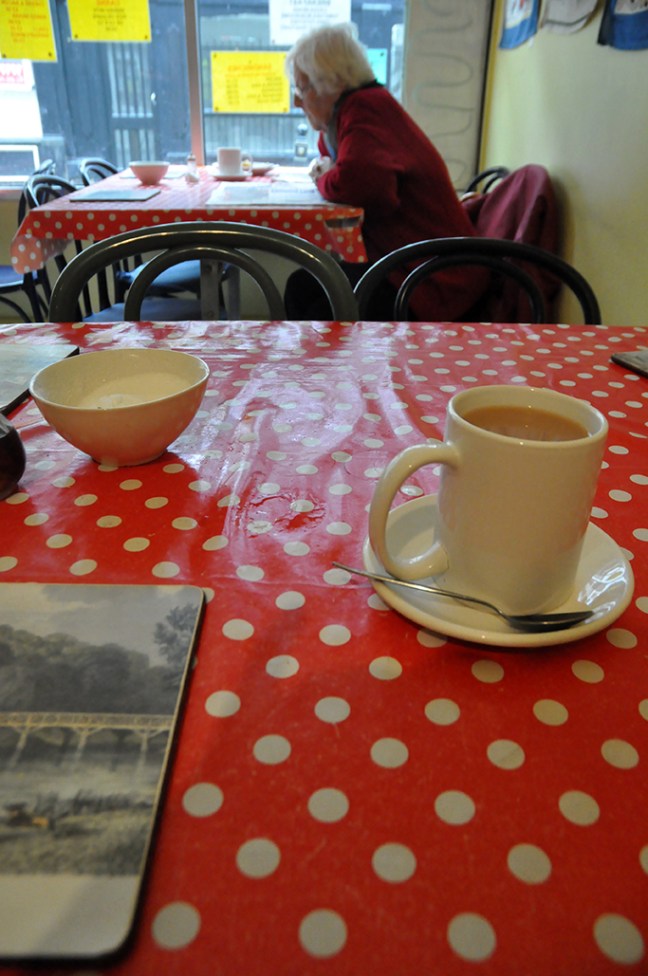
An interior festooned with tea towels.

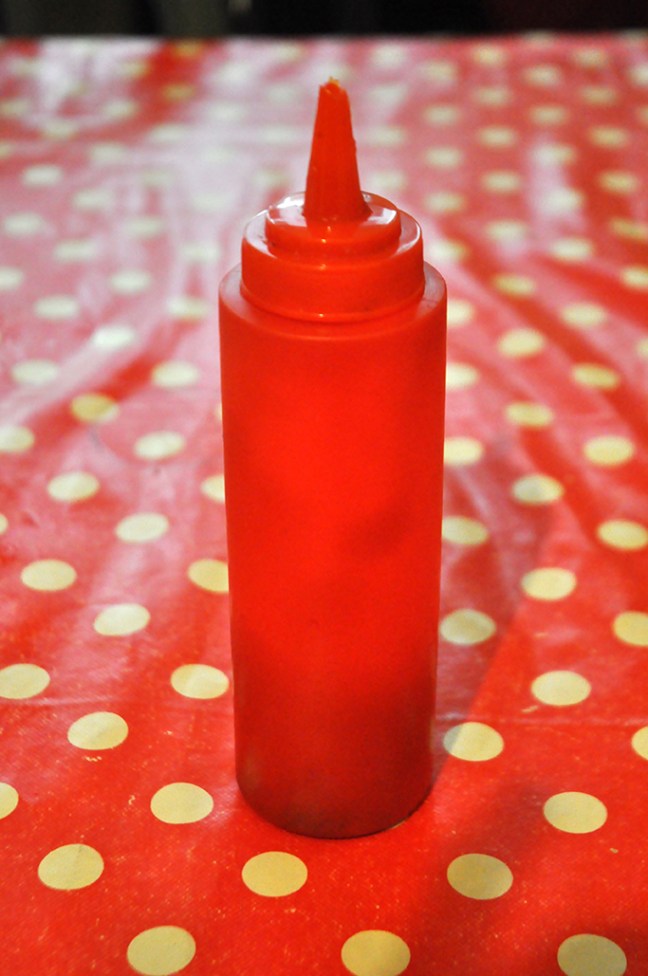
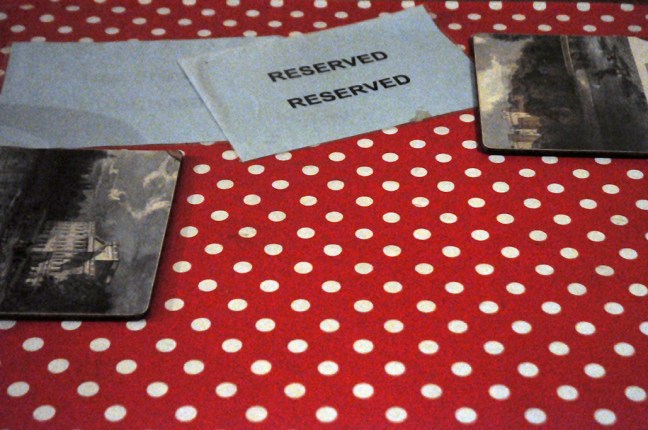
Tables polka dotted, teas hot.

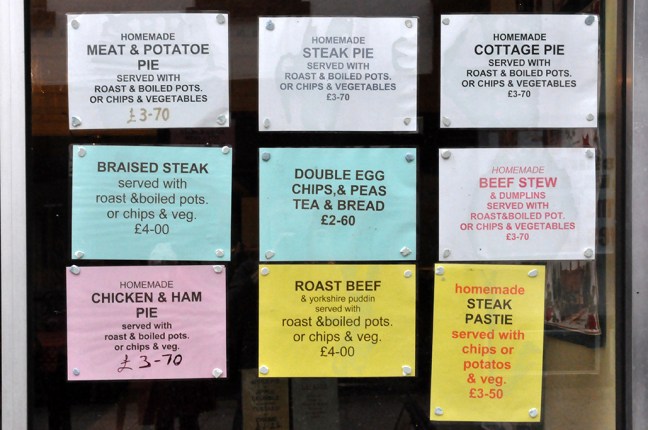
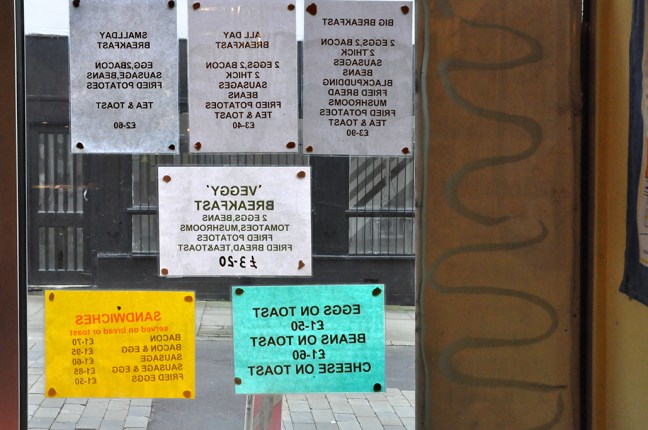
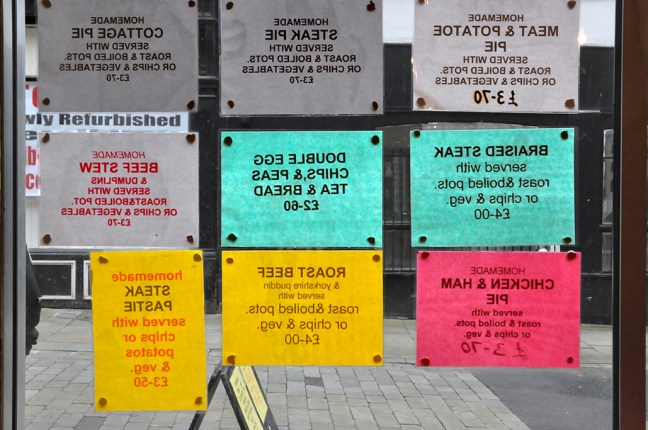
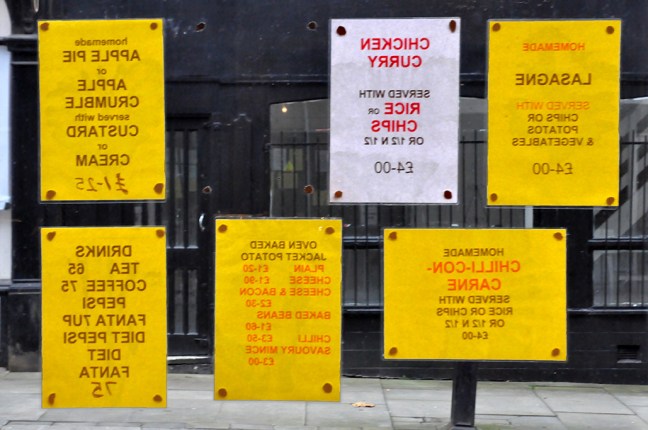
Signs inside and out, some of them inside out.

Greetings from Gdansk.

DSC_0025 copy

DSC_0026 copy

DSC_0046 copy

DSC_0030 copy

DSC_0024 copy

DSC_0045 copy

DSC_0053 copy

DSC_0043 copy

DSC_0034 copy

DSC_0039 copy

DSC_0032 copy

DSC_0051 copy

DSC_0040 copy

DSC_0037 copy

DSC_0063 copy

DSC_0059 copy

DSC_0029 copy

DSC_0060 copy

DSC_0064 copy

DSC_0041 copy

DSC_0052 copy

DSC_0065 copy

DSC_0061 copy

DSC_0062 copy

DSC_0058 copy

DSC_0049 copy

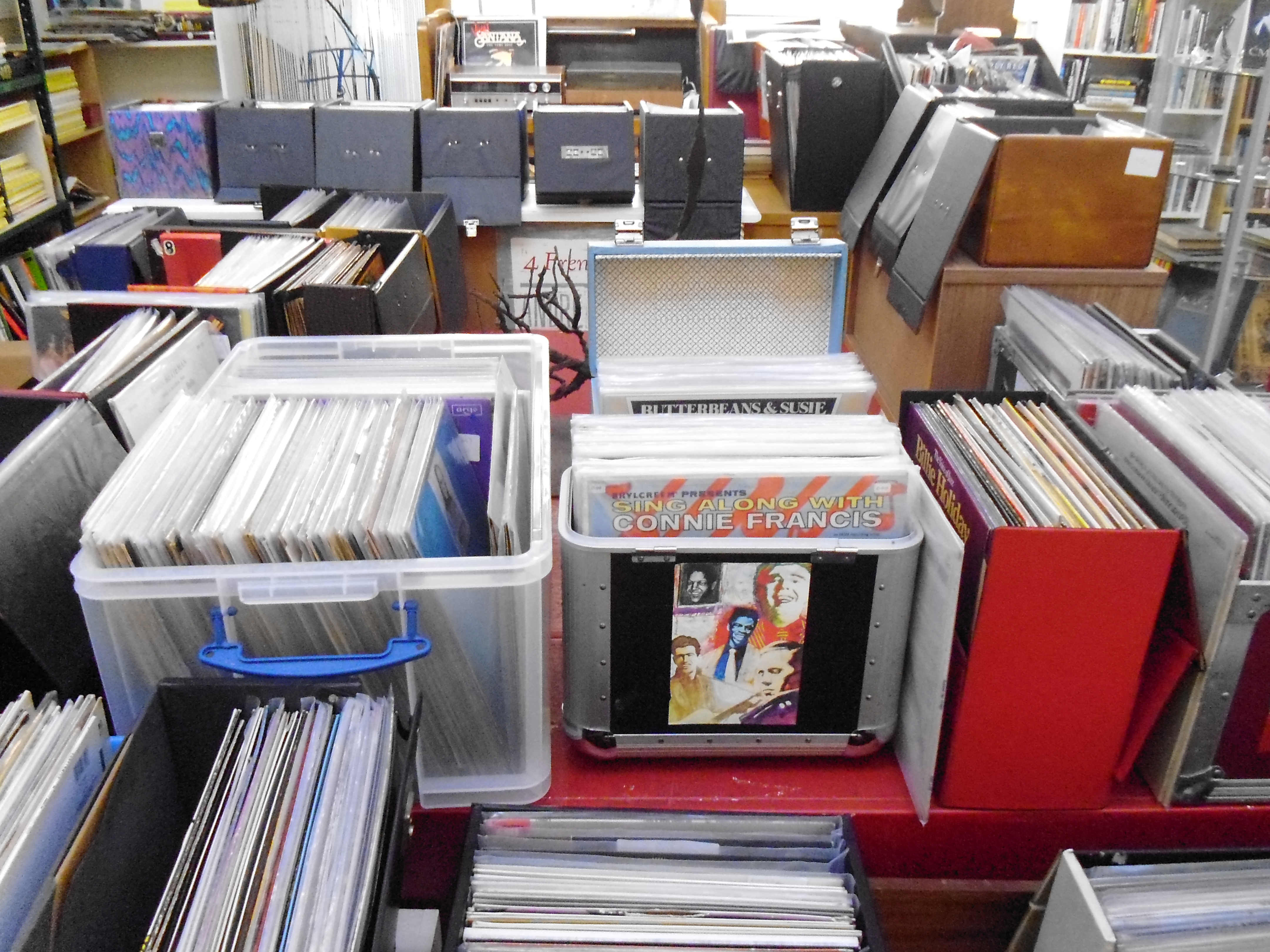
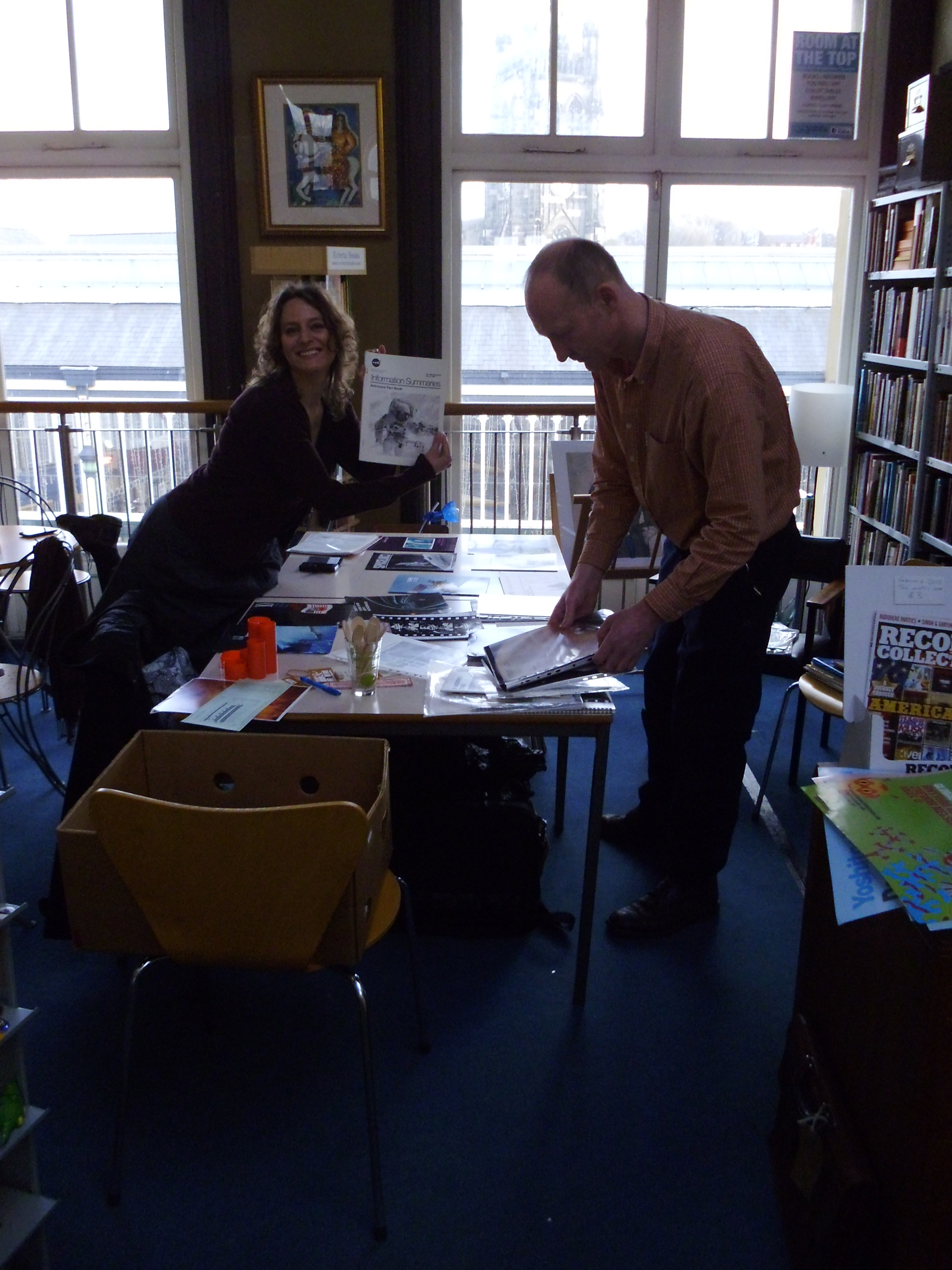
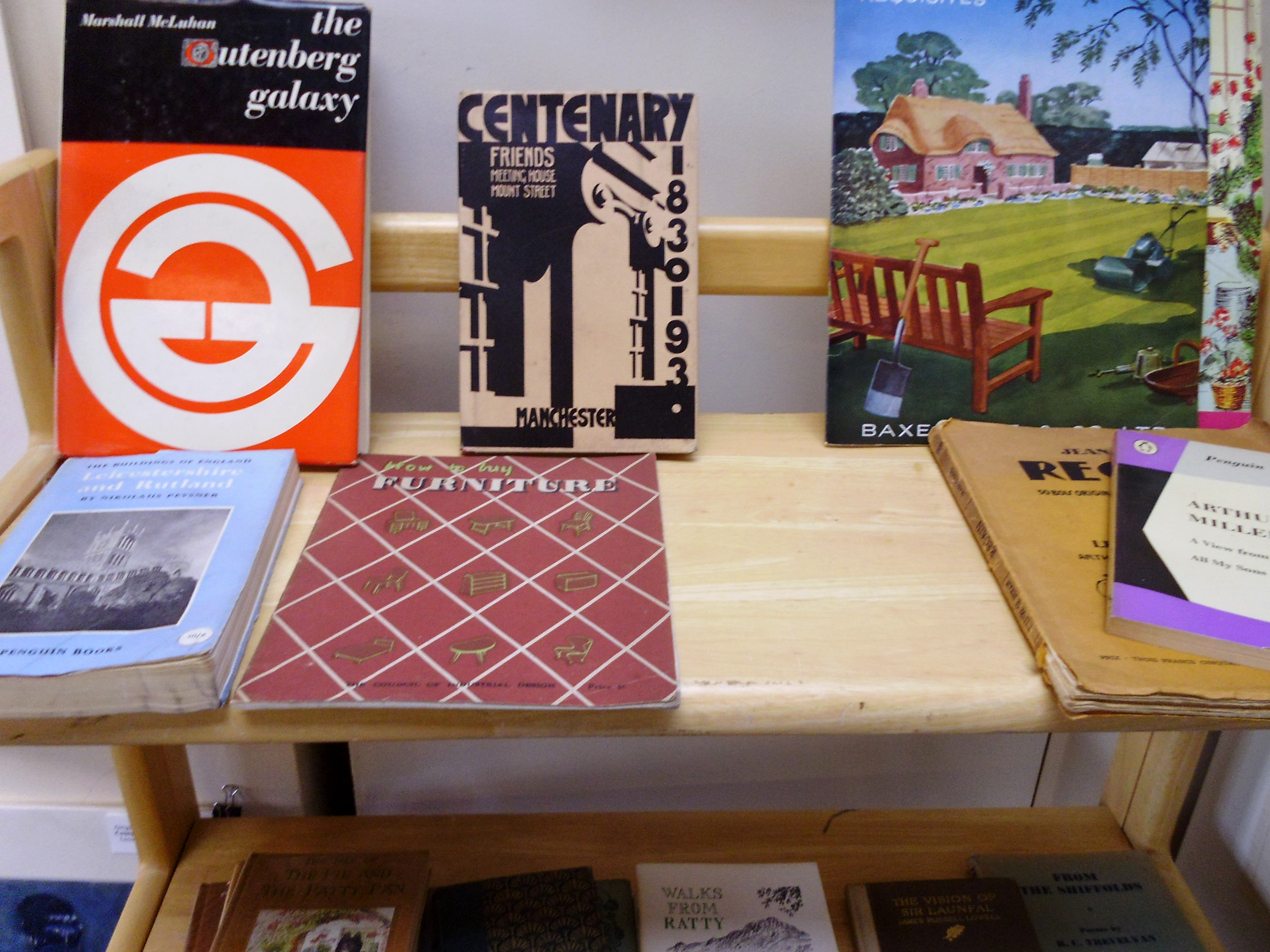
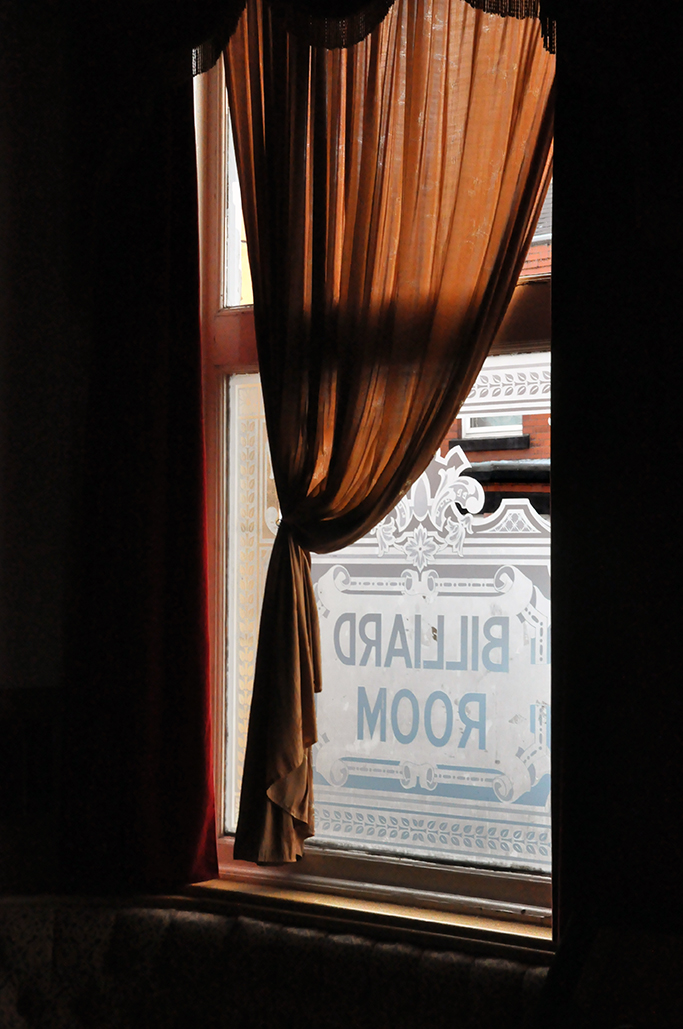
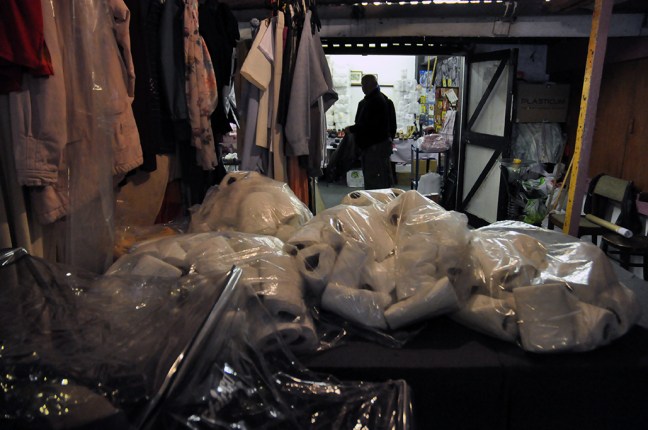
Stockport – Room at the Top

Every town worth its salt should have a decent second hand book shop.

Stockport does.

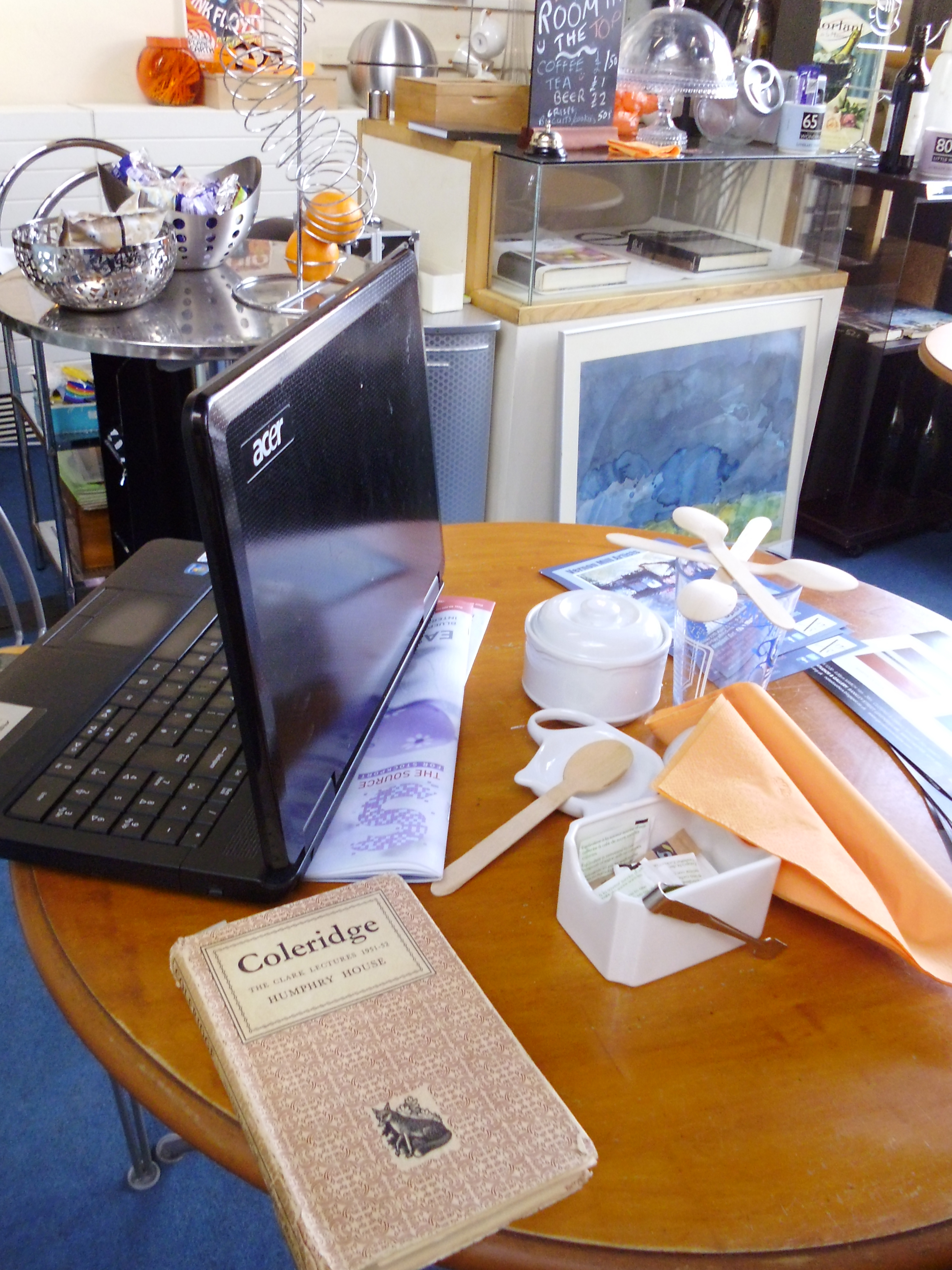
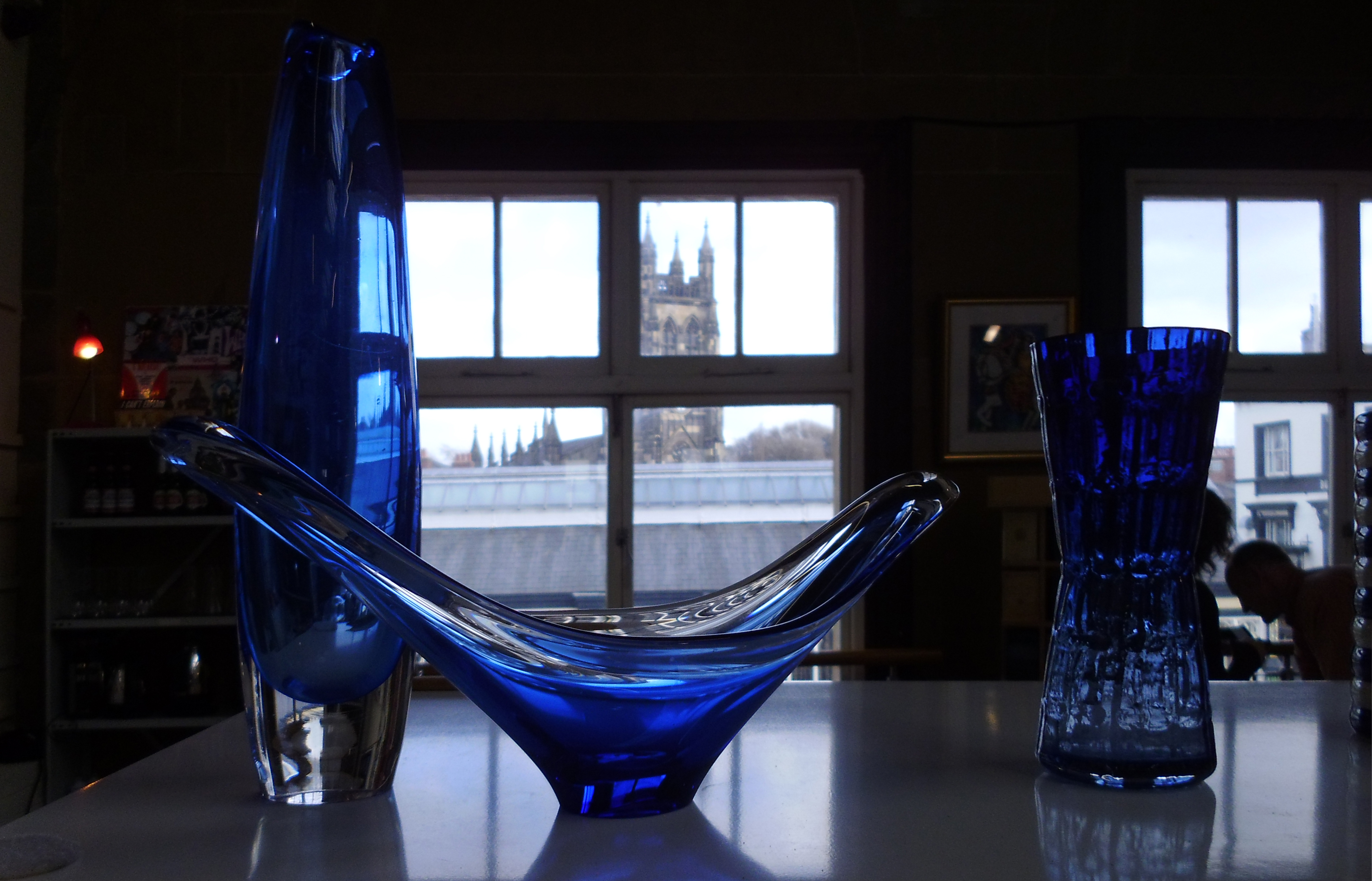
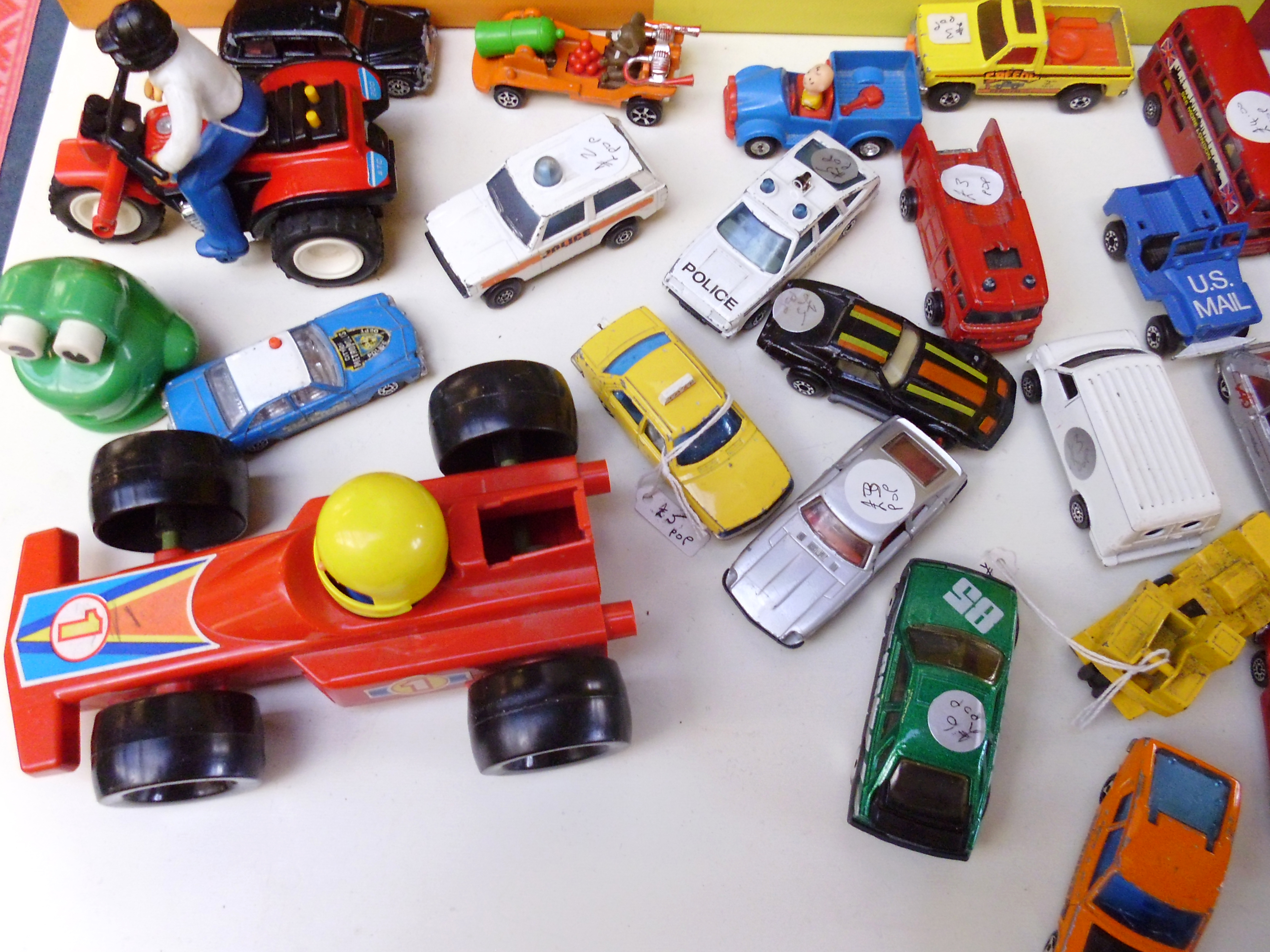
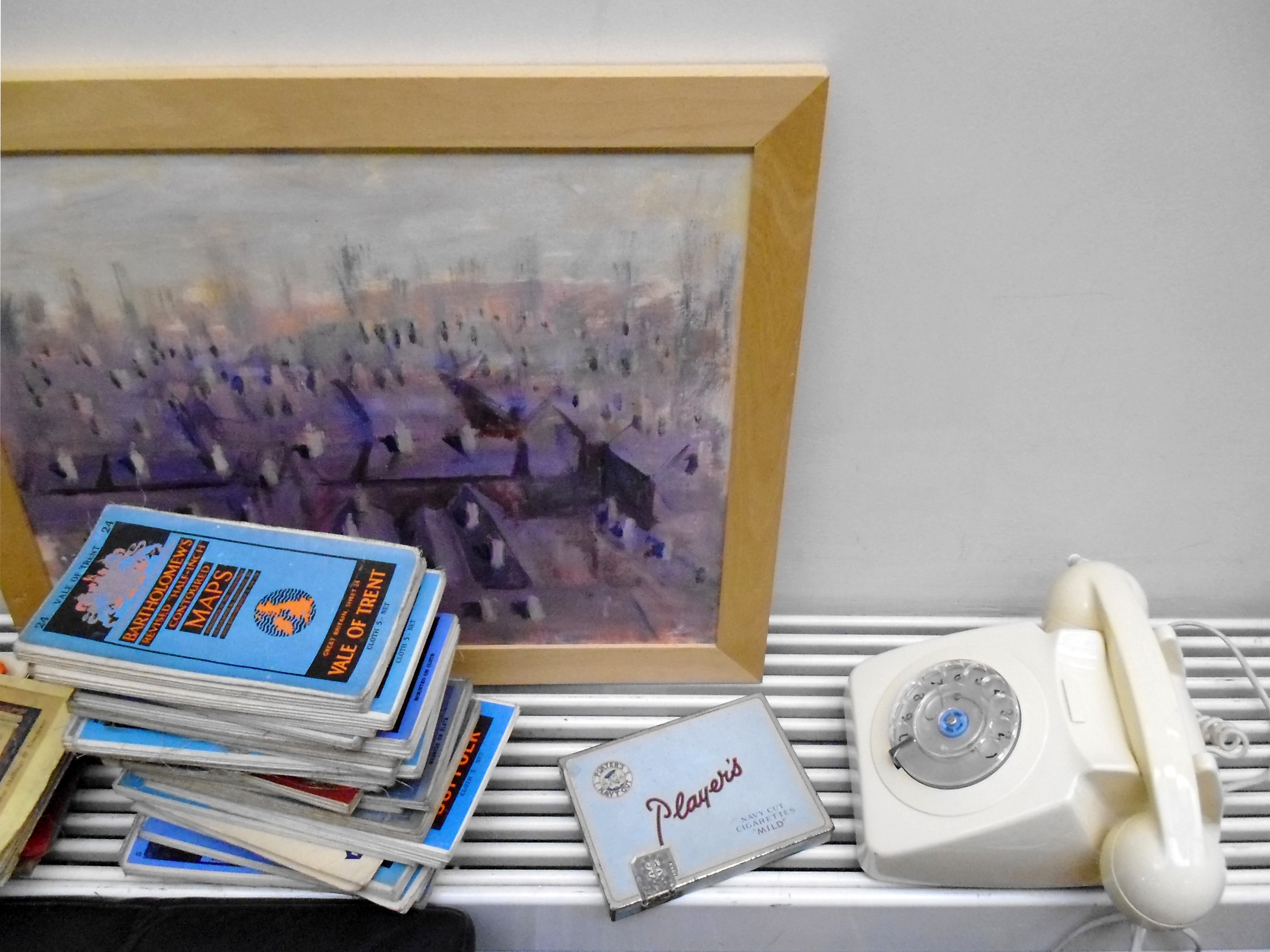
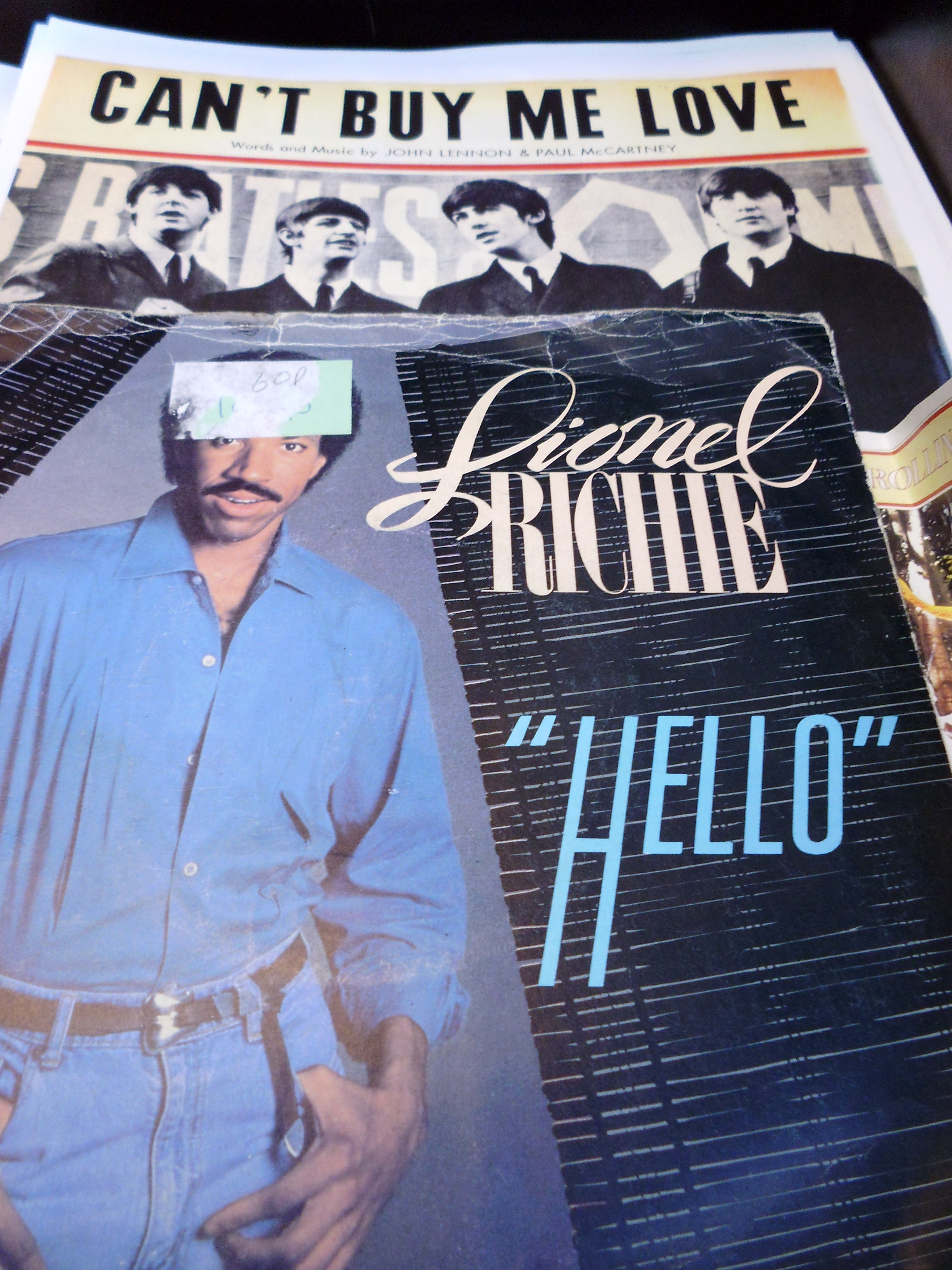
Room at the Top – on the ever so elegant Market Square, centre of the Old Town and part of the ever enlarging nexus of vintage shopping.

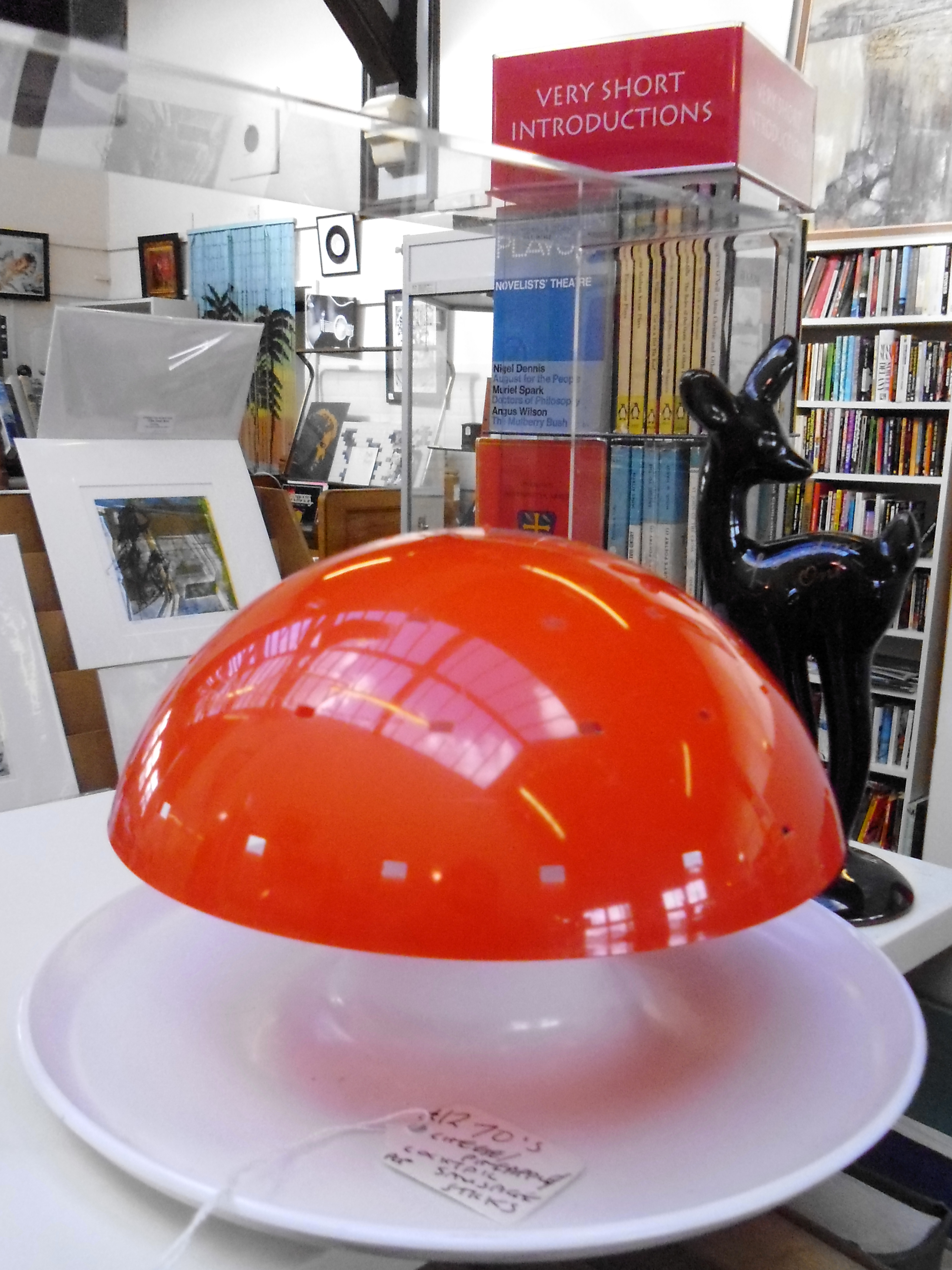
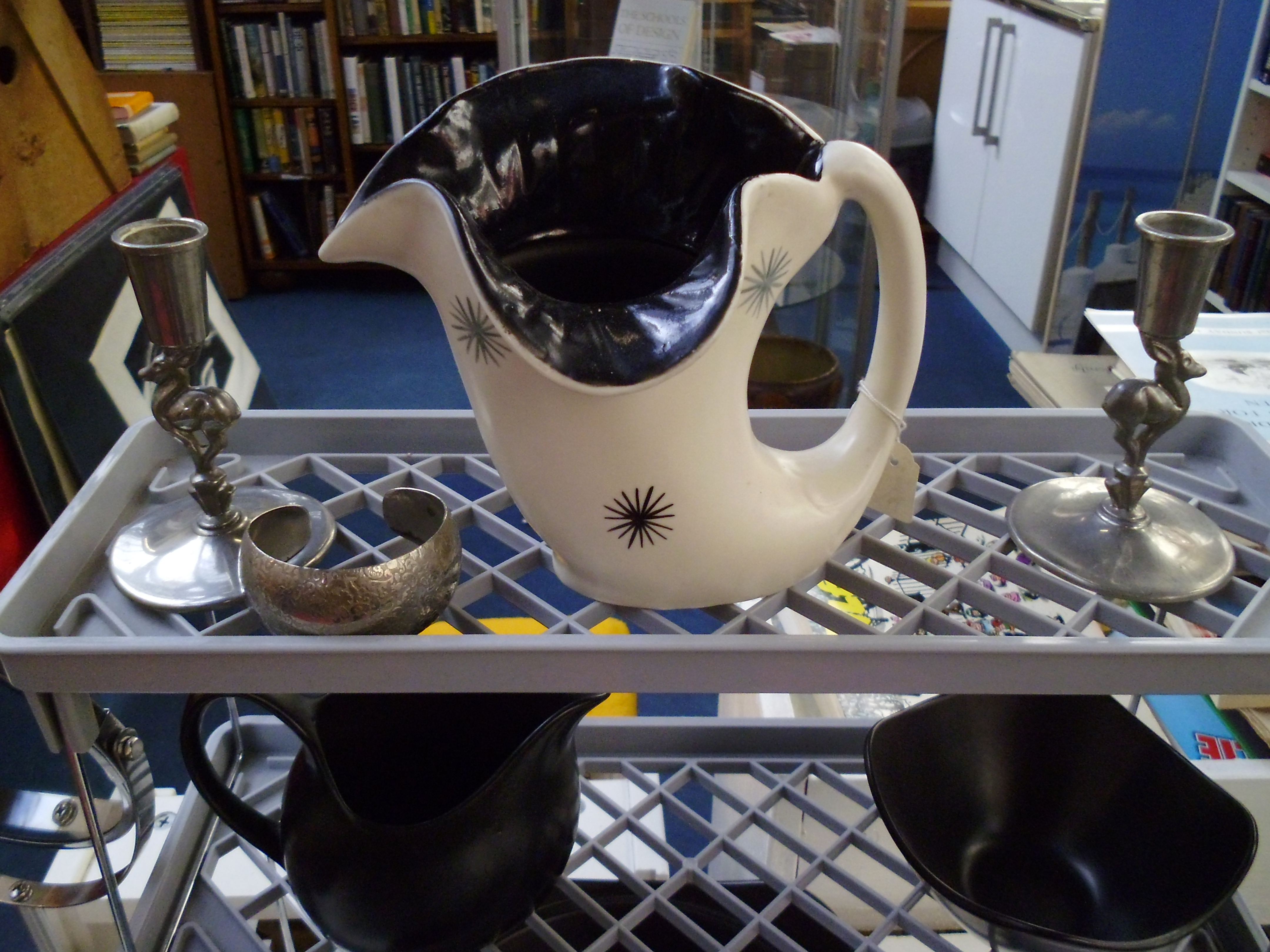
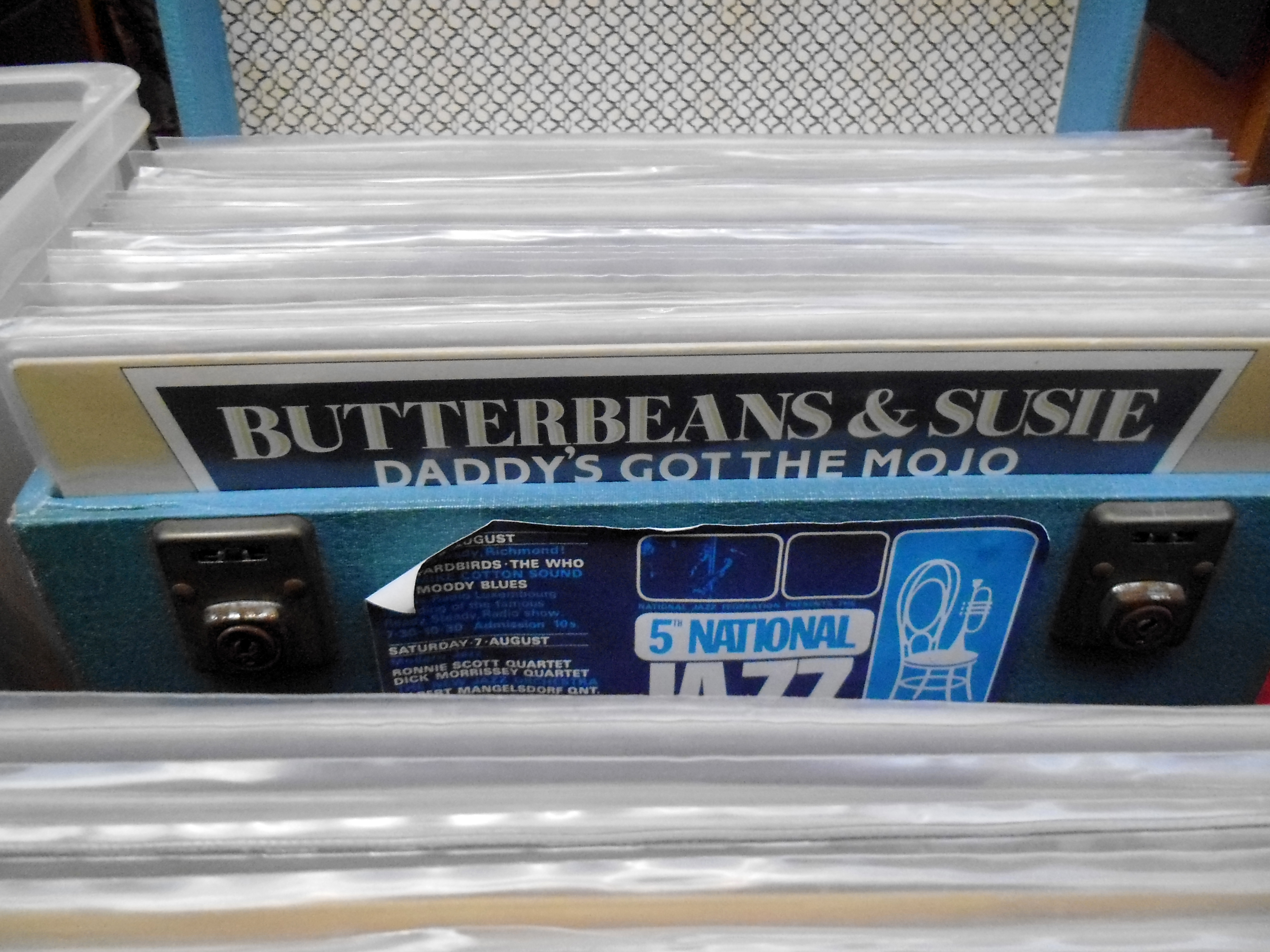
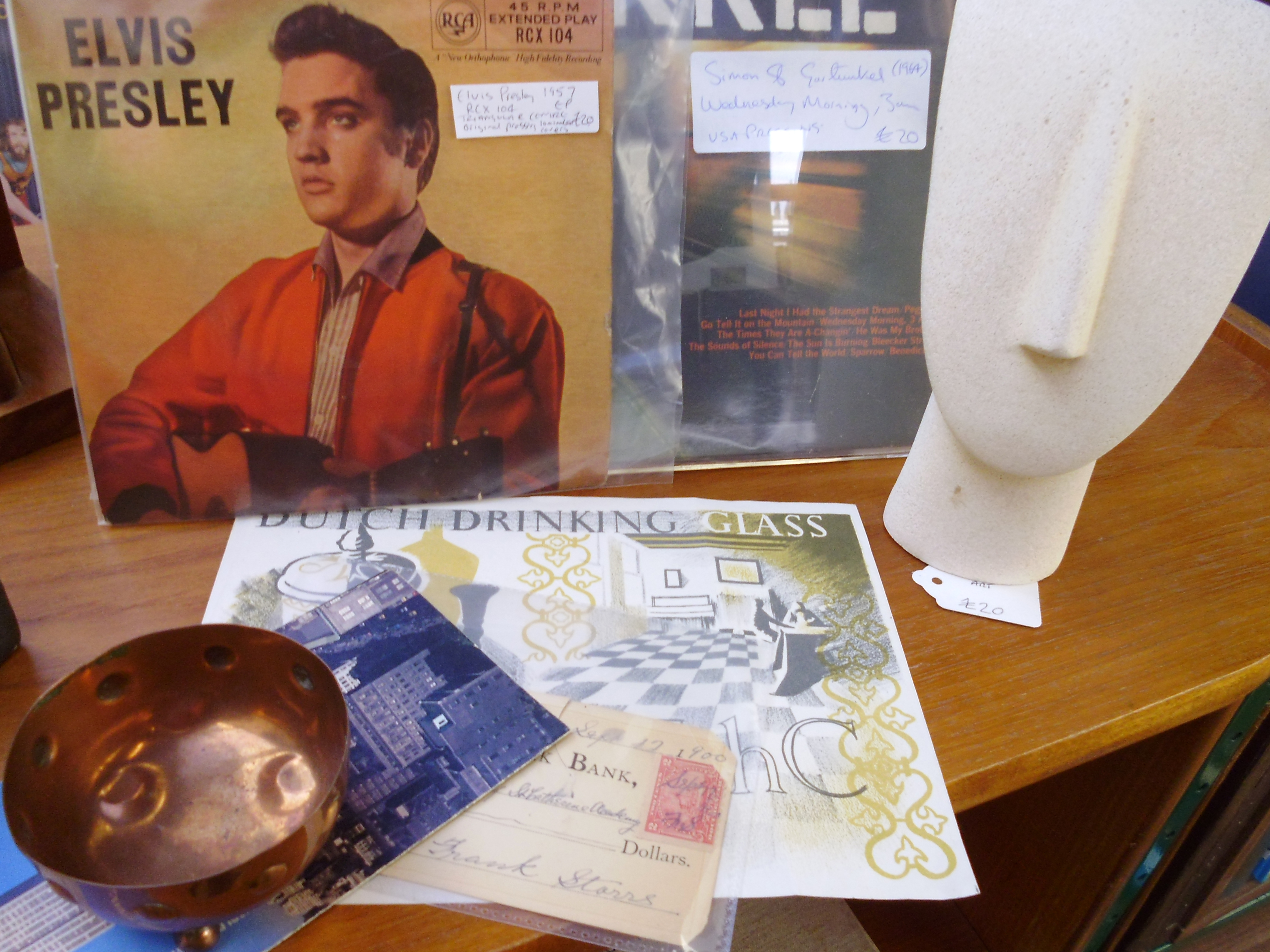
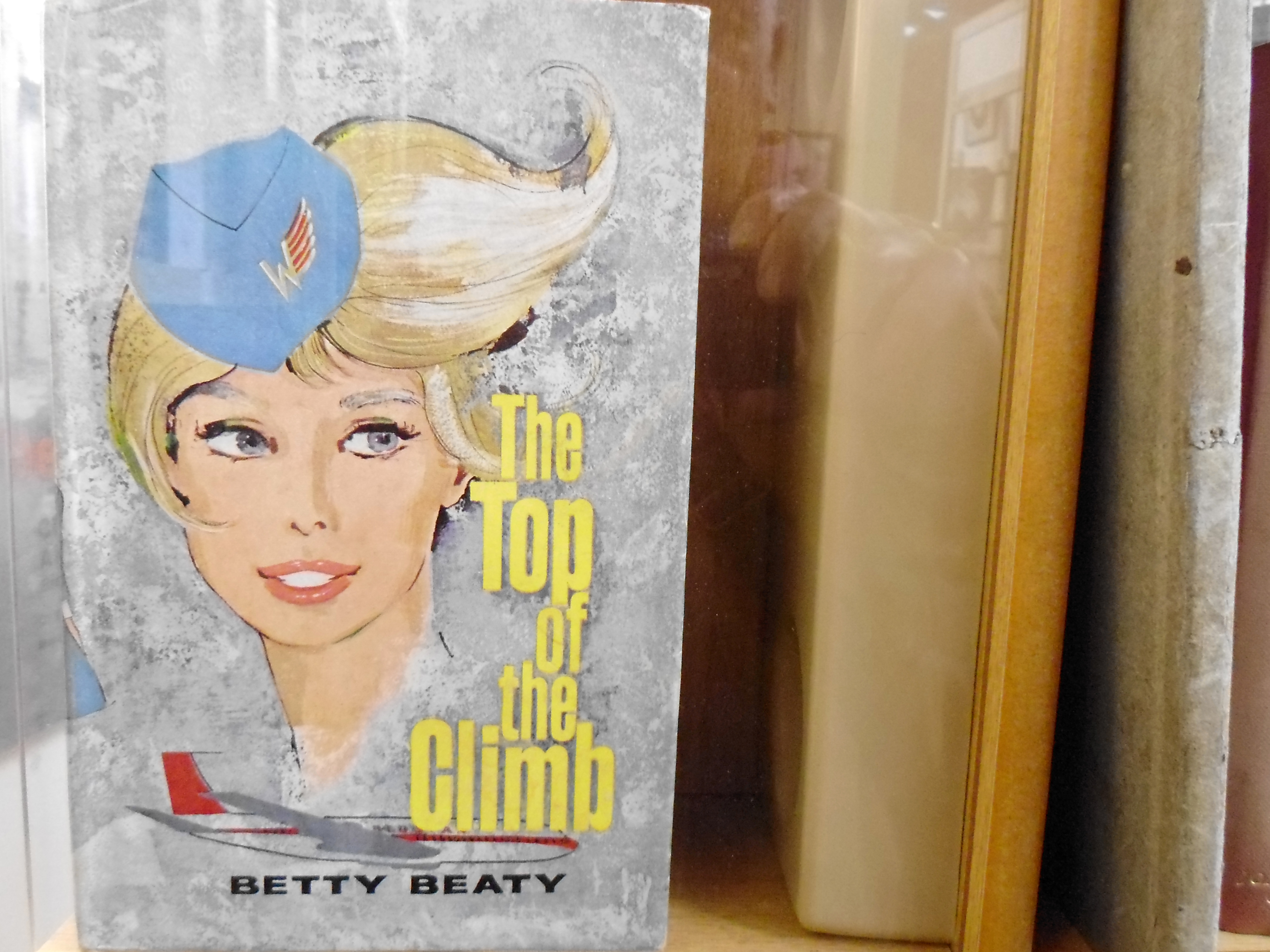
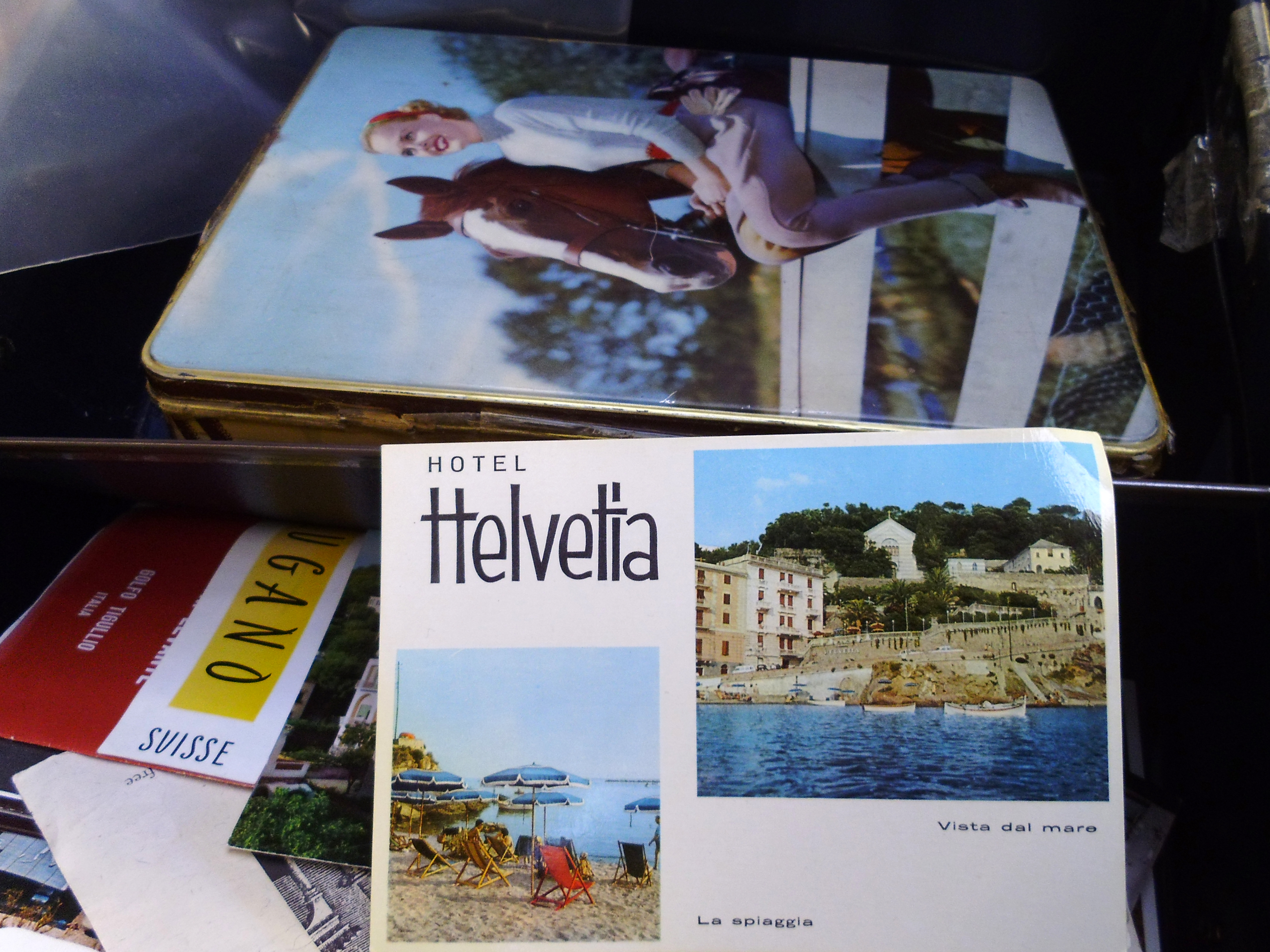
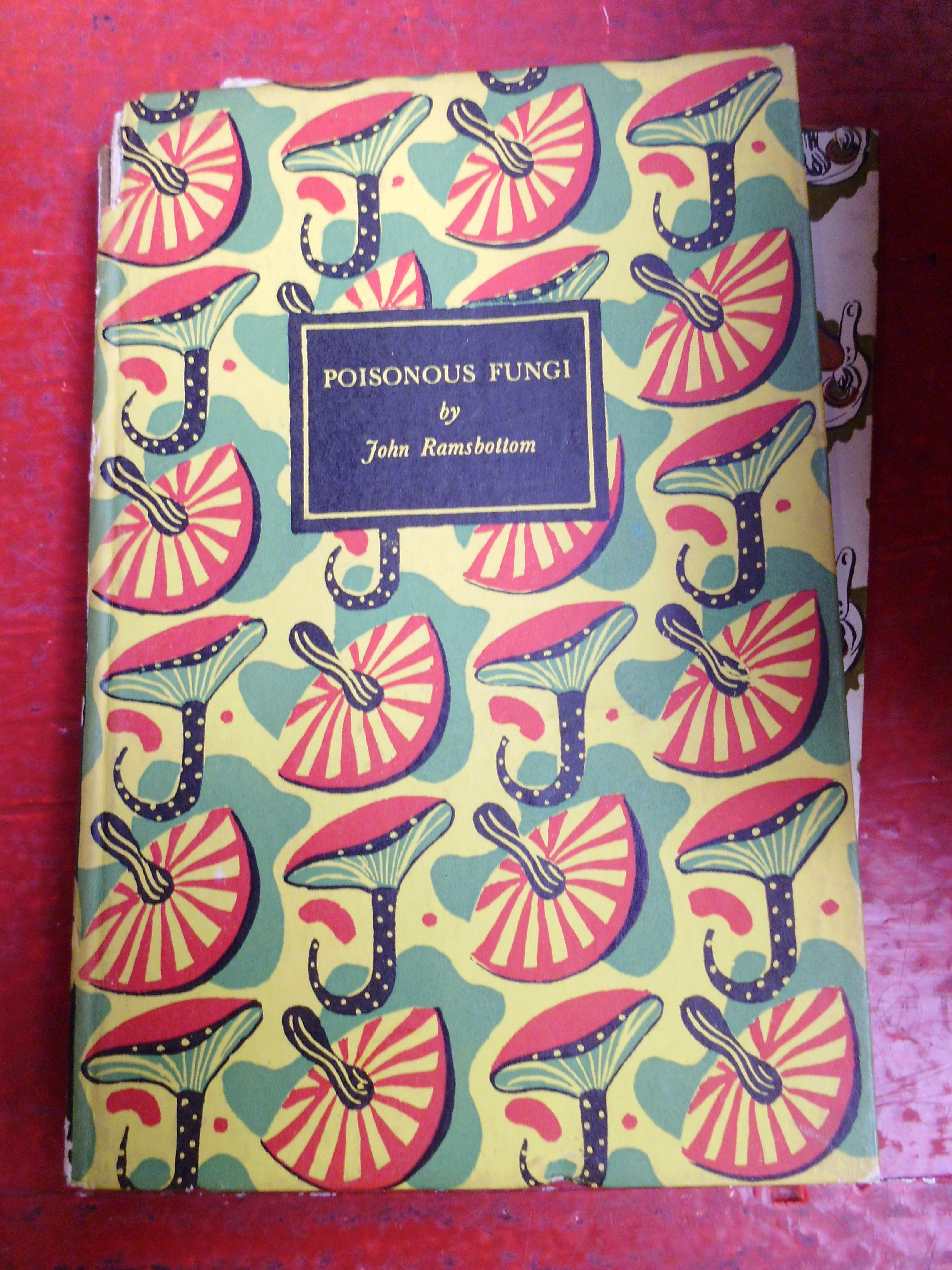
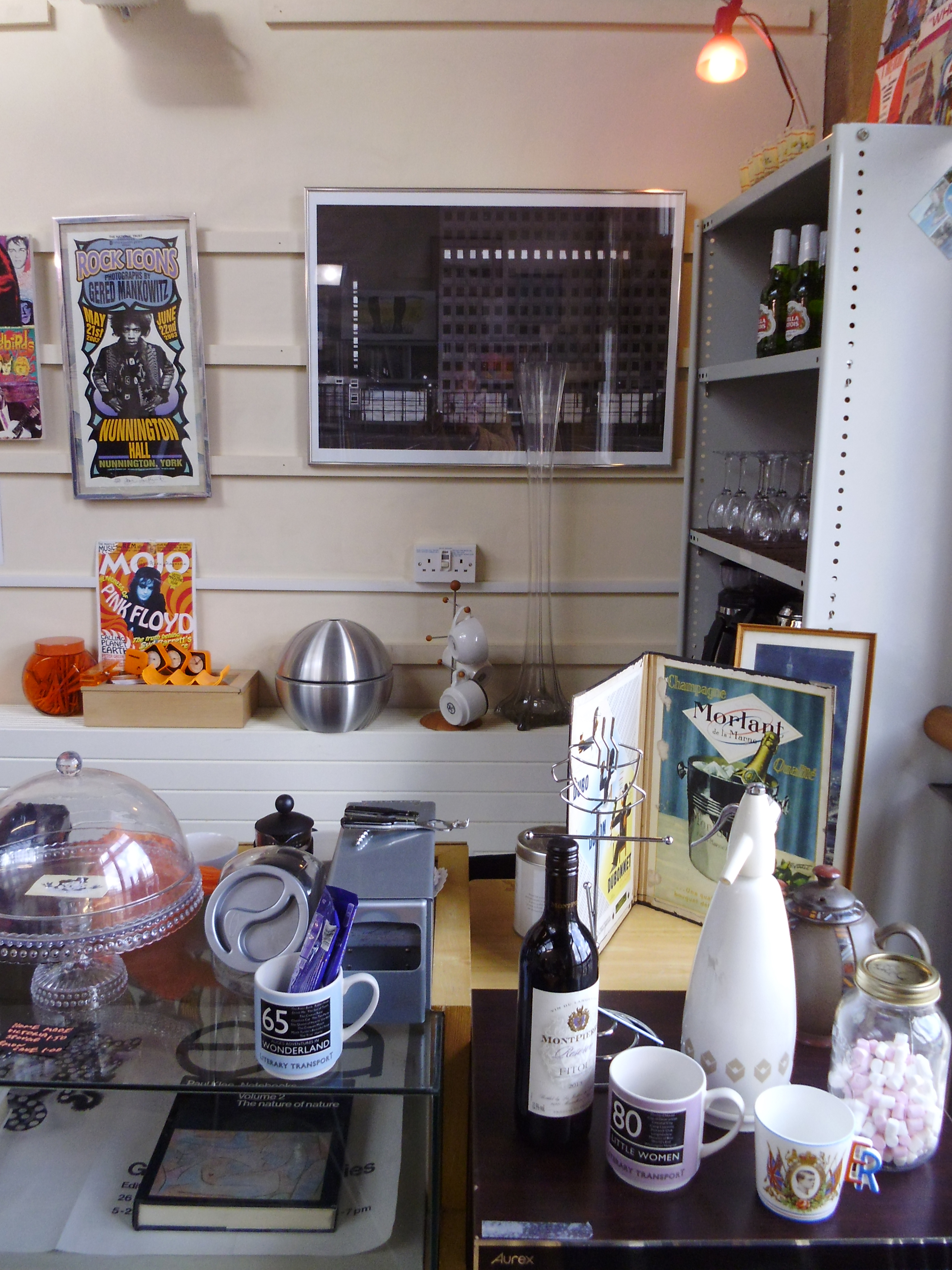
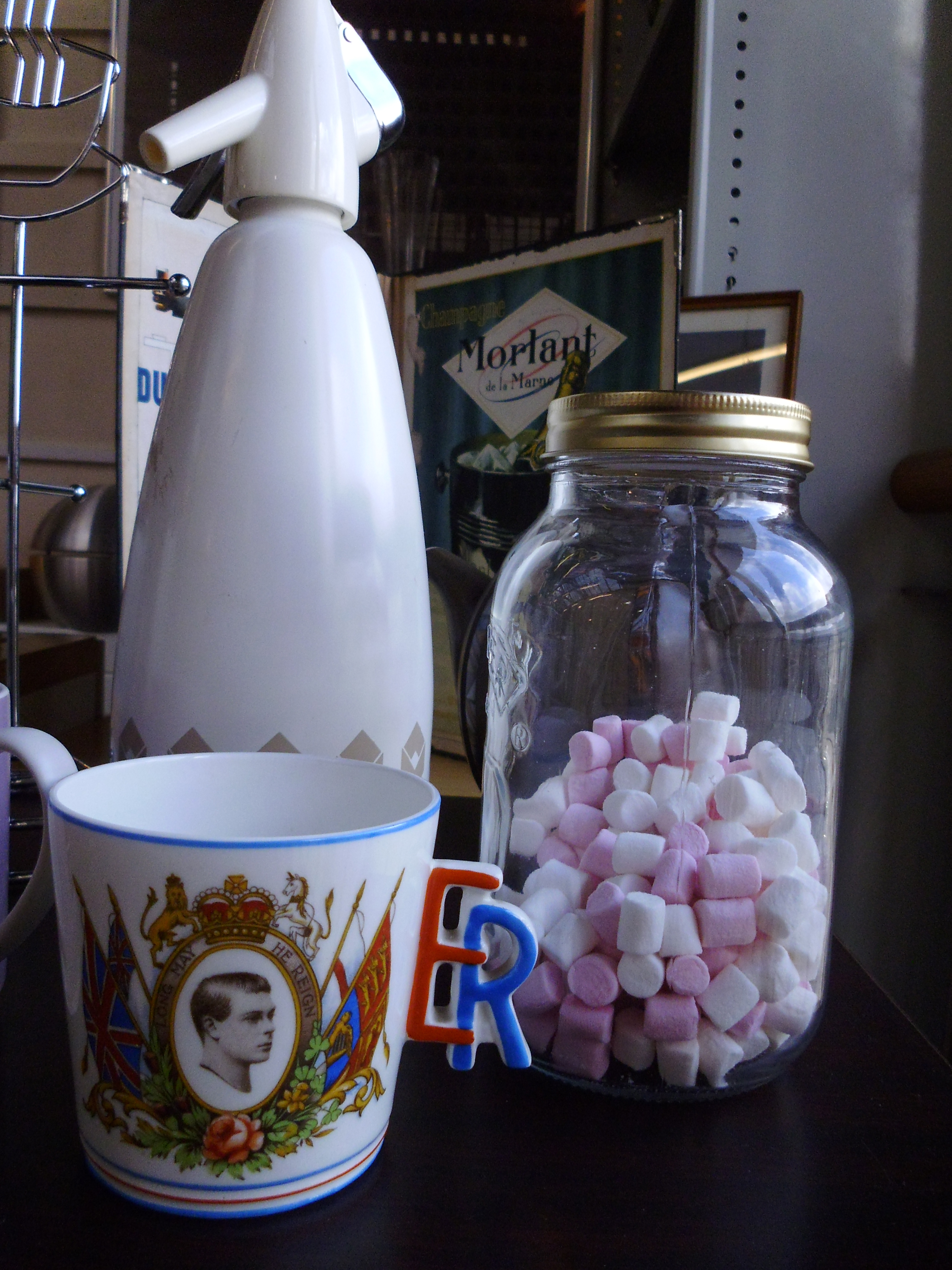
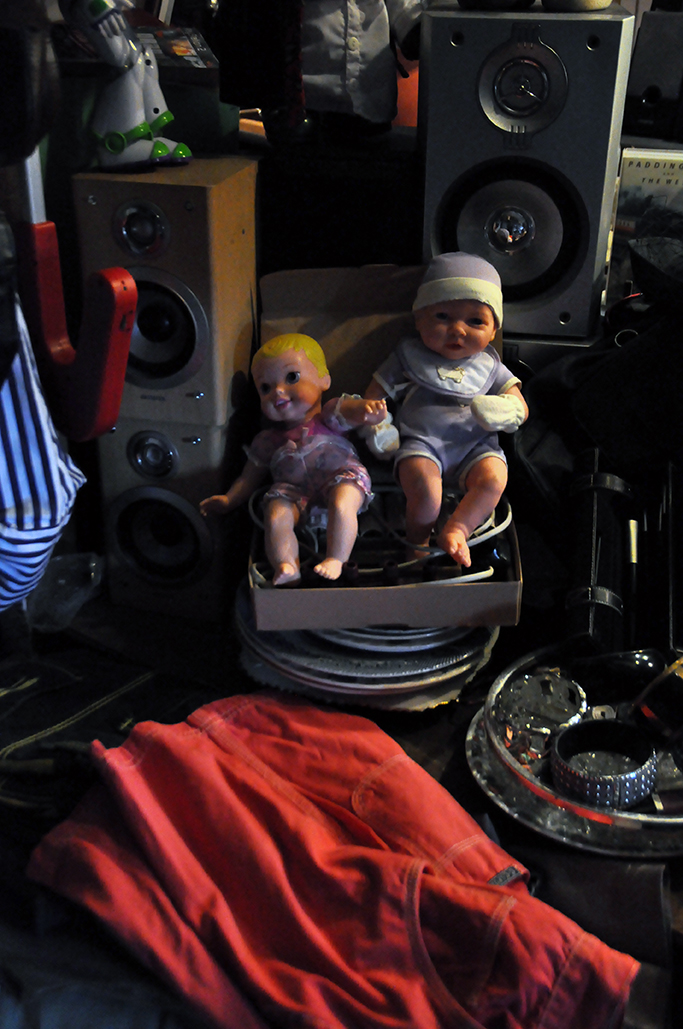
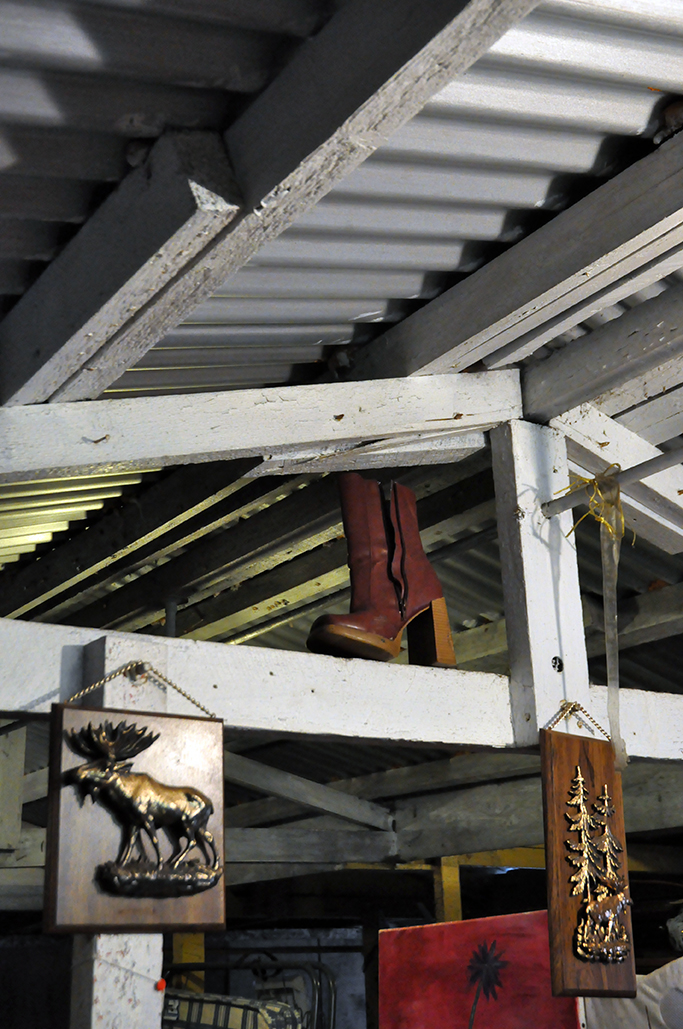
Jane, John and Lynn offer a wide selection of books, records, art, ephemera, glass, toys, ceramics and almost all sorts, in their first floor eyrie of happiness.

Always at the most reasonable of prices – you can get a brew too!

So take an hour out to browse, pursue and lollygag in convivial surroundings.

Leave with bags full excitement and a broad grin.

Greater Manchester – Tin Tabernacles

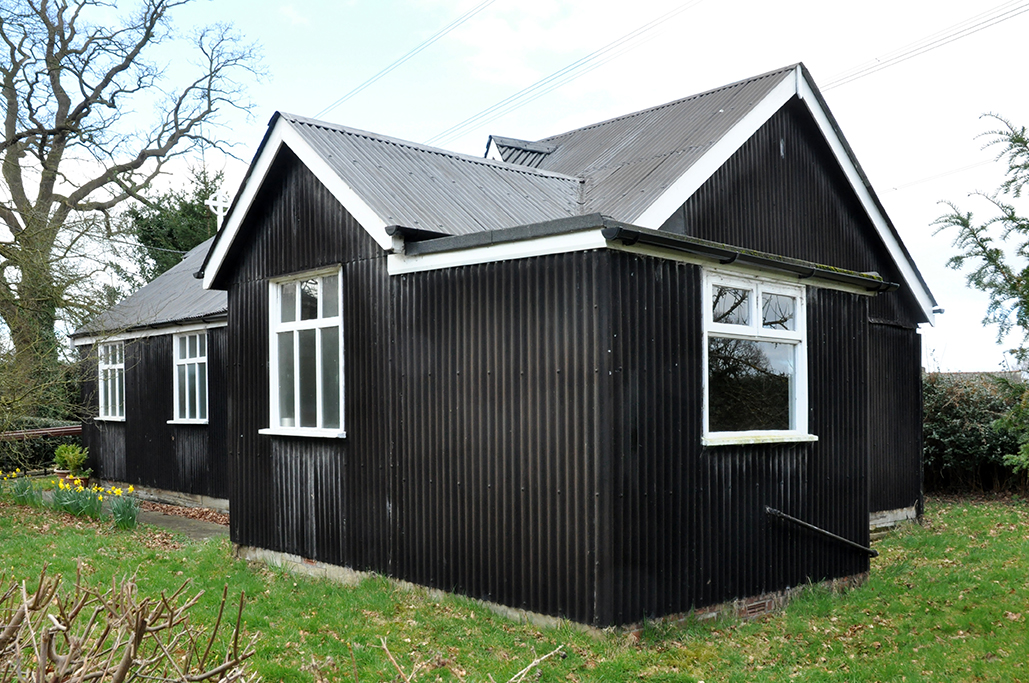
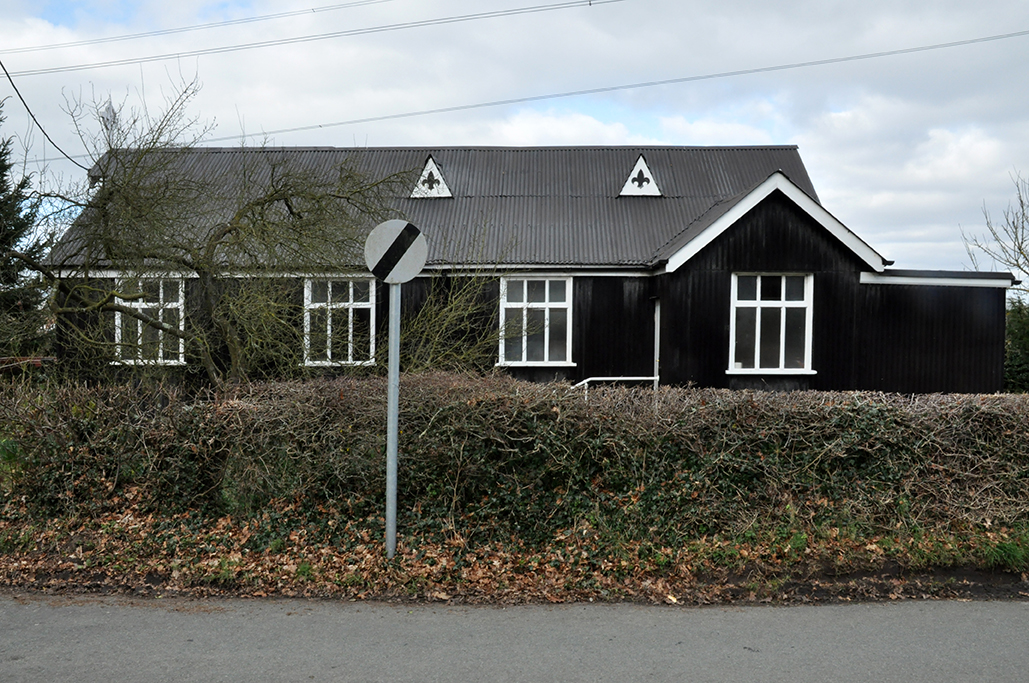
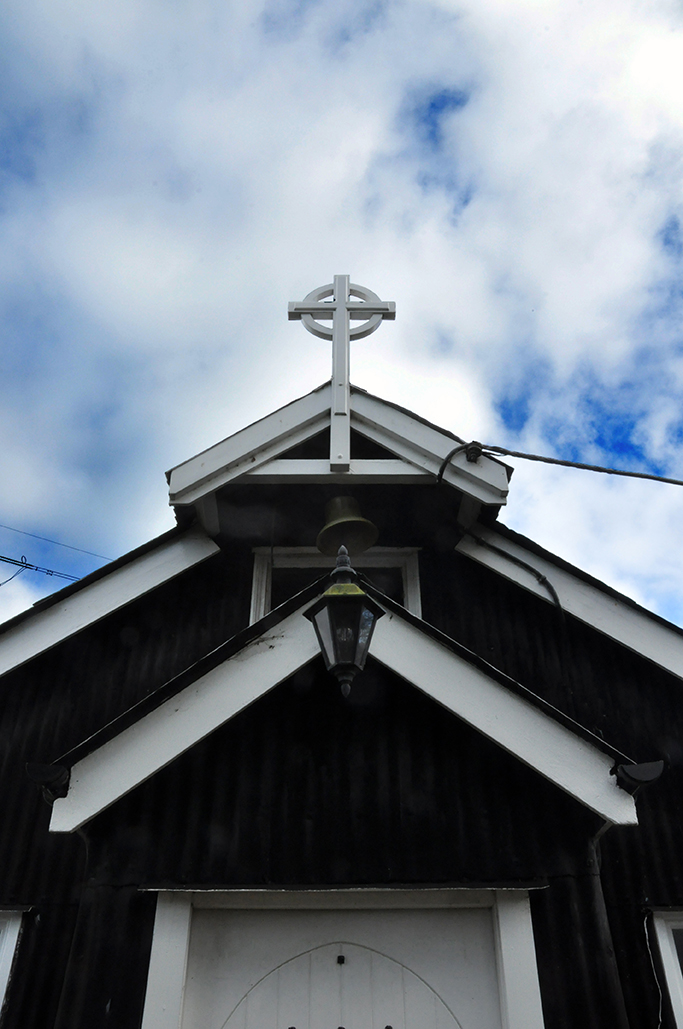
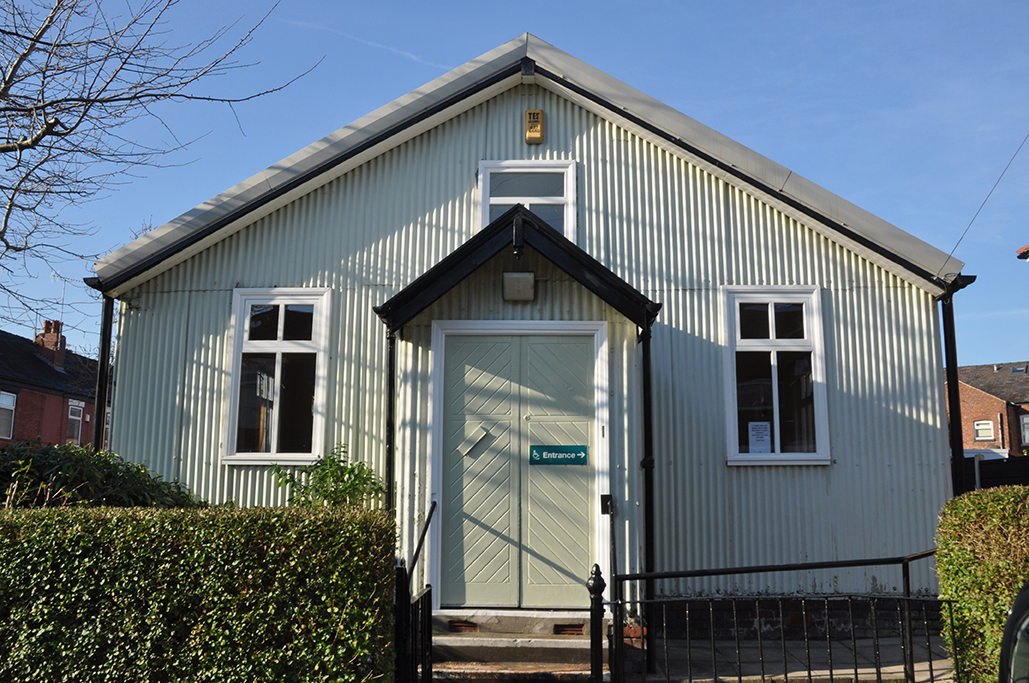
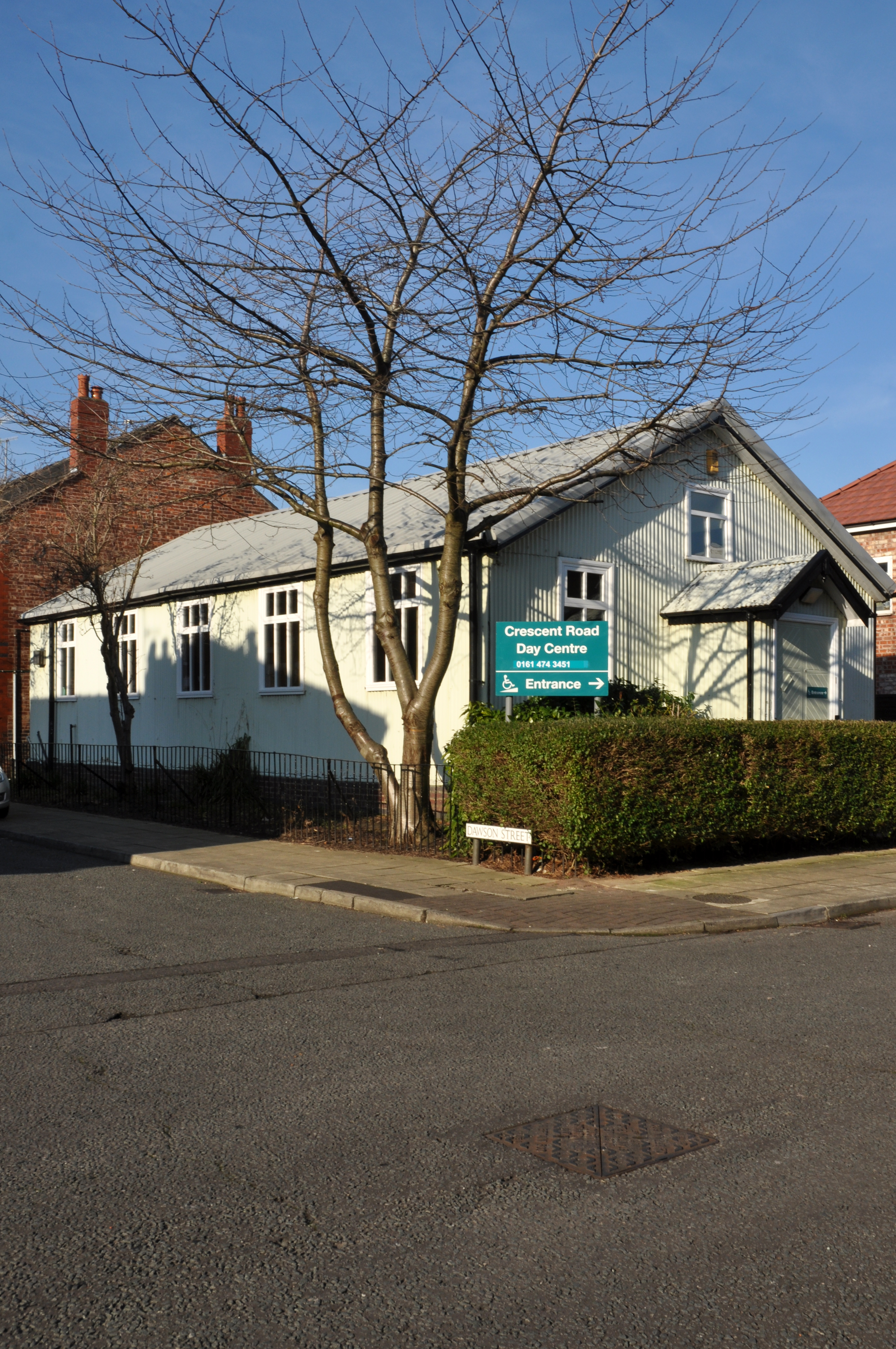
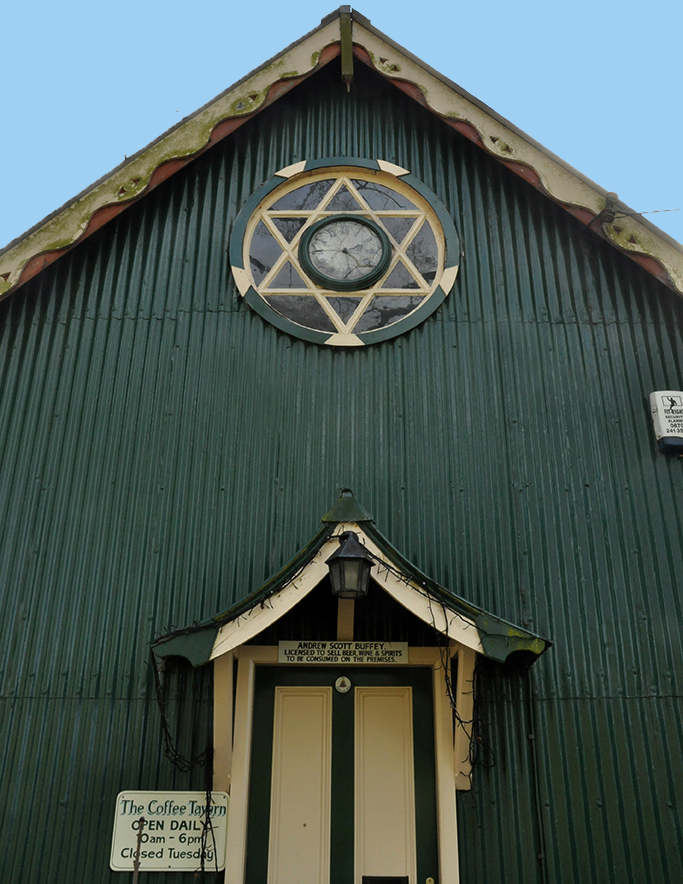
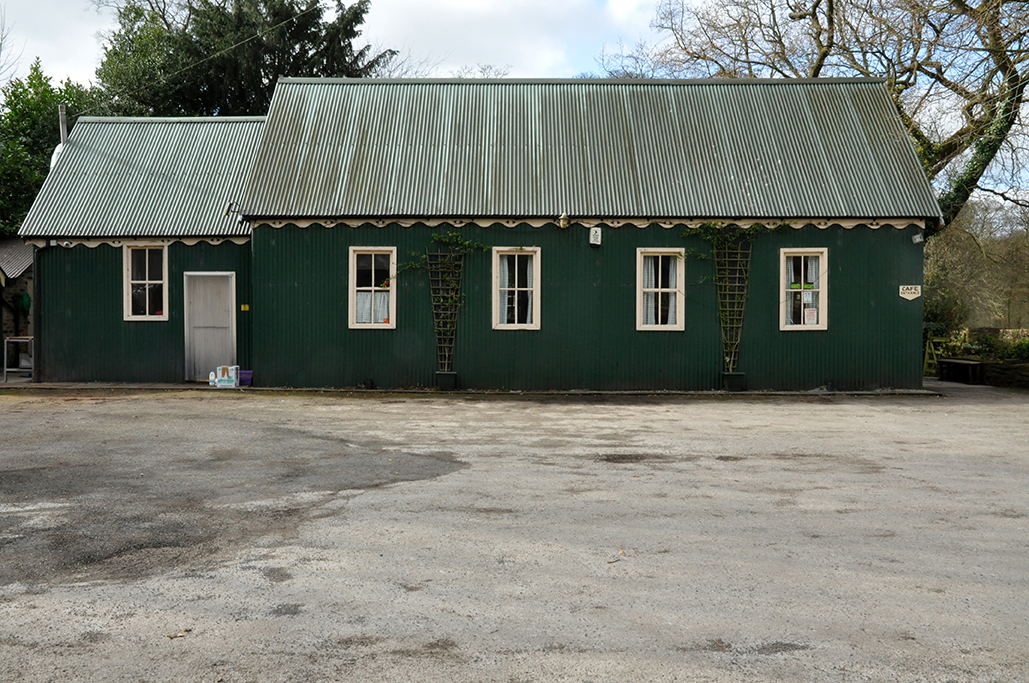
I’ve always been fascinated by temporary and informal architecture from childhood dens to shotgun shacks, sheds and caravans, so here is a record of the so called Tin Tabernacles from around Greater Manchester and beyond. And a tribute to those local people that created them.

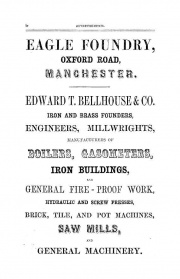
Edward Taylor Bellhouse 1816–1881

He was apprenticed to Messrs. Wren and Bennett, where he remained for some six and a-half years, and where he acquired a thorough knowledge of practical engineering. He then worked for about a year as a journeyman millwright at the Caloa Mills, and at the St. Helen’s Union Plate Glass Works; and next spent a year as a journeyman at Sir William Fairbairn’s works in the Isle of Dogs. The following year, the last of his actual workshop life, he passed in the employ of the Liverpool Grand Junction Railway. On 1st July 1842 he started the firm of E. T. Bellhouse and Co., which has carried on a prosperous business for the last forty years at the Eagle Foundry, Hunt Street, Manchester. Mr. Bellhouse, undertook the erection of many large bridges for various railways; and the whole of the stations required for the Arequipa Railway were constructed by him.

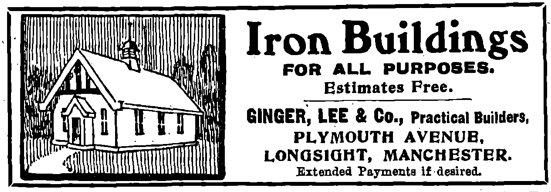
Another branch of engineering in which be took a great interest was the construction of iron buildings. He made and erected many custom-houses of iron; among others, that for Payta, Peru – a building unique of its kind.

Within Manchester he did a large amount of work, both for the corporation and for others. The construction of large roofs, and the general ironwork in connection with the erection of buildings, constituted the principal part of his Manchester business, although he did a large amount of hydraulic work, having among other things designed and made the hydraulic lifts in the new City Hall Manchester.

Apart from business he took an interest in every institution which tended to the benefit of his fellow-citizens, and showed especially an active desire to better the position of his workmen; for the latter purpose an extensive scientific library was formed at the Eagle Foundry. He was connected with the formation of the Athenaeum, was president of the Mechanics’ Institute, and a director of the Royal Institution of Manchester; and in many other ways he gave all the aid in his power towards benefiting the social life of his native town. After a life of hard work and disinterested generosity, the ravages of time and over-work began at length to be felt by a constitution which was not naturally of the strongest. Finding himself in failing health, be removed to Southport in hopes of regaining his strength; but on 13th October 1881 he died there at the ago of sixty-five.

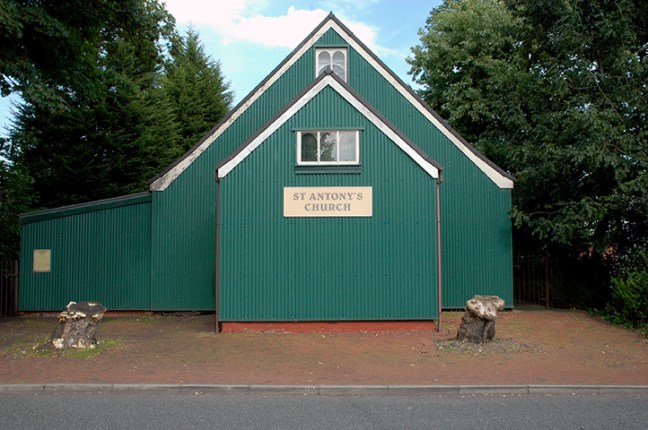
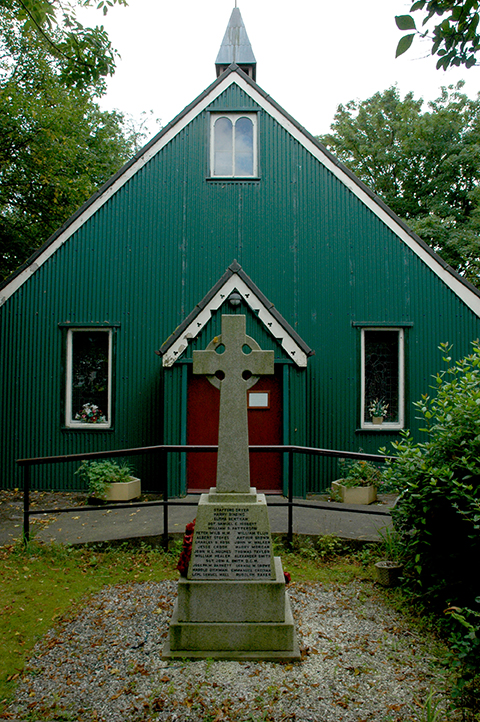
St Antony’s Trafford Park

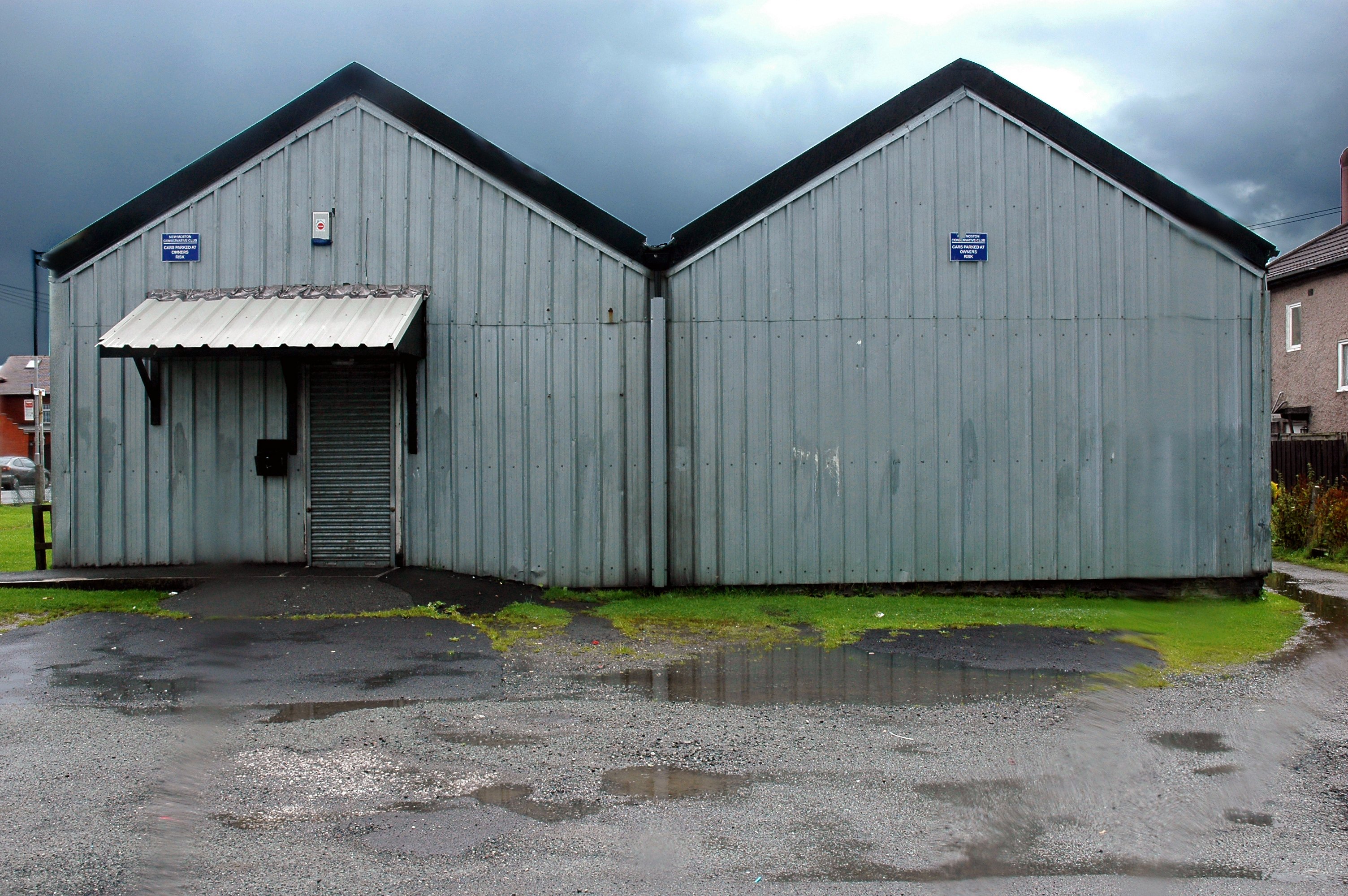
New Moston Constitutional Club 273 Moston lane

DSC_0118 copy

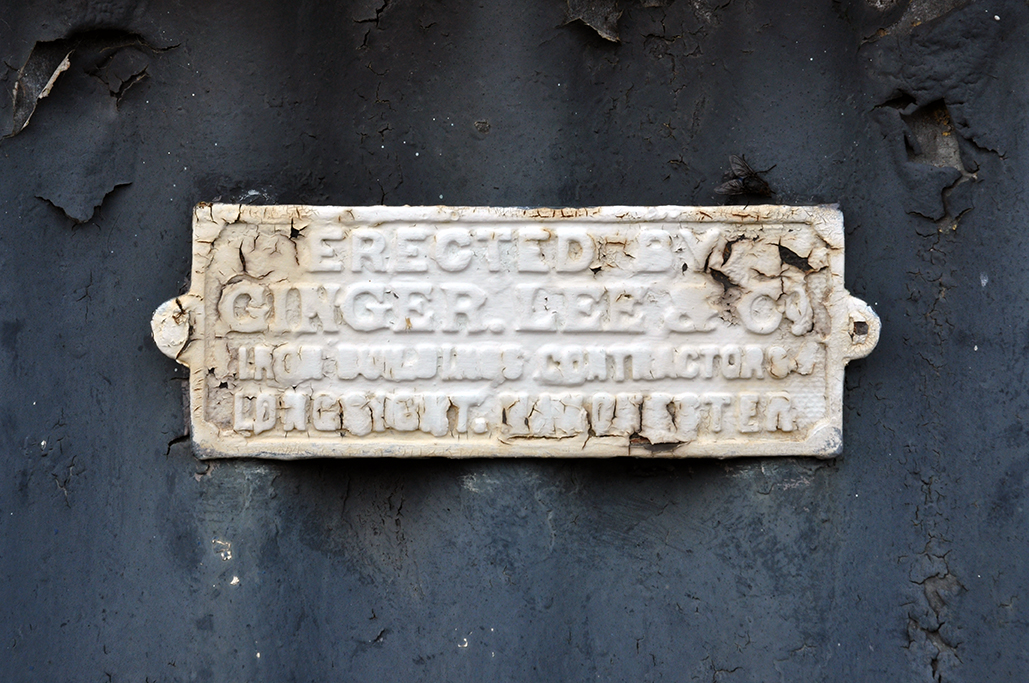
This example was made by Ginger Lee of Longsight but built in Mid Wales – along the A490 near Forden

DSC_0374 copy
DSC_0372 copy

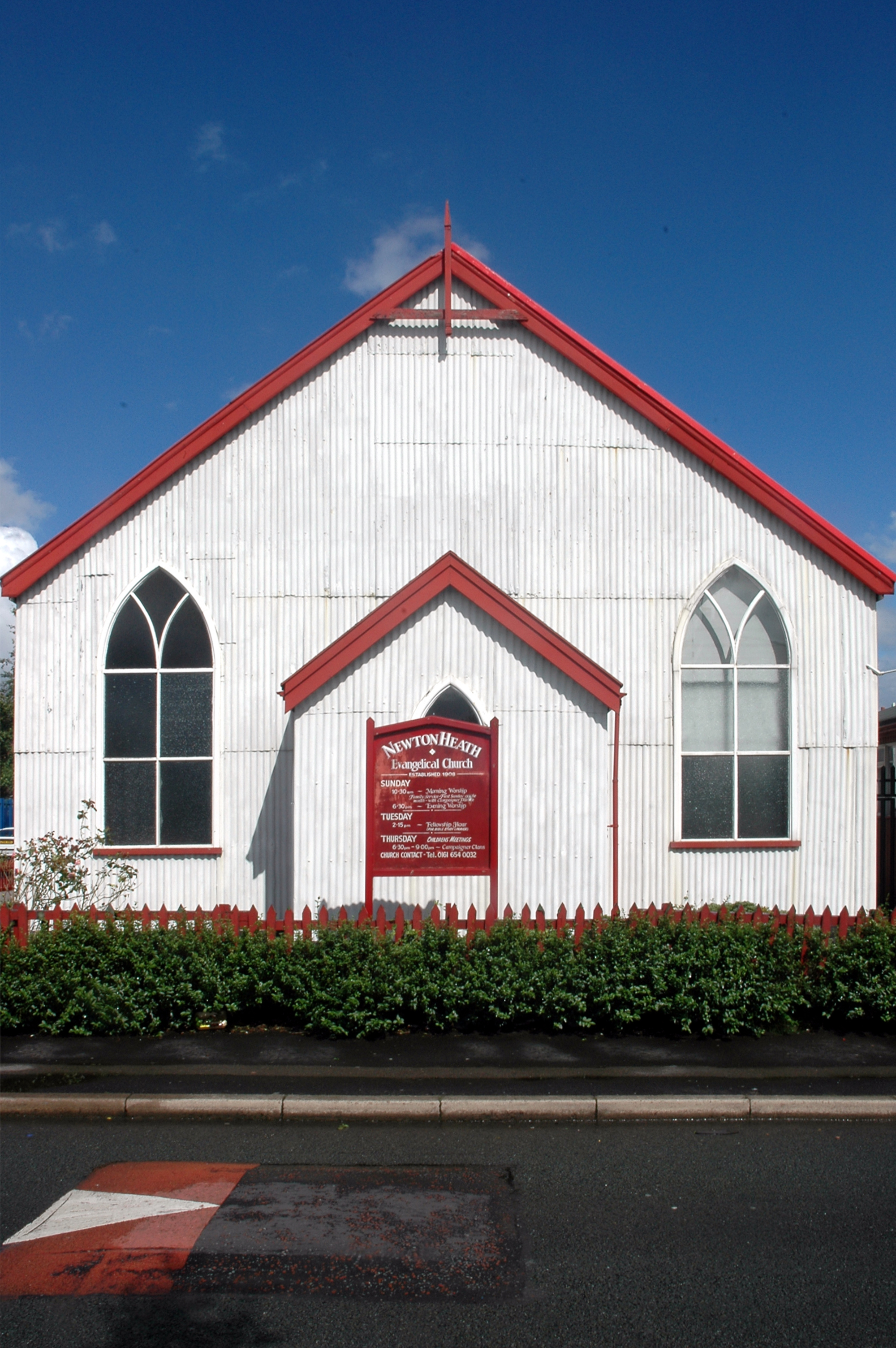
Newton Heath Culcheth Lane Manchester

DSC_0127 copy

St John’s Brook Lane Adlington

DSC_0012
DSC_0010

Crescent Road Day Centre Crescent Road Stockport

DSC_0006

Coffee Tavern Shrigley Road North Poynton

180px-ManchesterSalford1853_i1029

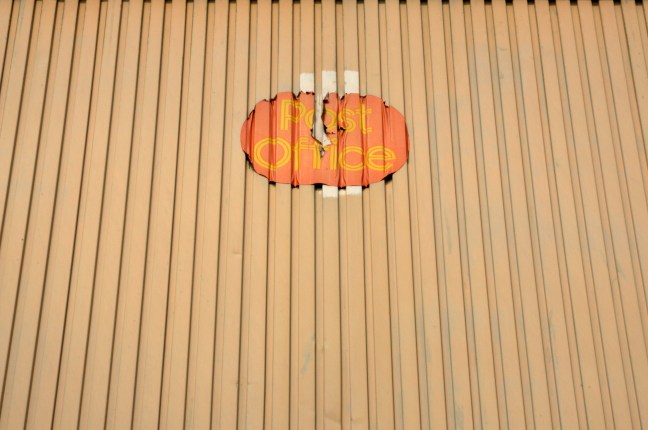
Stockport – Postal Sorting Office

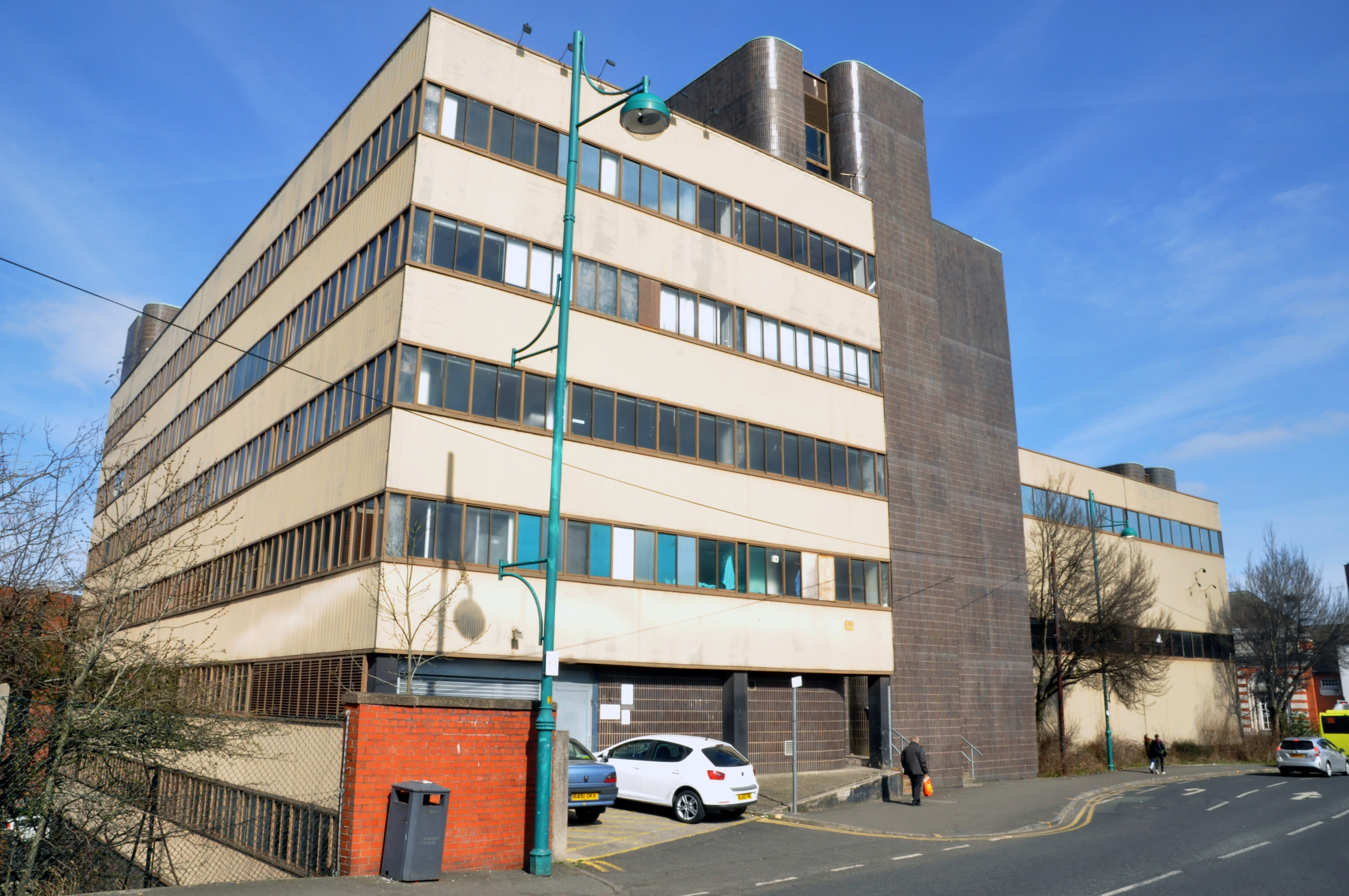
What happens to functionalist architecture when it ceases to function?

It ceases to function.

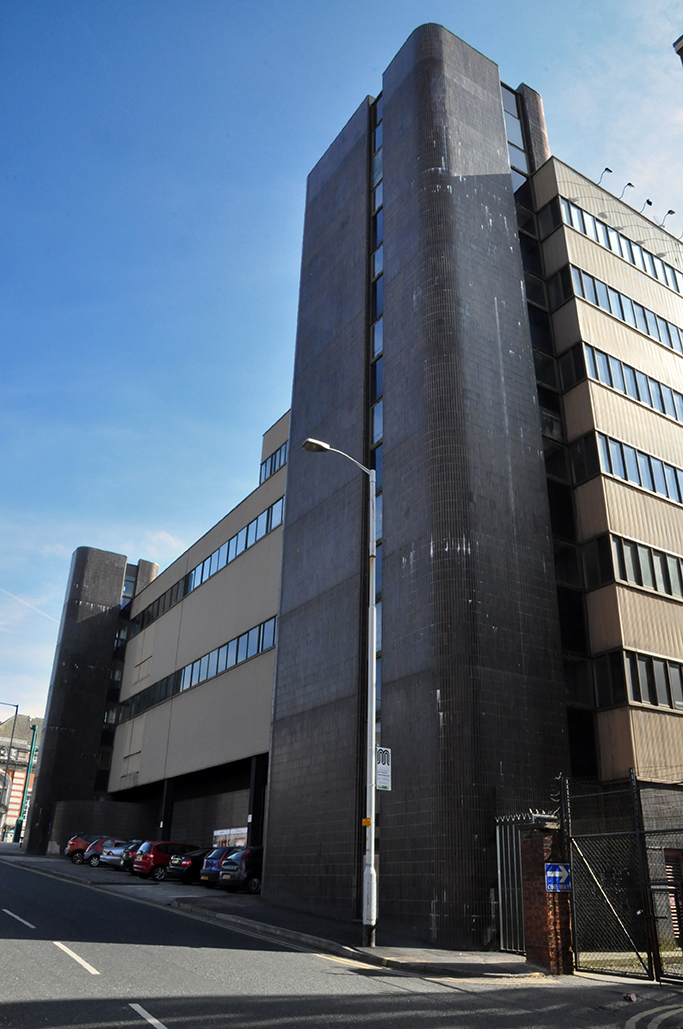
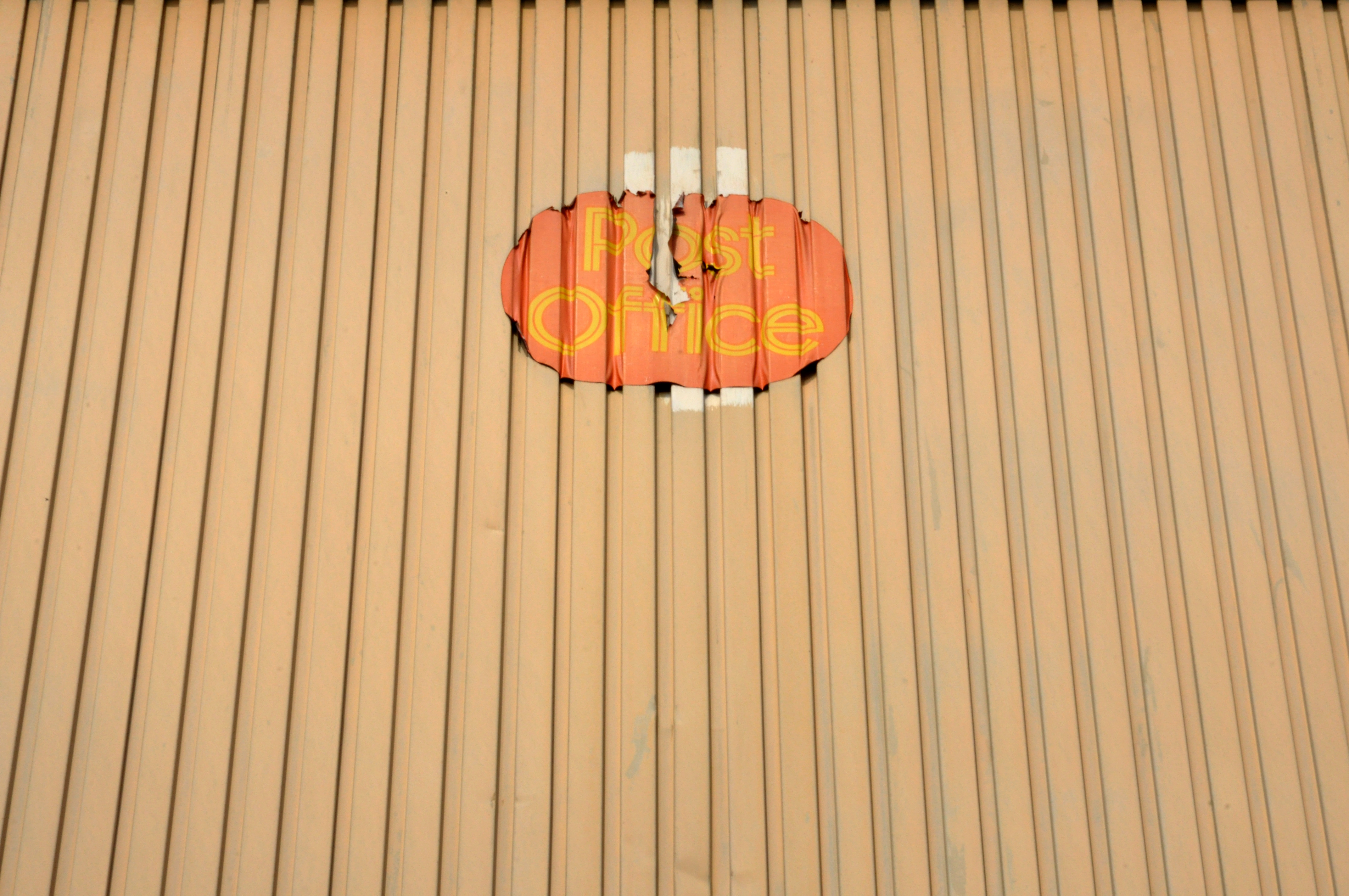
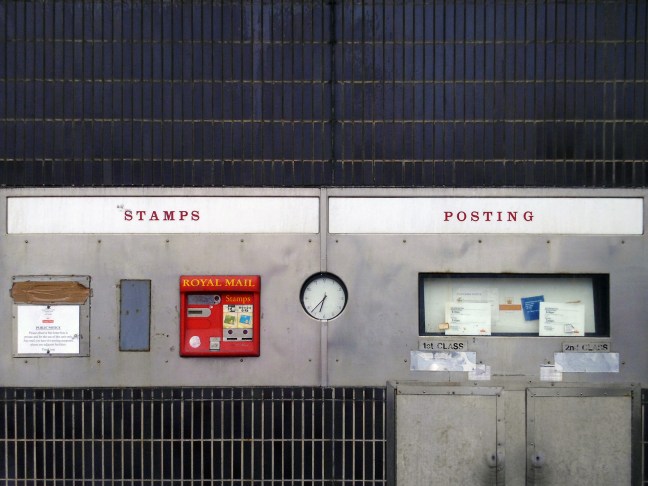
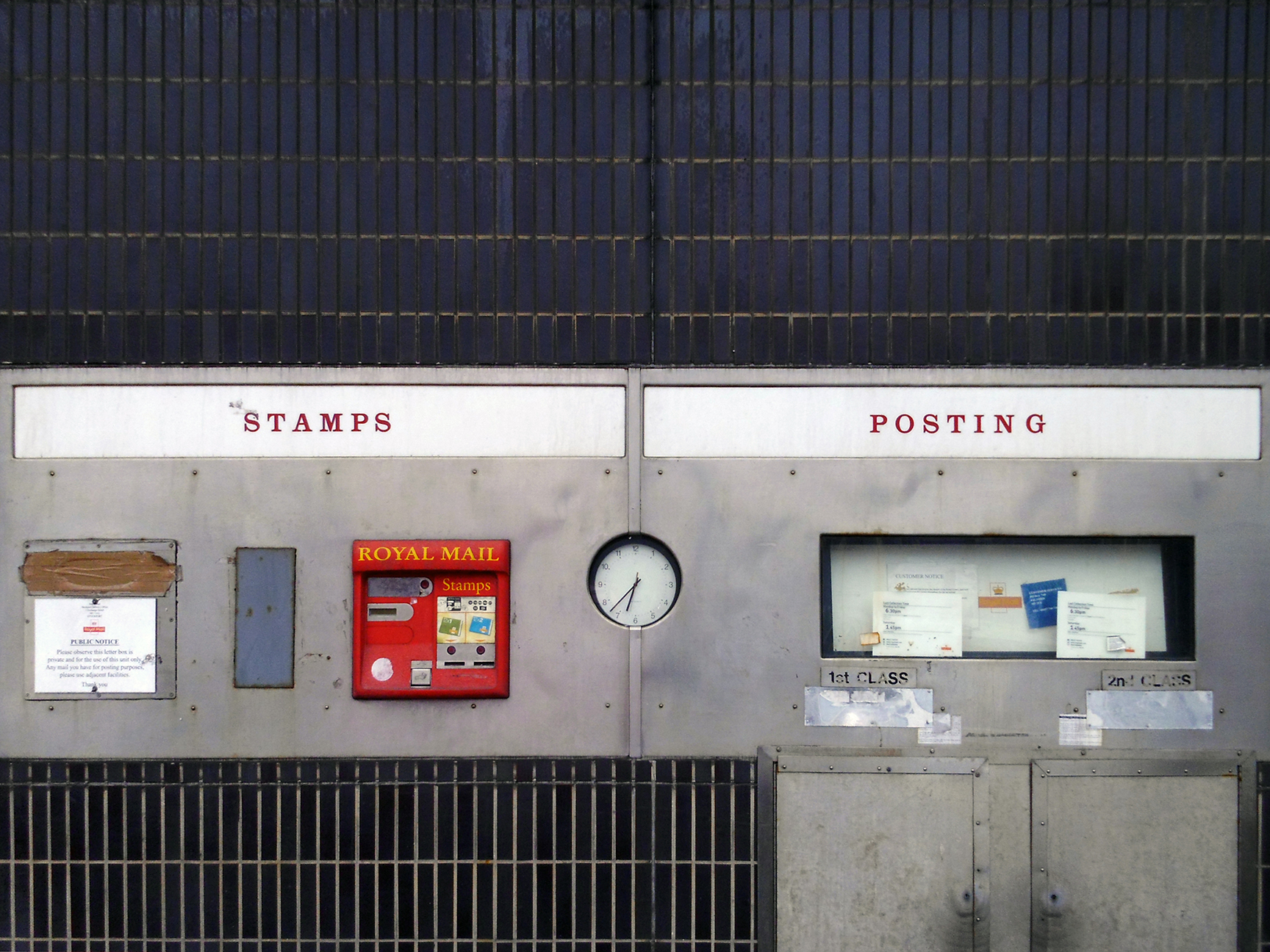
Standing on the A6 in the centre of the town, once home to a warren of postal workers, sorting mail in preparation for the two delivery a day walks. This was a communications hub before they even thought of communications hubs.

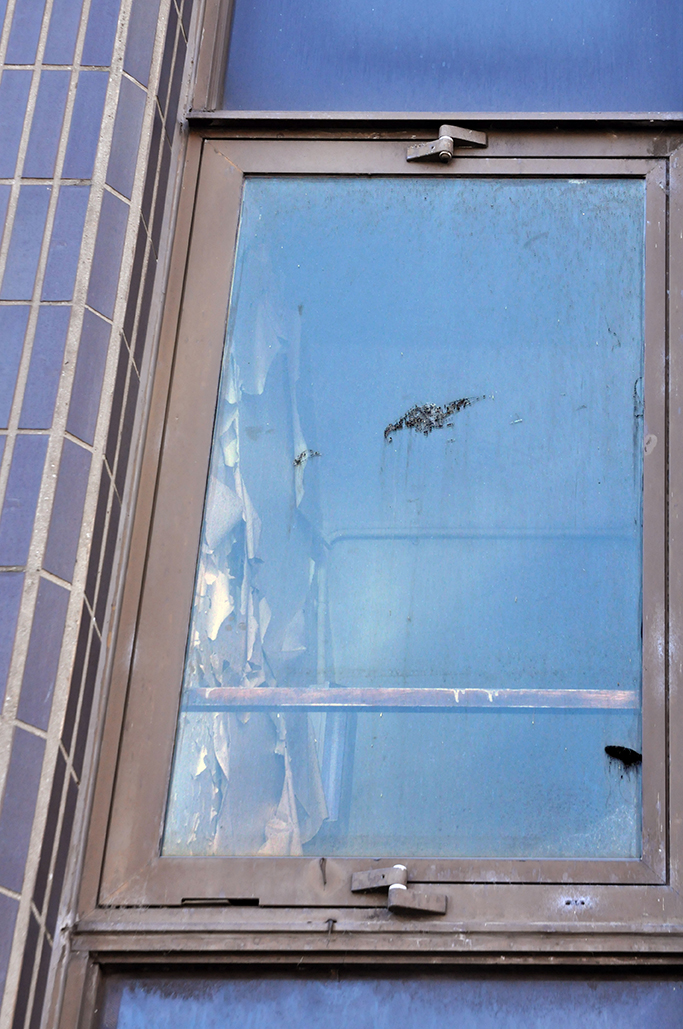
The office stands empty, inside the paint slowly peels.

Following changes in working practices the posties now sort their own round, for a single daily delivery. The process has become mechanised, requiring new technologies and an appropriate anonymous architecture, on the edge of town.

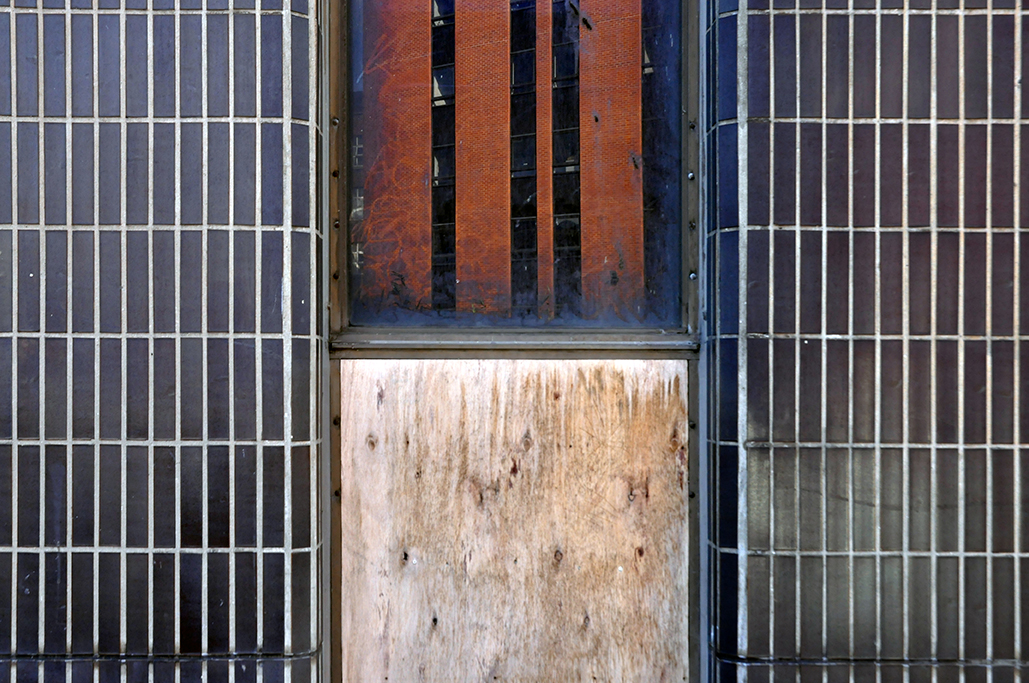
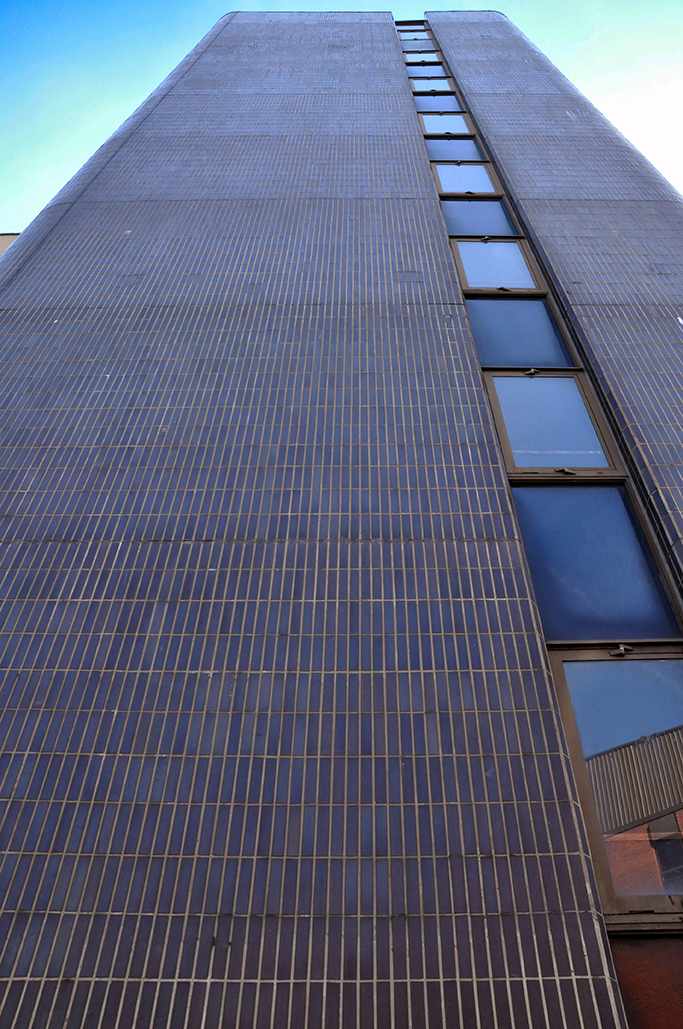
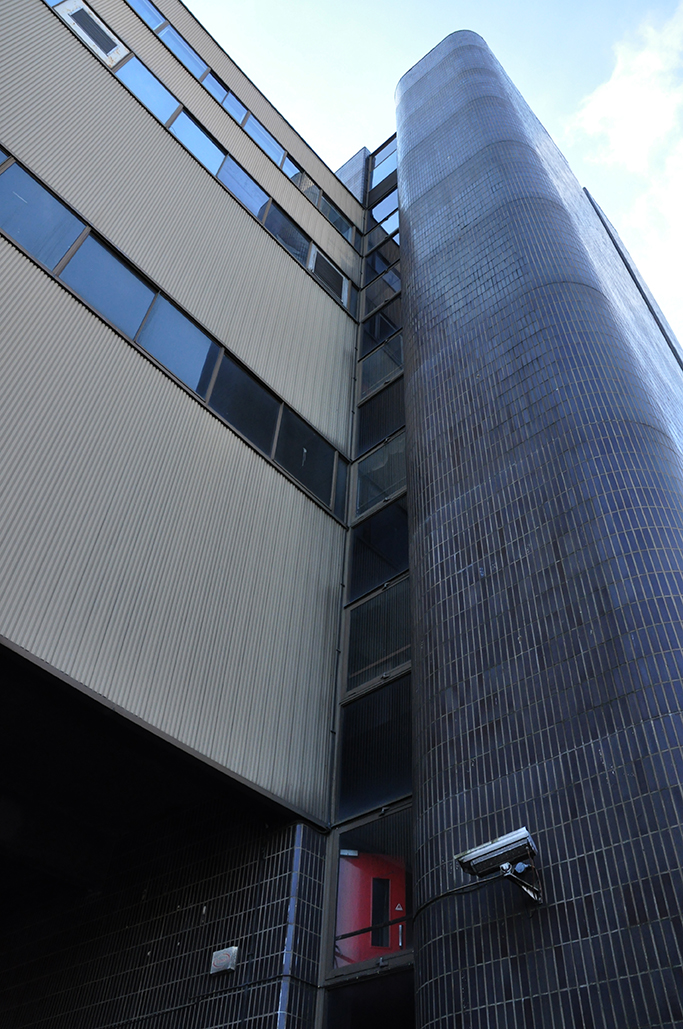
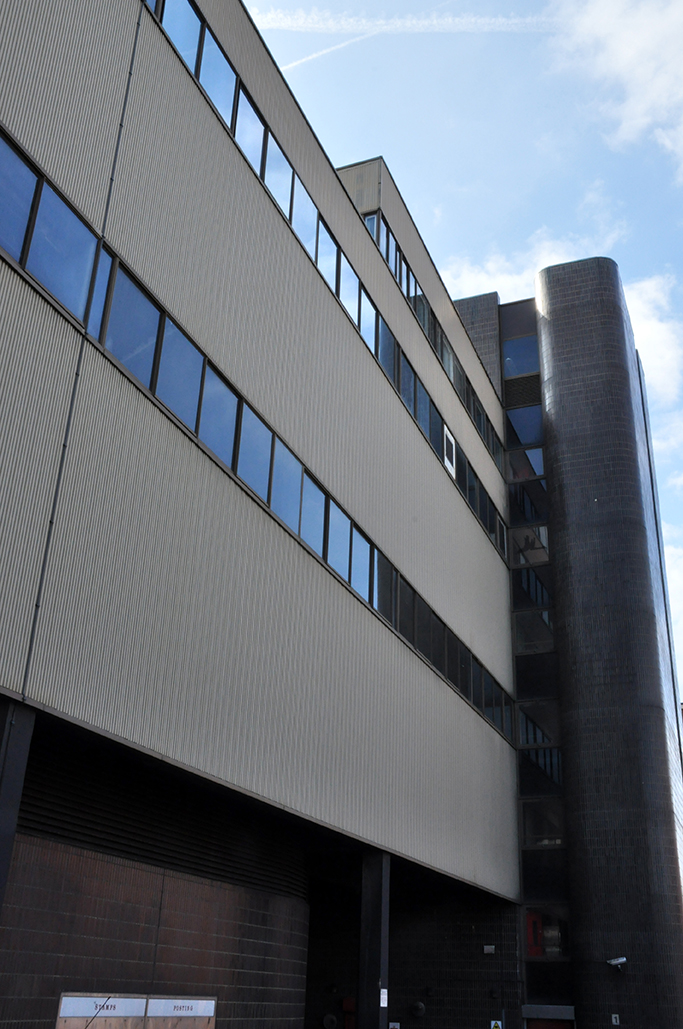
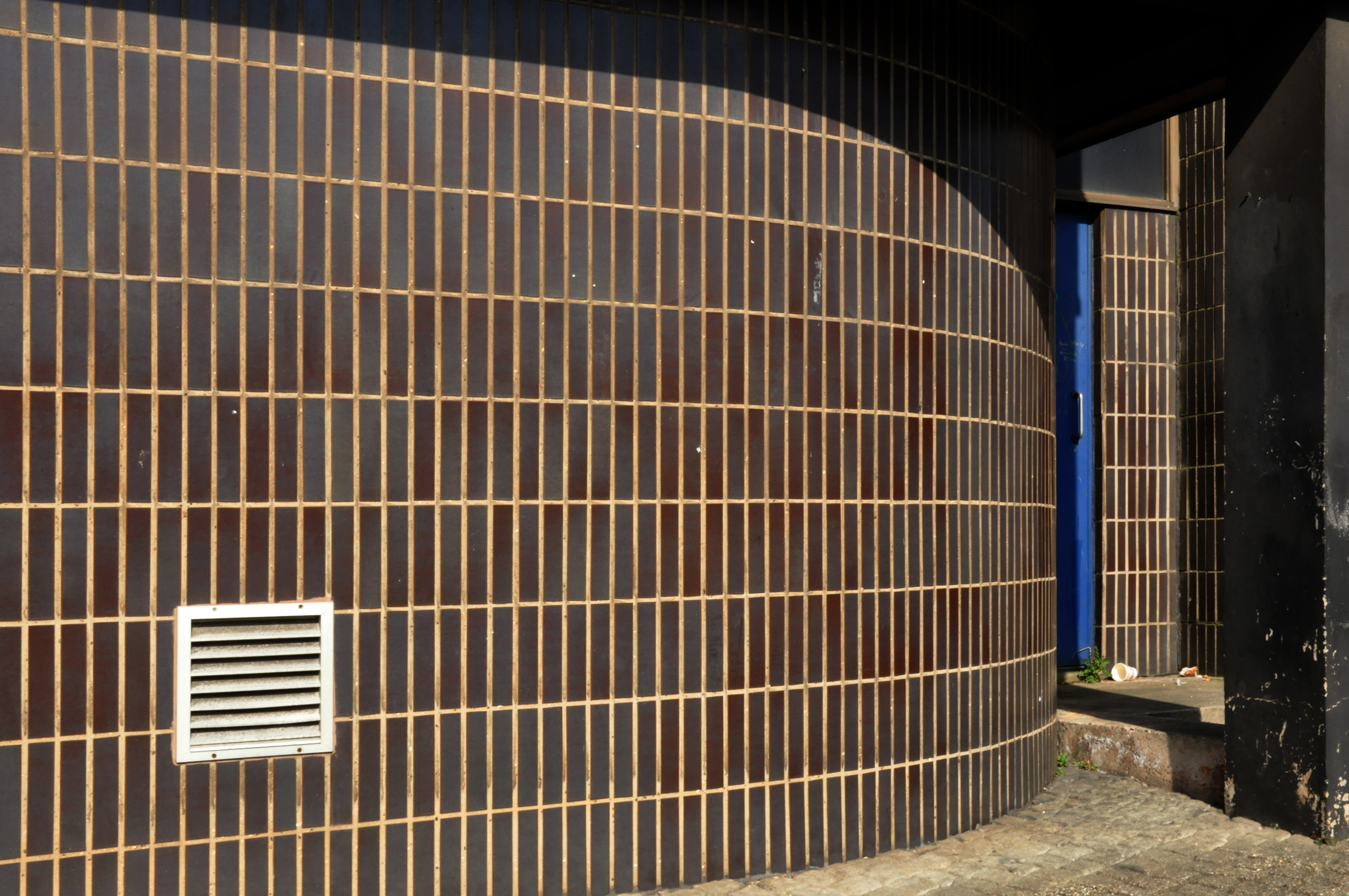
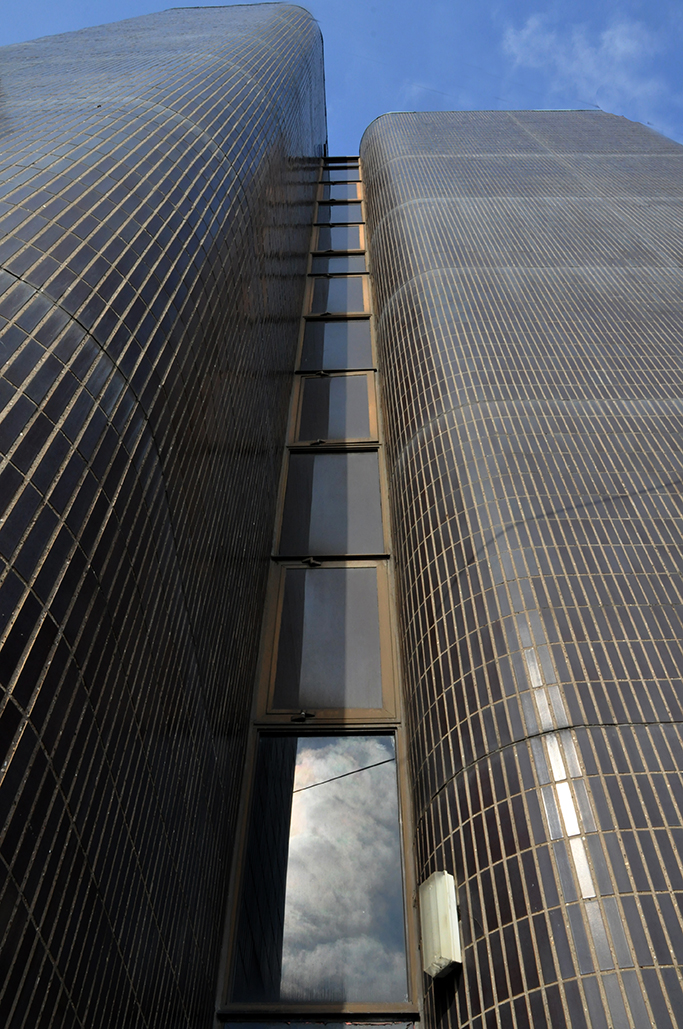
The building however, continues to reflect a 70s optimism, monumental – fading, as optimism is apt to do.

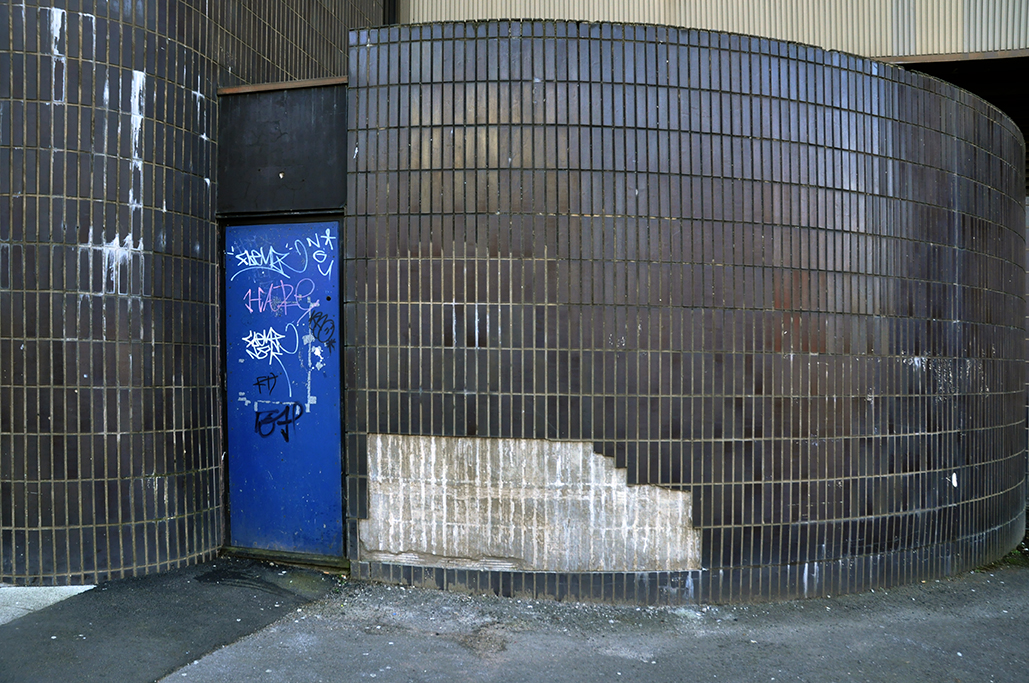
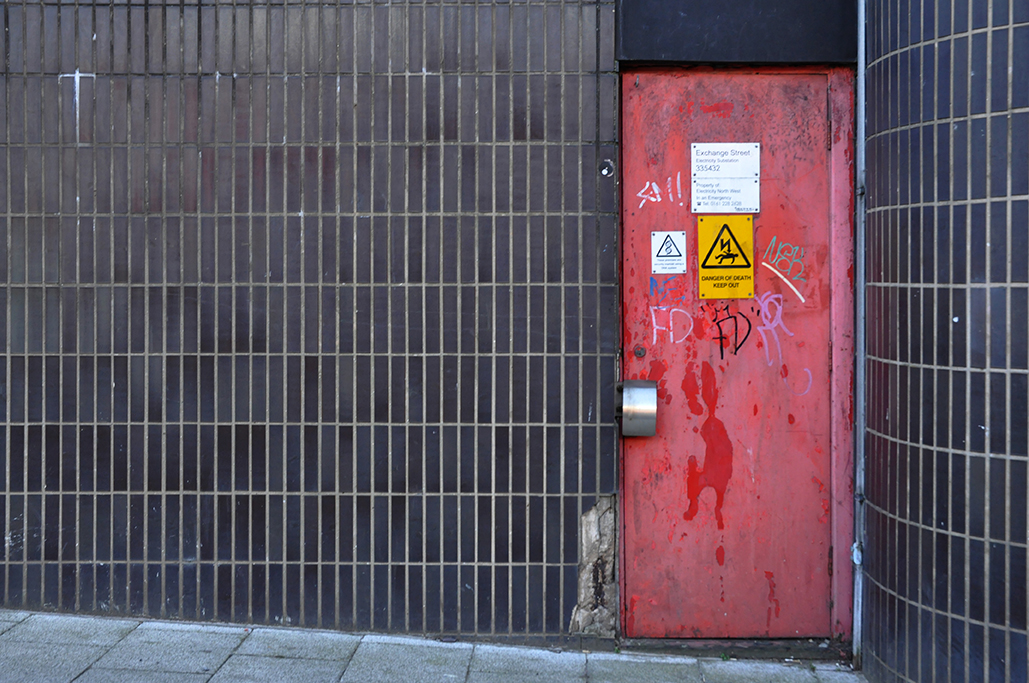
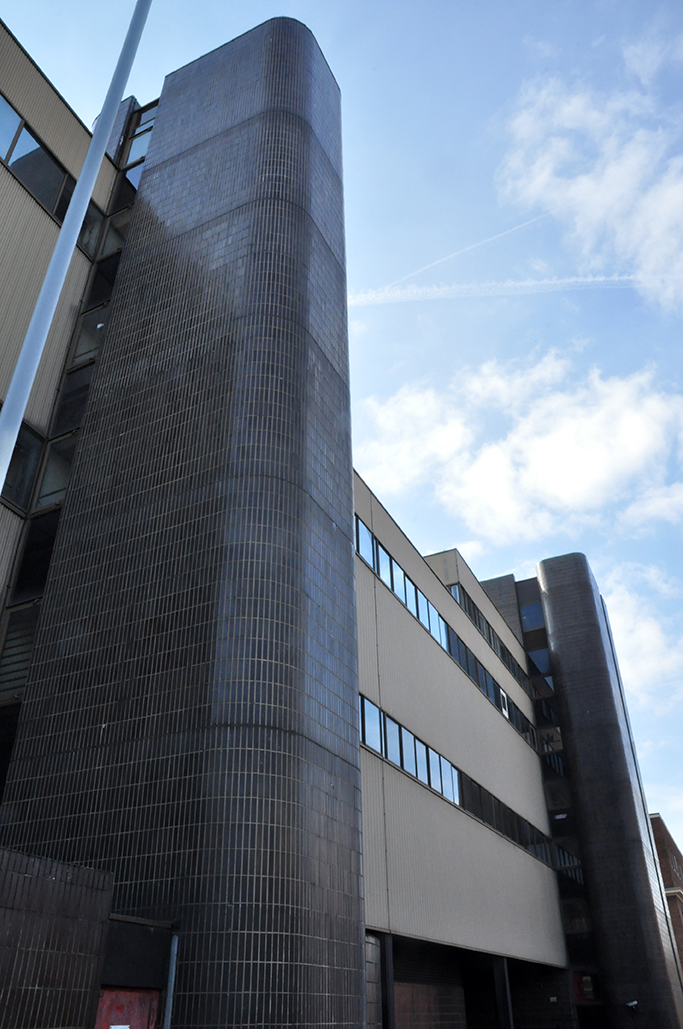
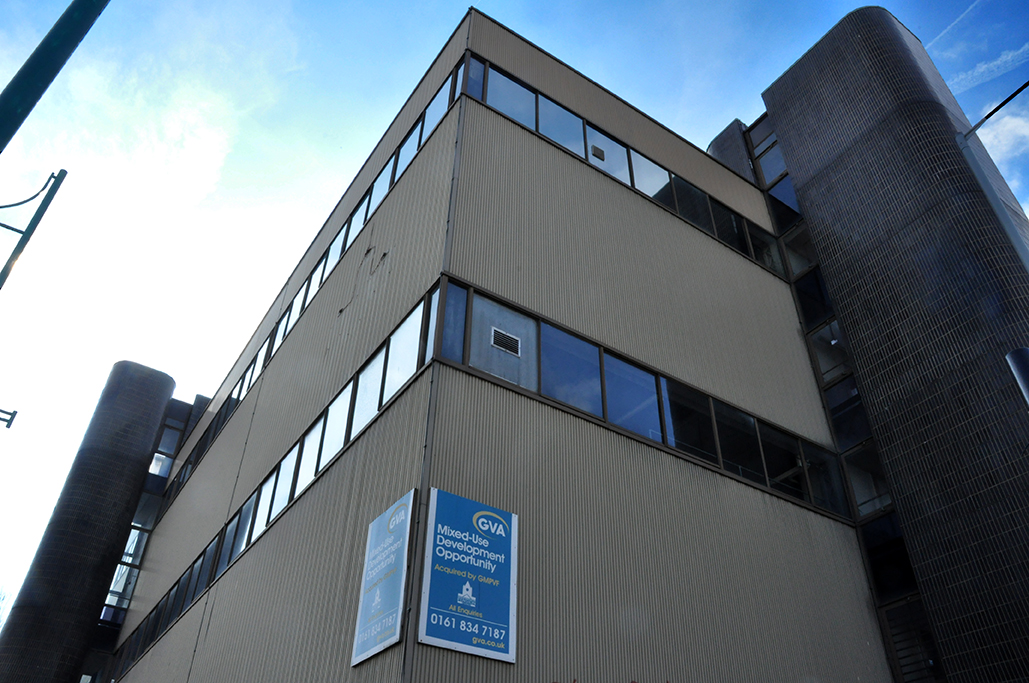
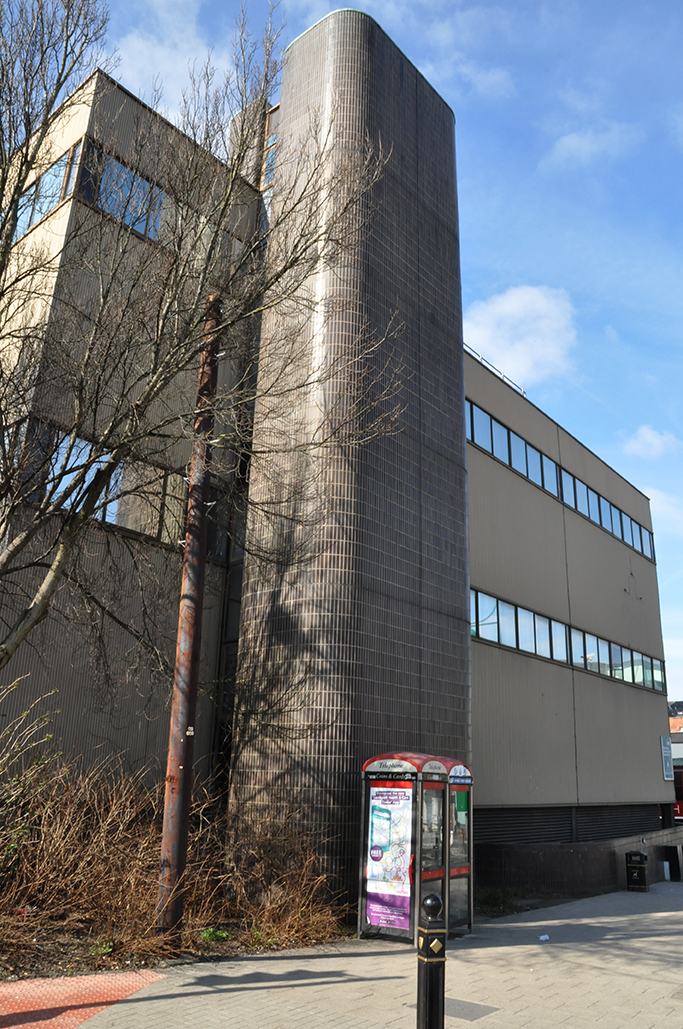
An exciting composition of curved tiled volumes and boxy glass and steel modernism, in a delightfully battered brown and cream. Now in the ownership of the Greater Manchester Pension fund, its future would seem, to say the least, uncertain. This whole Grand Central site clustered around the railway station has been subject to a series of speculative leisure developments. As in other locations they seem to fade, just as quickly as the boarded hoardings, shrouded in designers’ digital piazza visualisations.

So we stand and stare at each other lovingly,  our heads in a cloud of municipal stasis.

Inside nothing moves.

DSC_0003 copy

DSC_0004 copy

DSC_0005 copy

DSC_0006 copy

DSC_0007 copy

DSC_0009 copy

DSC_0010 copy

DSC_0011 copy

DSC_0012 copy

DSC_0013 copy

DSC_0014 copy

DSC_0015 copy

DSC_0016 copy

DSC_0017 copy

DSC_0018 copy

Stockport – Post Box

I fall in love too easily
I fall in love too fast
I fall in love too terribly hard
For love to ever last

My heart should be well-schooled
‘Cause I’ve been fooled in the past
But still I fall in love so easily
I fall in love too fast

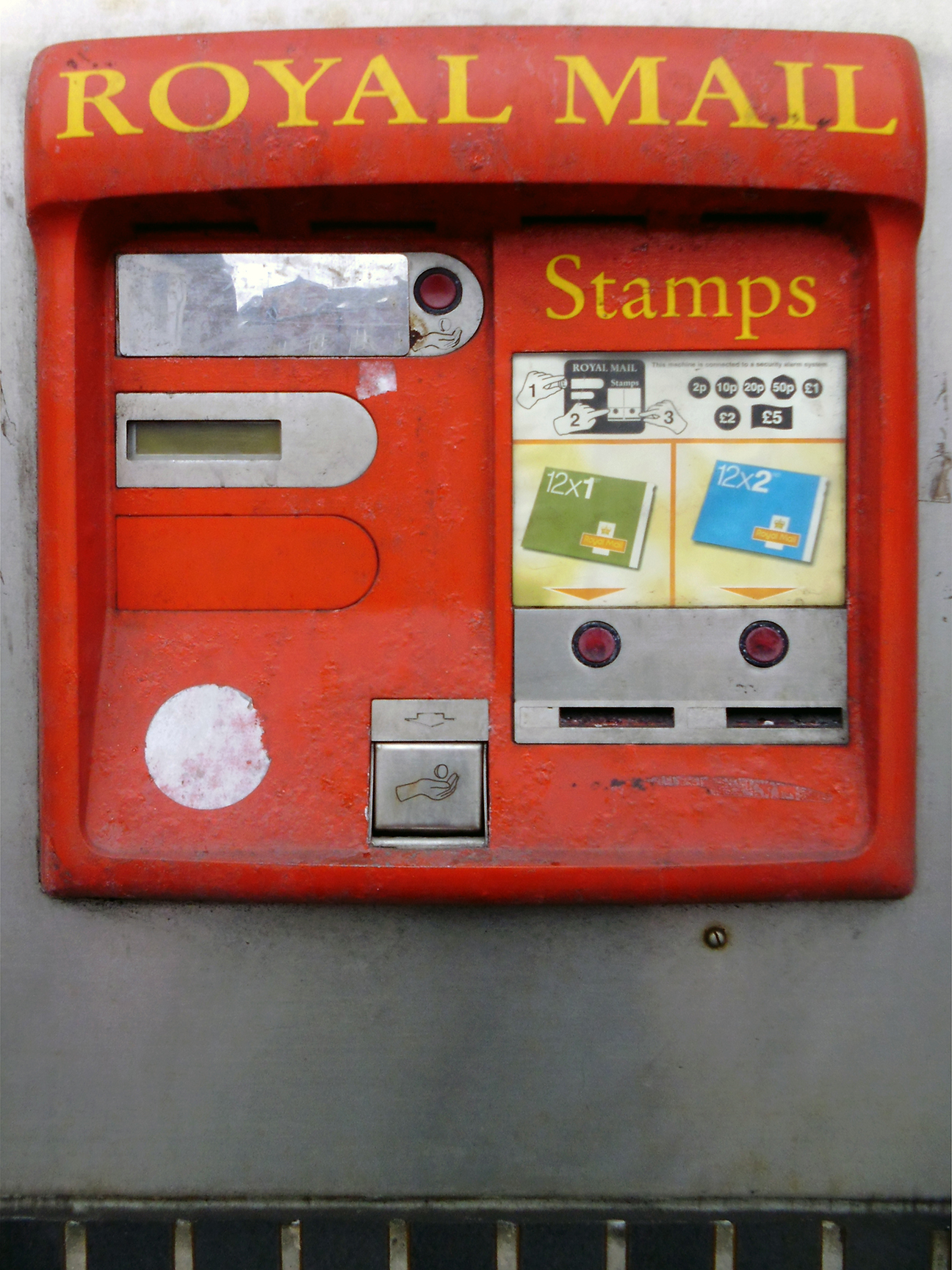
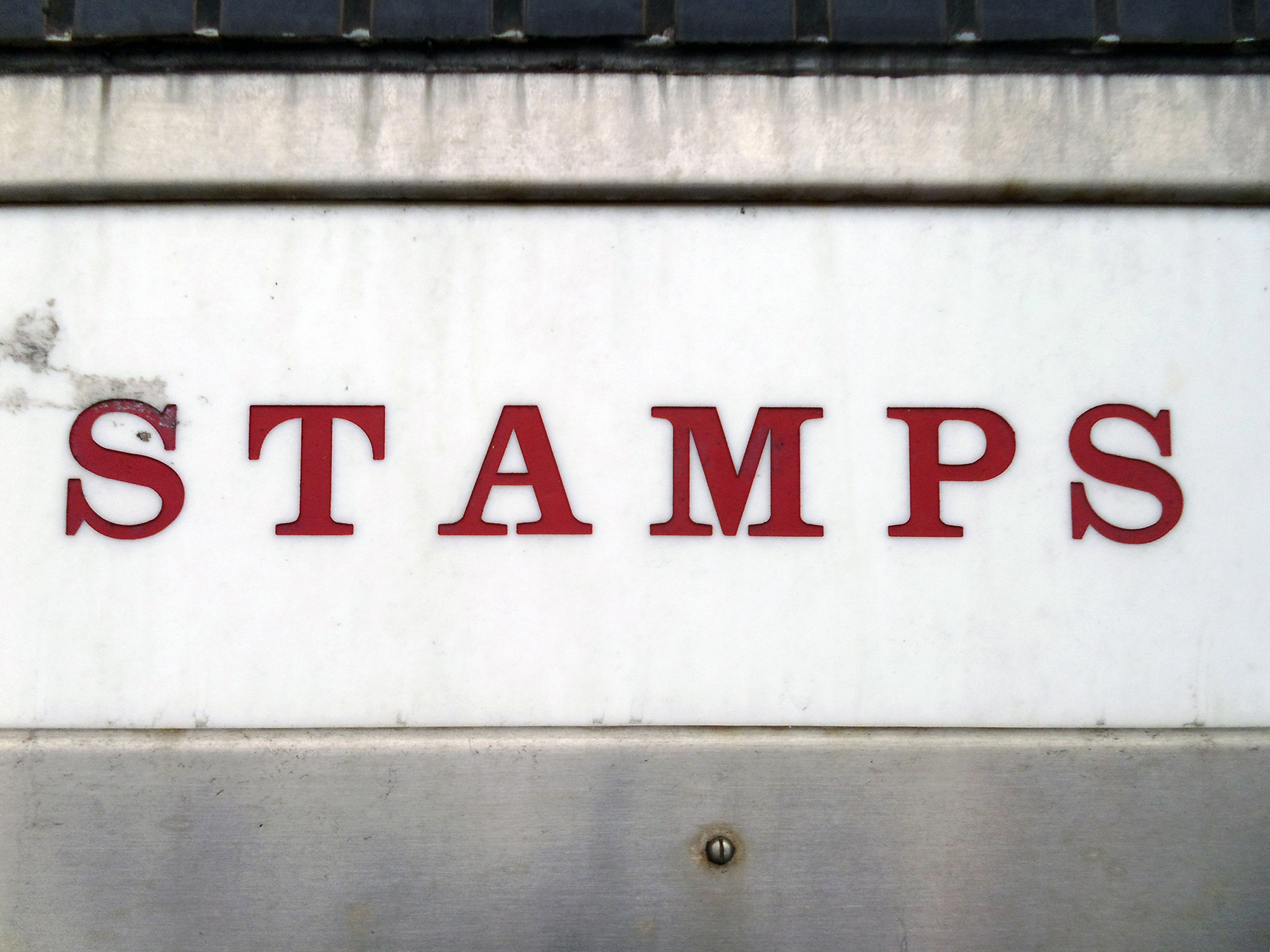
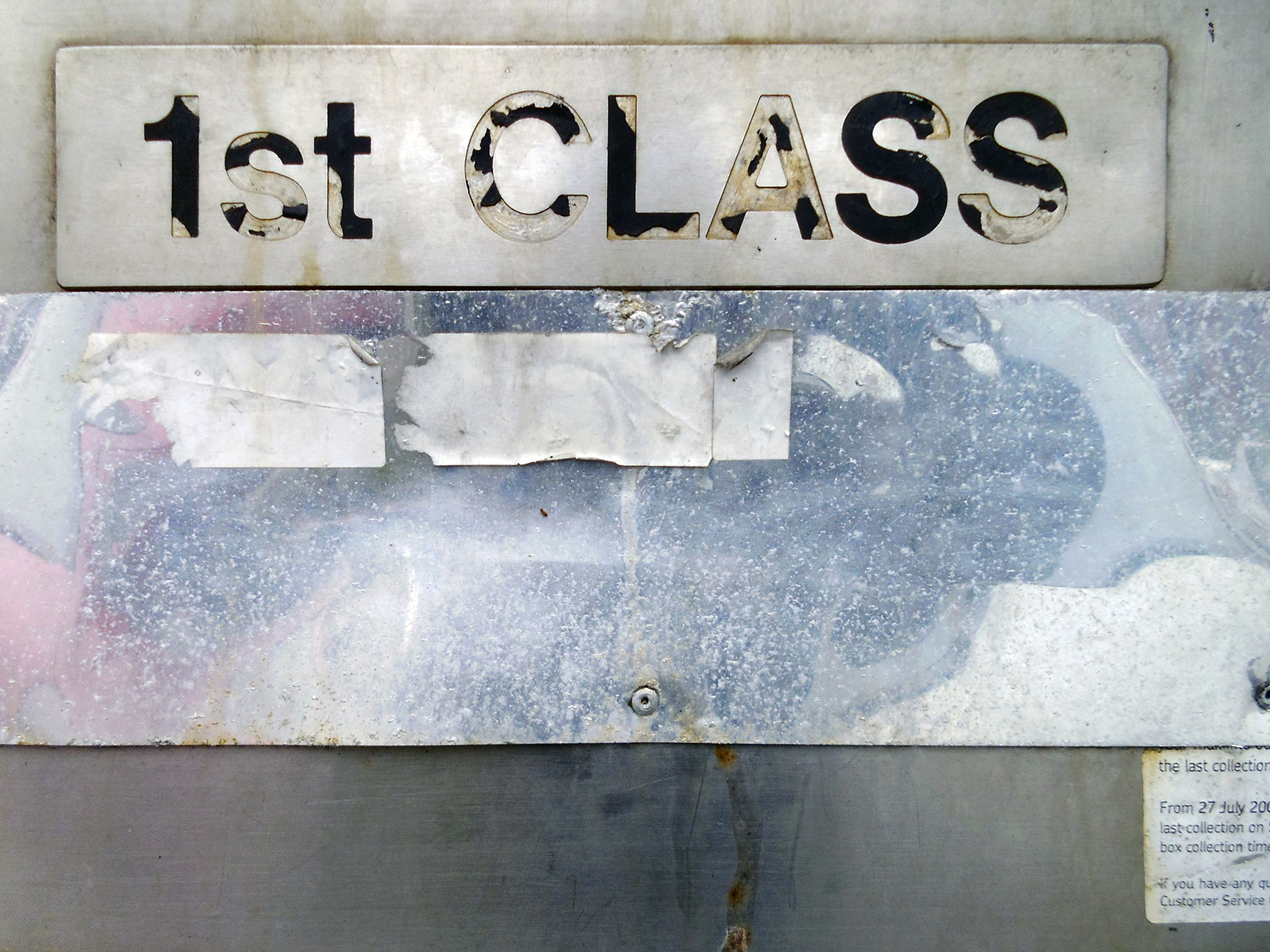
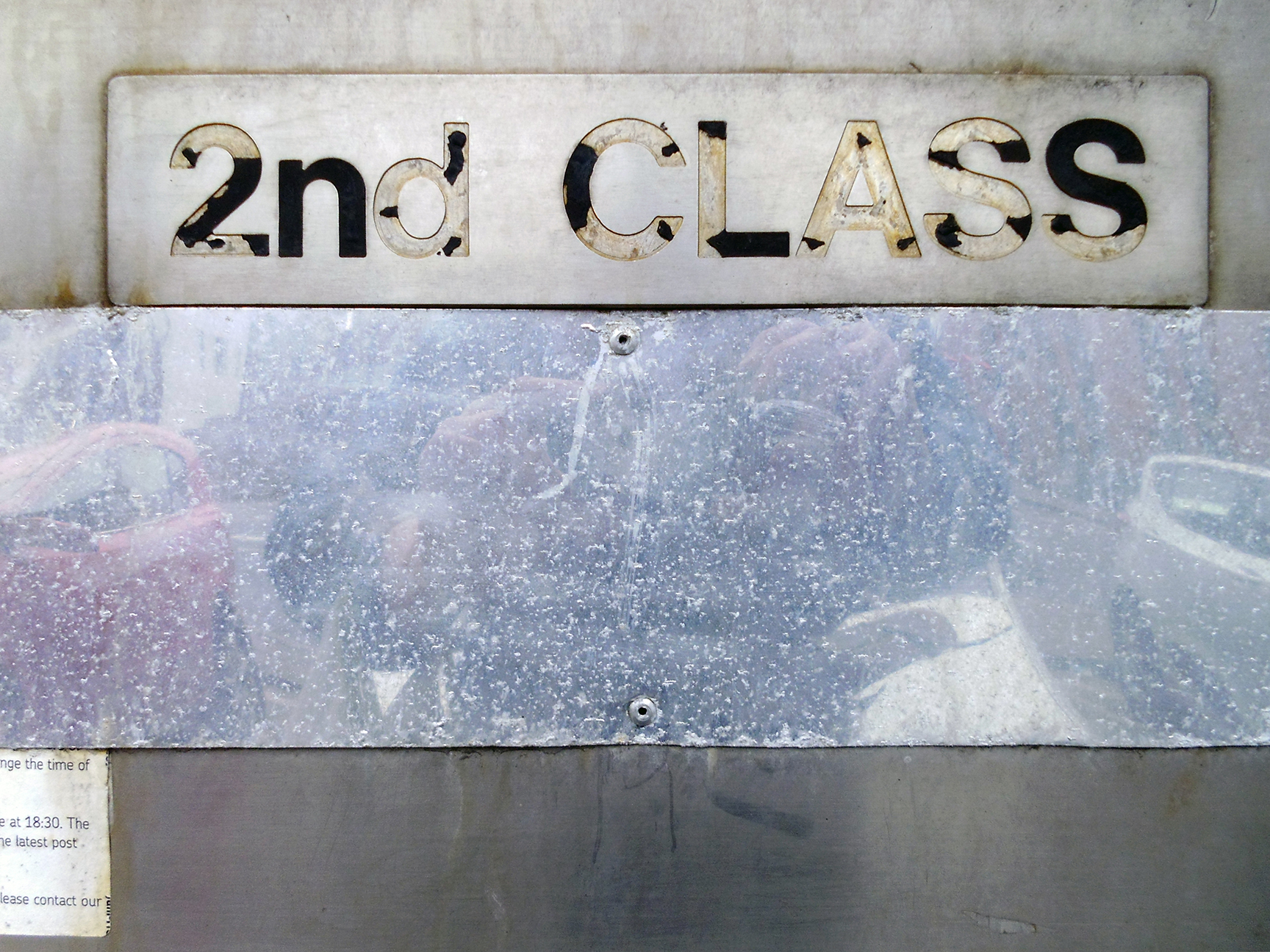
I fell for you the very first time I saw you – imbedded in the wall of the Postal Sorting Office.

Though now each time I pass by and try my best to look the other way, I’m helpless and hopelessly can’t resist.
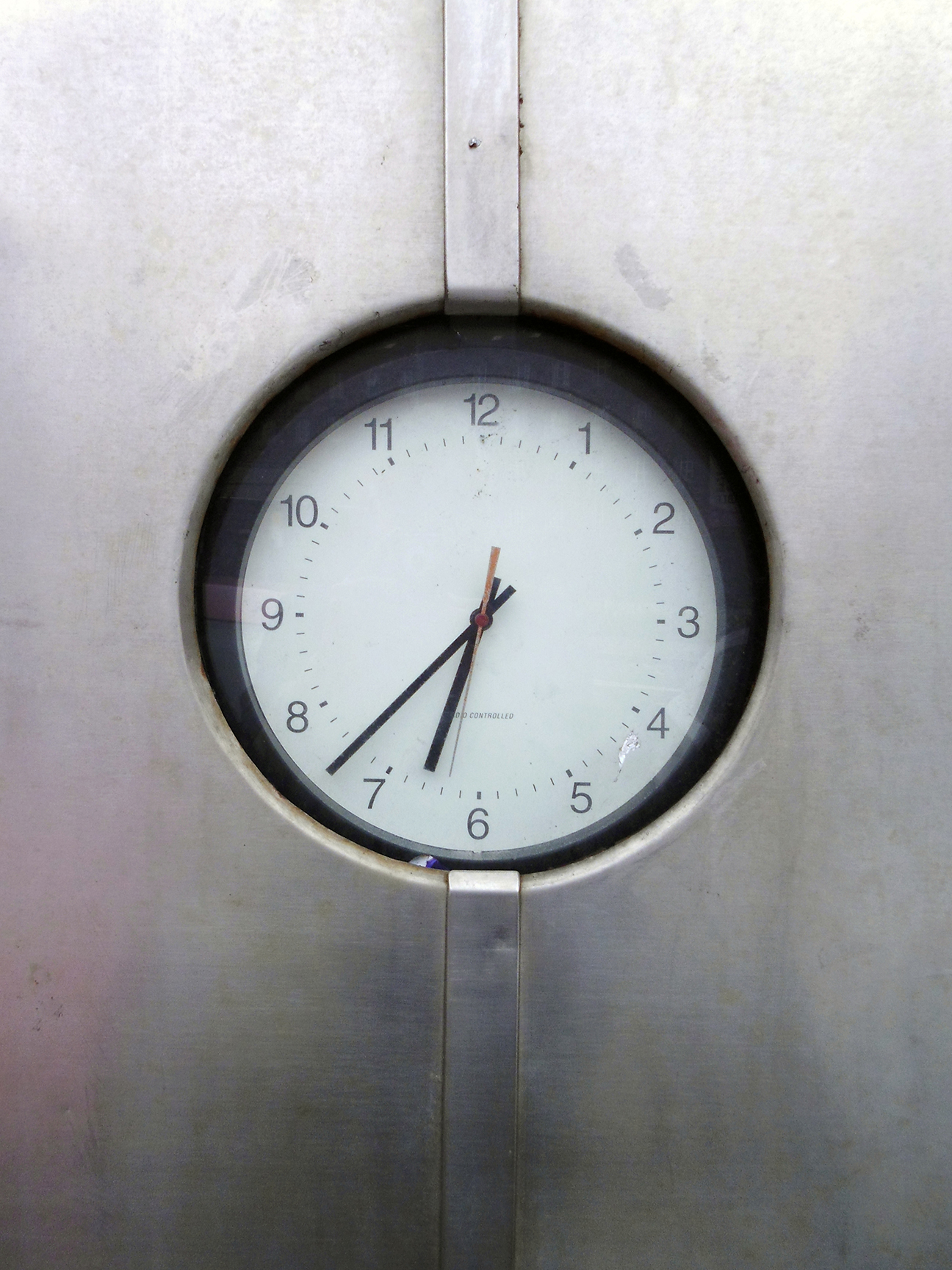
But you’re closed – all I can do his stare at your stopped clock.

And wonder what might have been.

It’s twenty three minutes to seven – forever in my heart.

https://www.youtube.com/watch?v=3zrSoHgAAWo

P1060149 copy

P1060150 copy

P1060151 copy

P1060153 copy

P1060154 copy

P1060155 copy

P1060156 copy

P1060157 copy

P1060158 copy

Wigan – Rylands Mill

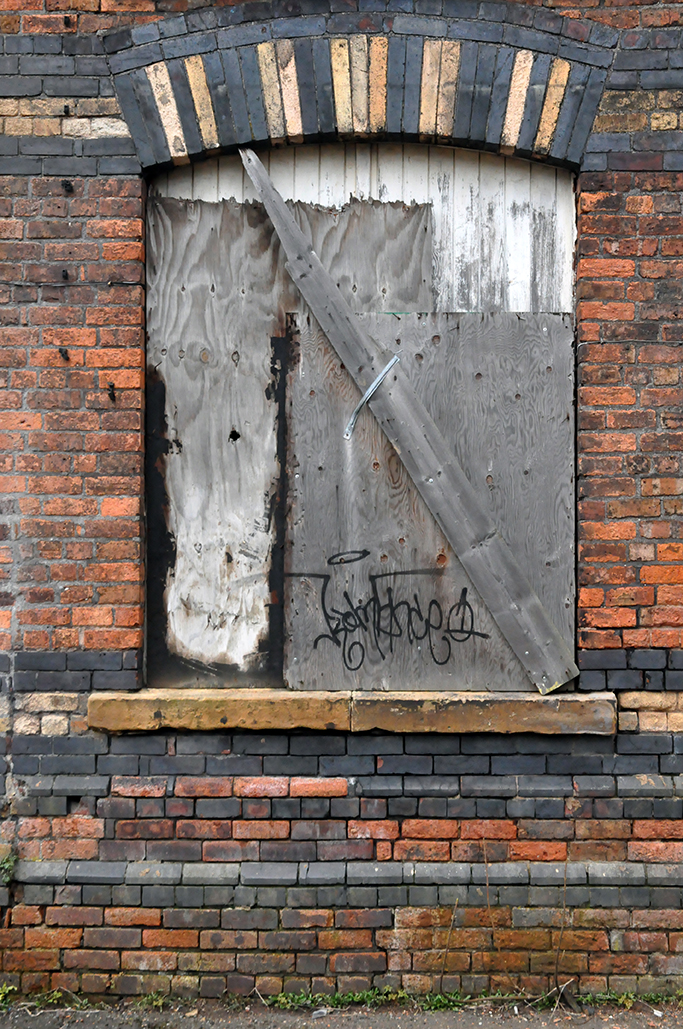
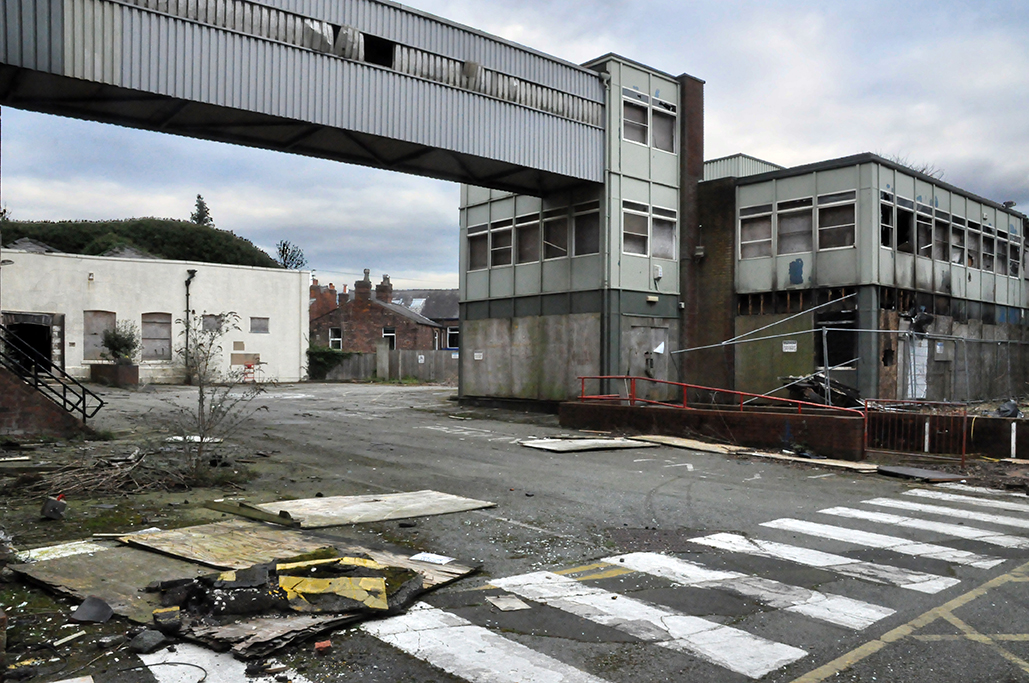
I’m no Urbex man, when all’s said and done, I feel the fear and the weight of the past, I guess I’m just a little too sensitive. So I made cautious ingress into this giant mill complex, always aware of the feet that trod this way in former times and a constant threat of the falling fragile structure.

The surfaces have, since it’s last occupants left, been shaped by intruders, the weather, taggers, blaggers, bloggers and inquisitive teens, I left only hushed footfalls.

We are all now complicit in its history.

– In 1819, Rylands & Sons were established with their seat of operations being in Wigan.

In the course of a few years extensive properties at Wigan, along with dye works and bleach works, were purchased. Valuable seams of coal were afterwards discovered under these properties, and proved a great source of wealth to the purchasers.

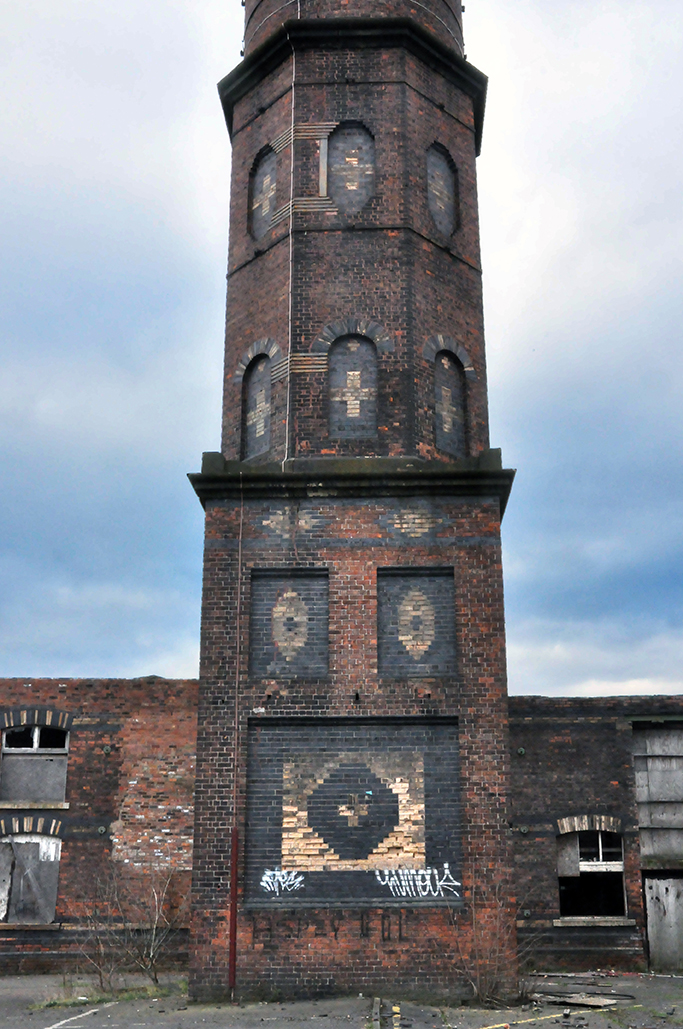
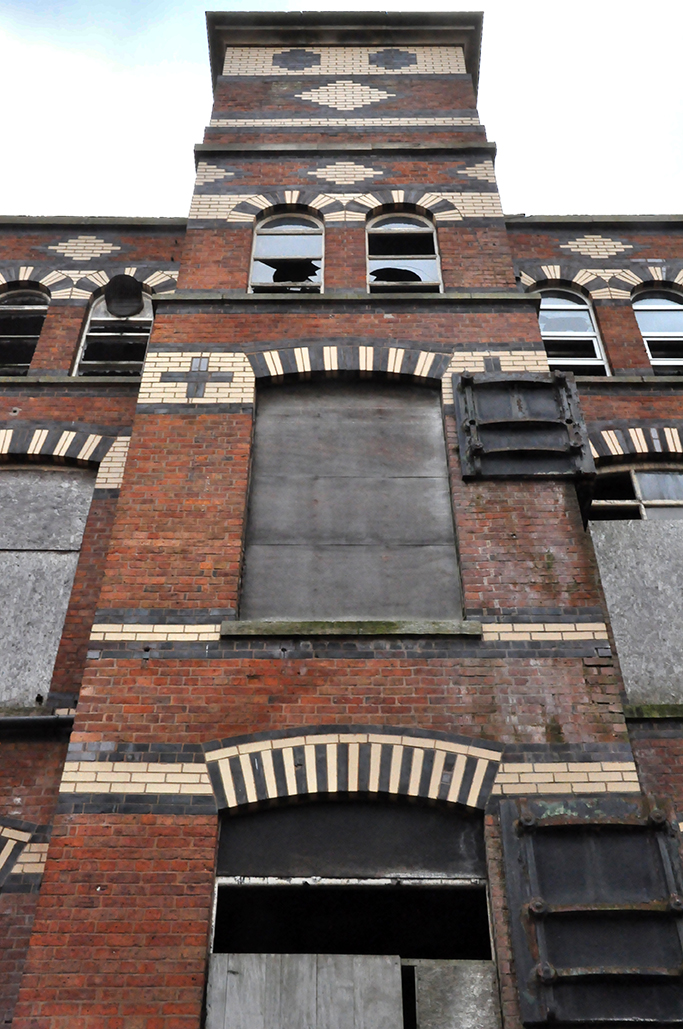
The mill was built in 1867, designed by George Woodhouse for John Rylands, one of the area’s largest cotton spinners. The Grade II listed complex includes the former spinning mill, weaving sheds, engine house and chimney, noted for it ornate brickwork.

It has now been acquired by MCR Property Group who are in the process of planning to restore the mill building which will house a mixture of apartments with views over Mesnes Park. The development will also comprise of a number of modern townhouses and office space over four levels.

All current planning applications have been withdrawn, its future remains uncertain.

DSC_0490 copy

DSC_0494 copy

DSC_0491 copy

DSC_0489 copy

DSC_0479 copy

DSC_0477 copy

DSC_0473 copy

DSC_0471 copy

DSC_0467 copy

DSC_0461 copy

DSC_0459 copy

DSC_0456 copy

DSC_0455 copy

DSC_0450 copy

DSC_0443 copy

Wigan – The Springfield

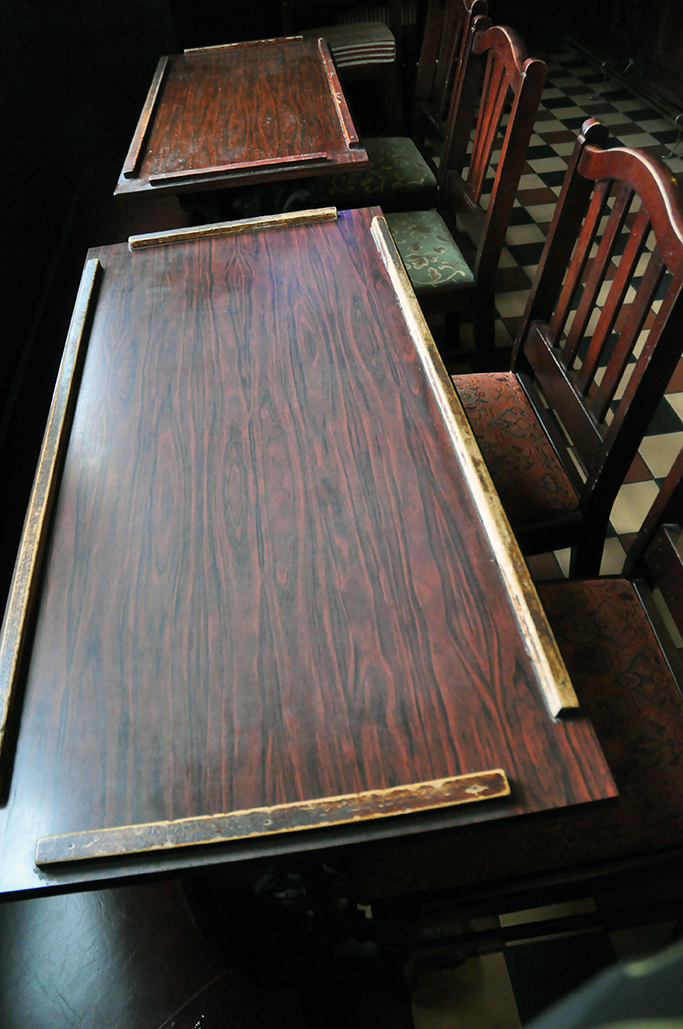
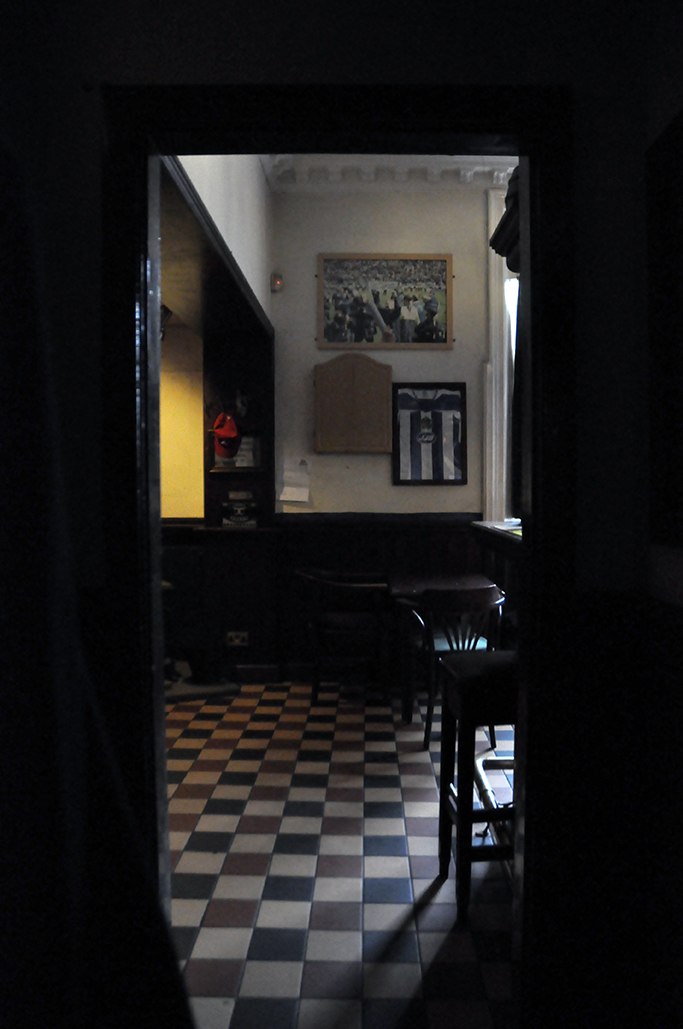
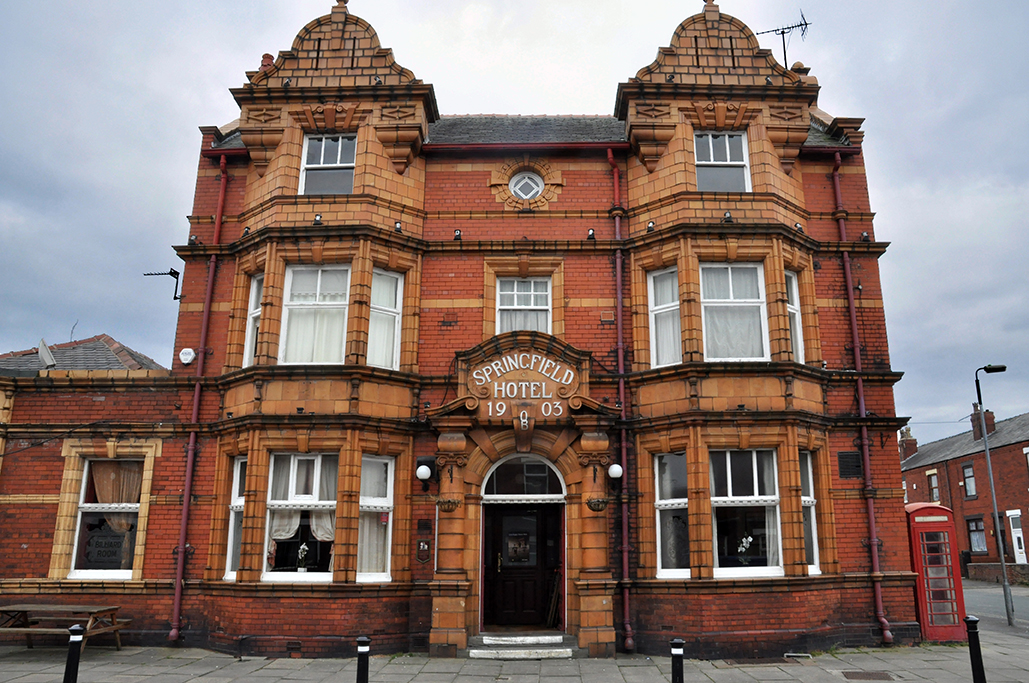
Standing amongst a high density of housing, once homes to the thousands of mill workers that lived, loved, laughed and drank here, The Springfield prevails.

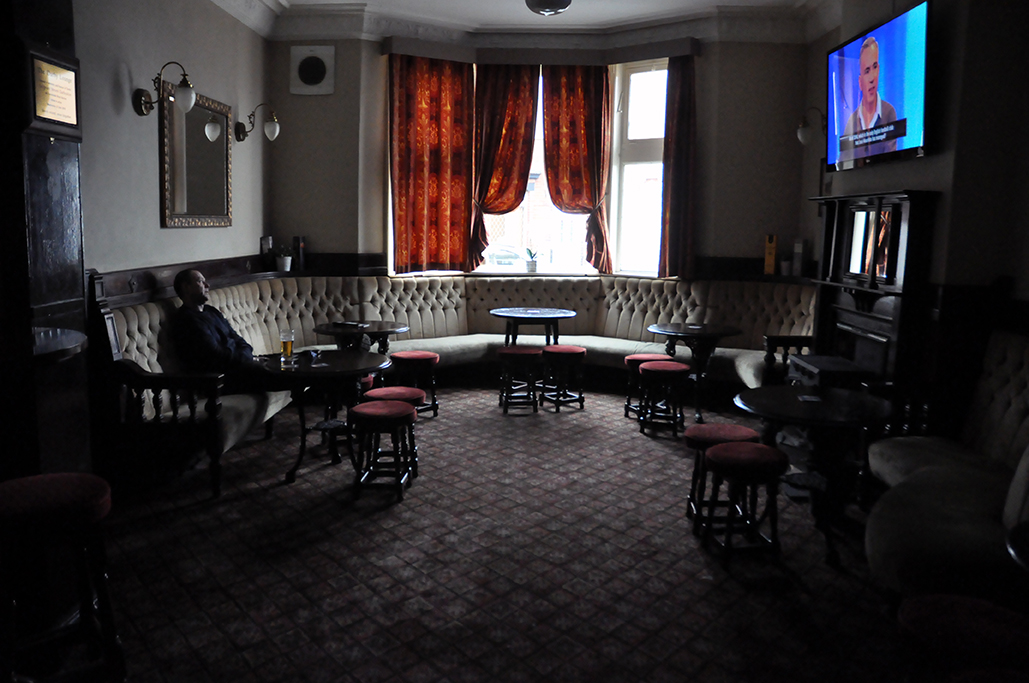
Built in 1903 by Heaton and Ralph for Oldfield Breweries it has retained much of its original character and features and is listed on CAMRA’s Historic Pub Interiors inventory.

http://www.heritagepubs.org.uk/pubs/historic-pub-interior-entry.asp?pubid=605

Having walked from the centre of town, following a full day of snapping this and that I was ready for a swift half of well kept Tetley’s Bitter. The staff were more than friendly and happy to assist me in recording this fine and welcoming hostelry. By day quiet and on the dark side, by night it comes to life. Large family and function rooms, a cards and doms tap room, pool and TV caters for customers of all ages and interests.

I have tried to capture the weight of sunlight as it falls softly, through the etched glass of the pub, a unique quality known only to the daytime drinker.
If you’re passing pop in.

DSC_0427 copy

DSC_0421 copy

DSC_0420 copy

DSC_0419 copy

DSC_0411 copy

DSC_0409 copy

DSC_0406 copy

DSC_0400 copy

DSC_0368 copy

DSC_0369 copy

DSC_0371 copy

DSC_0376 copy

DSC_0378 copy

DSC_0383 copy

DSC_0387 copy

DSC_0395 copy

Manchester – Openshaw Indoor Market

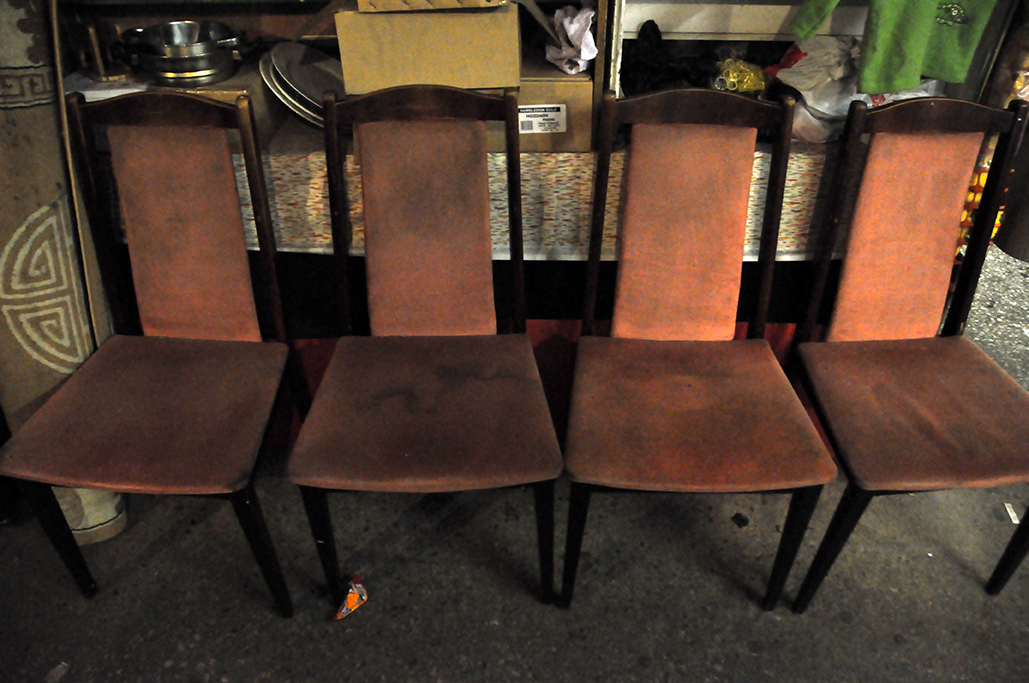
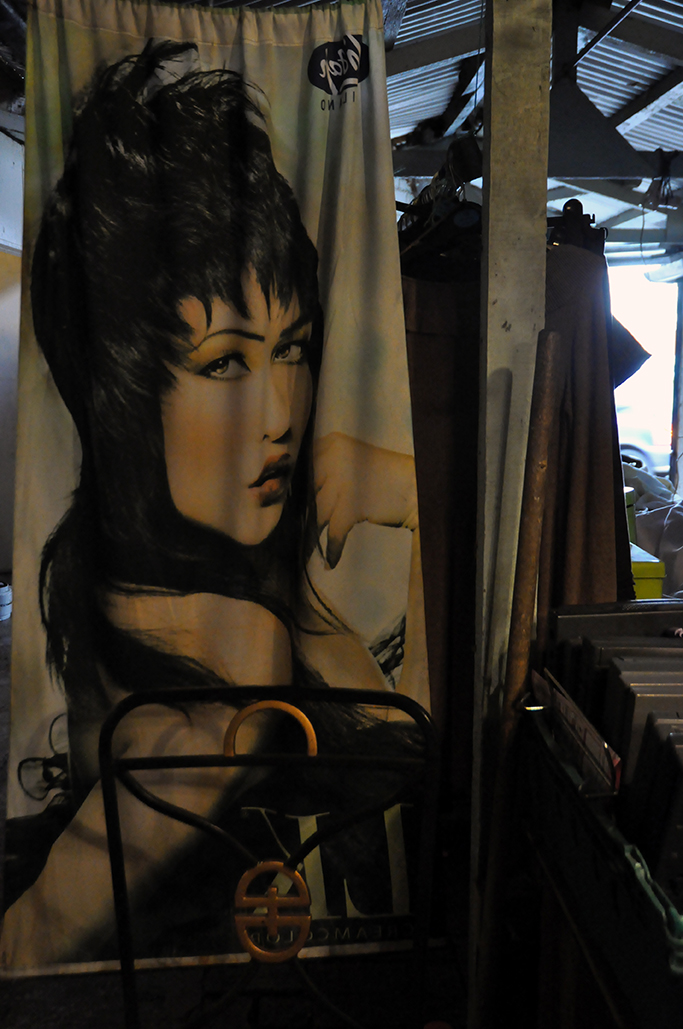
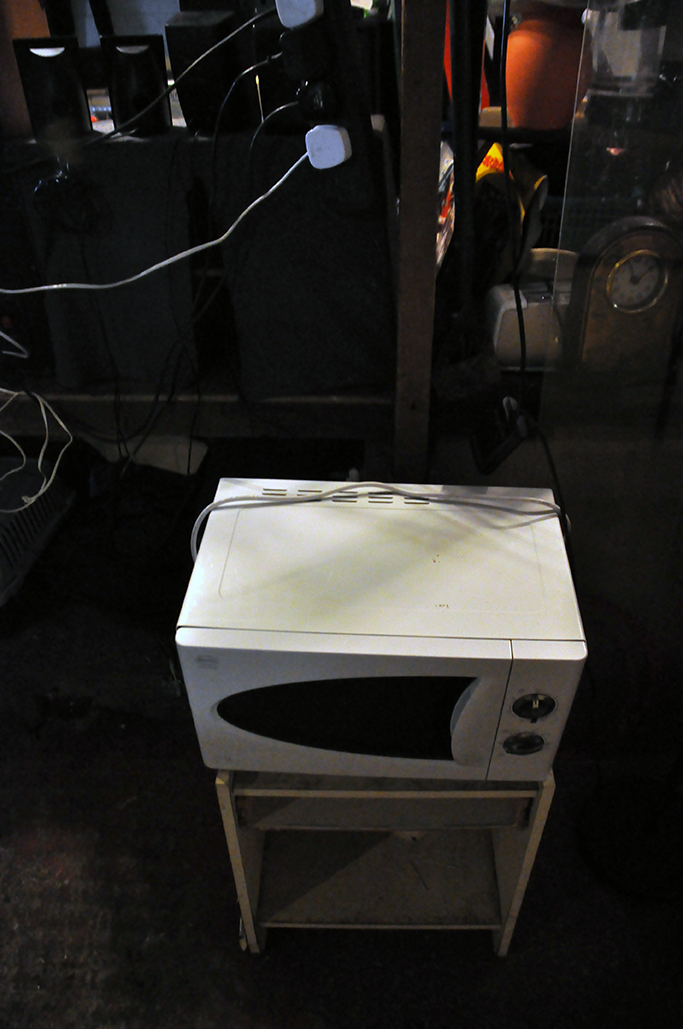
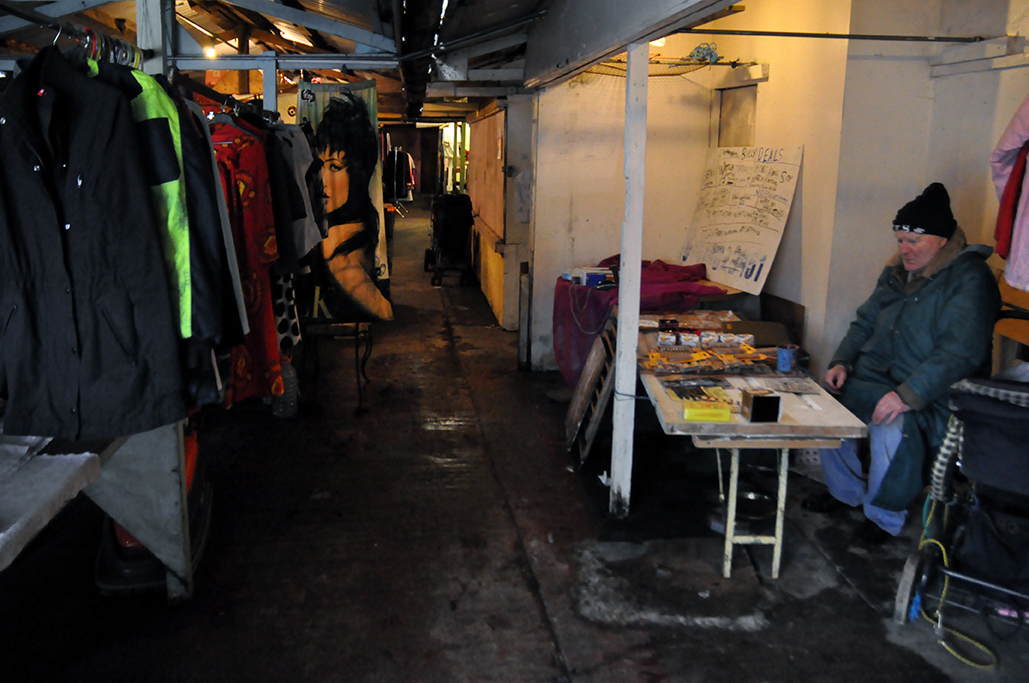
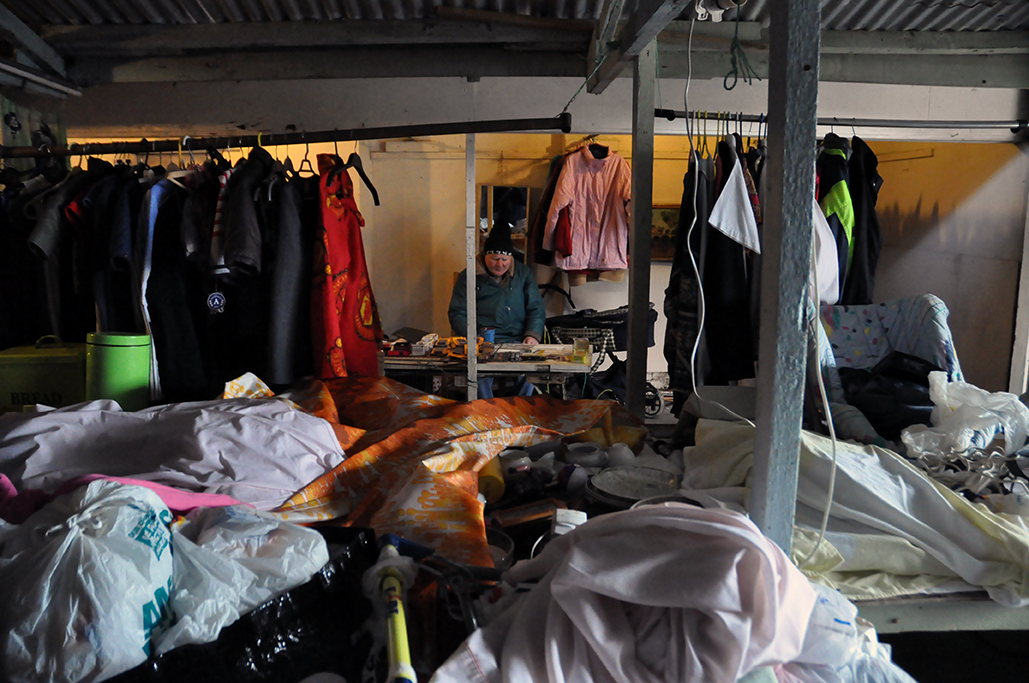
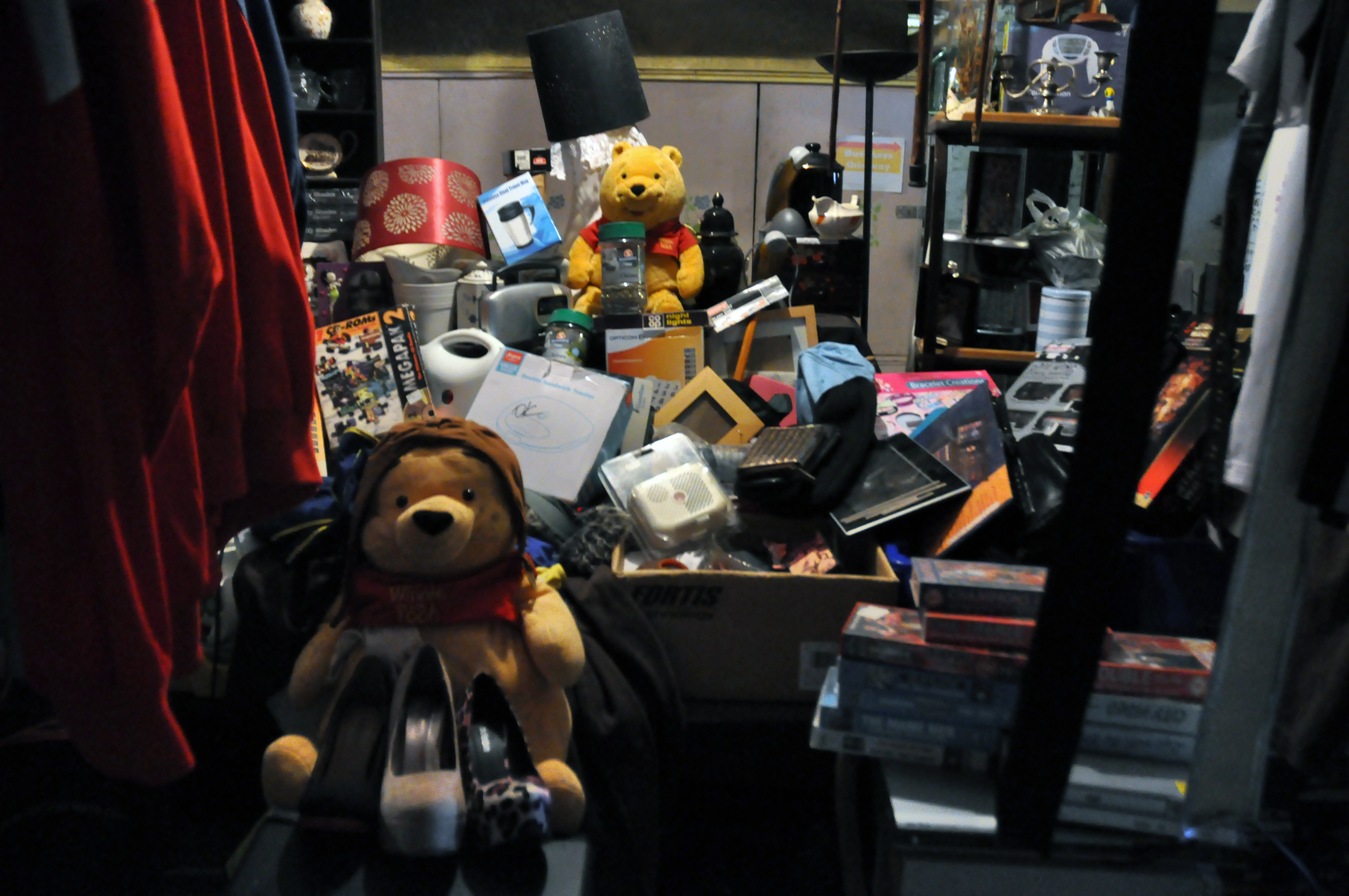
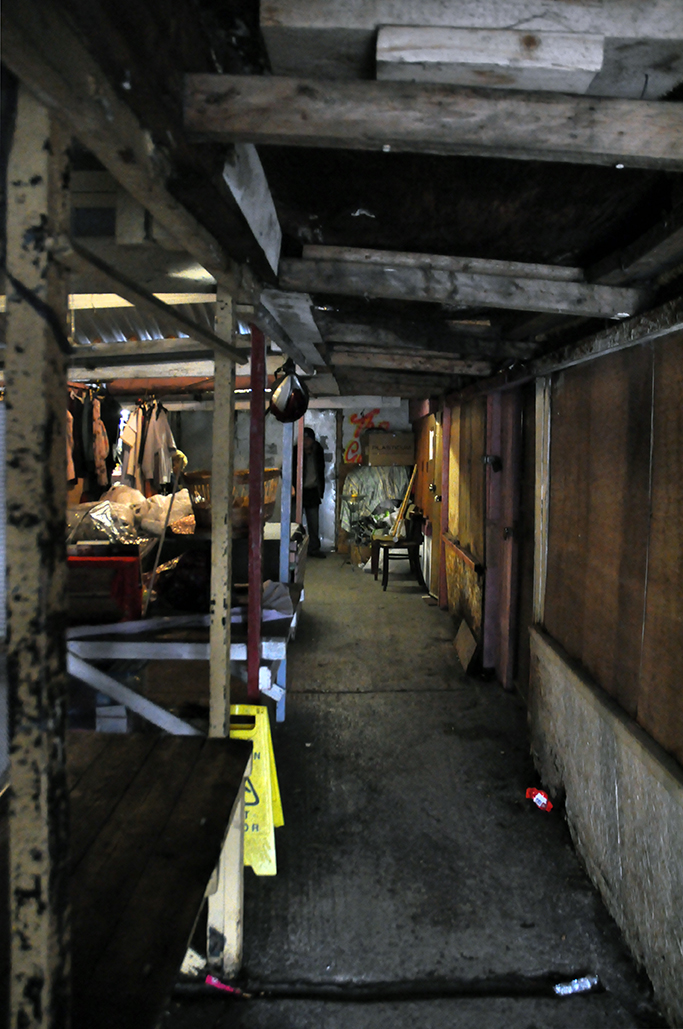
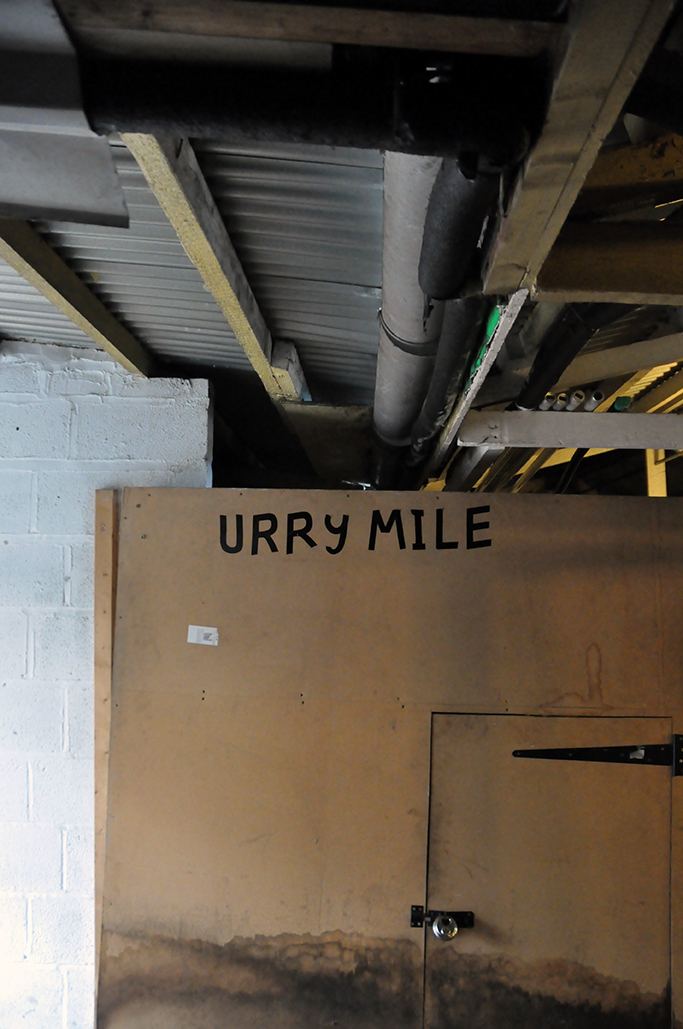
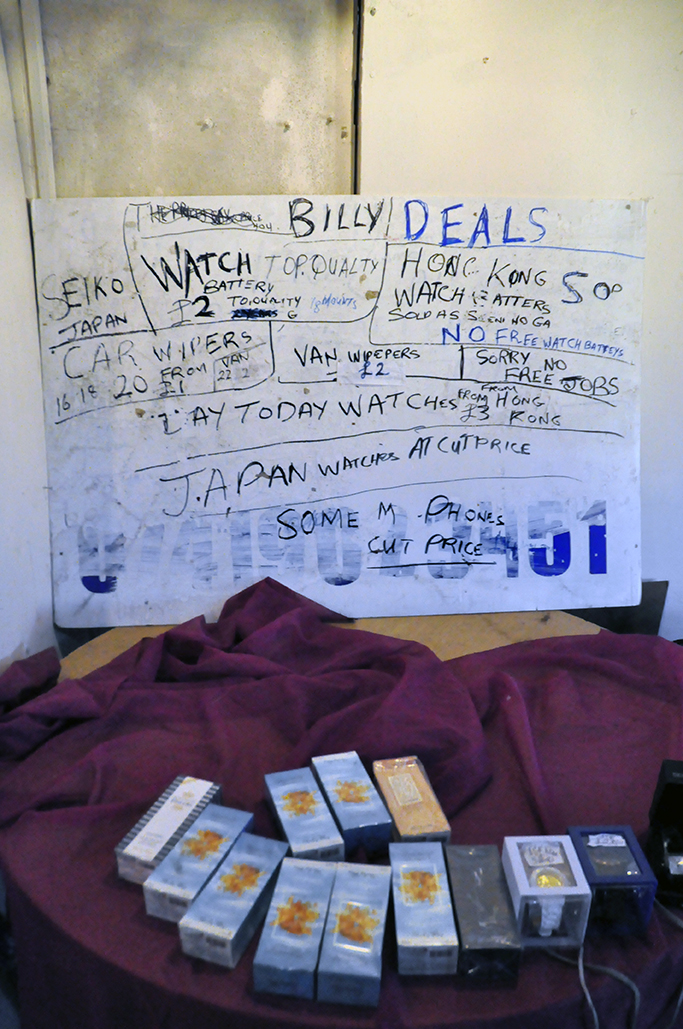
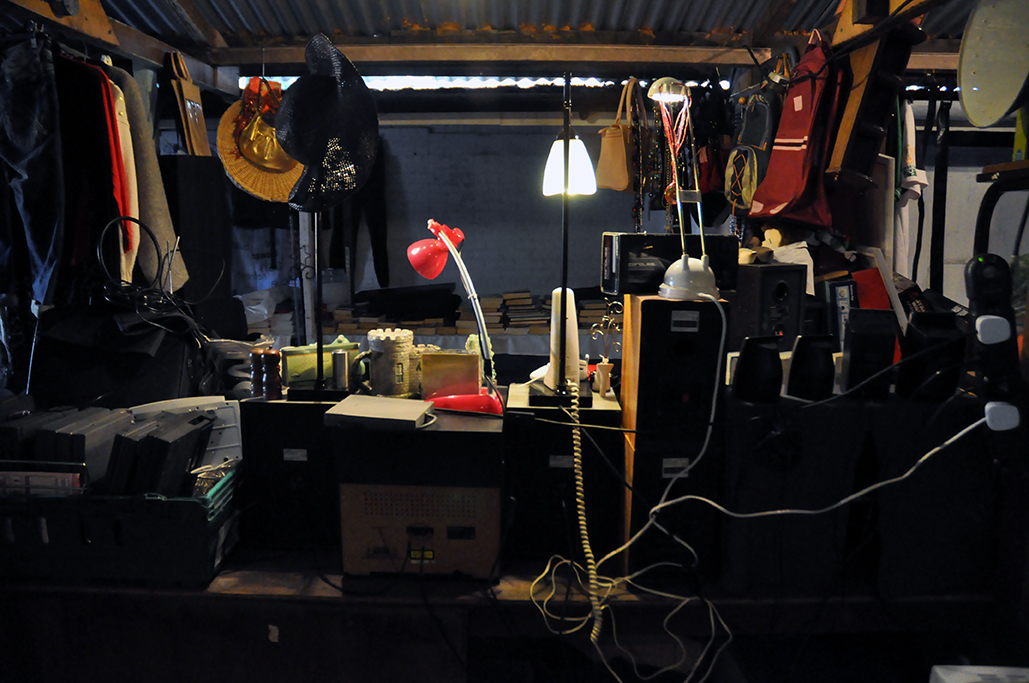
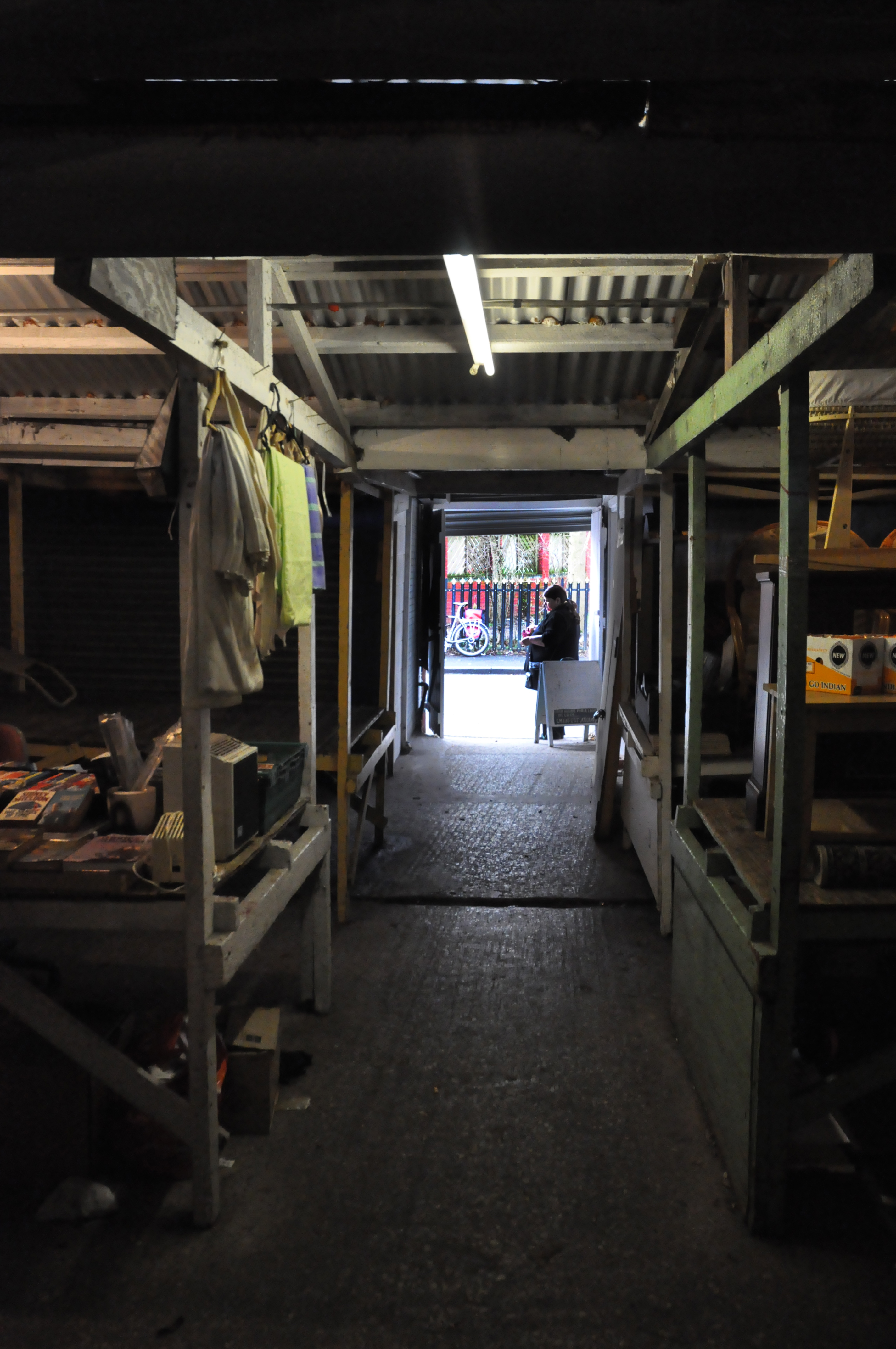
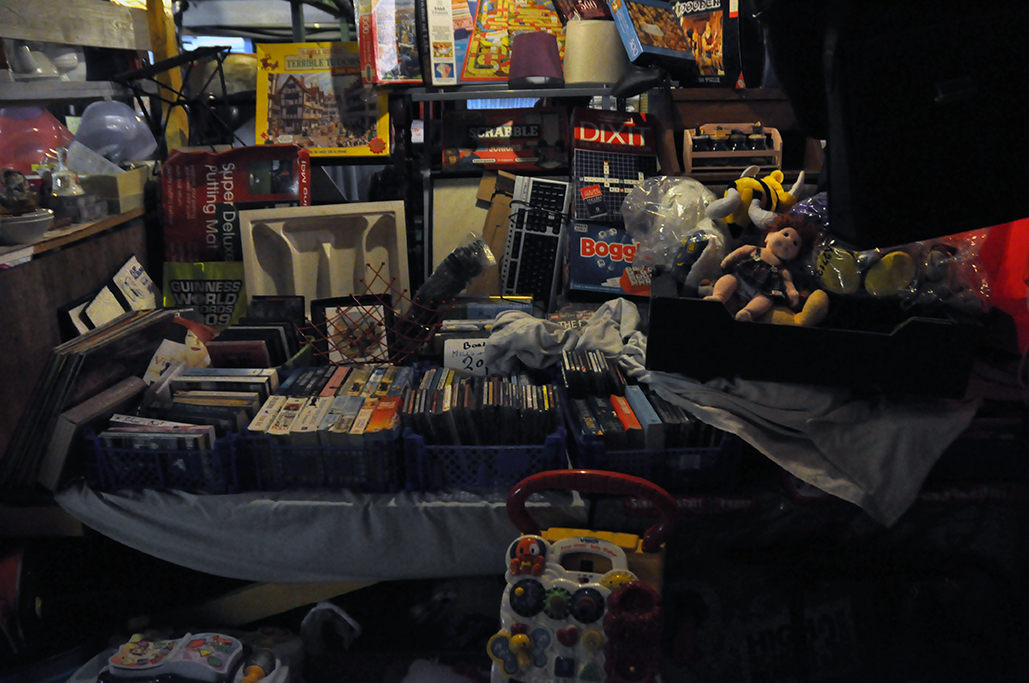
It’s dark inside, you can feel the thin light at war with the murky interior.

Stall holders scurry between stalls, in and out of alcoves, cupboards, hidey holes and plywood worlds.

They made me welcome, chatted as they went about their business of simply getting by.
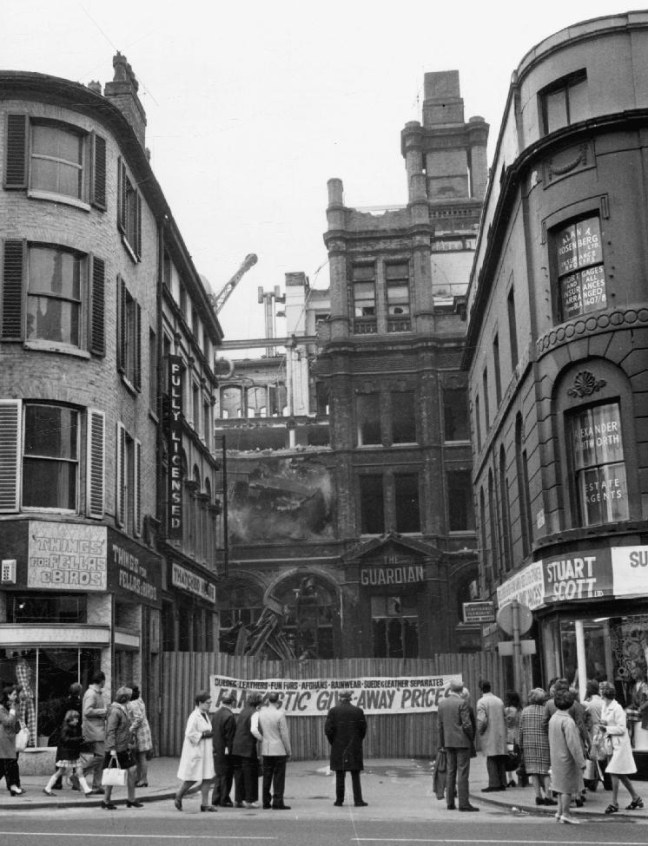
This is the land beyond time and at times motion and emotion.
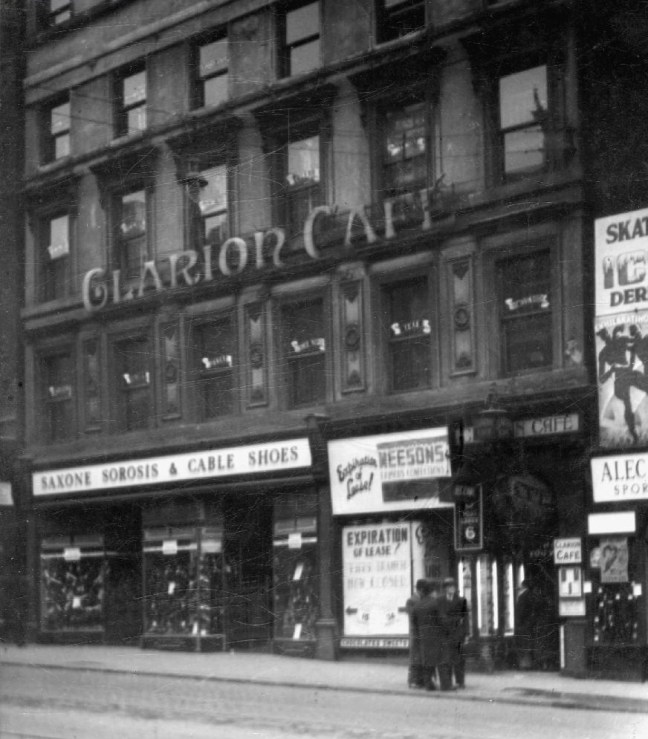
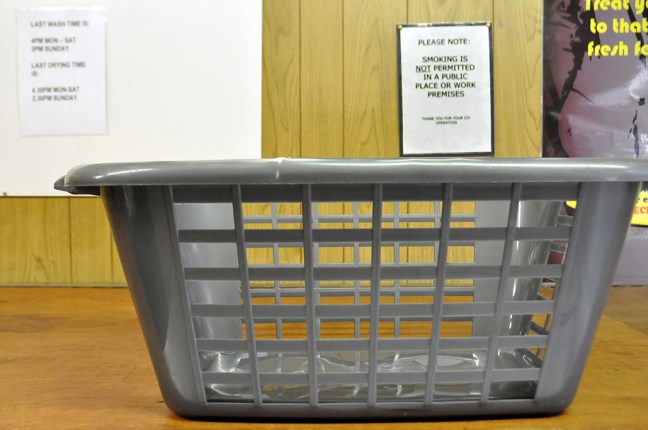
Entering seems transgressive, there is nothing in here I want or need, I just had a compulsion to record this flickering fight against the distinct possibility of extinction.

Come in.

DSC_0337 copy

DSC_0356 copy

DSC_0354 copy

DSC_0353 copy

DSC_0352 copy

DSC_0346 copy

DSC_0339 copy

DSC_0335 copy

DSC_0331 copy

DSC_0328 copy

DSC_0325 copy

DSC_0324 copy

DSC_0319 copy

DSC_0318 copy

Ashton – Bailey’s Homeware

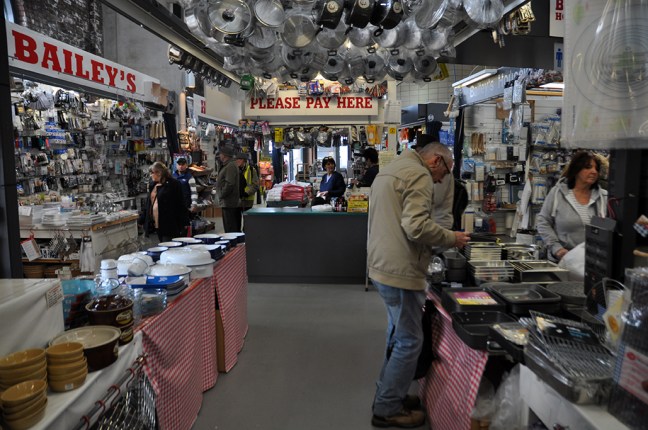
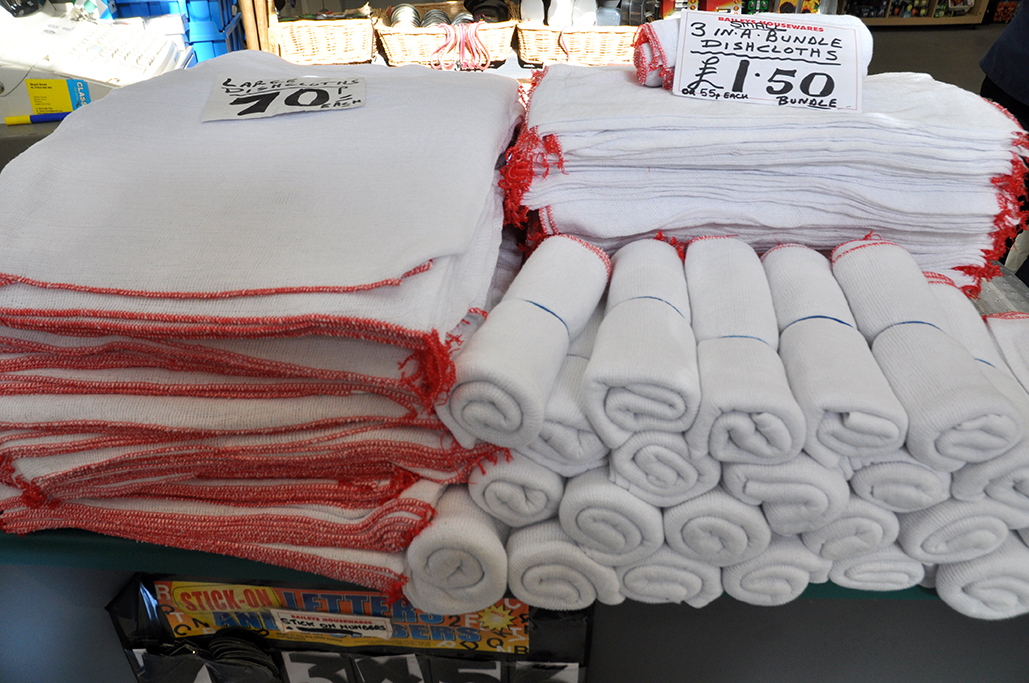
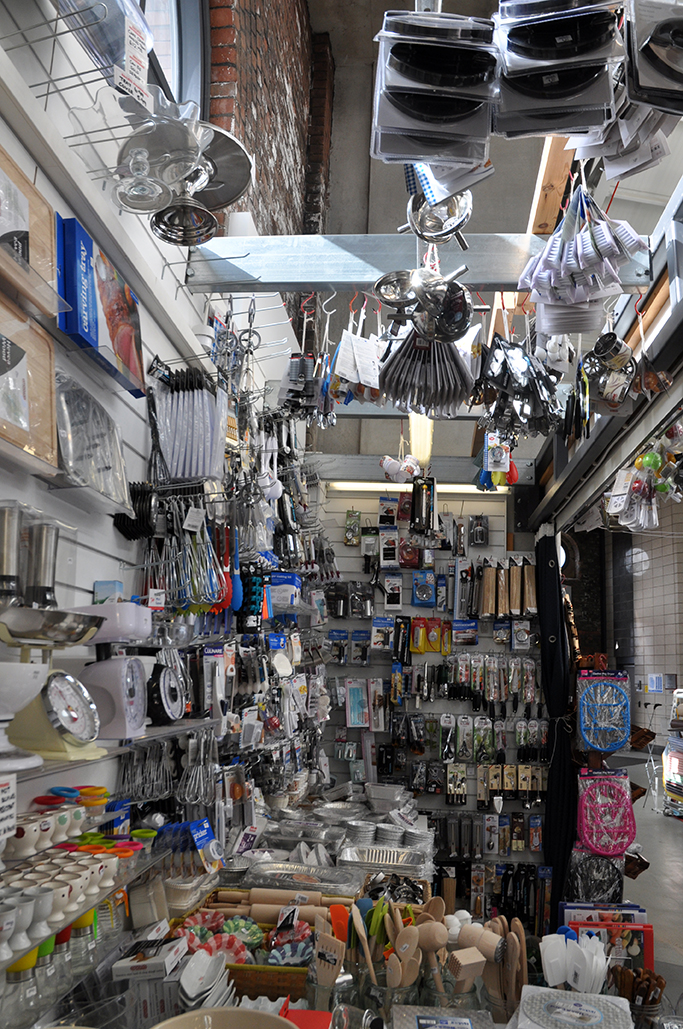
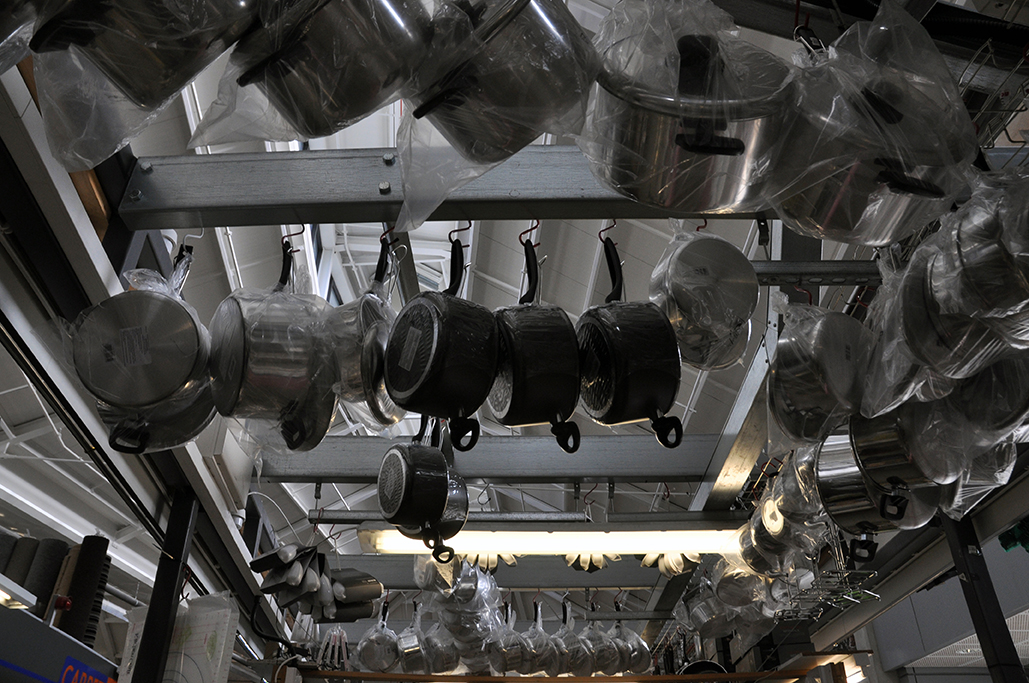
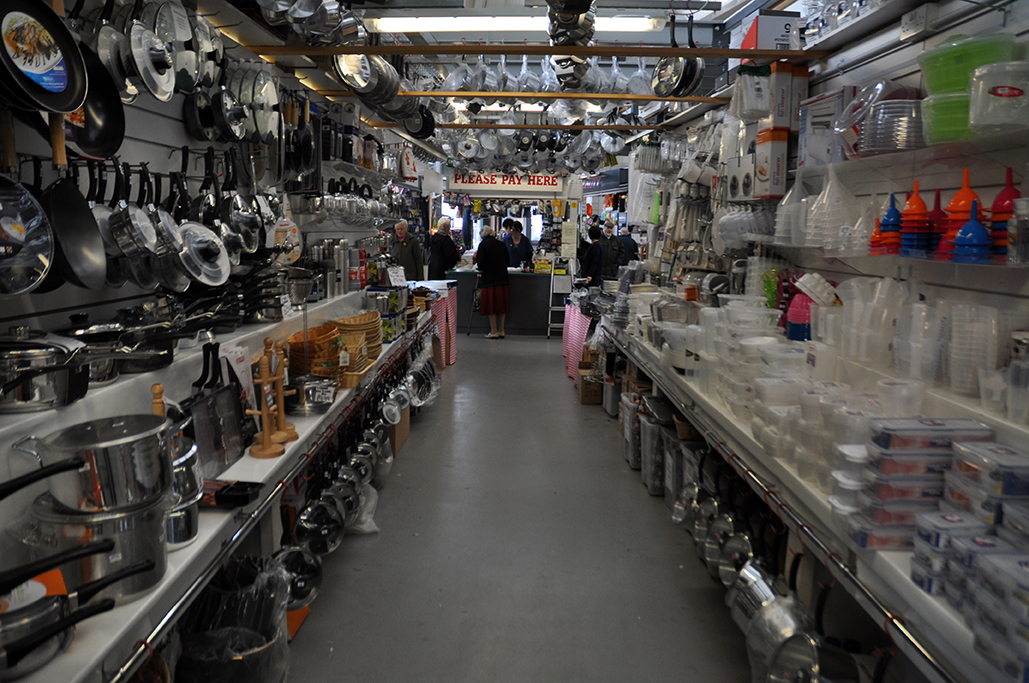
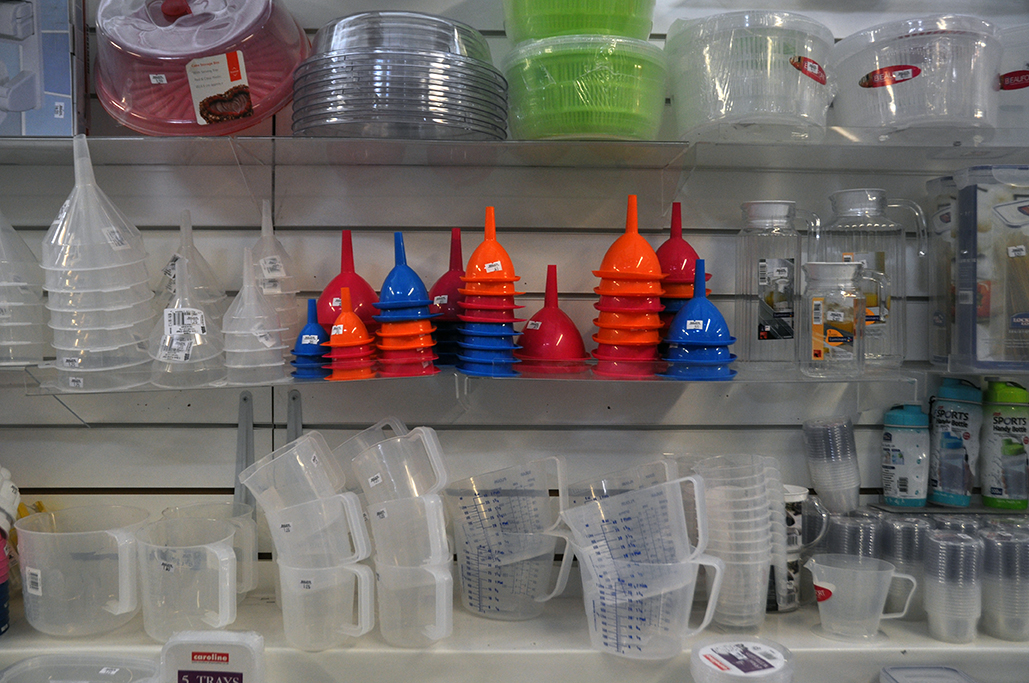
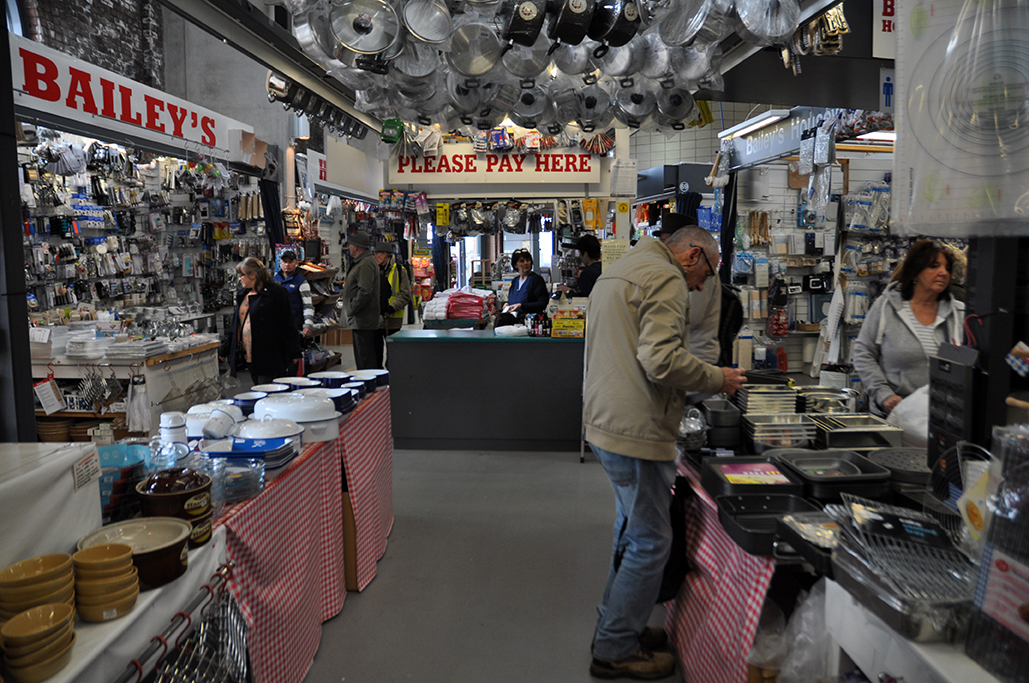
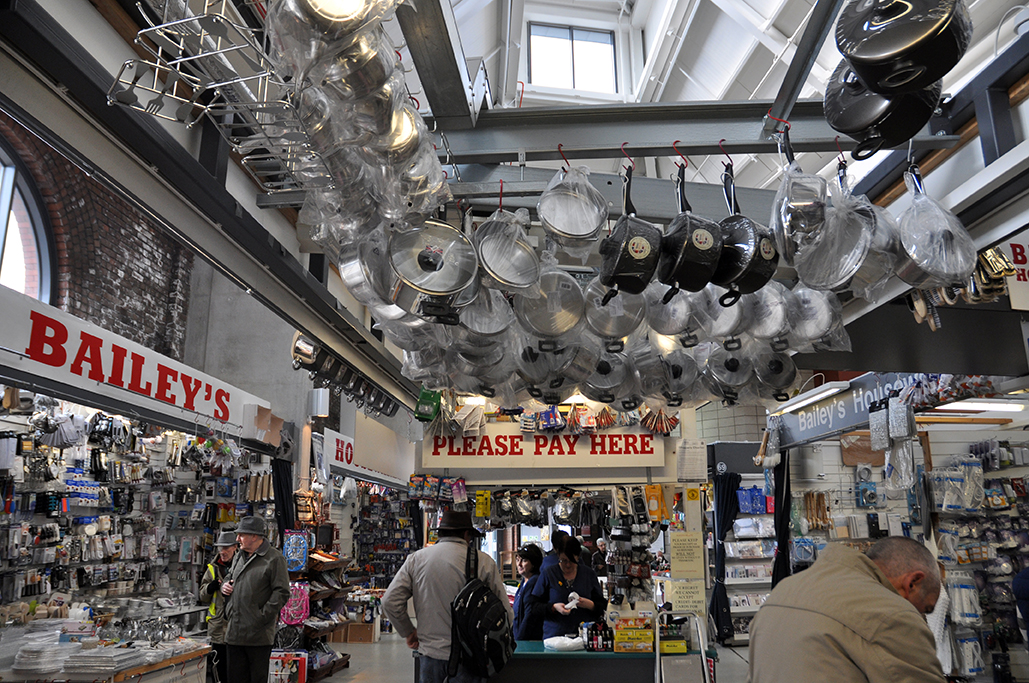
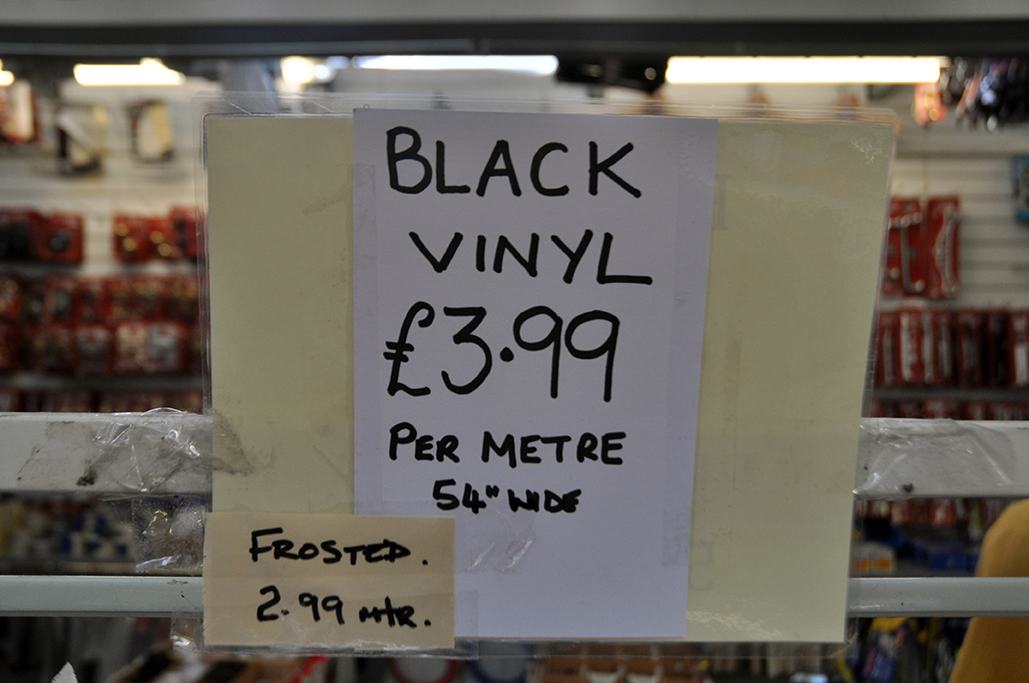
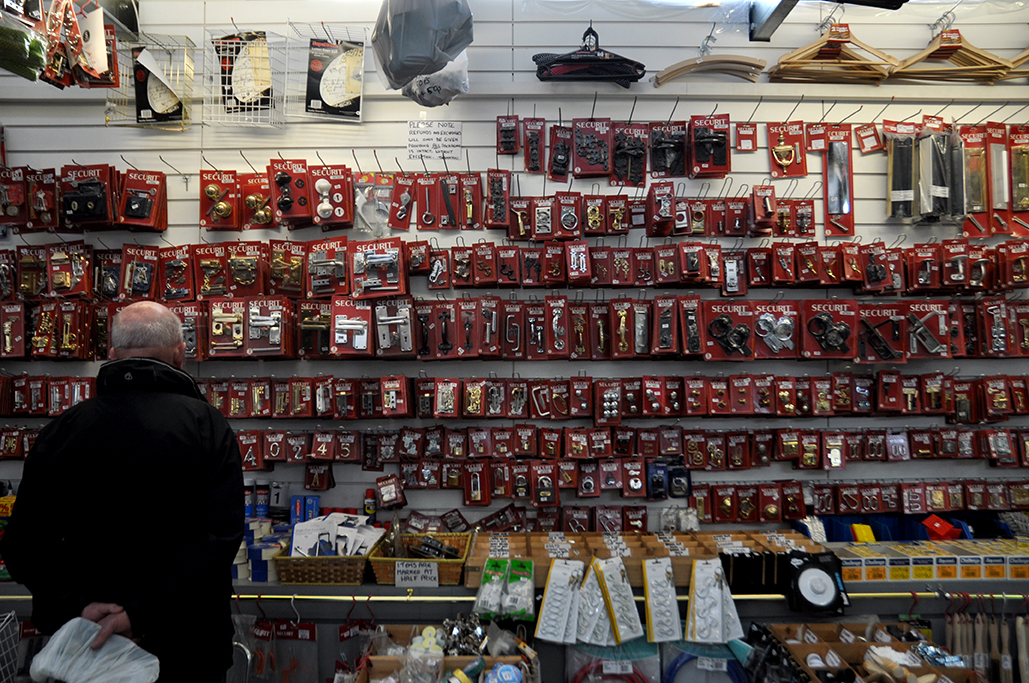
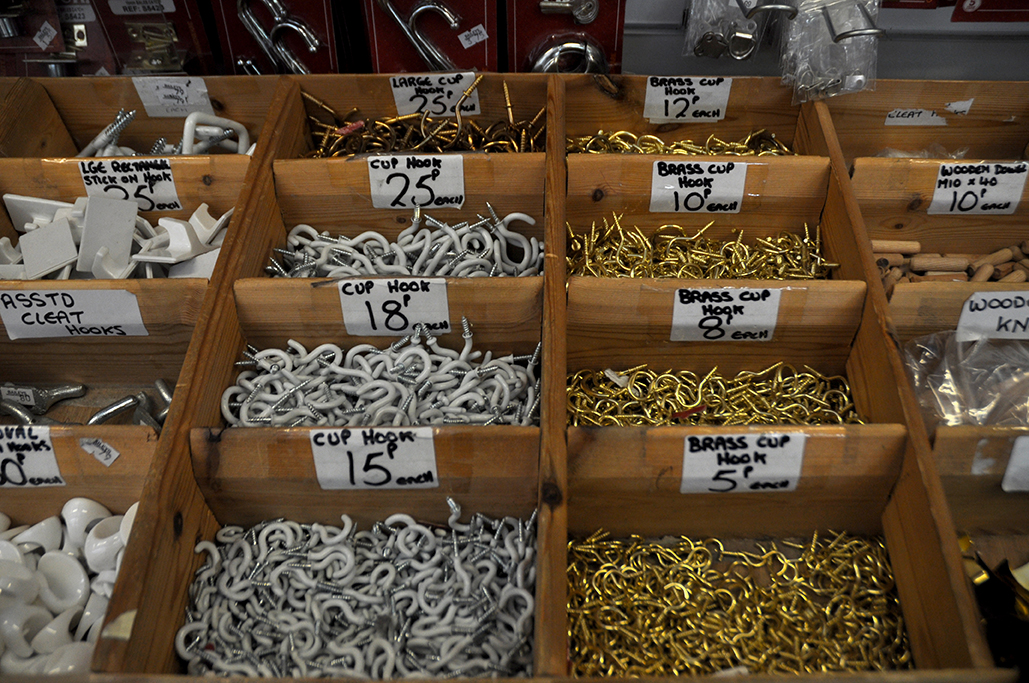
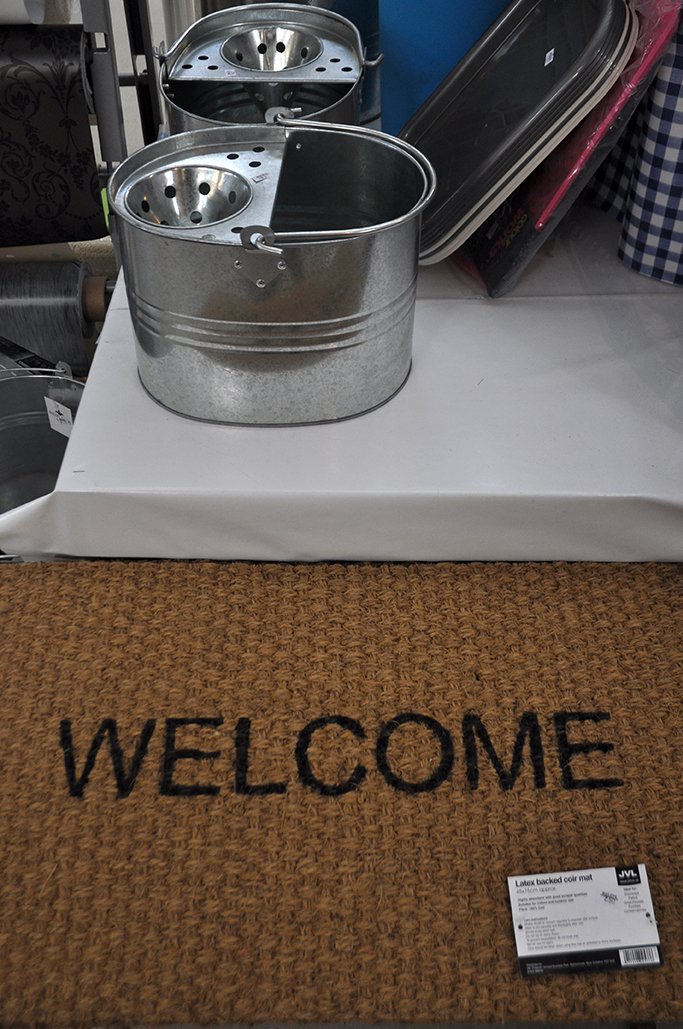
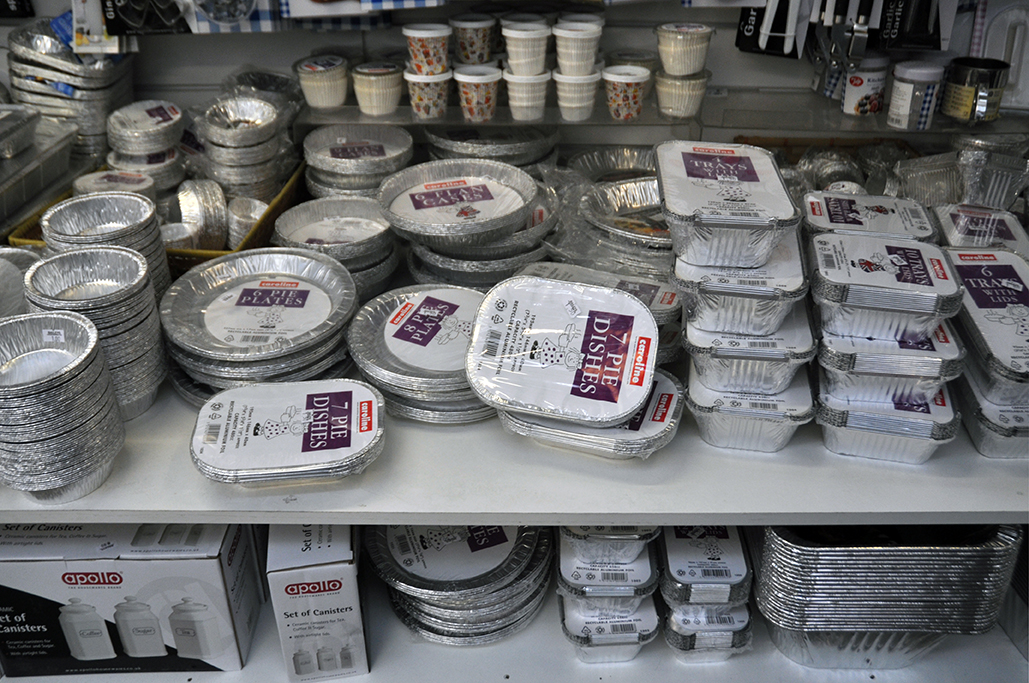
There is a stall in Ashton Indoor Market that almost defies description, an Aladdin’s cave, a cornucopia of kitchenalia – if they don’t have, it probably doesn’t exist.

I visited here as a little lad with my Mam, me holding happily on to her left hand, her right forever clutching a shopping bag. On our way to Queenie’s for woolies, eagerly awaiting a hot Vimto treat, stopping to stare at the toy stall, constantly chatting with all and sundry – pals, passers by, stall holders, the vacant and the aimlessly vagrant.

The most convivial of worlds.

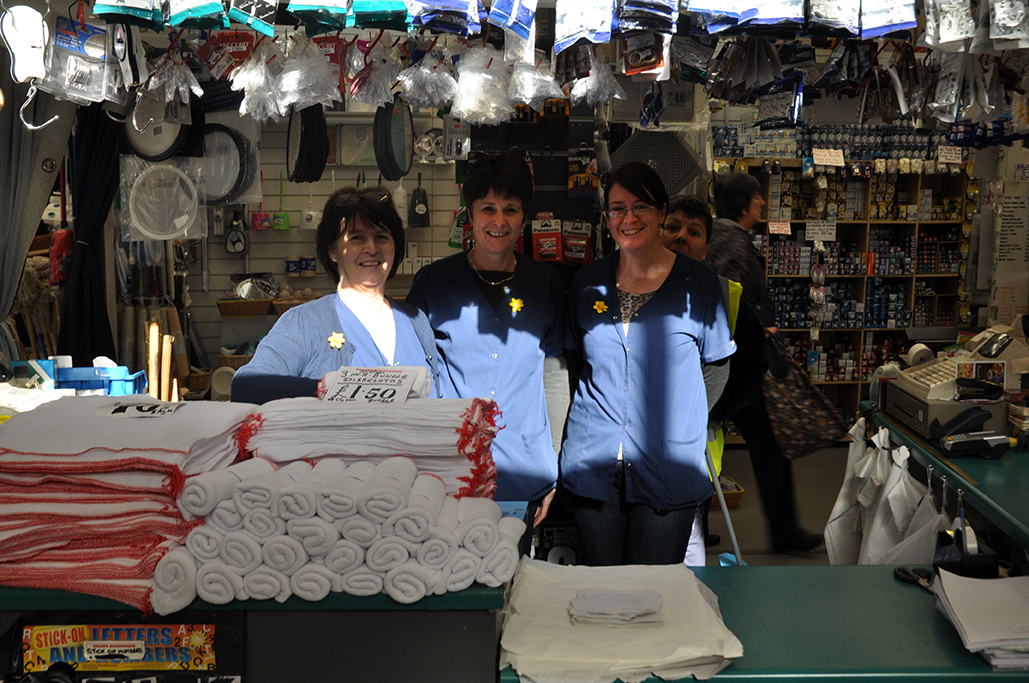
Bailey’s prevails, big, bold and beautiful a temple to the domestic, staffed by the wonderfully helpful Susan, Sandra and Mel – happy to let me snap happily and sell me two enamel pie dishes. It was pleasure to make their acquaintance.

Take some time to pop in sometime.

Pick up a cup hook or two.

http://www.tameside.gov.uk/ashton/market

DSC_0519 copy

DSC_0524 copy

DSC_0529 copy

DSC_0533 copy

DSC_0534 copy

DSC_0535 copy

DSC_0539 copy

DSC_0541 copy

DSC_0542 copy

DSC_0550 copy

DSC_0551 copy

DSC_0554 copy

DSC_0556 copy

DSC_0558 copy

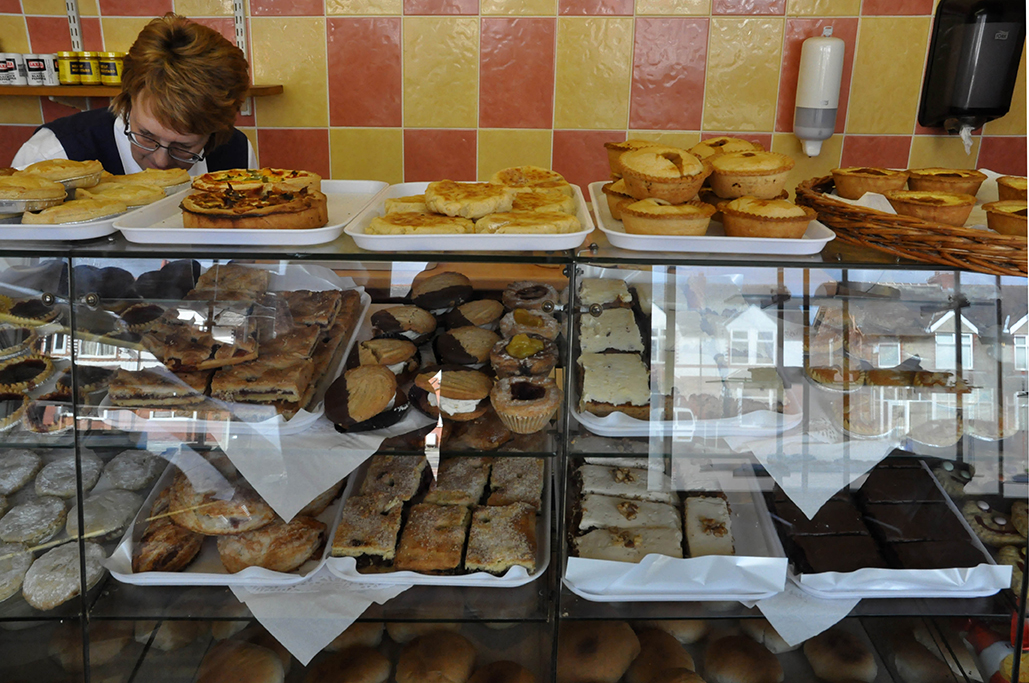
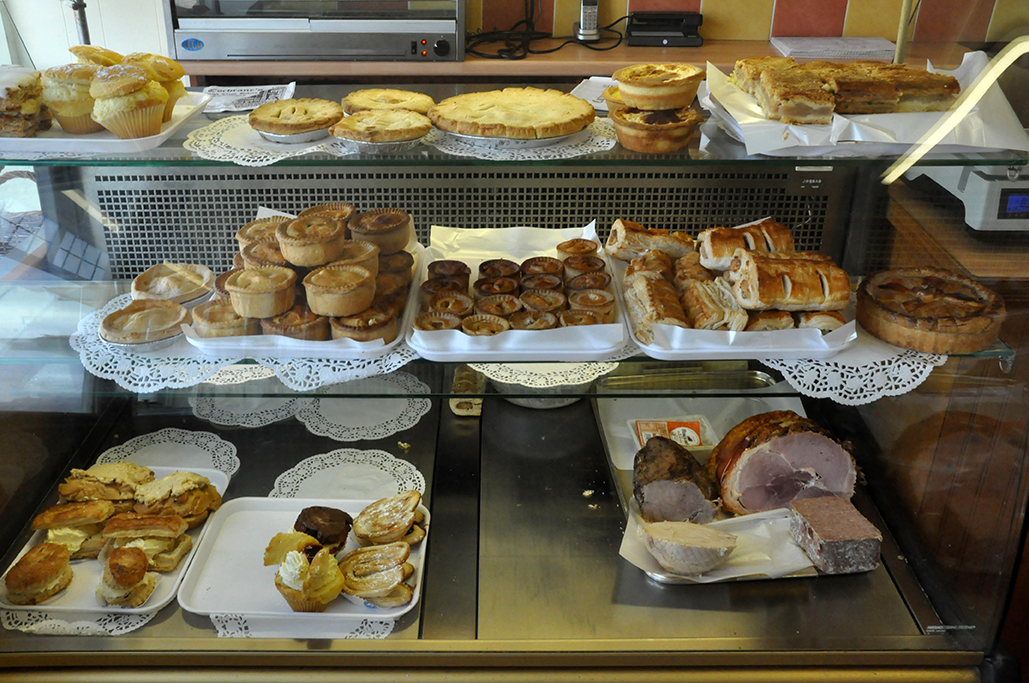
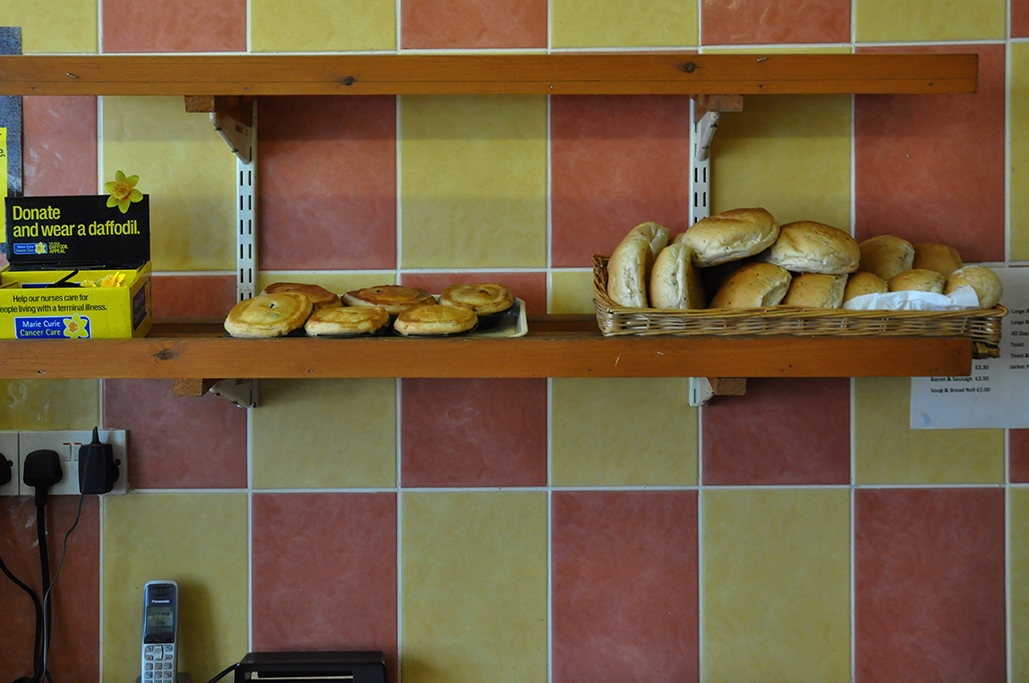
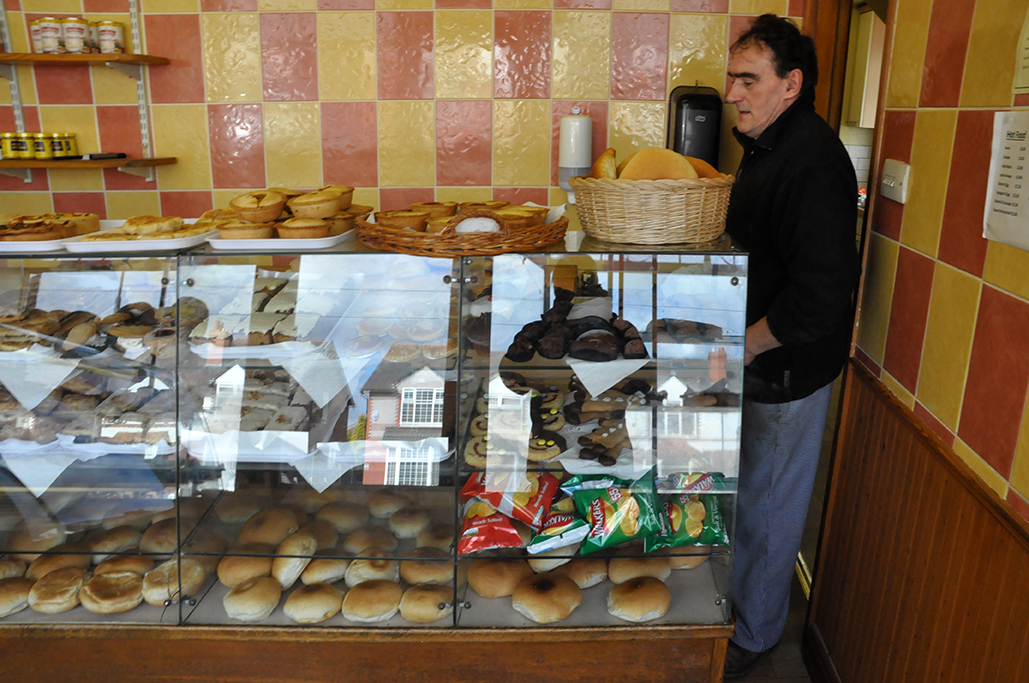
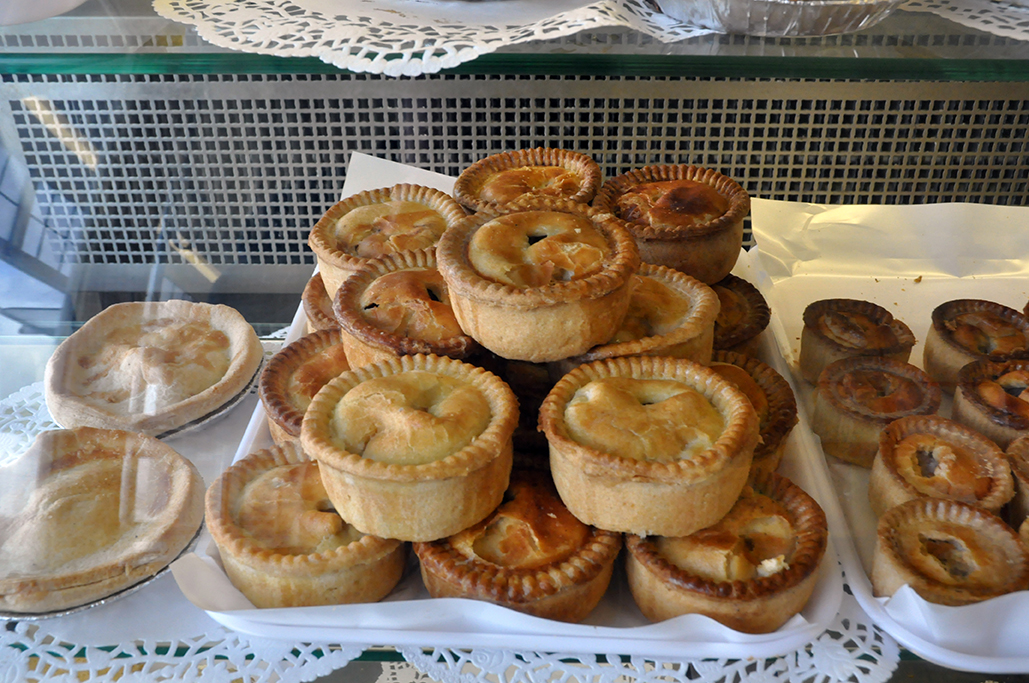
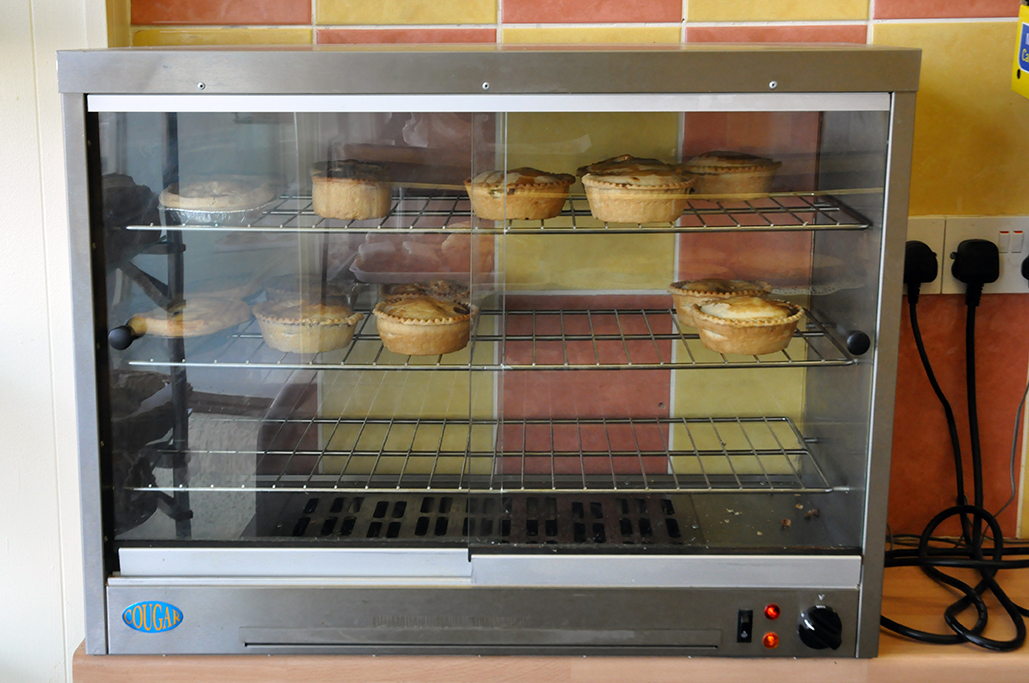
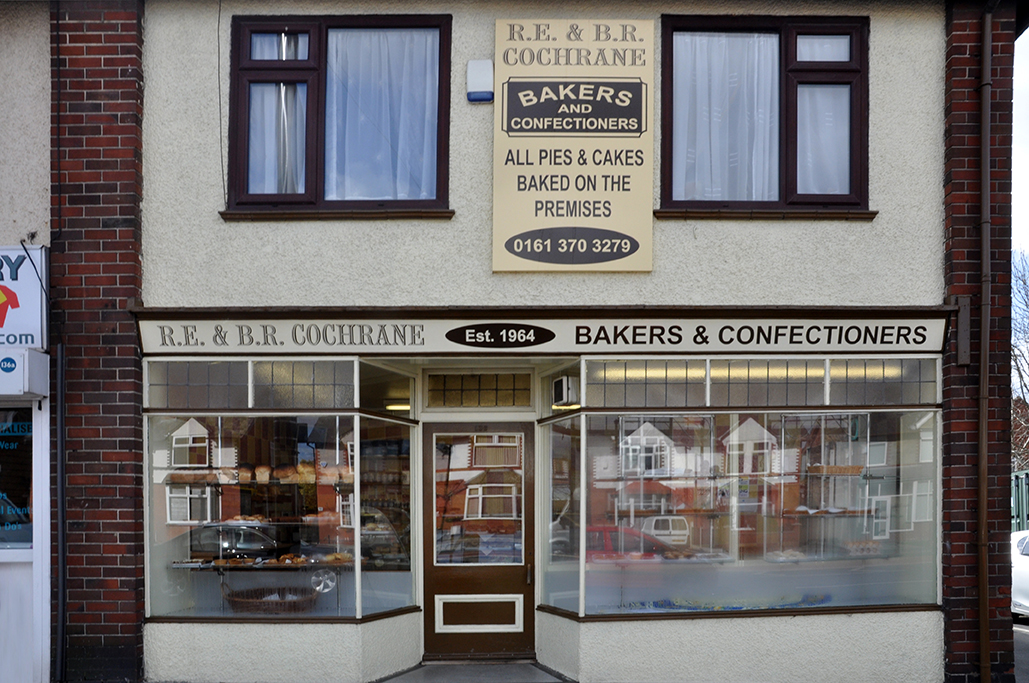
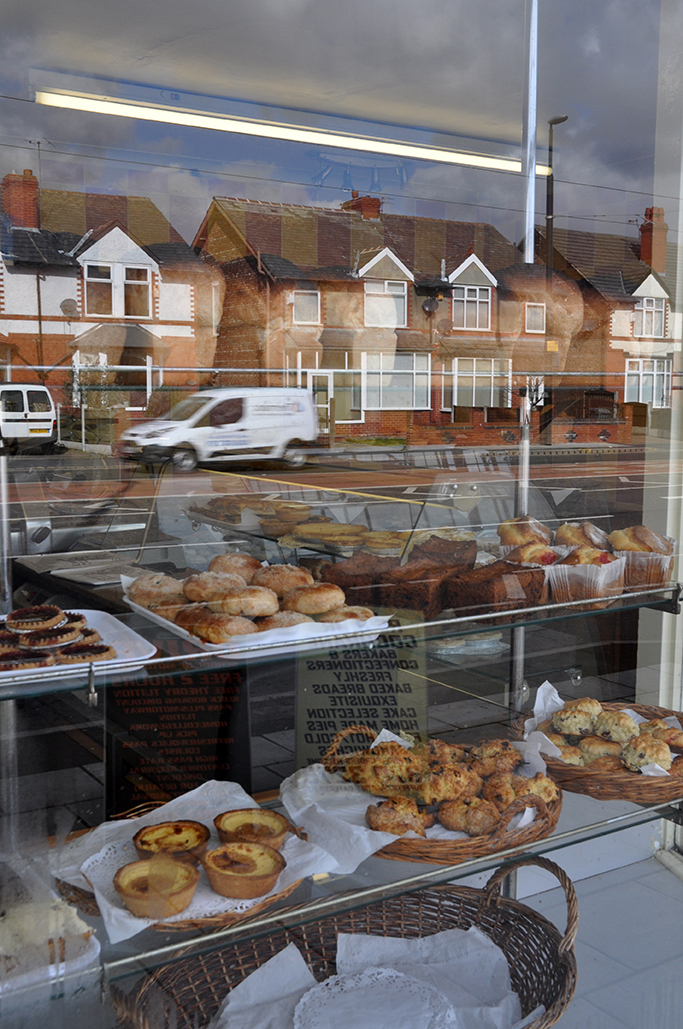
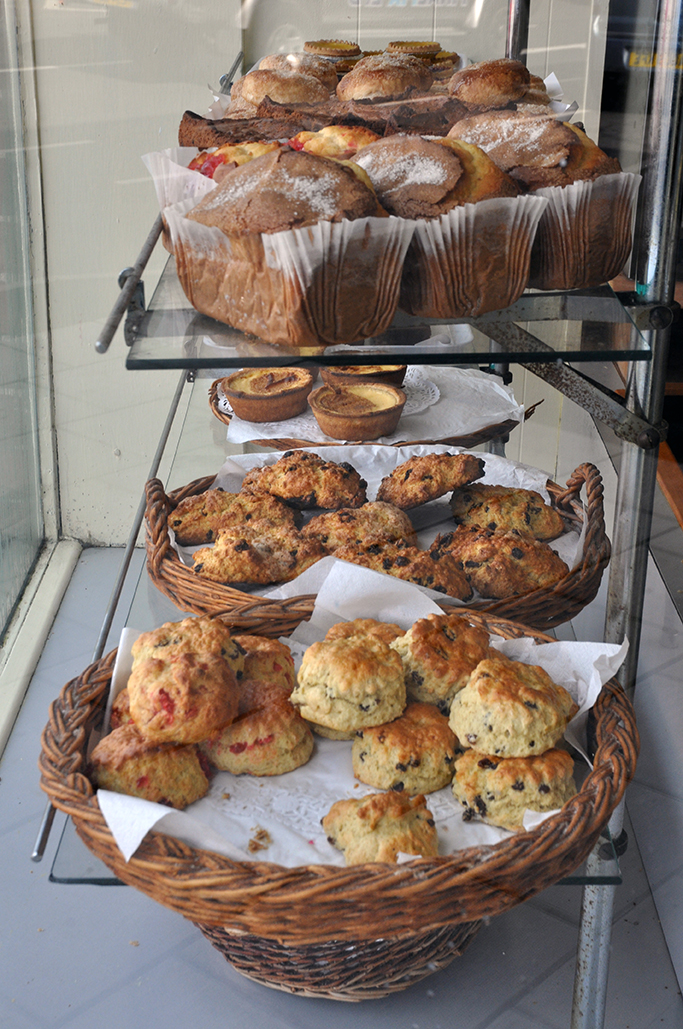
Audenshaw – Cochrane’s Bakers

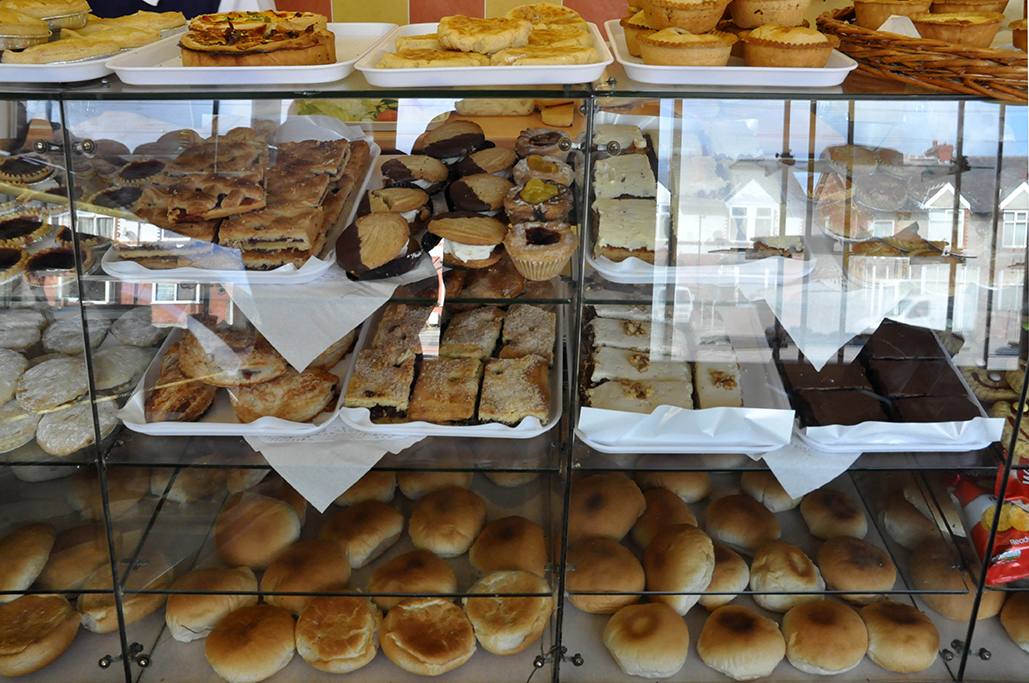
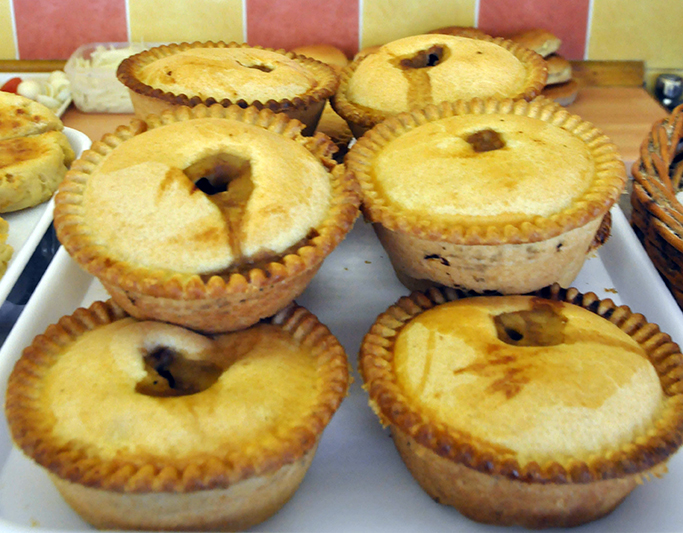
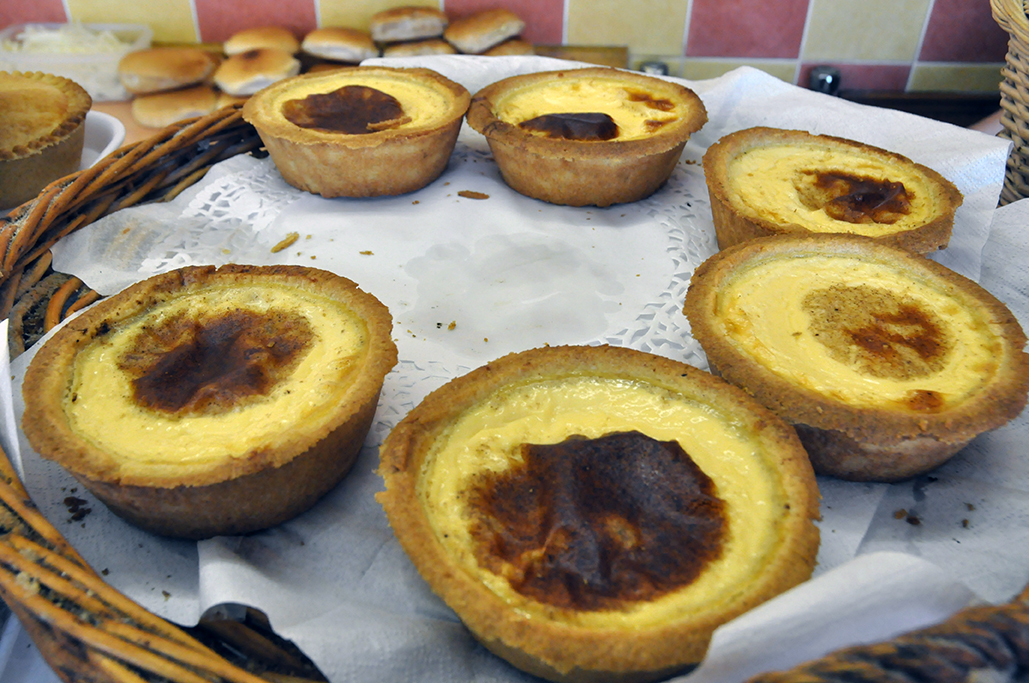
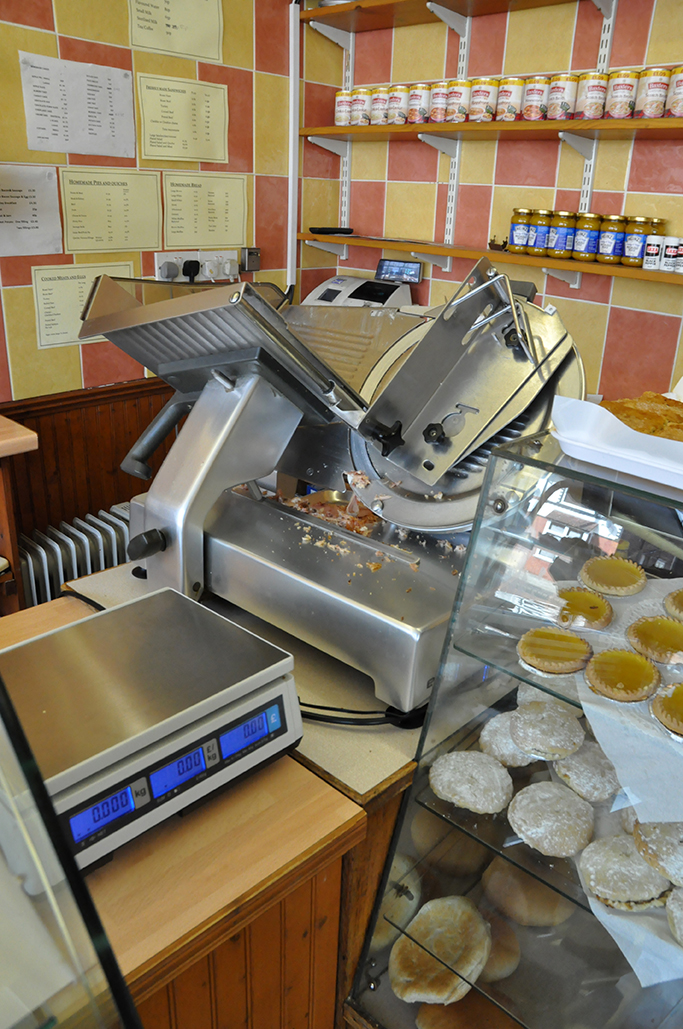
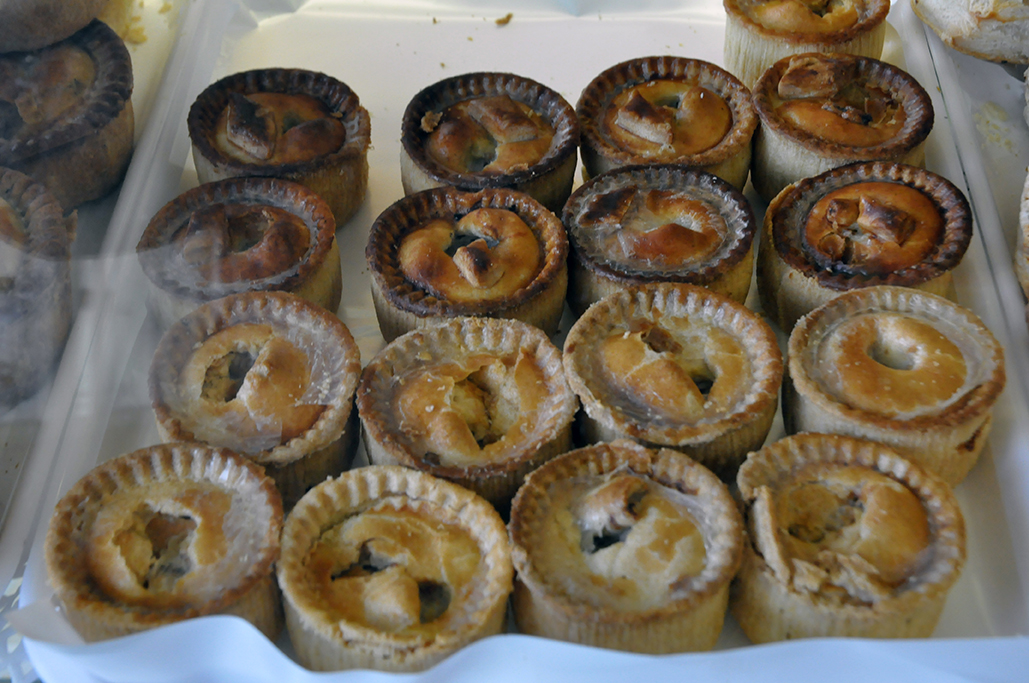
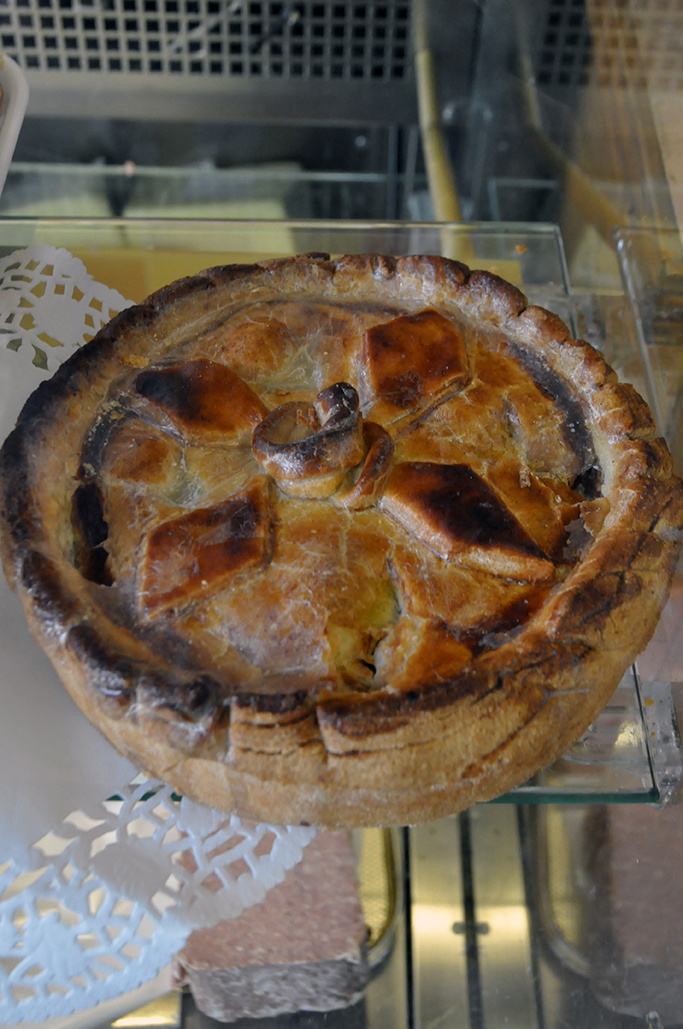
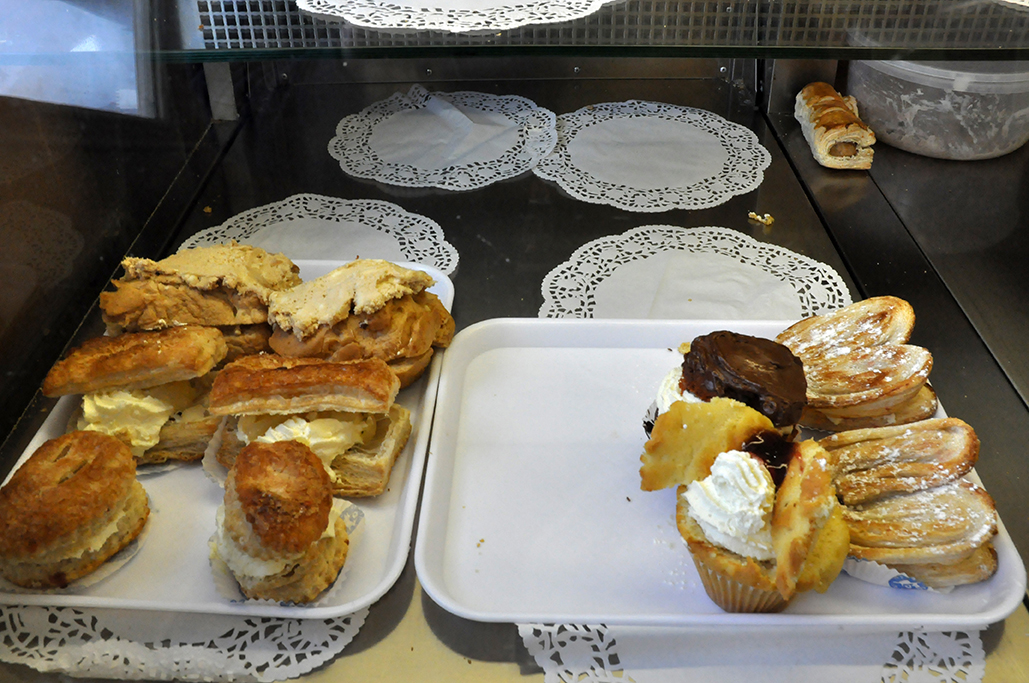
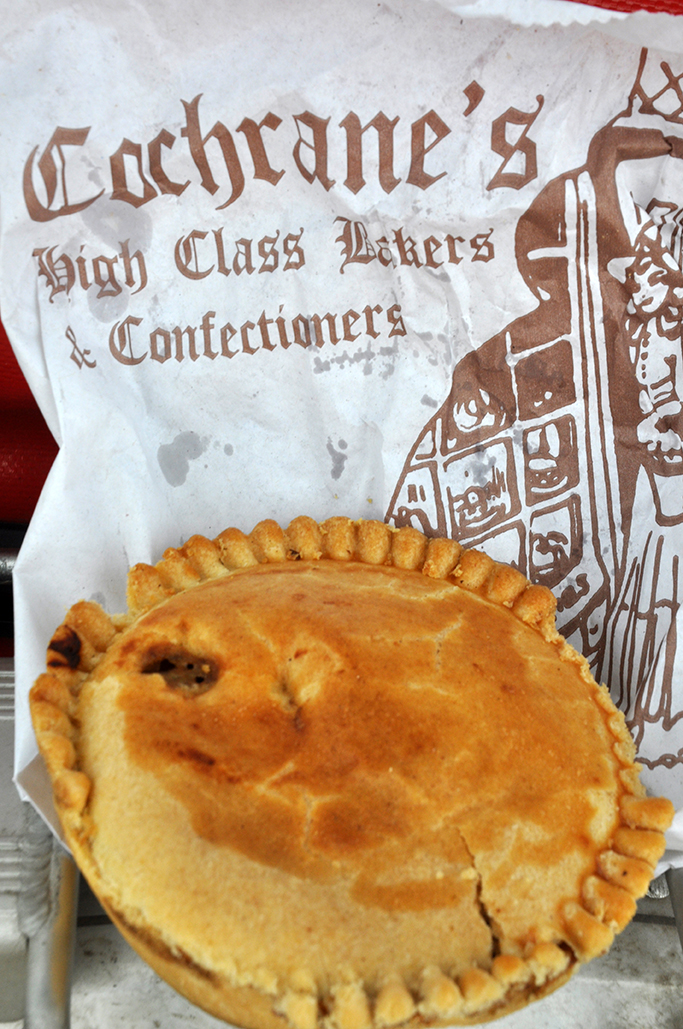
From being little I’ve always eaten pies and cakes, that’s how you stop being little all your life, broadly speaking.

They taste nice.

They taste nicest from a local bakers and confectioners, where everything is always fresh and baked on the premises. Walk in and it’s warm and welcoming, it smells of baking and love.

So each time I cycle around Greater Manchester, I do my level best to find one, go in and buy a pie.

And eat it.

One such stop off is Cochrane’s, the family have baked here since 1964, Ruth and Roger are charming and helpful – sadly we mourned the passing of most of their fellow bakers’ shops. Bowker’s on Penny Meadow in Ashton having recently shut. Once gone nobody takes them on – the family traditions of employment having long since been broken. Three of my aunties were trained as confectioners, I’m a good for nothing photographer.

They disappear in a puff of flour.

So make the most of those that remain, stop by buy a pie – I did.

DSC_0485 copy

DSC_0486 copy

DSC_0487 copy

DSC_0488 copy

DSC_0489 copy

DSC_0490 copy

DSC_0491 copy

DSC_0492 copy

DSC_0493 copy

DSC_0494 copy

DSC_0495 copy

DSC_0496 copy

DSC_0497 copy

DSC_0498 copy

DSC_0500 copy

DSC_0501 copy

DSC_0502 copy

DSC_0503 copy