The Happy Prospect – Reading

image014

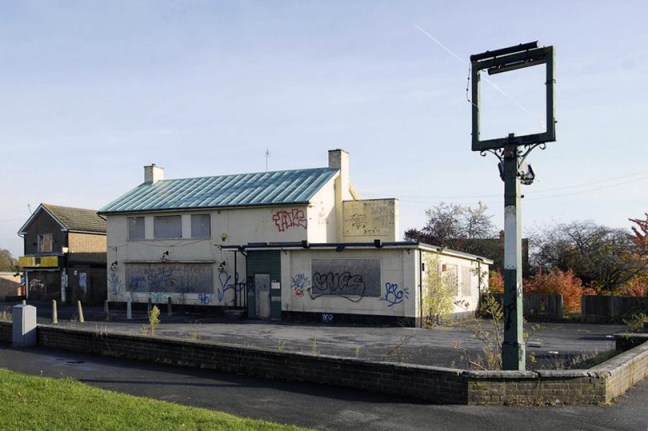
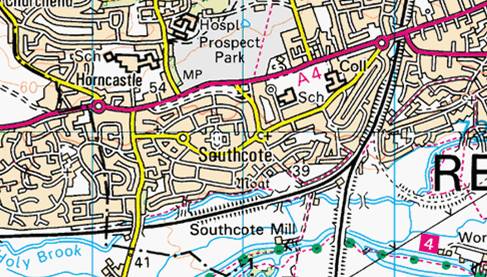
The Happy Prospect, 50 Coronation Square, Reading RG30 3QN

I came here by chance researching Manchester’s Estate Pubs for my blog when up pops The Happy Prospect – what a pleasant surprise!

Having never really visited Reading, this is very much a virtual cut and paste journey through time and space – so apologies in advance for any unforeseen errors.

So let’s see how we got here:

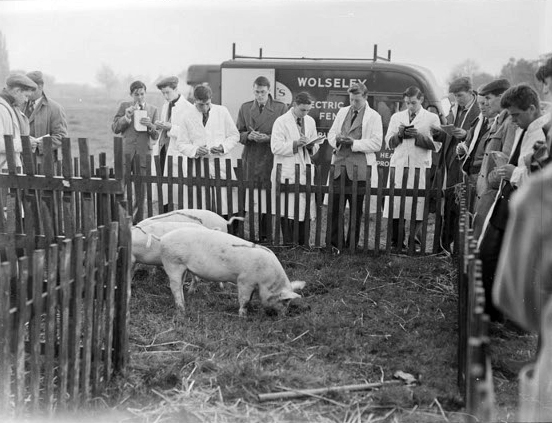
The area was sparsely populated until after the Second World War, though excavations have revealed evidence of Paleolithic and Iron Age activity in Southcote, as well as Roman and Saxon habitation. By the time William the Conqueror undertook the Domesday Survey in 1086, Southcote was sufficiently established to warrant a Lord of the Manor, who at that time was William de Braose. From the 16th century onwards, Southcote Manor was owned by the Blagrave family, who sold the manor house in the 1920s. The area was subsequently developed into housing: much of the land changed from agricultural to residential.
s1309809

cropped-wolseley-street-war-time1

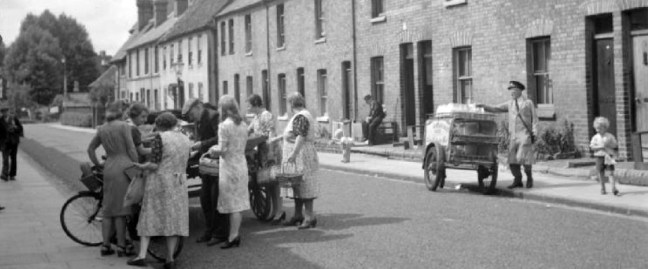
Bucolic scenes of small intimate streets and agrarian activity.

By the advent of World War II, Southcote had begun to experience urban sprawl from Reading and the land bordering the Great Western Railway had begun to be used for housing. Following the war, Denton’s Field on the Bath Road in Southcote was used for celebratory events; Battle of Britain commemorative fêtes were held in September 1949 and 1950, and featured a performance by three Alsatians – Rocky, Lindy and Irma to recognise their work in the war.

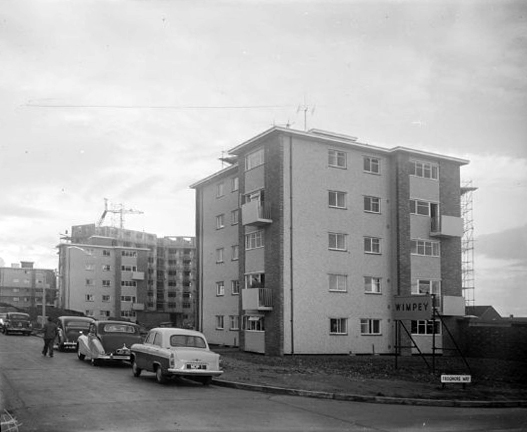
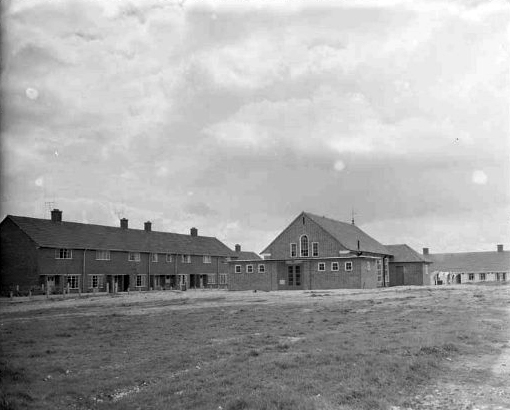
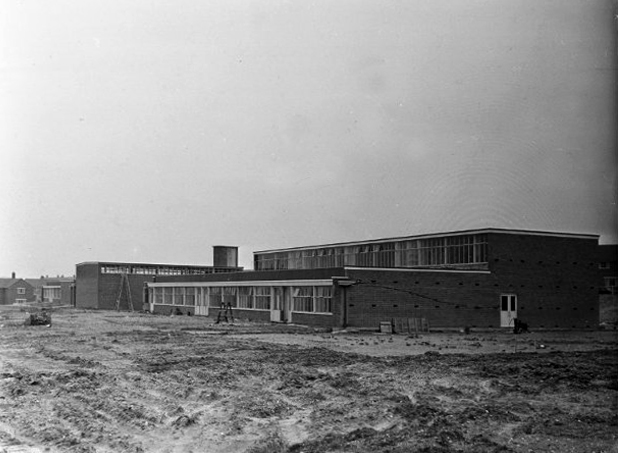
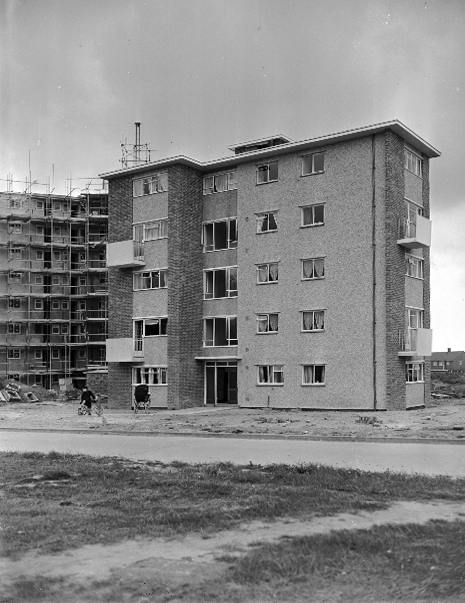
Dragged into the ferment of Mid-Century Modernism with the development of new housing, churches and schools.

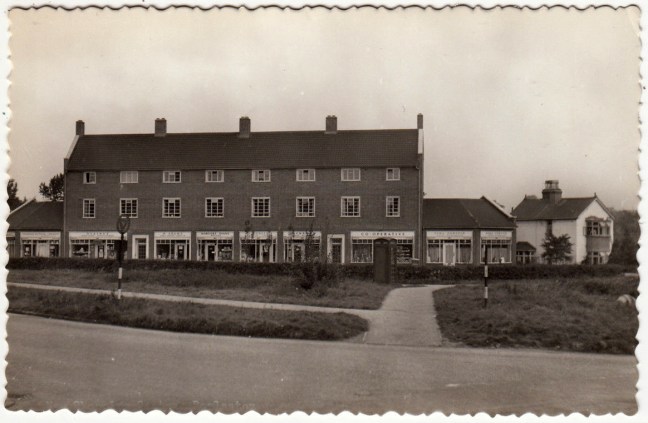
In the 1950s, a huge building project centred around Coronation Square, named for the 1953 Coronation of Queen Elizabeth II – with hundreds of council houses built to satisfy post-war demand. The residents of many of these had moved from houses in central and East Reading that fell short of sanitation requirements of the Public Health Act 1875, these were compulsorily purchased and later demolished.
s1009857

s1309154

s13081034

s1108309

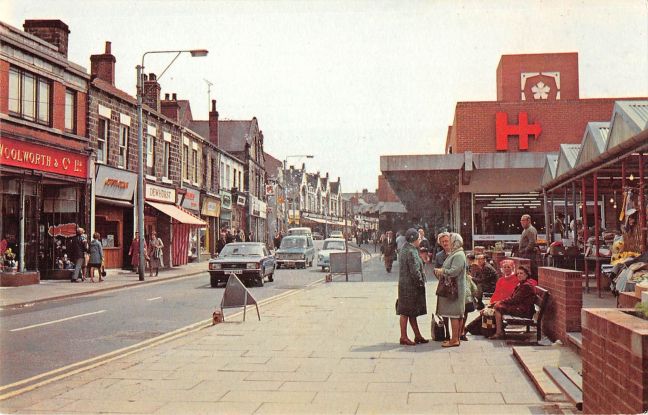
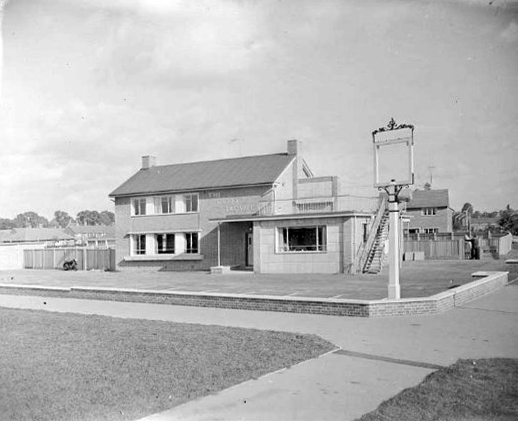
All that was missing was a pub – and so happily the local brewery Simonds built The Happy Prospect.
s1309225

Architecturally very much in the à la mode manner of the Modernist estate pub, plain well-lit brick, tile and concrete volumes, replete with a low perimeter wall and ample car parking space.

Thanks to Boak&Bailey for the background info.
s1009102

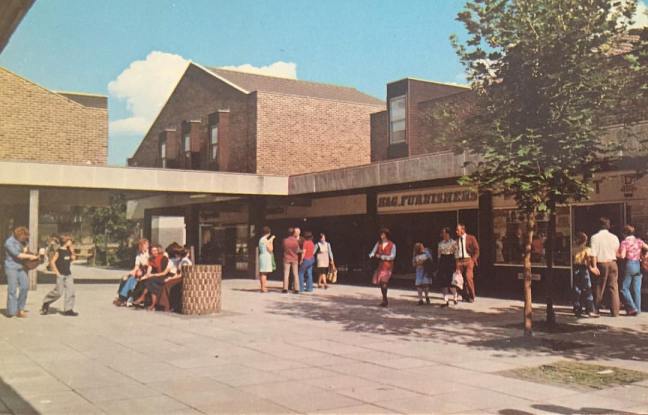
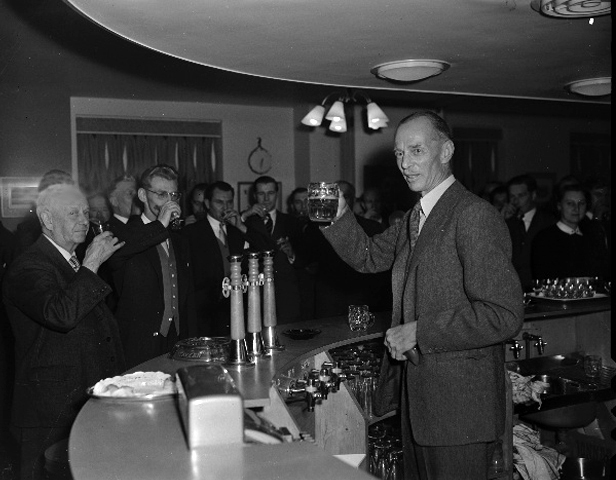
Opening in October 1958 – this photograph was taken for the Berkshire Chronicle but was not published.

Archival material from Reading Museums.

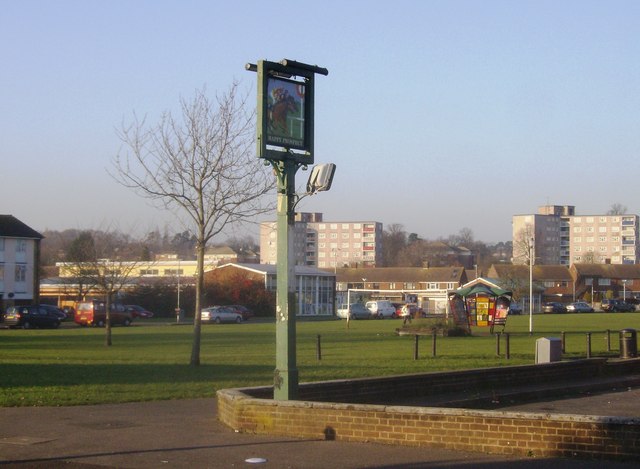
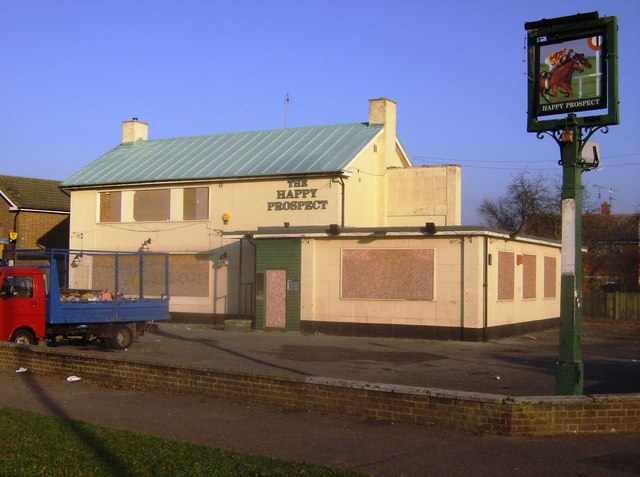
And so for many years the pub prospered – sadly along with so many others of its ilk, the pressures and constraints of social change and economic decline forced closure and demolition despite the protestations of the local community, who fought for its life.

Beverley Doyle, who lives in Southcote, said: “We don’t see the old people anymore because there’s nowhere for them to meet up.They used to be able to come here and play cribbage and cards.There was also Christmas parties and kids’ parties so people could get together and we need something like that again. It was a good pub and we want it back to how it was.”

Campaigner Bobbie Richardson said: “Once you get this place boarded up you wonder what’s going to be next in the community. It starts to look run down and we want to let the owners know Southcote is not a ghetto.”

Inevitably a once fine social asset is no more.
reading_happyprospect

Coronation_Square,_Southcote-1

photo[1]

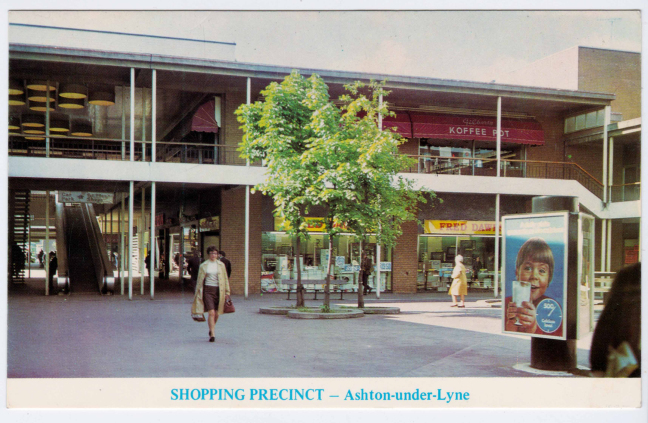
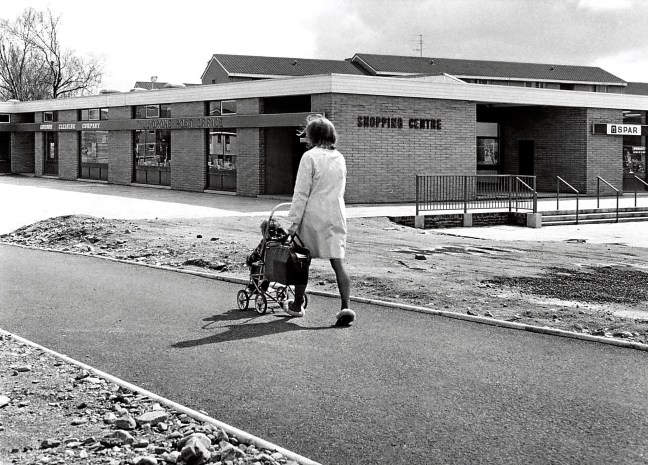
Shopping Precincts – UK

I was brought up with Sixties’ shopping precincts and centres, they are so very dear to my heart, I spent my teenage years here in Ashton, Stalybridge, and latterly in Stockport’s Merseyway.

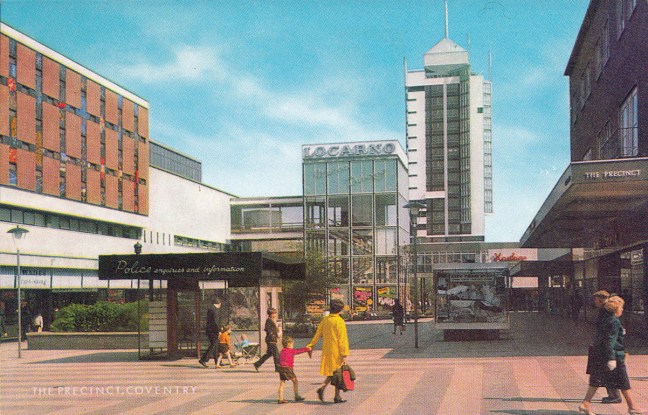
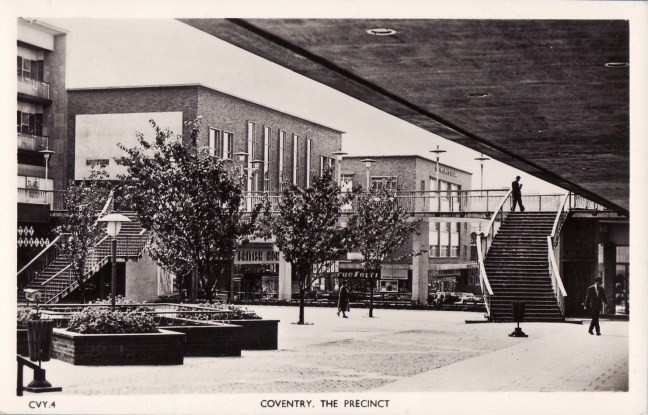
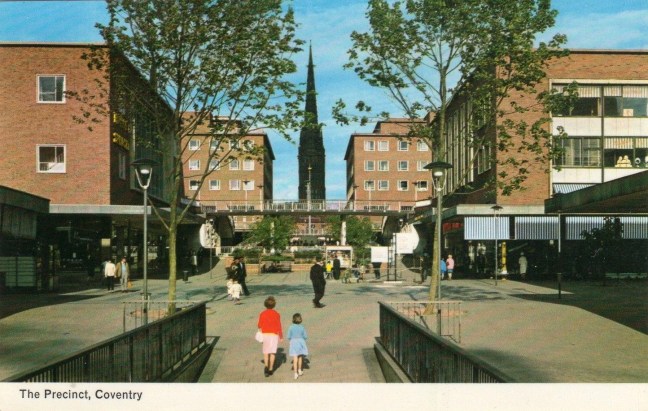
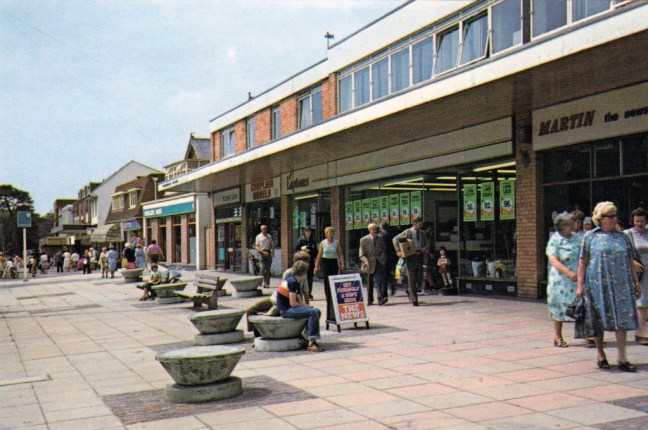
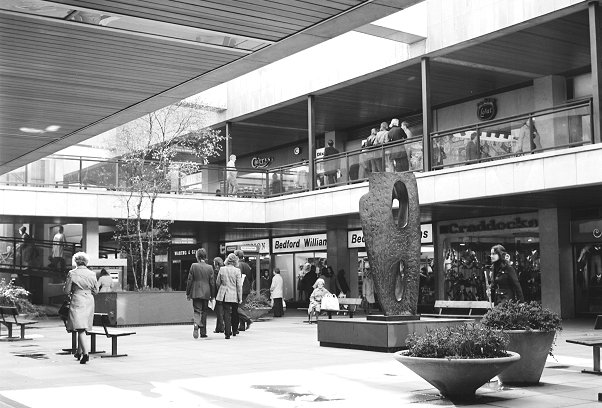
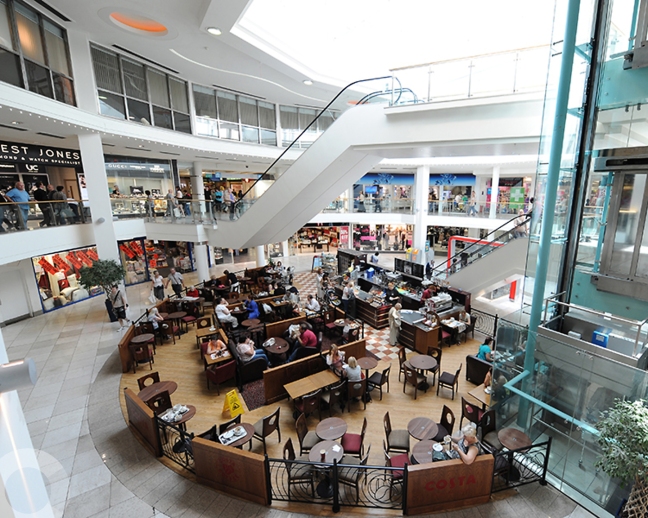
I’ve visited Hanley, Preston, Salford, and Coventry in search of a certain something – that exciting sweeping swoop of concrete, brick, glass and steel. Underpasses with overarching designs and luxurious layouts of leisurely interlocking levels. Each one different in a different way yet essentially similar – embodying a sense of civic pride, a sense of the future realised.

1571 – The Royal Exchange, a trading market in the City of London, is officially opened by Elizabeth I. Above the open-air piazza where dealers buy and sell commodities, there is a two-storey shopping mall, with 100 different kiosks – making it Britain’s first shopping centre.

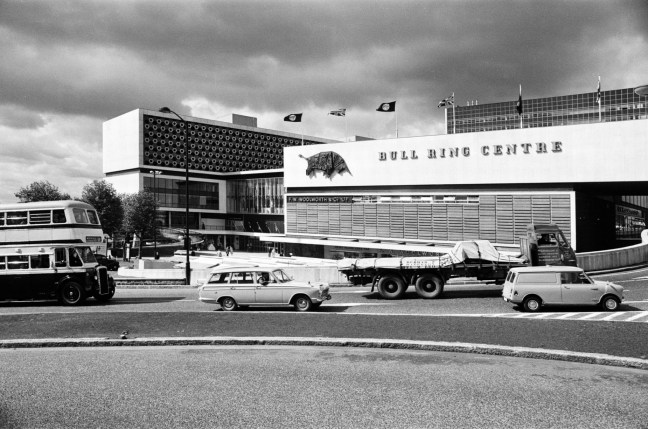
1964 – It was a monument to provincial pride in reinforced concrete and glass. When the Duke of Edinburgh opened the Birmingham Bull Ring in May 1964, it was the largest indoor shopping centre in Europe, with a total floor area of 23 acres. Inspired by American suburban malls, the Bull Ring promised coatless shopping in an air-conditioned, temperature-controlled hall maintained at late-spring level.

JS55897014

2017 – Many are now no more, or redeveloped beyond recognition. The integrity of the architecture, street furniture, public art, space and usage a thing of folk memory.

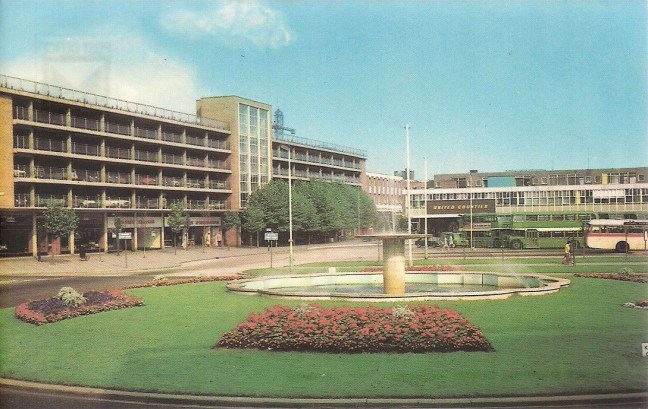
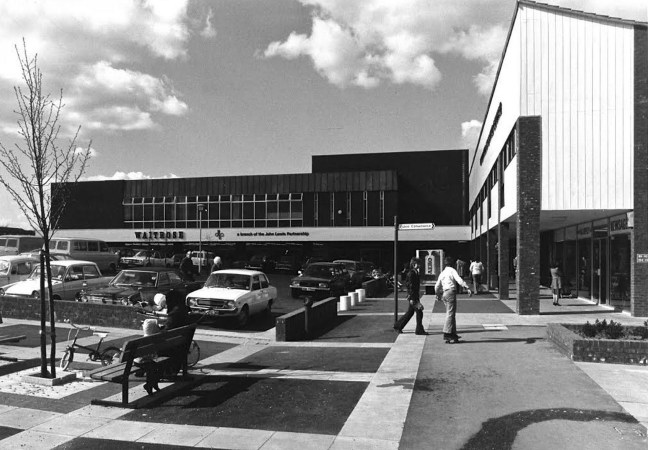
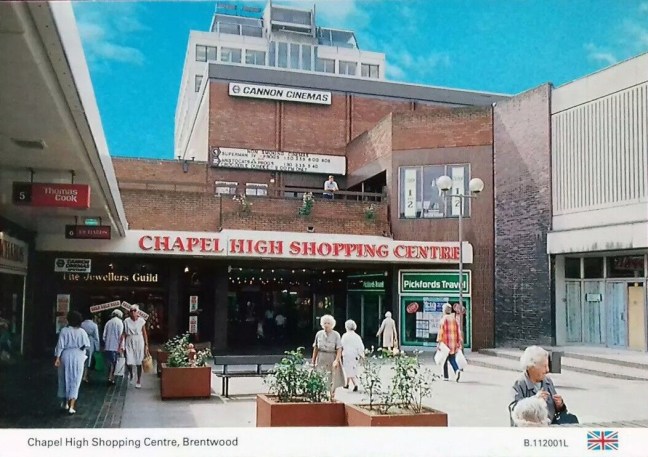
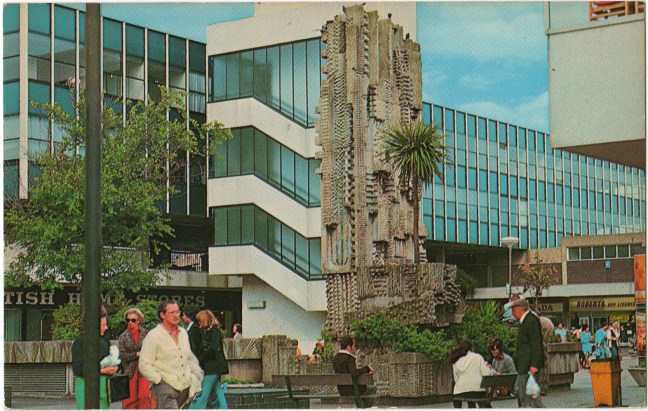
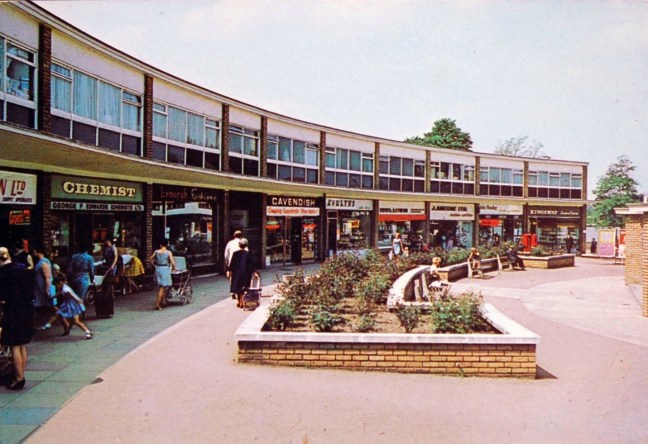
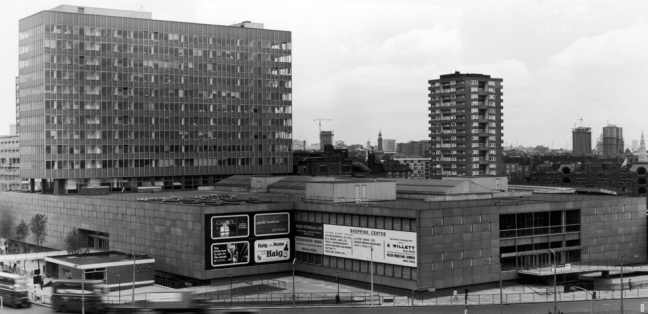
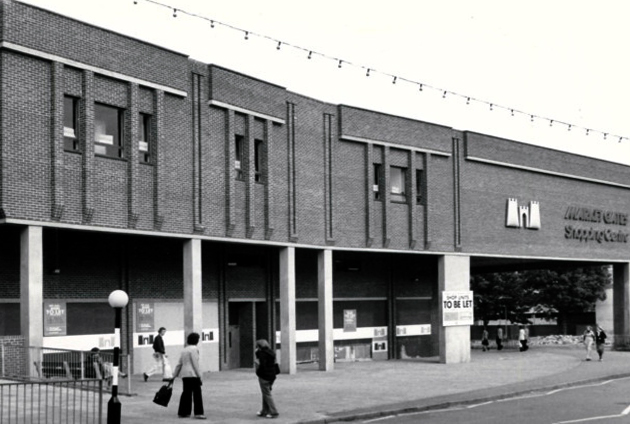
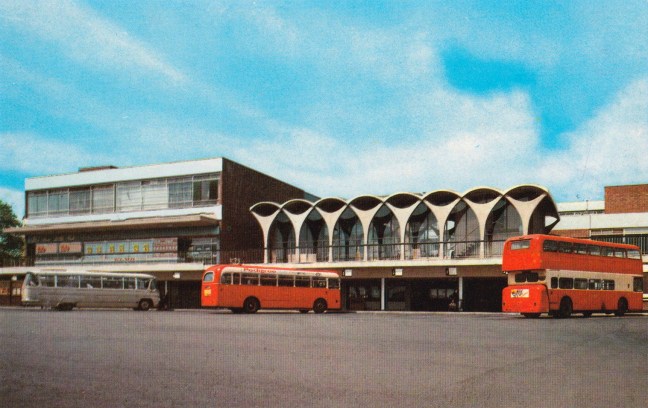
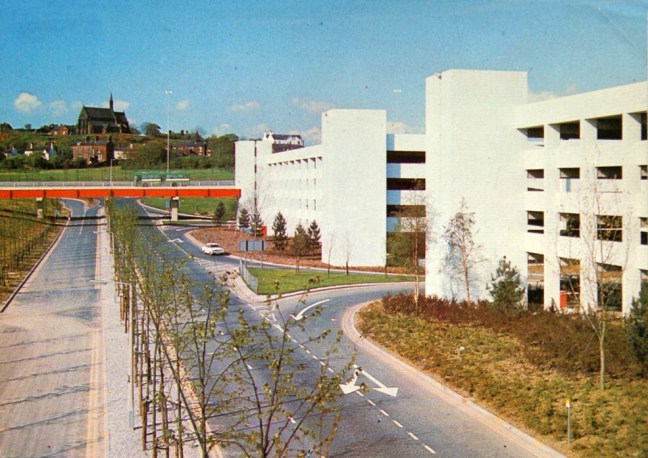
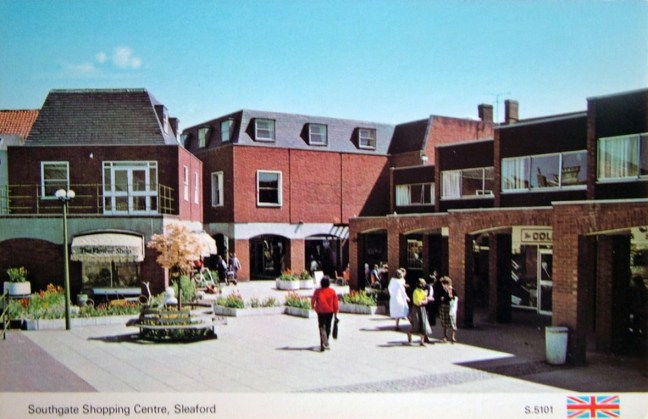
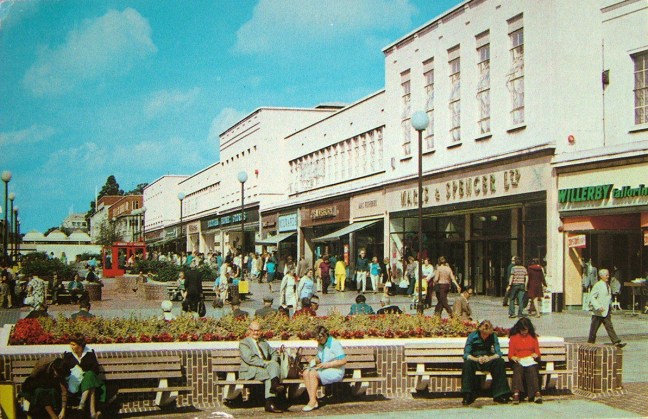
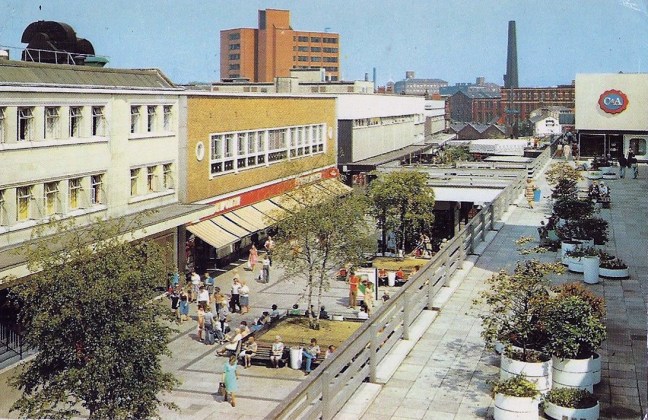
So come with me now on a whirlwind picture postcard tour of this Nation’s saving grace – it’s modernist shopping spaces.

aberdeen-e1522241288210.jpg

Aberdeen

barlaston

Barlaston

bedford-copy.jpg

Bedford

Bracknell copy

Bracknell

brentwood a

Brentwood

brighton

Brighton

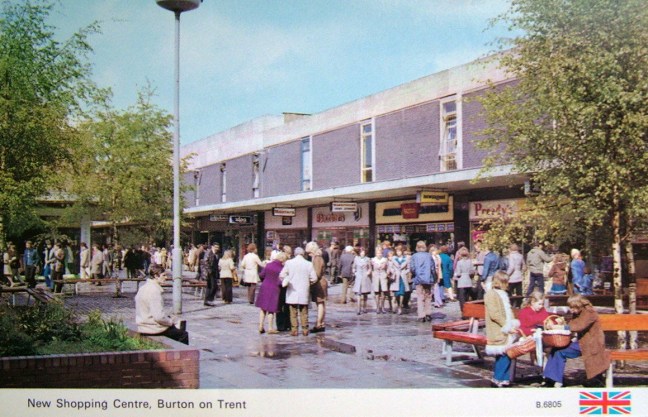
burton

Burton on Trent

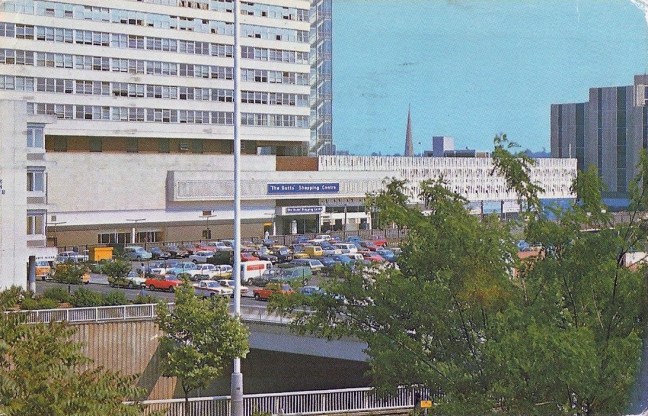
butts reading

Butts – Reading

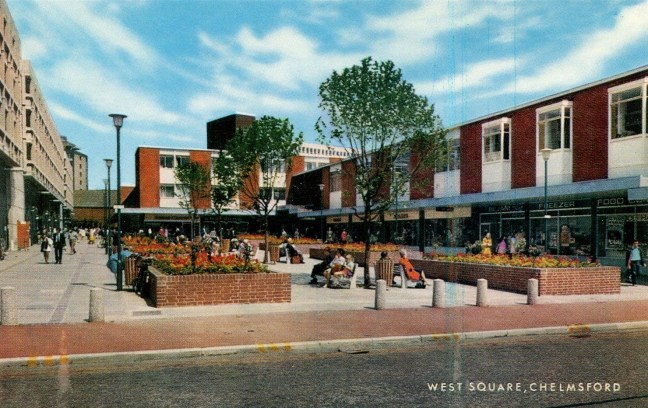
chelmsford

Chelmsford

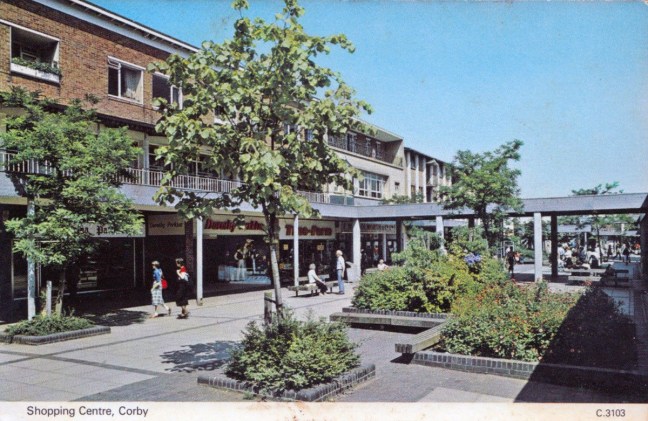
corby b

Corby

cov

coventry a

coventry

Coventry

cowplain

Cowplain

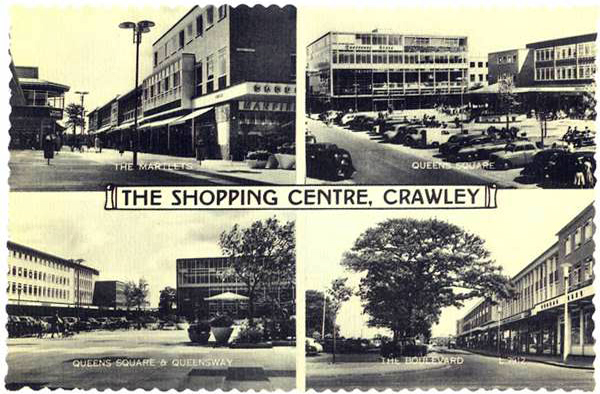
crawley

Crawley

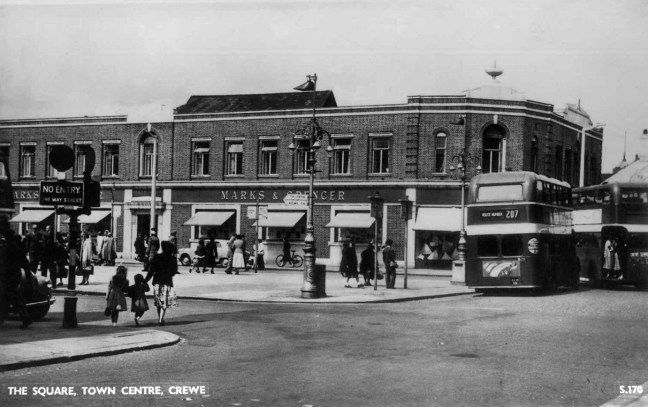
crewe

Crewe

croydon

Croydon

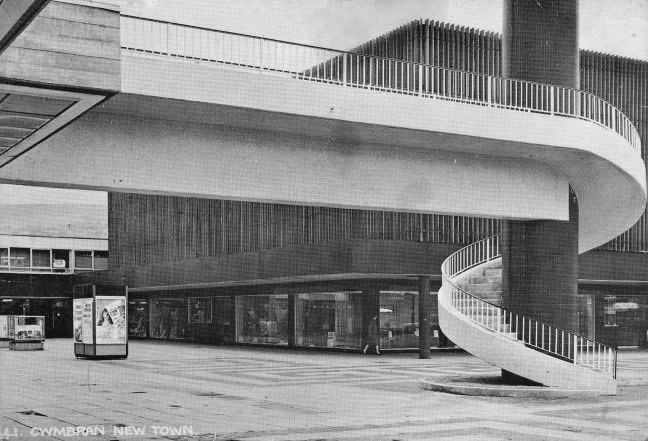
cwmbran

Cwmbran

dudley

Dudley

elephant and castle

Elephant and Castle

great yarmouth copy

Great Yarmouth

hanley

Hanley

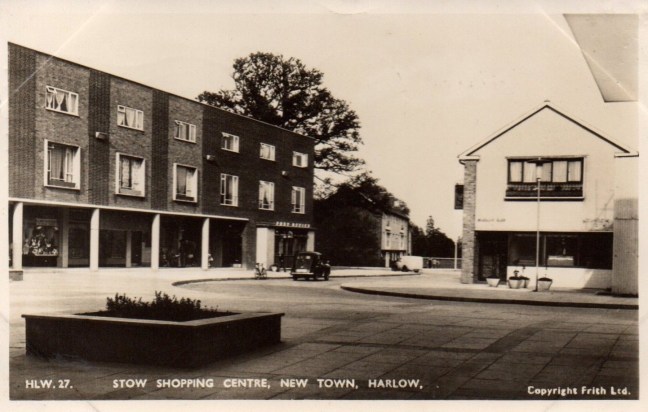
harlow

Harlow

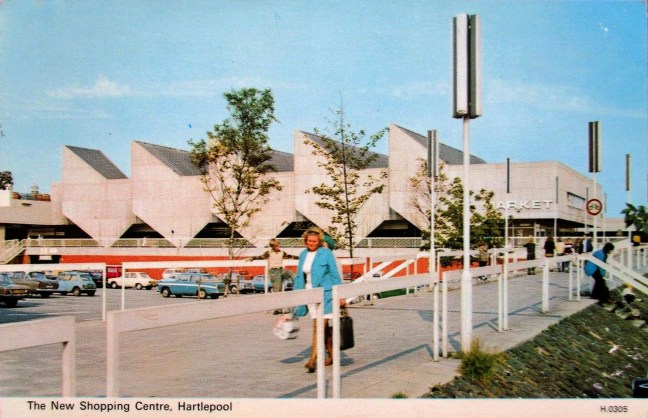
hartlepool.jpg

Hartlepool

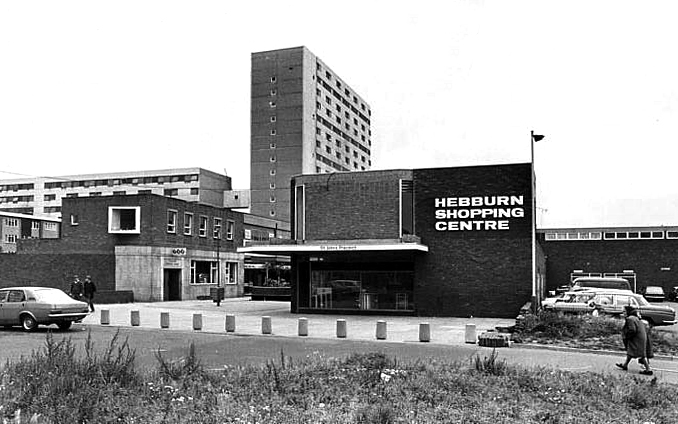
Hebburn

Hebburn

immingham

Immingham

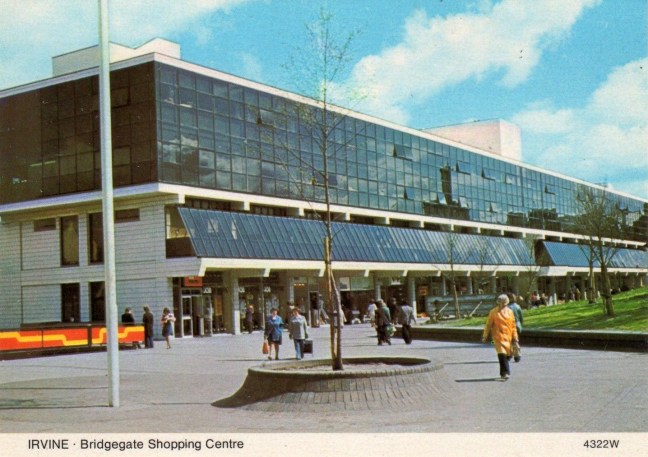
irvine

Irvine

leamore

Leamore

letch arena_parade_mid

Letchworth

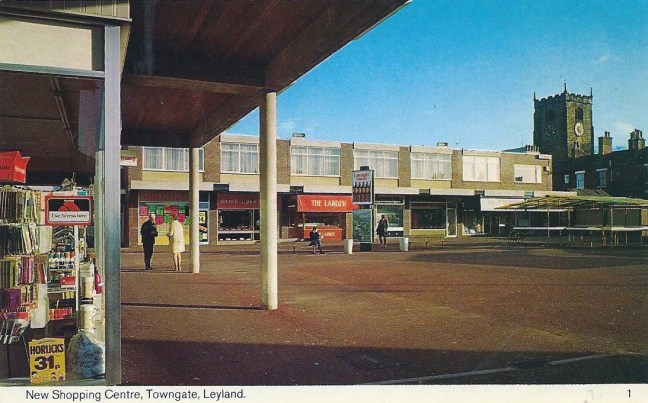
leyland.jpg

Leyland

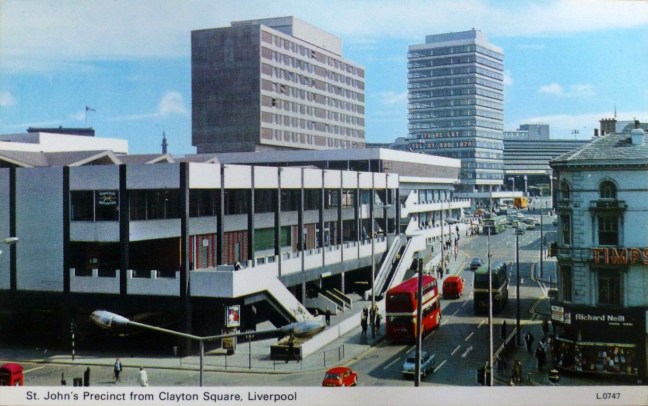
liverpool

Liverpool

mexborough

Mexborough

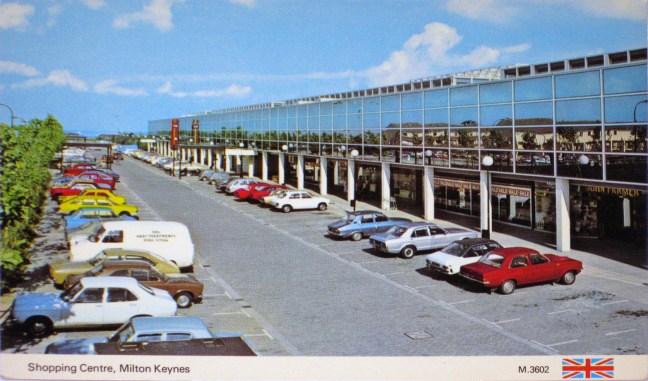
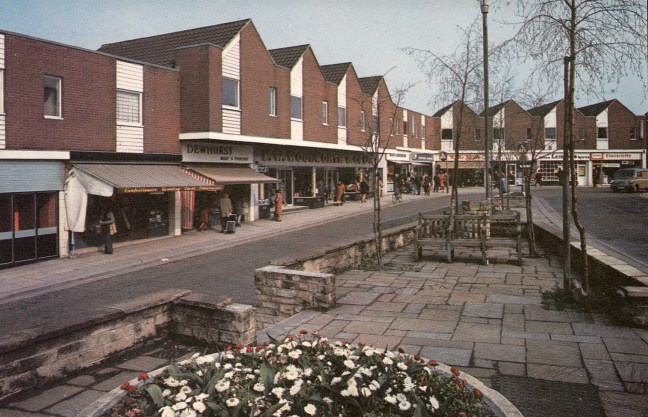
MK b

MK

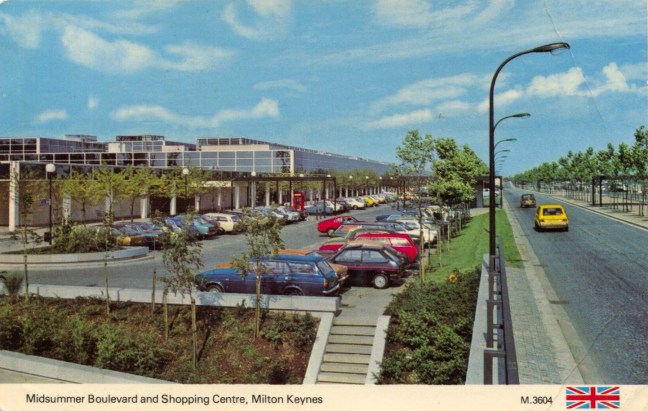
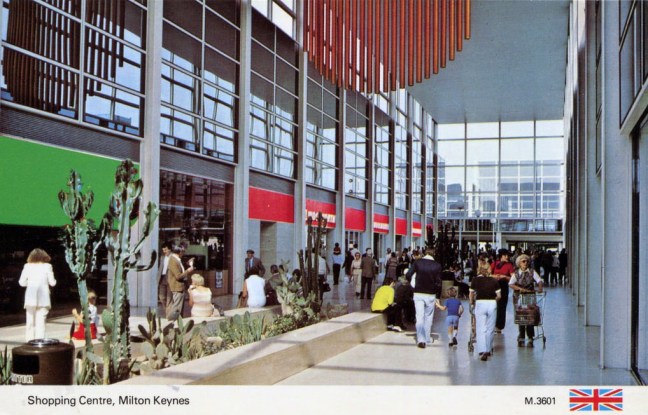
MKa

Milton Keynes

nantwich

Nantwich

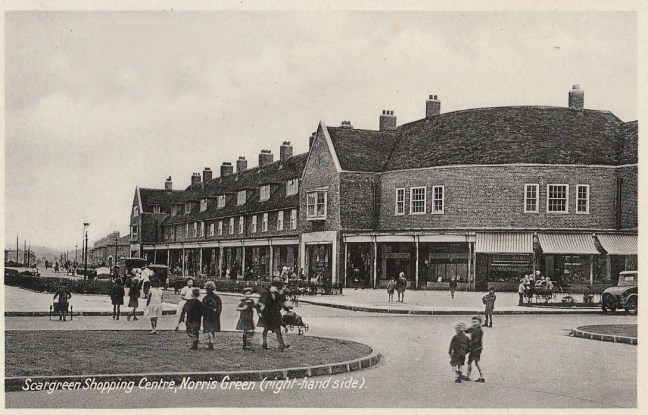
norris green

Norris Green

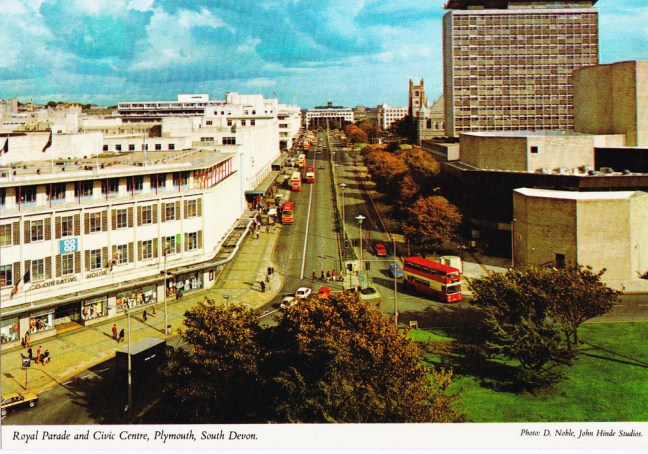
plymouth

Plymouth

runcorn

Runcorn

sleaford.jpg

Sleaford

southampton

Southampton

stockport b

Stockport

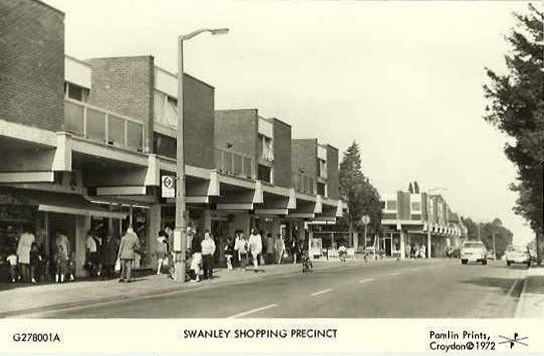
swanley

Swanley

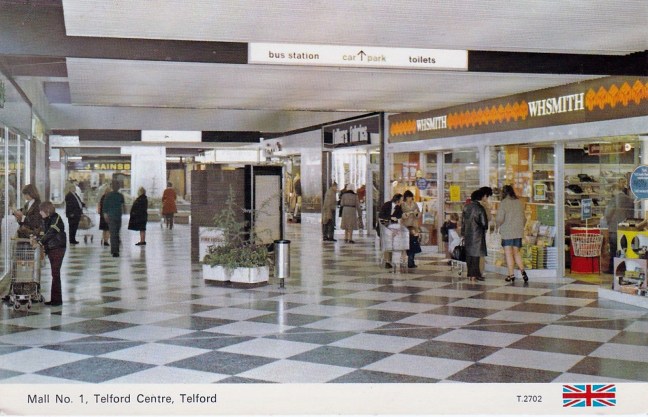
telford

Telford

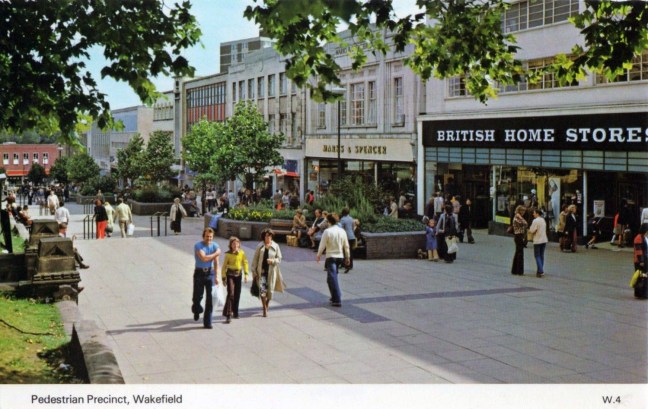
wakefield

Wakefield

walton on thames

Walton on Thames

westway frome

Westway – Frome

w mander centre wolv

Wolverhampton

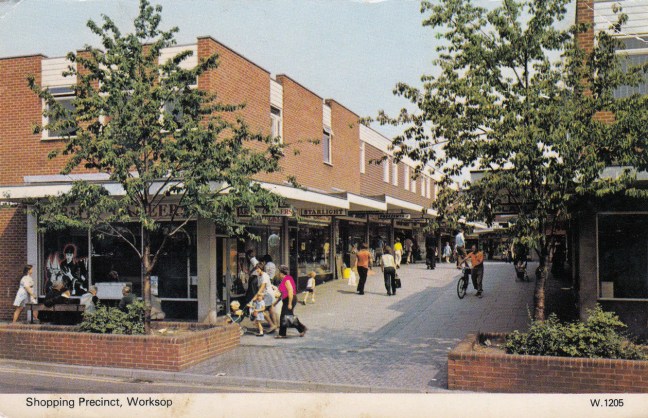
s-l1600-31.jpg

Worksop


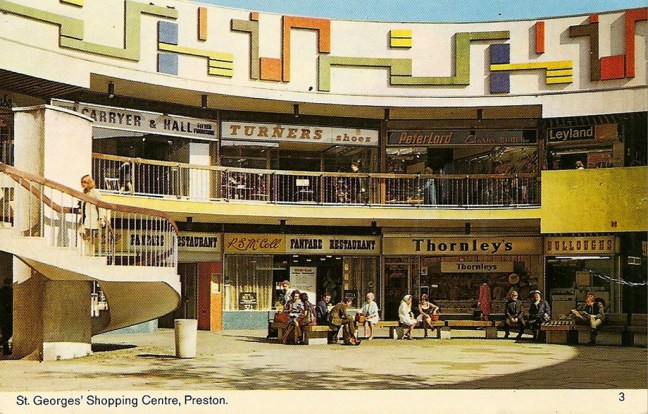
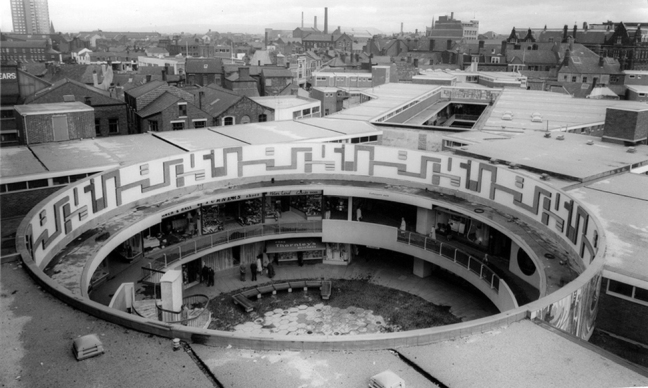
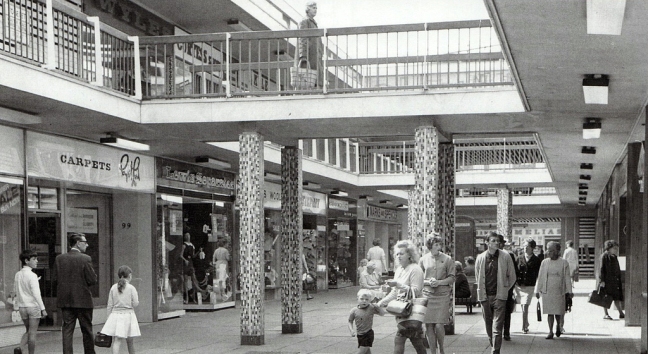
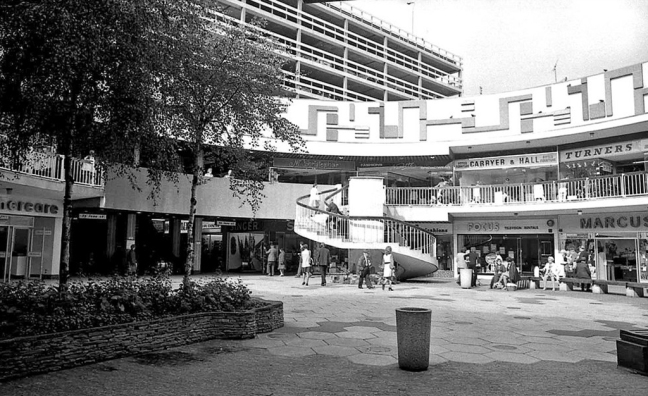
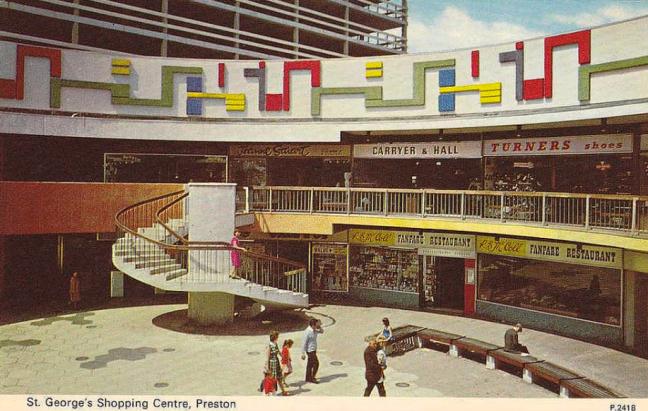
St George’s Shopping Centre – Preston

Once upon a time the future was shop-shaped and utopian, the Modernist reliefs a welcome relief from post-war doom and gloom, public decorative art was off the ration for good, or so it seemed. Small retail units, housed small local operators, their shiny well-washed fascias, glowing with graphic pride and diversity, slab serif and decorative script the order of the day.

3980715134_6a6b11d851_b

3979957693_ec982cb9df_b

Architects J Seymour Harris and Partners envisaged a brave new water-coloured open-aired world for the grey austerity-tinted folk of Preston.

And lo it came to pass and underpass – the future was here yesterday.

6192877707_f74e4f81e4_b


Screen Shot 2018-03-10 at 11.13.00

Get off the bus on Fishergate and walk right on in.

8237842239_9856d0e5ba_b

8238909940_7f8e26076c_b

The shopping centre opened on 22 March 1966 as St George’s Shopping Centre.

5188241241_7bcb2f73fc_b

16917731869_2fc59ece6c_b

17103936575_711f3fab1b_b

PHSIH0105-Rooftop-view-of-St-Georges-Shopping-Centre-Preston-1971-630x596

PHSNA0024-Guild-Morris-Dancers-in-St-Georges-Shopping-Centre-Preston-1972-630x420

screen-shot-2018-03-10-at-11-14-58.png

Screen Shot 2018-03-10 at 11.16.47

It was originally an open air centre, and was roofed over during refurbishment in 1981. It was further refurbished in 1999.

In May 2004, when The Mall Company took over the centre, they were greeted with an ageing shopping centre. The shopping centre was rebranded as The Mall, and a massive development scheme was planned. Small stalls, main shops, cafes, restaurants, toilets, and escalators were overhauled.

In March 2010, the shopping centre was acquired by Aviva Investors for £87 million. In September 2010, The Mall was rebranded under its original name St George’s Shopping Centre.

Wikipedia

6798942417_8f495eefe8_b

So welcome back to today – stripped of distinctive decoration, covered in and given the international sheen of absolutely nowhere at all.

In intemperate template for the future.

CR_SC_4697_St_Georges_Shopping_Centre_Preston_picture_1_p8_1800x1440

Archival images from the Preston Digital Archive and Peter Reed.


Eastford Square Collyhurst – Slight Return

I’ve been here before and after.

After now seems further away, forever awaiting redevelopment – waiting.

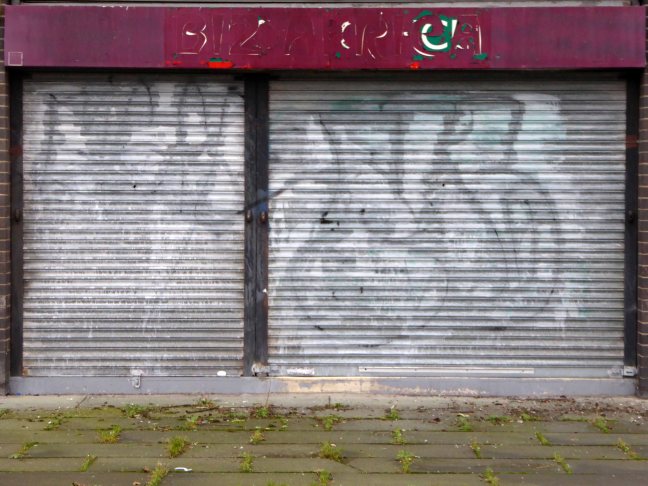
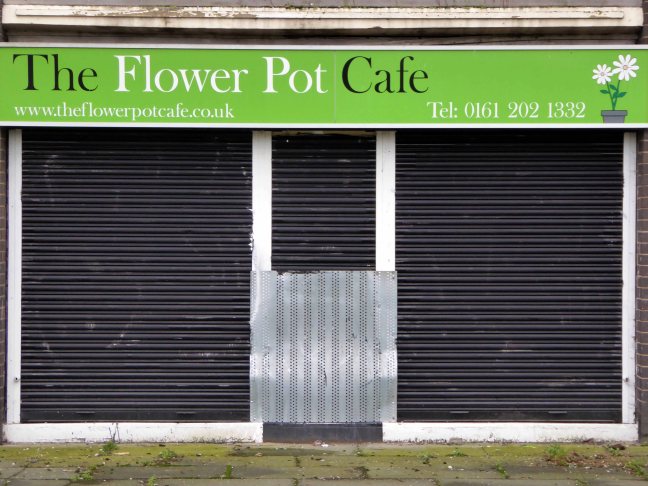
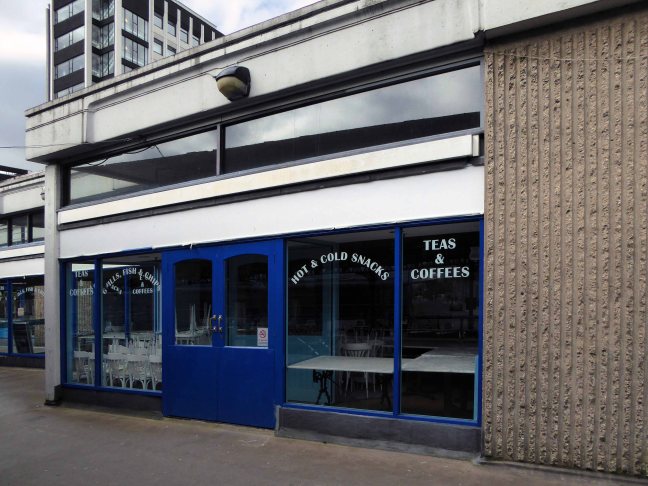
No more Flower Pot Café and a warm welcome from Lee and the lads.

P1220206 copy

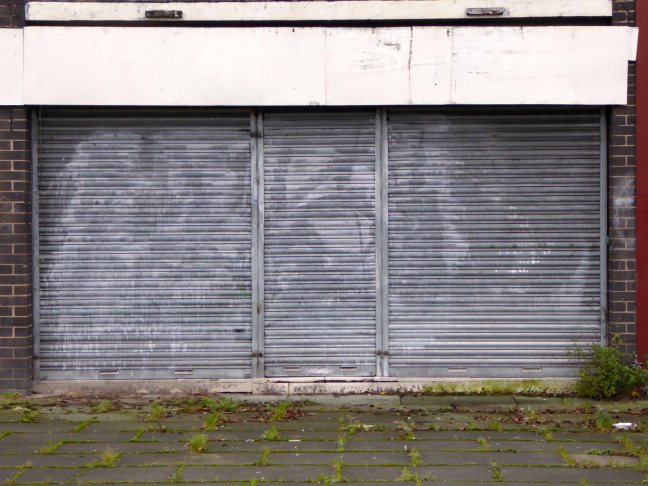
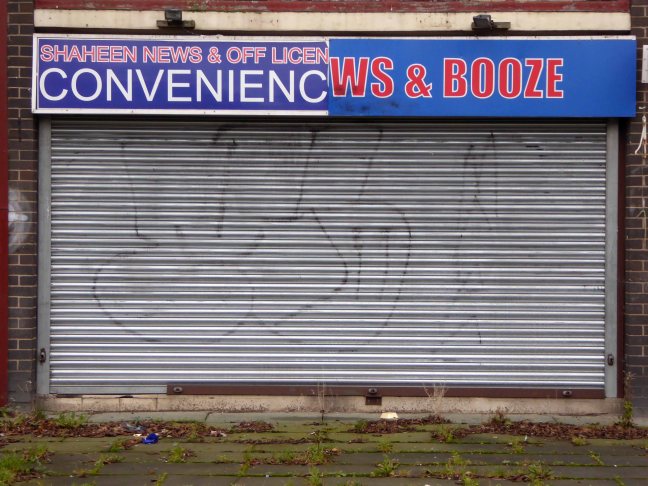
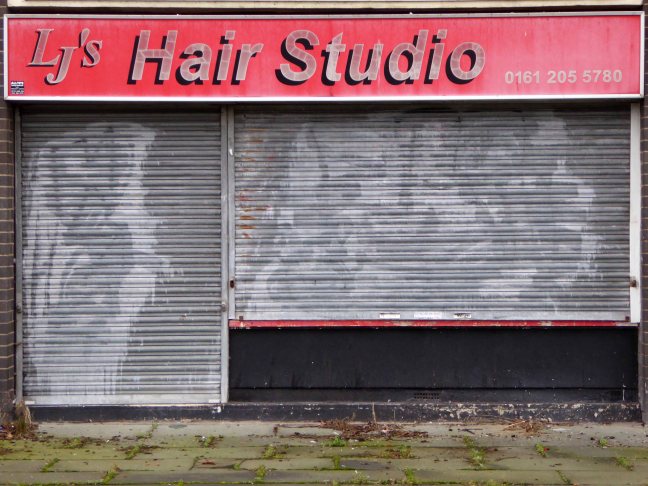
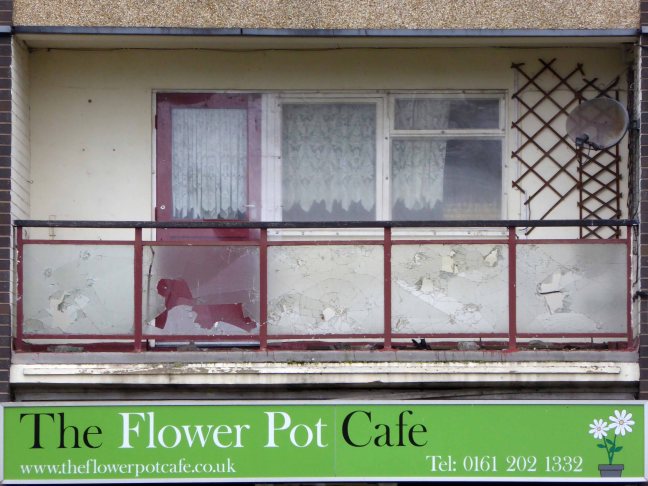
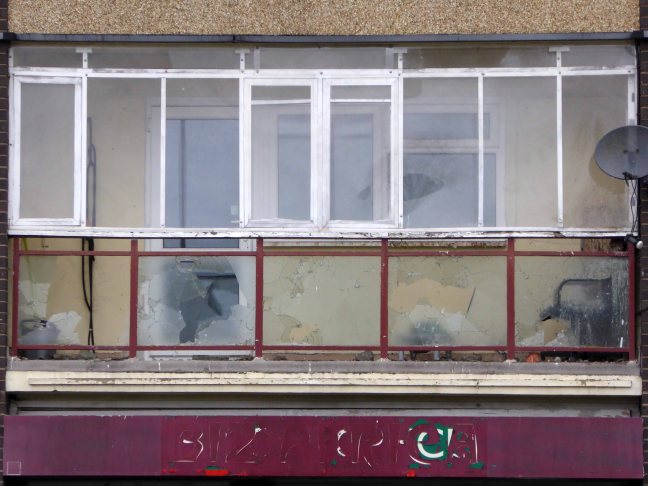
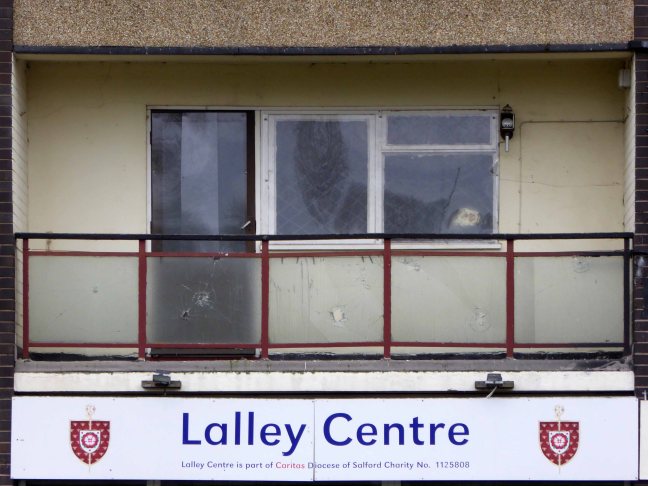
Nearly nine years on – the shutters are down and nobody is home, save for the Lalley Centre – offering food, support and care to the community.

JS79308197

Though Sister Rita Lee has now move on to pastures new.

The homes and shops remain resolutely shut, un-lived in and unloved, though the City plans to re-site the resident sculpture, the residents remain absent without leaving.

P1220207 copy

P1220208 copy

P1220209 copy

P1220212 copy

P1220213 copy

P1220214 copy

P1220215 copyP1220216 copy

P1220217 copy

P1220218 copy

P1220219 copy

P1220220 copy

P1220221 copy

P1220222 copy

P1220223 copy


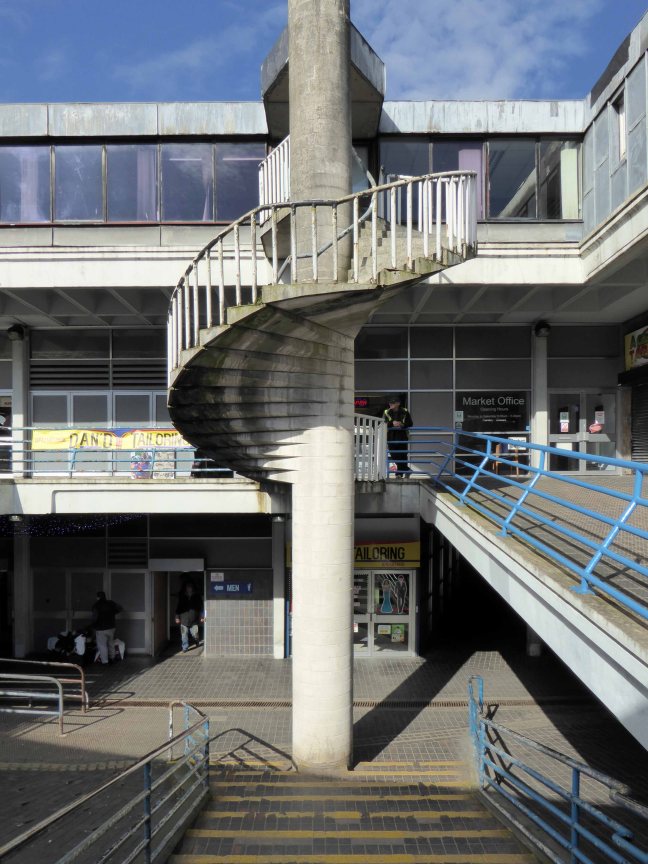
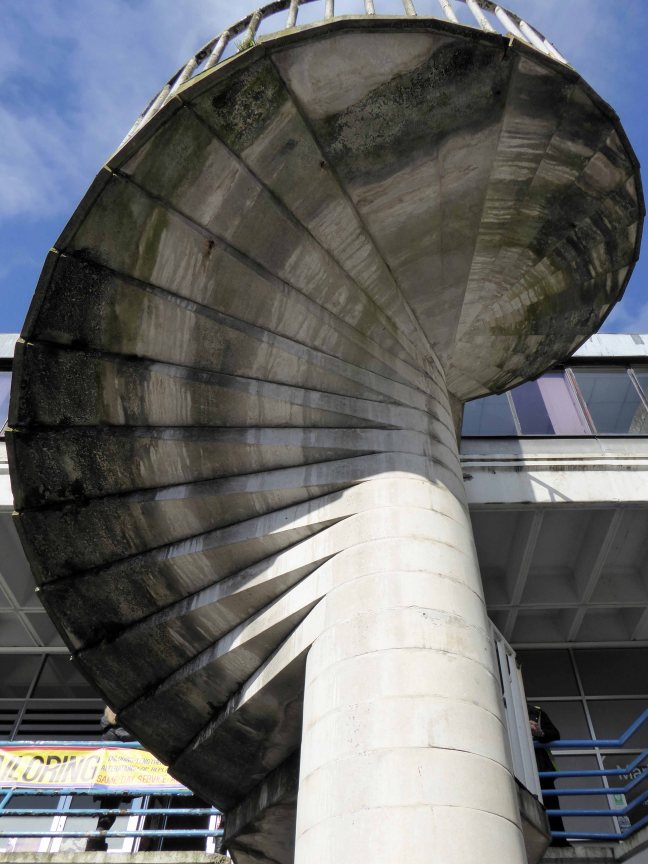
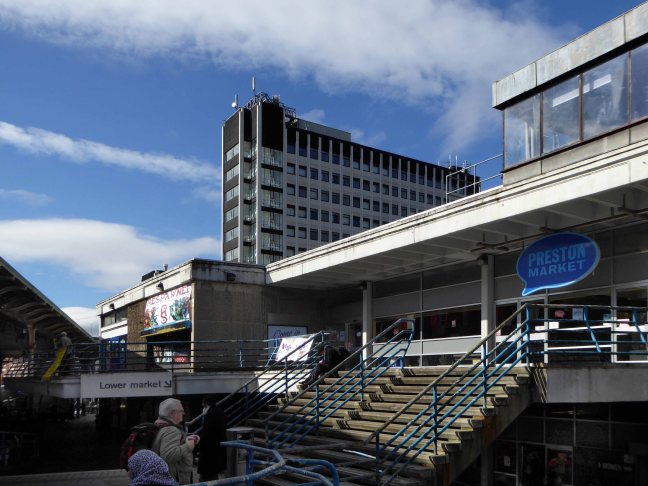
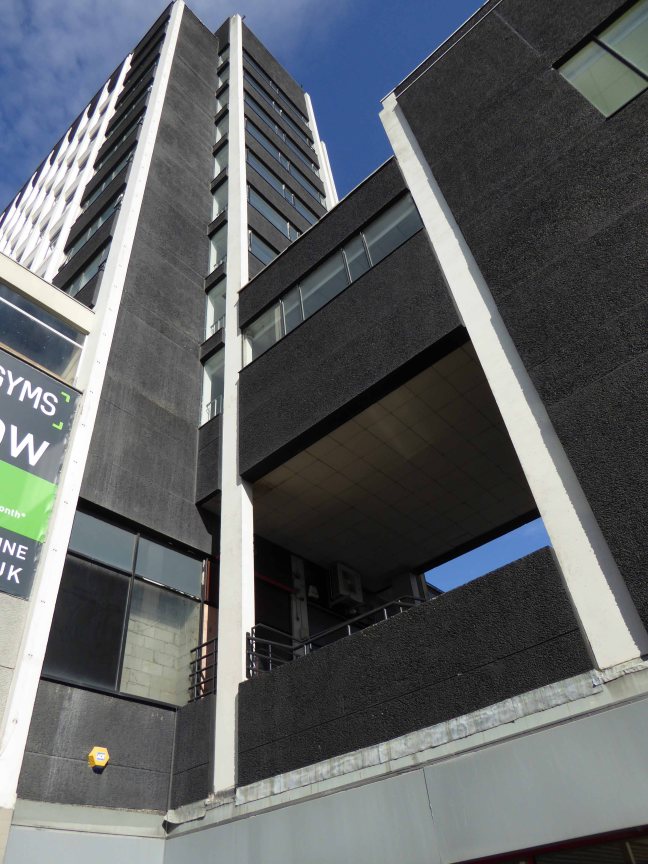
Preston Indoor Market

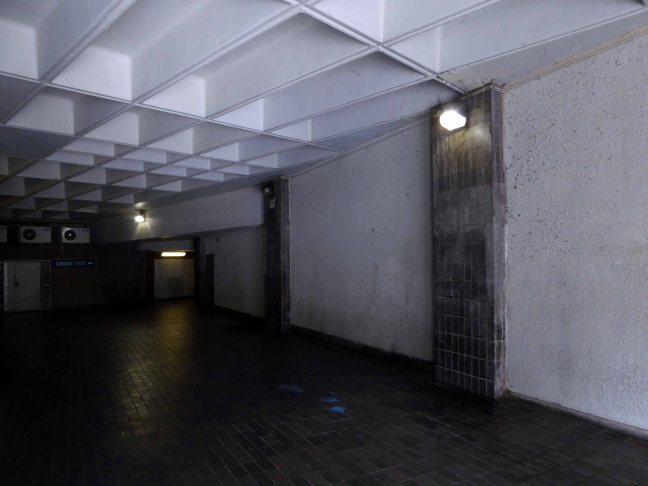
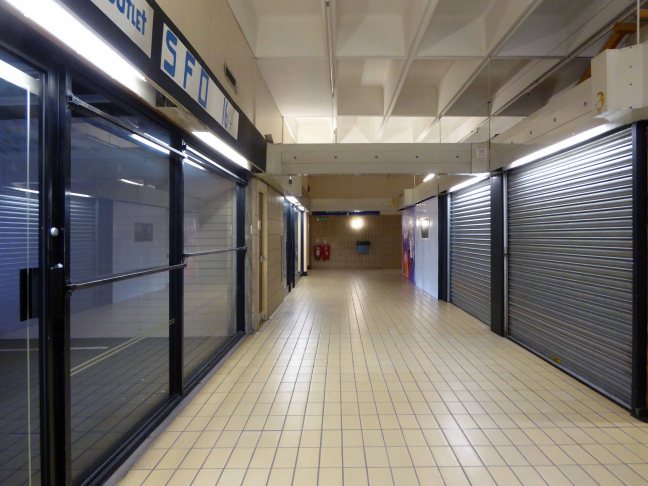
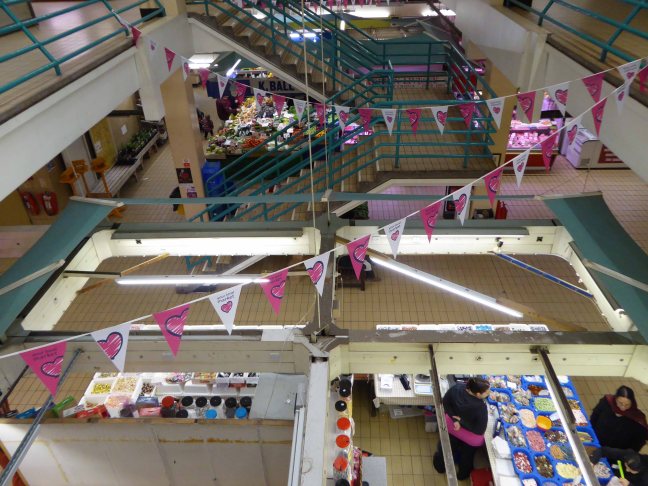
Built in 1973 scheduled to be closed and demolished in ten days time.

The future is not so red rosey for yet another traditional local market.

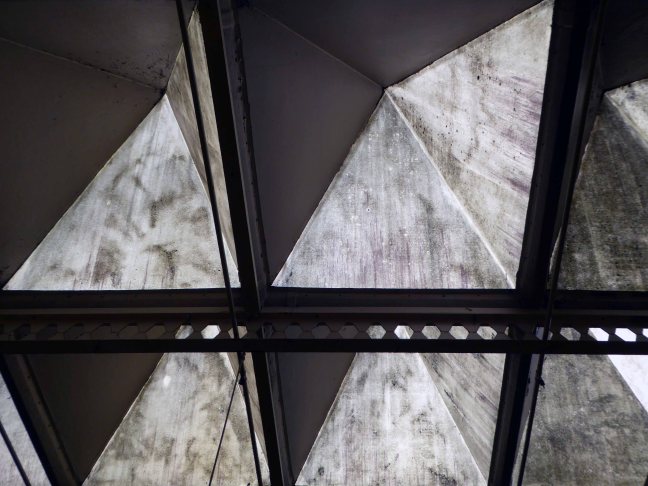
A typically boxy arrangement of steel, concrete, asbestos glass and brick, the complex of trading units, stalls and parking is not without charm. Though as with many other developments of its type, it seems to be without friends, then inevitably without customers and traders.

Following a template originated at London’s Borough Market, developers and councils seem to favour the modern artisan over the proletarian . This concept when meshed with the multi-plex and chain restaurant/bar amalgam, provides a shiny new future, for the shiny new shape of all our retail and leisure needs.

Preston-Market-Quarter-Nov-2017

So ta-ta to another world of hats and socks, fruit and veg, workwear for workers.

You’ve just about time to pop in for a brew.

Two sugars, stirred not shaken.

P1020430 copy

P1020431 copy

P1020432 copy

P1020435 copy

P1020437 copy

P1020434 copy

P1020477 copy

P1020479 copy

P1020480 copy

P1020481 copy

P1020482 copy

P1020484 copy

P1020485 copy

P1020486 copy

P1020487 copy


P1020490 copy

P1020491 copy

P1020492 copy


P1020494 copy

P1020495 copy

P1020496 copy


R.E & J. Parker Bakers – Leigh

I do have a particular penchant for pâtisserie – though close in spirit to their Euro equivalents, the vernacular bakers of the North are by comparison, sadly now a seldom seen, rare and precious breed.

My dad’s three sisters Alice, Jenny and Lydia all trained as confectioners, and he himself was a van man for Mother’s Pride. In my turn I worked as a van lad at their Old Trafford base.

Screen Shot 2018-01-16 at 11.21.08


Flour, eggs, sugar and fat are in my blood.

In their way the growth of the mass-market bakers, along with the motor car and supermarket hegemony sealed the fate of the local bread, cake and pie shop, along with the demise of the associated skills and attendant early morning work patterns. When I visited Cochrane’s in Audenshaw, it was clear that their youngsters no longer wished to take on the family baking business. So the once unremarkable sight of remarkable rows of fancies, growlers and tarts, is now a thing of familiar folk memory, rather than a sweet and savoury reality.

On both of my visits to Leigh I have passed Parker’s – the windows warm from the freshly baked confectionery – including the almost unique Singing Lily – sweet double crust pies, a large circle of shortcrust pastry folded over dried fruit and rolled until the fruit is visible, sugared and baked.

Next time I’ll go in and try one or two treats – get it while you can.

P1120865 copy

P1120868 copy

P1120869 copy

P1120870 copy

P1120871 copy

P1220700

P1220701

P1220702

P1220703

P1220704

P1220705

P1220706