Blackpool to Cleveleys Walk

I have previously written about the Blackpool North Shore here and here.

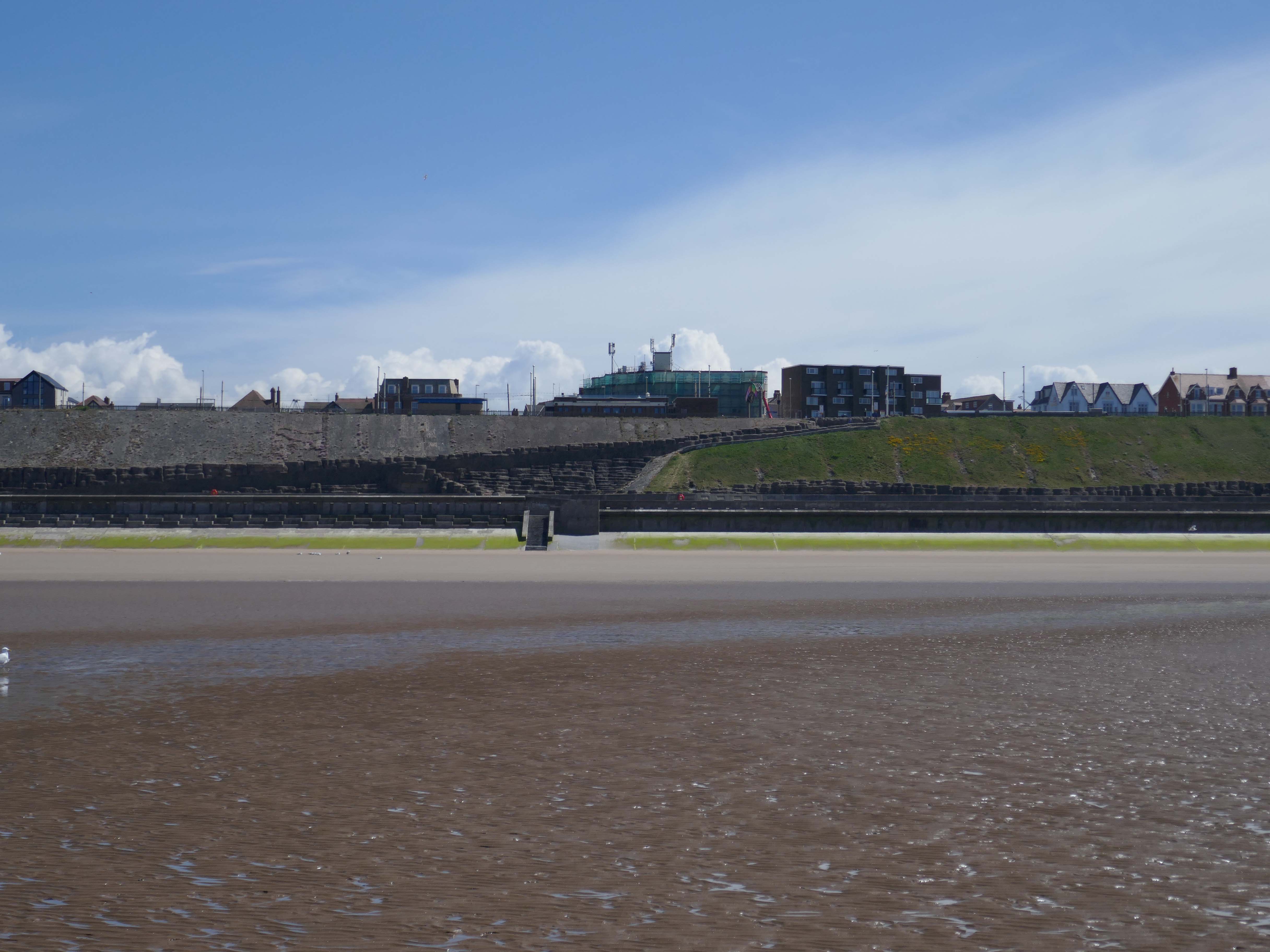
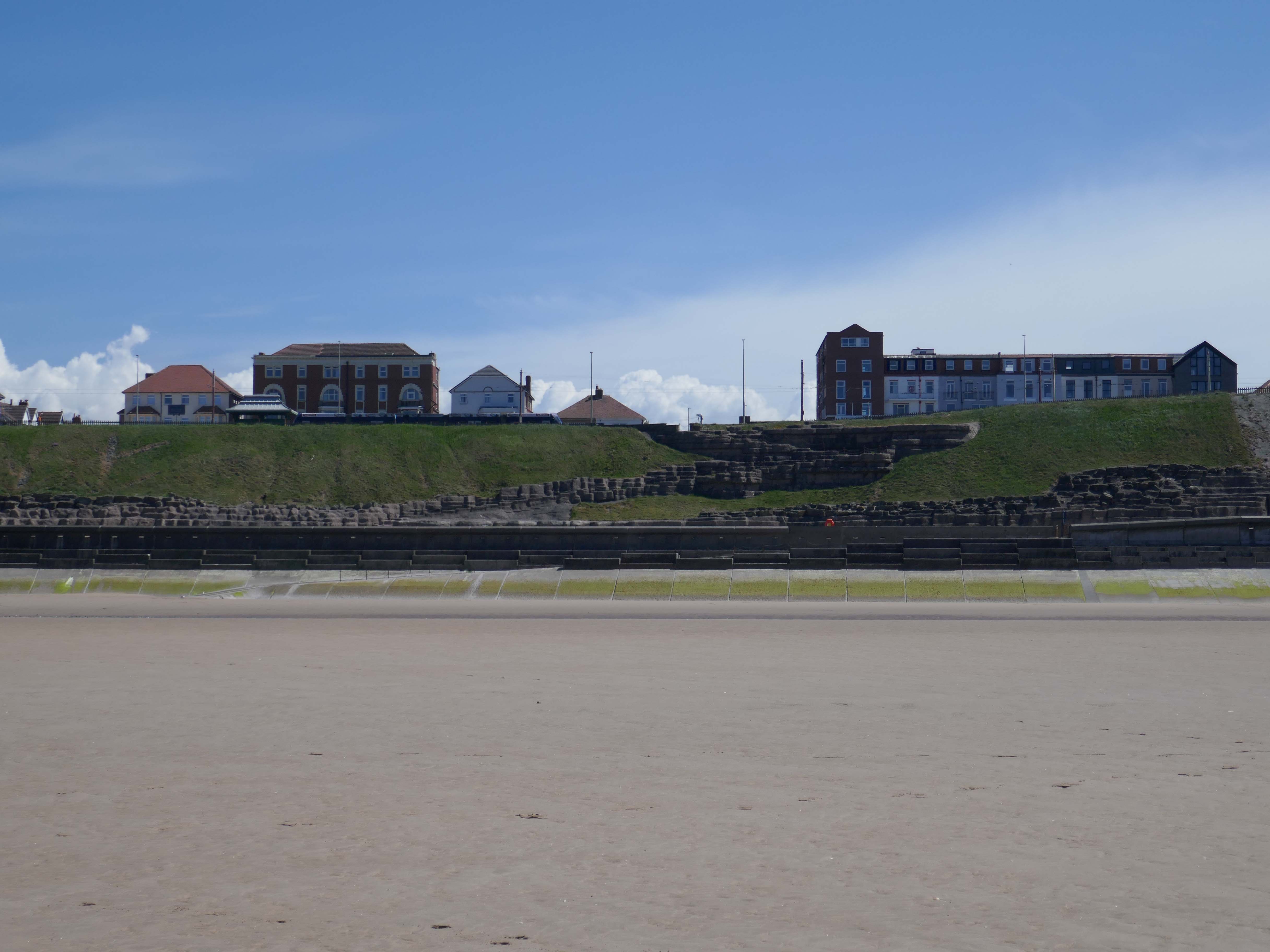
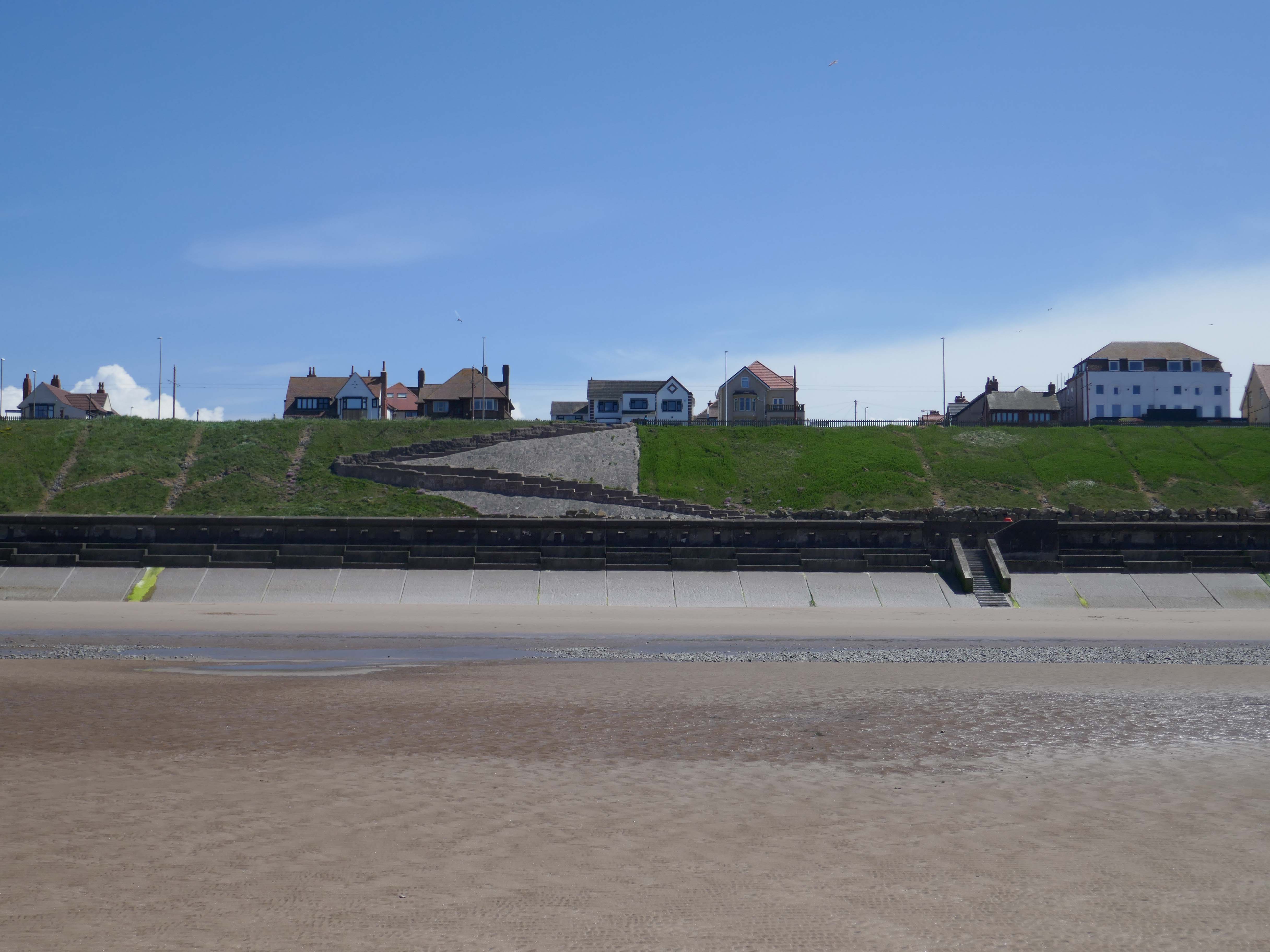
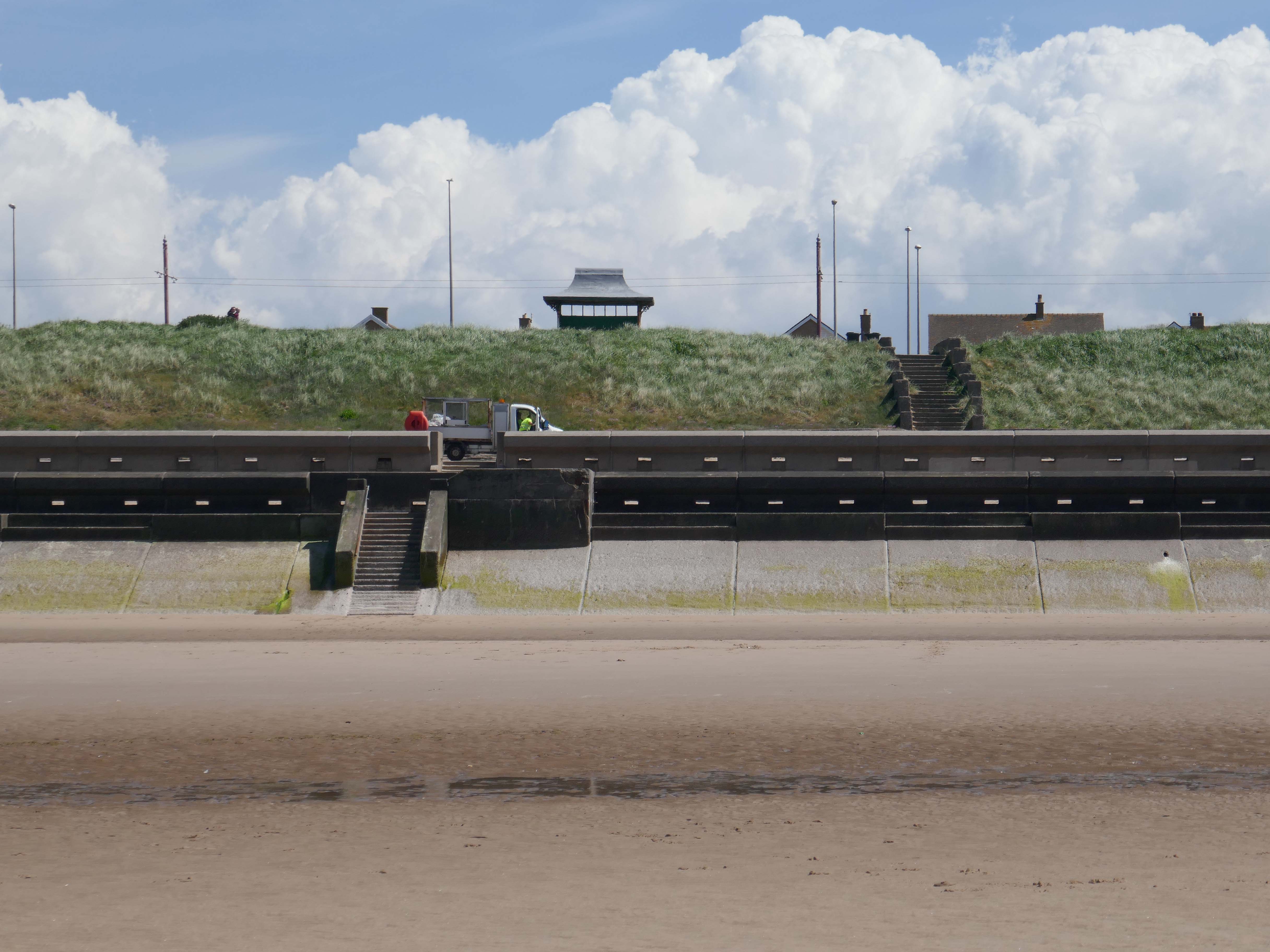
Observing the shore from the promenade.
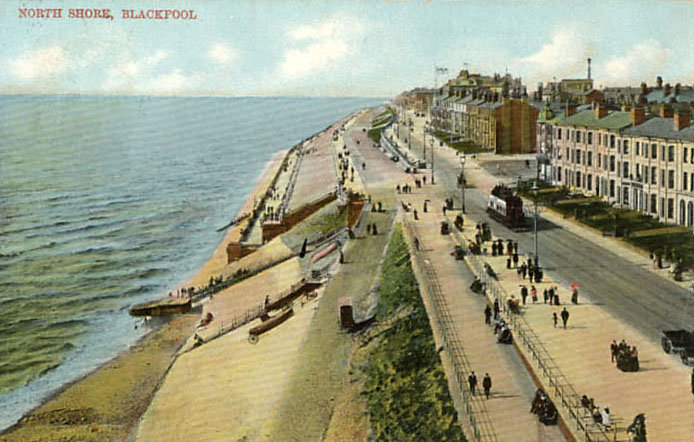
The shore was designated as a conservation area in 2018.

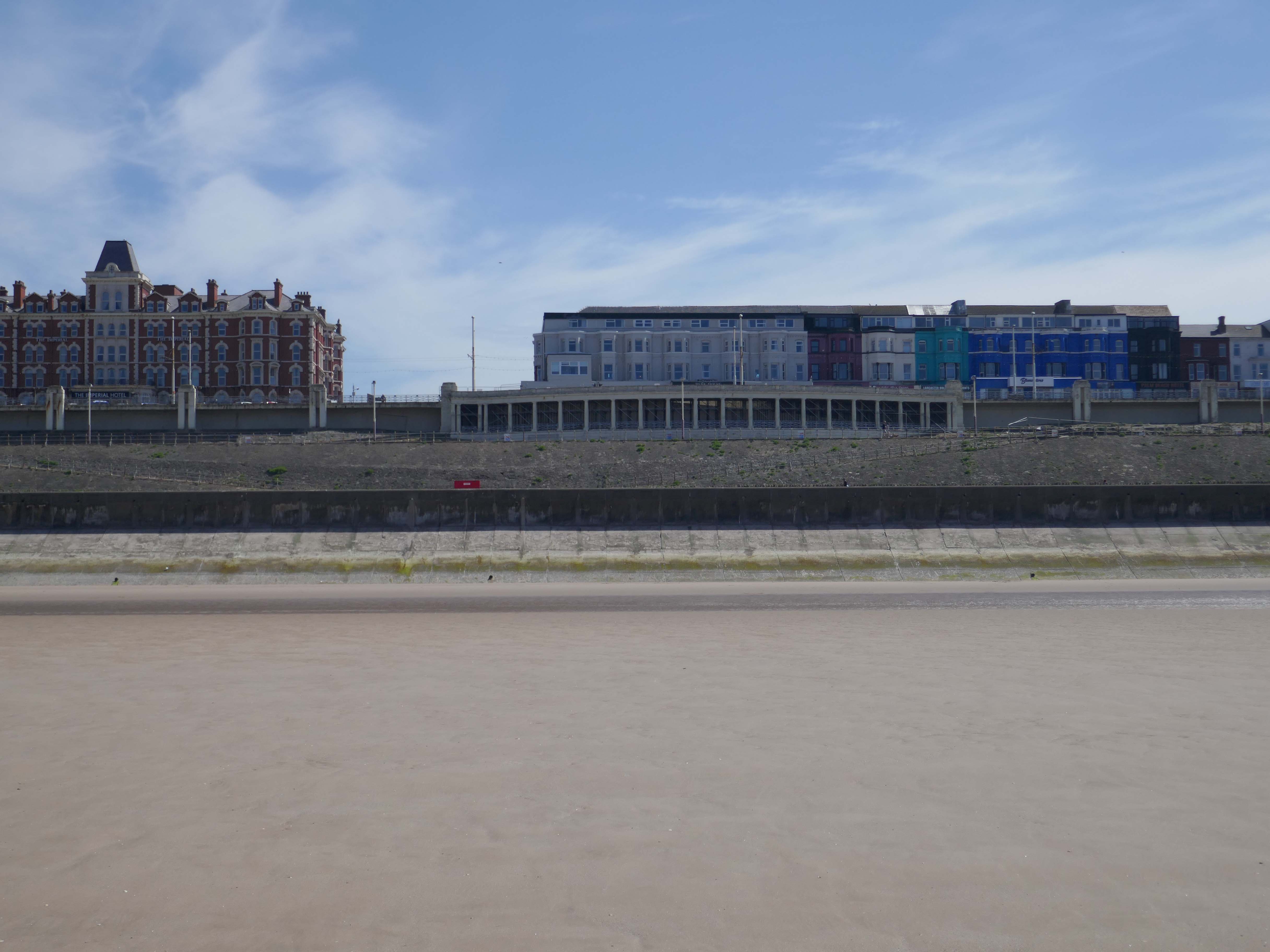
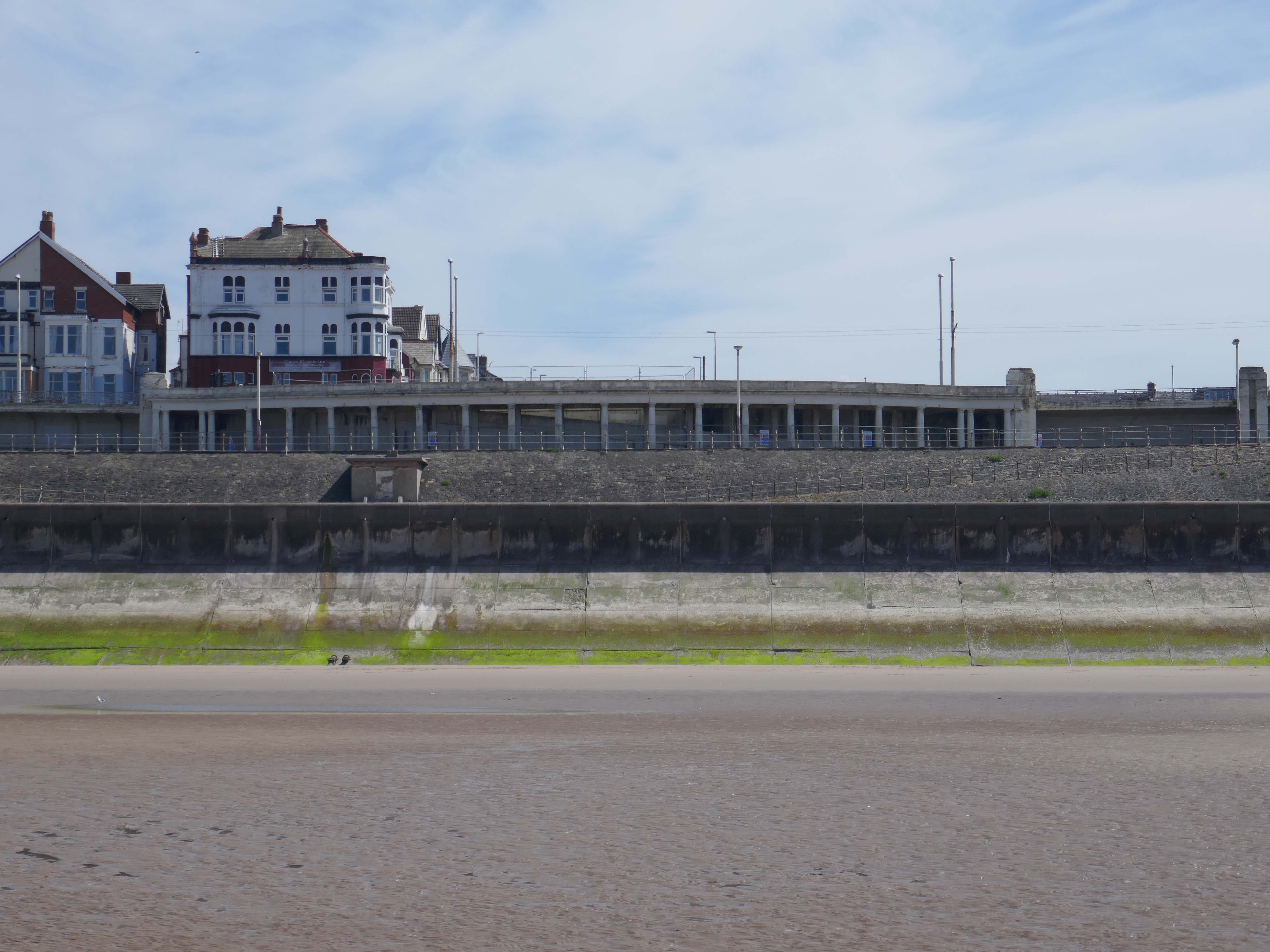
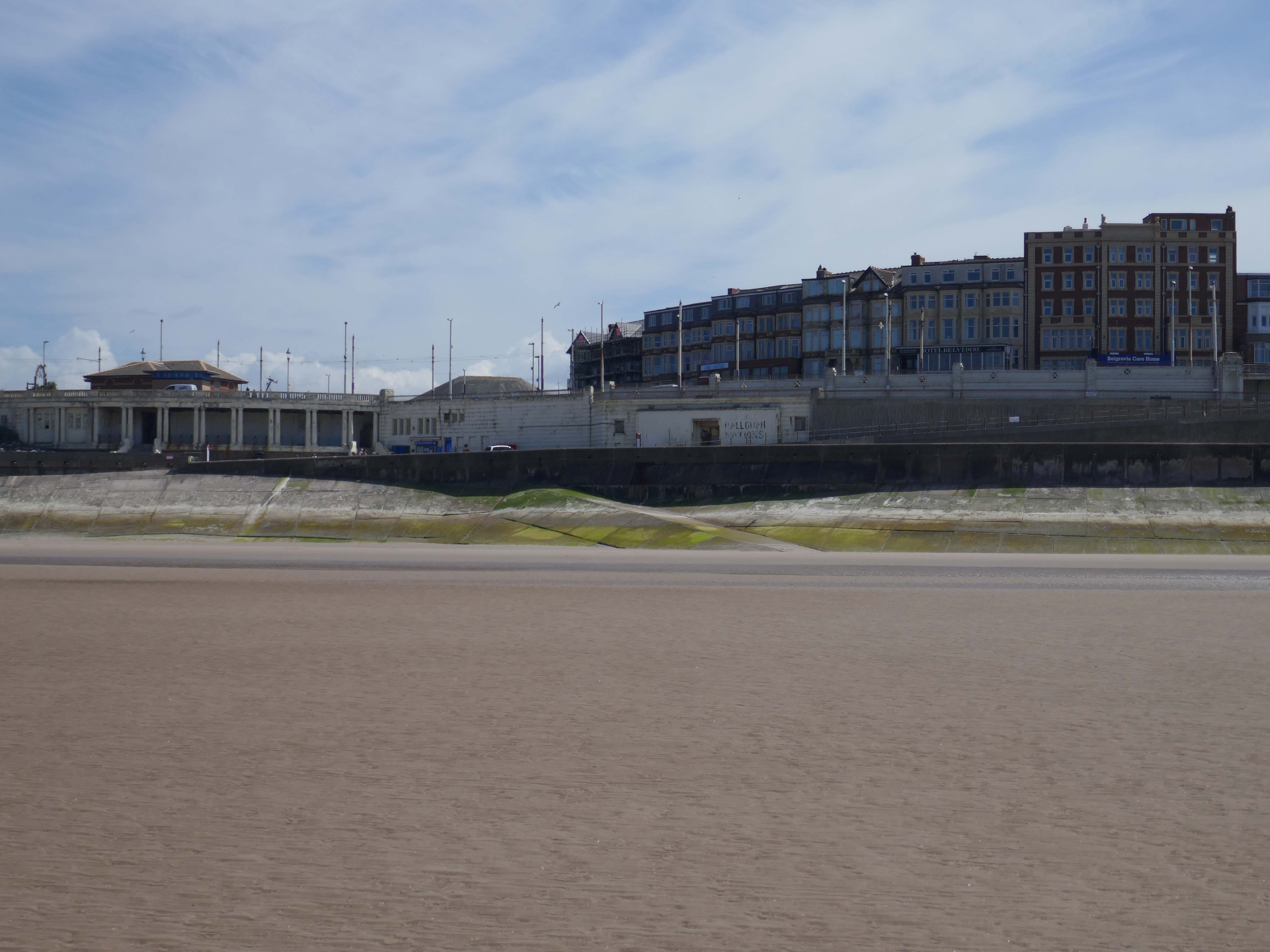
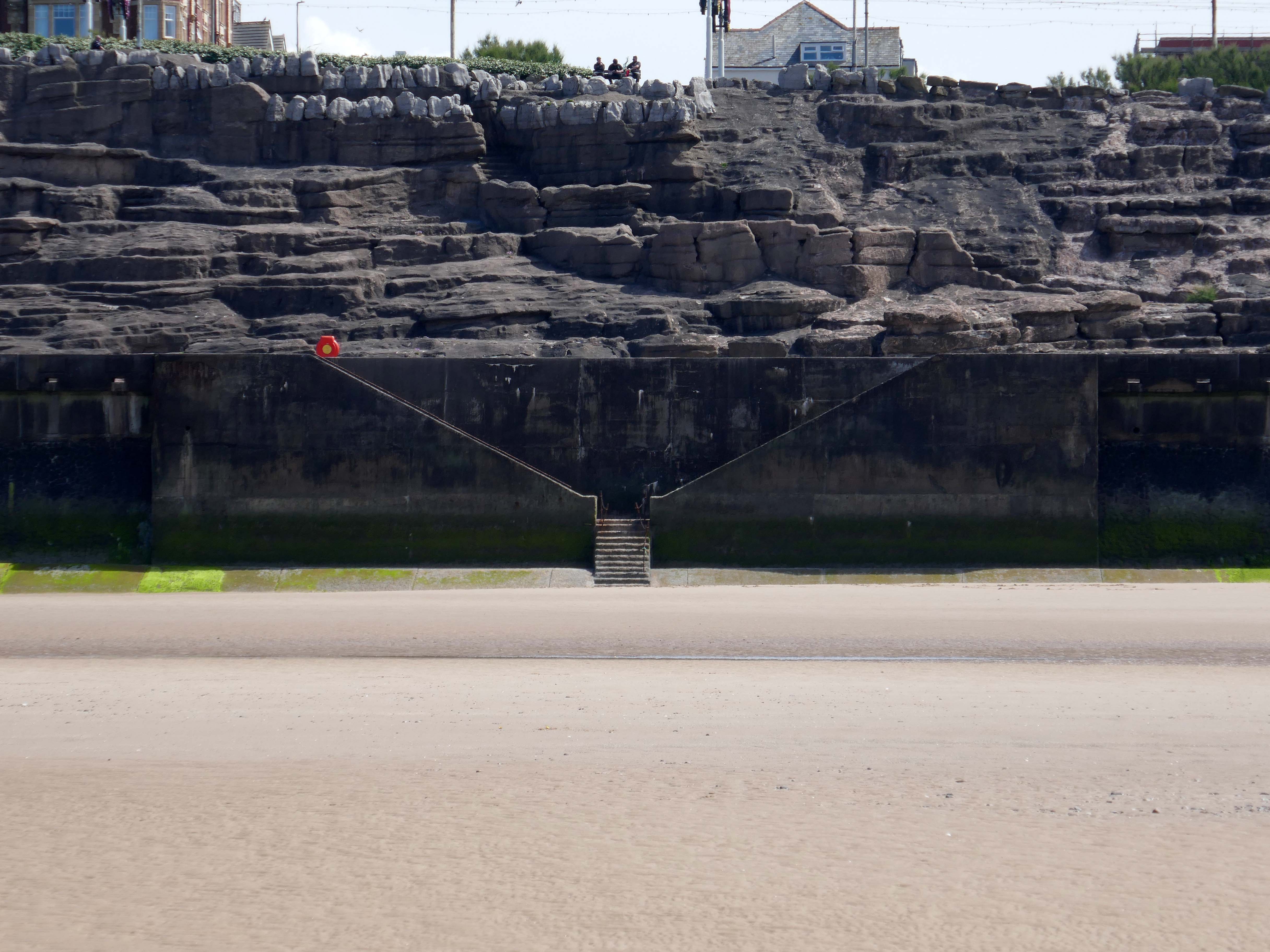
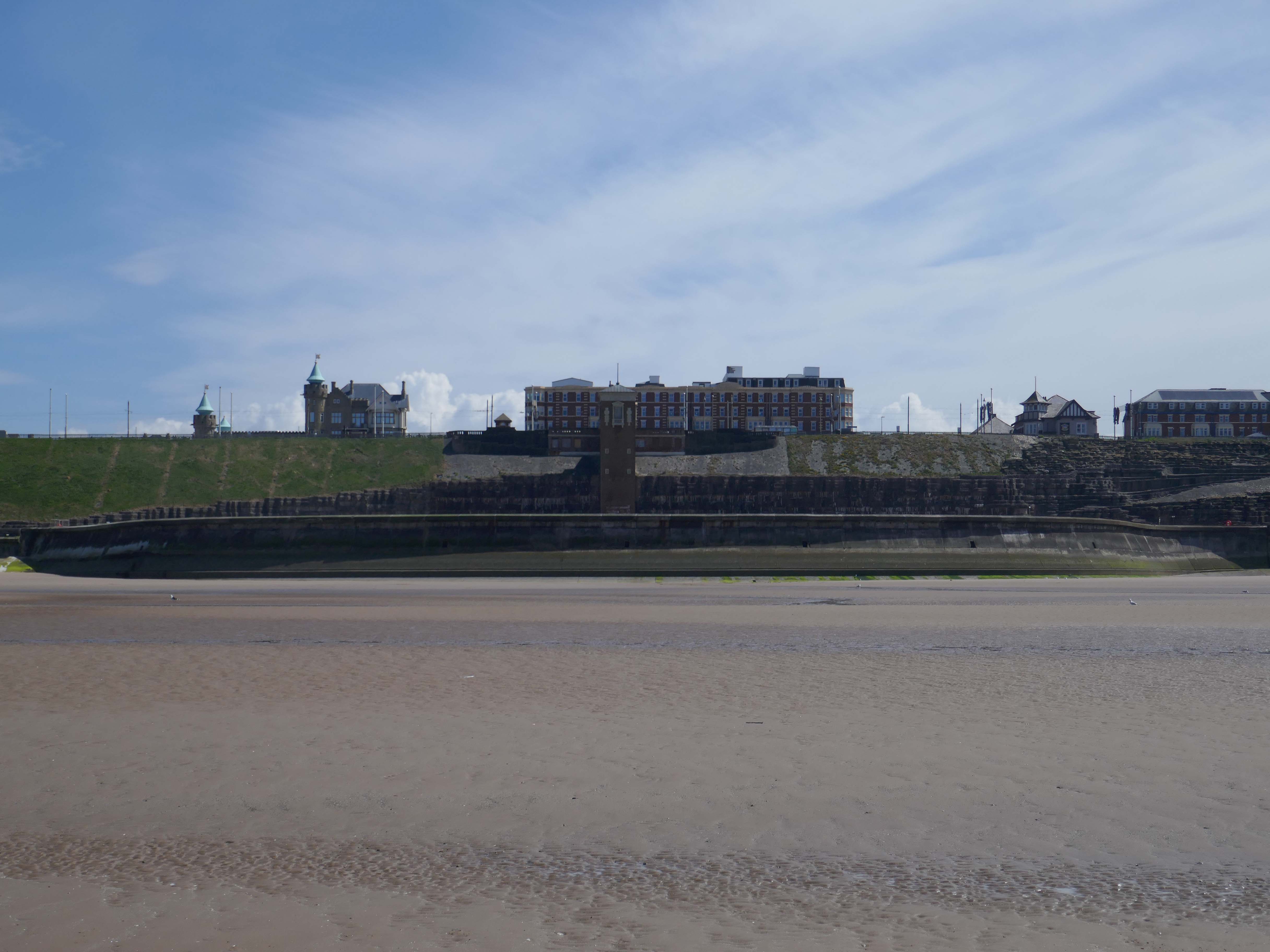
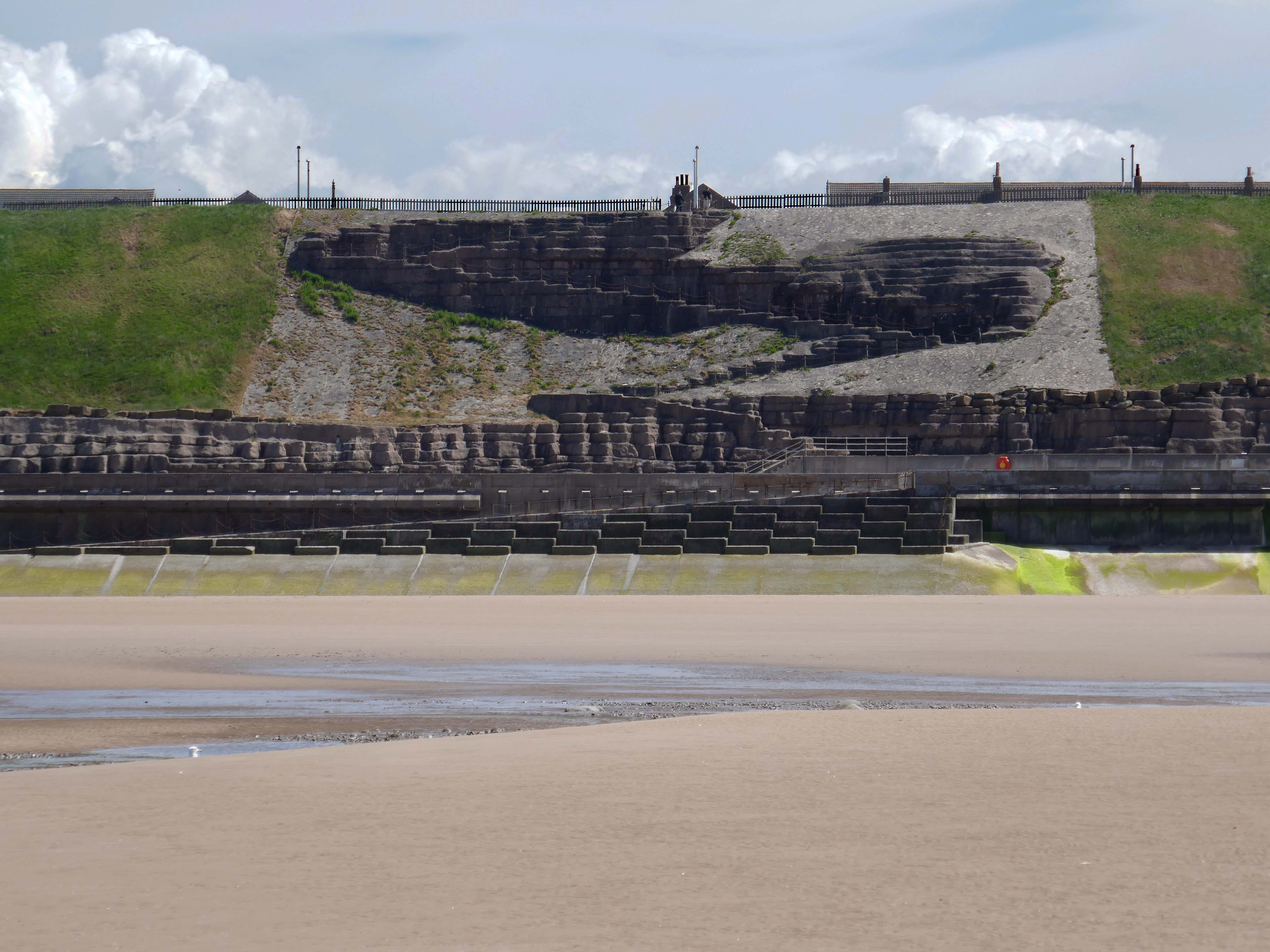
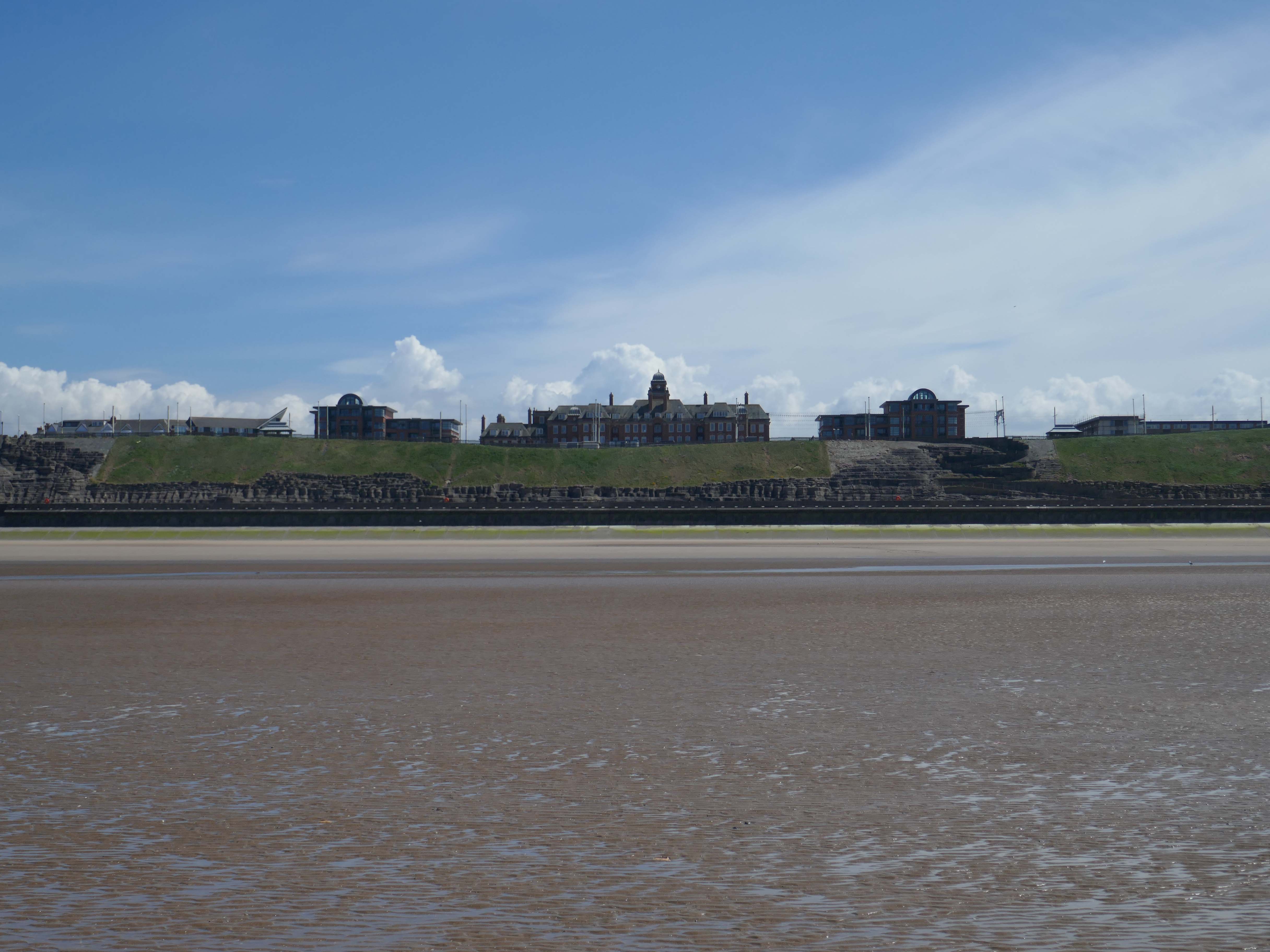
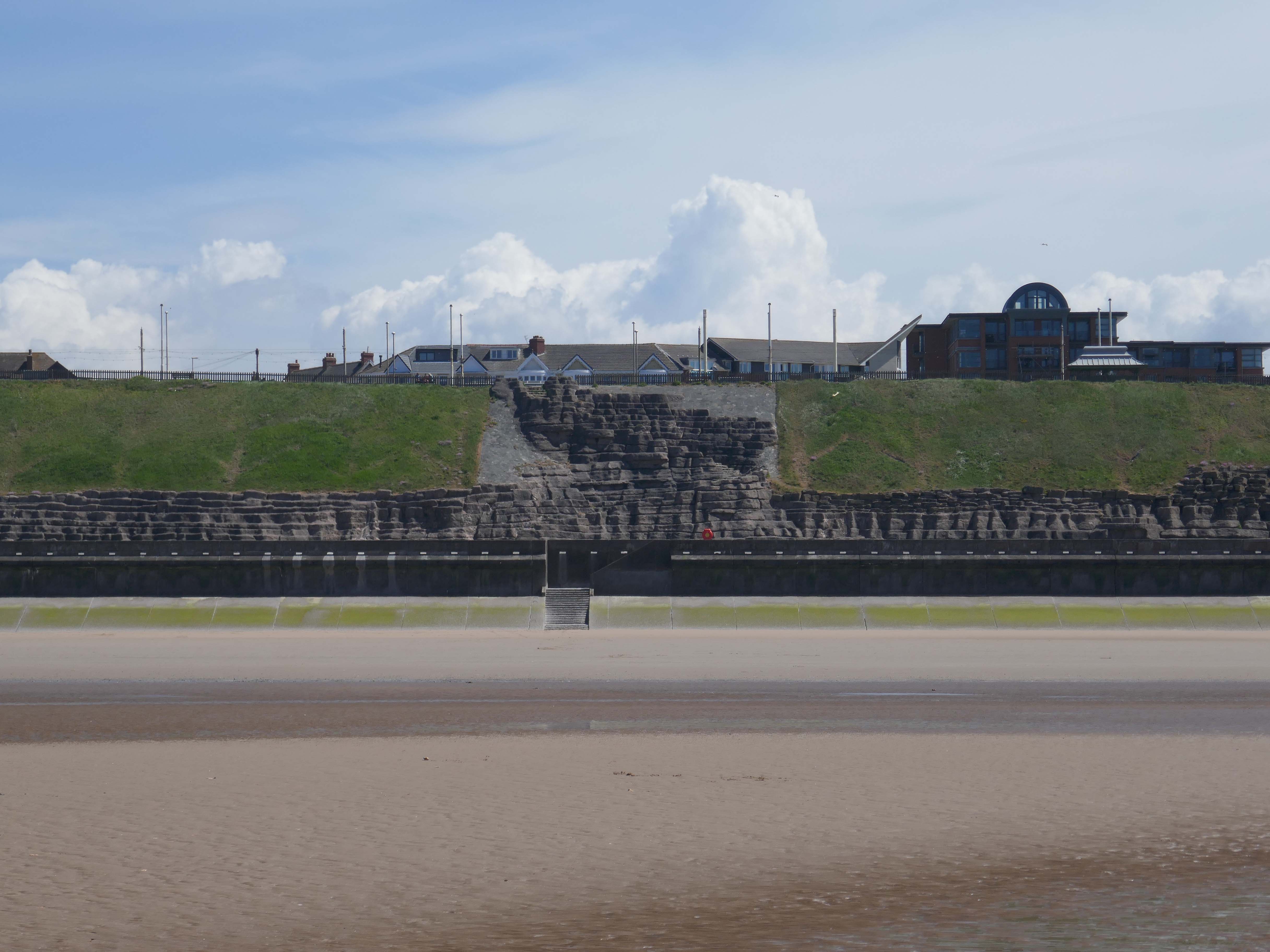
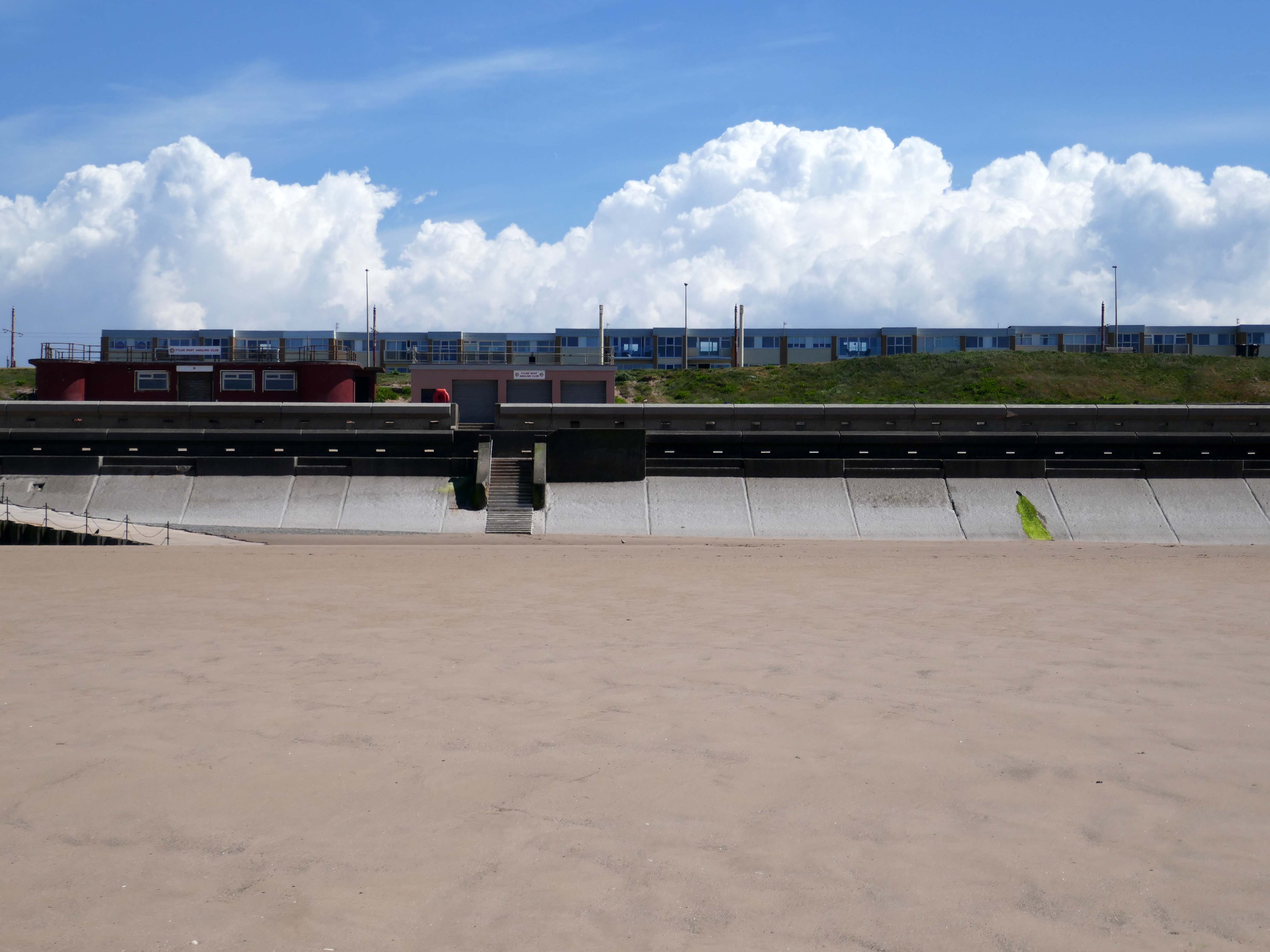
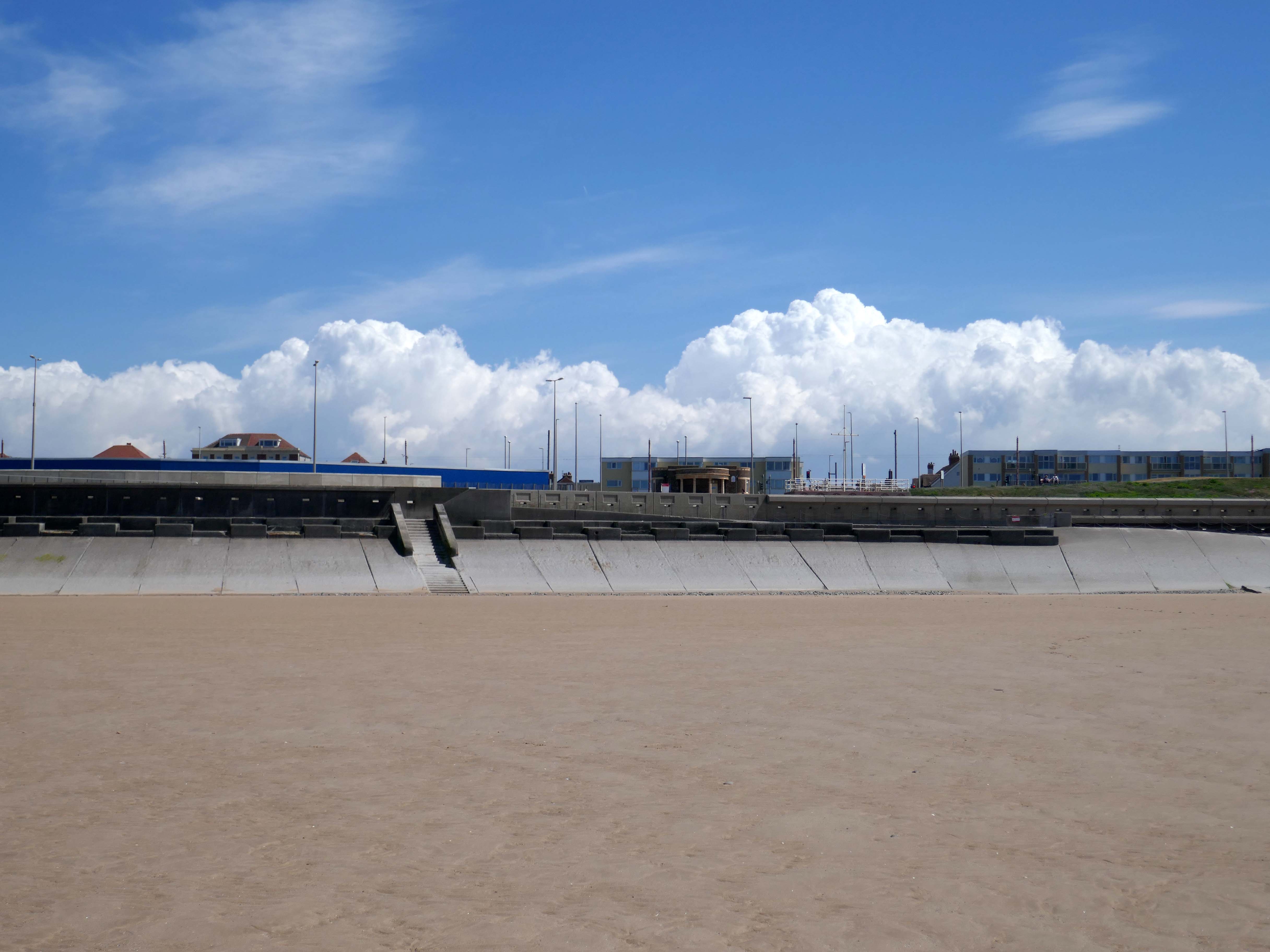
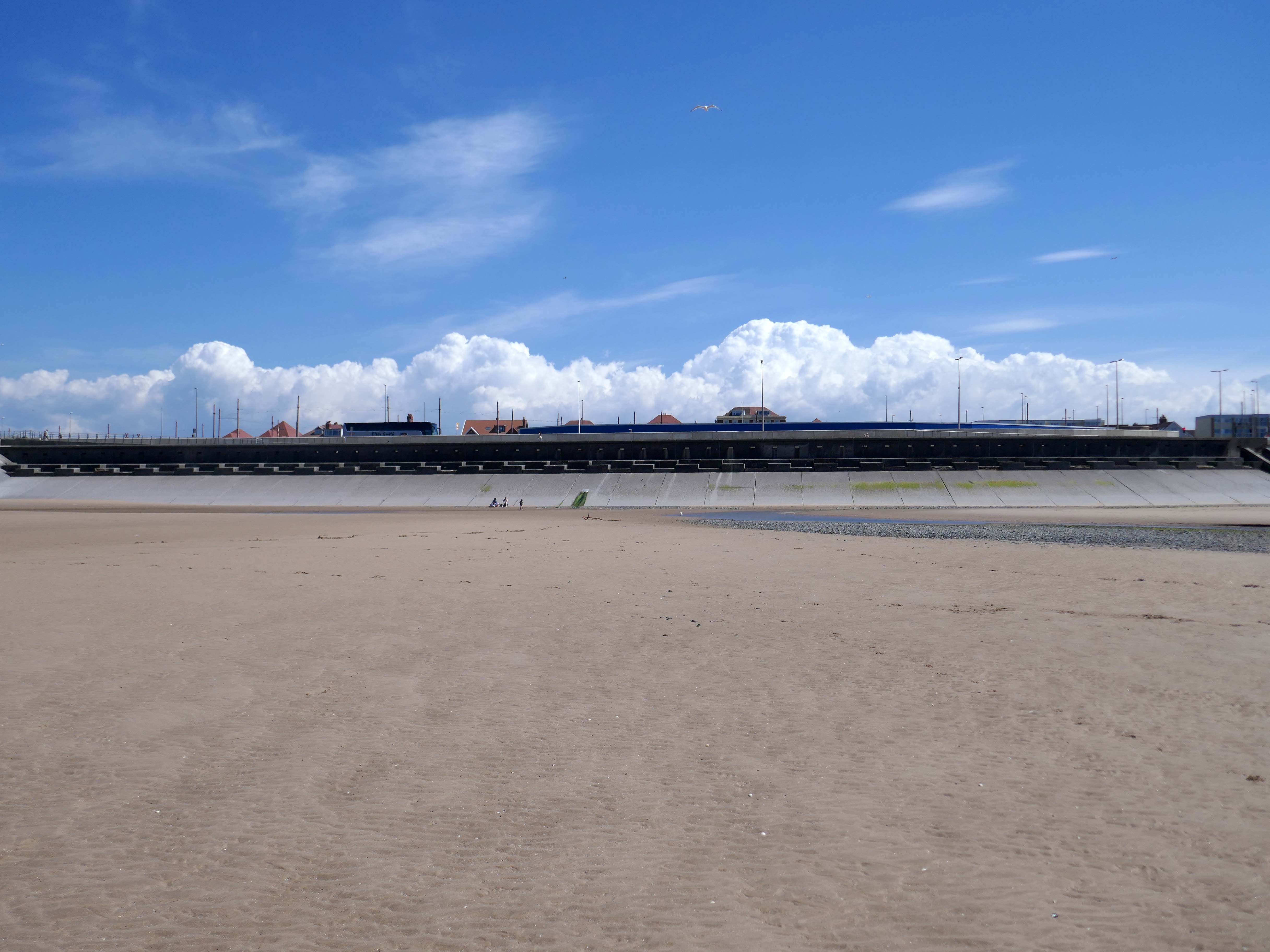
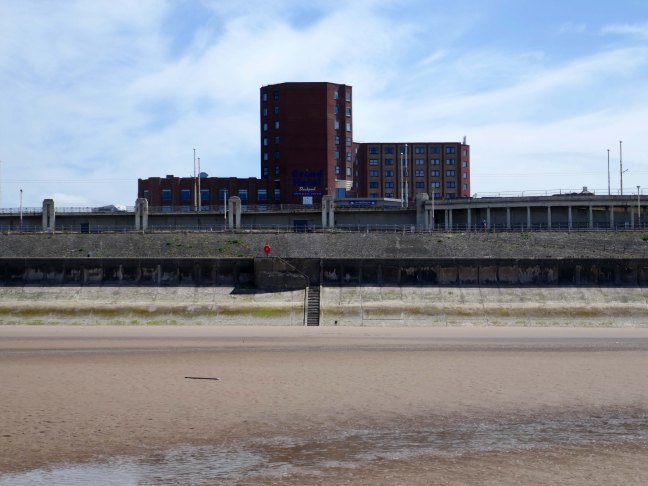
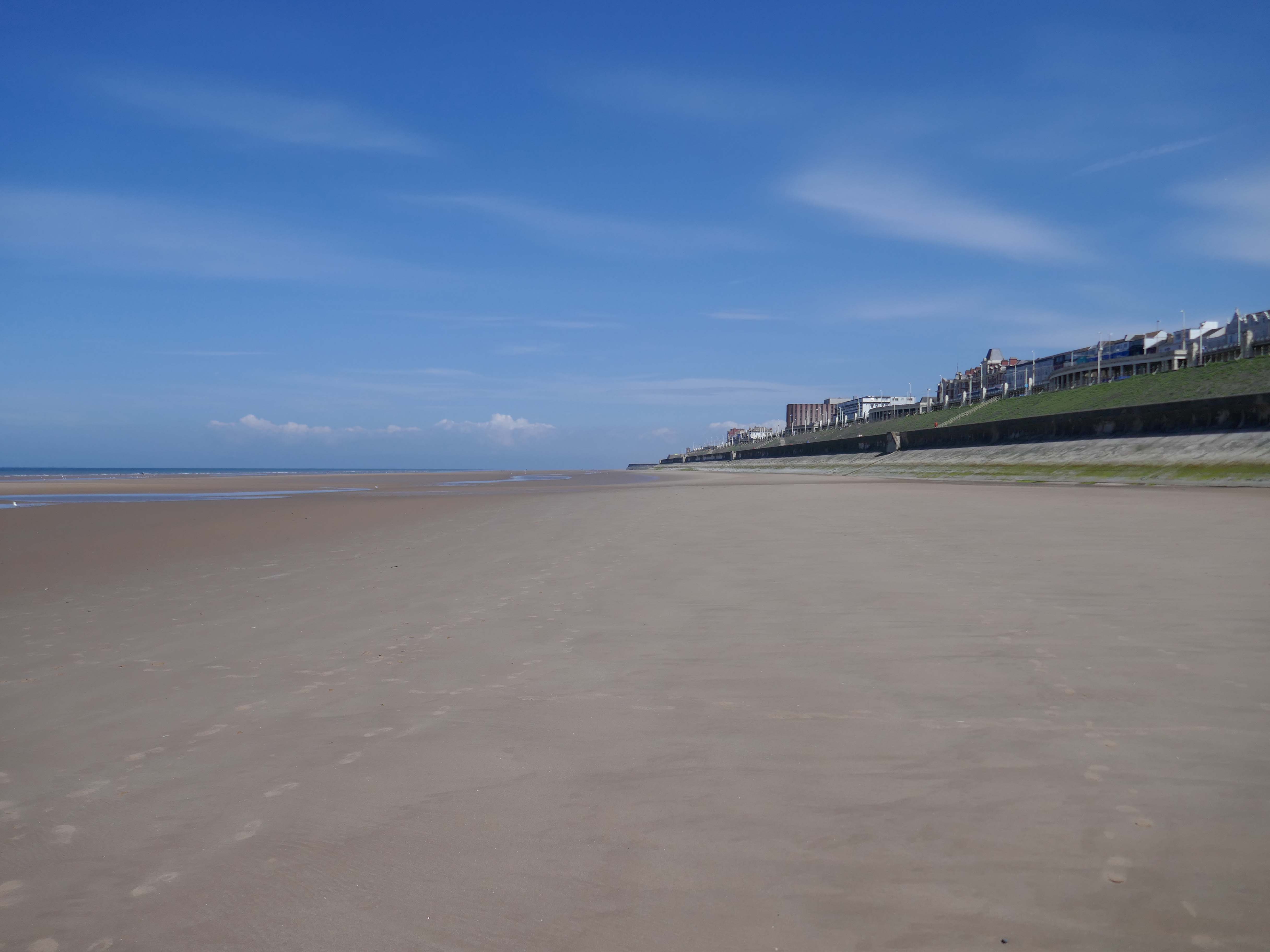
Yesterday, Wednesday 21st May 2025, the sun was shining and the tide was out, I decided to walk along the sands, and look towards the land.
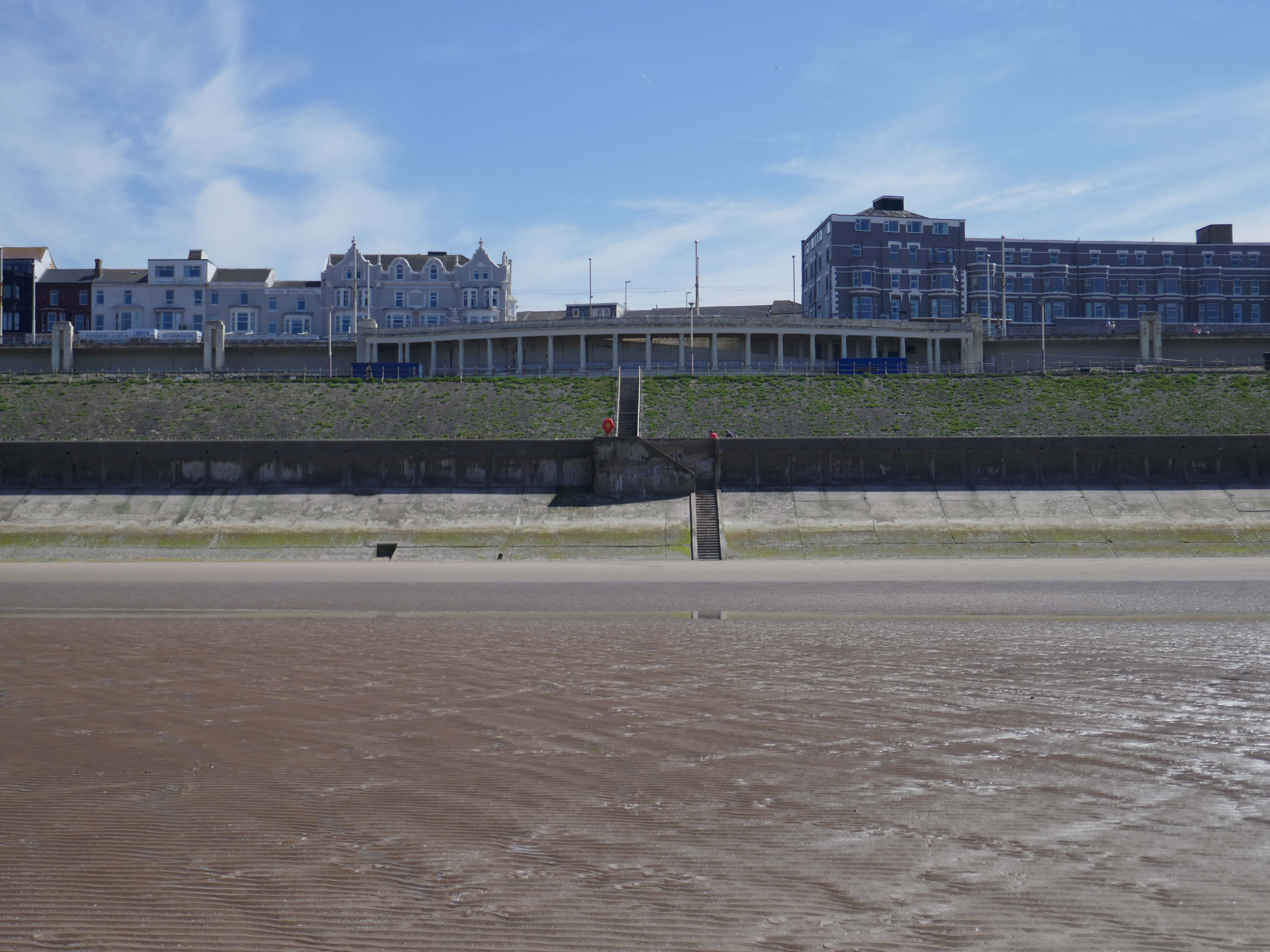
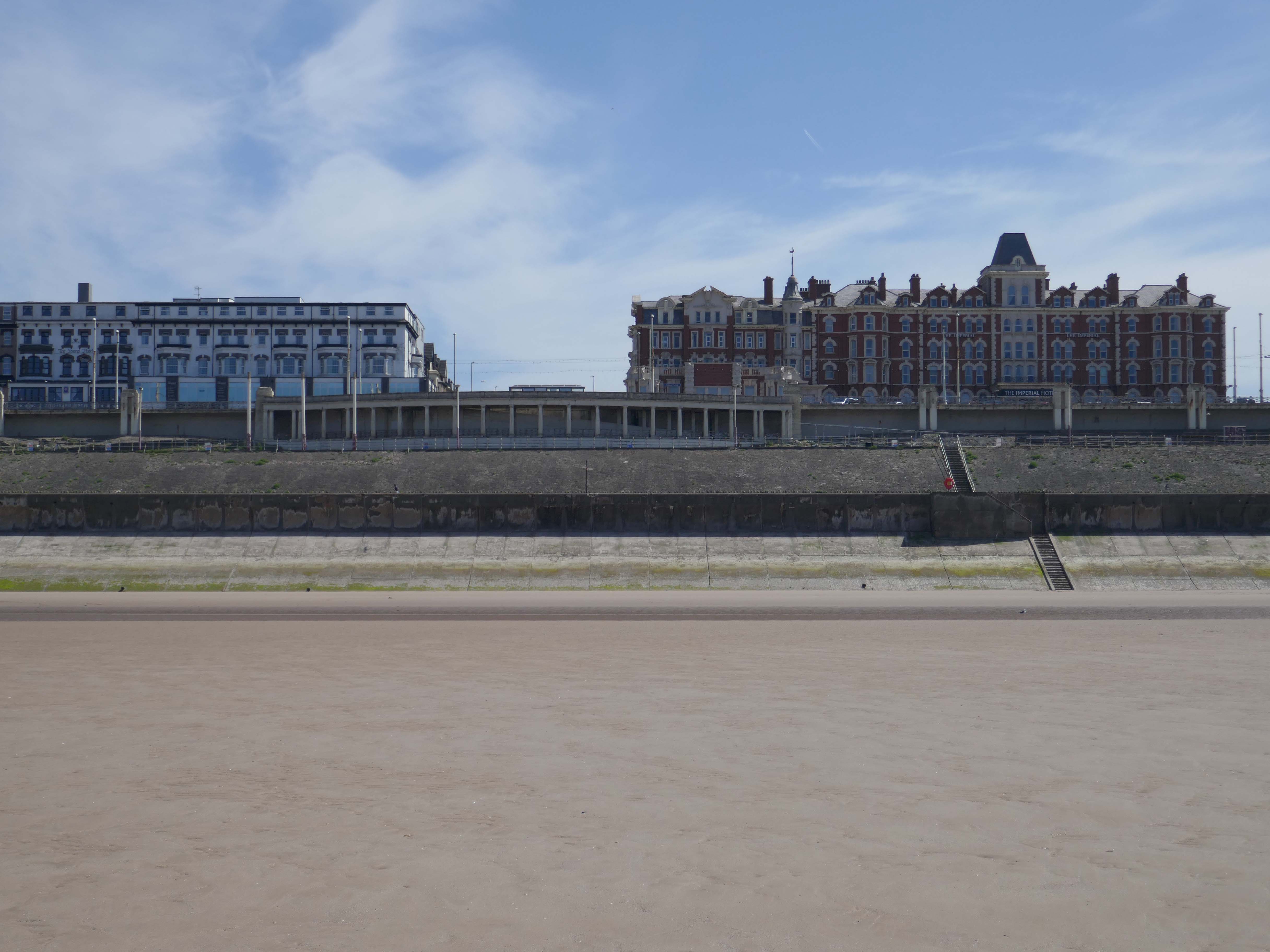
To the right the Imperial Hotel – 1866-7 by Clegg and Knowles of Manchester, wing added 1875 by Mangnall and Littlewood

The hotel was established in 1867. Charles Dickens stayed at the hotel in 1869. In 1904, the hotel was extended with the addition of a large neo-baroque style dining room. In 1912, Princess Louise, Duchess of Argyll stayed at the hotel.In the mid 20th century, Winston Churchill, Queen Elizabeth The Queen Mother, Princess Margaret, Countess of Snowdon and The Beatles stayed at the hotel. Queen Elizabeth II stayed at the hotel when visiting Blackpool. In 1985, Margaret Thatcher celebrated her 60th birthday in the hotel. In 2002, US President Bill Clinton and Prime Minister Tony Blair stayed at the hotel for the Labour party conference.

The hotel is Grade II listed.

Wikipedia

Join us at The Imperial Hotel Blackpool for an unforgettable experience where entertainment,  family fun, and group leisure come together. Book now and start creating memories that will last a lifetime. 
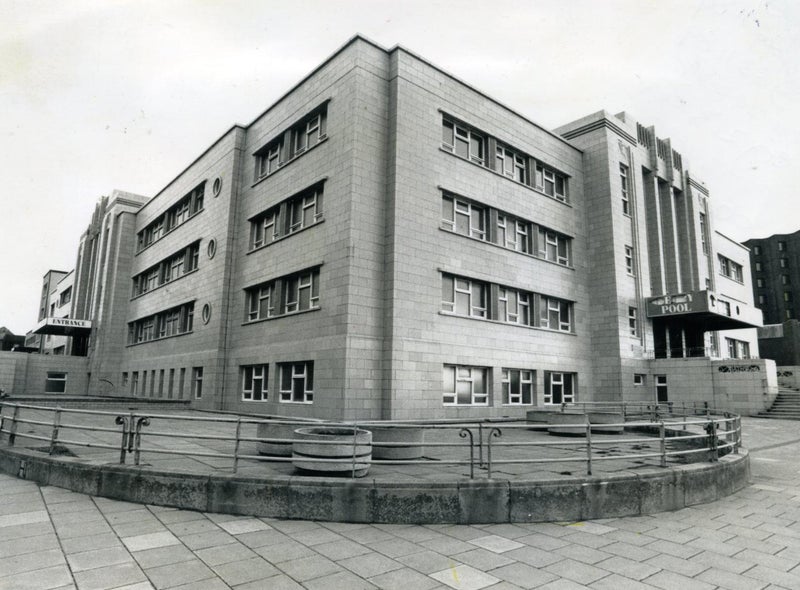
Grand Hotel – the hotel was built as the Pembroke Hotel in 1982, became the Hilton Hotel in 1999 and The Grand Hotel in 2017
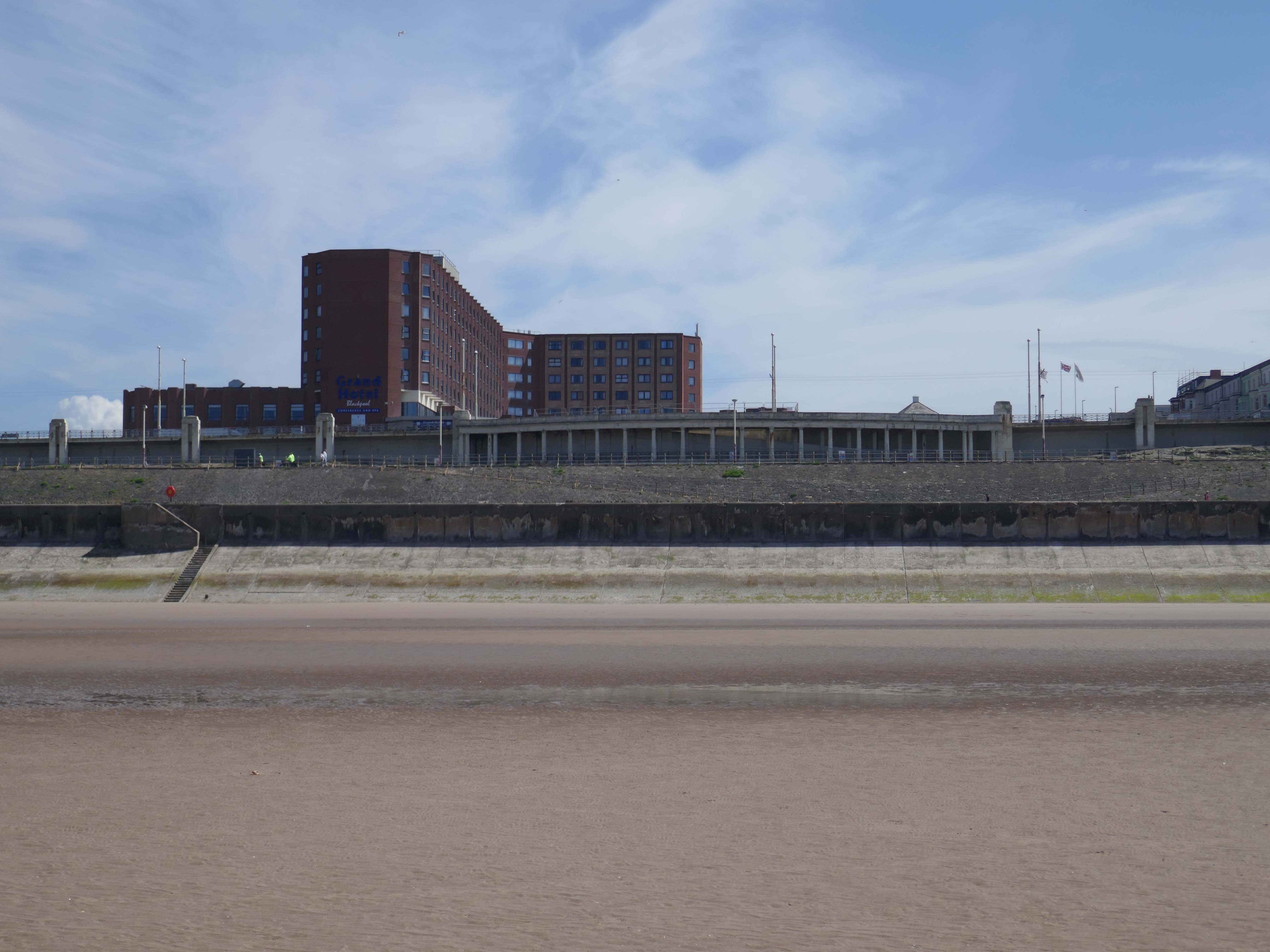
The hotel was built next to the site of the Derby Baths 1939 – architect: John Charles Robinson who between 1920-1944 designed many of Blackpool’s landmark civic buildings including libraries, schools, swimming baths, leisure facilities and tourist infrastructure.

Sadly, the baths were demolished in 1990.
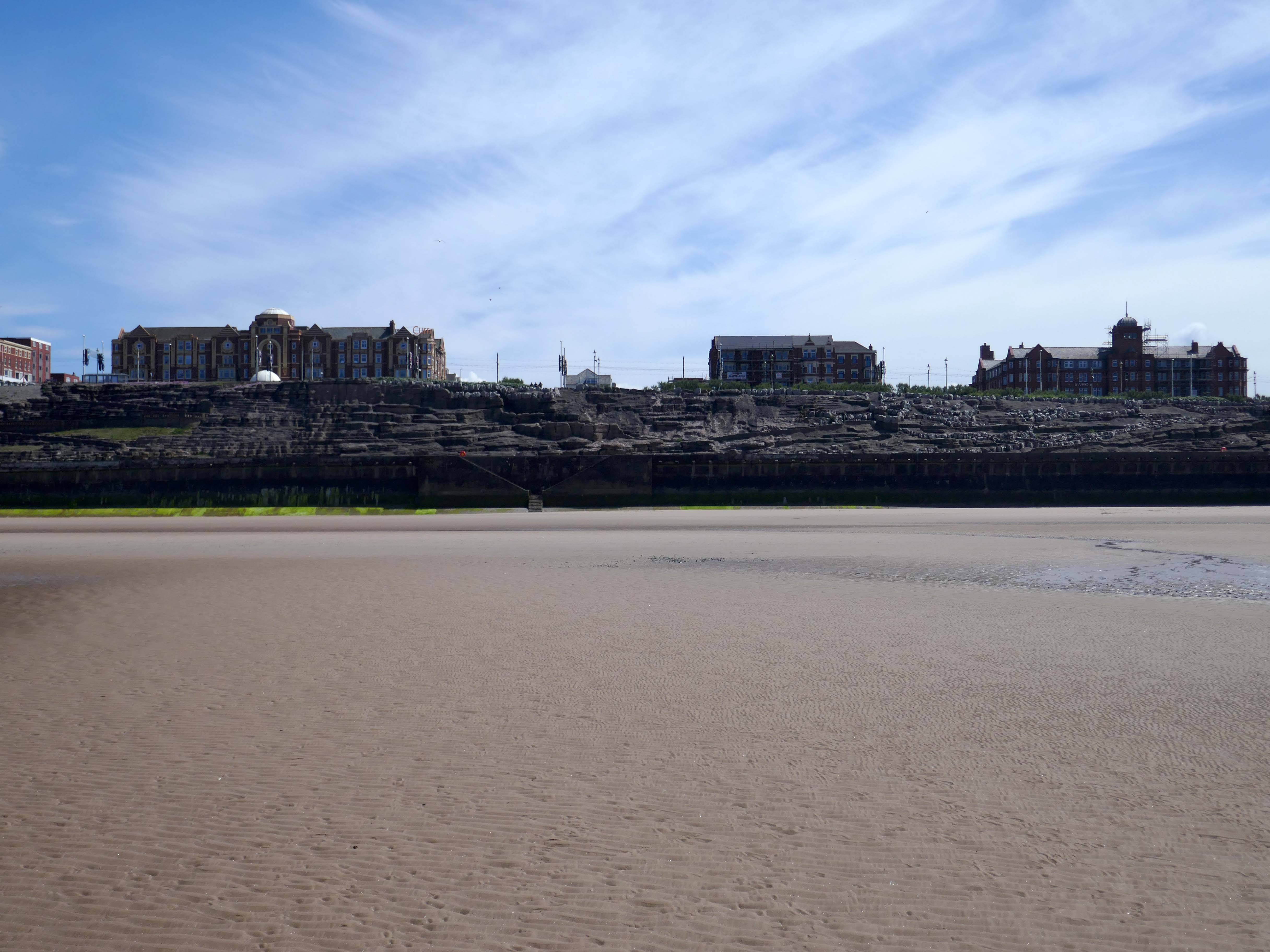
To the right the Savoy Hydro Hotel.

The Savoy Hotel, just north of Gynn Square, is one of the series of large red brick and red terracotta hotels built around the turn of the century. The architect was TG Lumb and the hotel opened in 1915; the sun lounge in Hathern’s cream faience was added in 1935 by Lumb and Walton.

Architects of Greater Manchester
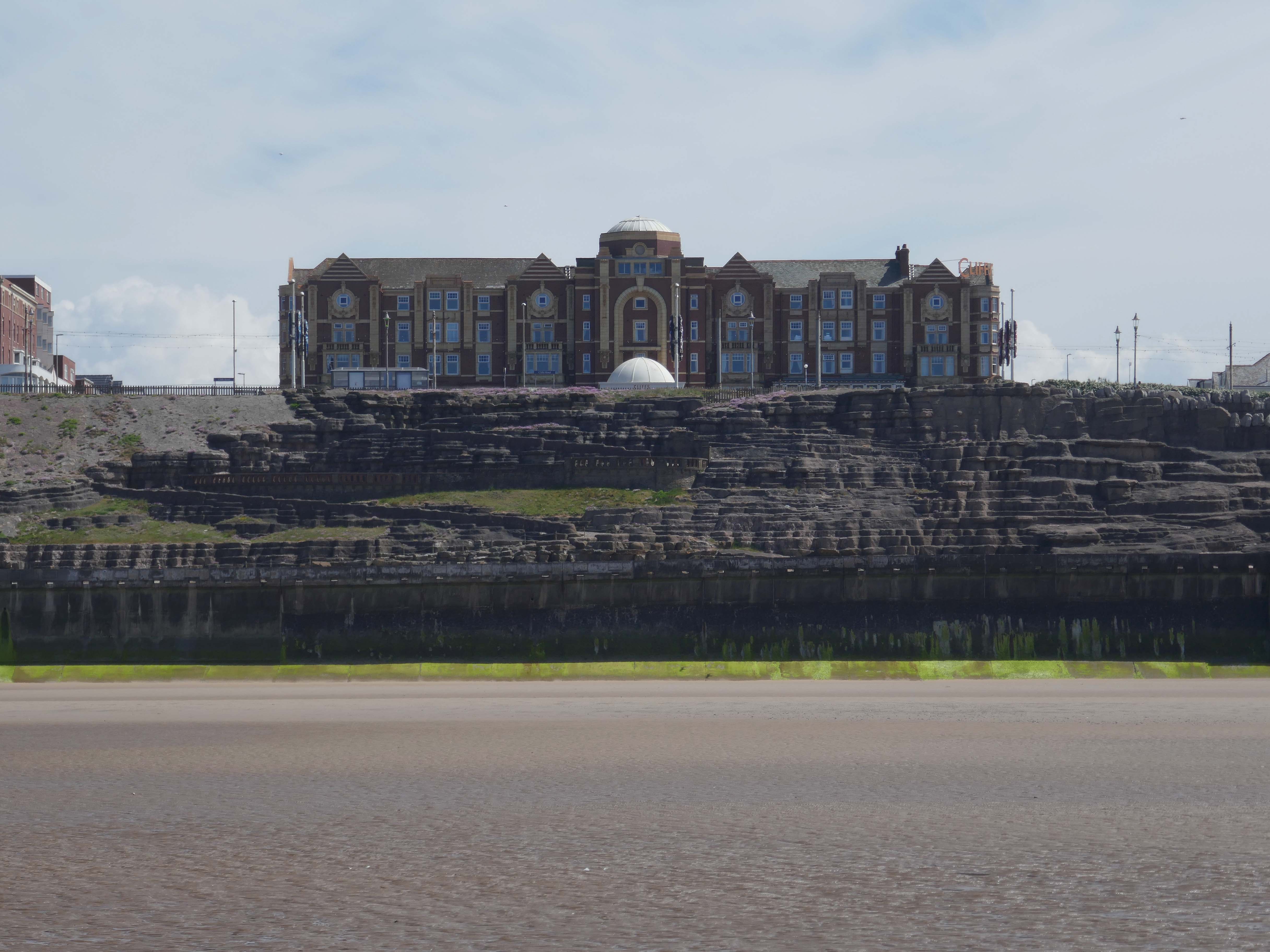
The Cliffs Hotel started in 1921 – architect Halstead Best substantially rebuilt and enlarged the building 1936–37 and added an underground carpark
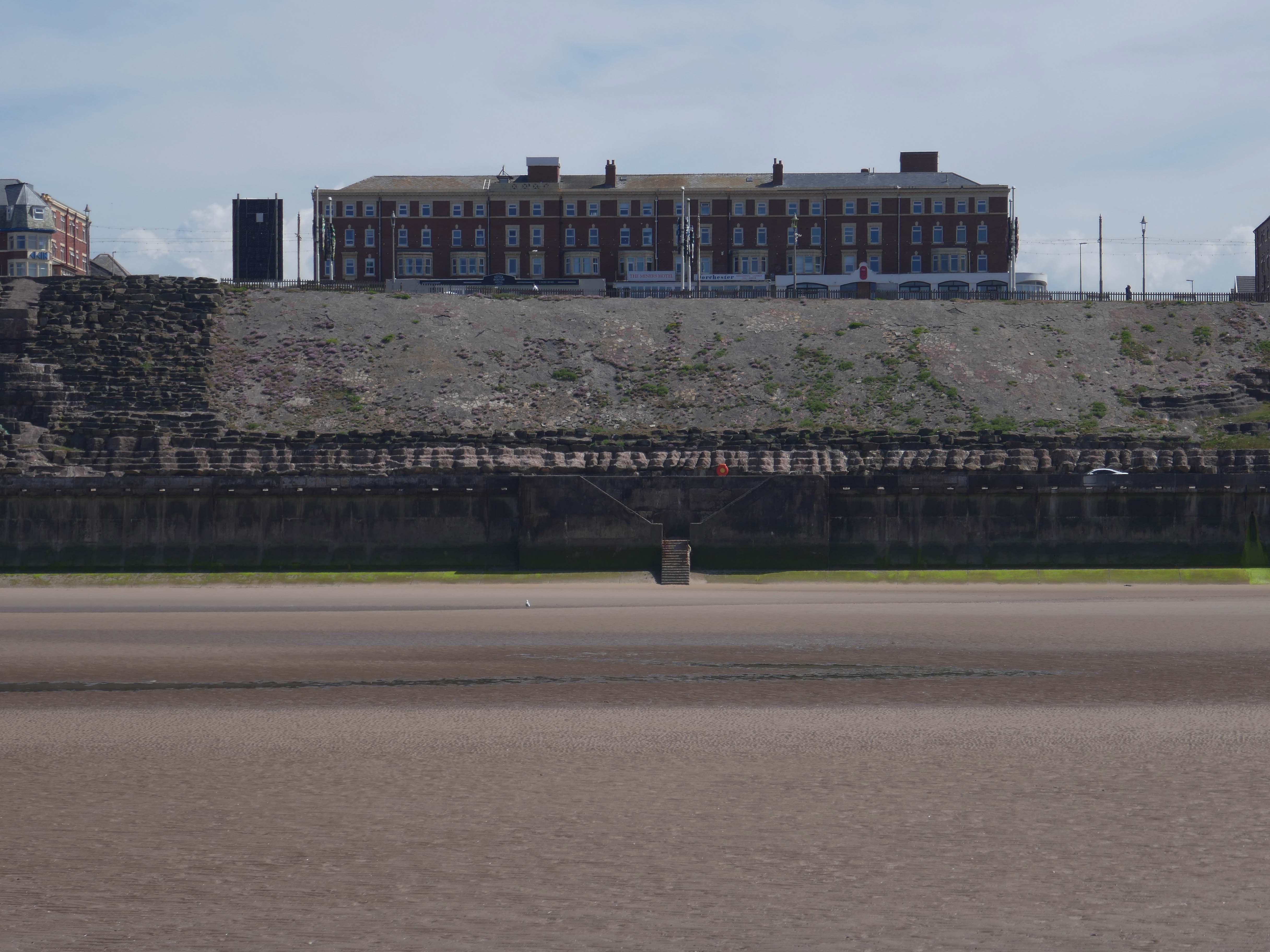
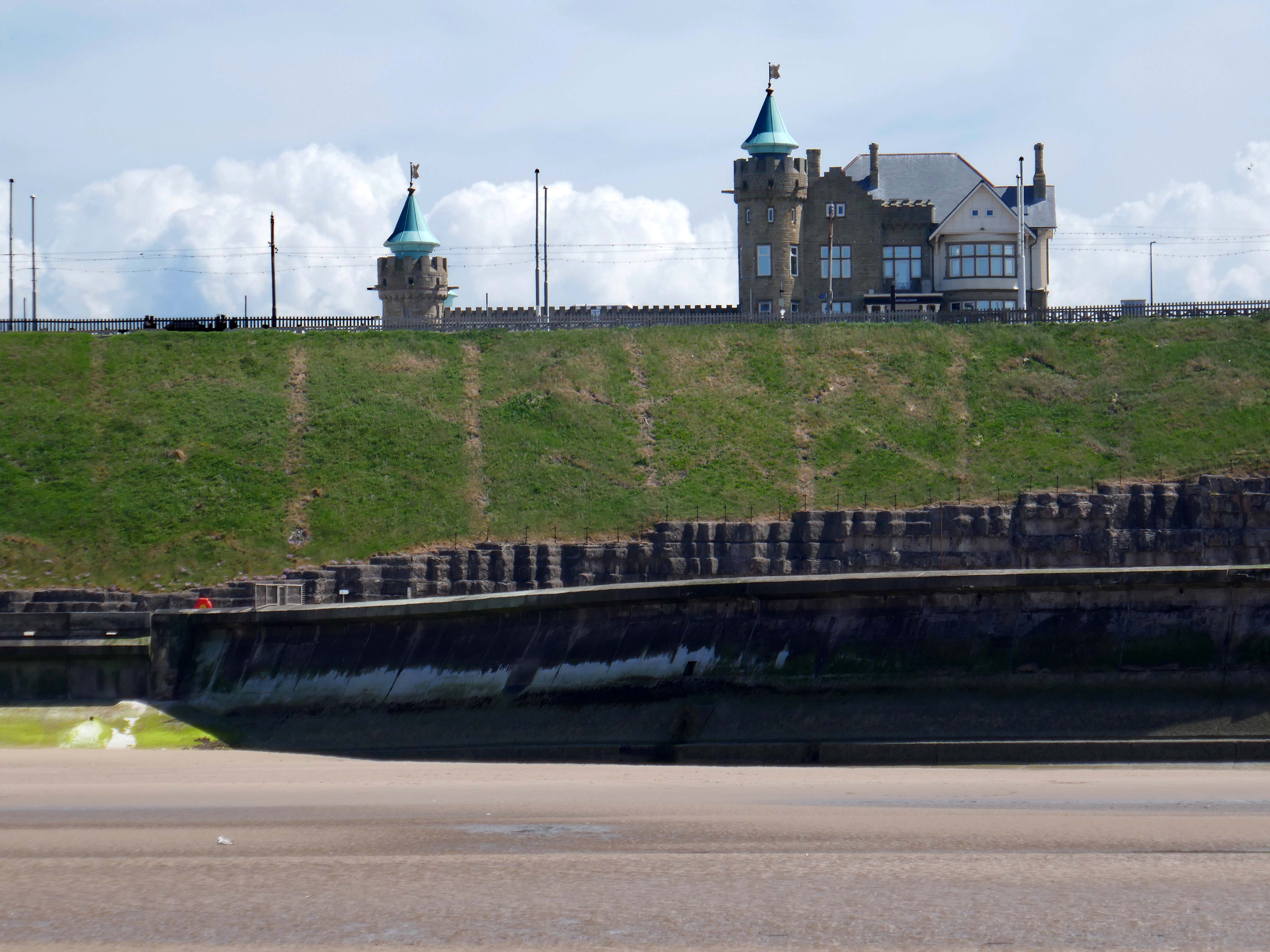
Castle Casino – architect: Arthur Hindle 1906

Arthur Knowles built the Castle at 64 Queens Promenade North Shore for his wife, who unfortunately stayed in France. The couple stayed in the house for a mere nine months during 1929. Apart from housing Belgian refugees during World War 1, it stayed empty until 1935. It then opened briefly as an old people’s home, before being bought by Lawrence Wright – AKA Horatio Nicholls, as his home.

Wright sold it in 1941, and after several years as the home of the Blackpool and Fylde Motor Club, it became the Castle Casino of today in 1965, first owned by wrestler Jack Pye, who moved to Blackpool in 1950. It has had various identities, and was last taken over in 2005, now being known as the Genting Club – part of a national chain of that name.
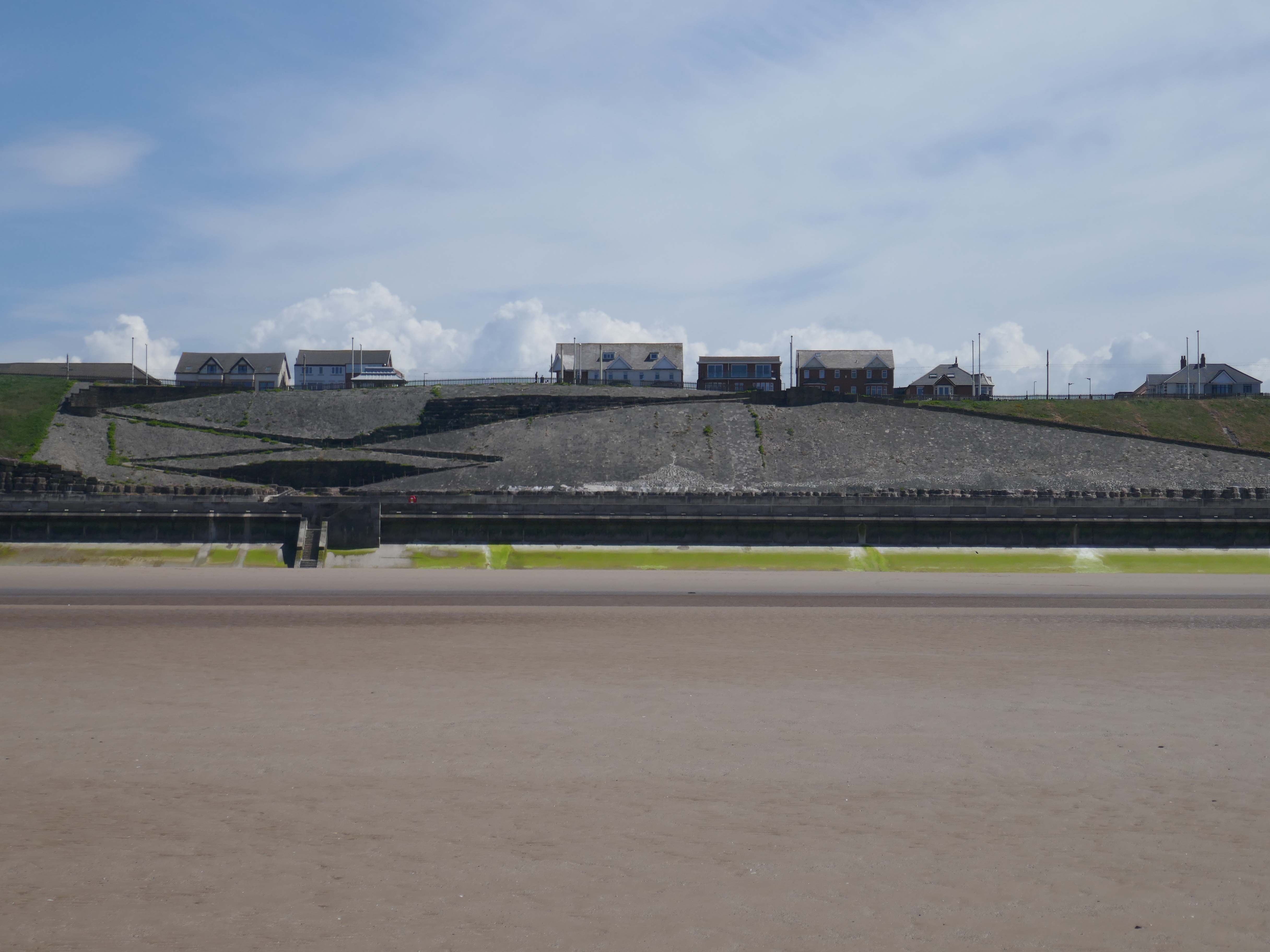
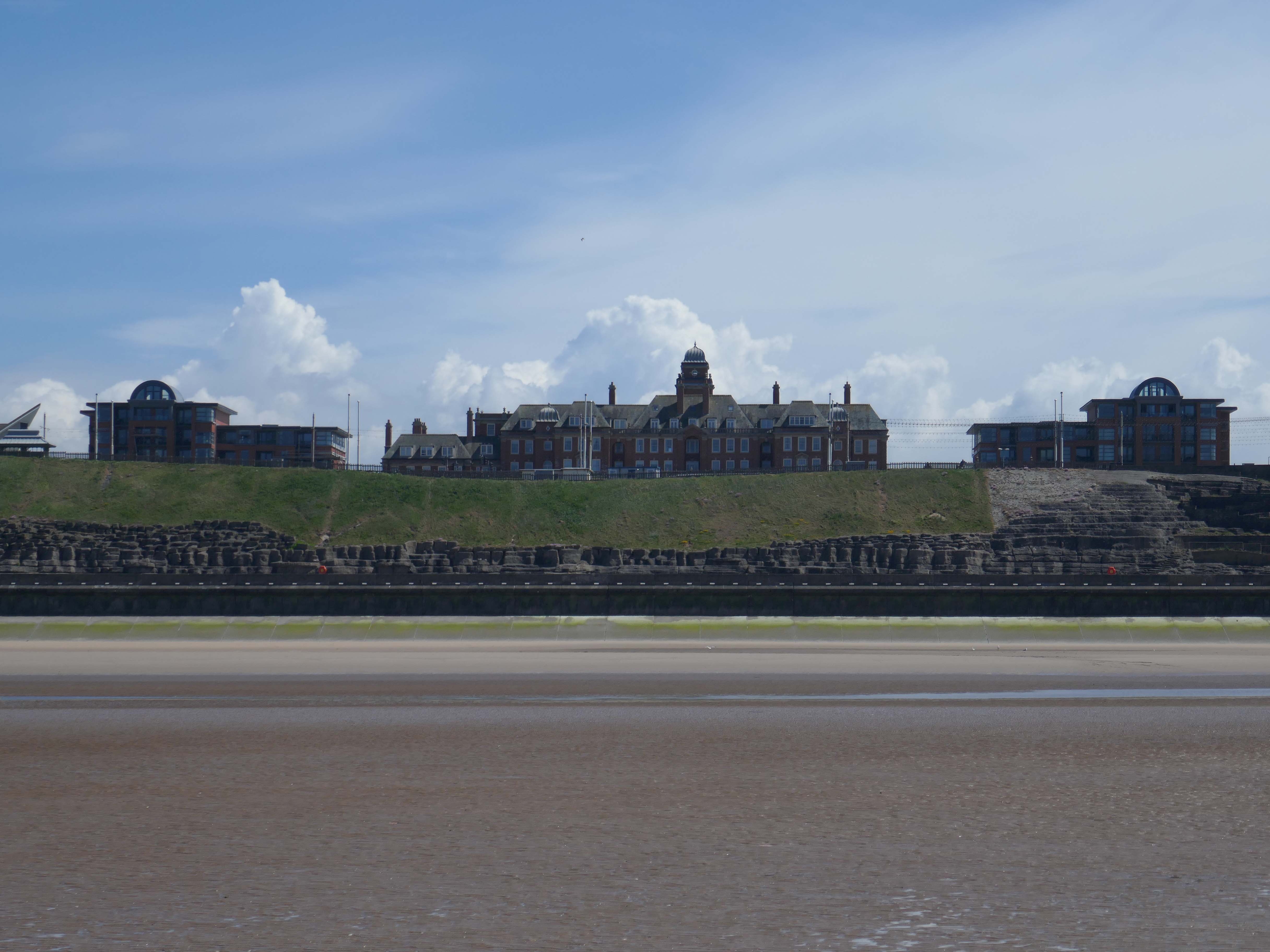
Former Miners Convalescent Home 1925-27 – architects: Bradshaw Gass & Hope, Grade II listed 

Converted to apartments in 2005 – trading as Admiral Point.
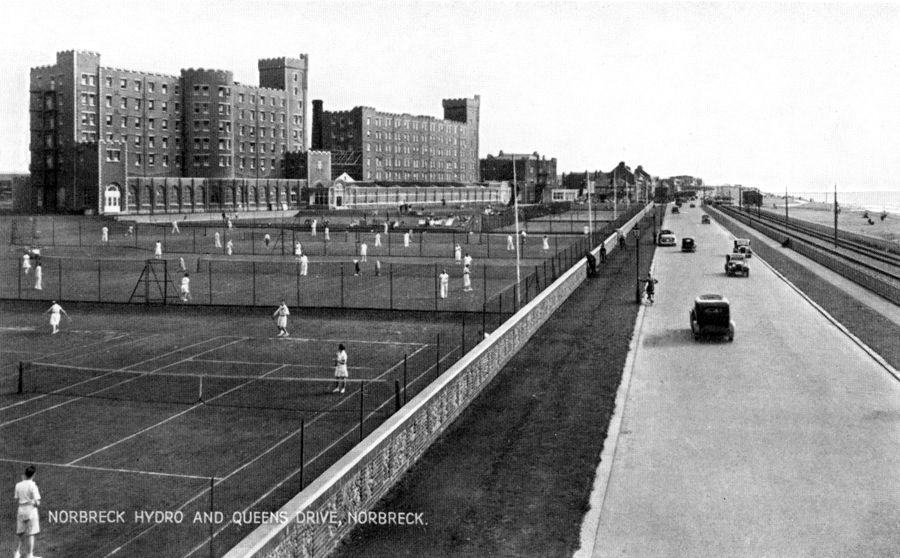
Norbreck Castle Hotel originally built as a large private country house in 1869, it was bought around the end of the 19th century by JH Shorrocks, who used the house to entertain friends and colleagues at lavish weekend parties. The popularity of these parties led to Shorrocks running them on a commercial basis by taking paying guests.

The S Block by architect WH Longworth 1912 – the N Block by Halstead Best 1933-34.
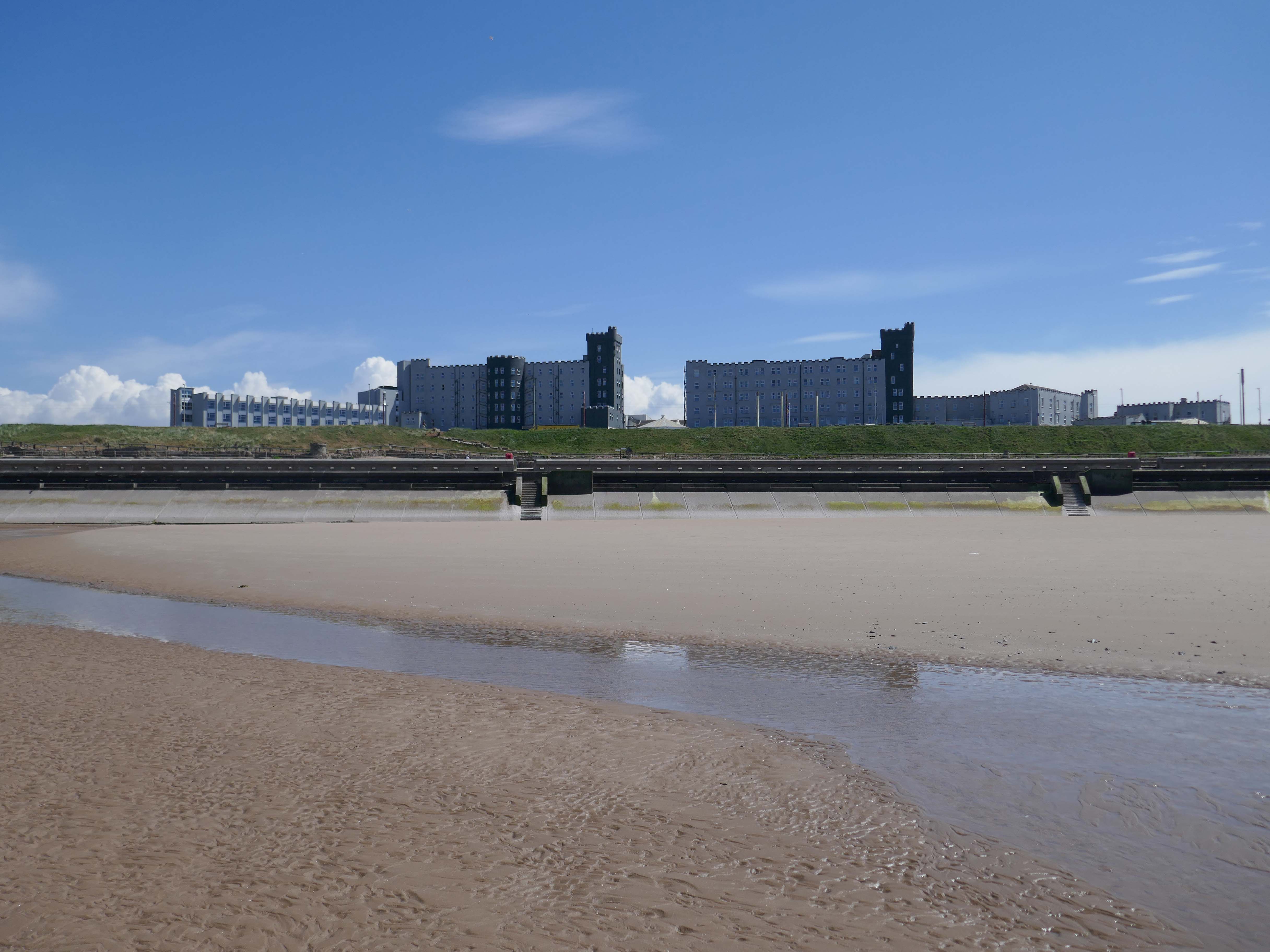
In the 1970’s the Motel wing was added along with, the large Norcalympia exhibition hall, the name was changed from the Norbreck Hydro to Norbreck Castle.
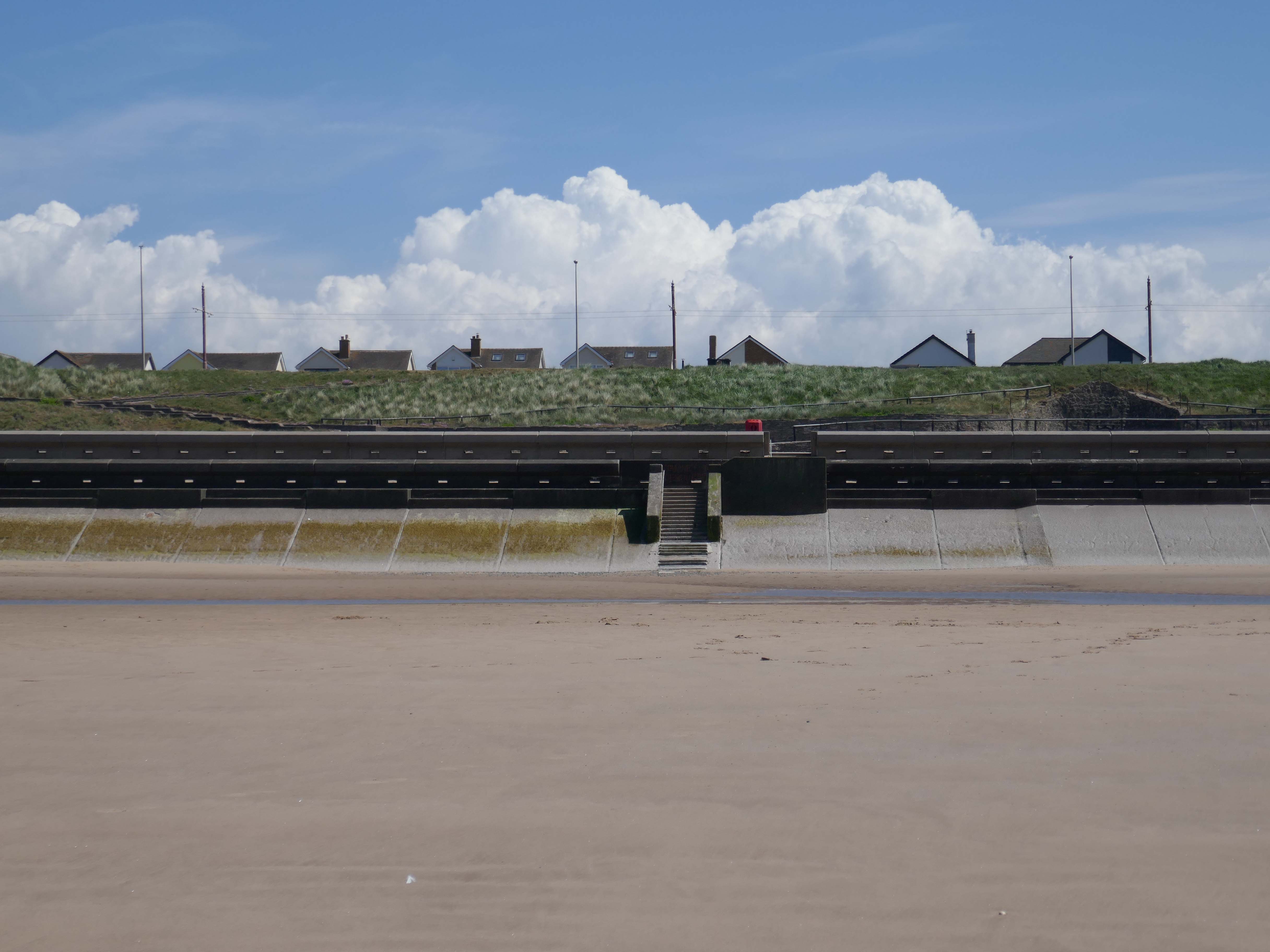
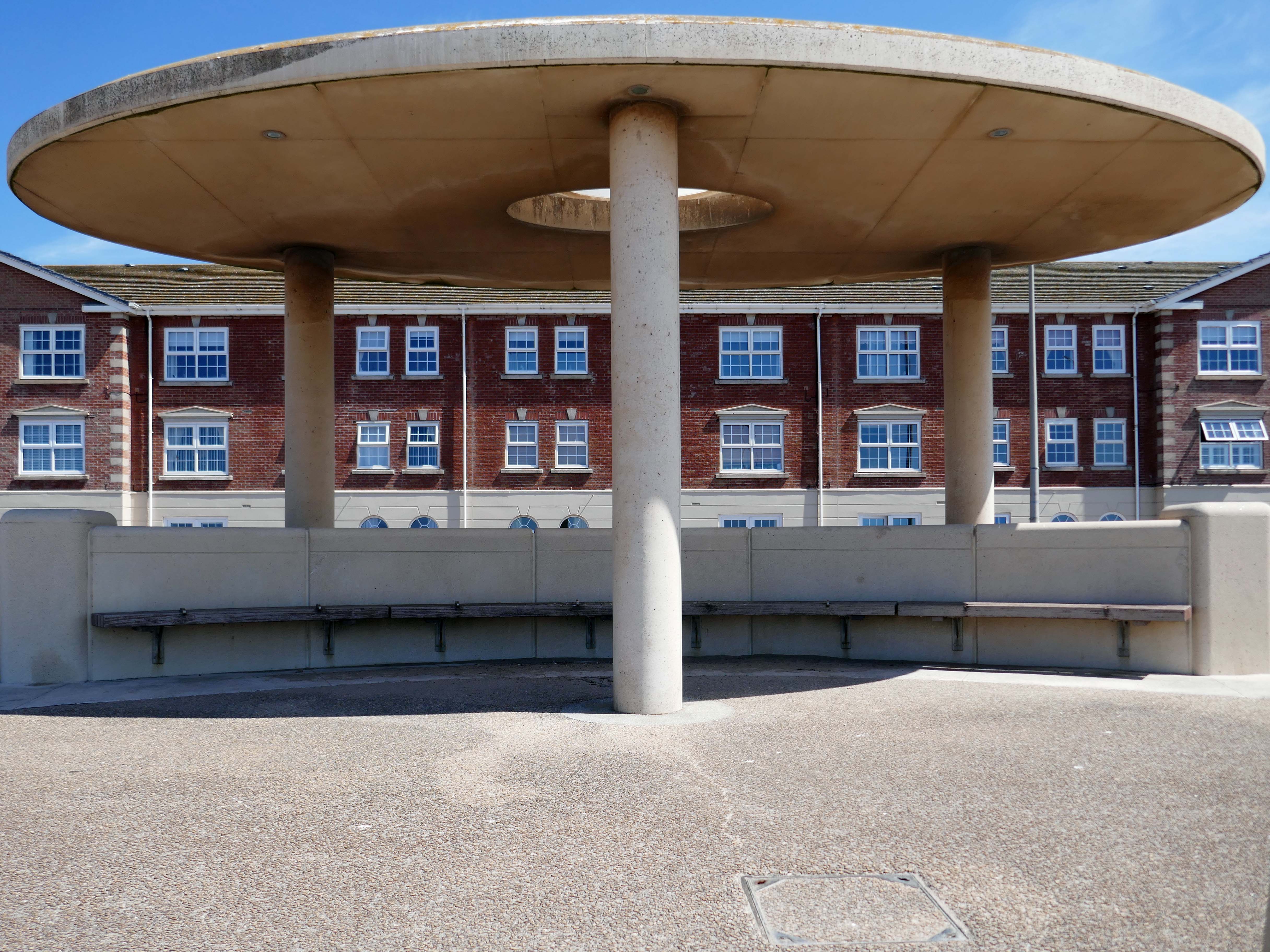
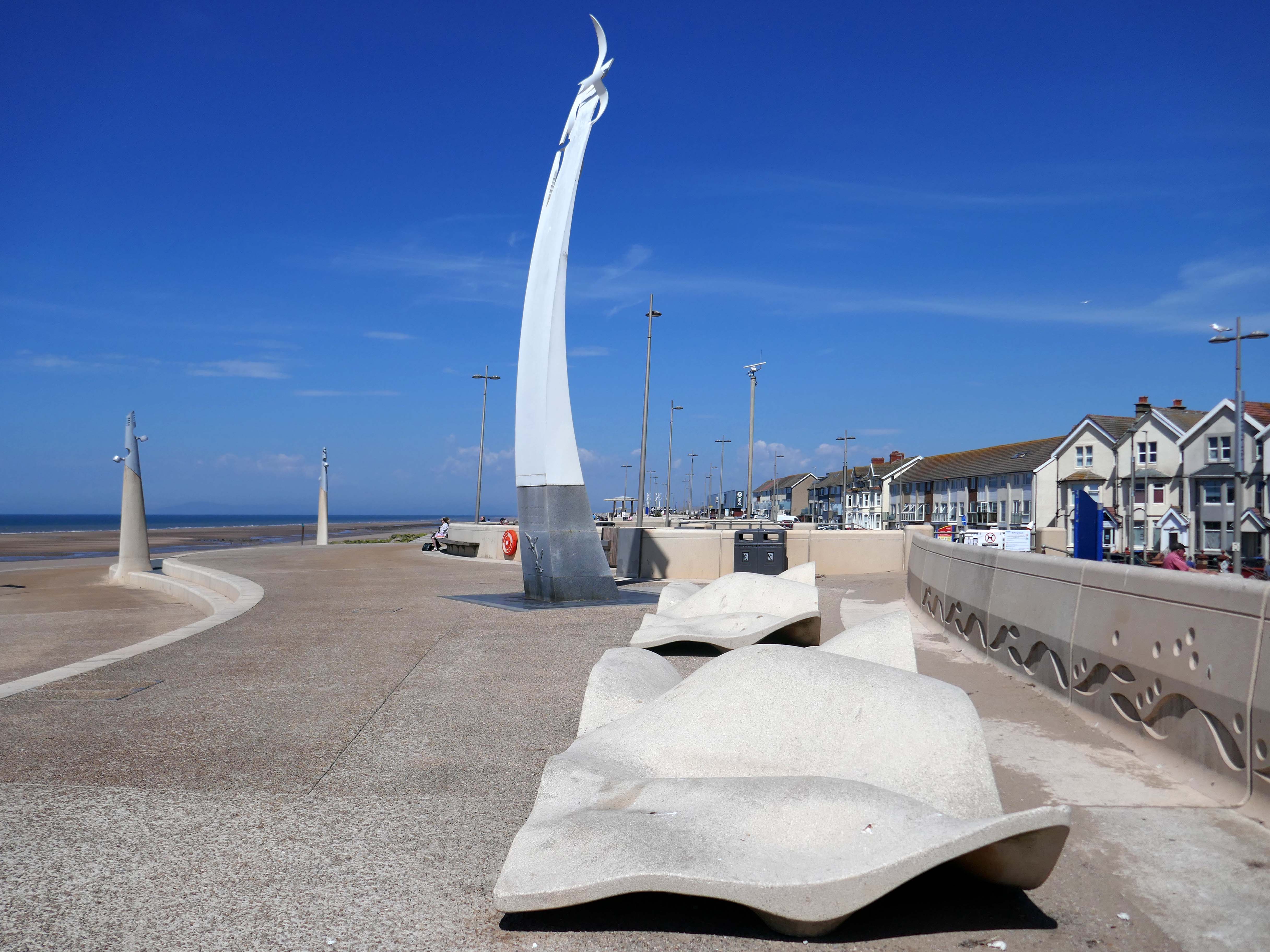
European Regional Development Fund cash of £450,000 was granted towards a regeneration project on Cleveleys Promenade. Wyre Council improved 64,000 sq ft of the promenade to create a more attractive place for visitors to the town. The latest work complements the £20m sea defence installation.
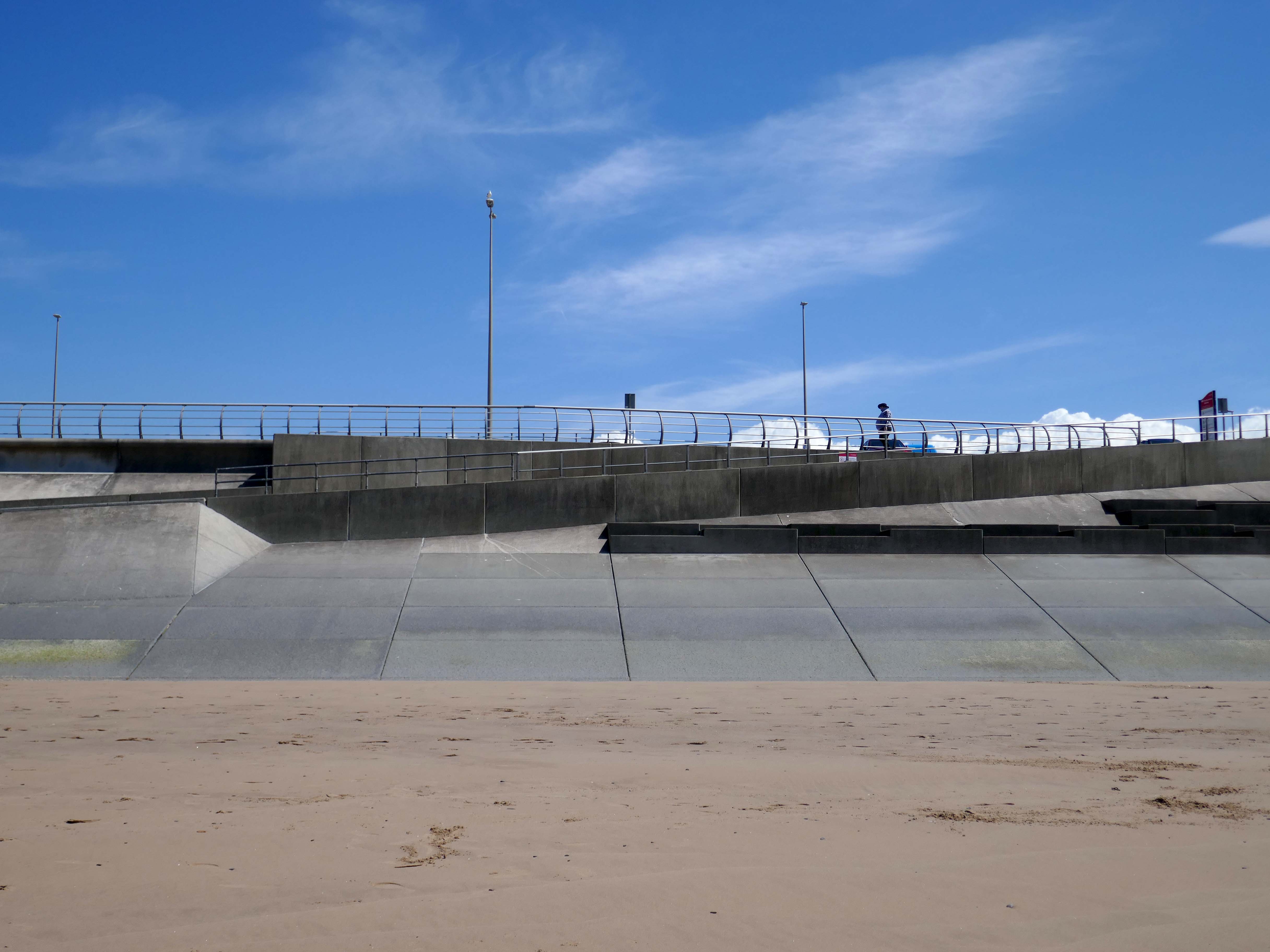
Broadbent Studio worked collaboratively from the outset with Wyre Council, Ferguson & McIlveen and Faber Maunsell in 2008, to create an exciting new promenade and sea defence scheme for the coastline at Cleveleys.
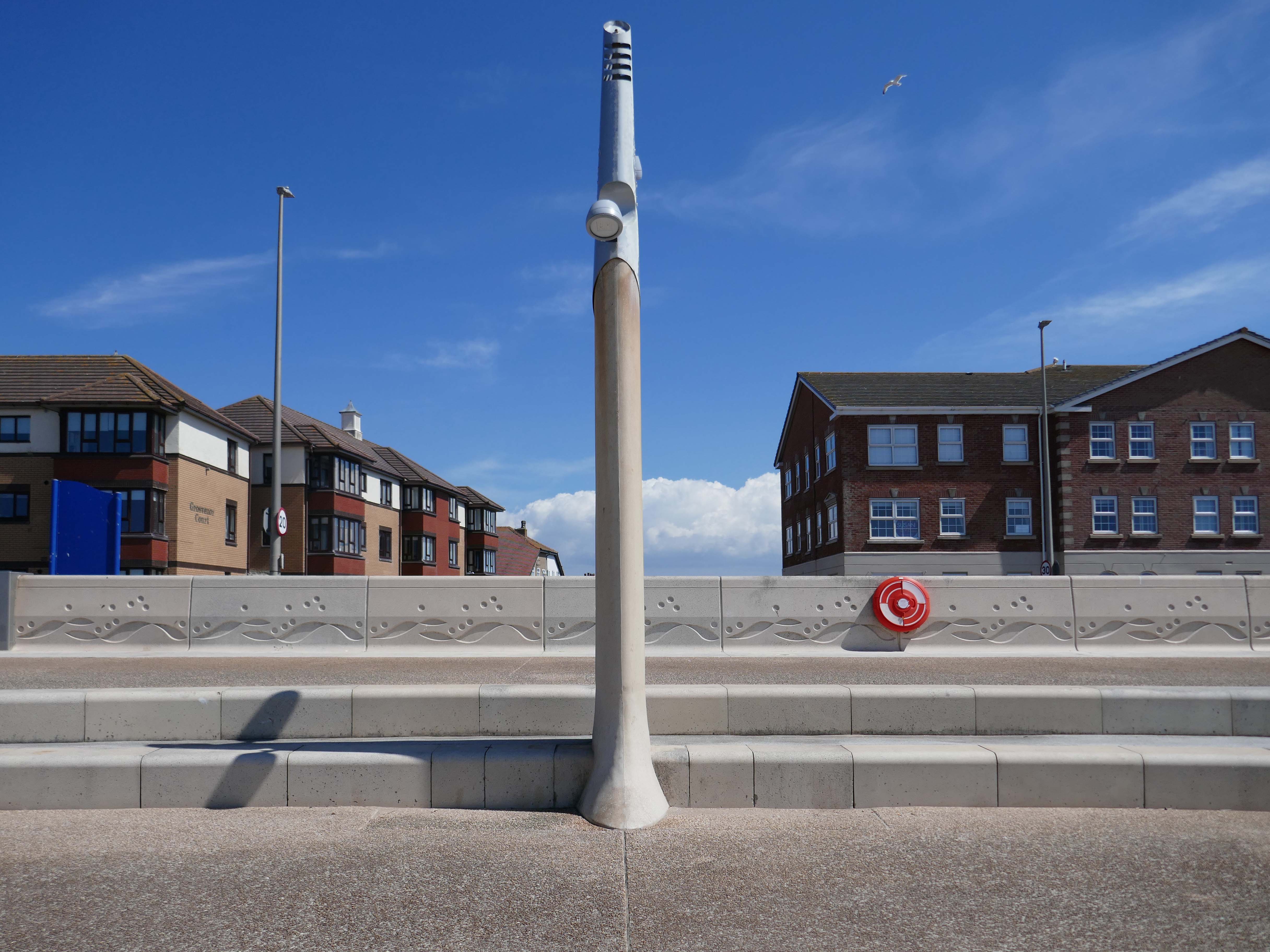
The Sea Swallow is a 10m tall structure that brings to life Wyre’s Mythic Coast storybook ‘The Sea Swallow’. The coated aluminium sculpture, has the feel of ‘a book coming to life’, with the two sea swallows symbolic of the town’s protectors emerging from the page. 
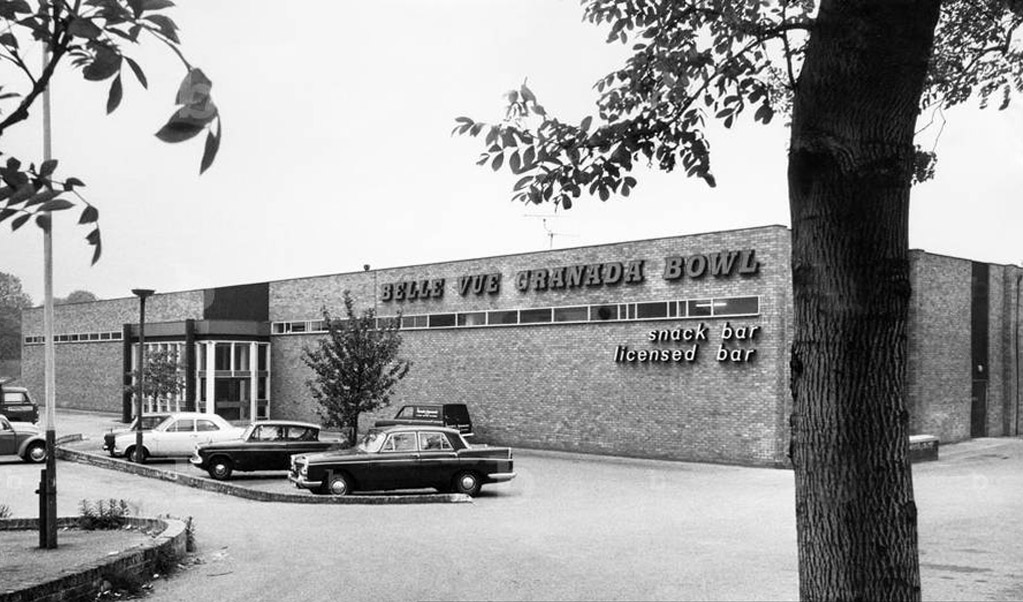
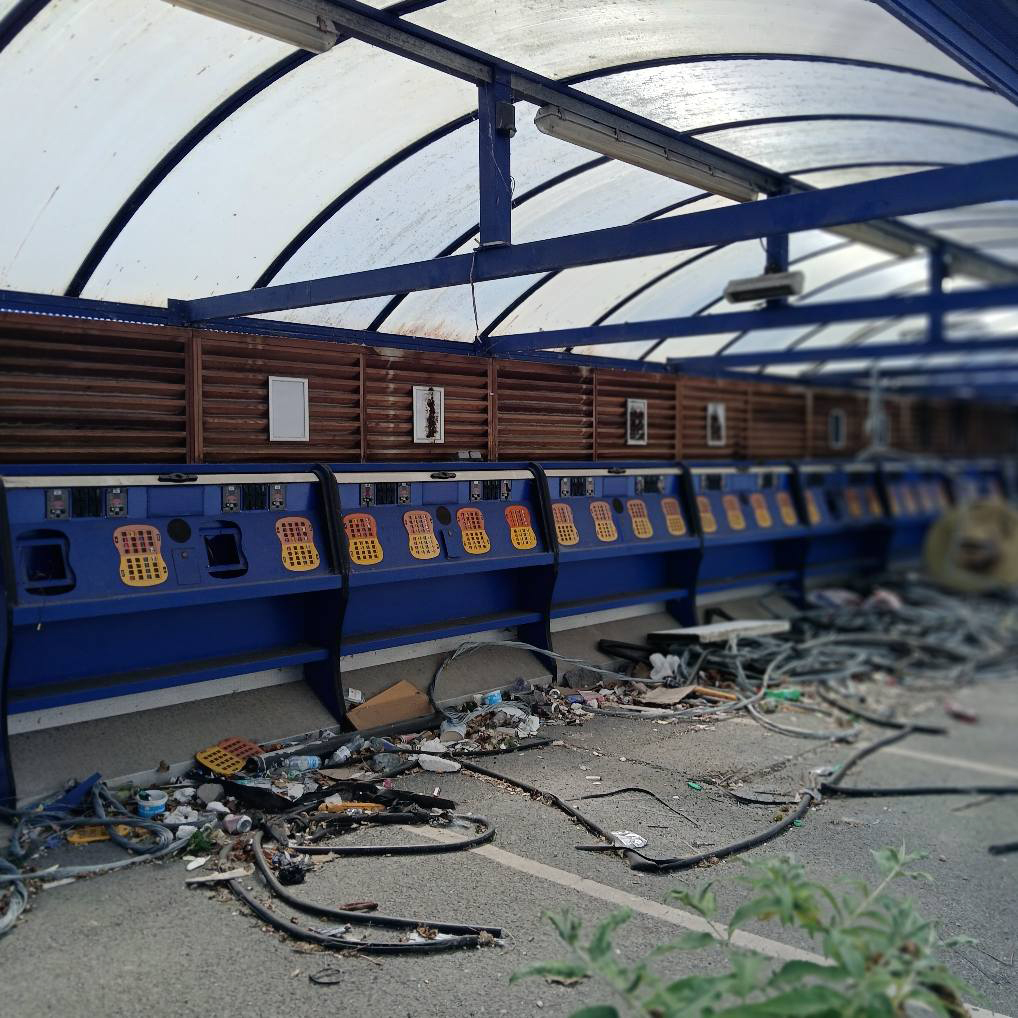
Granada Bowl Belle Vue

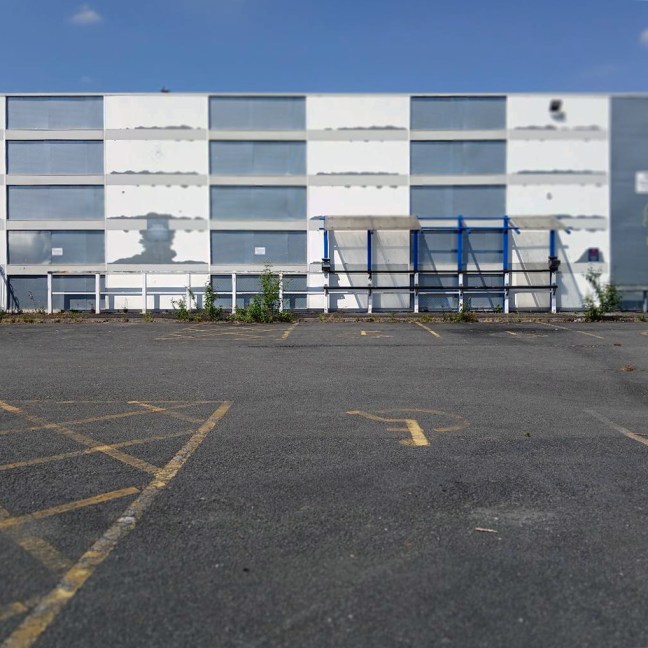
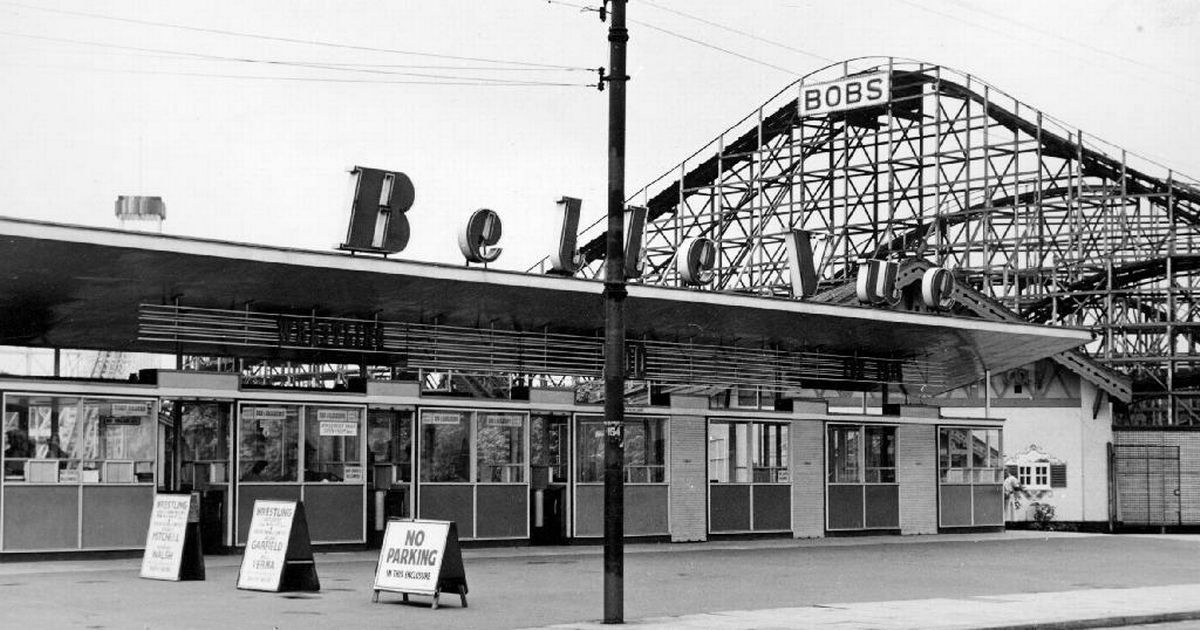
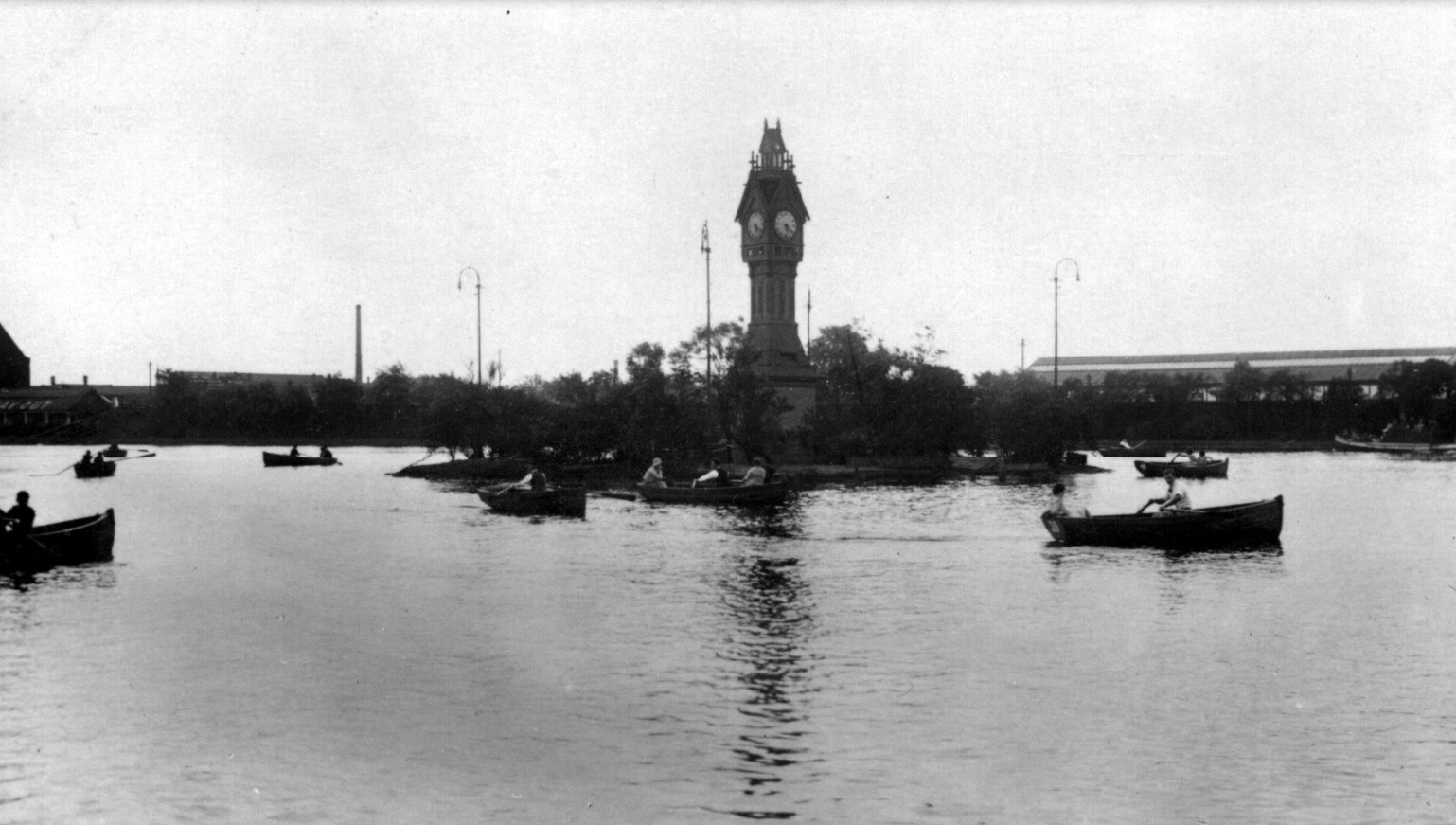
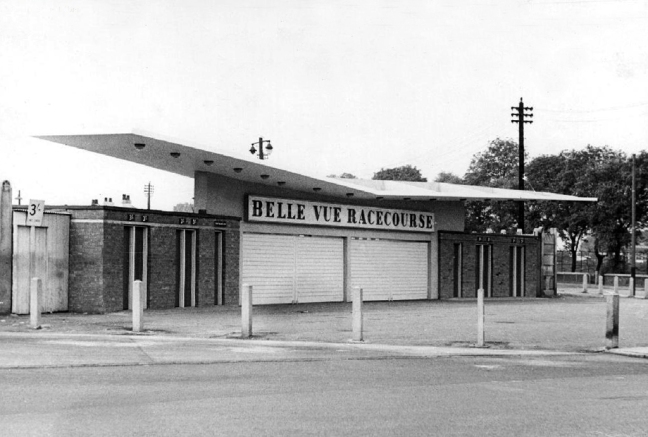
Once upon many times ago we all went to Belle Vue – formed from John Jennison’s Victorian pleasure gardens and zoo, into an inner city funfair and entertainment extravaganza.

I went to the circus, competed in school sports days, watched the wrestling and music, I still go to the speedway – Belle Vue Aces now racing at the nearby National Speedway Stadium.

Then one day it all fell apart.

In 1979 the amusement park was leased to the main concessionaire, Alf Wadbrooke, although by then it was only open at weekends during the summer season. The long-promised restoration of the Scenic Railway had not happened and the Water Chute had closed. In August 1980, Wadbrooke was given notice to close down the park by 26 October 1980 and to have all his equipment removed by February 1981.

The Greyhound Stadium is now a housing estate.

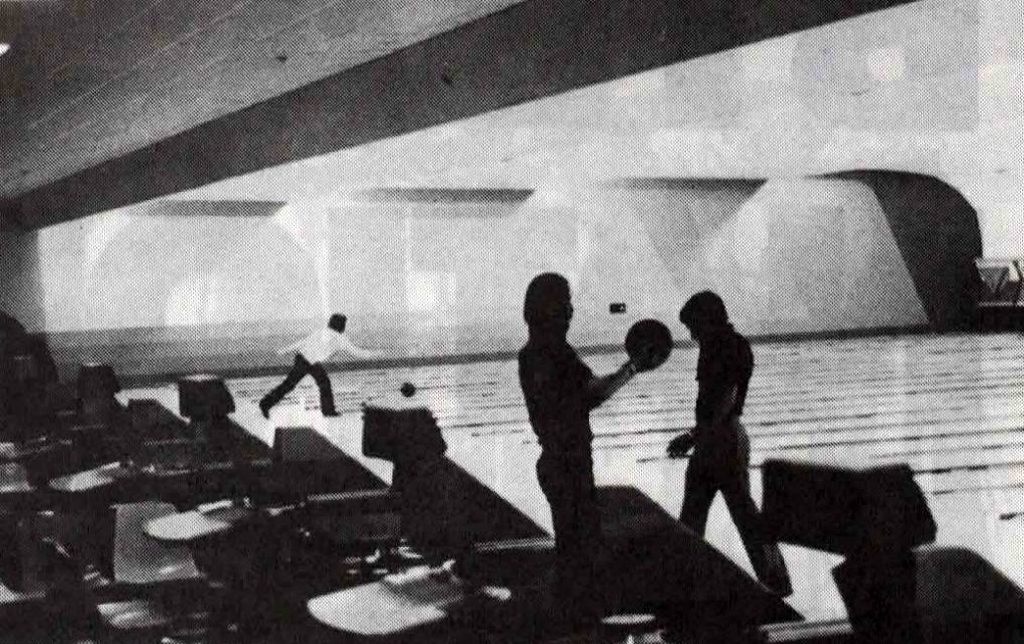
In 1963 the Top Lake, formerly known as the Great Lake, was filled in and a 32-lane ten-pin bowling alley built on its site, just behind the Lake Hotel.

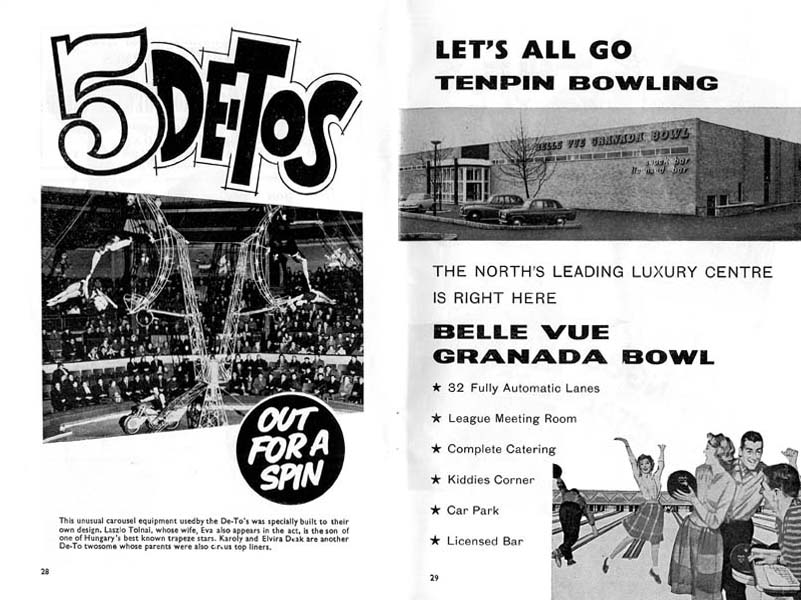
Known as the Belle Vue Granada Bowl, it opened in 1965, advertised as “the north’s leading luxury centre”. In 1983, after the rest of Belle Vue had closed, it was sold to First Leisure Group, and bowling continued for a time.

Wikipedia

The 32-lane Granada Bowl at Belle Vue, Manchester is believed to have been the first centre to be opened by Granada and the centre went on to become one of the most successful in the country. 

The centre was equipped with lanes and machines supplied by AMF and the rest of the centre was well appointed with a licensed bar and food operation. The centre was a joint operation between Granada and Belle Vue with two directors from each company on the board of Belle Vue Granada Bowl Limited.

UK Ten Pin

To mark the opening ceremony Lee Kates, with the support of the band of the 8th Battalion of the Manchester Regiment and trumpeters of the Duke of Lancaster’s Own Yeomanry, introduced Granada’s Mr Chapman, who made a short speech and welcomed the guests. The golden ball was handed to guest Pat Phoenix, star of the TV soap Coronation Street, to roll the first ball.

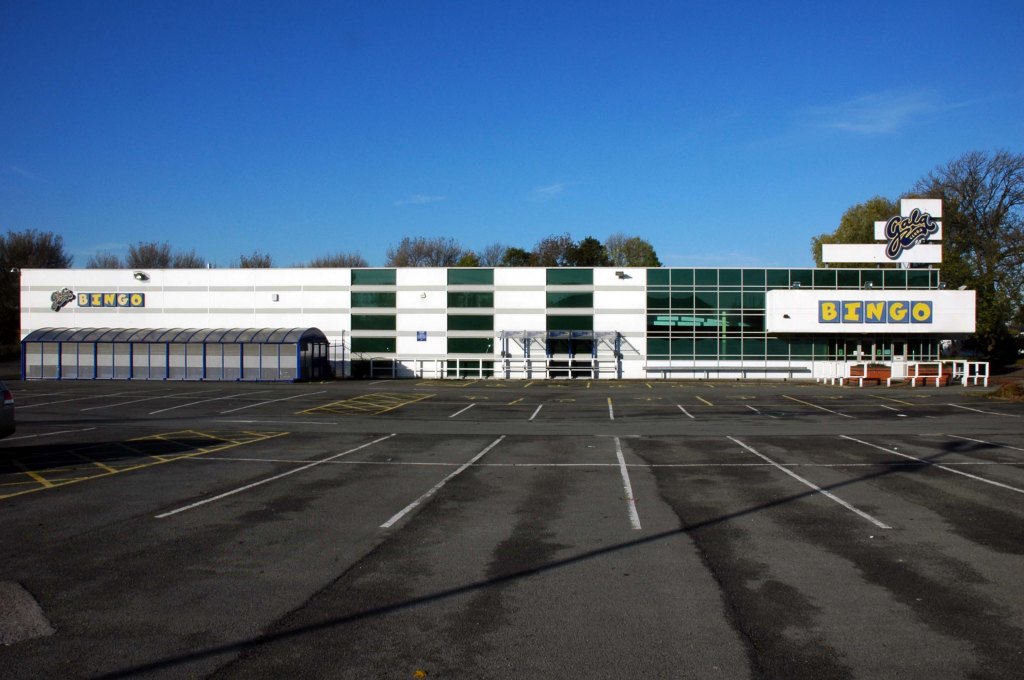
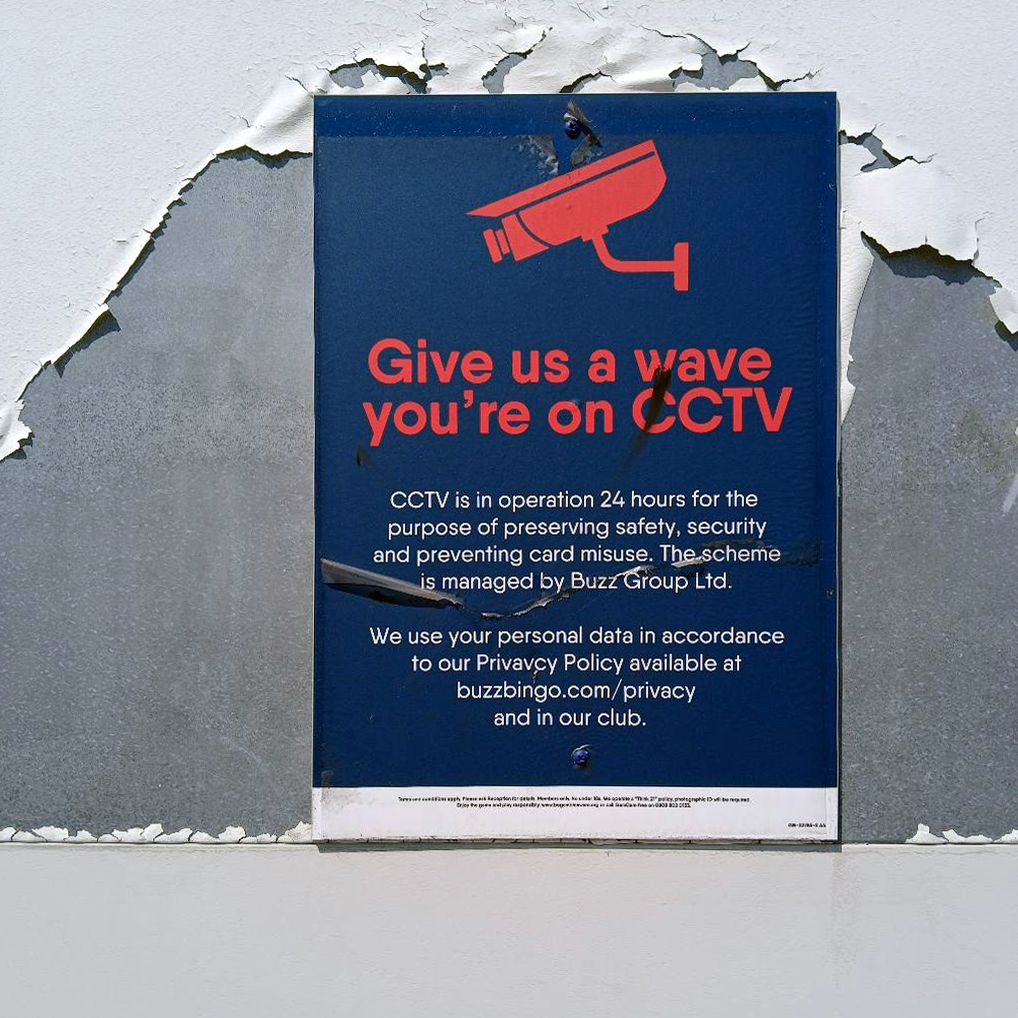
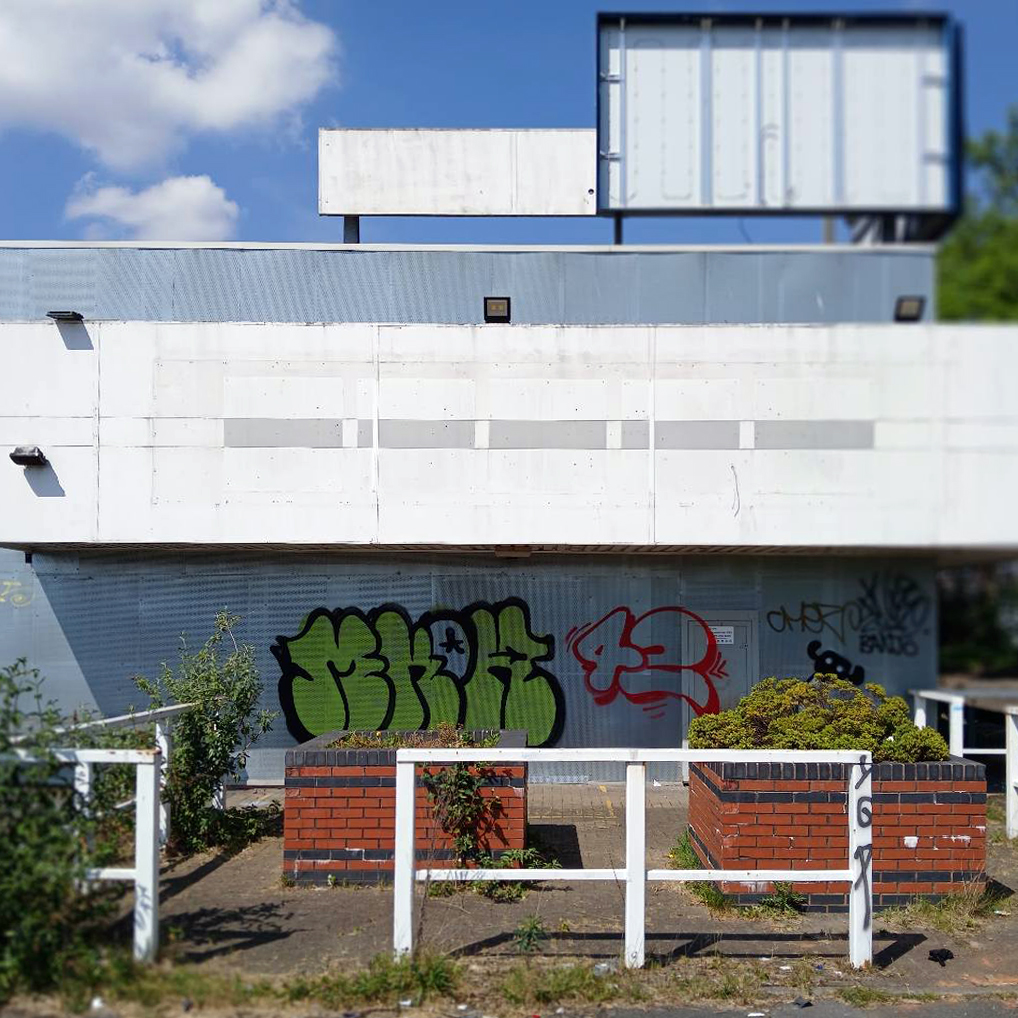
Gala Bingo came and went too.

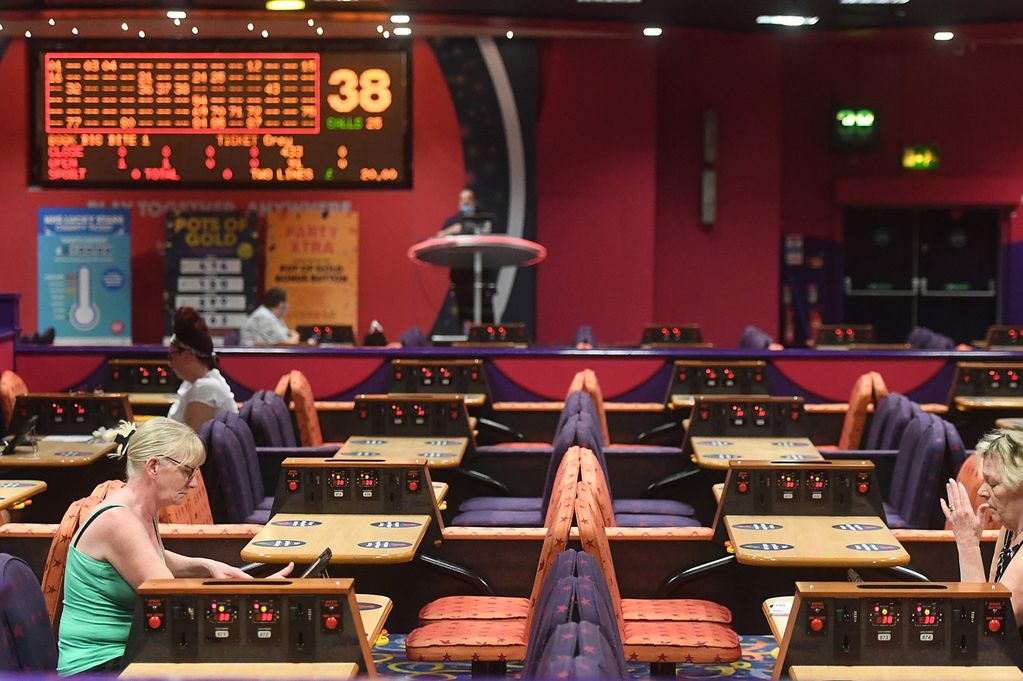
Buzz Bingo have announced plans to close nine of their 91 clubs across the country.

One of those earmarked for closure is the club at Belle Vue. Bosses are blaming the dwindling number of players following the Covid lockdowns as well as the ‘ongoing and challenging operating environment’ of increased energy bills and other costs.

MEN – March 2023

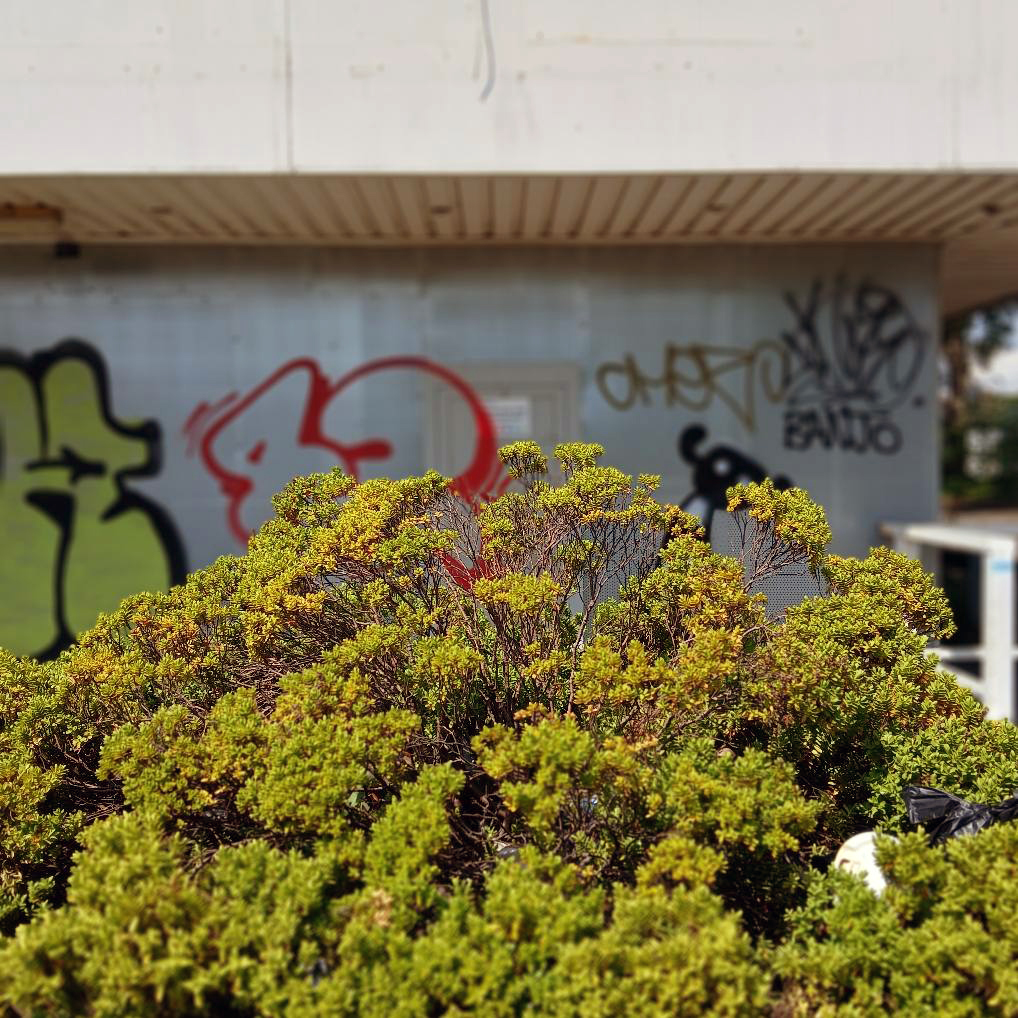
House has been called fro the very last time, the signage removed and the building tinned up.

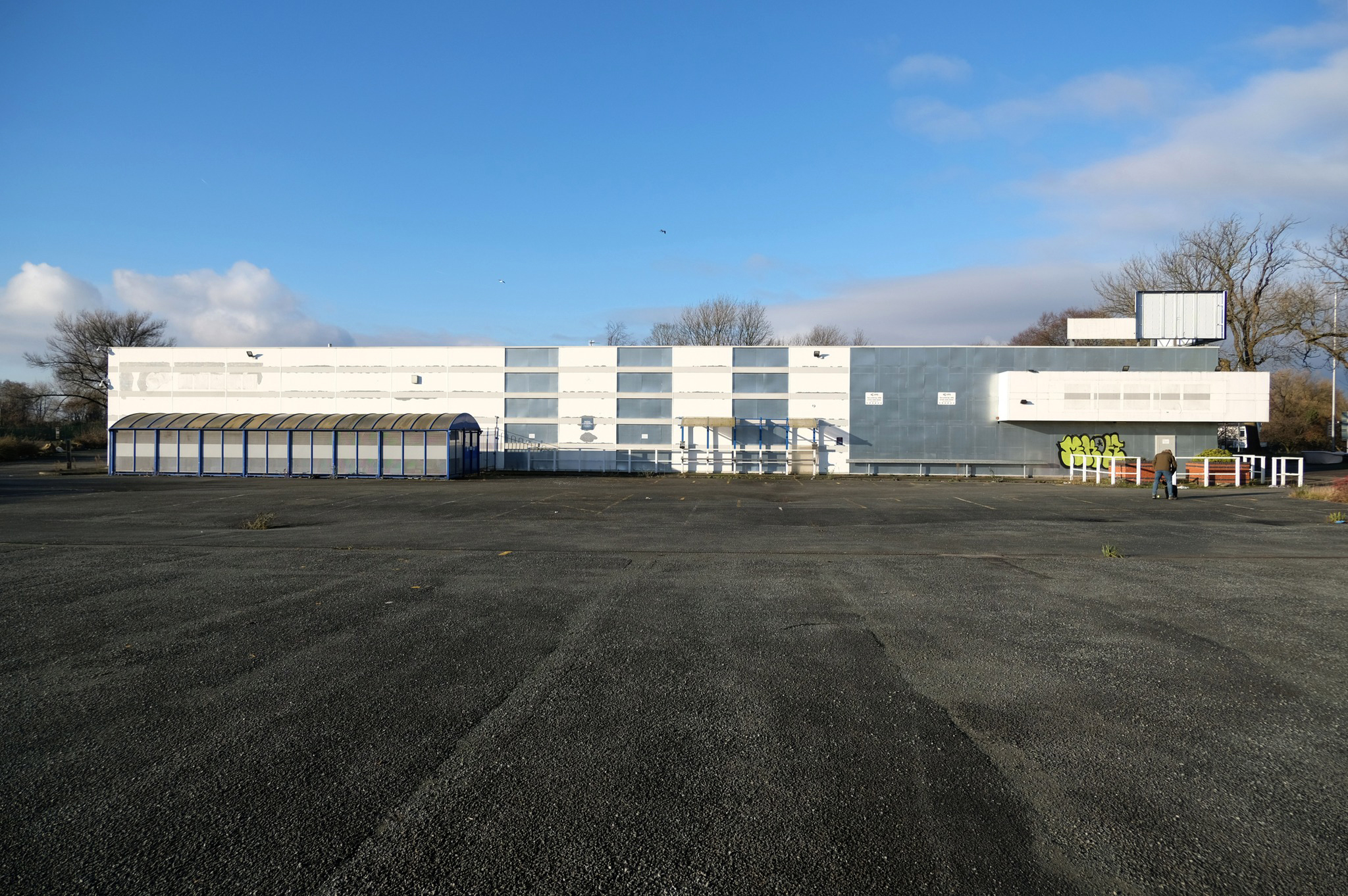
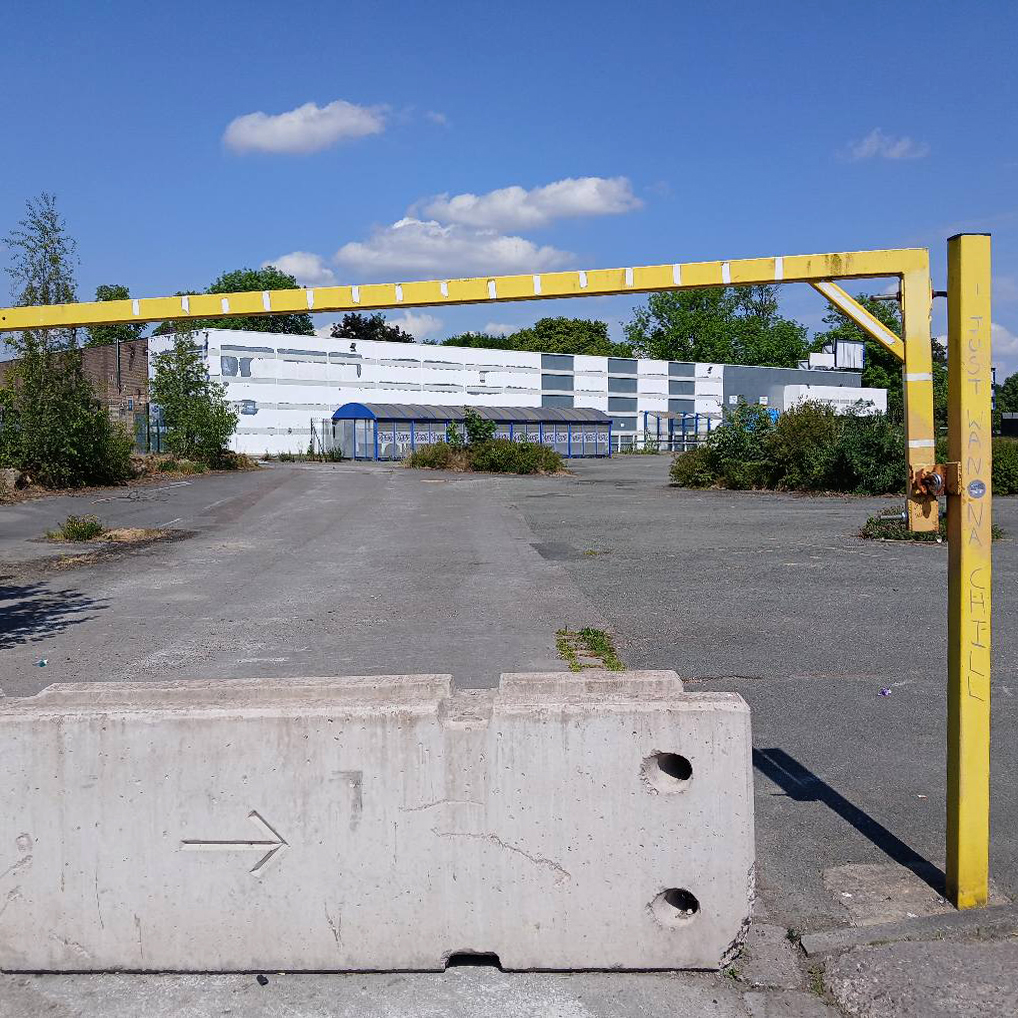
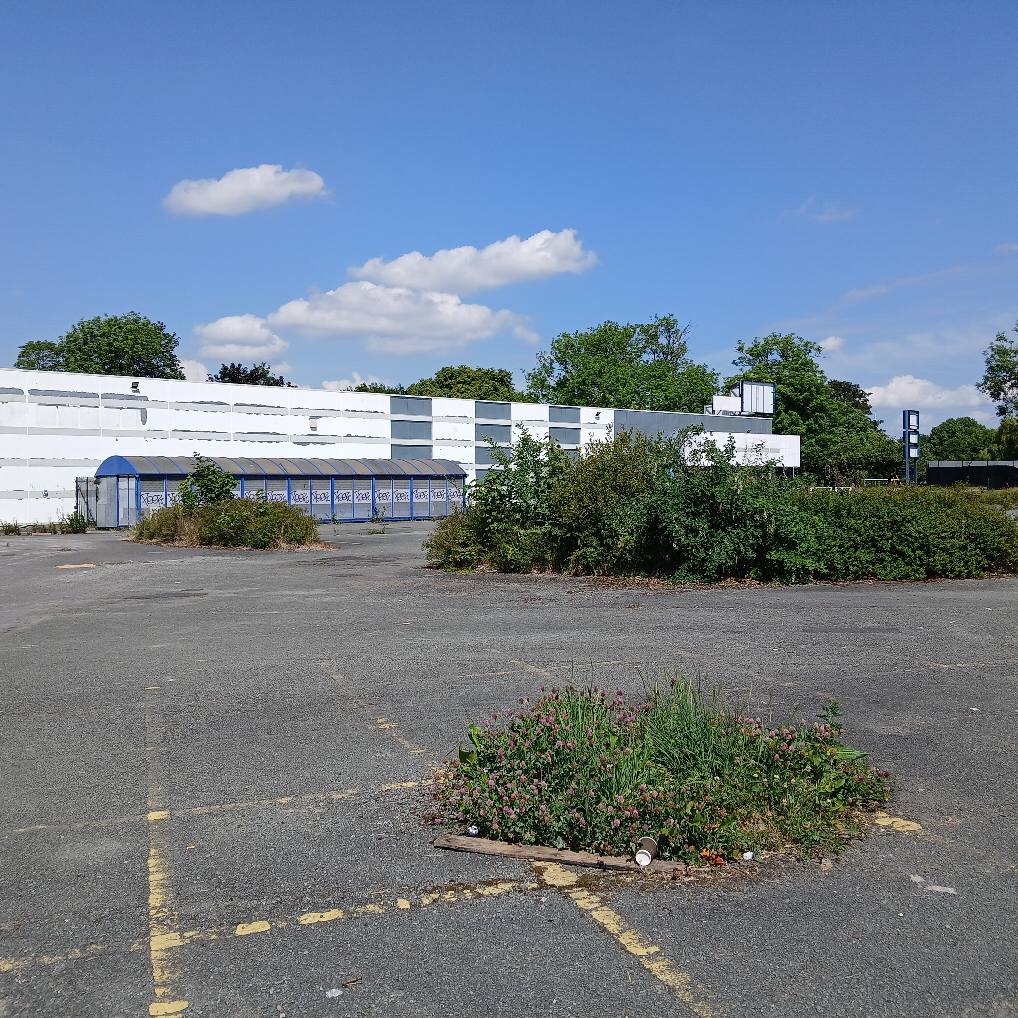
I was cycling by today – 20th May so stopped to take a few snaps.

Blackburn Walk

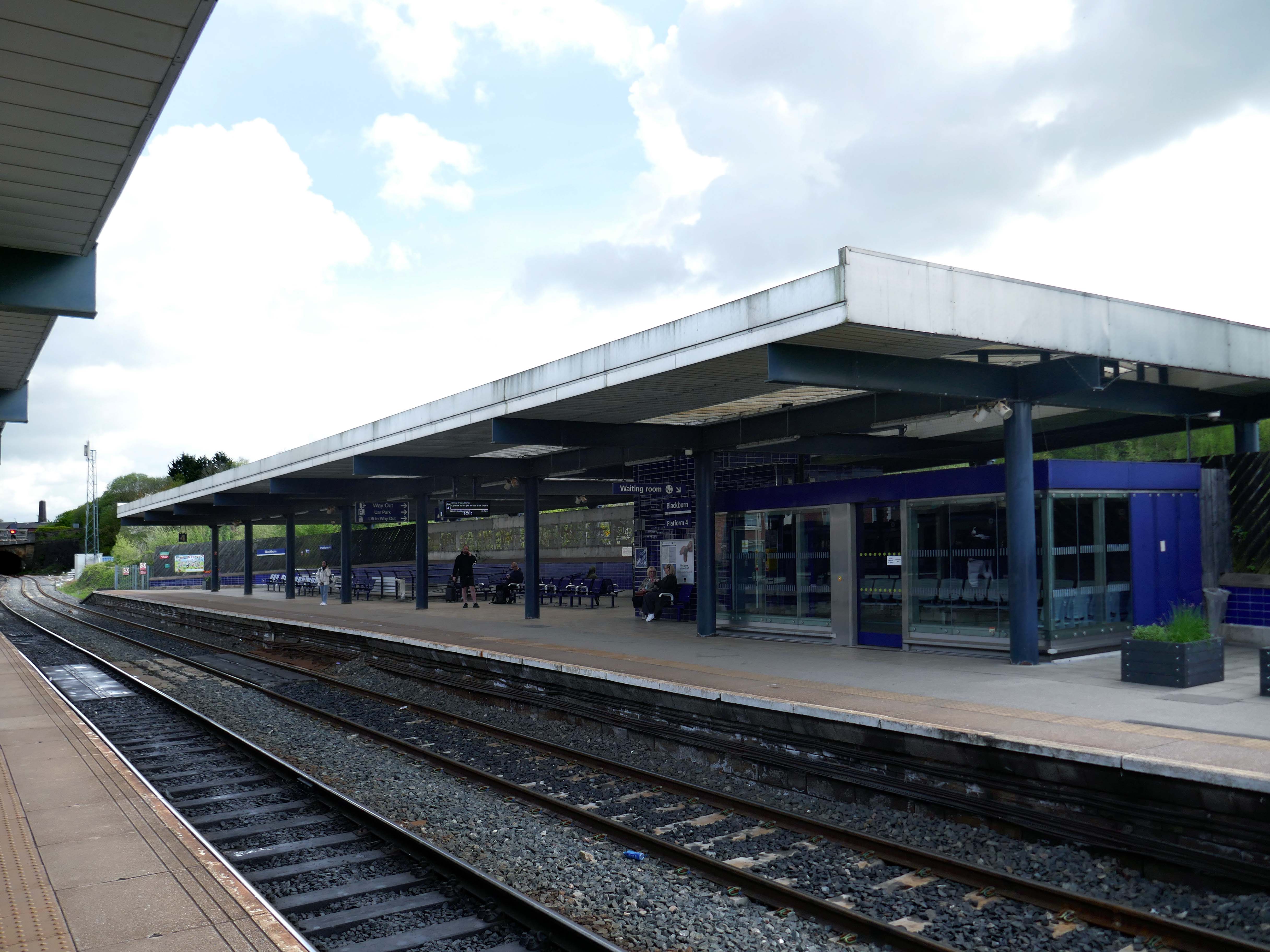
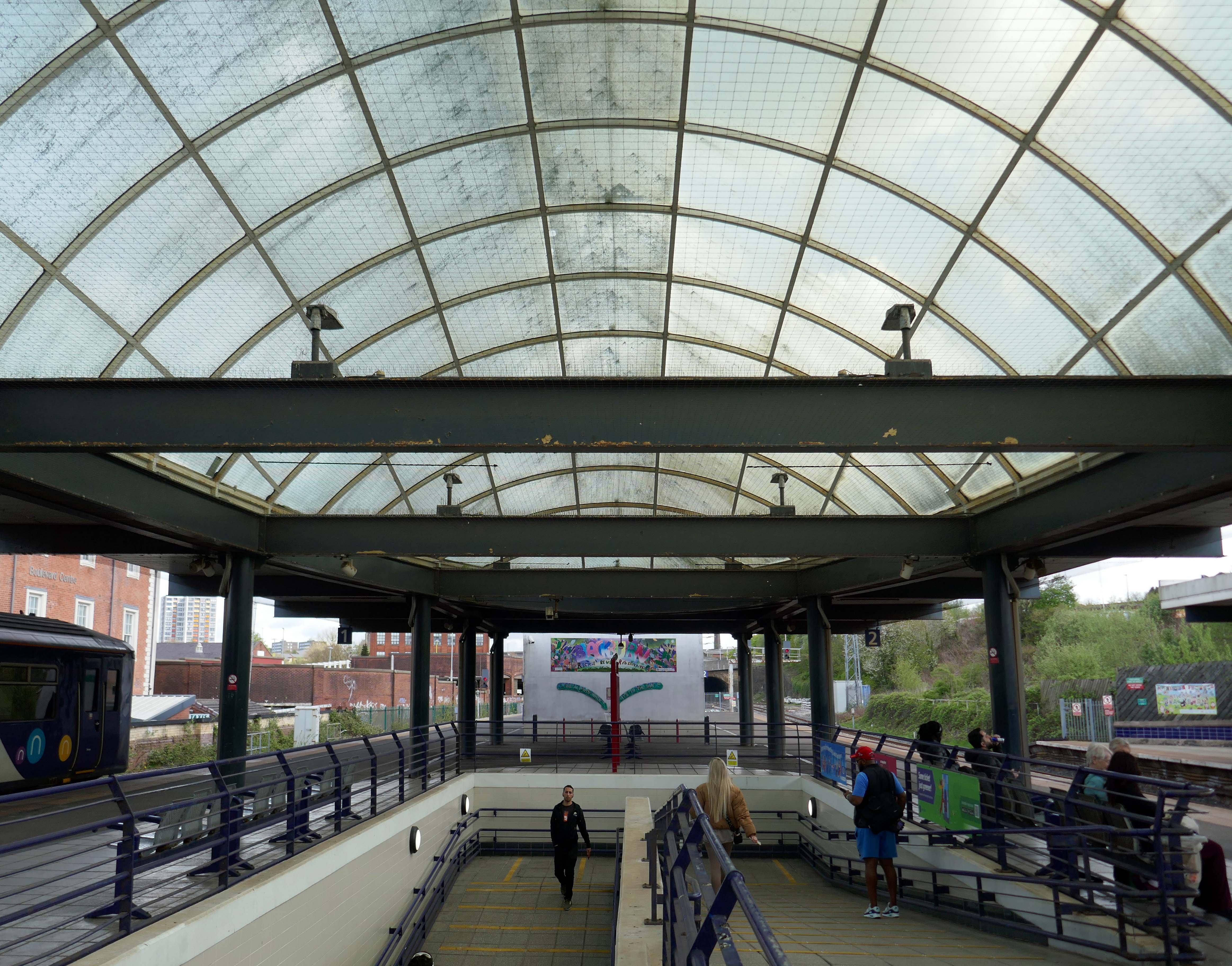
Arriving at the Railway Station

The station was covered by twin train sheds, an architecturally detailed canopy that covered all platforms. In 2000, due to its decaying state, it was removed, changing the nature of the station in a £35 million regeneration project. A new building was built on the main island platform. The Grade II listed original entrance built in the 1880s,including the station buffet and former booking hall, was retained and refurbished.

Wikipedia

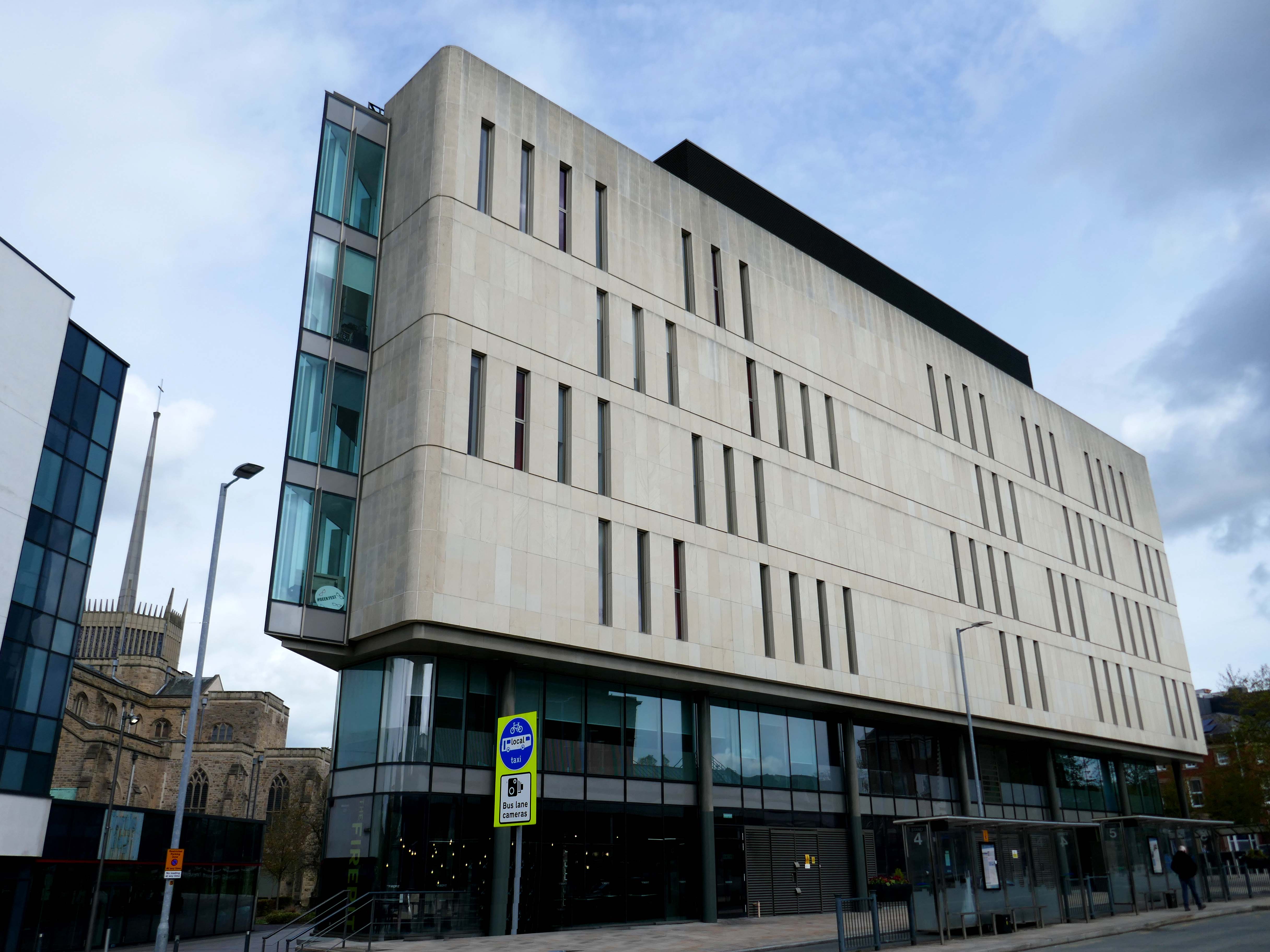
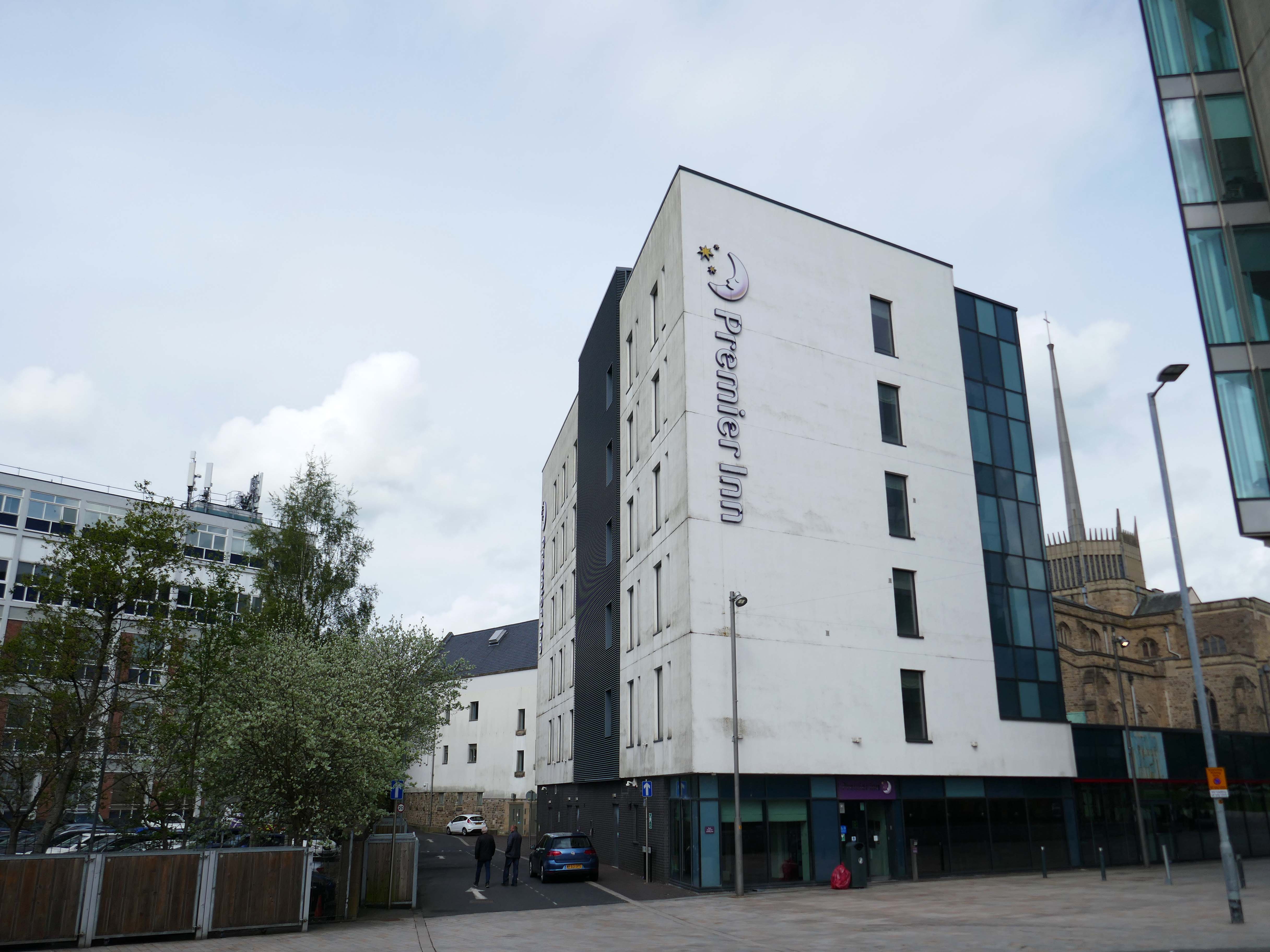
Facing the station the 2015 development of hotel and office space.

Arriving by train into Blackburn Rail Station, visitors get the full impact of this carefully planned but ambitious regeneration project. Maple Grove’s aspiration was to offer something befitting of a city centre in one of the region’s largest towns.  Cathedral Square comprises a six storey BREEAM Excellent office building, designed by BDP, a Premier Inn Hotel, restaurants and cafes positioned around a new public square that acts as a link between the rail station, cathedral and beyond to the shopping centre.

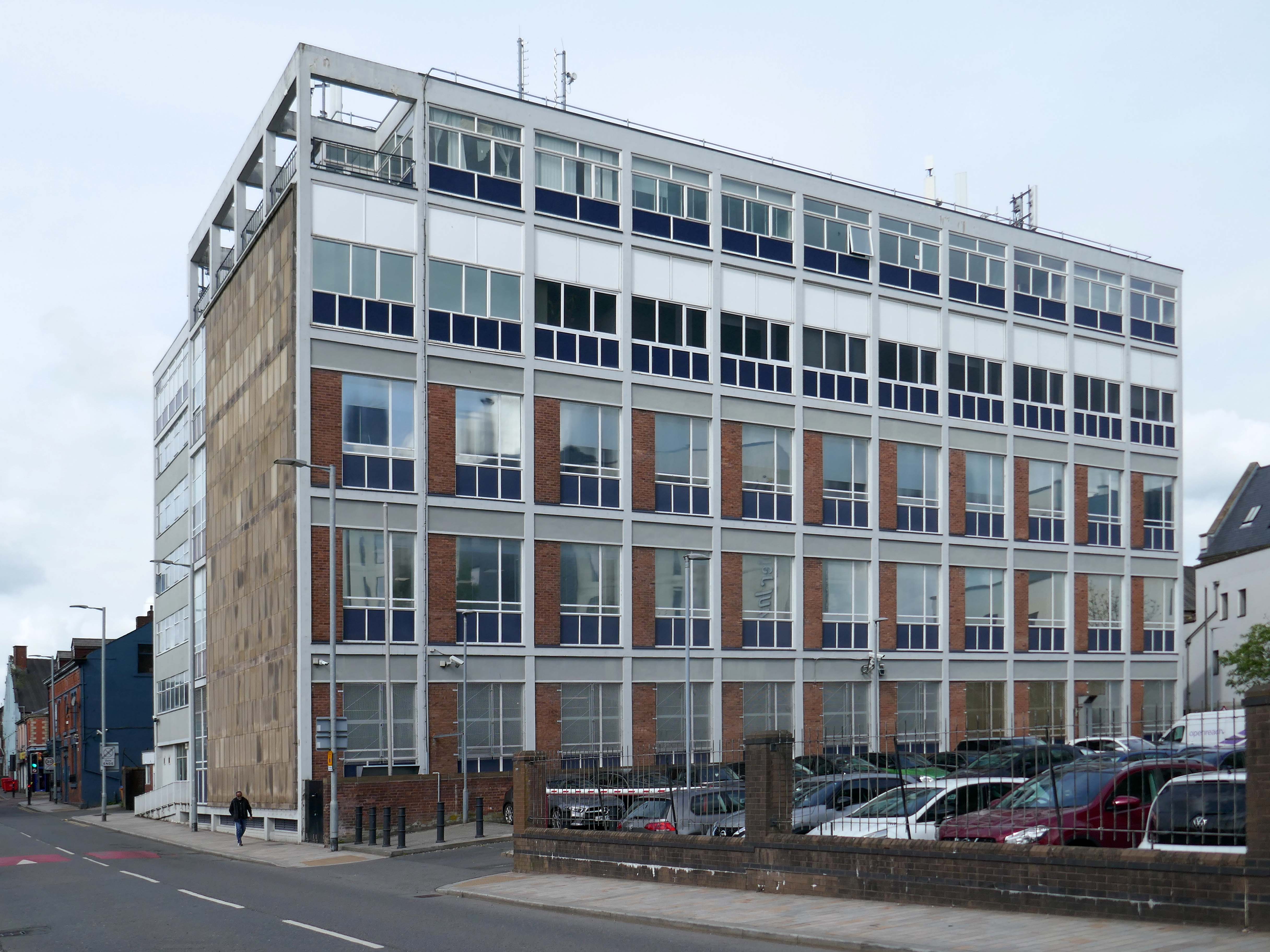
Left onto Jubilee Street where we find the Telephone Exchange.
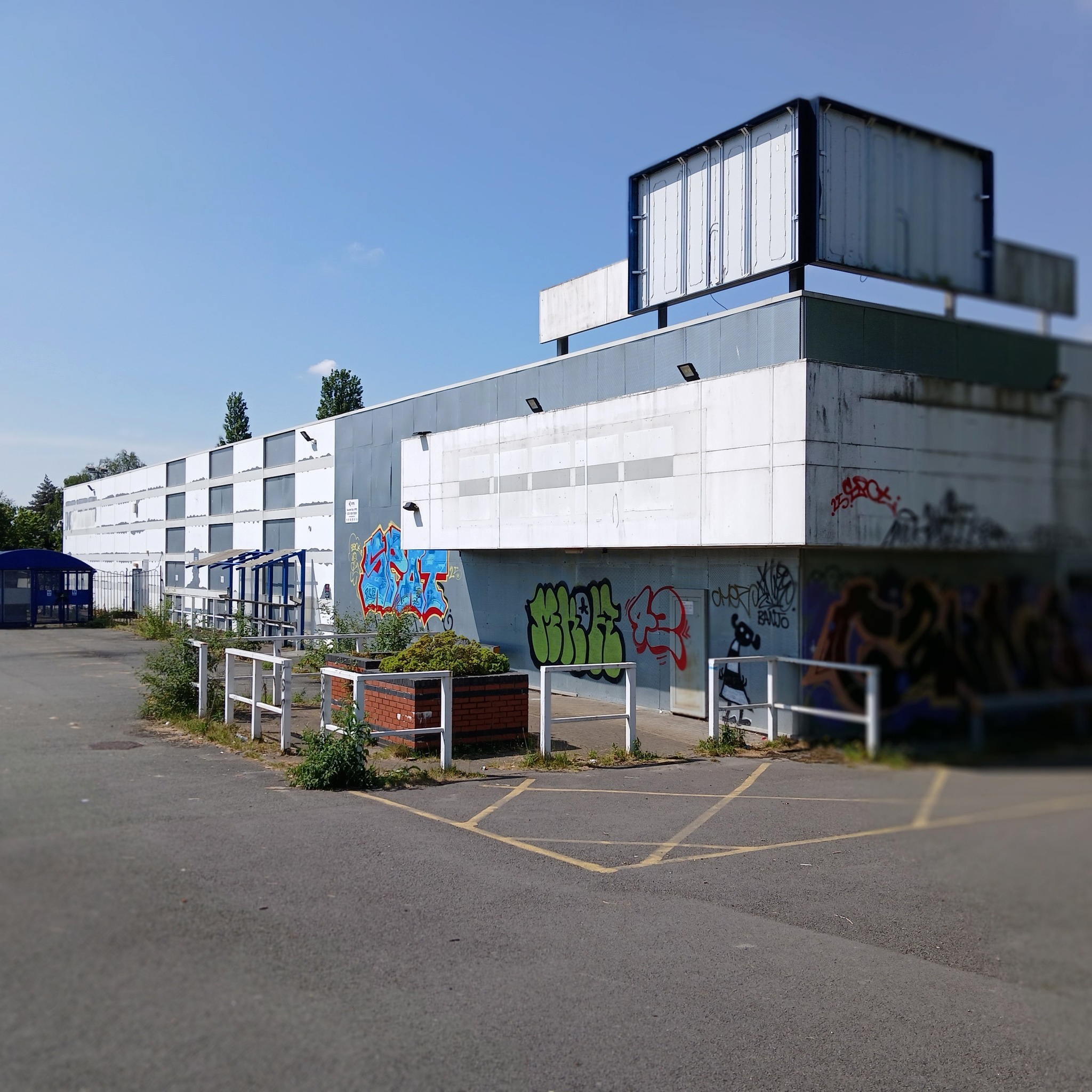
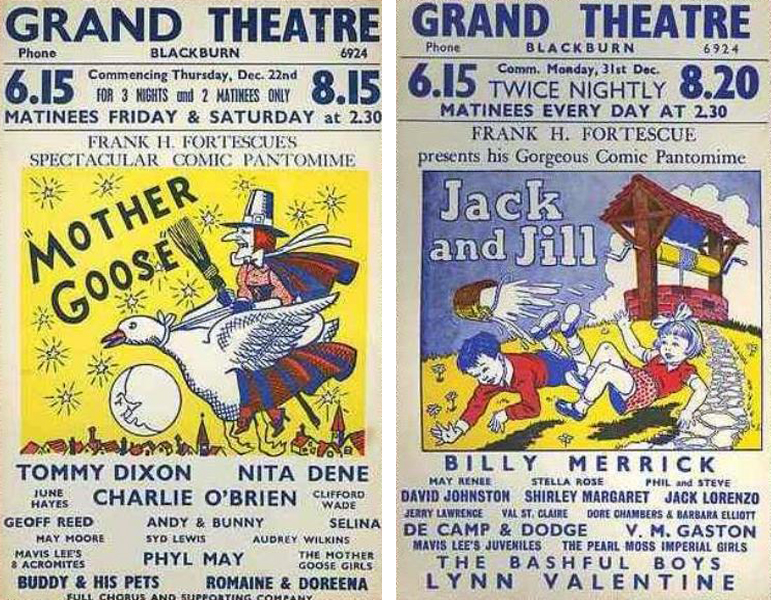
The site was formerly occupied by the Grand Theatre – in the 1950’s, Blackburn had no fewer than fourteen cinemas.  The Grand carried on being a live venue until its closure in 1956, before finally being demolished in 1958.

Blackburn Past

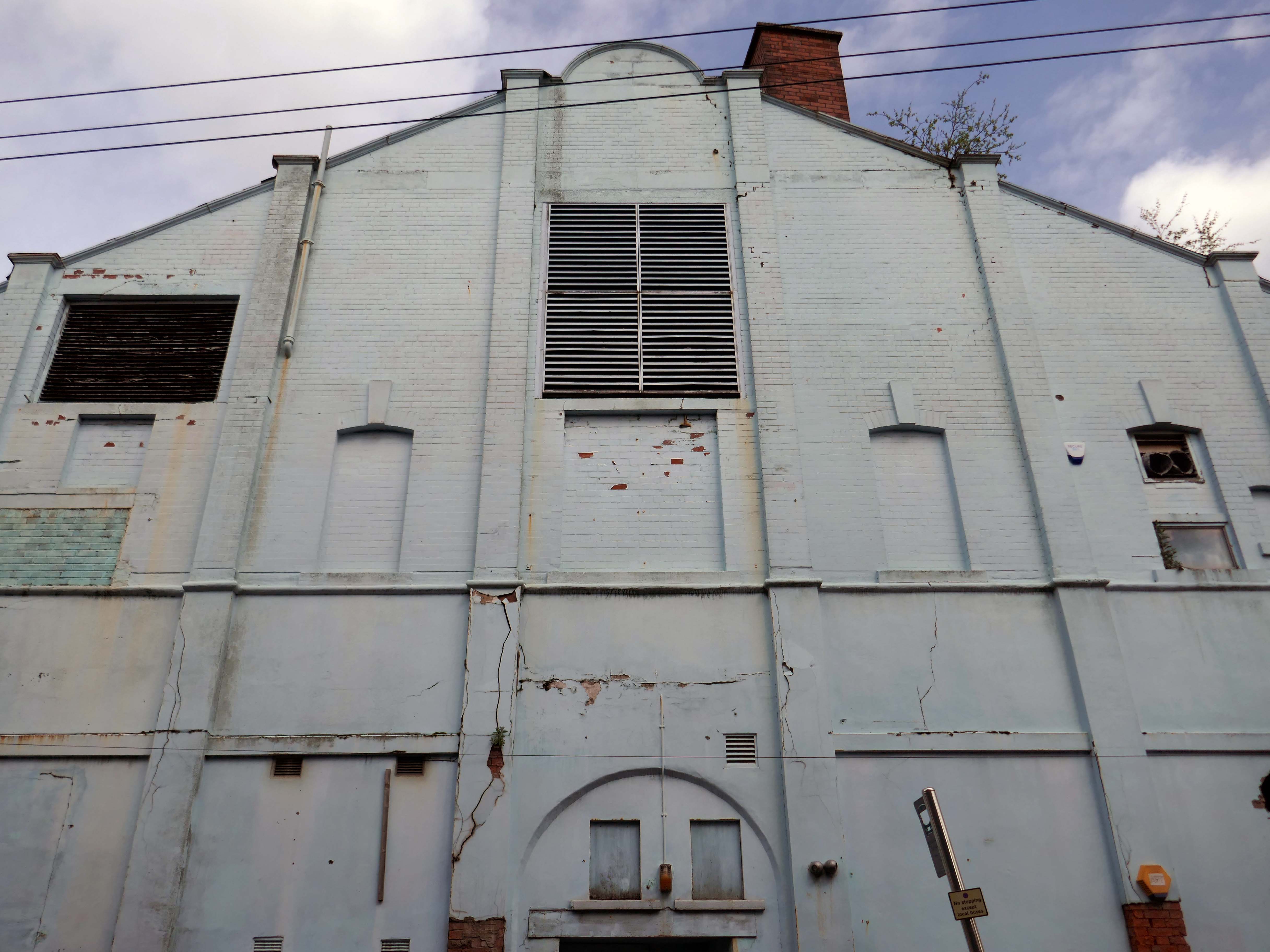
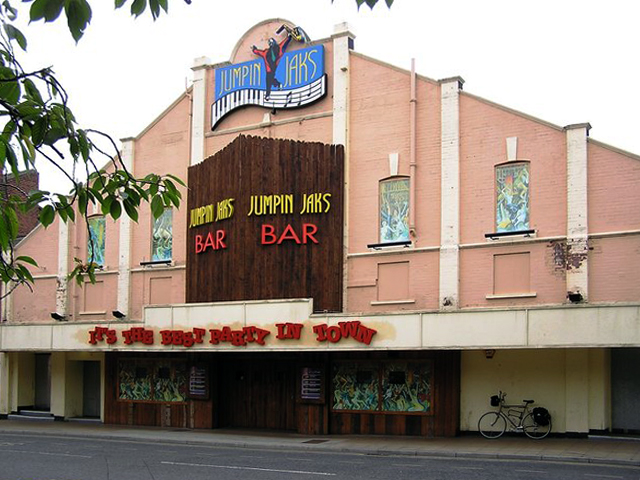
Further down the road the rear of another former cinema – The Olympia

The Olympia was opened on 19th May 1909 as a roller skating rink. It was a short lived venture and closed in November 1911. It was converted into the Olympia Theatre, presenting music hall/variety, opening on 12th December 1911. Seating was provided for 2,000, many on long wooden benches. The proscenium was 32 feet wide and the stage 50 feet deep. It was soon screening films as part of the programme.
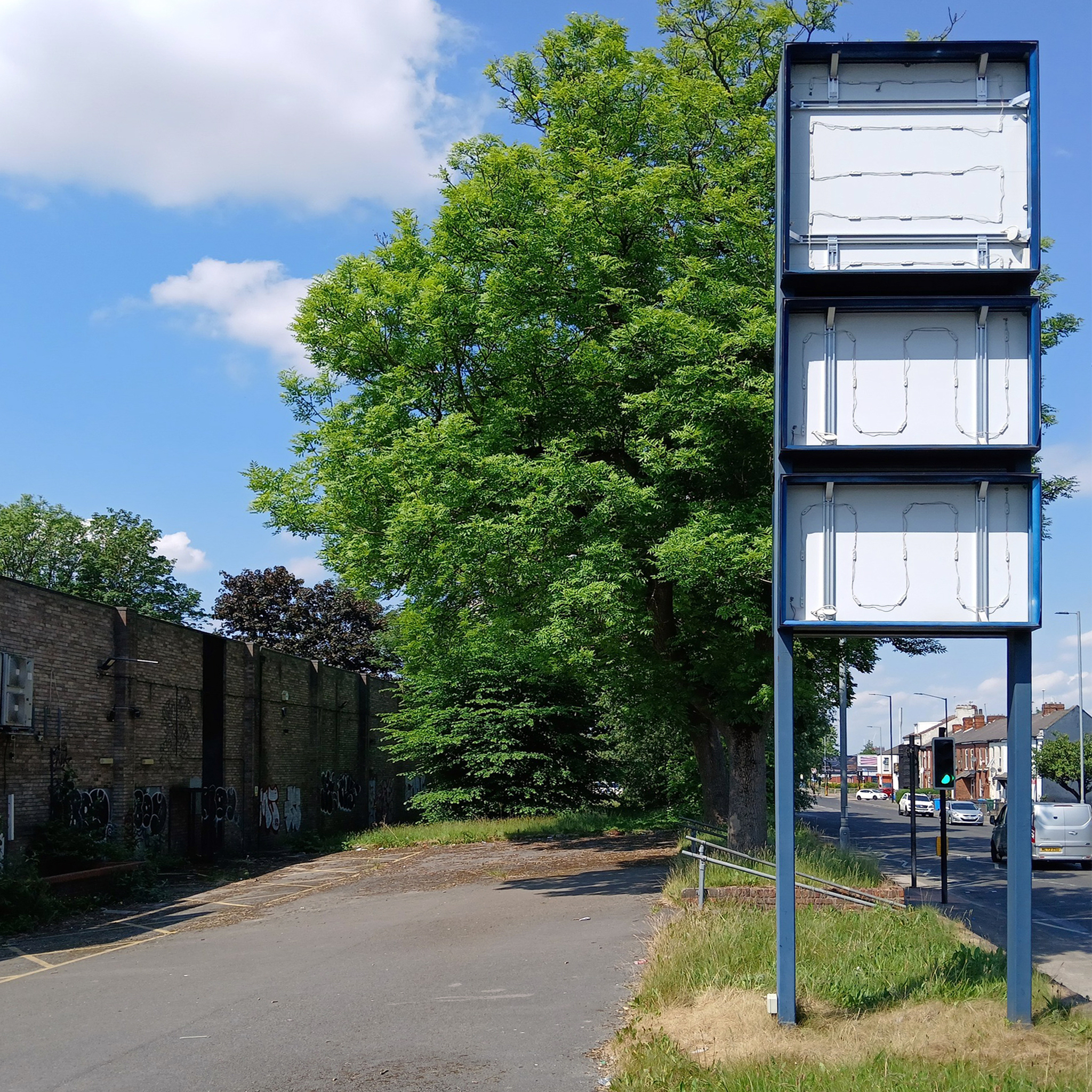
It was converted into a full time cinema in 1921, although there were still some variety acts on the programme. All the original wooden benches used for seating in the theatre were removed and replaced by regular tip-up seats, reducing the seating capacity to 1,360. During the 1940’s, the Olympia Cinema boasted a café for the convenience of its patrons and it was operated by Jacksons’ Amusements, Ltd.
The Olympia Cinema was mainly independently operated, and closed in 1957. It stood empty for two years, then in 1959, it was taken over by Mecca Ltd, and converted into the Locarno Ballroom, later becoming a Mecca Bingo Club. It later became the Golden Palms Nightclub, Jumpin’ Jax, and since 2009 it operated as a trendy nightclub named Liquid & Envy.

Cinema Treasures

By July 2018 it was known as Switch.

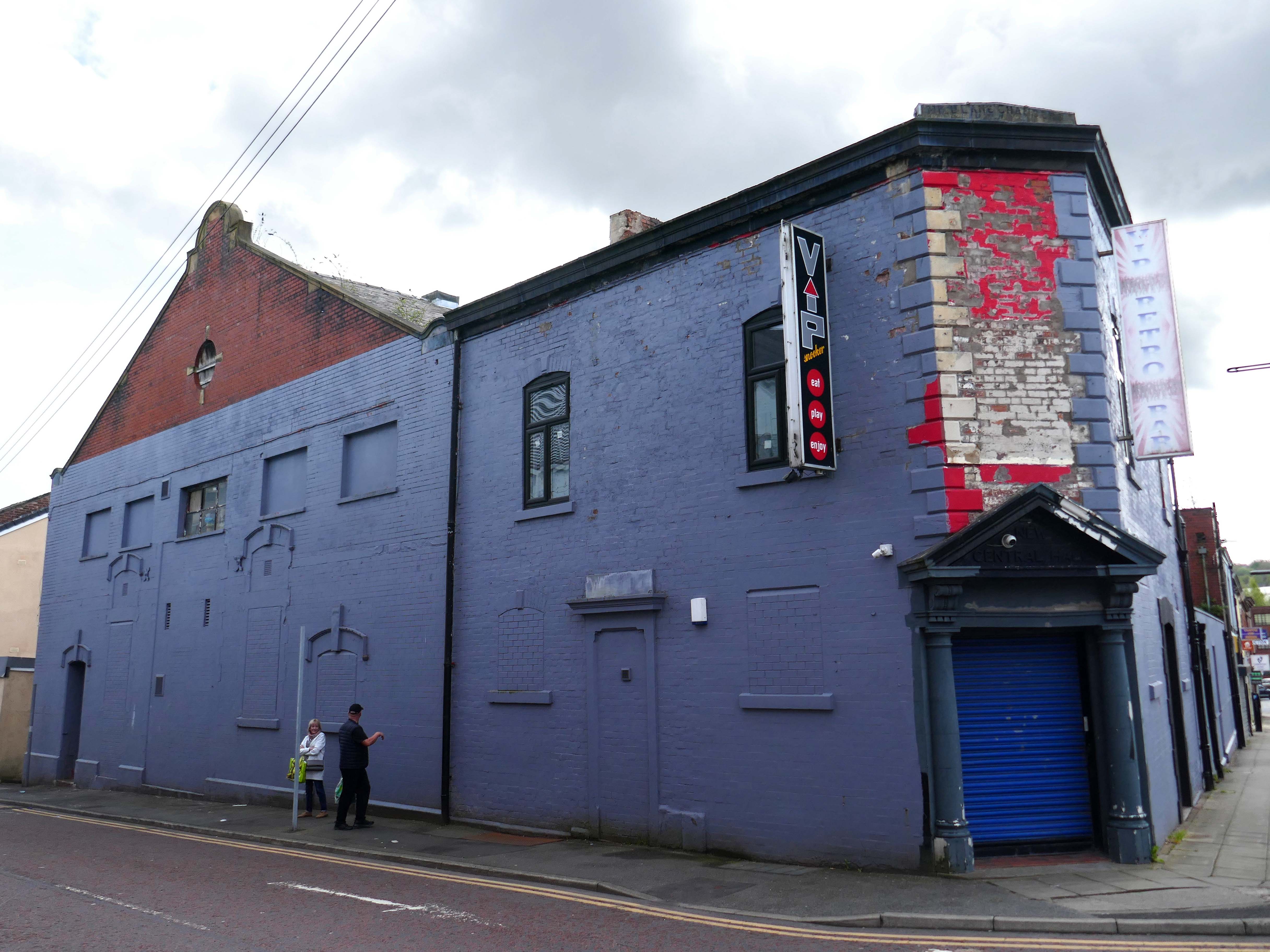
Across the way The Central Hall.

Previous to 1900 the site at the corner of Mincing Lane and Mill Lane had housed a temporary circus, known as Ohmy’s Circus. The New Central Hall was built and opened in April 1900, and was used as a roller skating rink until November 1909, when it was converted into the 1,000-seat Central Hall Cinema.

Altered and enlarged to 1,372 seats in 1923, it was re-named New Central Hall Cinema. The proscenium was 20 feet wide, later enlarged to 22 feet.

The Central Cinema was closed in January 1957. Then in 1974, it was renovated and was converted into a Walkers Bingo Club, which remained open until at least 1995. It recently operated as a Riley’s American Pool and Snooker Club until early 2009. In November 2009 after a refurbishment, it re-opened as the VIP Snooker Club.

Cinema Treasures

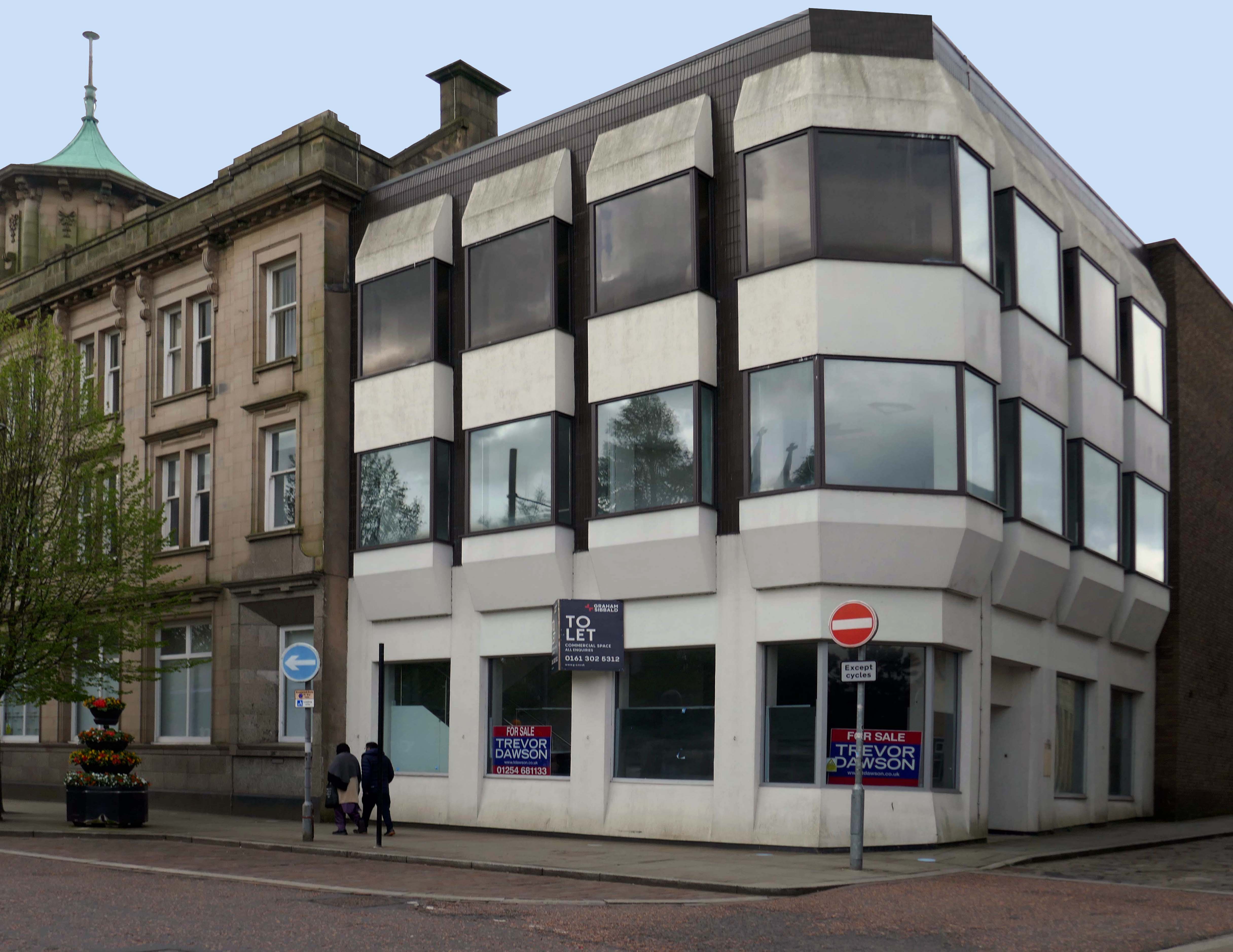
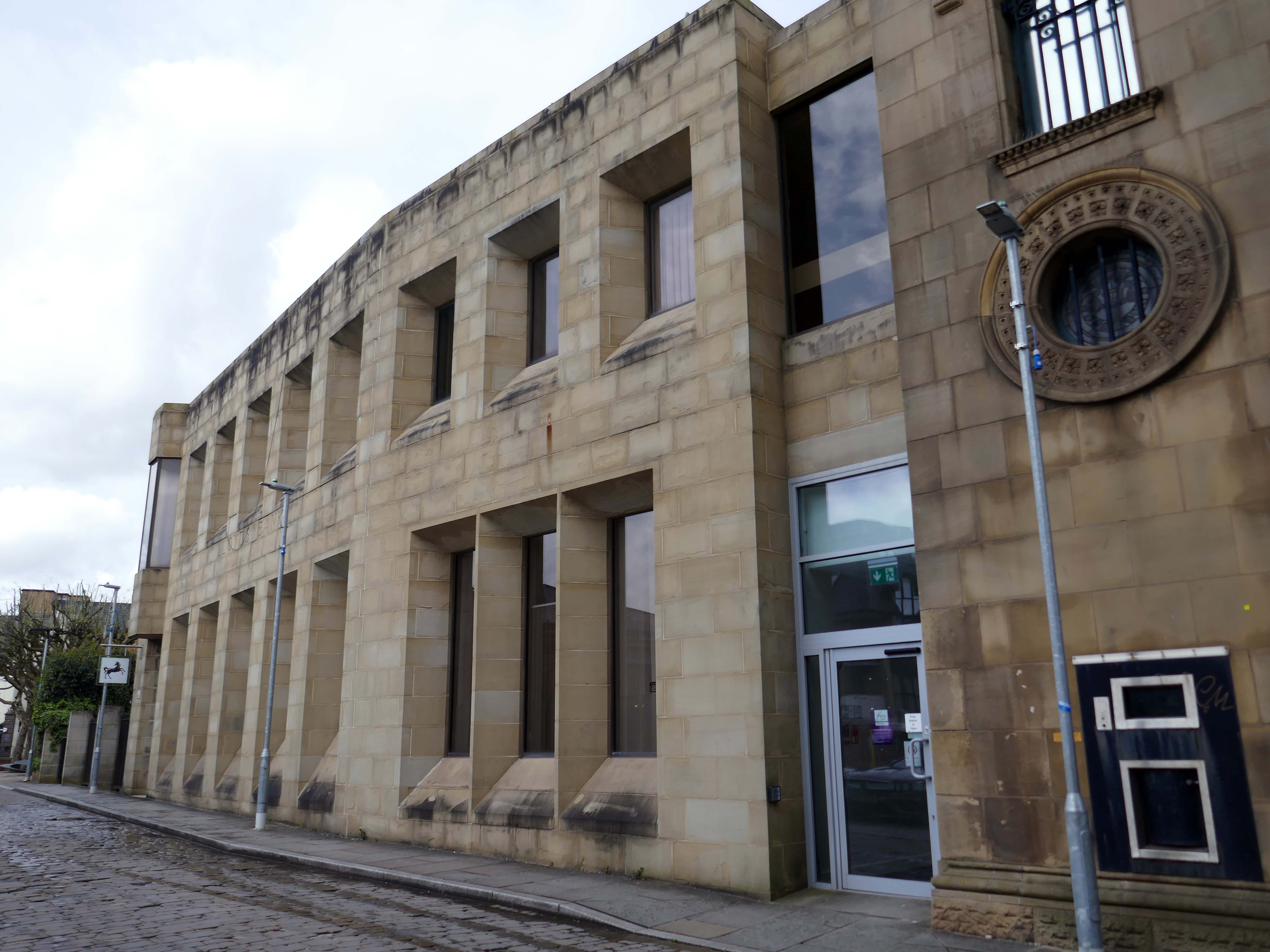
Turn right into Darwen Street along to the former Barclays Bank.

Next door Lloyd’s Bank extension.

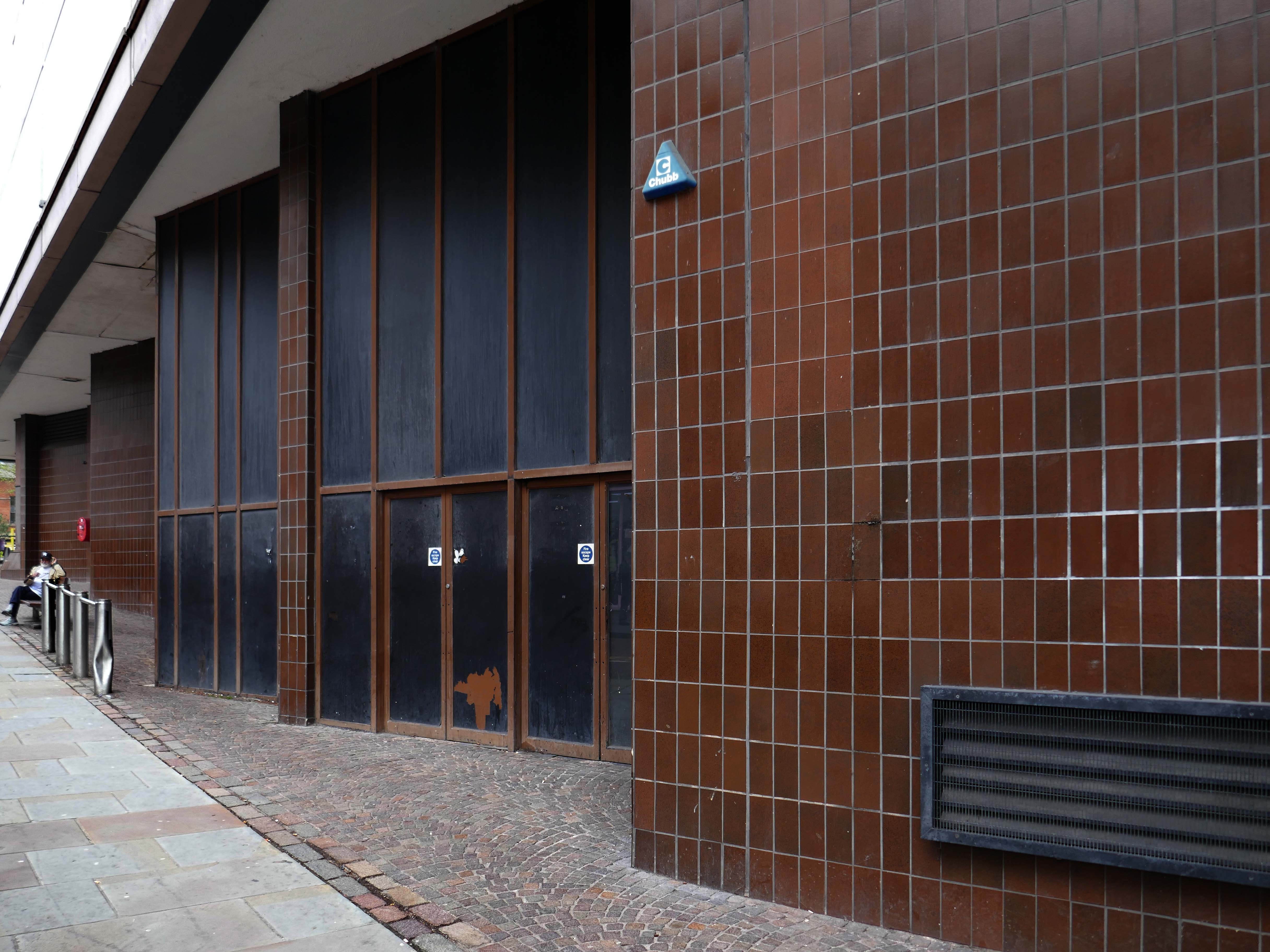
On Astley Gate the brown tiled remains of the Shopping Centre now known as The Mall.

The shopping centre was built in three phases, with the final phase opening in 1979. The centre was refurbished in 1995, during which the lower floor of the former Co-Operative Department Store was transformed into the Ainsworth Mall.

The centre was bought by Standard Life in 1993 and its name was subsequently changed to Blackburn Shopping Centre. Standard Life sold the centre in 2003 to Reit Asset Management.
In 2004, Reit Asset Management sold the centre to The Mall Fund. The centre was sold again in 2022 to the Adhan Group from The Mall Fund for £40 million.

Wikipedia

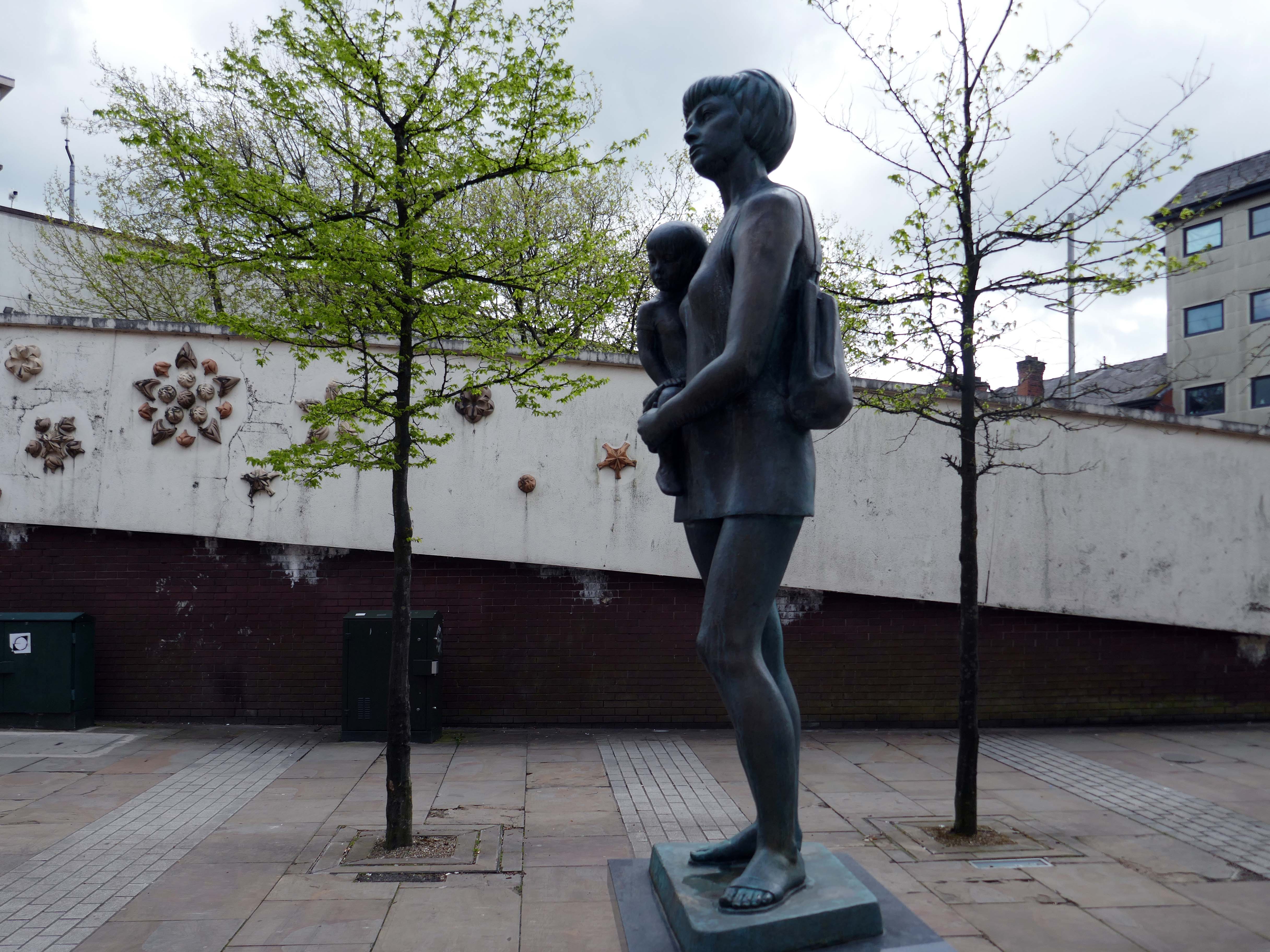
Around the corner the Mother and Child monument, created by Welsh sculptor Robert Thomas in 1974, who used his wife and child as models.

In 1974 the statue was placed in Lord Square, removed in 2007 and placed in storage, it was placed in Cardwell Place in 2012.

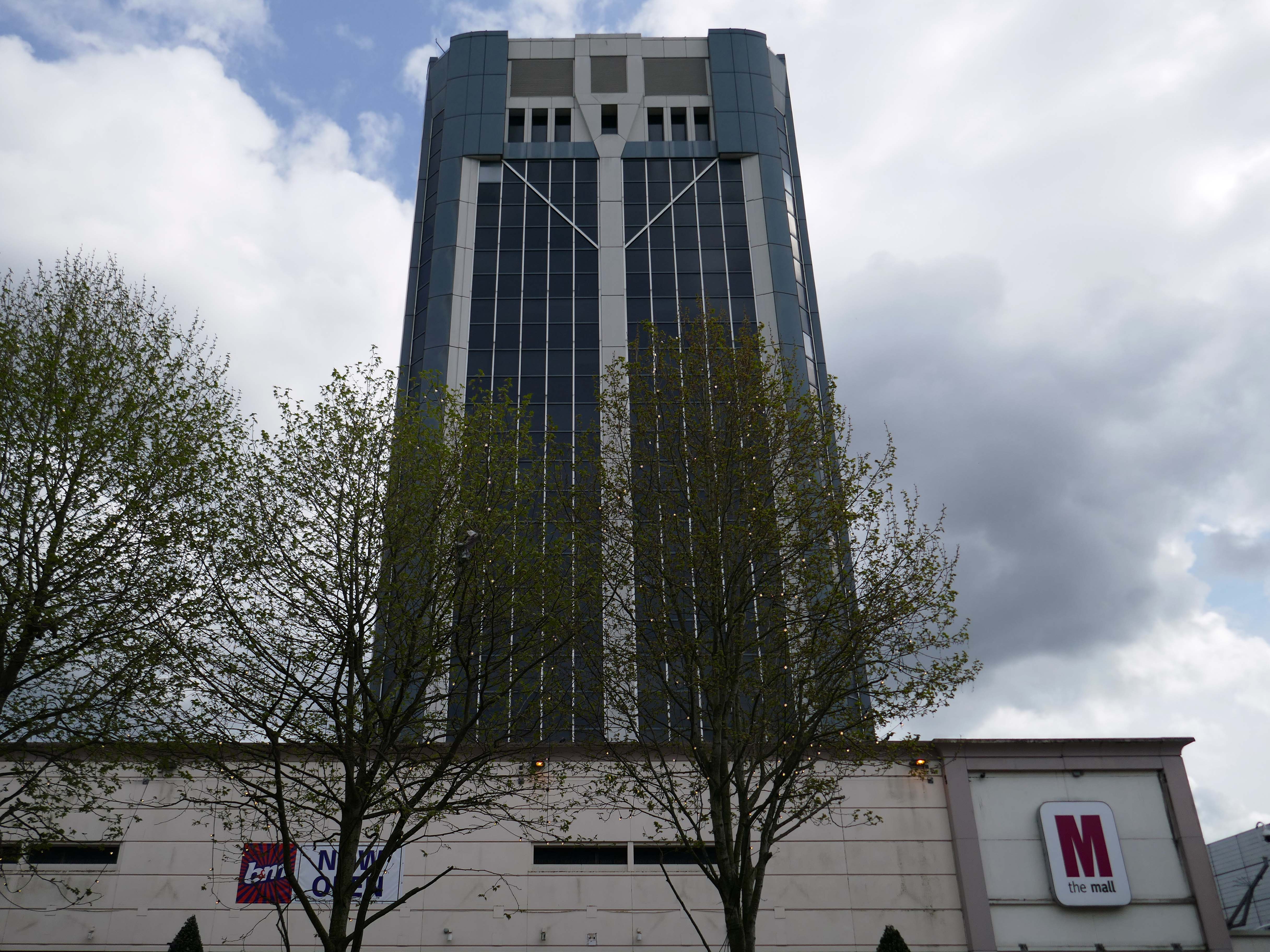
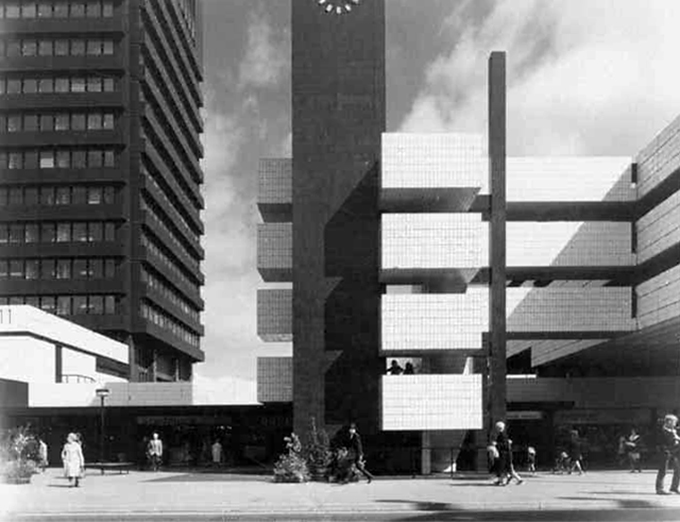
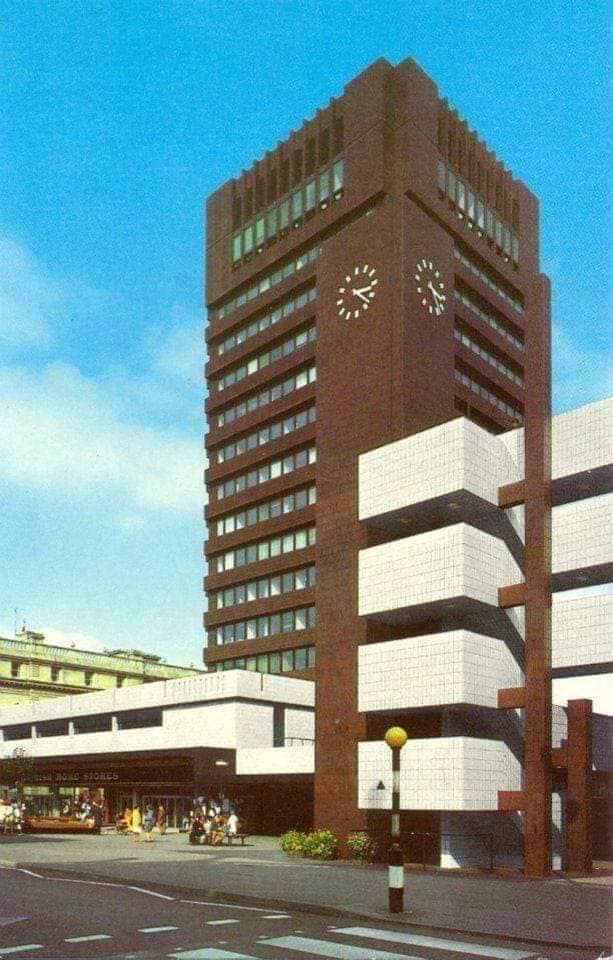
The Mall has been significantly remodelled, along with the adjacent Tower Block.

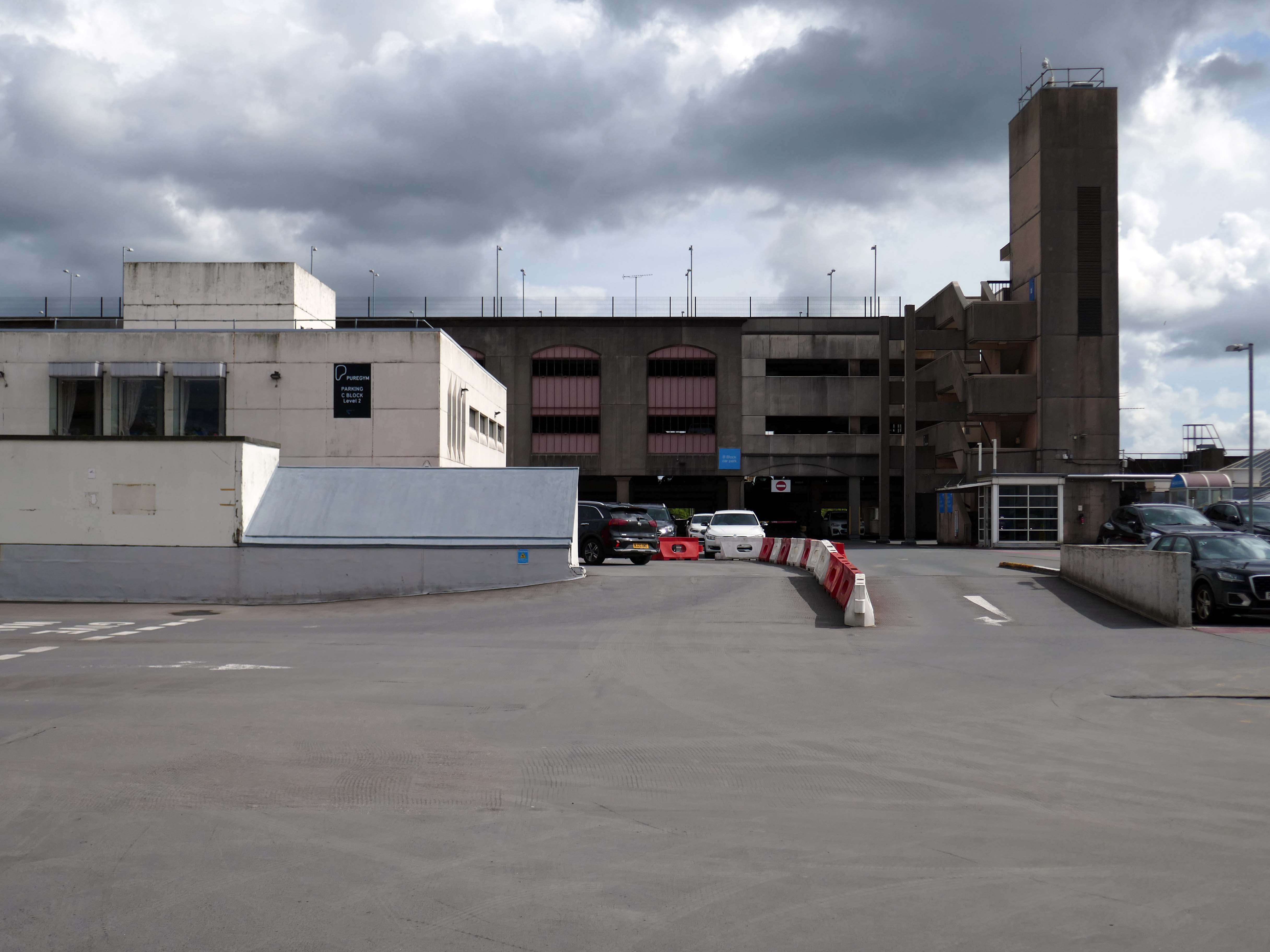
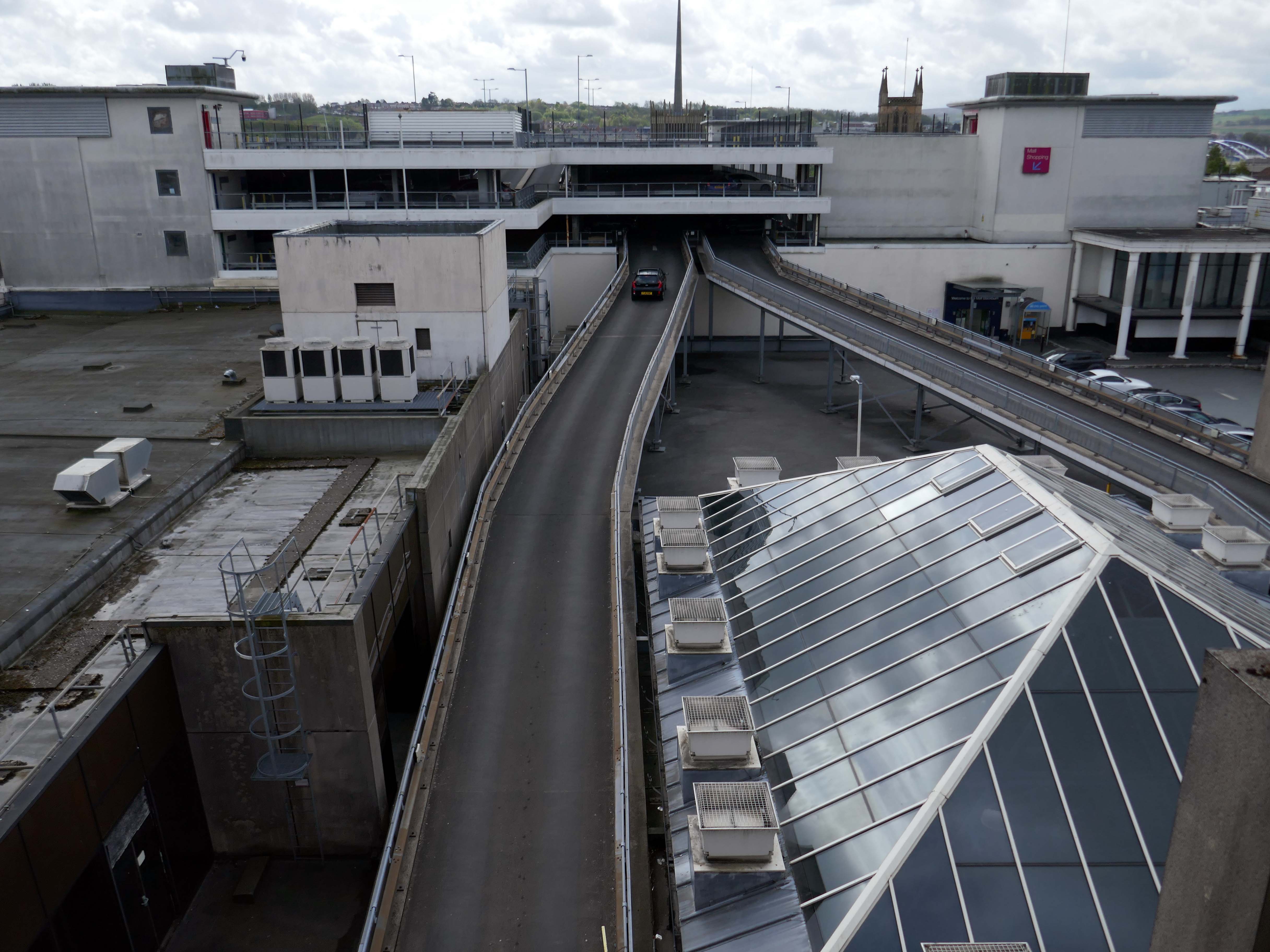
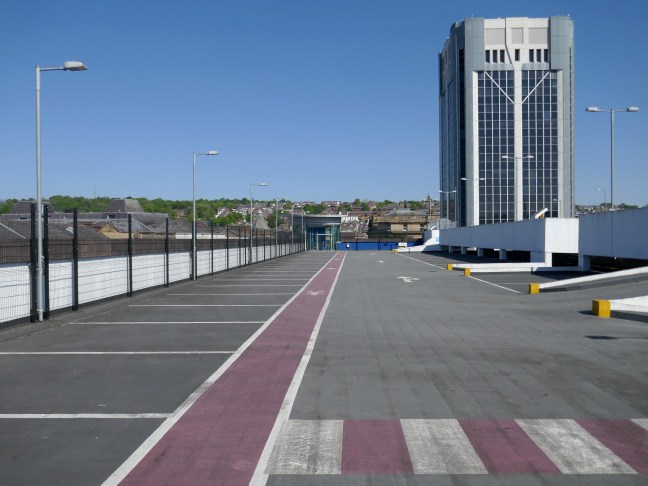
Above the Mall is a dizzying array of multi storey car parks – reflecting the various stages of development.

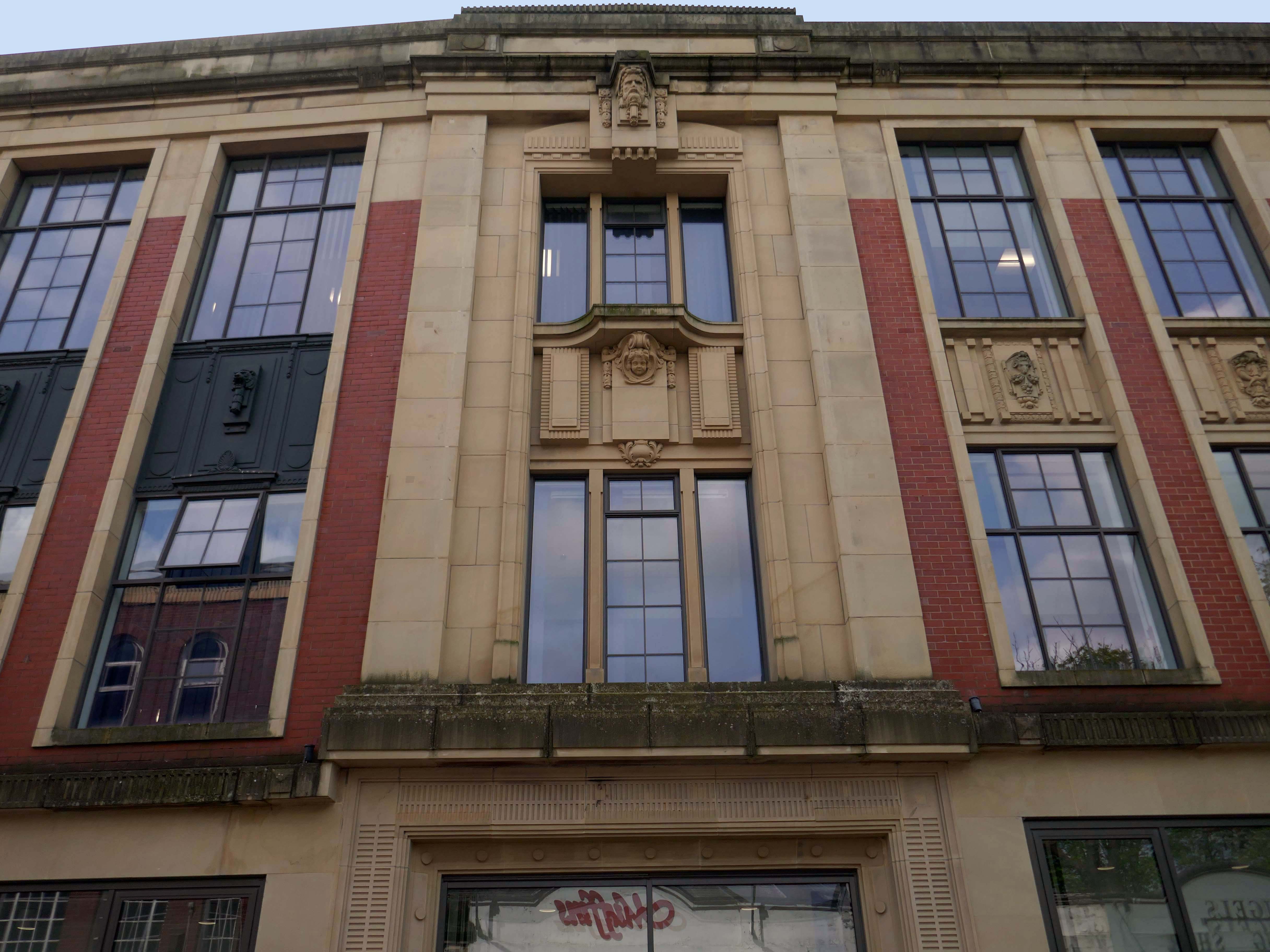
Next to the Central Library, the former Co-op Emporium by Walter Stirrup in Town Hall Street, opened in 1930, was converted into a £1m library by BDP, it opened on September 1st 1975.

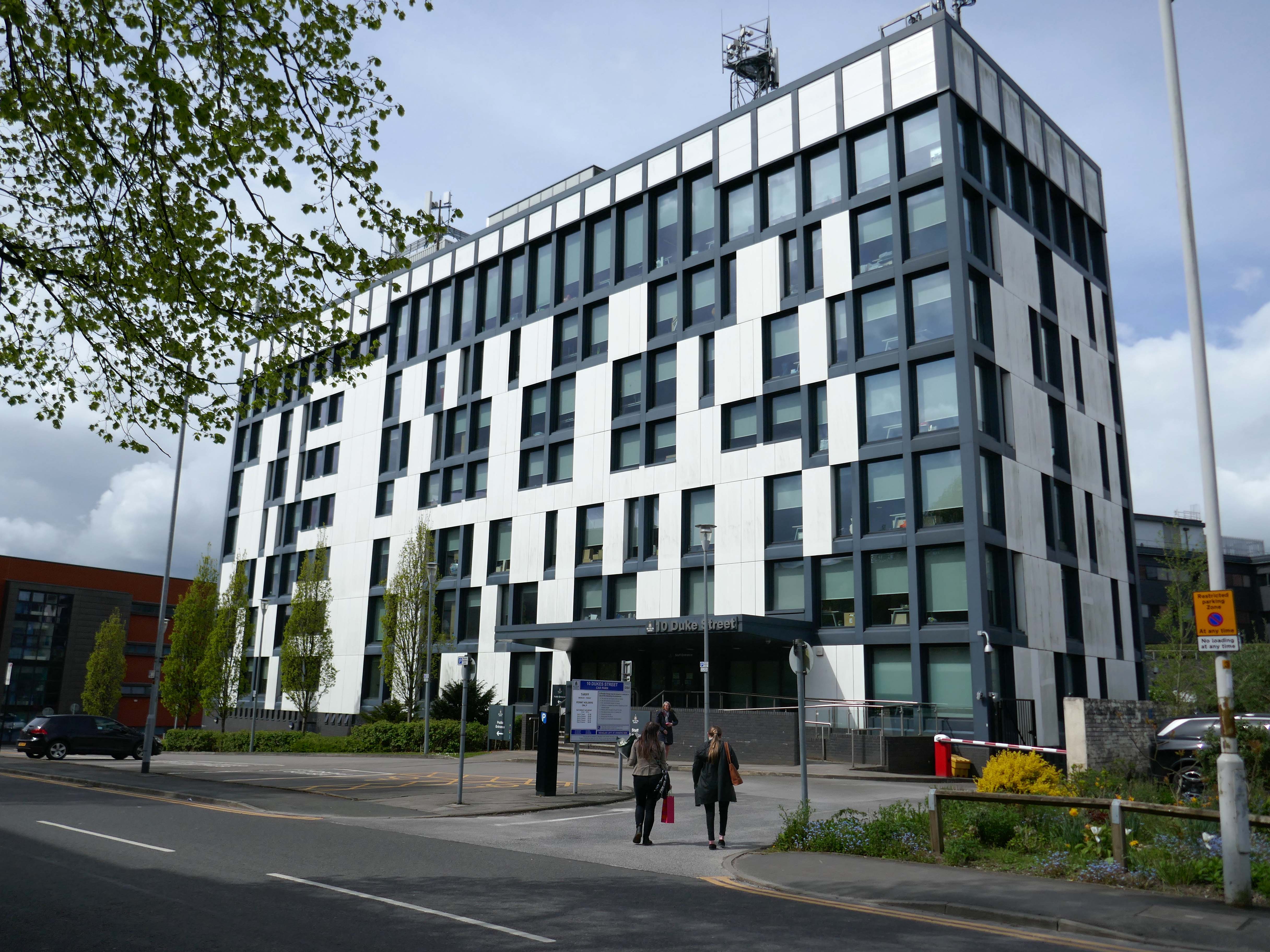
Onward to 10 Duke Street – home to council offices and the NHS, the Tower Block is now no longer in use.

Blackburn’s former town hall tower block has over the years become one of our most recognisable buildings.  Sadly it is now starting to be given derogatory names, such as the ‘Big Empty’ and ‘Mothballed Monolith’.  But compared to how it looked some years ago, before being reclad in today’s design, it still impresses many visitors to our town.  Wouldn’t it be great if Blackburn’s ‘Big Empty’ could become full again.

Roving Mick

These tower blocks were the flats at Queens Park and in the background you can see the co-called ‘deck-access’ flats at Shadsworth.

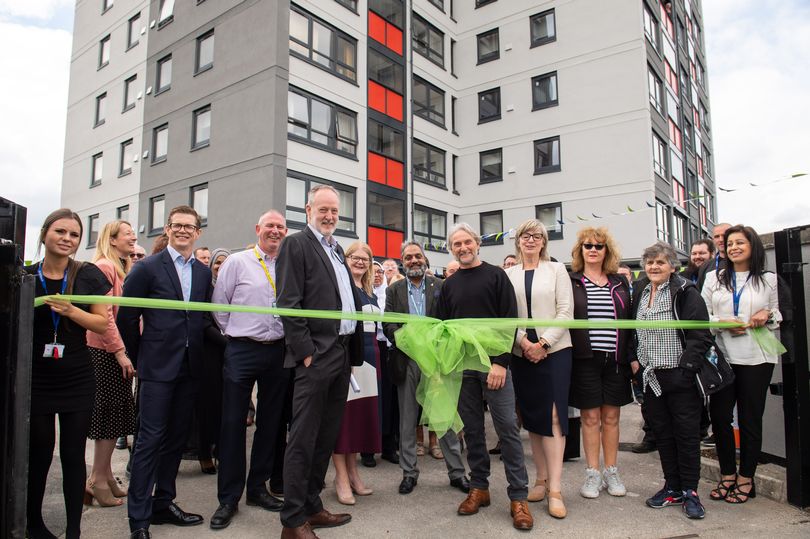
Bowland House was one of three tower blocks built in 1963 and the only one still standing after the others, Ribble and Pendle, were torn down in 2001 to be replaced by homes.

In 2022 Bowland House was refurbished.

Former four-time World Superbike champion Carl Fogarty was the guest of honour as Great Places’ Bowland House in Blackburn was officially unveiled.

Lancs Live

On the approach to Birley Street we walk through a mixed development of low rise housing, set in grassed and pedestrianised areas.

Birley Street Tower Blocks

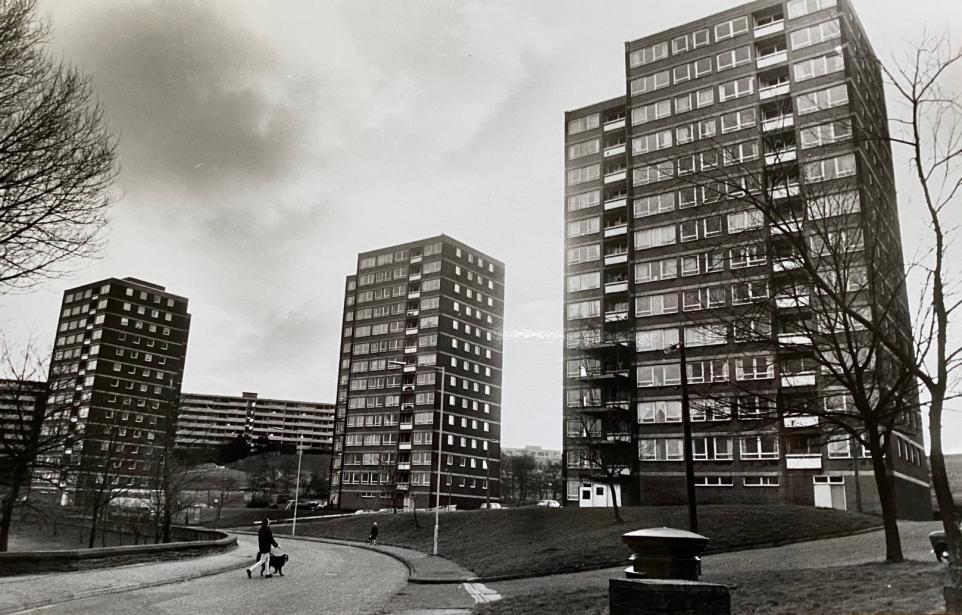
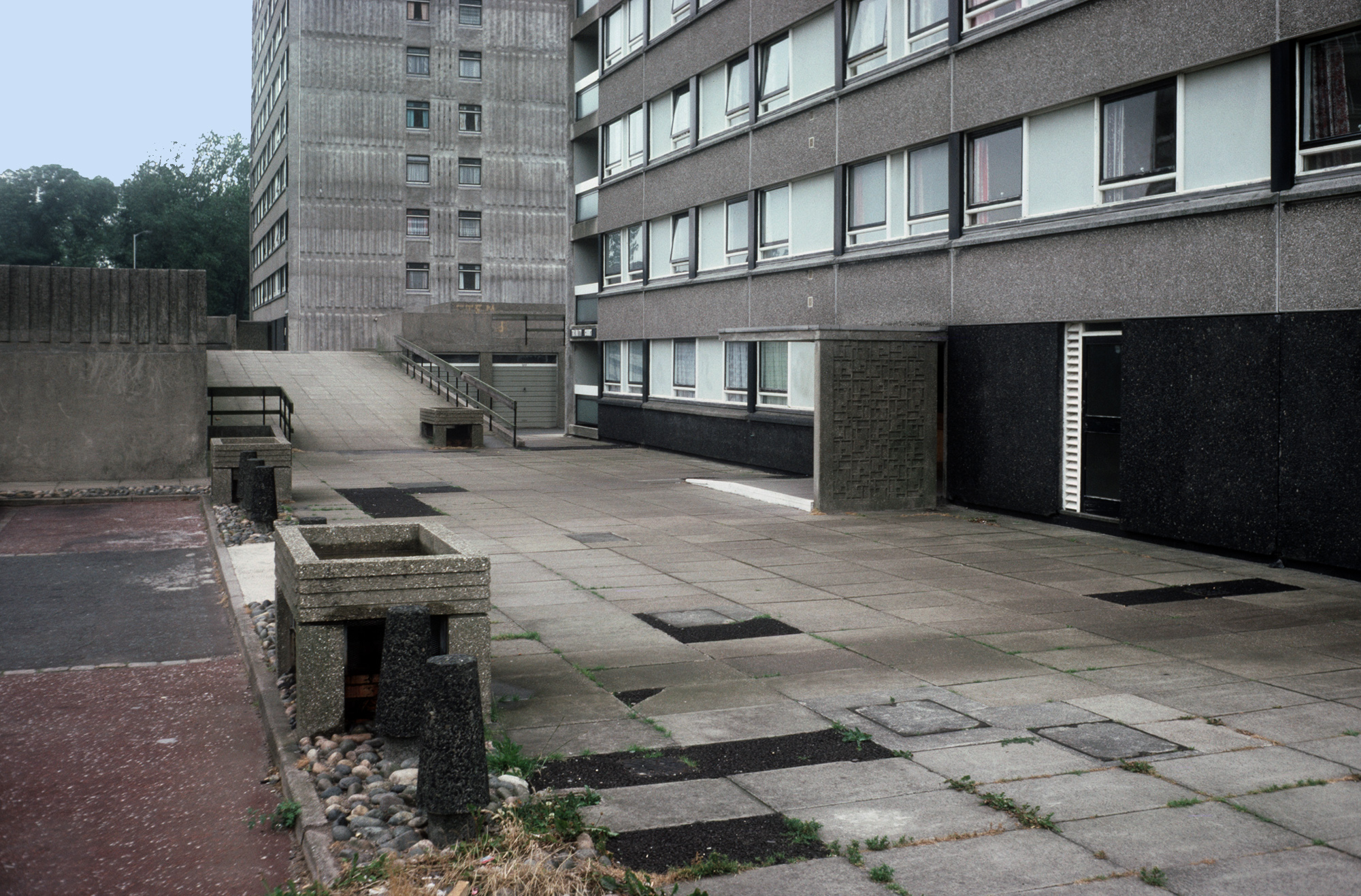
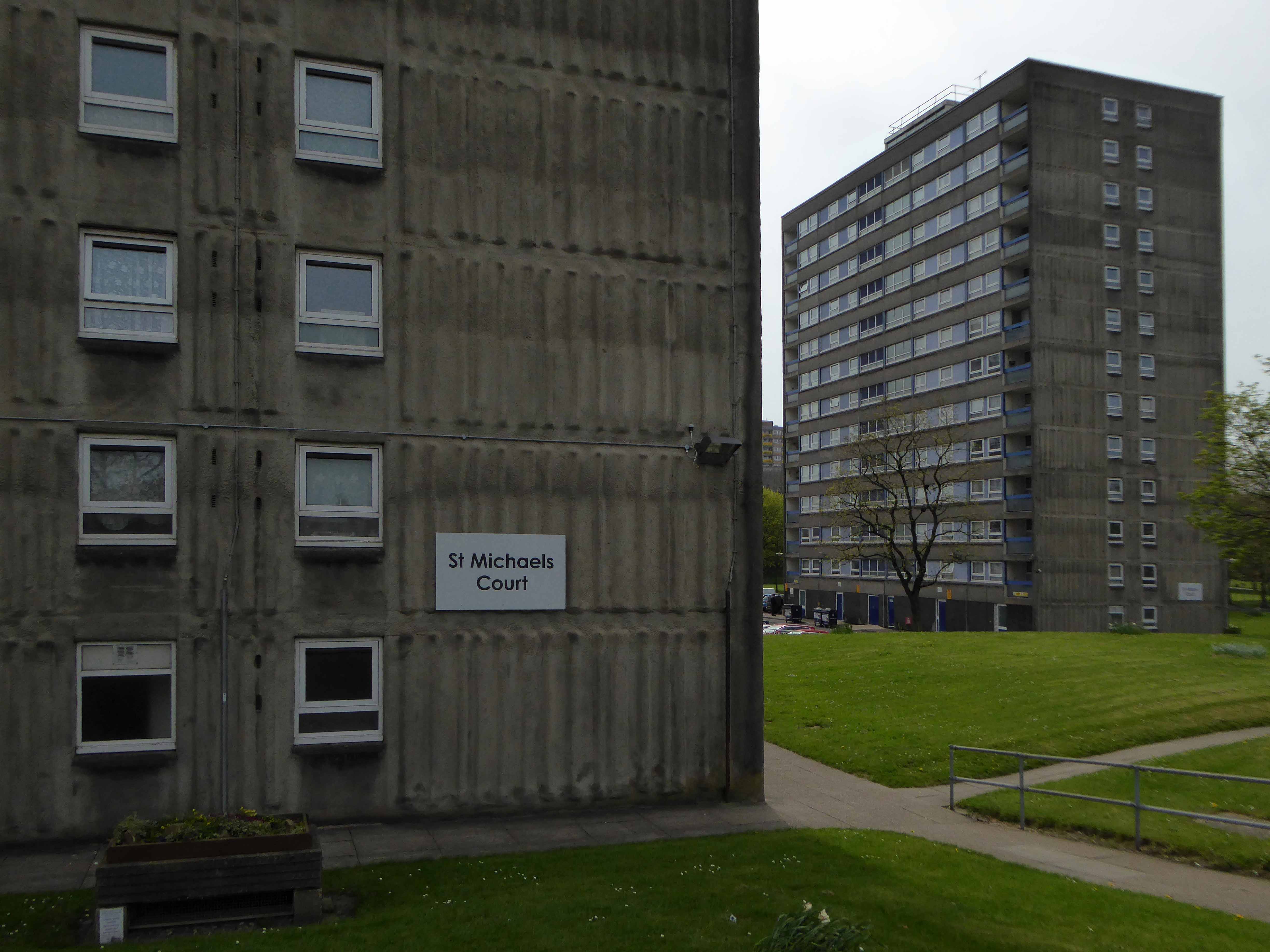
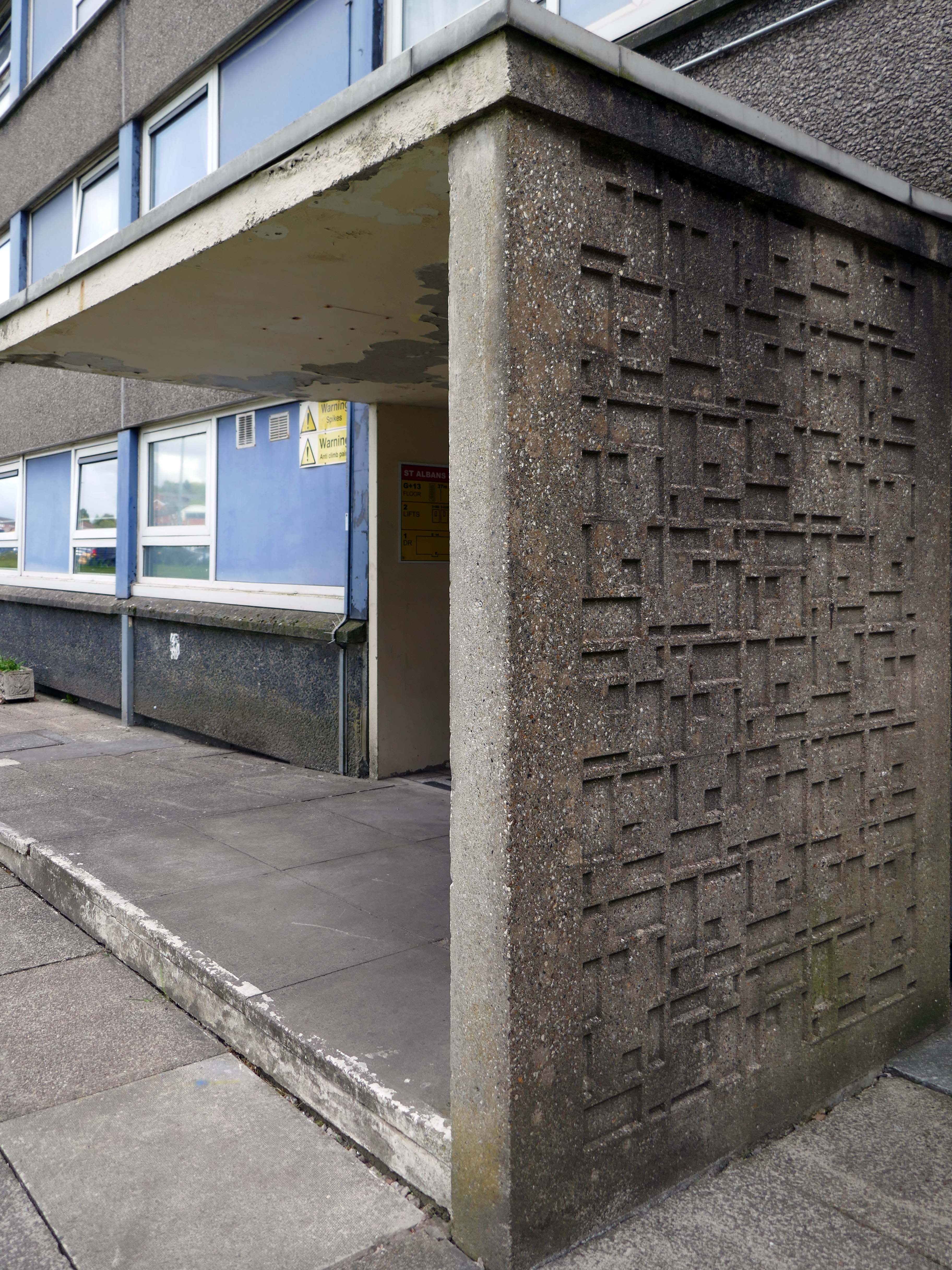
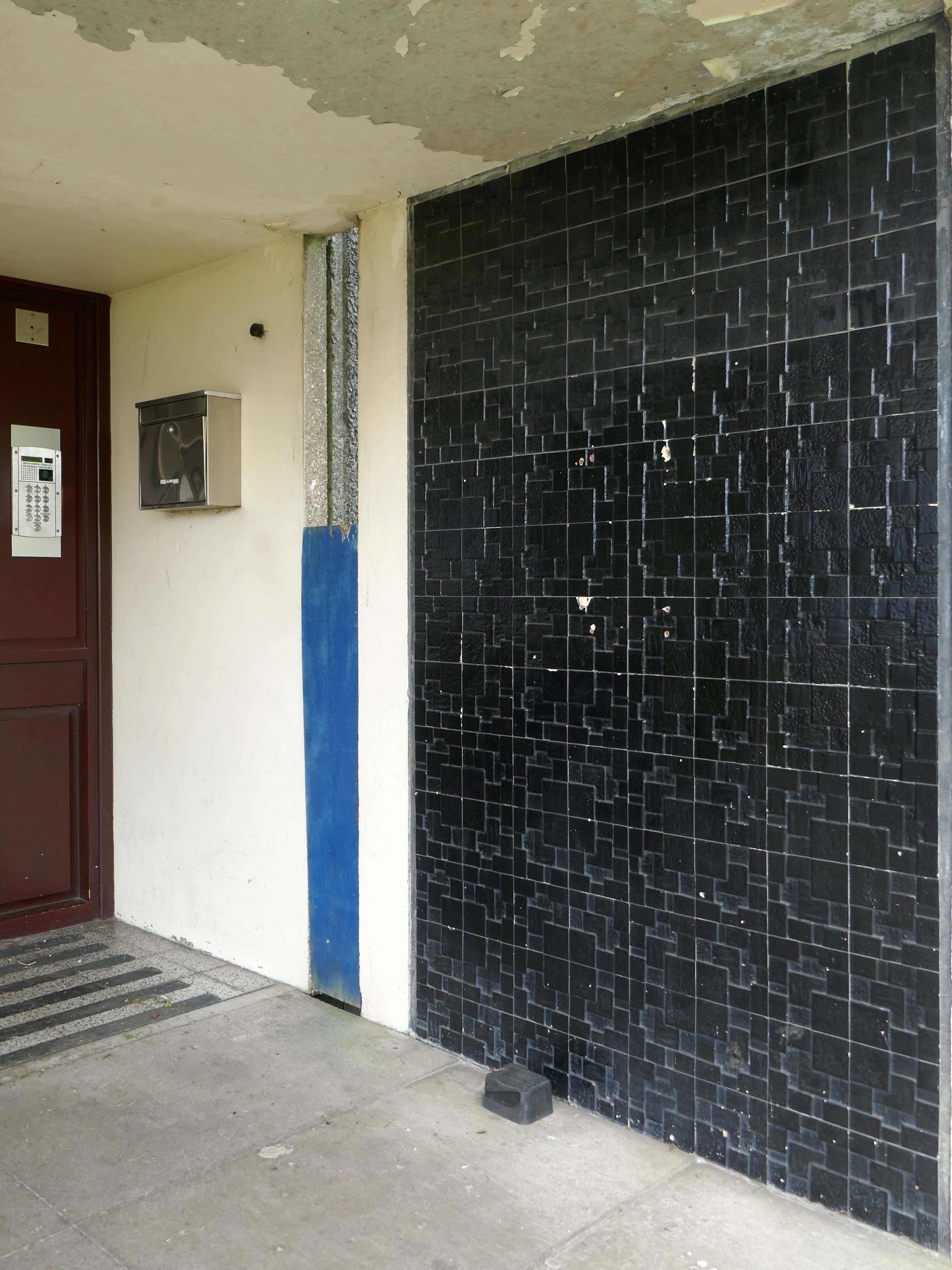
Three thirteen-storey slab blocks built as public housing using the Sectra industrialised building system. The blocks contain 183 dwellings in total, consisting of 72 one-bedroom flats and 111 two-bedroom flats. The blocks are of storiform construction clad with precast concrete panels. The panels are faced with exposed white Cornish aggregate. Spandrel panels set with black Shap granite aggregate are used under the gable kitchen windows. The blocks were designed by the Borough architect in association with Sydney Greenwood. Construction was approved by committee in 1966.

Pastscape

1987 view of Birley Street development, with Trinity Court in the foreground: Tower Block

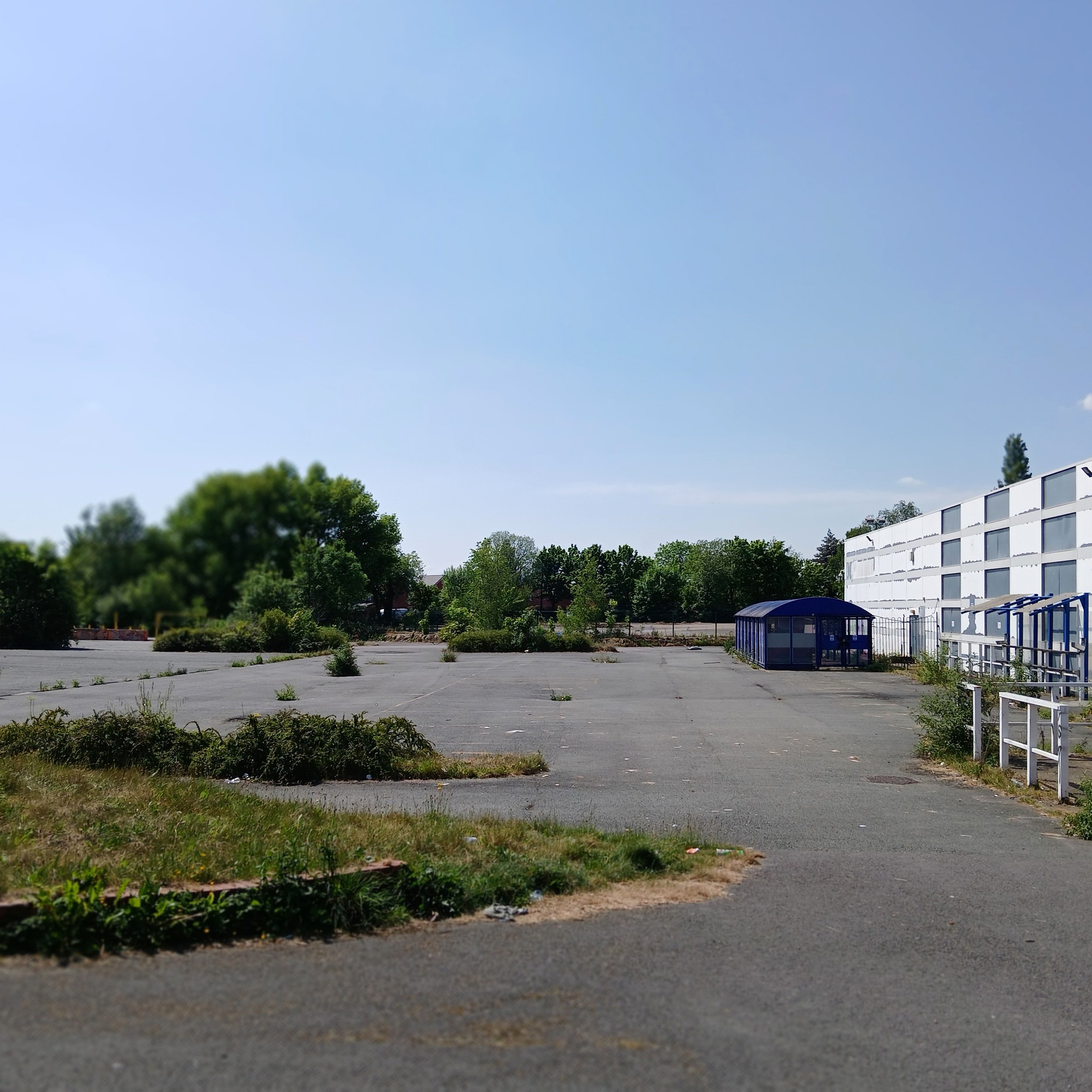
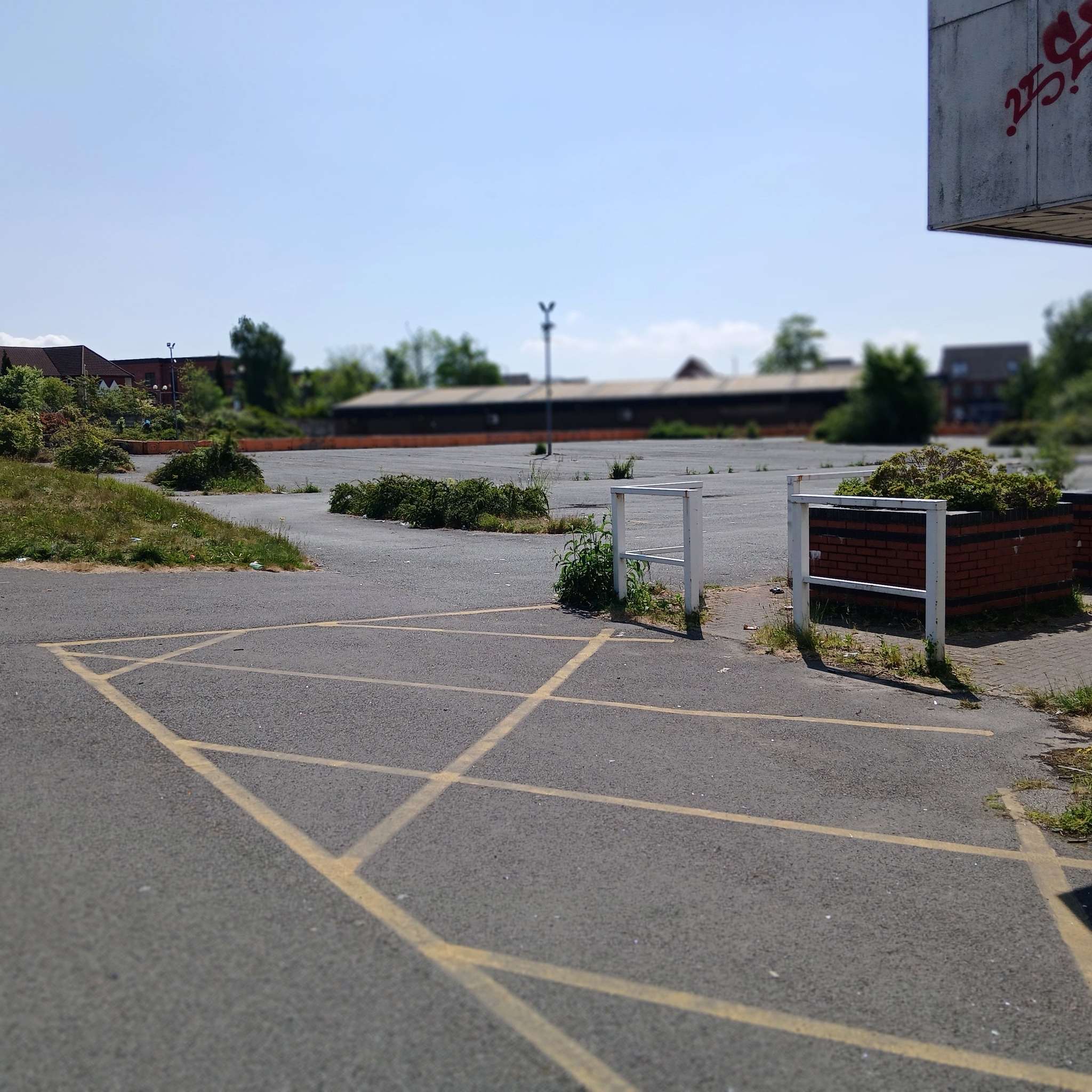
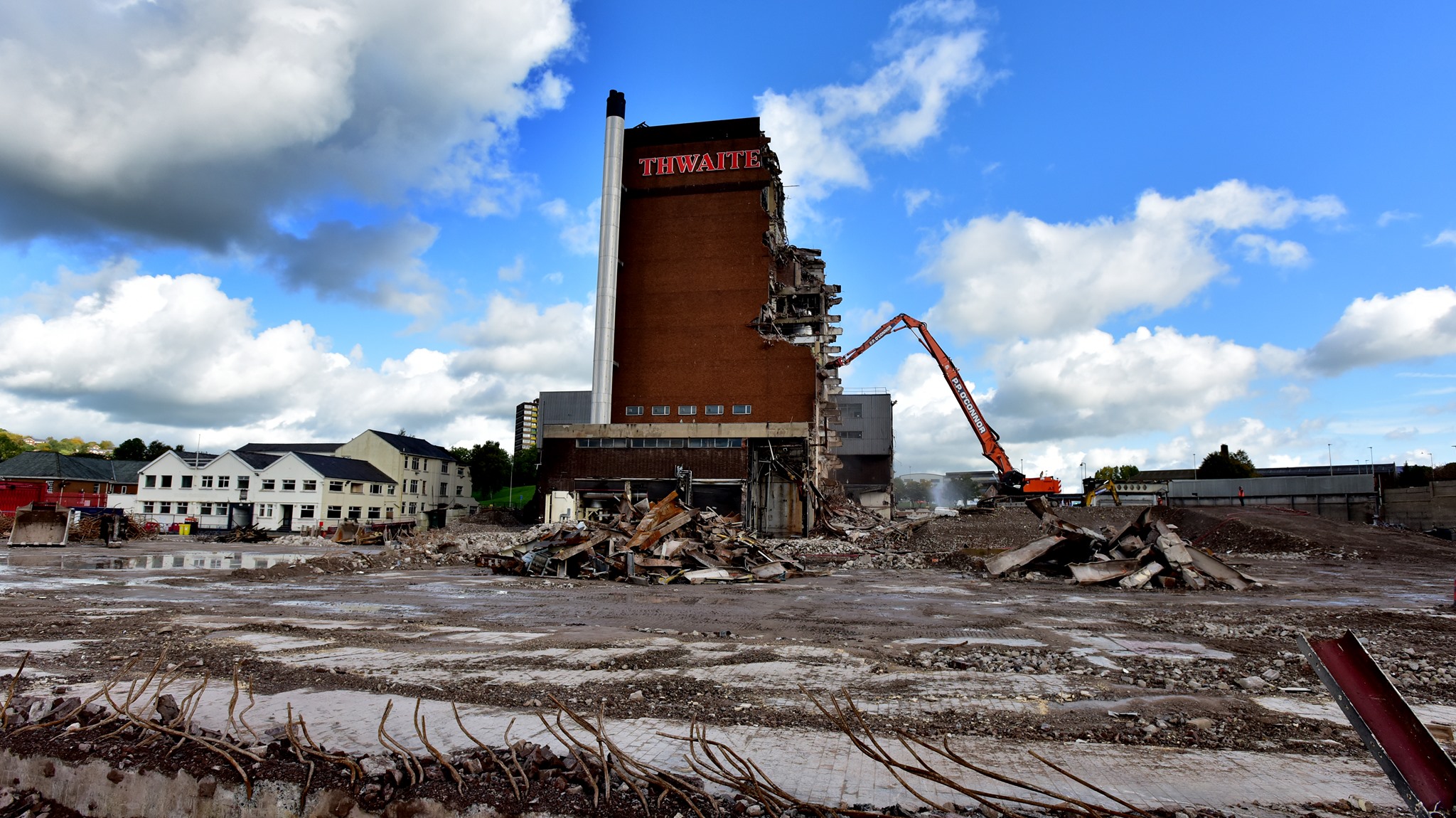
Back now into the centre – passing the now empty site of Thwaites Brewery, demolished in 2019.

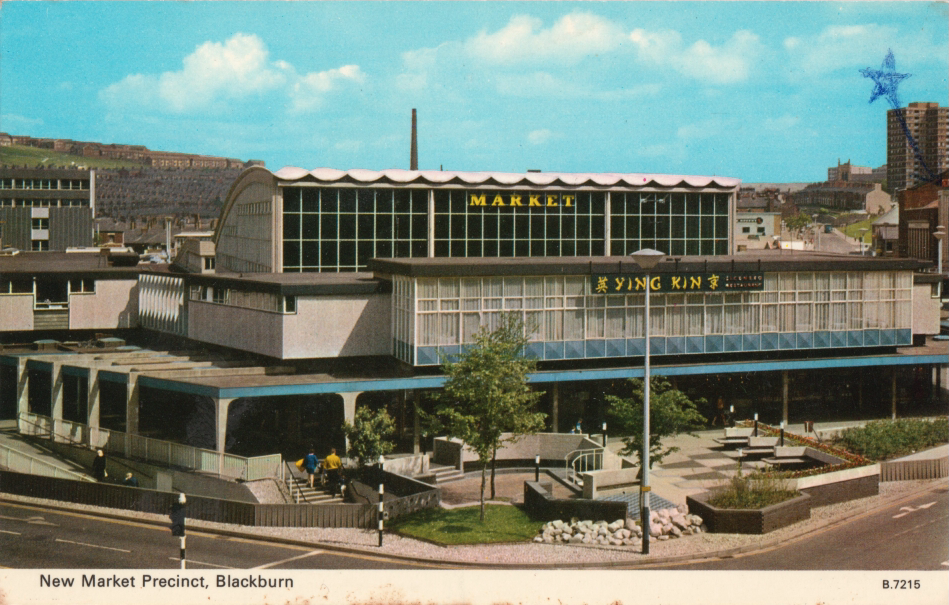
Also missing in action is the 1960’s Market Hall – architect Tom Brennan.

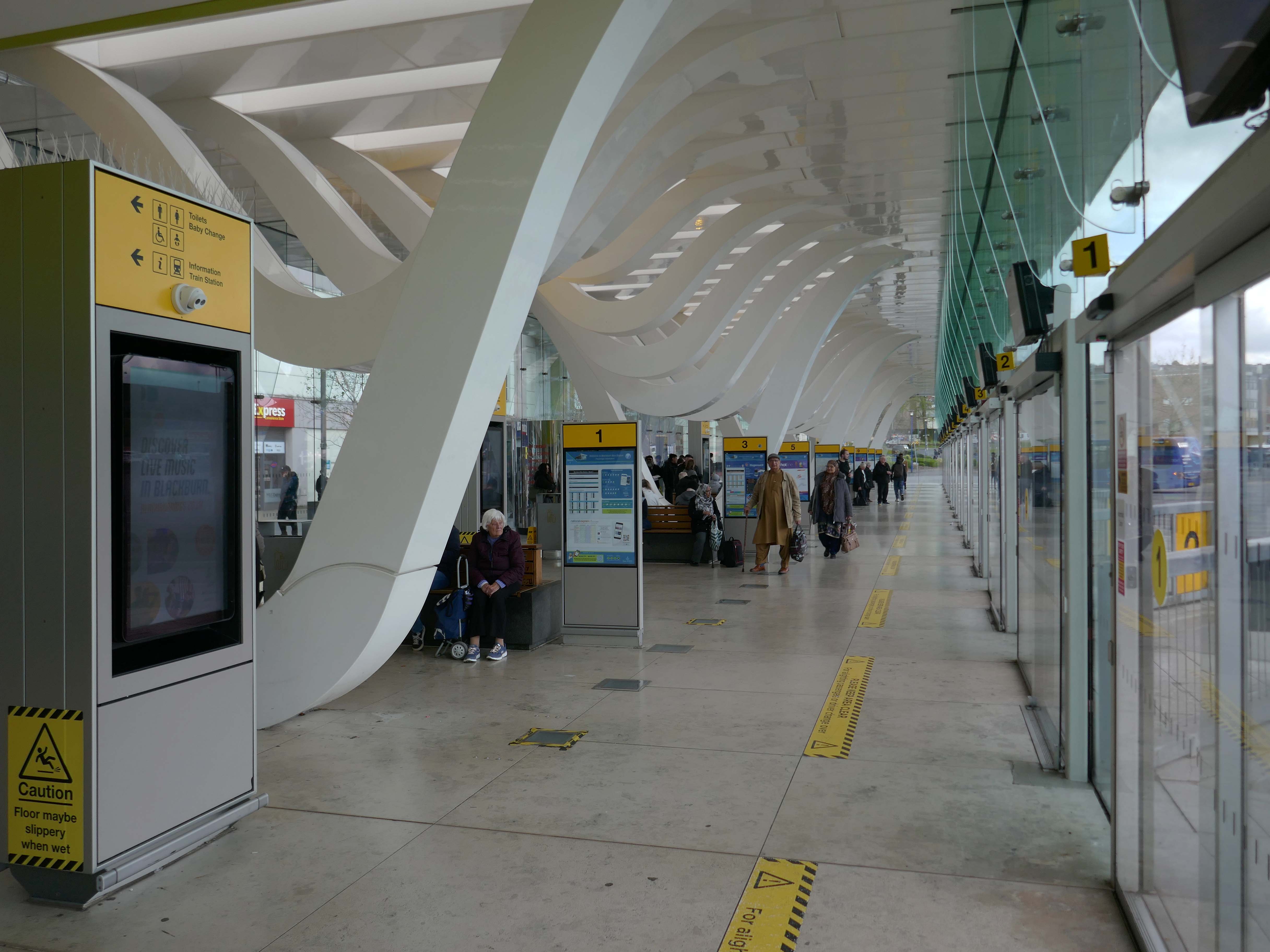
The new Bus Station designed by Capita Symonds – replacing the old bus station.

The outward facing elements of the building are flat and orthogonal. In contrast, the underside of the canopy is free flowing and consists of a number of glazed slots cut in the canopy to allow daylight to penetrate onto the concourse area. Directly below each of the slots is a hanging loop which appears to be pulled down from the canopy to reveal a glazed opening. The composition of these draws inspiration from the cotton weaving looms, and drying cotton bundles, a reference to the town’s industrial past.

There are four loop types (A, B, C & D) which are arranged to alter the scale of the concourse and create a rhythm of peaks and troughs along its length. Loop A is designed to provide support to the whole canopy allowing the canopy to appear as one floating unified element.

Archello

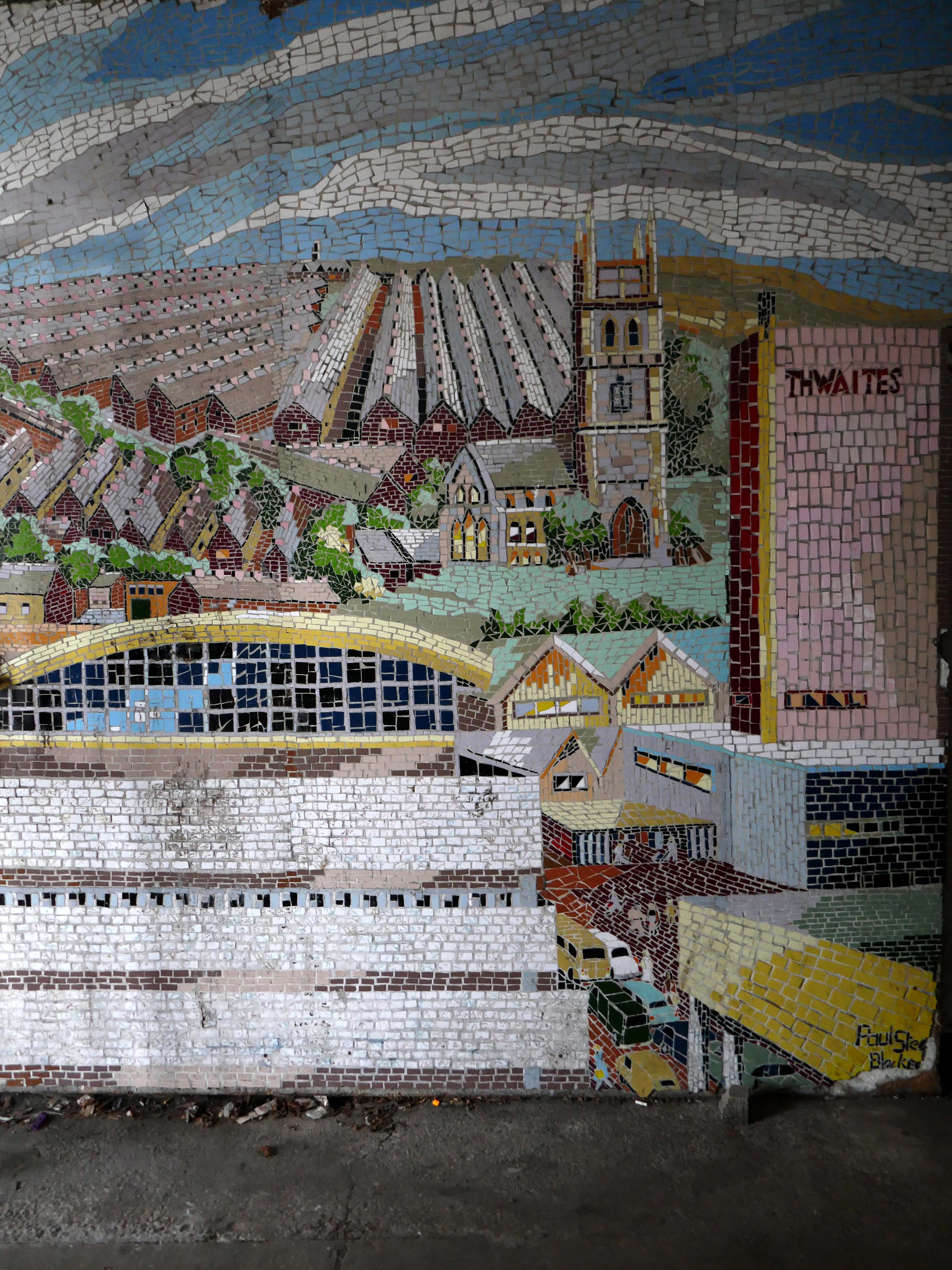
Tucked away this mosaic panorama of the town.

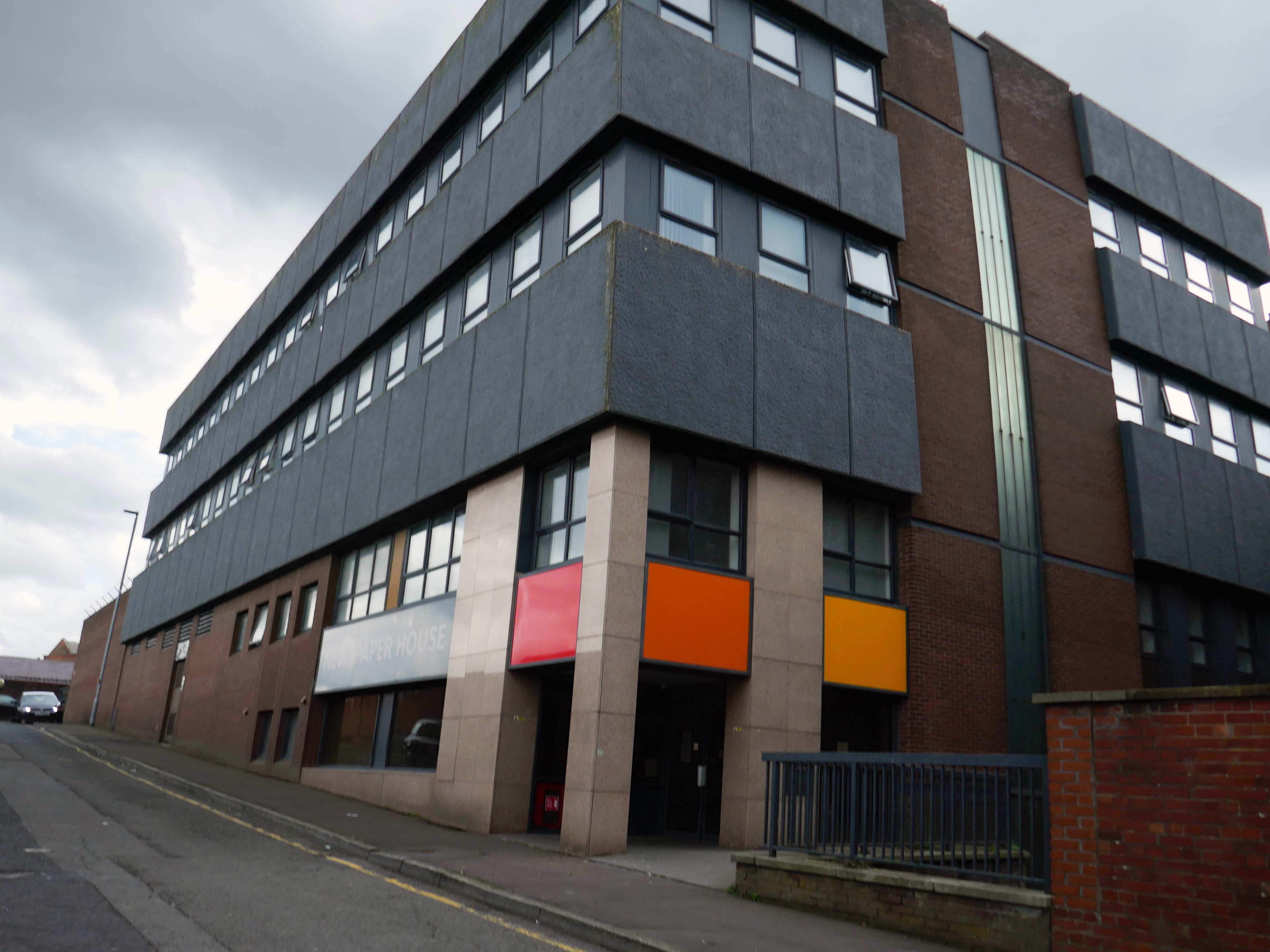
Newspaper House – once the home to the Lancashire Telegraph, converted to apartments in 2017.

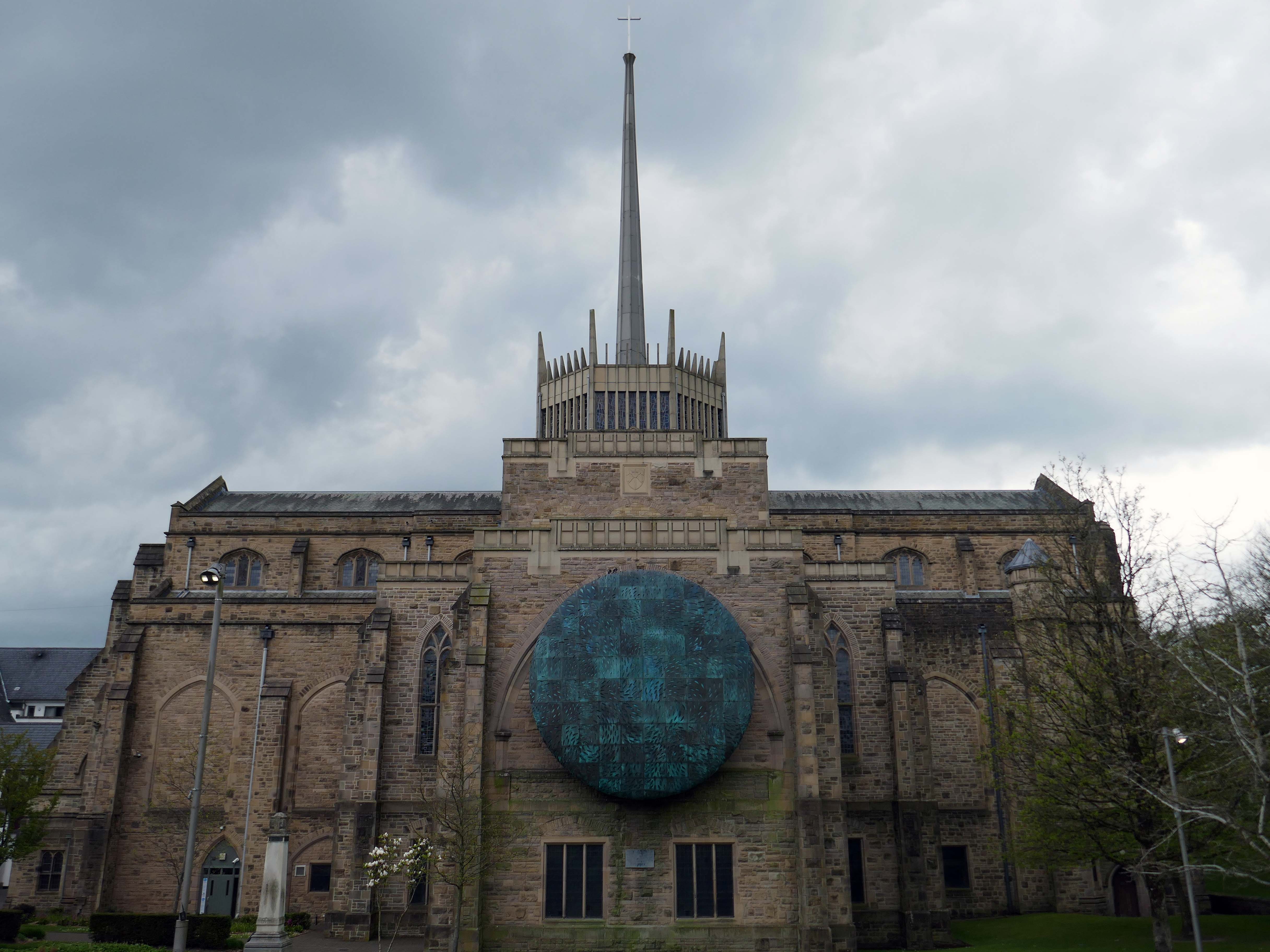
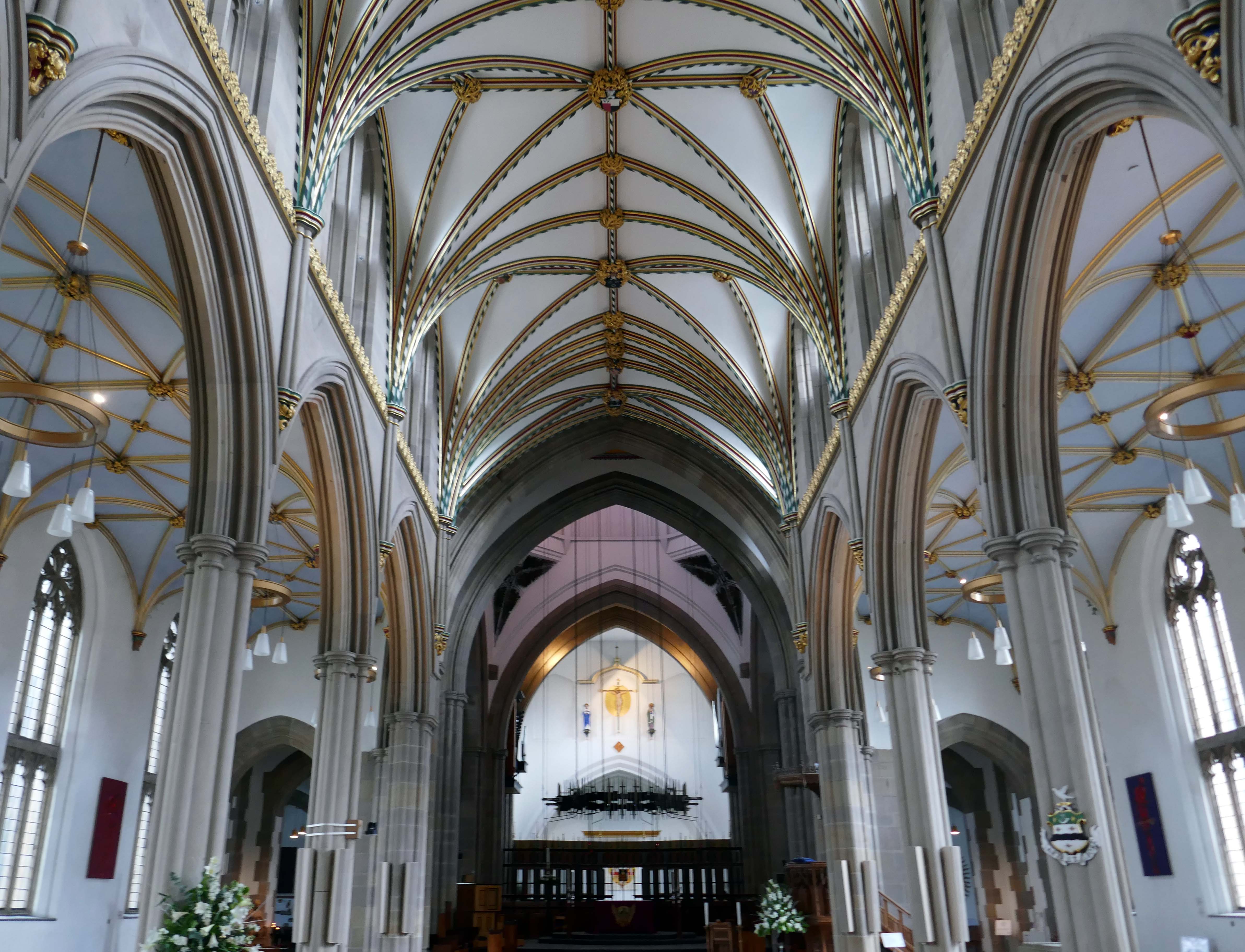
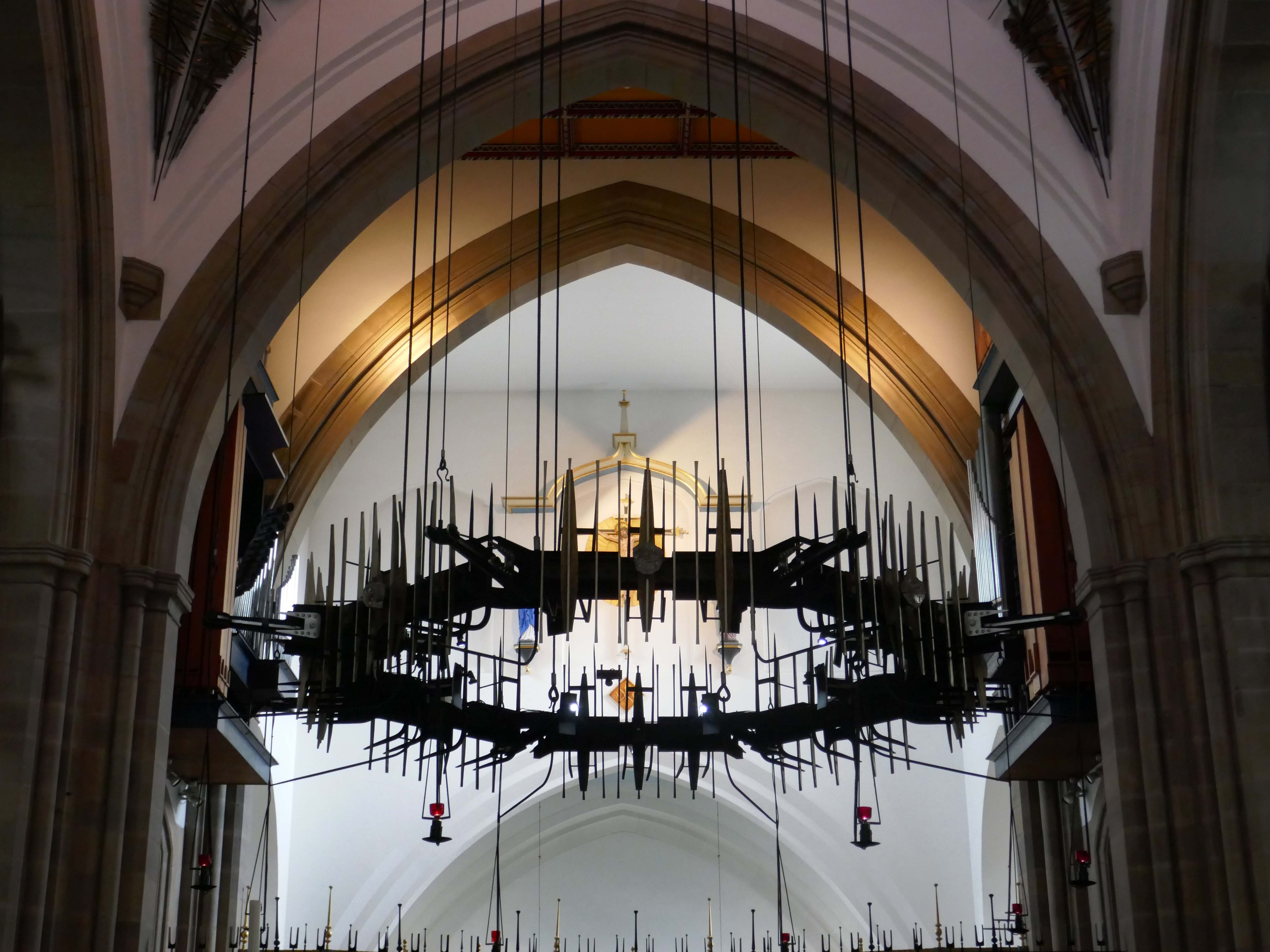
Finally to the Garde II* listed Blackburn Cathedral church – since 1926, formerly parish church, 1820-6 by John Palmer of Manchester.

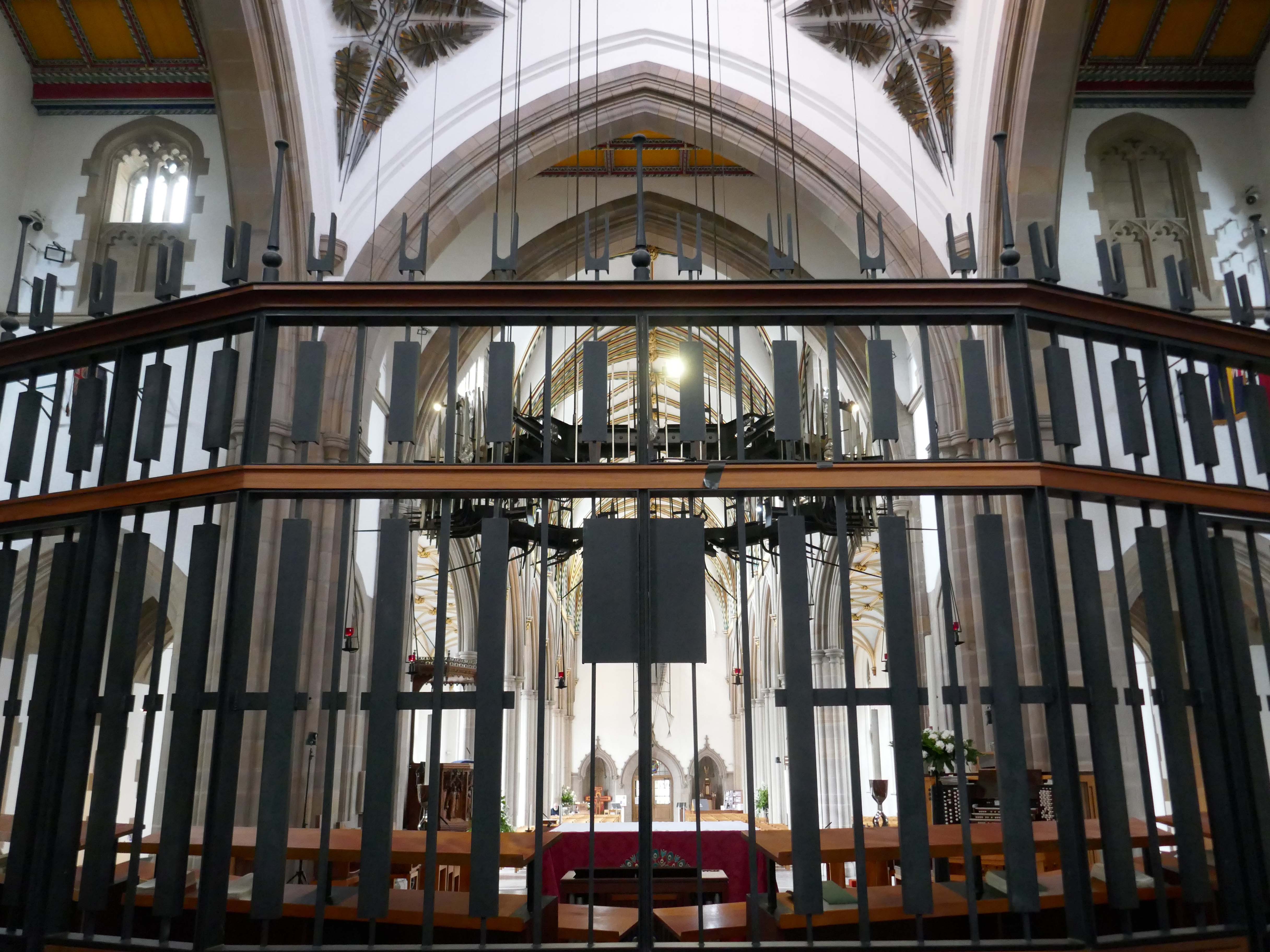
Central concrete corona by Lawrence King 1961 – it was rebuilt in stone by Brian Lowe in 1998.

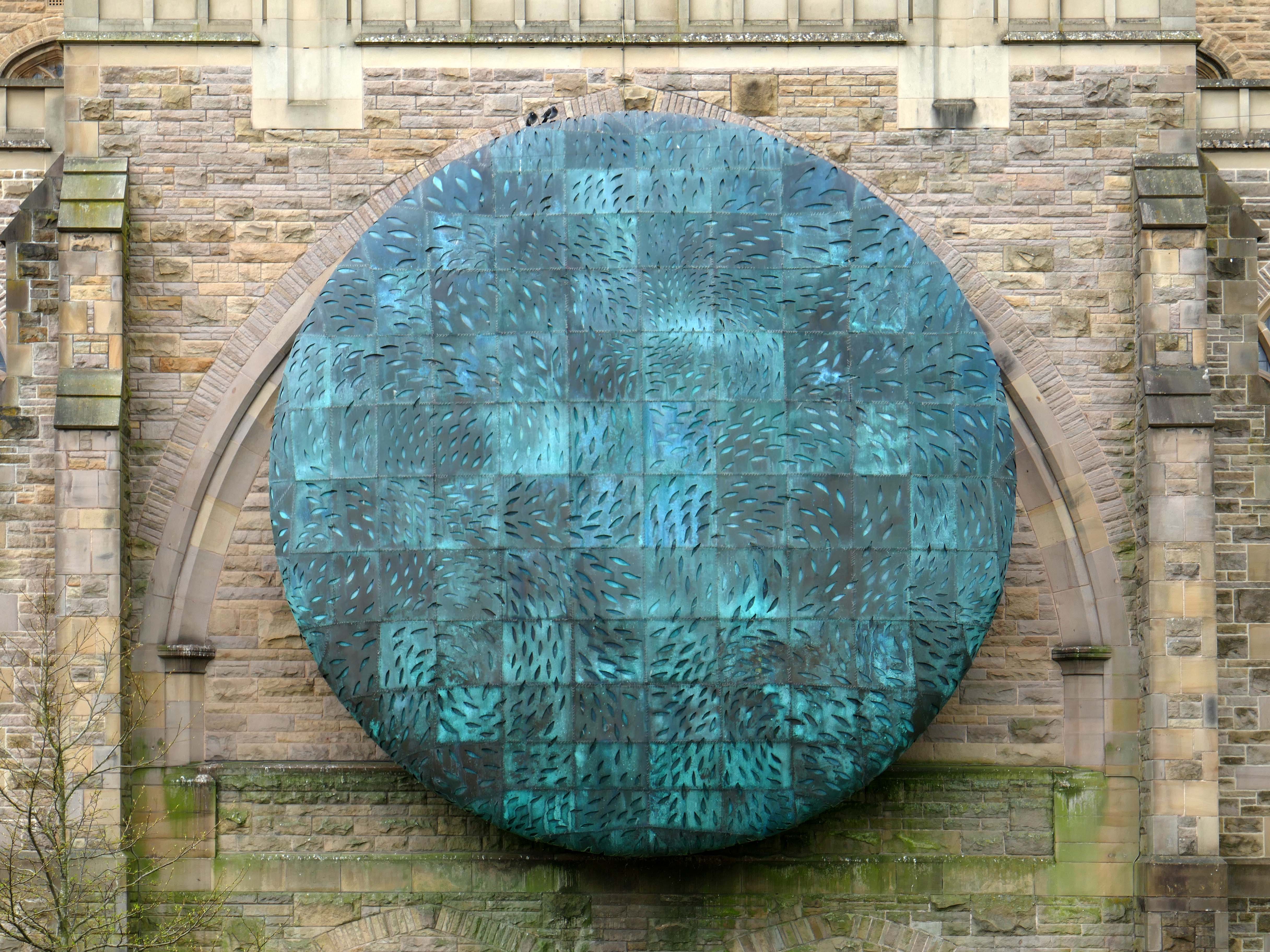
The Healing of Nations in steel and copper by Mark Jalland 2001.

It is a reflection on the opening of chapter 22 of the book of Revelation, new Jerusalem, and ‘the leaves of the tree are for the healing of the nations’.

Traditionally a stained-glass window at the east end of a cathedral would reflect a spectrum of light into the building but this sculpture projects the light out in a kaleidoscope of colour reminding us of Jesus the light of the world and the hope that we have in him. 

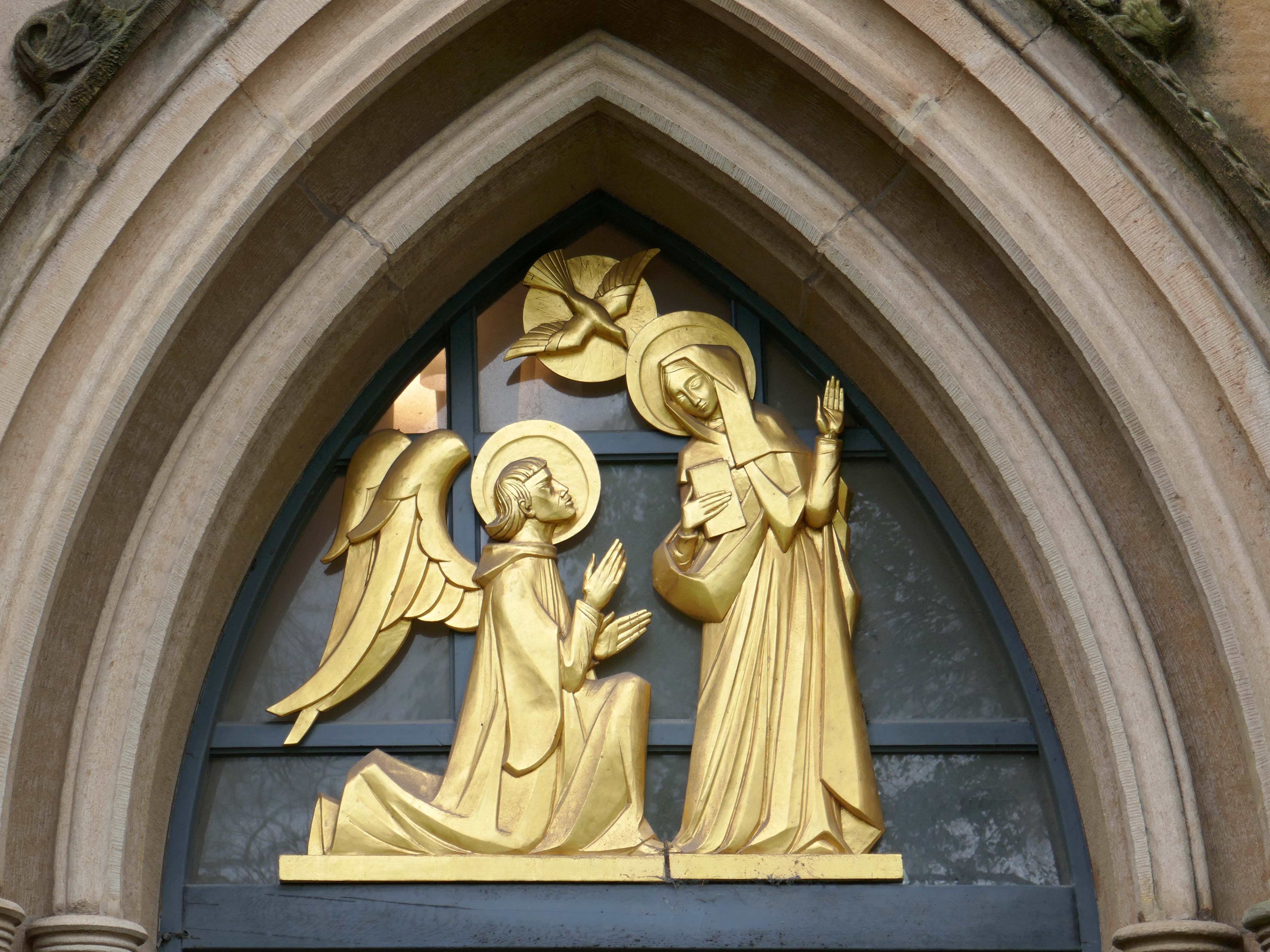
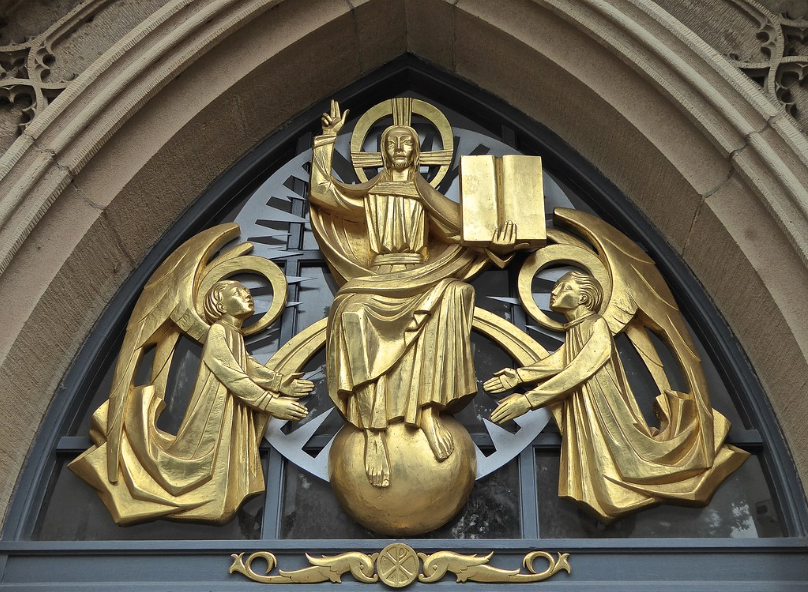
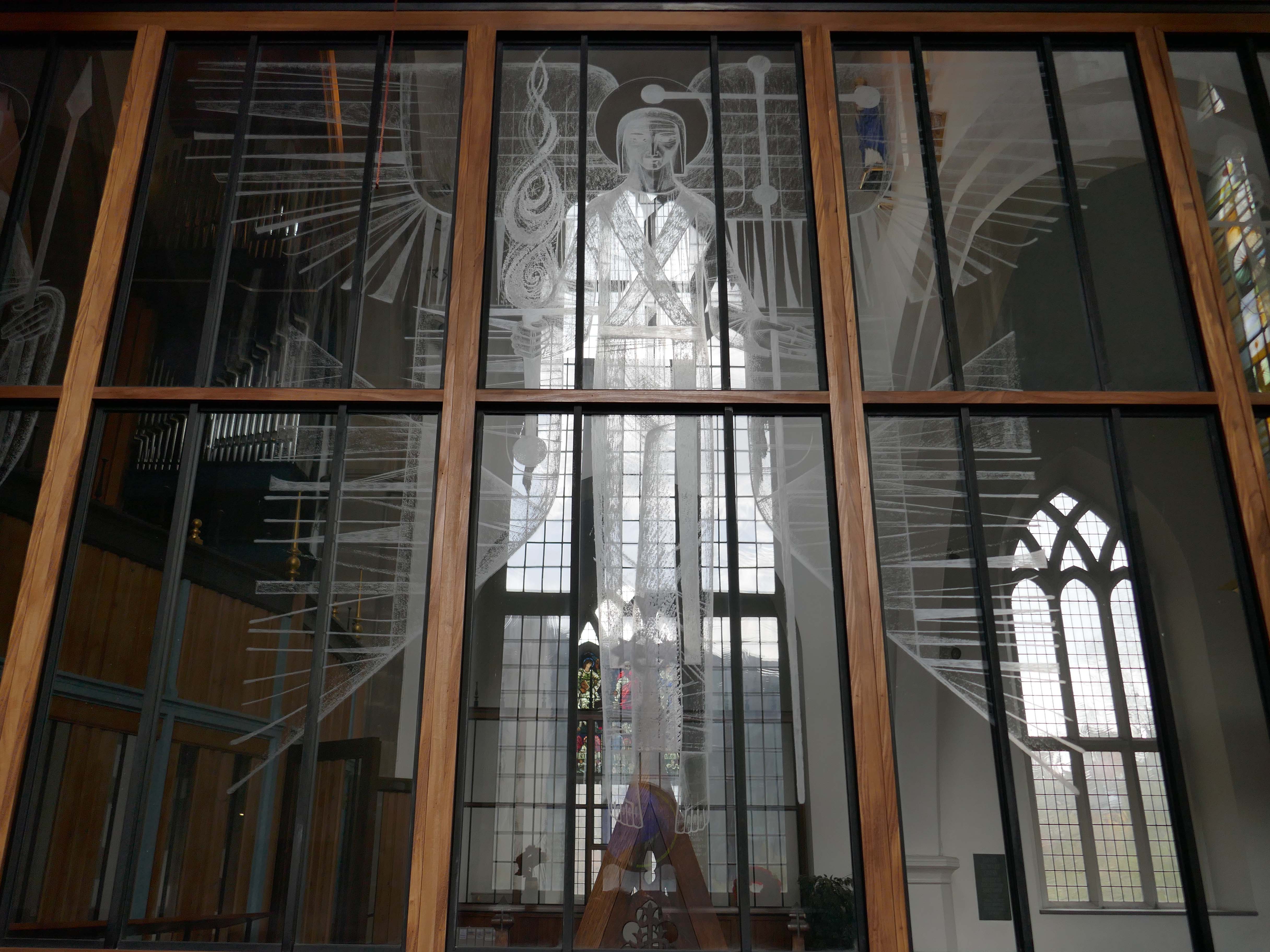
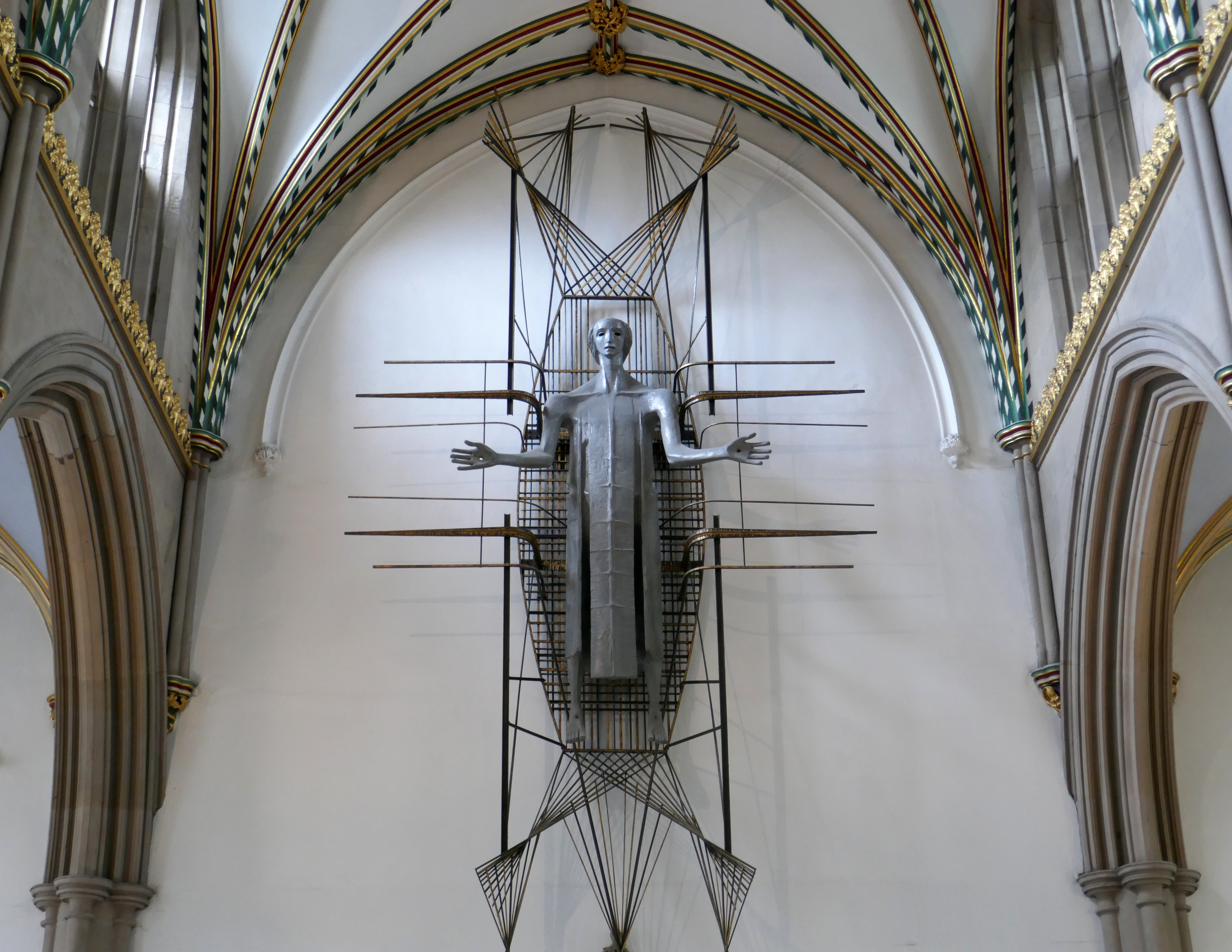
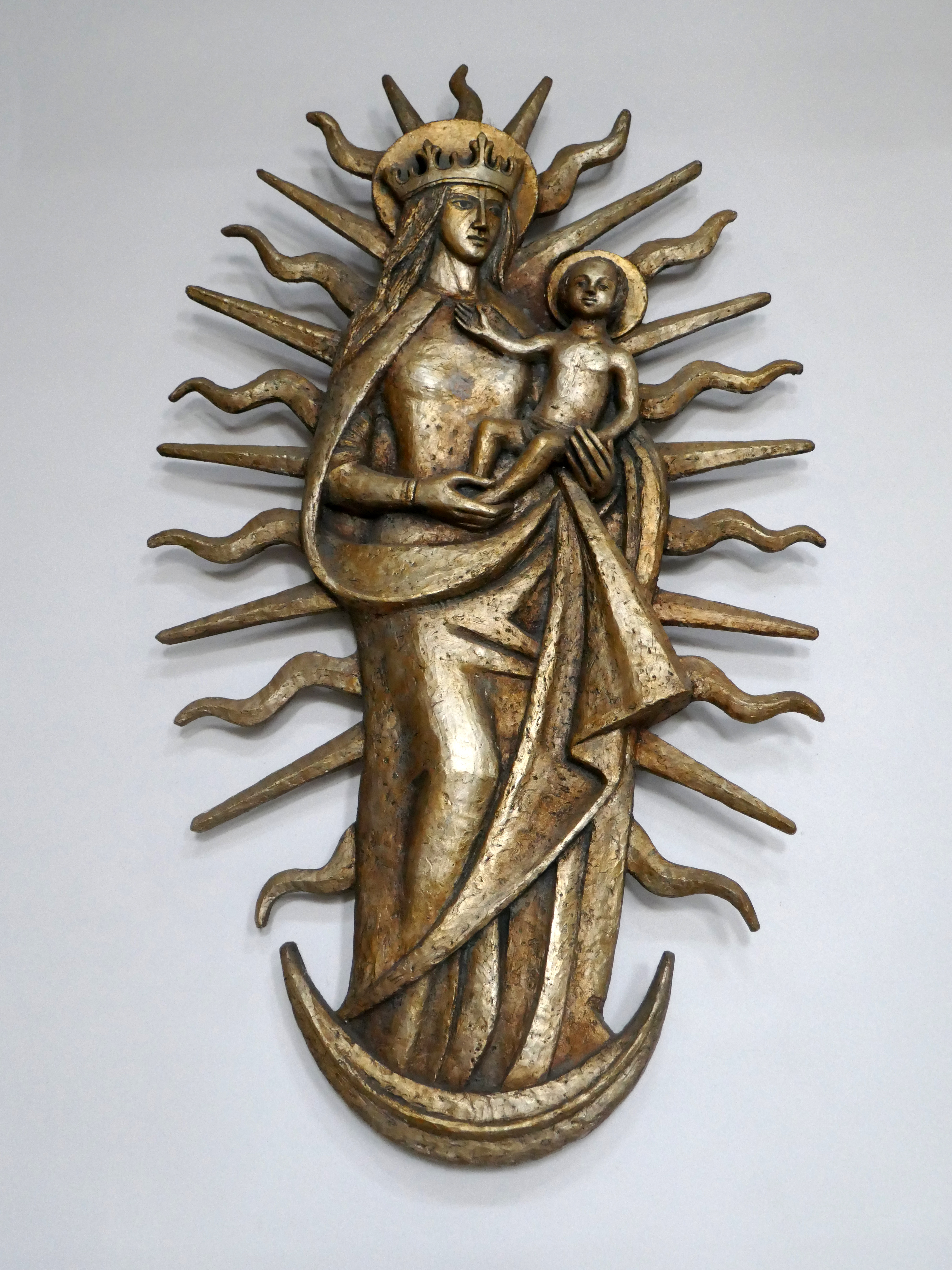
Annunciation and Christ in Majesty sculptures by Siegfried Pietsch 1965.

Crown of Thorns by John Hayward.

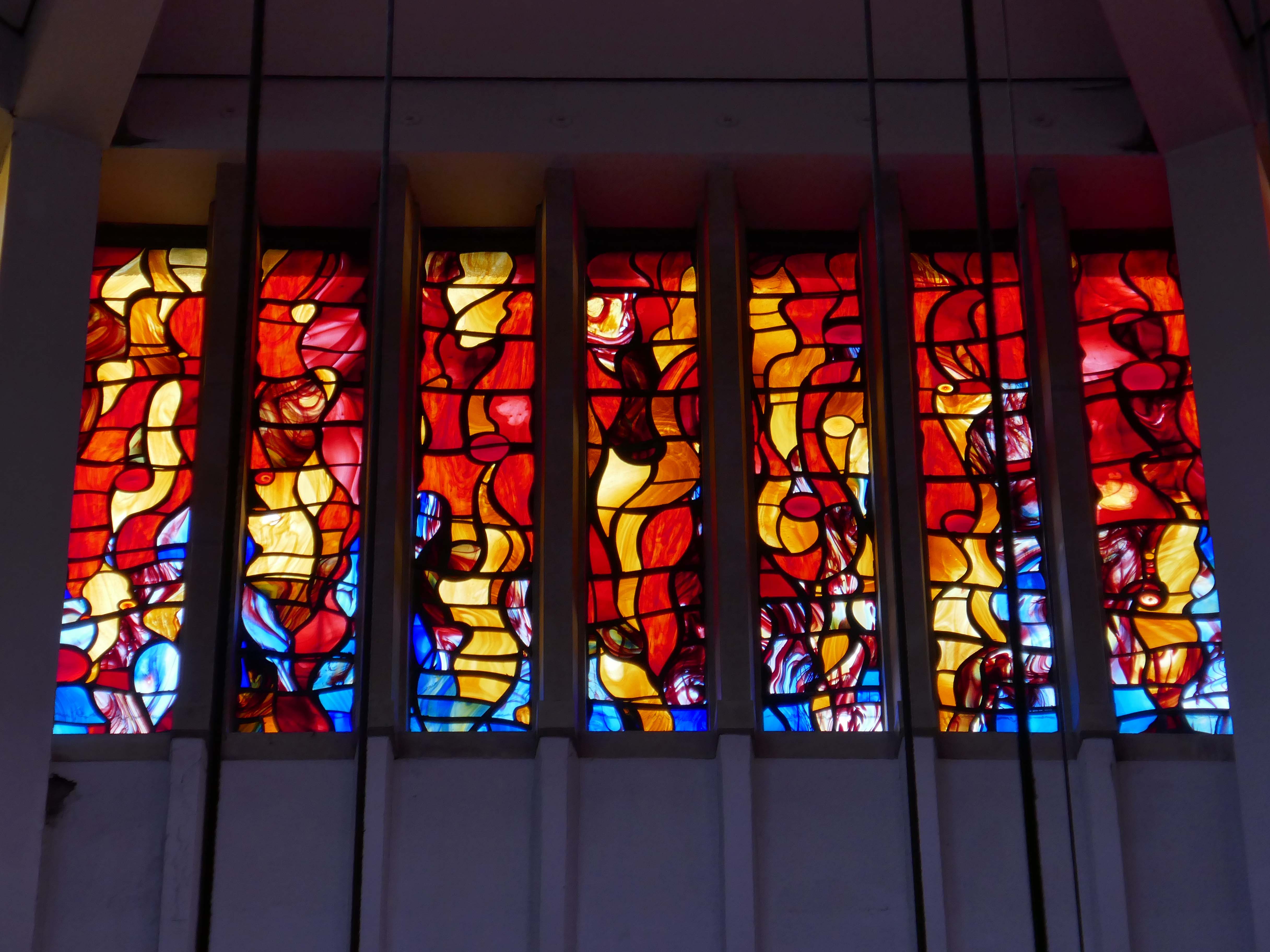
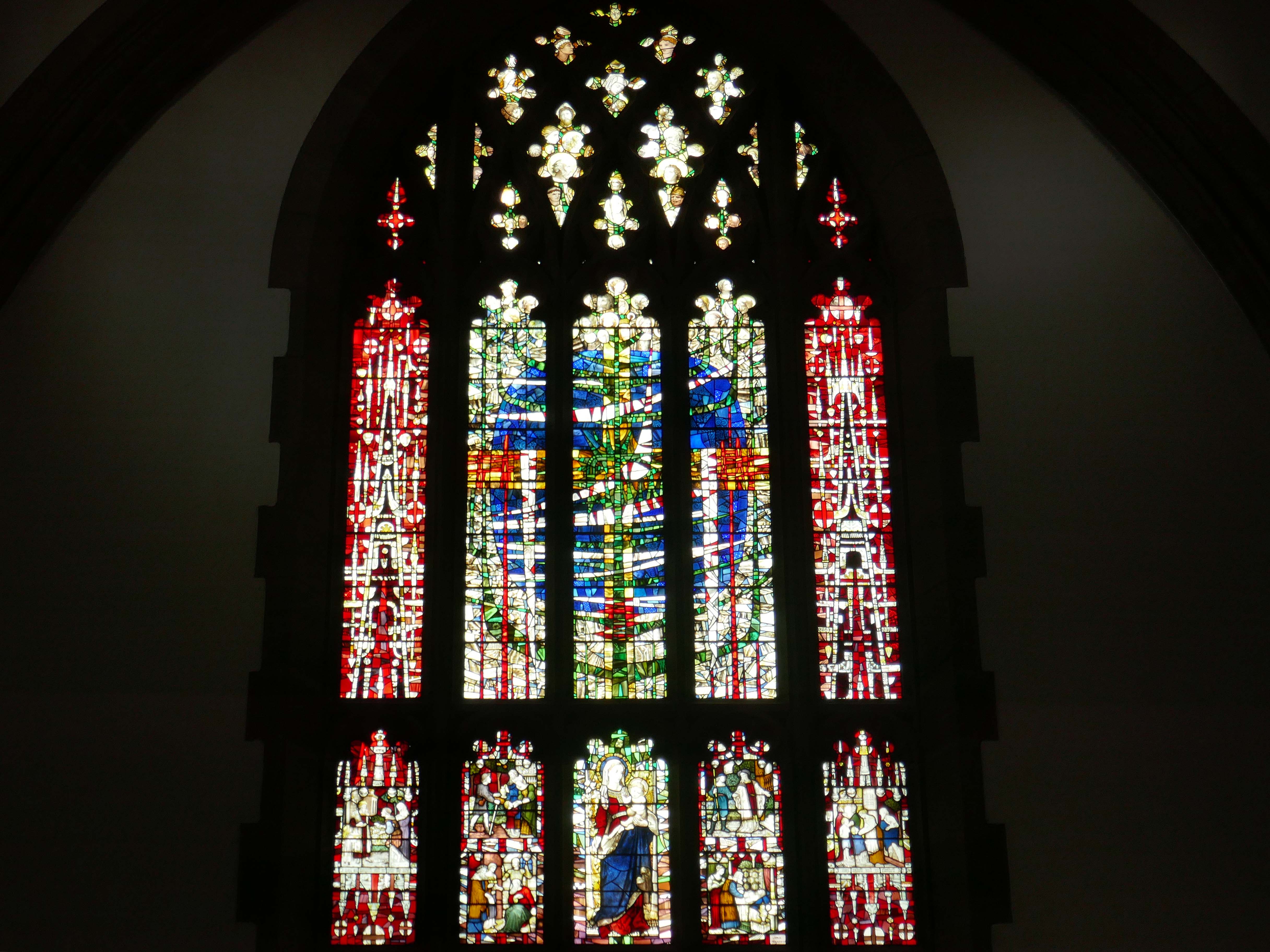
Lantern stained glass 1999 by Linda Hadfield, formerly Walton.

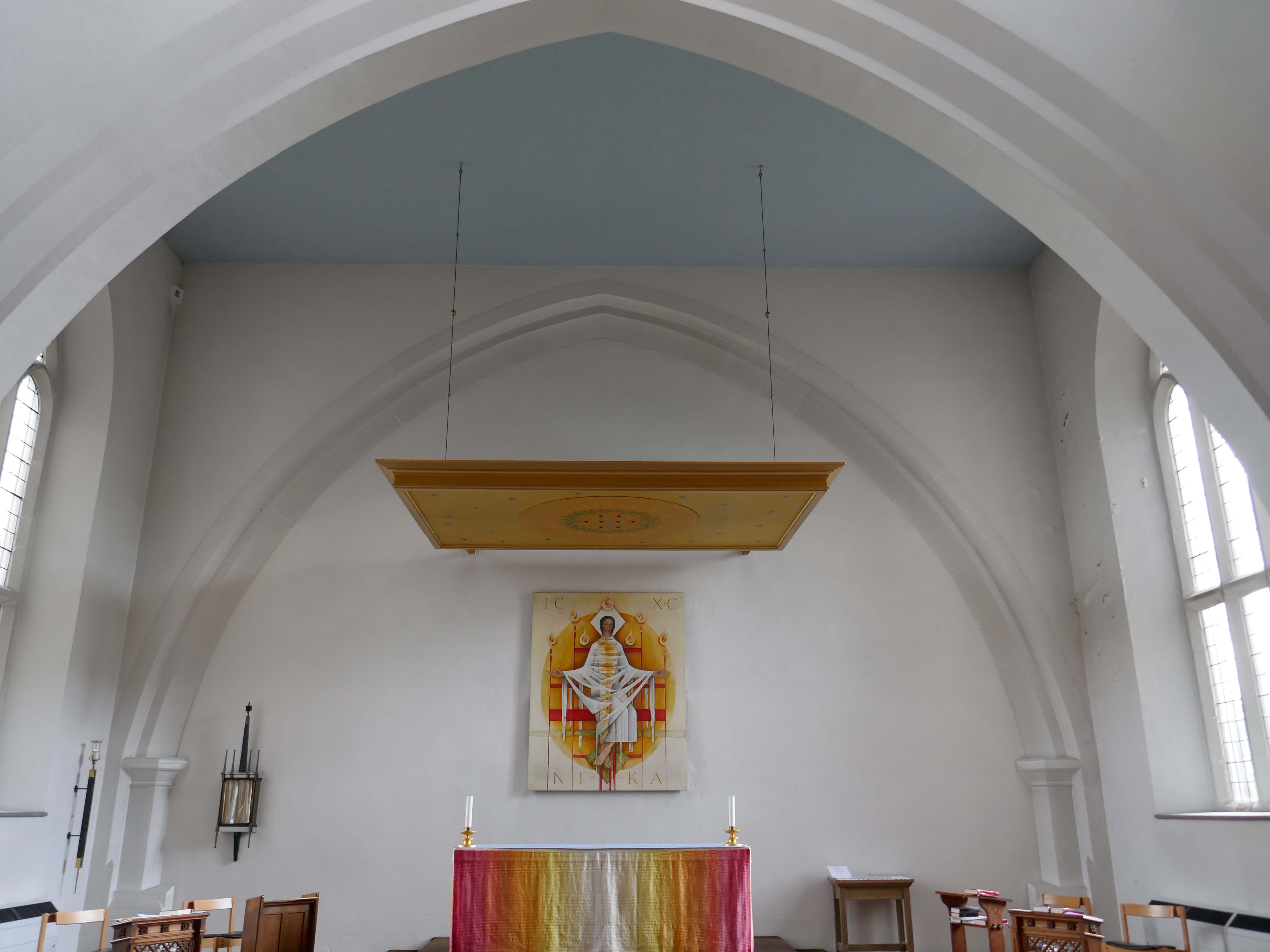
Further work by John Hayward.

Josefina de Vasconcellos

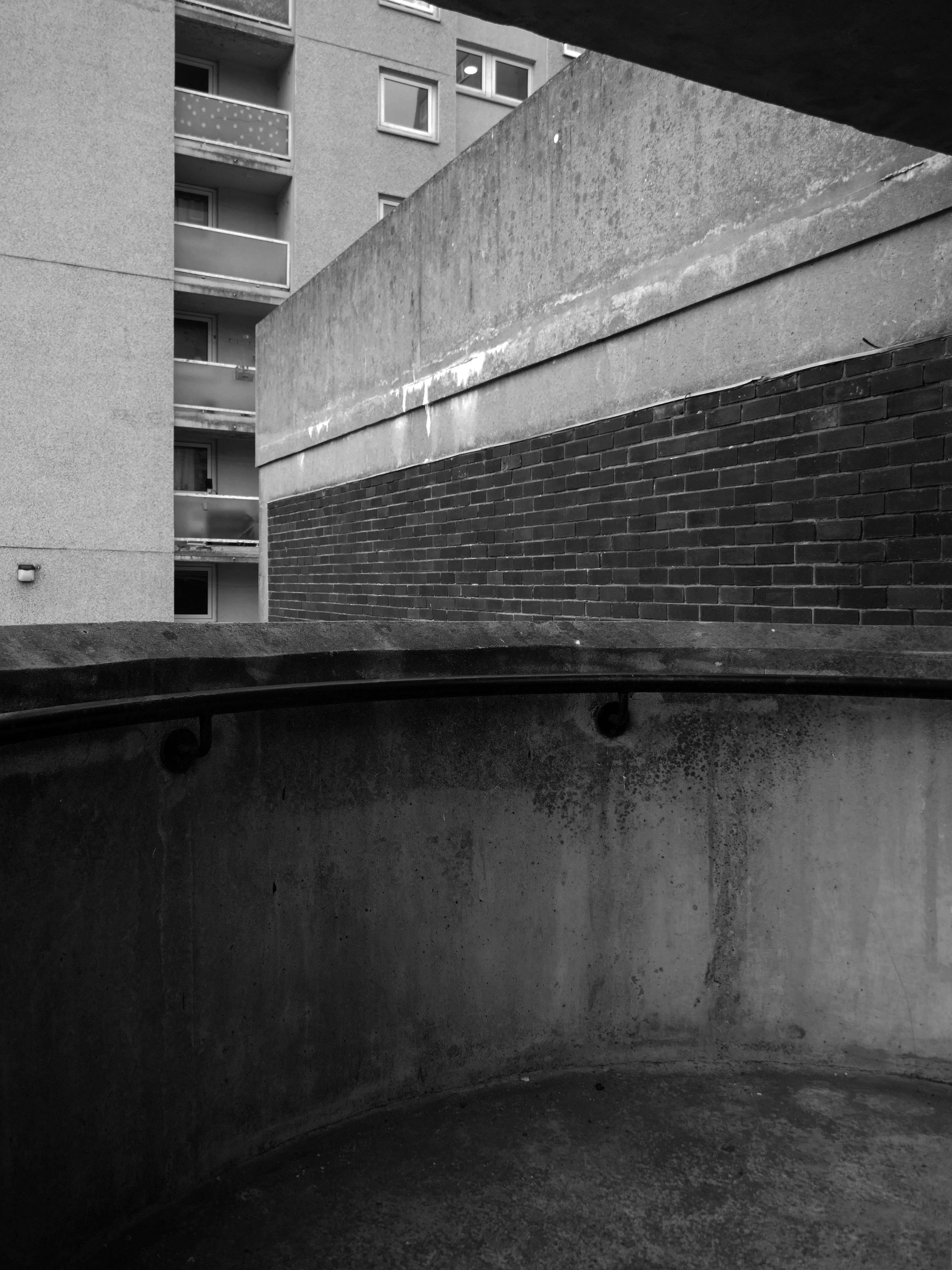
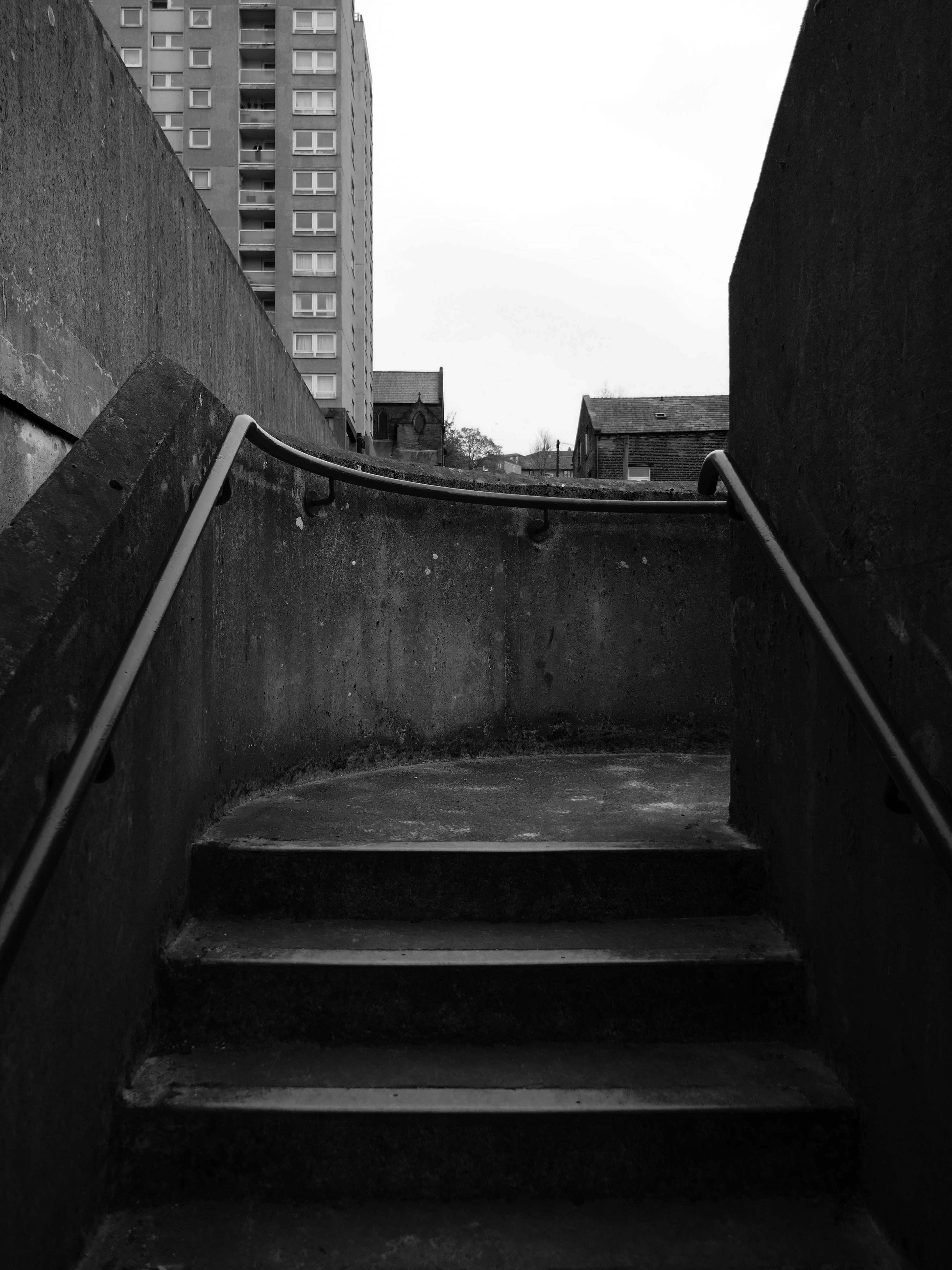
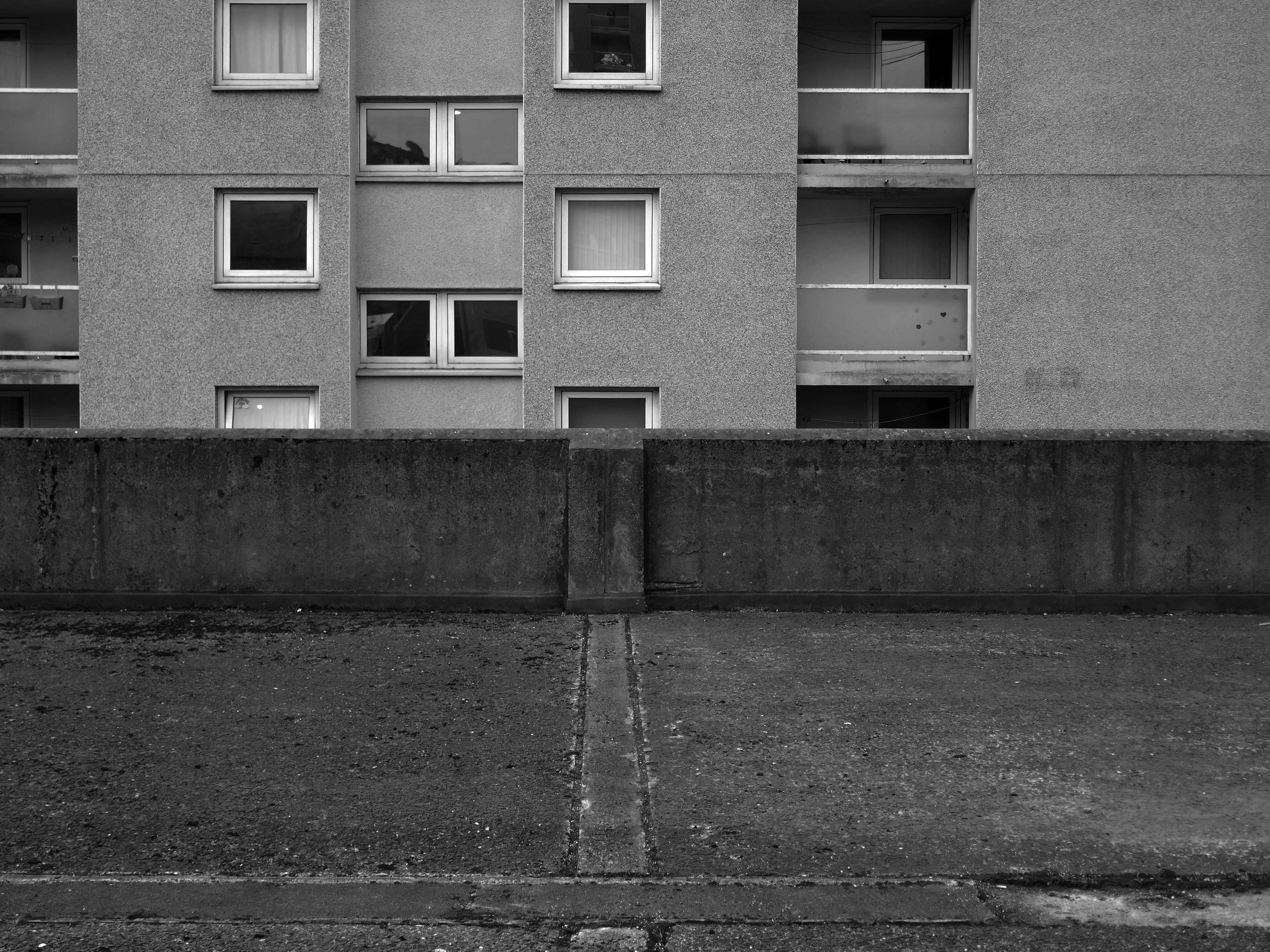
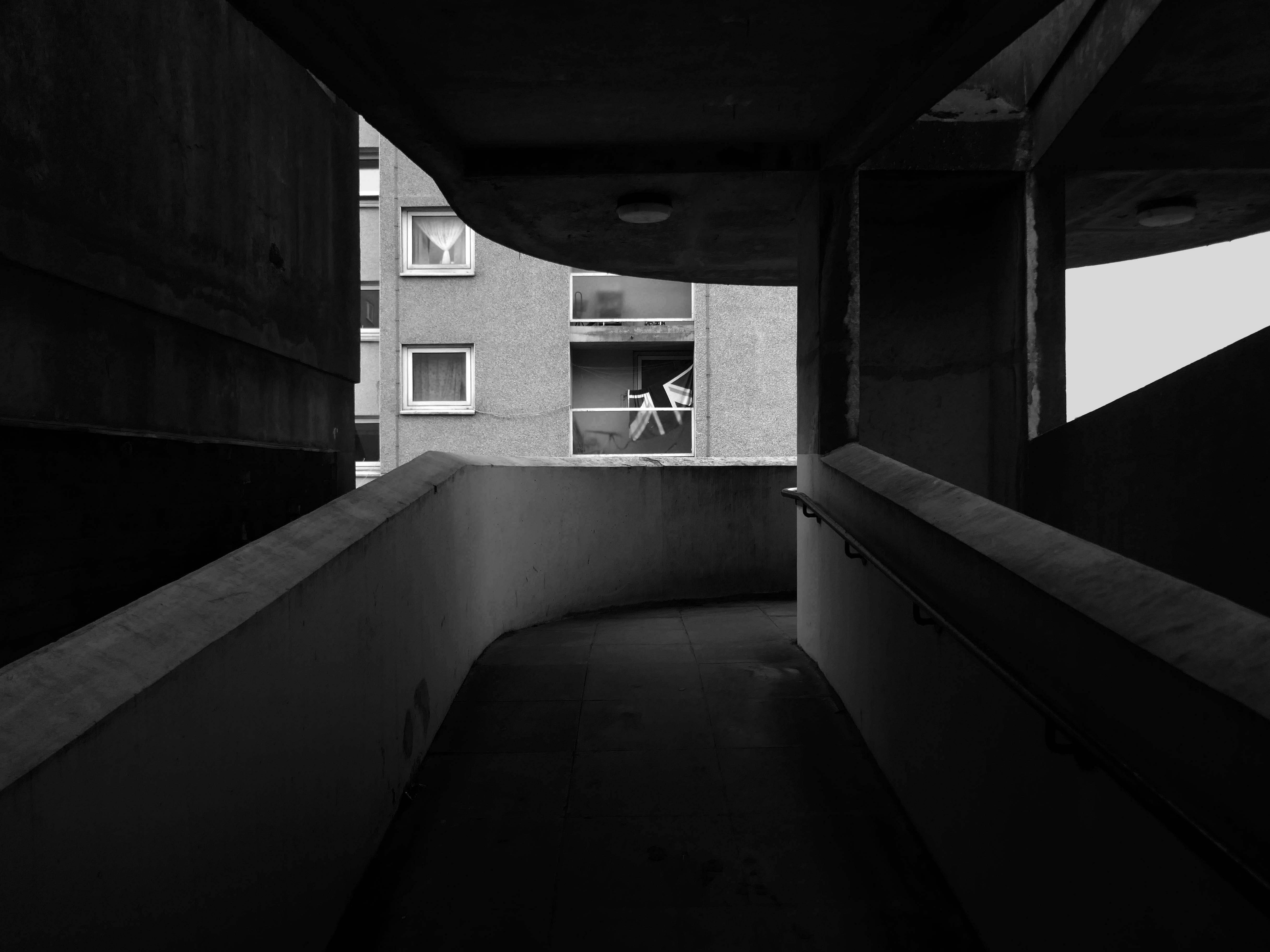
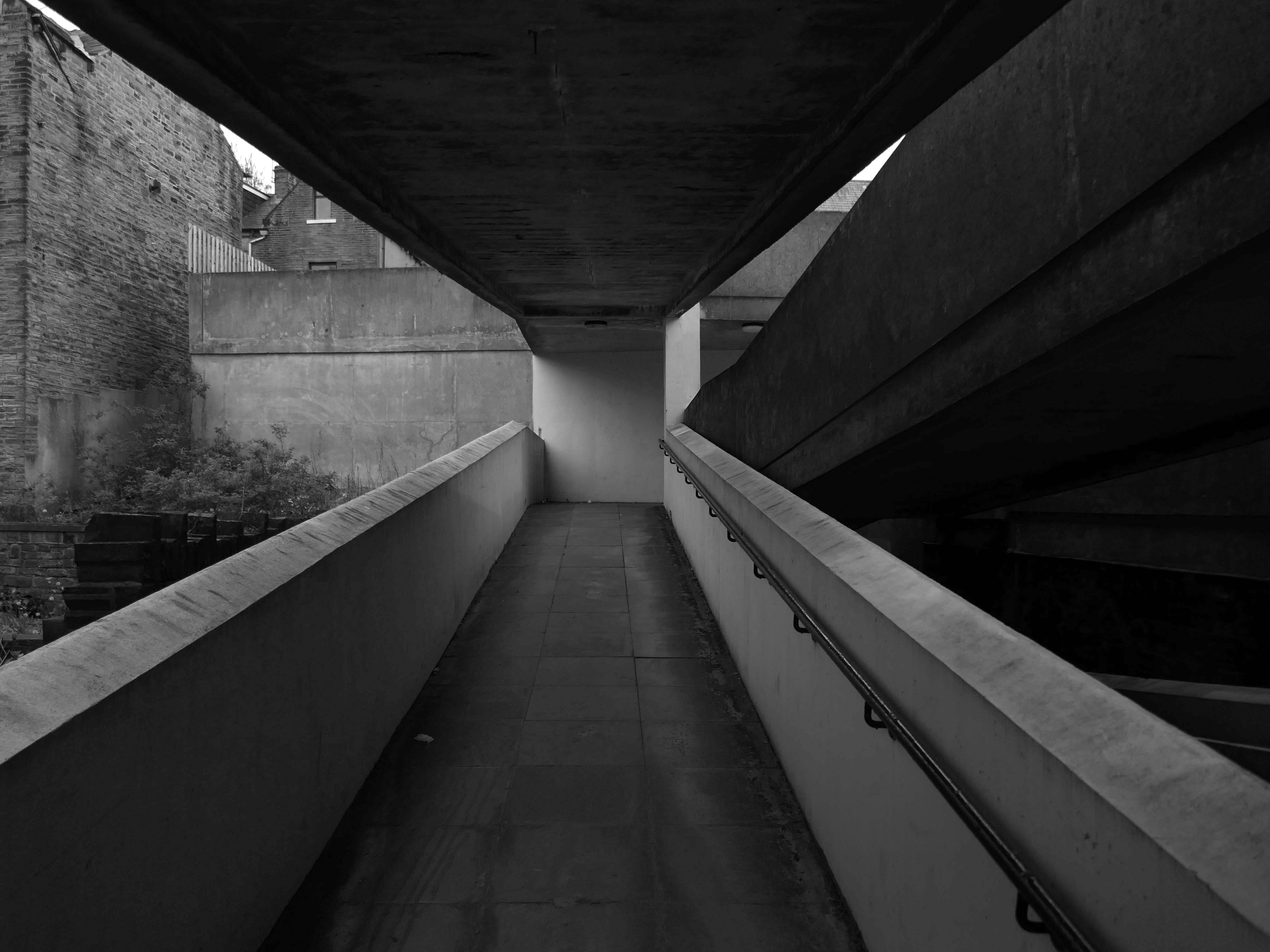
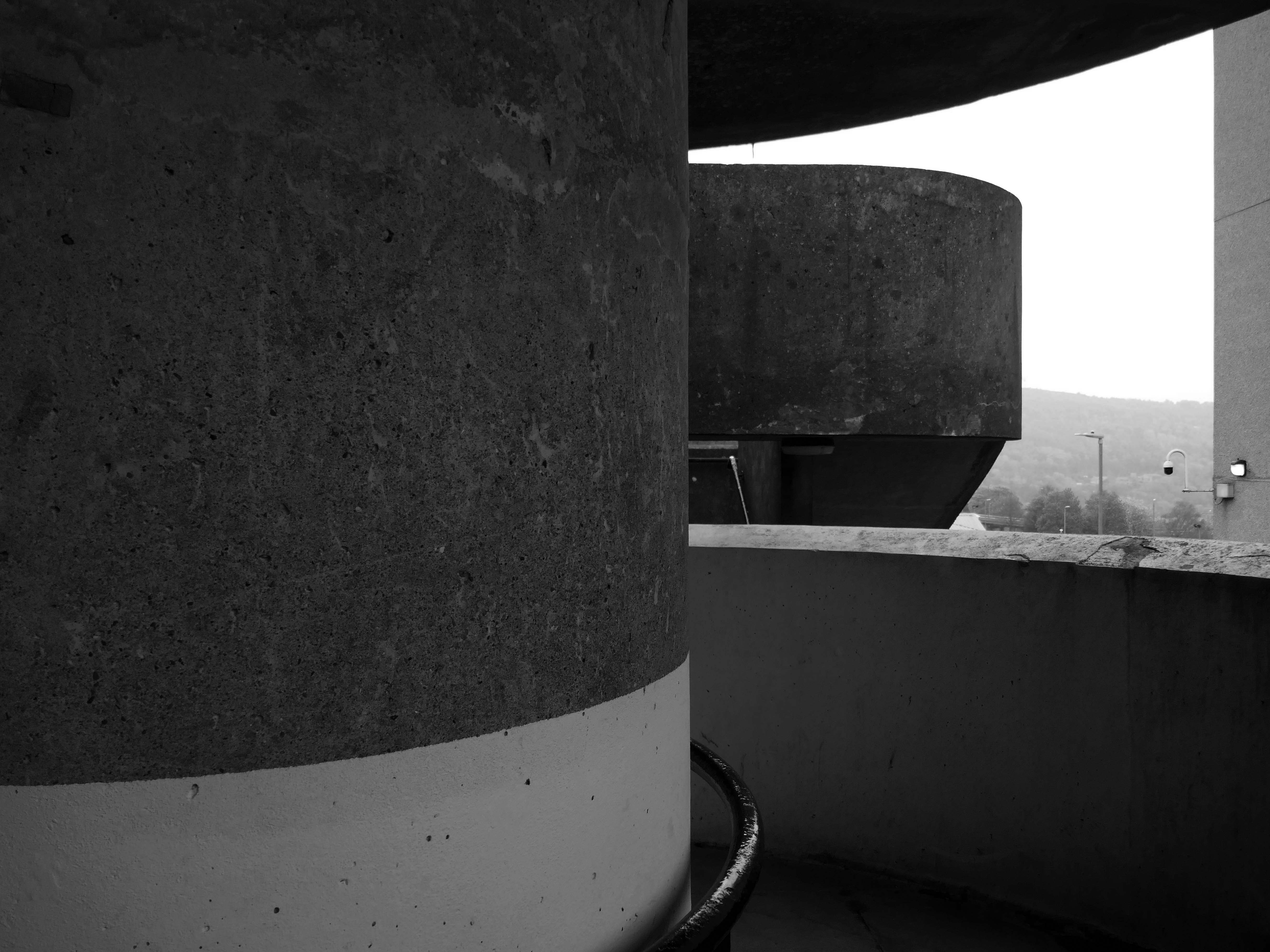
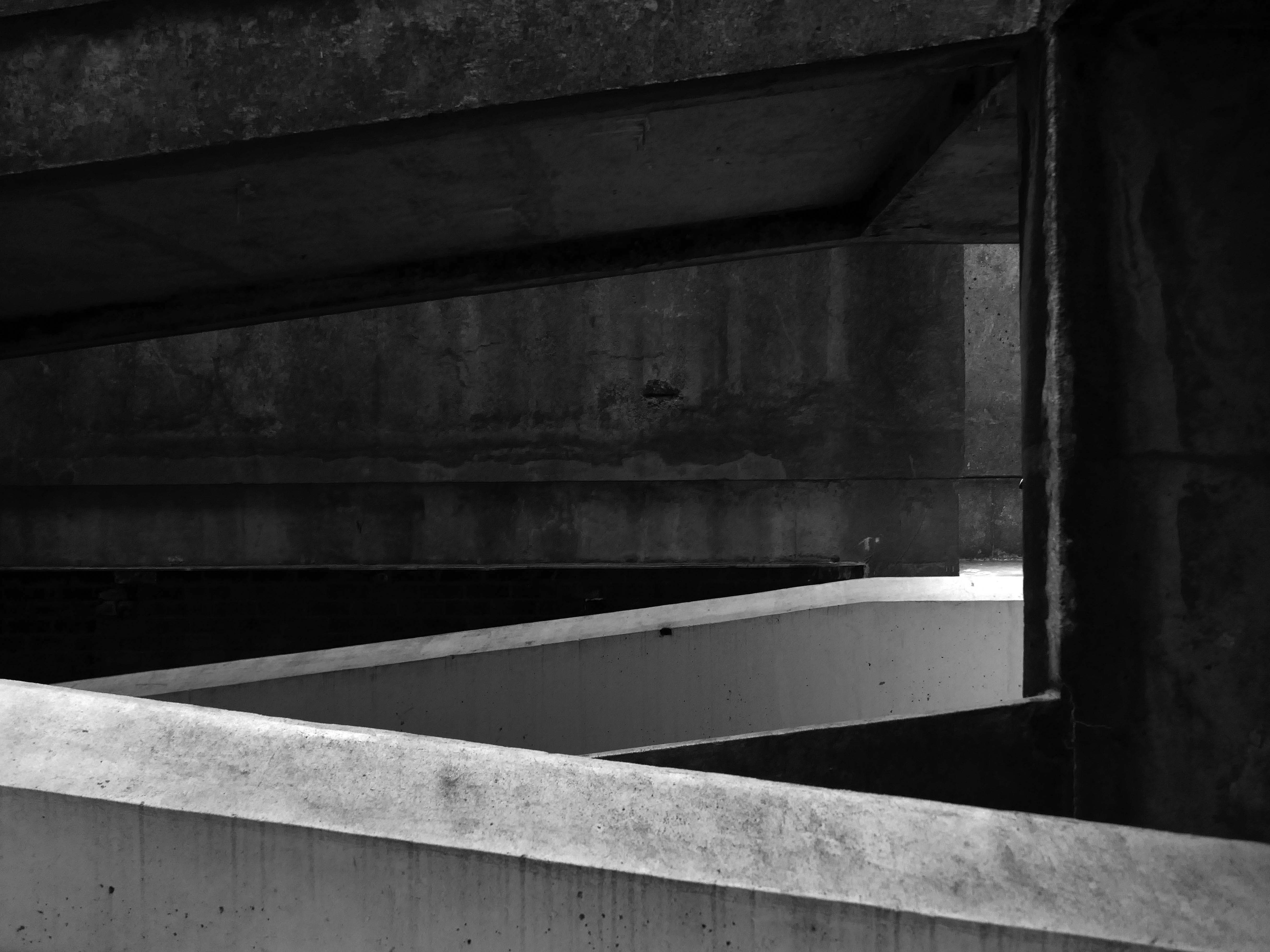
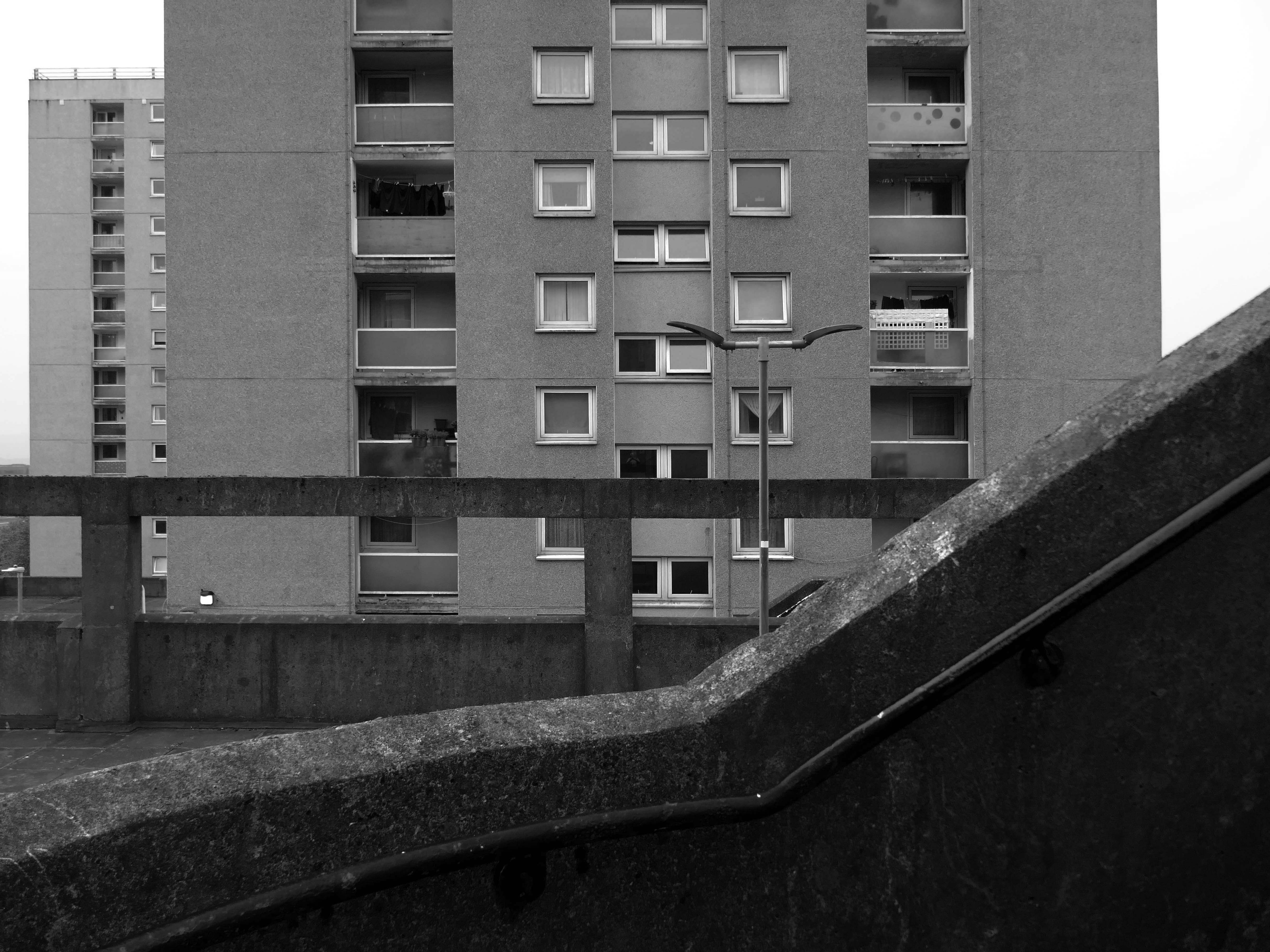
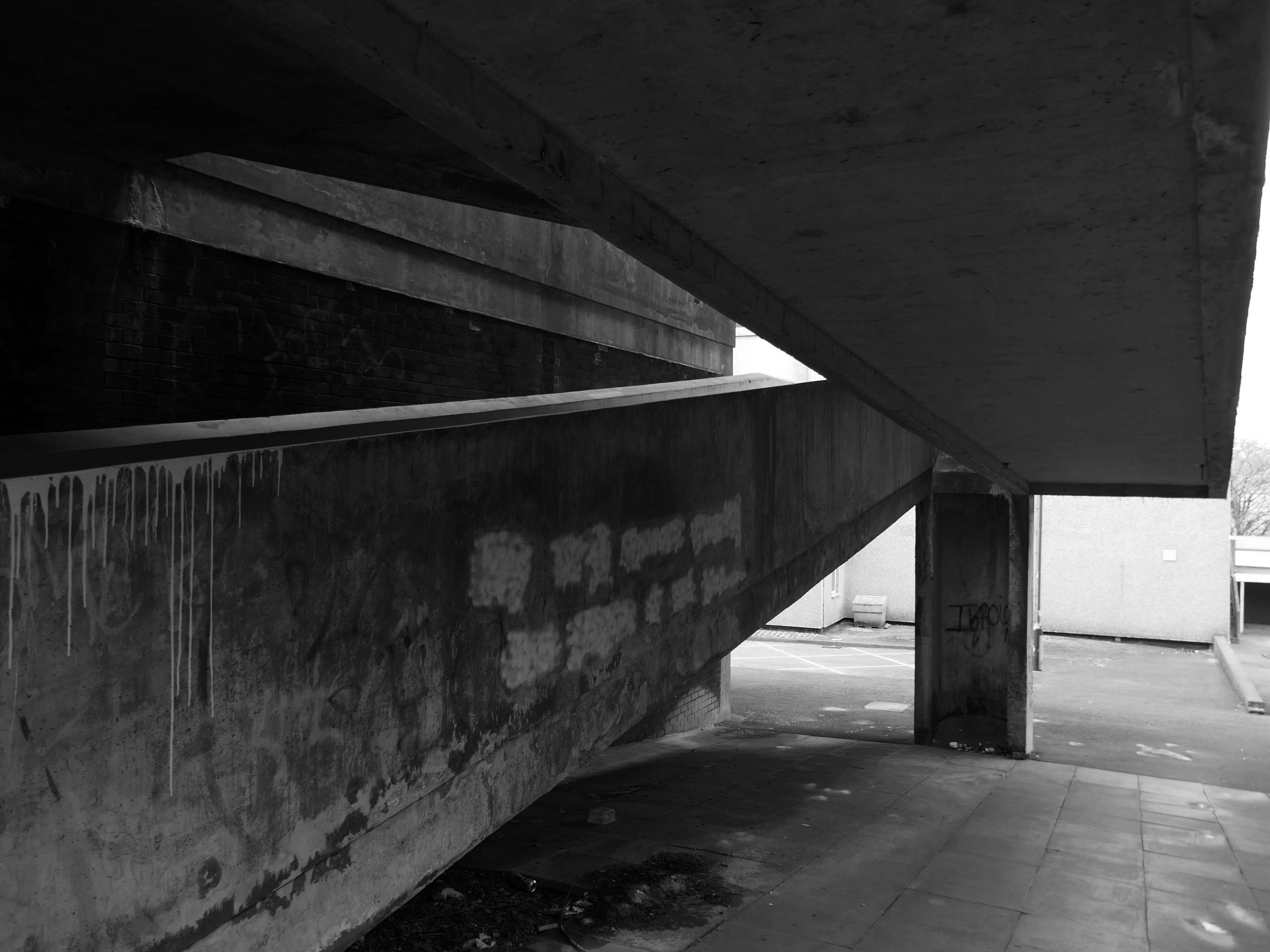
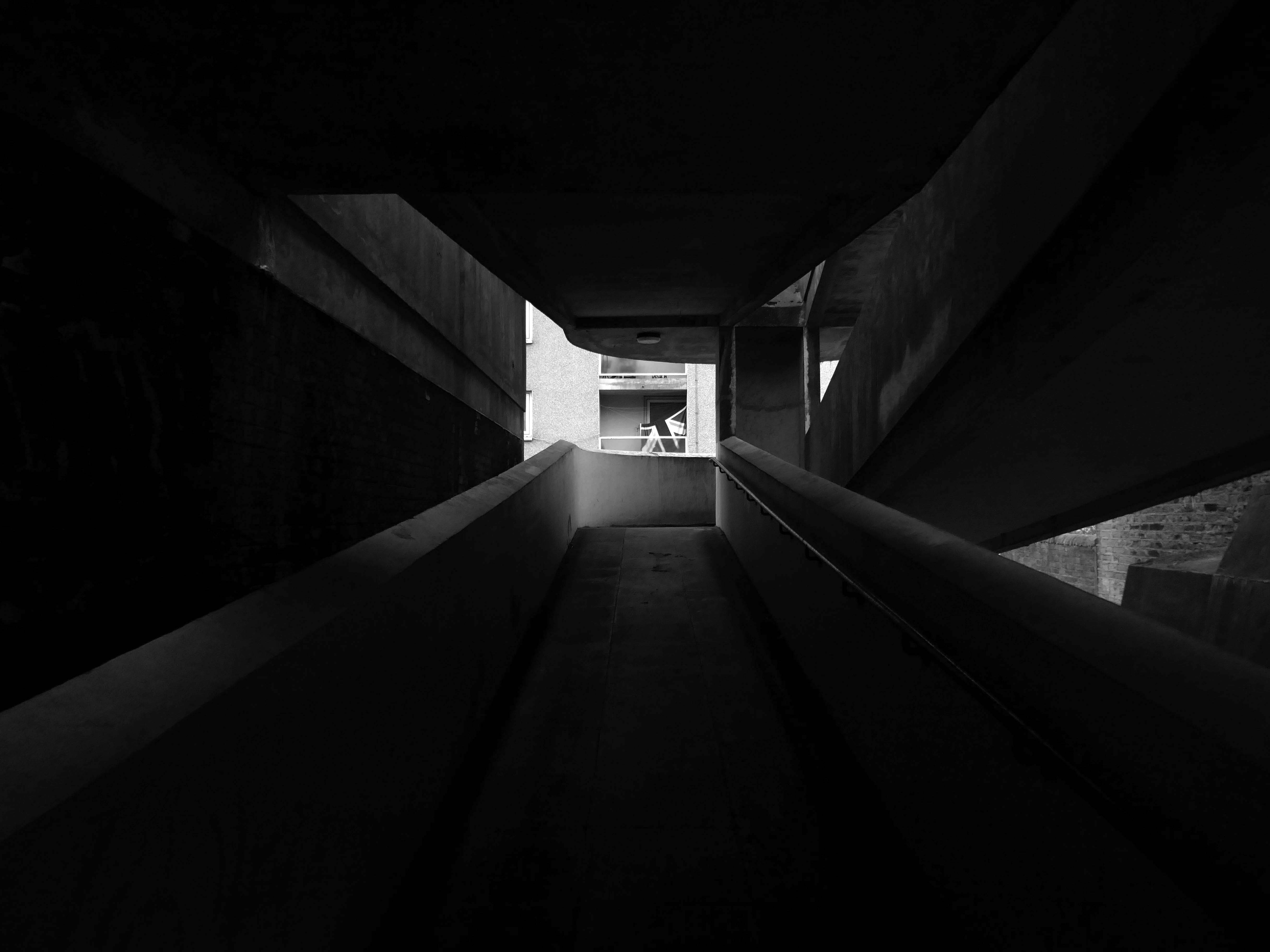
Haley Hill Flats Halifax – Again

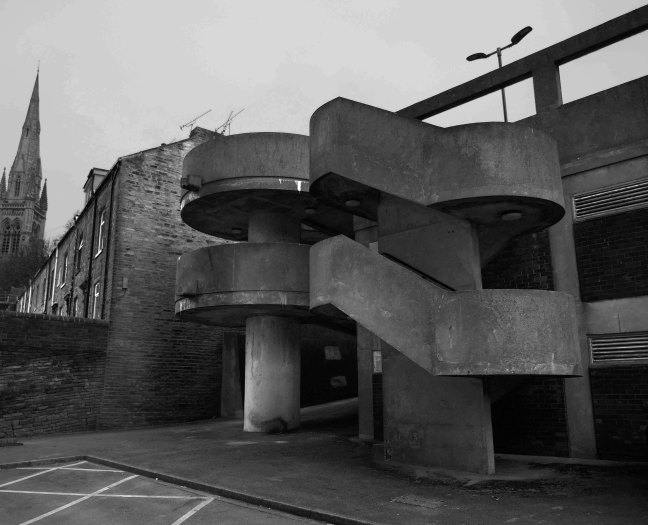
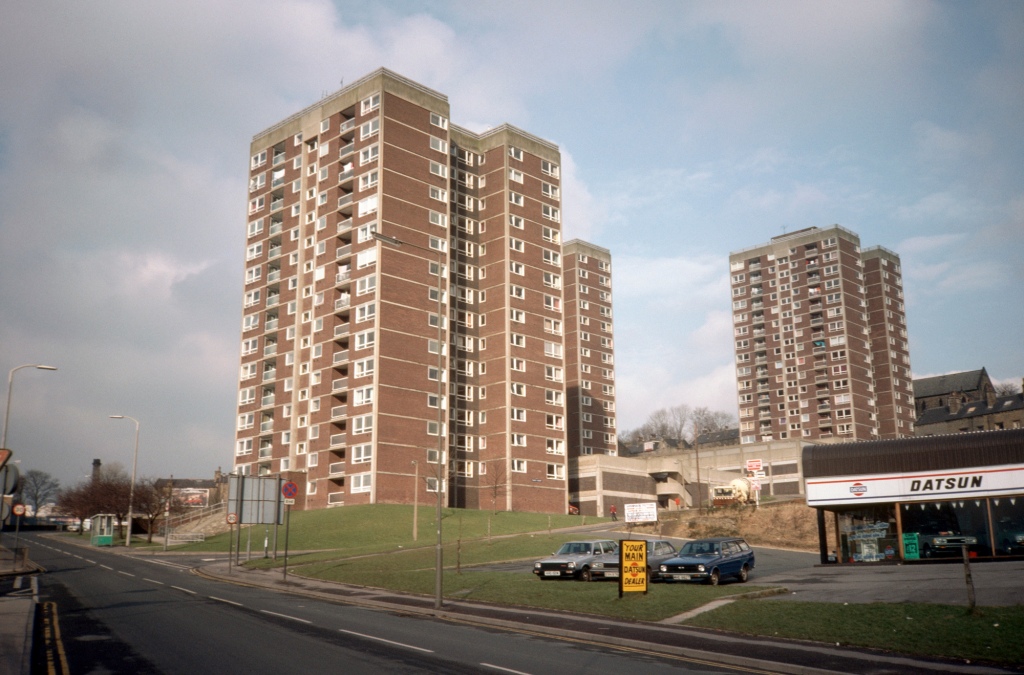
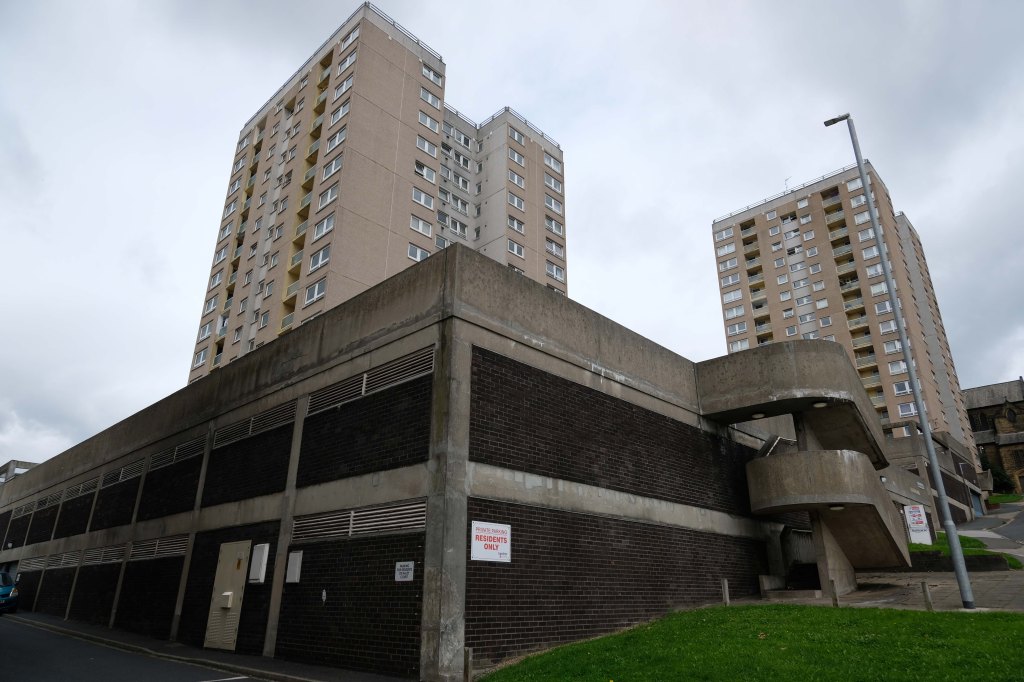
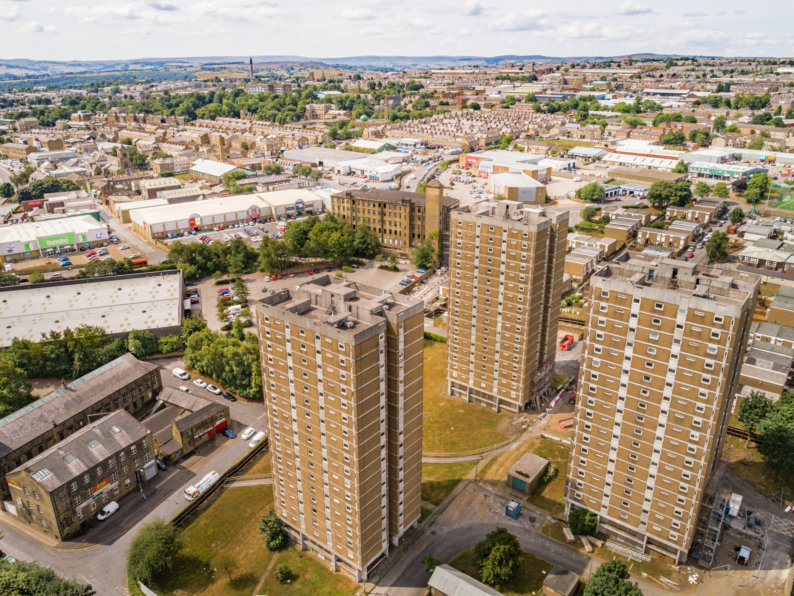
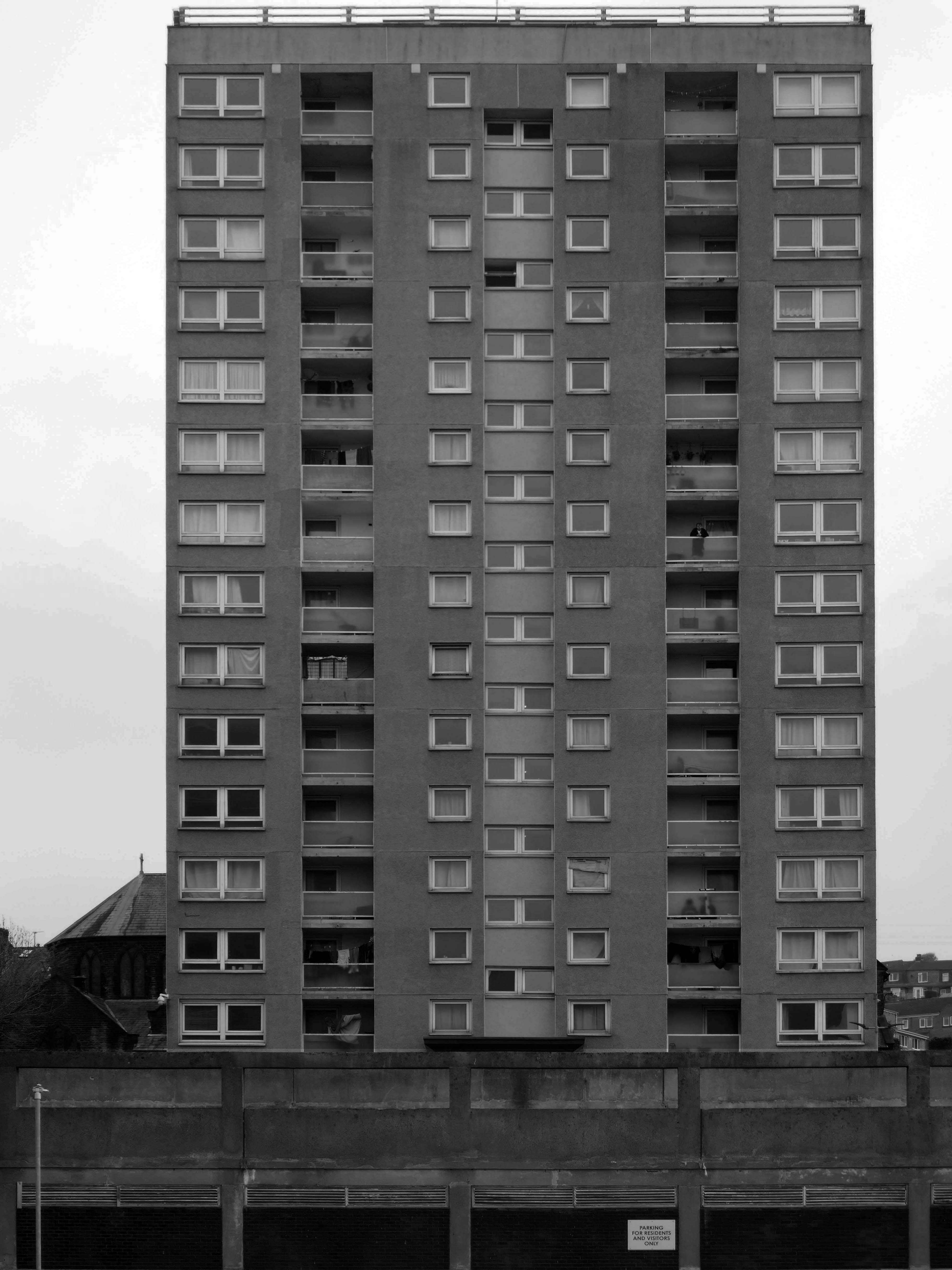
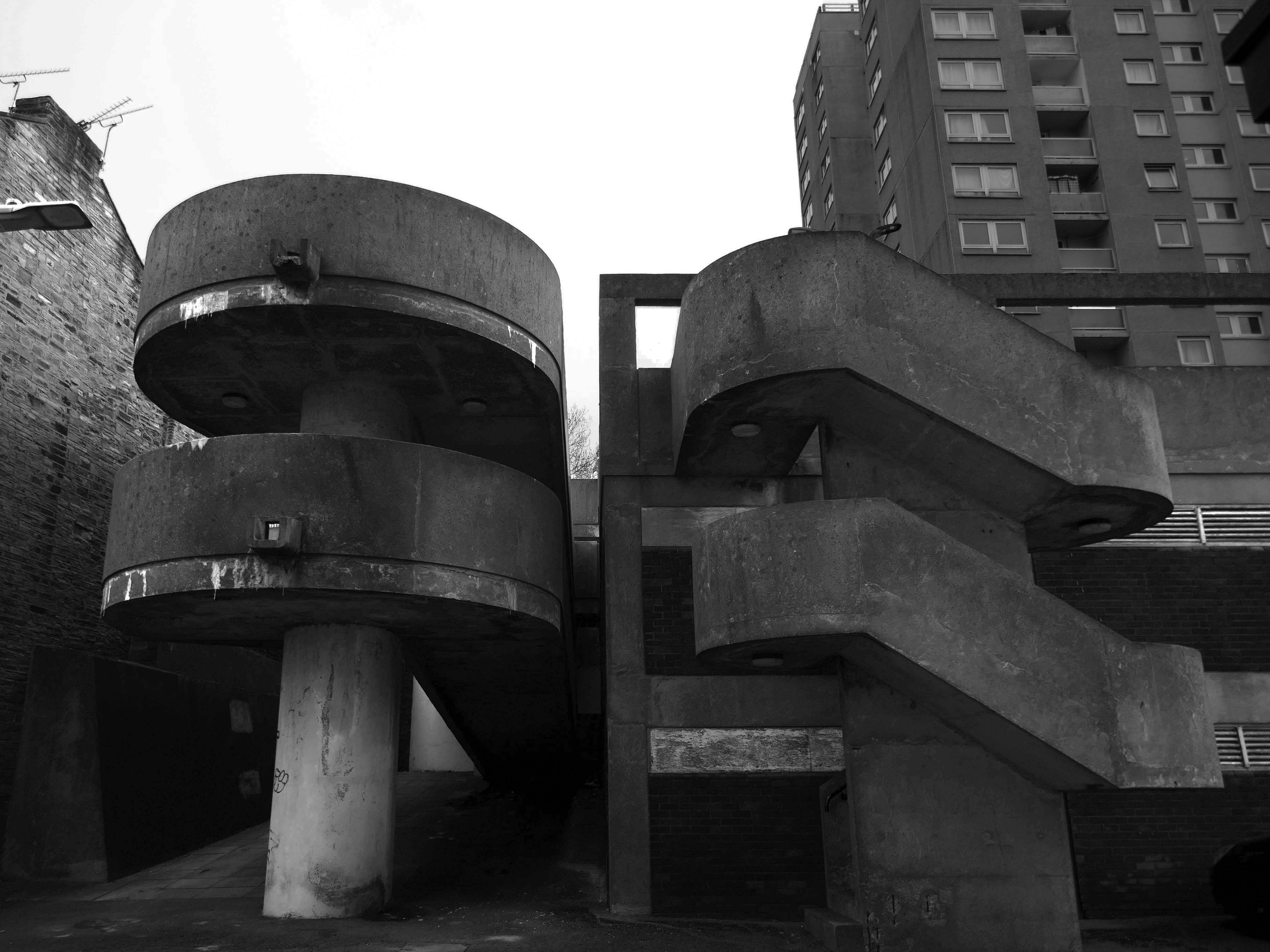
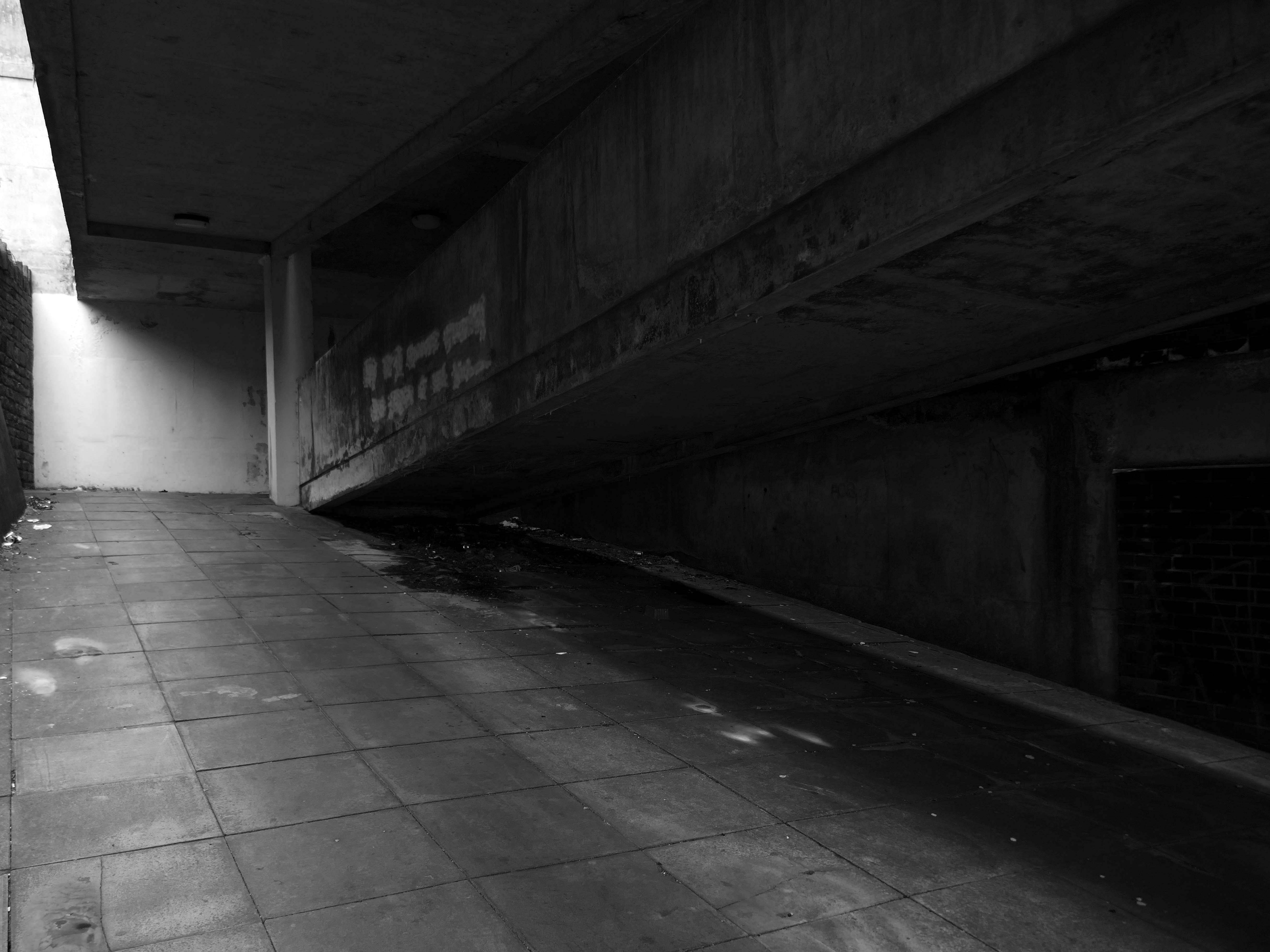
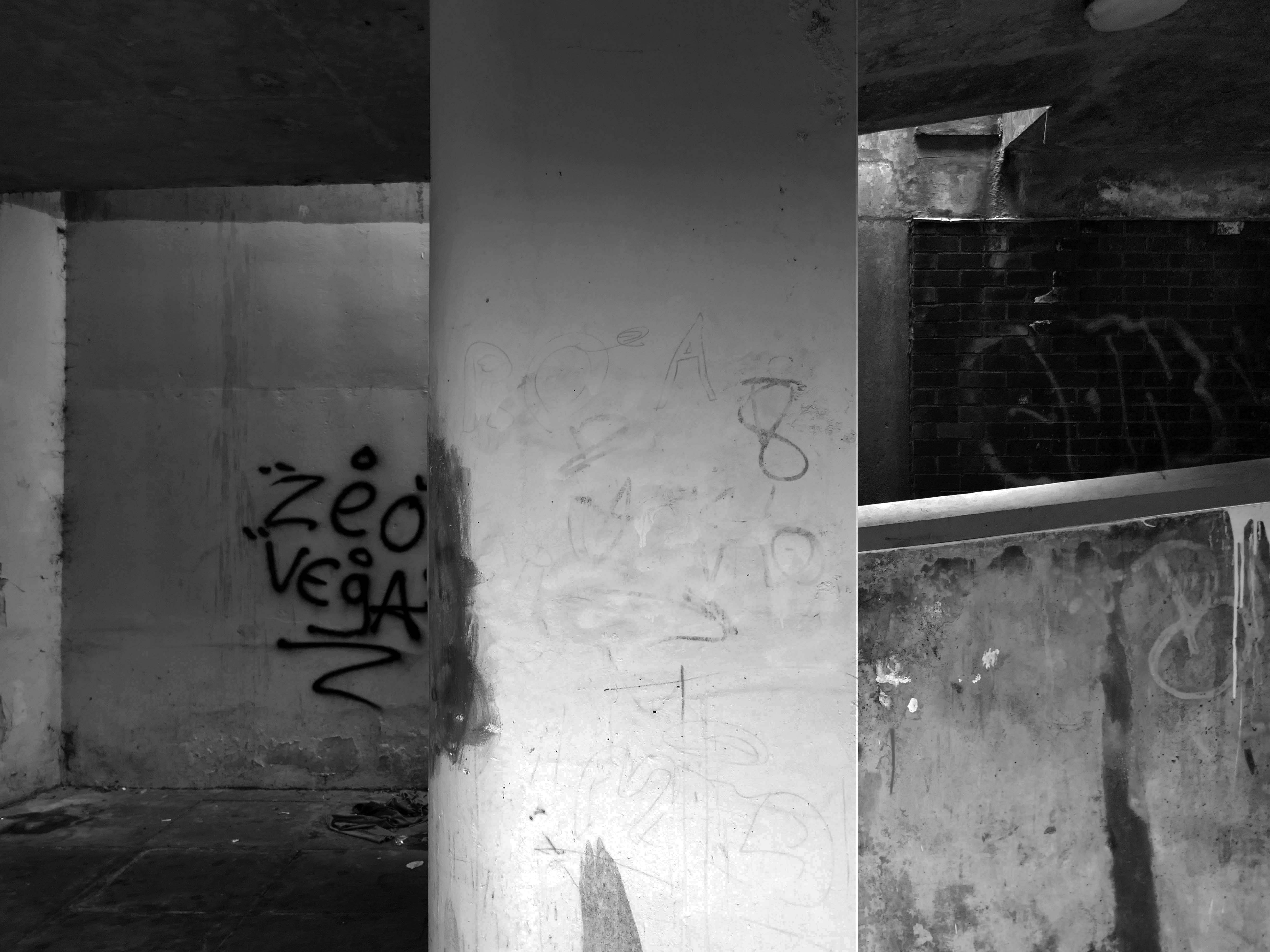
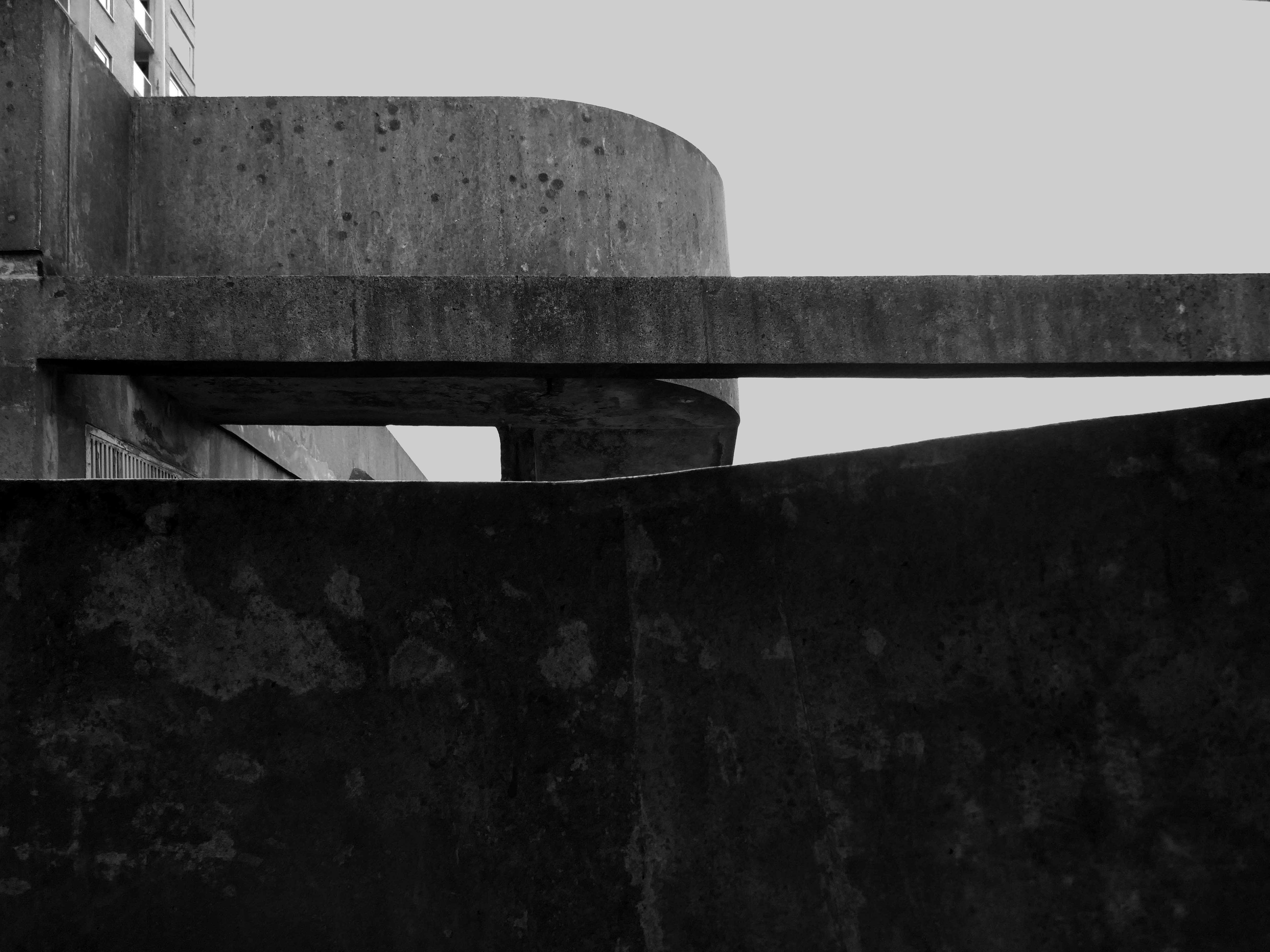
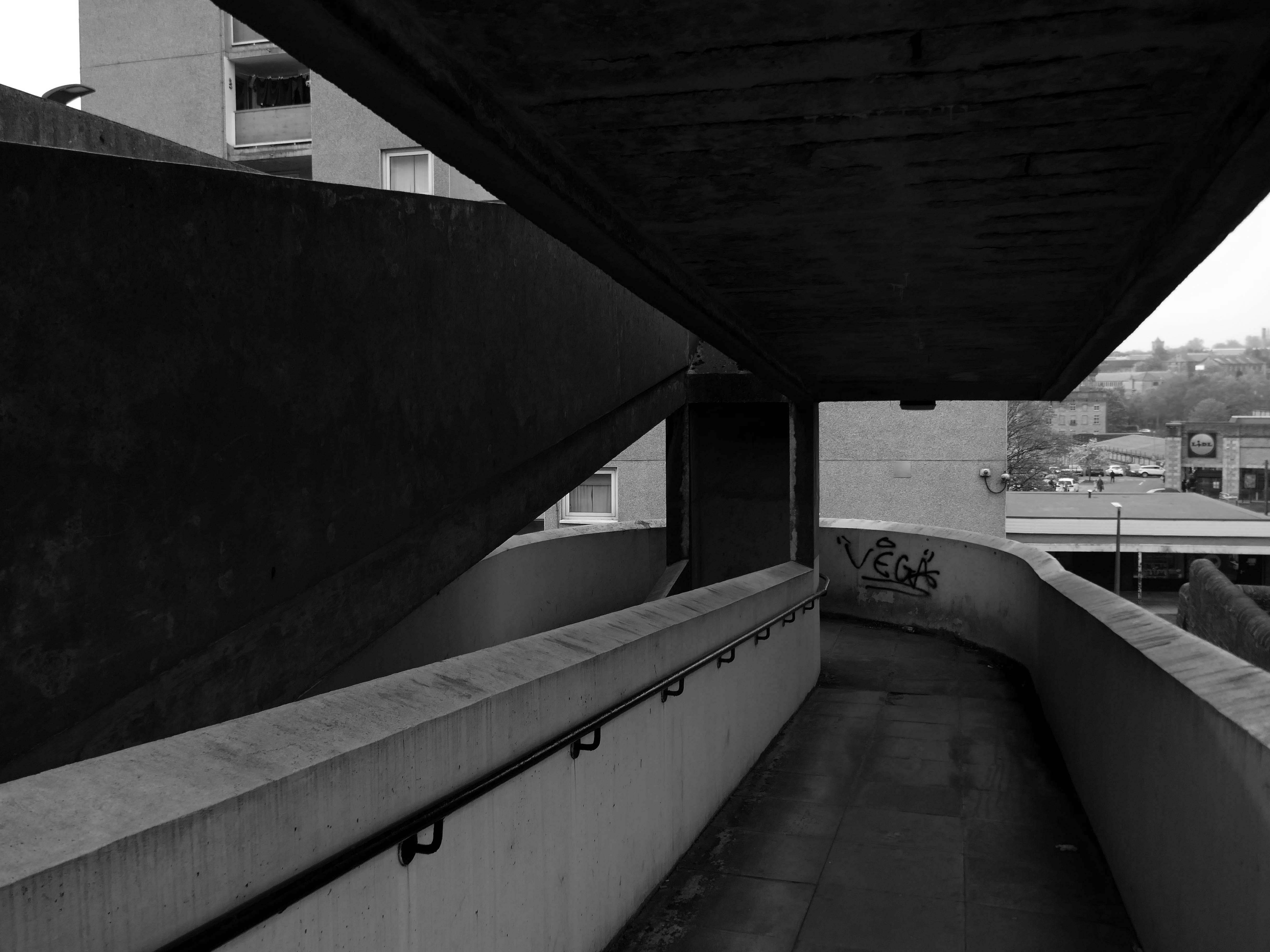
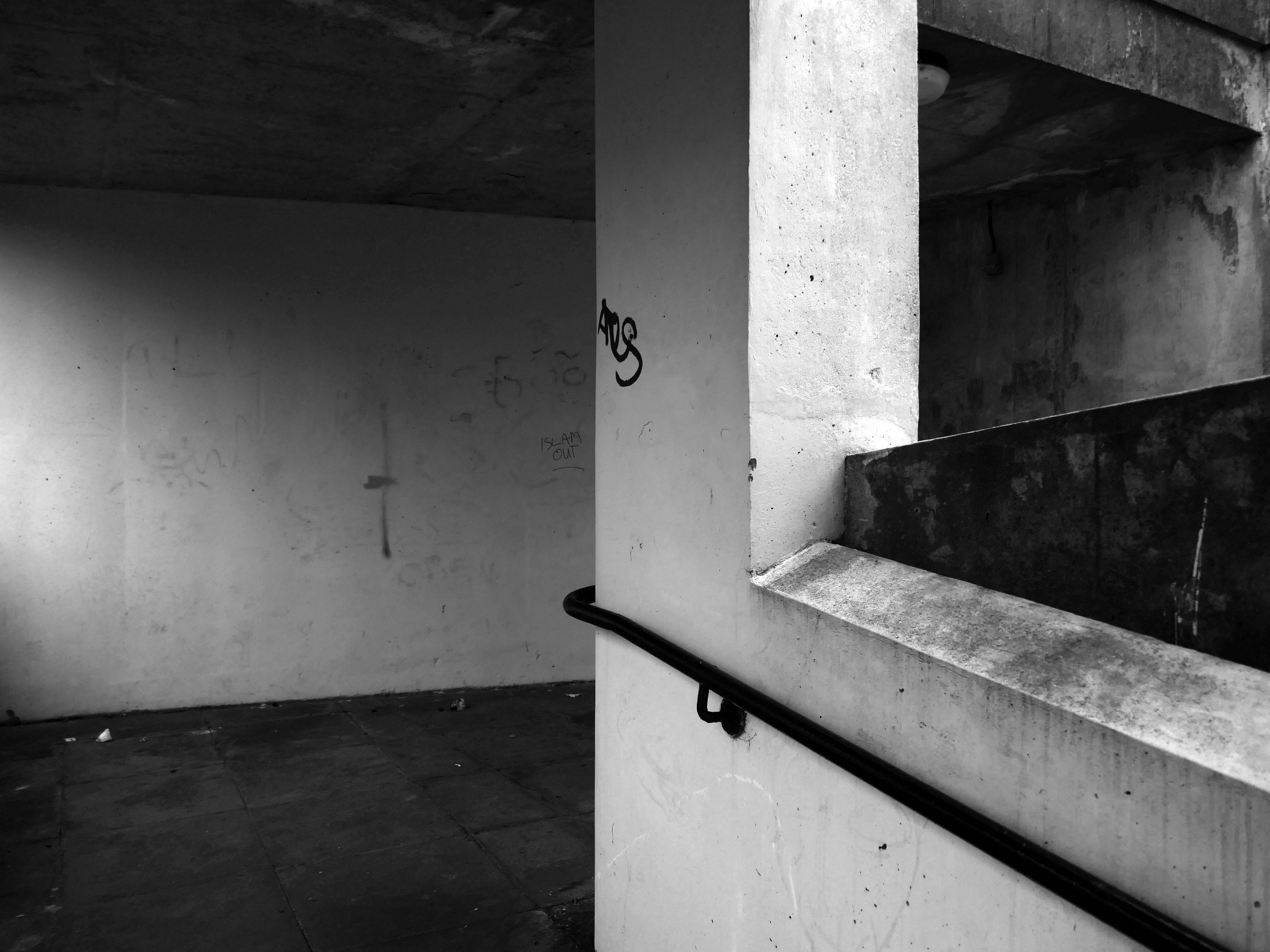
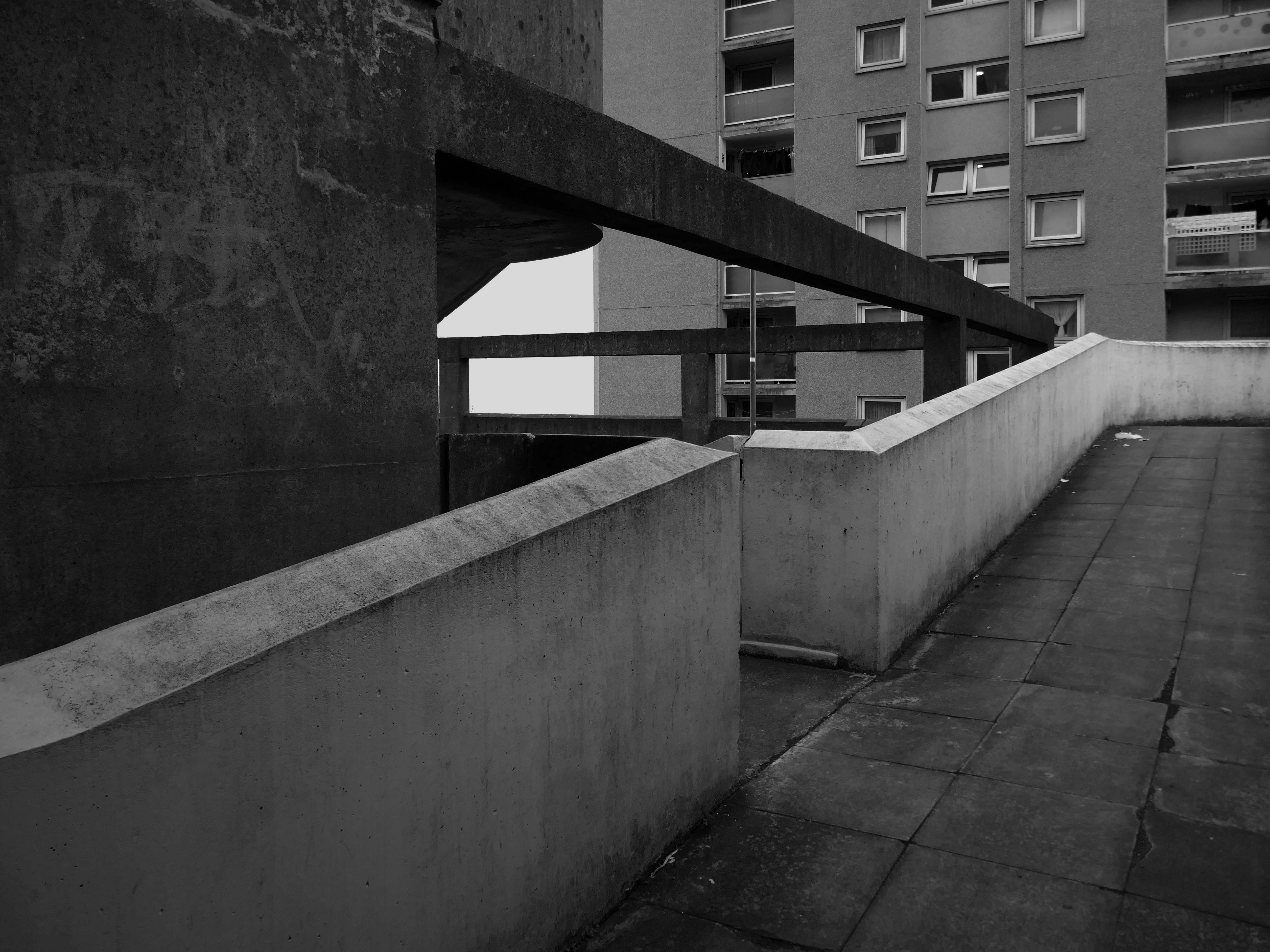
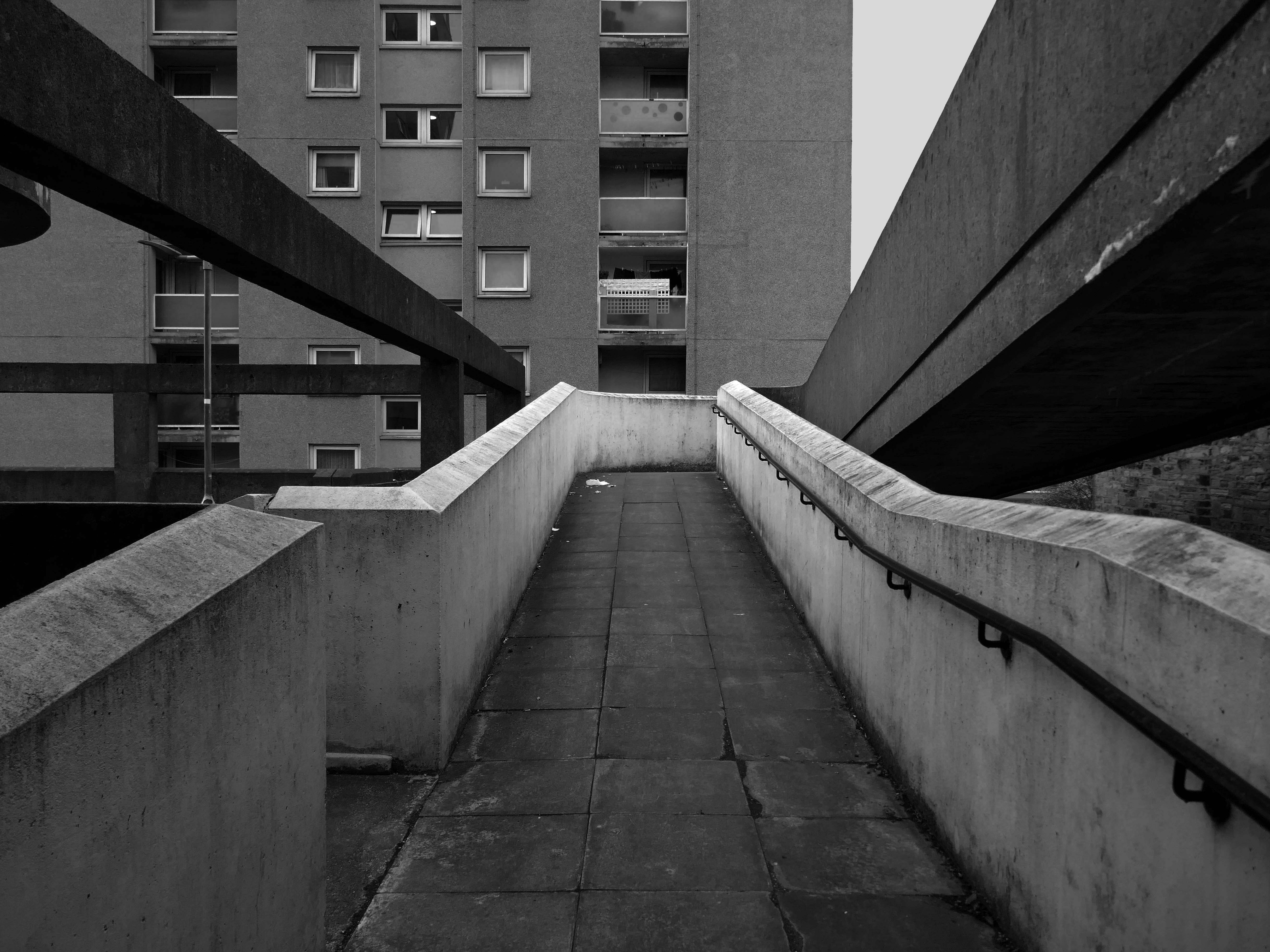
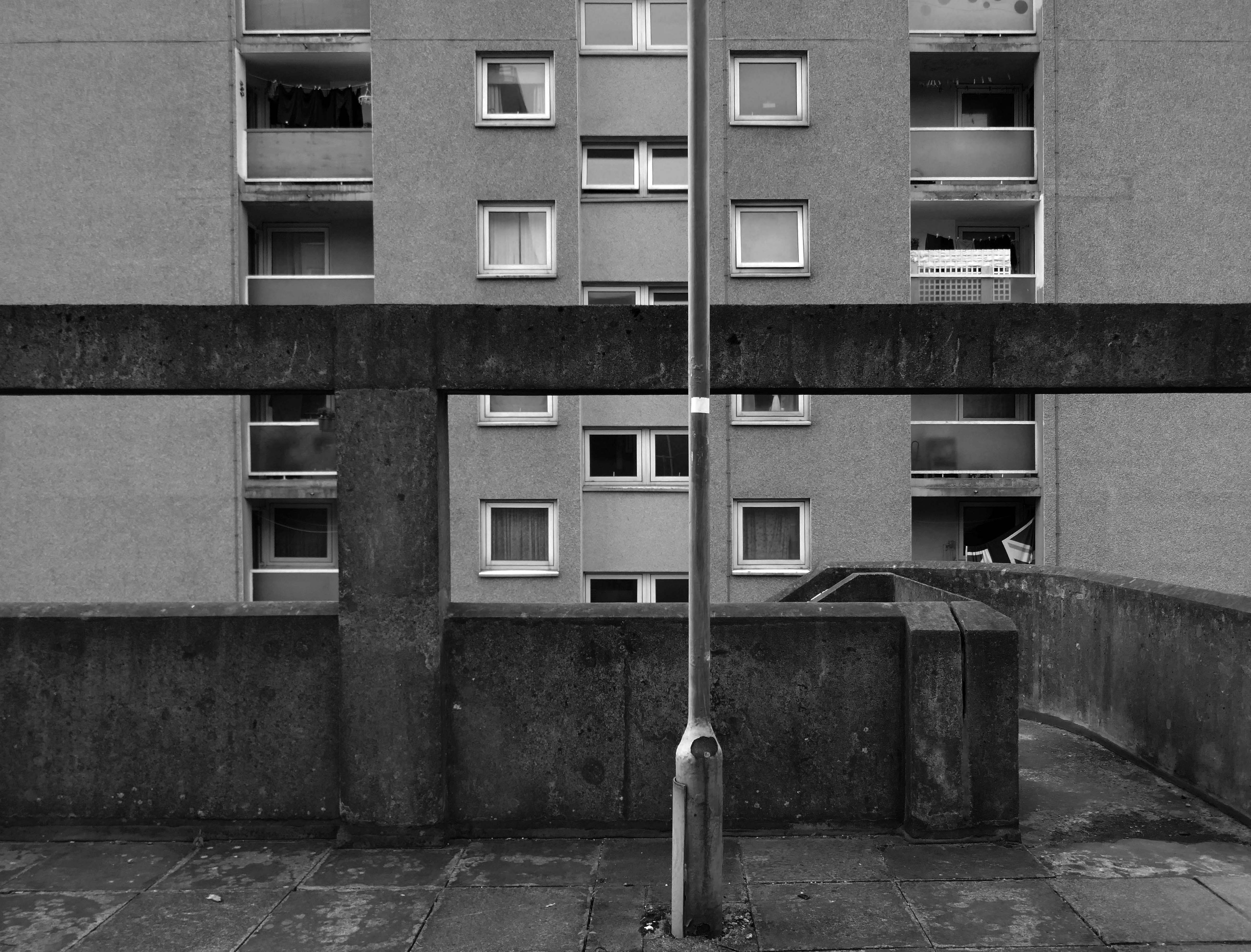
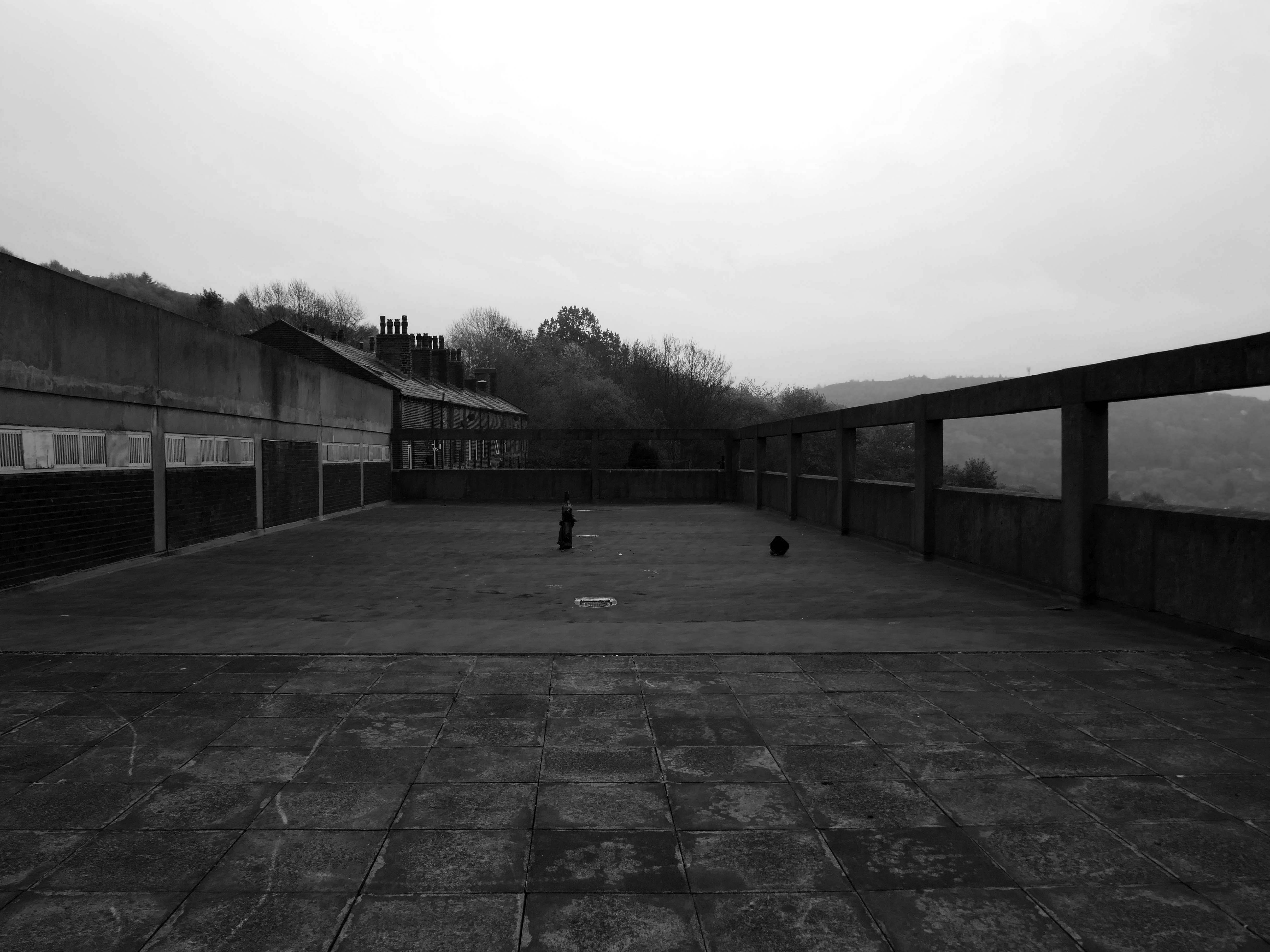
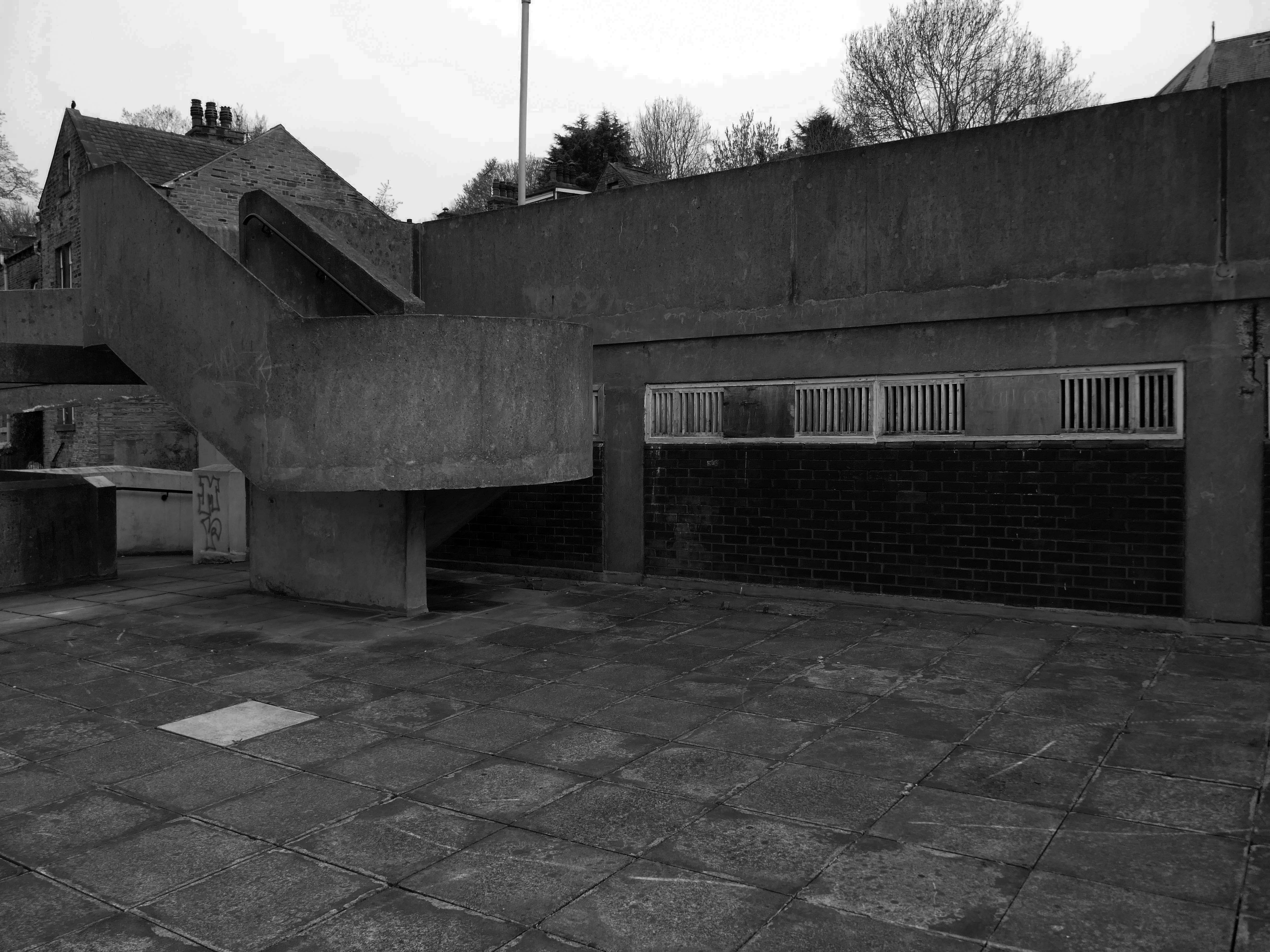
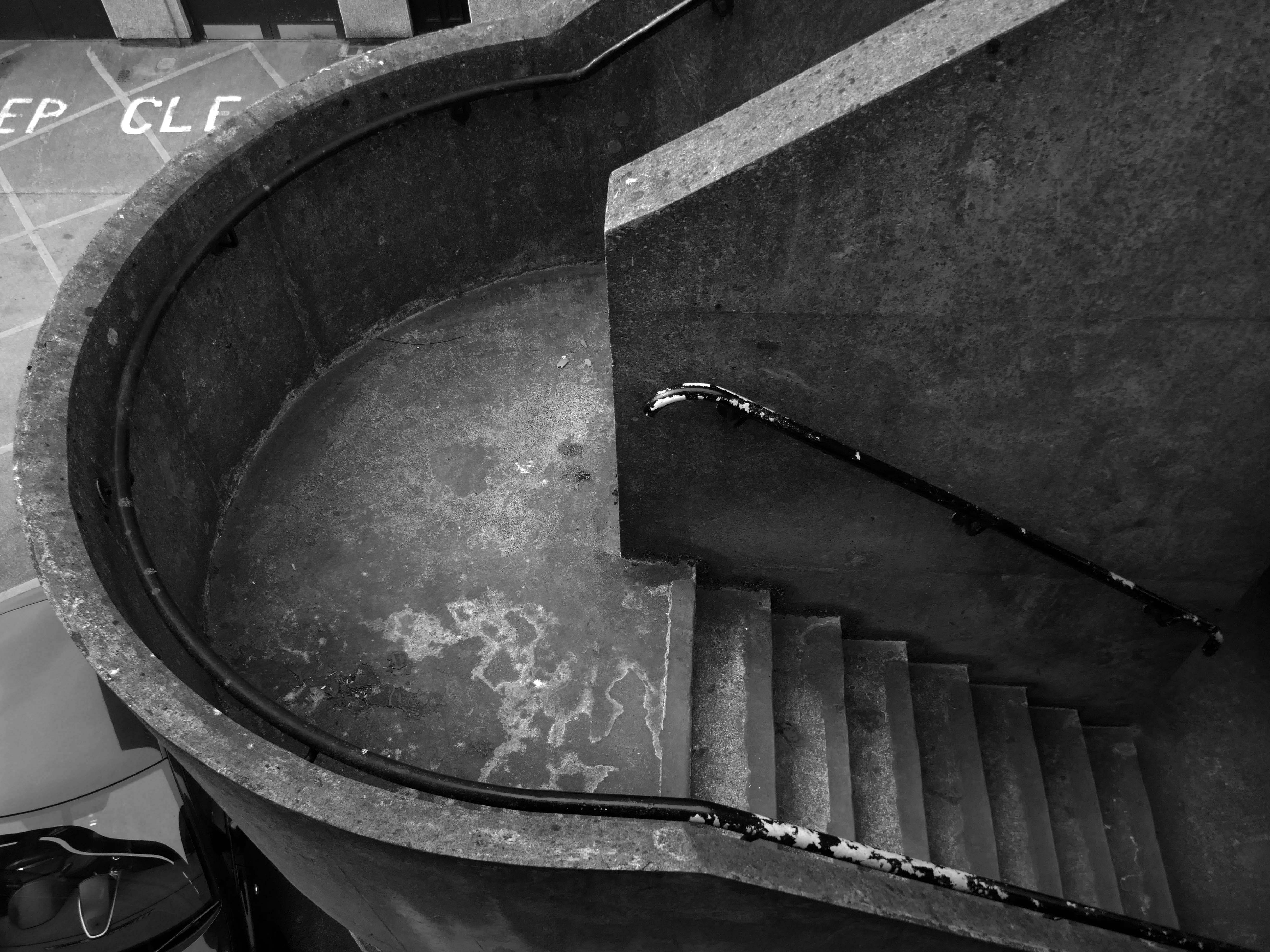
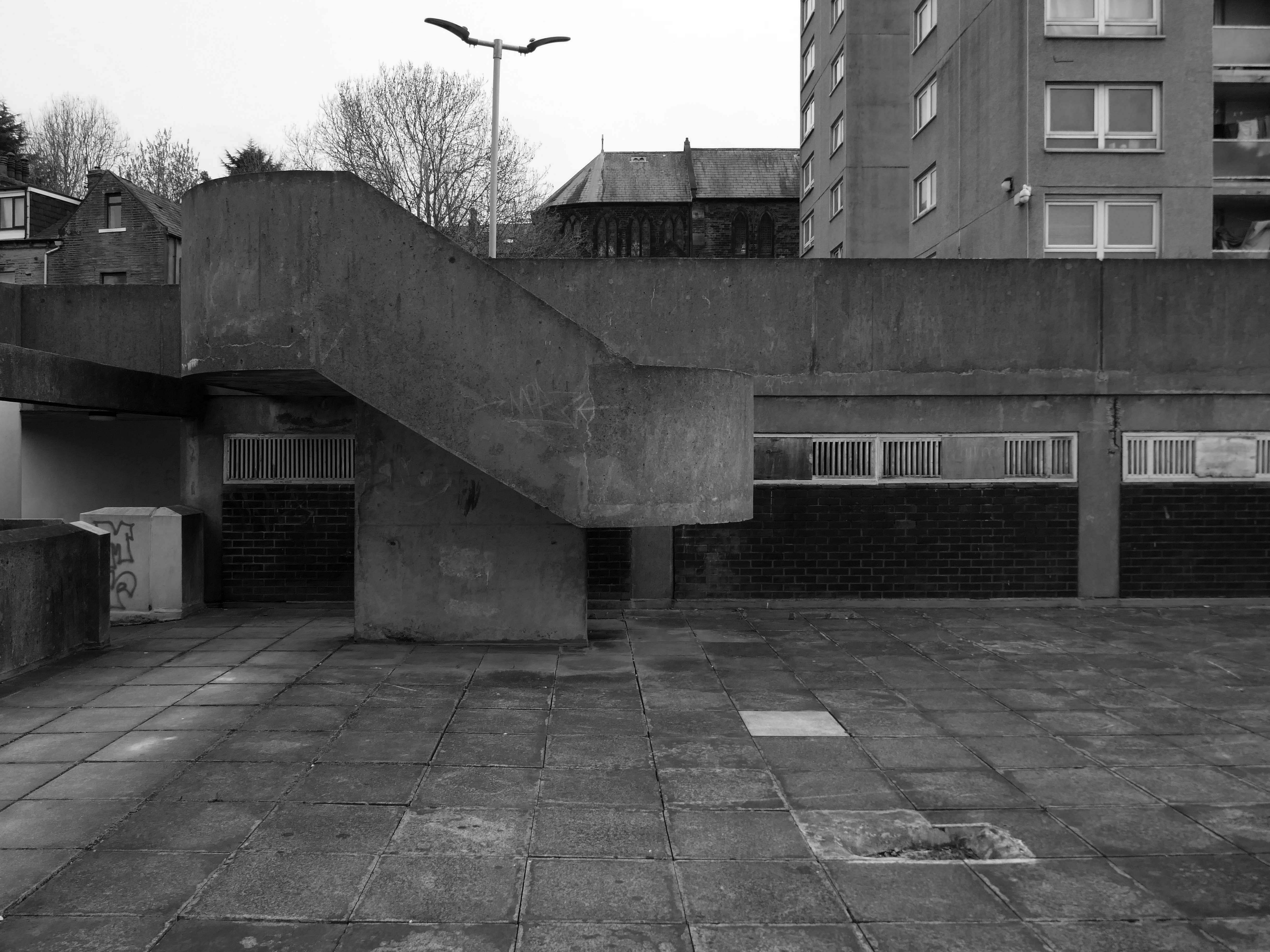
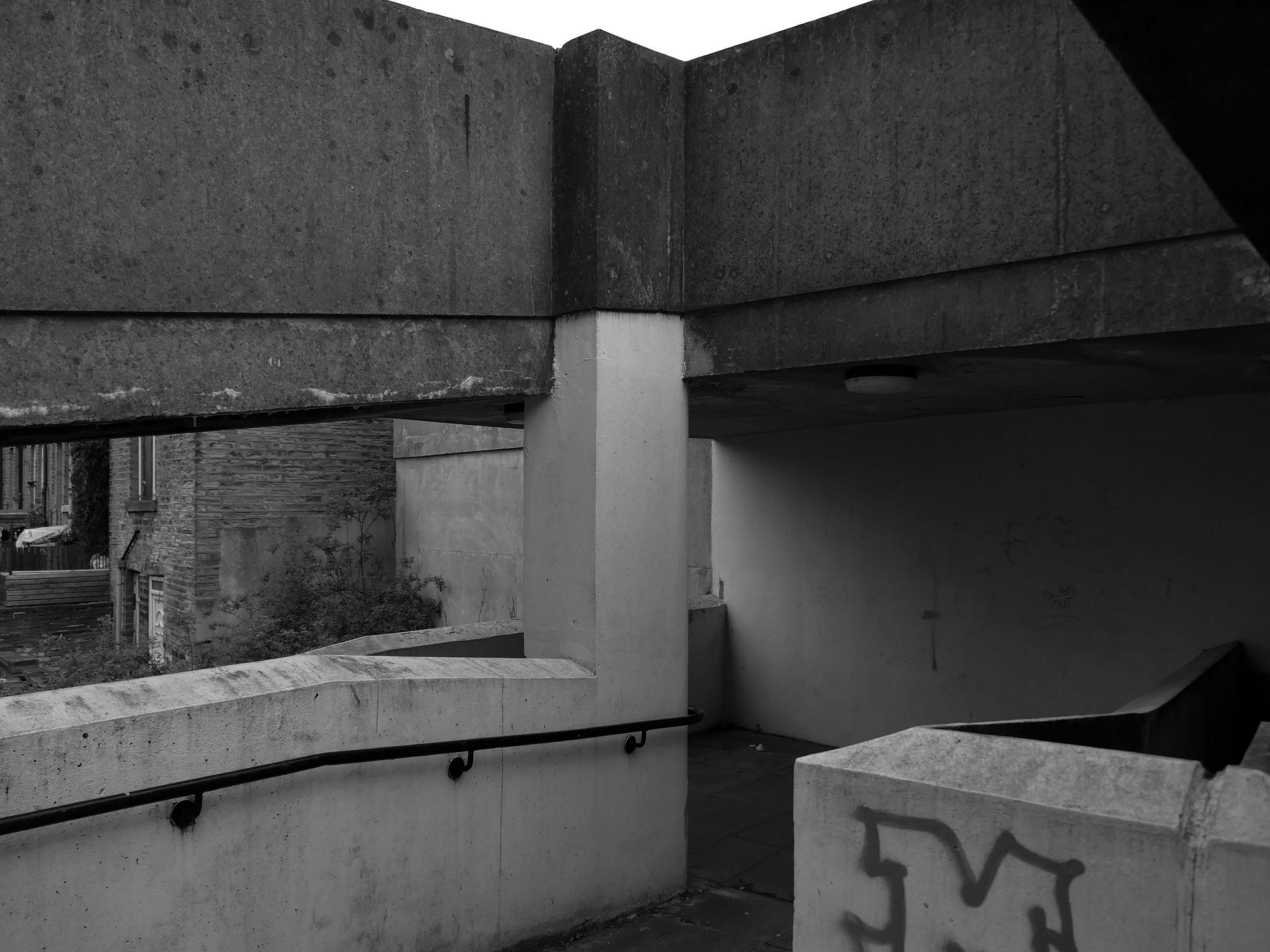
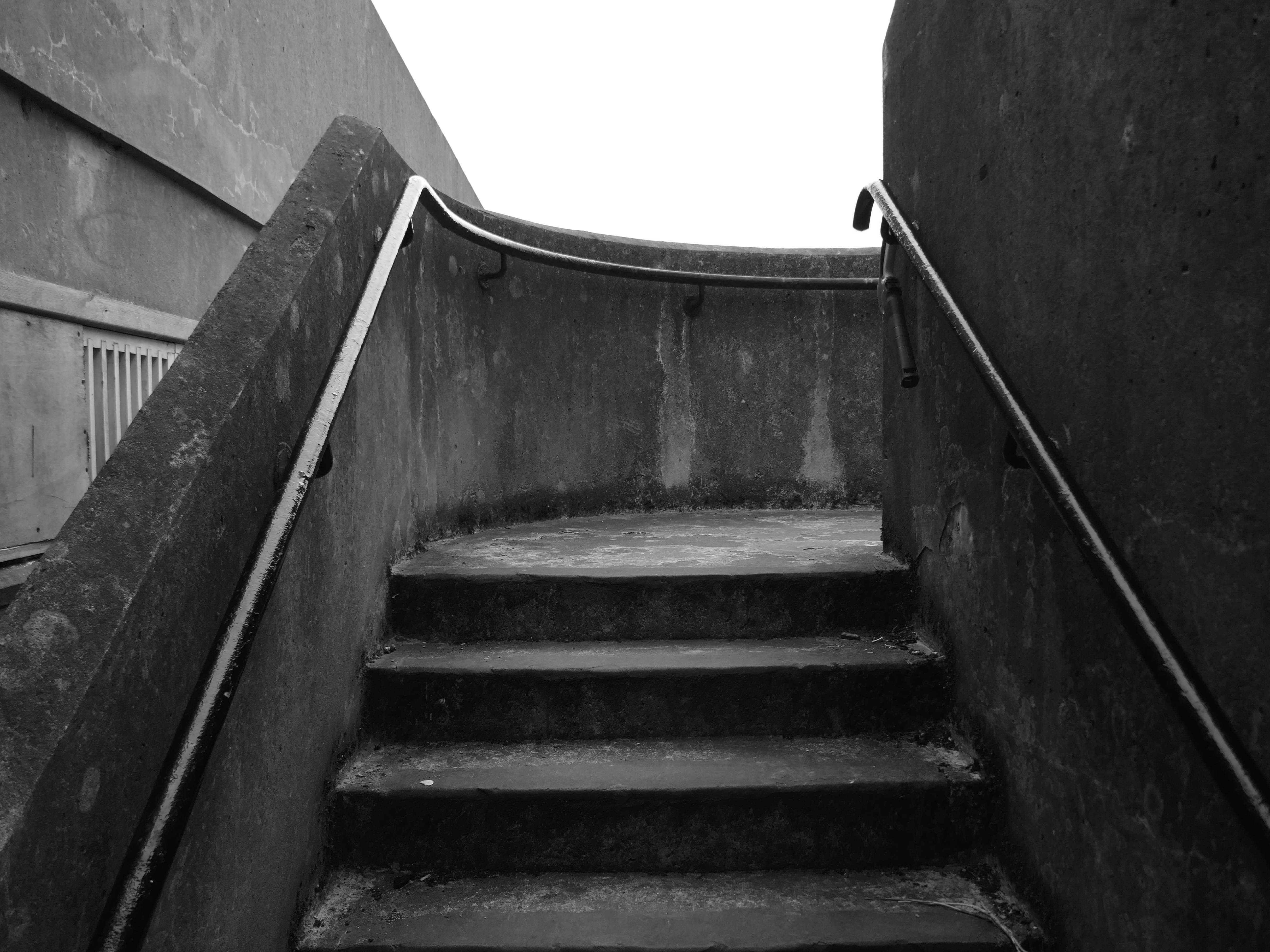
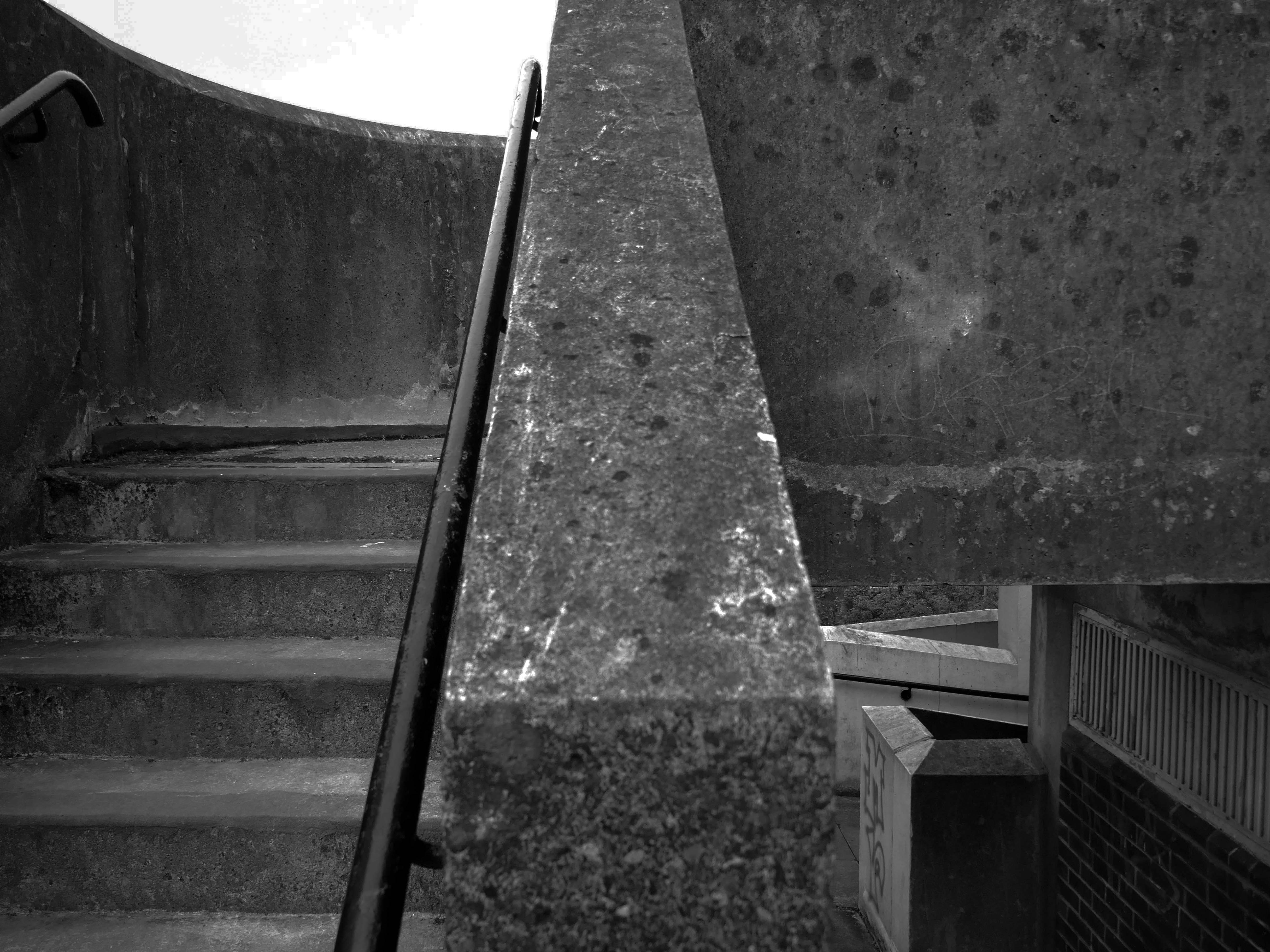
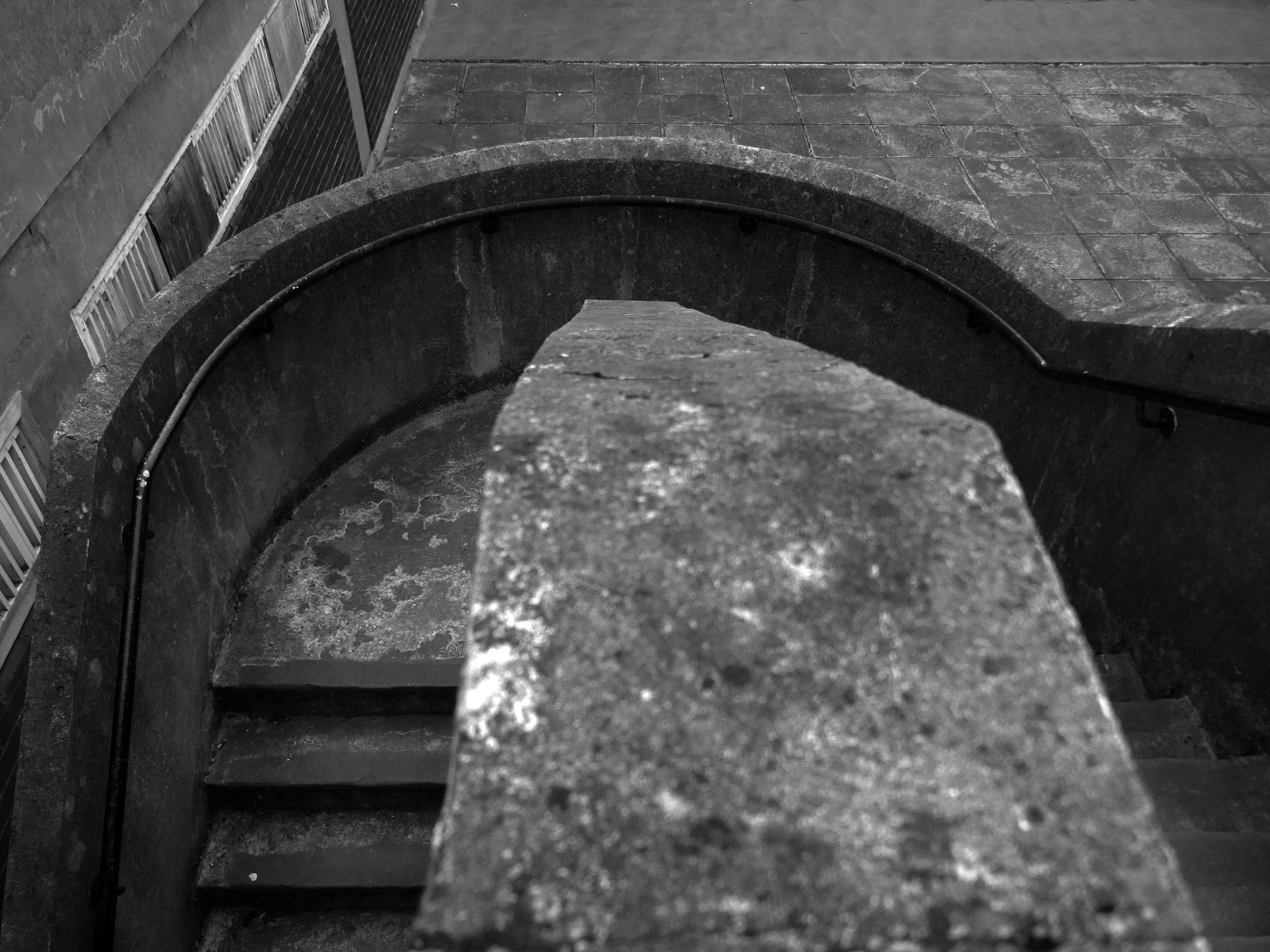
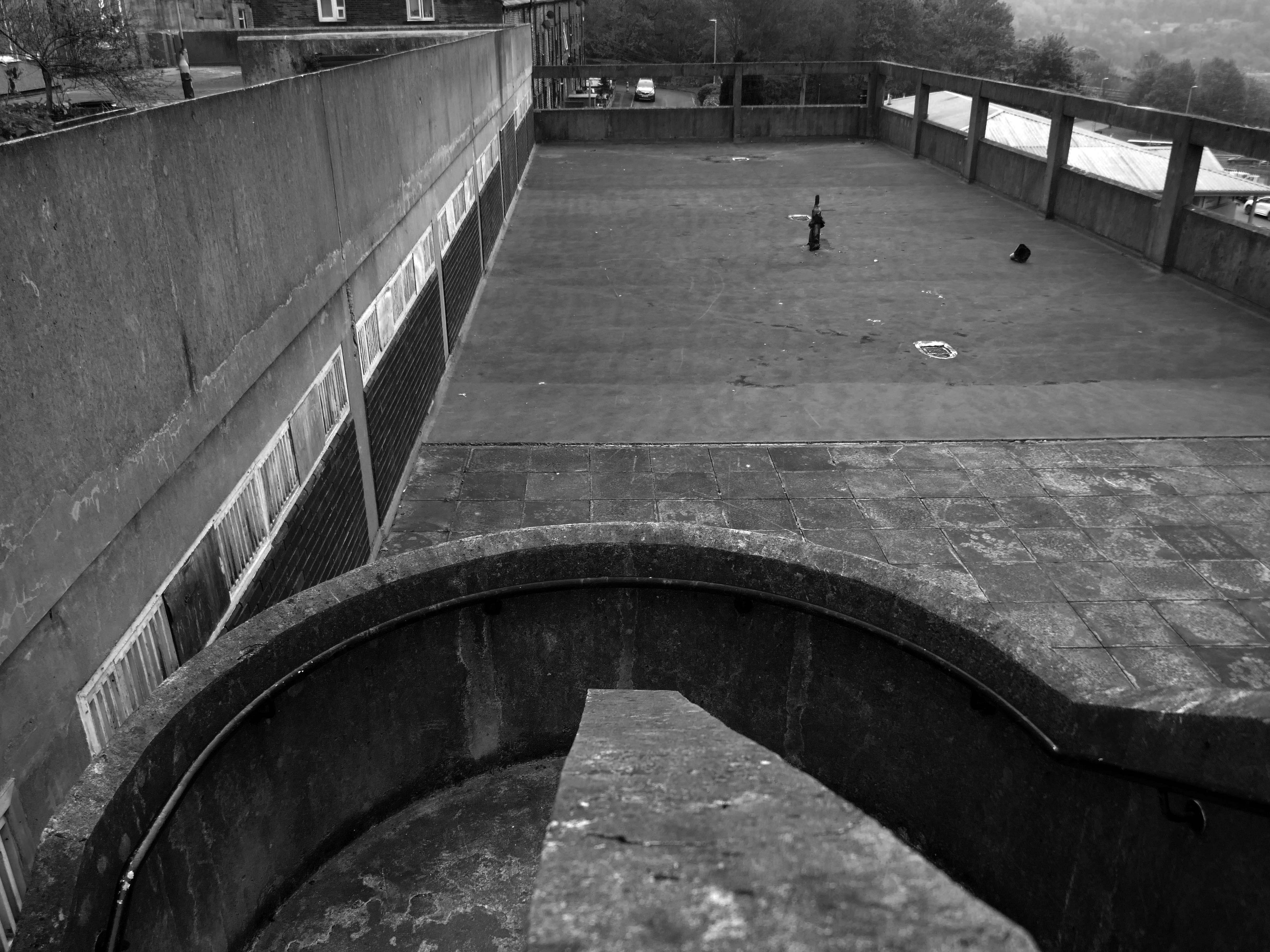
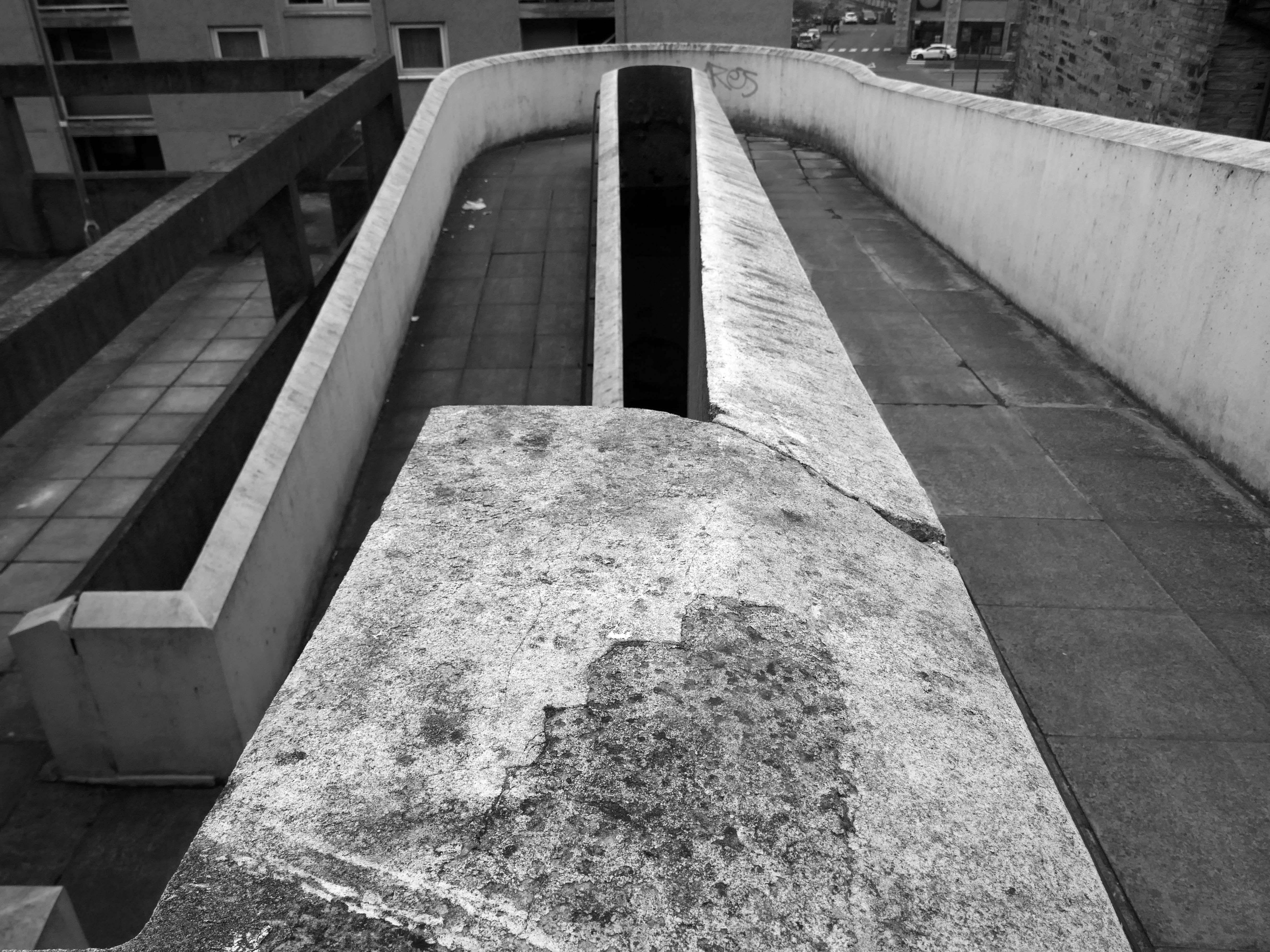
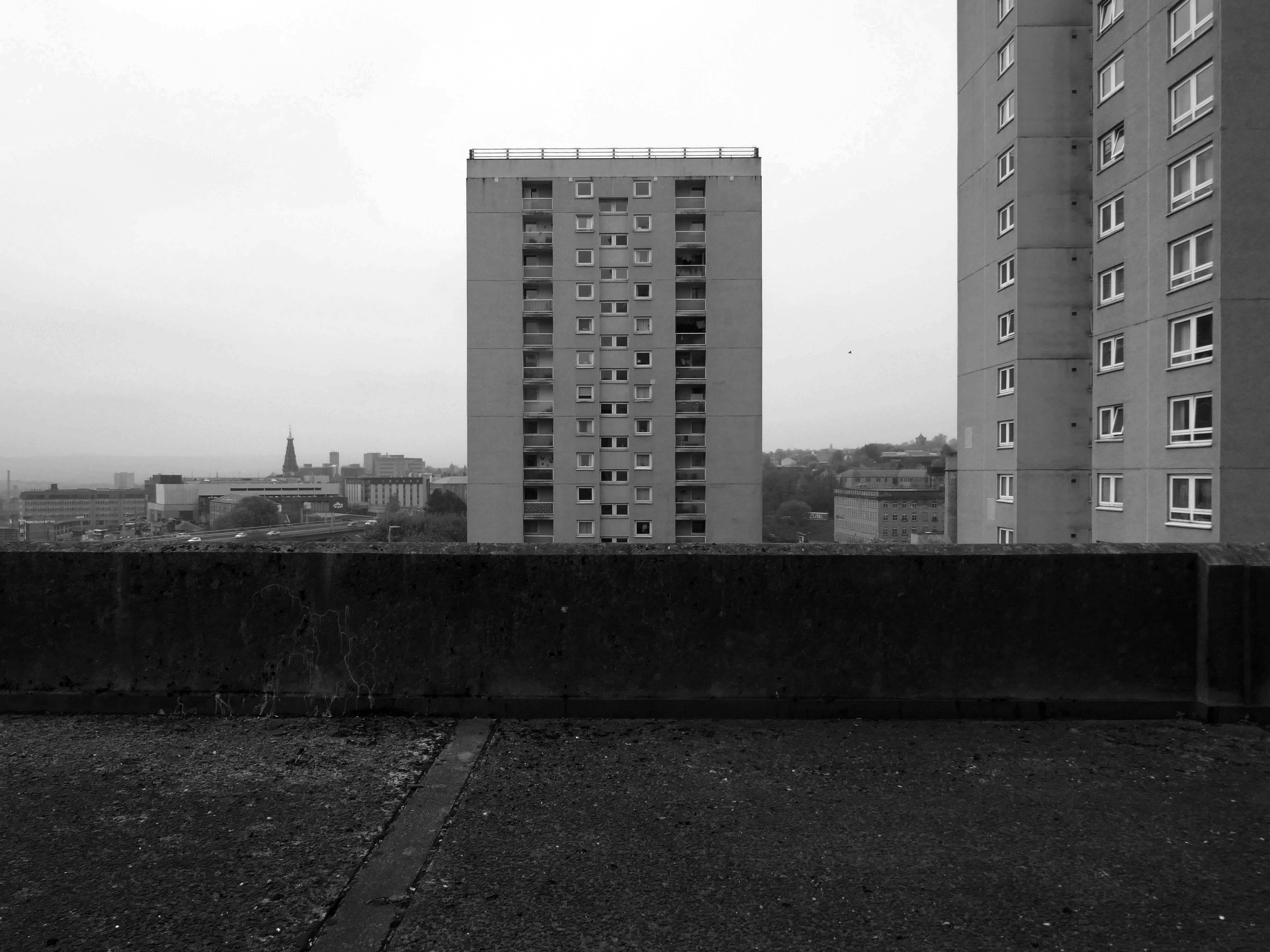
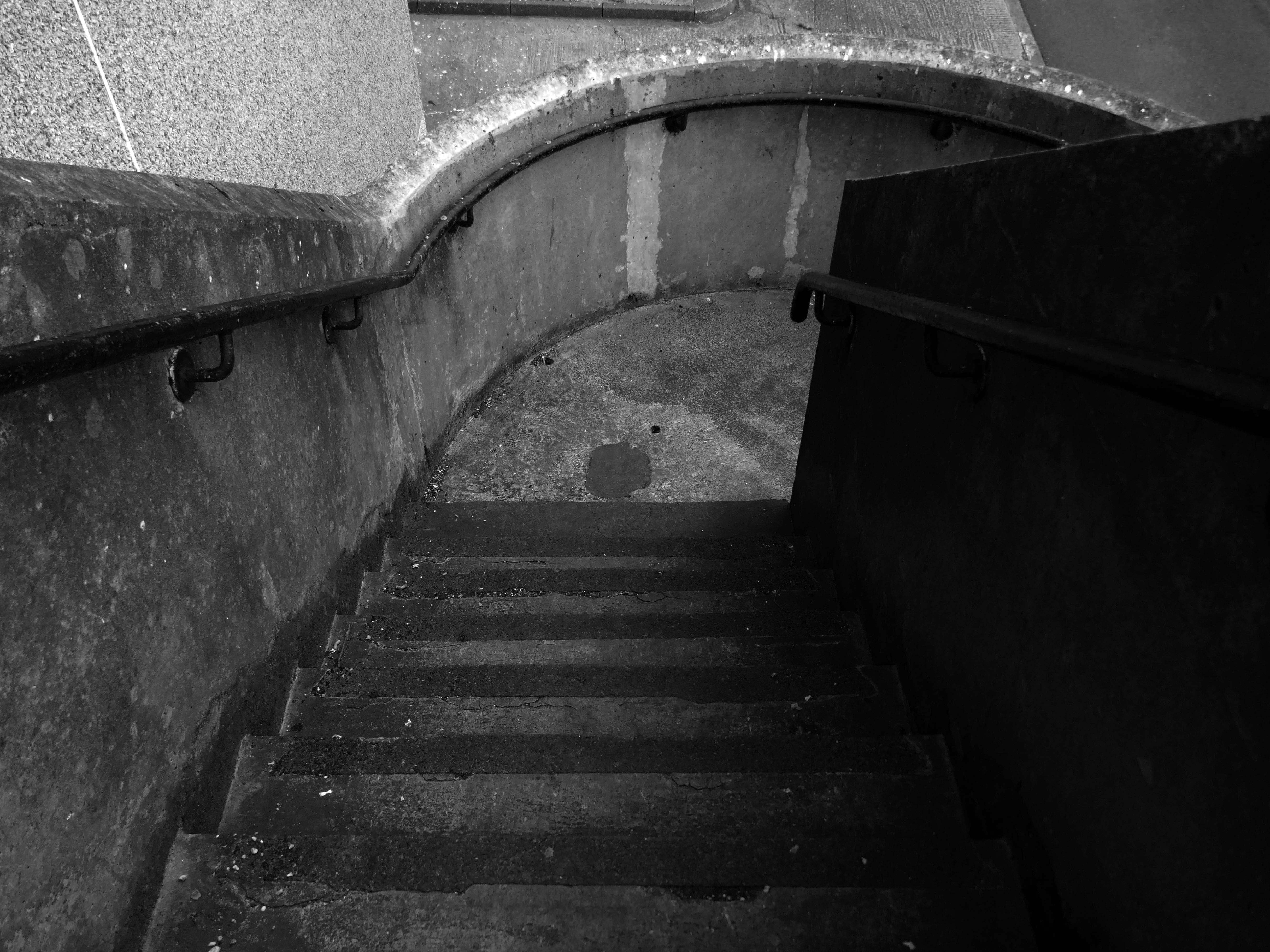
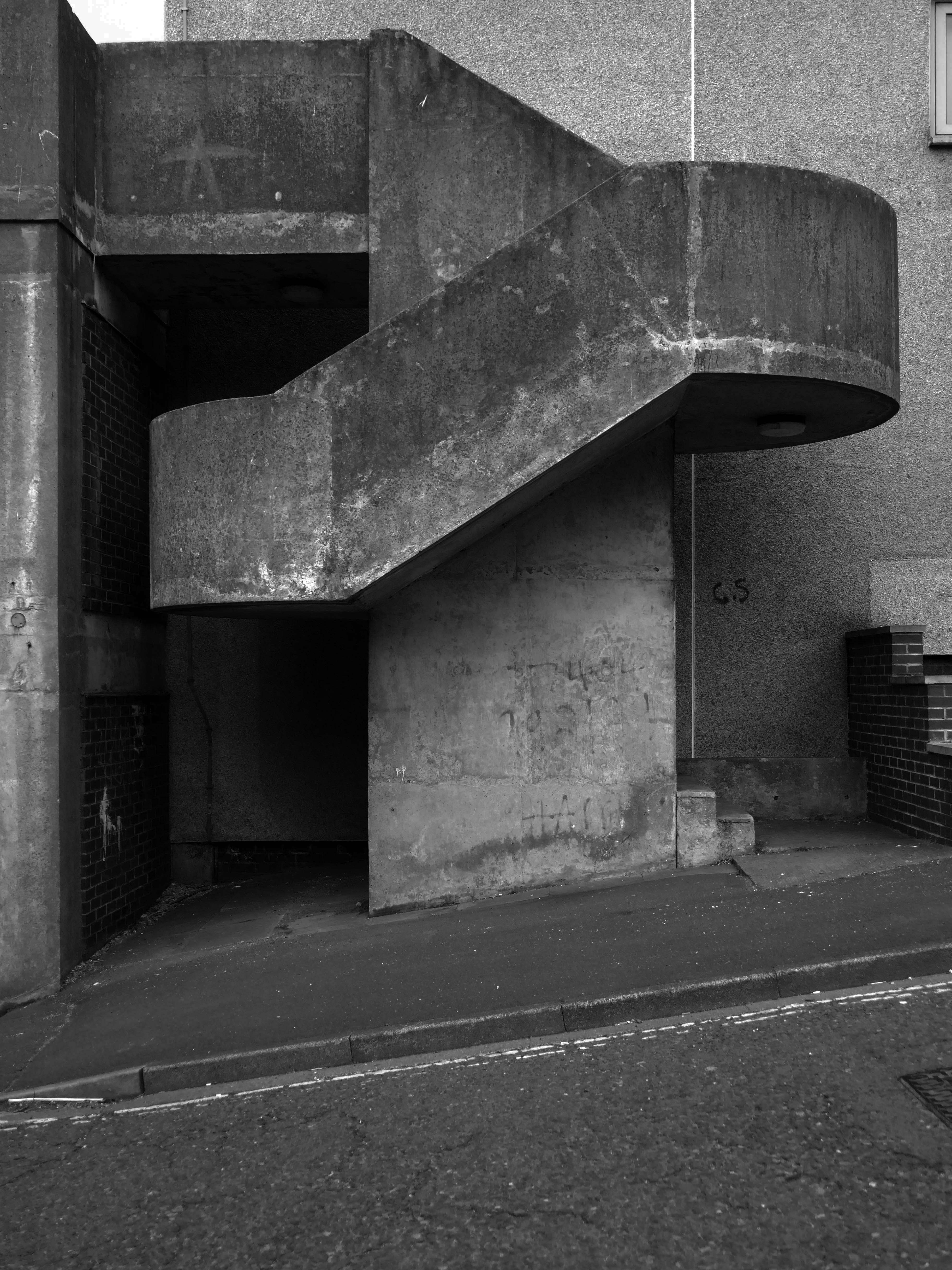
Here we are again making our way beneath Burdock Way and up to Haley Hill, the New Bank Development – aka Range Lane.

Built in 1964 – Architects Leonard Vincent and Ray Gorbing.

Tower Block 1987.

Subsequently overclad

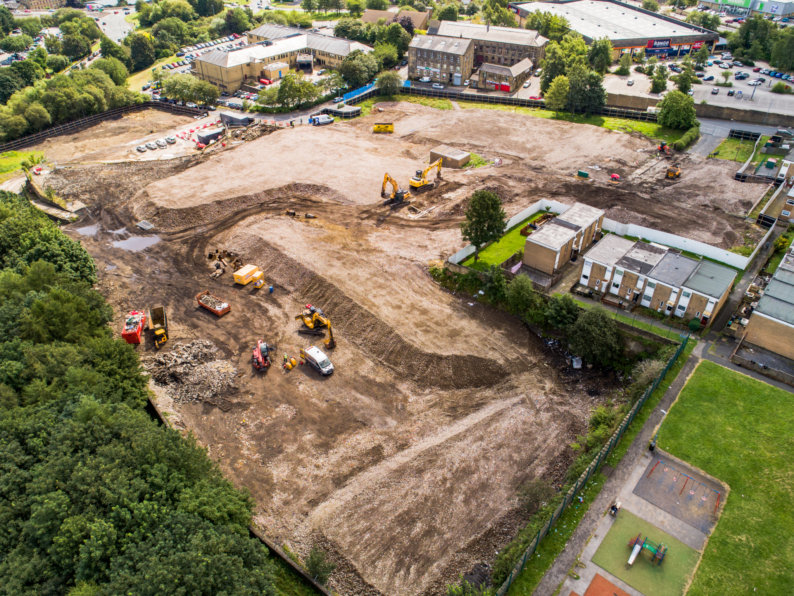
Sadly the Beech Hill Flats in the centre of Halifax have been demolished.

Rhodar

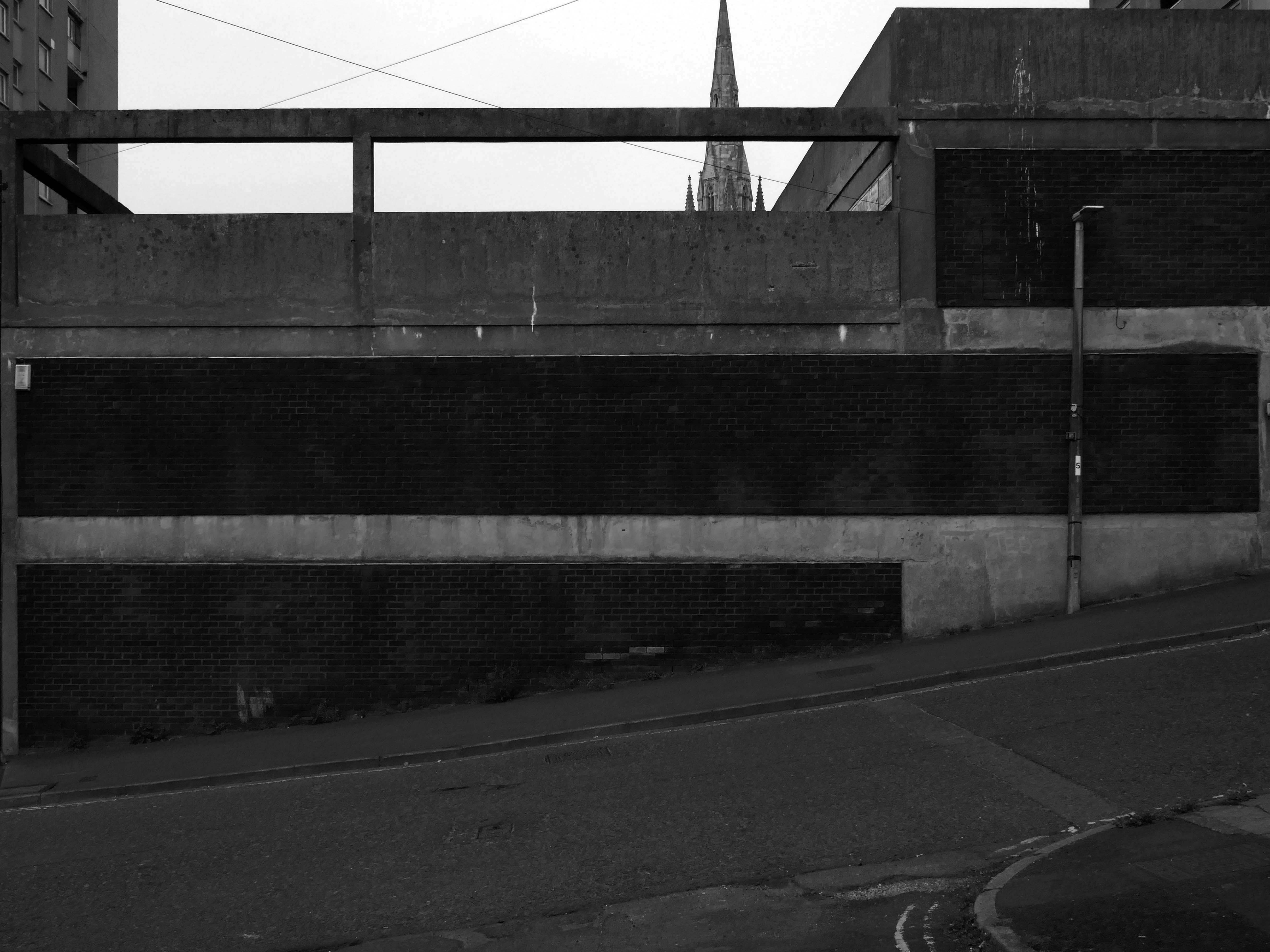
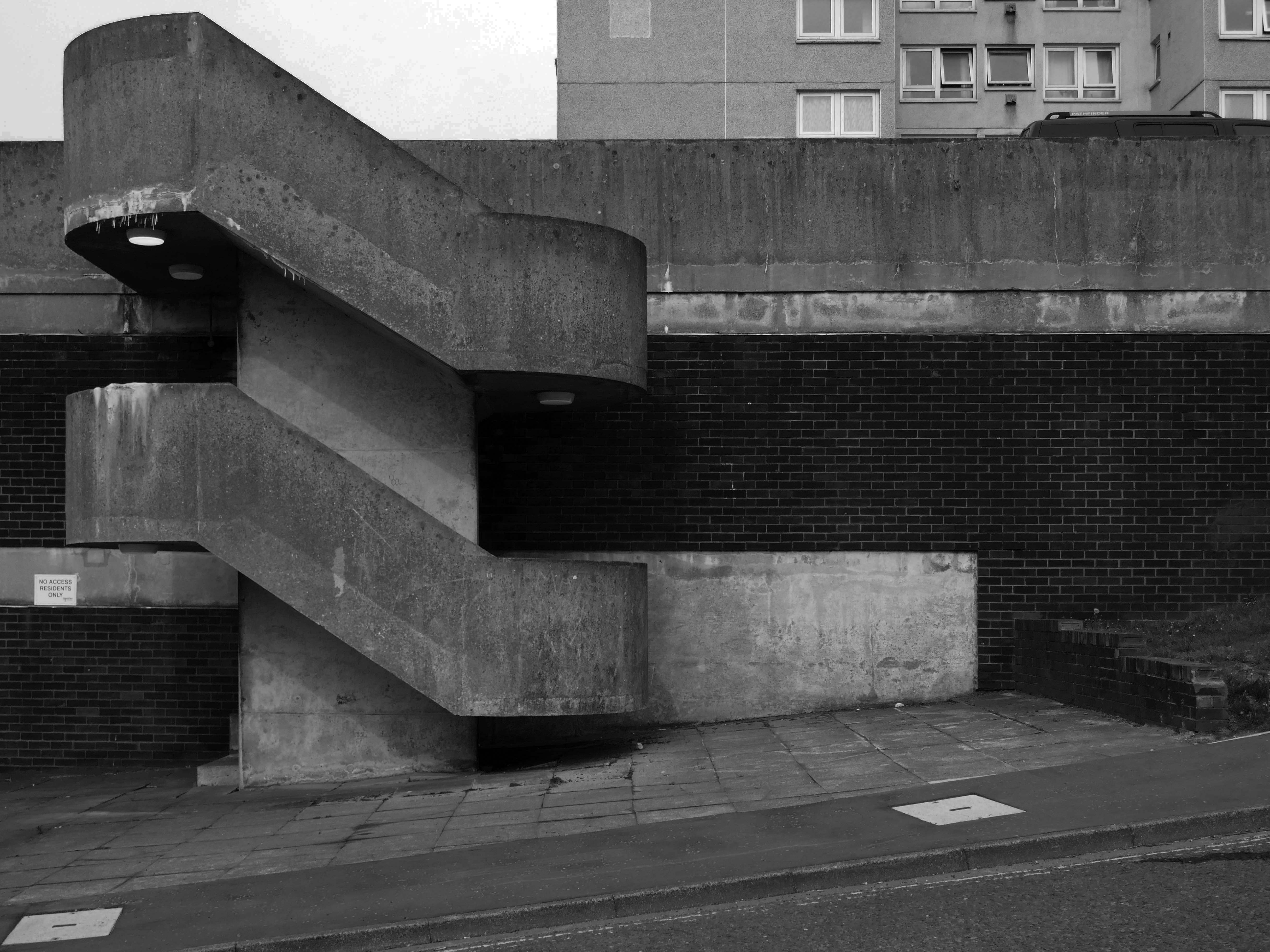
It was a slightly overcast day, flattish light on the flats, so the photographs became monochrome.