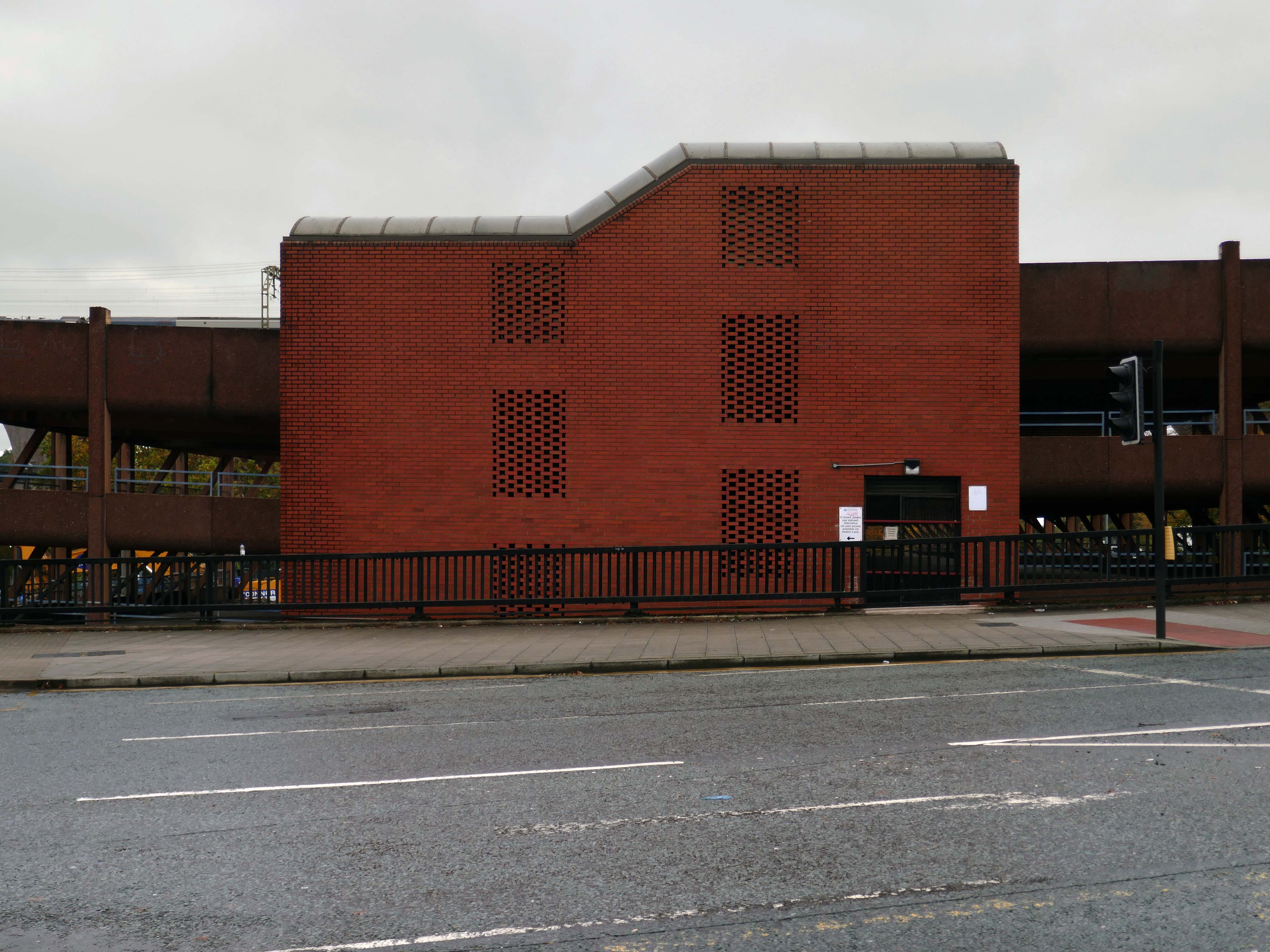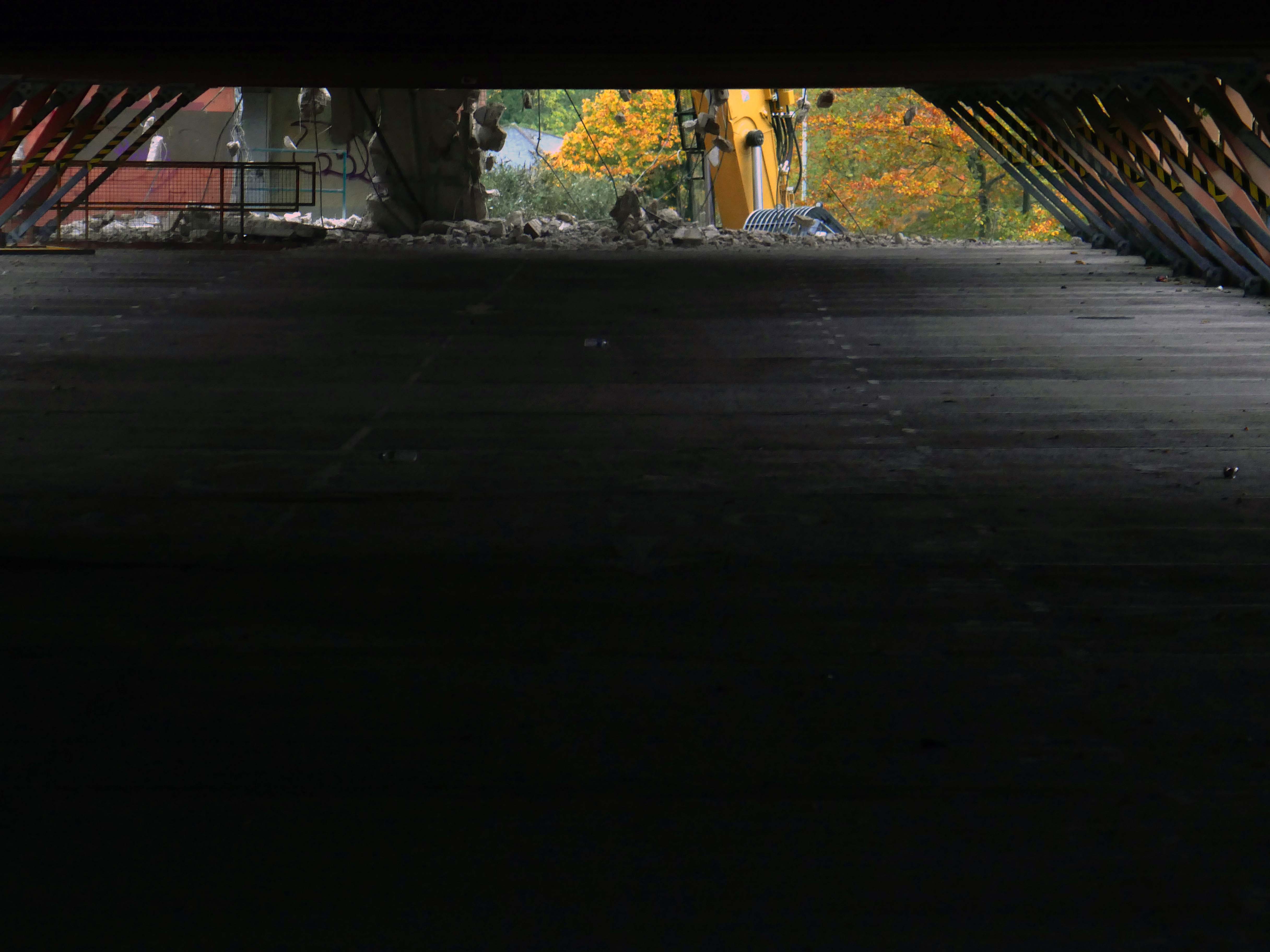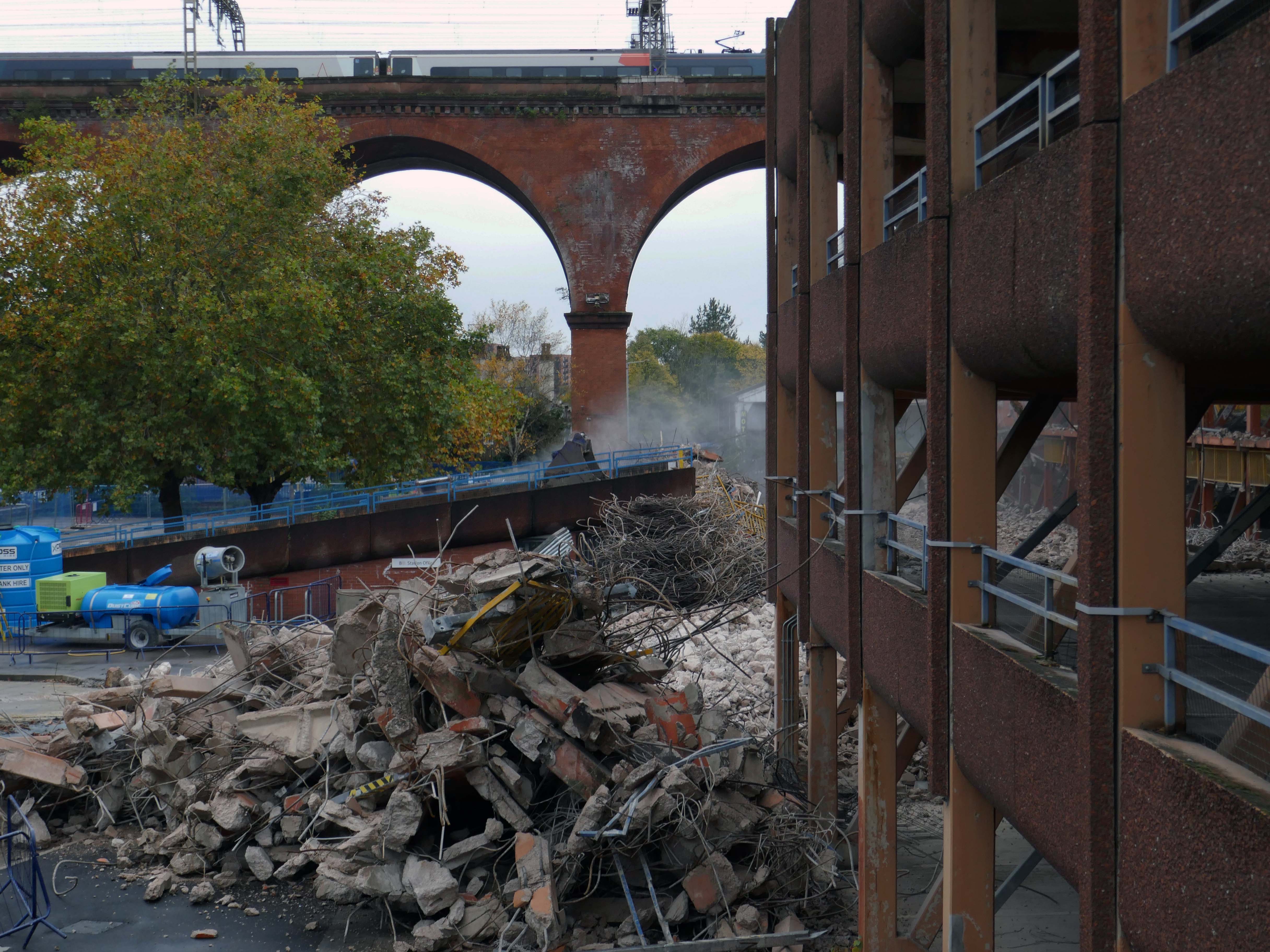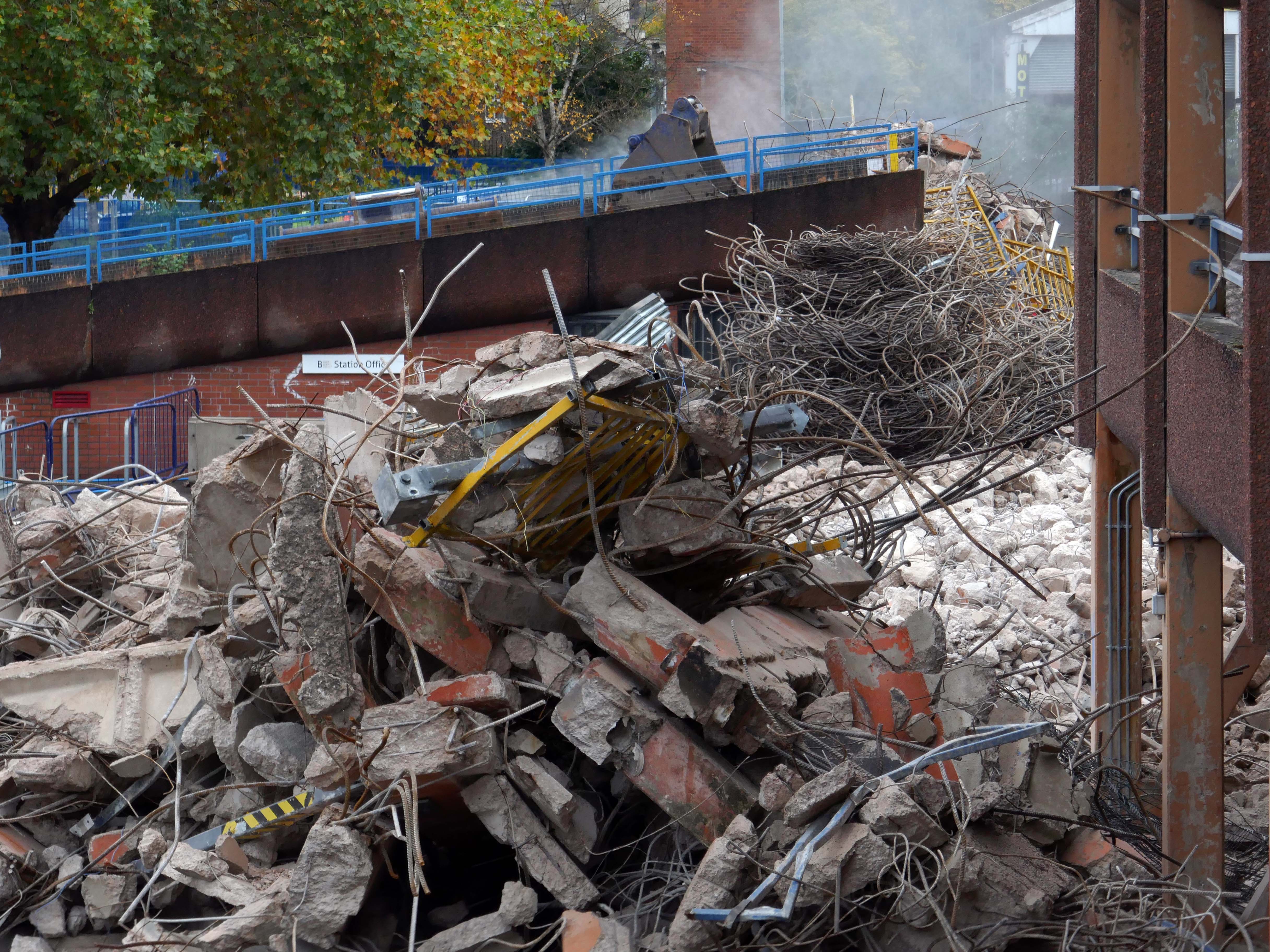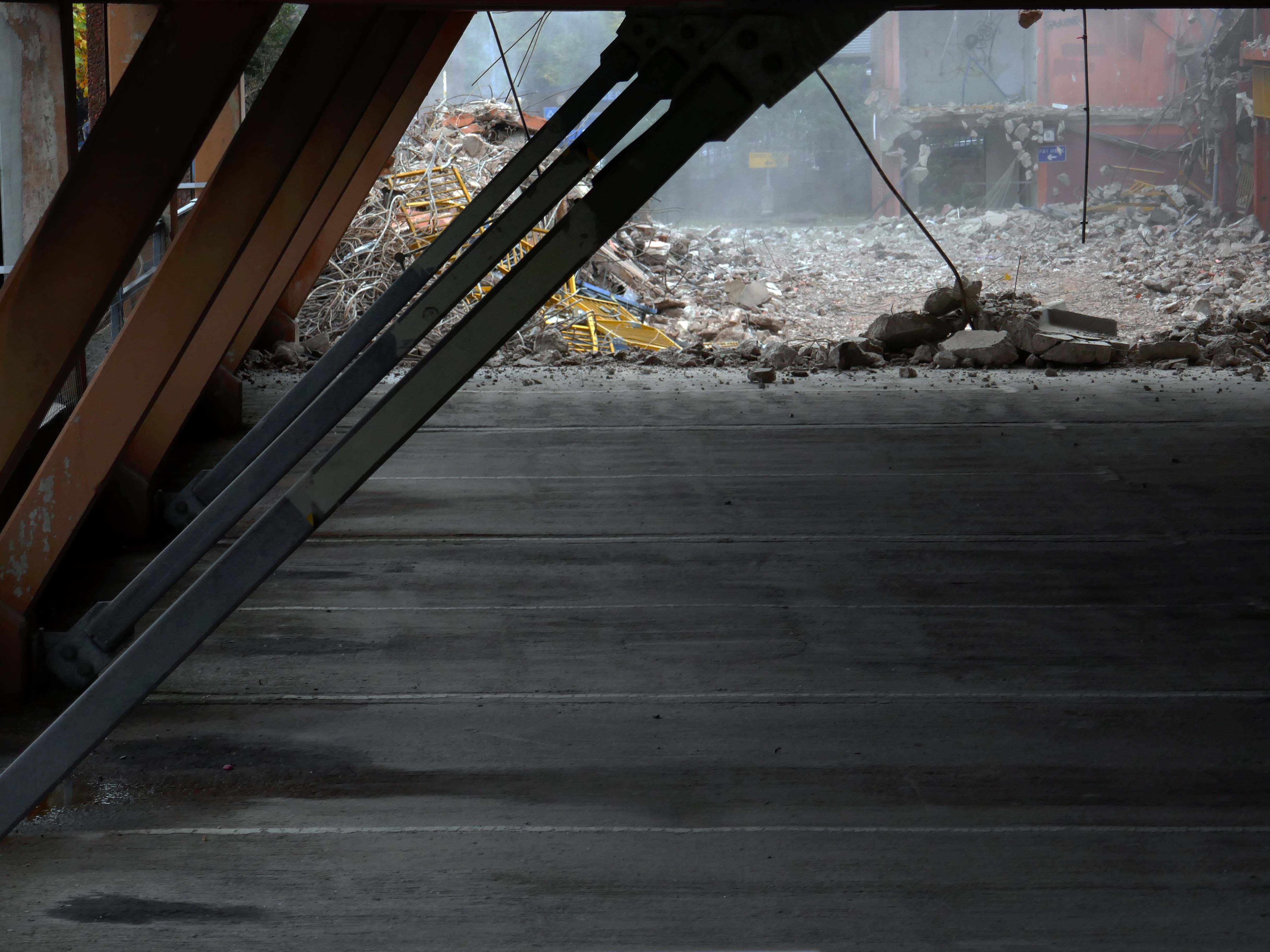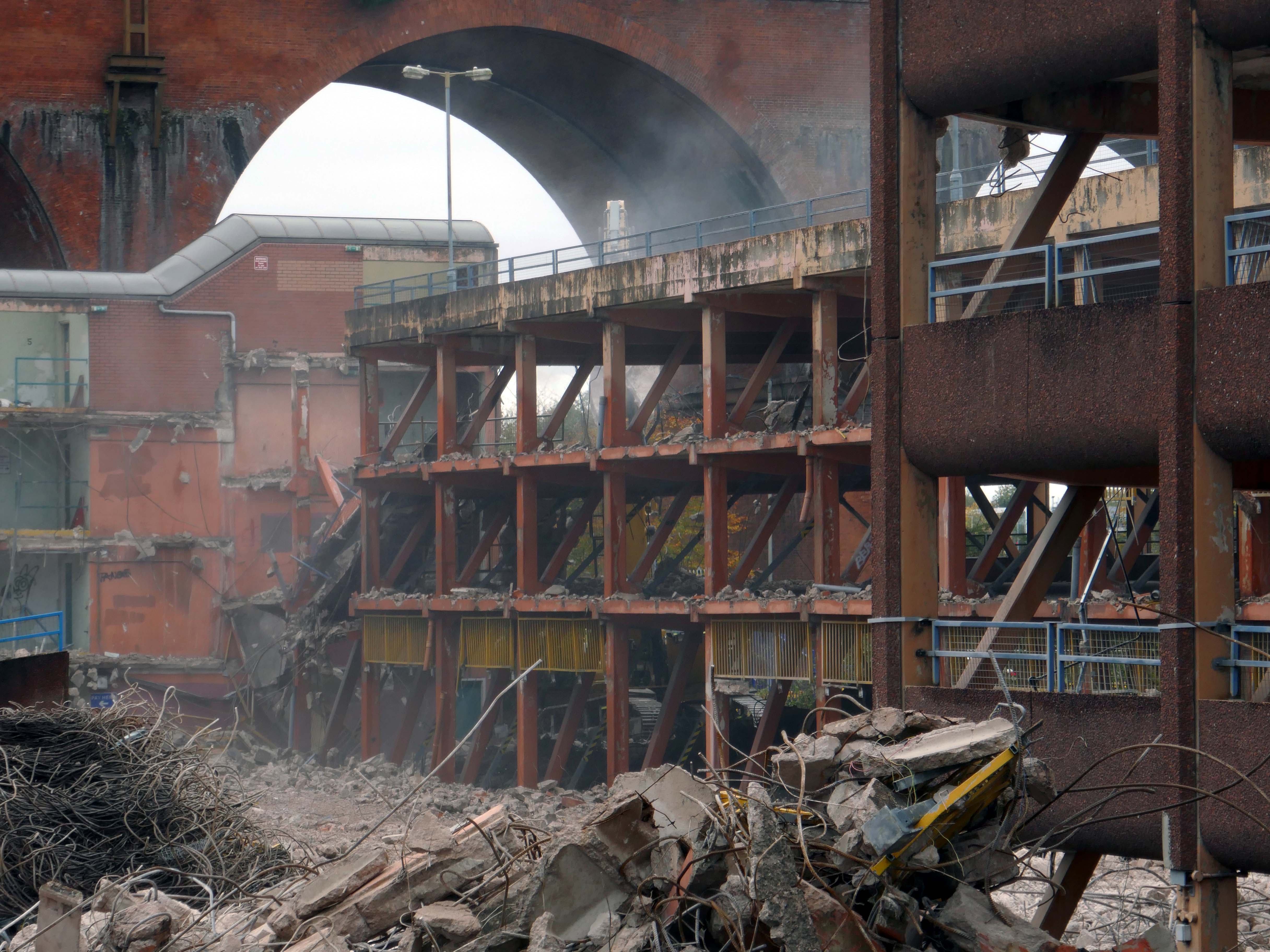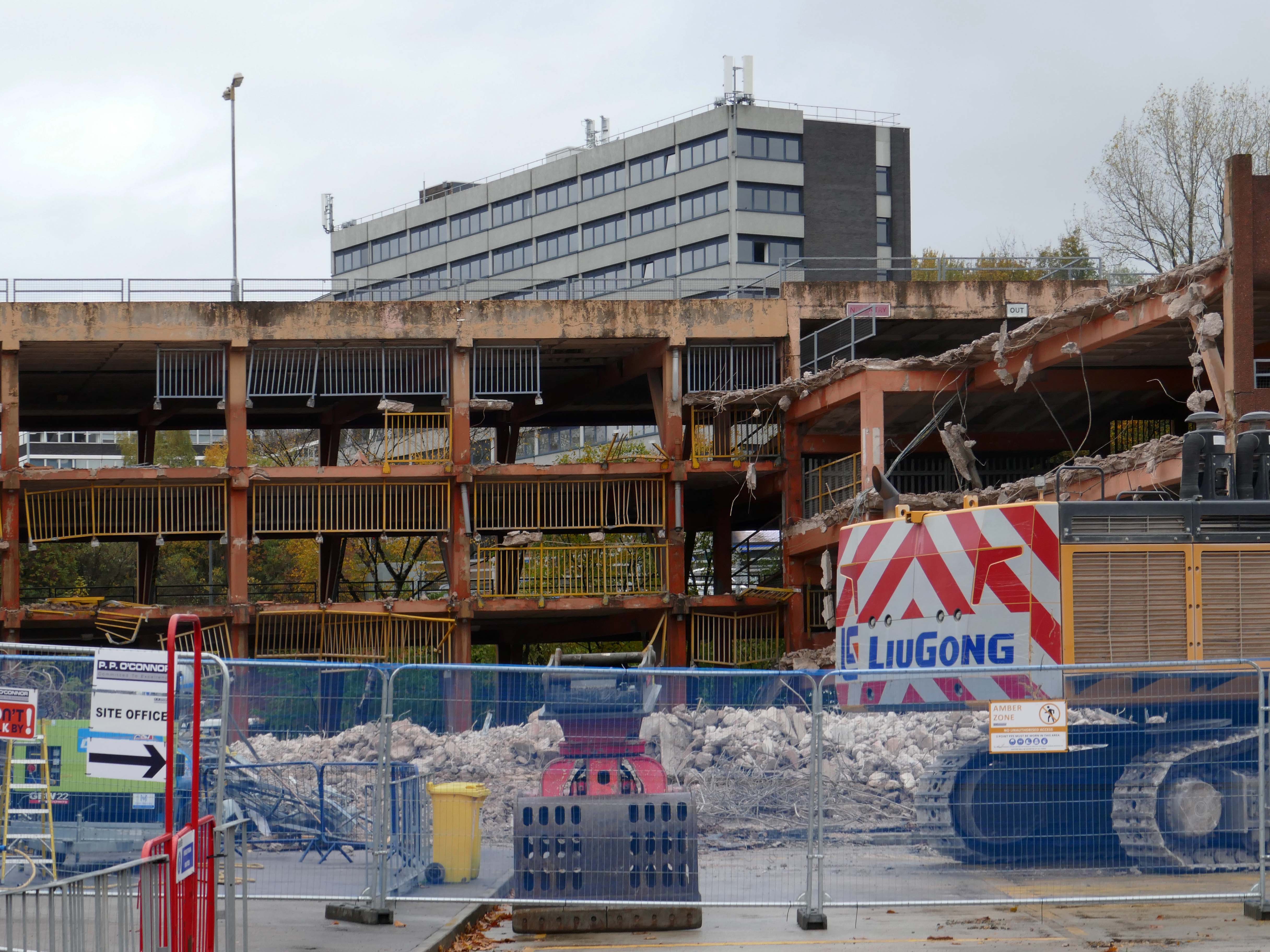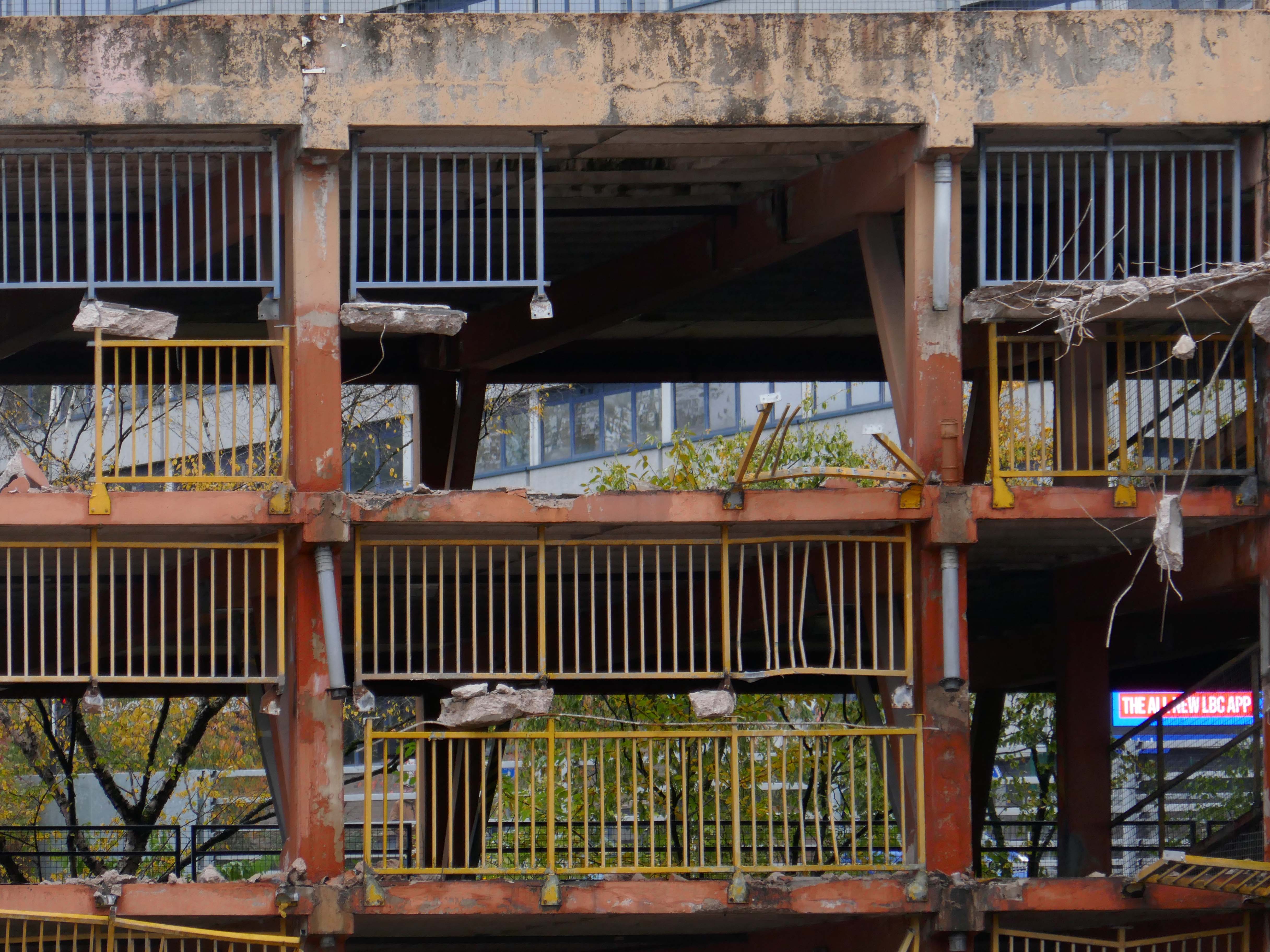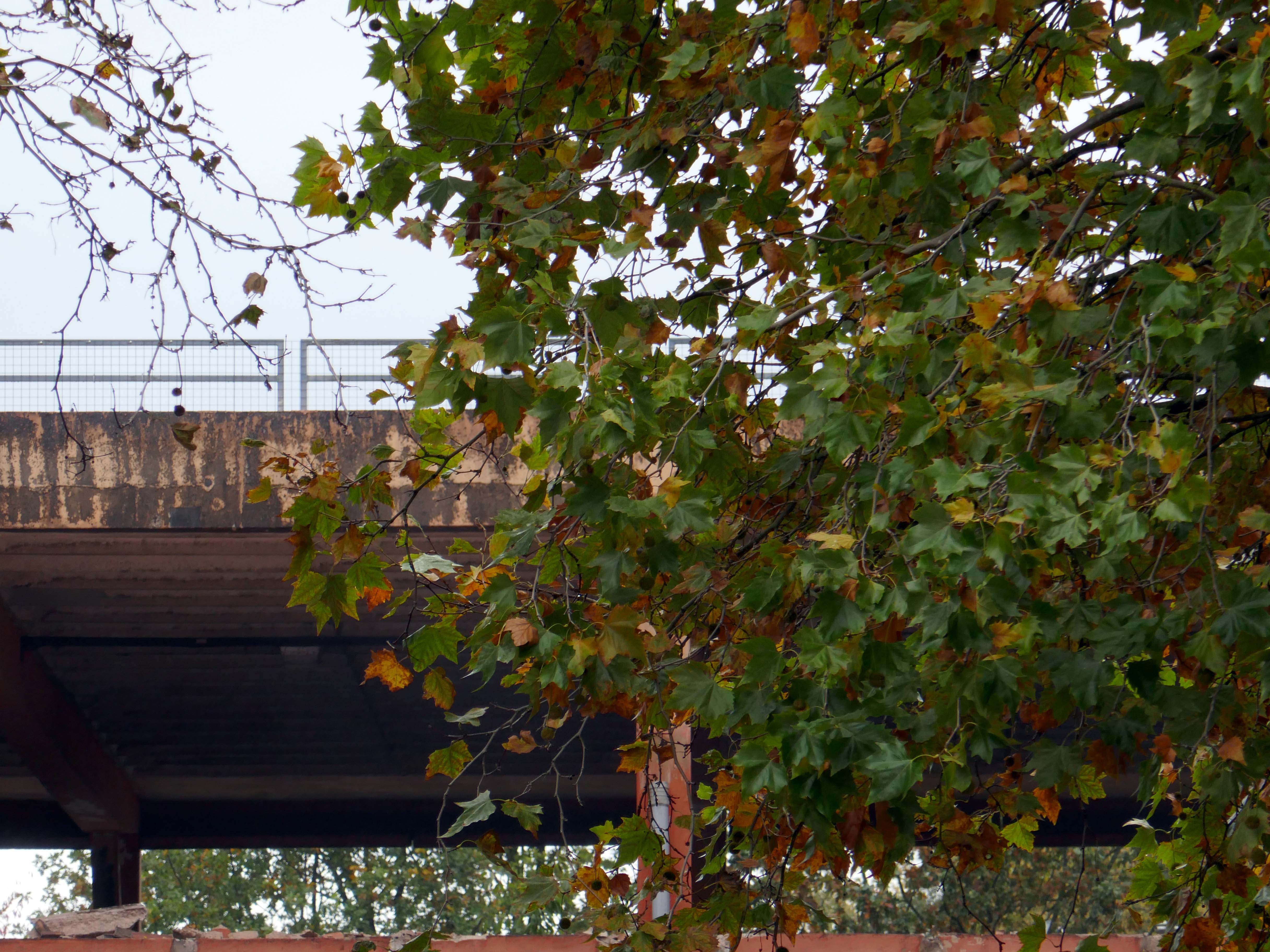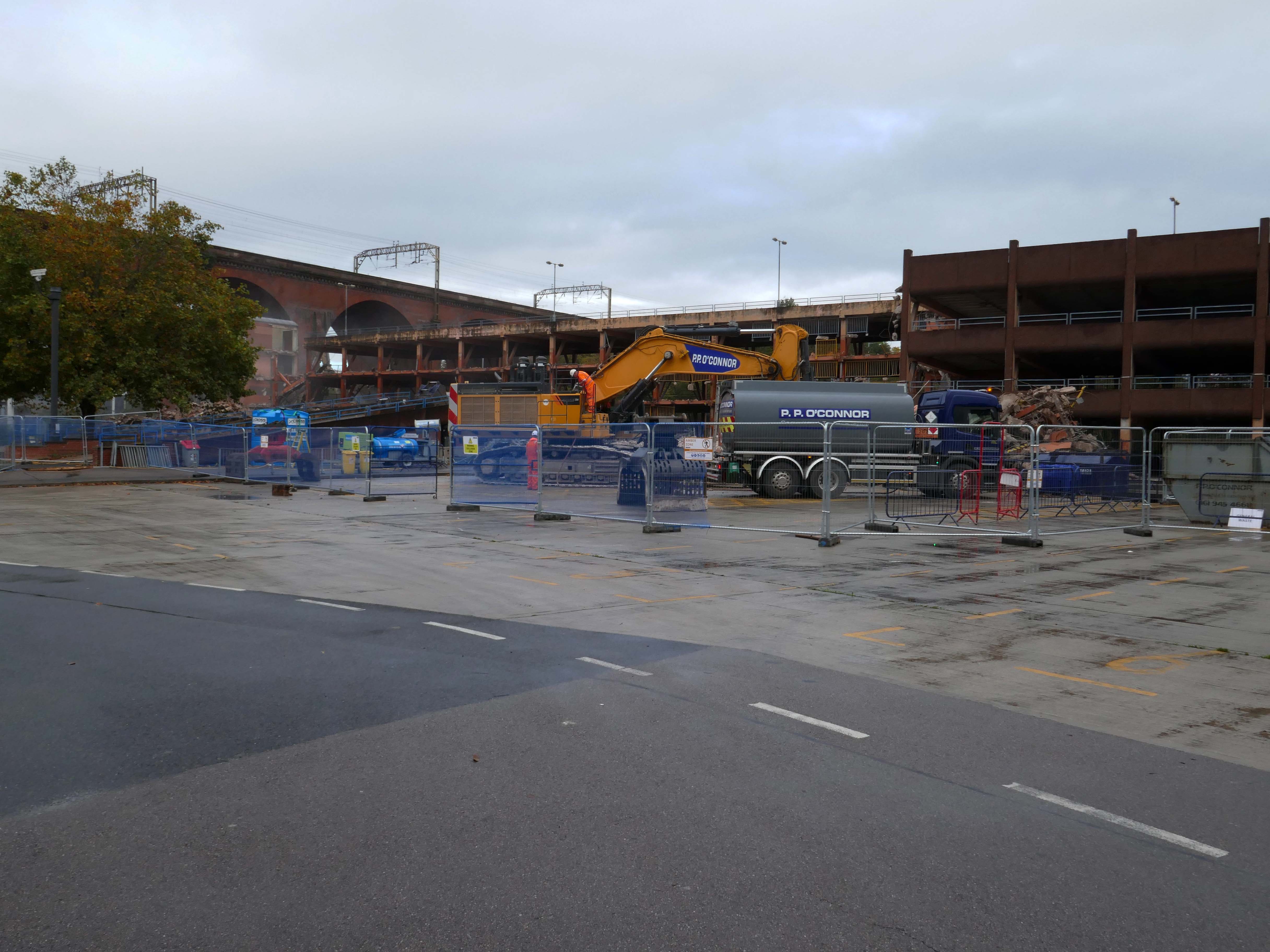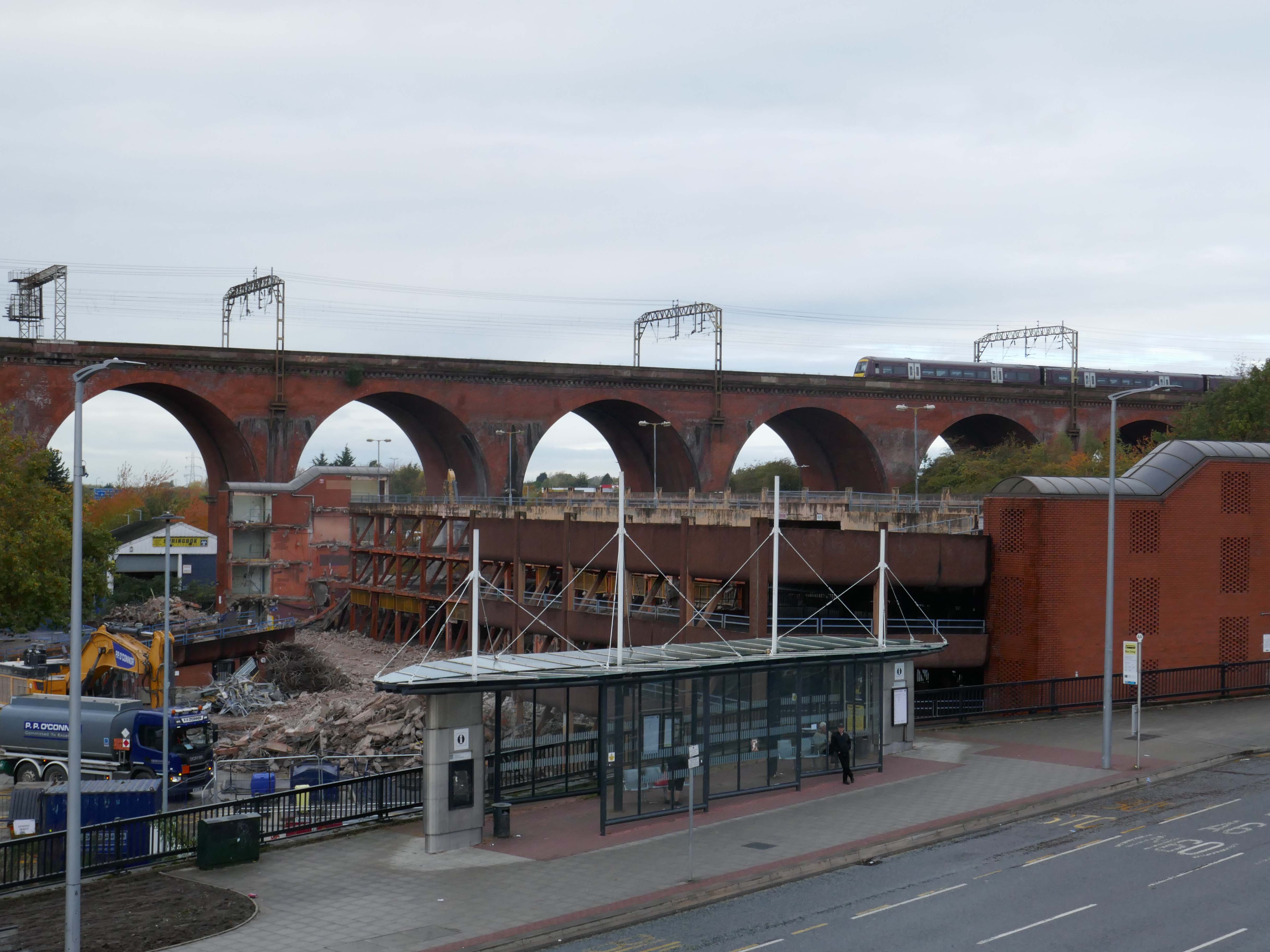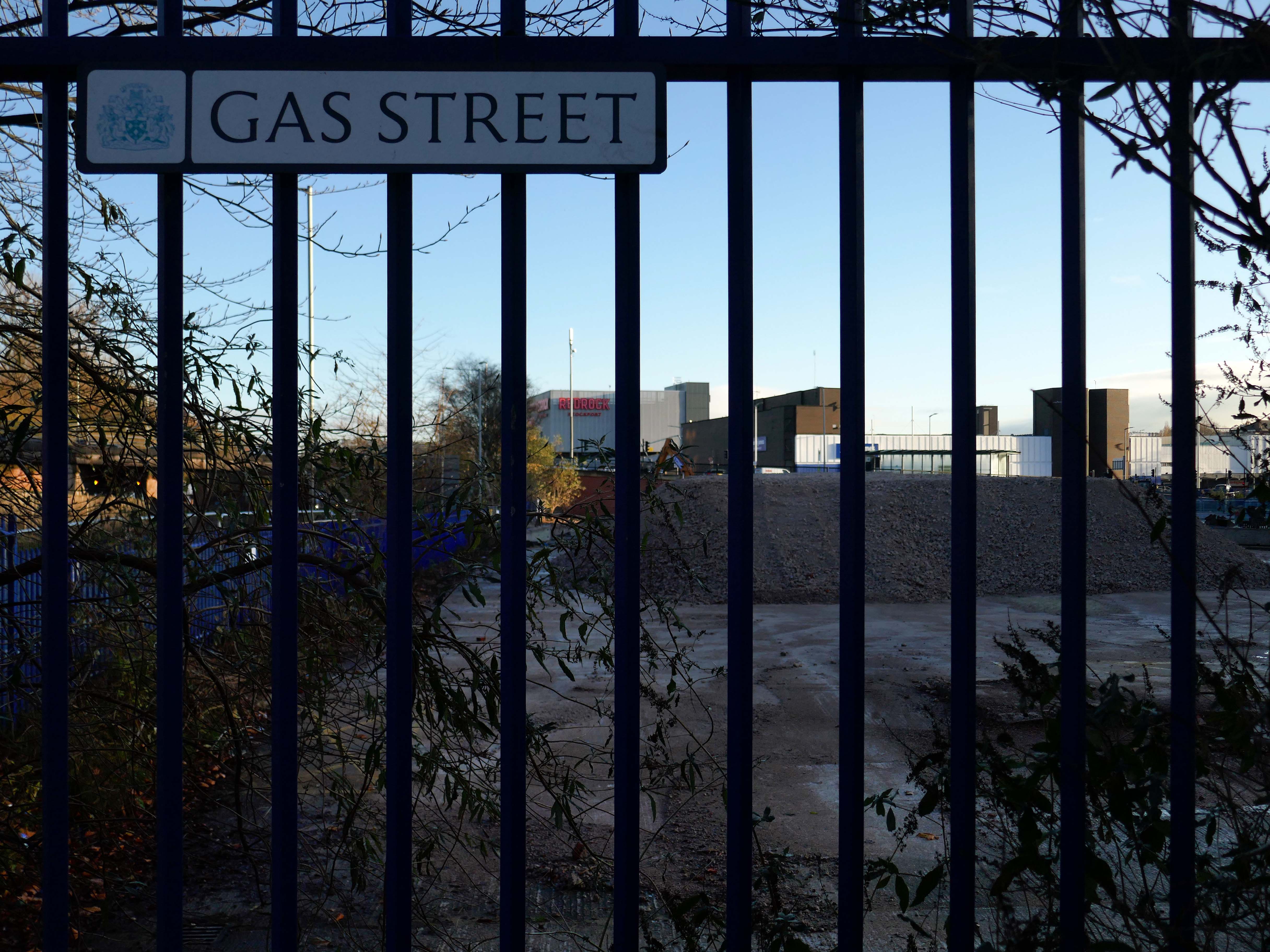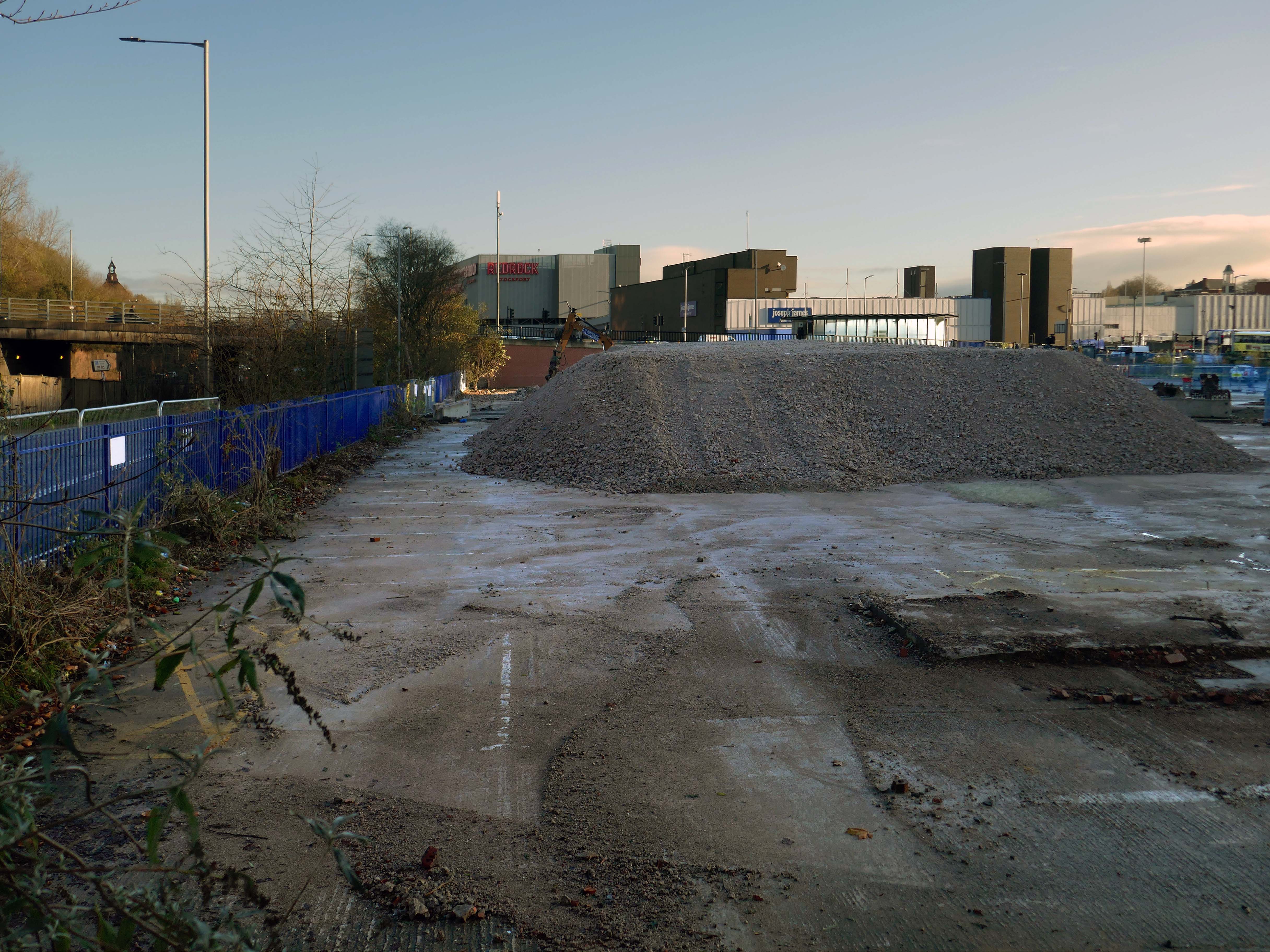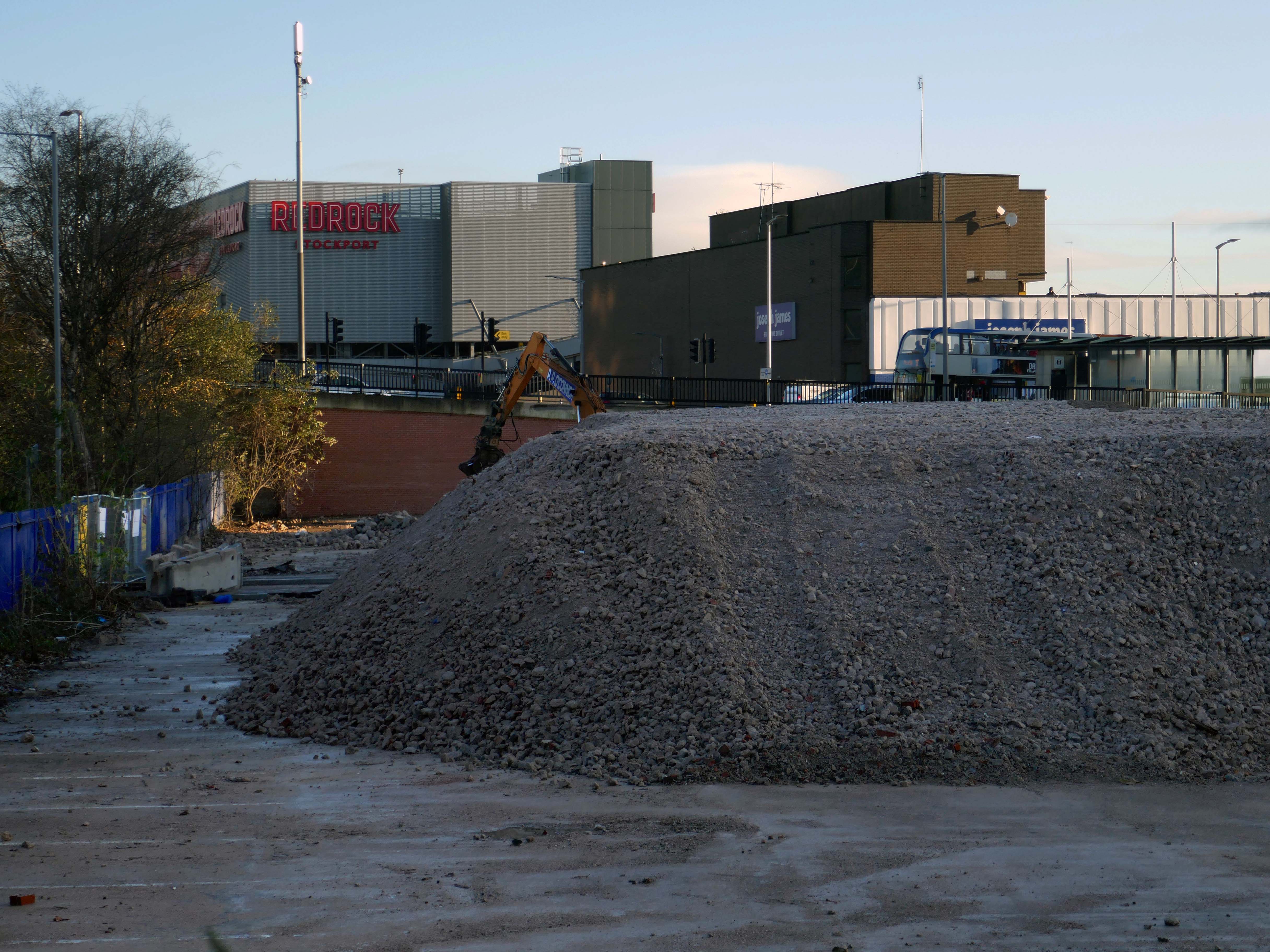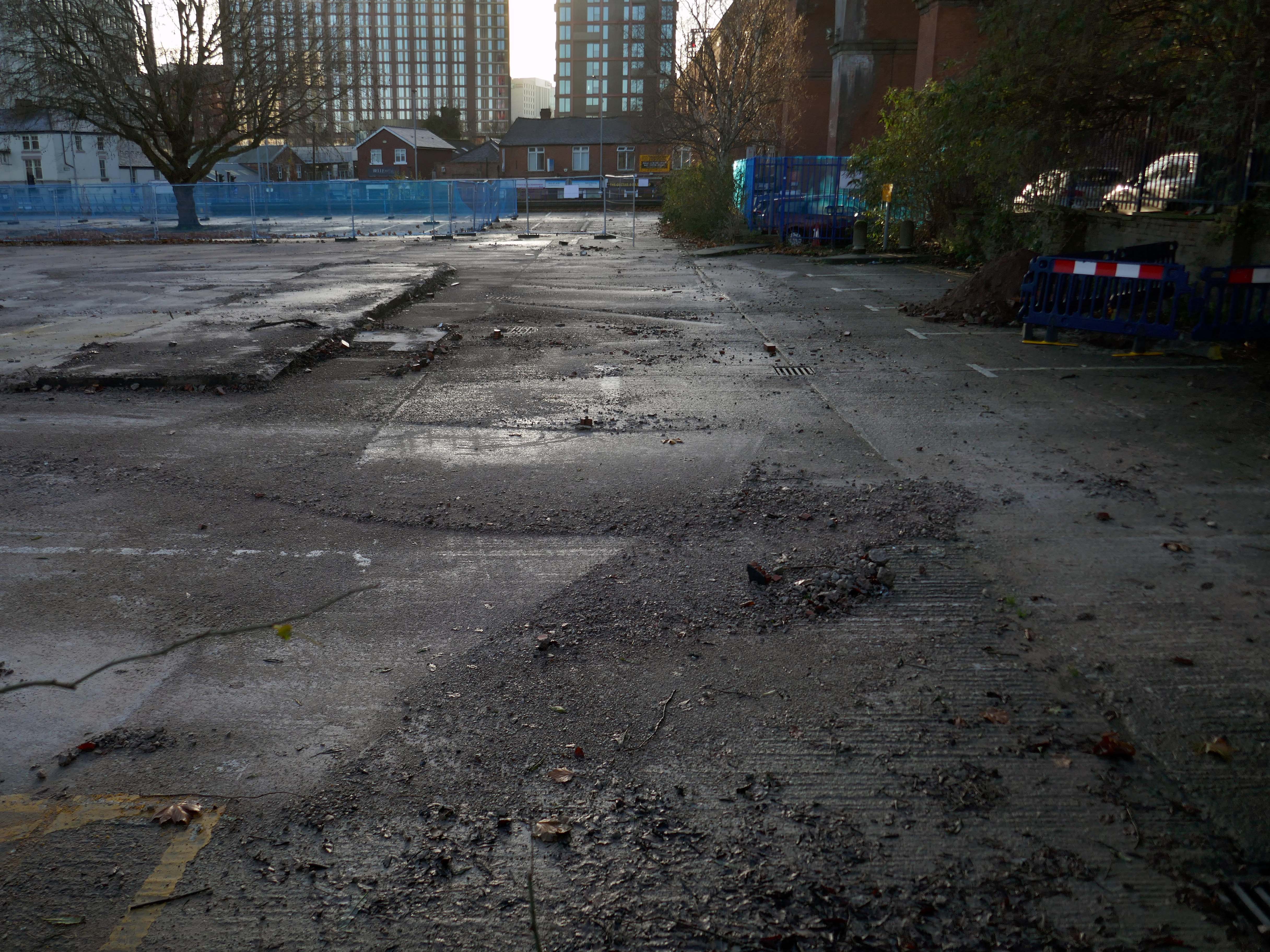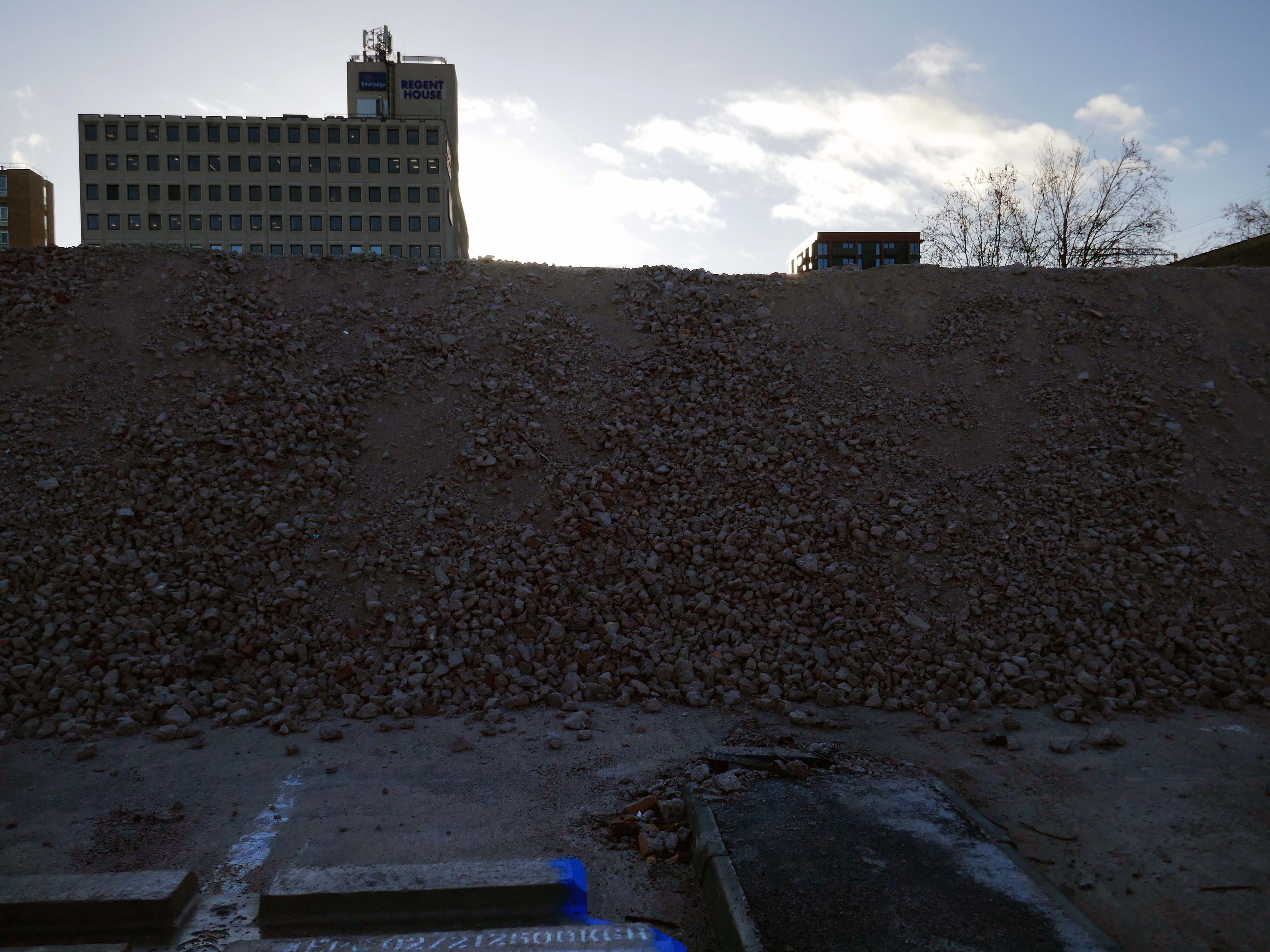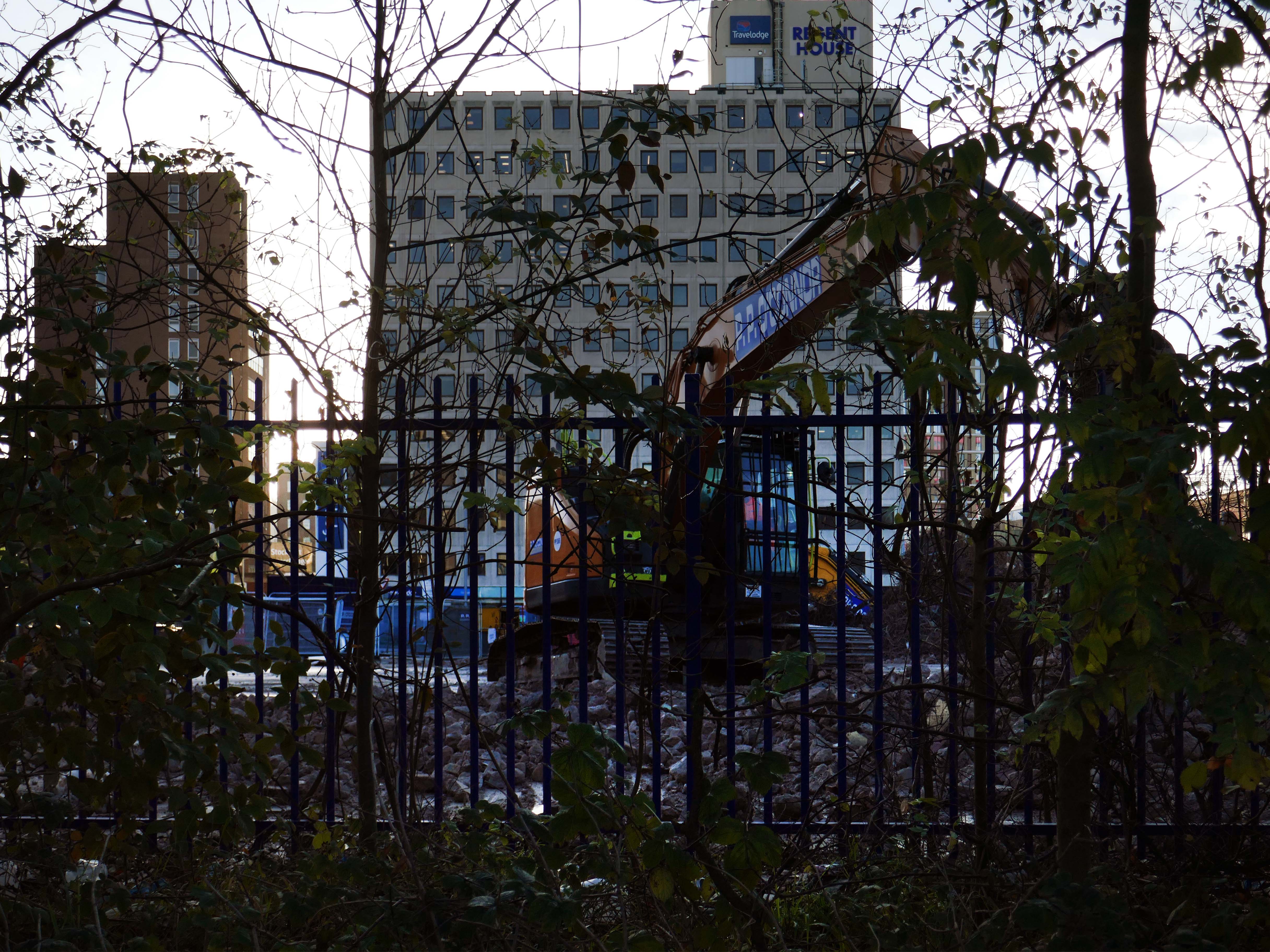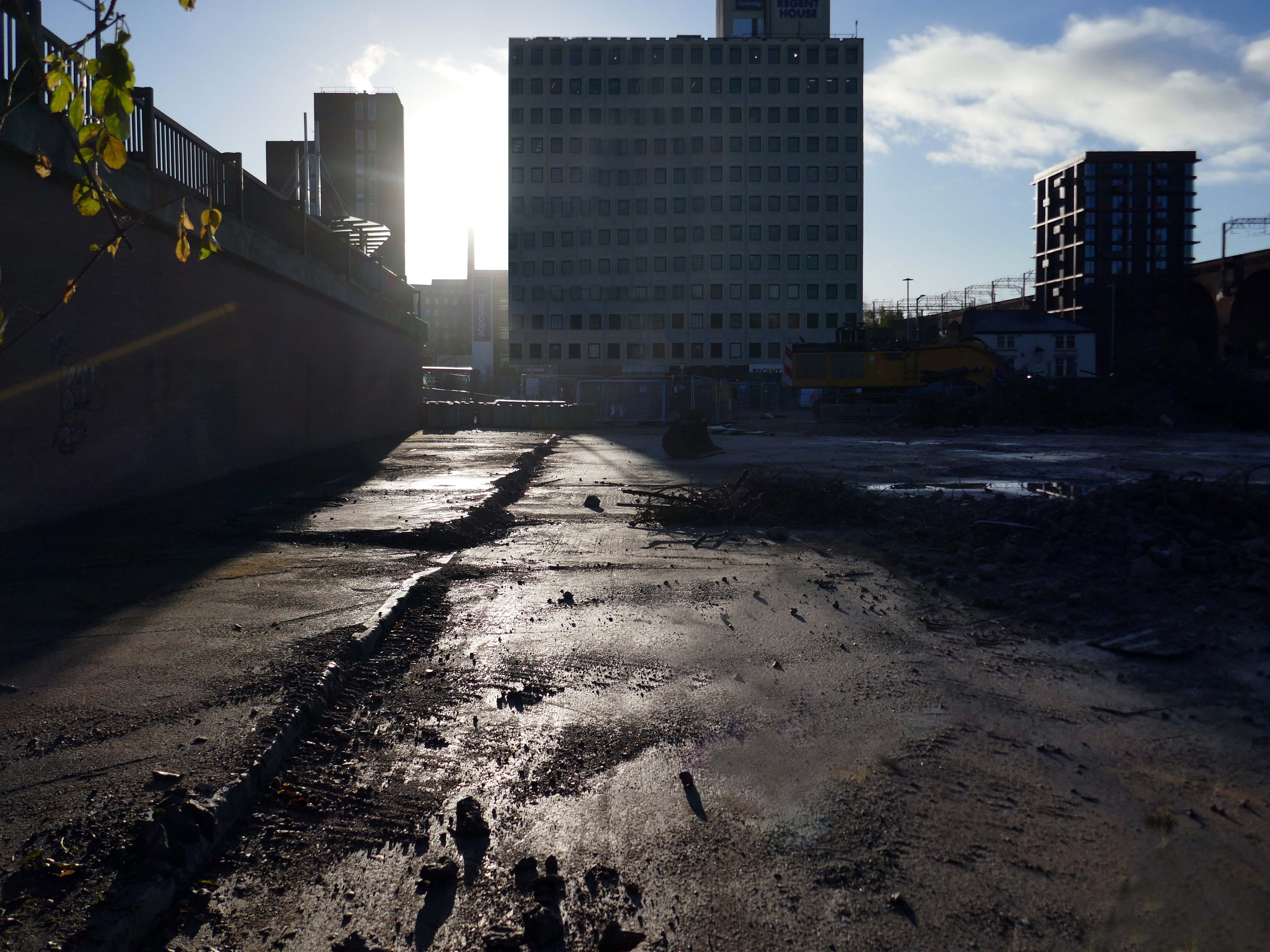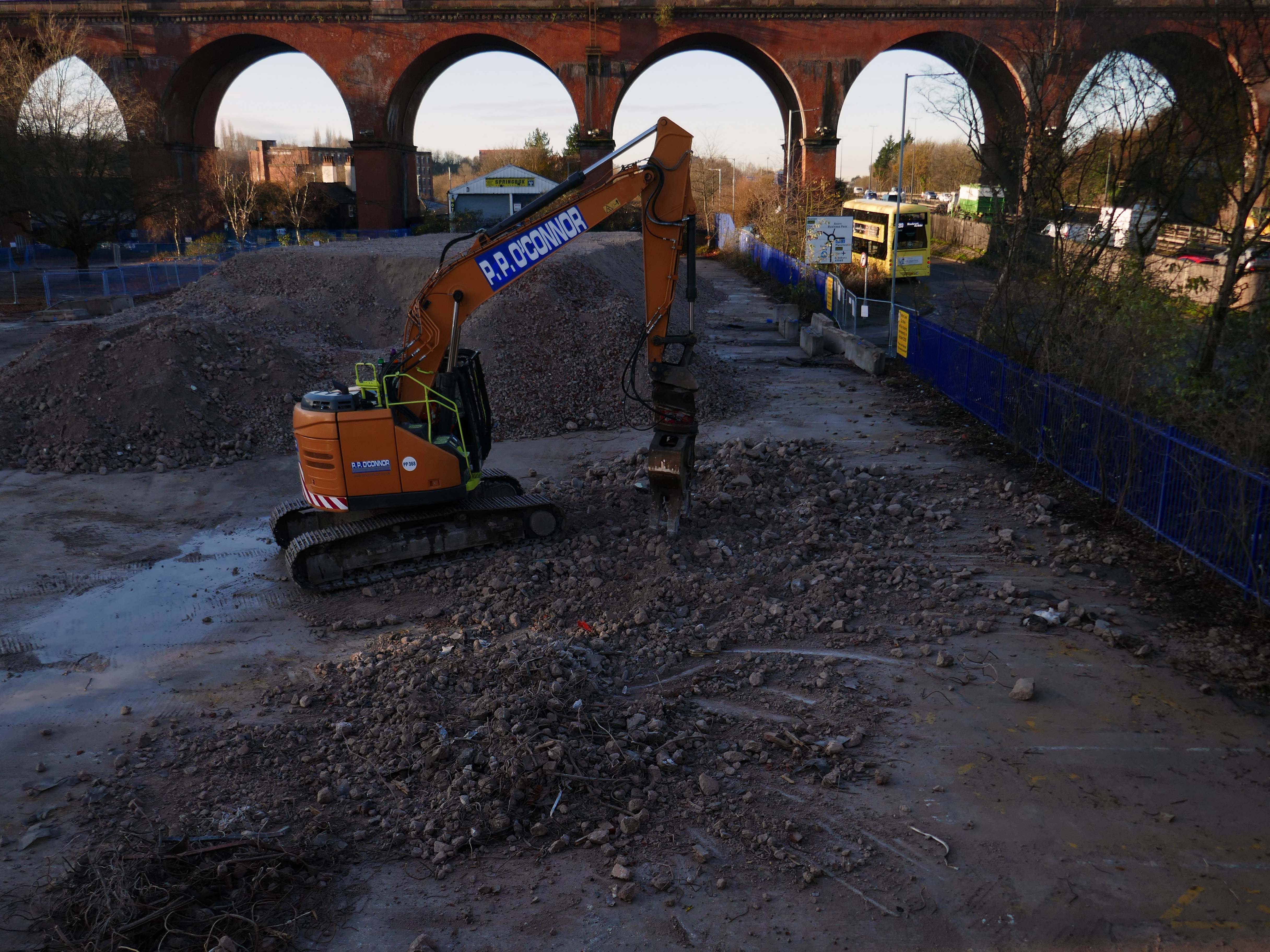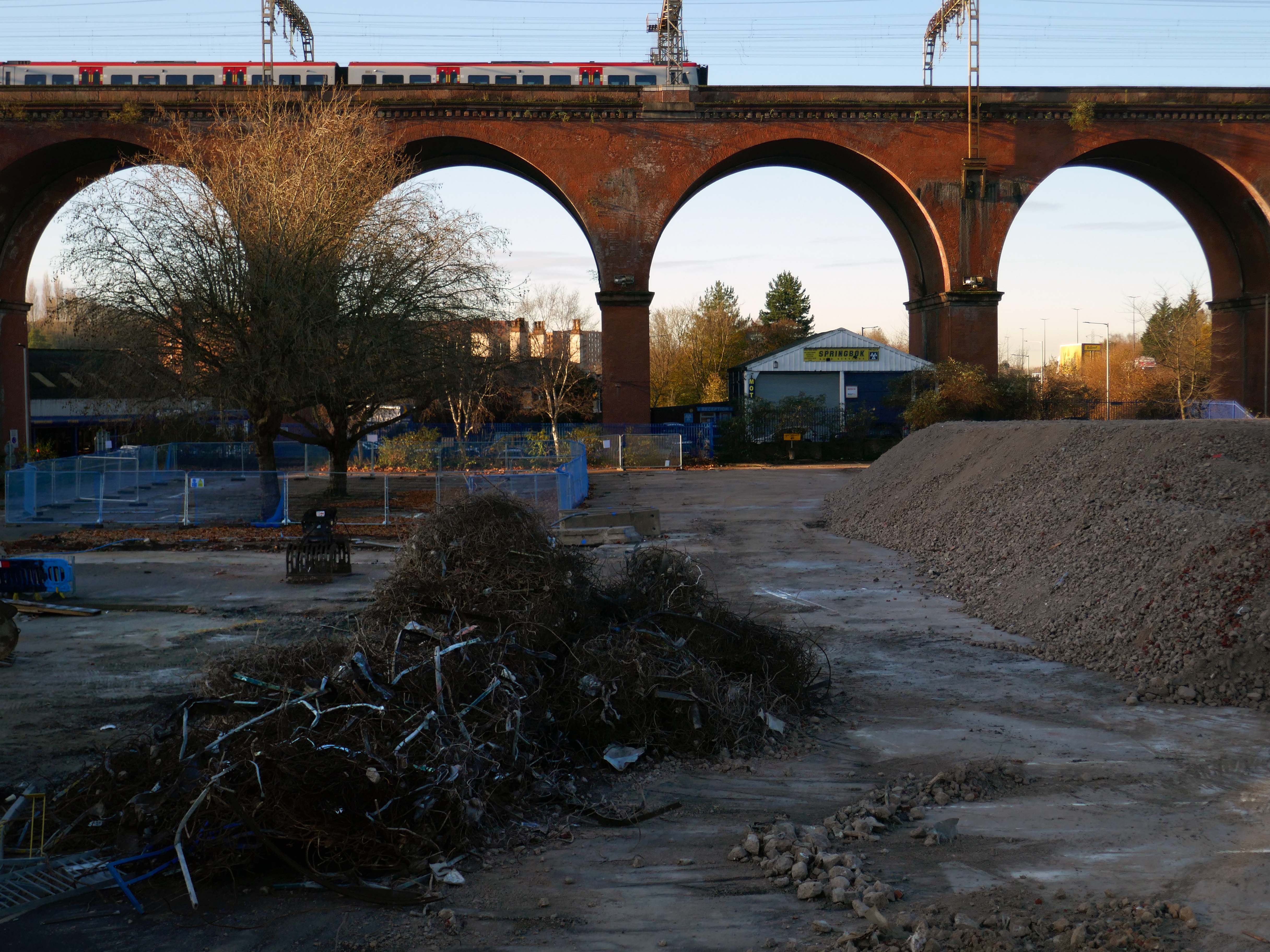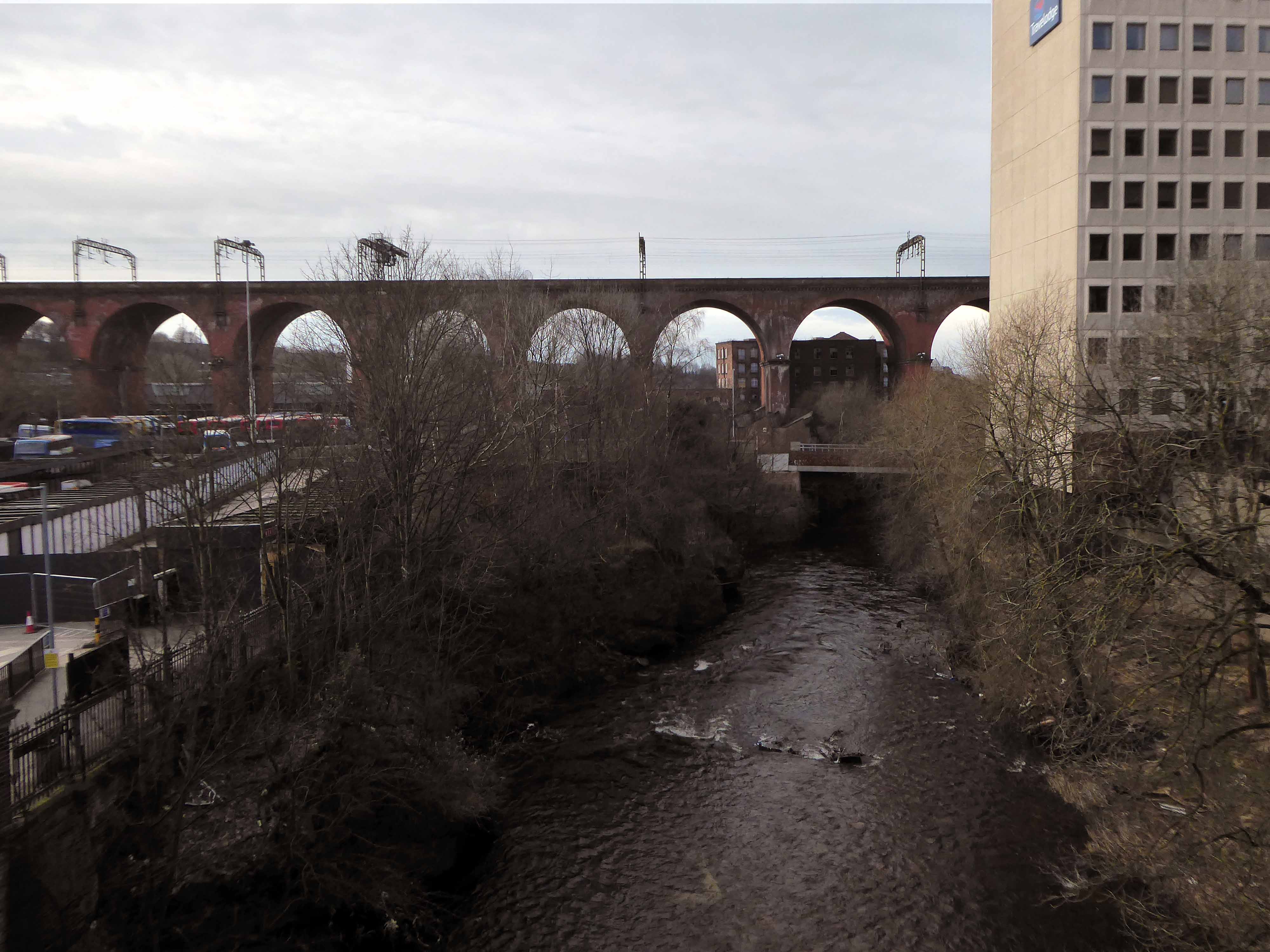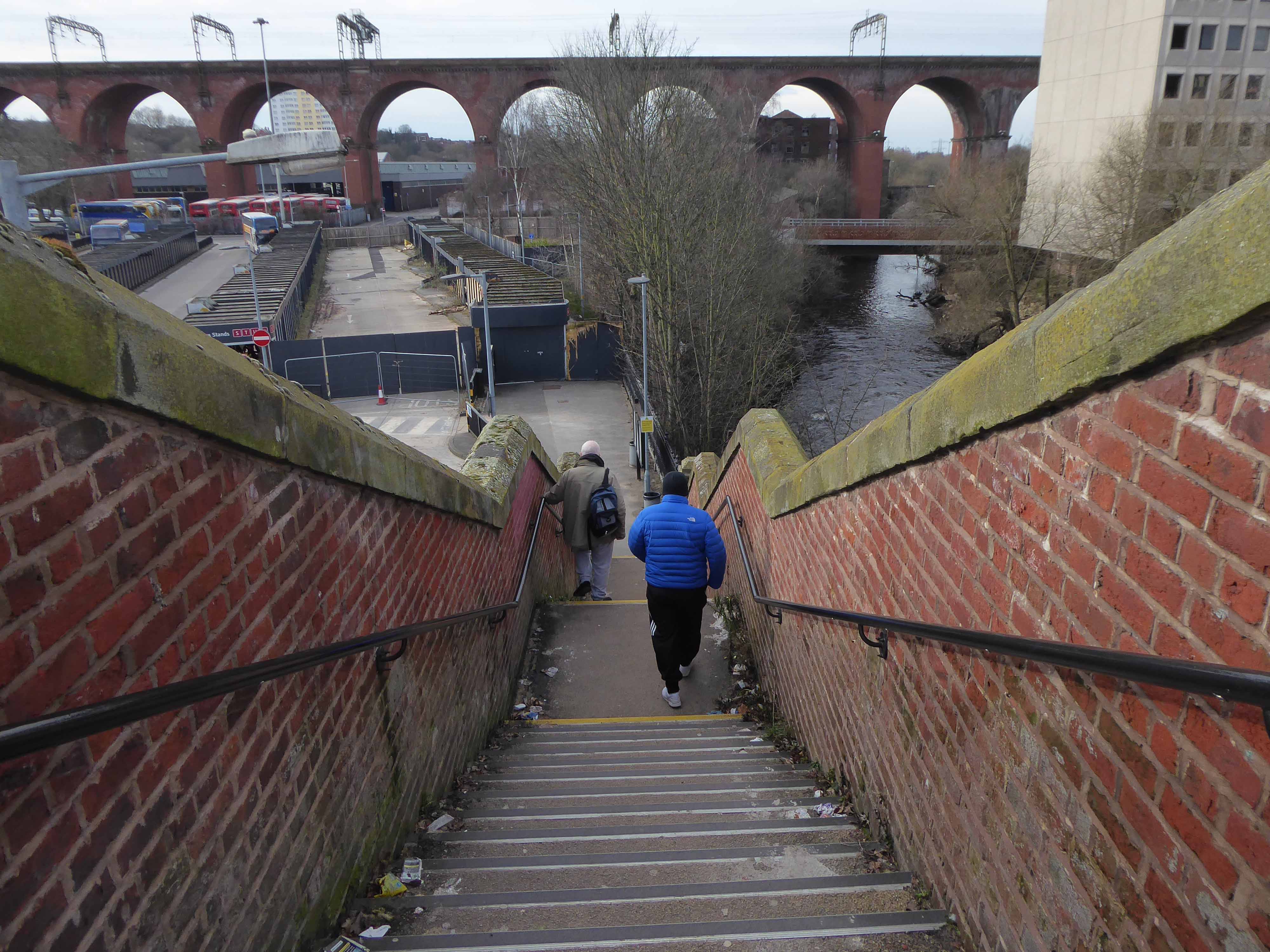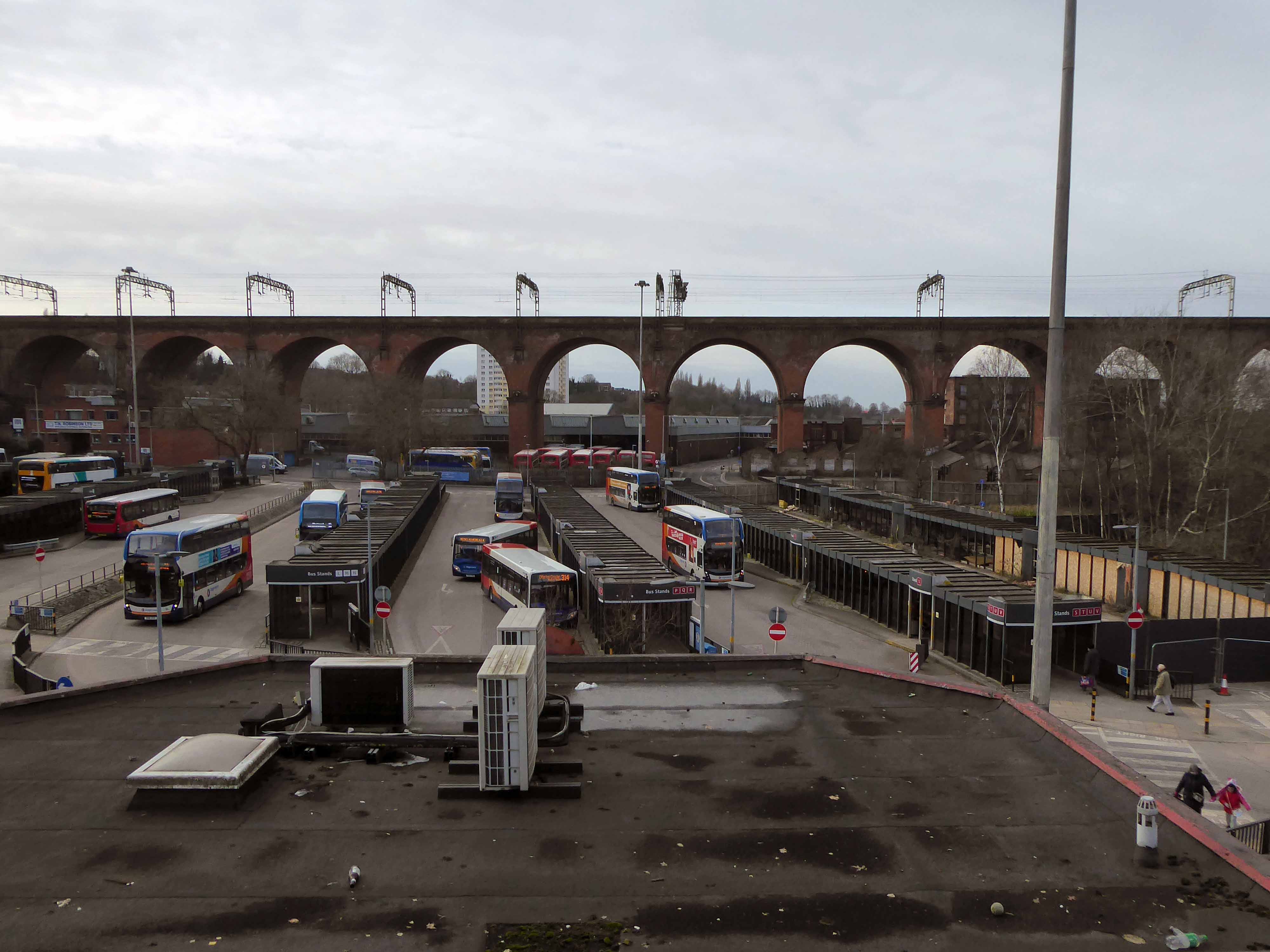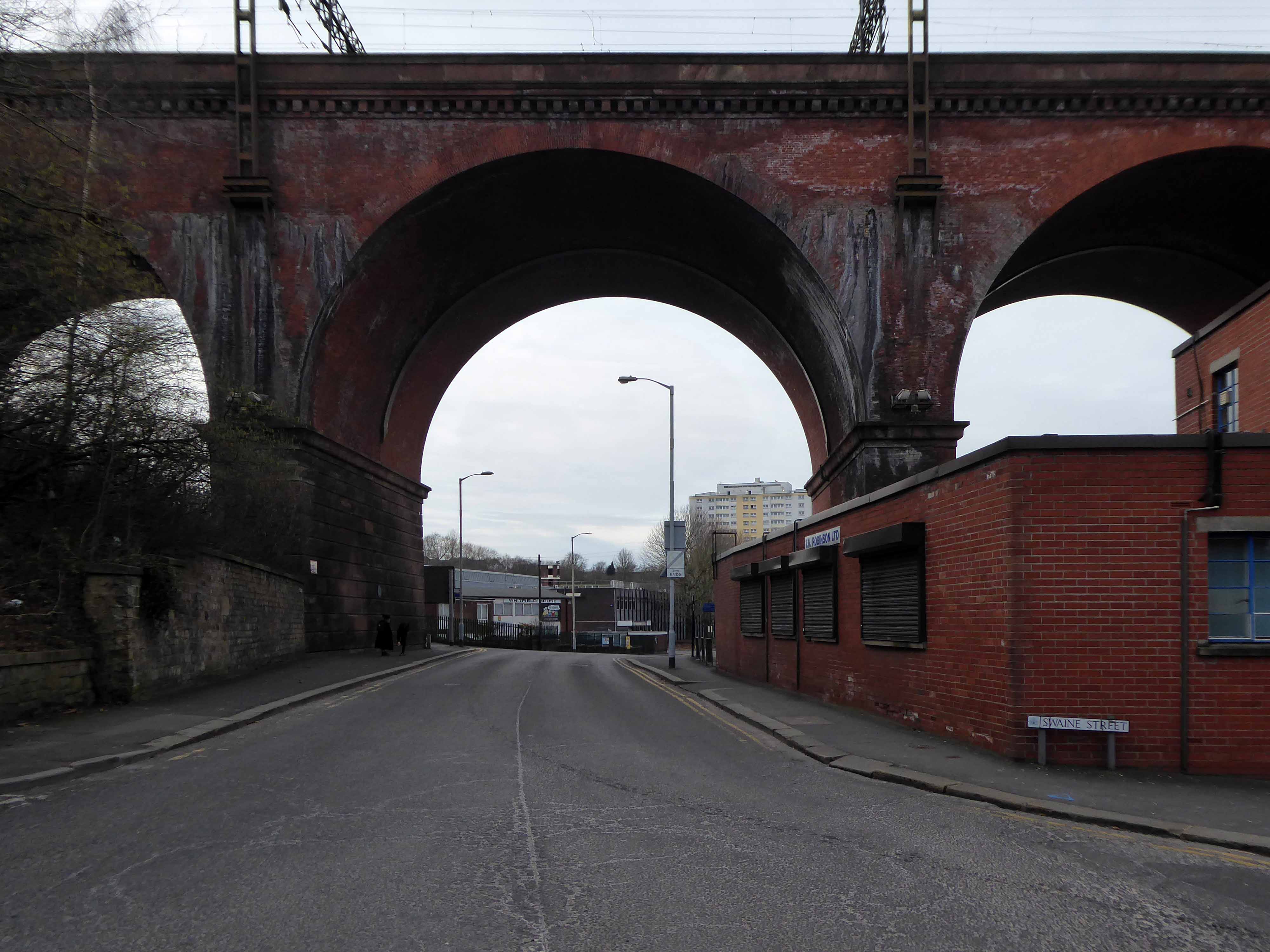
Heaton Lane Car Park Stockport – 2025

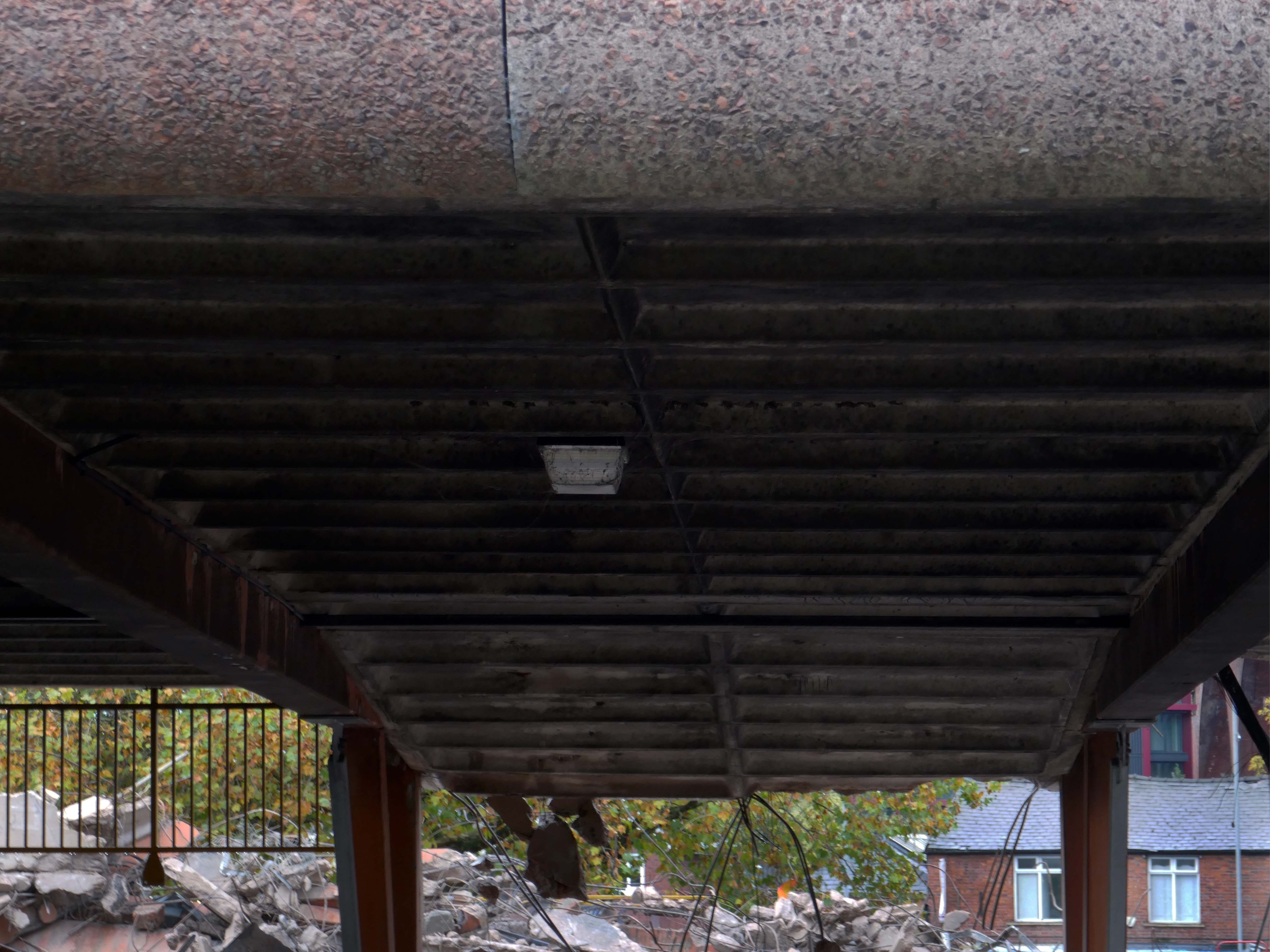
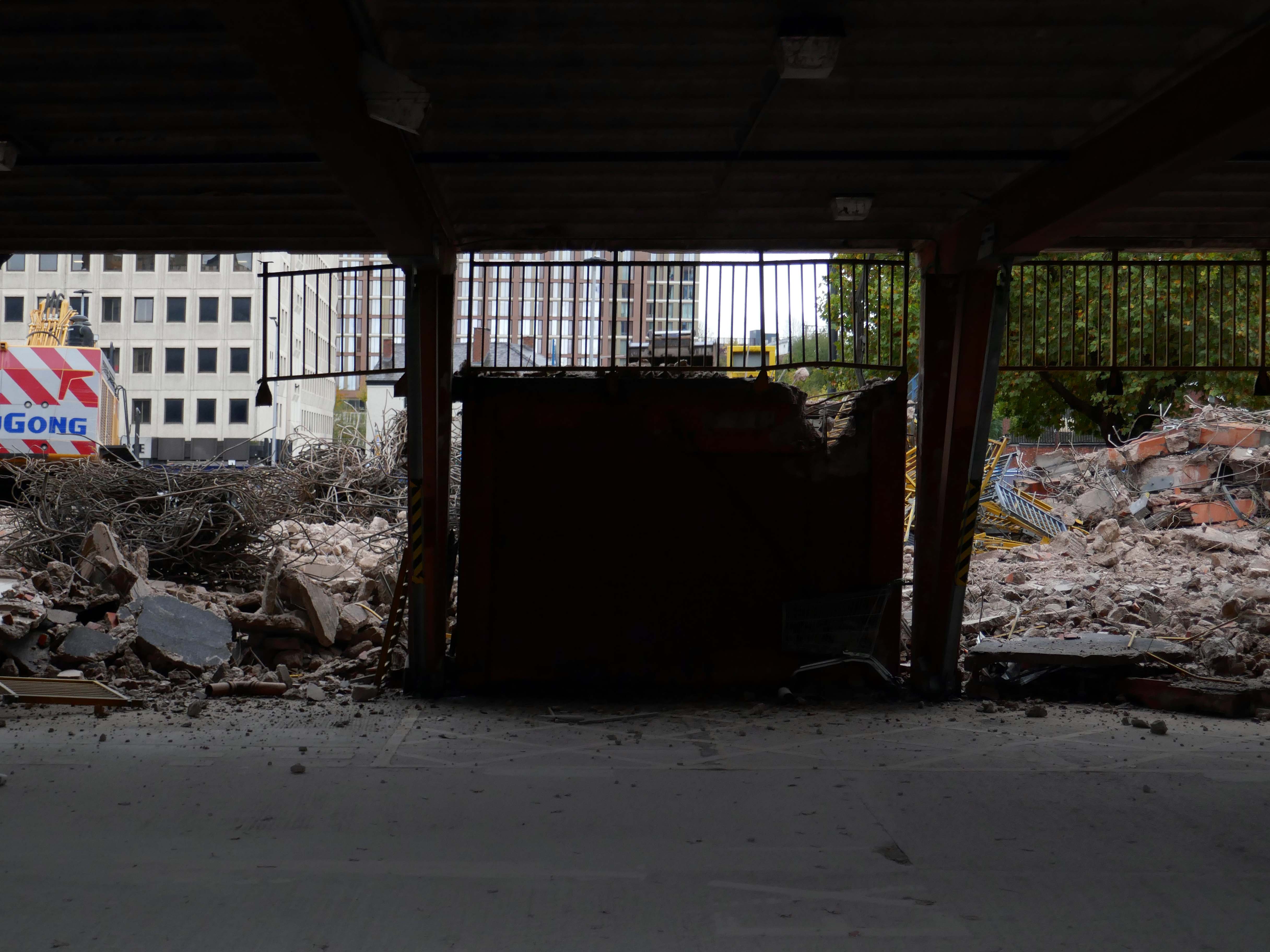
Having visited when you were extant – it’s only right that I should mark your passing.

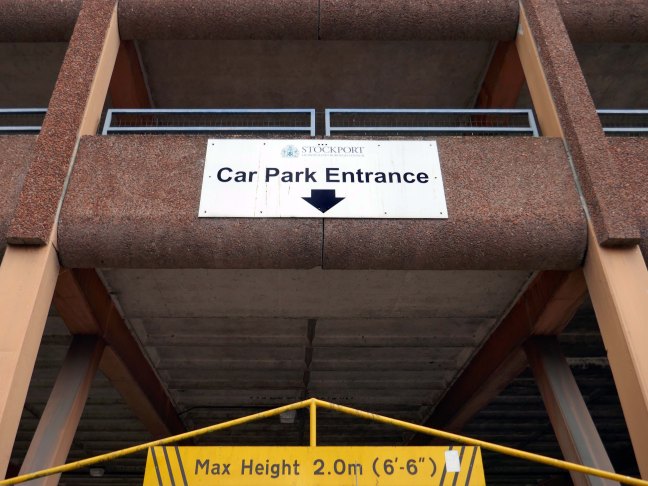
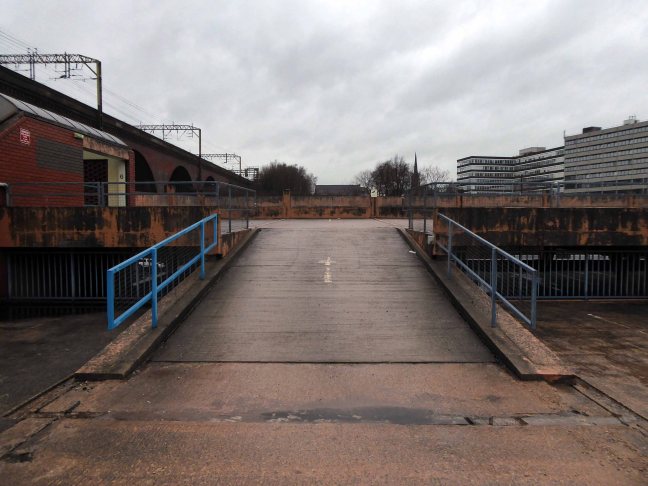
You once were my local multi-storey car park, in so far as a pedestrian can have a local multi-storey car park, within which to wander.

2021
The site was no stranger to demolition having once been home to the Tram latterly Bus Depot.

1960
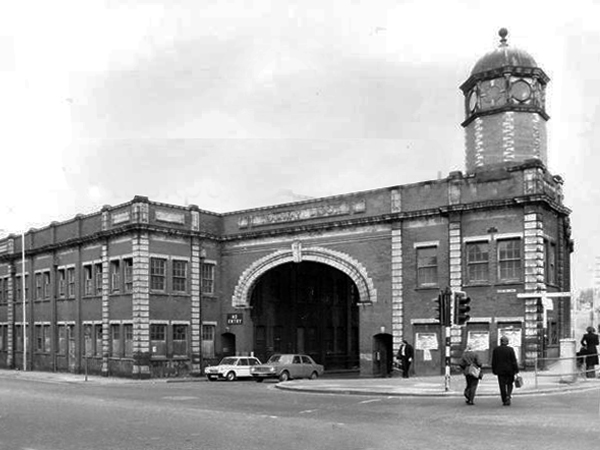
24th March 1978
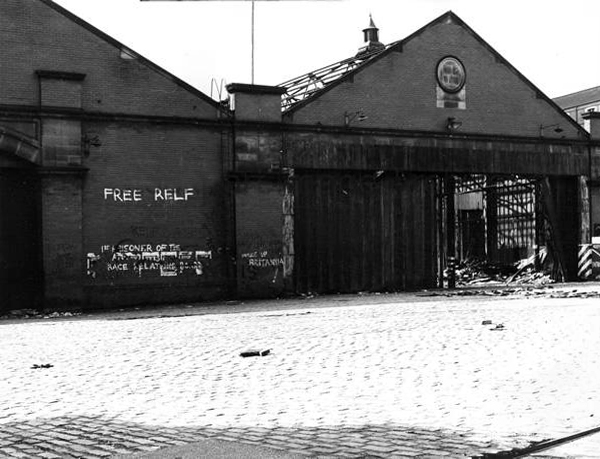
9th May 1978
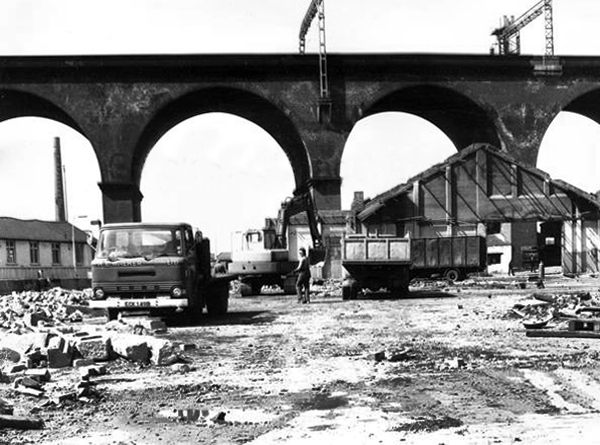
Photos: H LeesStockport Image Archive

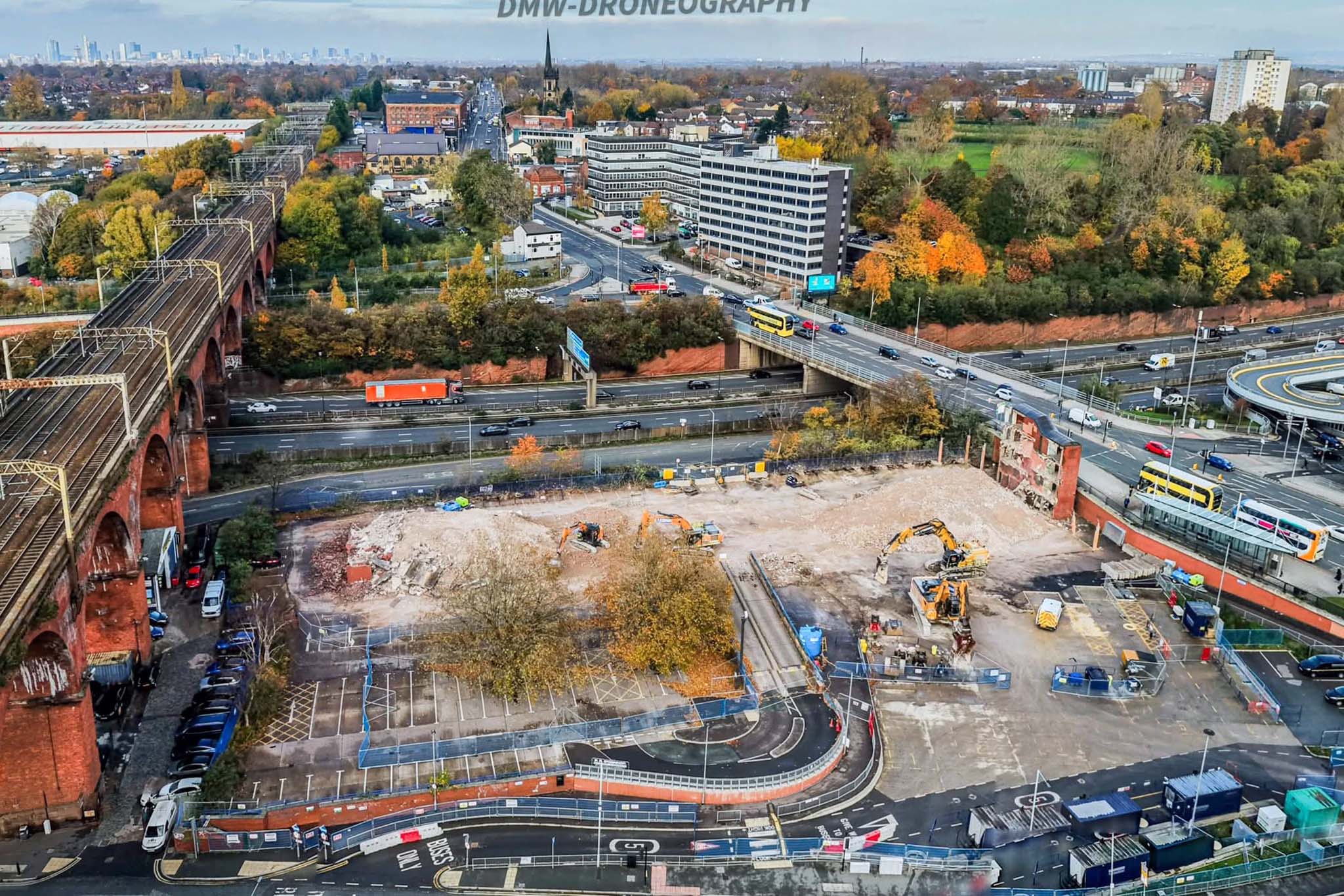
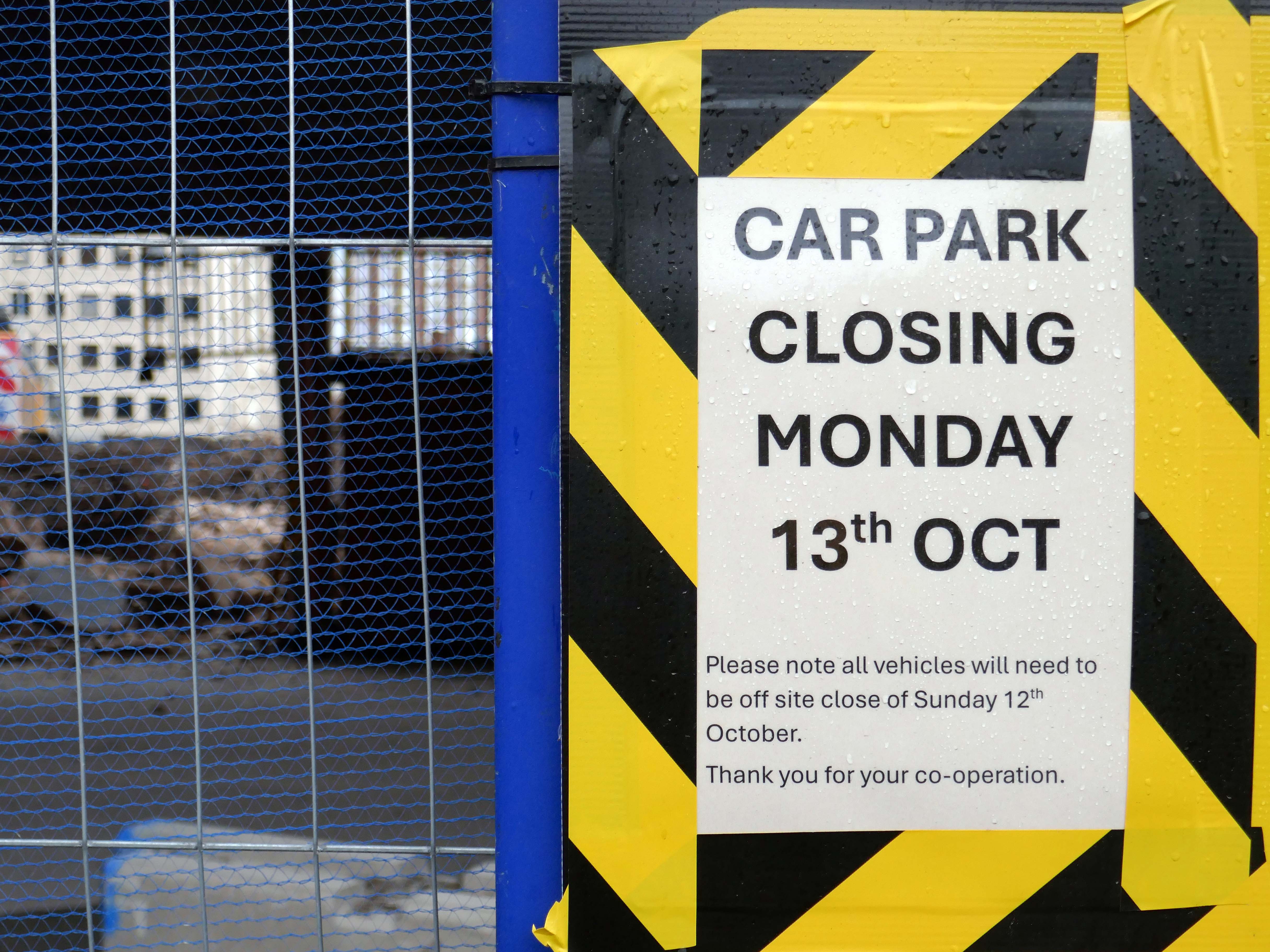
Heaton Lane car park is closed while demolition works take place.

Plans to demolish the car park were submitted by Stockport Council in September this year.

The plans propose removing the multi-storey car park down to ‘slab level’

The work itself will be carried out by removing floor slabs one by one from the parking bays, from the ground upwards. Contractor PP O’Connor has said it will take noise and dust into consideration when completing the works.

Dust suppression systems will be in place to minimise pollution.

Noise levels are not considered likely to be a nuisance, however the site manager will be able to review the demolition process if it’s deemed too high.
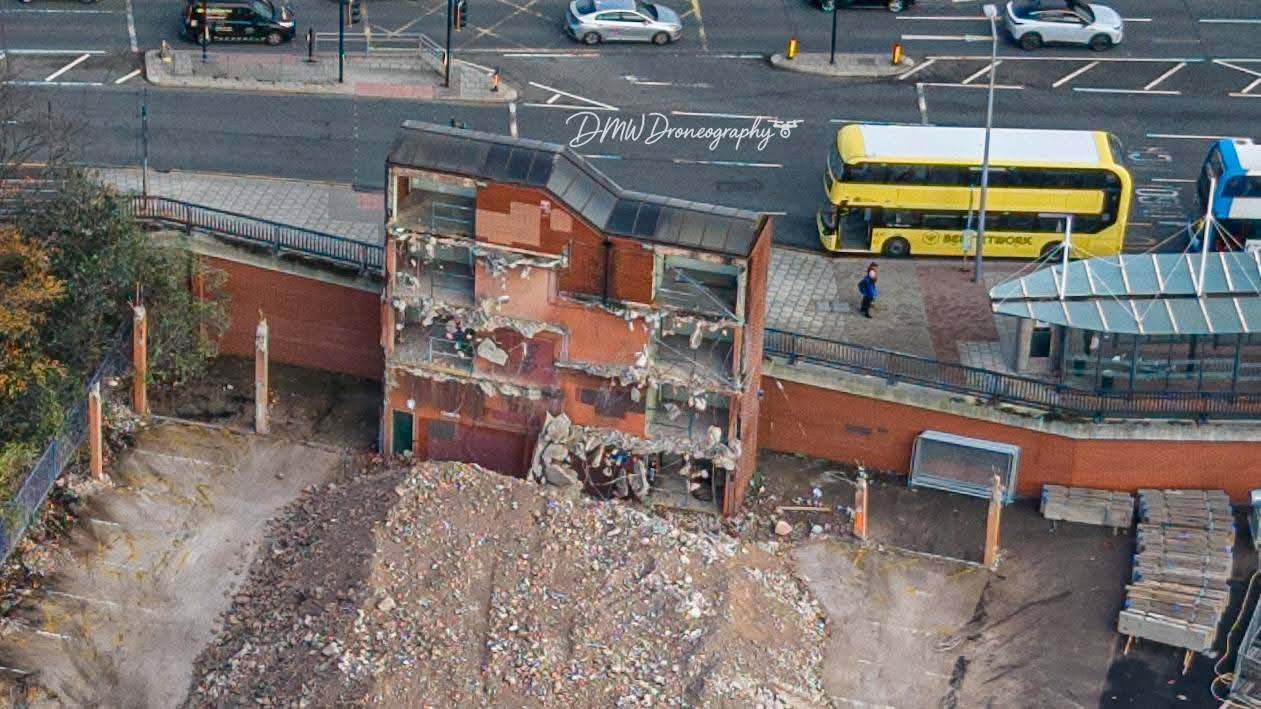
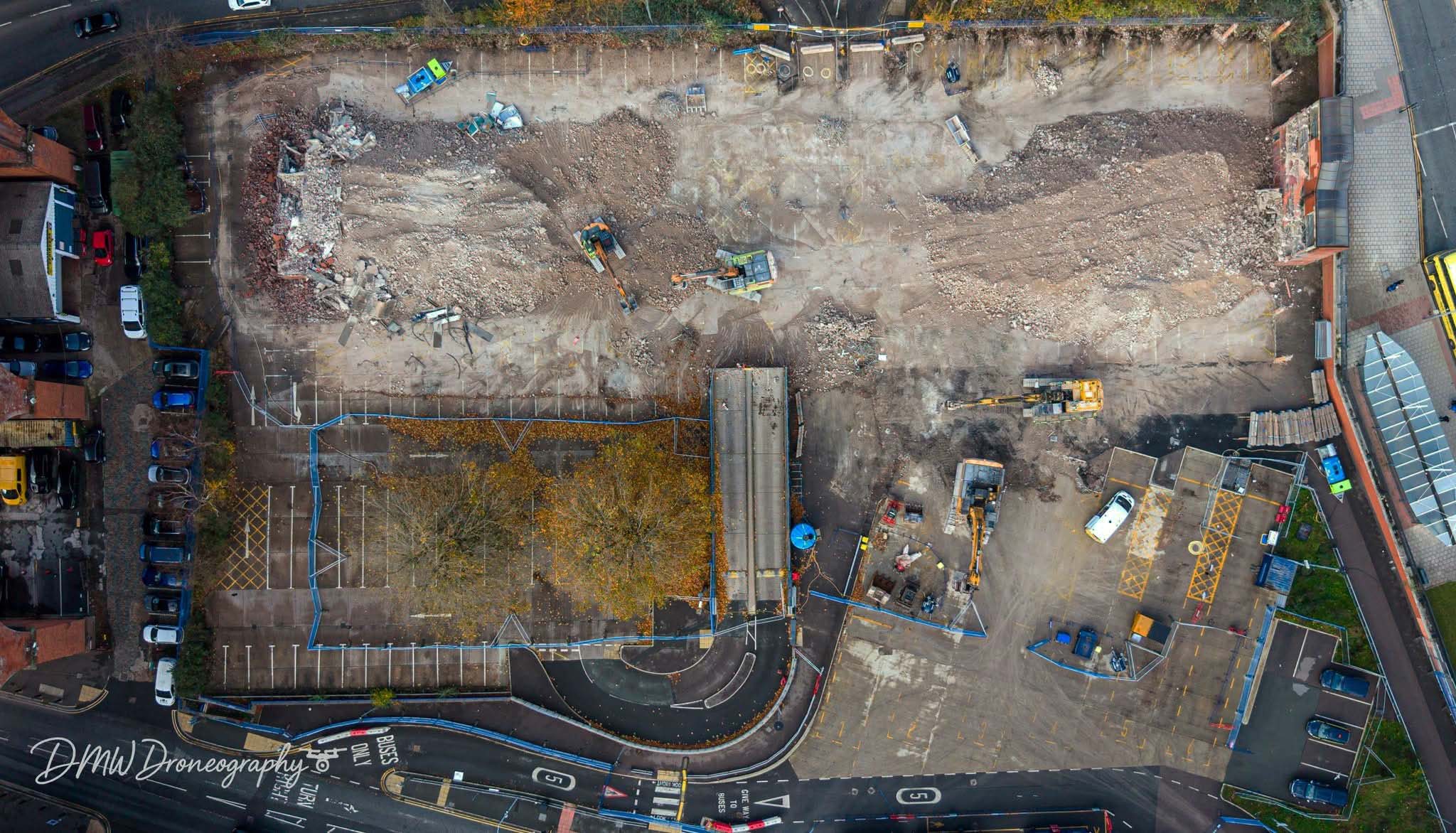
Stockport Nub News

DMW Drone Photography

There car park is almost at the heart – on the edge of plans to regenerate the town centre.
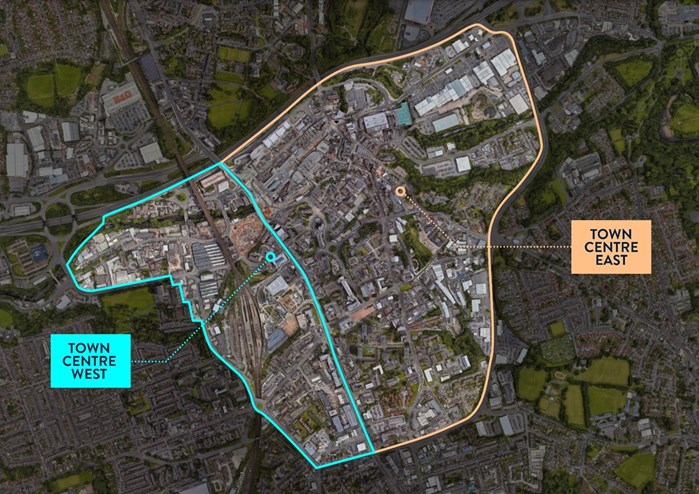
The Strategic Regeneration Framework for Stockport Town Centre West set out how up to 4,000 new homes and 1m sq. ft of new employment floorspace and 5,300 new jobs could be delivered across Town Centre West by 2035.

In order to assess the overall economic benefit of an expanded Mayoral development area Stockport Council have developed an SRF for Stockport Town Centre East. This SRF sets out an illustrative masterplan to guide the creation of Stockport’s new neighbourhoods and achieve comprehensive urban regeneration by 2040. Together the SRFs for Town Centre West and Town Centre East will guide the development of a total of 8,000 new homes alongside services and amenities. The development set out in the SRFs will drive a transformational impact on the Stockport economy.

The Corporation is expected to be established in early 2026.   It will provide a single, focused body for local decision-making; engagement with stakeholders including government departments, public agencies; private sector landowners, and developers; and to drive investment across the public and private sectors to realise the shared vision for the regeneration of the Area.
Greater Manchester Gov

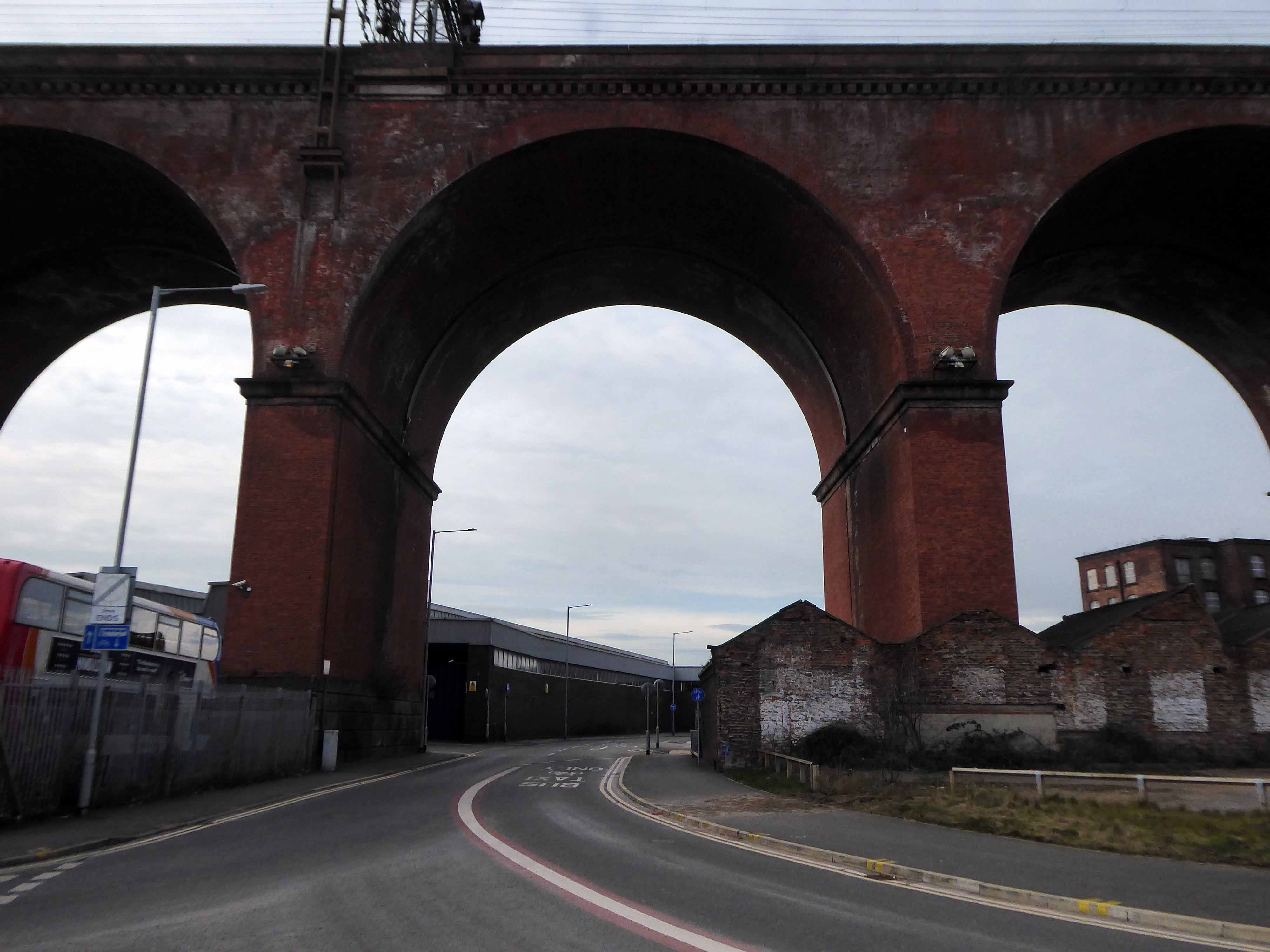
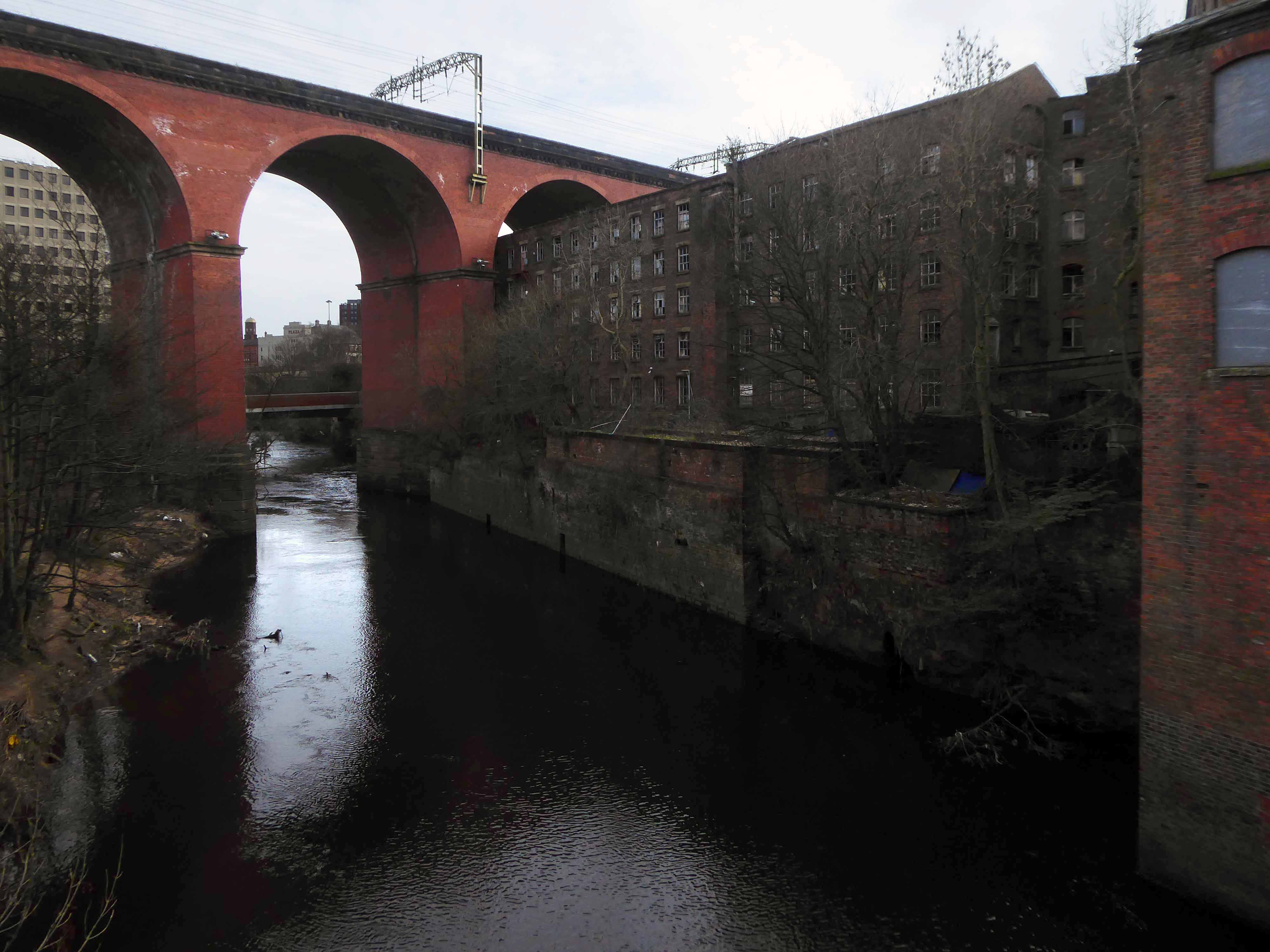
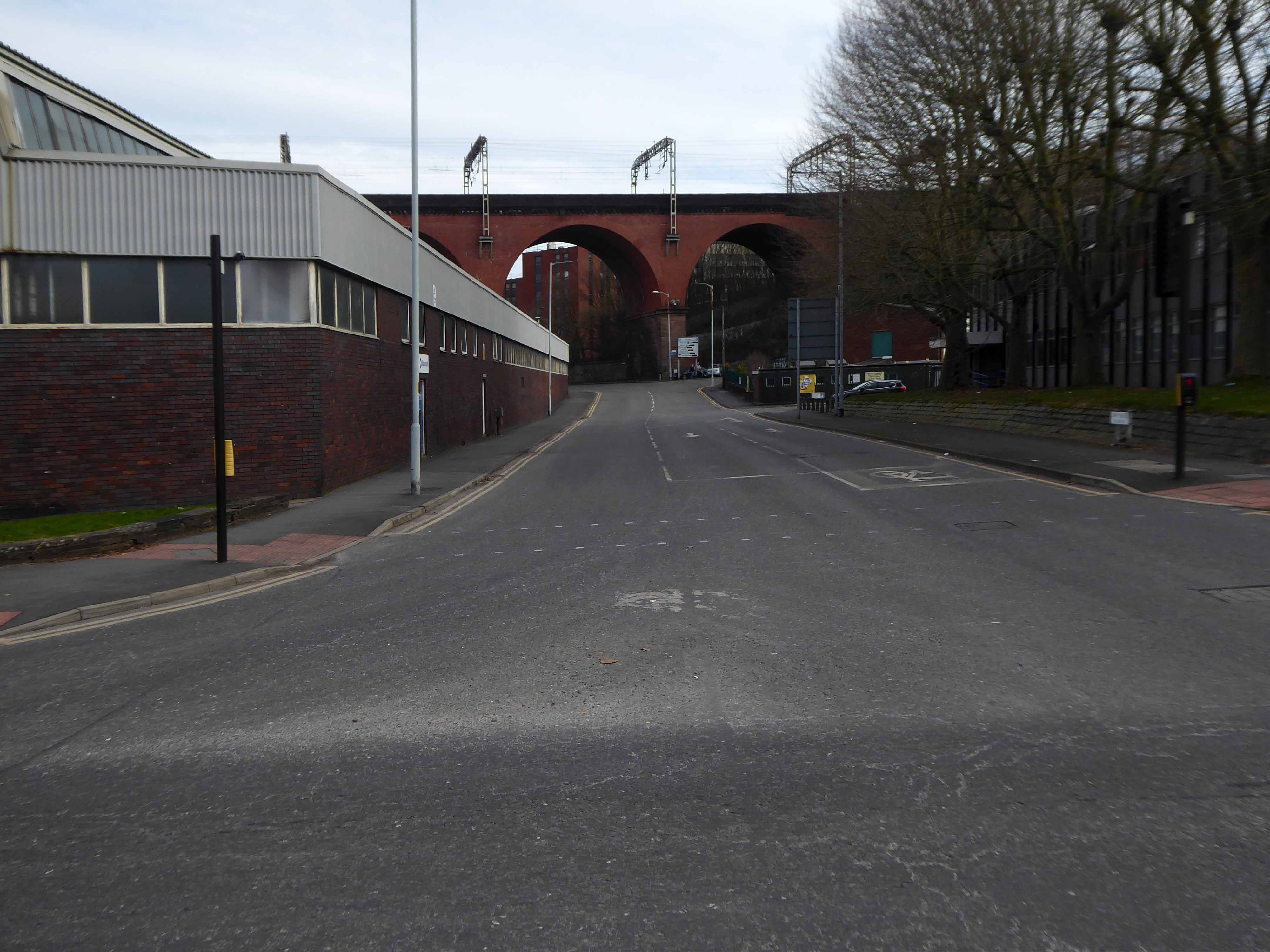
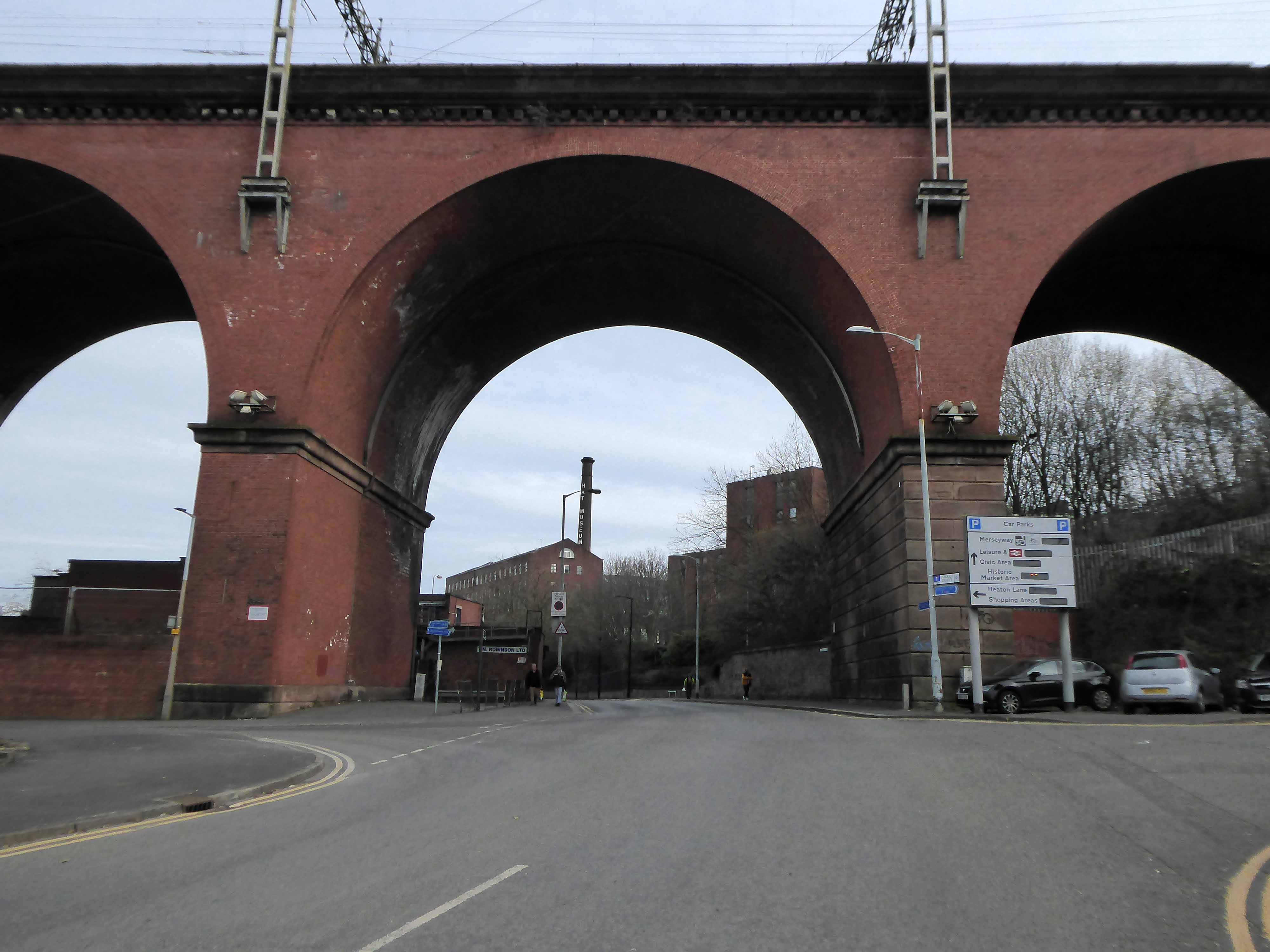
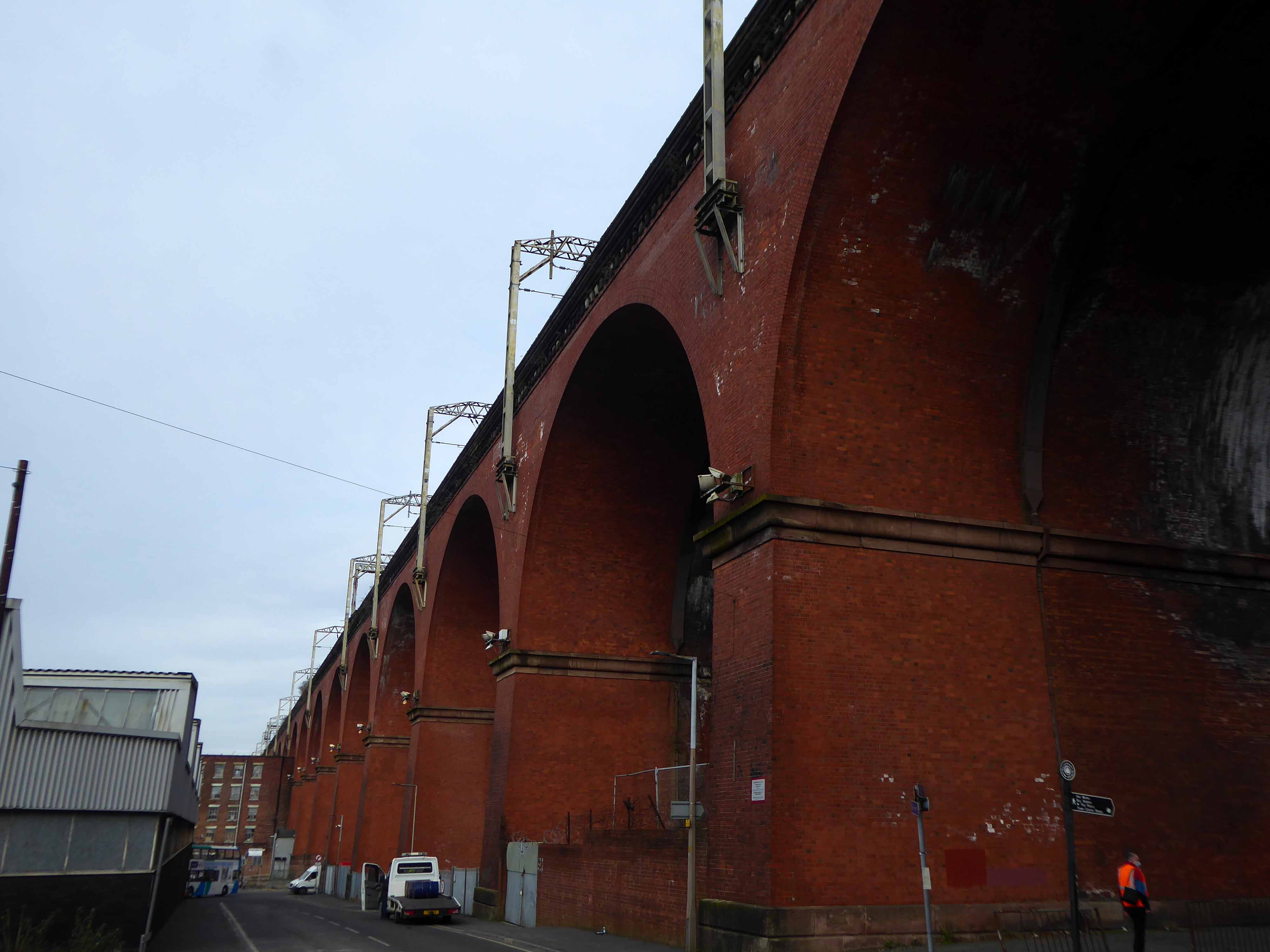
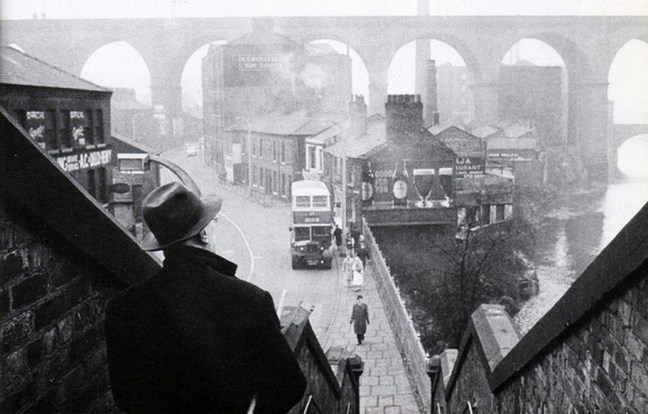
Stockport Viaduct

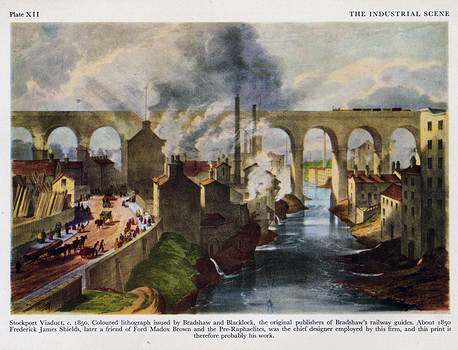
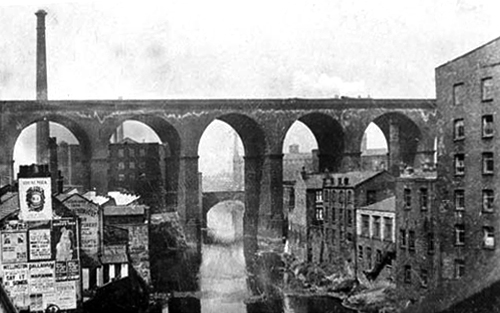
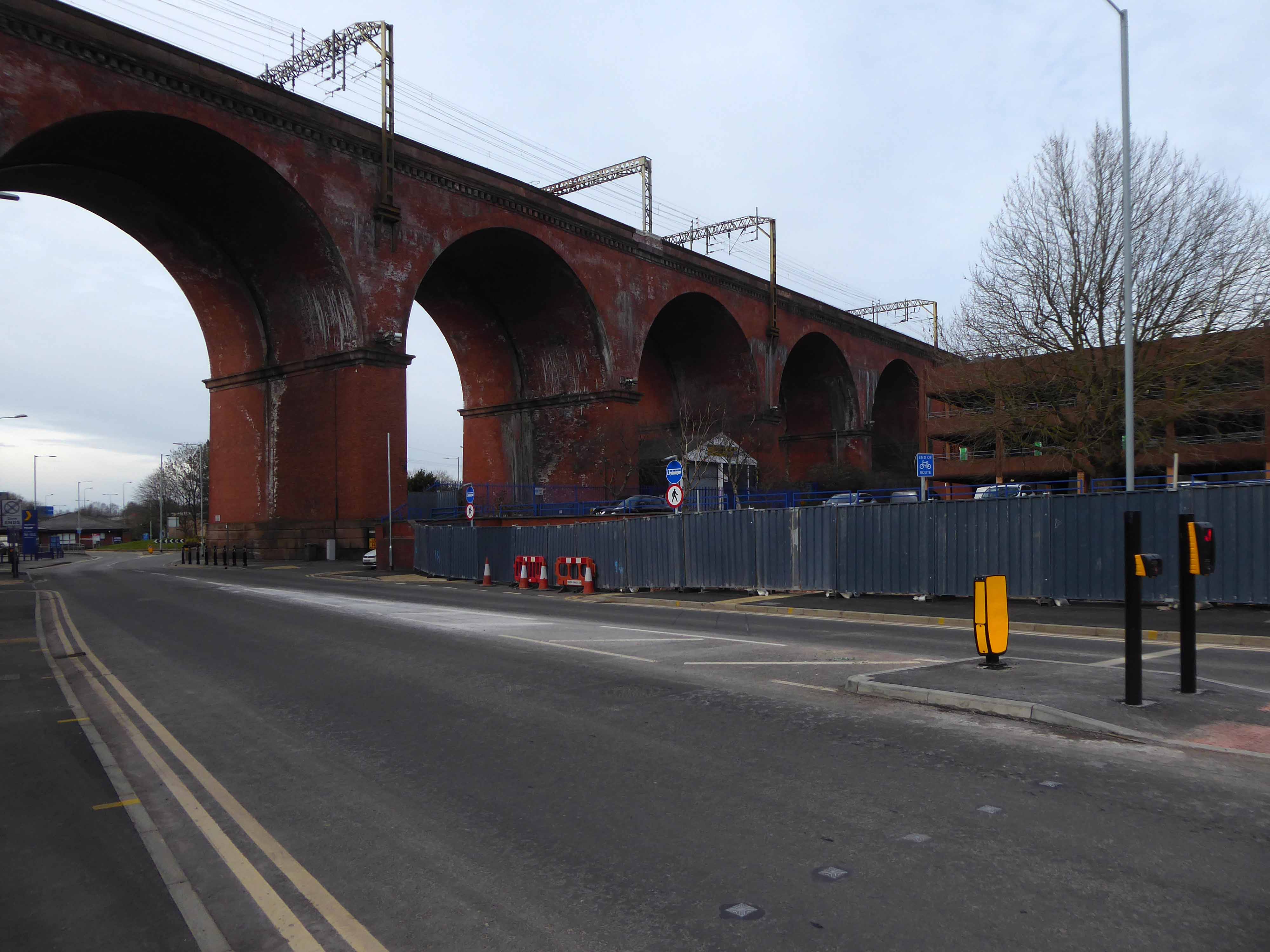
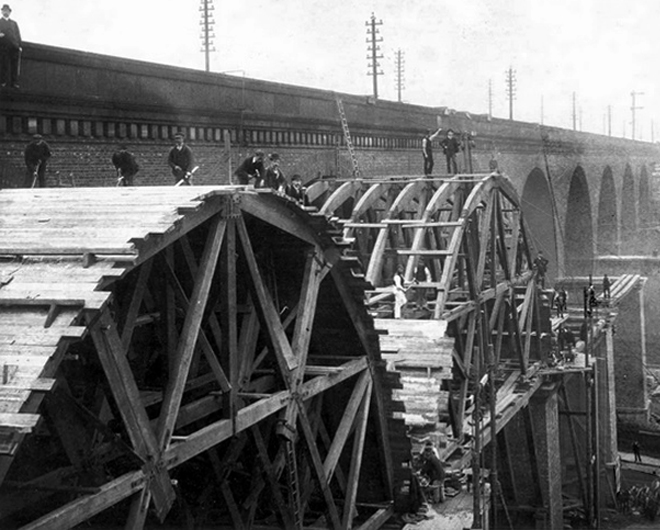
Stockport Viaduct, carries the West Coast Main Line across the valley of the River Mersey in Stockport, Greater Manchester, England. It is one of the largest brick structures in the United Kingdom, as well as a major pioneering structure of the early railway age.

Stockport Viaduct was designed by George Watson Buck for the Manchester and Birmingham Railway. Work began in 1839 and was completed in 1840. Roughly 11 million bricks were used in its construction; at the time of its completion, it was the world’s largest viaduct and a major feat of engineering. The viaduct is 33.85 metres high. Stockport Viaduct is a Grade II* listed structure  and remains one of the world’s biggest brick structures.

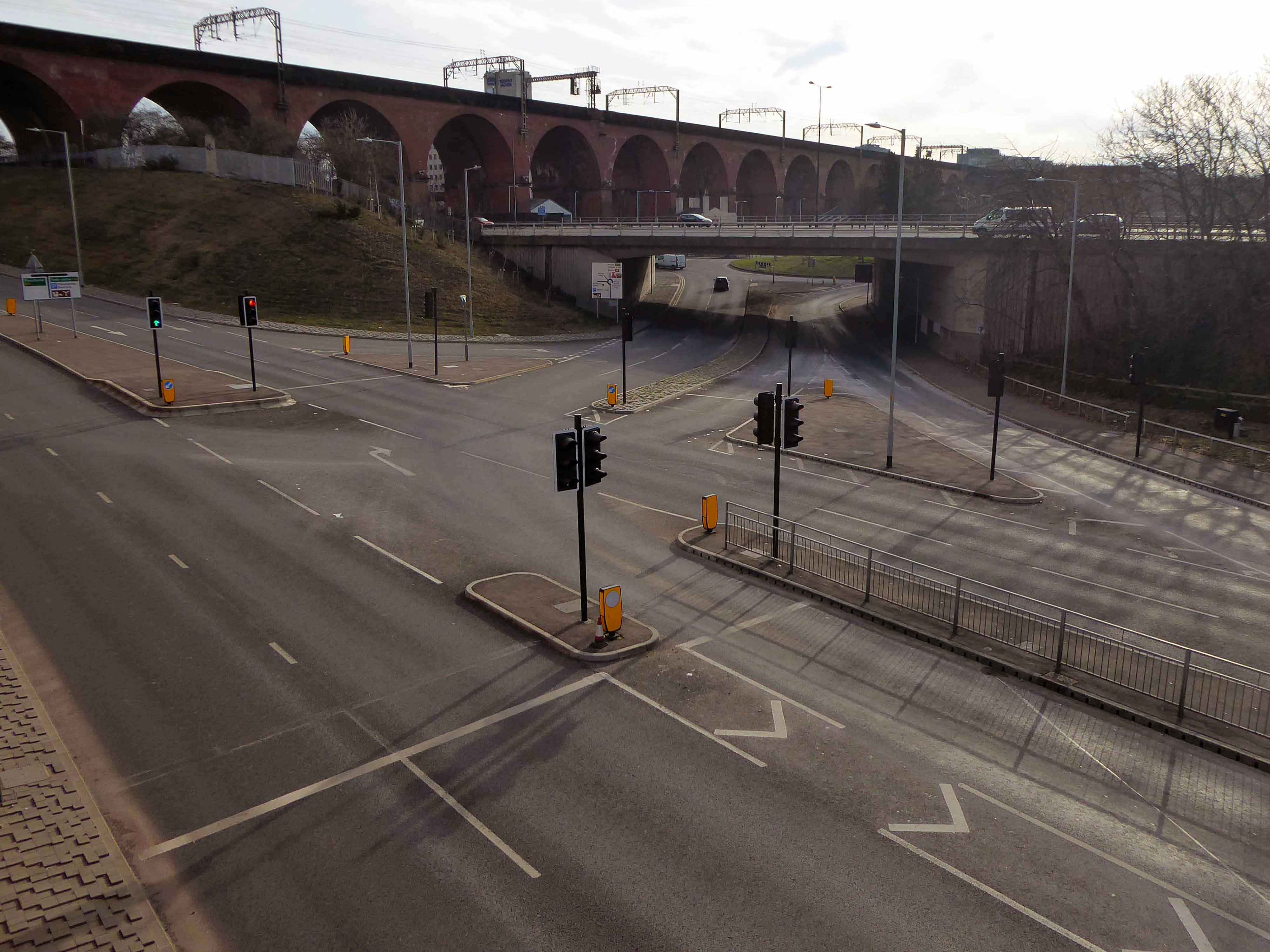
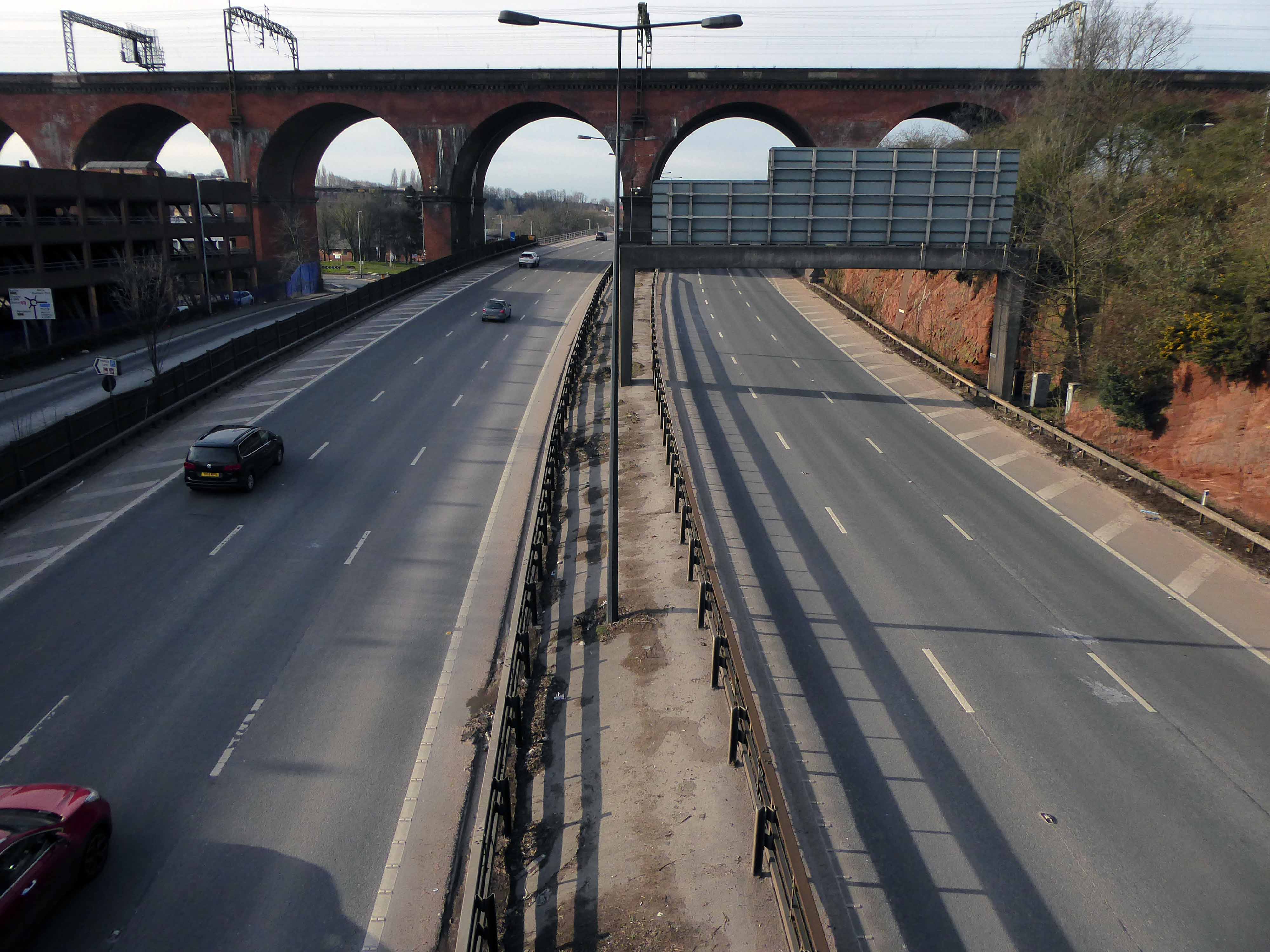
In the late 1880s, the viaduct was widened to accommodate four tracks instead of two. In the 1960s, overhead catenary lines were installed by British Rail for the West Coast Main Line electrification scheme. In the second half of the twentieth century, the M60 motorway was built, passing through two arches of the viaduct.

Wikipedia

The structure is central to the visual landscape of the town – it has been the subject of both literature and art, most notably in the work of LS Lowry.

I believe that this composite composition of a northern landscape, is firmly embedded in the psyche of Stopfordians.

A notion that we are able to apprehend the whole of the structure in one panoramic sweep.

Our present perceptions are inextricably linked to past experience, possibly an illusory past.

It even featured in a feature film – A Taste Of Honey

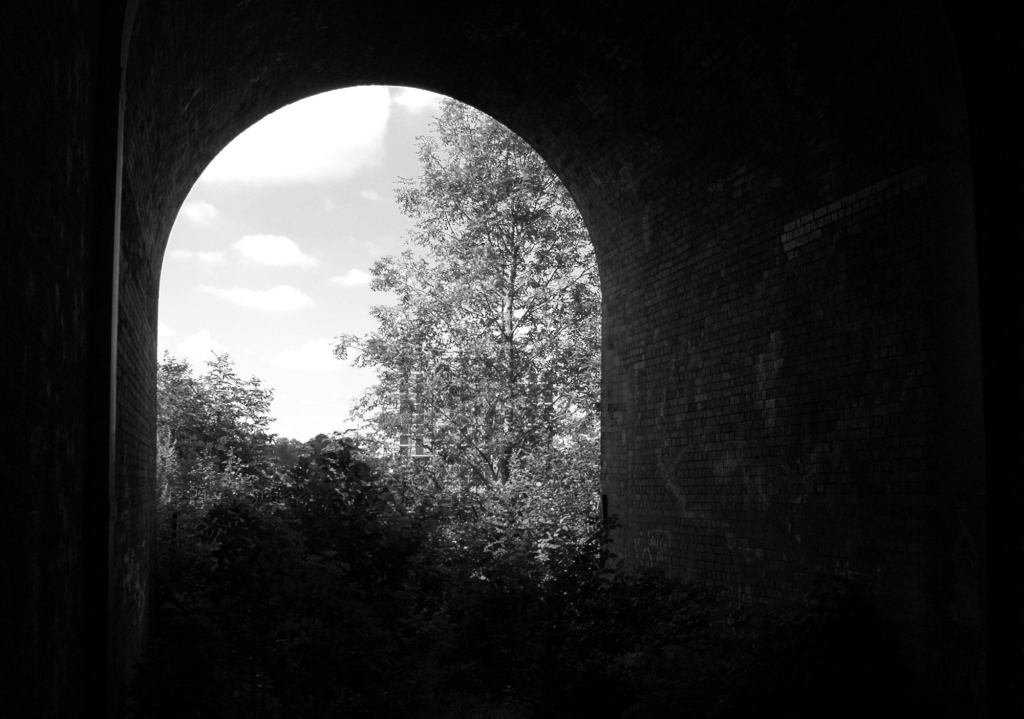
My photograph below, was taken before access was prohibited.

Though has this uncluttered view ever actually existed?

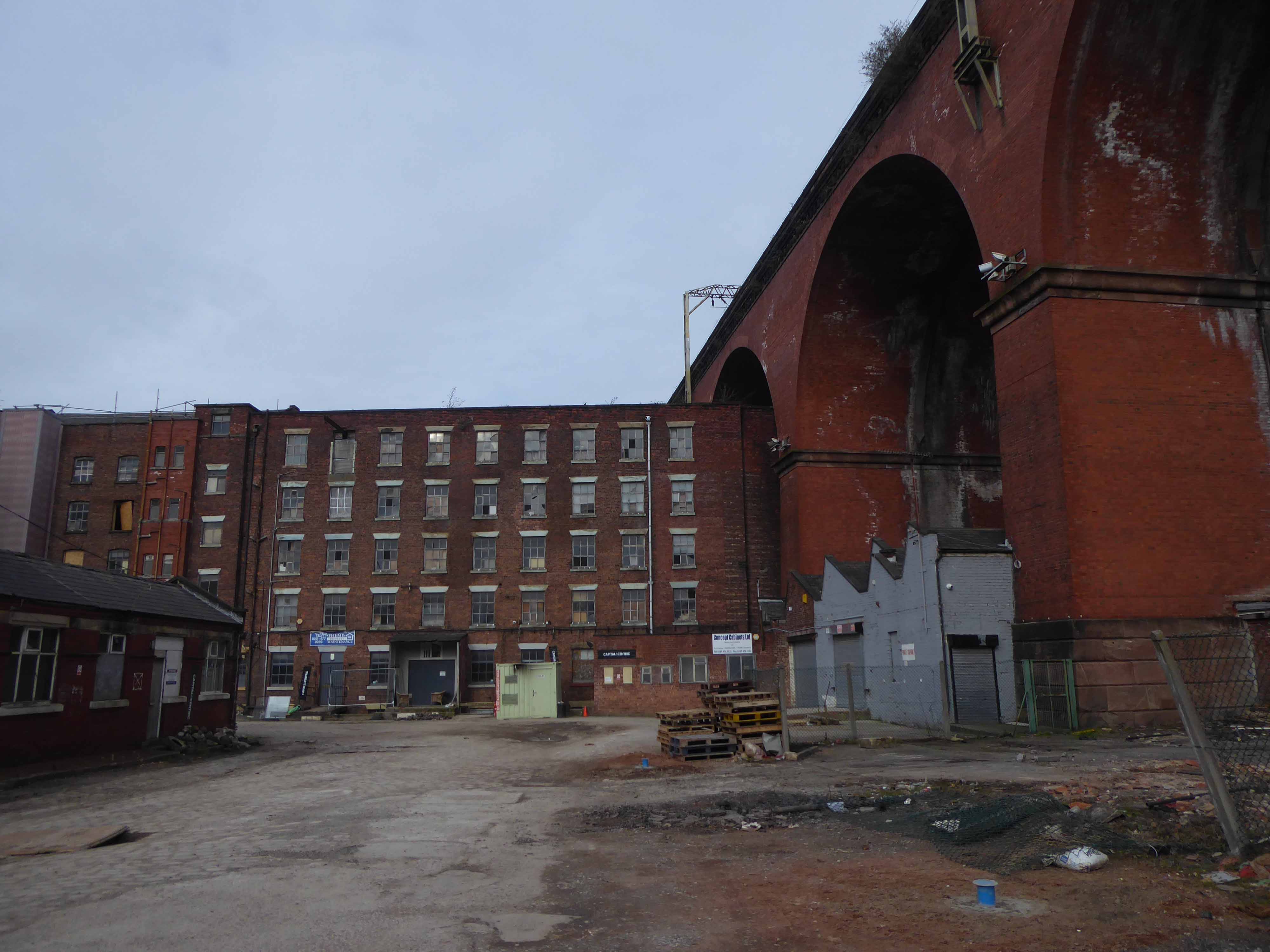
The area has been a constantly evolving jumble of buildings, in, under and around the viaduct.

This raises the question – when did you last see your viaduct?

I live moments away on Didsbury Road – so why not take a look, circumnavigating the site in search of an answer?

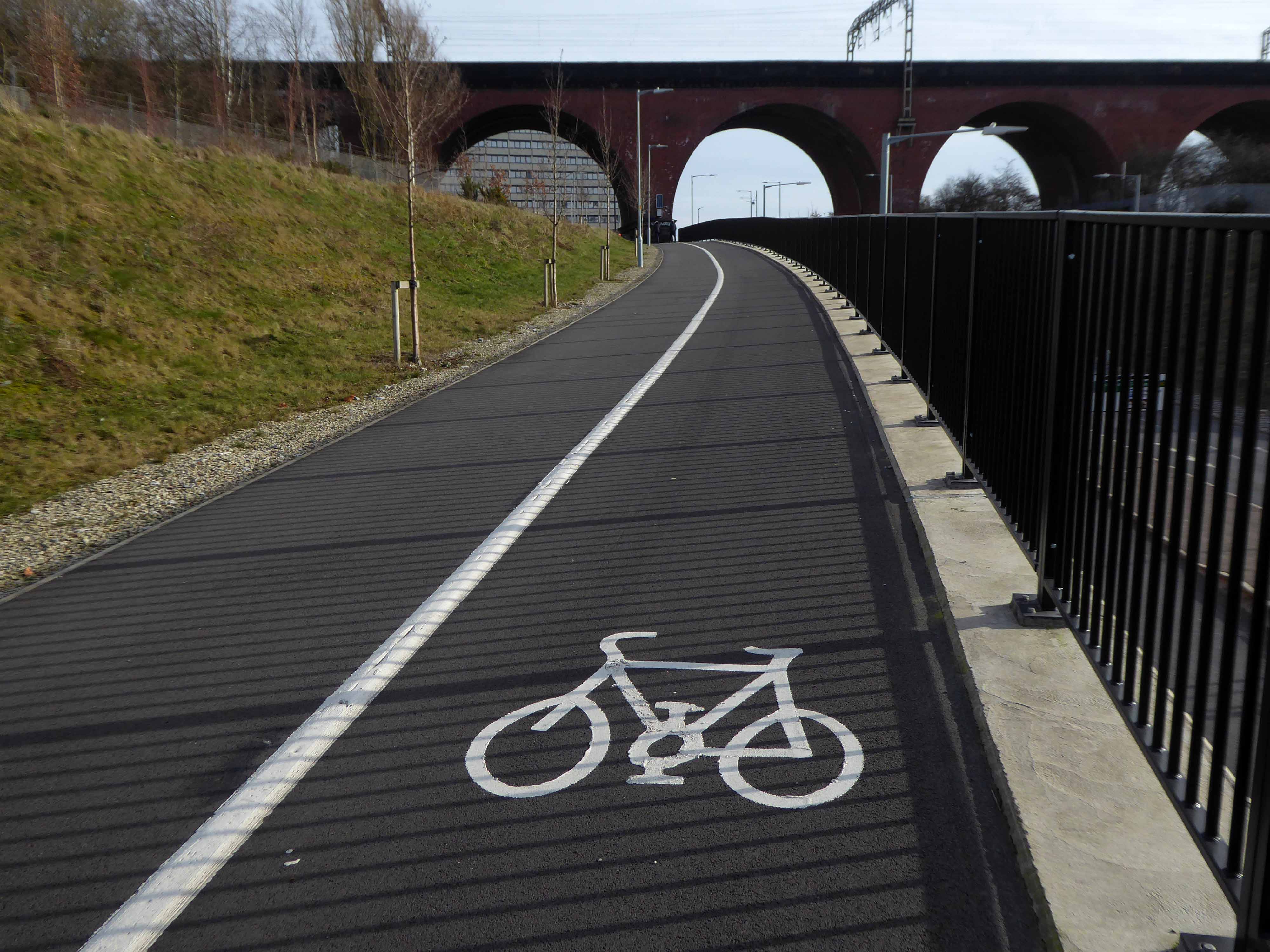
From the recently constructed pedestrian and cycleway a view south across multiple roadways.

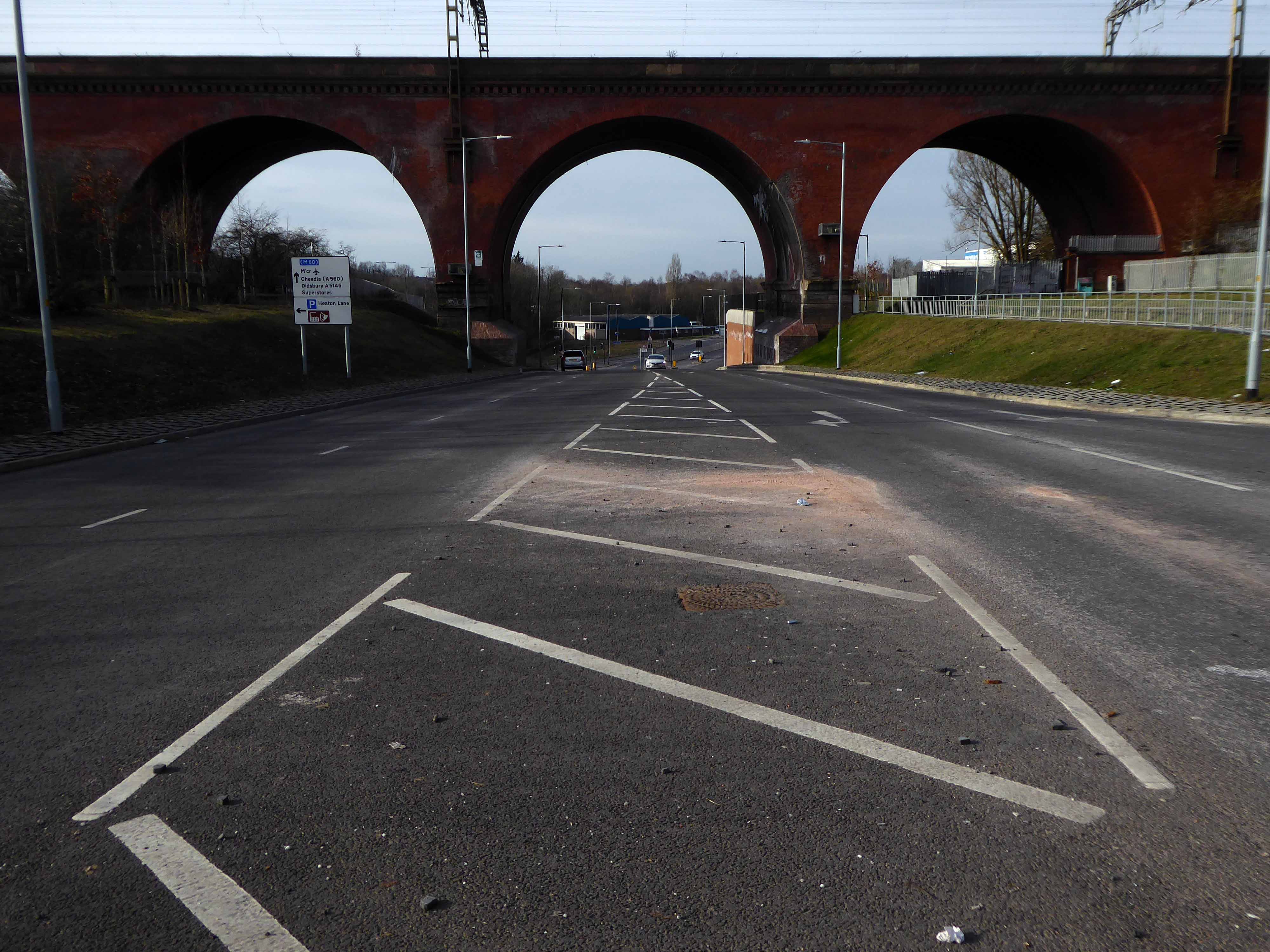
Approaching the arches from the west.

Looking east from Wellington Road North and the newly constructed A5154 link road.

Looking along the M60.

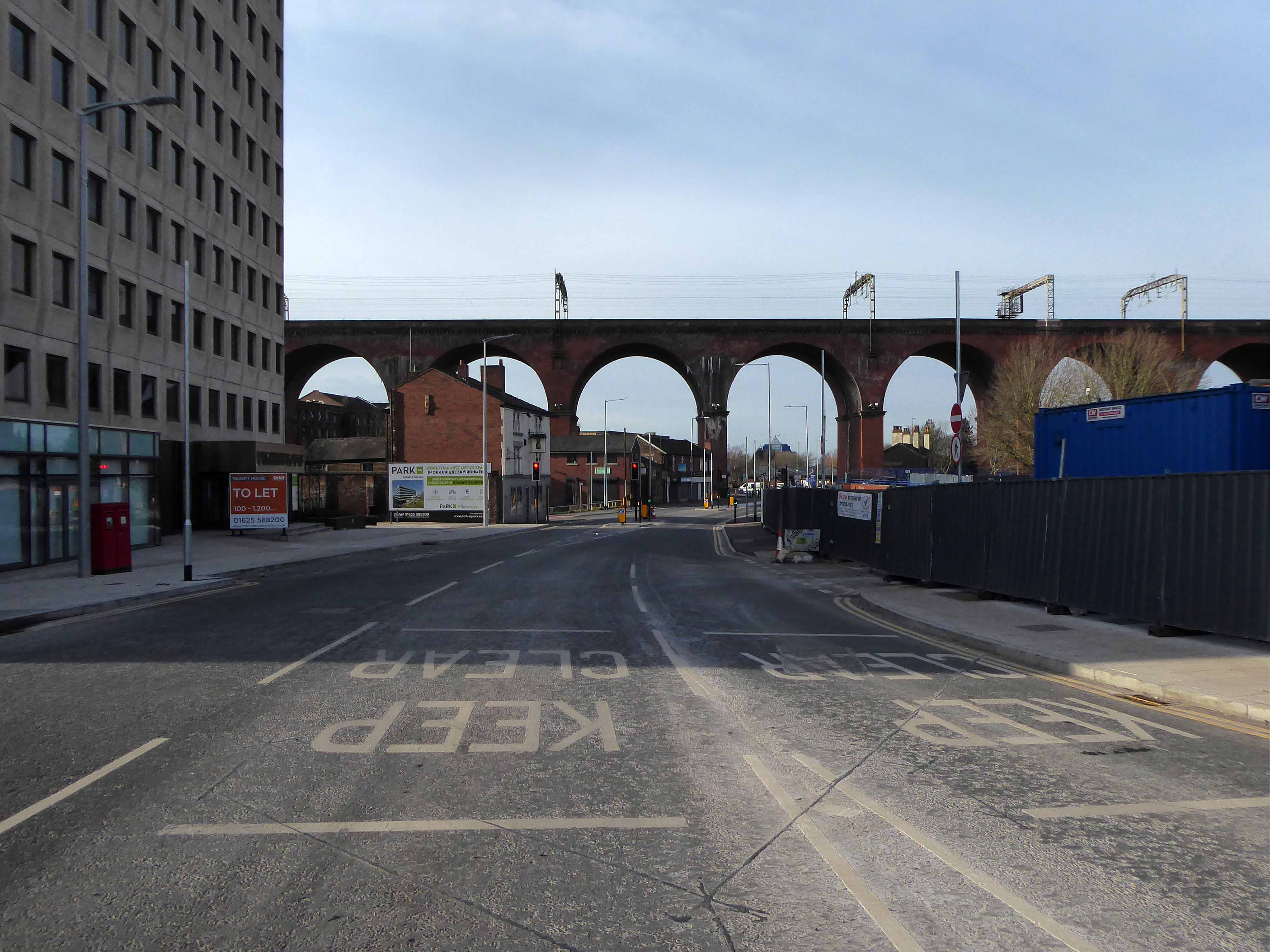
Looking along Heaton Lane, to the left Regent House.

Looking along the River Mersey

The Lowry Steps.

The view over the soon to be redeveloped Bus Station.

The view along Daw Bank.

One of the most complete perspectives along Swaine Street.

Swaine Street and Astley Street junction.

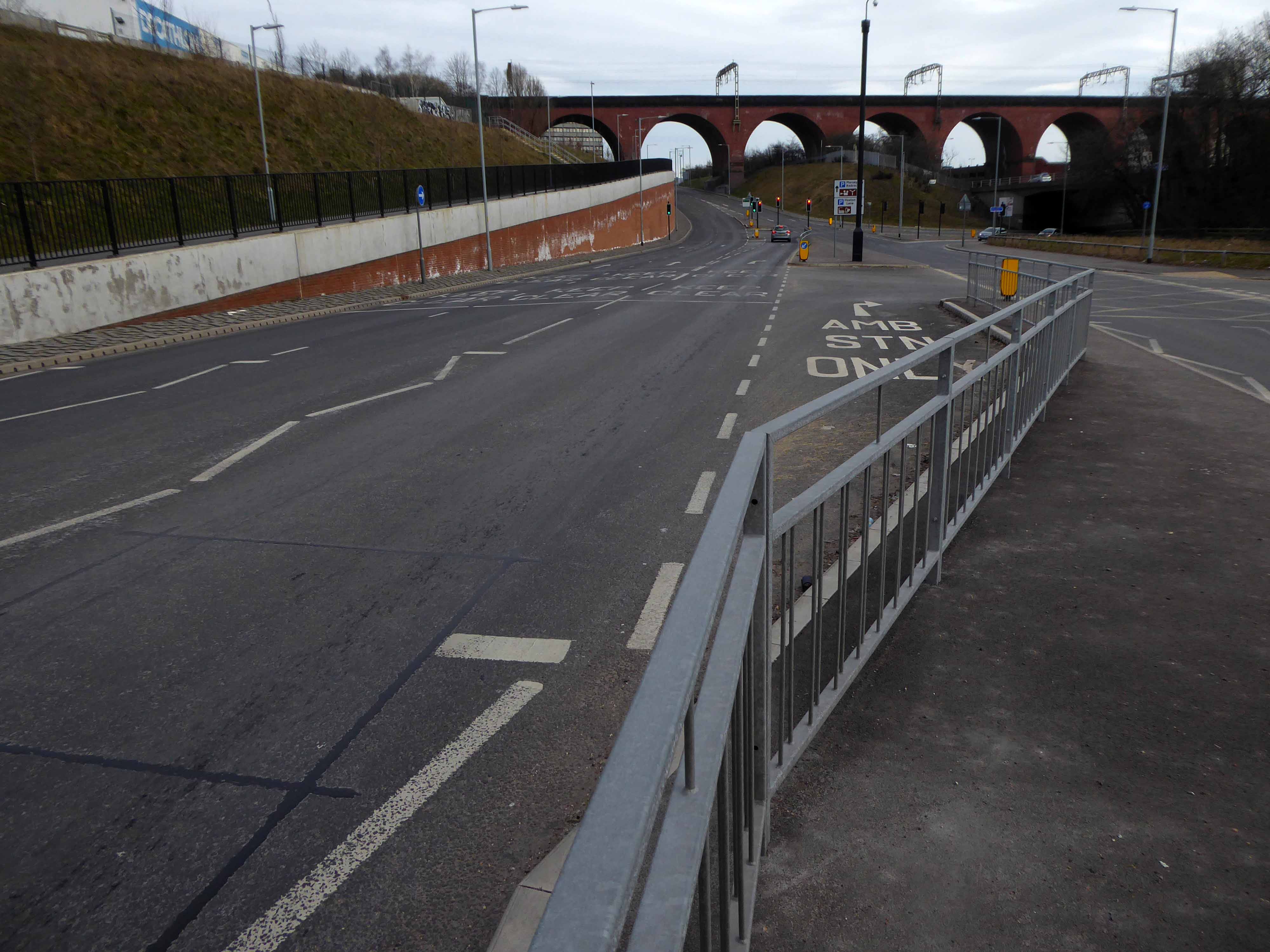
Crossing the new bridge to Heaton Lane.

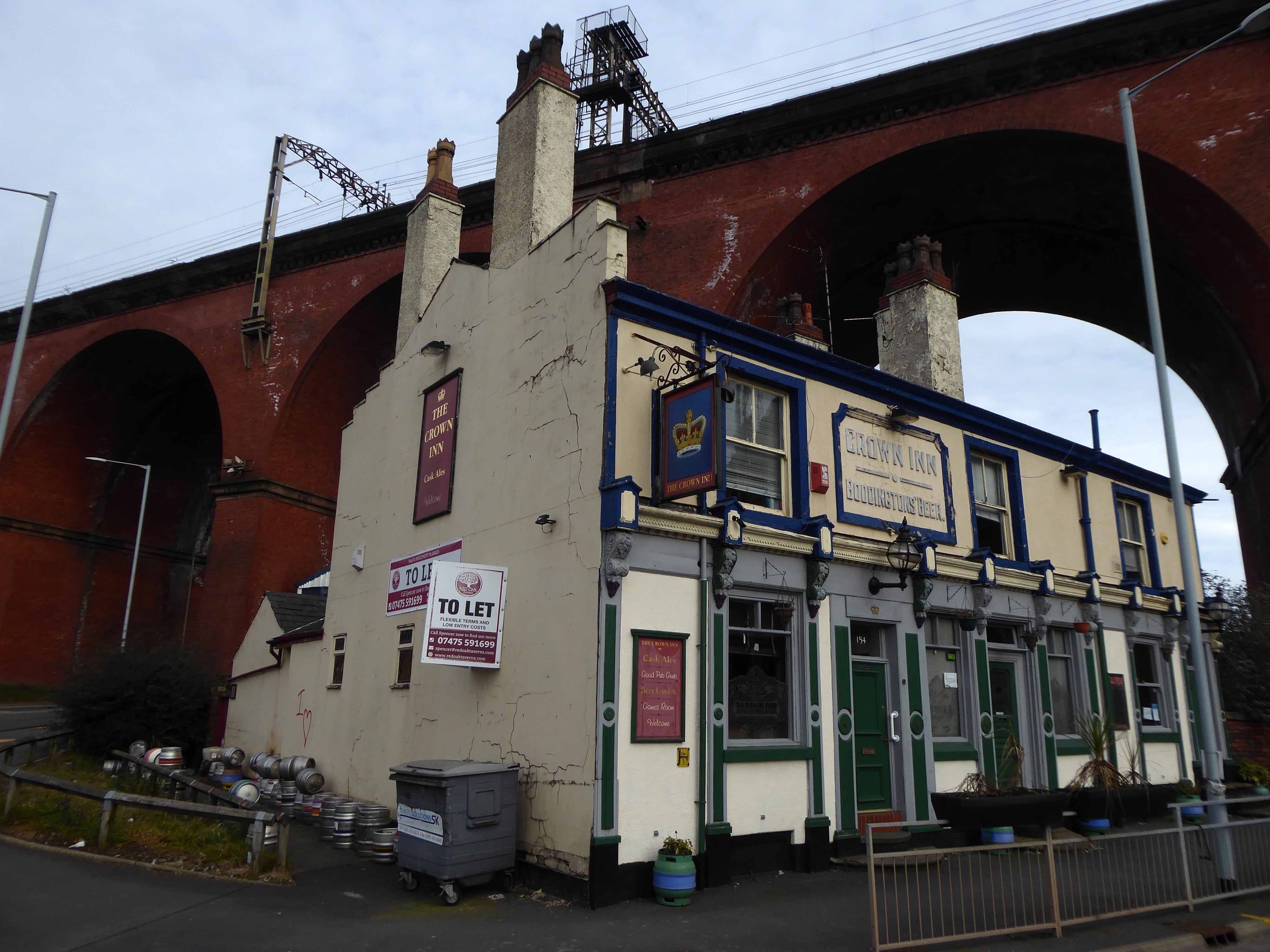
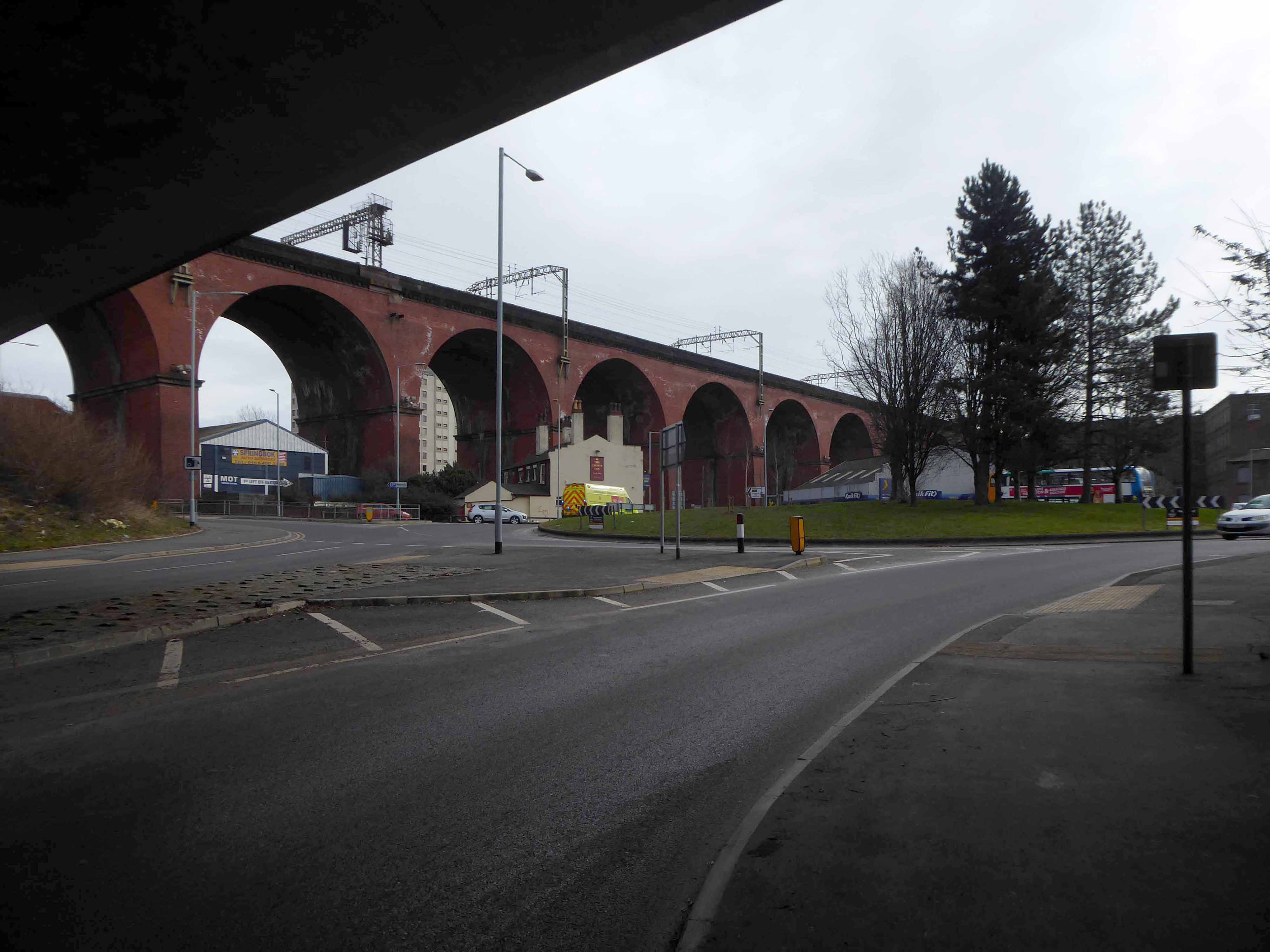
Looking back towards the Crown Inn.

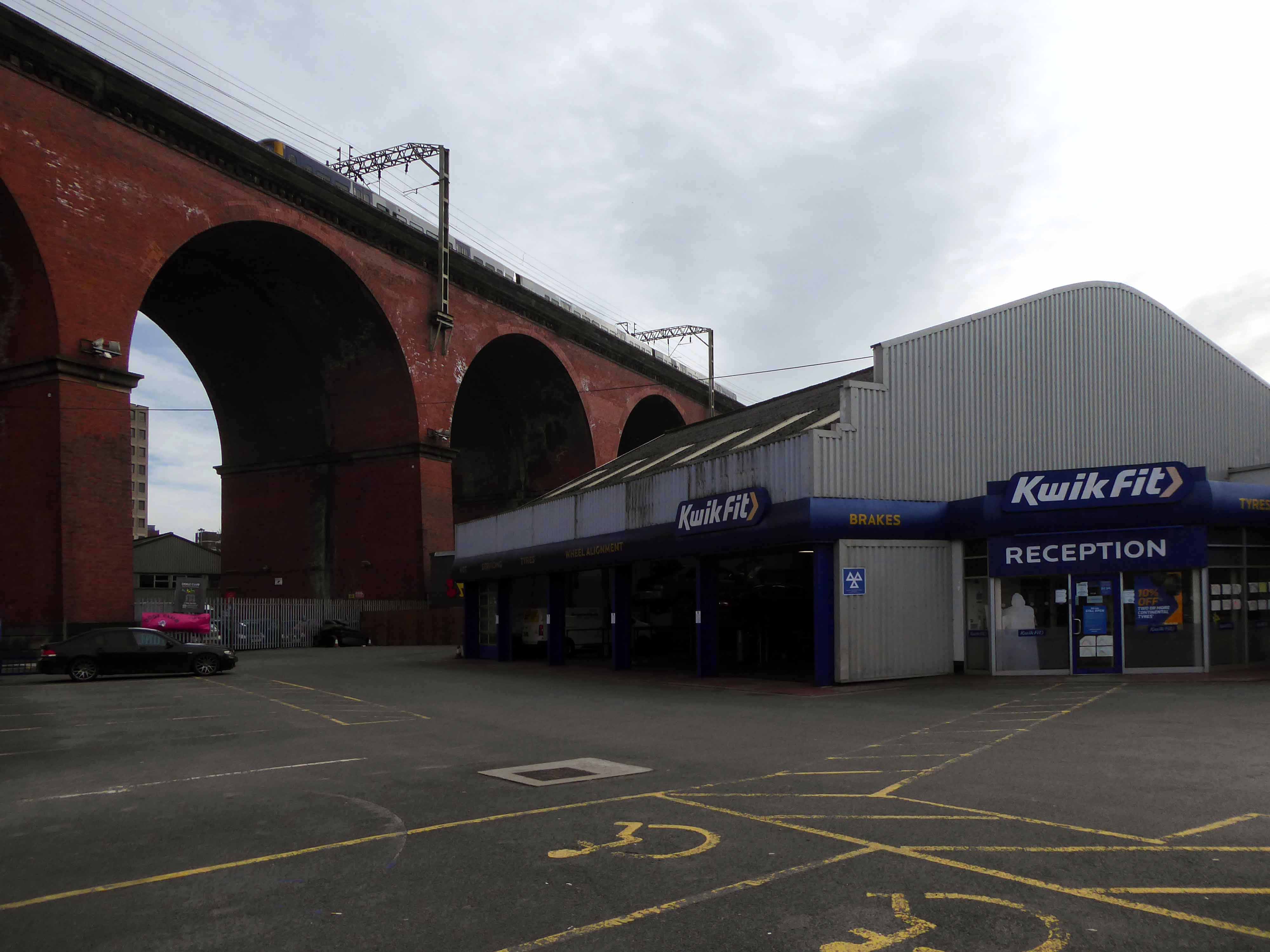
The view over Kwik Fit.

Looking east along the River Mersey, beside the rear of Weir Mill.

The view between the Stagecoach Bus Depots.

Looking east along Daw Bank.

Another clear perspective along Viaduct Street.

Beside Weir Mill.

Beneath the M60.

Looking east along Travis Brow.

This is one cold day in Covid February, the traffic a little lighter, few folk on foot.

Another day would produce another series of views, the light shifts, leaves appear on trees, the regeneration of Stockport sees the built environment shift and shimmy with an alarming regularity.

The landscape formed by the second Ice Age, gouging out a glacial valley and subsequently a conjoined river, is all part of a passing parade; it is acted out over millennia, you yourself are party to but one small part, make the most of it, get out and about take a look.

All this life is but a play, be thou the joyful player.

Georges Road Stockport

Once they built a railroad.

The Cheshire Lines Committee CLC operated Stockport, Timperley and Altrincham Junction Railway line from Portwood to Skelton Junction, a section of what became the Woodley to Glazebrook line.

It remained a part of the CLC, which was jointly owned from 1923 by the London and North Eastern Railway  and the London Midland and Scottish Railway , until 1948 when it became part of the British Railways London Midland Region.

Closed in 1982, following the demise of the Woodhead route; the track was subsequently lifted in 1986.

The blue arrow indicates the Tiviot Dale Station.

in the age of steam mainline St Pancras trains and local stoppers flew by.

My interest lies in the small portion of track at the end of Georges Road – I worked as a Guide Bridge goods guard in and out of the scrap yard there, in the Seventies.

Now I walk past almost every day and it’s almost all gone.

The bridge which it supported now demolished, time called long ago in the long lost Gardeners Arms – originally a Bell’s Brewery pub latterly a Robinsons house.

What remains is a triangular island faced in glazed and blue engineer’s brick, topped out with trees.

I have entertained the idea of accessing the area by ladder, exploring and possibly setting up camp – though I think the proximity to an almost constant flow of traffic, would prove less than commodious.

It evokes for me an elevated affinity with Ballard’s Concrete Island.

He reached the foot of the embankment, and waved with one arm, shouting at the few cars moving along the westbound carriageway. None of the drivers could see him, let alone hear his dry-throated croak, and Maitland stopped, conserving his strength. He tried to climb the embankment, but within a few steps collapsed in a heap on the muddy slope.

So here it is as is complete with tags, signs, cracks and all.

It remains as a monument to those who built and worked on the railway.