Tram Trip To Bury

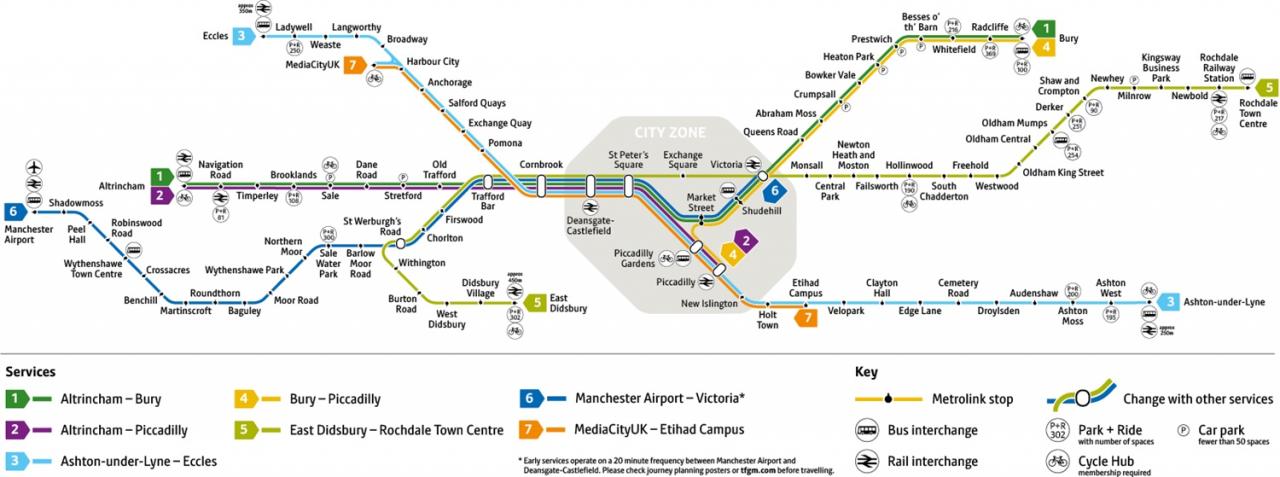
I was cordially requested to produce tram based walk, by the good folk at the modernist – travelling from Victoria Station to Bury. Alighting at each stop and seeing what could be seen, by way of modern buildings along the byways.

By the way, I do have previous experience, having undertaken a similar task travelling to Ashton.

So I set off as instructed, clutching my GMPTE senior concessionary travel pass.

Queens Road

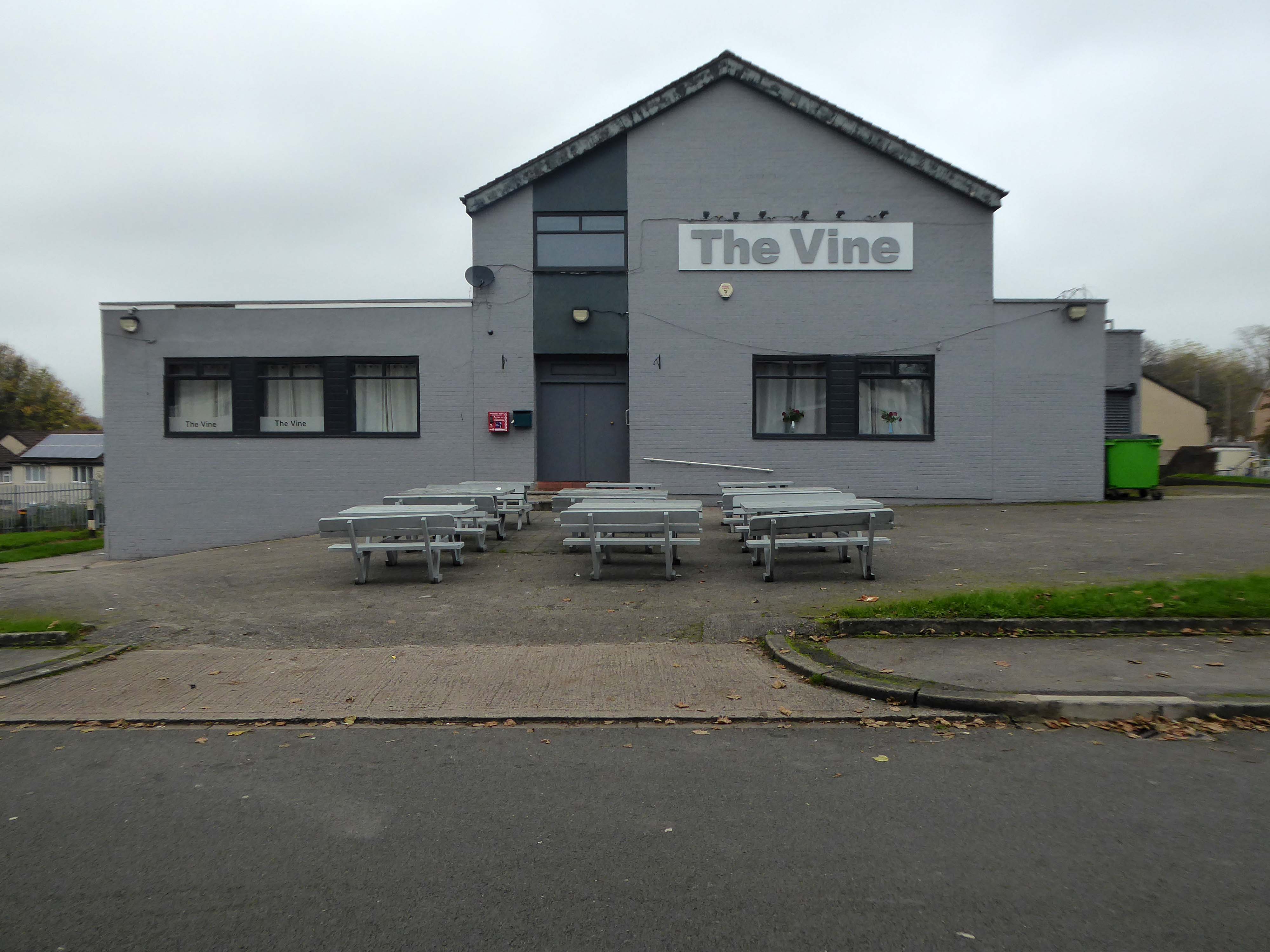
Turn right on leaving the station, right then left – you have reached The Vine.

Glendower Dr, Manchester, Greater Manchester M40 7TD.
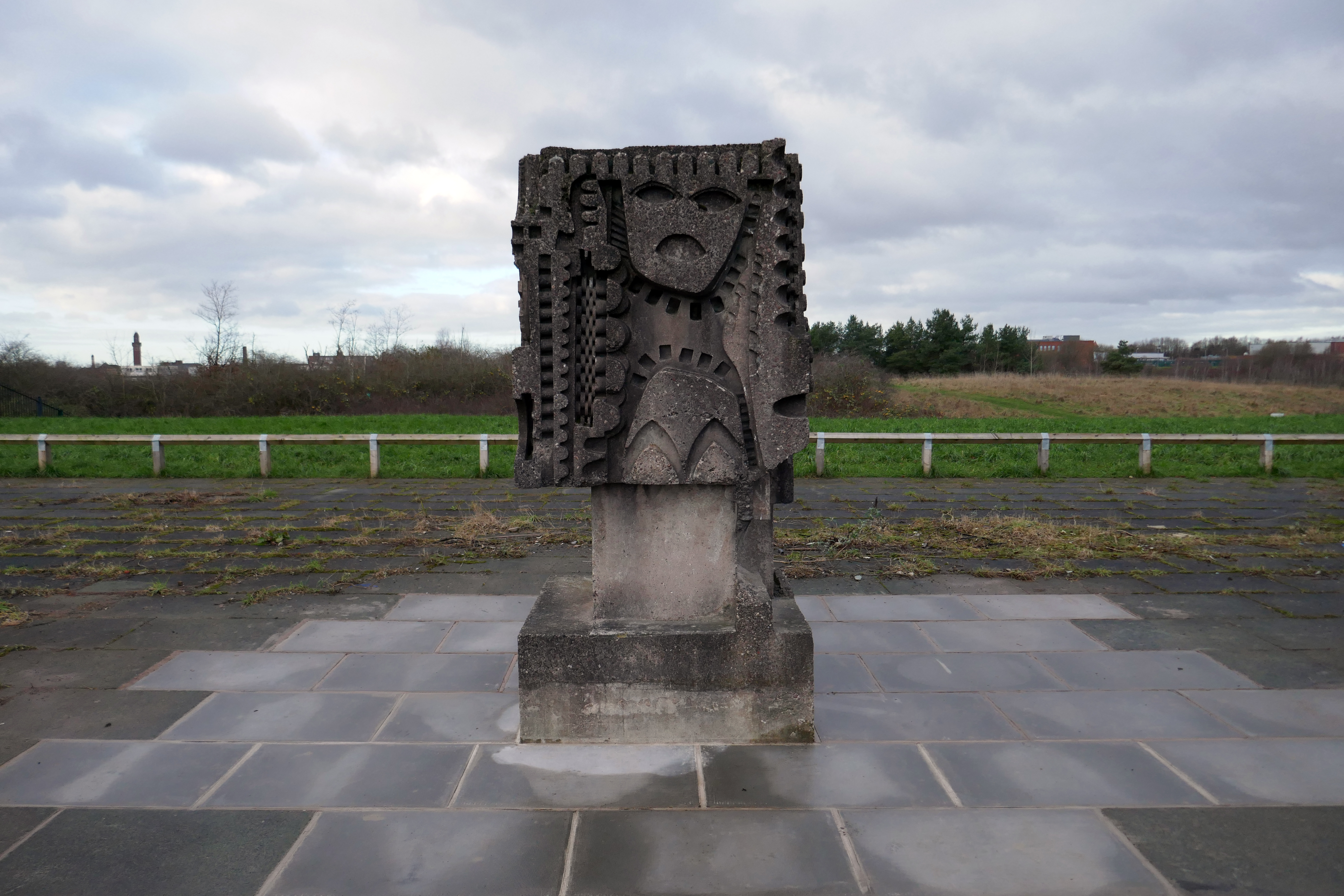
Head for Rochdale Road and turn right back toward the city centre, you have reached Eastford Square.

Manchester M40 7QT

Formerly home to homes and shops – currently home to the William Mitchell Totem.
Abraham Moss

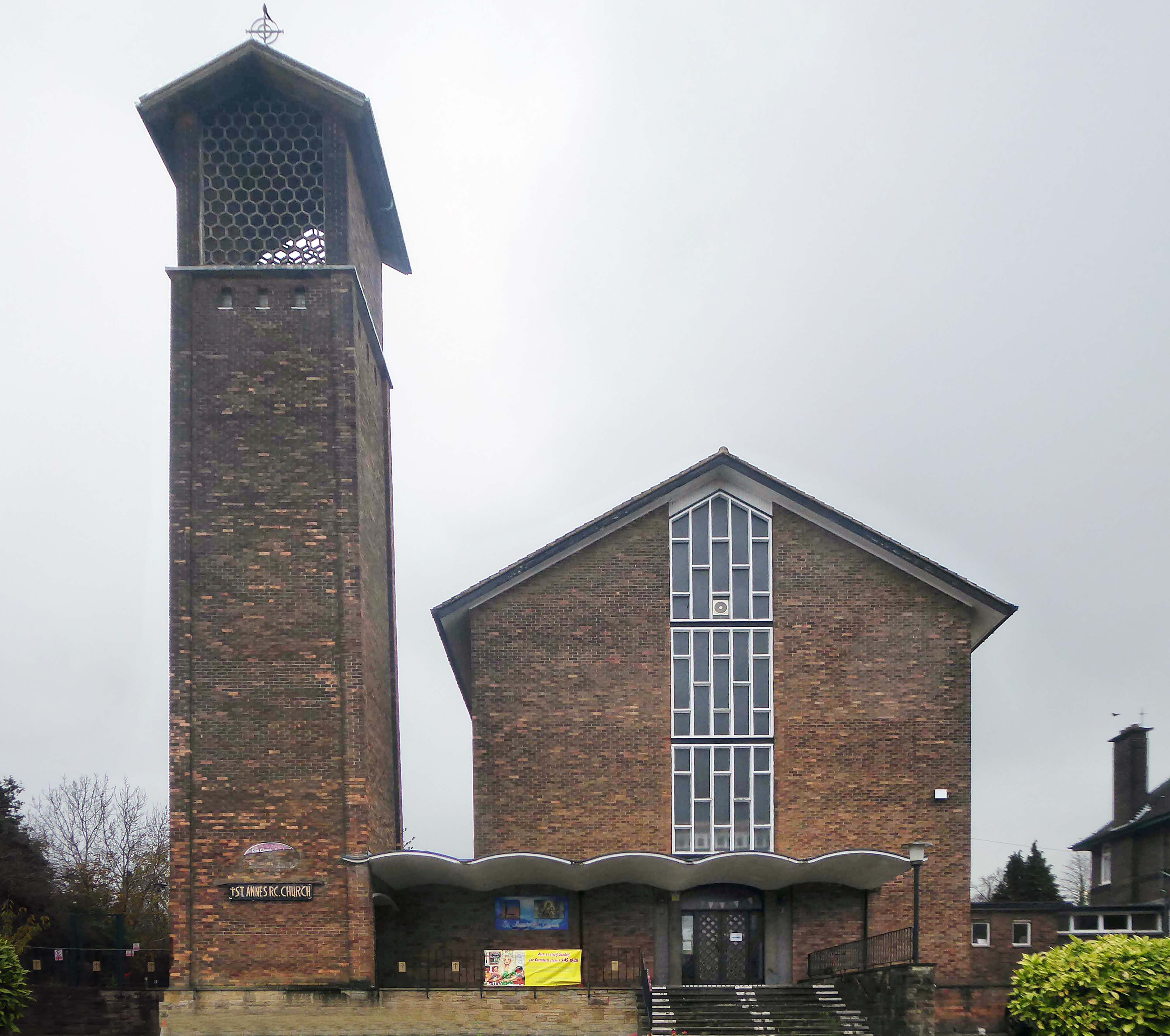
Head toward where you will find St Annes RC Church – Architect: Greenhalgh & Williams 1958

Crescent Rd, Crumpsall, Manchester M8 5UE
Crumpsall

Turn right out of the station onto Crumpsall Lane

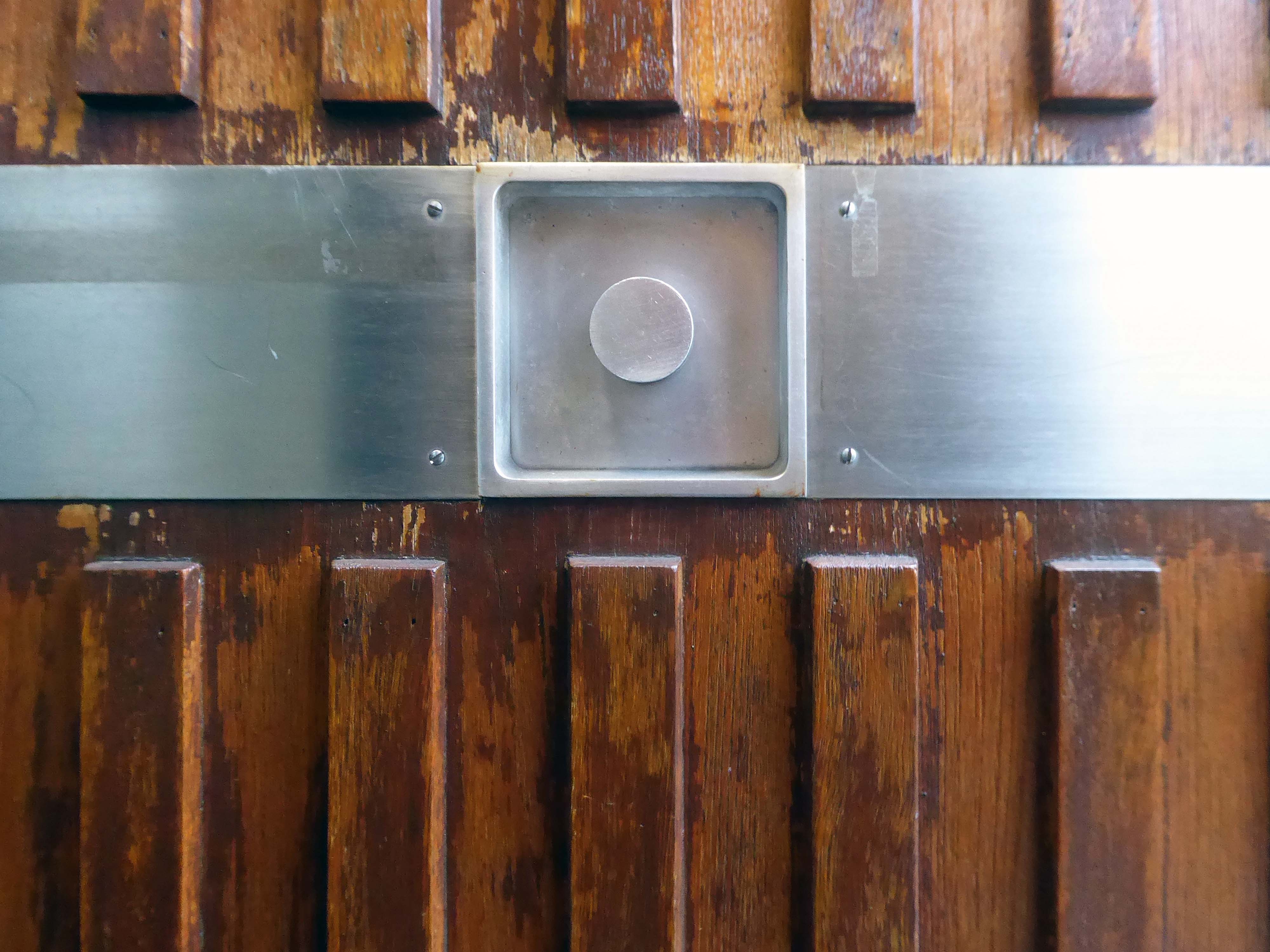
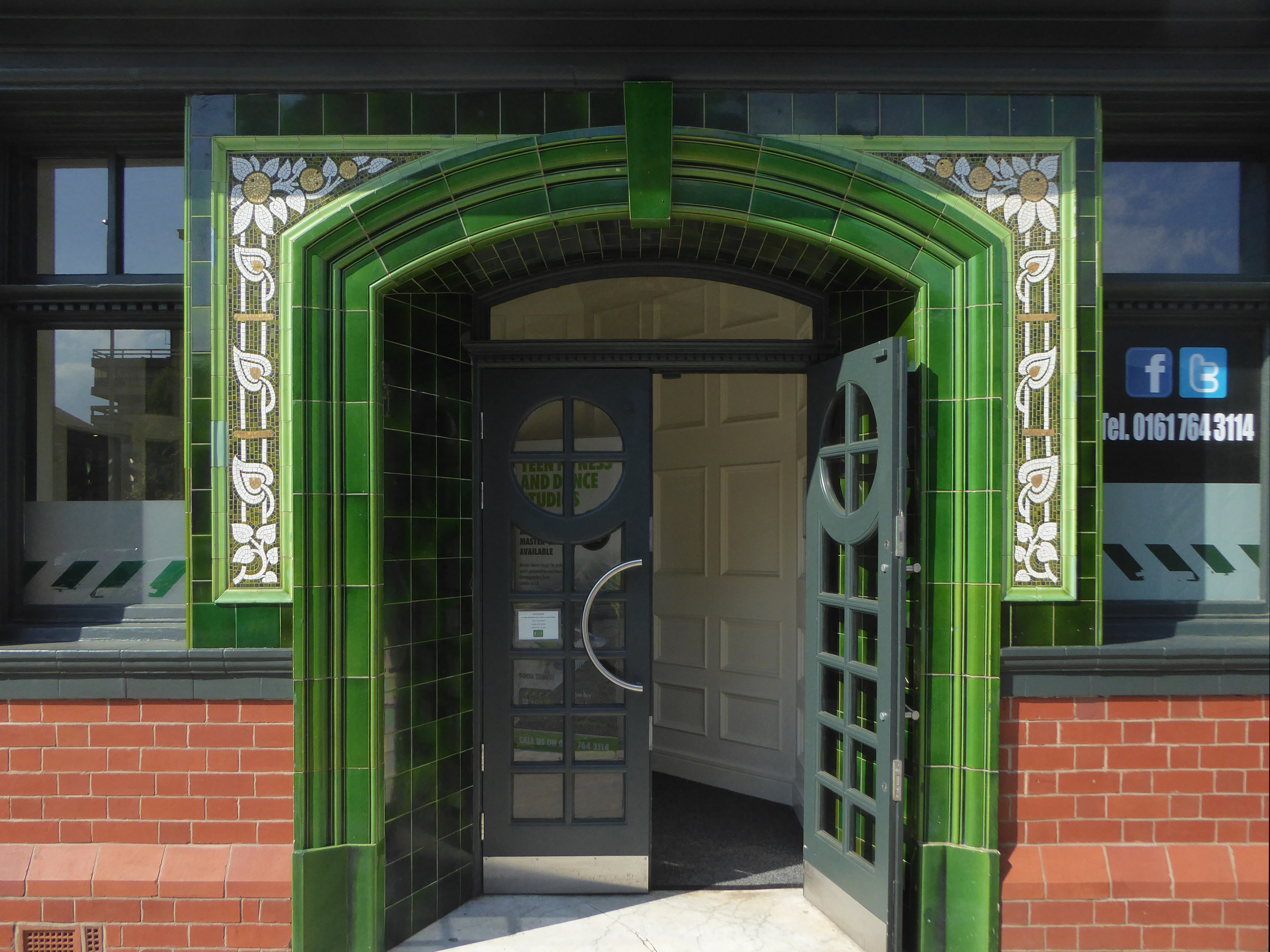
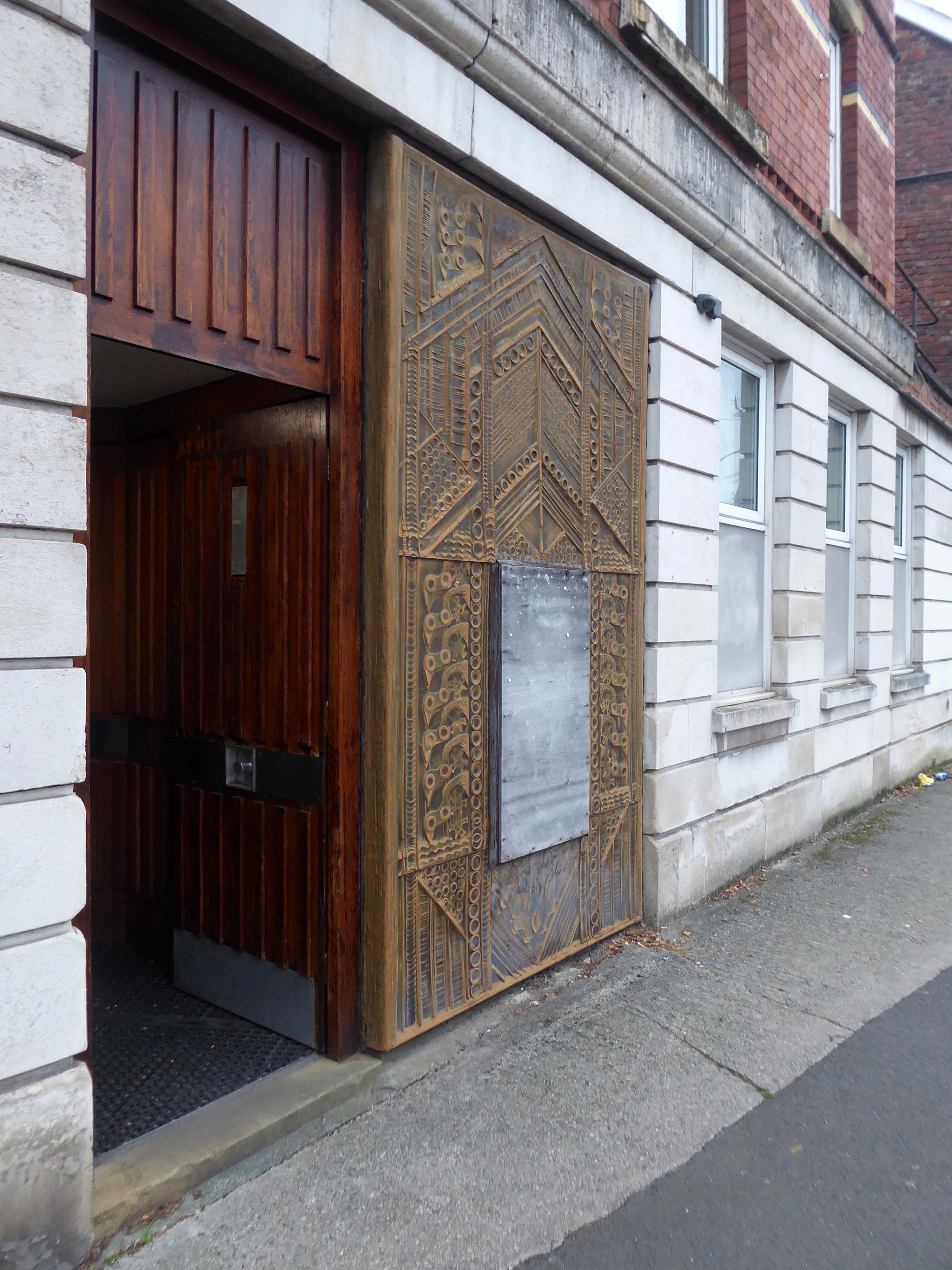
Former District Bank latterly Nat West – decorative relief and door.

Currently Greater Manchester Immigration Aid Unit

1 Delaunays Rd, Crumpsall, Manchester M8 4QS
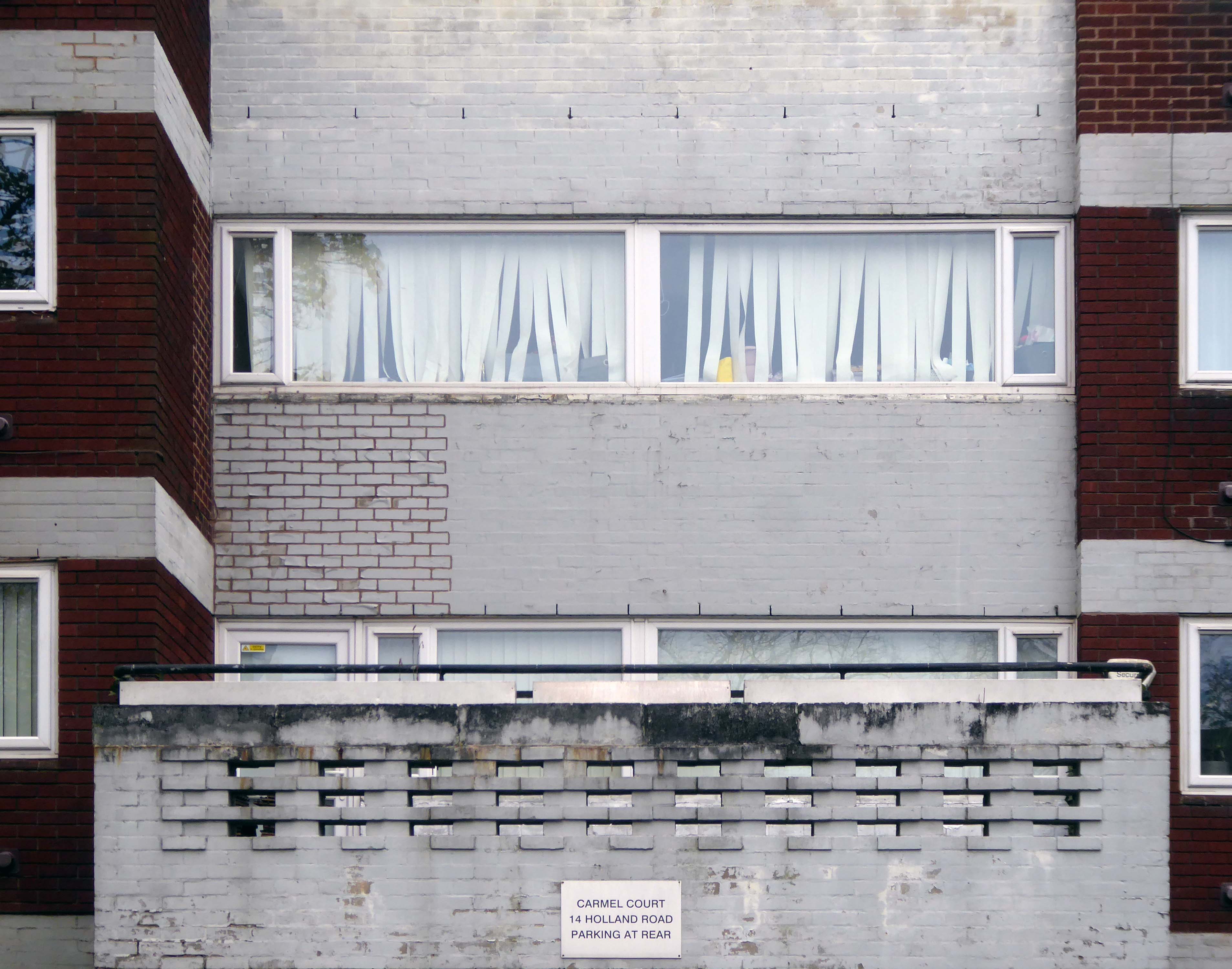
Carmel Court

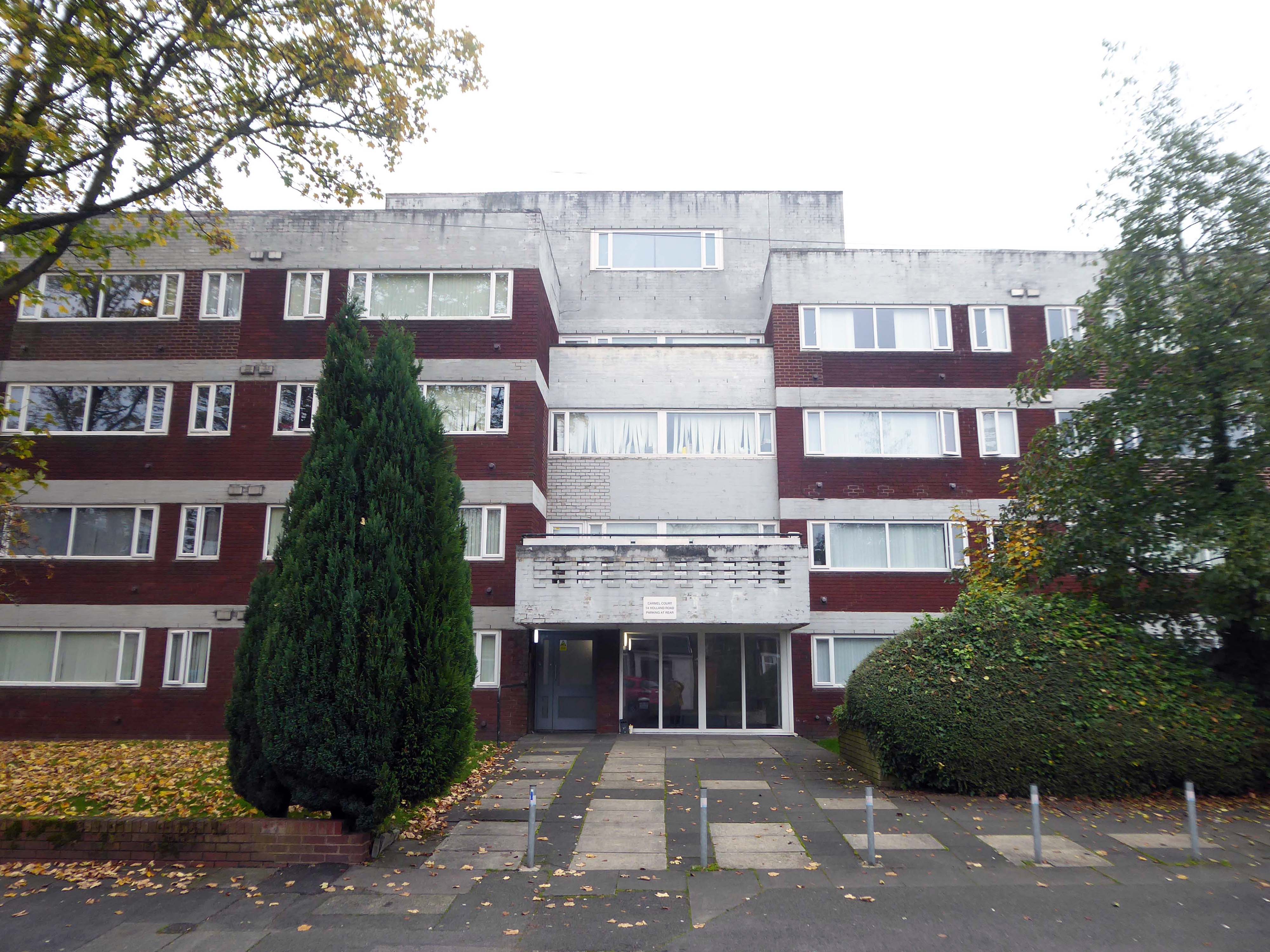
Turn back along Crumpsall Lane past the station until you reach Holland Road on your right.

14 Holland Rd, Crumpsall, Manchester M8 4NP
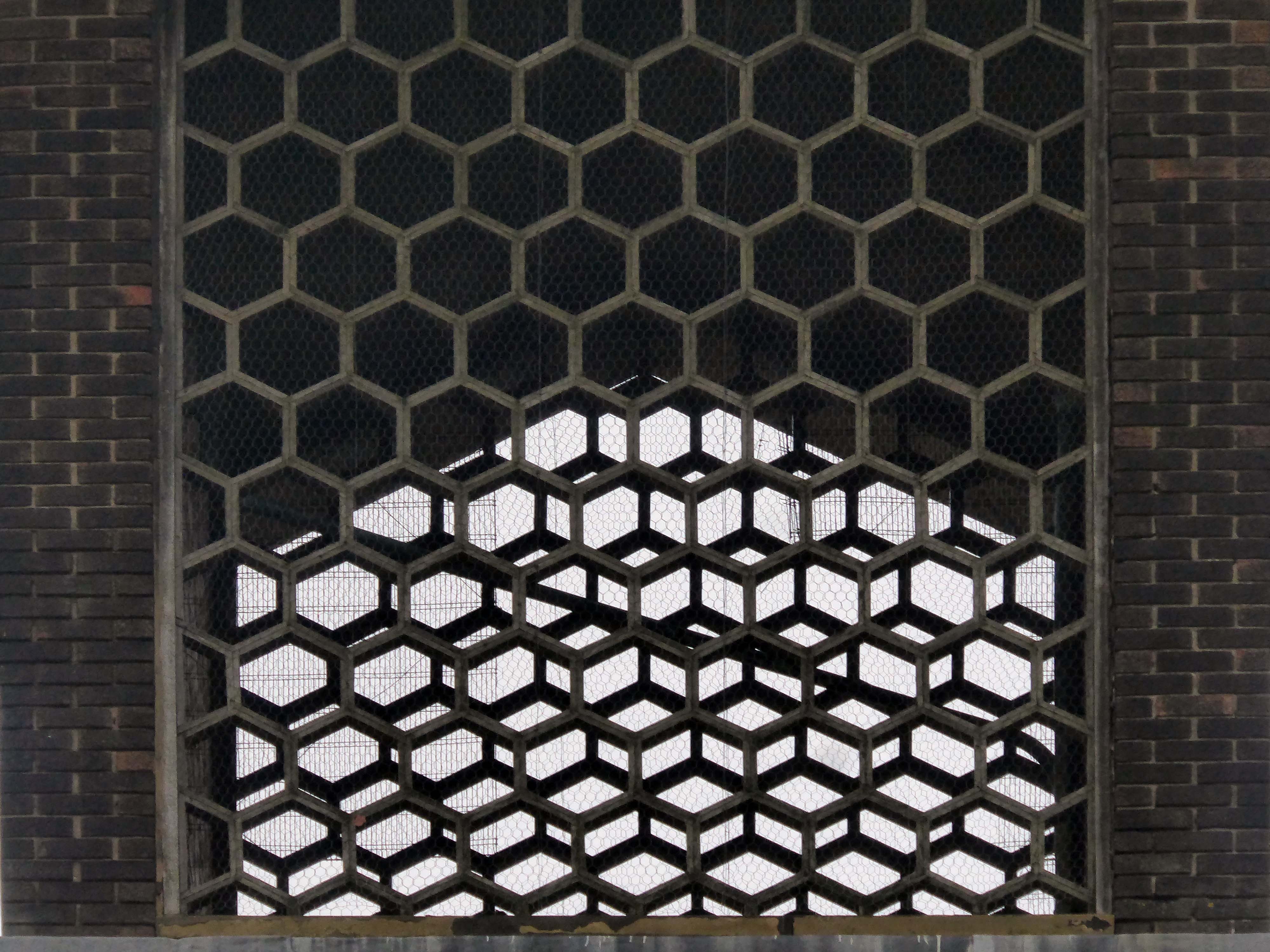
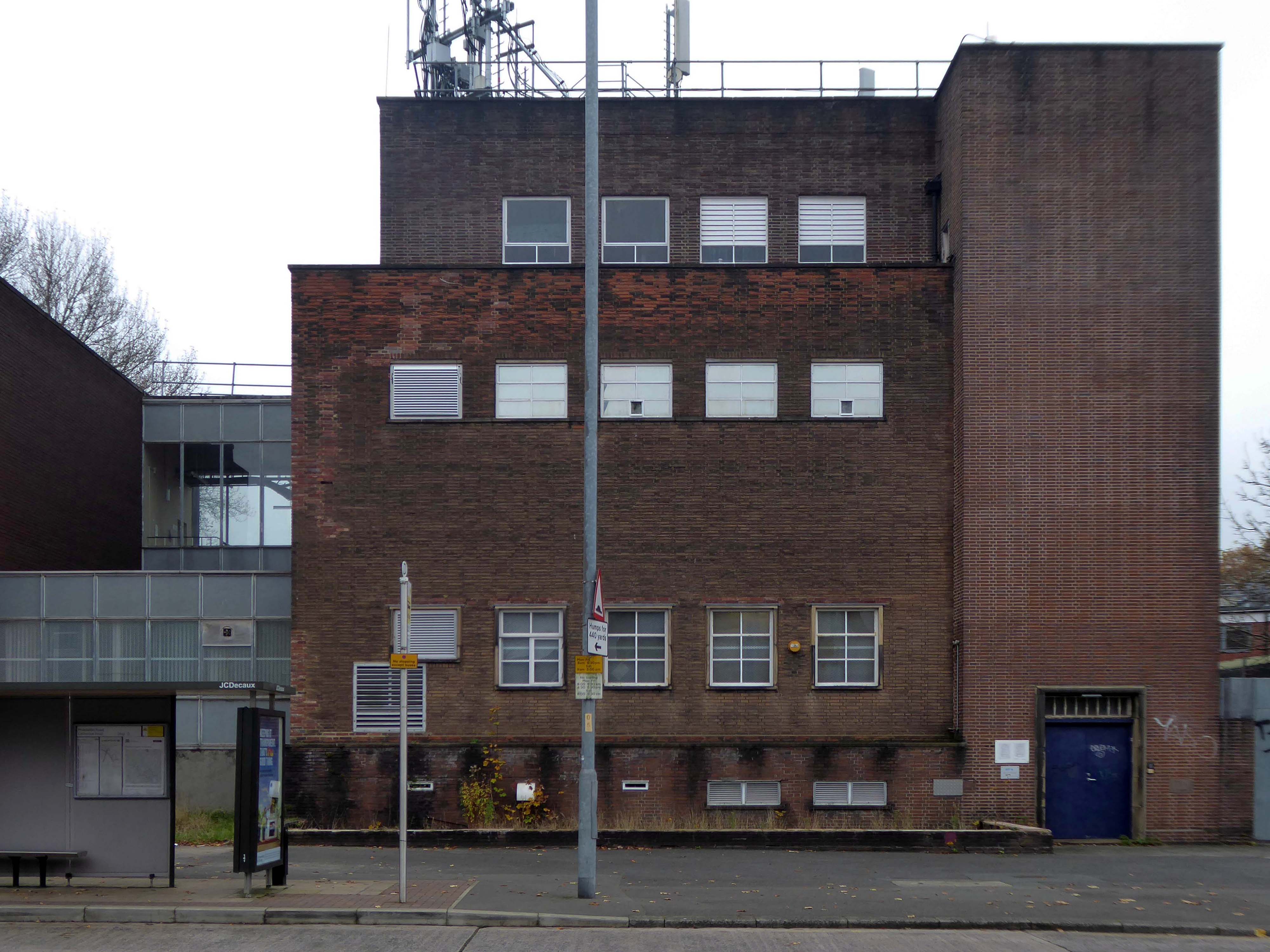
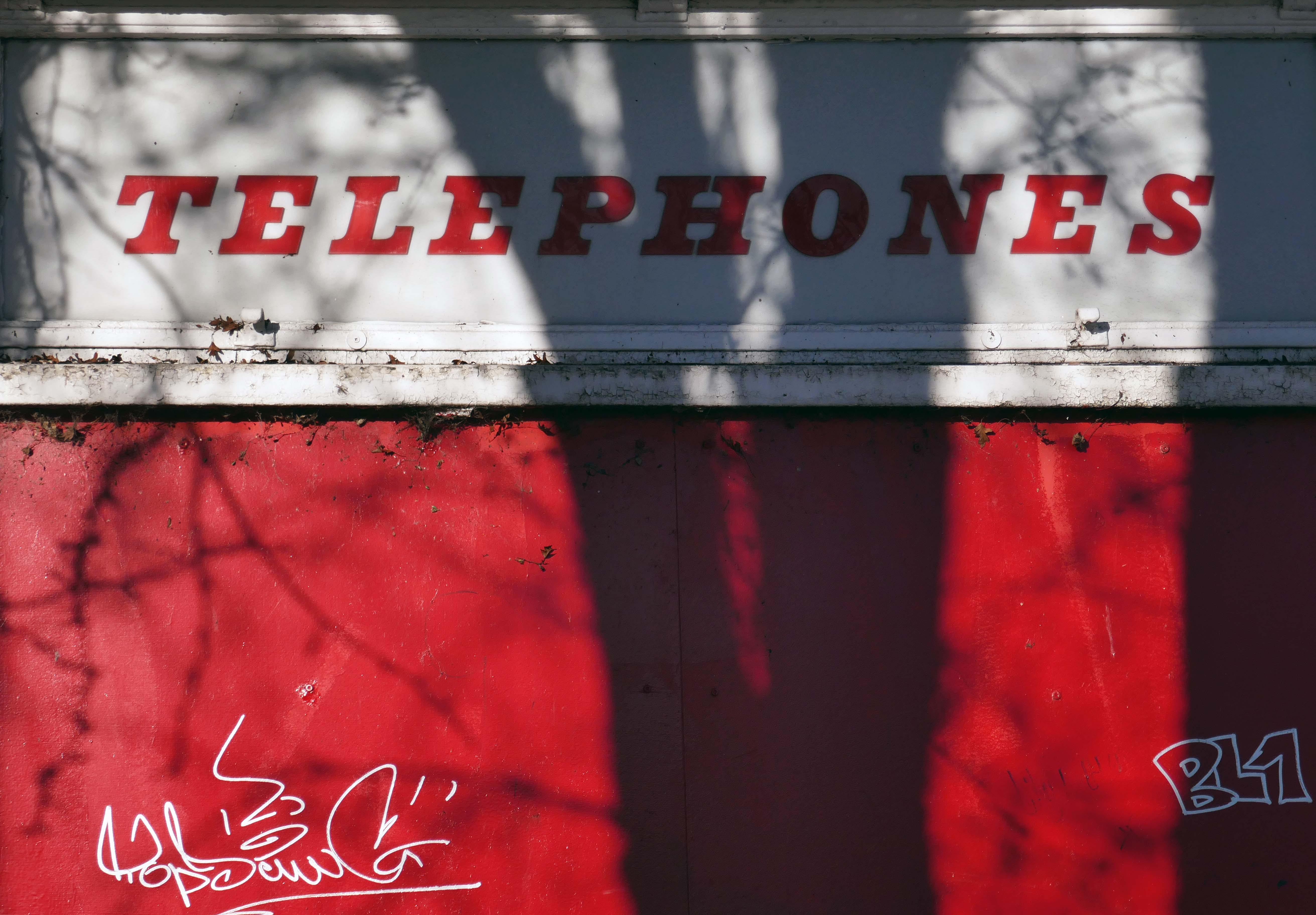
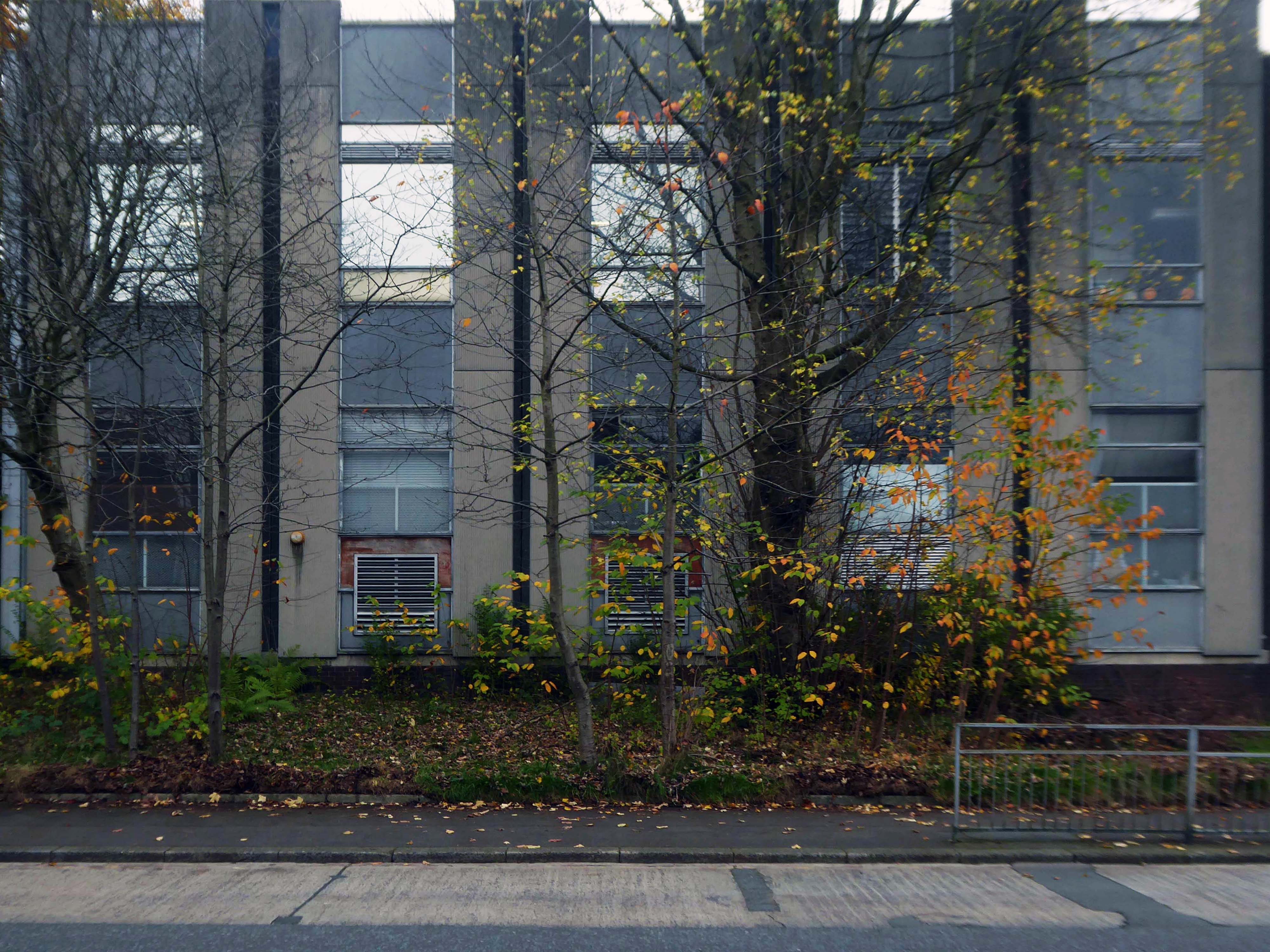
Onto Middleton Road and turn left where you will find the Telephone Exchange.

Middleton Road, Manchester. M8 5DS
Back track along Middleton Road toward Bowker Vale station.

There are several post-war residential low rise block along the route.

Haversham Court

Middleton Rd, Crumpsall, Manchester M8 4JY
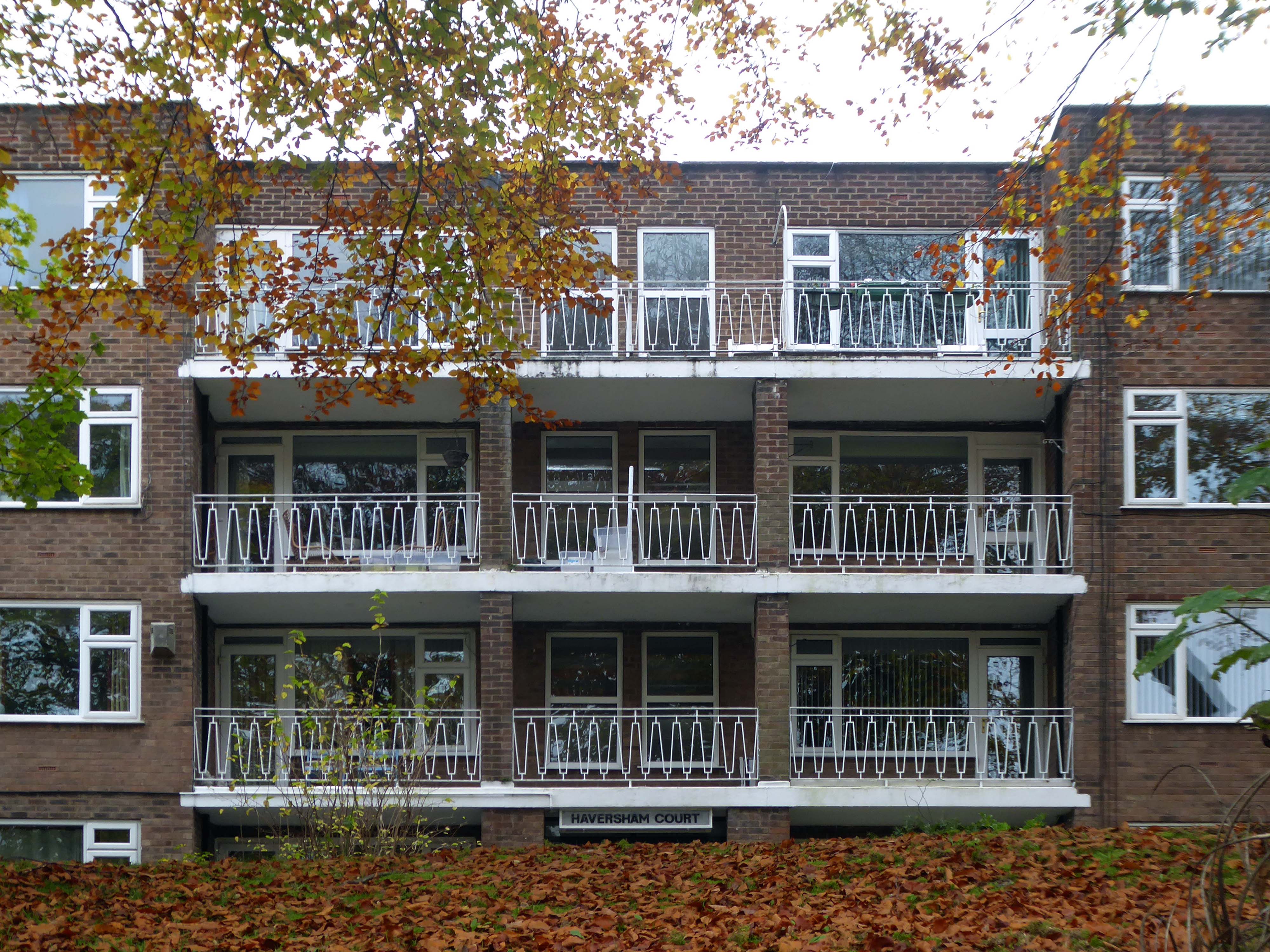
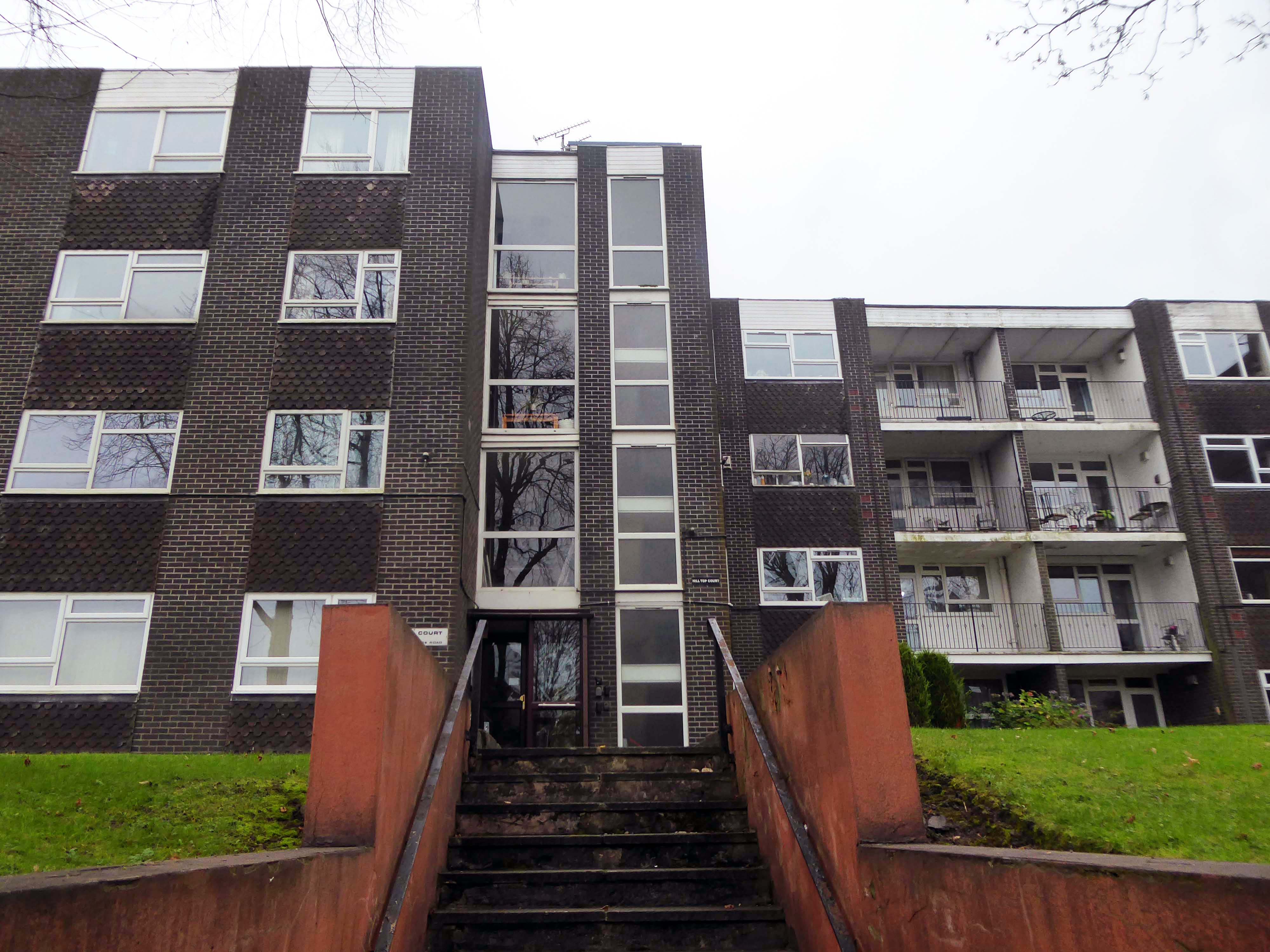
Hilltop Court – just off to the left of Middleton Road.

Brooklands Road, Crumpsall, Manchester M8 4JH
Bowker Vale

Heaton Park

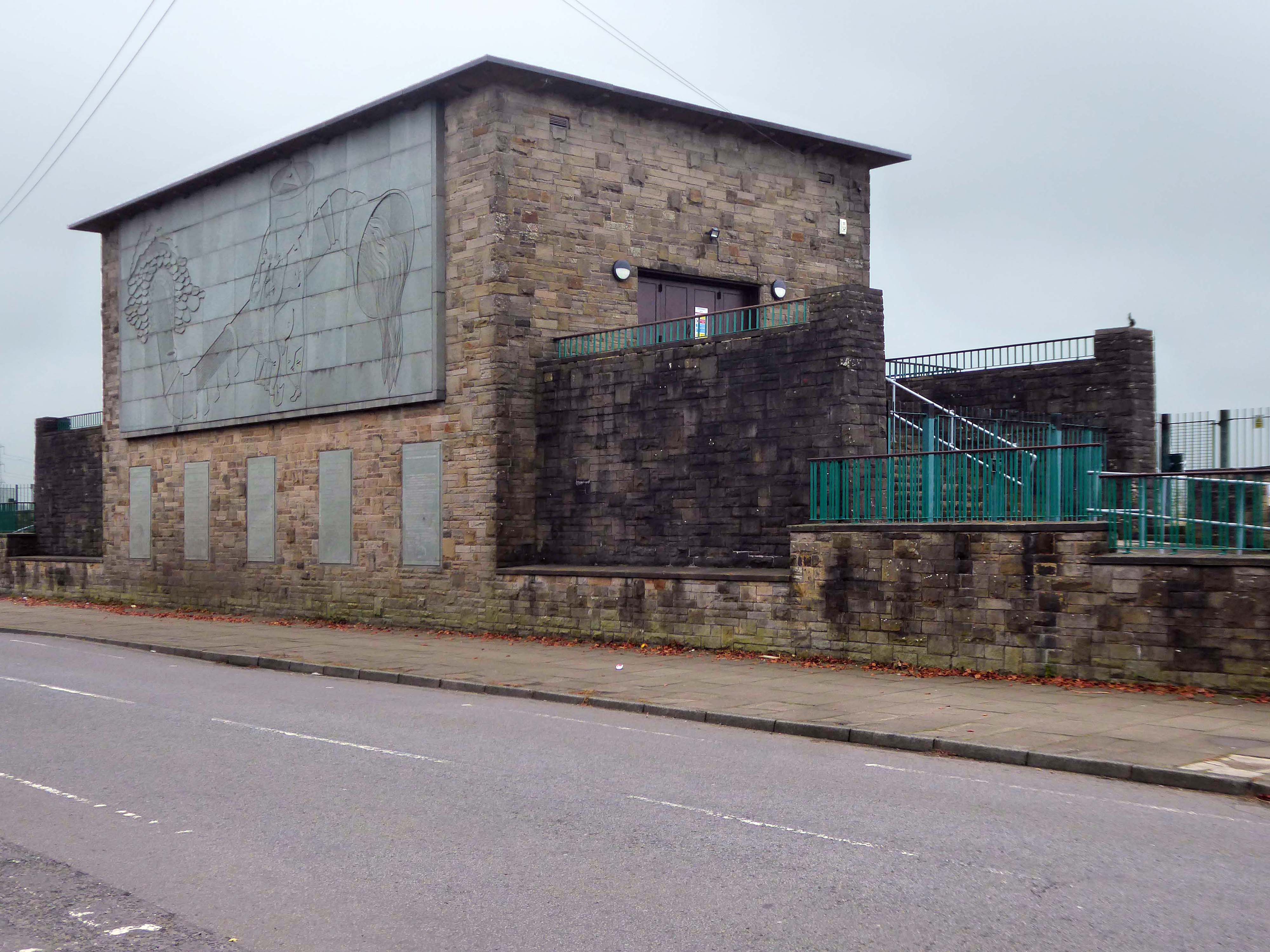
A good twenty minute walk from the station to Heaton Park Pumping Station.

Turn left from the station along Bury Old Road until you reach Heywood Road on your right.

Heywood Road, Prestwich, Manchester M25 2GT

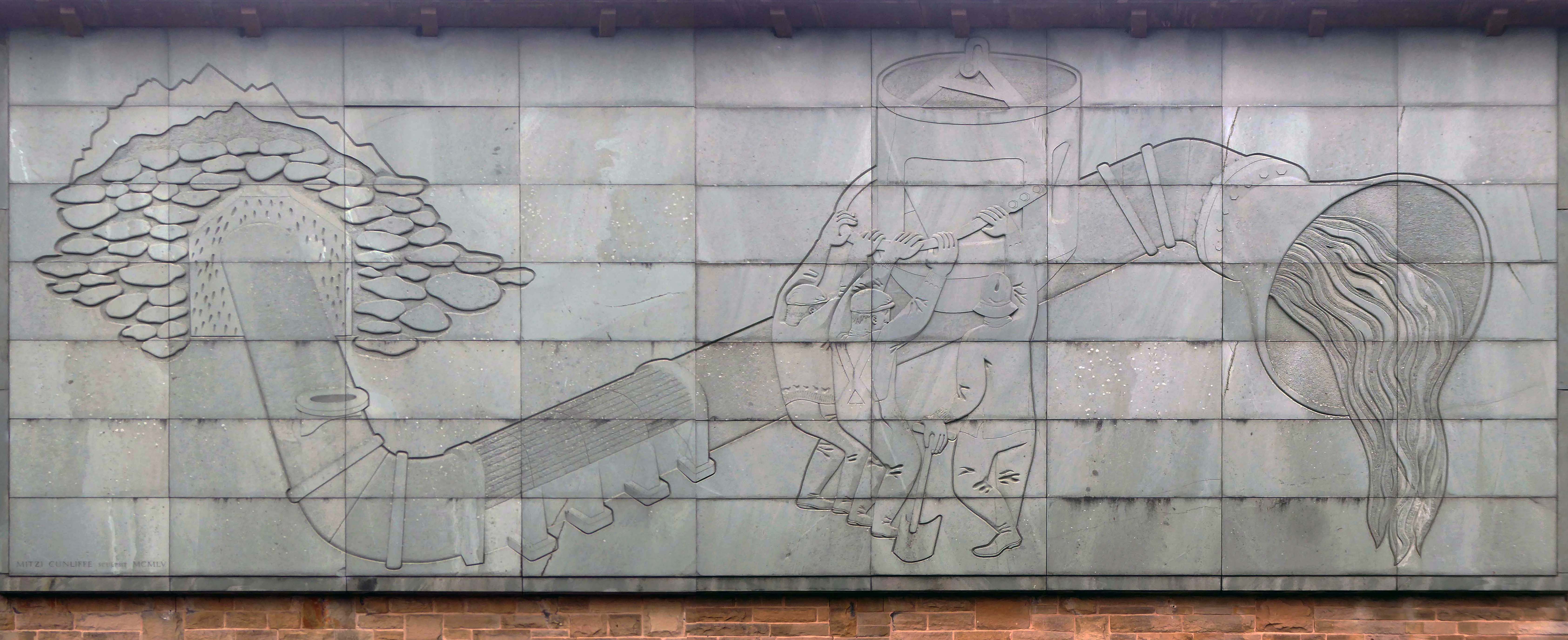
1954-5 by the Manchester City Architect’s Department, Chief Architect Leonard C Howitt, for the Manchester Corporation Waterworks. Alan Atkinson, engineer. Incorporates large relief by Mitzi Cunliffe, signed and dated 1955.
Prestwich

Development by architects Leach Rhodes Walker.

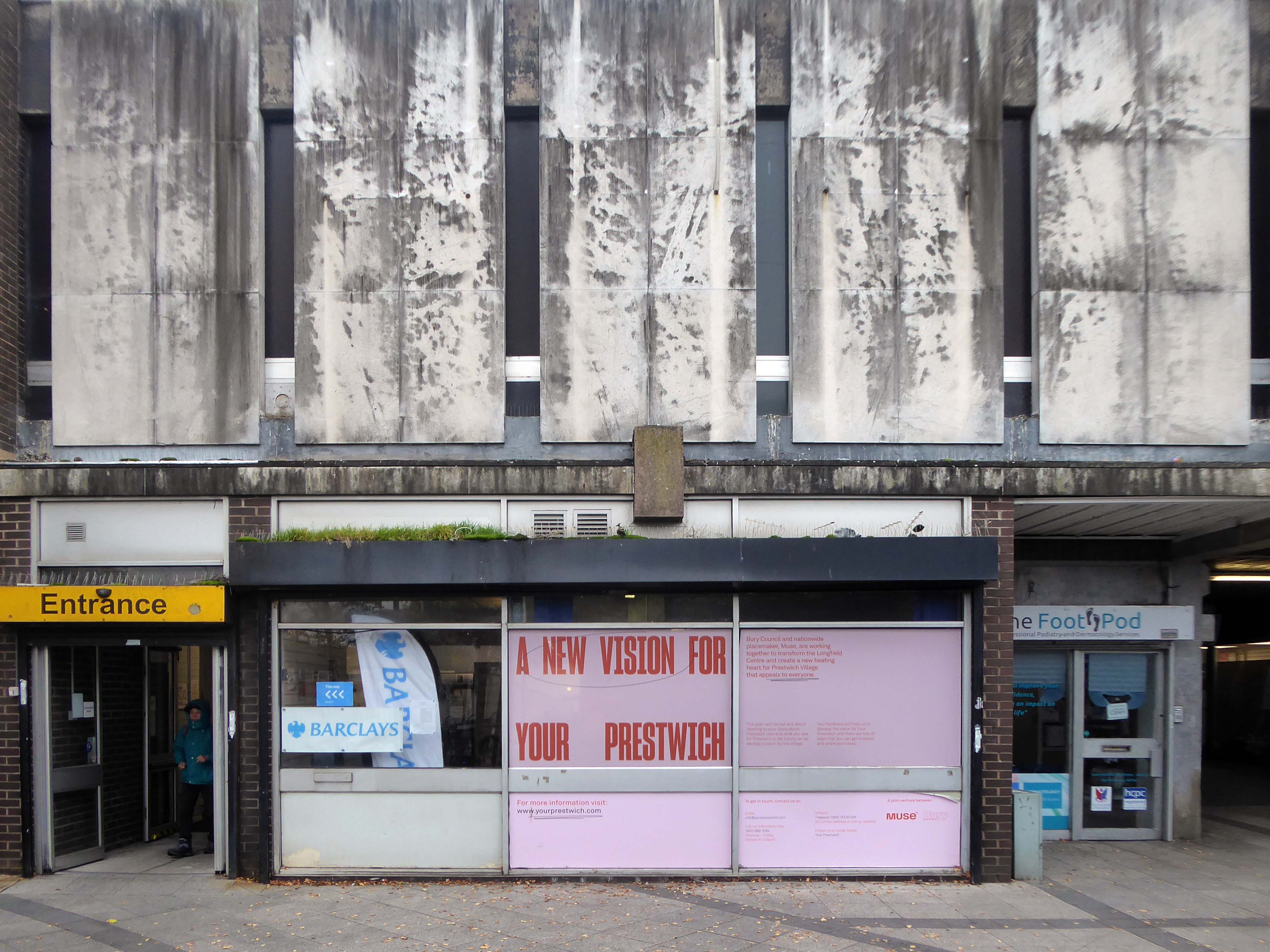
Longfield Shopping Centre
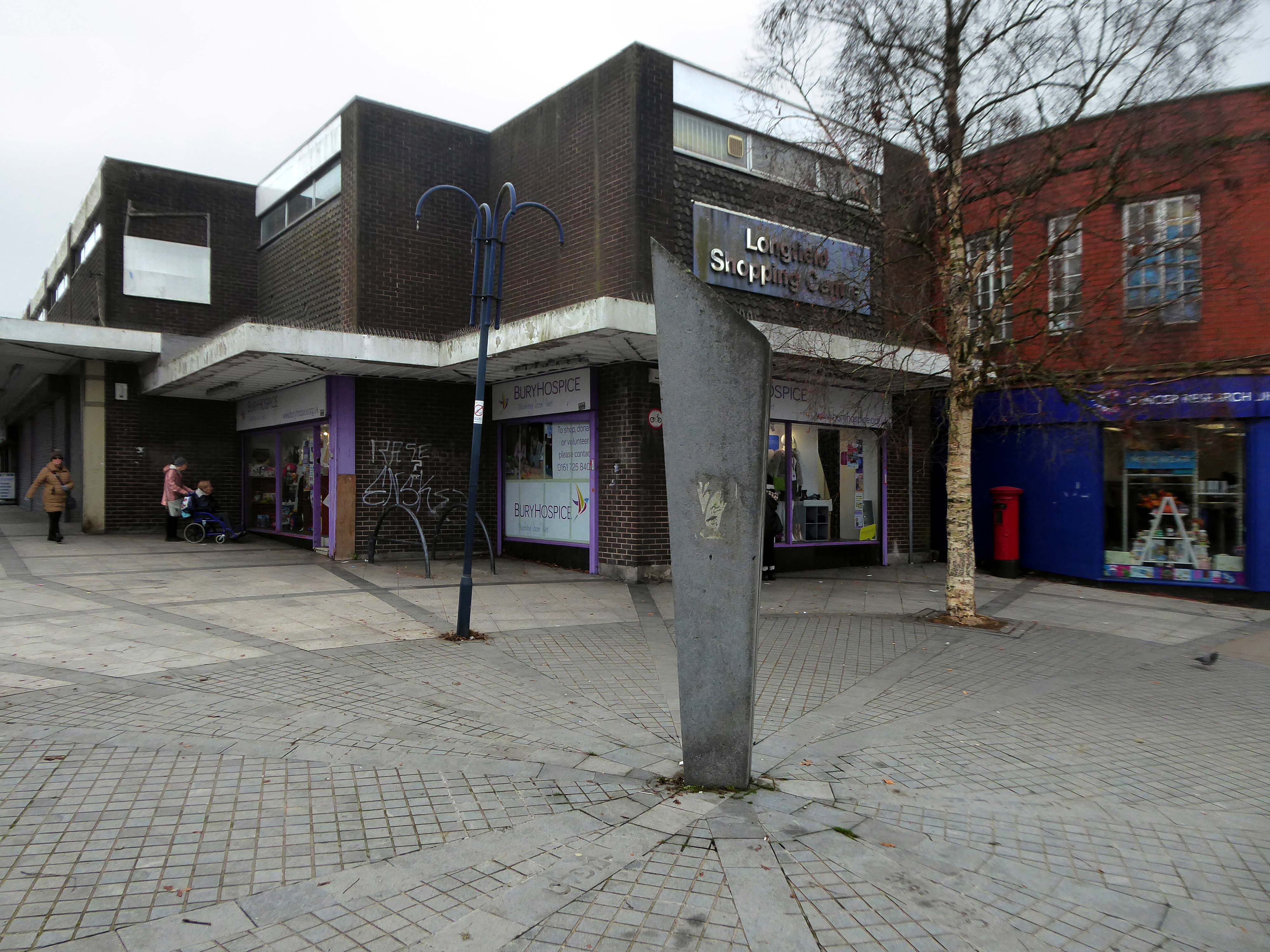
Prestwich Library
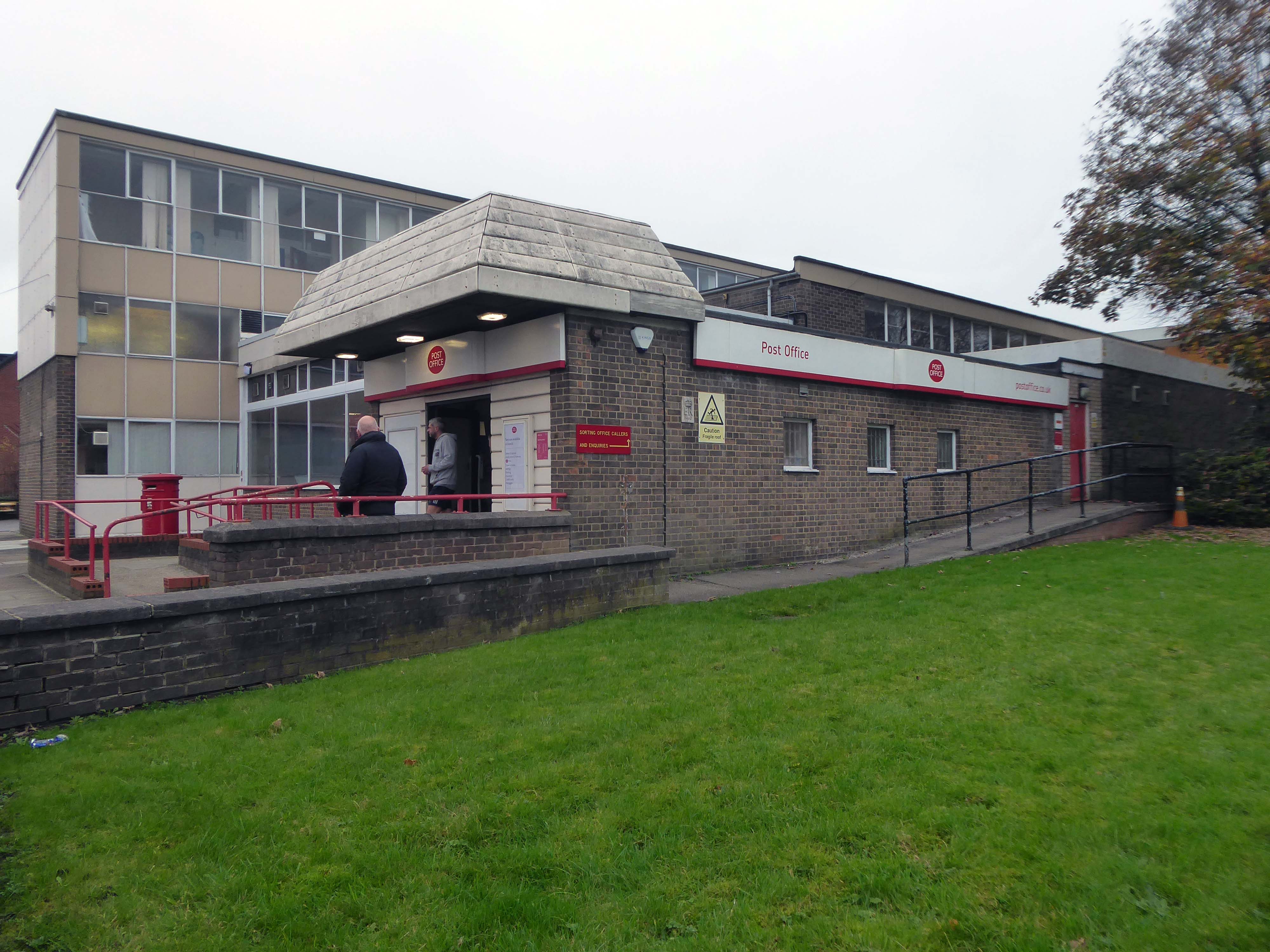
Post Office
After months of public consultation, the joint venture has firmed up its proposals for the redevelopment of the Longfield Centre and is aiming to be on site before the end of the year.

Muse and Bury Council have submitted a hybrid application to transform six acres of Prestwich town centre.

Place North West

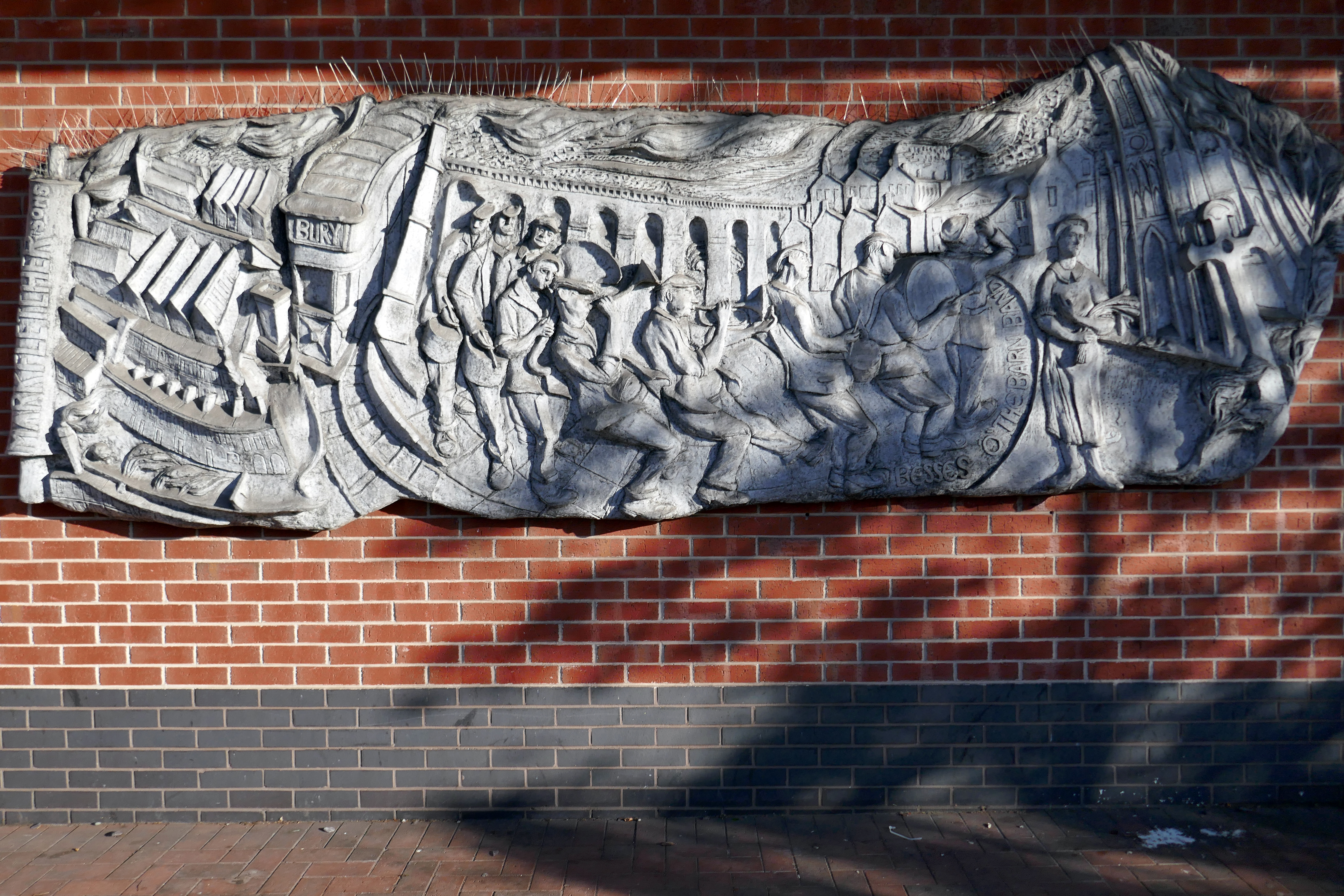
Besses o’ th Barn

Whitefield

Almost directly facing the station along Bury New Road.

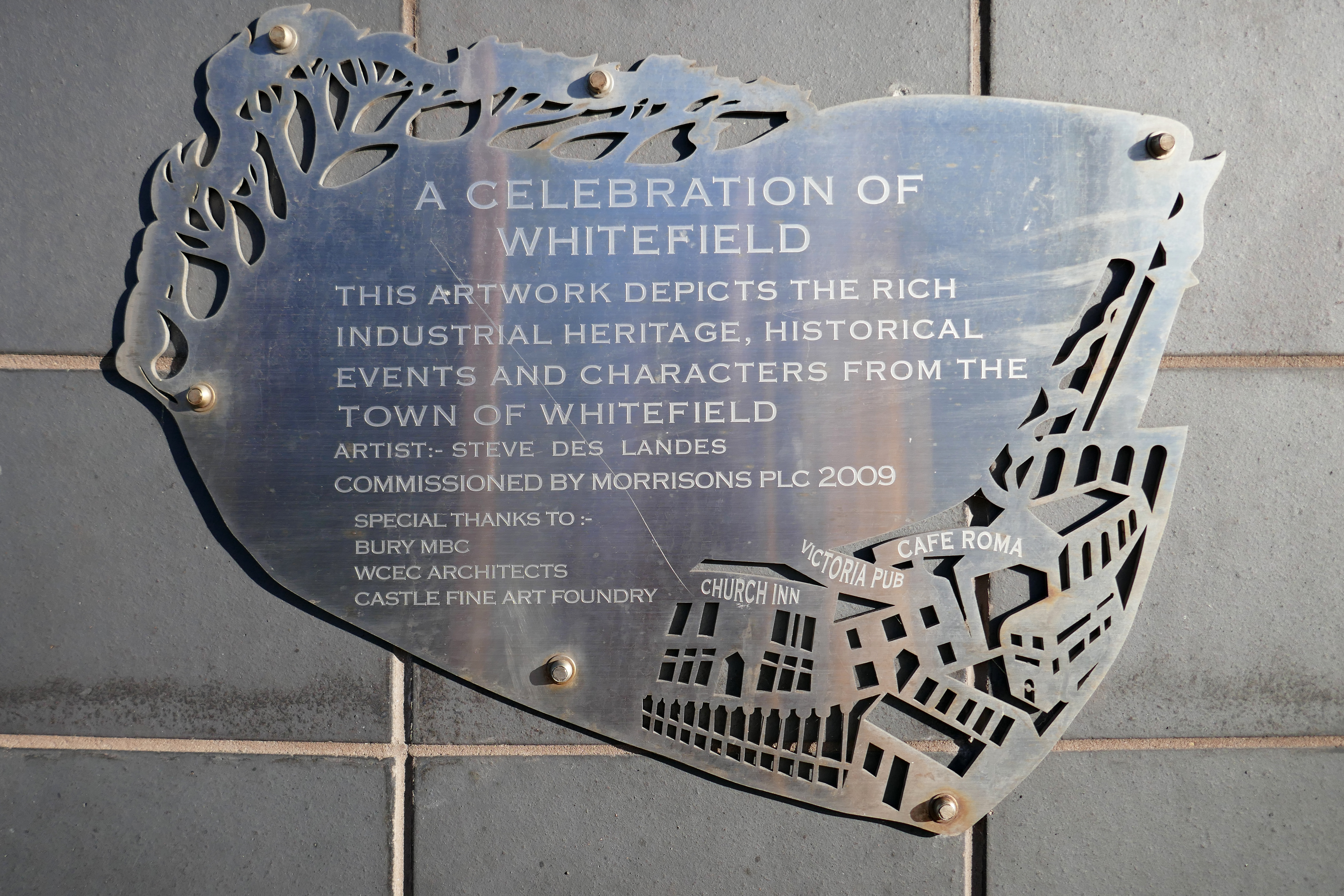
Morrison’s – a Celebration of Whitefield relief Steve des Landes 2009.

5 Stanley Road Whitefield Manchester M45 8QH
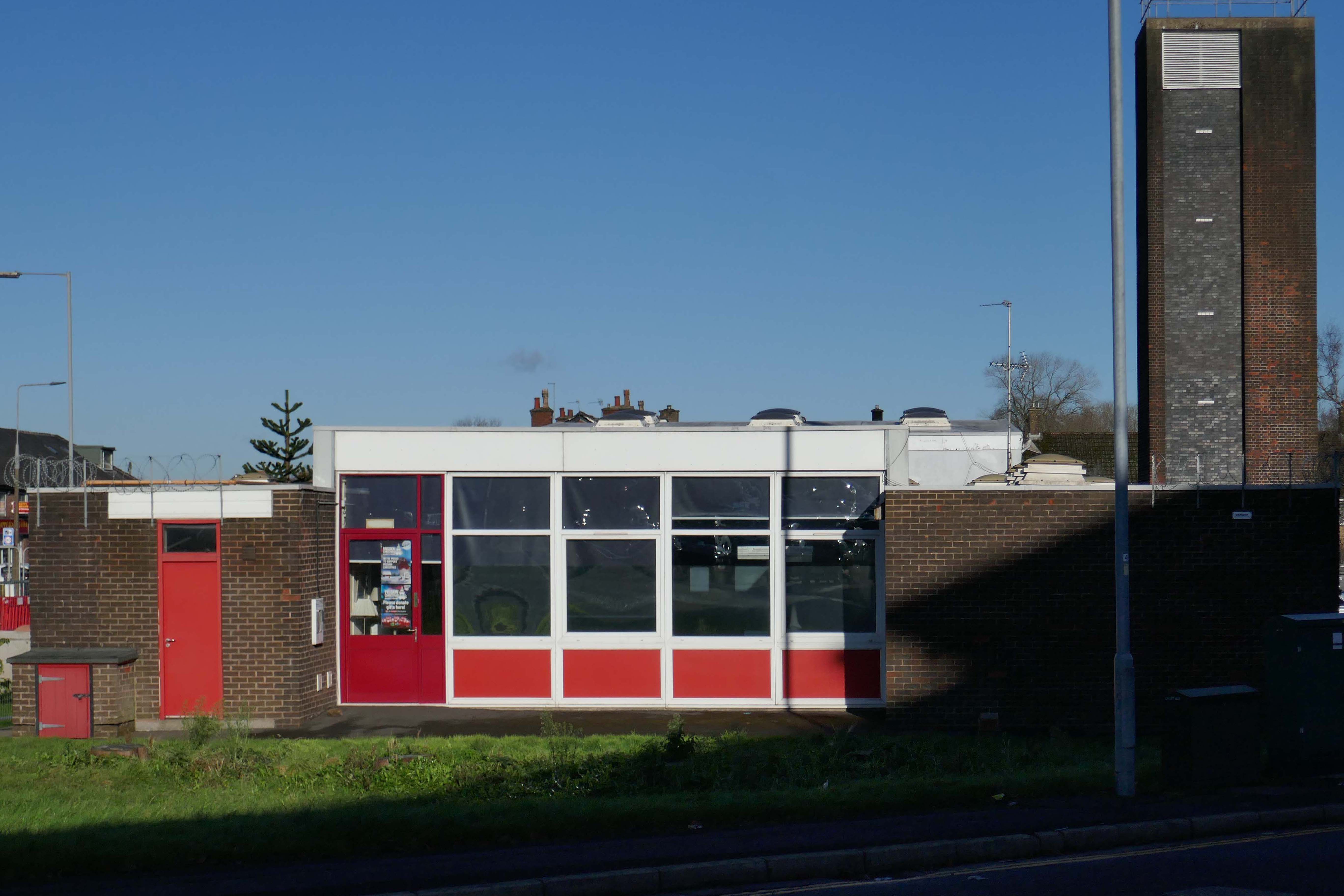
Community Fire Station

Bury New Rd, Unsworth, Manchester M45 7SY
Radcliffe

Turn left out of the station onto Church Street West turn right toward the town centre.

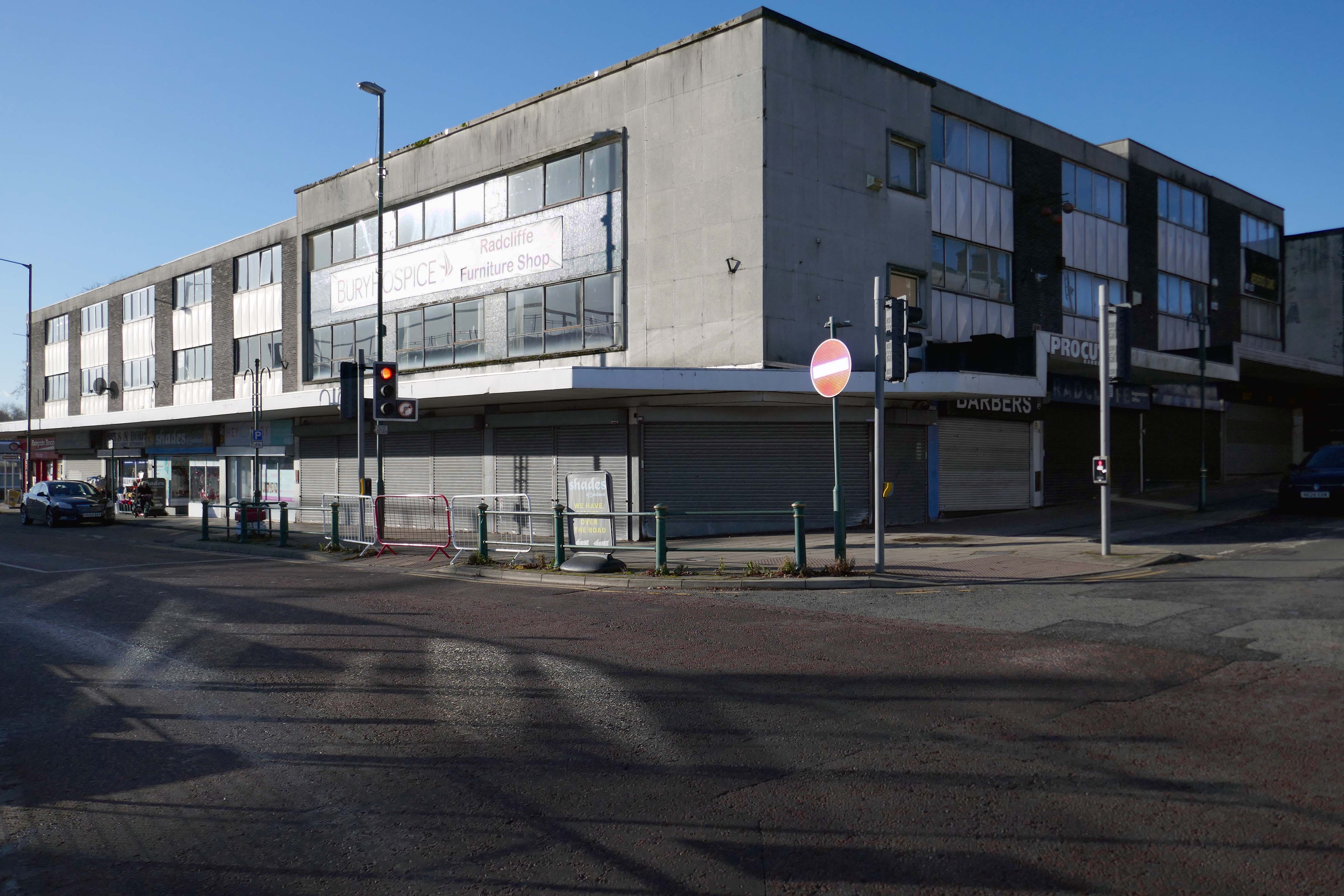
Shopping Block

Corner of Dale Street and Blackburn Street.
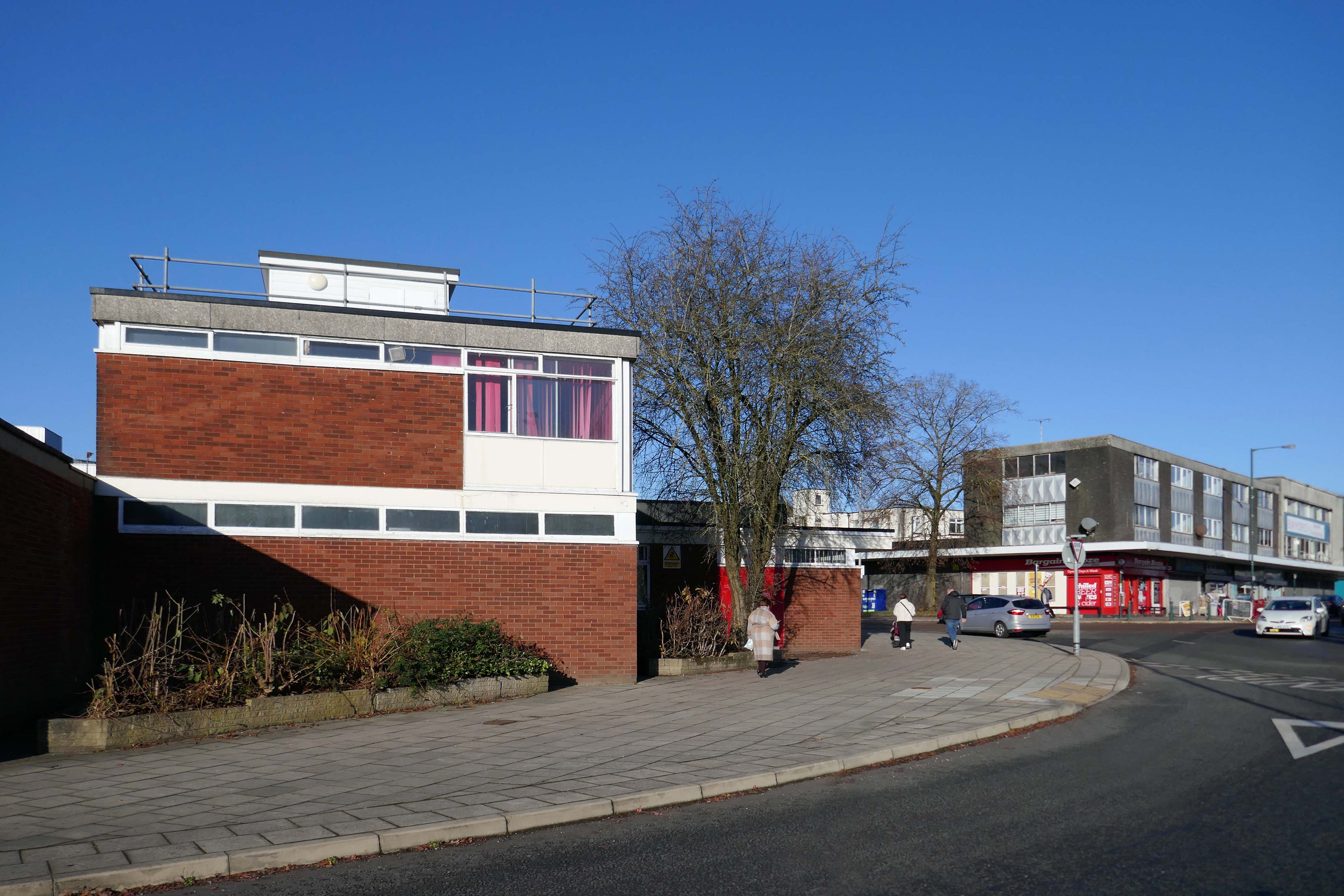
Former Post now Delivery Office
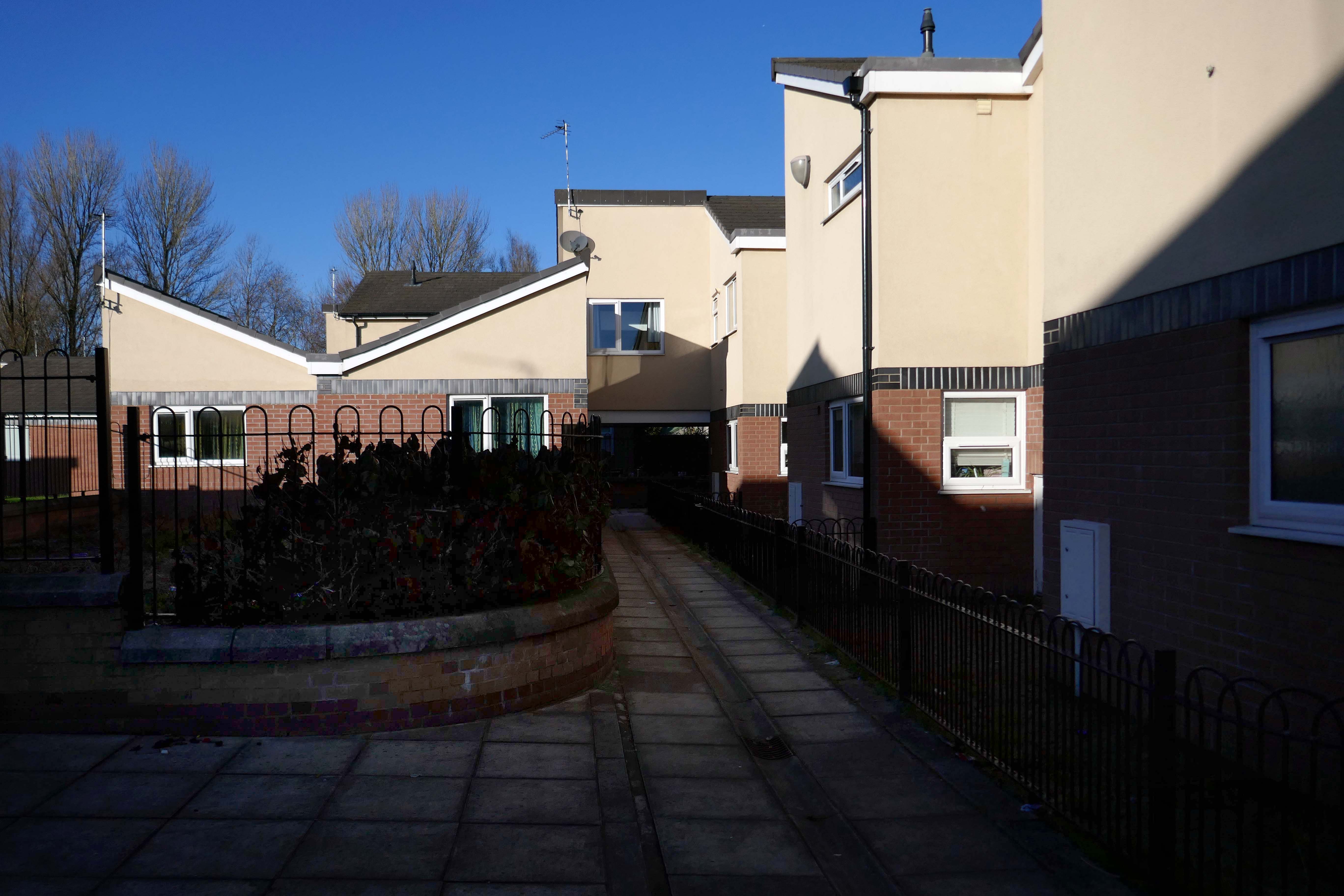
St Thomas Estate

By Wilson and Womersley 1968, the project architect was John Sheard.

New-towny, dense low-rise housing irregularly grouped around and over pedestrian access paths.
Pevsner 1996/2004

The Strategic Regeneration Framework is the guide that is shaping the direction of Radcliffe’s growth over the next 15 years with a series of realistic short, medium, and longer-term actions. It is also shaping the direction of future council investment, supporting bids for central governmental funding and providing certainty for third parties wanting to invest in town.

Work has begun on Strategic Regeneration Framework’s priority projects, these include:

  • A new civic hub in central Radcliffe, which will bring together a mix of functions at the heart of the town
  • Refurbishment of the market basement and the revamping of market chambers
  • New leisure facilities
  • A secondary school on the Coney Green site
  • A “whole town approach” to housing, bringing forward a comprehensive approach to residential development in Radcliffe
  • A transportation strategy, which will consider matters such as active travel and car parking

Bury Council

Bury

We undertook a Bury Walk for the first time in 2024

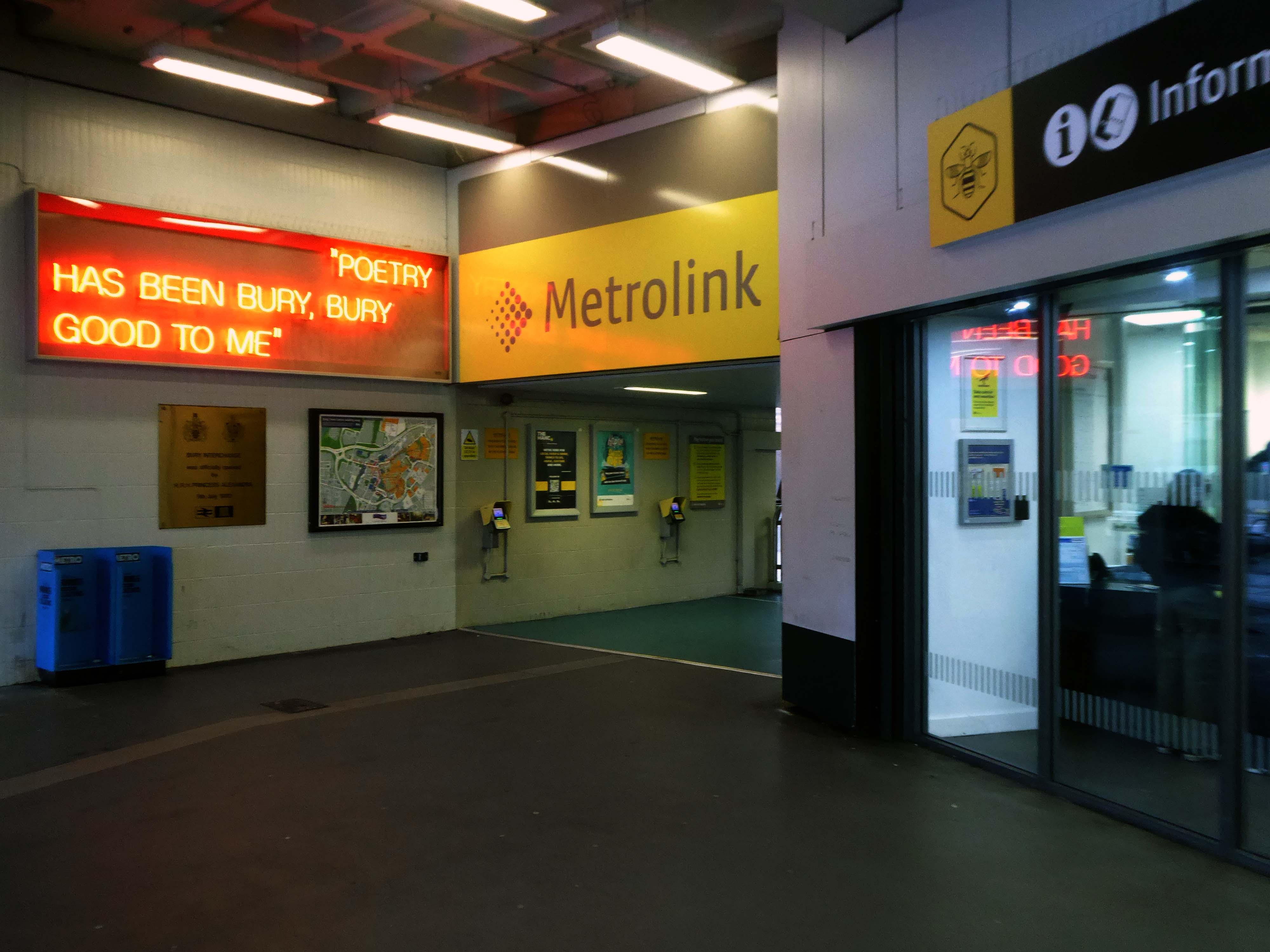
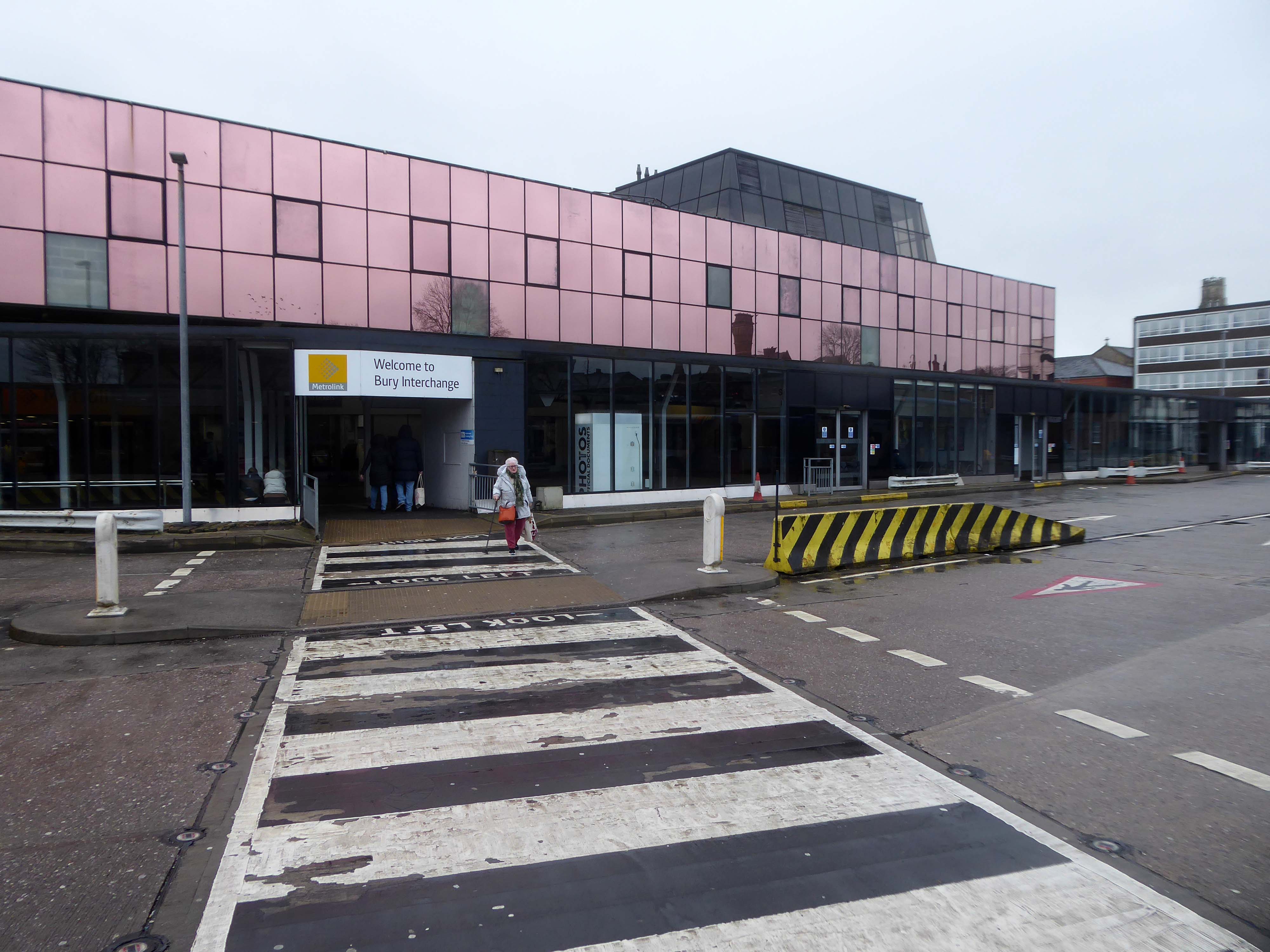
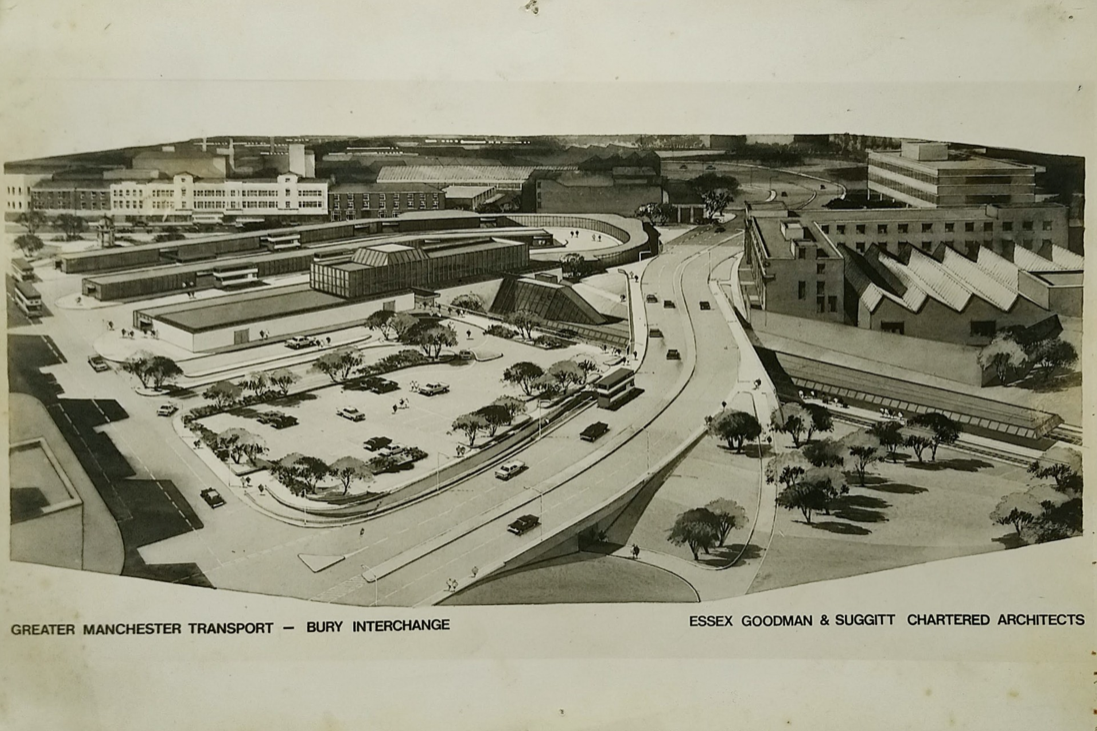
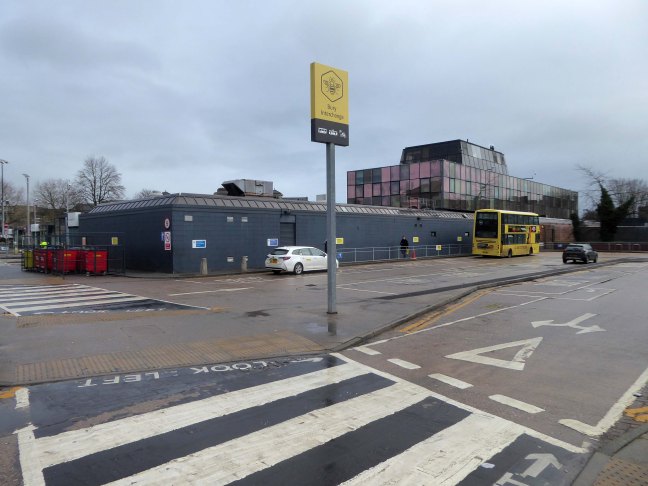
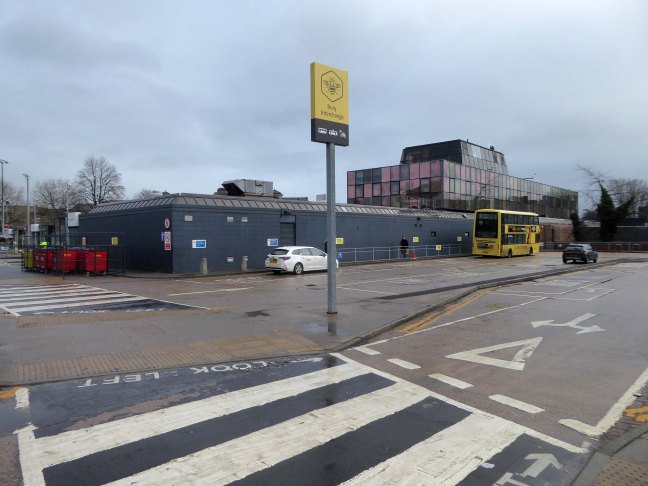
Arriving at and looking around the Interchange – 1980 architects: Essex Goodman & Suggitt
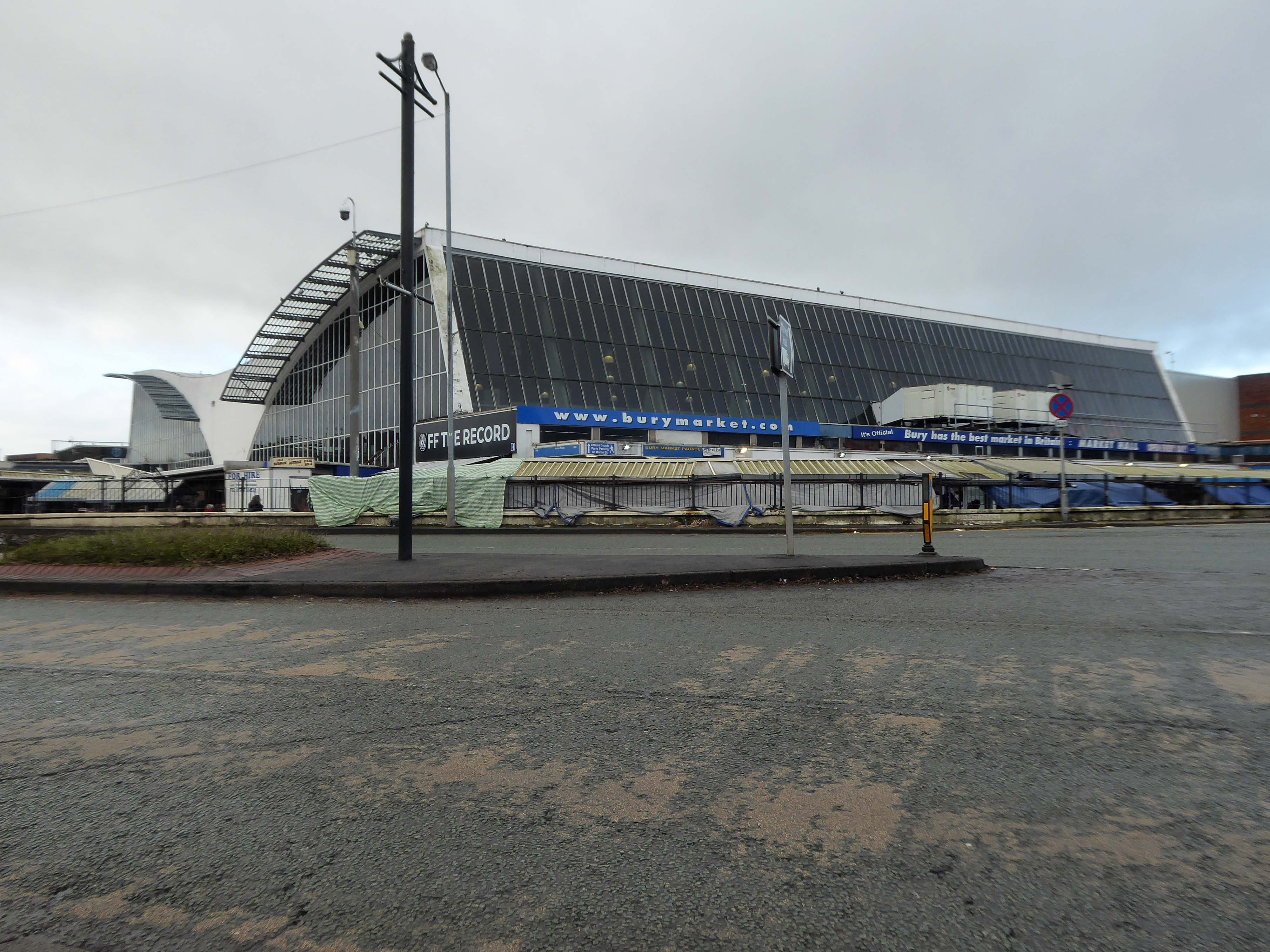
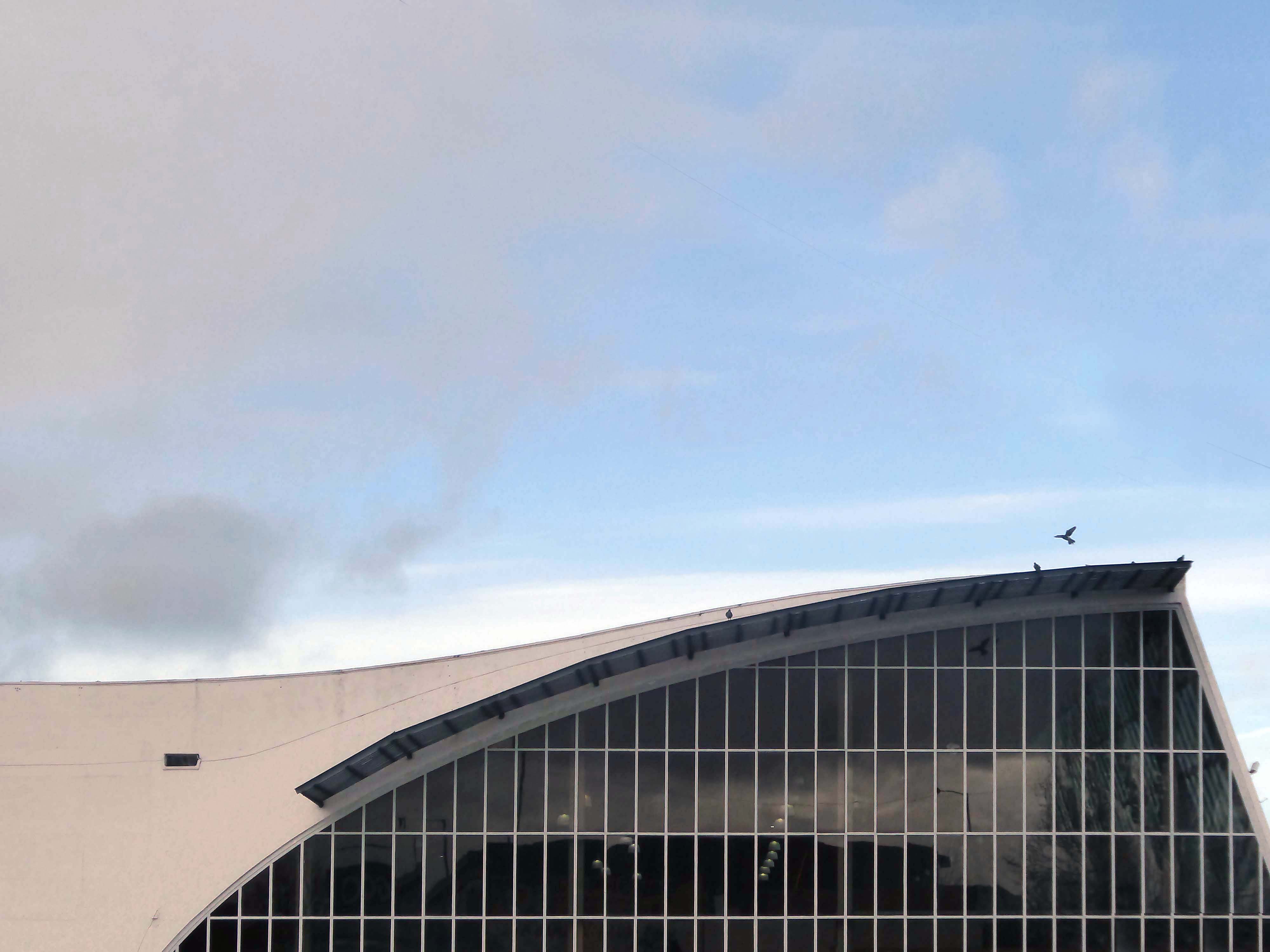
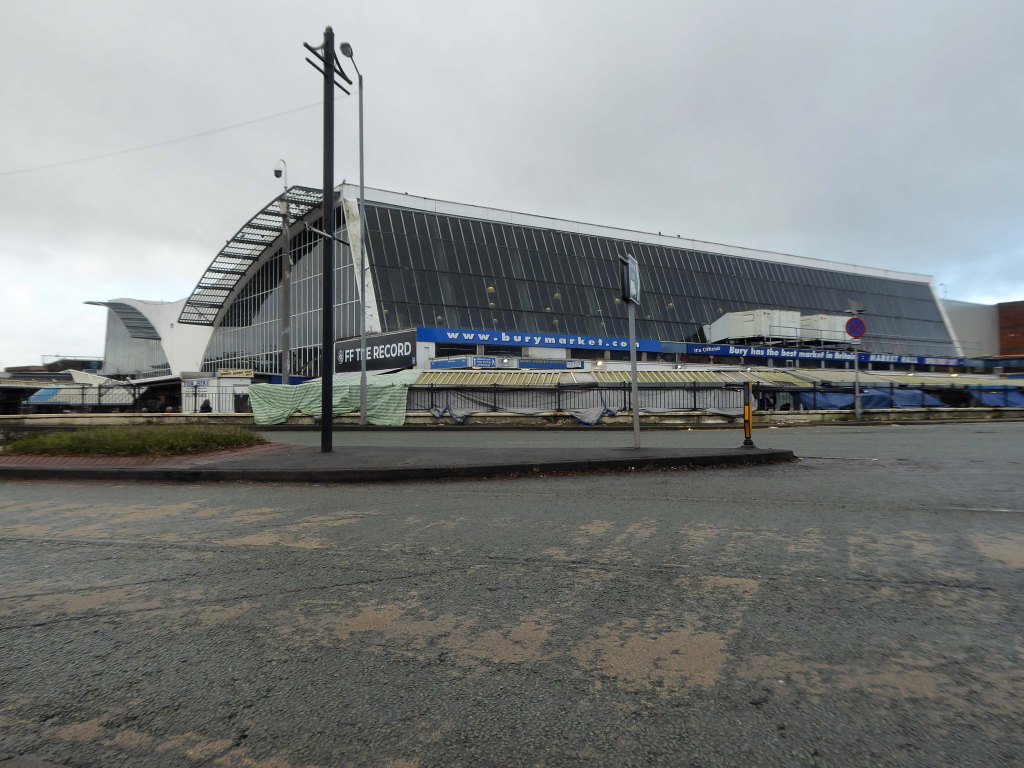
A view of the Market Hall 1971 – architects: Harry S Fairhurst.
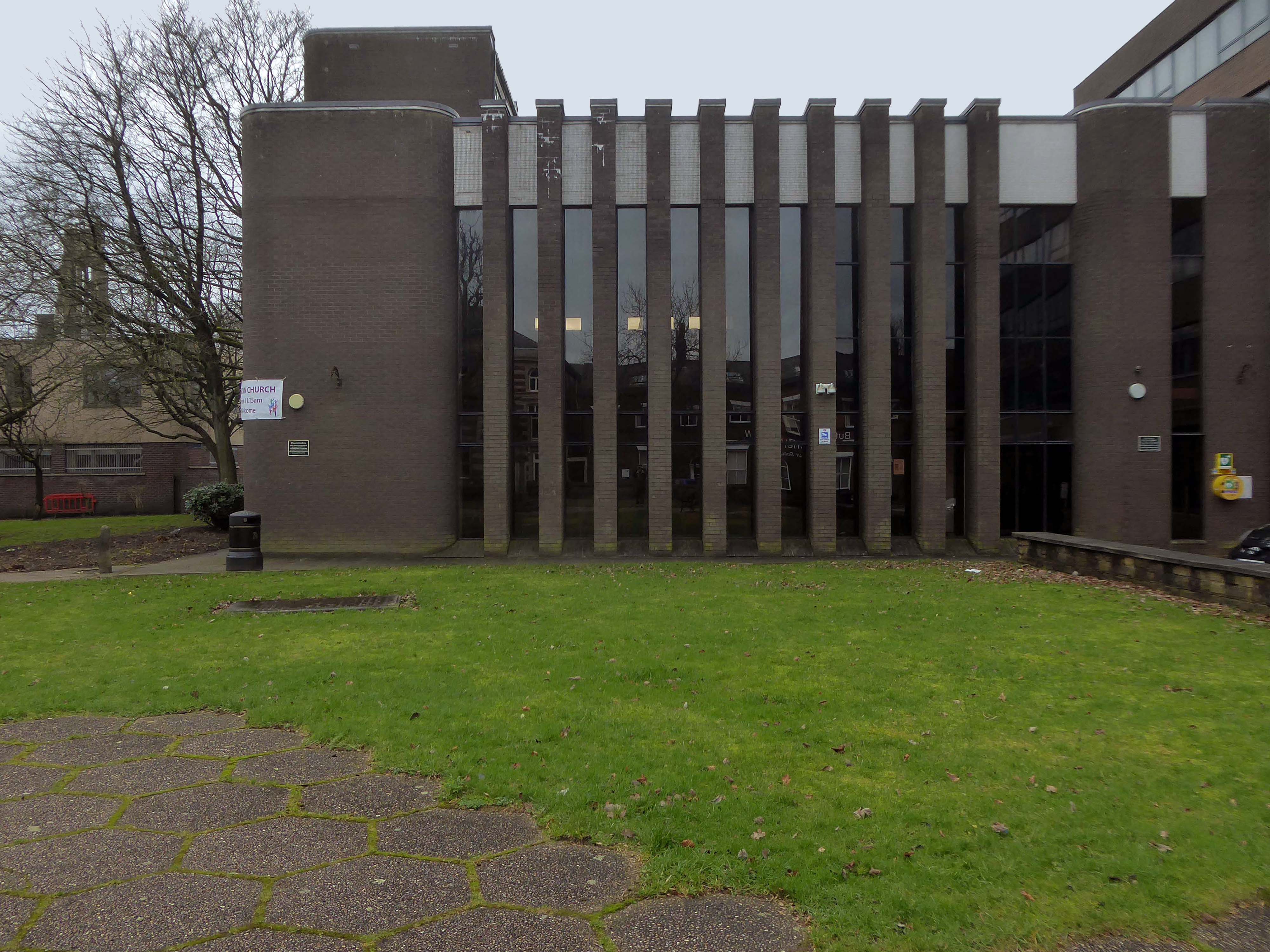
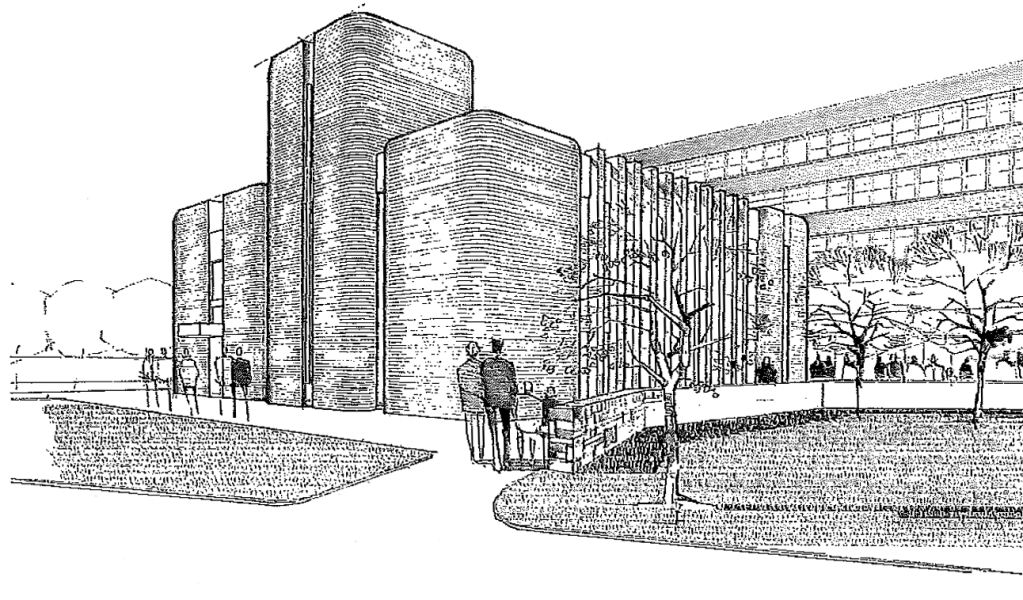
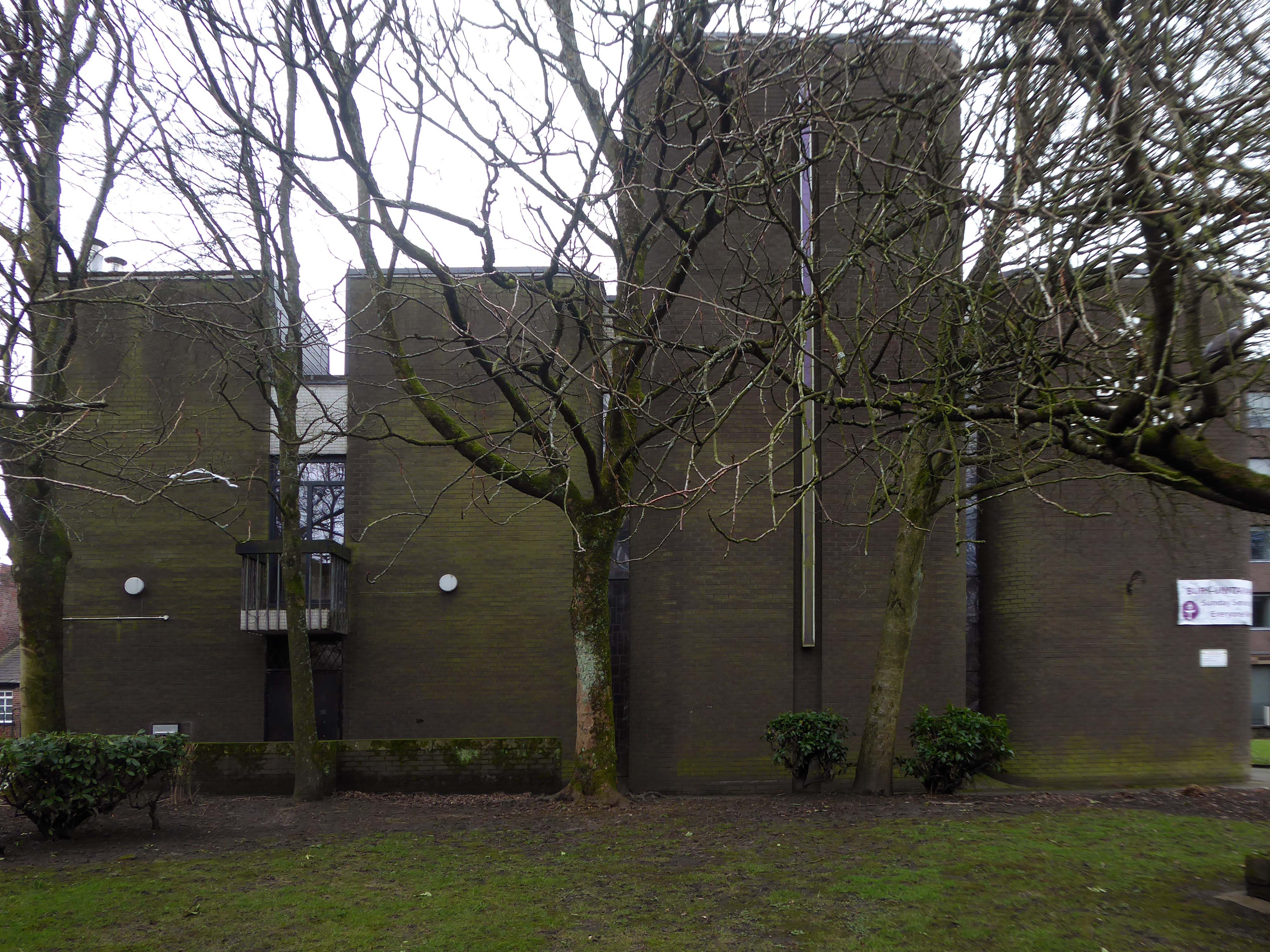
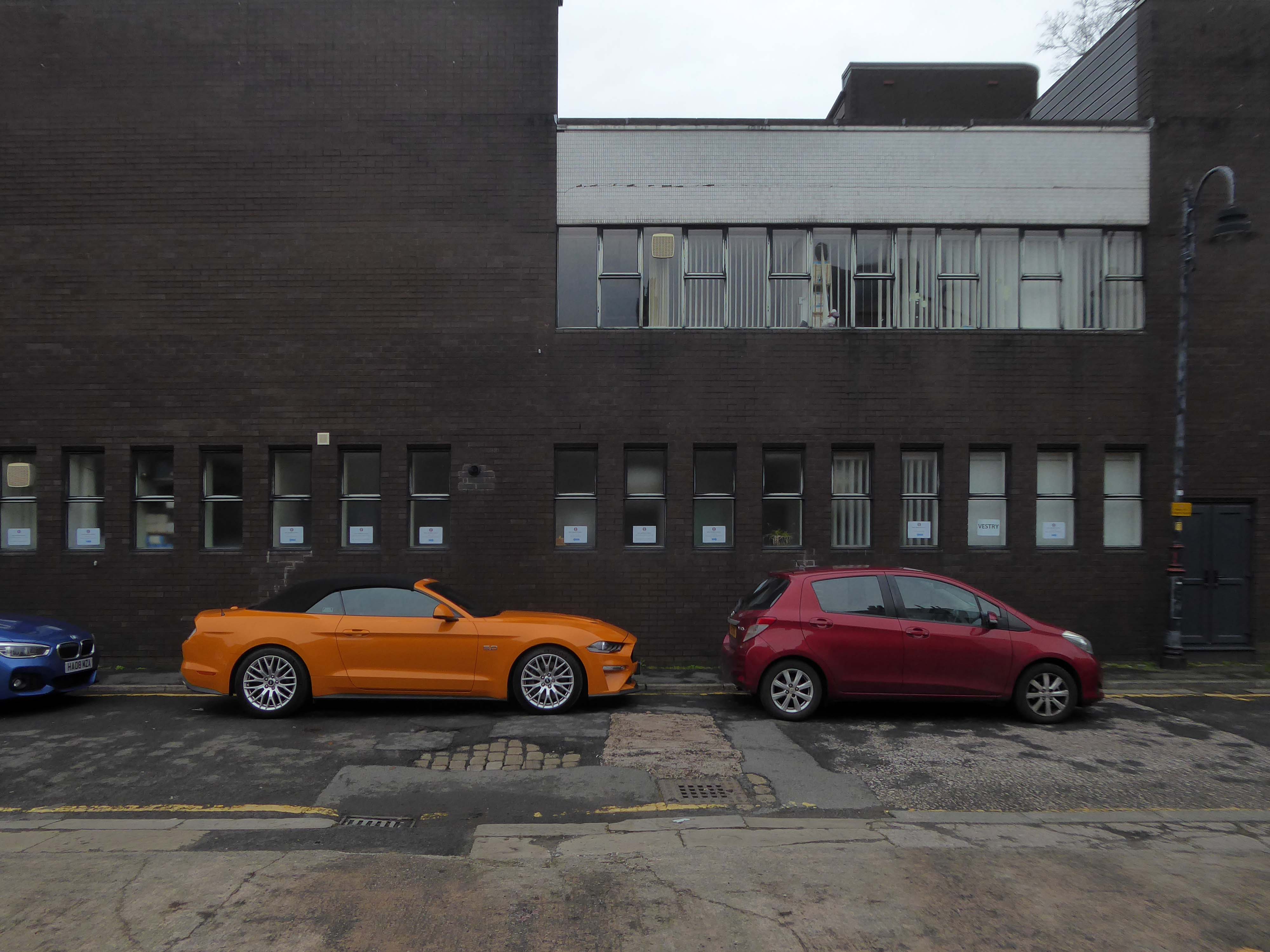
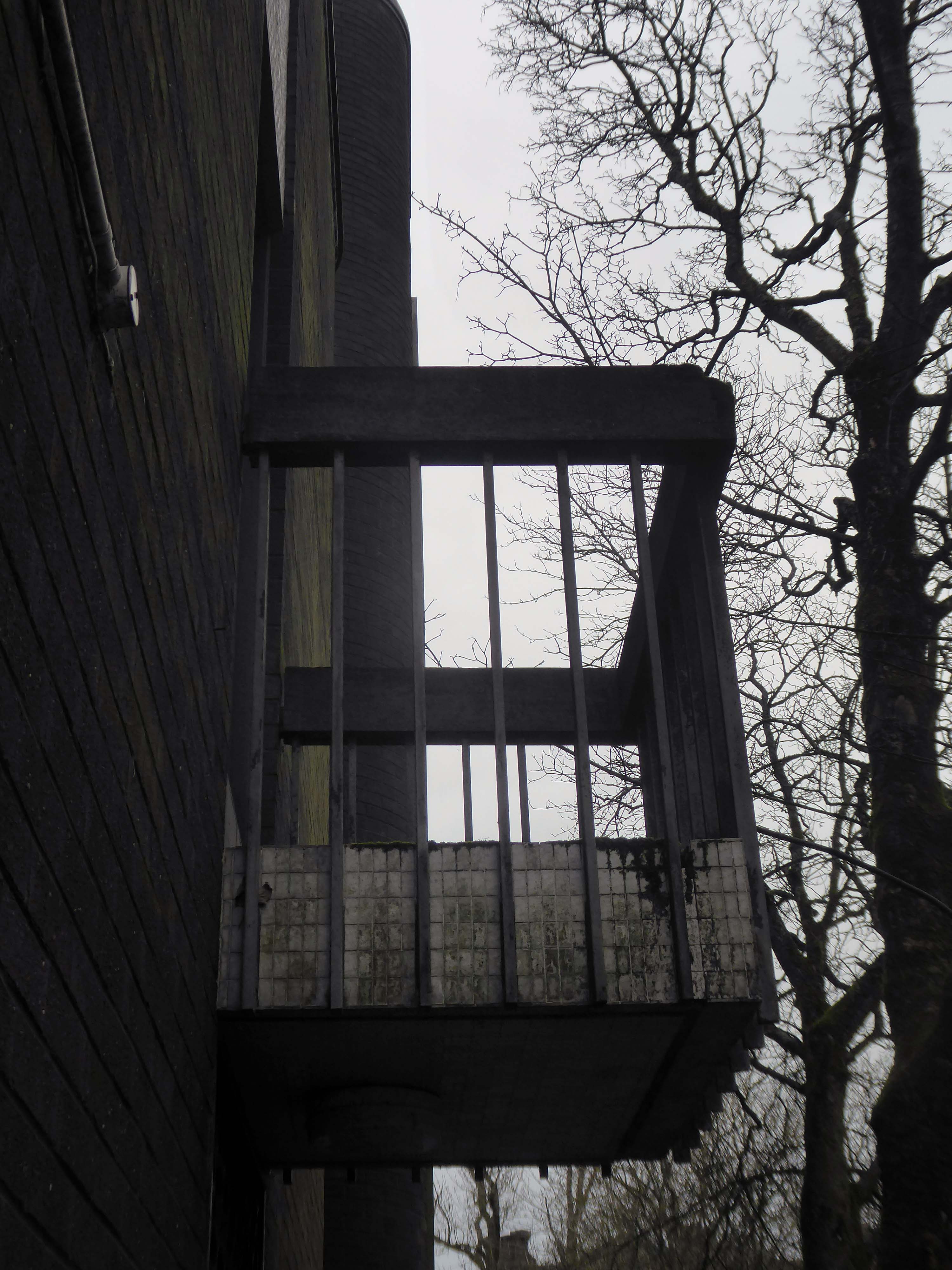
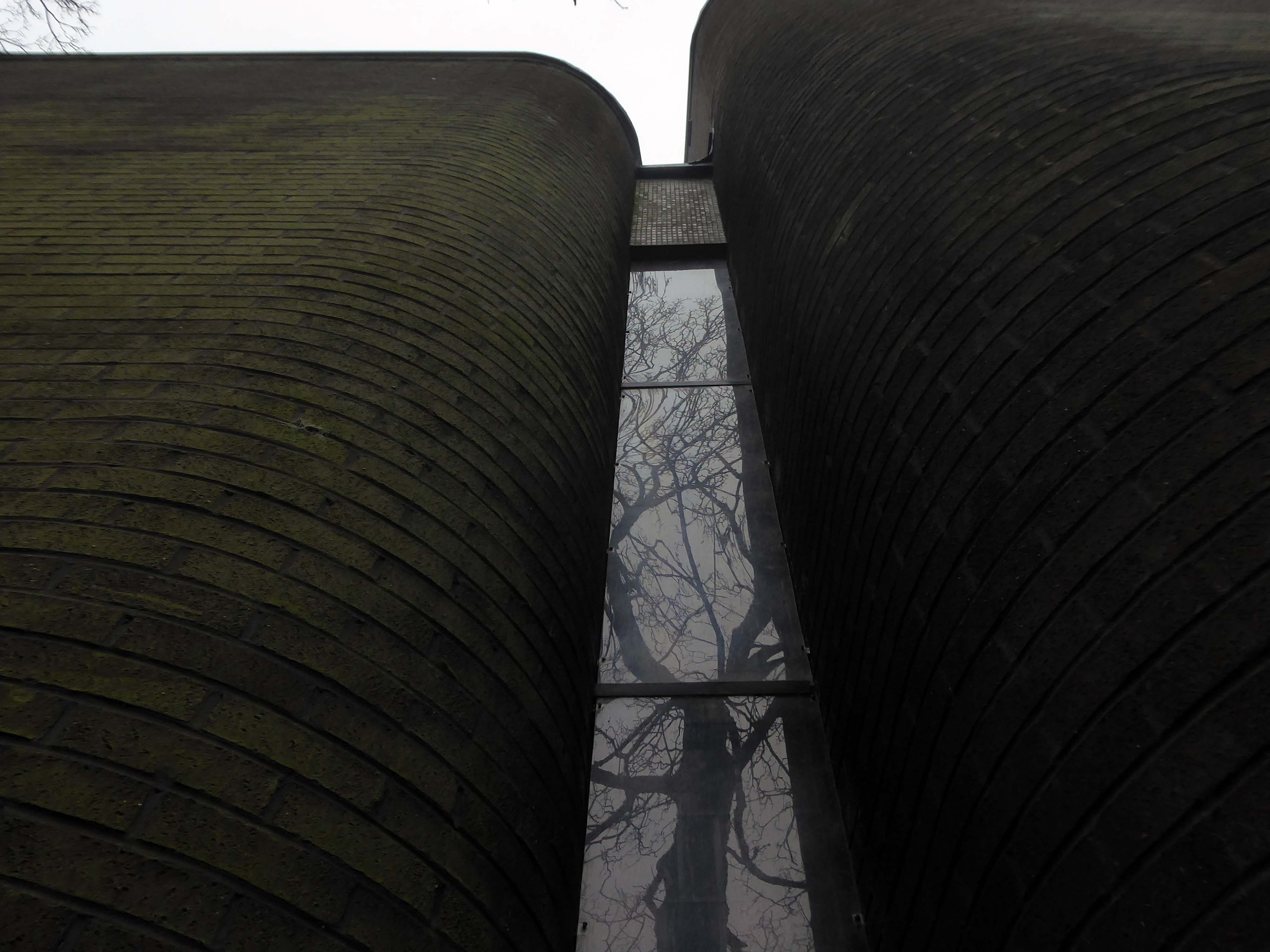
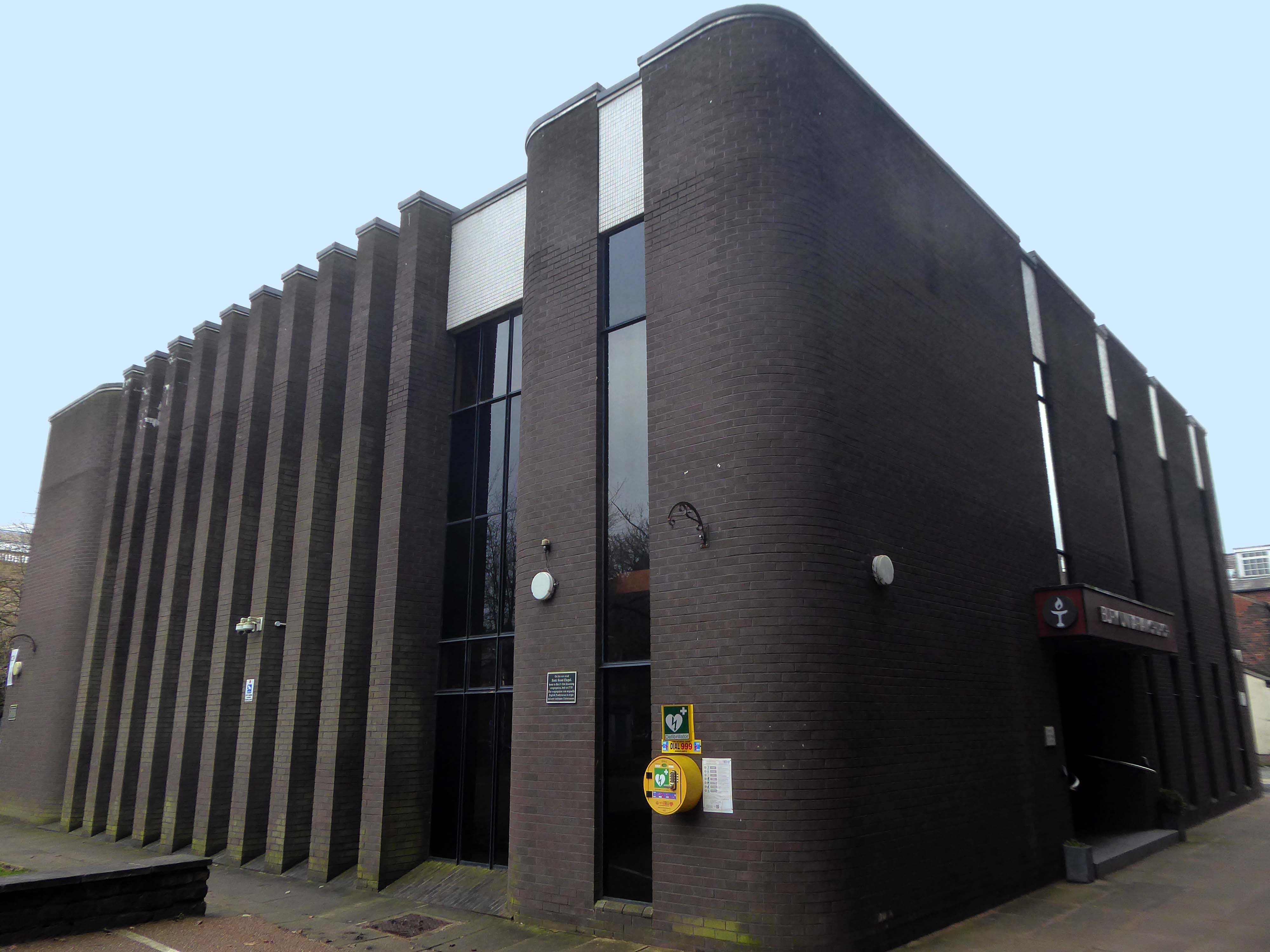
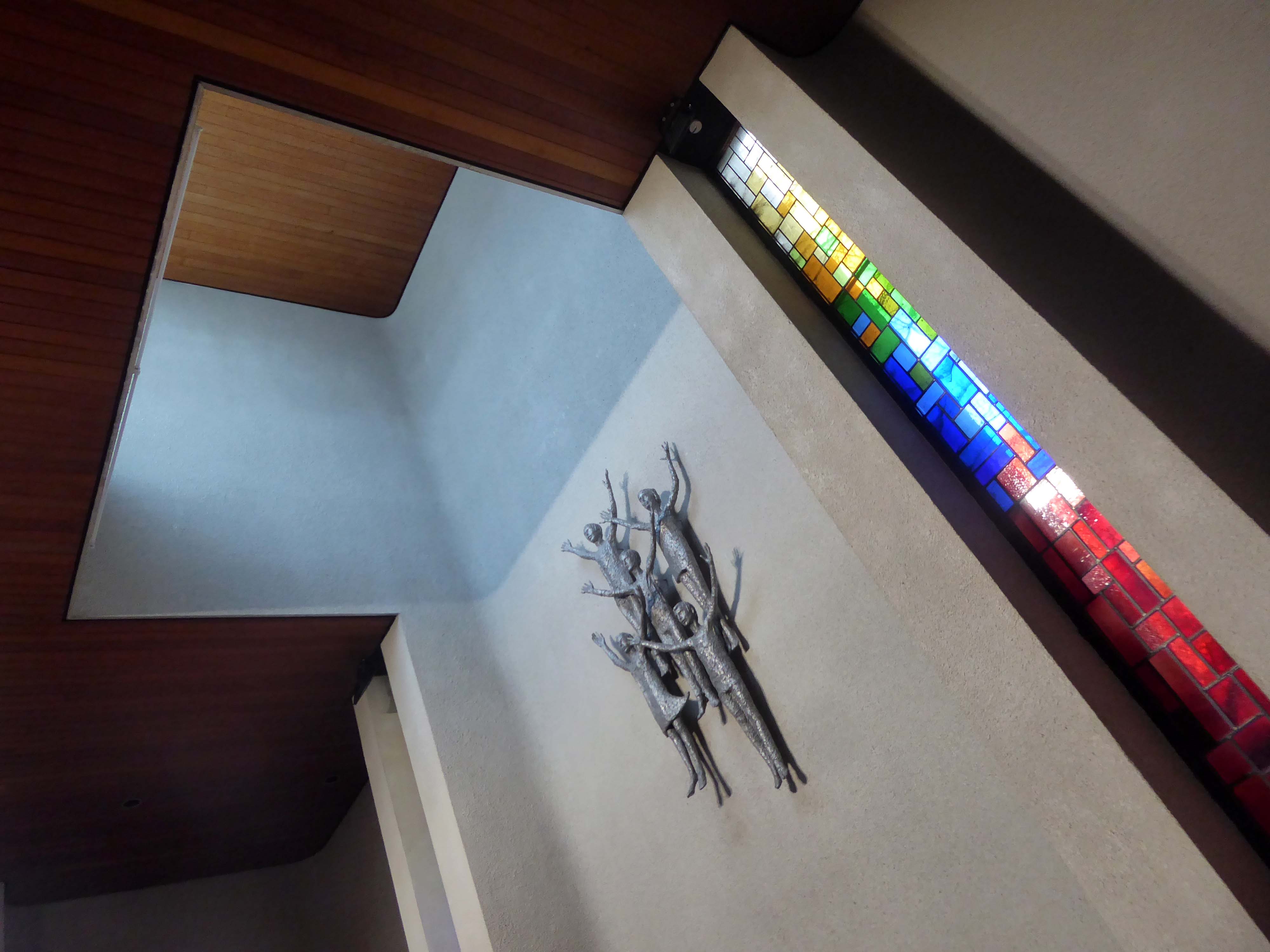
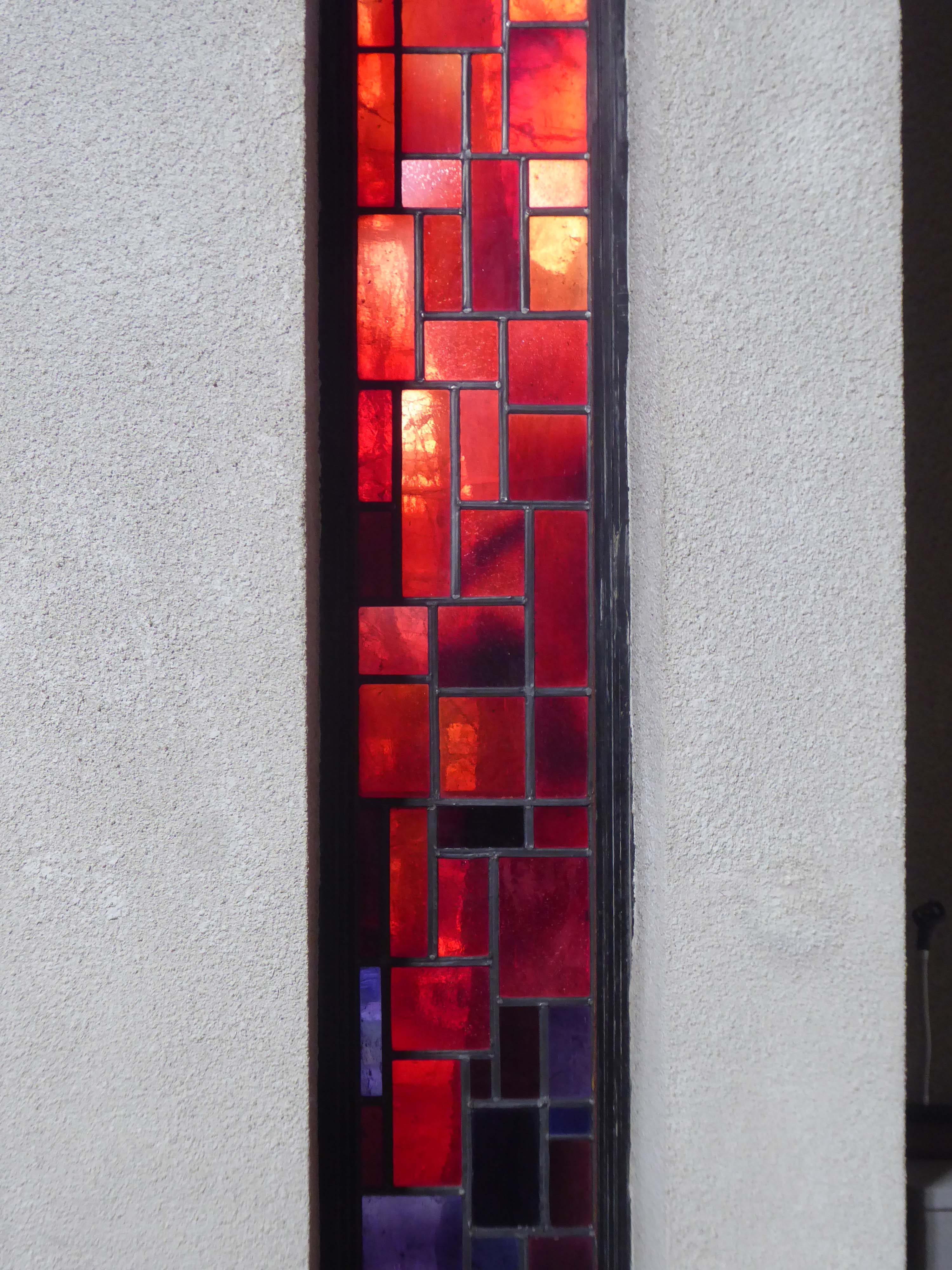
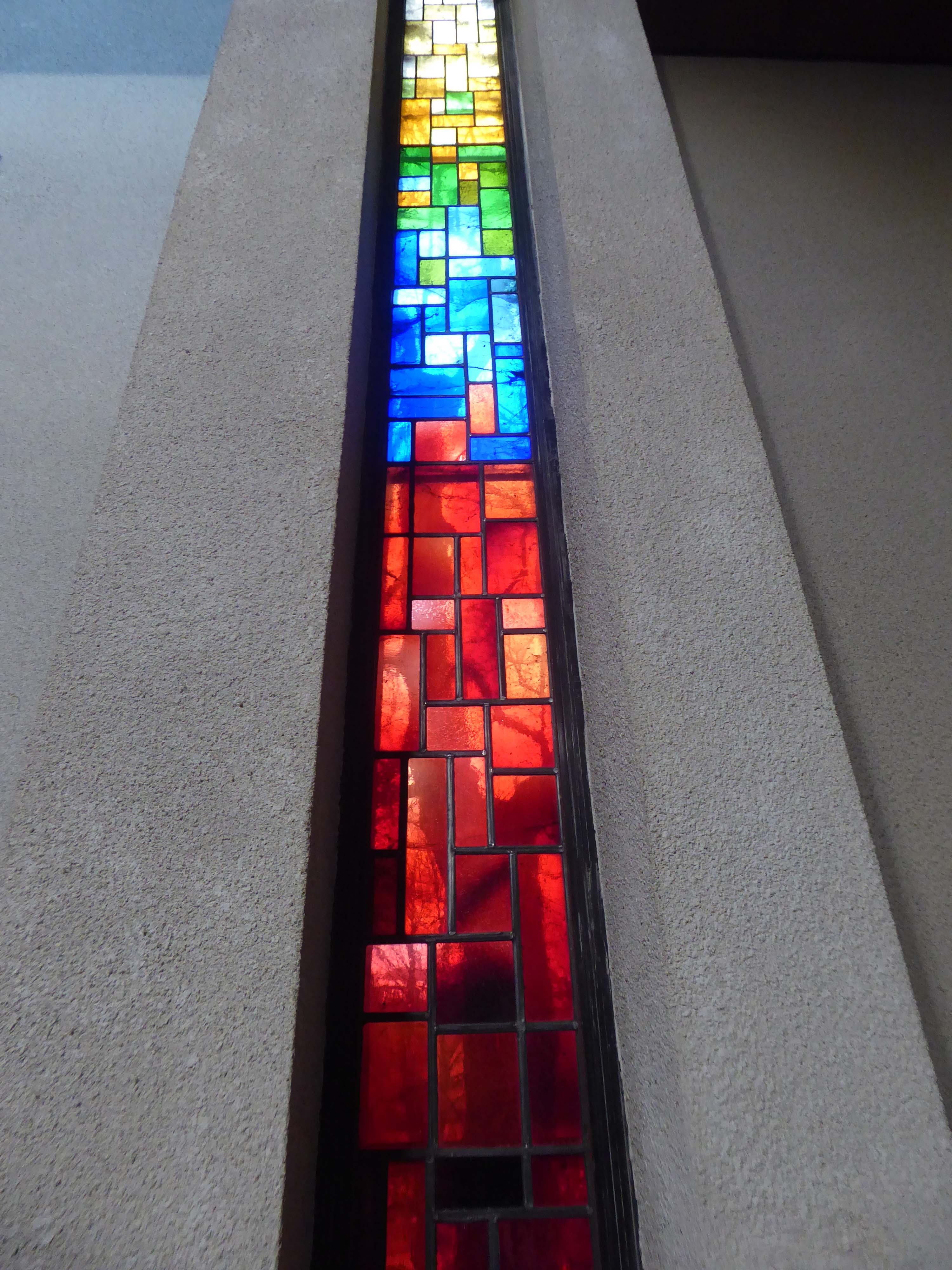
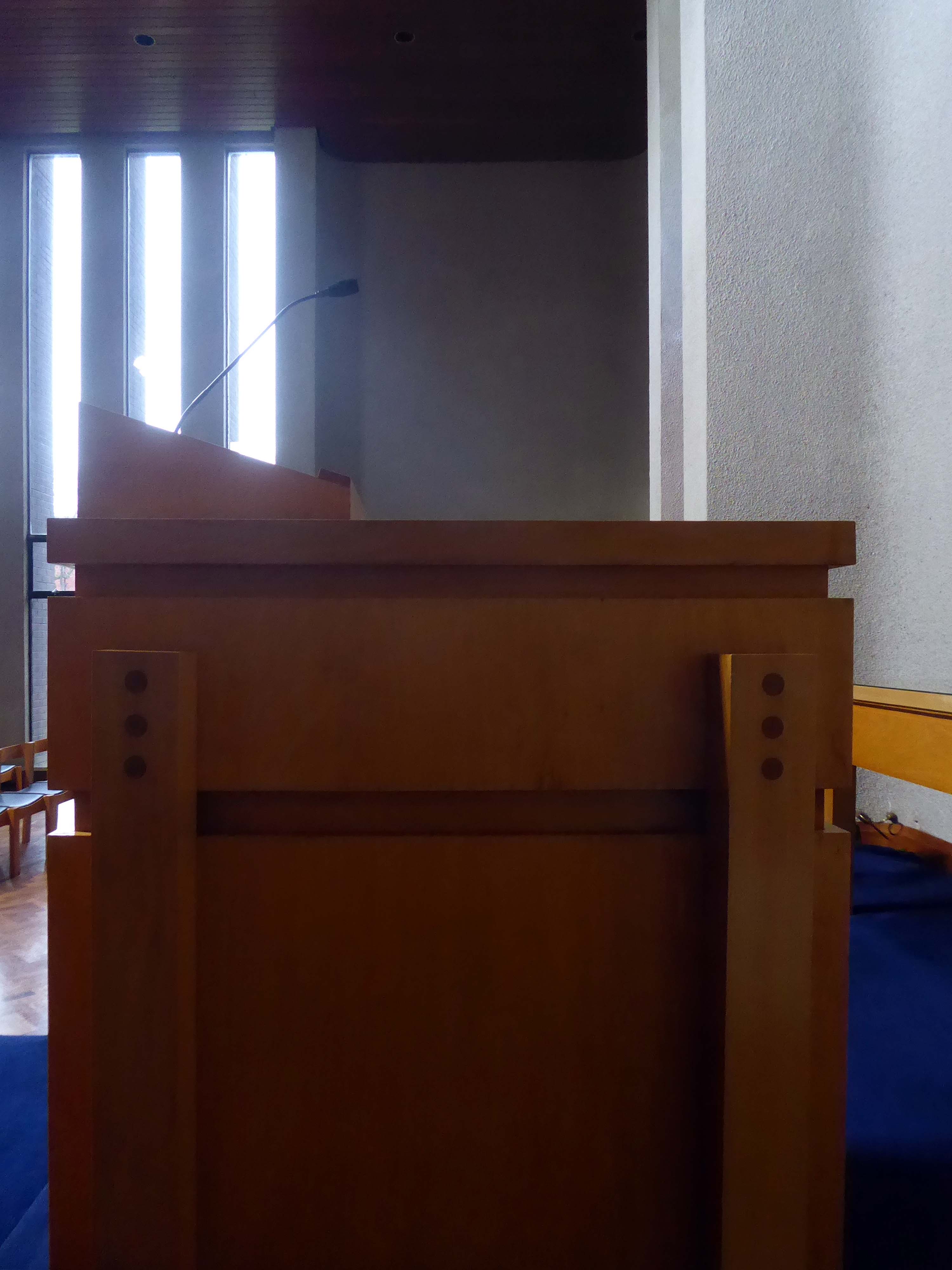
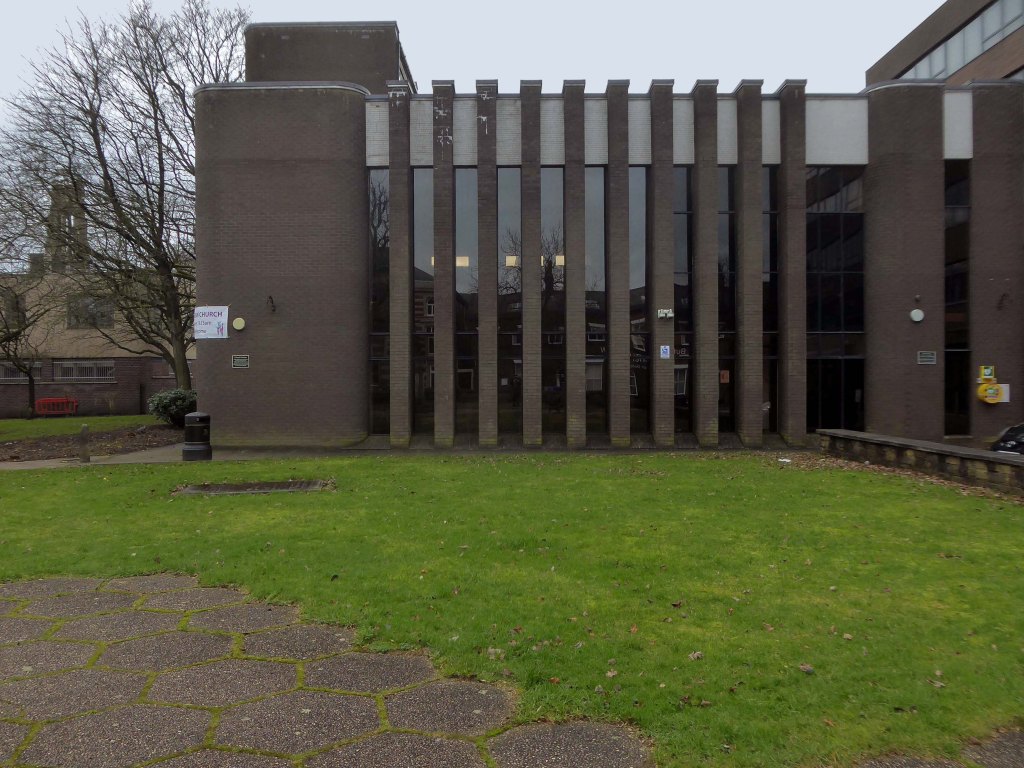
Unitarian Church.

The new church was designed and constructed by local architects James T Ratcliffe.
That’s the end of the line.
Bury Walk

Arriving at and looking around the Interchange – 1980 architects: Essex Goodman & Suggitt

It is the northern terminus of the Manchester Metrolink’s Bury Line, which prior to 1992 was a heavy-rail line.
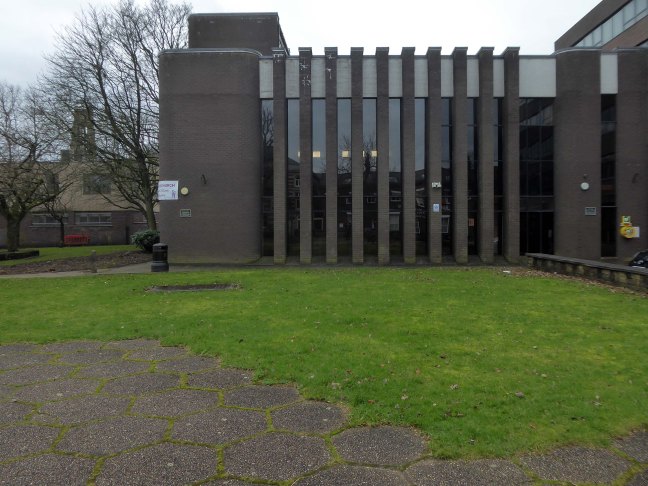
A new short spur line was constructed to connect the new station. The railway had originally run into Bury Bolton Street which was further away from the town centre, and was closed by British Rail on the same day that Bury Interchange opened.

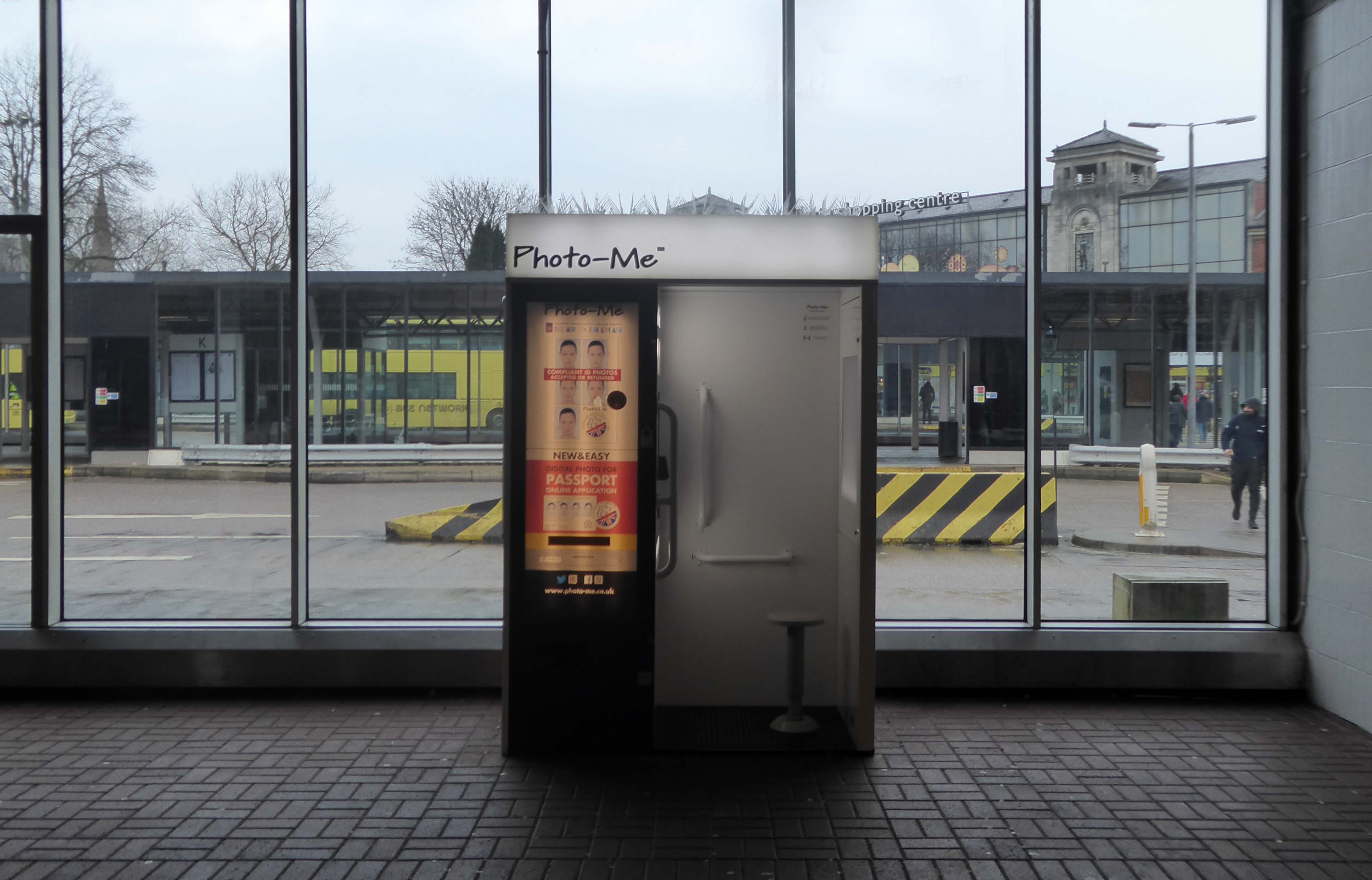
It also incorporates a bus station.

Bury Interchange replaced the bus termini scattered around Bury town centre, notably around Kay Gardens.

Wikipedia

Image courtesy of Roy Banks

An £80m transformation is coming to the Bury Interchange, which will see step-free access at the Metrolink, a “vertical circulation core” to better connect the Metrolink with the bus facility, and an integrated travel hub with spaces for cycle storage.
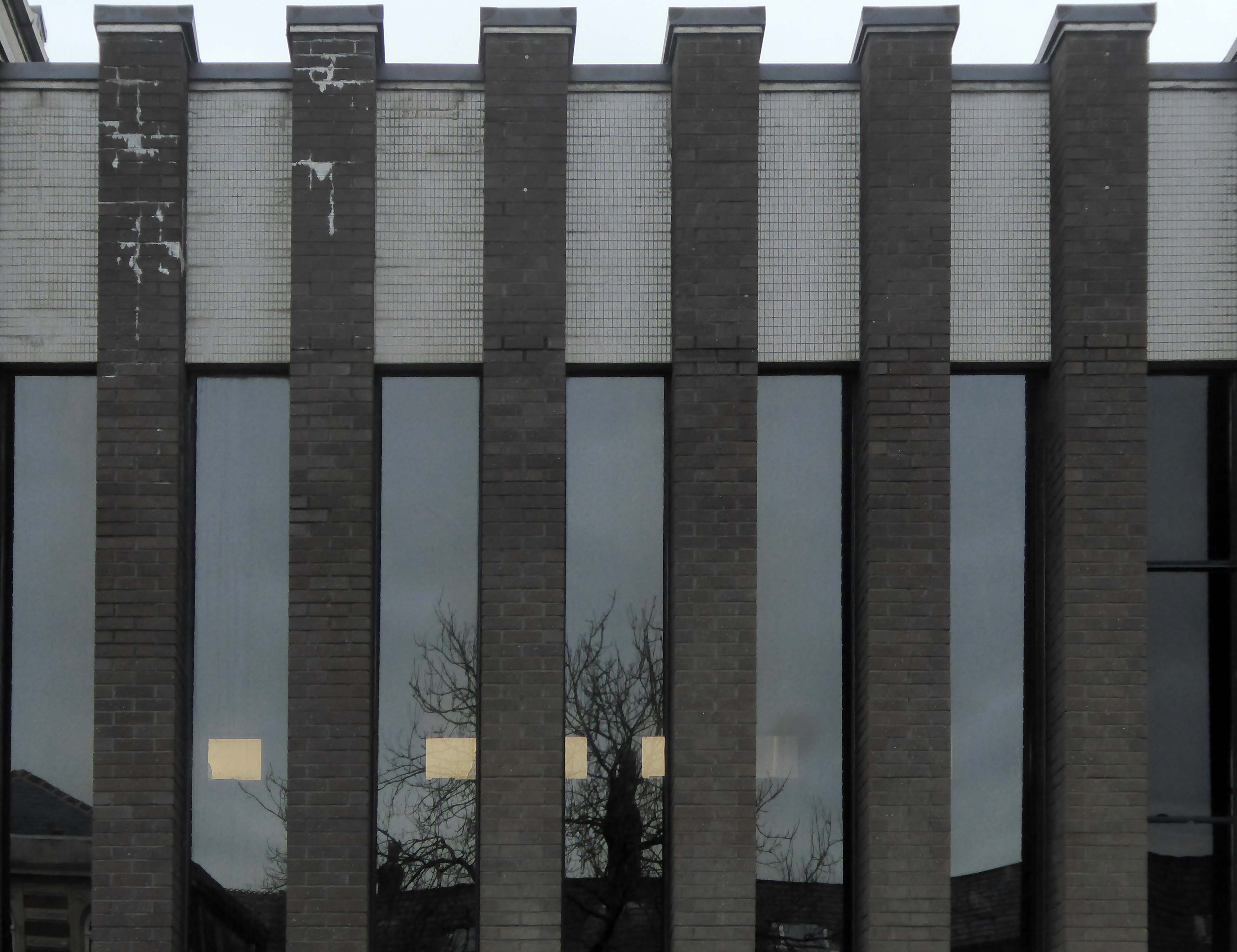
The work is much-needed, explained Transport for Greater Manchester’s Alan Lowe, he said that the interchange was built in the 1980s and very much is of its time.

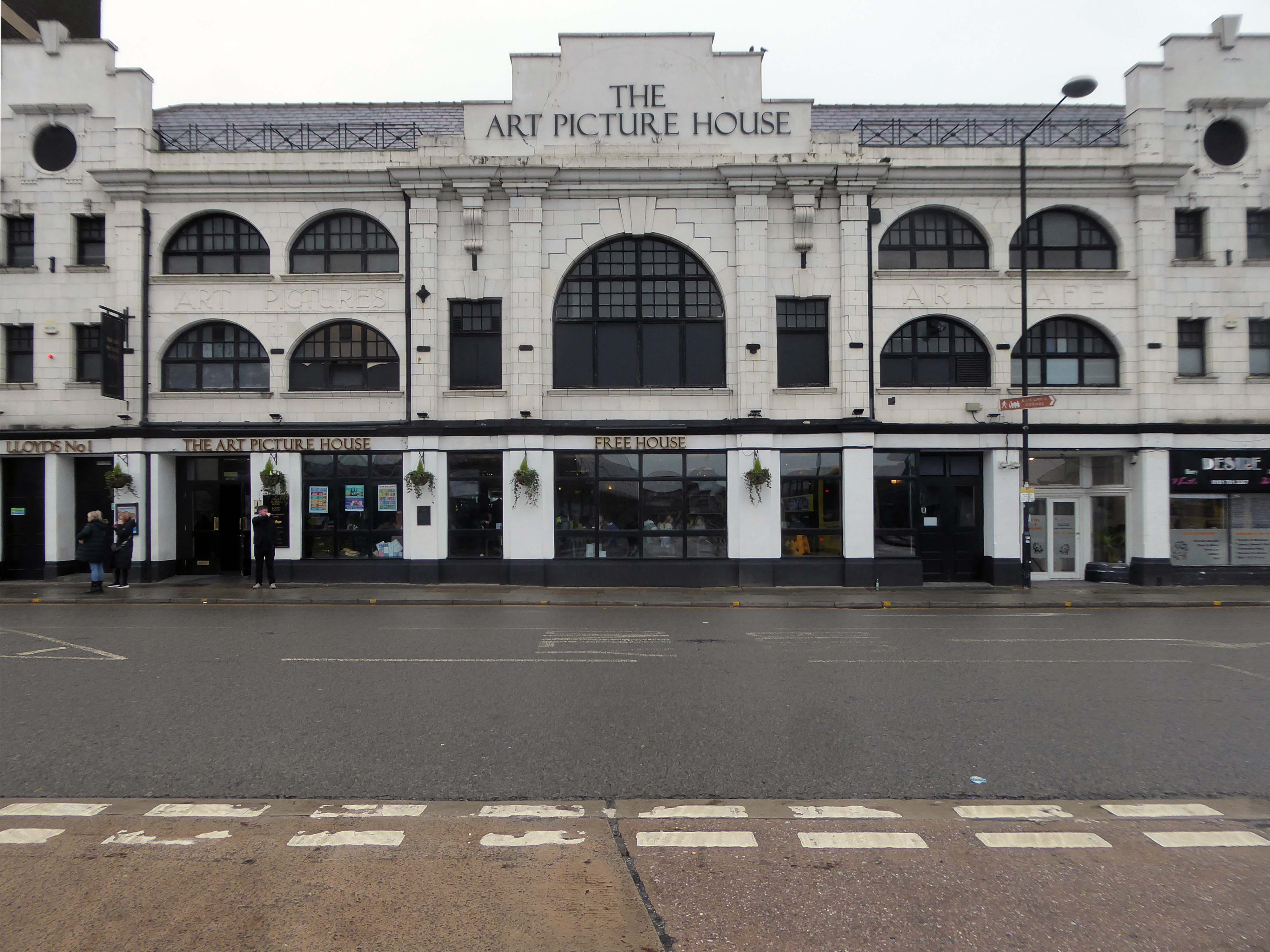
Onward to the Art Picture House which is Grade II Listed – currently operating as a Wetherspoons.

The Art Picture Palace was a 1923 rebuild of the earlier Art Picture Hall both designed by architect Albert Winstanley. The Art Picture Palace was opened on 26th January 1923. A remarkably complete survivor of a 1920’s cine-variety house executed in an elaborate style.

Films ceased in February 1965 and it became a bingo club. Later converted into a billiard hall until 19th May 1991 when it became a bingo club again, it later became a Chicago Rock Cafe.

Cinema Treasures

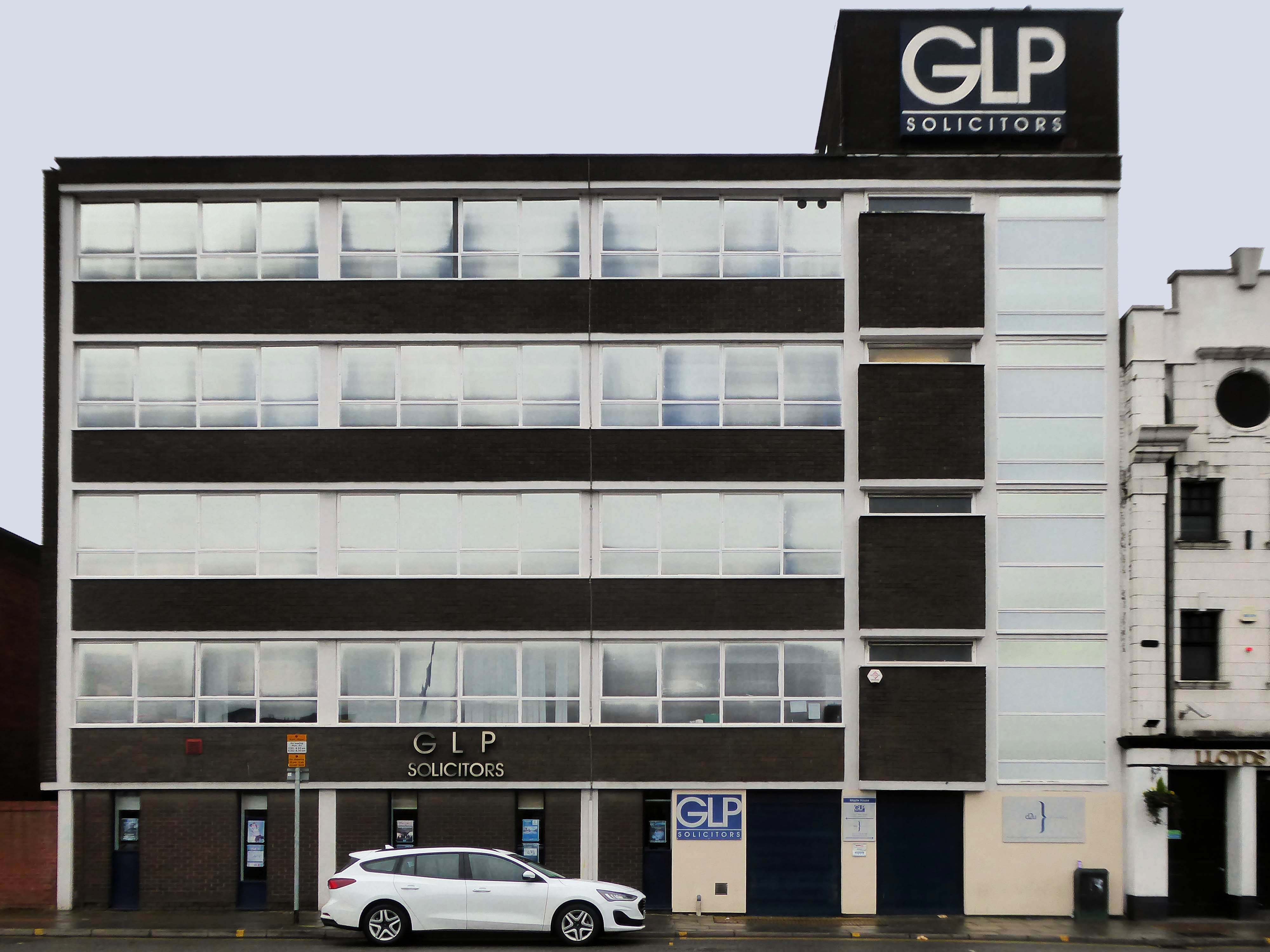
Next door a typical steel glass and brick banded office block Maple House.

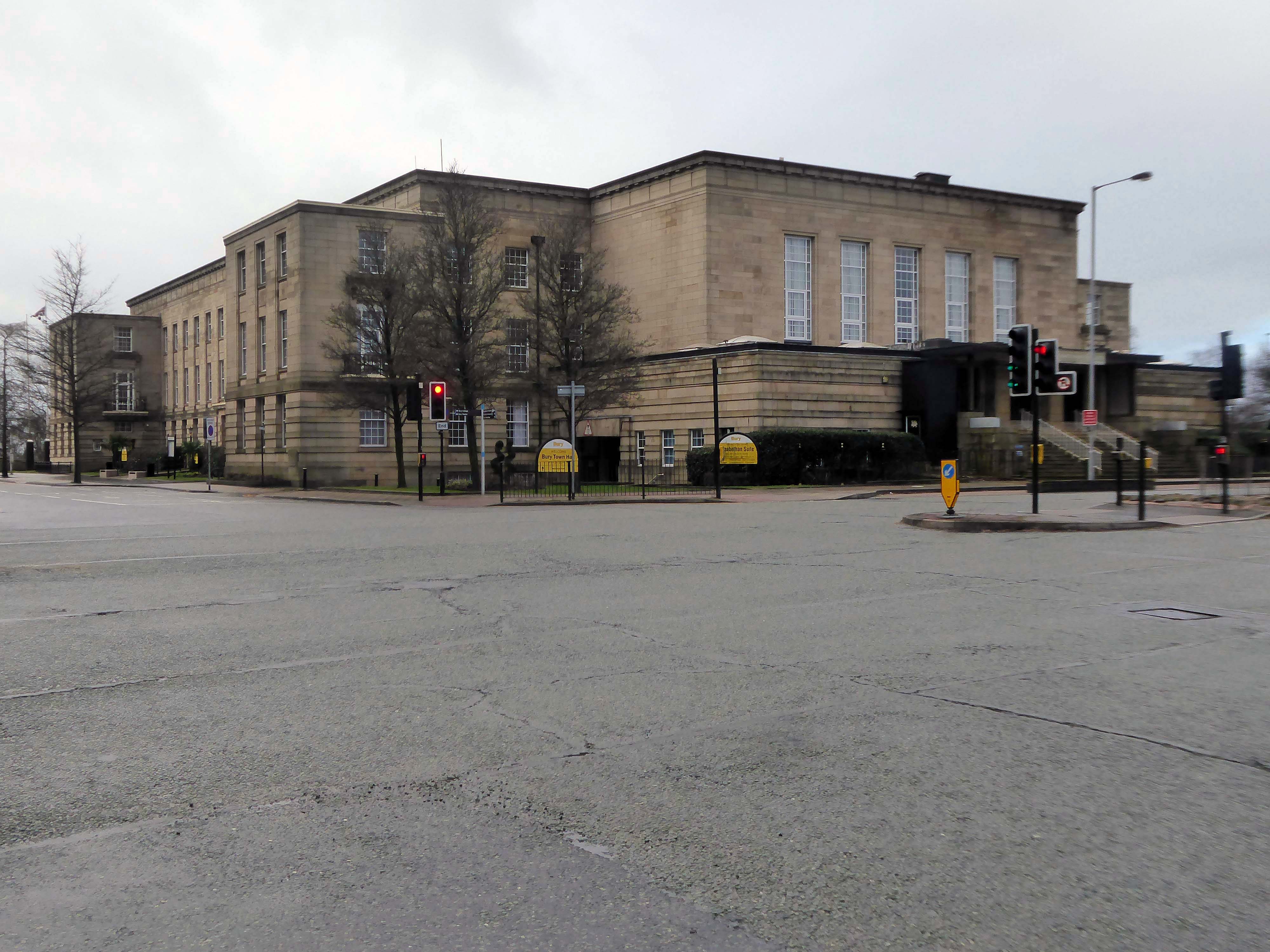
Around the corner and over the road to the Town Hall 1939-40 architects: Reginald Edmonds of Jackson & Edmonds then 1947-54.

Large and Dull – Niklaus Pevsner.

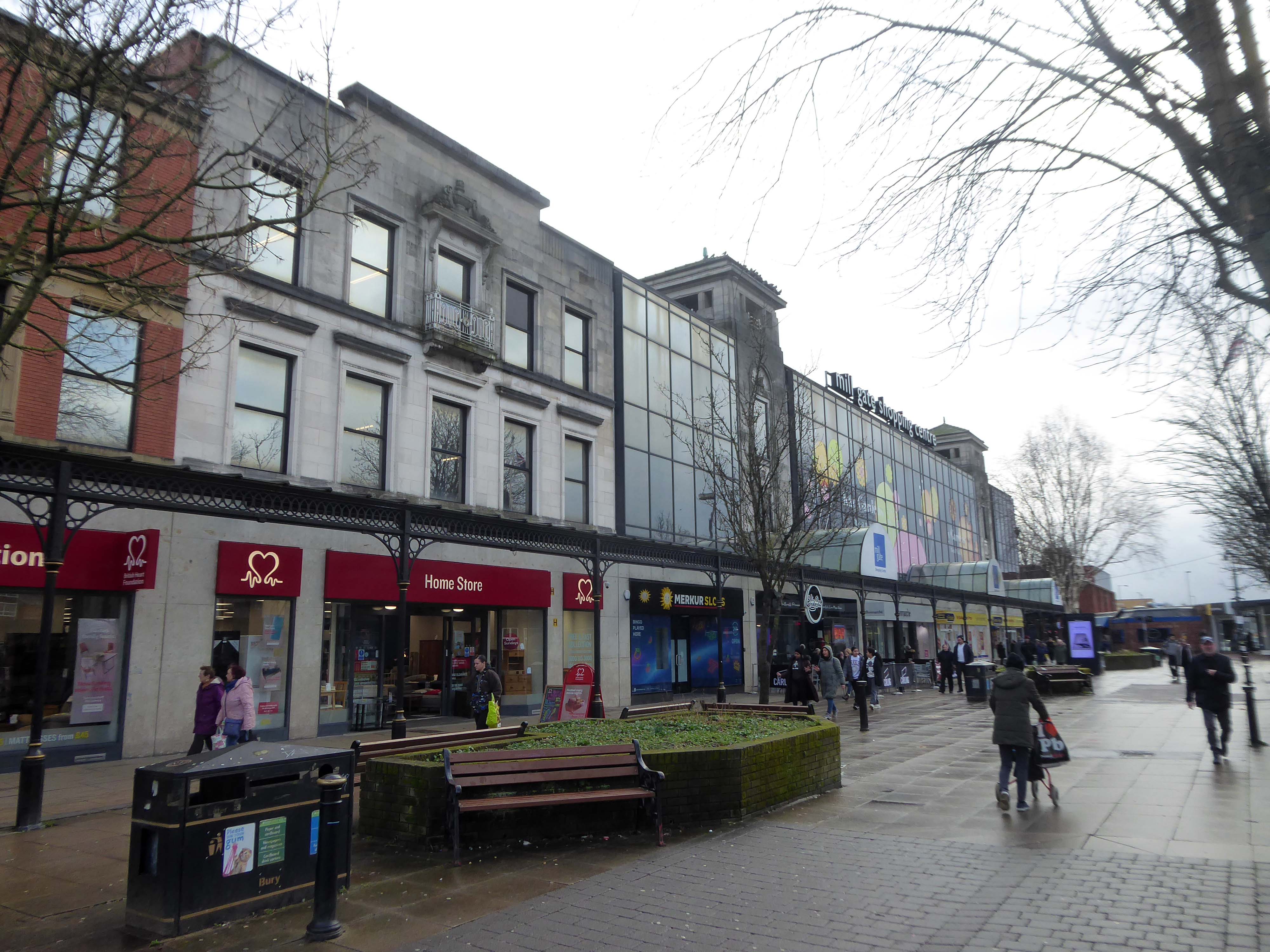
Back through the Interchange to the former Cooperative Store of the 1930’s.

The Portland Stone towers still visible – the elevation largely retro-clad in glass.

Passing through the Millgate Shopping Centre of the 1980’s.

Unambitious but successful, the floors cheerfully tiled – Niklaus Pevsner.

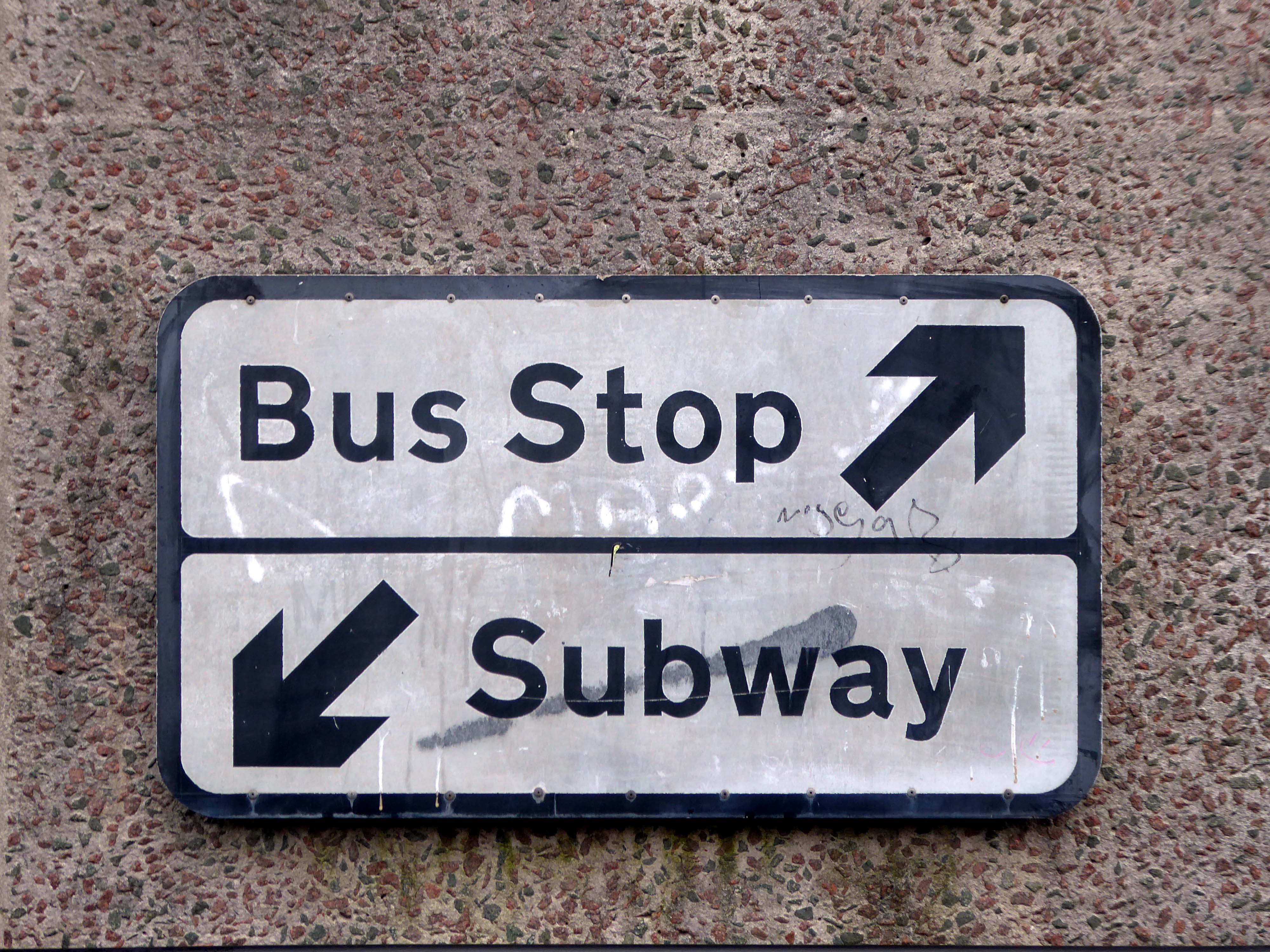
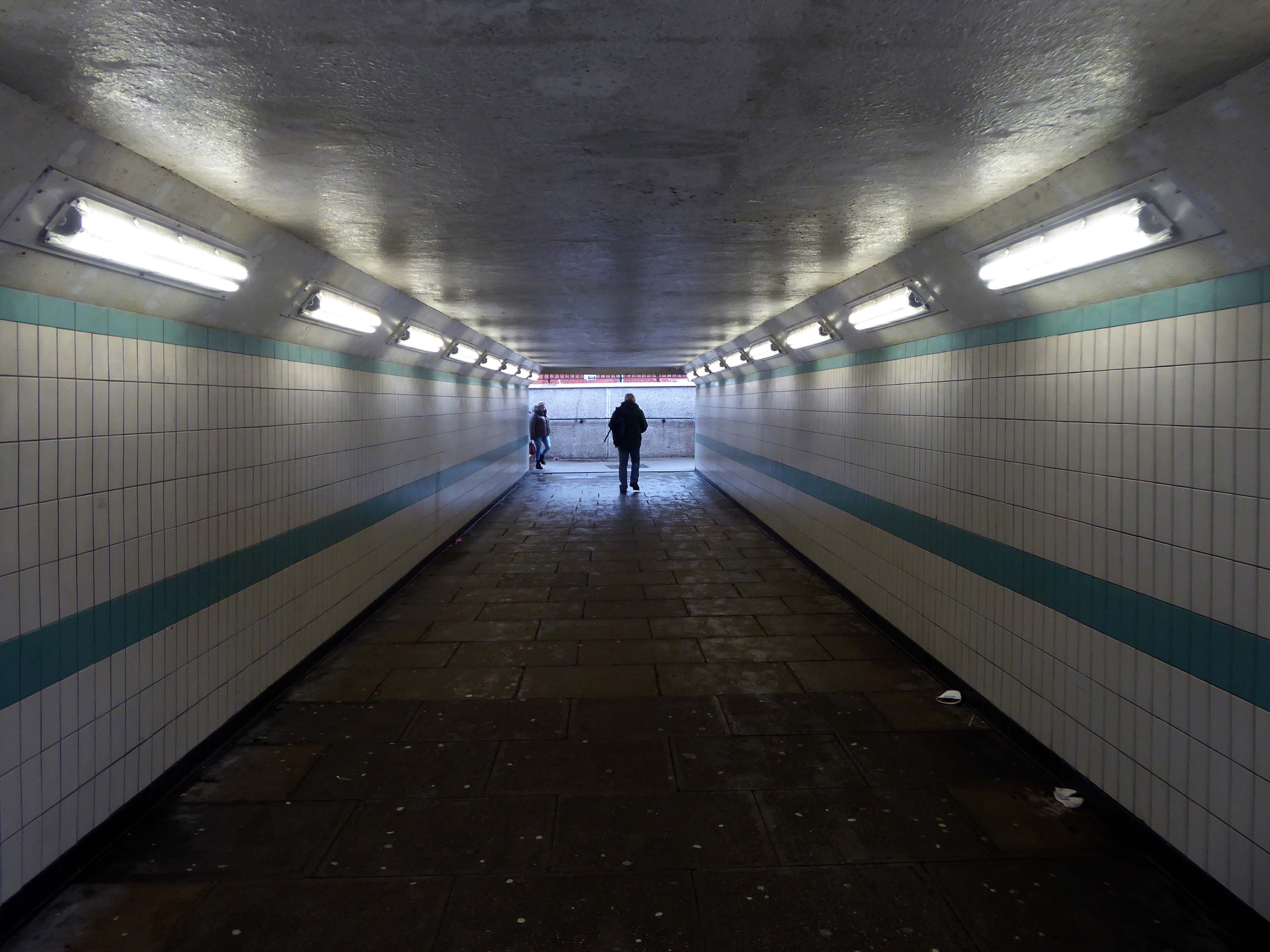
Down in the subway at midday.

The better to get a view of the Market Hall 1971 – architects: Harry S Fairhurst.

The Indoor Market Hall is currently closed due to the discovery of Reinforced Autoclaved Aerated Concrete – within the building structure. RAAC is a lightweight type of building material that was used between the 1950s and 1990s.

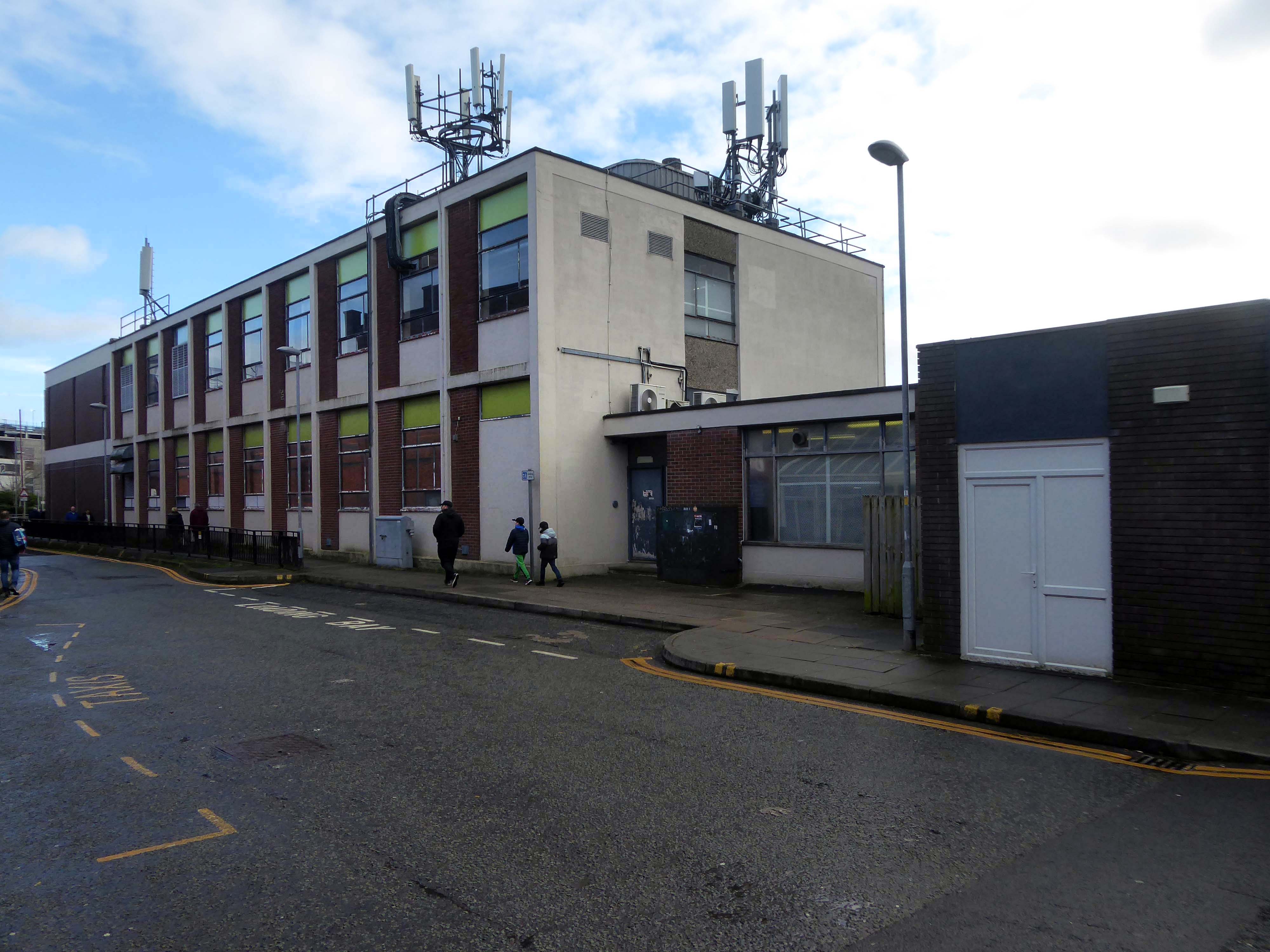
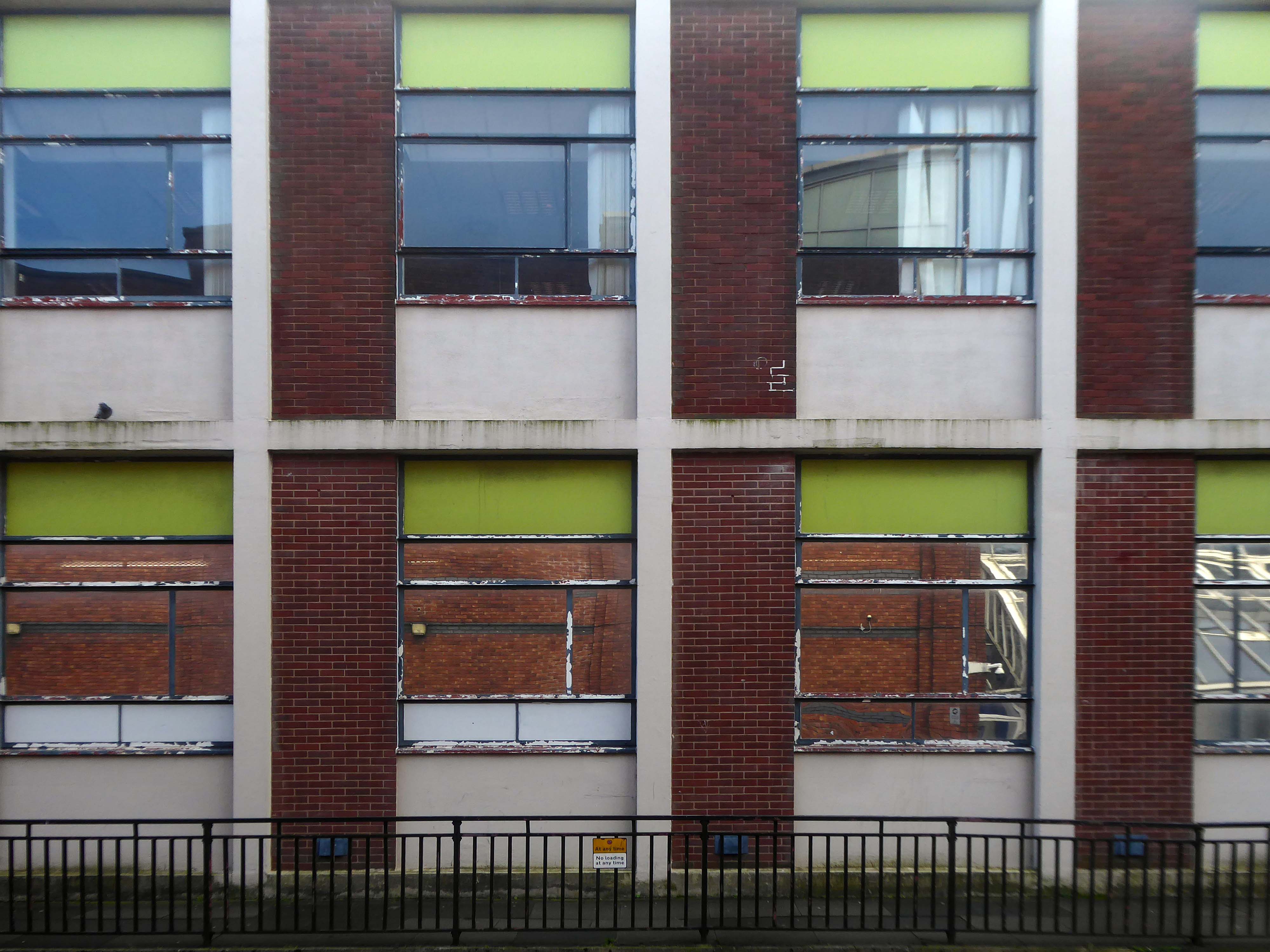
Back under the road – where we find a delightful Telephone Exchange.

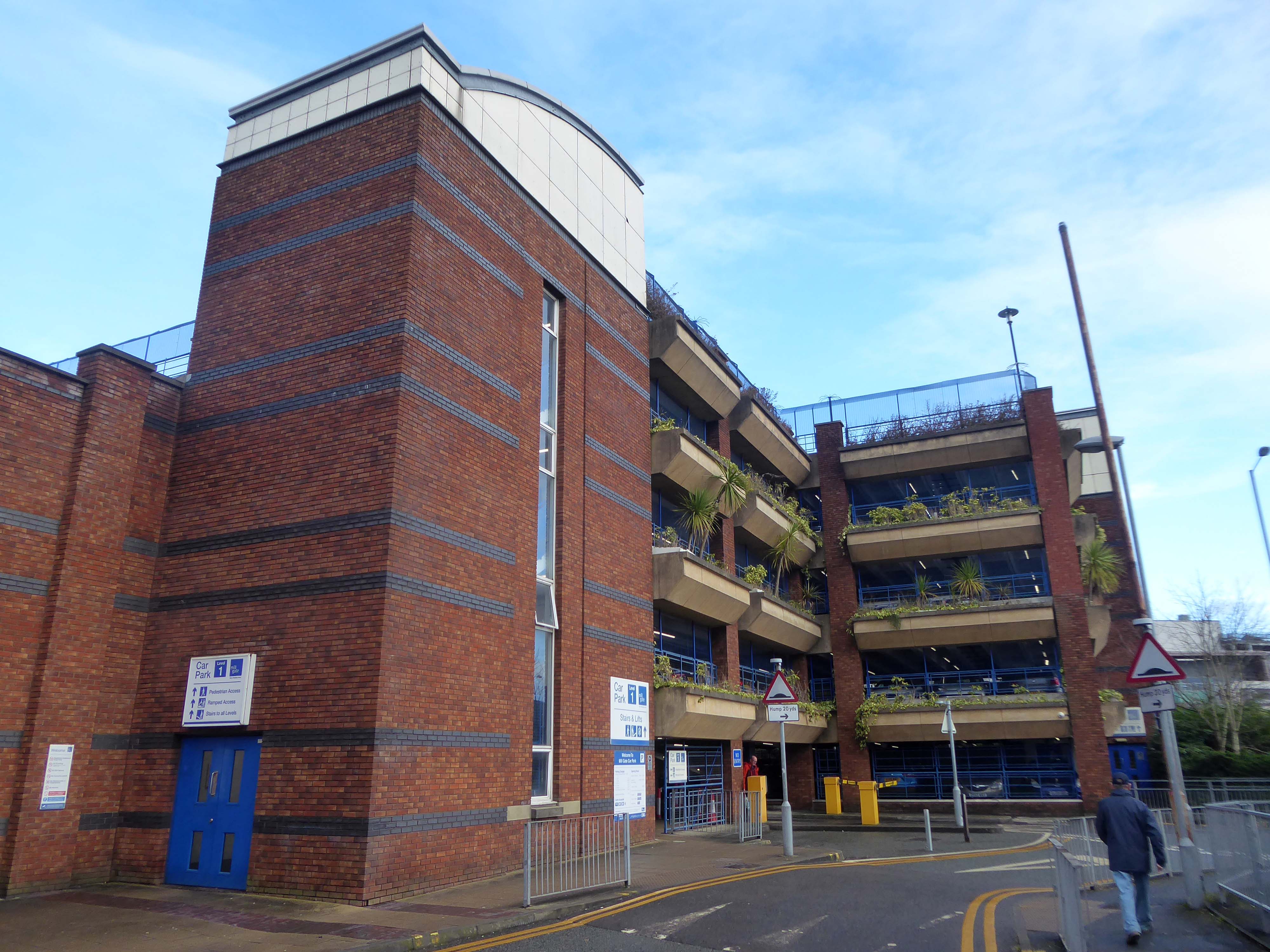
With an adjacent Multi Story Car Park.

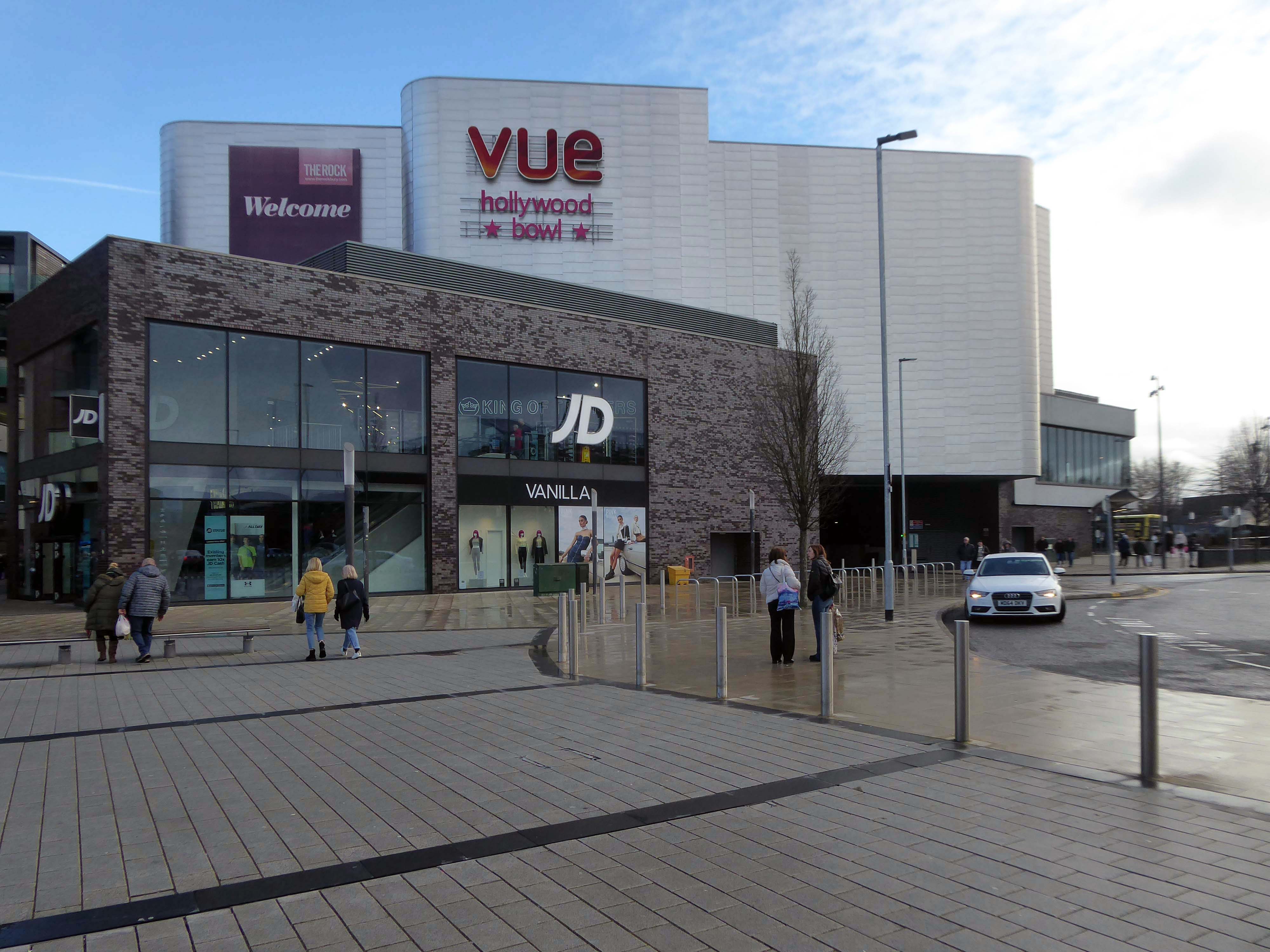
Around the bend to The Rock.

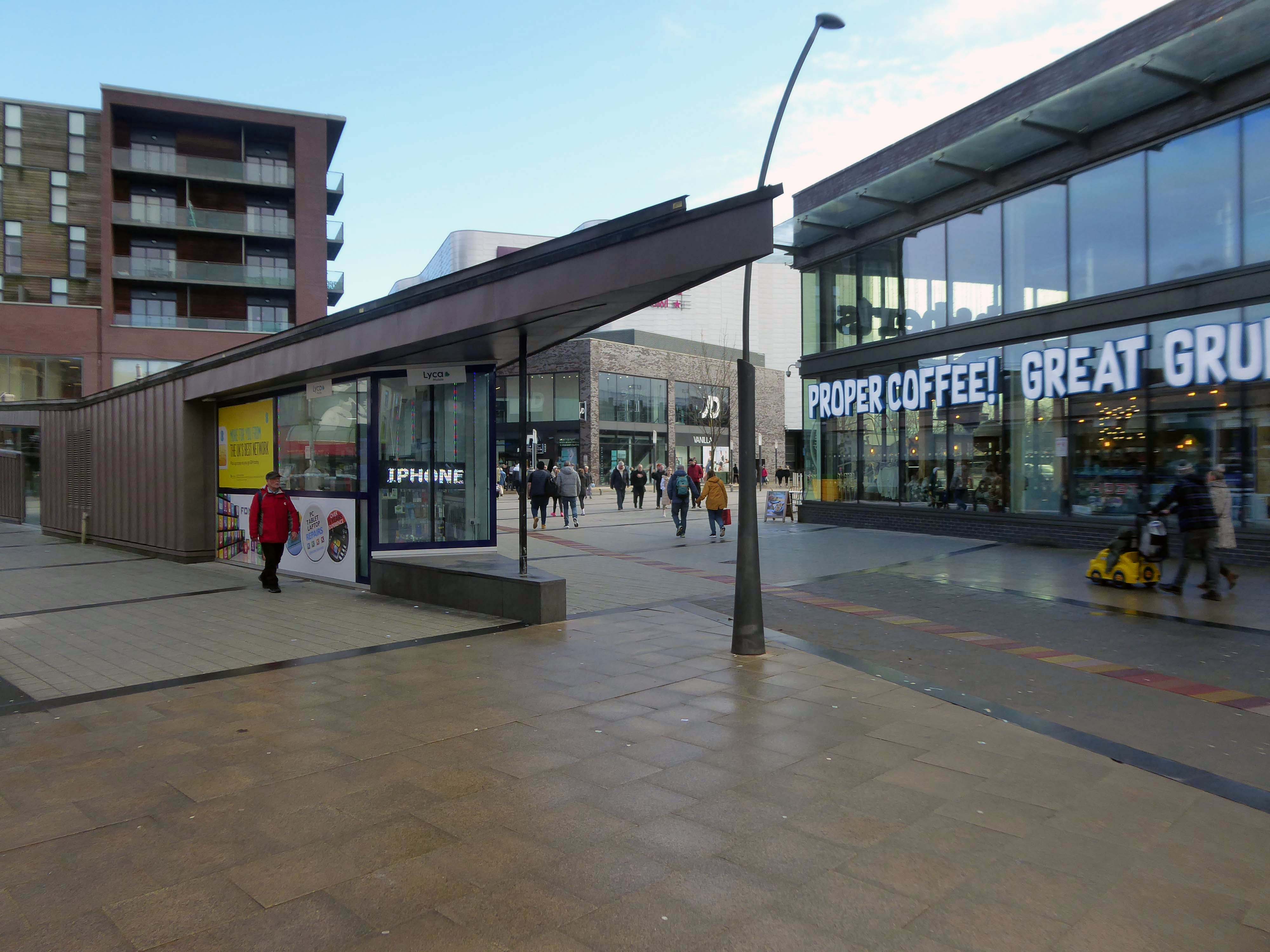
The Rock is a vibrant retail and leisure centre which is home to a range of high street fashion brands, independent retailers, tantalising eateries and fantastic entertainment – it’s the perfect place to visit any day of the week. 

It is the work of architects BDP – completed in 2010 at a cost of £350 million.

Our masterplan for The Rock took into account the historical street pattern and public realm context to give the scheme its own identity, and make visual connections to local landmarks.

The retail and leisure scheme brings many exciting brands to Bury for the first time.

New pedestrian streets rejuvenate and improve connections to adjacent areas stitching the town back together.

The development will also contain 408 one and two-bedroom apartments.

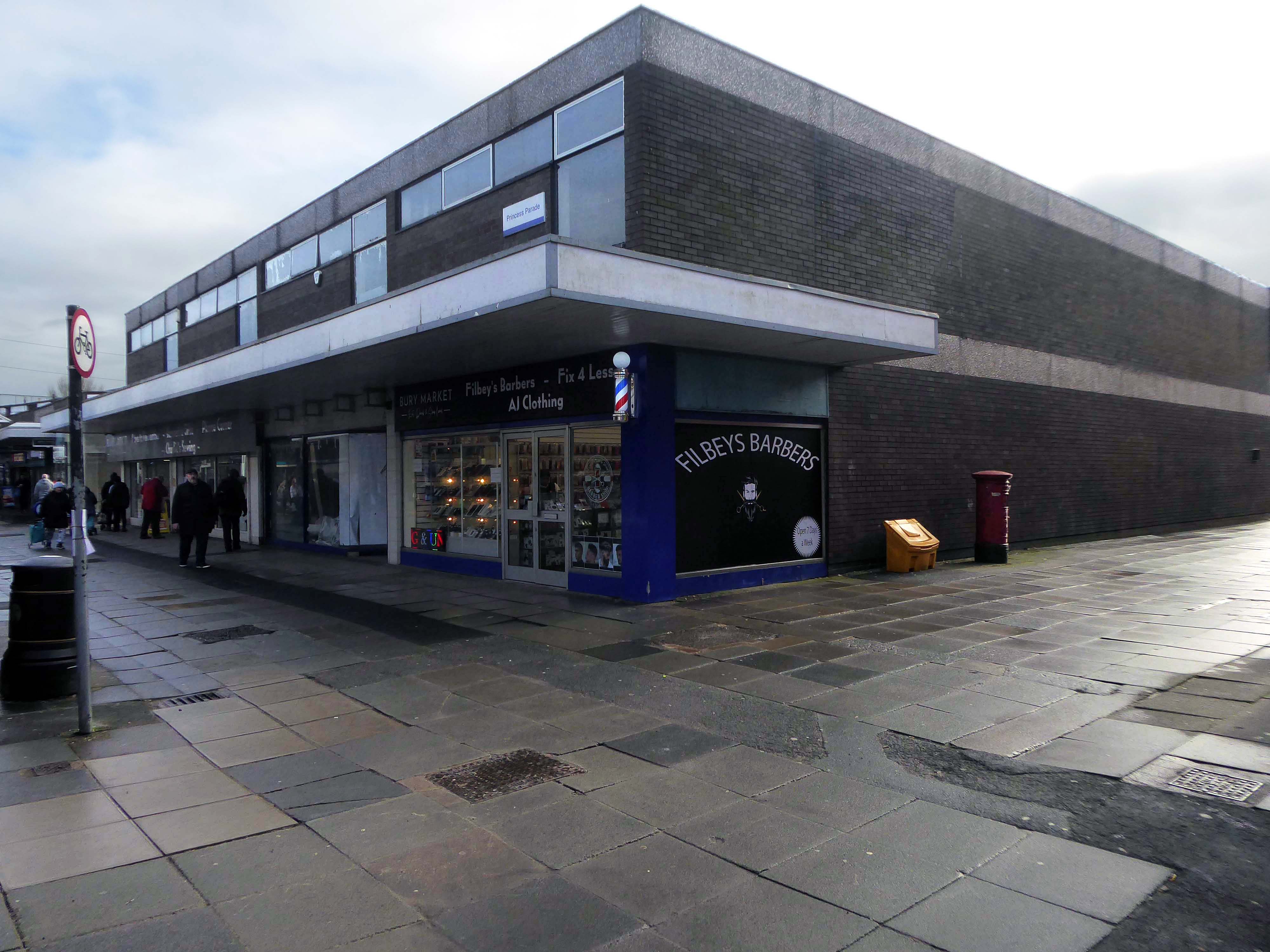
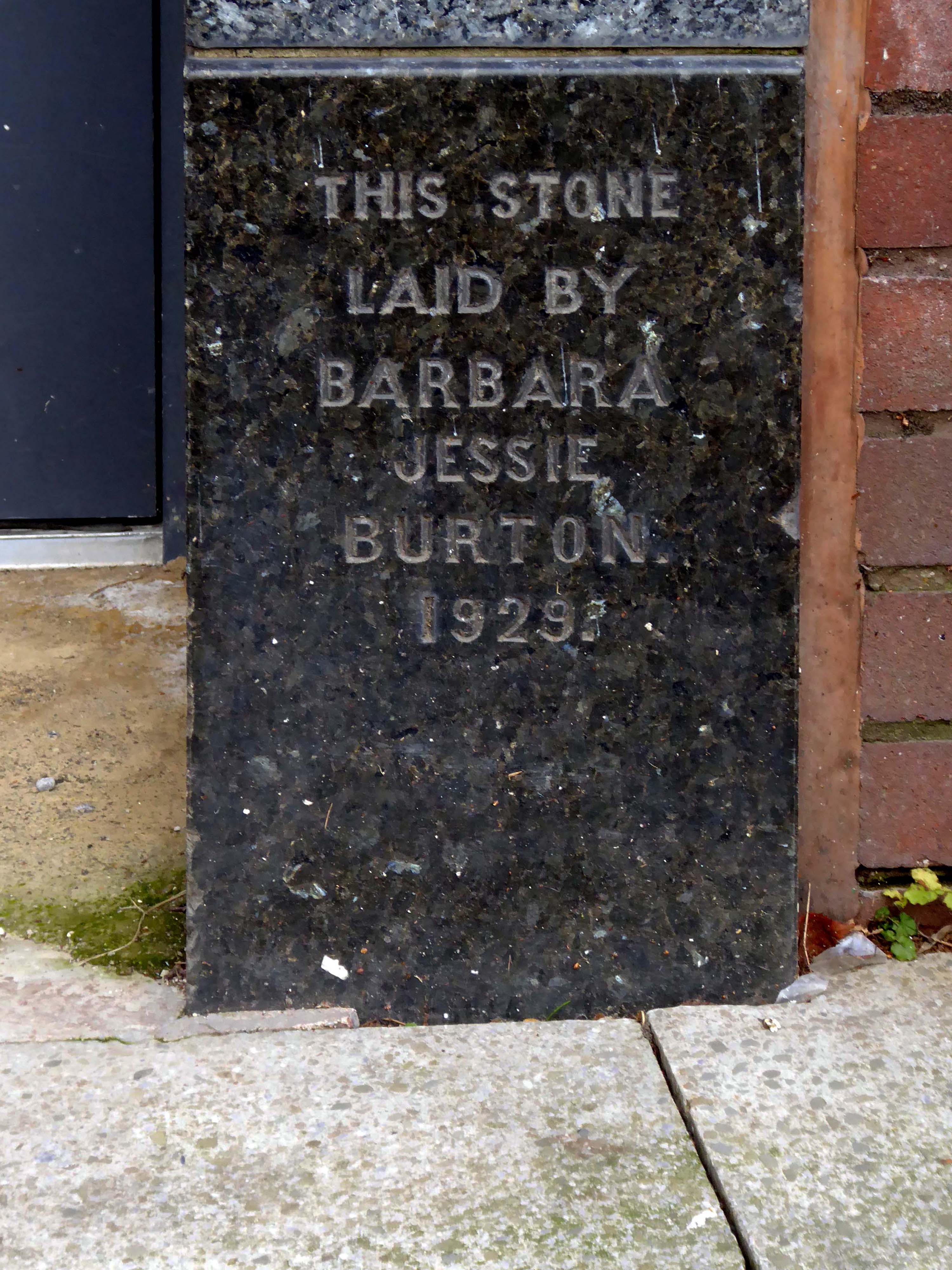
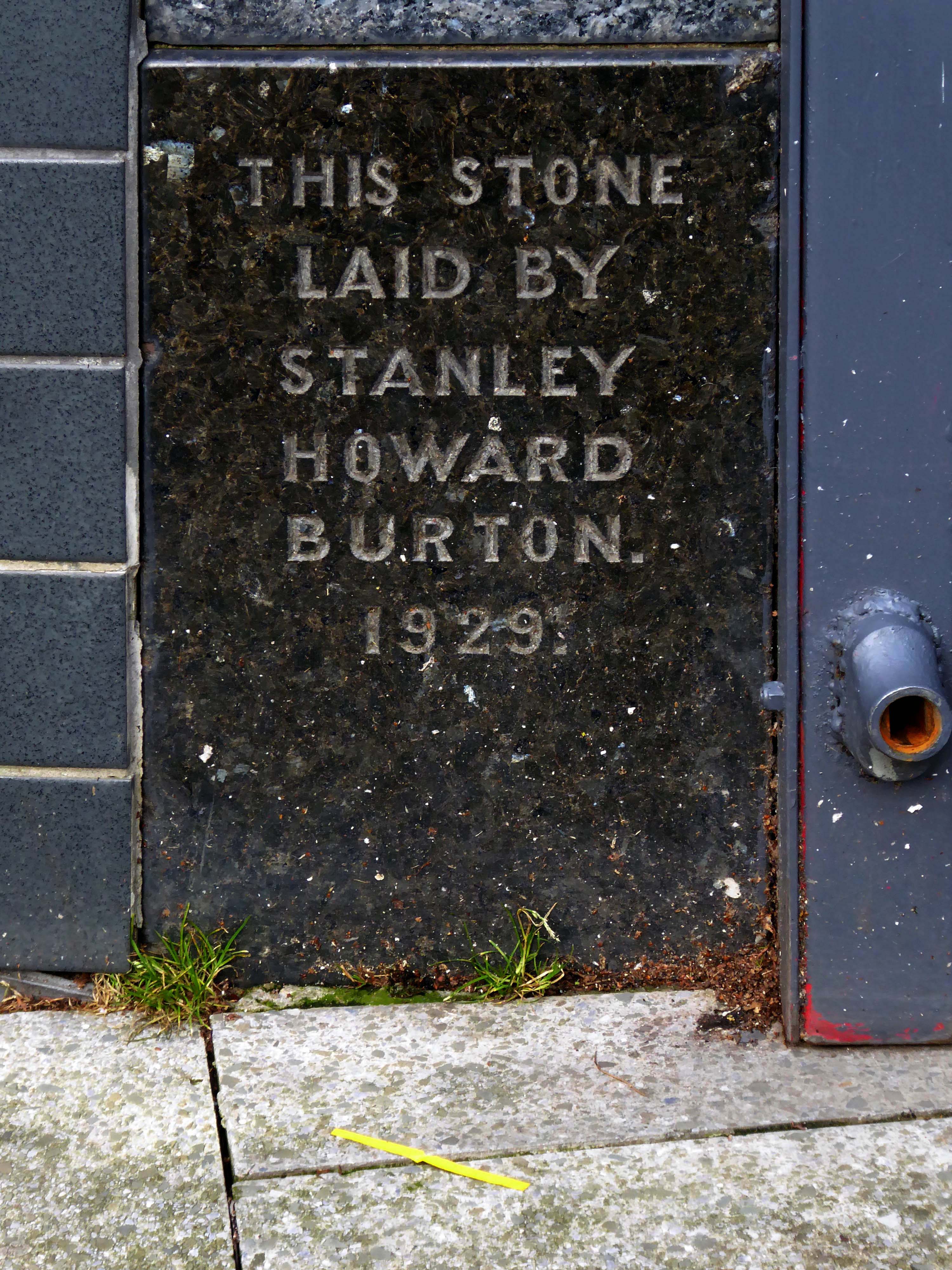
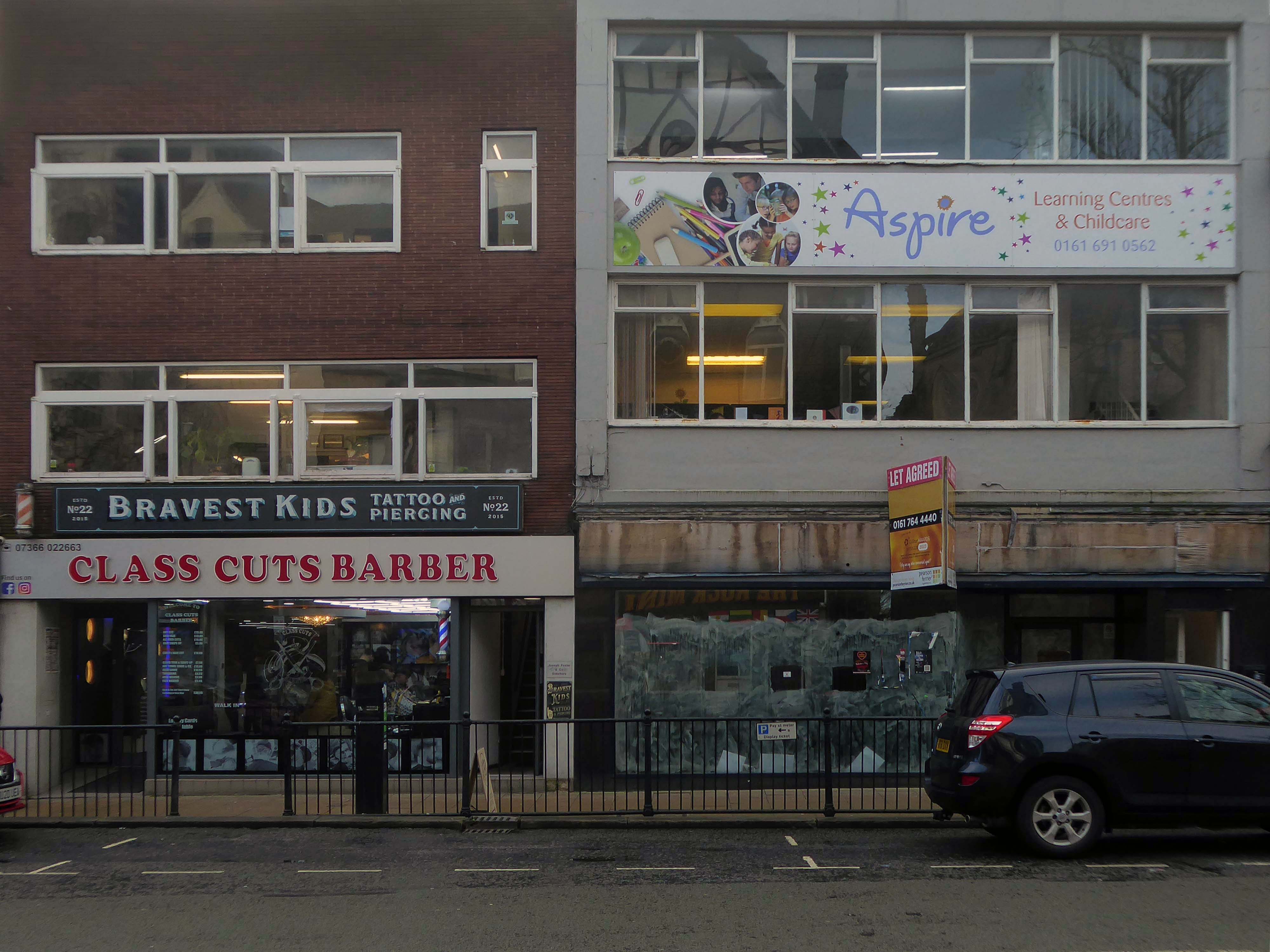
Back to basics at a former Burton’s hiding its faience facade.

Typical inter-war infill on our crazy mixed up mongrel high streets.

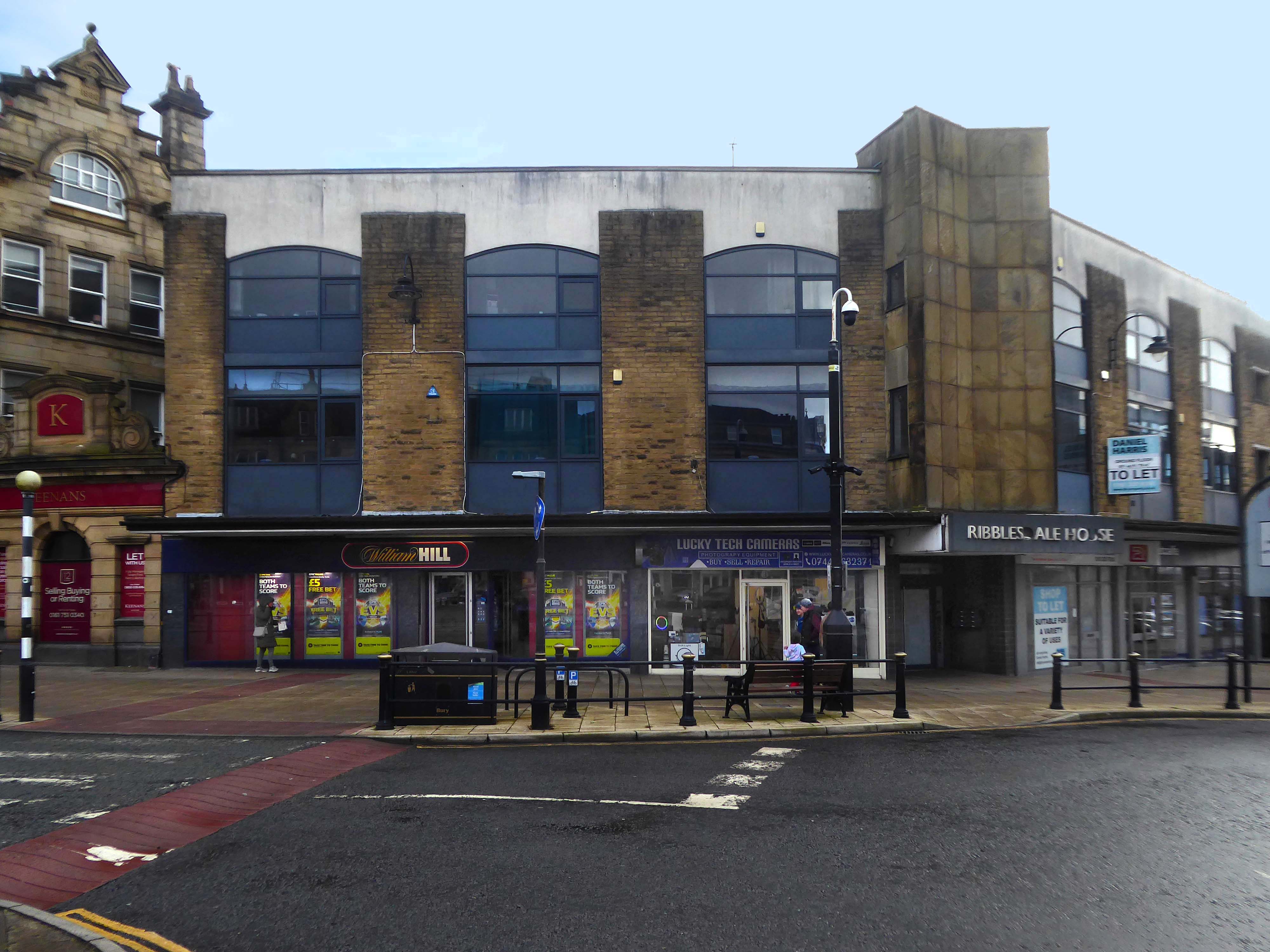
Ribblesdale House

Application by Shop and Store Developments Ltd submitted August 1965. Architect on application was Samuel Jackson and Son of Ocean Chambers in Bradford but during the application process this changed to John Brunton & Partners – Brunton was a partner in Jackson’s firm, at the same address. It had a restaurant and shops on the first floor.

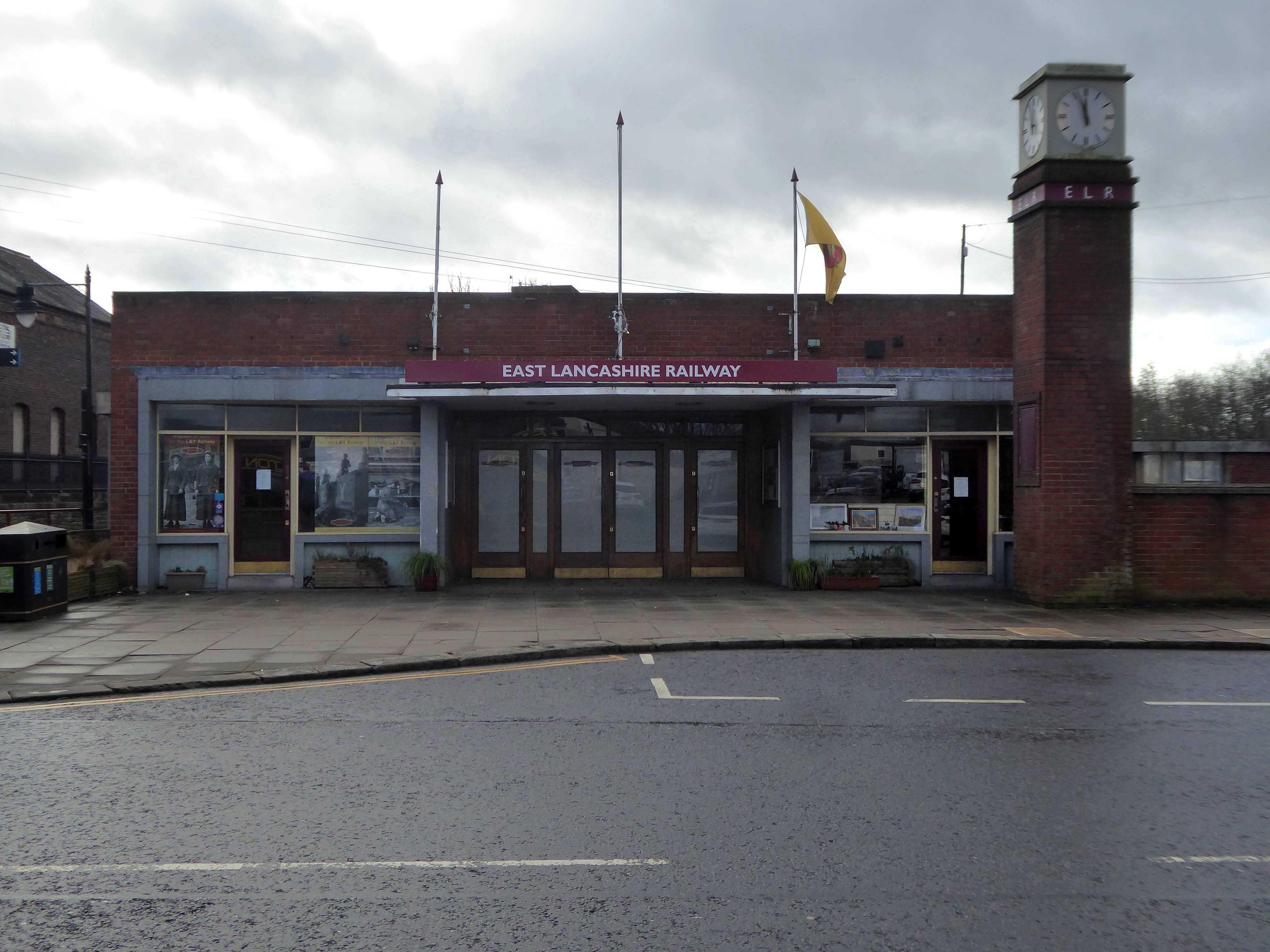
Off now to the Bury Bolton Street Station currently home to the East Lancashire Railway.

The street level buildings were destroyed by fire on 14 May 1947 and were replaced with a new brick and concrete entrance and footbridge in 1952. 

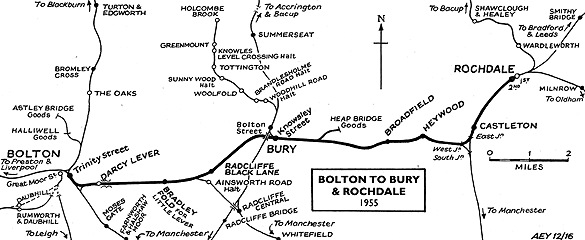
British Rail closed the station on 17 March 1980, when it was replaced by a new bus/rail interchange station further east into the town centre. Bury Interchange railway station served up until 1991 before the entire Bury Line was converted to light rail operation. It reopened in 1992 for Metrolink operation.

Bury was once the centre of multiple train links and the lost station of Knowsley Street.

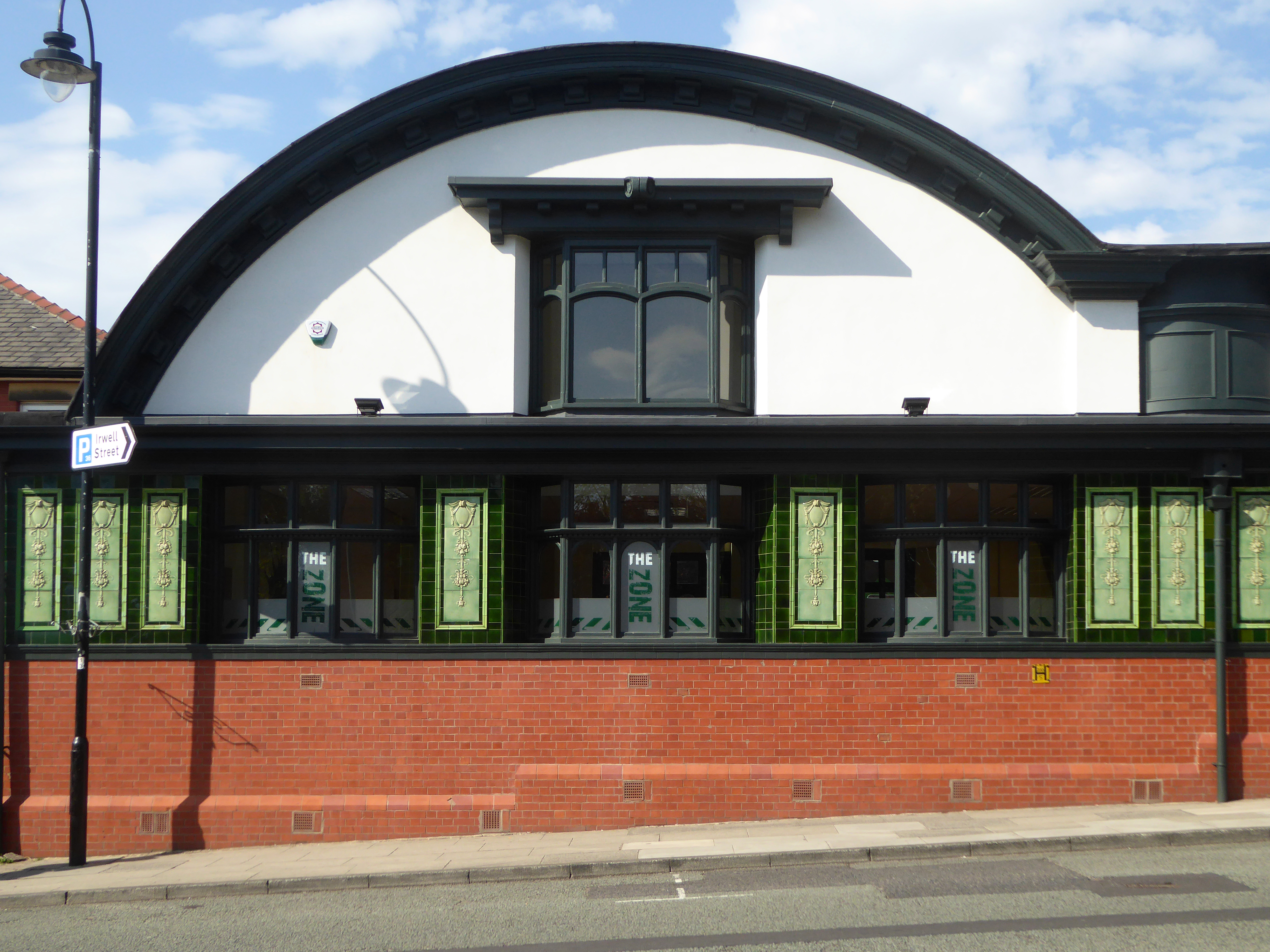
Over the road the former Temperance Billiard Hall 1910 architect Norman Evans.

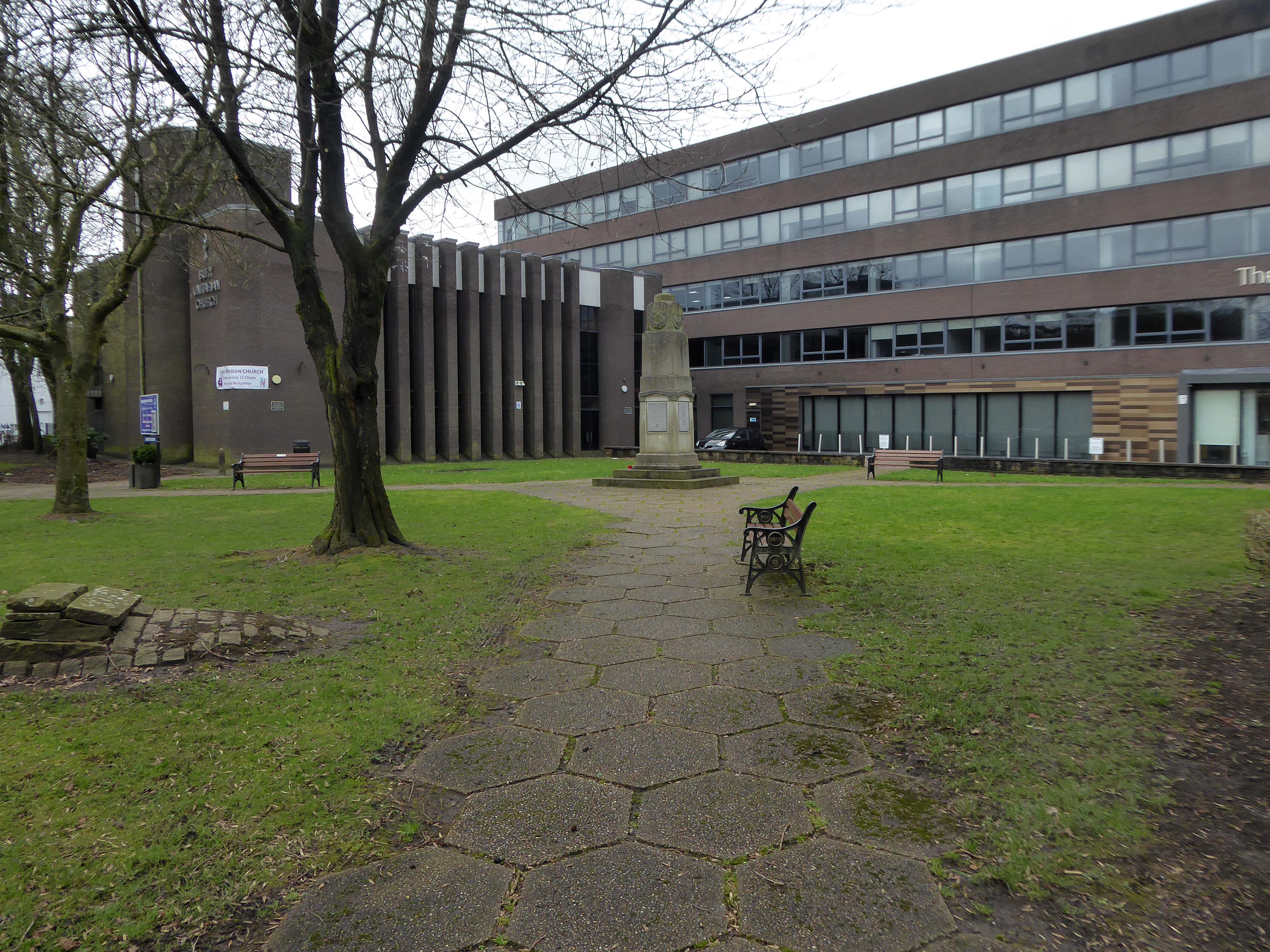
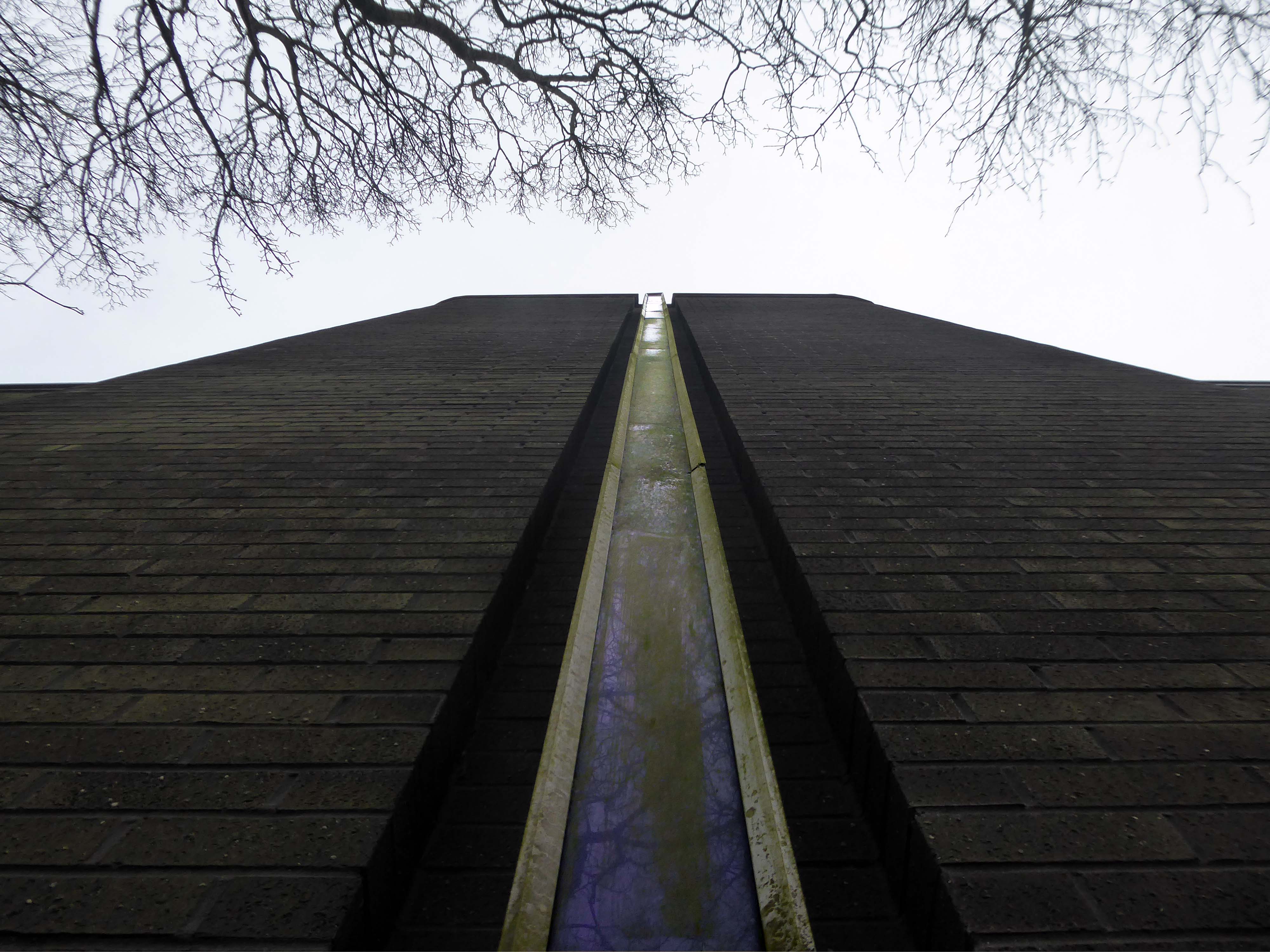
Down the side and up the steps to the Unitarian Church.

The new church was designed and constructed by local architects James T Ratcliffe.

The church was opened in 1974, with a service of dedication on Saturday, 9th March. The total cost, including furnishings, was £85,000.

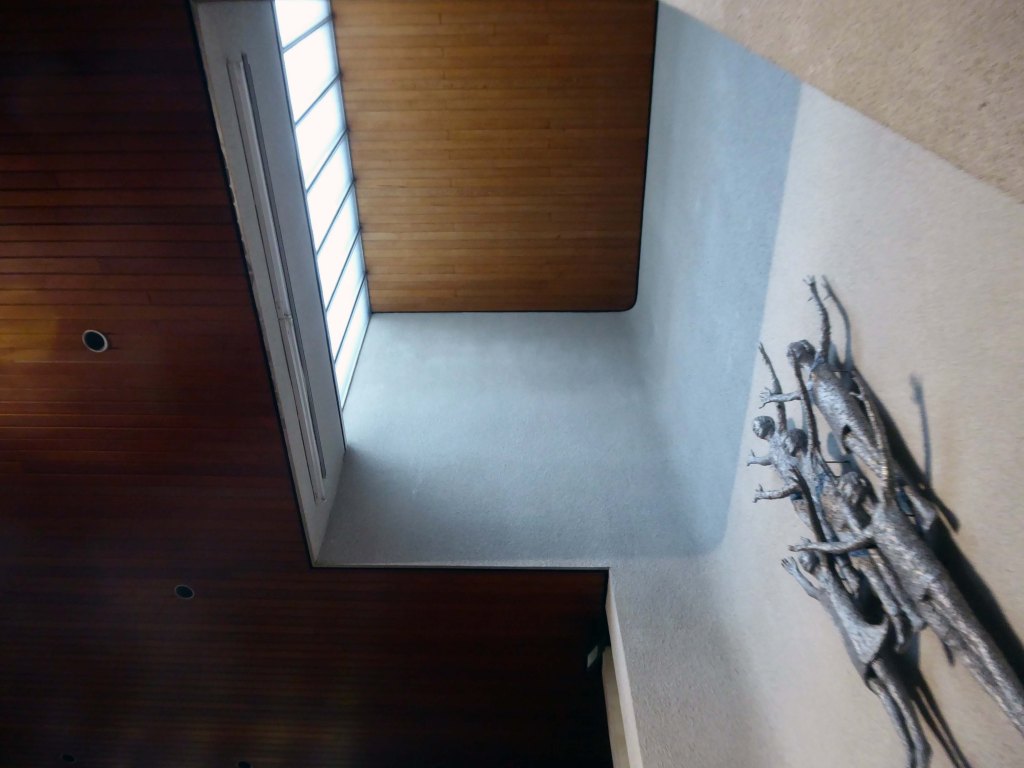
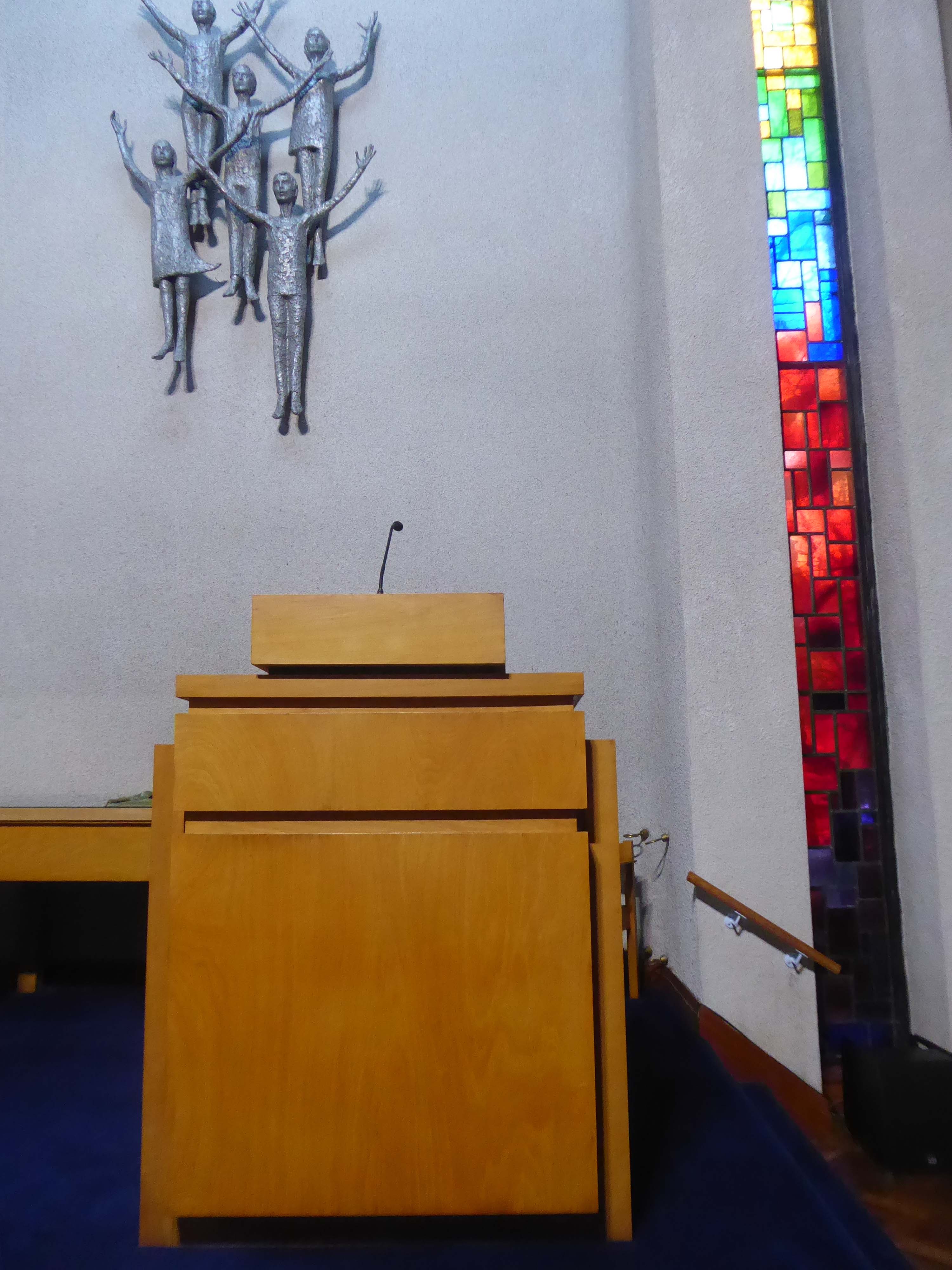
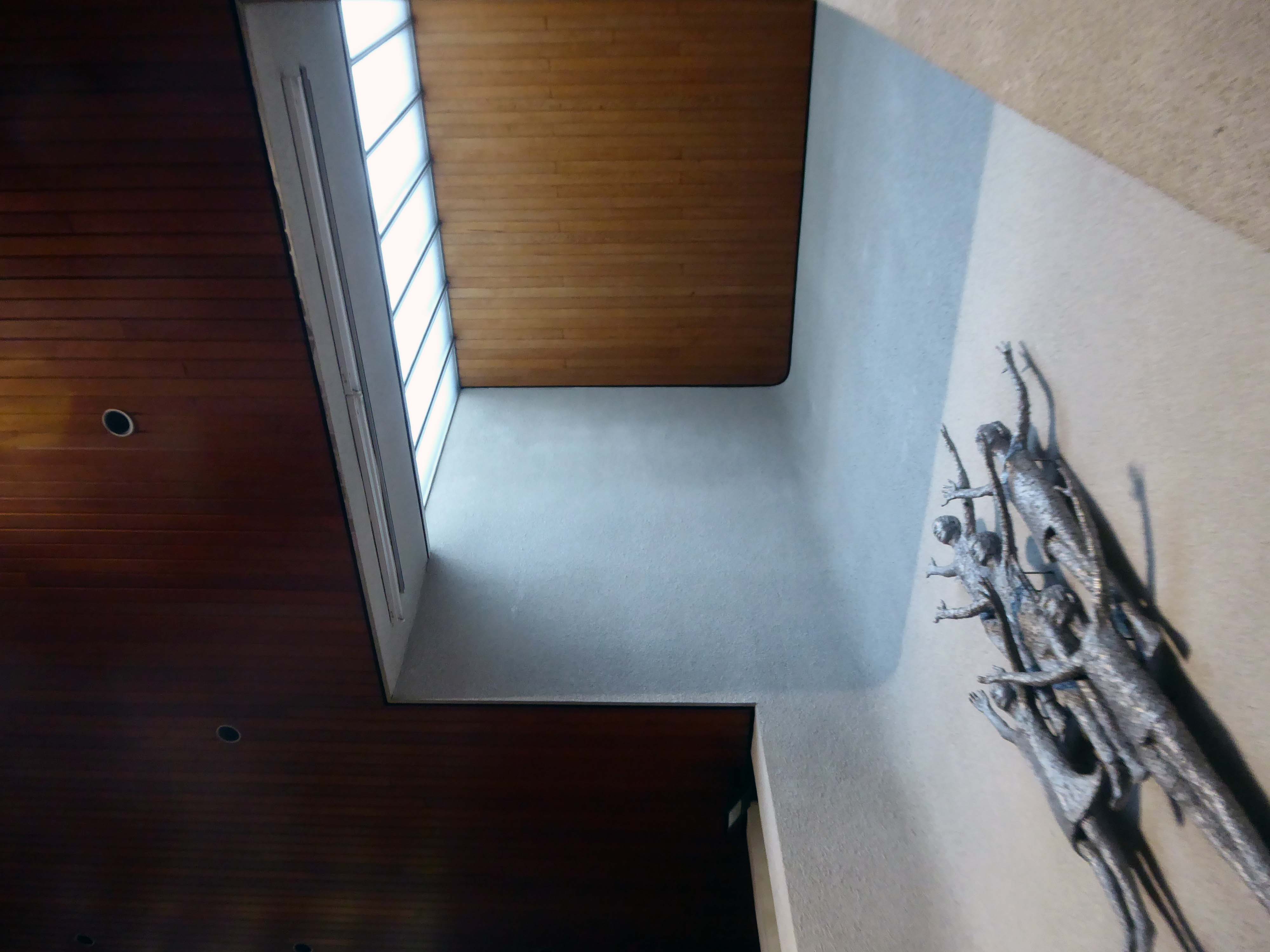
The People Praising by Elizabeth Mulchinock is a 12 foot high original sculpture at the front of the church which represents the family of the church.

Her work can also be seen at Sainsbury’s in West Ealing and Reading.

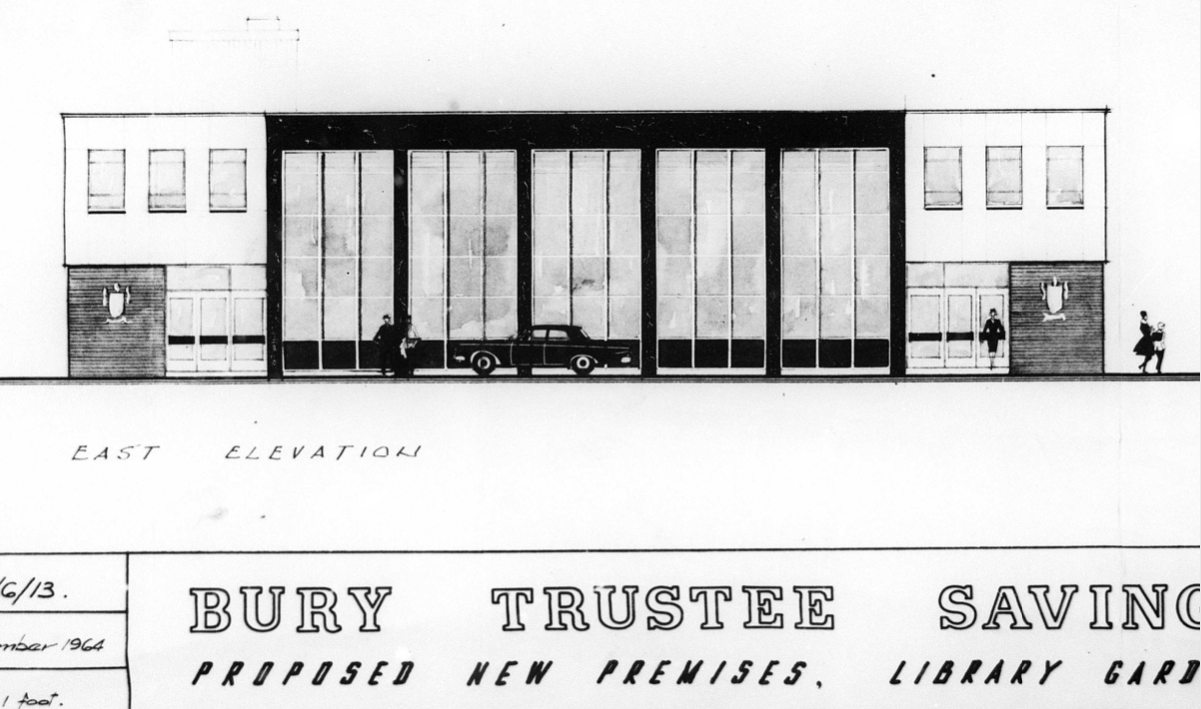
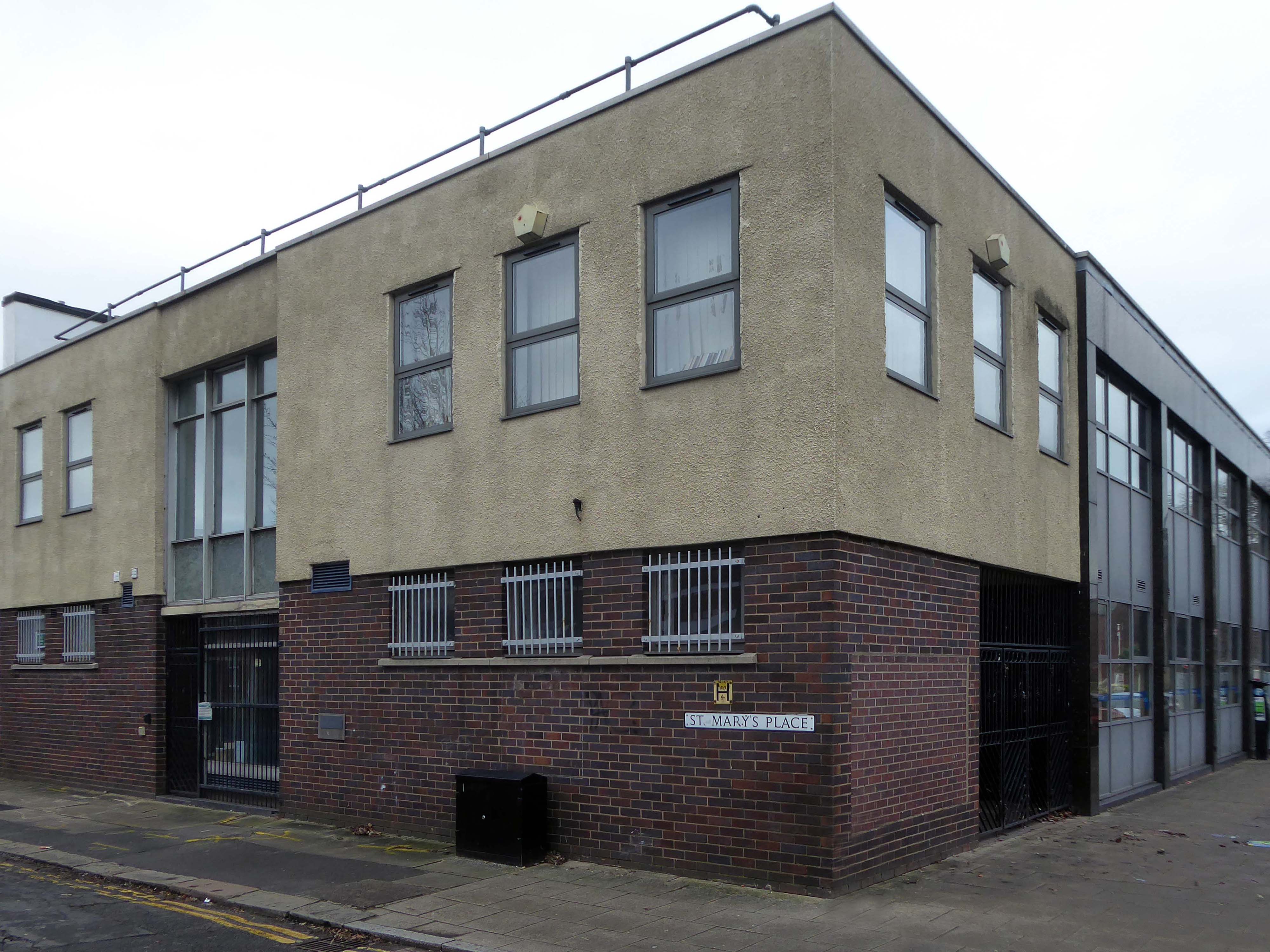
Next door is the former Trustee Saving Bank.

Planning application January 1965 – work started in June 1965. The architectural firm was Richard Byrom, Hill and partners. Richard Byrom was submitting building applications in the 1930s in Bury and locally.

The rendering on the building is original but the windows have been changed. The Job Centre took over the building in 1993. It is in a conservation area and the Civic Trust had some concerns!

Many thanks to David French for the above information.

Bury Unitarian Church

1 Bank StreetBuryLancashireBL9 0DN

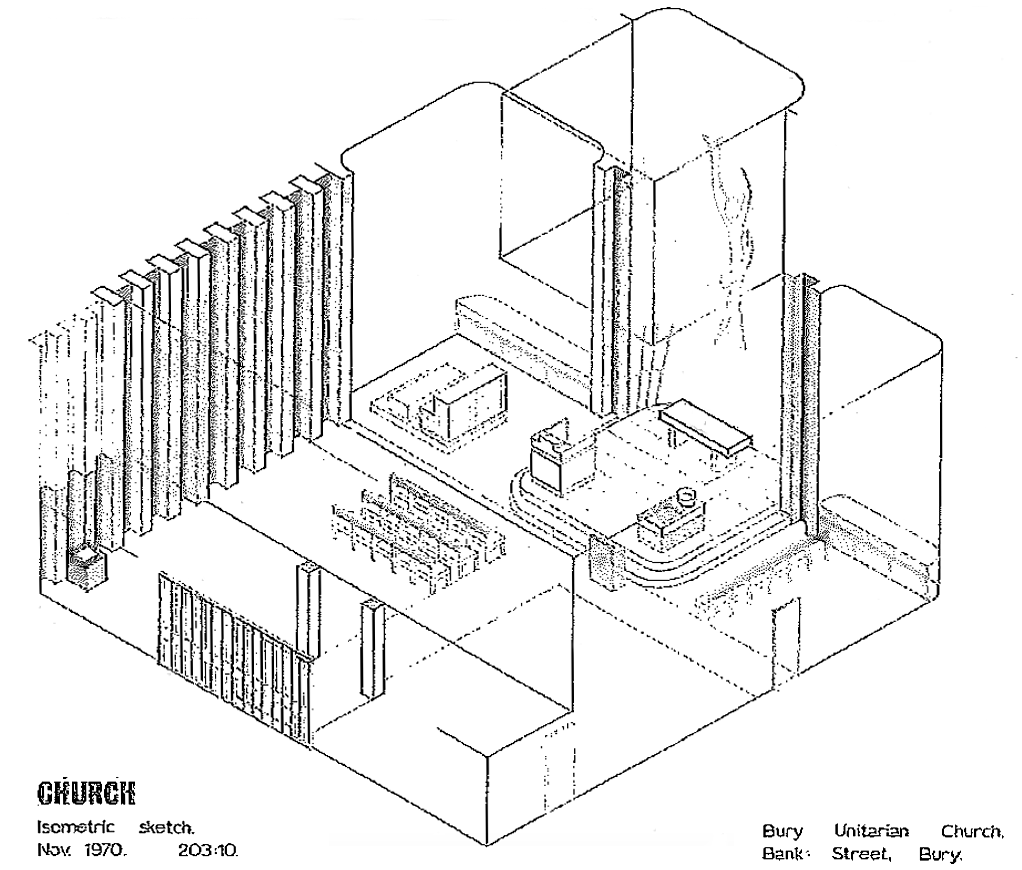
The new Bury Unitarian Church was designed and constructed by local architects James T Ratcliffe.

An interesting article was published at the time in Sacred Suburbs Portfolio, in which the church design was described as:

A well detailed, functional, yet flexible building. 

The church was opened in 1974, with a service of dedication on Saturday, 9th March. The total cost, including furnishings, was £85,000 – It is now valued at about £1.5 million. The Churchwarden and Chairman of Trustees, at that time, was Bernard Haughton, who had succeeded Alex Rogers; he was to serve the Church in those capacities for the next 25 years. He was succeeded by Barbara Ashworth, our immediate past Warden. During this time, notwithstanding persistent problems with water leakage through its flat roof, the church continued to thrive and develop.

Enhancements have been made to improve the comfort and amenities of the building throughout the period with, for example, the installation of an improved heating – system, a sound – enhancement system in the church, and disabled access facilities including a lift to the upper floor. Through the efforts of Barbara Ashworth – past Church Warden, the proliferation of bequests, legacies and trusts which were complicating and restricting church-finances has been rationalised and the financial structure streamlined. Part of the land at Holebottom has been sold for development, and part has been upgraded as a public amenity.

The current congregation is still one of the best supported Unitarian Churches in the country and remains enthusiastic and committed to the Unitarian faith. There are many social groups  including The Women’s League, The Men’s Fellowship, The Luncheon Club the Book Club and most recently, our Camera Club; coffee is served every Saturday morning – a session which welcomes members of the public to the church, some of whom have subsequently become church-members. Frequent social activities are organised by The Efforts Committee and are well-supported by the congregation and their friends and raise money in support of the activities of the church snd local charities.

Church Website

The People Praising by Elizabeth Mulchinock is a 12 foot high original sculpture at the front of the church which represents the family of the church.