
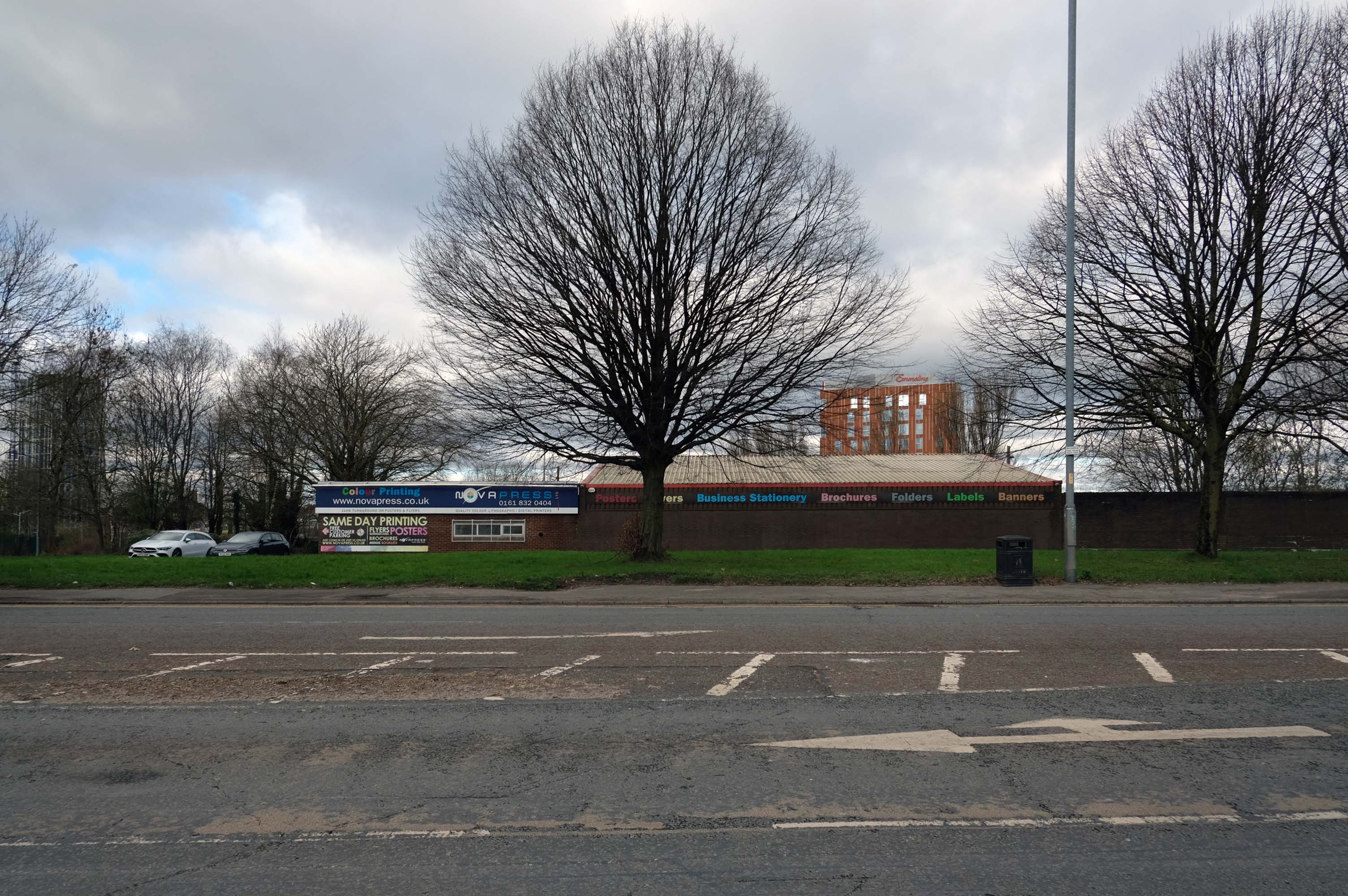
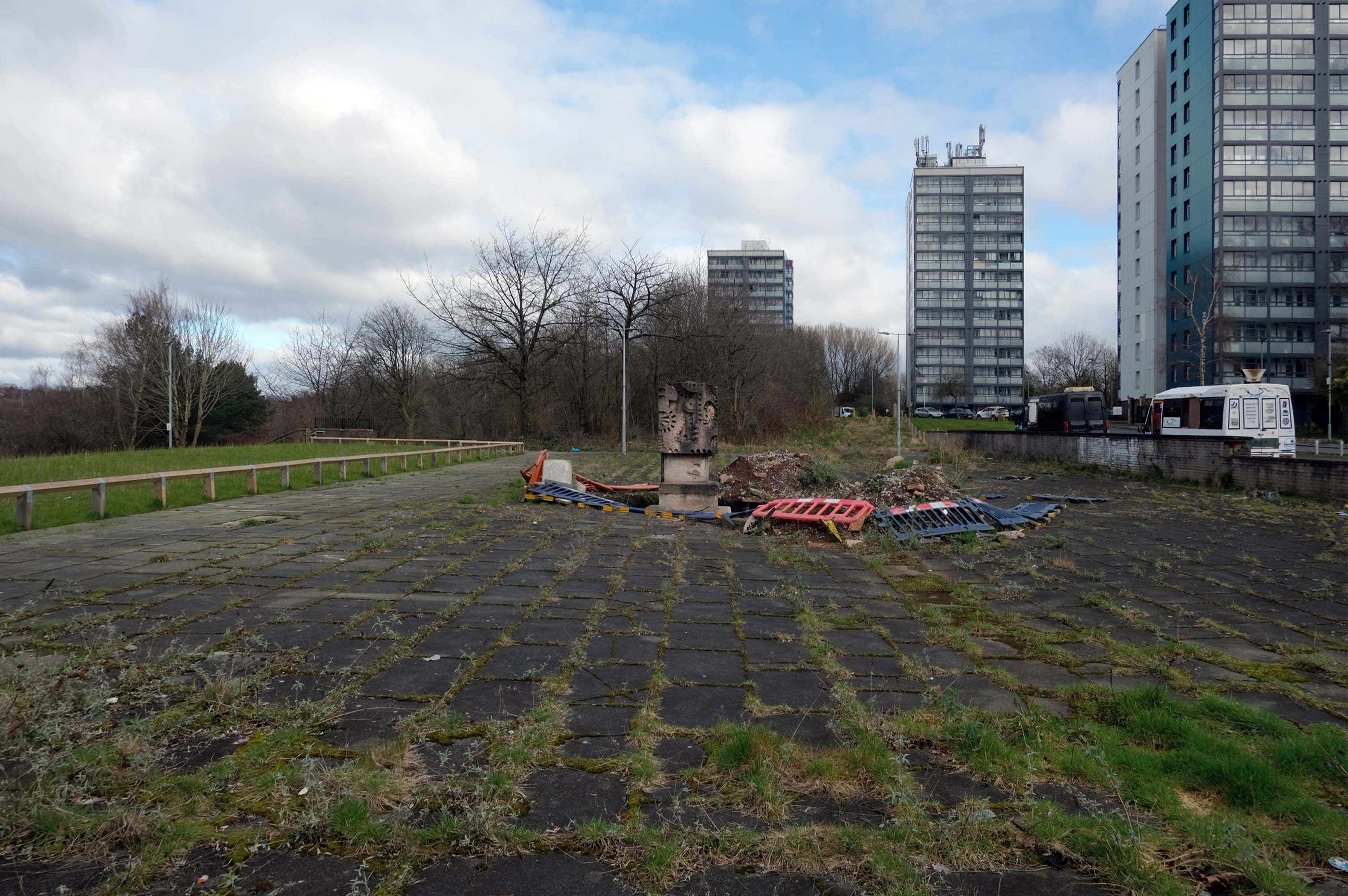
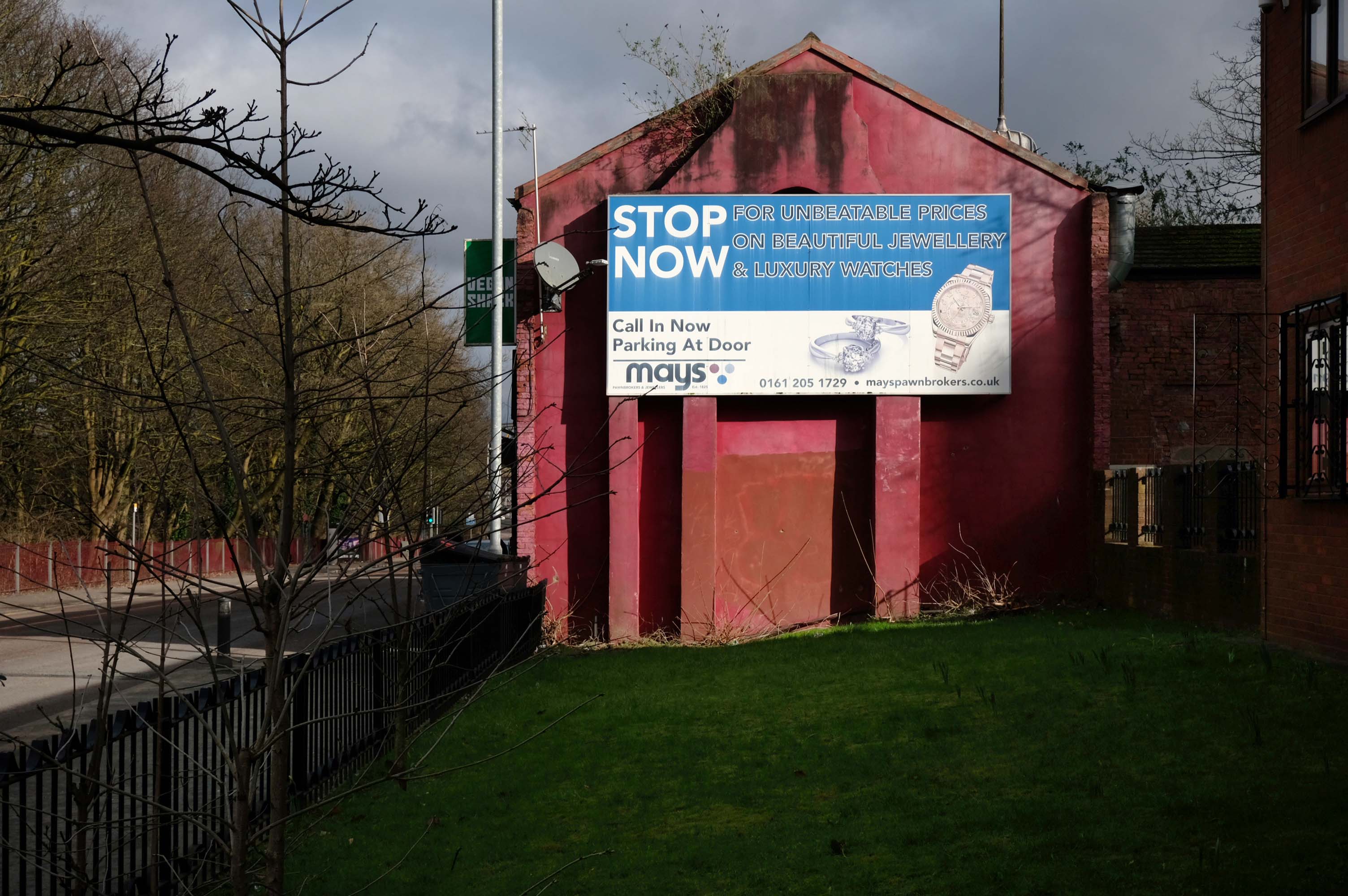
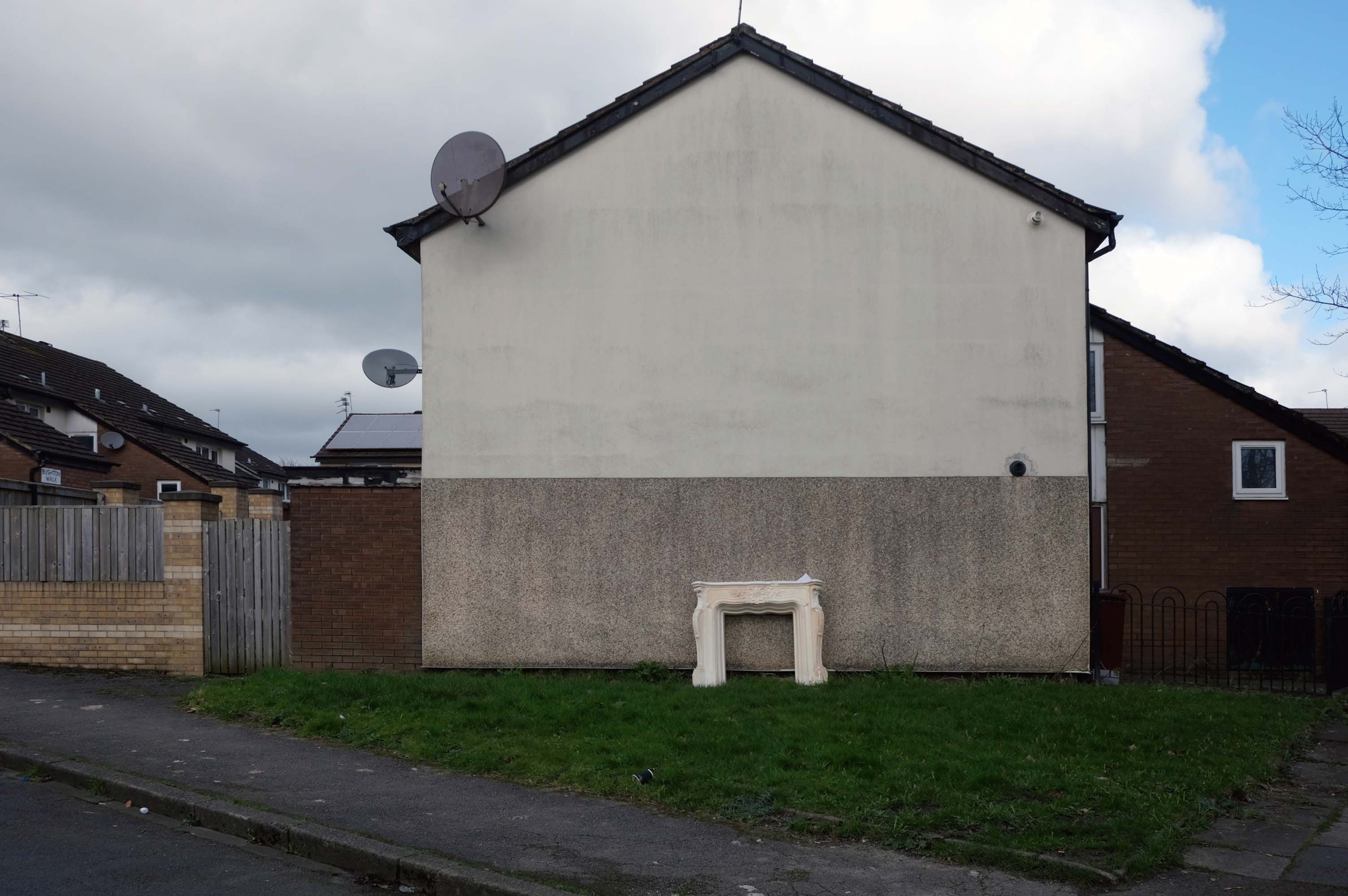
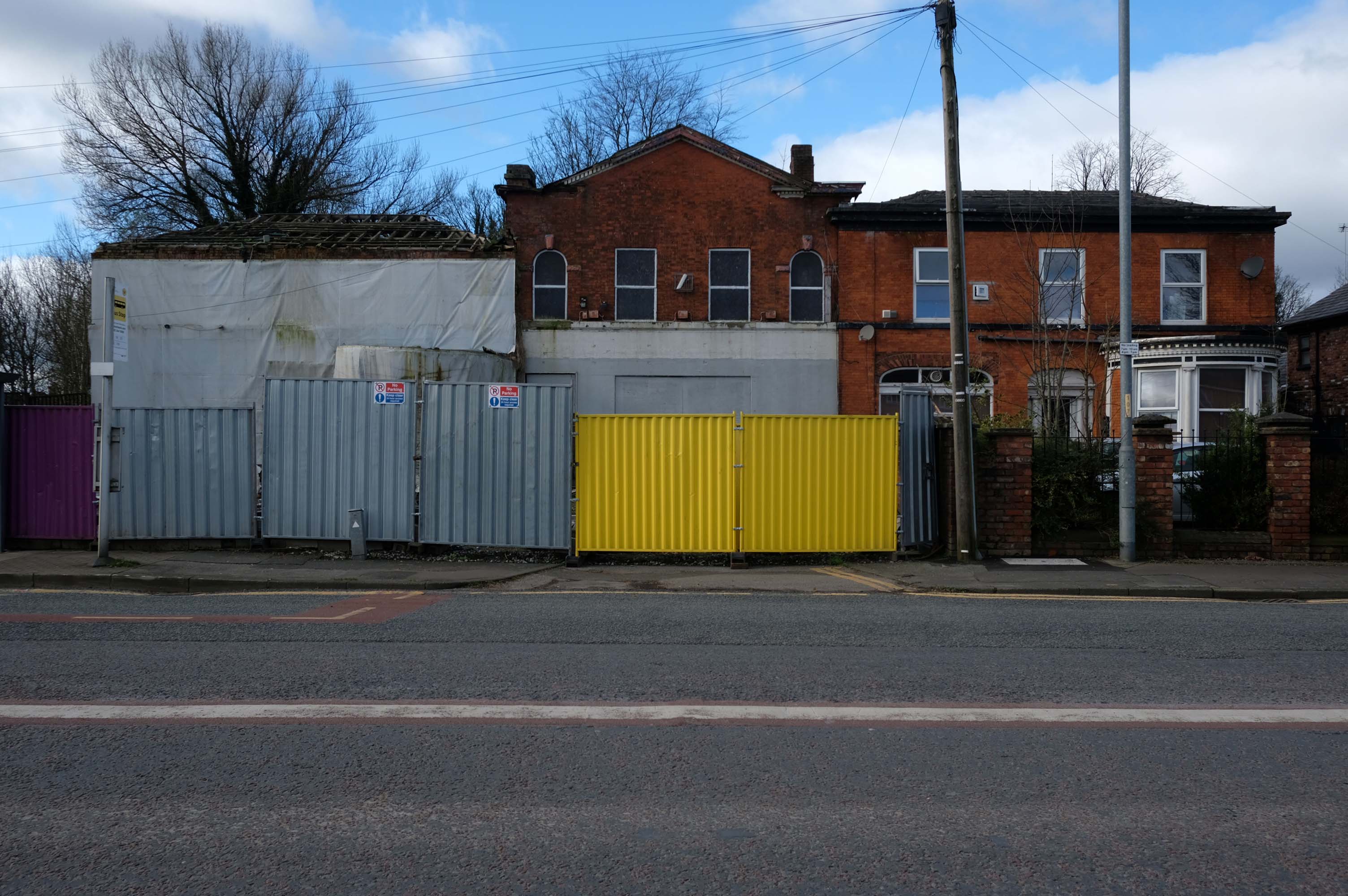
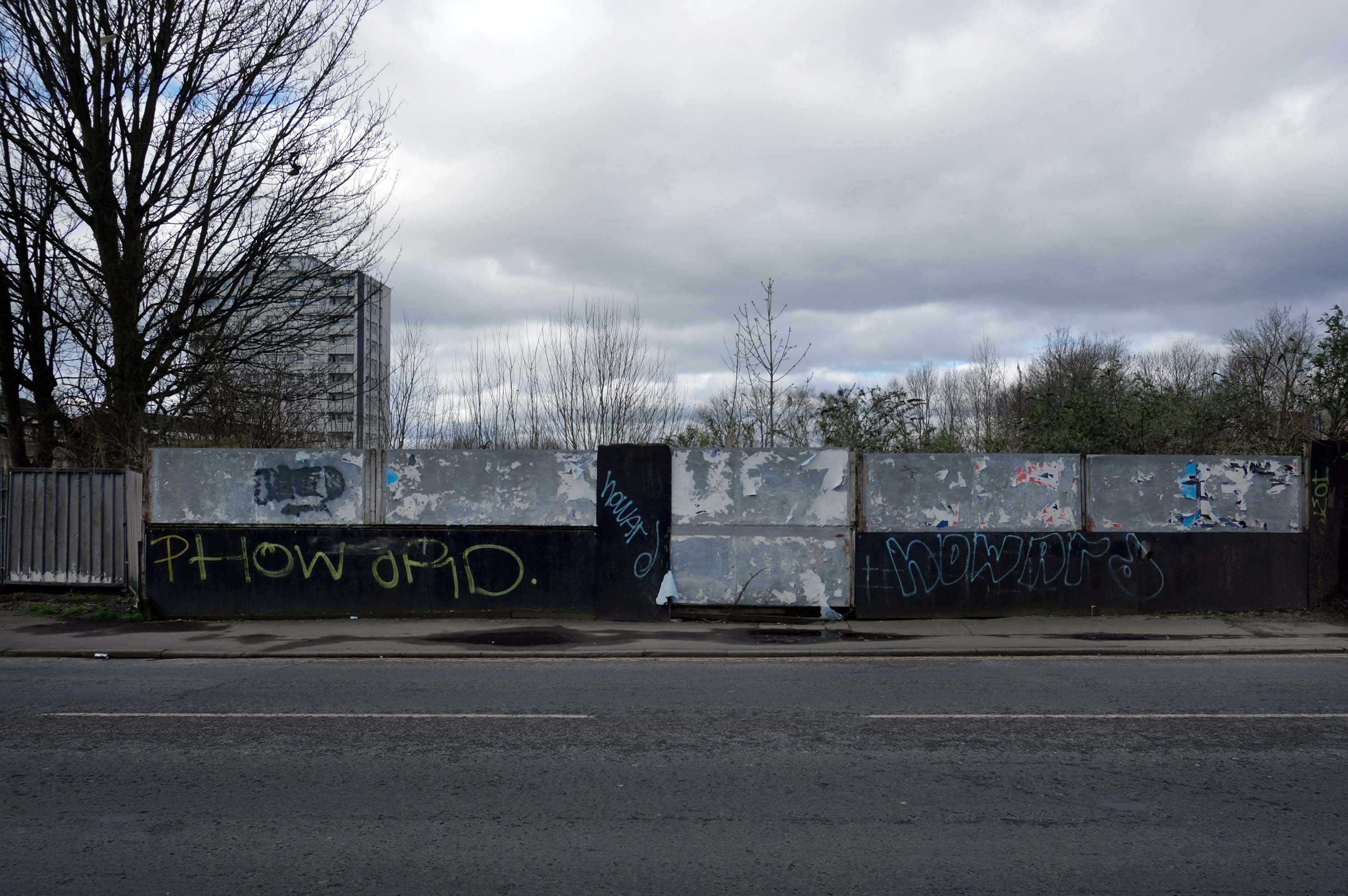
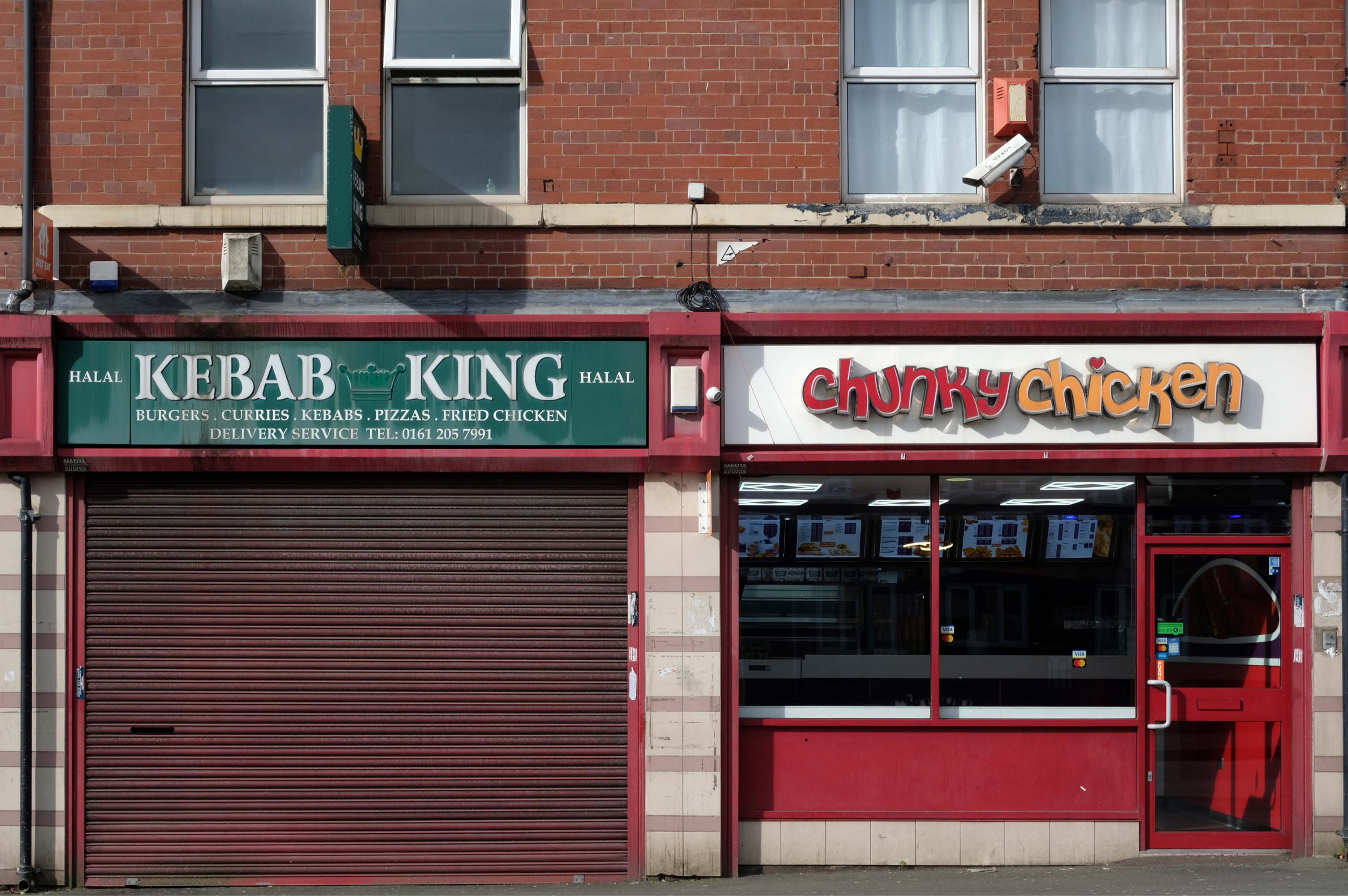
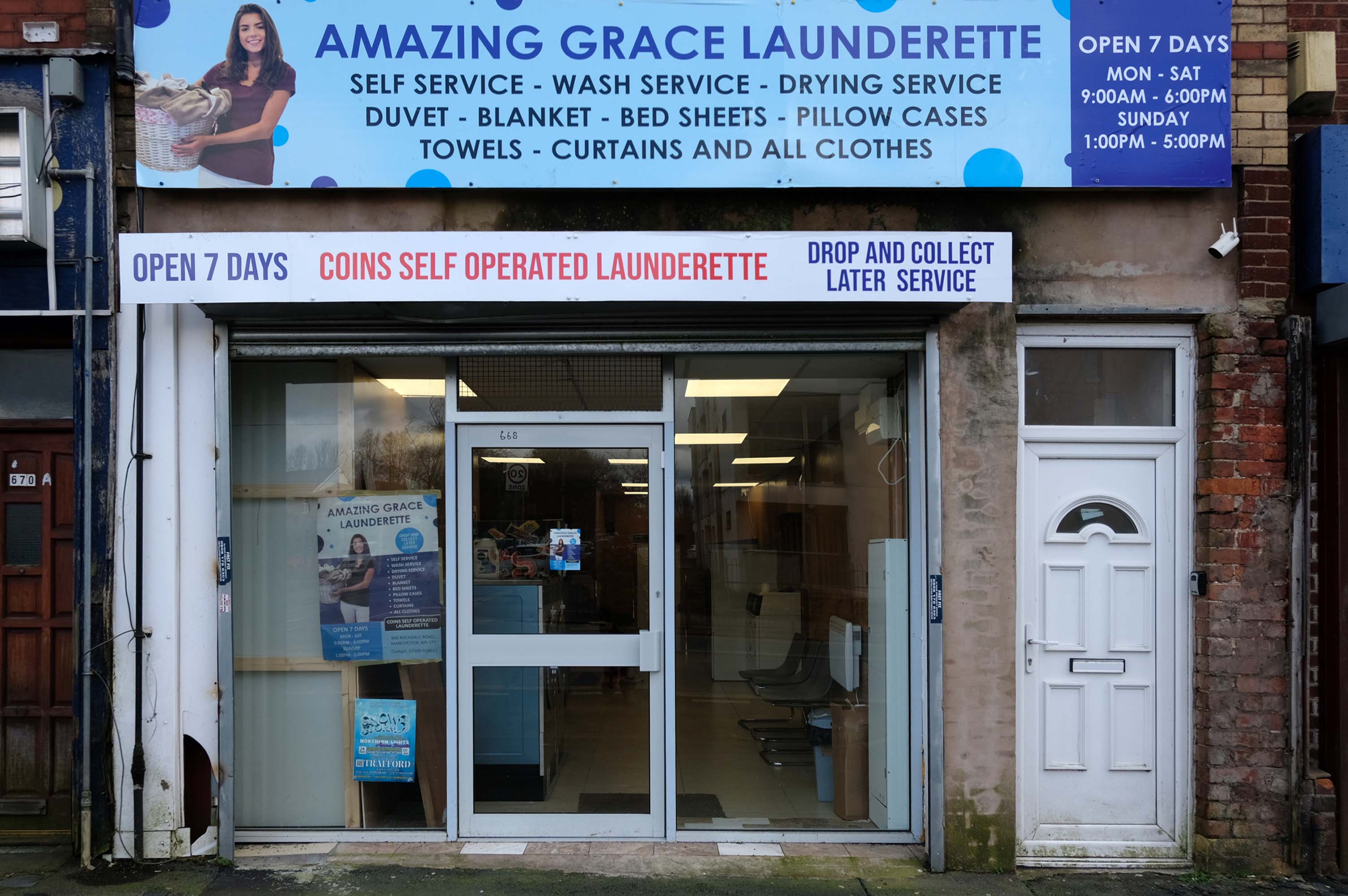
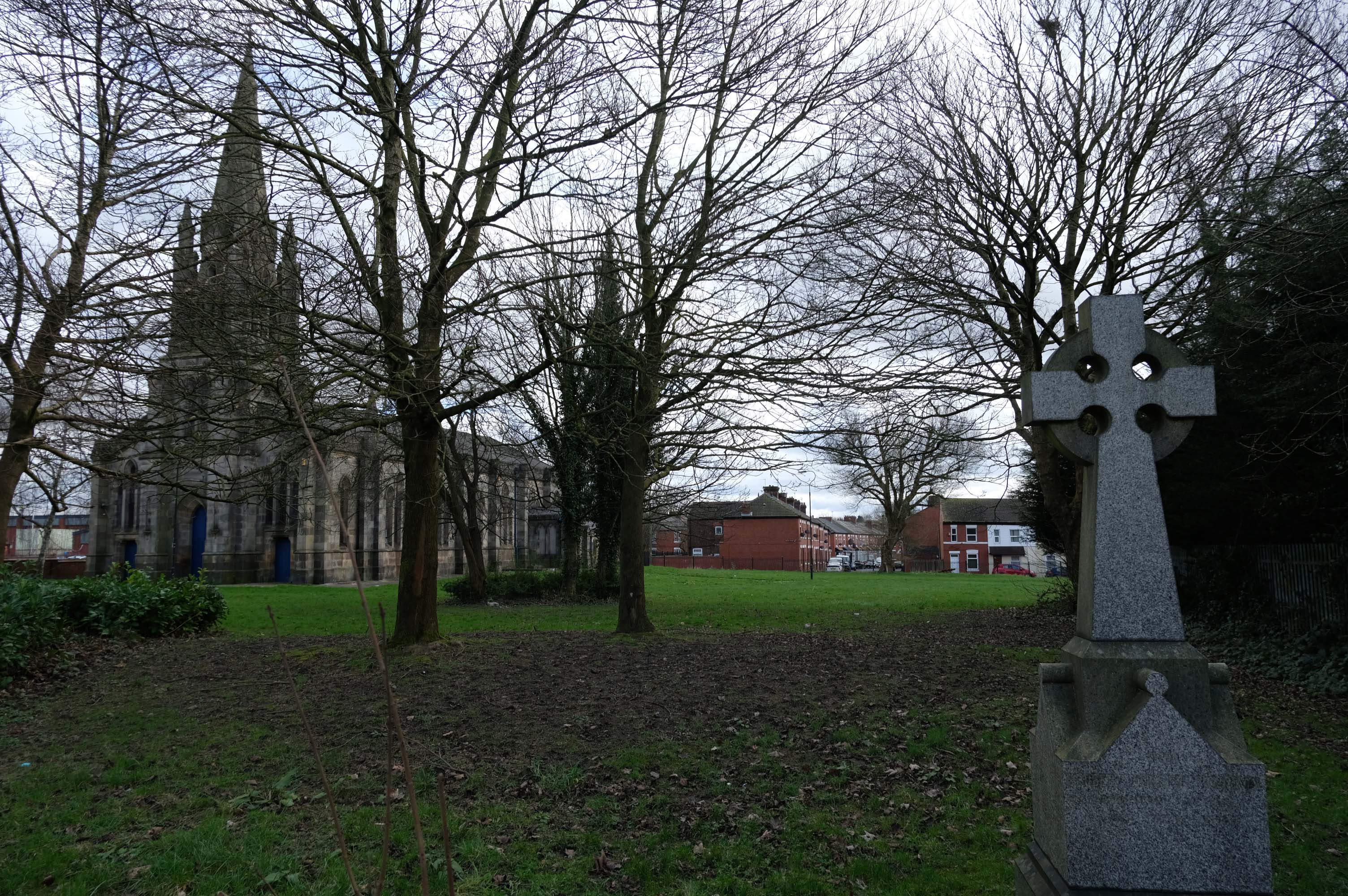
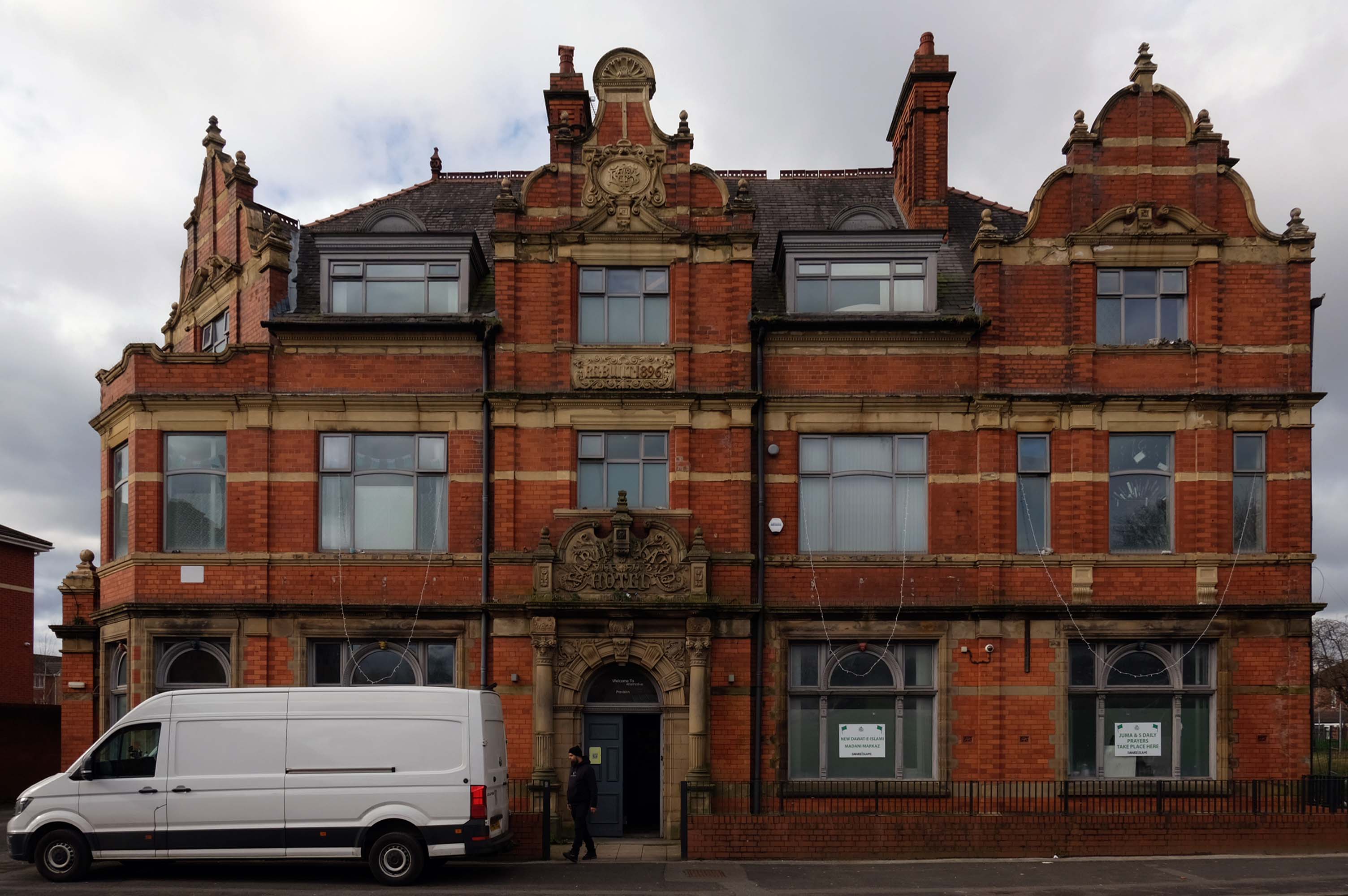
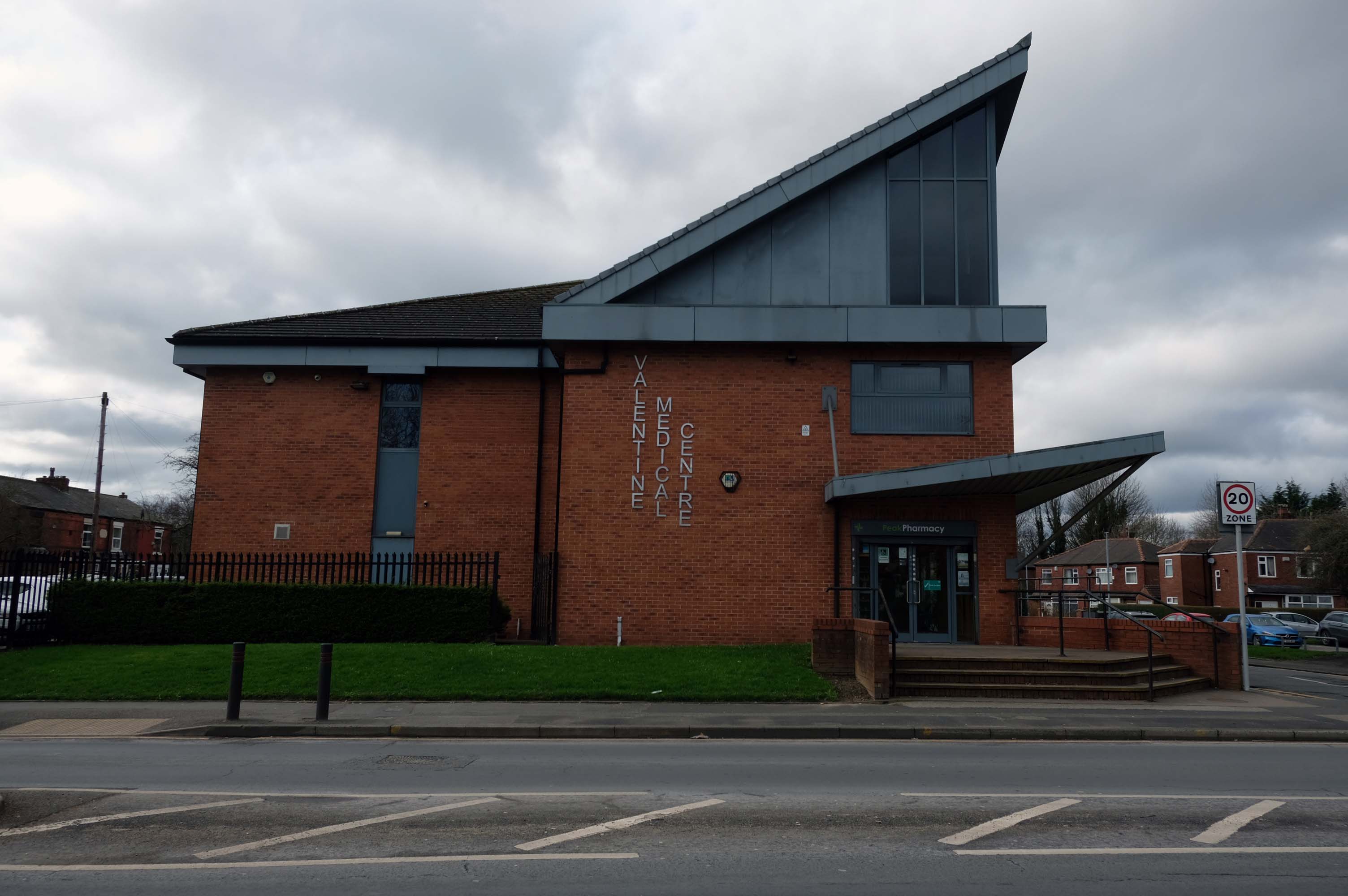
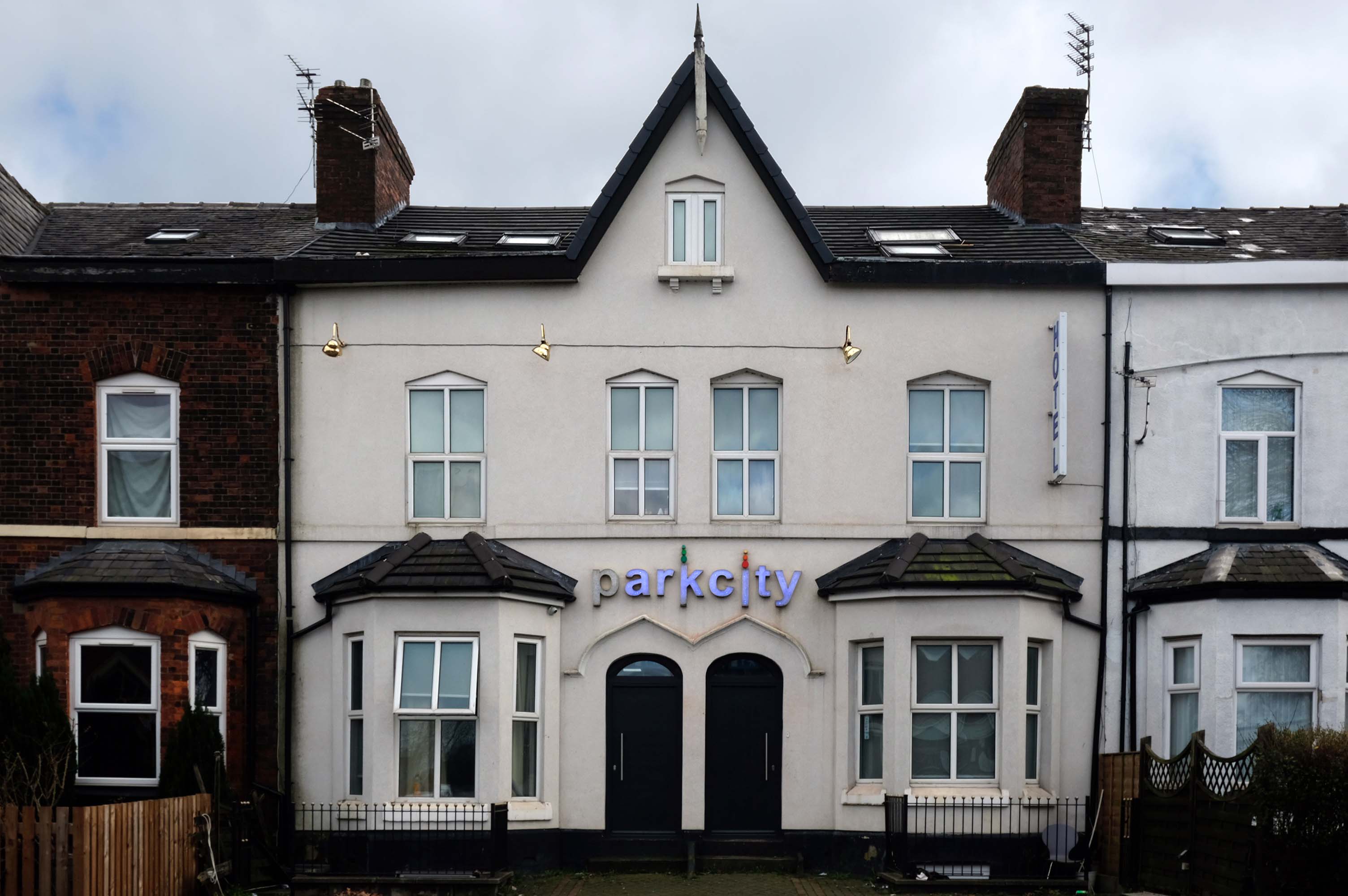
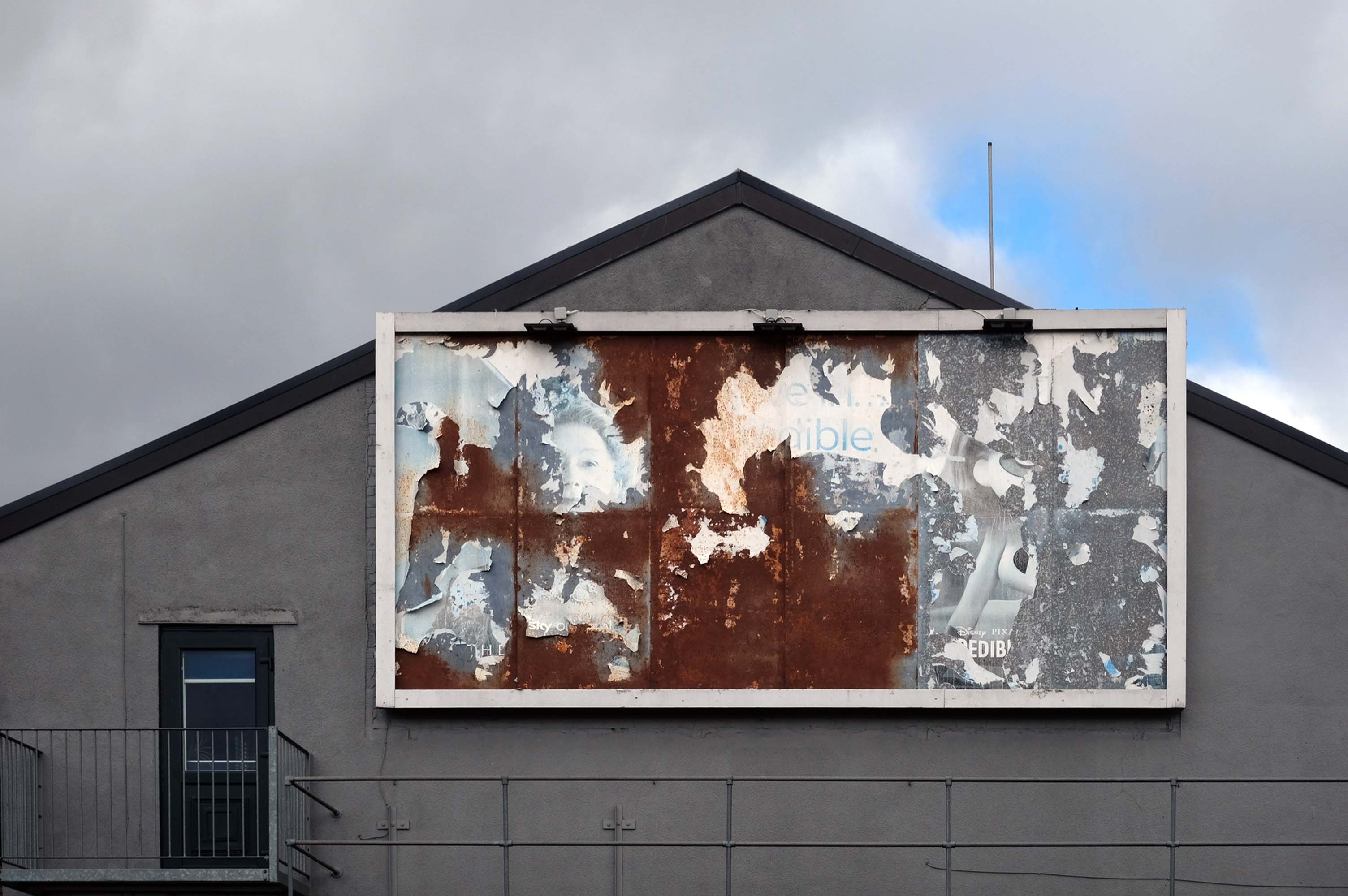
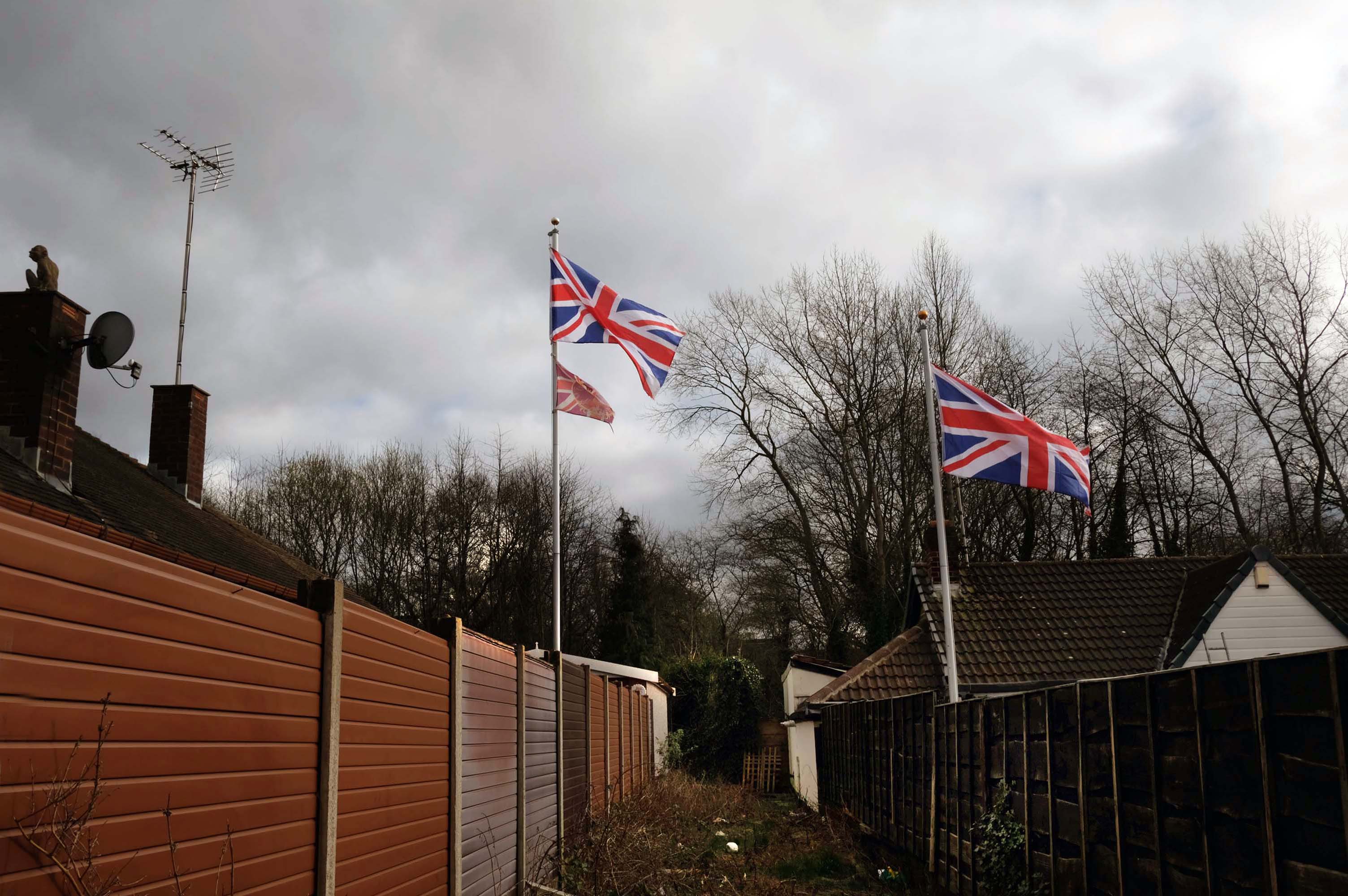
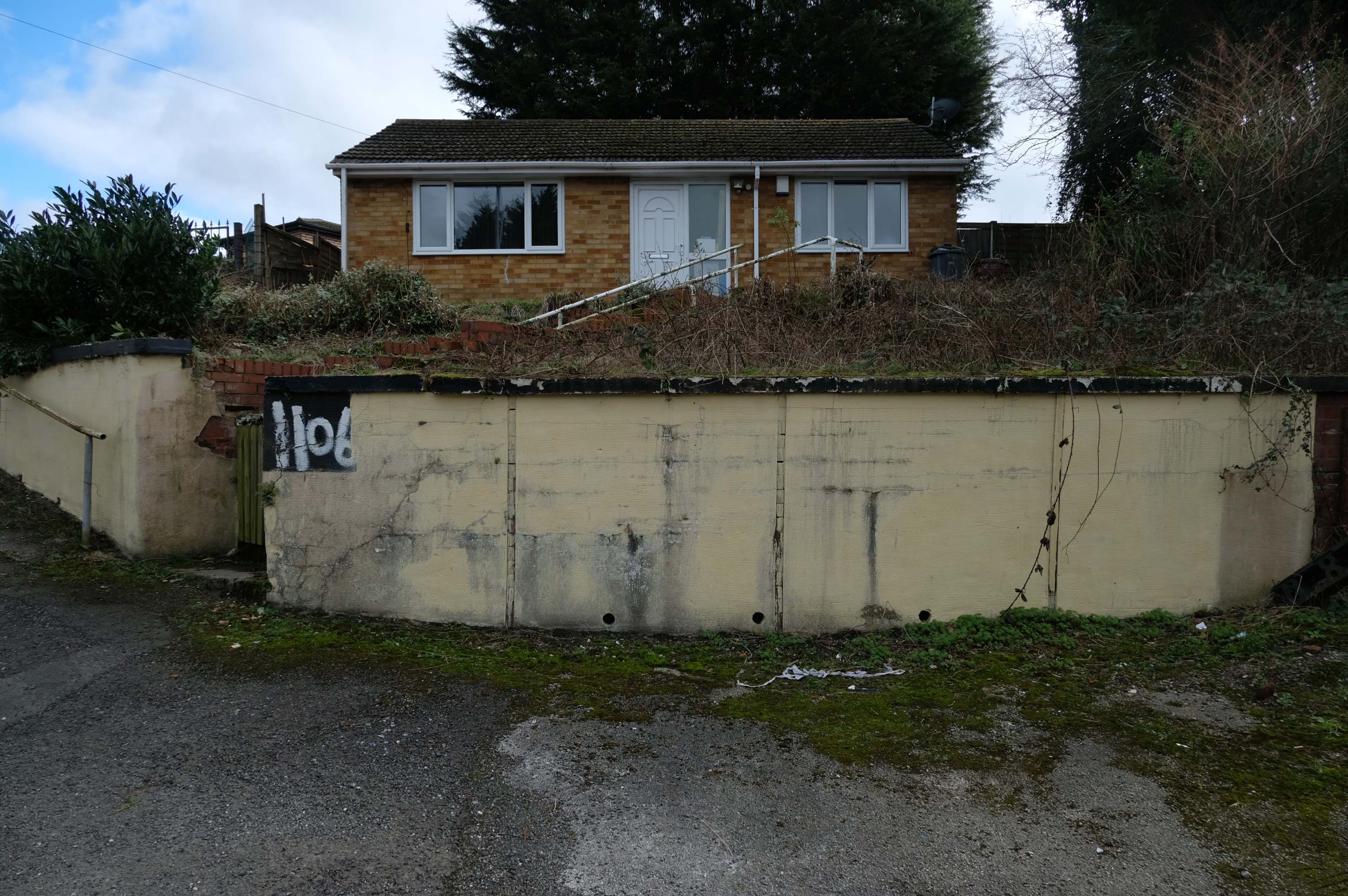
Having photographed the arterial roads of Manchester in 2014, I have resolved to return to the task in 2024.
Some things seem to have changed, some things seem to have stayed the same.
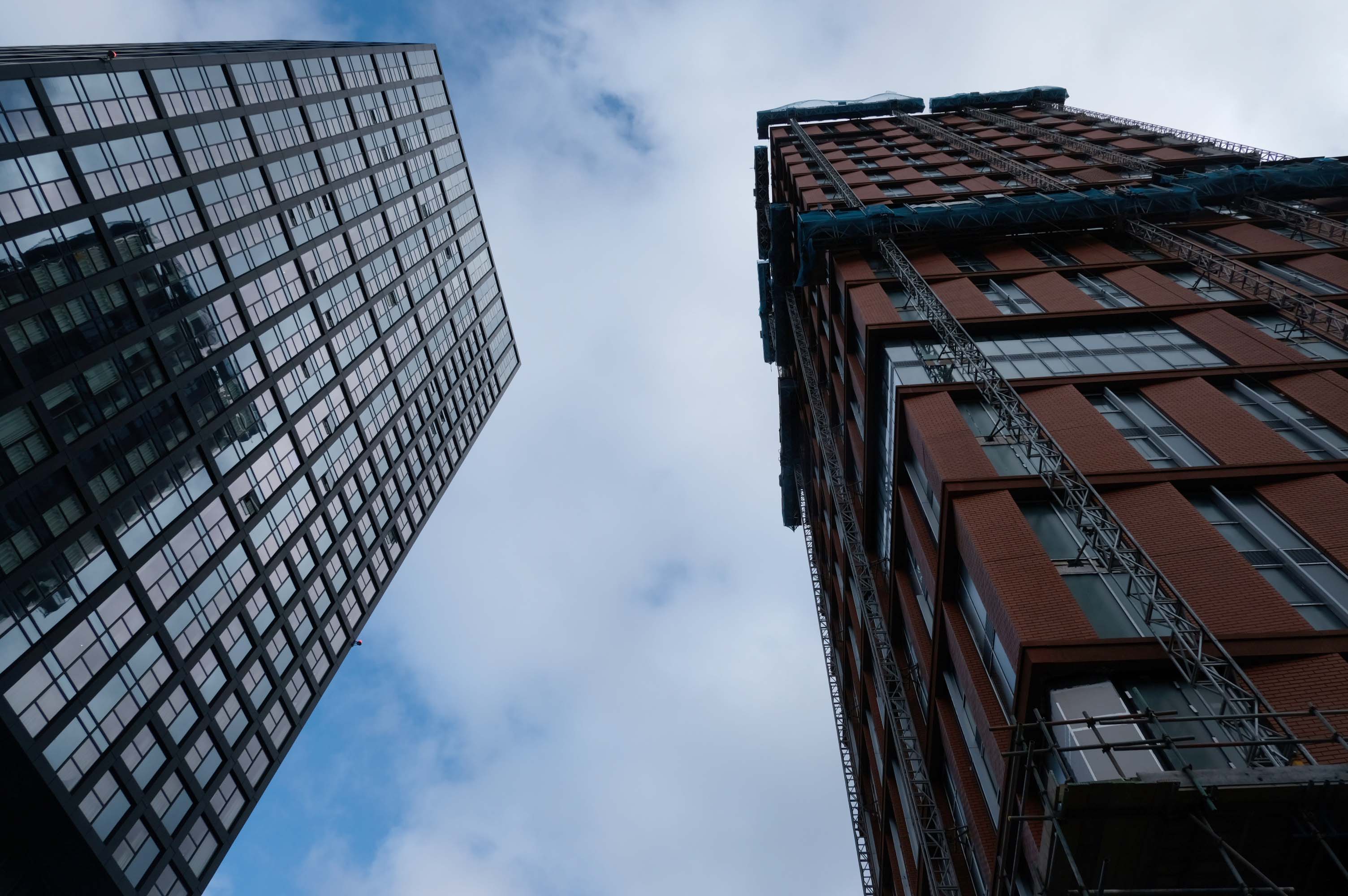

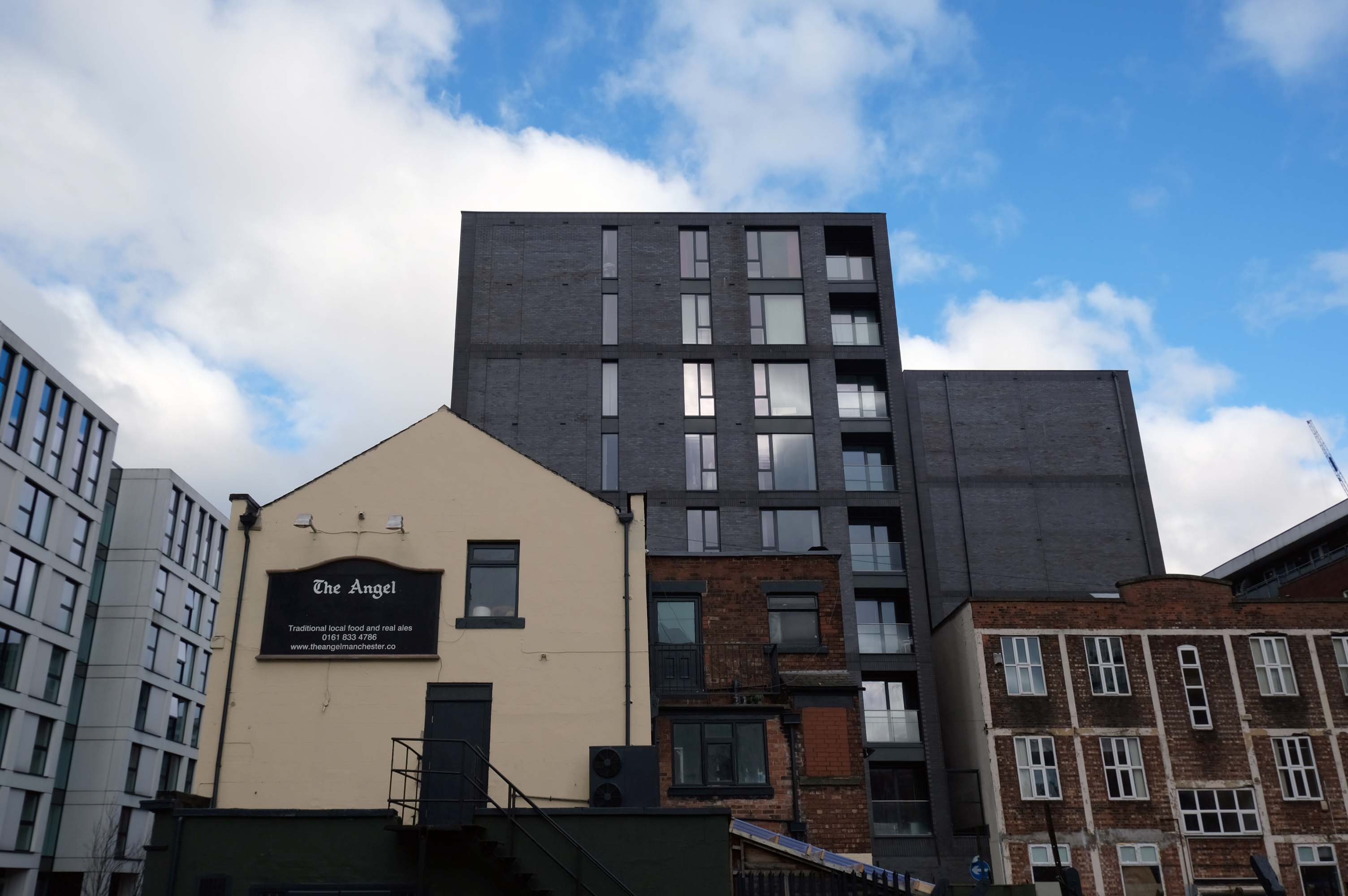
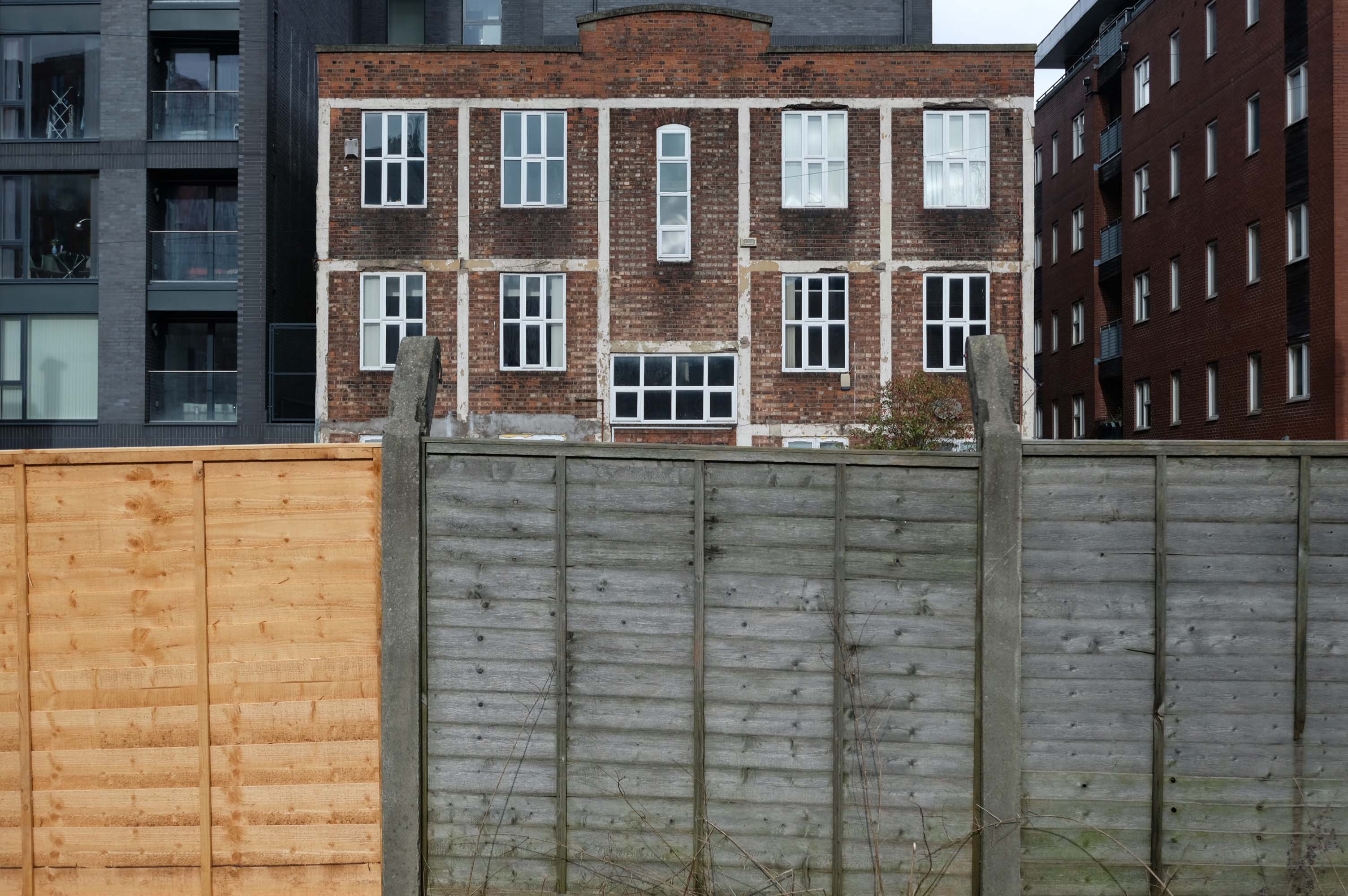

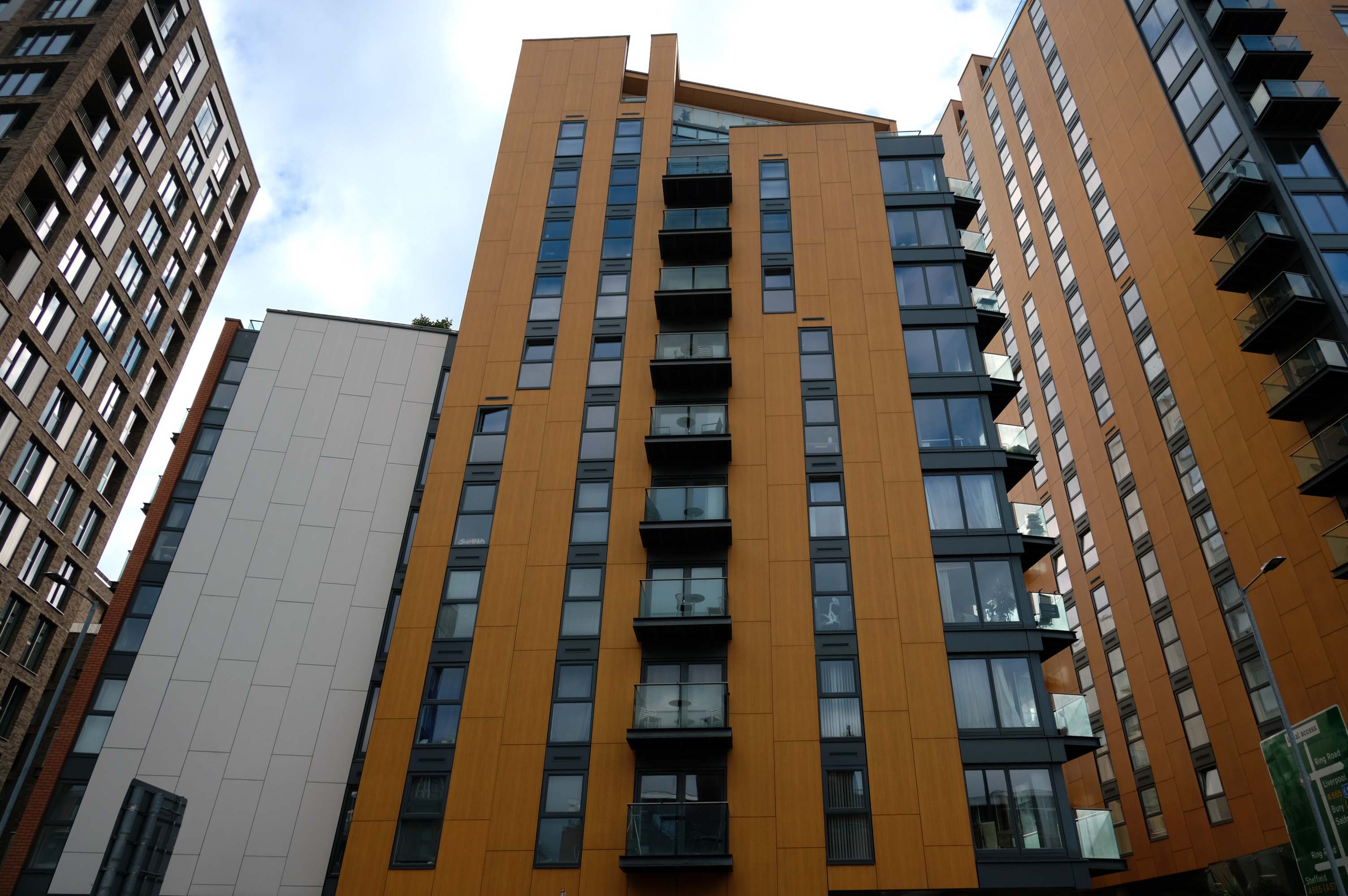

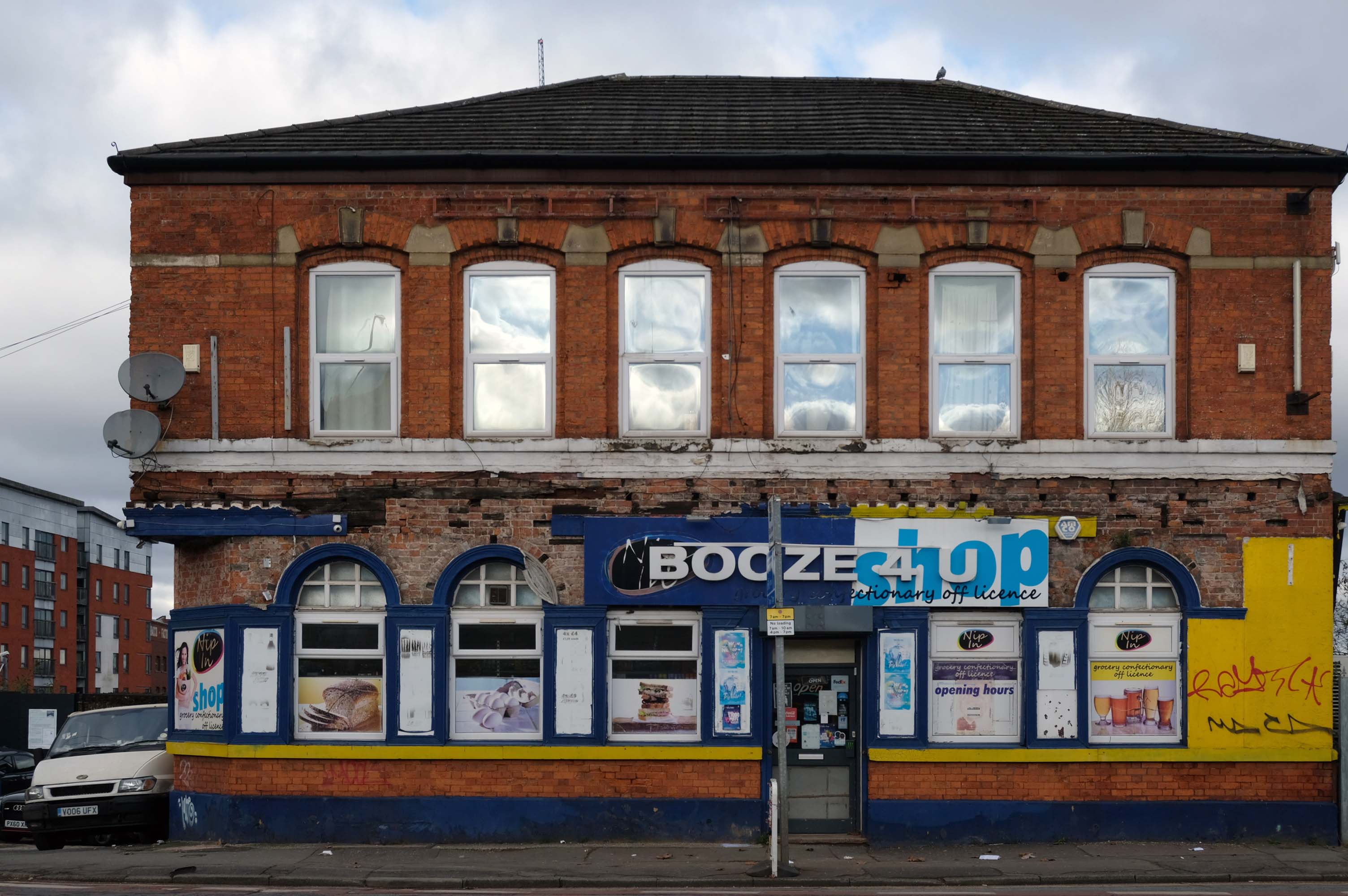
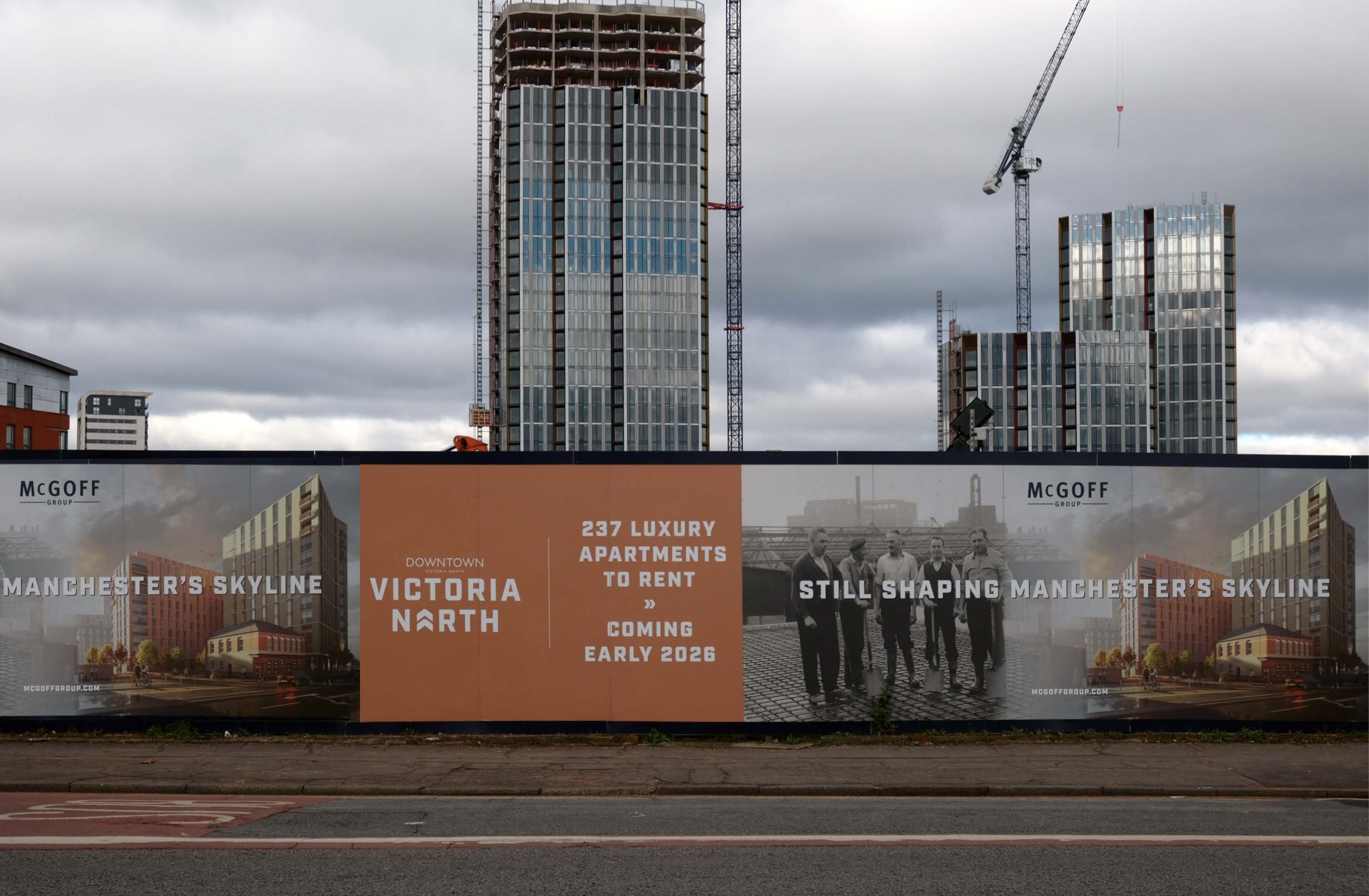
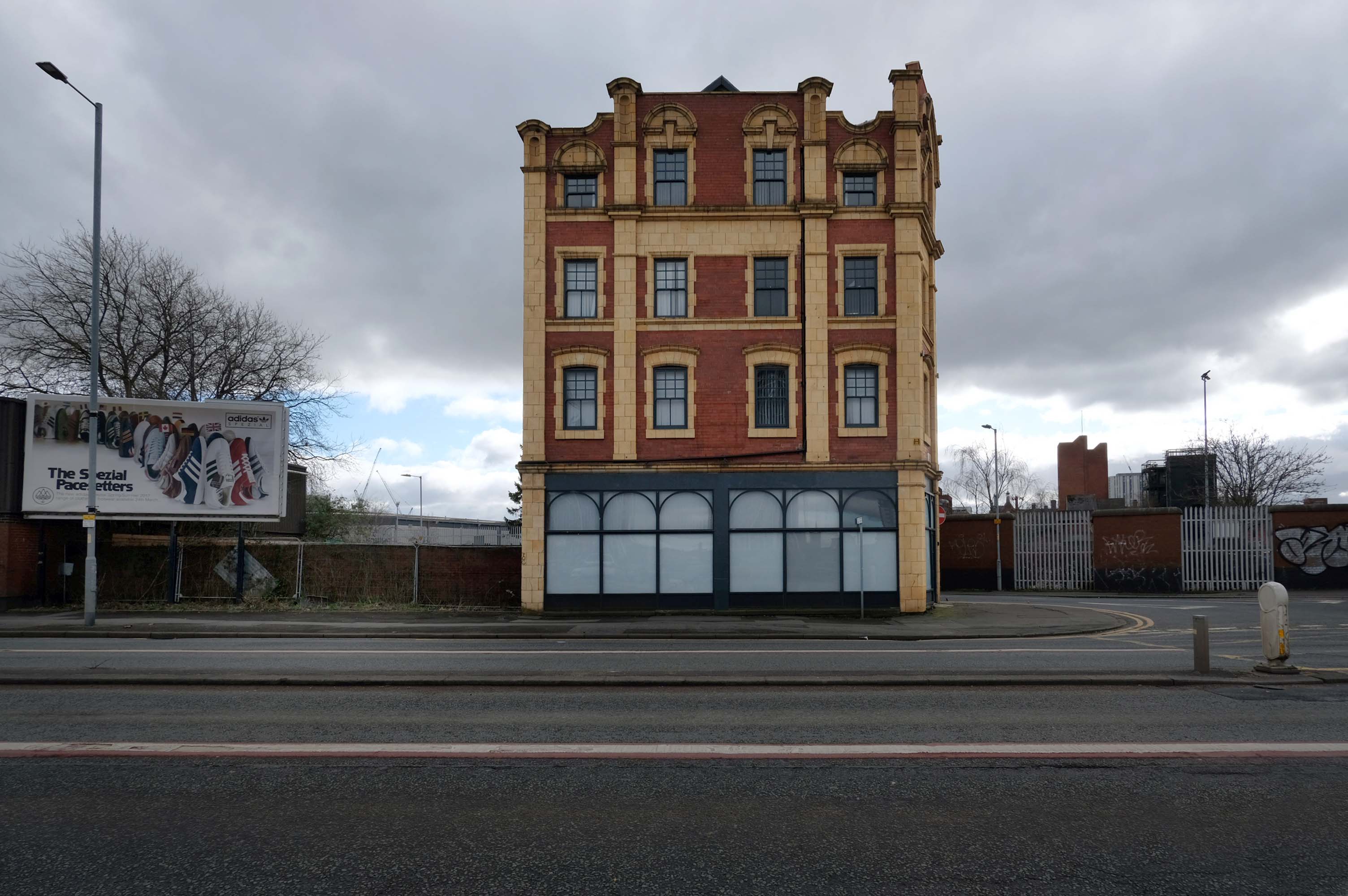
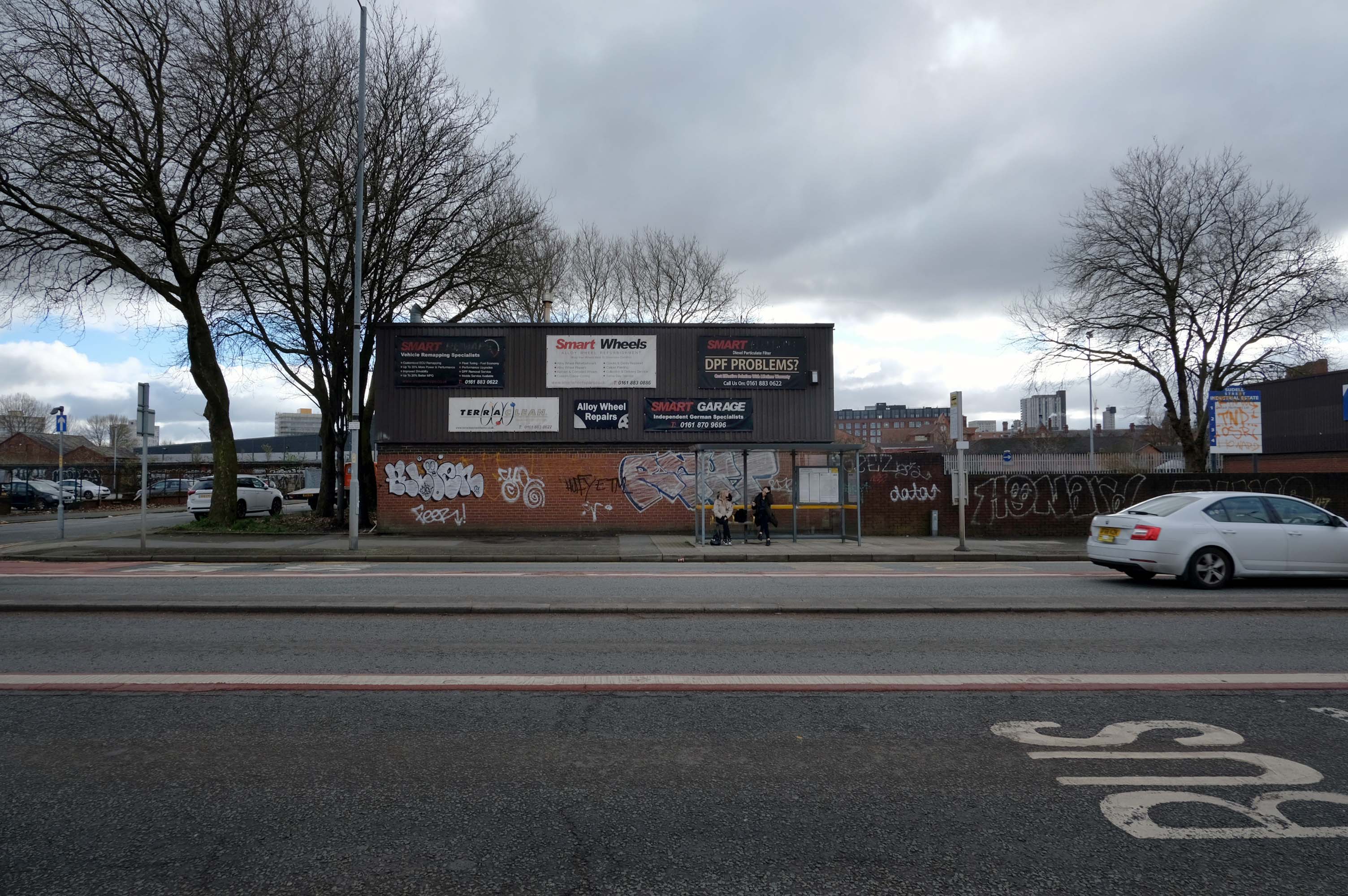














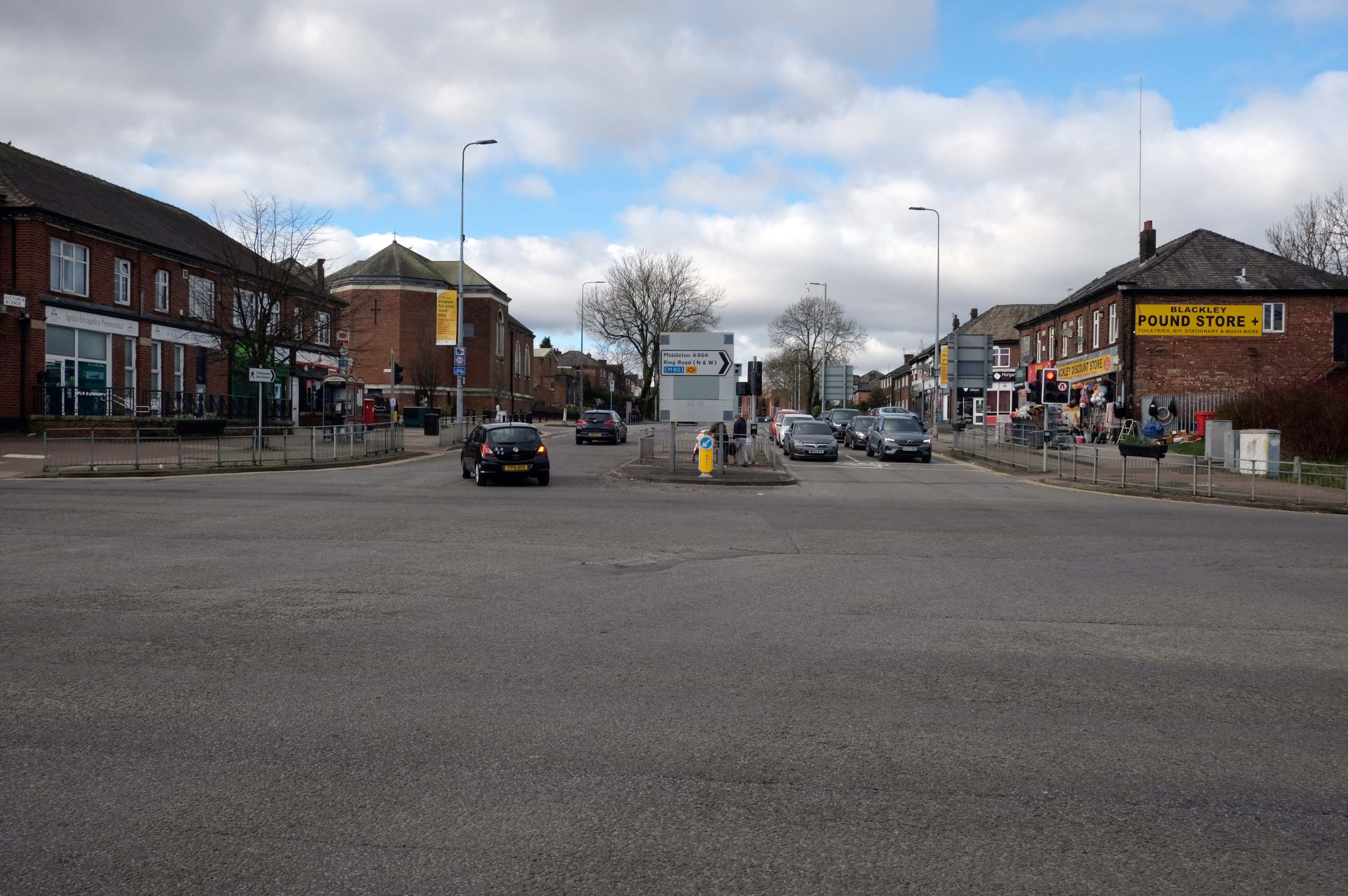

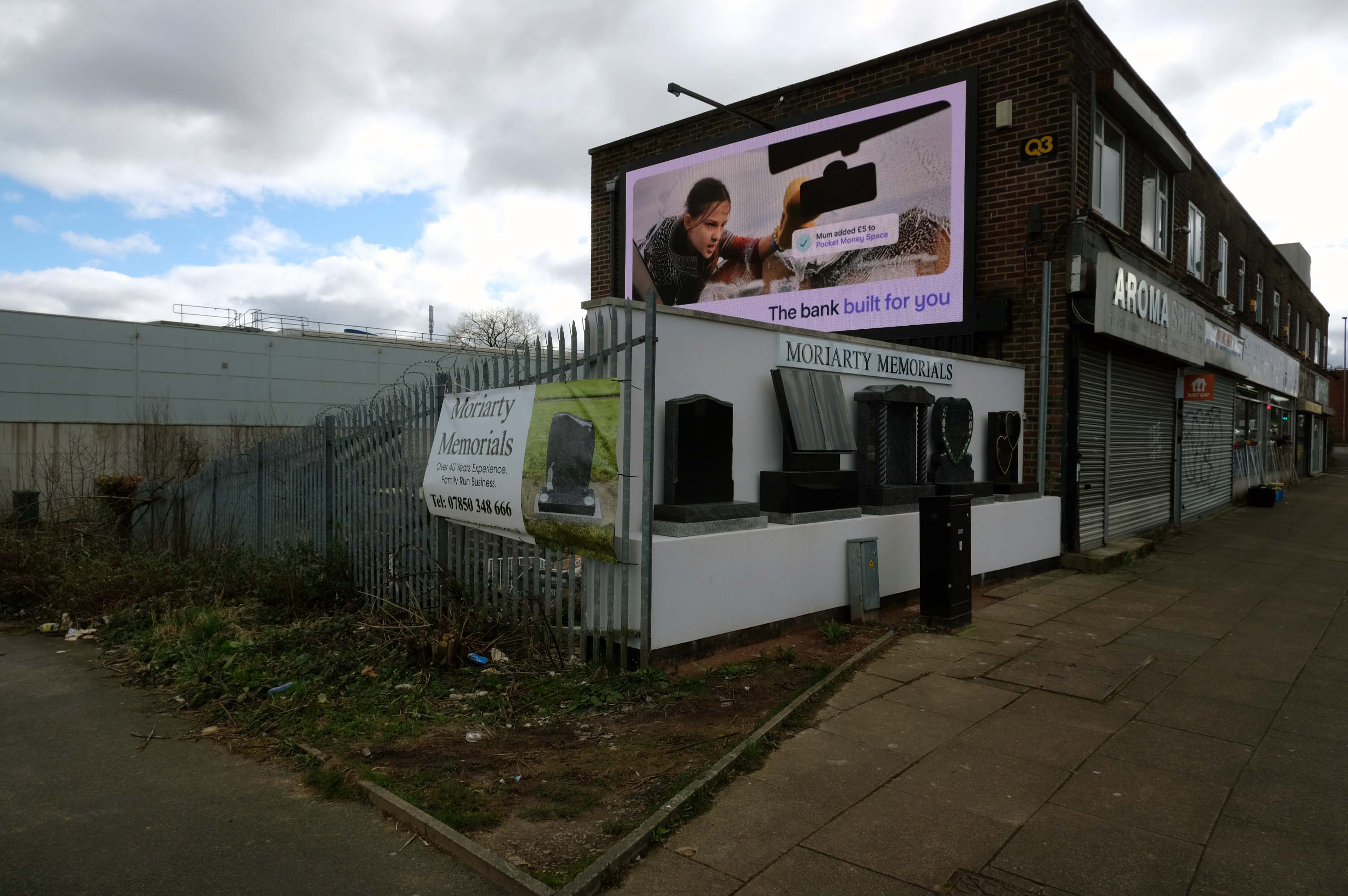


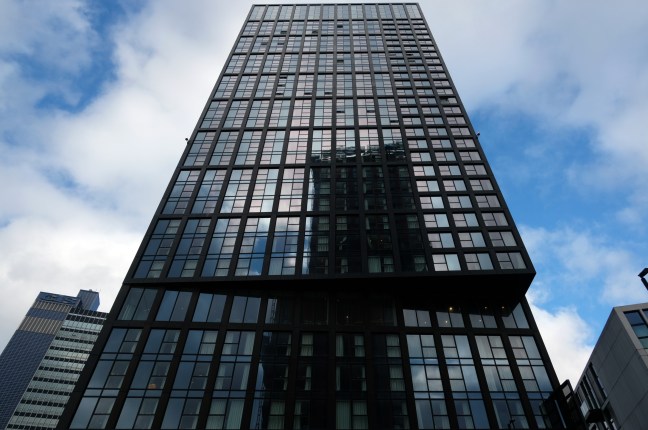
Having photographed the arterial roads of Manchester in 2014, I have resolved to return to the task in 2024.
Some things seem to have changed, some things seem to have stayed the same.

The history of youth work goes back to the birth of the Industrial Revolution in the 18th century, which was the first time that young men left their own homes and cottage–industries to migrate to the big towns. The result of this migration was an emergent youth culture in urban areas, which was responded to by the efforts of local people.
Work with young women however was seen as less important, because young women’s needs at this time were seen as being centred on homemaking, which were already, supposedly, provided for in the home.
By 1959 widespread moral panic in the press about teenage delinquency led the British government to look into a national response to catering for the needs of young people. In 1960 a government report known as The Albemarle Report was released, which outlined the need for local government agencies to take on responsibility for providing extracurricular activities for young people. Out of this the statutory sector of the youth service was born. For the first time youth centres and fully paid full-time youth workers made an appearance across the whole of Britain.
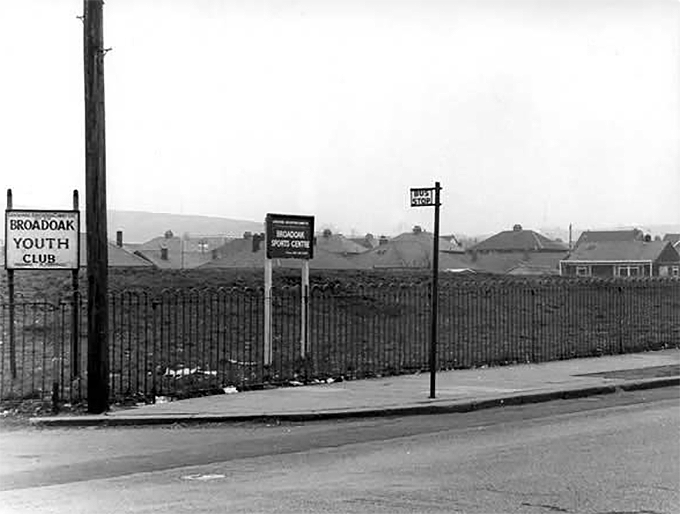
Which is where I enter this short history, attending the Broadoak Youth Club in Ashton, during the late 60s early 70s. These were days of ping pong, snooker, spinning 45s and drinking pop if you had the coppers.
Council run, housed in an architectural style best described as bunker like.
I uncovered a little of Manchester’s youth club history during my travels.
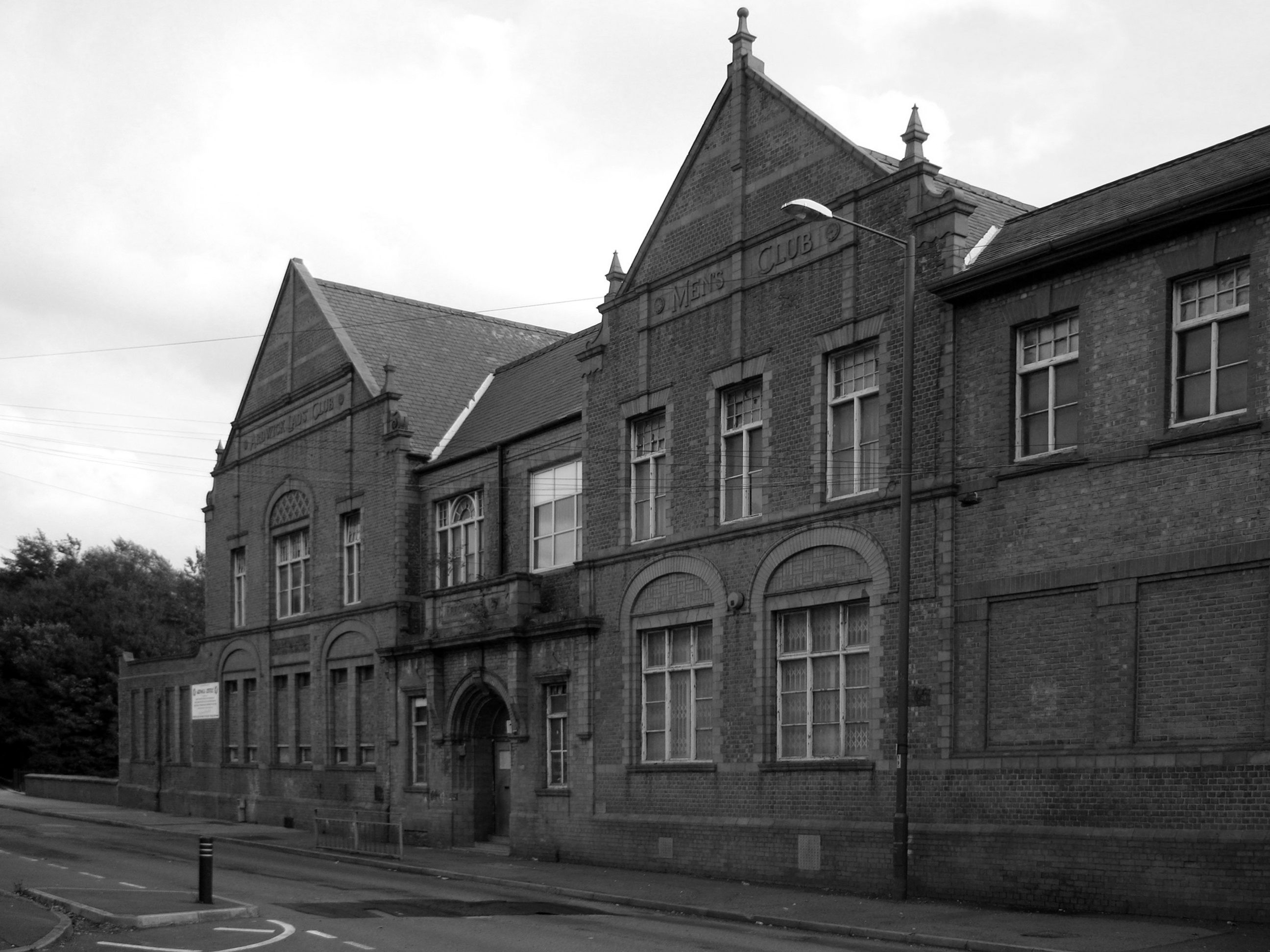
The Ardwick Lads’ and Mens’ Club on Palmerston Street, latterly the Ardwick Youth Centre, opened in 1897 and is believed to be Britain’s oldest purpose-built youth club still in use and was until earlier in 2012. Designed by architects W & G Higginbottom, the club, when opened, featured a large gymnasium with viewing gallery – where the 1933 All England Amateur Gymnastics Championships were held – three fives courts, a billiard room and two skittle alleys – later converted to shooting galleries. Boxing, cycling, cricket, swimming and badminton were also organised. At its peak between the two world wars, Ardwick was the Manchester area’s largest club, with 2,000 members.
On the 10th September 2012 an application for prior notification of proposed demolition was submitted on behalf of Manchester City Council to Manchester Planning, for the demolition of Ardwick Lads’ Club of 100 Palmerston Street , citing that there was “no use” for the building in respect to its historic place within the community as providing a refuge and sporting provision to the young of Ancoats.
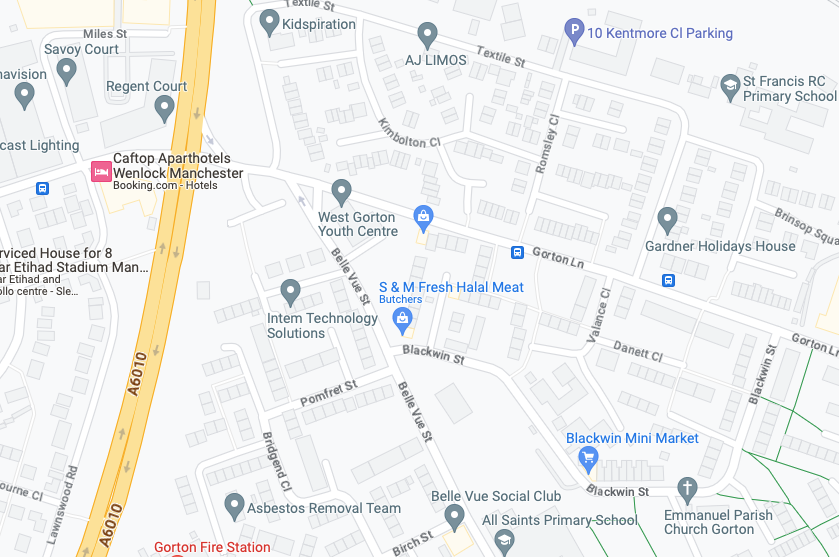
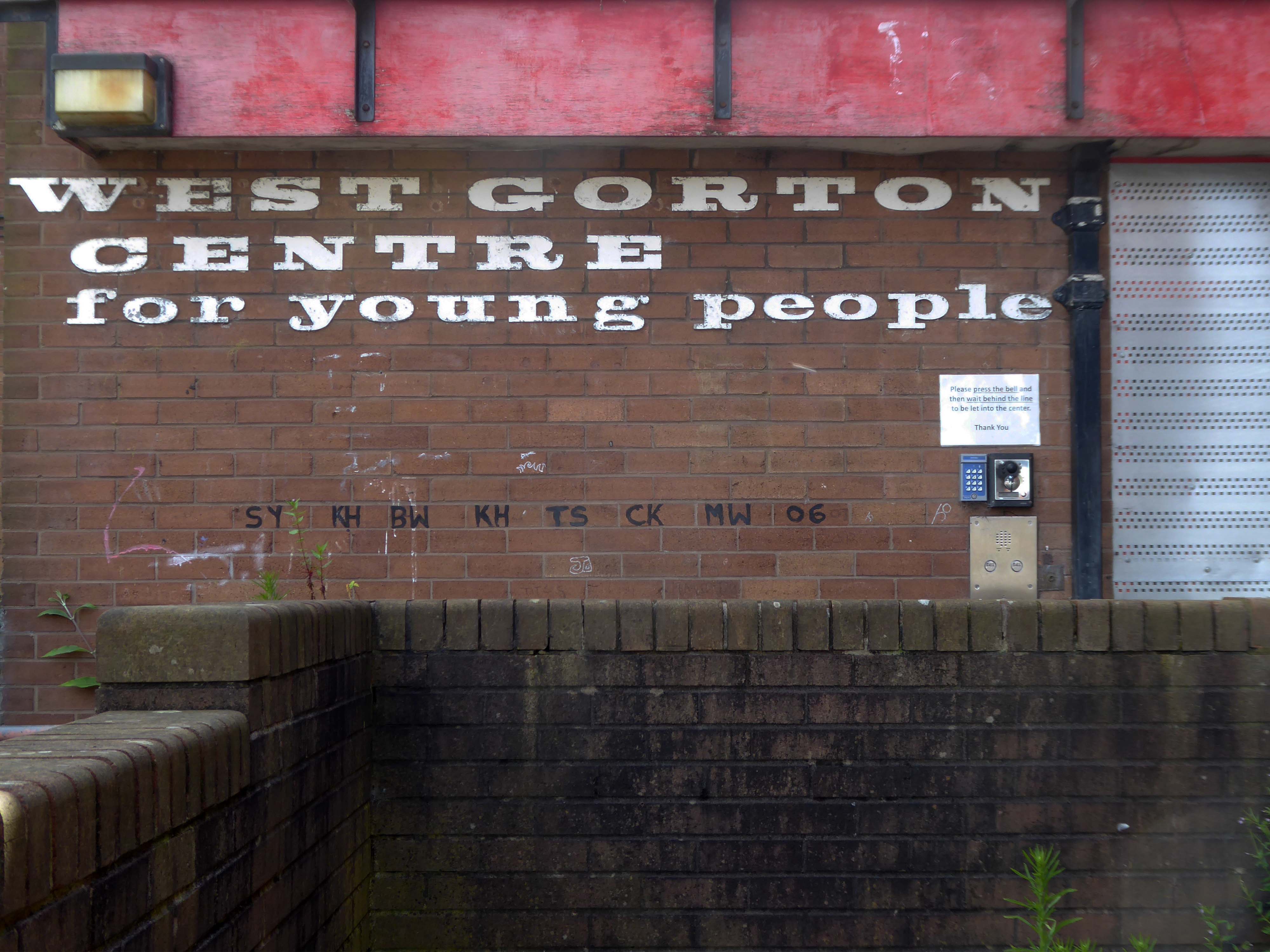
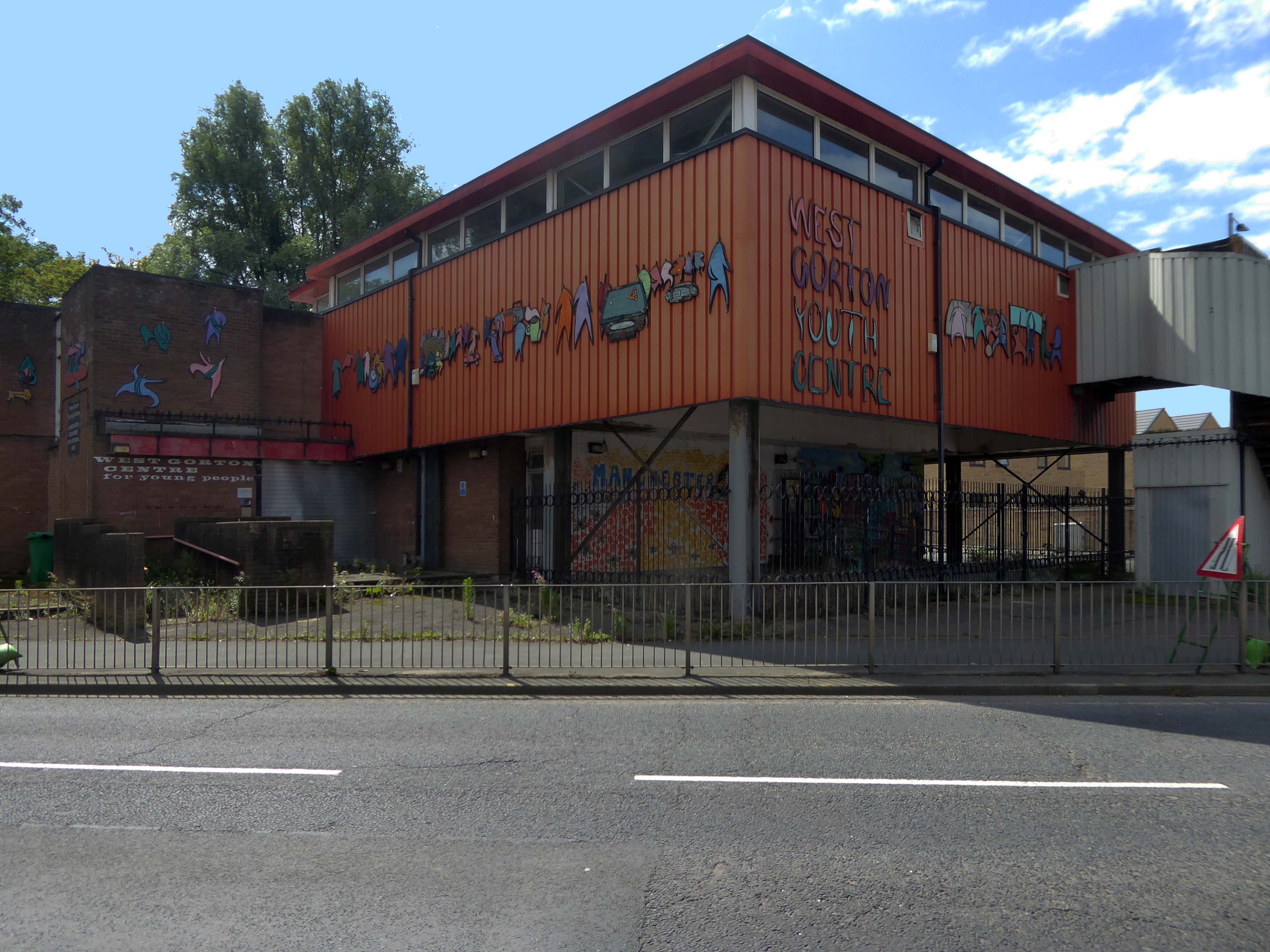
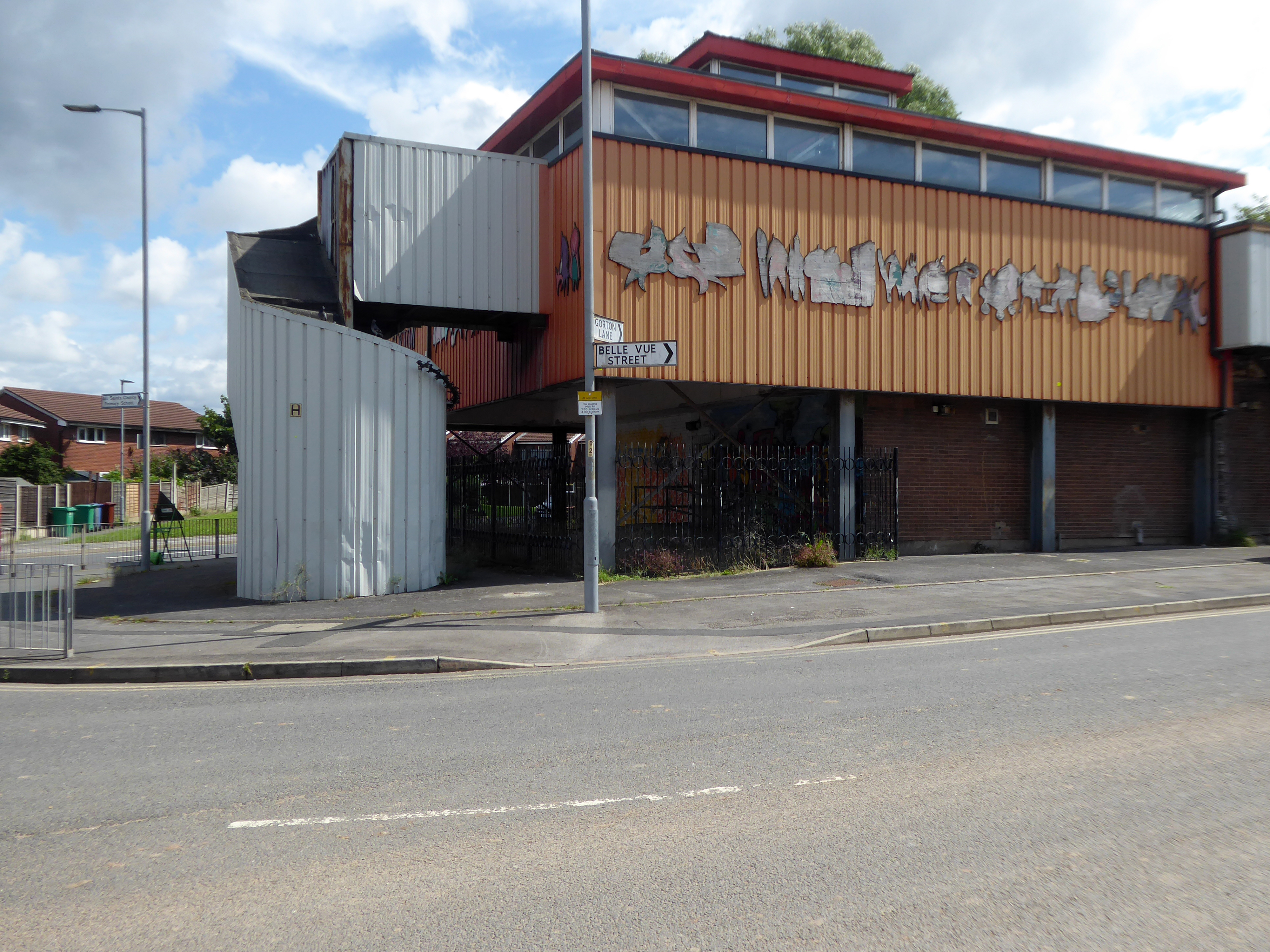
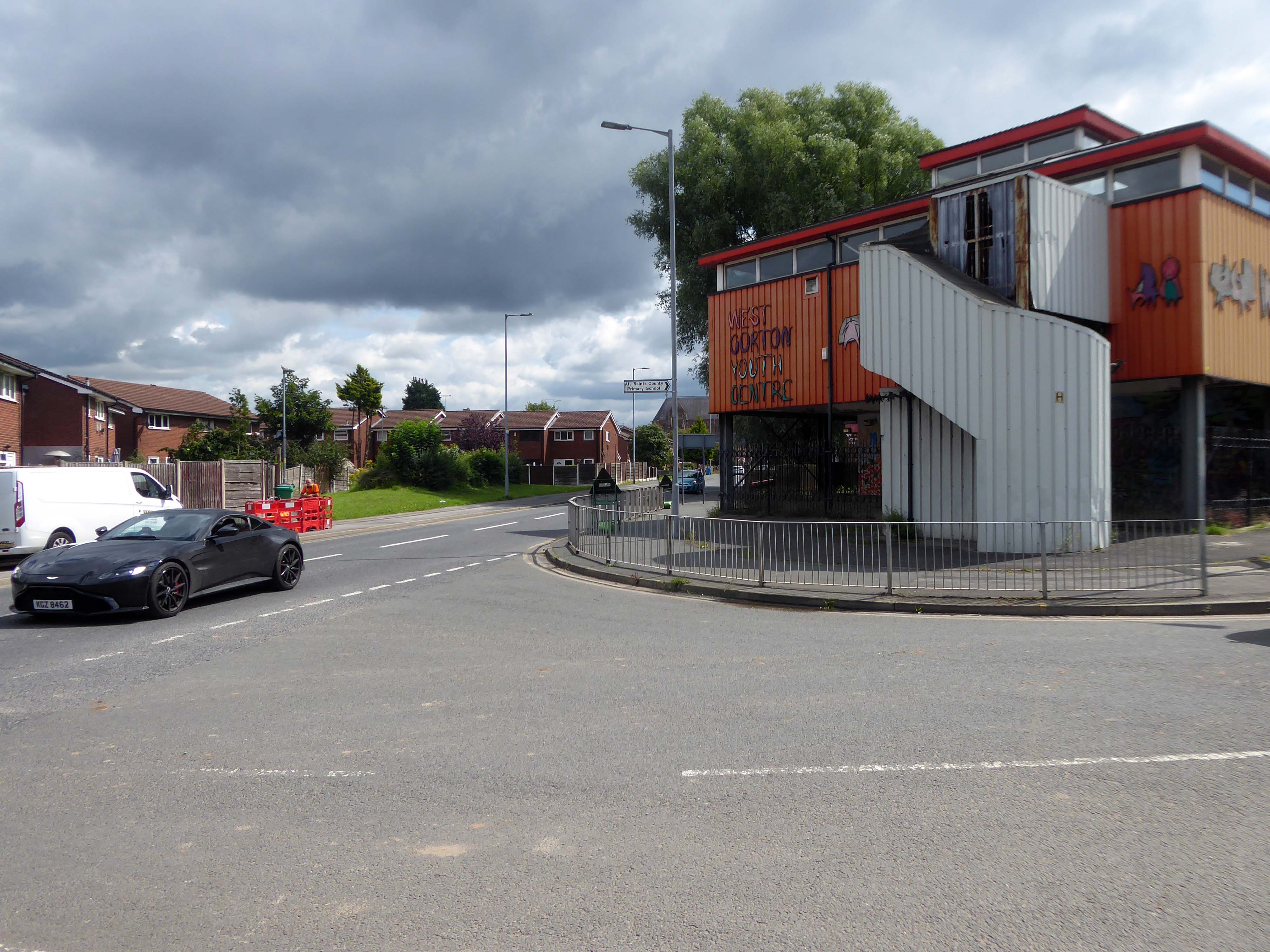
Whilst cycling through Gorton, I passed the now defunct West Gorton Youth Centre.
Intrigued I started to dig a little deeper, I remembered playing five-a-side at Crossley House in Openshaw.
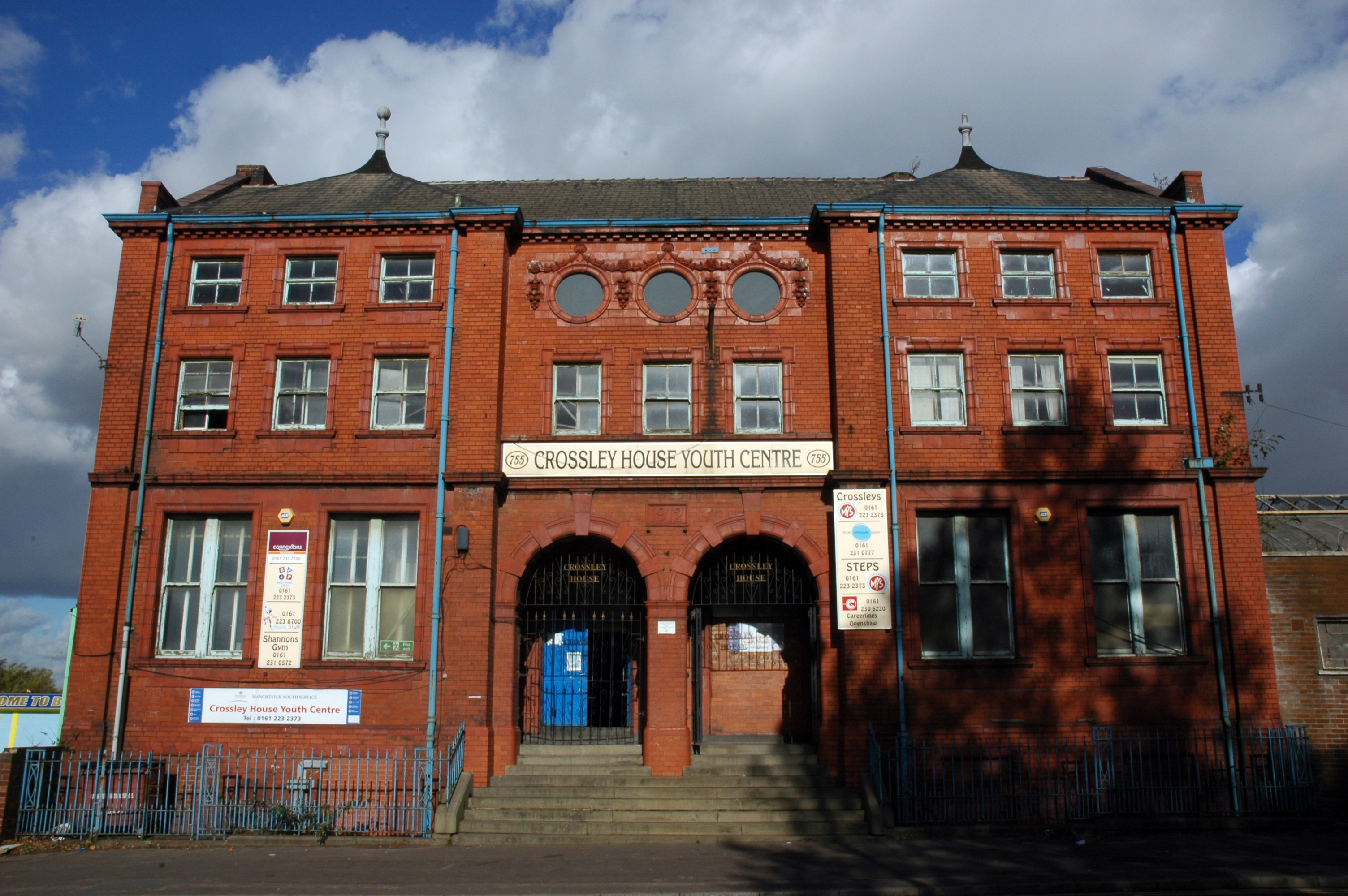
Openshaw Lad’s Club was founded in November 1888 by William John Crossley. It was previously known as the Gorton and Openshaw Working Lad’s Club and the Crossley Lad’s Club. The Crossley family financed the club up to 1941 and they built the club premises, Crossley House to commemorate Sir William Crossley after his death in 1911. The building was opened on 1 September 1913. In July 1941 the premises were handed over to the National Association of Boy’s Clubs and a management committee was formed to administer the club
Simon Inglis gives the architect as John Broadbent; Buildings of England names the architect as James Barritt Broadbent.
Architects of Greater Manchester
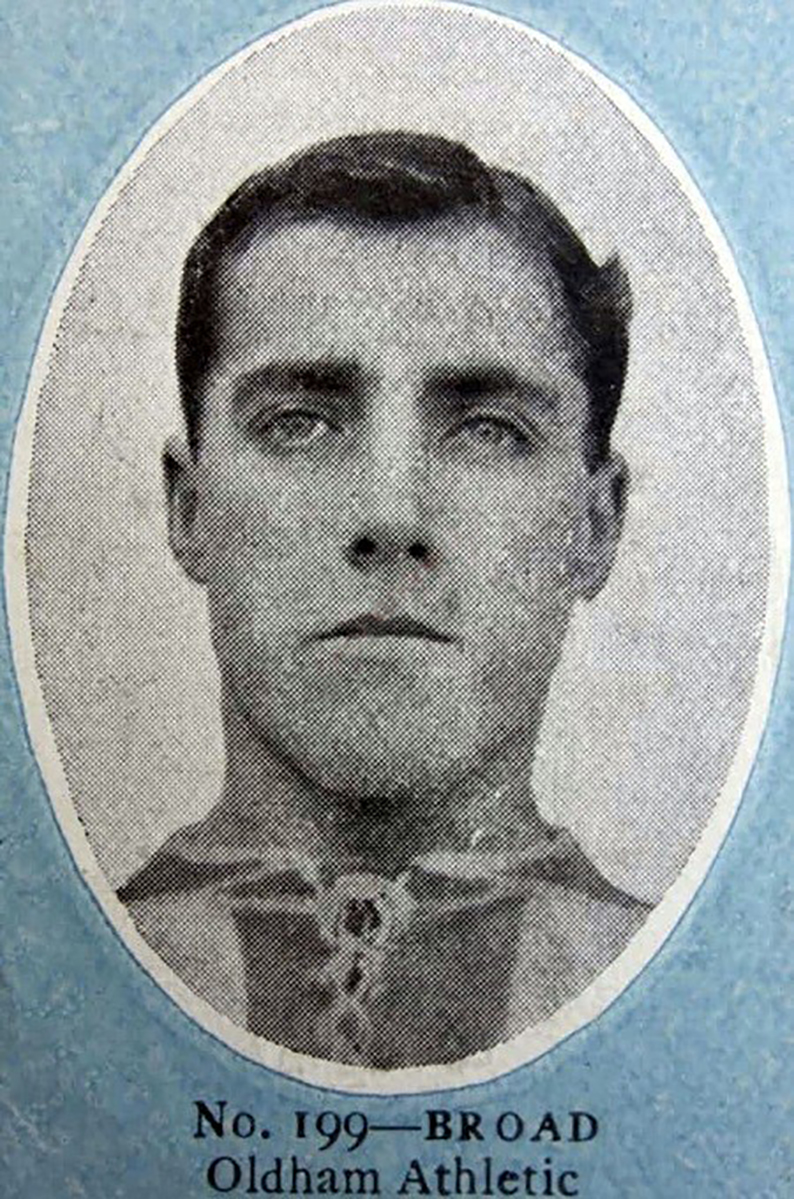
Stalybridge born outside right Tommy Broad started with Redgate Albion in 1902 spending time at Manchester City without making their first eleven before playing for Denton Wanderers in 1903 and Openshaw Lads Club in 1904 from where he joined Second Division West Bromwich Albion in September 1905 making his Football League debut at Wolverhampton Wanderers that September. After a single goal in 15 appearances he moved to Chesterfield Town in the February 1908 scoring 5 goals in 50 appearances for The Spireites over the next two seasons at Saltergate, where he was an ever present in 1908-09.
He moved to Second Division Oldham Athletic in May 1909 and they were promoted as Second Division runners-up in his first season when he missed only one game, scoring a career best 7 goals in the campaign, and in three seasons at Boundary Park he scored 9 goals in 104 appearances. He then played for Bristol City between the summer of 1912 and the suspension of peacetime football due to the onset of the First World War in 1915, where he missed only one match in his first two seasons, scoring 8 times in 111 appearances at Ashton Gate.
During the First World War he served in the Armed Forces and after its resolution he joined First Division Manchester City in the summer of 1919, making 44 appearances in two years at Hyde Road, and helping The Citizens to finish runners up in the League Championship in 1920-21, which he followed with a move to Stoke in the summer of 1921 where Broad along with his younger brother Jimmy helped The Potters to promotion in 1921-22, finishing as Second Division runners-up, although this was followed by relegation the following season.
After three years in The Potteries, where Broad scored 4 times in 89 first team appearances, he moved to the South Coast to join Southampton. Broad still holds the distinction of being the oldest player ever signed by The Saints, being just three weeks short of his 37th birthday. At The Dell, he was used as cover for Bill Henderson and only had a run of three games in October, followed by six more appearances in April. In September 1925, Broad moved to Weymouth of the Western League, before playing out his career with Rhyl.
Manchester City’s ground was up the way at Hyde Road Stadium at the time.
In 2013 disaster struck the club:
A legendary boxing gym – former base of superstars Ricky Hatton and Marco Antonio Barrera – could be forced to shut after it was ransacked by thieves.
Crooks ripped out copper piping and stole priceless equipment from the Shannon Boxing Club in Openshaw.
Searching the Local Image Collection – revealed other locations.
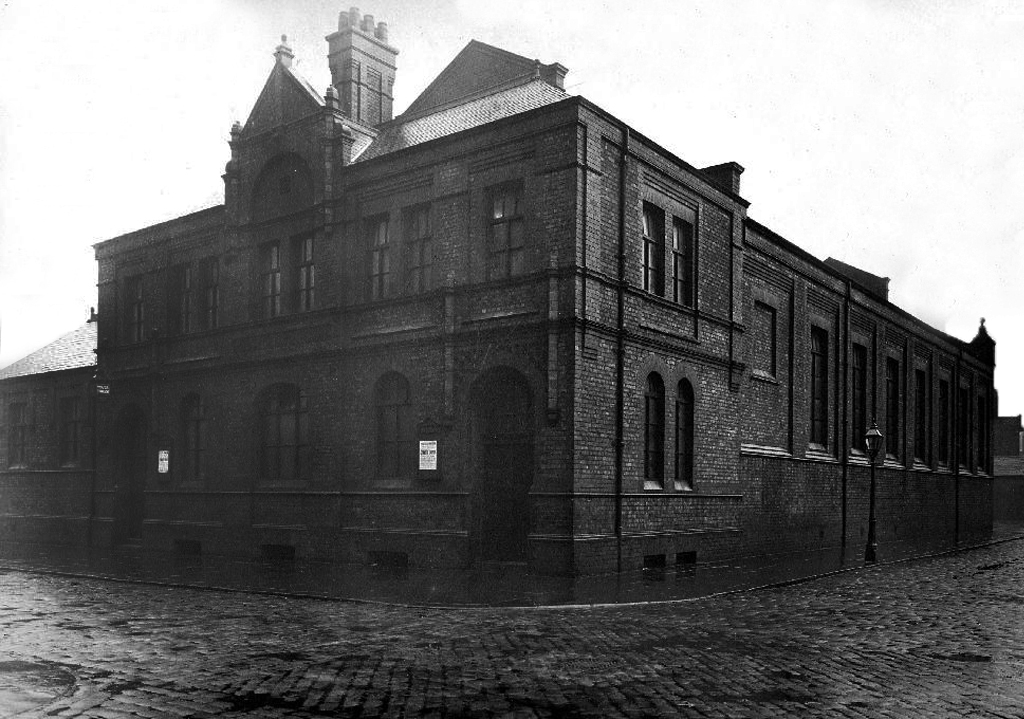
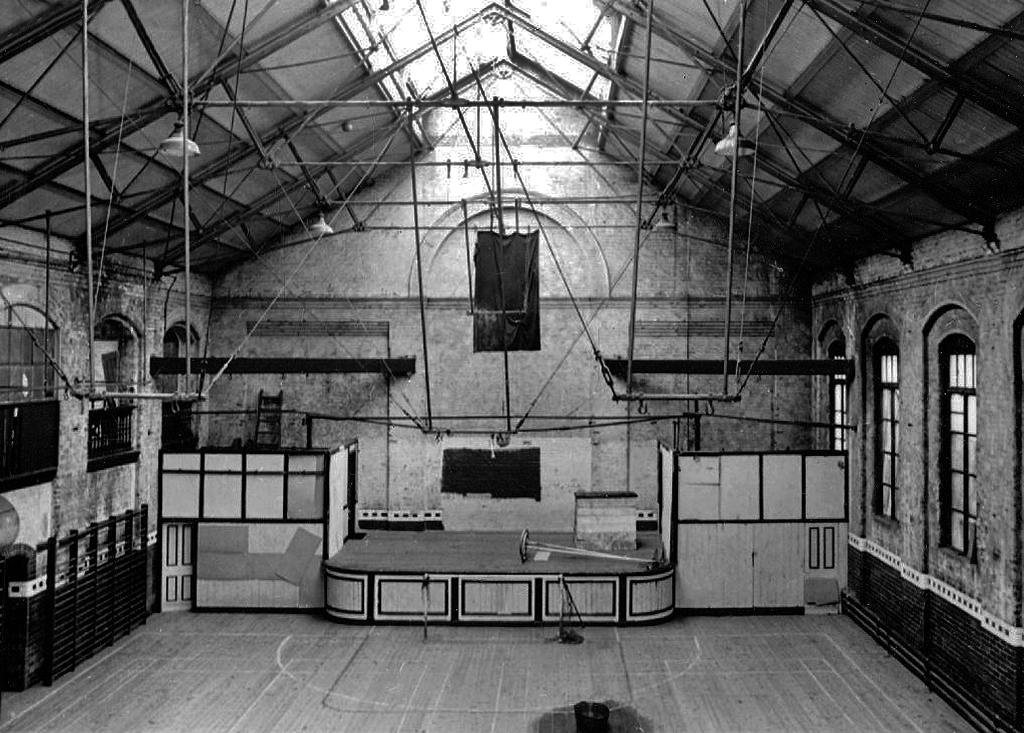
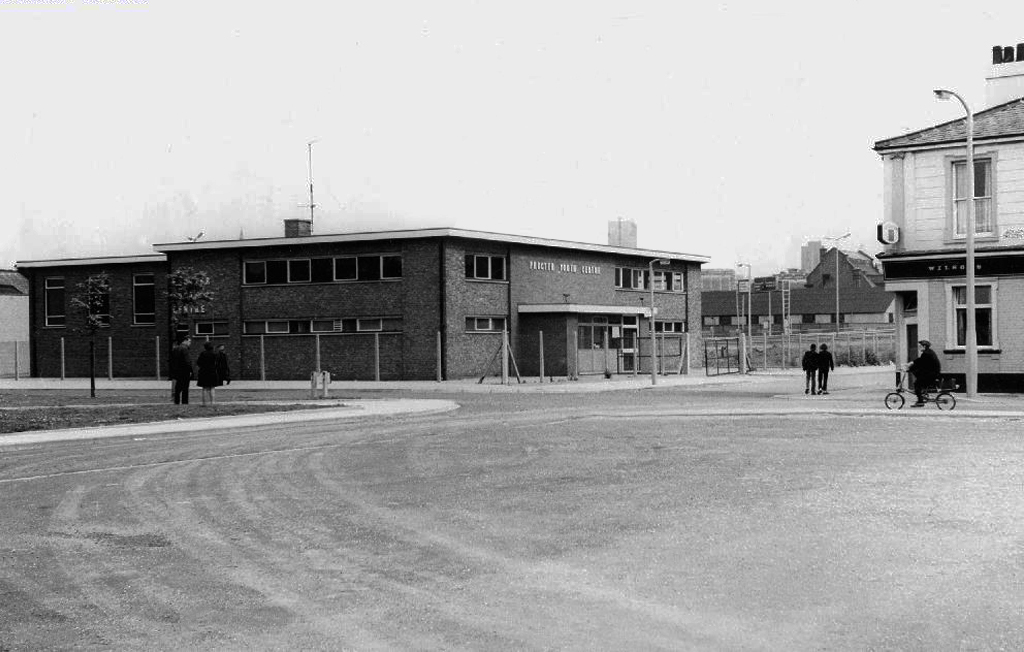
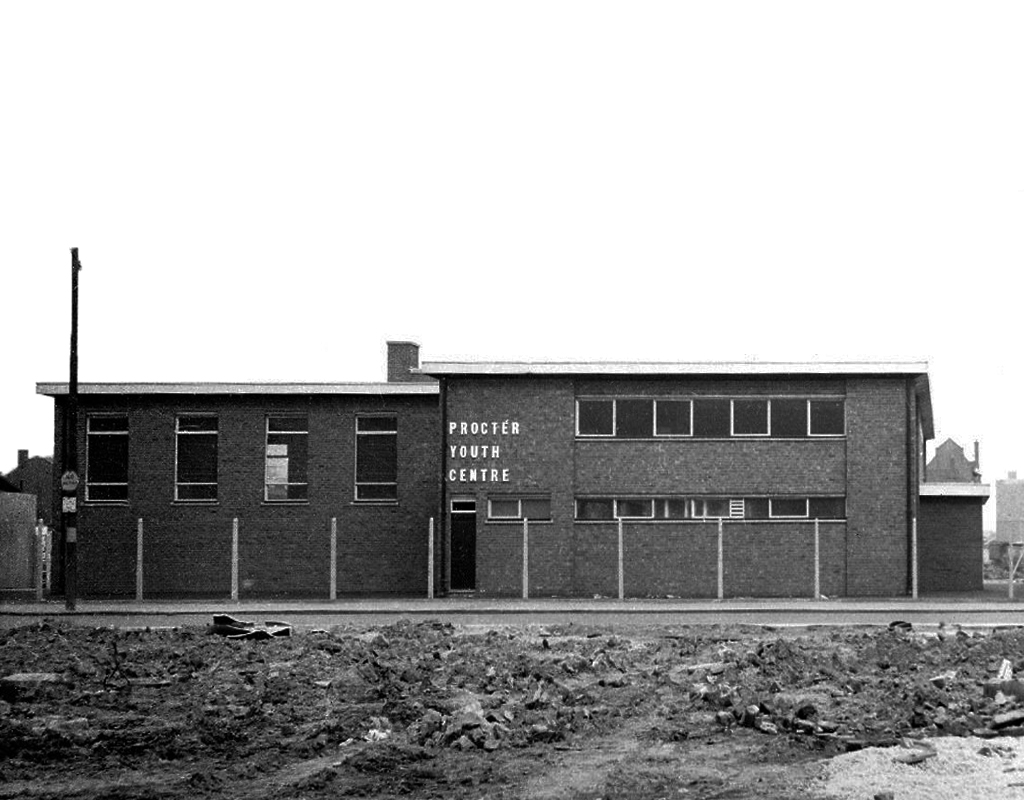
Procter Youth Centre a victim of city’s spending cuts
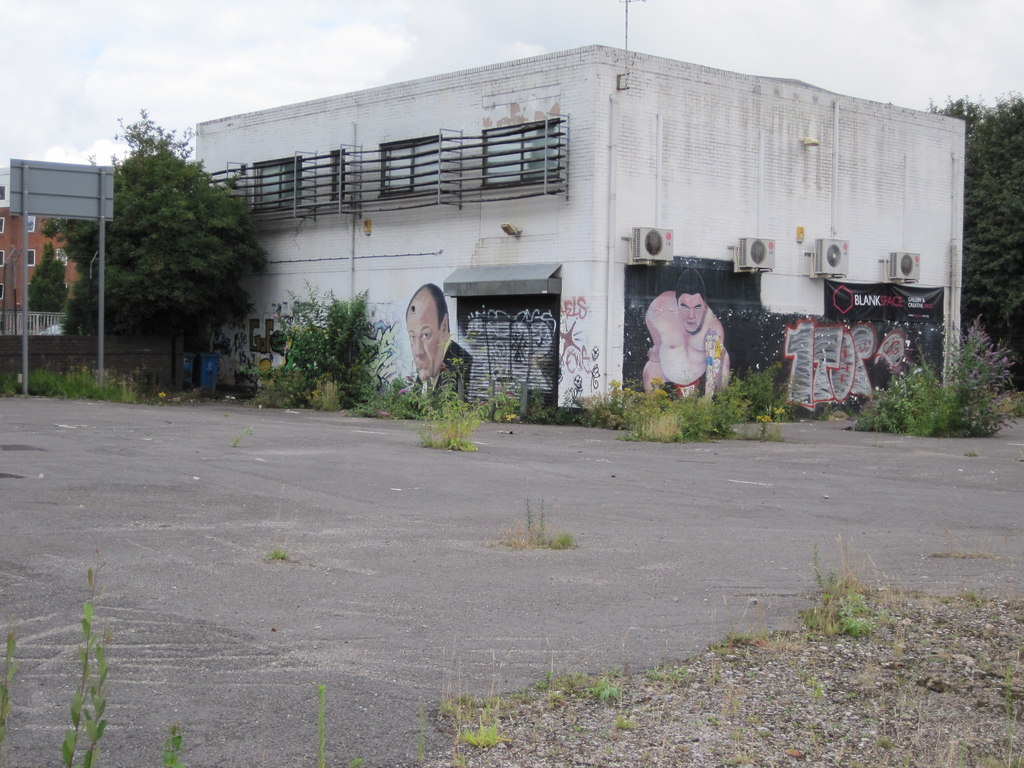
Procter Youth Centre 1966-2011. Despite being in singularly ugly building, it was very popular, providing a wide range of activities such as pool, football and martial arts, to name but a few. In 2009 the premises were refurbished with £668,000 being spent on a weights room, dance studio, recording studio. Then two years later Manchester City Council did the logical thing – closed it! Some of the eight staff offered to take a pay cut but to no avail. There were plans to use the building as a pupil referral unit. Today the building stands in the middle of wasteland that is the process of redevelopment.
Hulme 1972
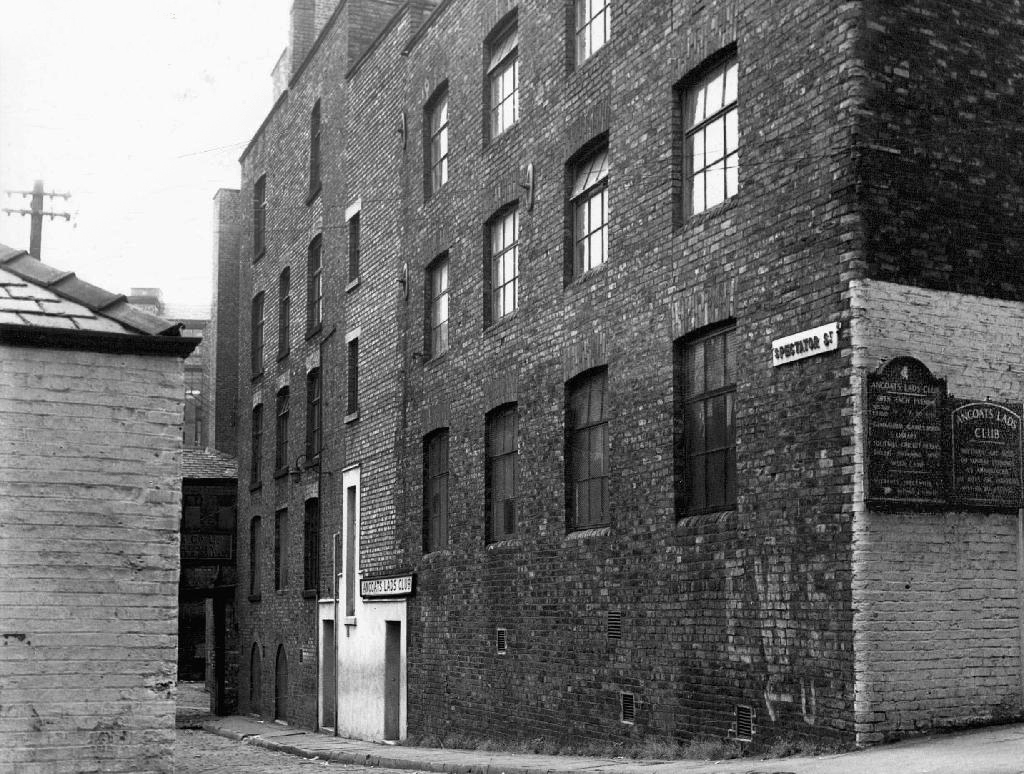
Ancoats 1962
Ancoats Youth Club had sadly ceased being a place for the community to come together and use the facilities a number of years before it became a bed shop before it was finally demolished in 2011, with yet another community resource gone forever.
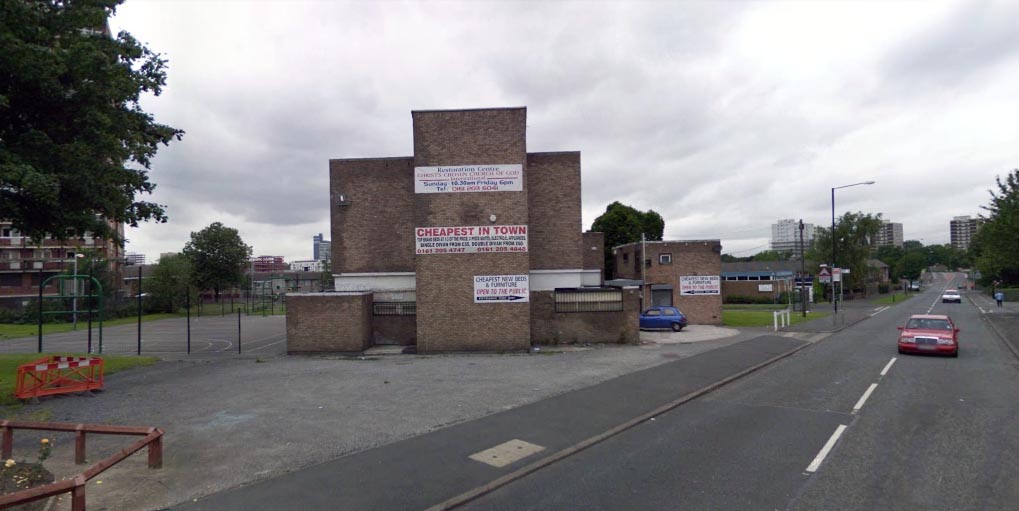
Ancoats
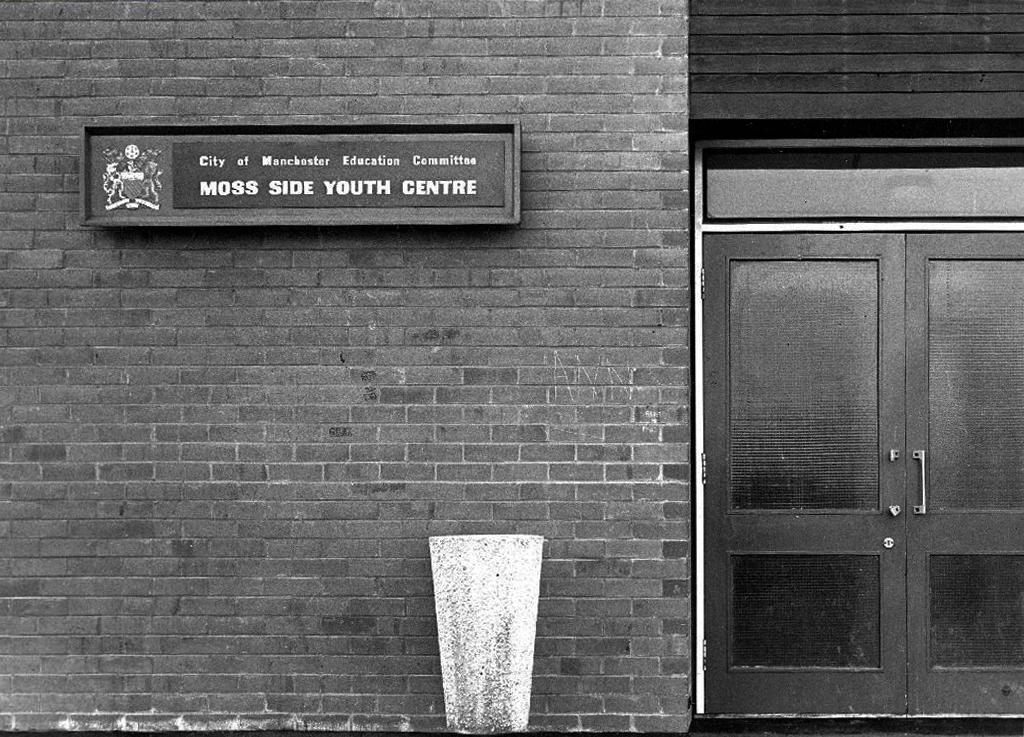
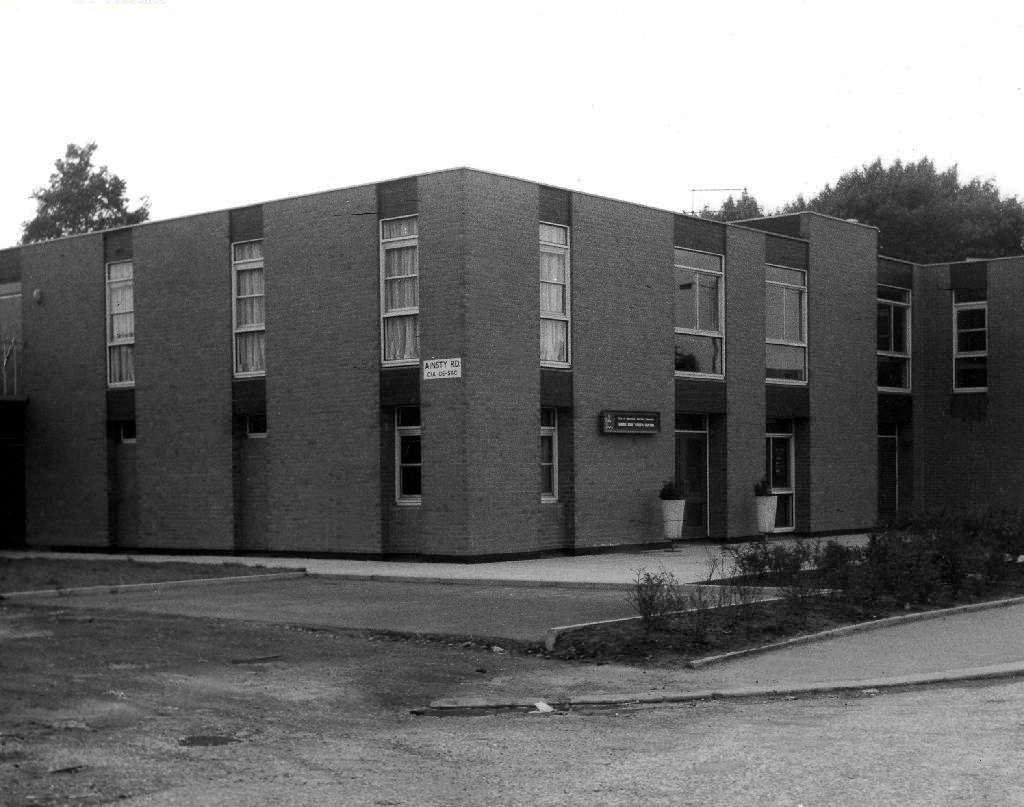
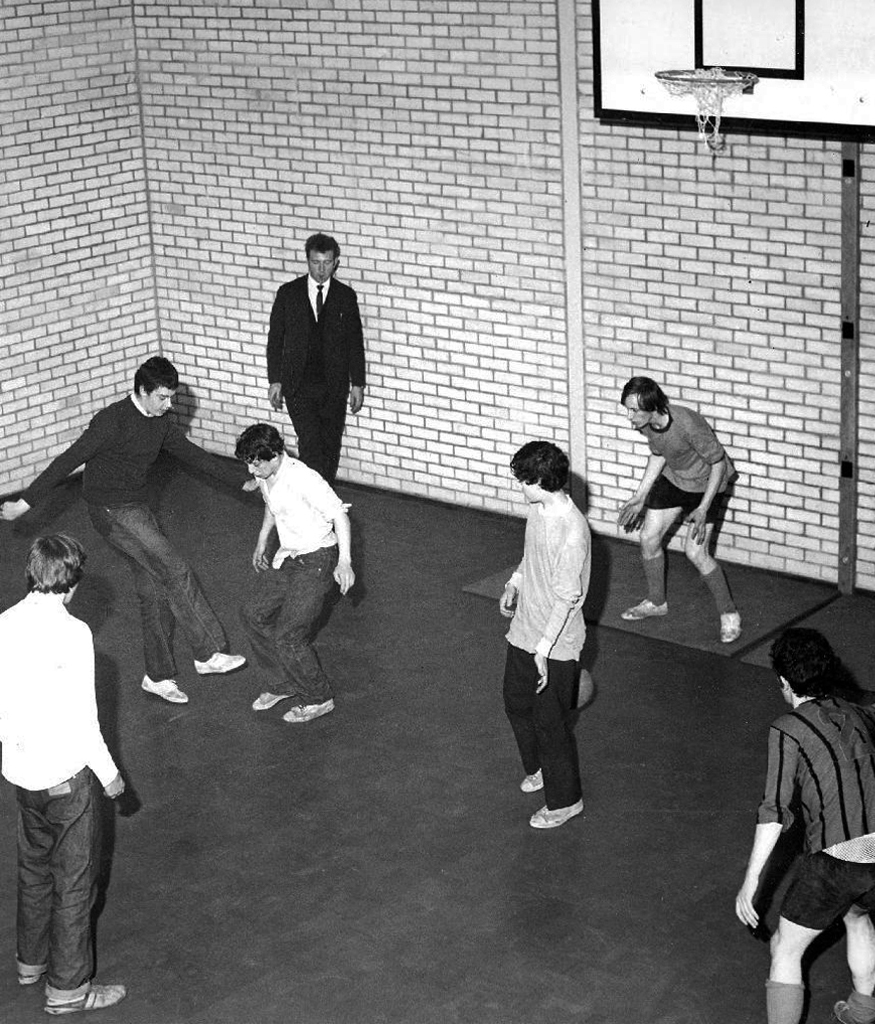
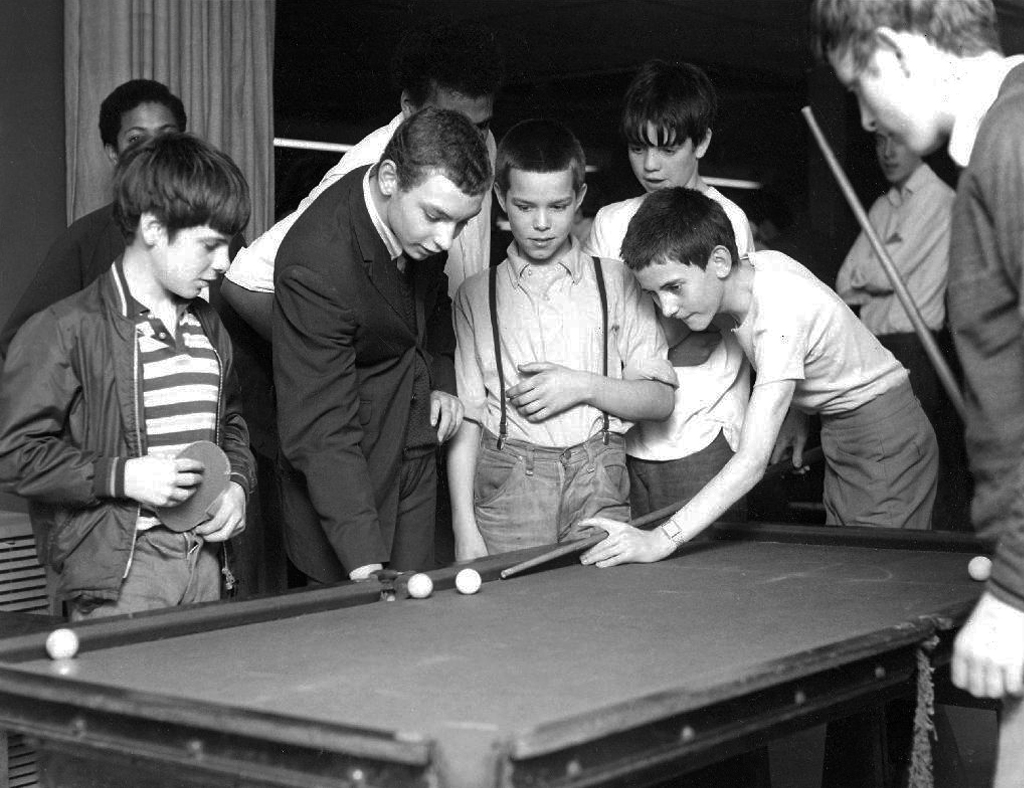
Moss Side 1972
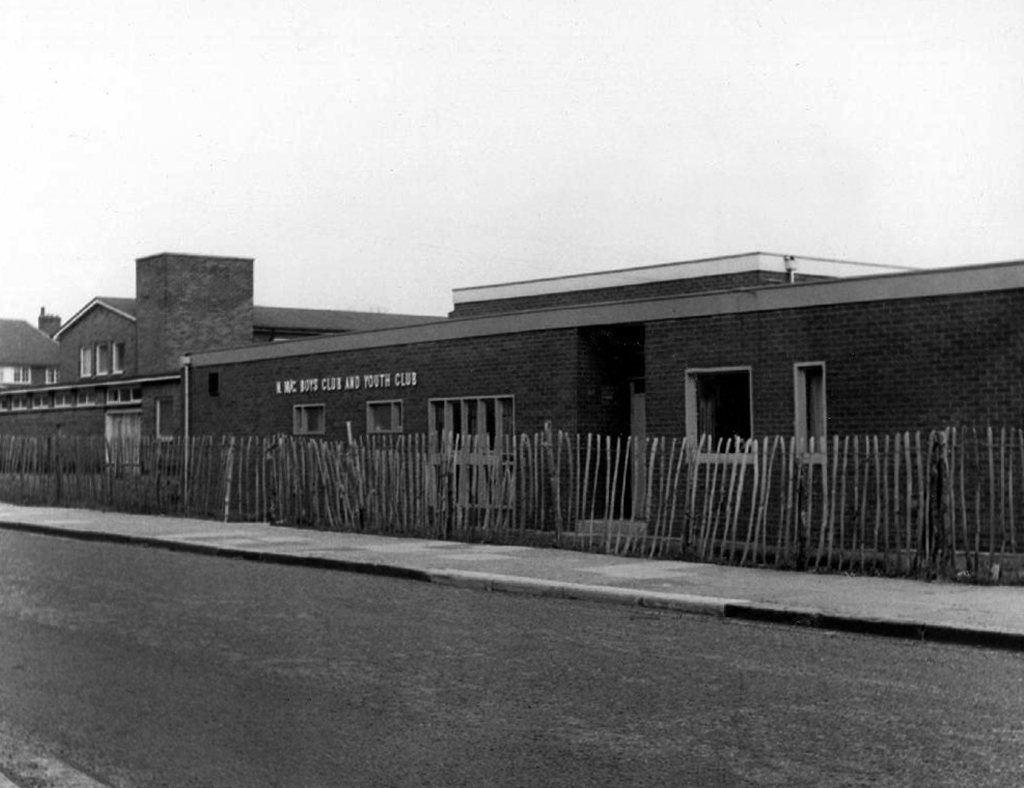
Blackley 1969
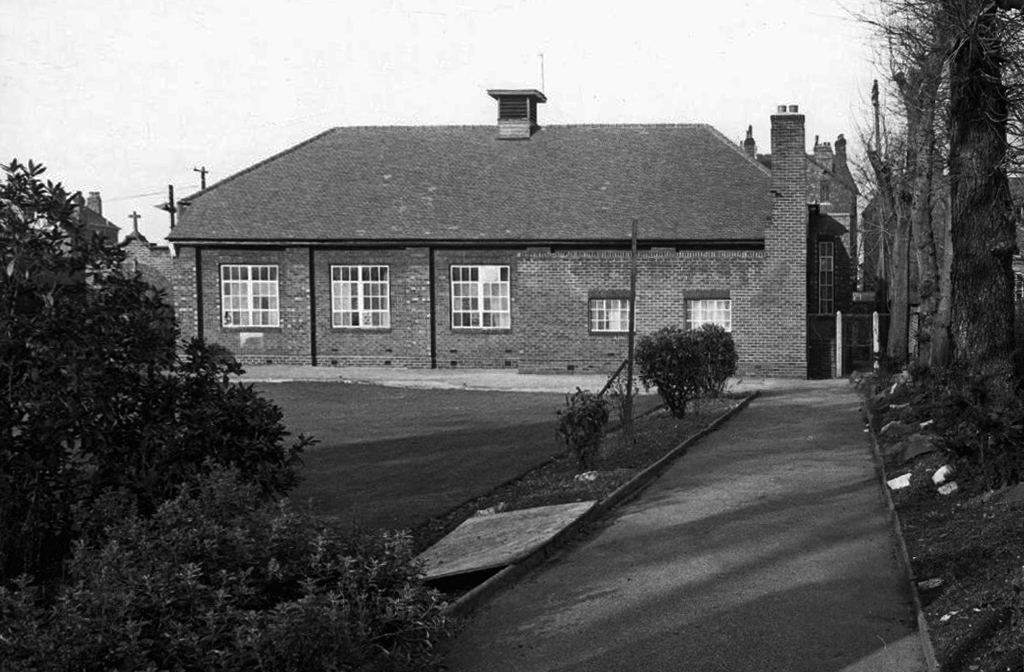
Victoria Park St Edwards Youth Club 1976
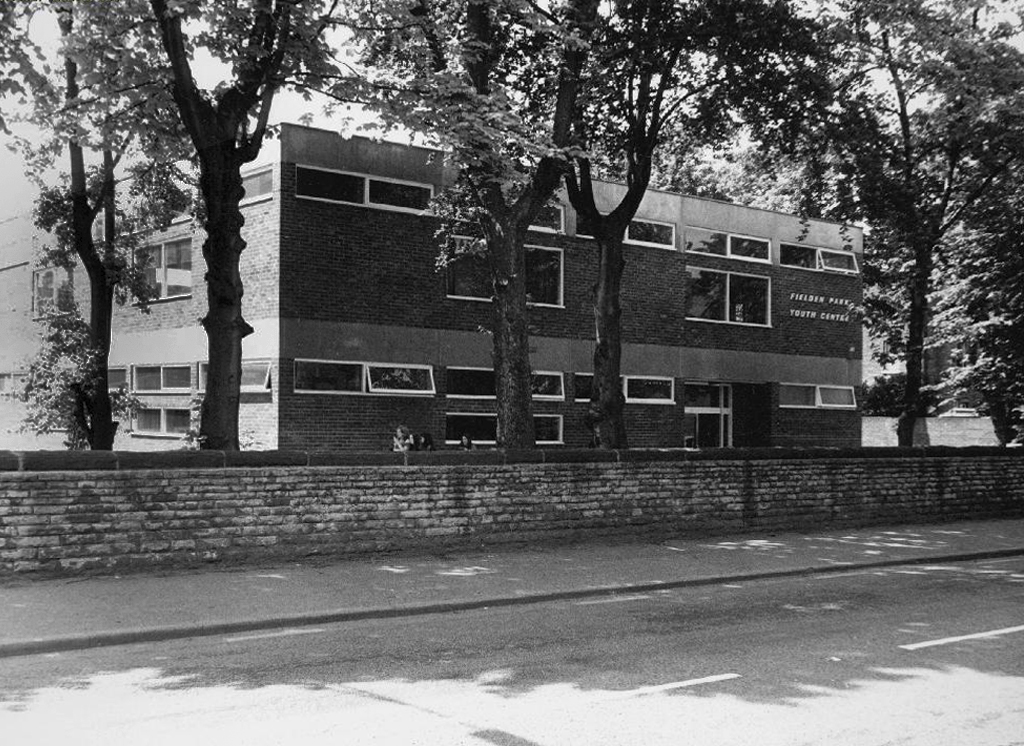
Fielden Park 1972
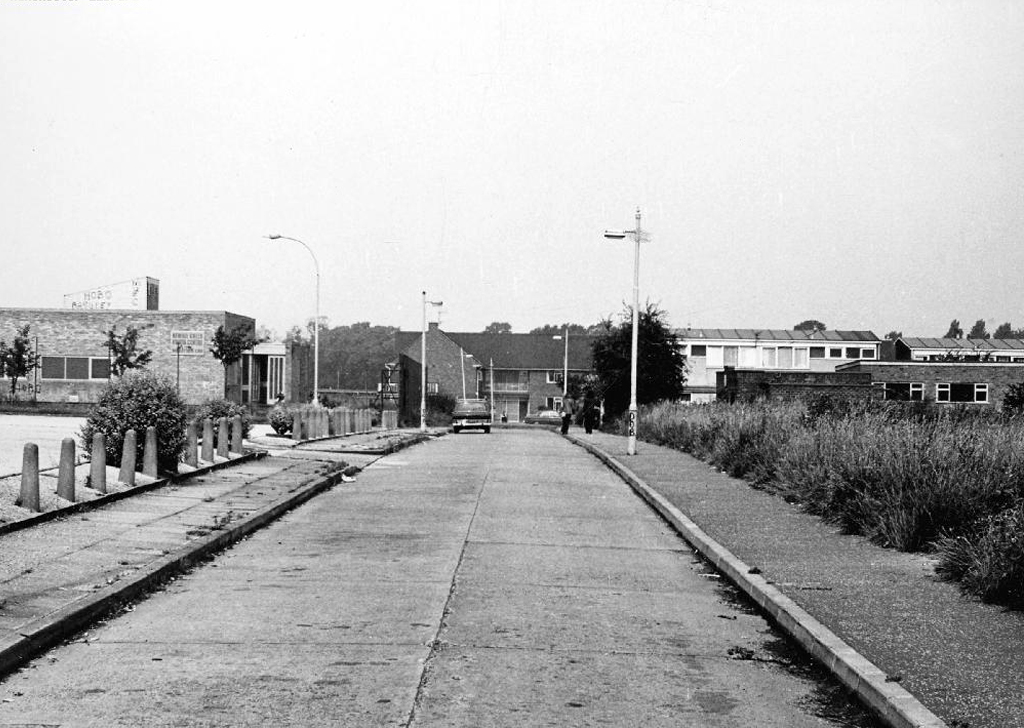
Newall Green 1972
Royal Oak Community Centre Baguley
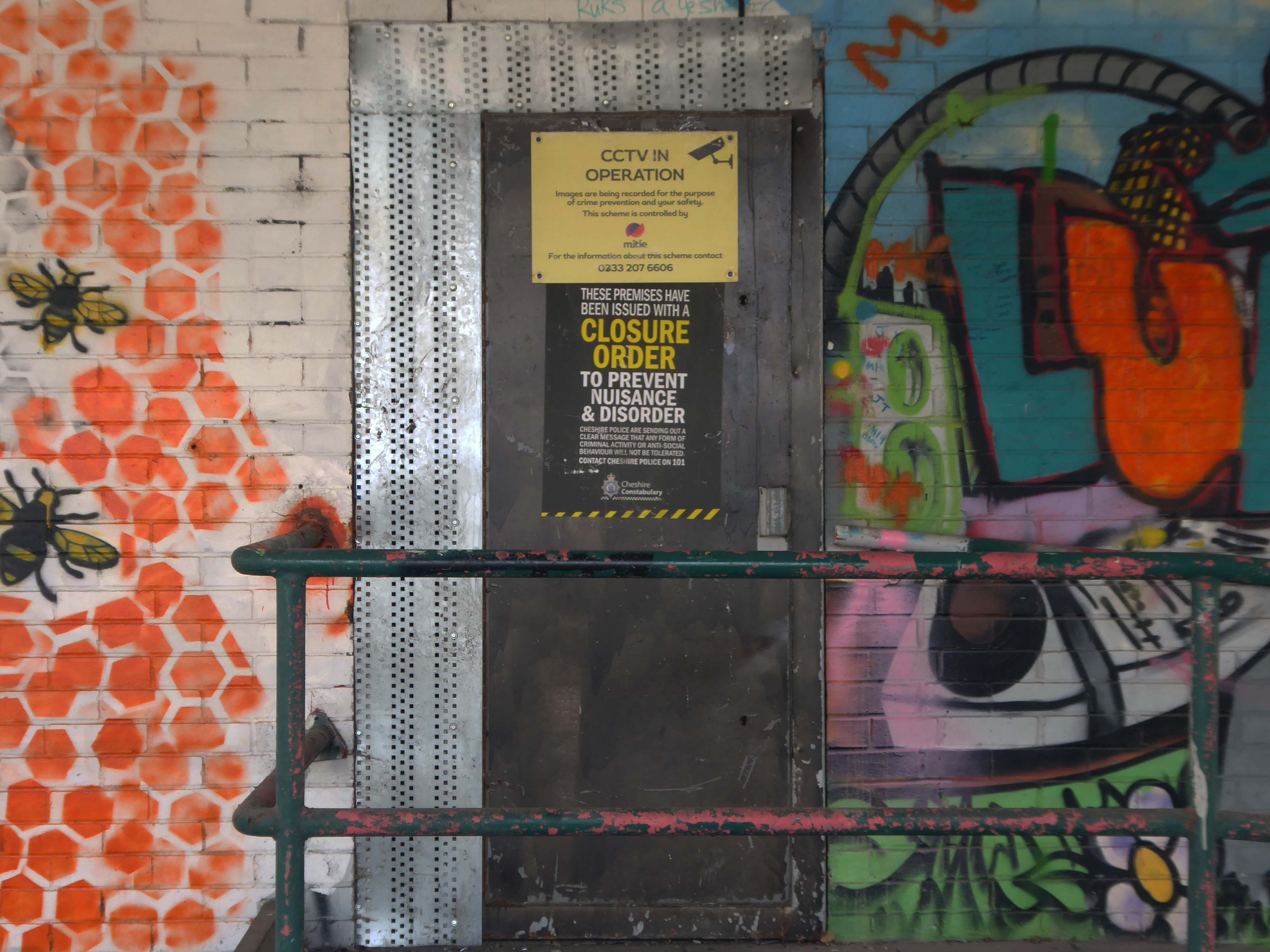
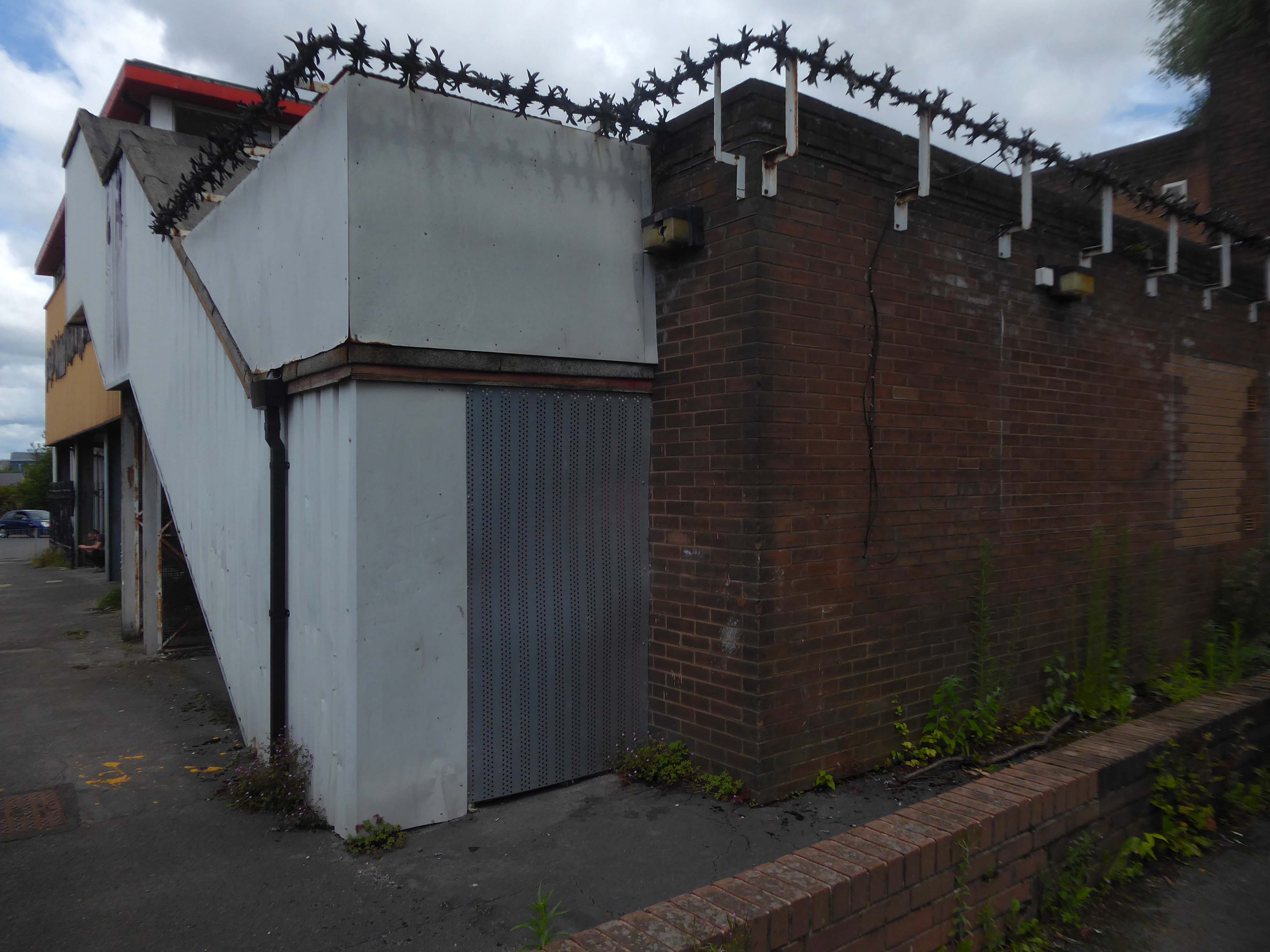
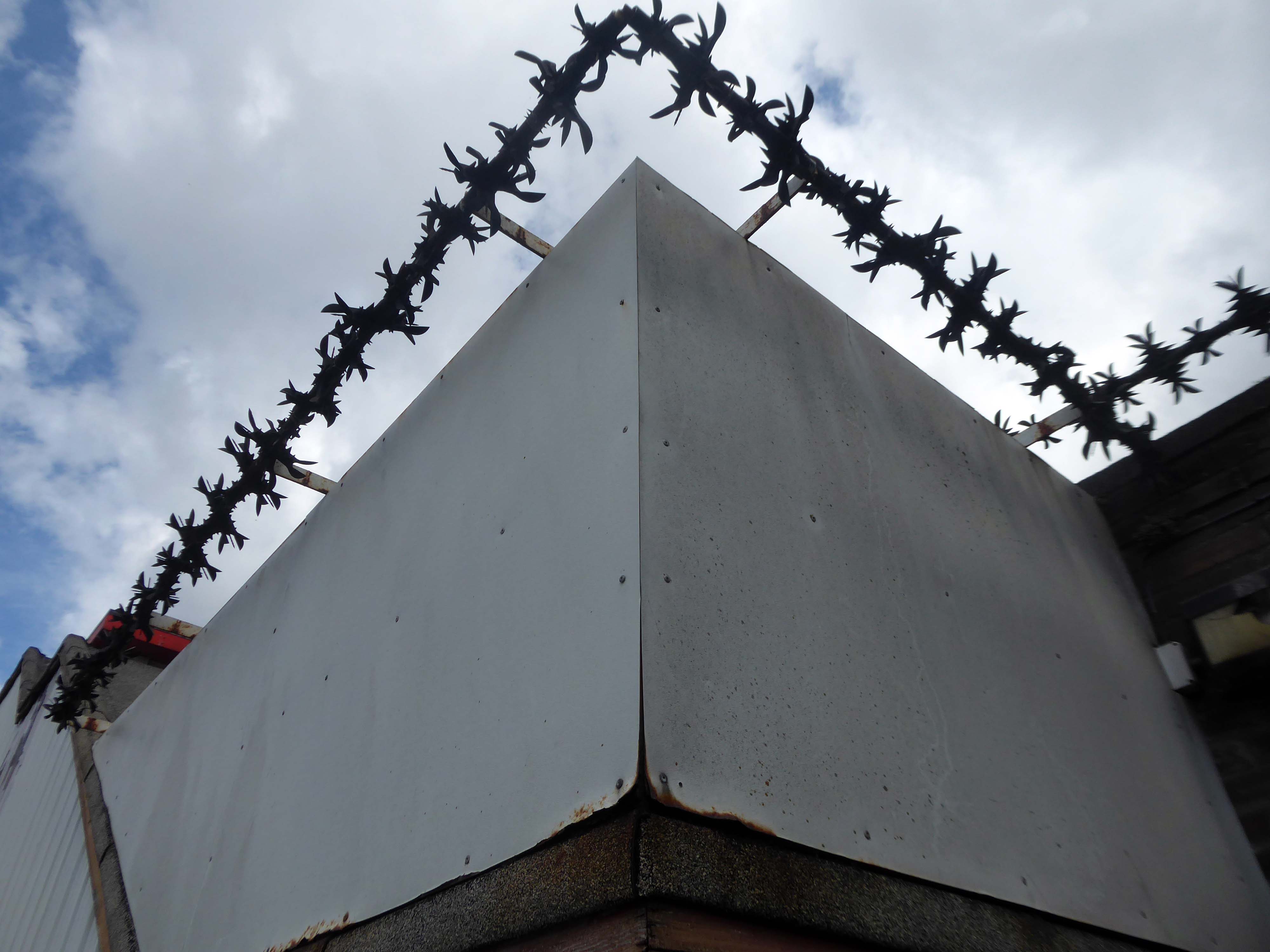
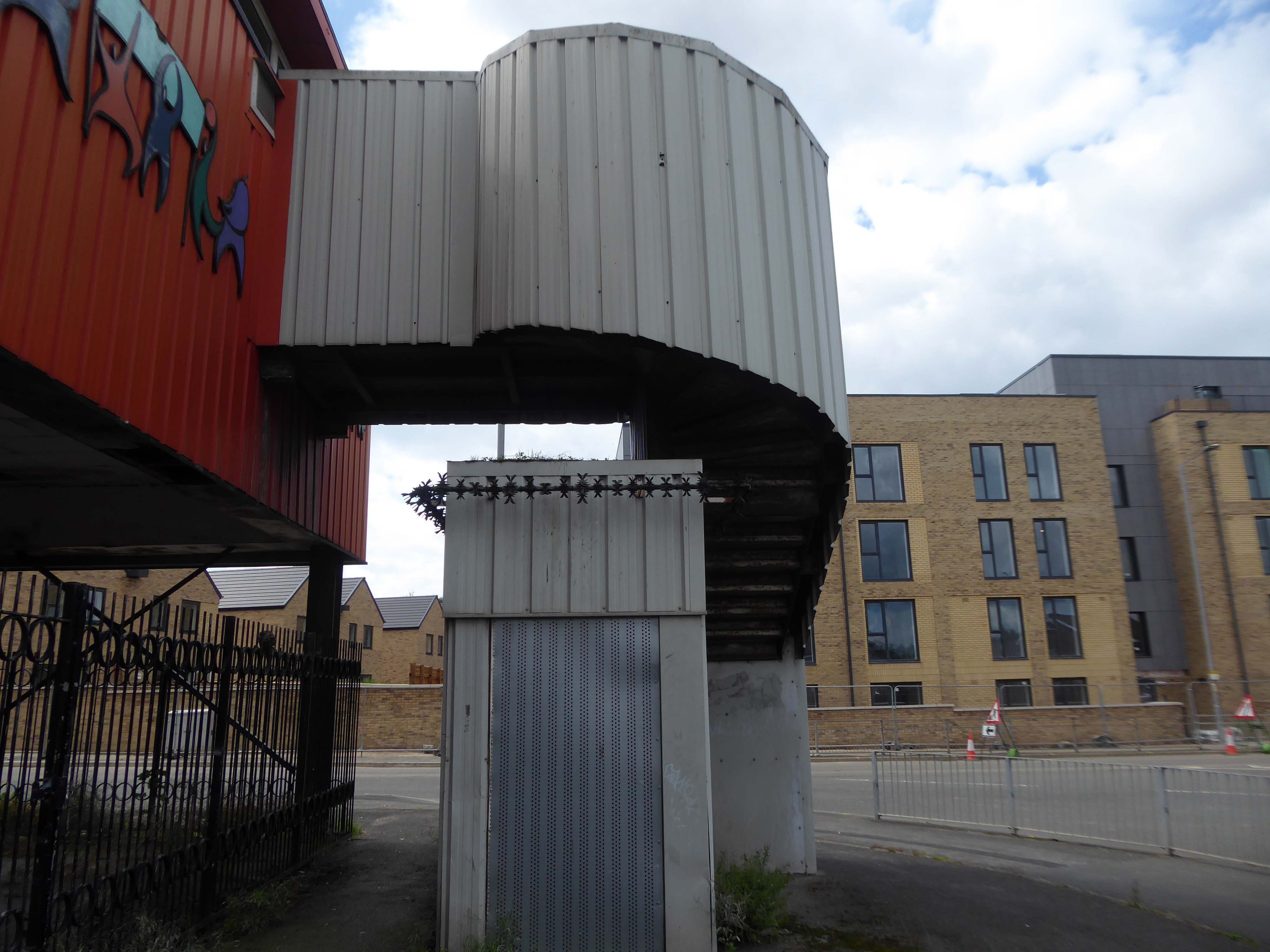
Bringing us back to Gorton – the unoccupied and demolition ready Youth Centre.
Surrounded by new-build and no stranger to a passing Bentley.
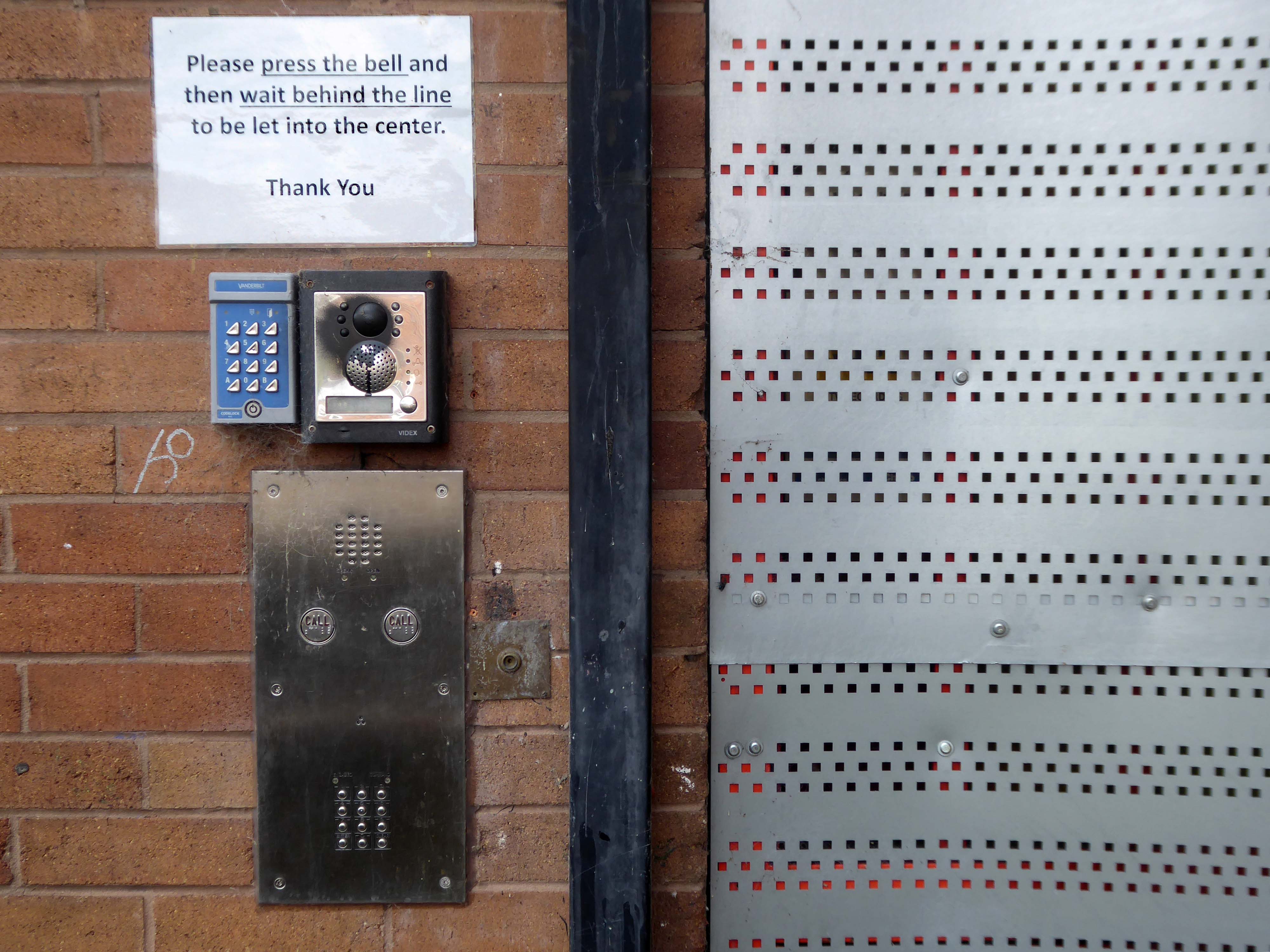
Where the state has created a vacuum the charitable sector steps in.
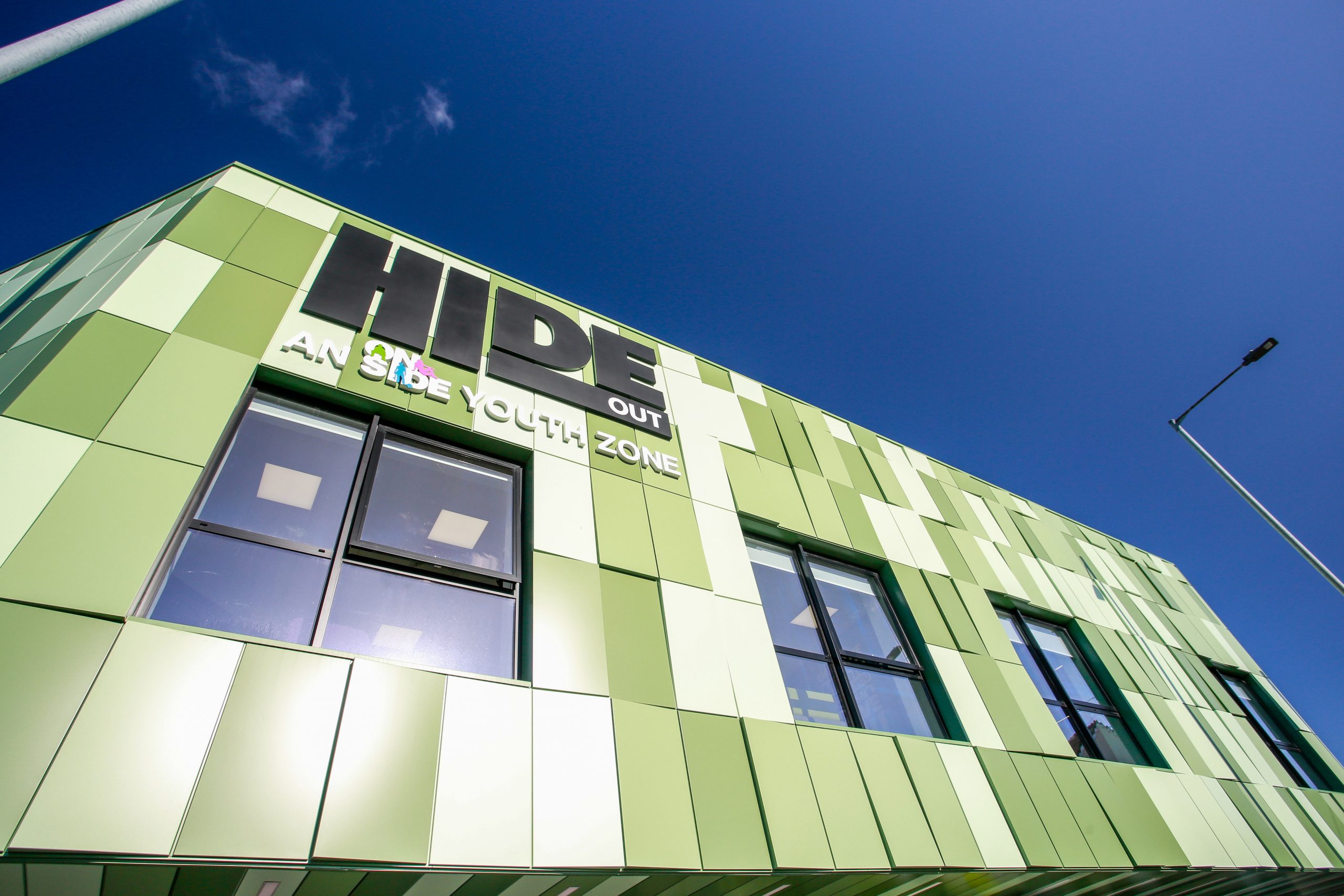
Designed by Seven Architecture, the Manchester Youth Zone East will be the second of its type in Greater Manchester, following the Factory Youth Zone in Harpurhey.
HideOut Youth Zone is a registered charity based in Manchester and has been in existence since 2019.
We are a Youth Zone dedicated to providing opportunities and experiences to all local young people.
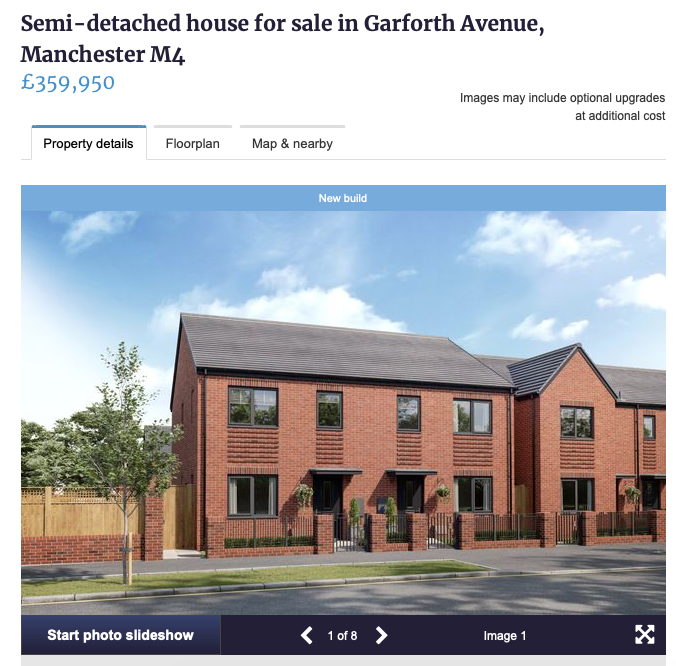
Following years of slow decline the area is on the up.
Linden Homes’ new build properties on Belle Vue Street, Gorton have now completely sold out, with the first of the 14 homes ready for homeowners to move into this month.
The properties are part of the £9m Grace Gardens development, which is situated in a prime location in an up-and-coming part of Greater Manchester.
Though affordability is always an issue.
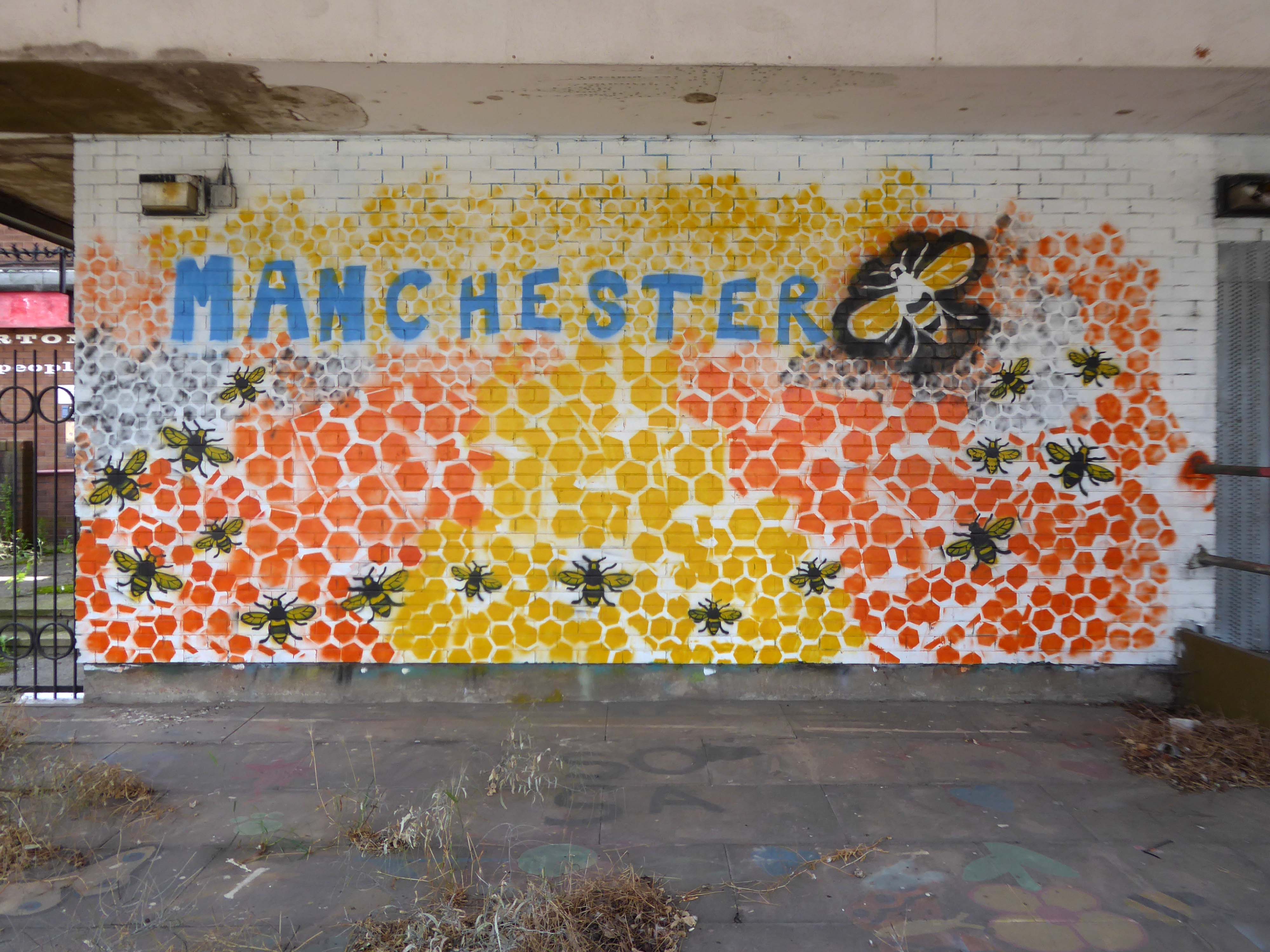
Manchester now runs three Youth Centres across the city.
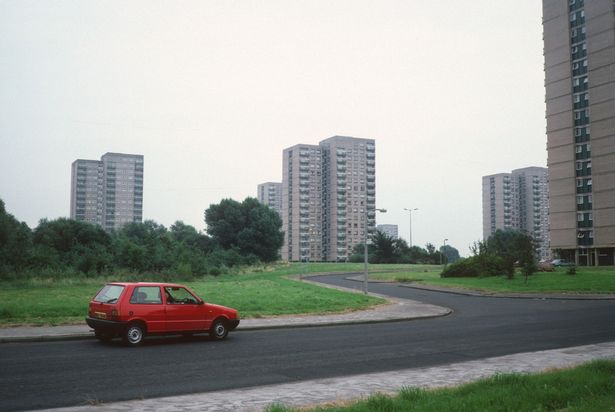
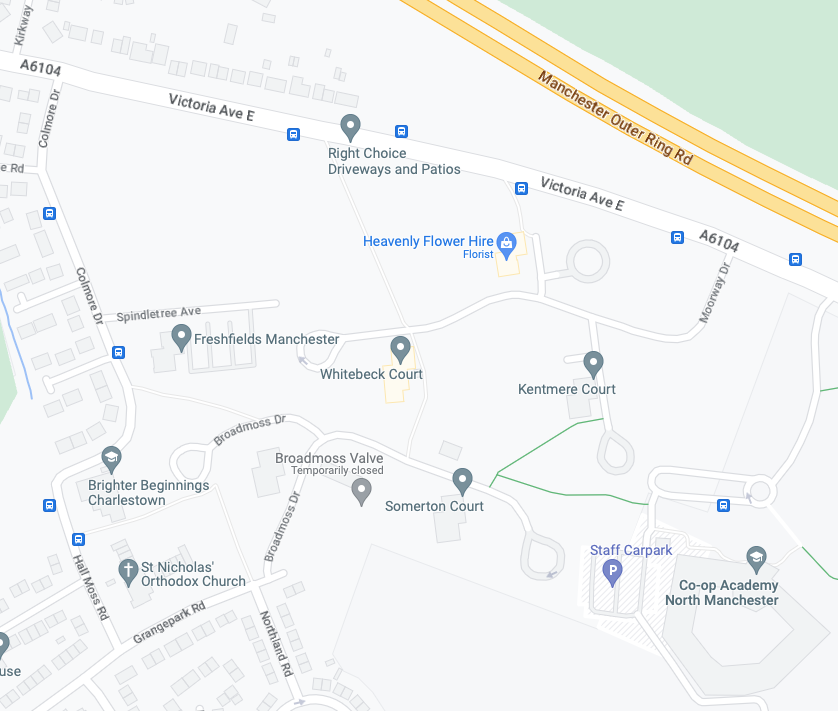
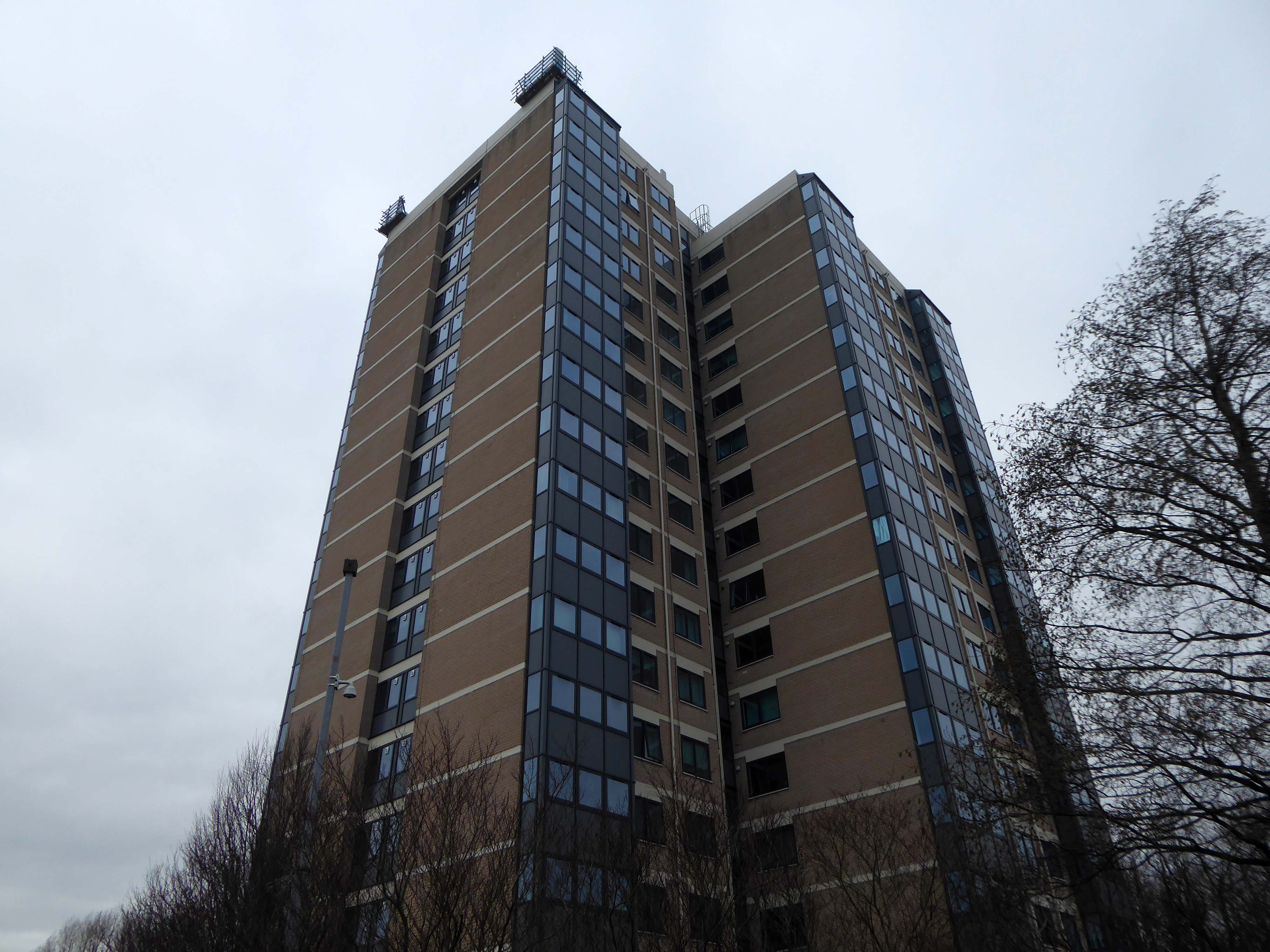
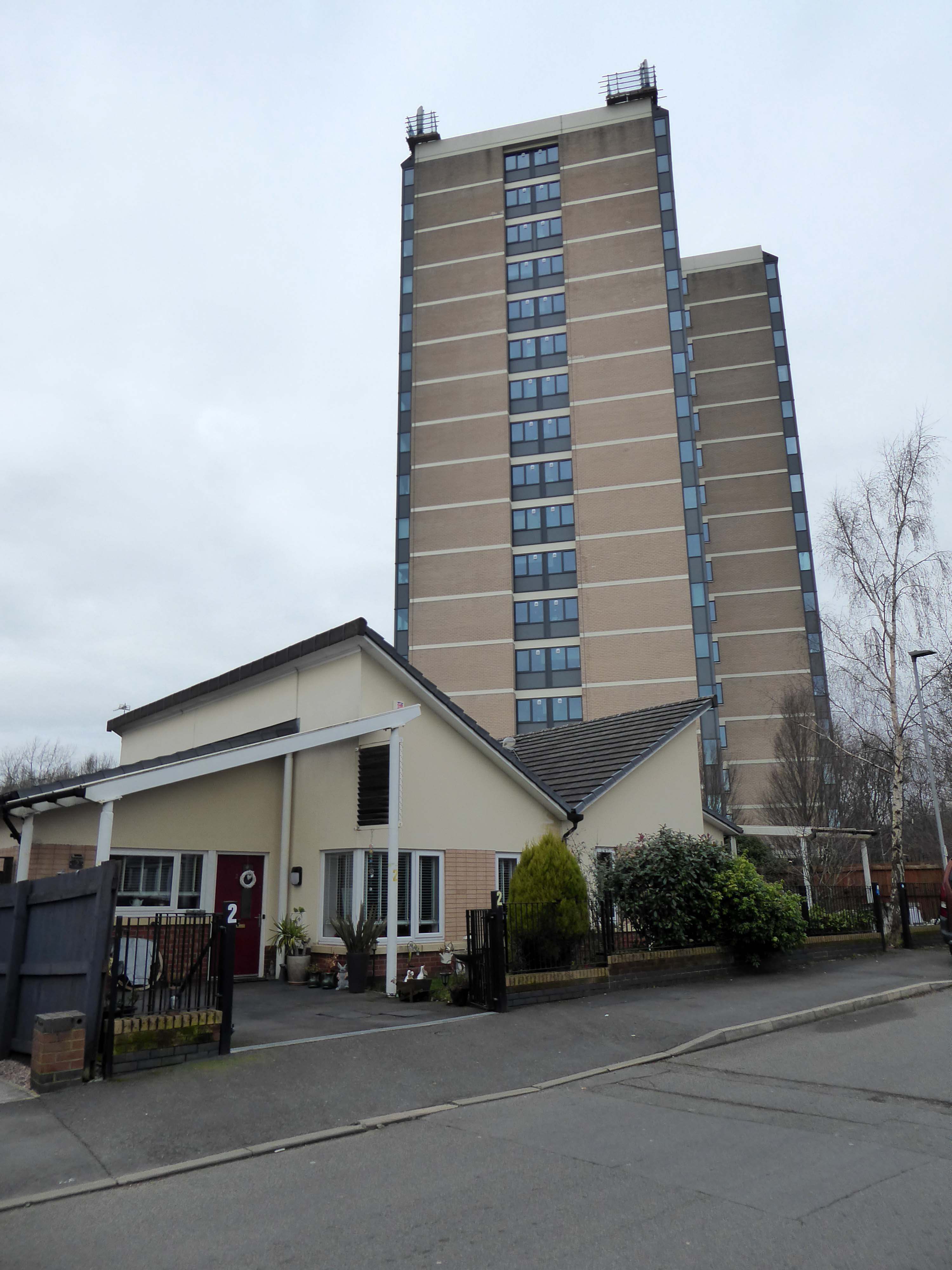
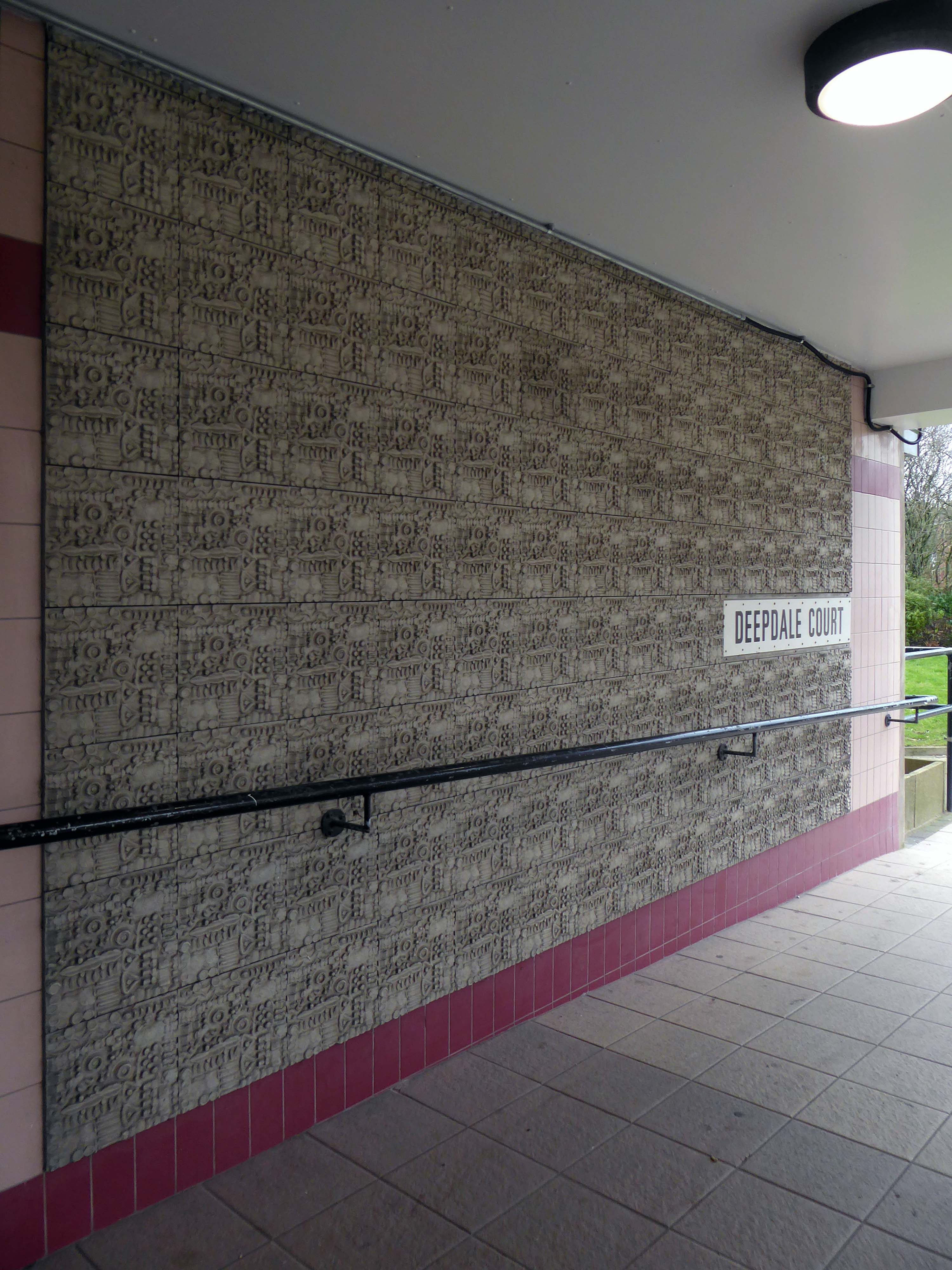
We have previously taken a look at Deepdale Court.
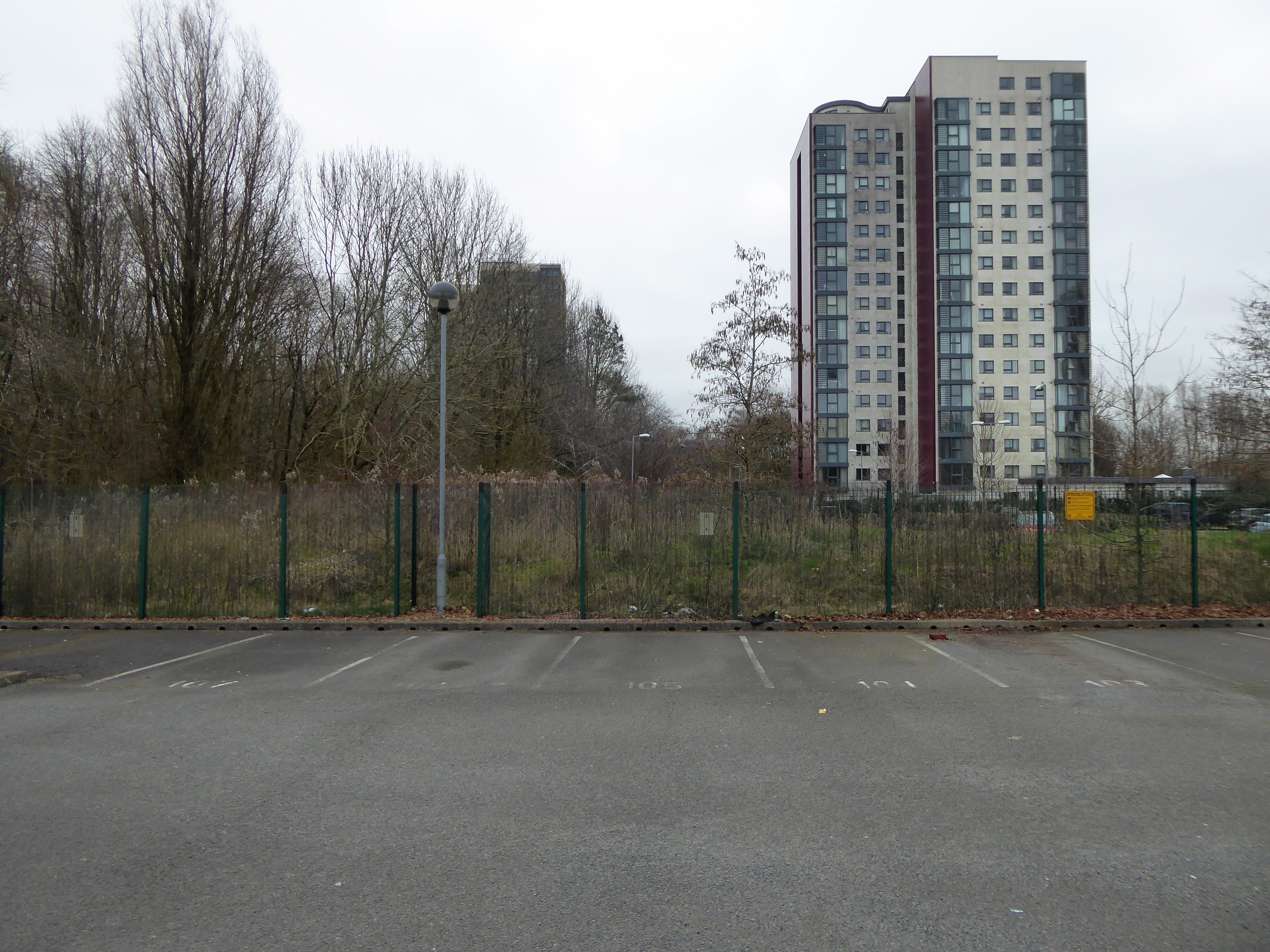
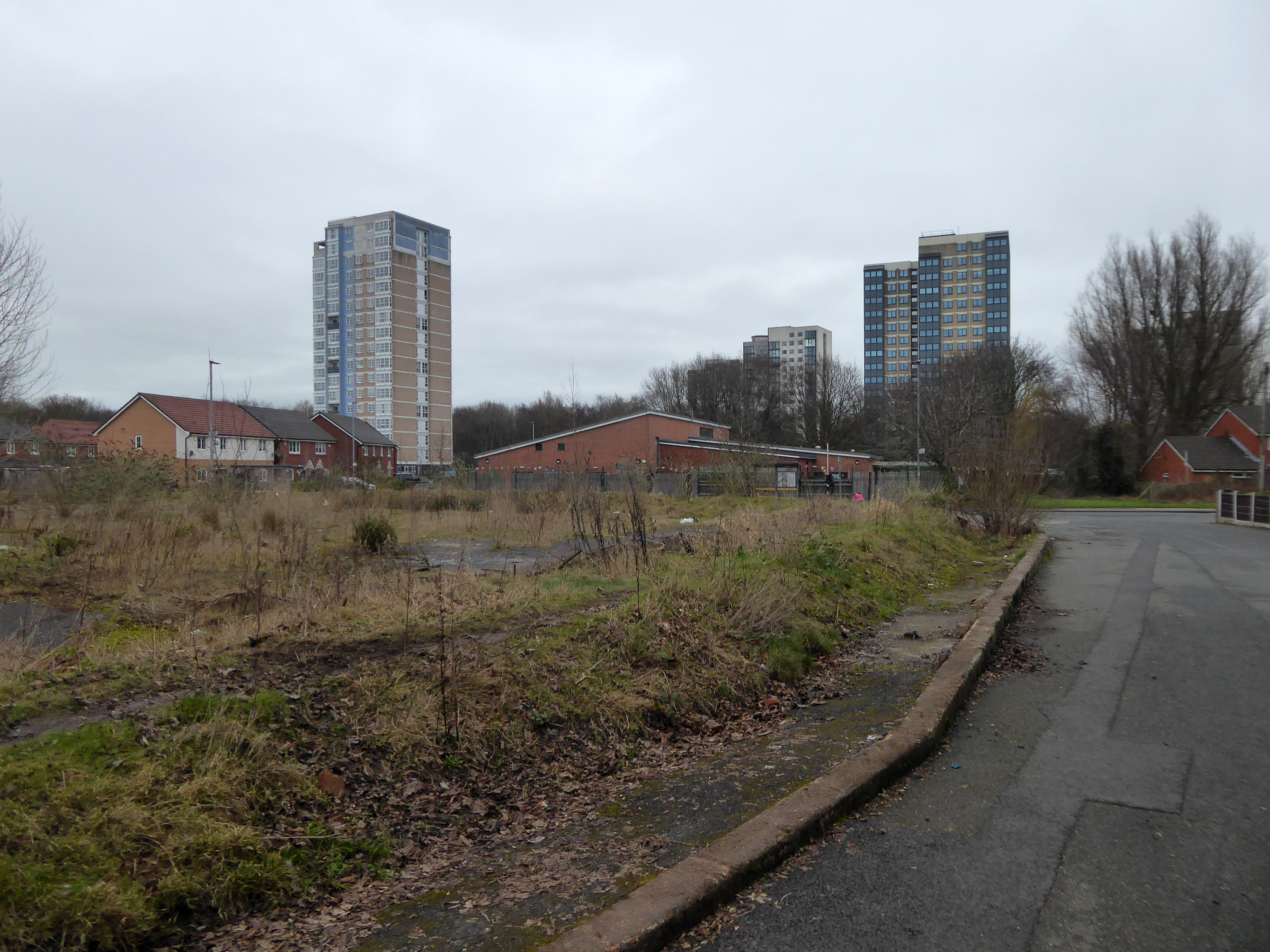
I returned last week to look at the remaining blocks.
Cartmel, Rusland and Somerton are all social housing.
Kentmere and Whitebeck have been adapted for senior citizens managed by Northwards Housing.
Freshfields formerly Grisedale is owned by private developers LPC Living and converted into a block of one, two and three bedroom homes.
Now, they boast floor-to-ceiling windows in the living spaces, modern fitted kitchens, and light wood-effect floors. Some also come with balconies.
A penthouse apartment, sold for £135,000 in 2008, even has a wrap-around outdoor terrace.
The circular tiles within Grisedale’s entrance have been covered or removed.
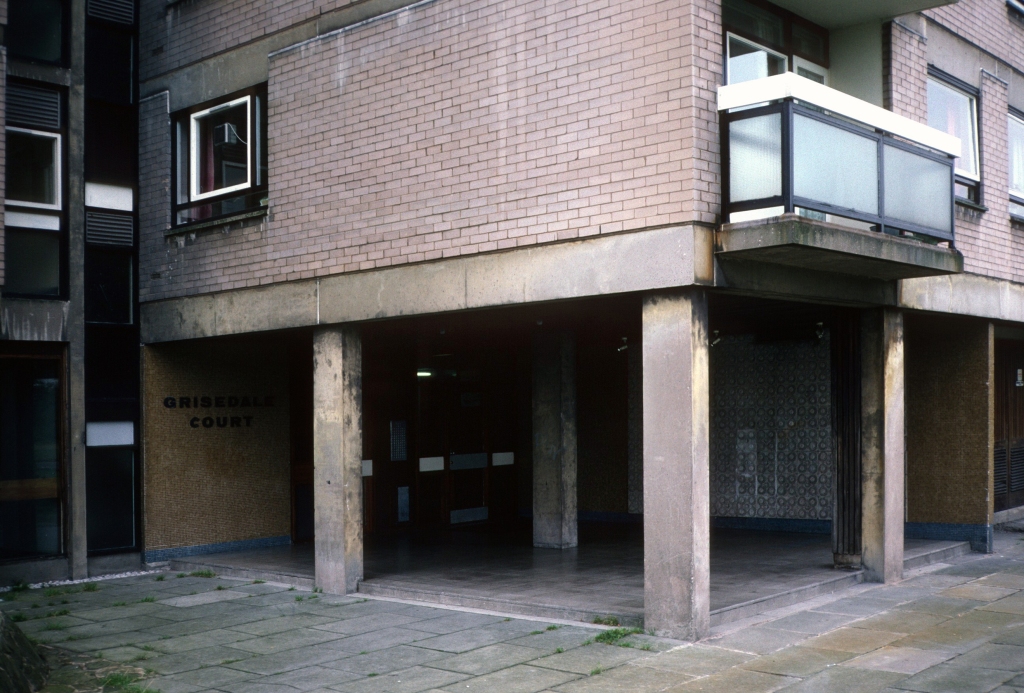
Tower Block – 1987
Tunstall Court and Skelton Court have been demolished.
Let’s take a look back at the building of Victoria Avenue East – seen here in 1922.
The demands of an expanding industrial base and population created the need for new roads and housing.
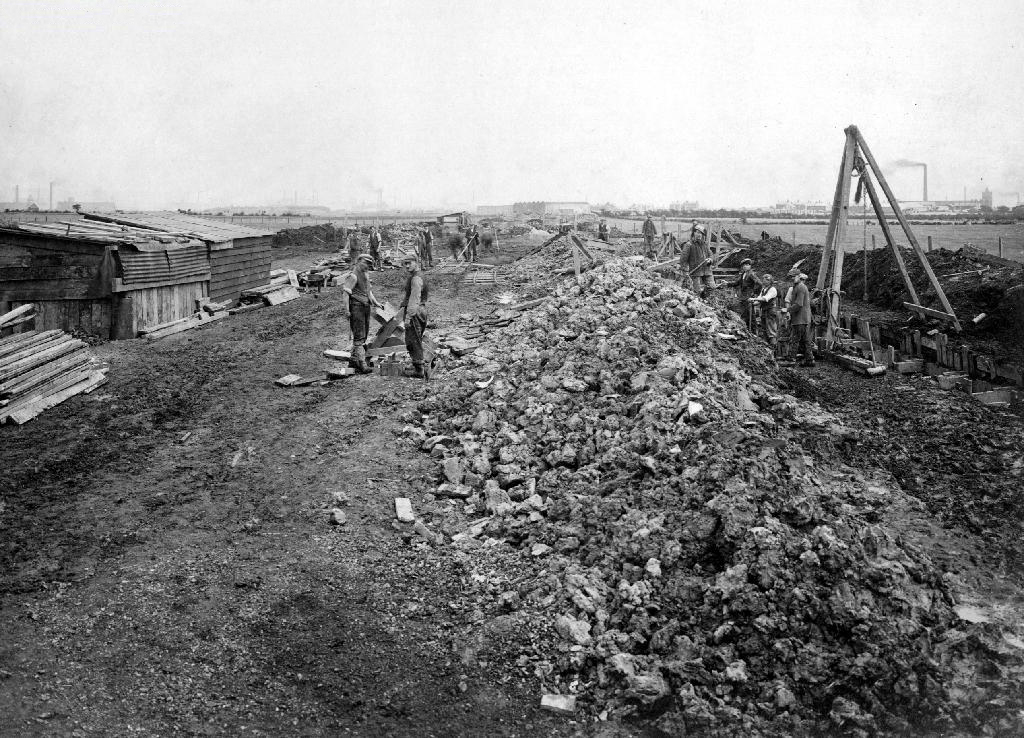
There was subsequent development of inter-war semi-detached homes.
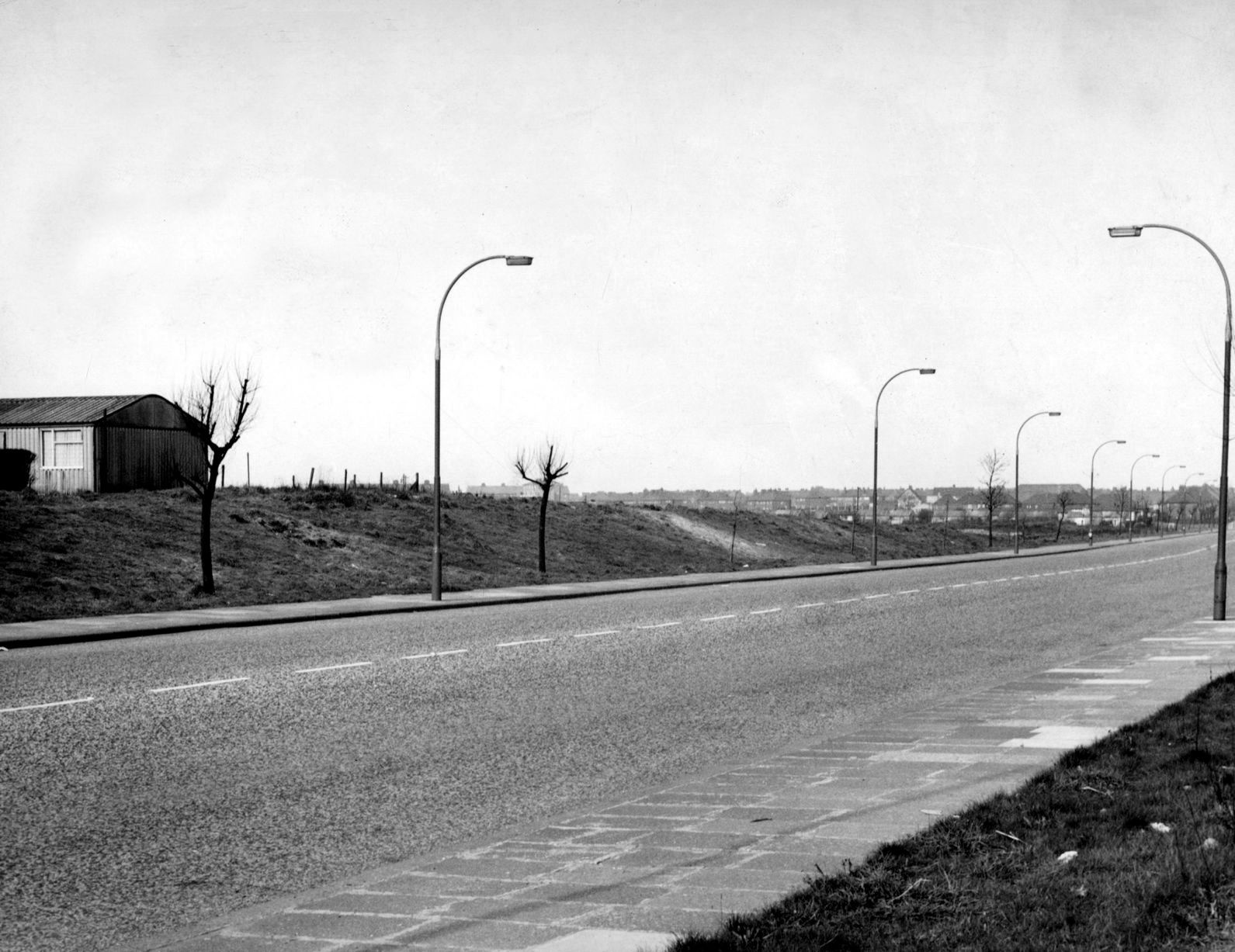
The urgent post-war need for temporary accommodation – was met by prefabricated structures.
Manchester City Council agreed to use the Phoenix model for their prefab estates.
A total of 43,206 Phoenix prefabs were built across the country, each one designed by the John Laing Group.
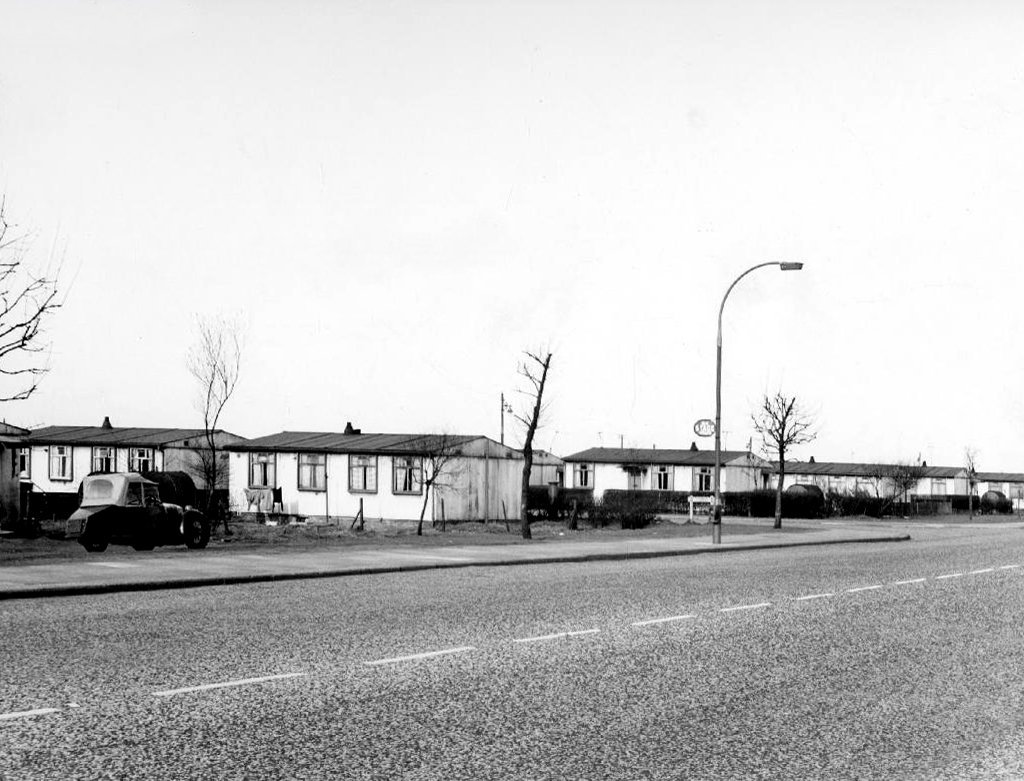
The Phoenix, designed by Laing and built by themselves as well as partners McAlpine and Henry Boot, looked much like an AIROH with a central front door. It was a two-bedroom in-situ preform design with steel frame, asbestos clad walls and an innovative roof of tubular steel poles with steel panels attached. Like all designs, it came pre-painted in magnolia, with green highlights on frames and skirting.
Phoenix prefabs cost £1,200 each constructed onsite, while the specially insulated version designed for use on the Isle of Lewis in the Hebrides cost £2,000.
The prefabs were eventually demolished and along came the tower blocks – Architect J Austen Bent, whose work we have seen on the Wythenshawe Walk
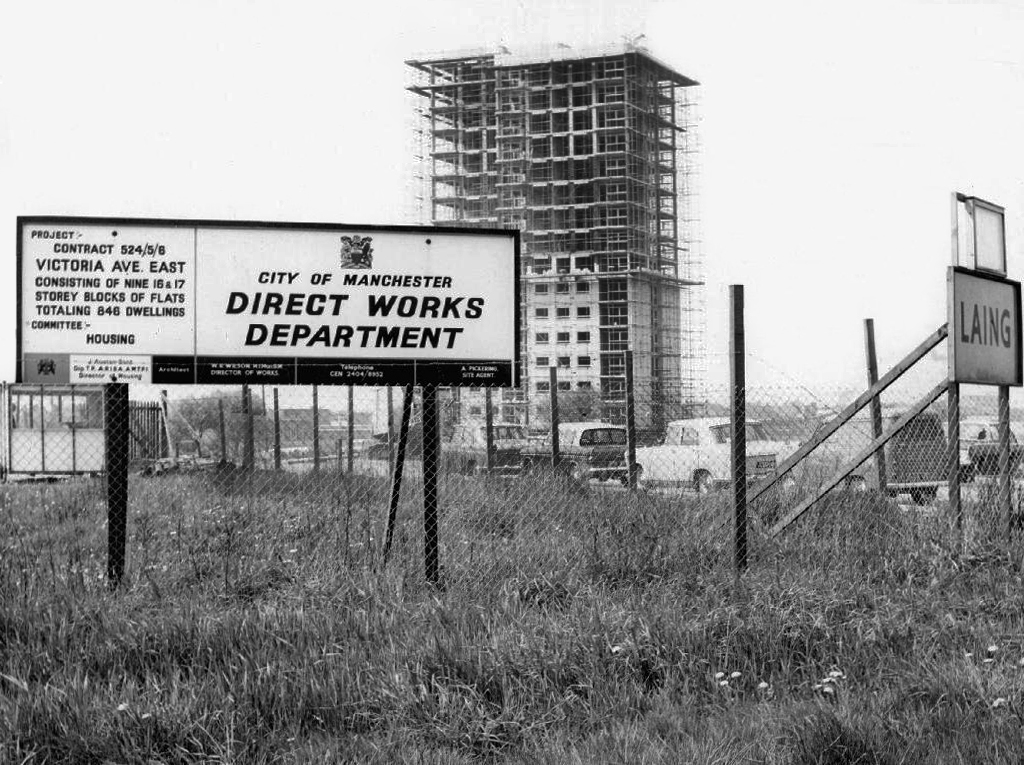
In the distance Chadderton Power Station – demolished in 1986.
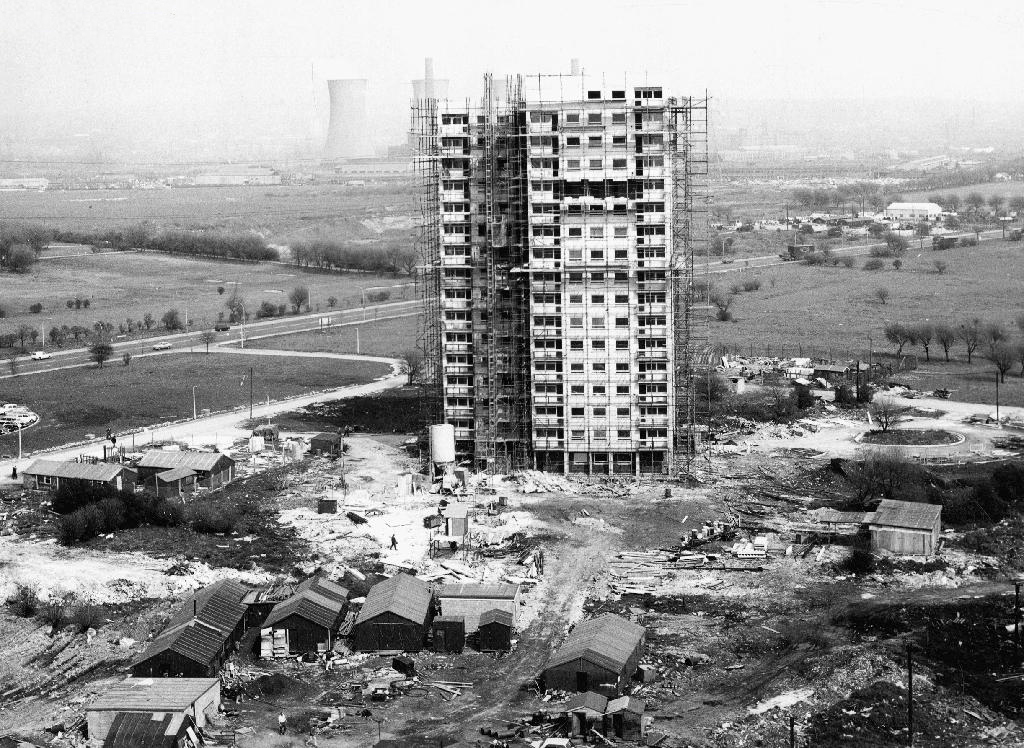
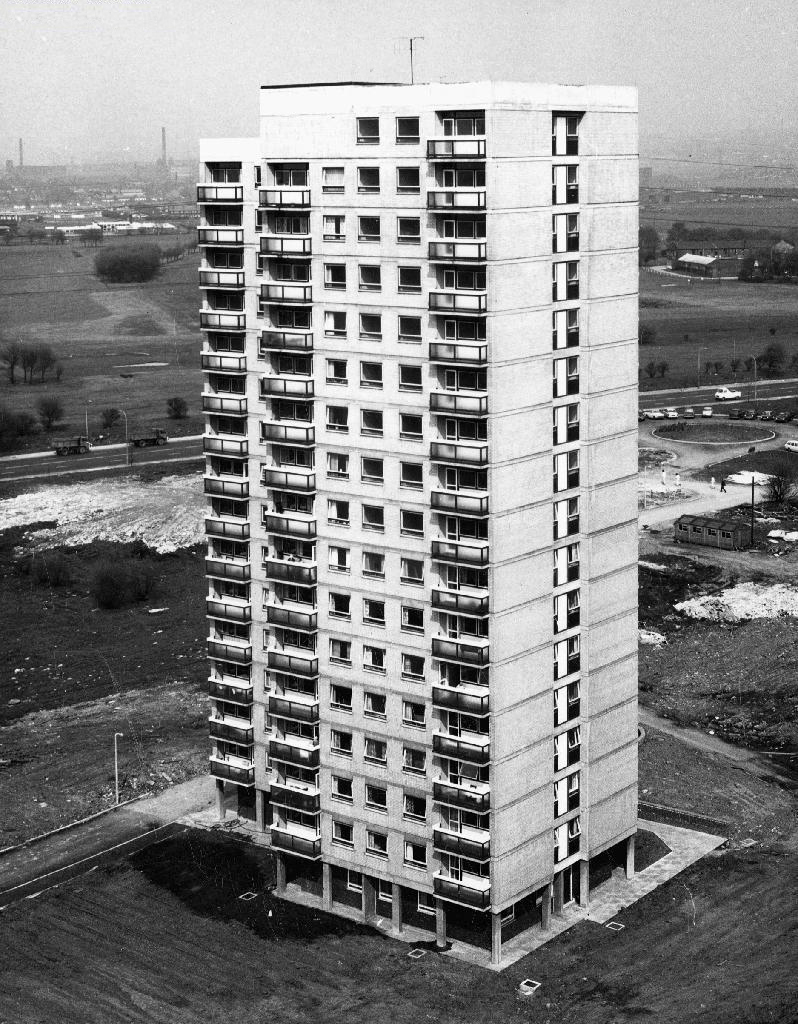
Photographs – Local Image Collection
Here are the blocks prior to and during the current renovation programme.
Kentmere
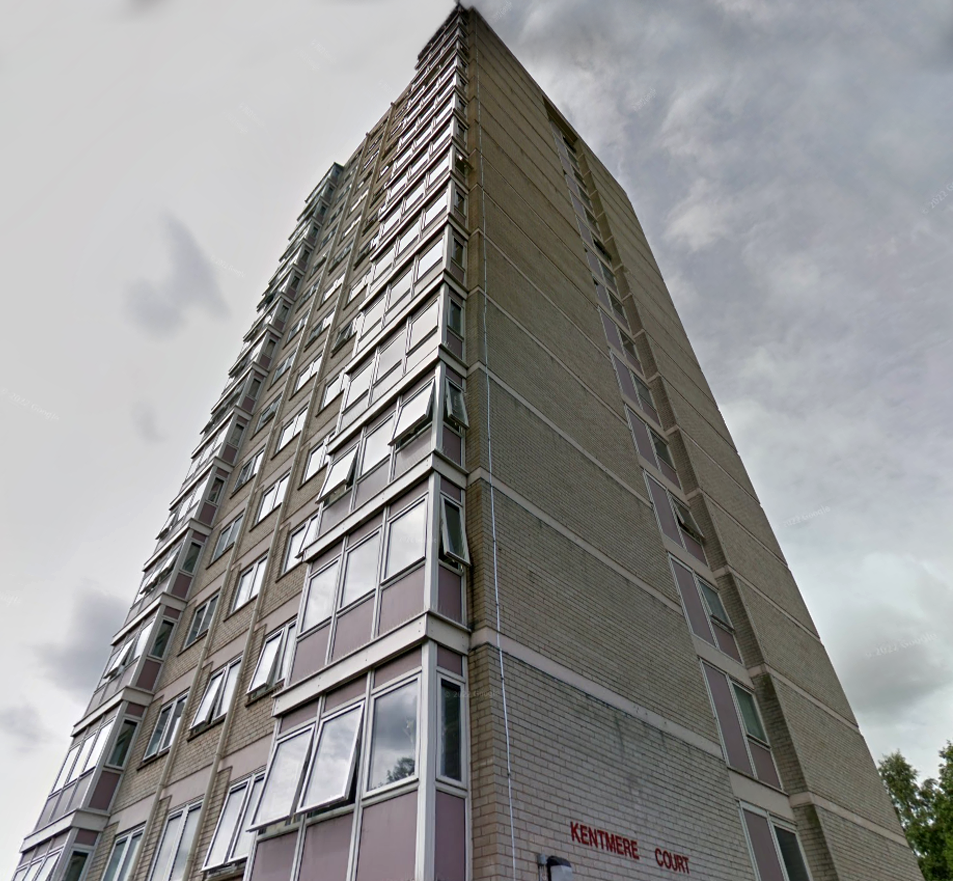
Cartmel
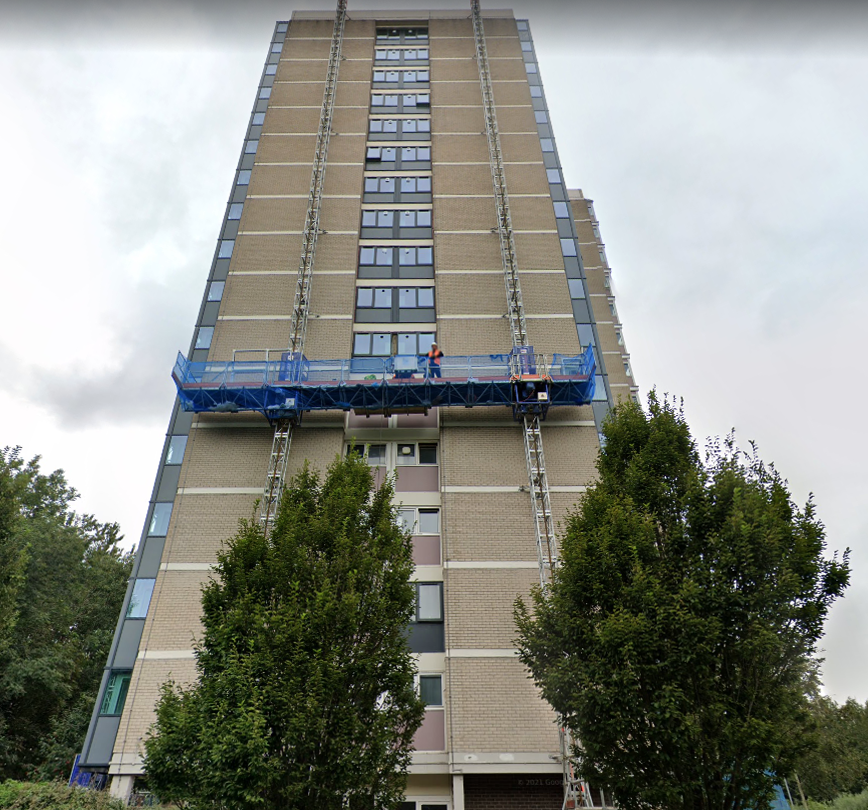
Somerton
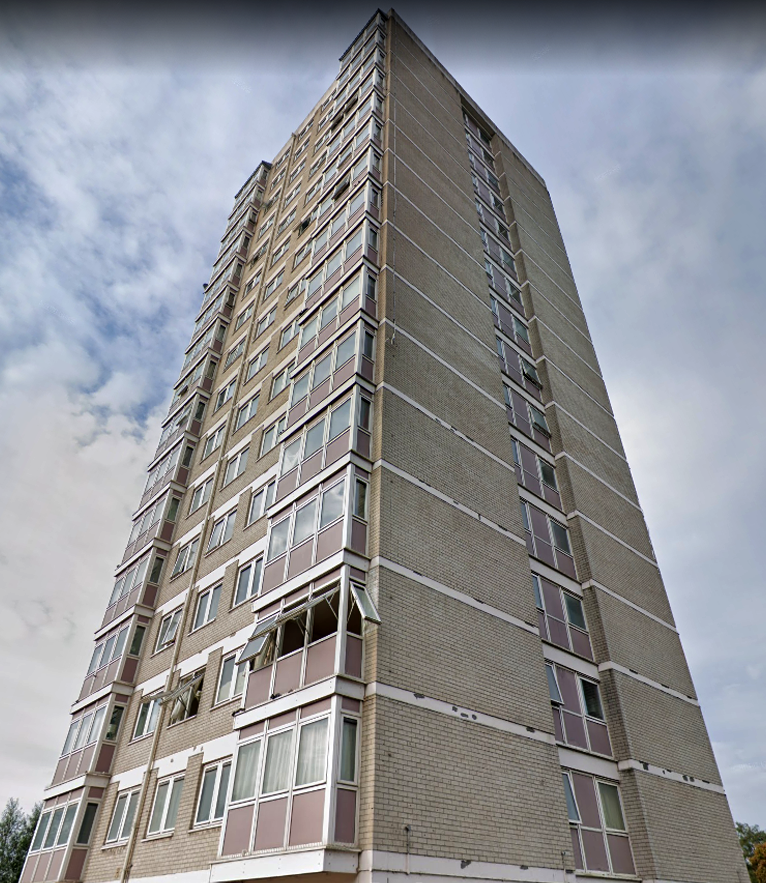
Rusland
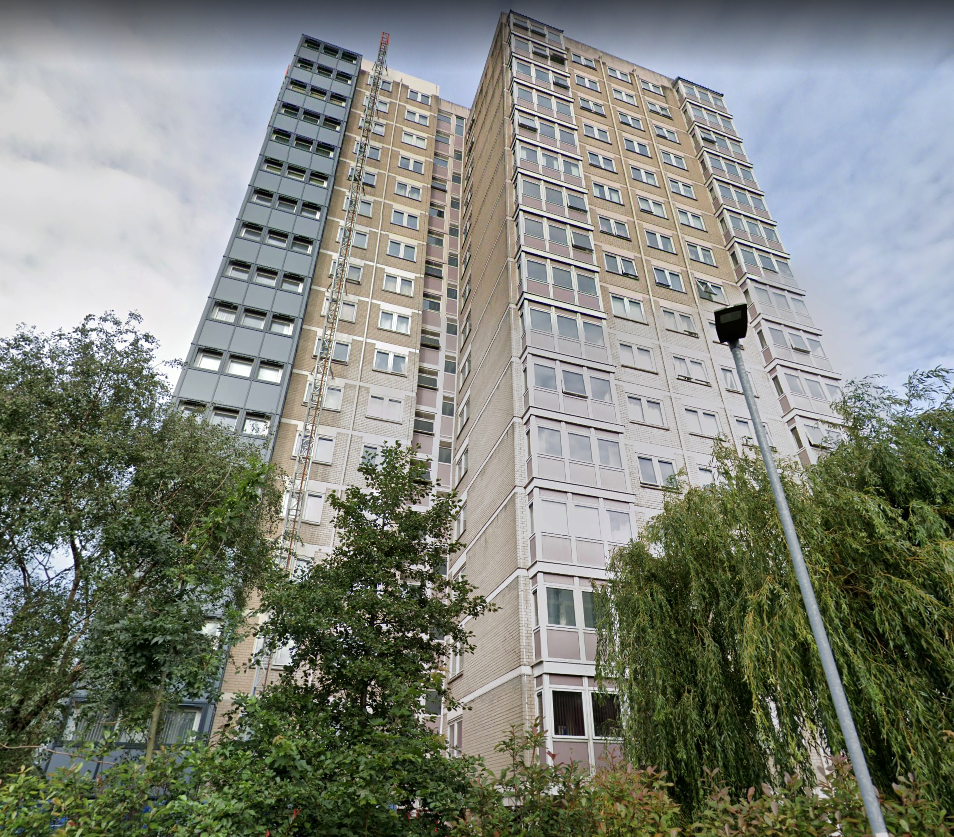
Here are the group as of February 2023.
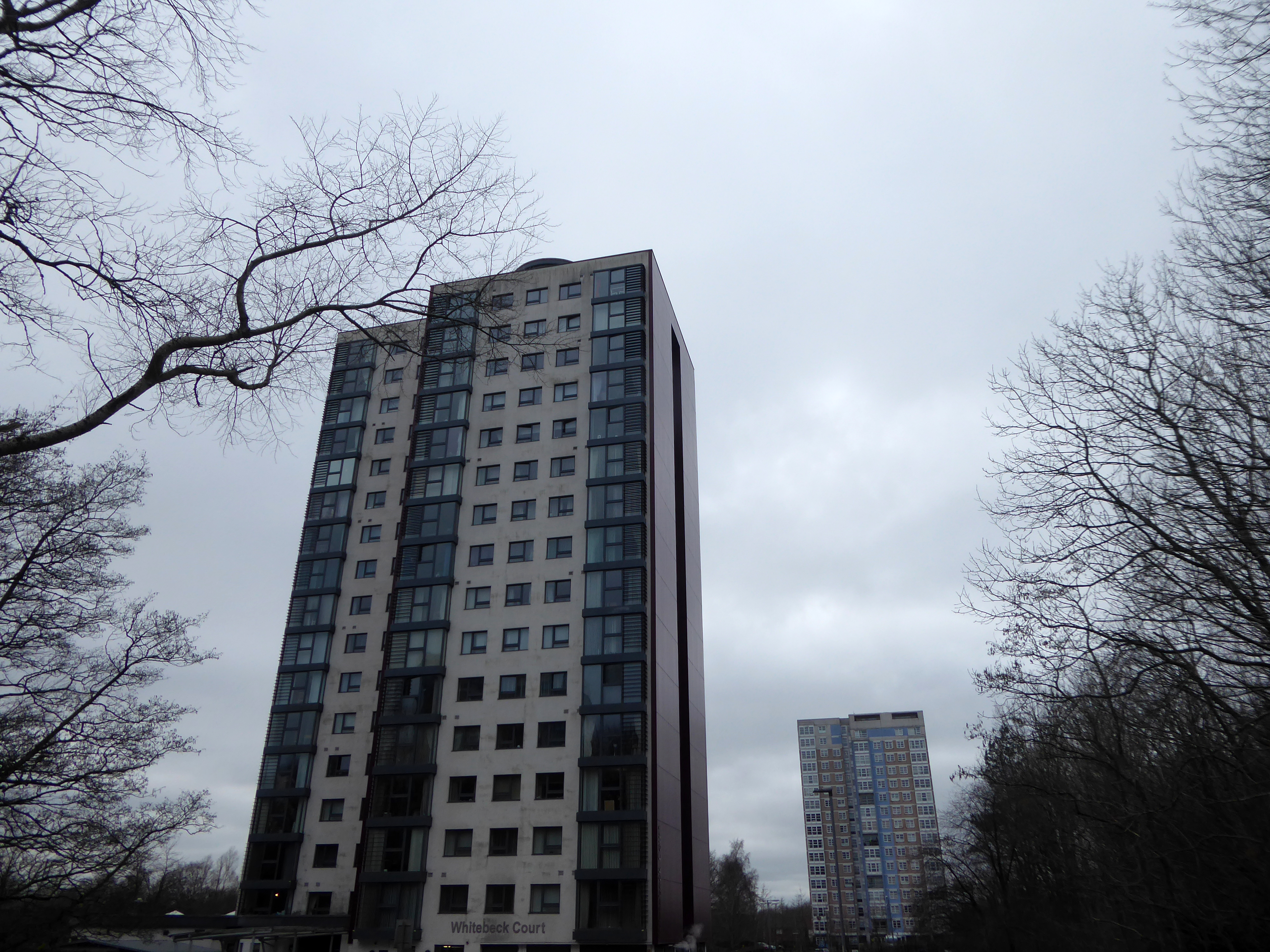
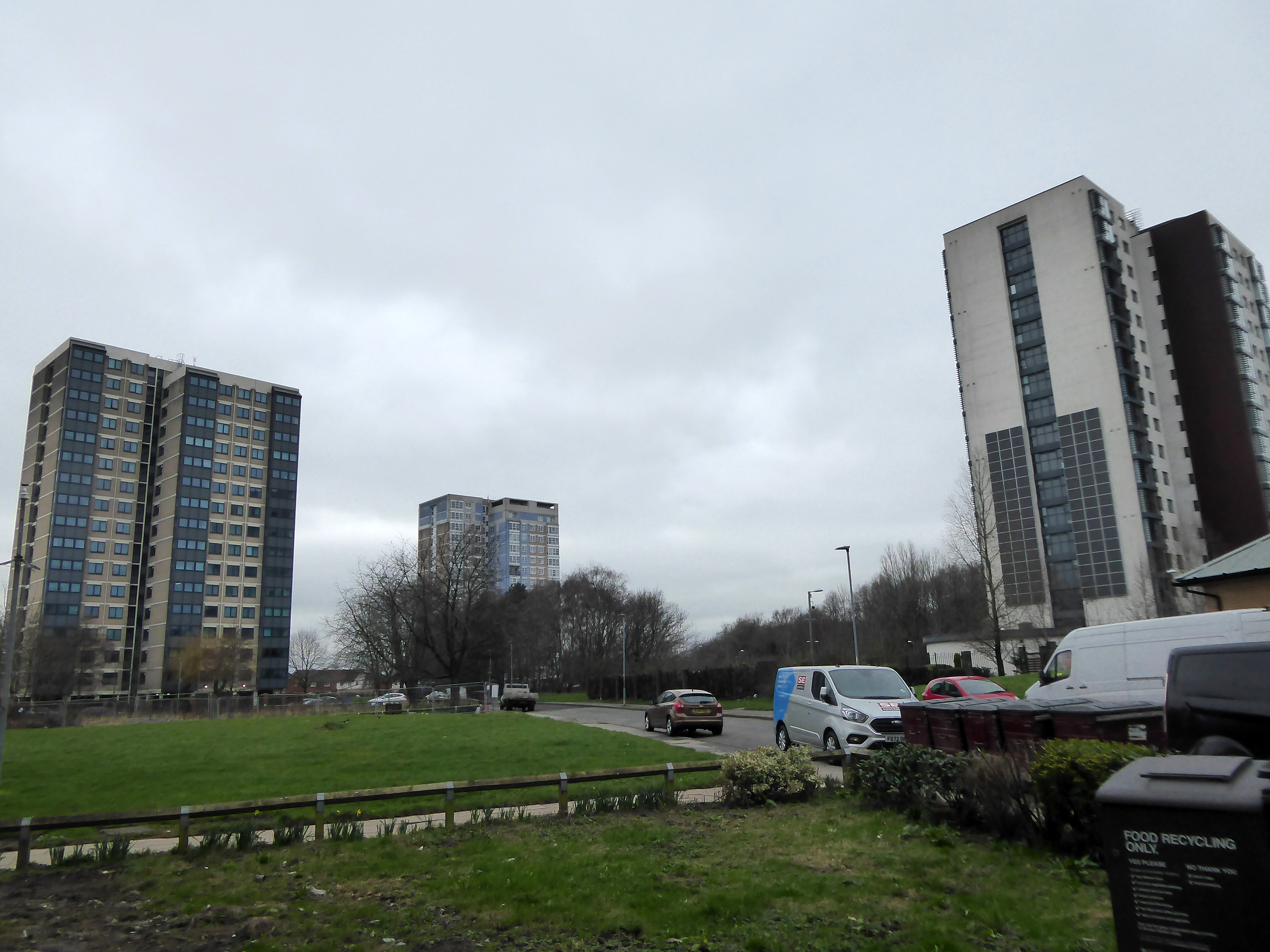
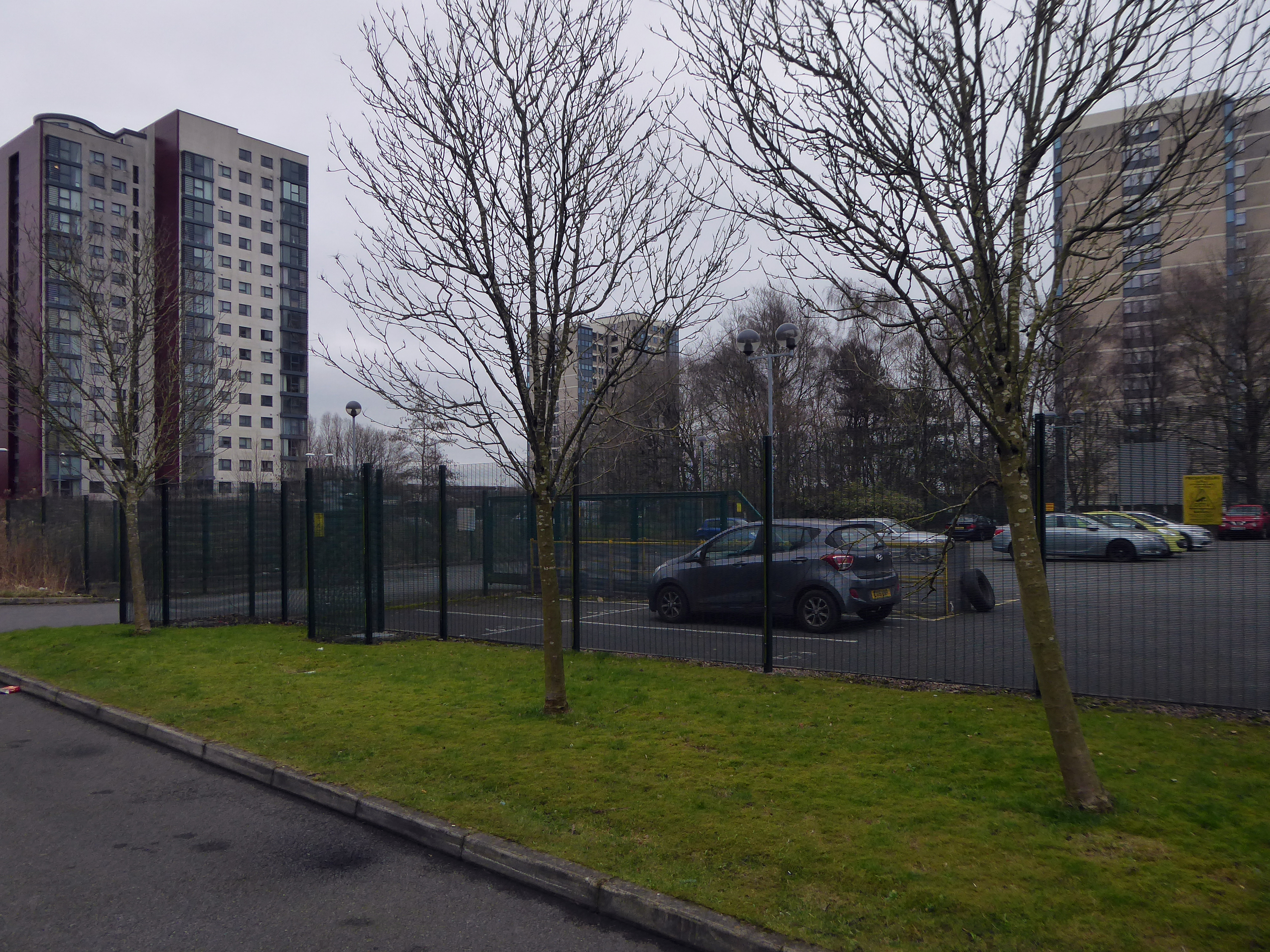
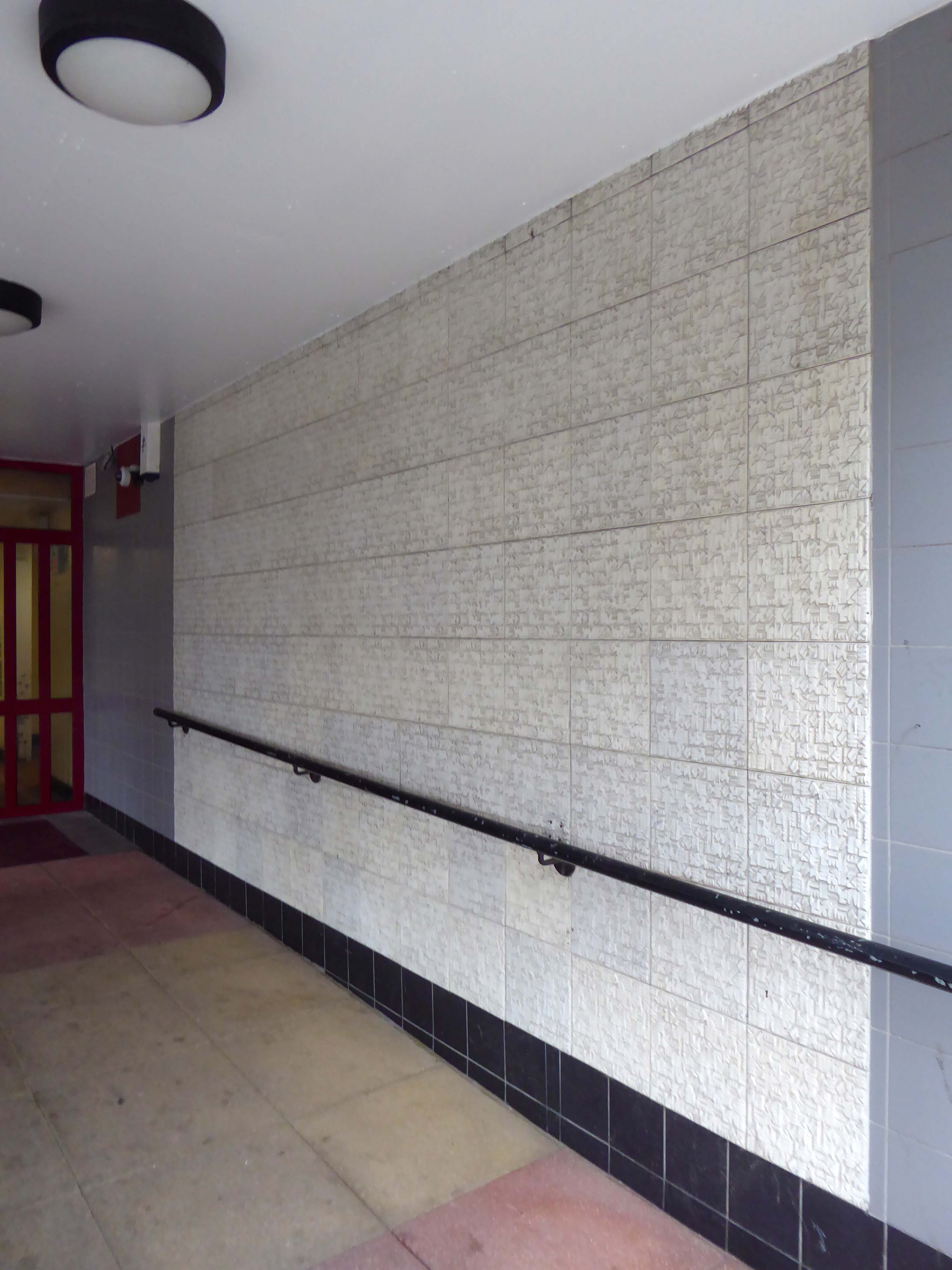
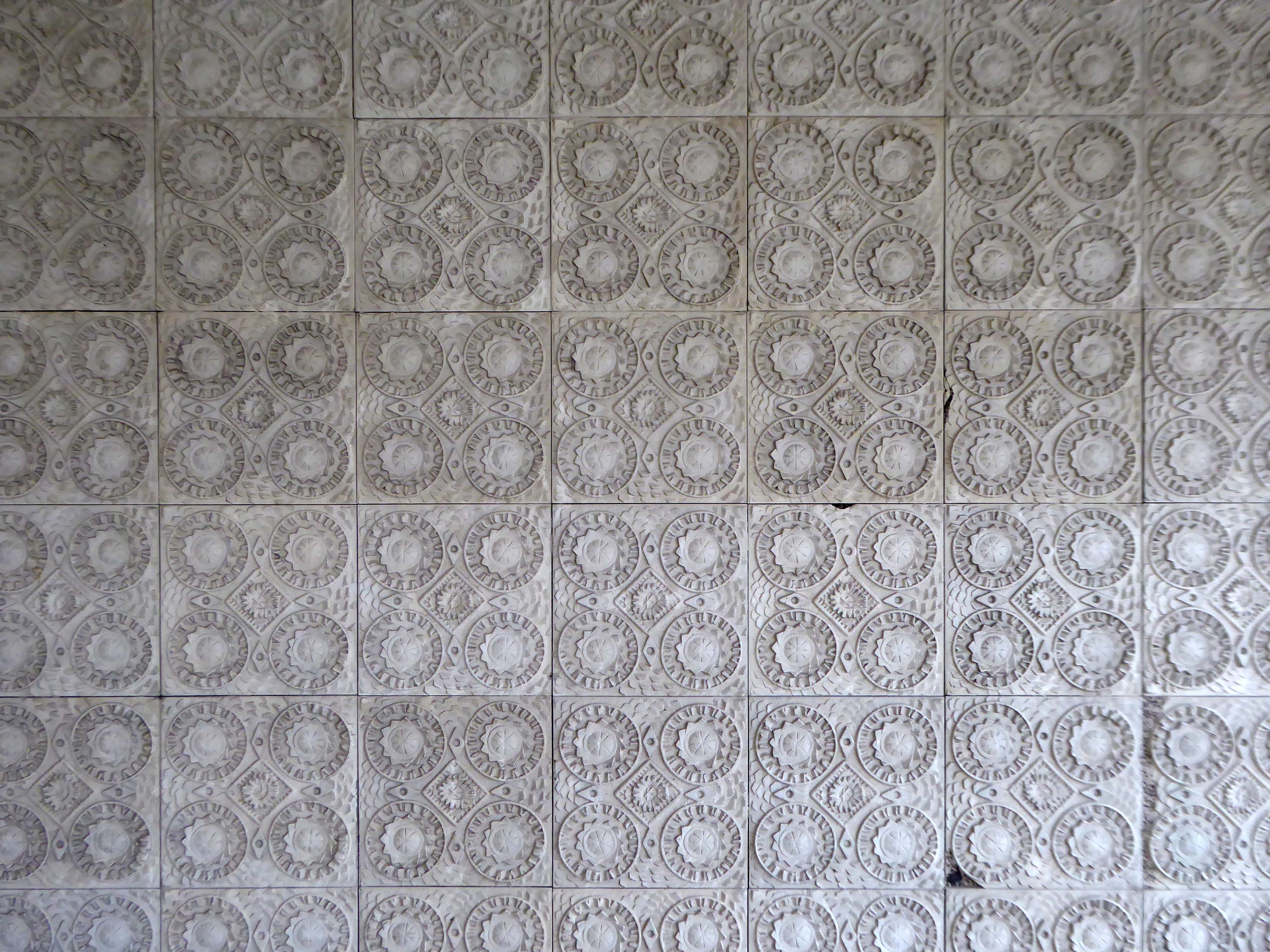
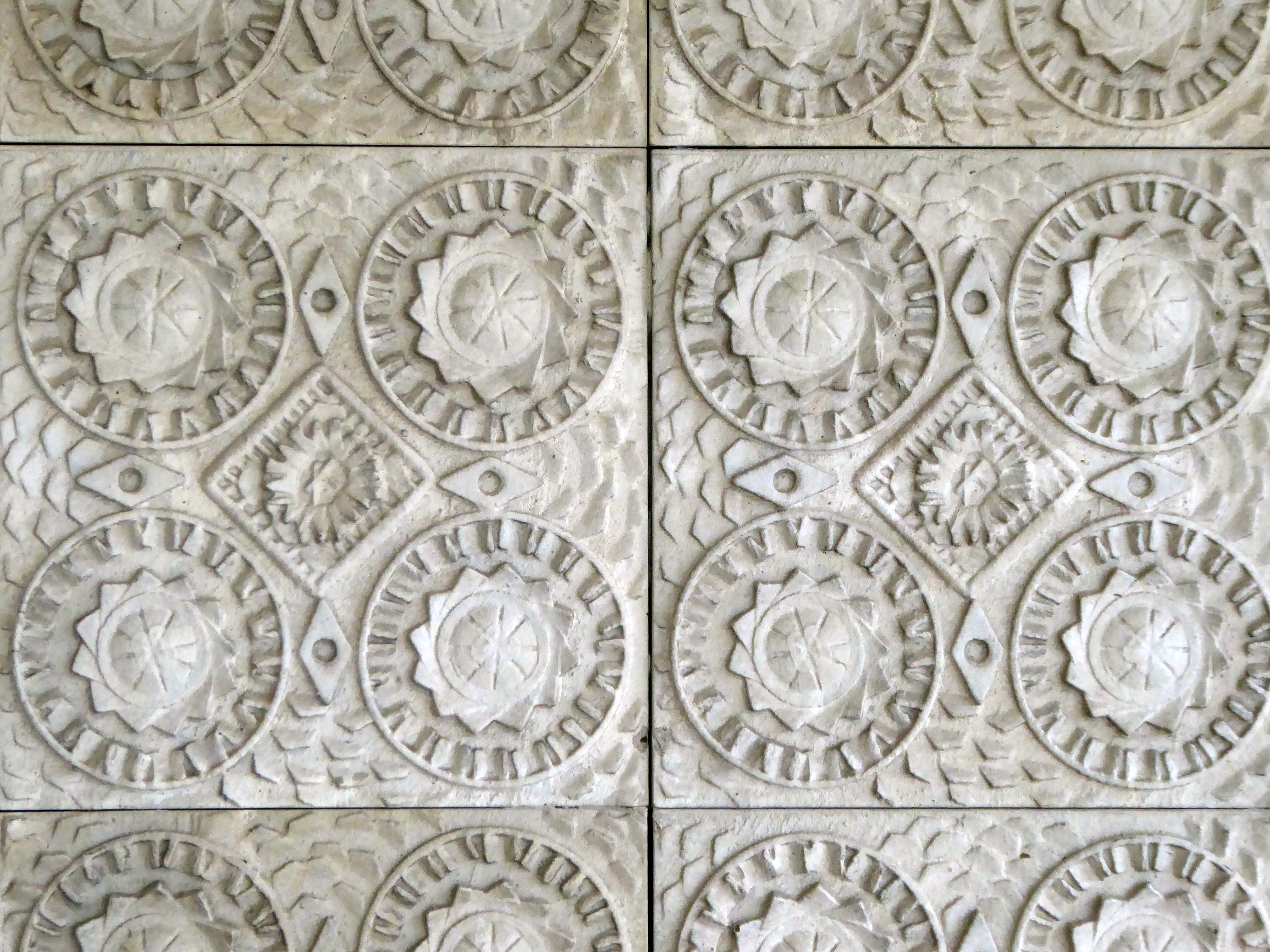
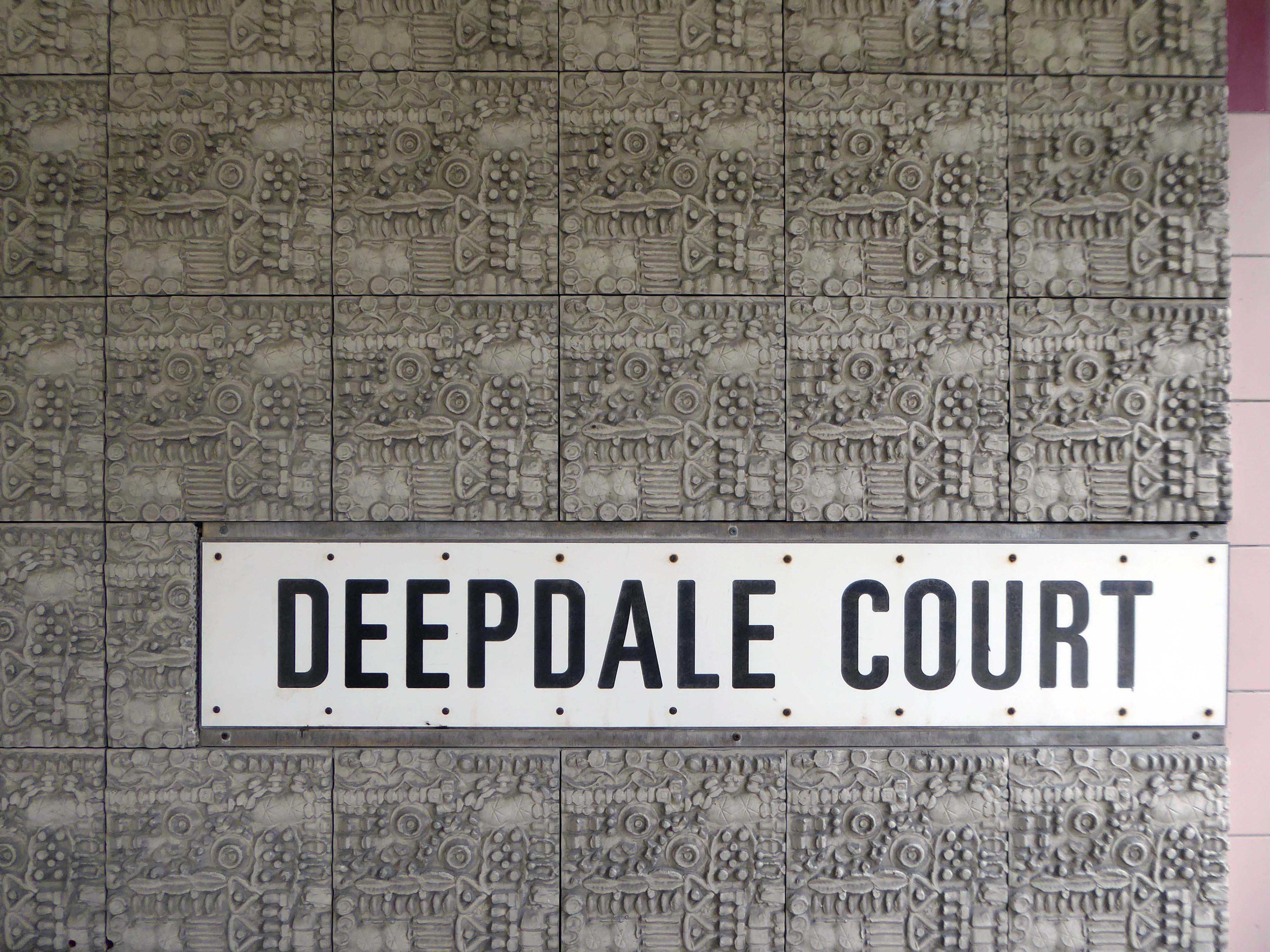
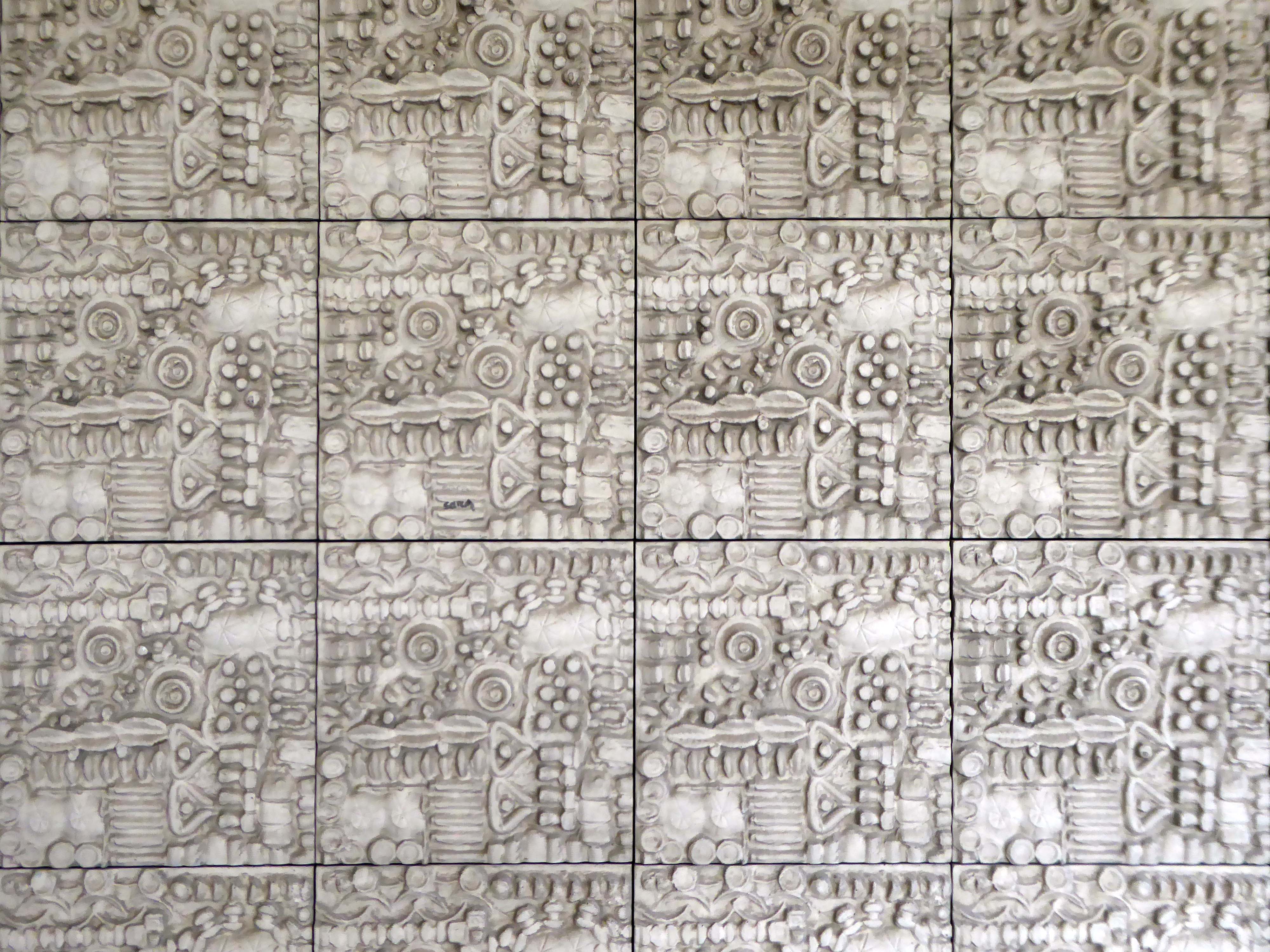
I was thrilled to find that each of the blocks had variants within the typology of handmade tiles.
Kentmere
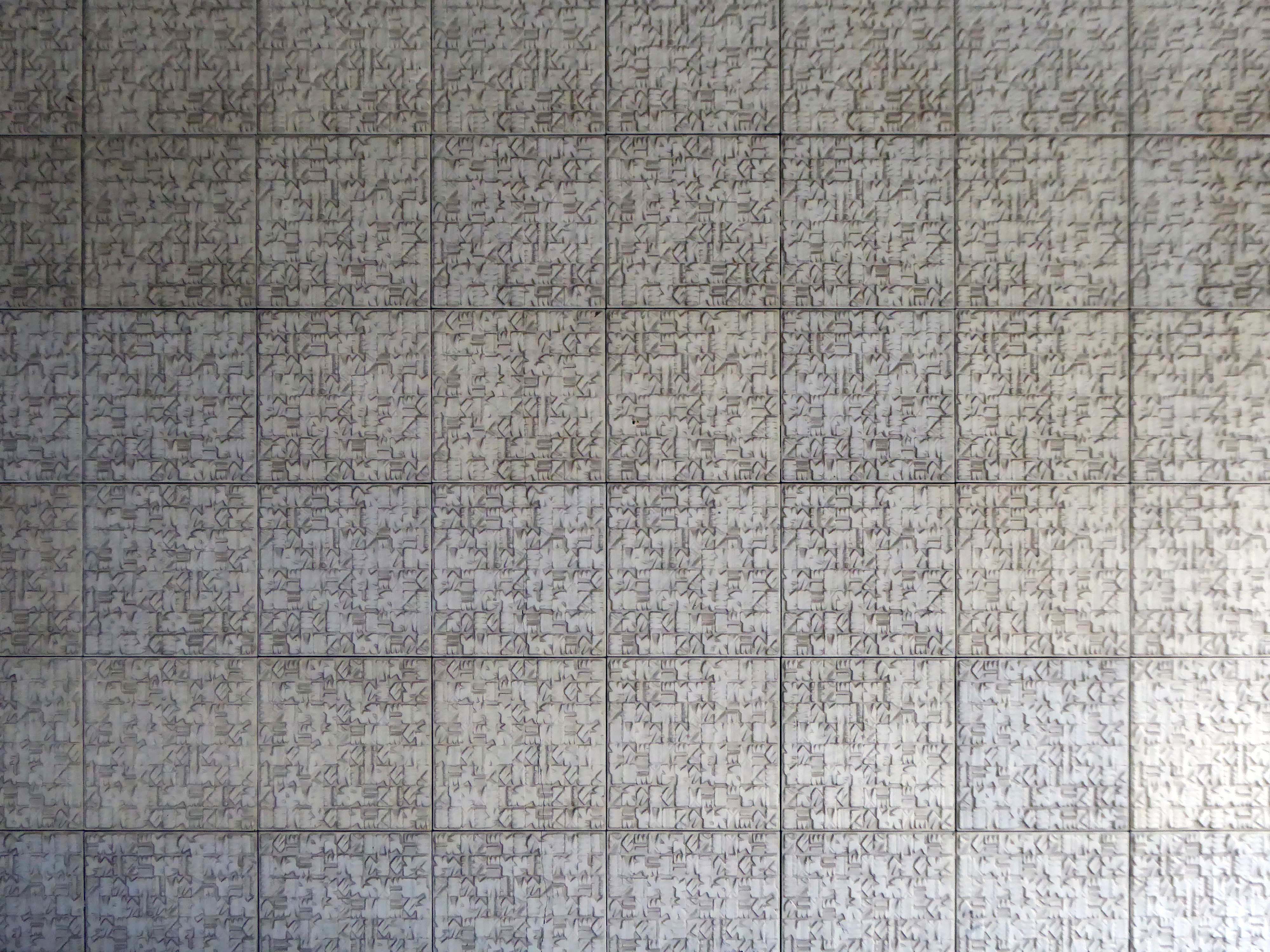
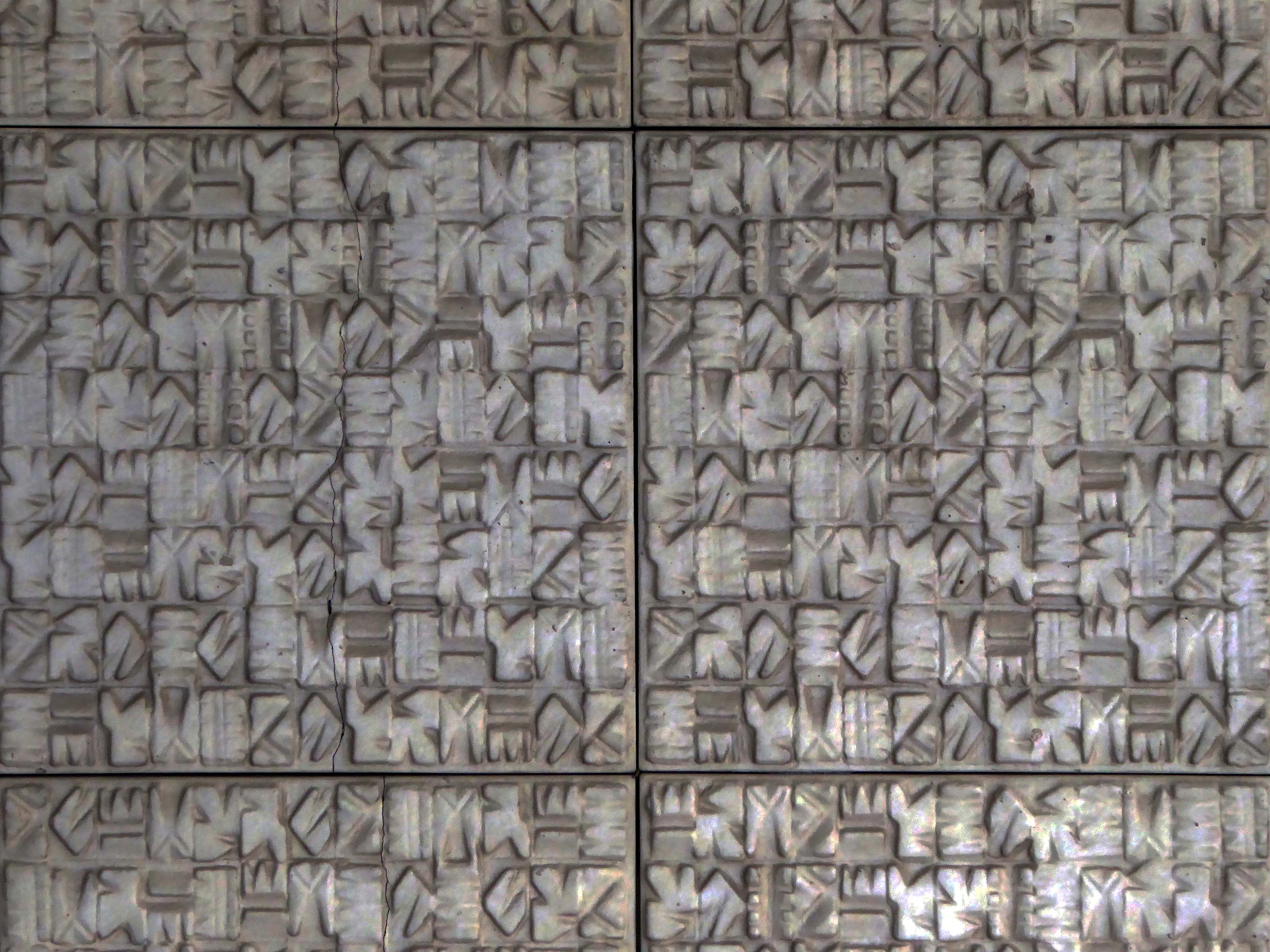
Somerton
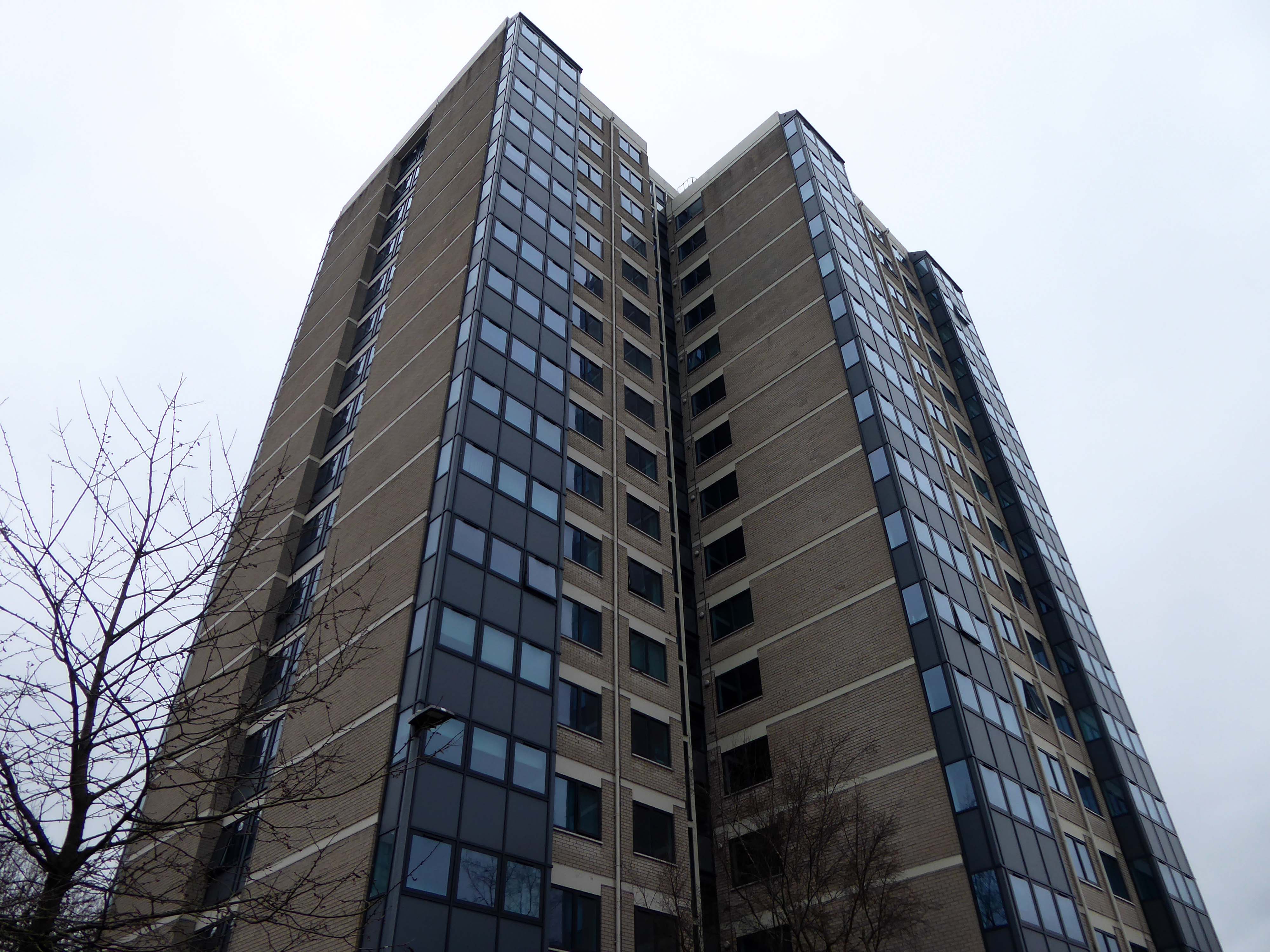
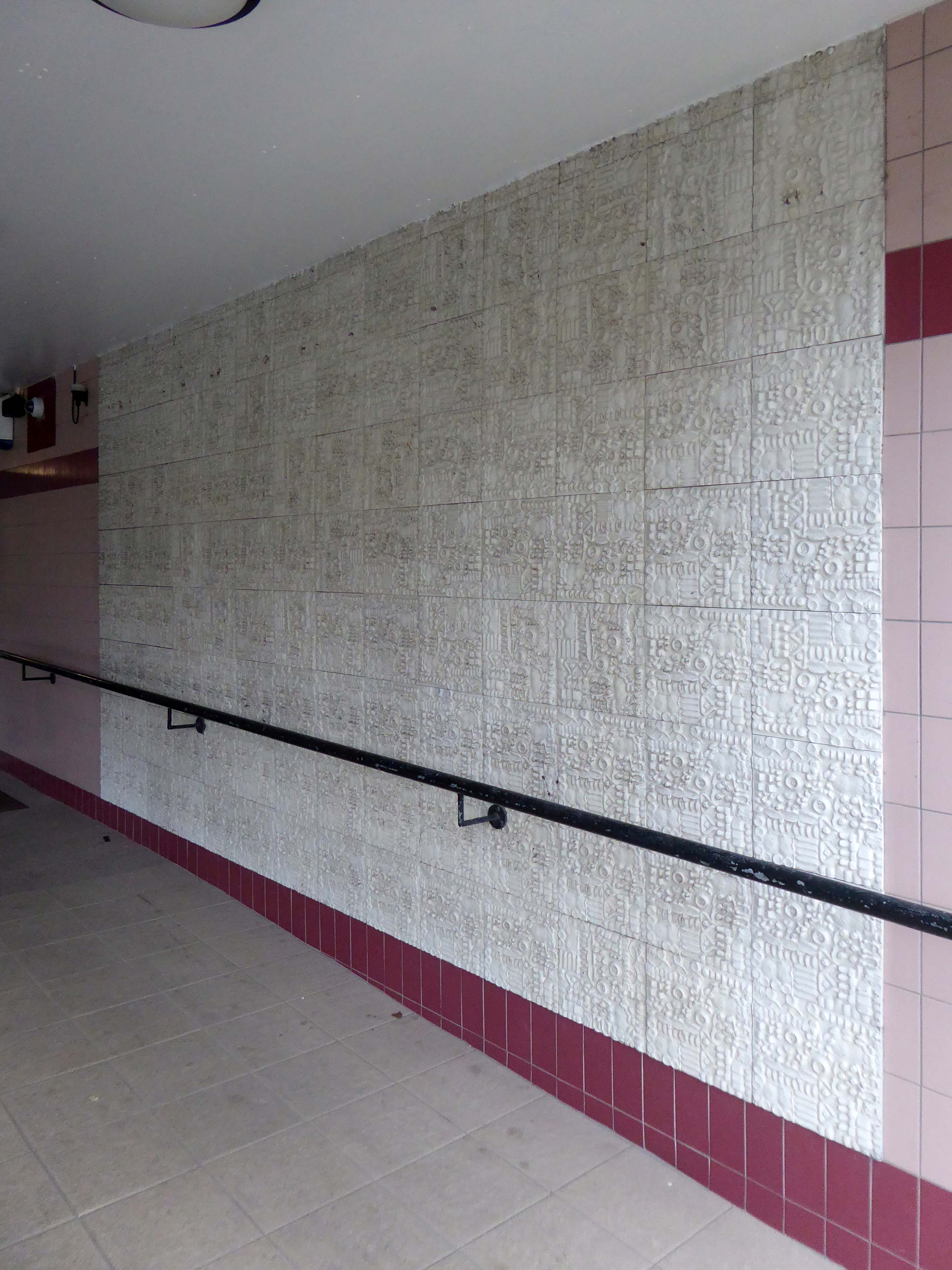
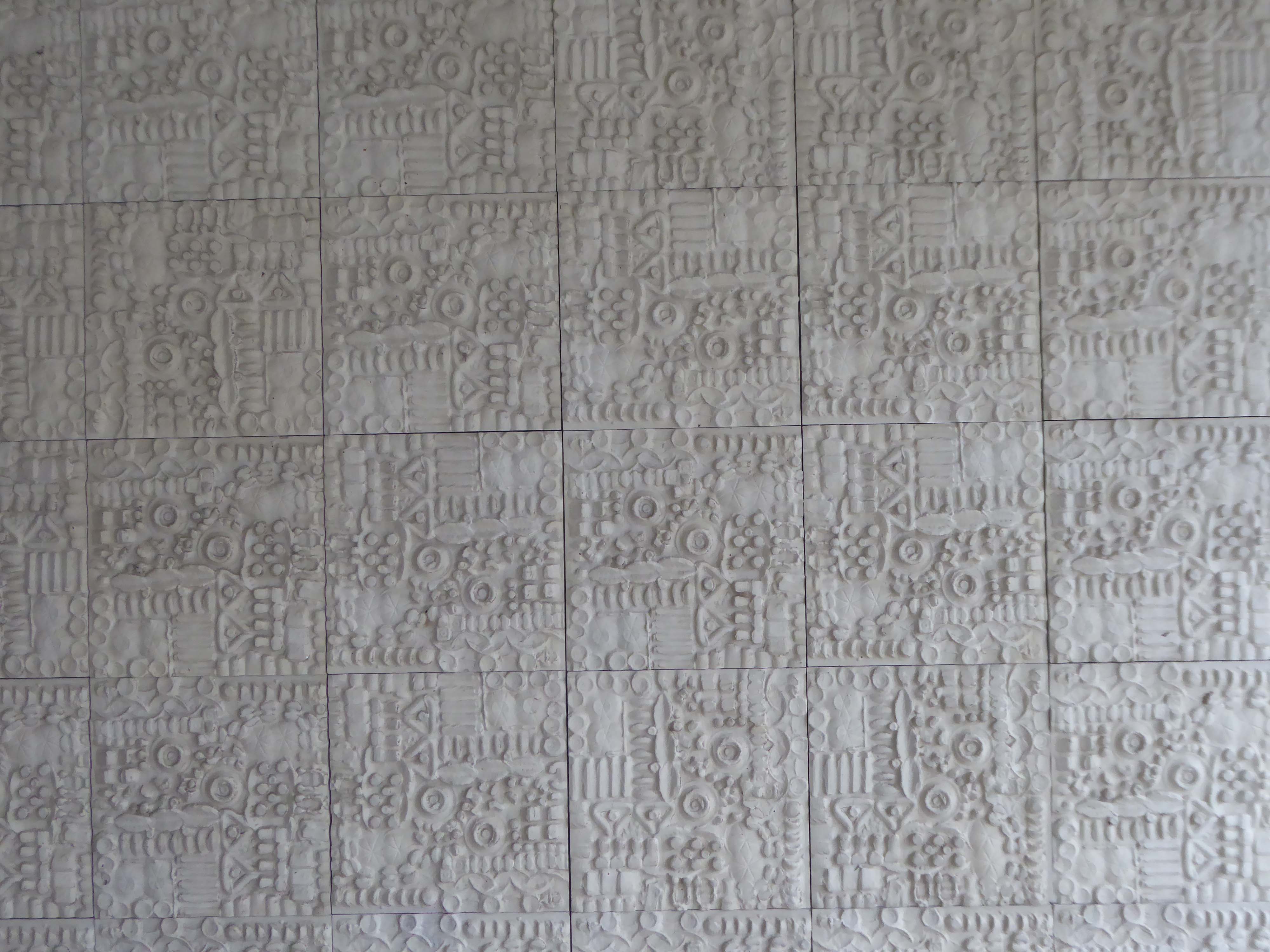
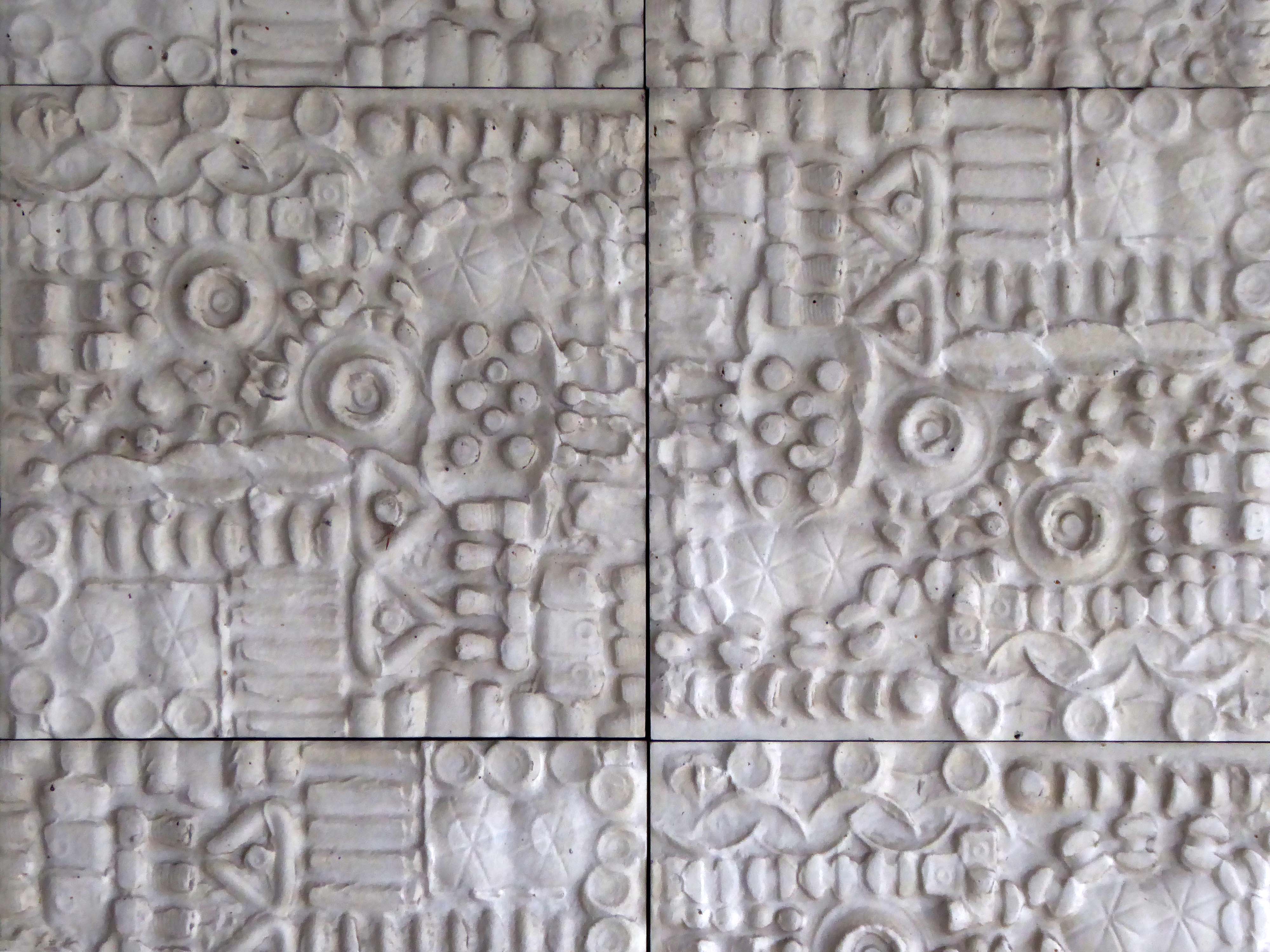
Cartmel
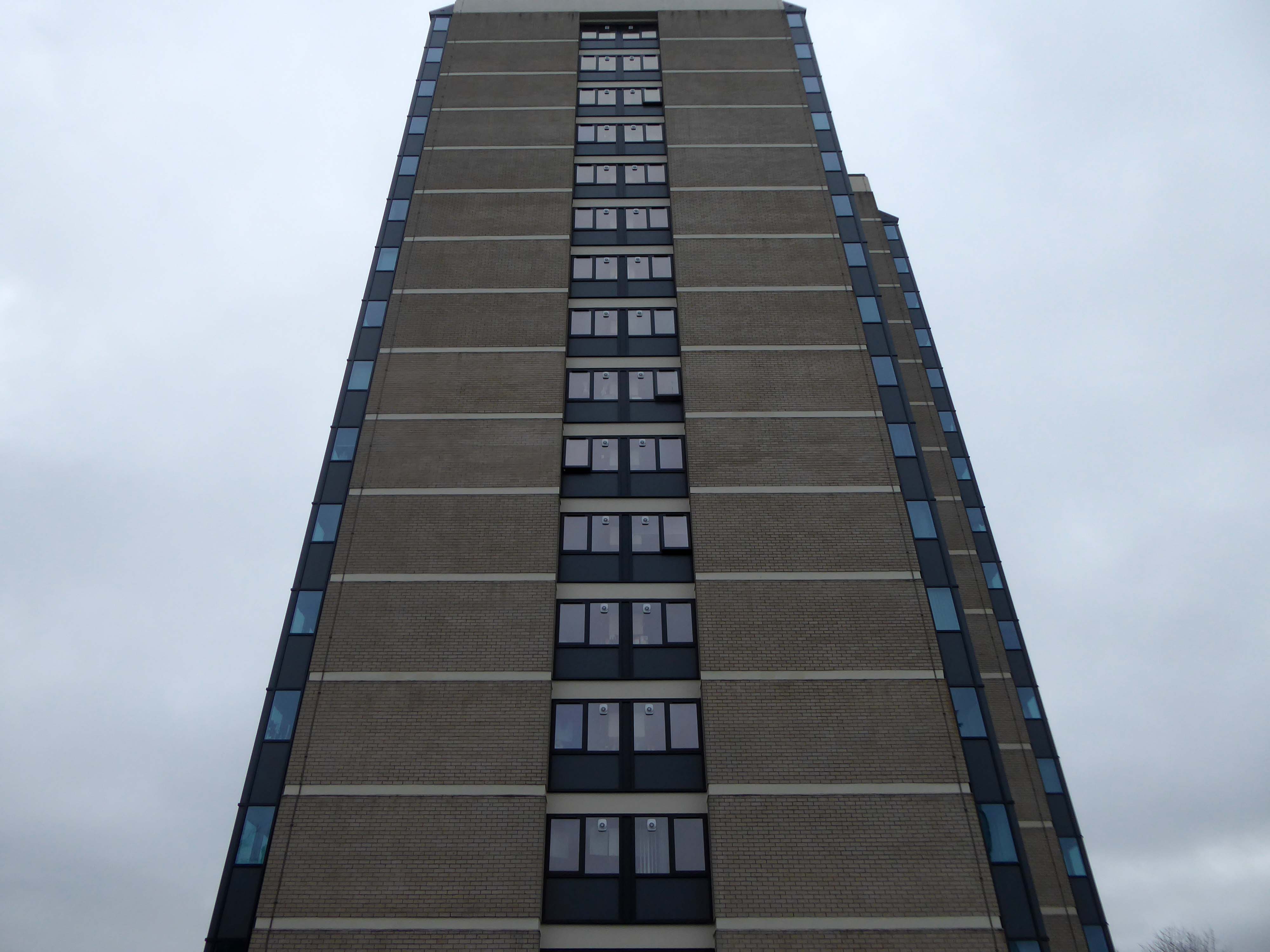
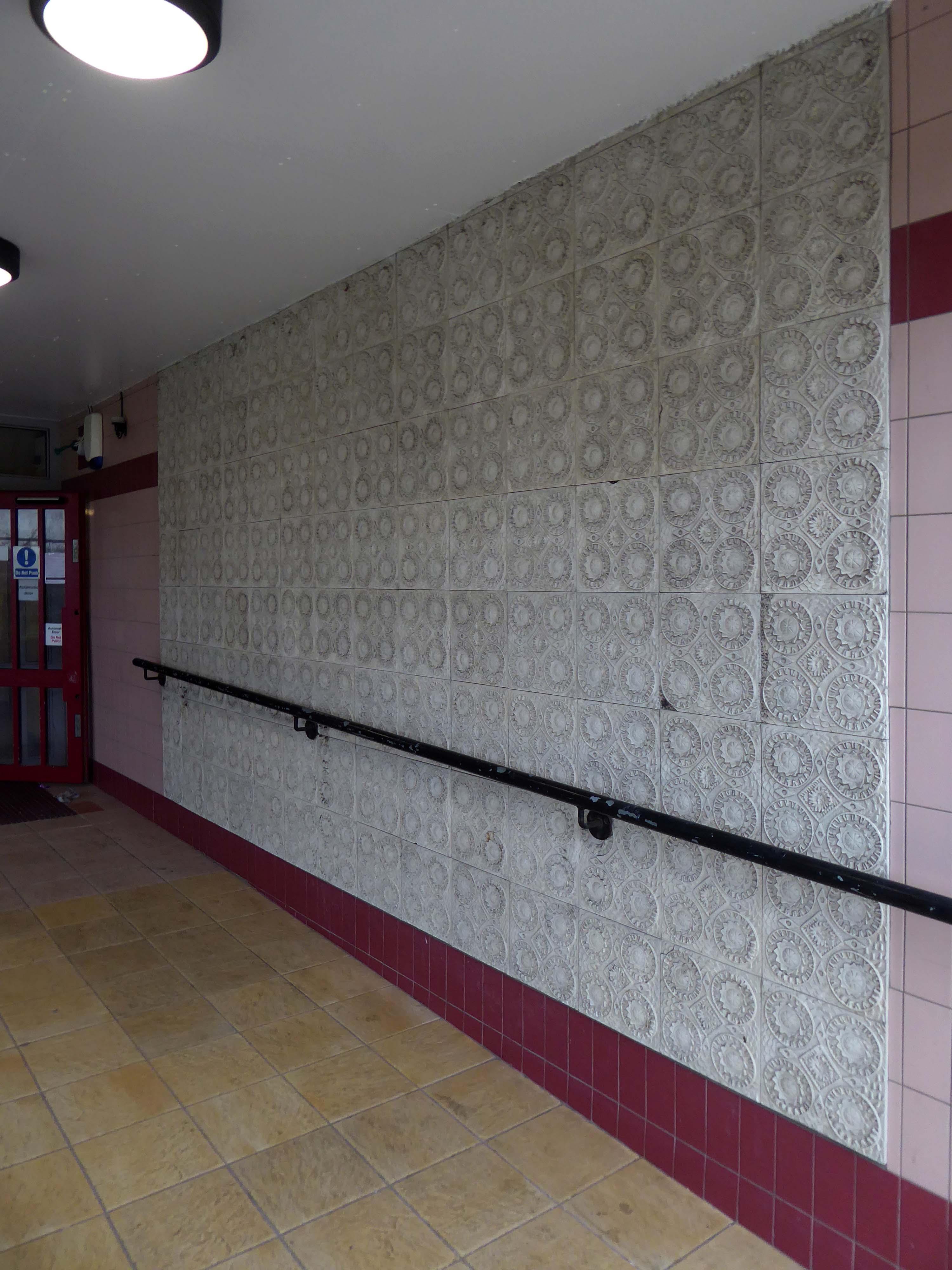
Rusland
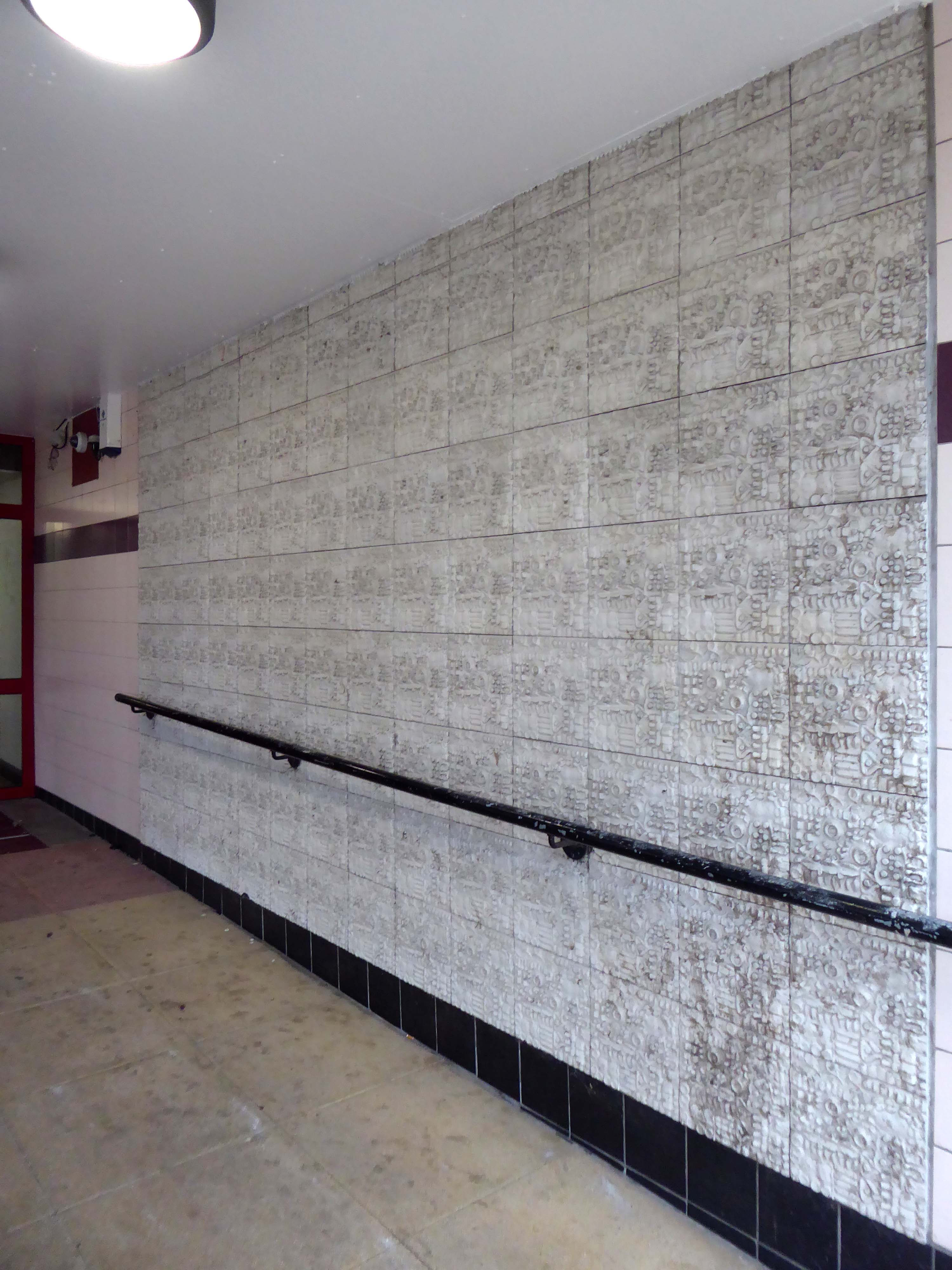
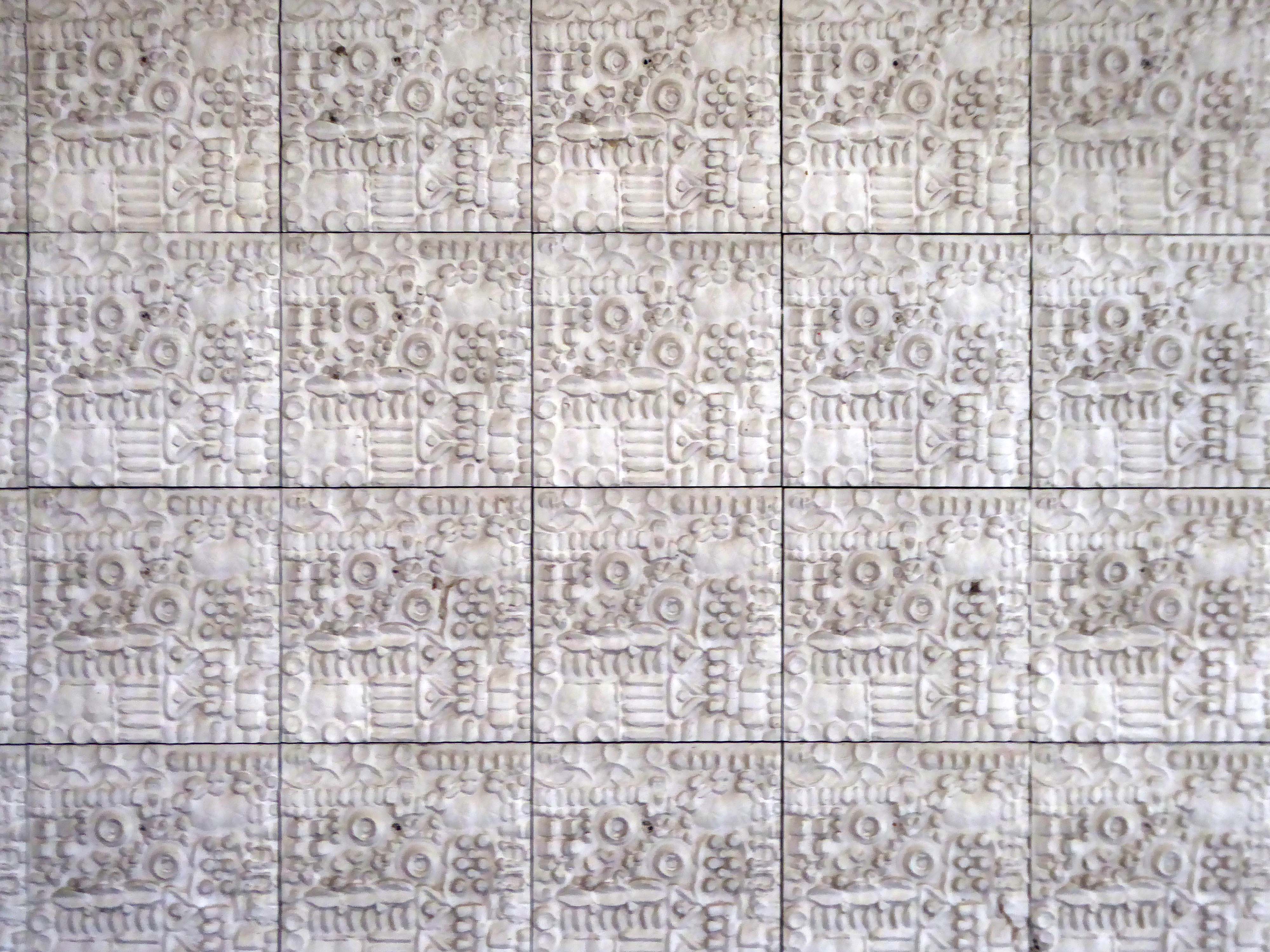
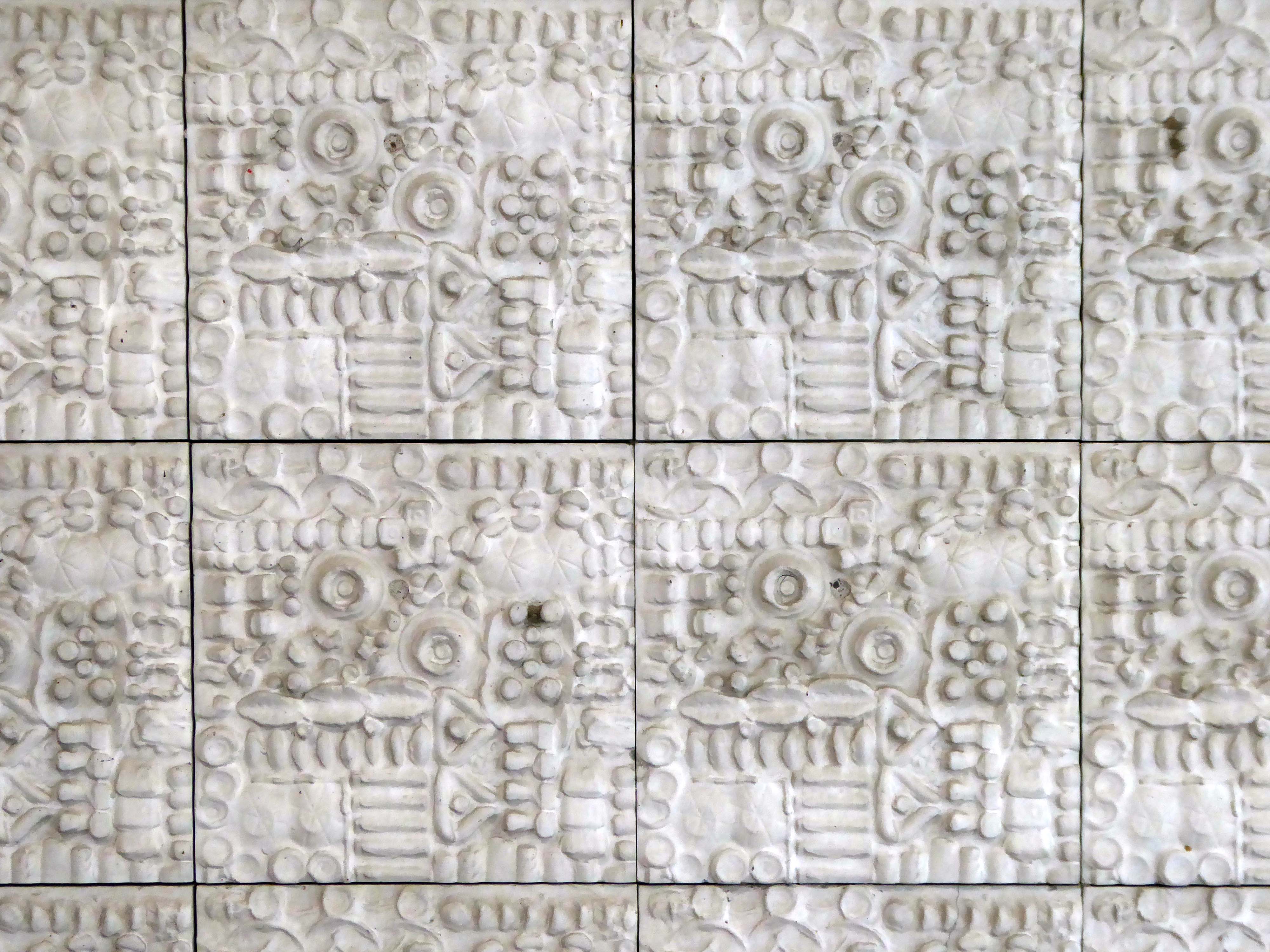
There seems to be no record of attribution for these tiles – happily they are still extant.
Go and take a look.
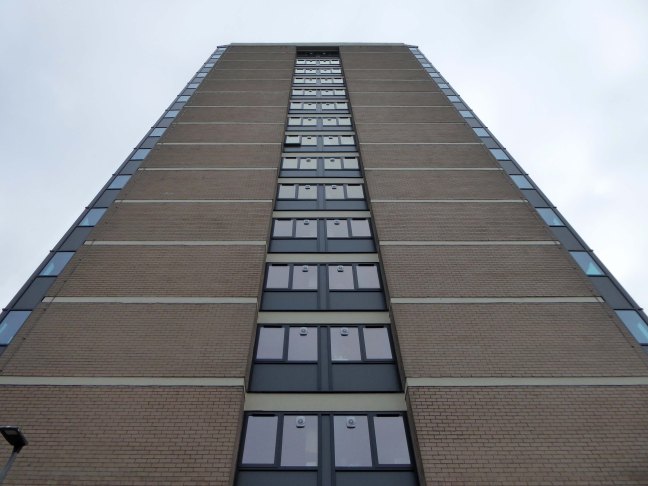
Deepdale Court Northwold Drive Manchester M9 7HX

On the way betwixt somewhere and there I took time to come here.
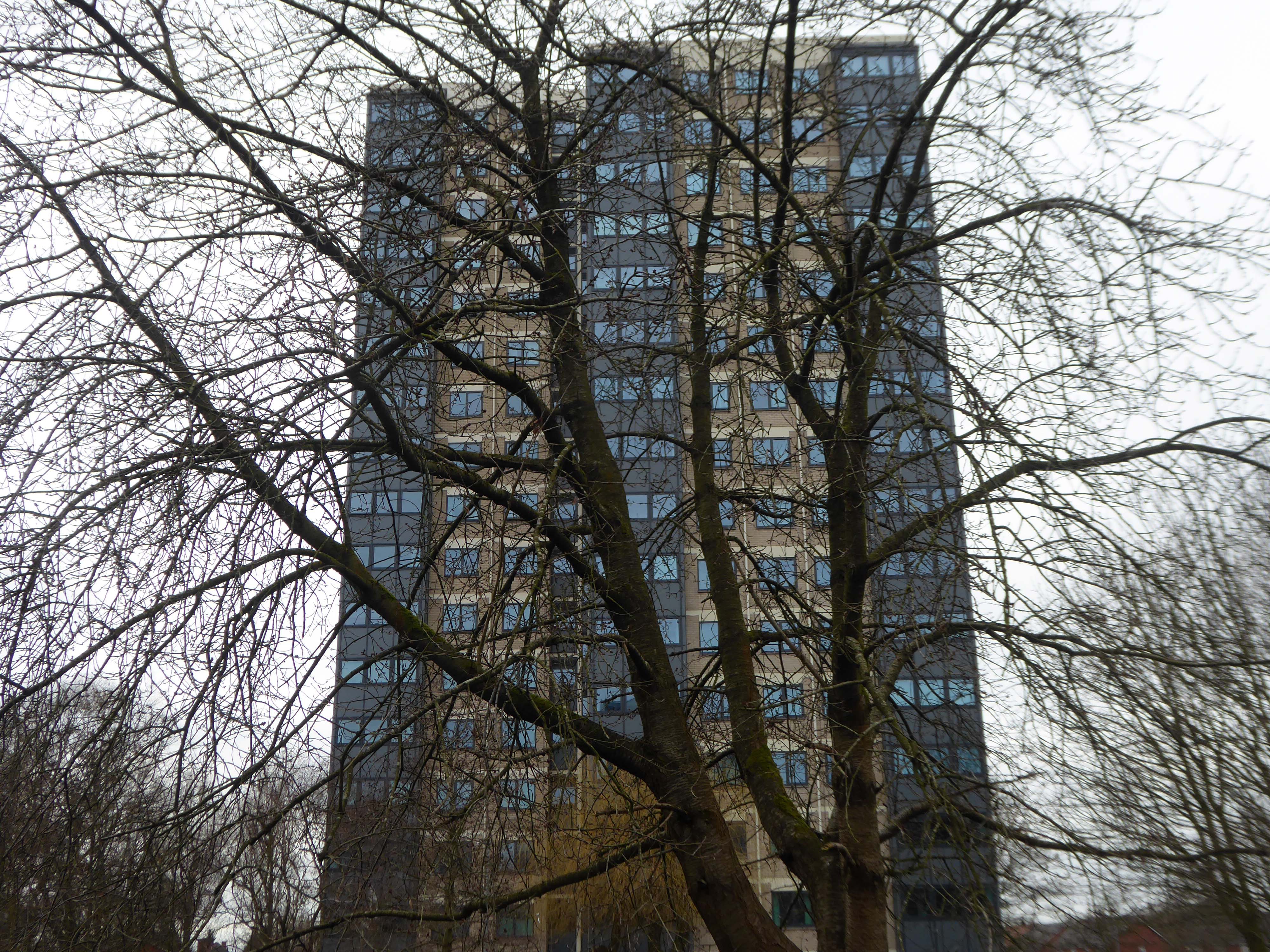
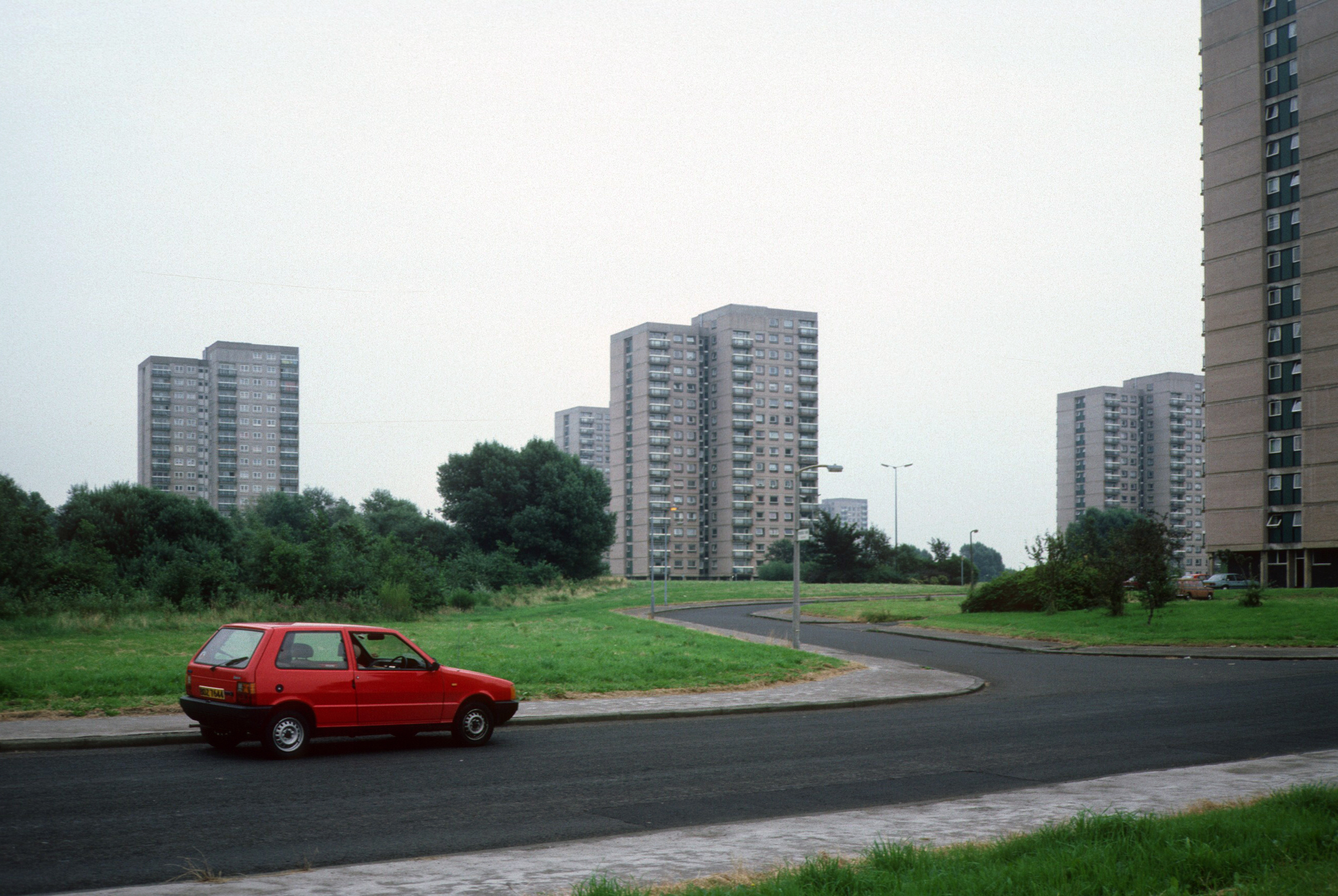
A tower block on high ground on the edge of Blackley.
One of nine seventeen-storey blocks containing eight hundred and forty six dwellings.
Committee approval date: 1967
Building contractor: Direct Municipal Labour
The two blocks that were demolished were Tunstall Court and Skelton Court.
Freshfields as listed is the new name for Grisedale Court as was sold by council and now private flats.
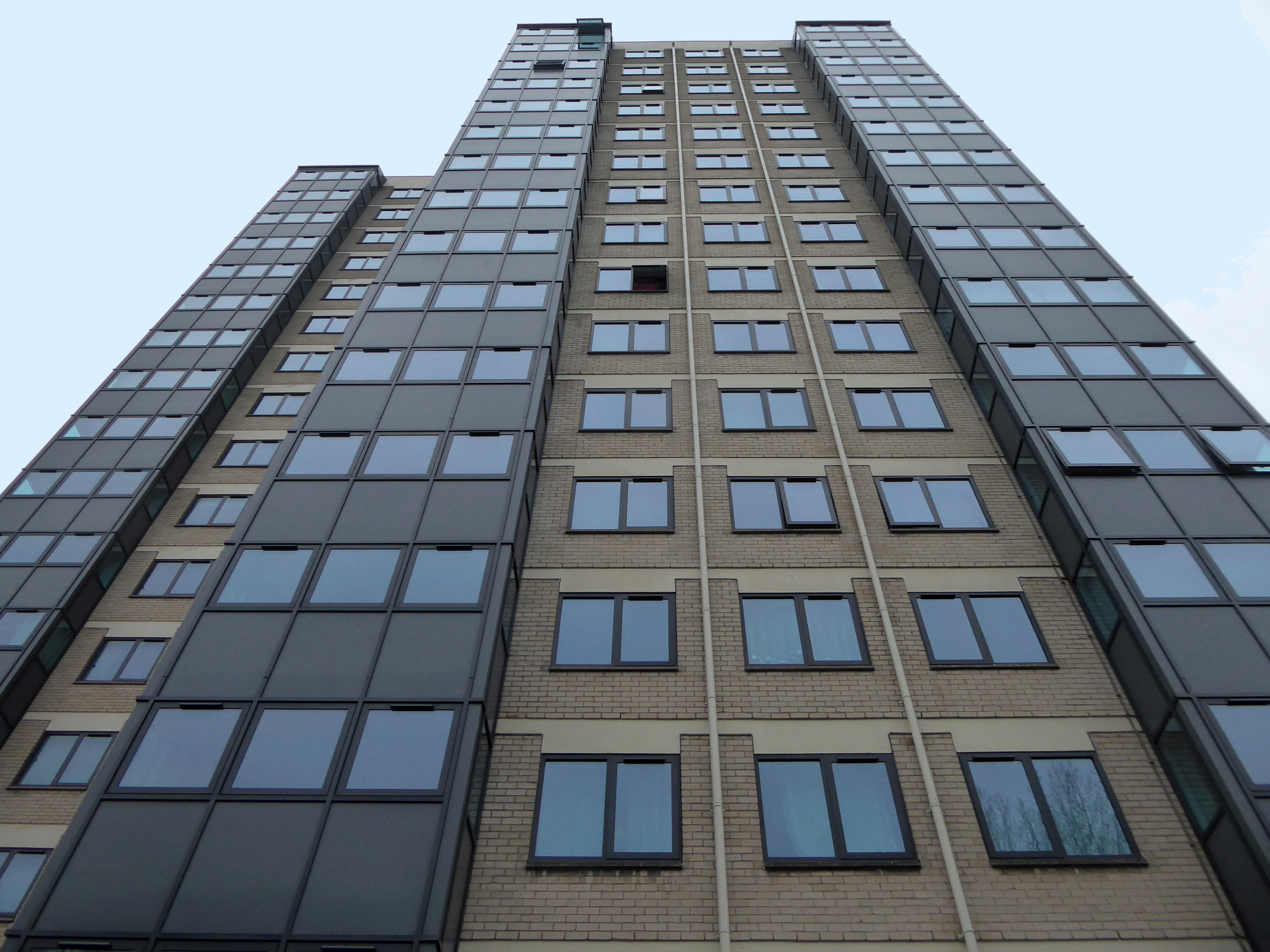
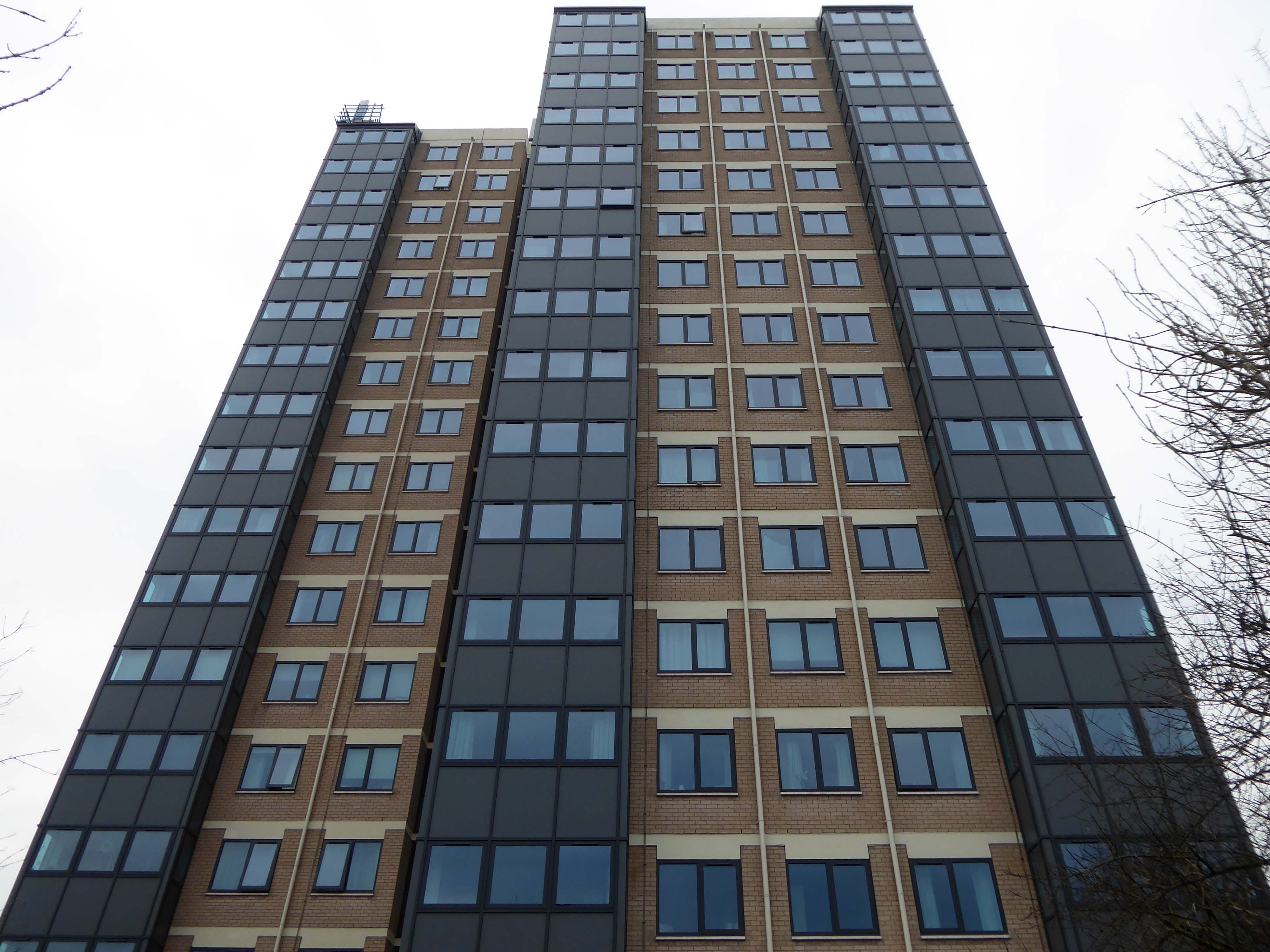
There are 16 floors in each block, 15 on one side and 16 on the other side
This area is known as the Charlestown Towers.
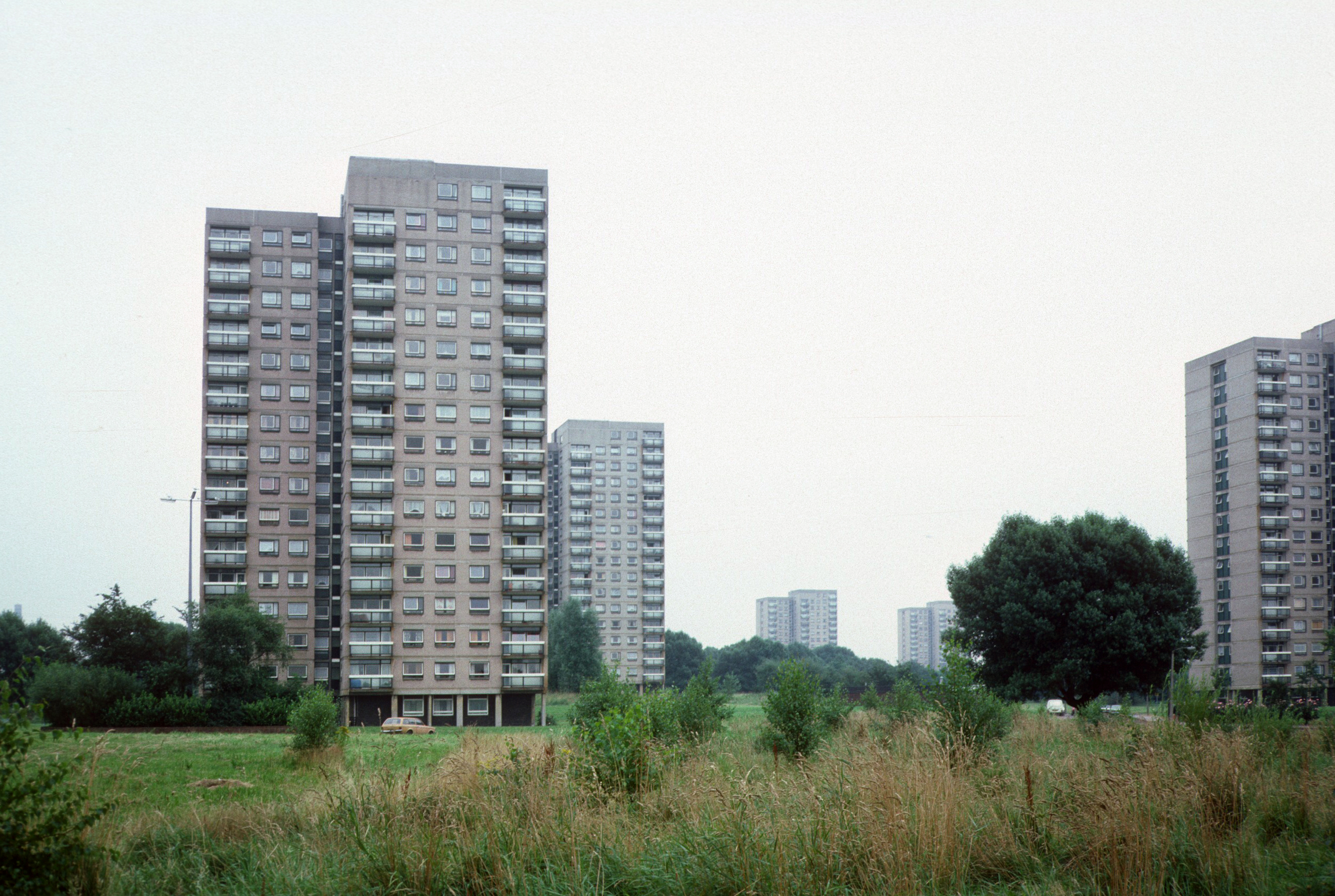
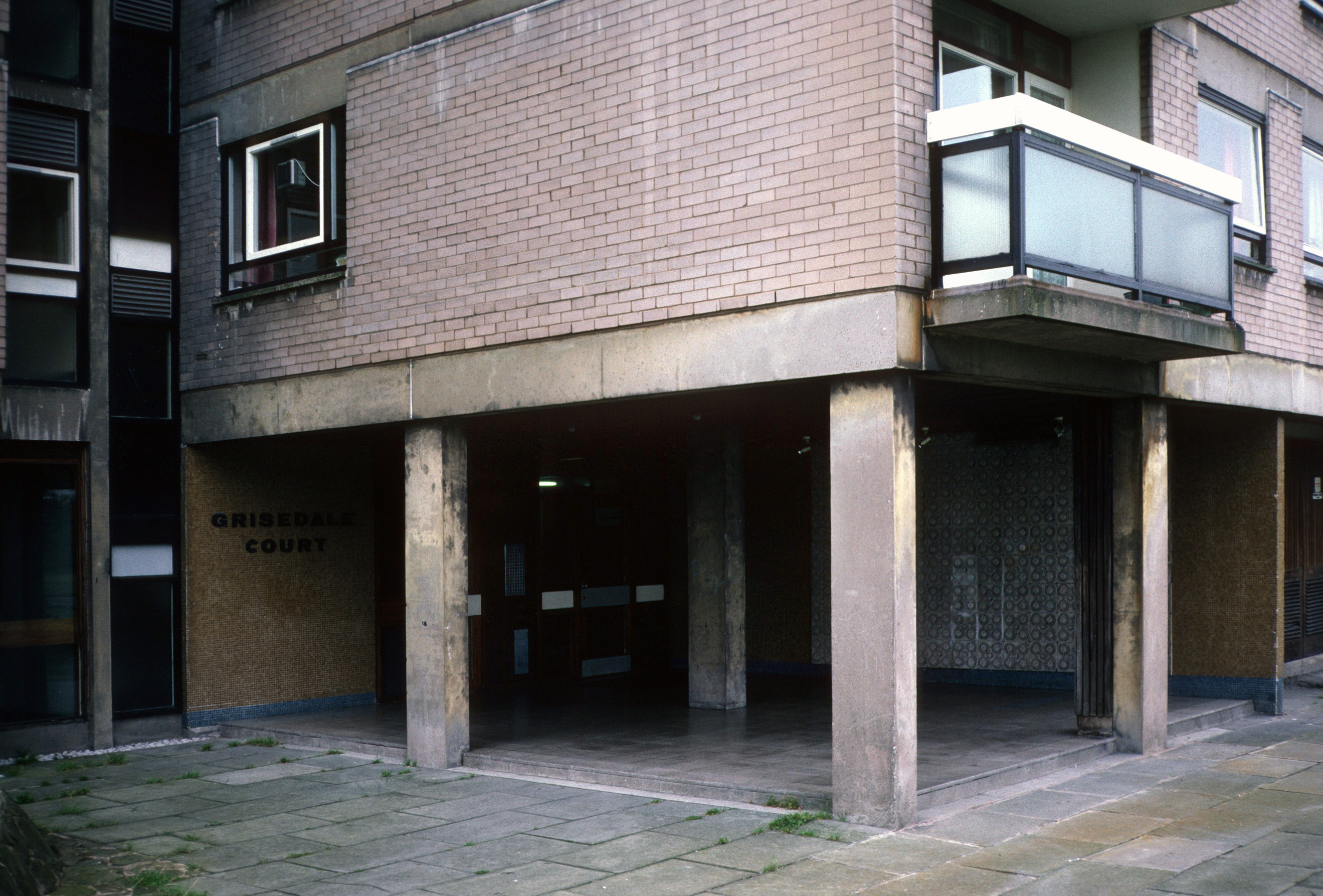
1987 – Grisedale Court with circular tiles in the entrance.
Over time the balconies have been boxed in and more recently the glazing replaced.


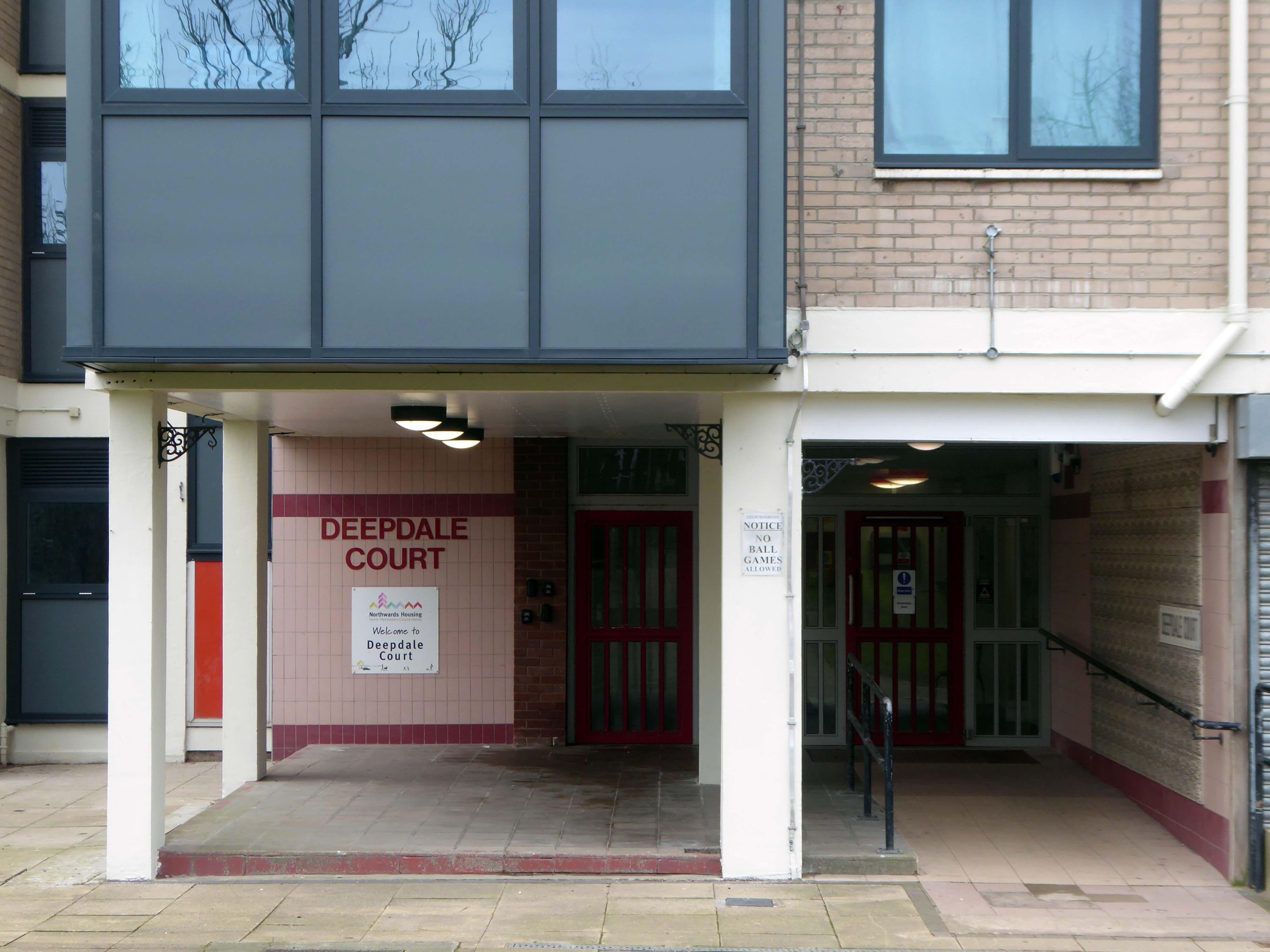
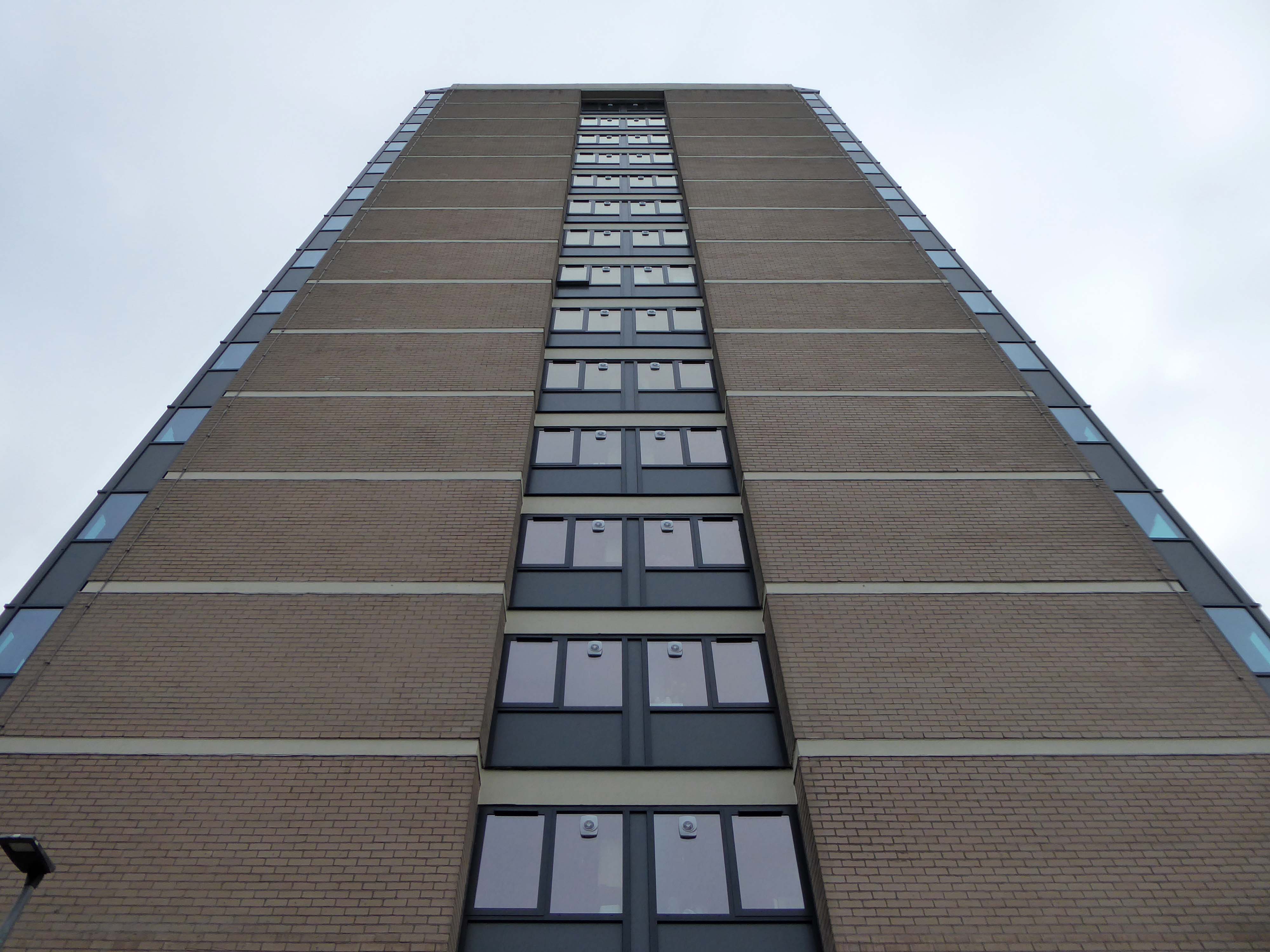
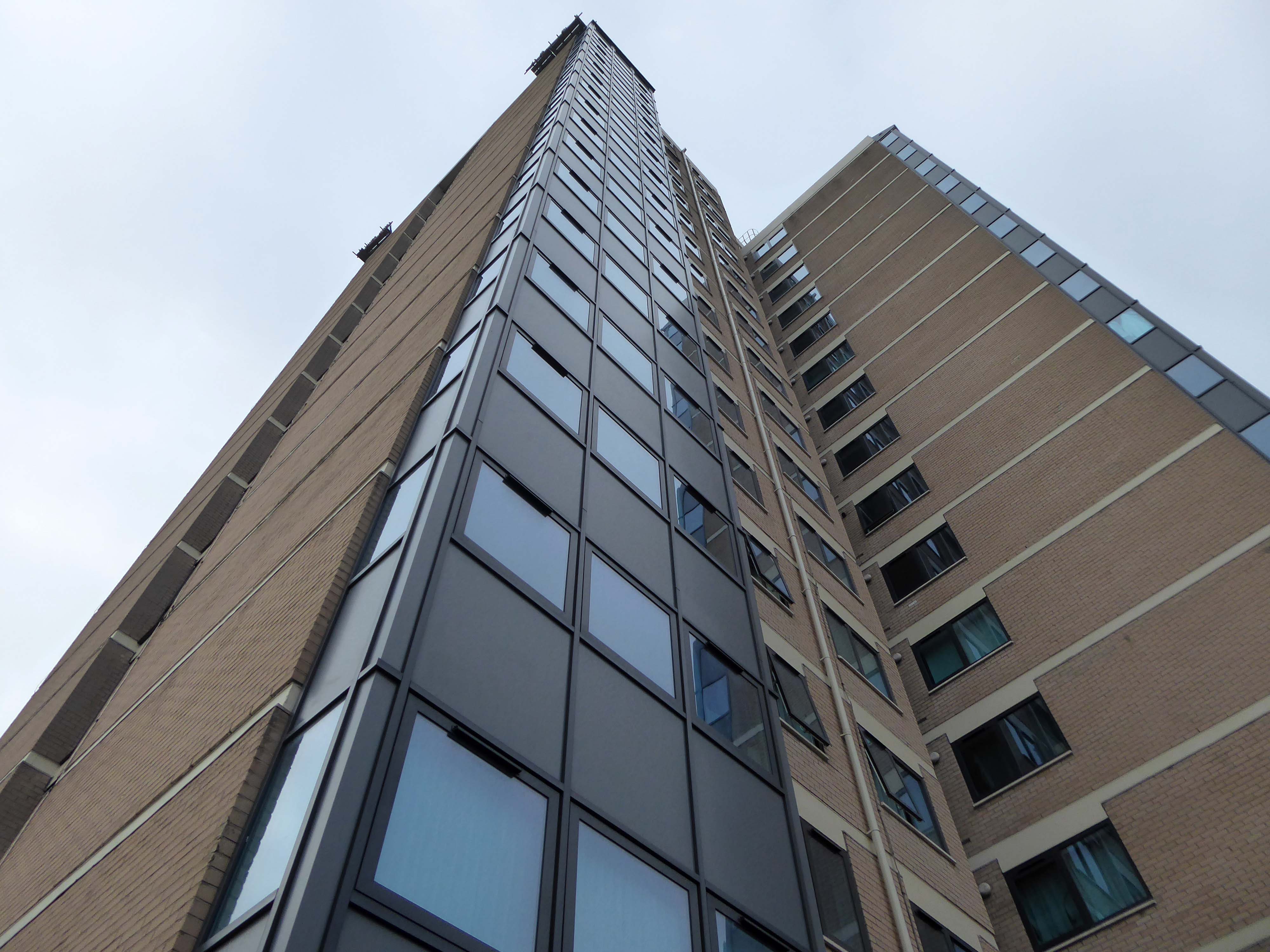
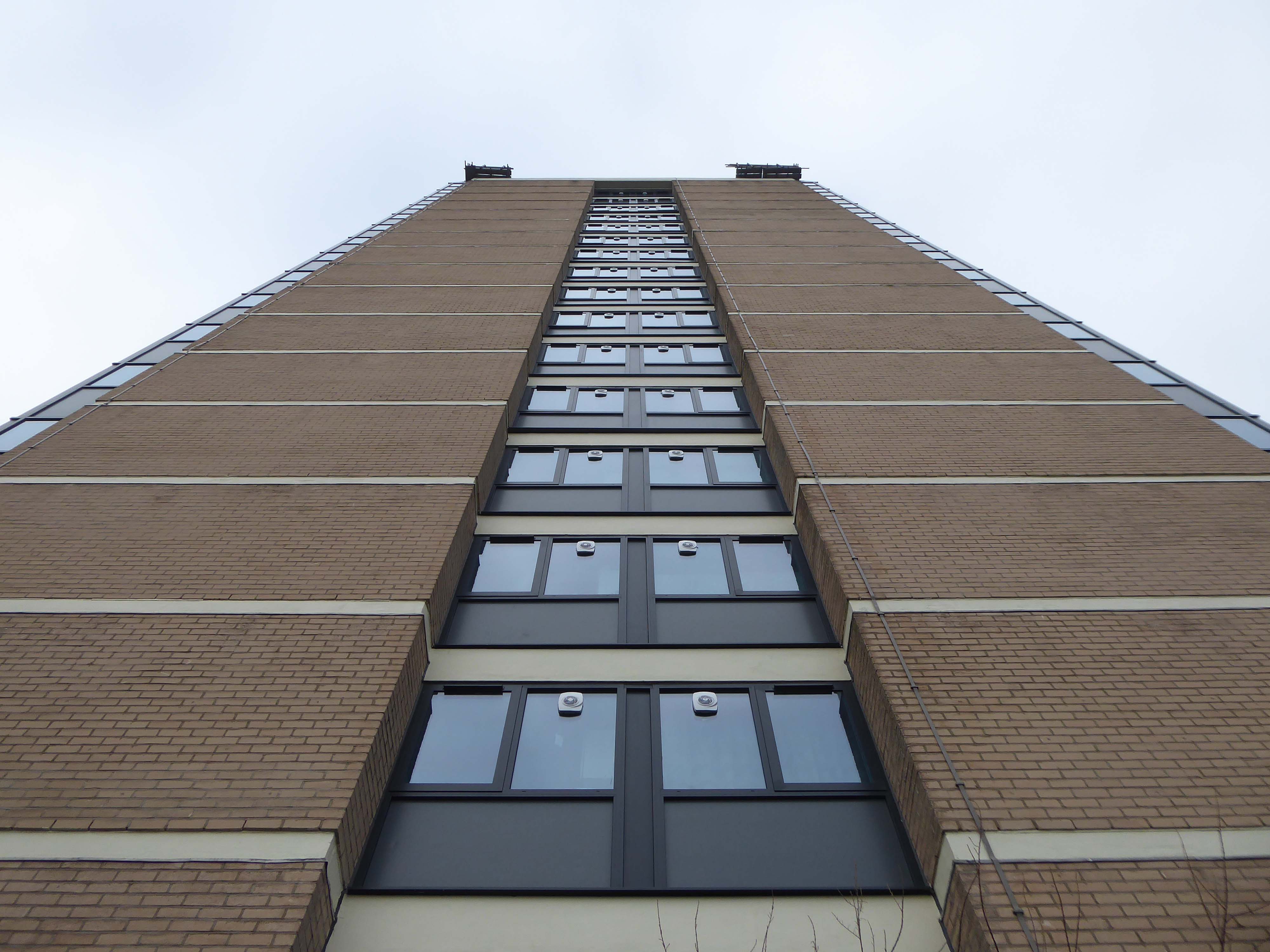
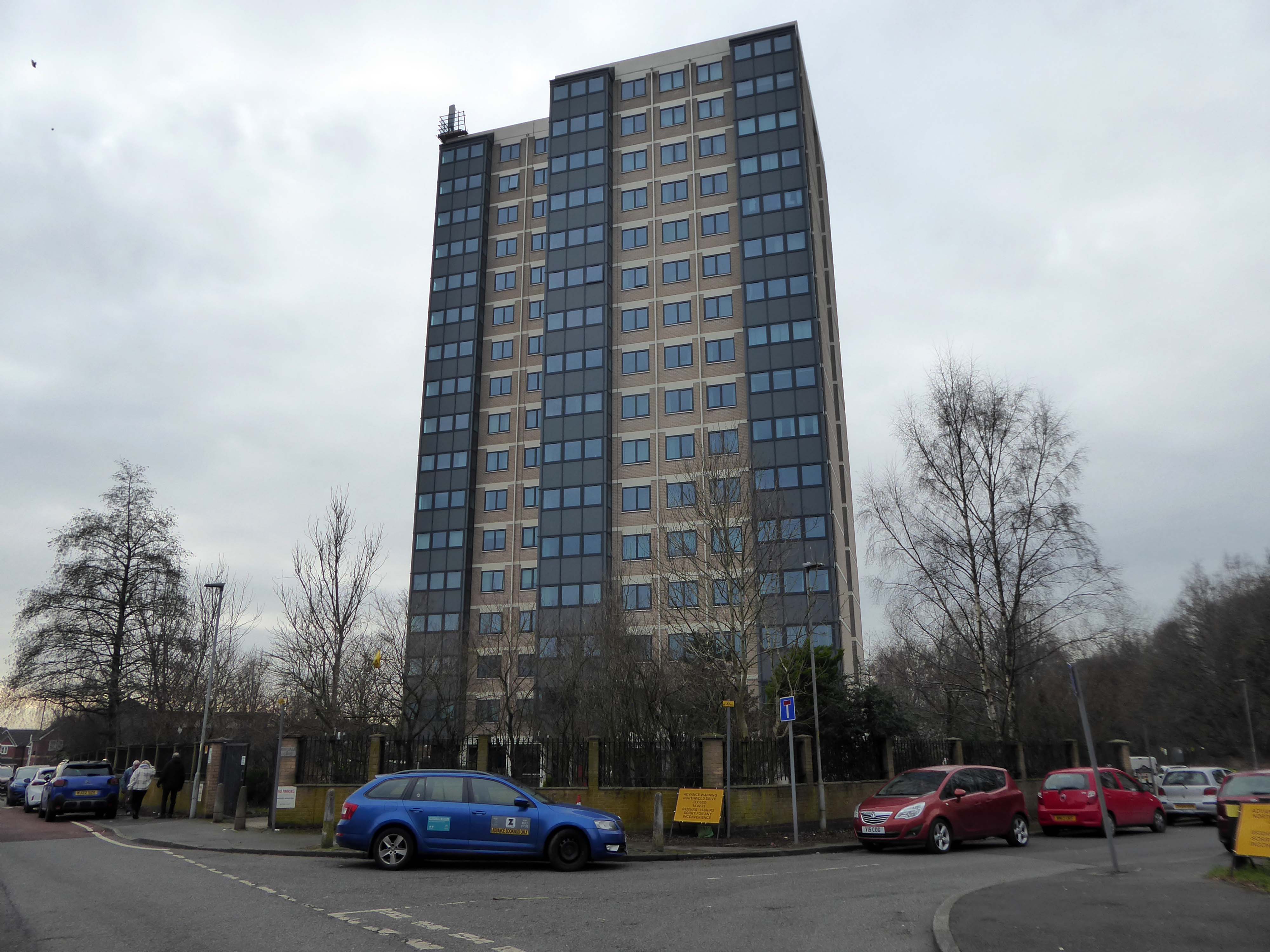
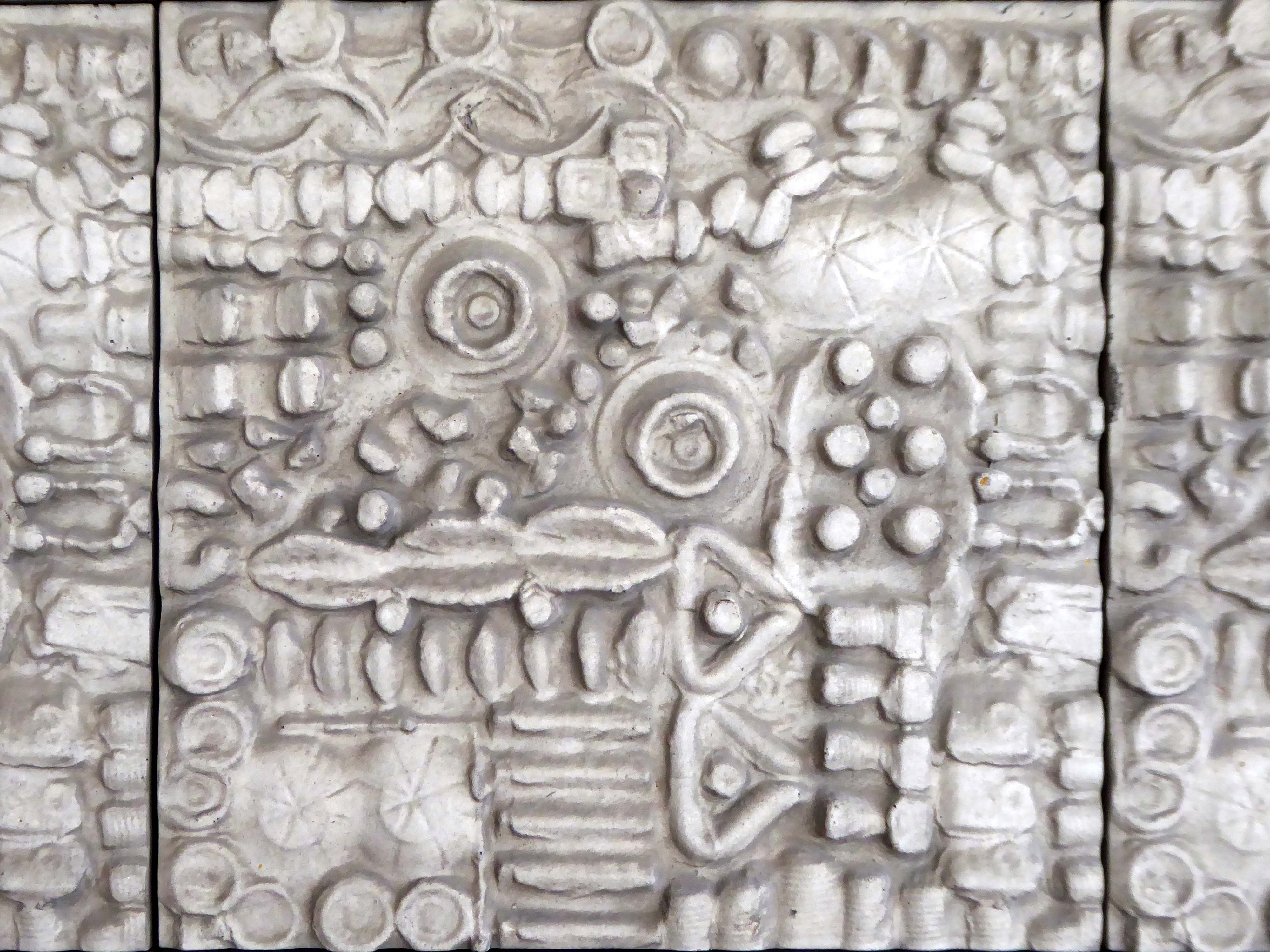
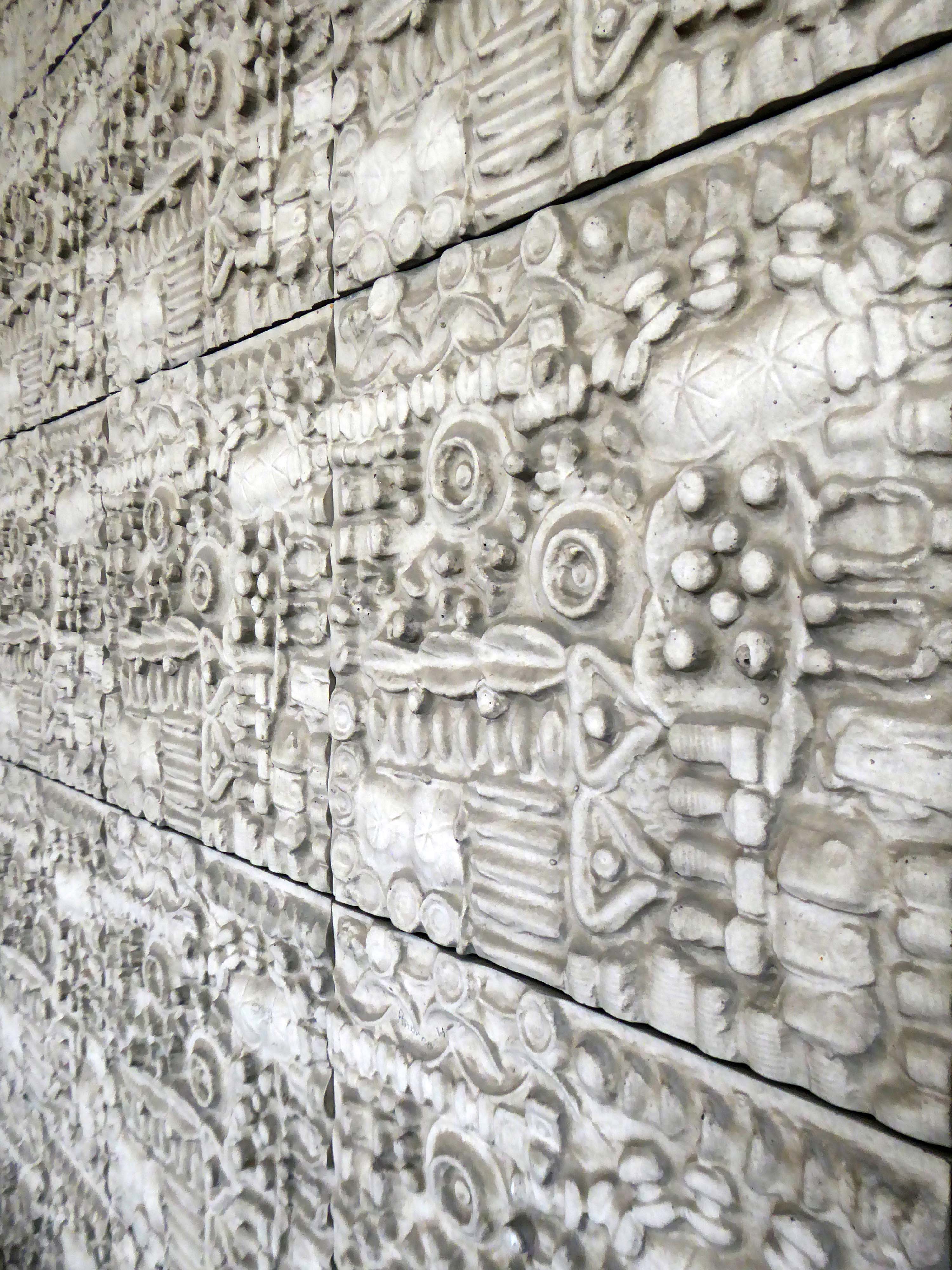
I was particularly interested in the hand made tiles inside the entrance – very much in the style of William Mitchell.

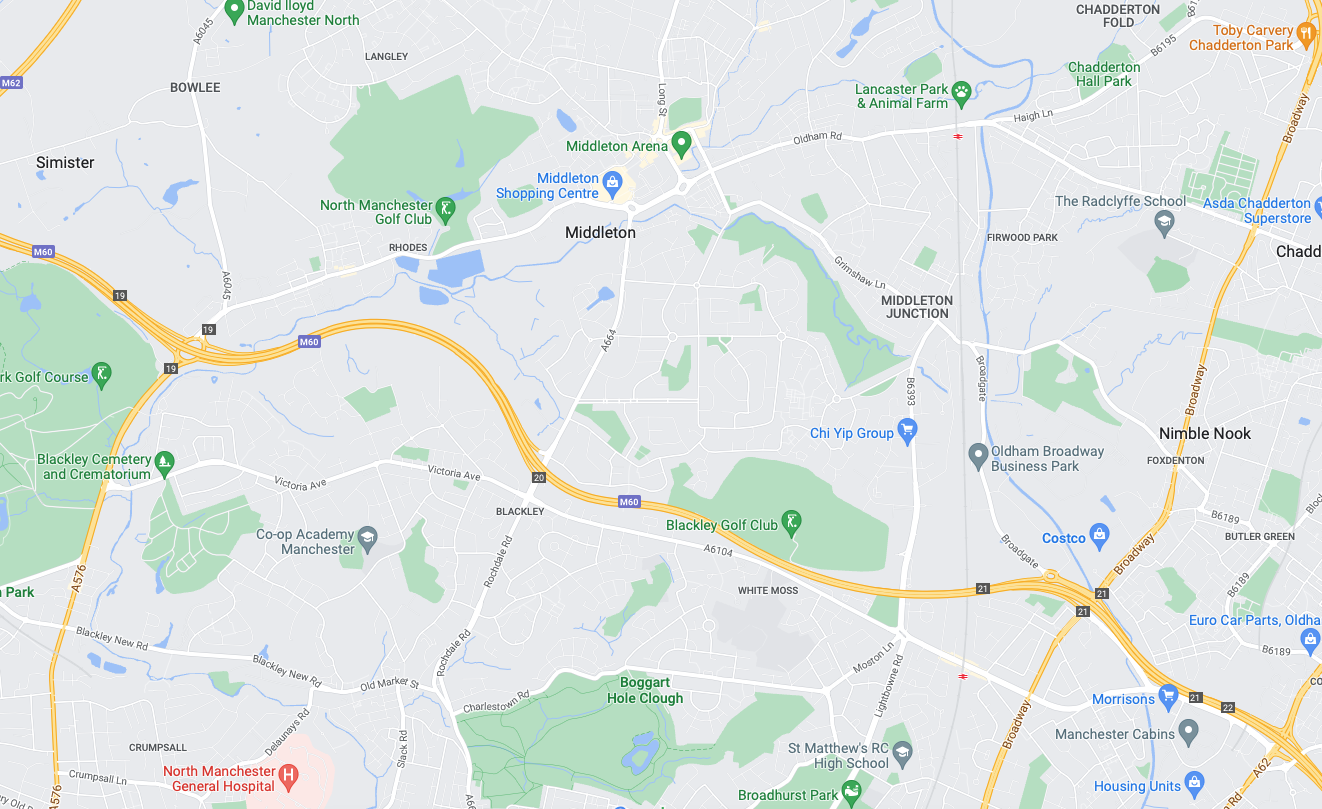
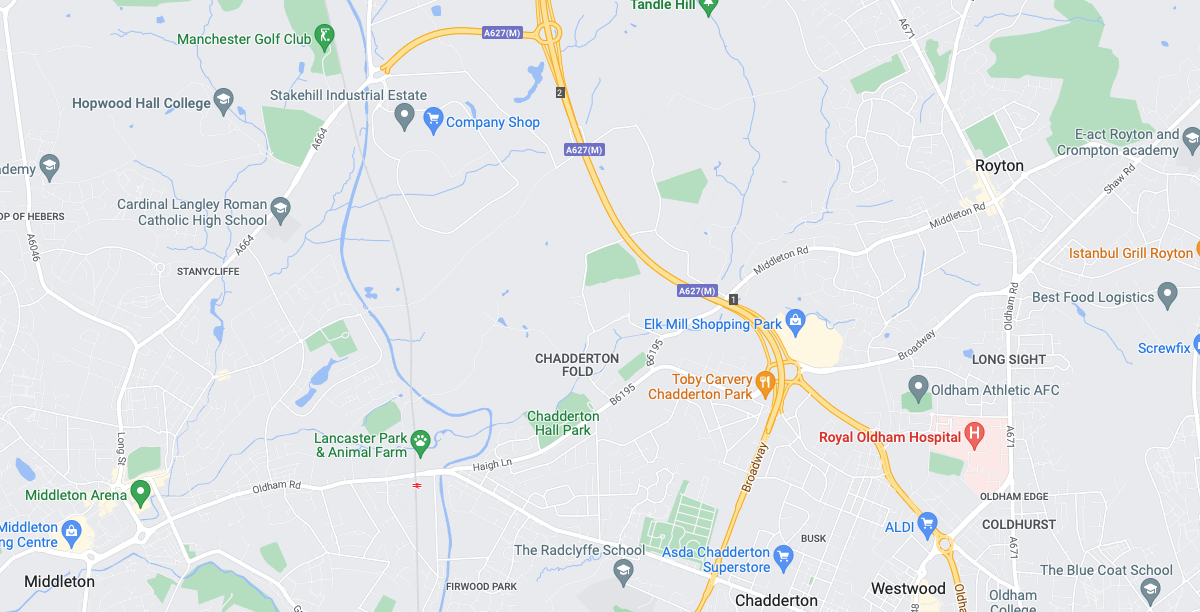
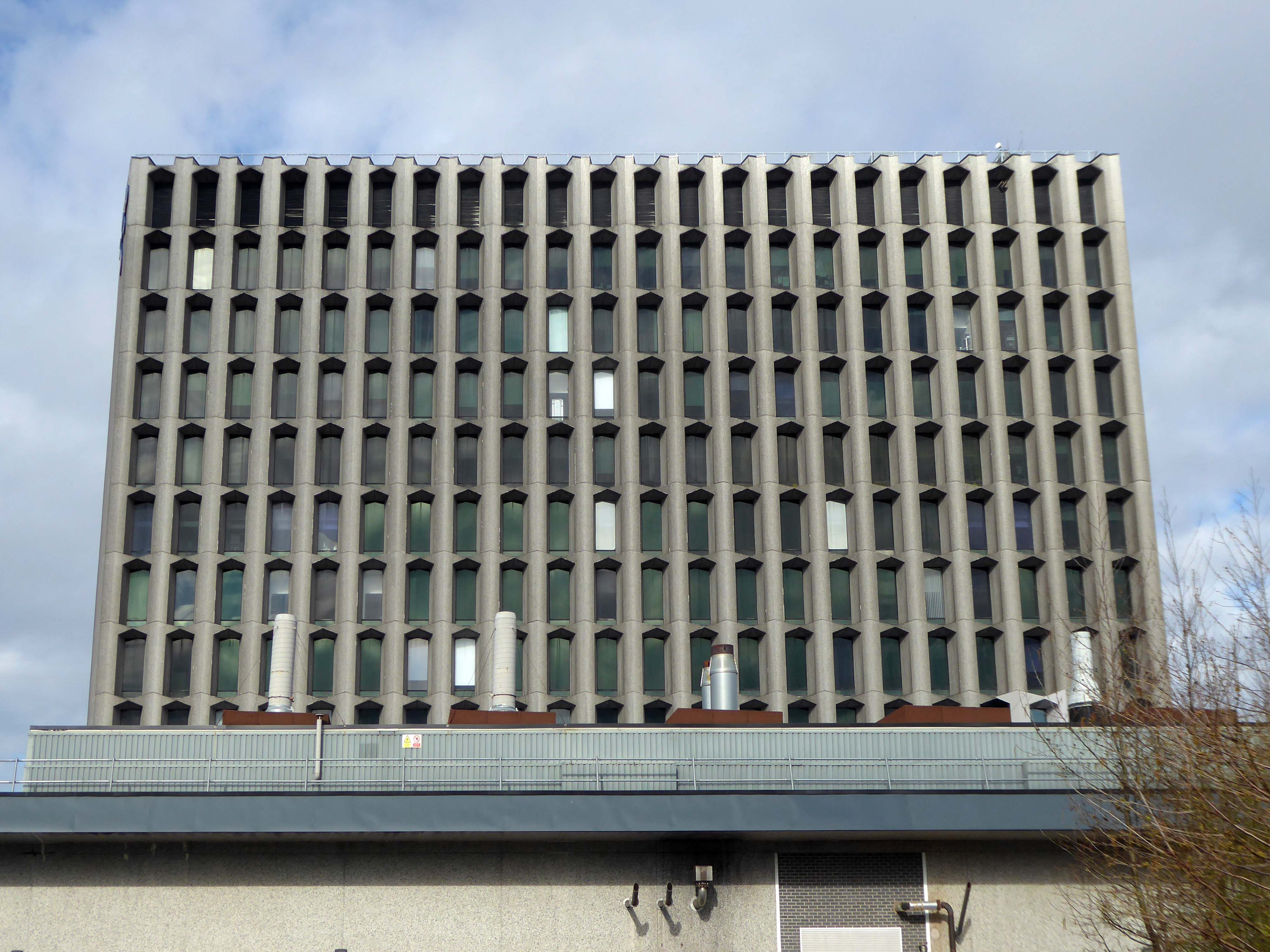
Having walked and cycled twixt Victoria Station and Blackley, I returned once more to the Hexagon Tower to resume my explorations towards the source in Royton.
Beginning on Delaunays Road and onwards along Blackley New Road.
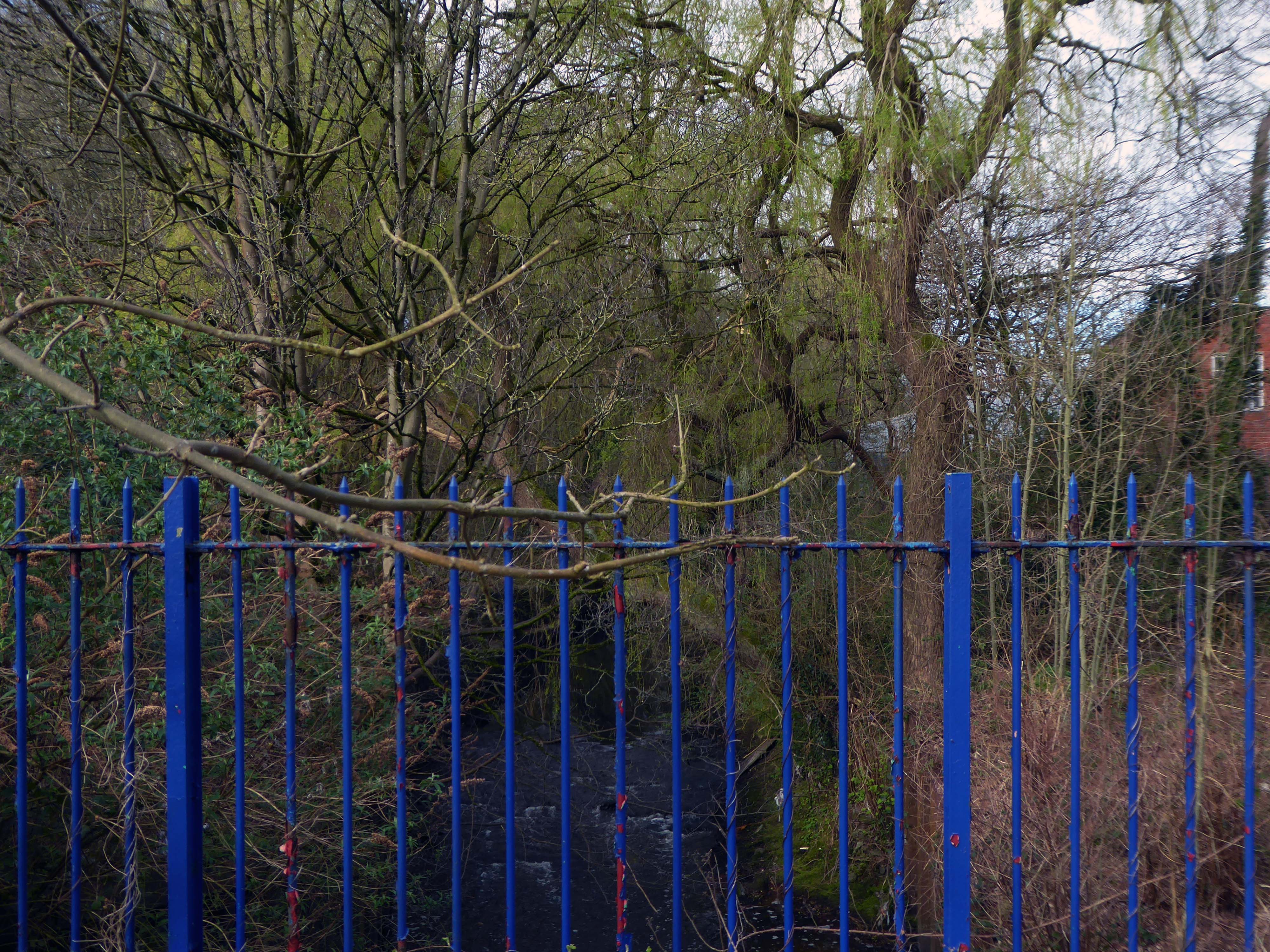
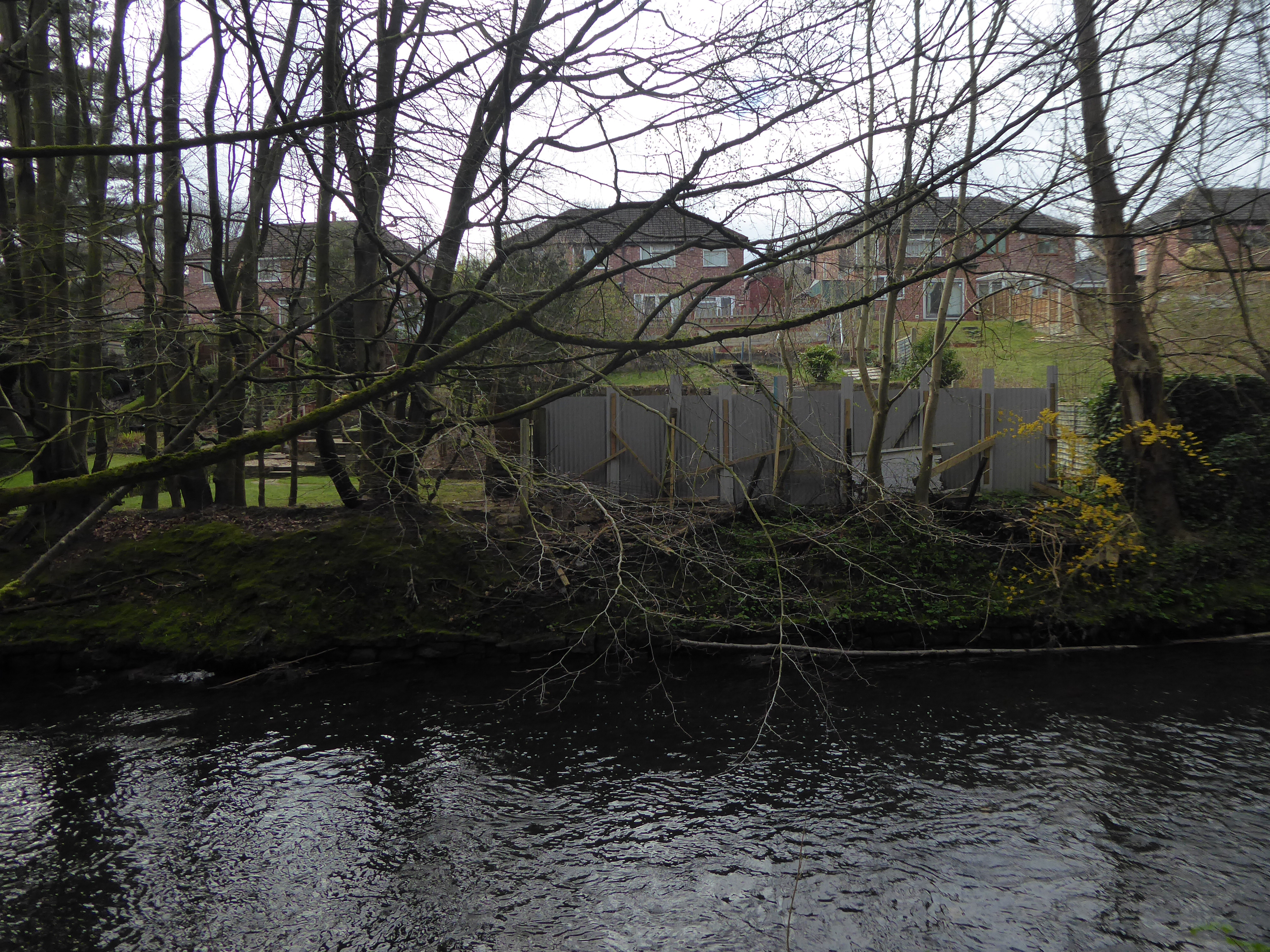
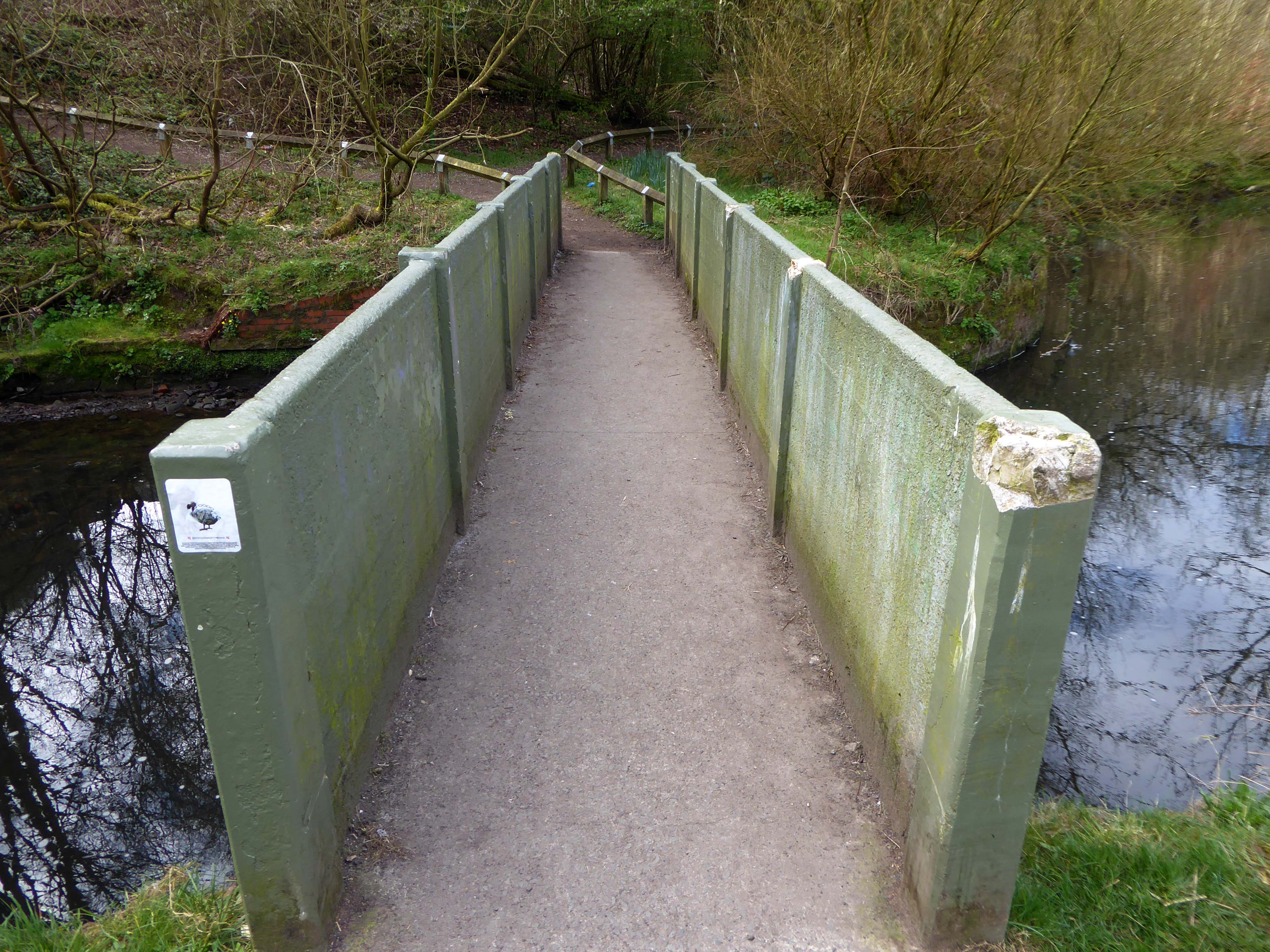
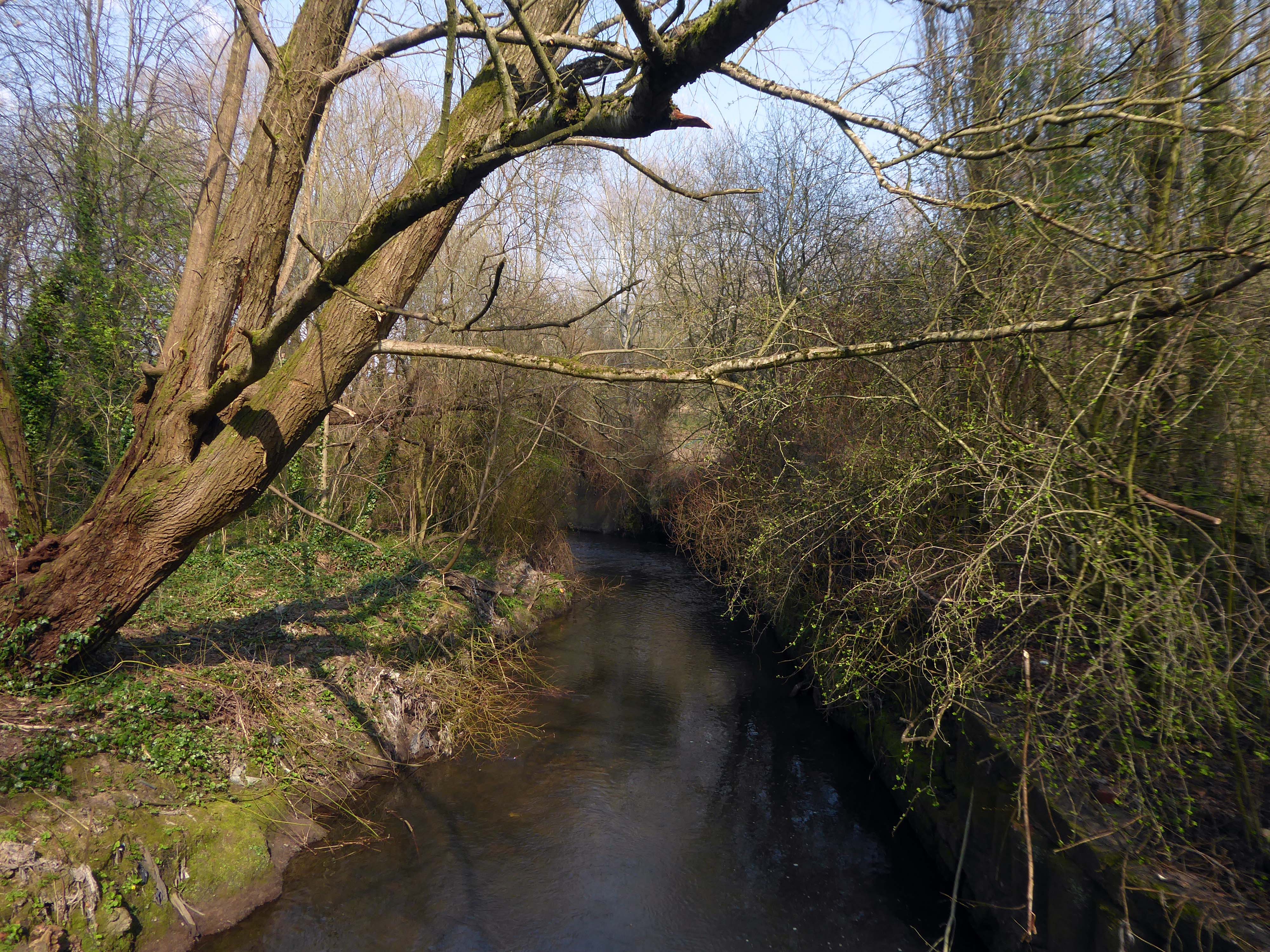
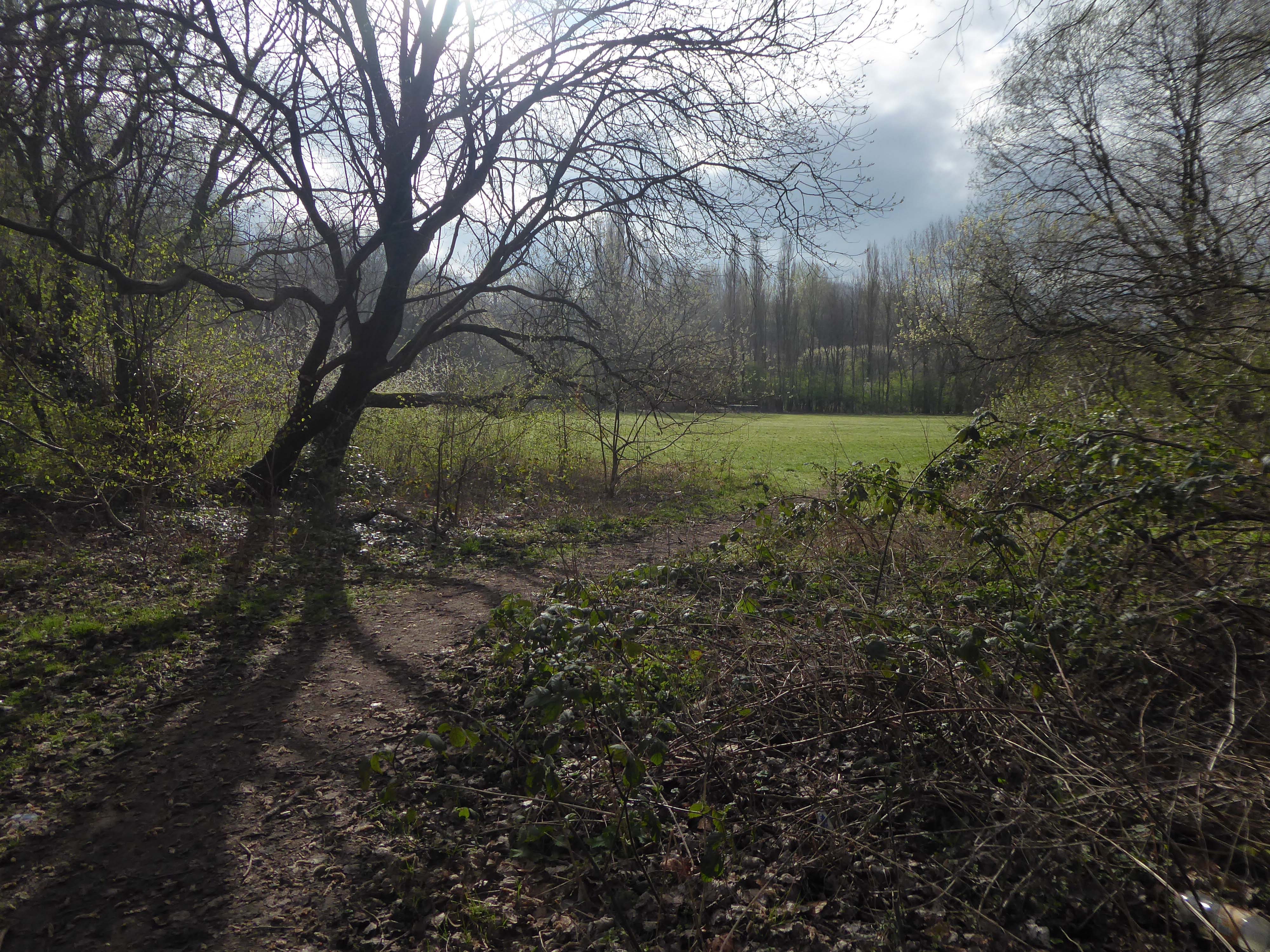
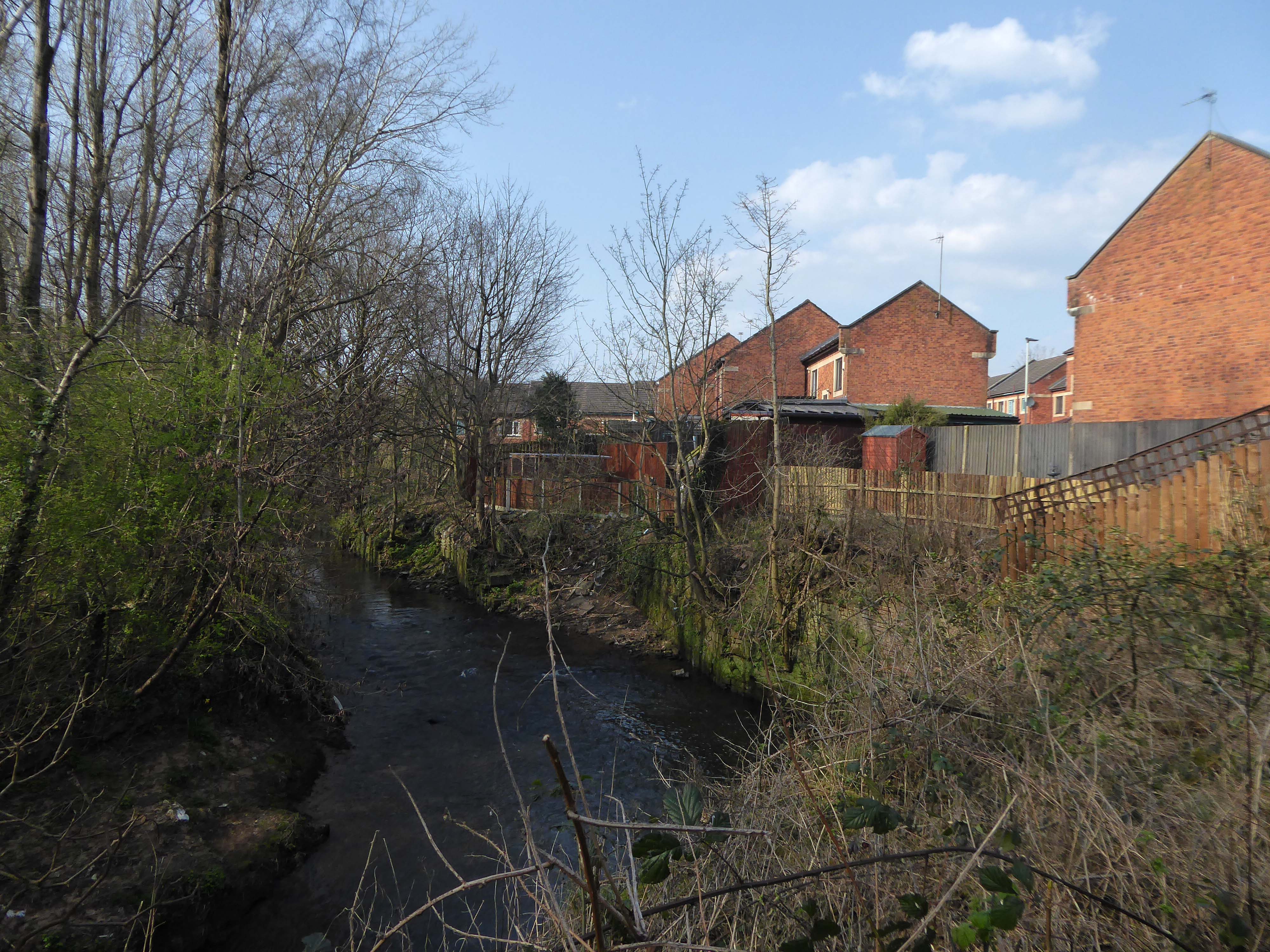
The footpath falls away from the main road to the wooded valley.

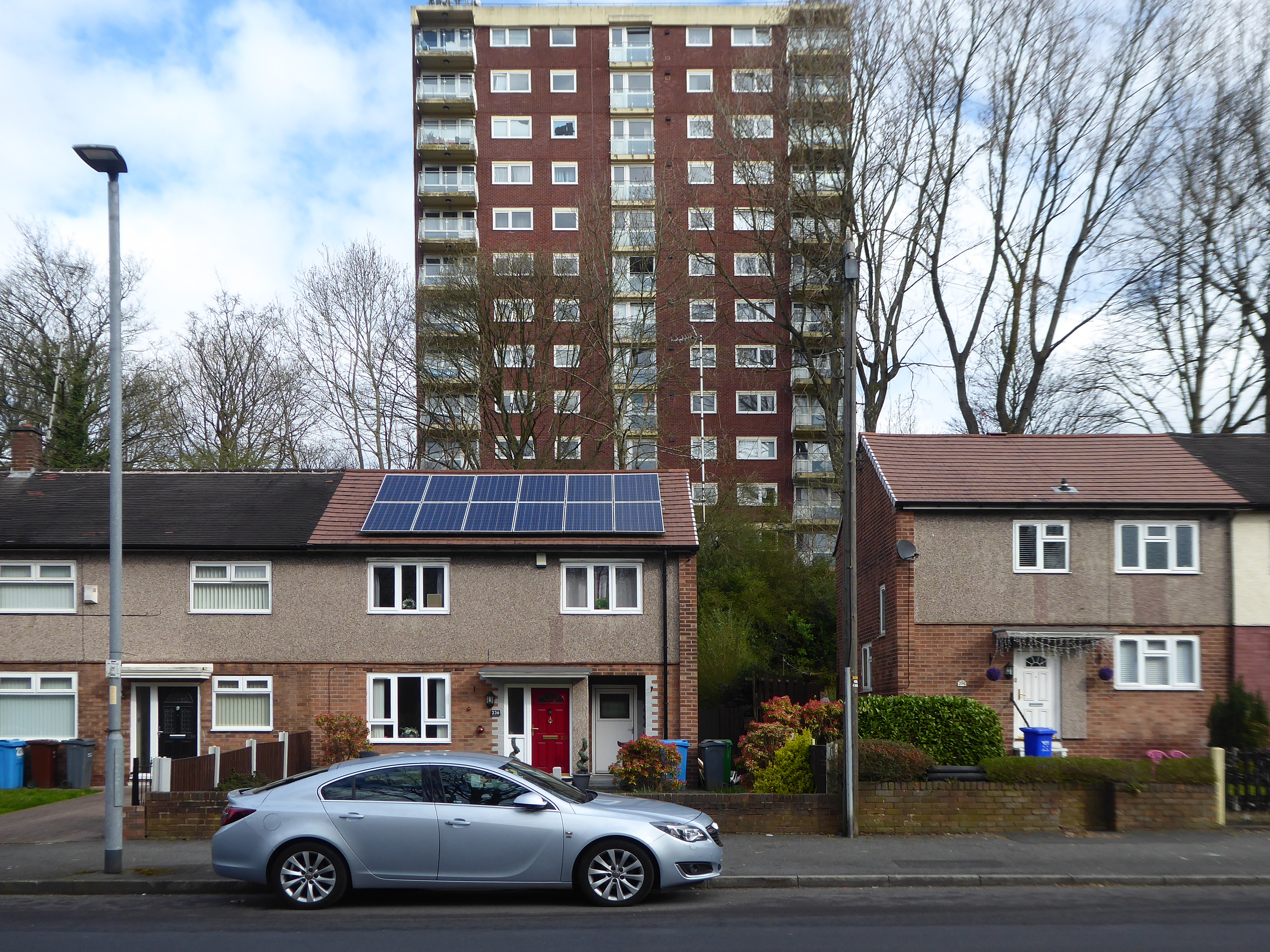
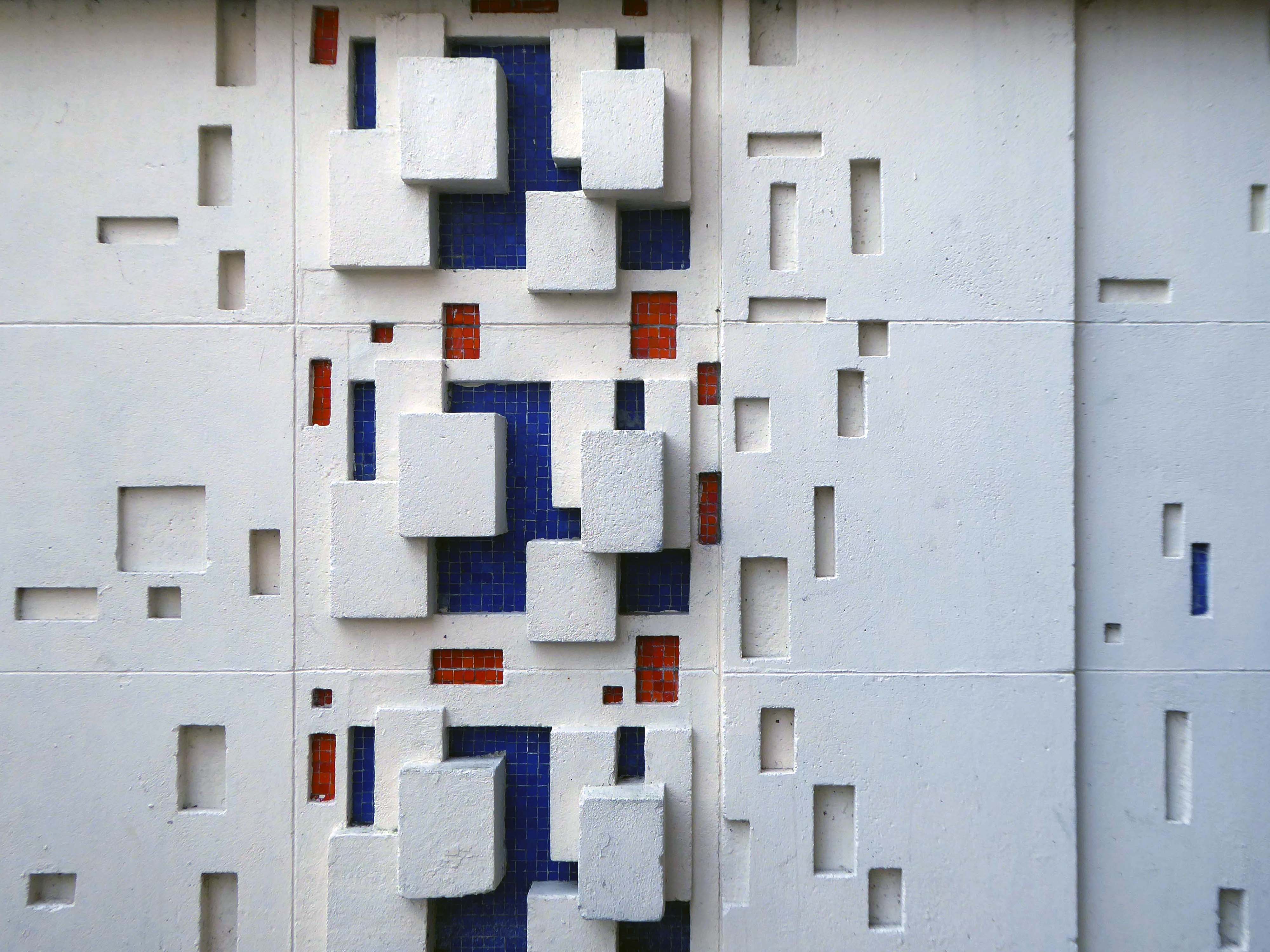
Returning to the road I was distracted by Sandyhill Court and the reliefs which I discovered there.
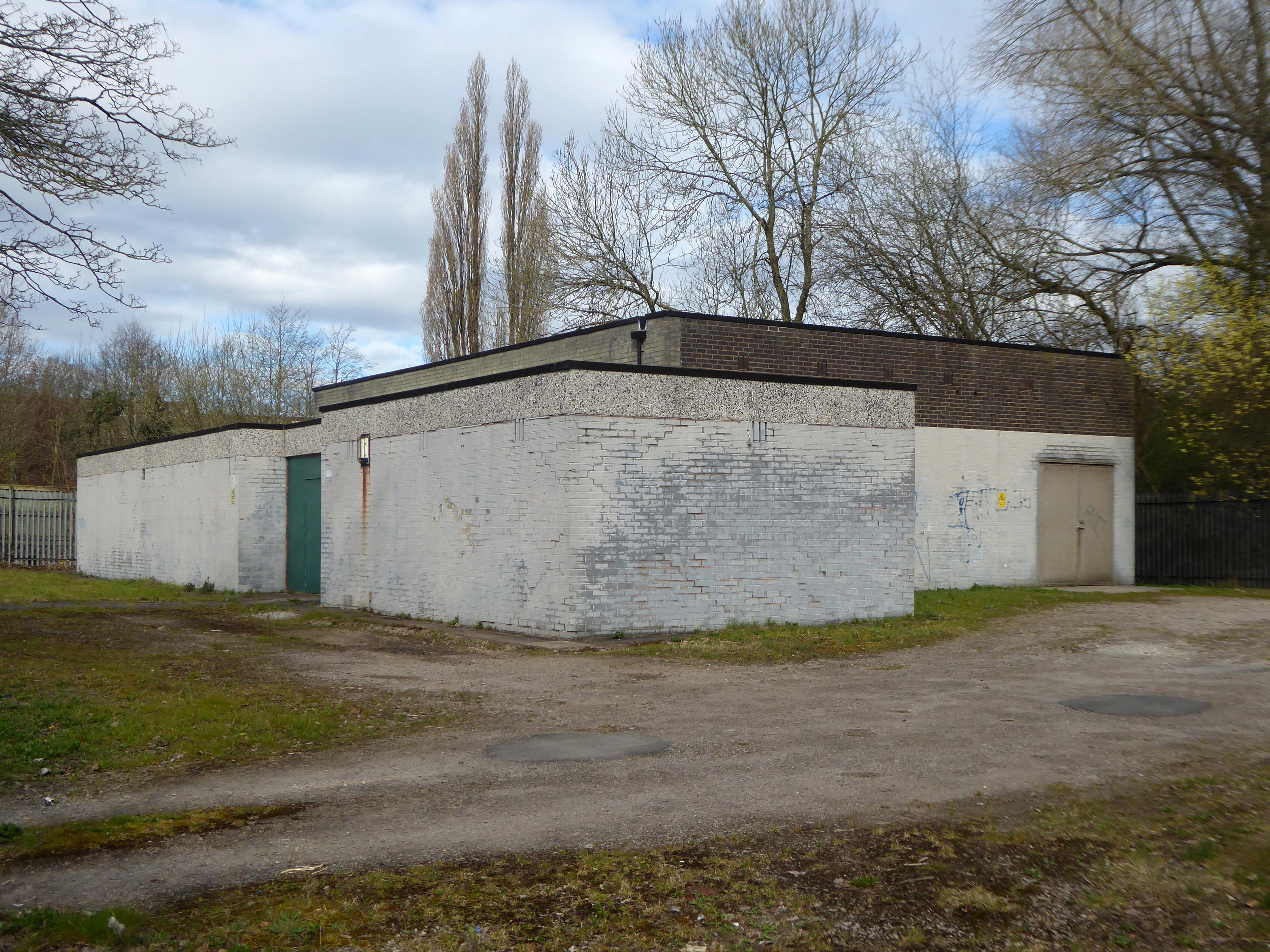
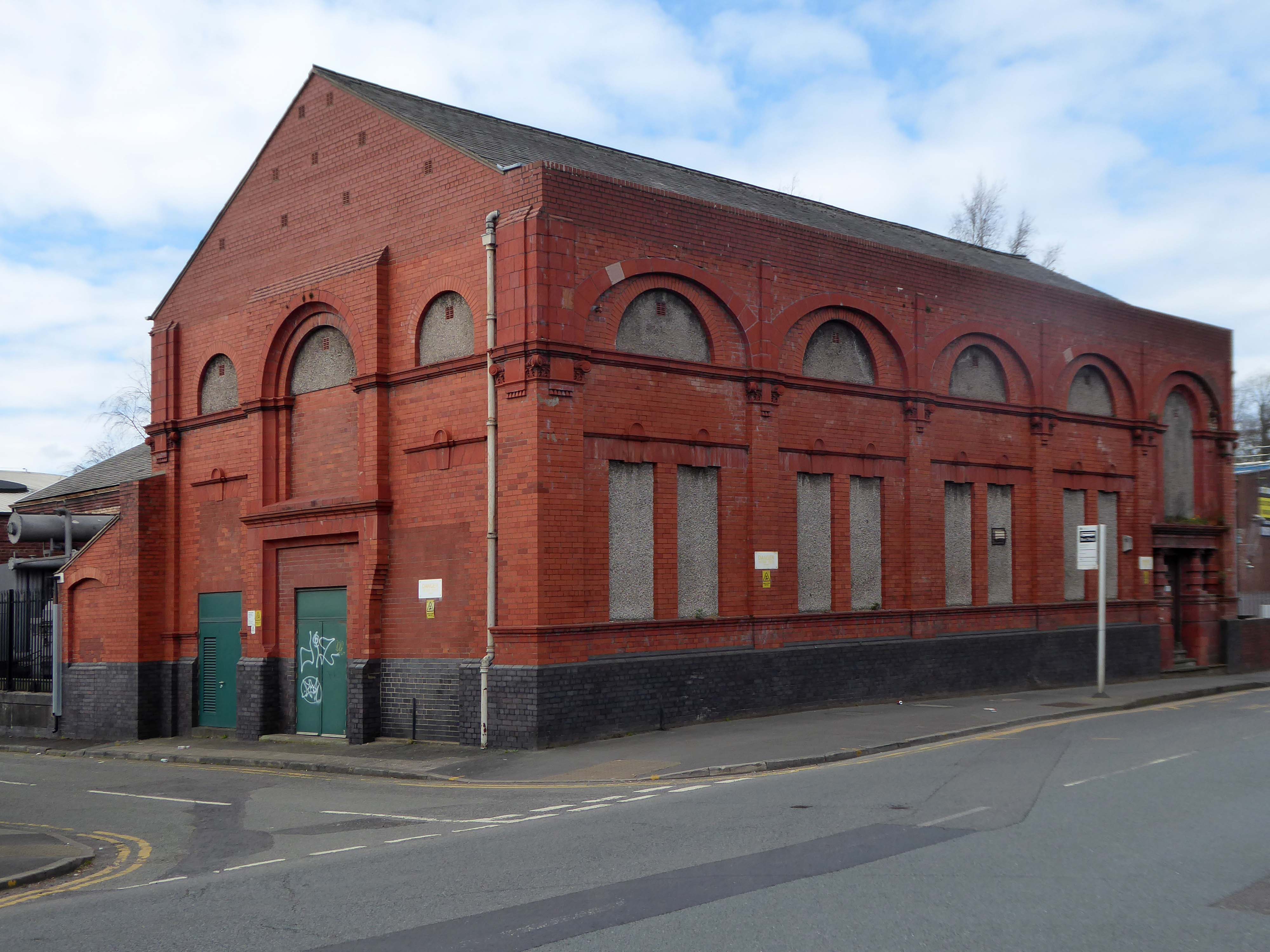
I was also taken with with this electrical substation.
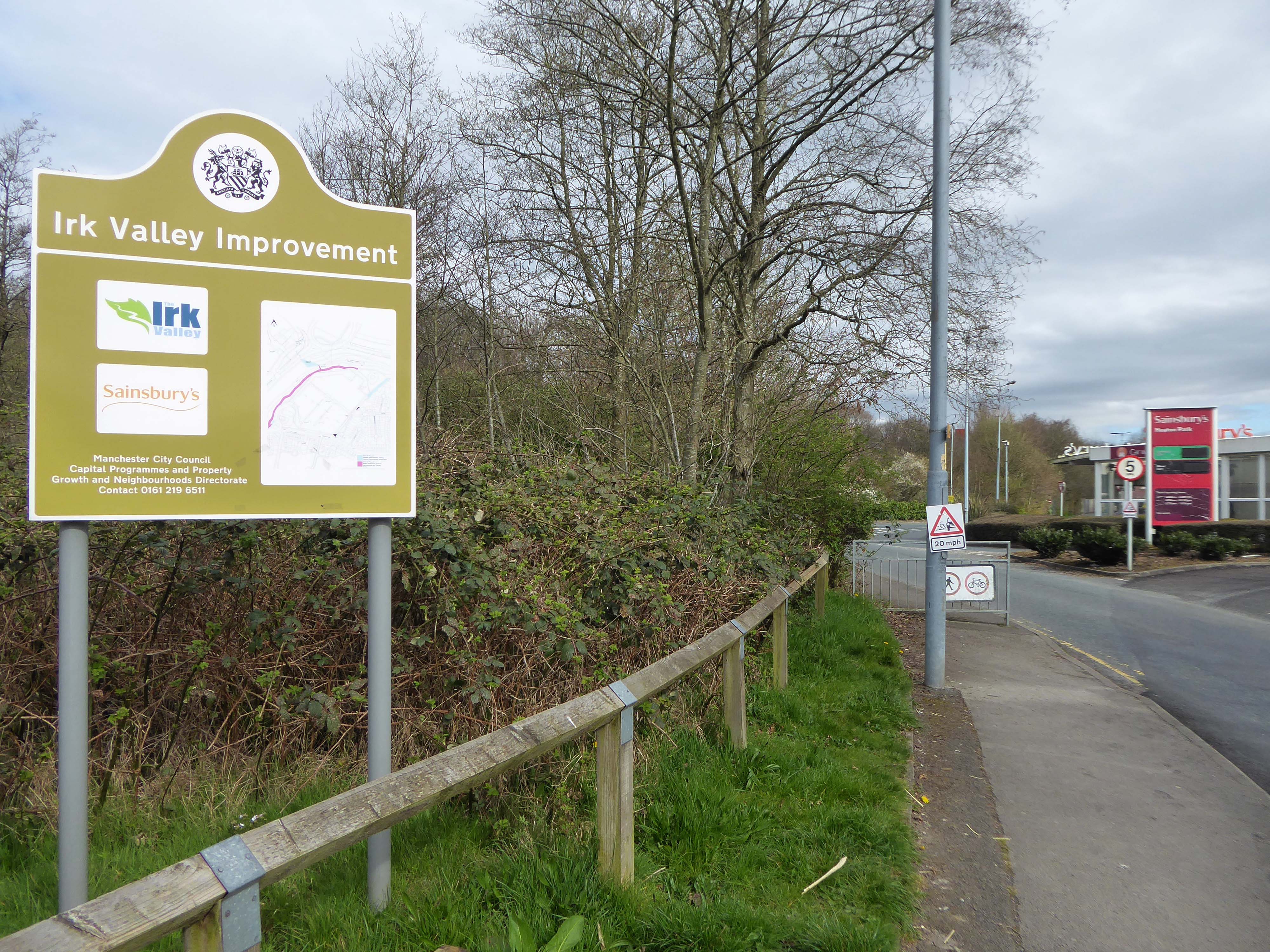
We are encouraged to be wild about Blackley Vale a reclaimed landfill site.


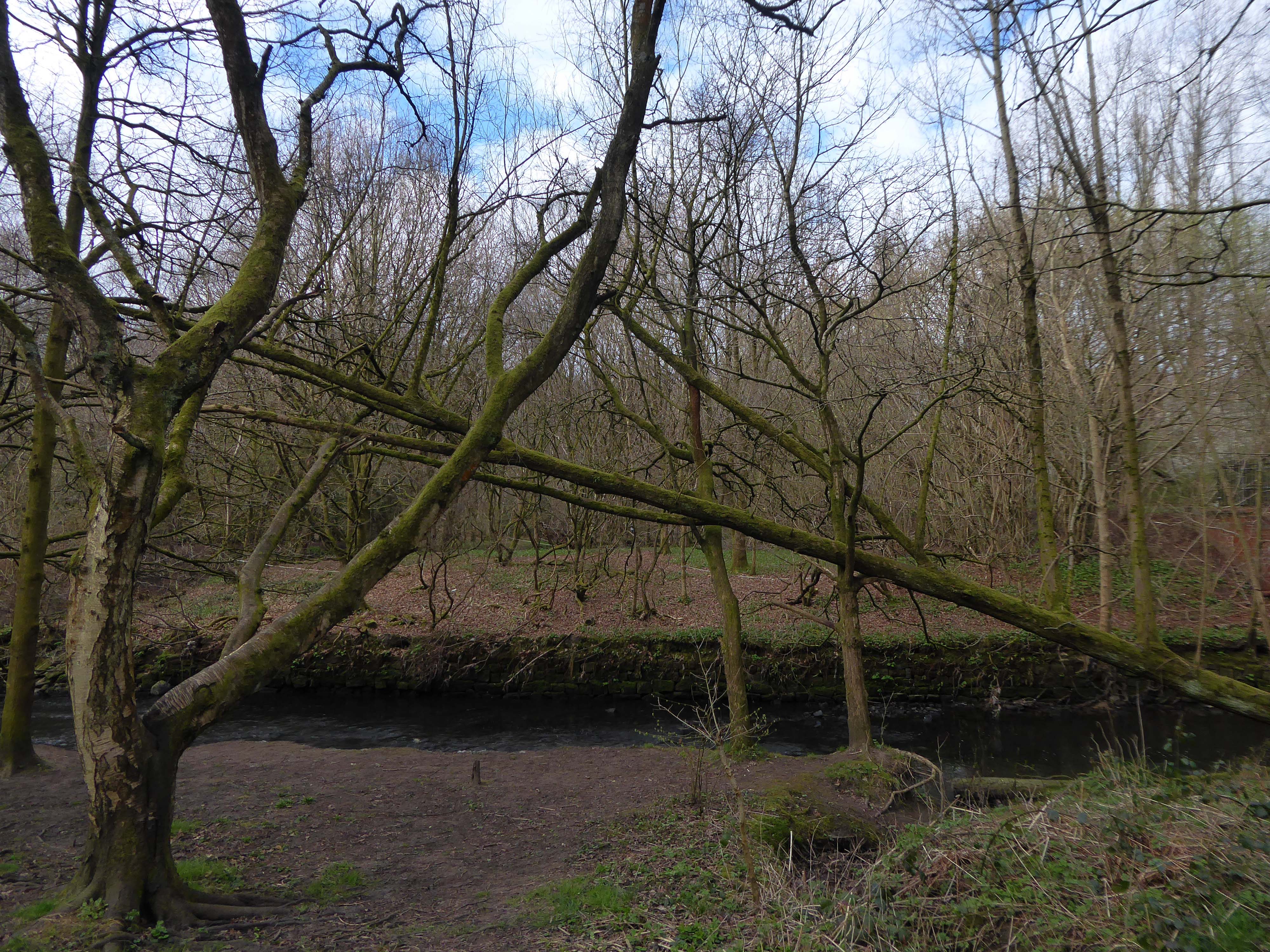
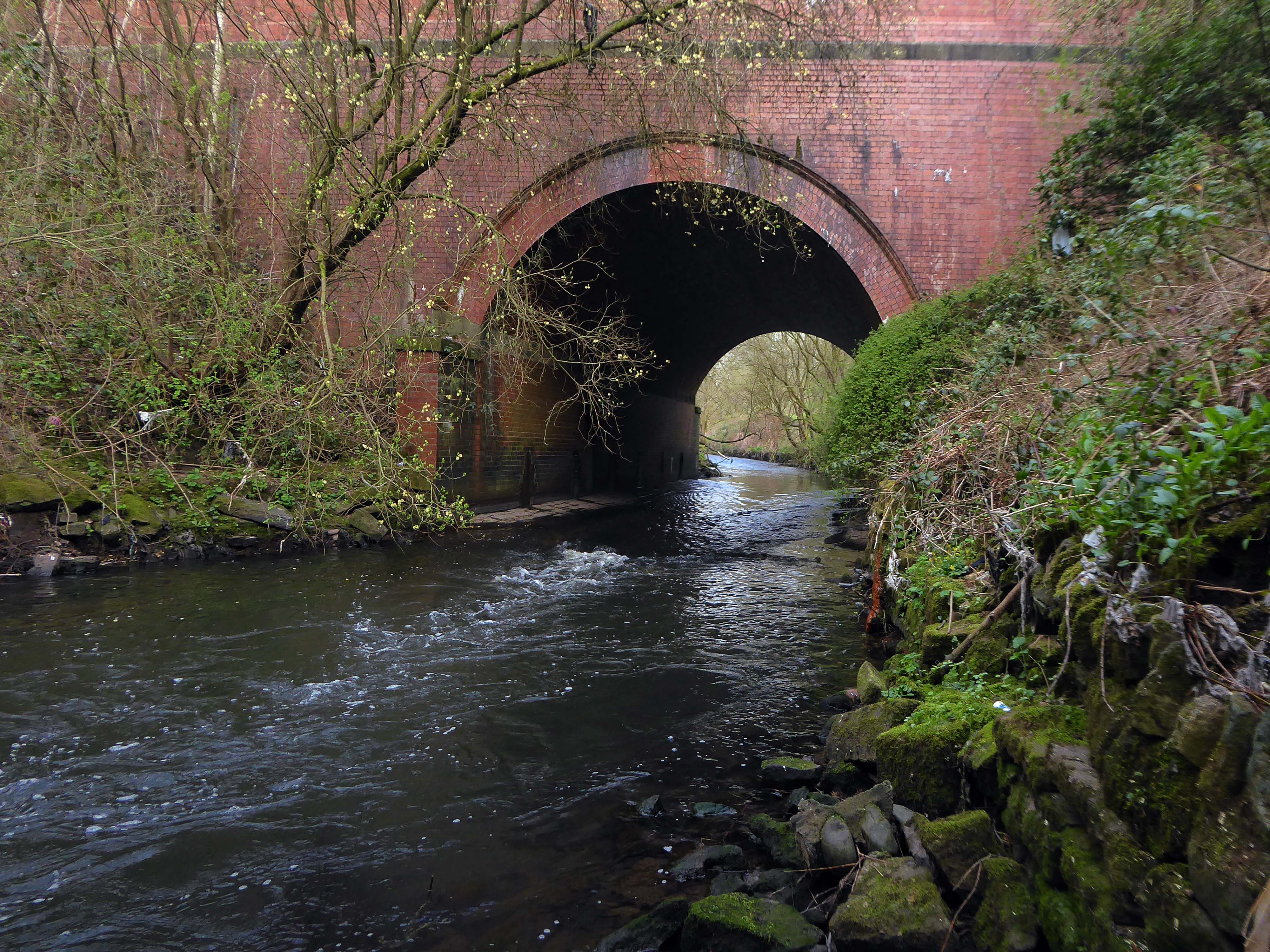
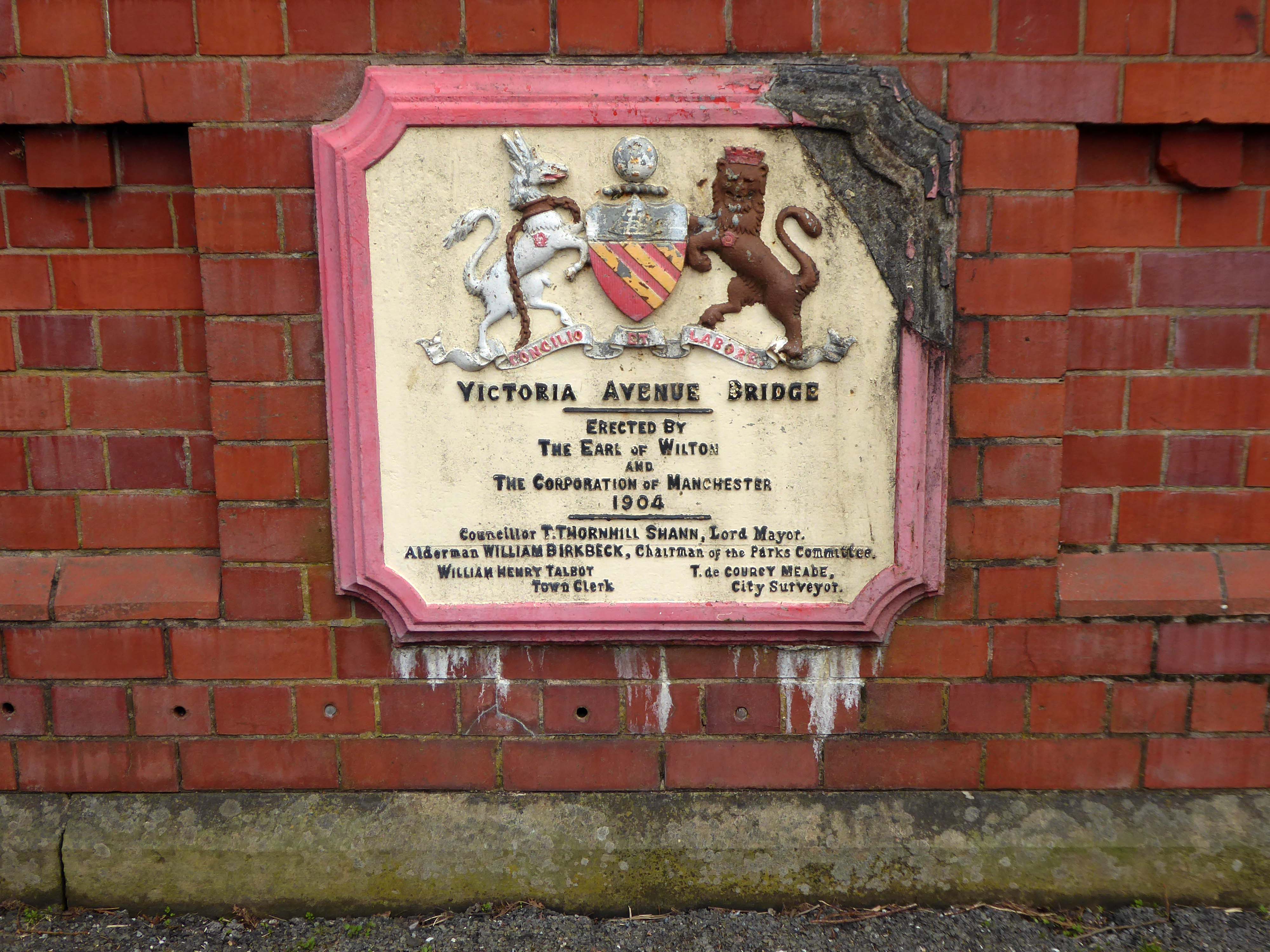
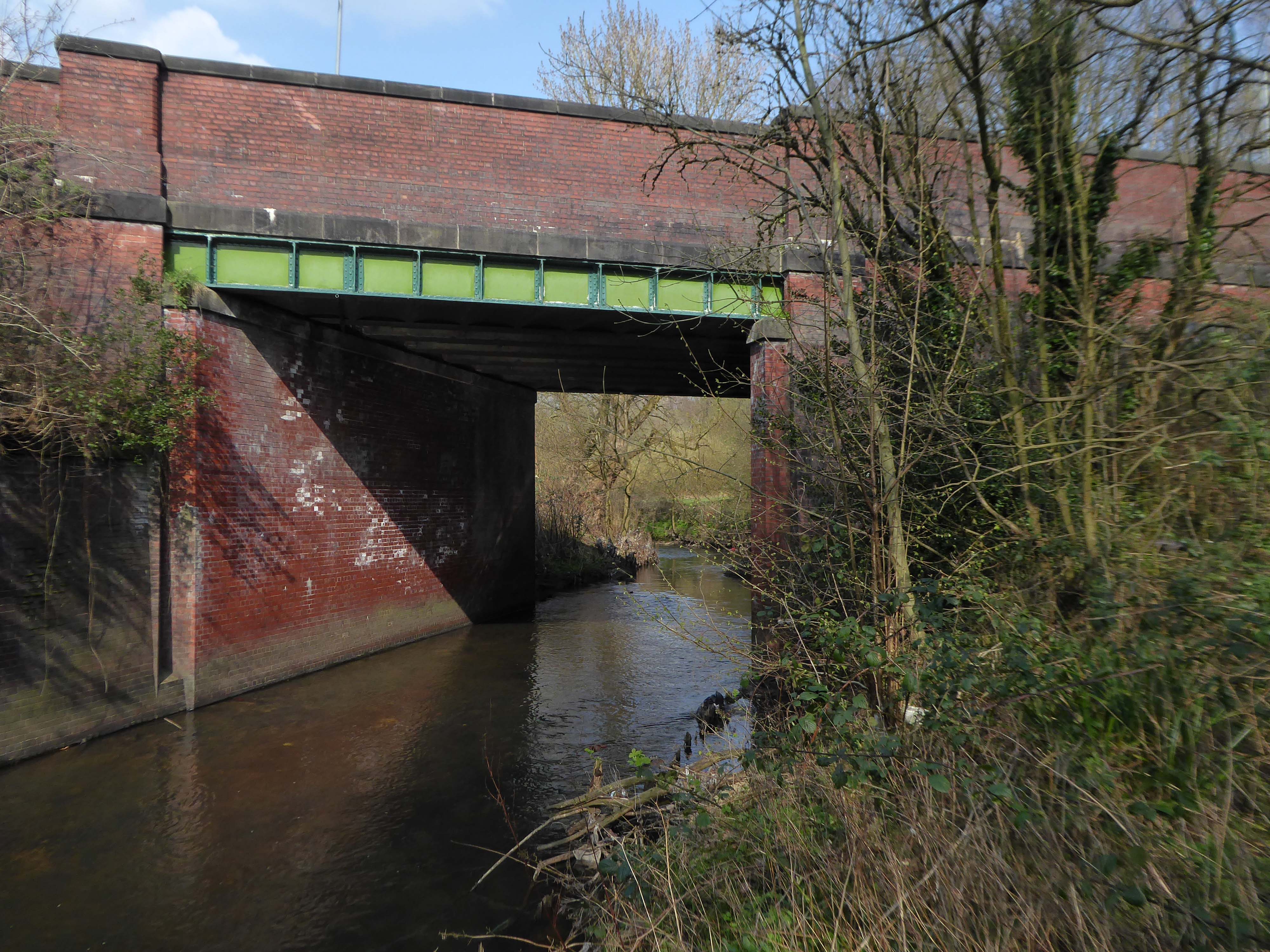
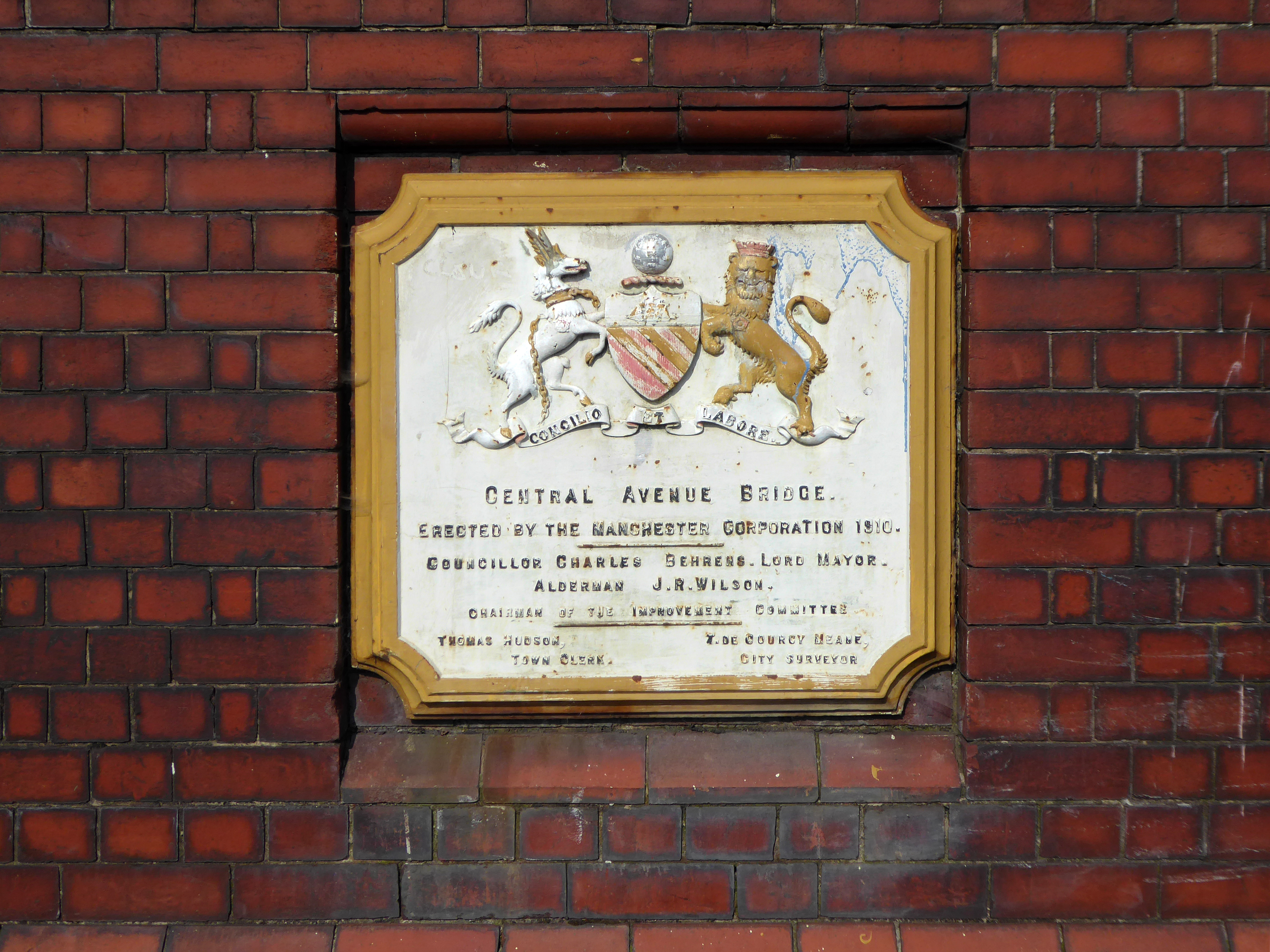
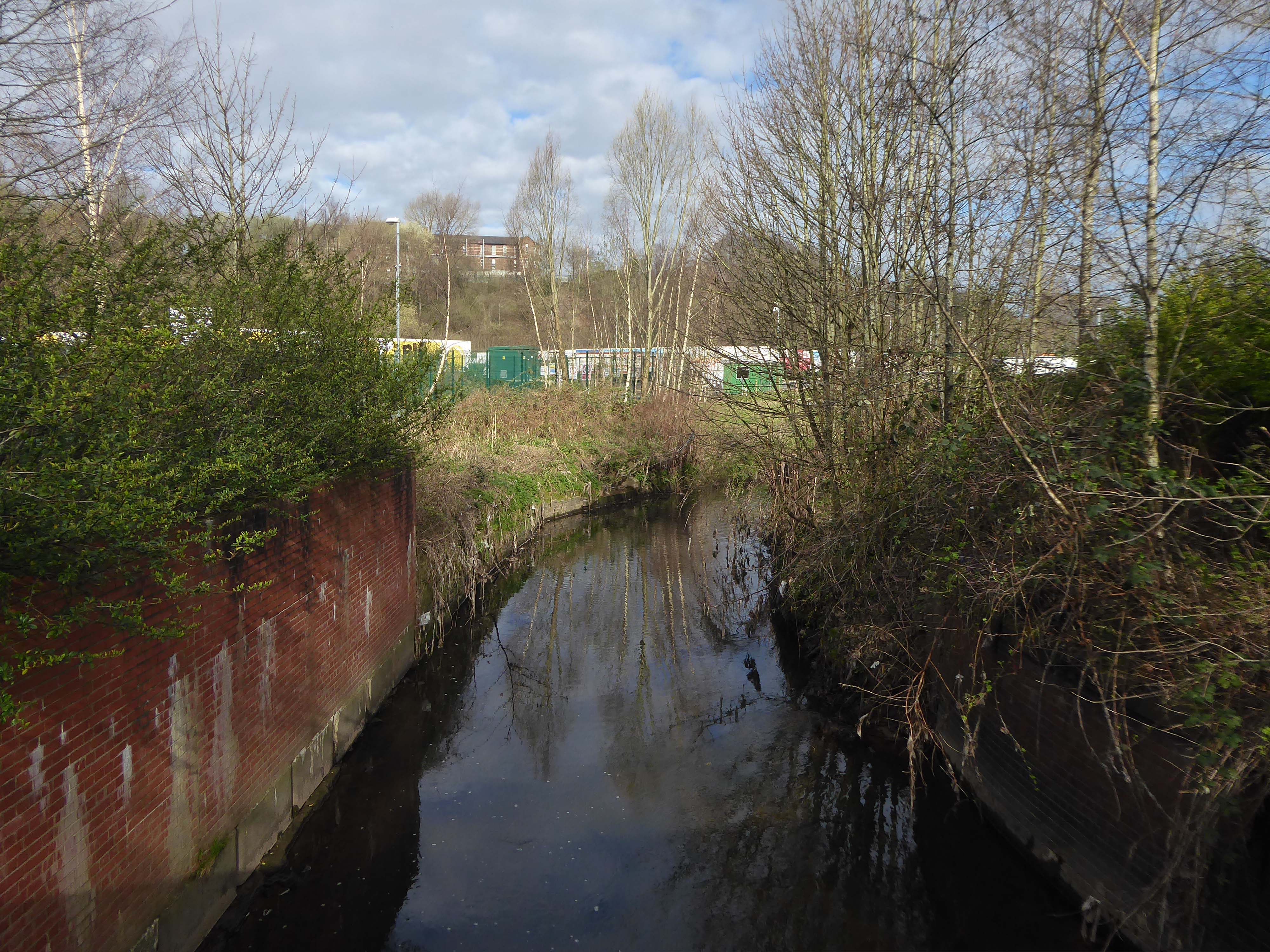
Across the Victoria Avenue Bridge and down the other side.
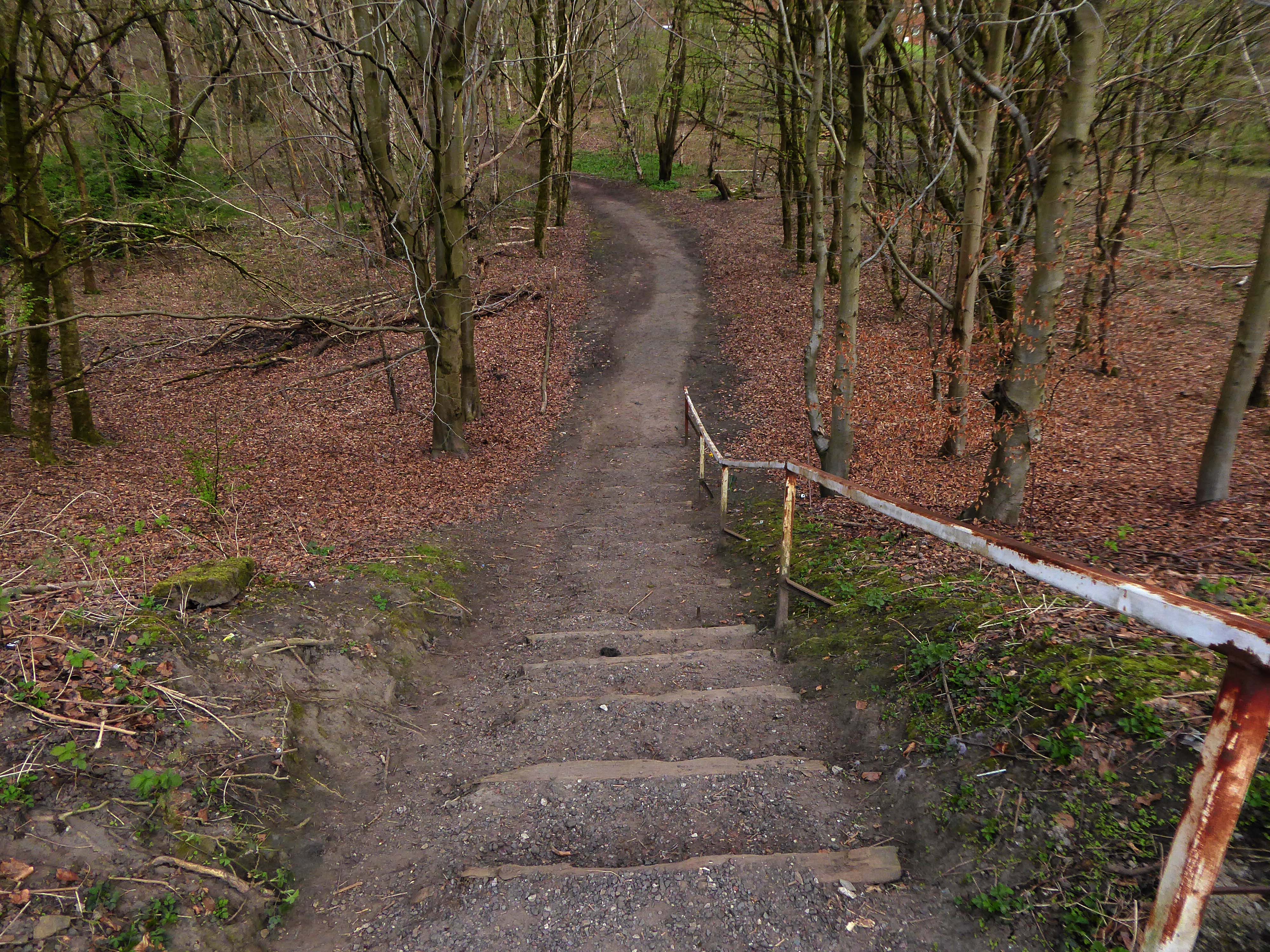

Emerging by Sainsbury’s and picking up the path again.


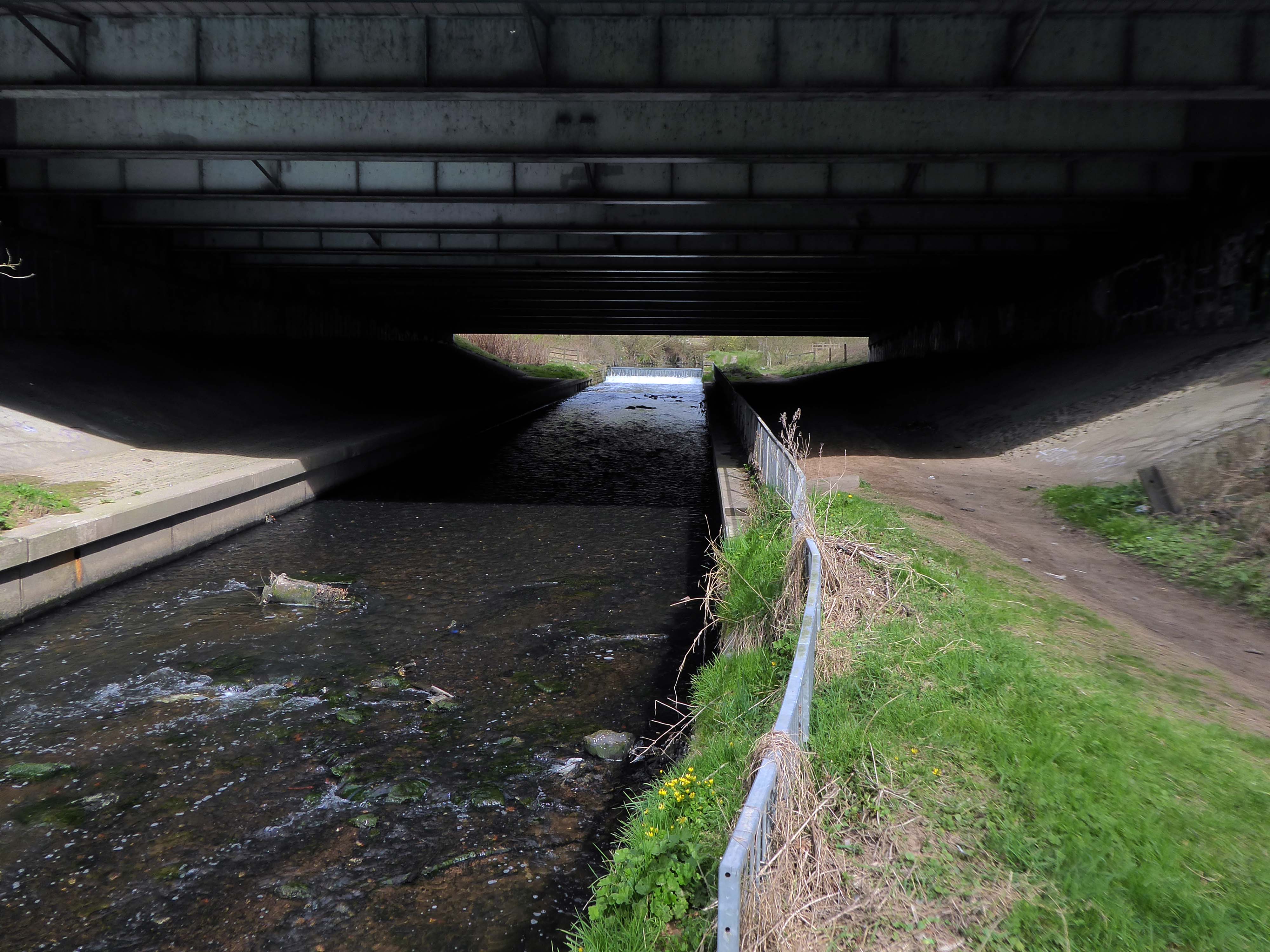
Onwards under the M60 Motorway.
The M60 was developed by connecting and consolidating the existing motorway sections of the M63, M62, and an extended M66. It came into existence as the M60 in 2000, with the completion of the eastern side opening in October.
The original plan called for a completely new motorway, but policy change led to the plan which created the current motorway. As soon as it opened, the motorway got close to its projected maximum volume on significant sections.

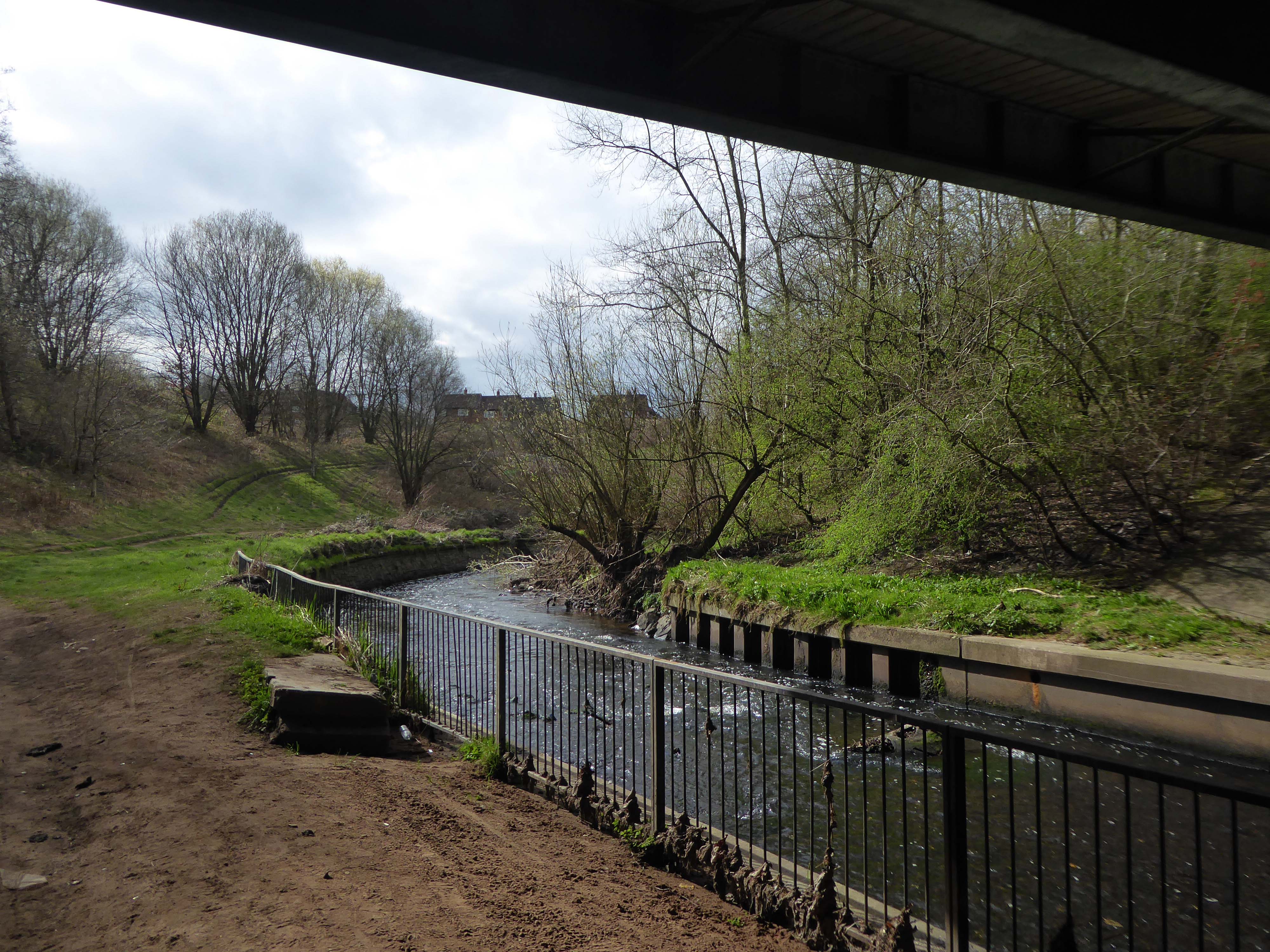
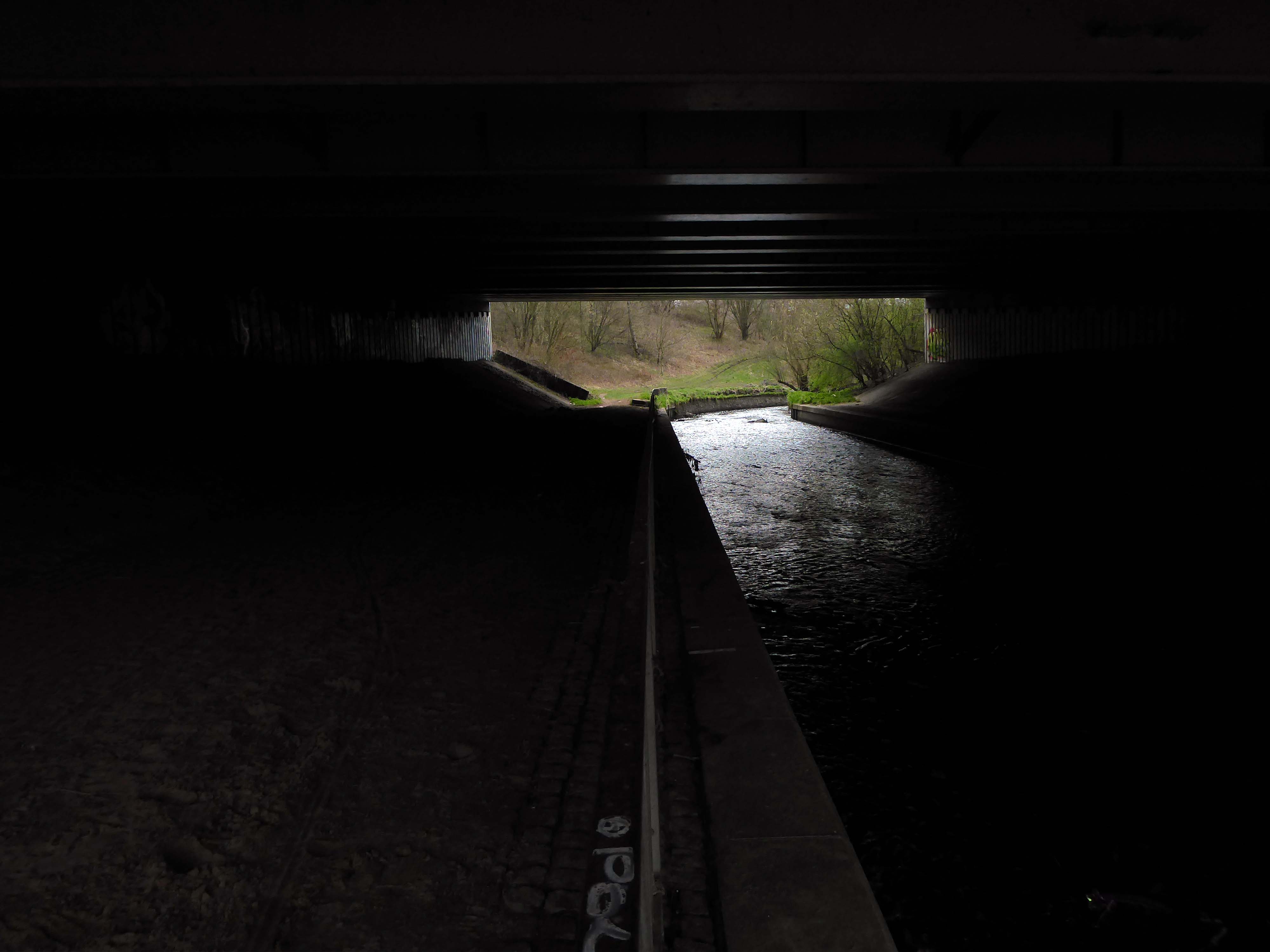




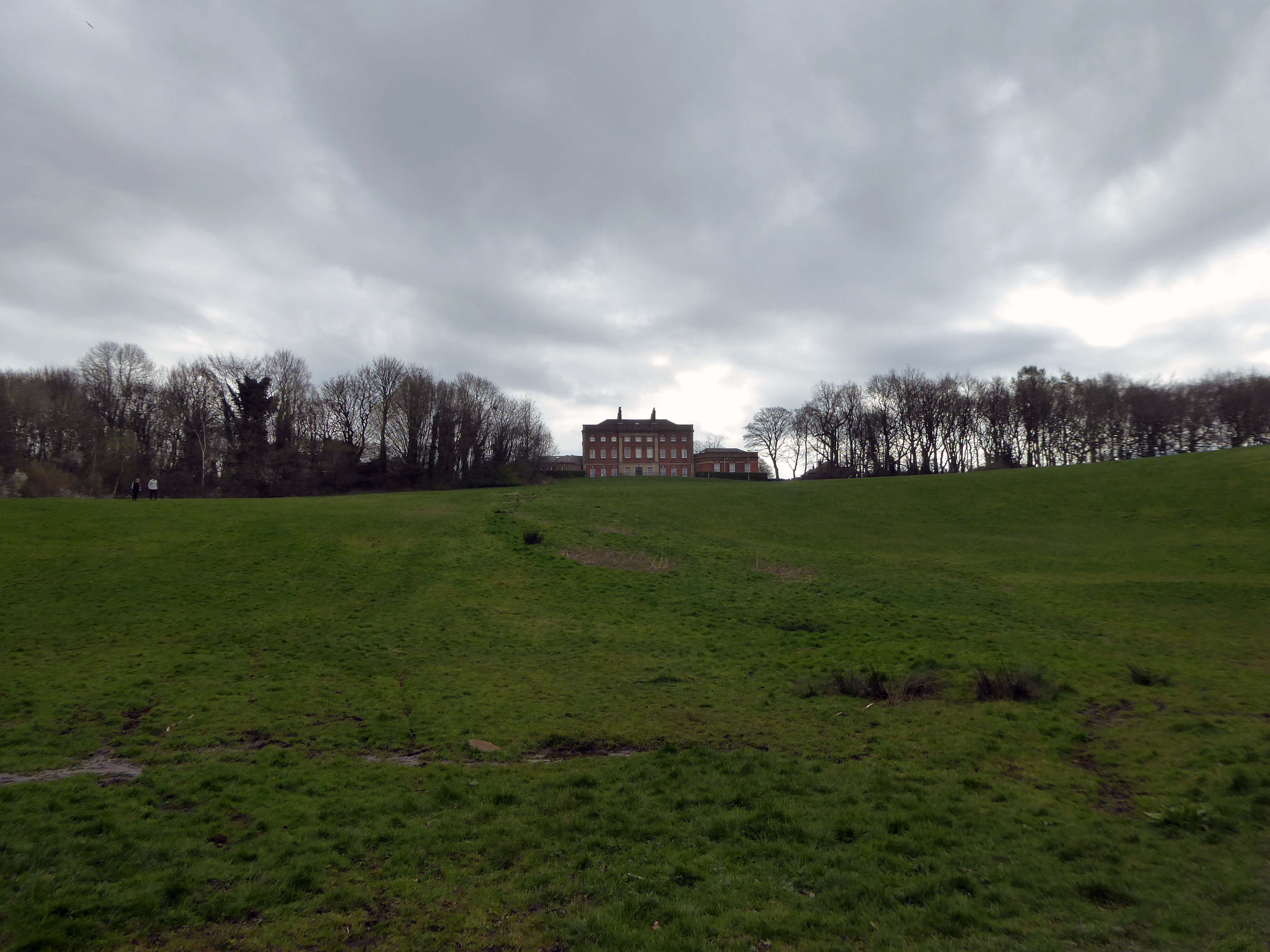
Hey look there’s Alkrington Hall!
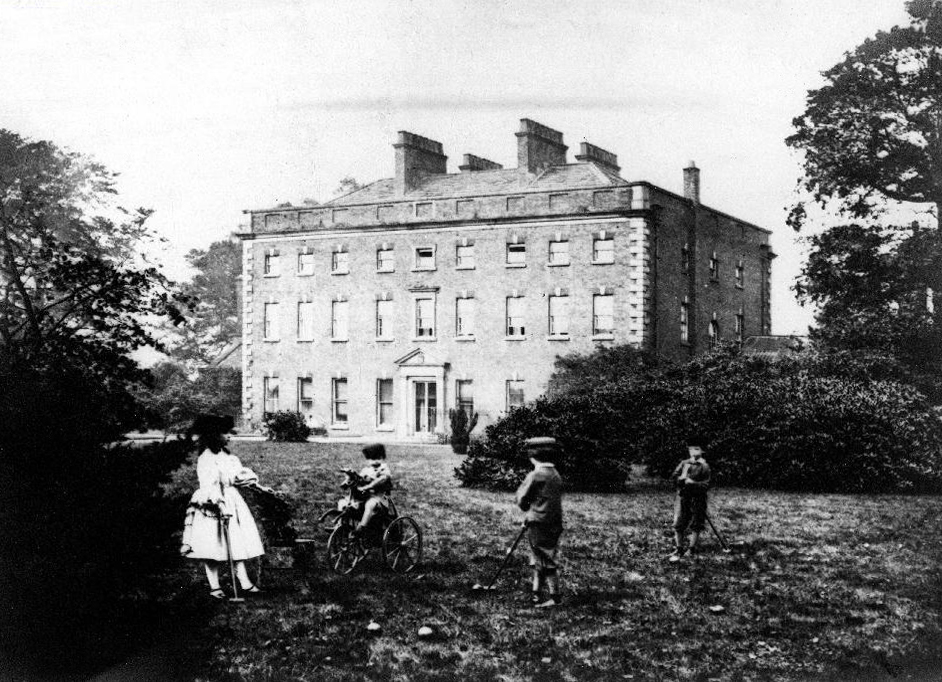
This Palladian mansion was designed and built in 1736 by renowned architect, Giacomo Leoni, who had also been responsible for significant alterations to Lyme Hall during the same period.
Offering an infusion of historical significance coupled with an abundance of living space throughout, Alkrington Hall East, simply must be viewed to be appreciated in full.
During the early 1770’s, the Hall became the largest museum outside of London, when the Hall’s owner, Sir Ashton Lever, exhibited his private collection of natural objects, including live animals. Remaining as an imposing symbol of Leoni’s work, Alkrington Hall remains one of only a few surviving examples throughout England.
In modern times, the Hall has since been carefully and sympathetically separated into 4 sections, and we are pleased to be offering for sale the largest portion of the Hall, with a total floor area comprising of over 7500 SQFT, and living accommodation spread over 4 floors.
Sold for £825,00 in 2021 Savills
Seen here in 1870

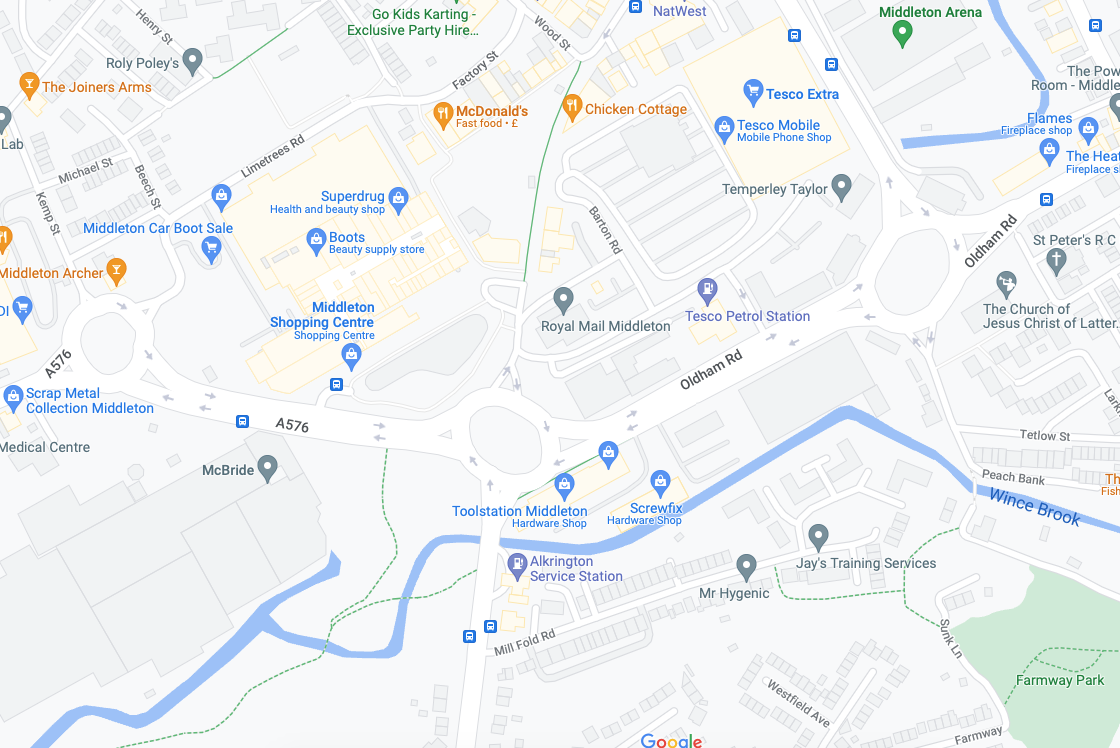
Don’t follow Wince Brook – it’s so far from right that it’s wrong – right?
1907 by G Stott of J Stott and Sons – Red brick with internal cast-iron frame.
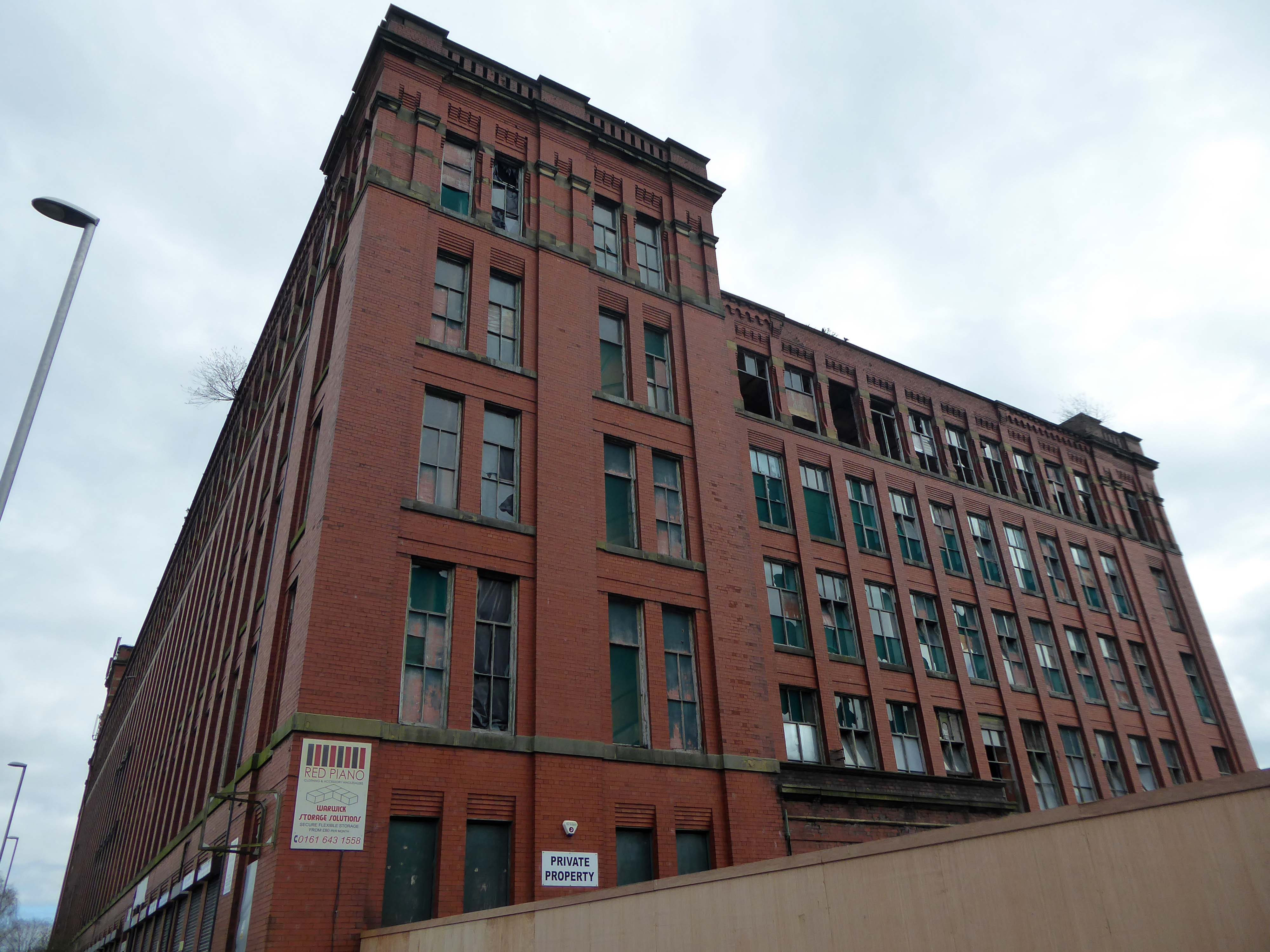
There was and Oval Partnership planning for a retail development in 2014 which failed to materialise.
The converted building will provide a showcase for Chinese manufacturers of construction-related products looking to enter the UK and wider European markets. Products on display will include tiles, lighting, furniture, kitchenware, sanitary ware and curtains. A second phase will see the construction of a new building alongside effectively doubling the floor space. In addition the brief includes a range of restaurant, leisure, culture and entertainment facilities threaded through the building. The conversion will open up the existing building in a dramatic way, maximizing permeability and providing a strong visual connection back into the town, promoting public access through the building to the attractive south-facing waterside of the mill.
Permeability failed to be maximised, sadly.
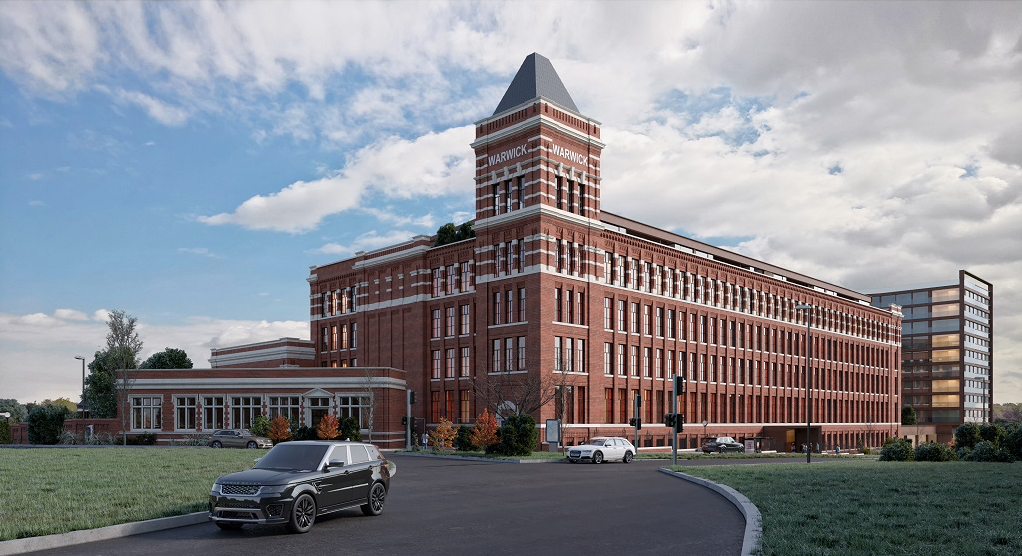
Ambitious plans to refurbish Grade II listed Warwick Mill to create new homes and breathe life into an important building and part of Middleton’s history have been drawn up.
Warwick Mill has recently changed ownership and the new owners, Kam Lei Fong (UK) Ltd, have been working with Rochdale Borough Council over the last nine months to develop proposals to redevelop the site.
So far so CGI good- the town eagerly awaits a surfeit of high end SUV owners.
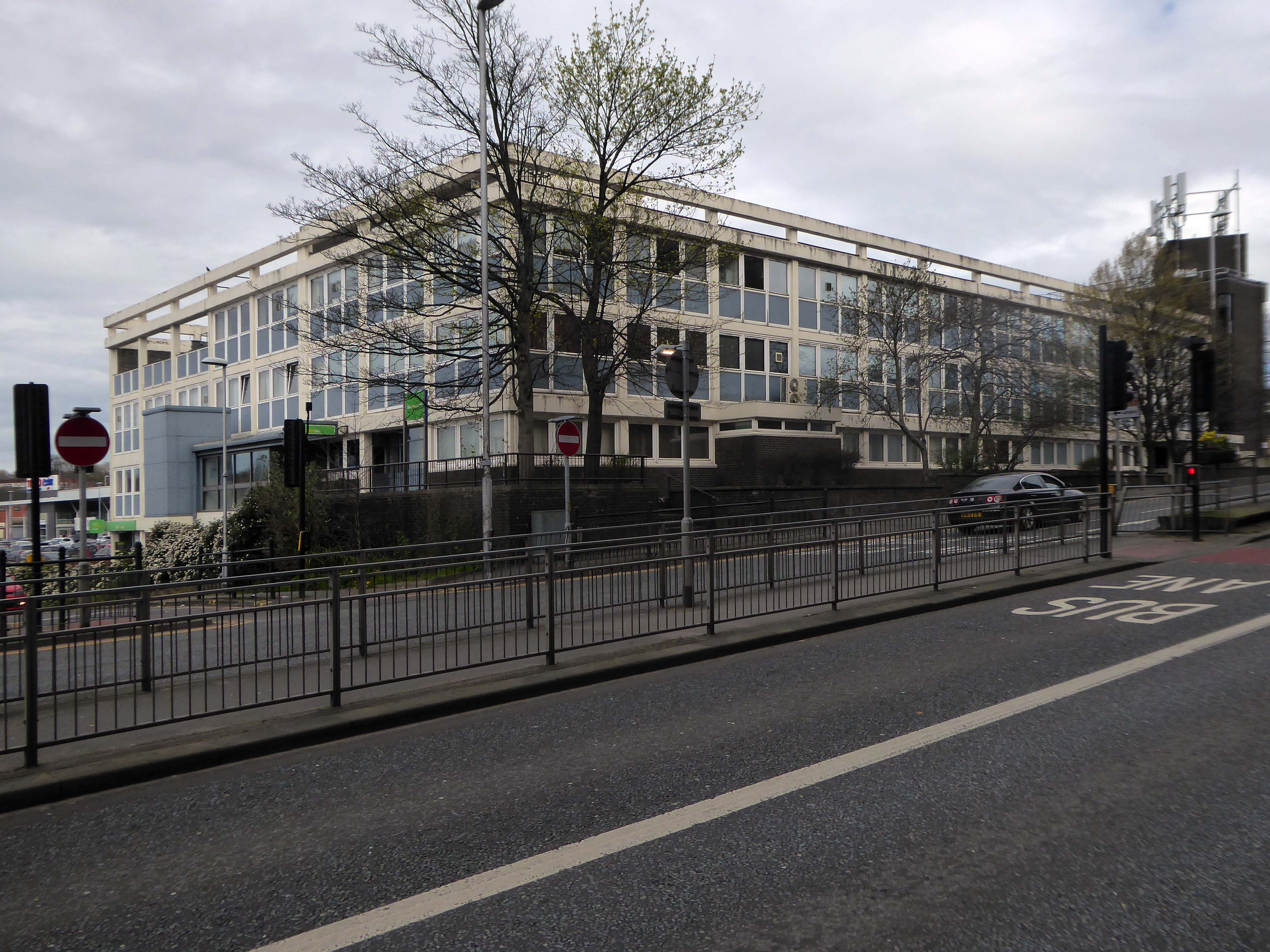
The Job Centre steadfastly remains a Job Centre.
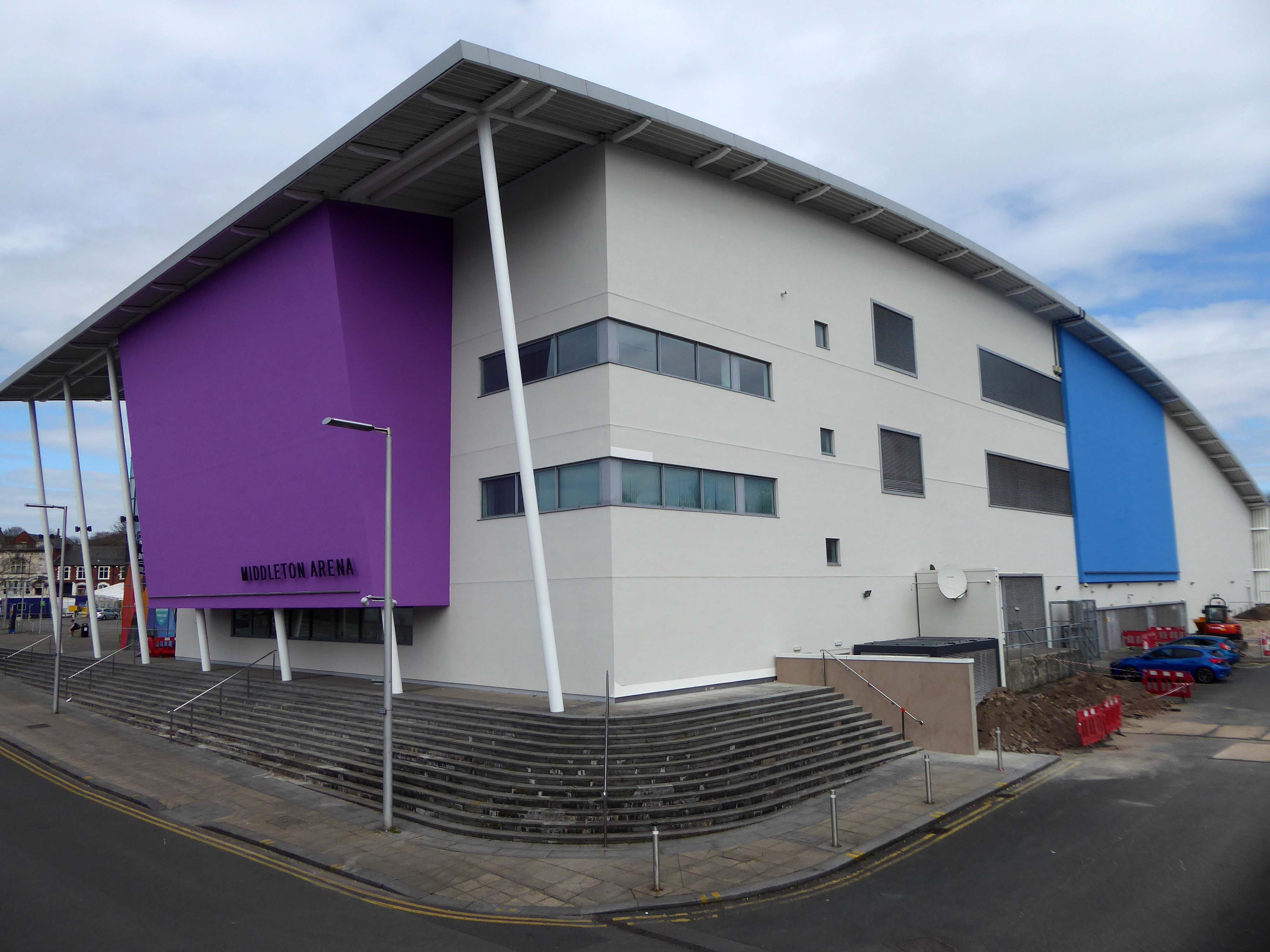
The river reappears here in back of the Middleton Arena.

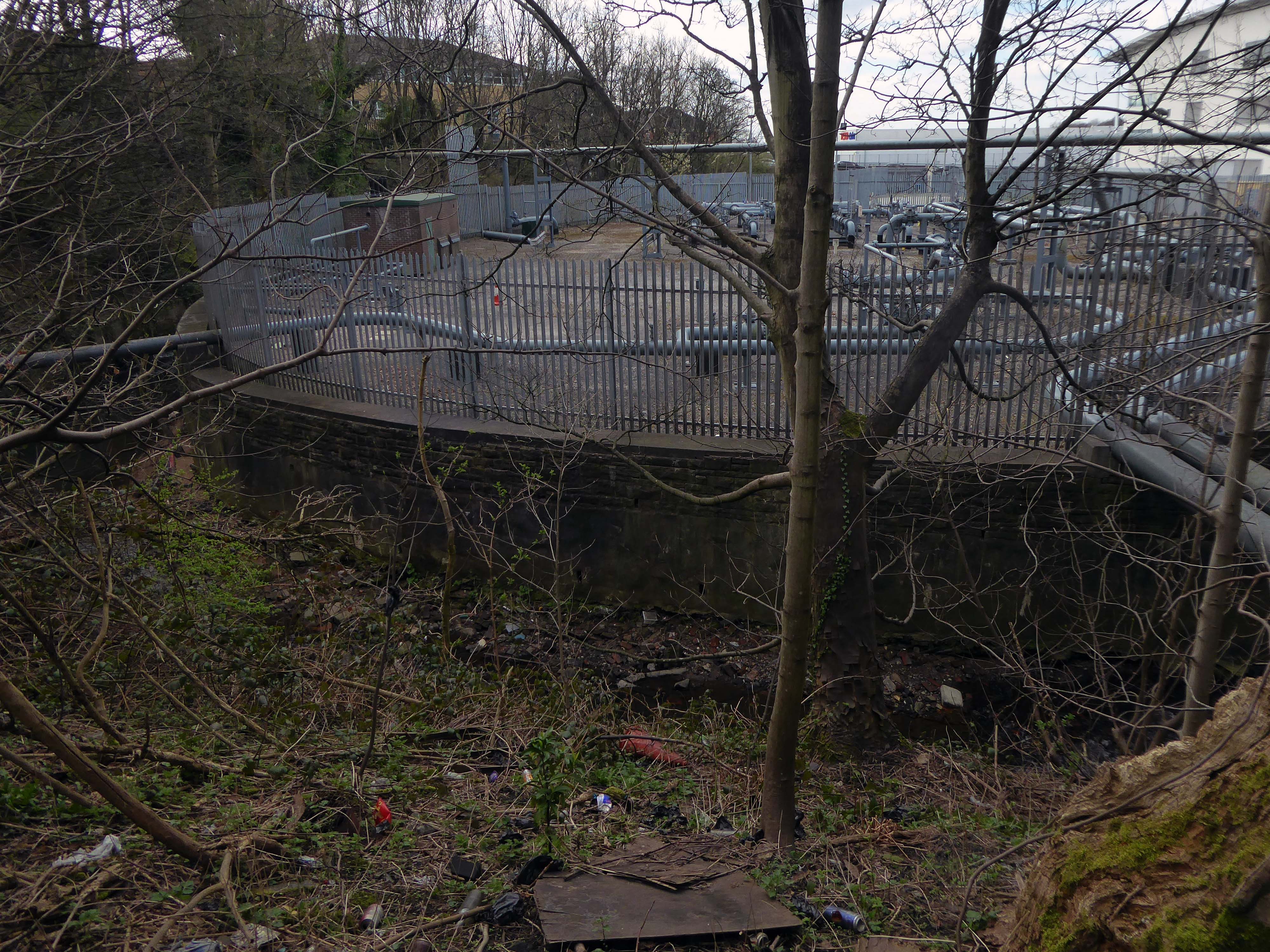
Proceeding in a disorderly manner.

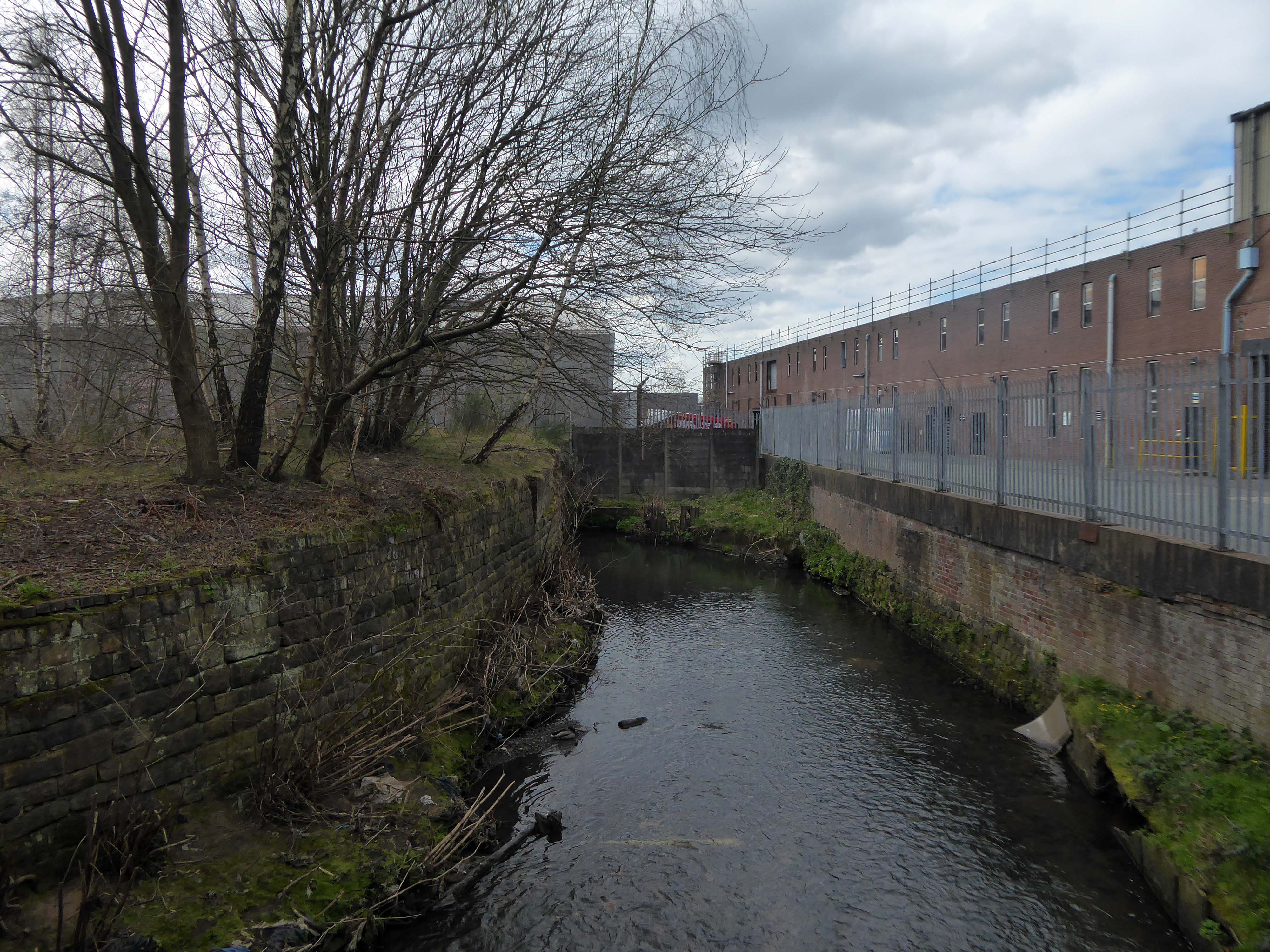
Across the way is Lodge Mill.
A Middleton couple has saved the oldest surviving mill in the town after a two-year renovation project.
Located on Townley Street, Lodge Mill was built in the mid-1800s and was originally a silk weaving mill. It went on to cotton weaving and cloth dying, then to a home for many different small local businesses. Sadly, in the early 2000s, it fell into disrepair and became derelict.
Martin Cove and Paula Hickey bought Lodge Mill on 1 April 2019 and immediately set about replacing and repairing the roof. They also installed a 19.4kw solar PV system so the mill became its own little power station that summer.
In August 2019, the couple opened a small ice cream shop on the ground floor of the mill – named the Ice Cream Shop at Lodge – selling locally-made ice cream from Birch Farm, Heywood.
The ice cream is made using cream from Tetlow Farm’s dairy herd at Slattocks – Martin explained.
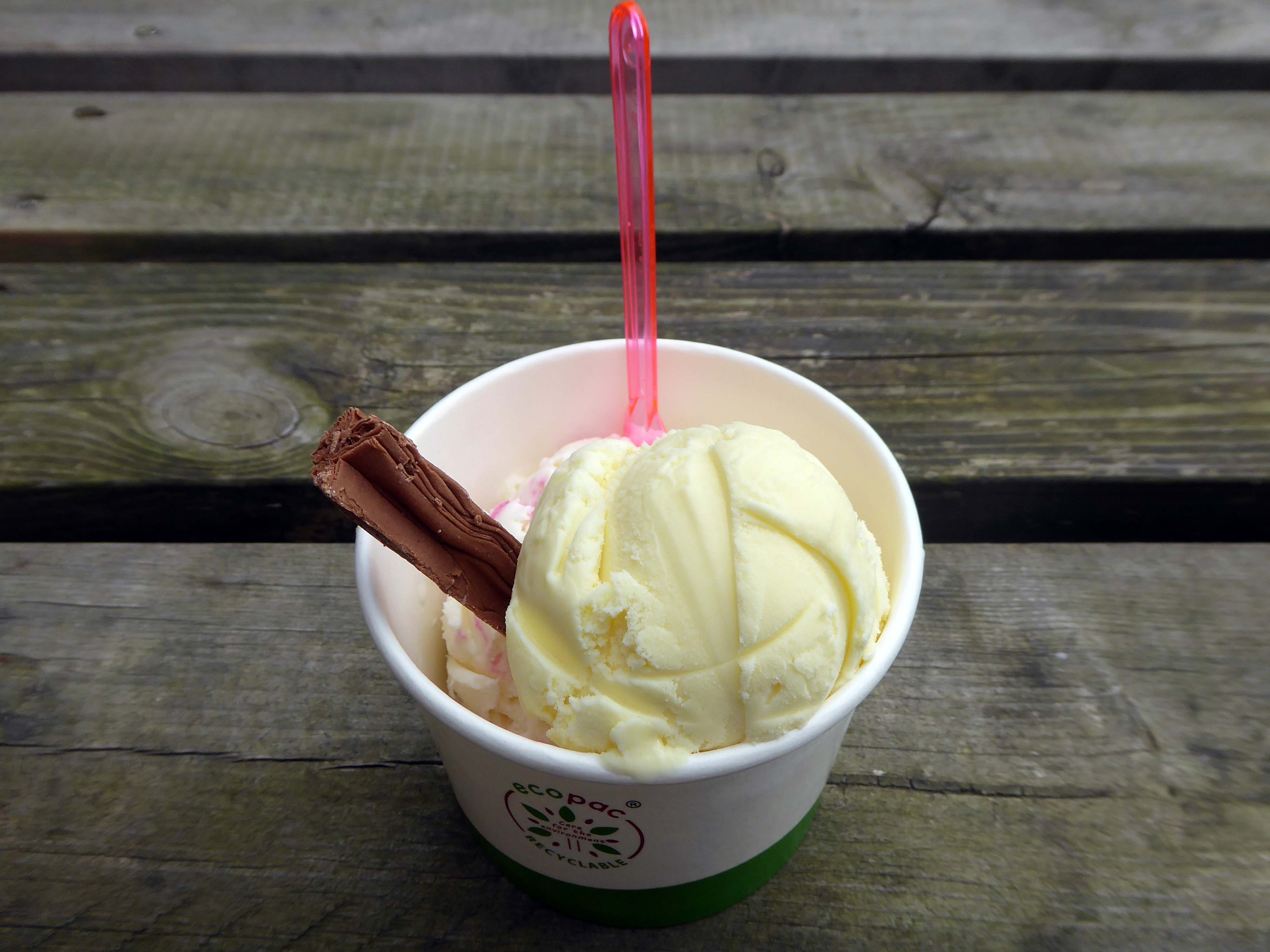
It was £2.25 for two scoops and a flake – a welcome oasis on a warmish day.

Sadly in December 2021 there was a serious fire, work has since been done to repair the roof.
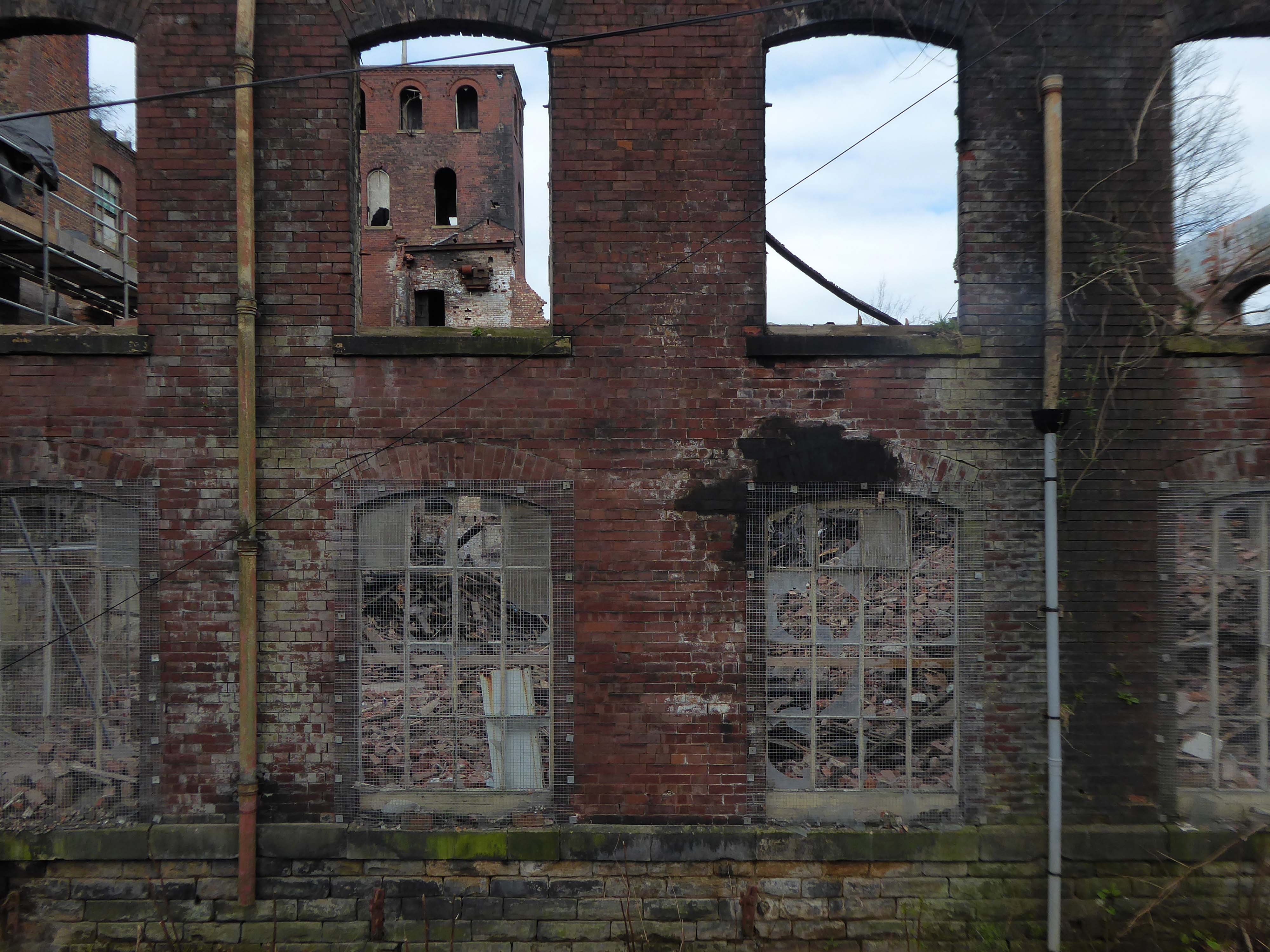
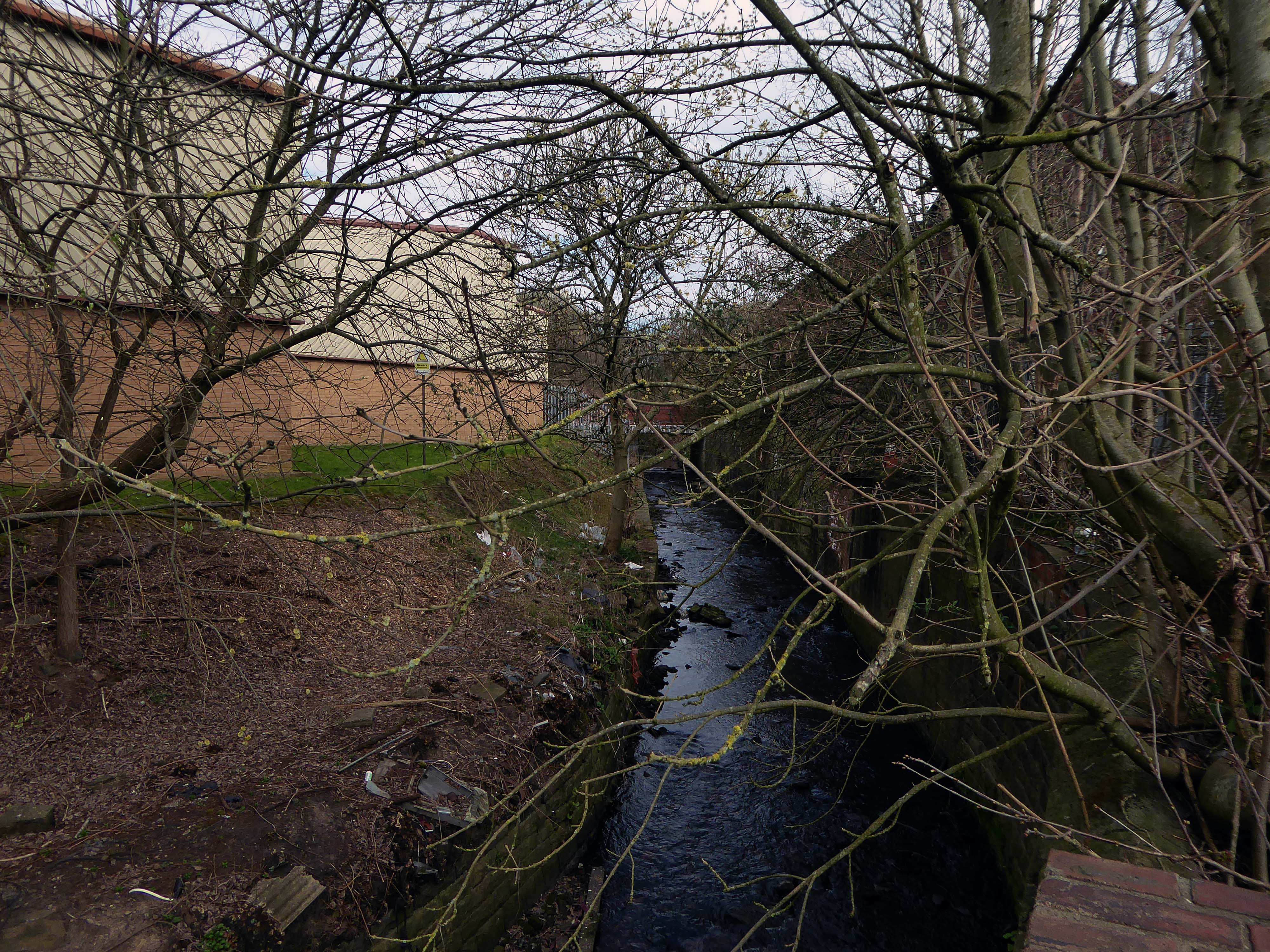
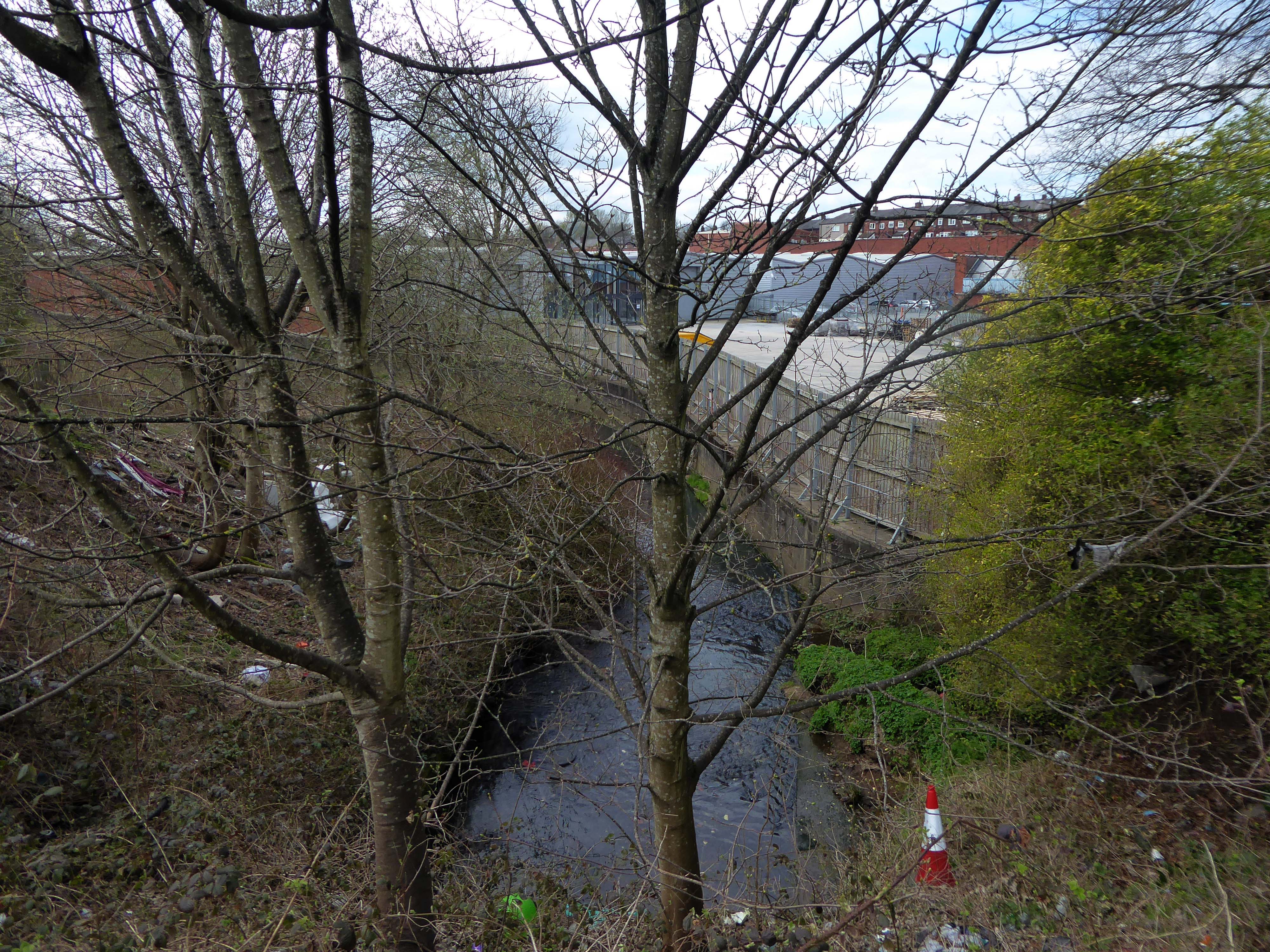
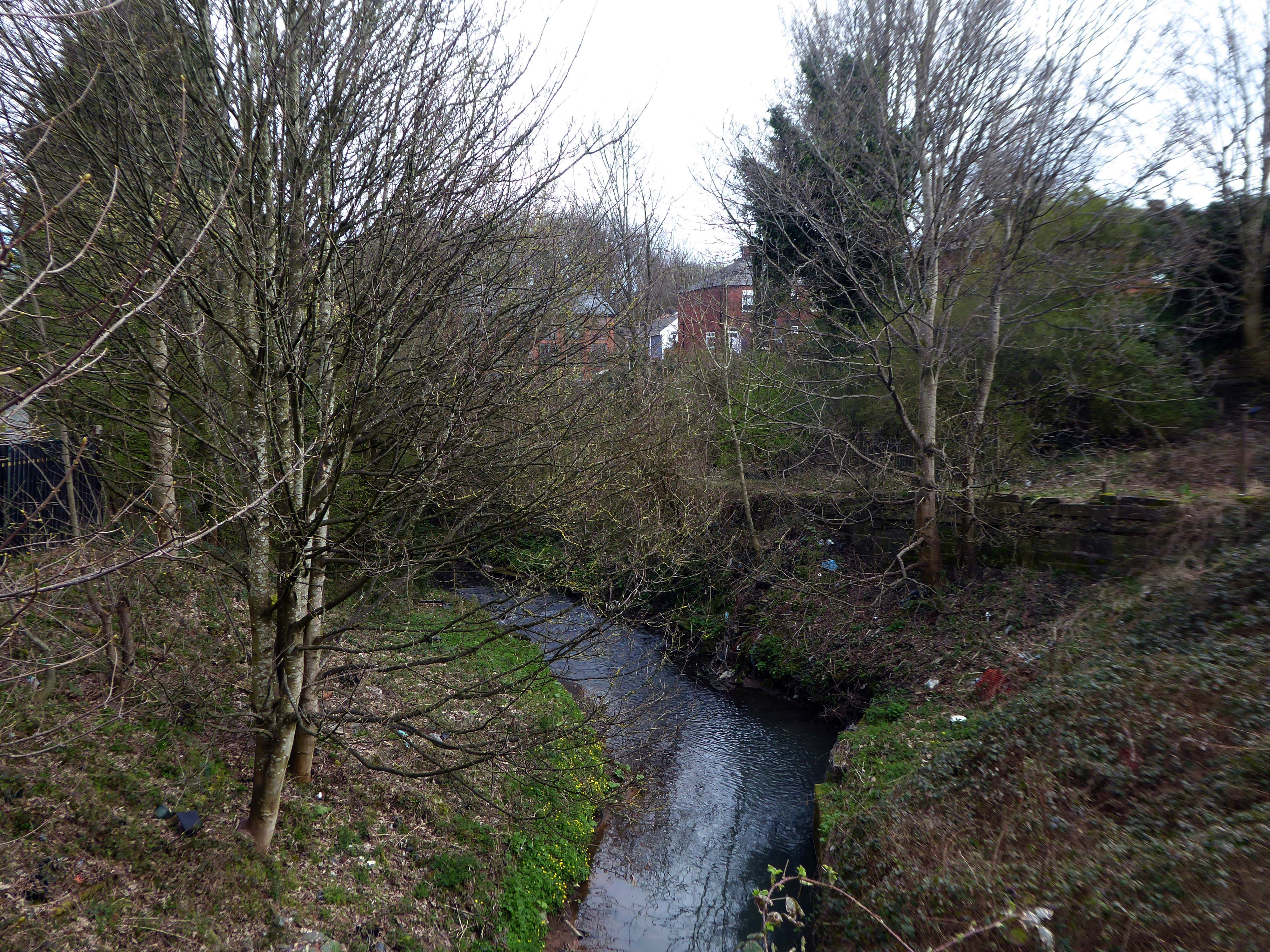


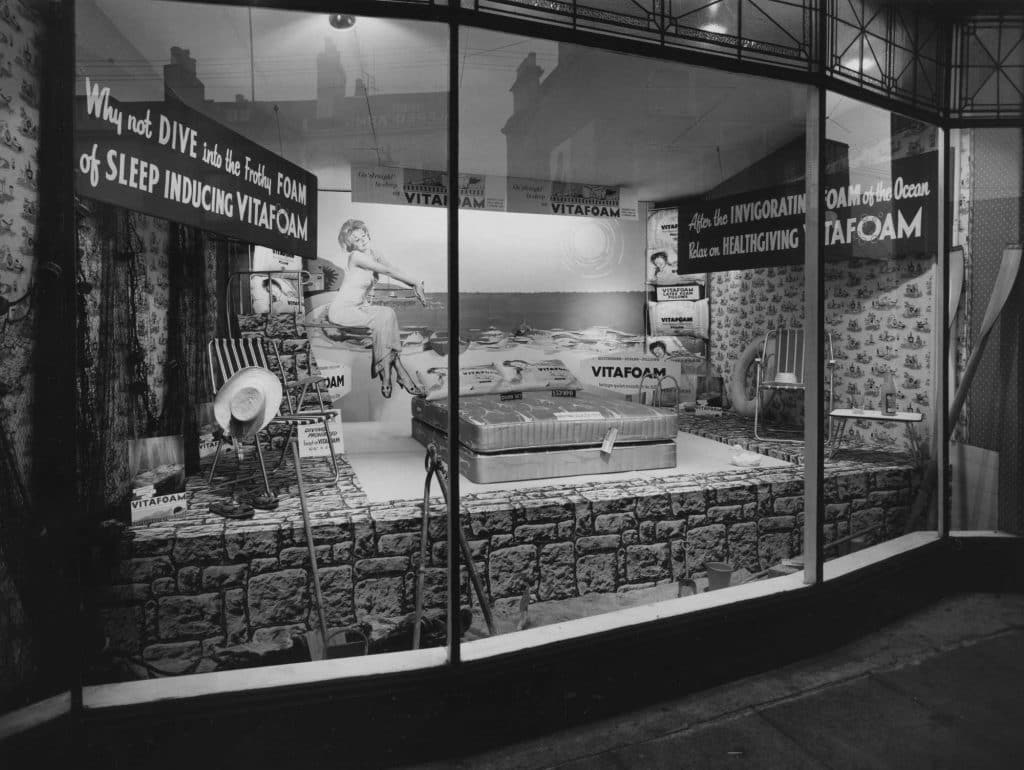
Still very much in use the Vitafoam Mill
Founded in 1949 on £100 capital, Vitafoam started its original operation manufacturing latex foam products in Oldham, Greater Manchester.
After establishing the business, the company made a major move to its current site in Middleton, Manchester in 1955, acquiring two empty former cotton mills to cope with increased demand.
By 1963, Vitafoam had added the manufacture of polyurethane foam to its business and was providing product speciality for upholstery and bedding markets.
As Vitafoam entered the new millennium the company had made great strides in supplying external foam converters. These rely on Vitafoam to be their business partner and provide their foam needs. This trend continues to grow from strength to strength and is supplemented by our own group conversion companies.

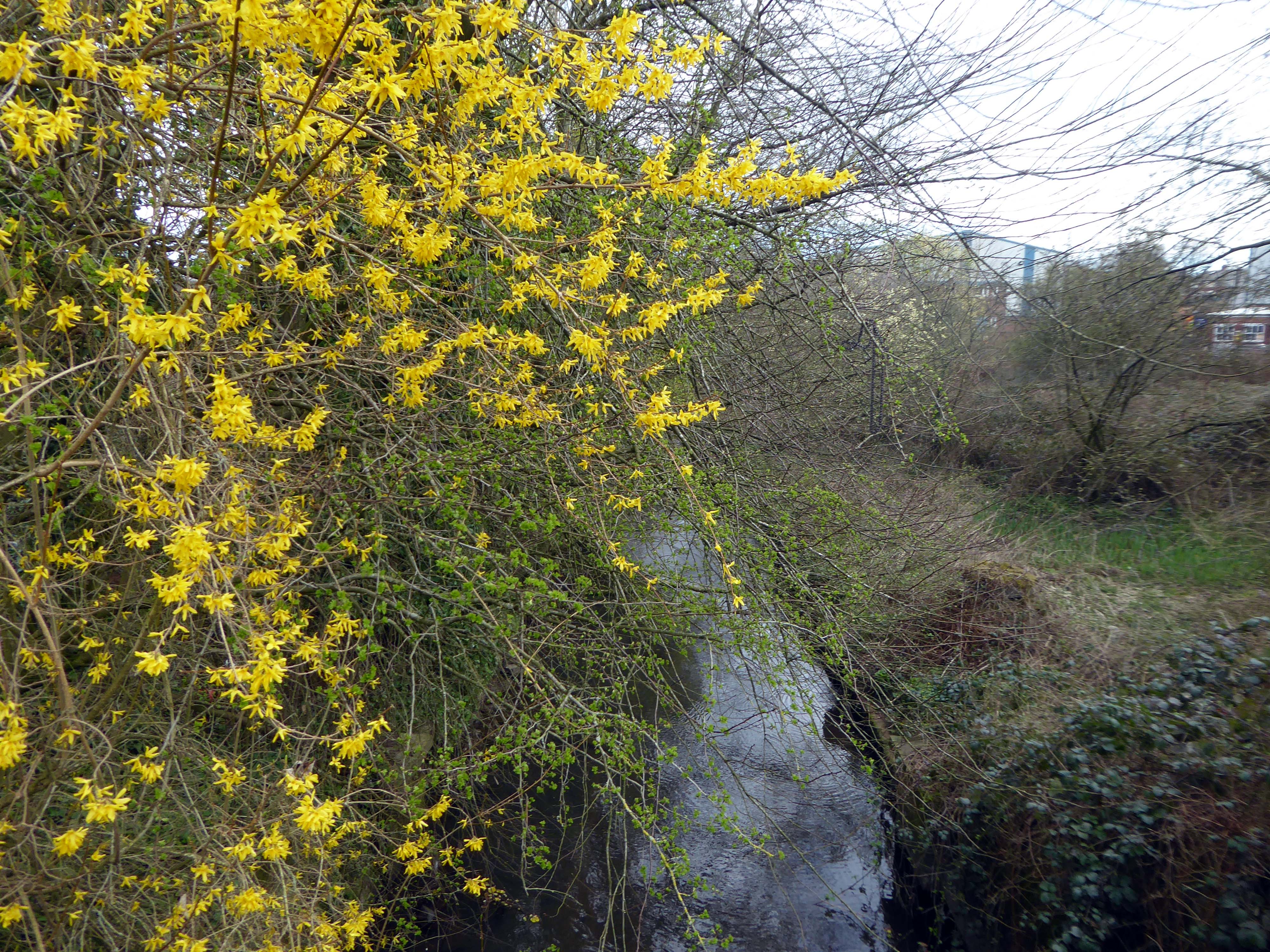
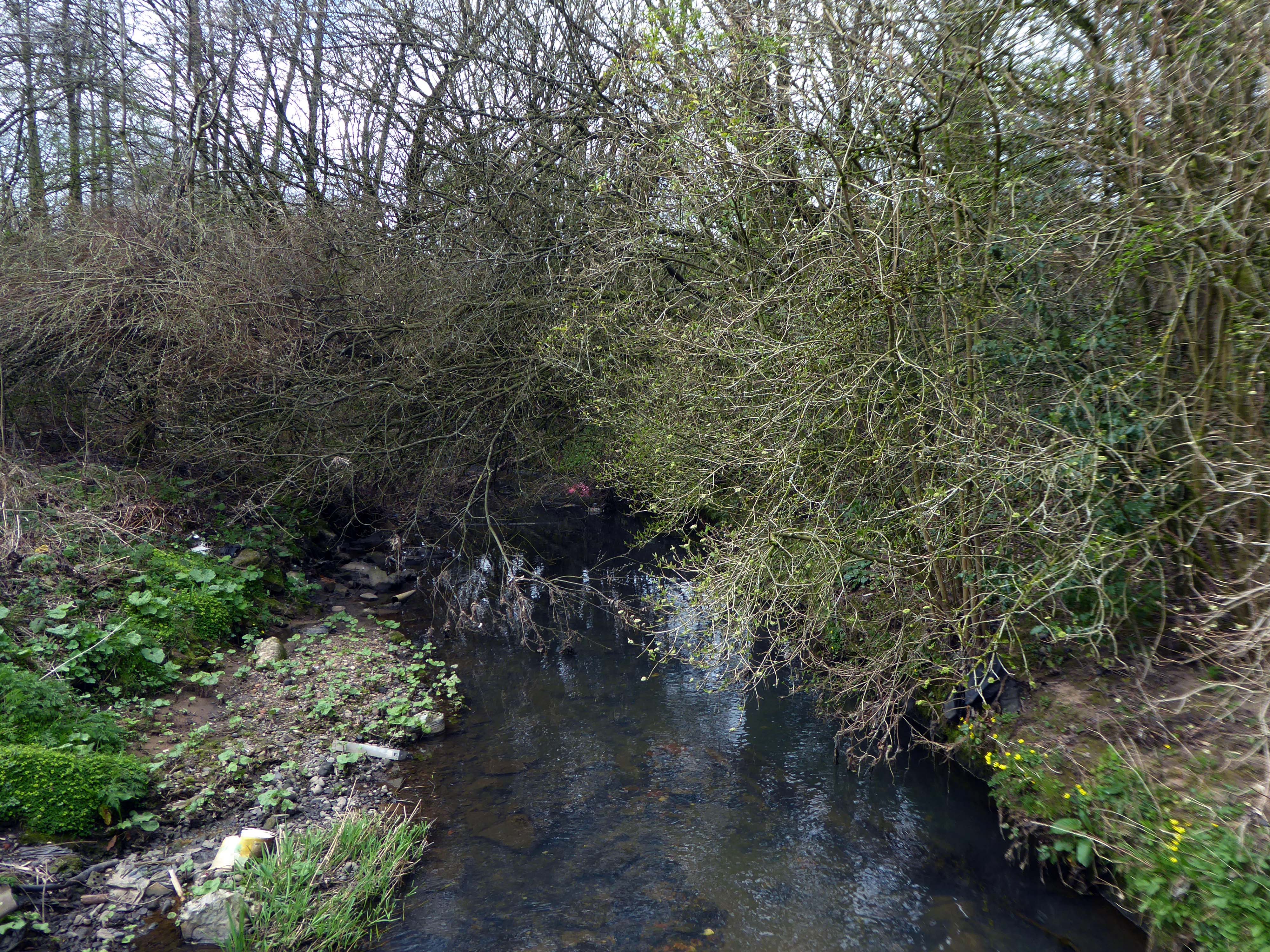
Regaining the river at Chadderton Hall Park.
Its roots stretch back to the 13th century being the land on which Chadderton Hall once stood. It contains a large field area with a small football pitch, a playground area, several flower gardens and a small café situated next to the Park’s bowling green.
Chadderton Hall was first built in the 13th century by Geoffrey de Chadderton, this first hall was in Chadderton Fold slightly to the east of the current park. In 1629 a new hall was built at the site of the current park and was present there until the 20th century when it was demolished in 1939. It was at the end of the 19th Century that the area surrounding Chadderton Hall began to be used for public recreation. A boating lake and a menagerie, including a kangaroo and a lion, were established as part of a Pleasure Garden. These features have long since been demolished but evidence of the boating lake can be seen by the hollowed out area where the playing fields now stand.
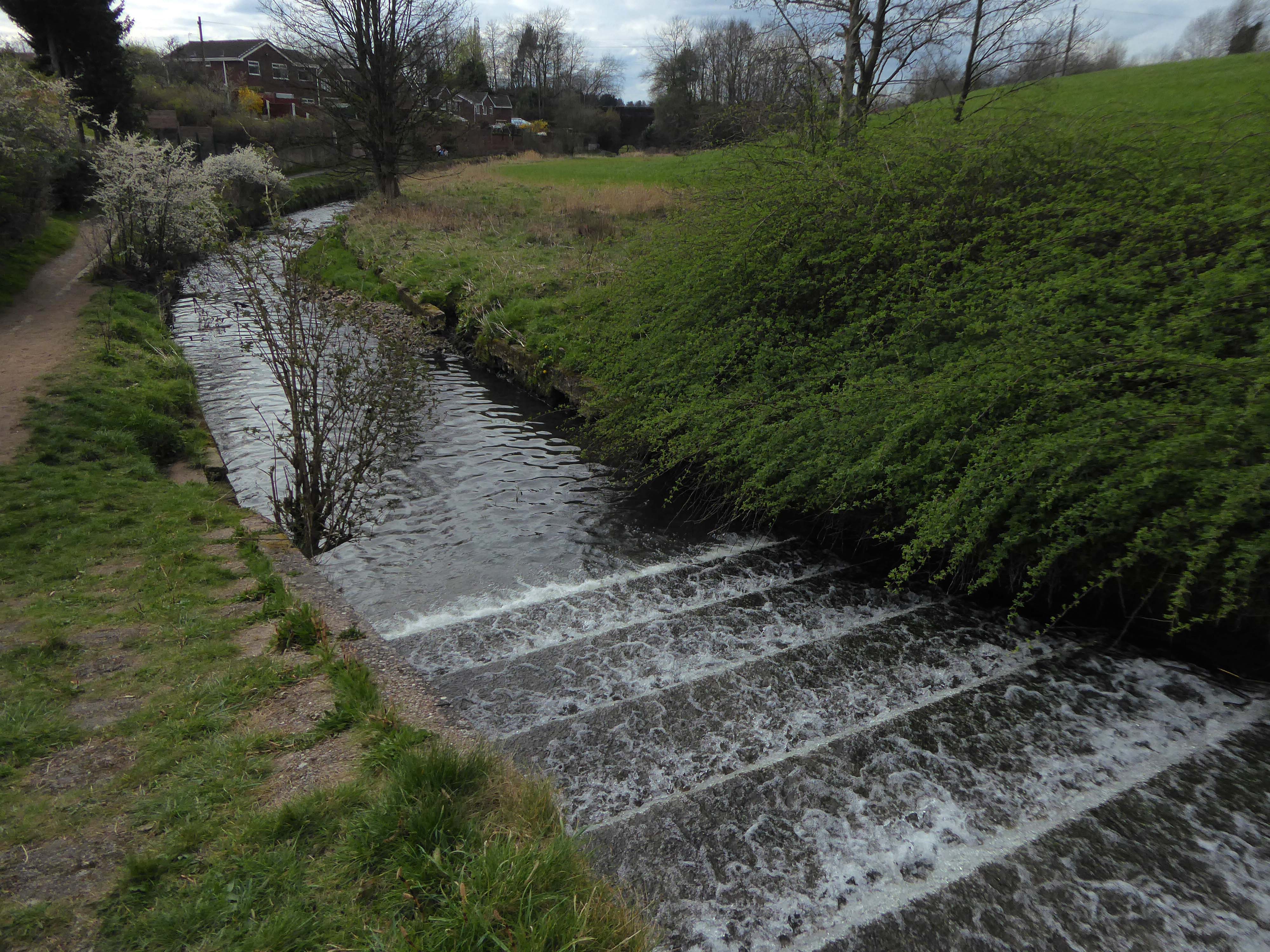
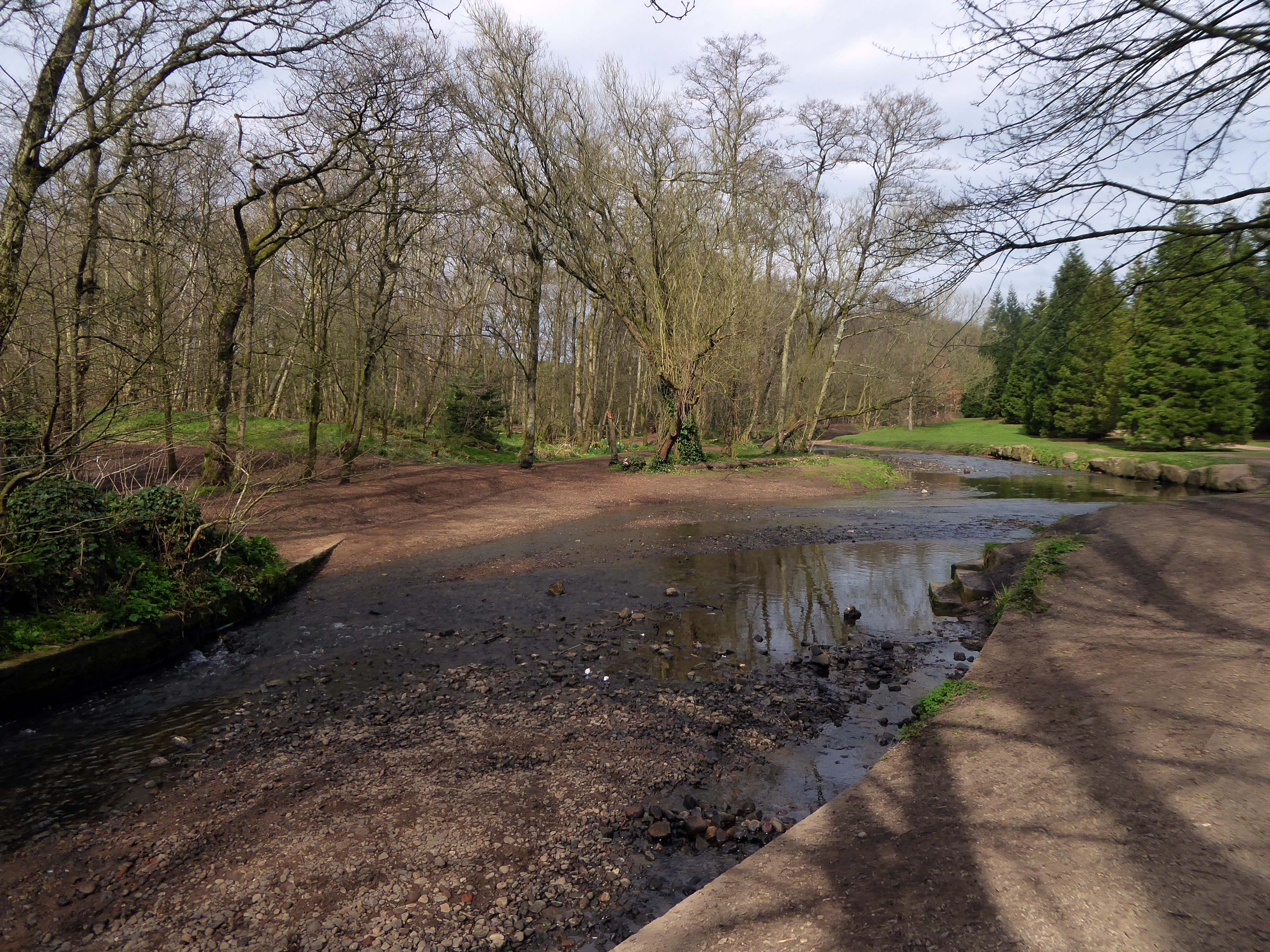

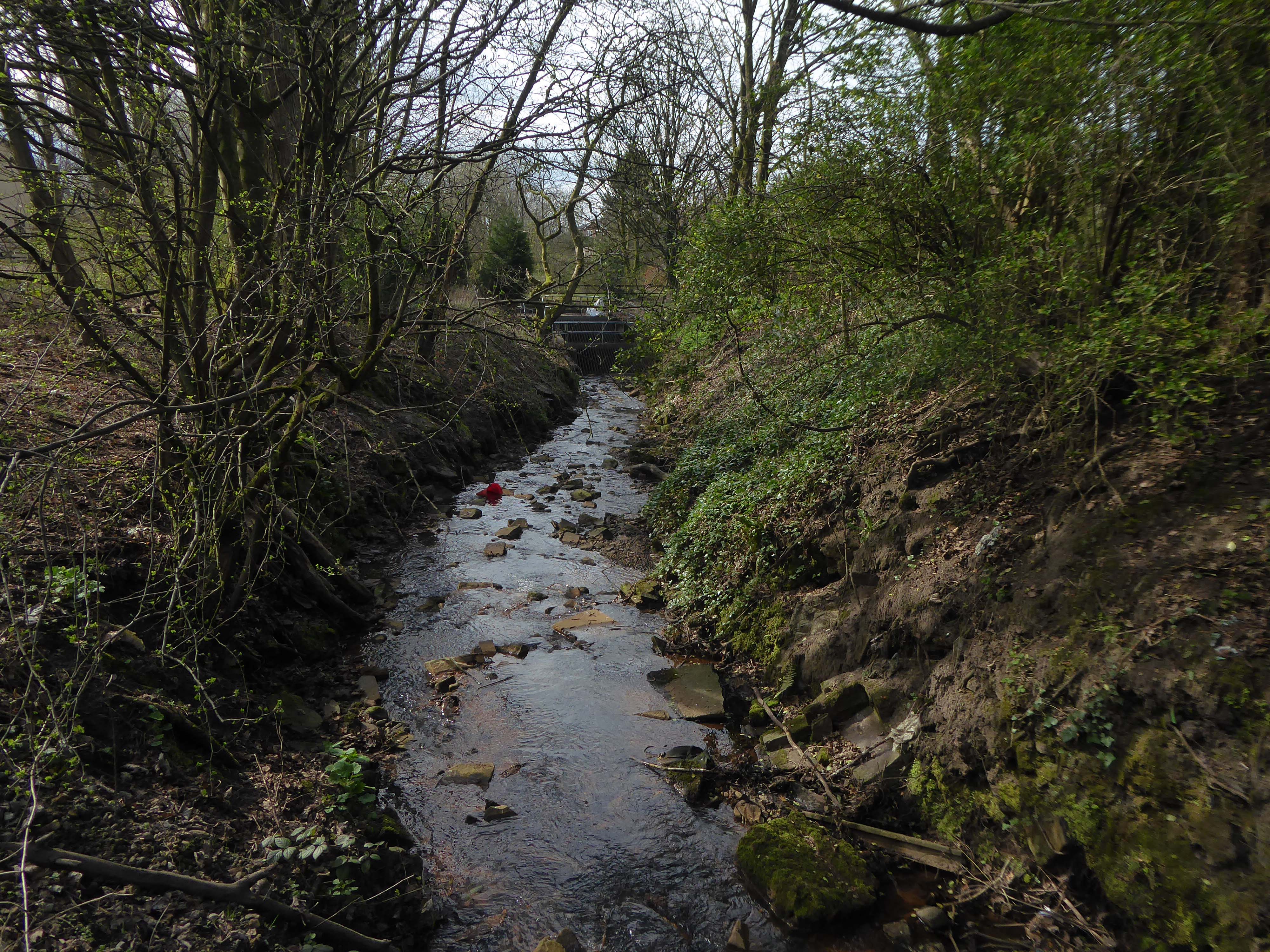
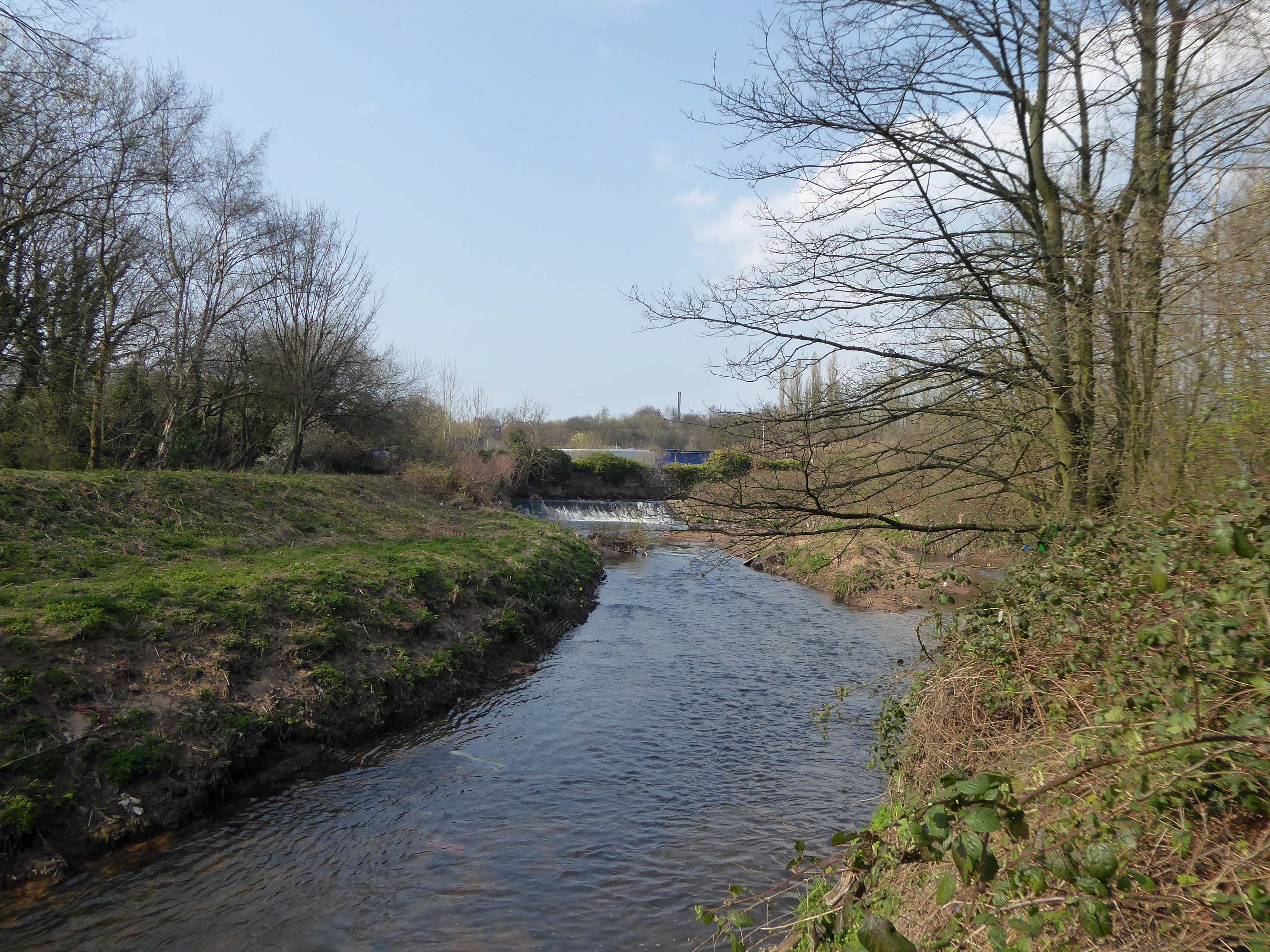
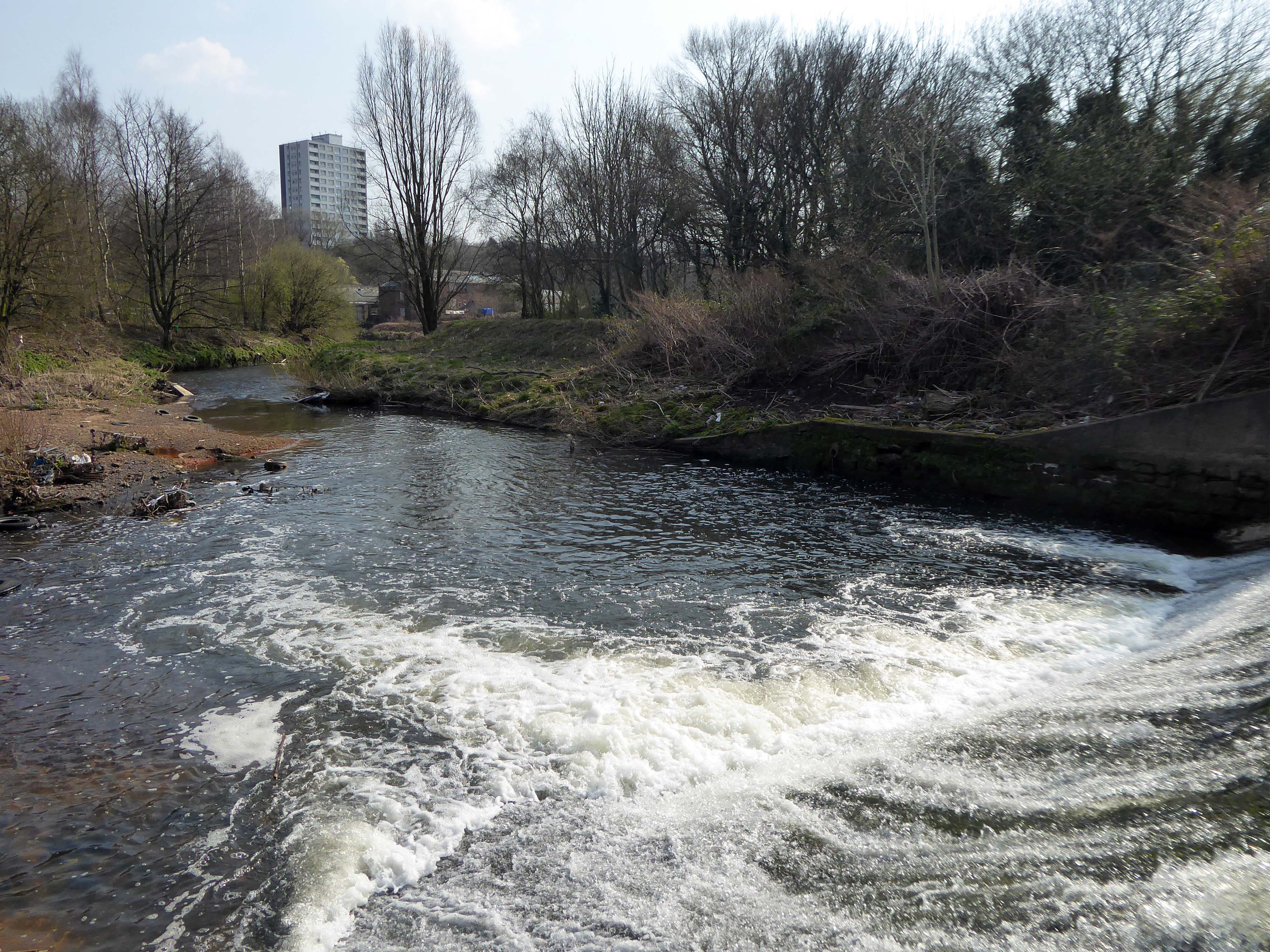
Diminishing now the river thin and shallow, as we rise into the hills on the outskirts of Greater Manchester.

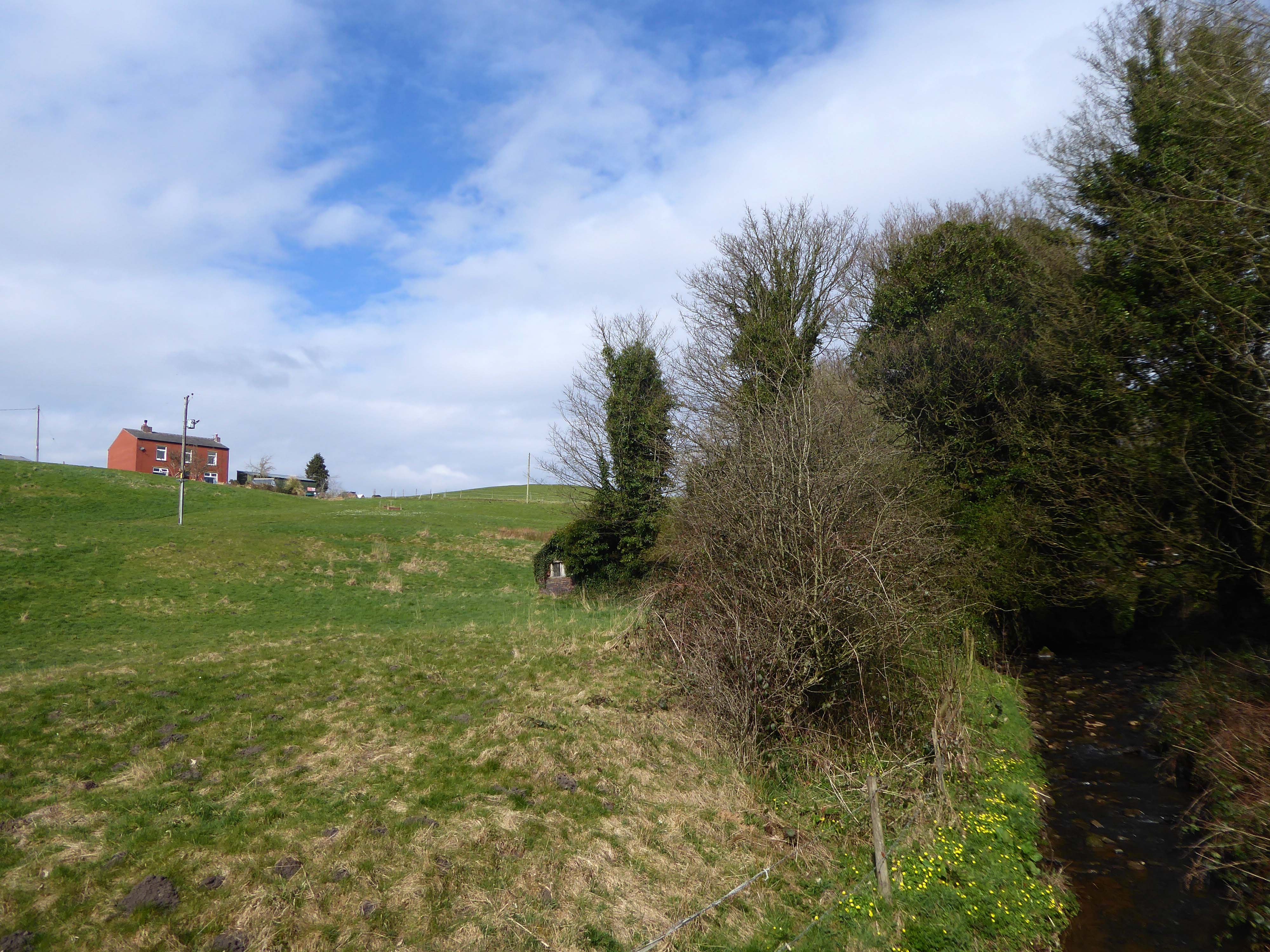
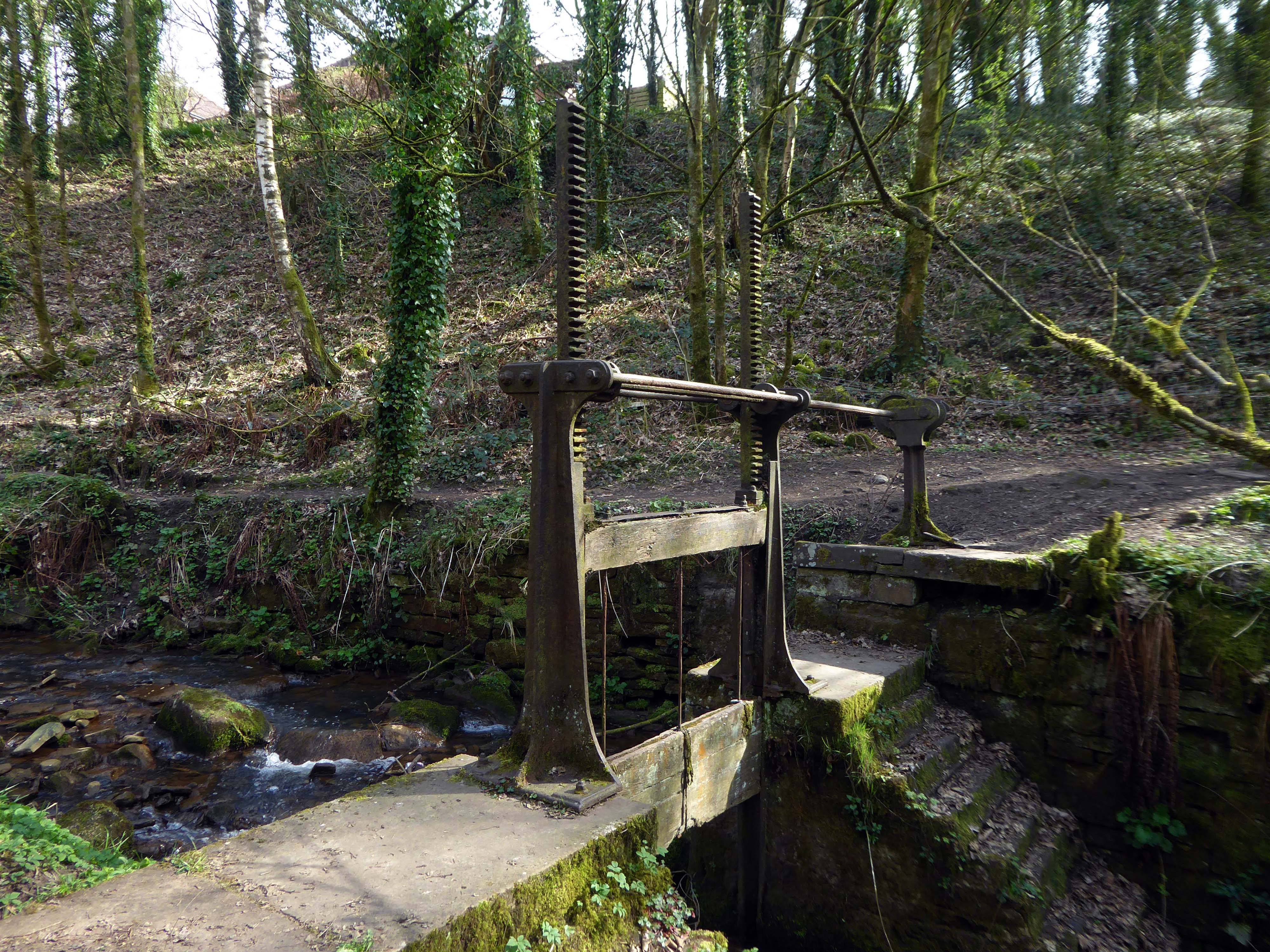
Passing by Royton Cricket Club as the river disappears again.
Based in the heart of Thorpe Estate – Royton Cricket, Bowling & Running Club offers a family friendly environment whilst hosting strong, competitive cricket throughout the summer. Bowling throughout the summer along with a Running section – Royton Road Runners, who operate all year round. Along with seasonal events such as our well known firework display along with St Georges Day celebrations – with plans in the pipeline for improvements on current events as well as new exciting projects – it’s a great time to be apart of the club & community!
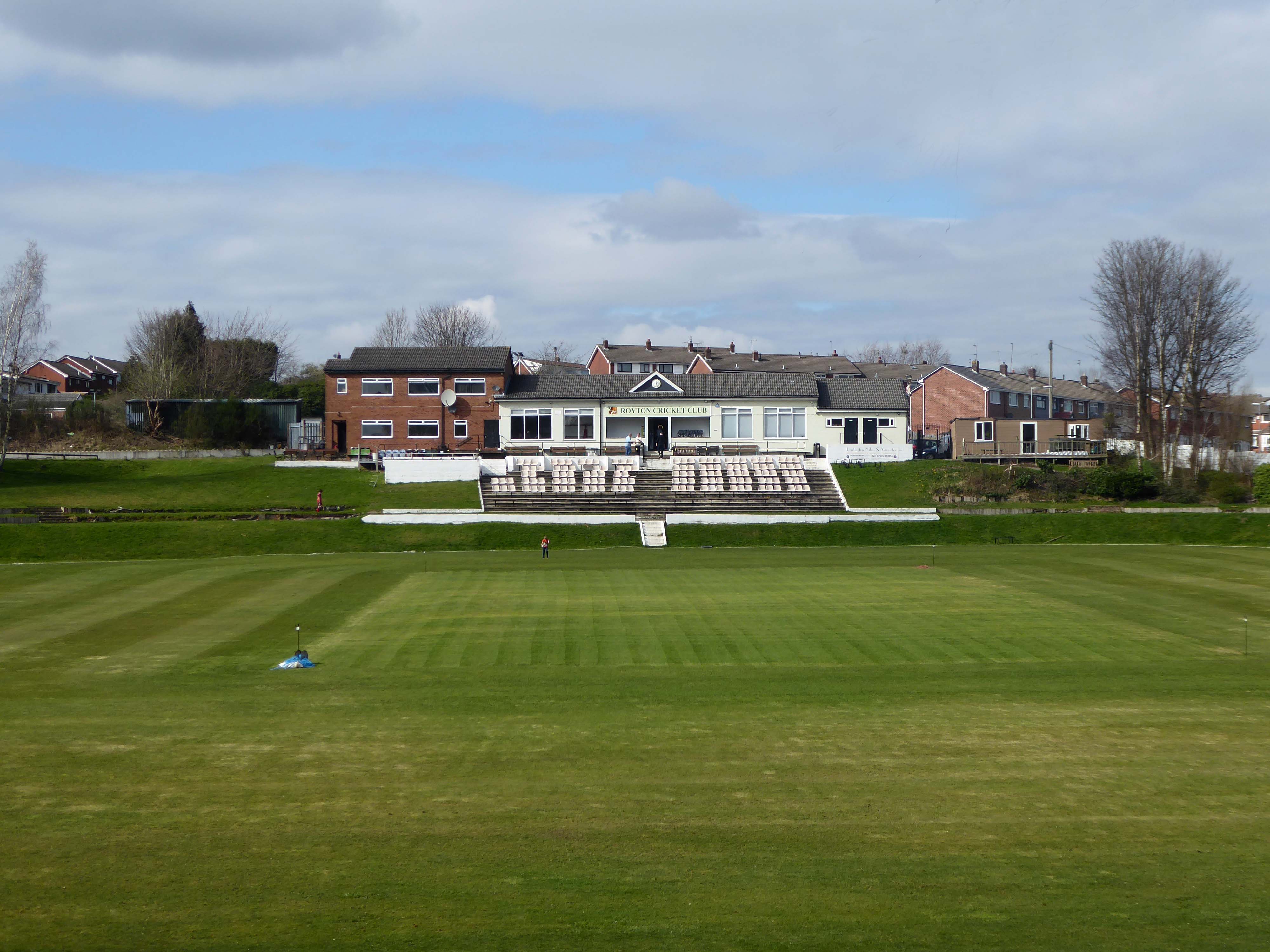
I have very fond memories of visiting with my dad Eddie Marland as he followed Ashton in the Central Lancashire League – both watching cricket and seeing my dad crown green bowling here.
The river has gone underground again.
To be found on Salmon Fields – in pool form.
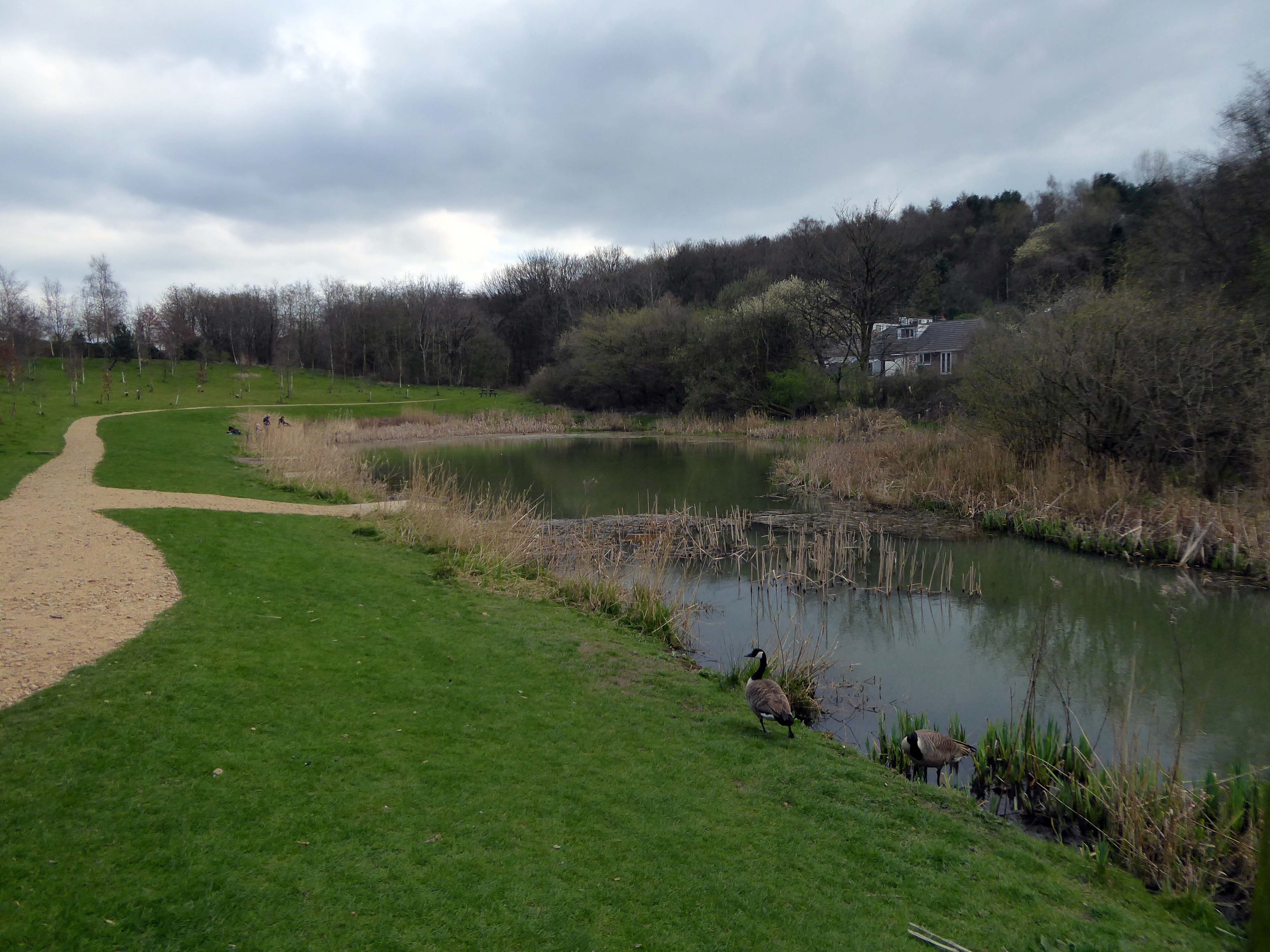
Site of a Life for a Life Memorial Forest
These now full memorial forests were originally donated to Life for a Life by Oldham Metropolitan Borough Council. Salmon Fields meadow sits adjacent to a lovely pond that is used regularly by fishing enthusiasts and is frequently used as a breeding site for Canadian Geese.
Life for a Life planting areas are natural environments where we encourage wildlife and plantlife to flourish, as such additional items should not be added to the tree or the space around it, especially as they can cause damage to the tree.
Please be aware that any prohibited items left on or around memorial trees will be removed.
Although these sites are now full to the planting of new memorial trees if you have an existing memorial tree dedicated you can still upgrade memorial plaques, add additional ashes to a memorial tree, order memorial keepsakes etc.
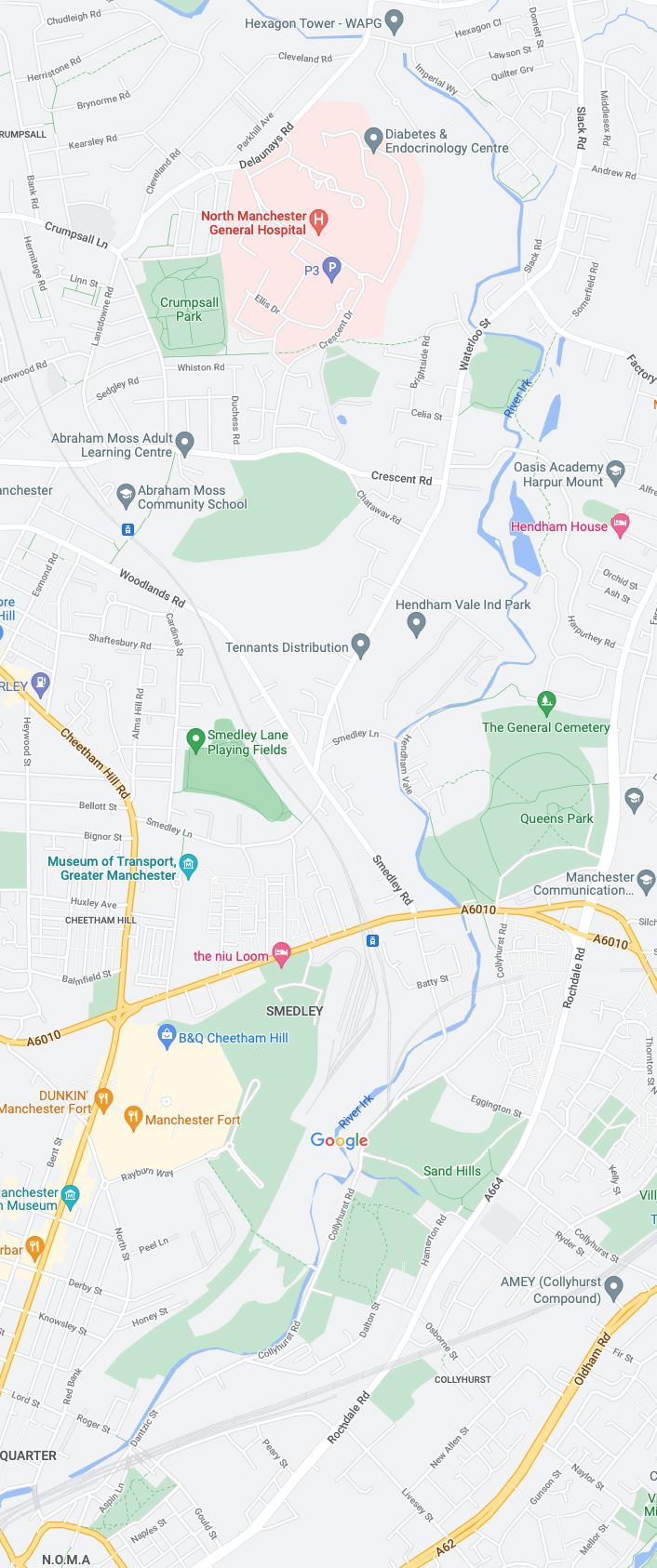
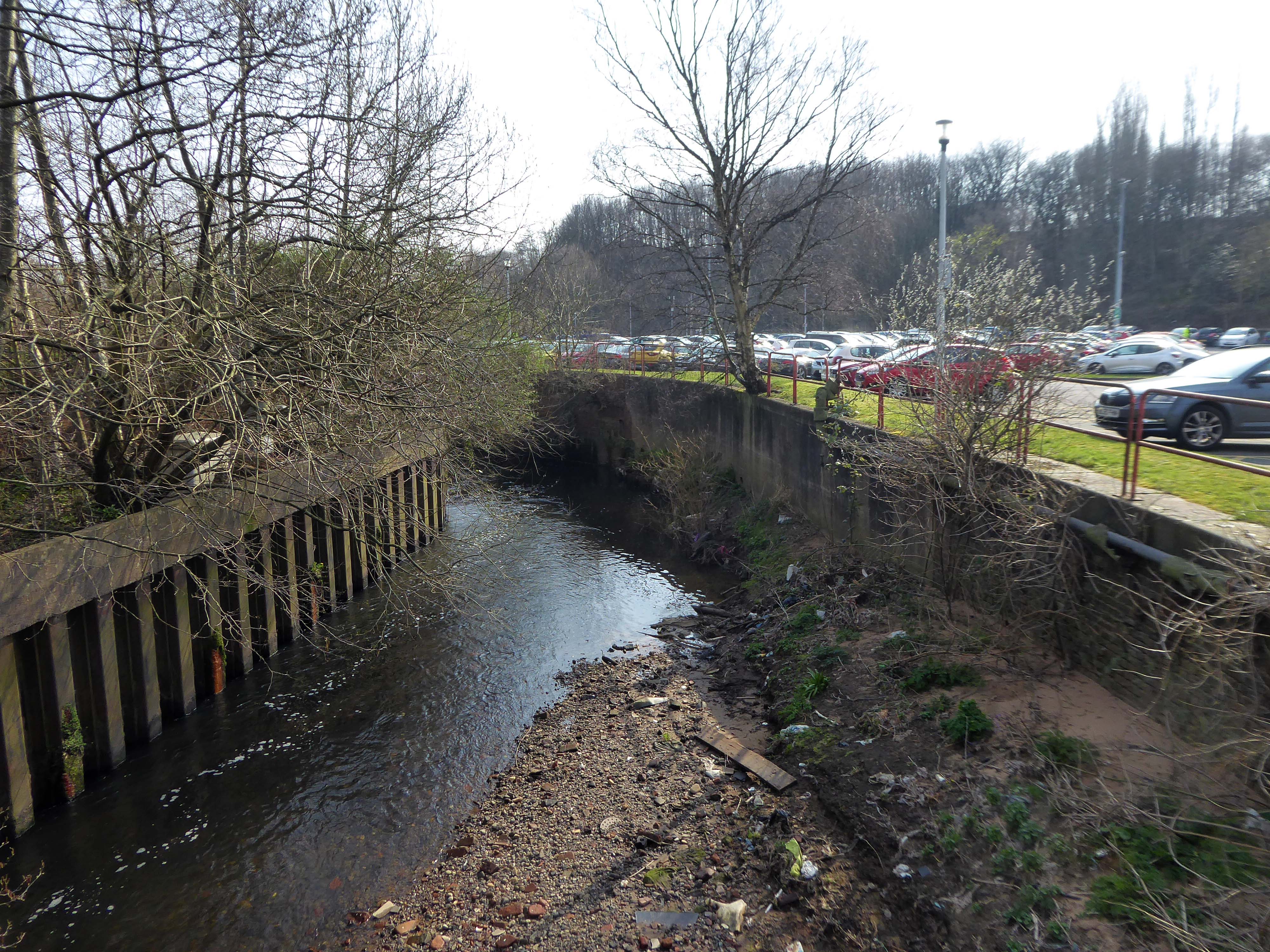
The first leg of a journey to the source of the River Irk beginning behind Victoria, finishing by the Hexagon Tower in Blackley.
The Irk’s name is of obscure etymology, but may be Brittonic in origin and related to the Welsh word iwrch, meaning roebuck
In medieval times, there was a mill by the Irk at which the tenants of the manor ground their corn and its fisheries were controlled by the lord of the manor. In the 16th century, throwing carrion and other offensive matter into the Irk was forbidden. Water for Manchester was drawn from the river before the Industrial Revolution. A bridge over the Irk was recorded in 1381. The river was noted for destructive floods. In 1480, the burgesses of Manchester described the highway between Manchester and Collyhurst which – the water of Irk had worn out. In 1816, of seven bridges over the Irk, six were liable to be flooded after heavy rain but the seventh, the Ducie Bridge completed in 1814 was above flood levels.
According to The New Gazetteer of Lancashire the Irk had – more mill seats upon it than any other stream of its length in the Kingdom and – the eels in this river were formerly remarkable for their fatness, which was attributed to the grease and oils expressed by the mills from the woollen cloths and mixed with the waters.
However, by the start of the 20th century the Irk Valley between Crumpsall and Blackley had been left a neglected river – not only the blackest but the most sluggish of all rivers.
The river emerges from beneath the city into an area named Scotland – a remnant of Manchester’s links with the Jacobite Rebellion.
To the left were the squalid Victorian homes of Red Bank – currently presenting as the Green Quarter.
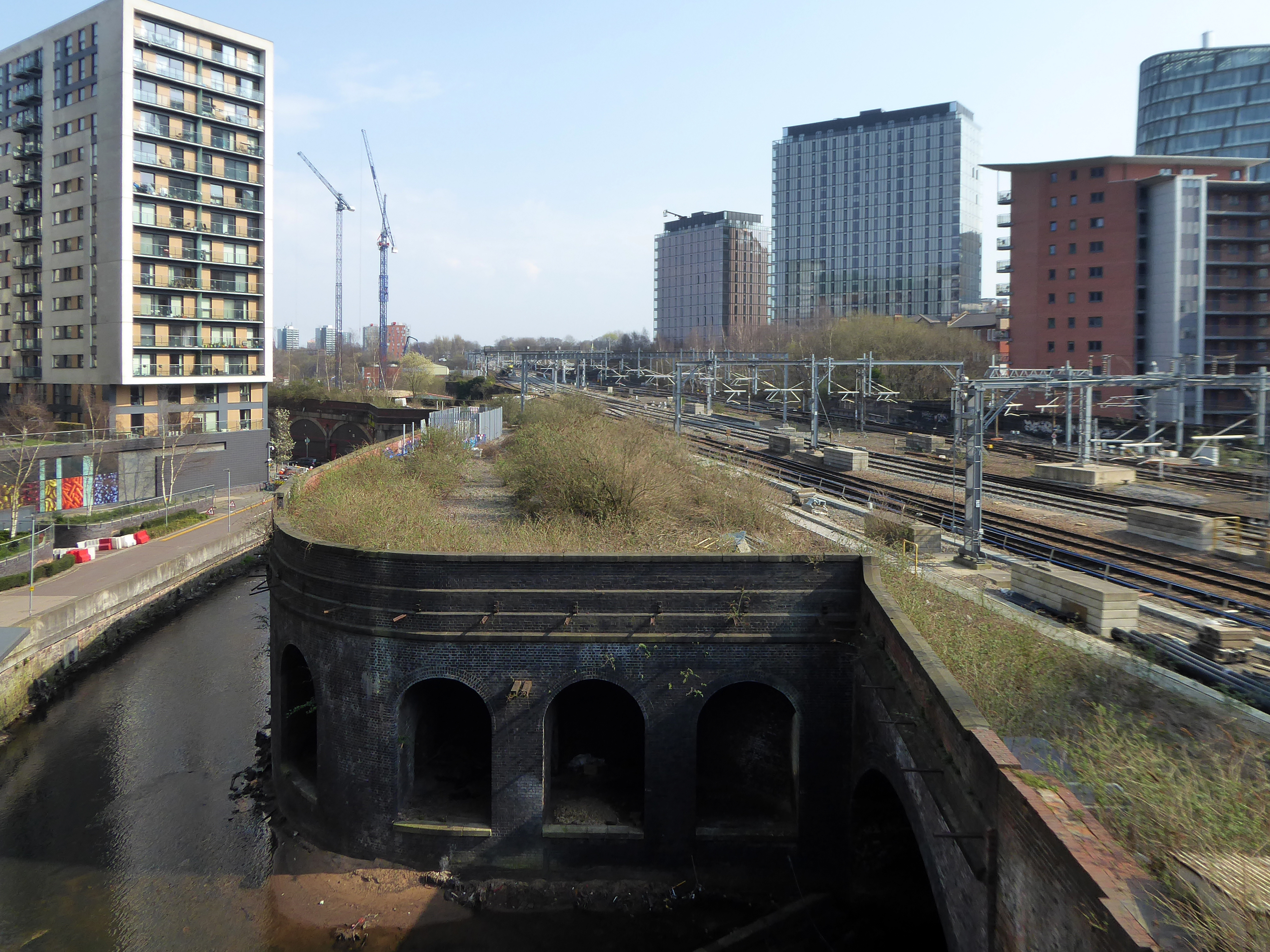
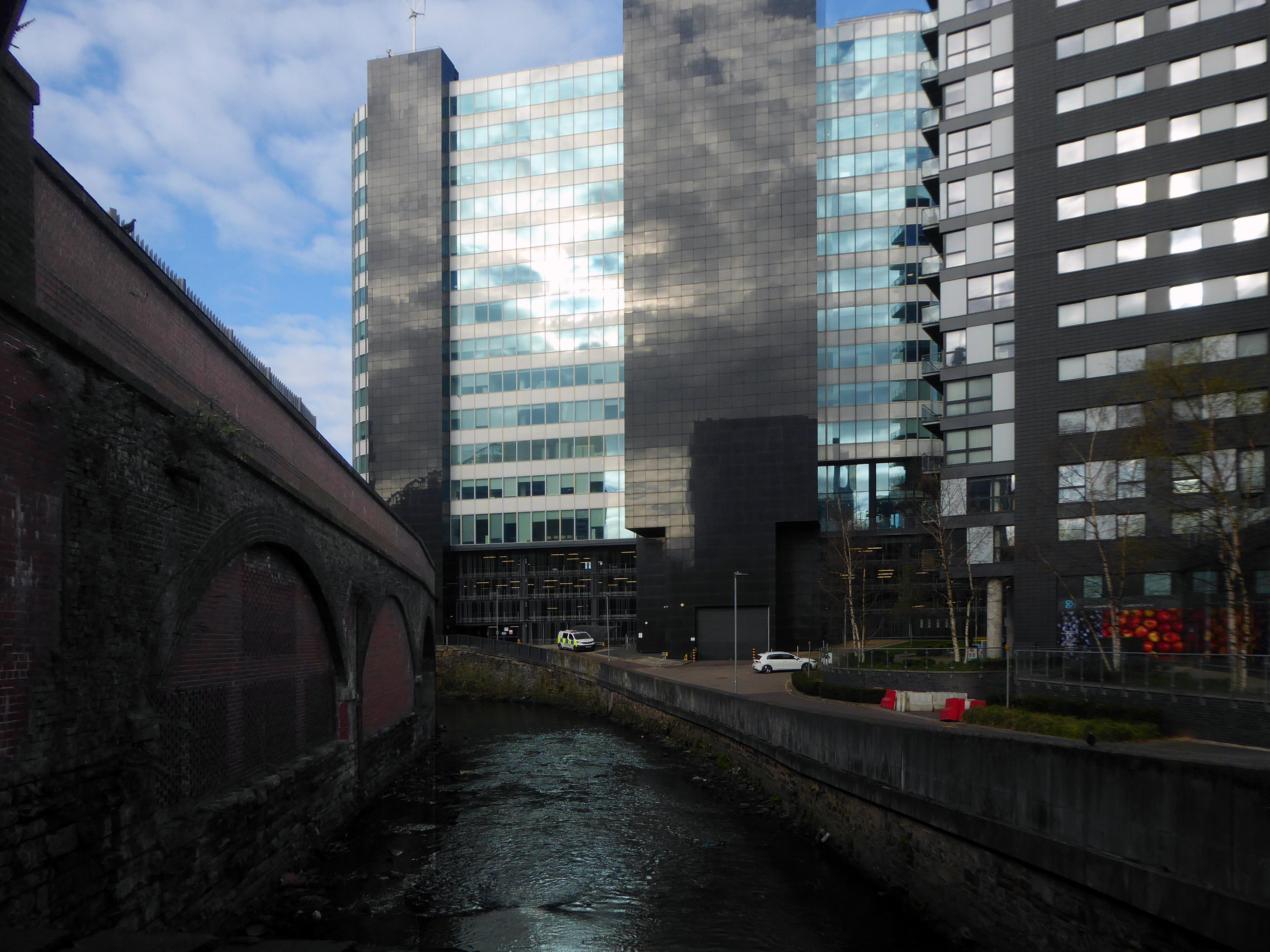
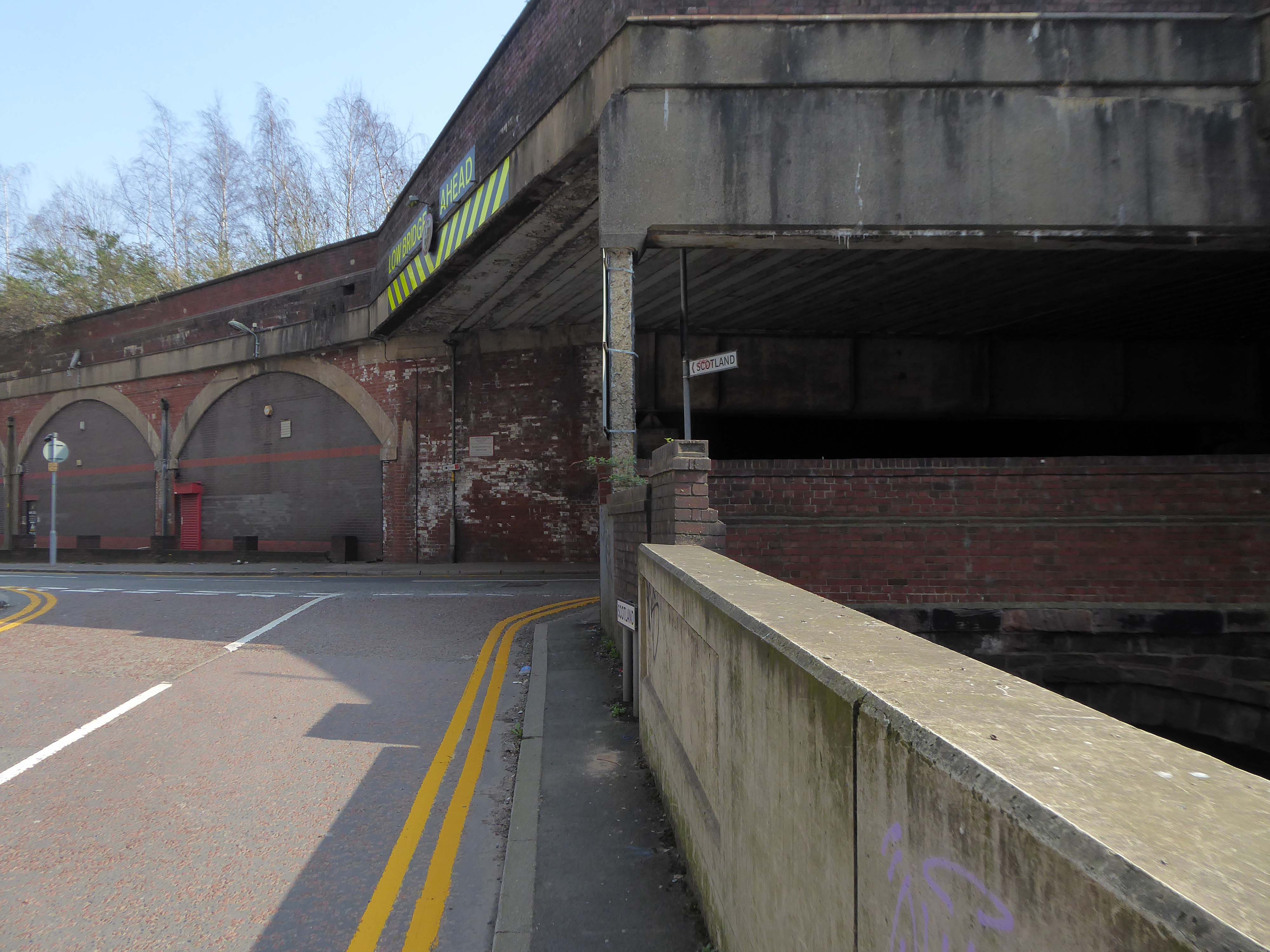
The river briefly becomes subterranean again.
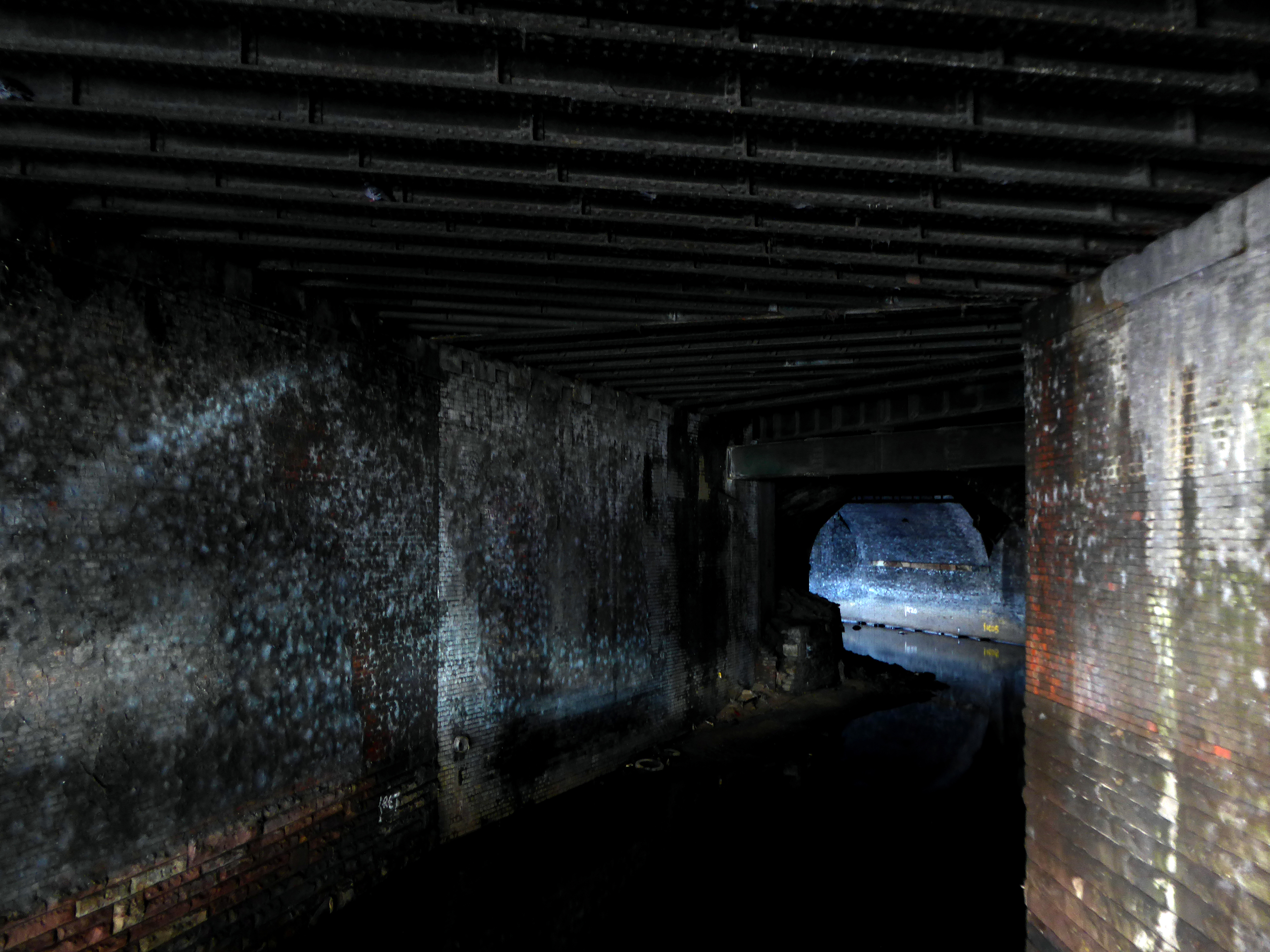
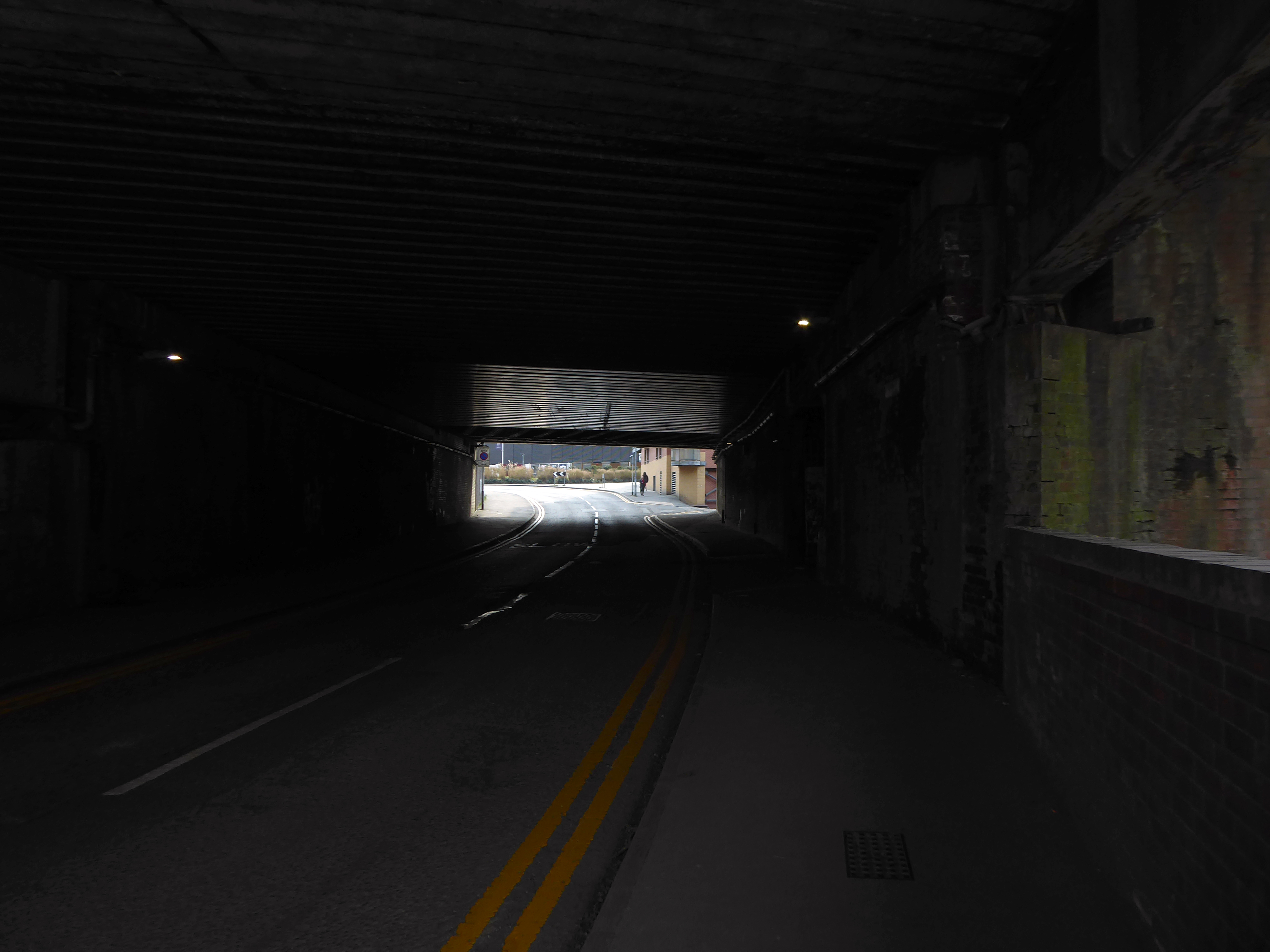
This is a river with an ignominious history – famously damned by émigré Friedrich Engels.
At the bottom flows, or rather stagnates, the Irk, a narrow, coal-black, foul-smelling stream, full of debris and refuse, which it deposits on the shallower right bank.
Mr Engels currently resides by the Medlock.
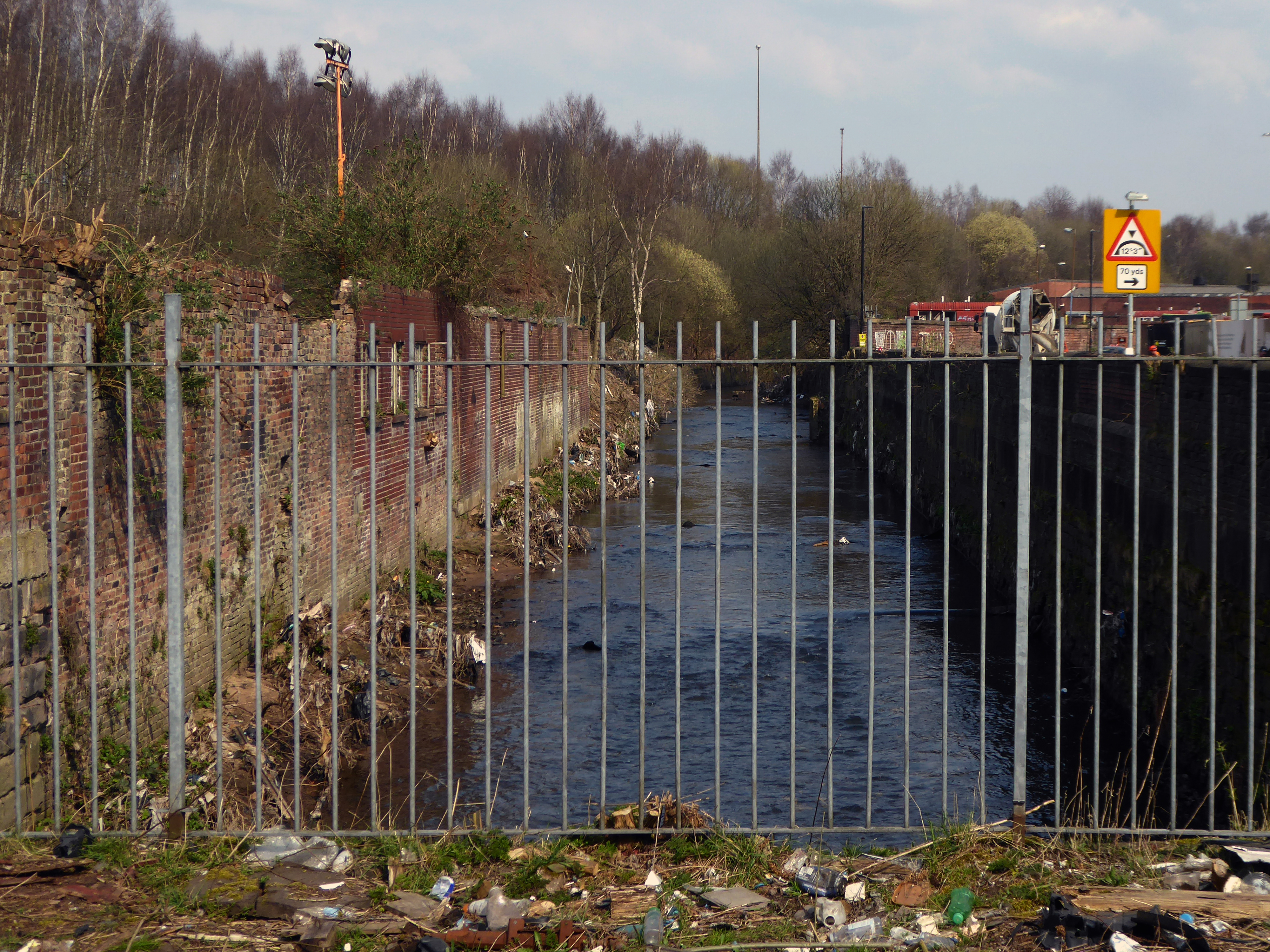
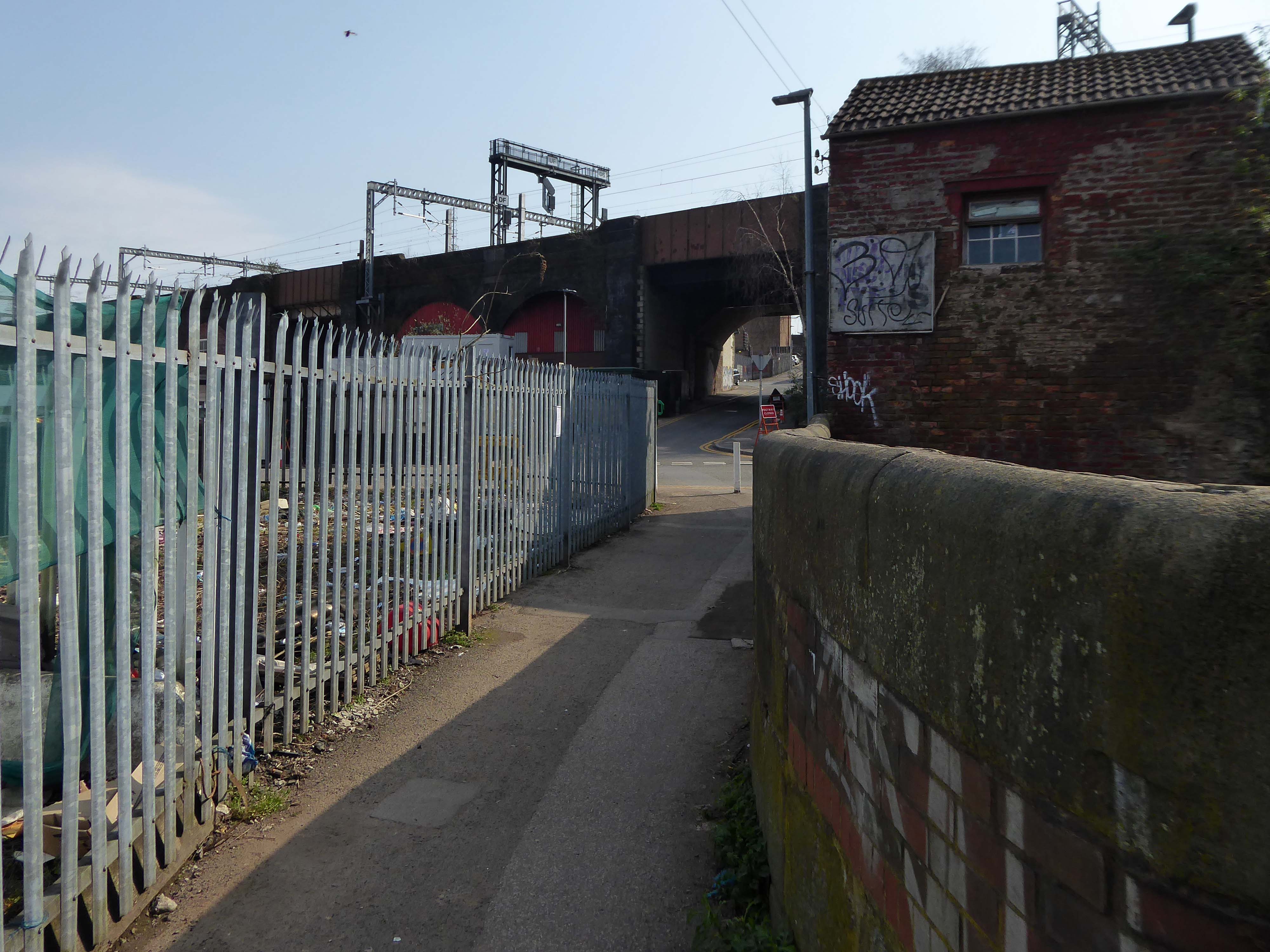
The stretch along Dantzic Street into Collyhurst Road was heavily industrialised, of which some remnants prevail.
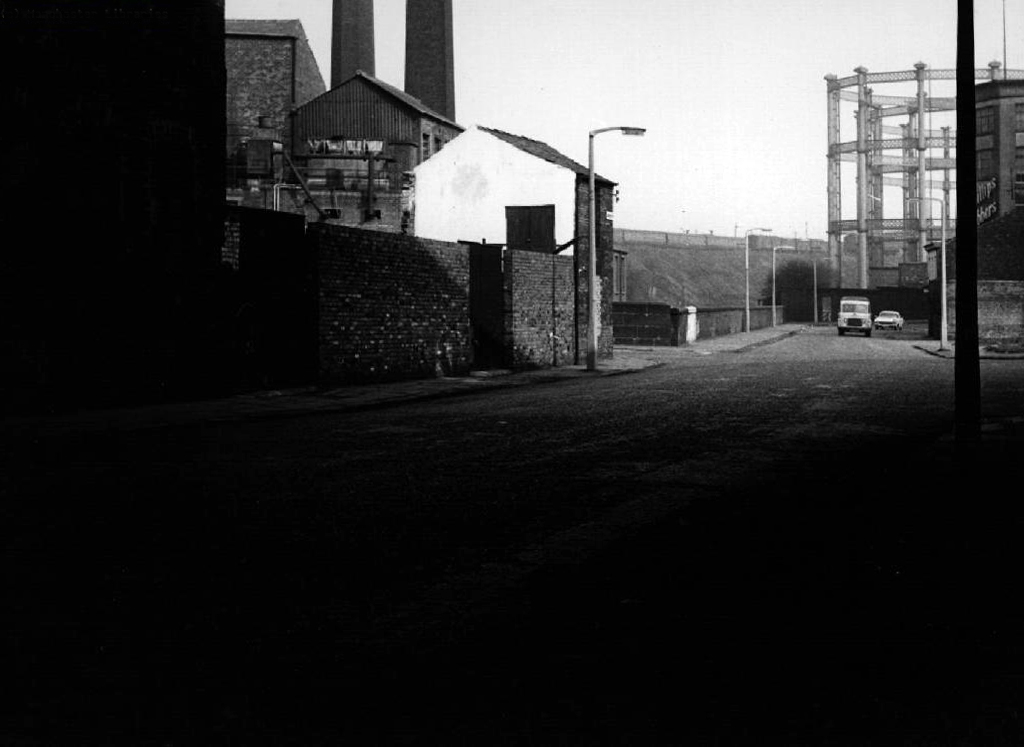
Along with an abandoned traveller’s camp, where once the gas works had stood.
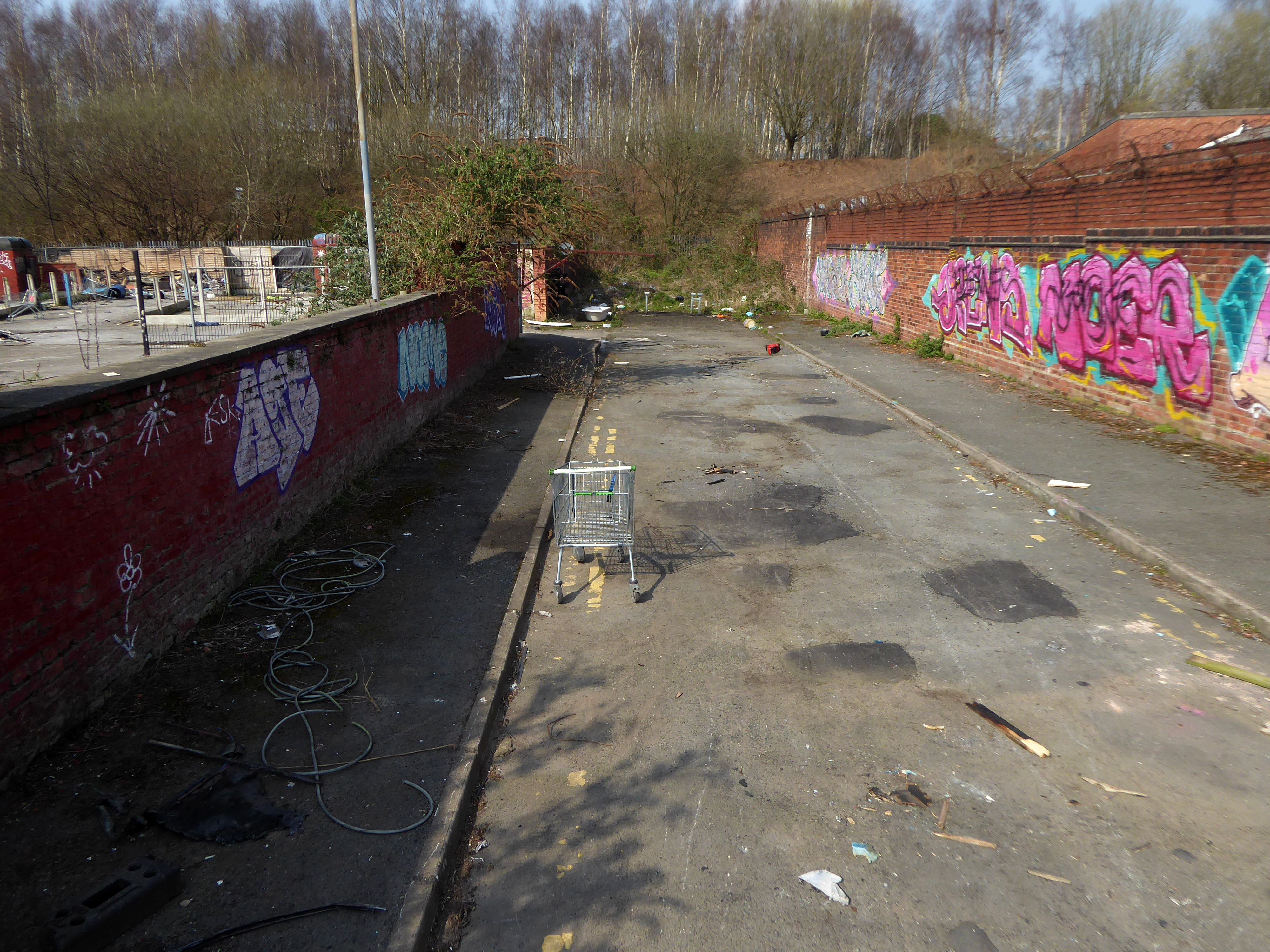
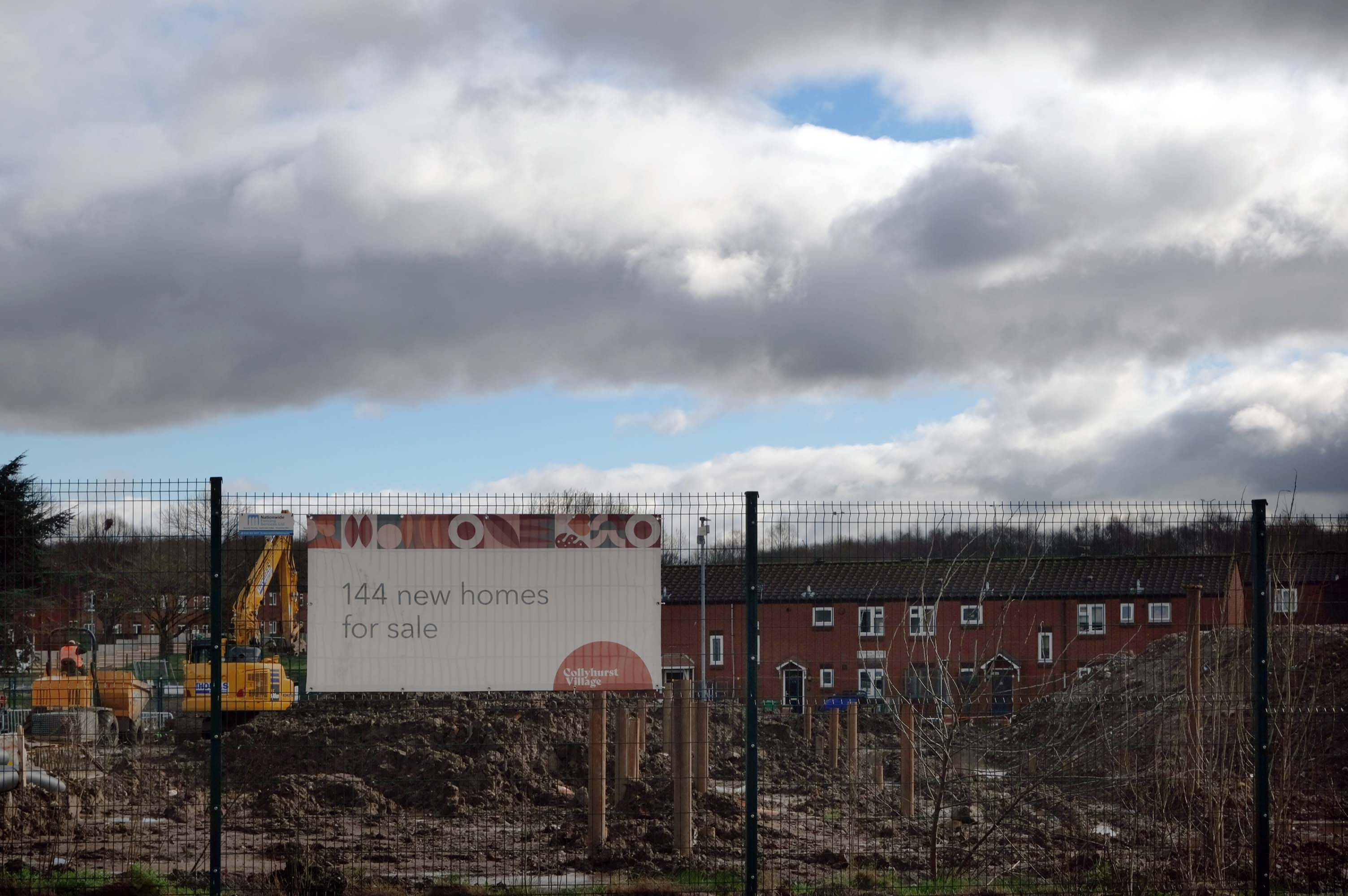
New housing is being built forming the first wave of the Victoria North masterplan.
Previous enterprises have hit the buffers beneath the railway on Bromley Street.
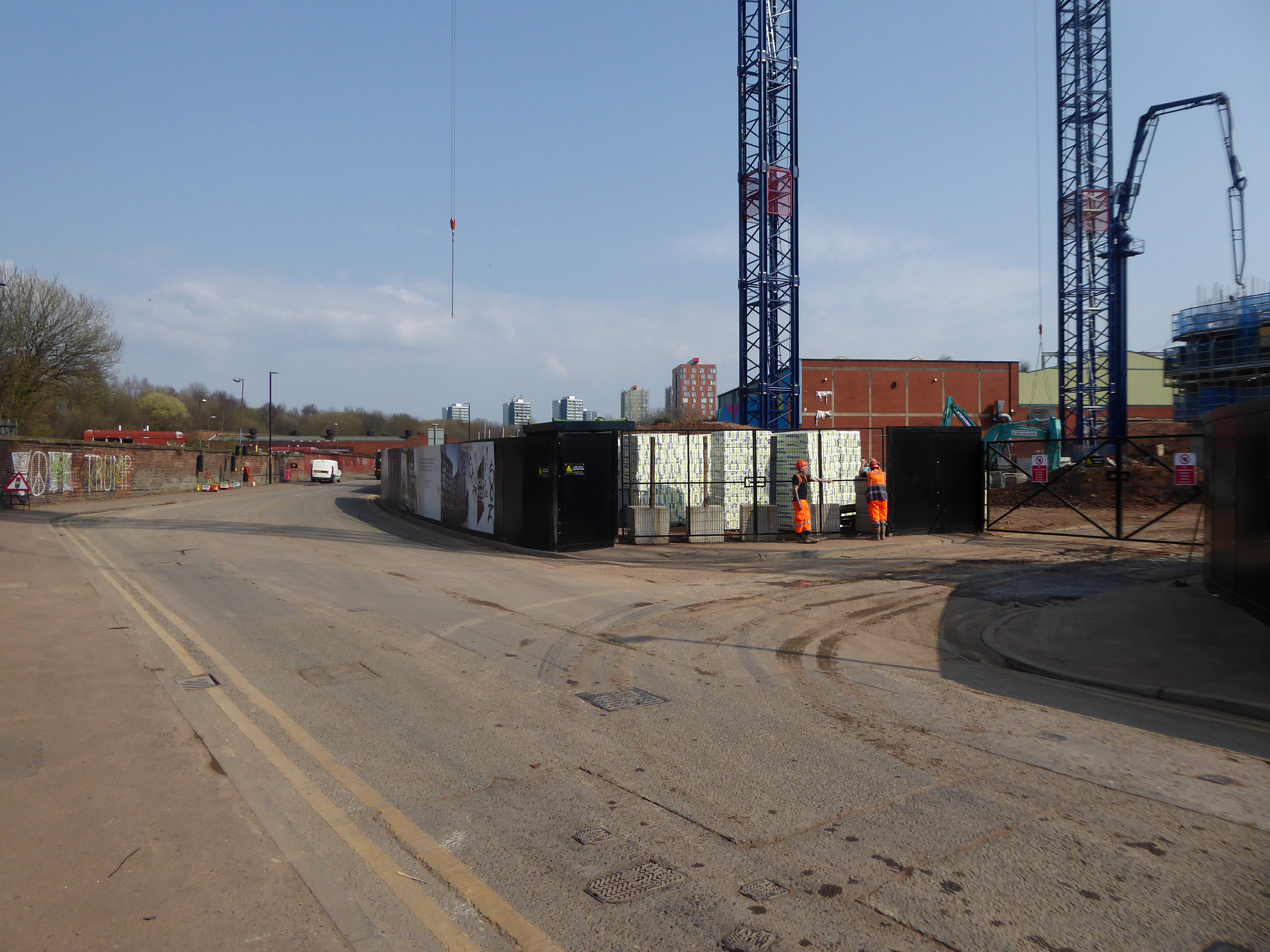
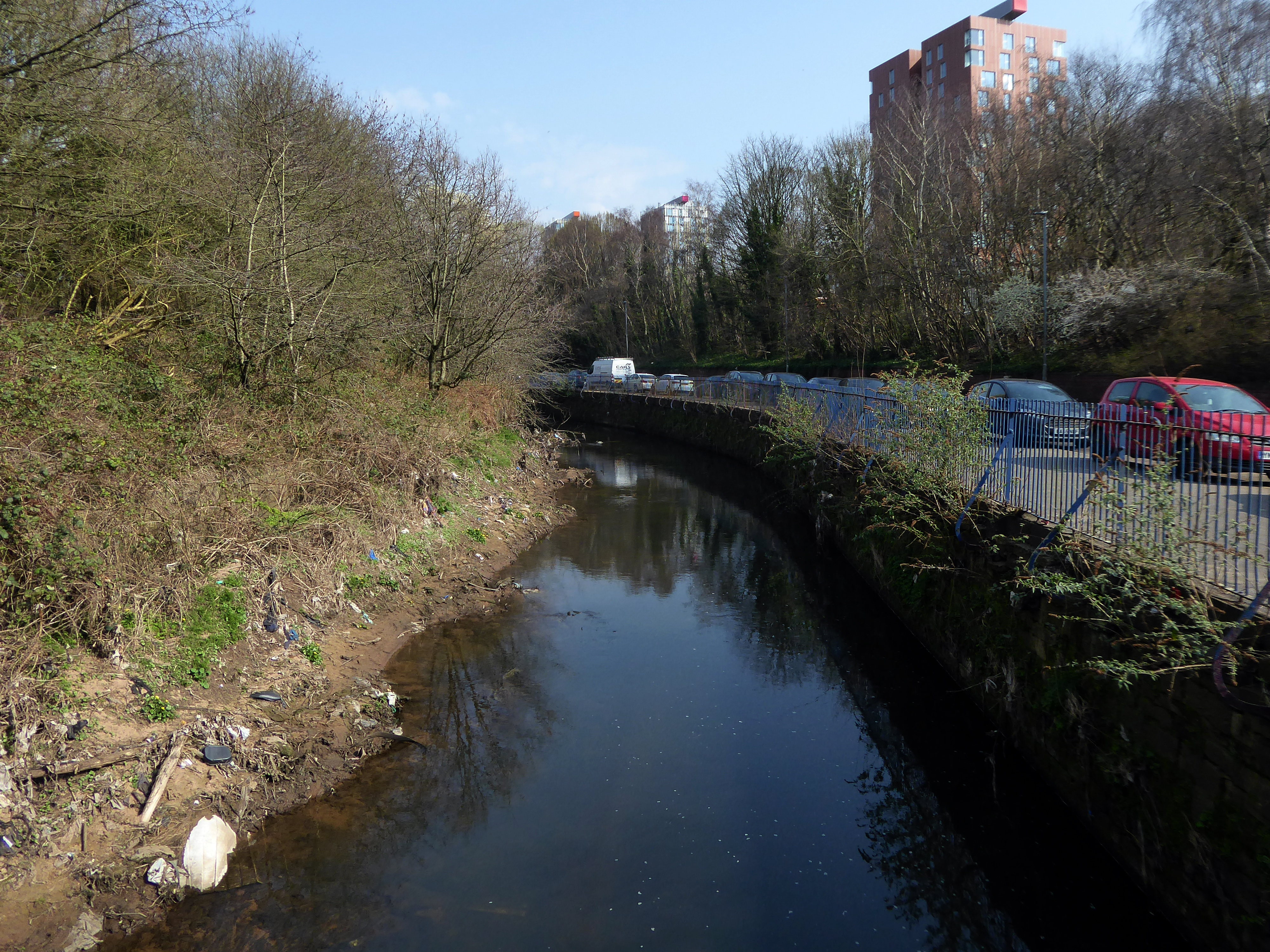
To the right is Dalton Street once home to the Collyhurst Cowboy.
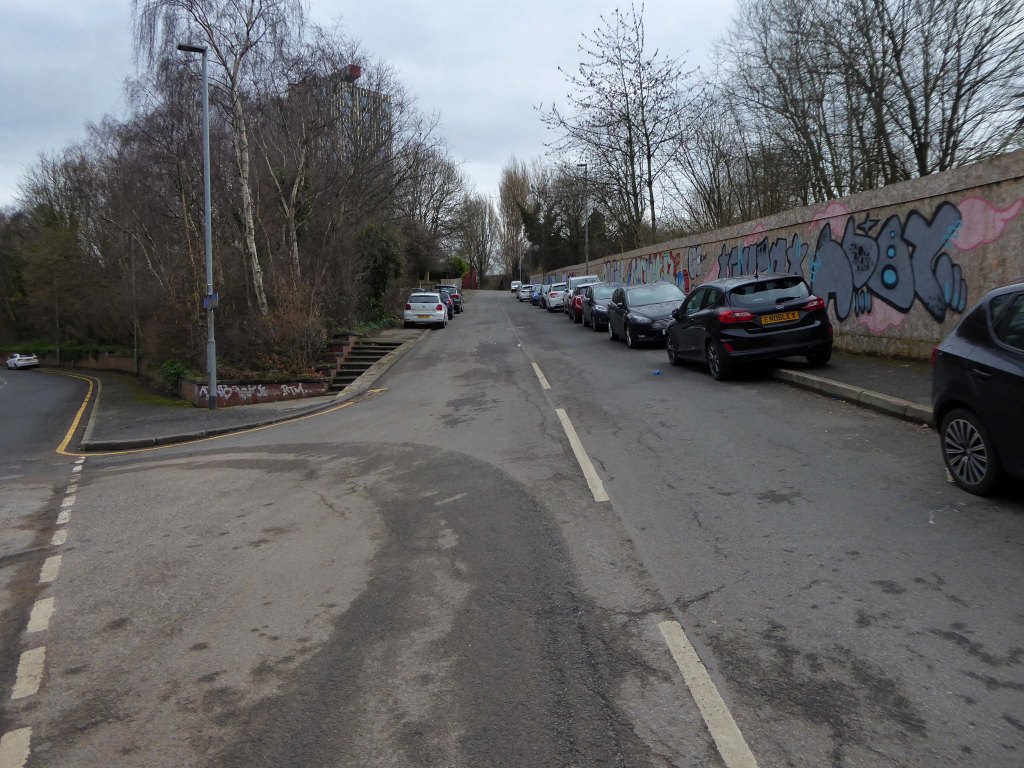
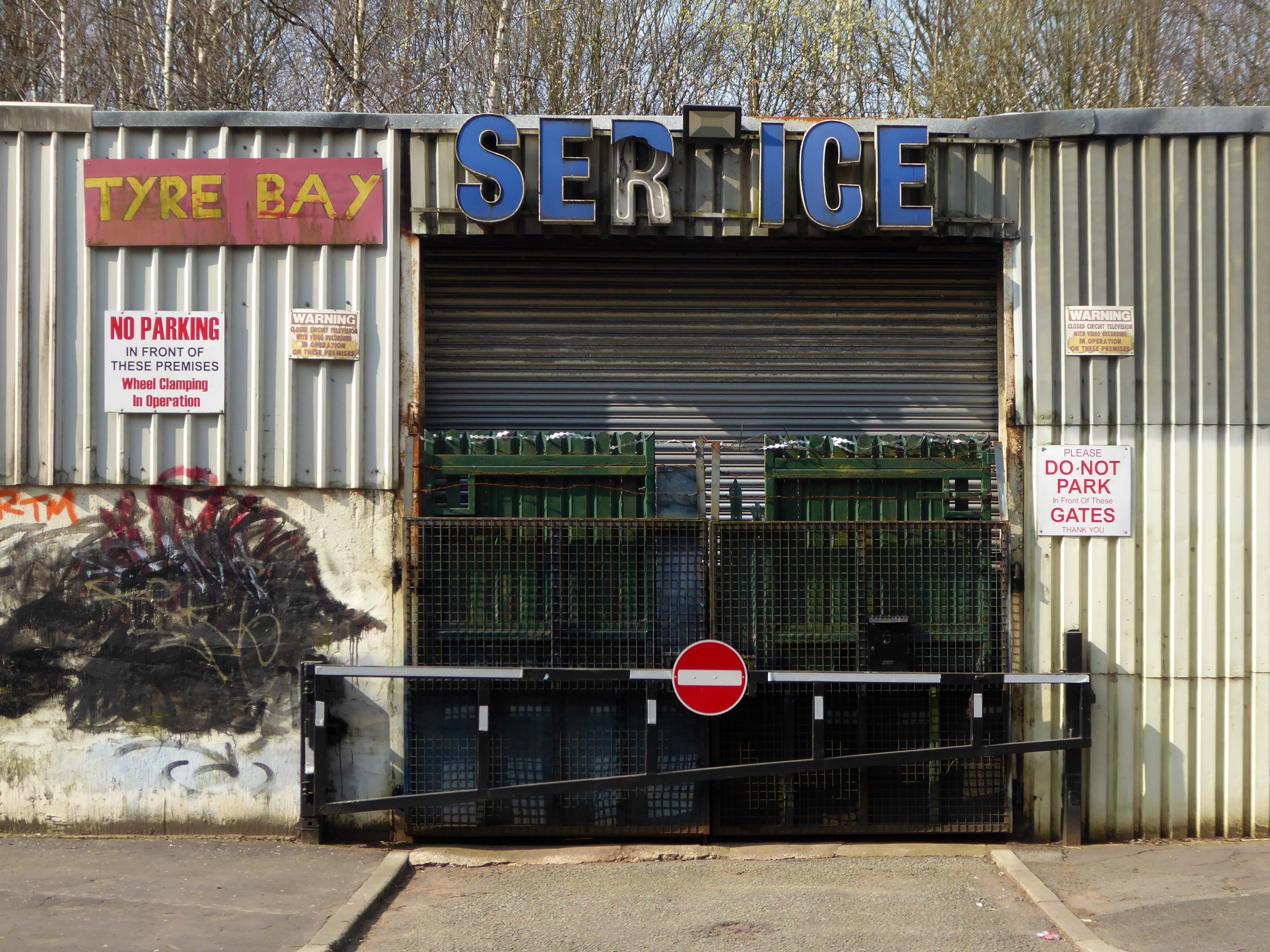
Here are the remains of Vauxhall Street, named for Vauxhall Pleasure Gardens, built in the remains of the Collyhurst Quarry – which in turn became Sandhills.
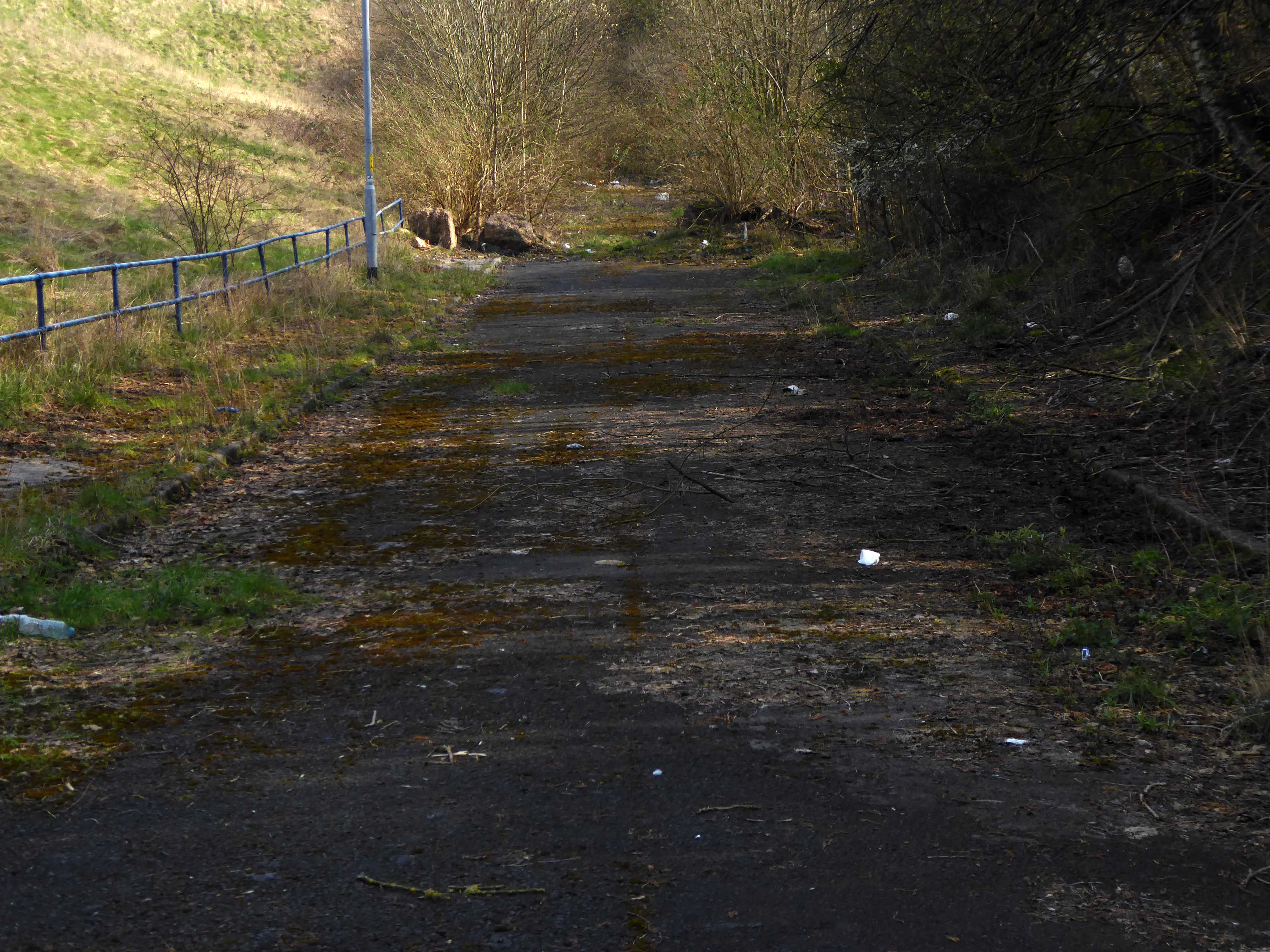
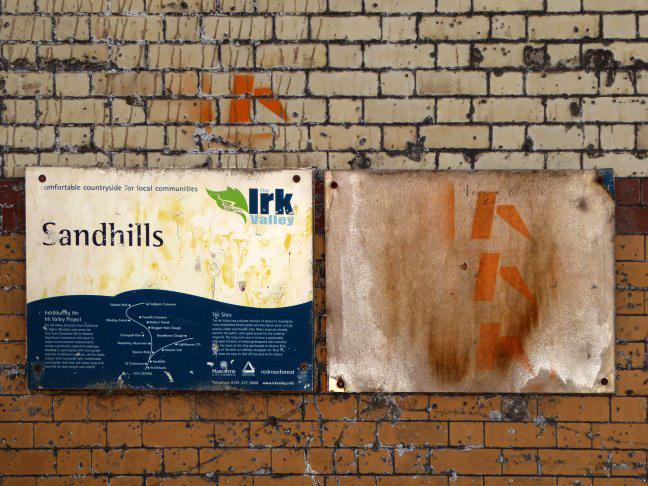
There are current plans afoot to create a City River Park.
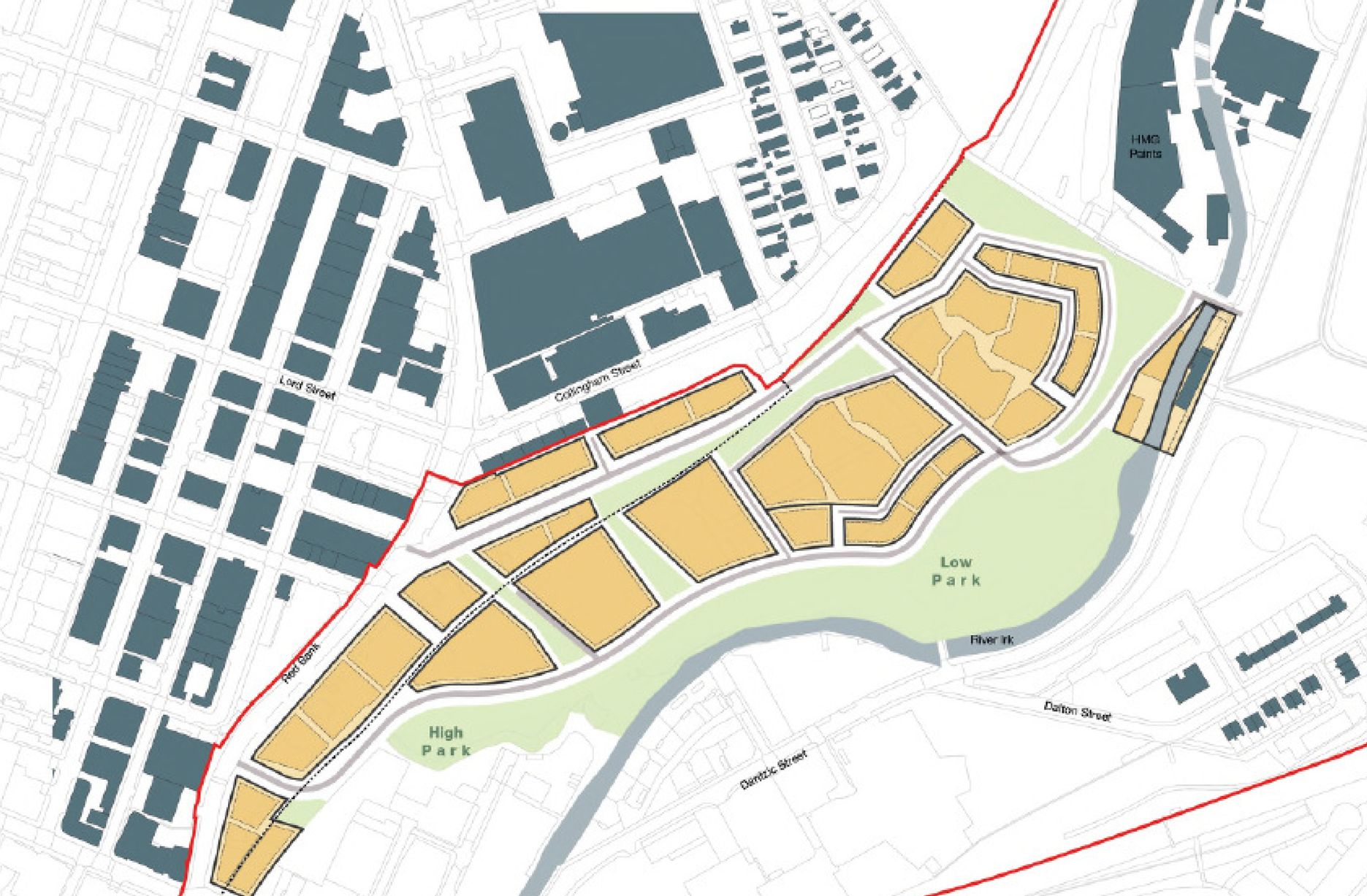
In addition the local authority oversees the Irk River Valley Project , along with Groundwork, United Utilities, Woodland Trust and Greggs.
To the left are St Catherine’s Steps
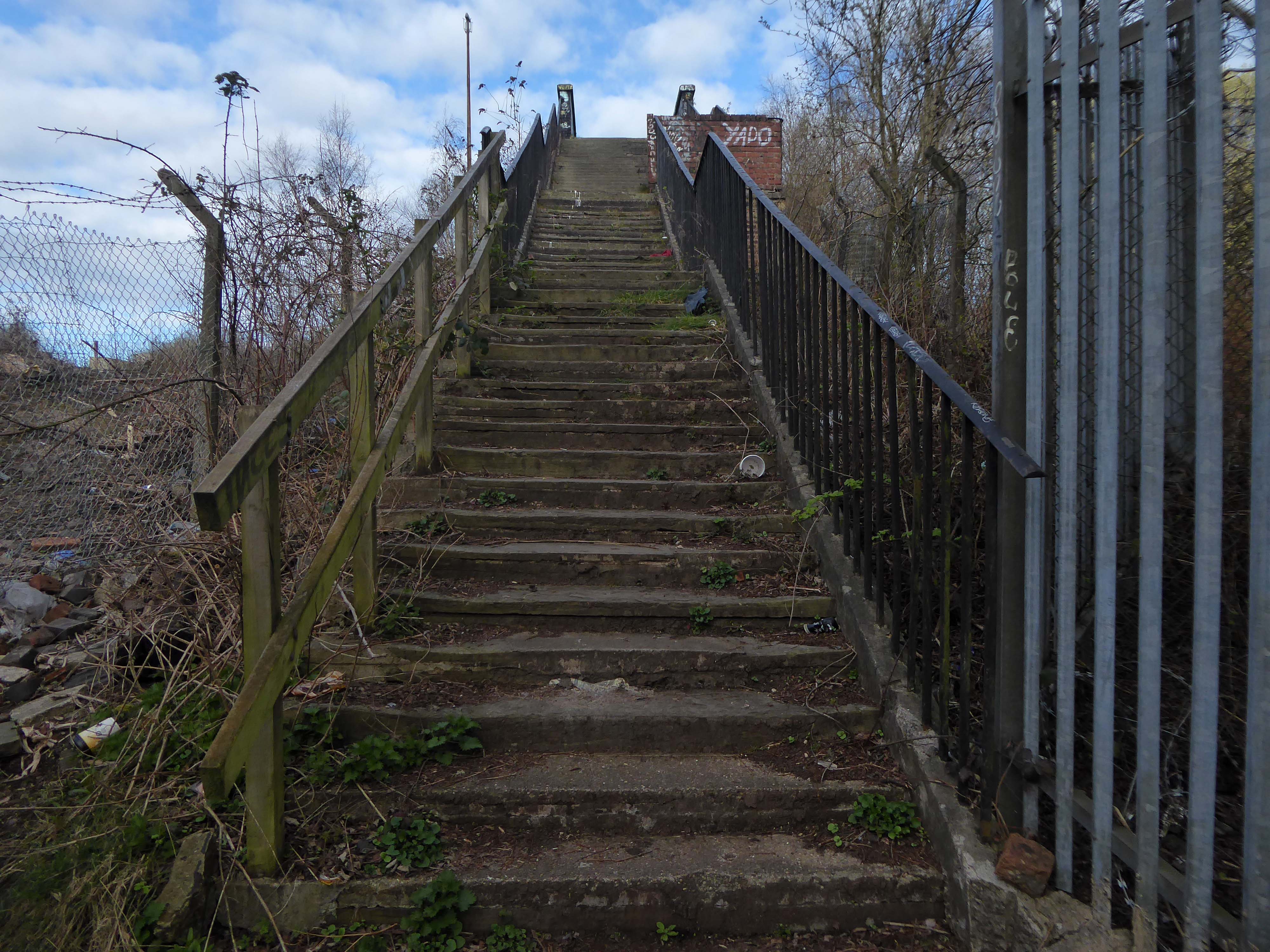
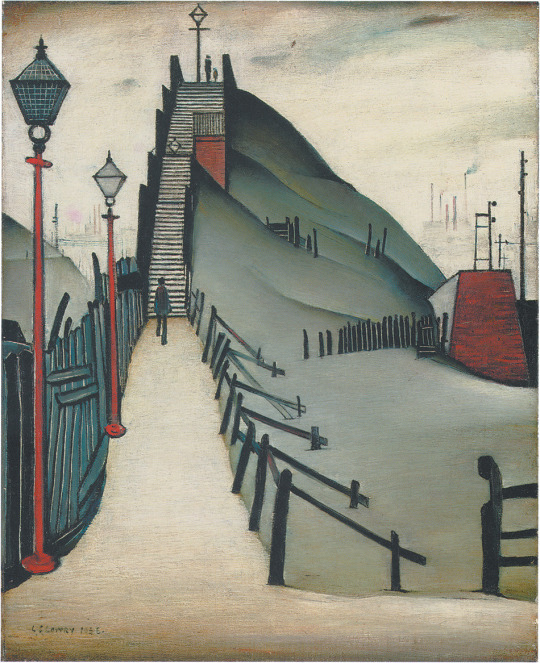
Immortalised by almost local lad LS Lowry
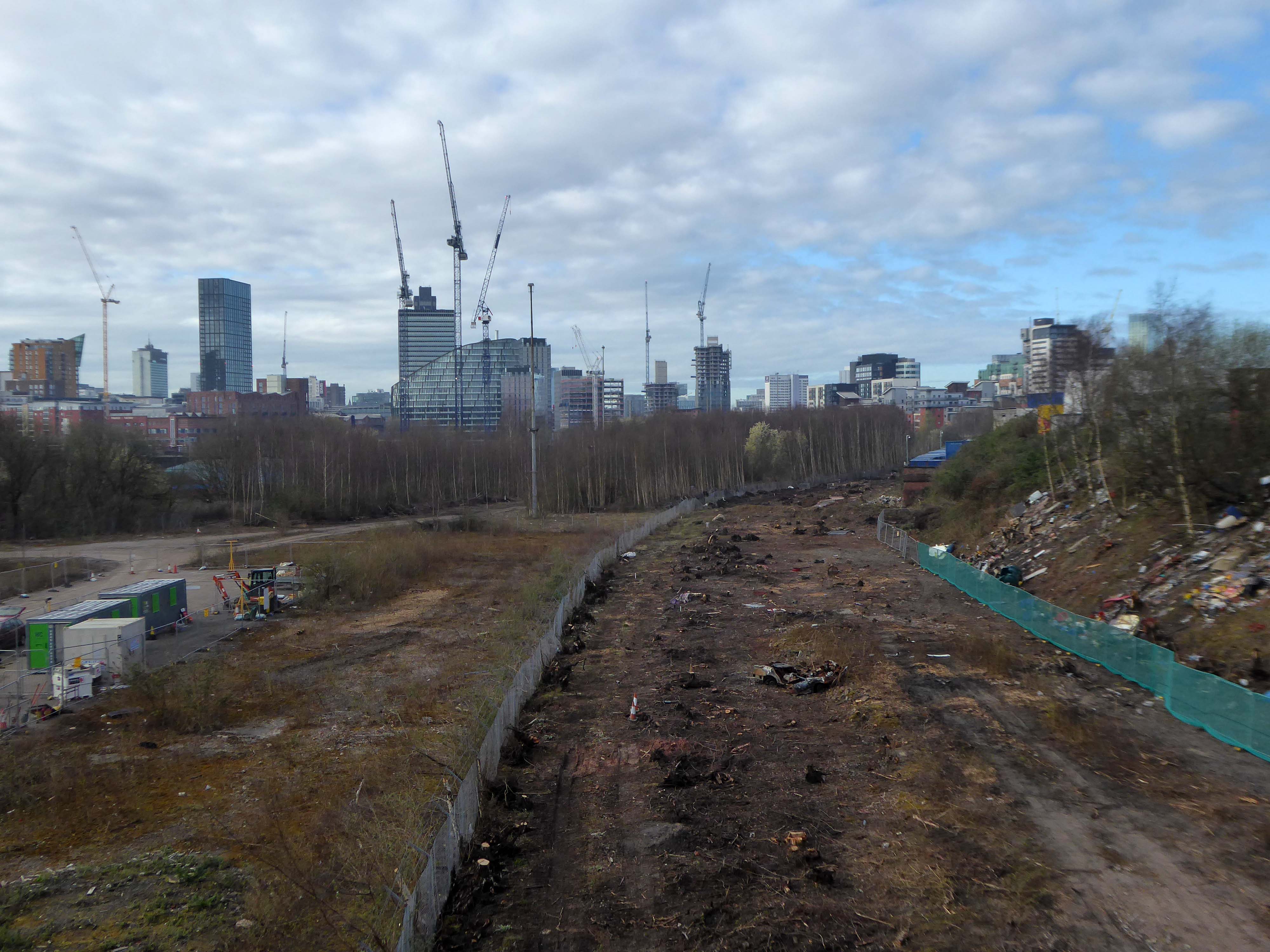
Spanning the defunct railway workings, affording a view of the brightly blooming city centre.
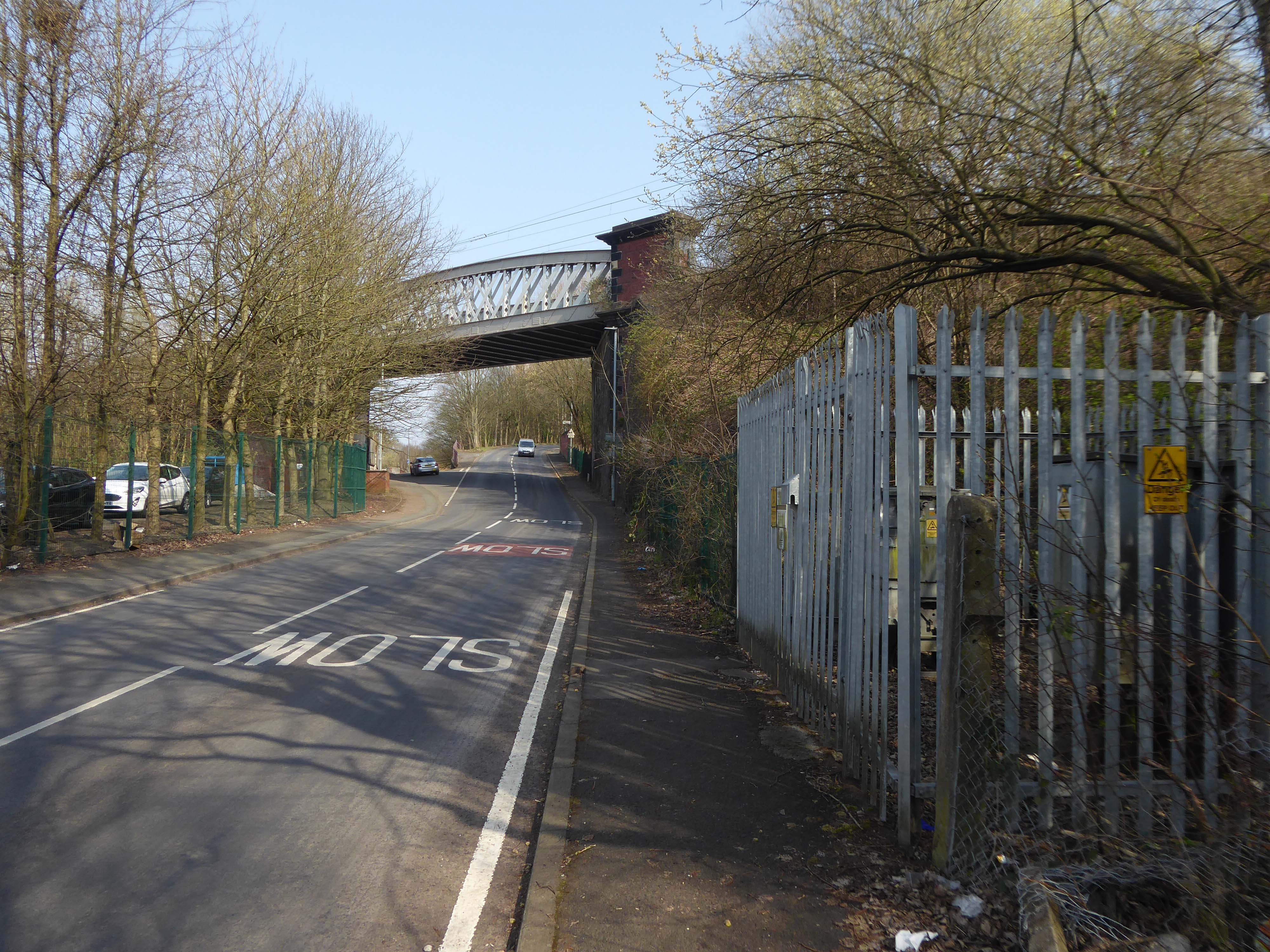
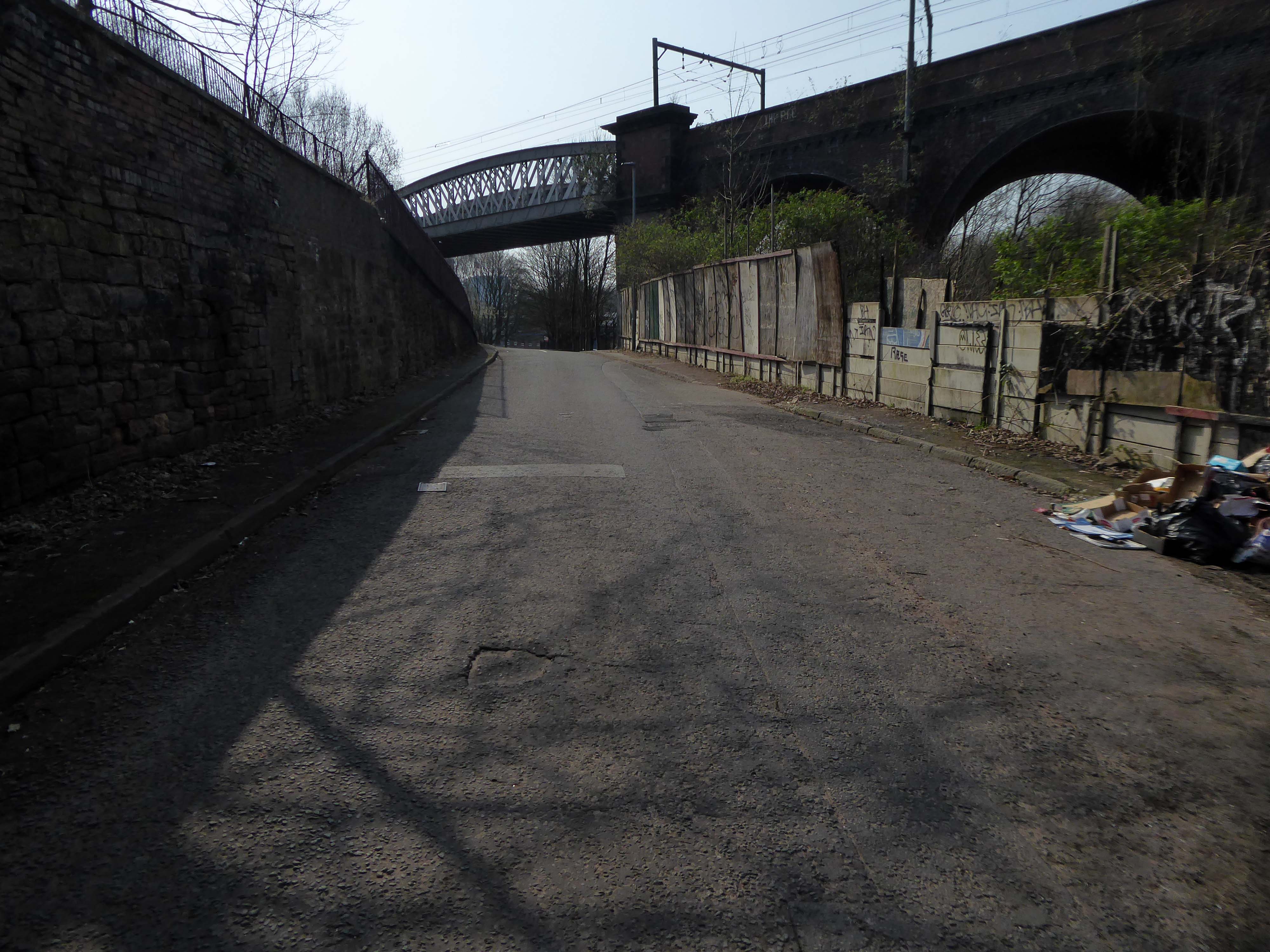
Leaving Collyhurst Road, we journey along Smedley Road.
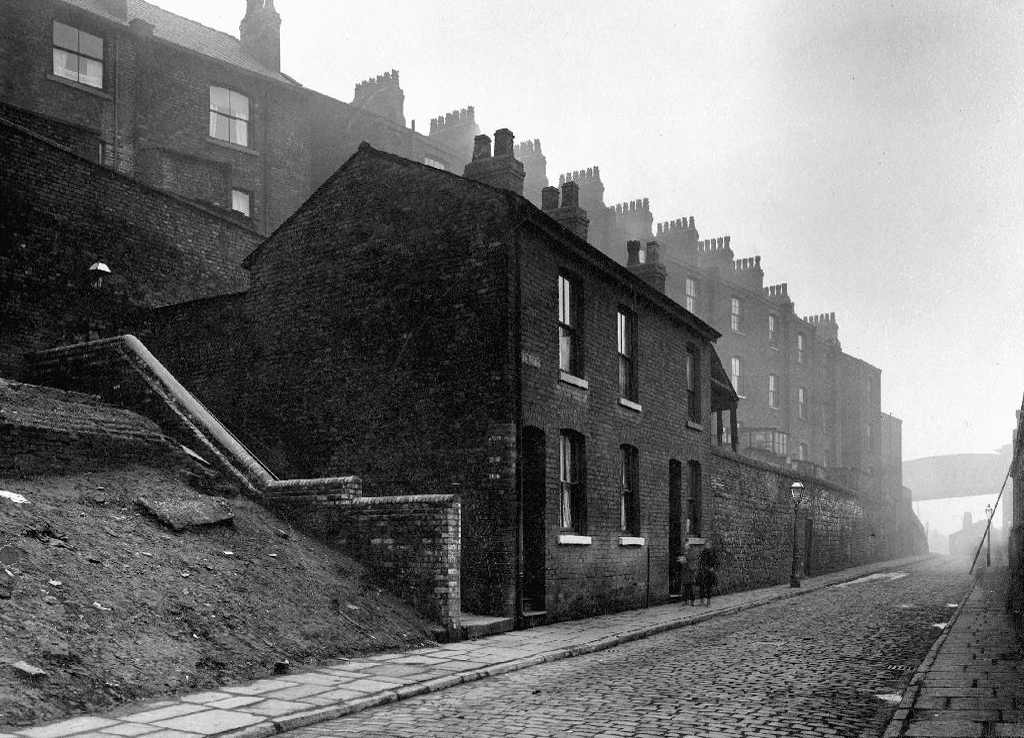
Seen here in 1934.
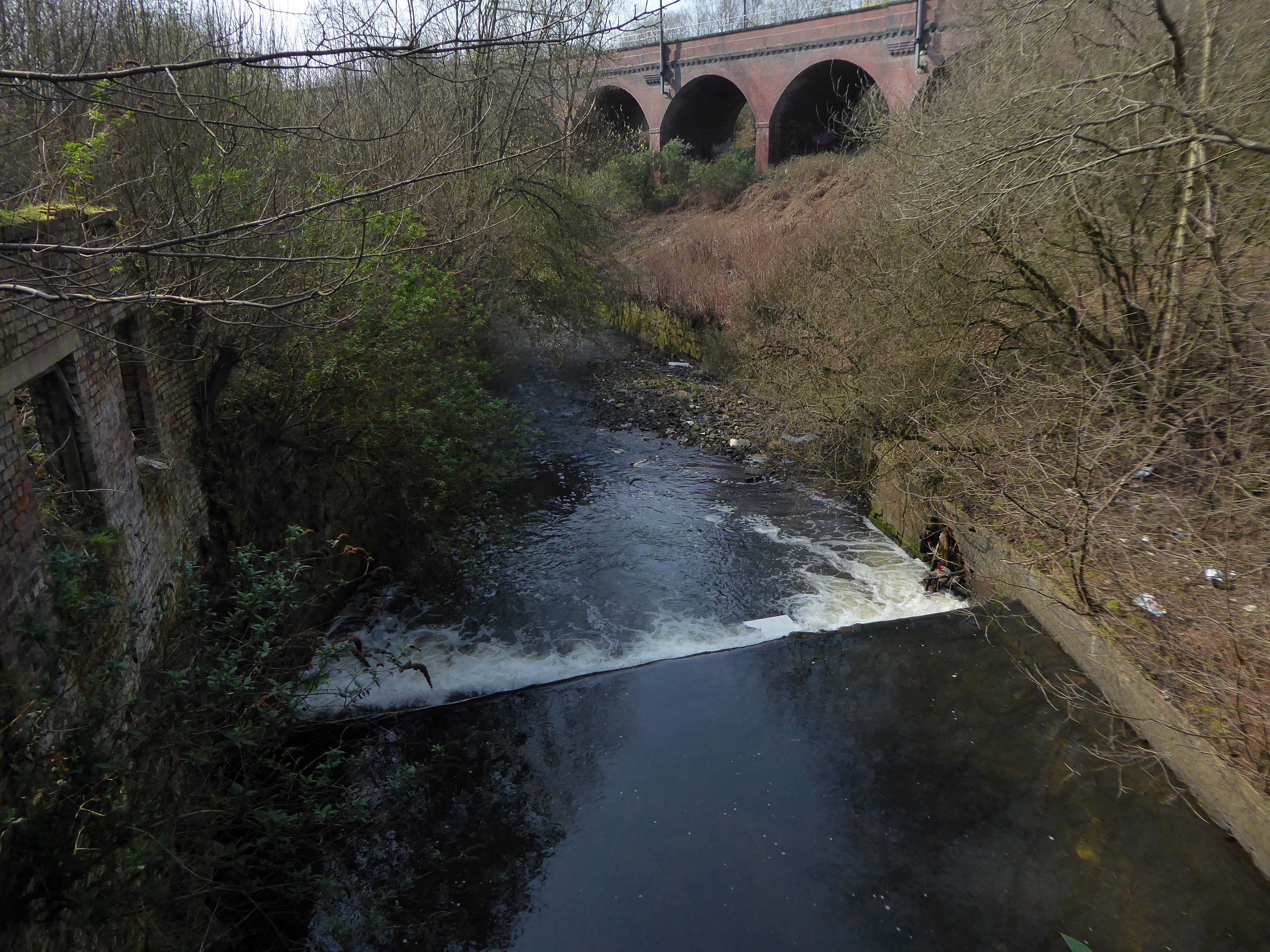
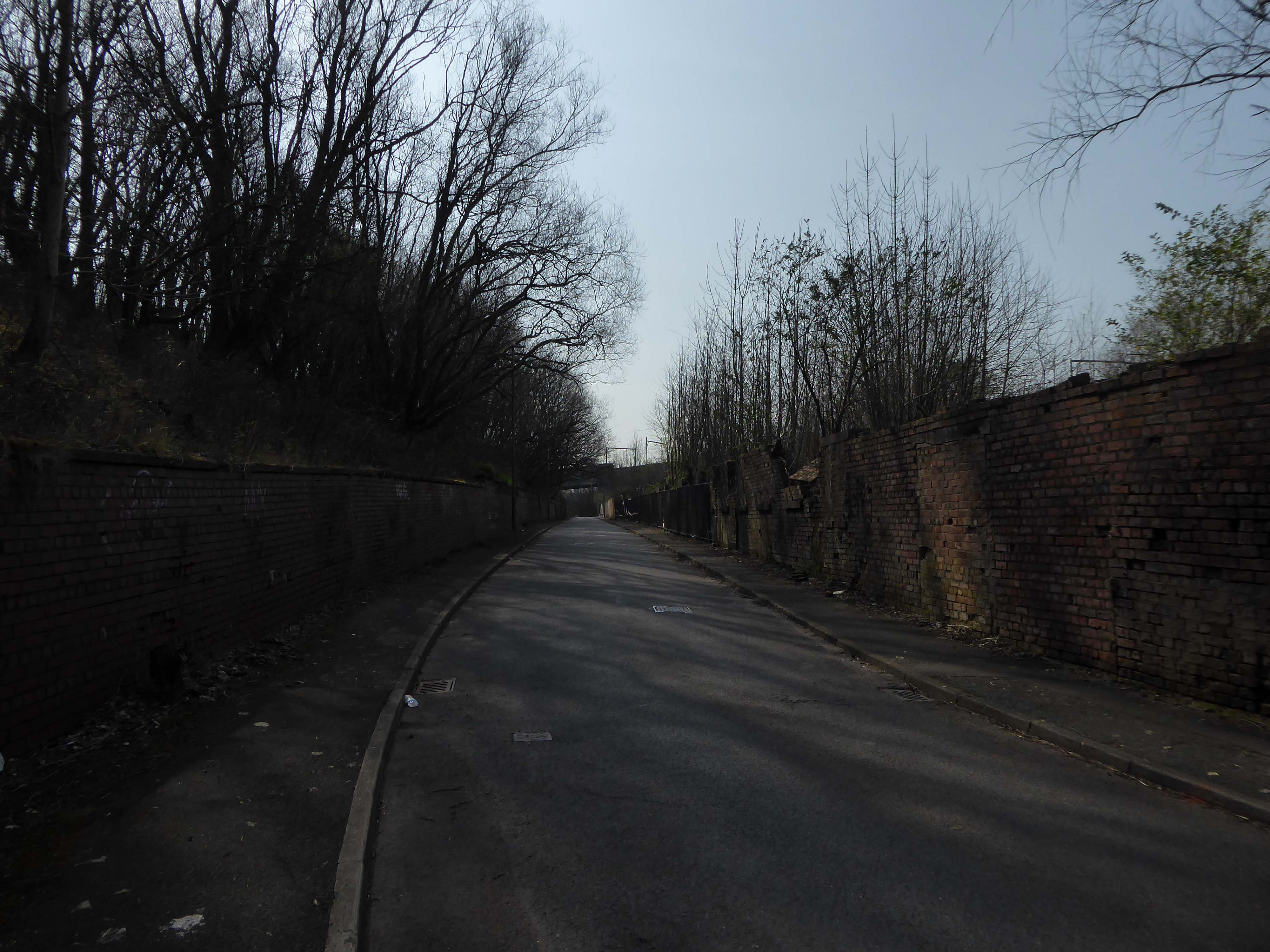
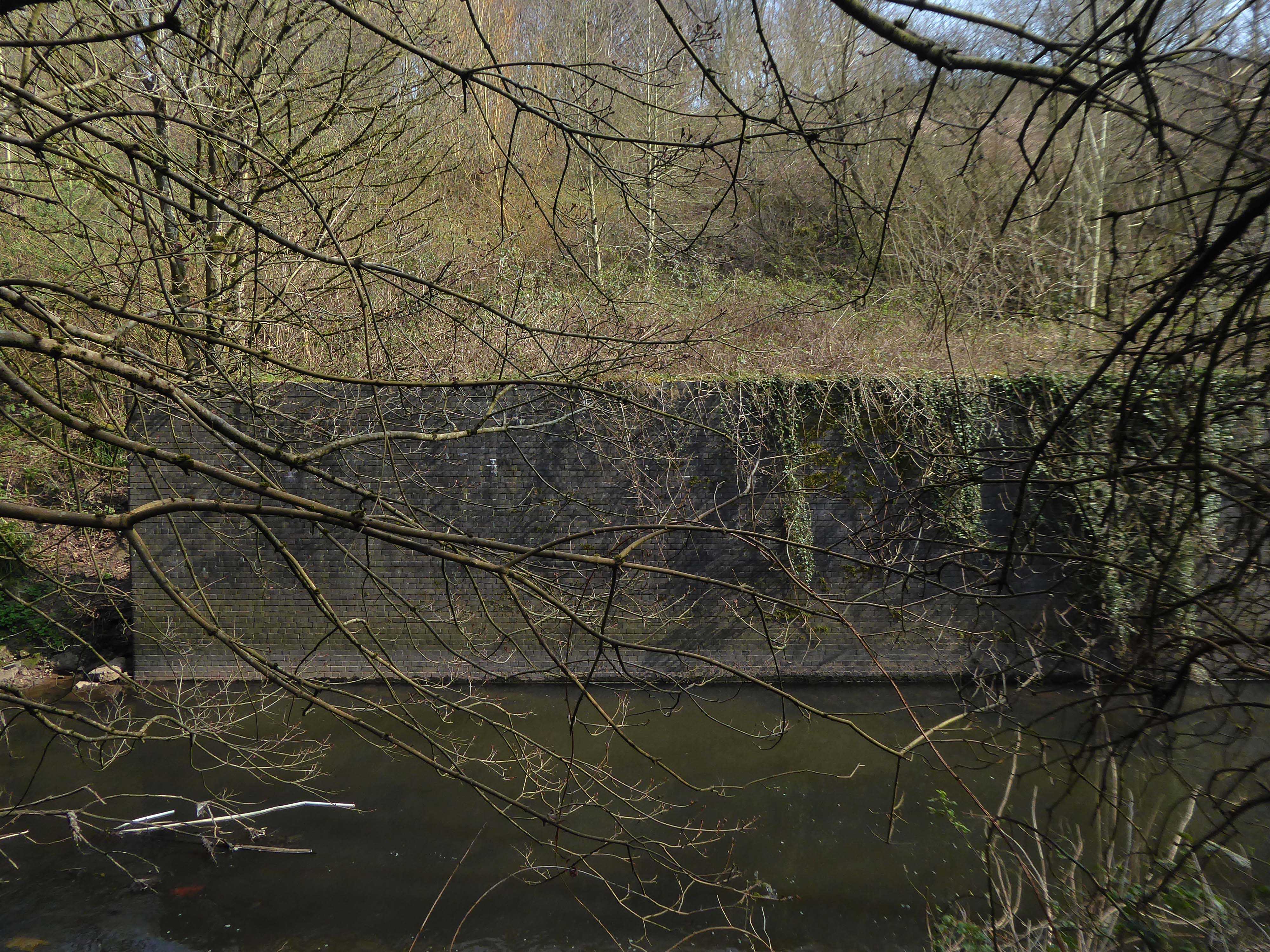
Passing beneath Queens Road – Queens Park to the right.
Queen’s Park was one of Britain’s first municipal parks created in 1846. The park was originally arranged around Hendham Hall, home of the Houghton family however this was demolished in 1884.
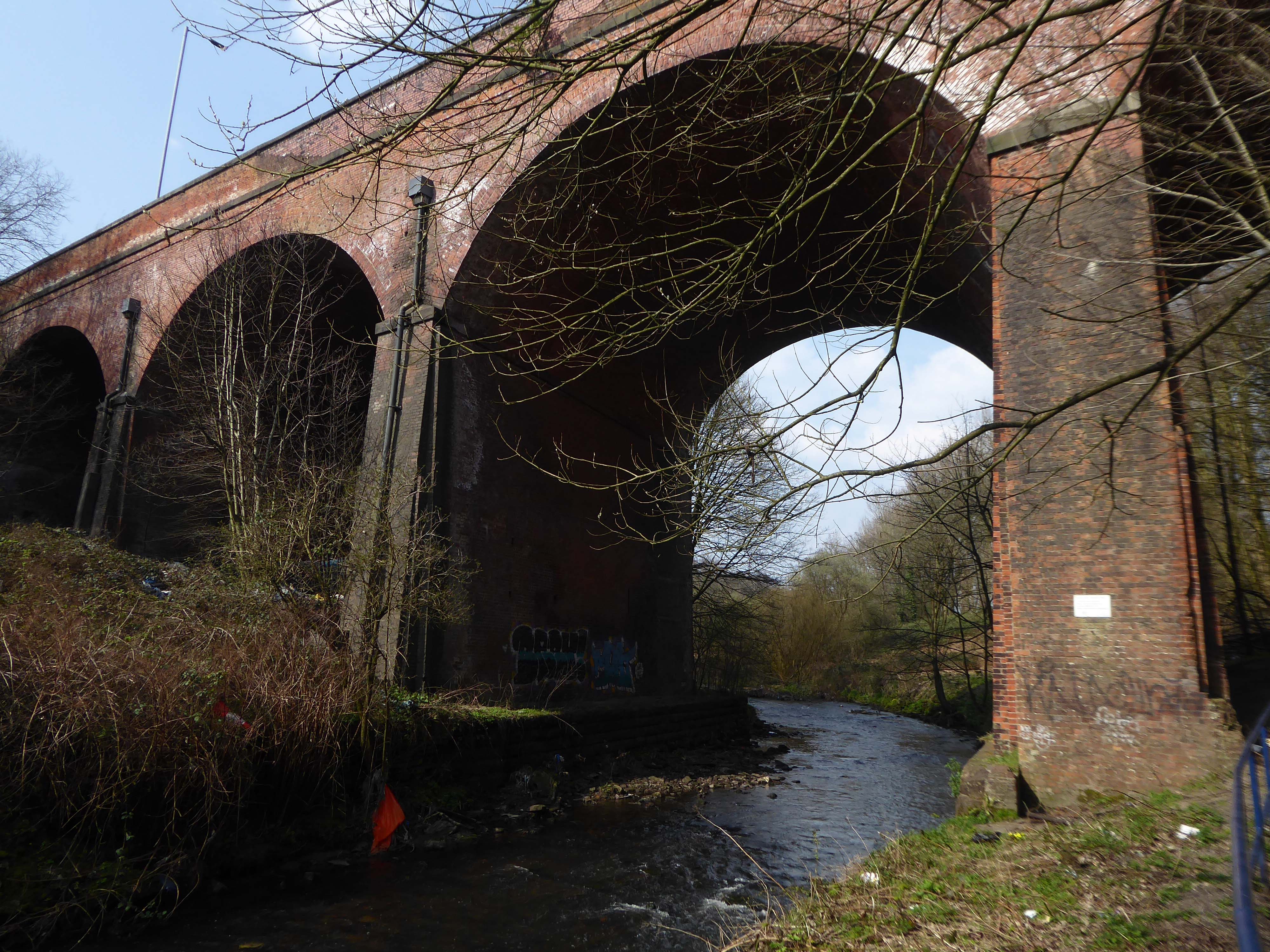
Dropping down to Hendham Vale.
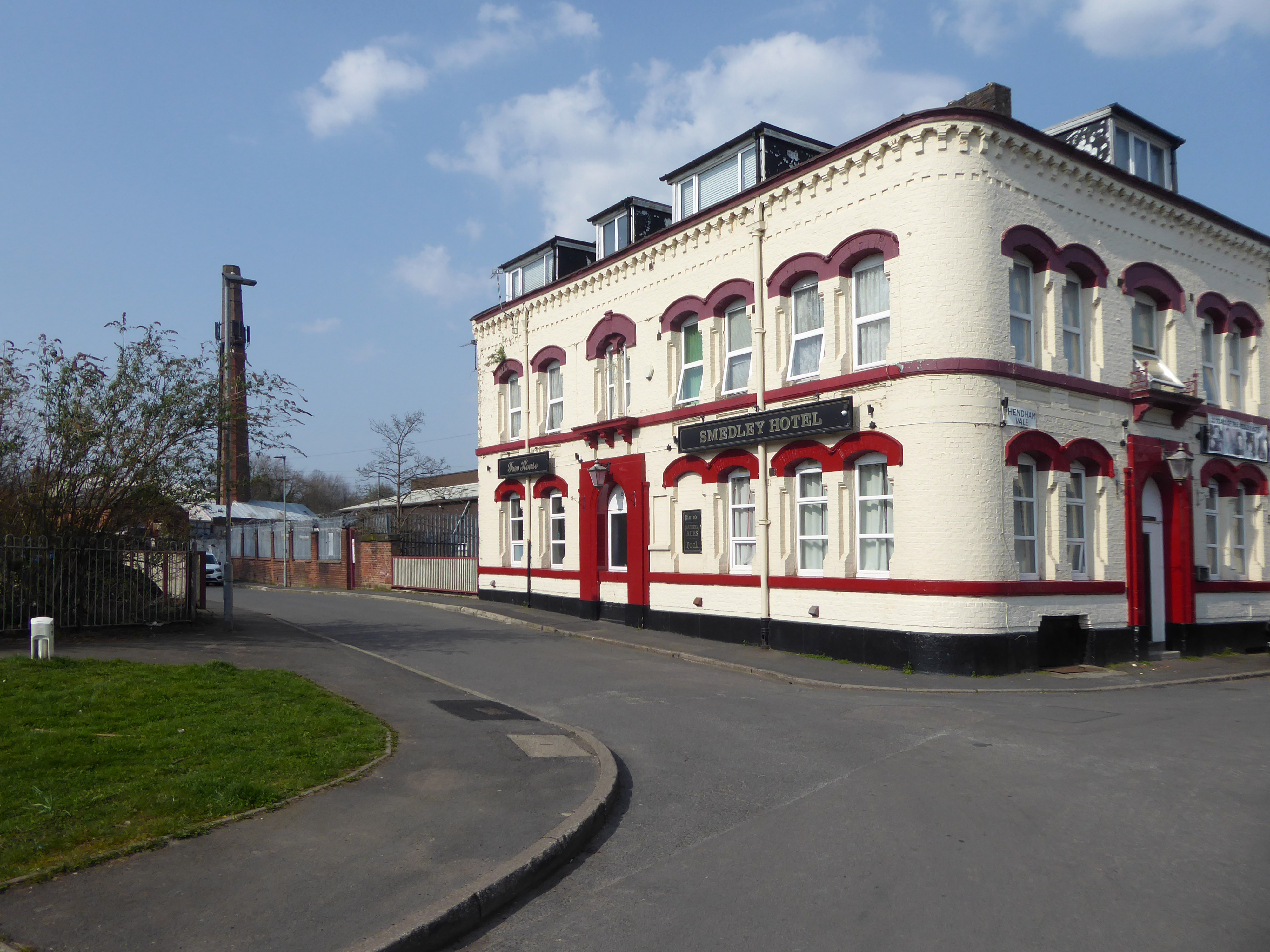
The Smedley Hotel is a very large pub that is hidden away on a quiet back street. Once inside there were a few different rooms and I had a drink in the bar which was fairly large and seemed in need of some attention. The pub still had its old Chesters signs outside and there were three real ales on the bar. I had a drink of Chesters bitter and this was a very nice drink the other beers were Chesters mild and Boddington’s bitter.
I thought this pub would be long gone but it is still standing and I think open for business.
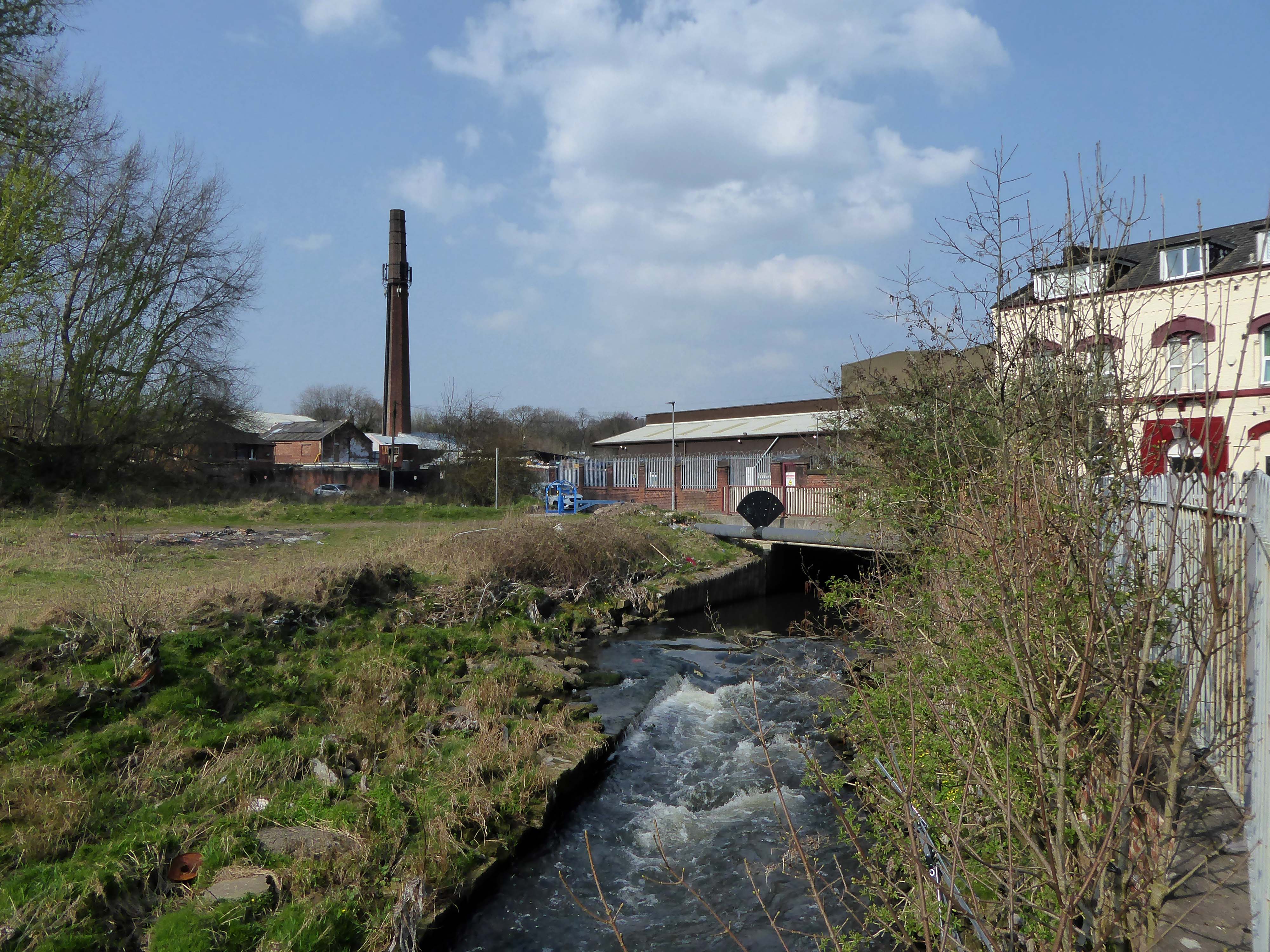
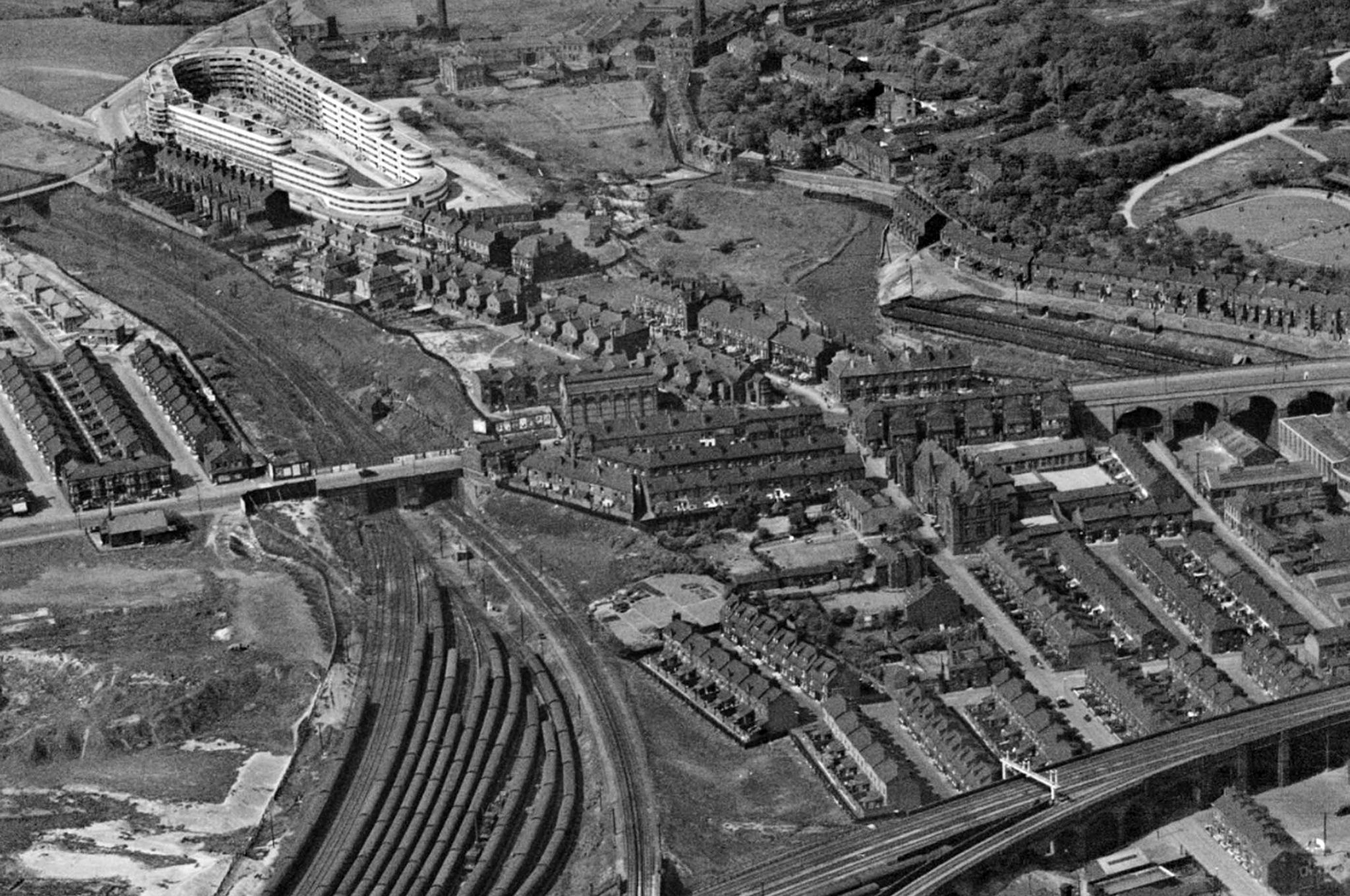
Lost to the world are the Manchester Moderne flats of Kennet House overlooking the Irk Valley on Smedley Lane.
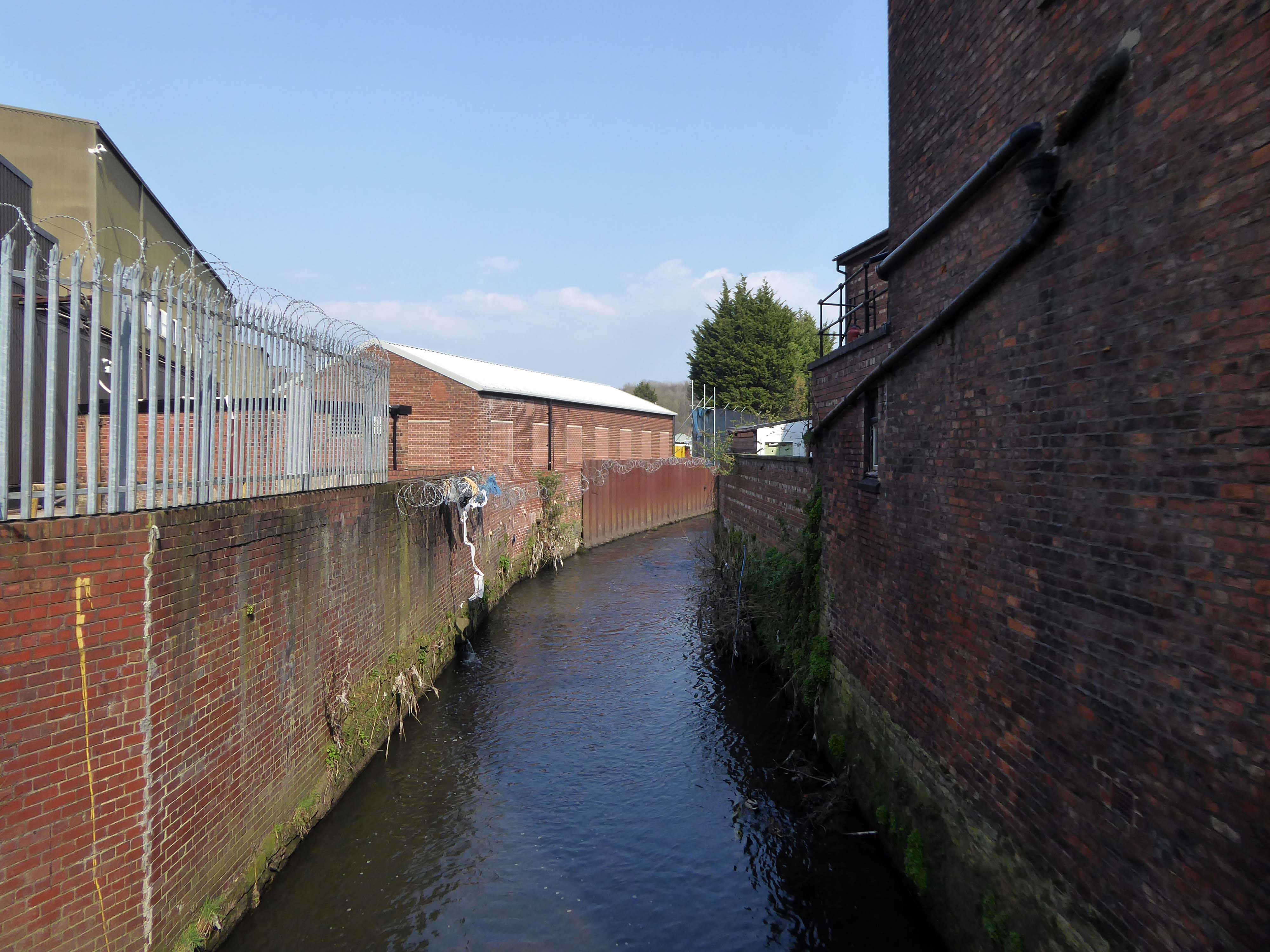
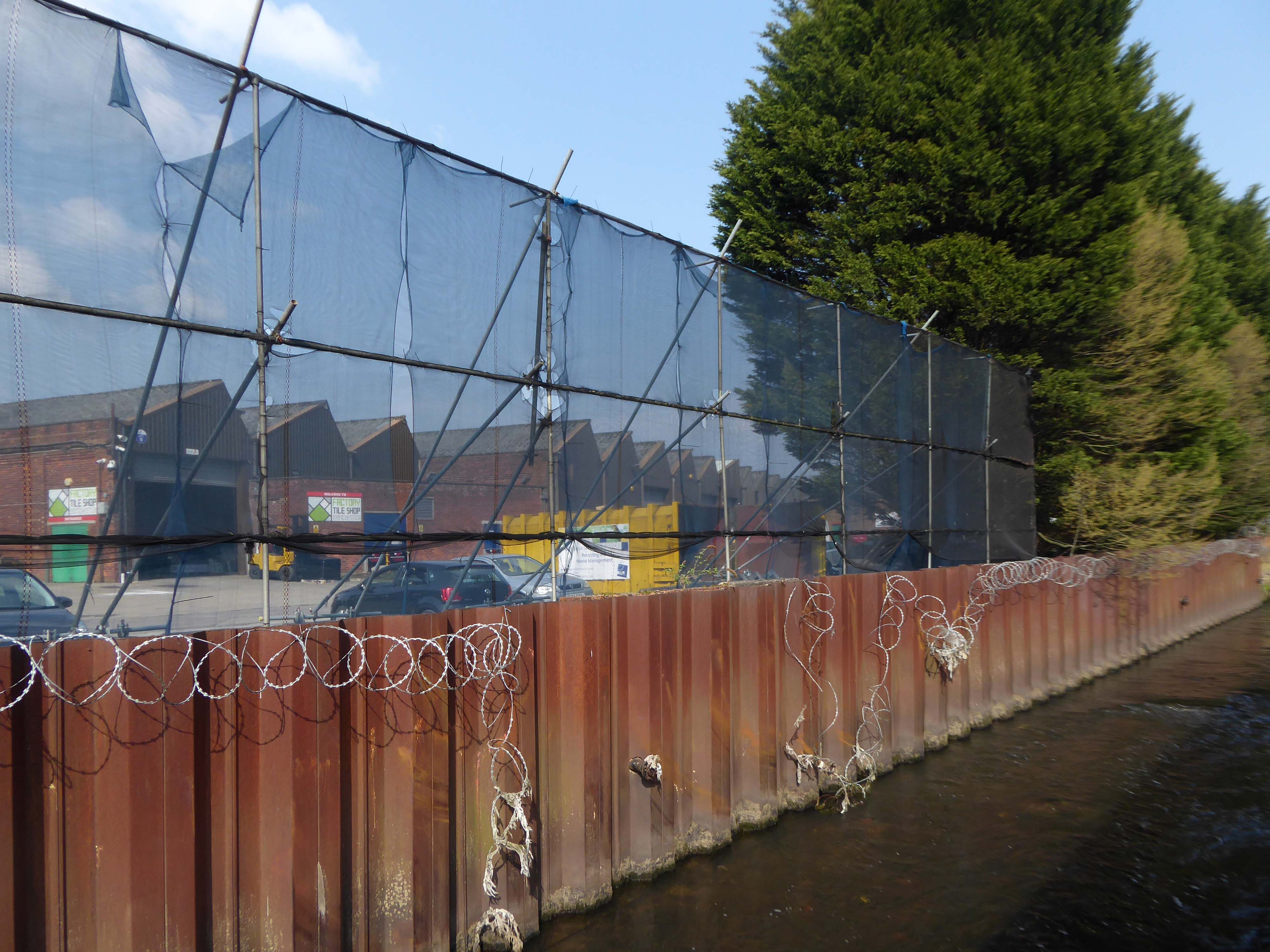
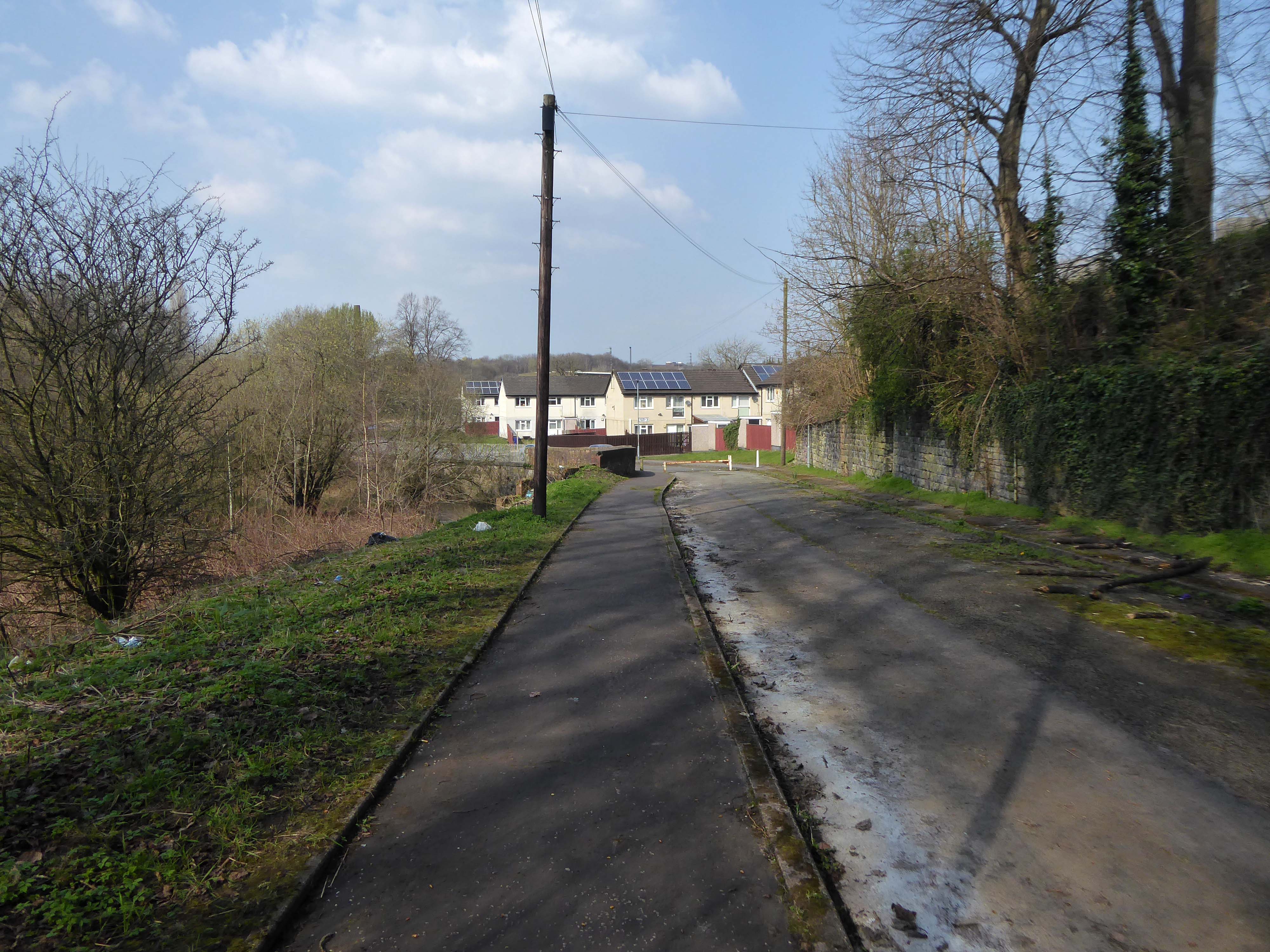
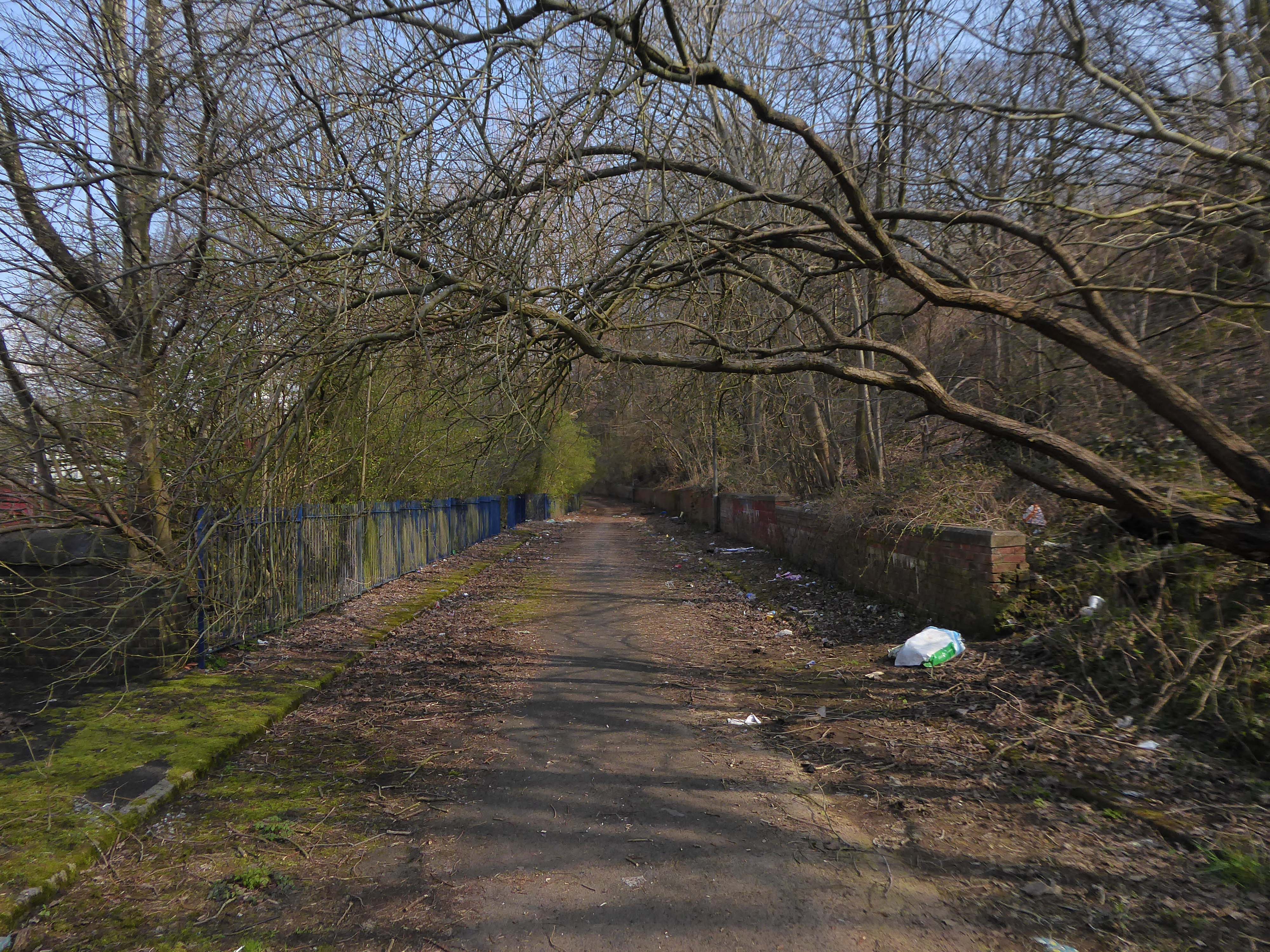
Hendham Way becomes a pedestrianised lane.
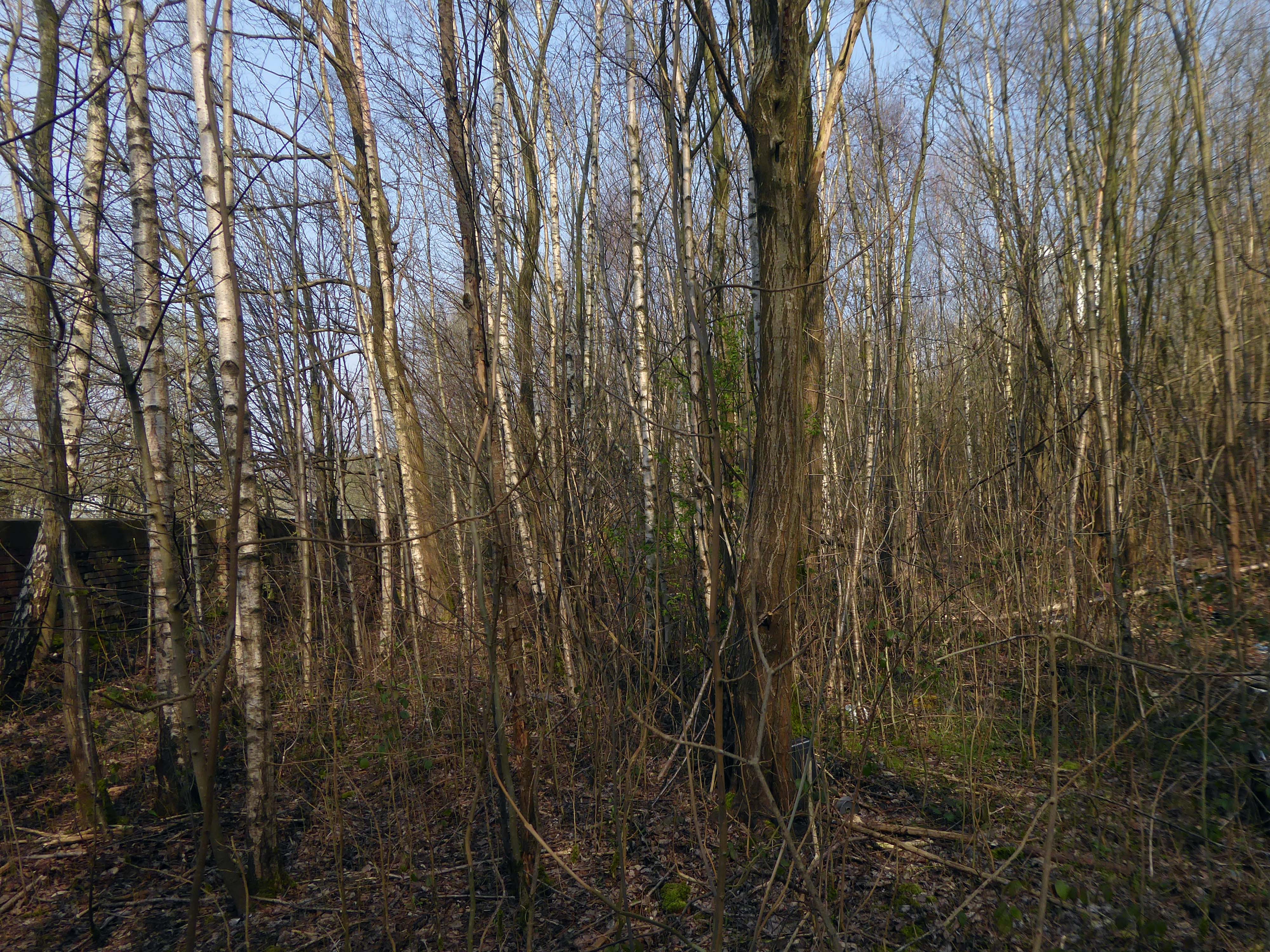
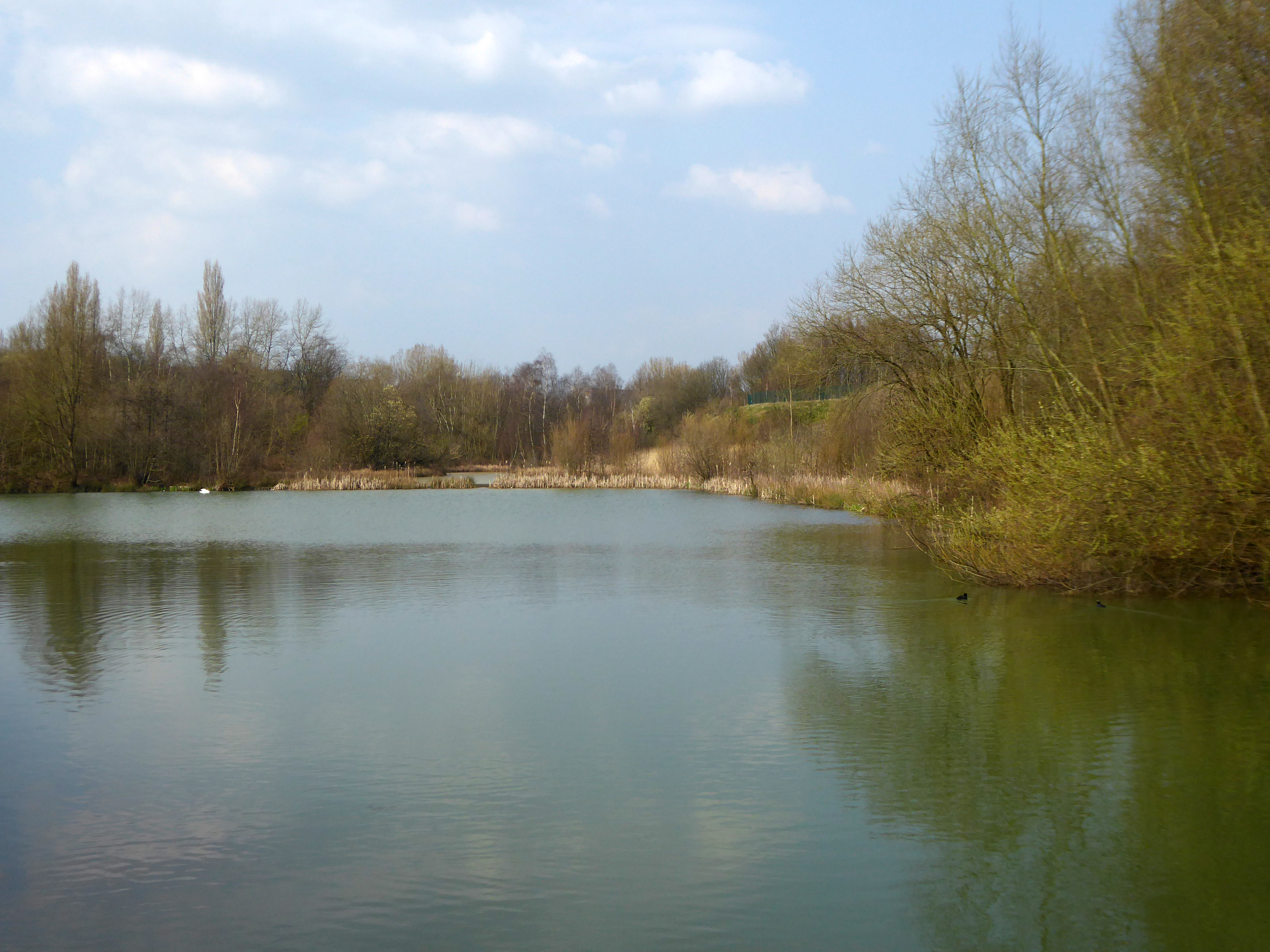
A remnant of the industrial era the reservoirs and ponds, once used by the factories as a source of water, have over the year become a thriving habitat which supports a substantial amount of wildlife.
Black and white photographs: Manchester Local Image Collection
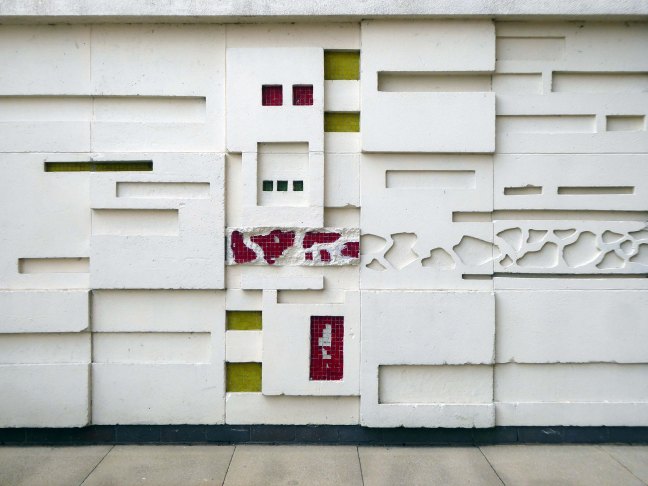
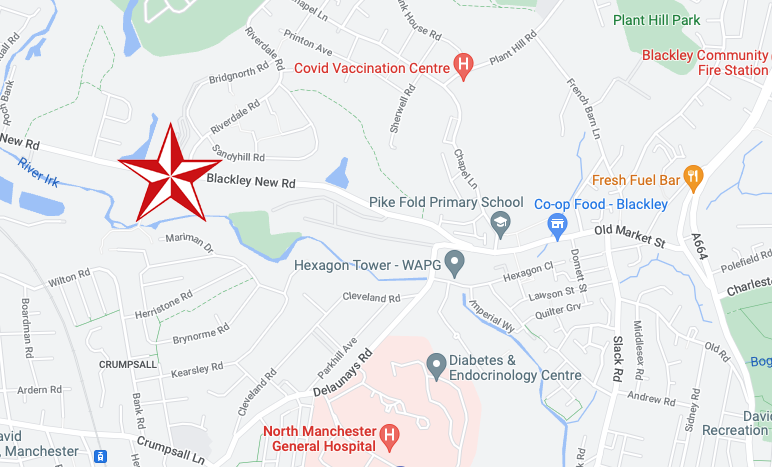
Sandyhill Court Sandyhill Rd Manchester M9 8JS
Almost high on a hill stands a lonely tower block.
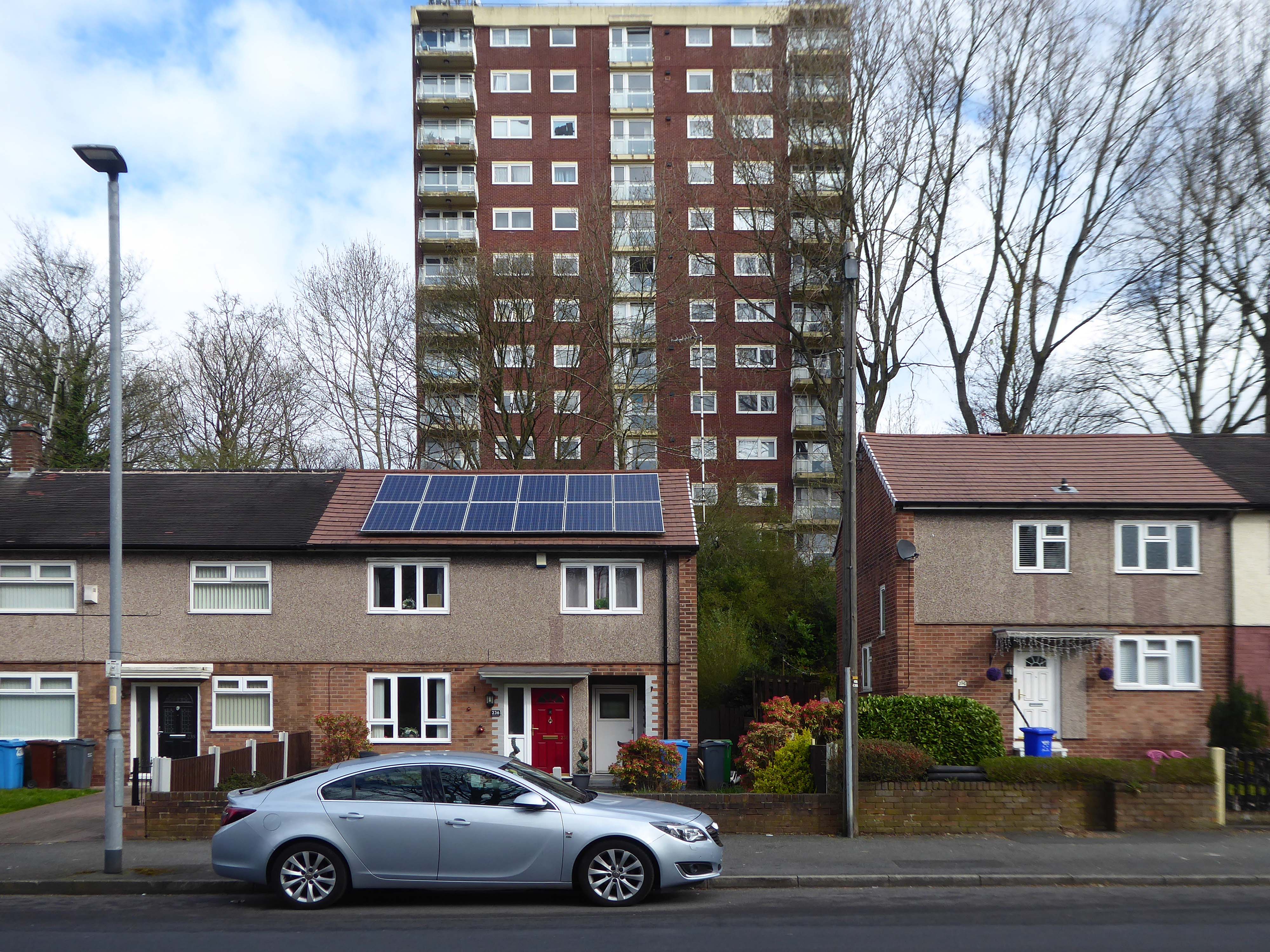
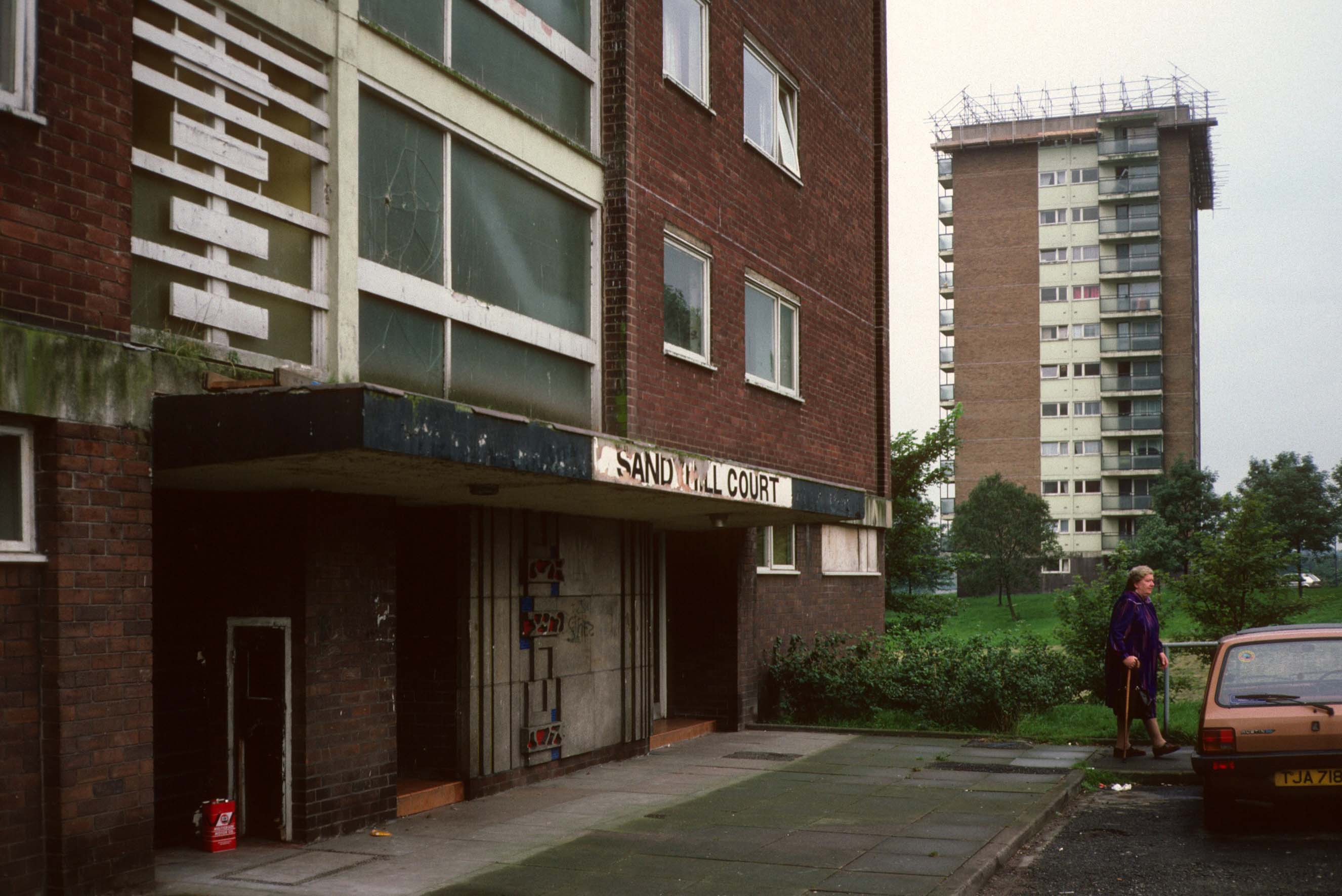
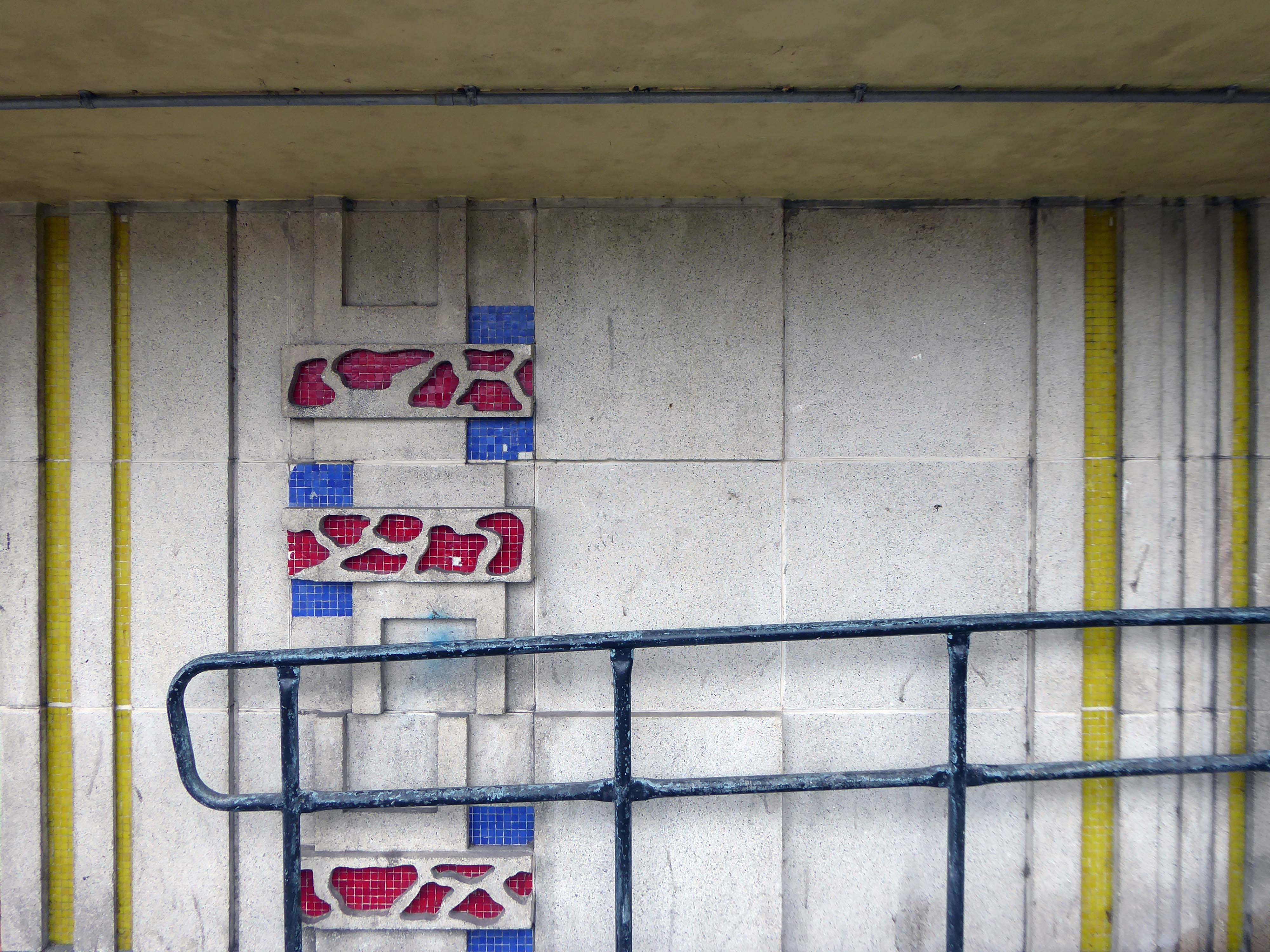
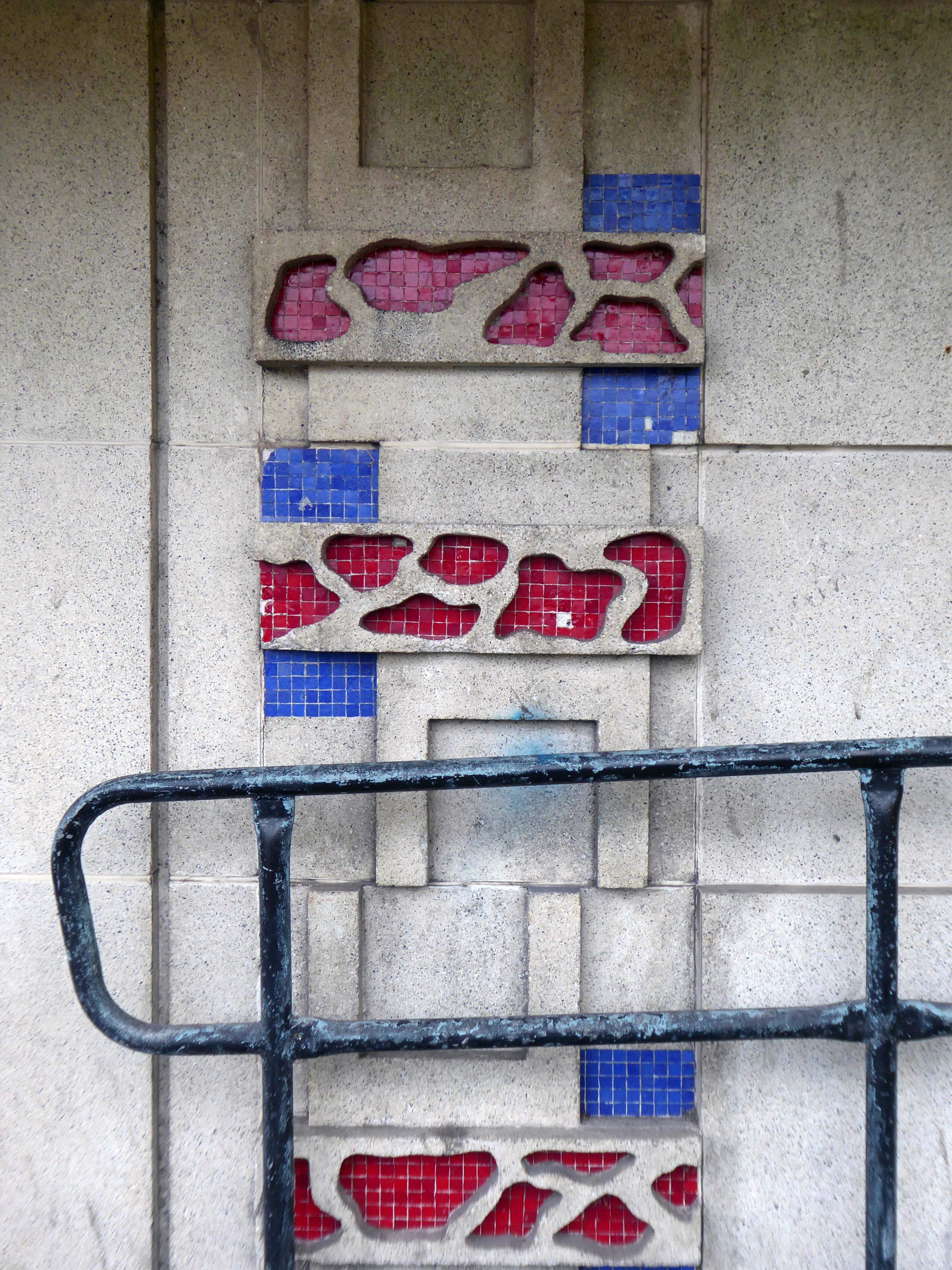
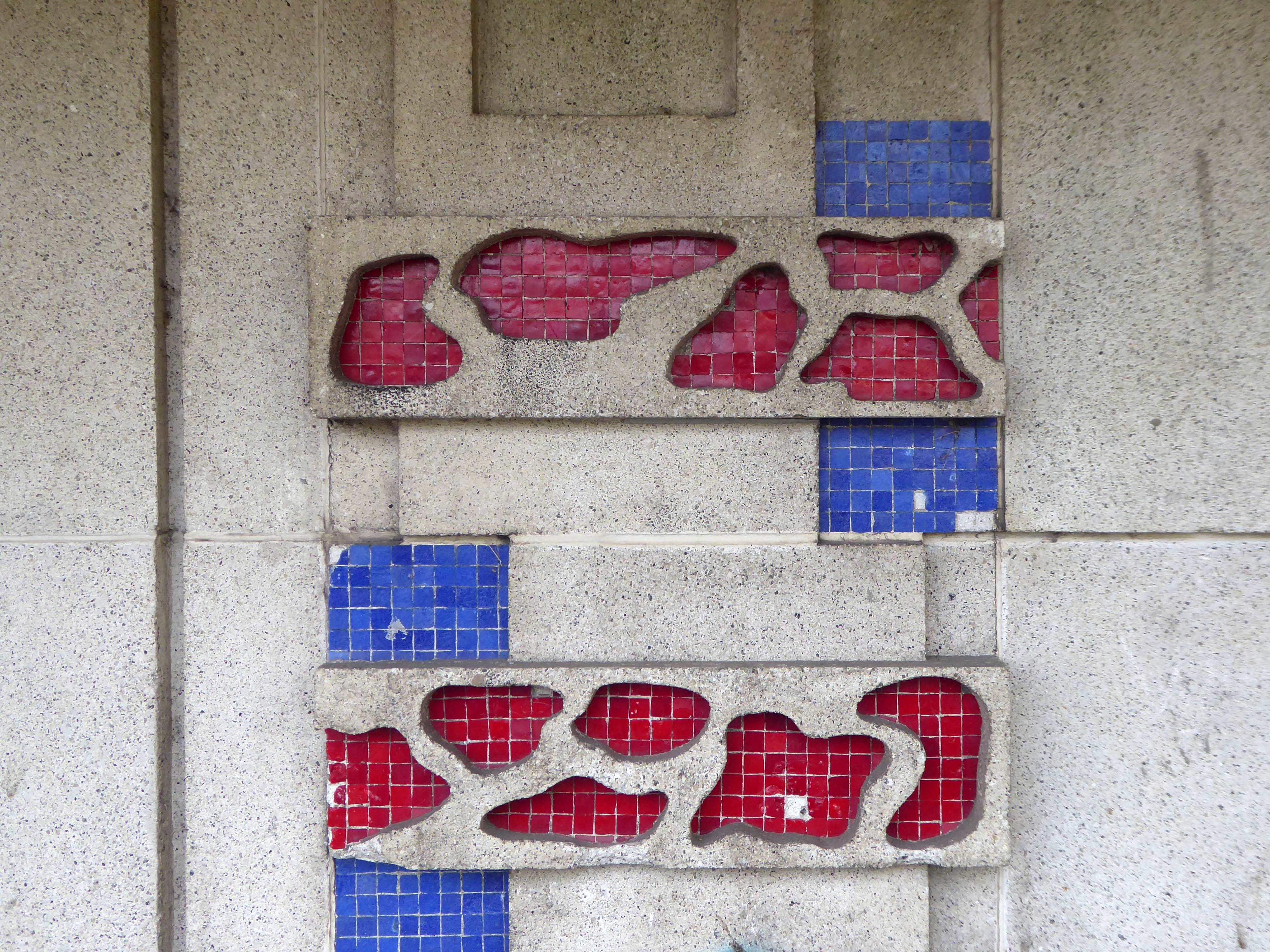
Sandyhill Court – Stands on the corner of Riverdale Road and Sandyhill Road and is still a local authority block.
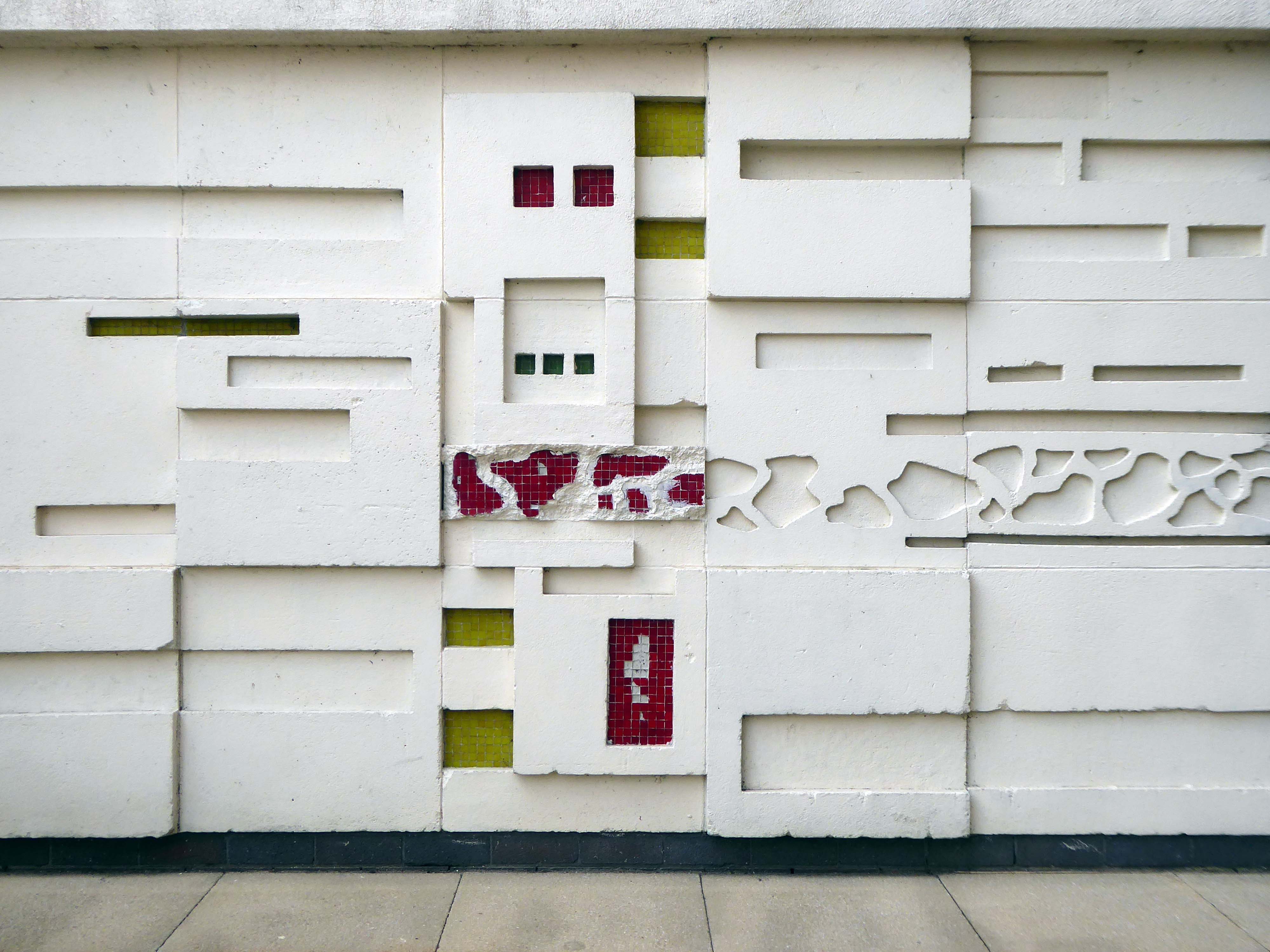
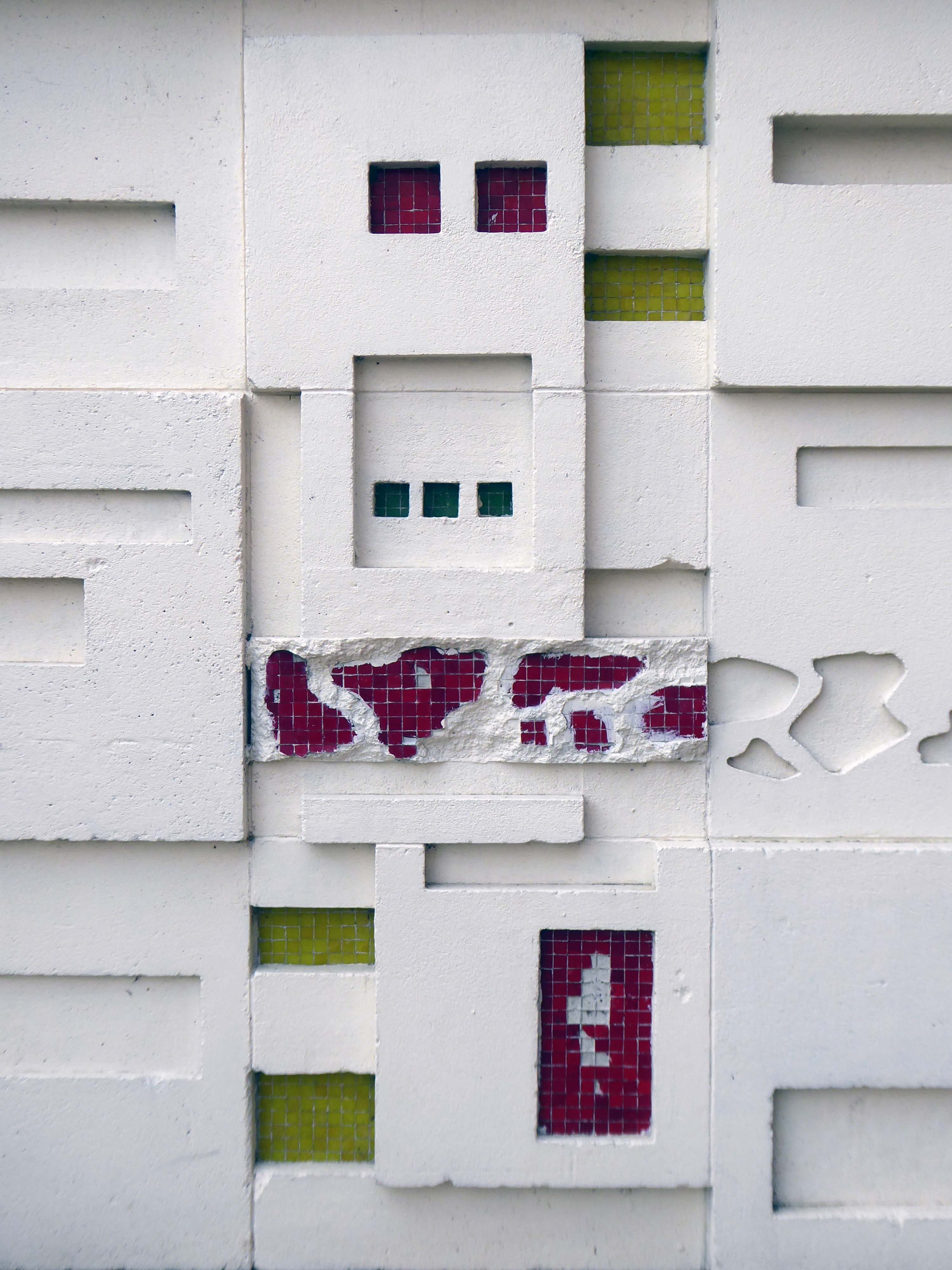
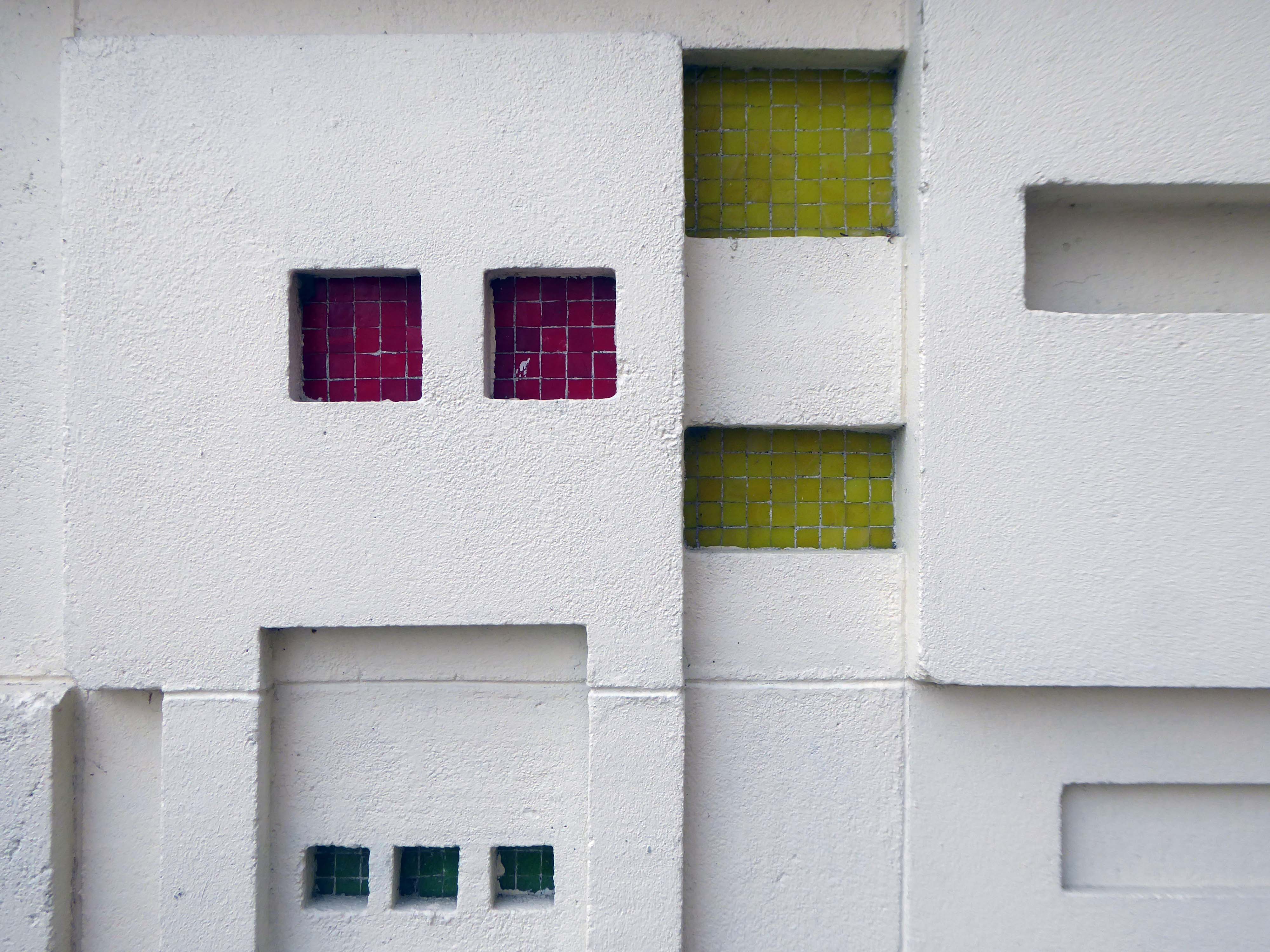
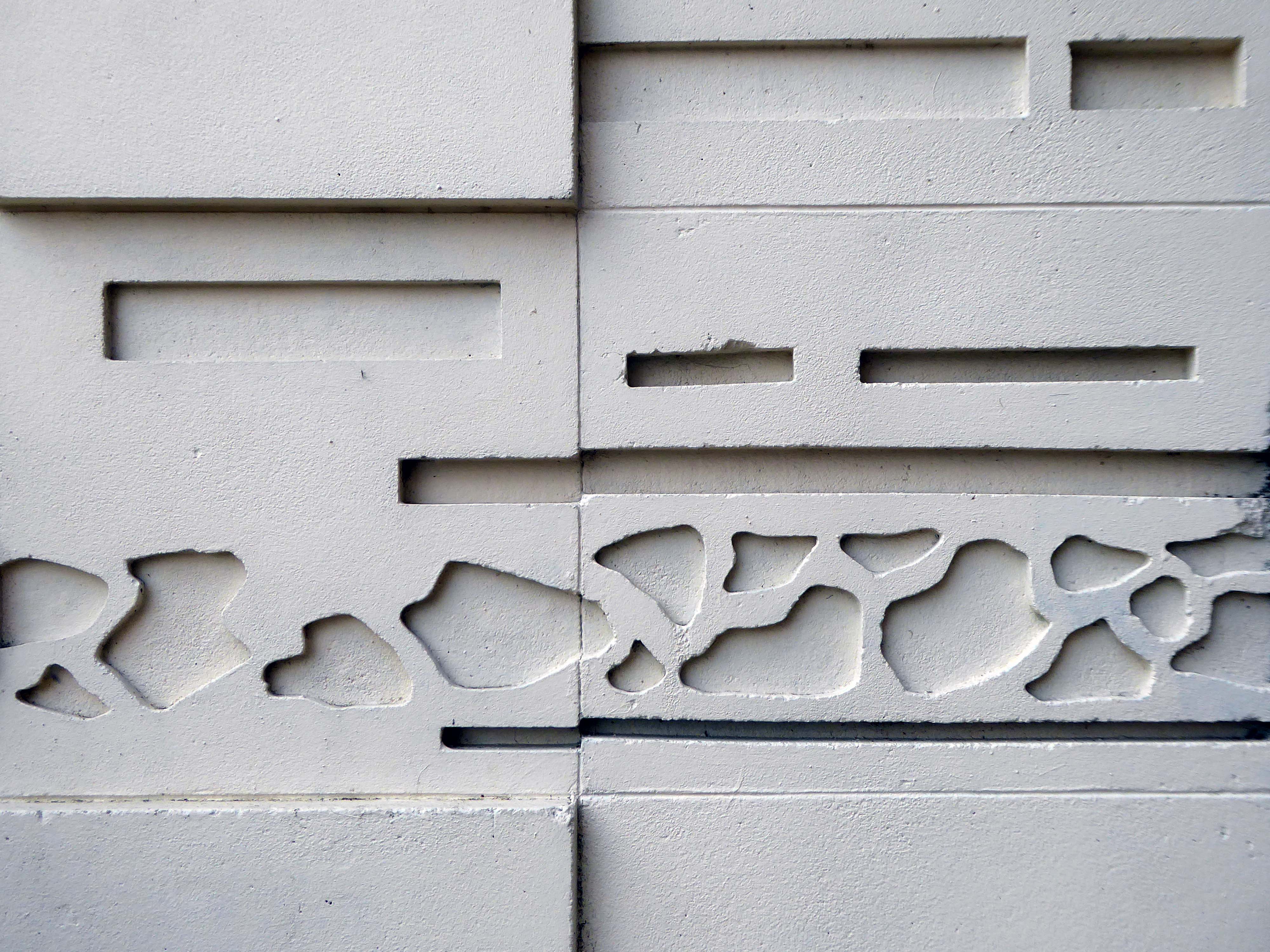
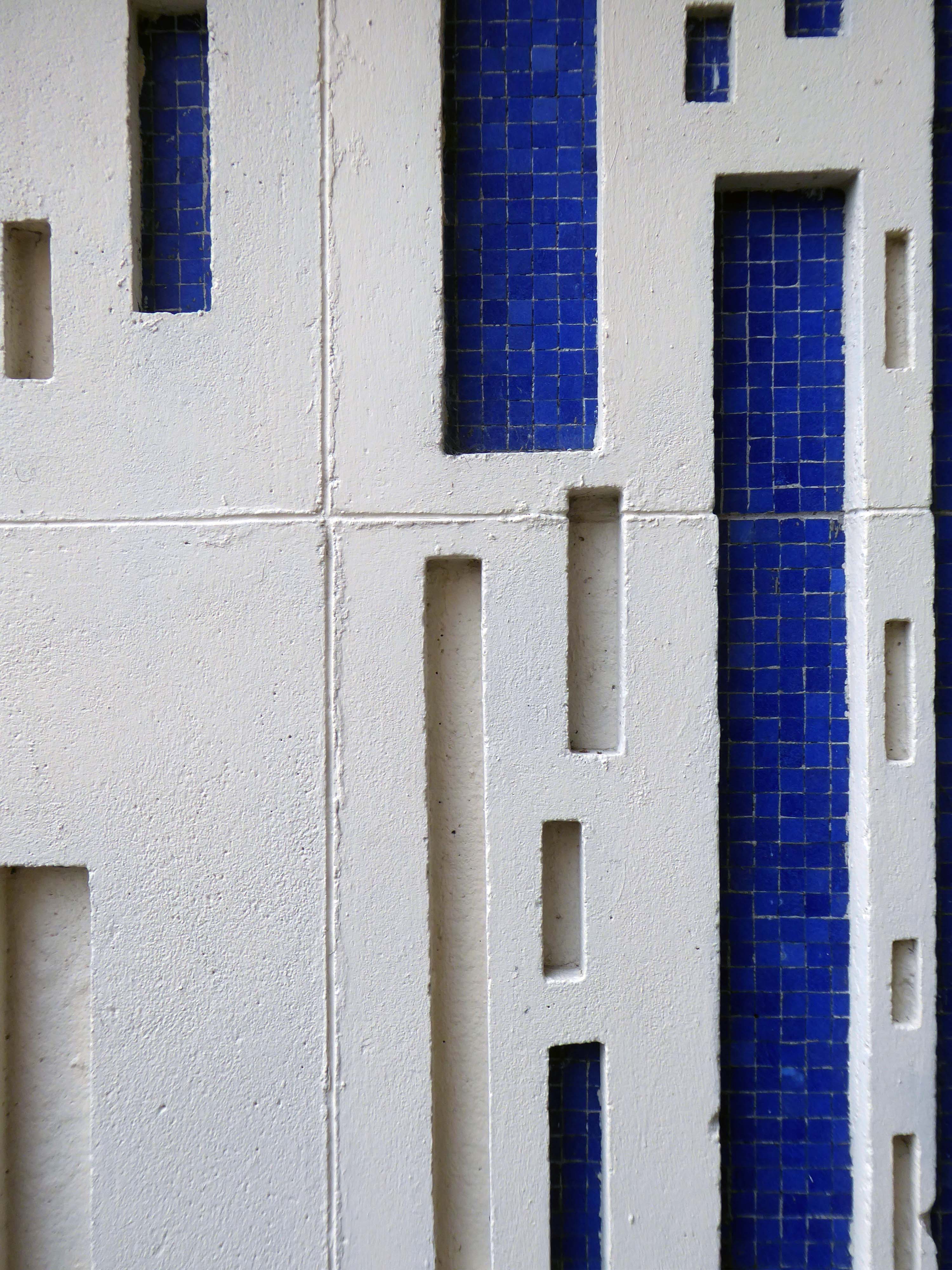
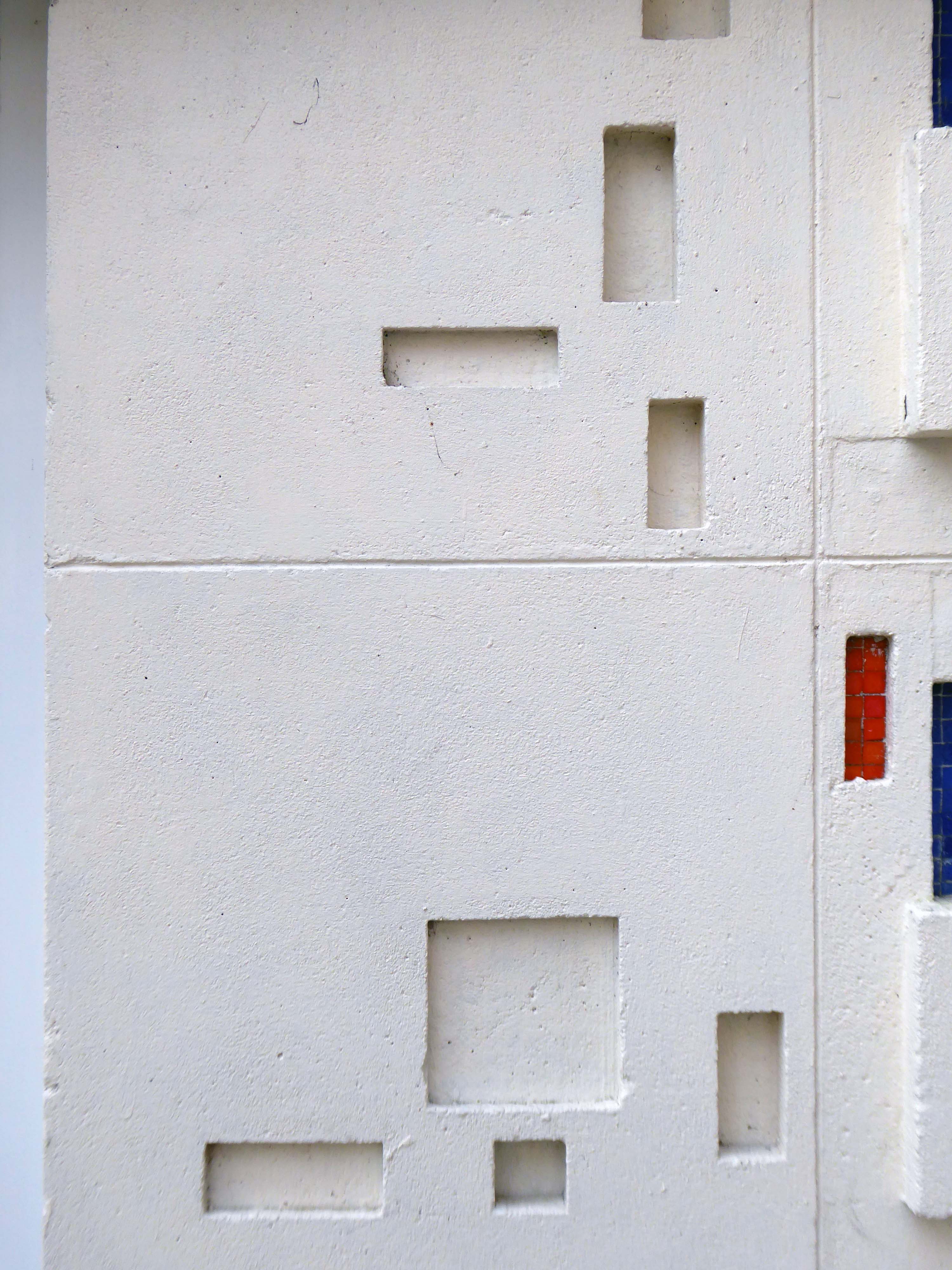
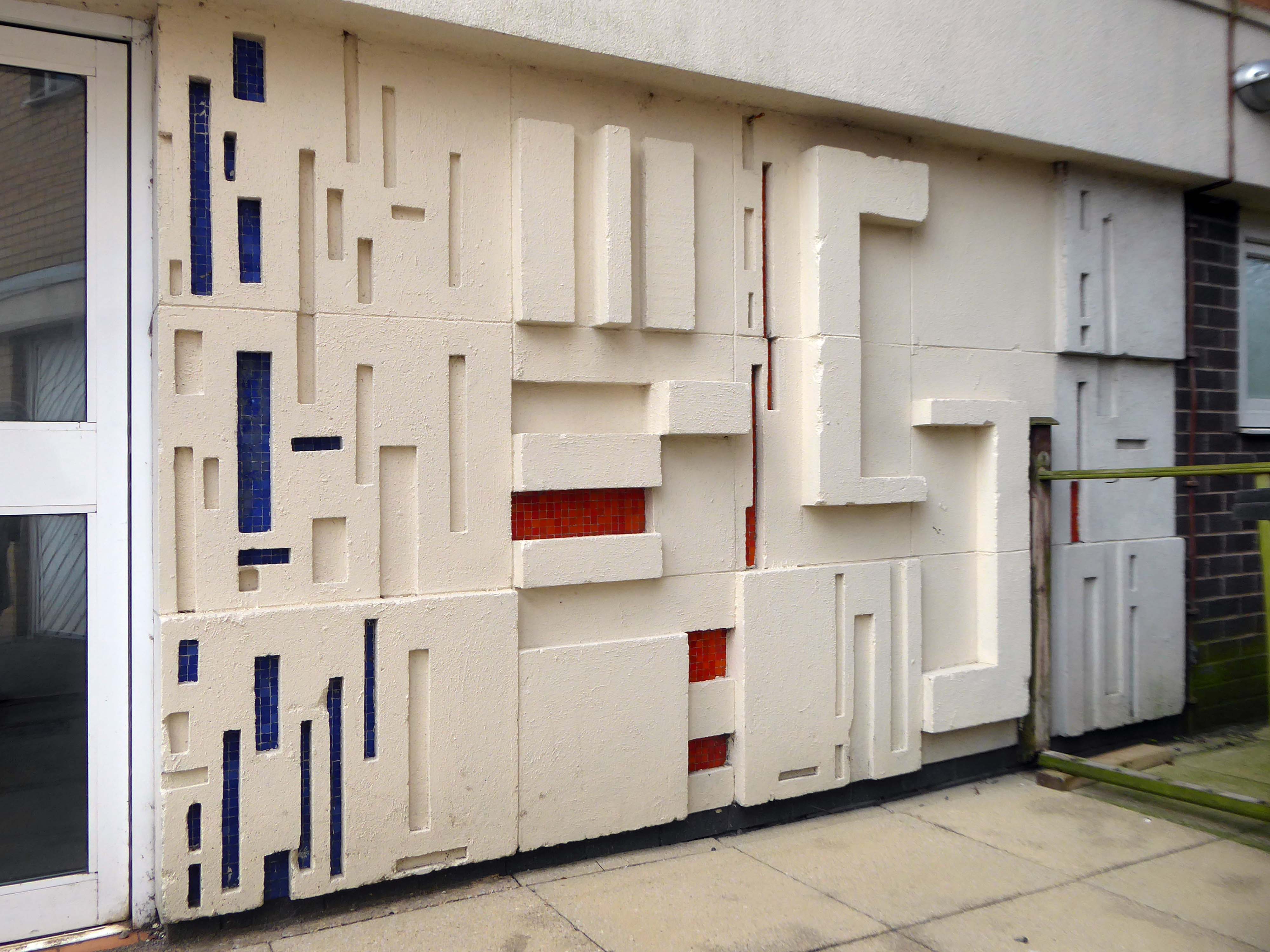
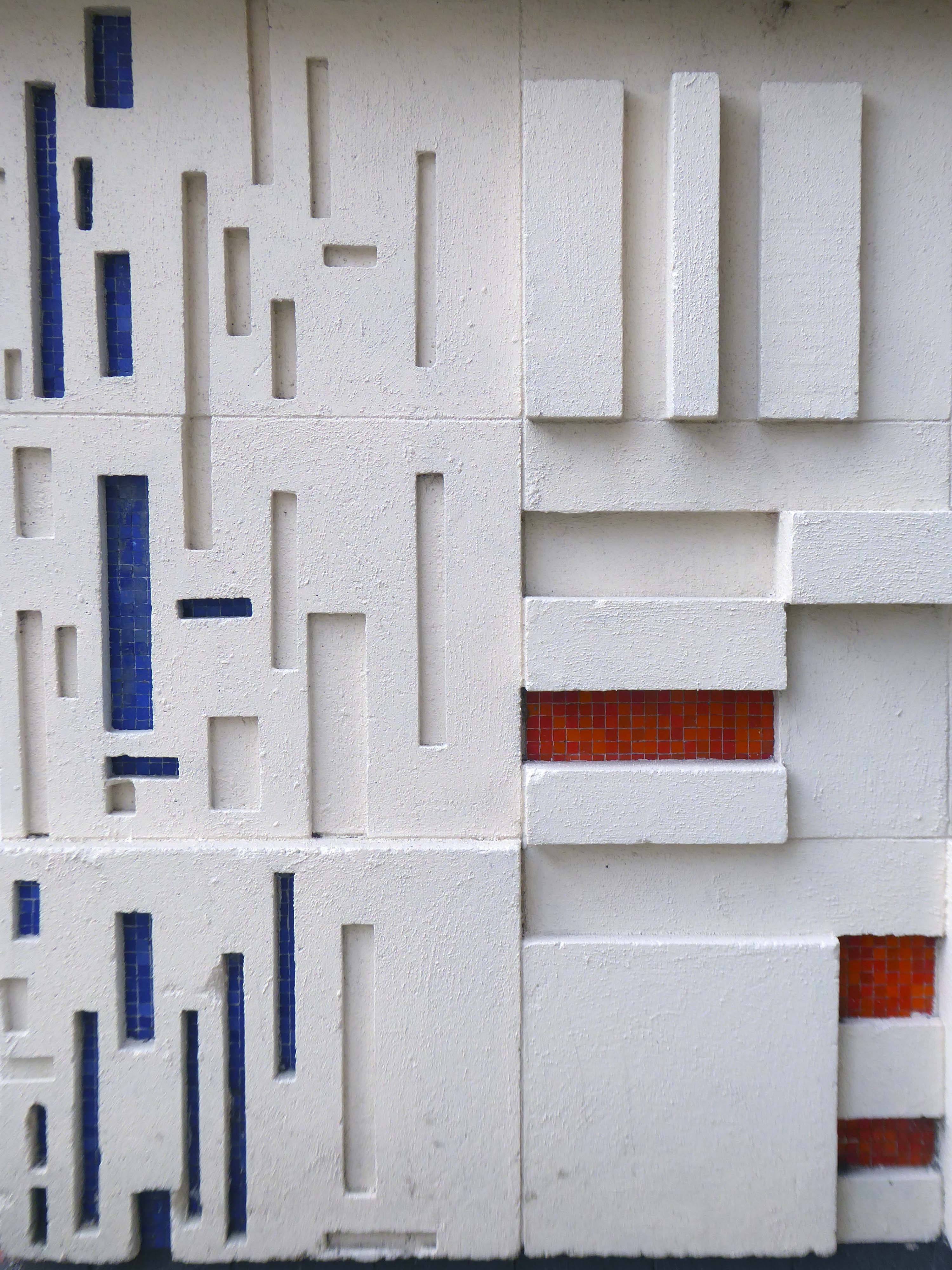
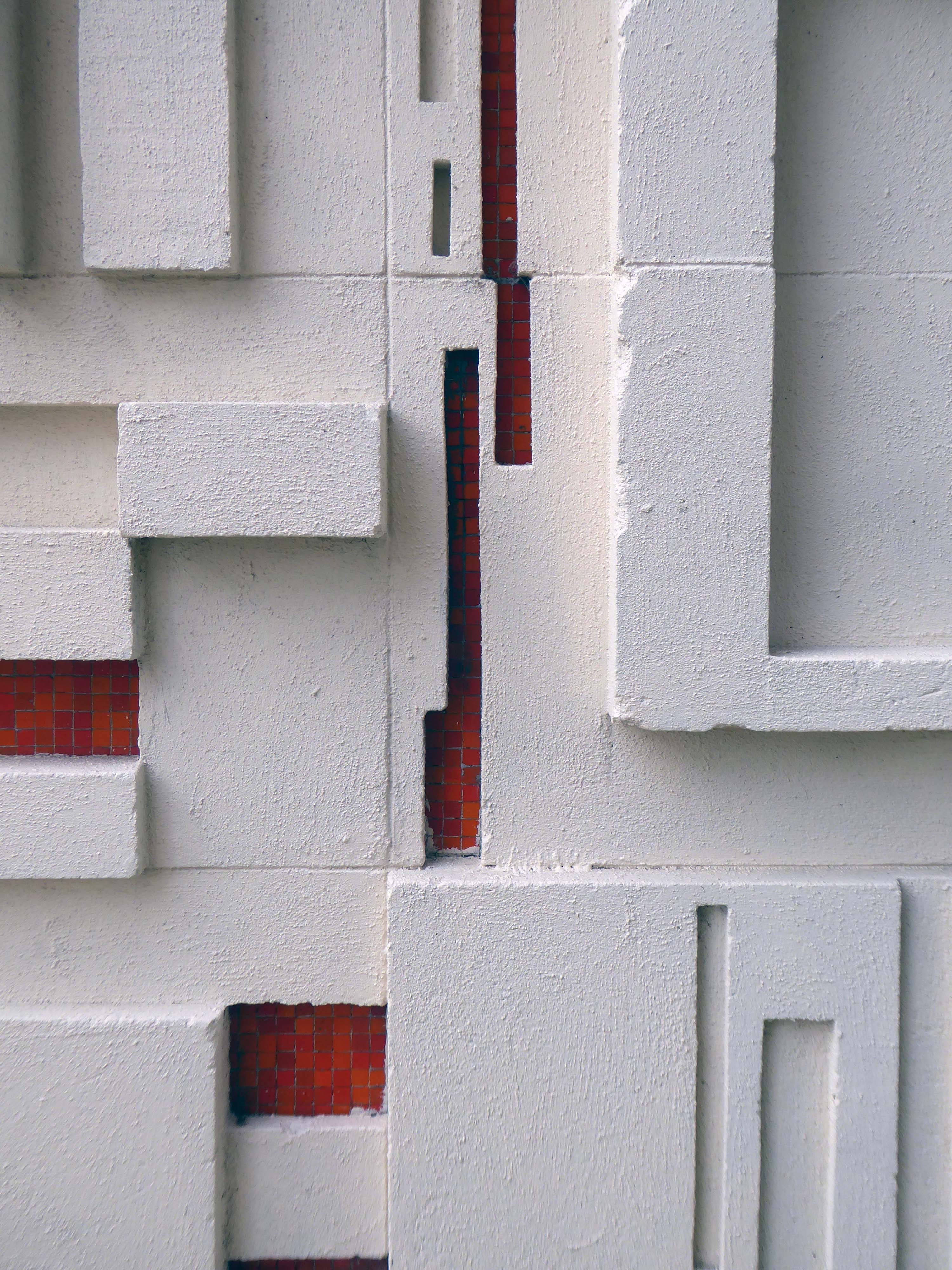
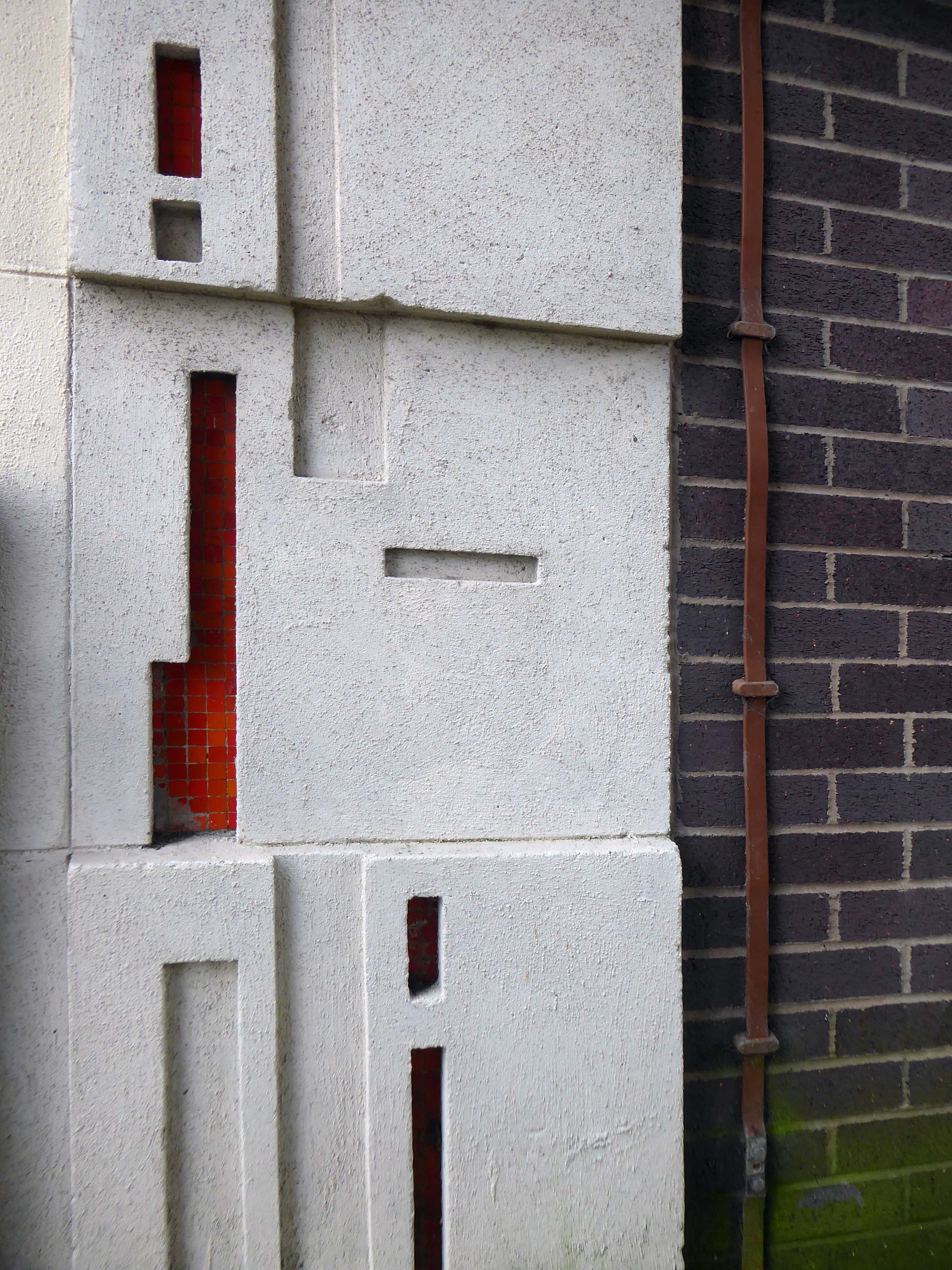
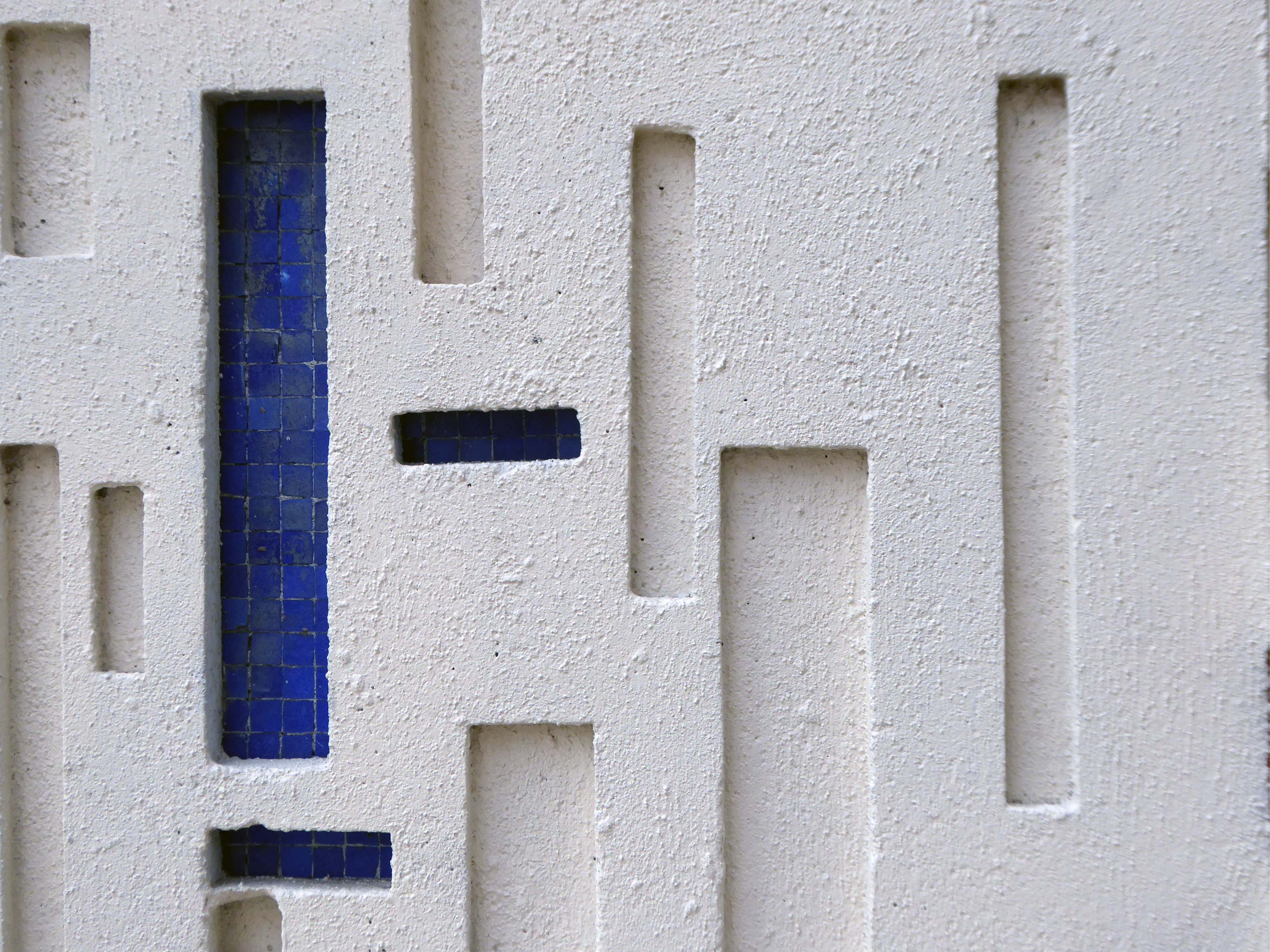
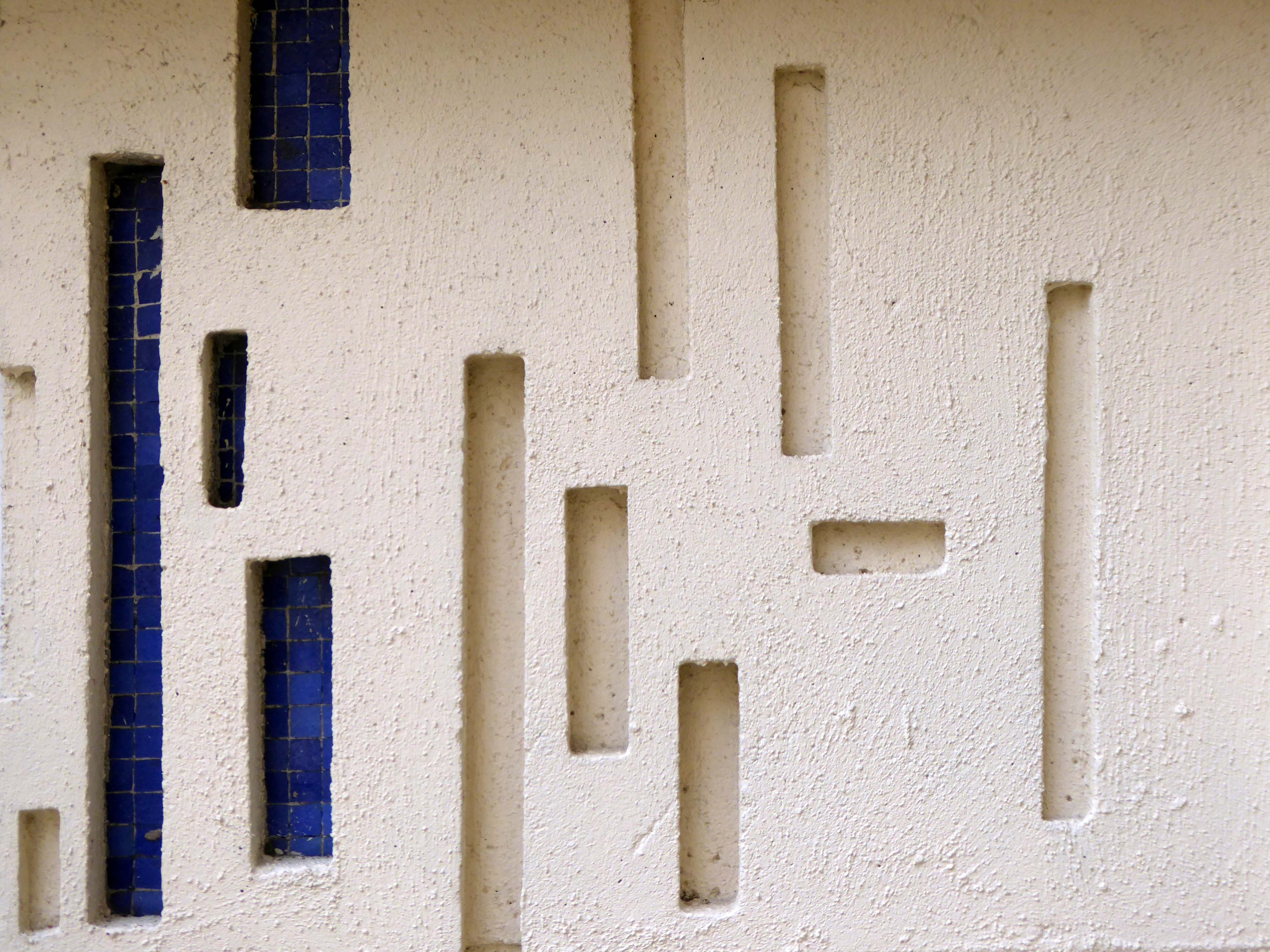
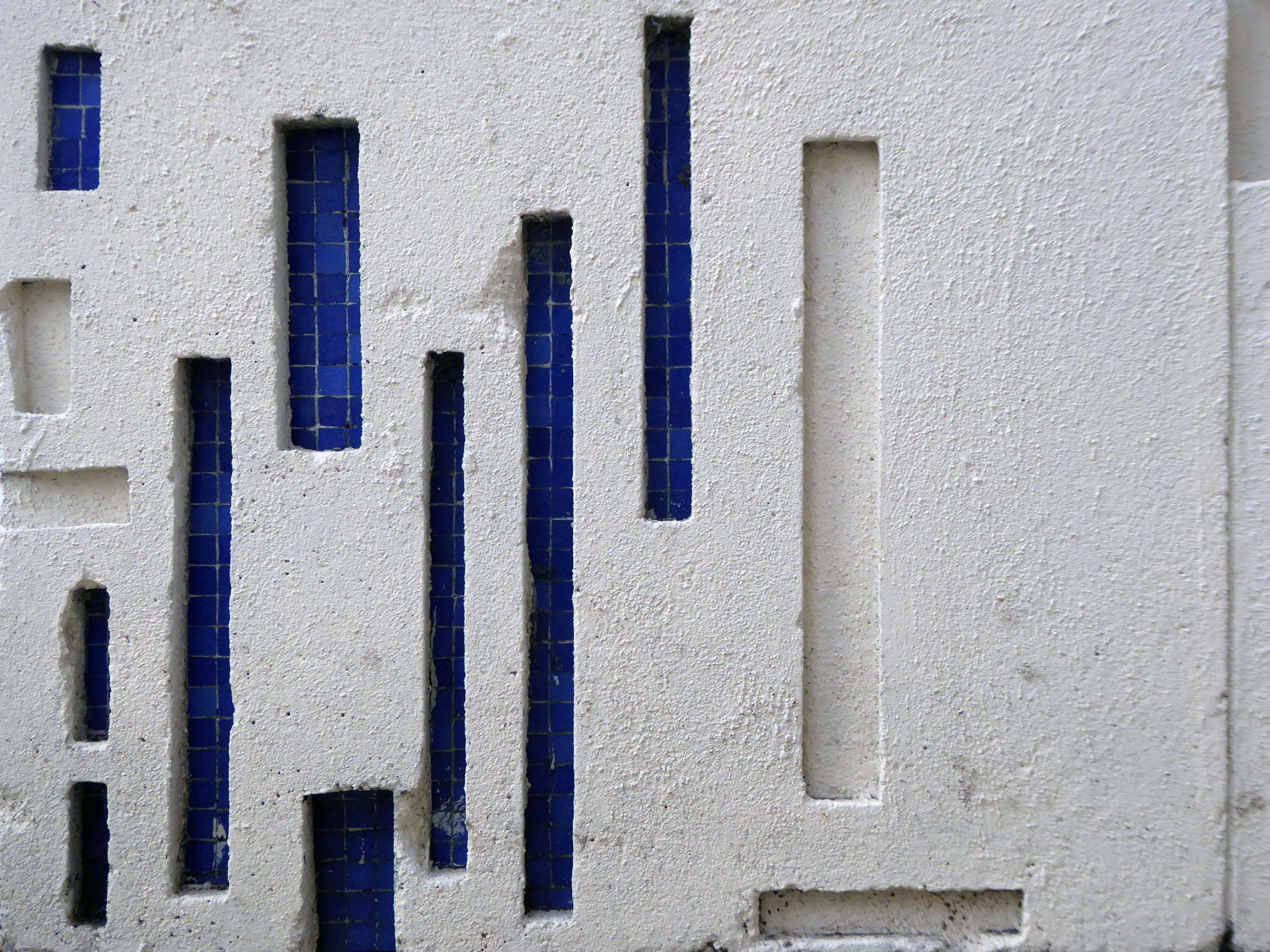
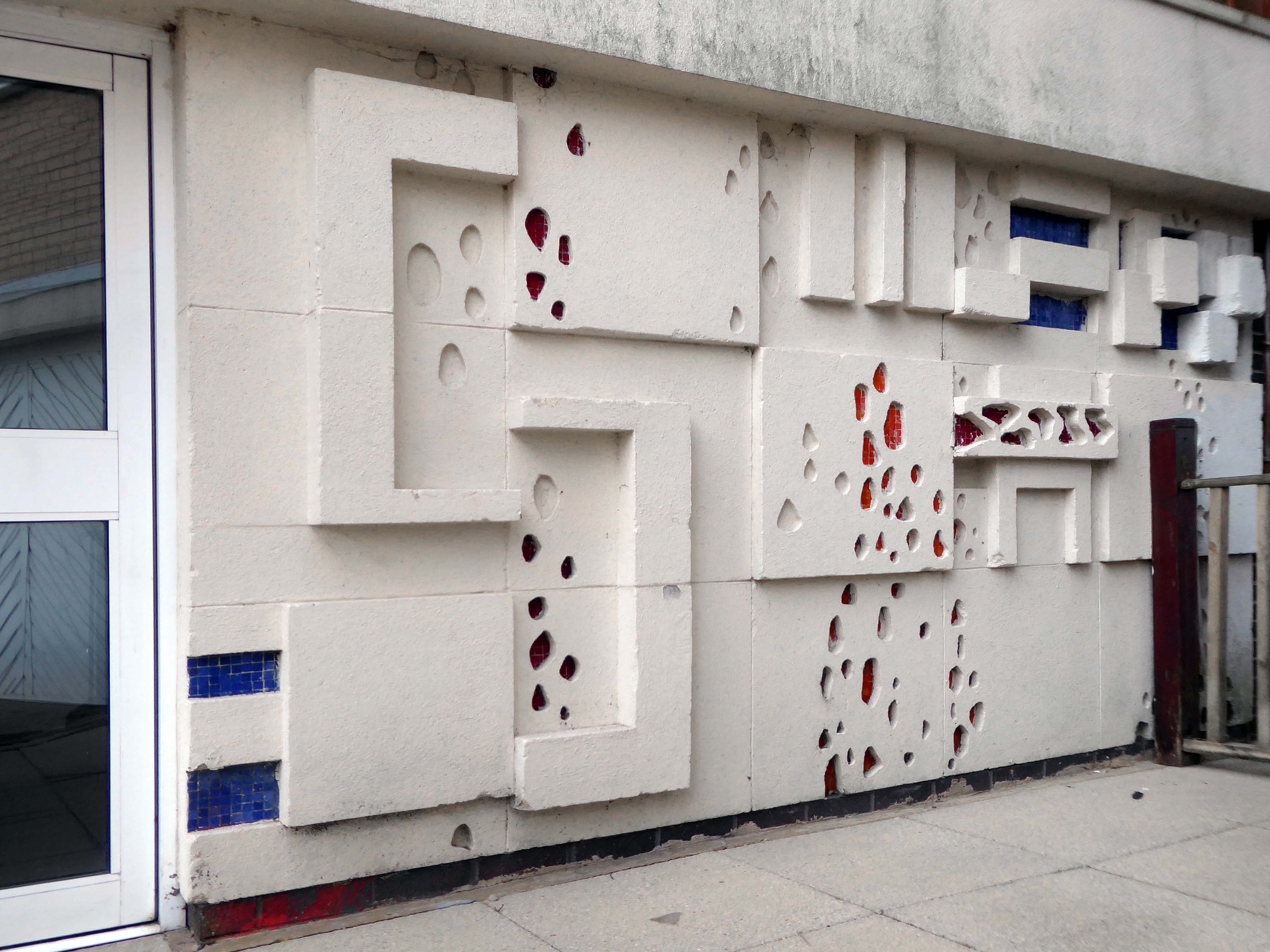
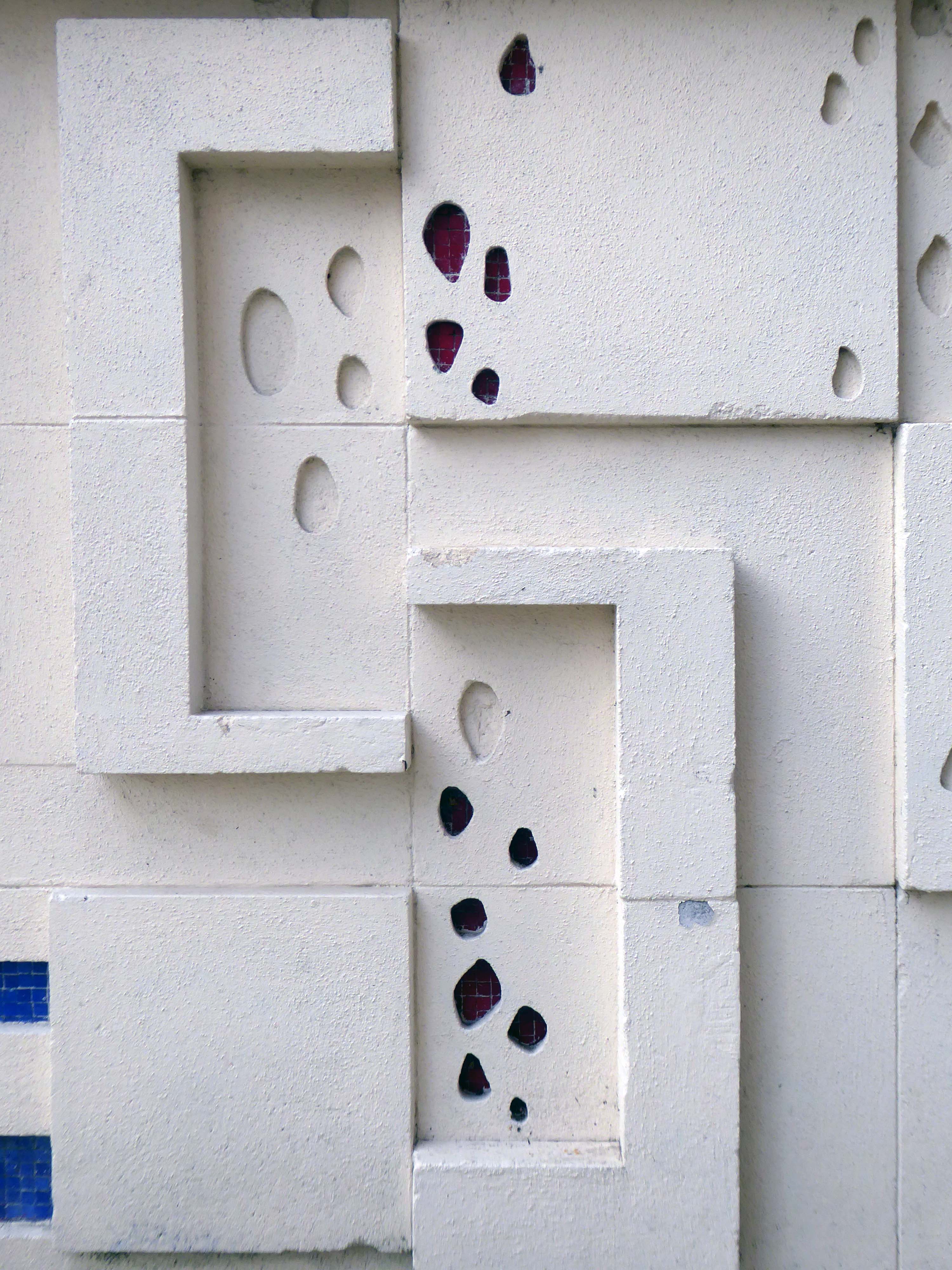
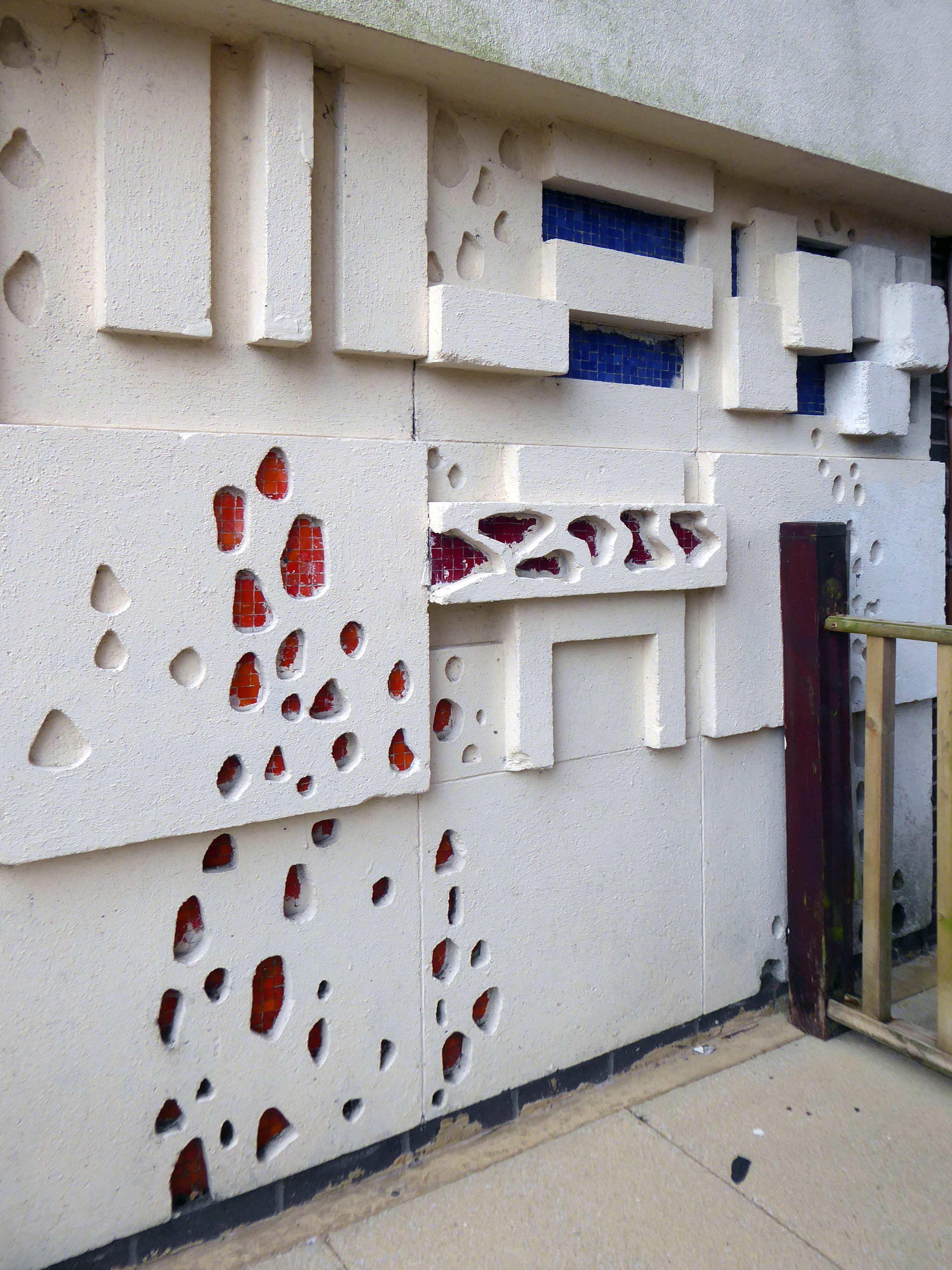
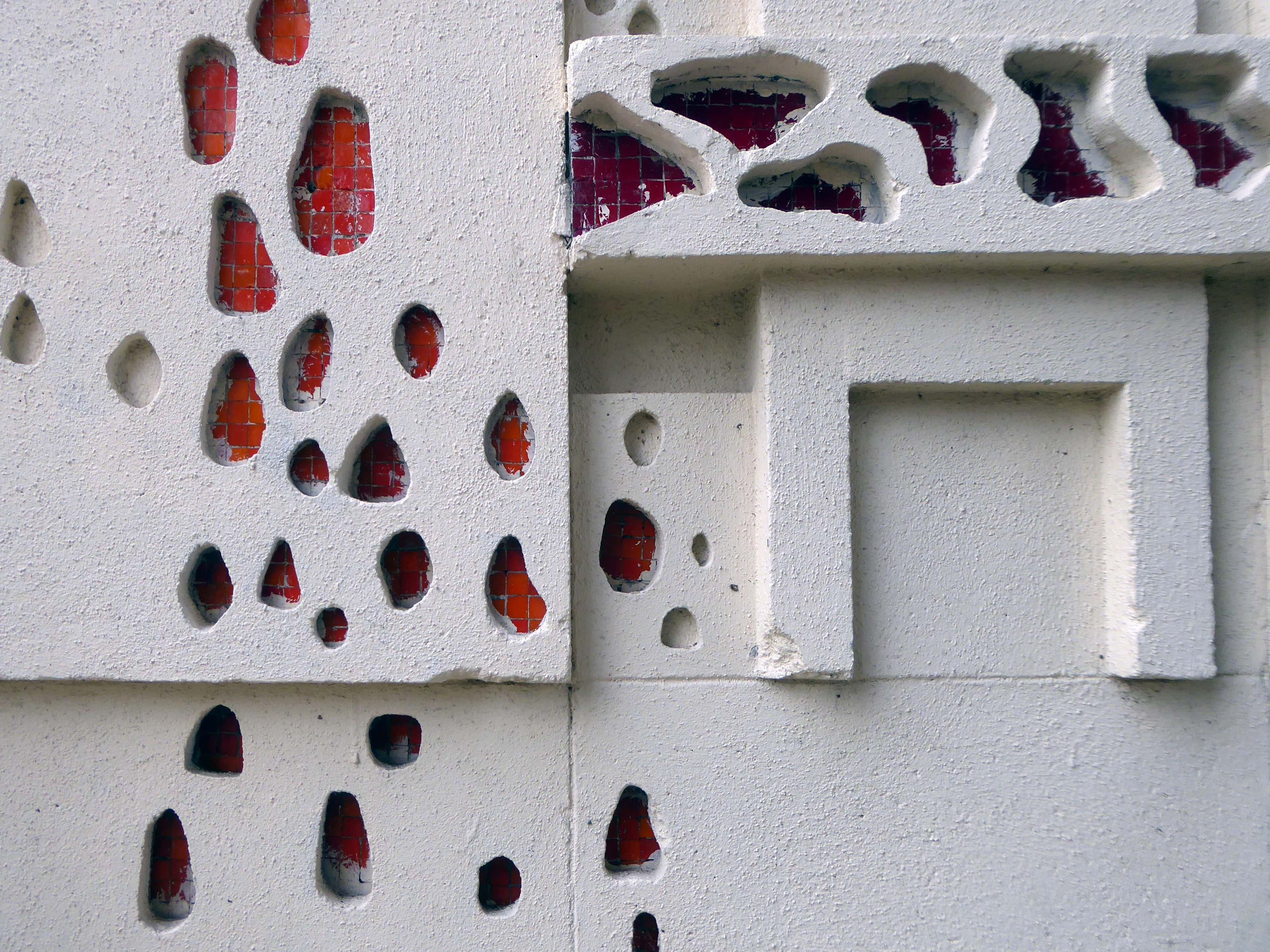
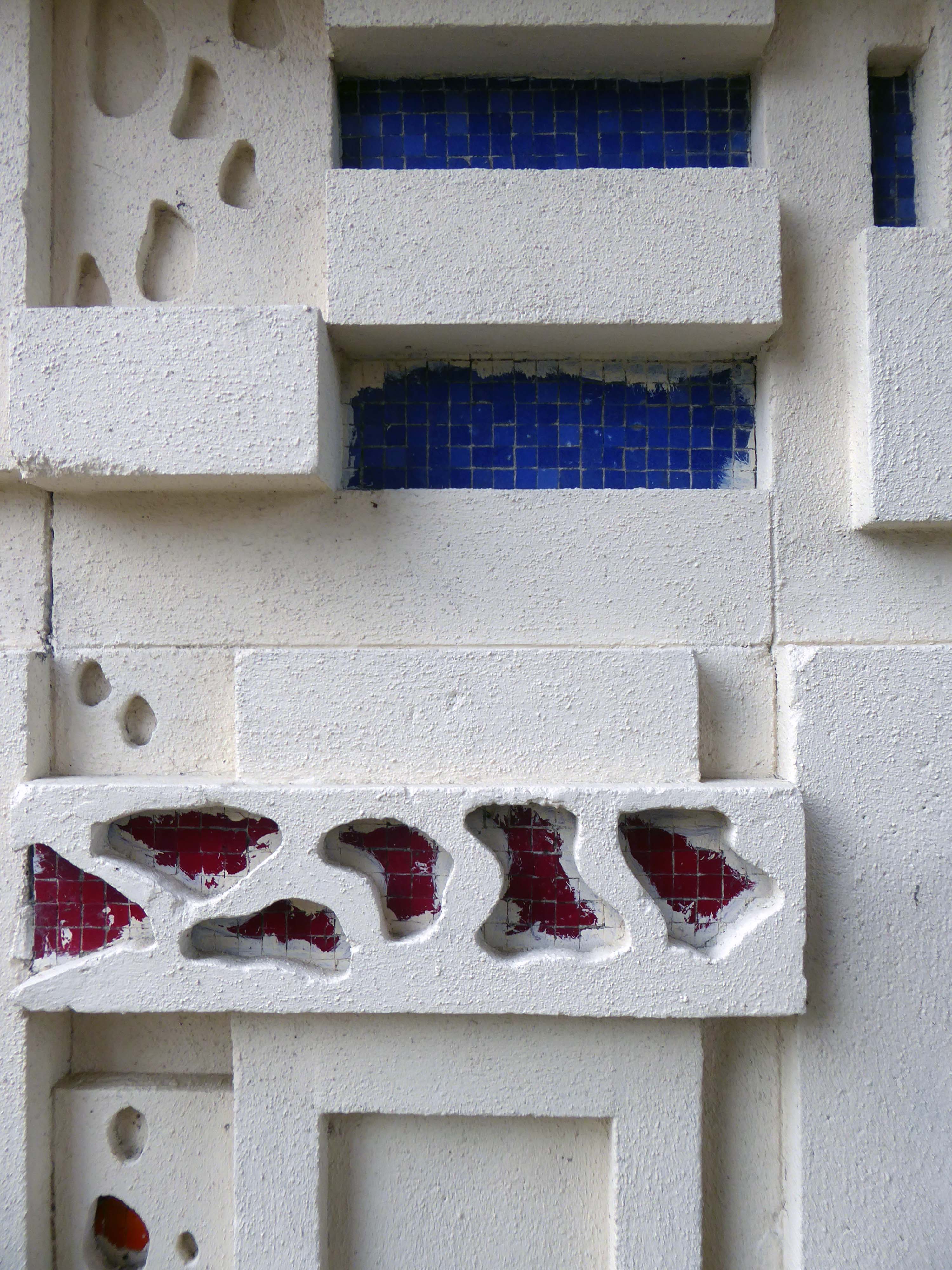
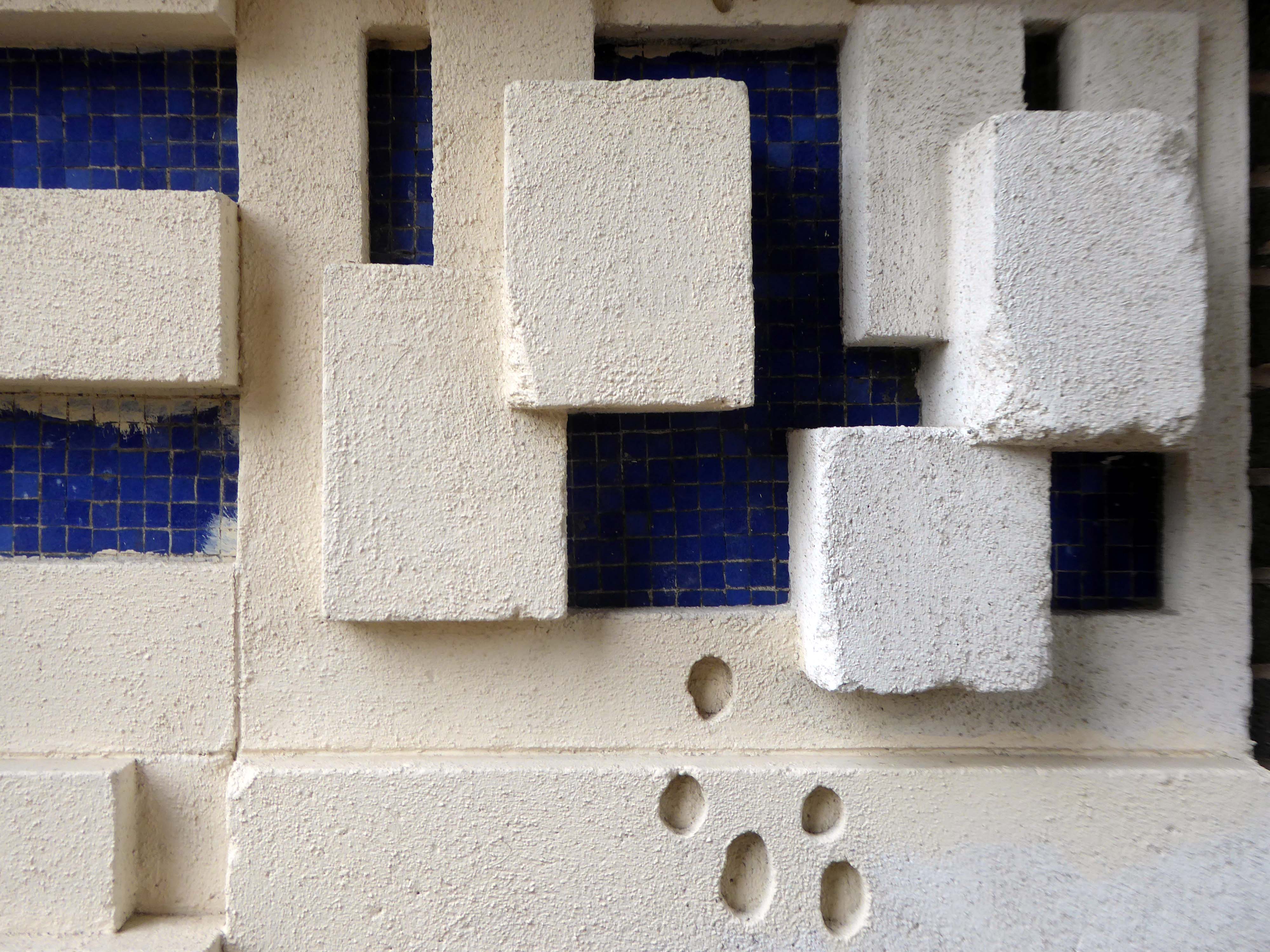
The front entrance has a mosaic and concrete relief, recalling De Stijl particularly Joost Baljeu.
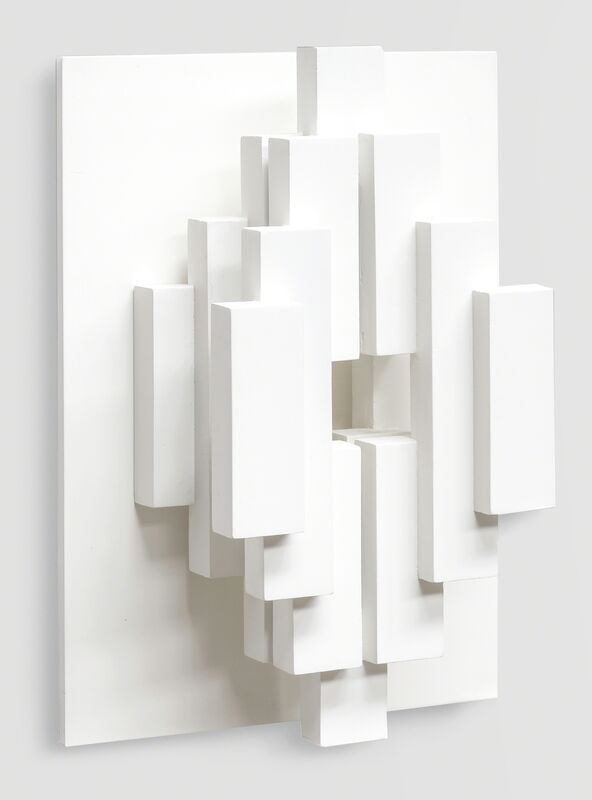
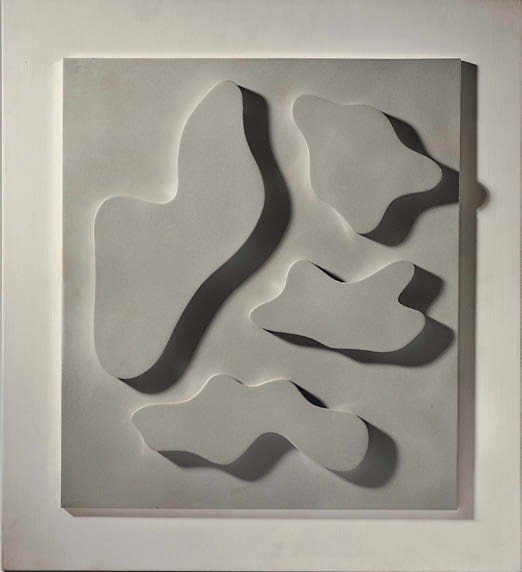
Along with echoes of Jean Arp.
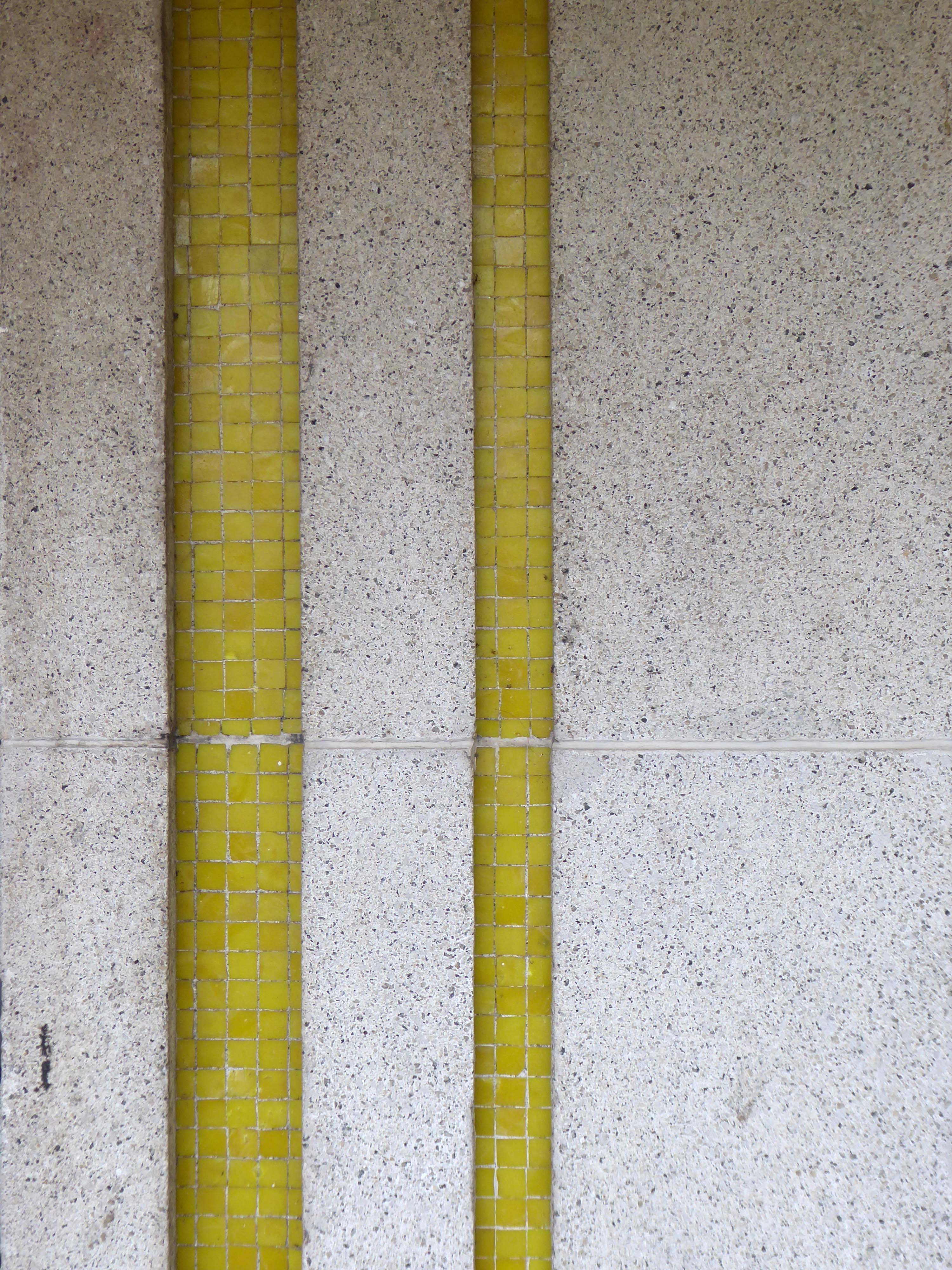
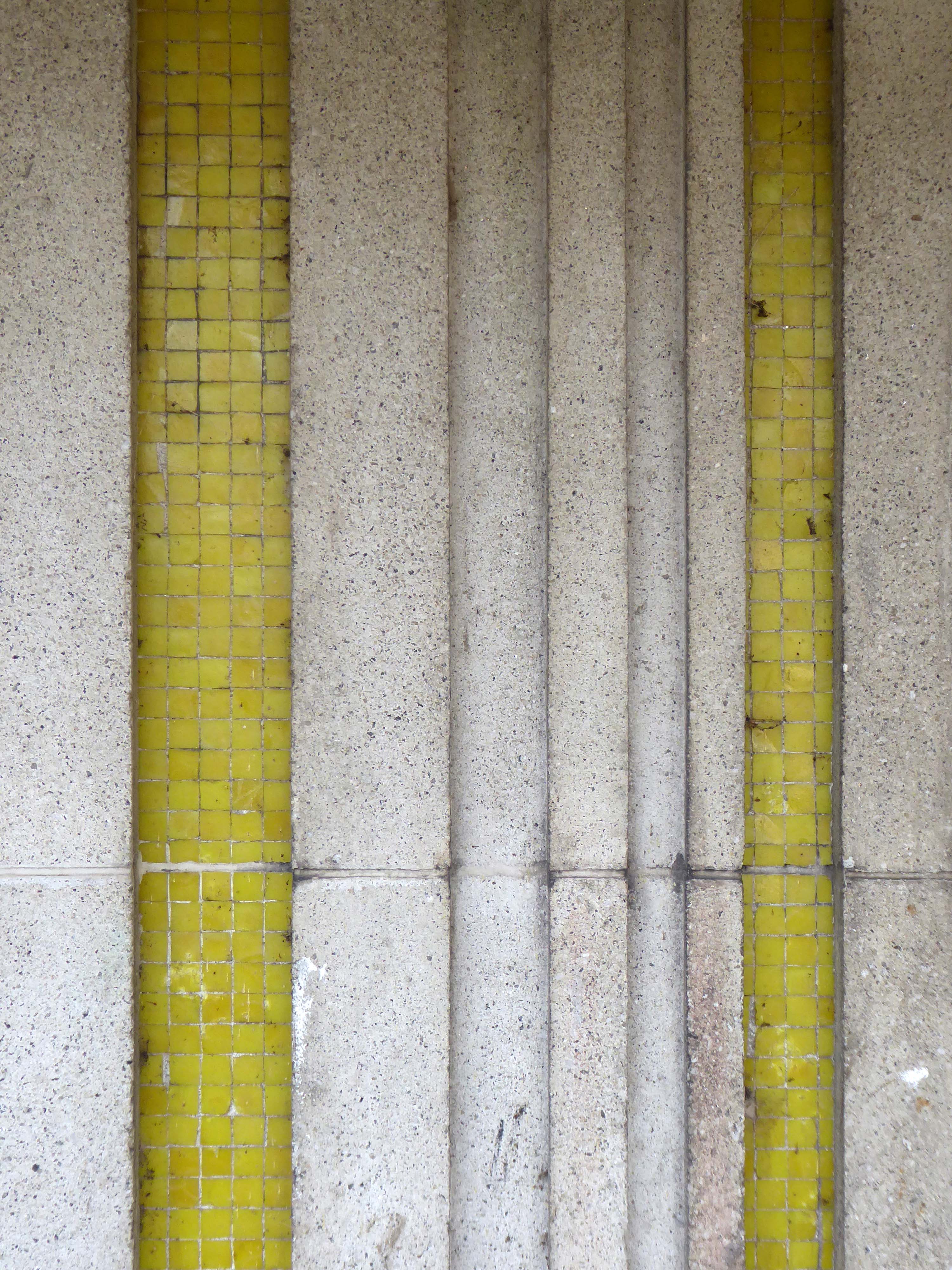
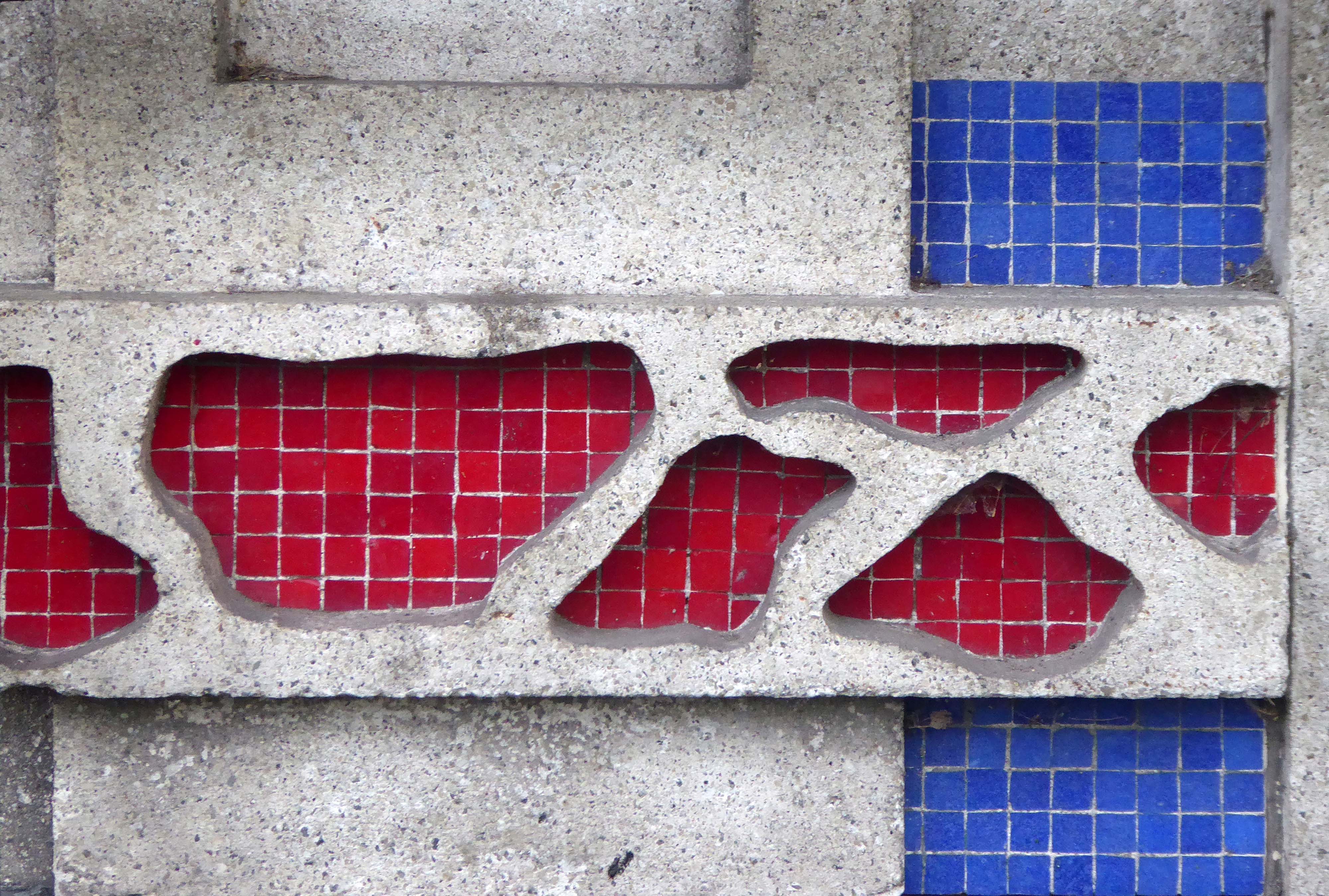
The flats had acquired a stereotypical bad reputation.
Blight flats will soon be high-rise des-res.
Residents on a blighted Blackley estate have been told of plans to deal with the mostly unoccupied high-rise flats that are seen as the cause of the problem.
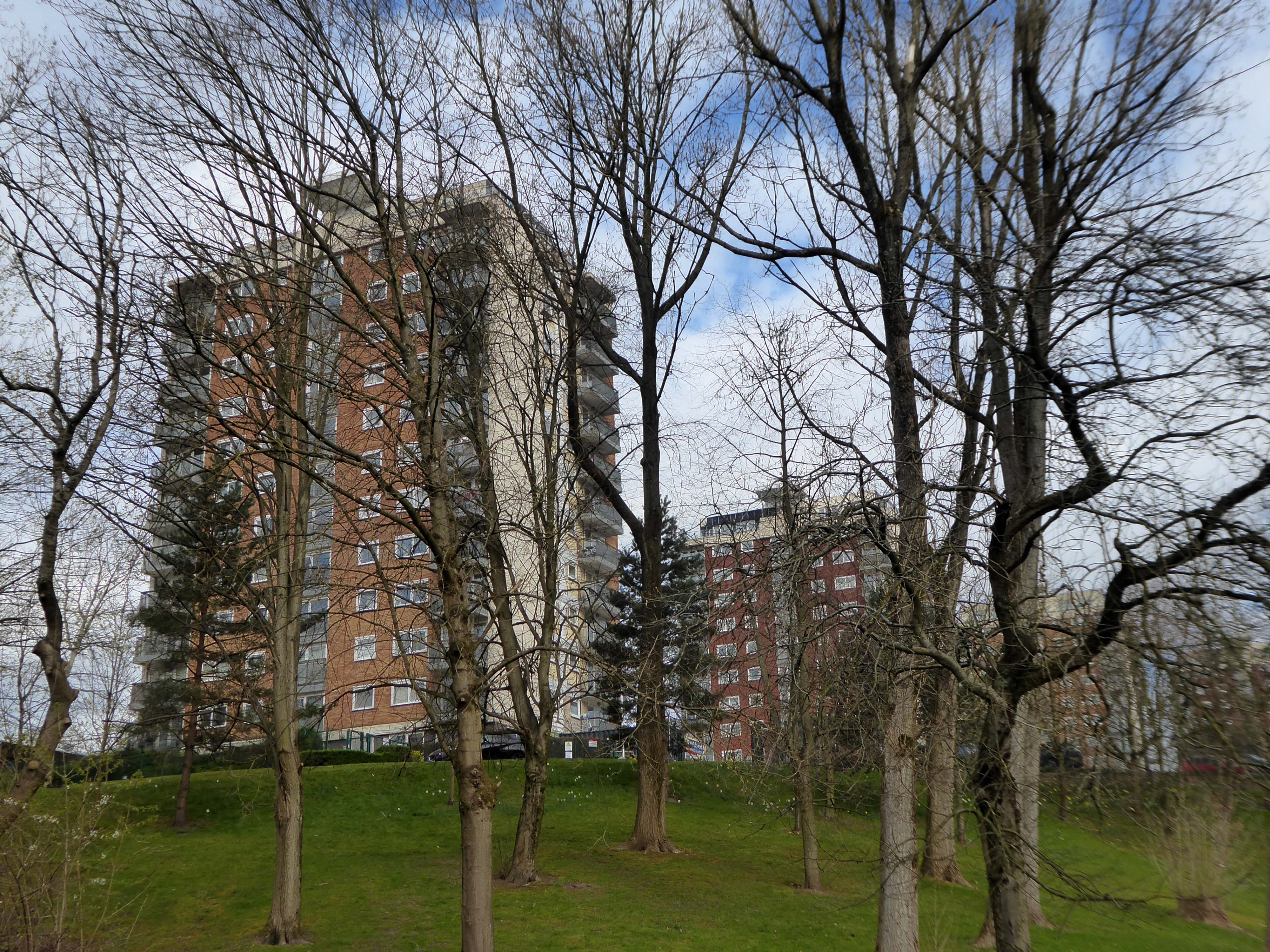
The Lakeside Rise blocks now form part of a private gated community and are accessed from Blackley New Road.
The original blocks and their locations are as follows:
Ashenhurst Court Now Lakeside 1
Heaton Court Now Lakeside 2
Wilton Court Now Lakeside 3
Blackley Court Now Lakeside 4
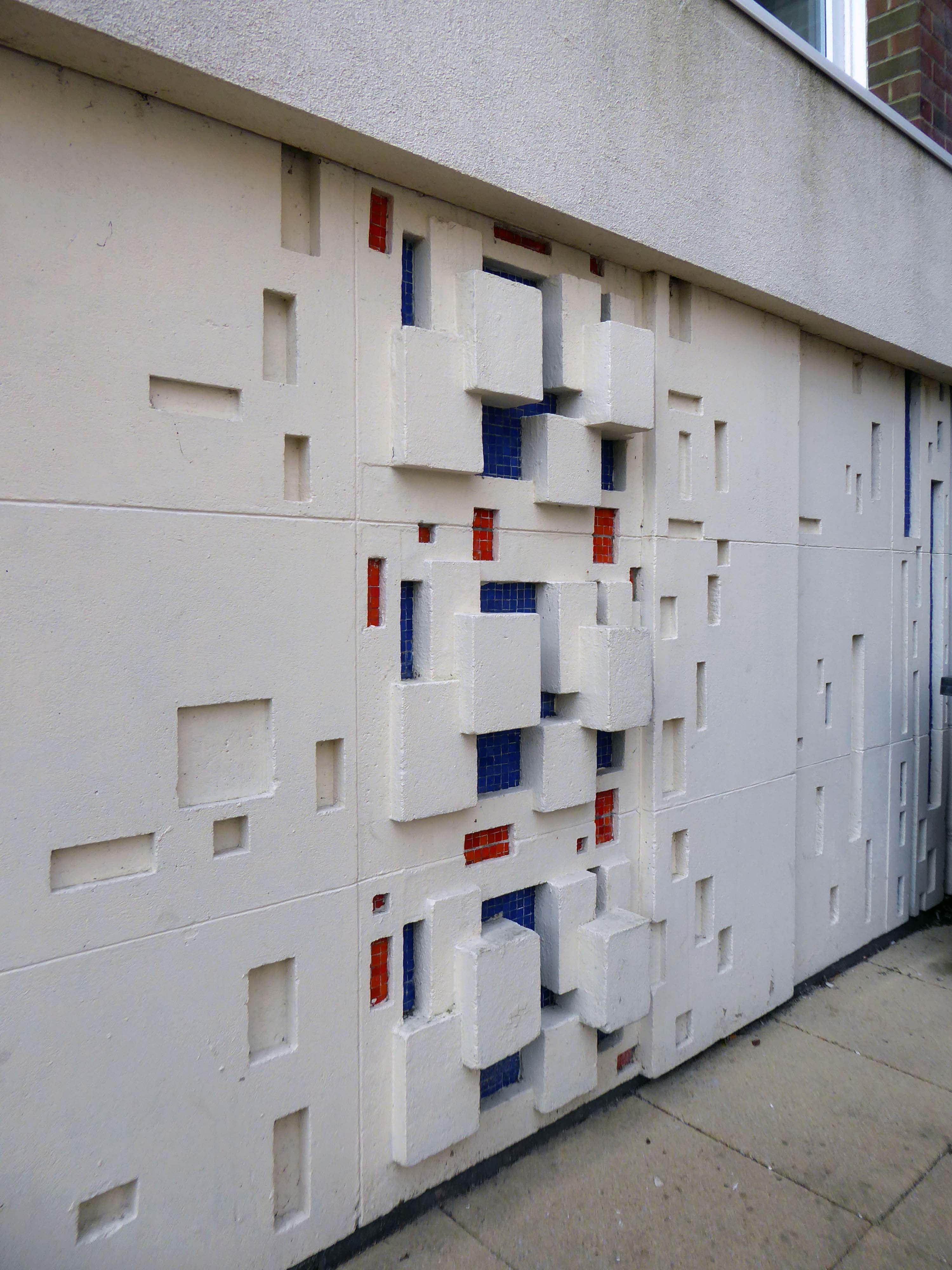
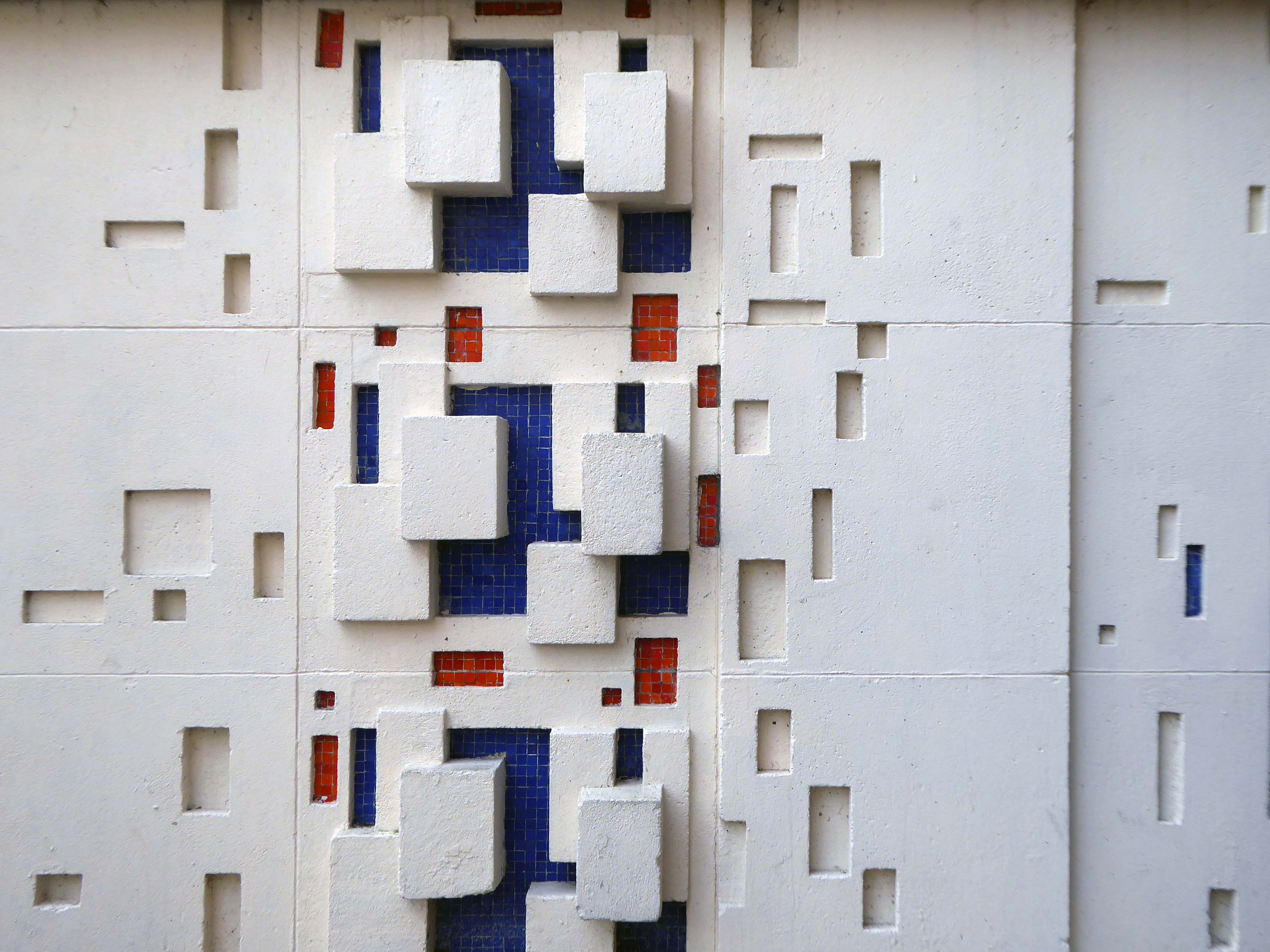
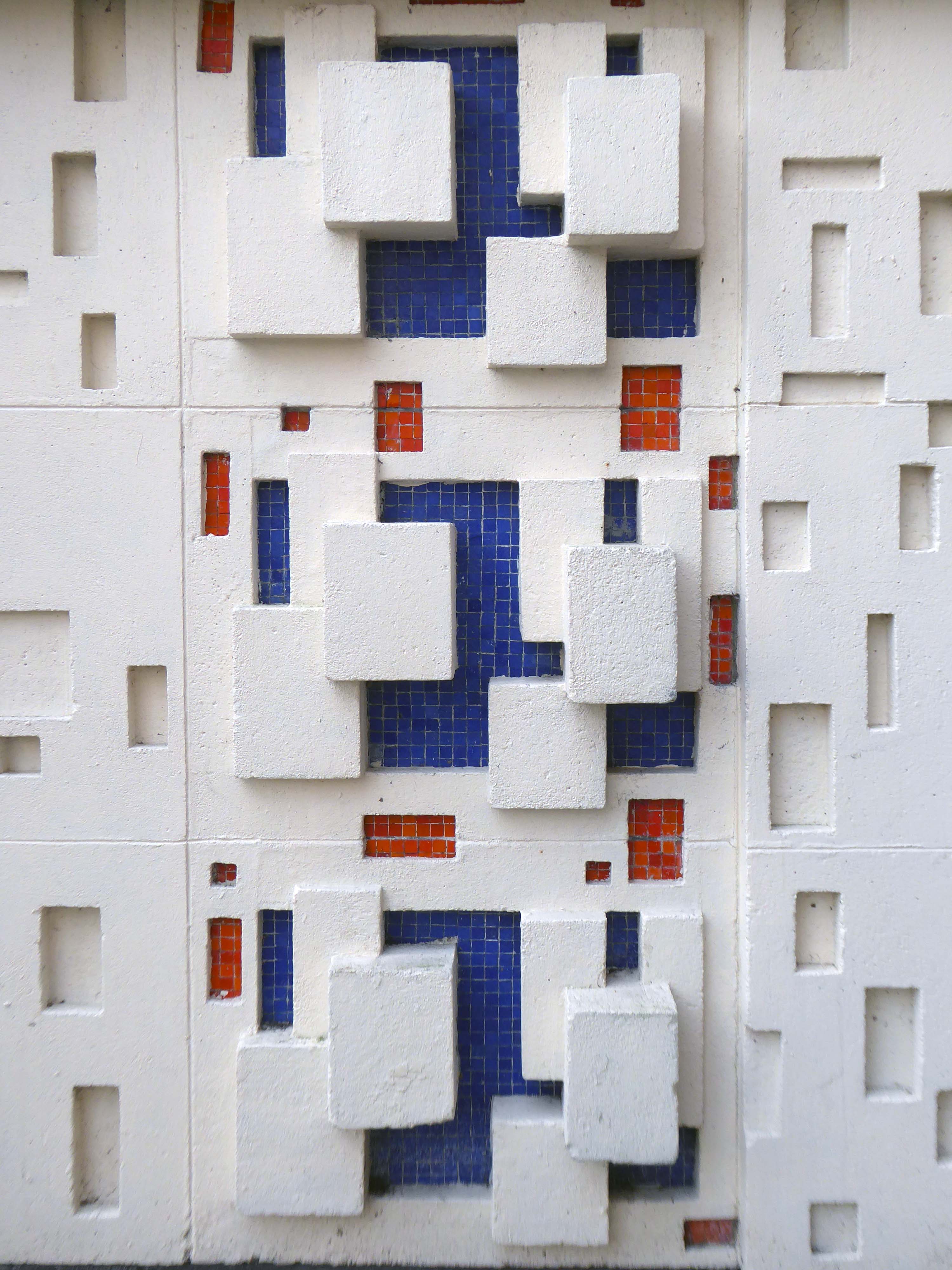
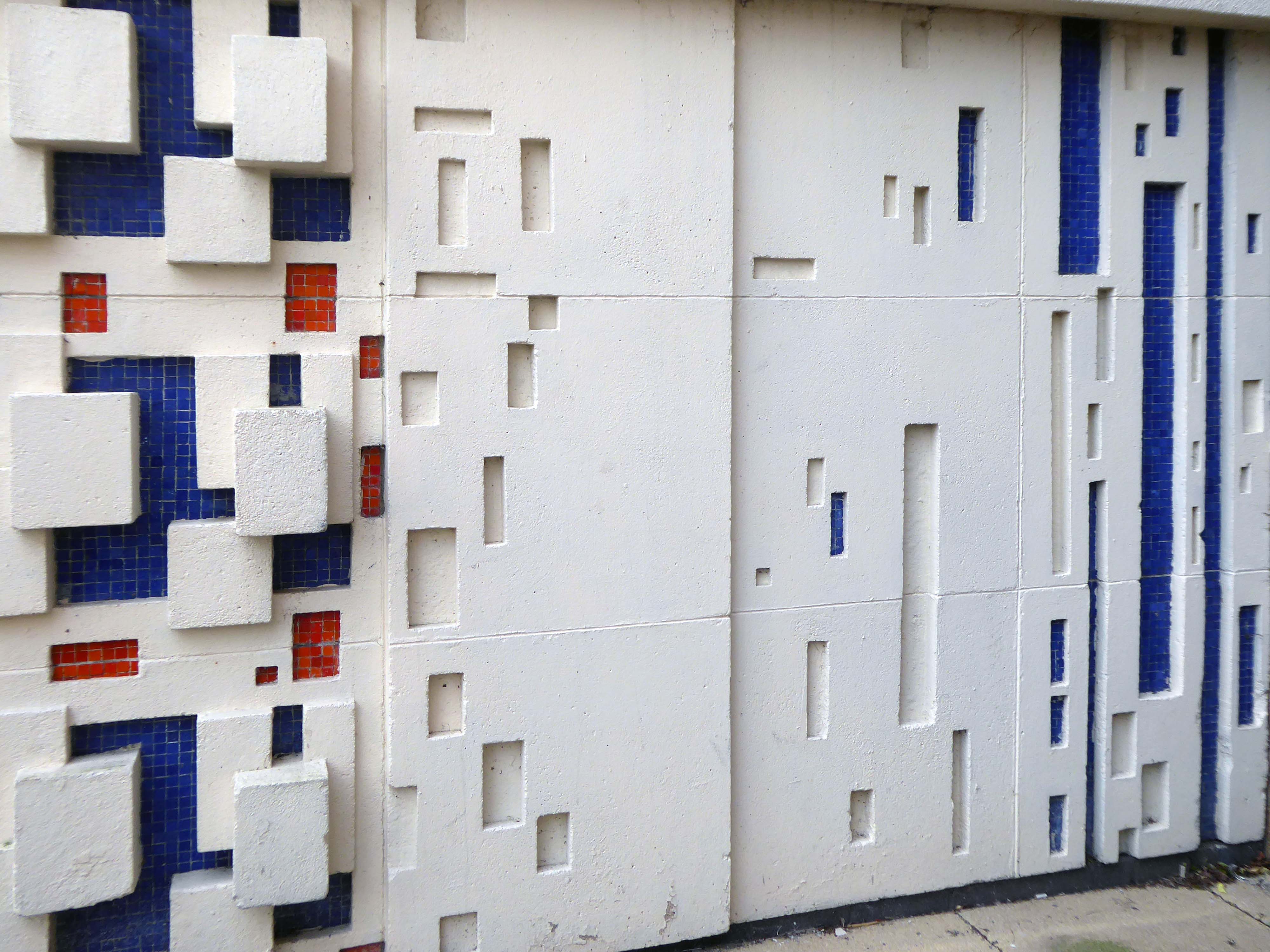
Bracknell Court demolished – was on the corner of Riverdale Road and Bridgenorth Road adjacent to Heaton Court
Riverdale Court demolished – was on Riverdale Road opposite Bantry Avenue.
Crumpsall Vale Blackley Manchester M9 8GQ
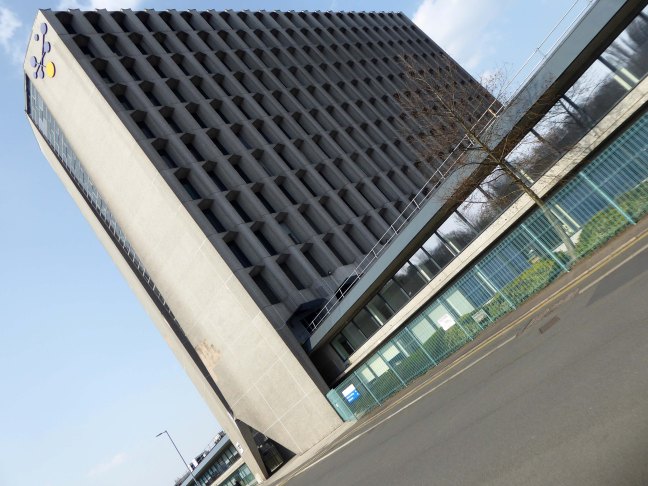
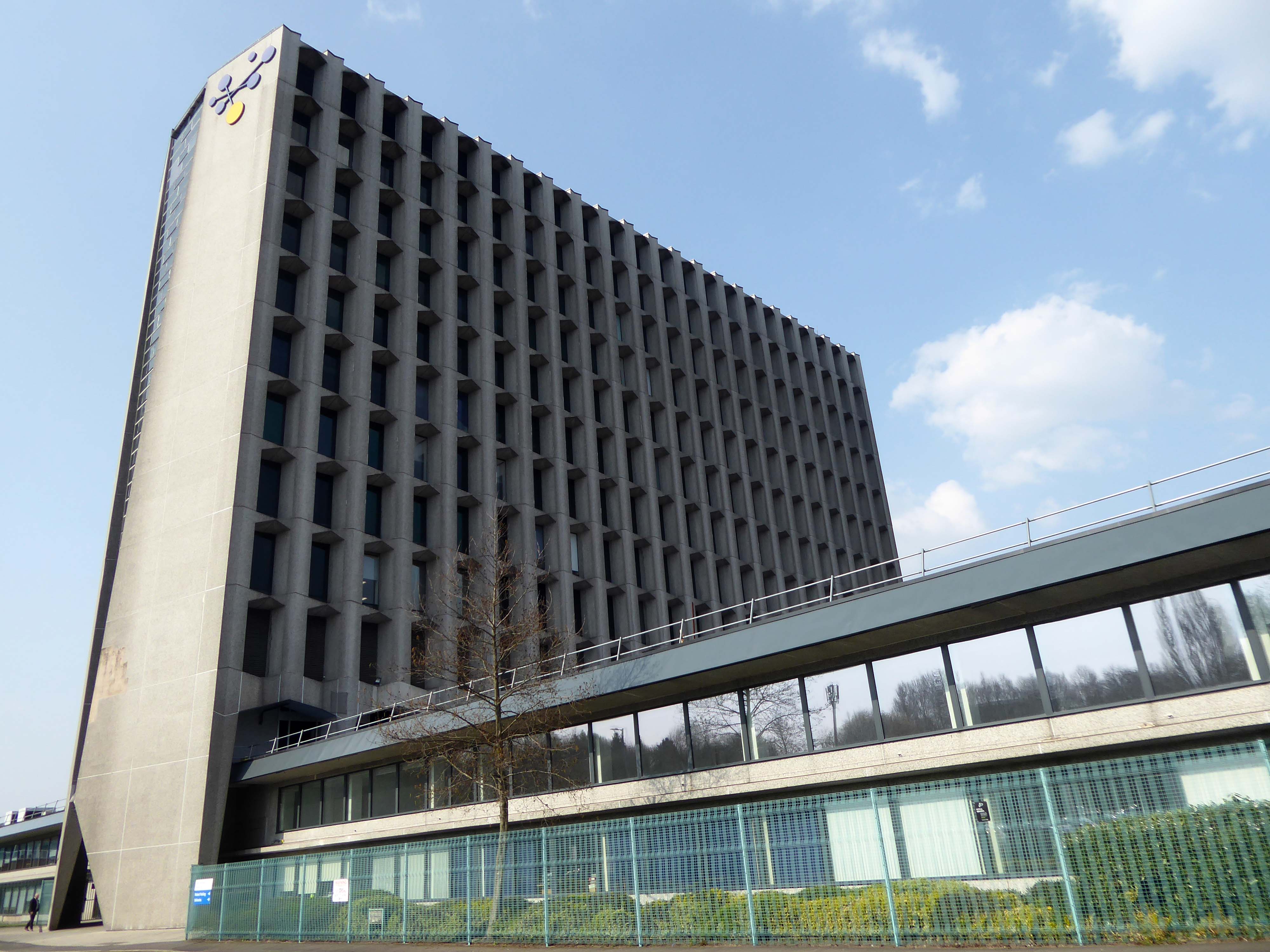
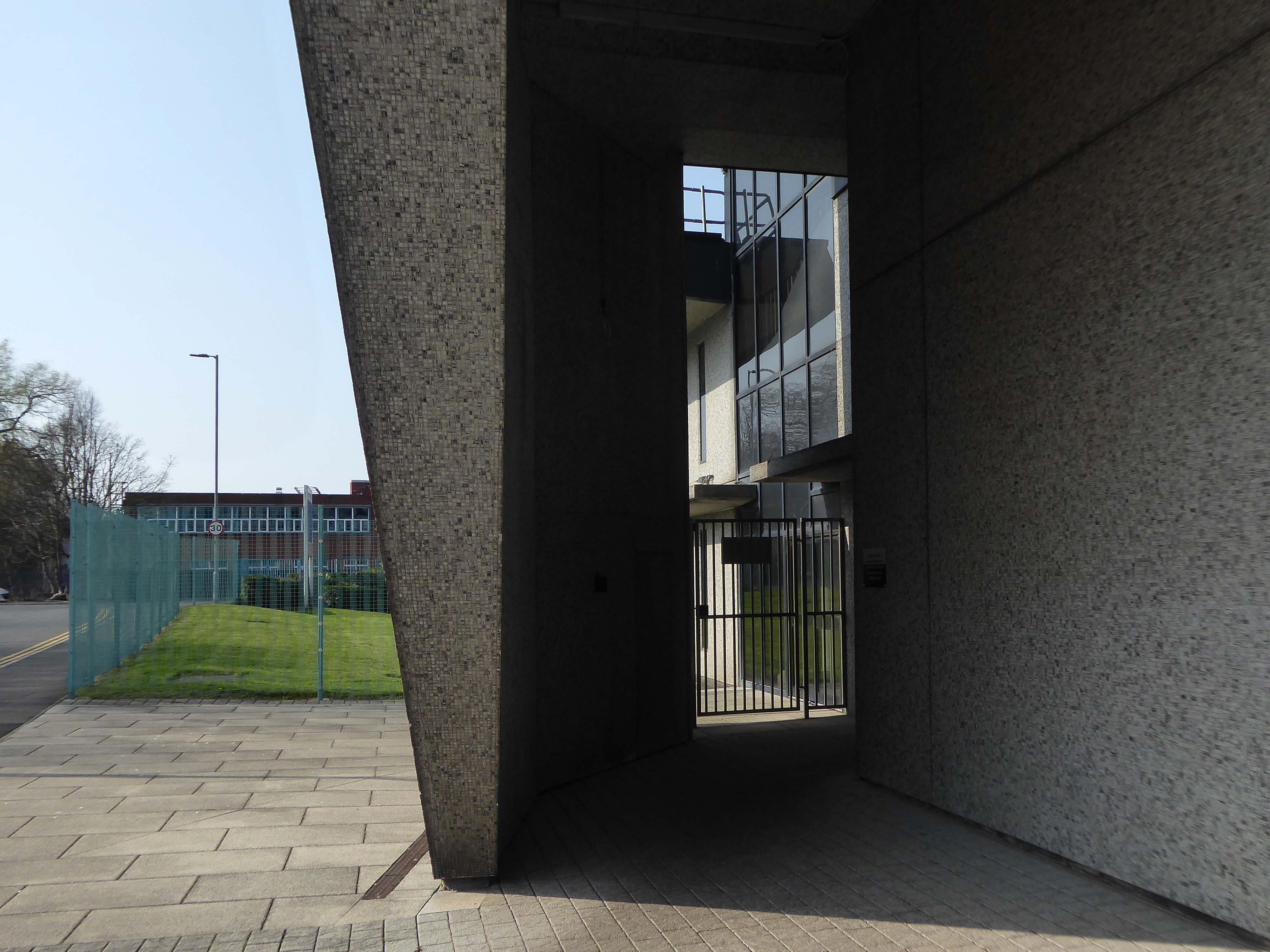
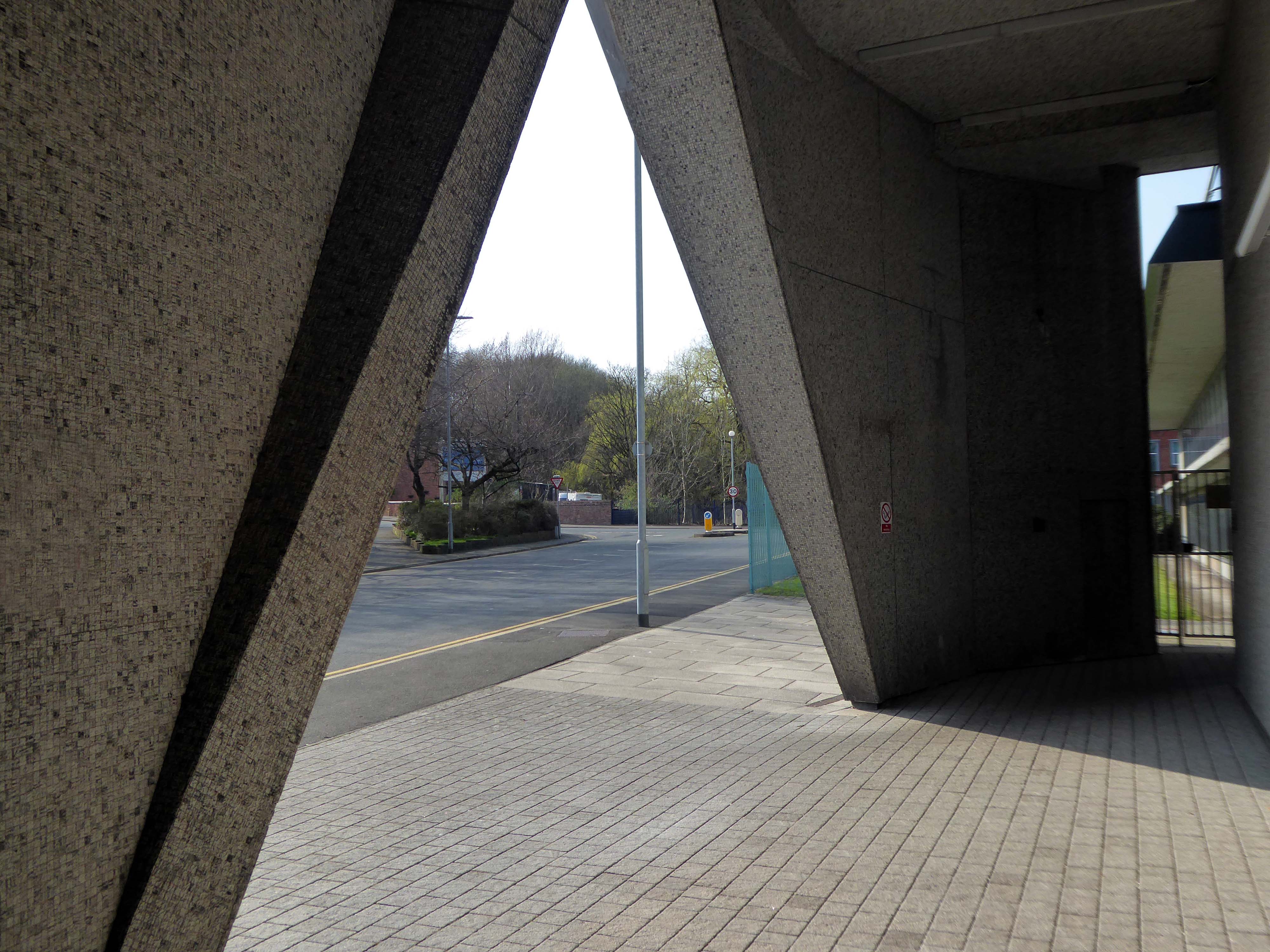
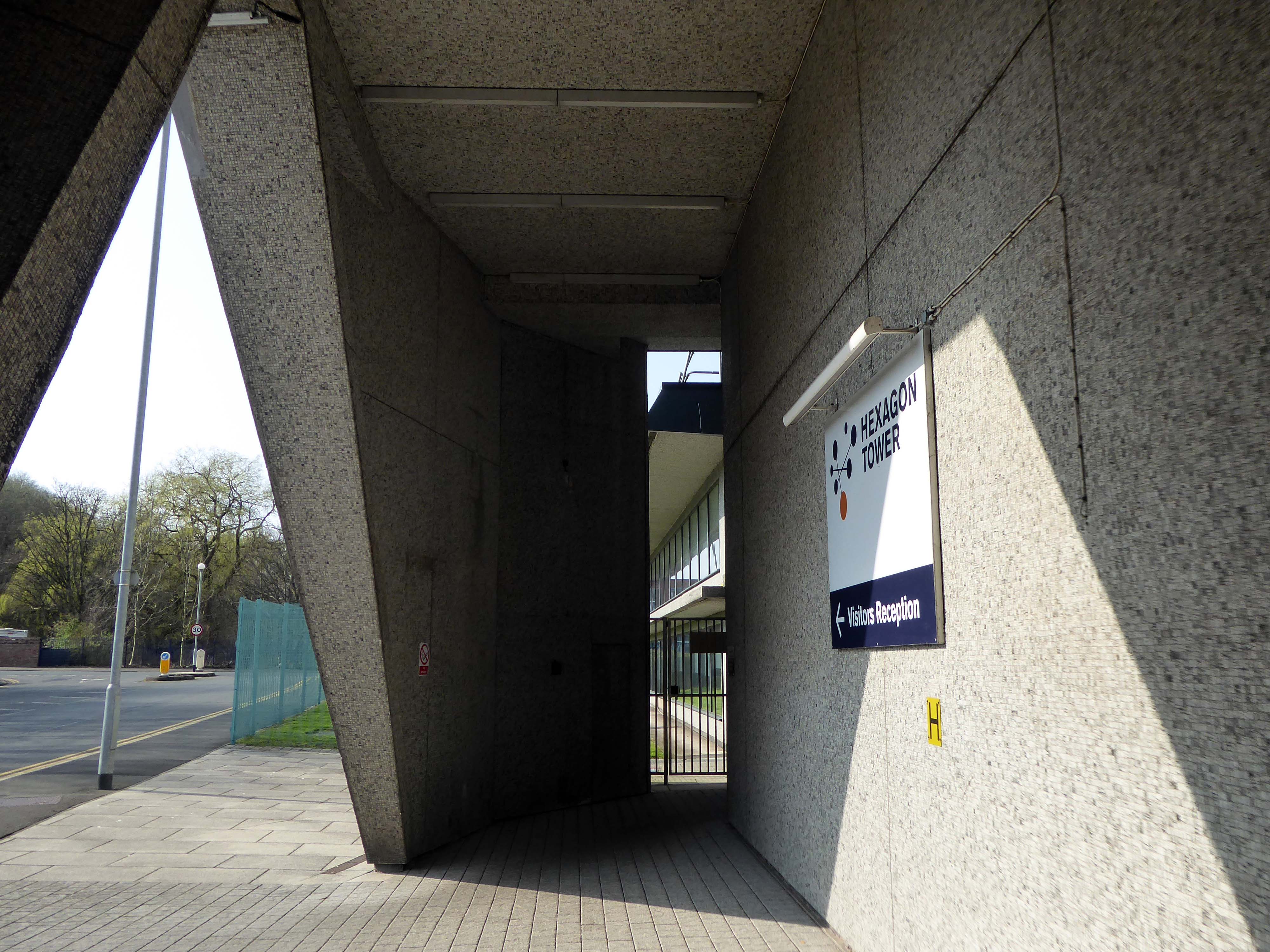
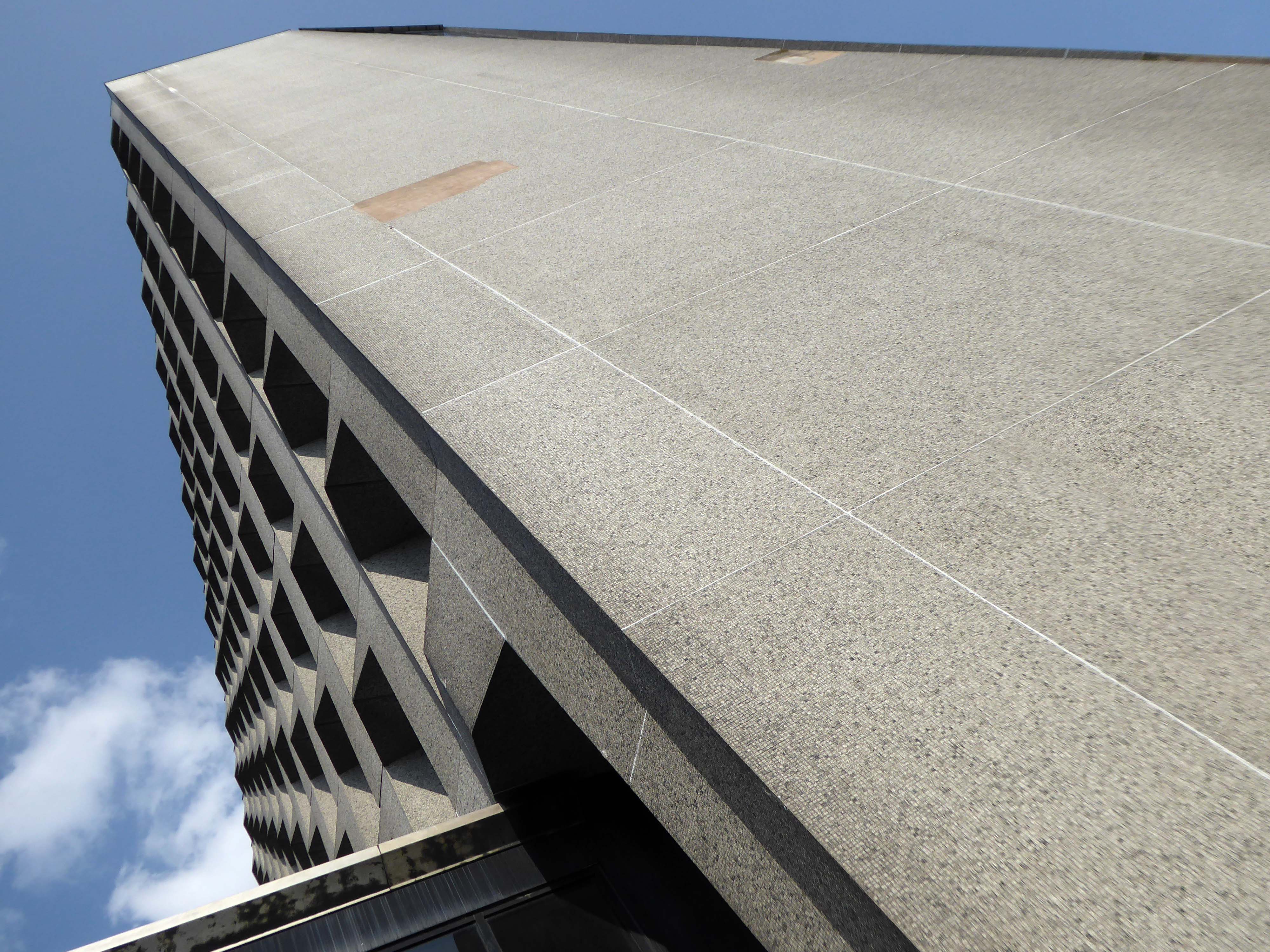
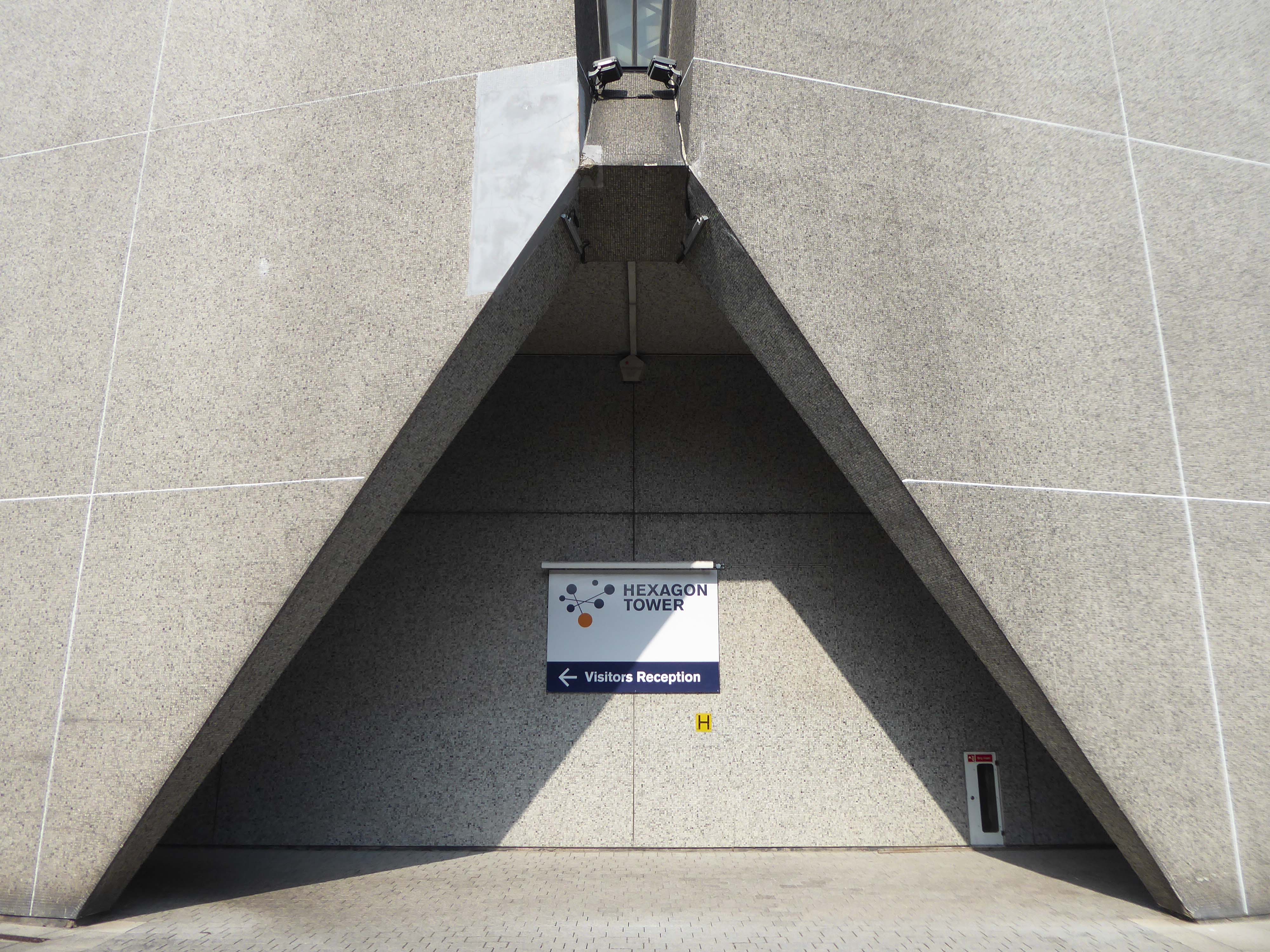
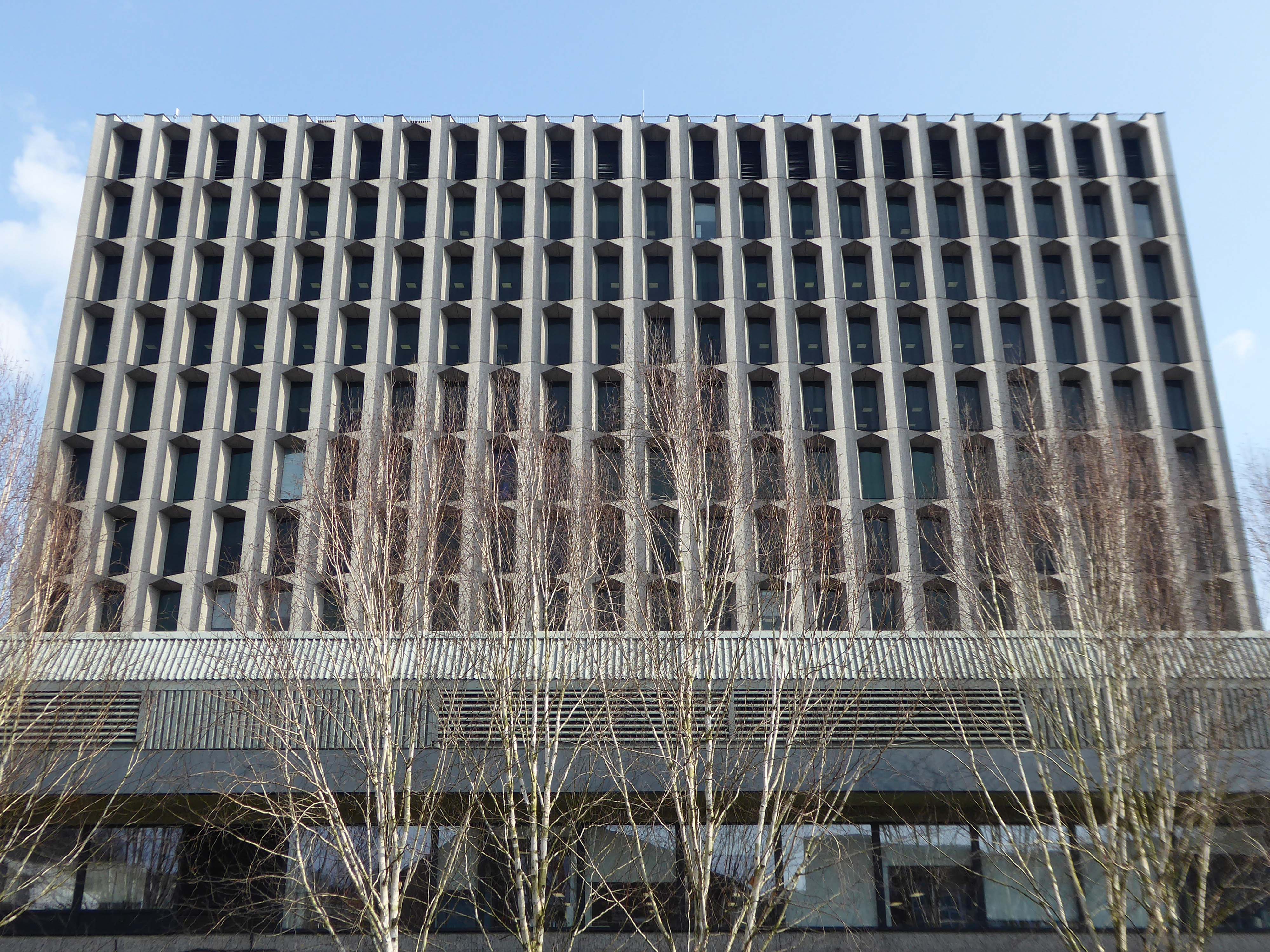
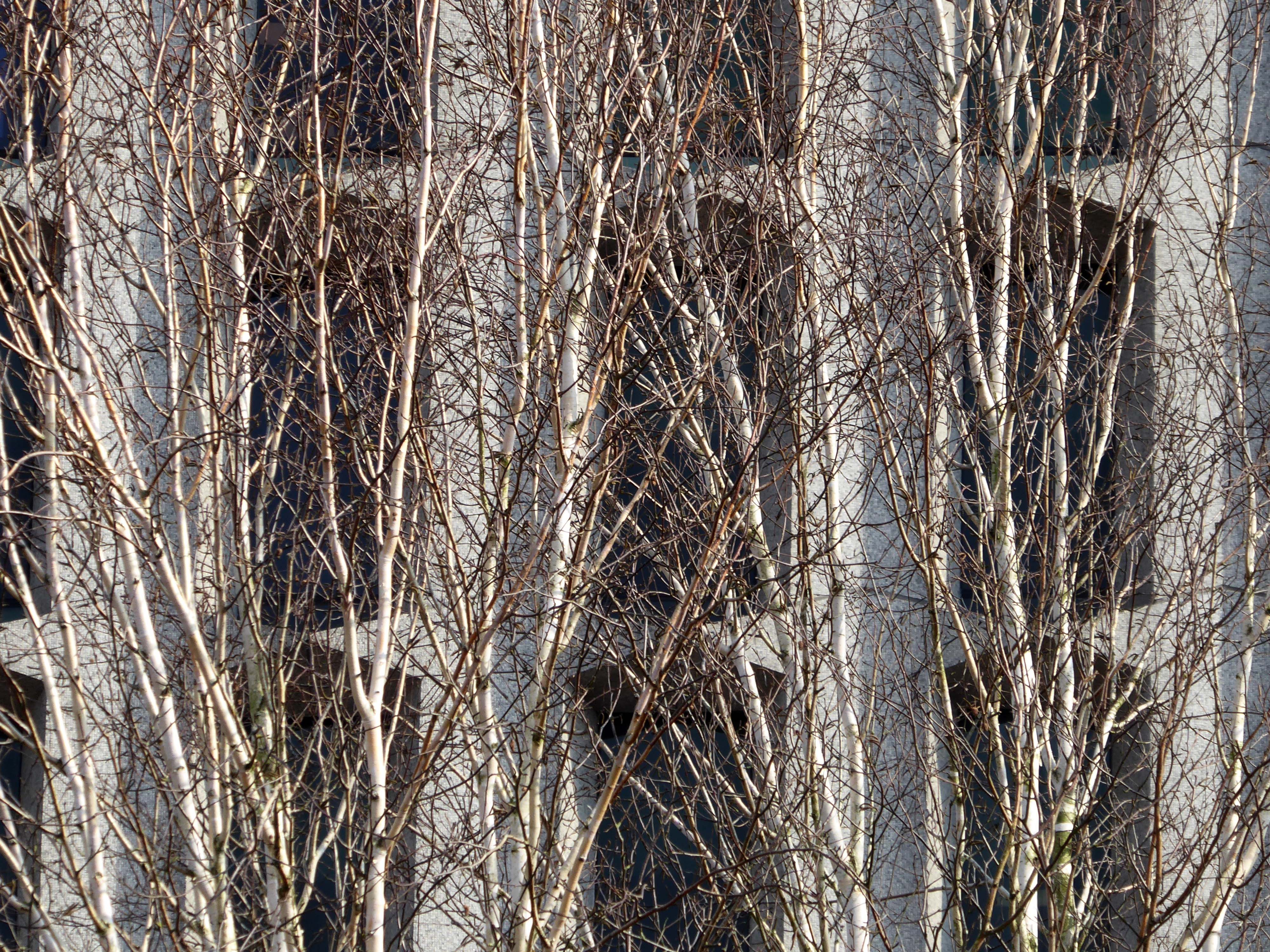
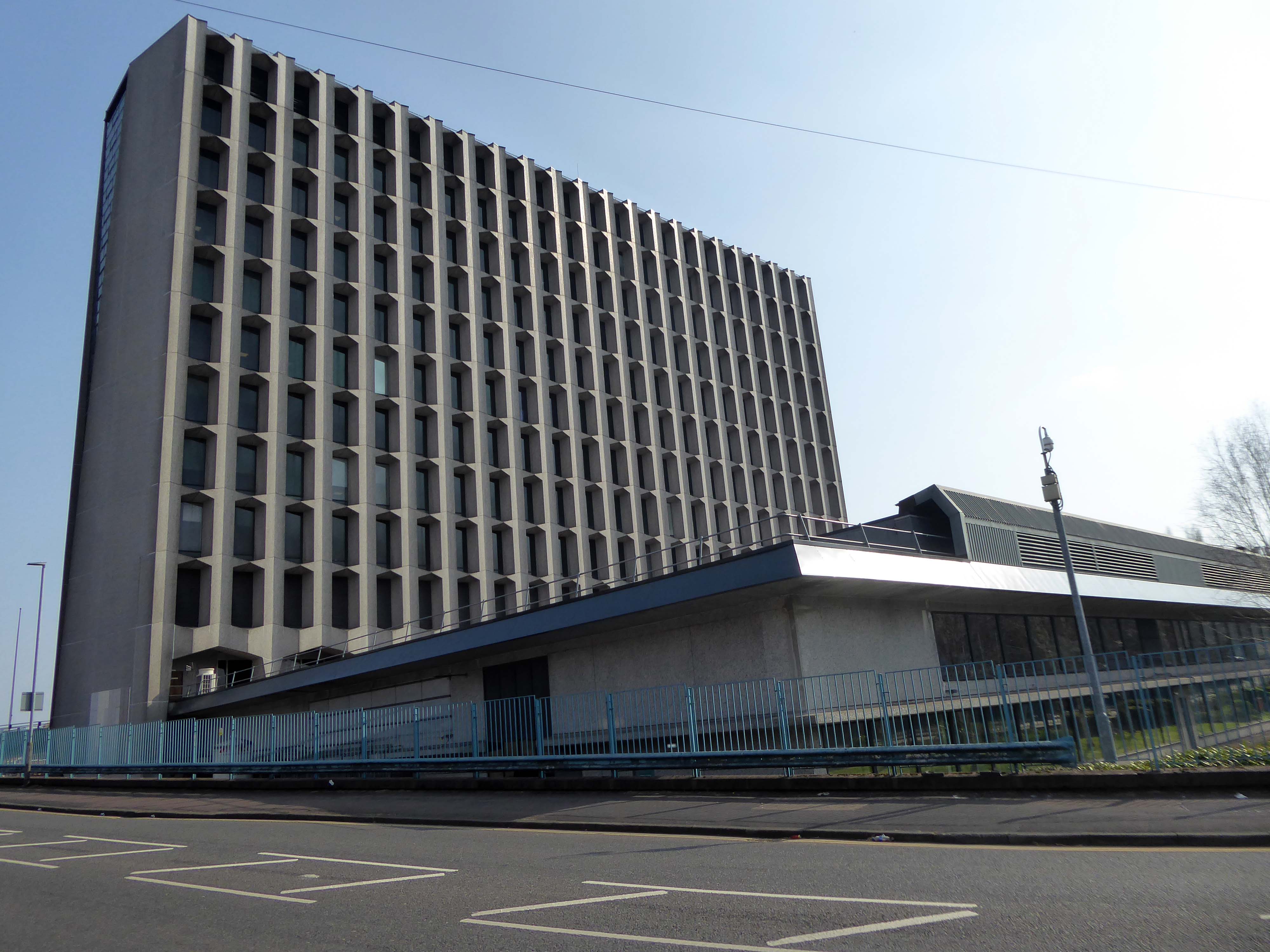
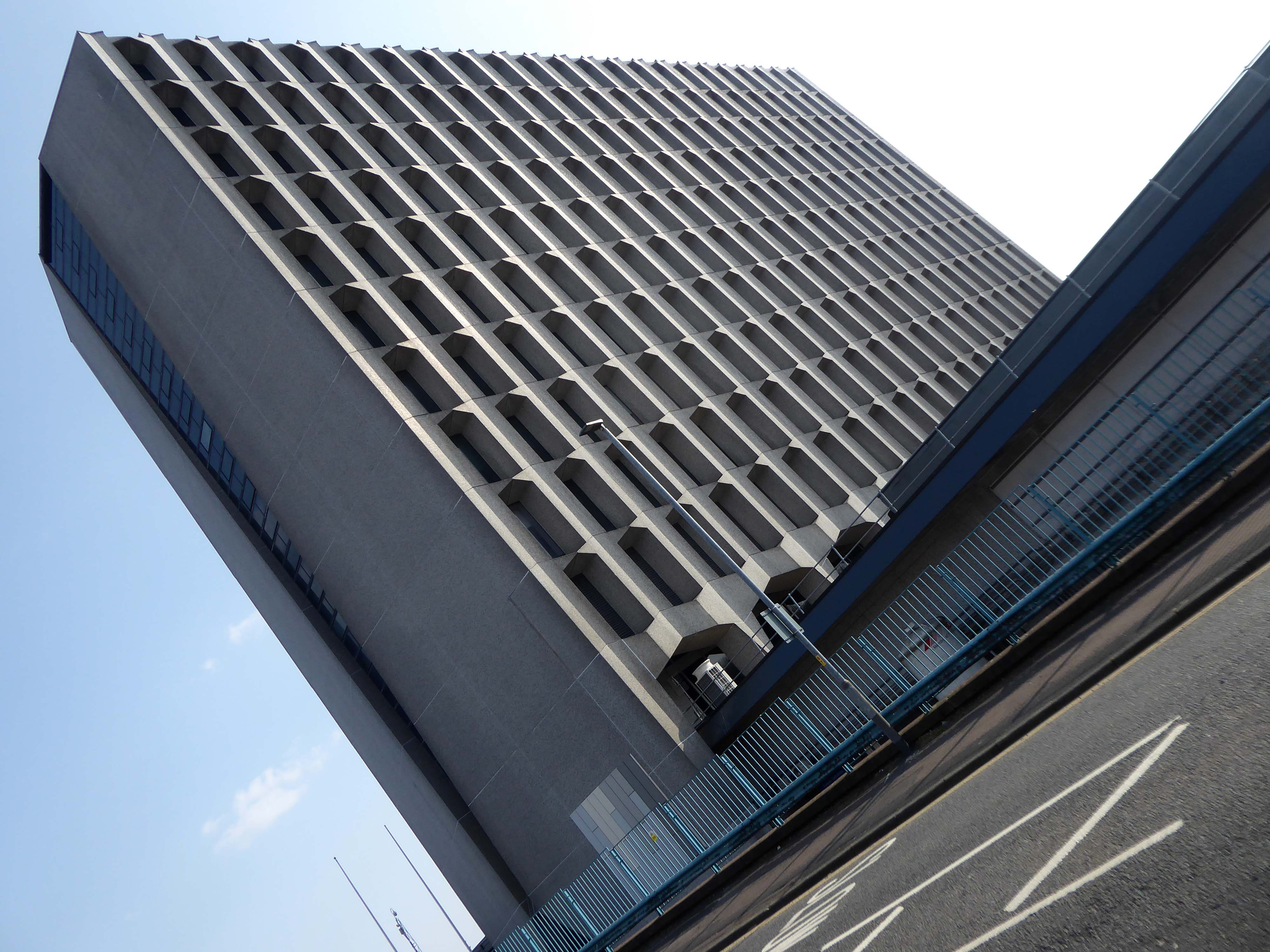
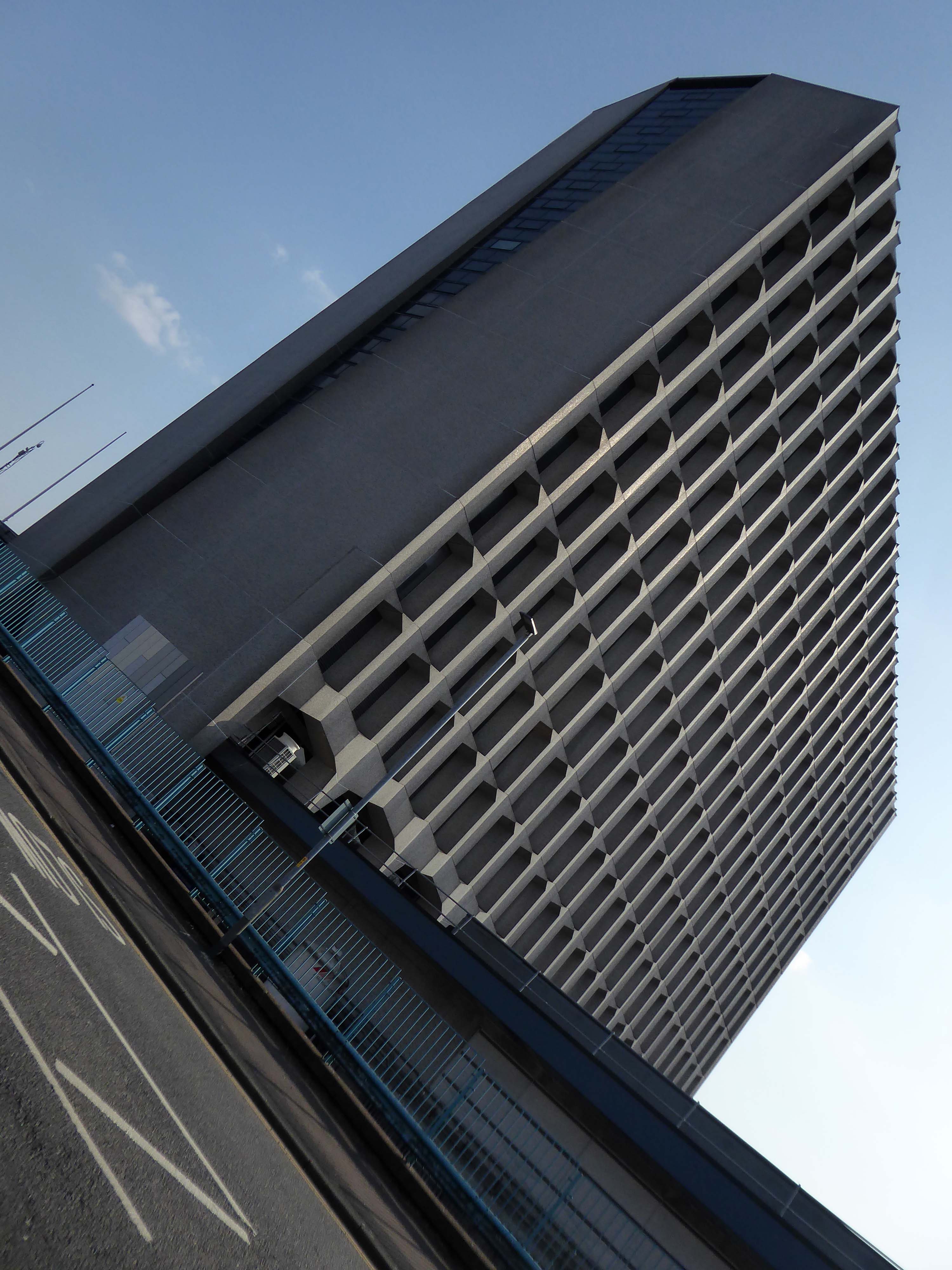
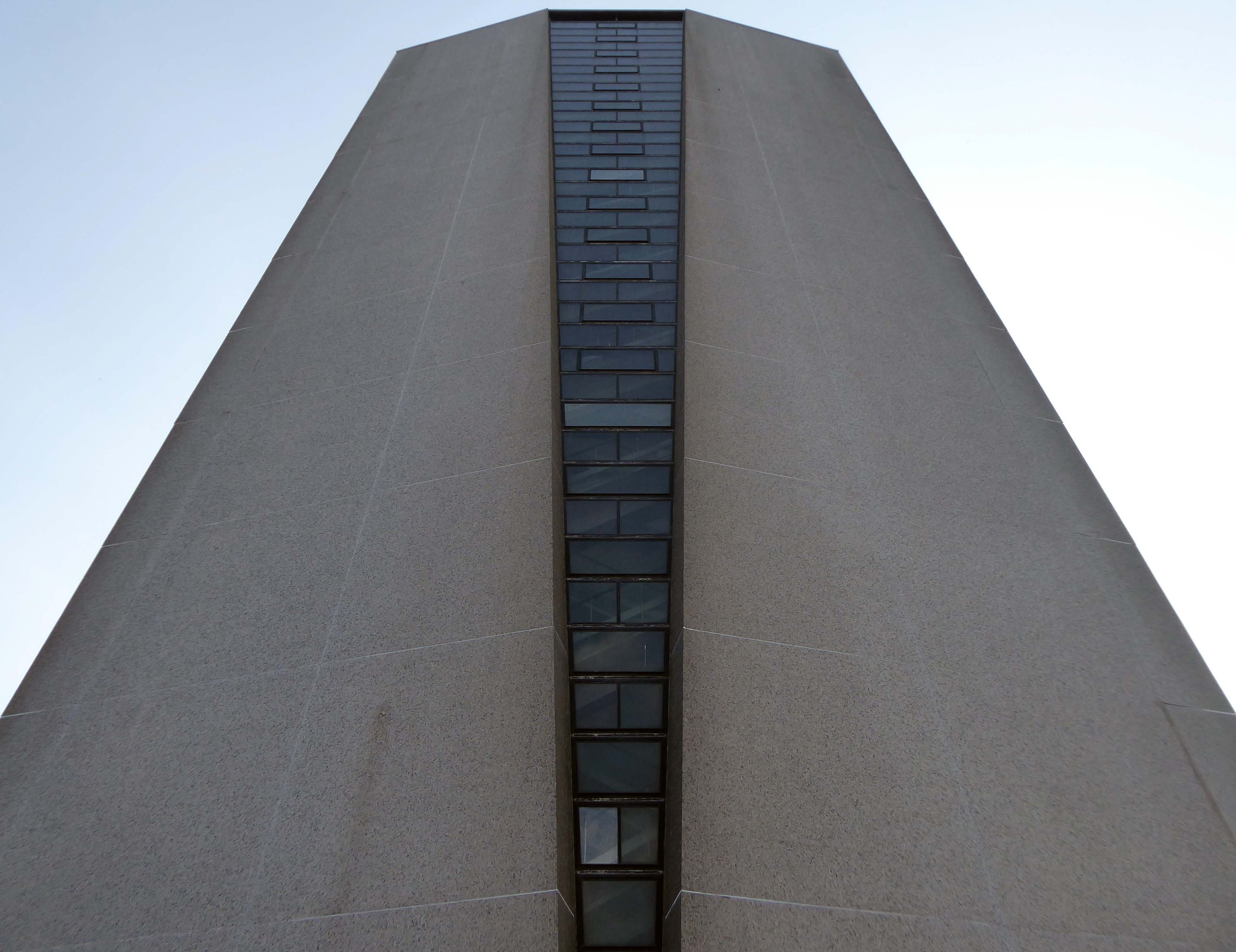
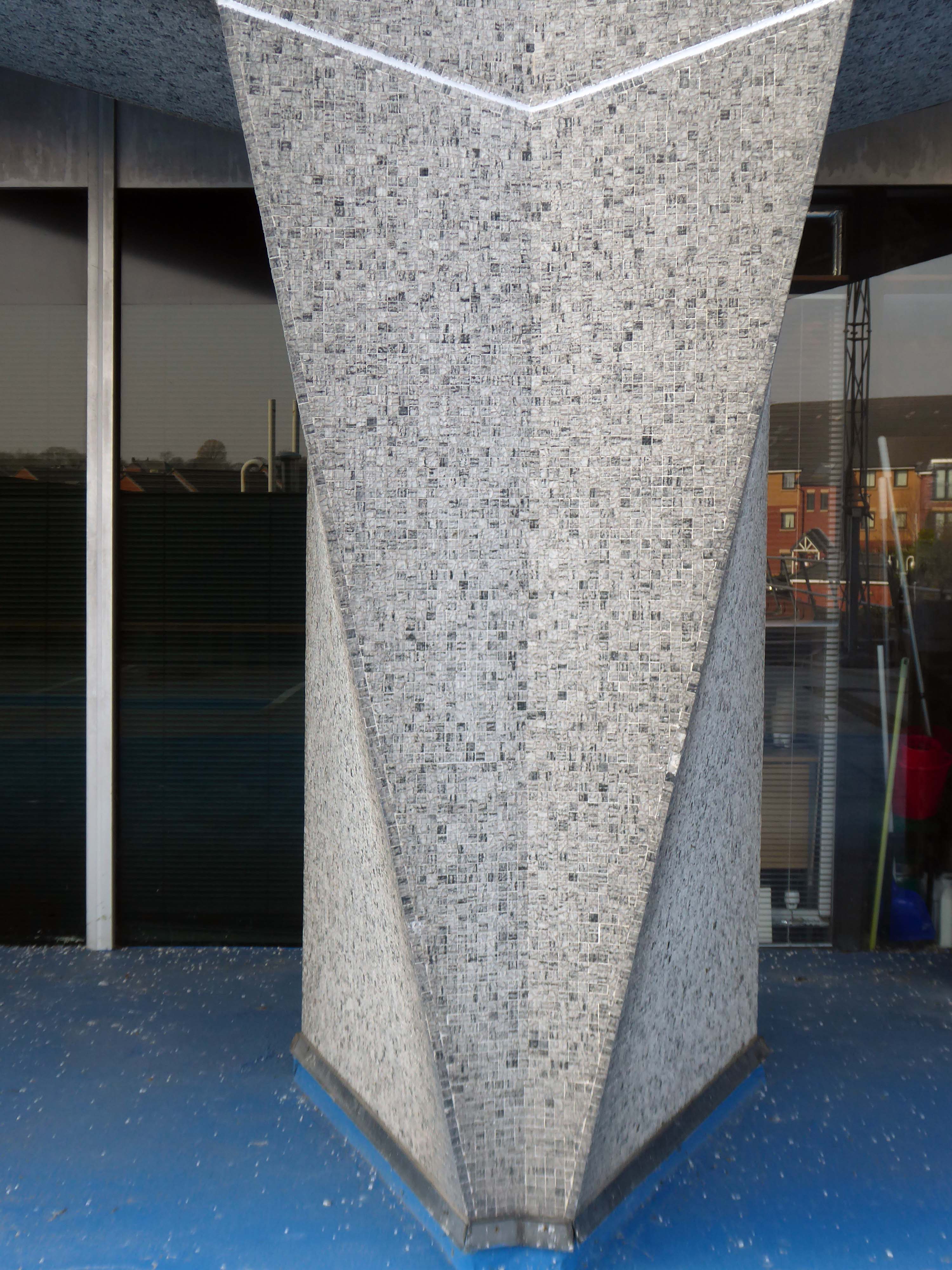
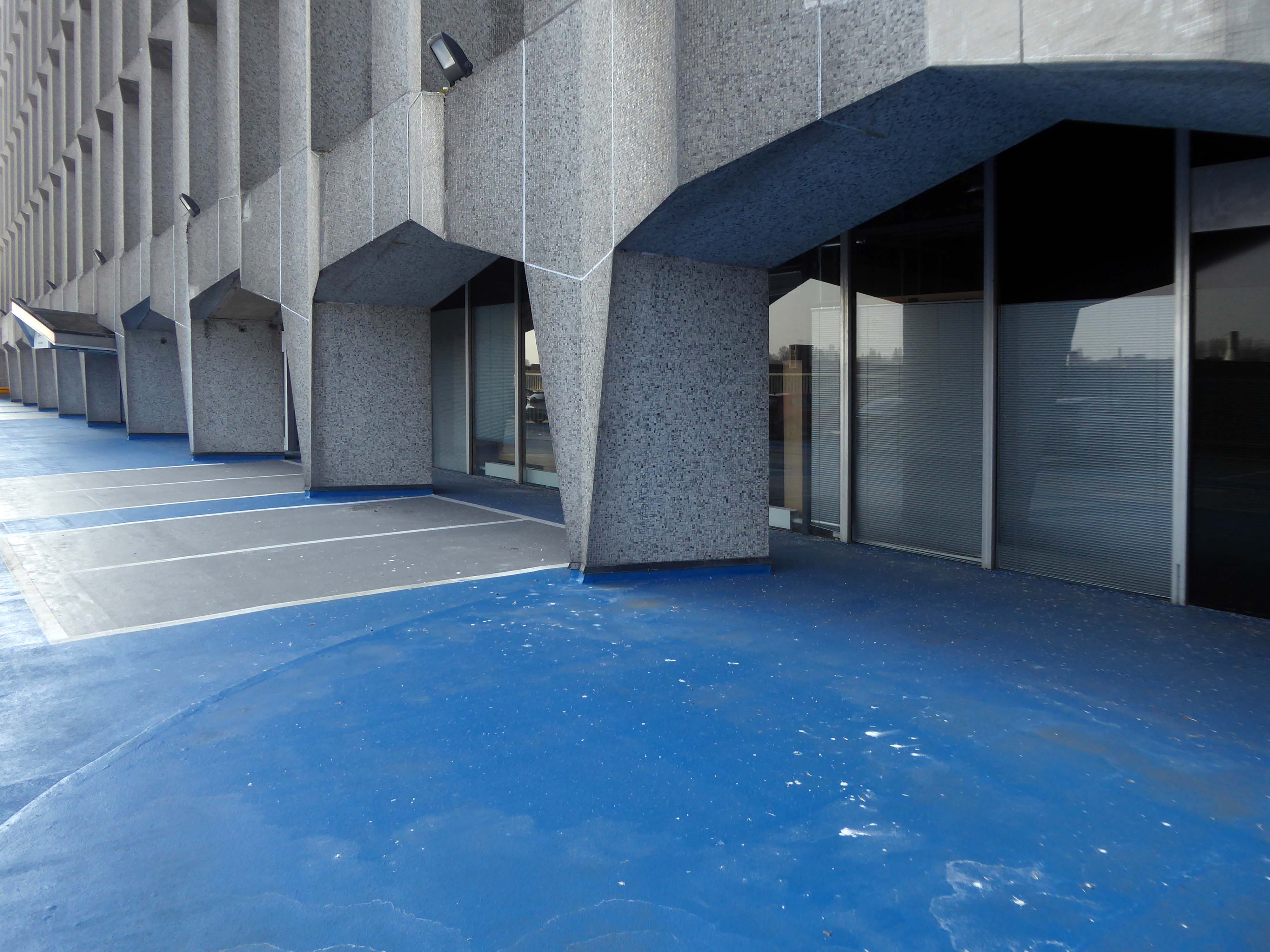
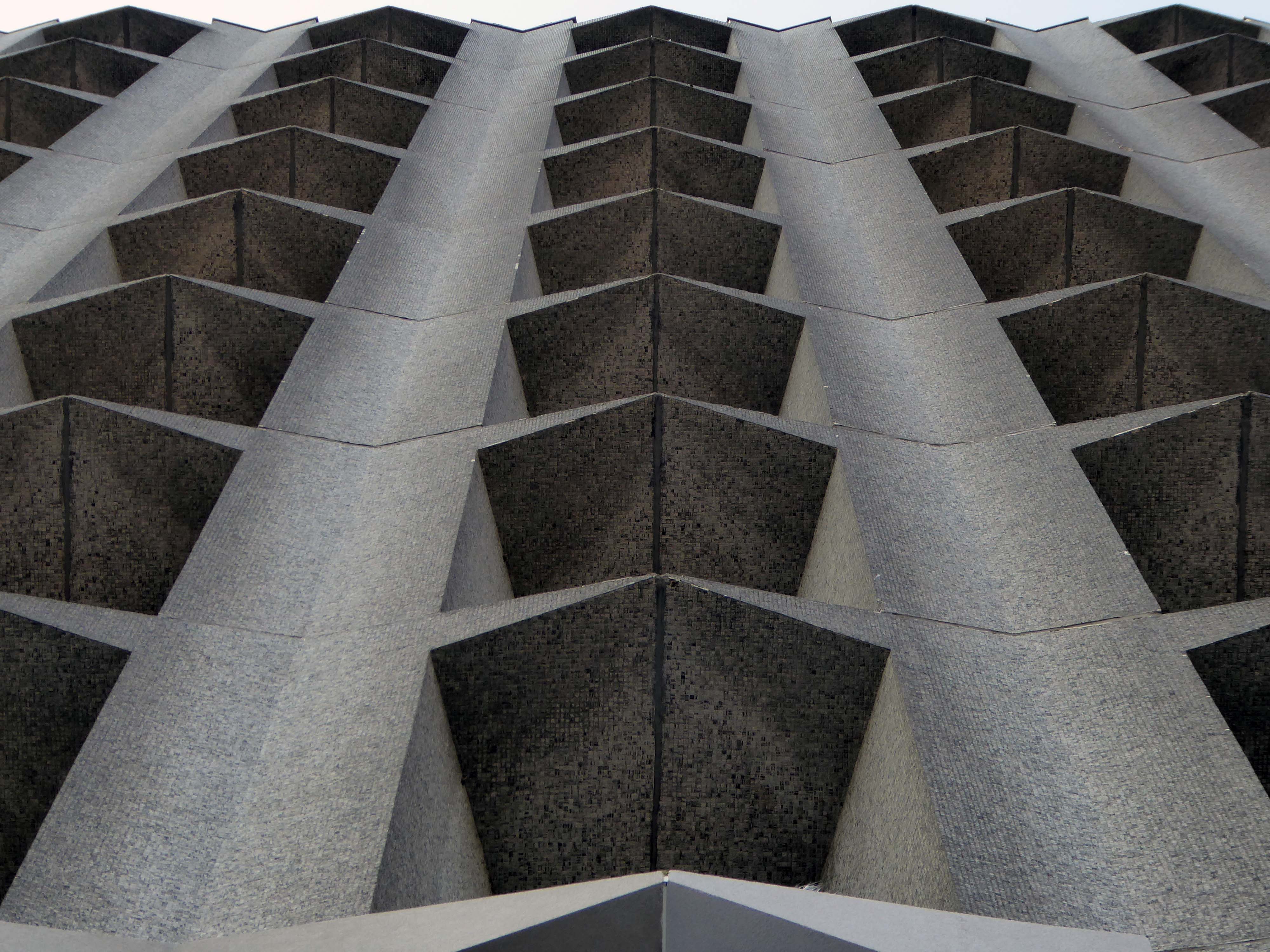
I was last here at the Hexagon Tower in 2015 – on a Manchester Modernist Society magical Orbital Bus Tour.
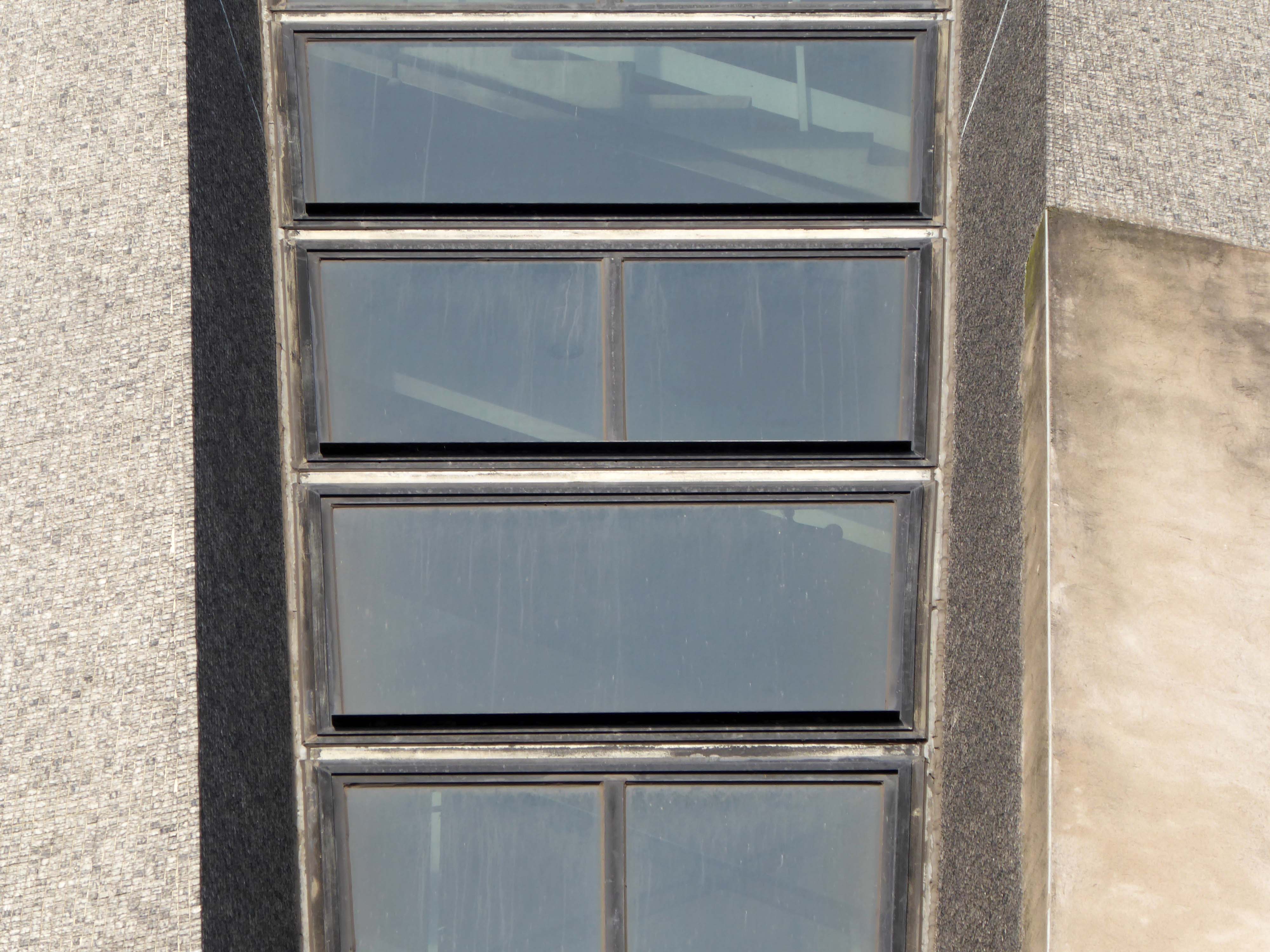
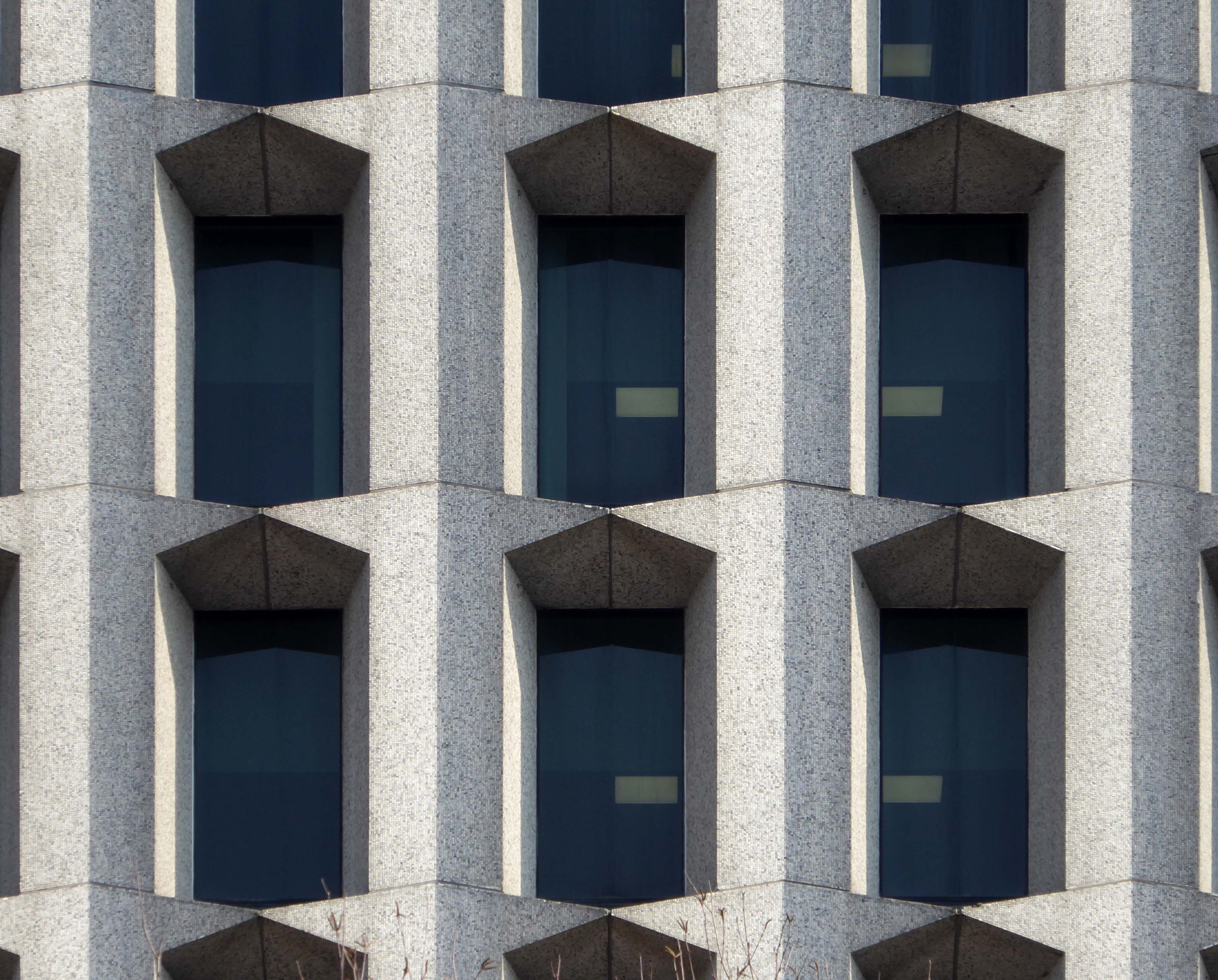
ICI commissioned the building from Richard Seifert in September 1969, as a research, development and production centre.
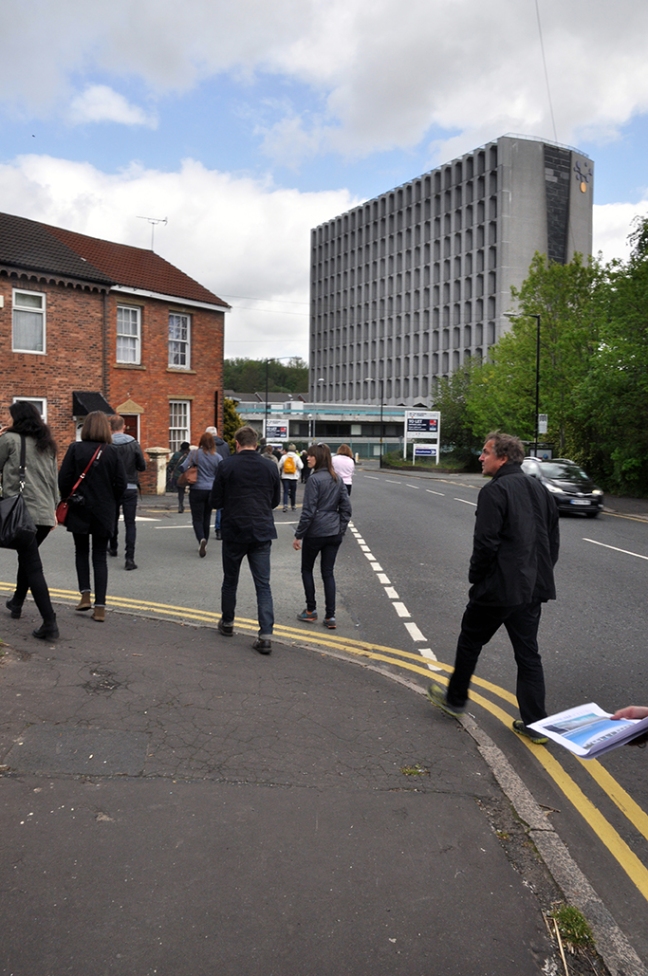
I returned in 2022 whilst cycling/walking the River Irk.
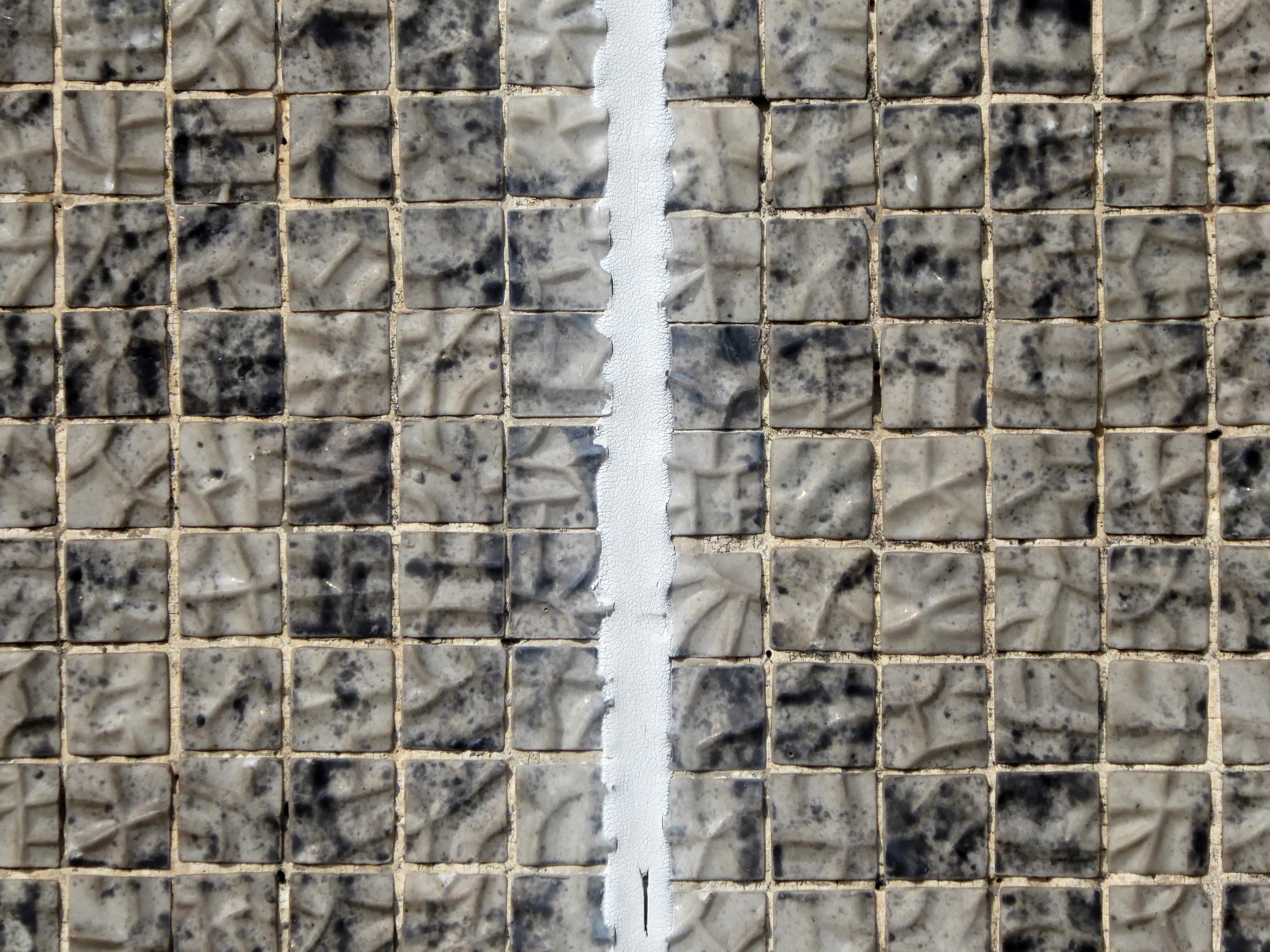
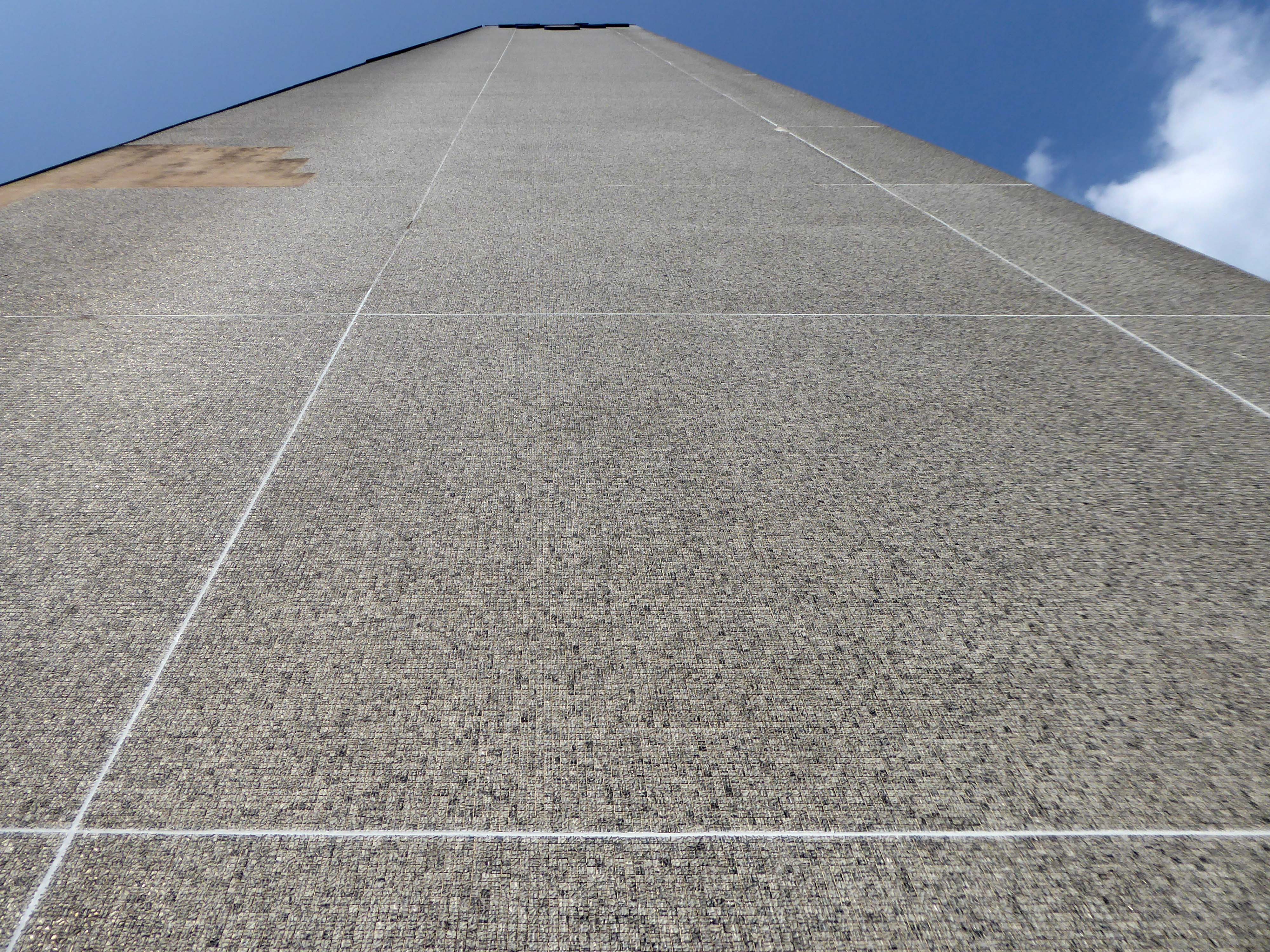
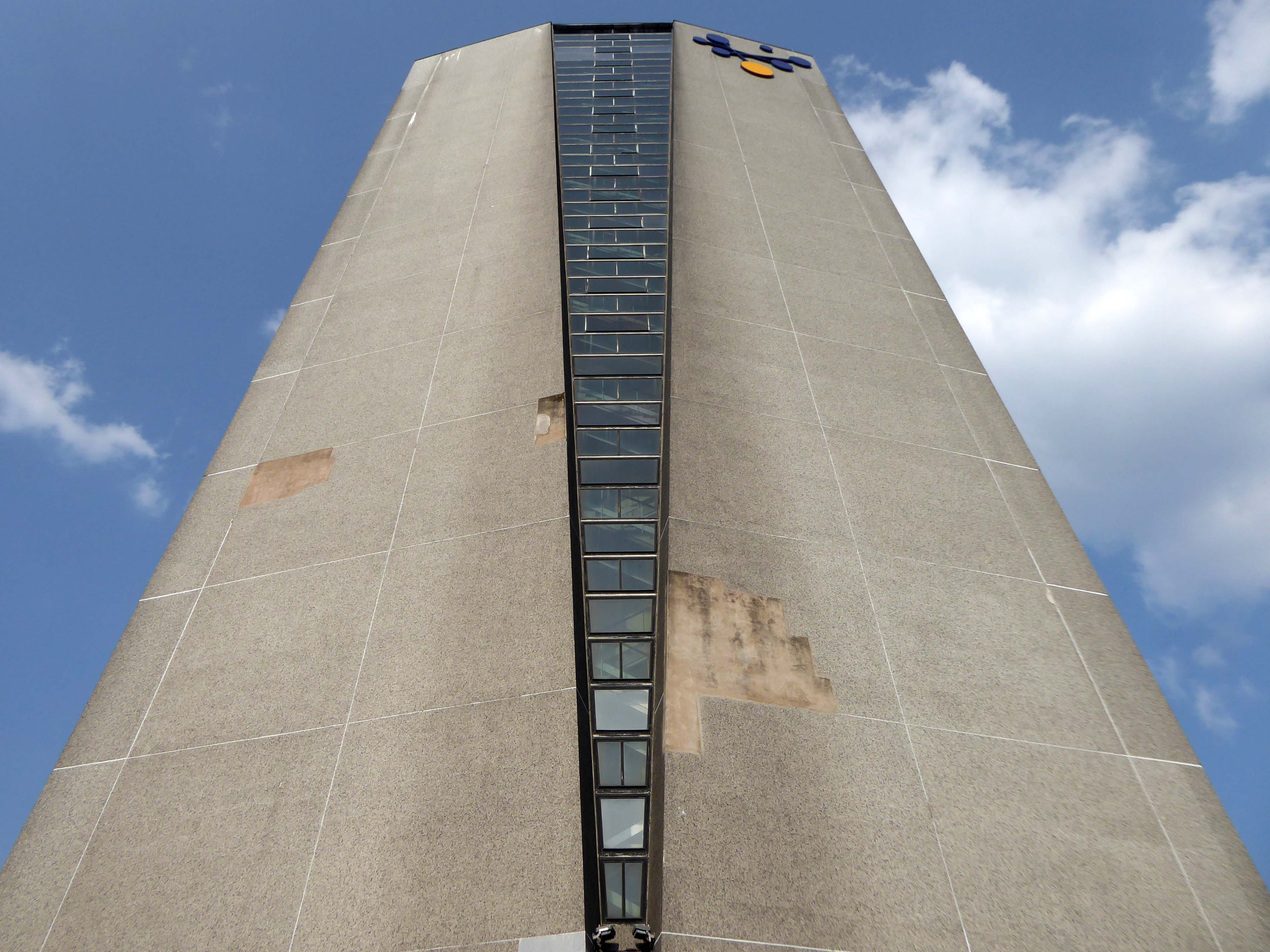
Since my previous visit the tower has been made good – after a fashion.
It looked splendid in the late March sun, as I approached along Imperial Way.
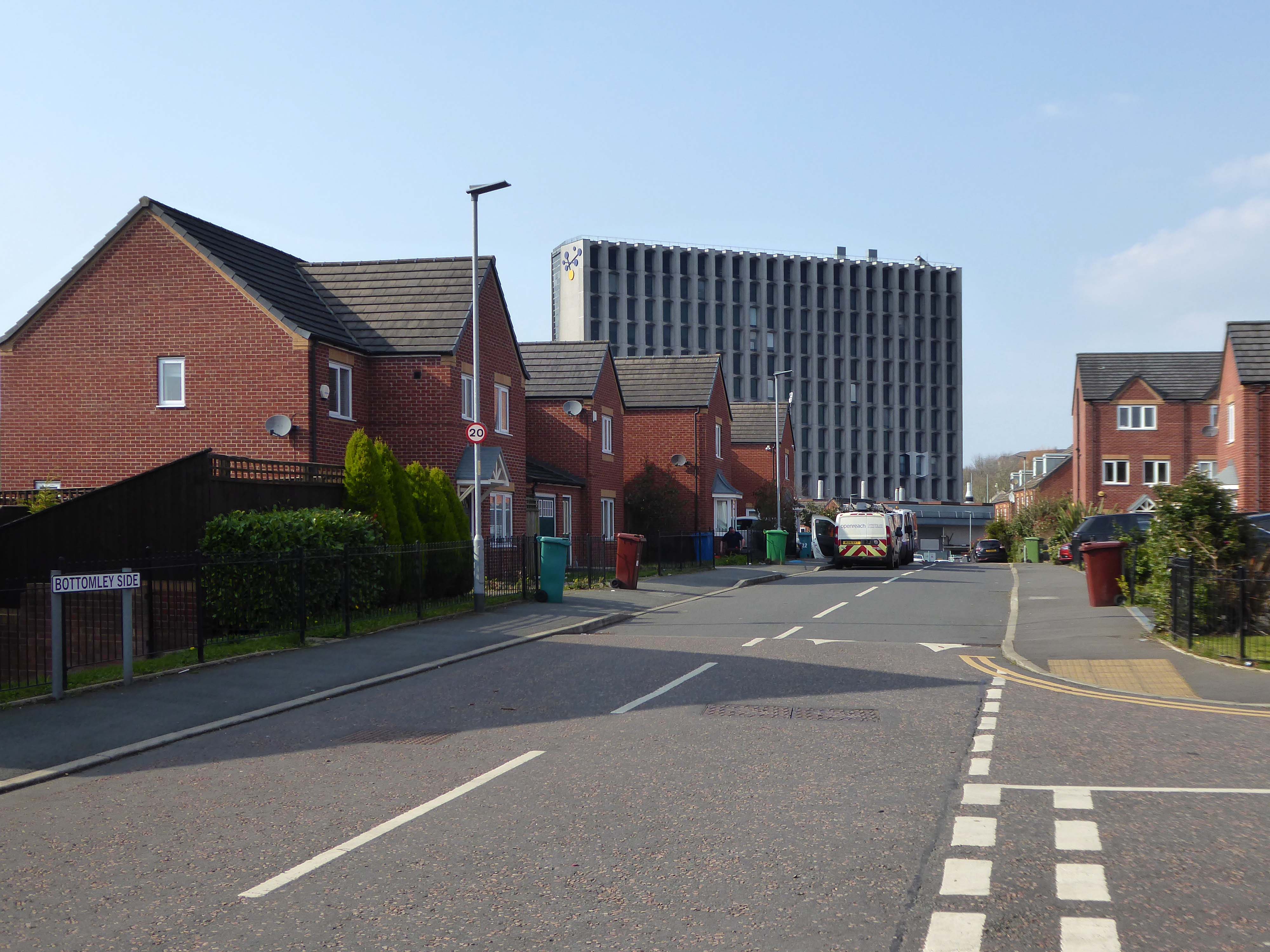
Imperial Way named for its progenitor ICI – the Imperial Chemical Industries.

ICI’s Dyestuffs Division had its headquarters at Blackley in north Manchester, in a complex known as the Hexagon, which included its main R & D labs, and an experimental manufacturing plant.
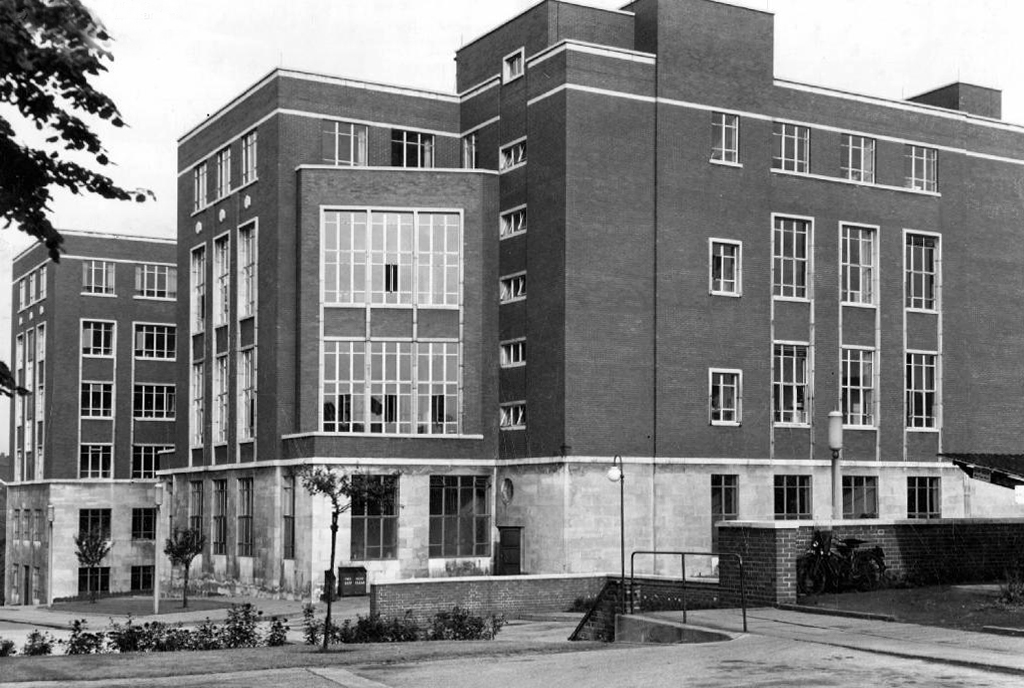
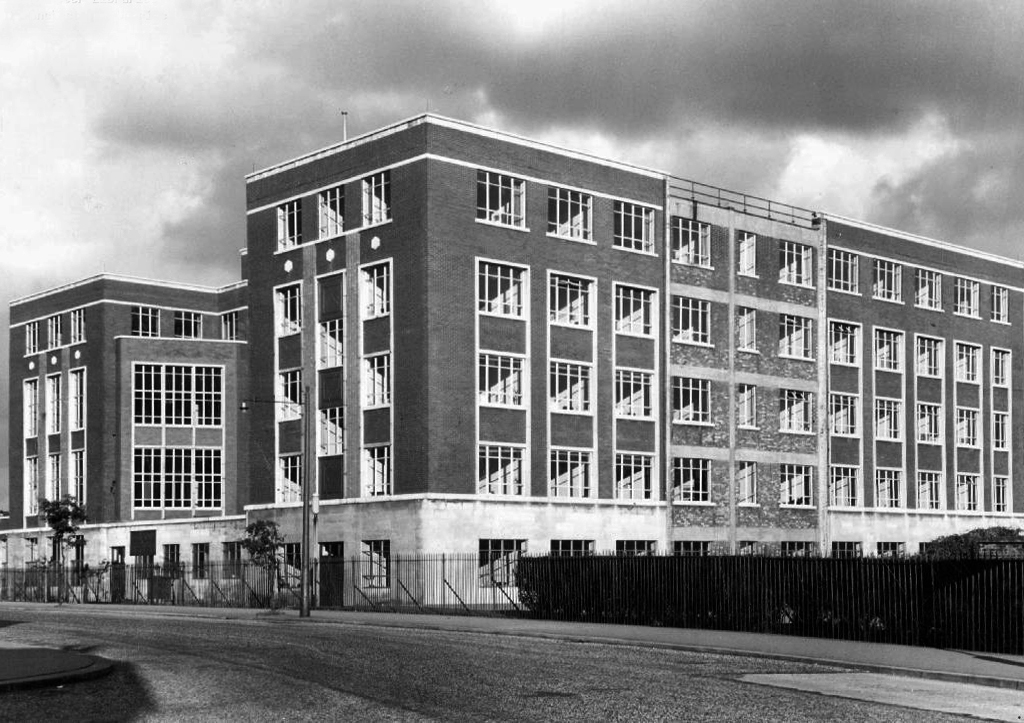
Manchester Local Image Collection.
Now I find myself outside the new Hexagon Tower 2022.
Now home to multiple chemical users under the auspices of WAPG.


 Modern Mooch