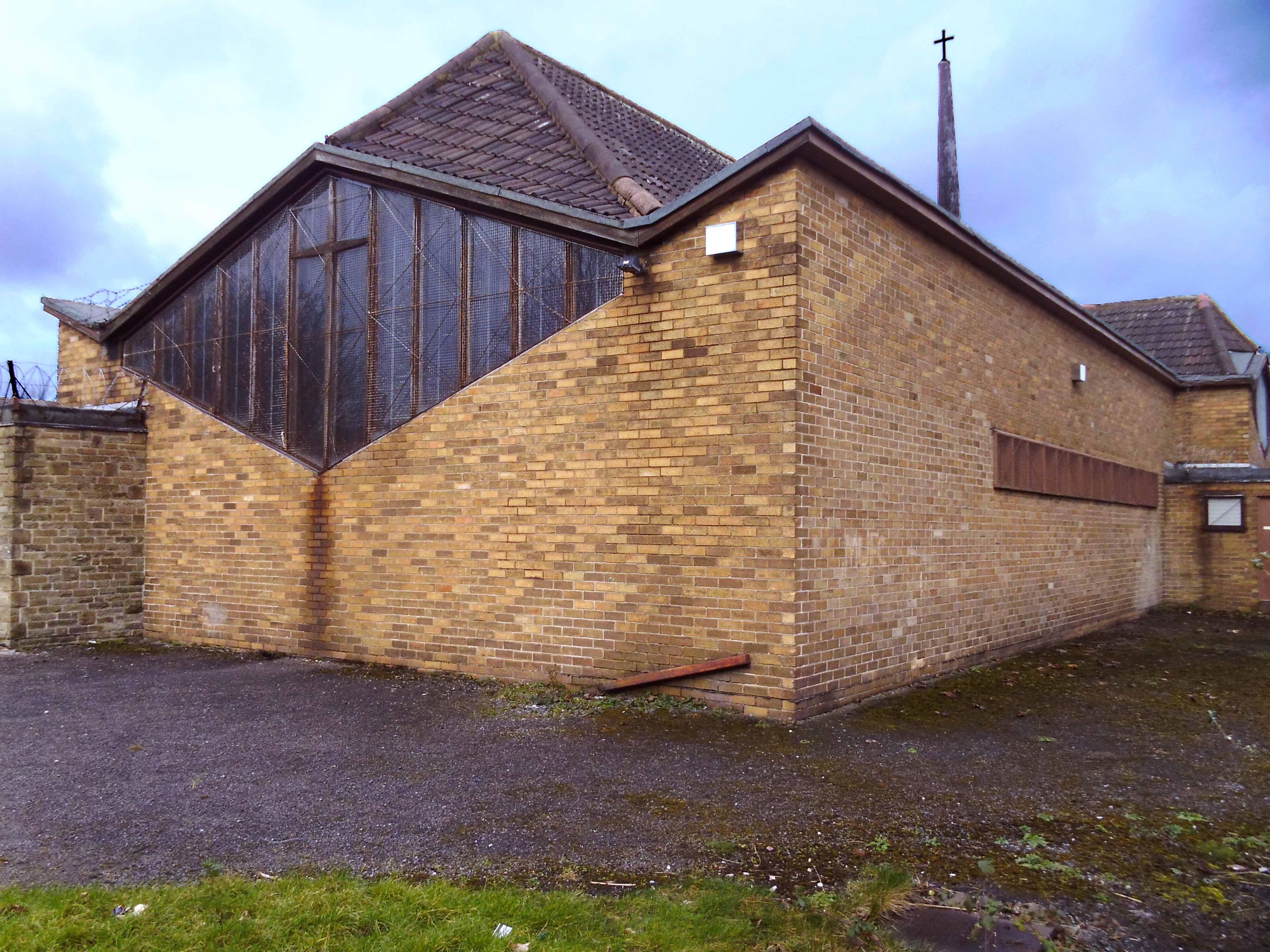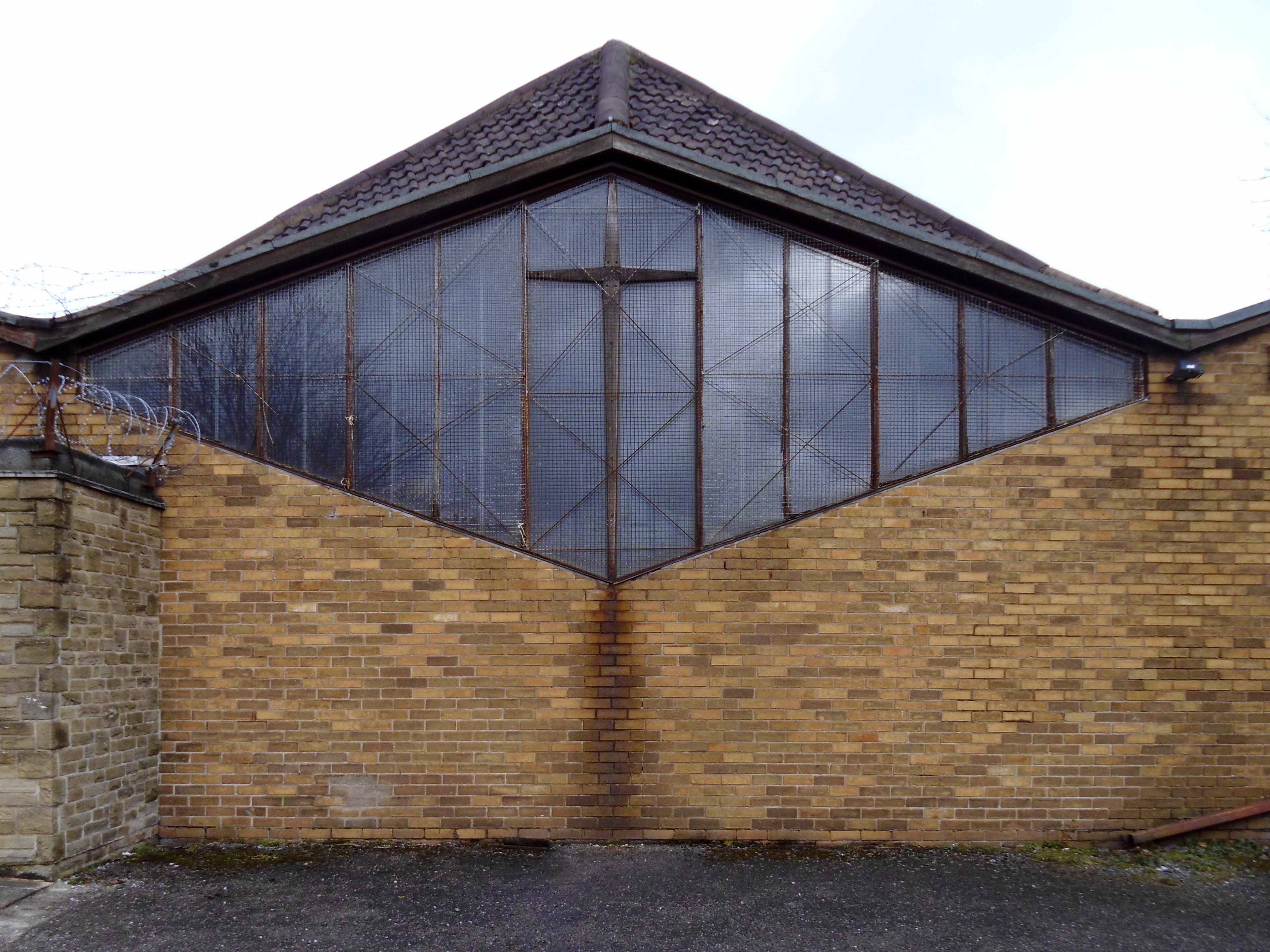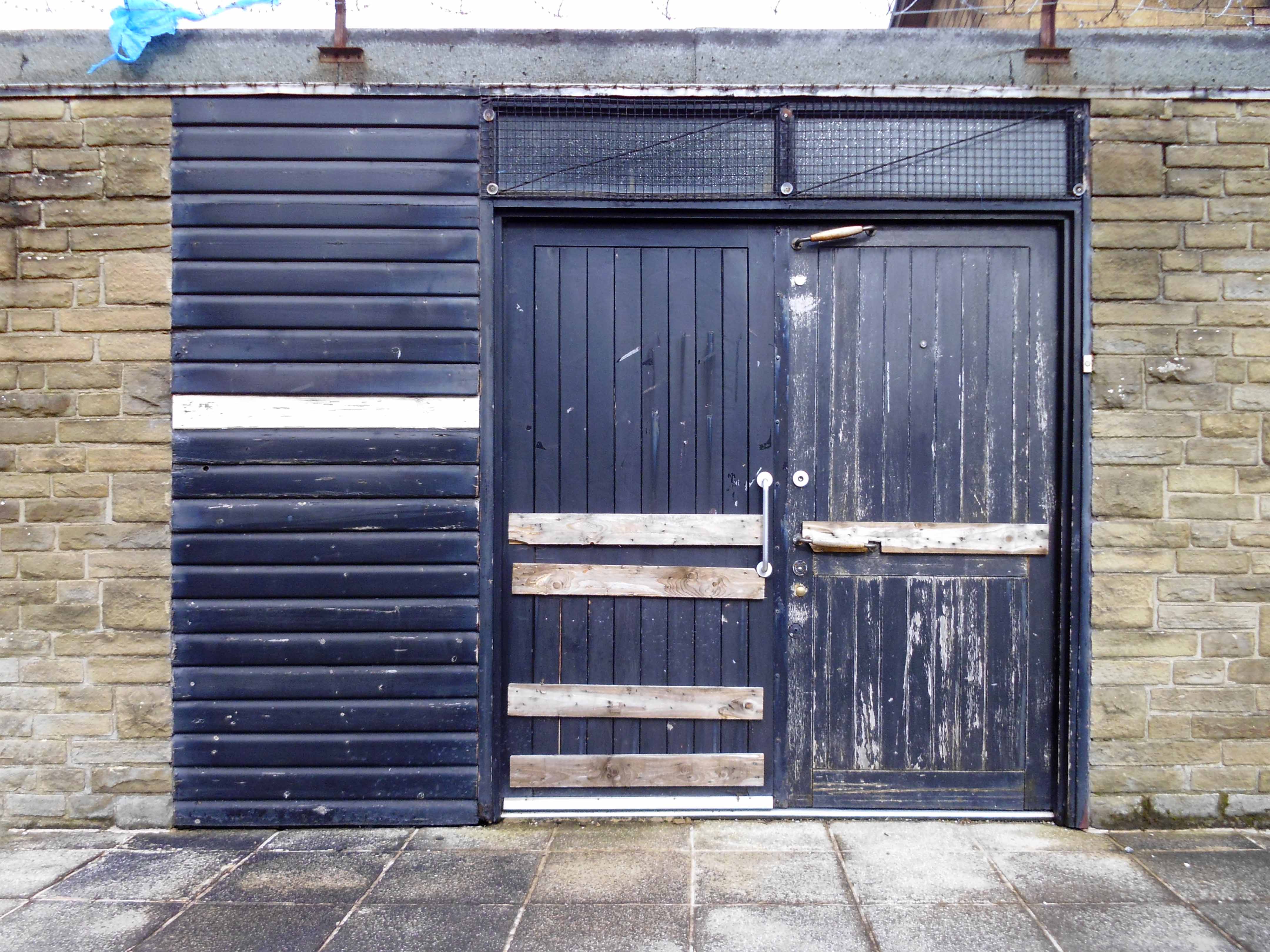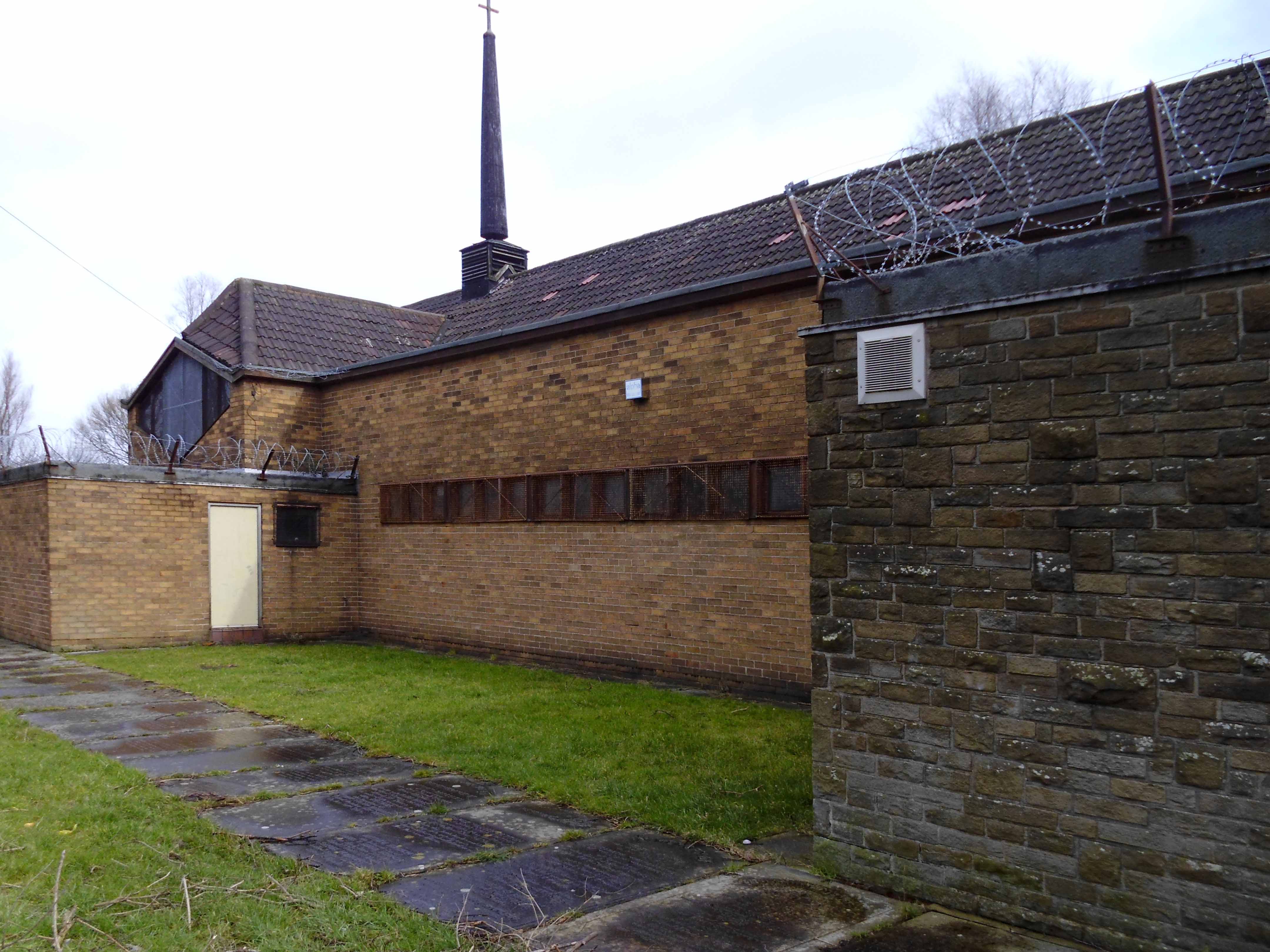
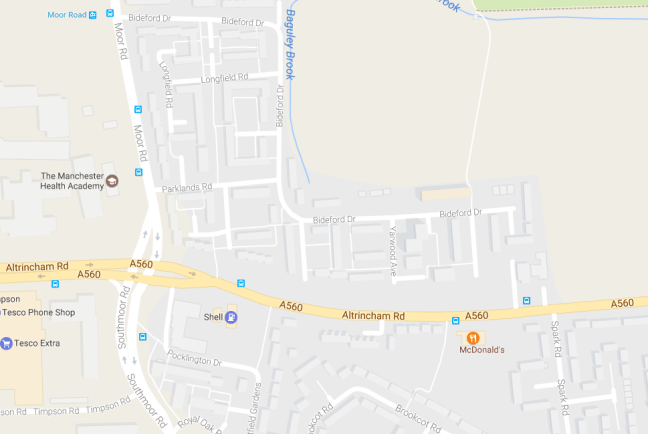
Back to Bideford Drive – Baguley

Screen Shot 2017-06-16 at 11.05.28

Here we are again – having previously travelled back to the inception of the estate in the 1970s.

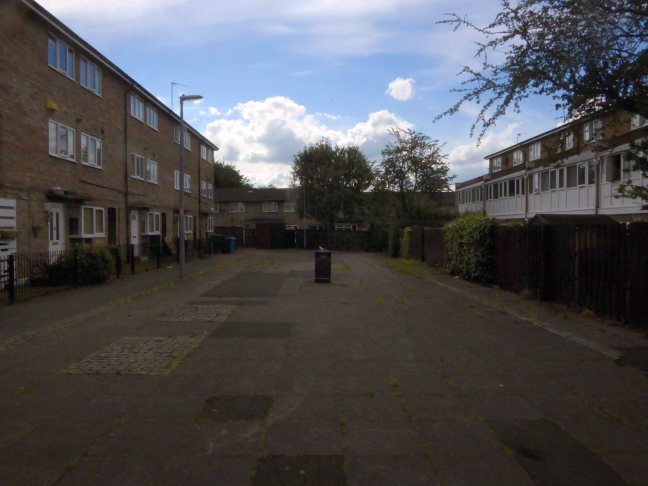
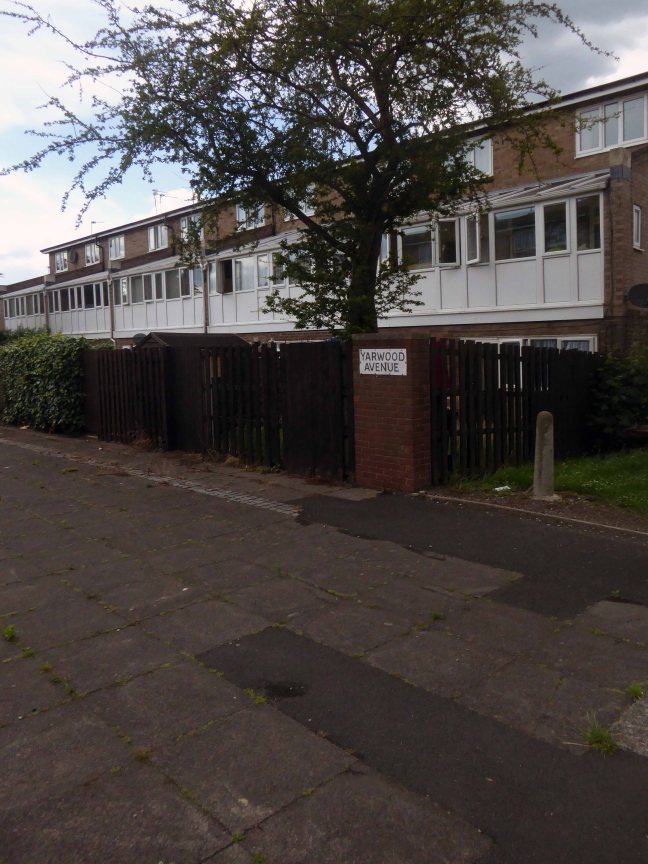
Structurally little has changed, politically and economically things have shifted.

Tectonically:

The Conservative Party had committed itself to introducing a Right to Buy before Margaret Thatcher became Party leader. After the election of May 1979 a new Conservative government drafted legislation to provide a Right to Buy but, because this would not become law until October 1980, also revised the general consent to enable sales with higher discounts matching those proposed in the new legislation. The numbers of sales completed under this general consent exceeded previous levels. Between 1952 and 1980 over 370,000 public sector dwellings were sold in England and Wales. Almost a third of these were in 1979 and 1980 and it is evident that higher discounts generated and would have continued to generate higher sales without the Right to Buy being in place. 200,000 council houses were sold to their tenants in 1982, and by 1987, more than 1,000,000 council houses in Britain had been sold to their tenants.

The Right to Buy: History and Prospect

The post war policy of building and renting local authority housing was swamped by the phrase property owning democracy, on which the popular conservatism of the 20th century rested, and with it a vision of the good society, was coined by the Scottish Unionist Noel Skelton in a quartet of articles for the Spectator entitled Constructive Conservatism, written in the spring of 1923. The appeal of Popular Capitalism proved compelling, however the periods of de-industrialisation, and the subsequent lull in the building of new affordable homes, has created a myriad of obstacles for those simply seeking somewhere to live and work.

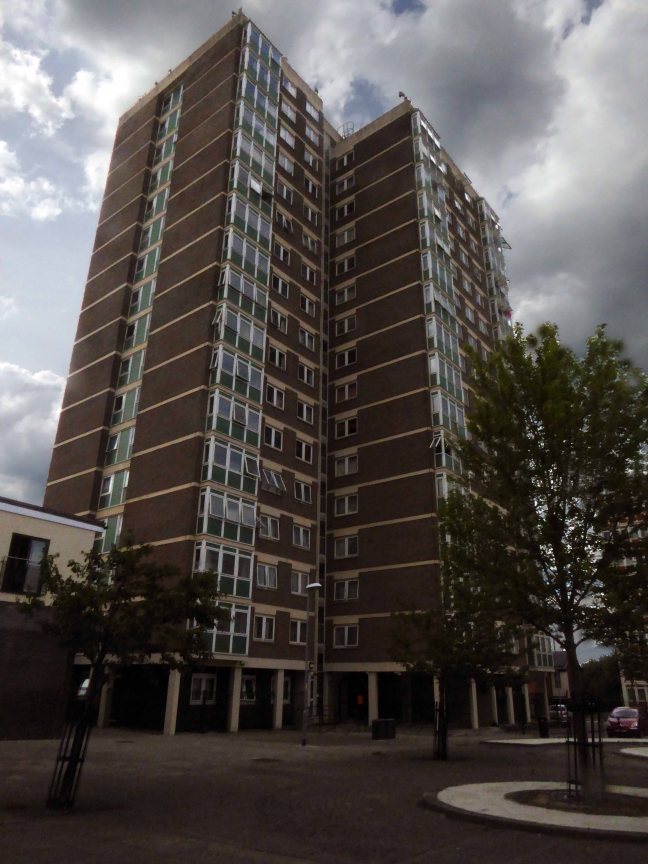
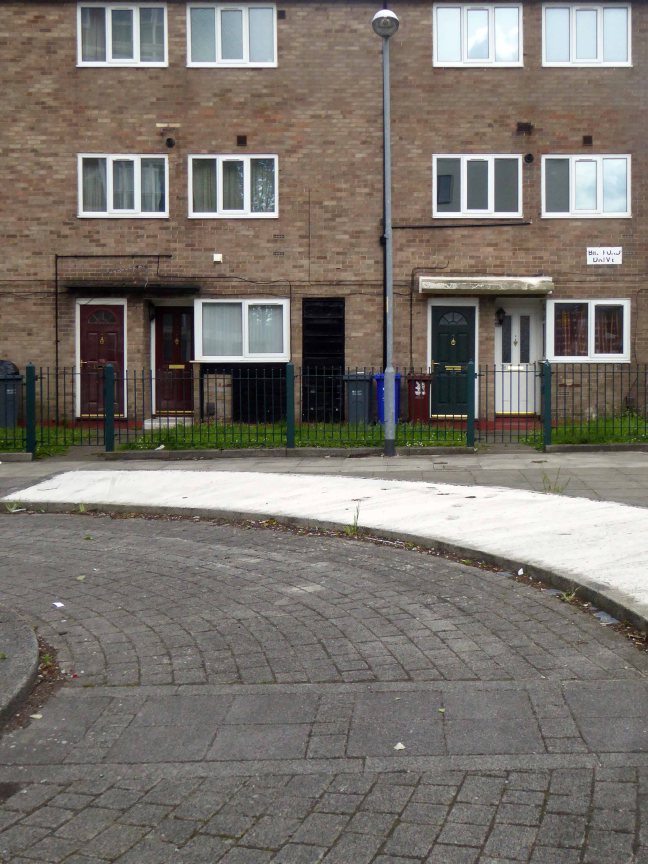
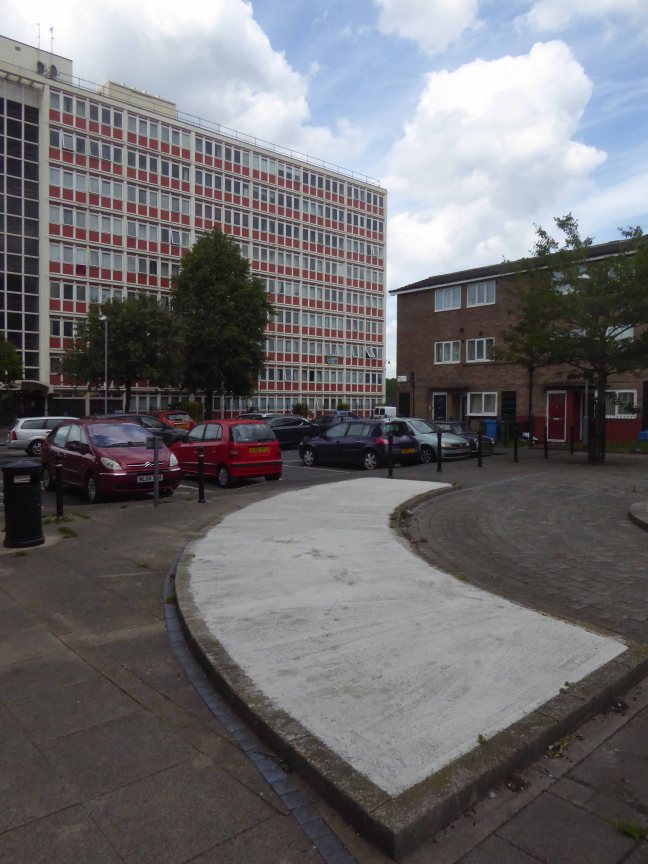
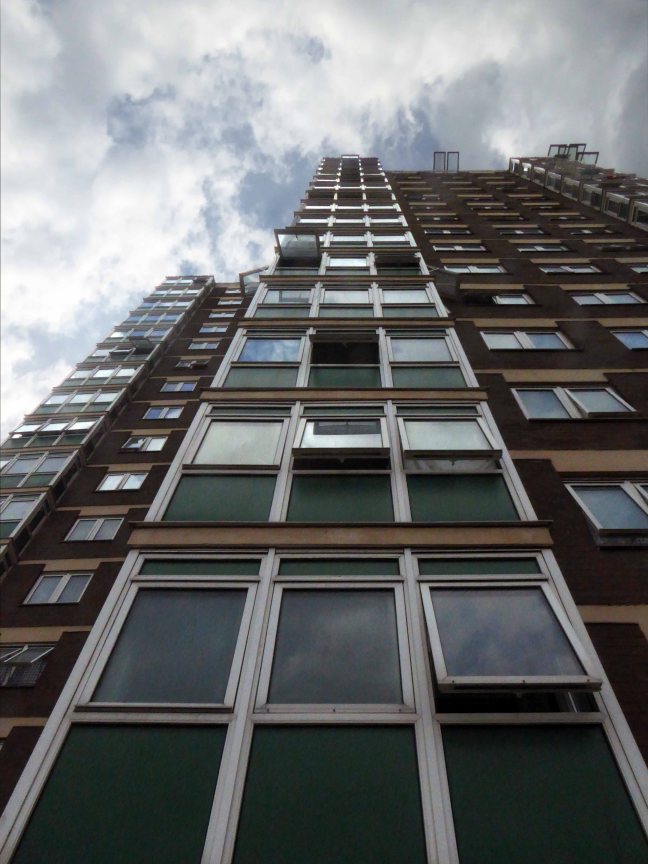
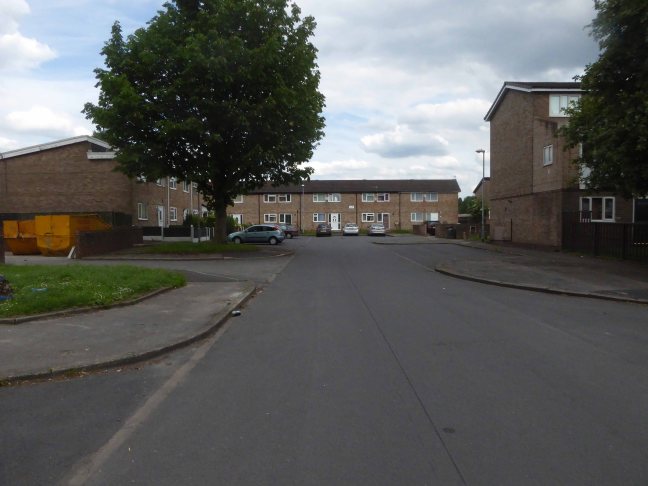
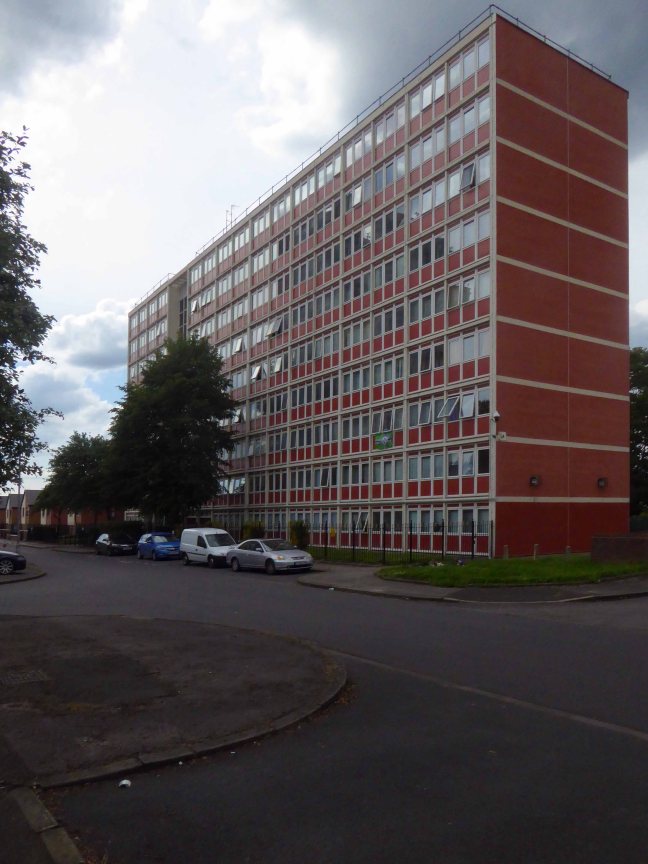
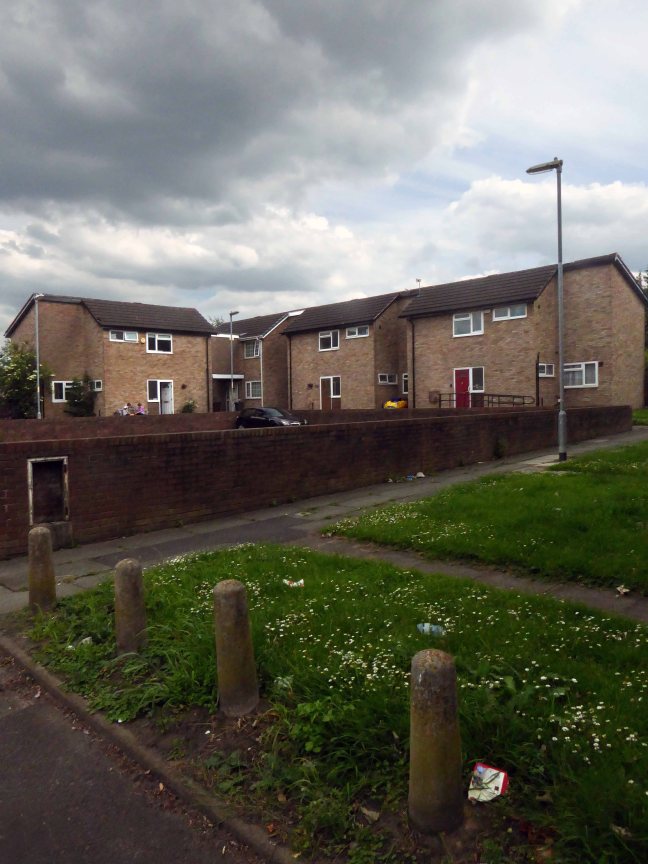
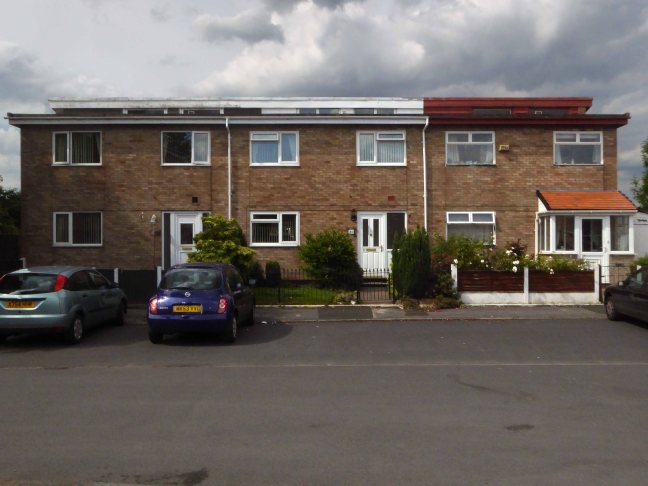
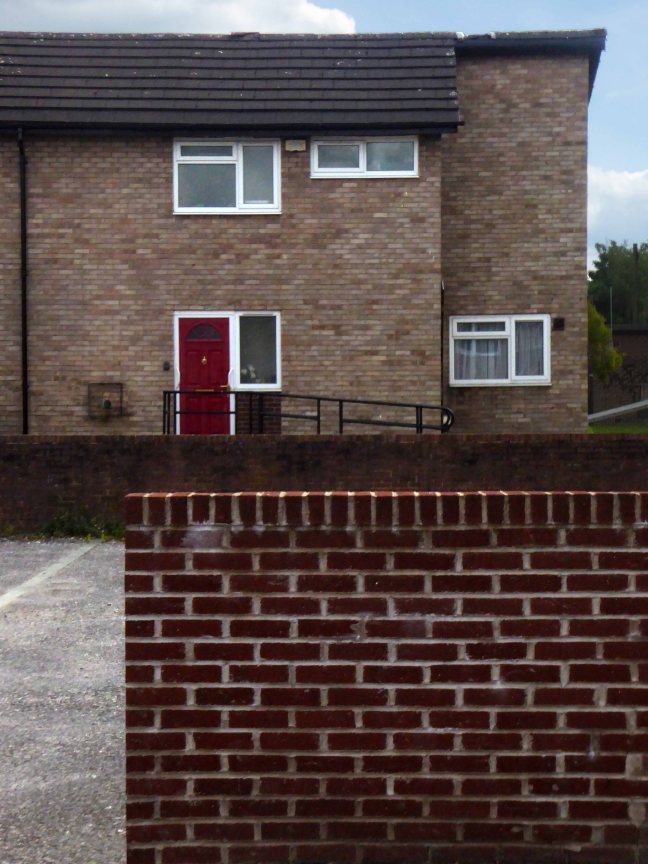
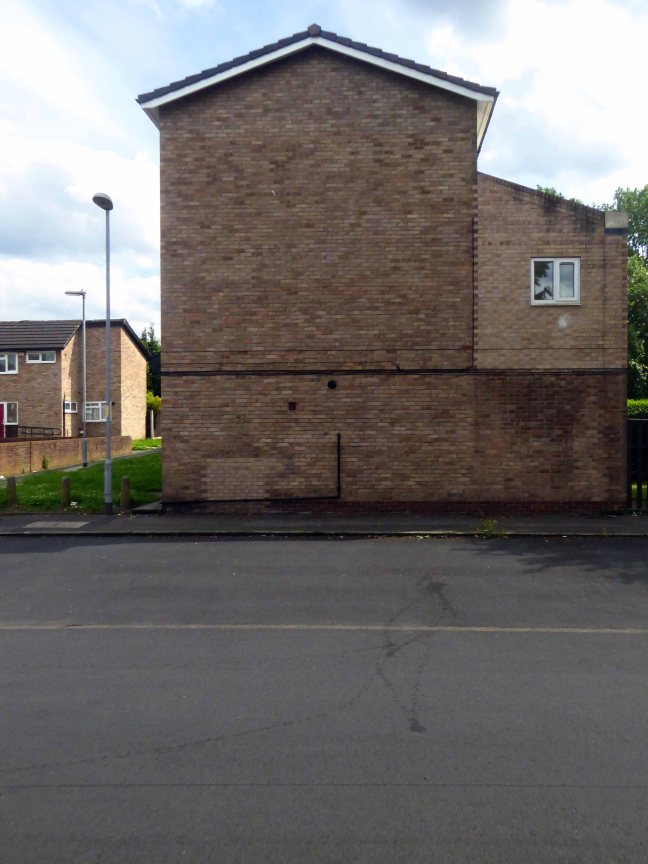
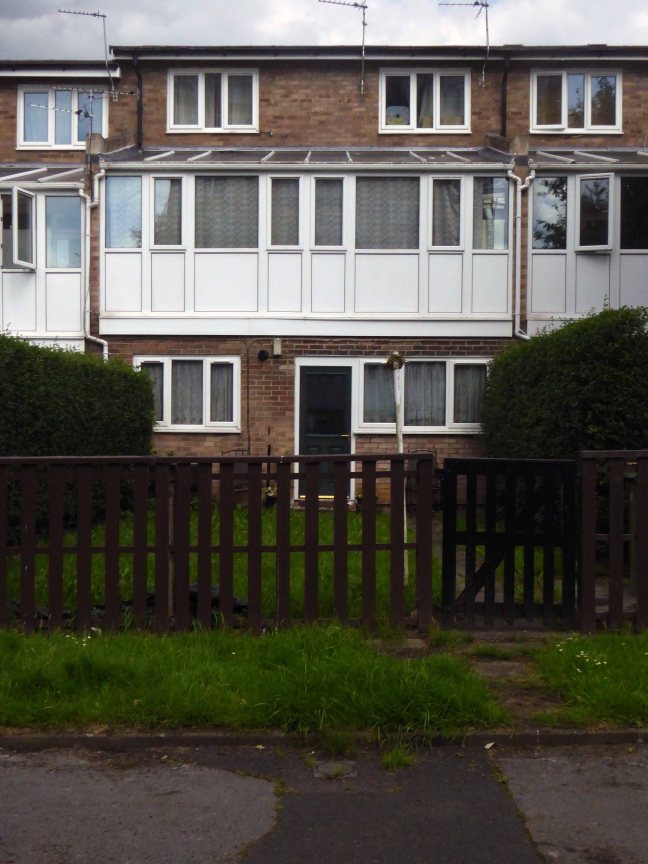
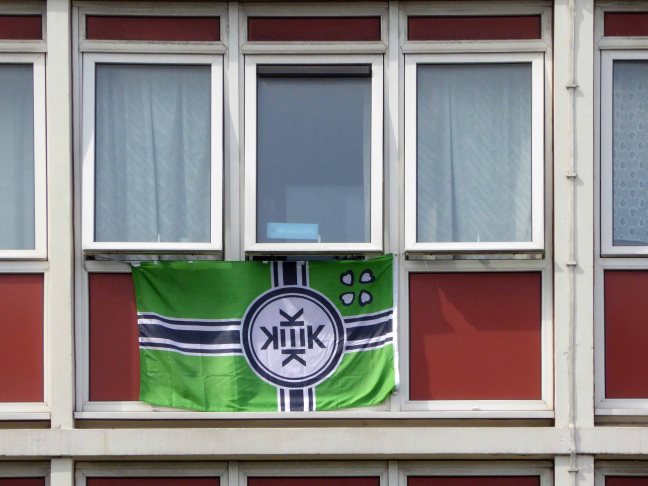
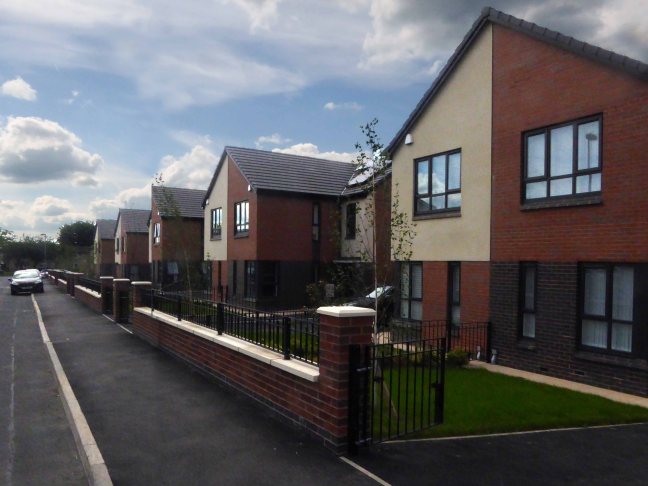
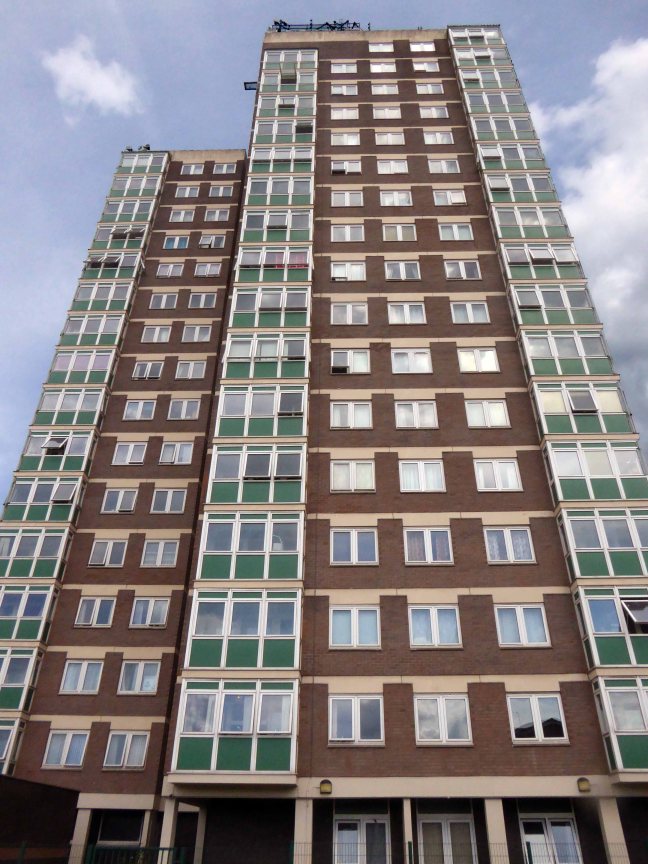
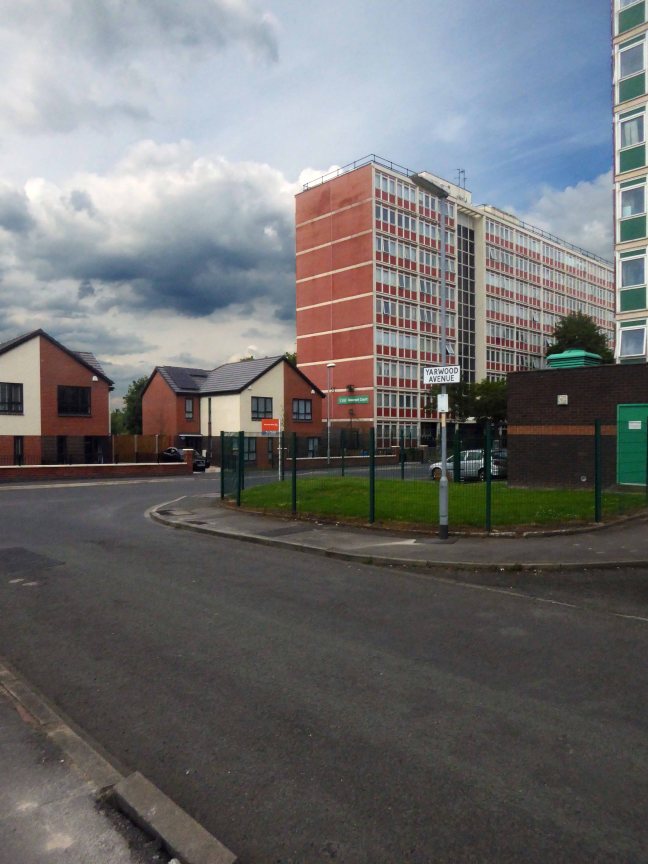
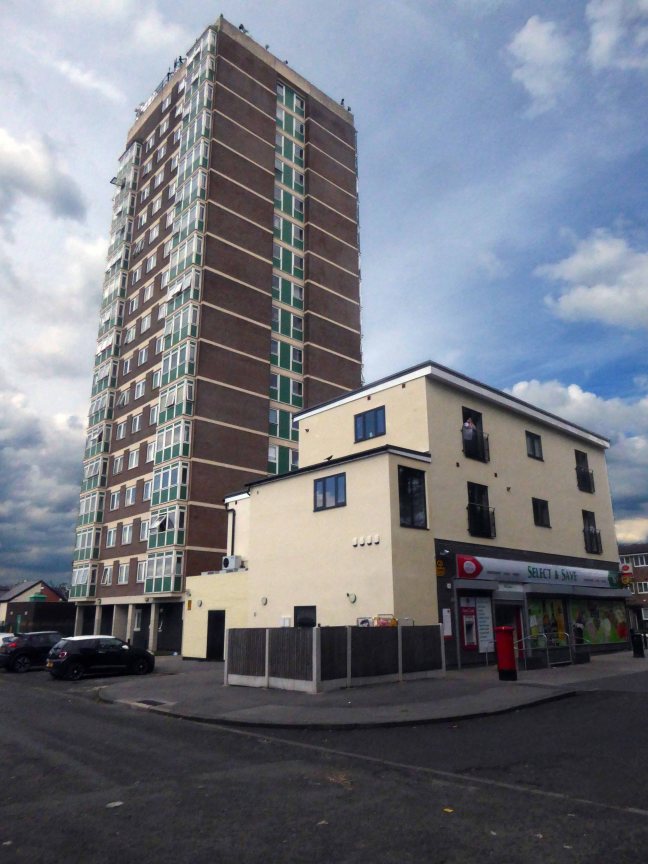
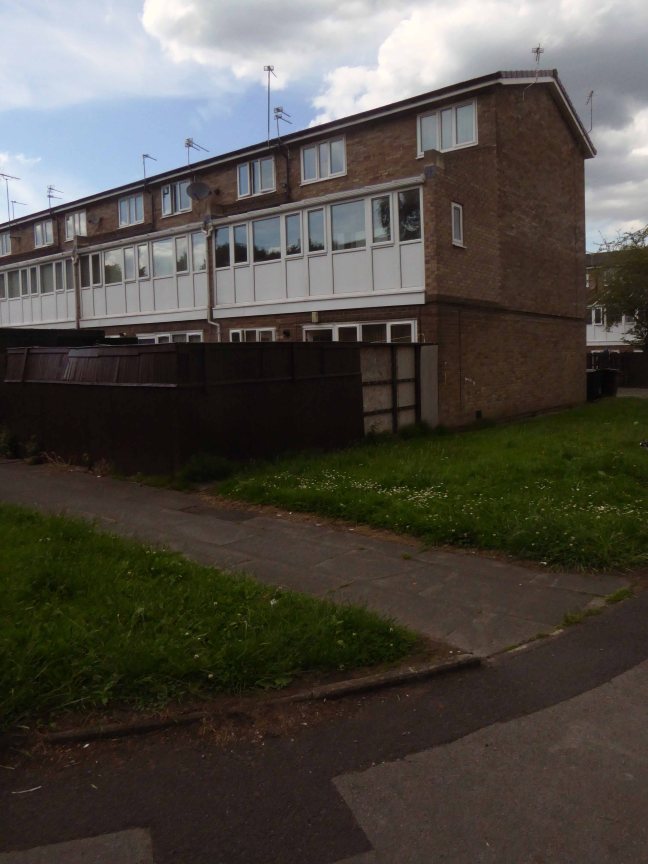
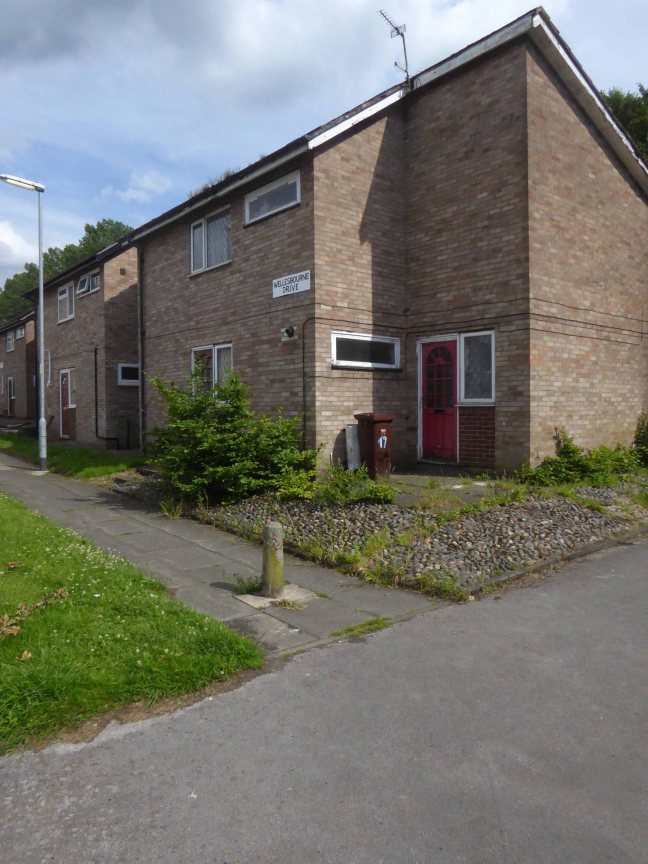
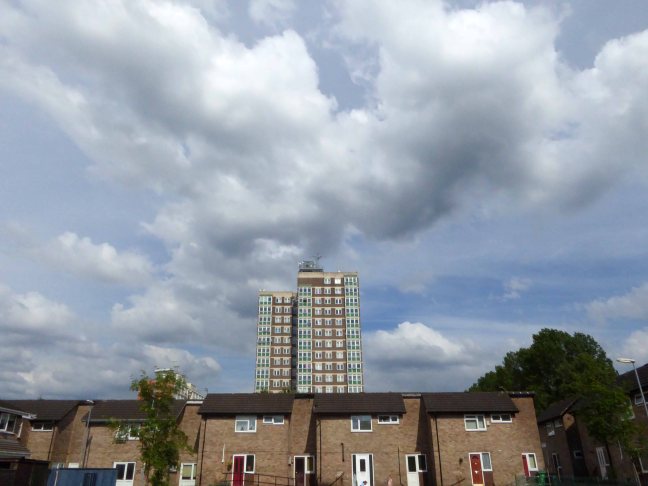
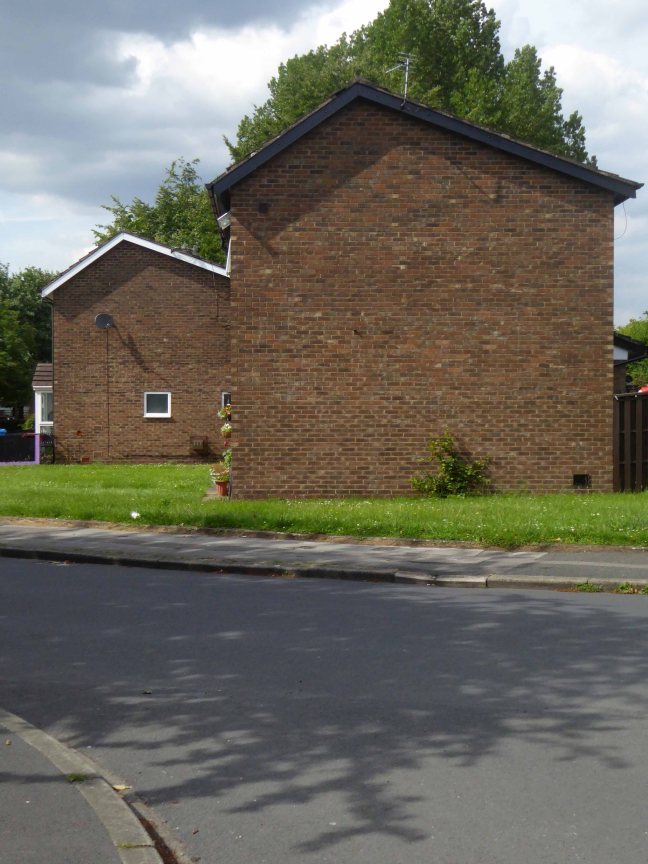
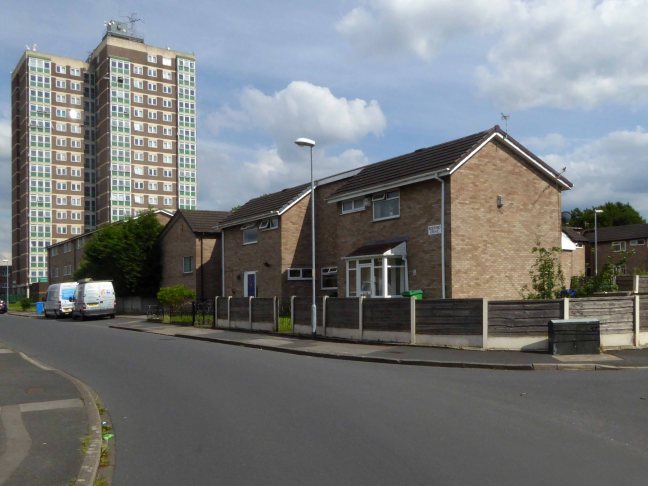
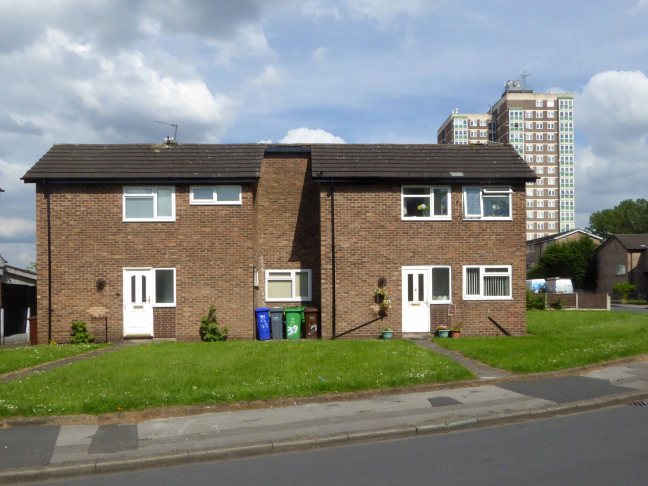
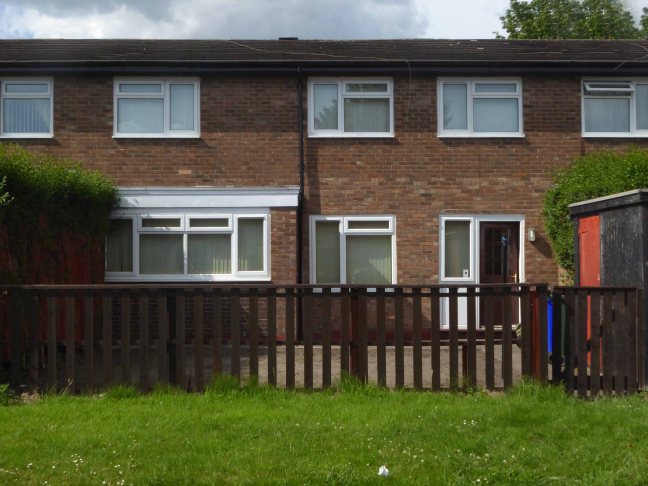
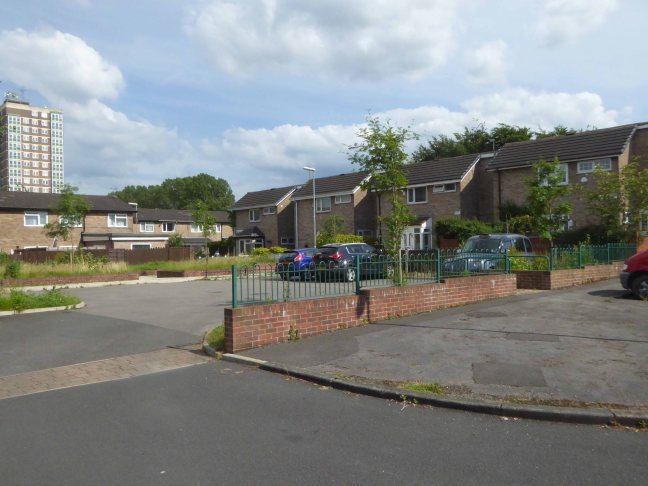
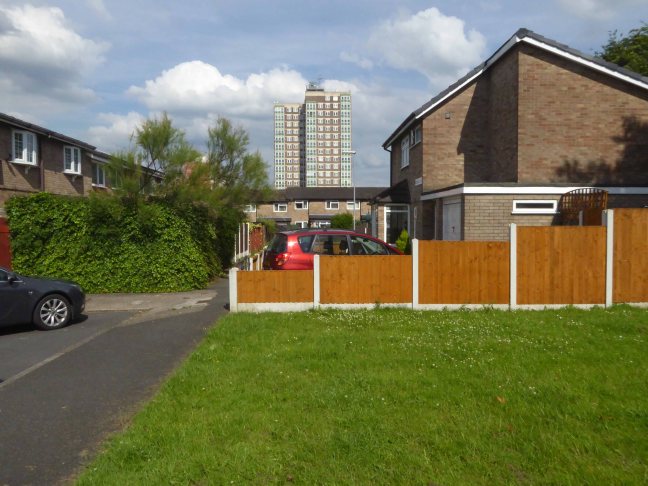
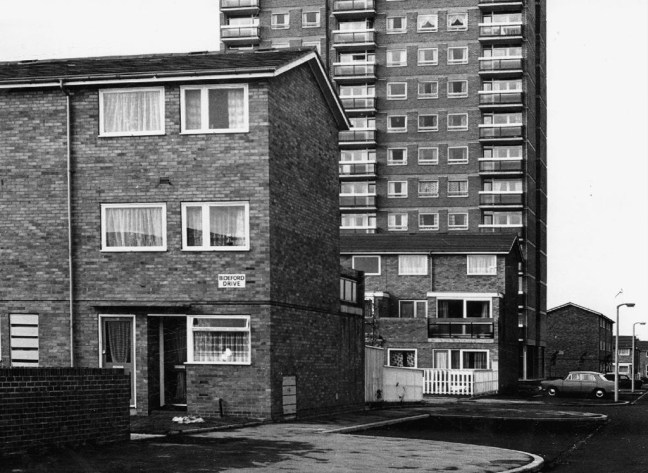
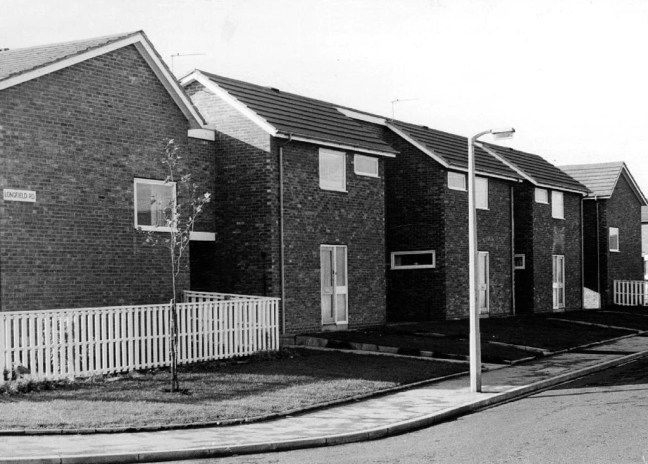
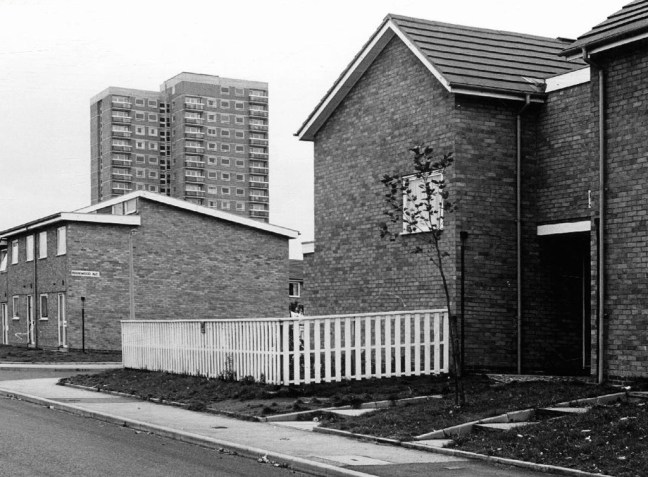
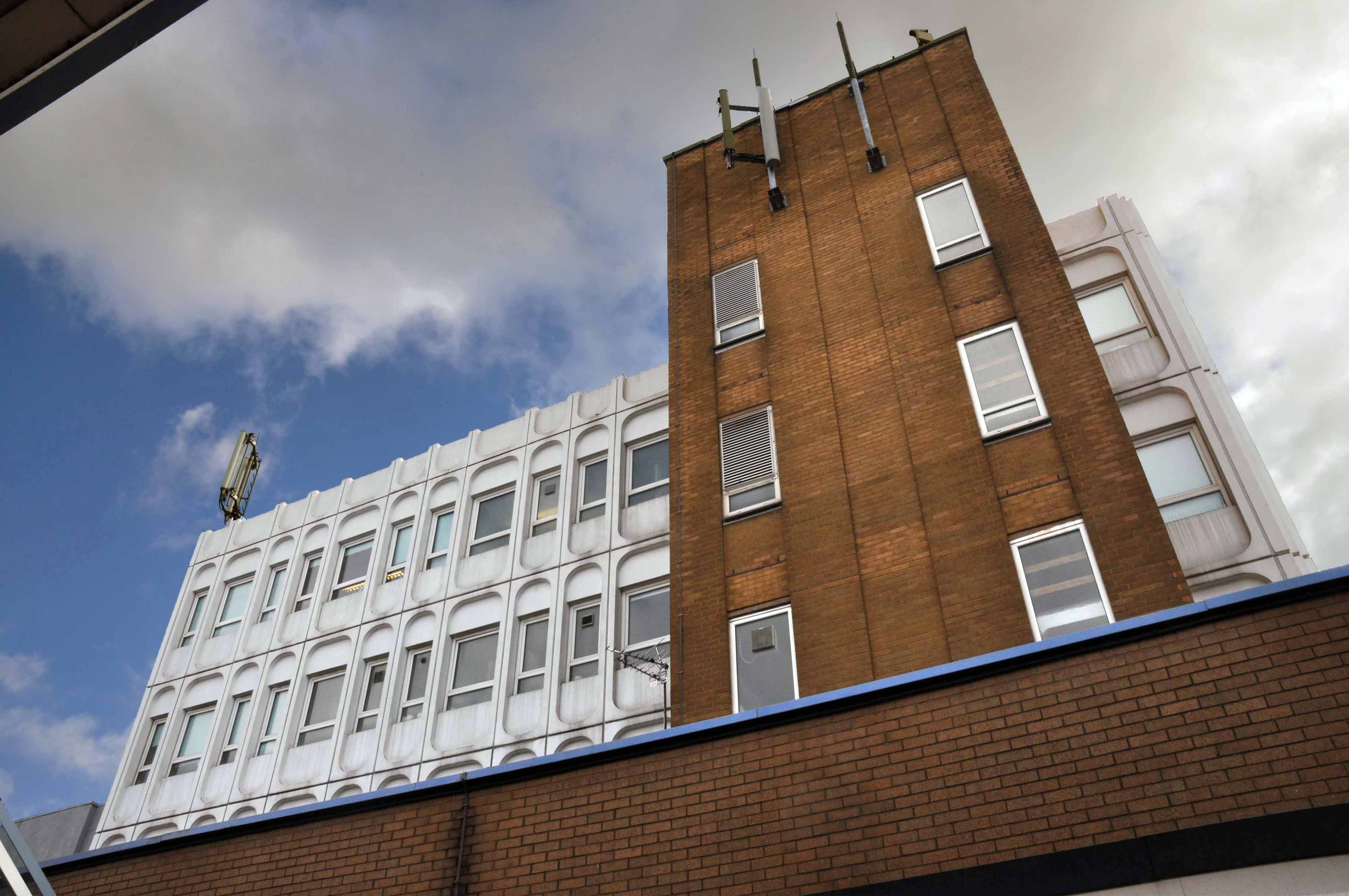
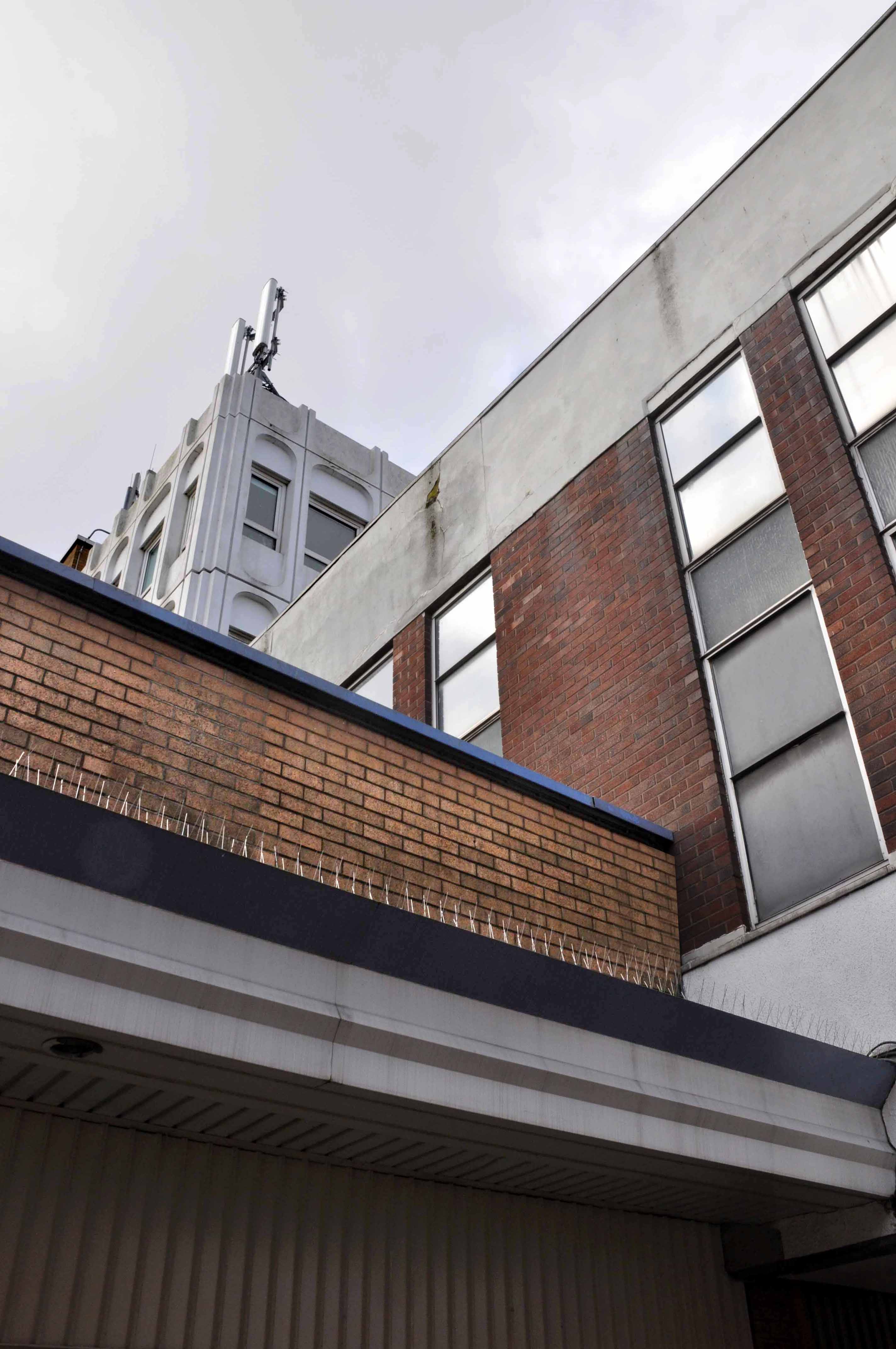
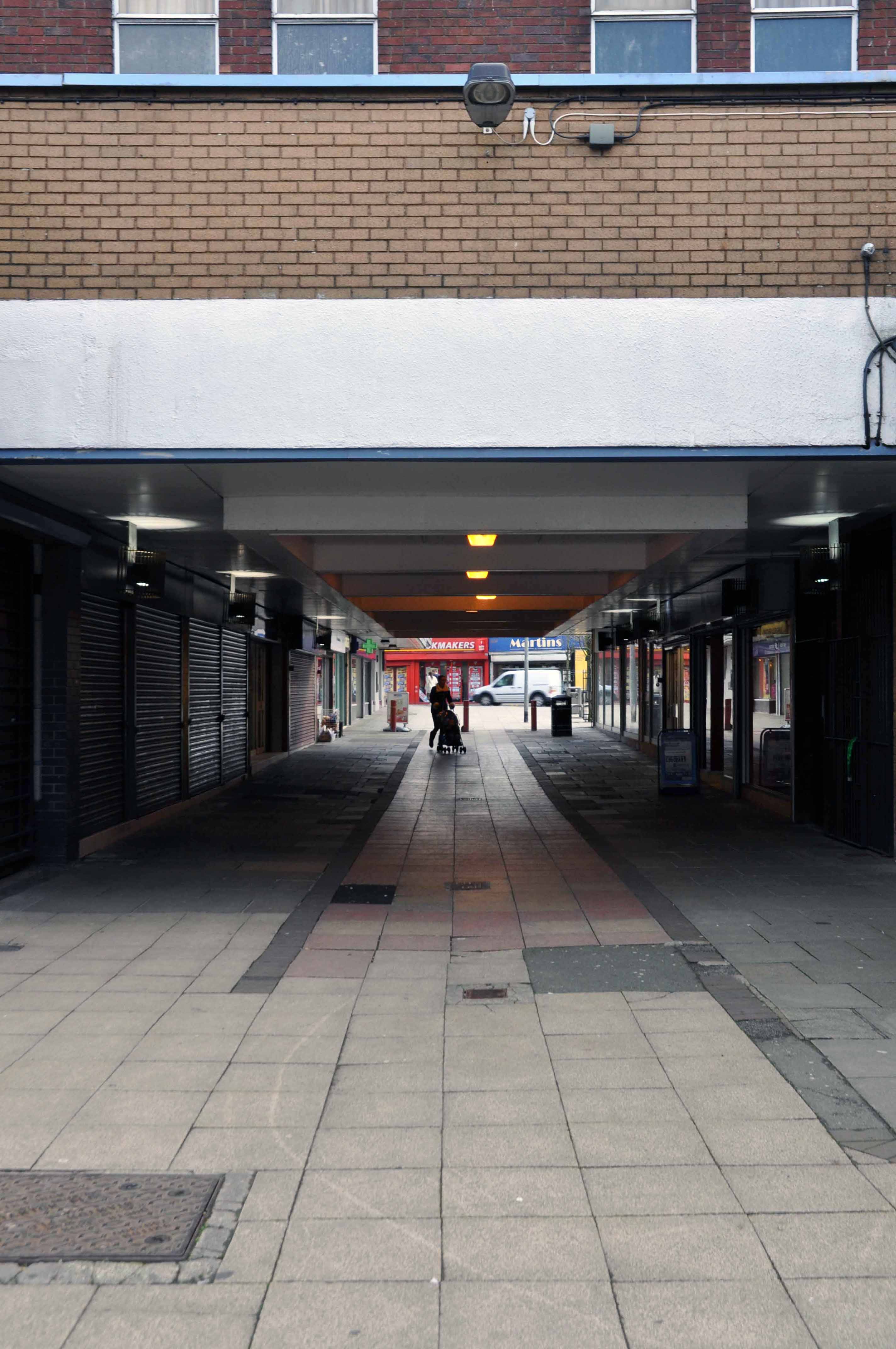
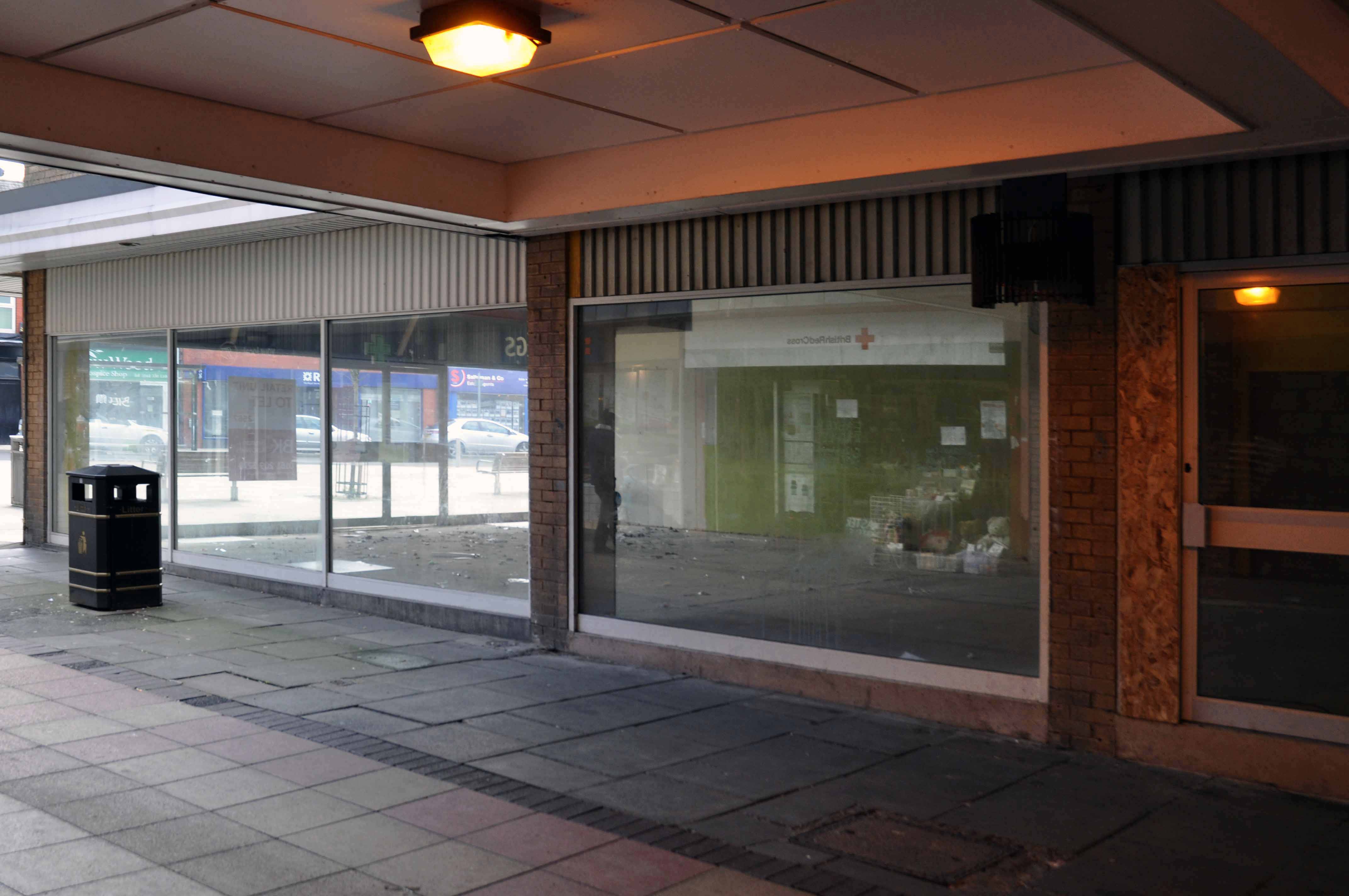
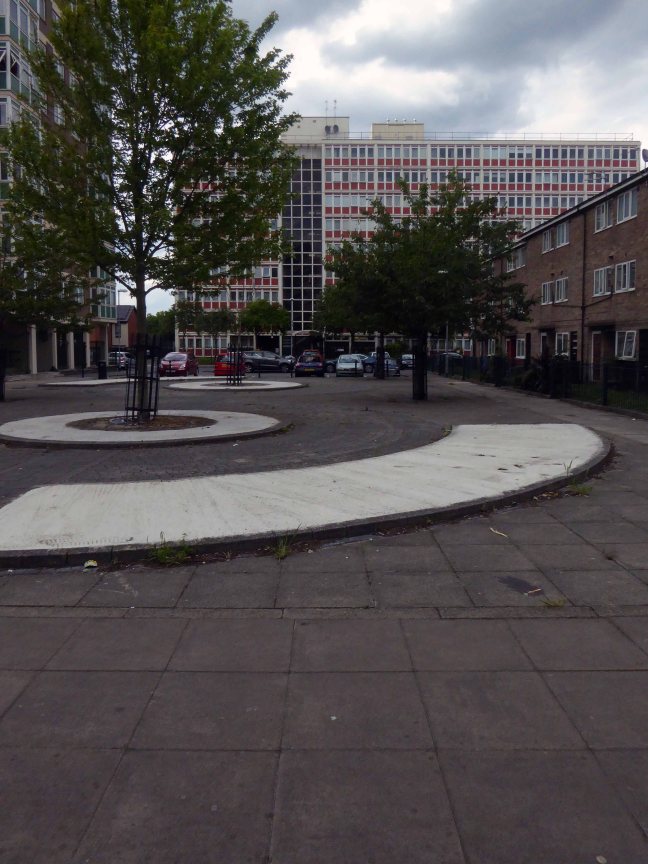
The estate illustrates this historic shift, replete with homeowners decorative amendments and addenda, managing agents and trusts and an end to the architectural integrity of the development.

One could become all Ian Nairn about this, swathed in Outrage.

I myself feel that despite the cosmetic surgery, this remains a homely enclave, residents going about their business in a relatively orderly and happy manner.

Take a look:
P1170298

P1170299


P1170303


P1170306

P1170307

P1170309

P1170312

P1170313

P1170315

P1170318

P1170319


P1170325

P1170327

P1170329

P1170331

P1170335

P1170337

P1170338

P1170339

P1170343

P1170345

P1170348

P1170349

P1170351

P1170353

P1170354

P1170356

P1170358

P1170359


Bideford Drive – Baguley

Baguley is derived from the Old English words Bagca, badger, and Leah, wood.

Historically in Cheshire, Baguley is mentioned in the Domesday Book of 1086, it was incorporated into Manchester in 1931.

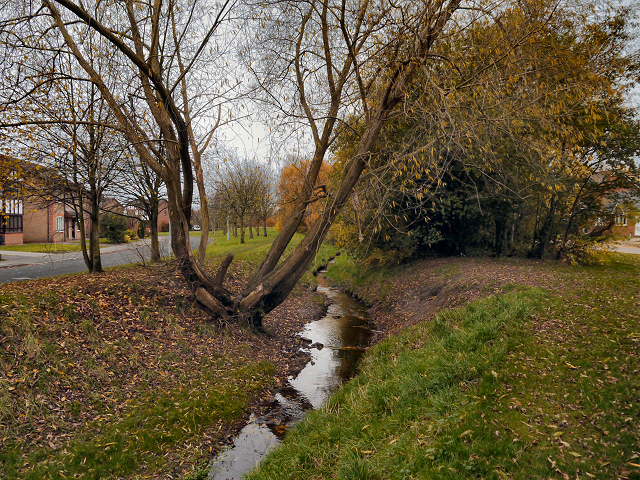
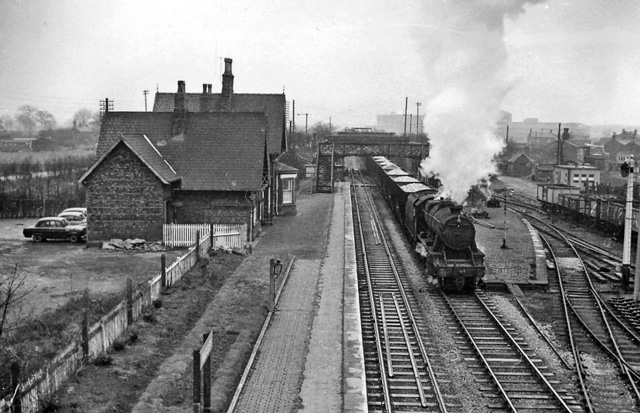
It has a Brook though babble heard I none, it had a Station now long gone.

3223992_1f0fdafd

EPSON scanner image

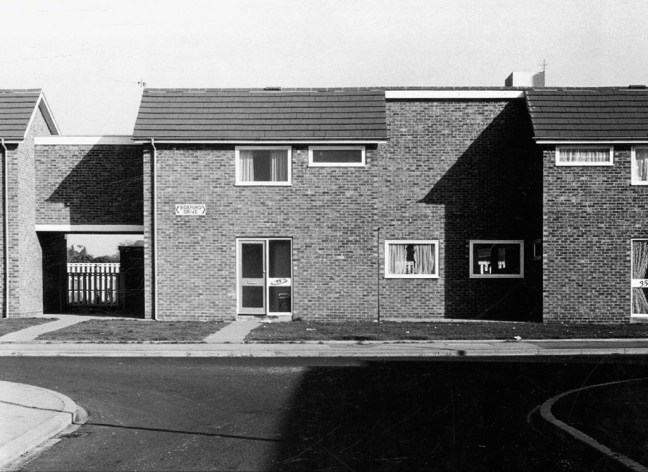
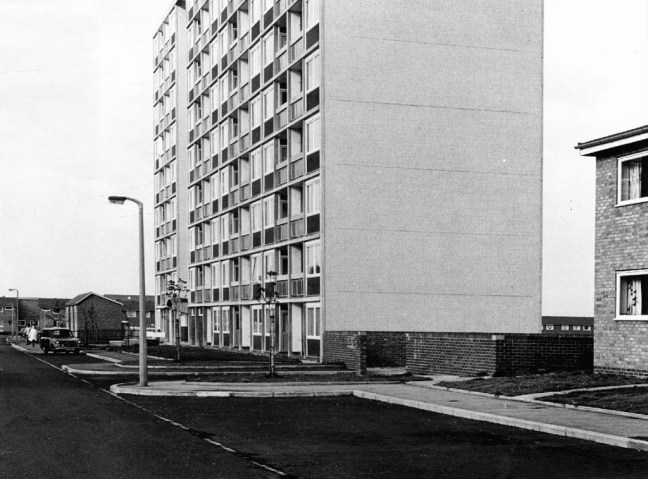
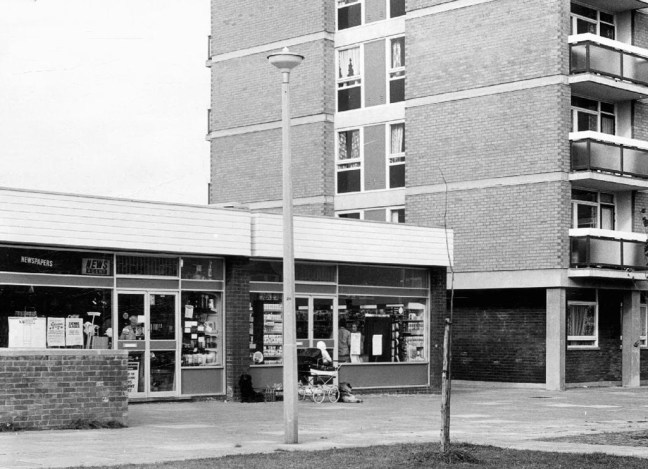
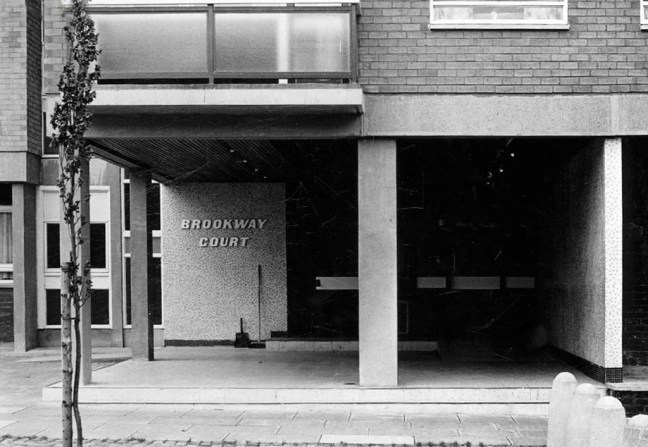
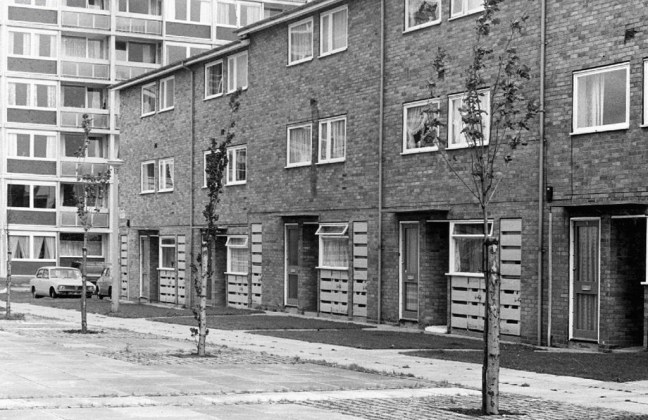
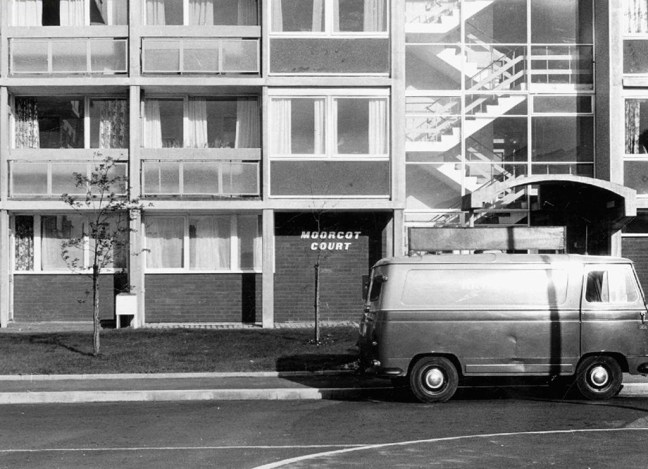
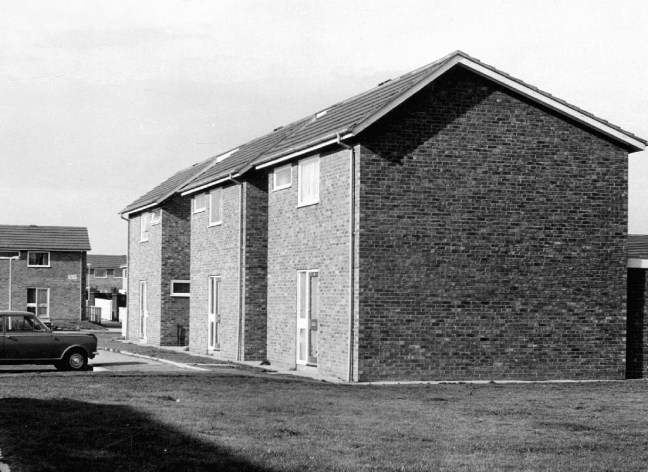
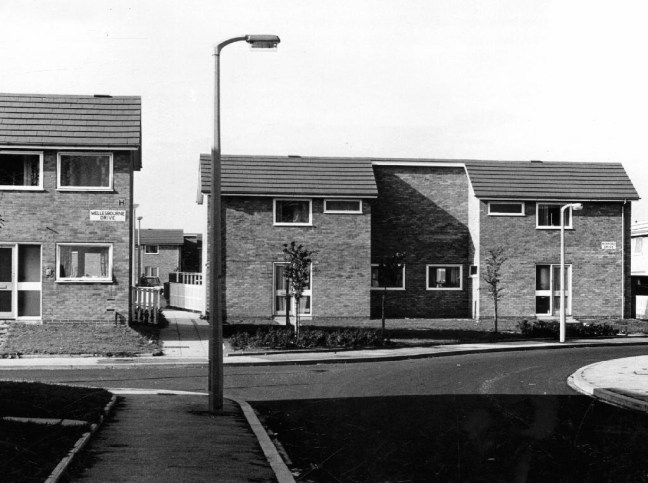
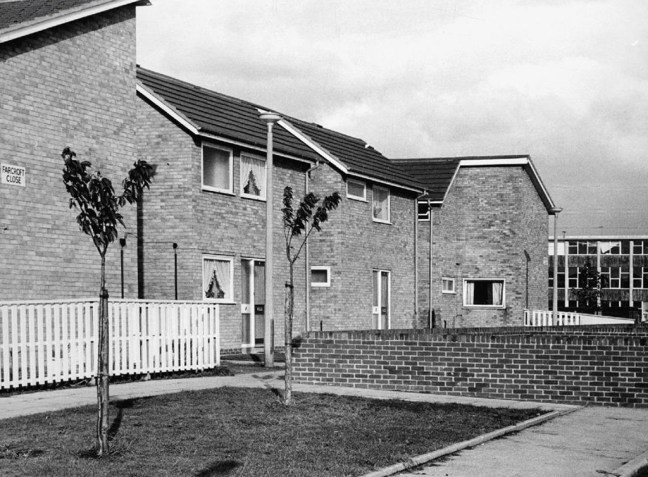
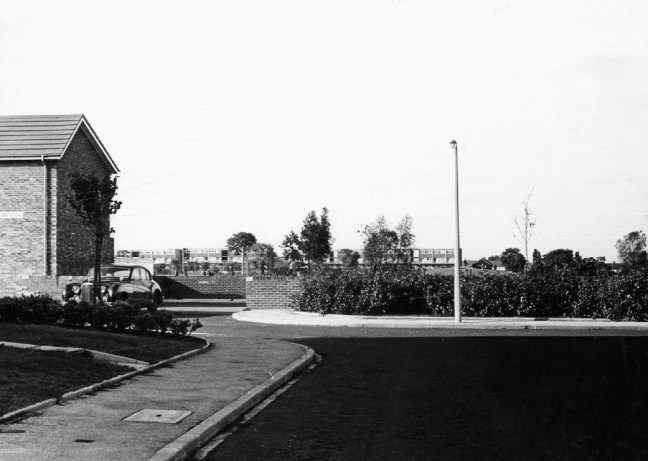
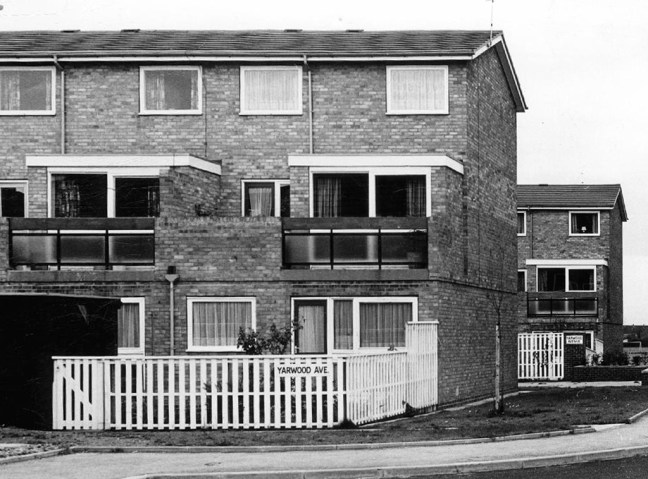
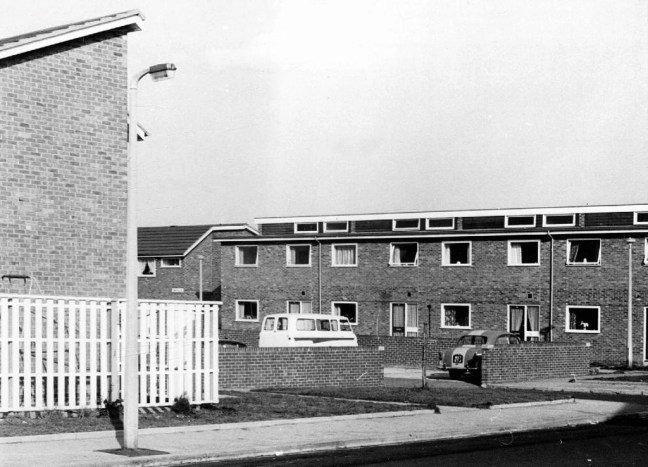
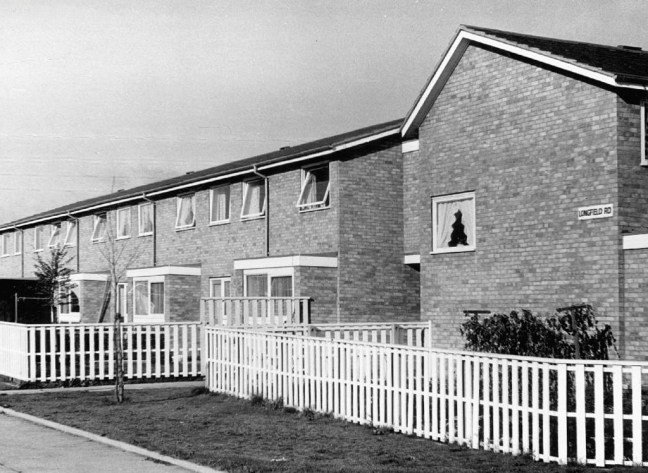
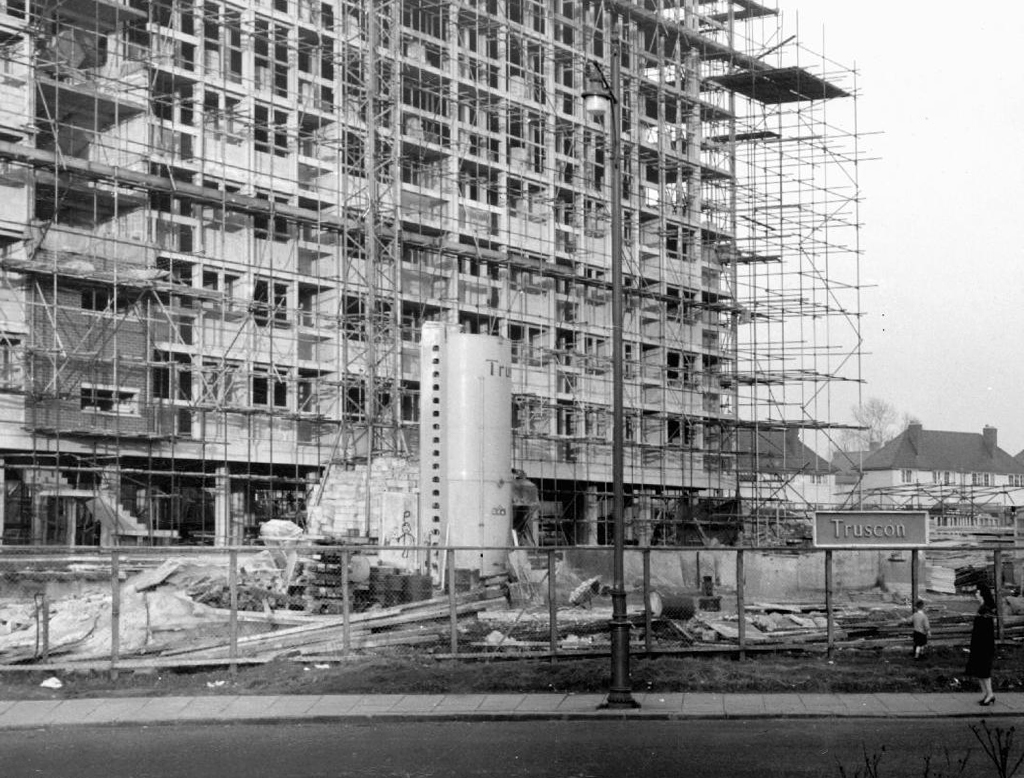
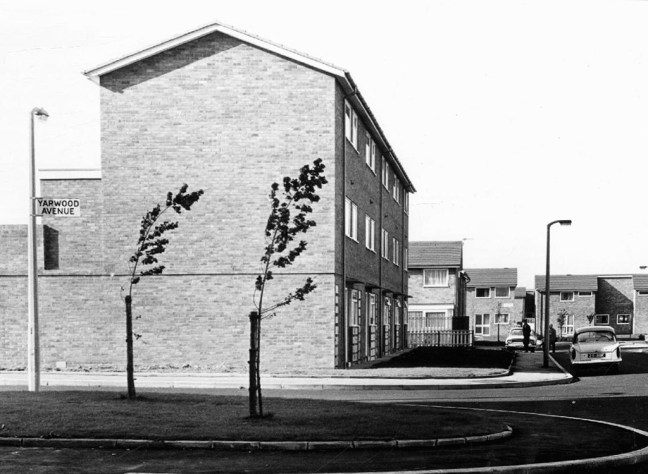
I idled by on my bike to snap the homes around Bideford Drive, which I dutifully did. My curiosity suitably aroused I perused the Manchester Local Image Archive, in search of clues. Planned in 1969 complete in 1971 main contractor Laing architects the City Office.

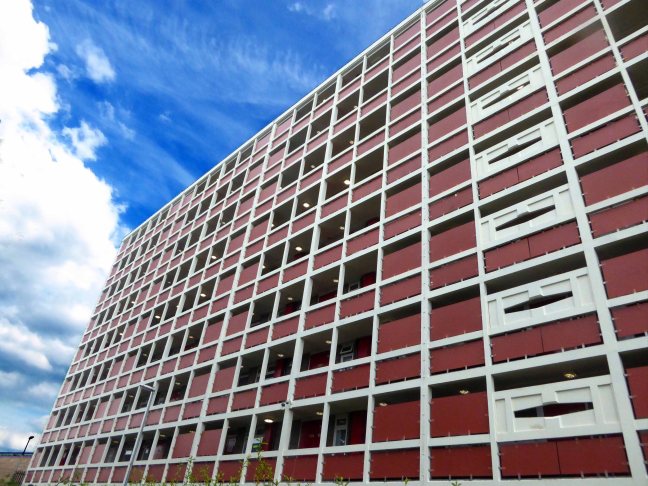
A rich mix of scale and typology, two differentiated blocks, tower and slab, short rows of compact terraces, open spaces, shops, car parking and limited planting. The interlocking geometries, paths and walkways make it an intriguing and entertaining estate, full of small surprises and ideas – these pictures are of 1971.

There is a sharply attenuated and clean feel in the air, optimism on a largely overcast day, a totality – planned integration – homes and architecture of distinction.


webmedia-2.php

webmedia-3.php

webmedia-4.php

webmedia-5.php

webmedia-6.php

webmedia-7.php

webmedia-8.php

webmedia-9.php

webmedia-10.php

webmedia-11.php

webmedia-12.php

webmedia-13.php

webmedia-14.php

webmedia-15.php

webmedia-16.php


webmedia.php


St Luke The Physician – Manchester

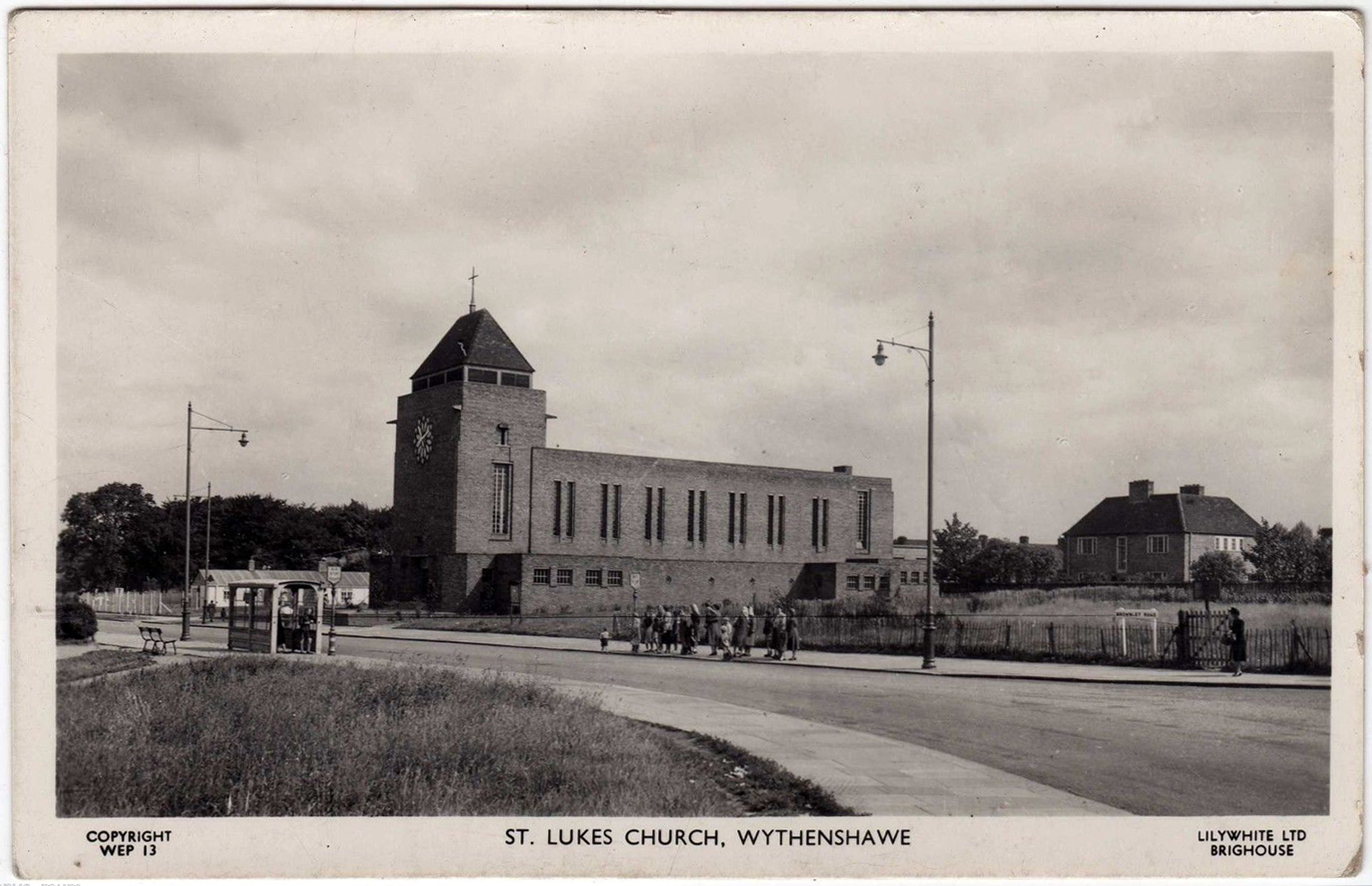
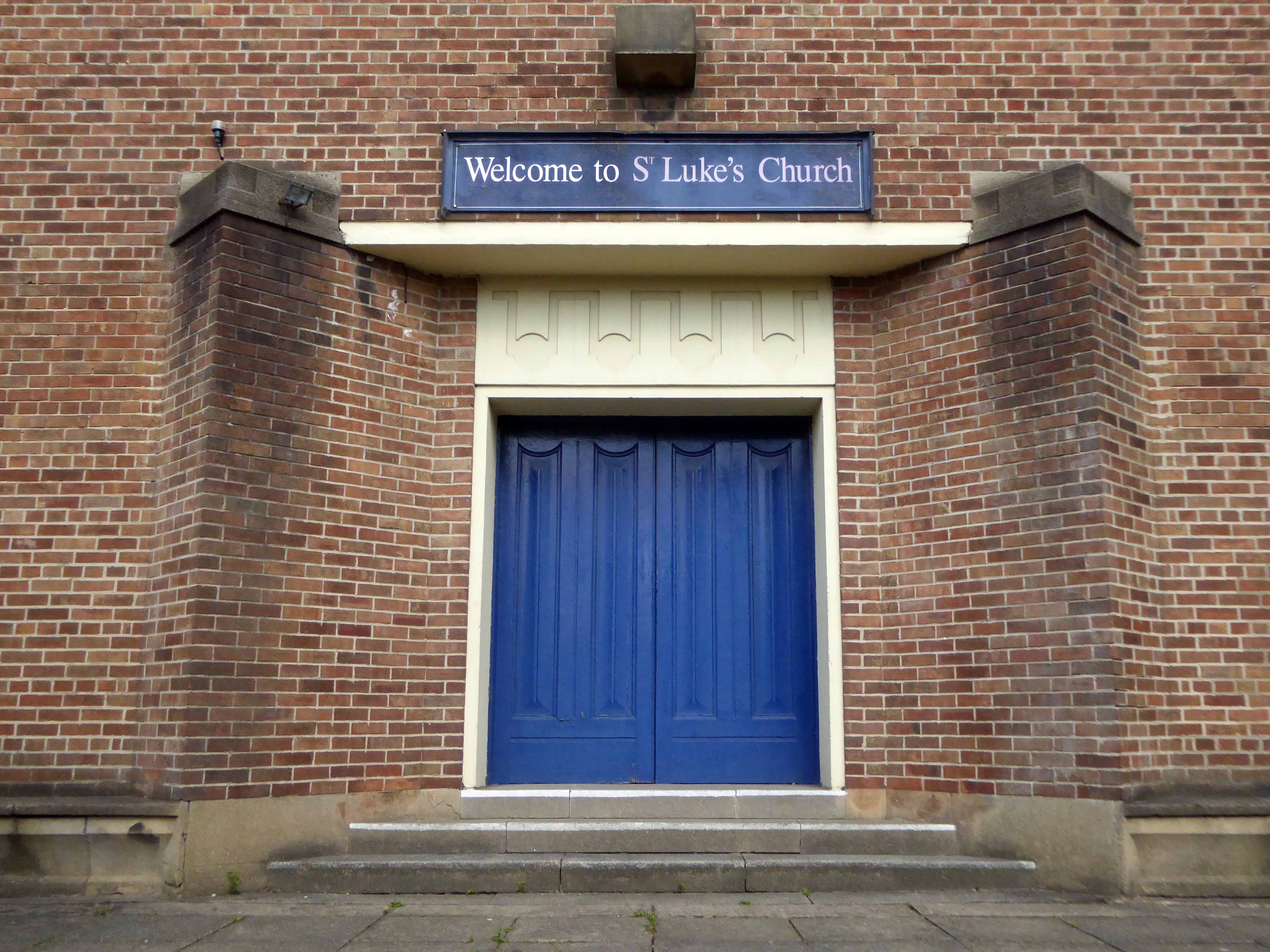
Cycling around Wythenshawe one sunny day yesterday, in search of friends old and new, I found myself beside myself, beside St Luke’s.

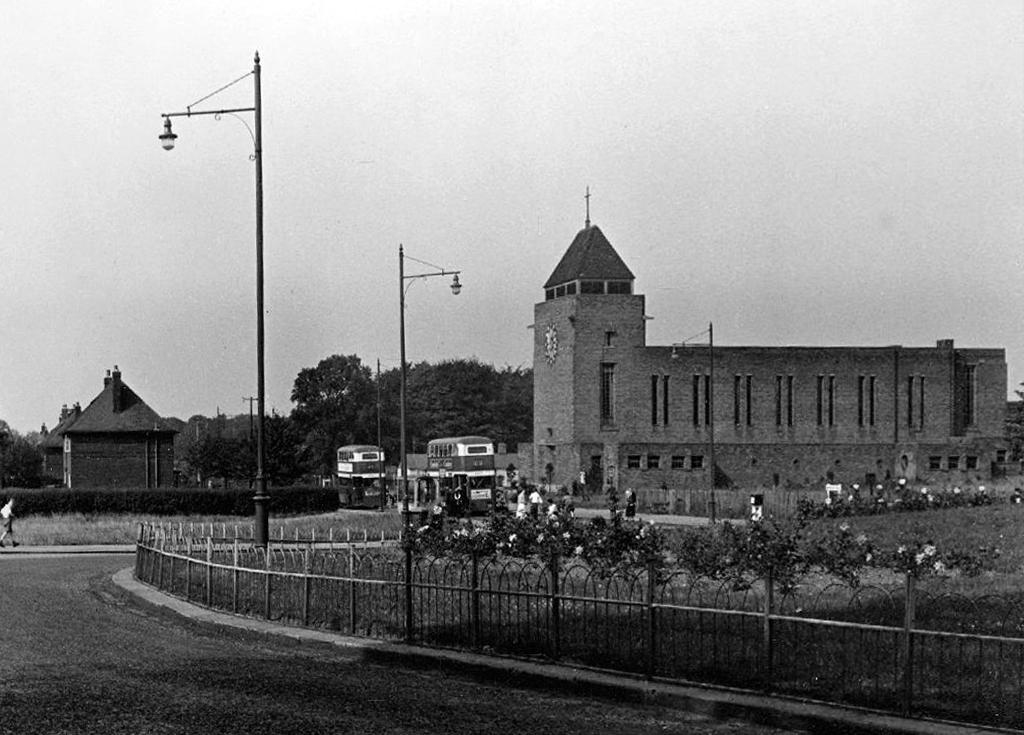
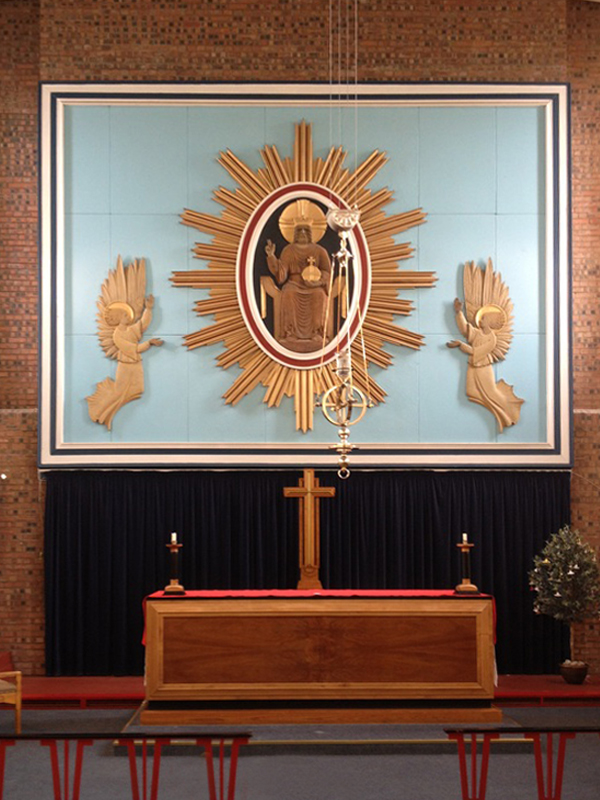
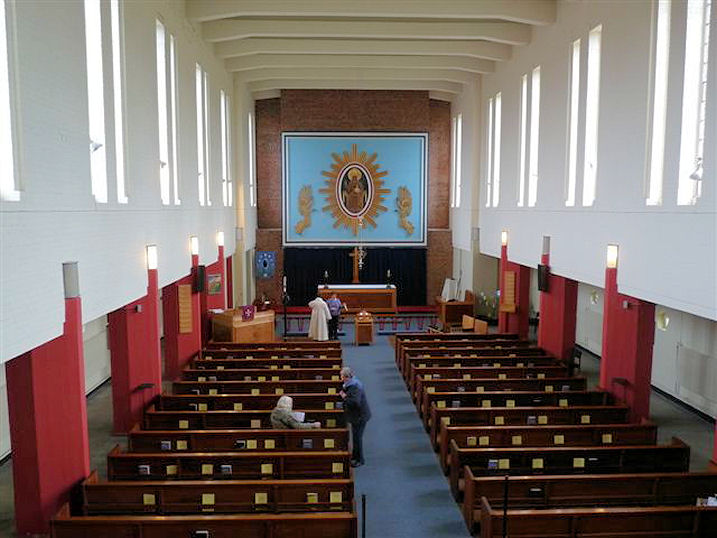
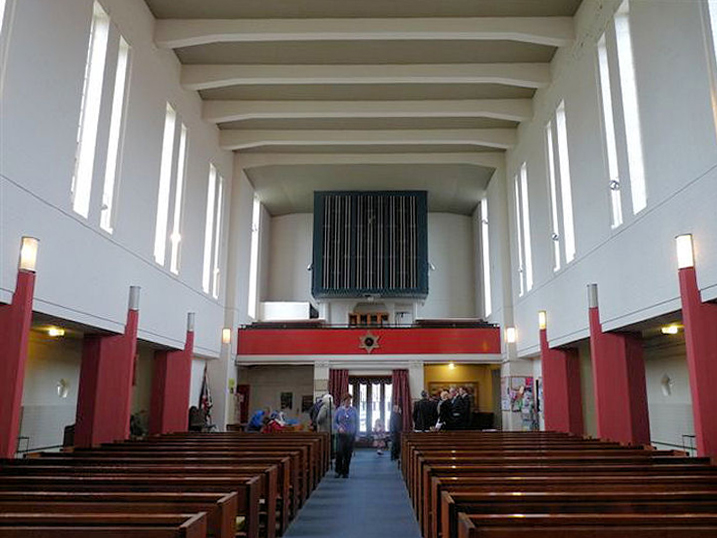
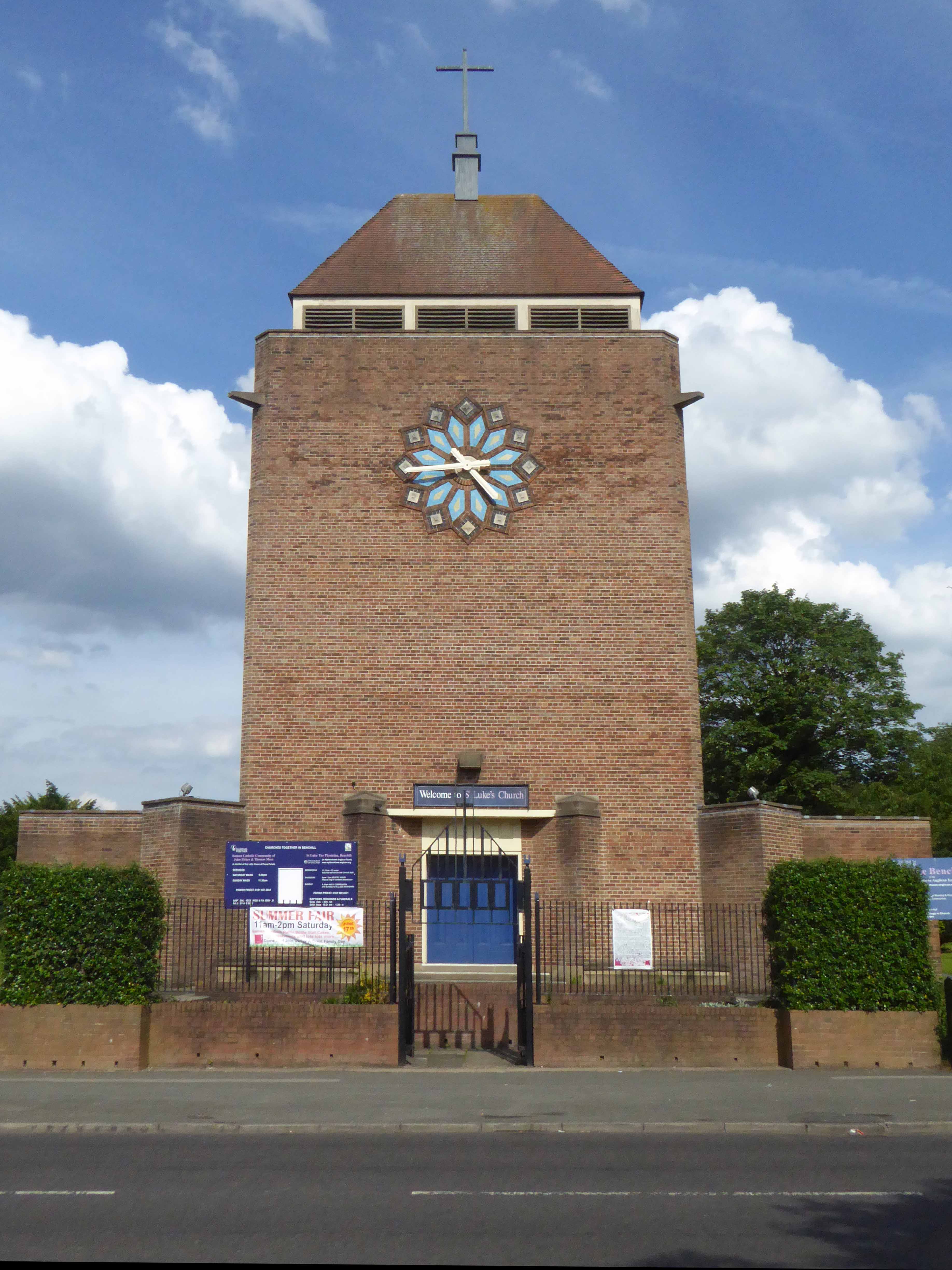
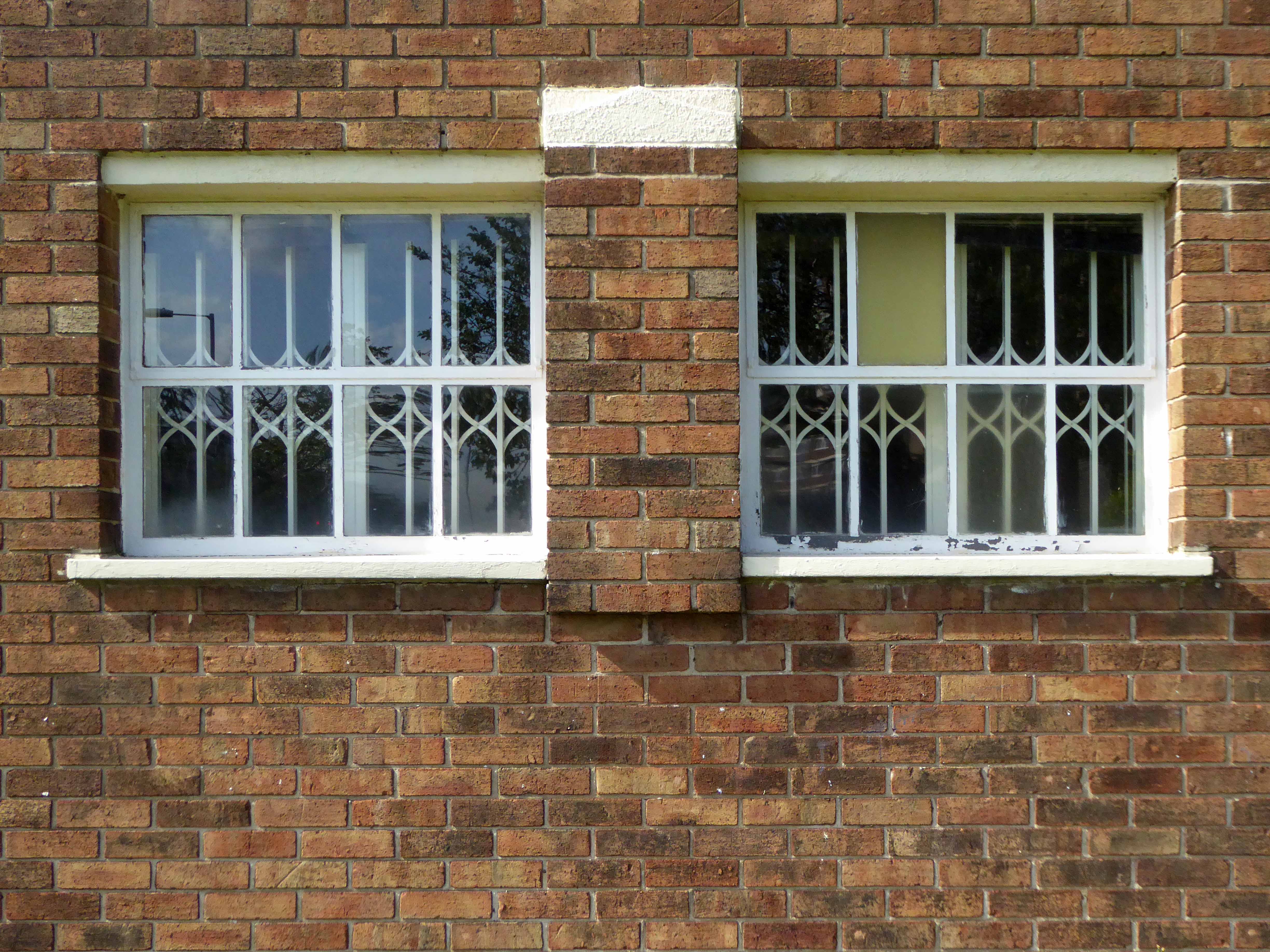
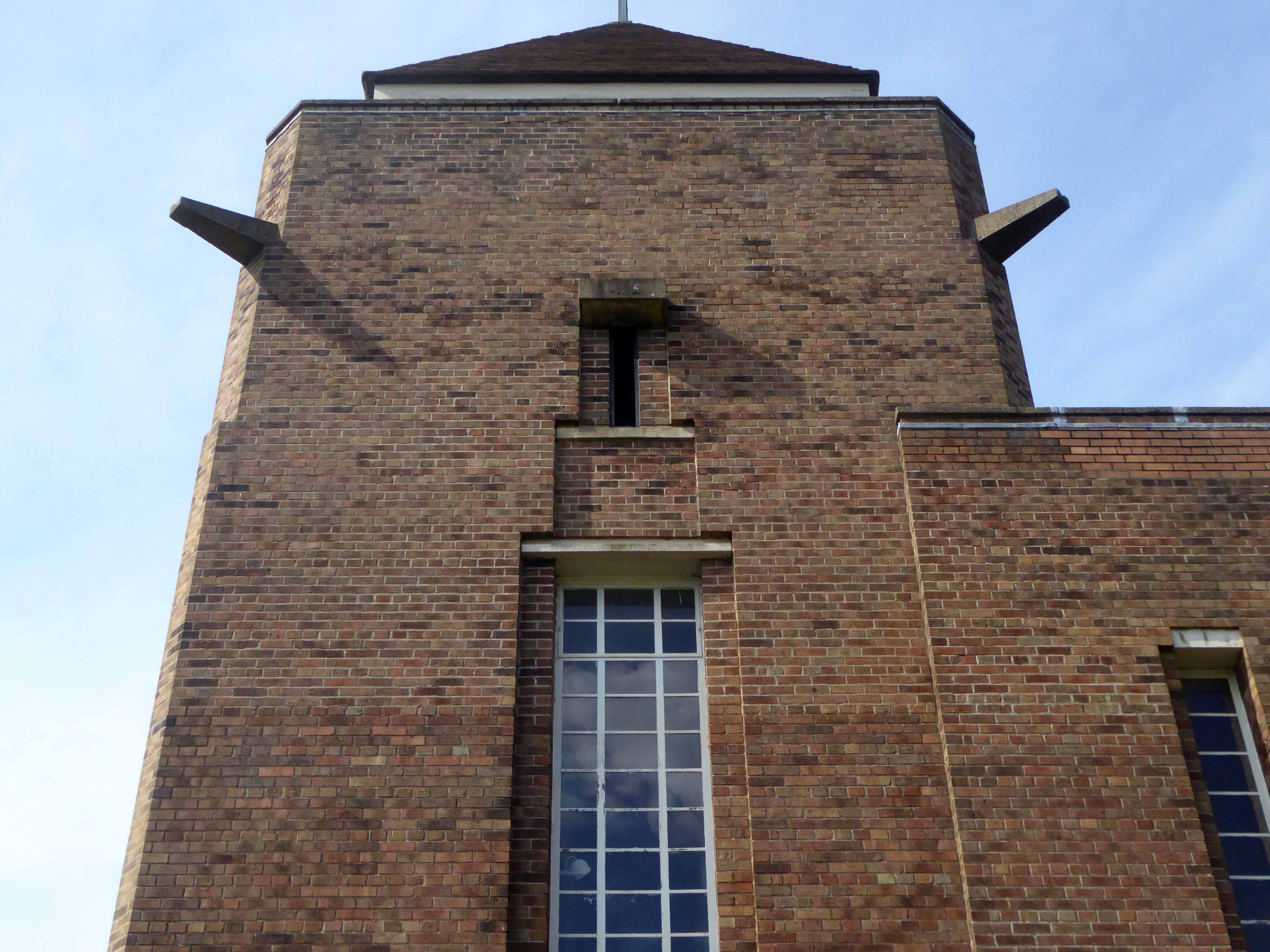
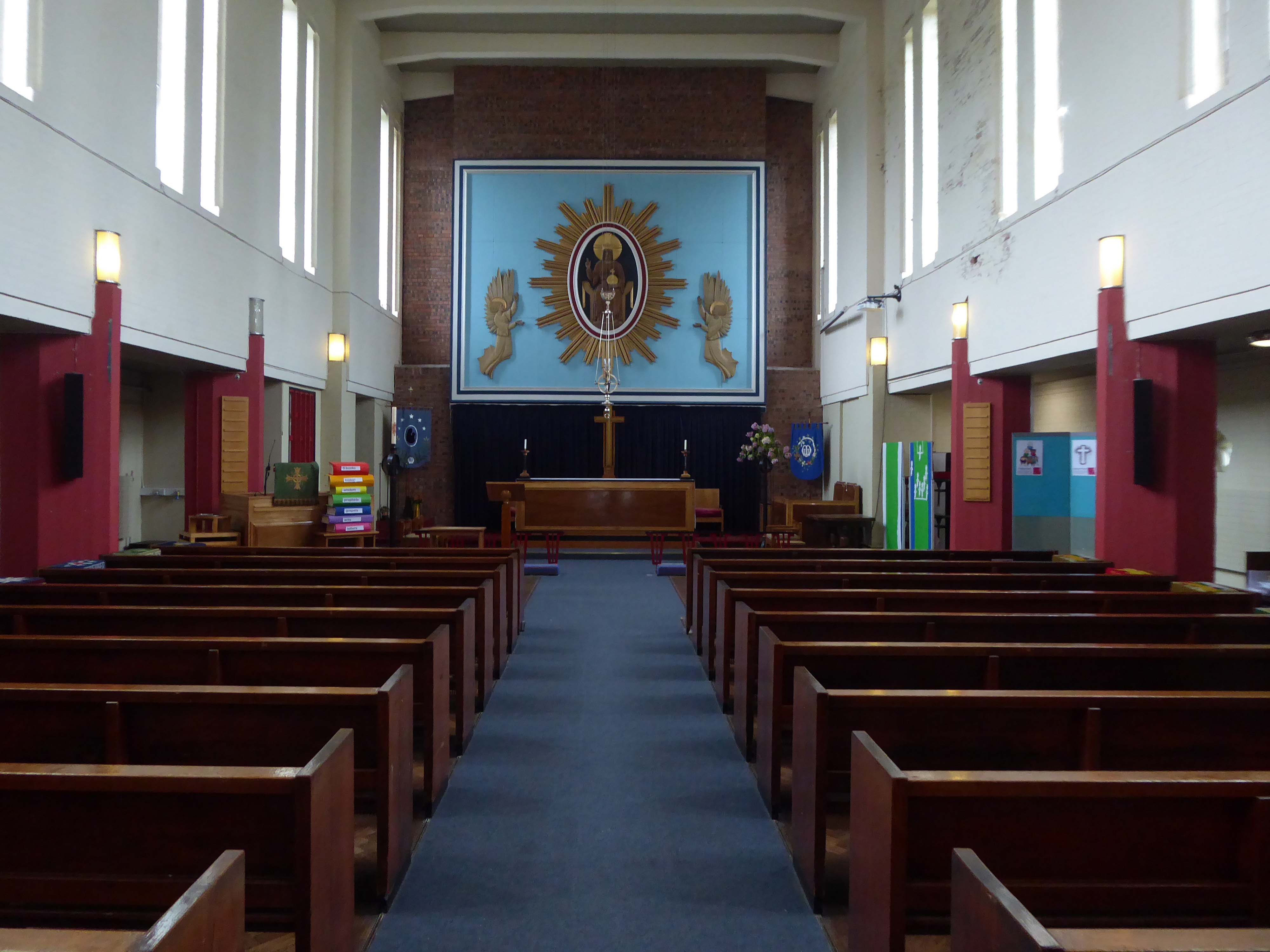
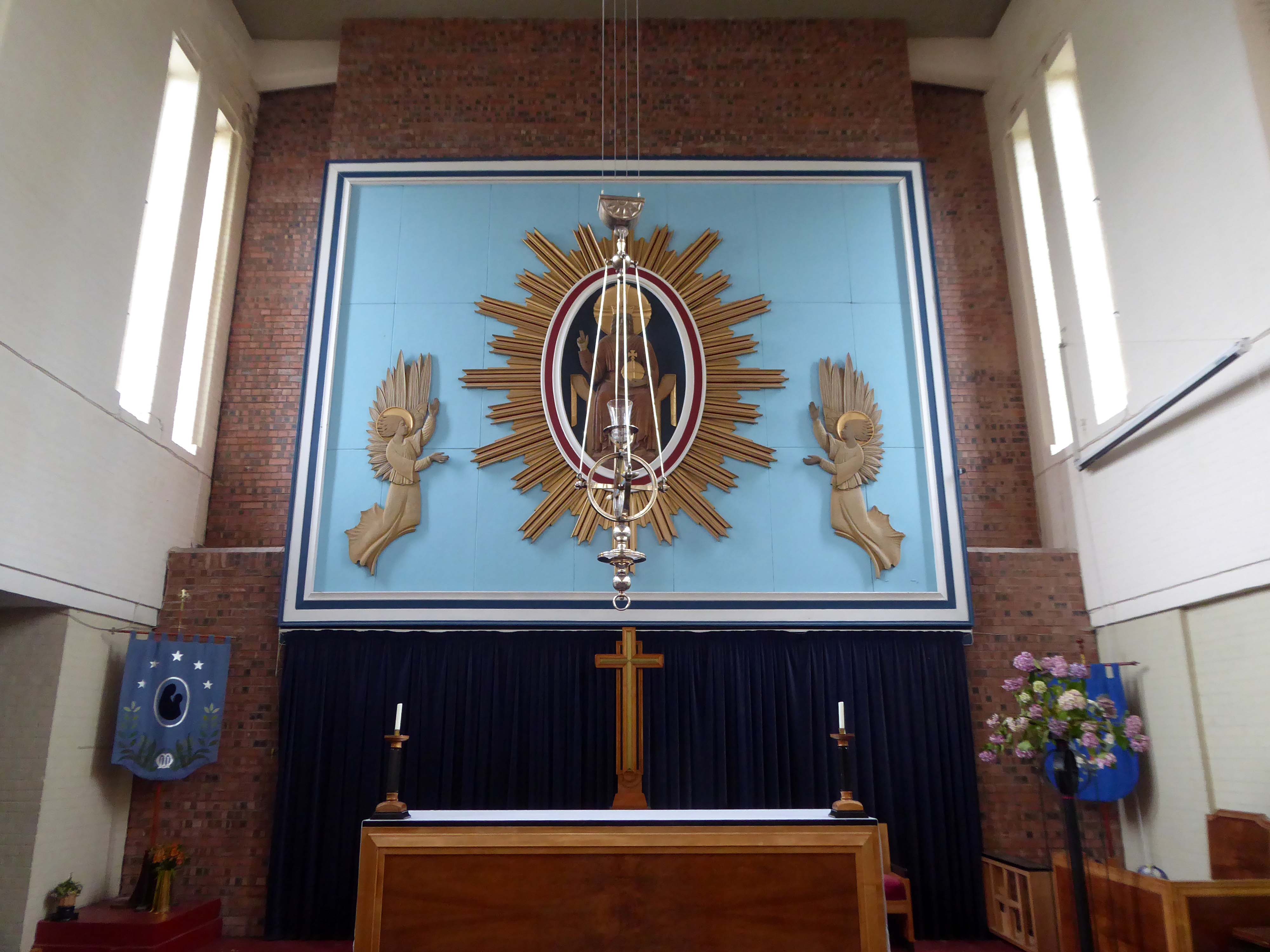
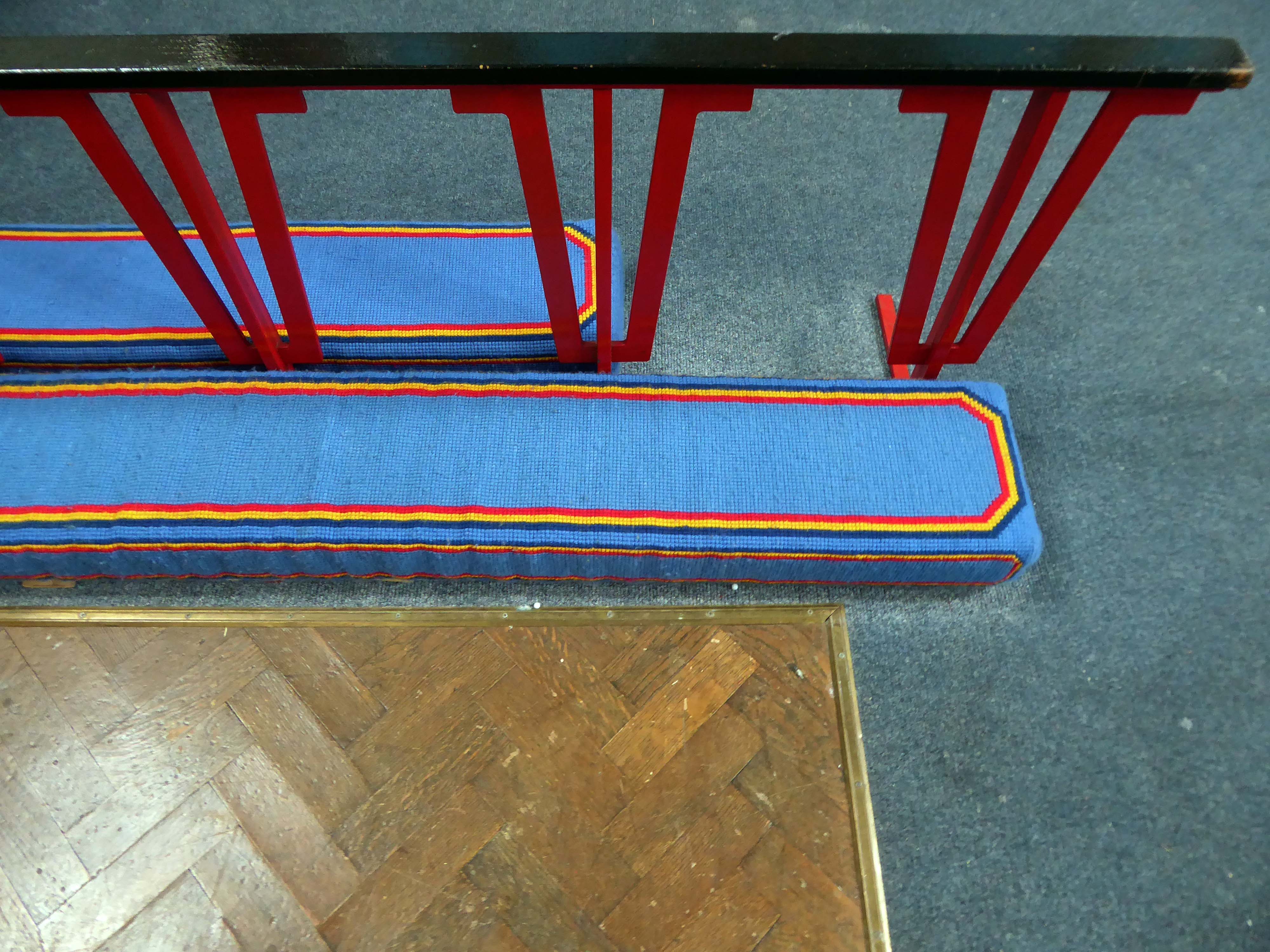
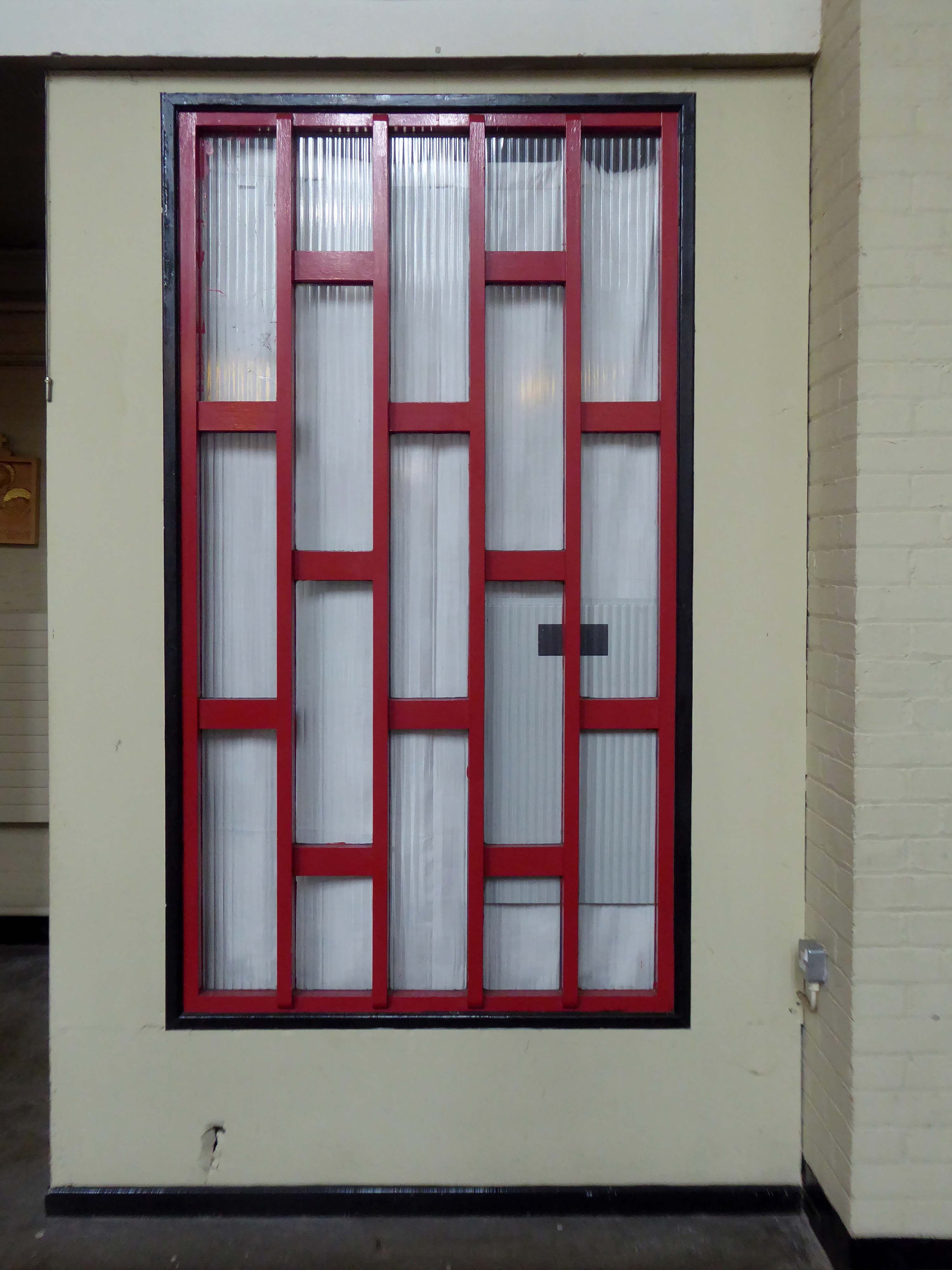
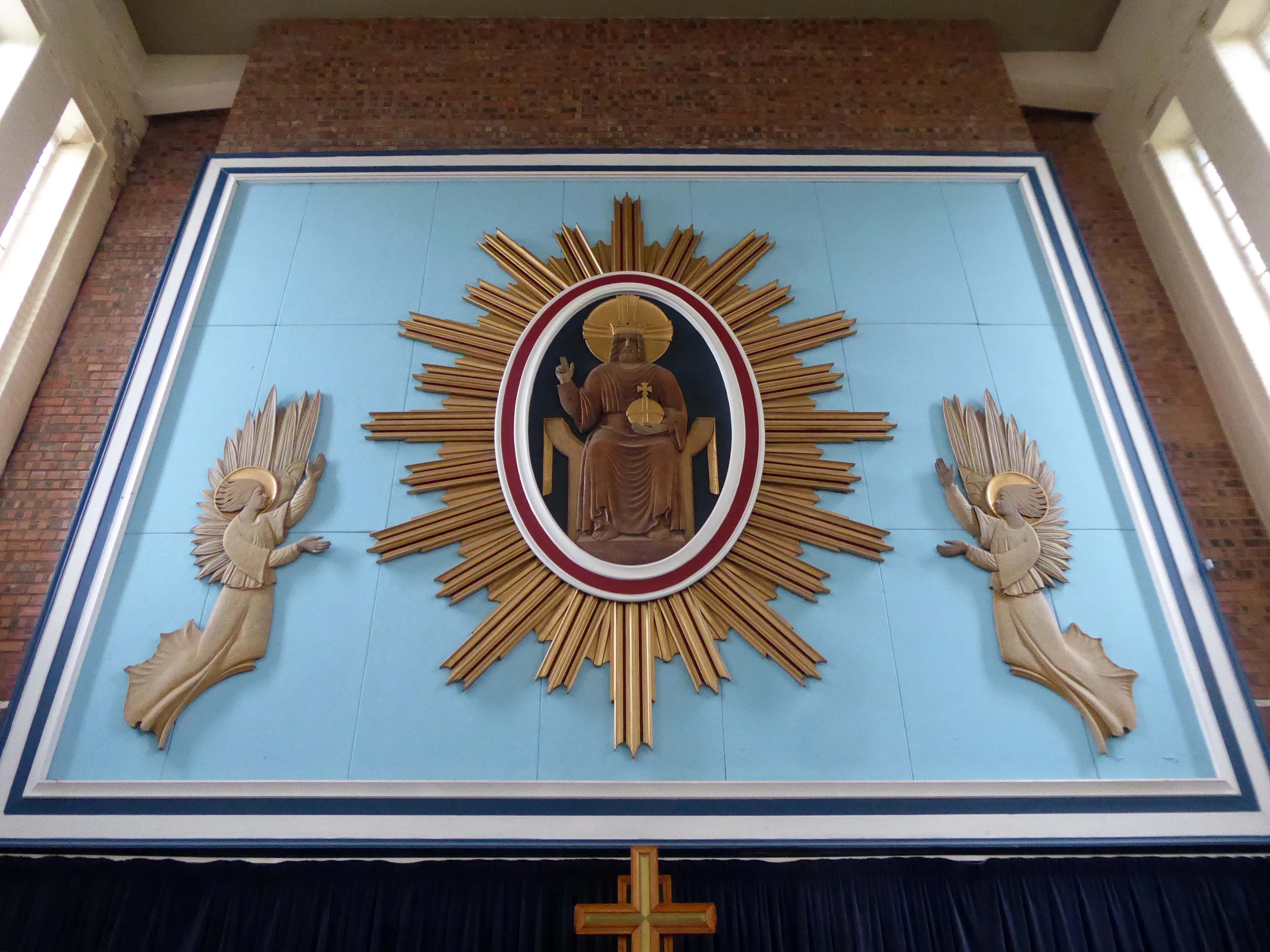
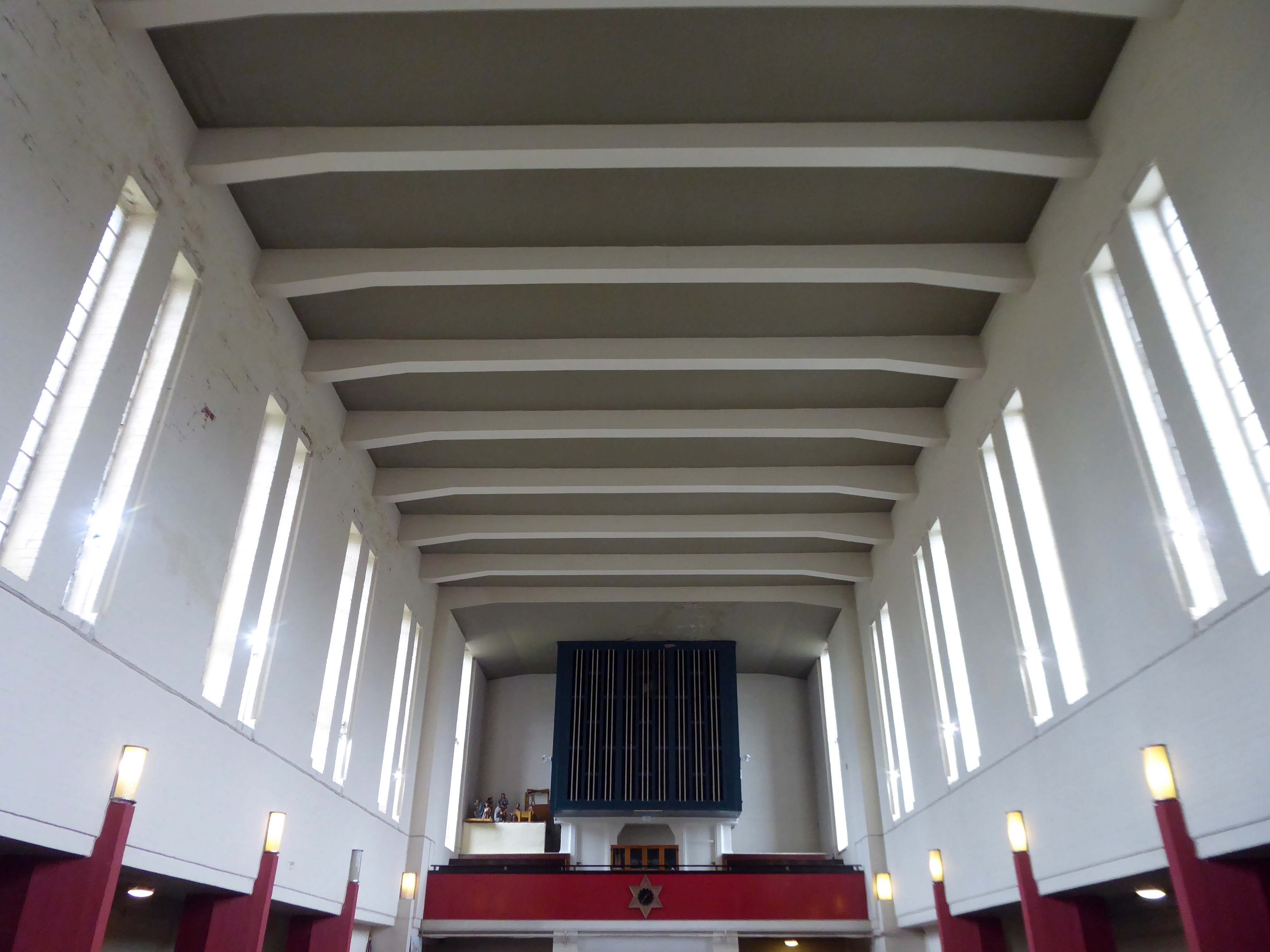
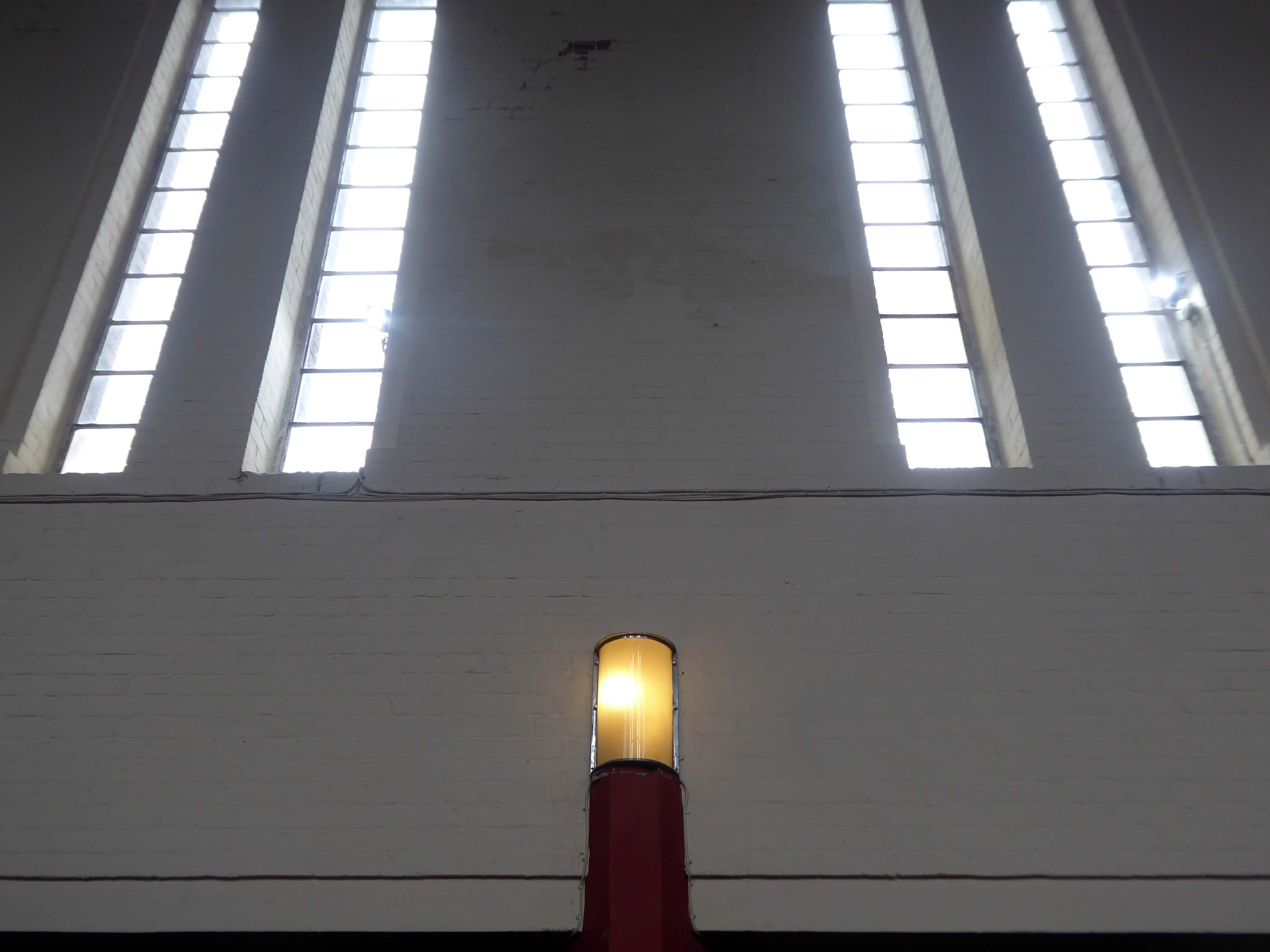
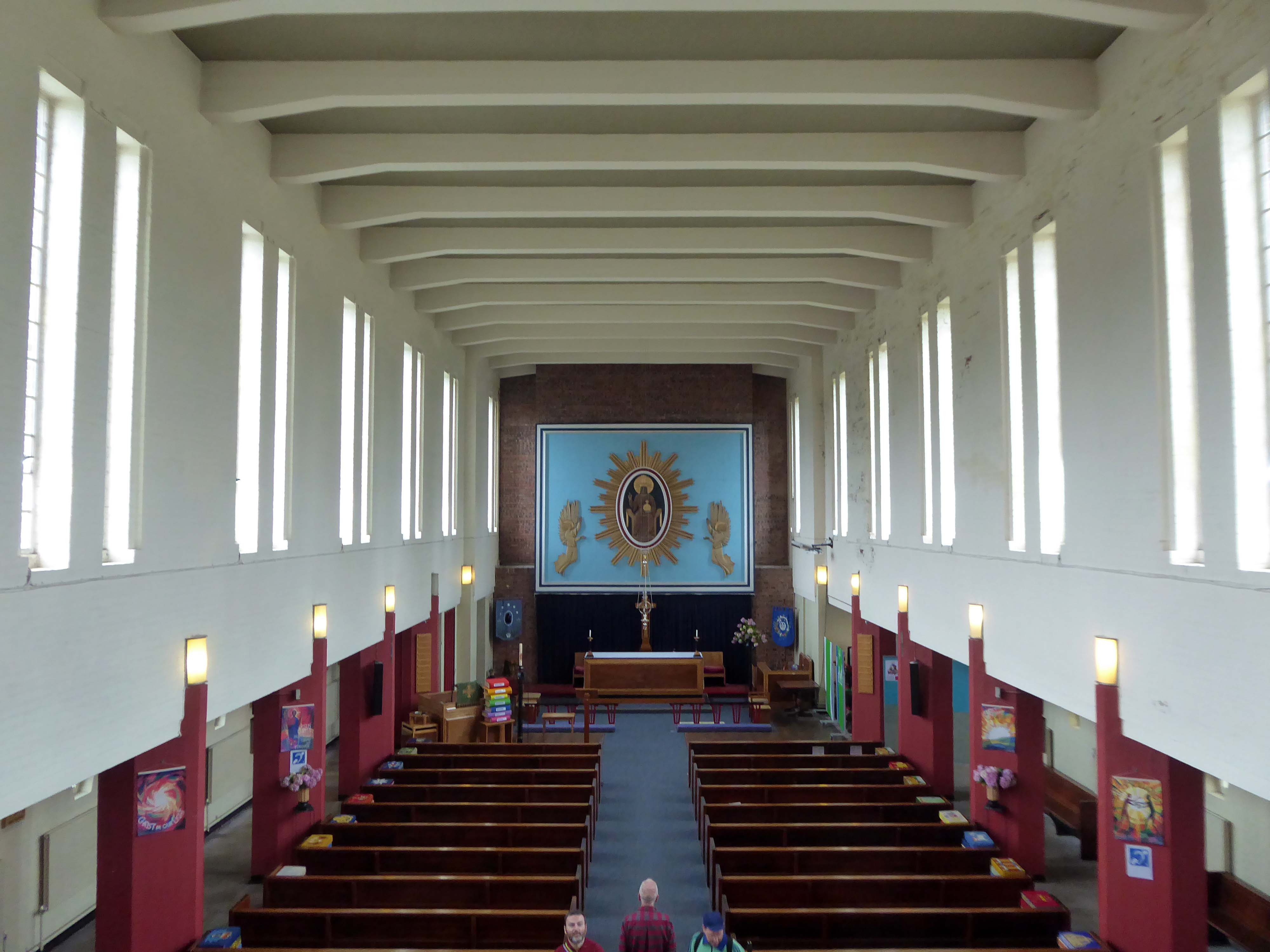
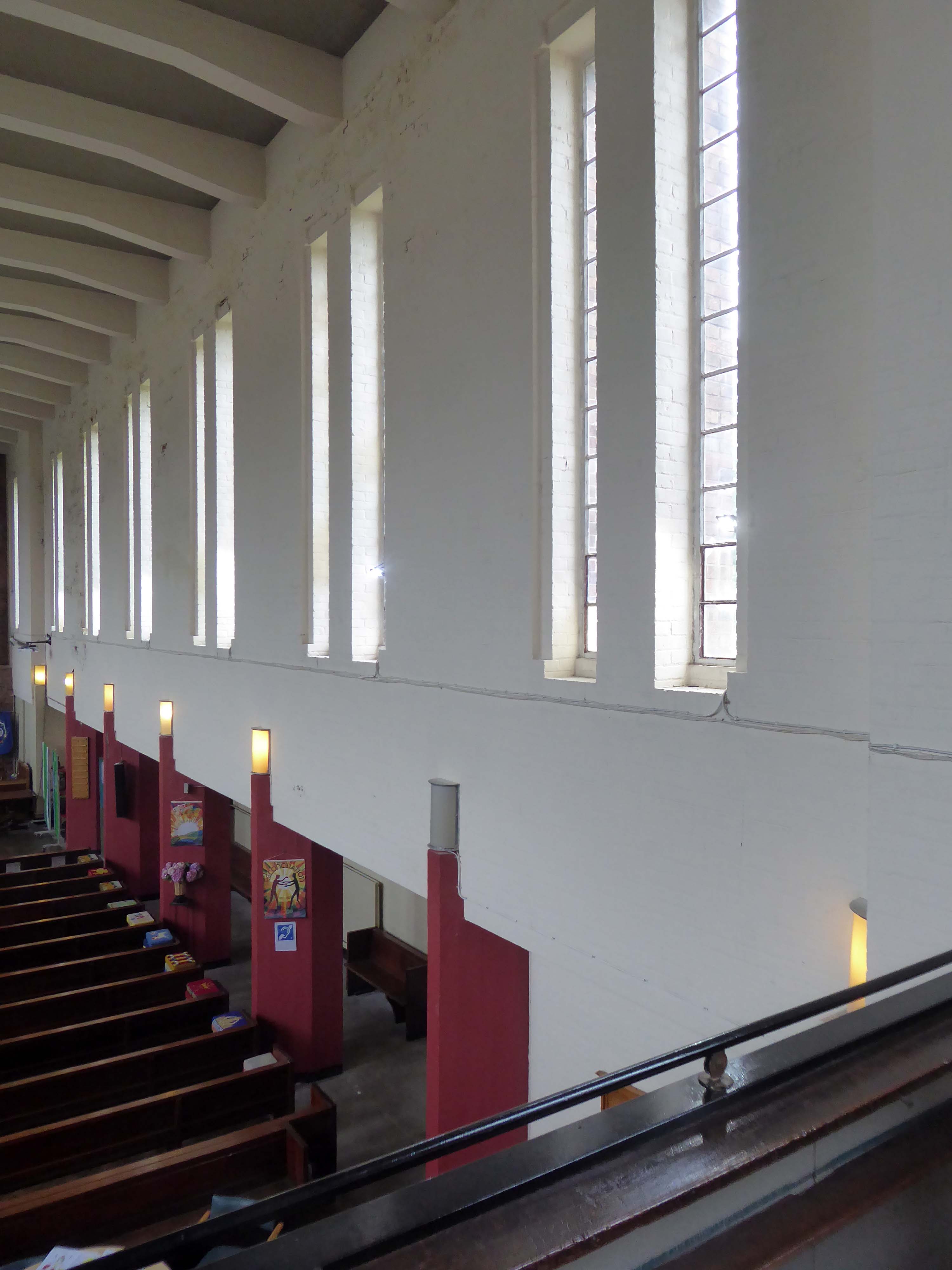
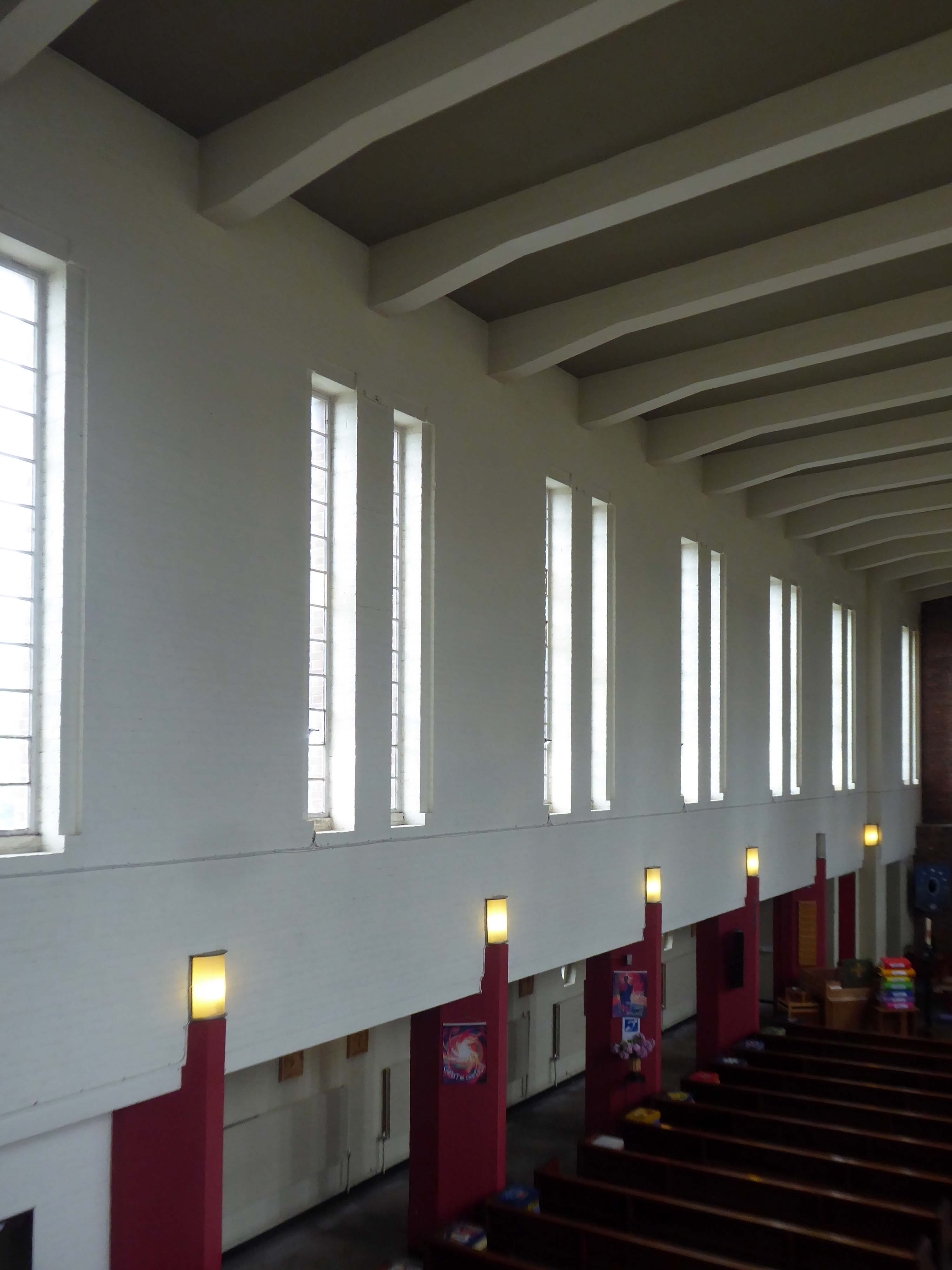
1938-9 by Taylor and Young. Light brown brick in English garden wall bond (roof concealed). Modern functionalist style. Nave with west tower, north and south aisles with porches and side offices, short chancel. Rectangular tower to same width as nave, with short triangular buttresses flanking a square-headed doorway, plain wall except for very large geometrical-floral clock, parapet and very low set-back louvre stage with steeply-pitched hipped roof. Flat-roofed aisles have projected triangular west ends flanking tower, a projected porch at each end of north aisle and corresponding projected offices to south aisle, and very small star-shaped windows with pentagonal surrounds. Nave has 7 pairs of tall square-headed lancets. Short one-bay chancel has concrete cross in place of east window. Interior: basilican character, with low passage-aisles, chamfered piers terminating with lights, flat concrete-beamed ceiling; side-lit chancel with relief figures of angels. 
Grade II listed Historic England

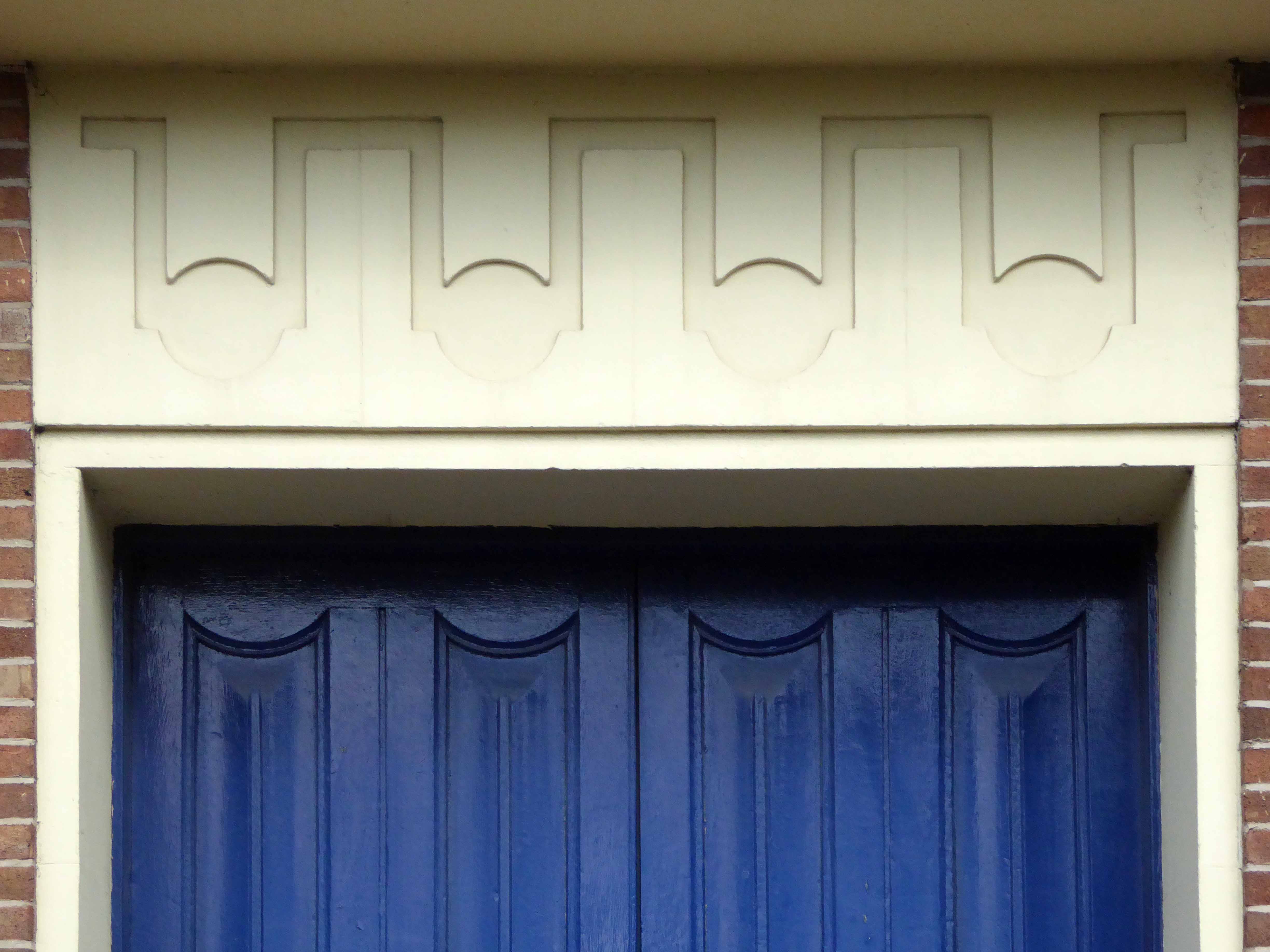
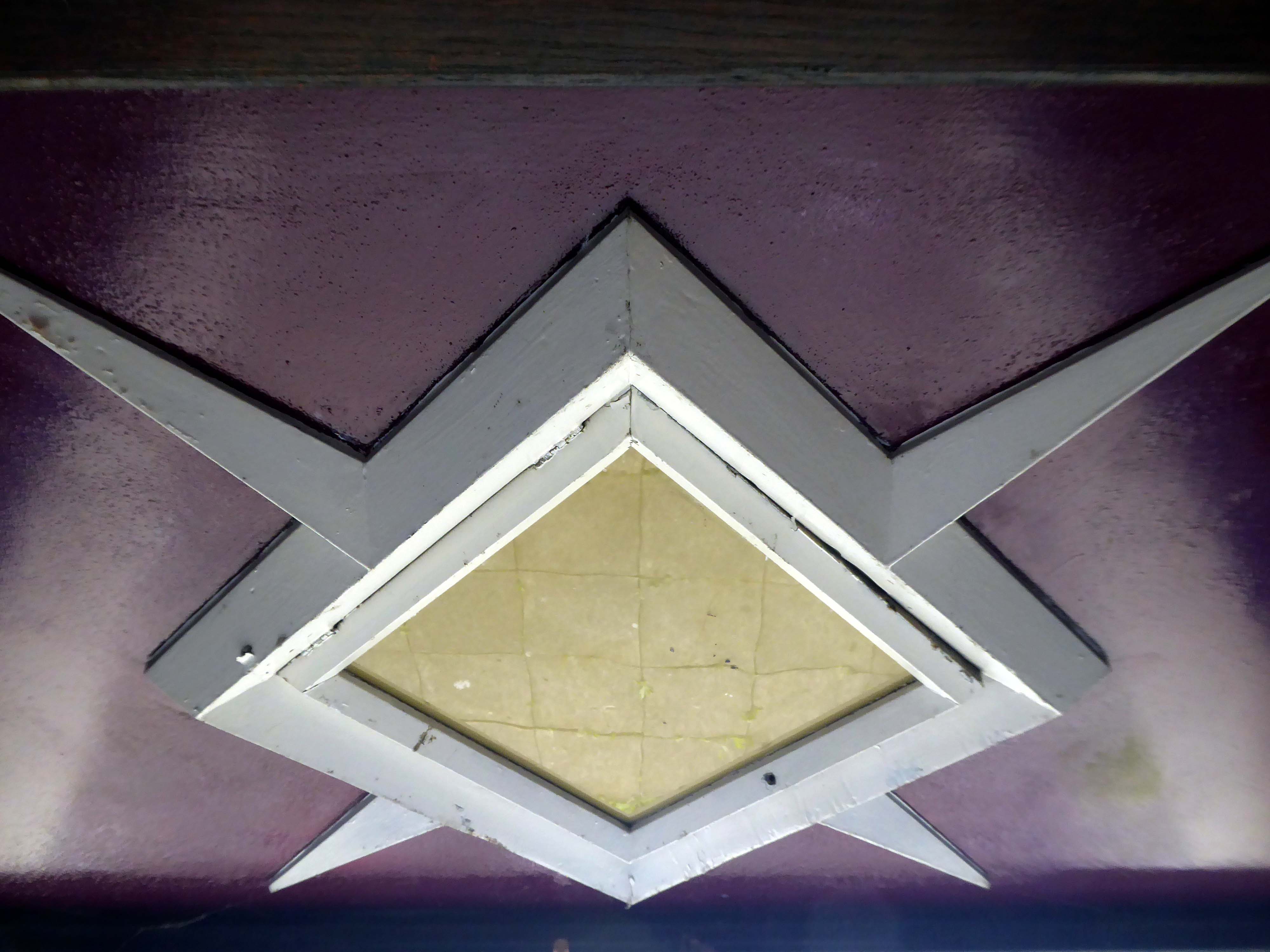
Those are the facts – the fabulous thing is the clock, a playful lesson in geometry, surface and colour, and it keeps time as well.

Wythenshawe is awash with modern churches and this pale brick giant is hard to miss dominating the Brownley Road junction, built to serve the then ever expanding housing estate to the south west of Manchester.

webmedia.php

Brownley Road flats

$_57

webmedia-1.php

Manchester Image Archive

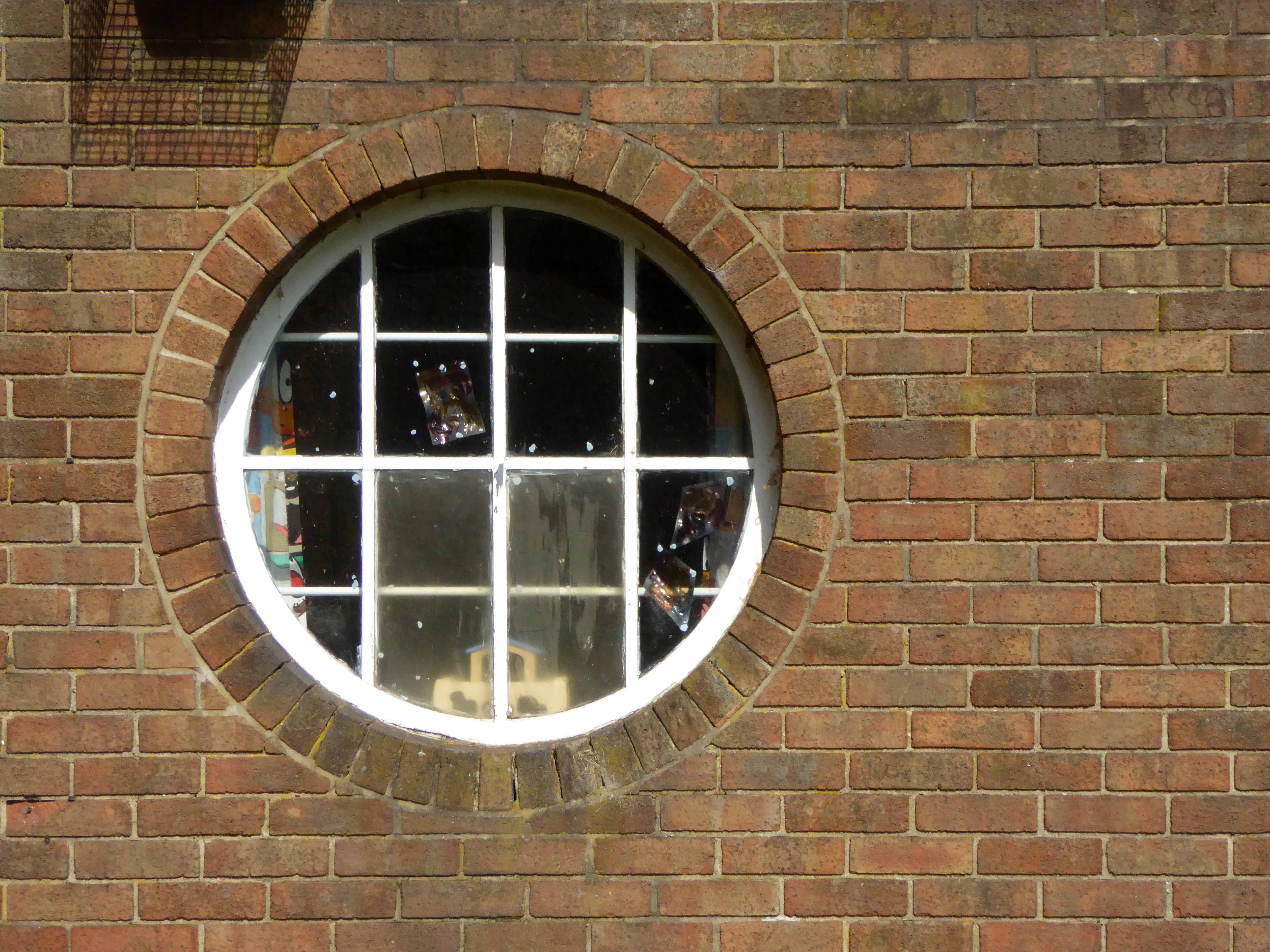
I love the playful touches which offset the monolithic volumes of St Luke’s – go ahead take a look inside:
6176760_orig

luke_int

luke_int1

And out:

P1170366

P1170367

P1170368

P1170369

P1170370

P1170371

P1170372

P1170373


P1170380

P1170381

P1170382

As we cycled by on Friday 12th July 2024 – as we were on the Yuri Gagarin ride, we noticed that the church was open.

The parishioners in attendance, were more than happy to allow us to look around this magnificent interior, many thanks for your hospitality.


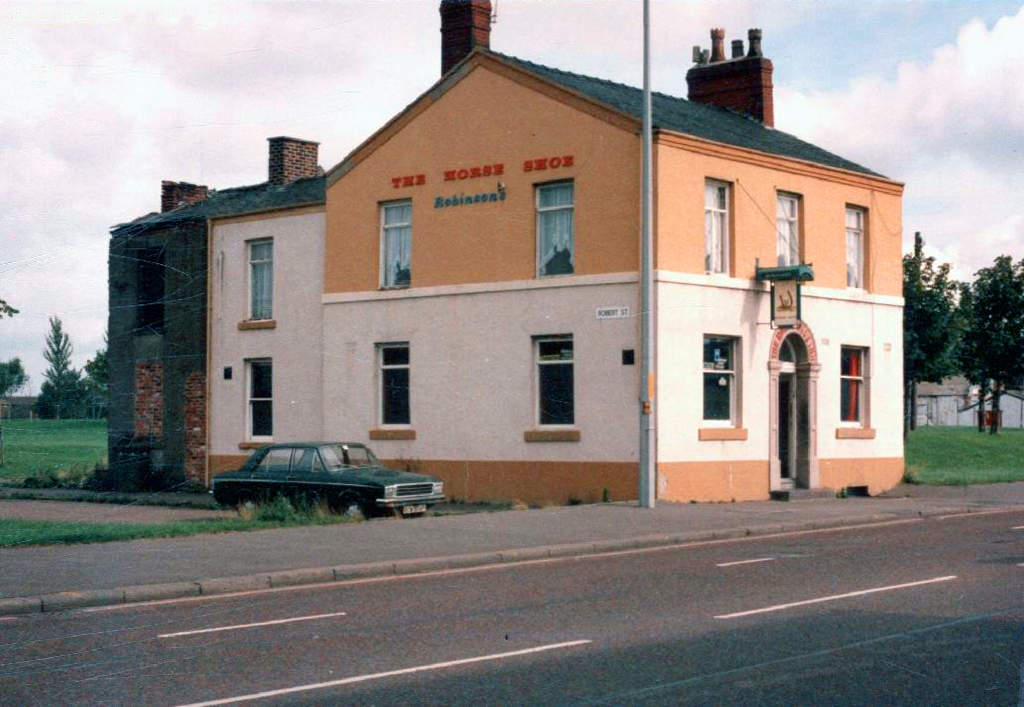
Hyde Road Pubs – Gorton Manchester

For almost fifty years I’ve cycled, walked and taken the bus up and down Hyde Road.

To work or to take snaps.

Or take a drink.

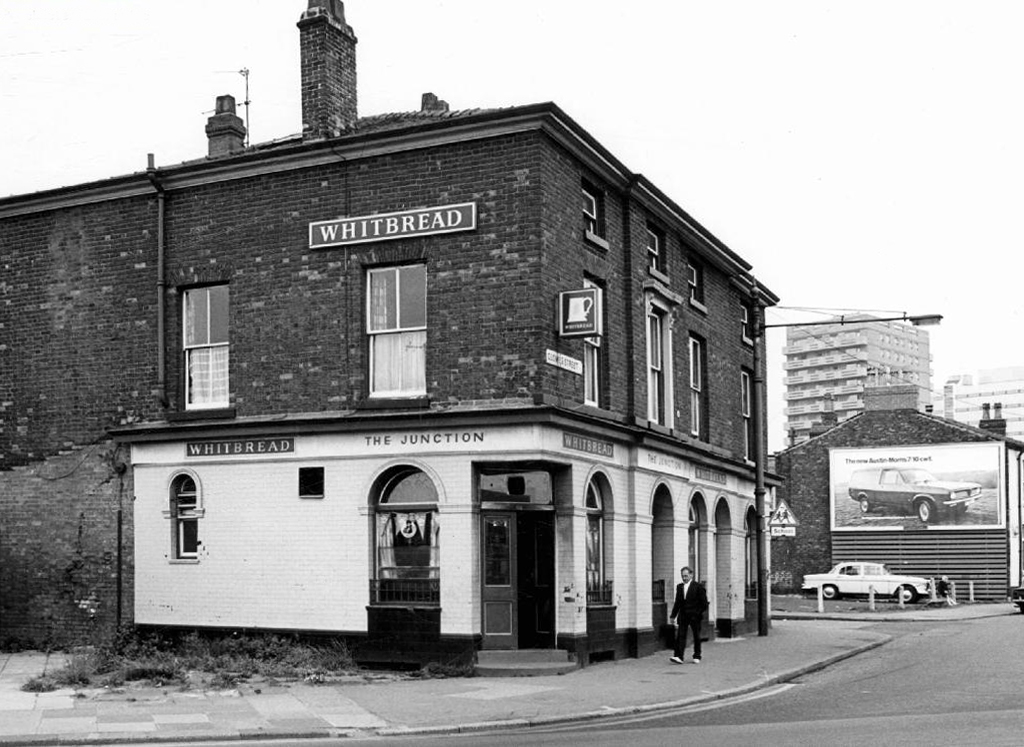
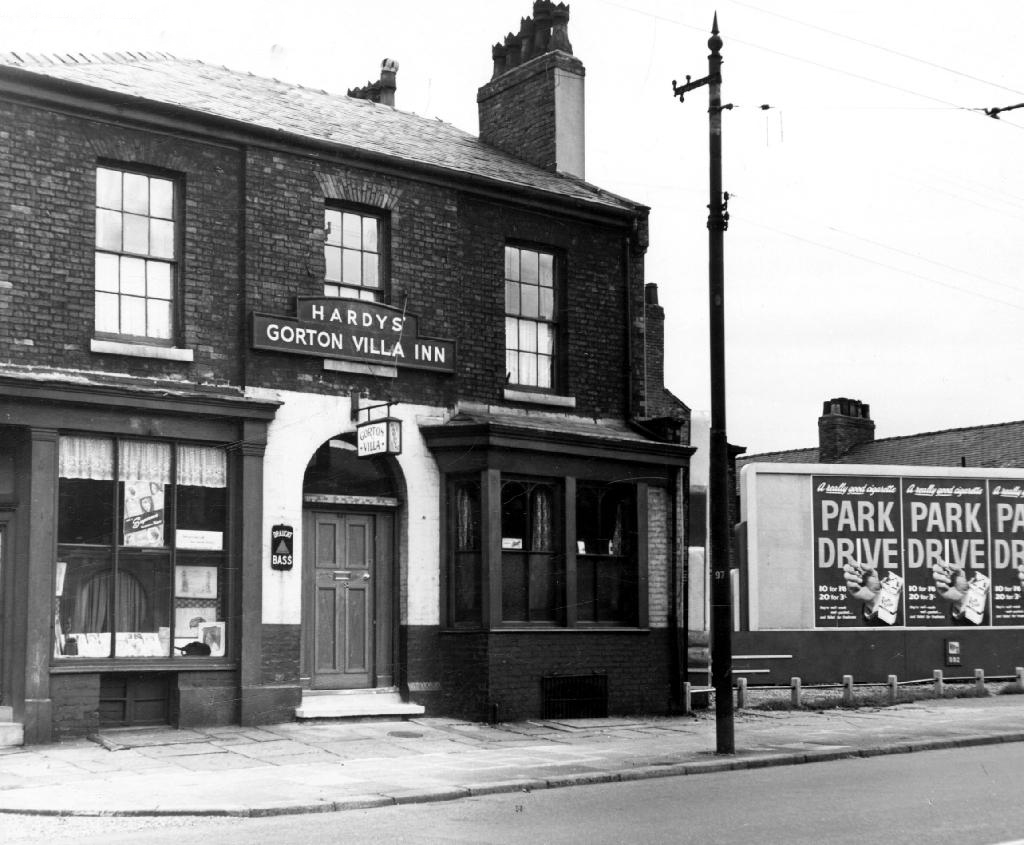
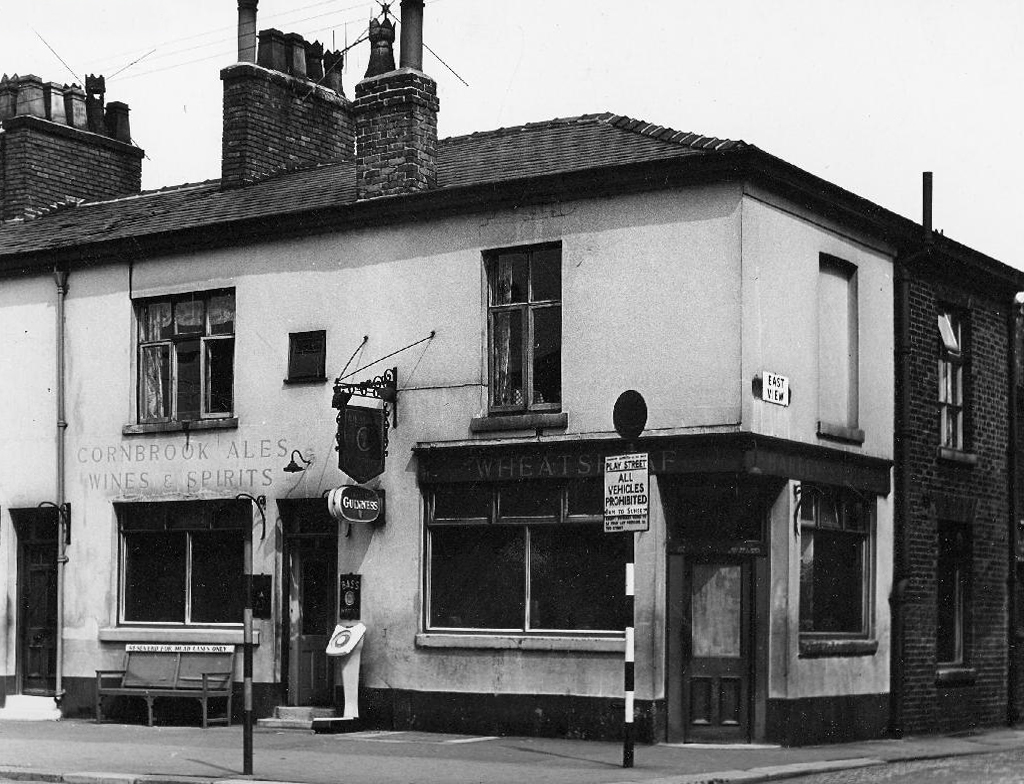
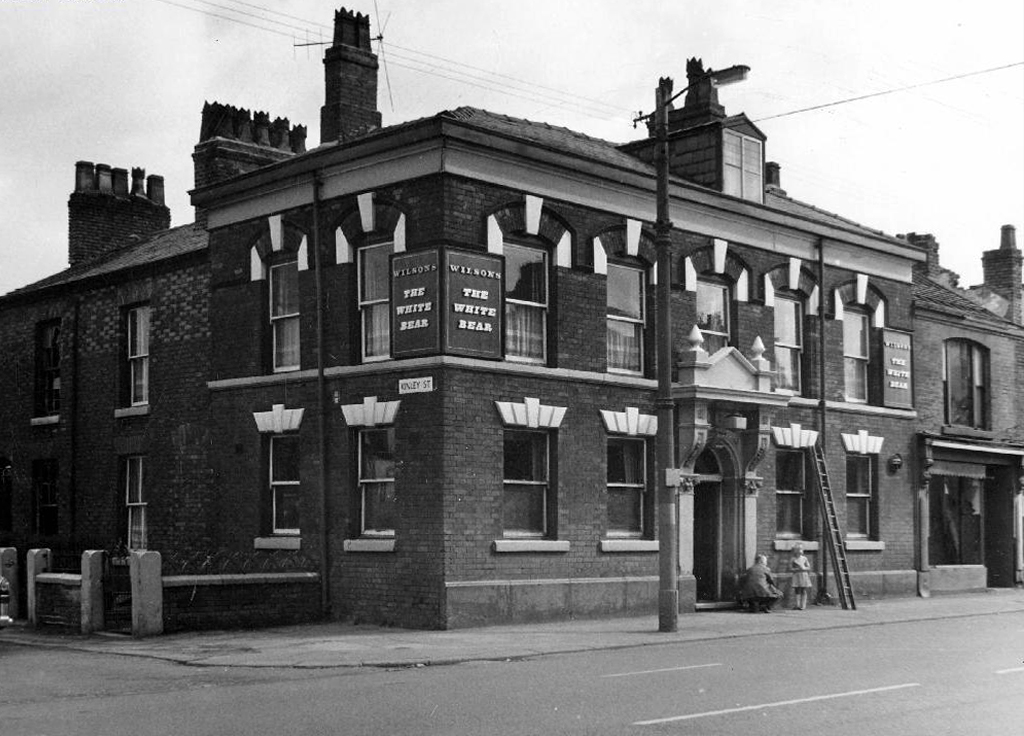
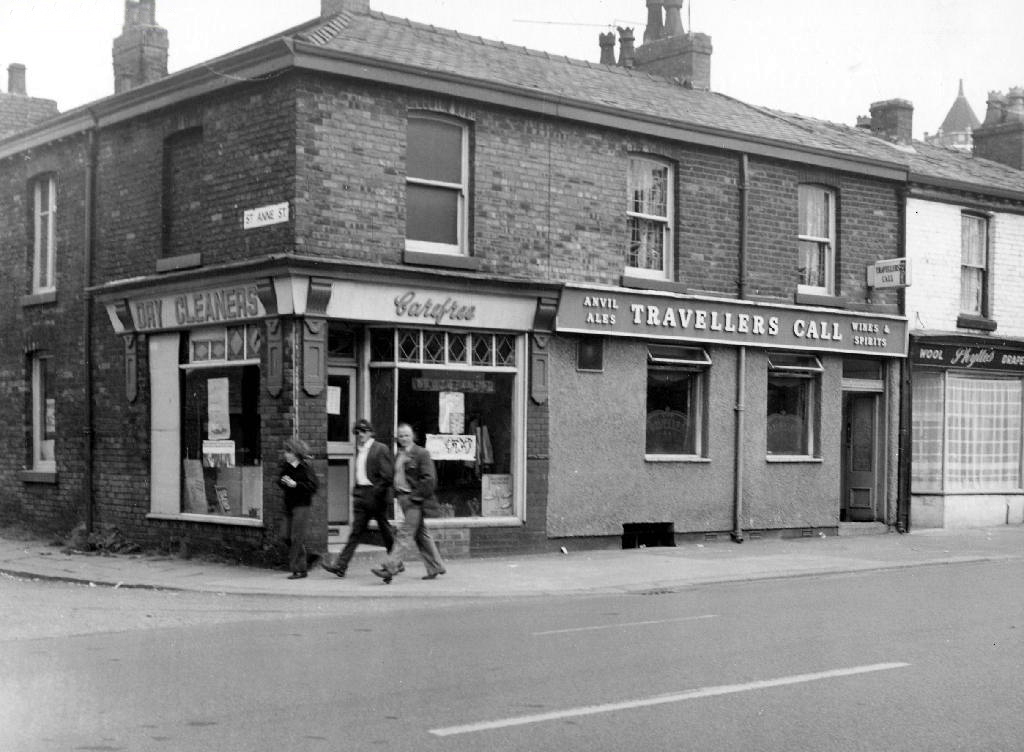
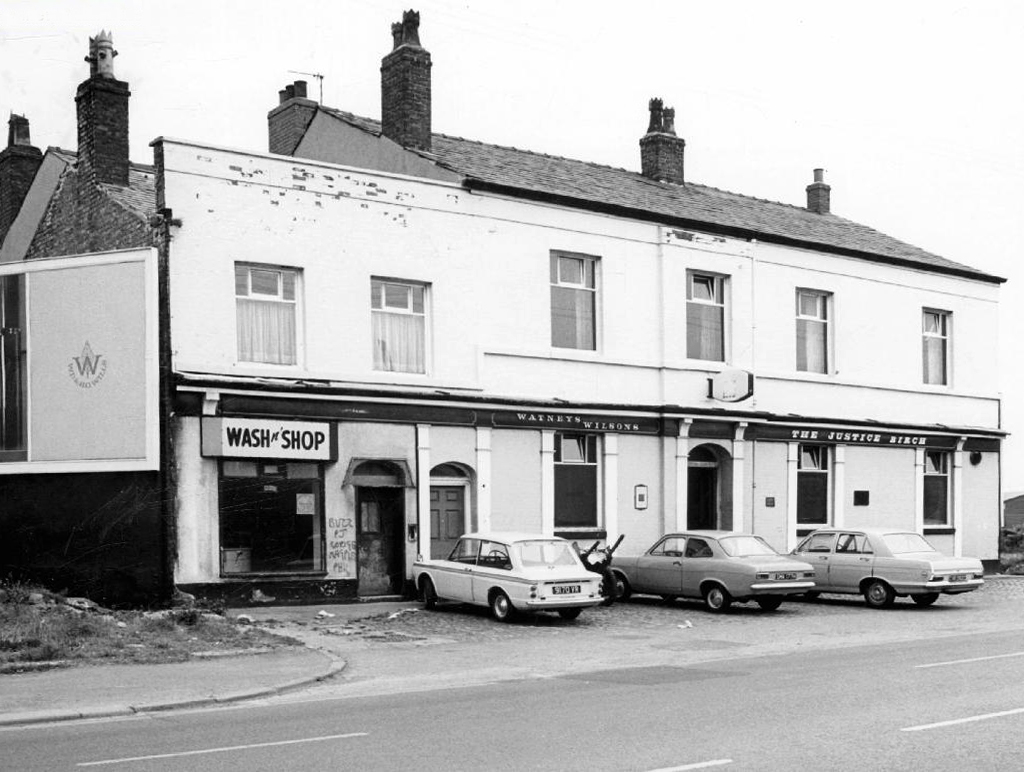
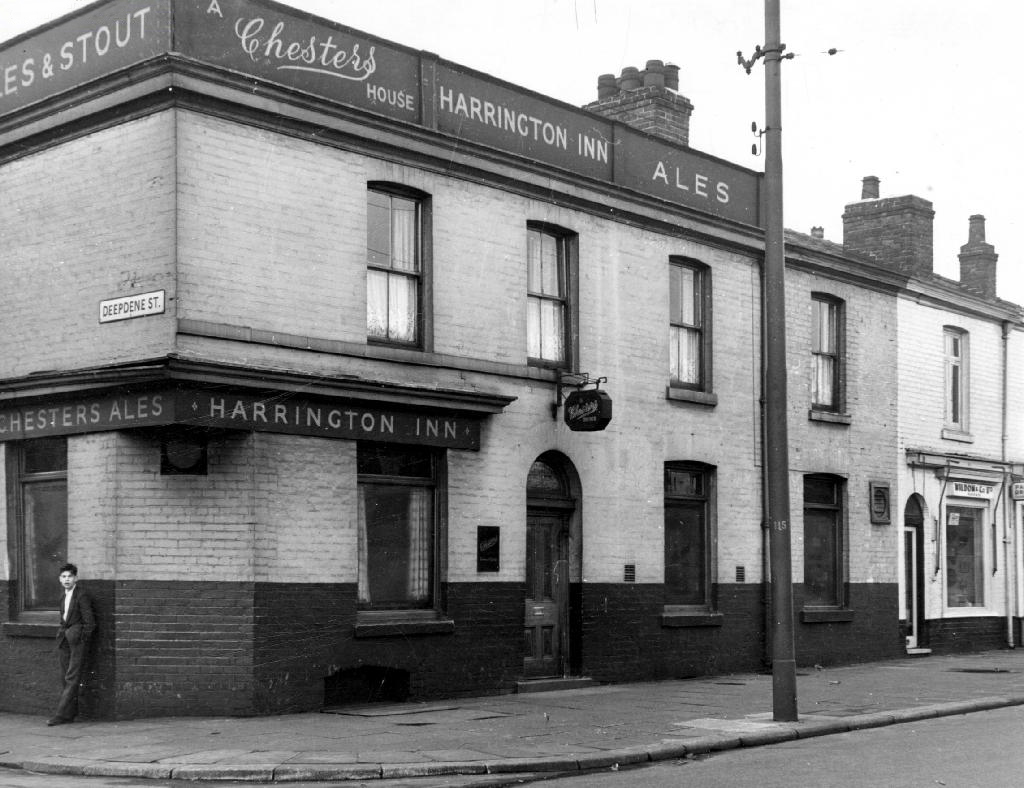
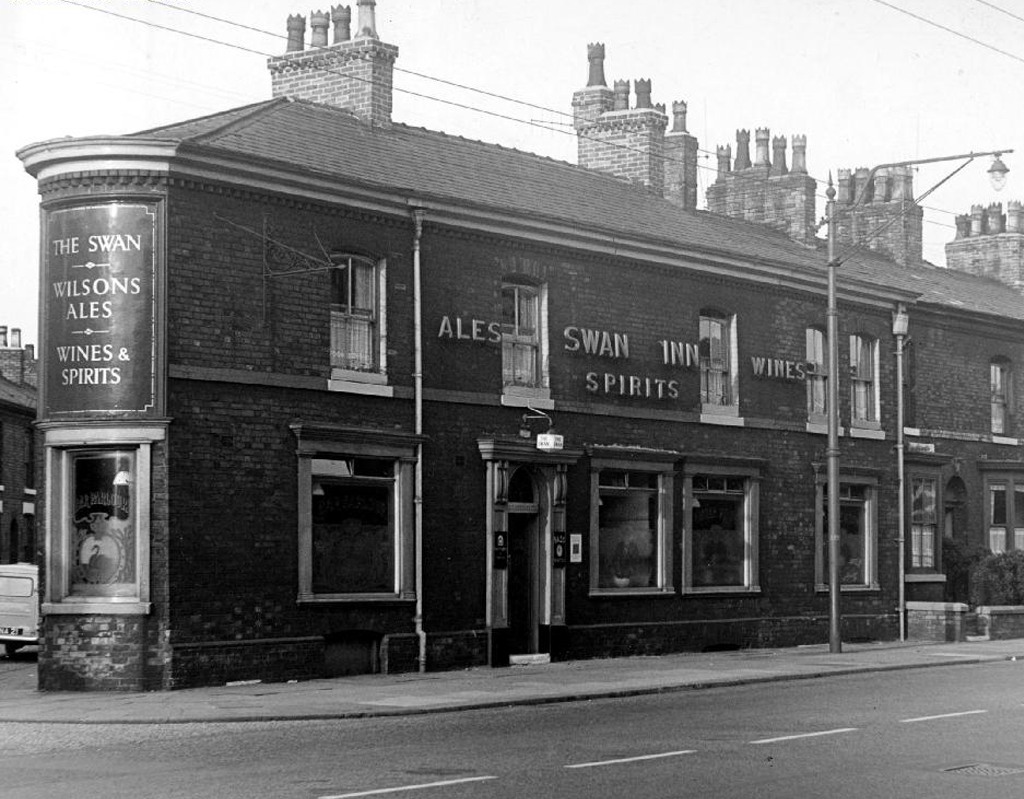
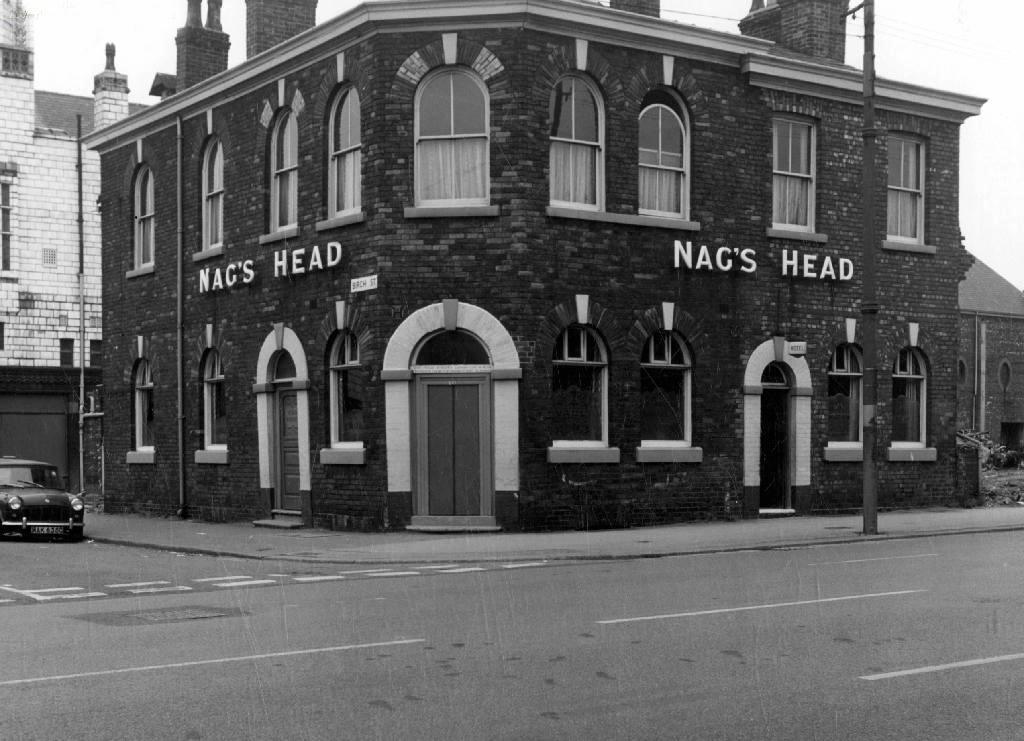
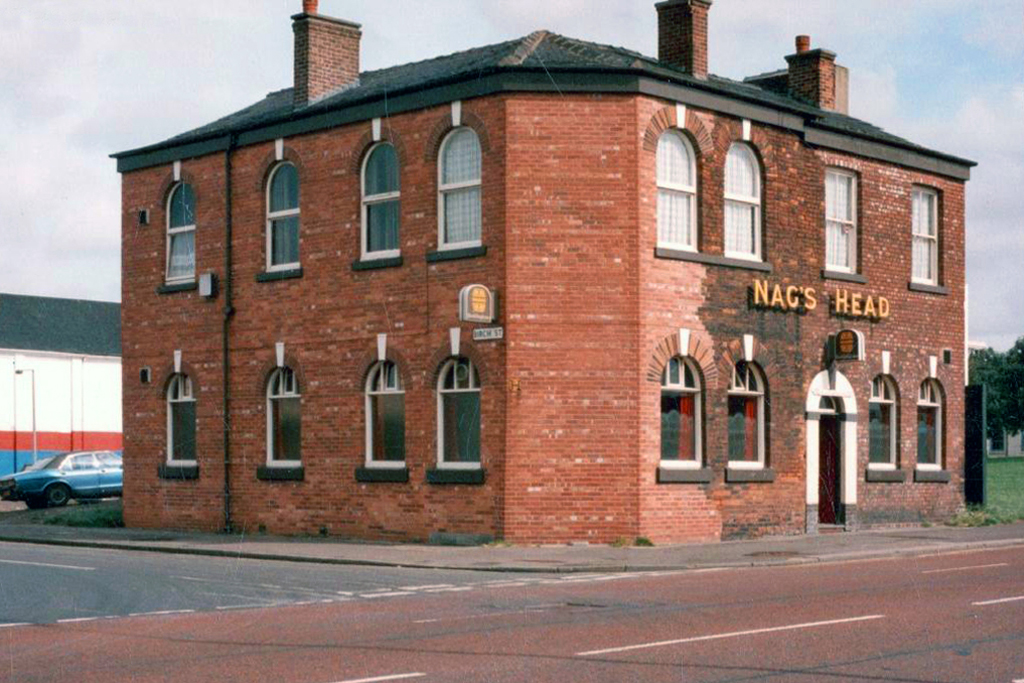
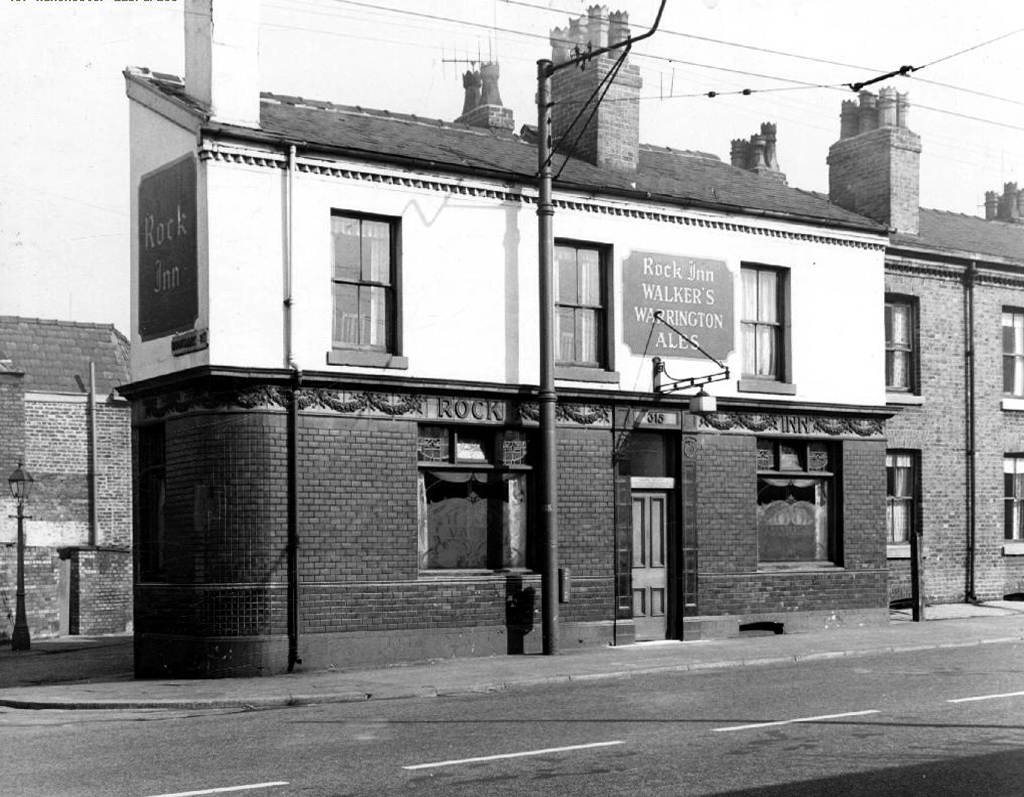
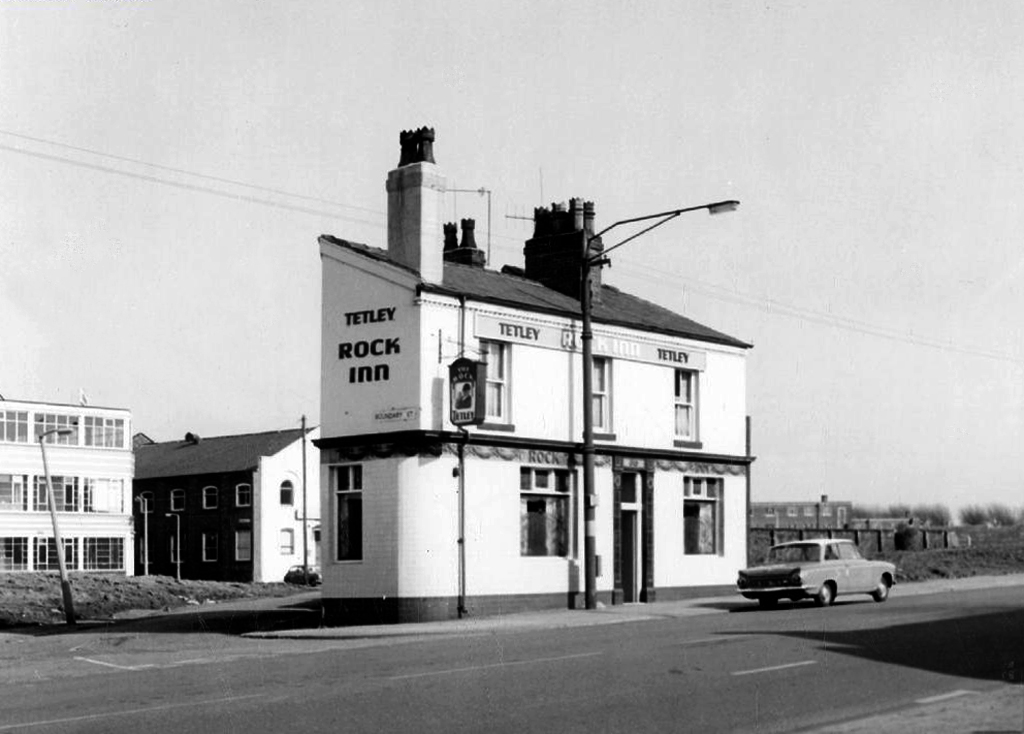
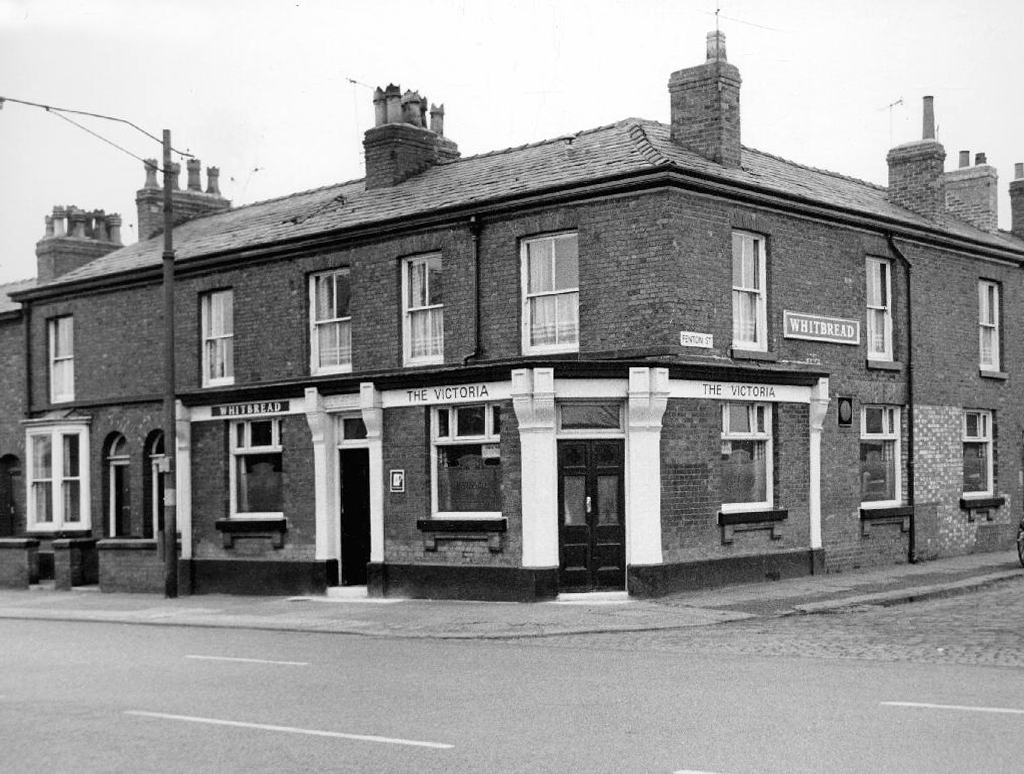
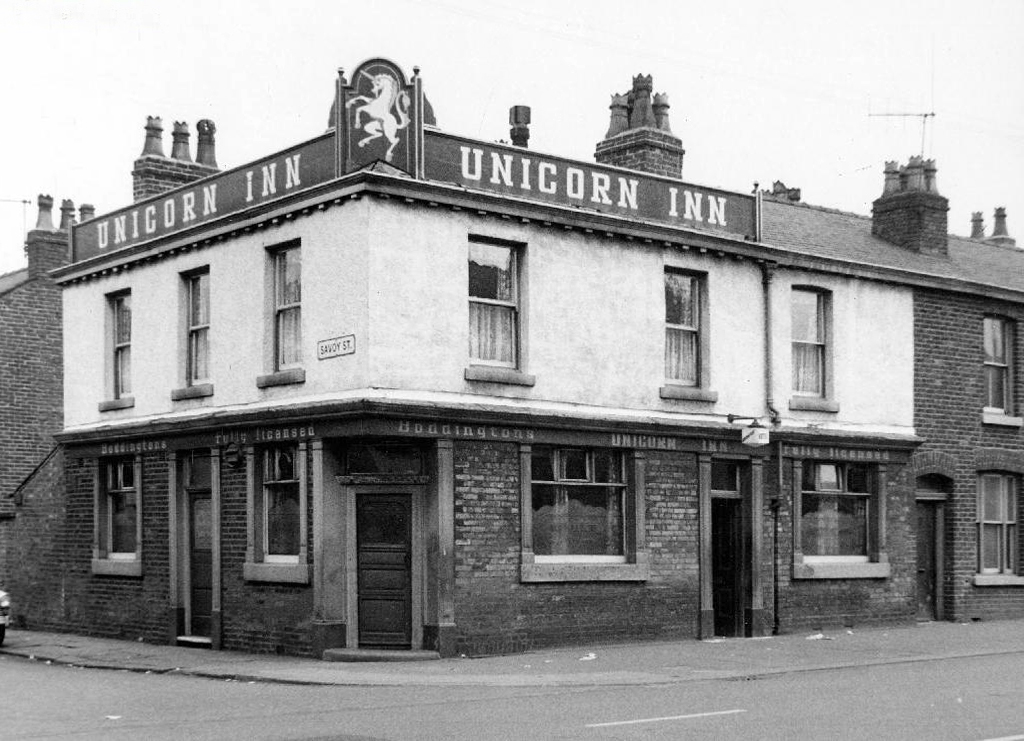
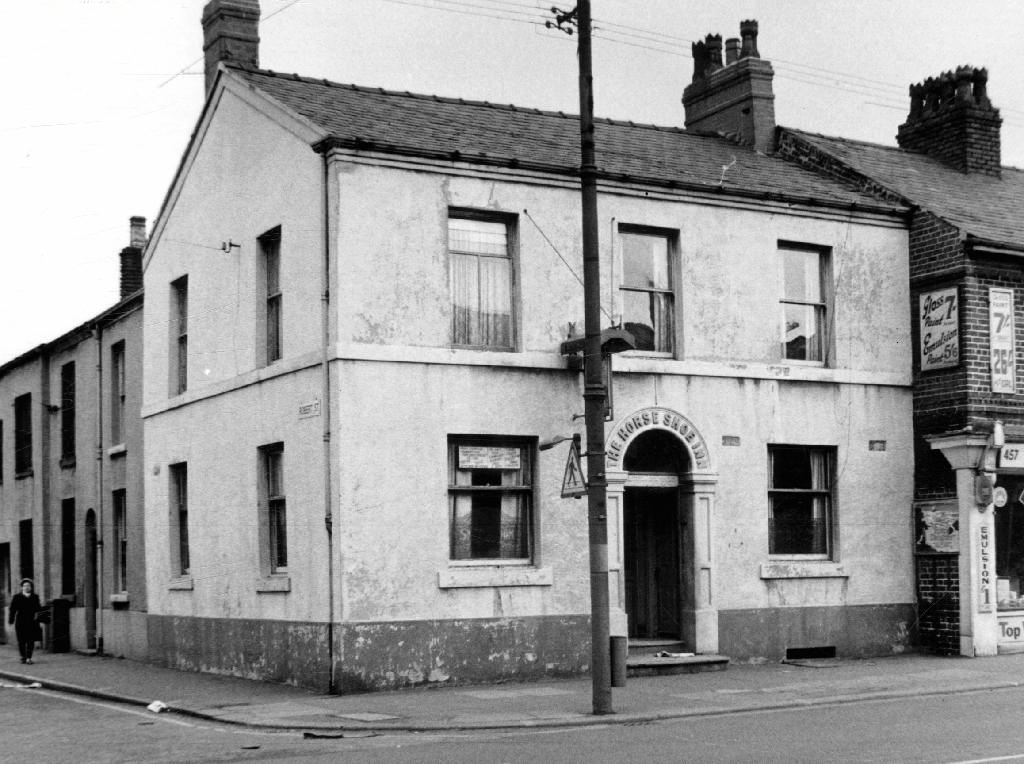
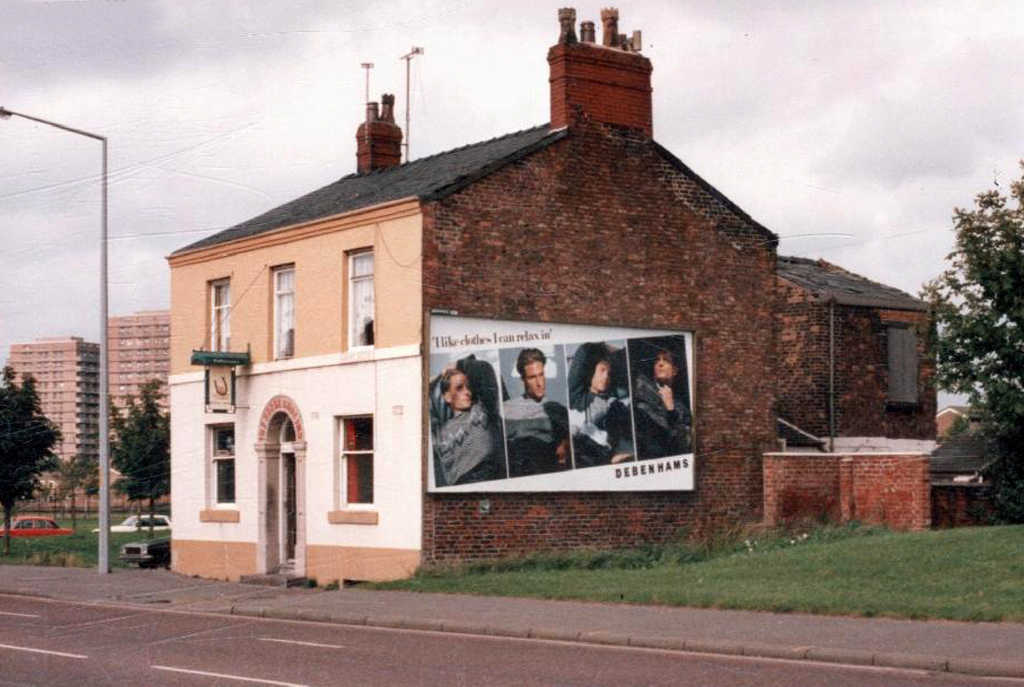
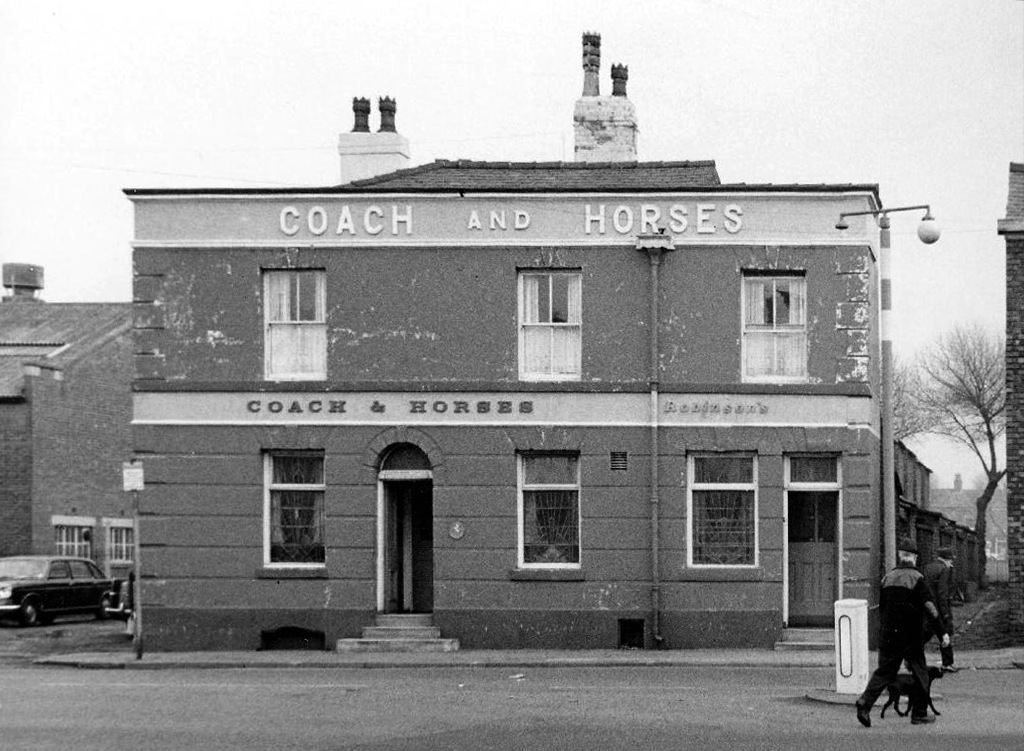
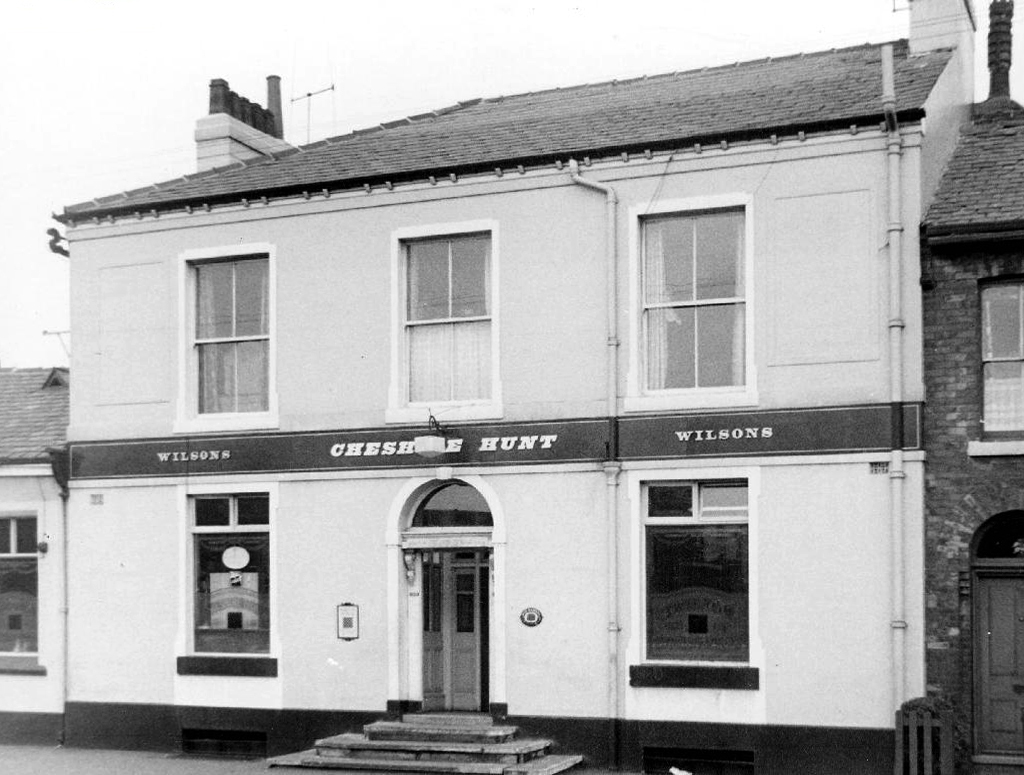
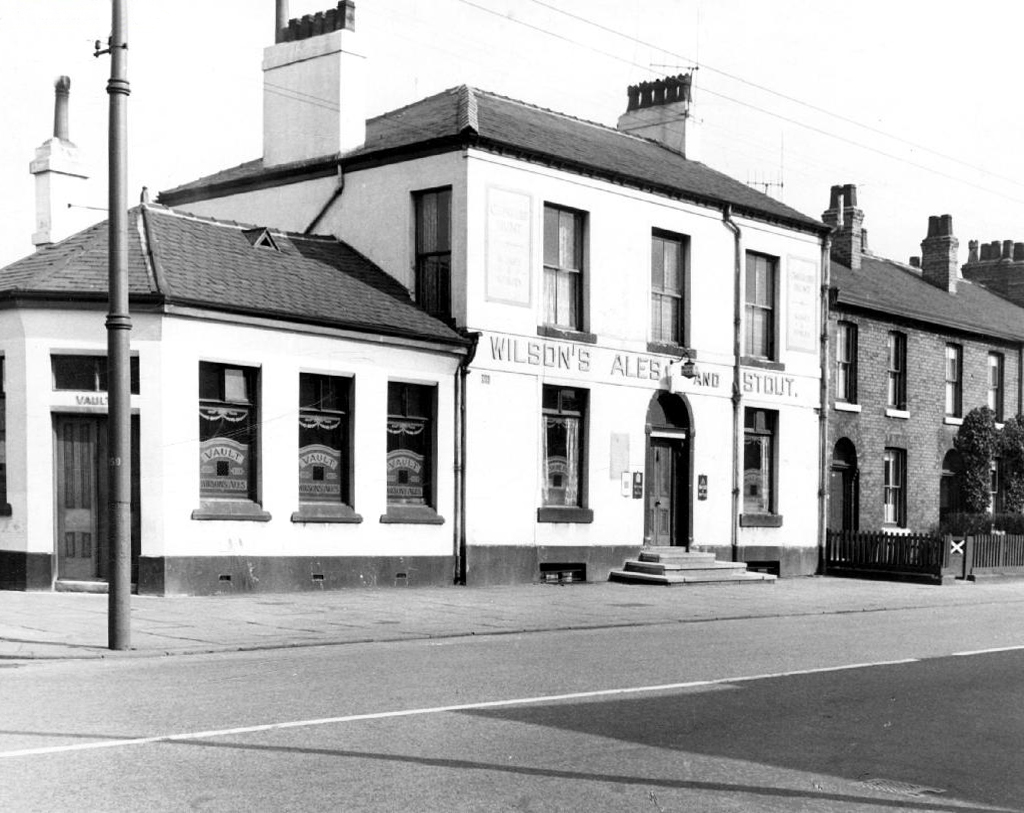
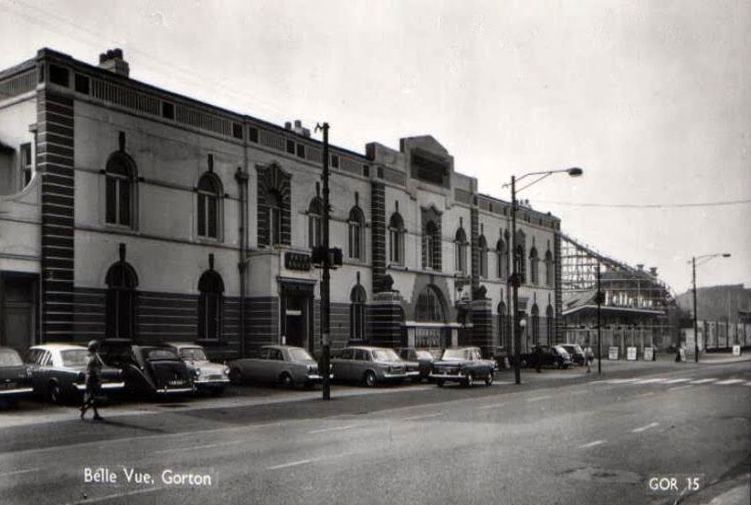
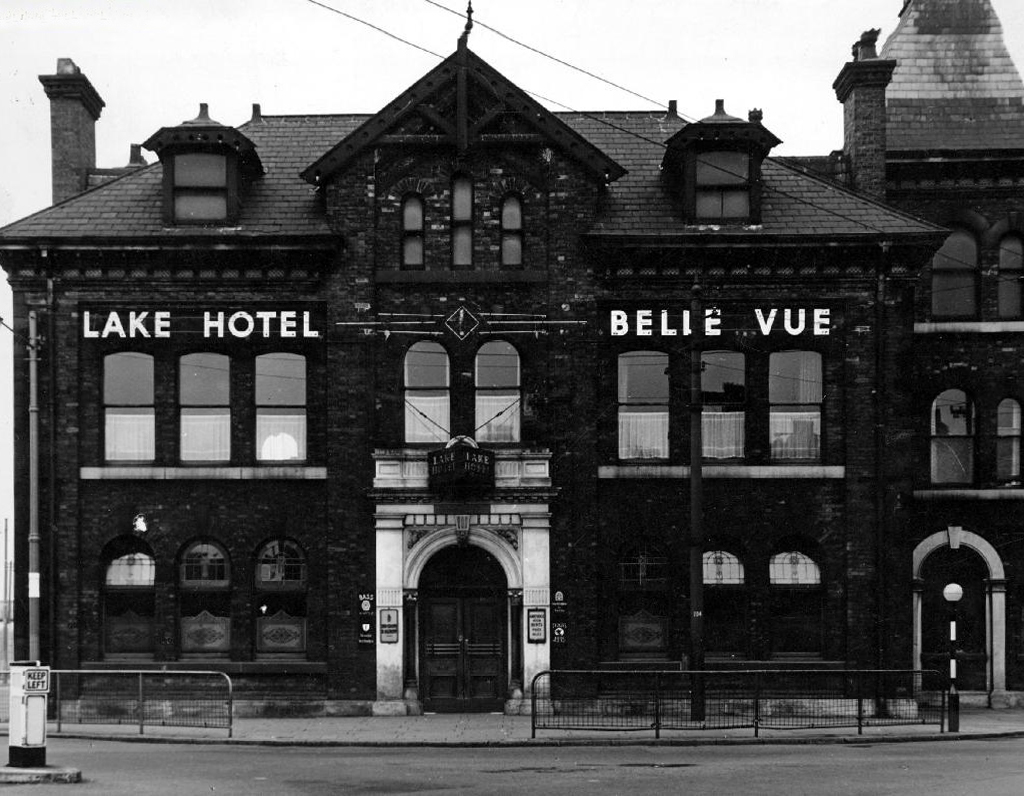
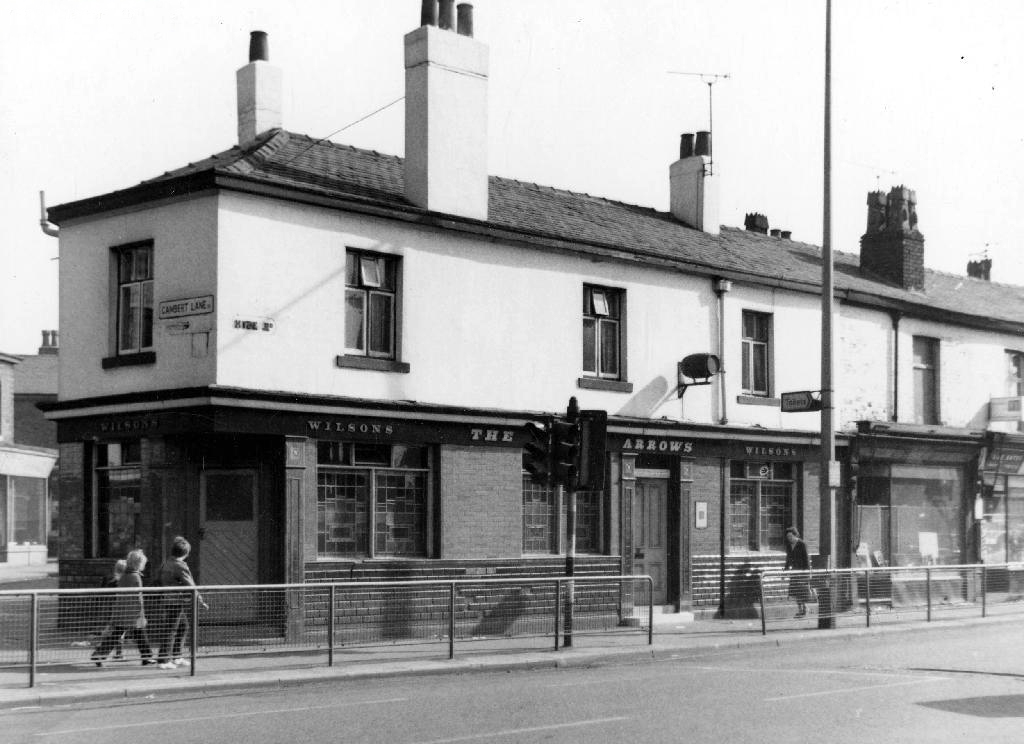
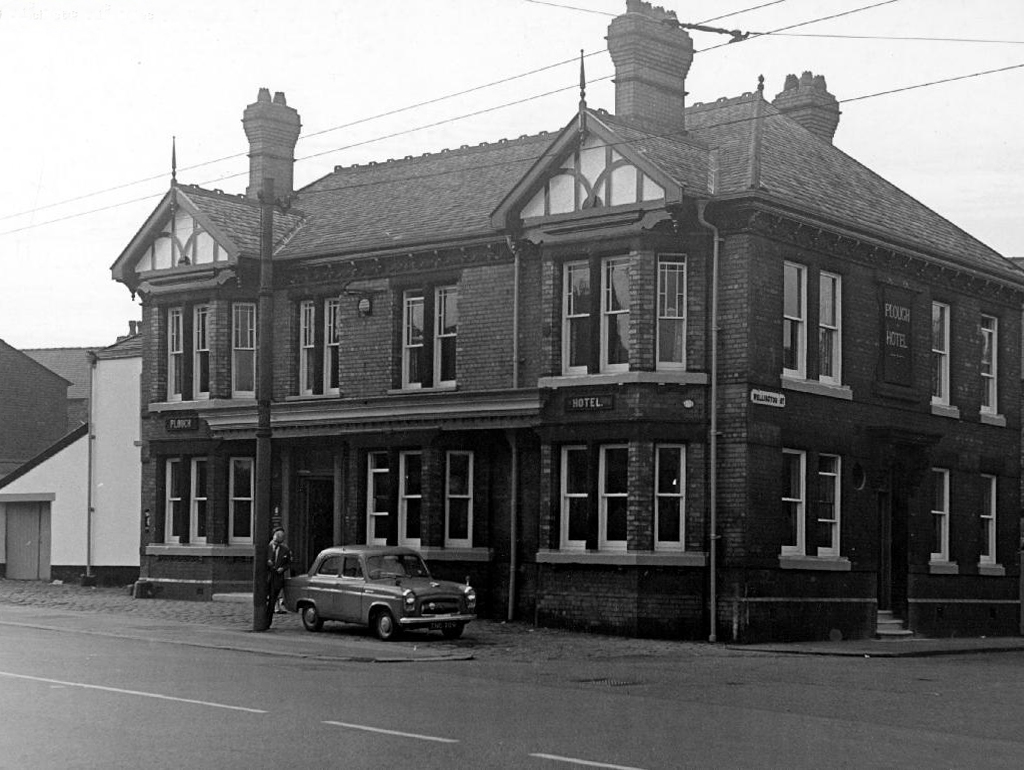
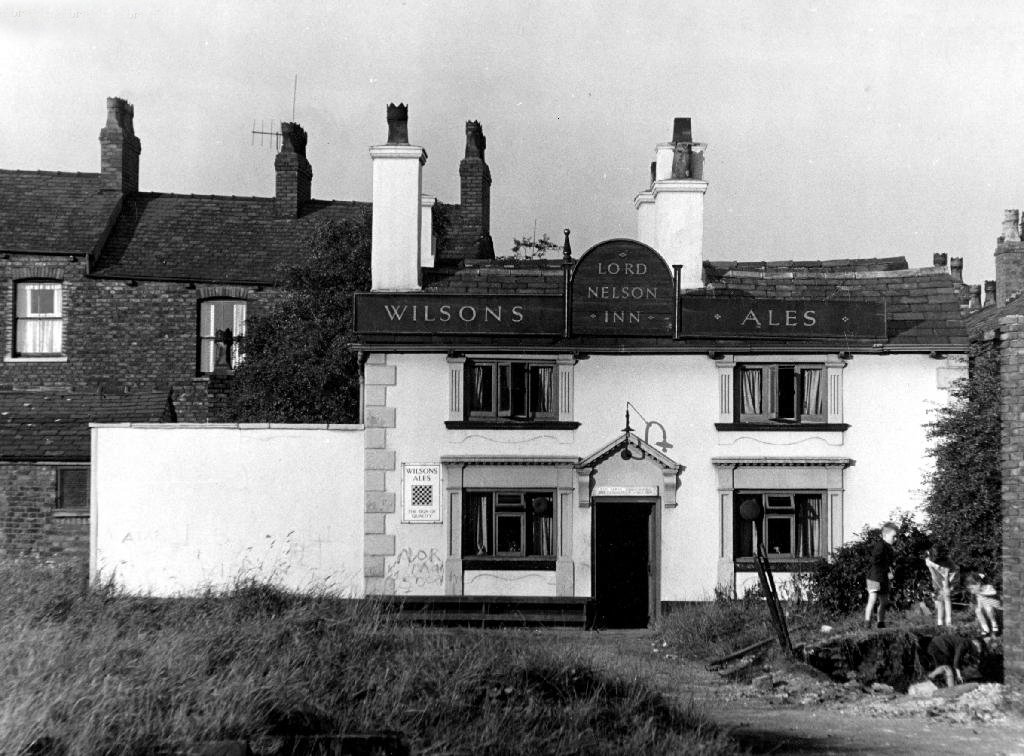
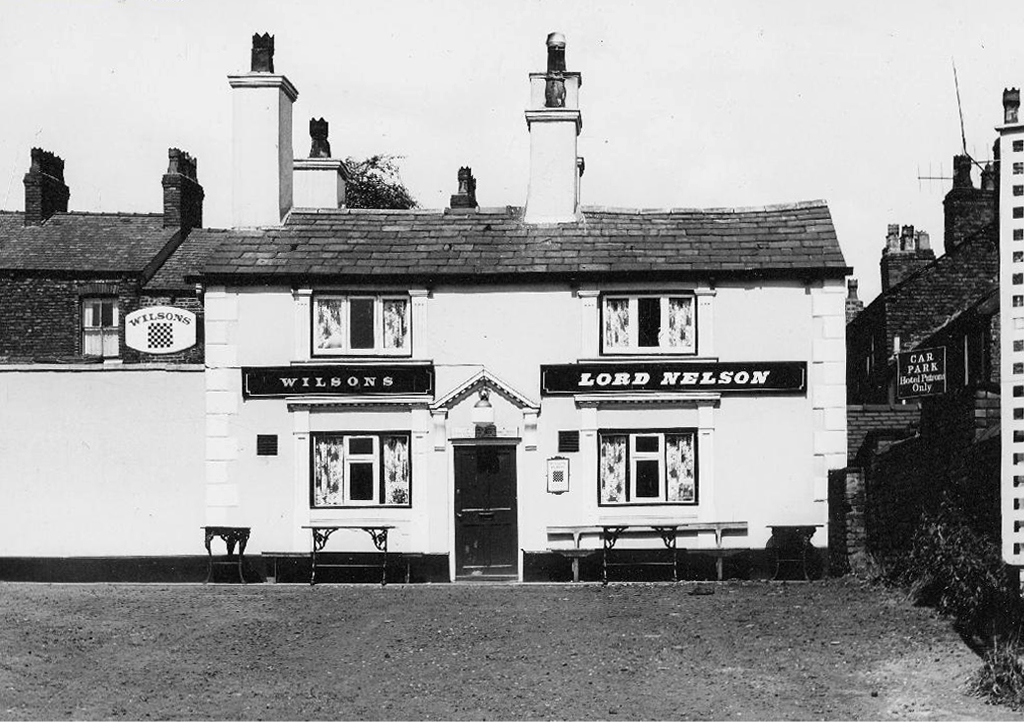
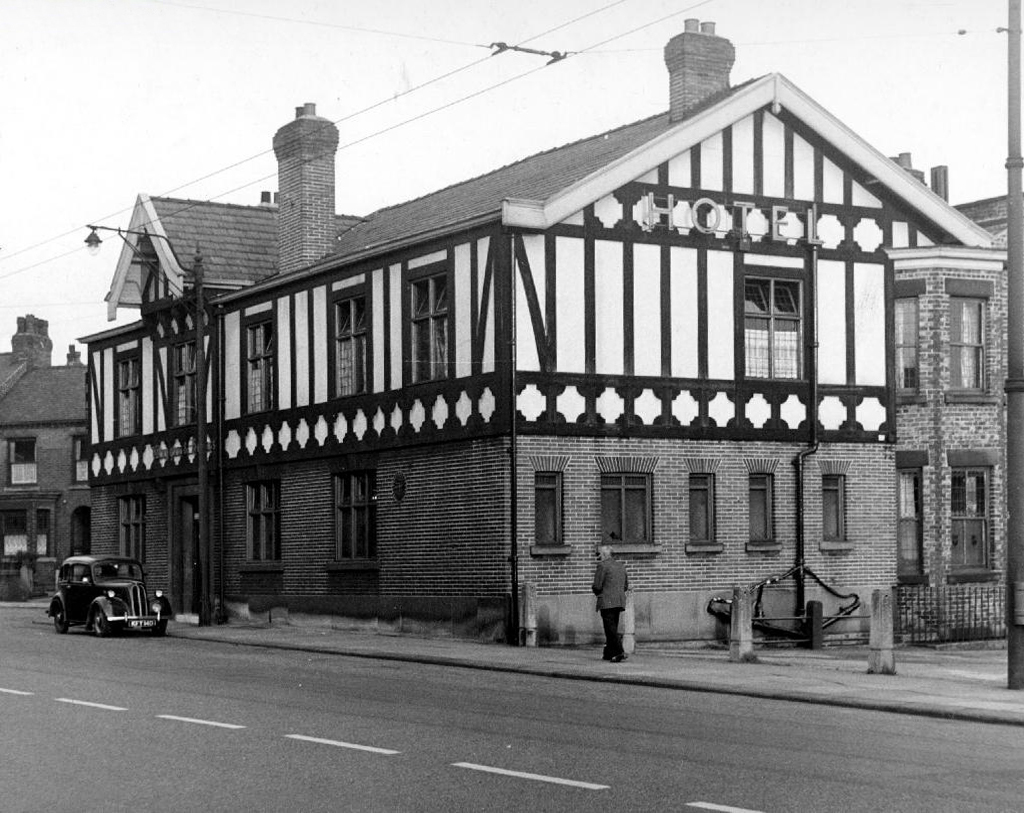
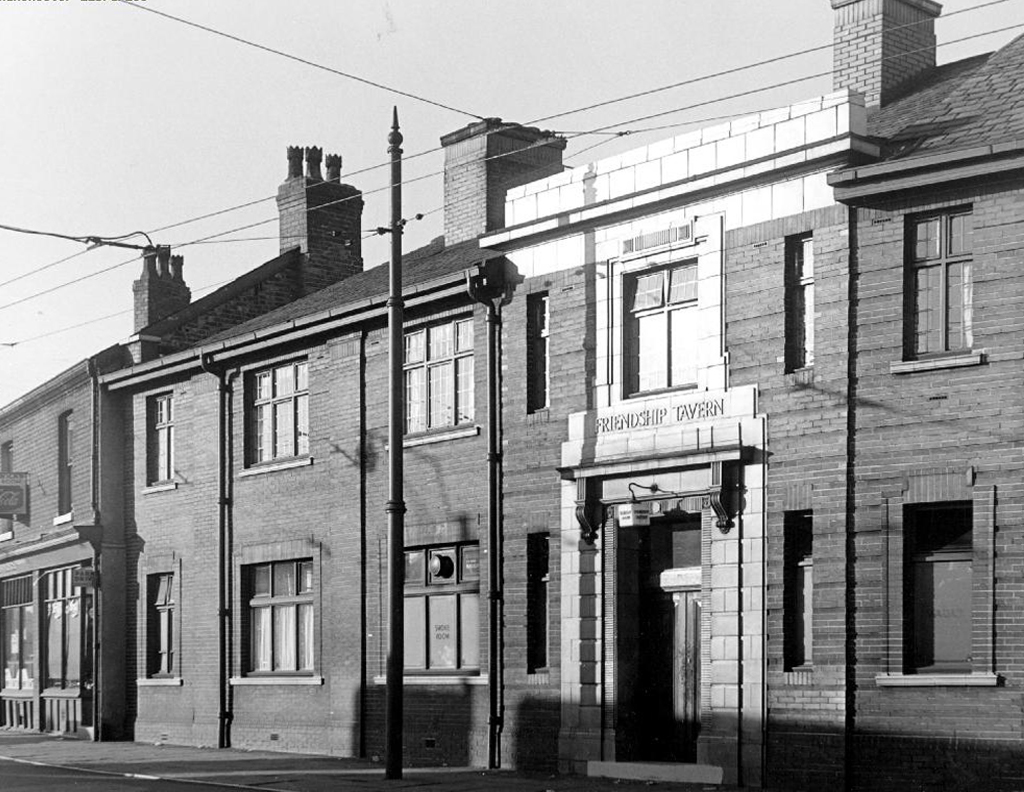
The first proper pub crawl I ever went on was up and down here, and these photographs which were taken from the Local Image Archive, represent a world now largely long gone. Of those places pictured only the Travellers, Wagon and Horses, Plough, Nelson and Friendship survive. What was a busy thoroughfare alive with masses of working people and lively boozers is now a shadow of its former self. Many of the breweries are also no more – Wilsons and Boddington’s, once employing hundreds of people and supplying hundreds of pubs, have all but vanished, you may catch a glimpse of a stray sign or two dotted around town.

If there are any pubs missing apologies, but following the expert advice of Kenneth Allen I think I have all of the Gorton boozers.

Take one last walk, raise a glass – cheers!

webmedia.php

junction

webmedia-9.php

wheat

white bear

travellers72

birch

webmedia-6.php

swan

nags

nags bod.jpeg

rocka

rock copy

vic

unicorn

horse

horse shoe

shoe

webmedia.php

hunt

cheshire hunt

Palm Court Belle Vue

lake

webmedia-5.php

webmedia-1.php

plough

nelson copy

nelsona

hotel.jpeg

friend

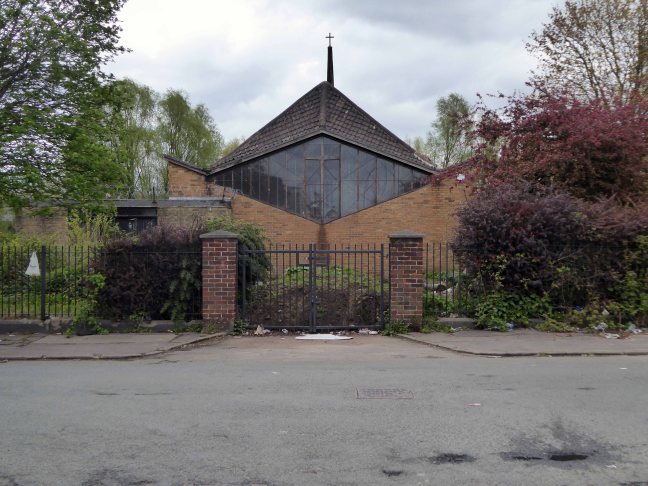
St Barnabas – Manchester

barnabas

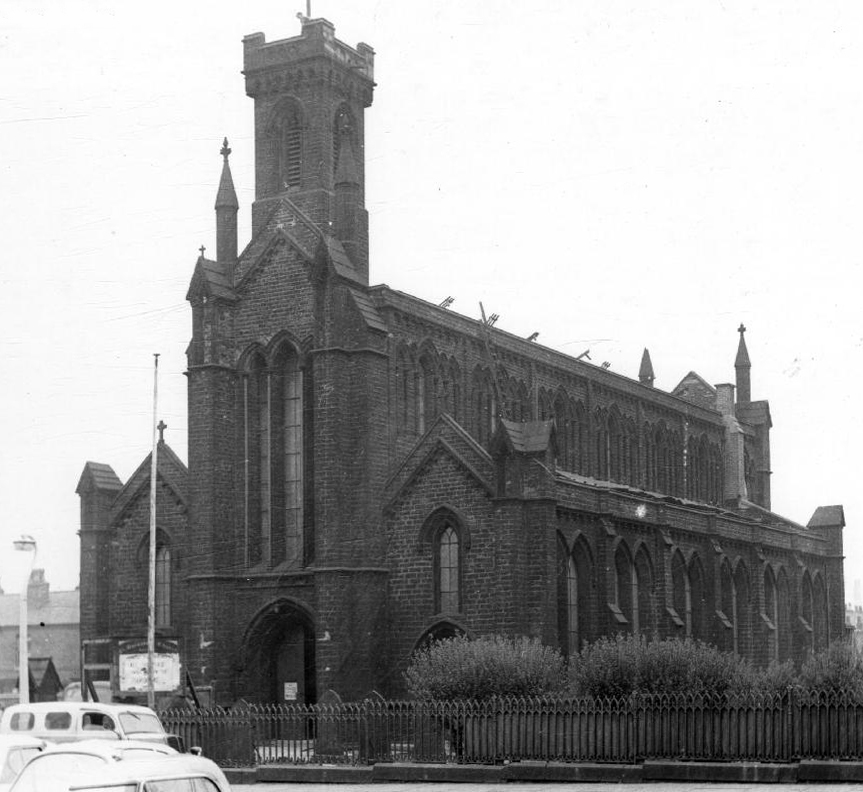
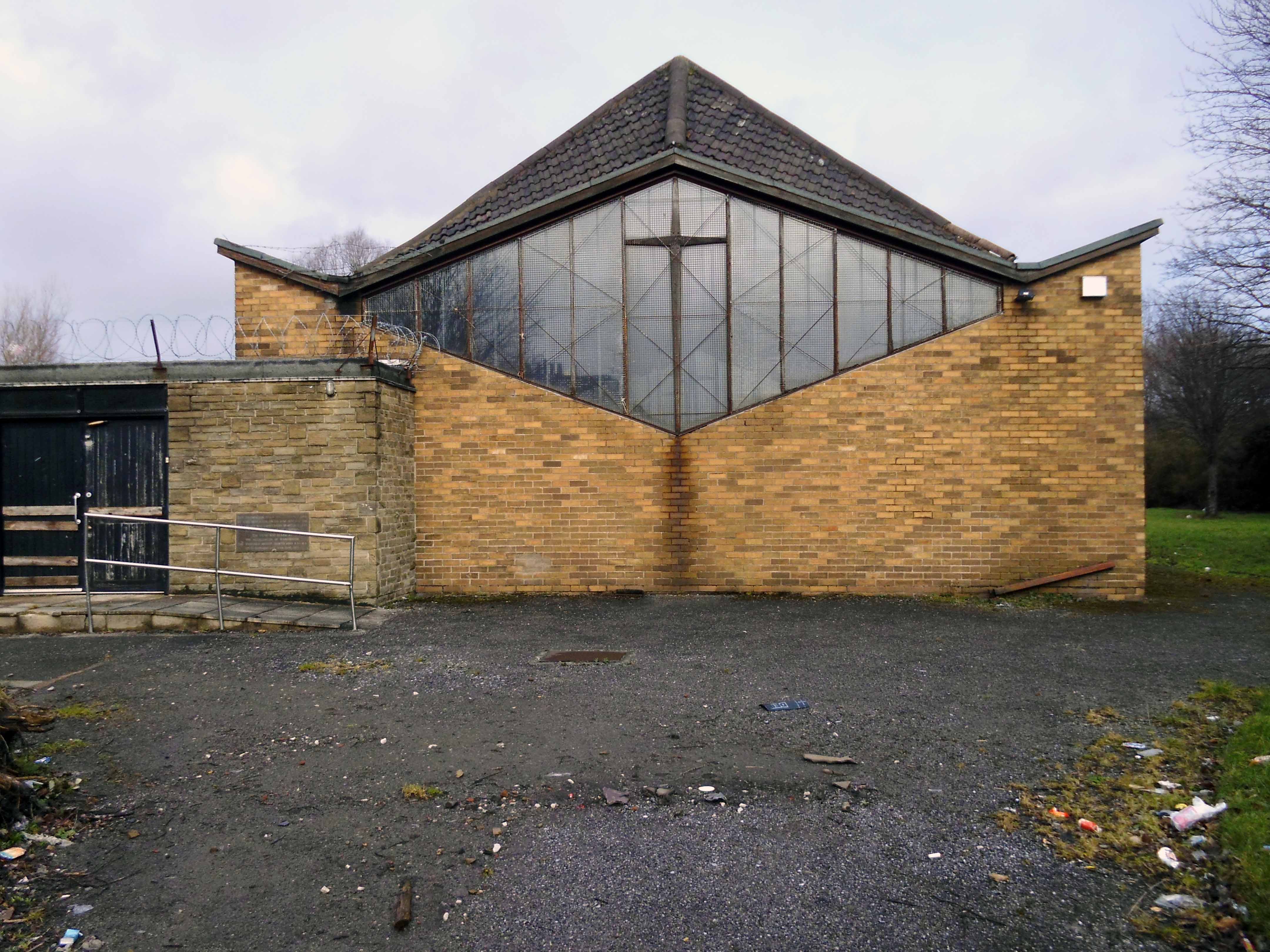
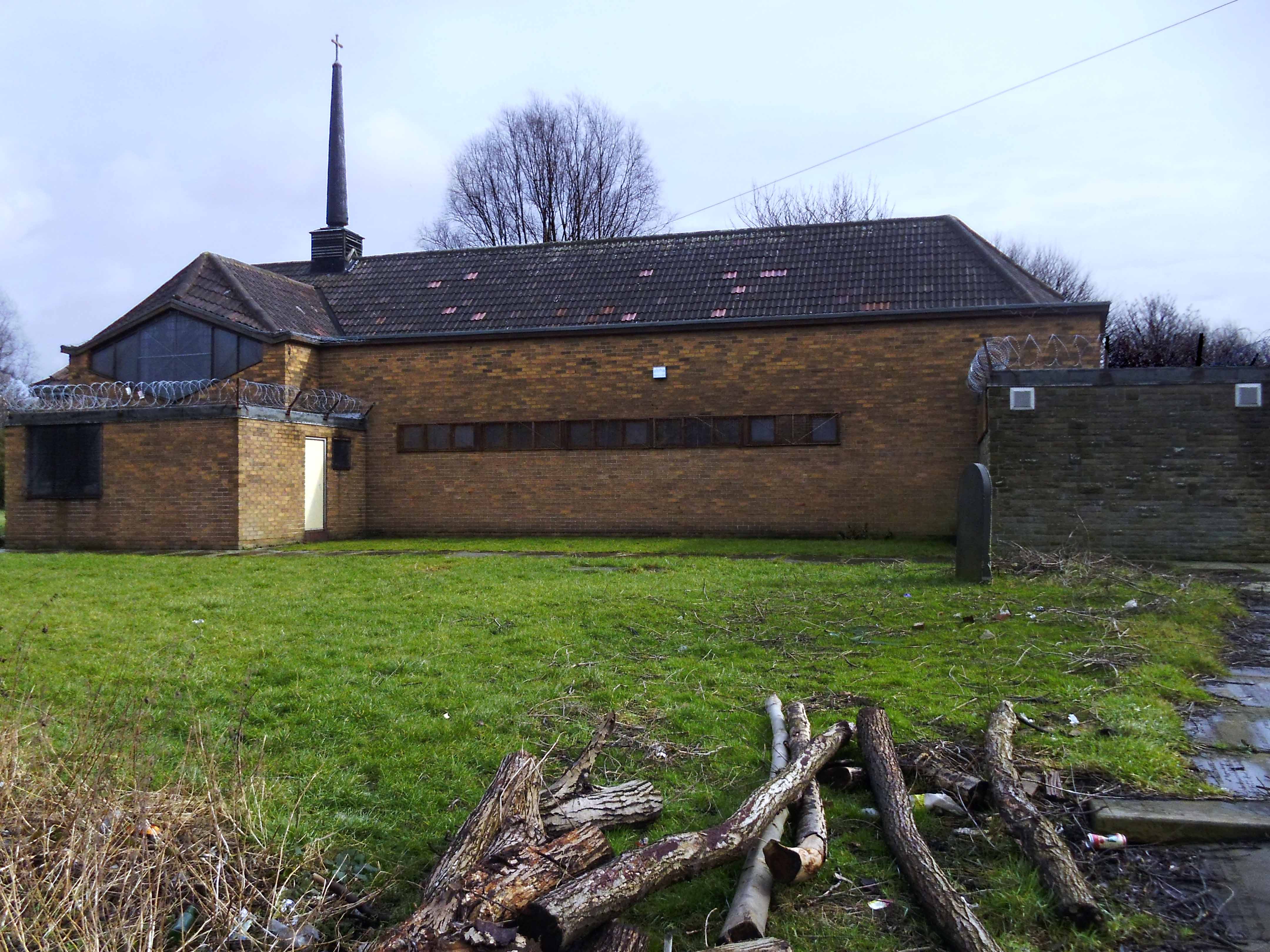
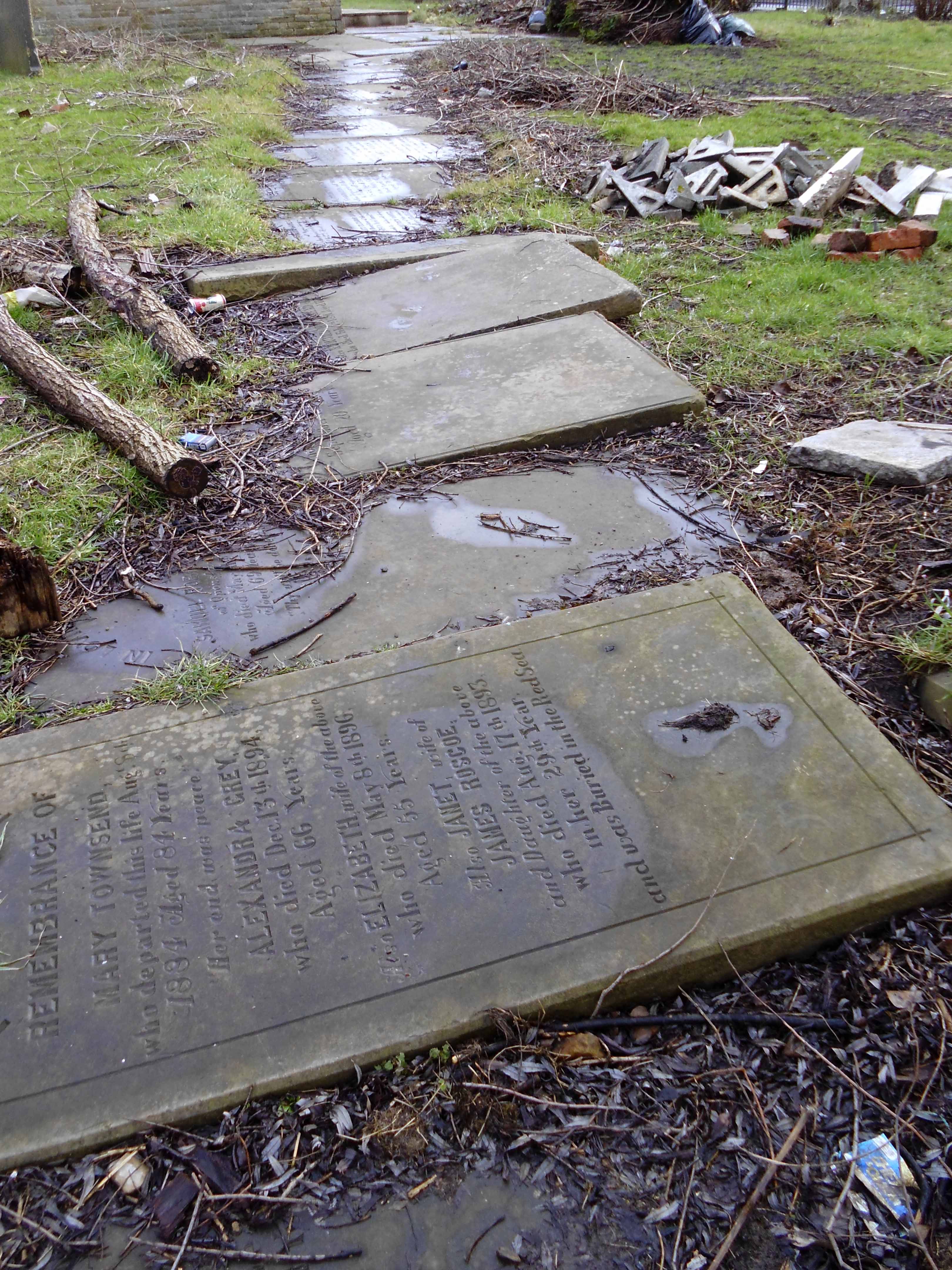
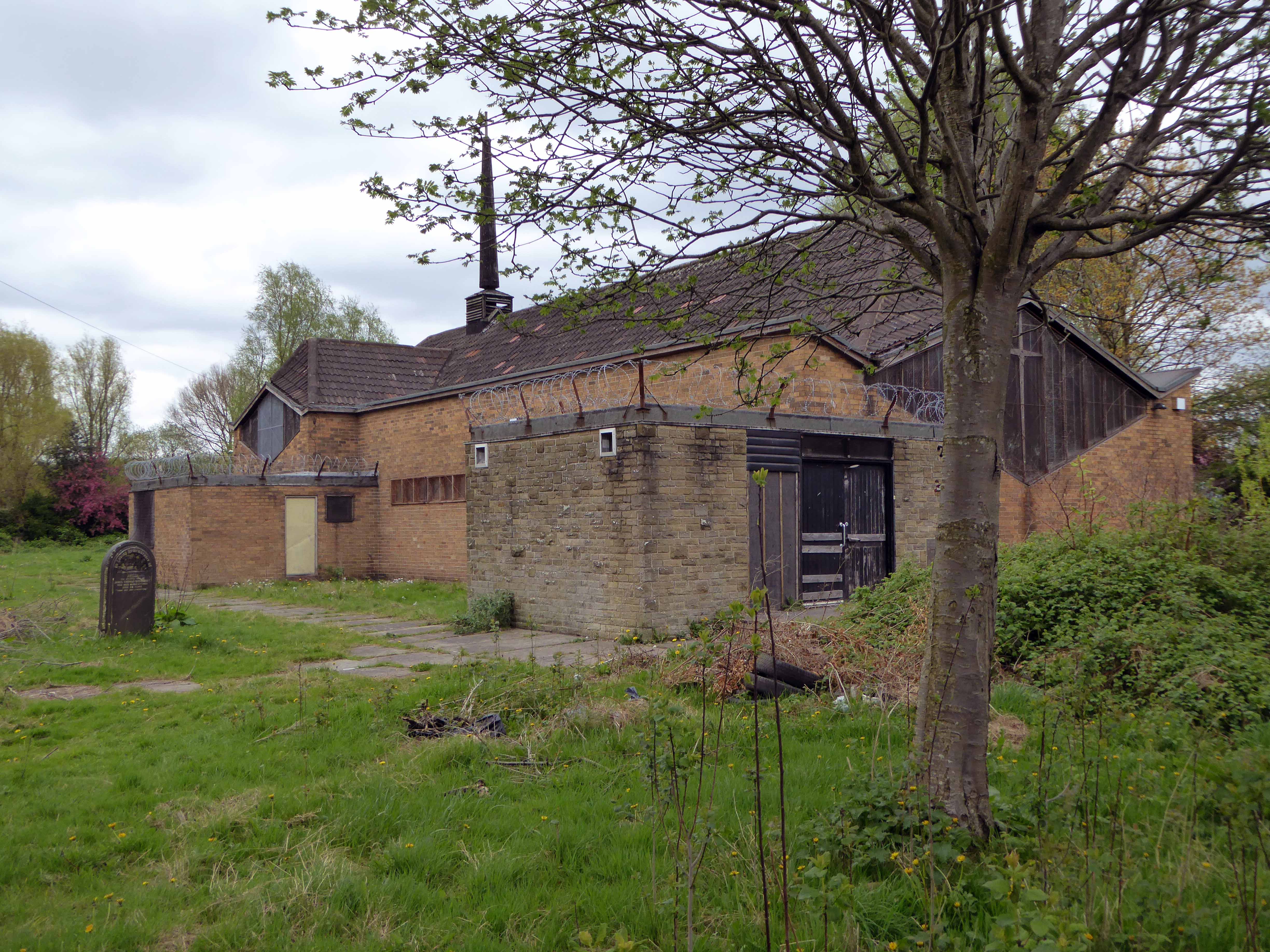
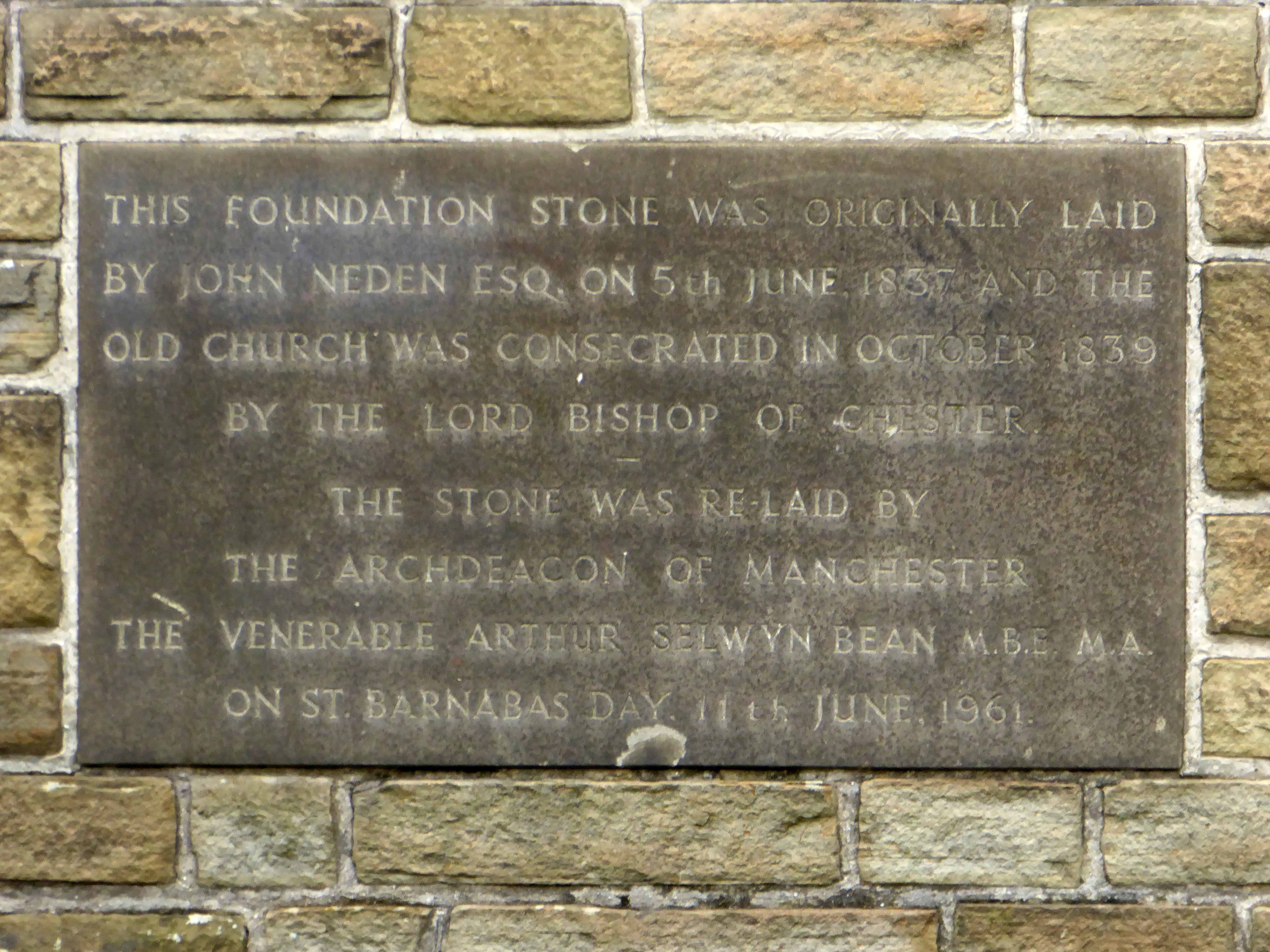
There has been a church here since 1837, there is still a church here.

Almost.

webmedia-1.php

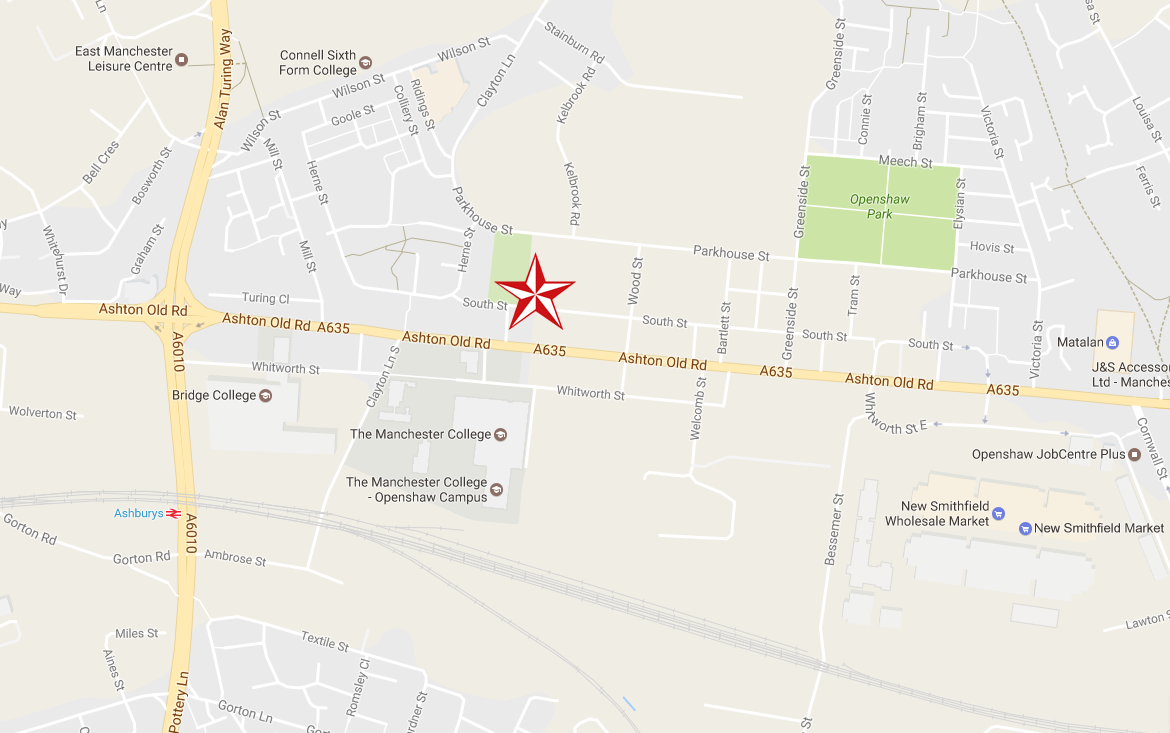
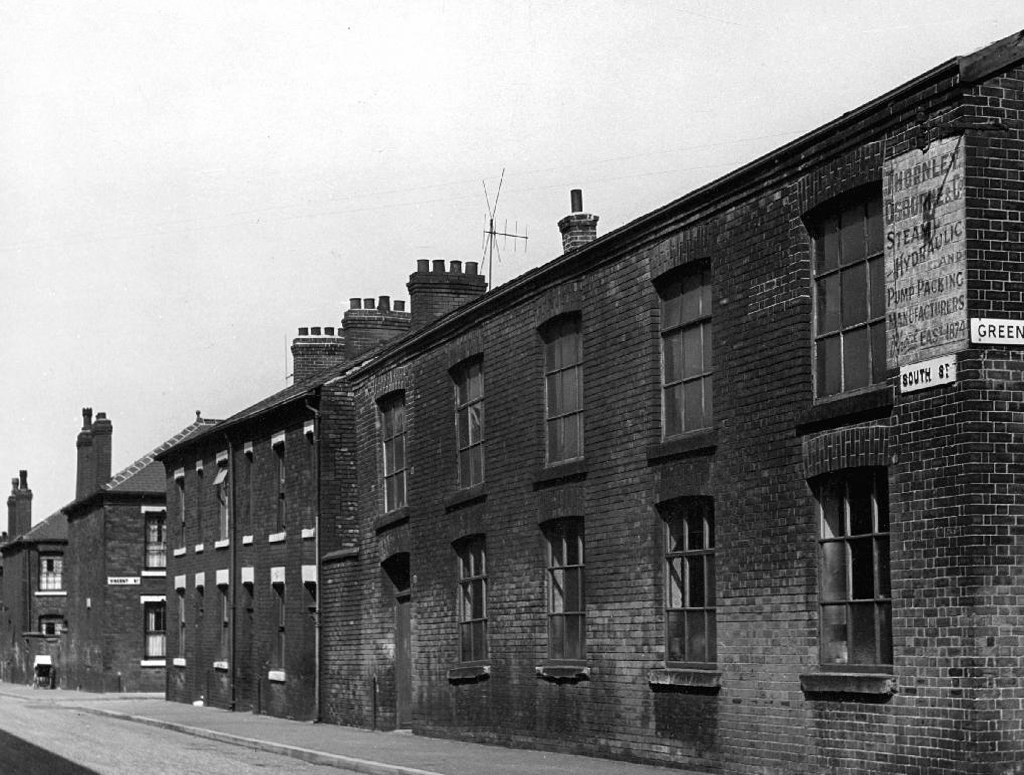
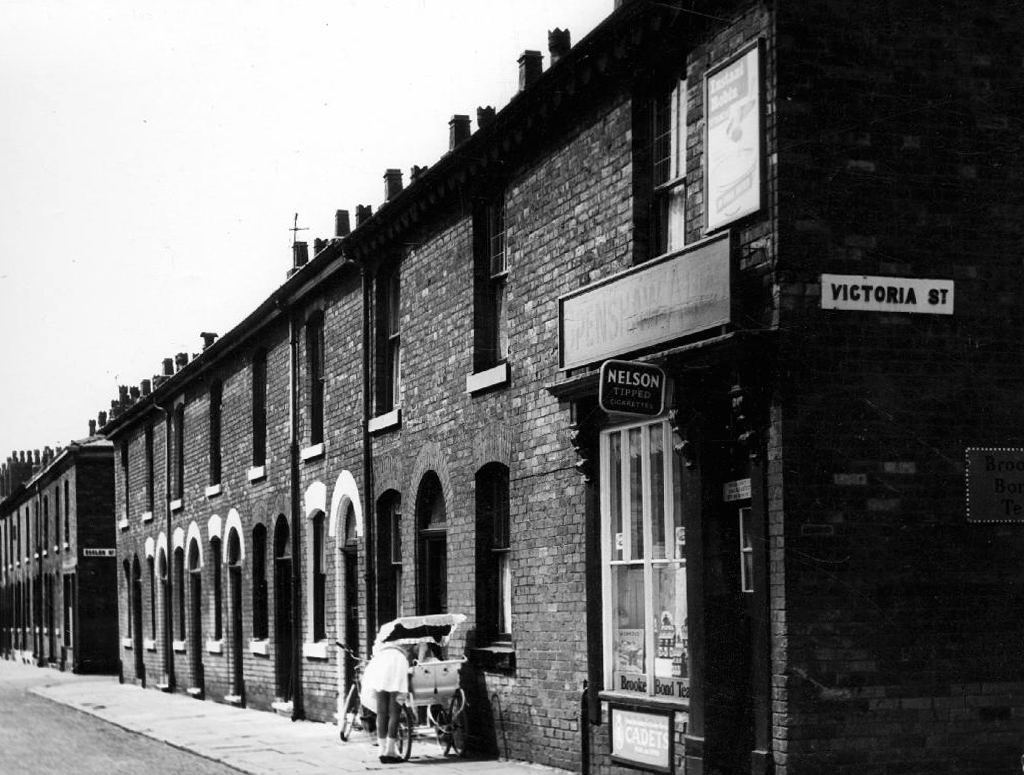
Openshaw in the 60s was still a busy community of terraced homes and their occupants, tumbling cheek by jowl with industry, both heavy and light.

webmedia.php copy

A tightly wrapped world of corner shops and sun-canopied Silver Cross prams.

webmedia-1.php copy

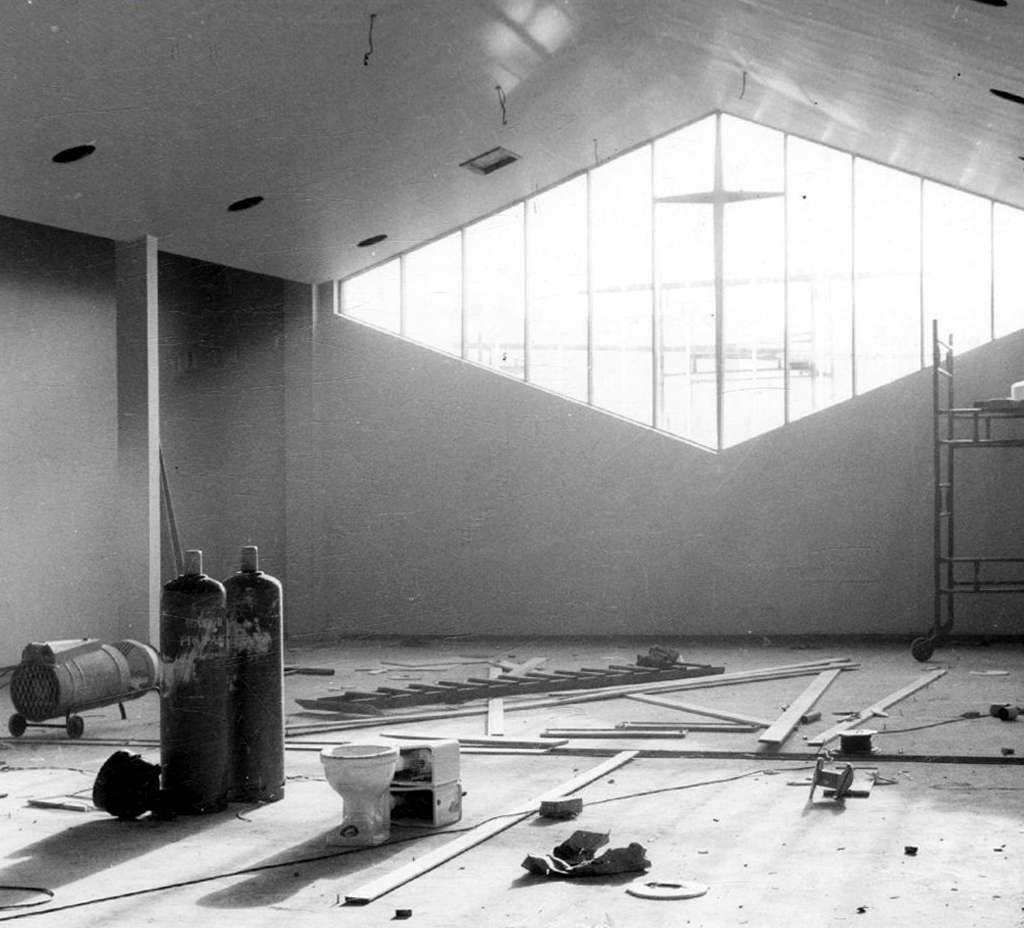
The original imposing, imperious St Barnabas’s was demolished, to be replaced by a sharper space age architecture, embodying a new age of optimism.

webmedia-2.php

webmedia-3.php

webmedia-6.php

webmedia-5.php

Photographs from the Manchester Image Archive

At the same time the soot-blackened Victorian terraces, are in part replaced by newer brick and block homes, the future seemed bright.

The industry however, once so invincible, both light and heavy, begins to disappear, becomes weightless, invisible.

Slowly the assured social cohesion of that new age comes unstuck.

When the doors of one St Barnabas’s close, likewise eventually another closes.

P1050899 copy

P1050900 copy

P1050901 copy

P1050904 copy

P1050905 copy

P1050907 copy

P1050910 copy

P1050911 copy

P1050912 copy

P1050914 copy

P1050915 copy

P1050916 copy

P1150211 copy

P1150212 copy

P1150218 copy

London Road aka Piccadilly Station – Manchester

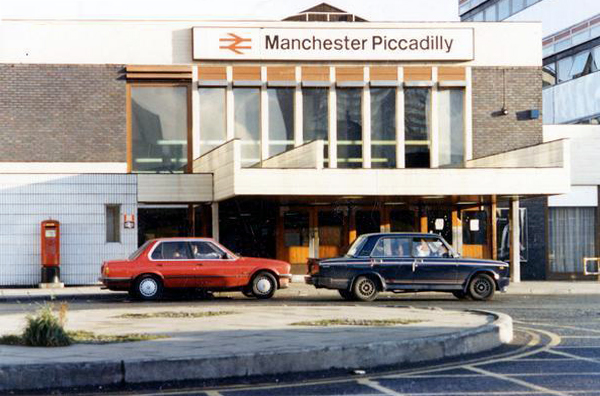
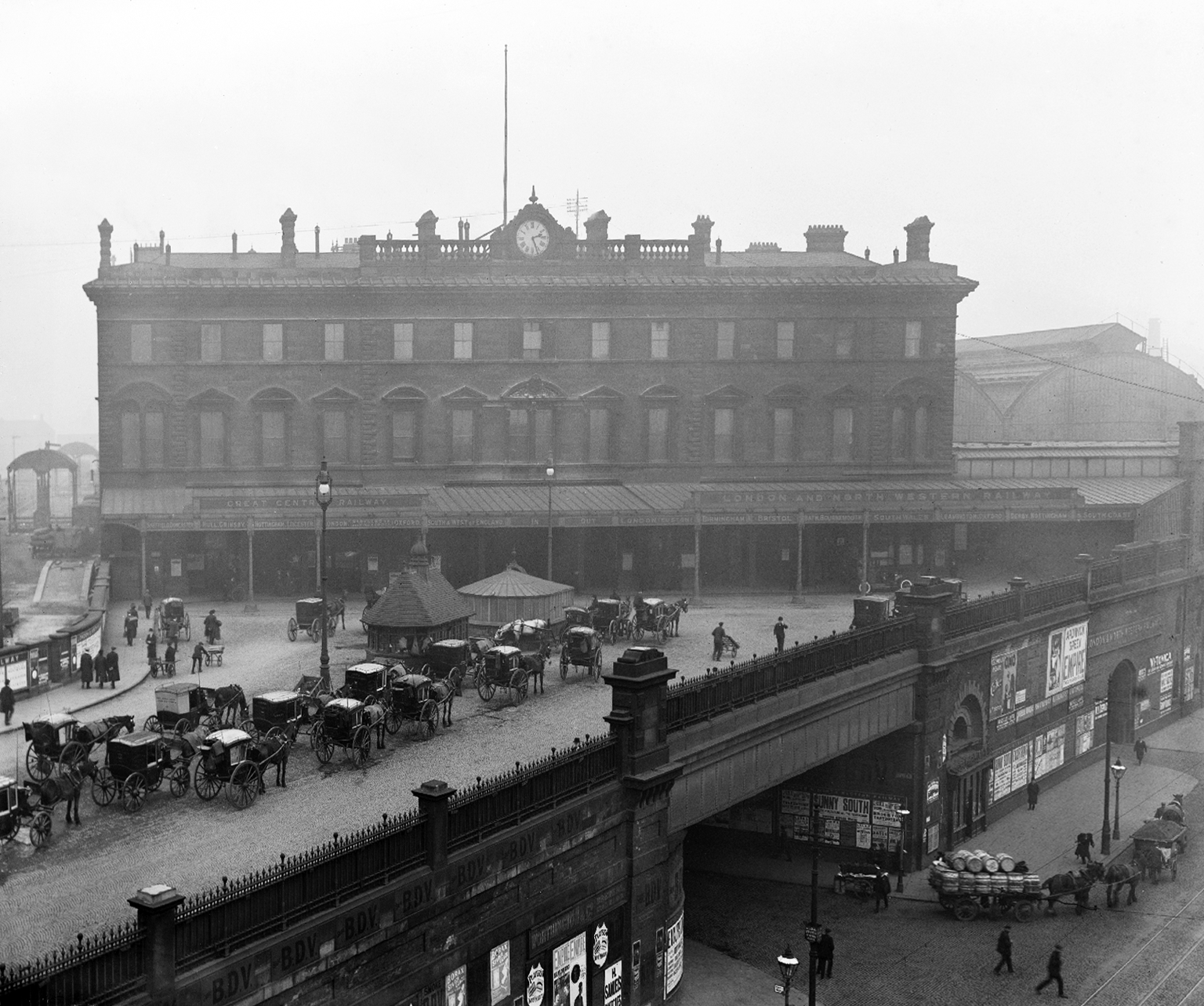
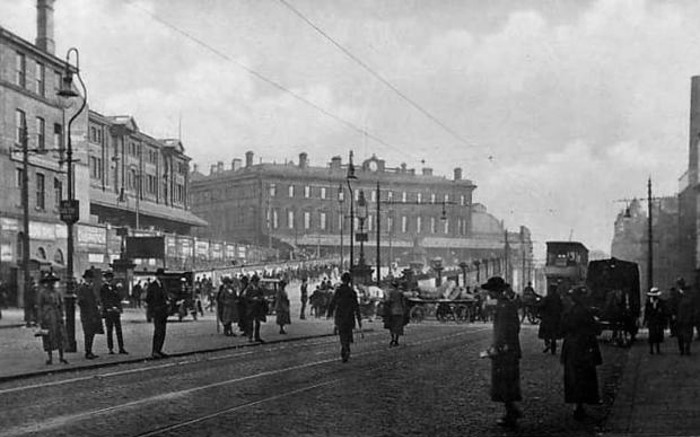
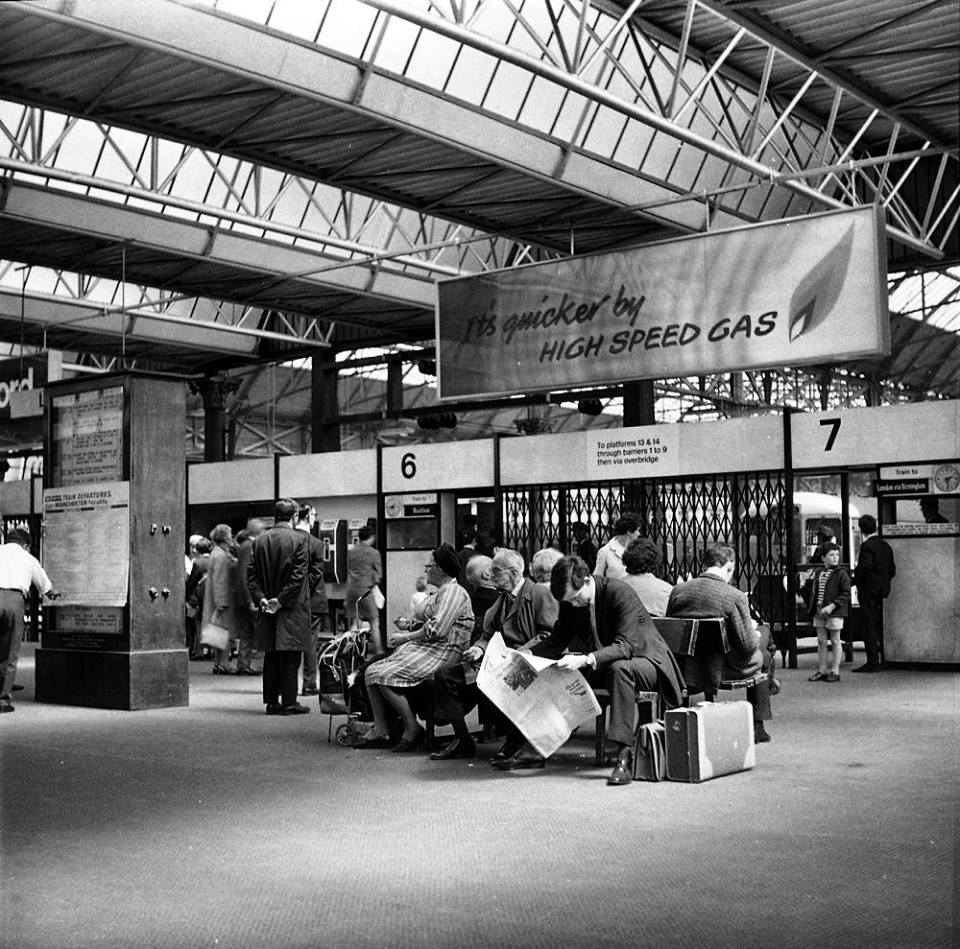
The station was originally built as Store Street Station by the Manchester and Birmingham Railway in 1842, before being renamed London Road Station in 1847.  It was shared by the Sheffield, Ashton-under-Lyne & Manchester Railway and it has been rebuilt and added to a number of times, with two news spans added to the train shed roof in 1881 and island platforms added linking to Manchester Oxford Road in 1882 (replacing two old Manchester, South Junction and Altrincham Railway platforms which were built next to the station).

1997-7409_lms_2969

An imposing classical façade with a substantial cast iron and glass train shed, the approach sloping up to the frontage, as of necessity the line entered the city on a raised trackbed.

Manchesterlondonroad_old_postcard

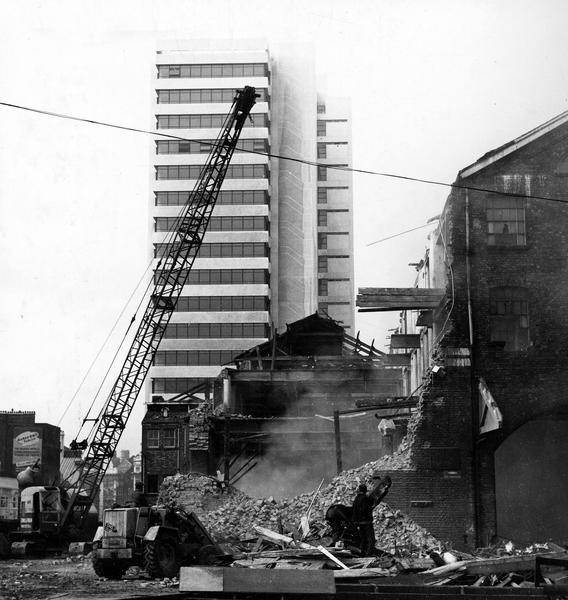
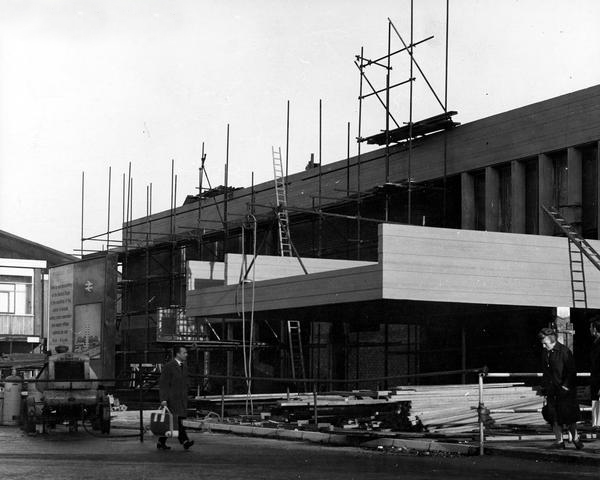
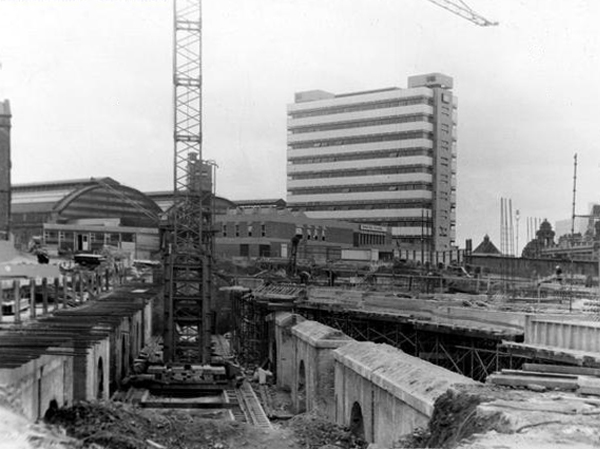
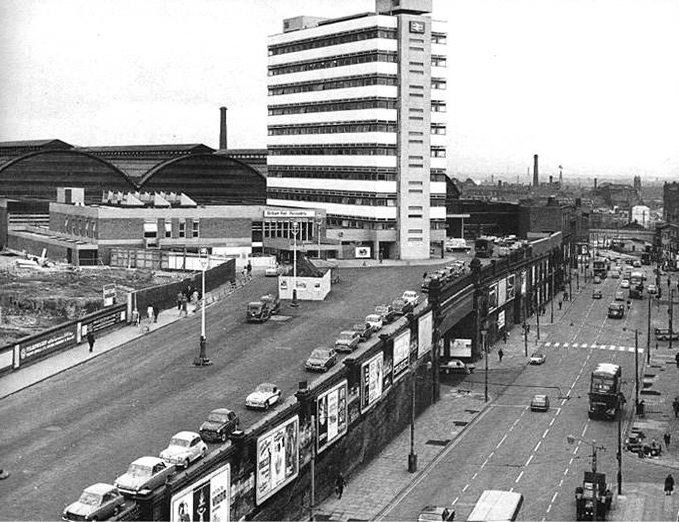
Initially the approach was lined with railway warehousing, subsequently demolished to make way for the redevelopments of the 1960s.

webmedia-5.php

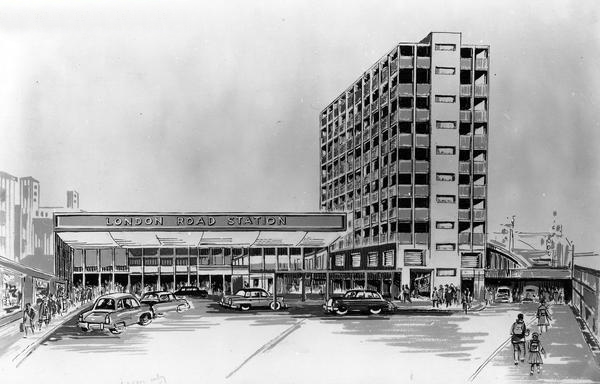
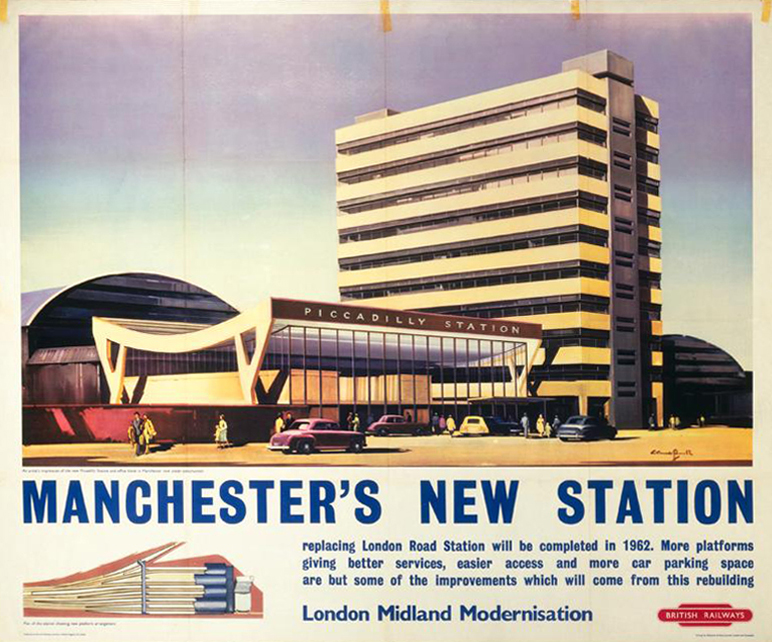
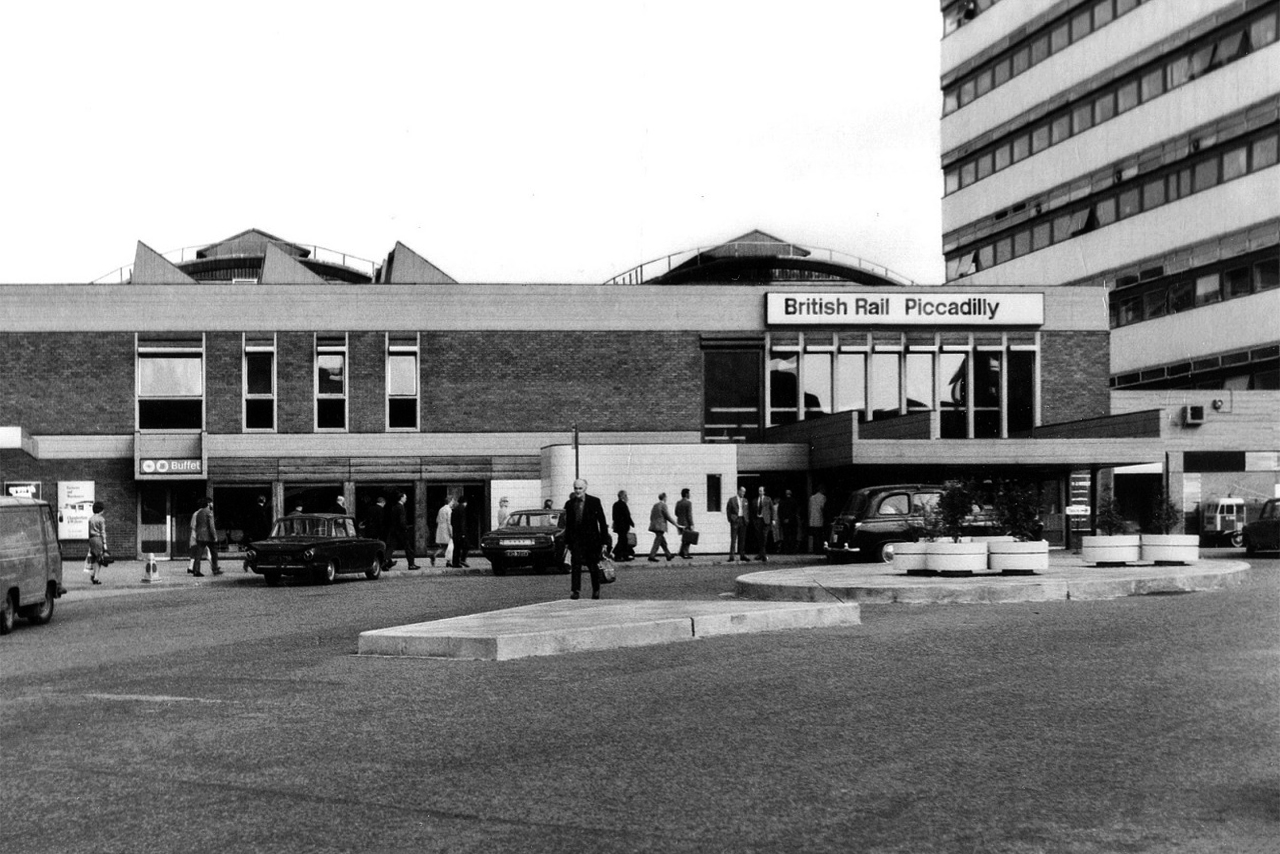
Detailed plans are made to reshape the station concourse and entrance.

webmedia-2.php
1997-9266

Dreams are turned into reality, as near as makes no difference.

webmedia-6.php
webmedia-8.php
tumblr_npa35mFqXm1rr41pto1_1280

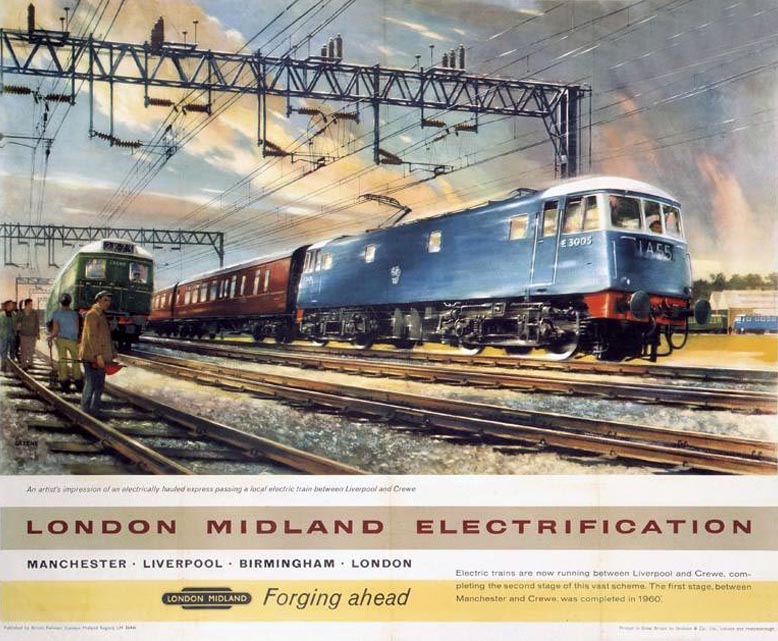
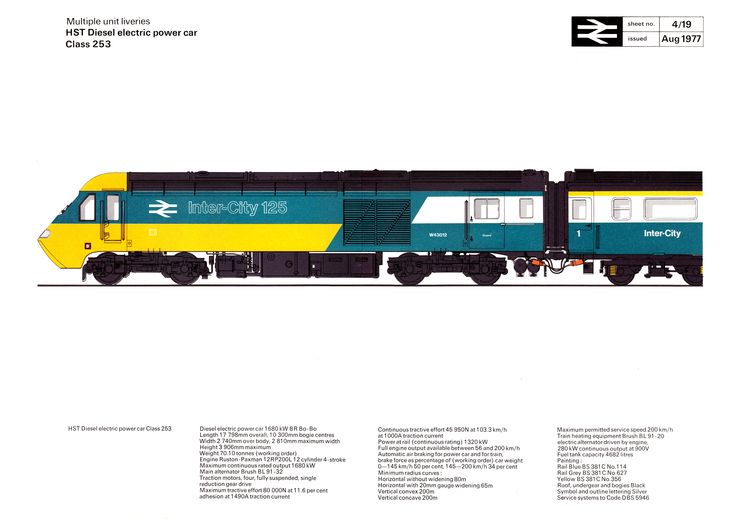
The newly electrified lines opening up the city to a world of high speed intercity travel.

0000-0-a-nmsi-wcml-electric-1

The Krays it seems were deemed to be unwelcome visitors, everyone else came and went, met with equanimity and a bright new modernist vista.

tumblr_mhwtgsHJhN1rr41pto1_1280

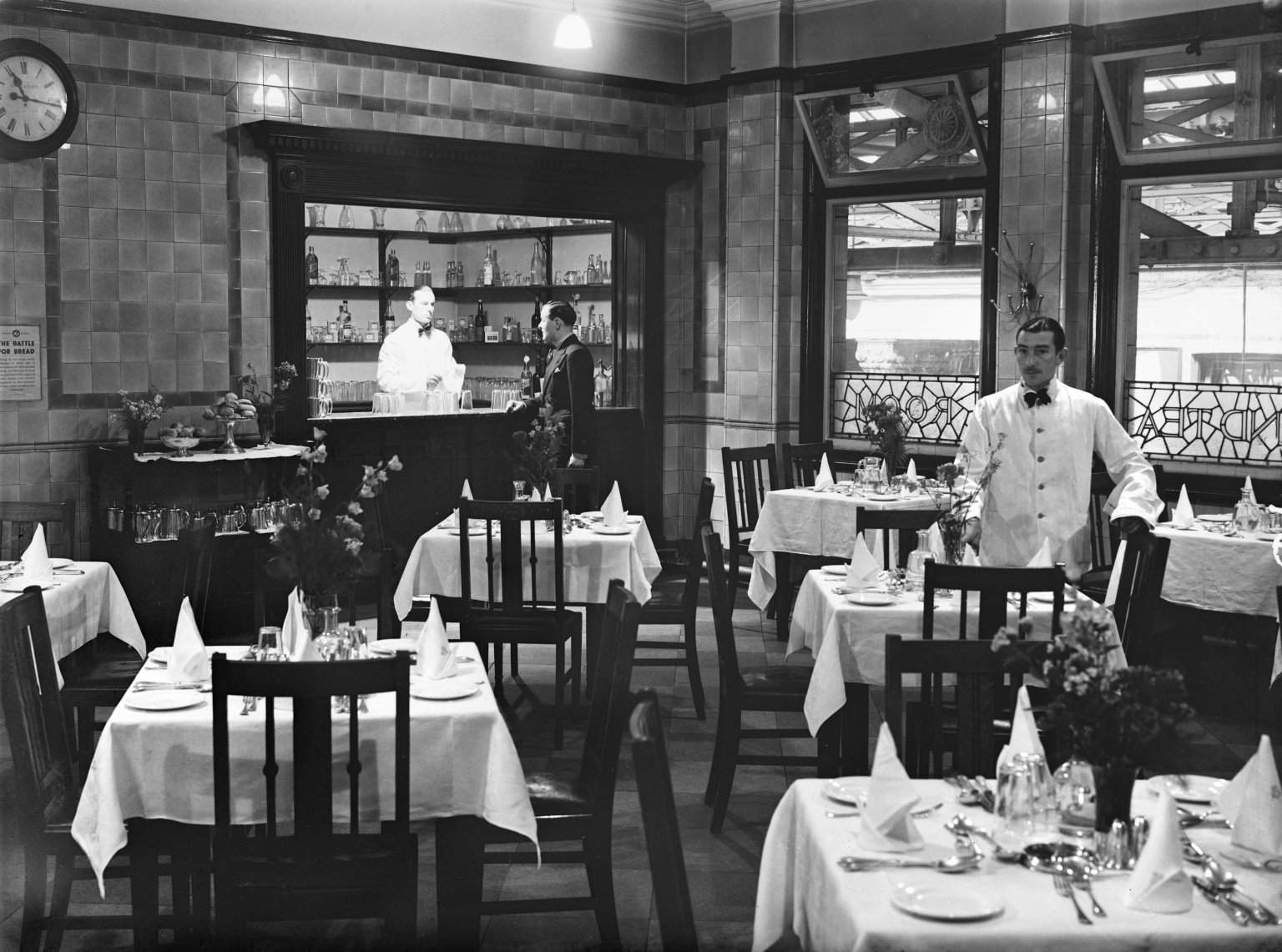
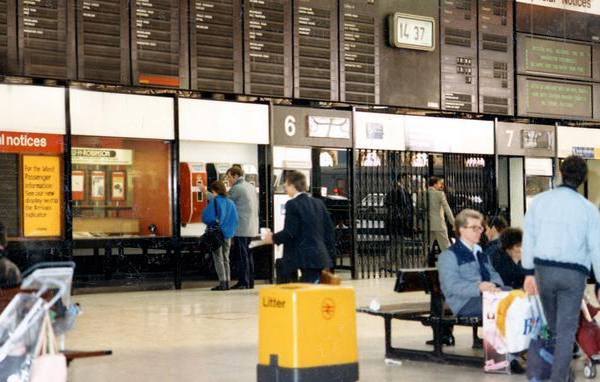
The brand new shiny buffet replaces the archaic dining rooms, as Brylcreemed, bow tied and moustachioed waiters are consigned to the scrapheap of history.

1995-7233_livst_hr_76

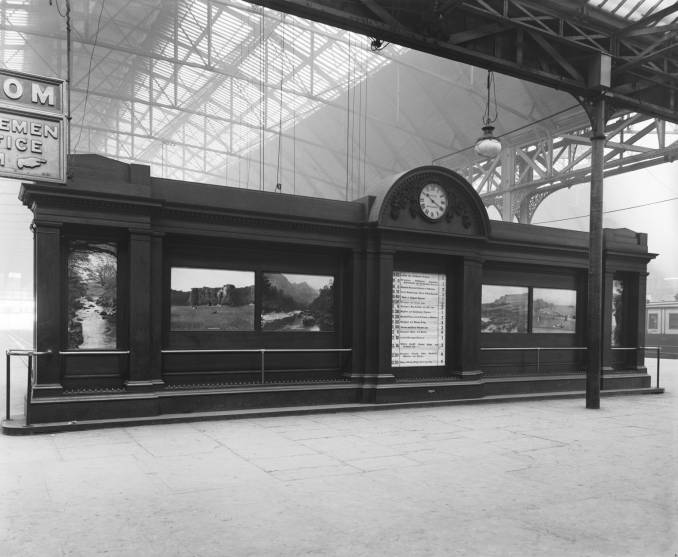
Likewise the gloomy destination boards – out with the old!

1997-7409_LMS_2972

And in with the new.

webmedia-11.php
piccadilly

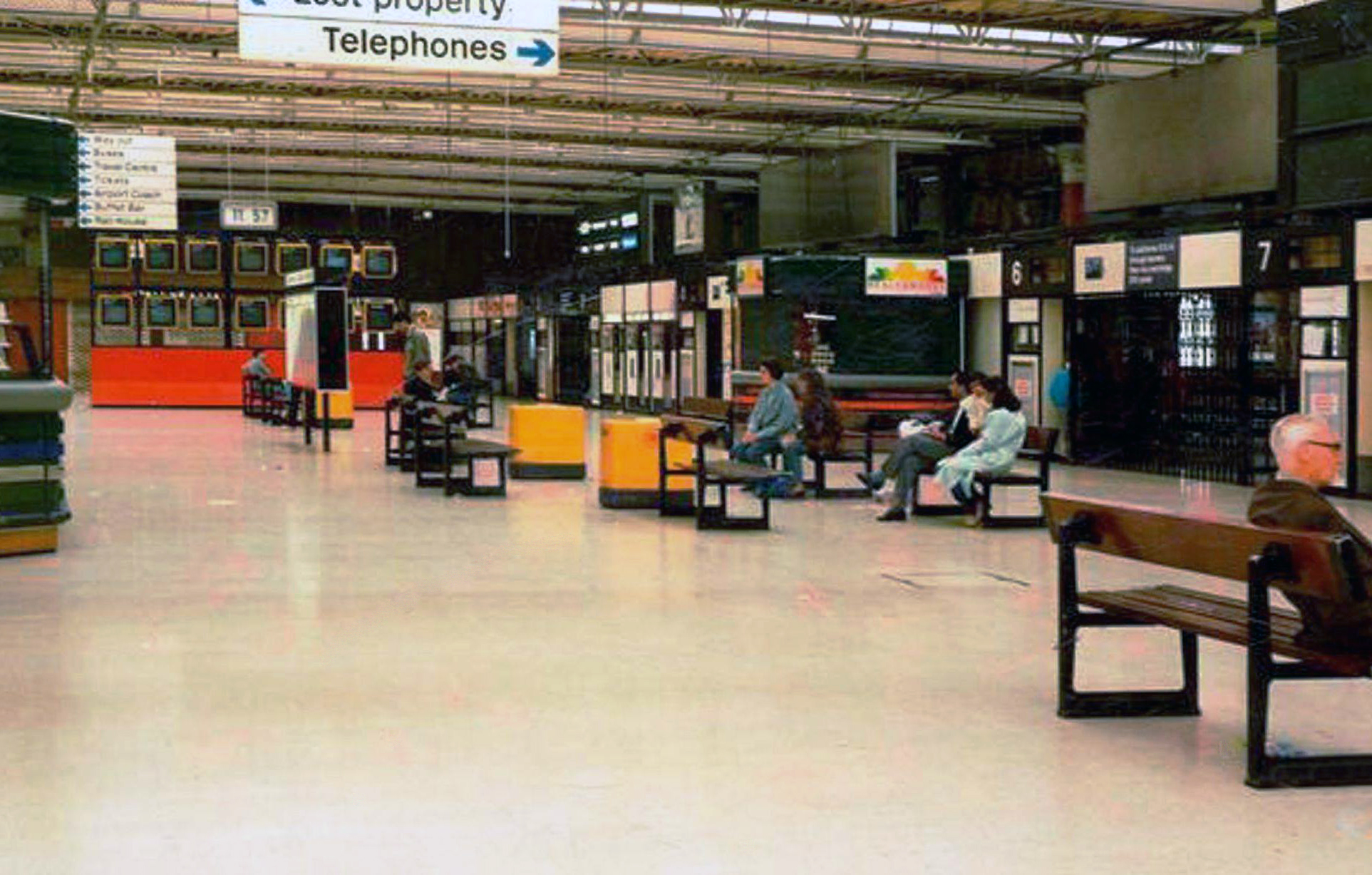
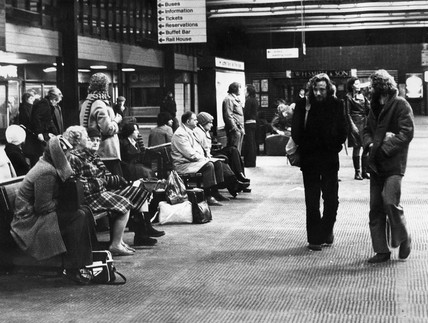
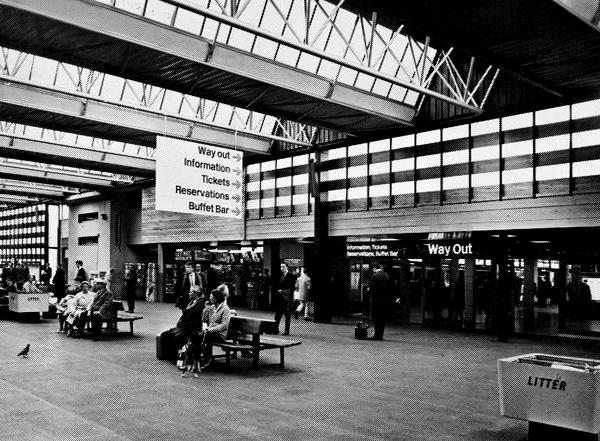
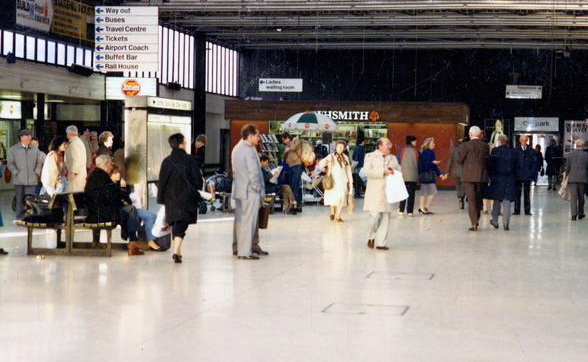
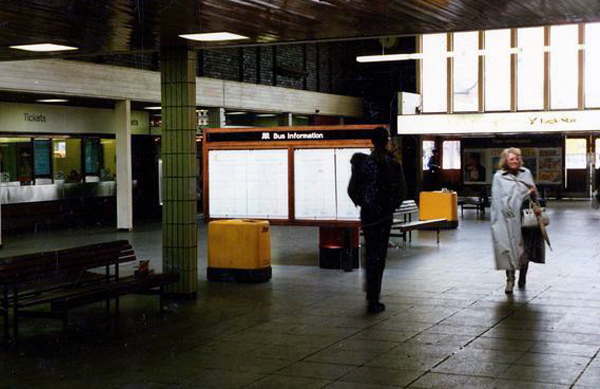
We have a fully integrated modern interior to deal with the modern passengers’ every need – including crystal clear signage, seating and bins.

114900
webmedia.php
34483218_10216677058538309_3758328904939470848_n
114899
webmedia-12.php
webmedia-14.php

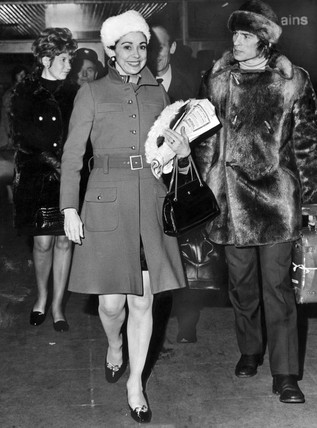
Stars of screen and stage are guided through with consummate ease, Margot Fonteyn and Rudolf Nureyev in his brand new baby seal skin coat arrive in 1968 to dance Swan Lake at the Palace.

128088

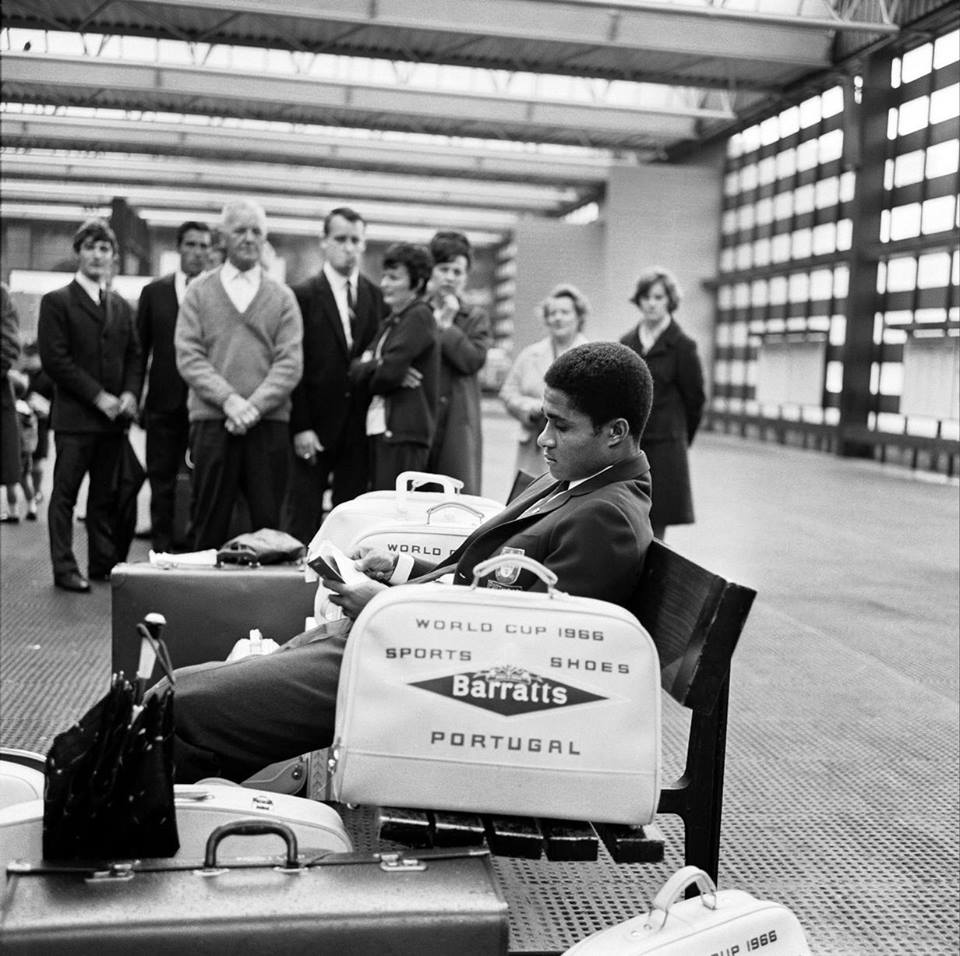
Esteemed footballer Eusebio on his travels during the 1966 World Cup.

Eusebio

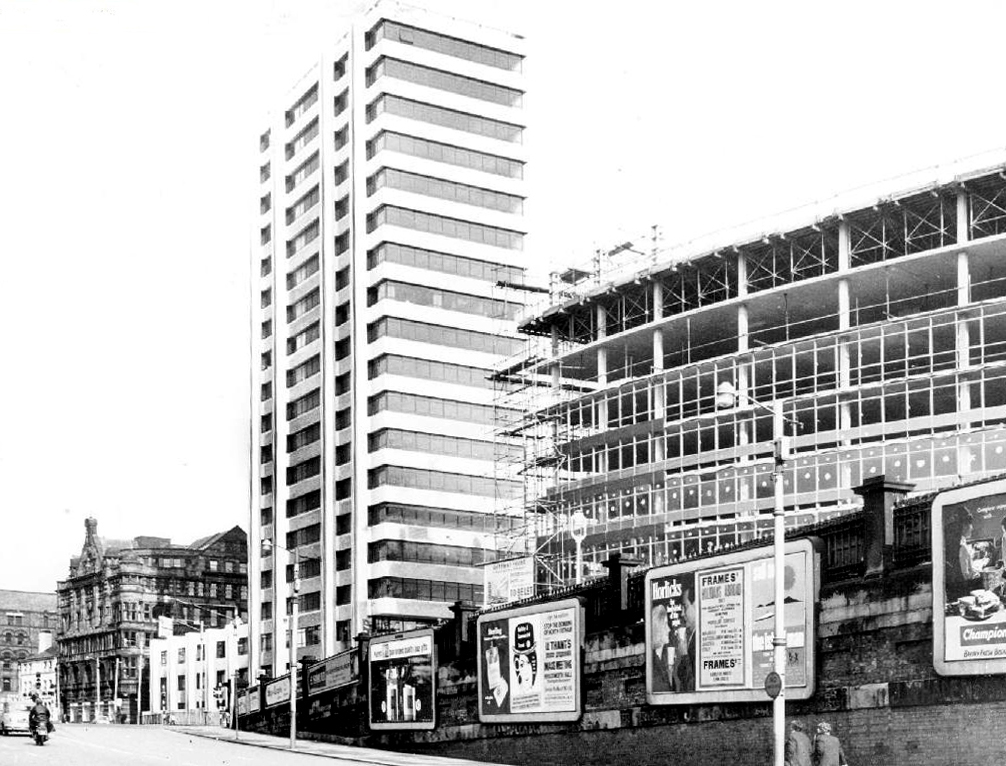
In 1969 Gateway House arrives, Richard Sieffert & Partners wavy hello and goodbye to  Manchester’s premier railway station.

webmedia-17.php

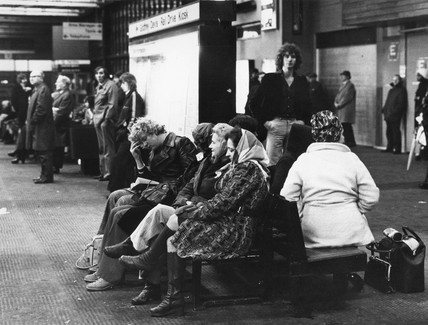
Piccadilly has now seen several revamps, the concourse an exercise in contemporary cluttered retail/airport chic, a 125mph Pendolino journey away from the carefully considered internal order of yesteryear.

Who knows what the future holds?

HS2 to name but one – sit back let the train take the strain.

bdb45994802efc2dffc5f6d4b13b0f78

Archival images Manchester Local Image Collection

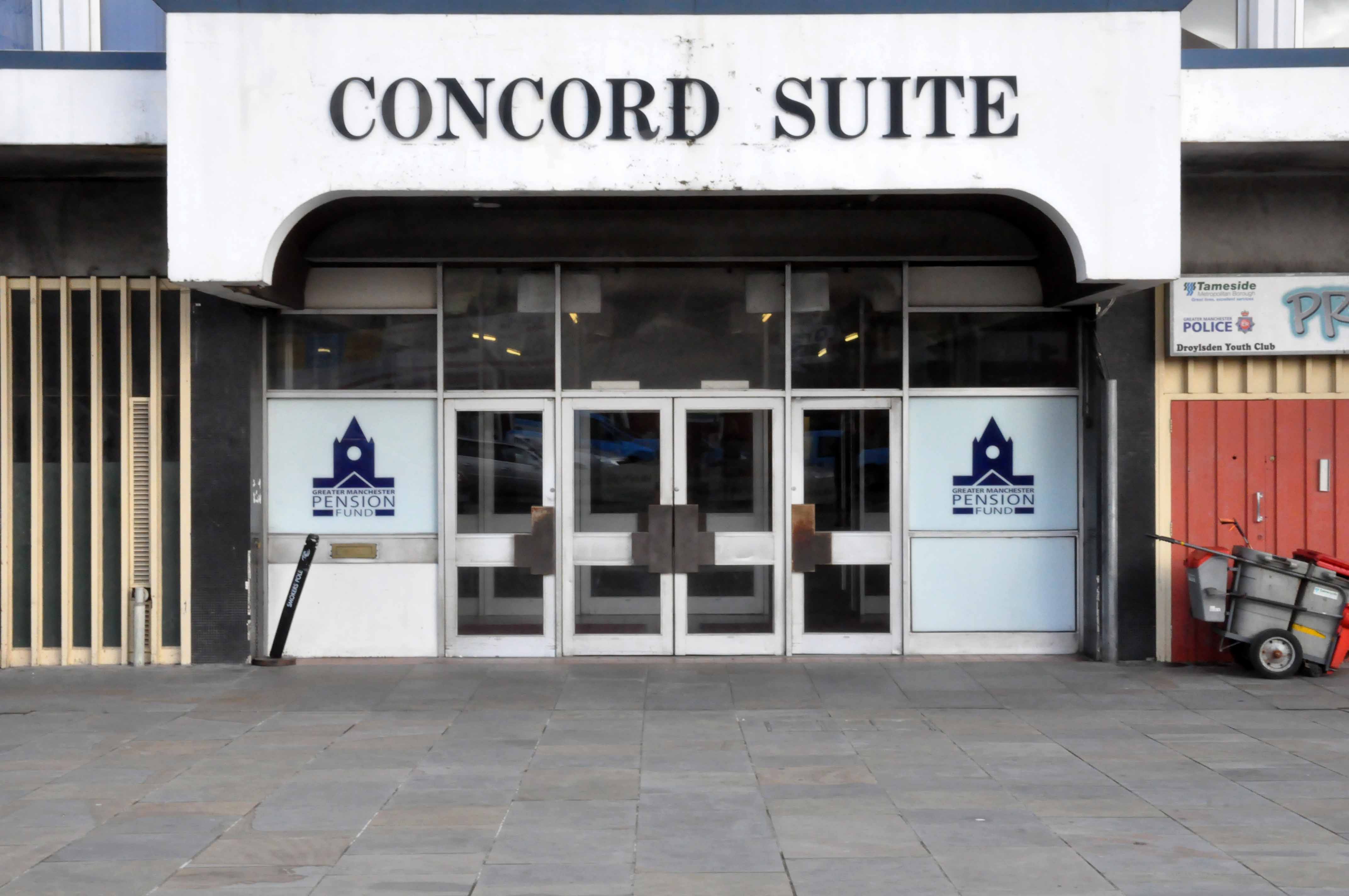
Concord Suite – Droylsden

There is little or no reference to this fine building on the whole world wide web – the wise people of Wikipedia tell us –

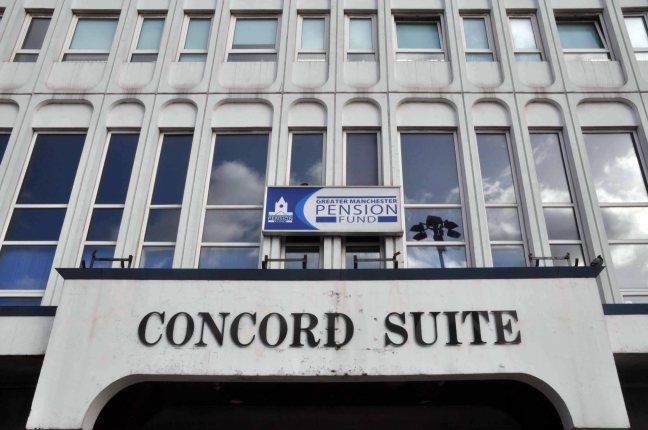
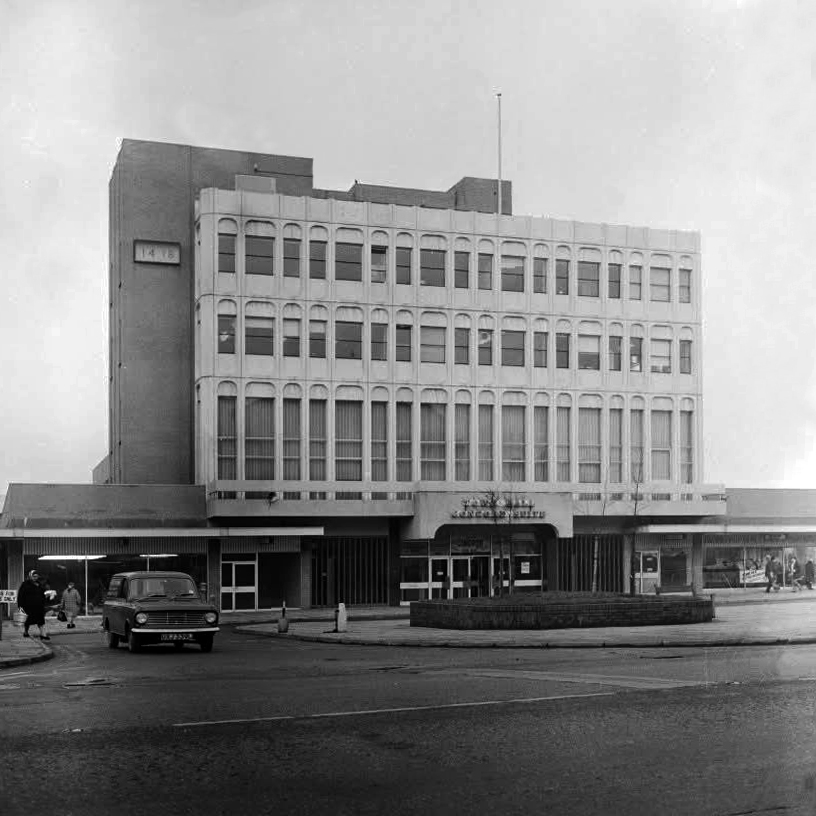
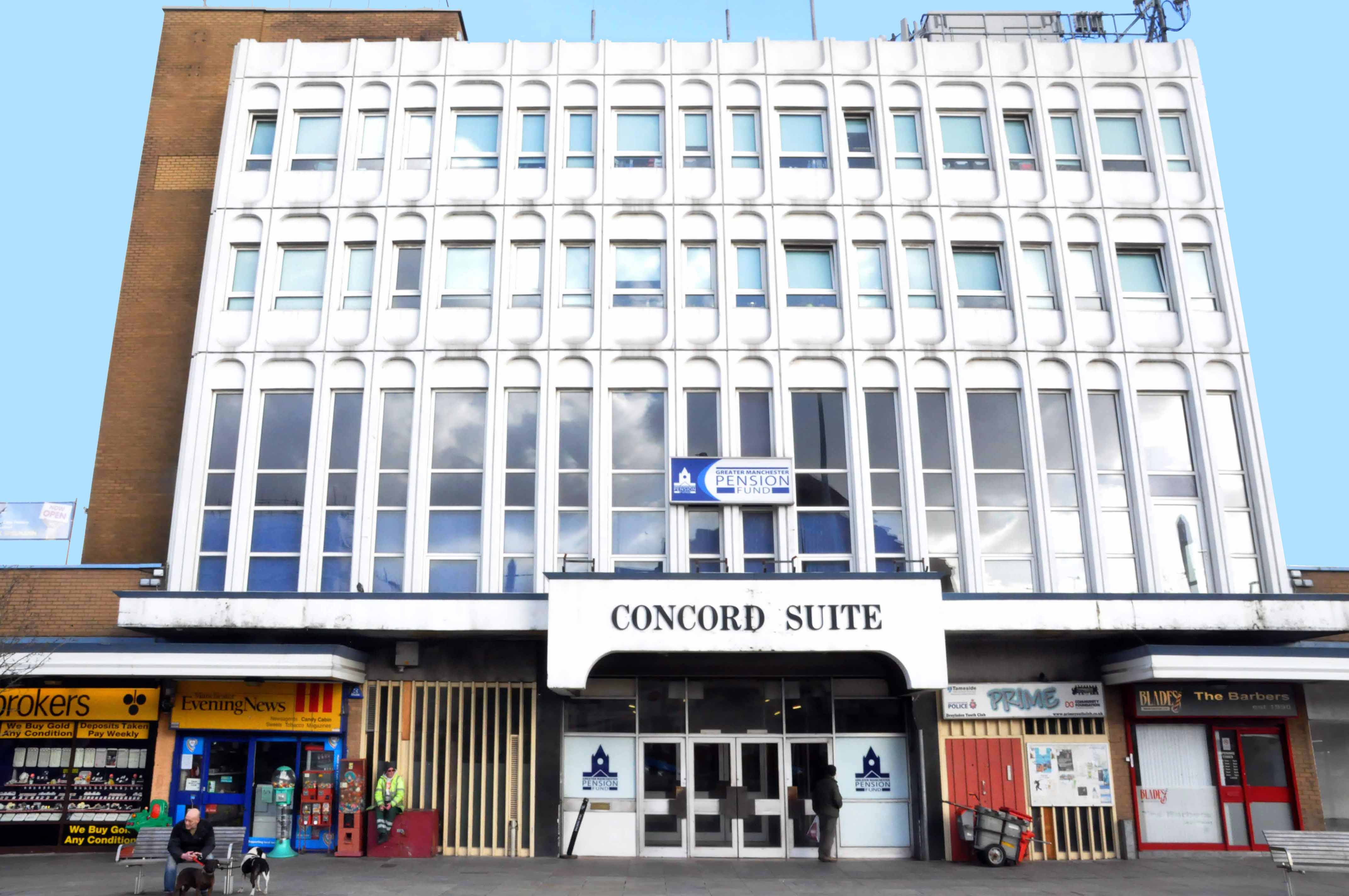
The Concord Suite was built in the early 1970’s to house Droylsden Council. The word Concord comes from the town’s motto Concordia, meaning harmony.

Today’s visit reveals the hard facts!

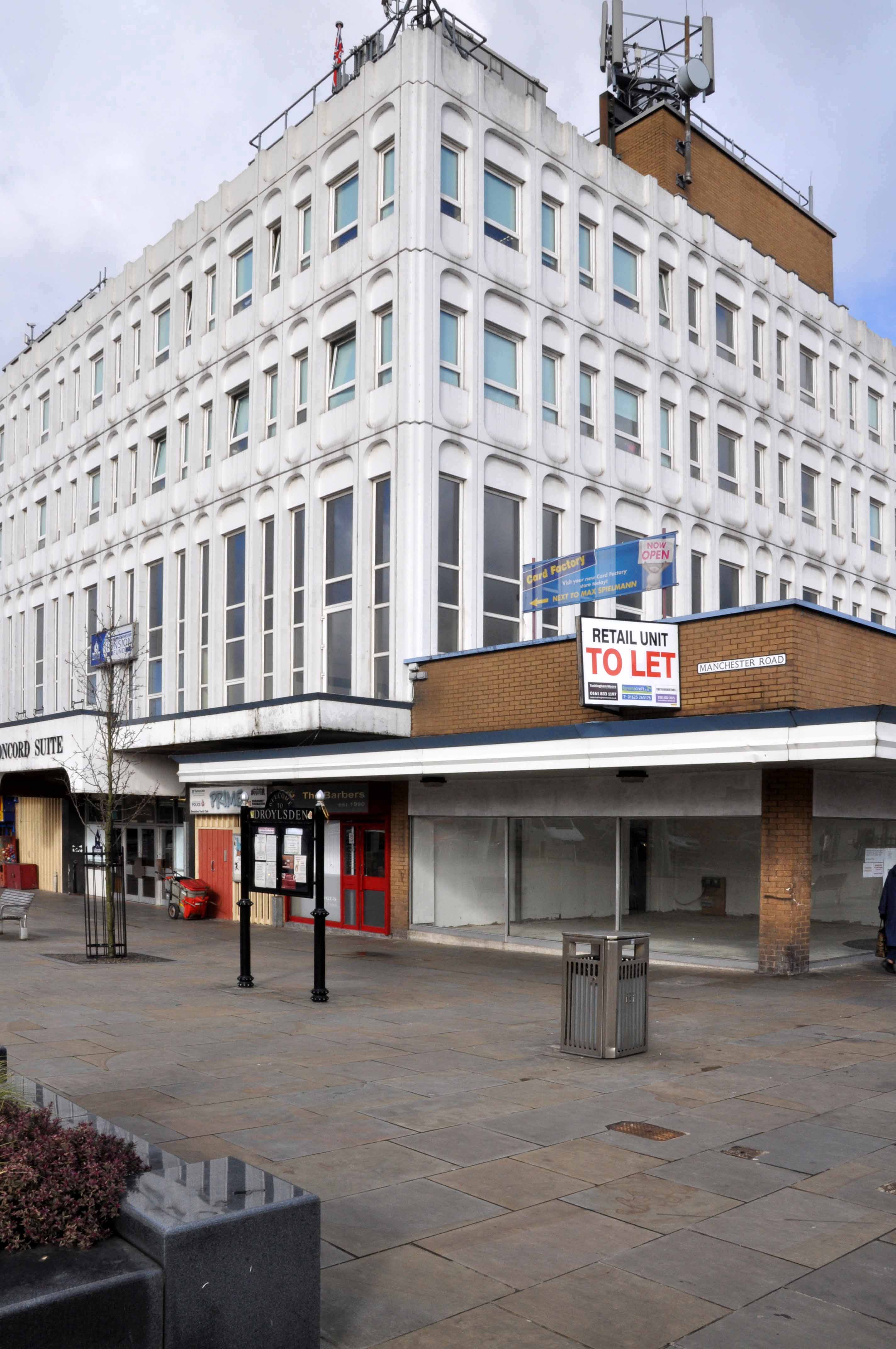
Architects: Bernard Engle & Partners – who are also responsible for Merseyway in Stockport.

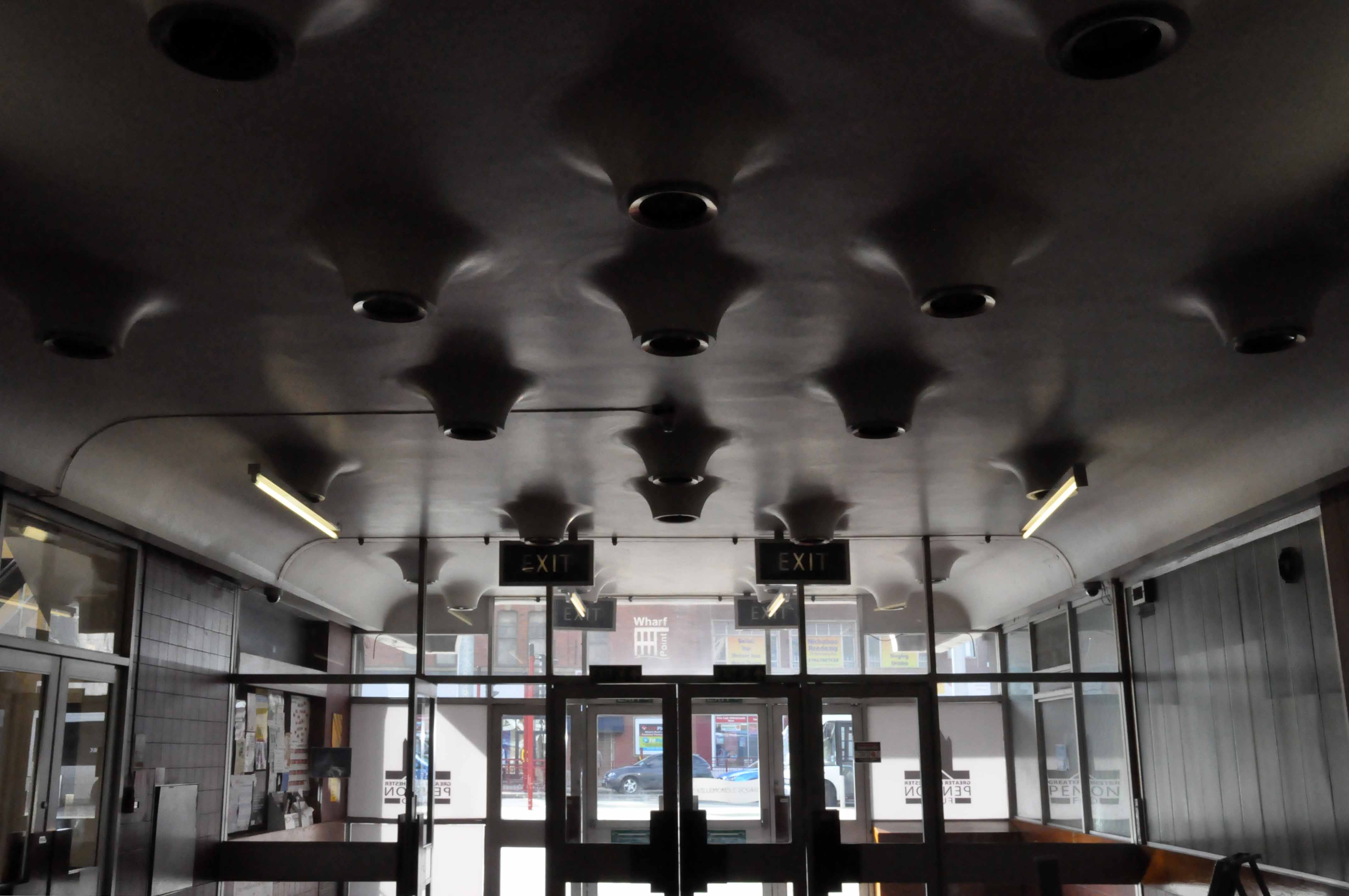
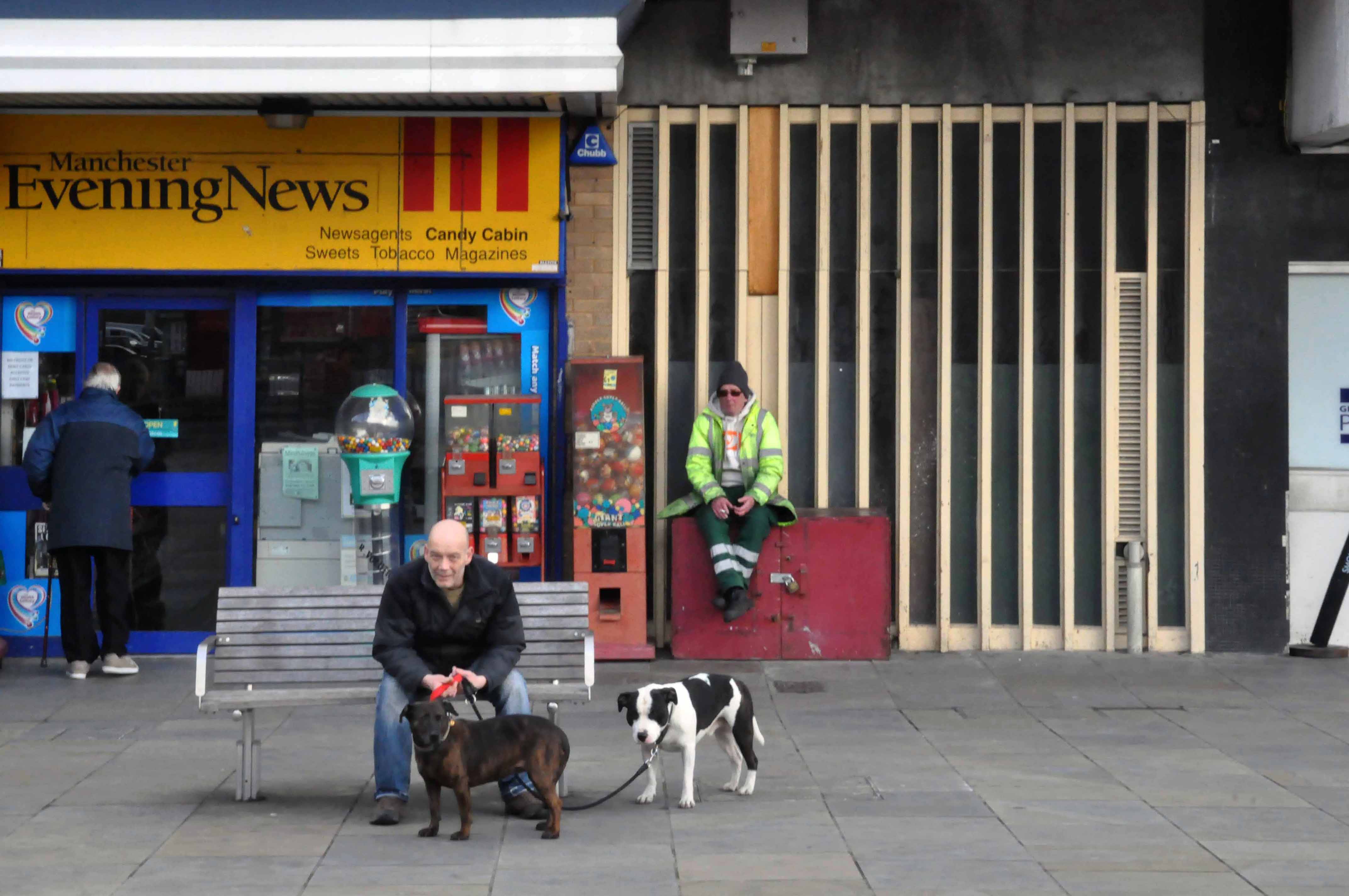
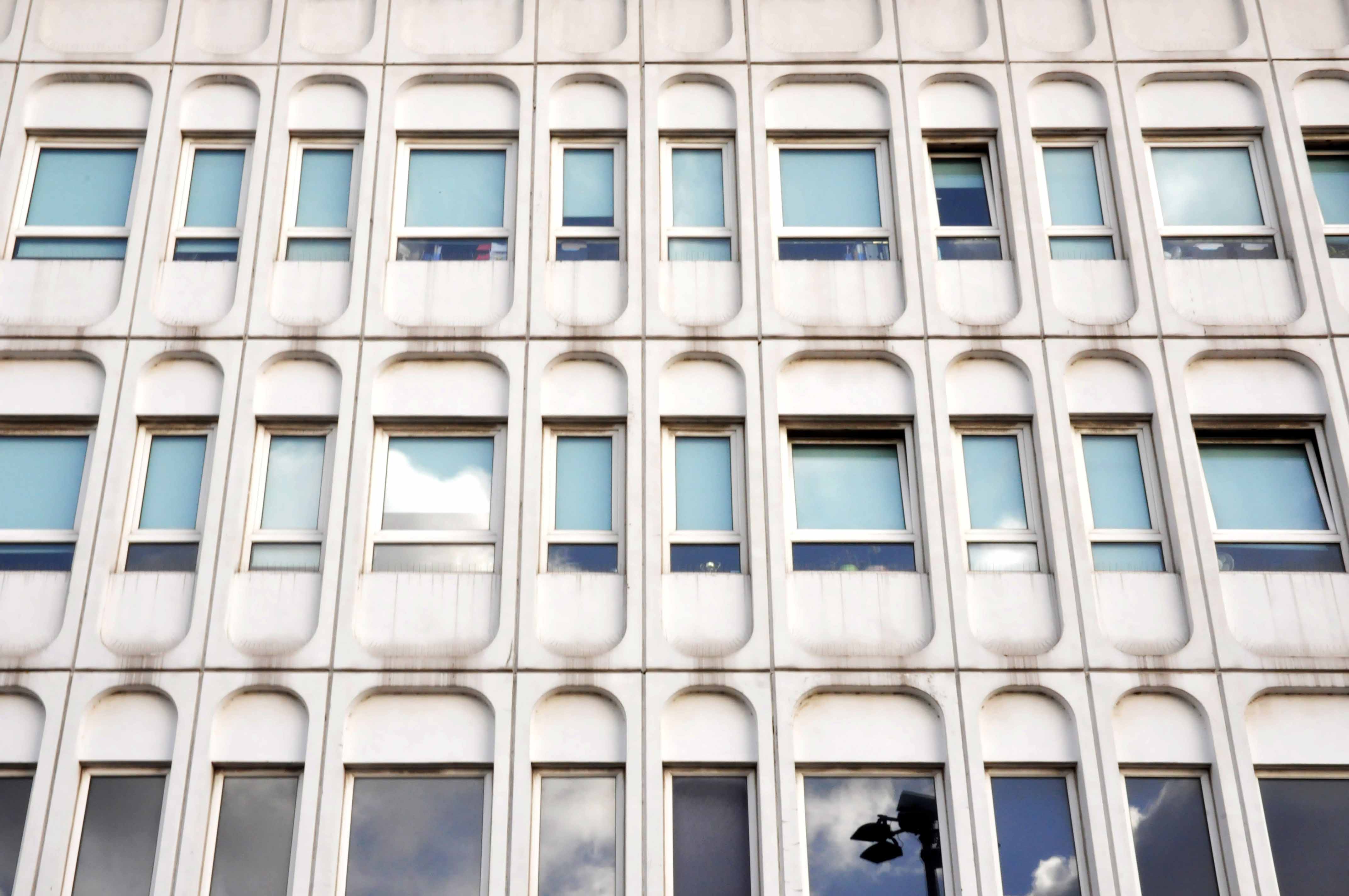
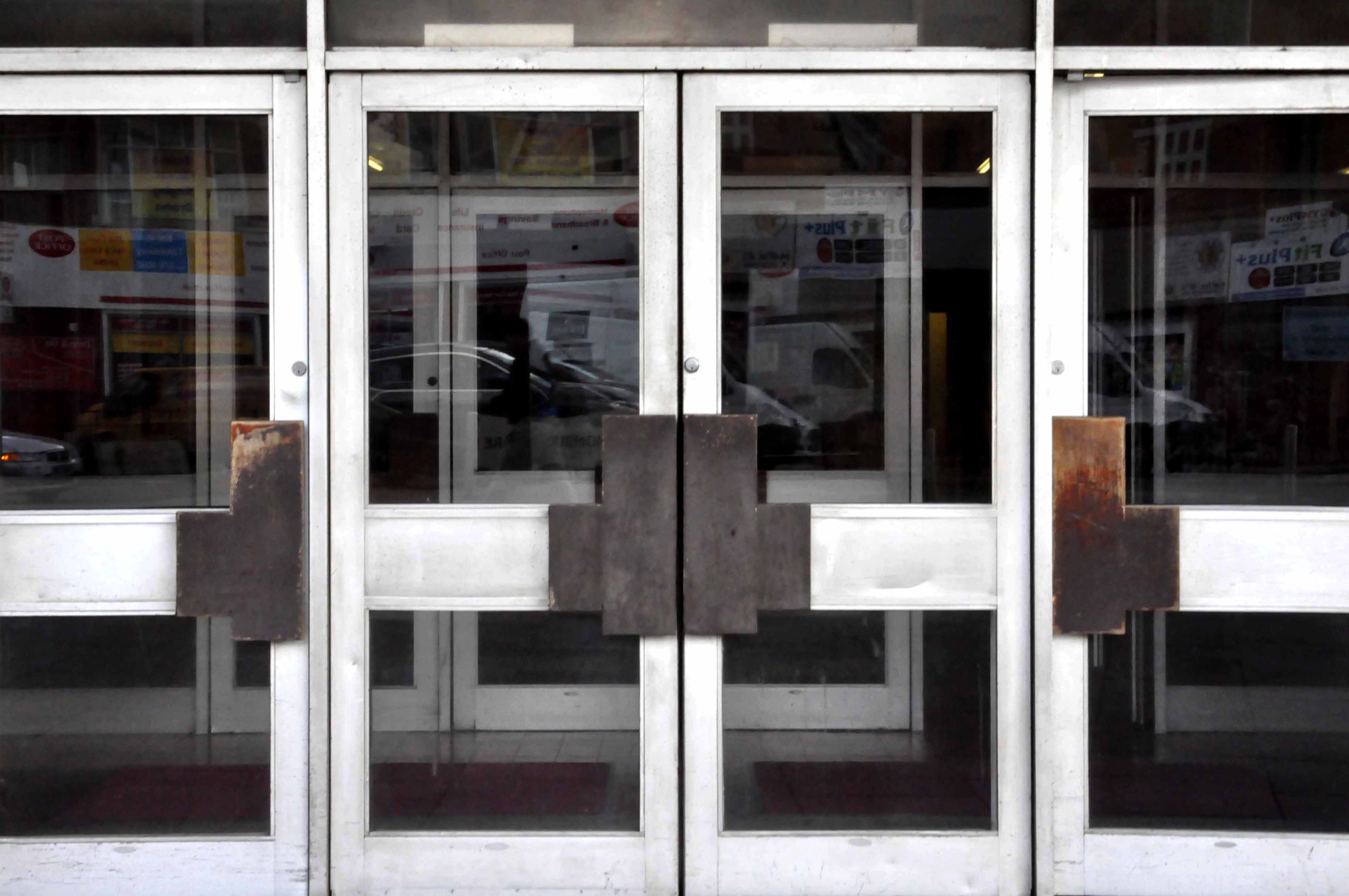
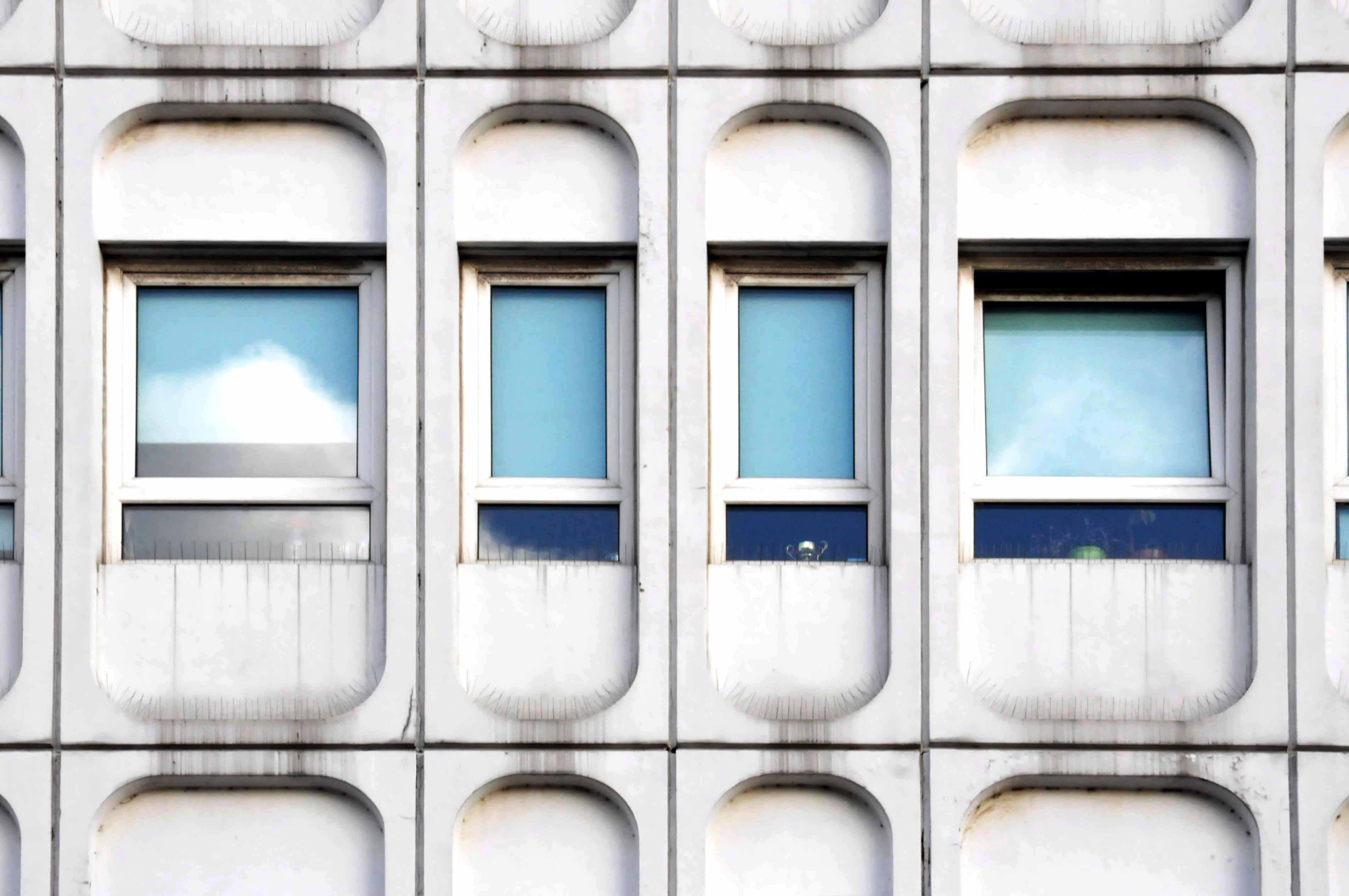
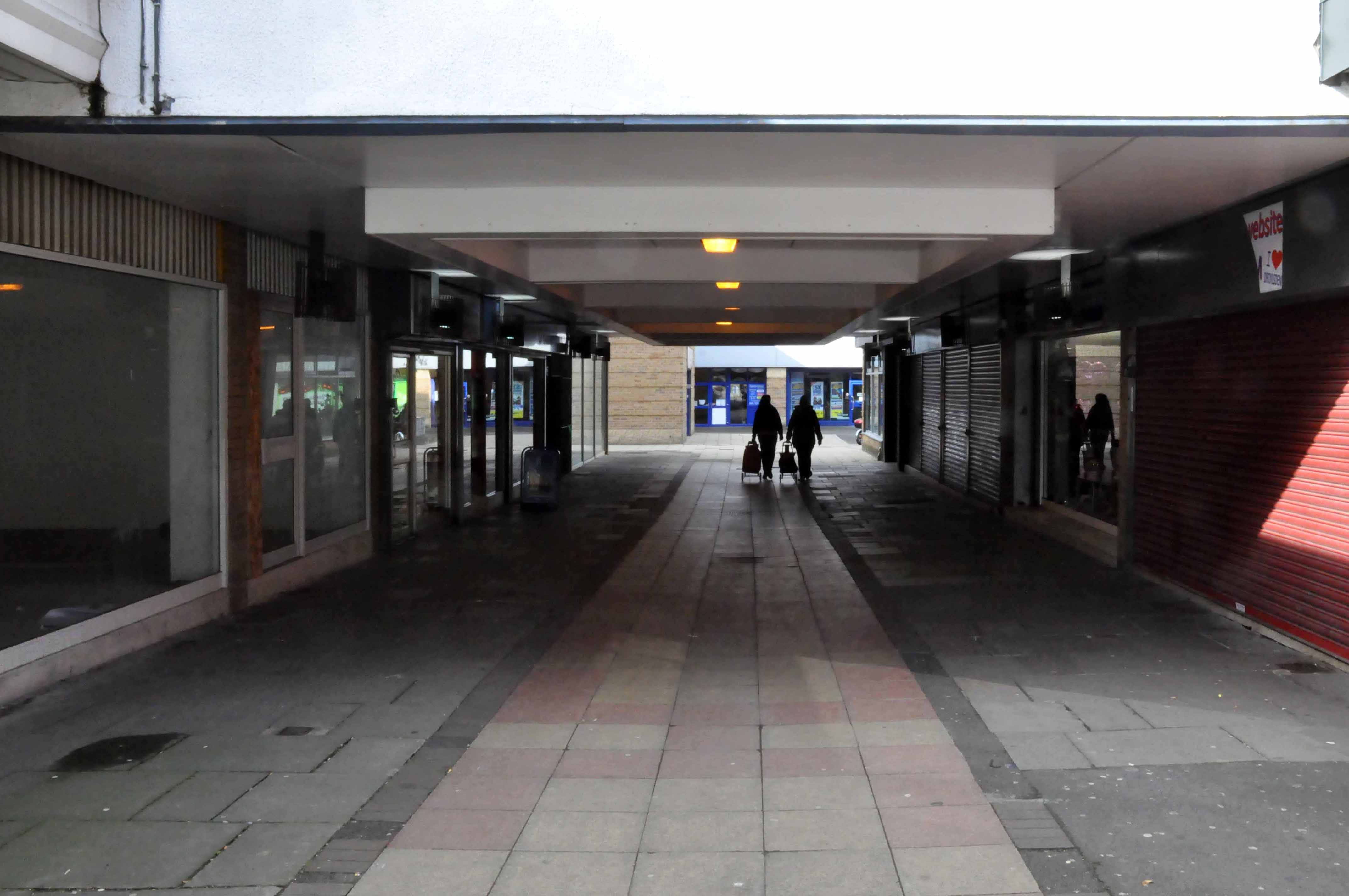
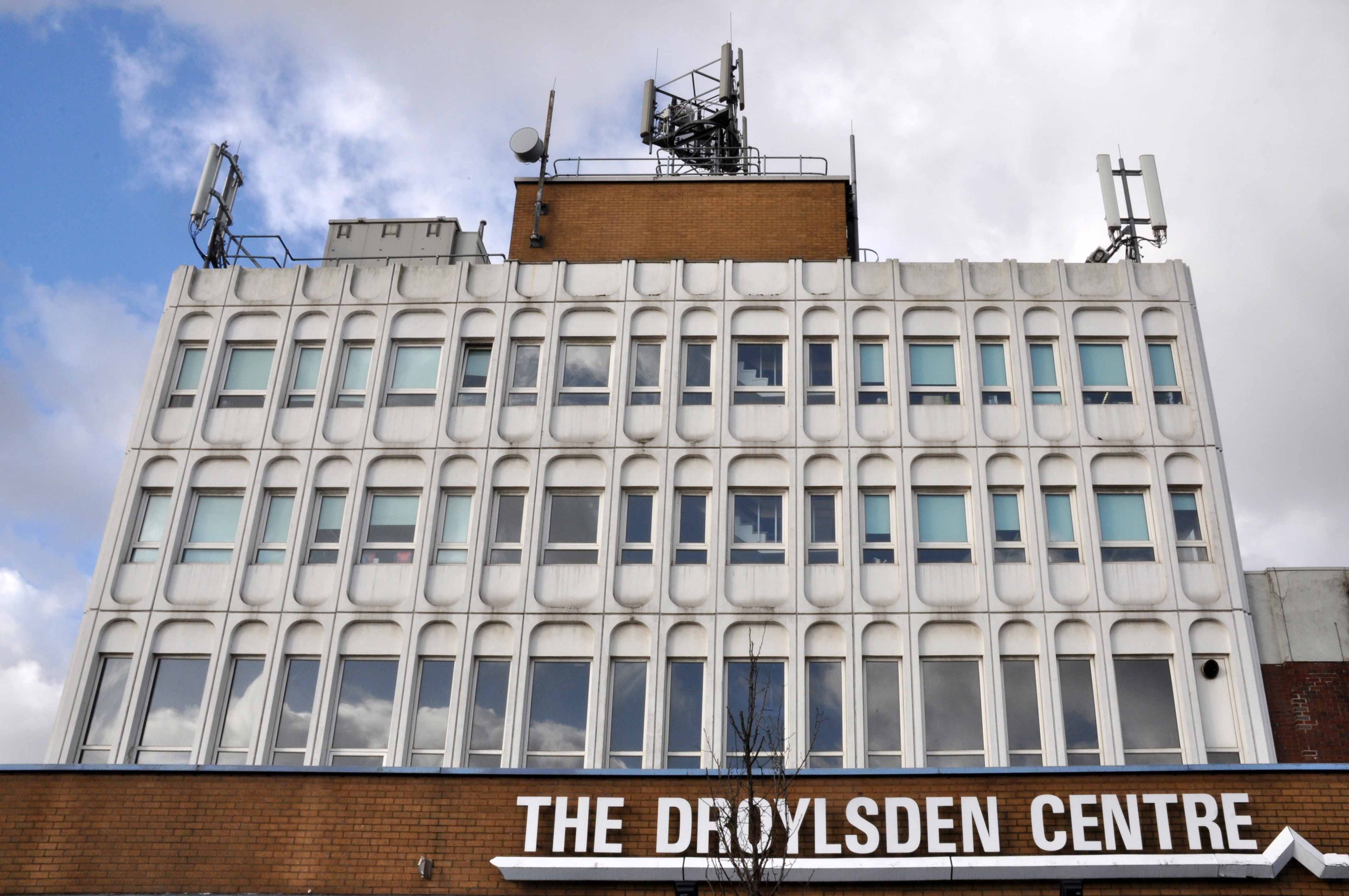
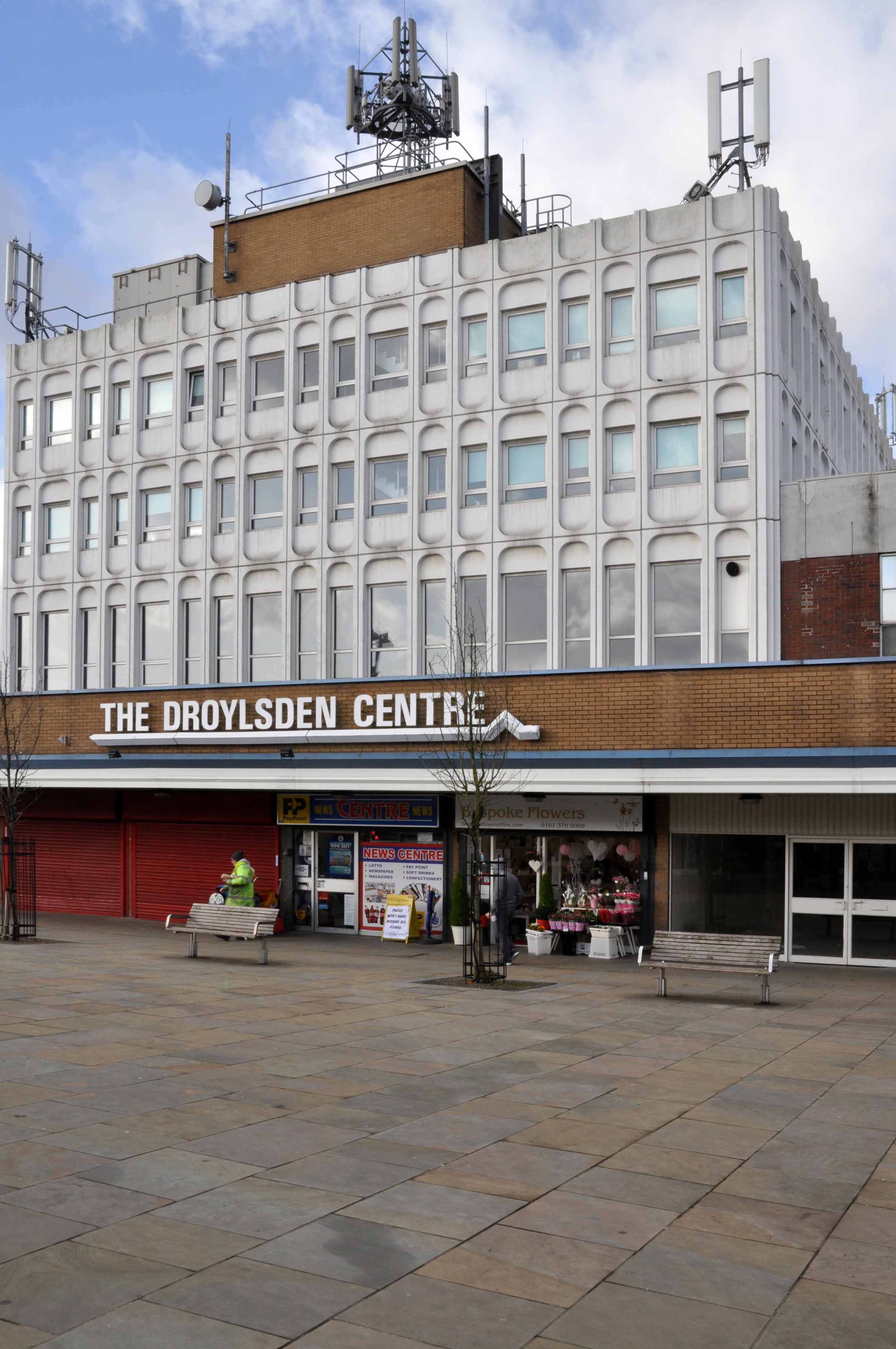
I’ve passed by for almost all of its life, marvelling at its white modular space age panels. The wide paved piazza frontage affords the lucky viewer a full appreciation of its futuristic whole, a giddy mix of brick, glass and concrete optimism. Civic architecture has never seemed so sunny.

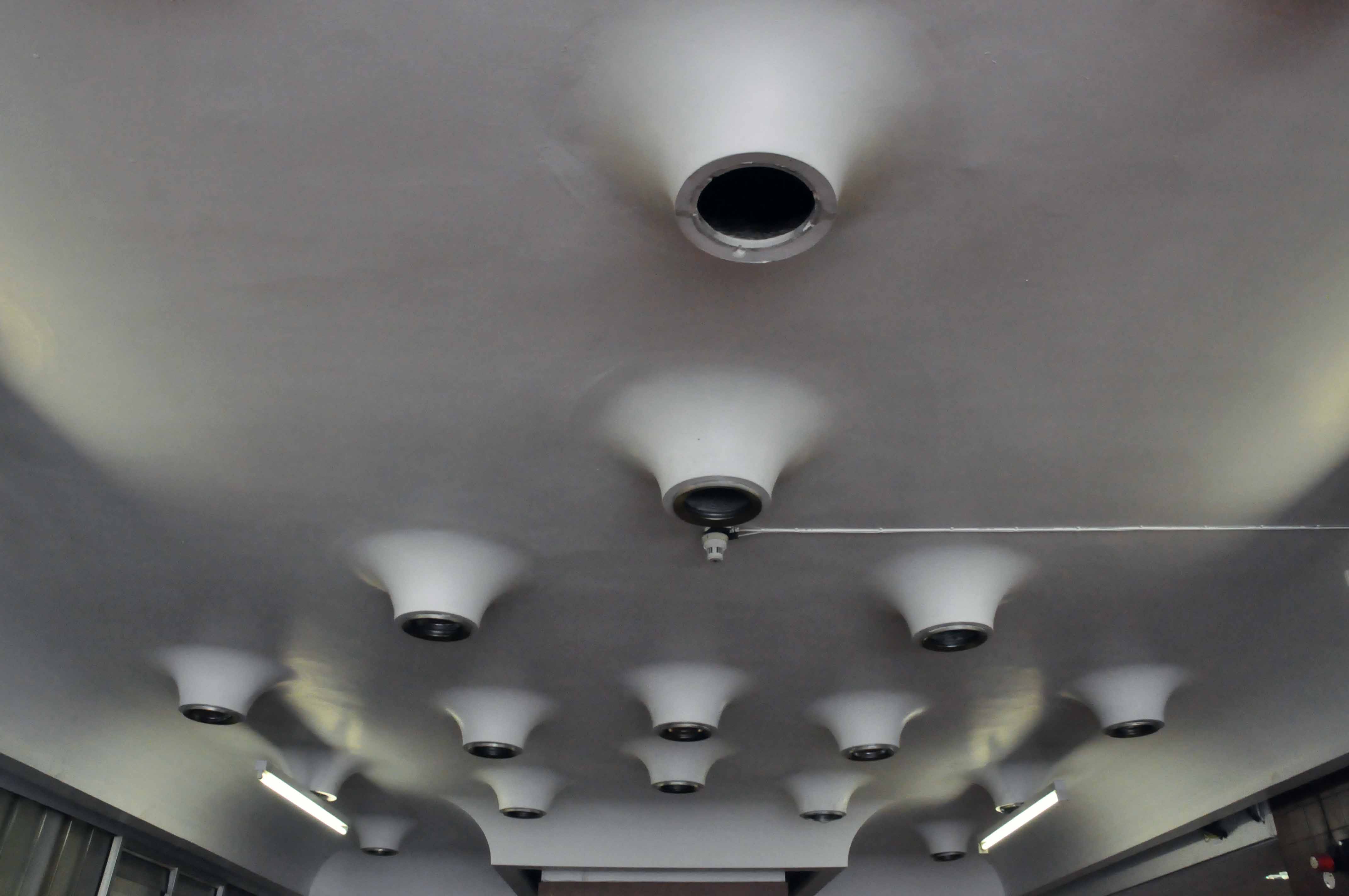
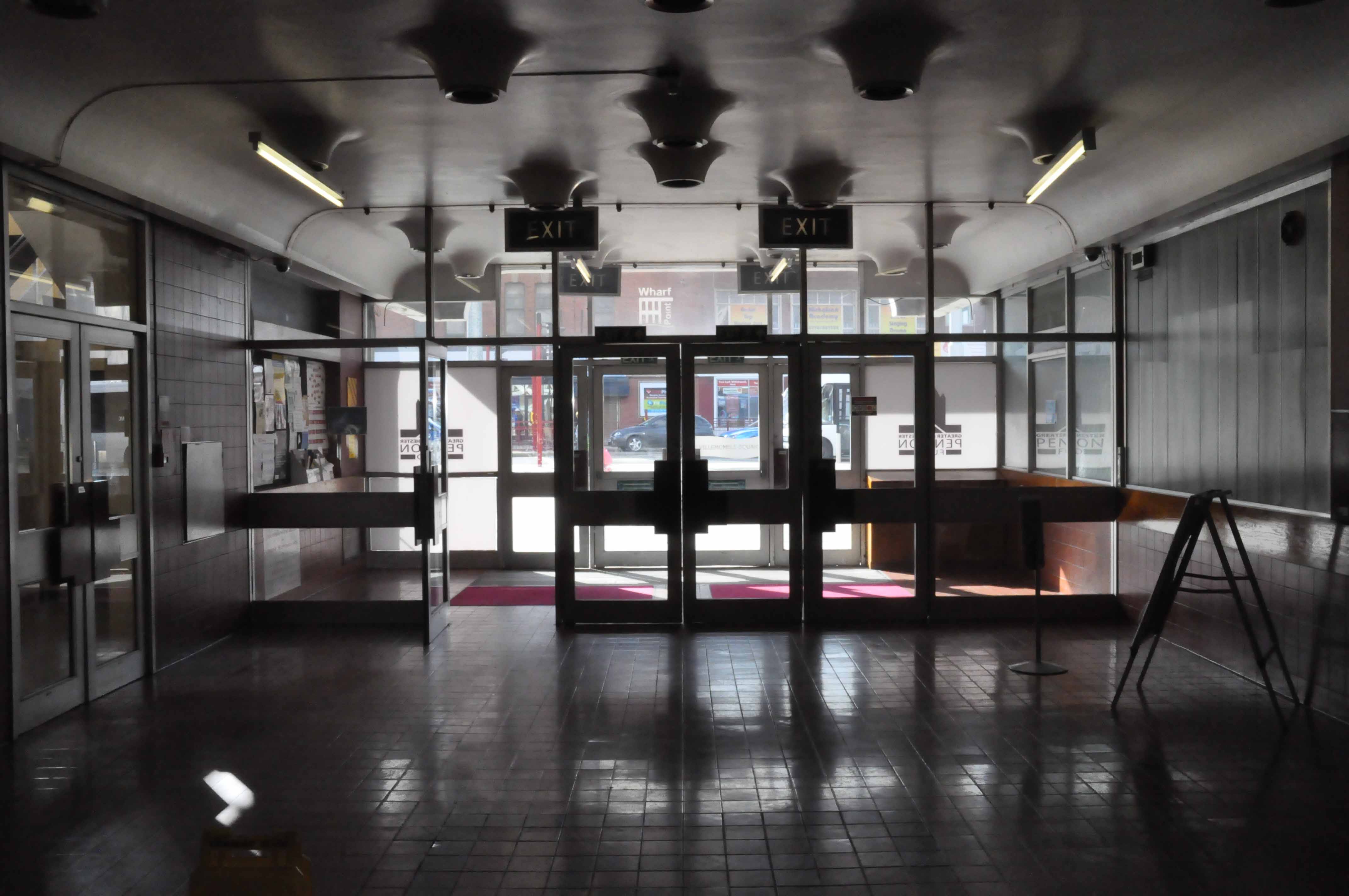
The interior lighting is straight out of 2001, white organic and fully functioning – the upstairs function room is available for functions at the junction of Market Street and Ashton New Road.

dsc_0415-copy
dsc_0417
dsc_0418-copy

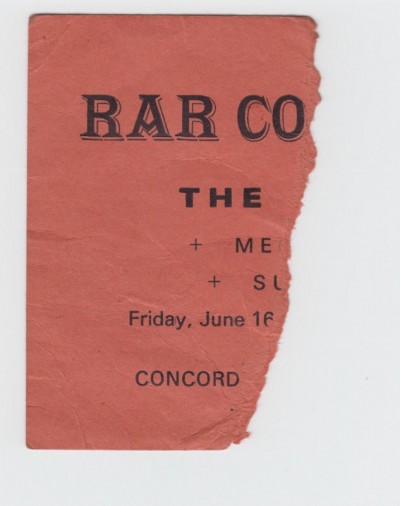
I saw The Fall there for the first time in 1978, suitably shambolic and suitably feisty.

1978-06-16_ticket-concordsuitedroylsden

Renamed the Droylsden Centre on one side, it houses the regulation issue of charity shops and empty units. The main building is home to the Greater Manchester Pension Fund, soon to relocate to a new build across the road. The Concord will then provide a home for the workers leaving the now demolished Tameside Council Offices in Ashton.

The tram stops here.

dsc_0381
dsc_0375-copy
dsc_0377-copy
dsc_0379-copy
dsc_0383-copy
dsc_0380-copy
dsc_0389
dsc_0397-copy
dsc_0399
dsc_0400-copy
dsc_0401
dsc_0413-copy
dsc_0403
dsc_0409
dsc_0404
dsc_0407
dsc_0412-copy

Barmouth Street – Bradford Manchester

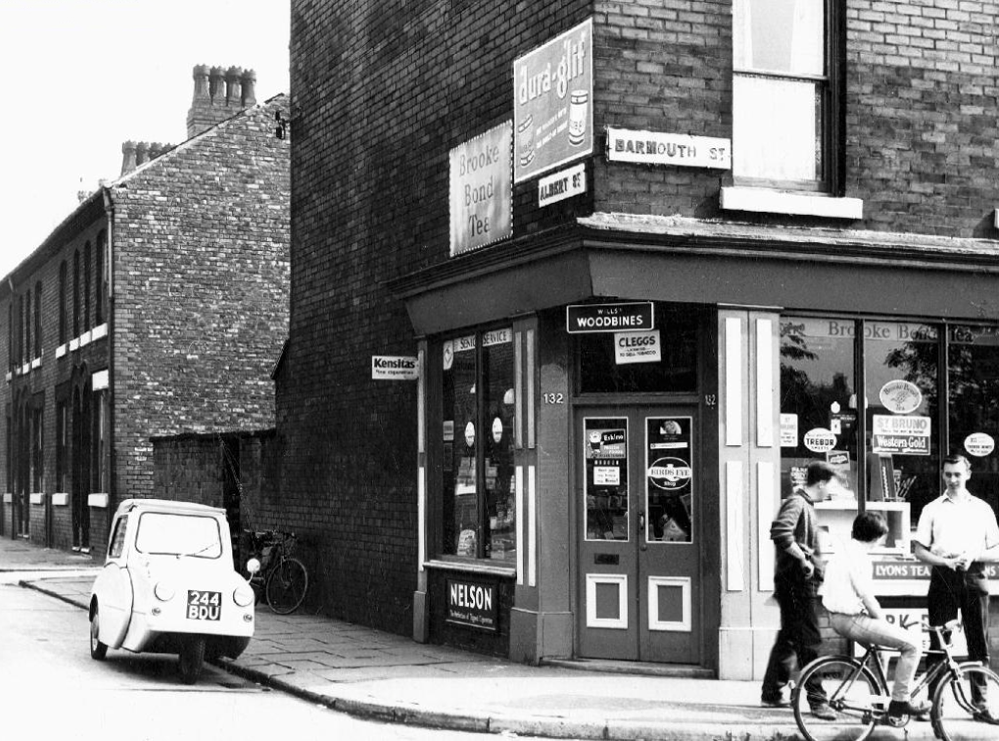
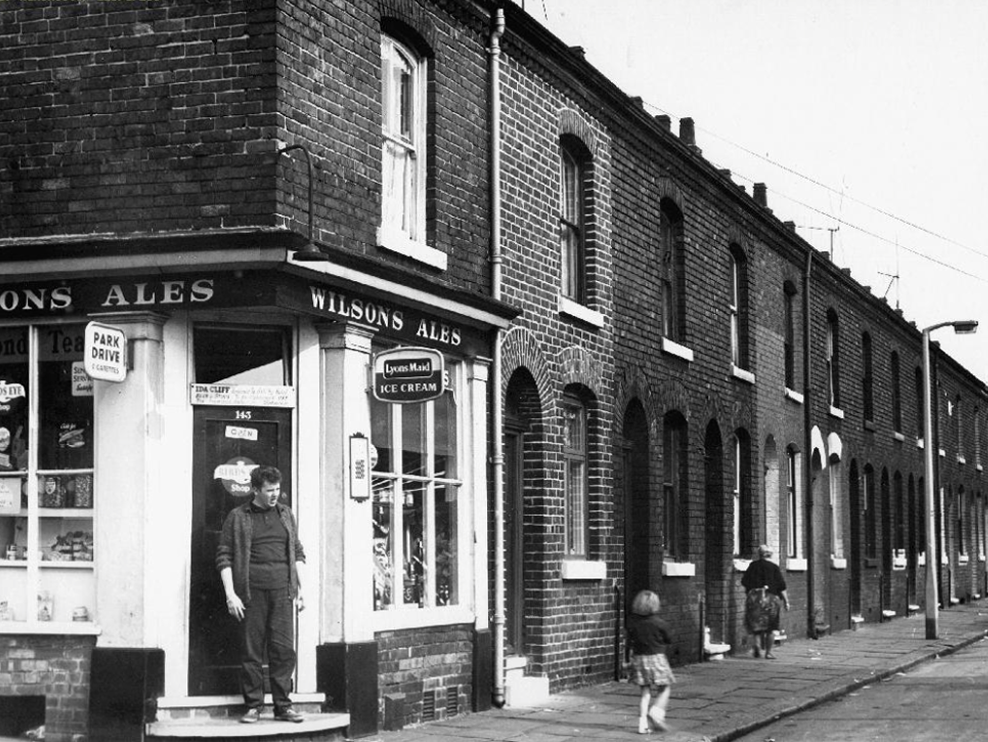
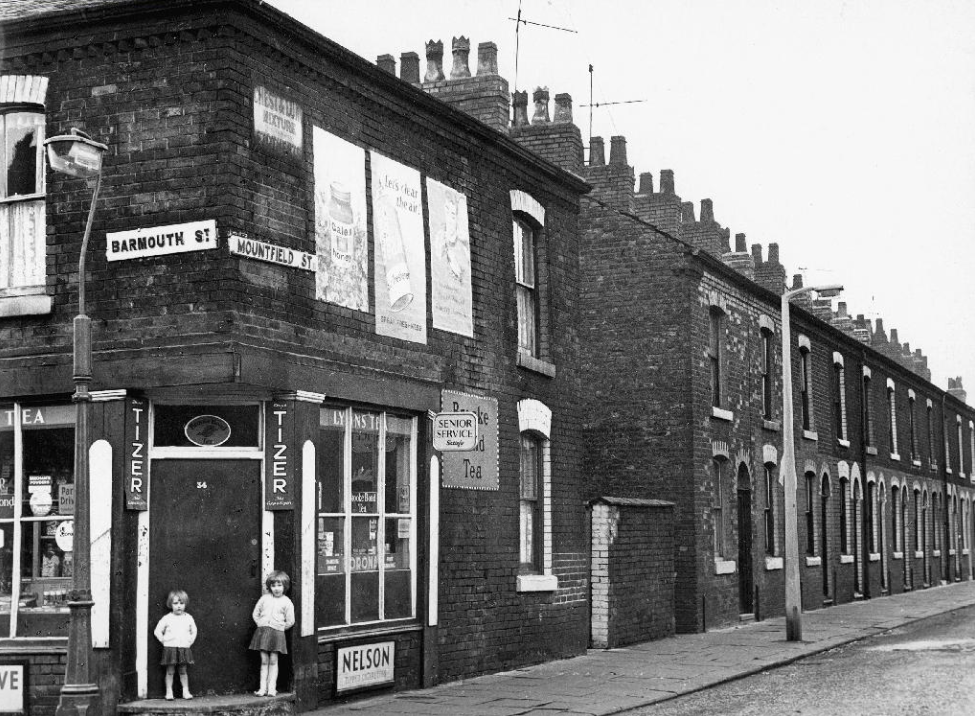
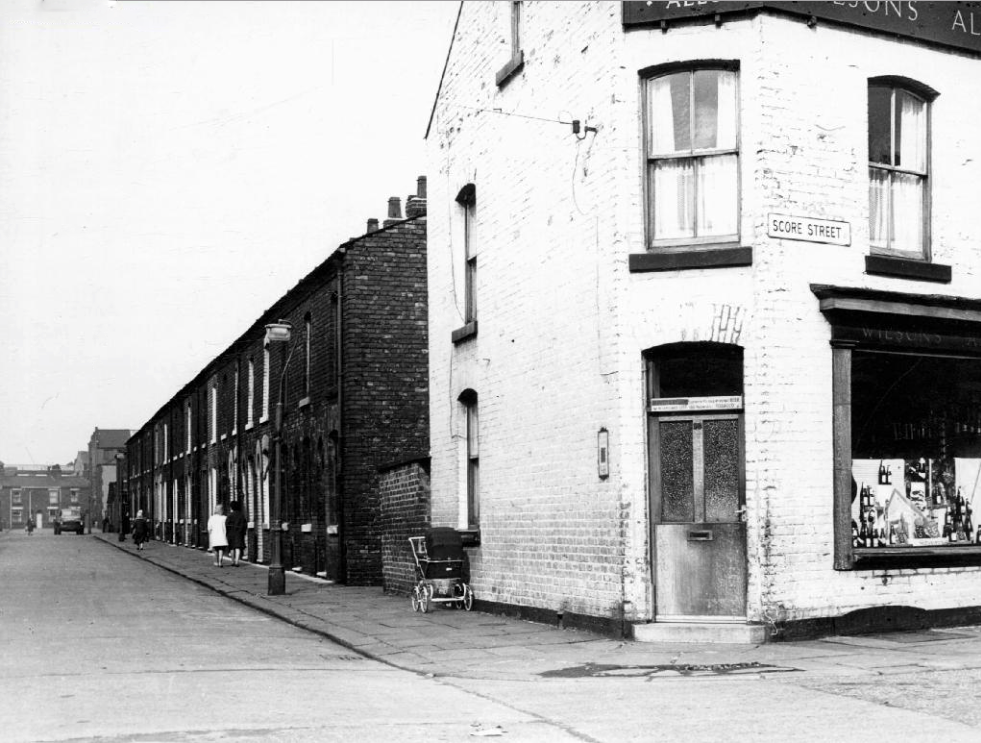
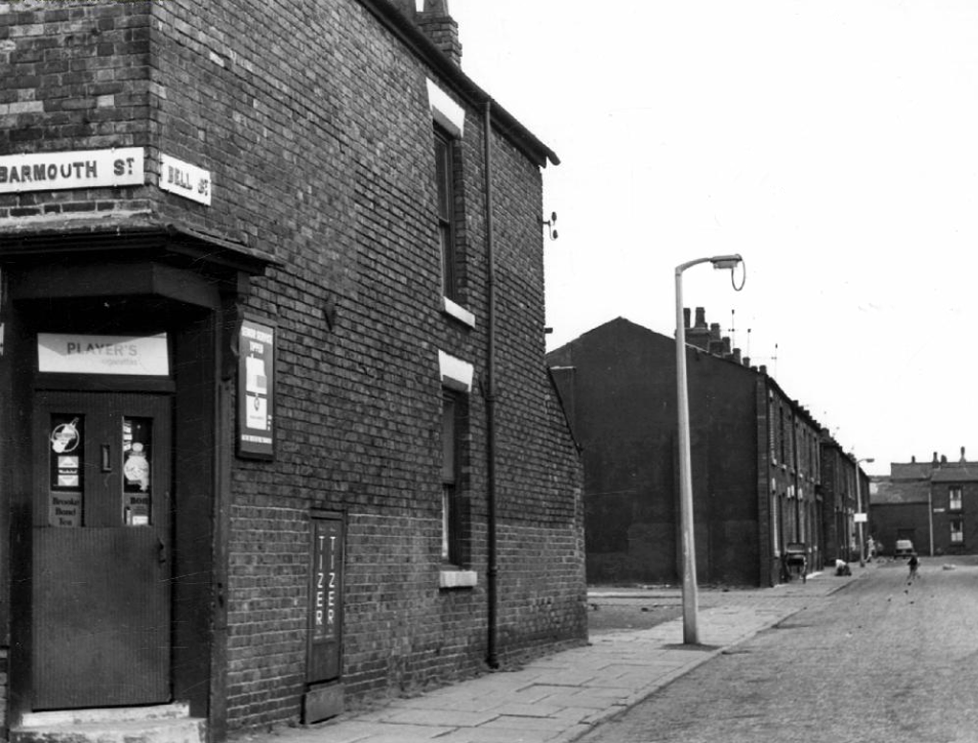
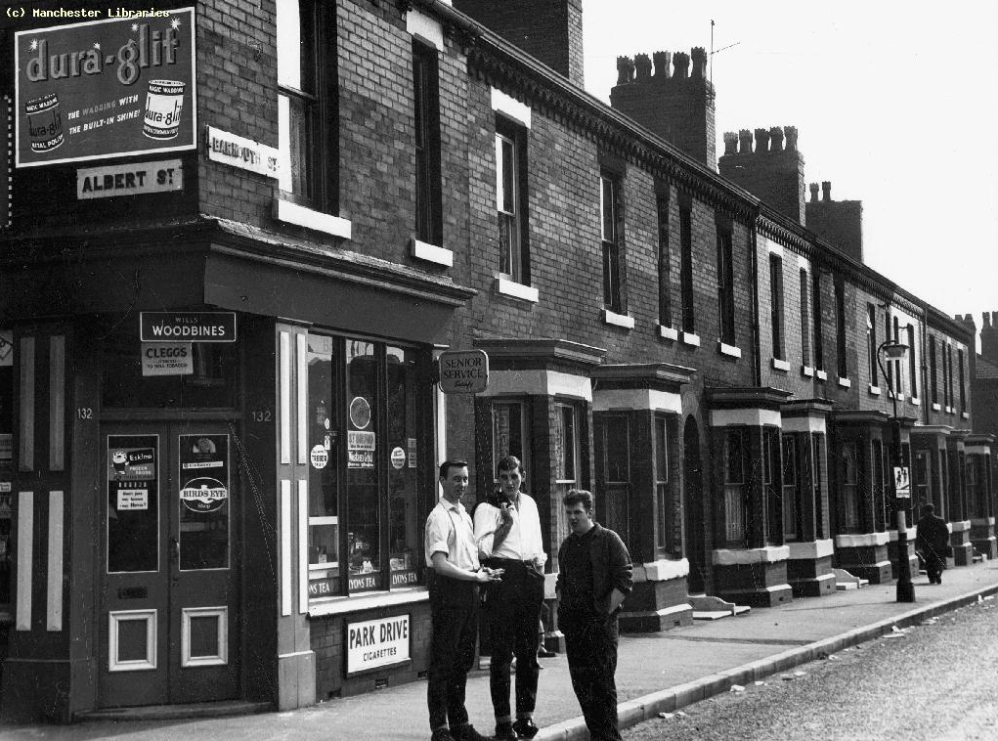
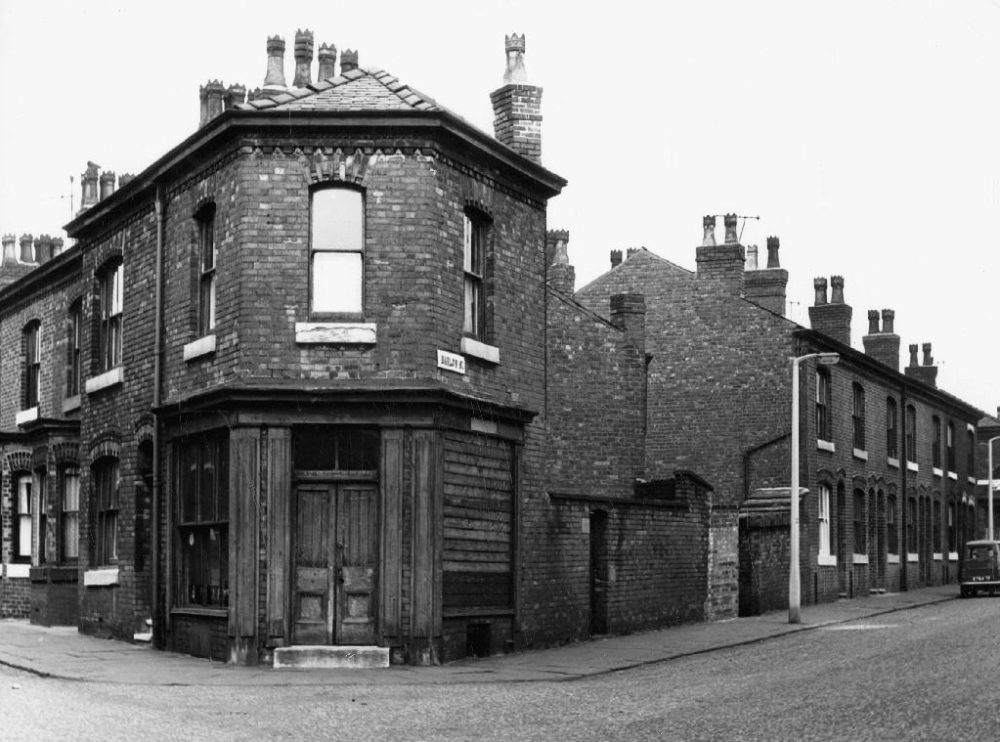
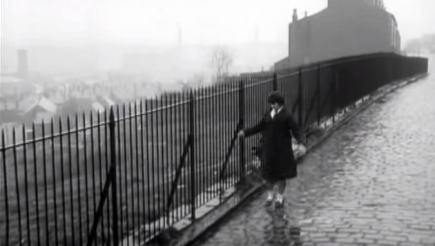
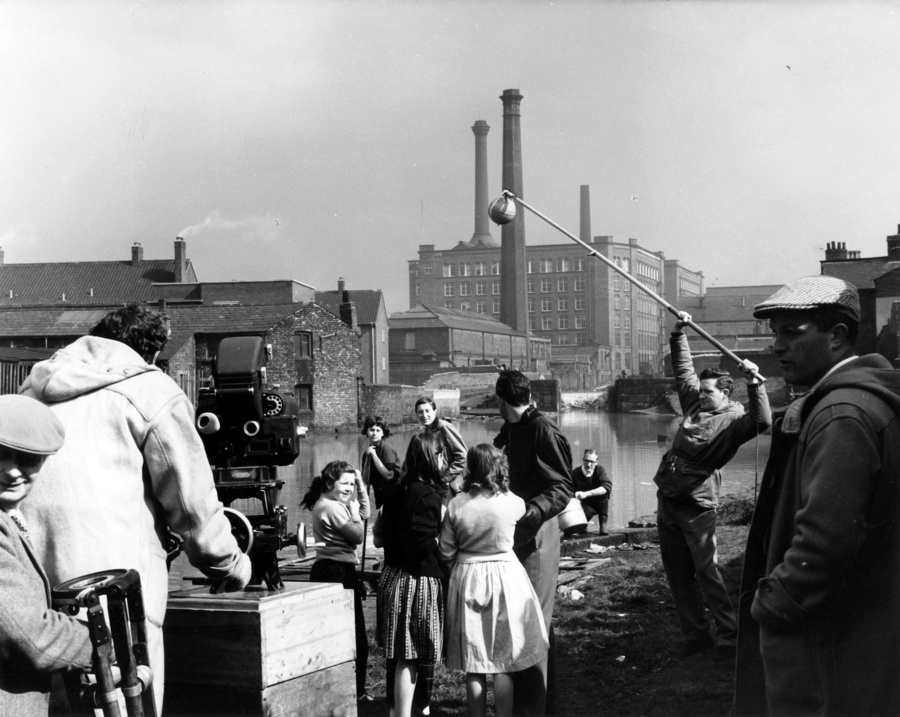
Once again I am following in the footsteps of Rita Tushinghan and the Taste of Honey film crew, this time my research has lead me to Barmouth Street, Manchester.

screen-shot-2017-02-11-at-14-42-03

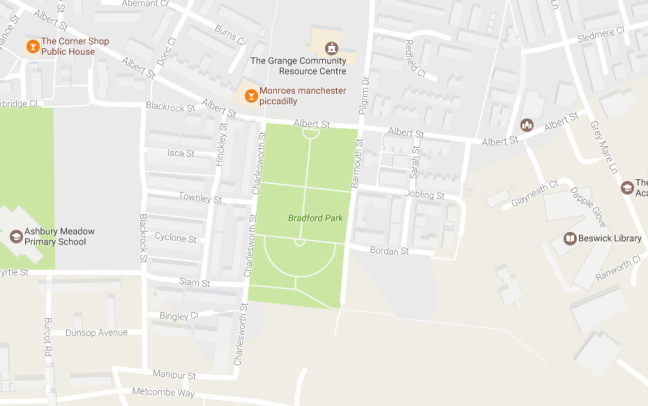
To the east of the city centre, Bradford Park School was the scene of the opening scene, Jo’s netball match. The school is now long gone, now the site of a much enlarged public park, as can be seen from the map above.

Shelagh Delaney, author of the original play on which the film was based, can be seen fleetingly in this opening scene, appearing momentarily over the games teacher’s shoulder.

screen-shot-2017-02-11-at-14-43-12

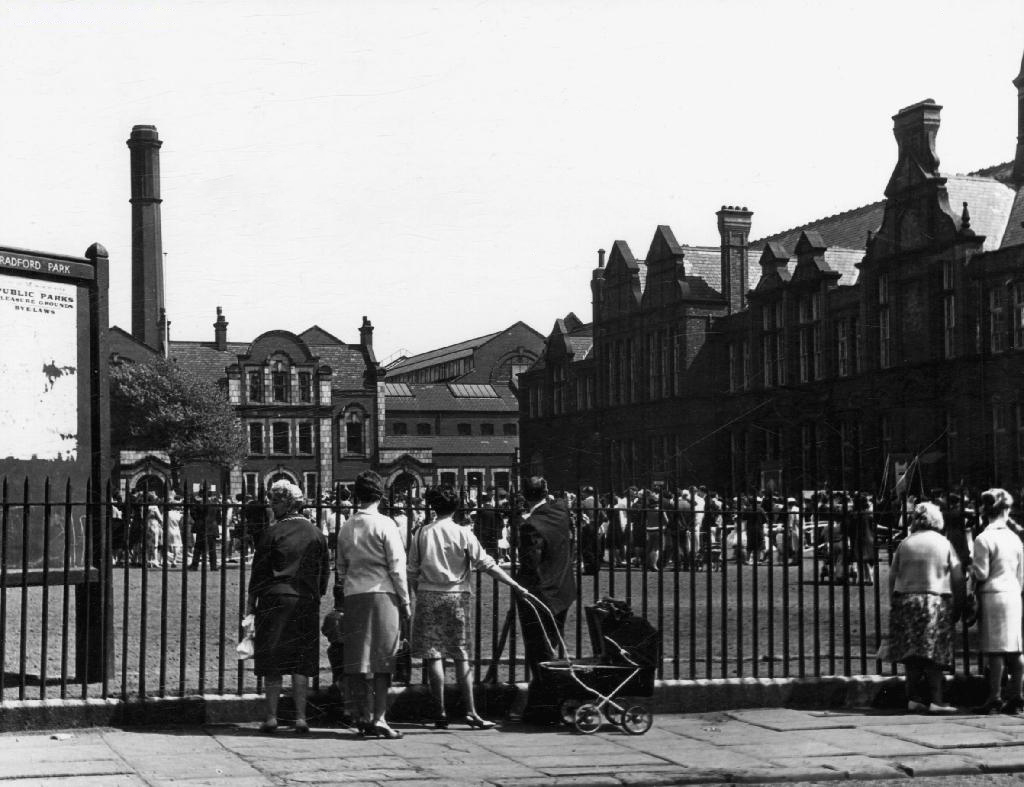
I have found one archive image of the school, as the scholars prepare for the annual Whit Walks, this along with many other community traditions and conventions, have all but disappeared from the streets of the city.

webmedia-php

This was once a tight knit community, surrounded by industry, full employment and a short lived period of post-war growth and optimism.

A corner shop on very corner, though by the time I worked as a Mothers Pride van lad in the late sixties, many were already on their last legs. A lethal cocktail of closing factories, incipient supermarkets, and an urban renewal programme, which lead to slum clearance, would change the character of the area forever.

screen-shot-2017-02-08-at-11-59-09

screen-shot-2017-02-08-at-11-59-38

screen-shot-2017-02-08-at-12-02-21

screen-shot-2017-02-08-at-12-03-37

screen-shot-2017-02-08-at-12-04-58

screen-shot-2017-02-08-at-12-05-23

screen-shot-2017-02-08-at-12-06-37

screen-shot-2017-02-08-at-12-00-28

I am indebted to the photographic work of T Brooks who seems to have spent much of the mid Sixties documenting the streets, his pictures are now kept here in the Manchester Image Archives. Sadly I have found no further reference to him or his images, but have nothing but admiration for all those who pass unnoticed amongst us, camera forever poised.

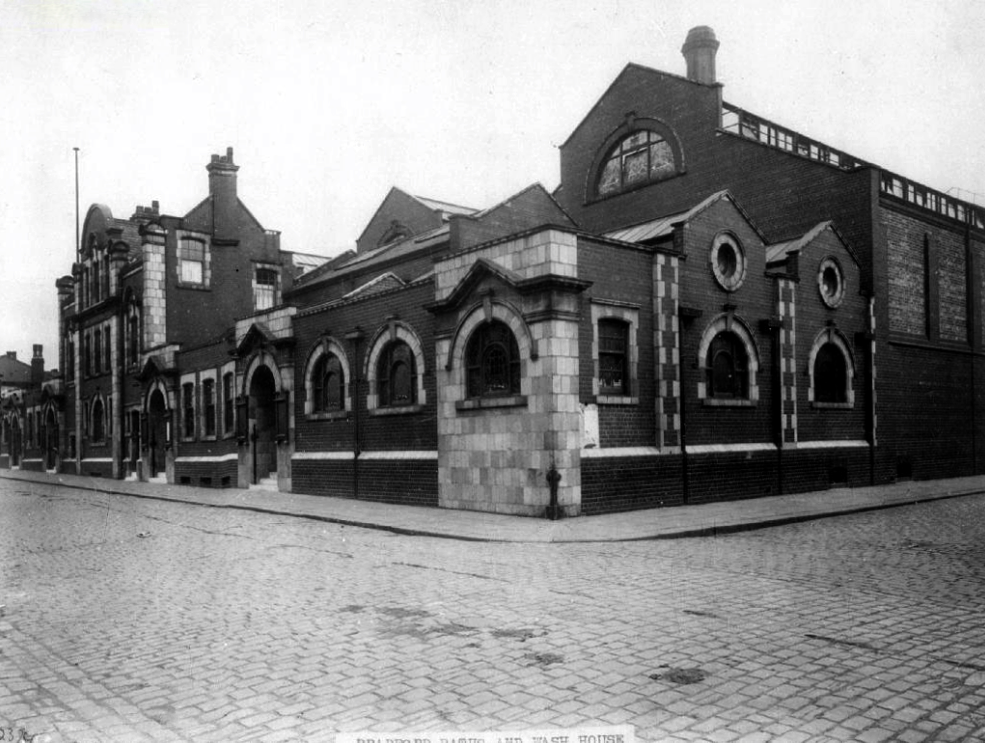
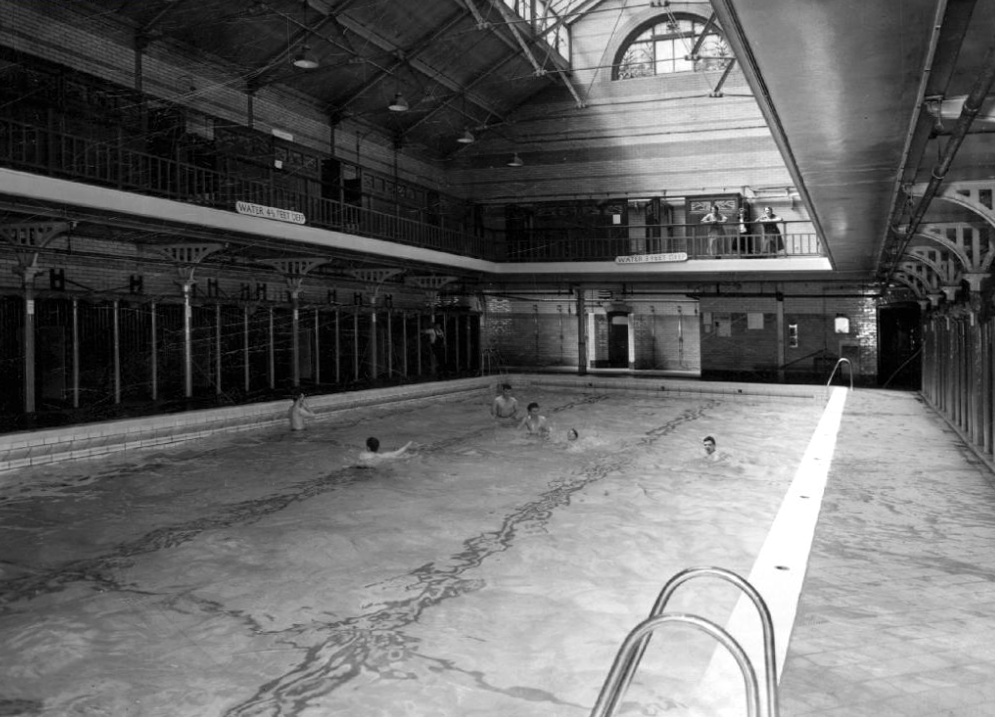
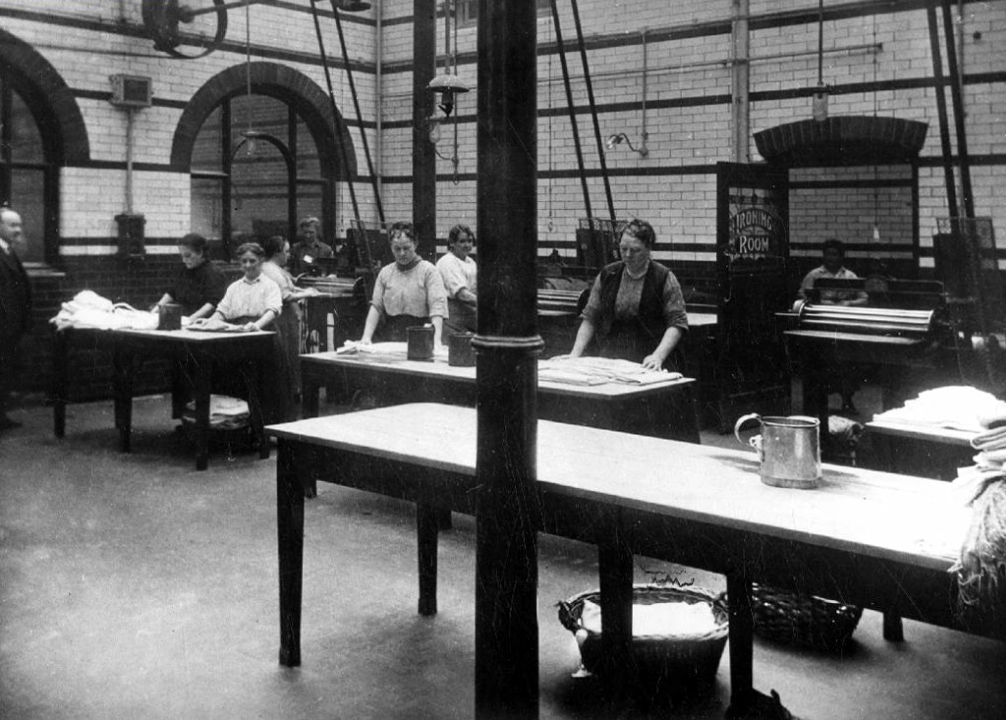
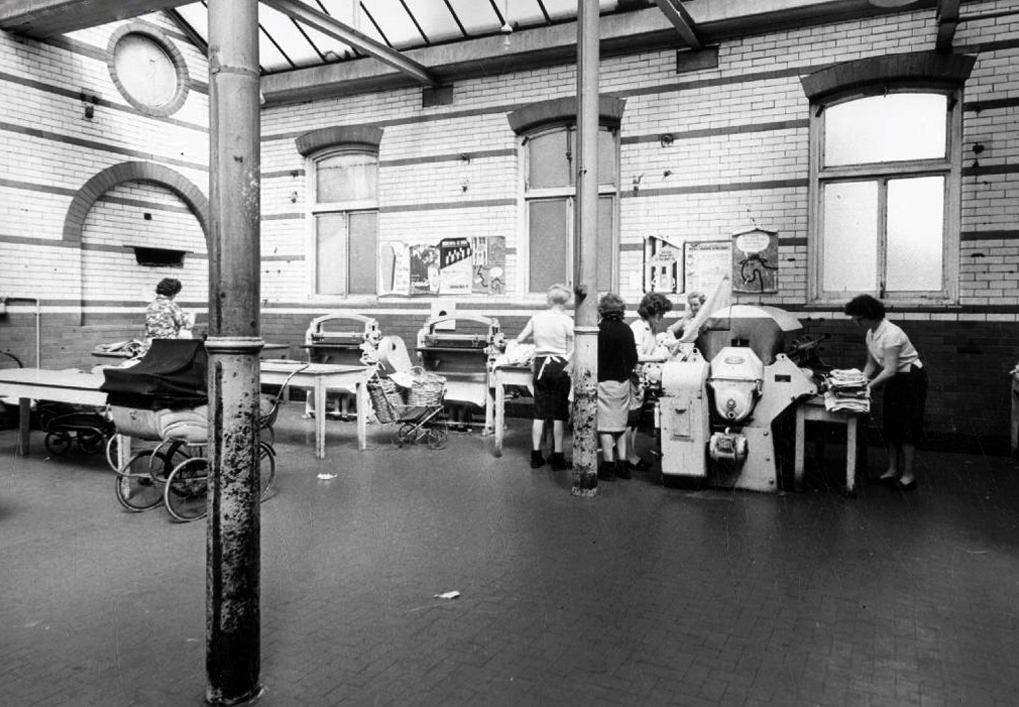
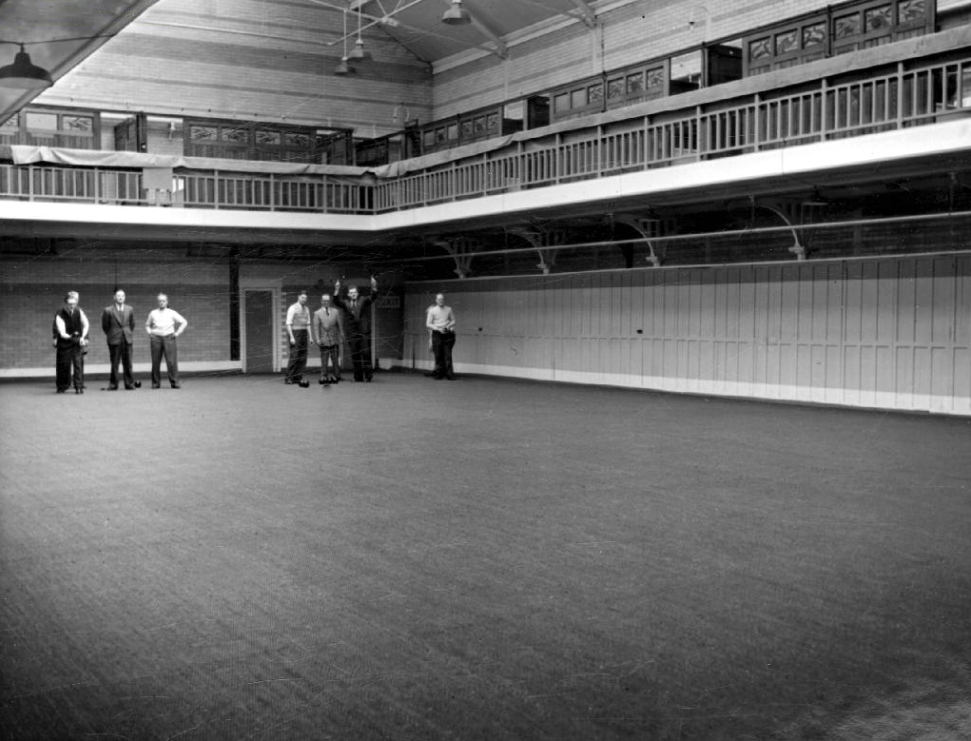
Central to the social and sanitary life of that that community were the Barmouth Street Baths and Washhouse, where citizens would swim, wash, dry, iron, chat convivially, and surprisingly – play bowls.

screen-shot-2017-02-08-at-12-08-14

screen-shot-2017-02-08-at-12-14-20

screen-shot-2017-02-08-at-12-17-35

screen-shot-2017-02-08-at-12-16-24

screen-shot-2017-02-08-at-12-15-54

Now long gone, along with the provision of local authority nursery care. There were similar low level pre-fabricated buildings dotted all over the city. Built quickly and cheaply, to provide for a growing population, of largely working-class families, with no shortage of work opportunities.

screen-shot-2017-02-08-at-12-07-54

screen-shot-2017-02-08-at-12-08-53

This was a time of great social change, a time which the film attempts to anticipate -a more diverse, and hopefully more tolerant time, a time of possibilities and opportunities for all.

Holt Town Manchester – Part One

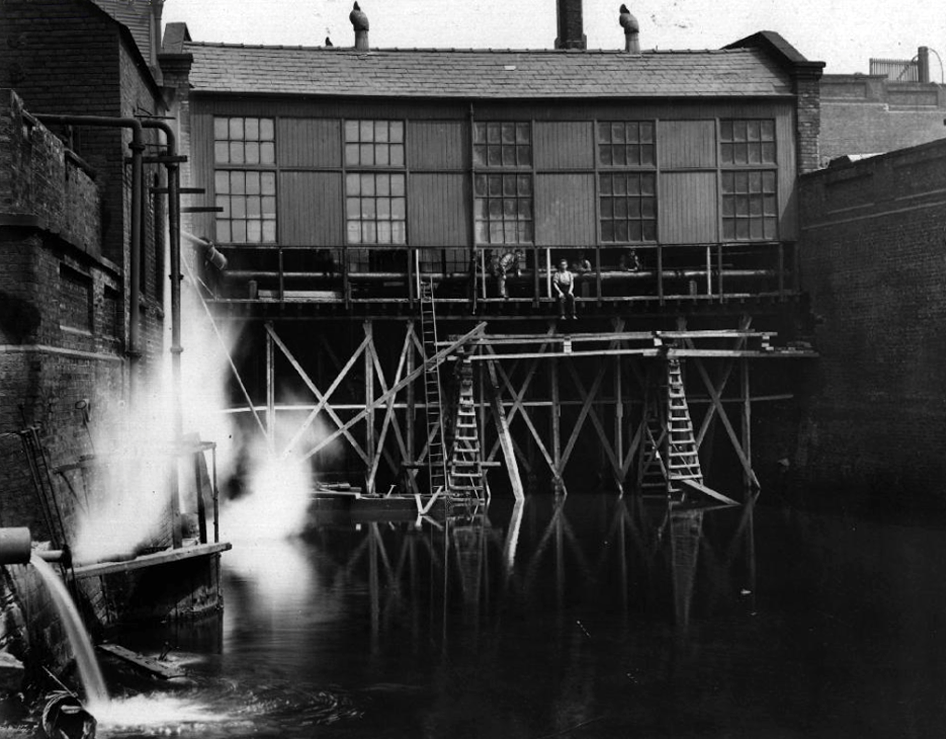
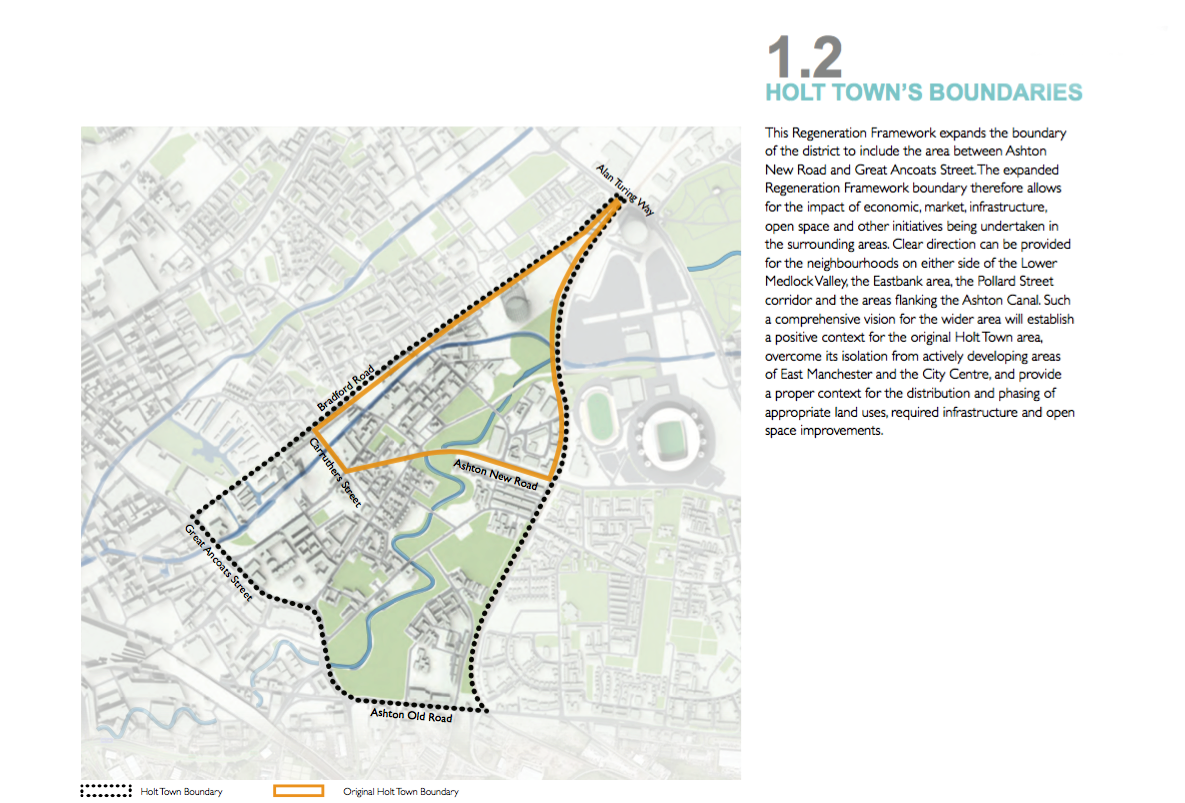
1785 Established by David Holt, and described as the only known example of a factory colony in Manchester, that is, an isolated mill complex with housing for the workers.

1794 Mills advertised for sale following the bankruptcy of David Holt and Company.

Things, as we know, have a tendency to come and go – ’twas ever thus.

A whole history of the area can be found here.

screen-shot-2017-02-08-at-12-40-07

River Medlock Holt Town

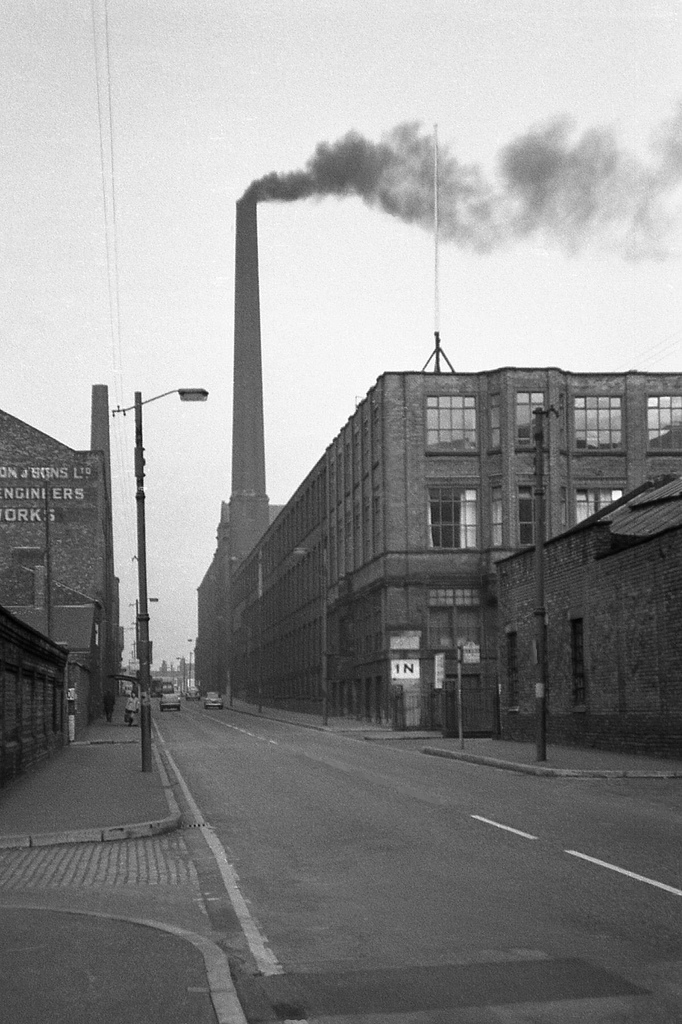
The area has seen a transition, in some two hundred year or more, from a leafy rural idyll, to smoke choked industrial hell and back again.

pollard-st

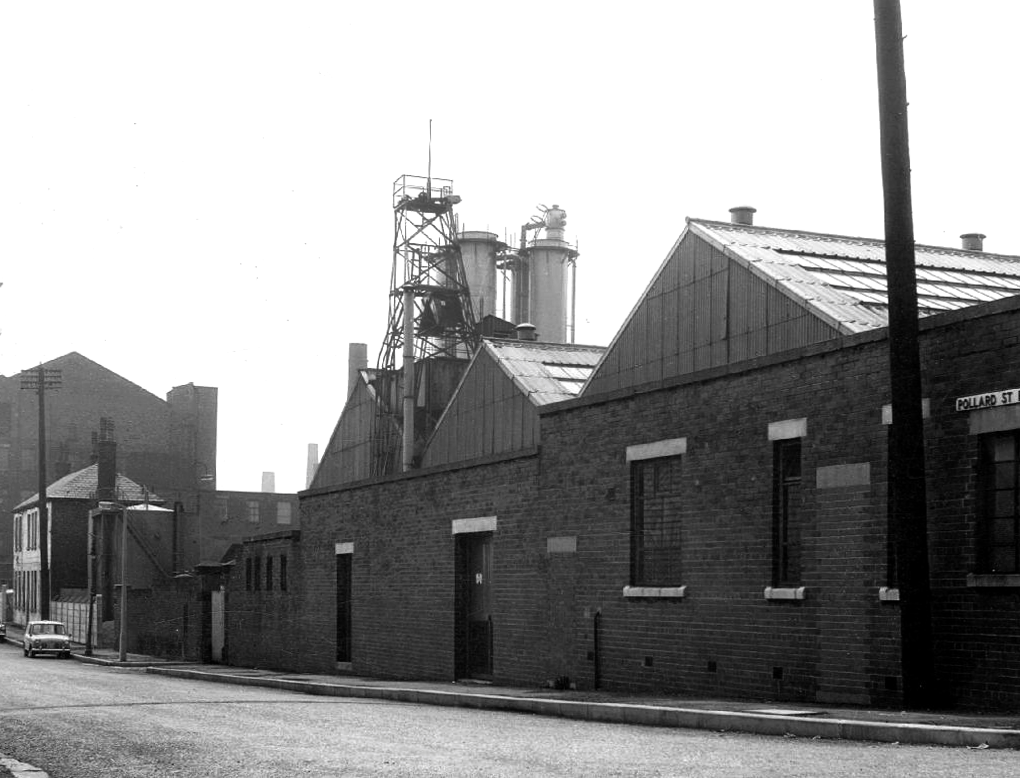
Pollard Street

dcs

Photographs from the Manchester Image Archive.

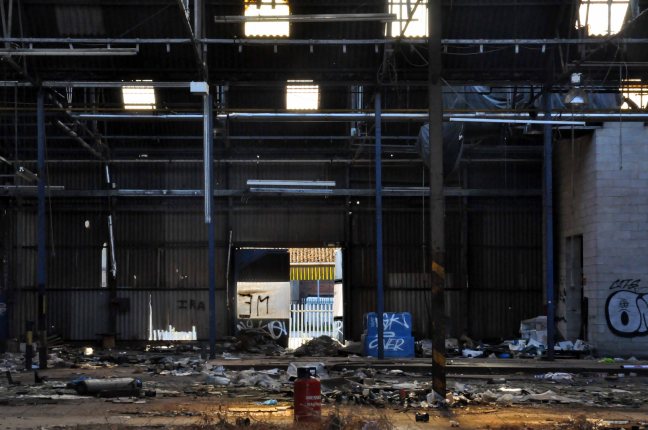
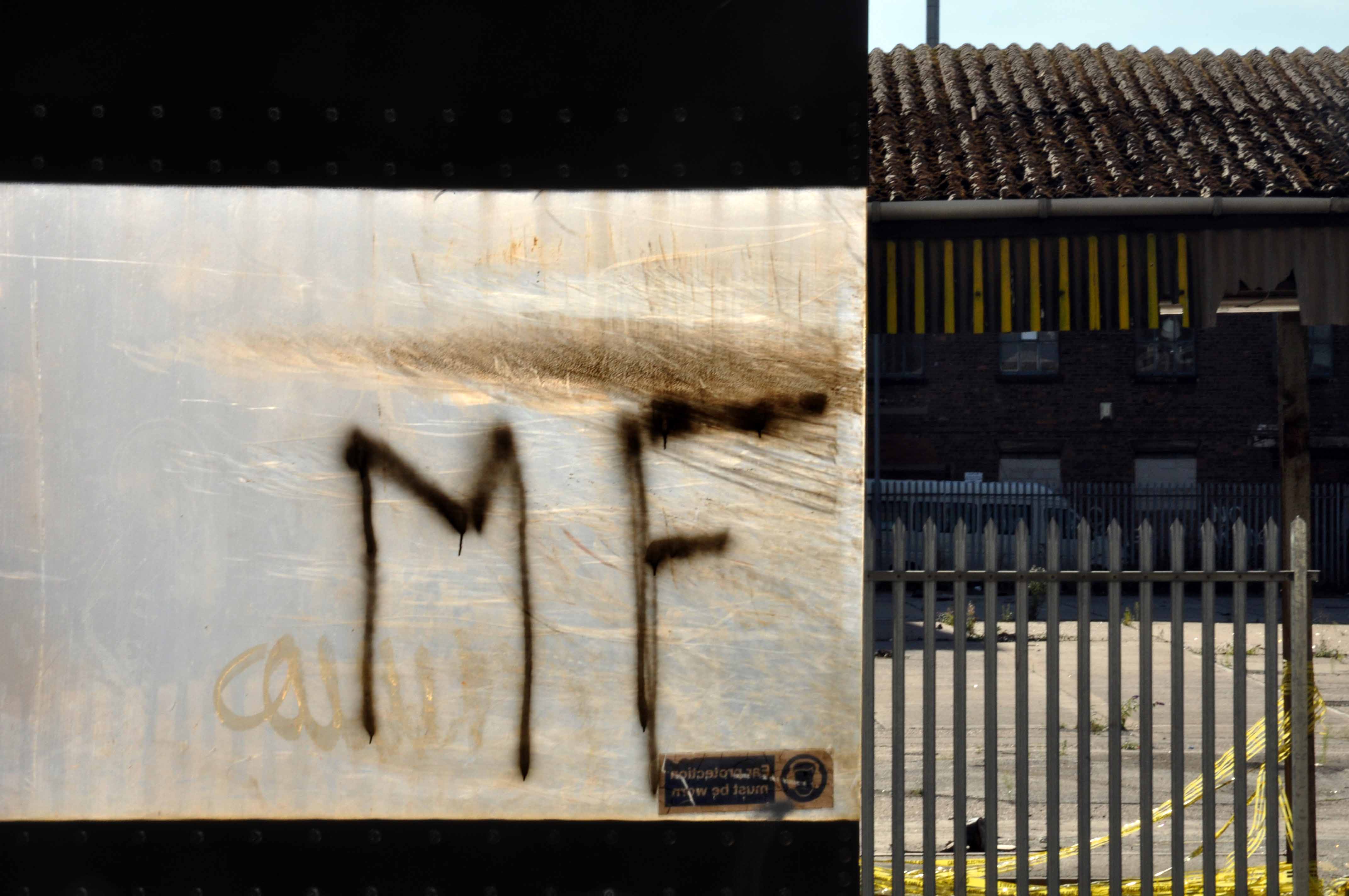
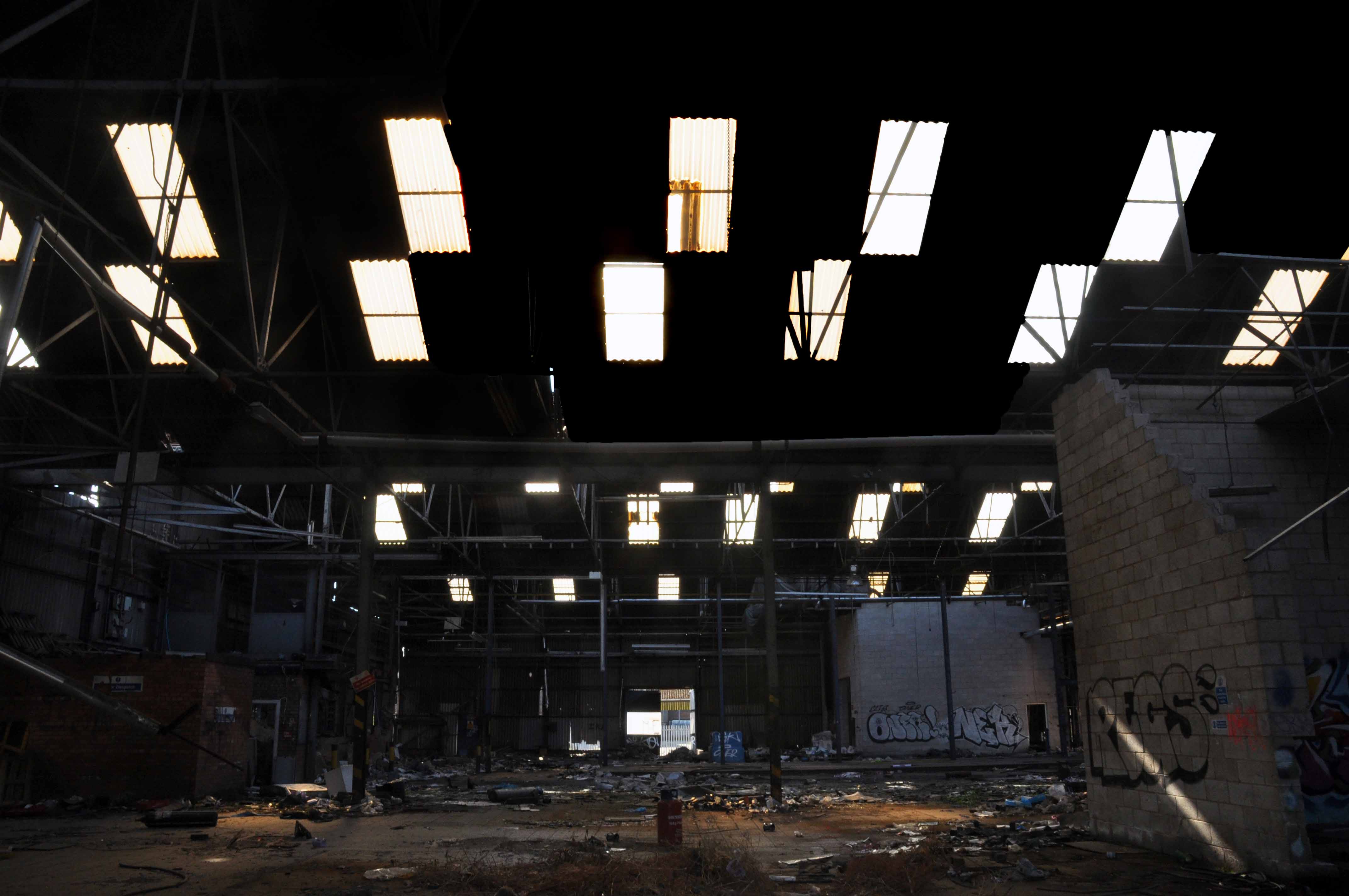
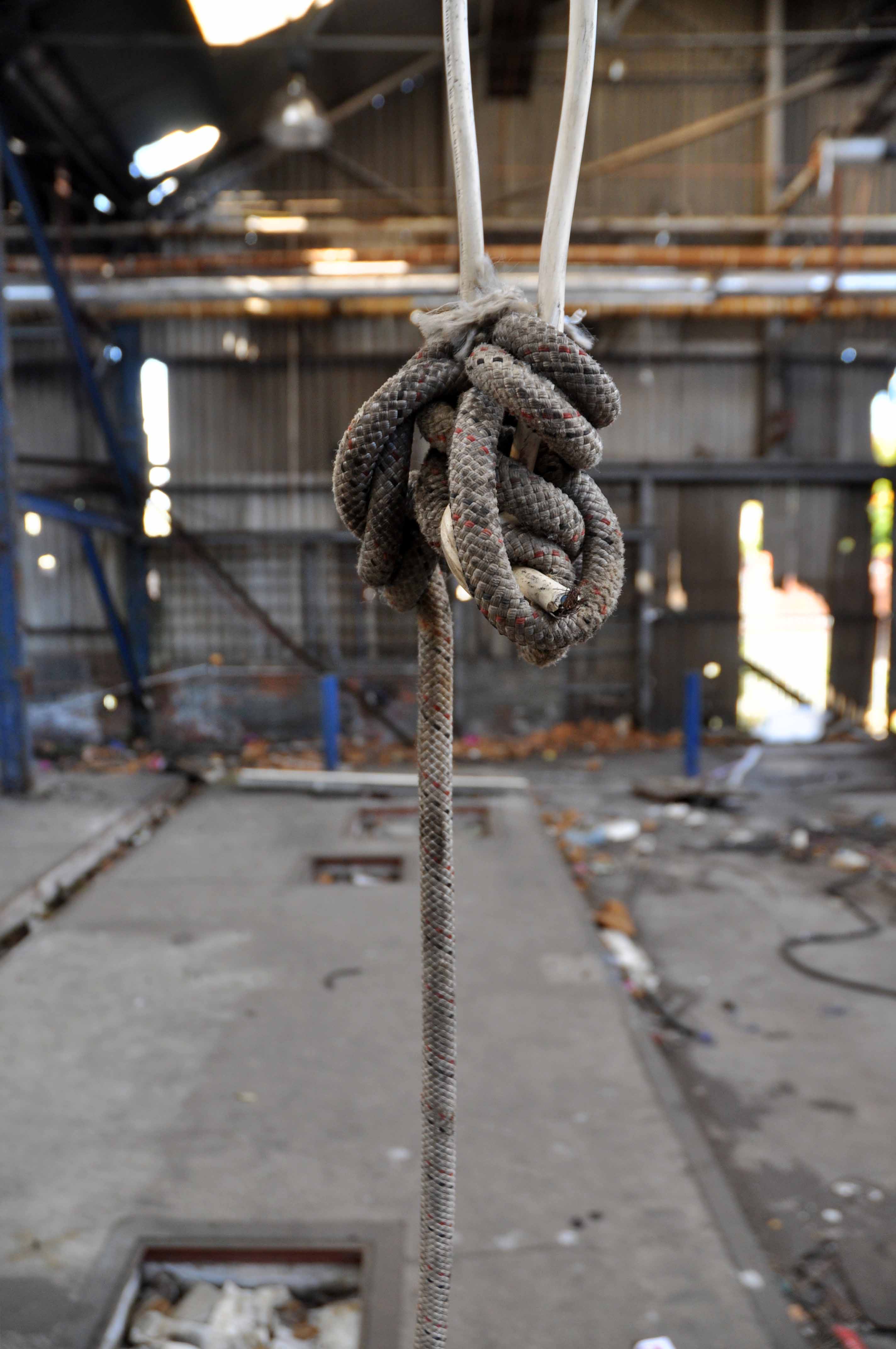
In 2014 I visited the site of the former Distillers Company, later Air Liquide UK, production had ceased. The factory was just about standing, litter and detritus strewn, unloved and unwanted, temporary home to the homeless.

The Industrial Revolution has been and gone – bye bye.

screen-shot-2017-02-08-at-20-51-31

There are plans for redevelopment, couched in the terms of the professional new-speak of the new urban renewalists.

The international design competition for Holt Town looked for a solution to the dilemma of providing a sustainable, distinctive, high density family-led residential community in close proximity of the Manchester regional centre.

Promising open green spaces and housing based on the traditional European perimeter block model, not a mention of a mill.

Possibly lasting a little longer than David Holt’s dream, and subsequent manifestations.

dsc_0139

dsc_0153

dsc_0137

dsc_0141

dsc_0142

dsc_0144

dsc_0147

dsc_0150

dsc_0157

dsc_0184

dsc_0160

dsc_0168

dsc_0171

dsc_0175

dsc_0185

dsc_0189

dsc_0190

dsc_0199

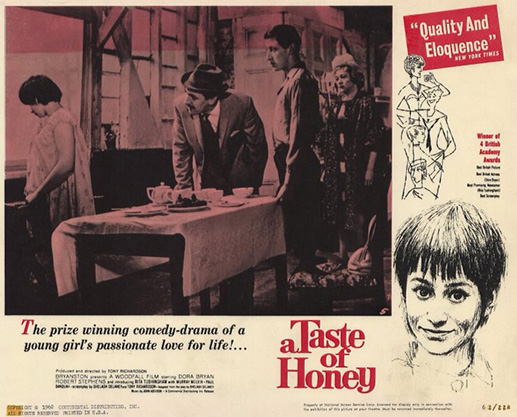
A Taste of the North

Where is the North and what does it look like?

It’s up there somewhere isn’t it, a dark elsewhere, a mythological other place.

I was curious, searching for clues.

I began in a nearby place in a faraway time, my first reference point, the film adaptation of Shelagh Delaney’s play A Taste of Honey.

Set in Salford by Salford born teenager Shelagh.

A  teenager becomes pregnant by a black sailor. She leaves her feckless mother and her flashy new boyfriend to set up her own home. She moves in with a young gay man, who helps look after her as she faces an uncertain future.

I have compiled a series of photographs of the film’s locations. 

poster2

The film’s release in 1962 broke new ground in terms of its matter of fact depiction of contentious and sensational subject matter. My interest in this instance rests with the visual image of the North that it created.

a_taste_of_honey_1961_film_woodfall_film_productions_mm

Larkhill Road Edgeley Stockport

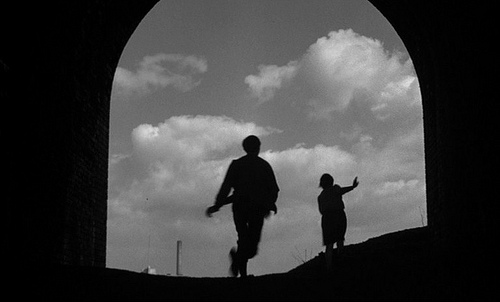
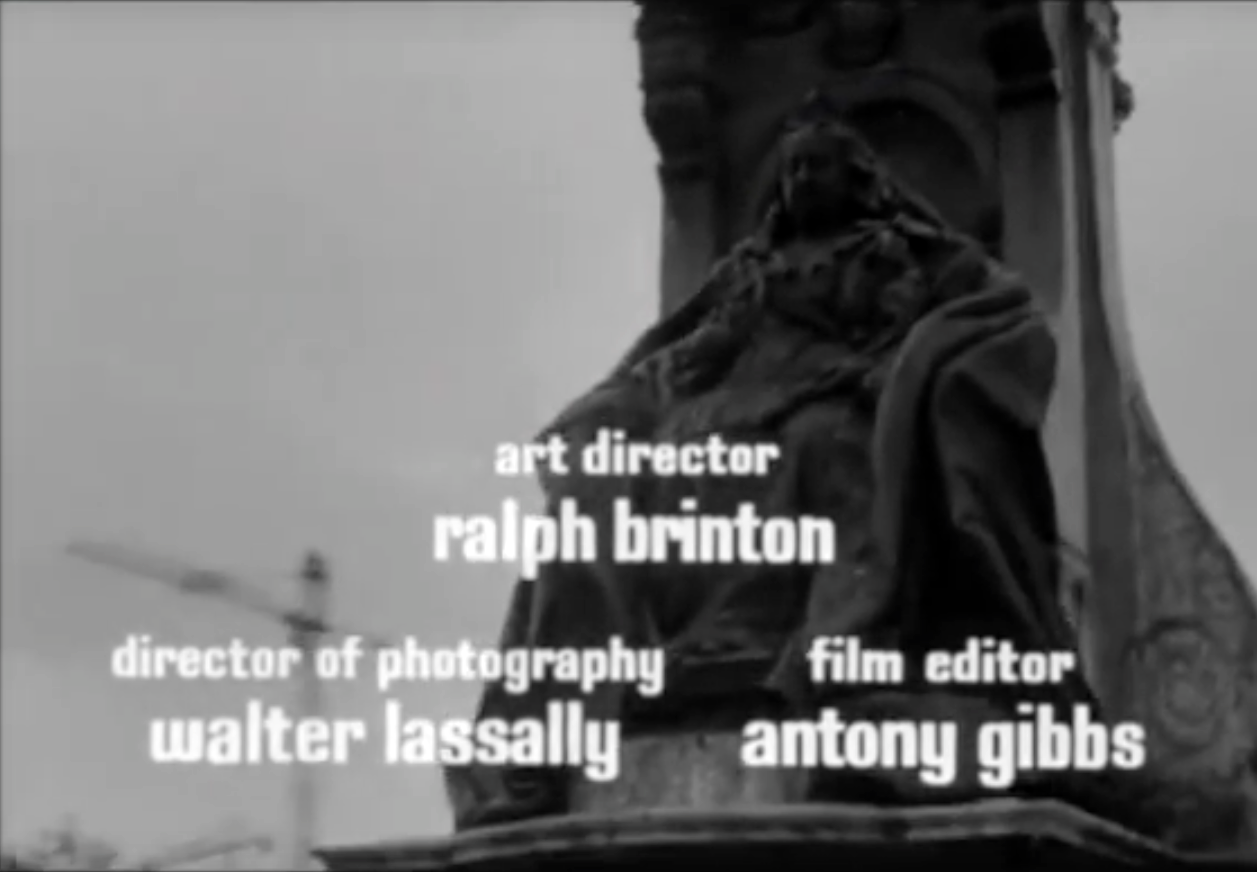
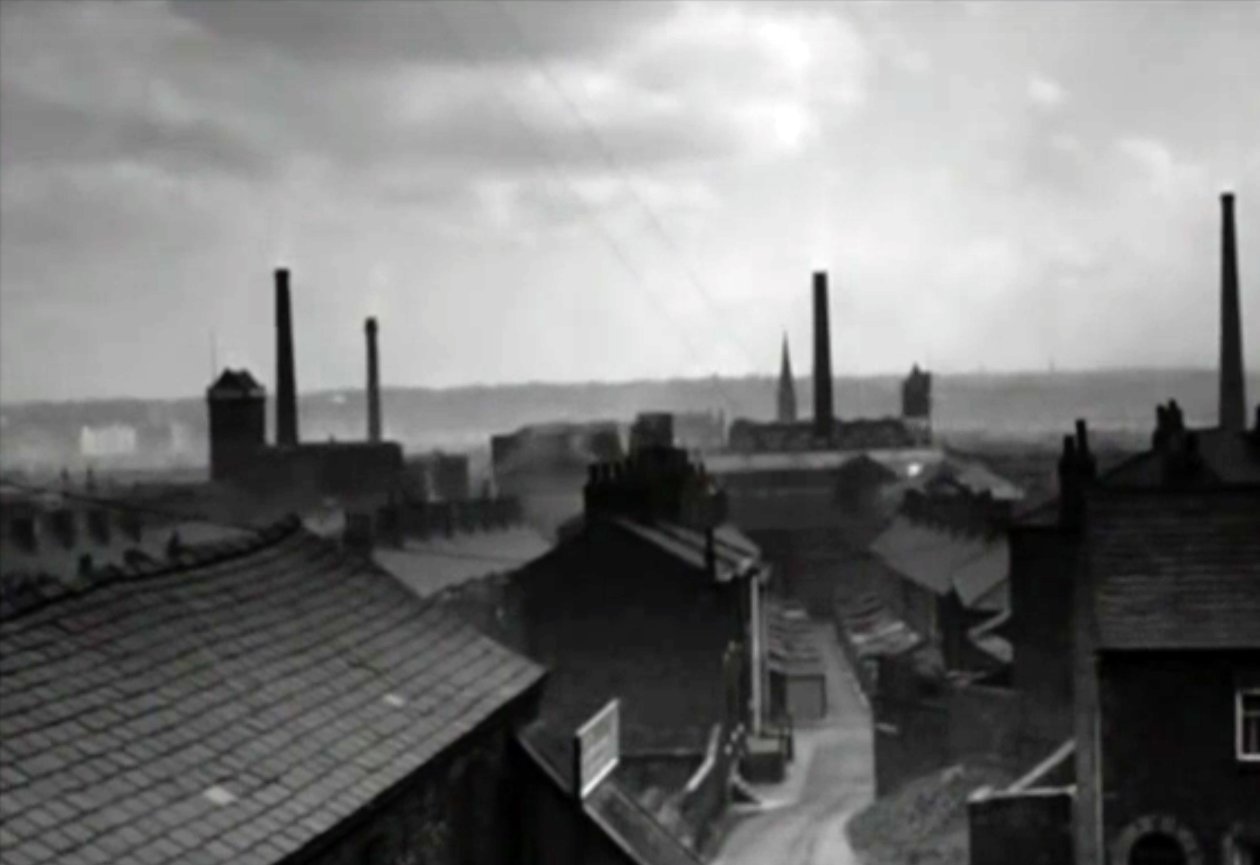
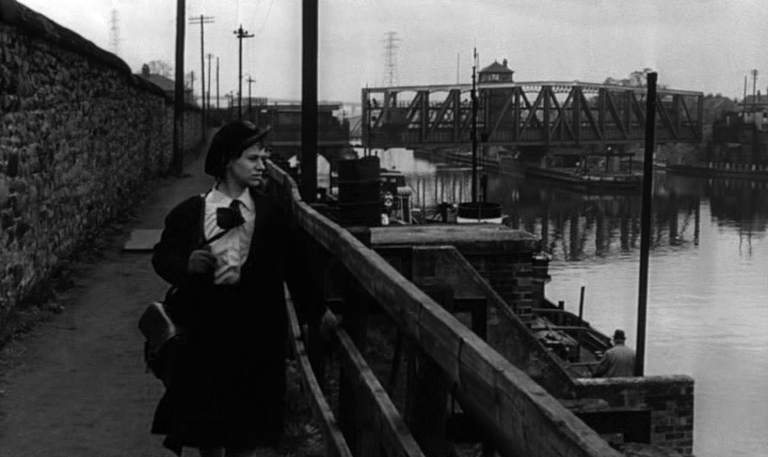
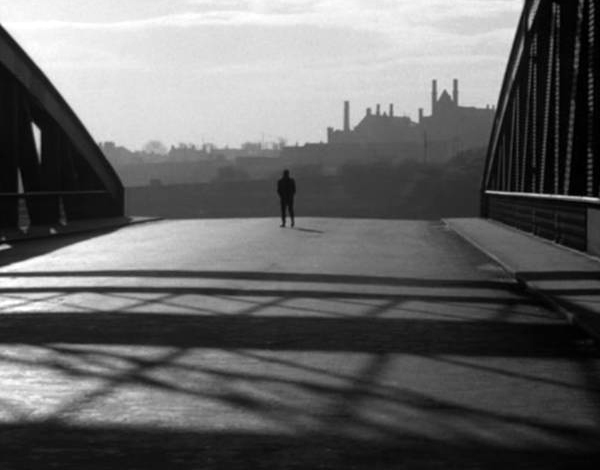
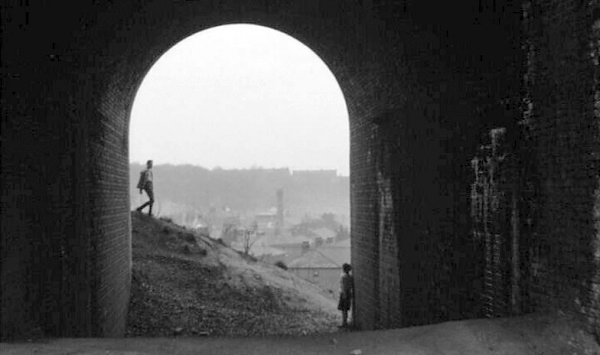
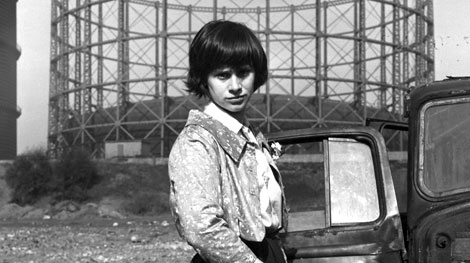
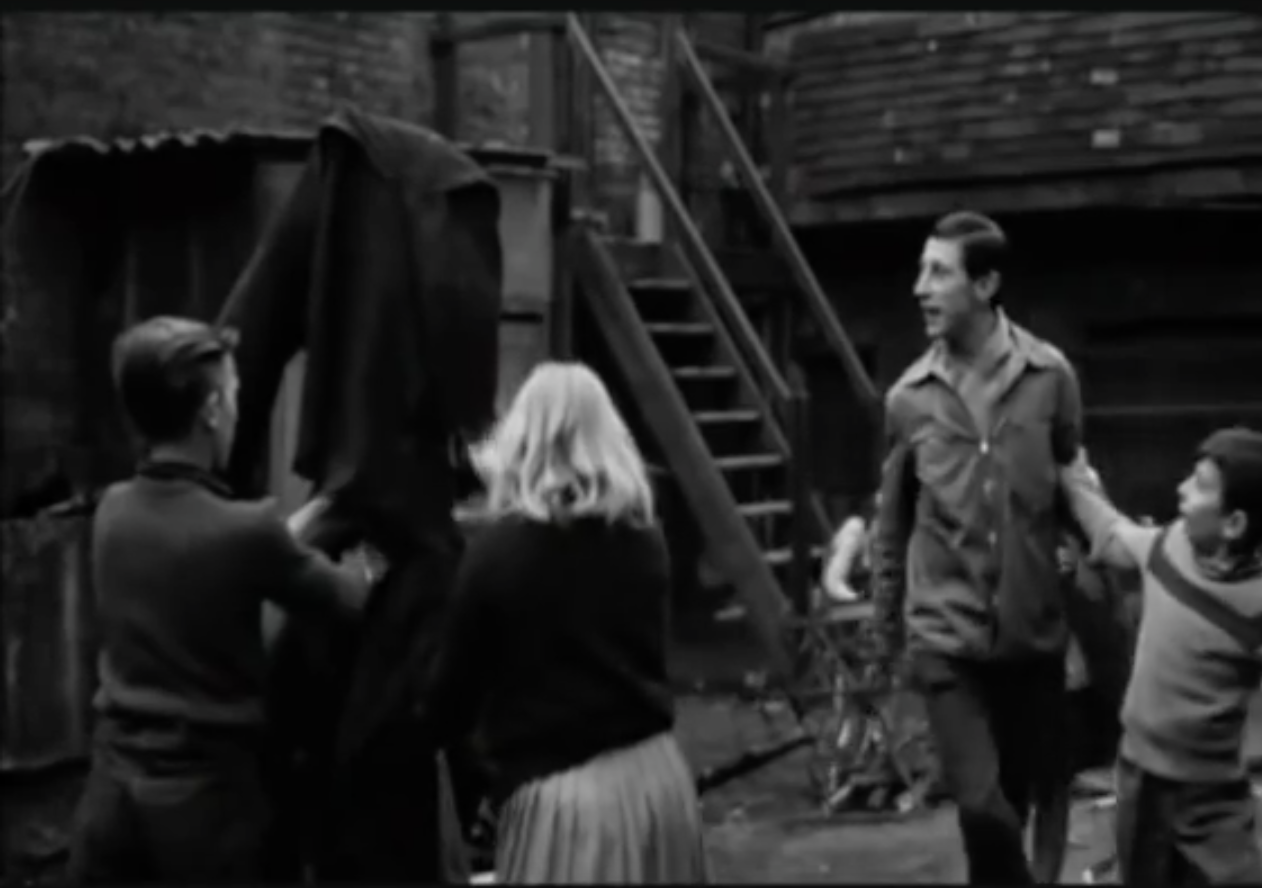
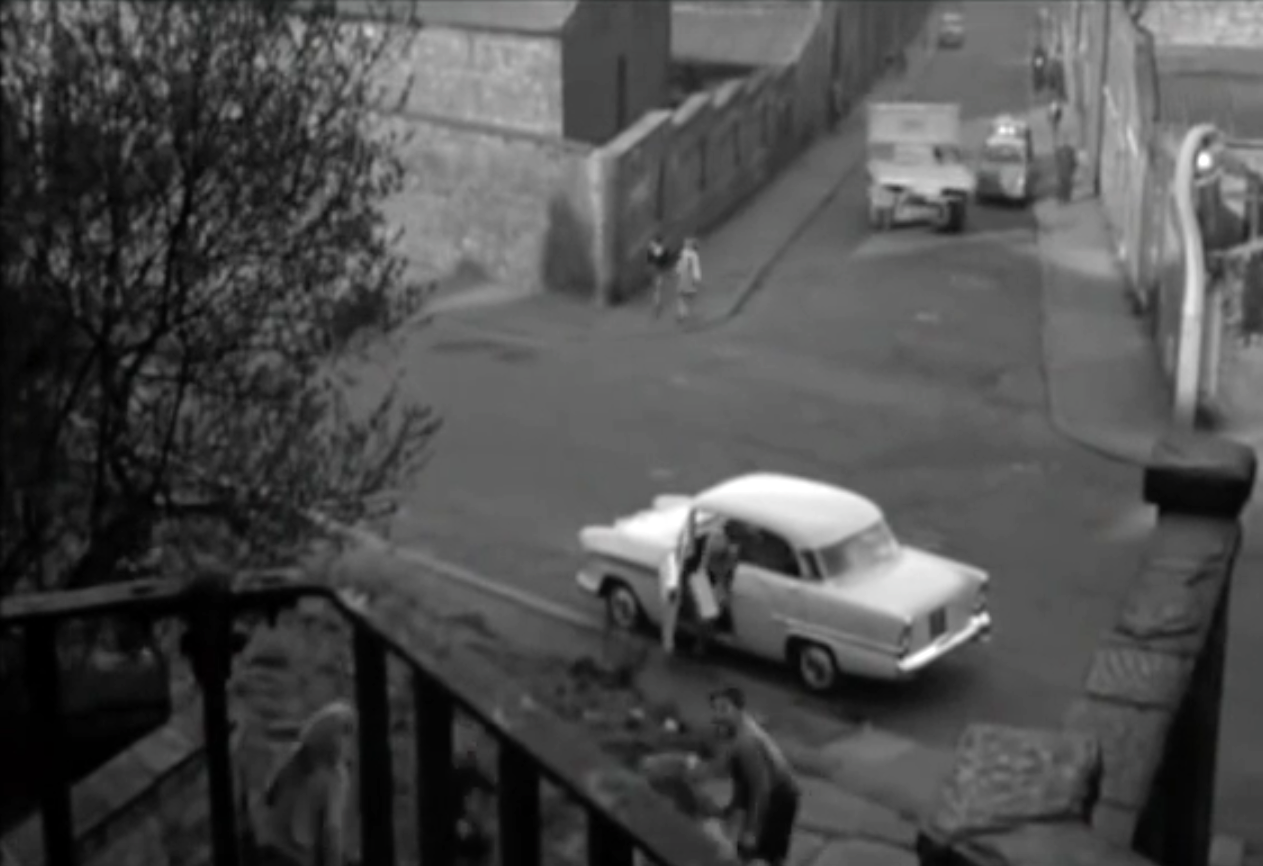
Shot almost entirely on location in black and white by cinematographer Walter Lassally, we are treated to dark treeless vistas, cobbled streets, industrial areas almost perpetually in decline, bleak canals and terraced homes.

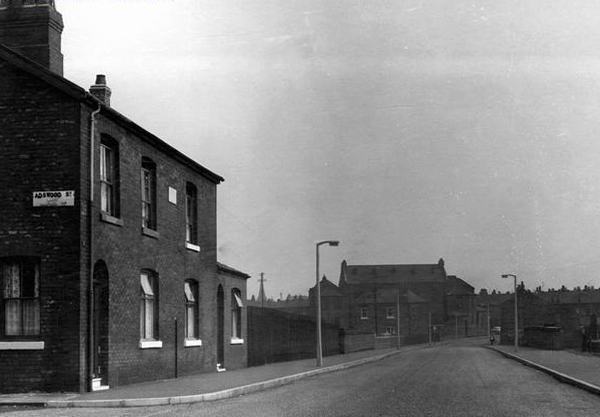
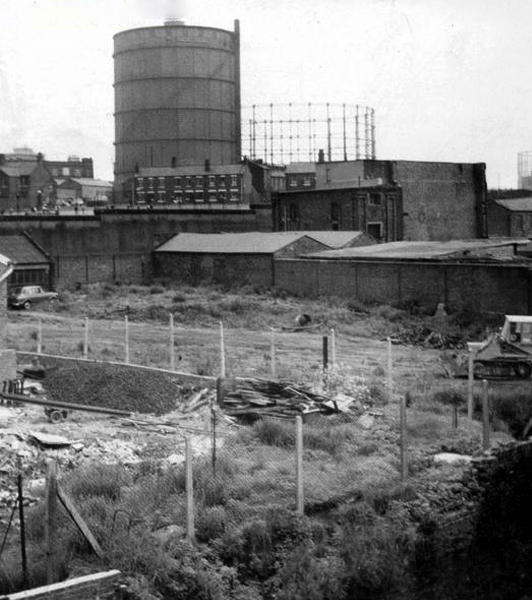
As shown in these archive images of the 1950s, illustrating locations that would subsequently be used in the film adaptation.

There is a comprehensive list of locations here at Reel Streets

cambrian-street

Cambrian Street Holt Town Manchester

gas

Phillips Park Gasworks Manchester

Director Tony Richardson was a product of the British Free Cinema movement, which had previously produced short, sharp documentary and drama work, driven by a leftist outlook and using a restless, immediate approach, aided by the new lightweight cameras and faster film stocks. This is an ethos and methodology that would be carried over into the feature productions of the Woodfall Films company.

bfi-00m-nn0.jpg

Rochdale Canal Manchester

The film was shot in the flat, low, even light of the Winter which heightened the mildly desolate character of the landscape, though ostensibly Salford set many of the locations are in nearby Manchester and Stockport. An early long and free flowing title sequence and establishing shot, is a bus tour around Central Manchester, a city centre which at the time was still graced by a thick accumulation of dark industrial emissions and miasma.

screen-shot-2017-02-03-at-19-44-30

A soot blackened Queen Victoria mute and imperious in Piccadilly Gardens, the freshly blooming cranes of post-war renewal tentatively appearing in the background.

screen-shot-2017-02-03-at-20-30-43

The skyline punctuated by factory chimneys, the tight huddled streets of terraced houses chuffing billowing great grey clouds of smoke – a view familiar in the work of LS Lowry.

a-taste-of-honey-new-4

Barton Bridge

lr-taste-of-honey-msc-swing-bridge

Trafford Swing Bridge

taste-of-honey

Stockport Rail Viaduct

taste_of_honey_01

Phillips Park Gasworks

screen-shot-2017-02-03-at-20-05-24

The location of the home that Jo sets up was ironically the stage set workshop of the Royal Court Theatre (the very theatre where the play was developed and produced) in London – that most northern of cities.

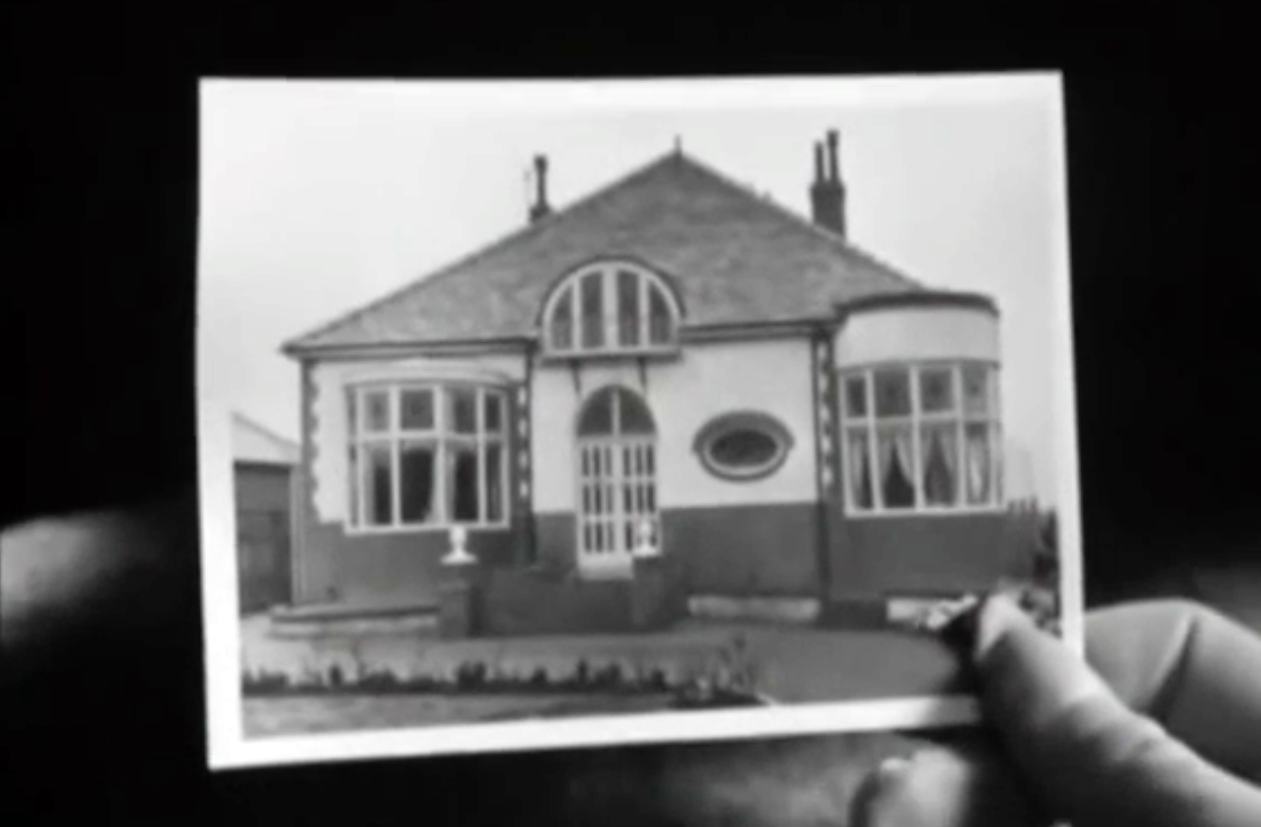
There is a brief respite from this milieu, through a picture in picture sequence based on the image of a suburban bungalow – which along with the coming age of mass motor car ownership, offers the promise of escape.

screen-shot-2017-02-03-at-20-34-51

screen-shot-2017-02-03-at-20-37-15

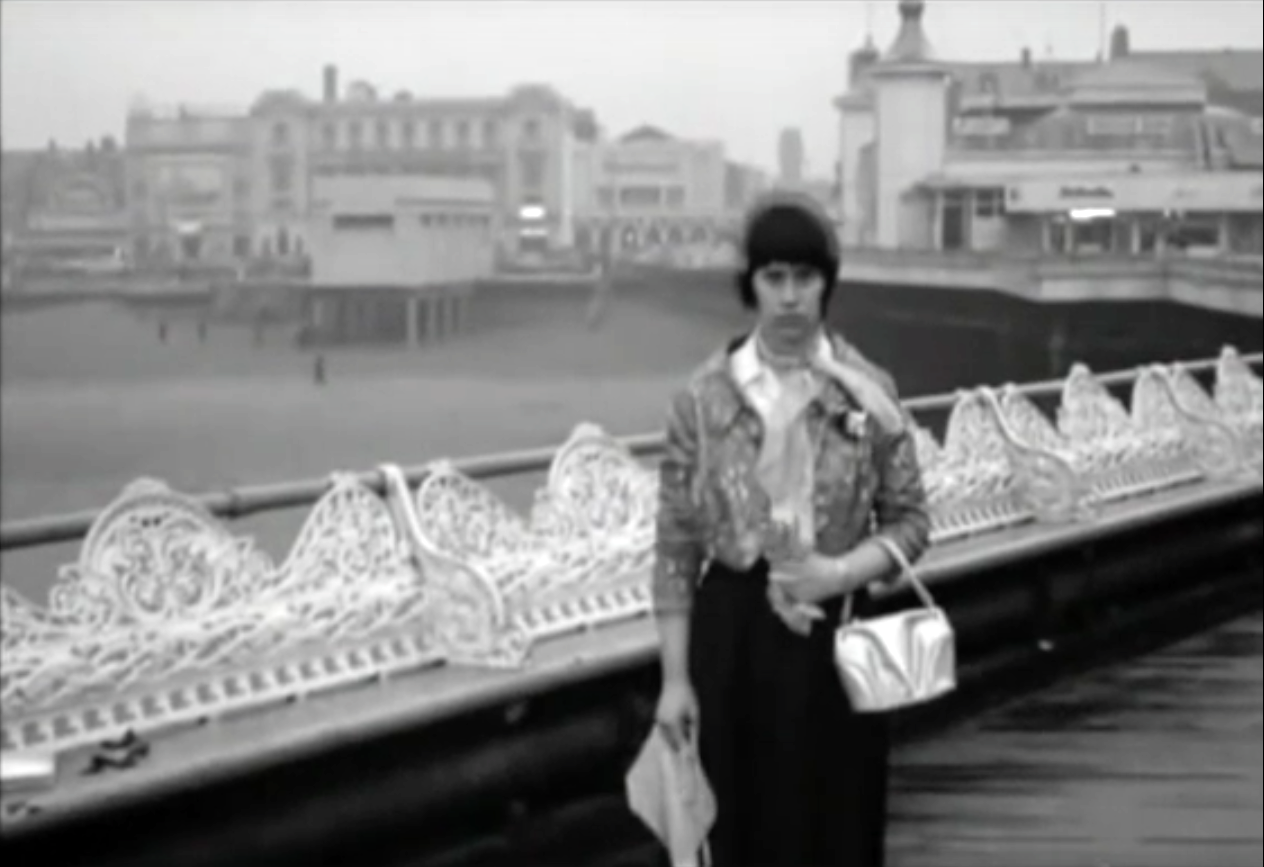
A giddy day trip to Blackpool represents the temporary release from a contrasting and constricting world, a trip which for Jo emphasises the divide between Mother and her lover.

screen-shot-2017-02-03-at-20-35-56

So we the viewers are left with a cloudily clear, black and white world, a pervasive construct that the North and Manchester is eagerly beginning to casually shuffle off.

Where streets are no longer paved with Eccles Cakes and whippets are hip.

Identity through landscape and location can both define and constrain, but that landscape, its representation, and the identity that it produces are all mutually mutable.

Take some time to watch and rewatch the film, freeze frame where are we?

Who are you?

Manchester – Tanzaro House

A chance meeting with two aged cordial bottles, a little nudge in the right direction from Christine Studley-Yates, encouragement from Natalie Ainscough, and learned guidance from this erudite site:

http://manchesterhistory.net/manchester/outside/tanzaro.html

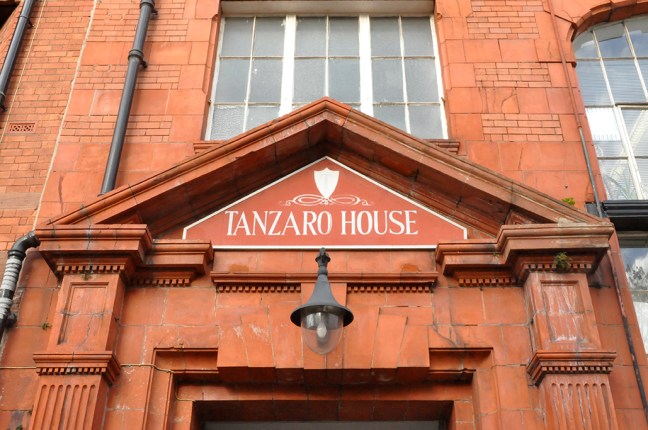
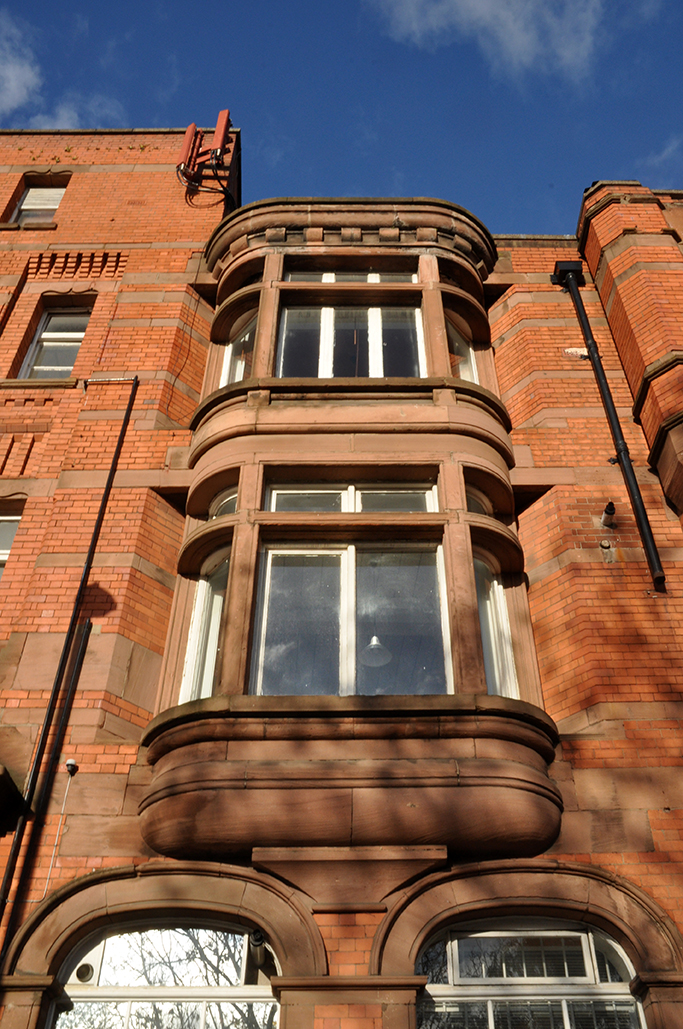
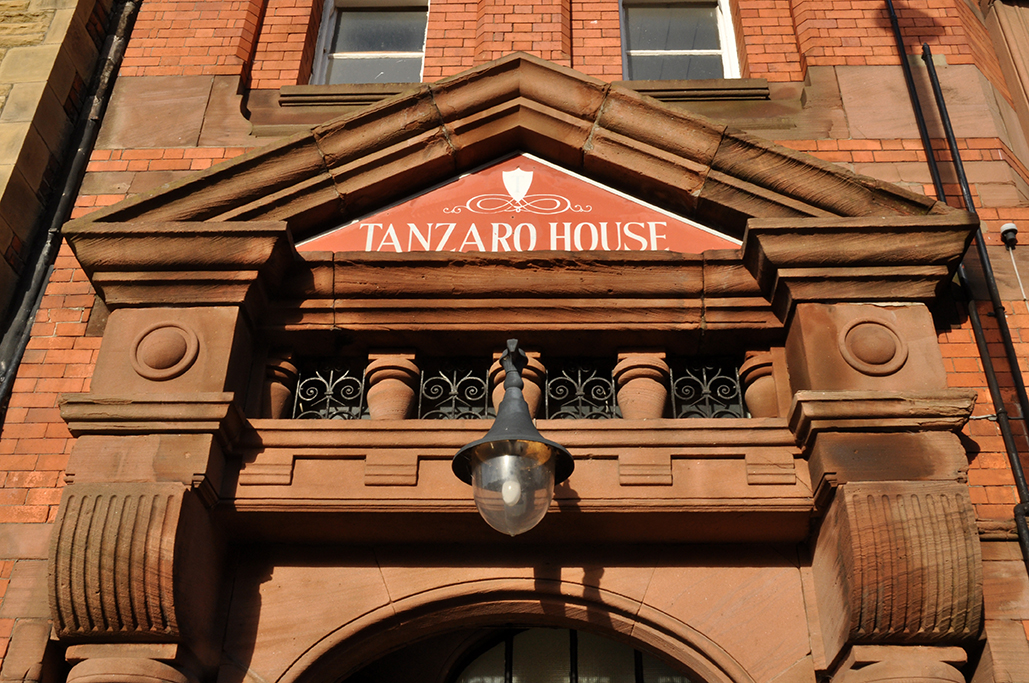
Here we are on the edge of Ardwick Green, outside Tanzaro House, former home of Jewsbury and Brown – J&B.

So called as many of their soft drinks were branded Tanzaro.

tanzaro ad

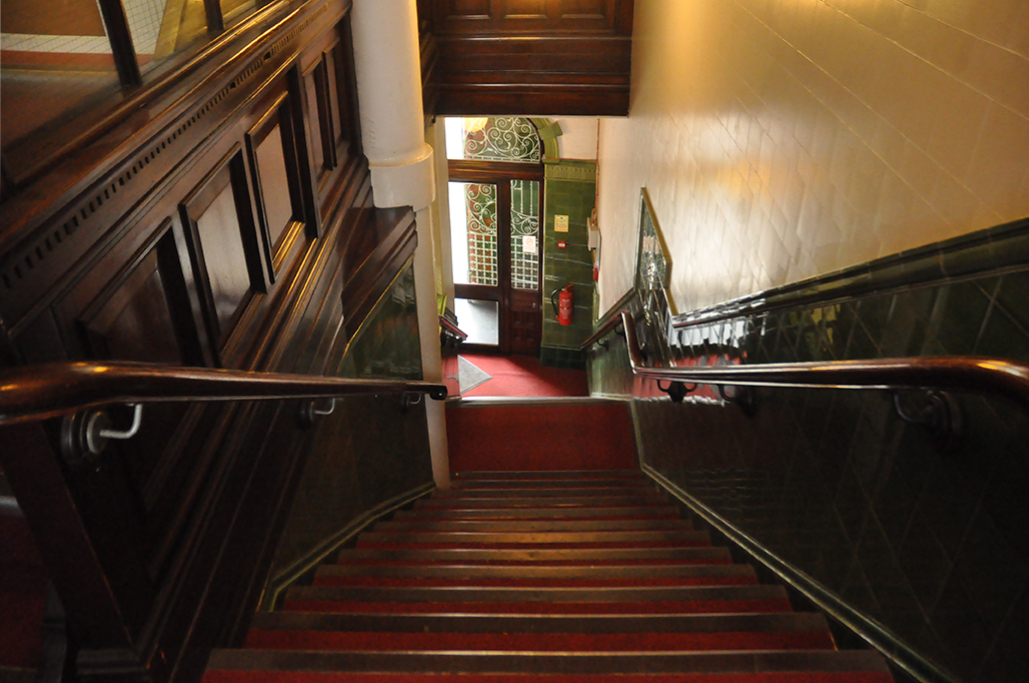
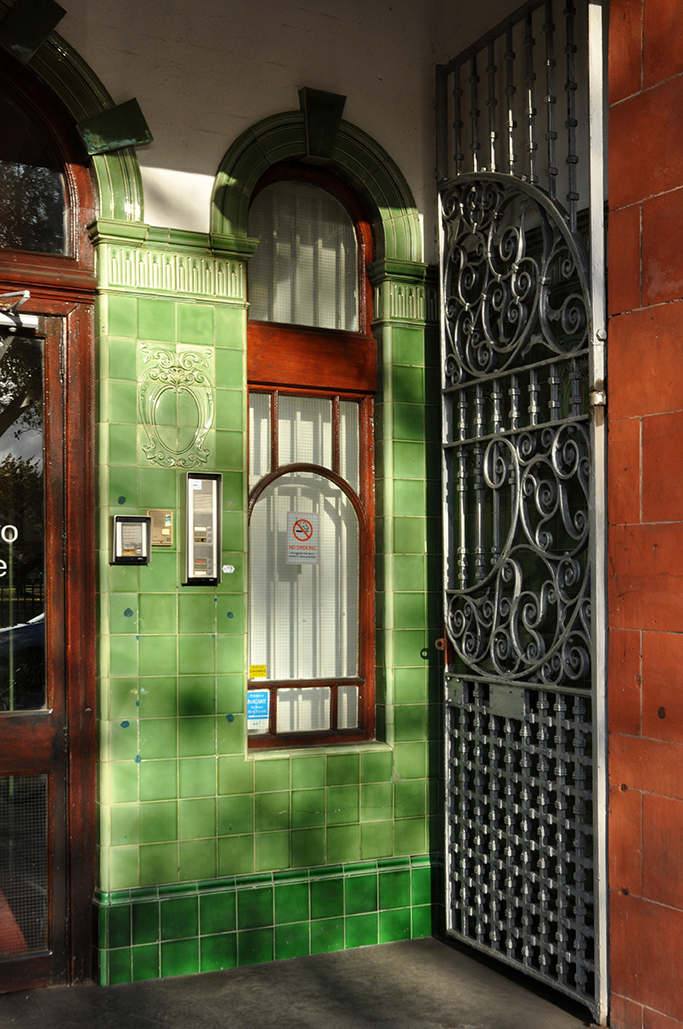
J&B are long gone, bought out by Schweppes in 1964 – the building is now home to a range of photographic, clothing and design studios. Happily the majority of the internal and external architectural features remain intact.

It stands in a small corner of Manchester, surrounded by a rich variety of architectural styles, by the side of a well-used public park – take a trip down there, just a moment away from the city centre.

DSC_0033 copy 2

DSC_0010 copy

DSC_0028 copy

DSC_0015 copy

DSC_0003 copy

DSC_0004 copy

DSC_0030 copy

DSC_0022 copy

DSC_0031 copy

DSC_0021 copy

DSC_0034 copy

DSC_0014 copy

DSC_0012 copy

DSC_0035 copy

DSC_0024 copy

DSC_0009 copy

DSC_0026 copy

DSC_0013 copy

DSC_0017 copy

DSC_0037 copy

DSC_0018 copy

DSC_0008 copy

DSC_0011 copy

DSC_0016 copy

Manchester – Openshaw Indoor Market

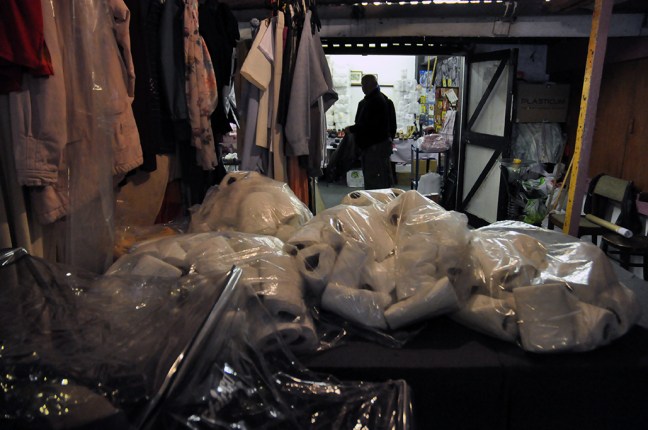
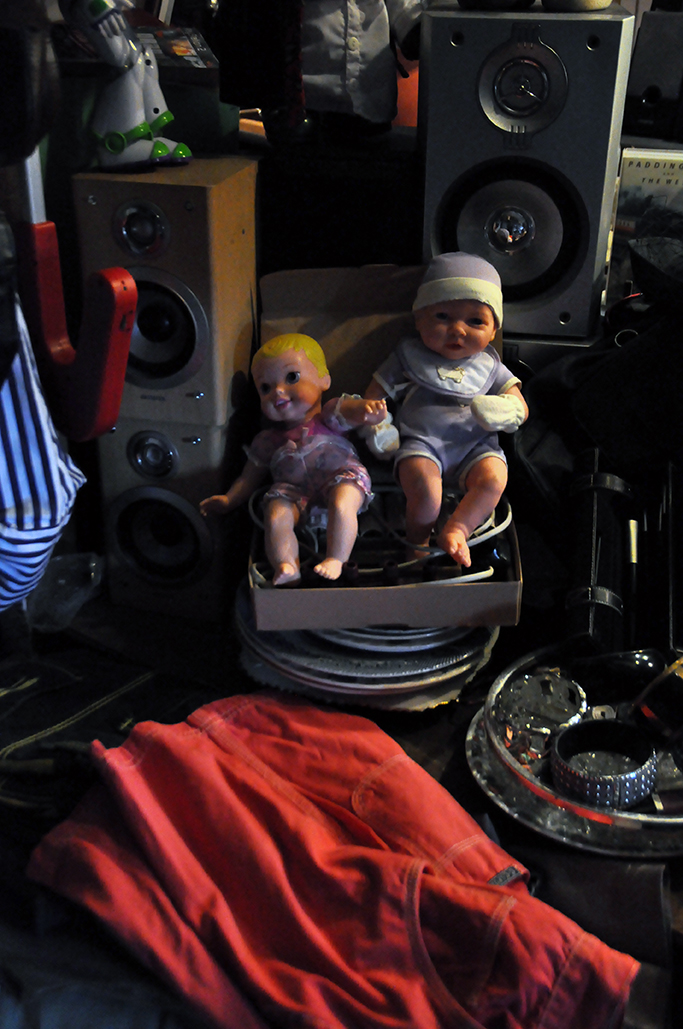
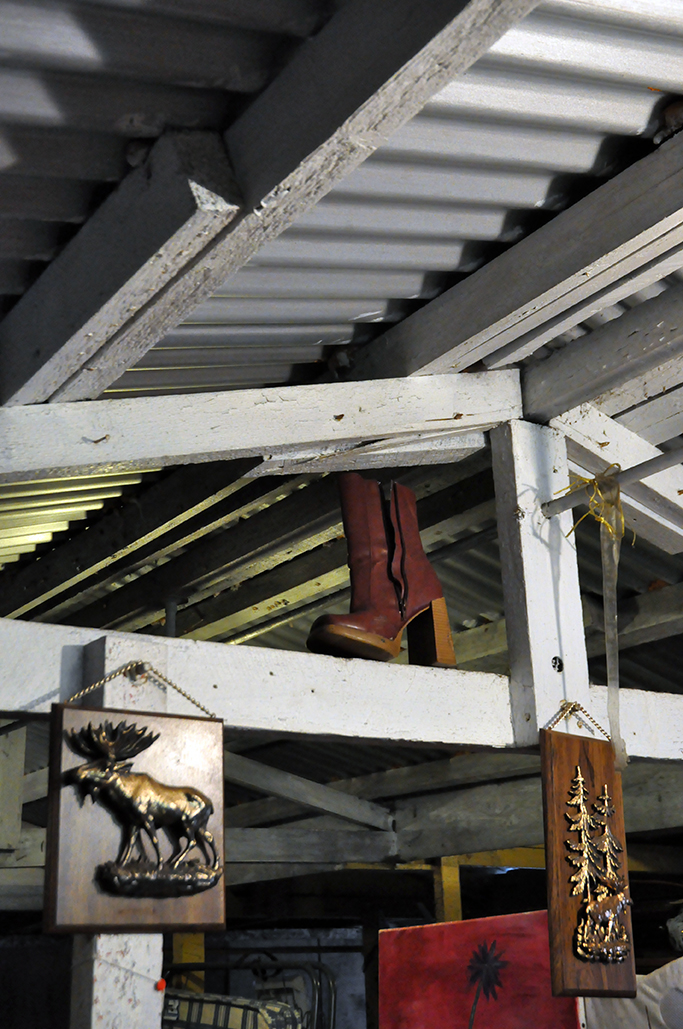
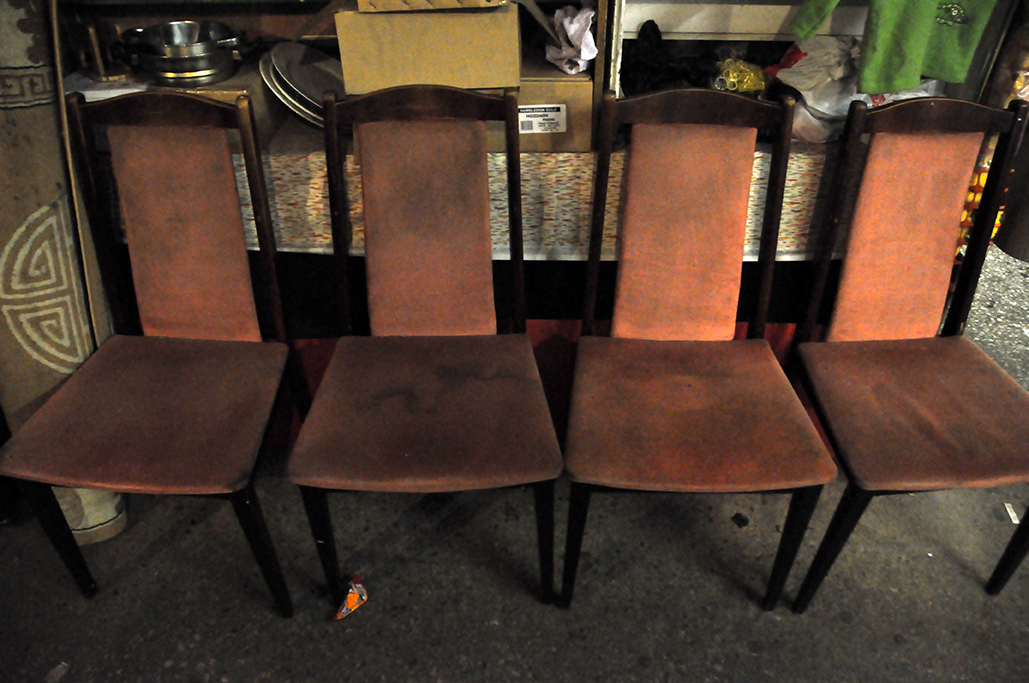
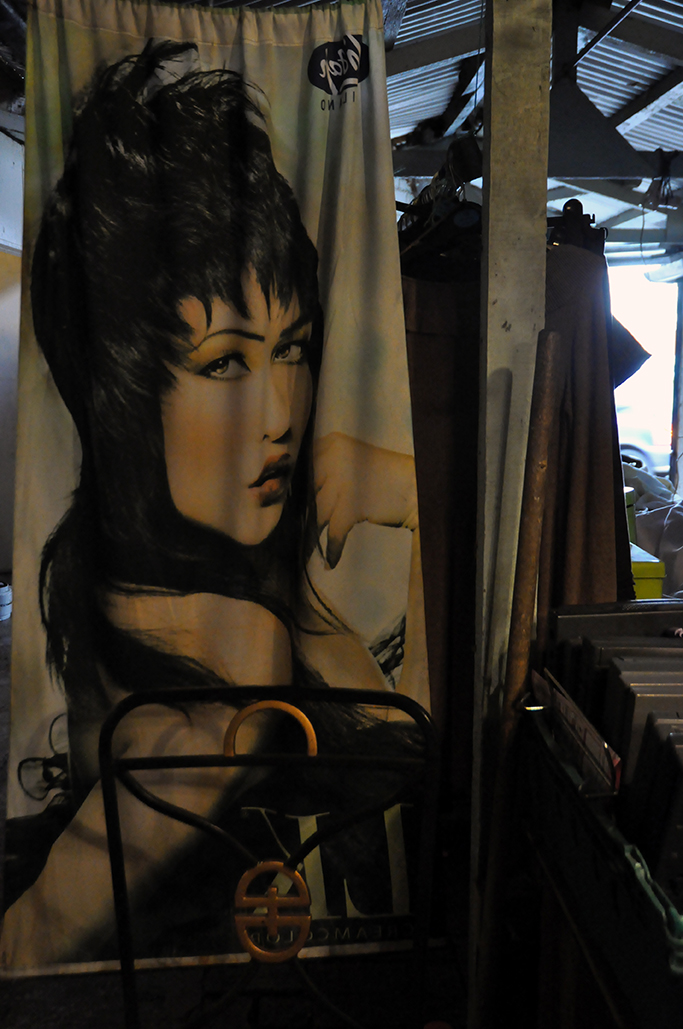
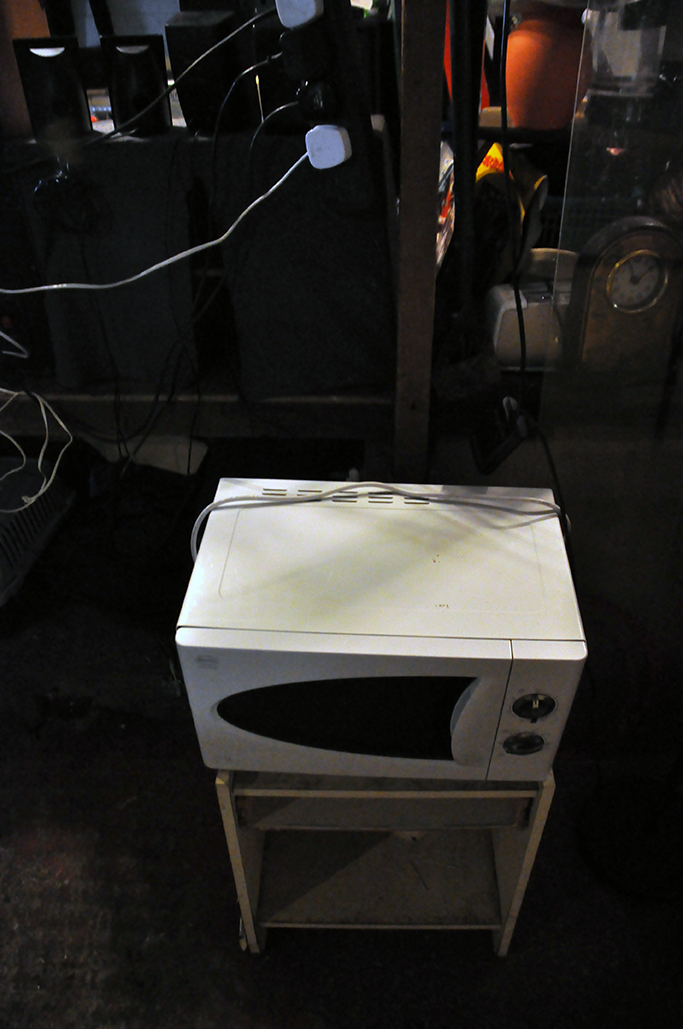
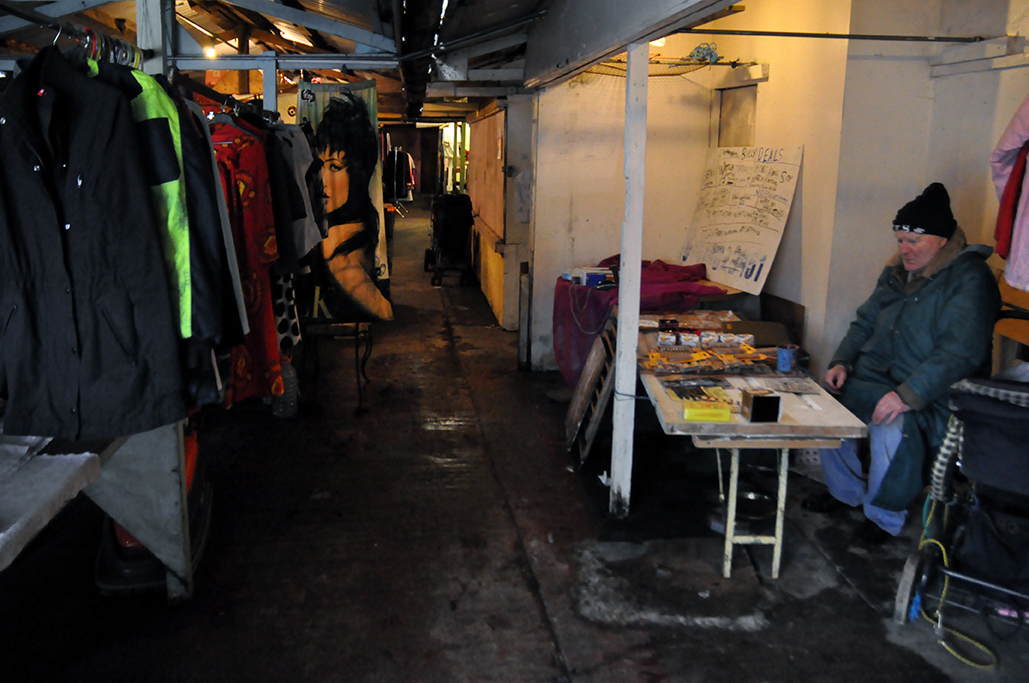
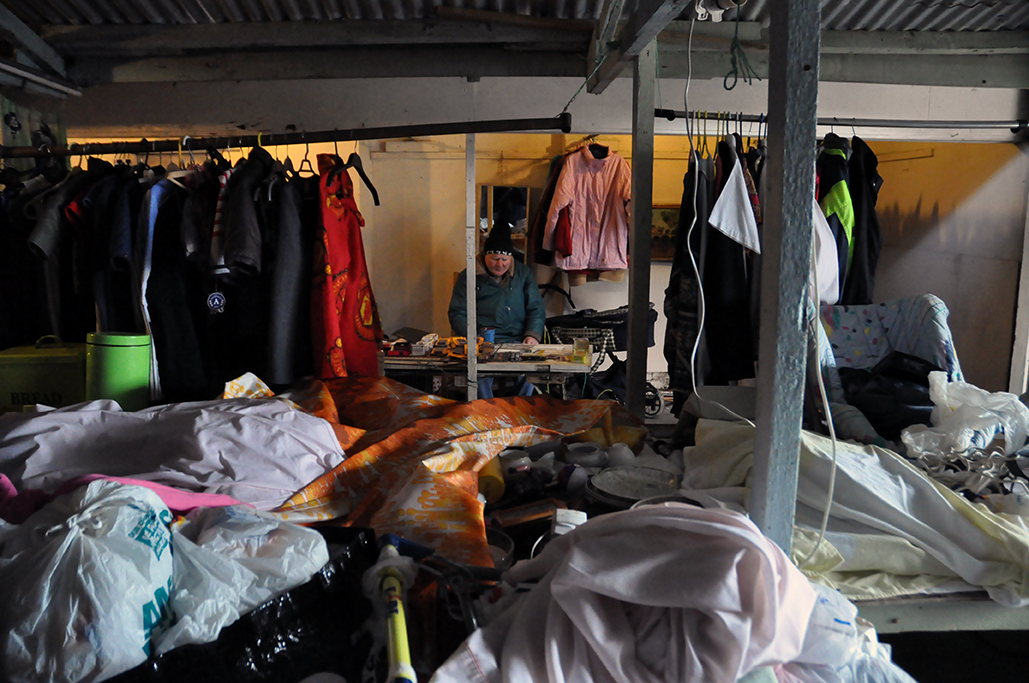
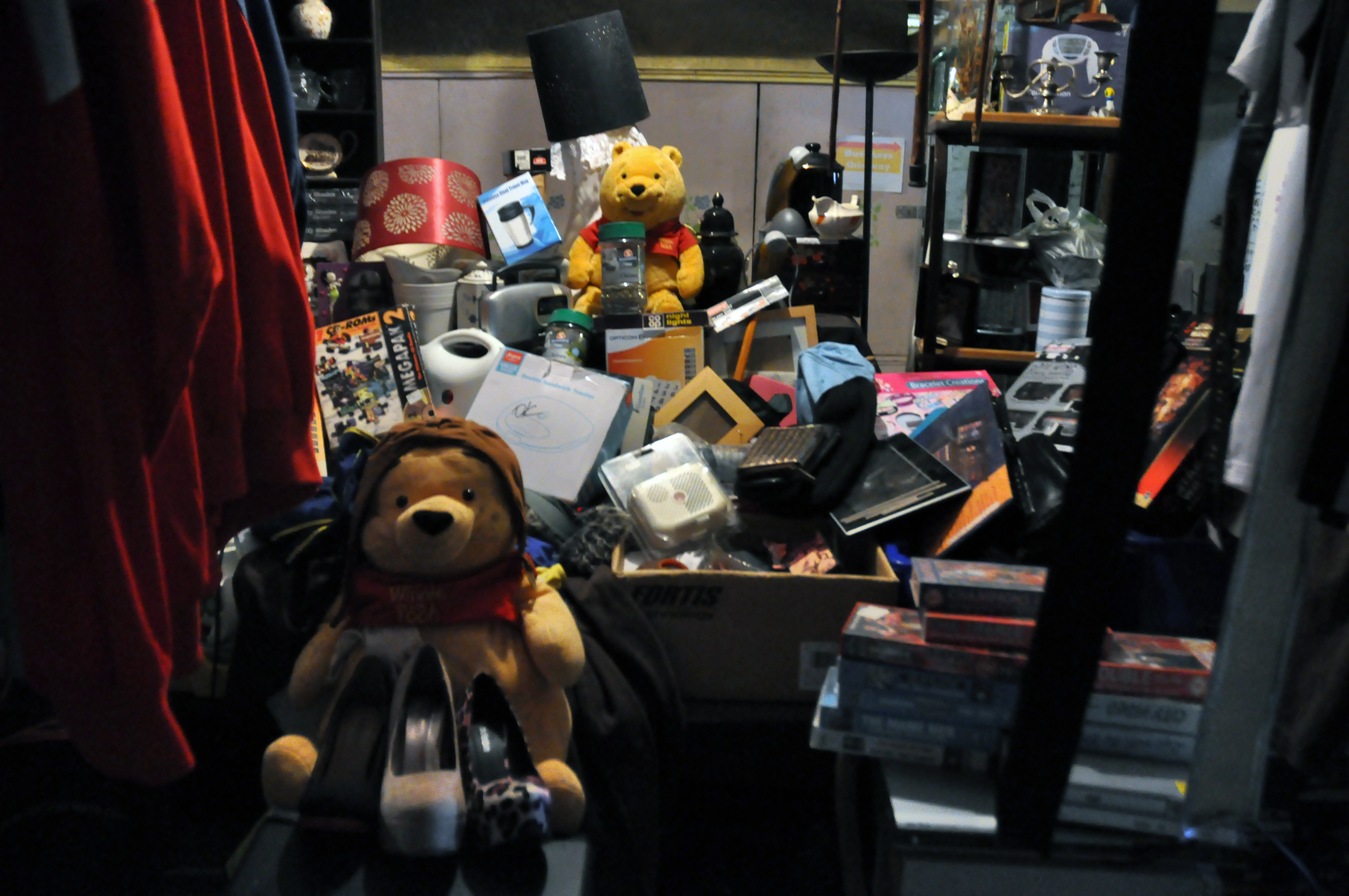
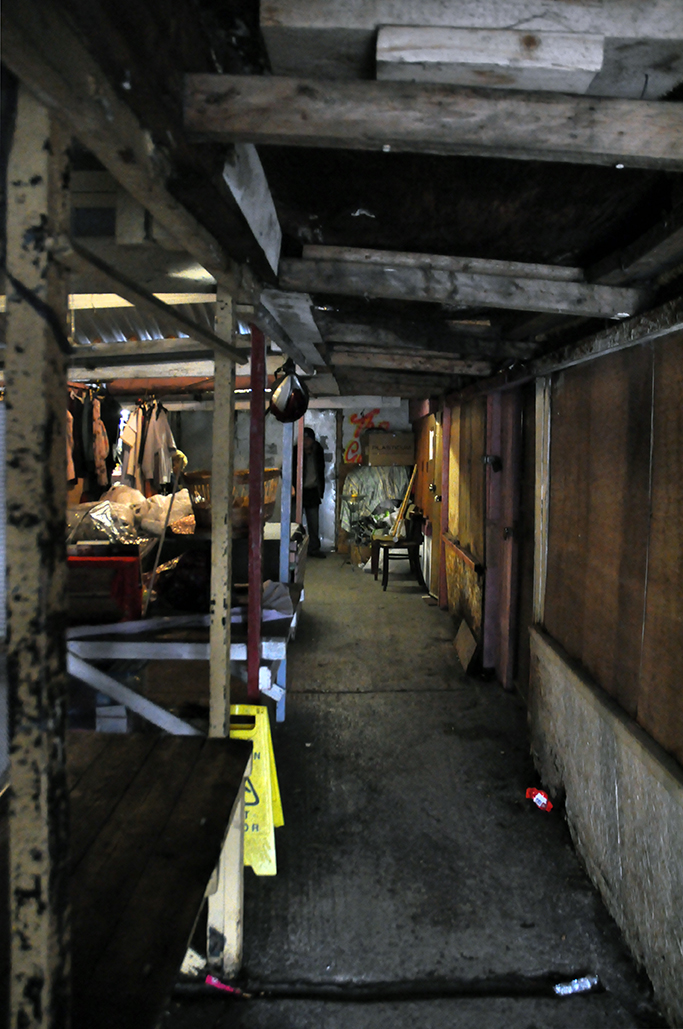
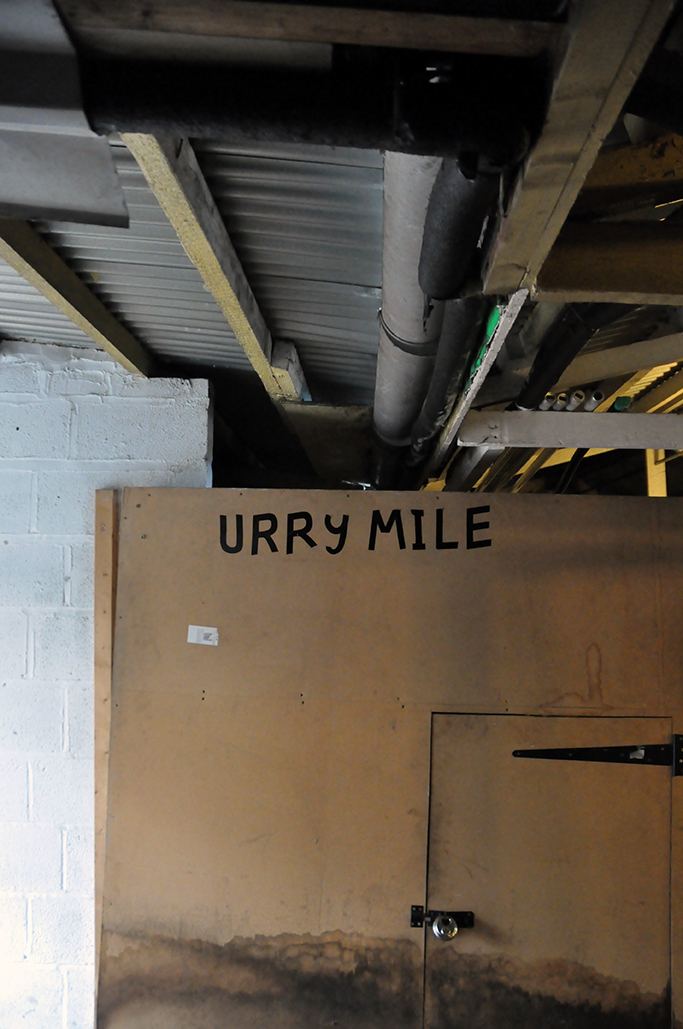
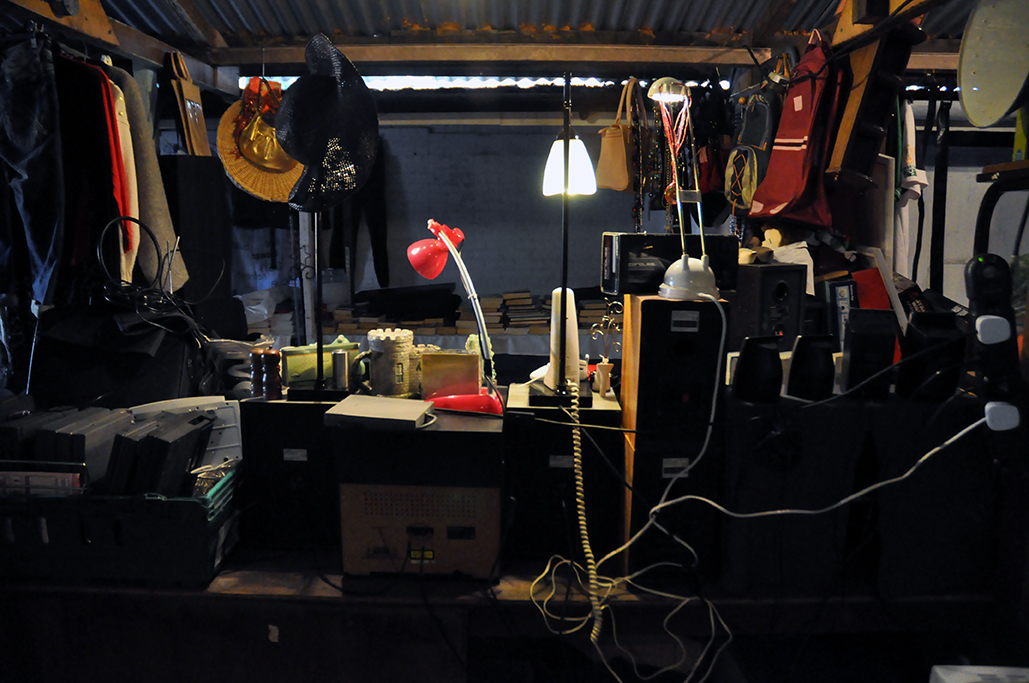
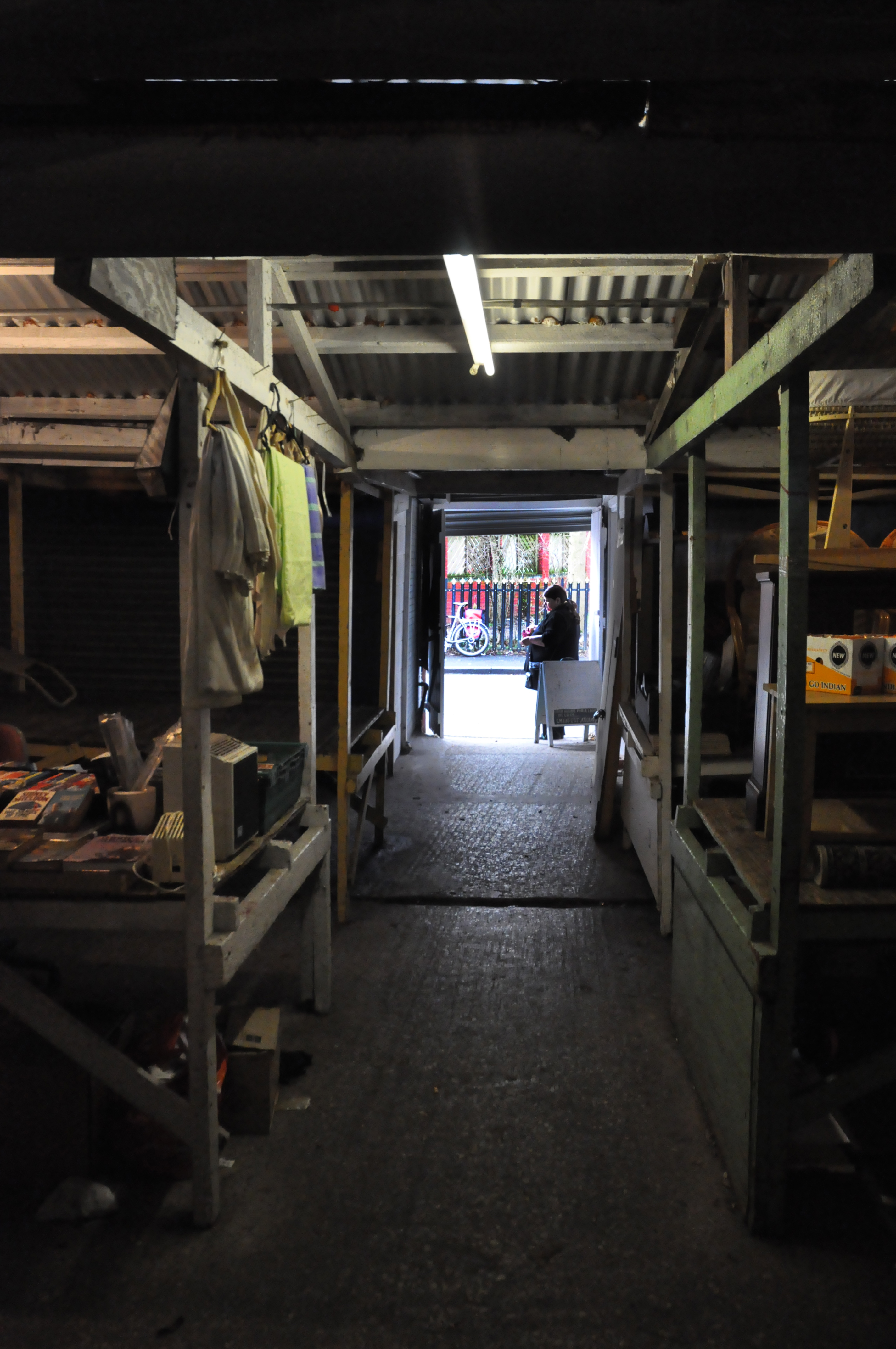
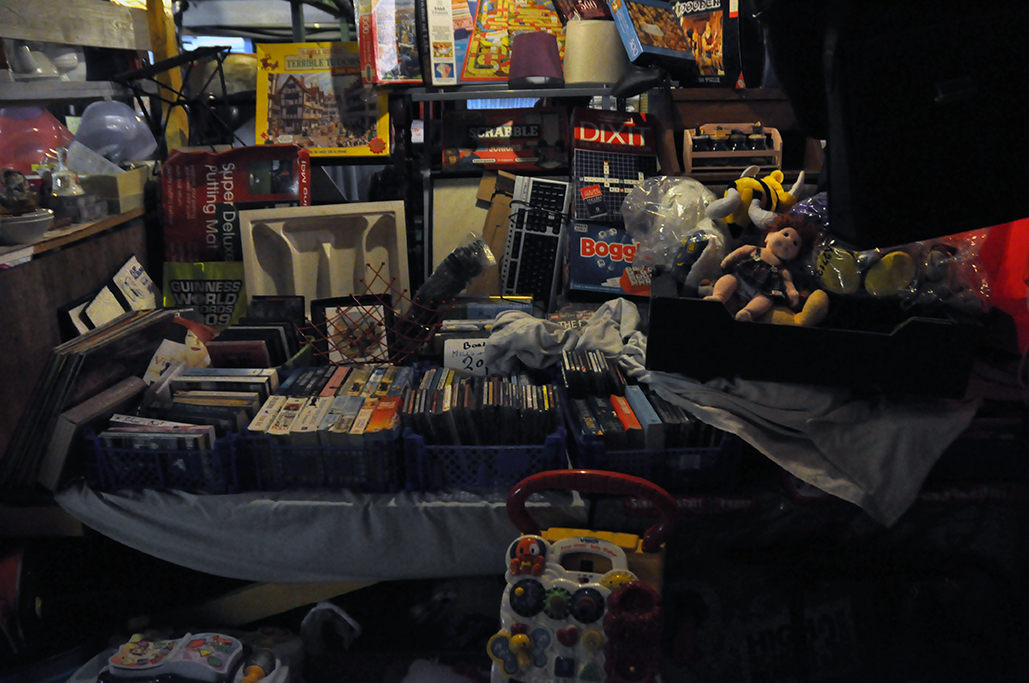
It’s dark inside, you can feel the thin light at war with the murky interior.

Stall holders scurry between stalls, in and out of alcoves, cupboards, hidey holes and plywood worlds.

They made me welcome, chatted as they went about their business of simply getting by.

This is the land beyond time and at times motion and emotion.

Entering seems transgressive, there is nothing in here I want or need, I just had a compulsion to record this flickering fight against the distinct possibility of extinction.

Come in.

DSC_0337 copy

DSC_0356 copy

DSC_0354 copy

DSC_0353 copy

DSC_0352 copy

DSC_0346 copy

DSC_0339 copy

DSC_0335 copy

DSC_0331 copy

DSC_0328 copy

DSC_0325 copy

DSC_0324 copy

DSC_0319 copy

DSC_0318 copy

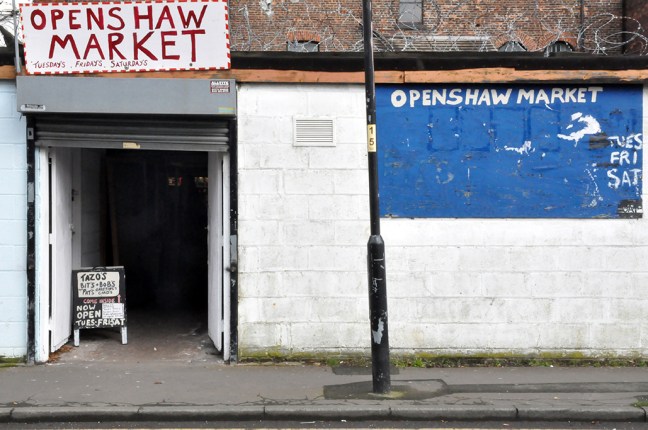
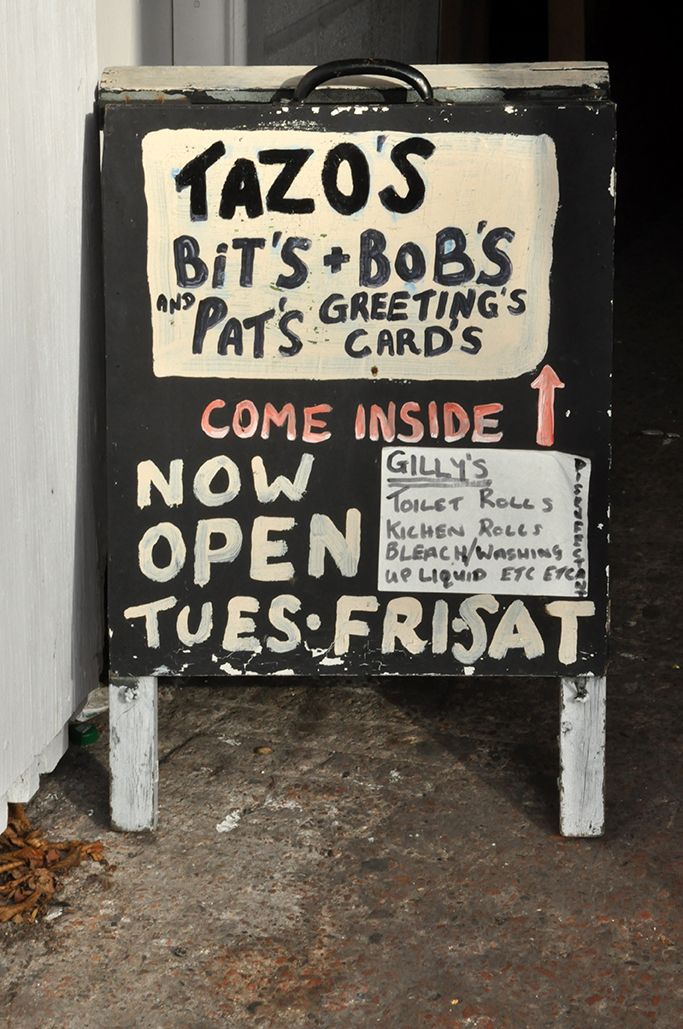
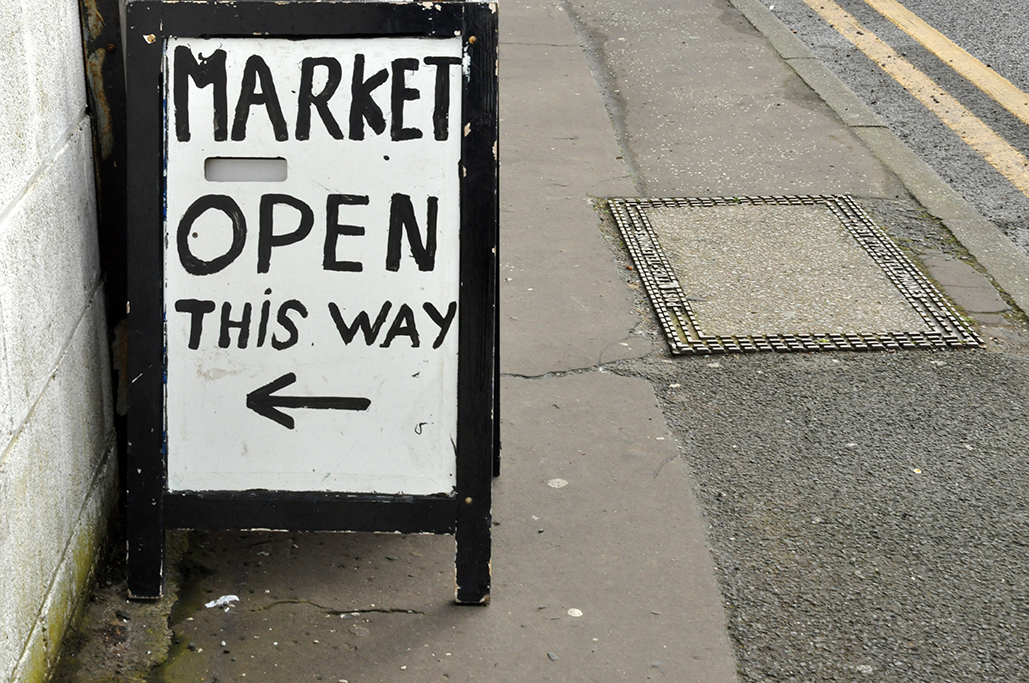
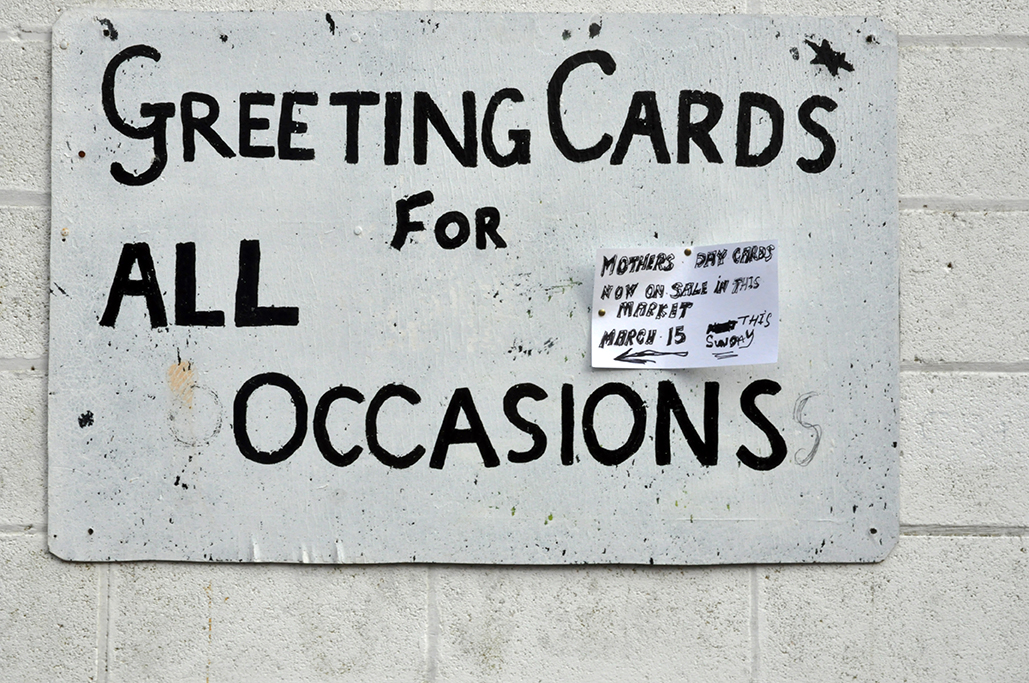
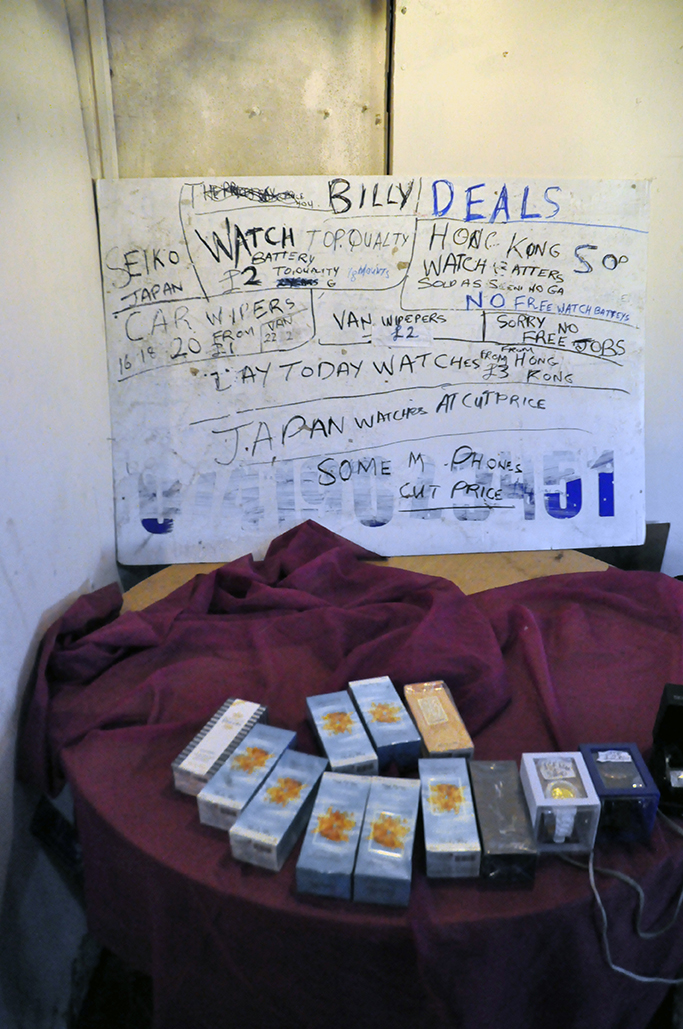
Manchester – Openshaw Market Signs

There have been covered markets to the east of Manchester for many years, those on Grey Mare Lane have now gone, in fact Grey Mare Lane has almost gone, absorbed into a very different and very privatised urban redevelopment. That area of the city is now largely owned by Mansour bin Zayed bin Sultan bin Zayed bin Khalifa Al Nahyan,  commonly known as Sheikh Mansour.

He also owns City.

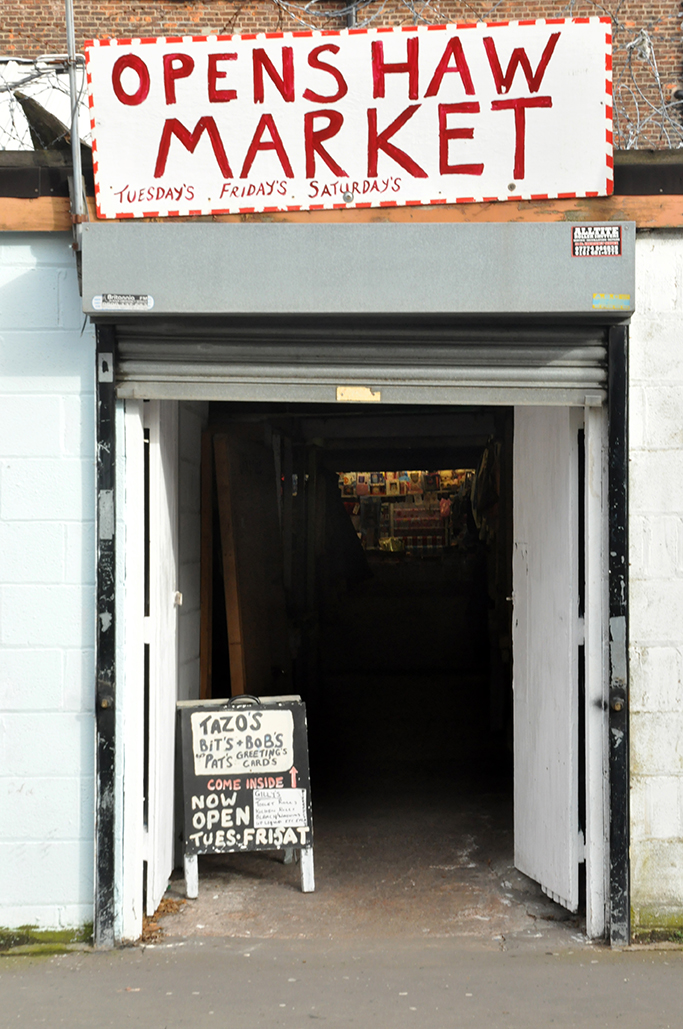
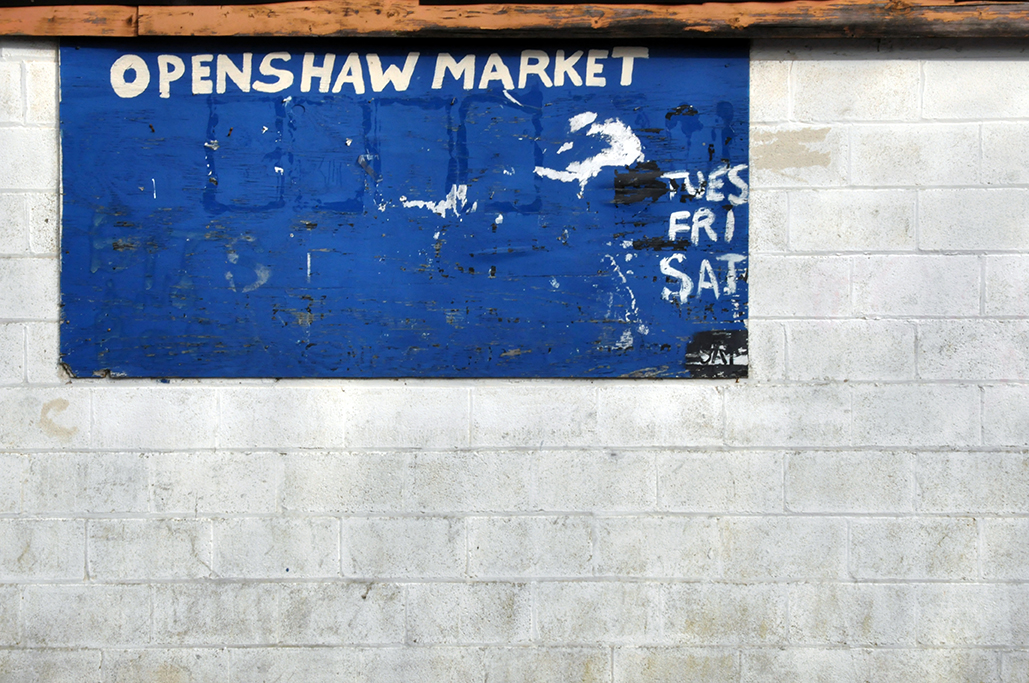
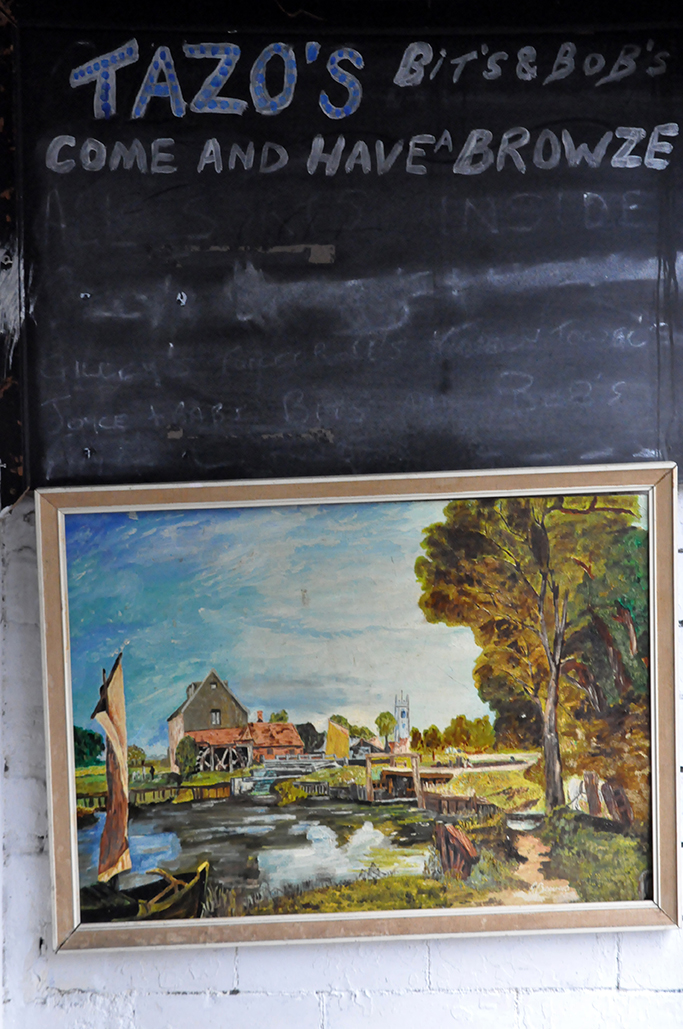
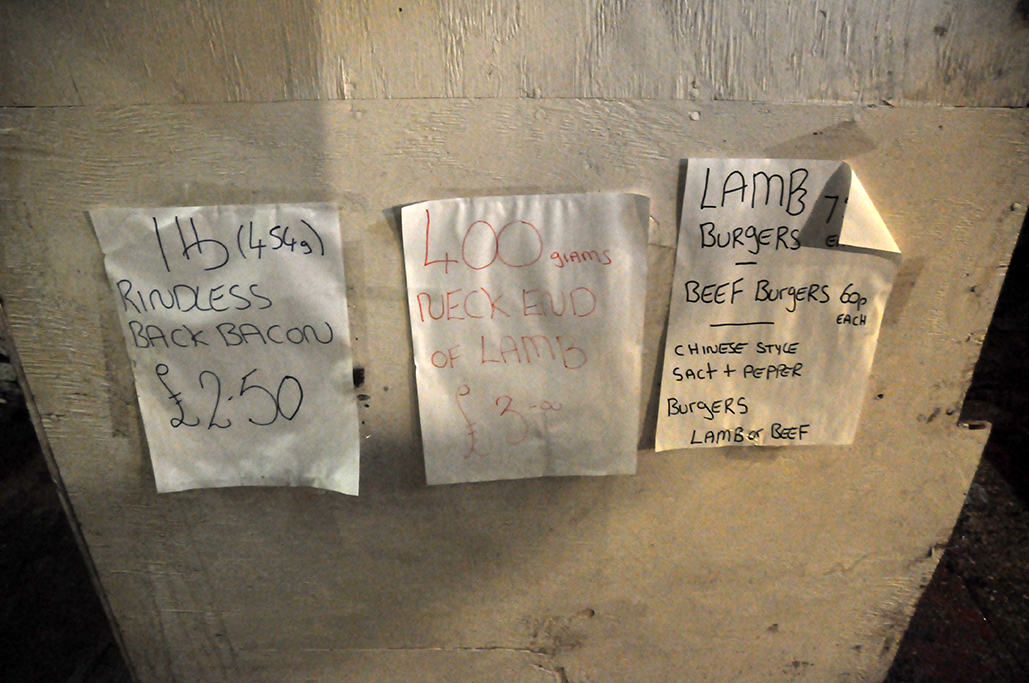
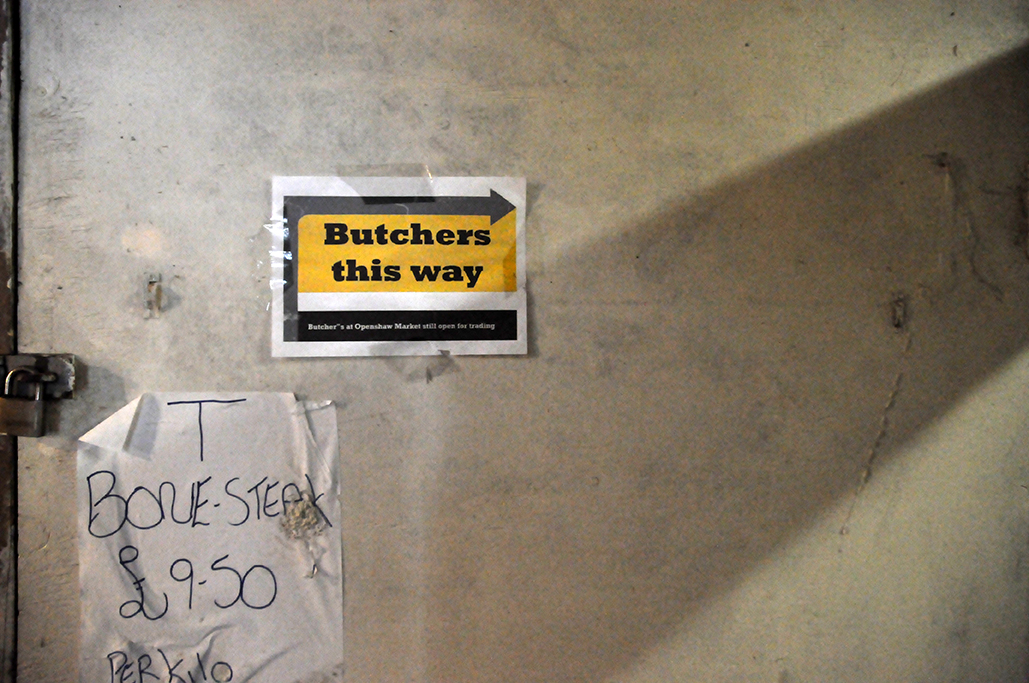
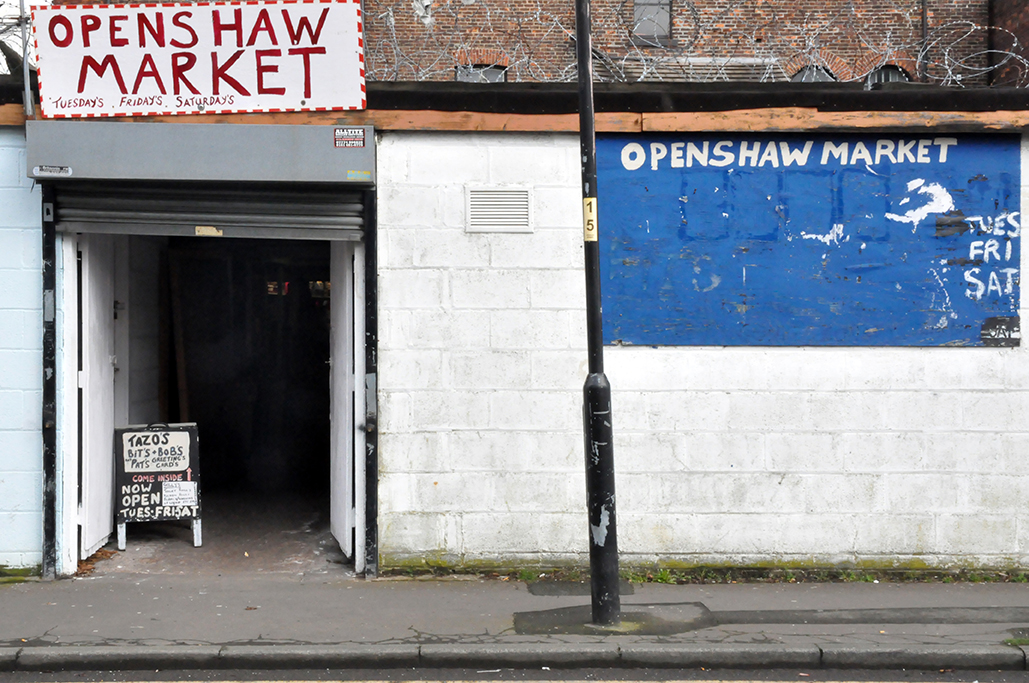
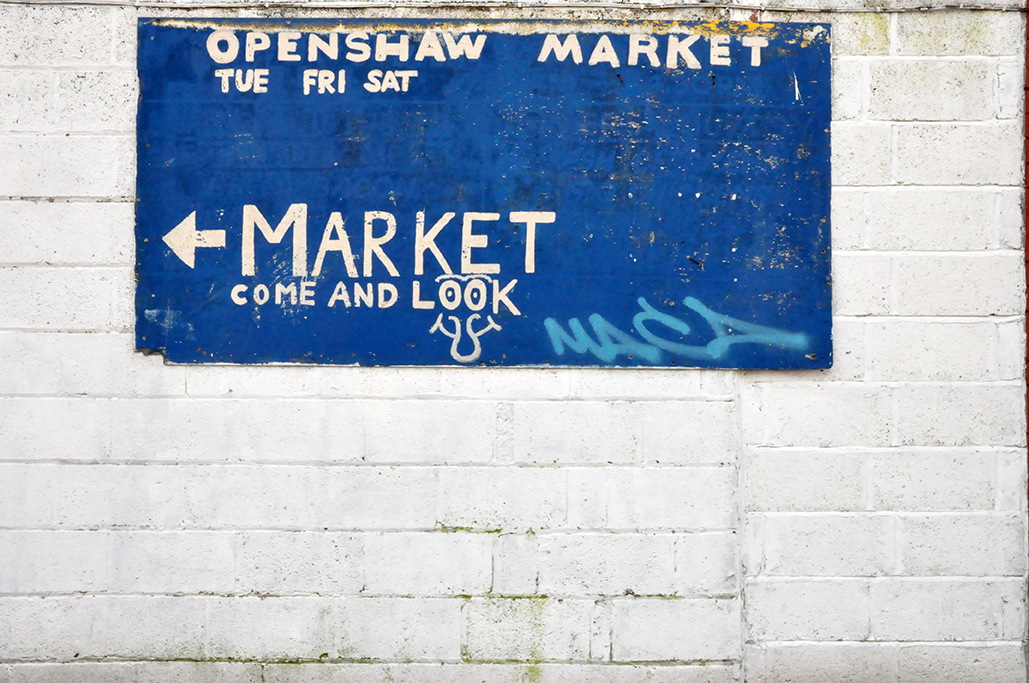
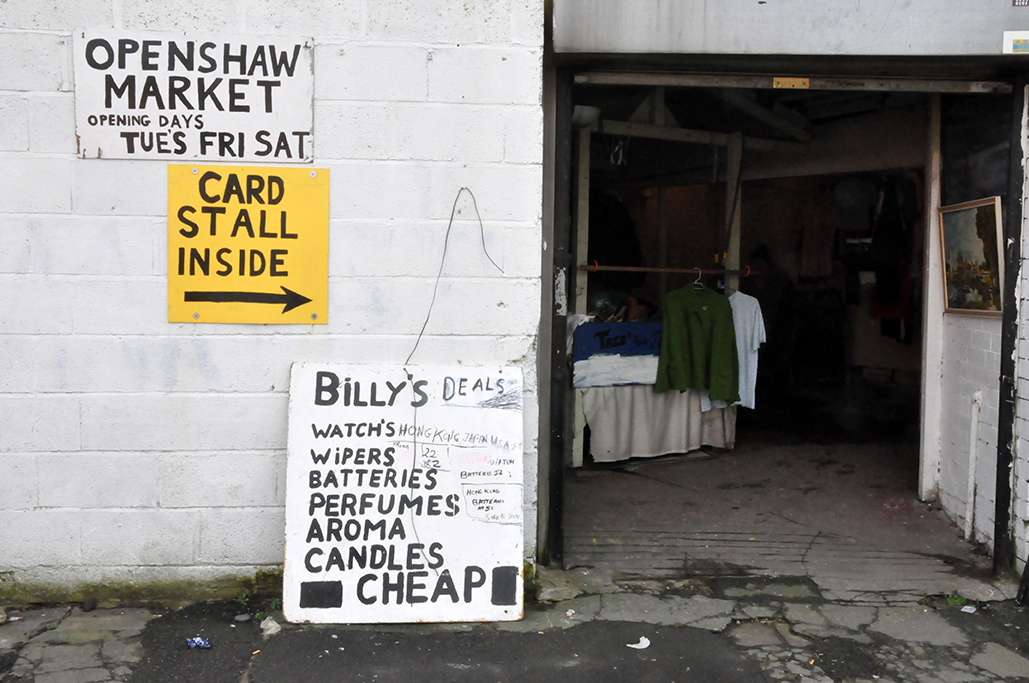
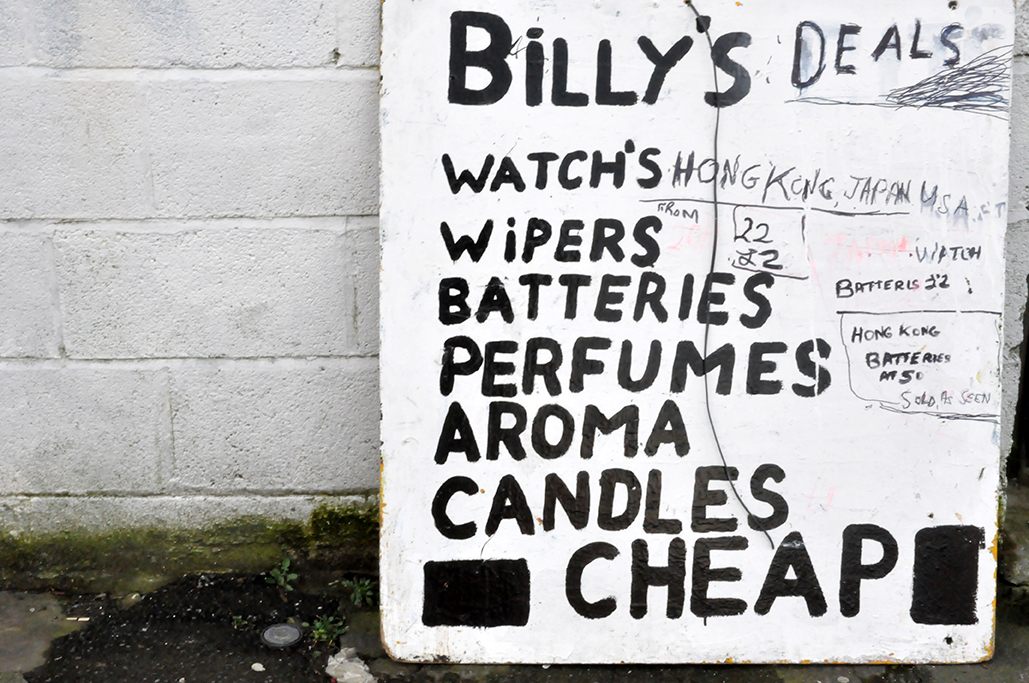
Openshaw Market survives, home to a rag bag of honest hard working and friendly traders, getting by.

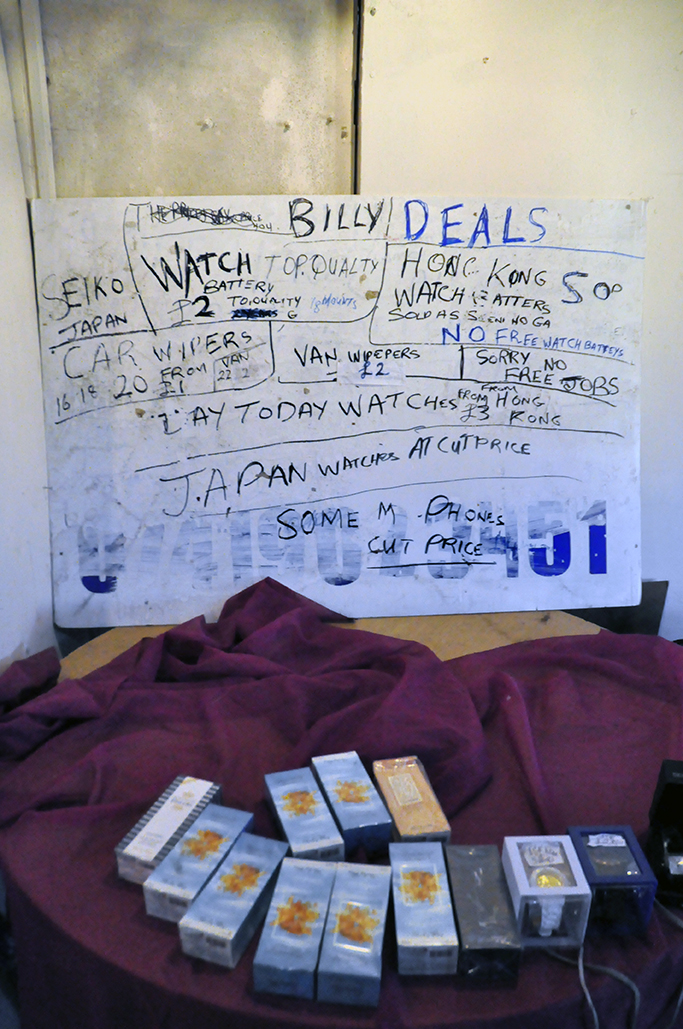
They have their own unique brand of branding and signage – the downright, down home, home made.

I’d like to share it with you – come and look.