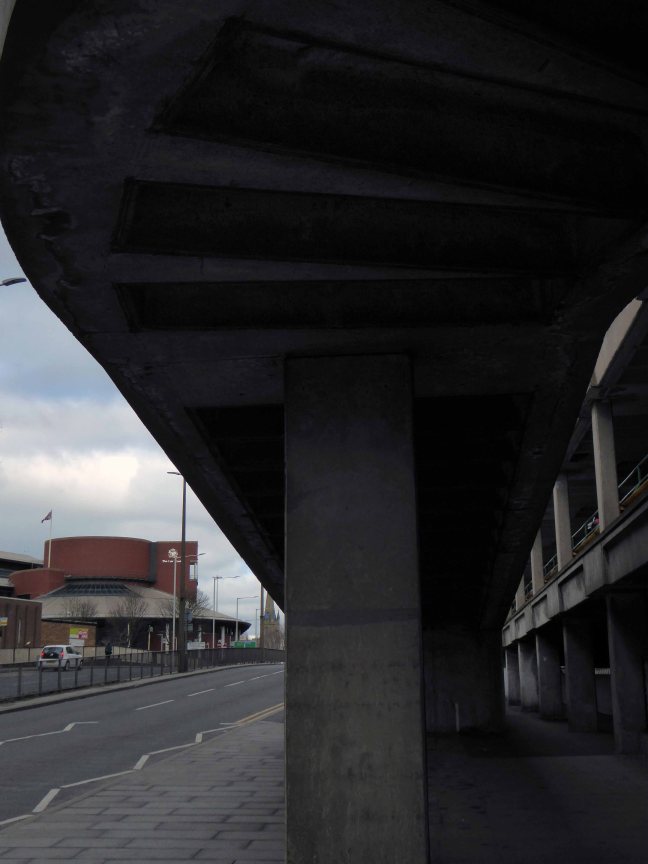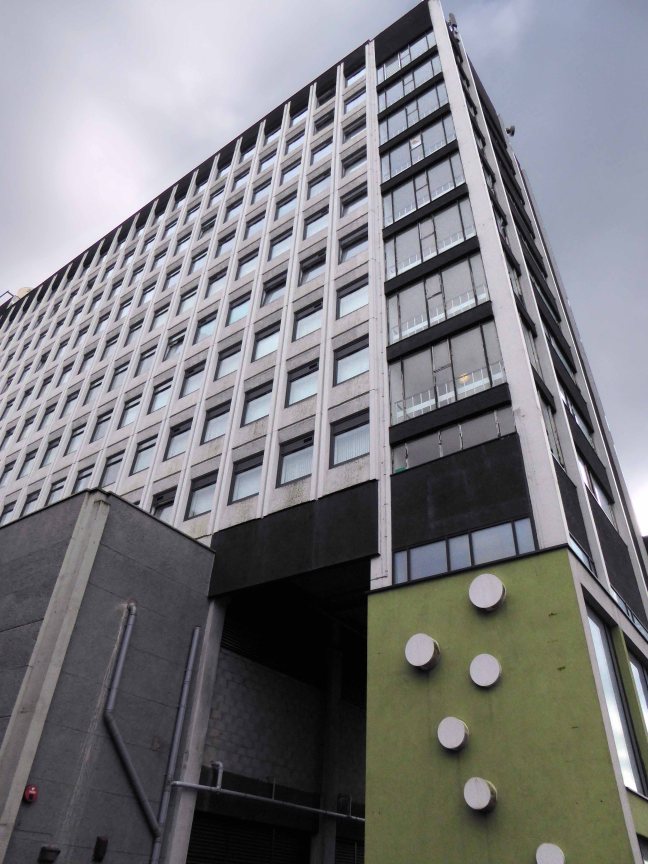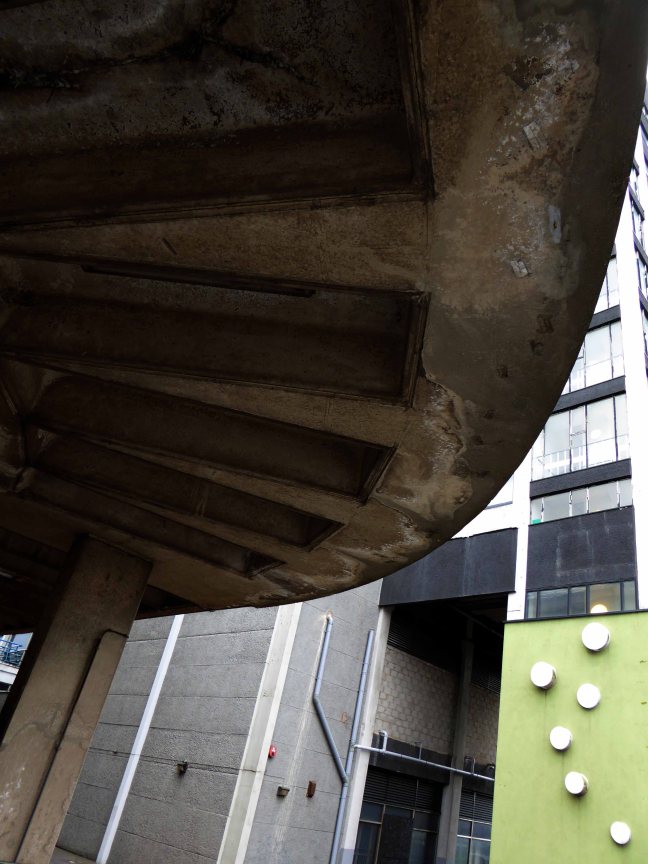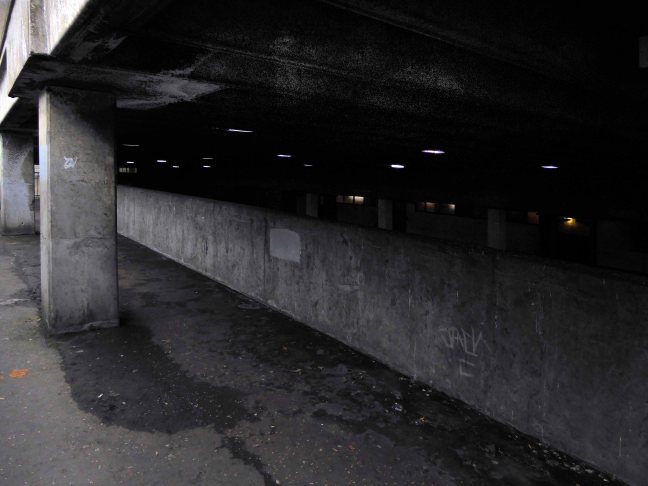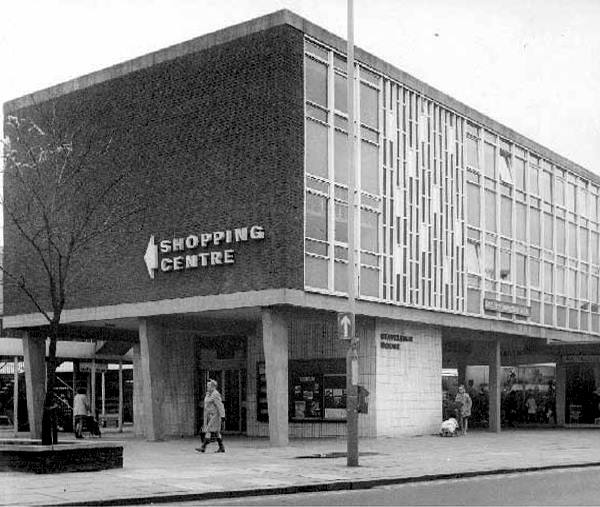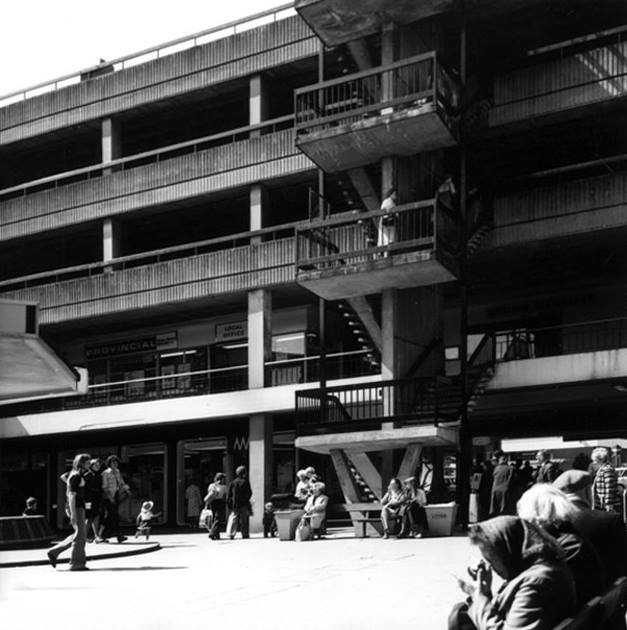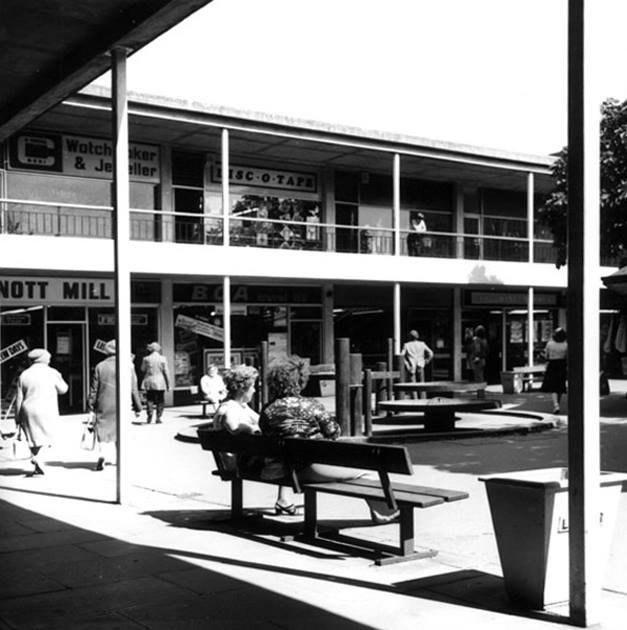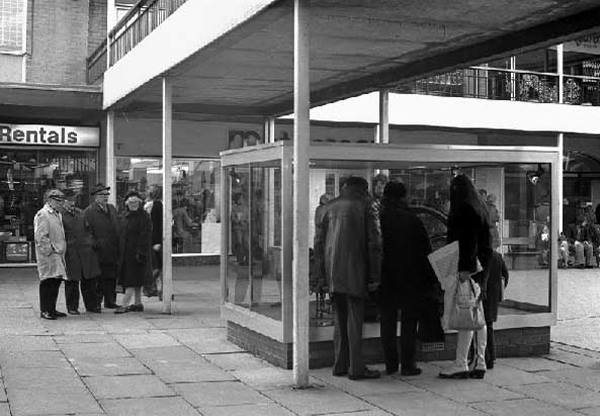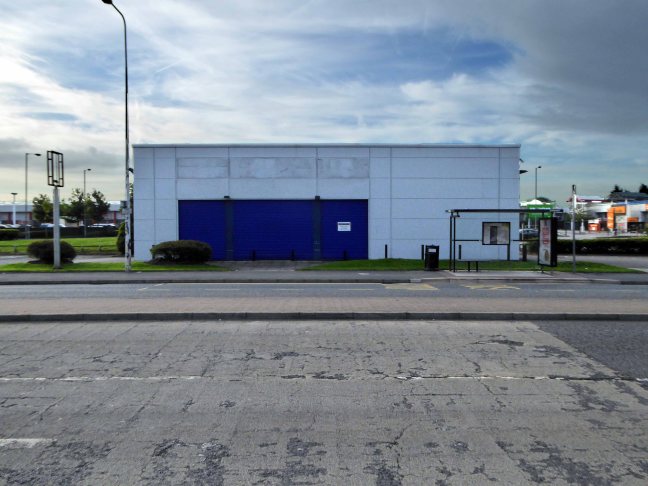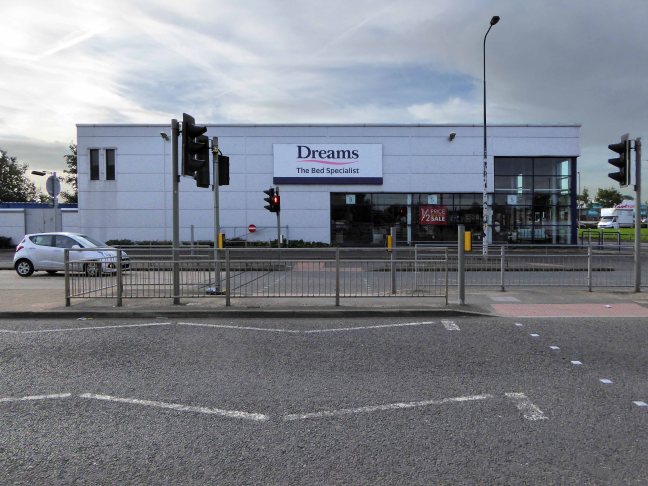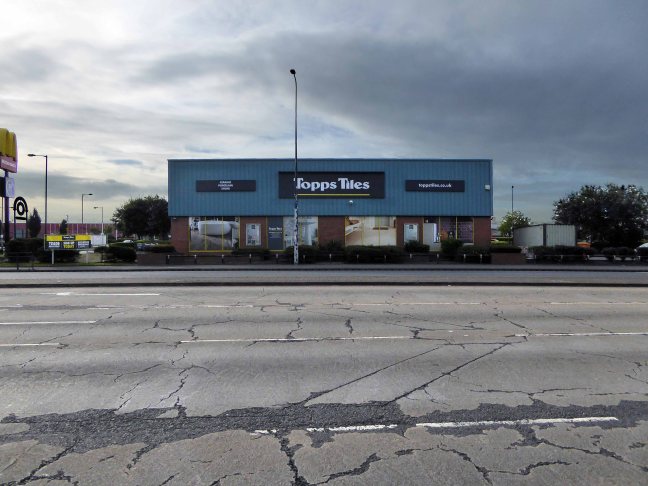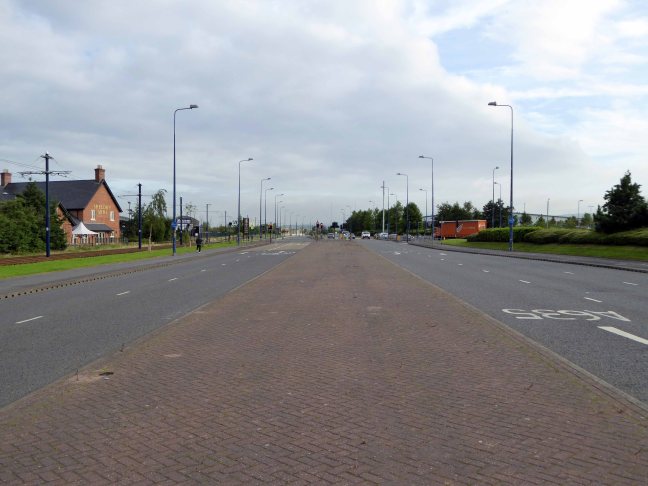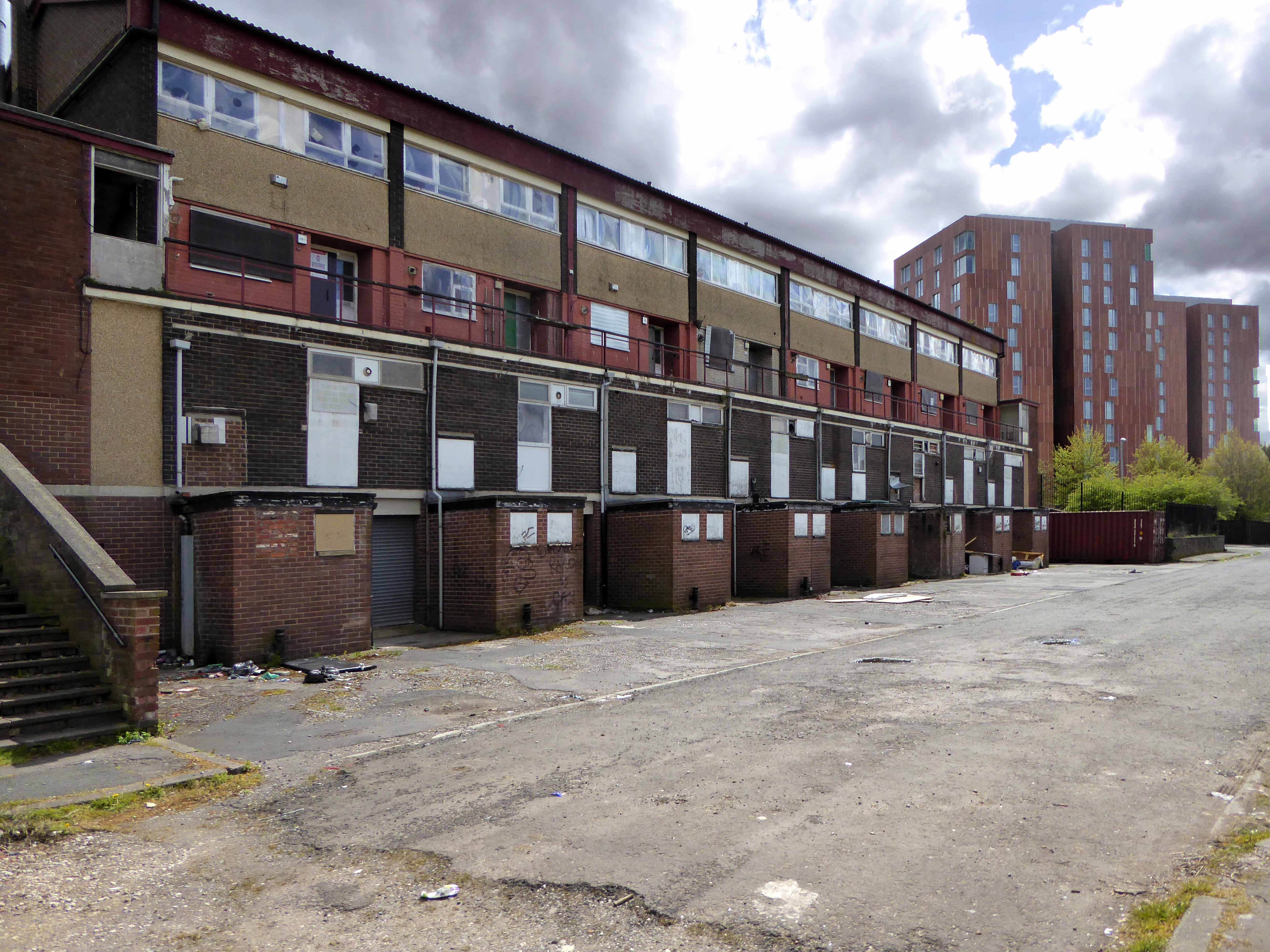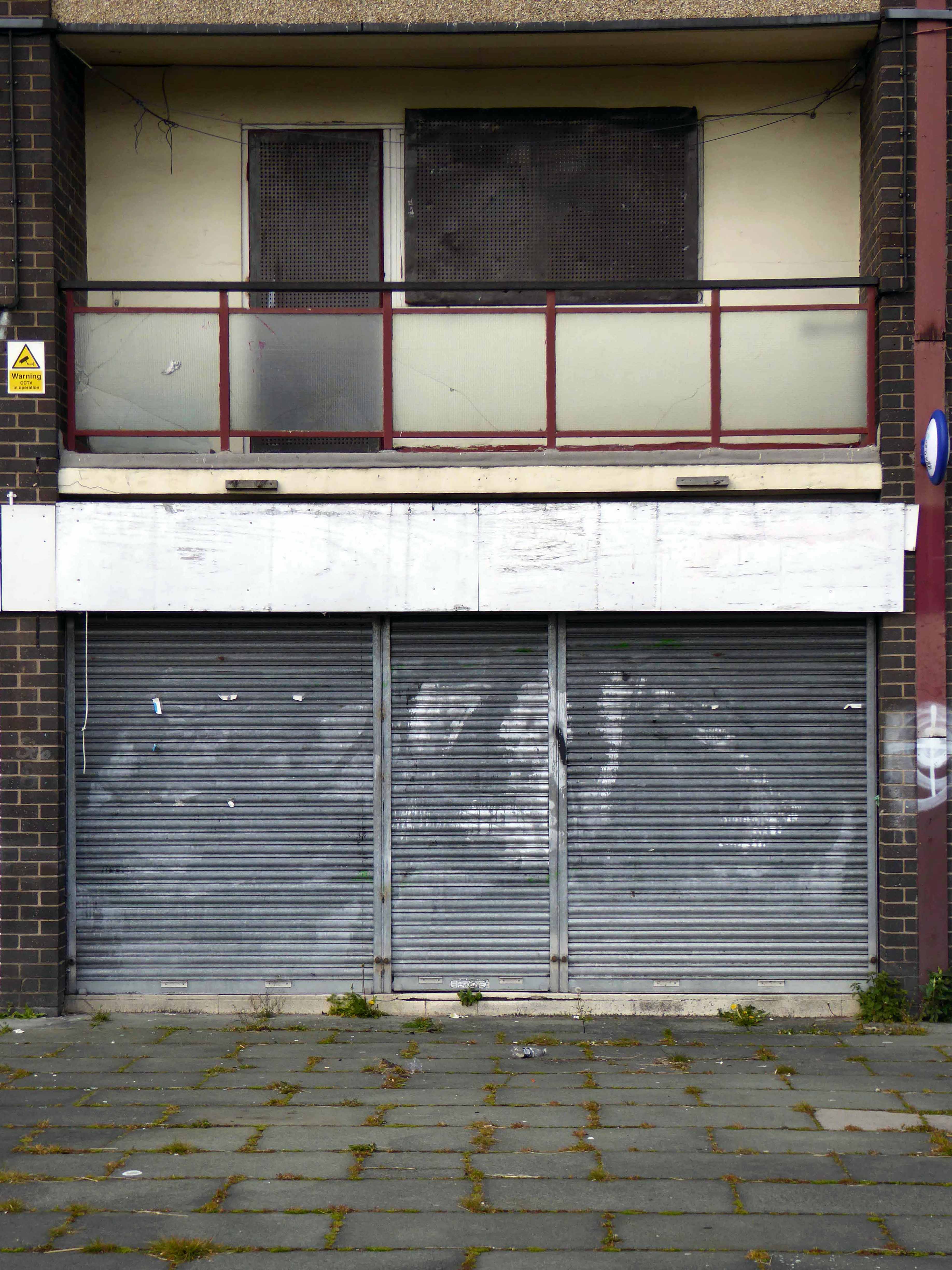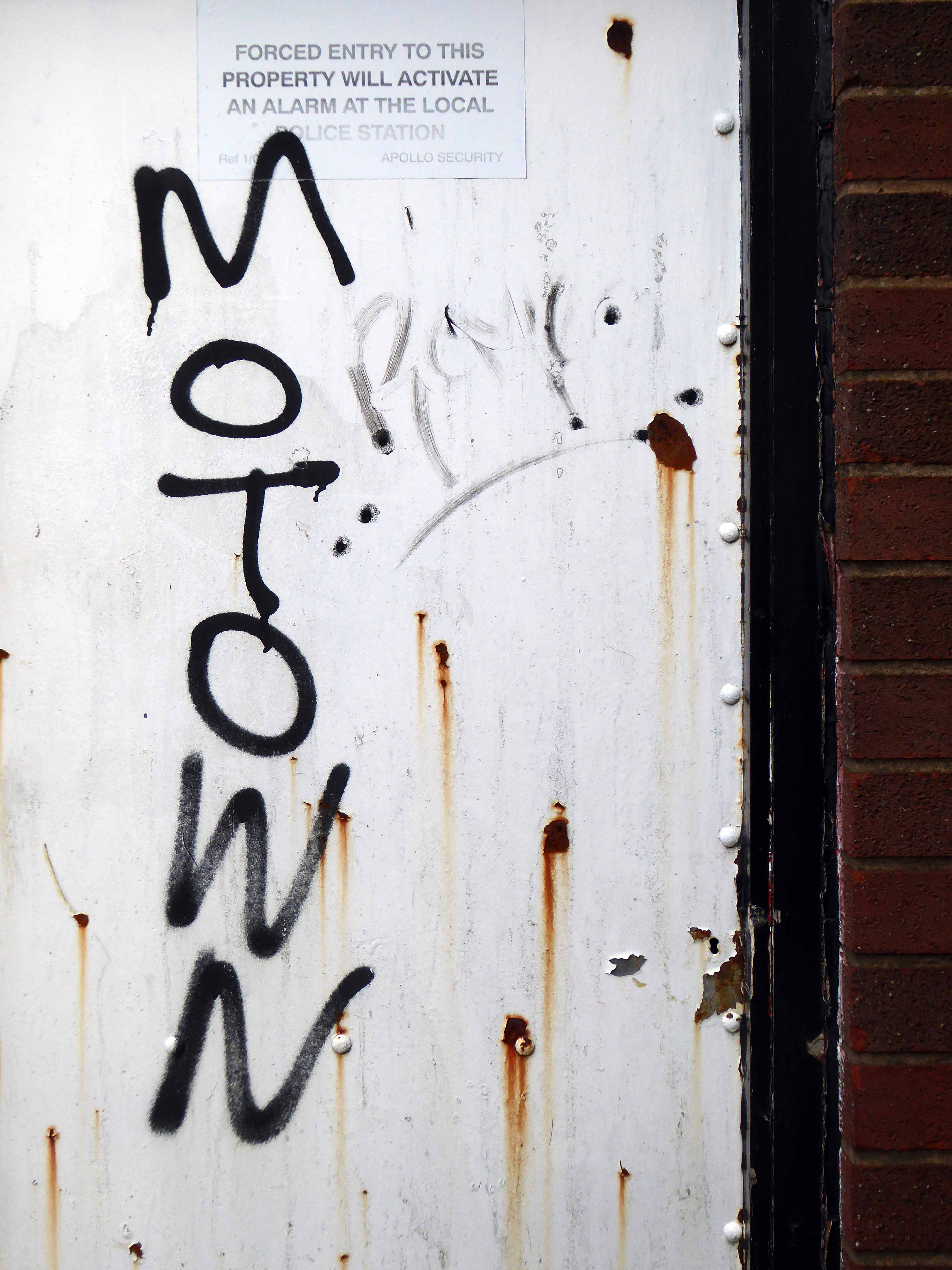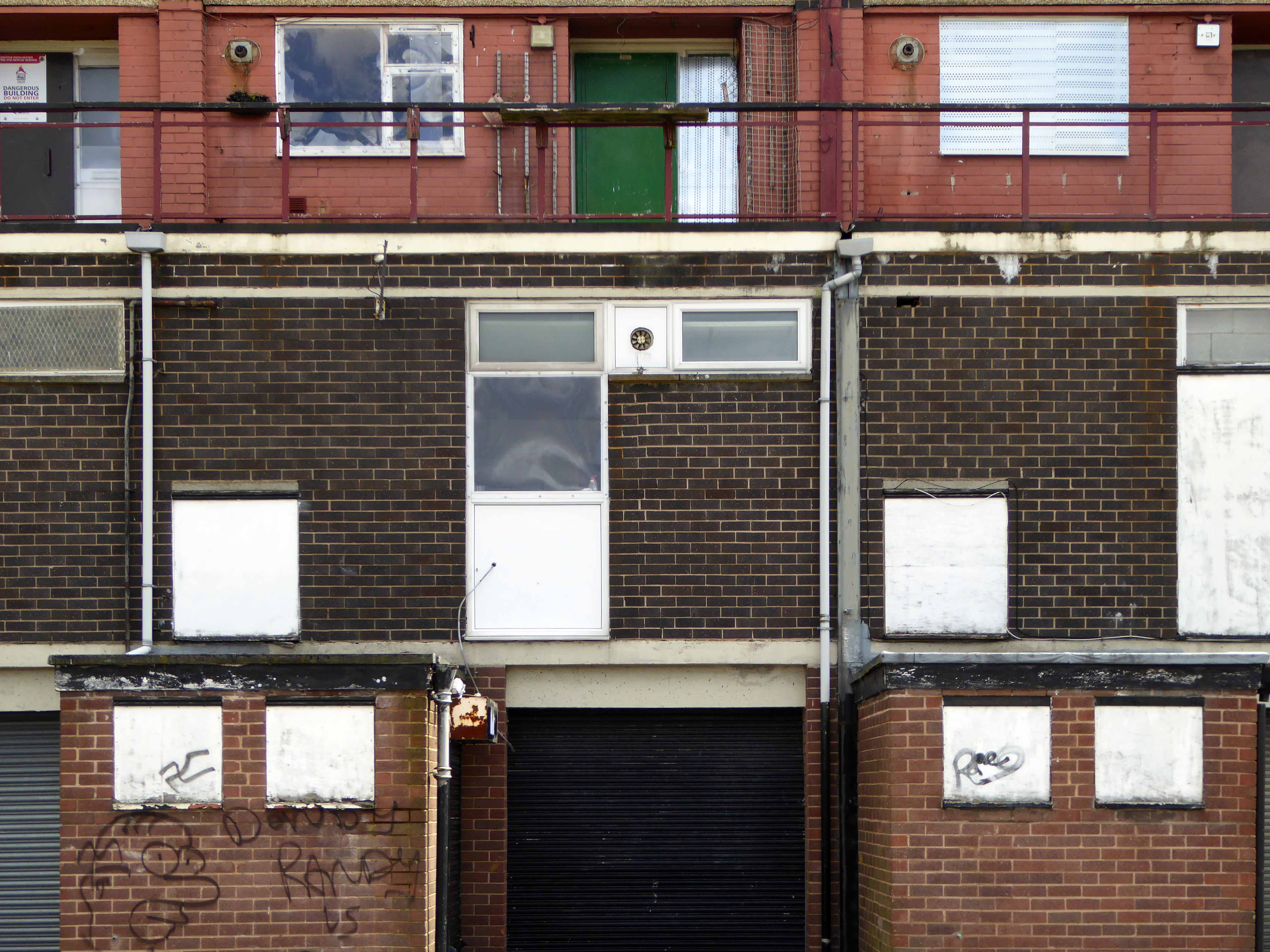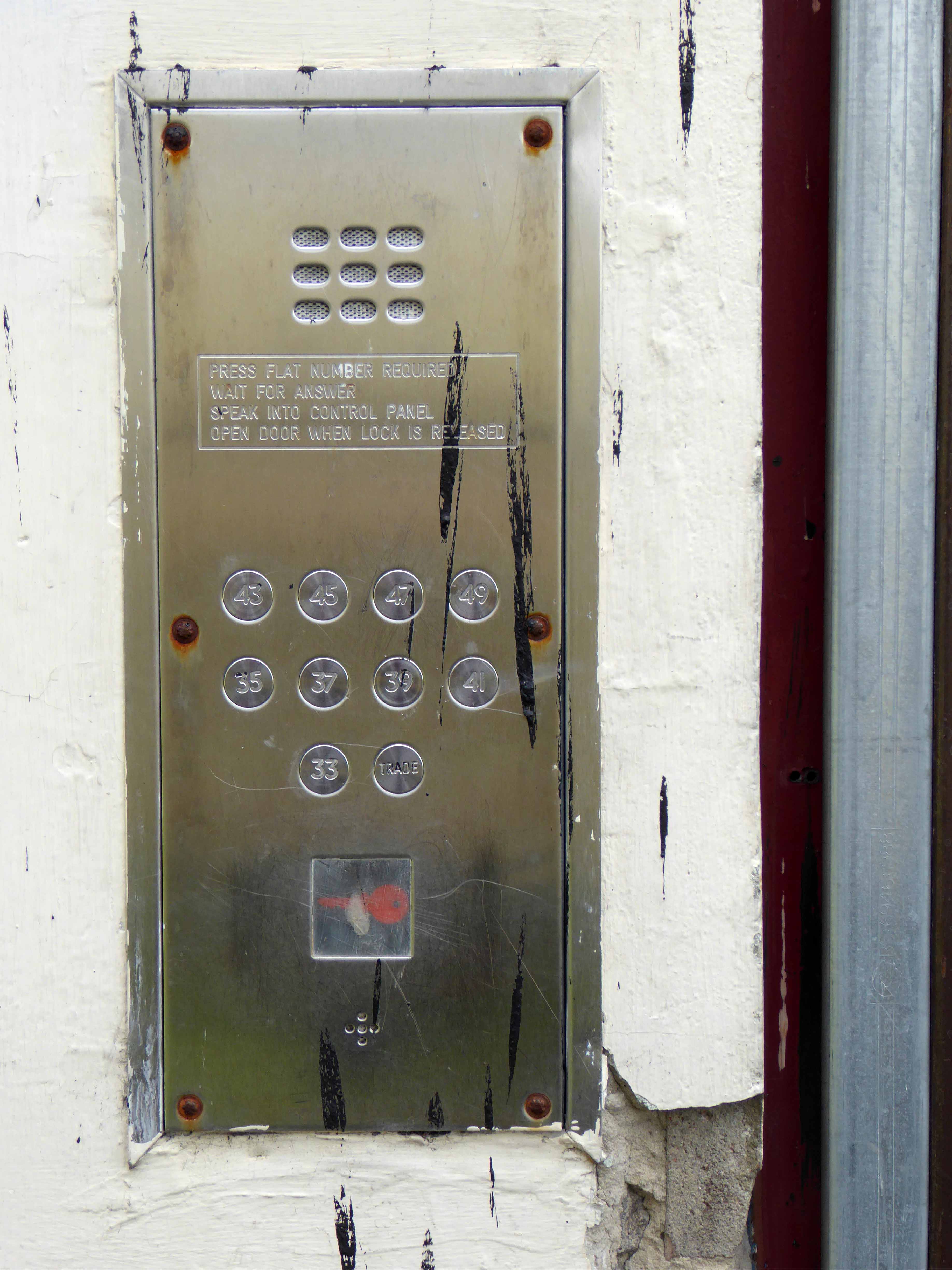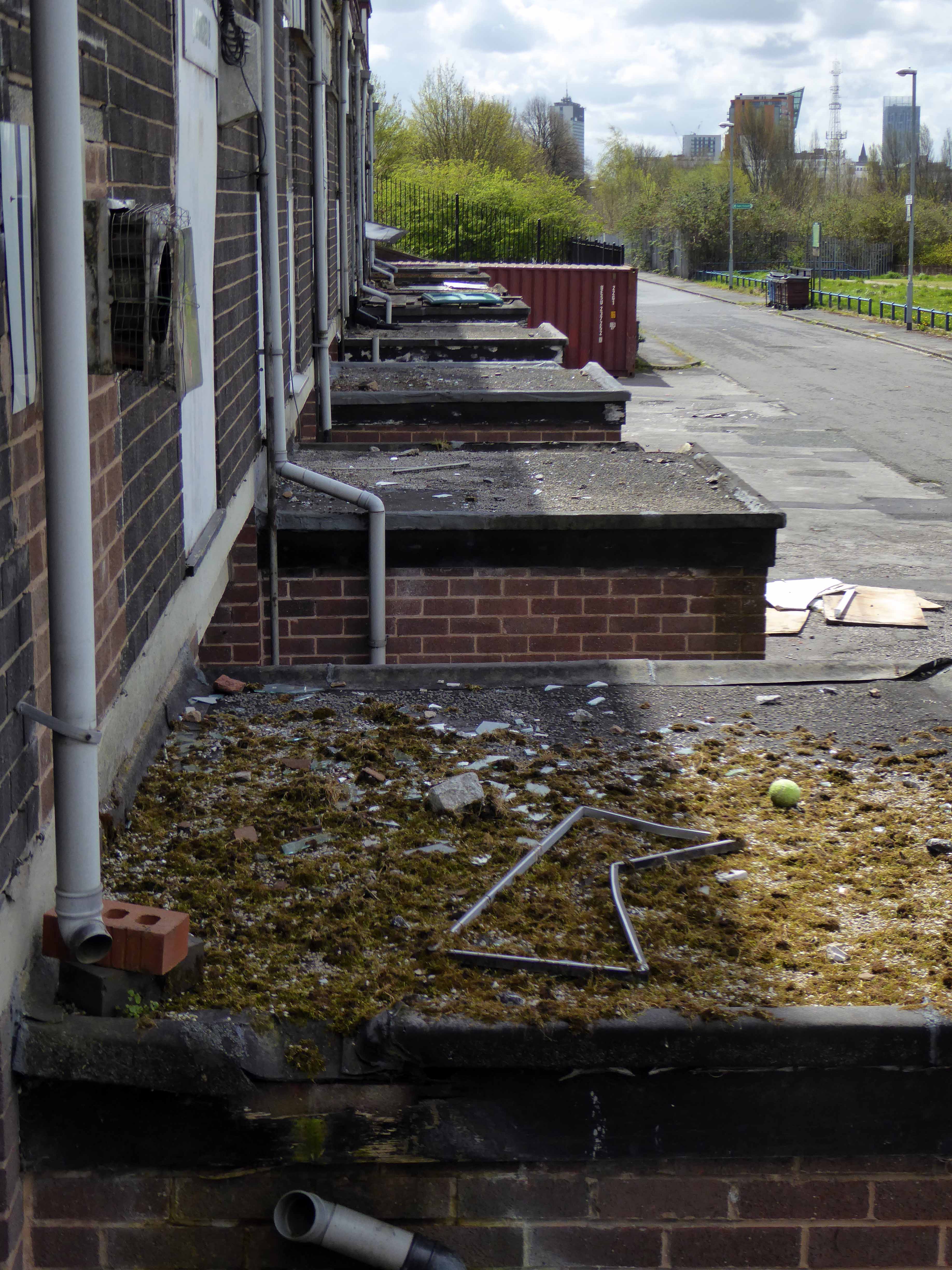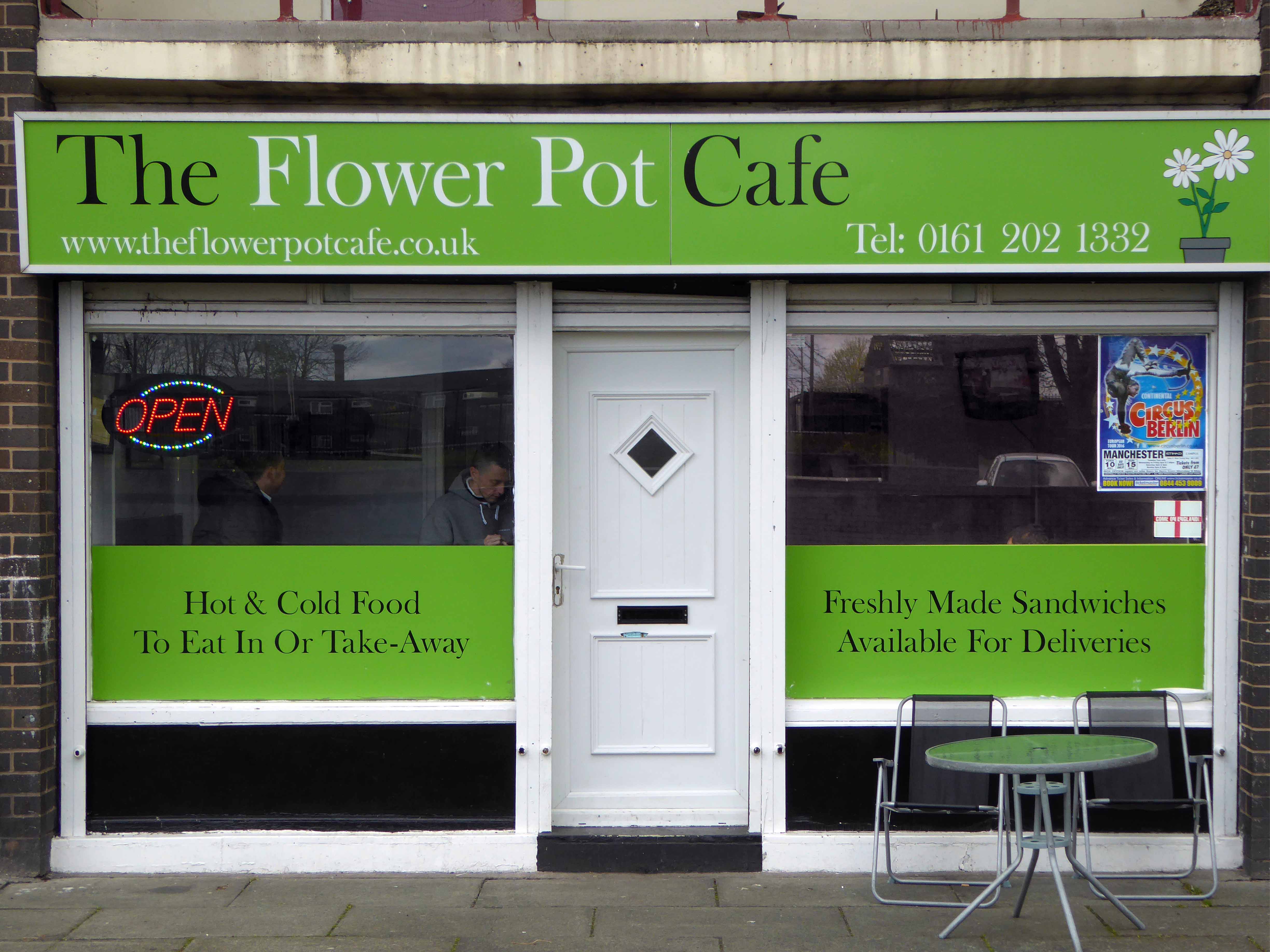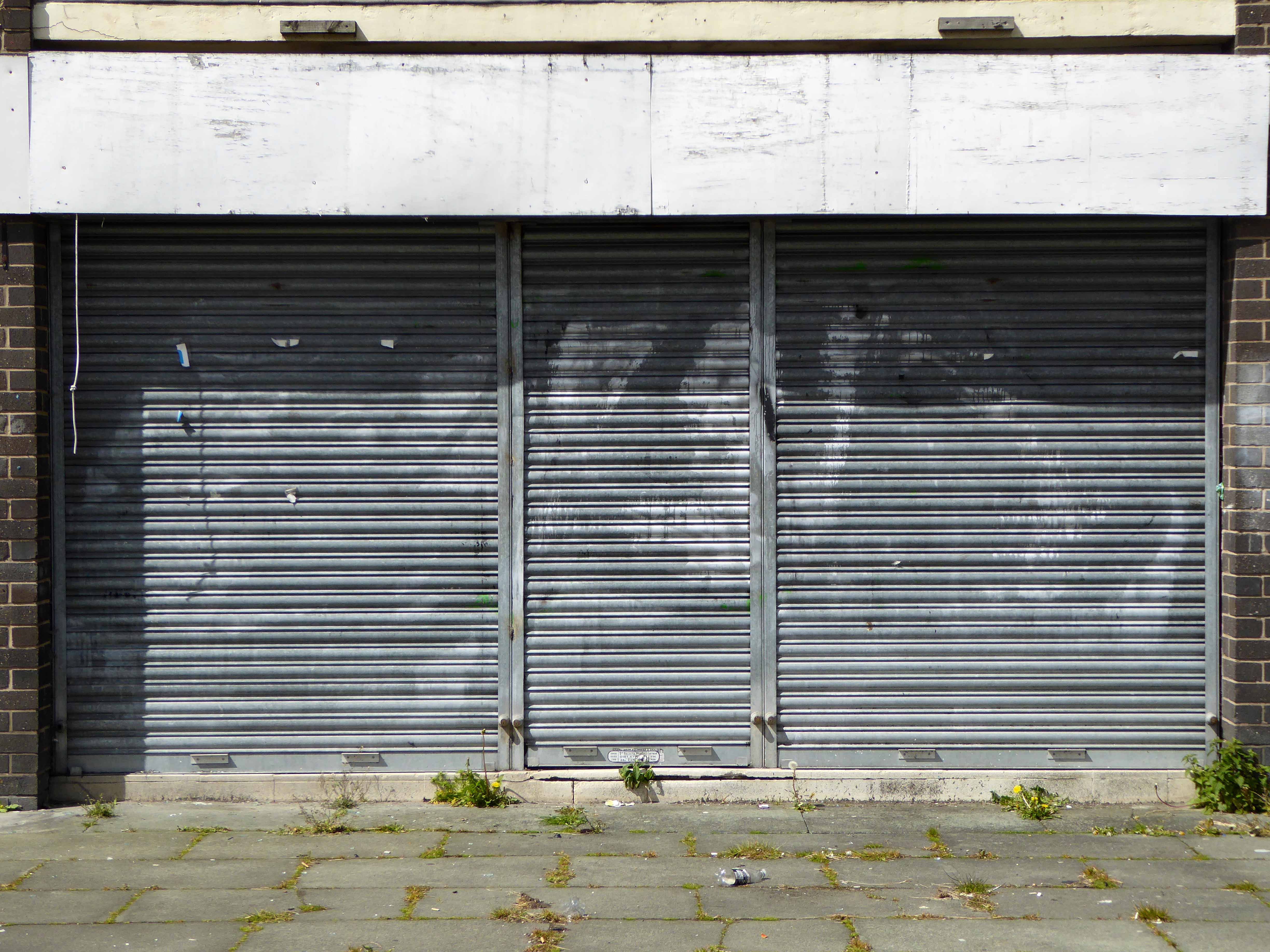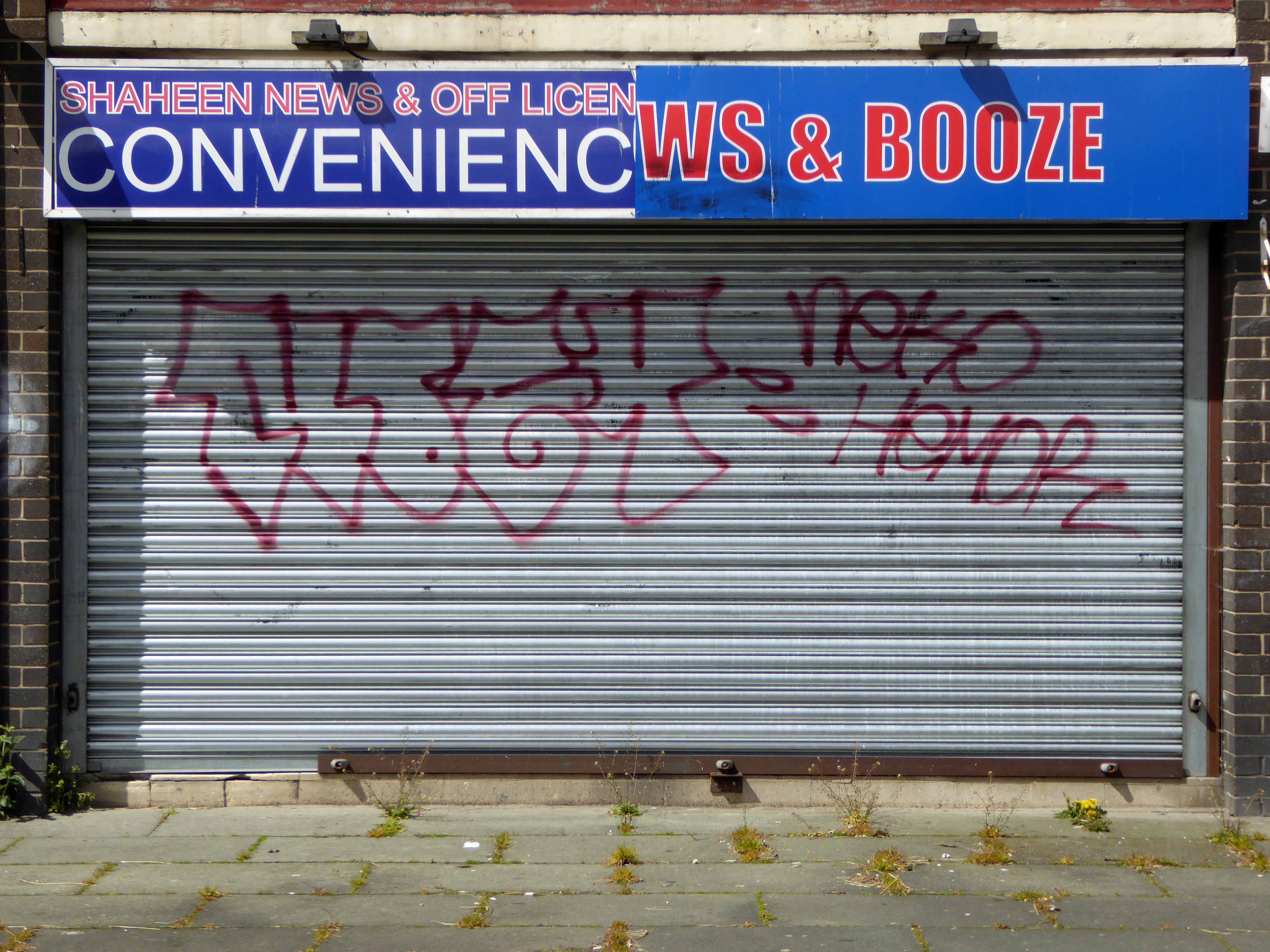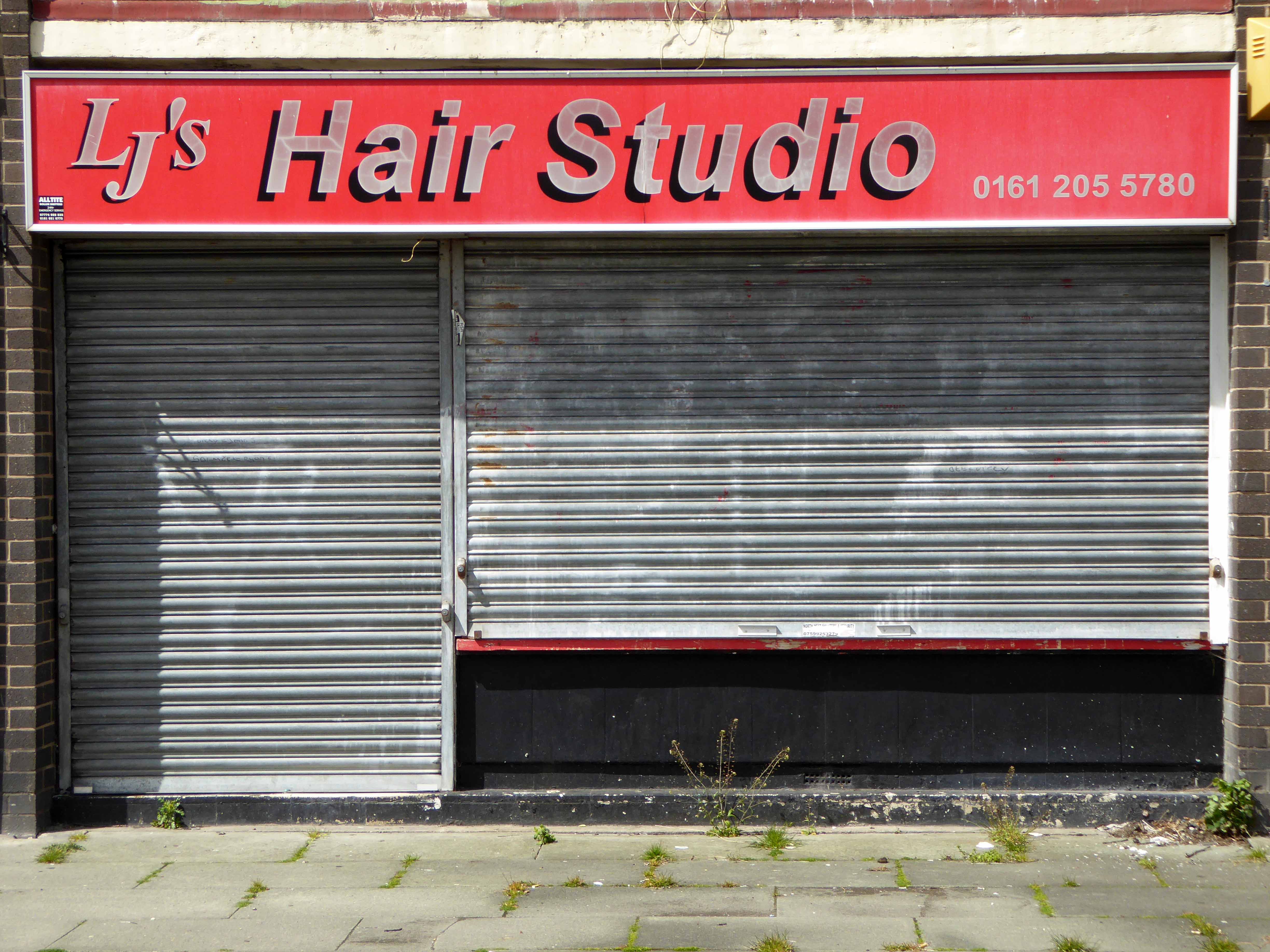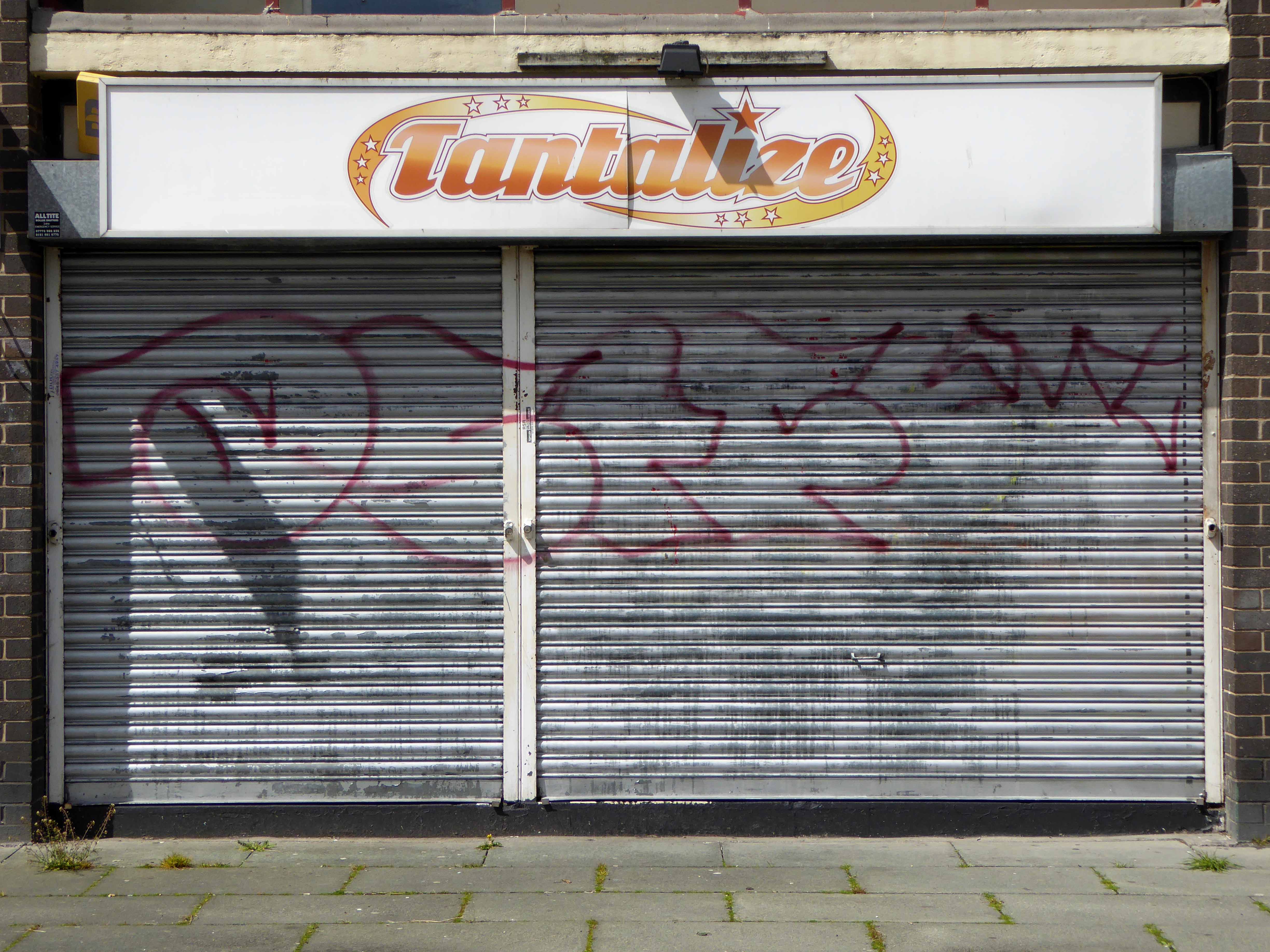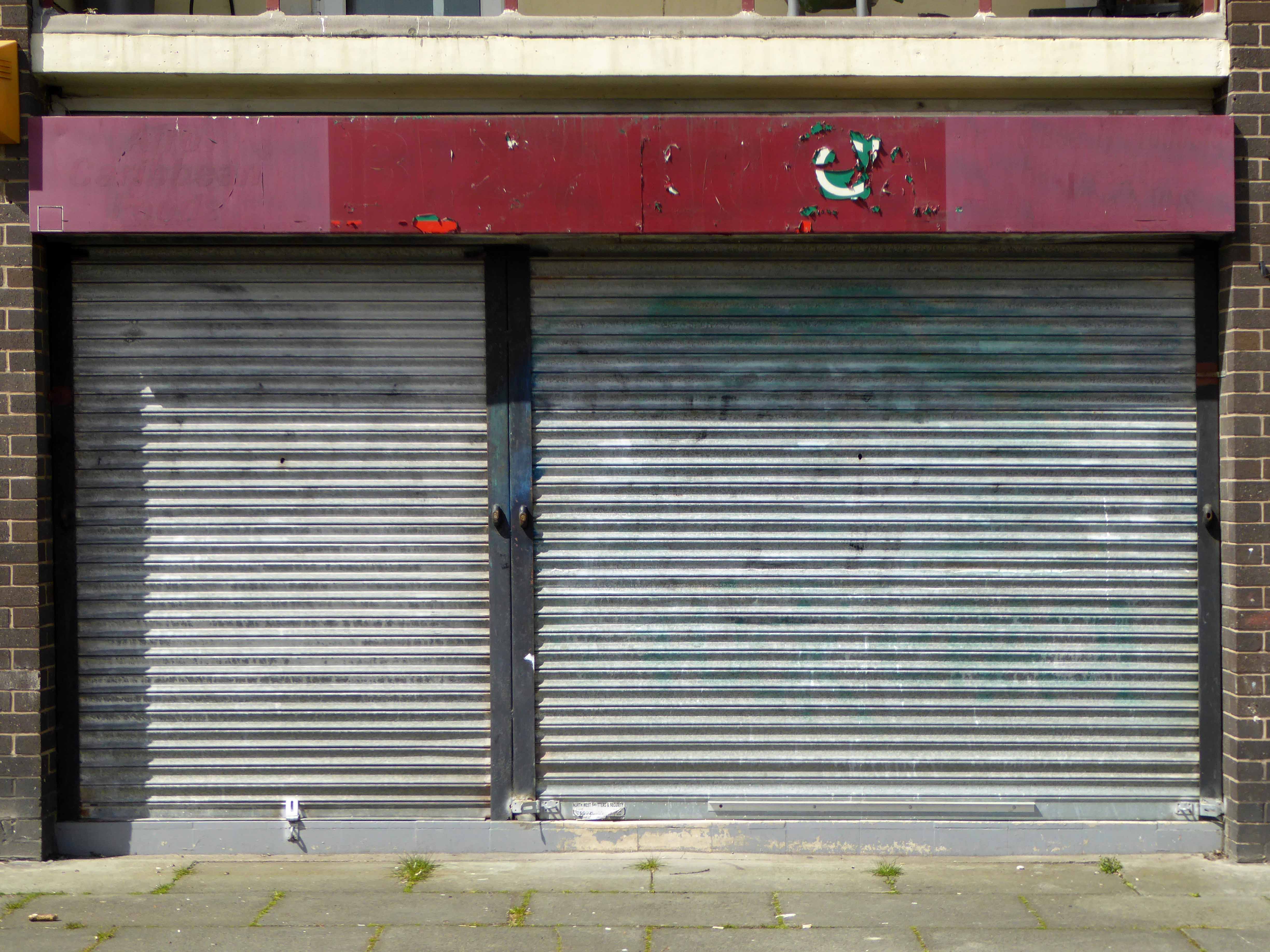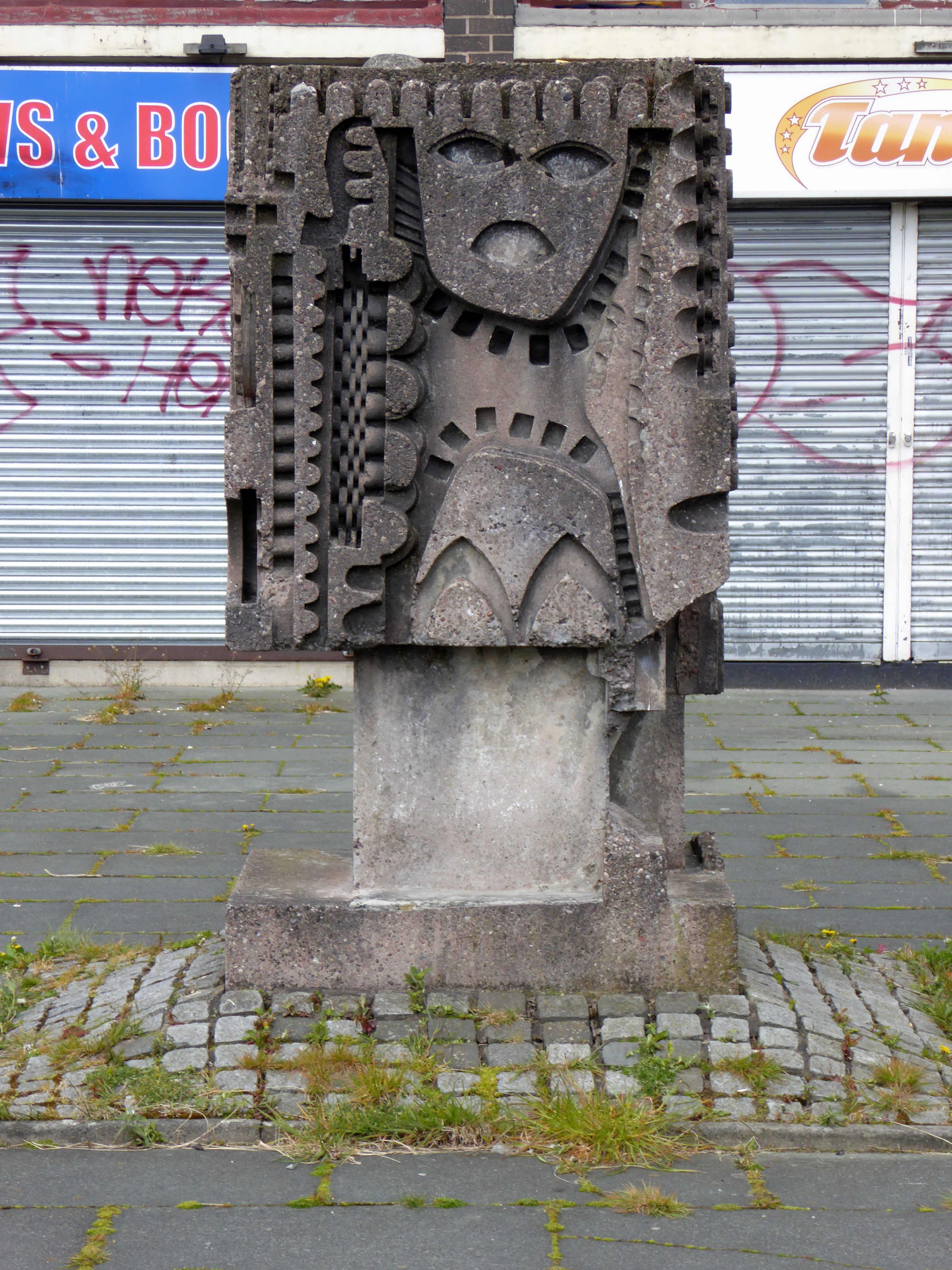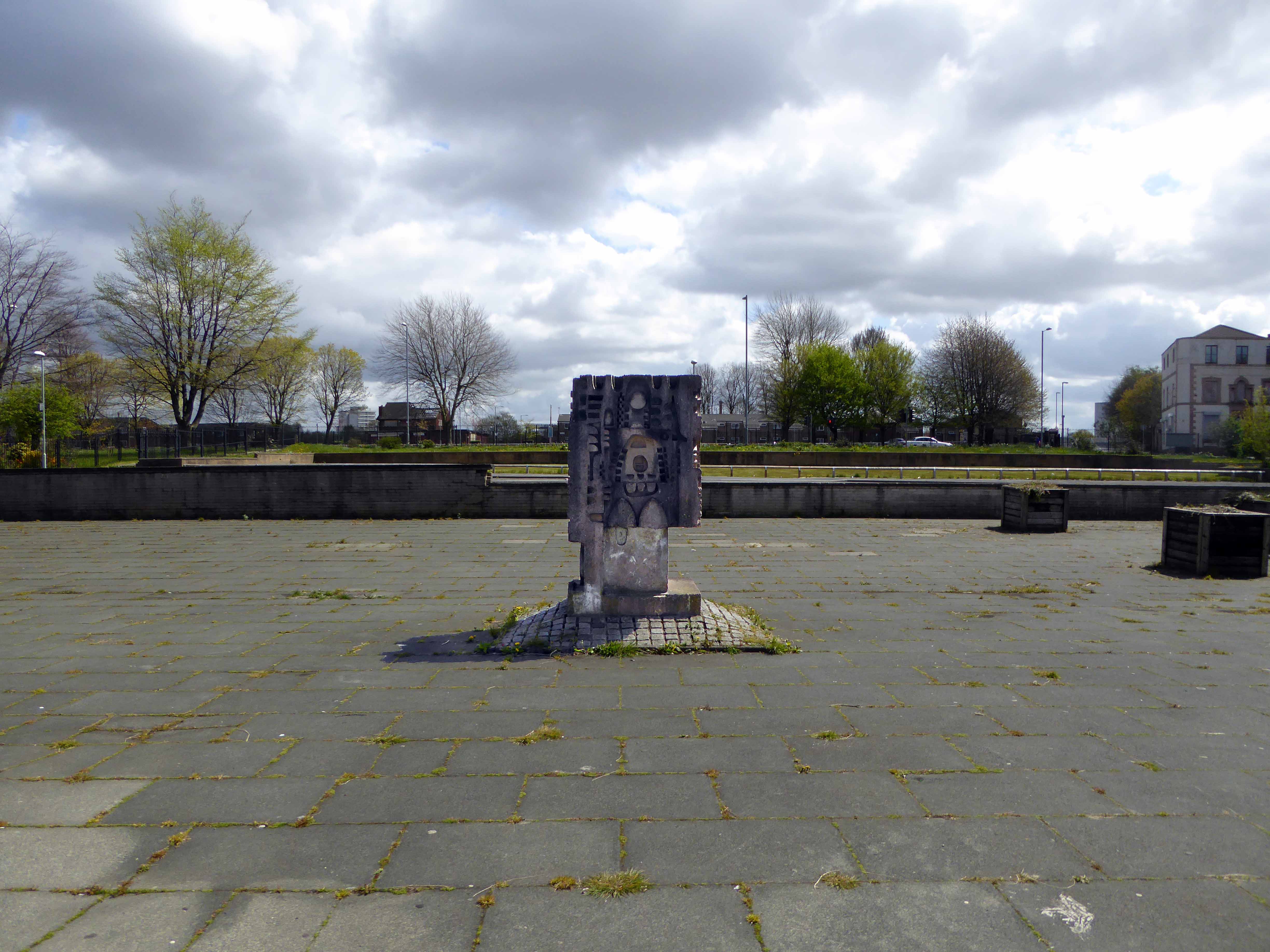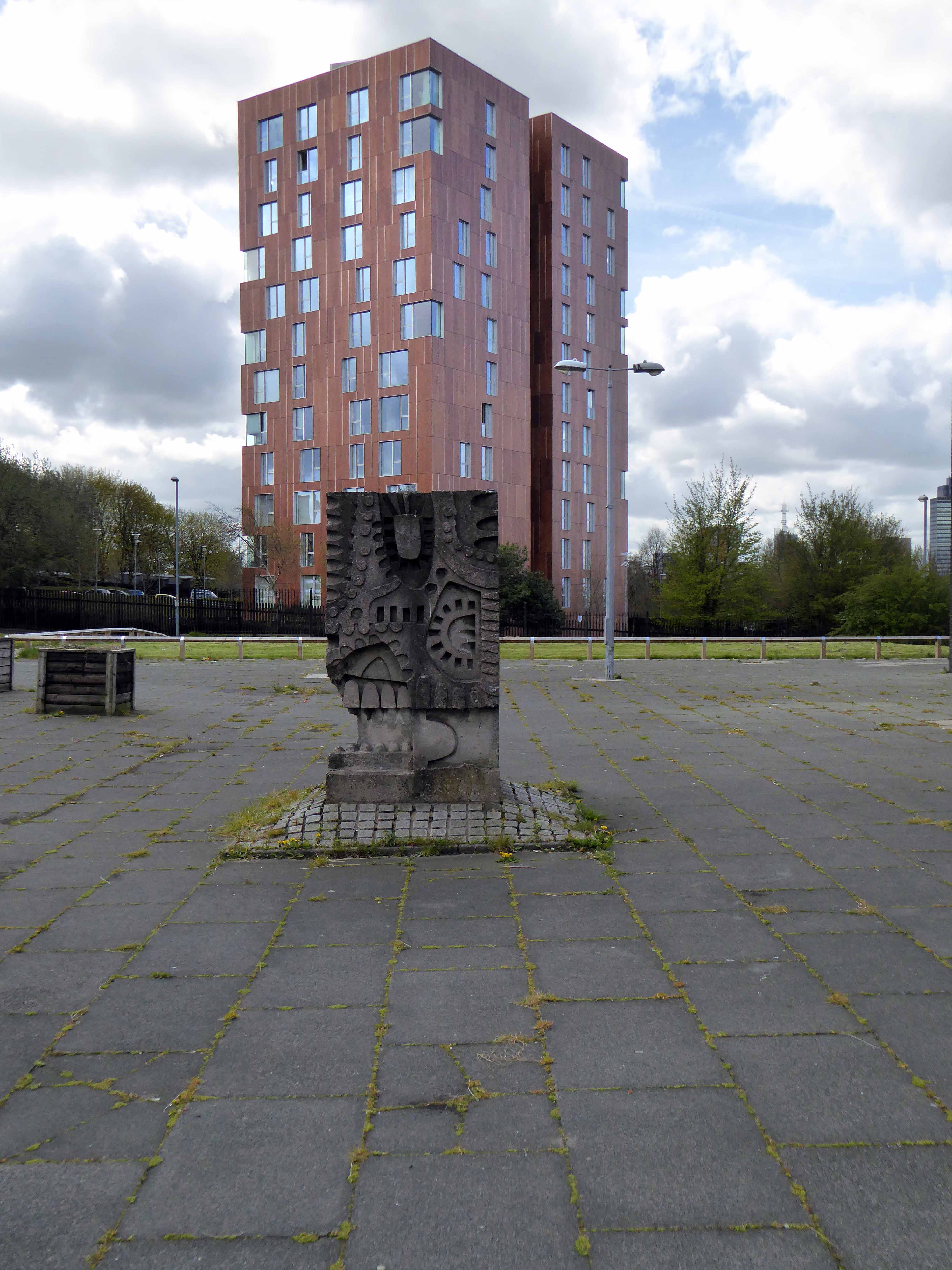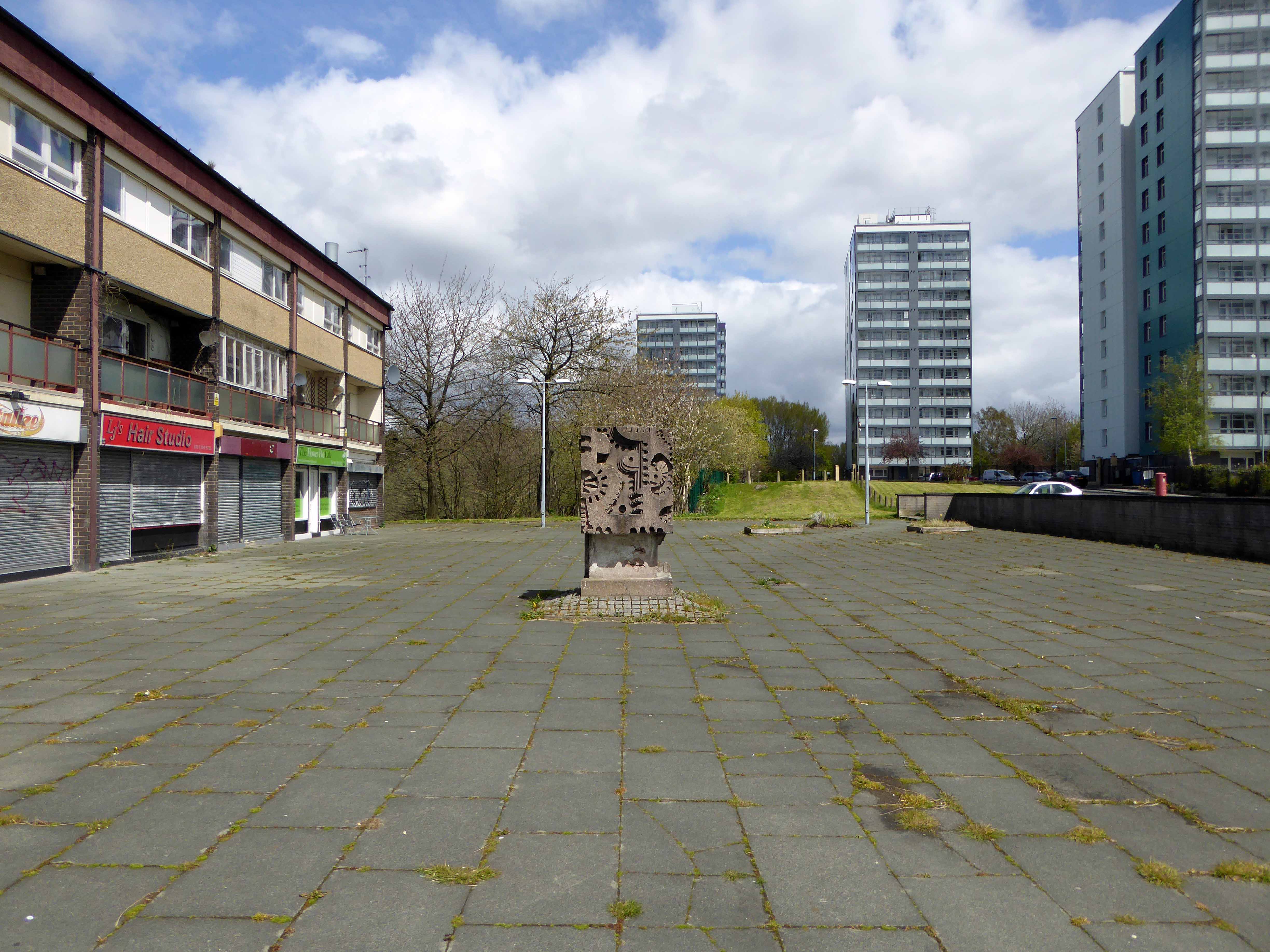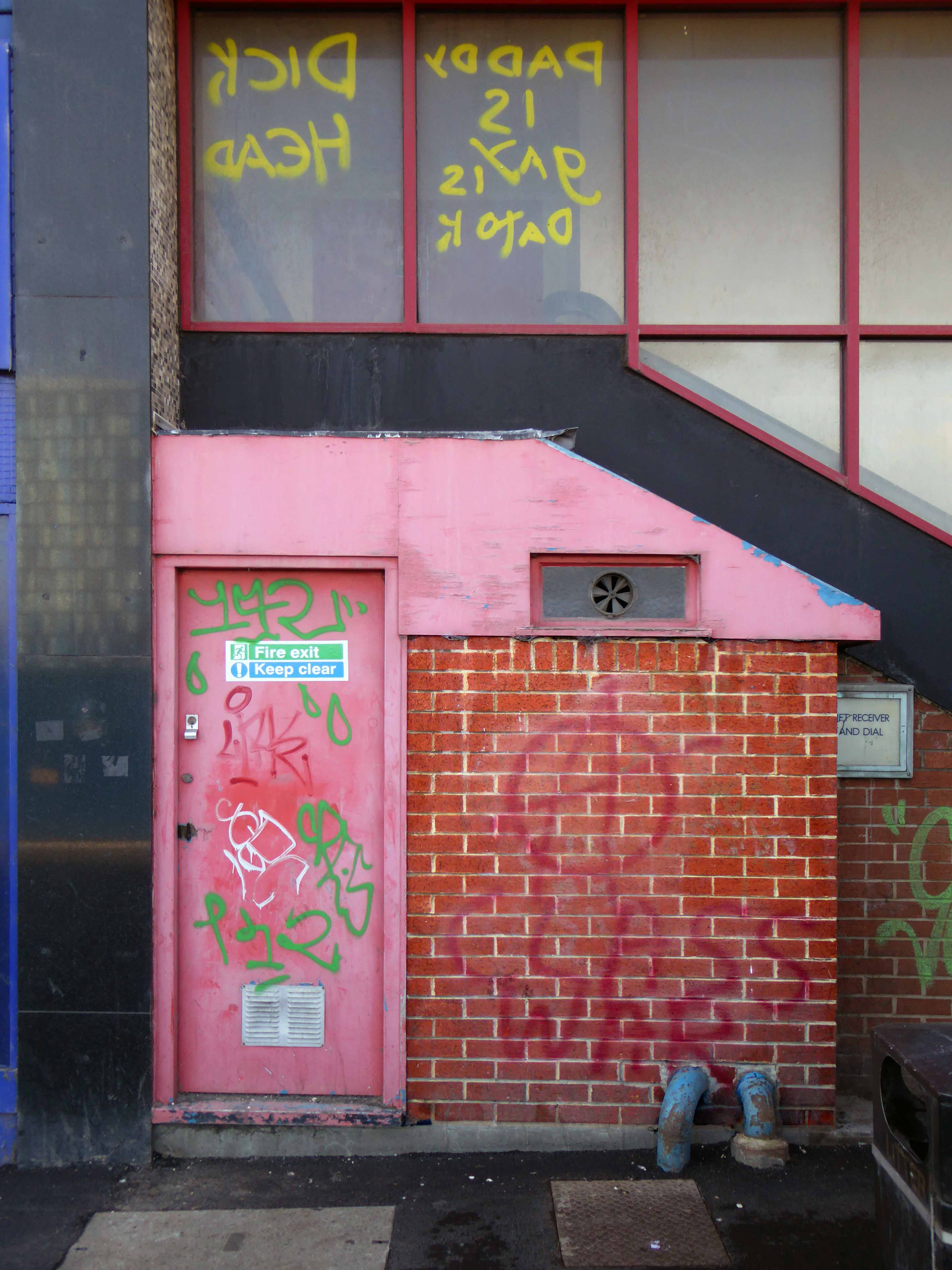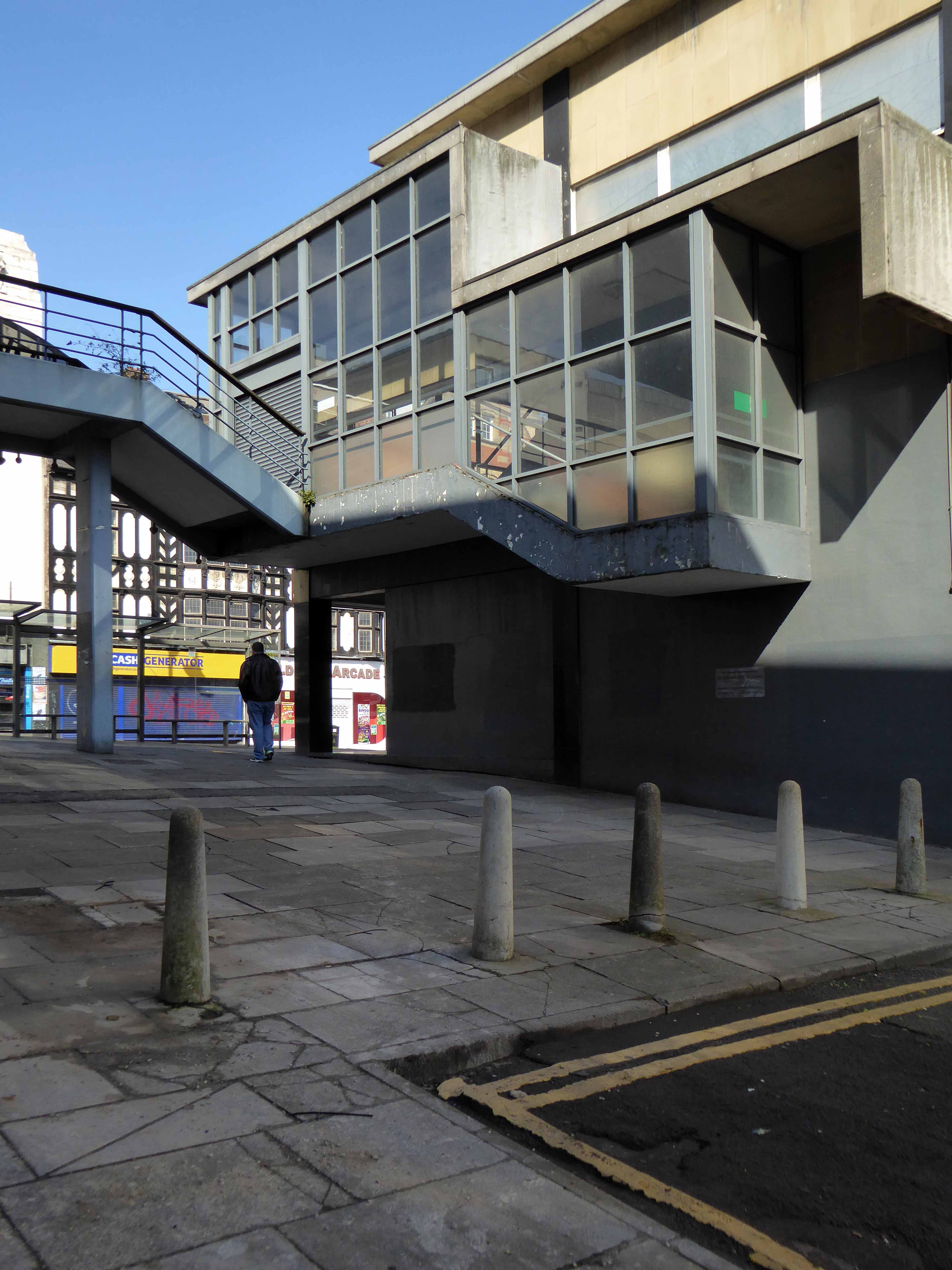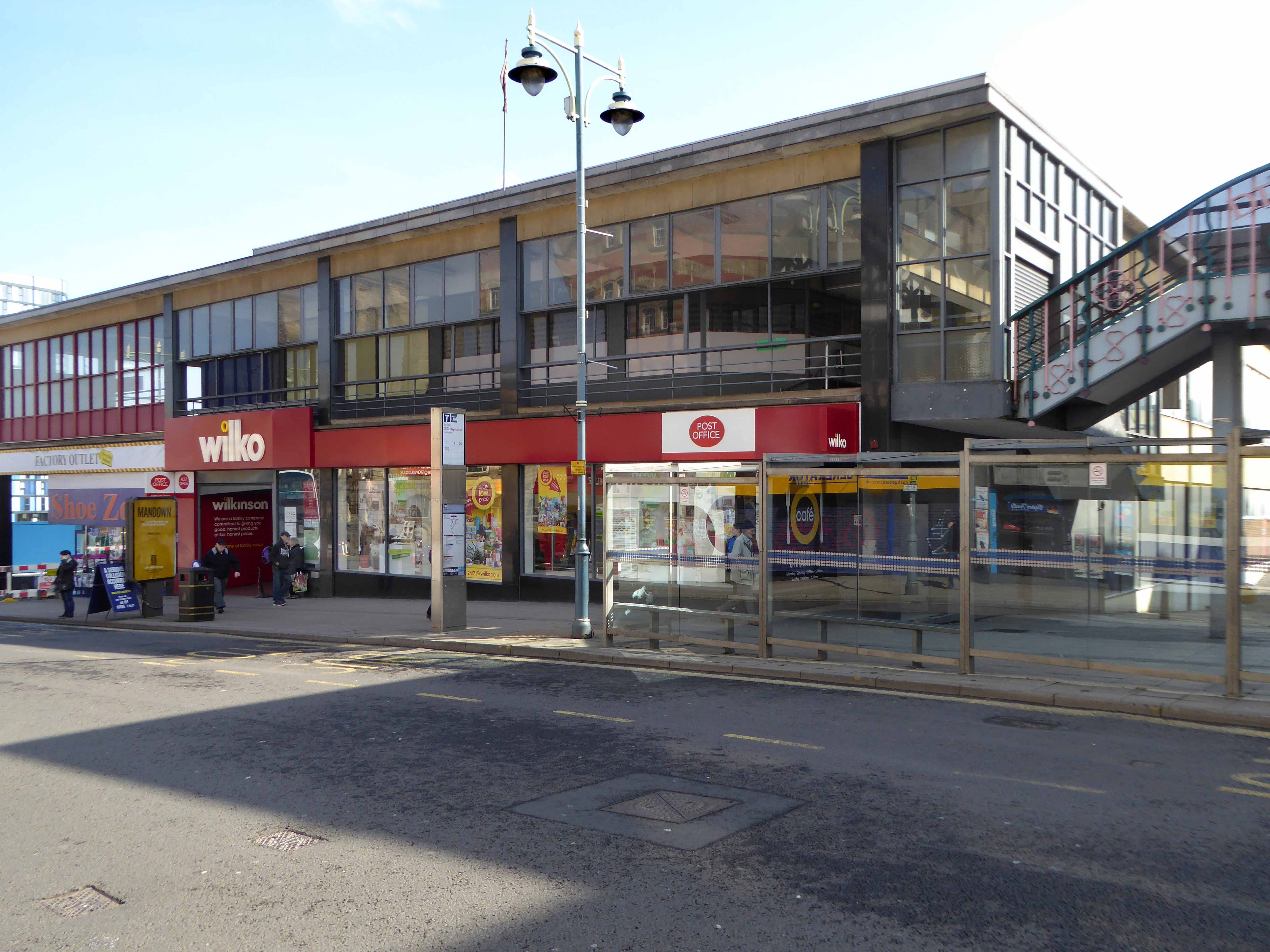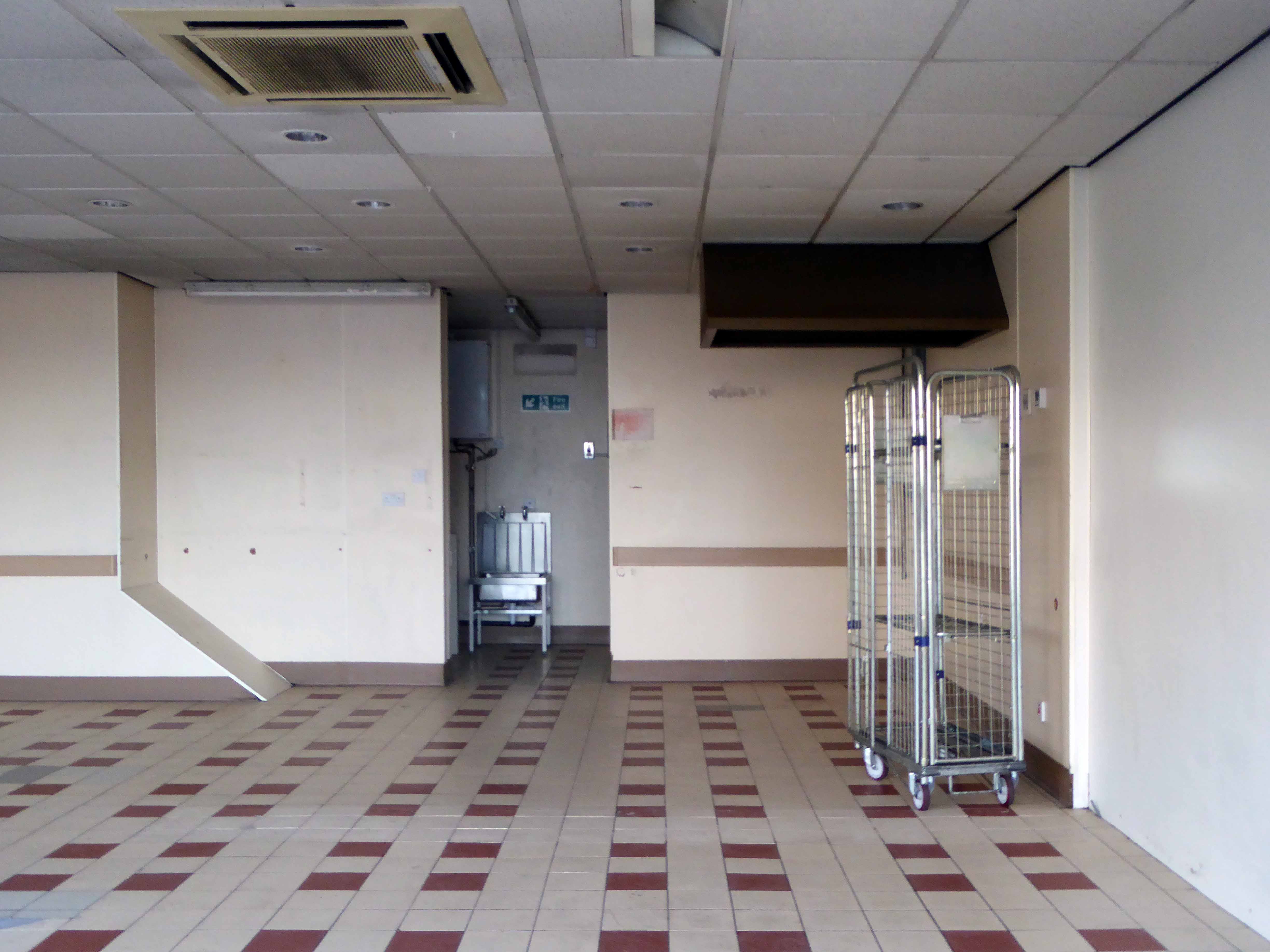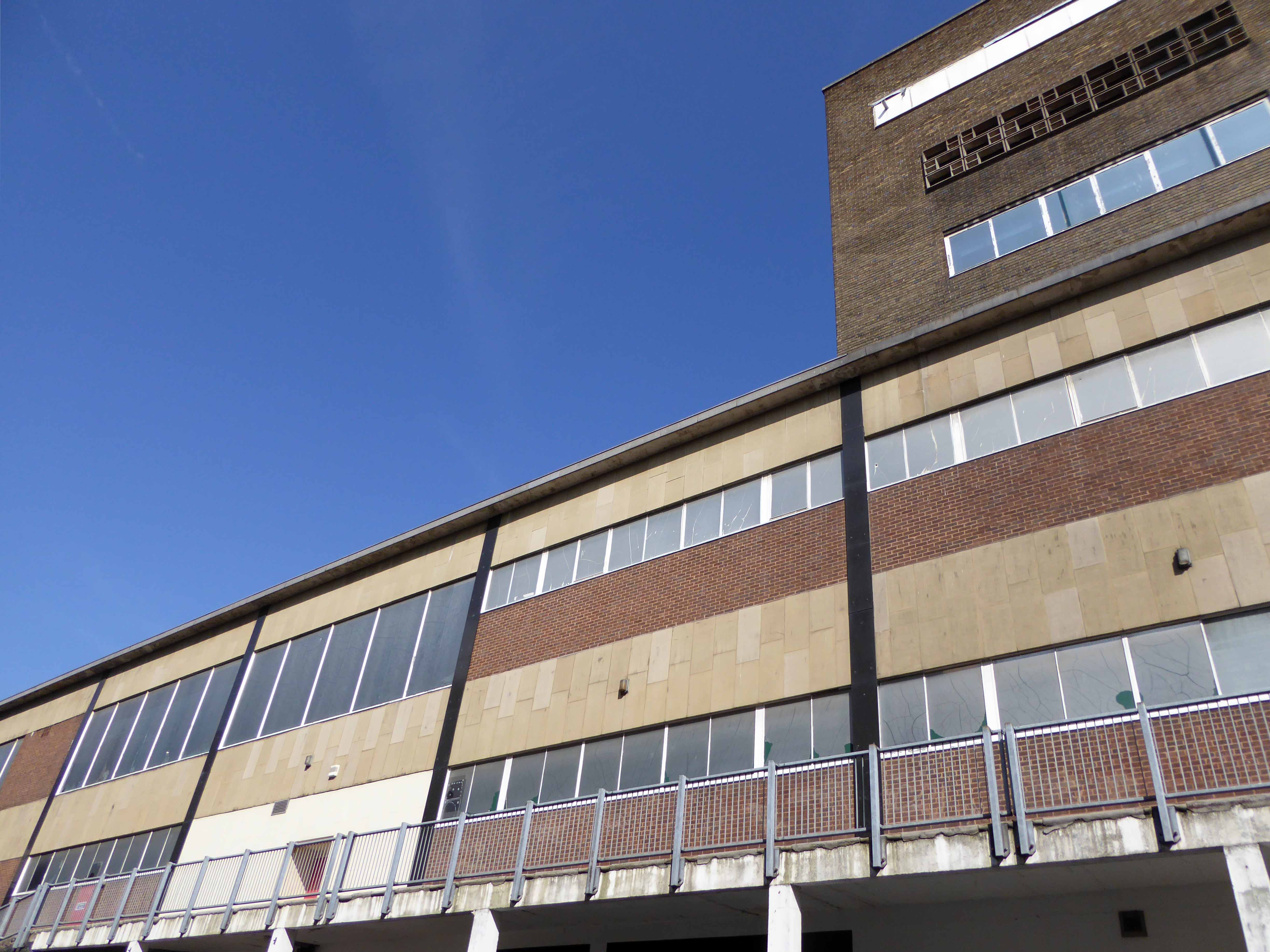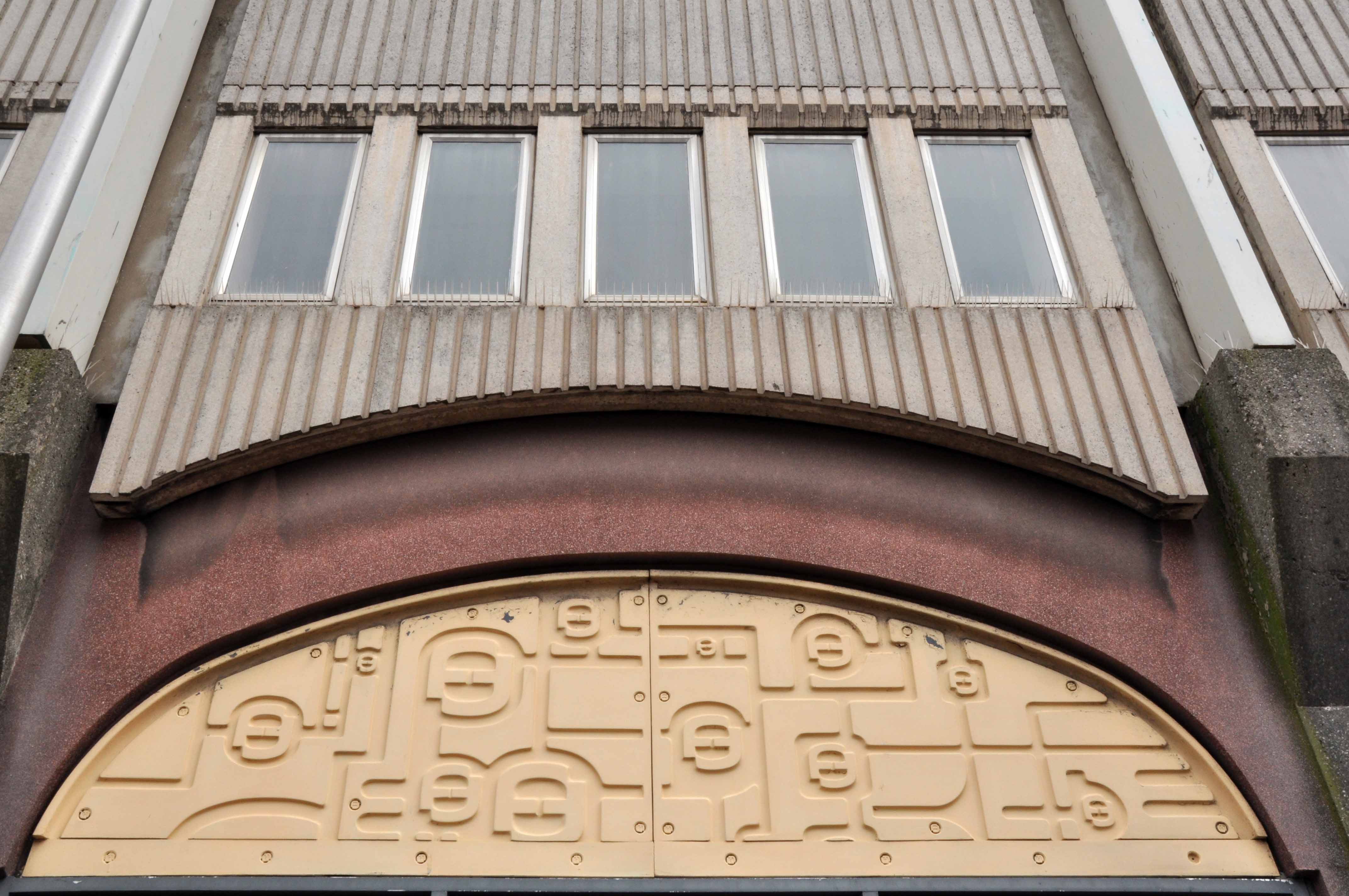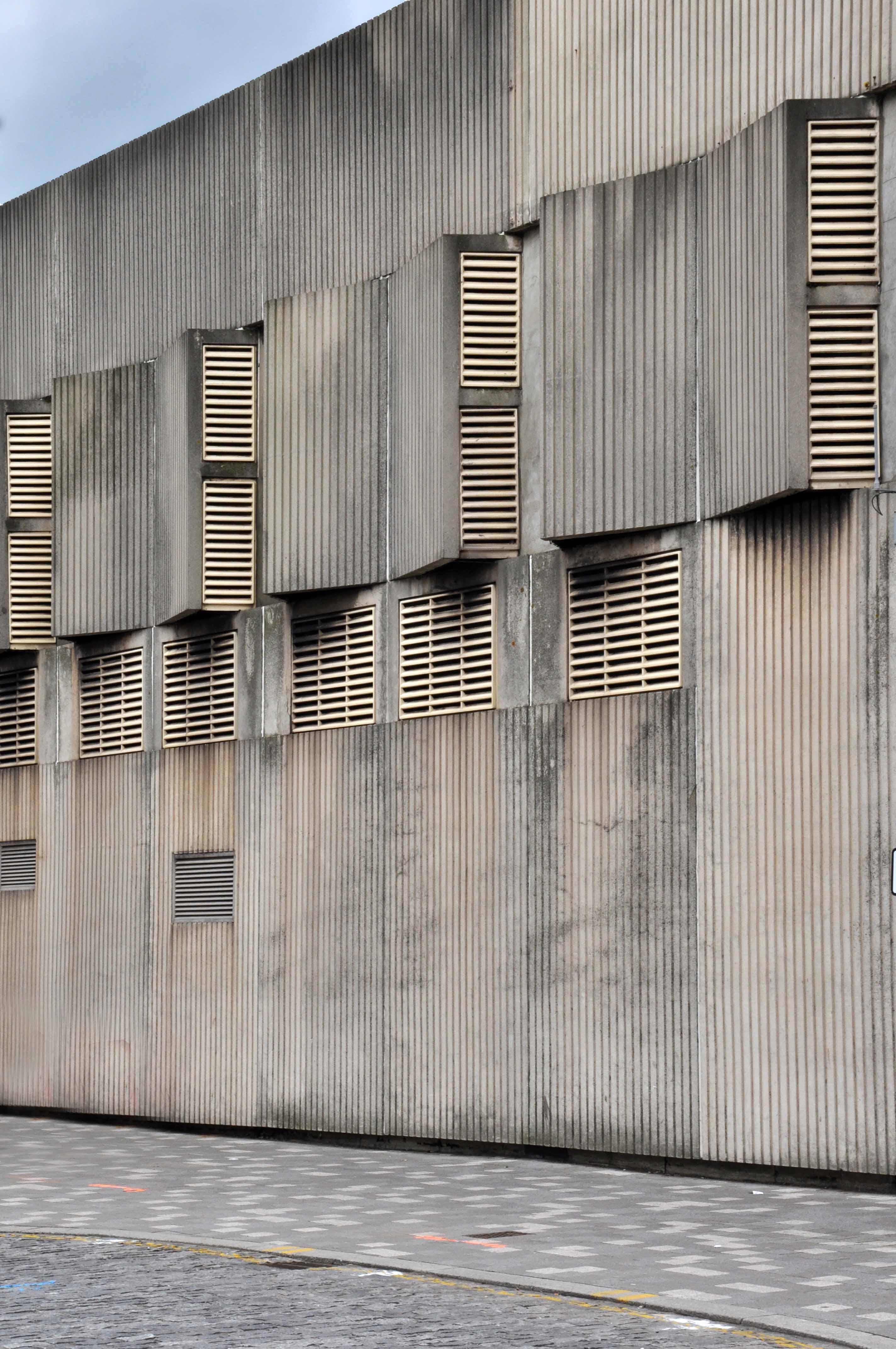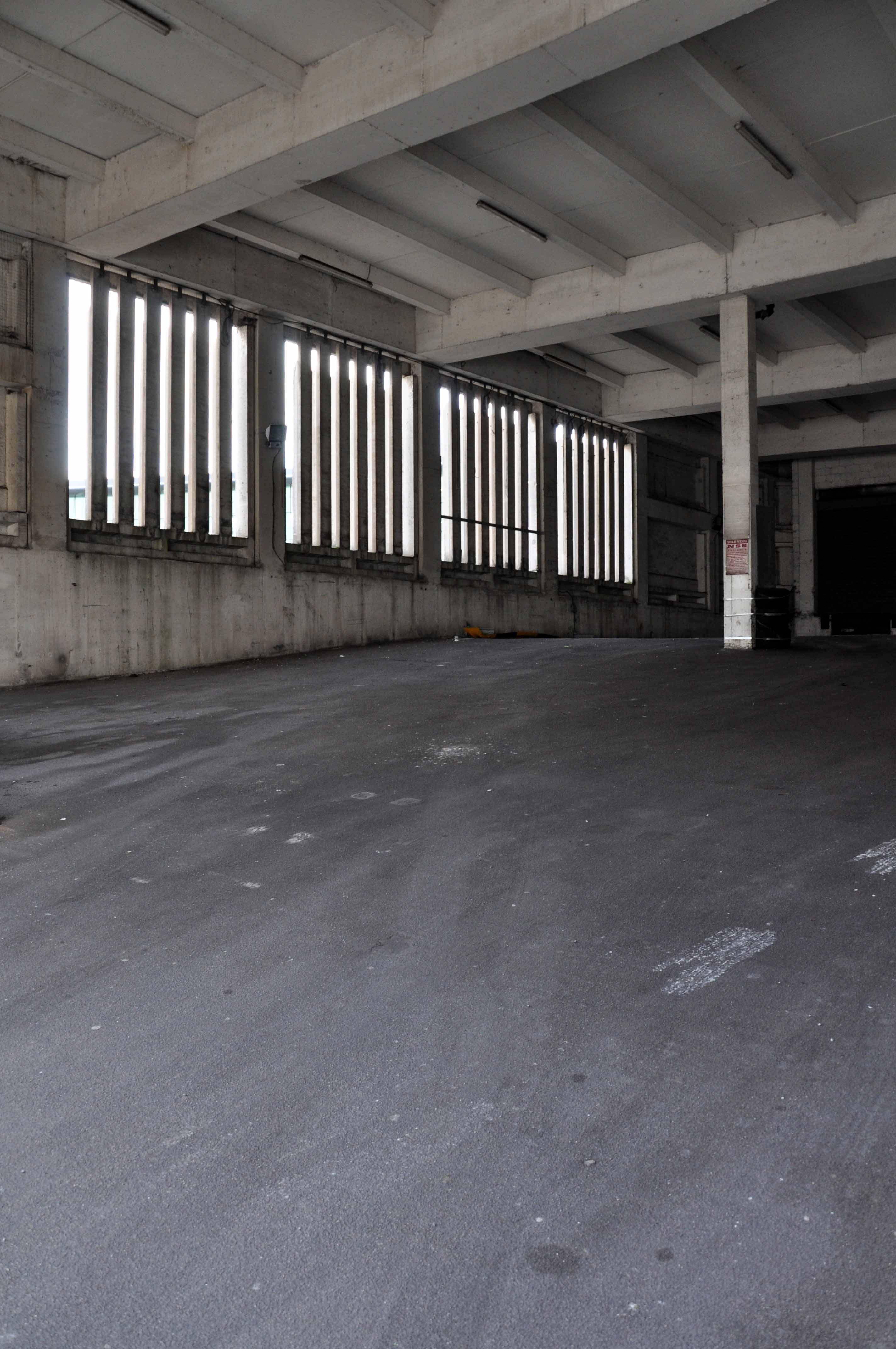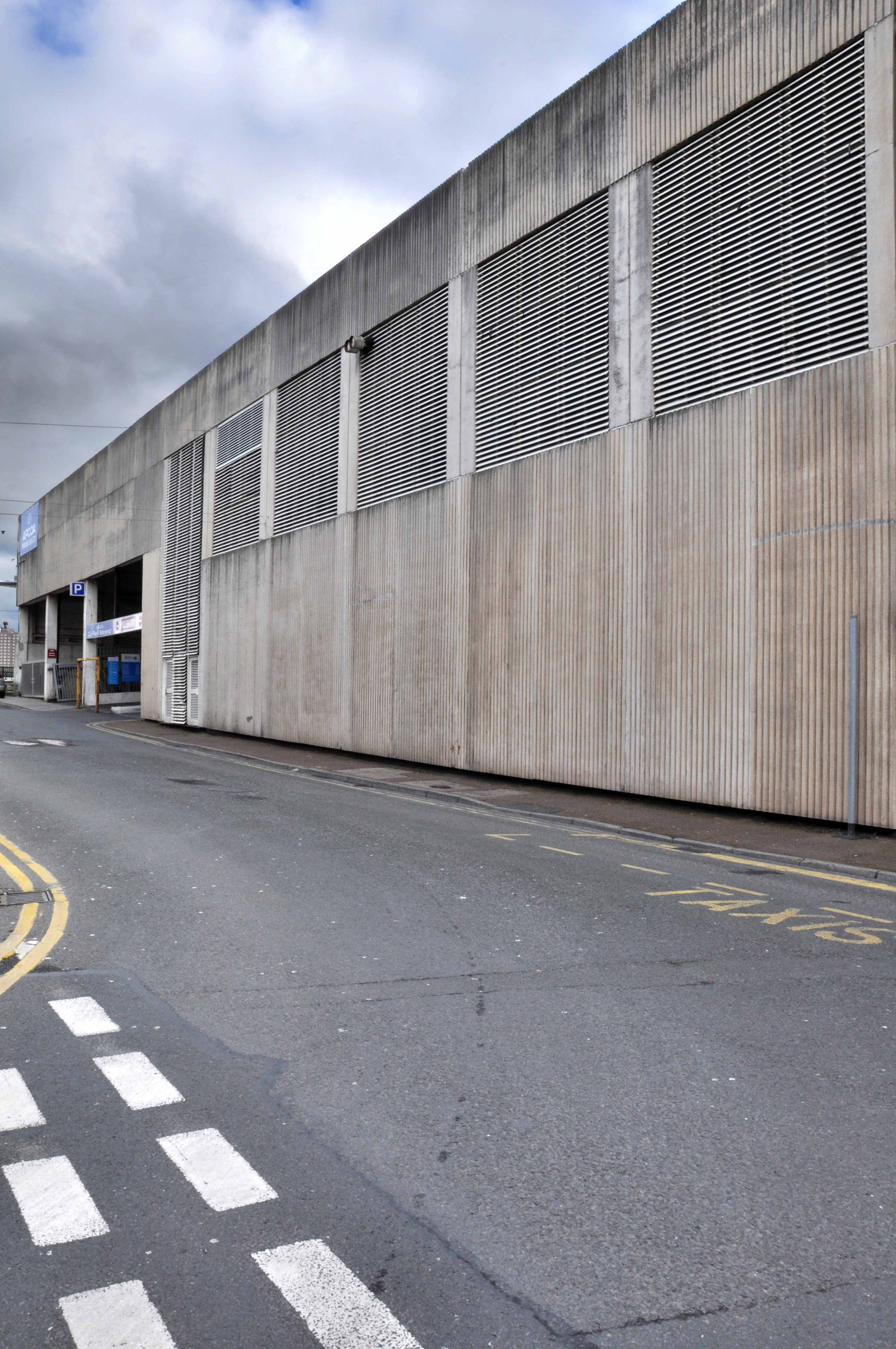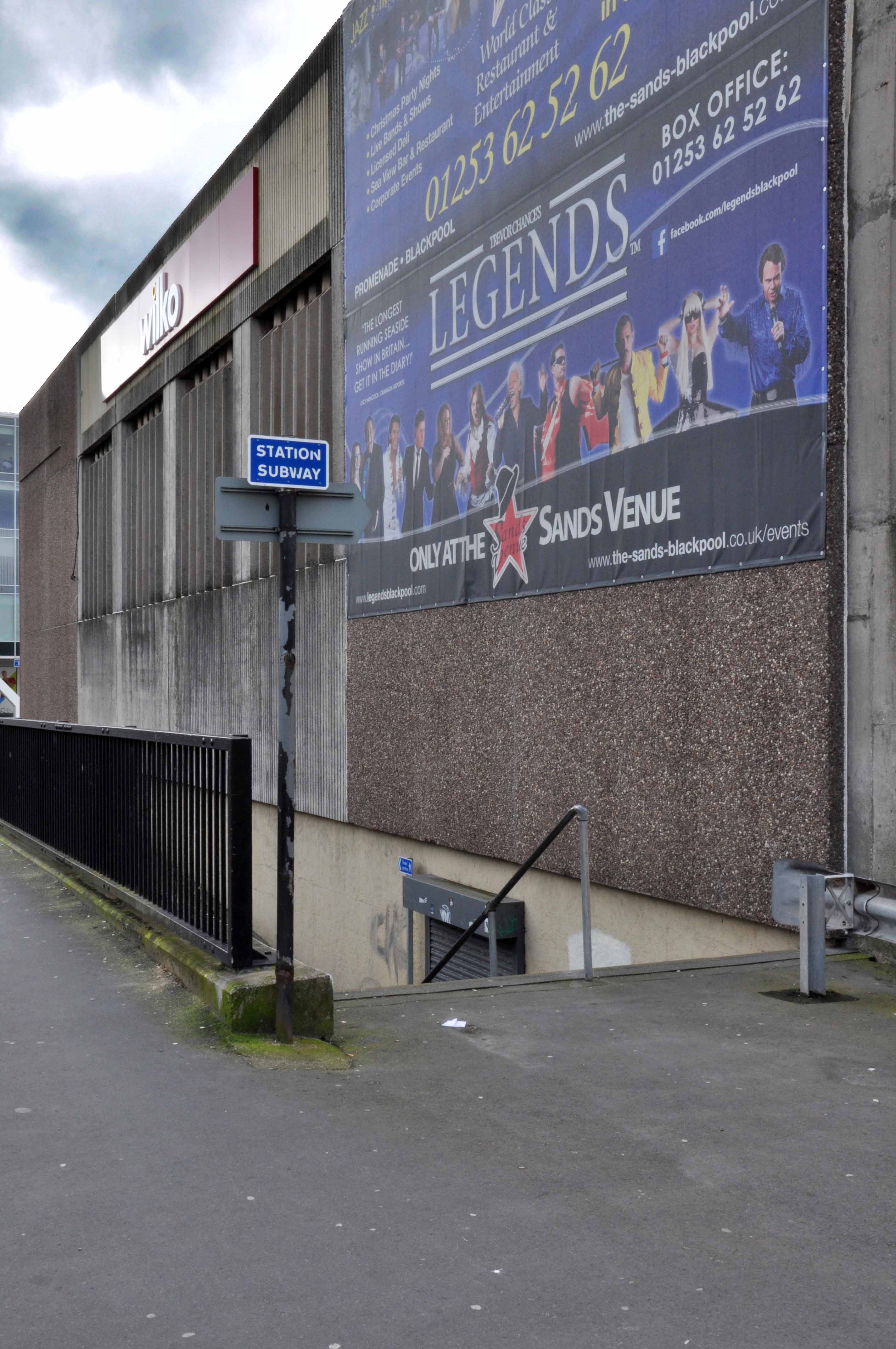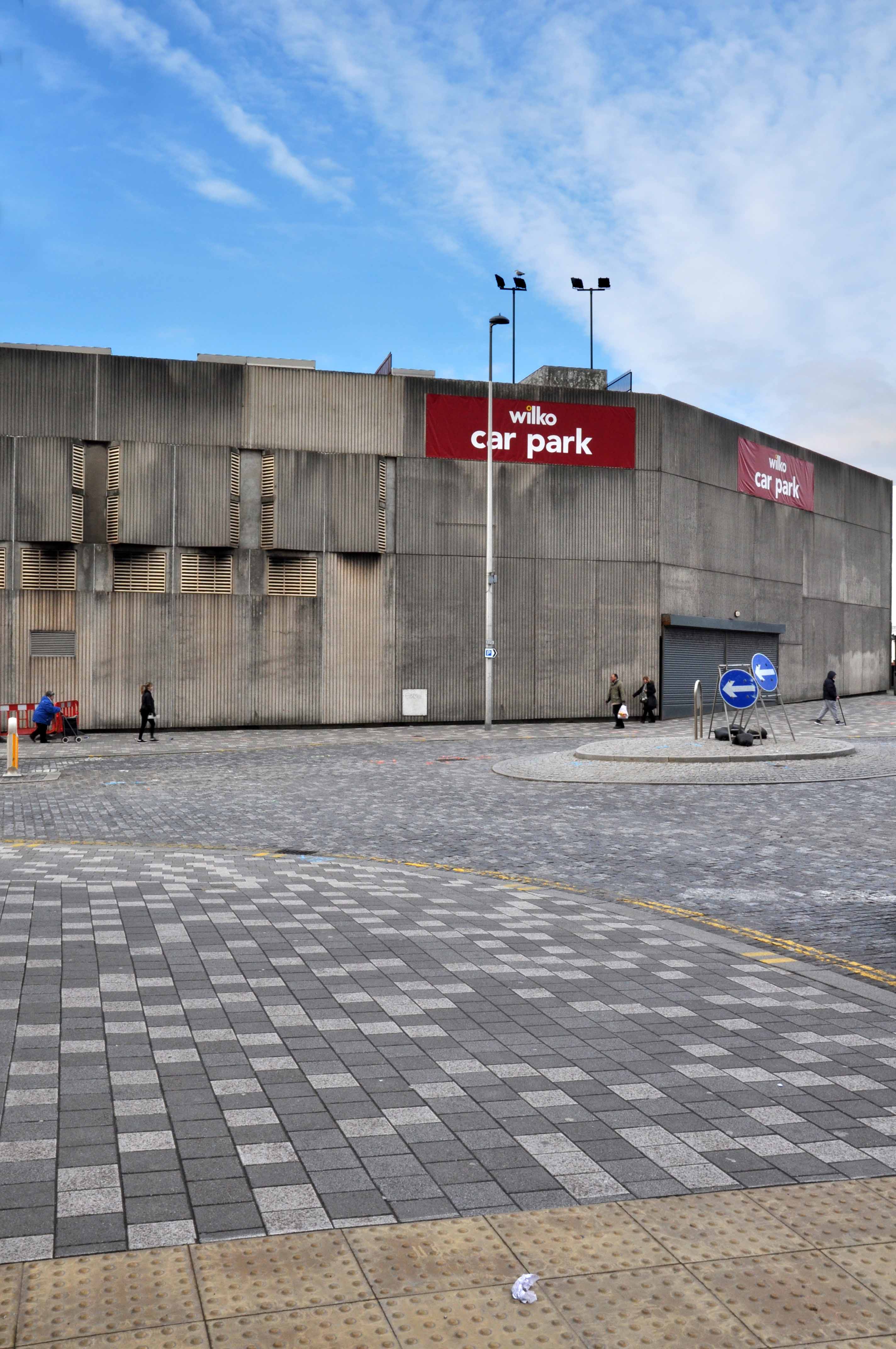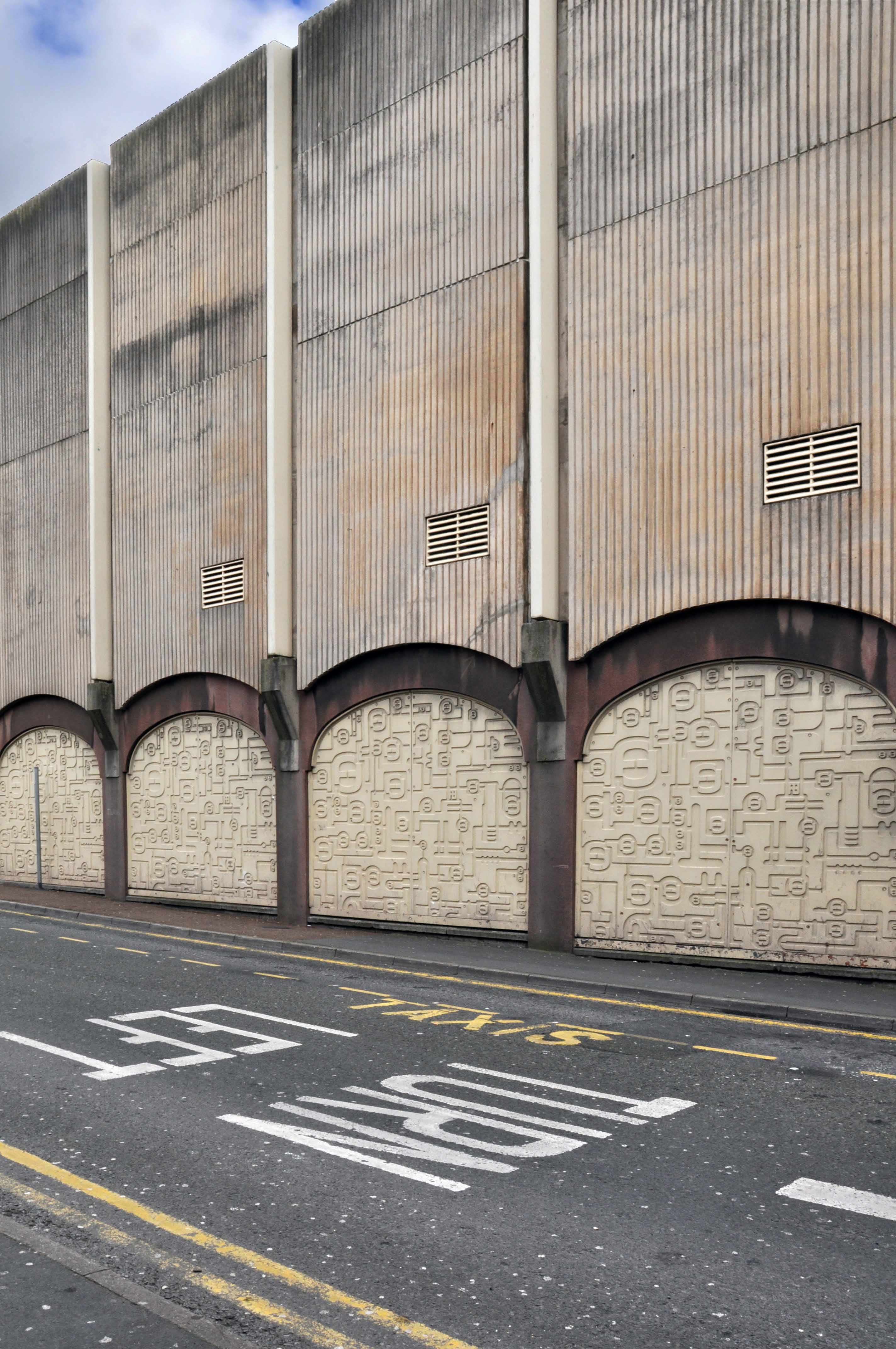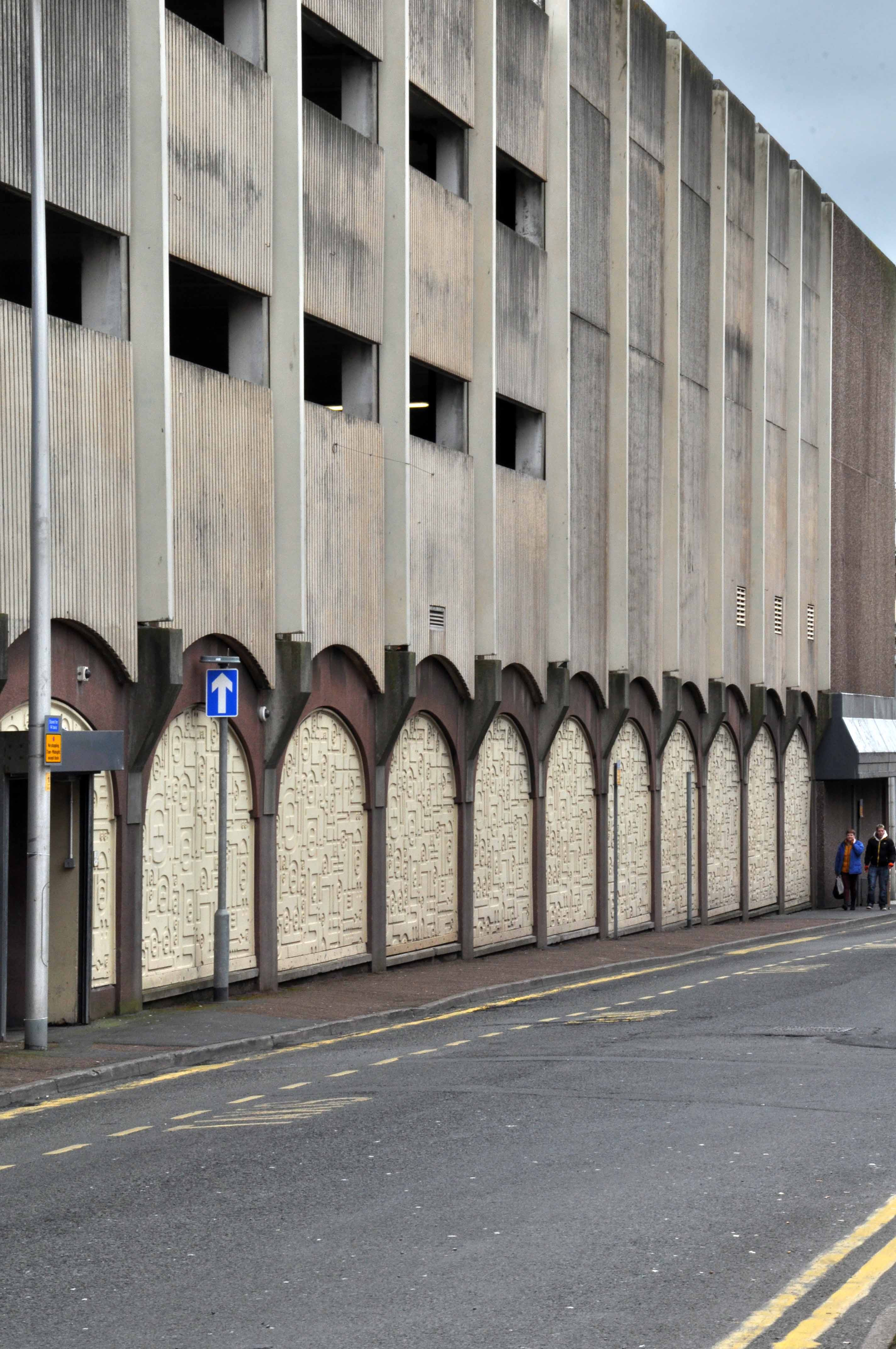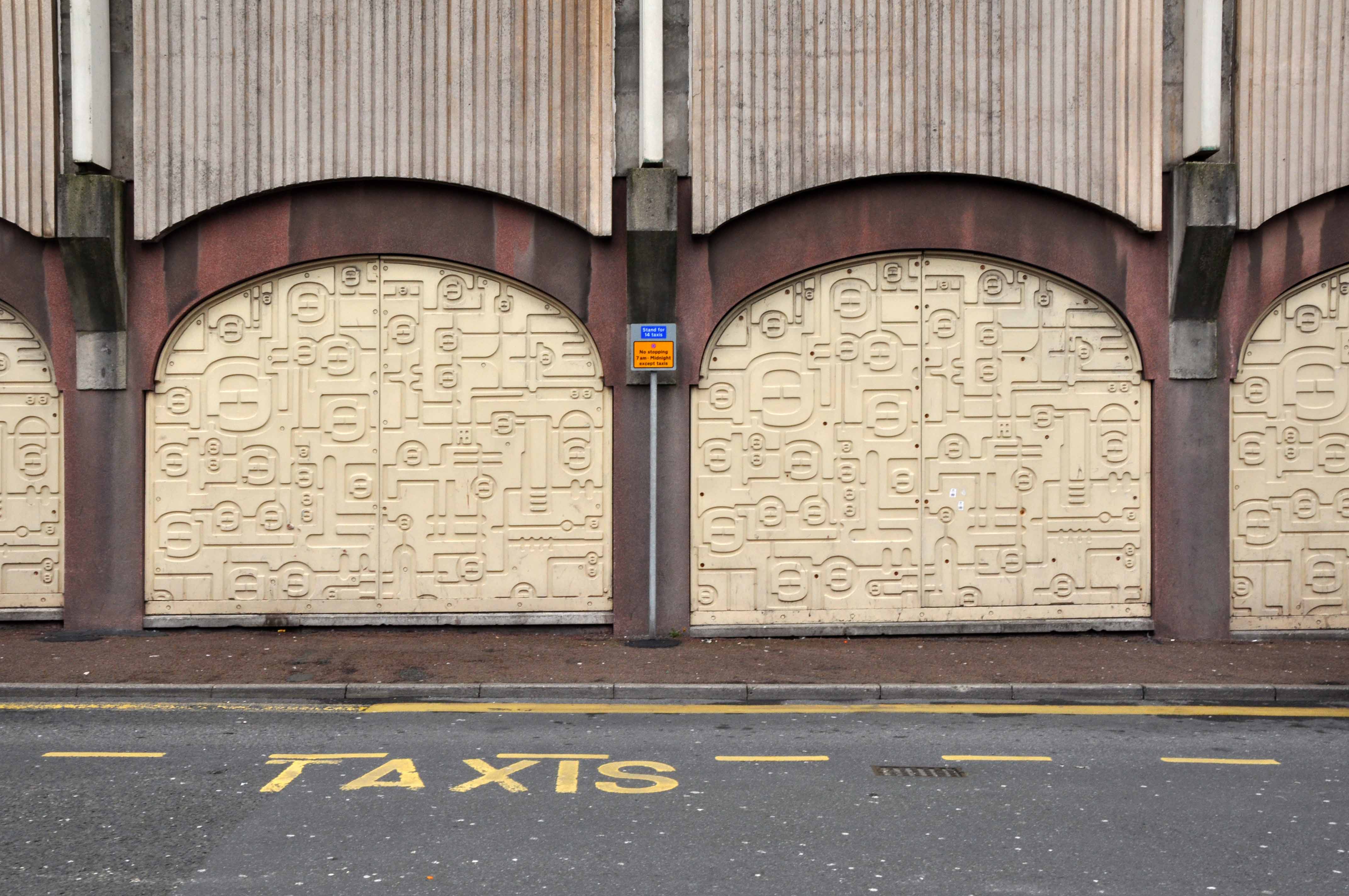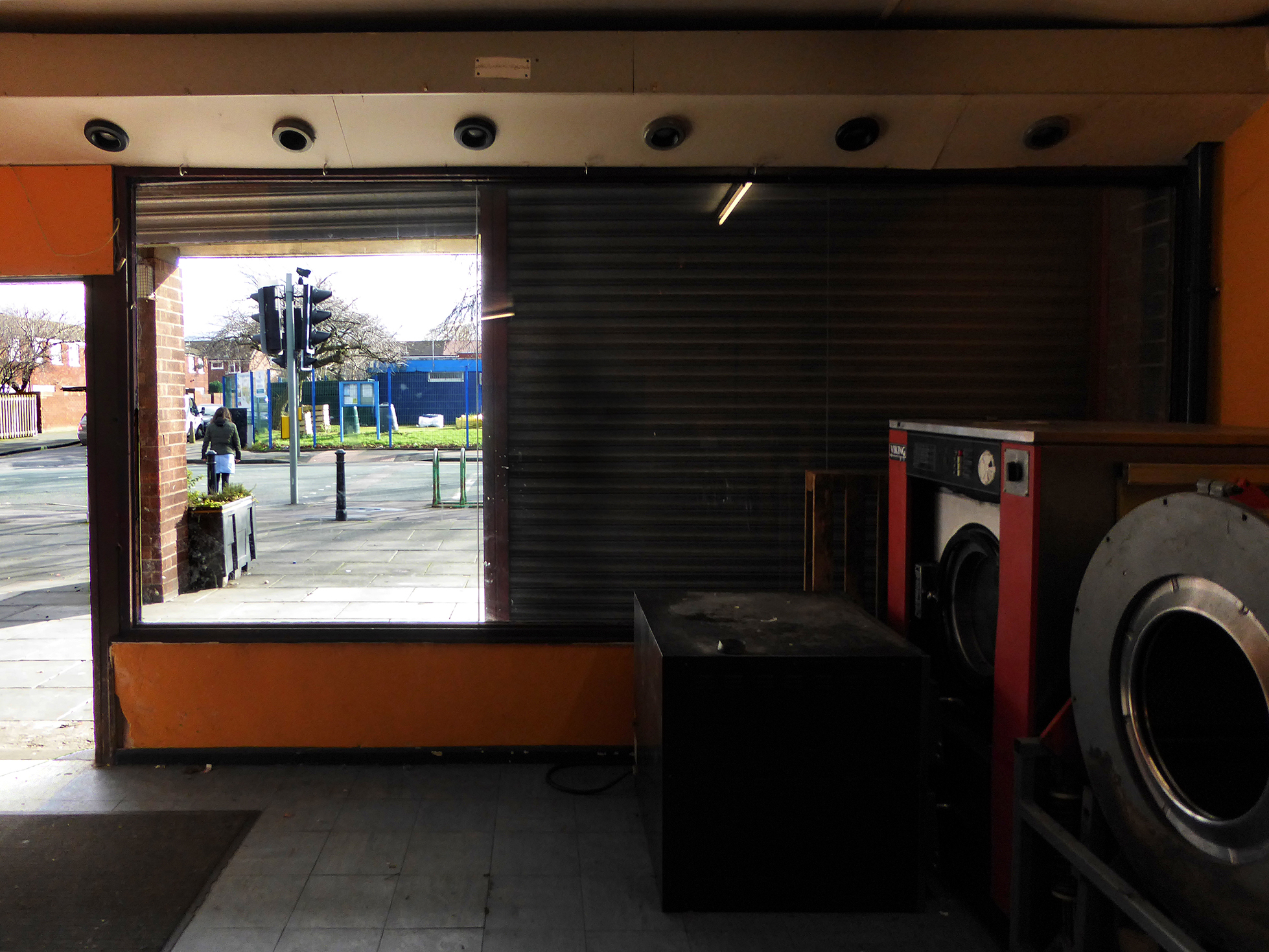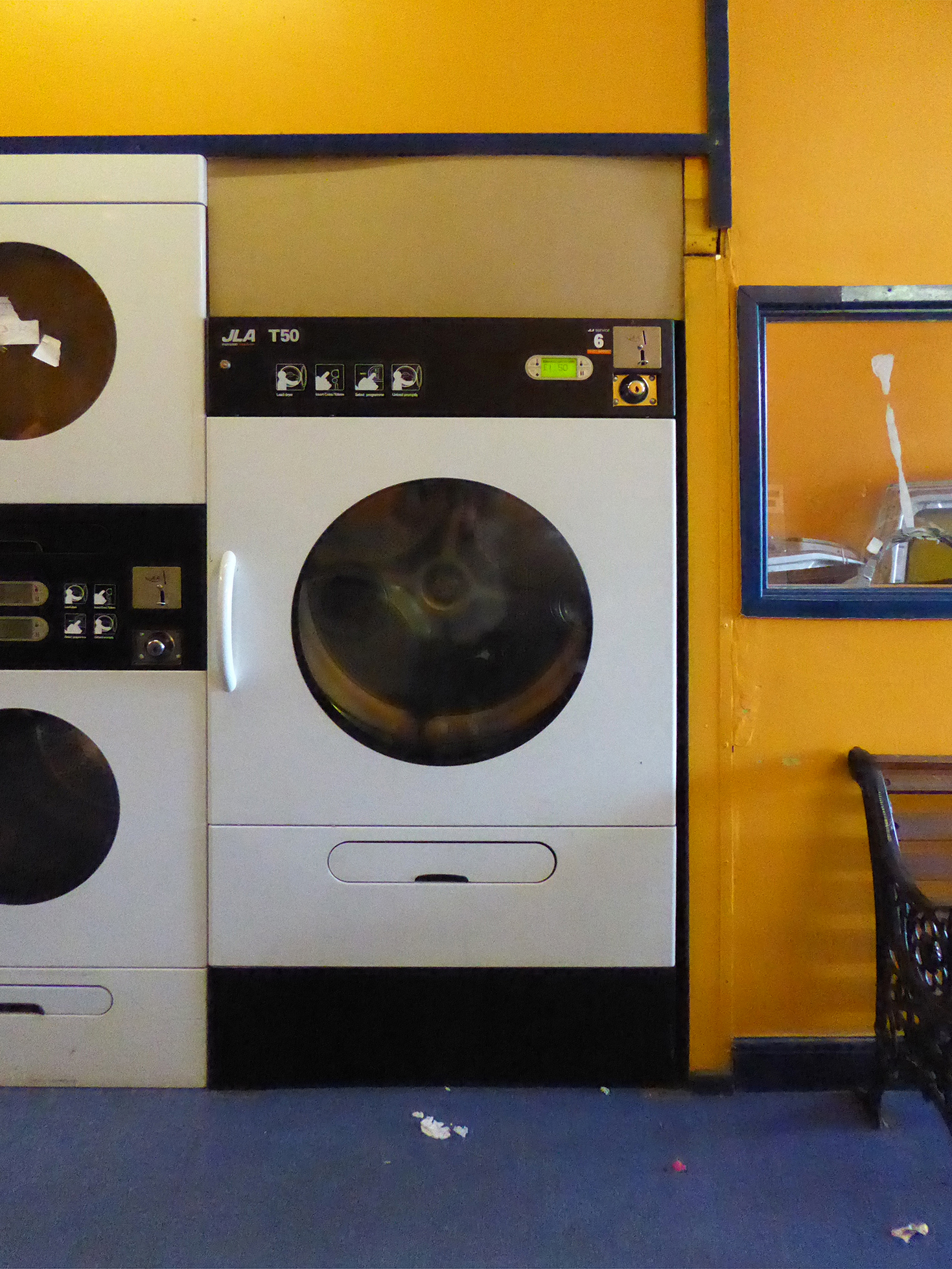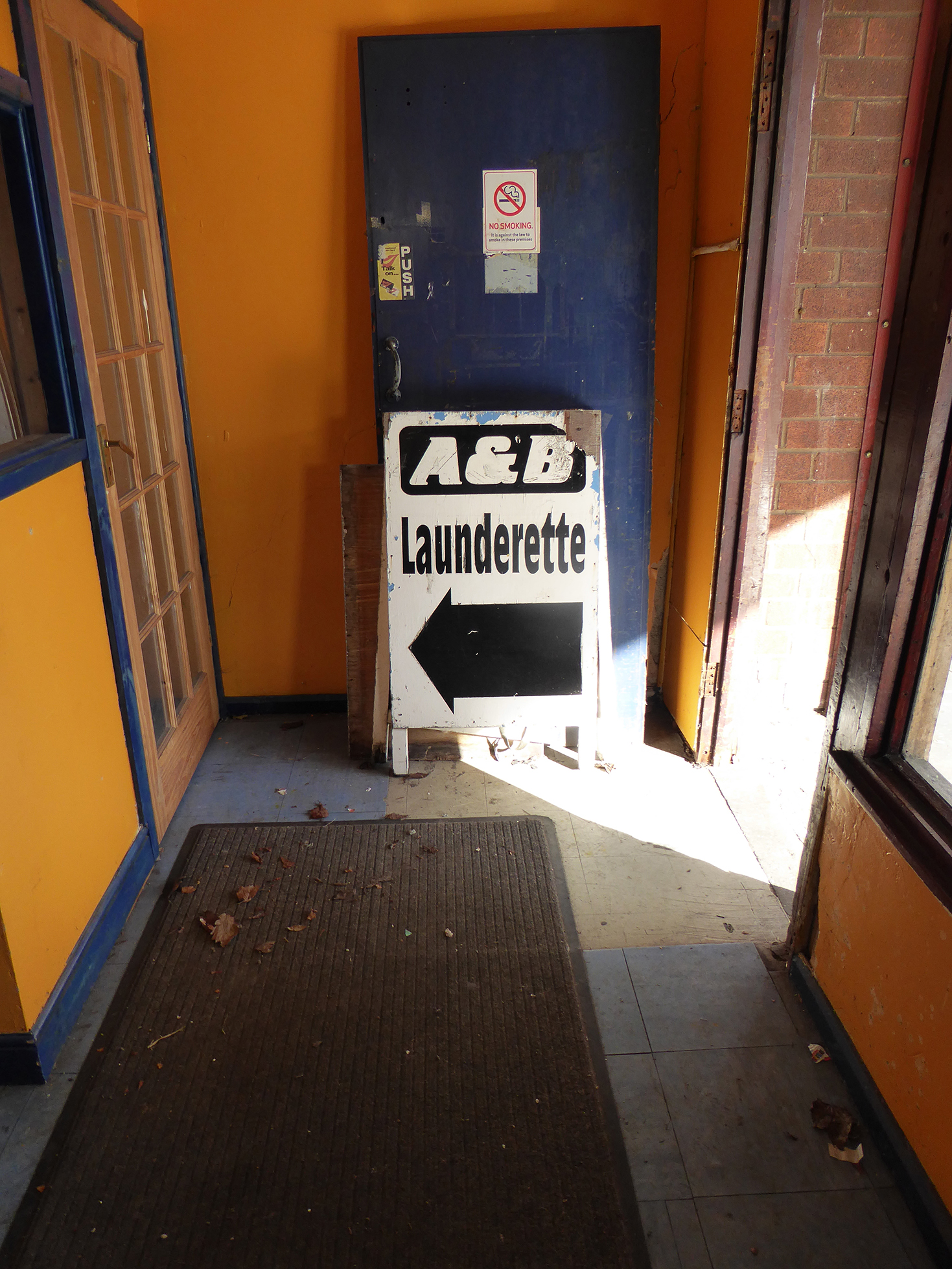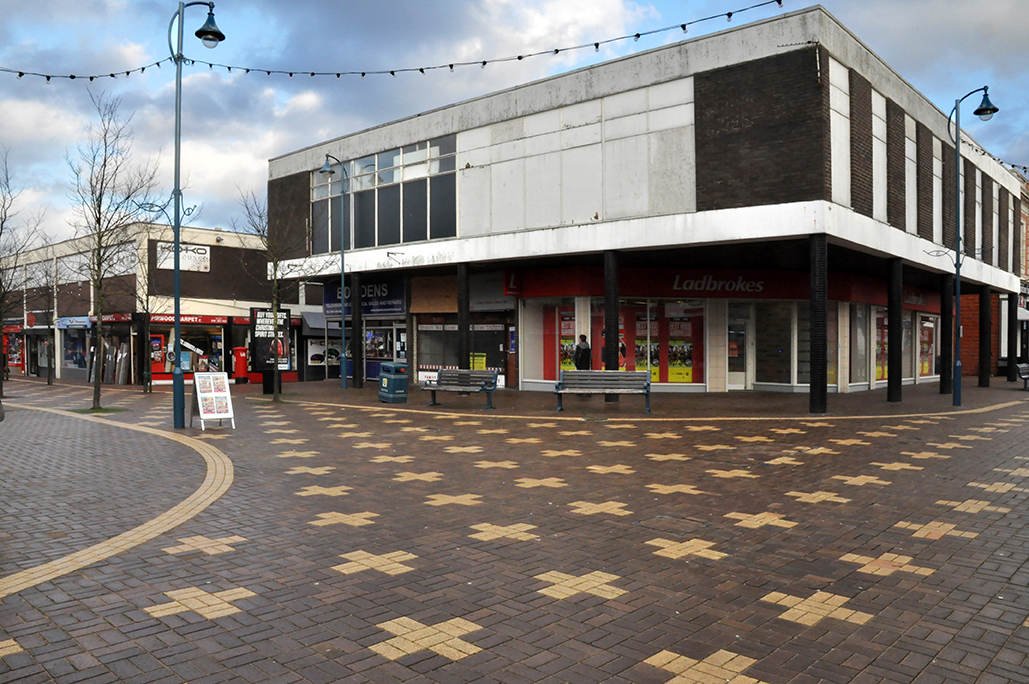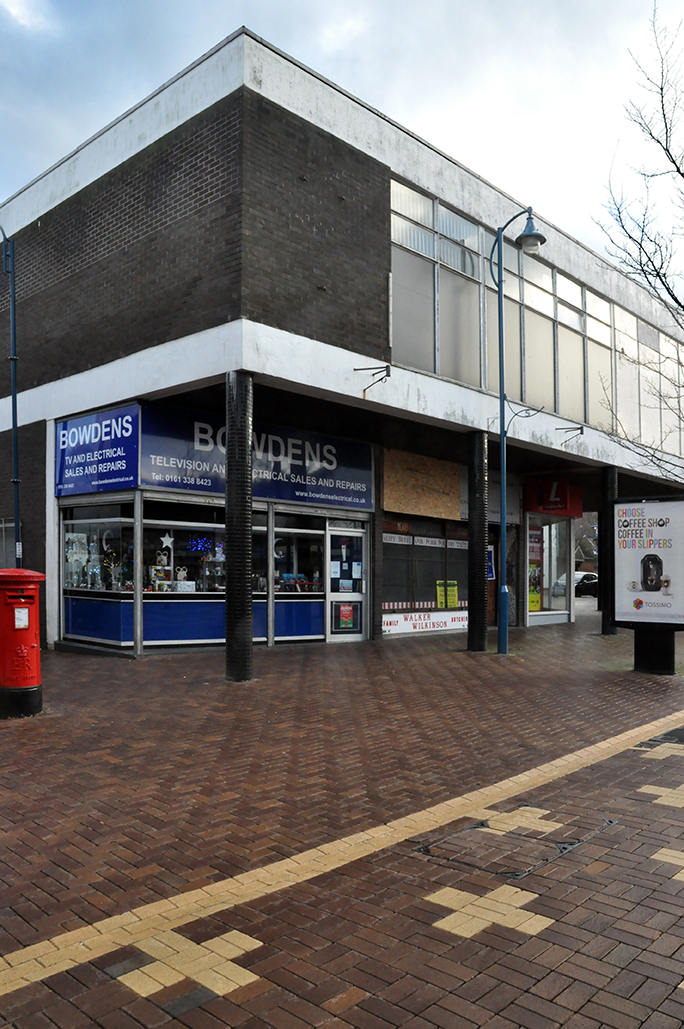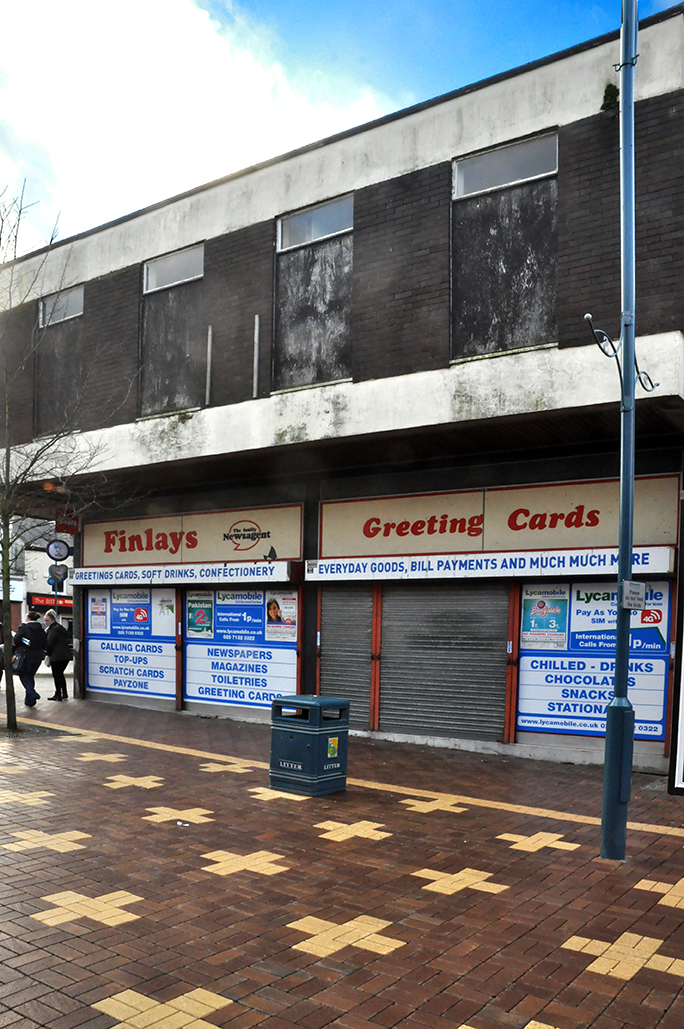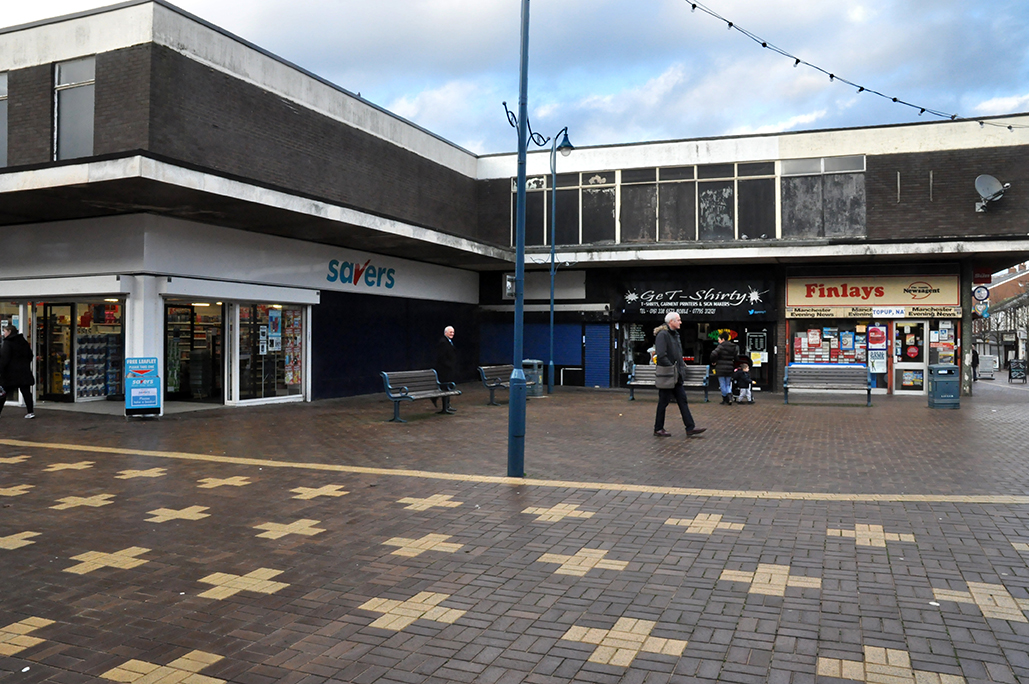
Eastford Square Collyhurst – Slight Return

I’ve been here before and after.

After now seems further away, forever awaiting redevelopment – waiting.

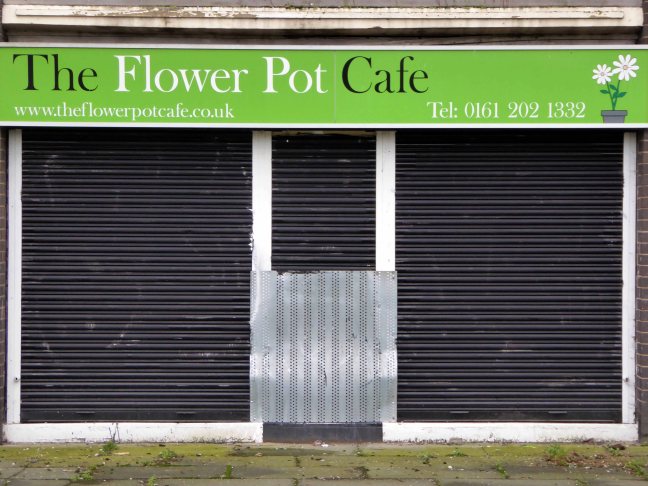
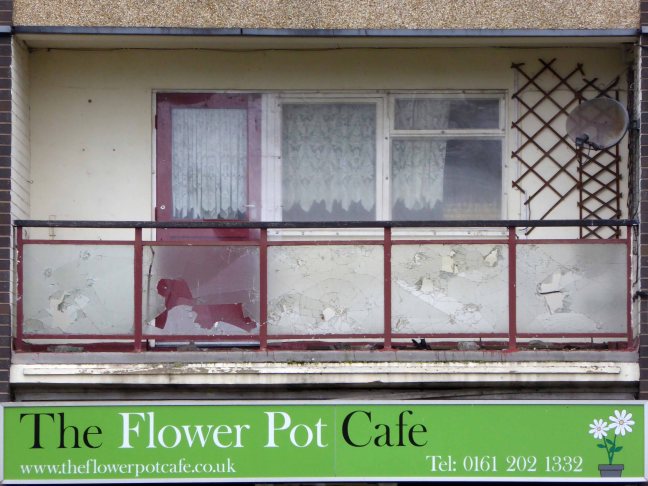
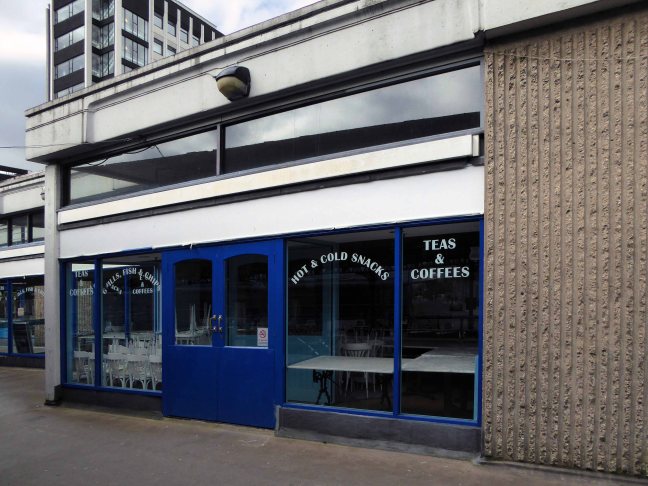
No more Flower Pot Café and a warm welcome from Lee and the lads.

P1220206 copy

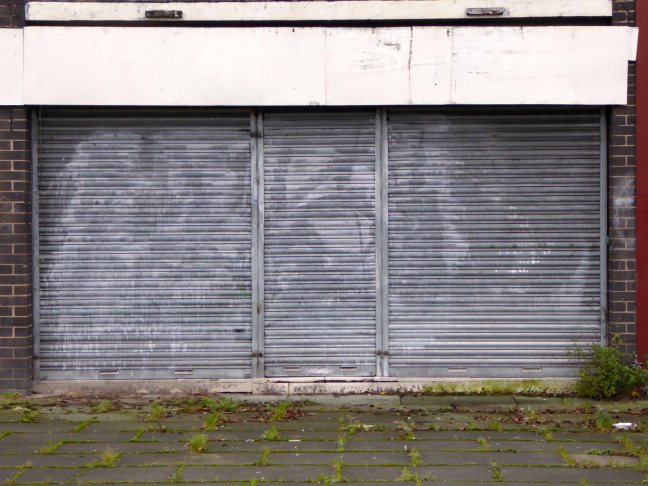
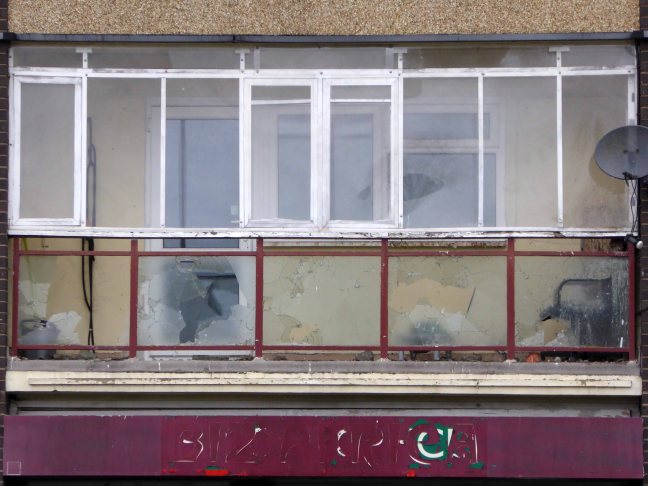
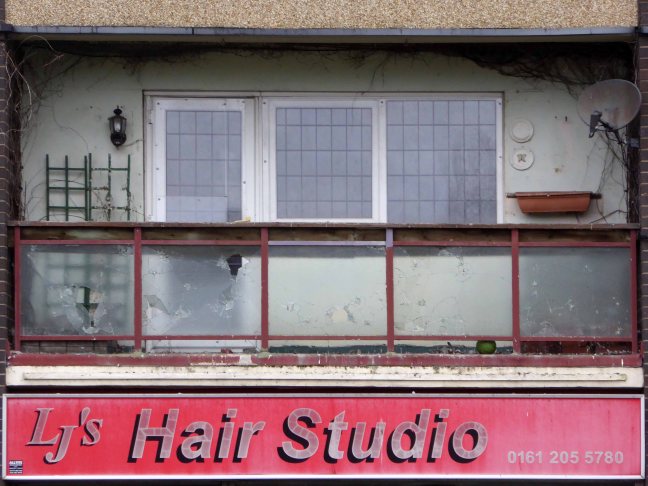
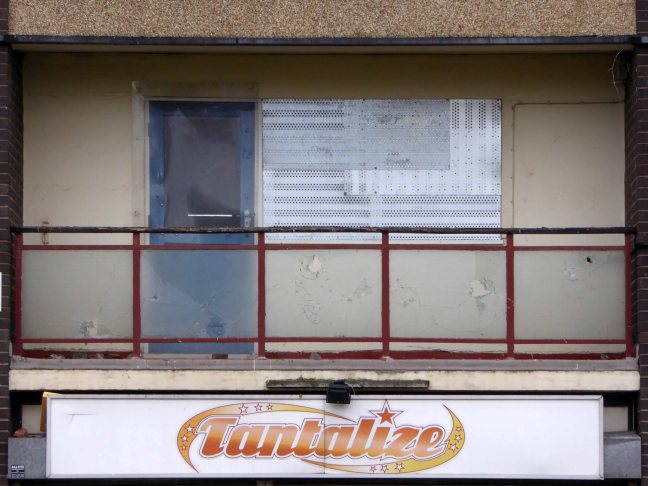
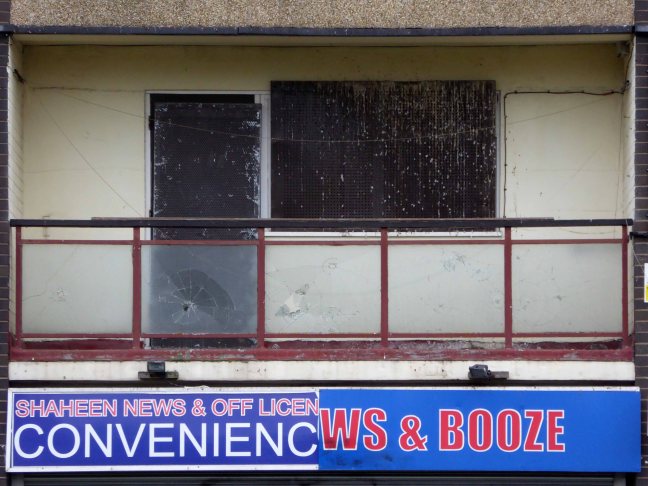
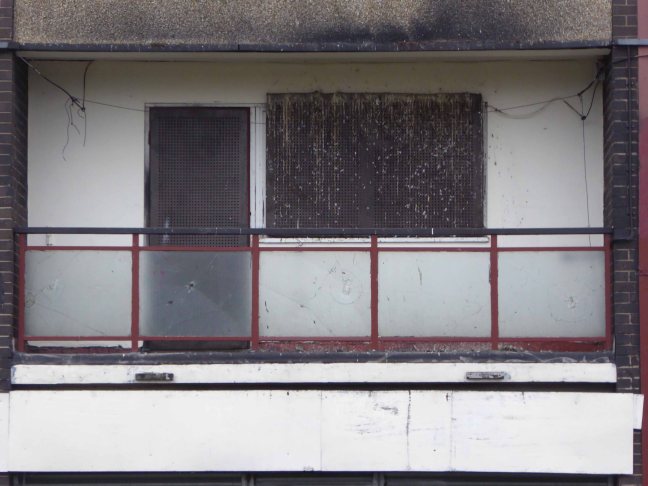
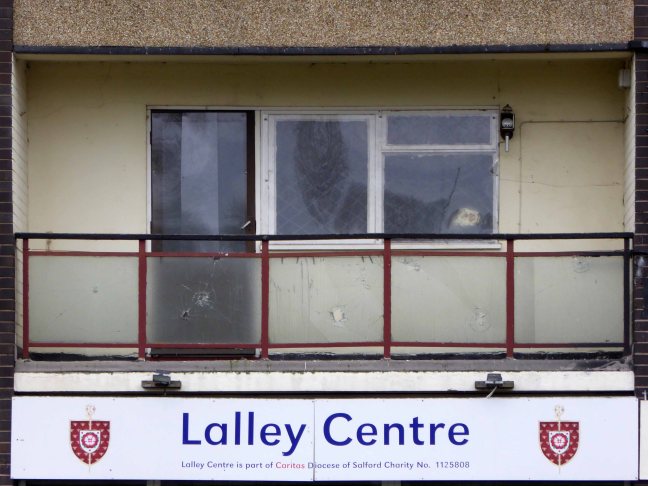
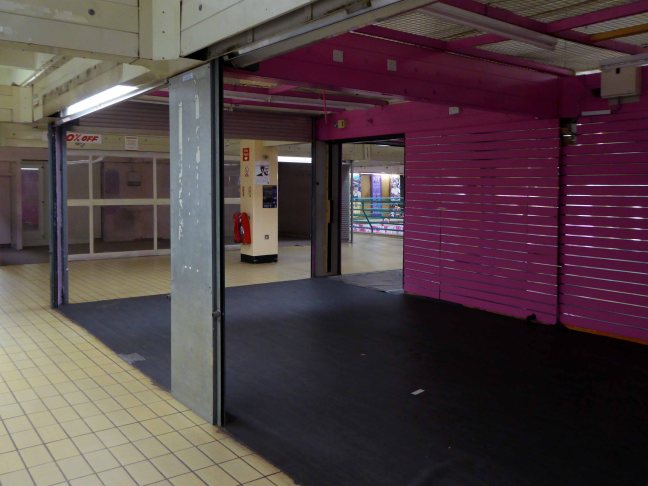
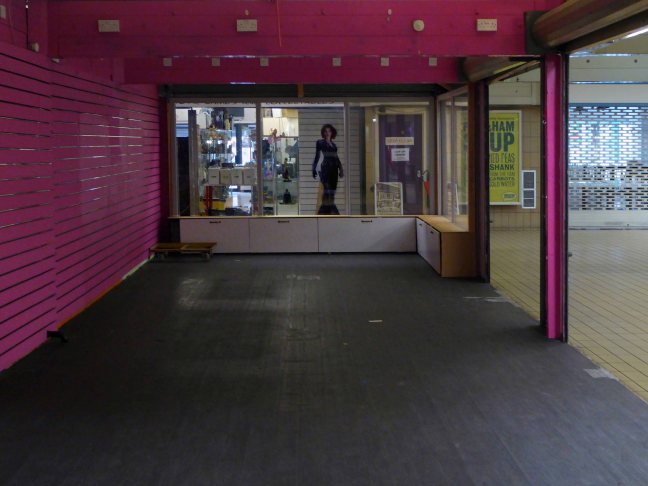
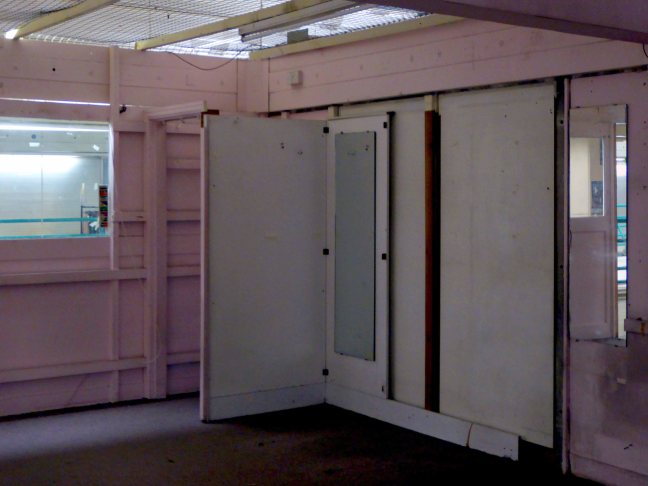
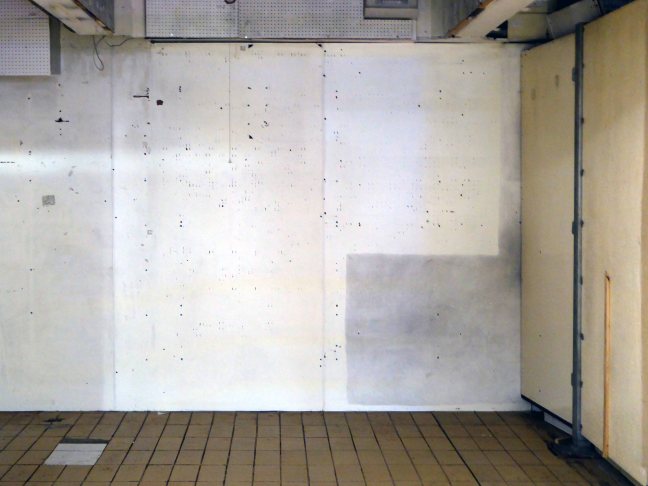
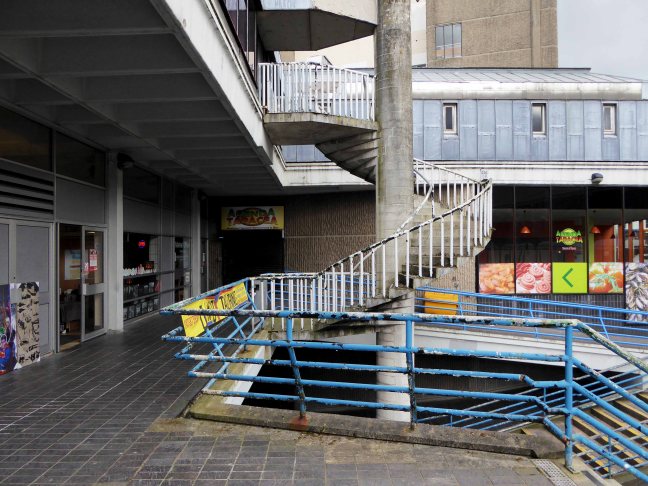
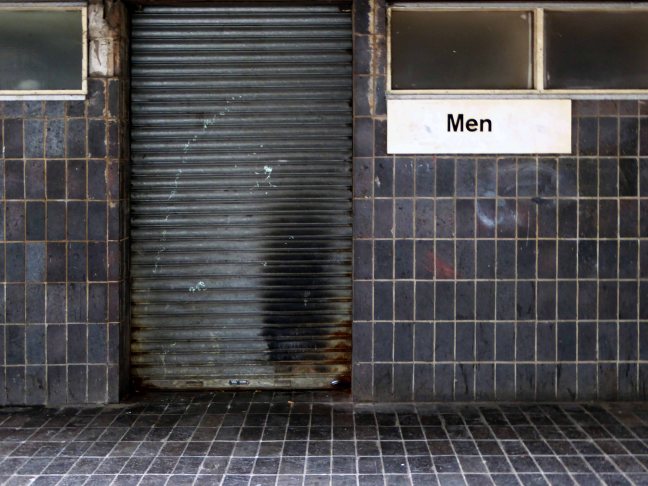
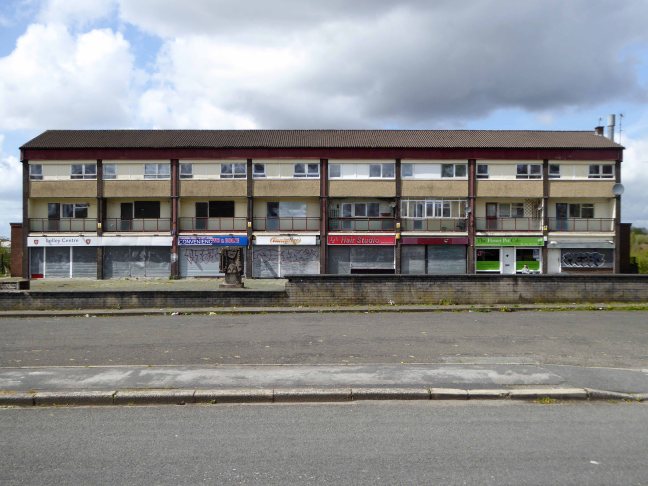
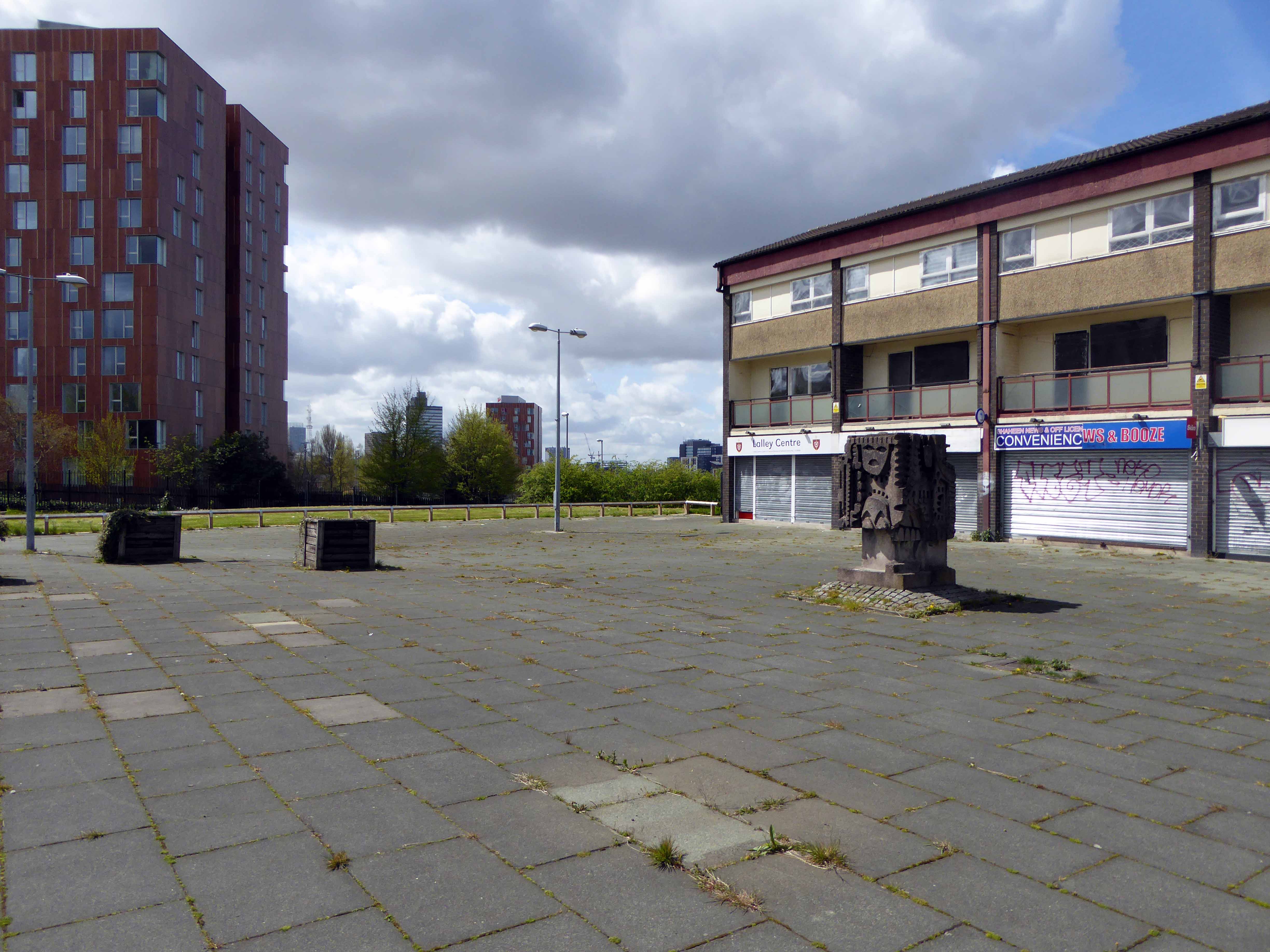
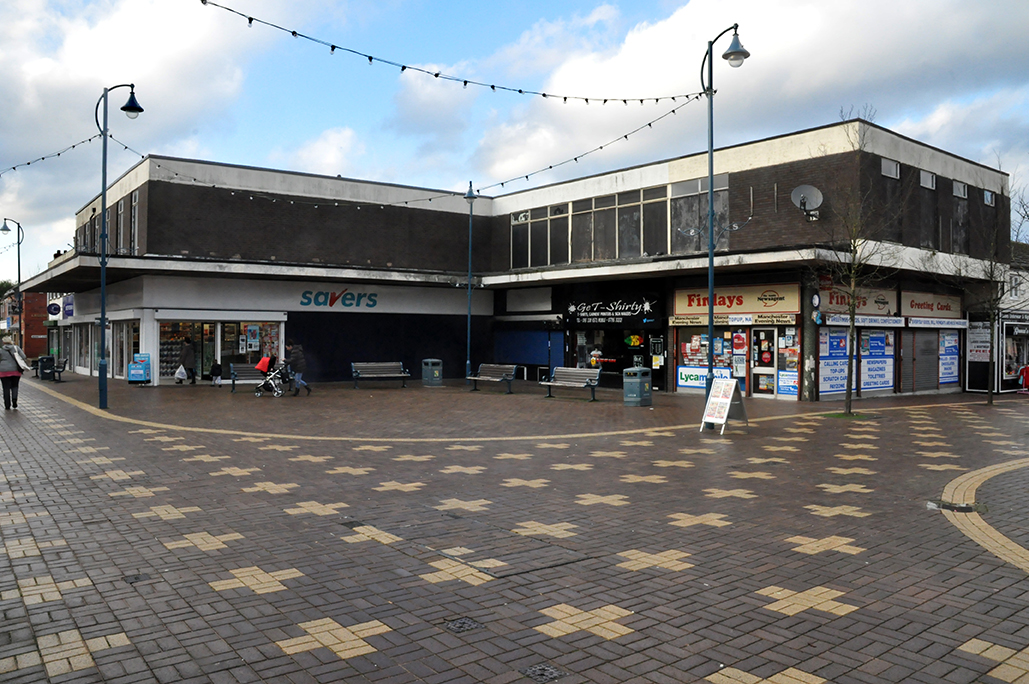
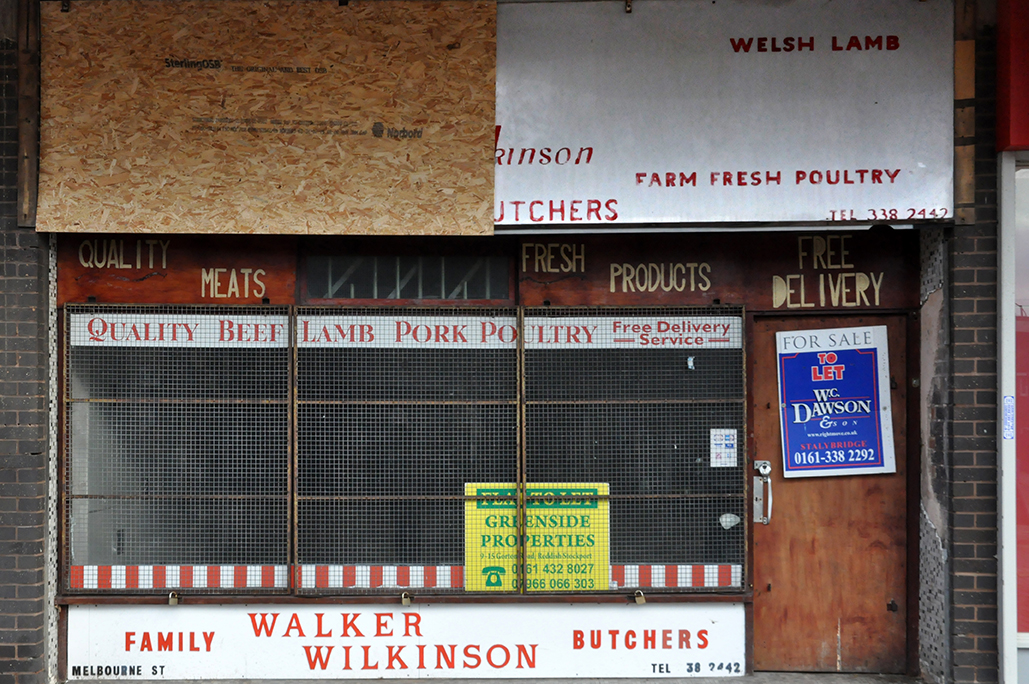
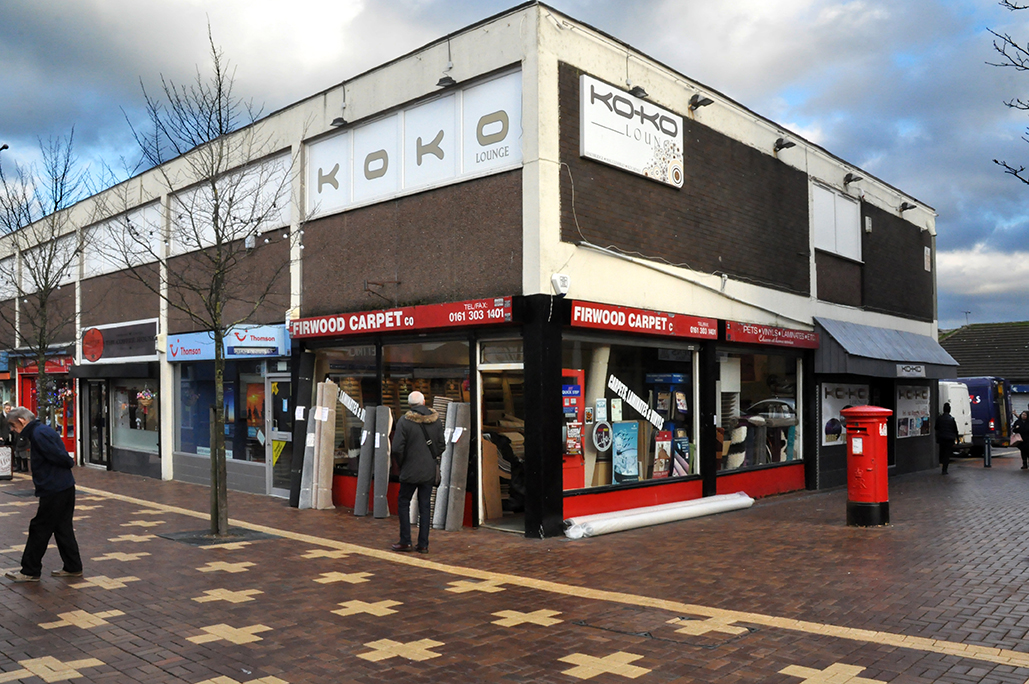
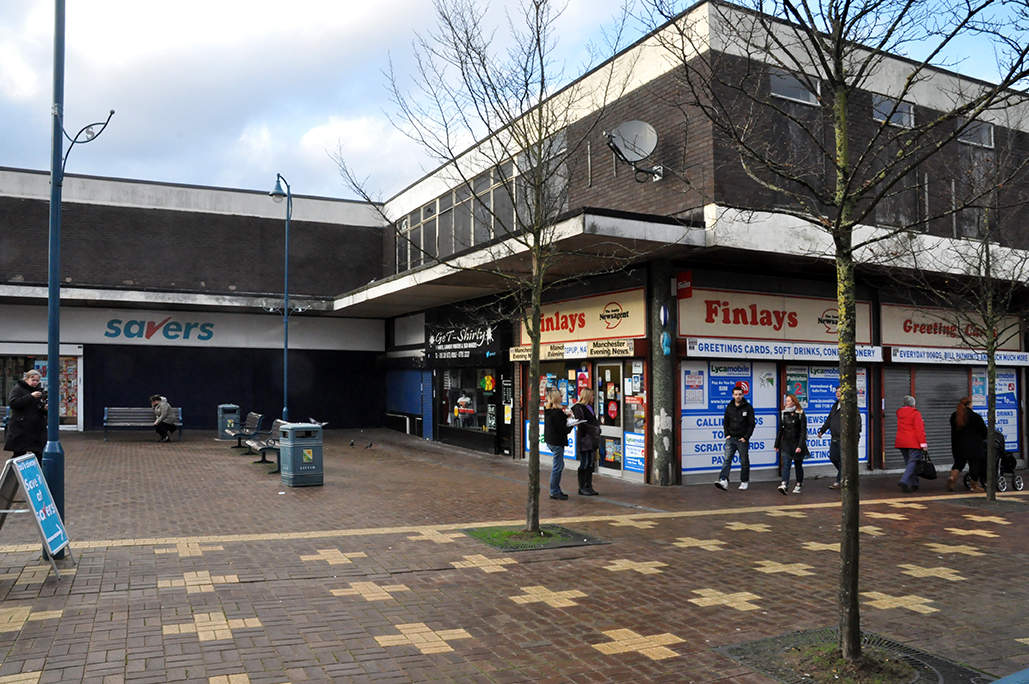
Nearly nine years on – the shutters are down and nobody is home, save for the Lalley Centre – offering food, support and care to the community.

JS79308197

Though Sister Rita Lee has now move on to pastures new.

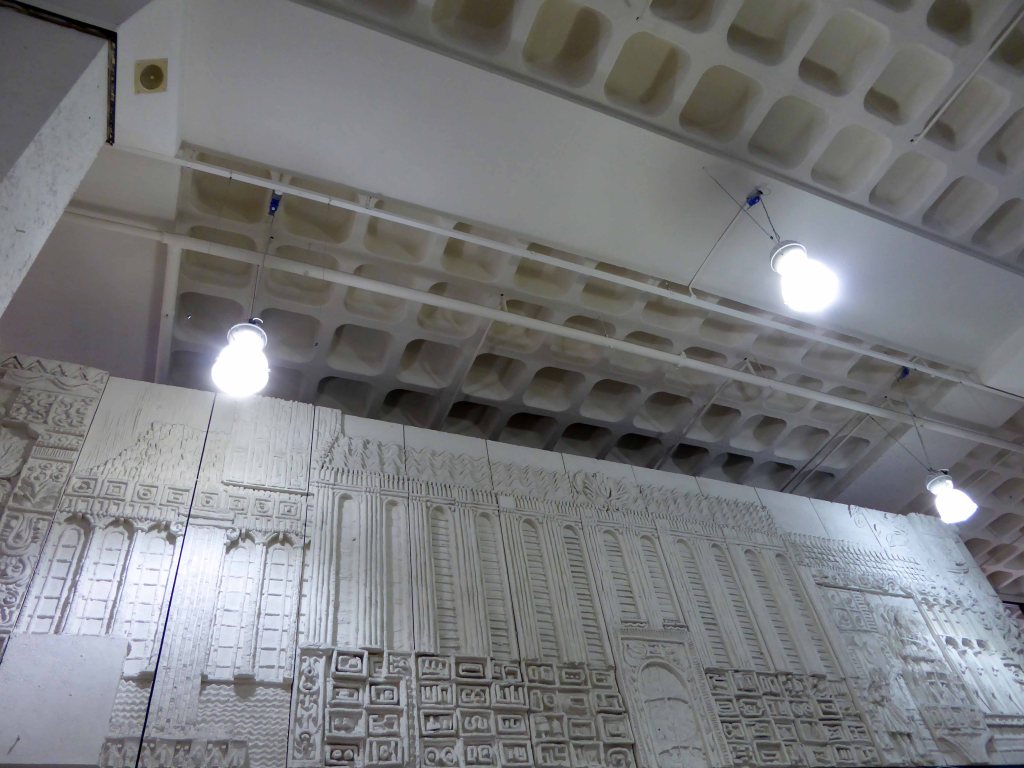
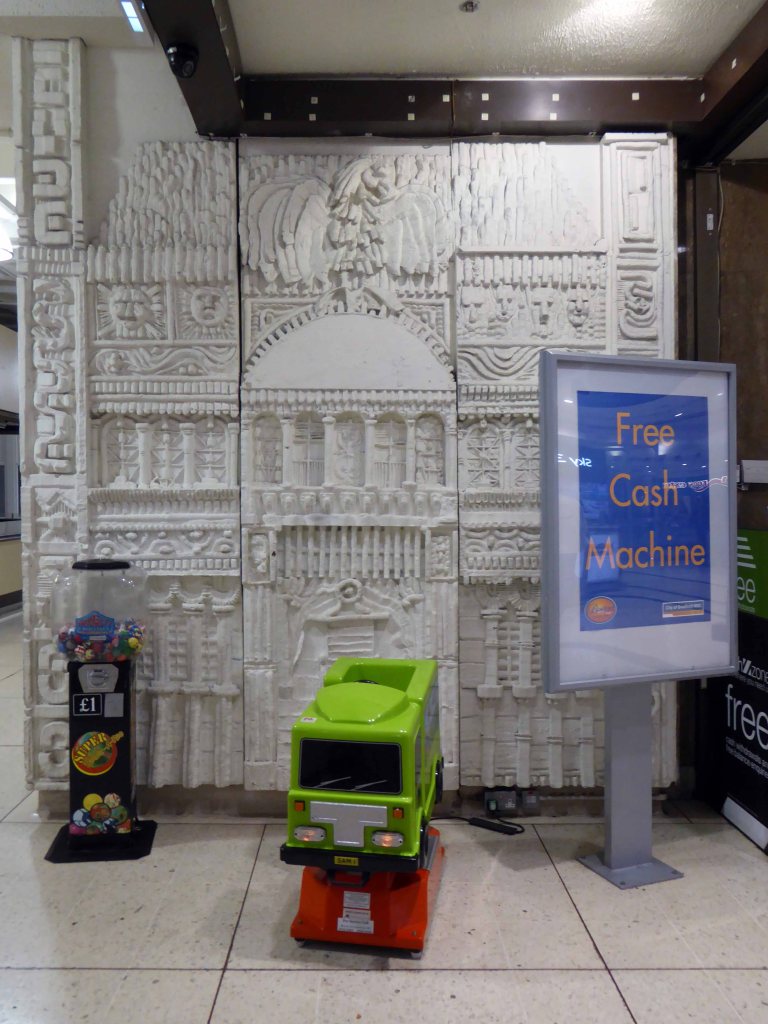
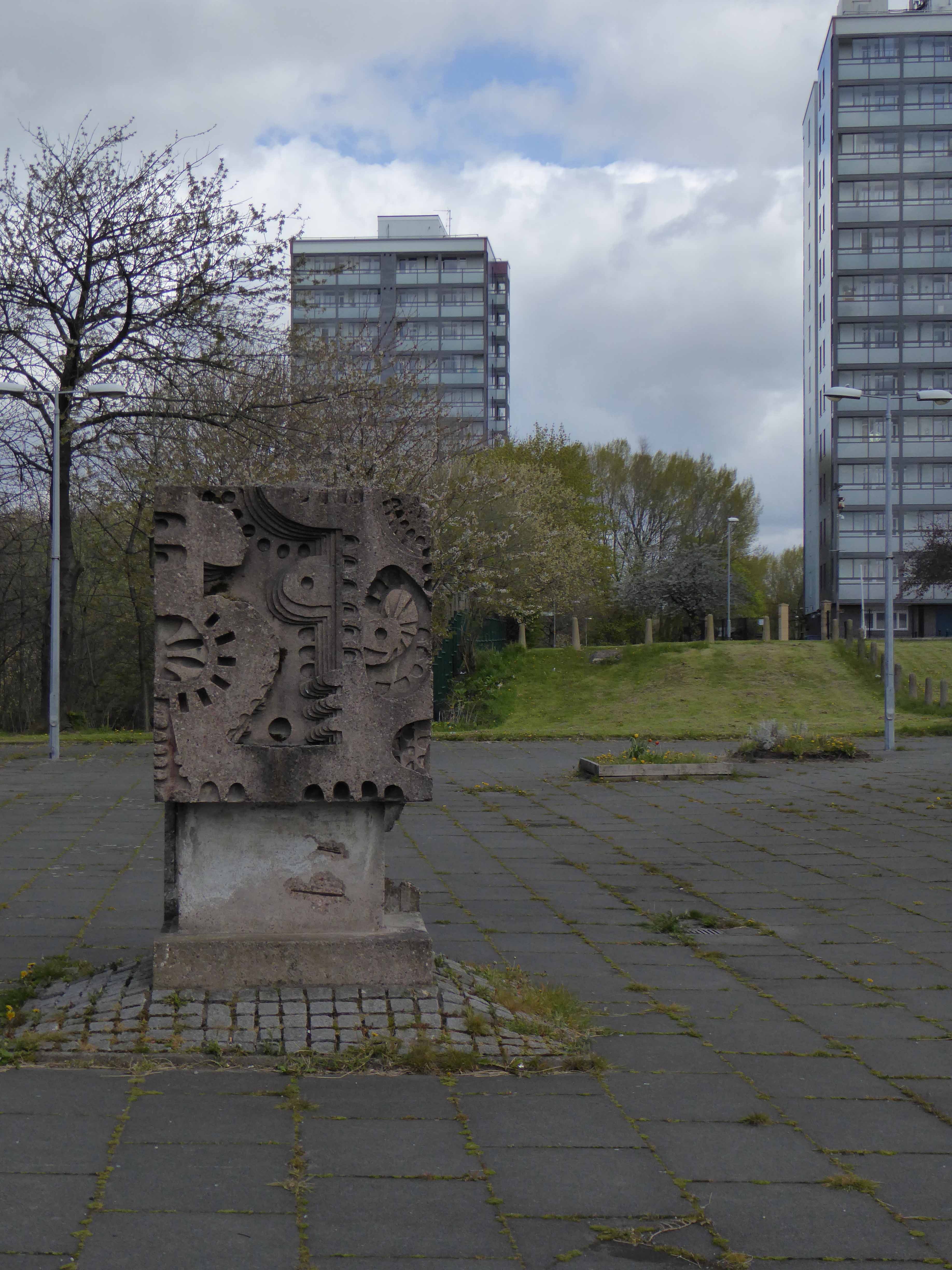
The homes and shops remain resolutely shut, un-lived in and unloved, though the City plans to re-site the resident sculpture, the residents remain absent without leaving.

P1220207 copy

P1220208 copy

P1220209 copy

P1220212 copy

P1220213 copy

P1220214 copy

P1220215 copyP1220216 copy

P1220217 copy

P1220218 copy

P1220219 copy

P1220220 copy

P1220221 copy

P1220222 copy

P1220223 copy


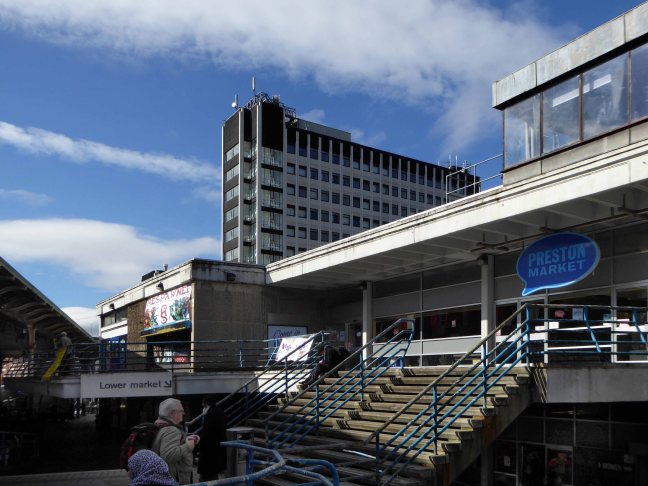
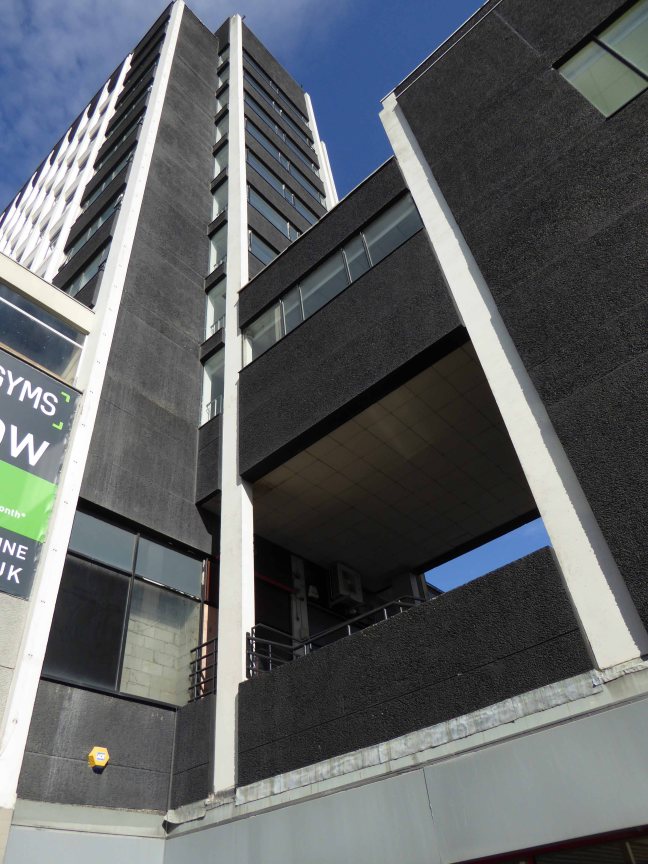
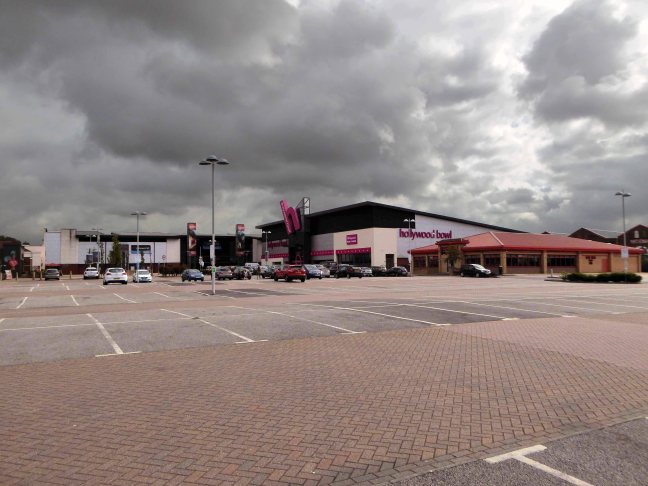
Preston Indoor Market

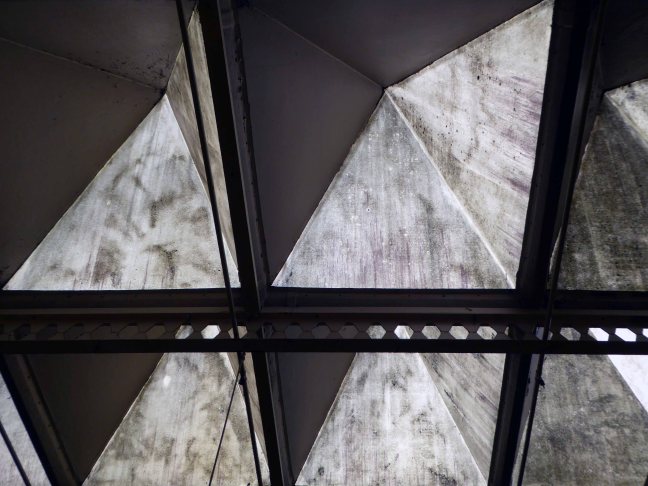
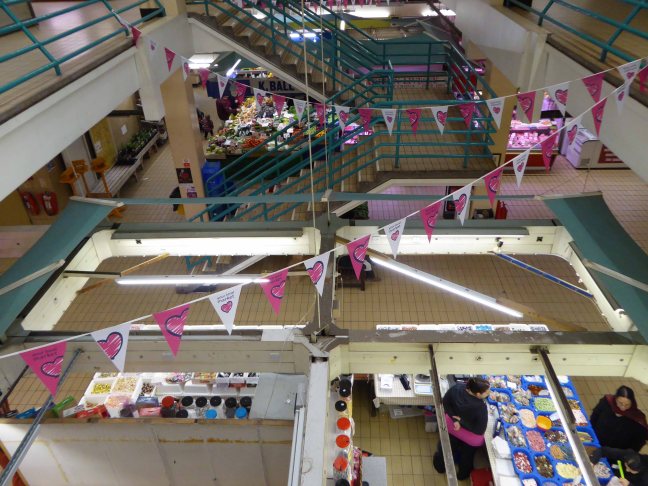
Built in 1973 scheduled to be closed and demolished in ten days time.

The future is not so red rosey for yet another traditional local market.

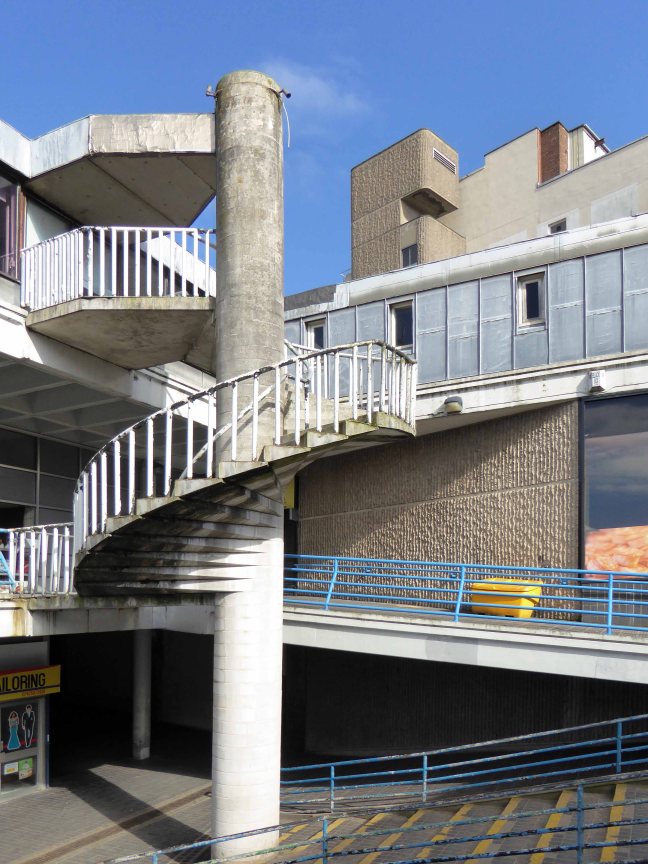
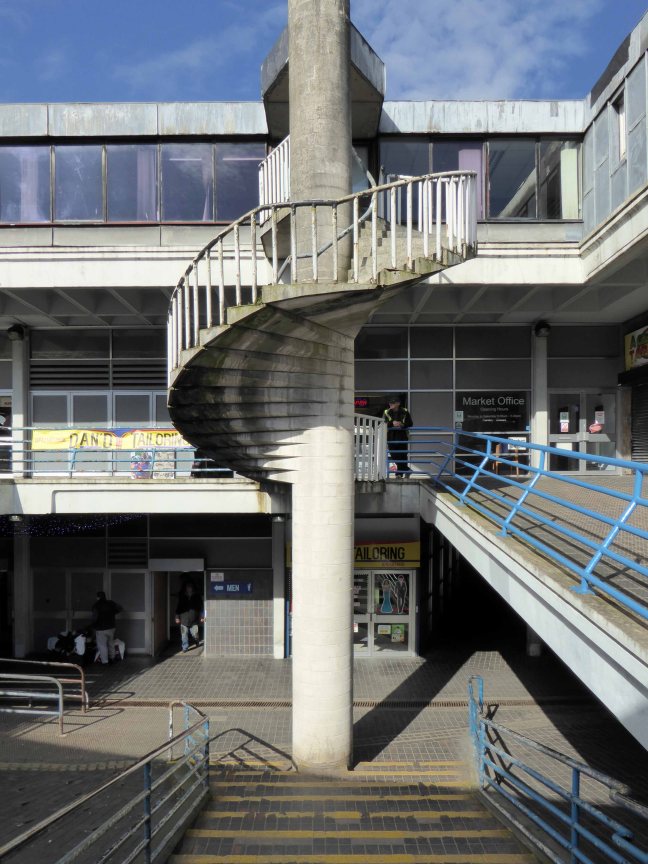
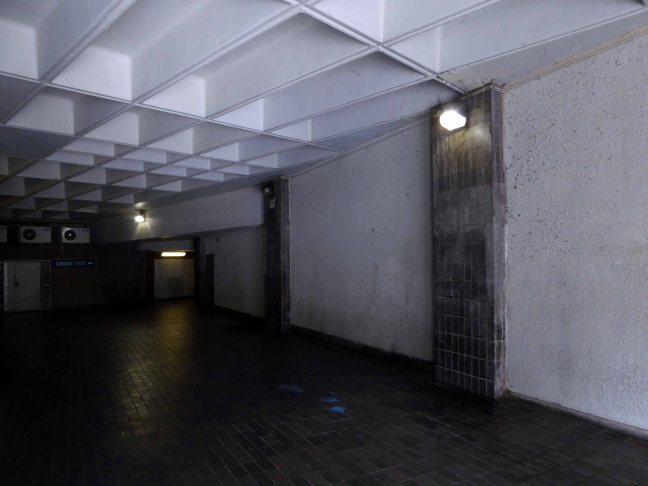
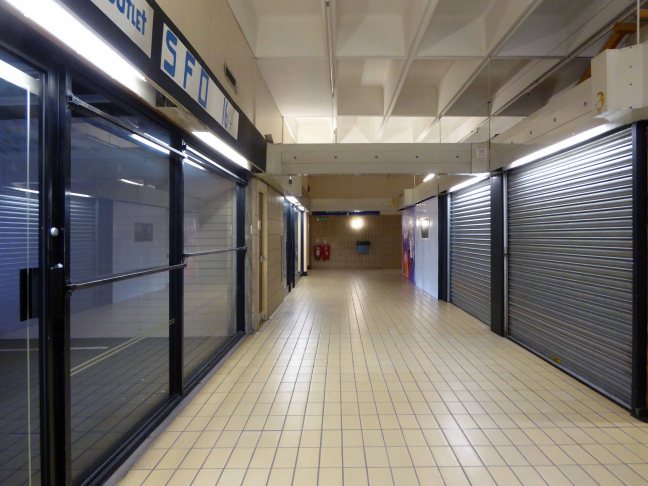
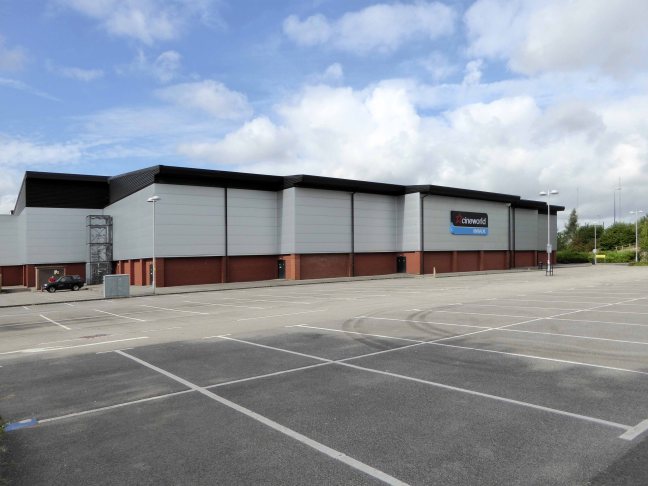
A typically boxy arrangement of steel, concrete, asbestos glass and brick, the complex of trading units, stalls and parking is not without charm. Though as with many other developments of its type, it seems to be without friends, then inevitably without customers and traders.

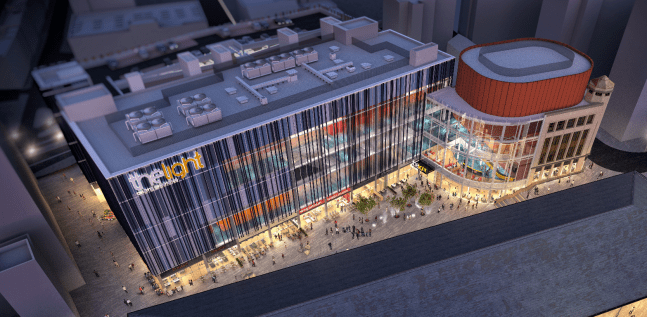
Following a template originated at London’s Borough Market, developers and councils seem to favour the modern artisan over the proletarian . This concept when meshed with the multi-plex and chain restaurant/bar amalgam, provides a shiny new future, for the shiny new shape of all our retail and leisure needs.

Preston-Market-Quarter-Nov-2017

So ta-ta to another world of hats and socks, fruit and veg, workwear for workers.

You’ve just about time to pop in for a brew.

Two sugars, stirred not shaken.

P1020430 copy

P1020431 copy

P1020432 copy

P1020435 copy

P1020437 copy

P1020434 copy

P1020477 copy

P1020479 copy

P1020480 copy

P1020481 copy

P1020482 copy

P1020484 copy

P1020485 copy

P1020486 copy

P1020487 copy


P1020490 copy

P1020491 copy

P1020492 copy


P1020494 copy

P1020495 copy

P1020496 copy


Hyde Road – Manchester

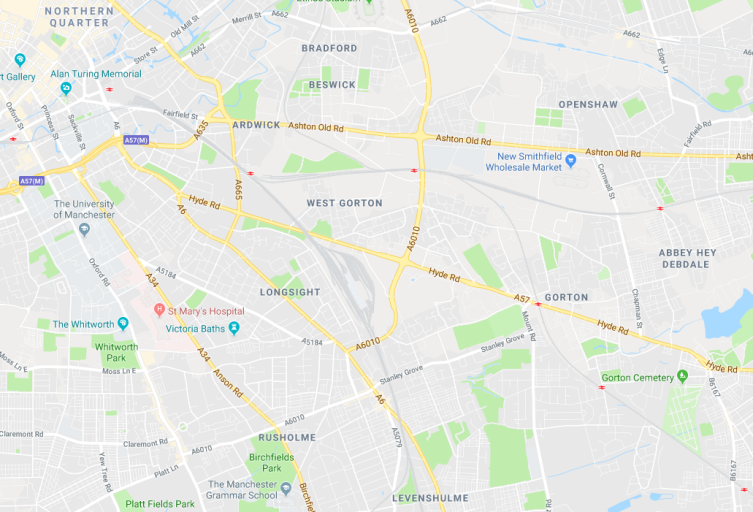
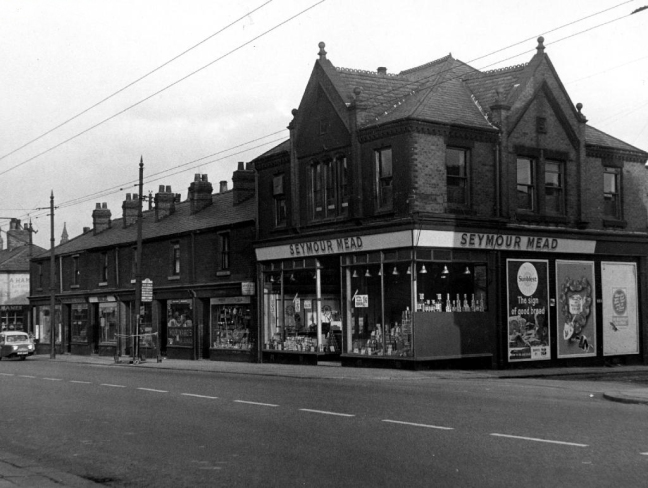
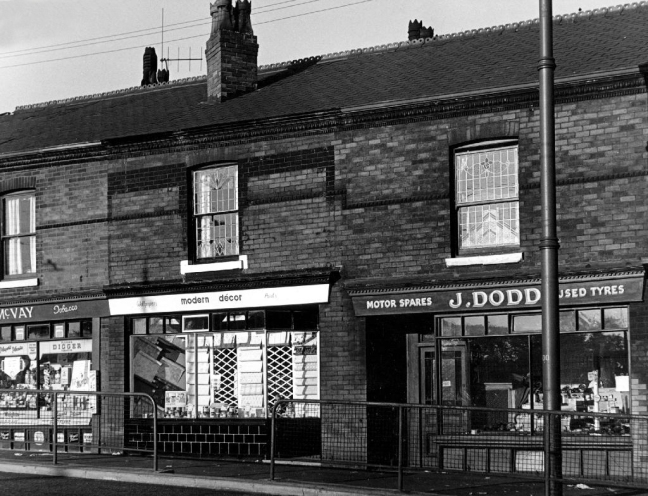
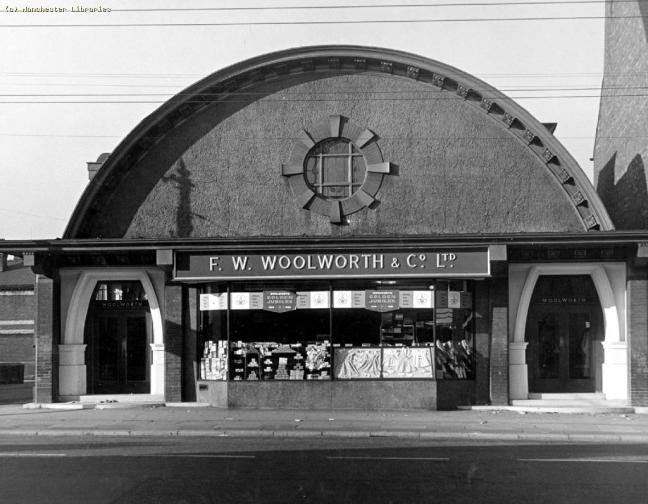
From Ardwick Green in the west to Abbey Hey in the east – runs Hyde Road Manchester.

Screen Shot 2018-01-23 at 14.35.48

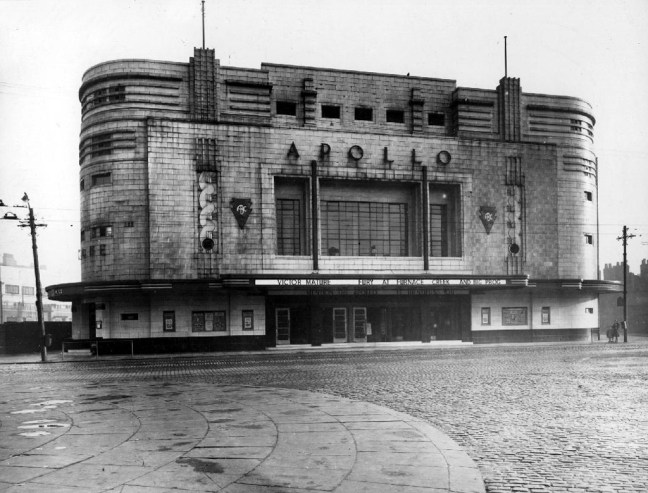
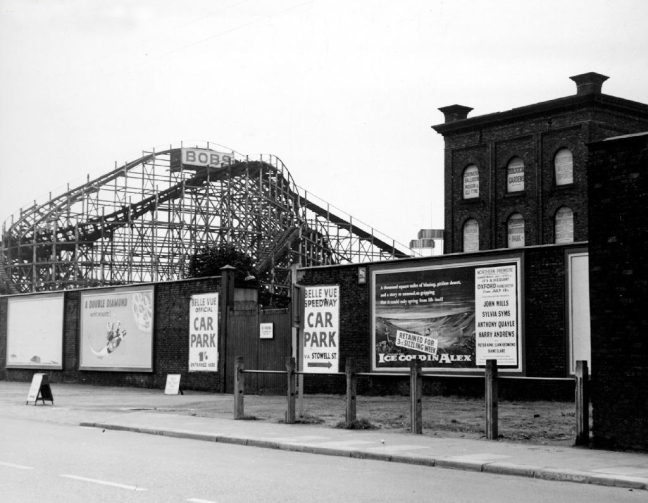
It’s a a road I have travelled from my early teens onwards, visiting friends, family, speedway, school sports days, fun and frolics at Belle Vue, tea and toast in Sivori’s, bike parts from Cowans. Working at the former Bishop Greer School, drinking in it’s many pubs, going to the flicks at the Apollo.

It was an area thick with the hustle and bustle of folks going about their business – working, shopping, boozing, waltzing in the Elizabethan, or the waltzers, bobbing up and down on the Bobs. A self contained community, just about prosperous enough in times of full employment –  take just one more walk with me.

webmedia-1.php

ss55

80

82

85

107

110

404 410

471 477

479 483

baths

swim

bobby

bobs

cowans

harry hall

meth

ns 26

NS5

NS6

NS10ns29

olympia

post

seymour

ss10

ss45

ss47

ss51


ss56

ss58

ss59

station

webmedia.php

woolworths

All photographs from the Manchester Local Image Collection

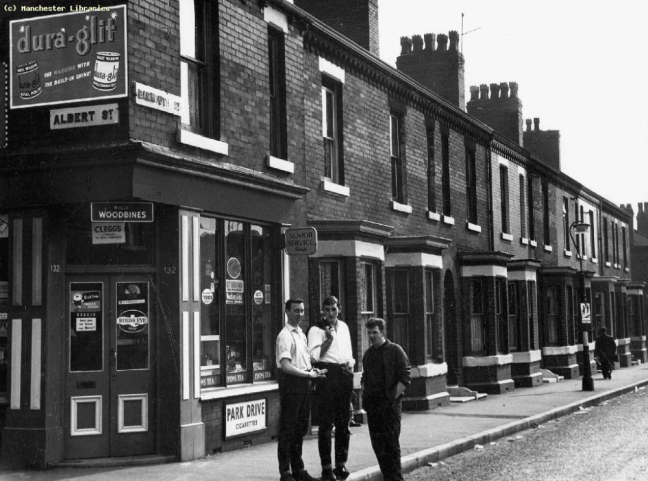
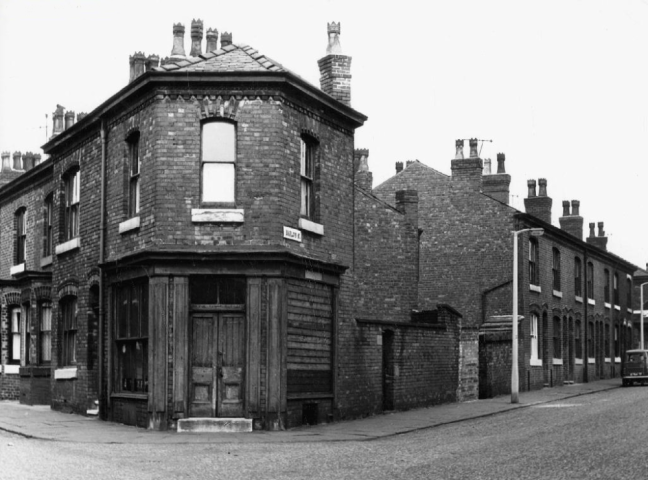
Barmouth Street – Bradford Manchester

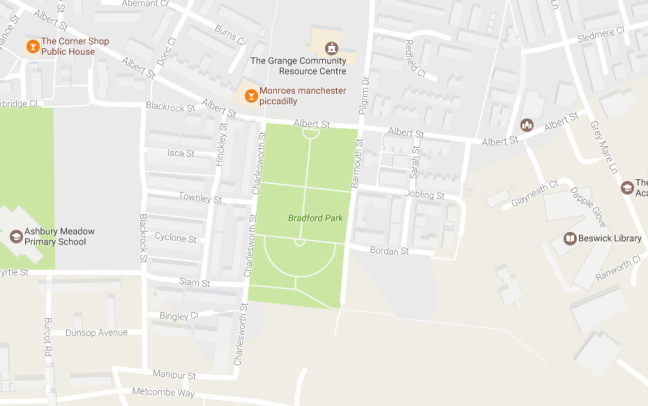
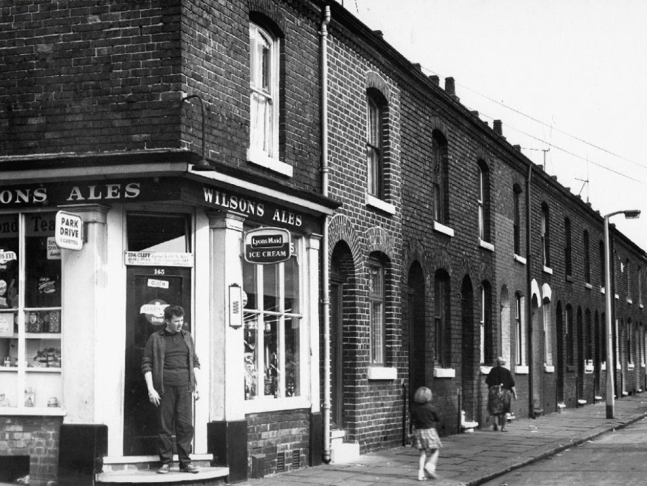
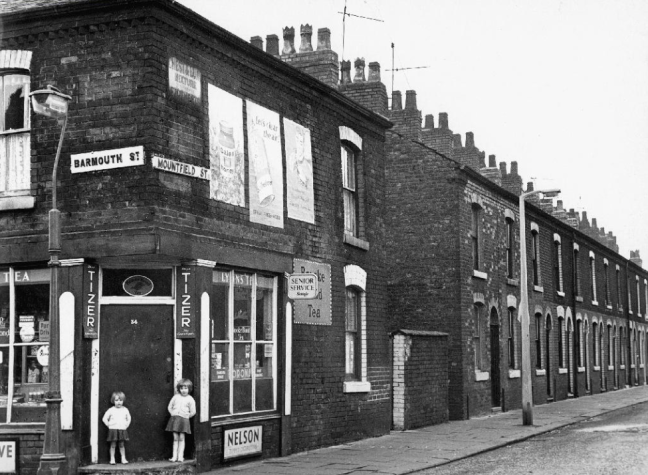
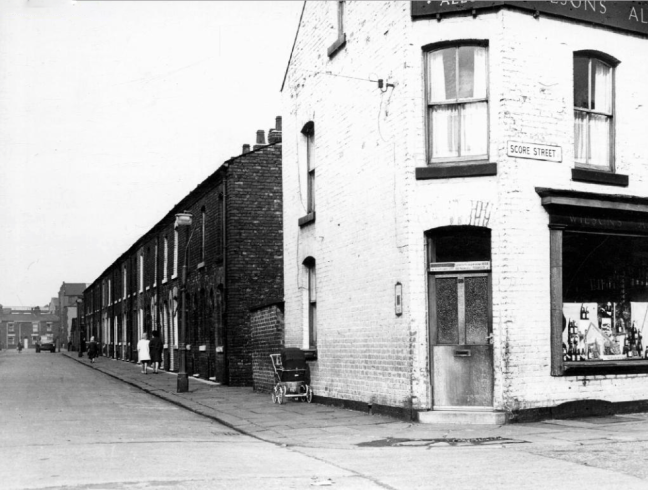
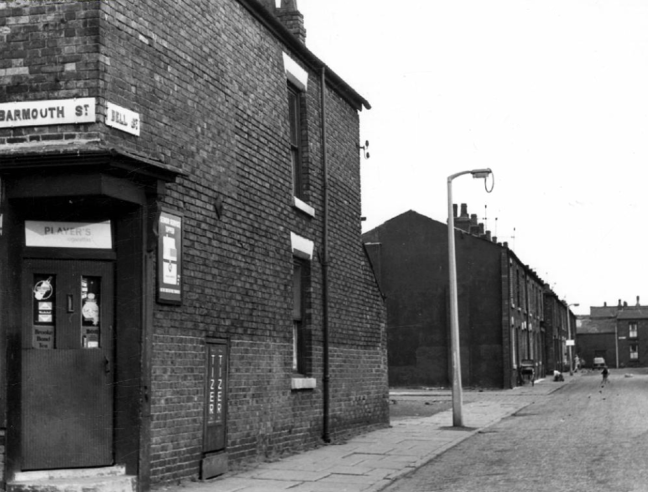
Once again I am following in the footsteps of Rita Tushinghan and the Taste of Honey film crew, this time my research has lead me to Barmouth Street, Manchester.

screen-shot-2017-02-11-at-14-42-03

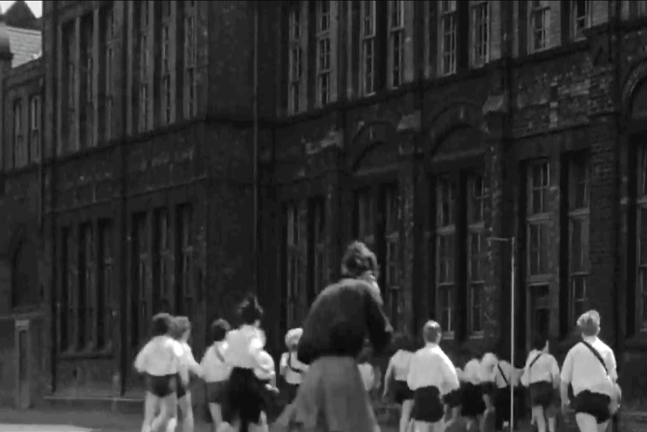
To the east of the city centre, Bradford Park School was the scene of the opening scene, Jo’s netball match. The school is now long gone, now the site of a much enlarged public park, as can be seen from the map above.

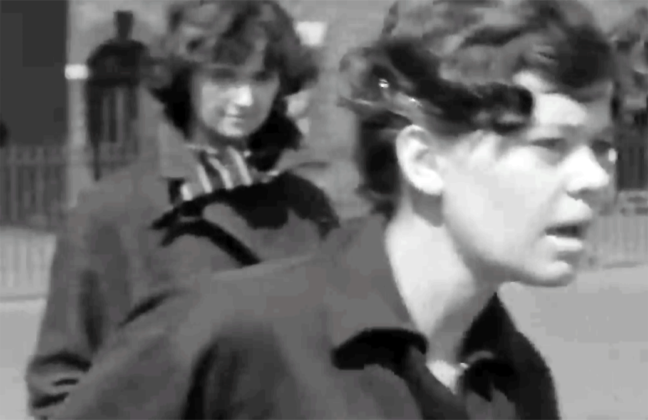
Shelagh Delaney, author of the original play on which the film was based, can be seen fleetingly in this opening scene, appearing momentarily over the games teacher’s shoulder.

screen-shot-2017-02-11-at-14-43-12

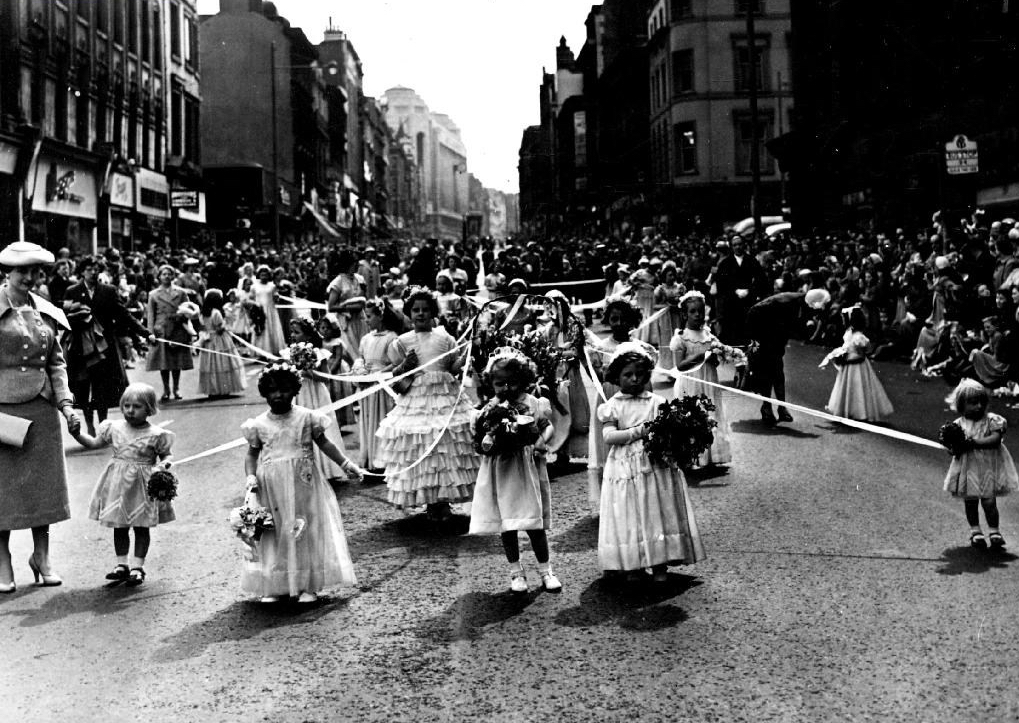
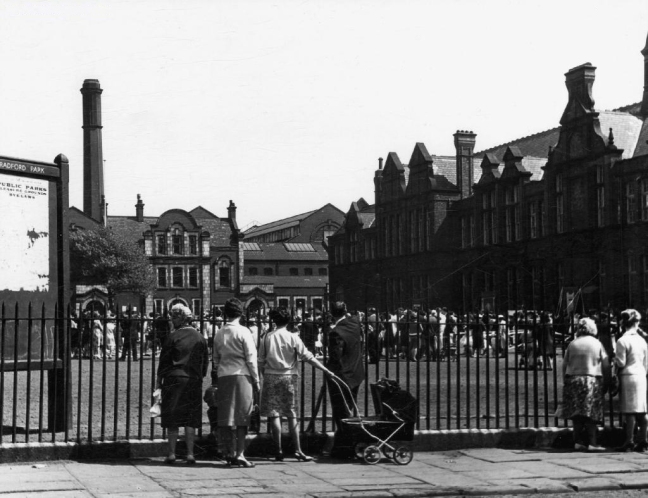
I have found one archive image of the school, as the scholars prepare for the annual Whit Walks, this along with many other community traditions and conventions, have all but disappeared from the streets of the city.

webmedia-php

This was once a tight knit community, surrounded by industry, full employment and a short lived period of post-war growth and optimism.

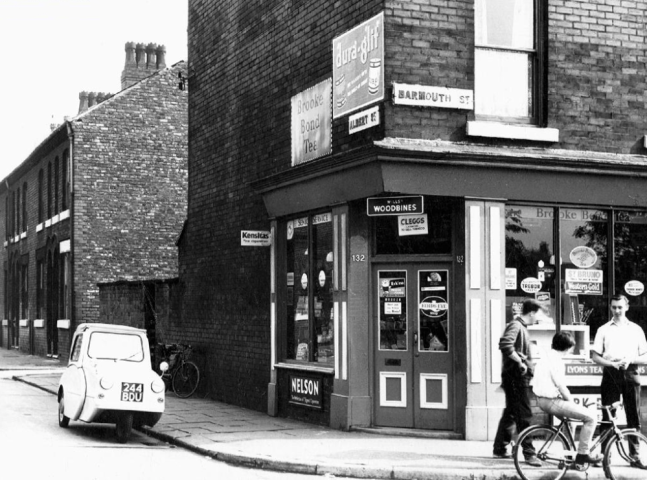
A corner shop on very corner, though by the time I worked as a Mothers Pride van lad in the late sixties, many were already on their last legs. A lethal cocktail of closing factories, incipient supermarkets, and an urban renewal programme, which lead to slum clearance, would change the character of the area forever.

screen-shot-2017-02-08-at-11-59-09

screen-shot-2017-02-08-at-11-59-38

screen-shot-2017-02-08-at-12-02-21

screen-shot-2017-02-08-at-12-03-37

screen-shot-2017-02-08-at-12-04-58

screen-shot-2017-02-08-at-12-05-23

screen-shot-2017-02-08-at-12-06-37

screen-shot-2017-02-08-at-12-00-28

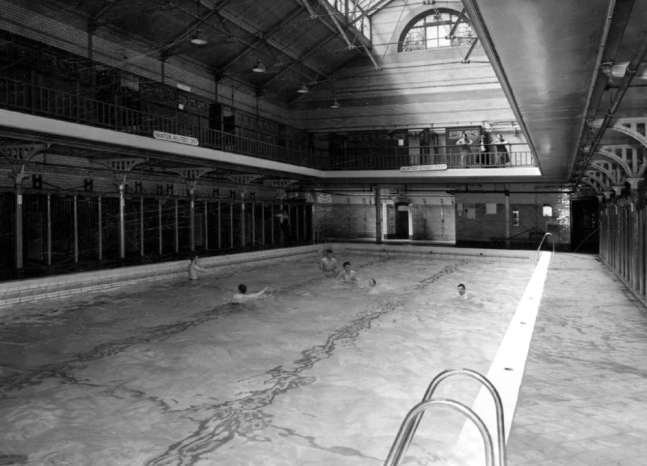
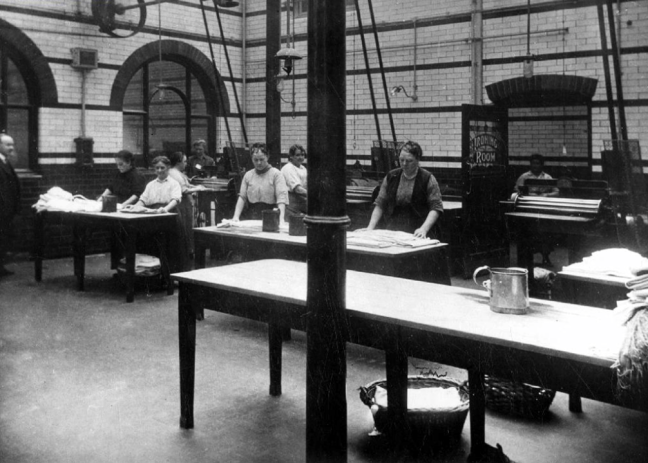
I am indebted to the photographic work of T Brooks who seems to have spent much of the mid Sixties documenting the streets, his pictures are now kept here in the Manchester Image Archives. Sadly I have found no further reference to him or his images, but have nothing but admiration for all those who pass unnoticed amongst us, camera forever poised.

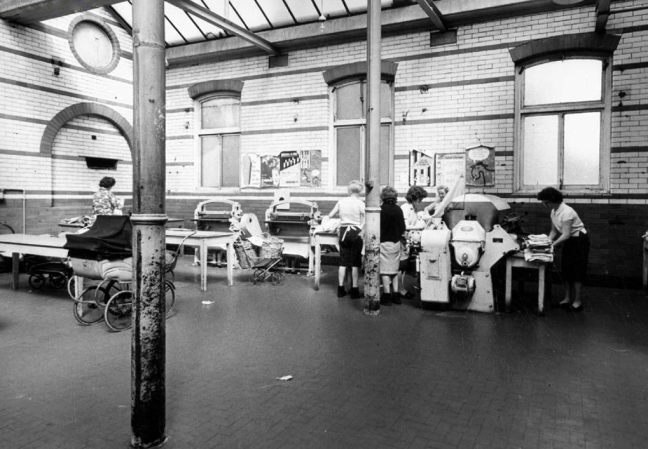
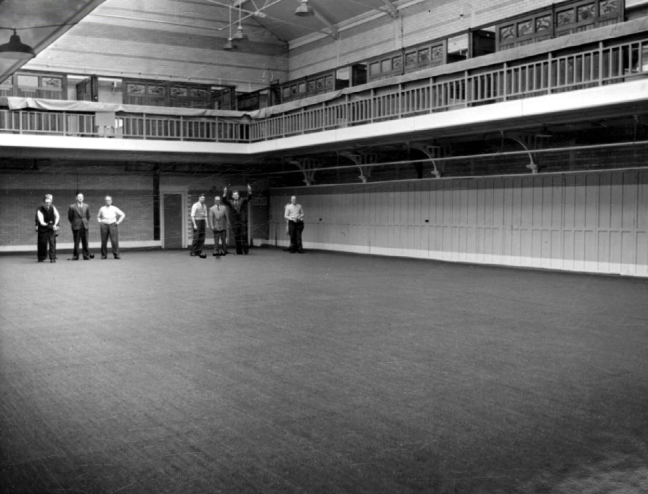
Central to the social and sanitary life of that that community were the Barmouth Street Baths and Washhouse, where citizens would swim, wash, dry, iron, chat convivially, and surprisingly – play bowls.

screen-shot-2017-02-08-at-12-08-14

screen-shot-2017-02-08-at-12-14-20

screen-shot-2017-02-08-at-12-17-35

screen-shot-2017-02-08-at-12-16-24

screen-shot-2017-02-08-at-12-15-54

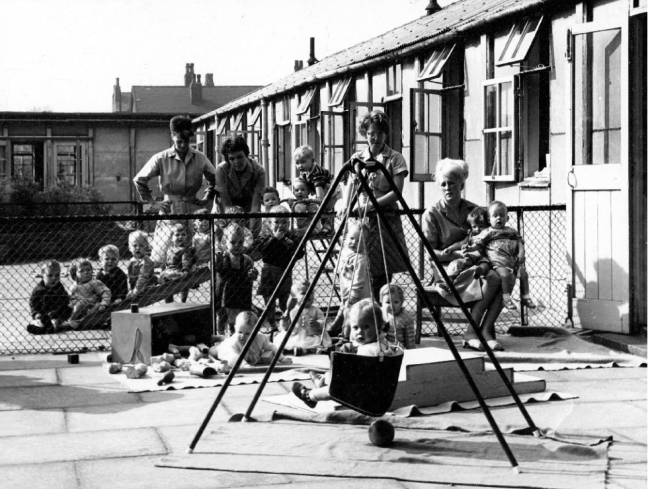
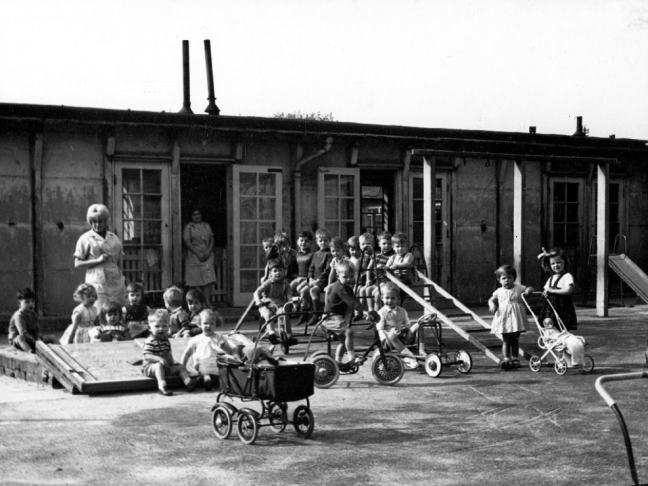
Now long gone, along with the provision of local authority nursery care. There were similar low level pre-fabricated buildings dotted all over the city. Built quickly and cheaply, to provide for a growing population, of largely working-class families, with no shortage of work opportunities.

screen-shot-2017-02-08-at-12-07-54

screen-shot-2017-02-08-at-12-08-53

This was a time of great social change, a time which the film attempts to anticipate -a more diverse, and hopefully more tolerant time, a time of possibilities and opportunities for all.

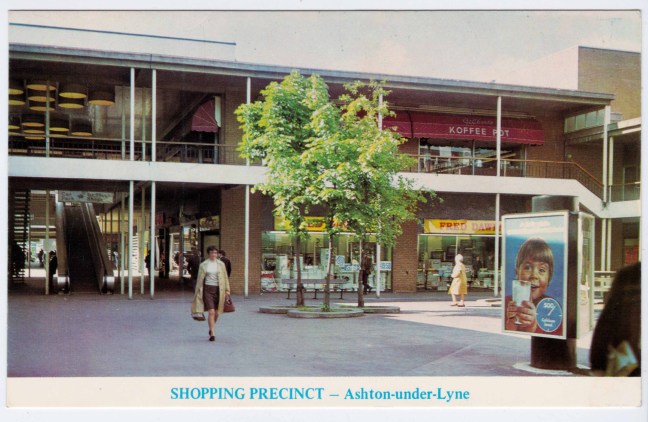
Precinct – Ashton under Lyne

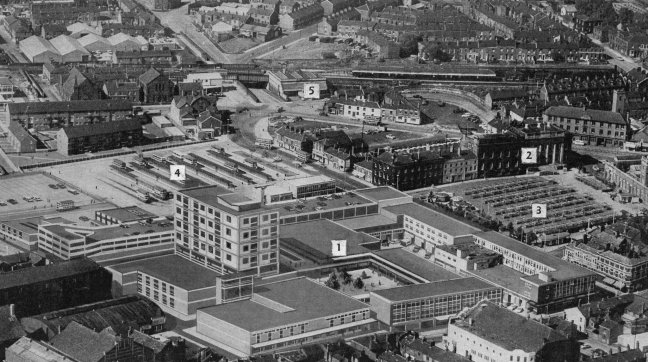
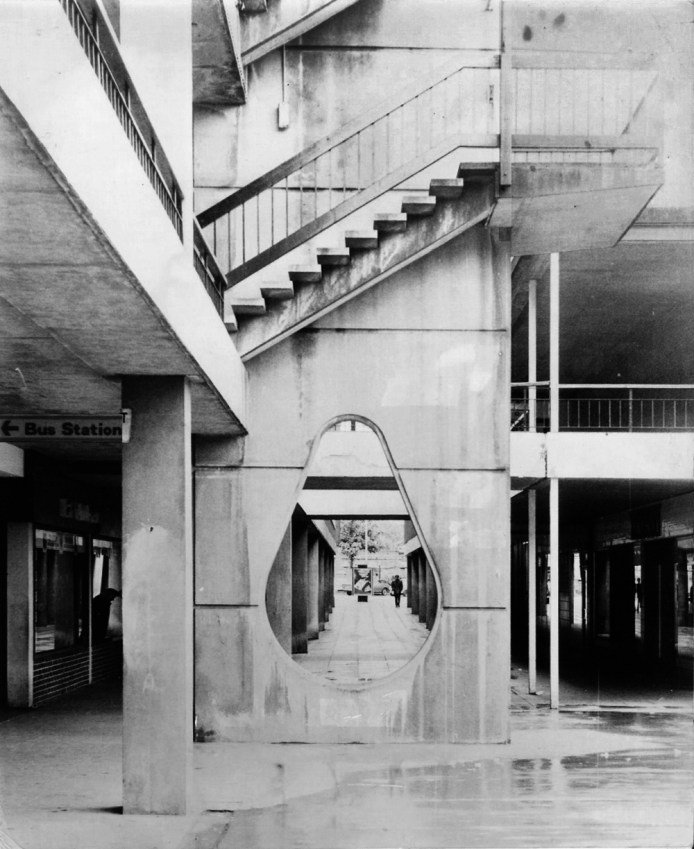
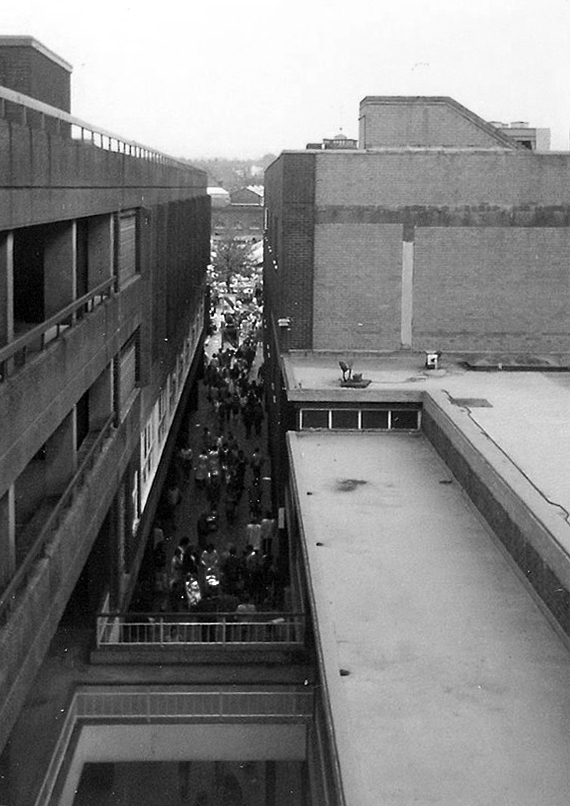
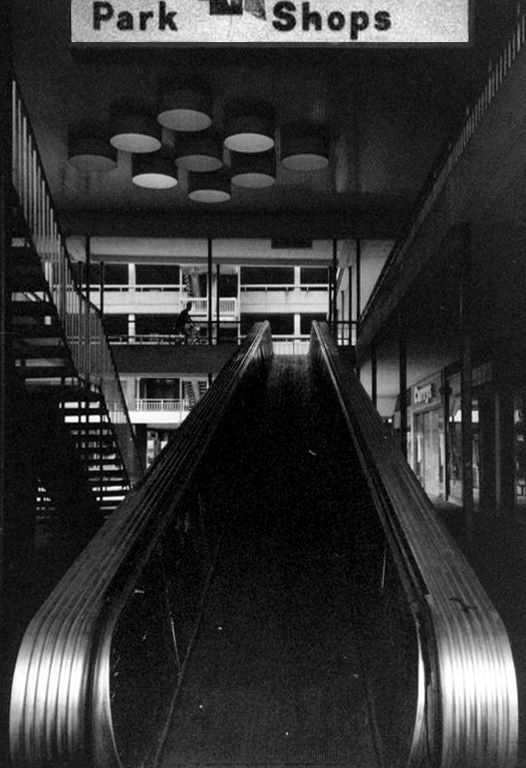
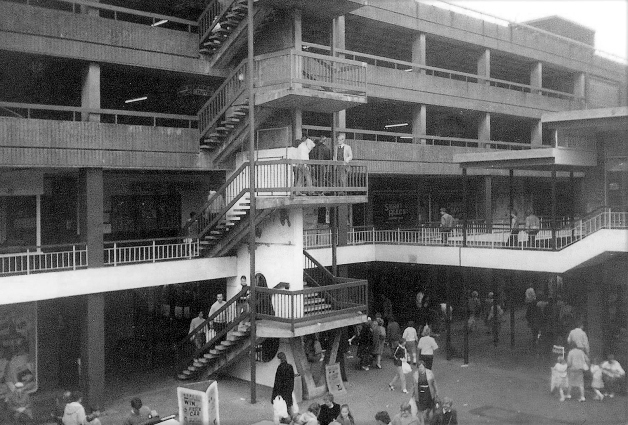
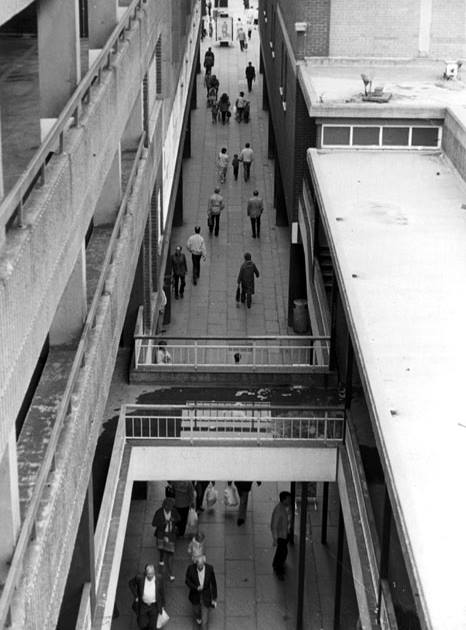
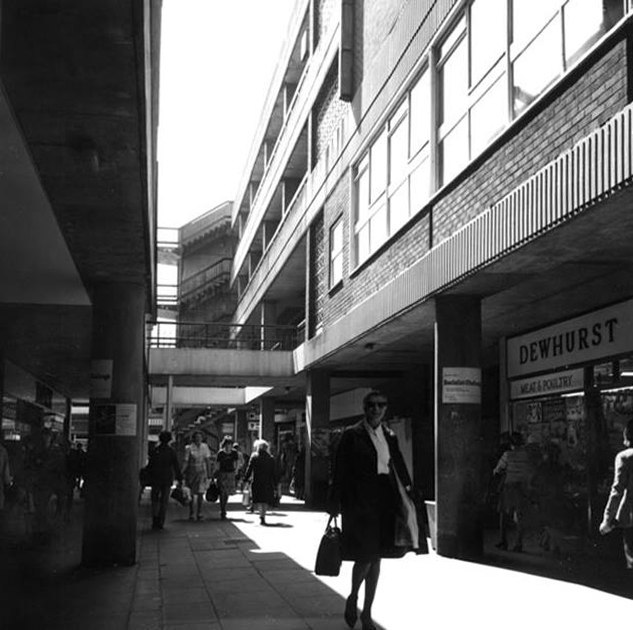
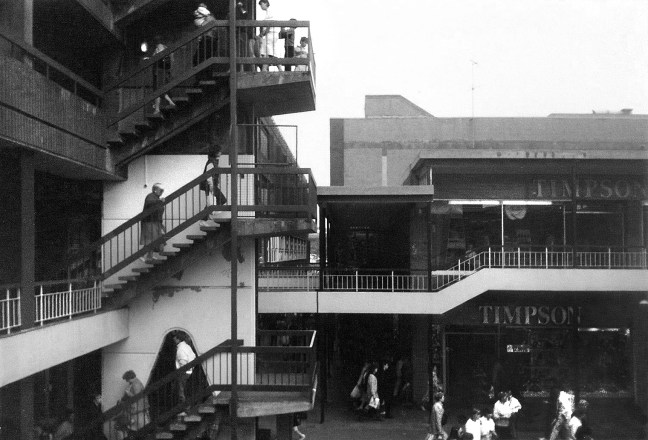
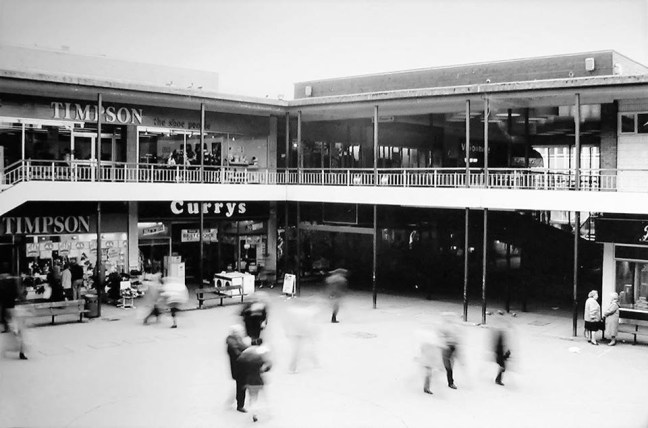
Possibly my first brush with modernism and modernity, the shopping precinct in Ashton under Lyne. Typically in the mid Sixties, British towns reinvented themselves as space age retail experiences, in stark contrast to their middle aged, Middle Aged market centre, market centred identity.

Out with the cobbles and stalls, in with the travelator, frothy coffee, concrete and a pedestrianised, undercover, all weather, super convenient haven of heavenly fun!

ashton precinct copy

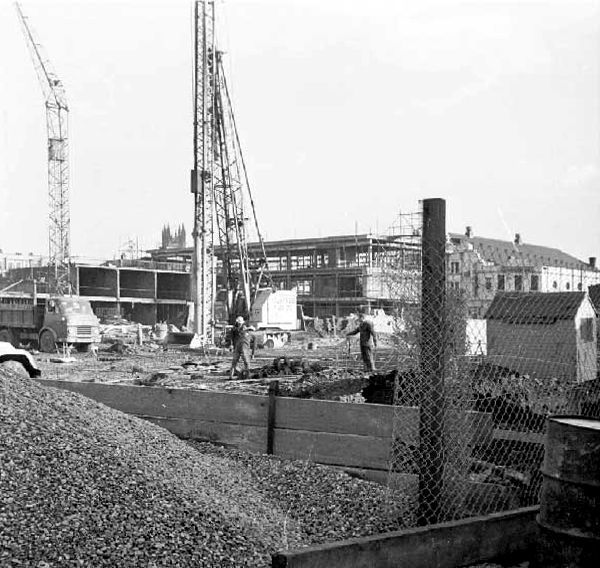
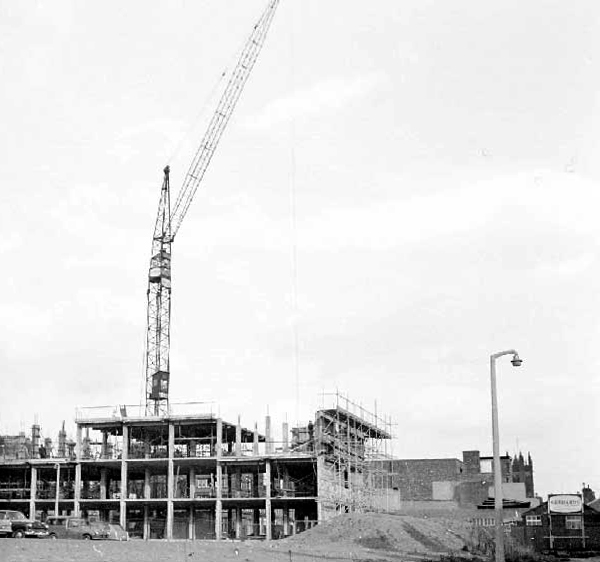
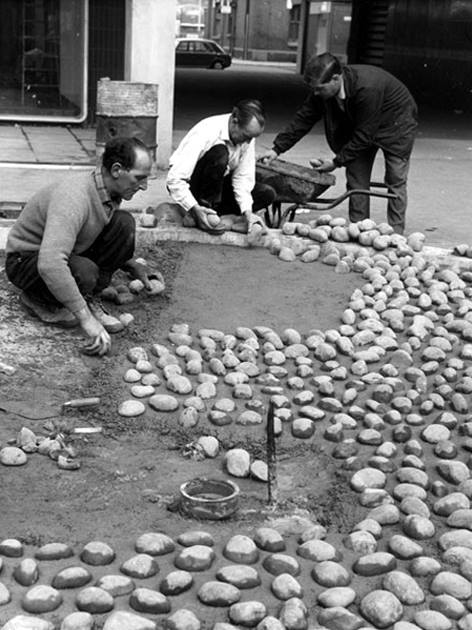
And lo, it came to pass, let construction commence.

t01953

t01950

Simply add a few decorative embellishments courtesy of the Direct Works’ pavoirs.

12745520_10153983510951600_6512440473109429374_n

You have built it and now they will come:

Little did you know you had created a punk rock icon.

hires-10932

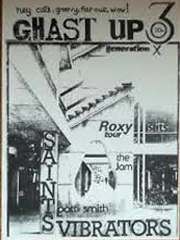
Featured on the cover of fanzine Ghast Up #3 – many thanks to MDMA

unknown

1979654_10152428276351641_6999424894618567349_n

10264662_10153983511236600_4523373721109693617_n

10385434_10153983511291600_4613412642380719745_n

16602225_1570603029620874_2256672277170597802_o

10342461_10153983511146600_7512830533940401704_n

12728821_10153983510731600_7256812645345890936_n

12729035_10153983511066600_1320602826549288893_n

12742561_10153983511096600_5537488918949045366_n

12743866_10153983510701600_2875237727693899359_n

12744088_10153983510966600_242545068376562667_n

10557745_10152428276466641_5539685419732486974_o

ashton precinct

precinct

Many thanks to the Tameside Image Archive

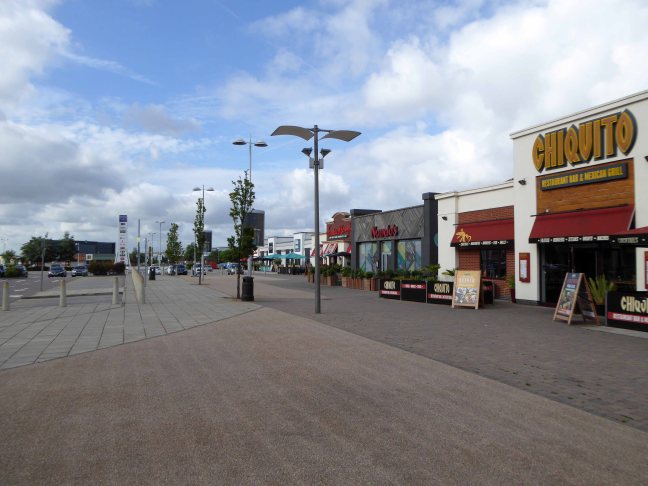
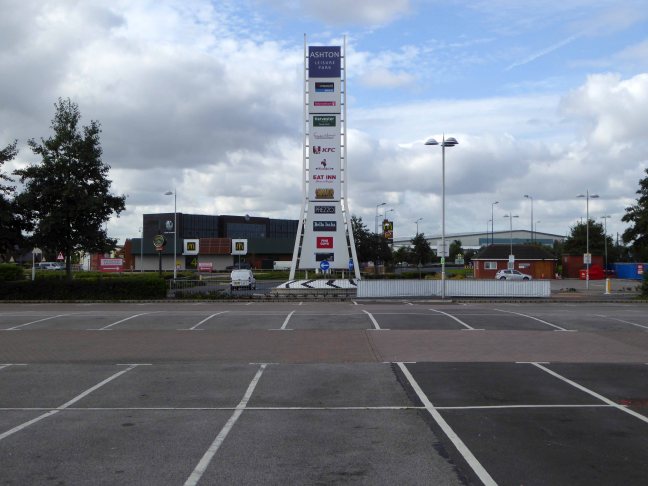
Ashton Moss – Leisure and Light Industry

Absolute disgrace the food was disgusting and we’re we was sat it stunk of urine.

Never again will I go.

Welcome to the modern world, once home to the world’s finest celery, now home to the world’s worst online reviews.

The area, under cultivation for over a hundred years was bulldozed to one side, and left in a heap. The M60 arrived wiped its feet on the greensward  and awaited the expected redevelopment.

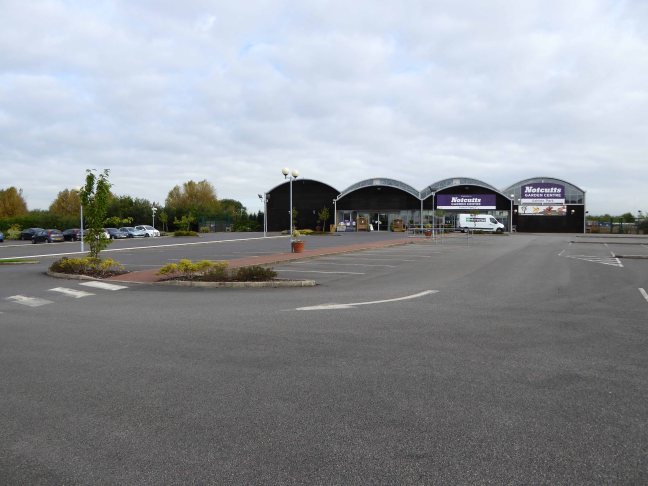
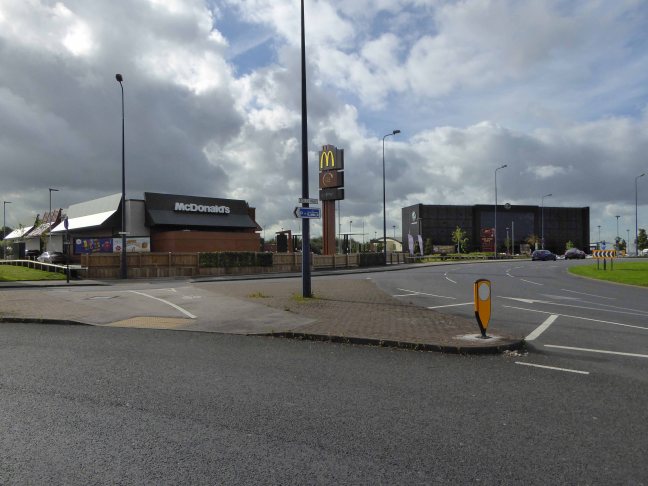
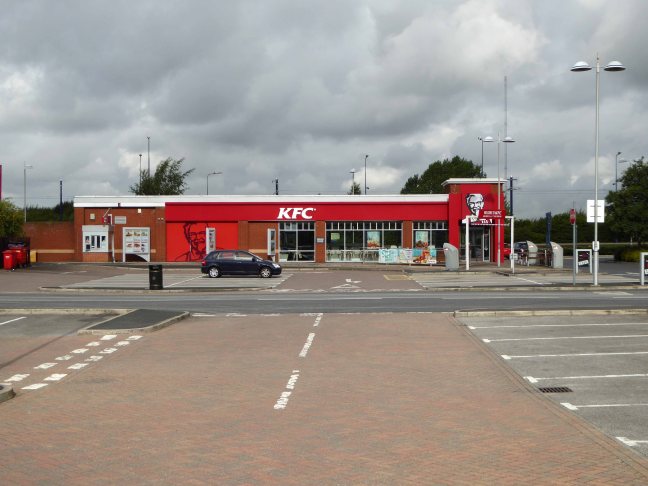
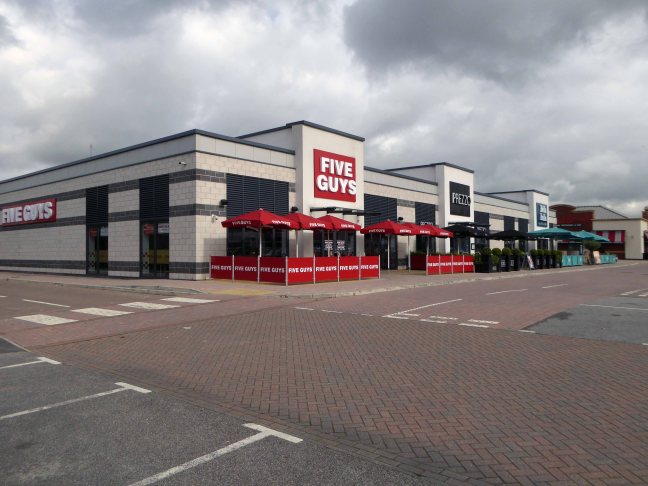
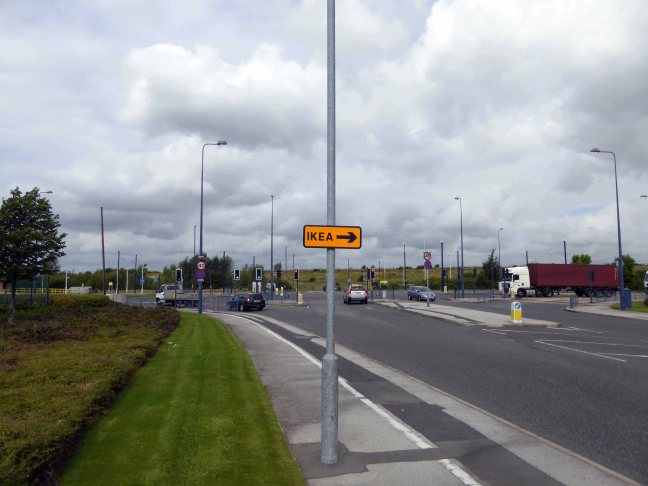
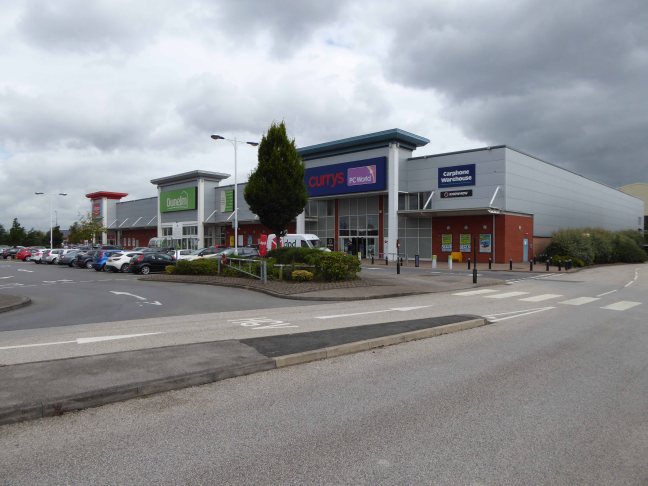
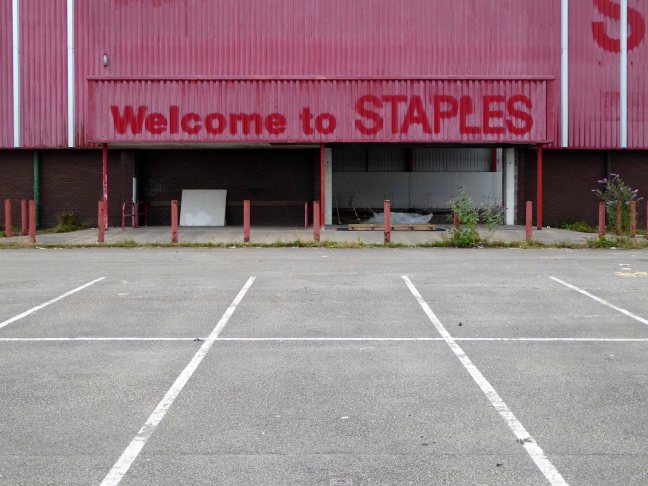
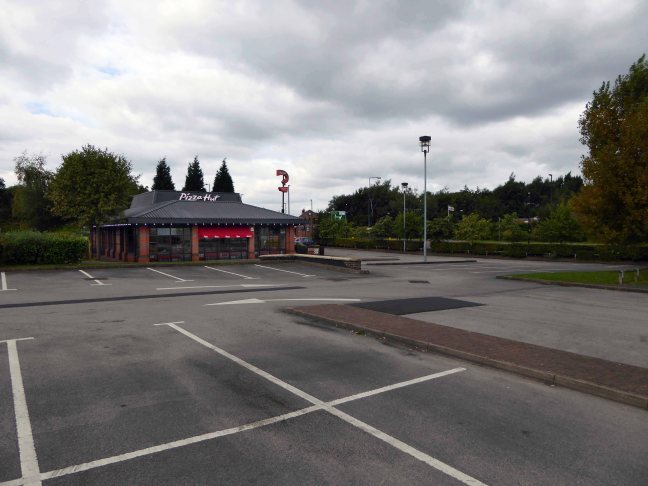
Welcome to the brand new shiny nowhere, the dual carriageway expanse of Robert Sheldon Way carries you away to a strikingly inevitable array of chains, human bondage has never appeared so  clean and bright.

Muse developments:

Good design is required as a key aspect of pursuing sustainable development indivisible from good planning. Good design involves seeking positive improvements in the quality of our built, natural and historic environment, addressing the connections between people and places.


P1080156

P1080157

P1080164

P1080167

P1080173

P1080256

P1080257

P1080259

P1080260

P1080261

P1080262

P1080271

P1080274

P1080275

P1080300

P1080301

P1080304

P1080320

P1080321

P1080328

WH Smiths – Newtown Powys

Life is full of tiny delights.

Newtown, a town of tiny delights, my journey through Wales by bike took me there.

None more delightful and surprising than the branch of WH Smiths, its exterior adorned with the most beautiful of signs, tiles and lamps.

P1050808 copy

P1050802 copy

P1050804 copy

P1050807 copy

P1050811 copy

P1050805 copy

P1050834 copy

P1050803 copy

Curious, curiously I  explored further, the porch housed a newspaper and magazine stall with further tiled images.

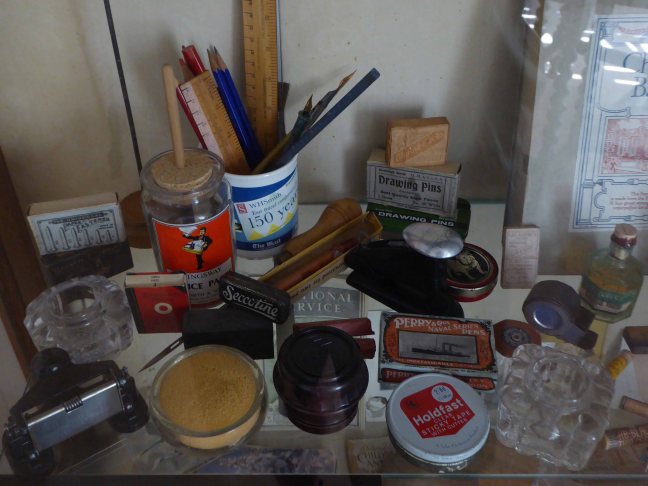
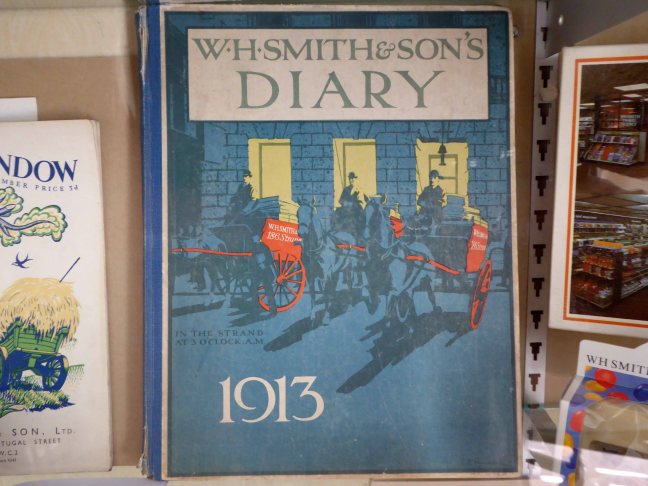
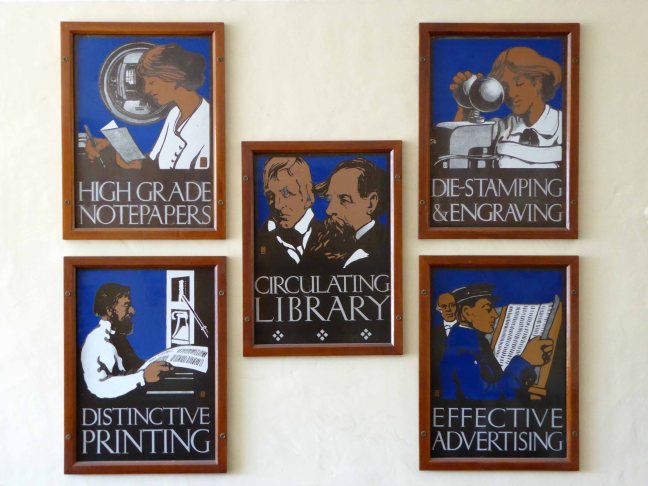
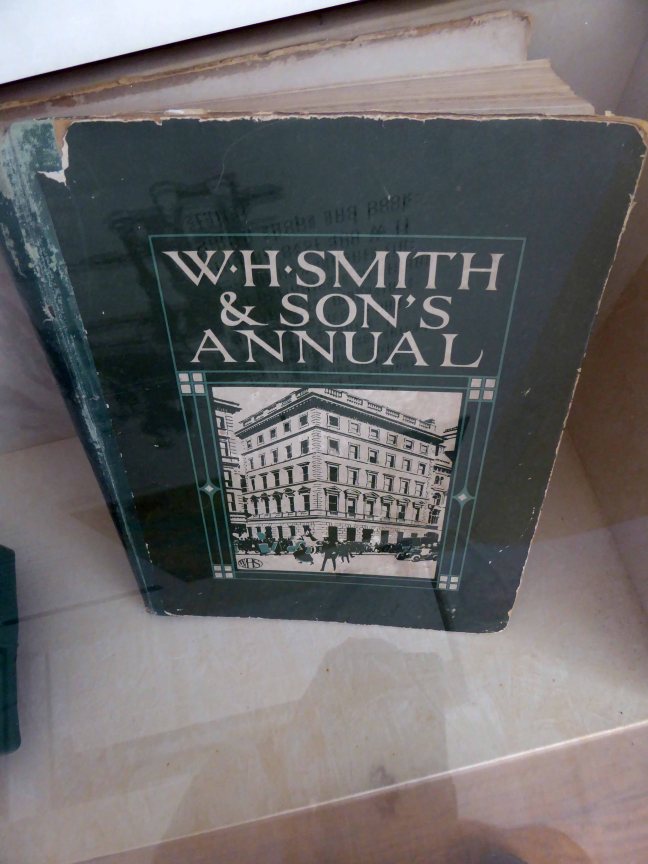
These tiles were made by Carter & Co. at their pottery works in Poole, Dorset in the 1920s. Commissioned by the retailer, they were installed in the entrance ways of a number of its branches. They were intended to advertise the wide selection of books and other items on sale, however their distinctive Art Deco style and the scenes depicted also expose a great deal about society at that time.

In subsequent decades, particularly during periods of refurbishment from the 1960s, many shops lost their decorative panels, either being removed or covered over. Only seven branches of WHSmith are known to have their tile panels intact, with a few surviving in private collections. Many tiles were rescued by WHSmith and these can now be seen in a museum housed in the Newtown branch in Powys. 

Further information

P1050813 copy

P1050814 copy

P1050832 copy

The staff were typically helpful and accommodating – directing me to the Museum upstairs – just pull the rope to one side.

Go take a look 

P1050820 copy

P1050822 copy

P1050823 copy

P1050824 copy

P1050825 copy

P1050826 copy

P1050827 copy

P1050828 copy

P1050829 copy

P1050830 copy

Kirkgate Market – Bradford

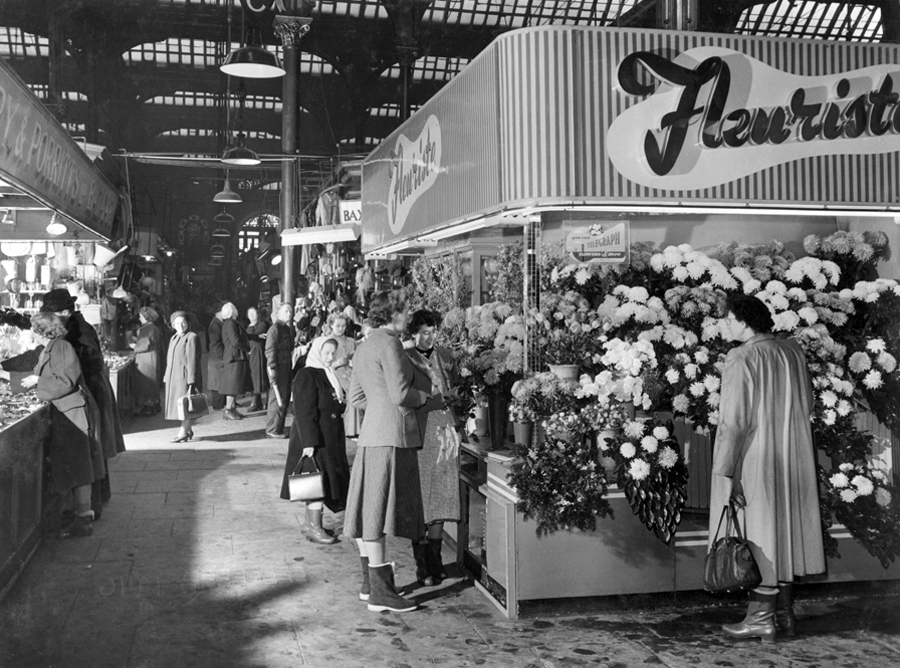
Yorkshire is a county of market towns – Bradford is no exception, a mediaeval village expanding with the growth of the wool trade and the coming of the Industrial Revolution.

P1050380 copy

Flourishing.

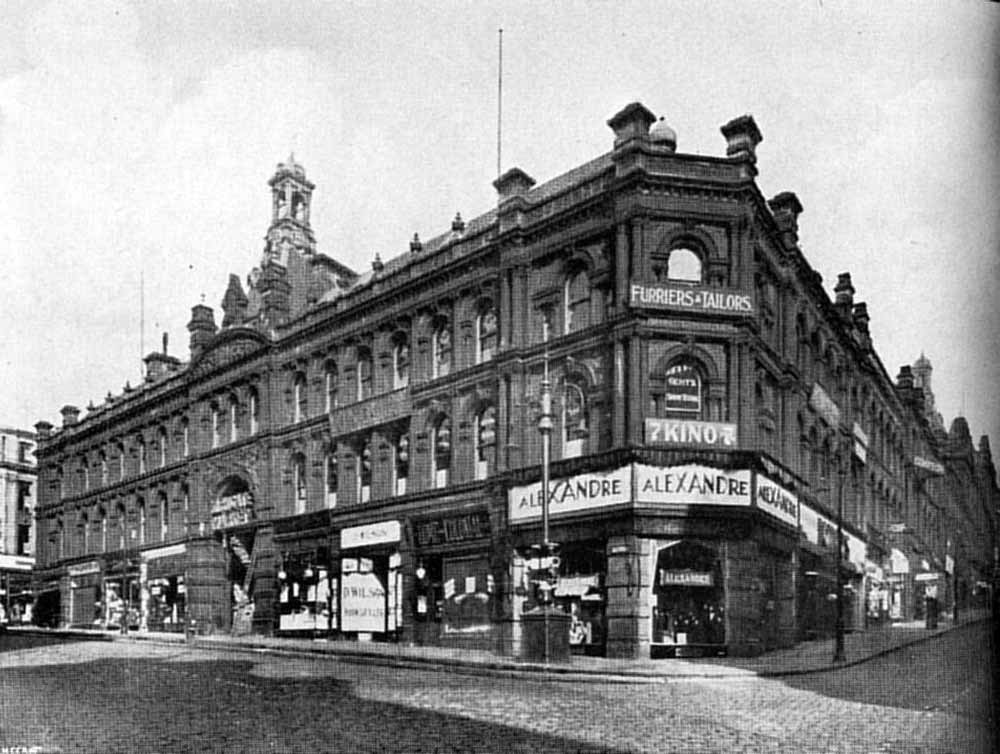
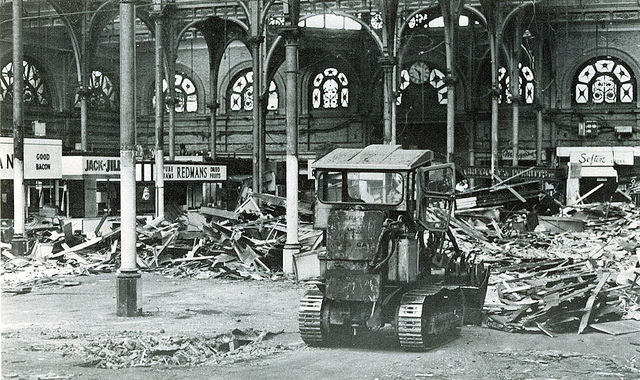
The site was originally occupied by an imposing building of 1878.

5142193649_7127ea46f8_b
Q1976

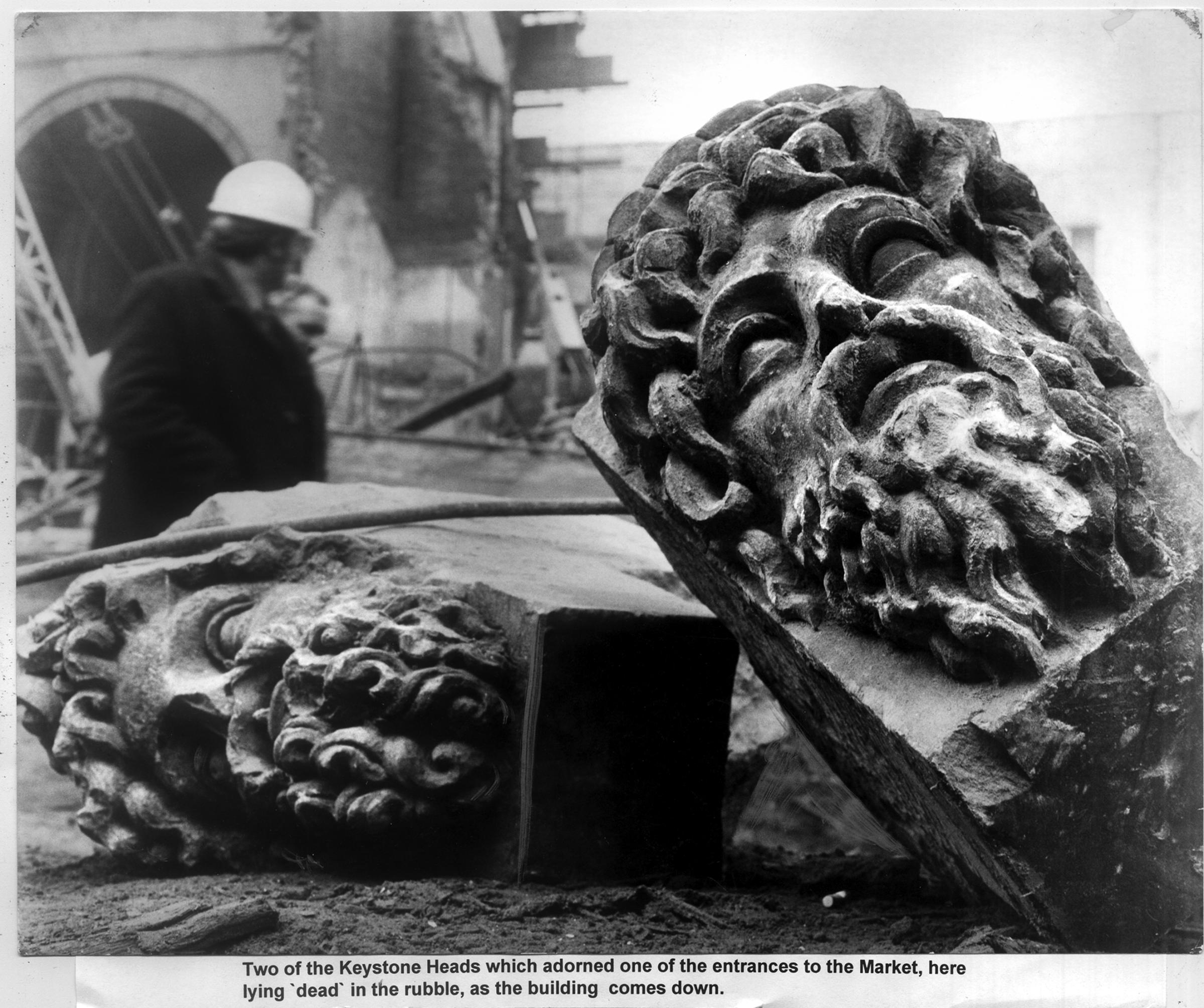
Demolished in 1973.

5177960364_c44e85ae92_z
imgID8575583

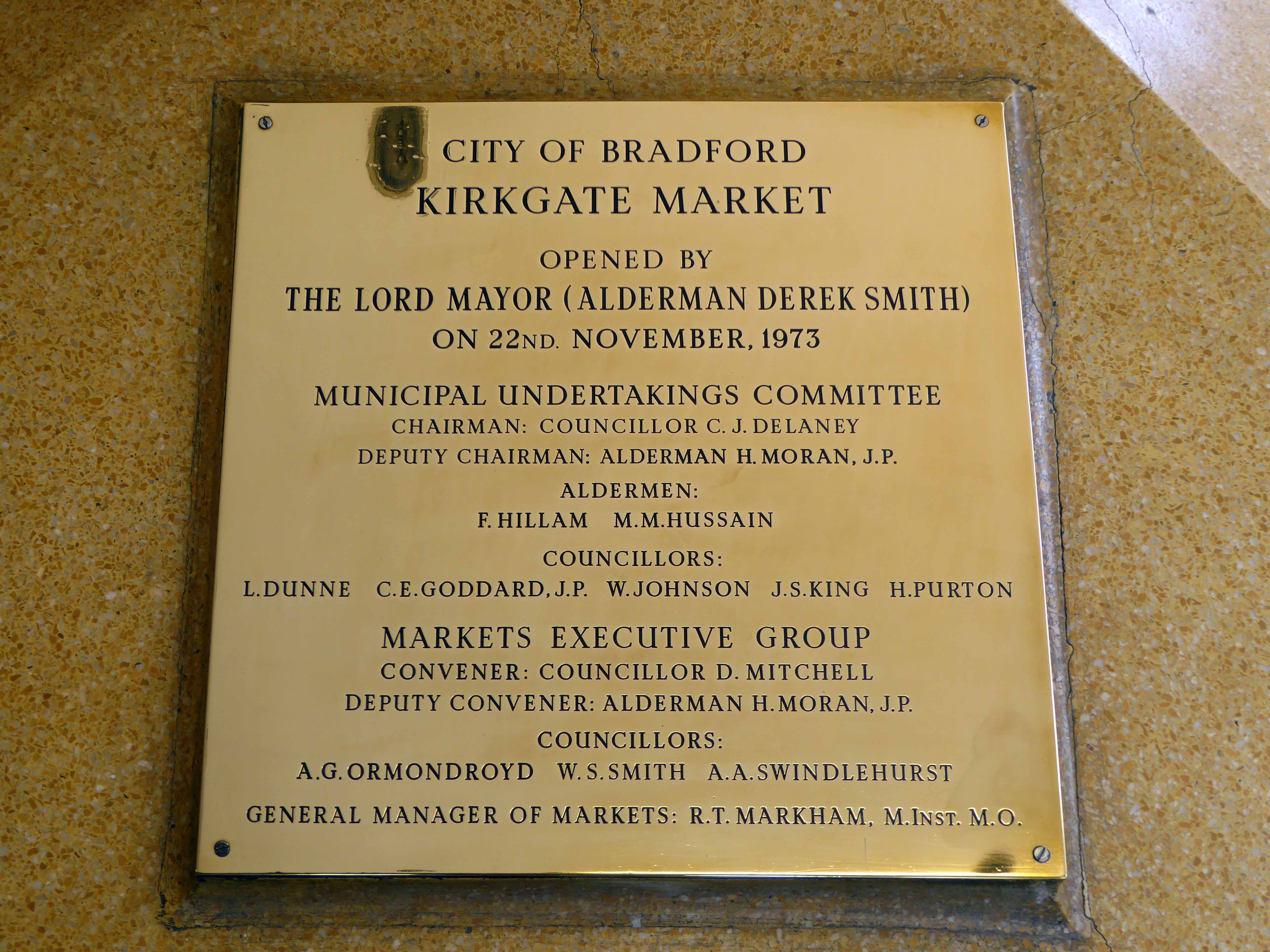
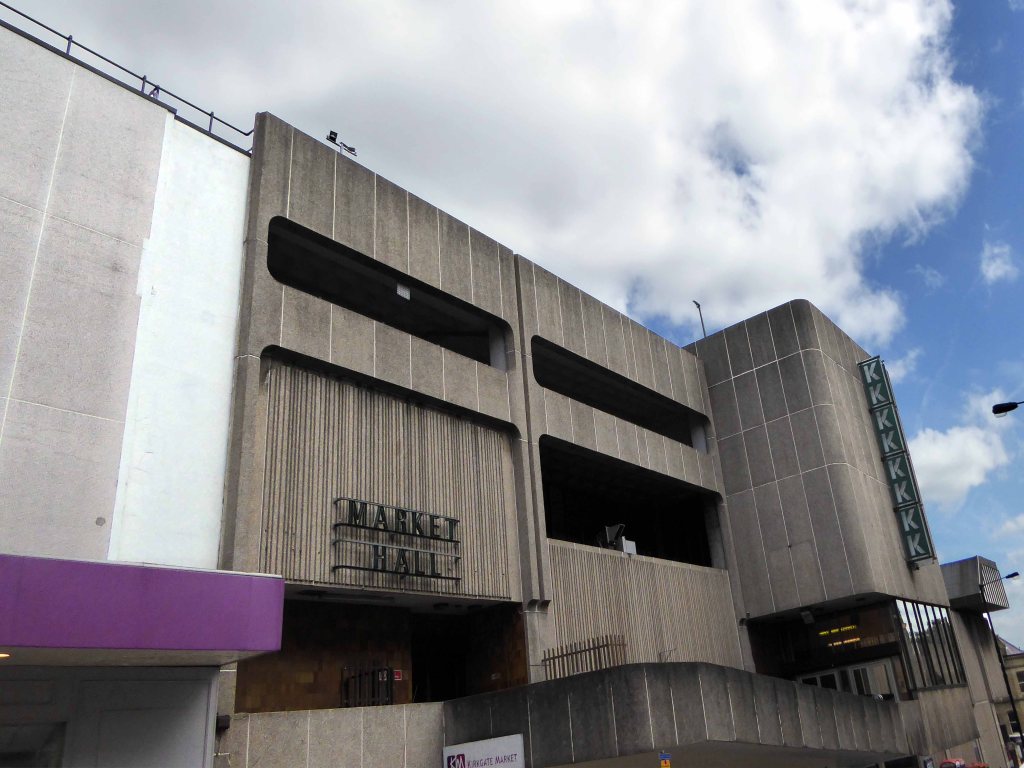
To be replaced by a Brutalist build in the same year.

P1050379 copy

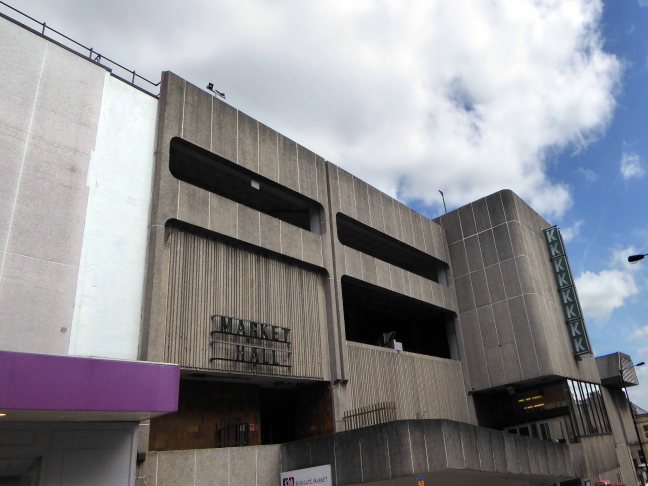
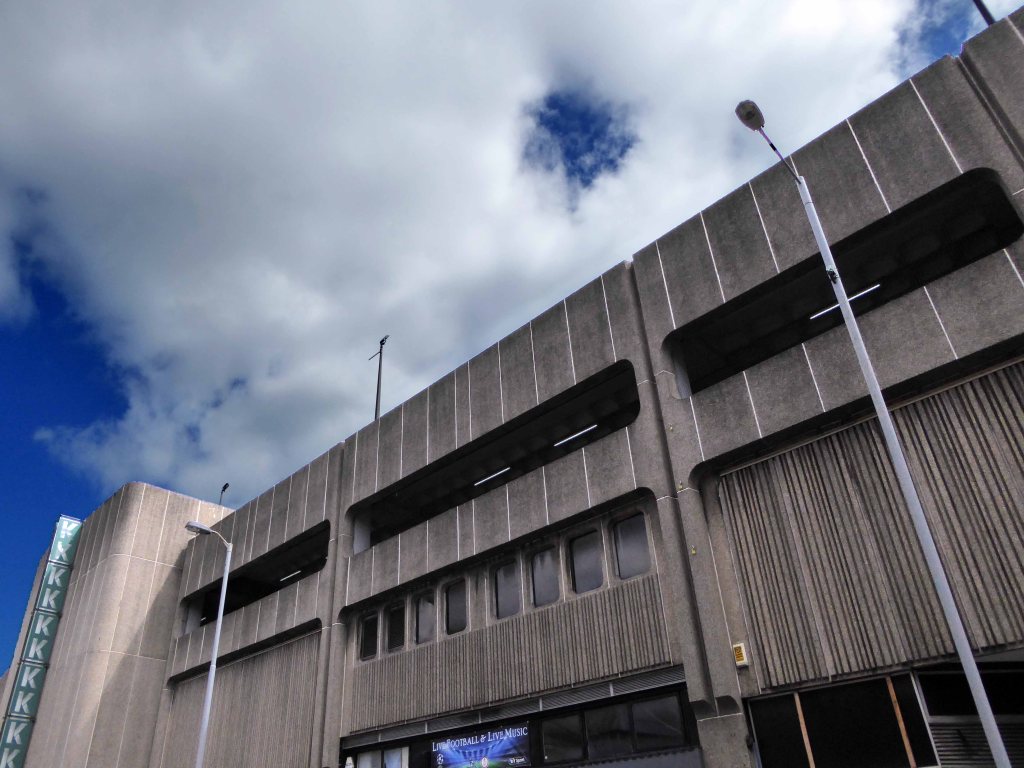
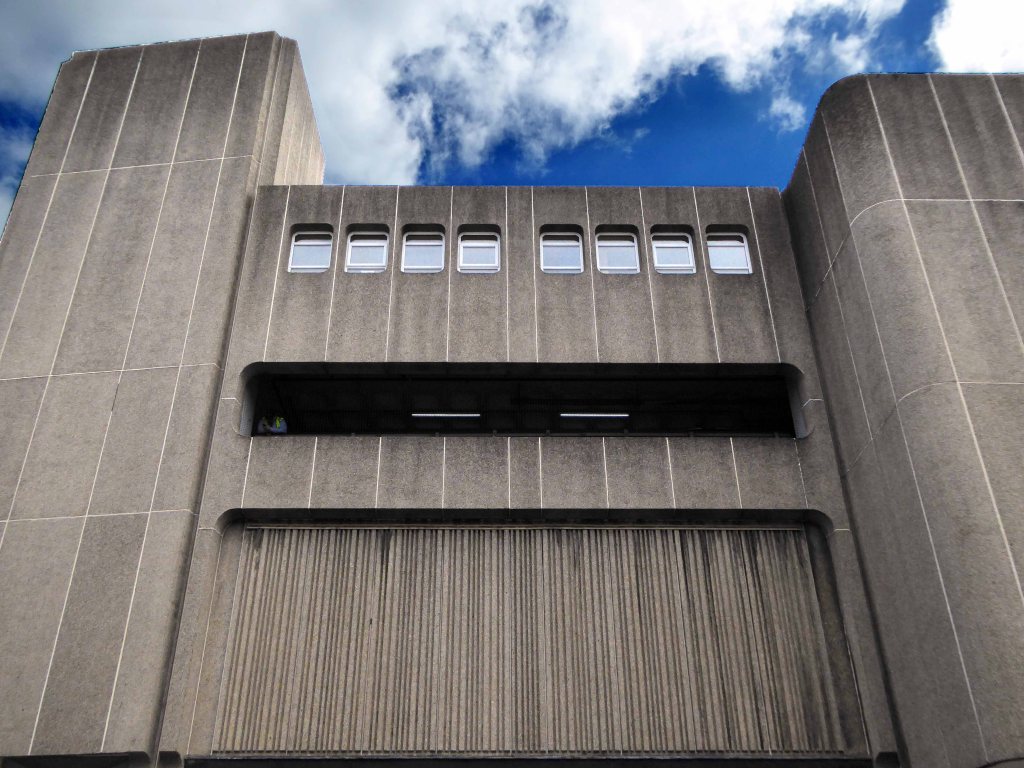
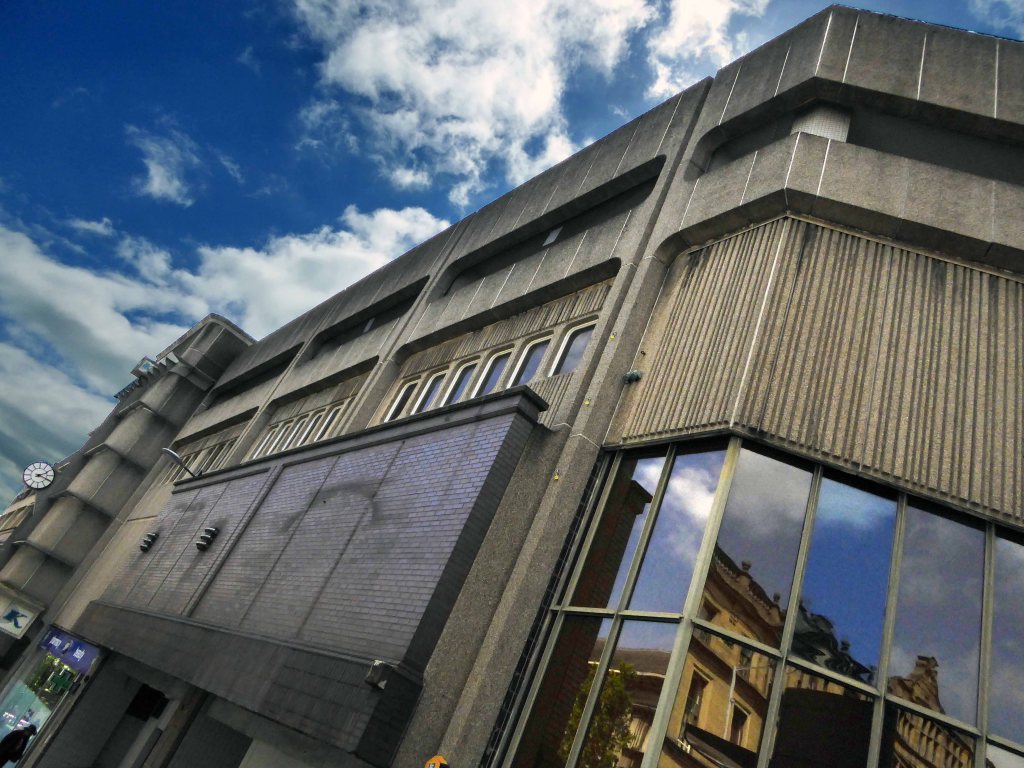
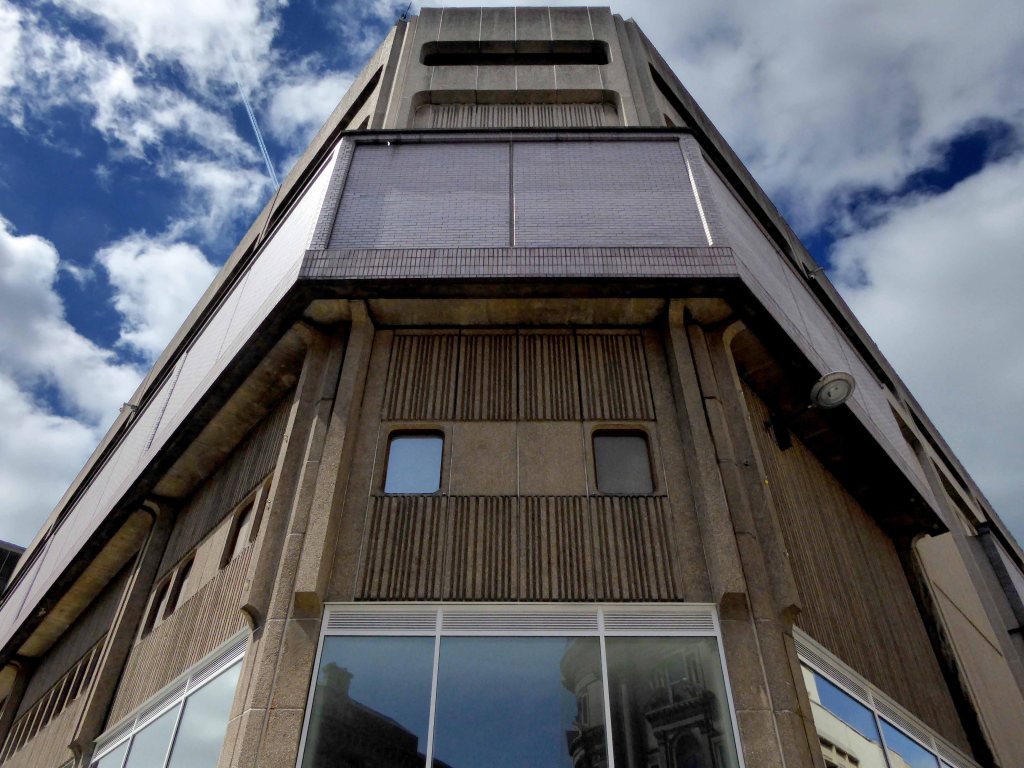
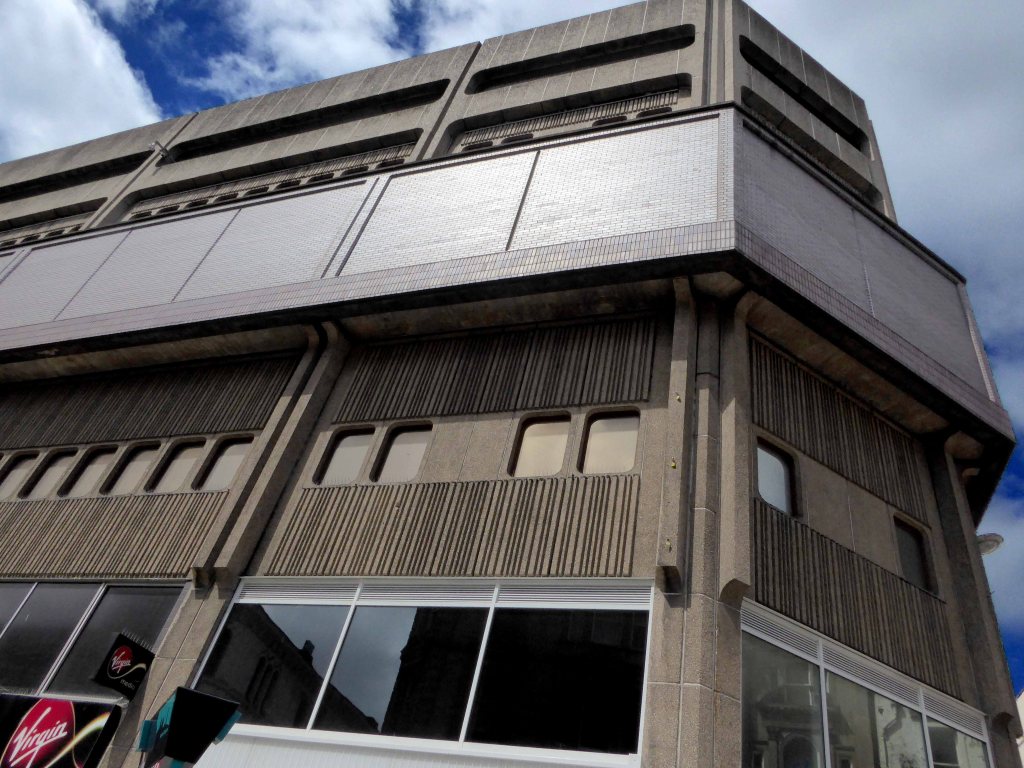
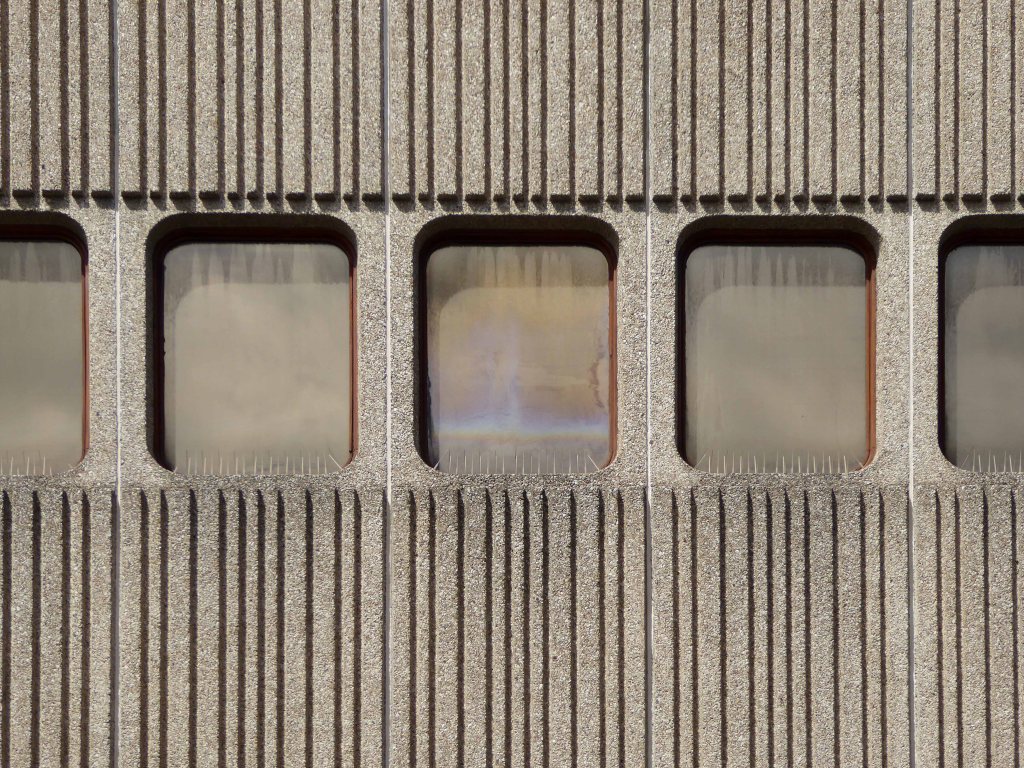
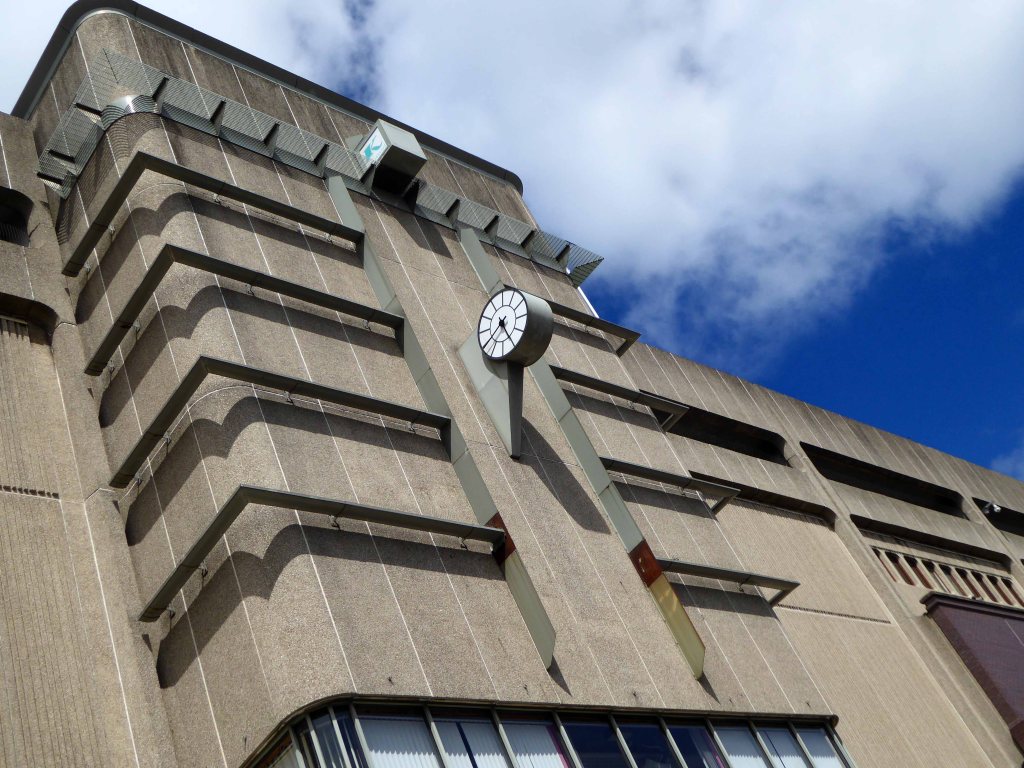
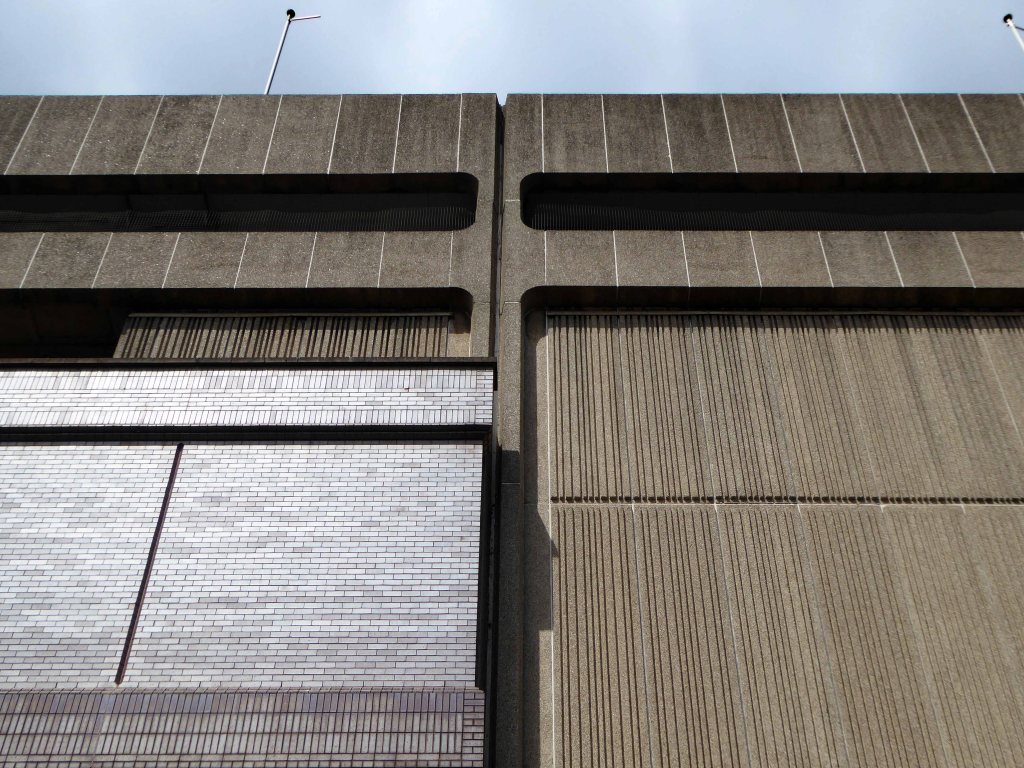
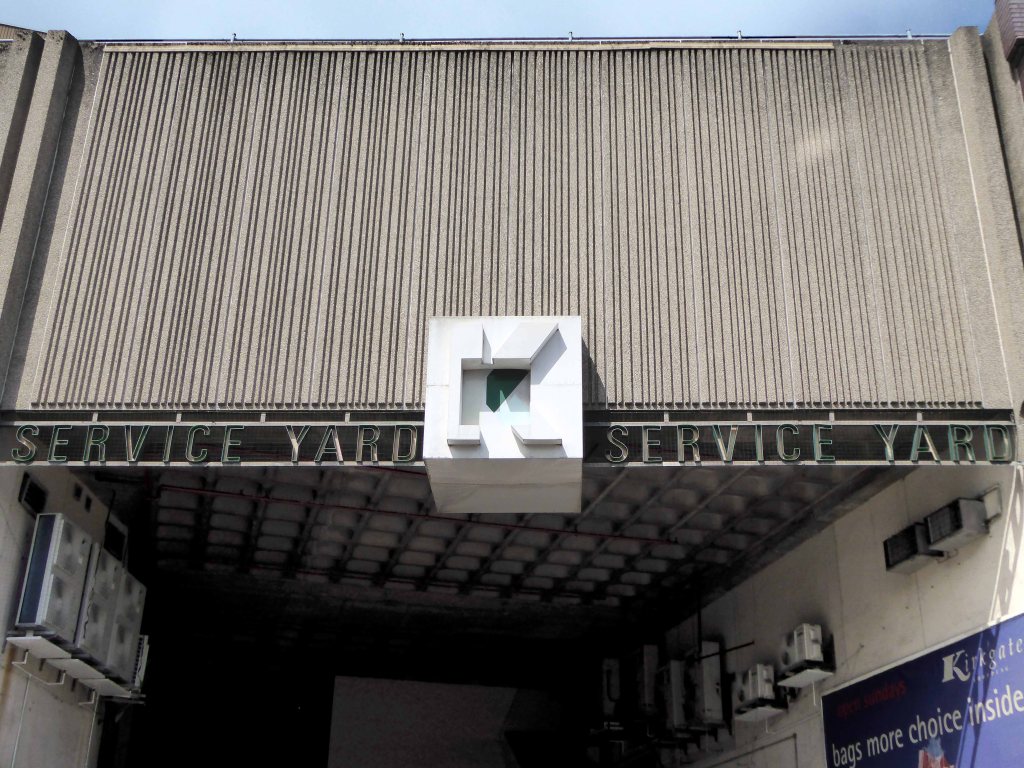
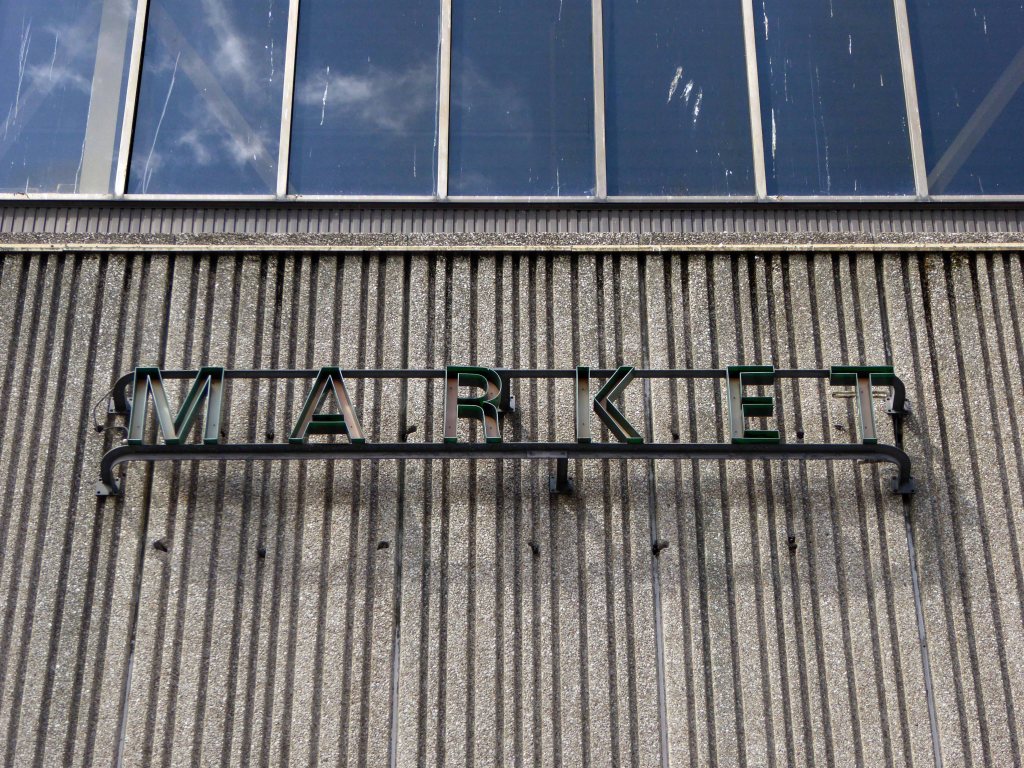
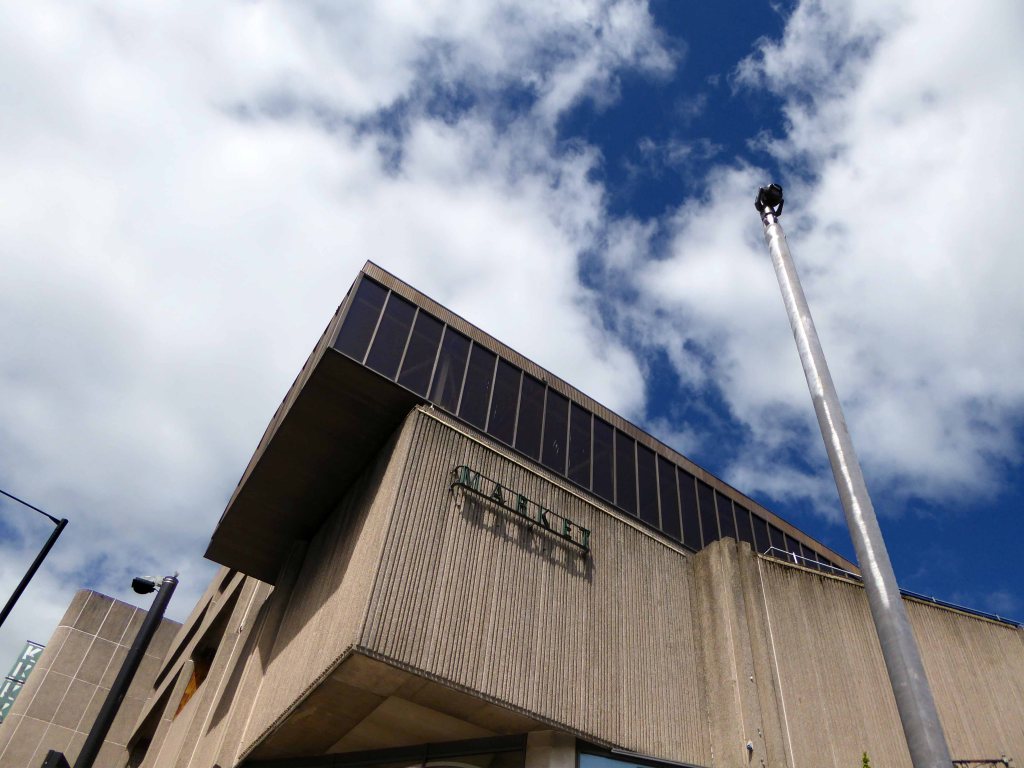
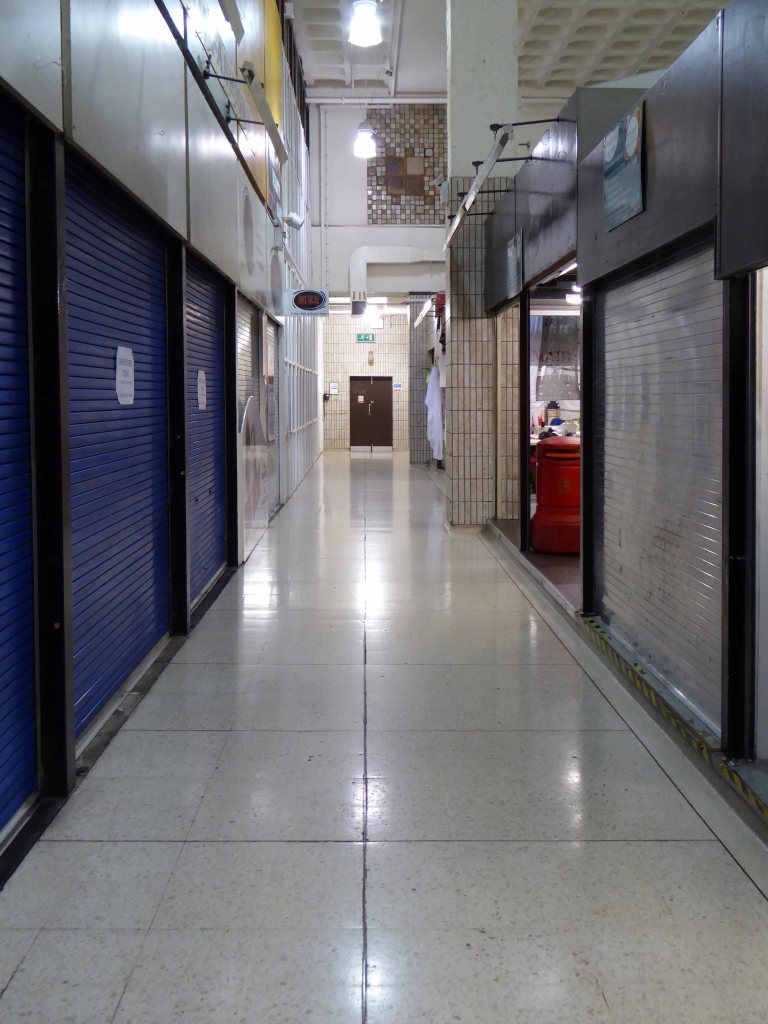
A structure of bold geometry, contrasting brick and warm, raw striated concrete.

The huge building, designed by John Brunton & Partners, was dubbed Bradford’s ‘space-age shopping centre’ when it opened in 1976. One of a series of American-style Arndale malls

Now the city council has purchased the centre for £15.5 million and agreed a deal that will see Primark – the largest of Kirkgate’s remaining stores – move to Bradford’s Broadway mall which opened in 2015.

The initiative will allow the authority to double the size of its proposed City Village programme, which it hopes will create better public spaces and 1,000 new homes in a ‘world-class sustainable urban’ across 5 acres of city centre land.

Architects Journal

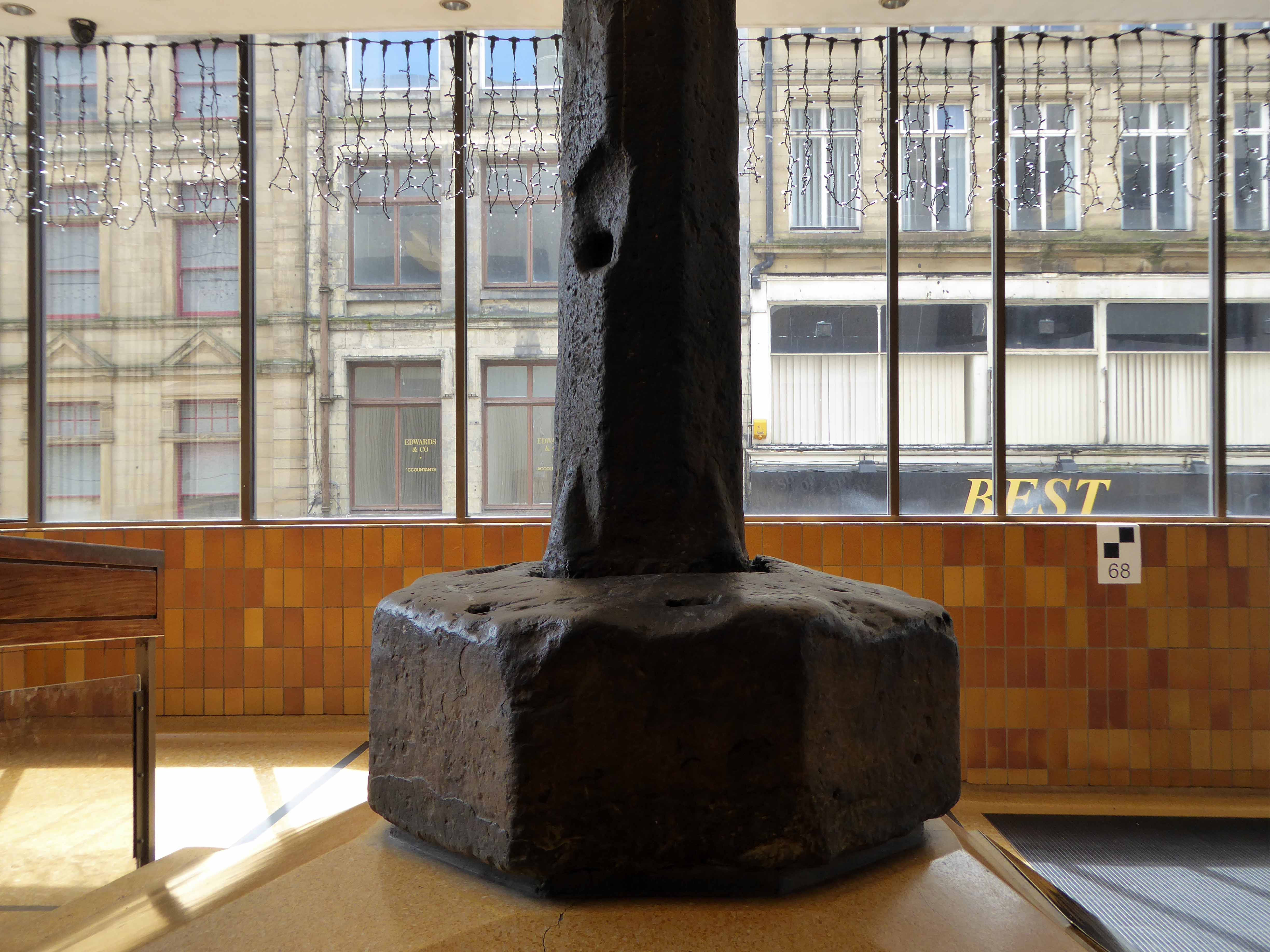
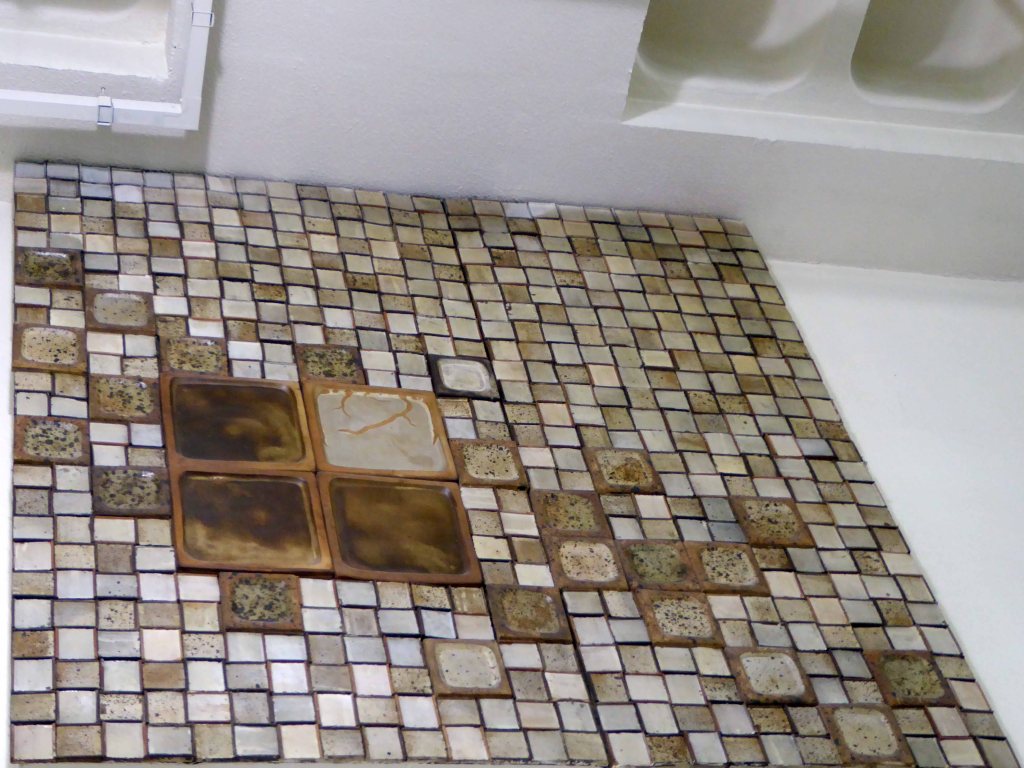
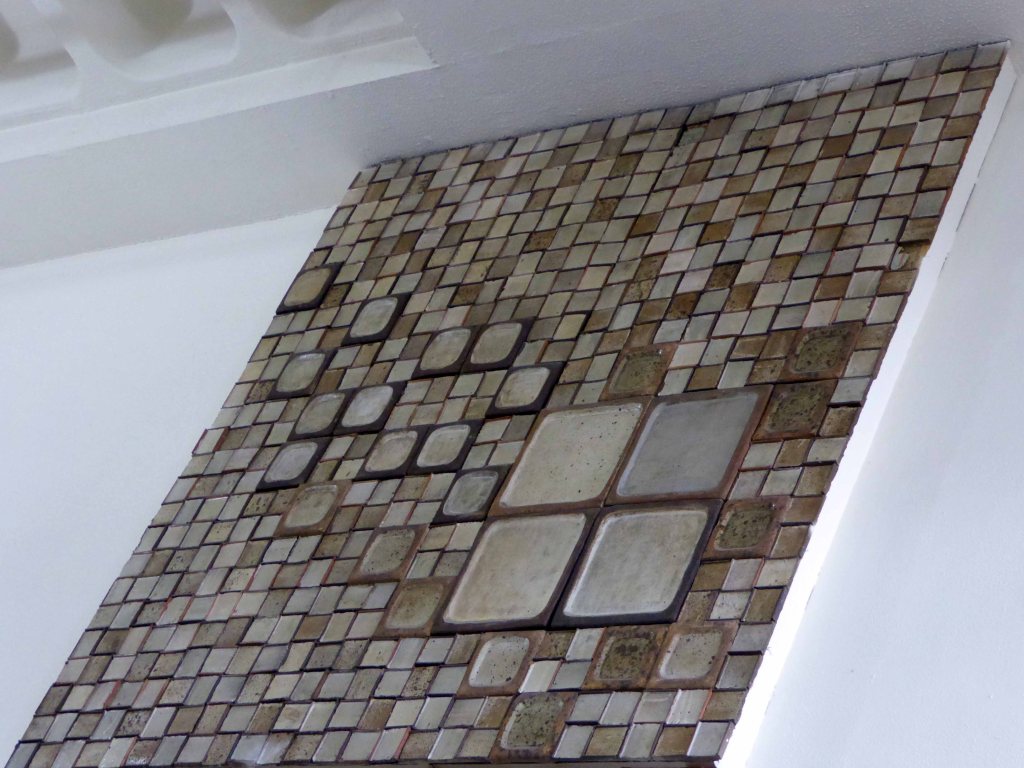
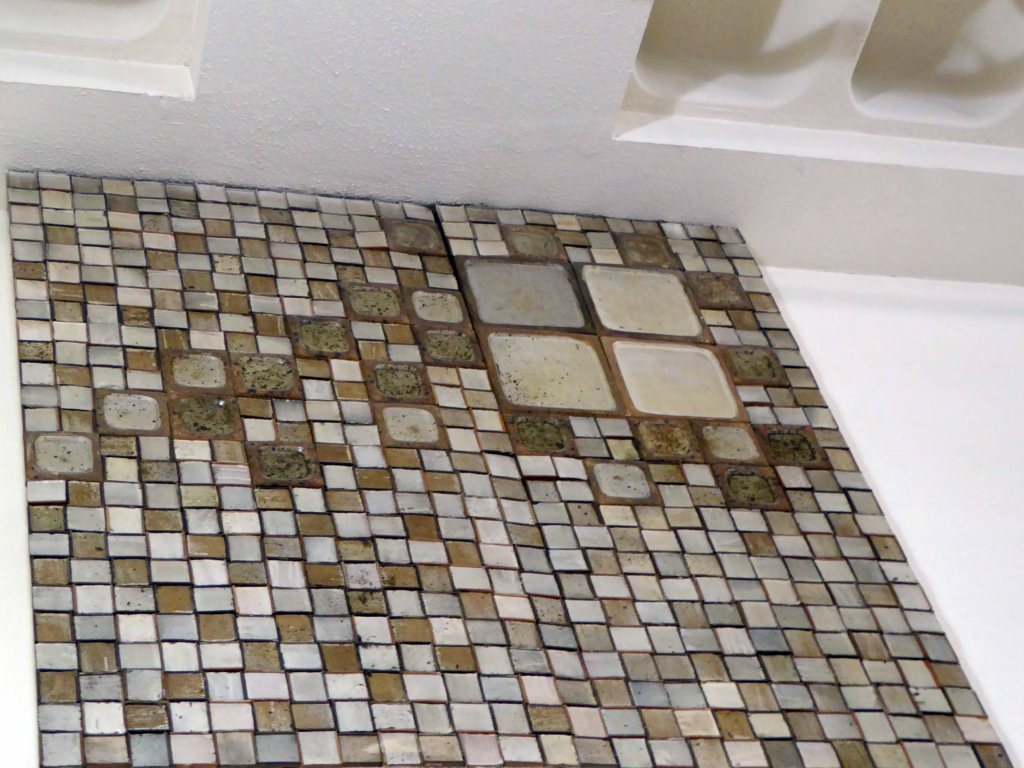
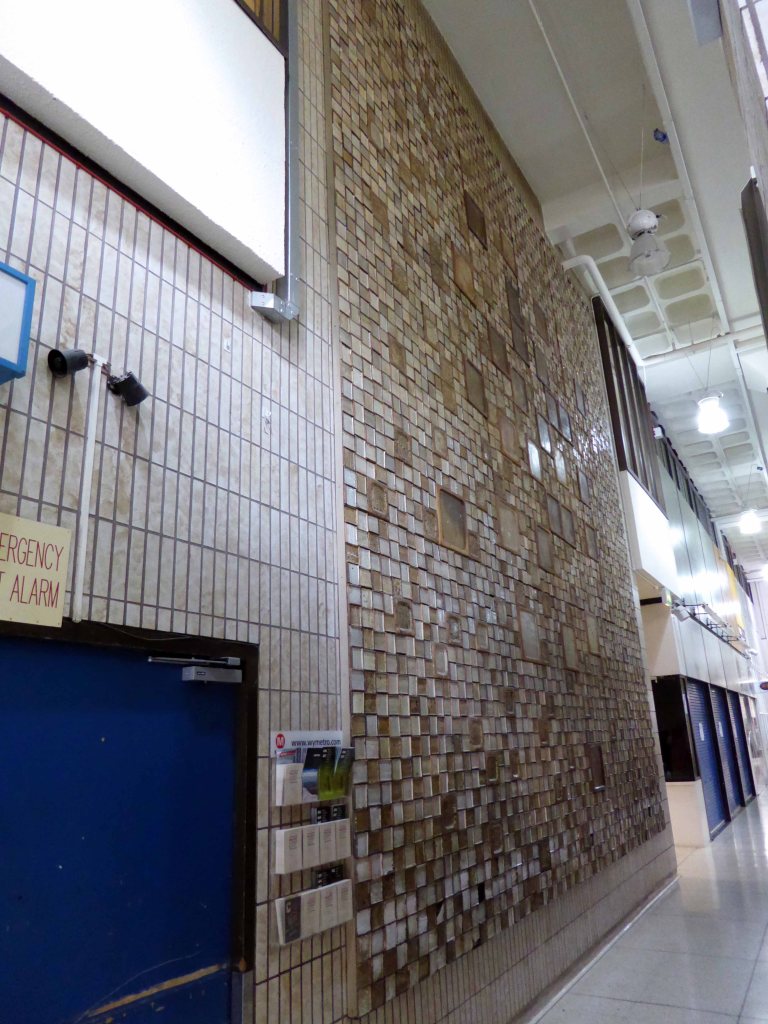
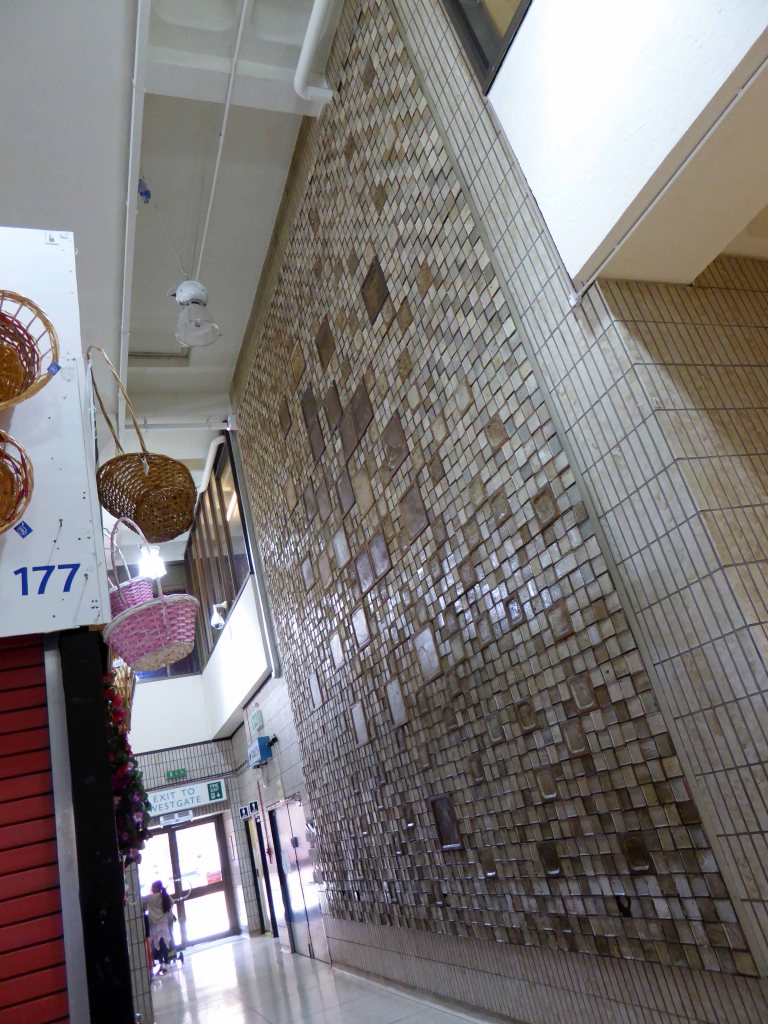
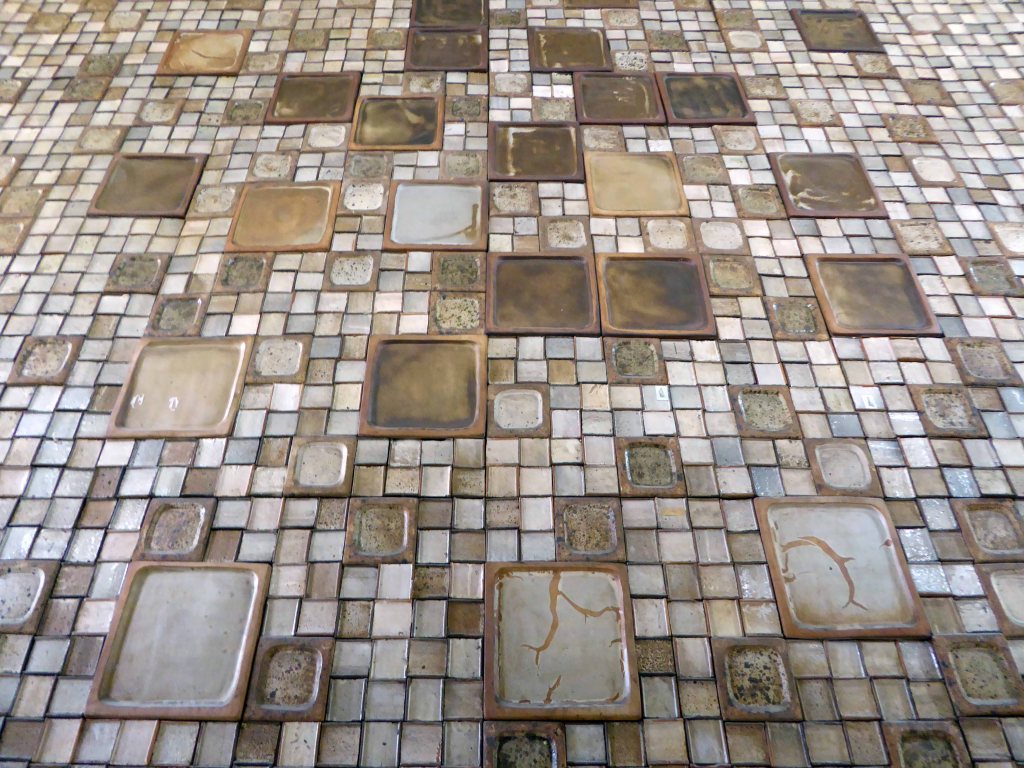
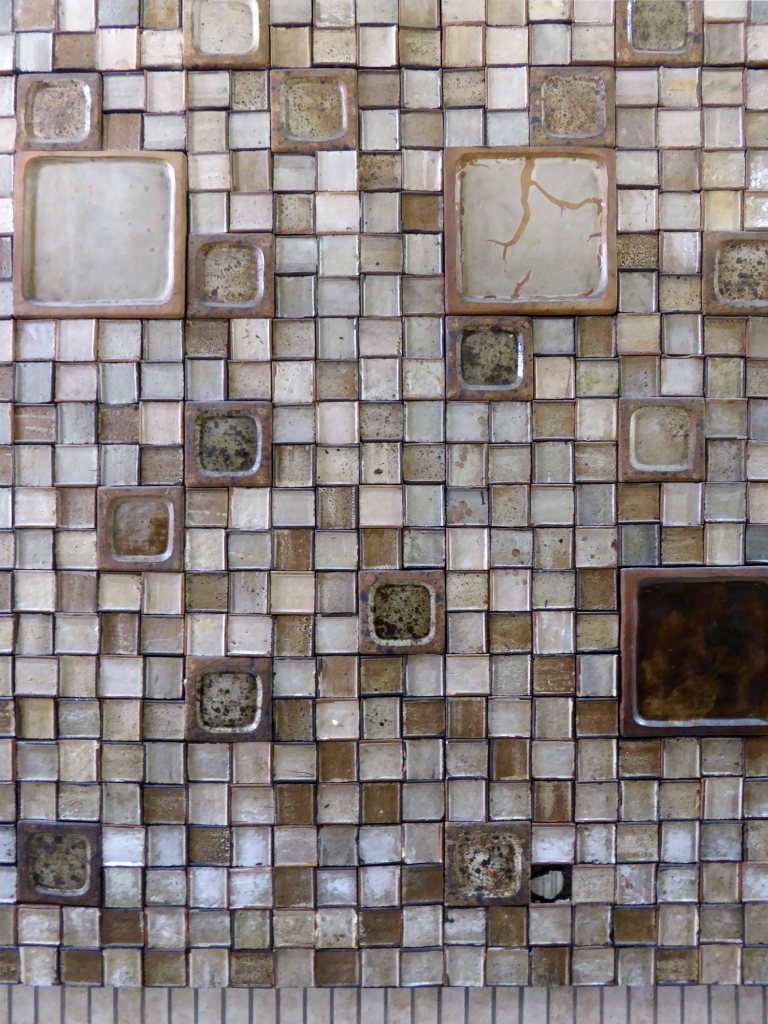
The interior has several decorative features, tiles their authorship and origins unknown, consisting of four 2.5 metre, and one 6.5 metre  square ceramic panels.

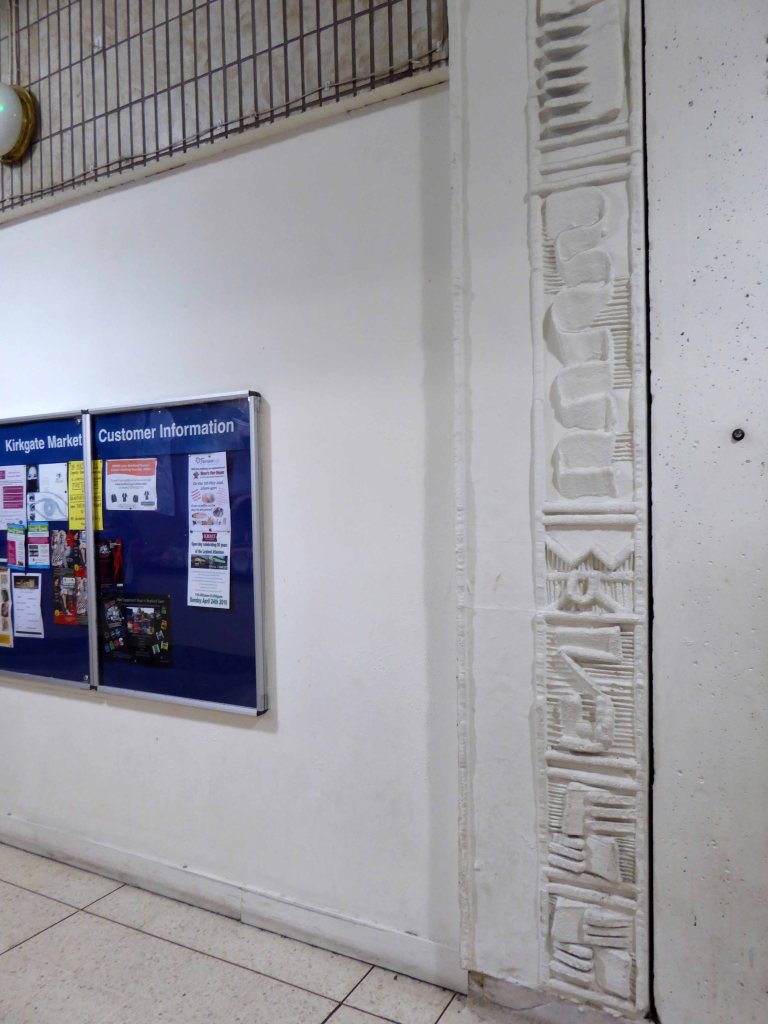
Alongside William Mitchell concrete reliefs.

We now know that they are the work of Fritz Steller – also responsible for Huddersfield’s Queensgate Market ceramics.

So farewell fair Kirkgate, I love your stairwell.

Well.

P1050382 copy

Eastford Square – Collyhurst

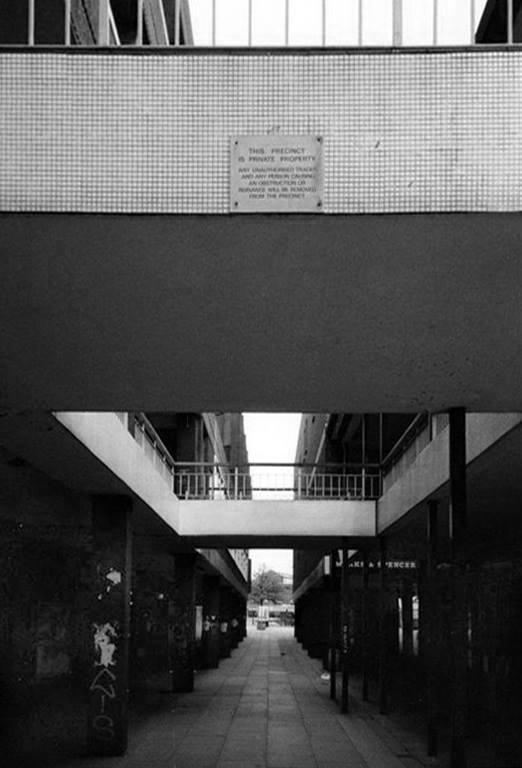
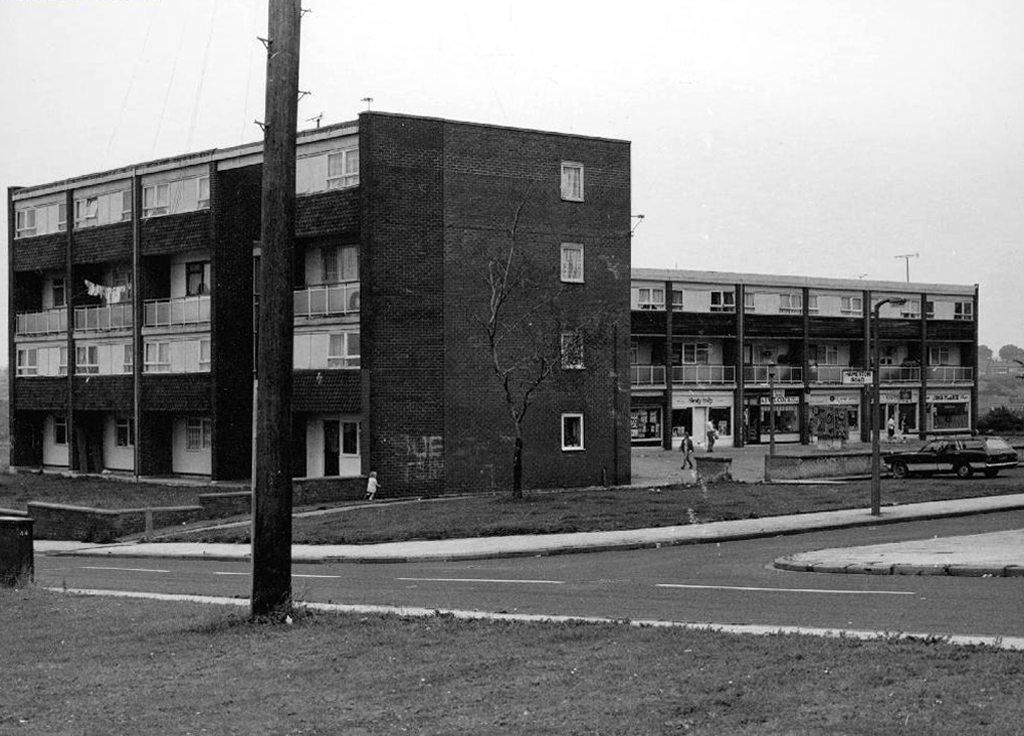
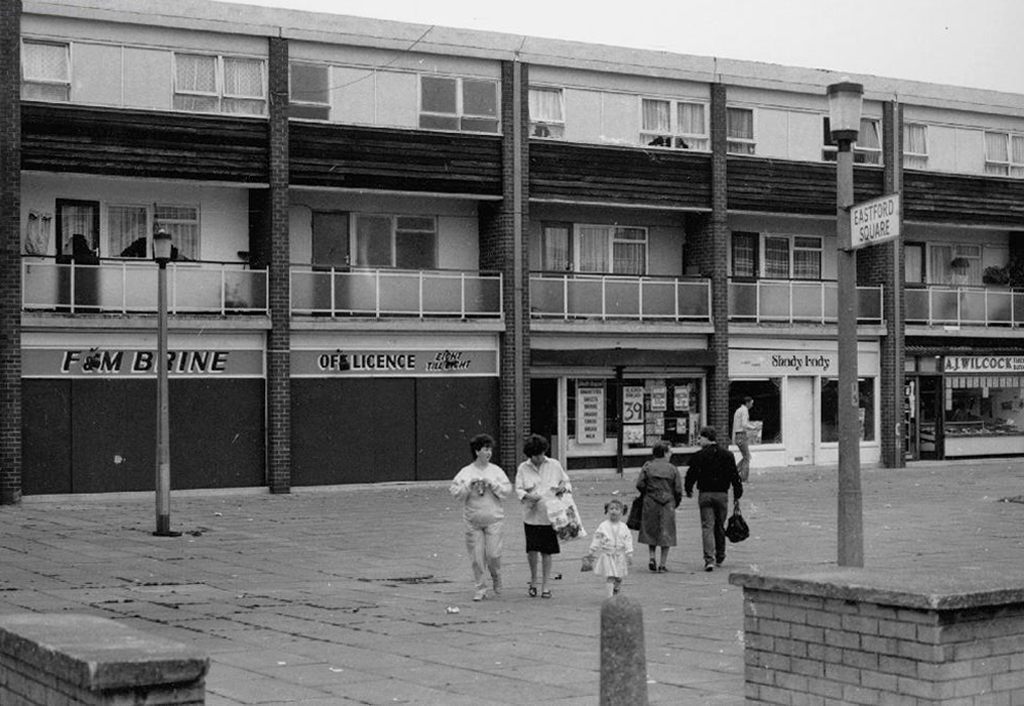
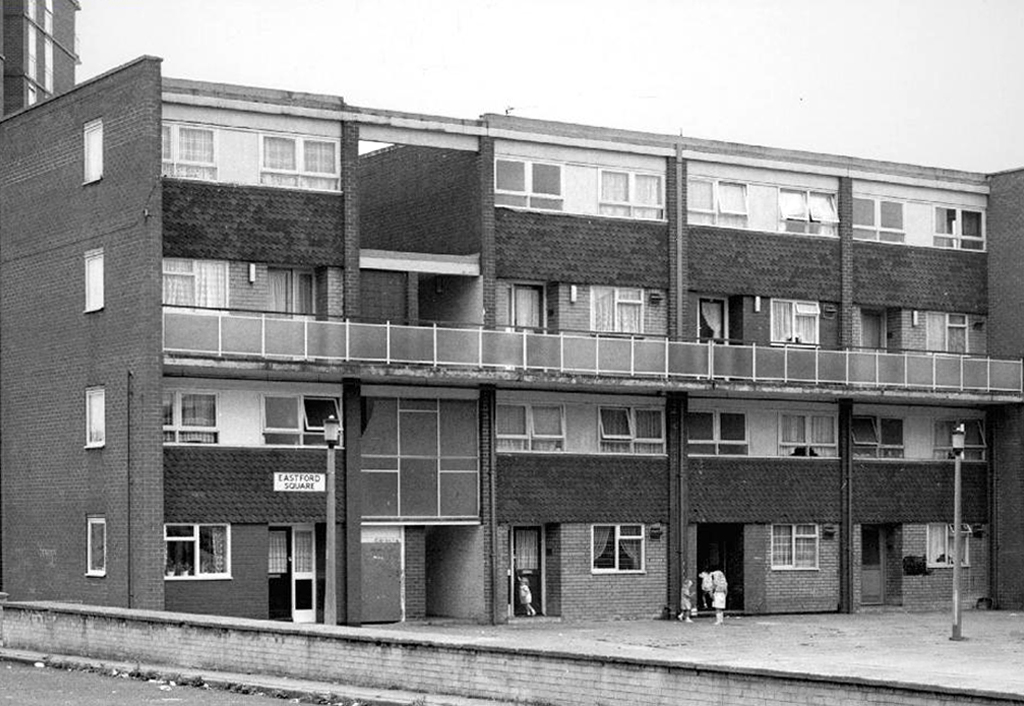
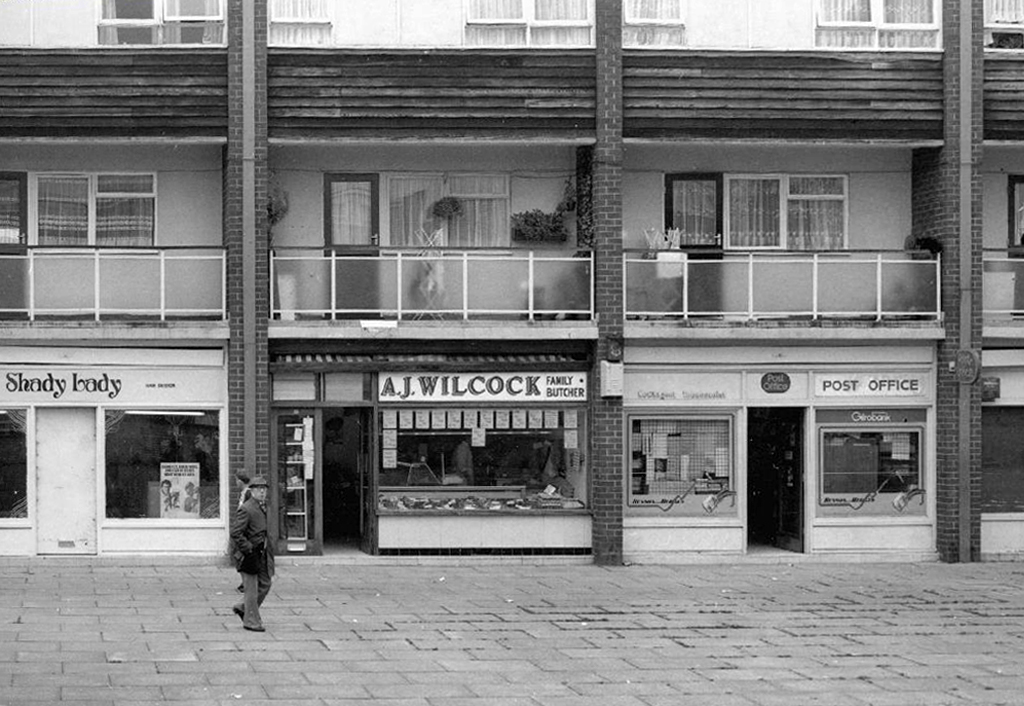
Once there were homes, postwar social housing.

Once there were jobs, a measure of prosperity.

A settled community.

webmedia-1.php
webmedia-4.php
webmedia-2.php
webmedia-3.php

Time has not been kind to North Manchester, successive slumps, double-dip depressions, economic downturns, and centrally imposed recession hurts.

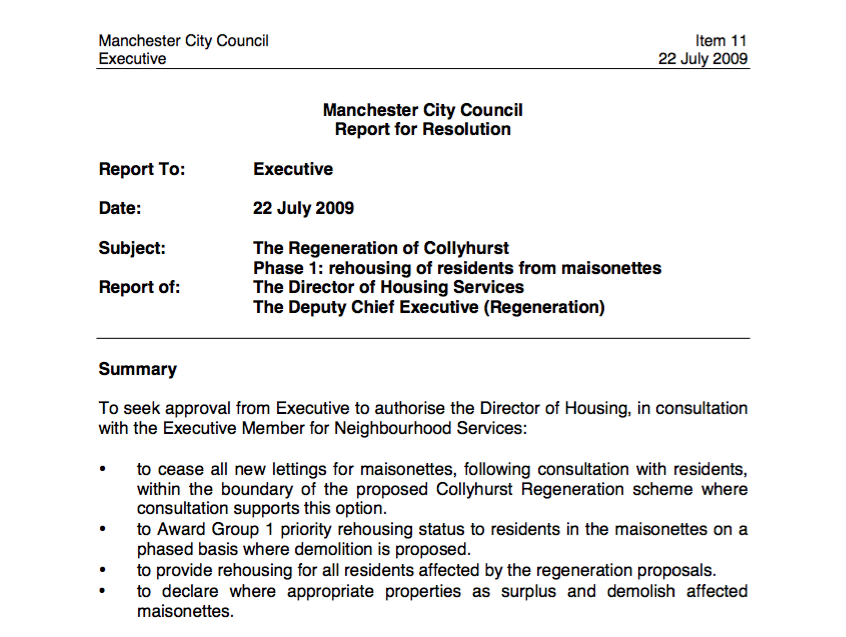
The local authority steps in, from 2009 the fate of Eastford Square is sealed.

Regeneration.Screen Shot 2016-05-06 at 16.39.43

Spells demolition.

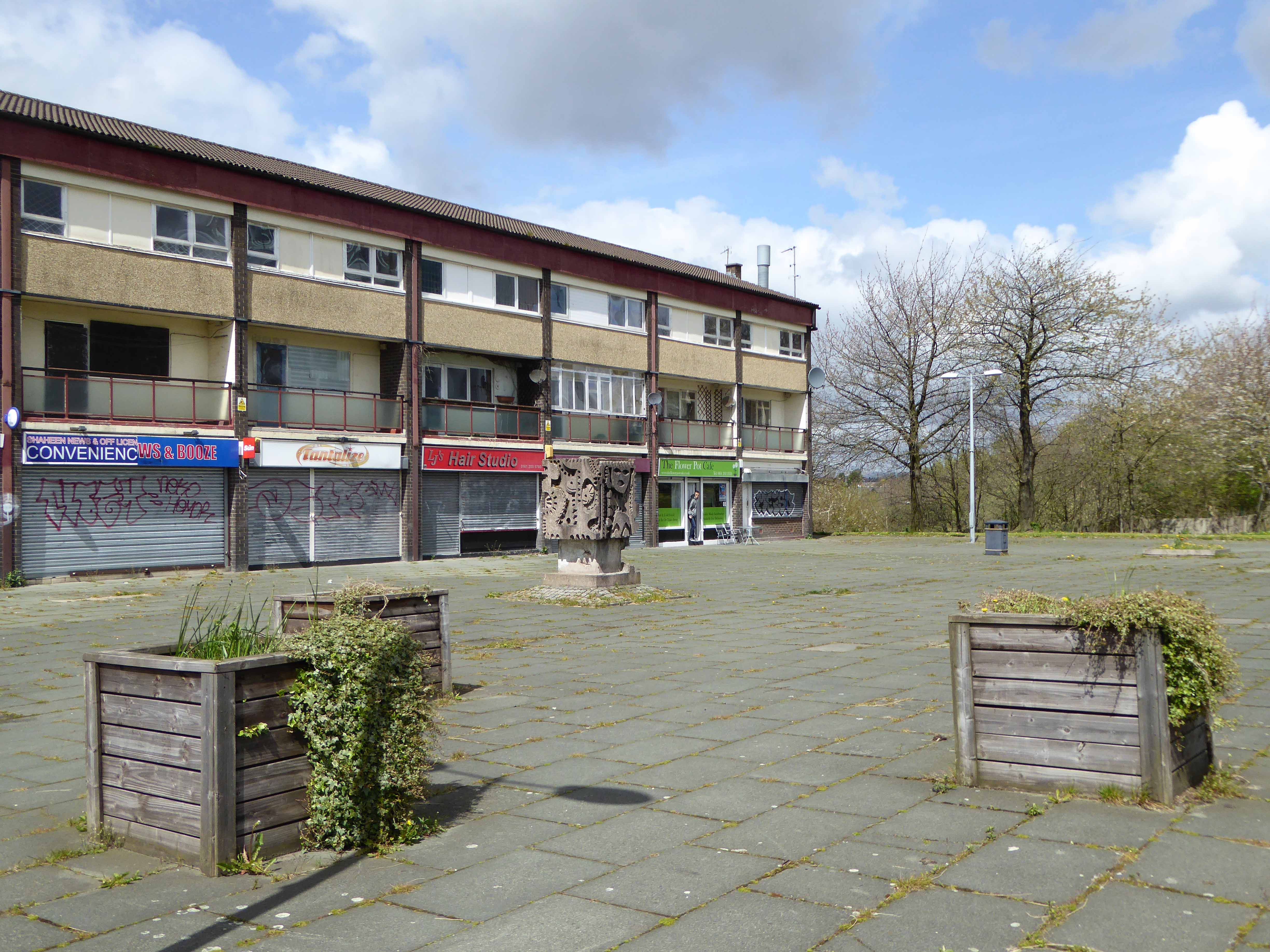
One wing is already gone, the maisonettes are tinned up.

P1040328 copy
P1040330 copy
P1040310 copy
P1040340 copy
P1040333 copy
P1040327 copy
P1040329 copy

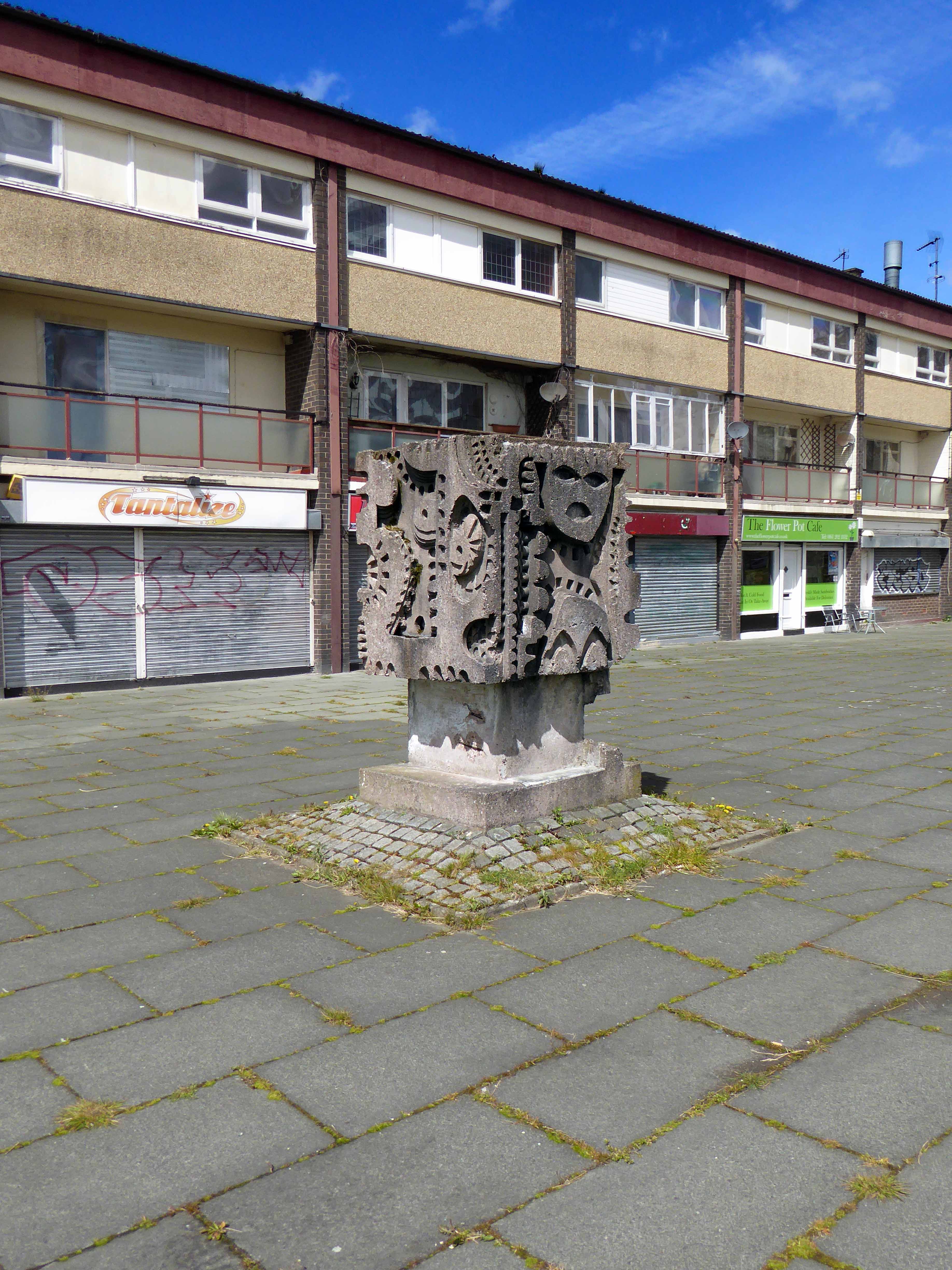
The Flower Pot Café, still fully functional, fed me well for £2, Lee the proprietor is living on borrowed time though, hoping for relocation within the new development.

P1040316 copy

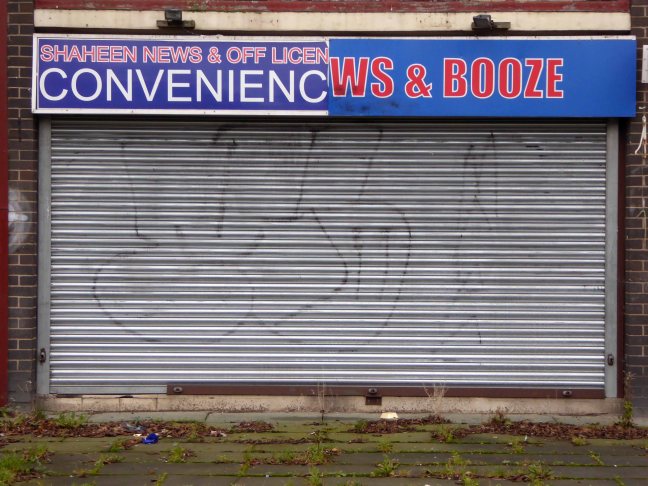
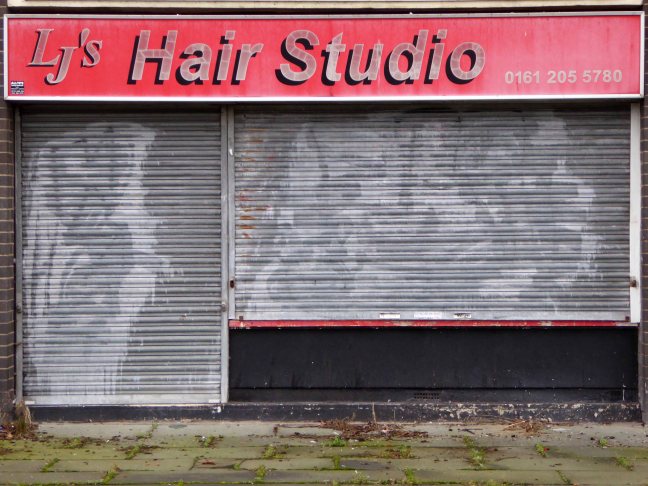
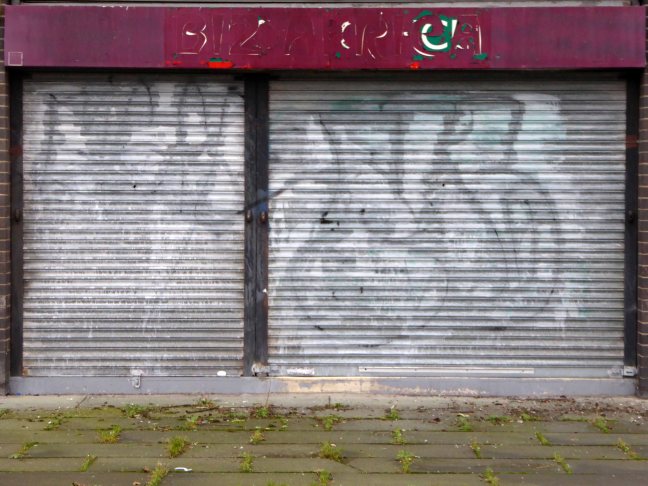
Other businesses have not survived the transition, awaiting CPO and who knows what.

P1040308 copy
P1040307 copy
P1040306 copy
P1040305 copy
P1040314 copy

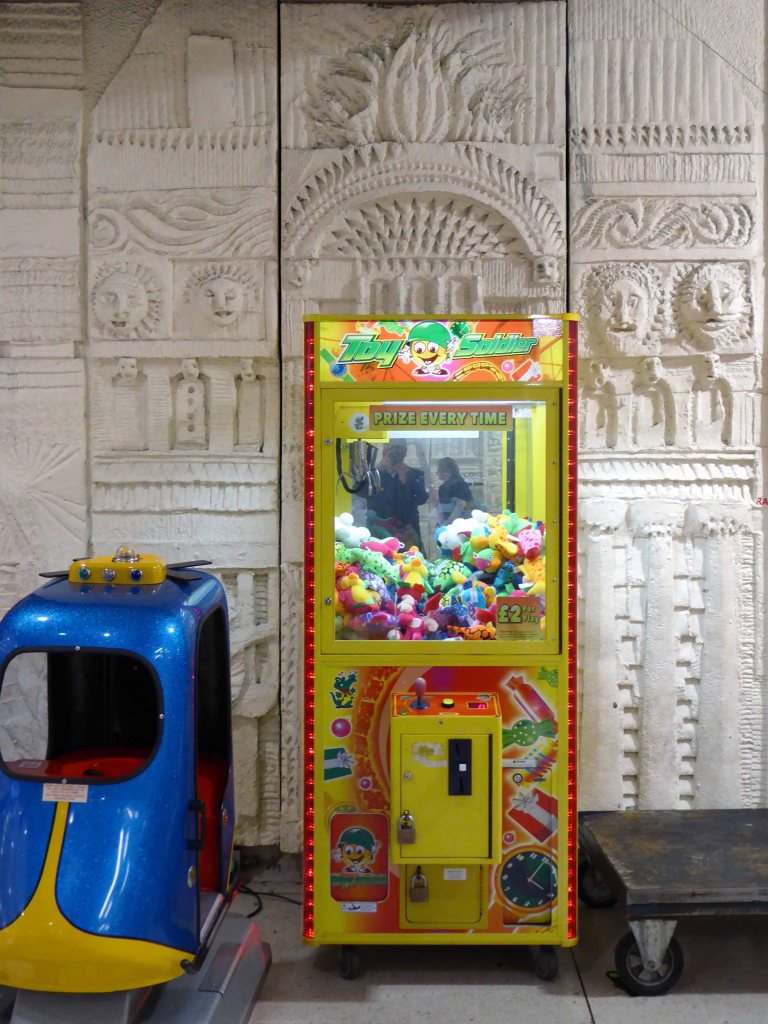
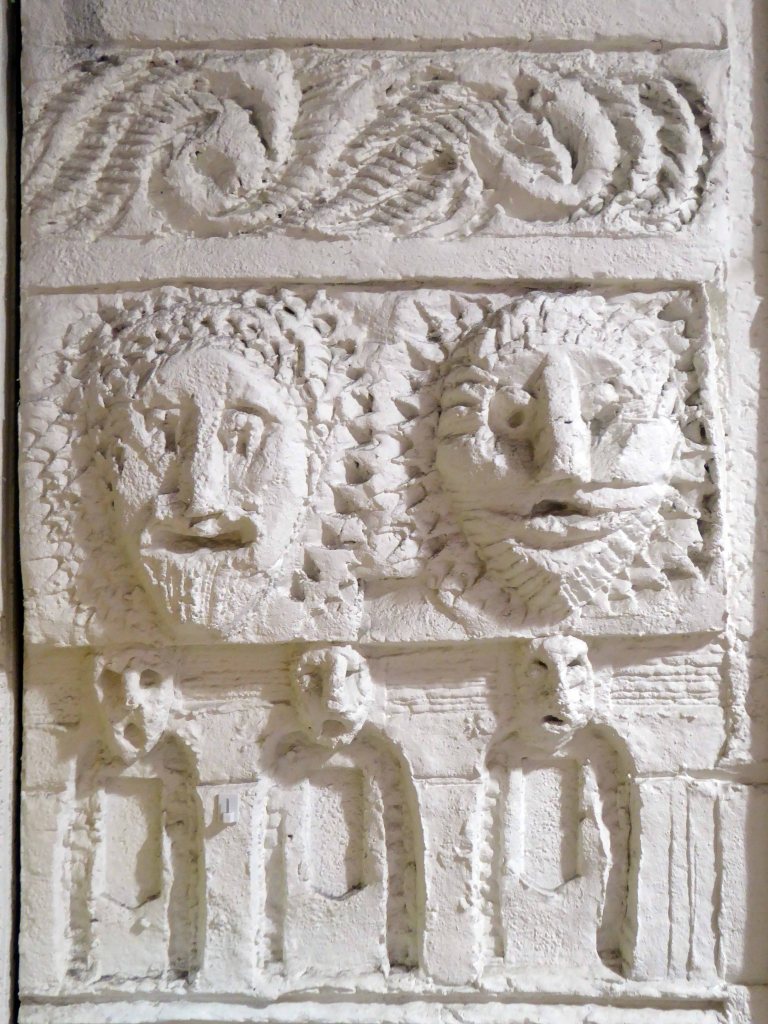
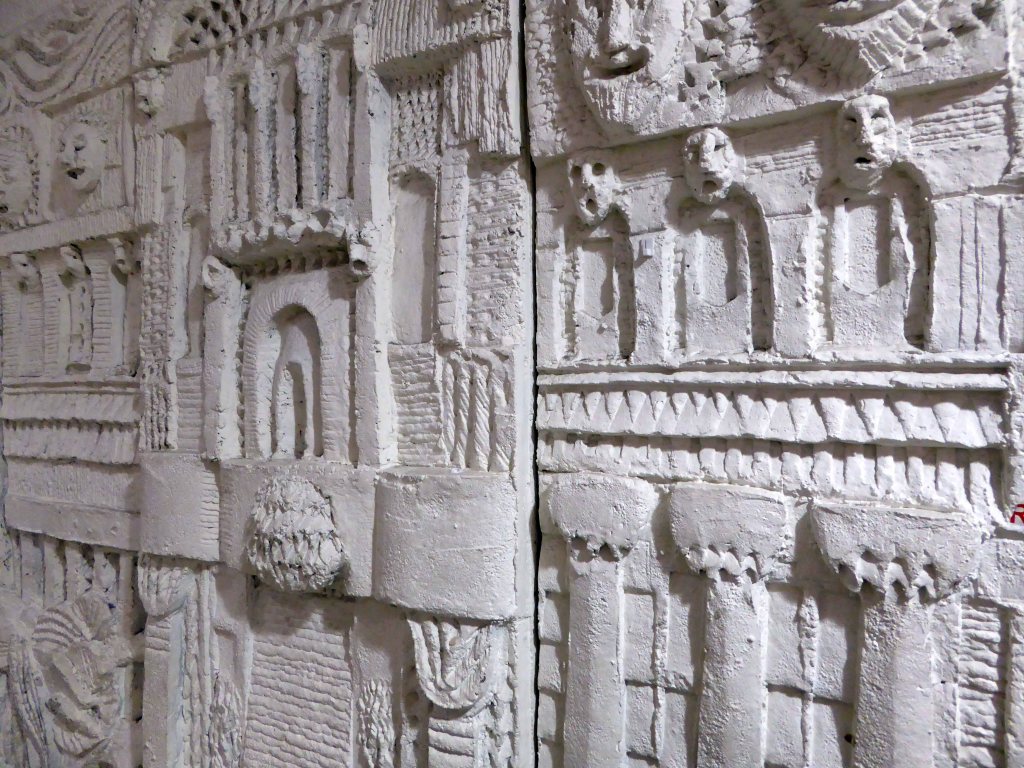
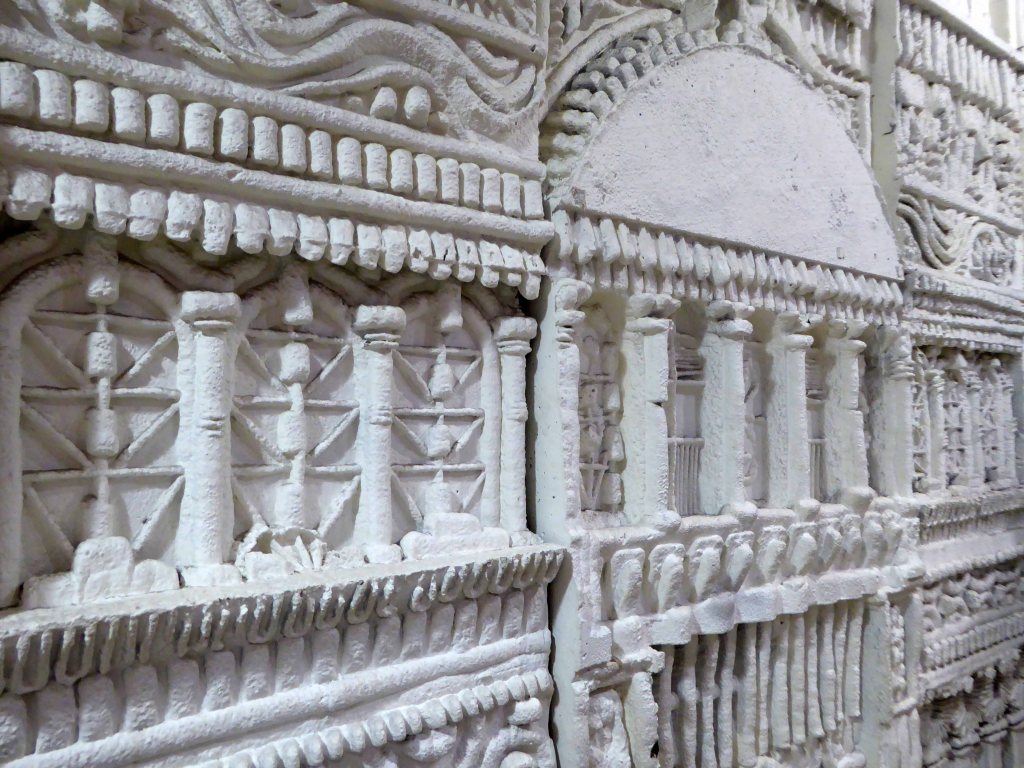
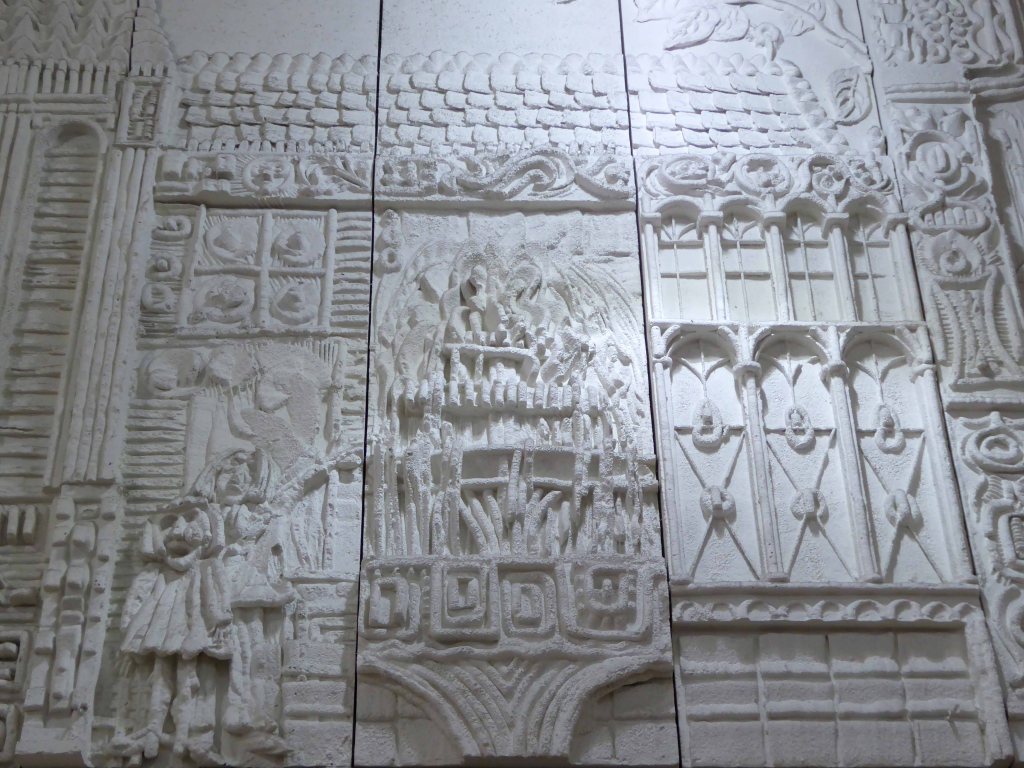
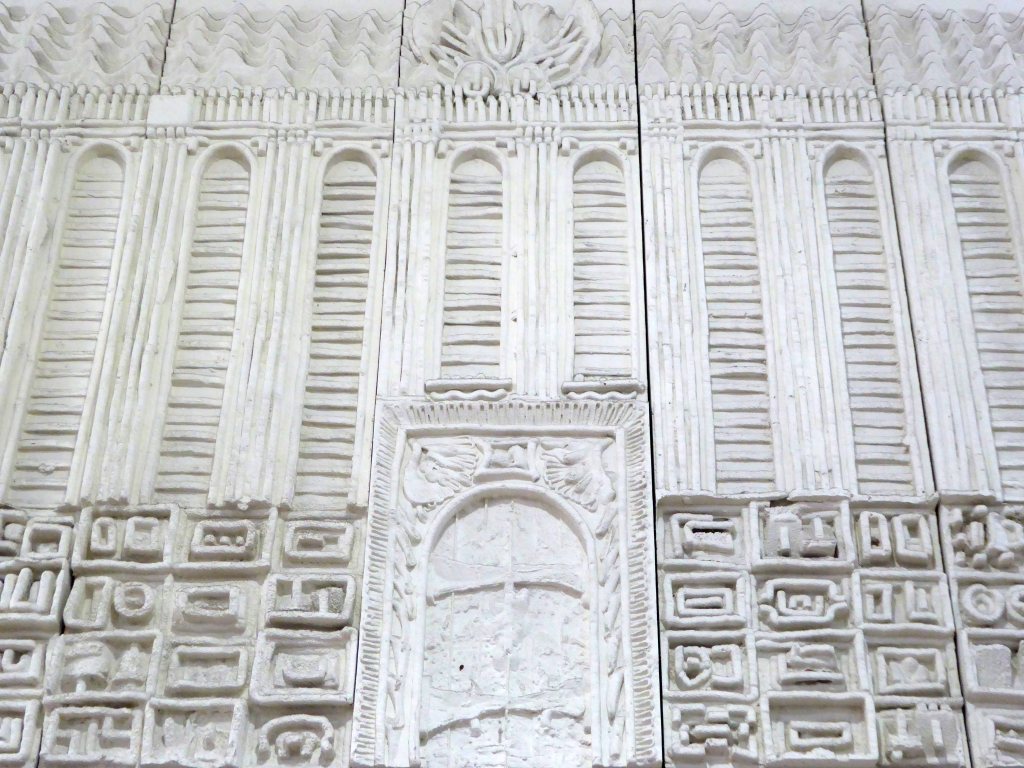
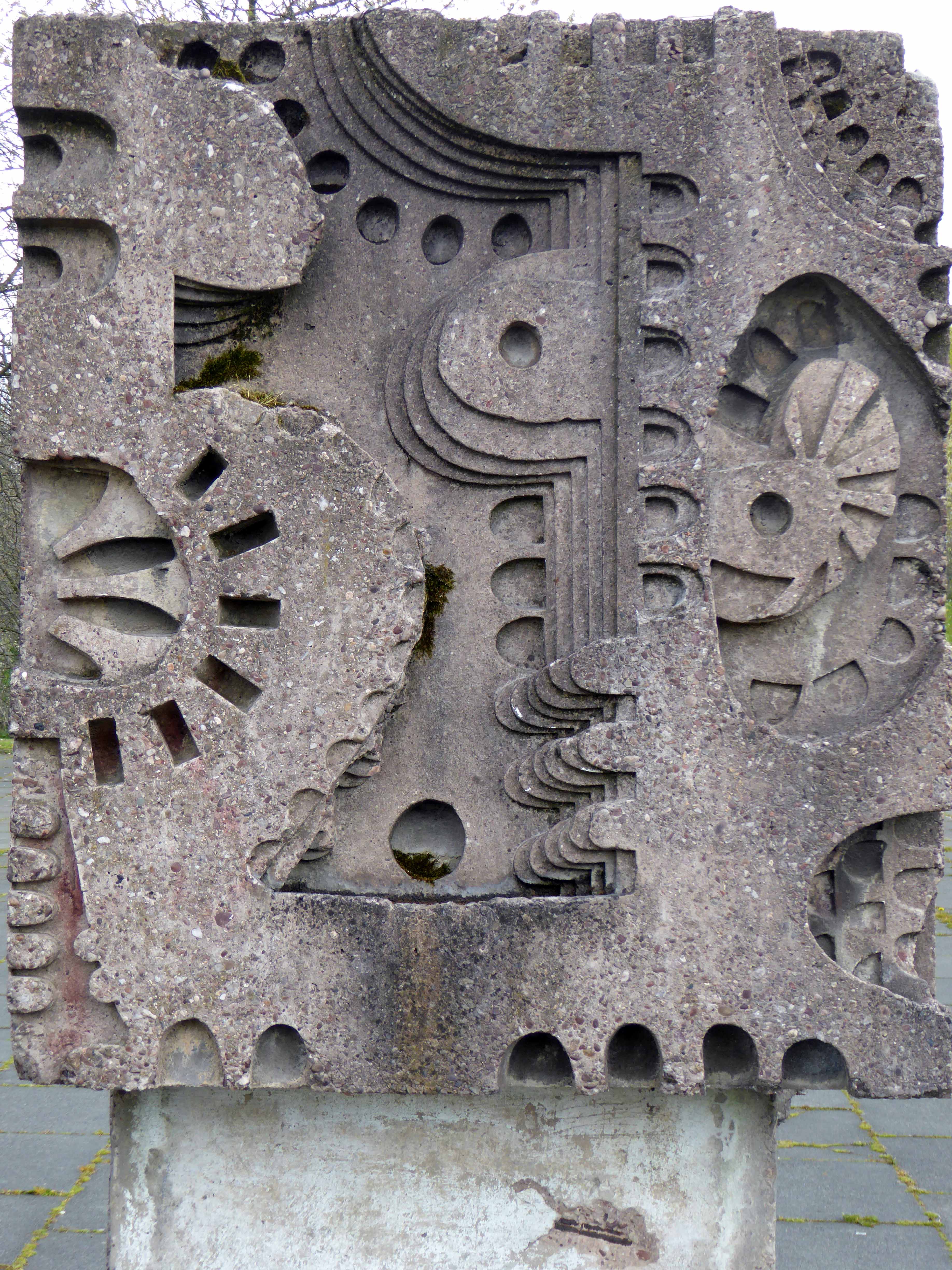
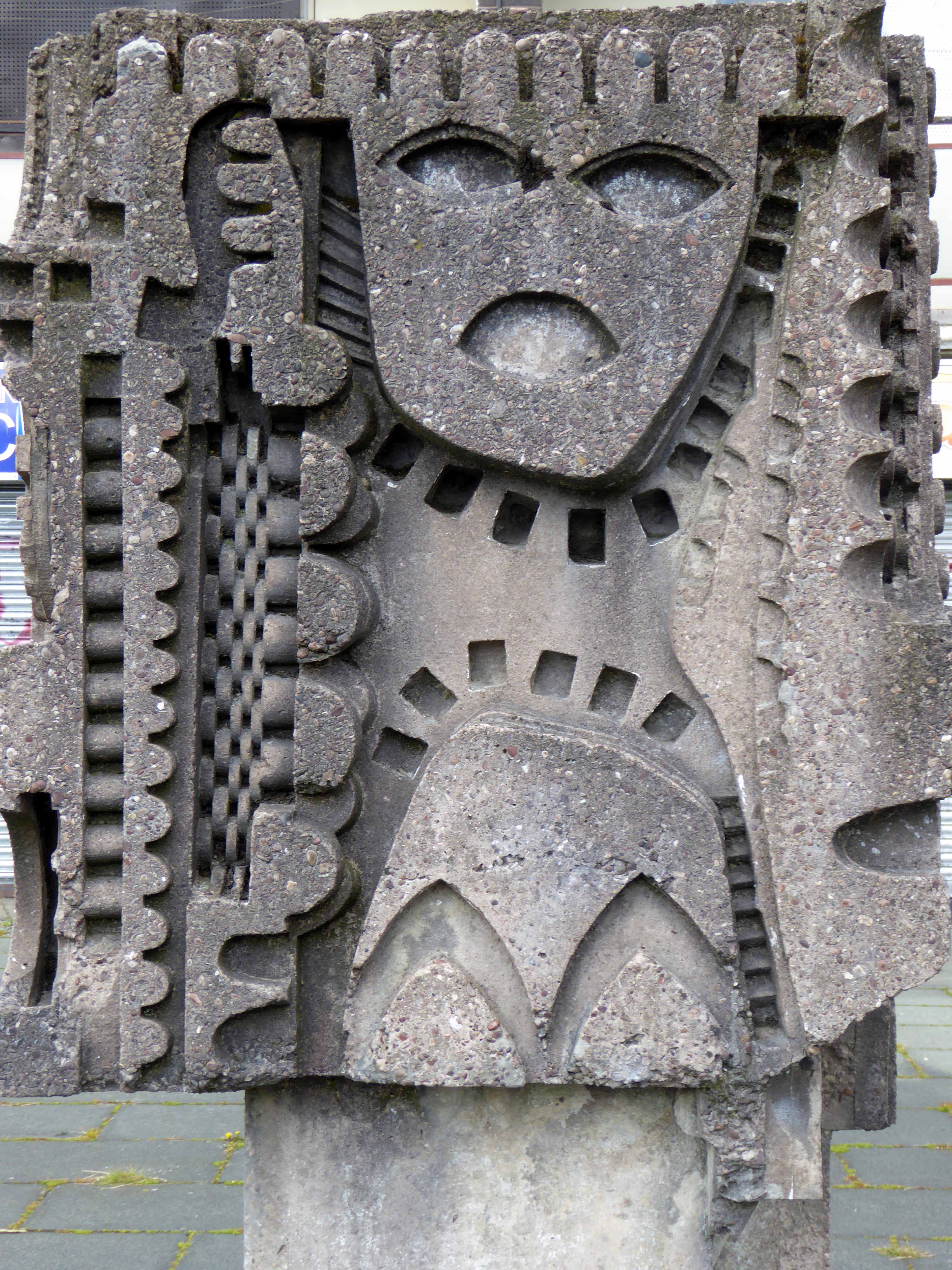
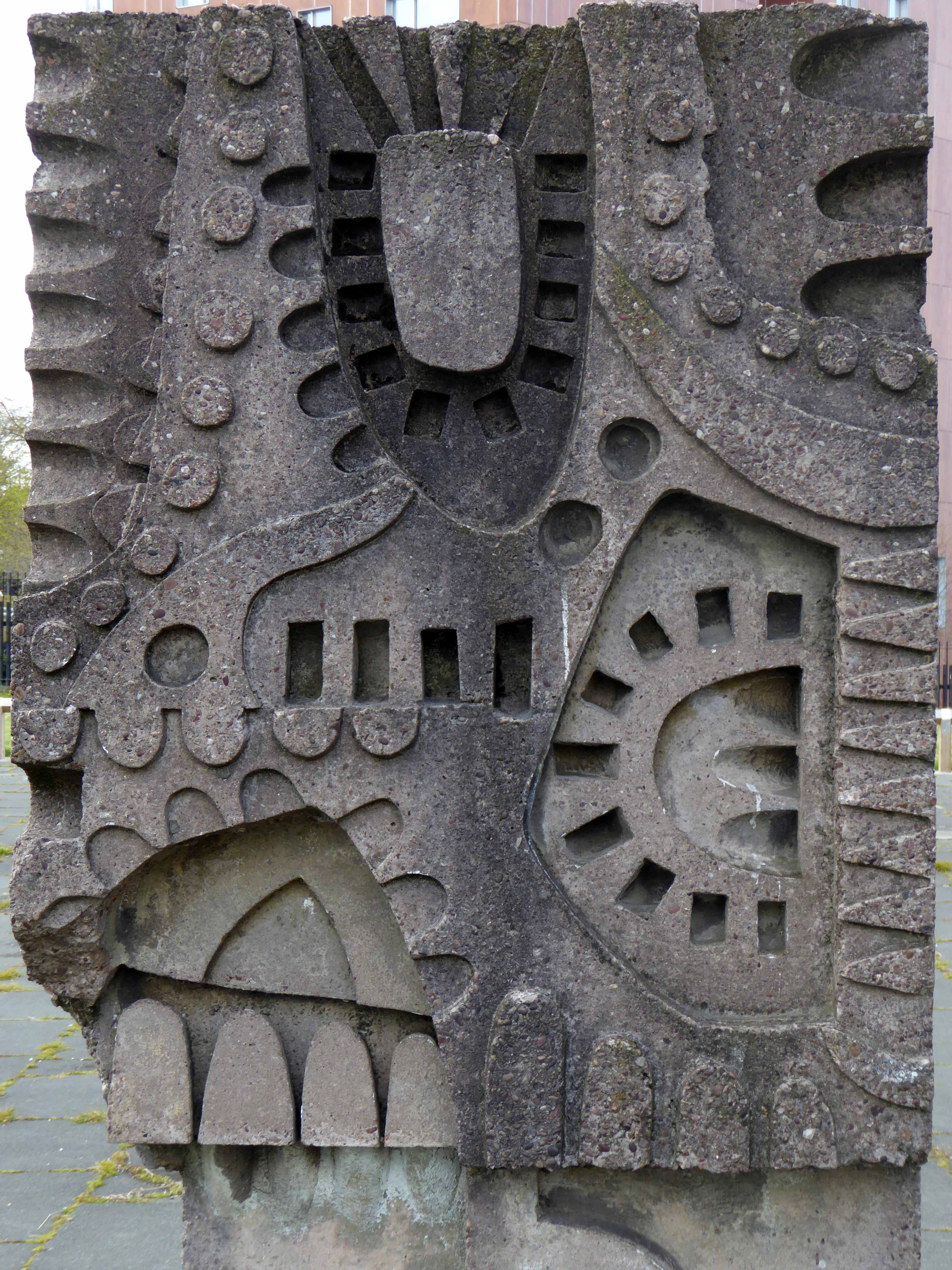
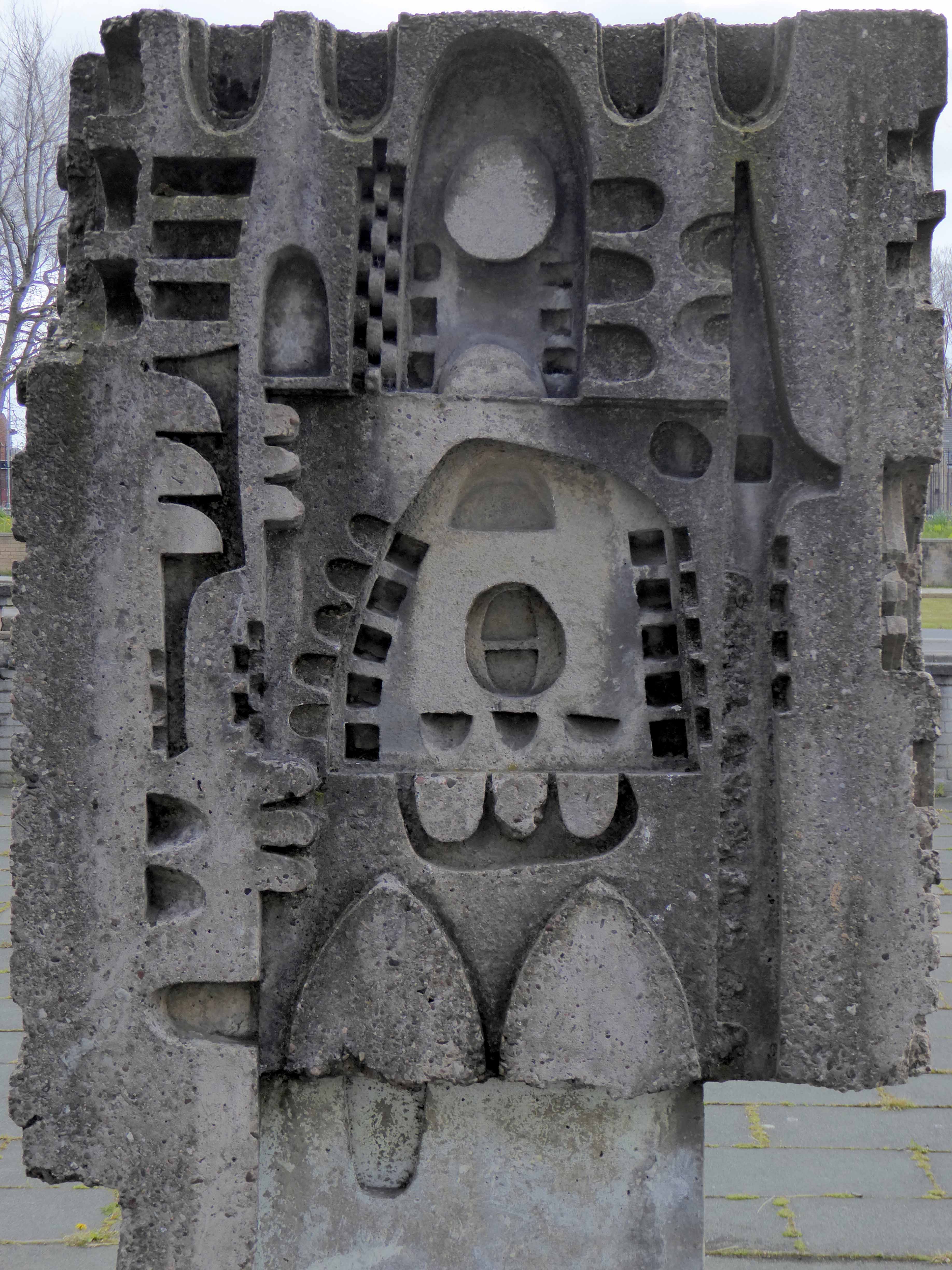
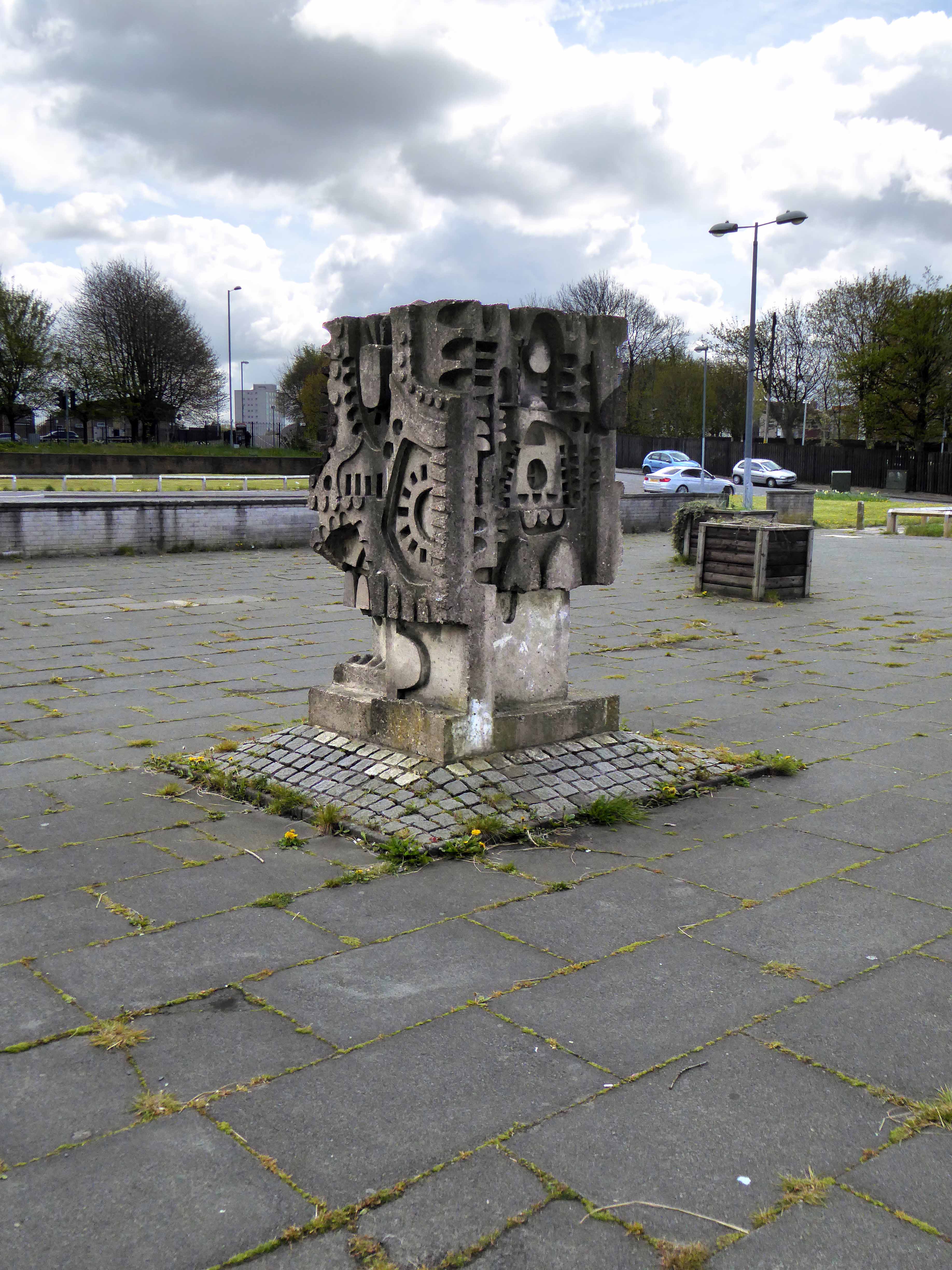
The square is blessed with a concrete sculpture, whose fate I hope is secured, somehow.

P1040294 copy
P1040293 copy
P1040296 copy
P1040295 copy

Possibly by William Mitchell – possibly not.

P1040297 copy
P1040304 copy
P1040303 copy
P1040321 copy
P1040292 copy
P1040313 copy
P1040298 copy
P1040301 copy
P1040300 copy

This as ever, is a time of change, I hope that the area and its current inhabitants live to tell the tale, rather than fall victim to the tide of gentrification, forcing them further afield.

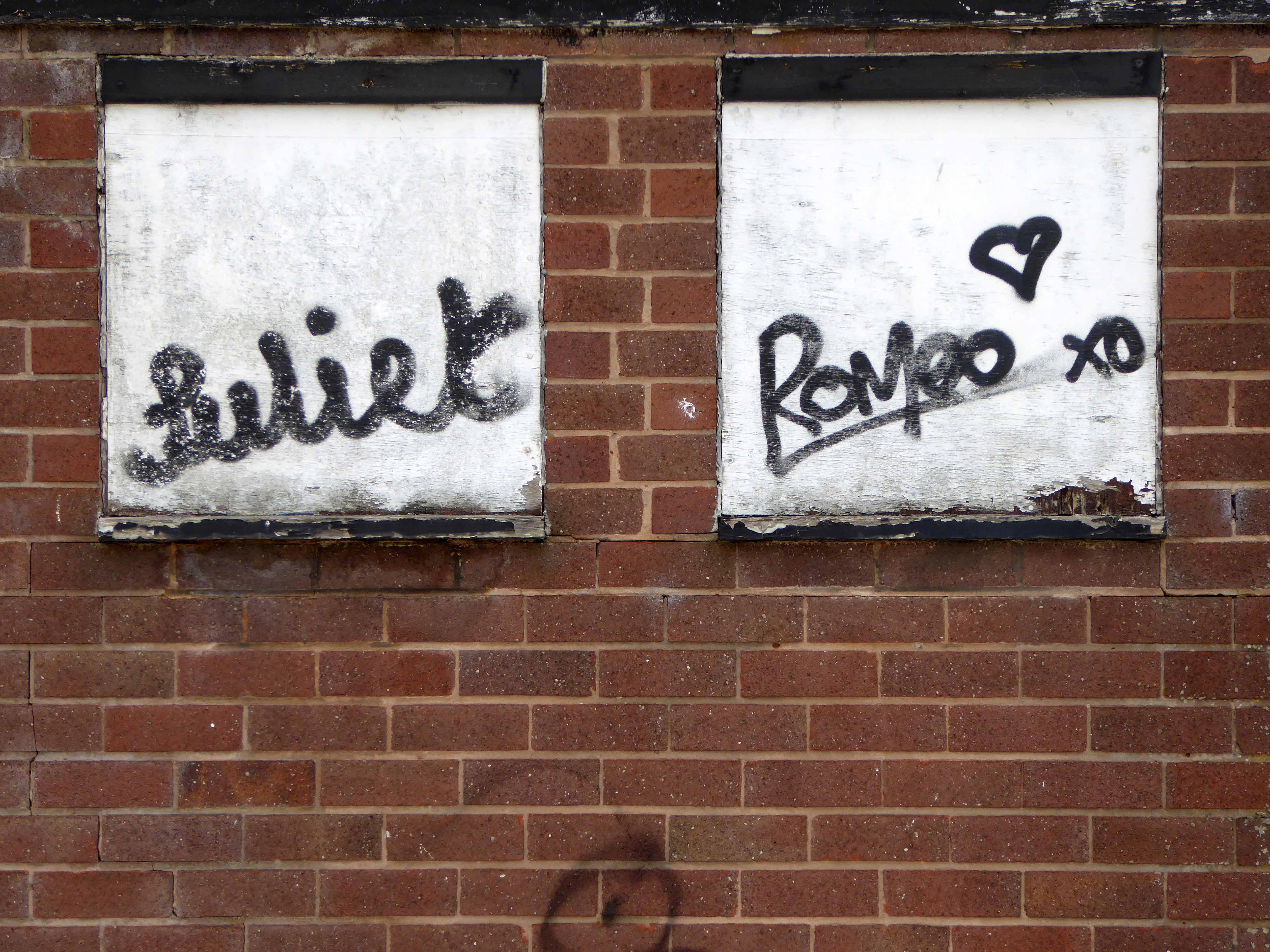
O Romeo Romeo, wherefore art thou Romeo?

P1040335 copy

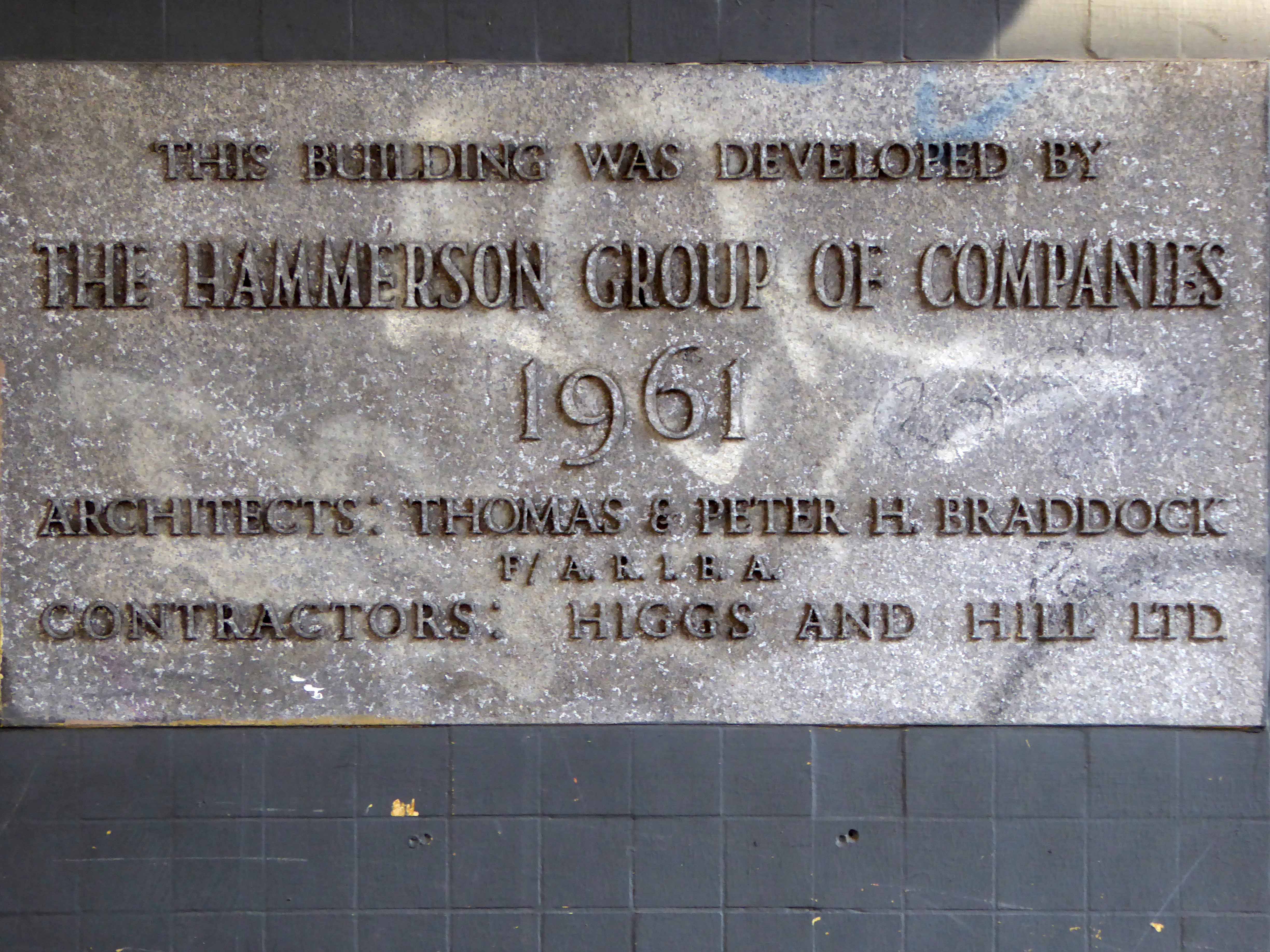
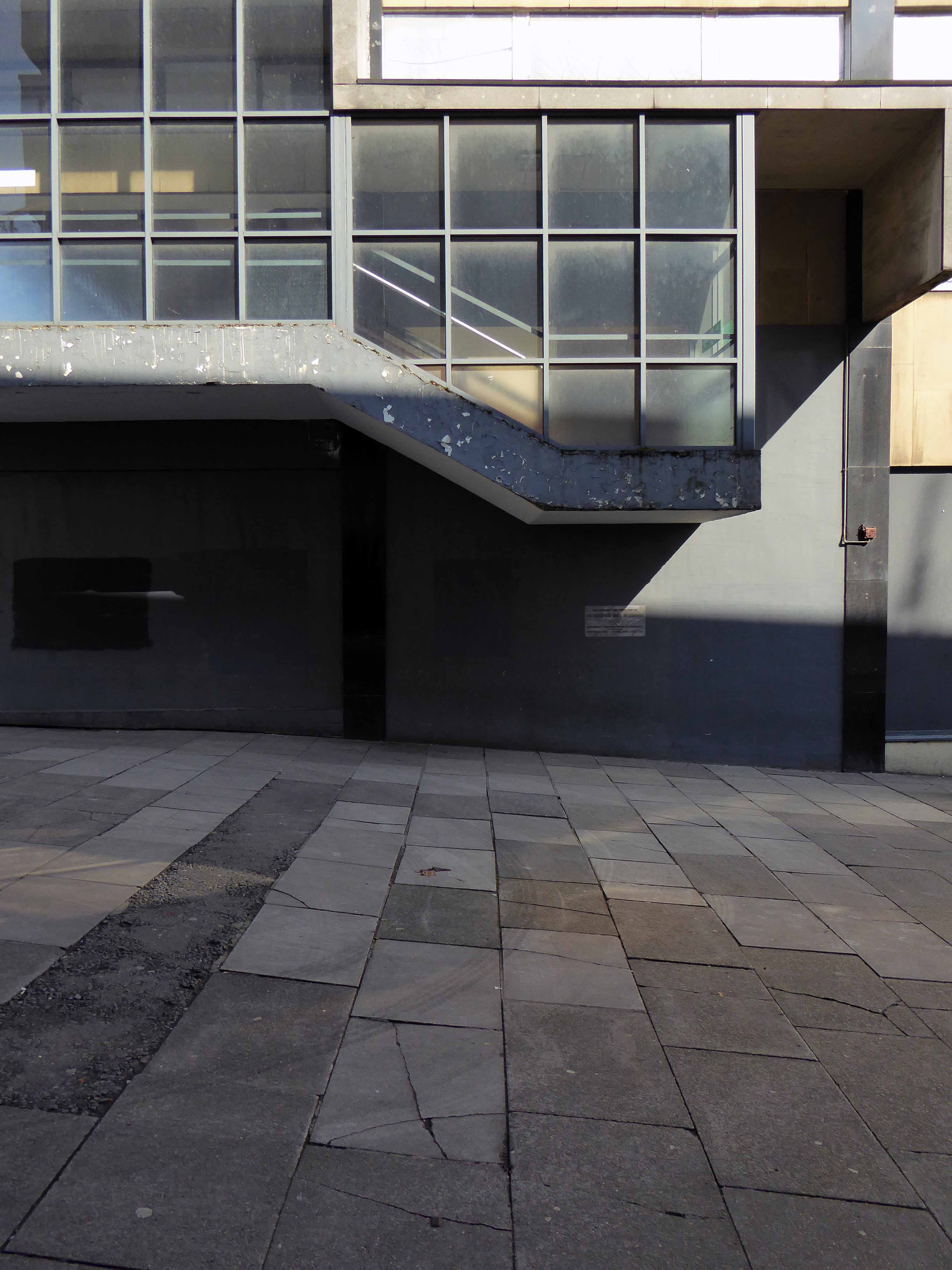
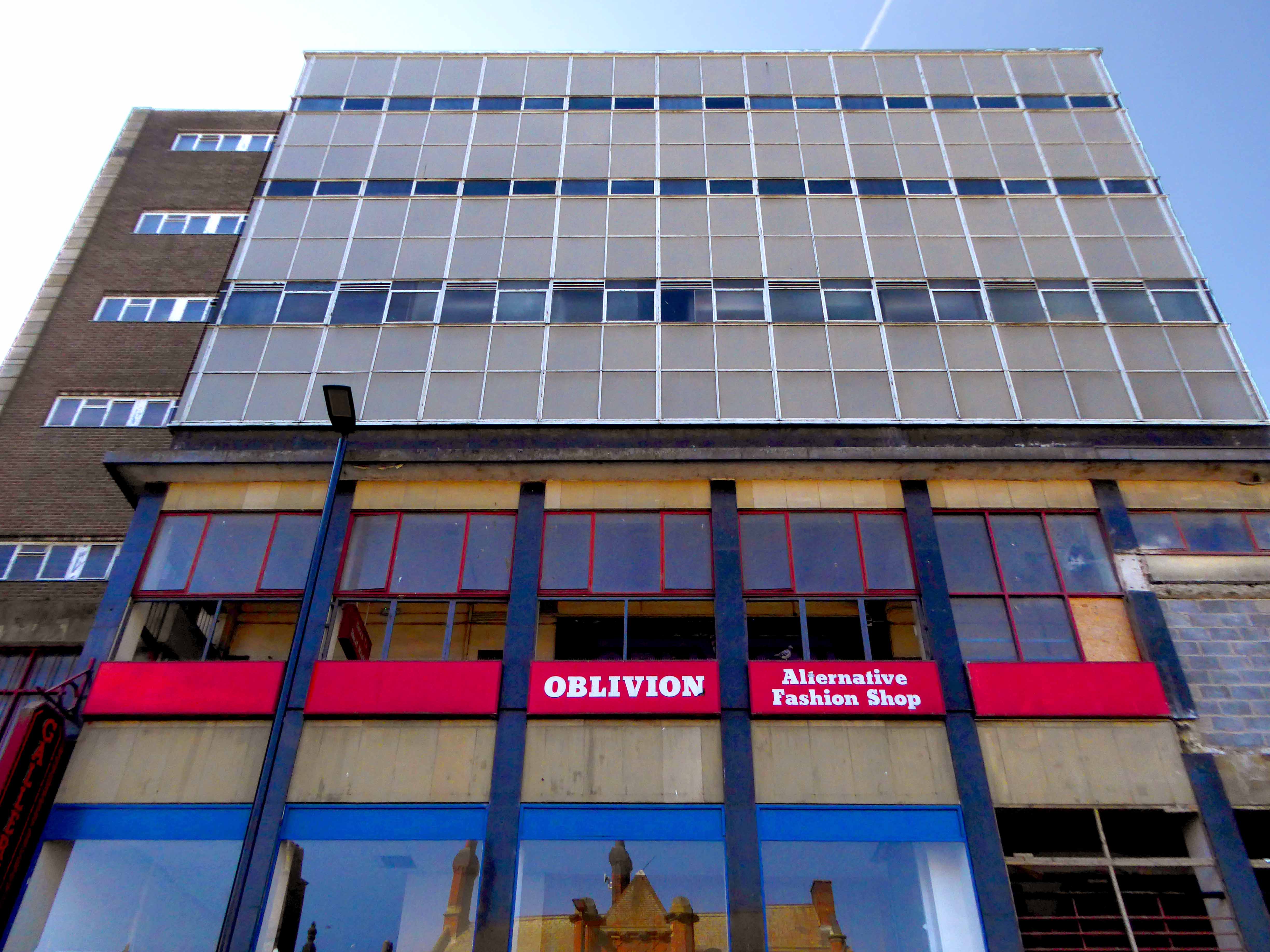
Sheffield – Gallery Shops

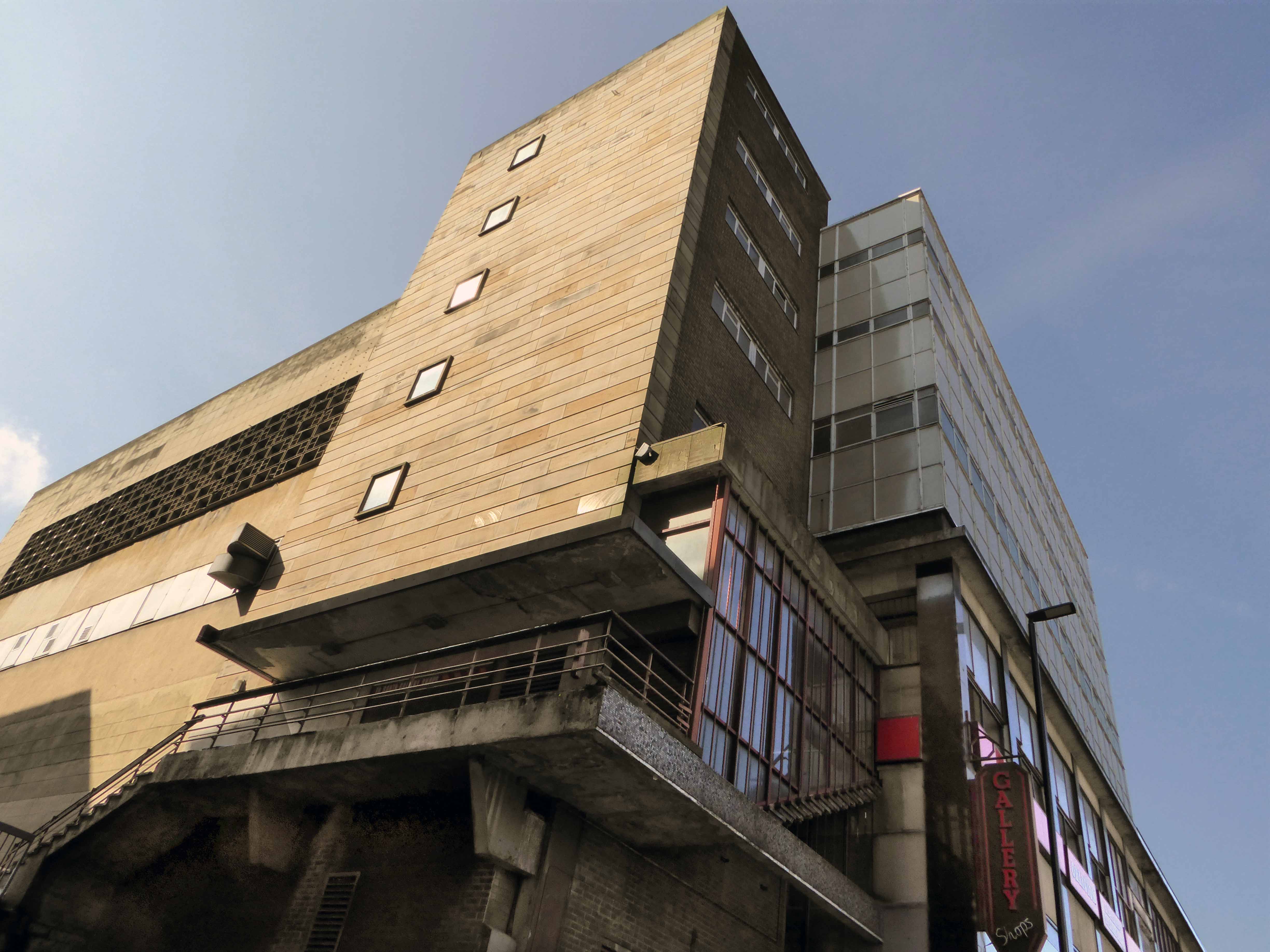
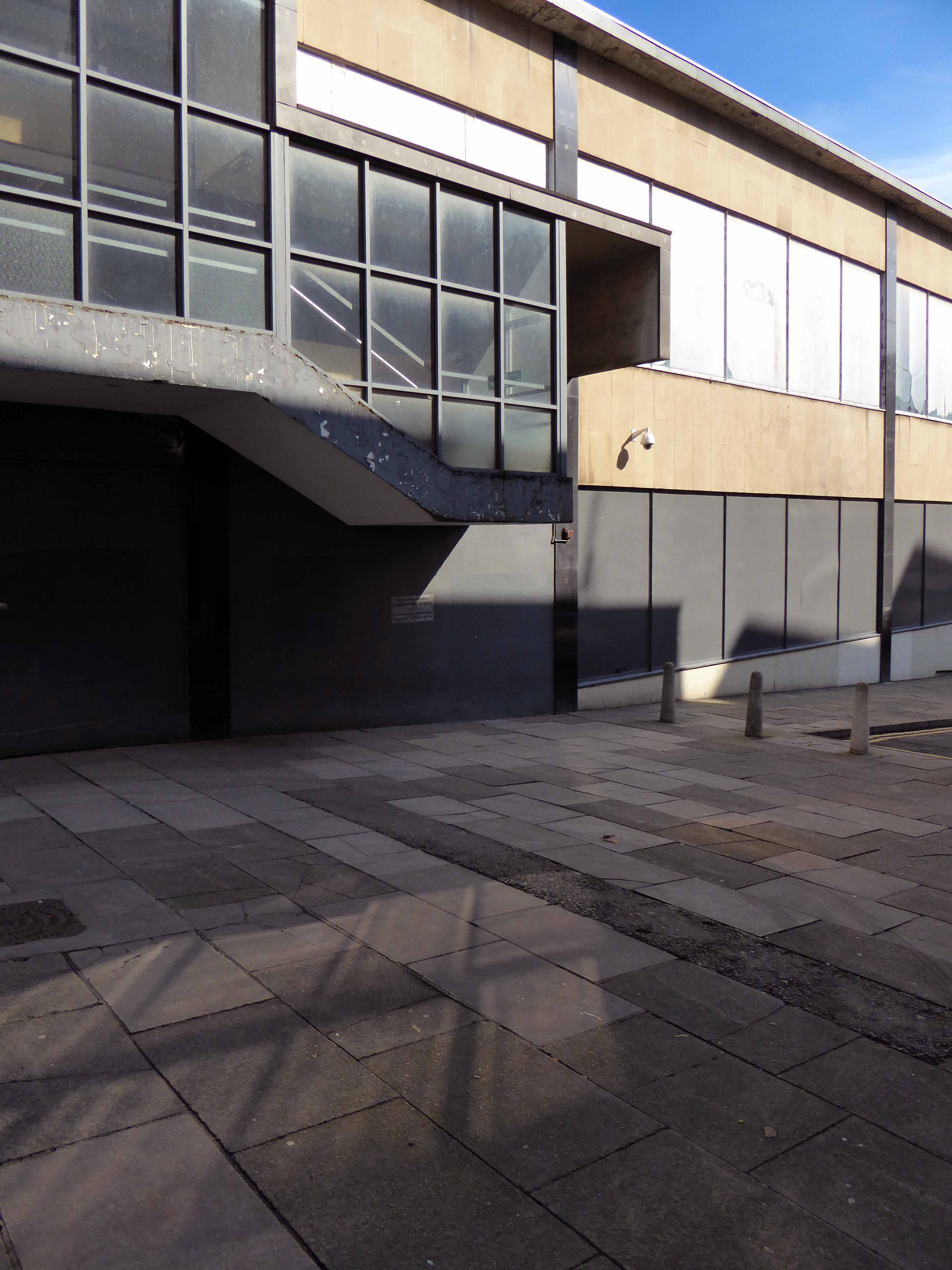
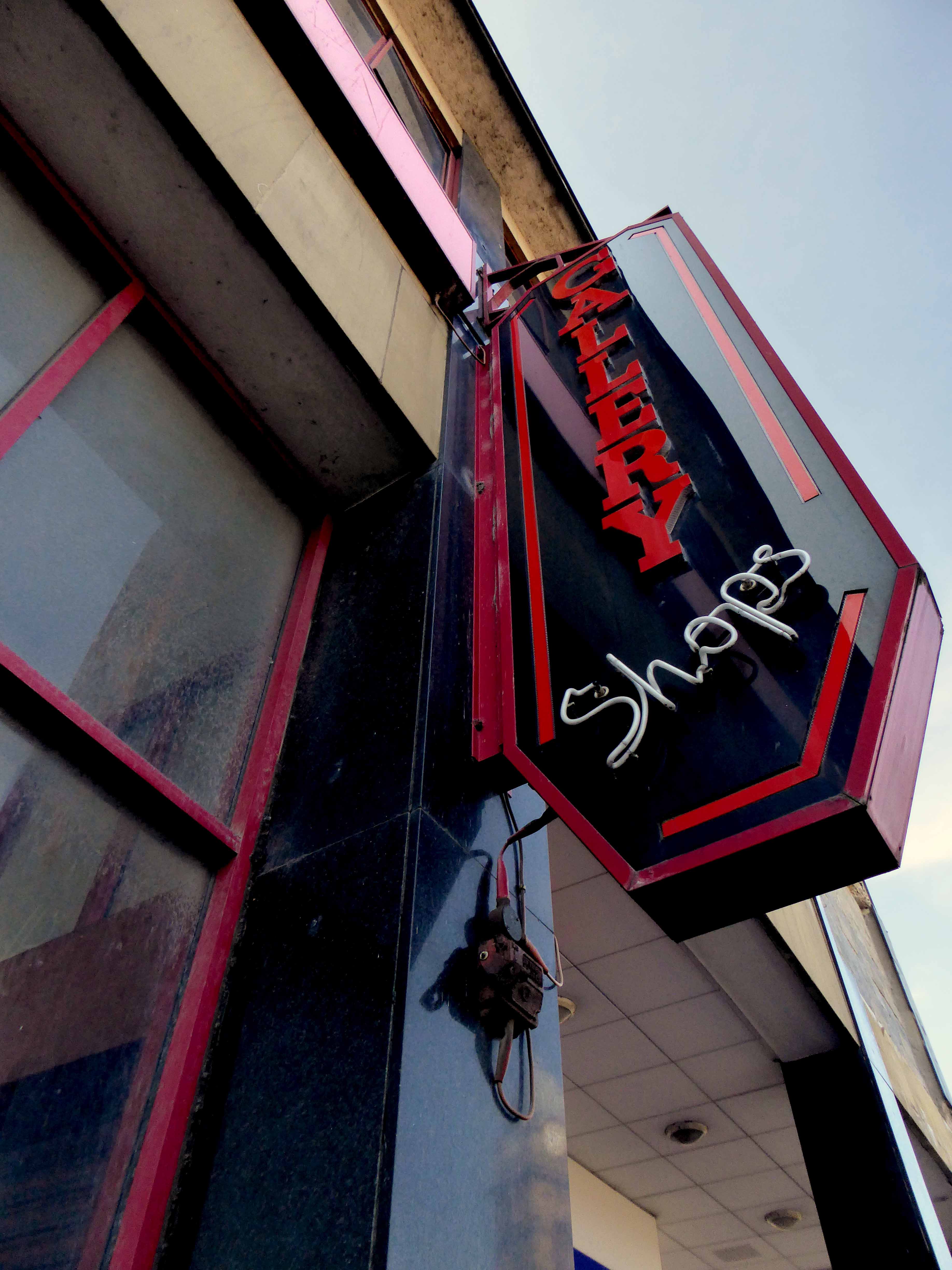
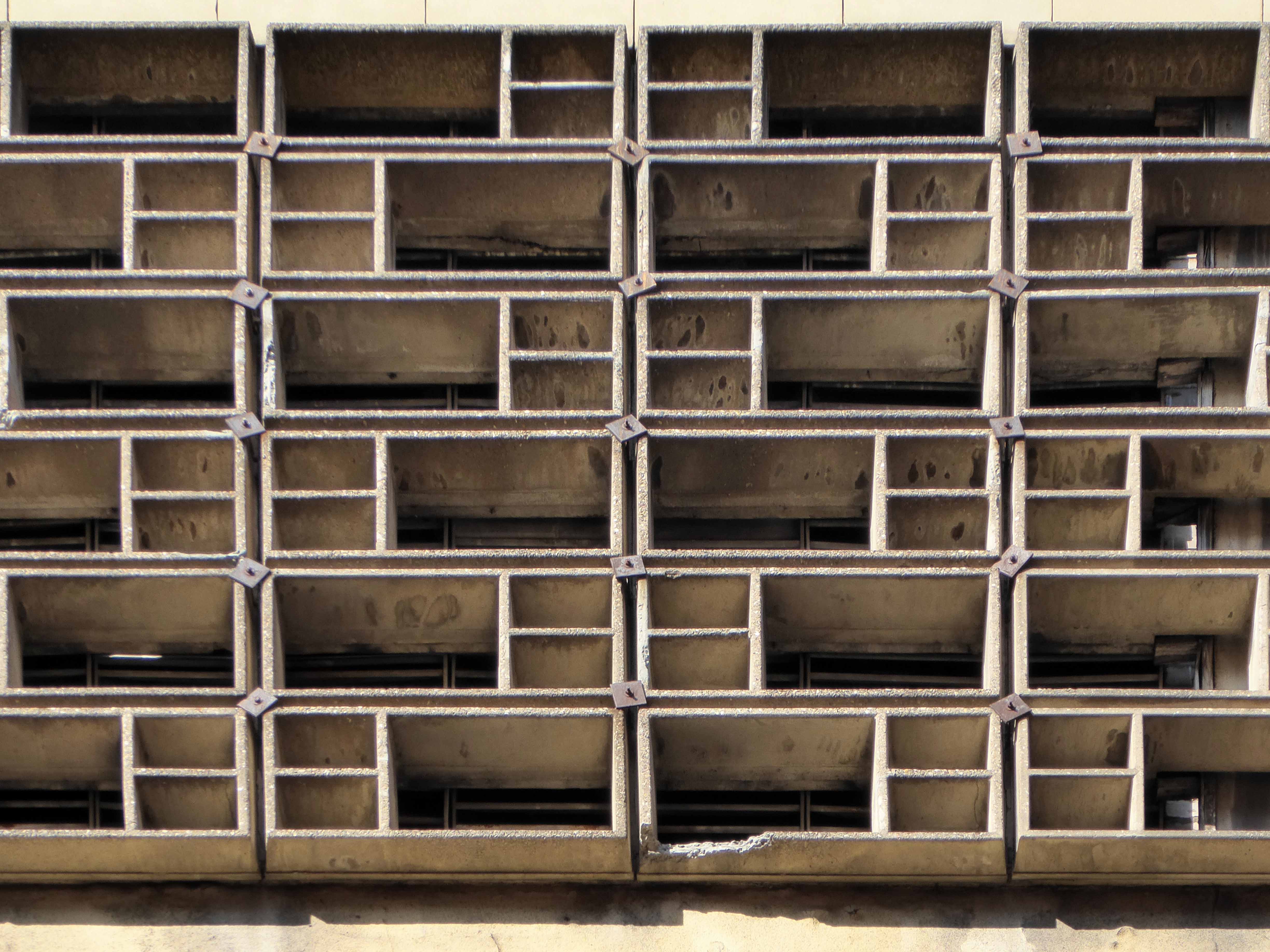
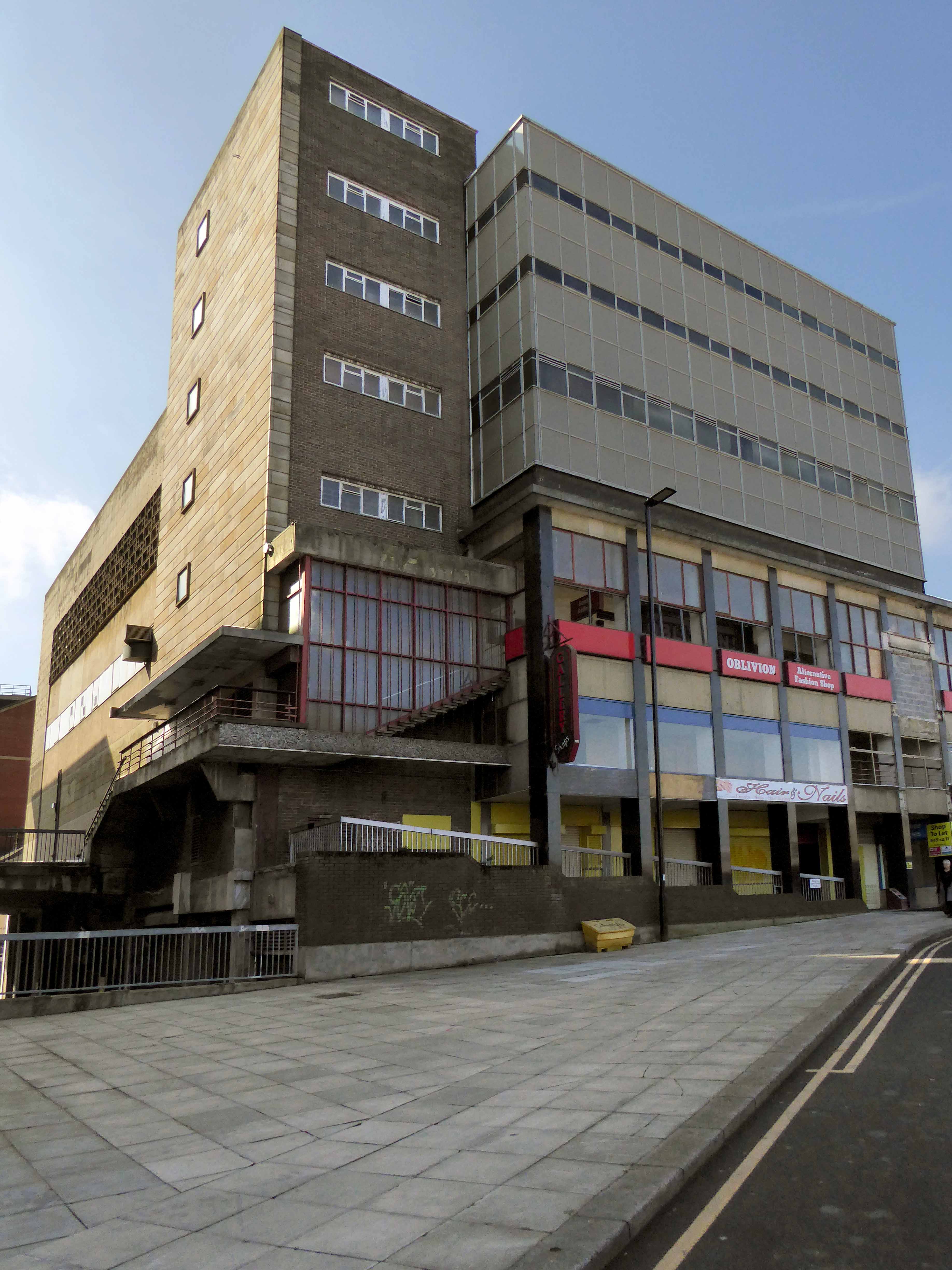
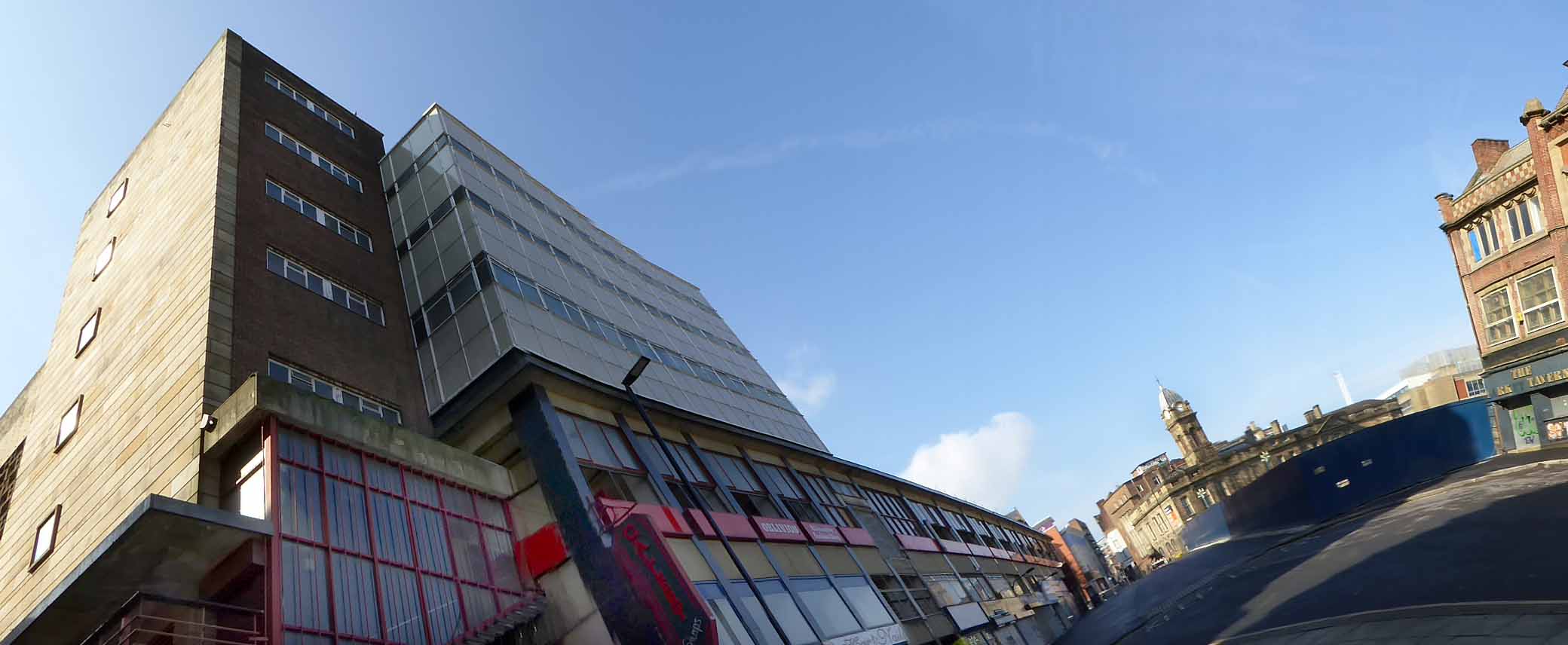
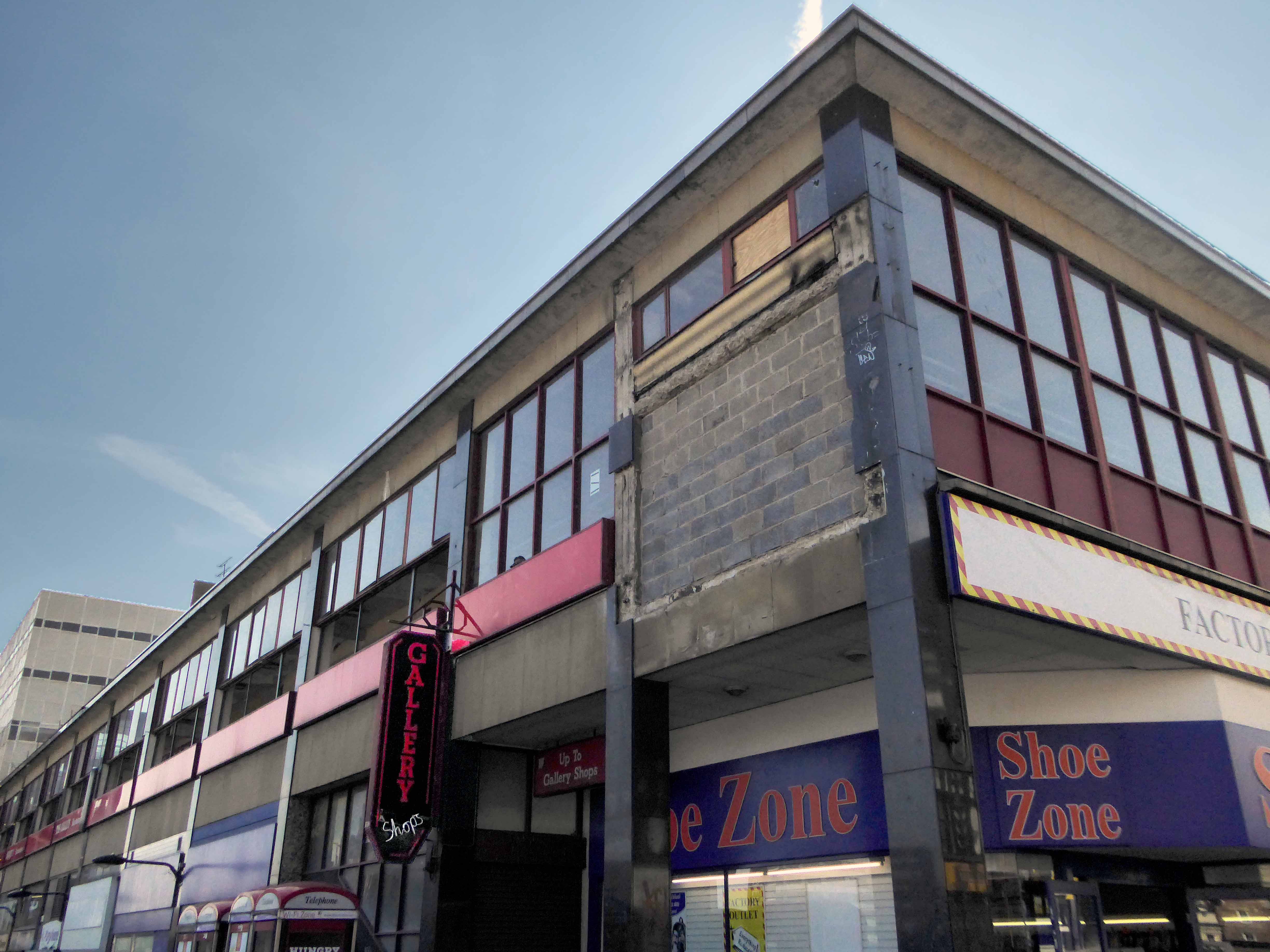
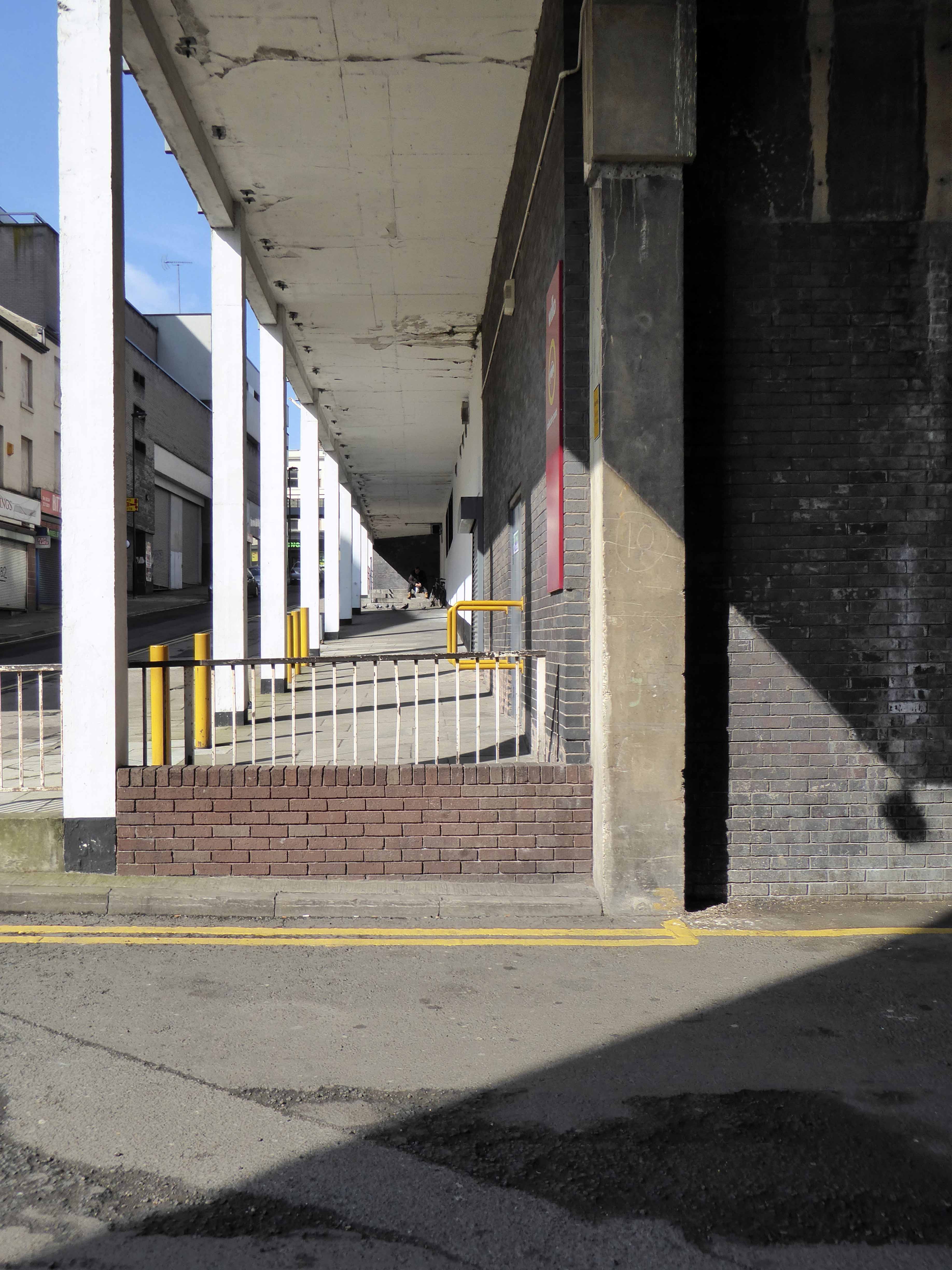
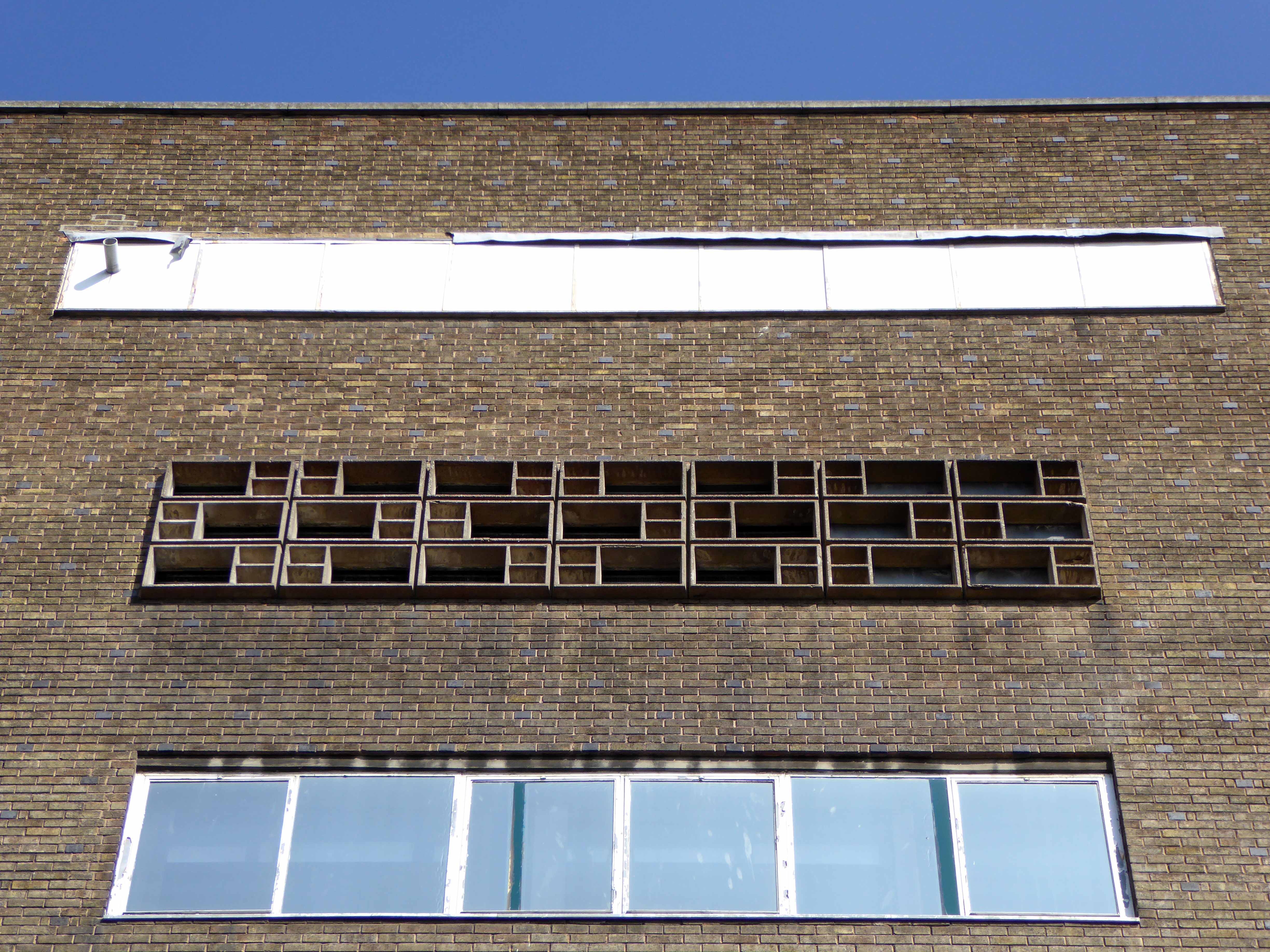
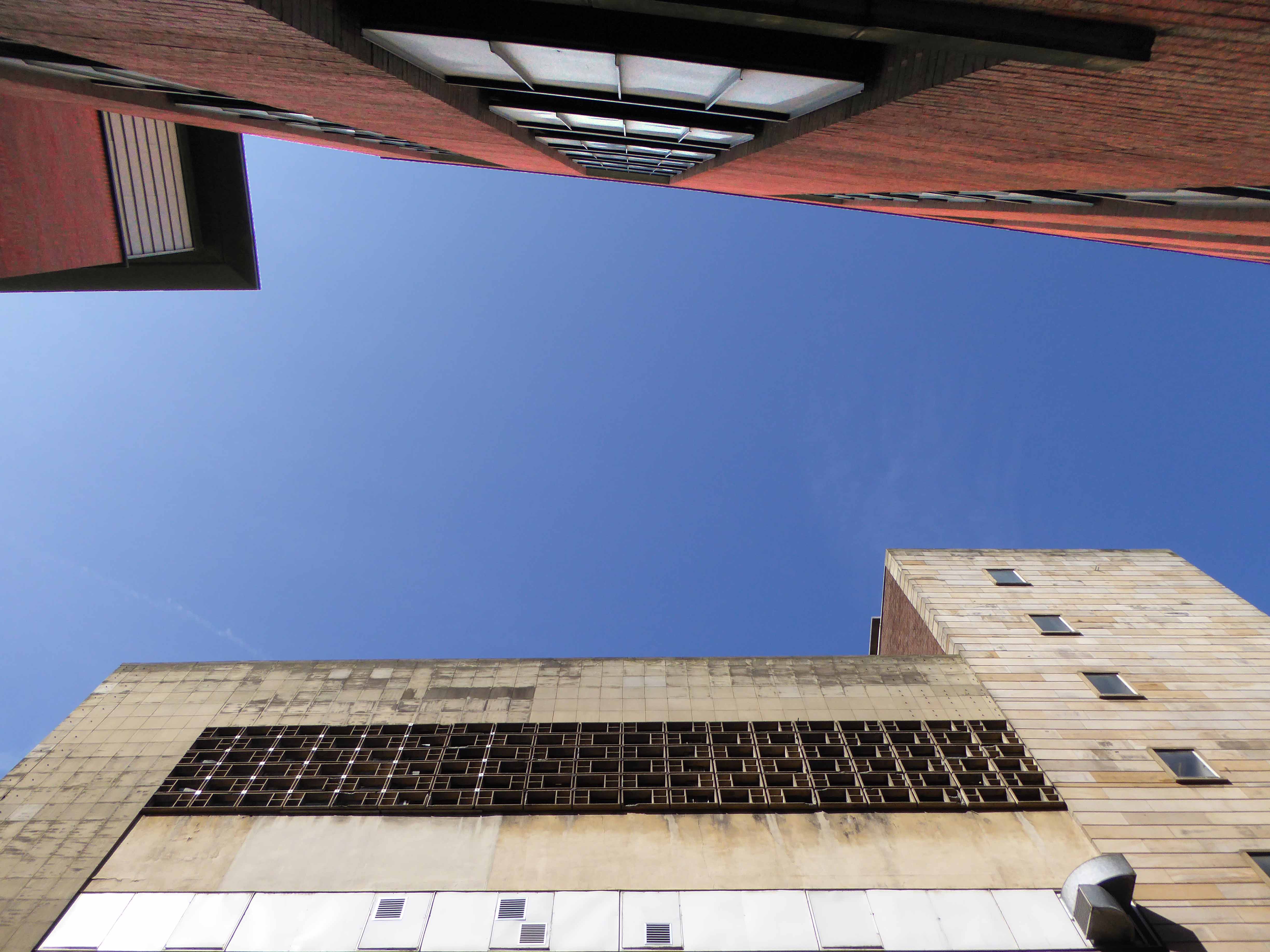
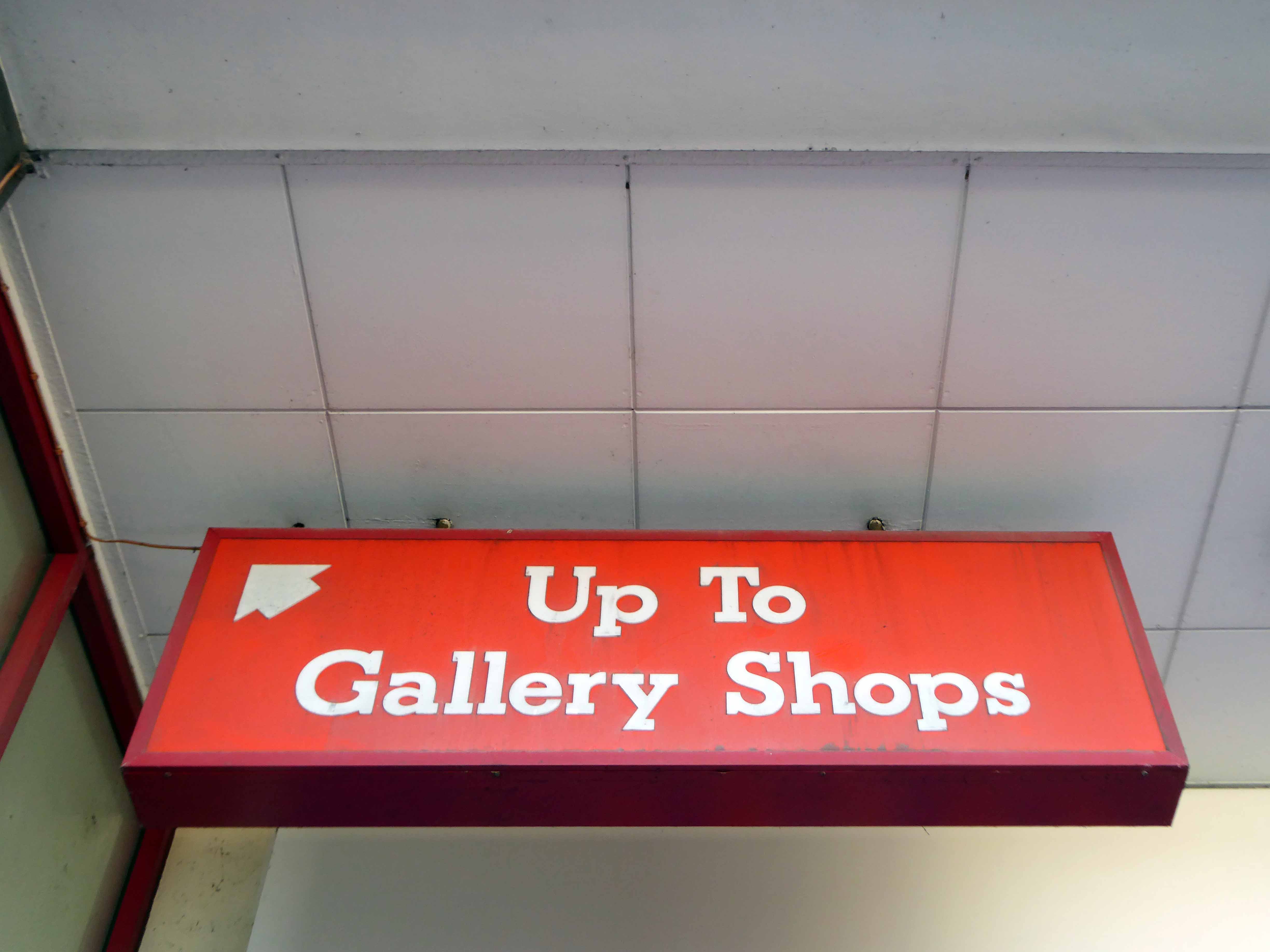
Once part of a larger retail complex, embracing the Castle Market area – regrettably demolished in 2015, the Gallery Shops are themselves, but a wrecking ball away from nothingness.

Linked by walkways, once populated by a multitude of rosy-cheeked, cheery shoppers, independent units and stalls operated in what was the better end of the High Street.

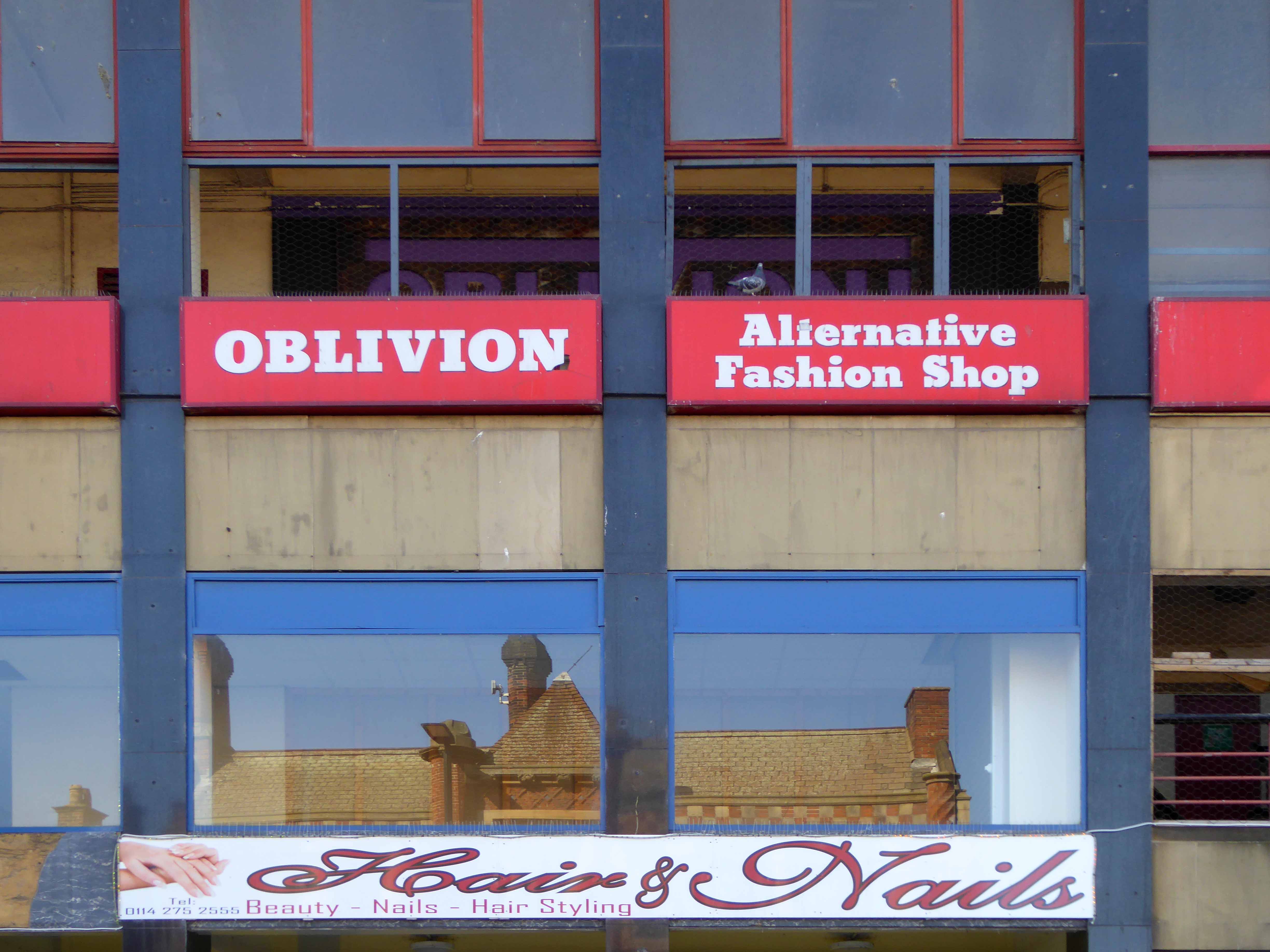
Over time, like many modern city the axis of energy shifts elsewhere, to newer more shiny developments – leaving hollow shells, echoing only to the footsteps of long gone ghosts.

Oblivion.

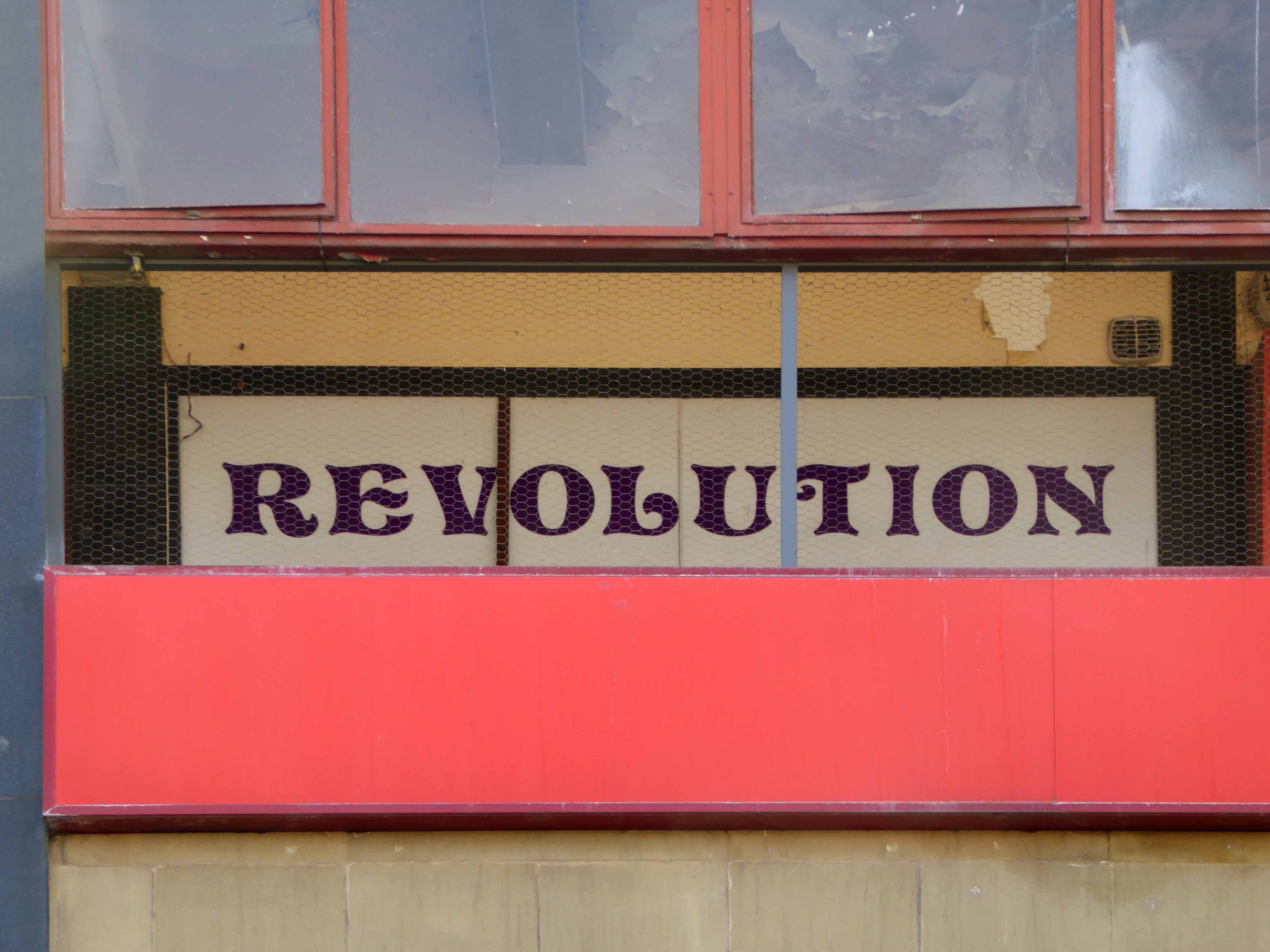
Revolution.

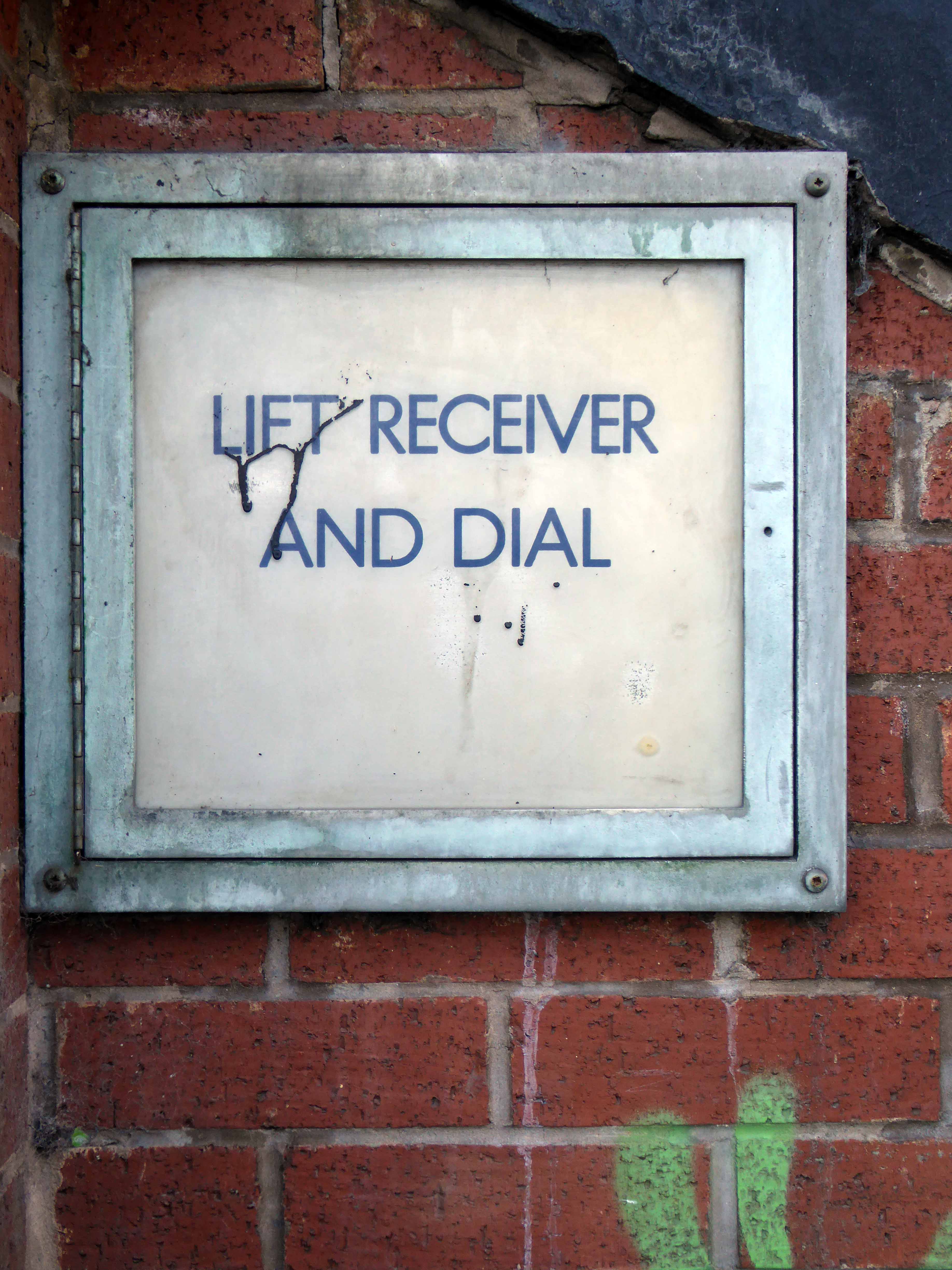
Lift receiver and dial.

P1030098 copy

P1030077 copy

P1030112 copy

P1030086 copy

P1030097 copy

P1030109 copy

P1030088 copy

P1030090 copy

P1030106 copy

P1030089 copy

P1030078 copy

P1030094 copy

P1030083 copy

P1030111 copy

P1030093 copy

P1030101 copy

P1030092 copy

P1030082 copy

P1030096 copy

P1030087 copy

P1030108 copy

P1030081 copy

P1030084 copy

P1030113 copy


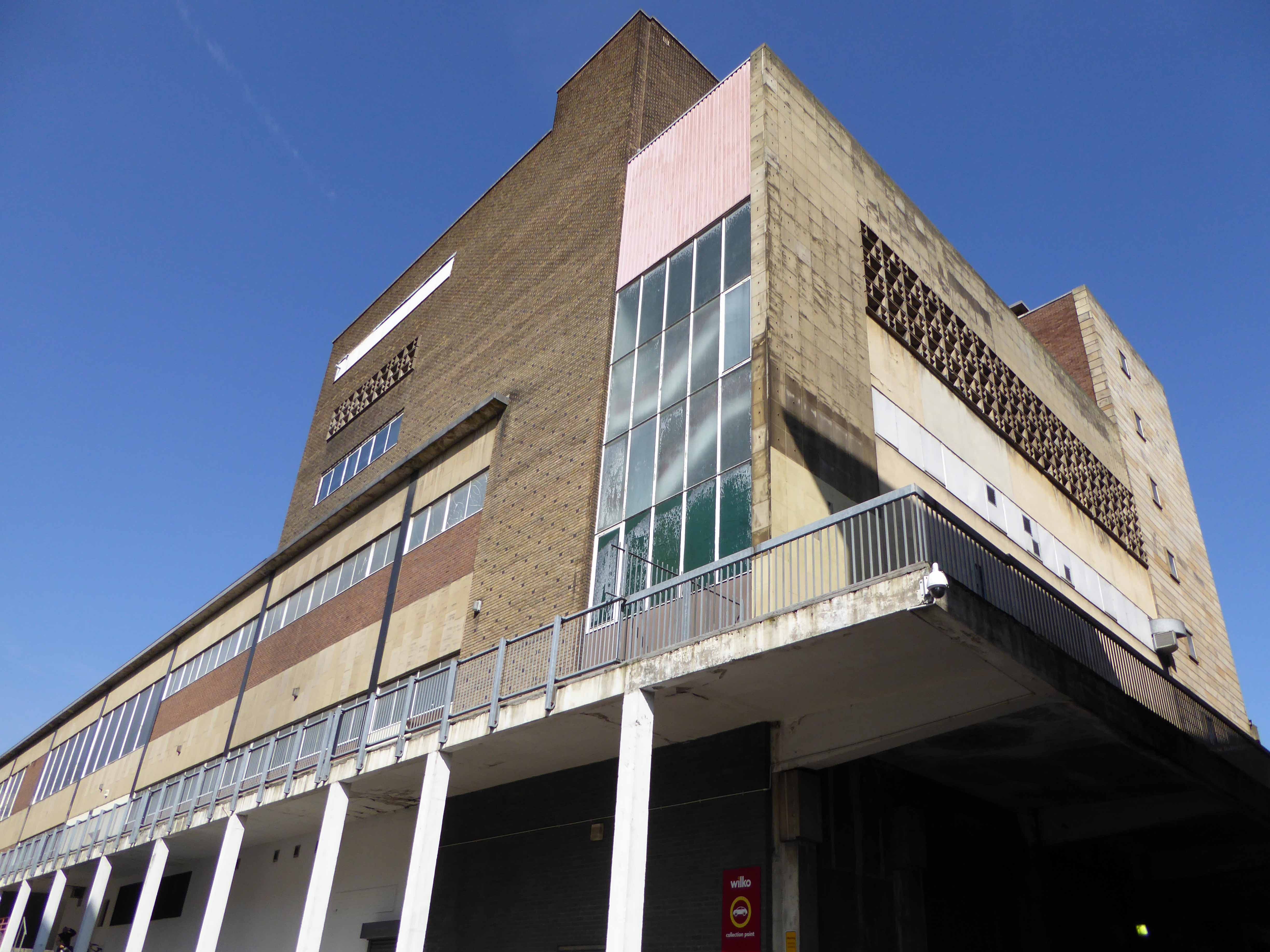
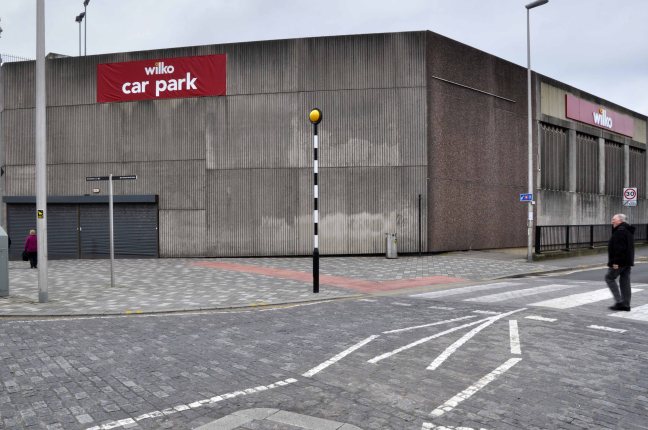
Wilko’s – Blackpool

Formerly the site of a much larger, much busier Blackpool North Station – a time when trains arrived sixteen coaches long.

As seen in this archive film of the 1940s.

Cars and closures caused the station to withdraw up the road, to its current much smaller site.

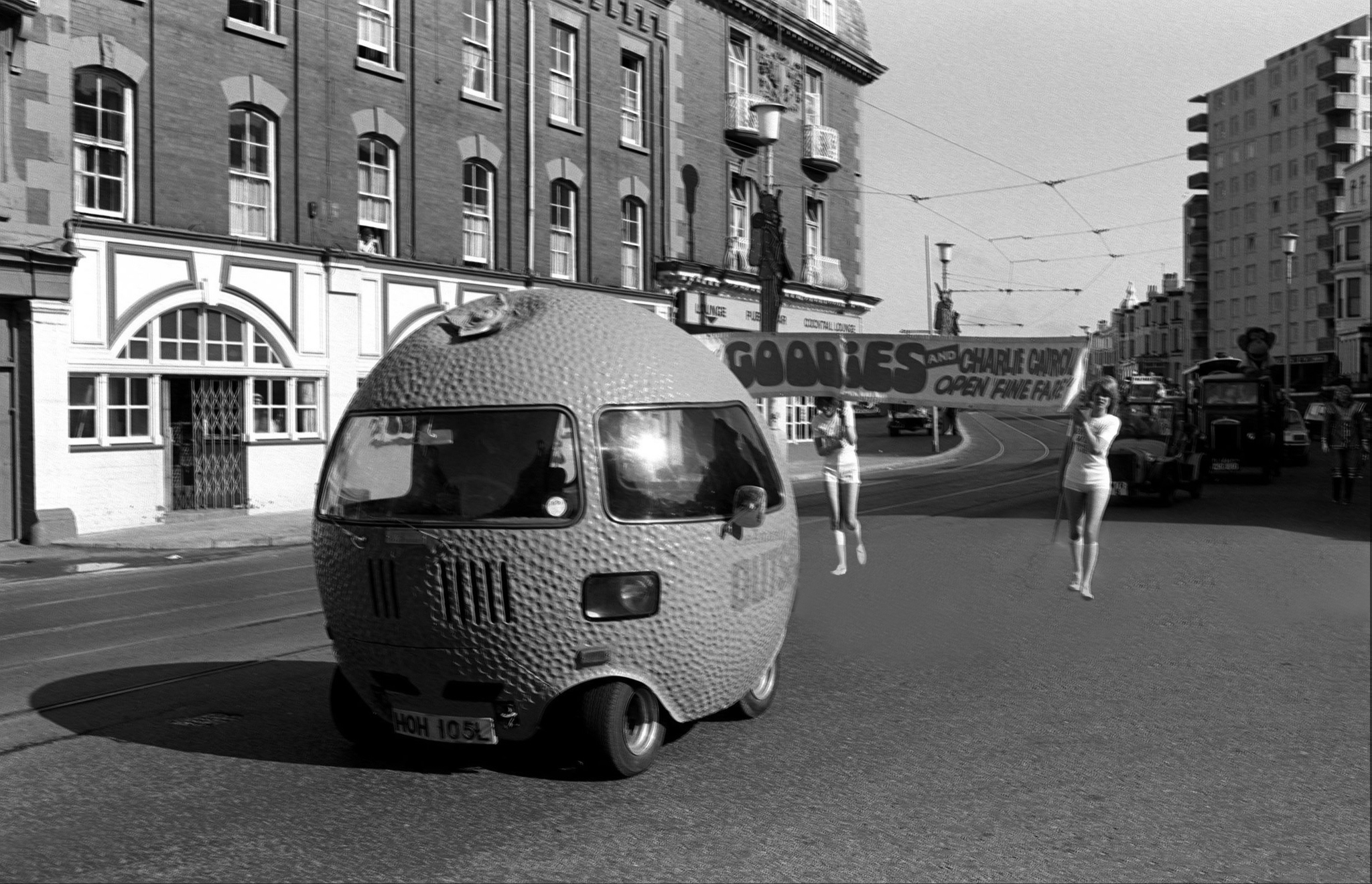
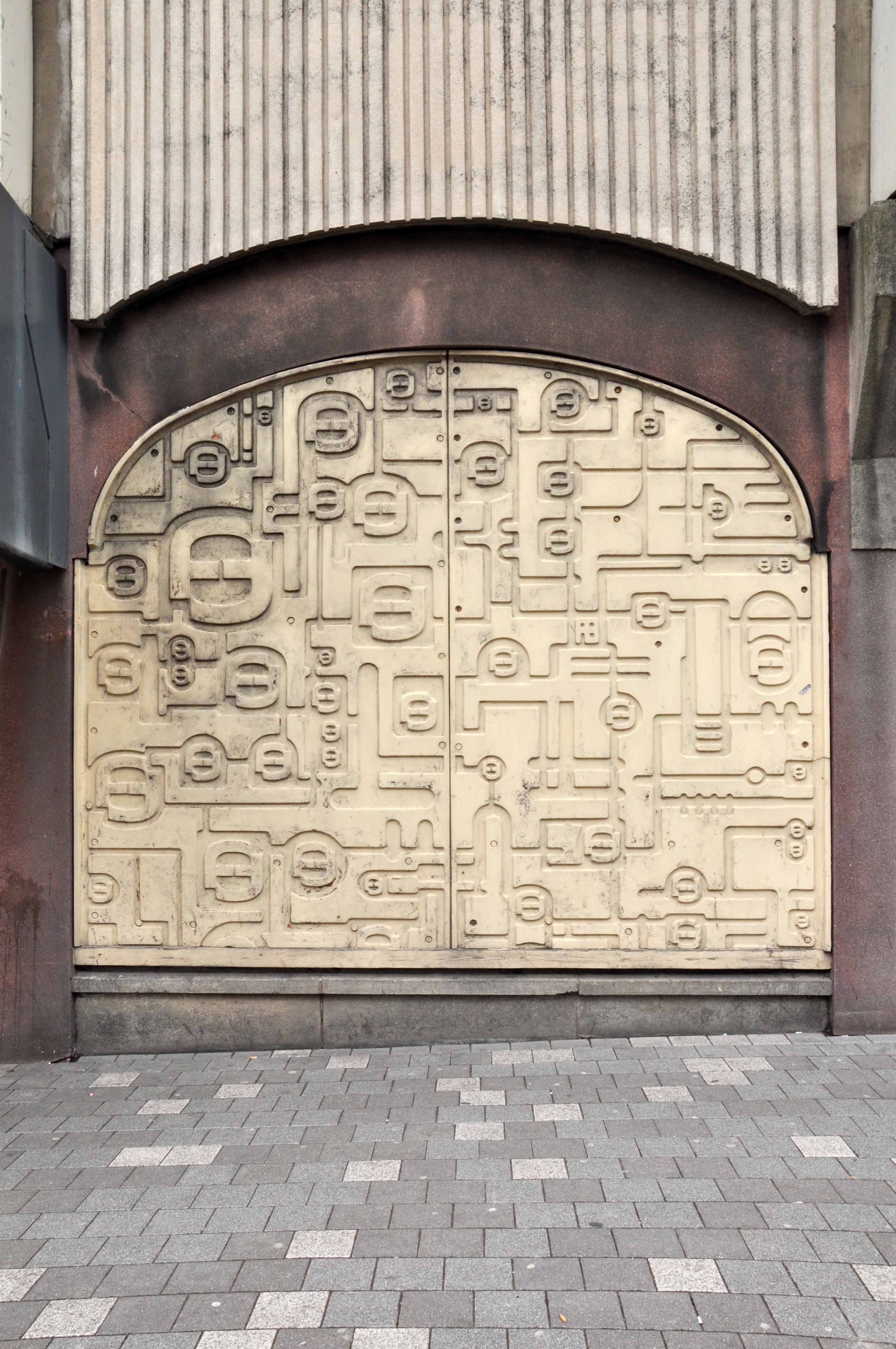
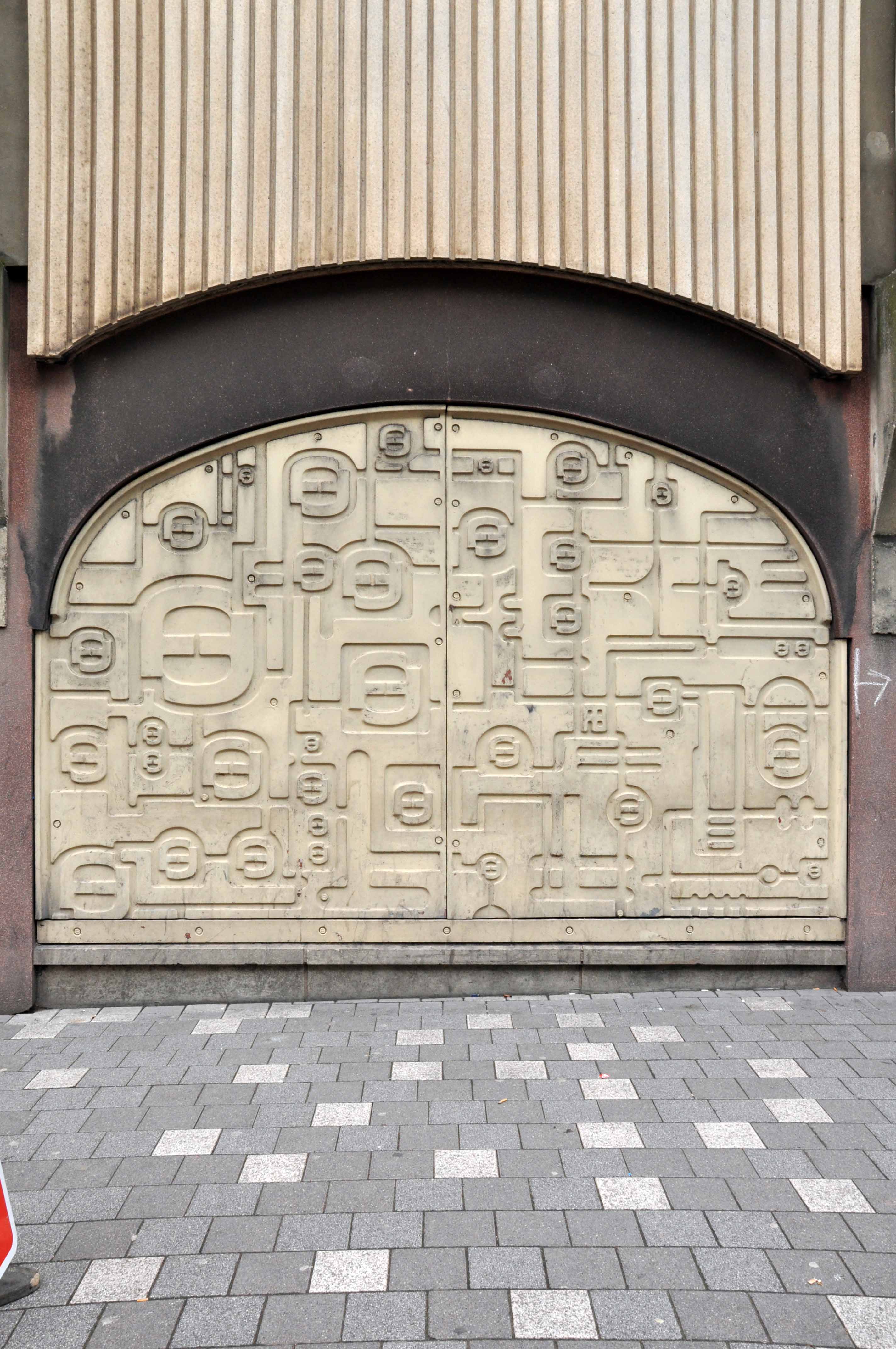
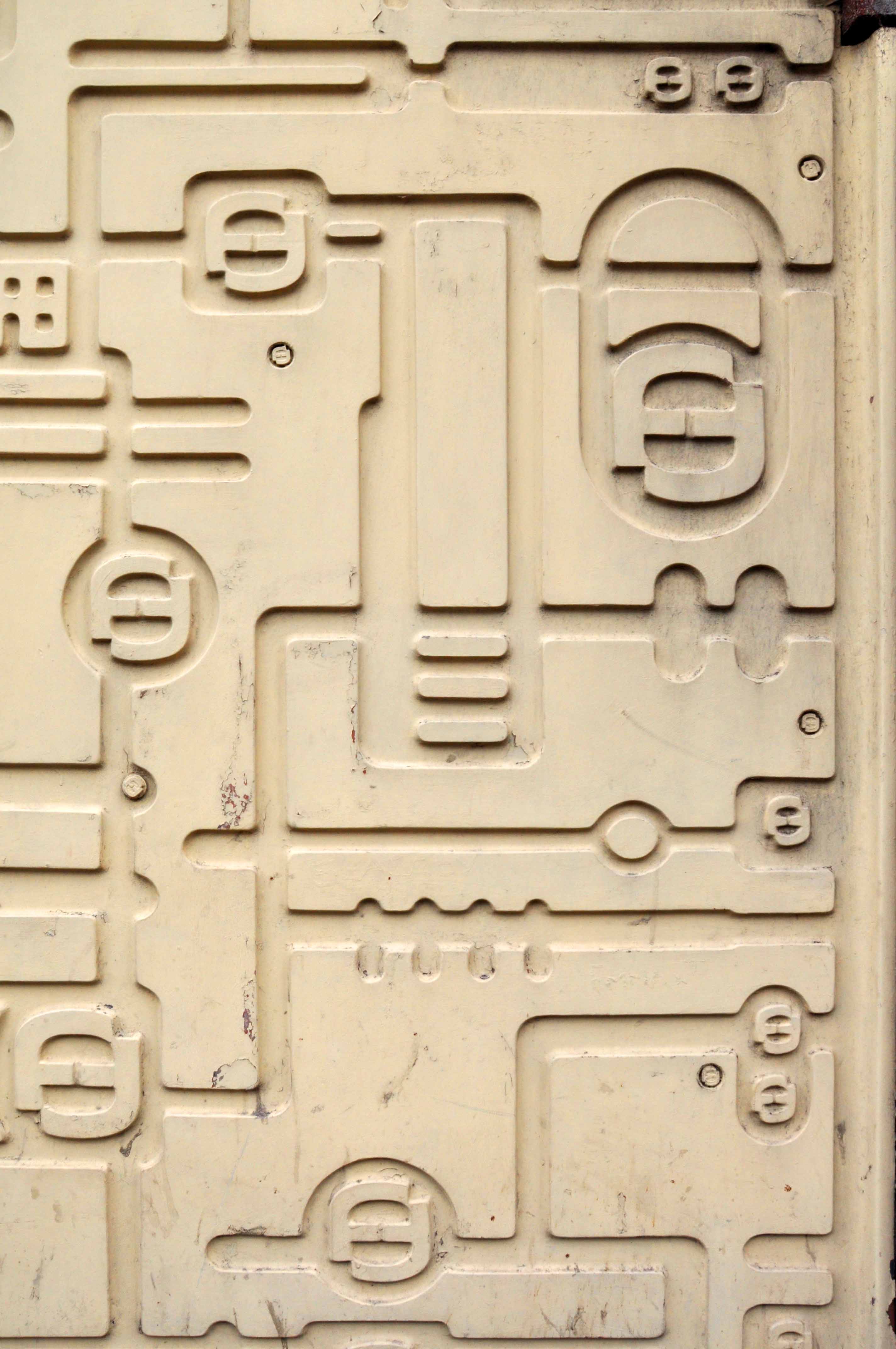
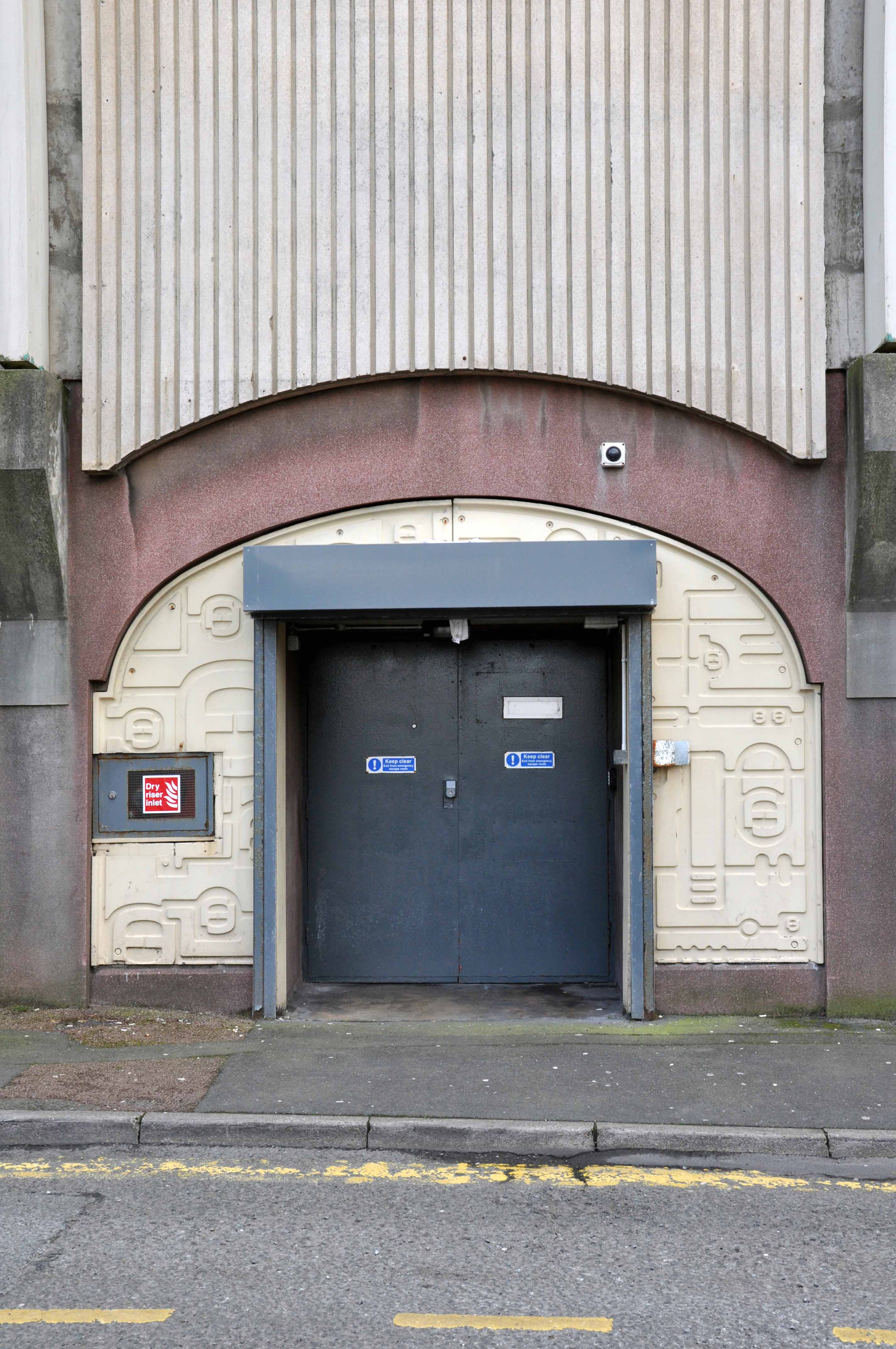
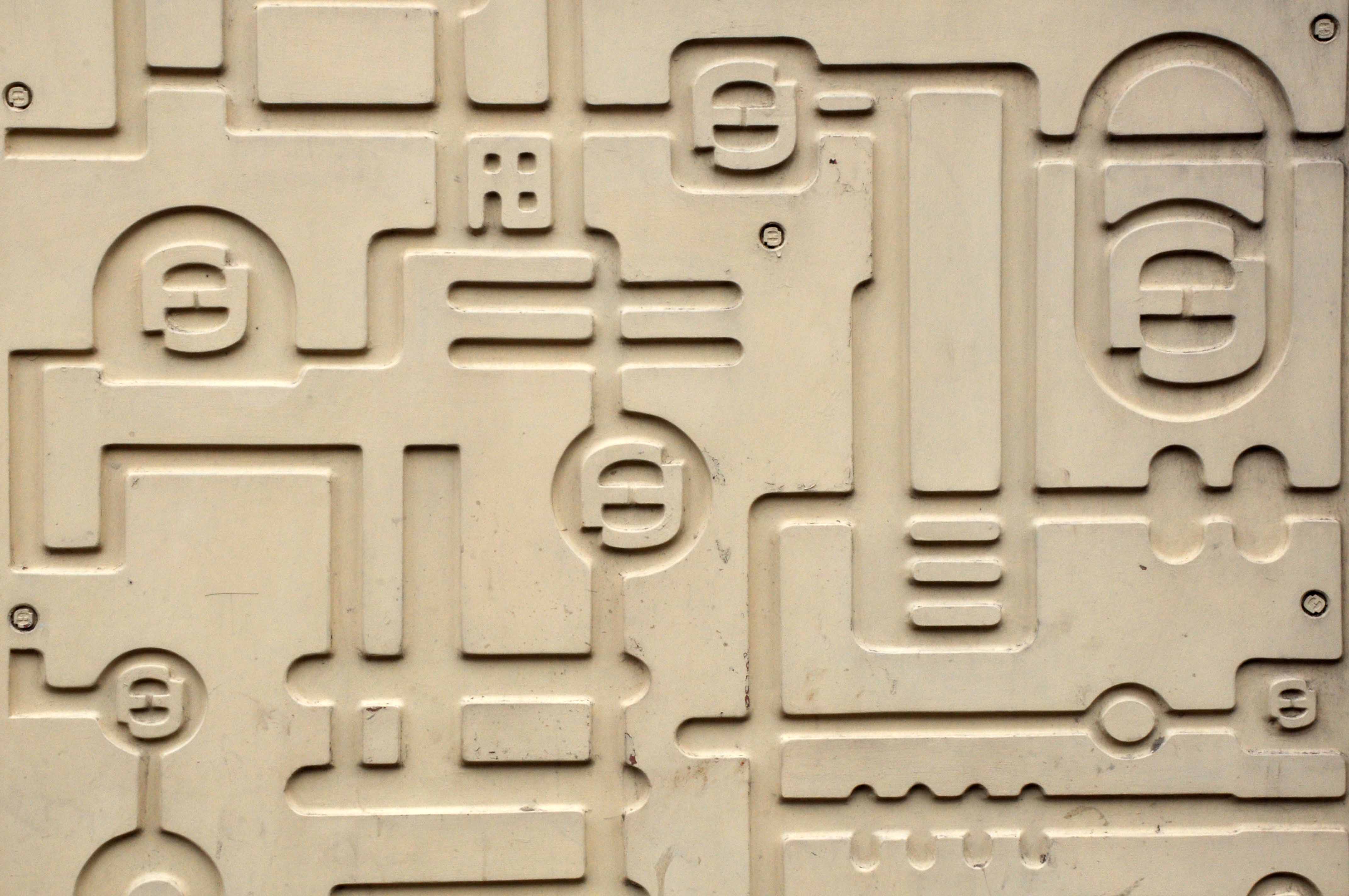
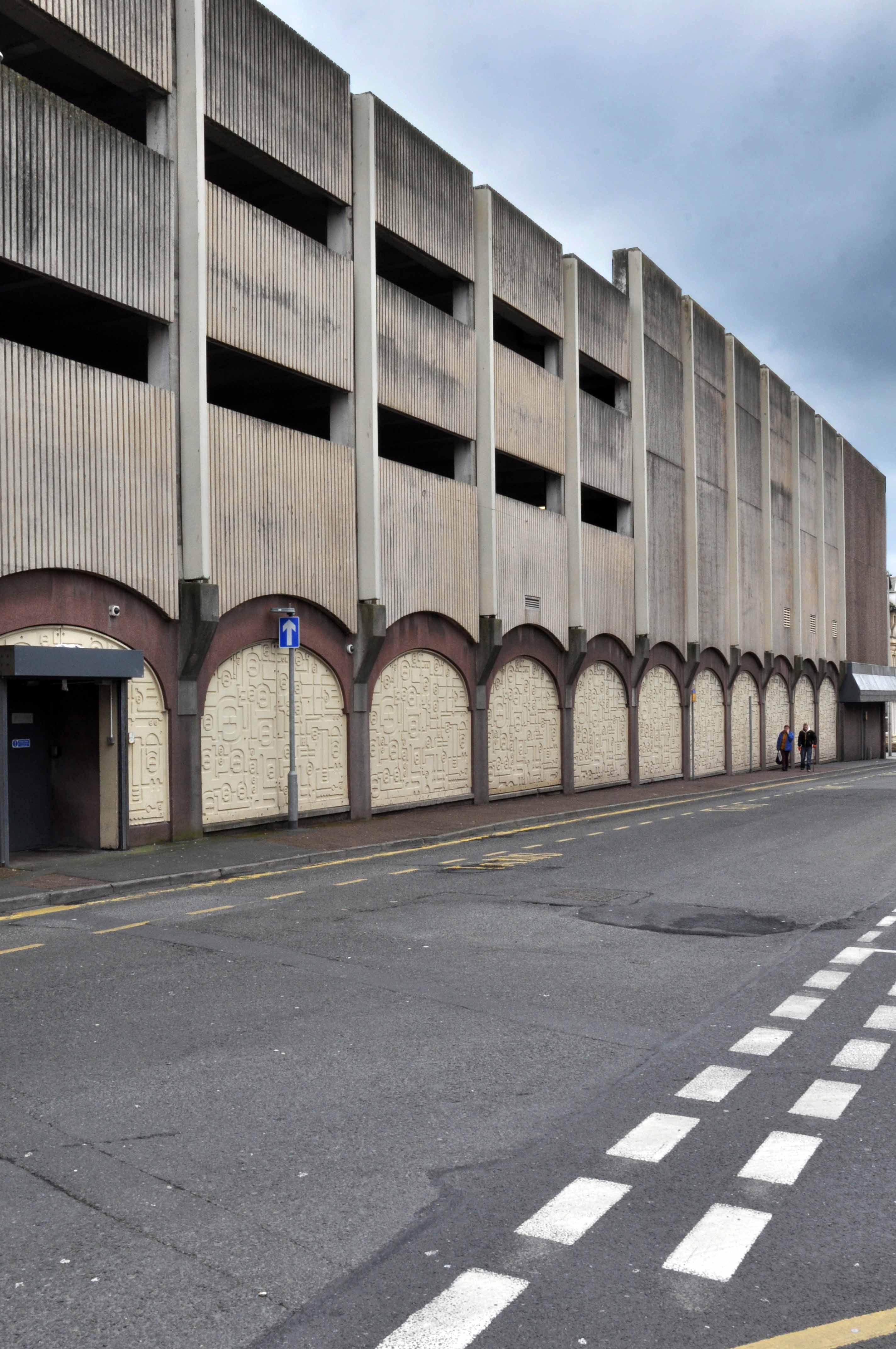
Subsequently Fine Fare arrives with a fanfare of moulded plastic panels, and cast concrete walls.

fine fare

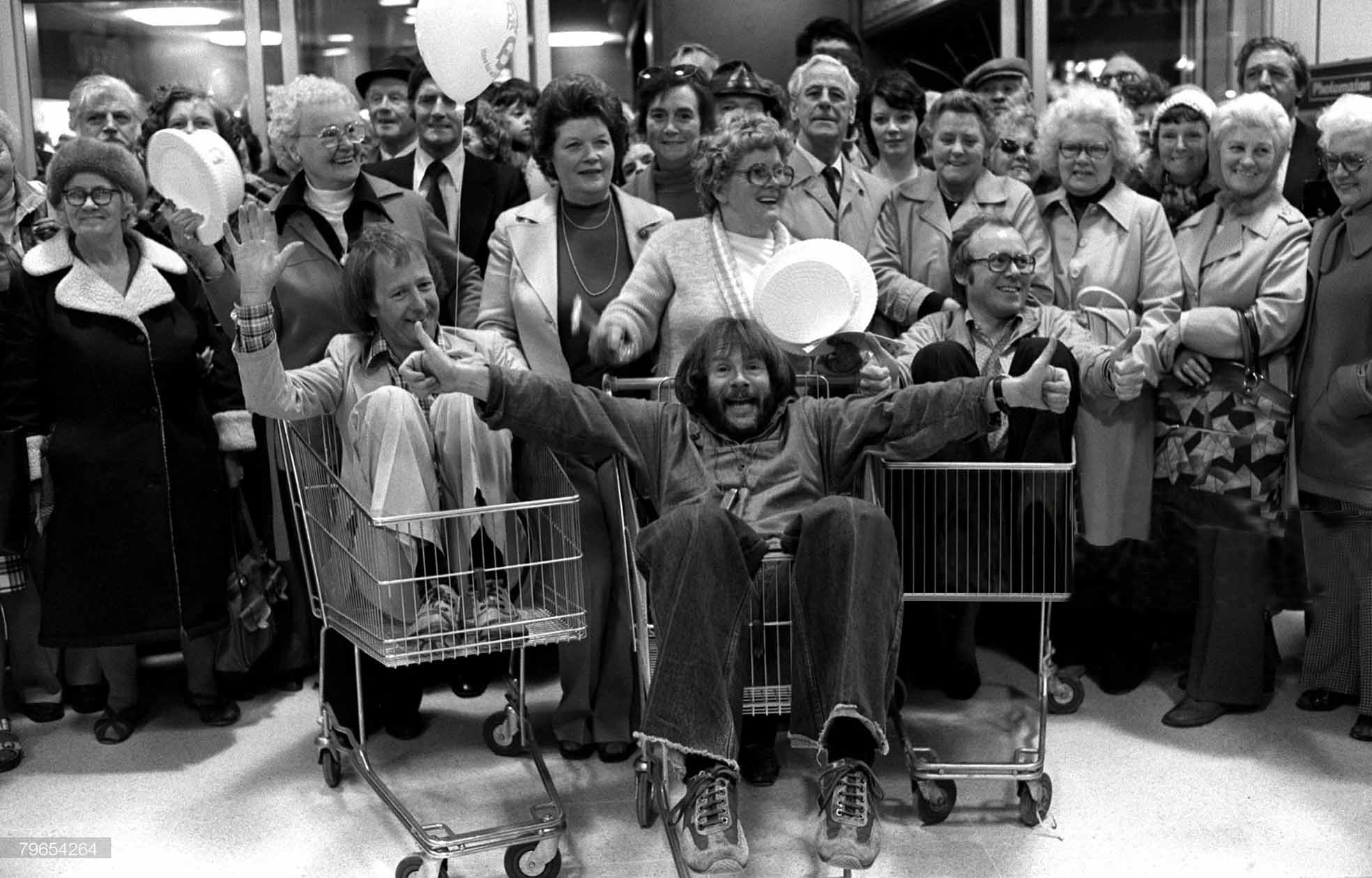
Opened on May 22nd 1979 by the Goodies.

gettyimages-79654262-2048x2048-1

22-7-79

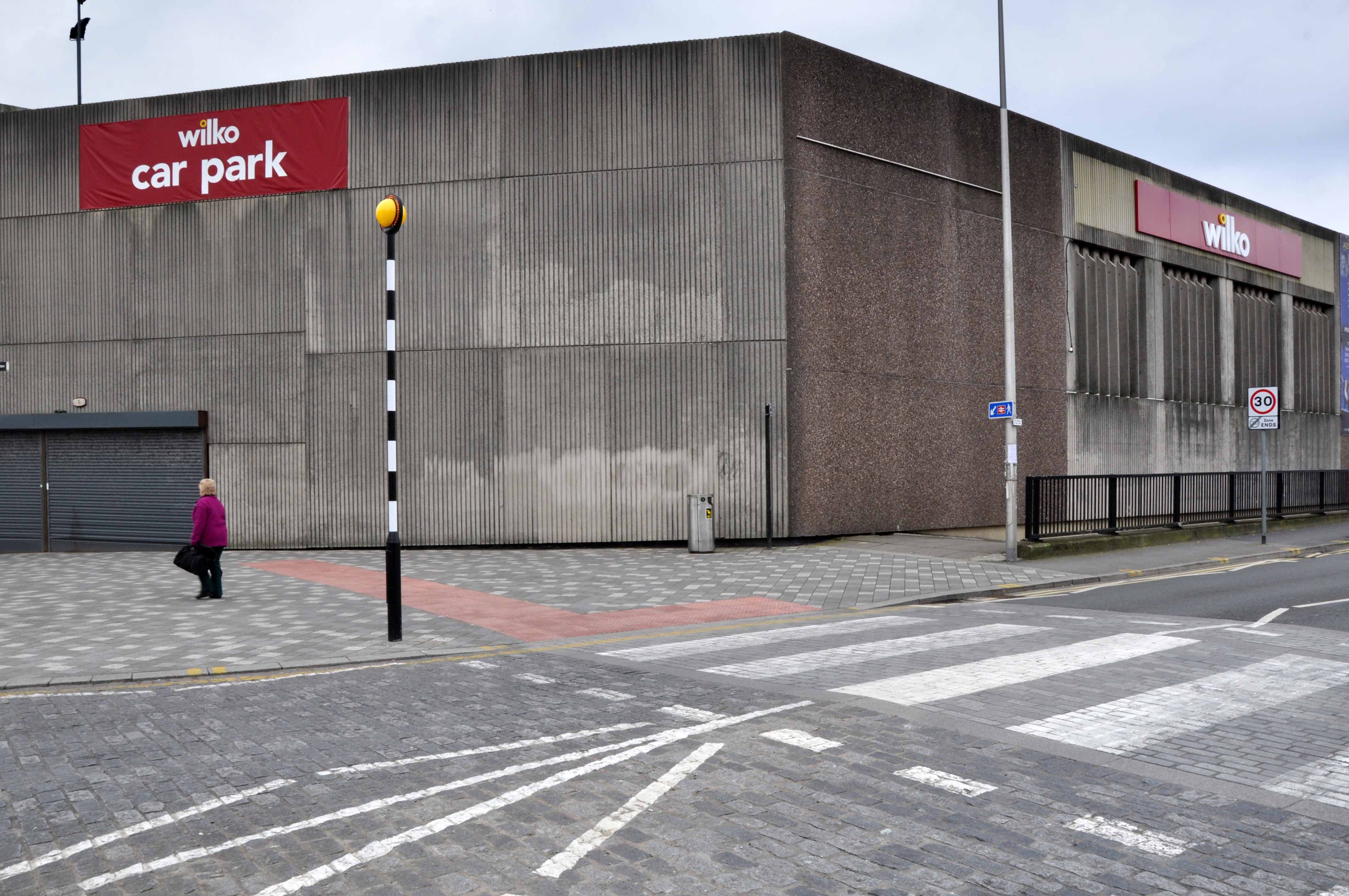
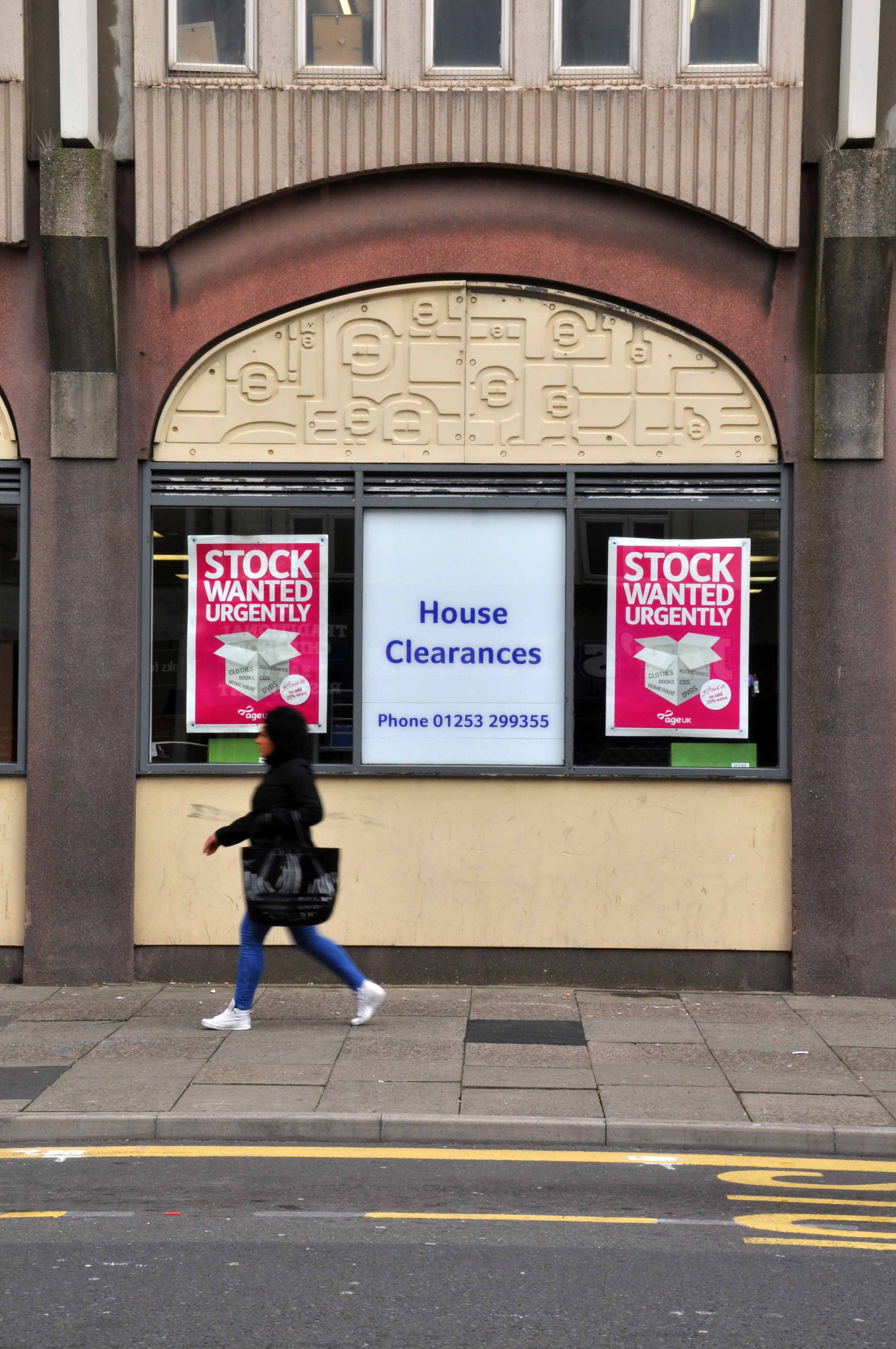
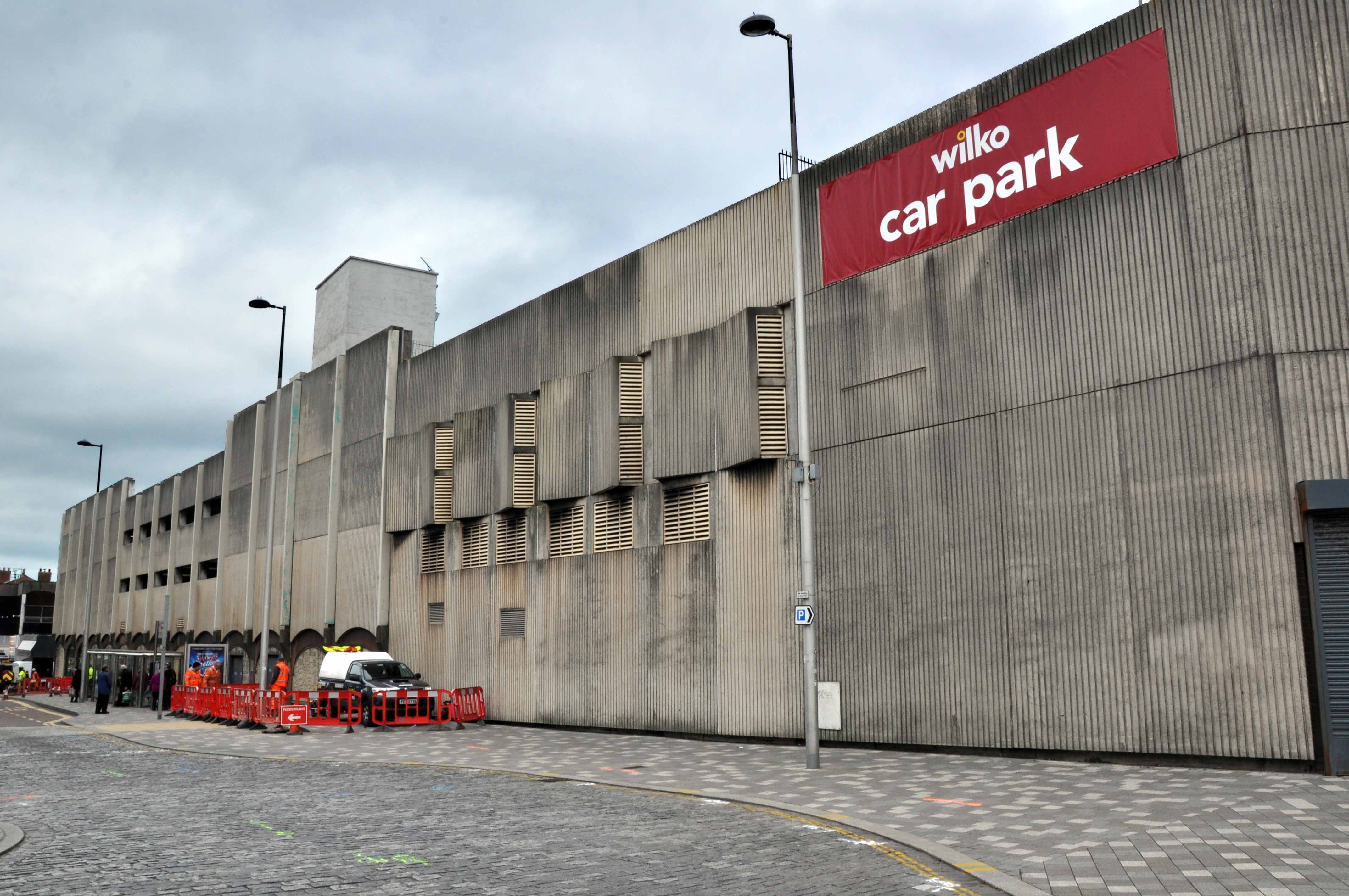
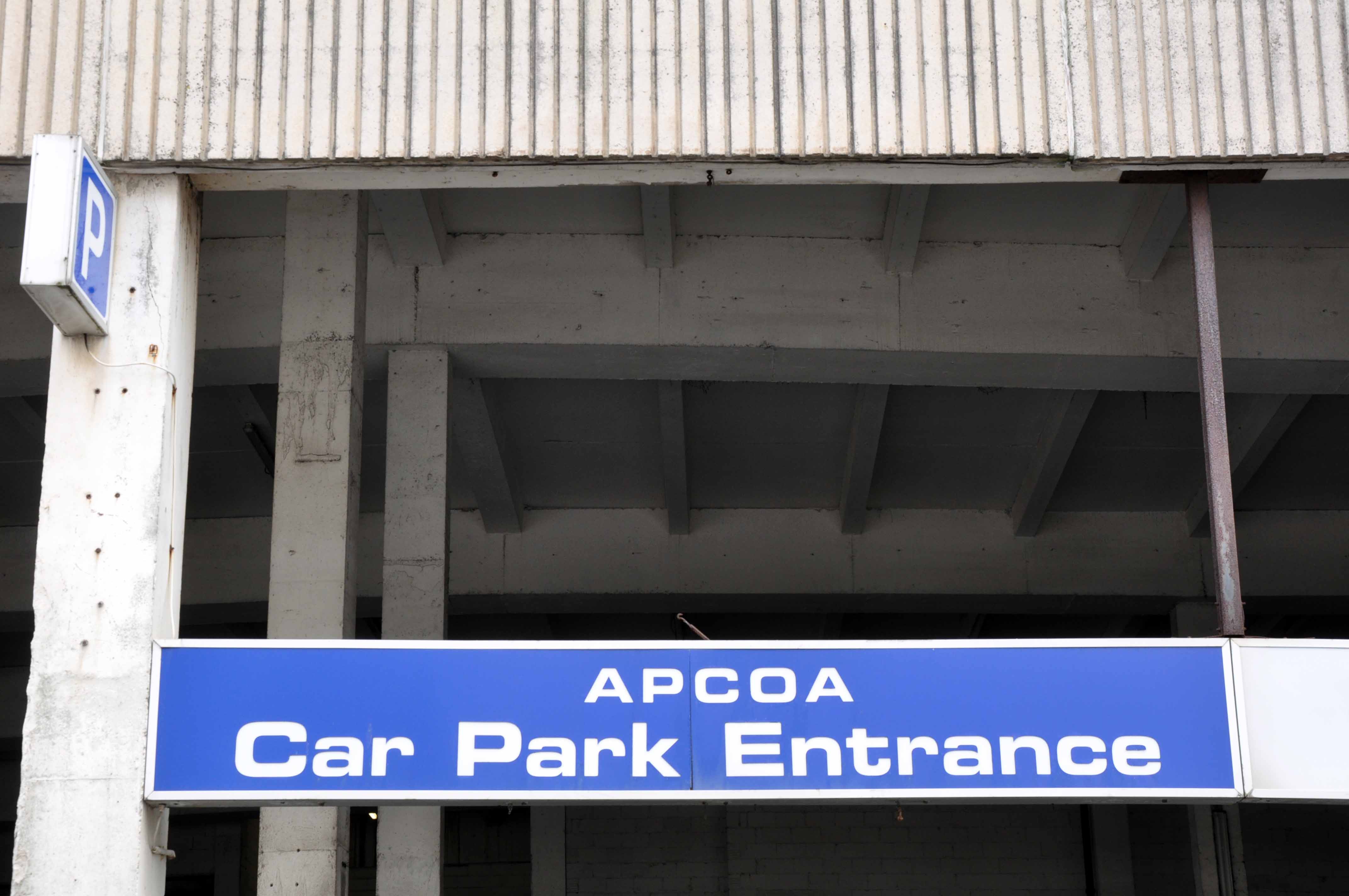
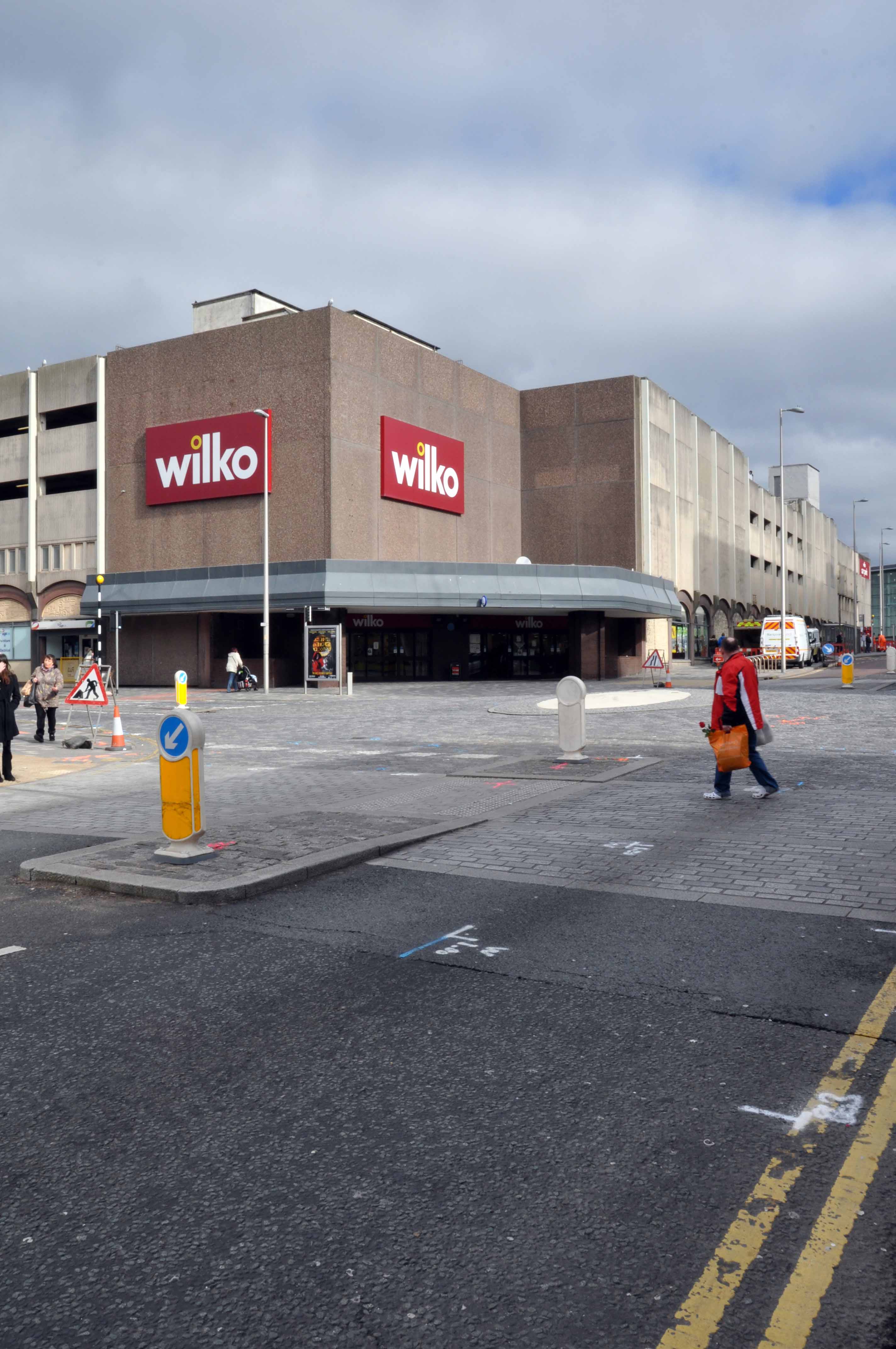
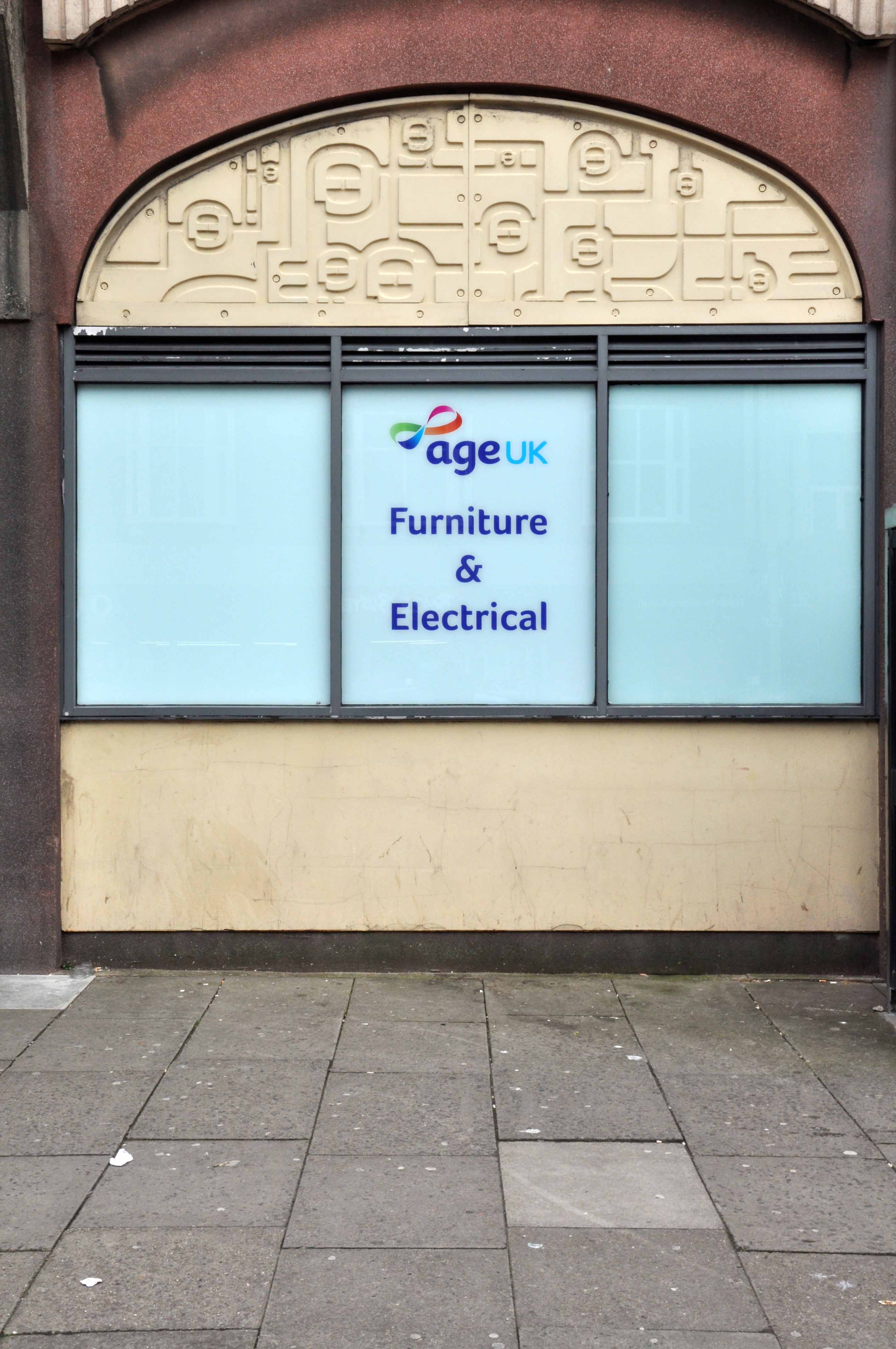
Superseded by Food Giant, Gateway, Dunnes Stores, Kwik Save and Somerfields – possibly others, currently Wilkinson’s Wilko Superstore and Age UK, retaining at all times the attractive integral car park.

Wilko is now to be relocated and the site redeveloped as part of the second phase of the £220m Talbot Gateway – whereby trams will link the promenade with the Station.

Possibly.

The tale is the typical mix of Council, Developer on/off, binary obfuscation, secrecy, smoke and mirrors.

Councillor Fred Jackson says:

“We are in talks with our development partner Muse but there is a confidentiality agreement so there is very little I can say.”

Whatever the outcome I do hope the panels are saved, having notified Historic England several weeks ago, I eagerly await their hurried and considered response…

In the meantime get y’self on the choo-choo to Blackpool North toot sweet, and have a gander at a fine Fine Fare plastic panel or two, before you can’t.

DSC_0003 copy

DSC_0005 copy

DSC_0009 copy

DSC_0015 copy

DSC_0007 copy

DSC_0008 copy

DSC_0014 copy

DSC_0006 copy

DSC_0026 copy

DSC_0023 copy

DSC_0027 copy

DSC_0020 copy

DSC_0022 copy

DSC_0028 copy

DSC_0324 copy

DSC_0035 copy

DSC_0032 copy

DSC_0019 copy

DSC_0021 copy

DSC_0039 copy

DSC_0033 copy

DSC_0017 copy

DSC_0018 copy

DSC_0024 copy

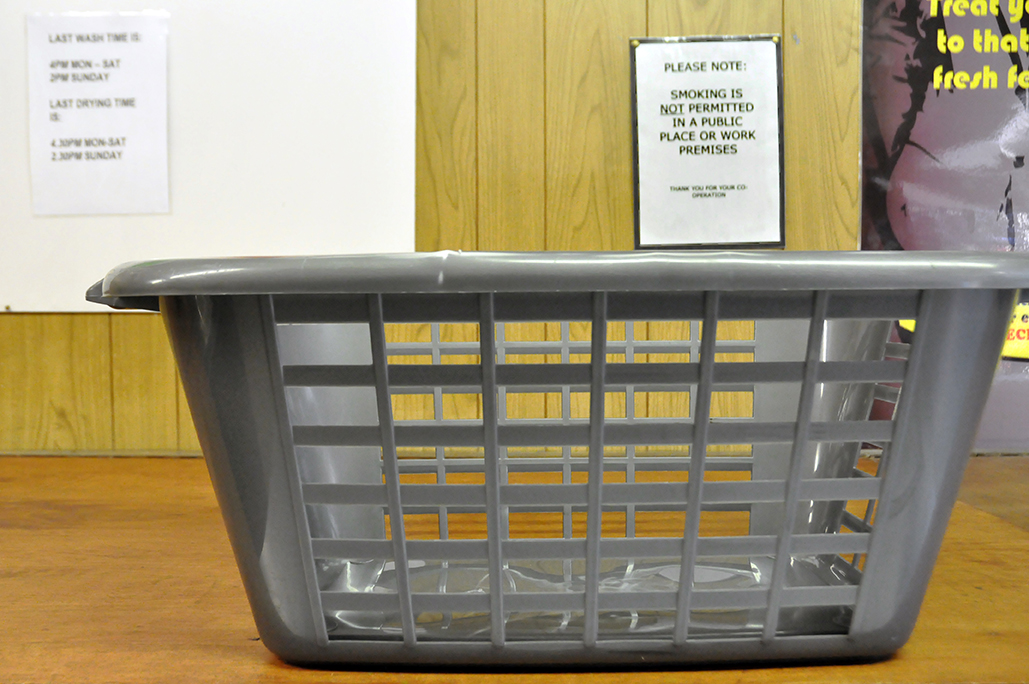
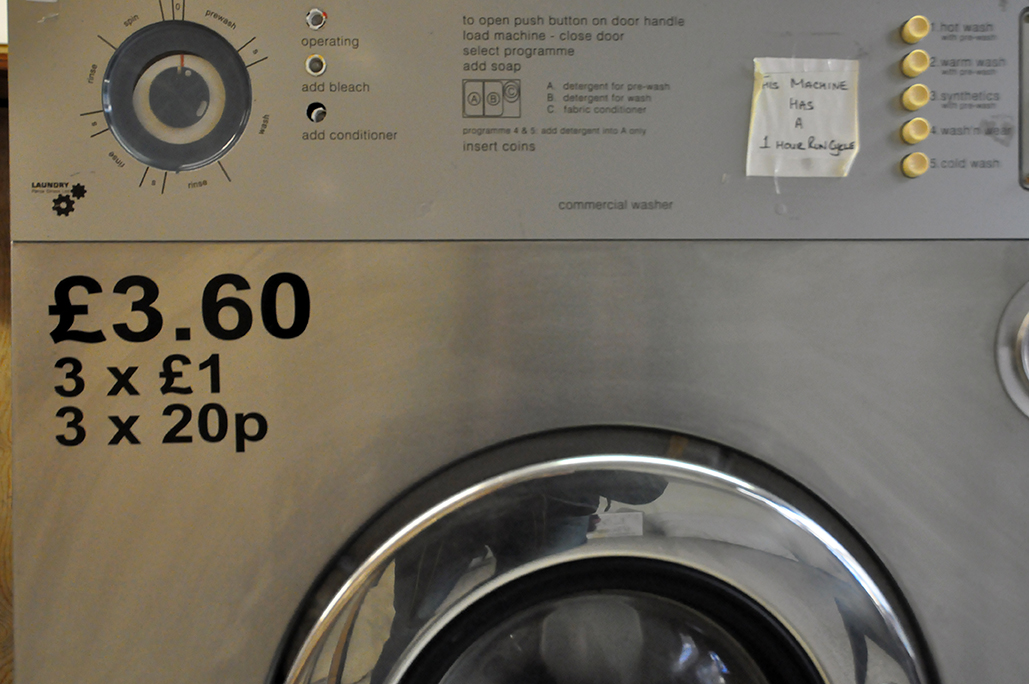
Best Launderette – Brunswick Street Manchester

I was out walking on the corner one day.

I spied some old washing.

In the doorway it lay.

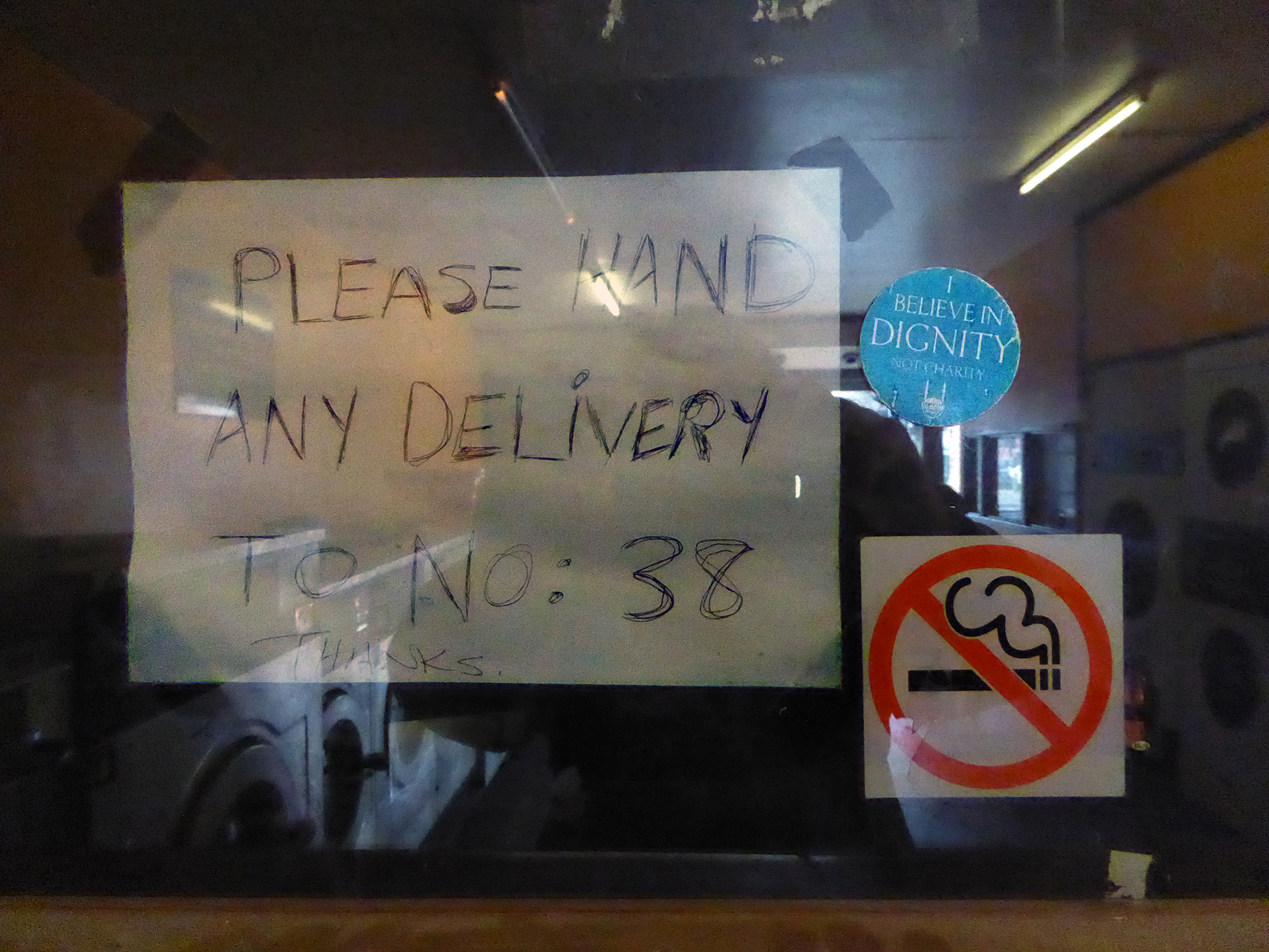
Well there was a doorway, but no door.

There was a door, but not attached to the doorway.

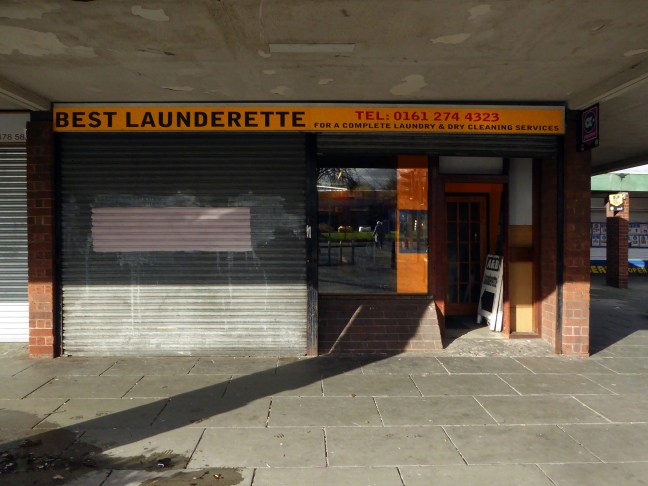
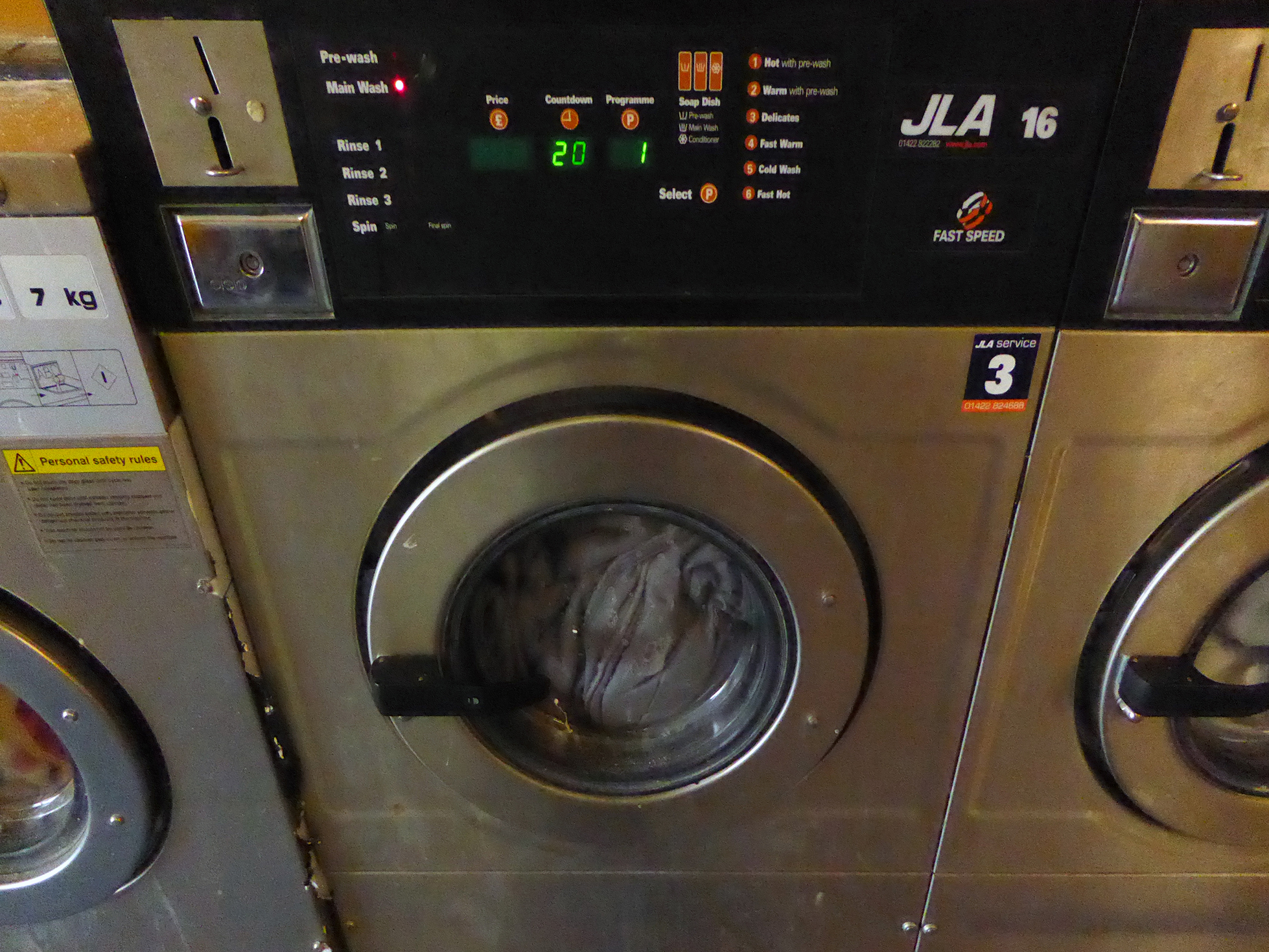
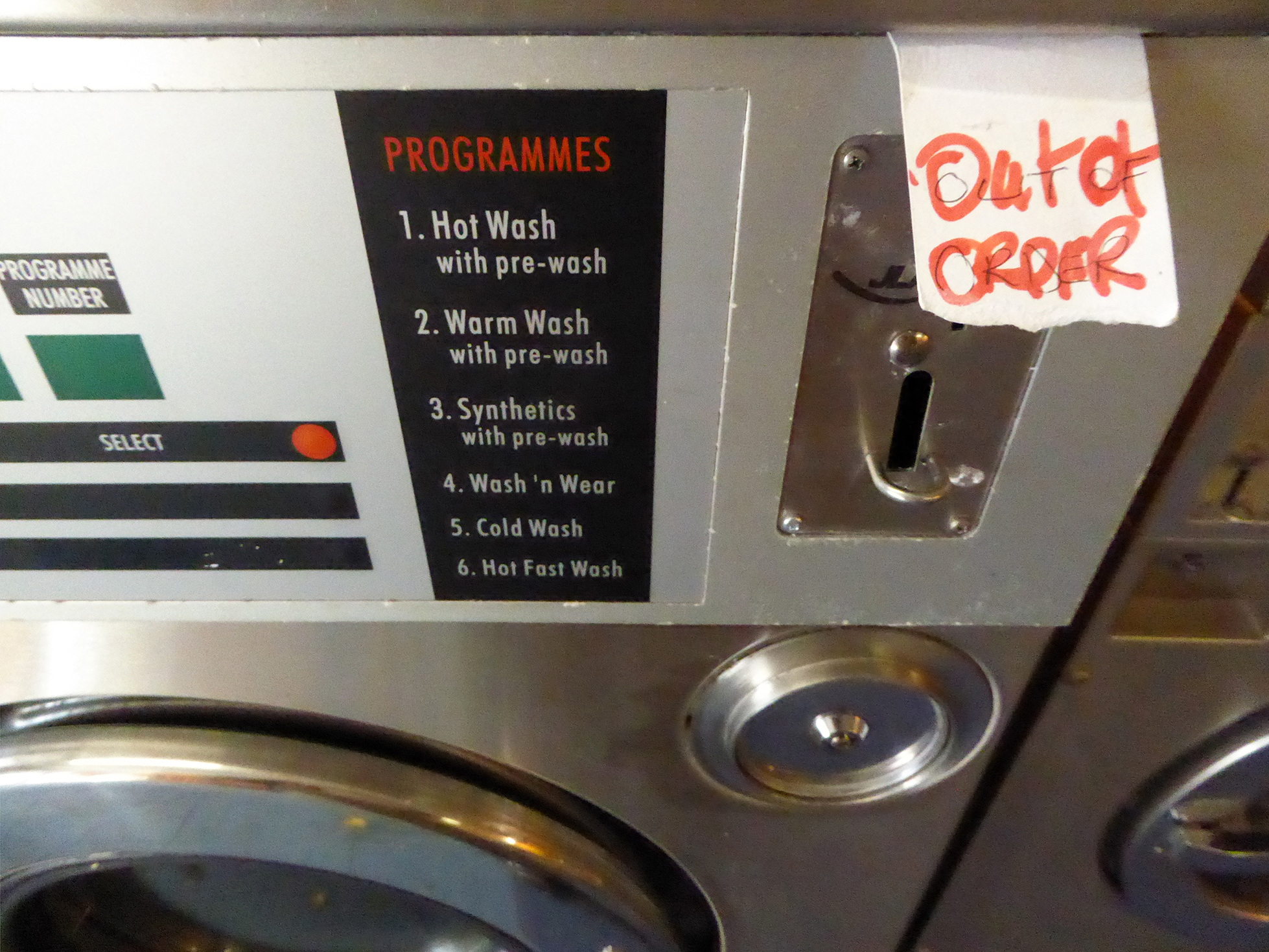
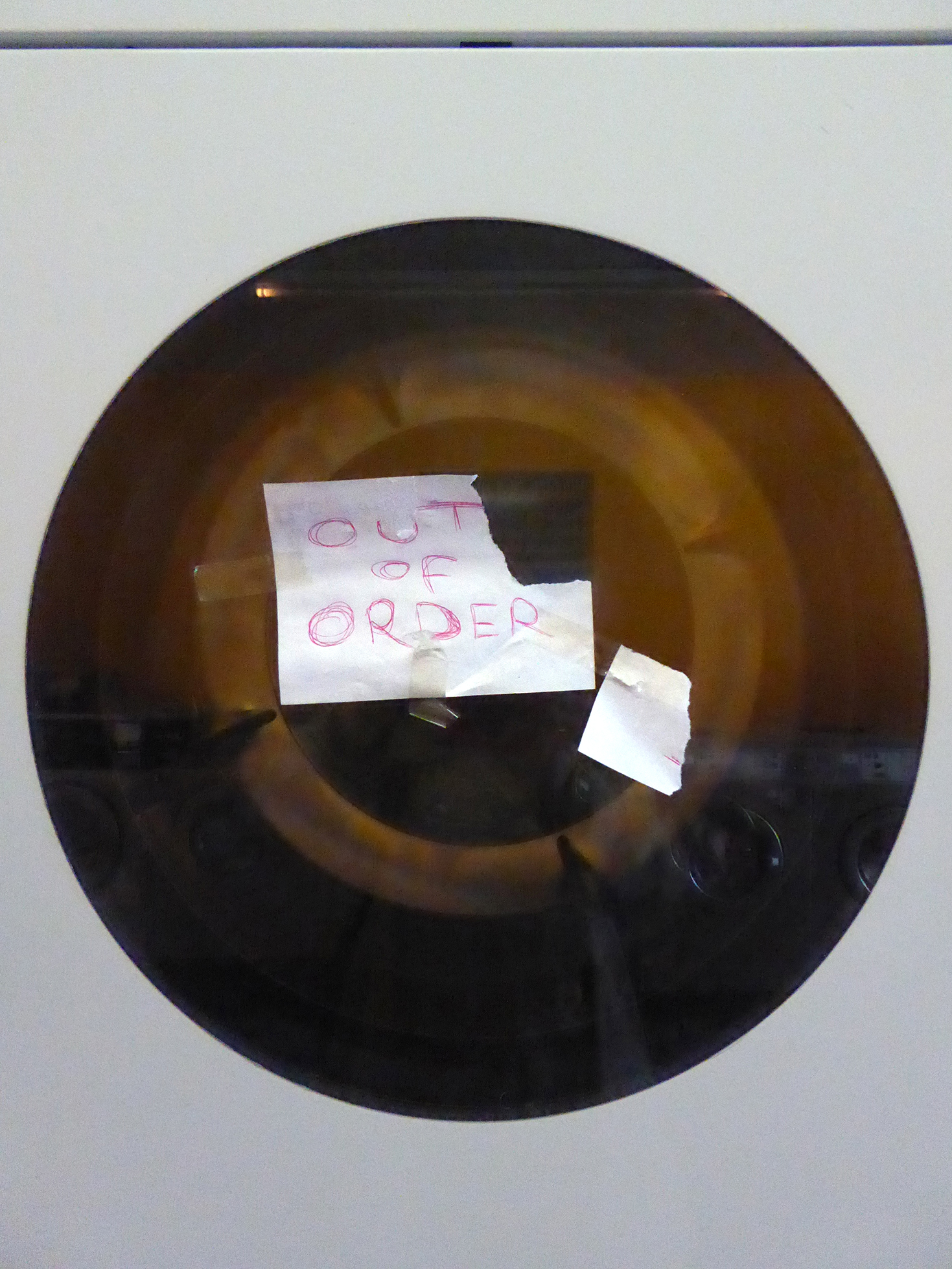
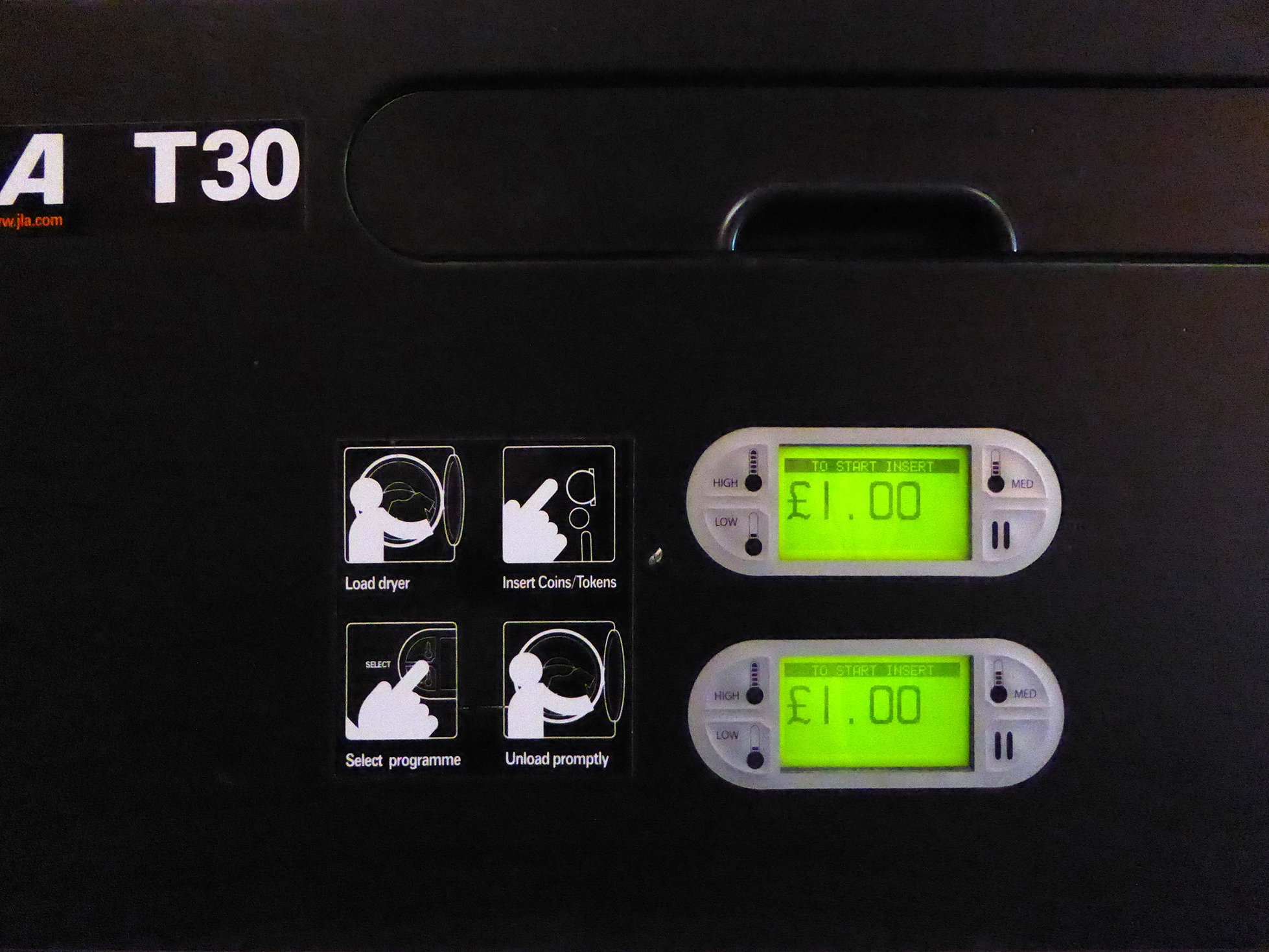
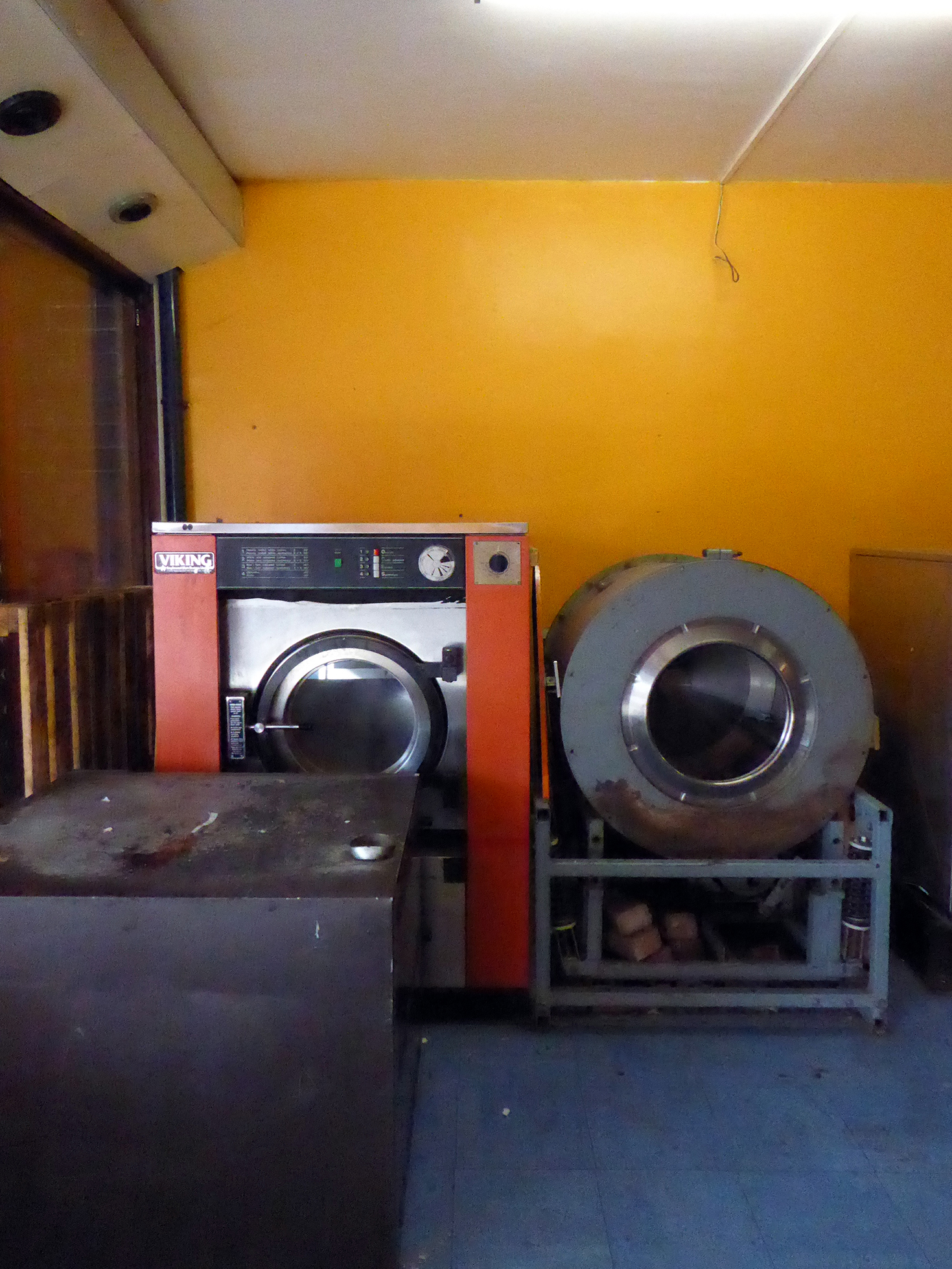
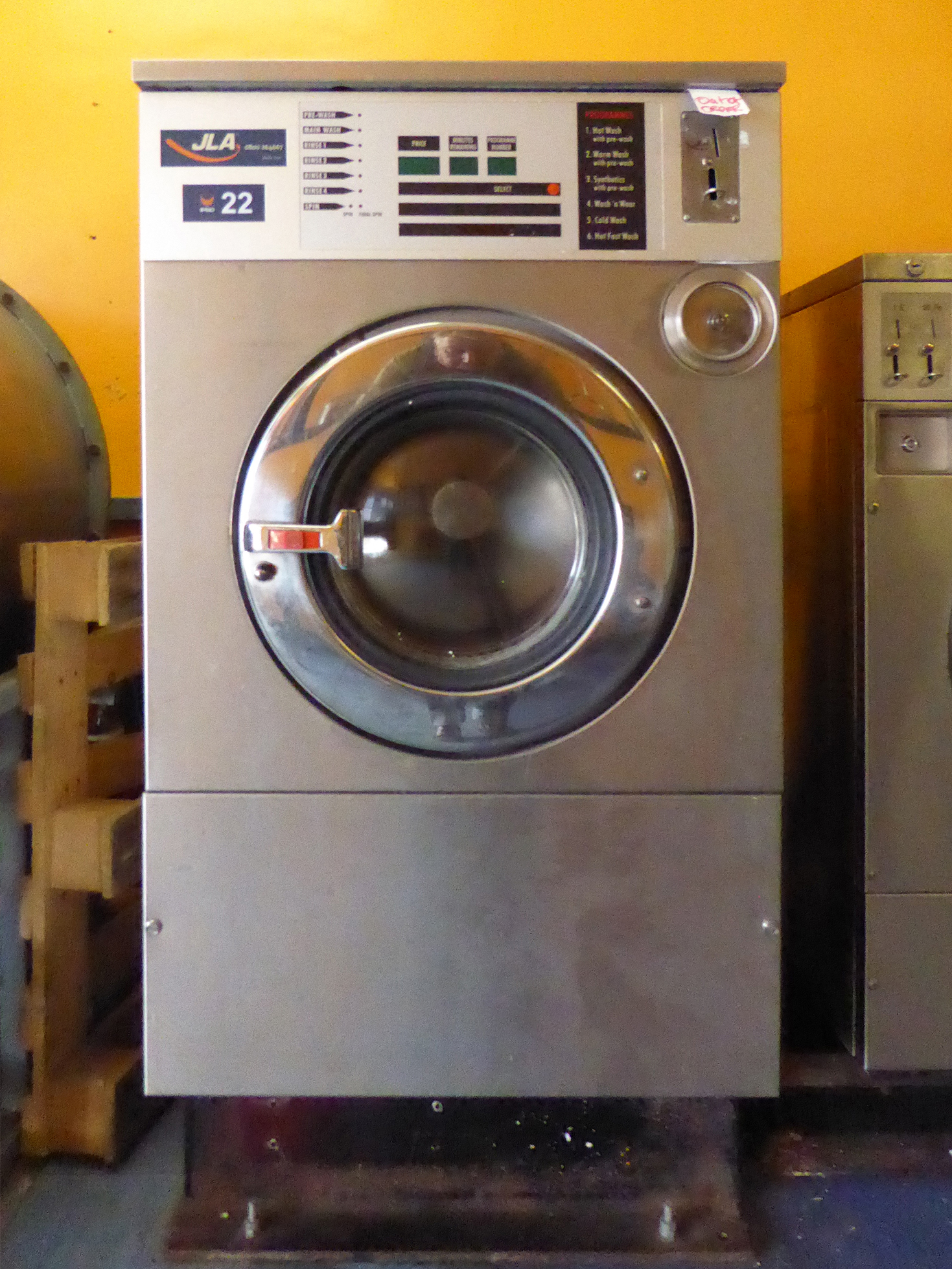
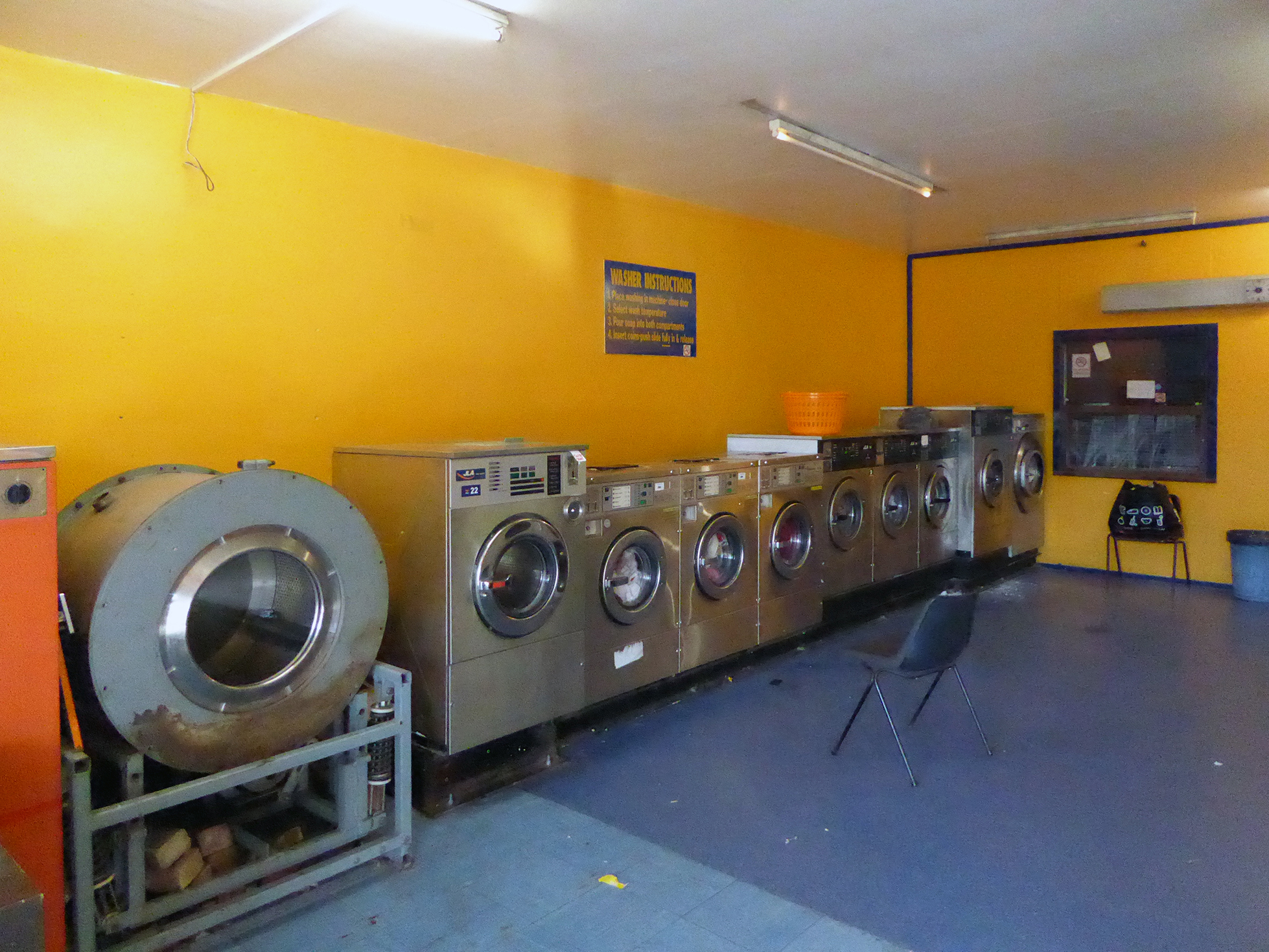
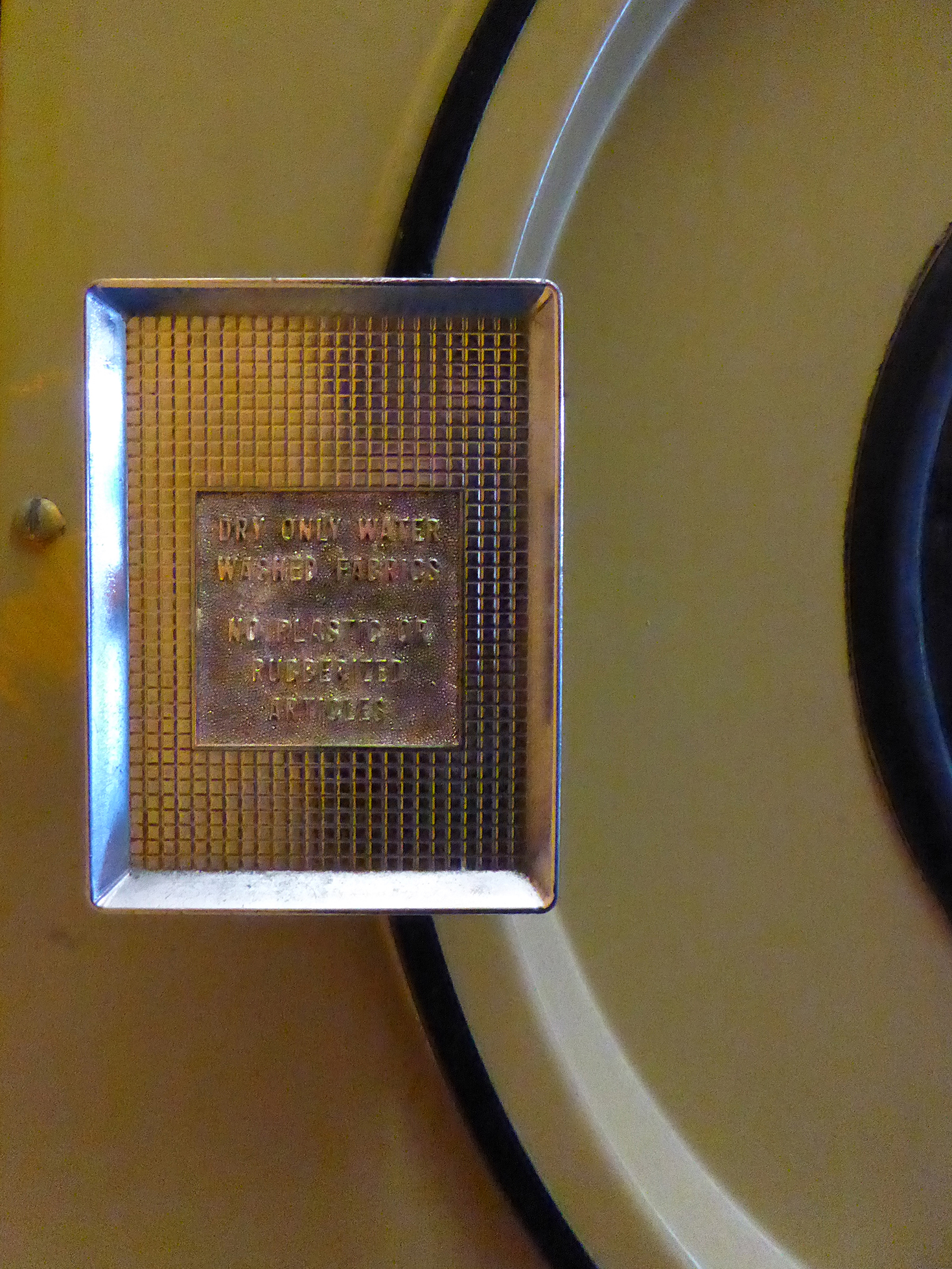
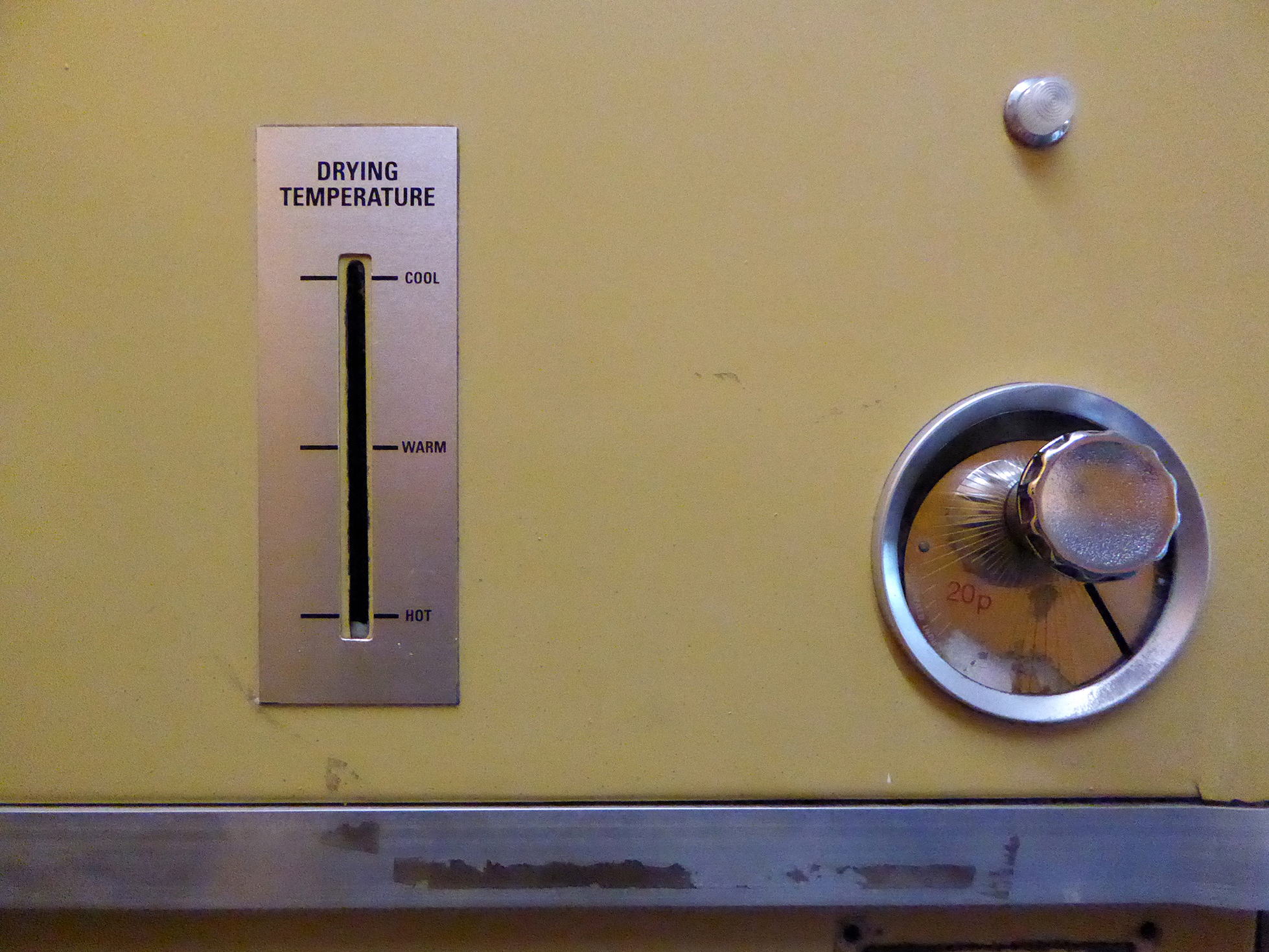
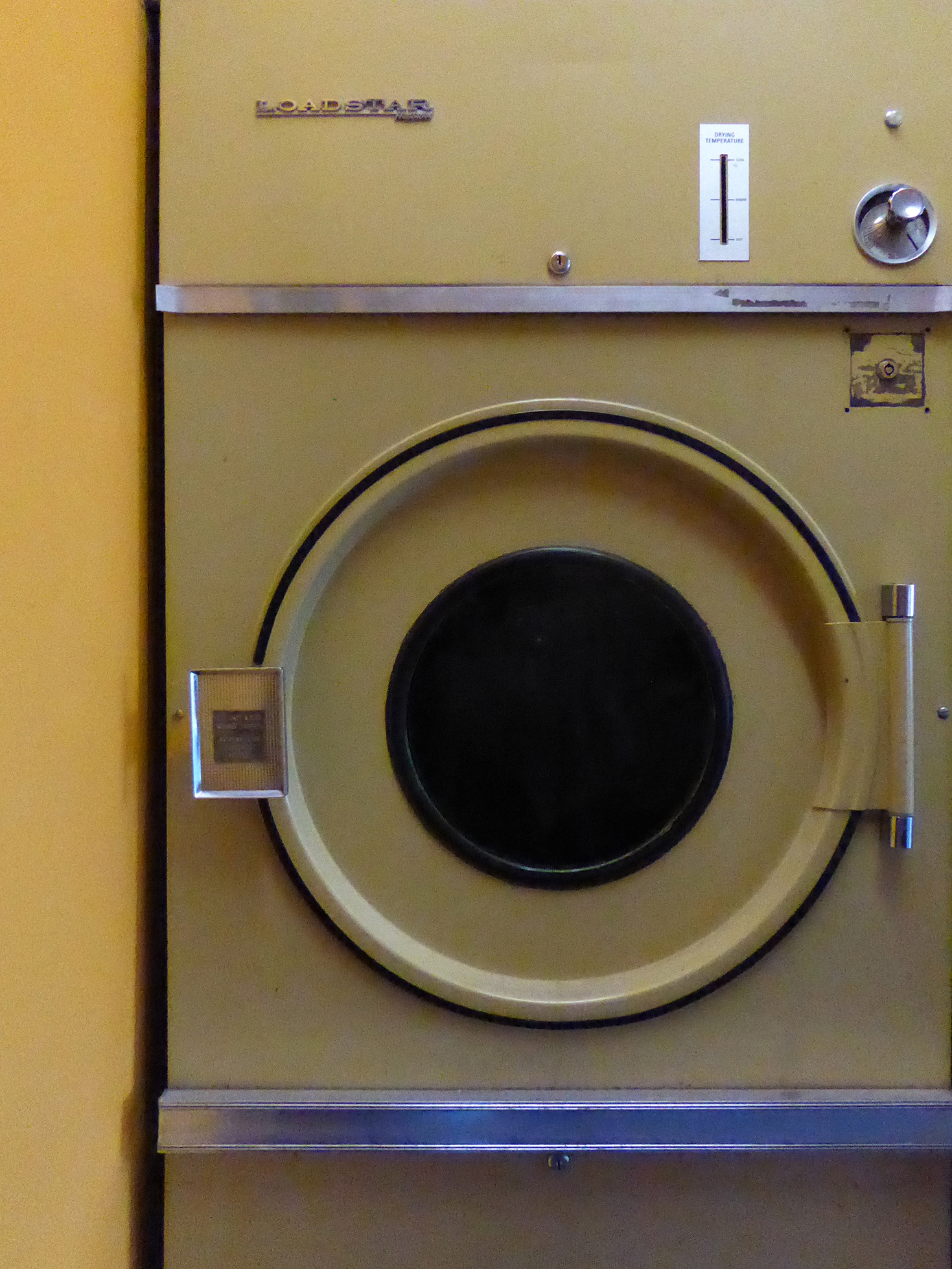
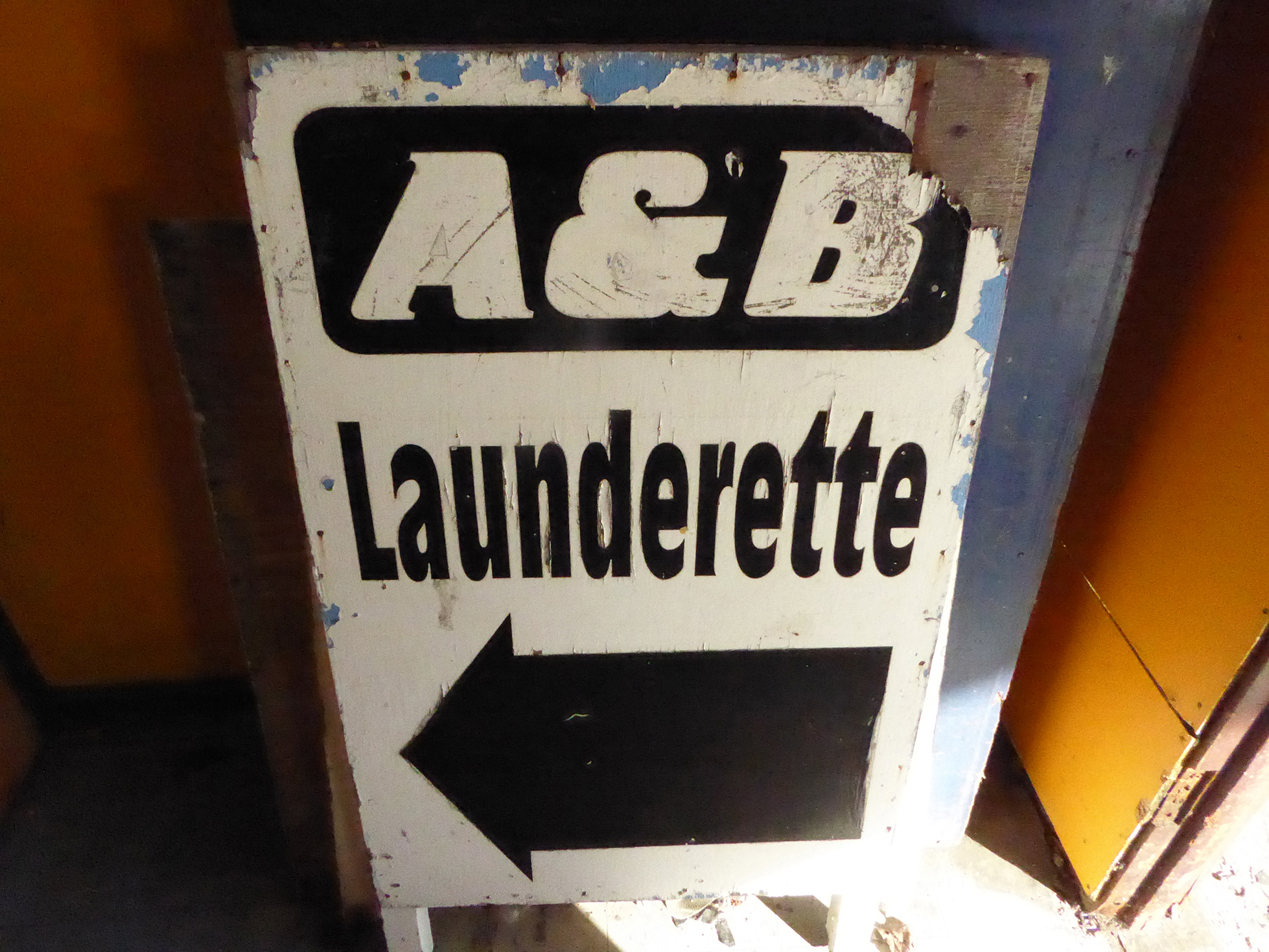
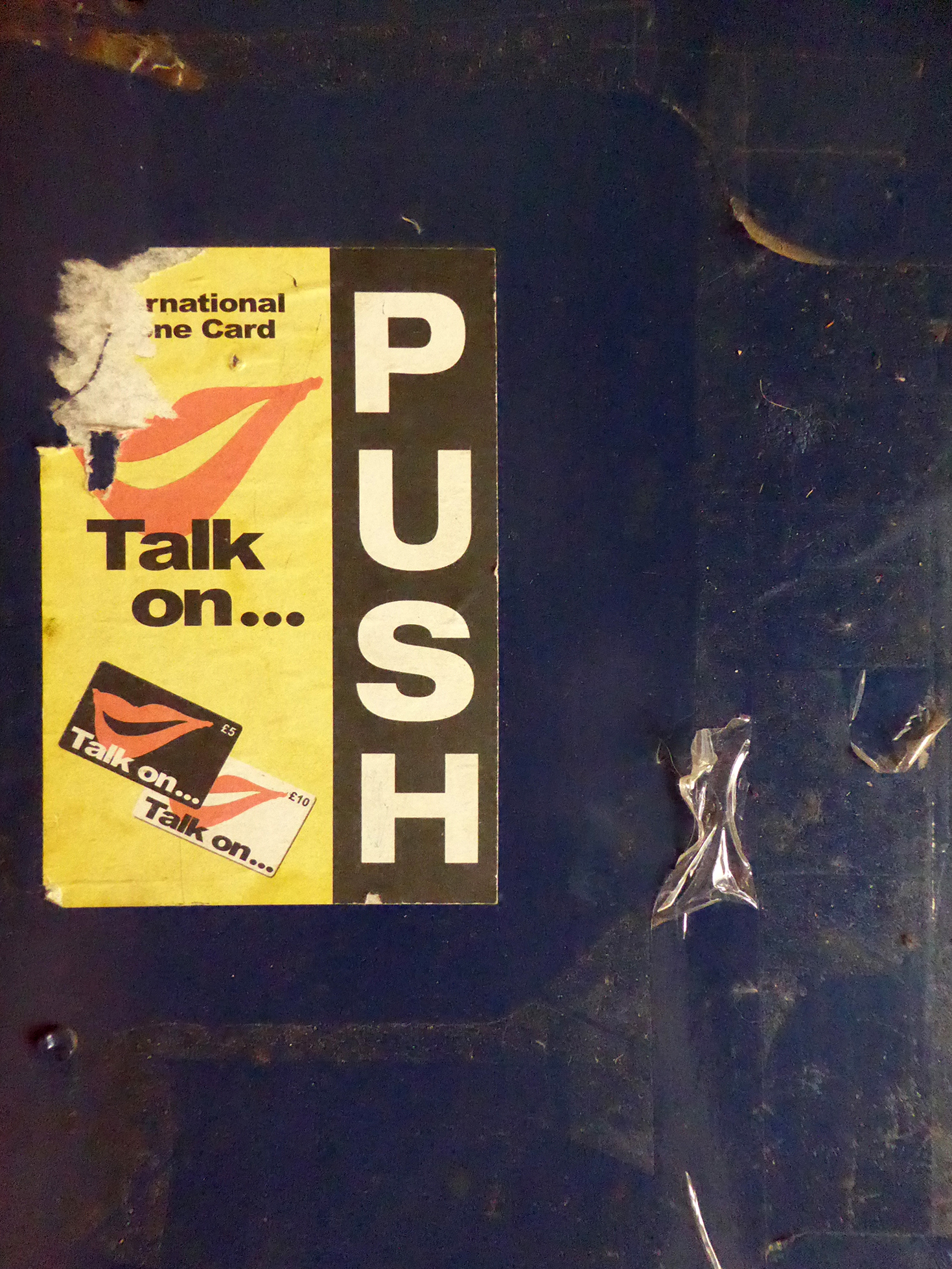
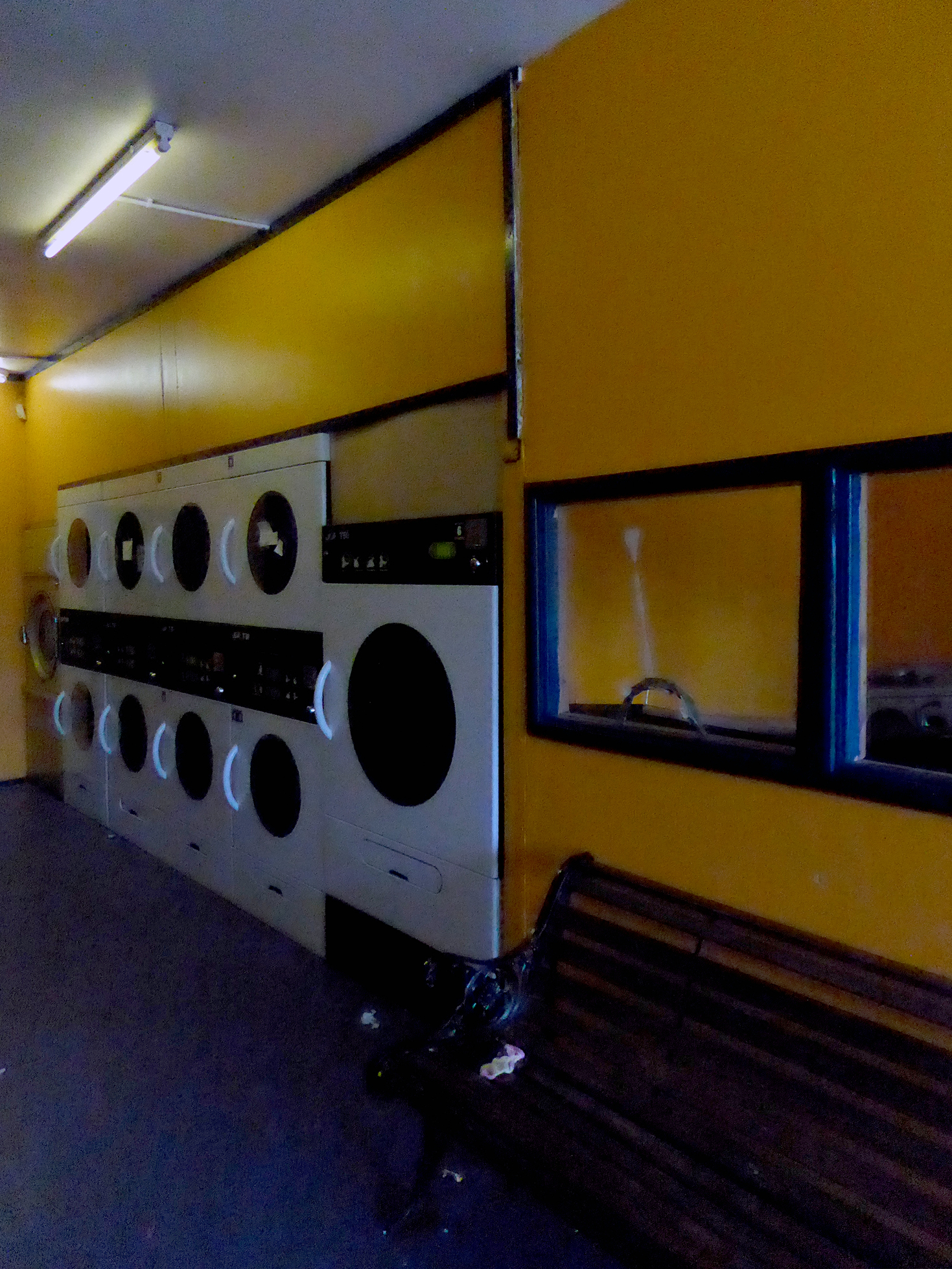
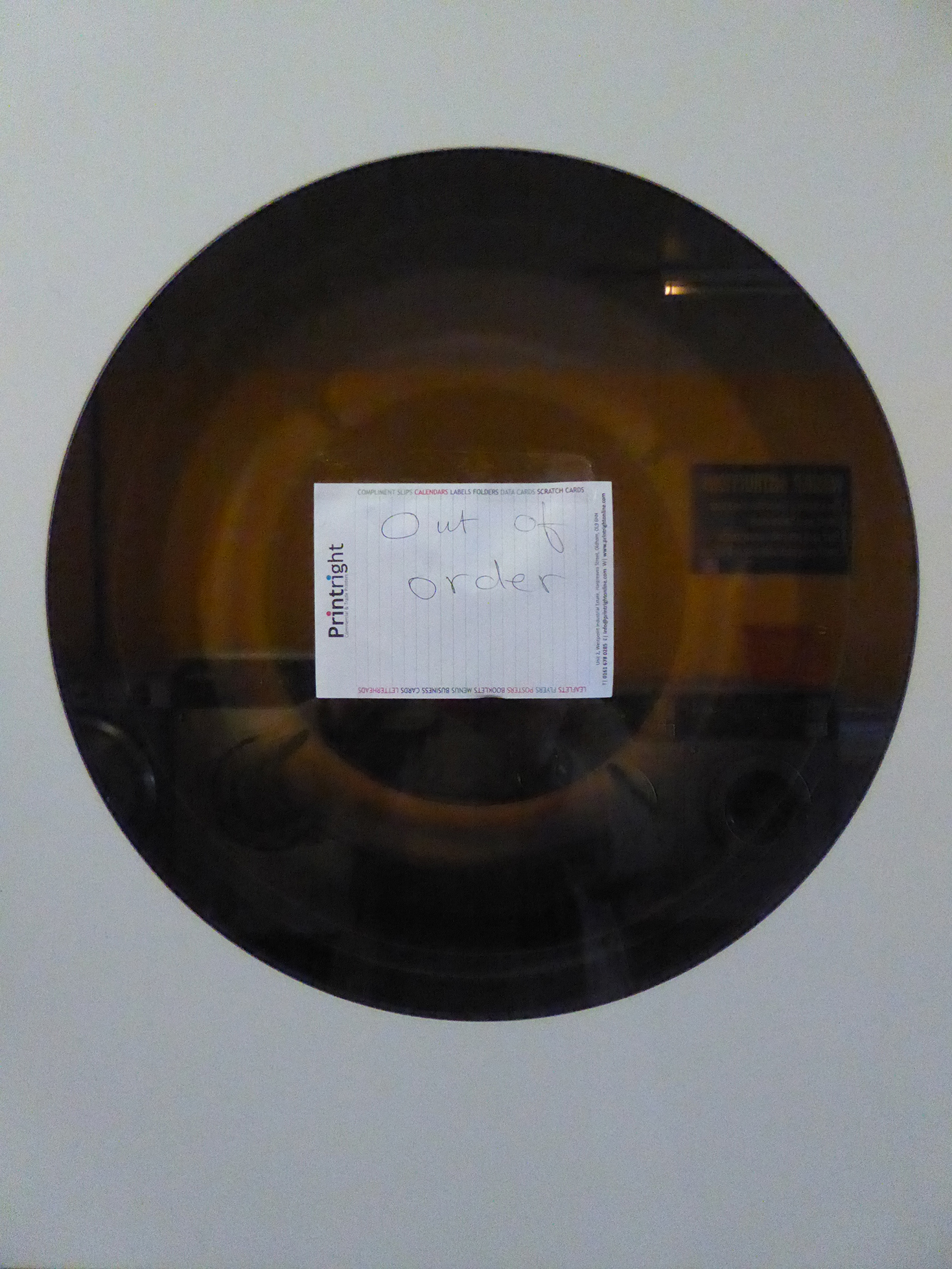
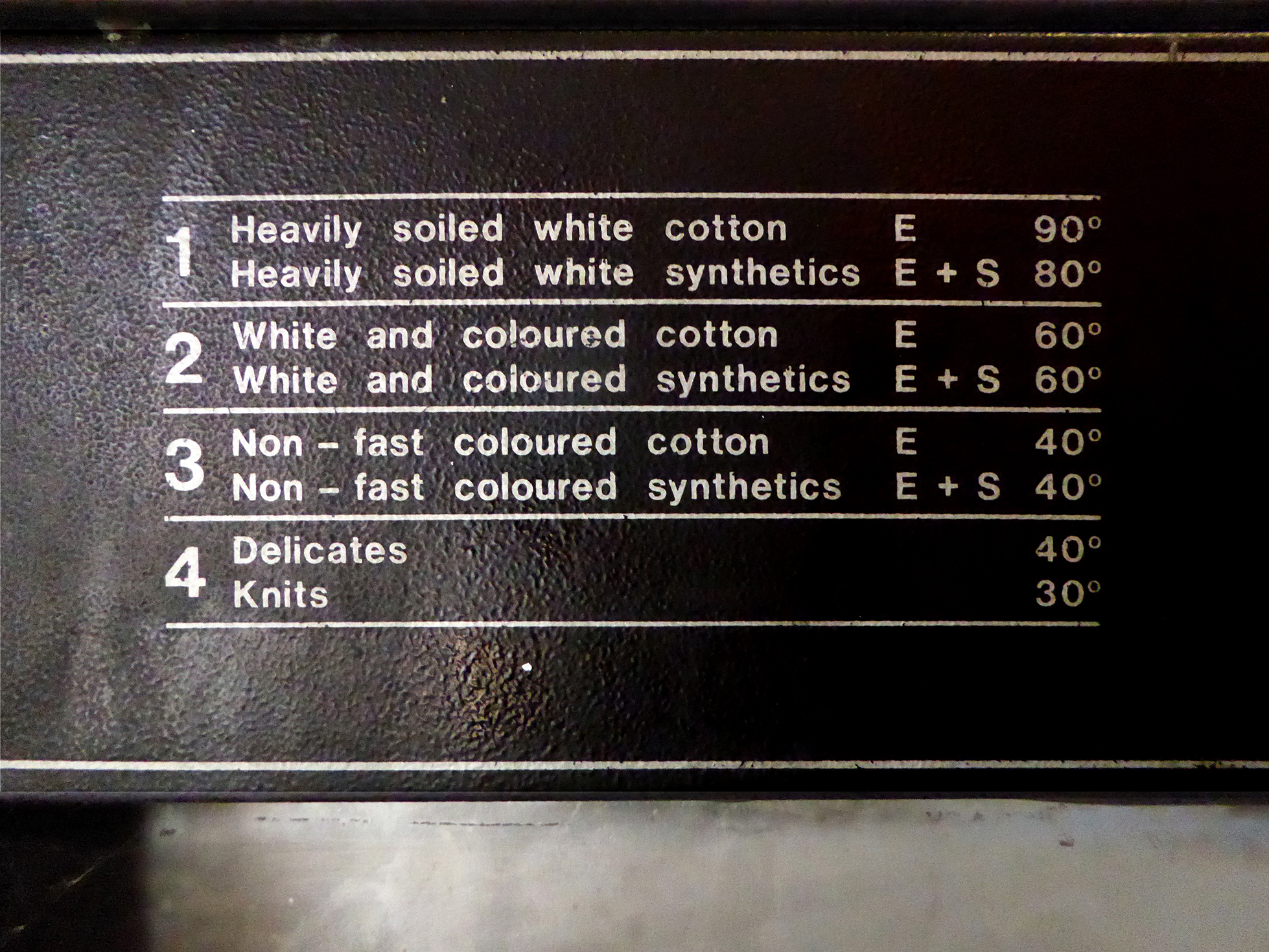
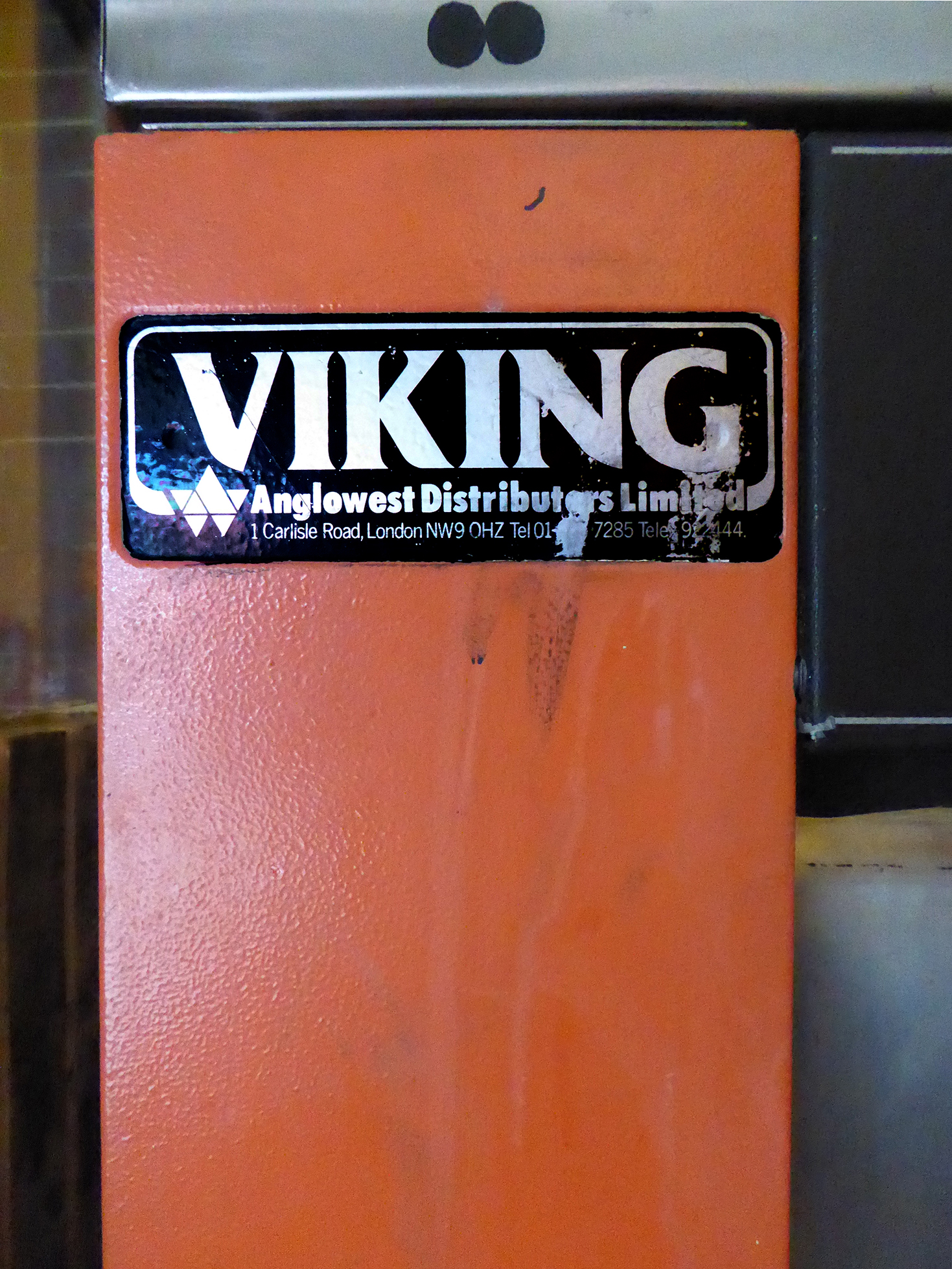
Well there was washing, I had inadvertently found the Best Laundrette.

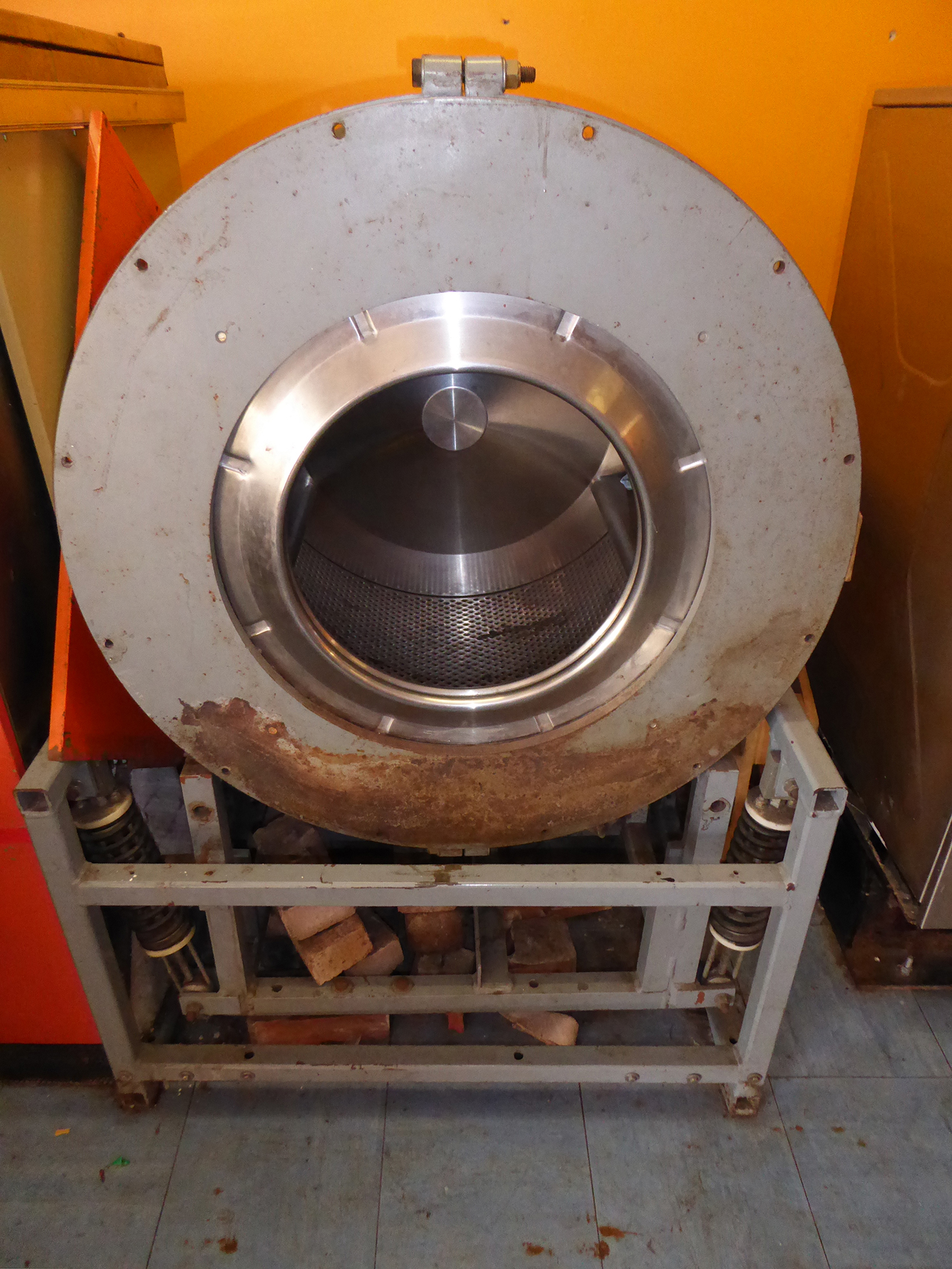
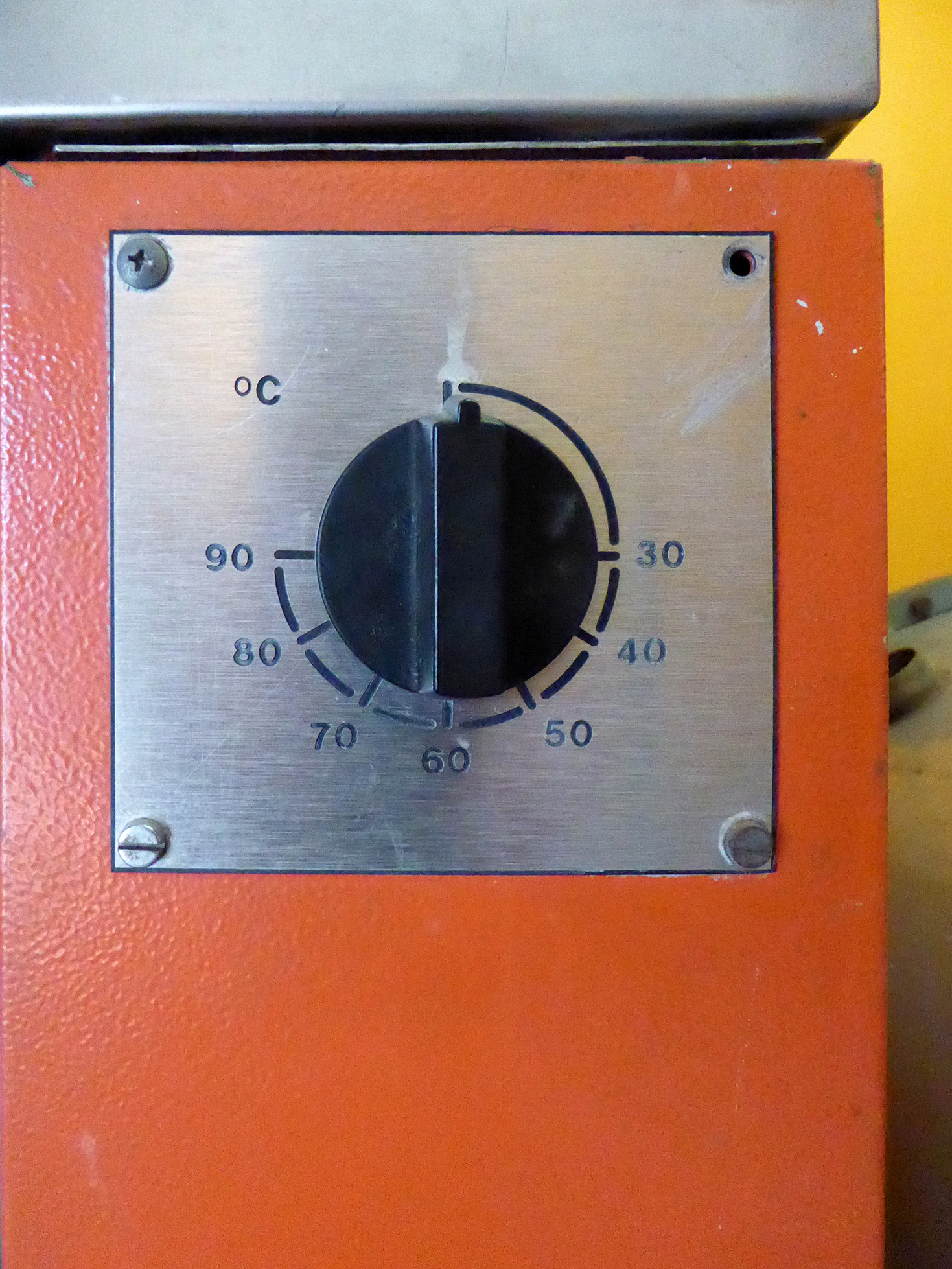
Unattended, seemingly unloved, washing spinning happily, unobserved.

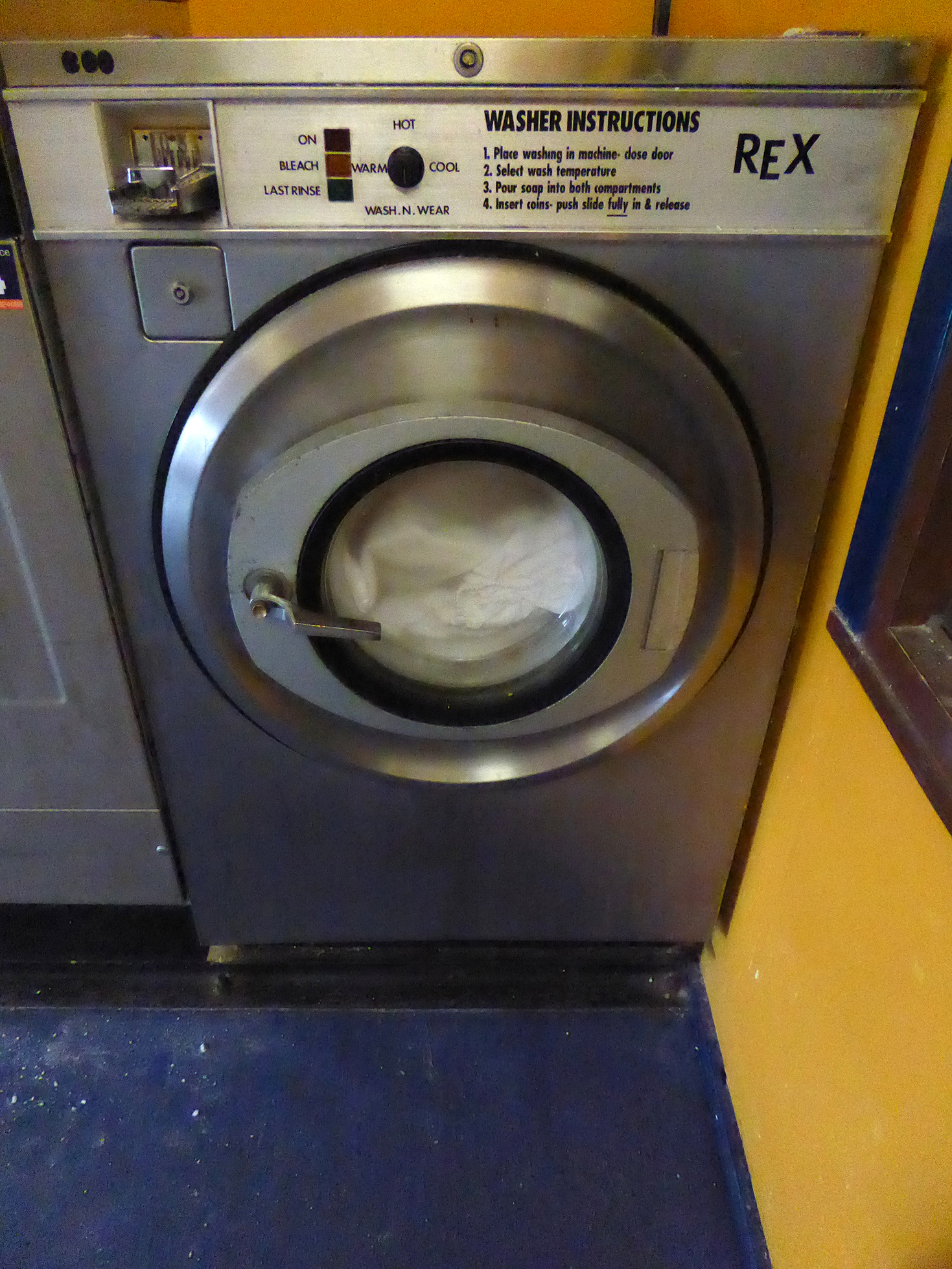
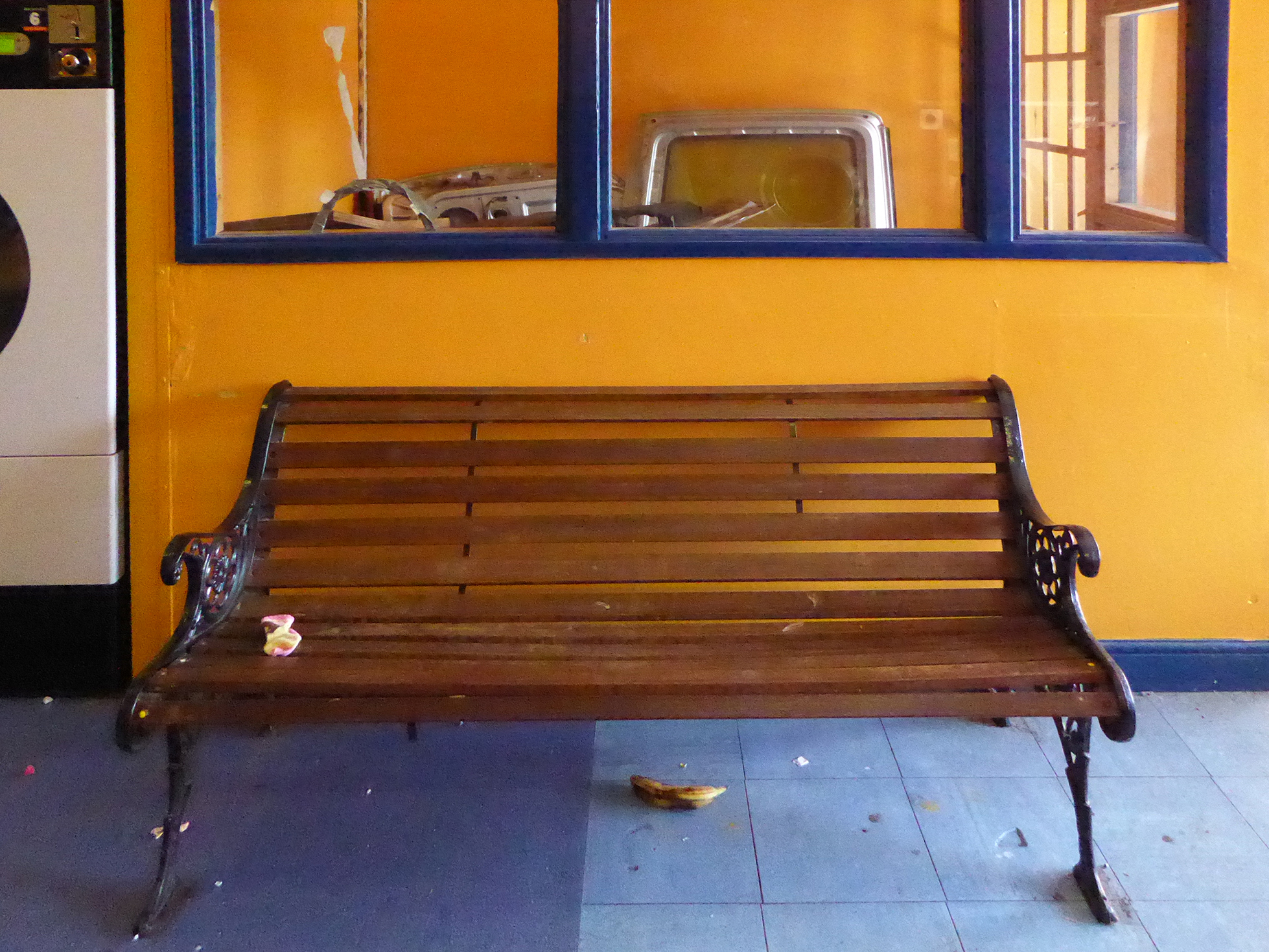
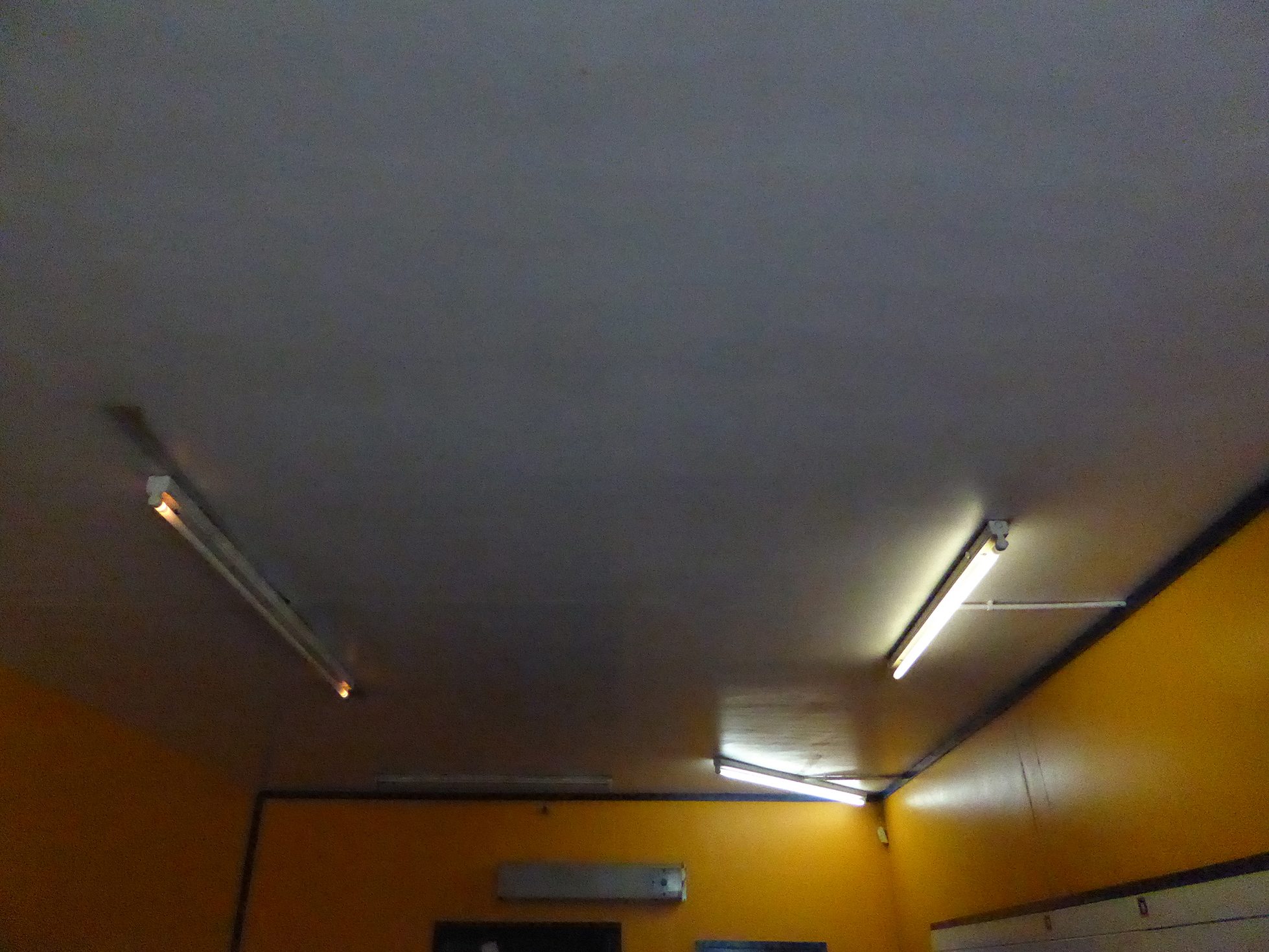
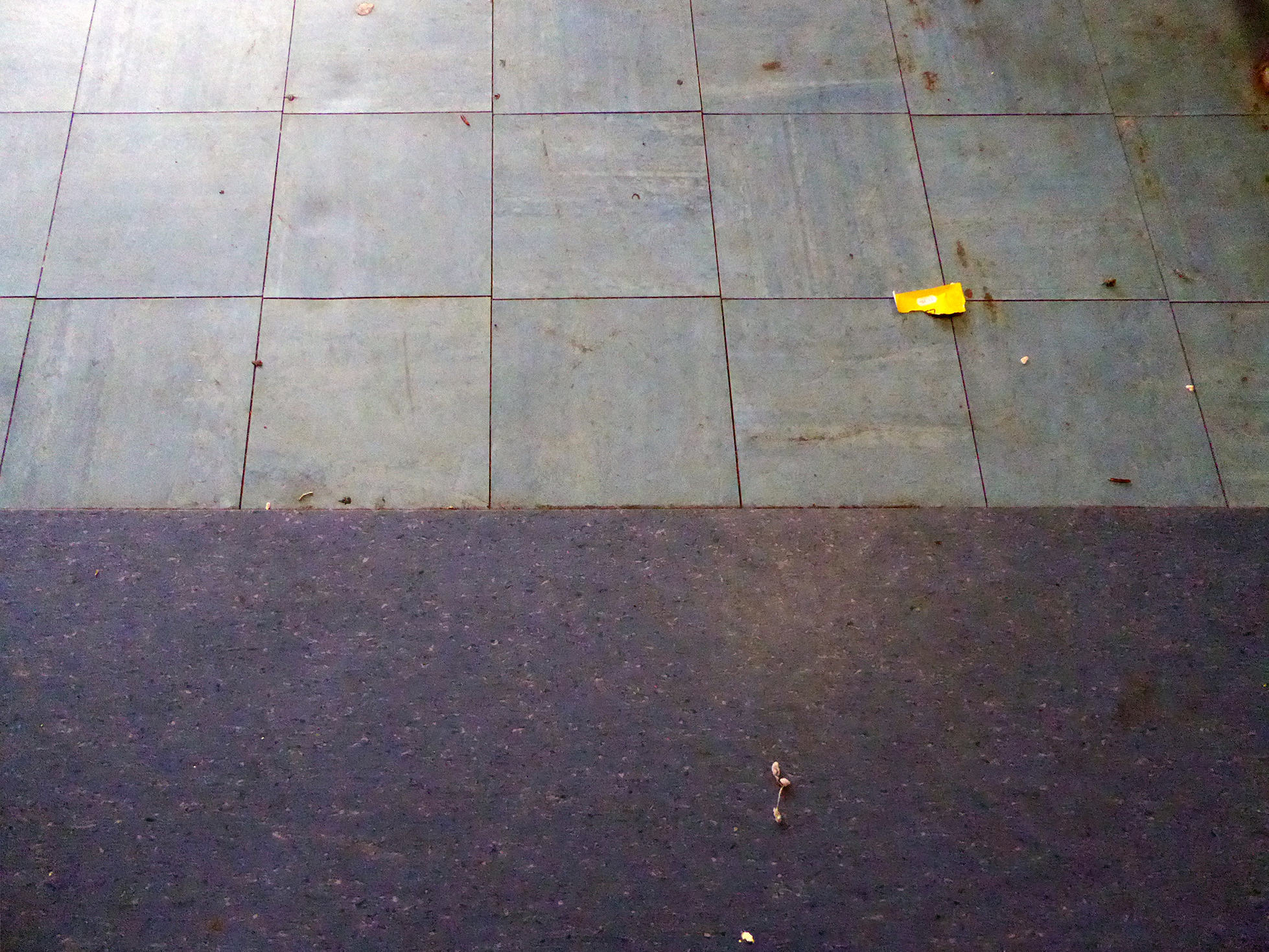
Guantanamo orange walls, stormy petrol blue sky linoleum floor.

Lit by several stark, bare fluorescent tubes.

I quickly went about my business, made my excuses to myself and left.


P1000922 copy

P1000928 copy

P1000920 copy

P1000924 copy

P1000937 copy

P1000935 copy

P1000931 copy

P1000932 copy

P1000927 copy

P1000918 copy

P1000930 copy

P1000919 copy

P1000917 copy

P1000943 copy

P1000921 copy

P1000942 copy

P1000923 copy

P1000936 copy

P1000934 copy

P1000939 copy

P1000933 copy

P1000952 copy

P1000949 copy

P1000948 copy

P1000945 copy

P1000962 copy

P1000957 copy

P1000944 copy

P1000950 copy

P1000959 copy

P1000954 copy

P1000958 copy

P1000961 copy

P1000938 copy

P1000947 copy

P1000946 copy


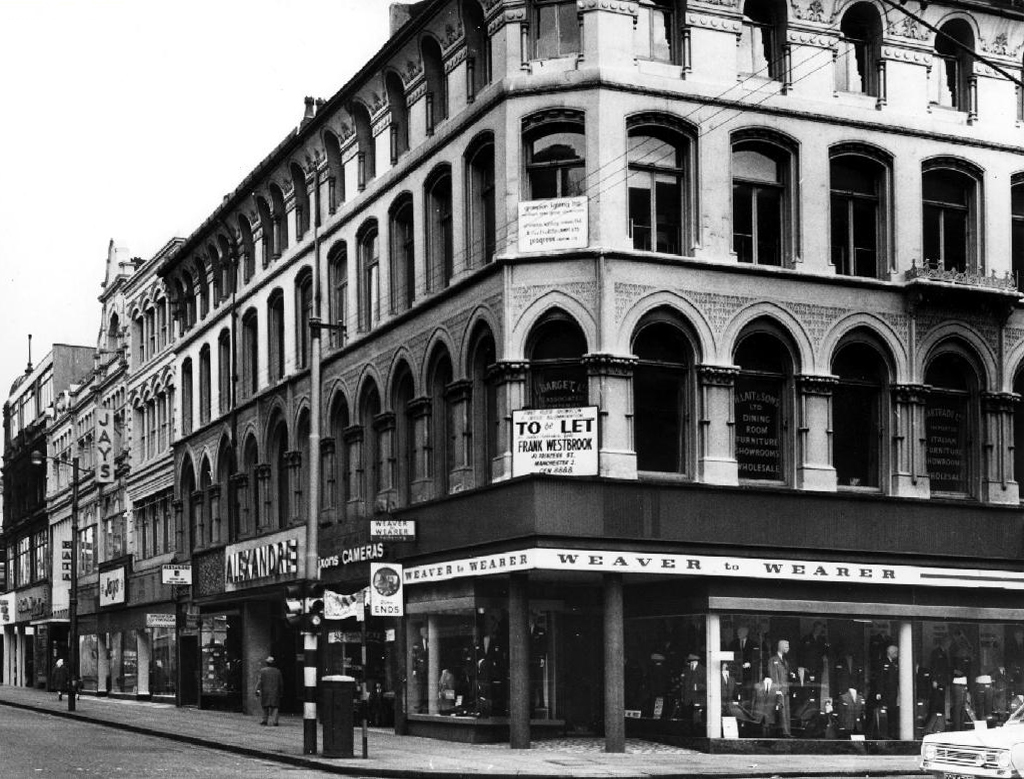
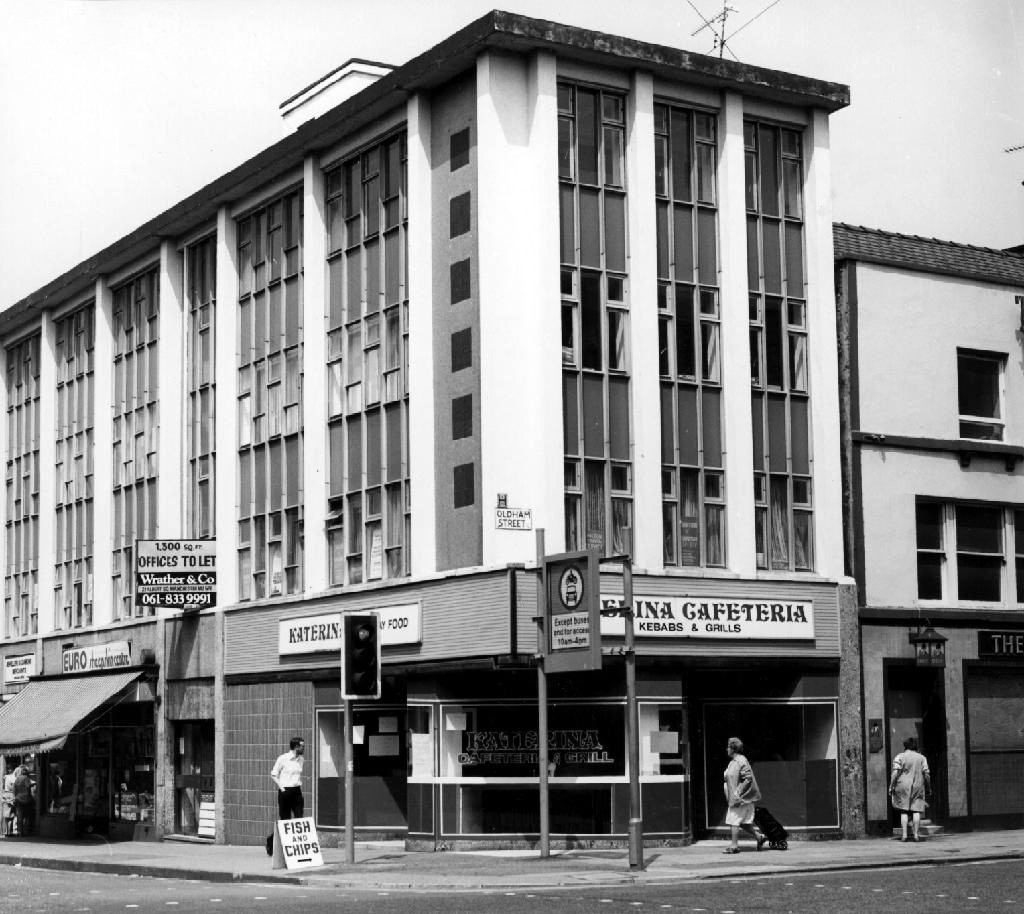
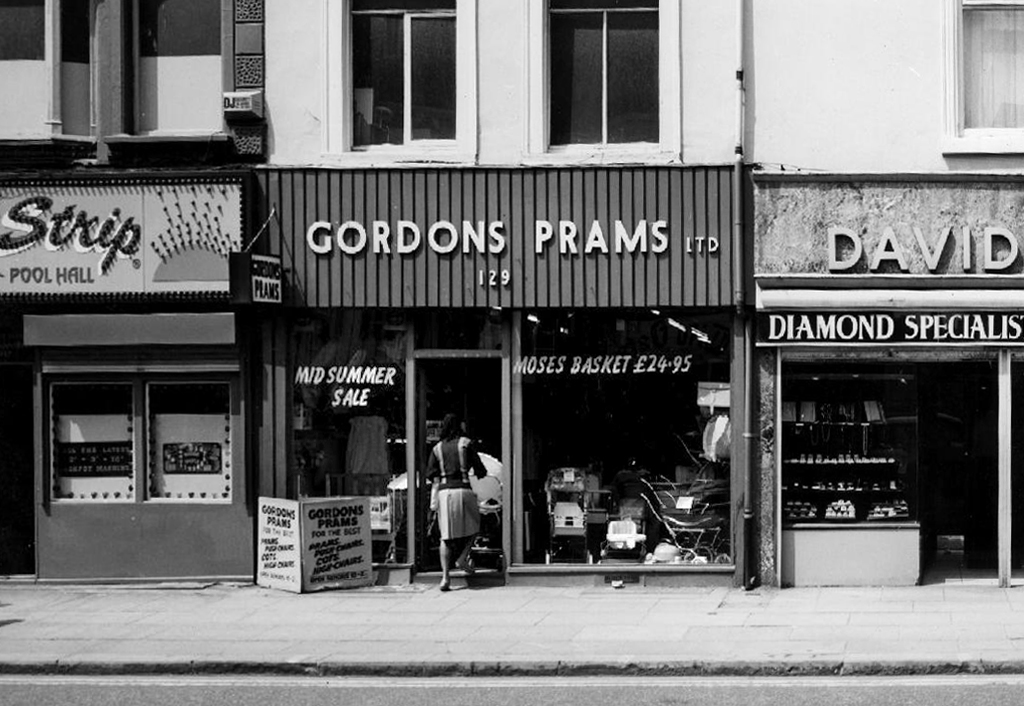
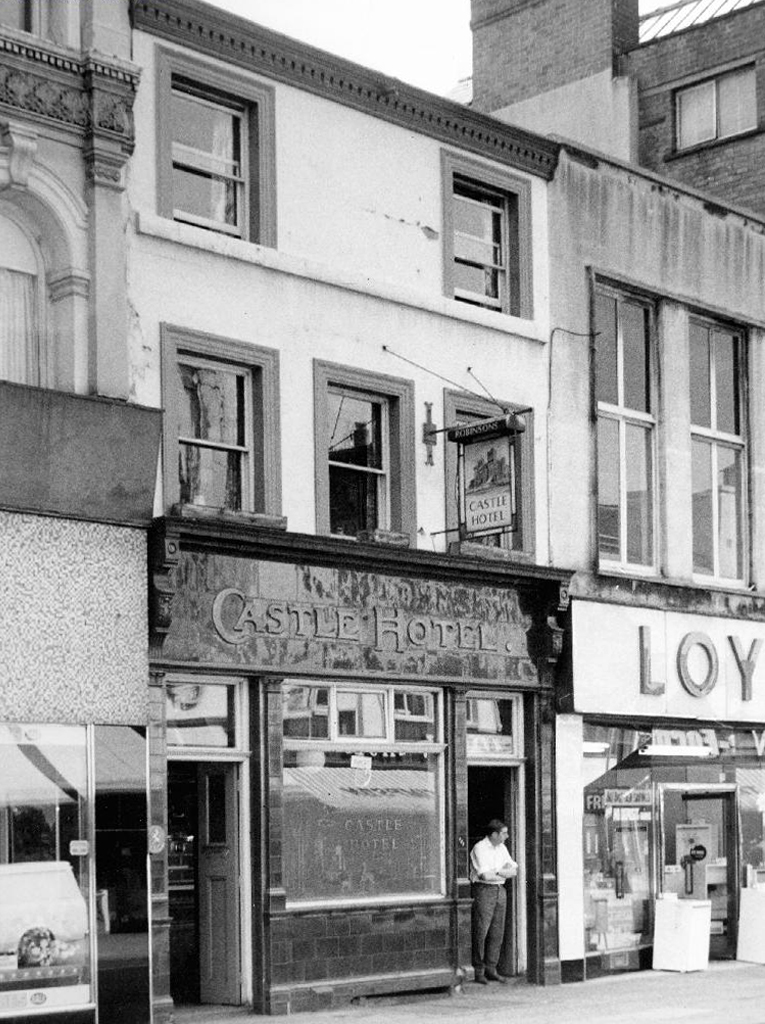
Oldham Street – Manchester 2016

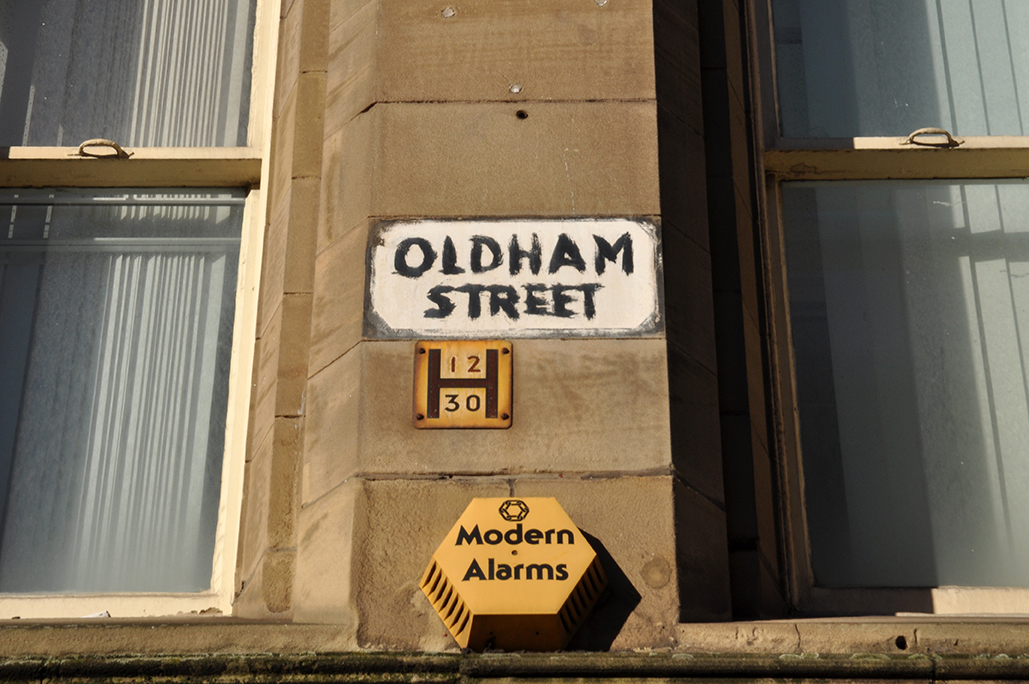
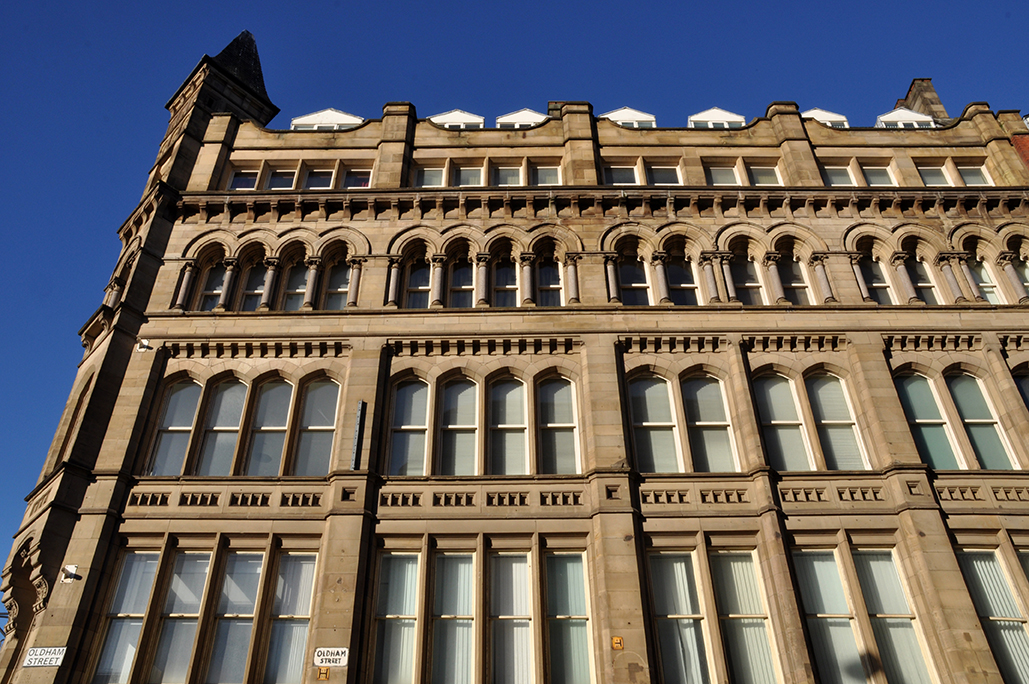
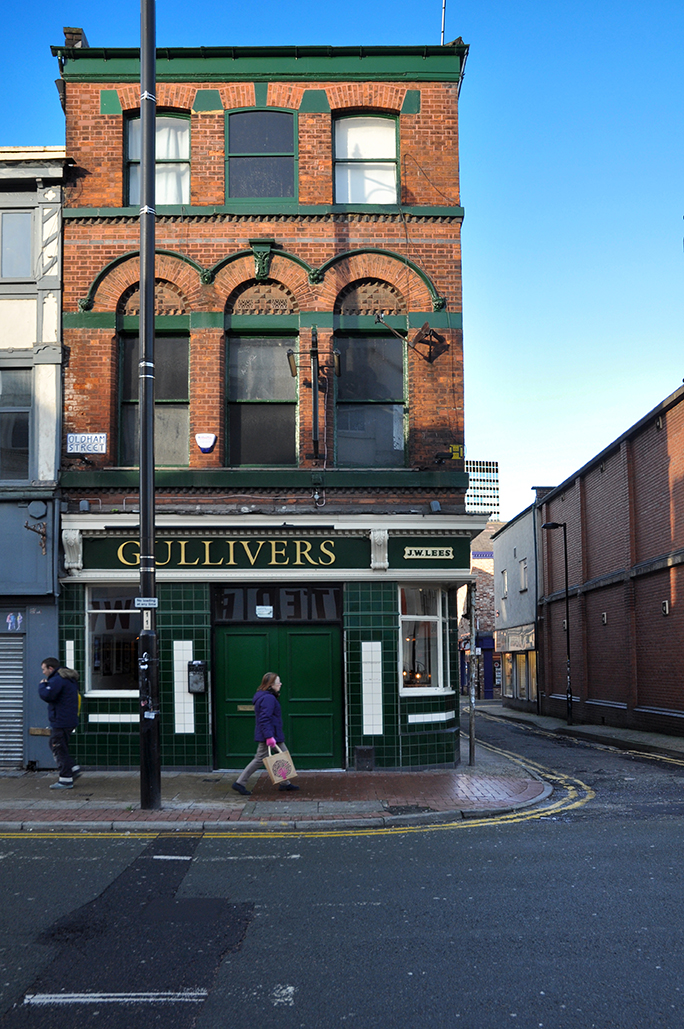
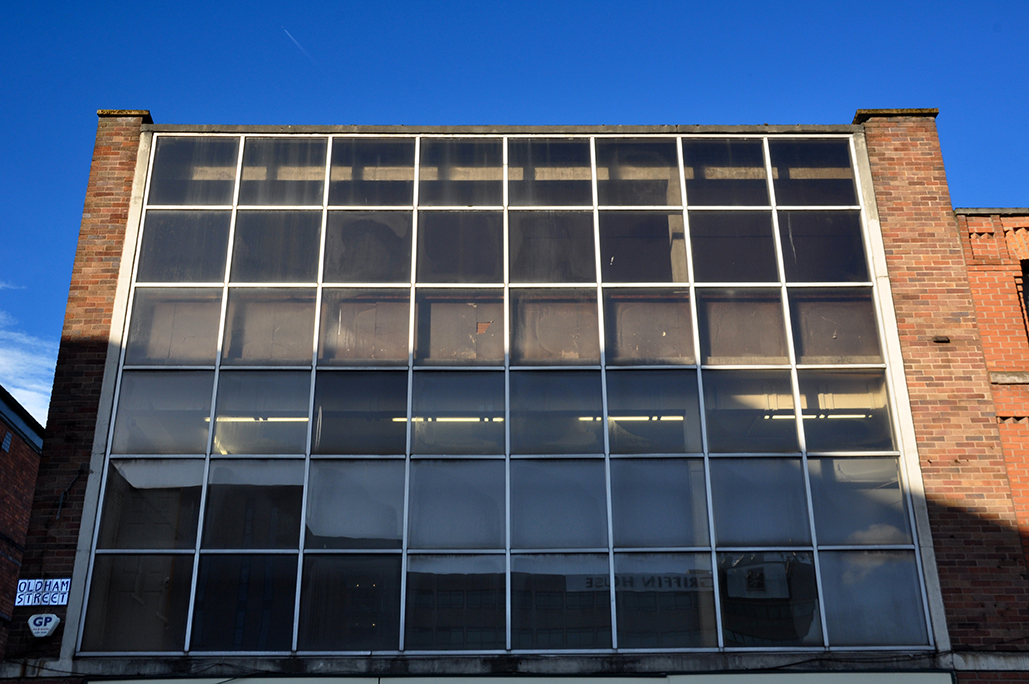
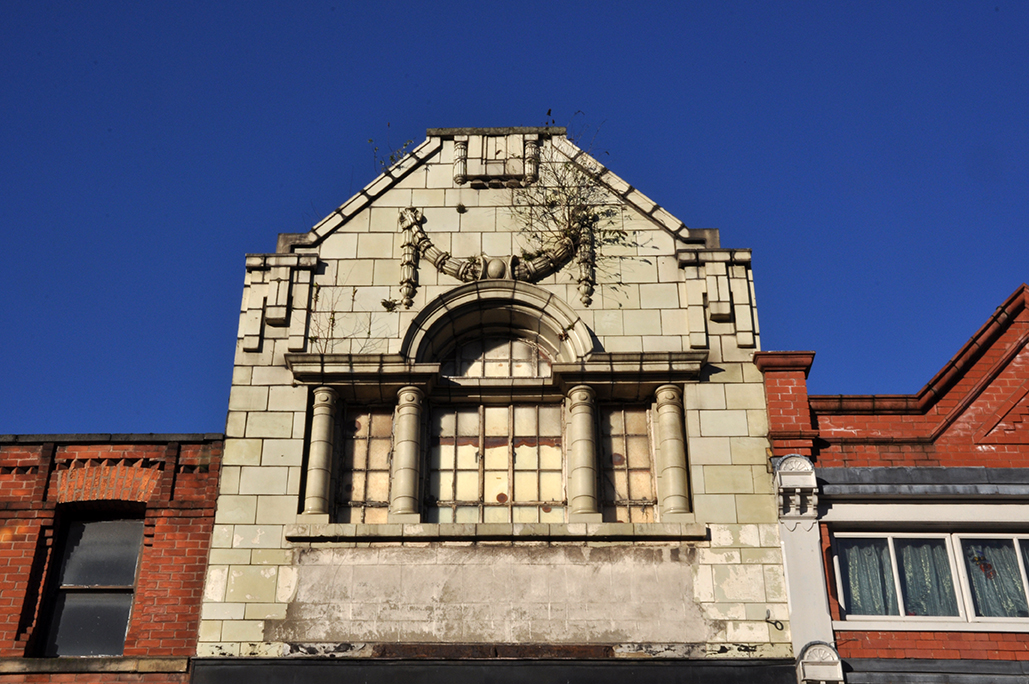
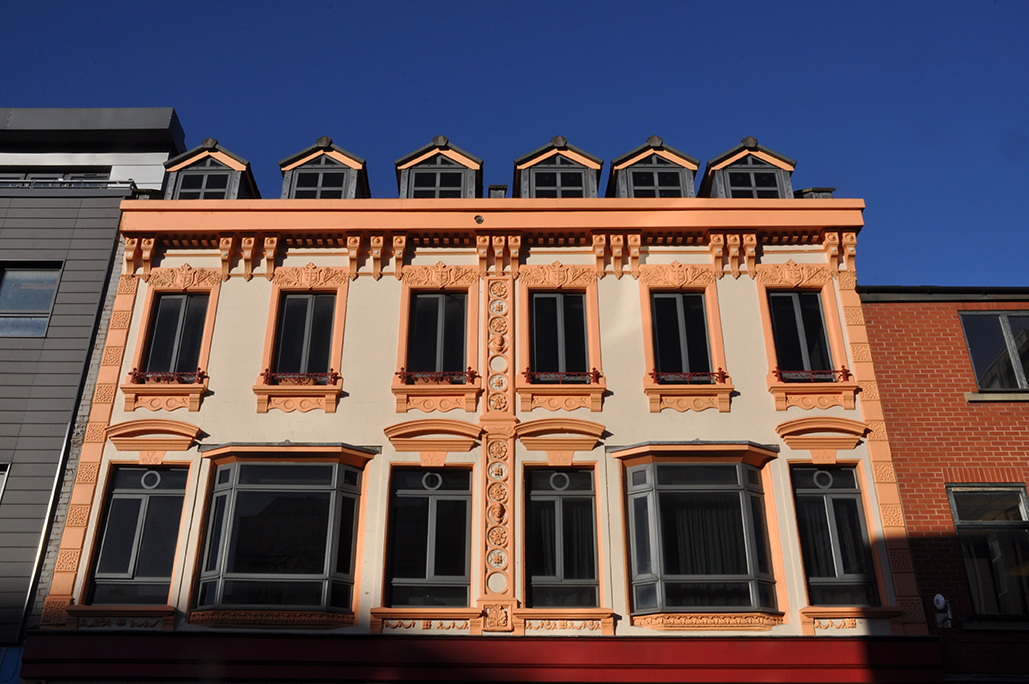
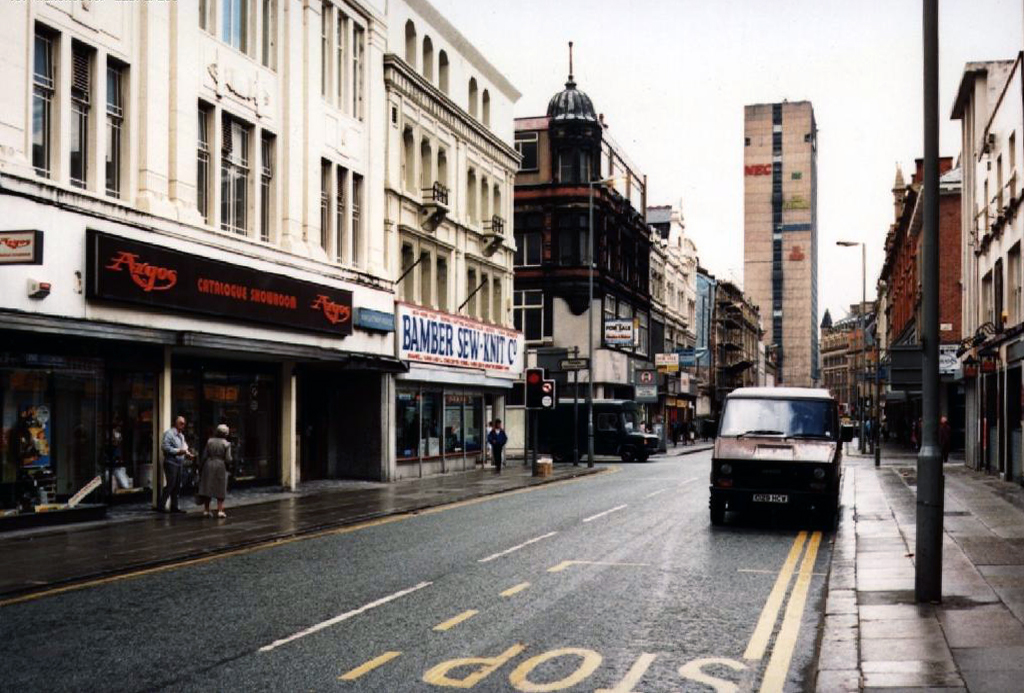
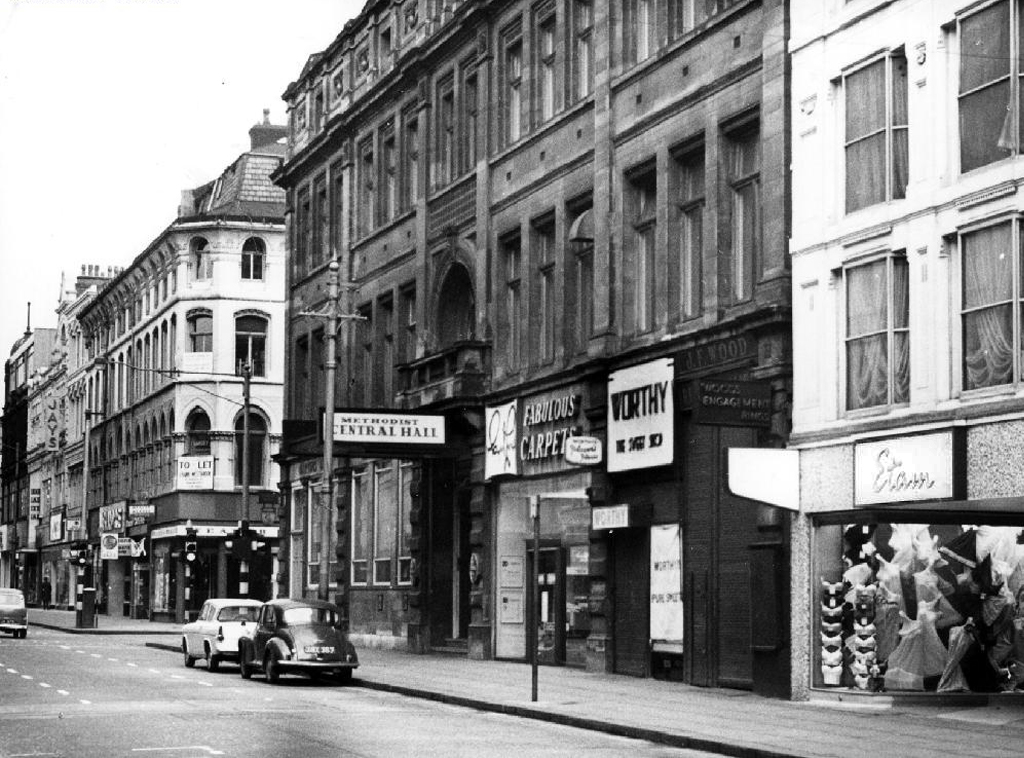
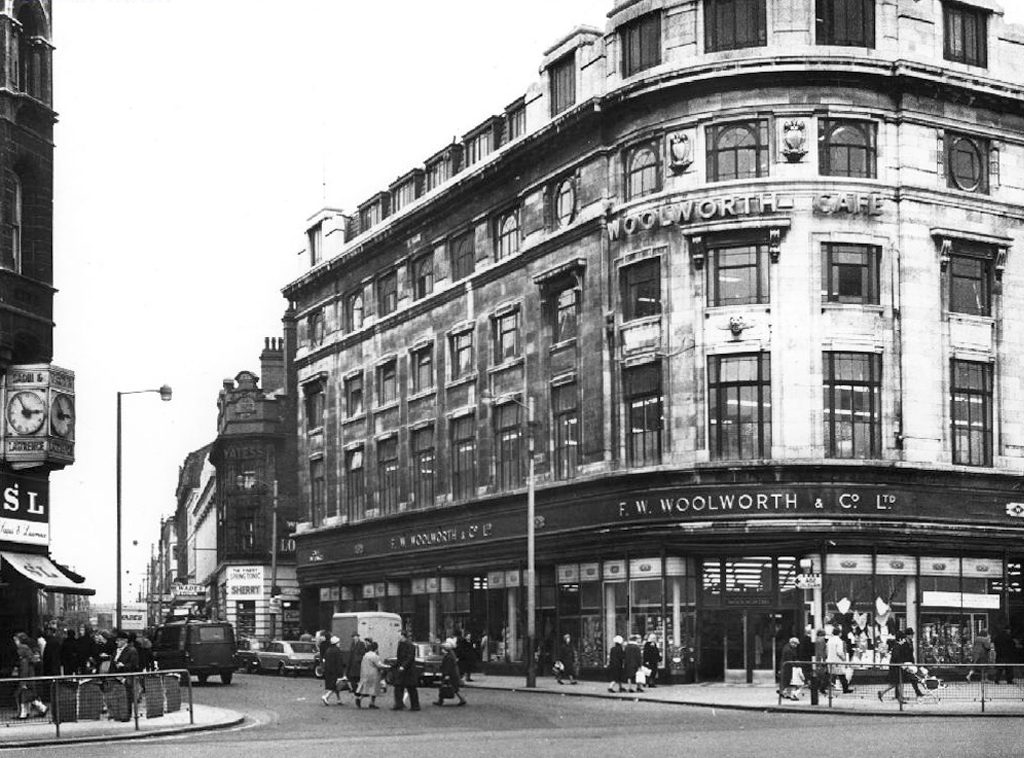
Following my previous post of archival images of Oldham Street, I took a walk along its length a week ago, to record what remained of the post war past.

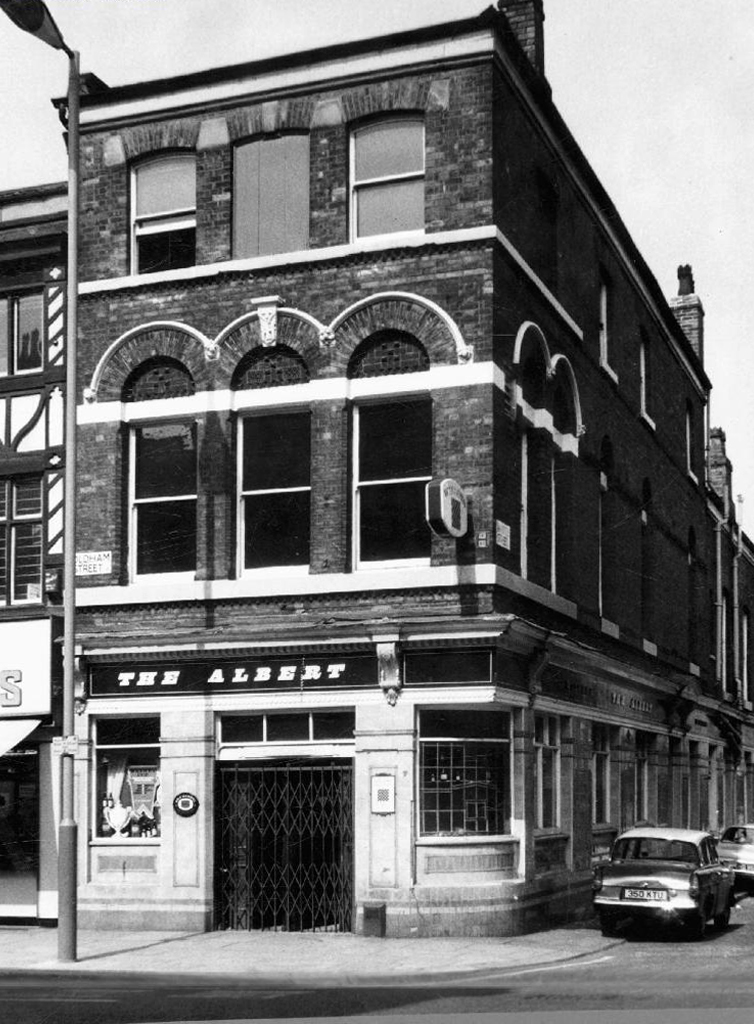
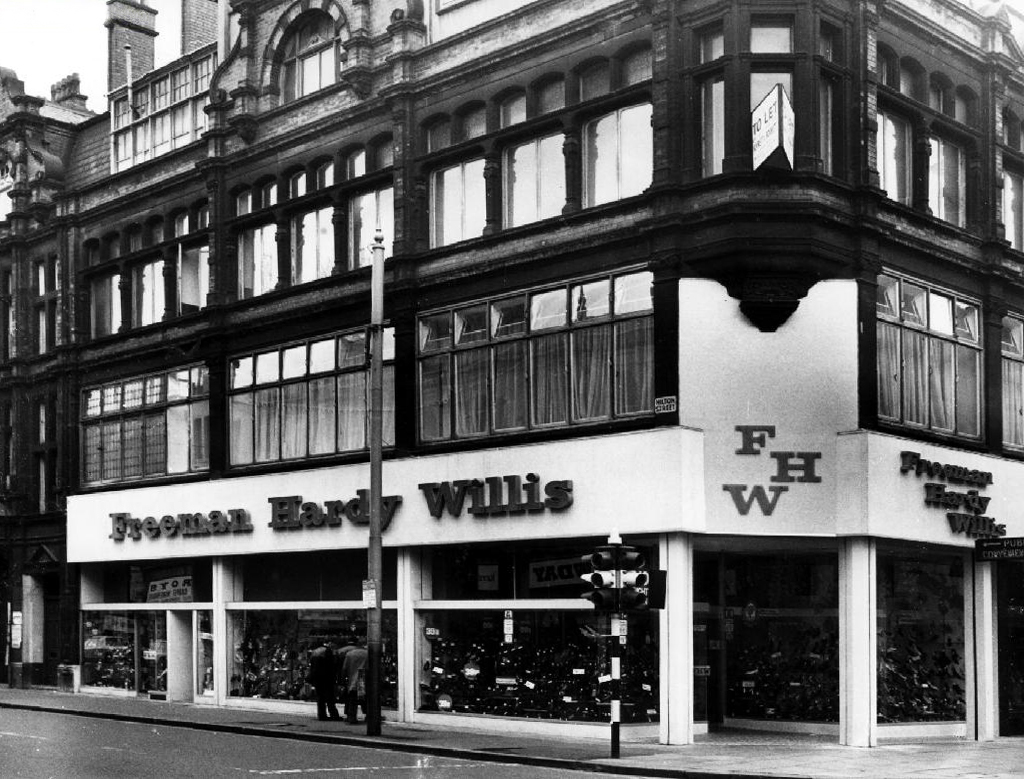
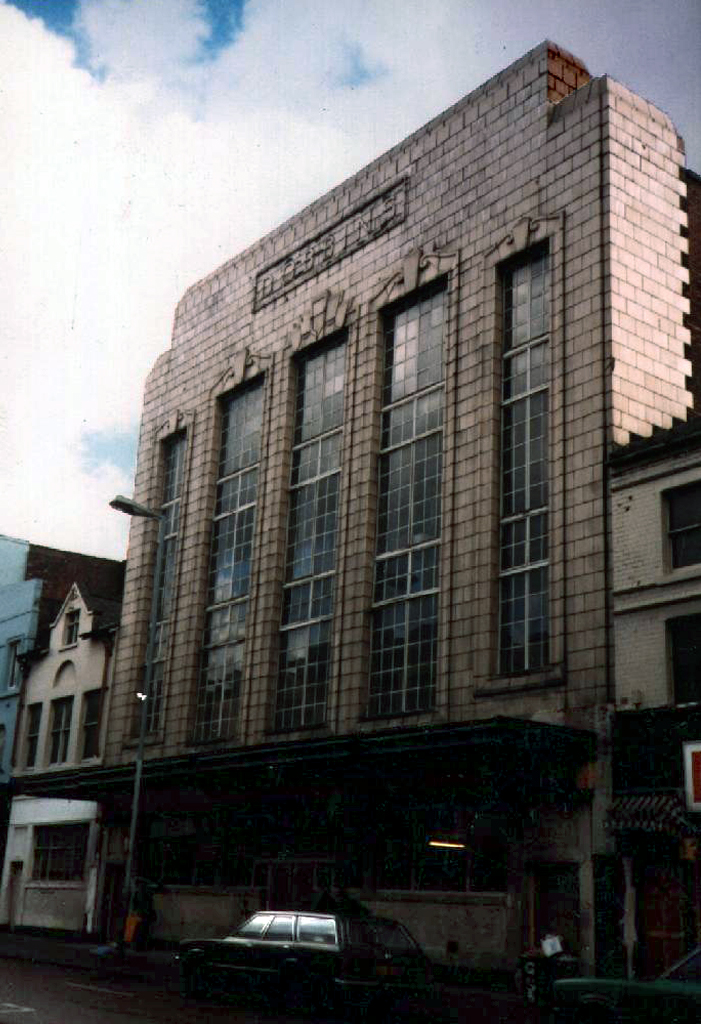
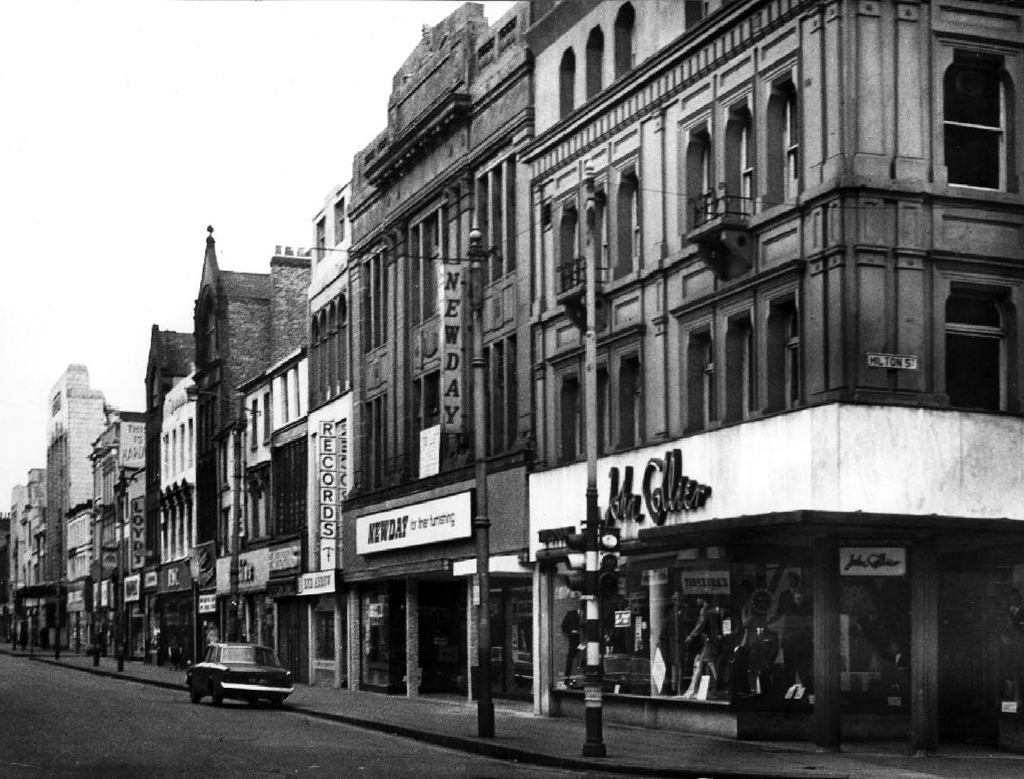
Gone again the blackened façades, exuberant and differentiated signage.

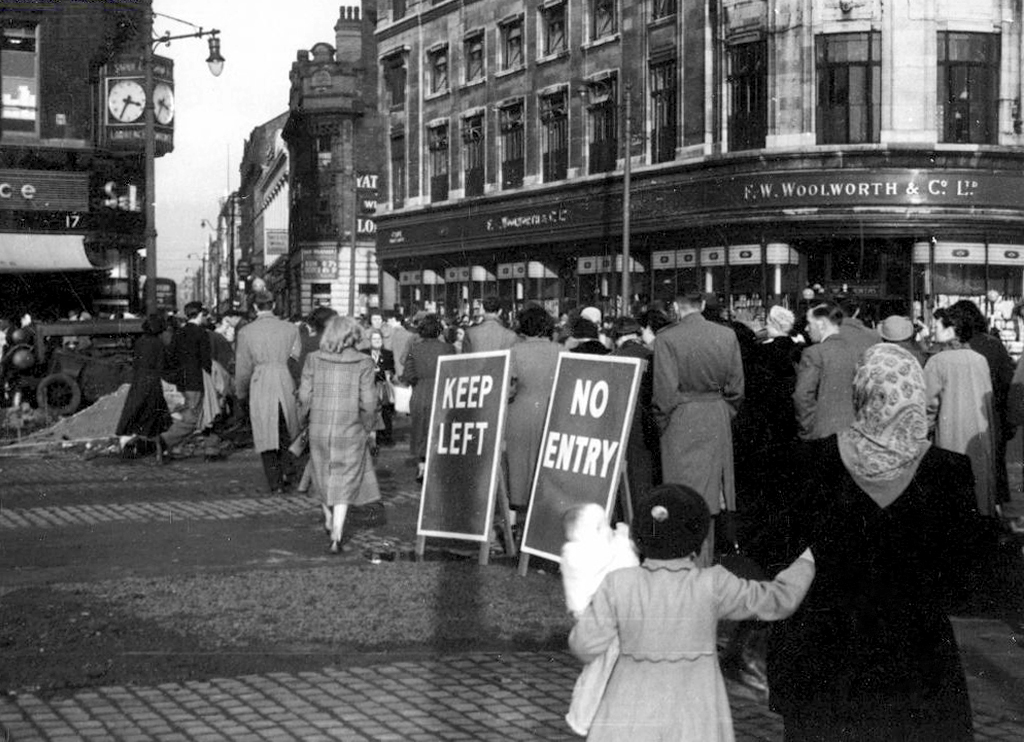
Woolworth’s burnt out long ago, never to return, exit also C&A, don’t forget your coat and hat.

Affleck’s – same name different place.

Yates’s three down none to go, the last all-in is all out.

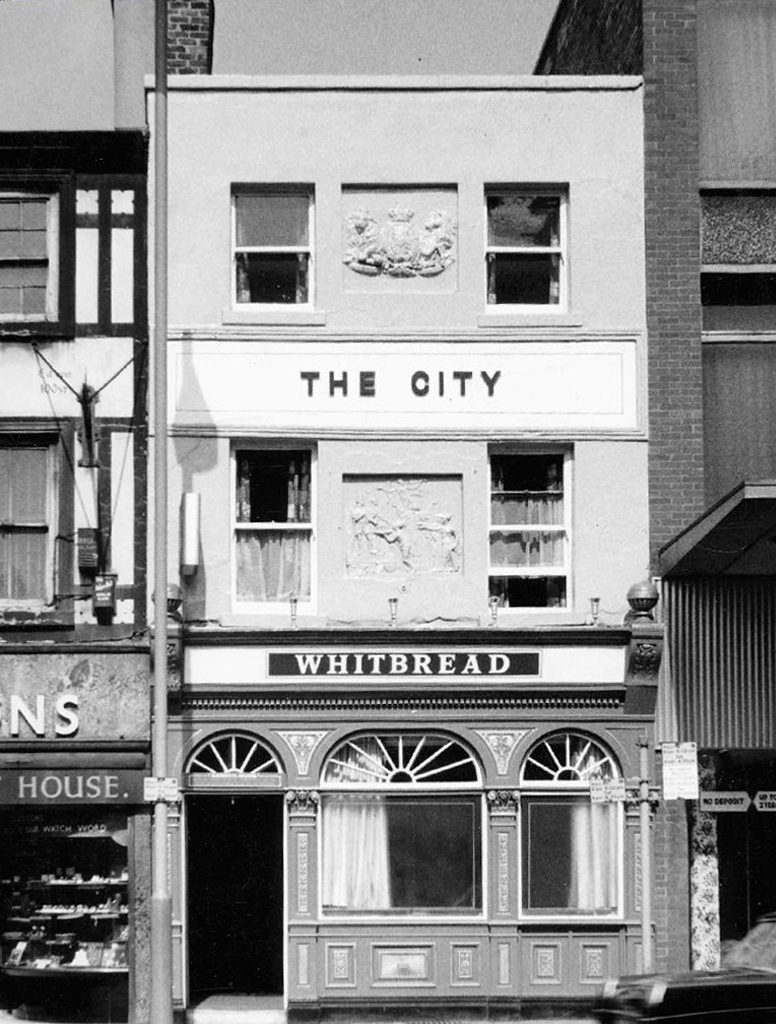
Three pubs prevail, some serving craft ale to the not so crafty.

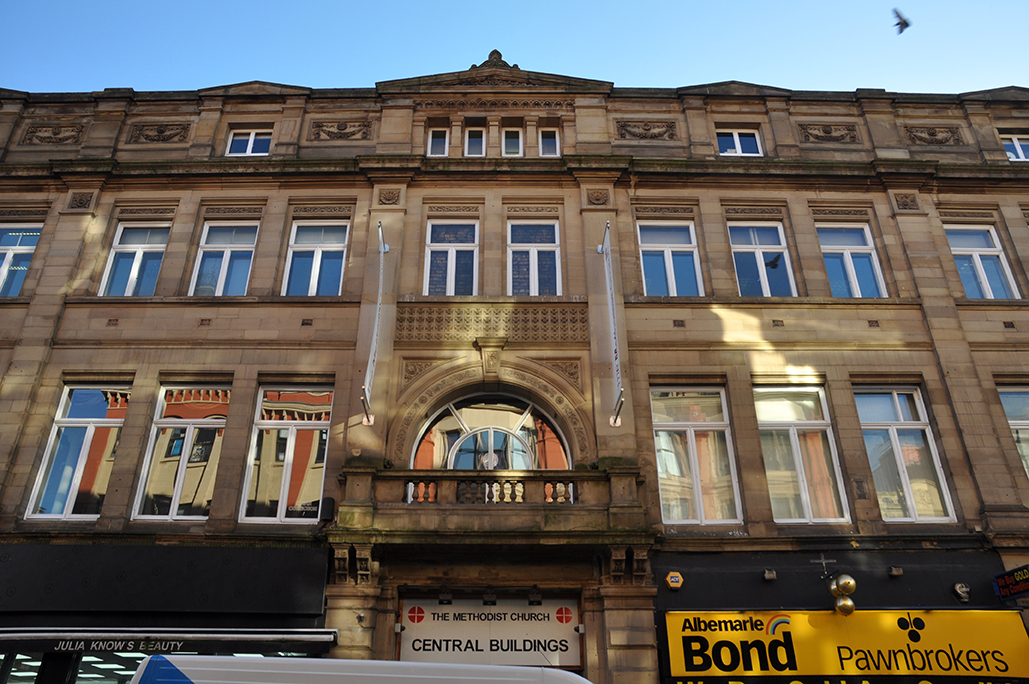
Methodist Main Hall is mainly well-used and well, loved.

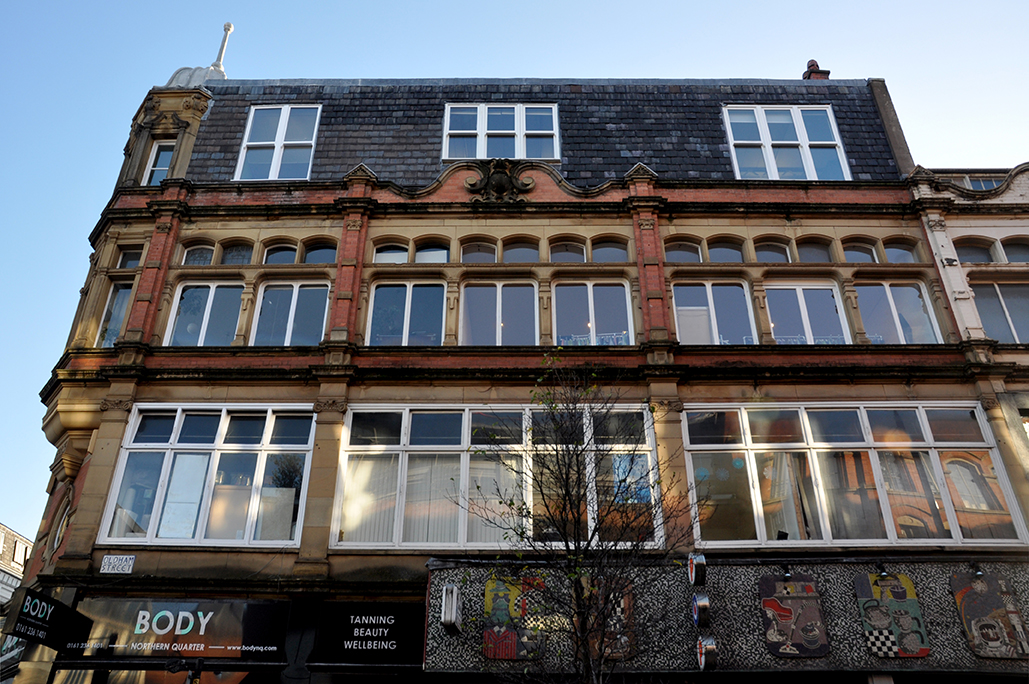
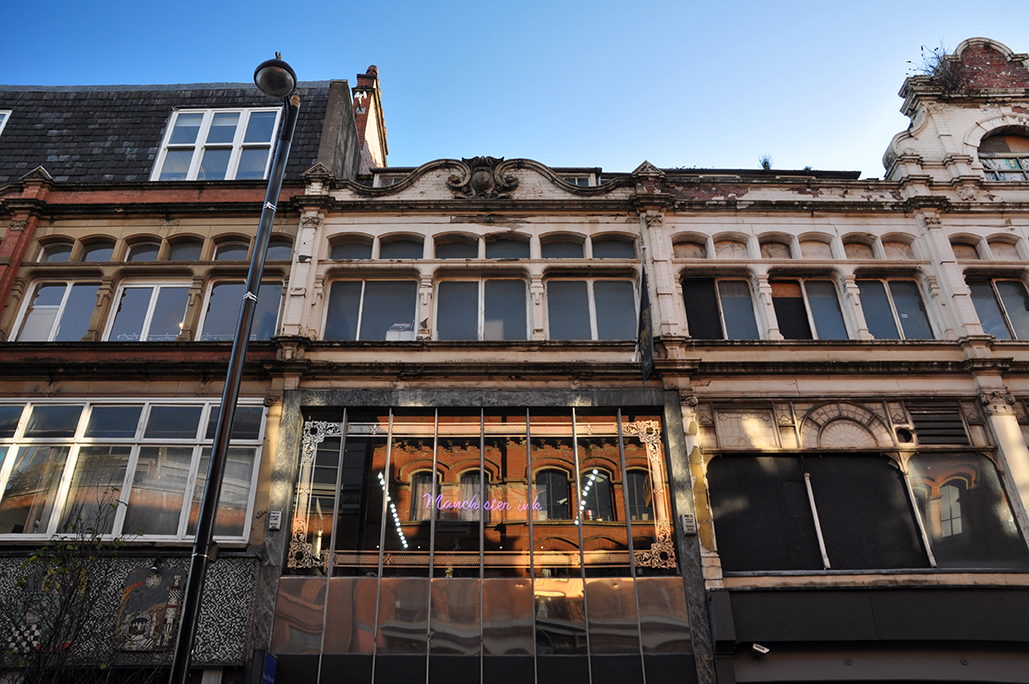
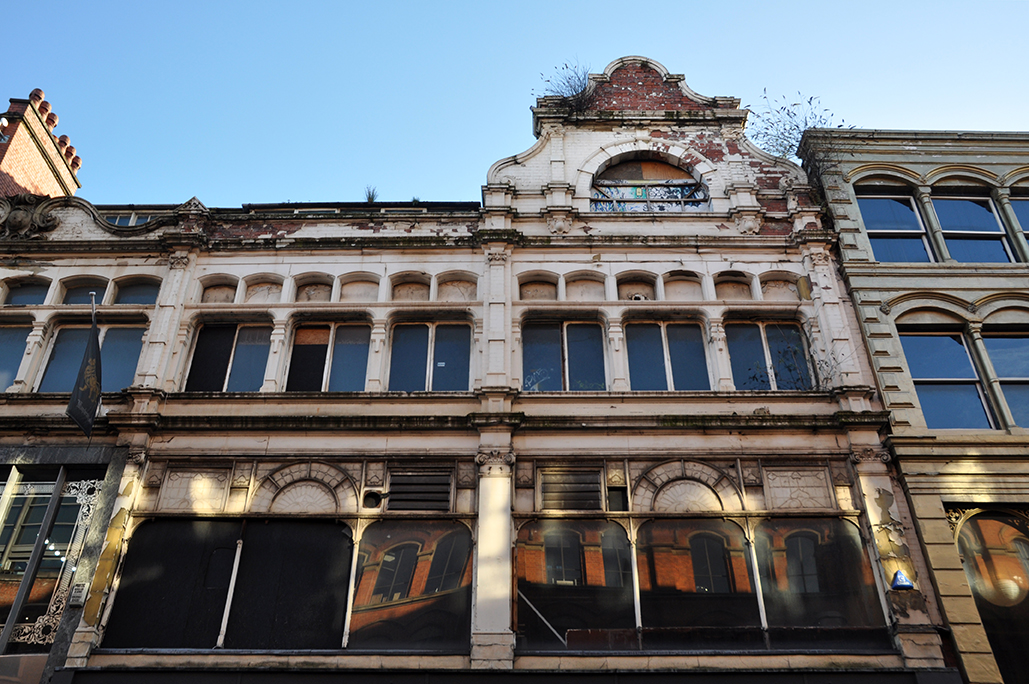
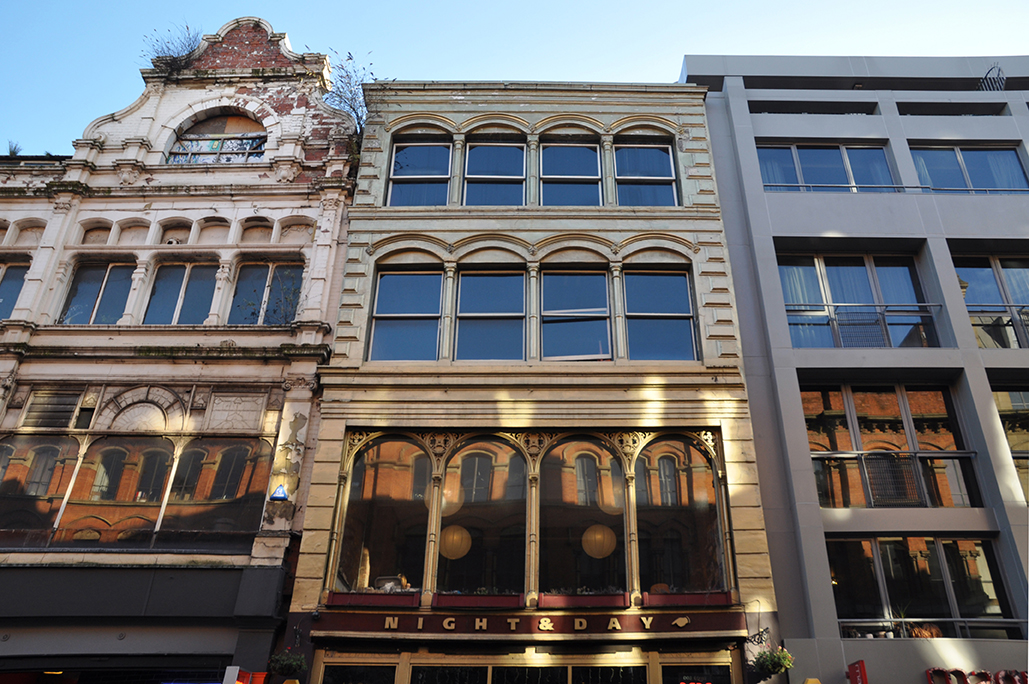
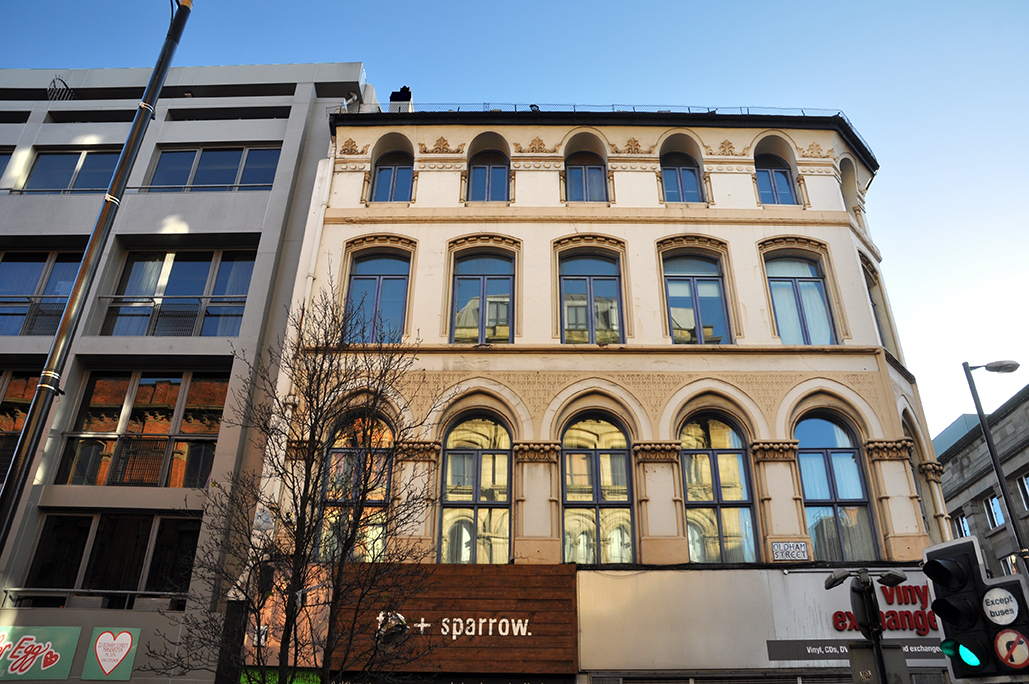
In low Winter light the upper floors dance in shadow and sun-glow, against a brighter than bright blue sky.

A crazy range of saw-toothed roof tops colliding.

Oldham Street survives.


Oldham Street – Manchester

In the early 18th century, Oldham Street was apparently:

“An ill-kept muddy lane, held in place on one of its sides by wild hedgerows”.

In 1772, a privately owned track which is now known as Oldham Street was given to the public. The road took its name from Adam Oldham rather than from the place name. He was an acquaintance of John Wesley, the founder of Methodism, which could account for the Oldham street location of the Methodist Chapel, opened by Wesley in 1781. Central Hall replaced the Chapel in 1885.

The area around Oldham Street became more affluent, with warehouses and shops, many of whose merchants lived within their shop premises. This is described by Isabella Varley, Mrs. Linnaeus Banks, a resident of Oldham Street, in her book The Manchester Man.

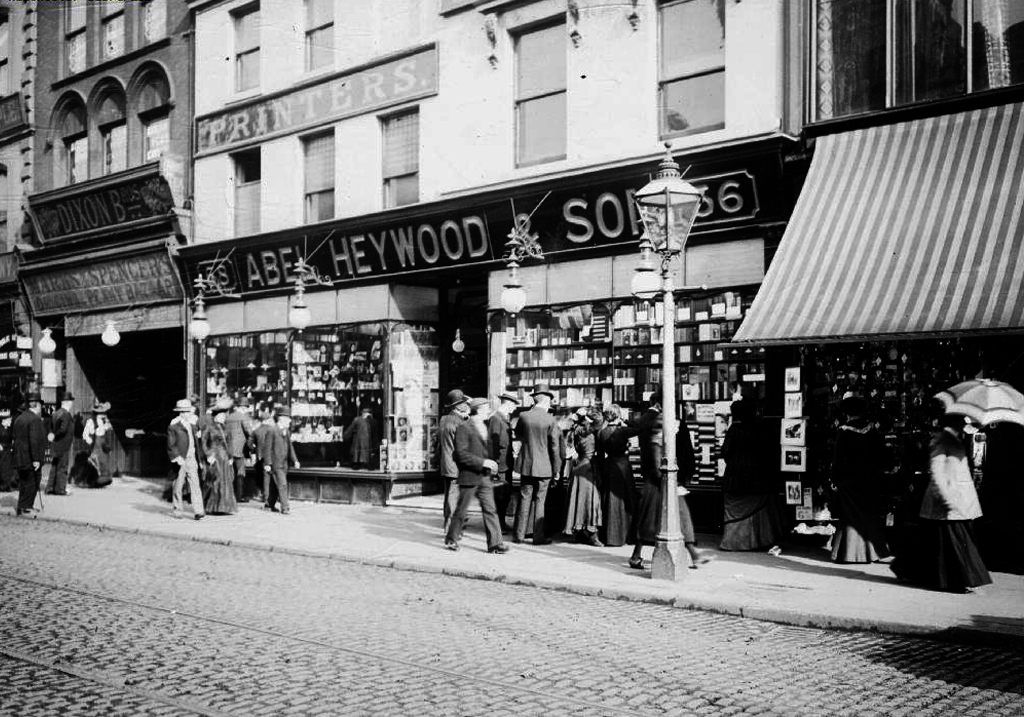
One Oldham Street shopowner mentioned by a number of writers is Abel Heywood, who spearheaded the mass distribution of books, supplying the whole country not only with penny novels, but also with educational books and political pamphlets. Heywood went on to become Mayor of Manchester.

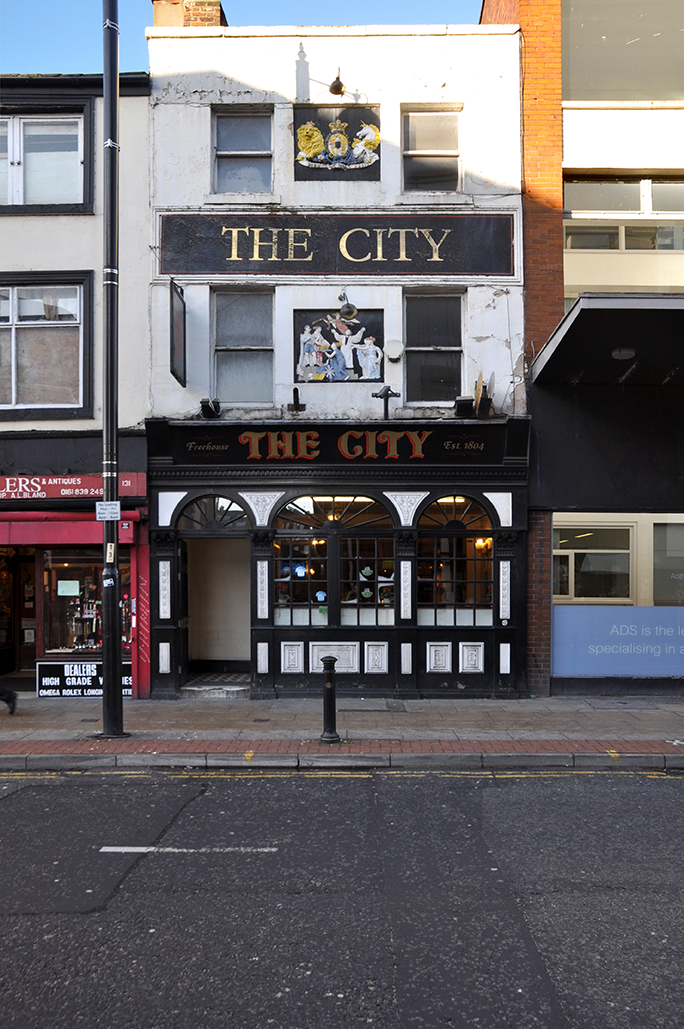
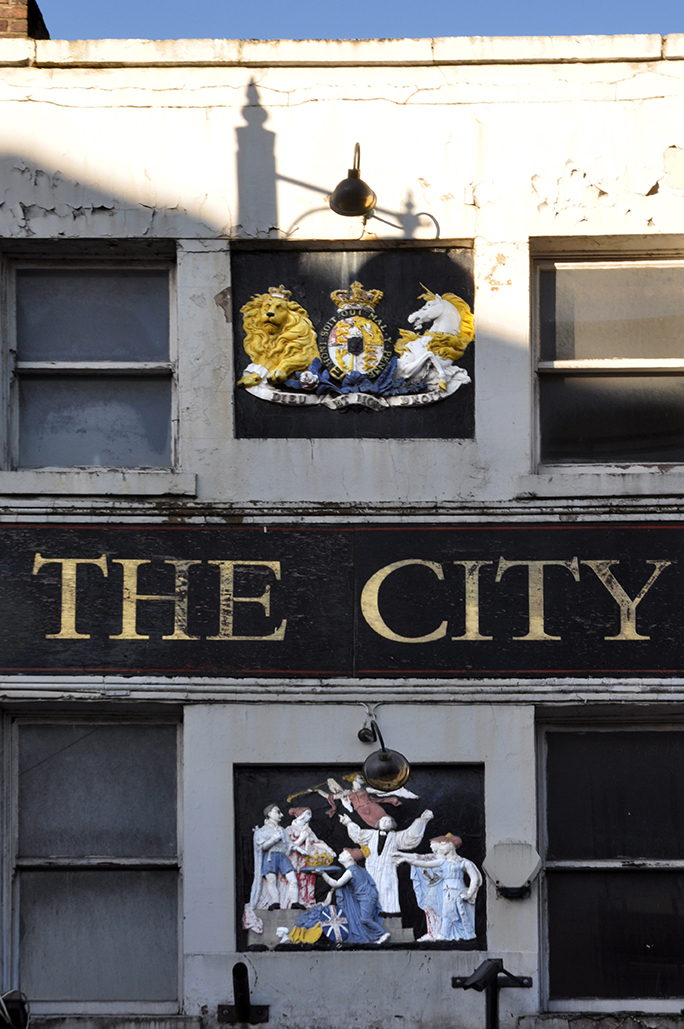
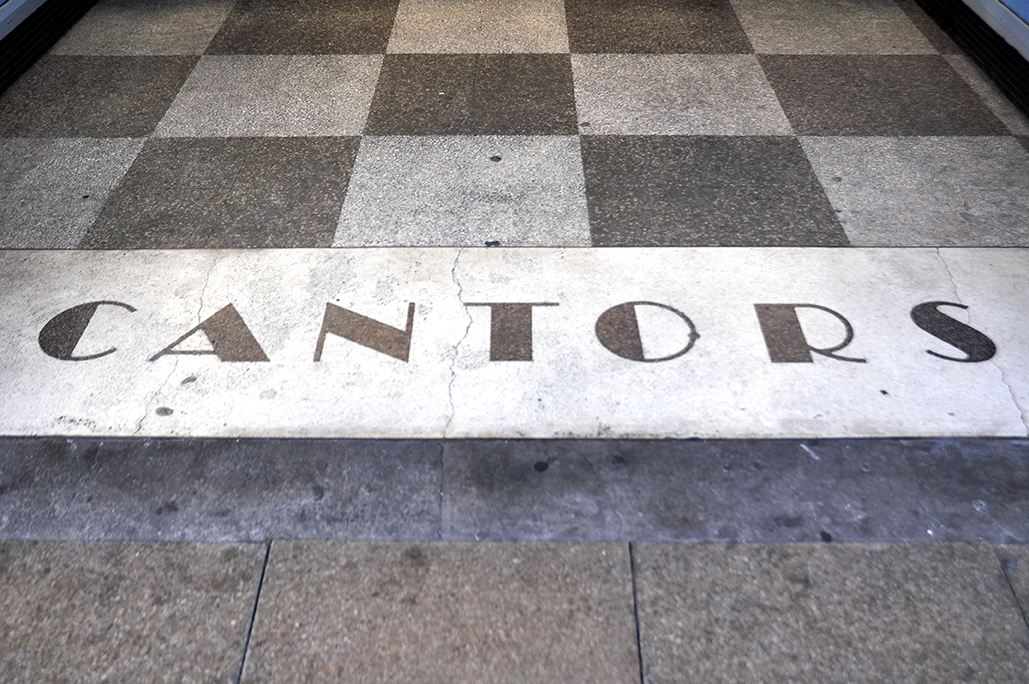
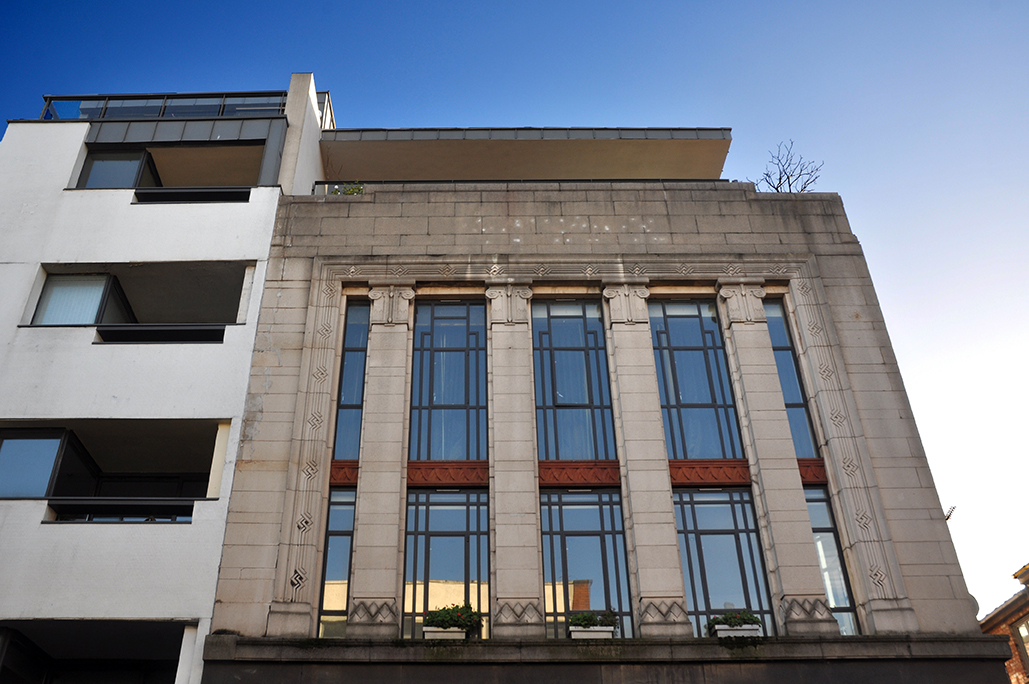
The general well to do, mix of hustle and bustle, pubs, warehousing, grand stores, smaller specialist shops and services continued into the 1970’s. Woolworths, C&A, Affleck and Browns, Cantors, Dobbins attracted a steady flow of happy shoppers, I loved the mongrel nature of the mixed use architecture.

The focus if the city centre then slipped away to the newly built Arndale and pedestrianised Market Street.

Oldham Street awaited a new sense of place and purpose.

With thanks to http://www.manchester.gov.uk/info/448/archives_and_local_history/326/historical_photographs_of_manchester


24

webmedia-8.php

22

18

image011

21

webmedia-5.php

webmedia.php

13

20

webmedia-12.php

16

17

webmedia-4.php

14

webmedia-2.php

webmedia-7.php

19

15

webmedia-9.php

webmedia-3.php

webmedia-6.php

webmedia-11.php

webmedia-10.php


Market Street – Manchester 2016

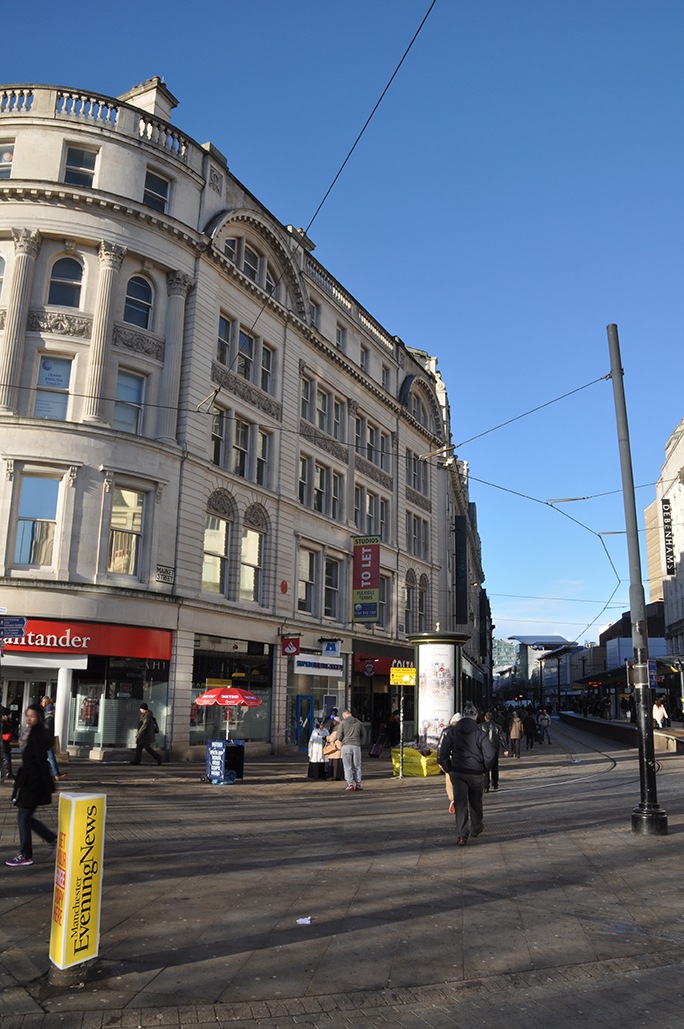
Following my previous post on Market Street, using archive material from the 60s and 70s, I was prompted to record the current state of the street.

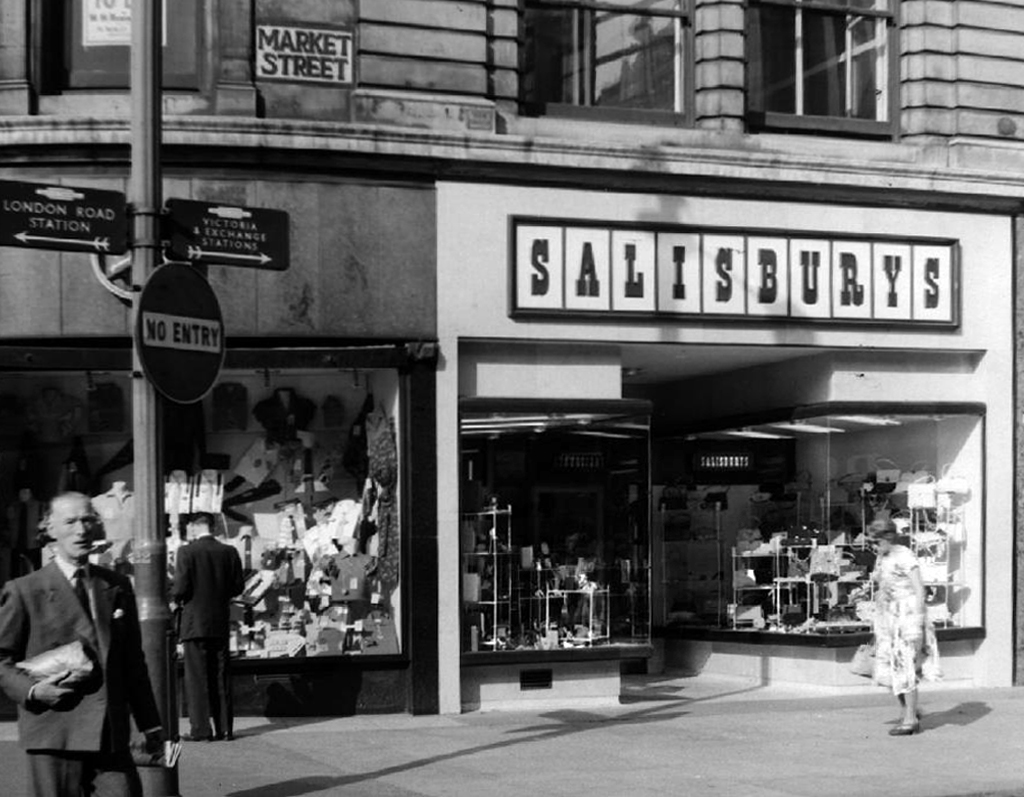
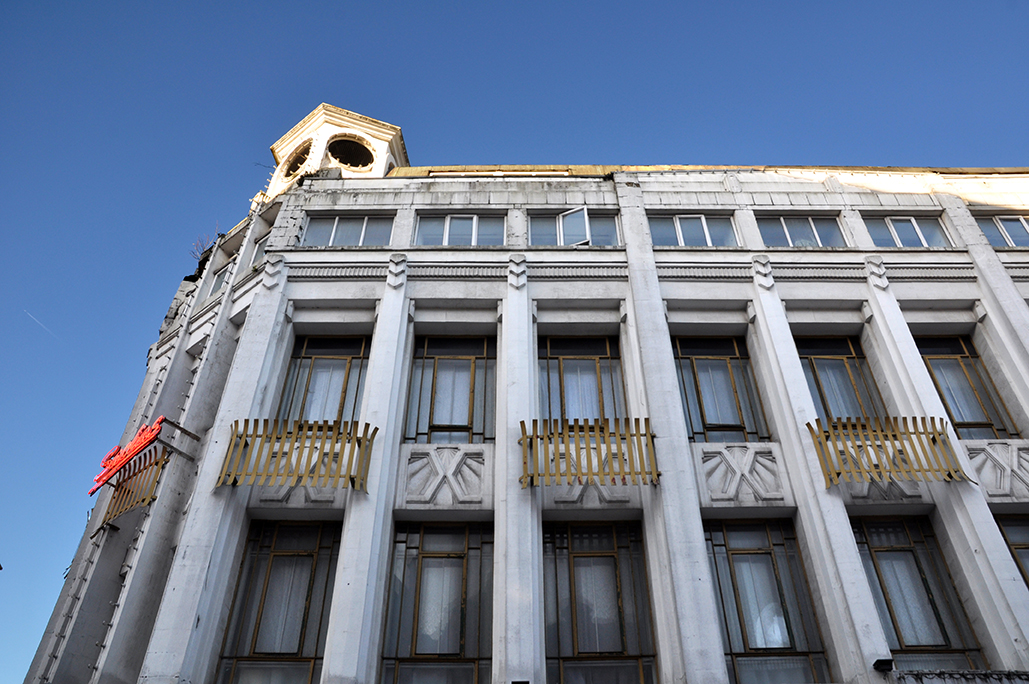
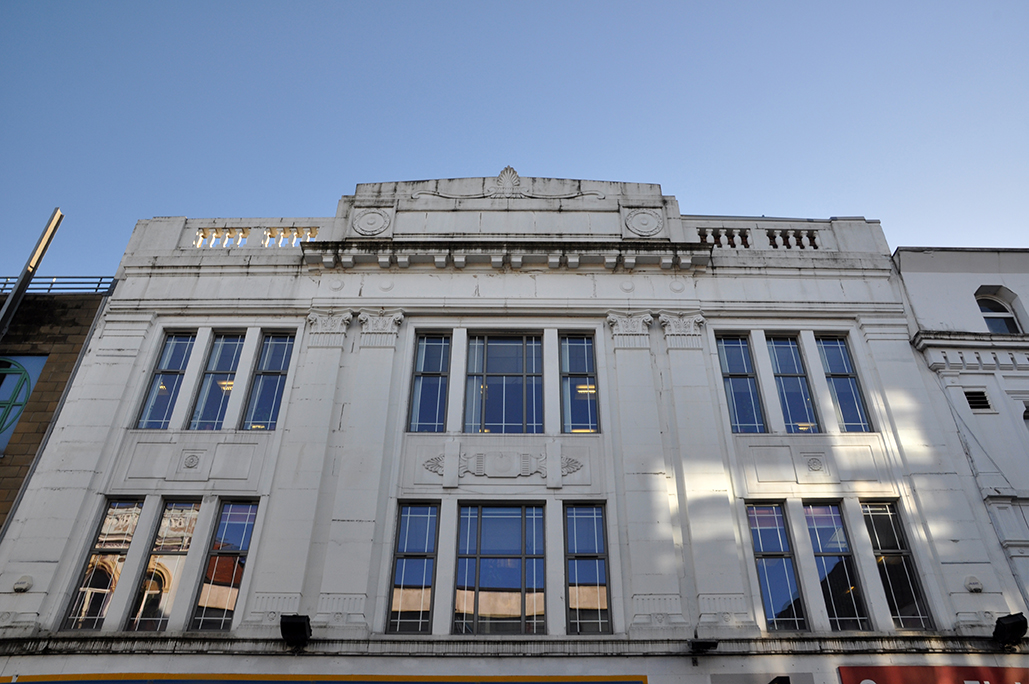
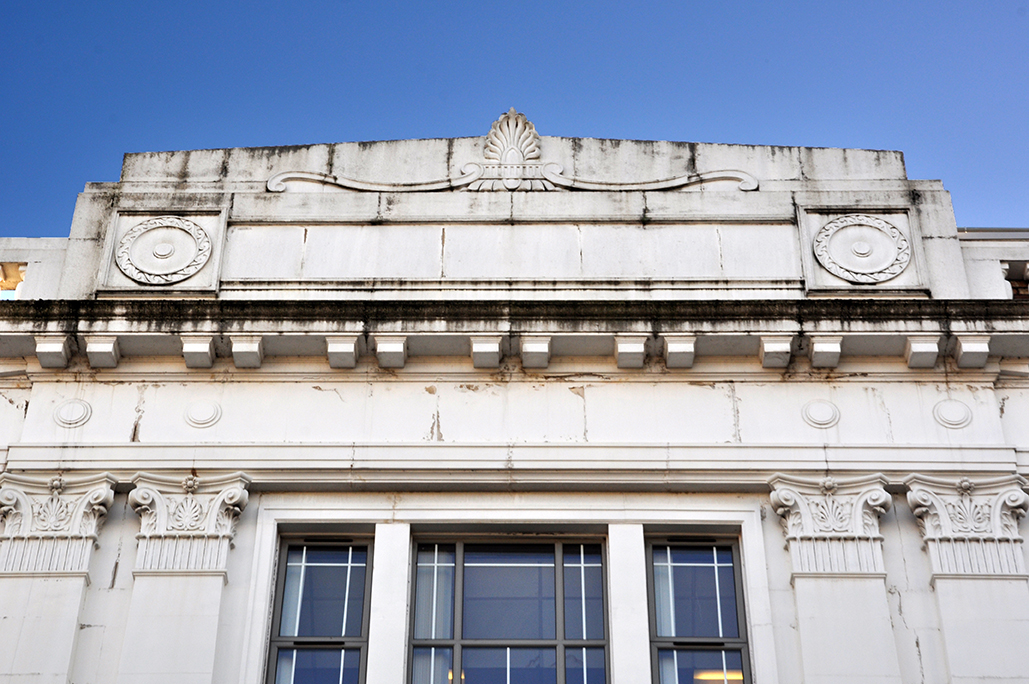
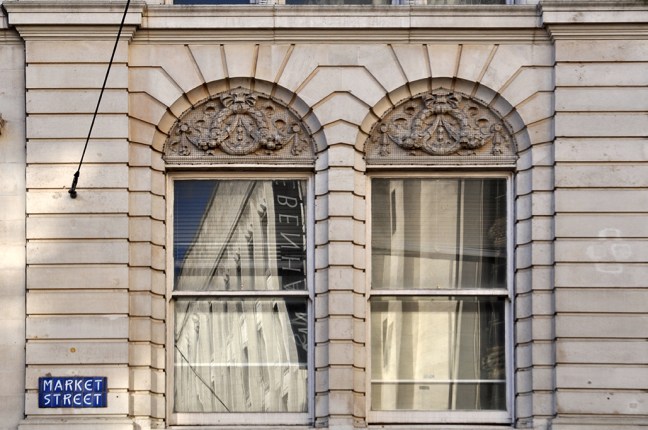
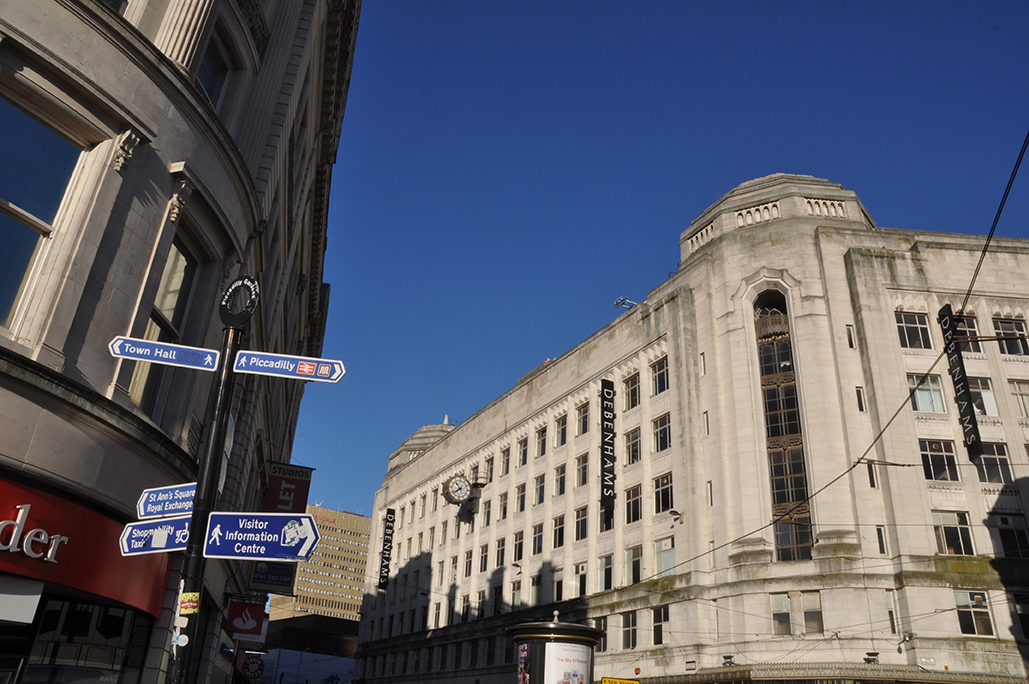
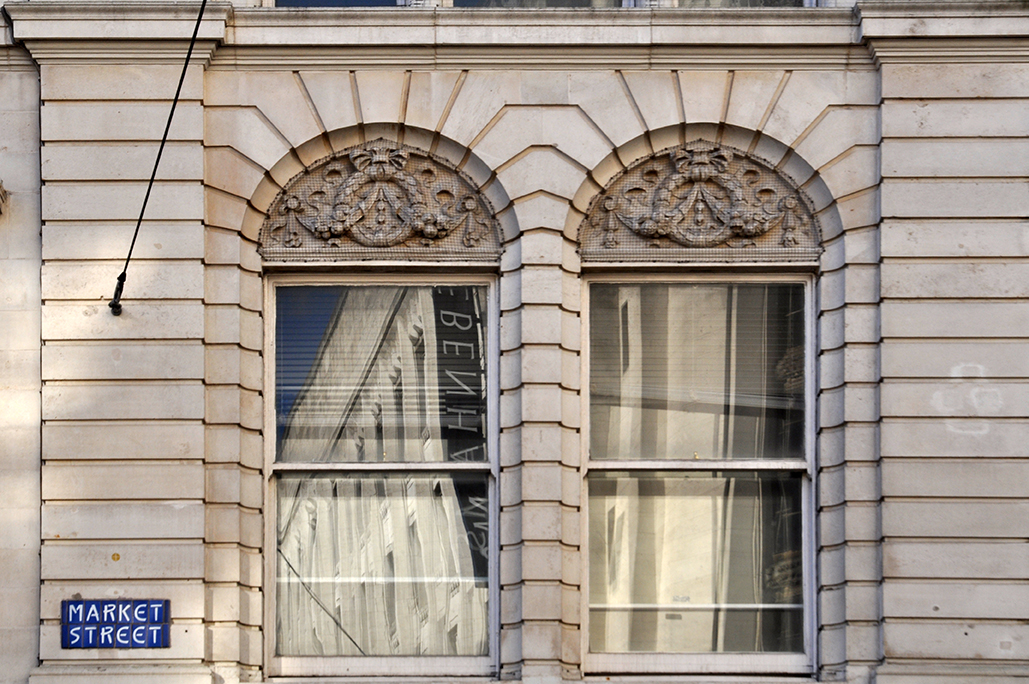
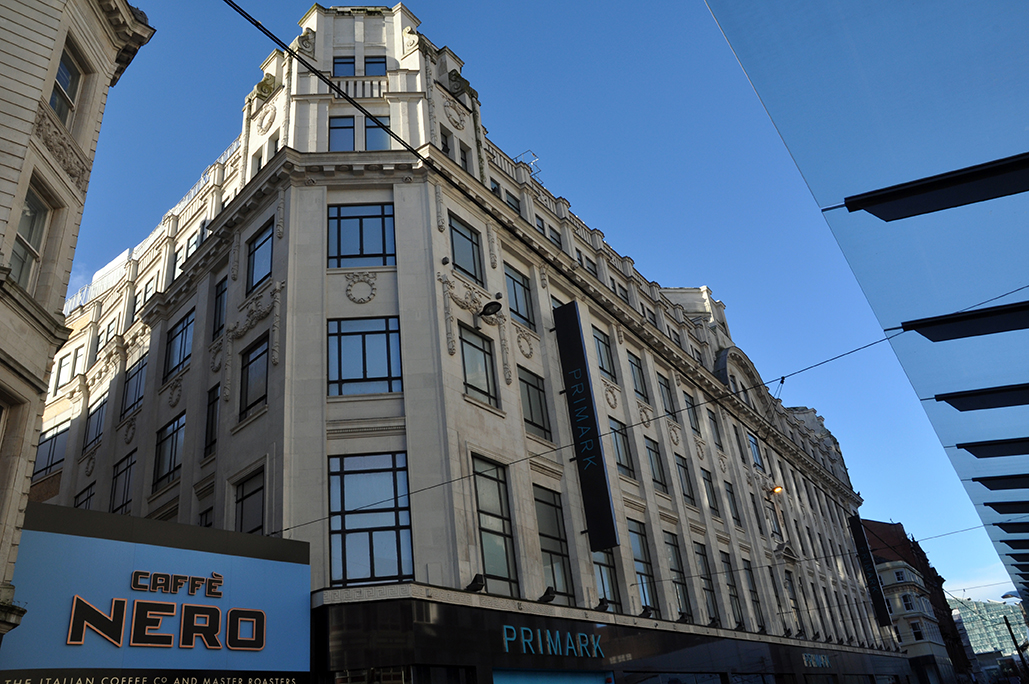
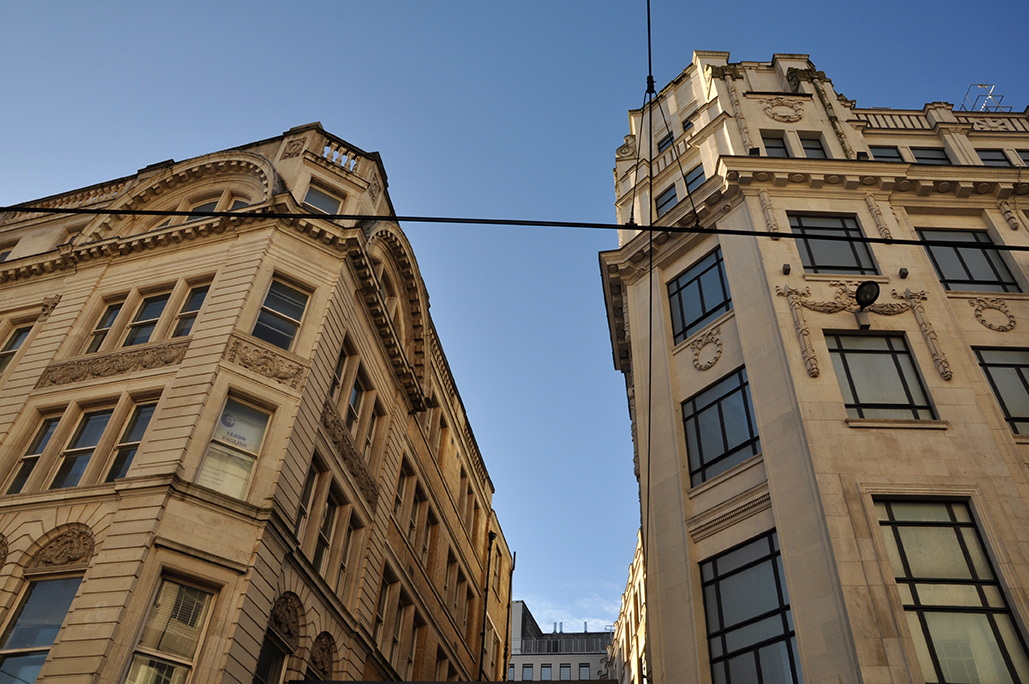
To the east is the Arndale, I chose to concentrate on the western elevation and the extant facades that chart a story from Victorian to Moderne – with a little rebuild, pastiche and grandiose Classicism in between.

See what you think, the sooty deposits have long been sandblasted away, much of the previous exciting noise and clutter, of above eye level signage ceases to shout, from just below the rooftops.

It’s a cleaner, leaner and possibly meaner world.

http://www.manchestereveningnews.co.uk/news/greater-manchester-news/manchesters-market-street-named-sixth-9421149

It always pays to look up – just don’t inadvertently bump into things.

Market Street – Manchester

cinephone2

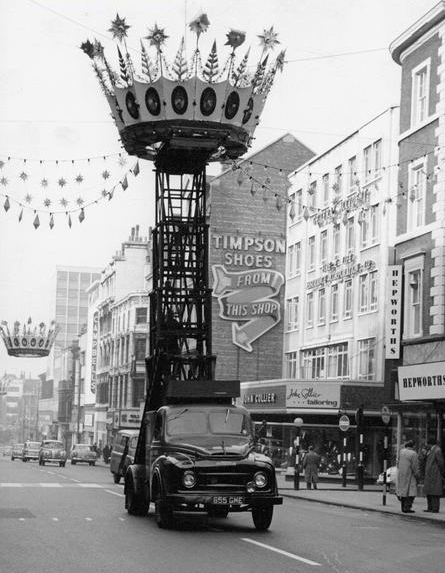
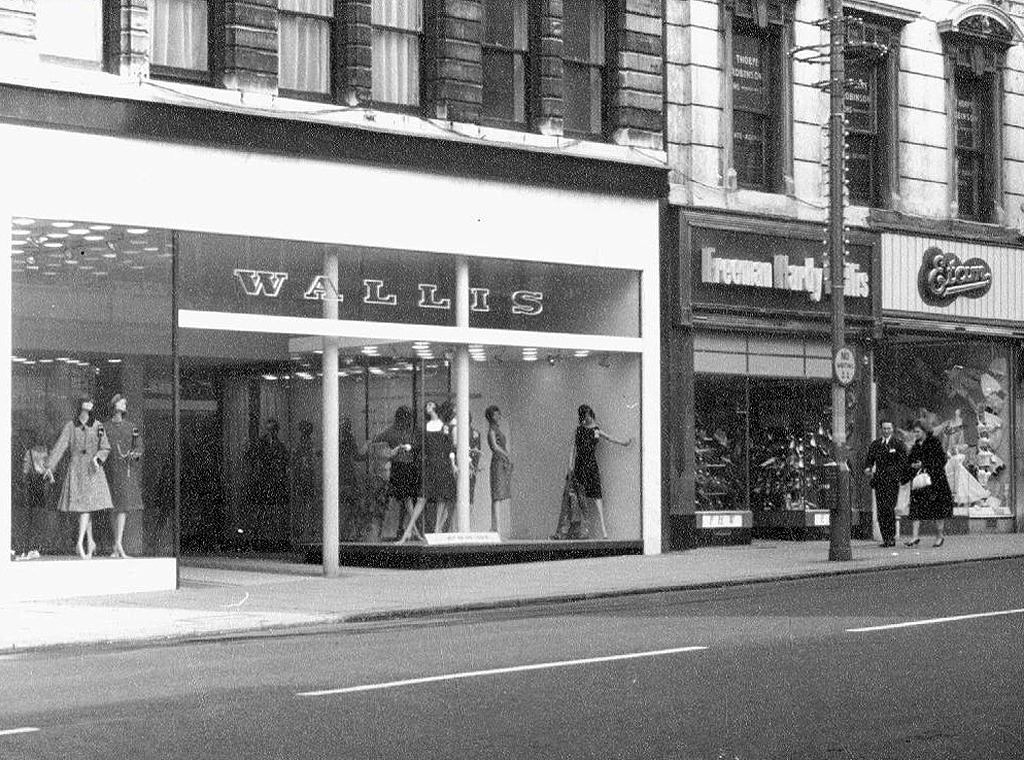
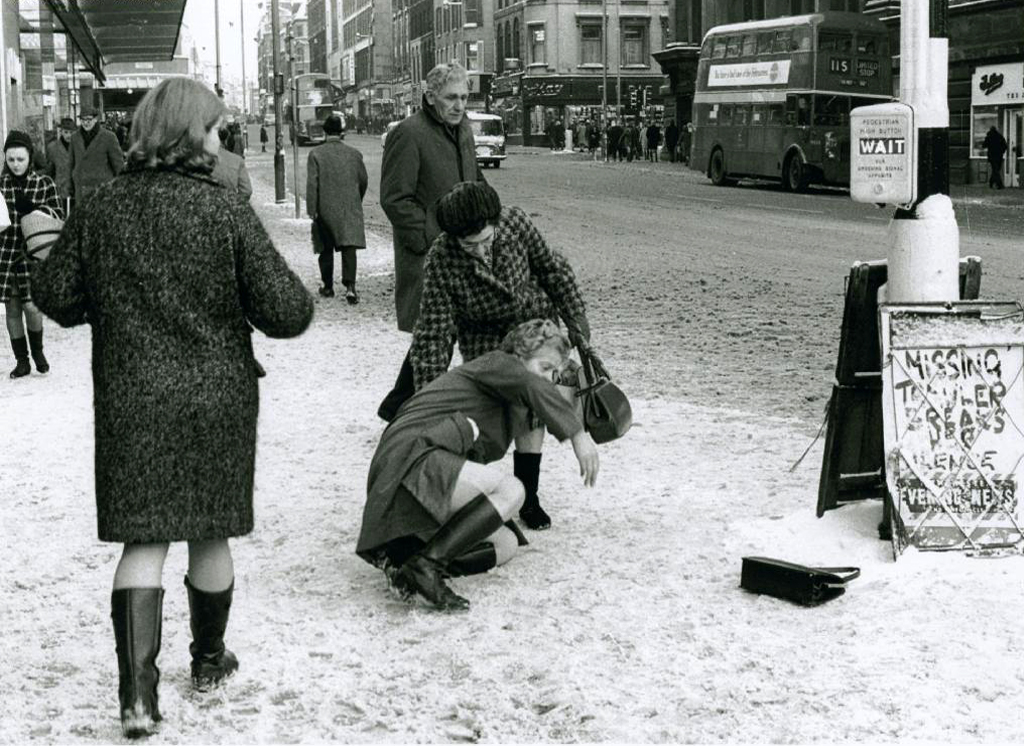
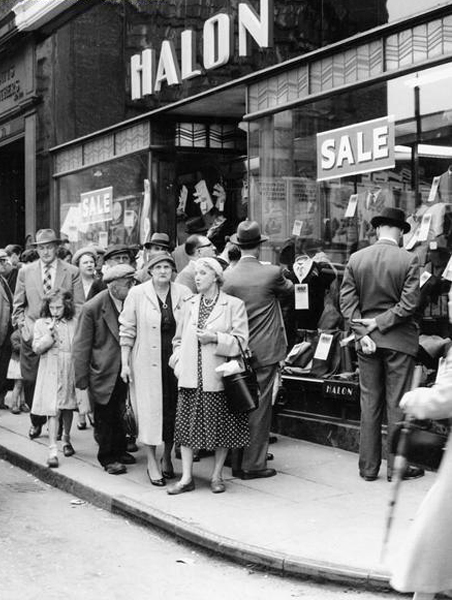
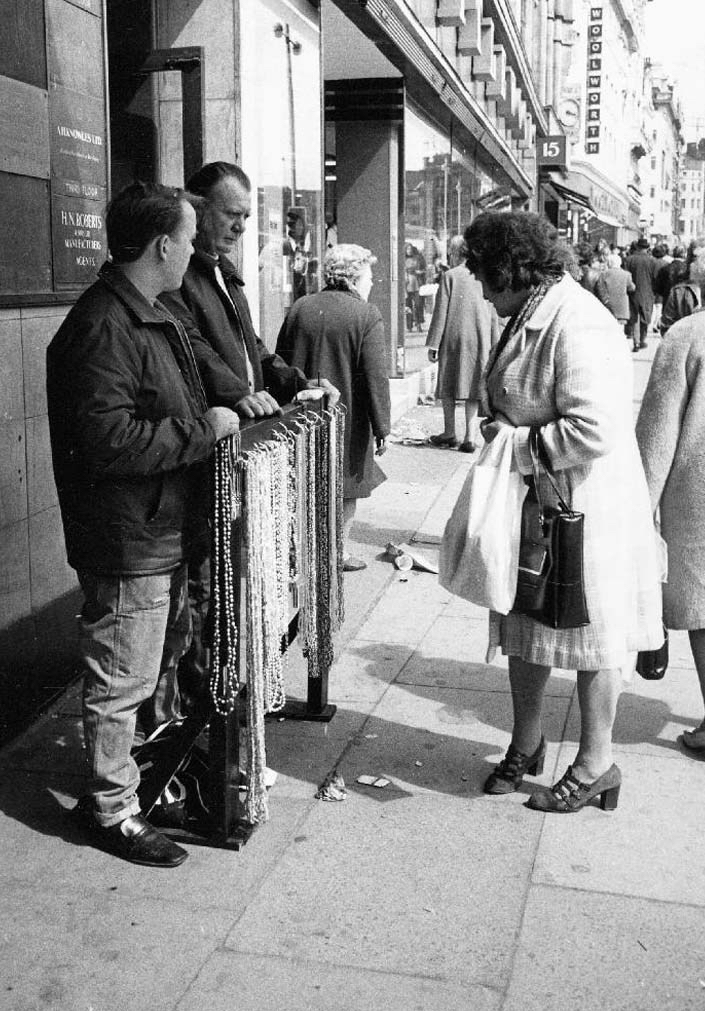
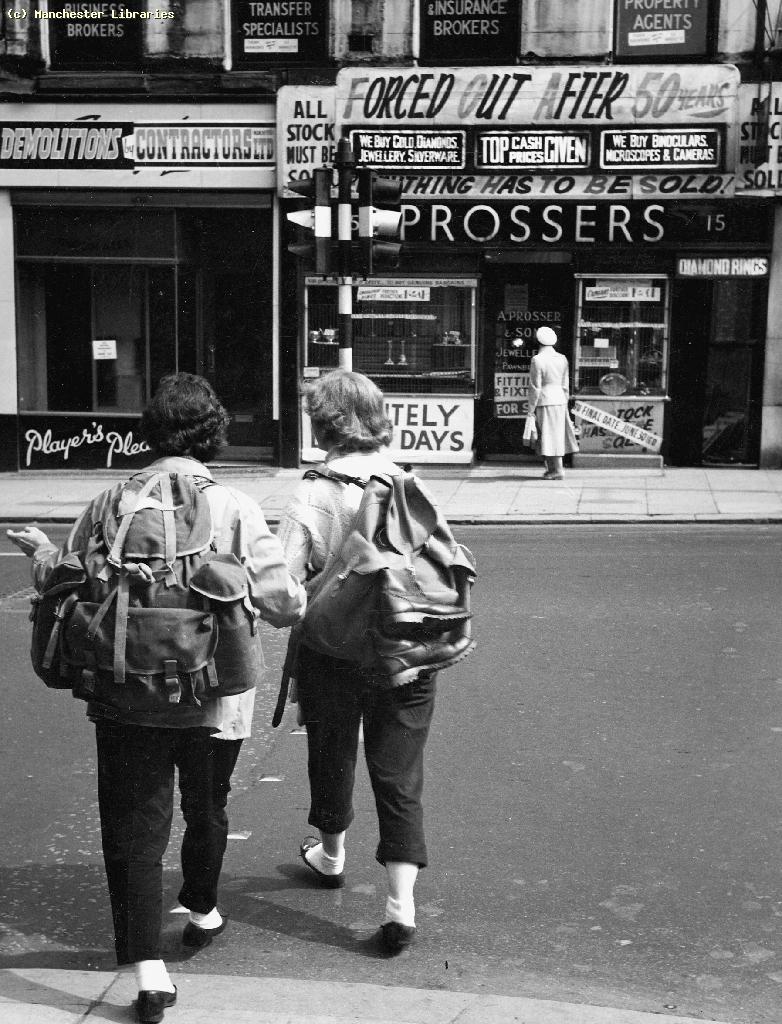
City streets are by their nature subject to movement and change, things literally come and go – in milliseconds, days and decades. People and places are shaped by the forces of function and fashion, economics and history.

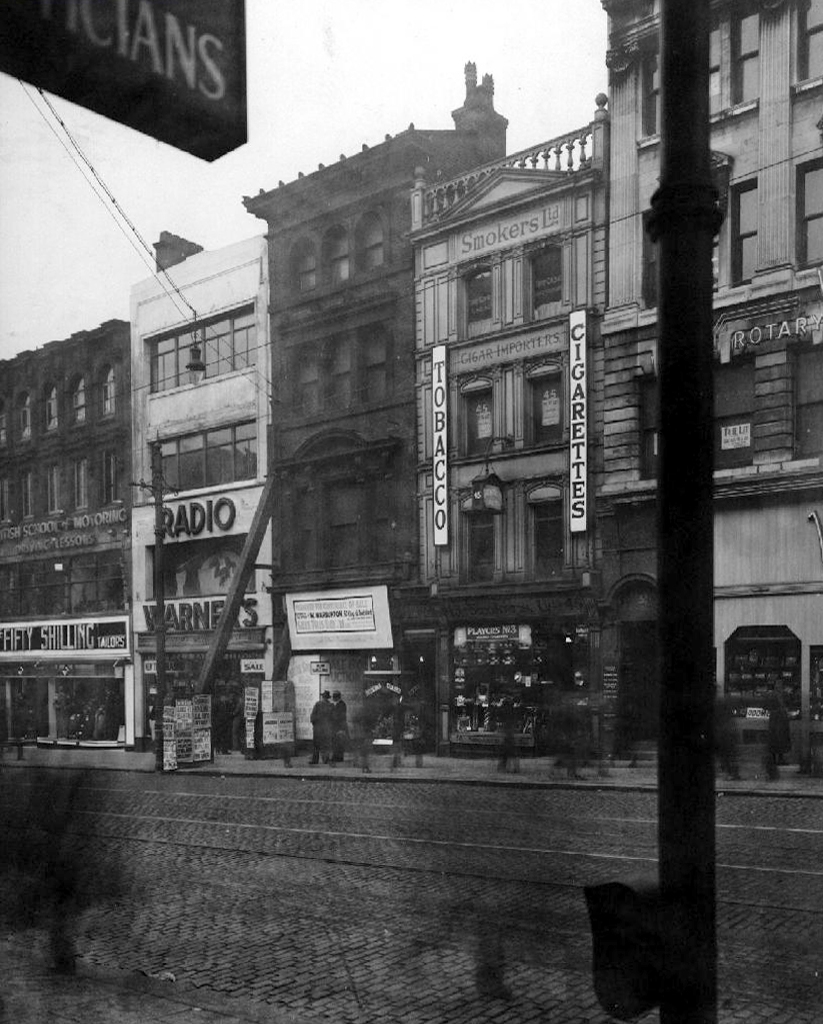
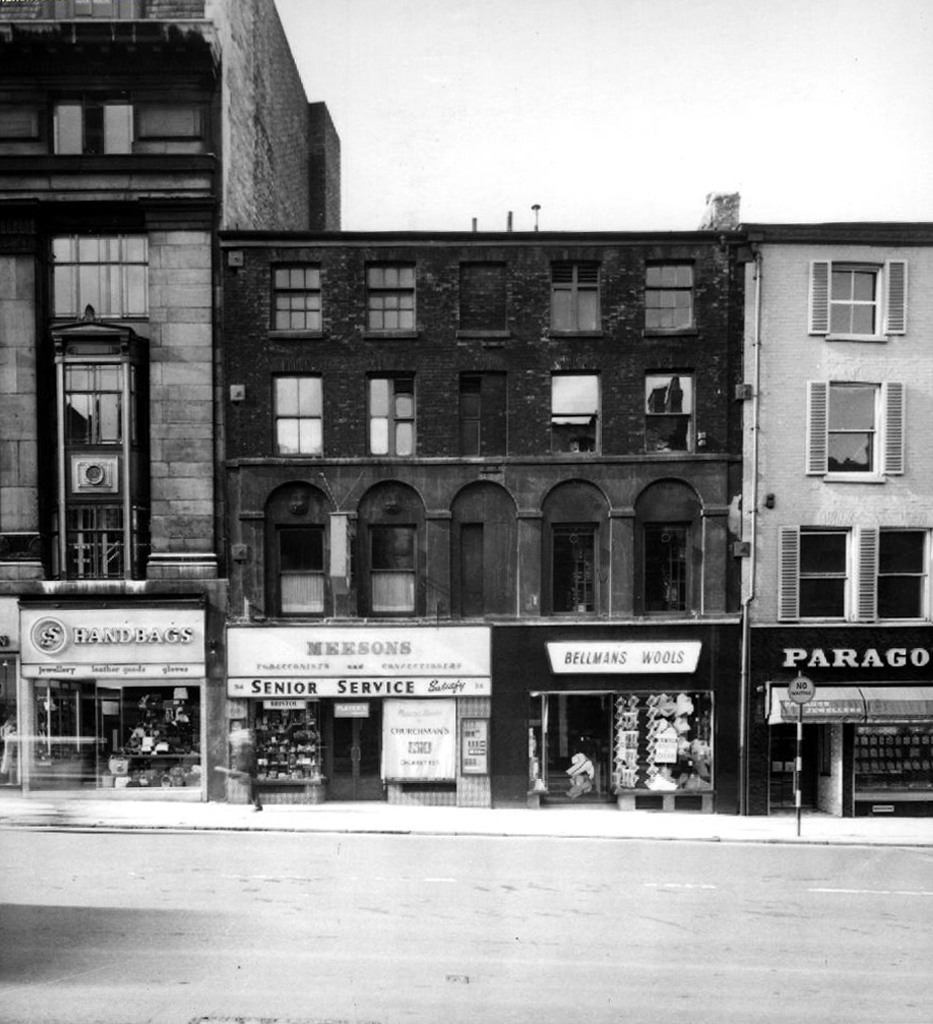
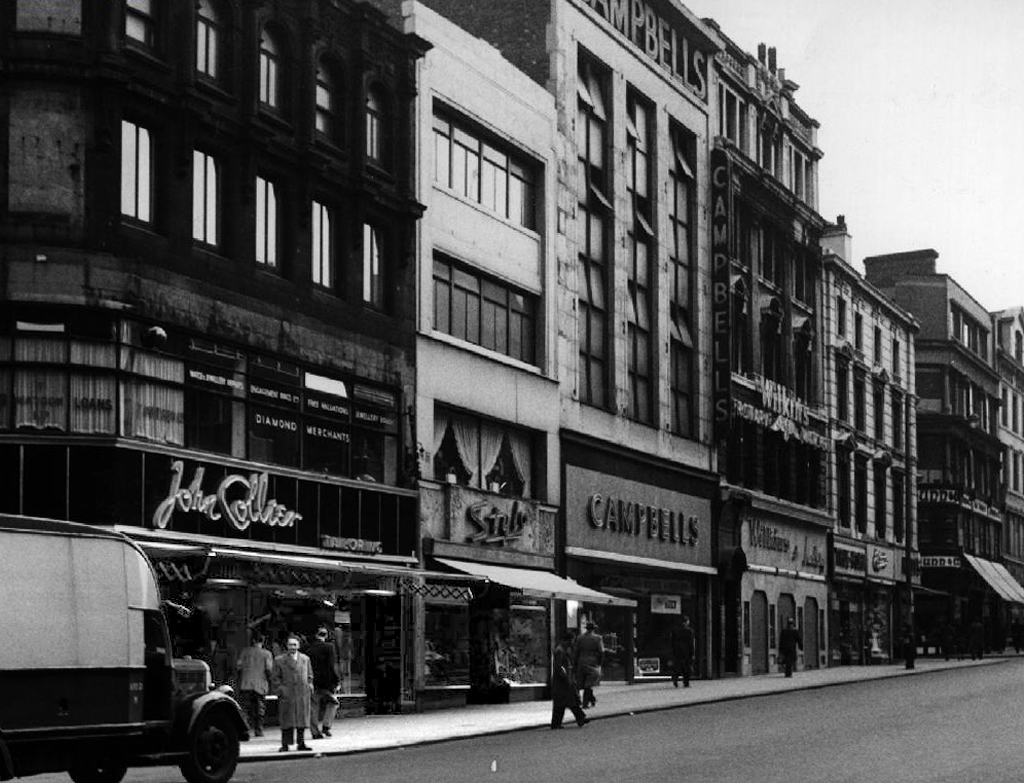
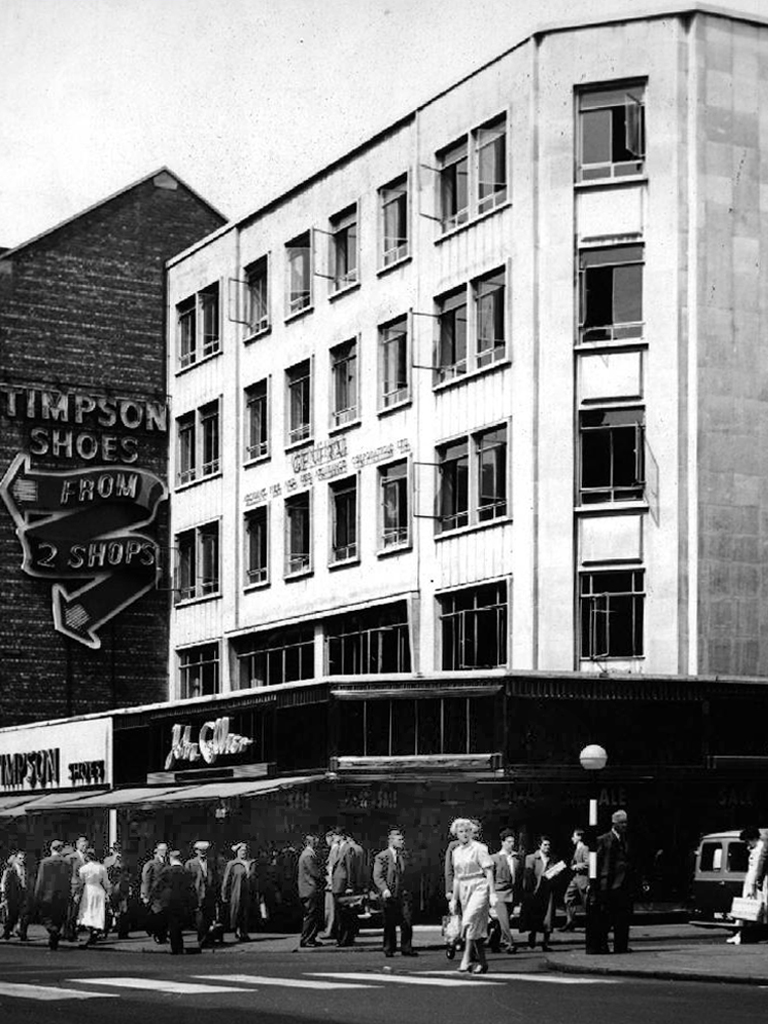
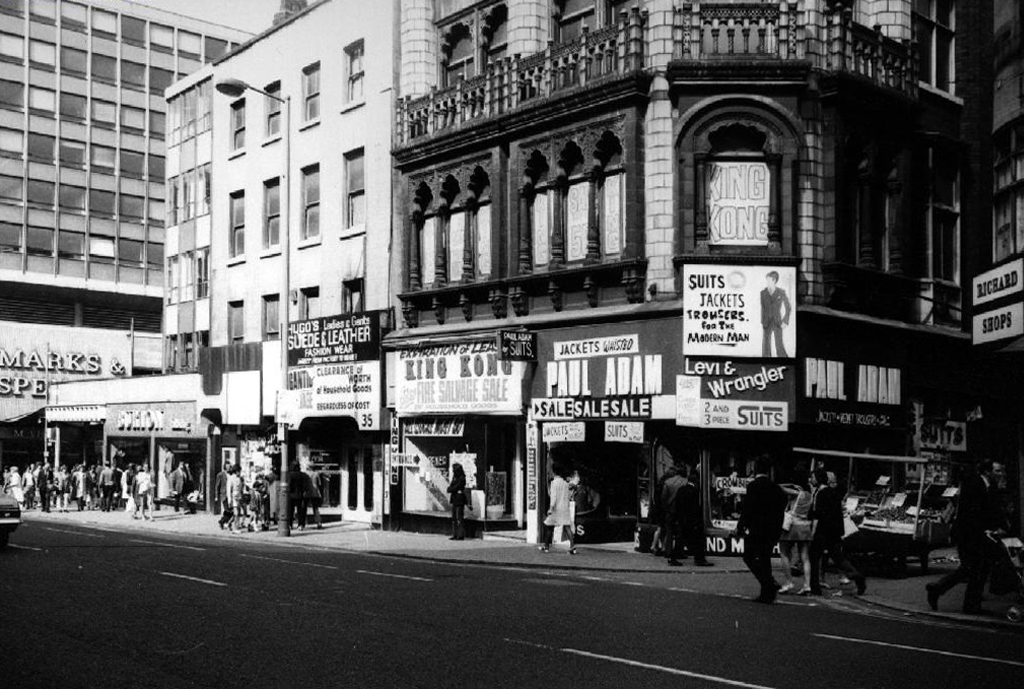
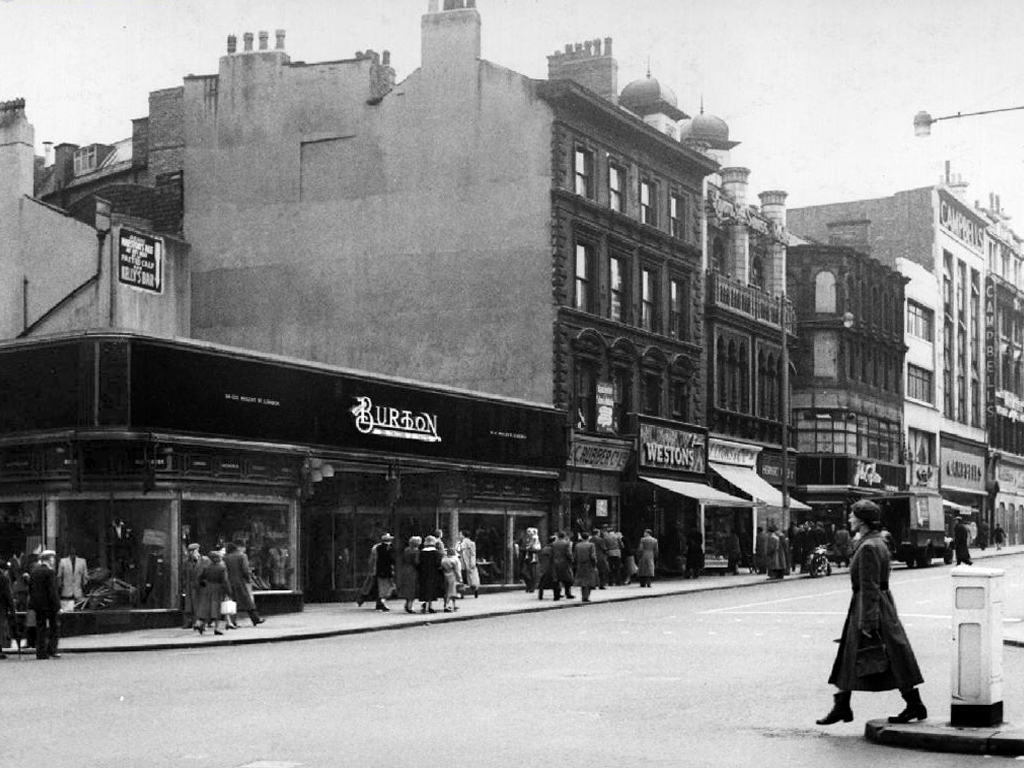
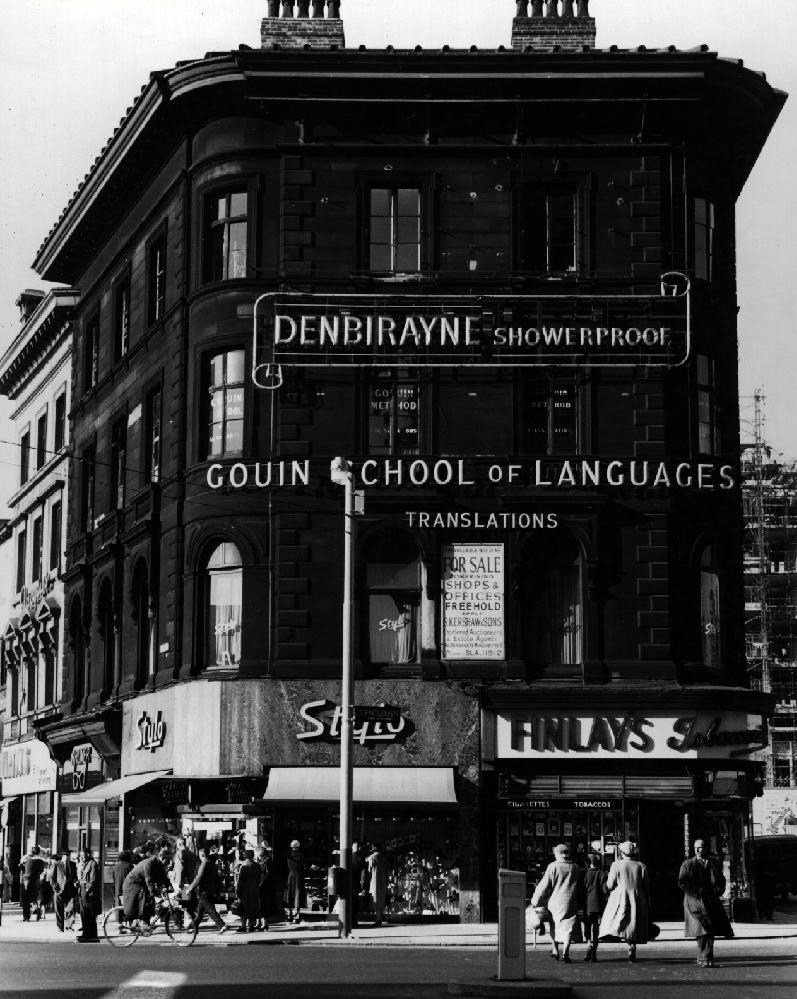
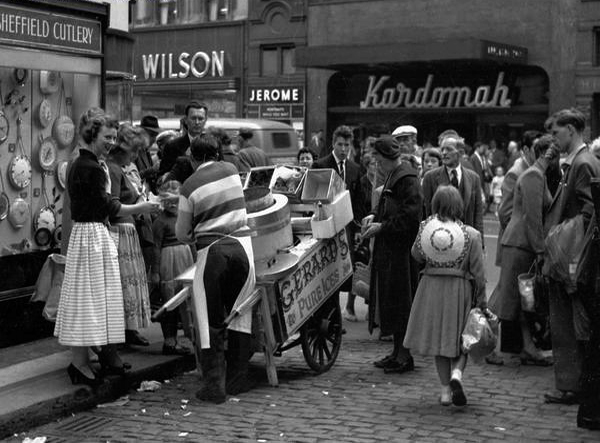
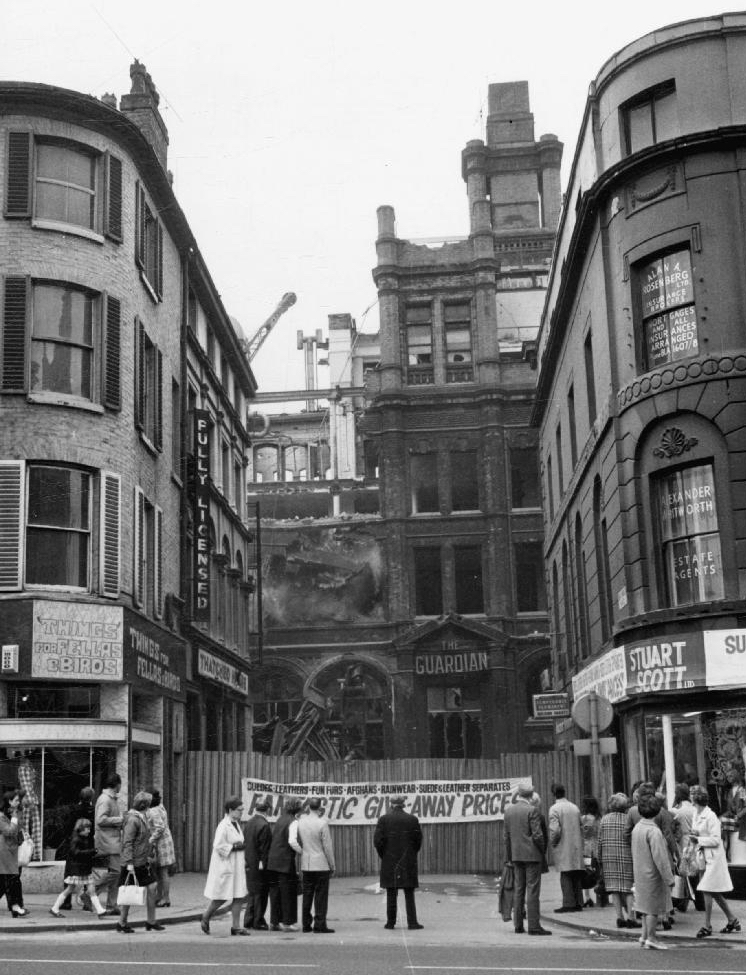
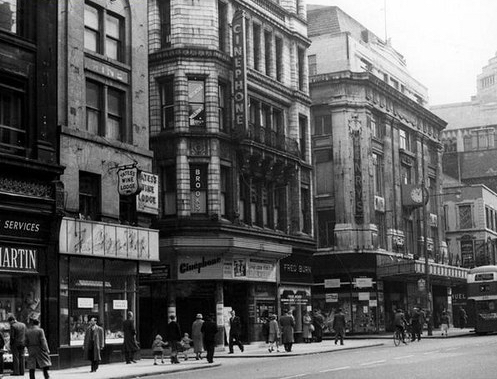
Before the Arndale,  pre-pedestrianisation, Market Street, from the Fifties until the Seventies, was one of Manchester’s key arterial, retail thoroughfares. Mixing mixed traffic, shops, cafés and restaurants, bars, cinemas, offices and administration.

The architectural skyline, had the raggedy silhouette, of a century of build and rebuild.

Lower your eyes, there’s Classical, Gothic, Baroque, local Rococo, Deco, Moderne and Modern – that’s right Madam no two the same, four for a pound, get it while you can.

Lower still, things are still never still, a riot of colour in black and white Vitrolite.

Neon abounds, the names are never changed to protect the innocent.

Local traders are slowly replaced by national and international multinationals.

You have nothing to lose but but your chain-store now.
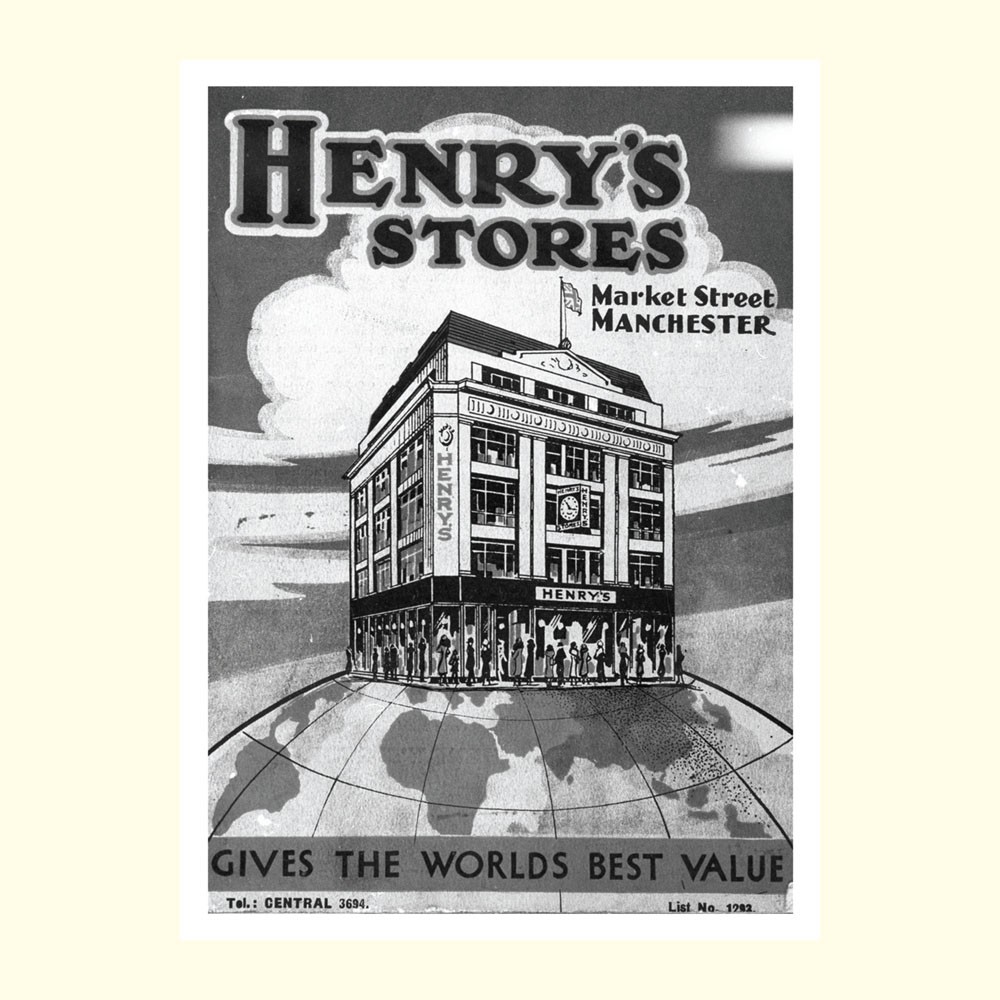


ront-page-from-henry-s-stores-catalogue.-398-p

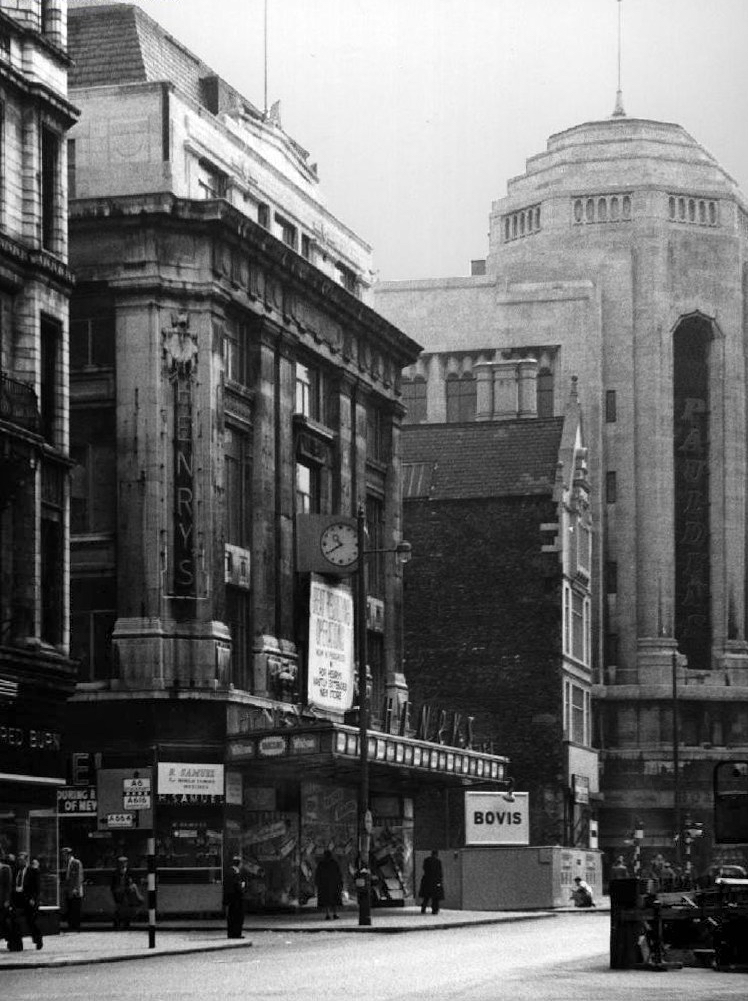
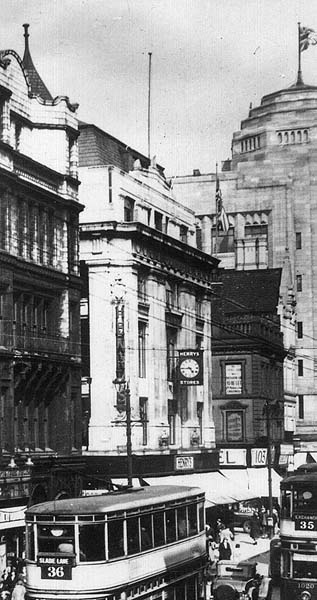
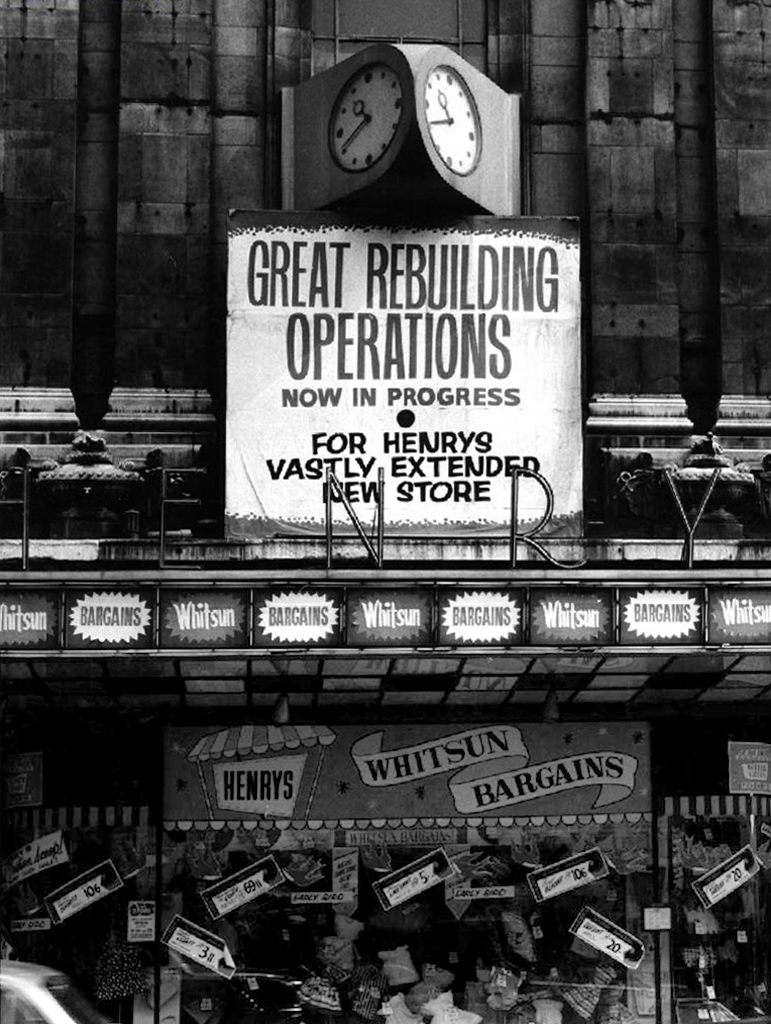
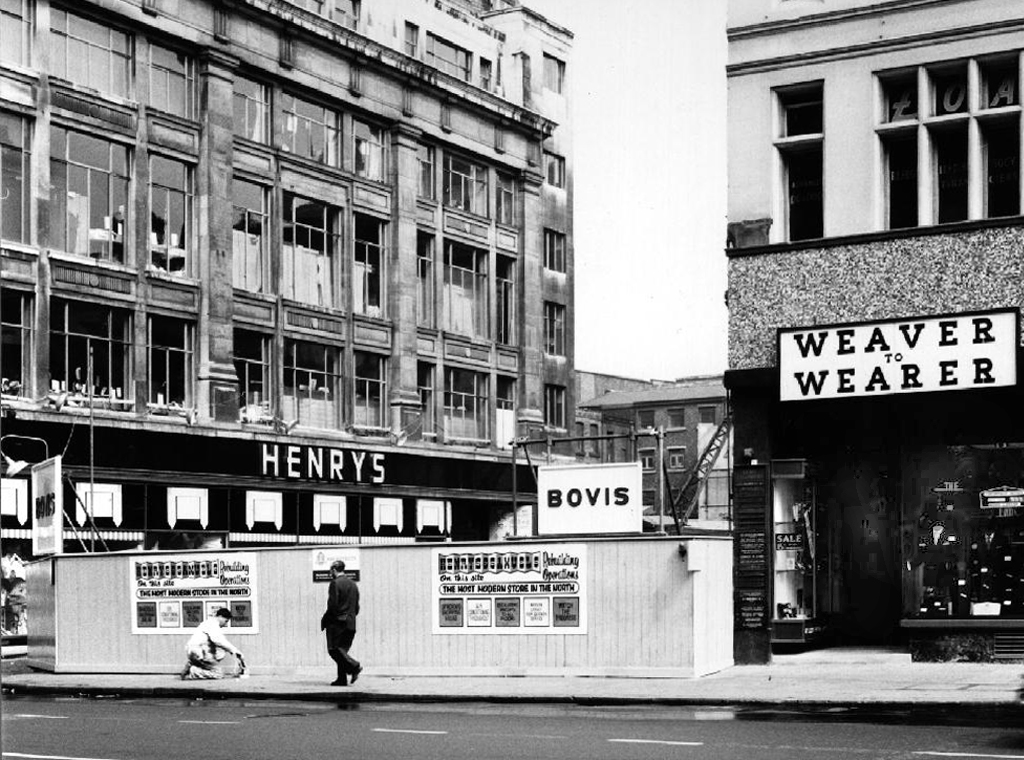
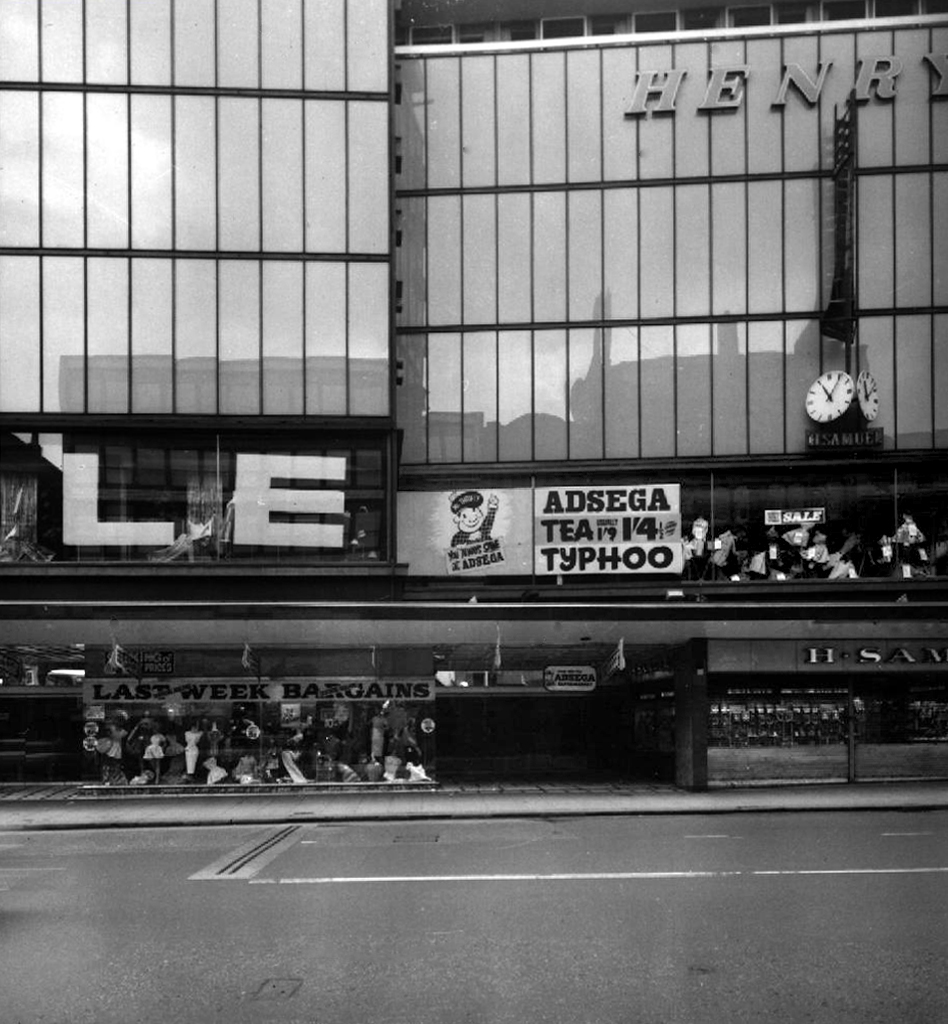
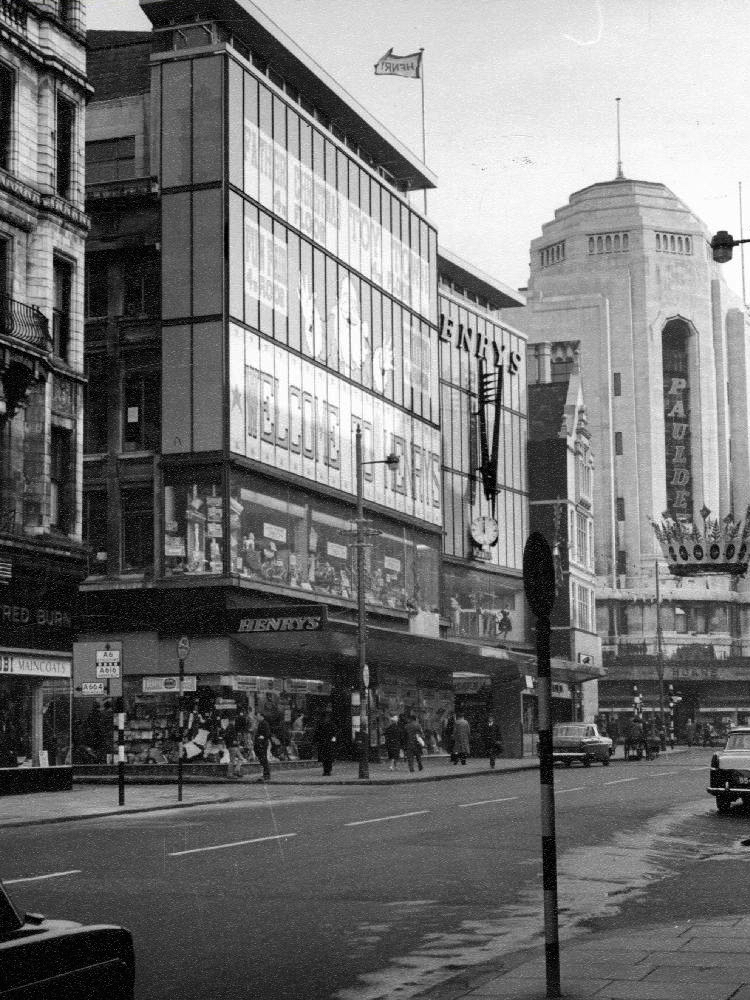
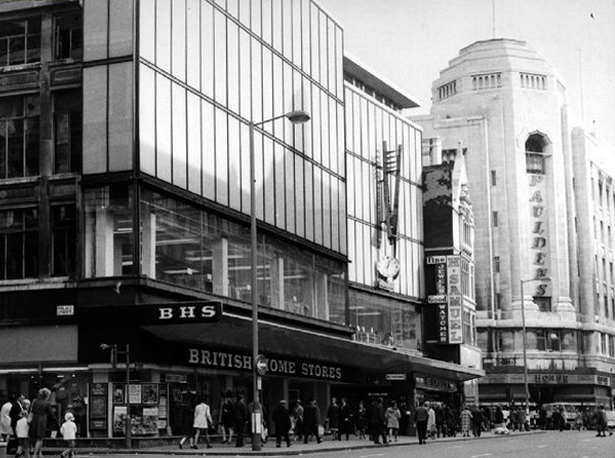
Henry Cohen came to Manchester around 1880. In 1910 he opened a men’s clothing outlet at the corner of Market Street called the Smart Outfitting Company. Having turned down a chance to join Marks and Spencer, he eventually built his department store in Market Street which opened in 1923. Henry’s Stores was redeveloped in the early 60’s acquiring an extension and a unifying Modernist façade, the site and store was acquired by BHS in the mid 60’s.

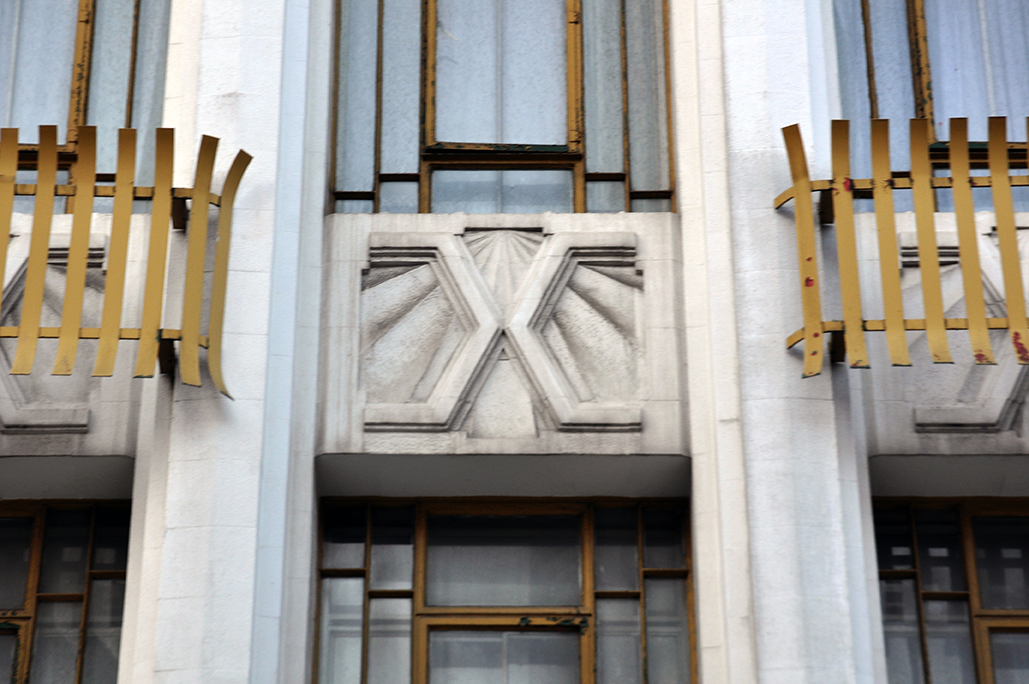
Rylands Building is a Grade II listed building in the building was originally built as a warehouse by the Rylands textile company which was founded by John Rylands. The building was designed by the eminent Manchester architects, Fairhursts, in an Art Deco style. It is clad in Portland stone and features a decorative corner tower and eclectic ‘zig zag’ window lintels.

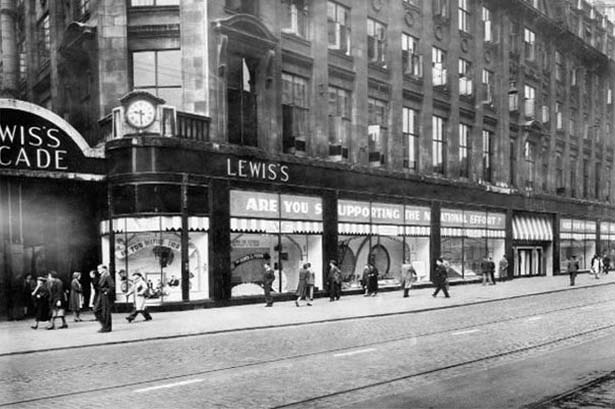
Following a fire, in 1957, which totally destroyed the premises of Paulden’s Department Store, in All Saints, the company acquired the Rylands warehouse building and converted it to a store. This was then a direct rival to the Lewis’s store, on the opposite side of Market Street. In 1973 Debenhams, the owner of Pauldens rebranded the store in their name. Since that time it has remained Debenhams.

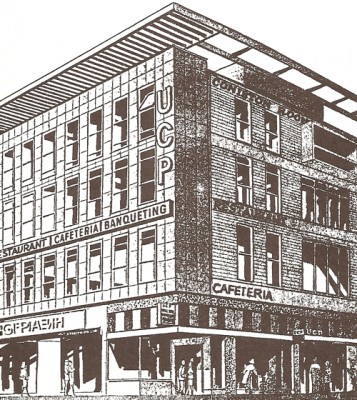
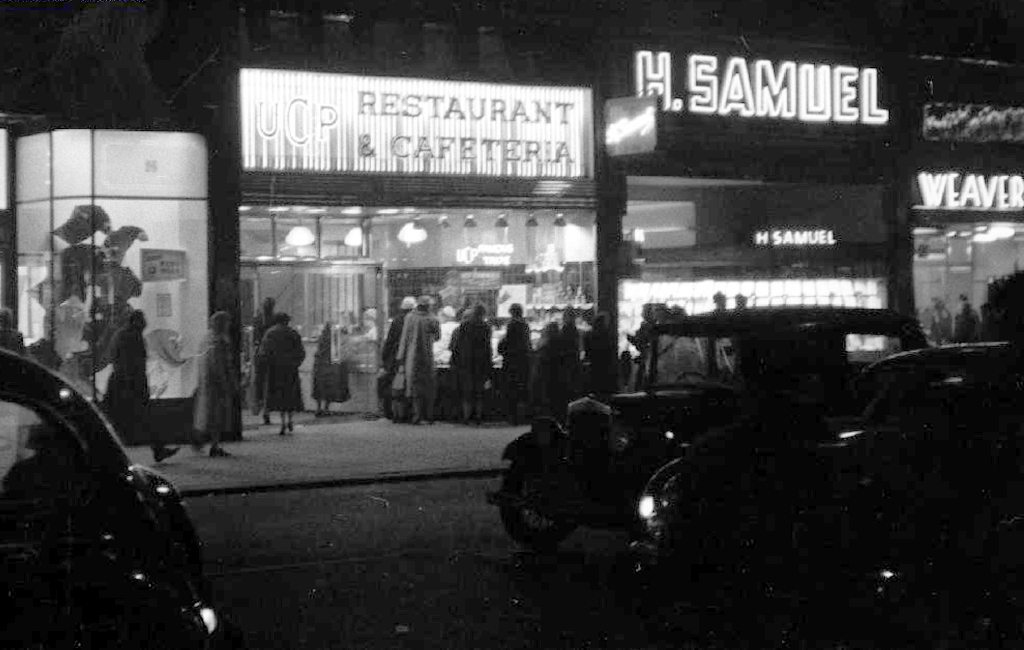
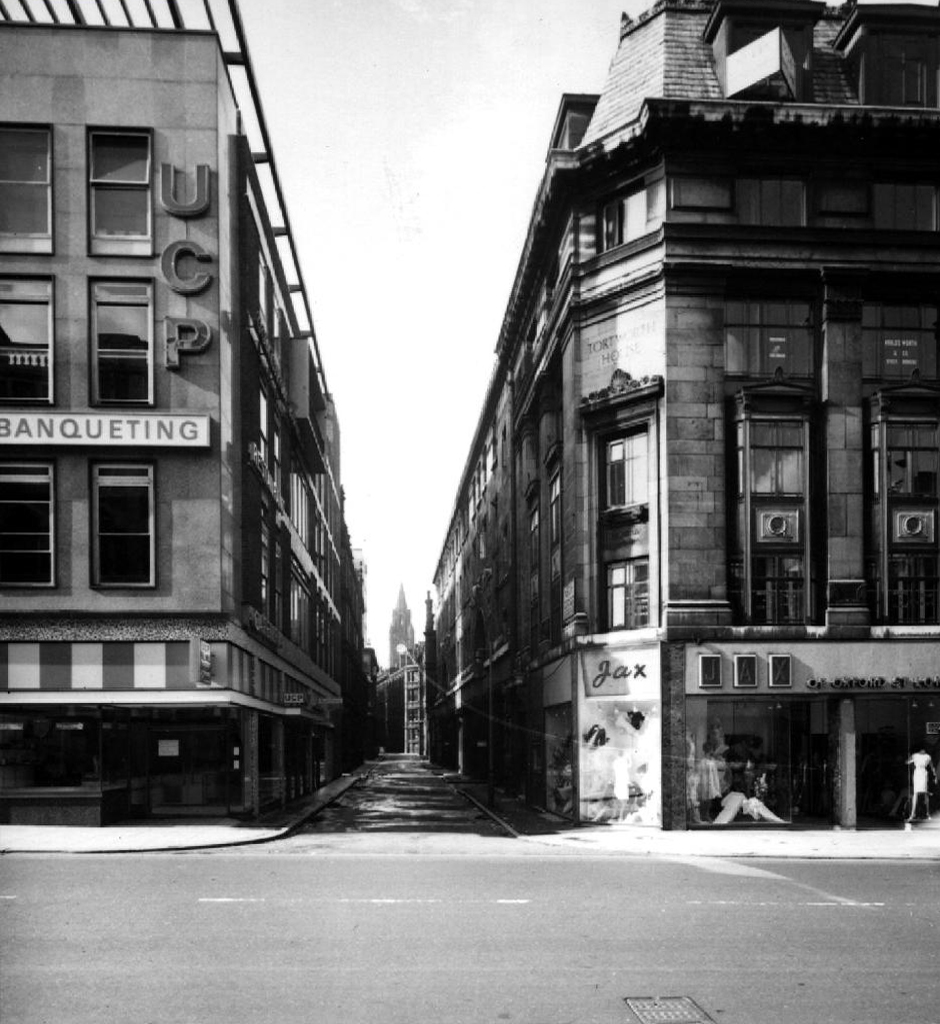
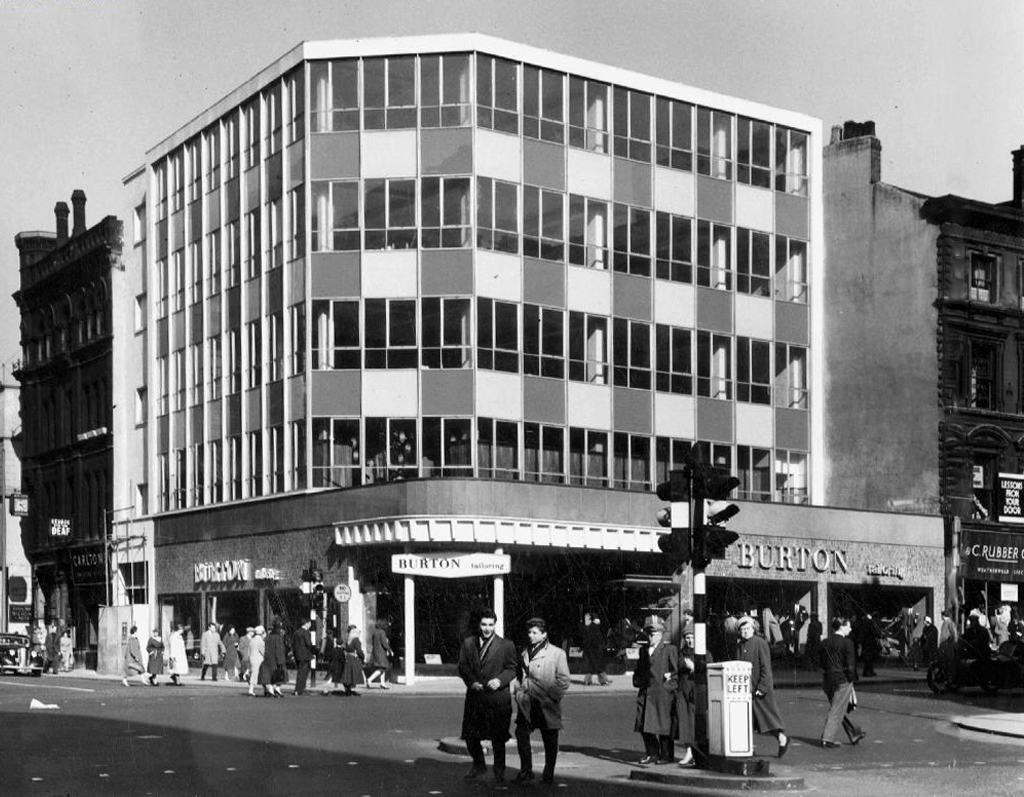
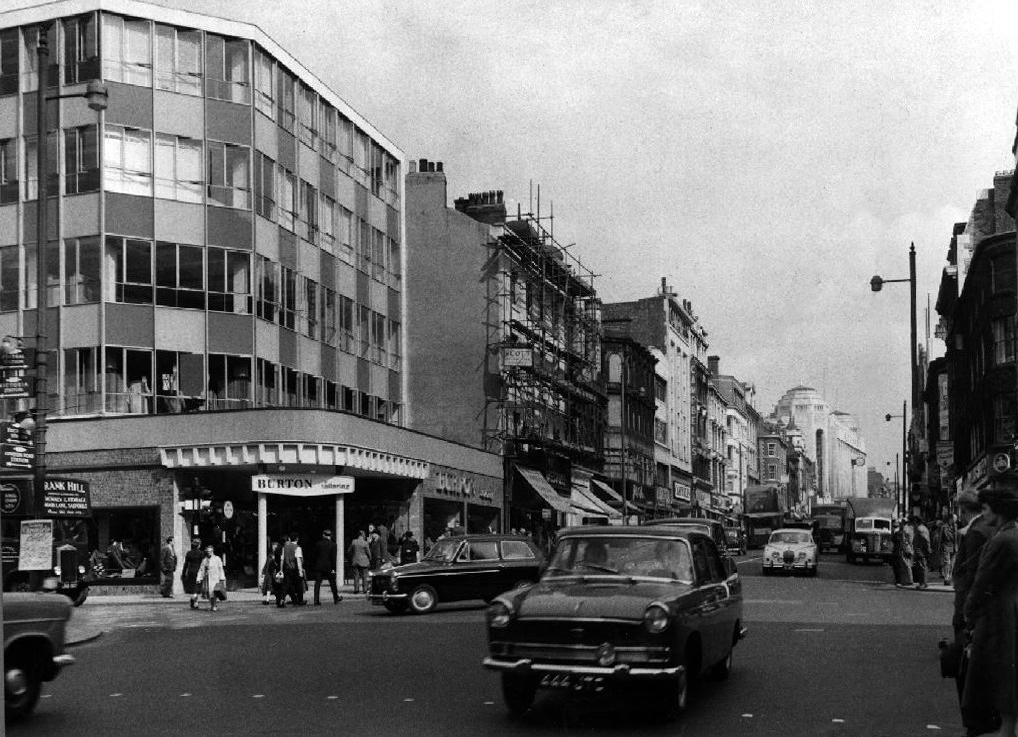
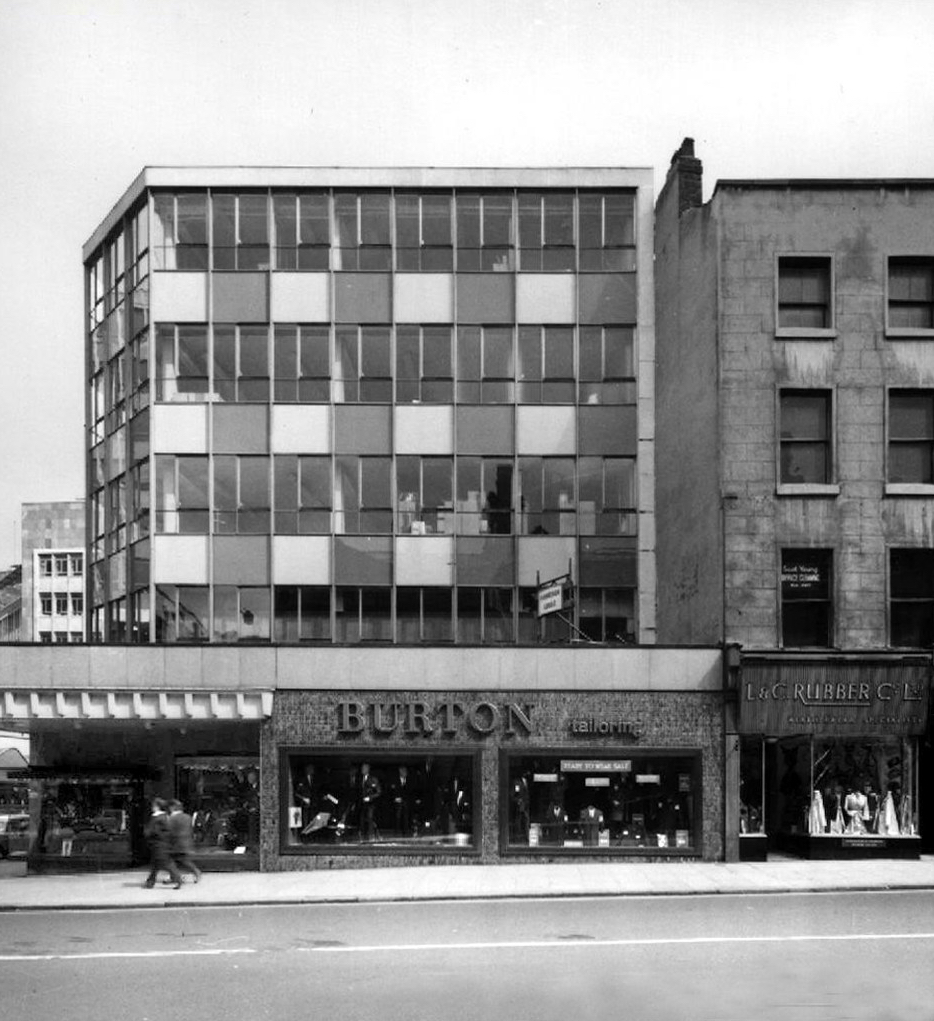
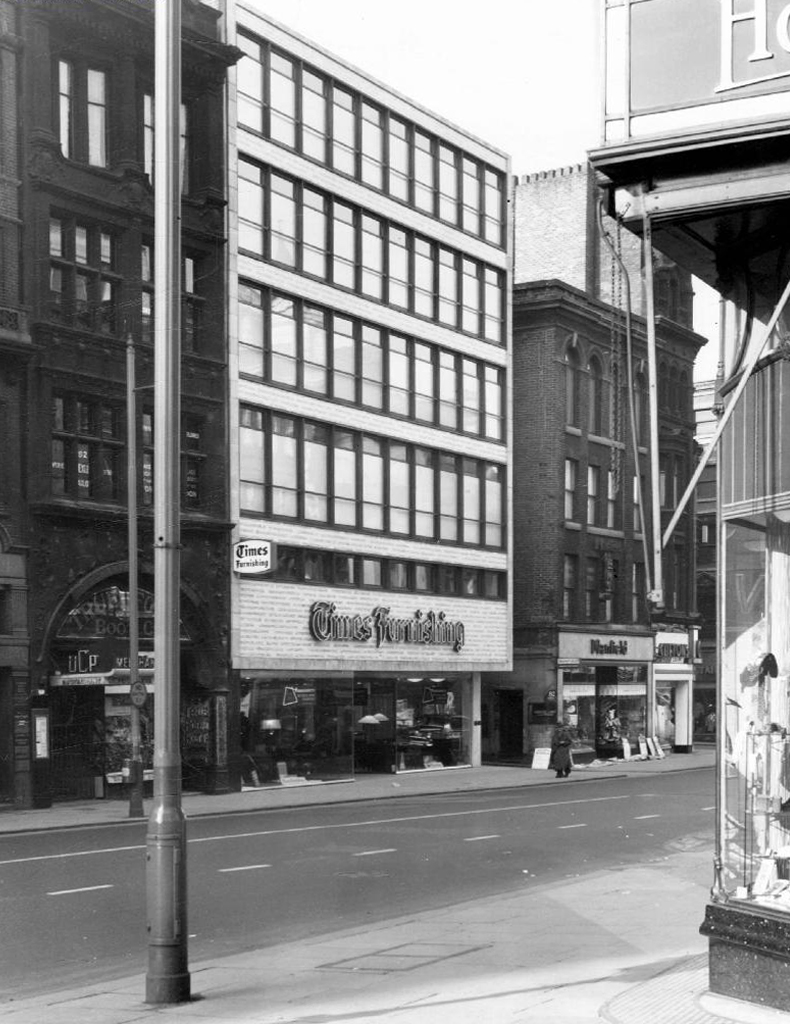
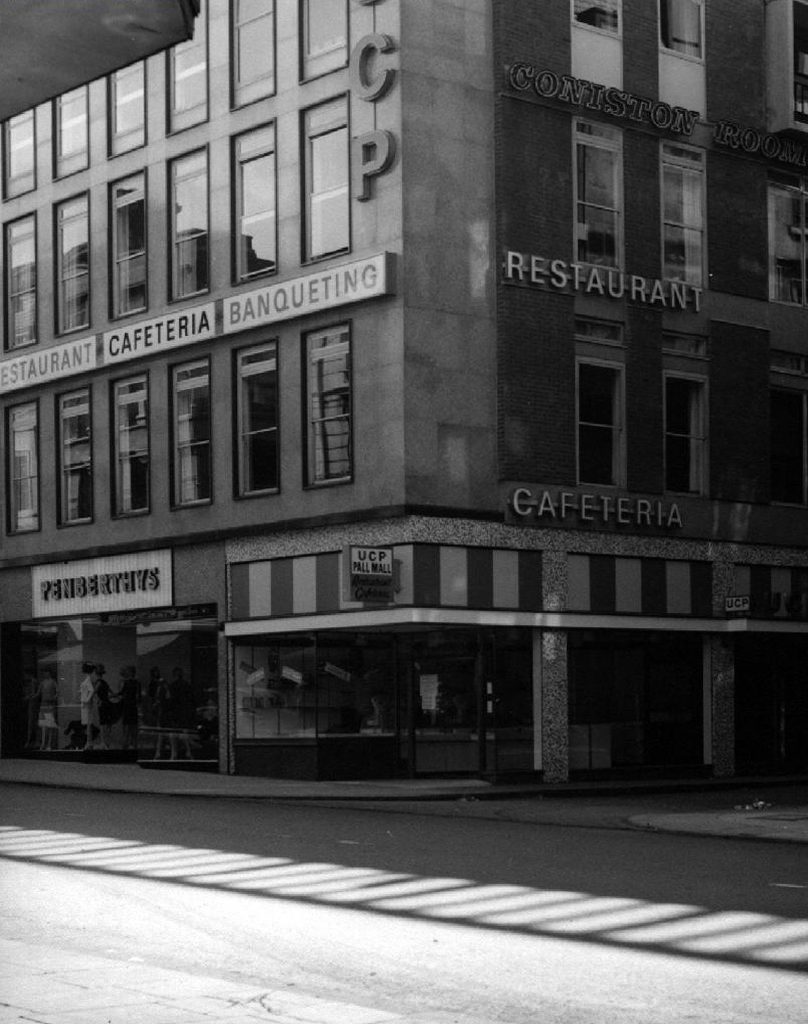
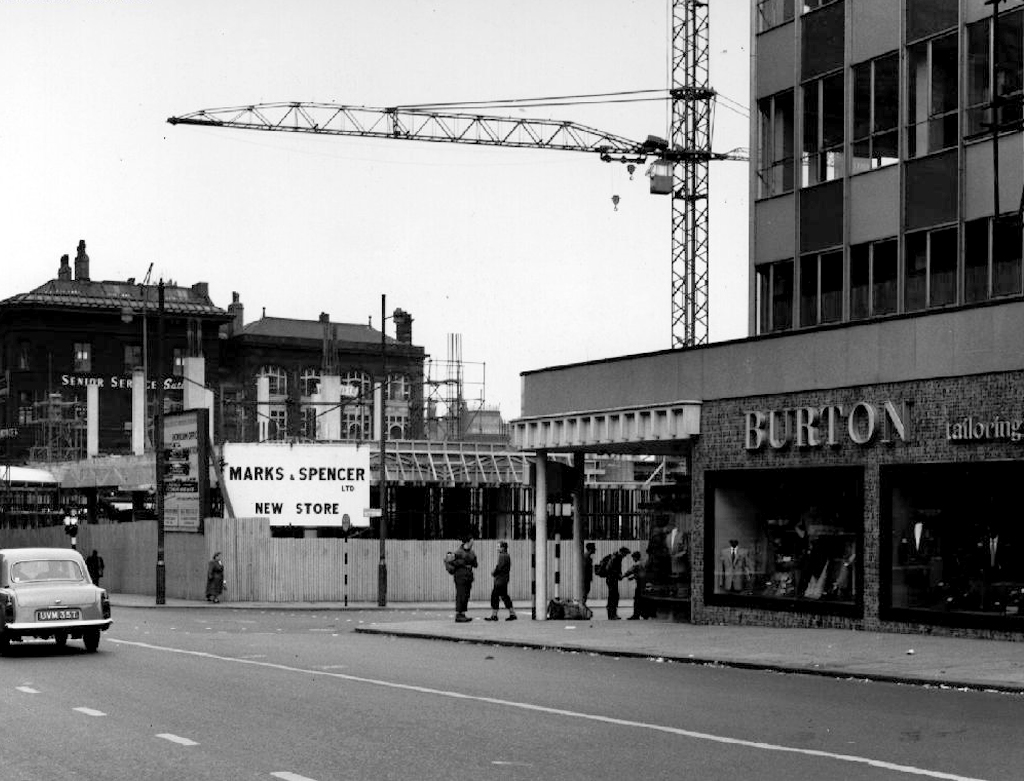
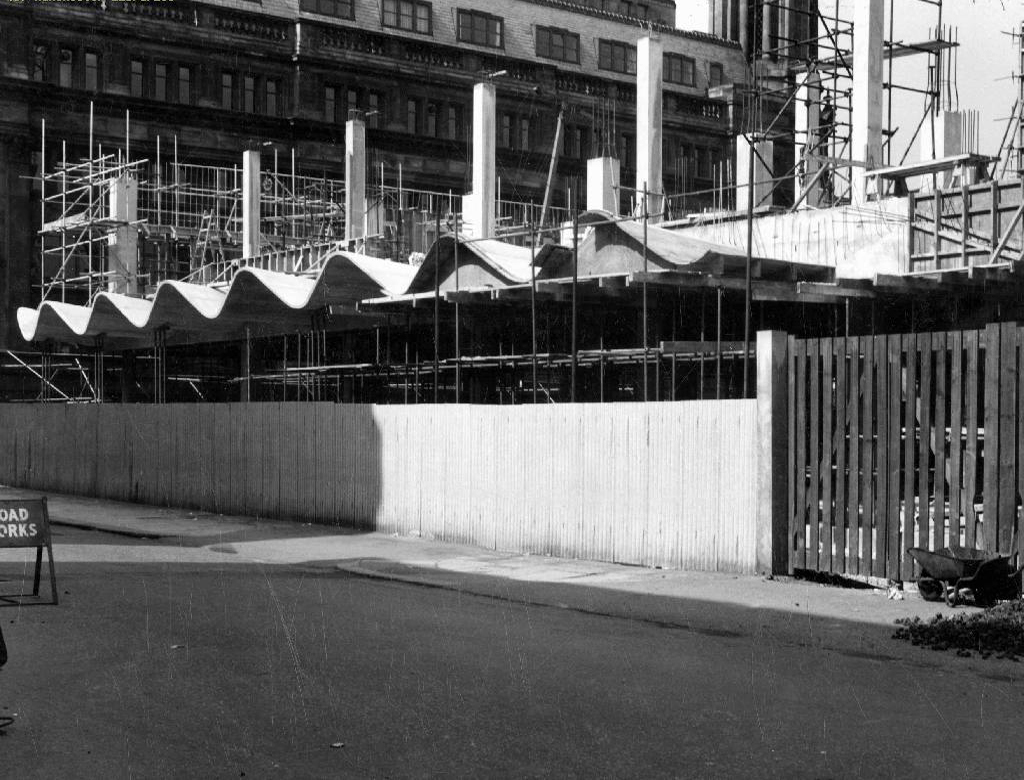
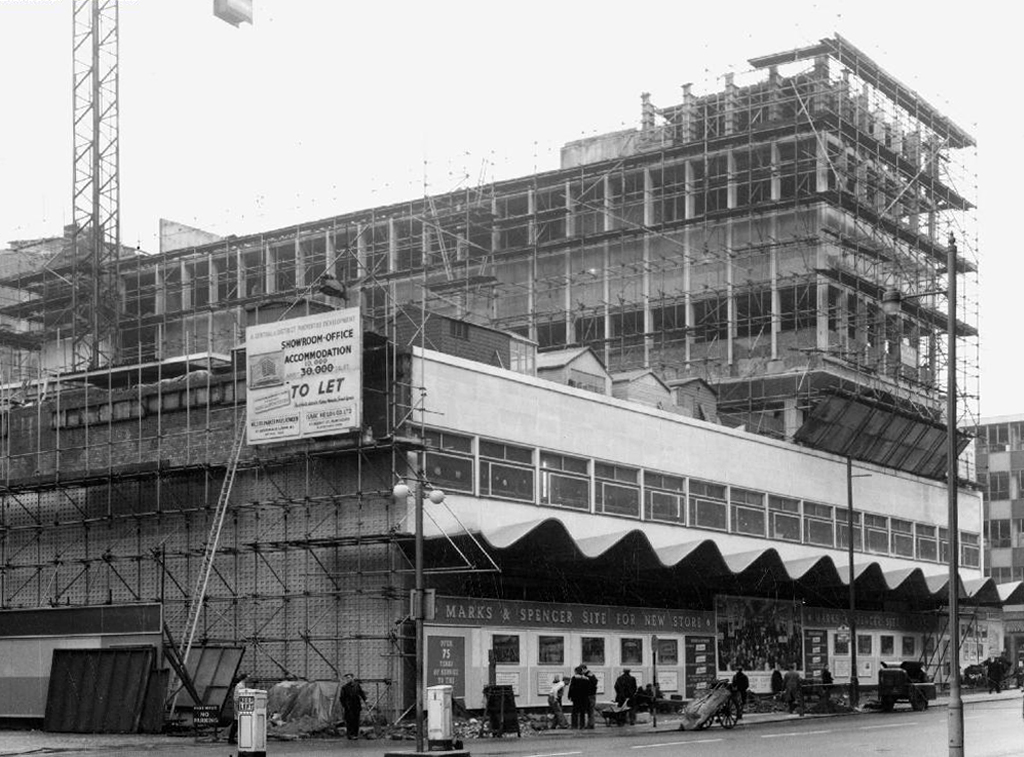
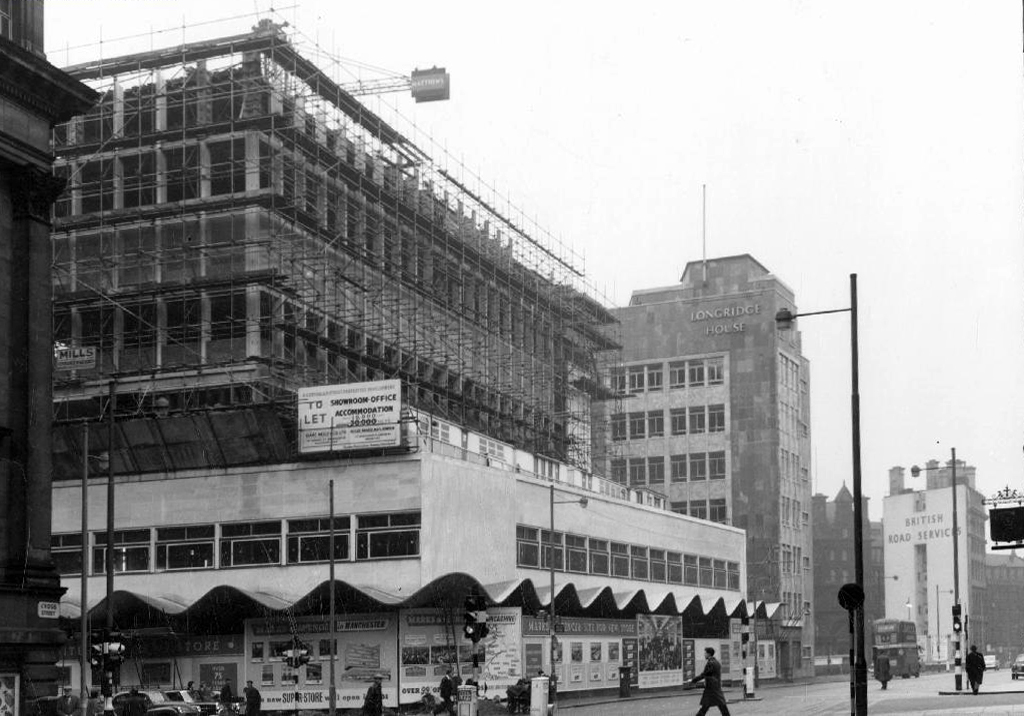
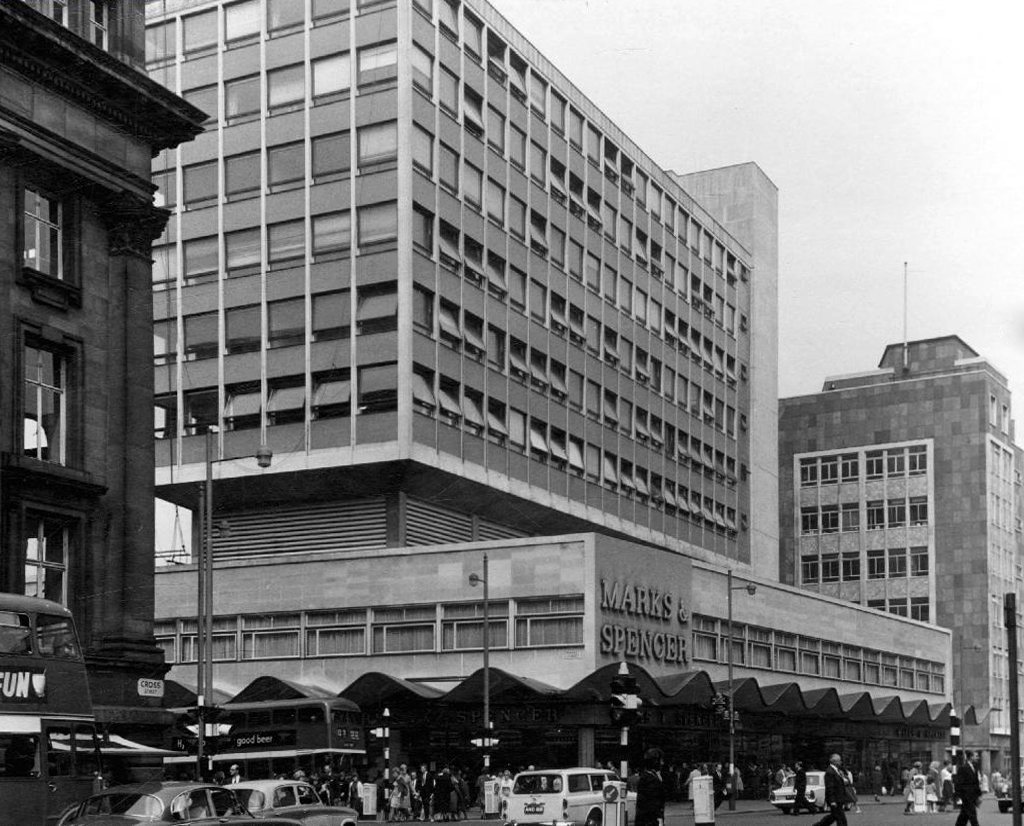
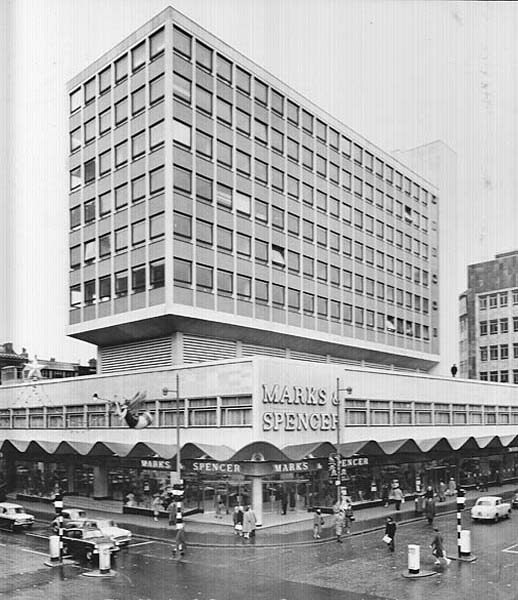
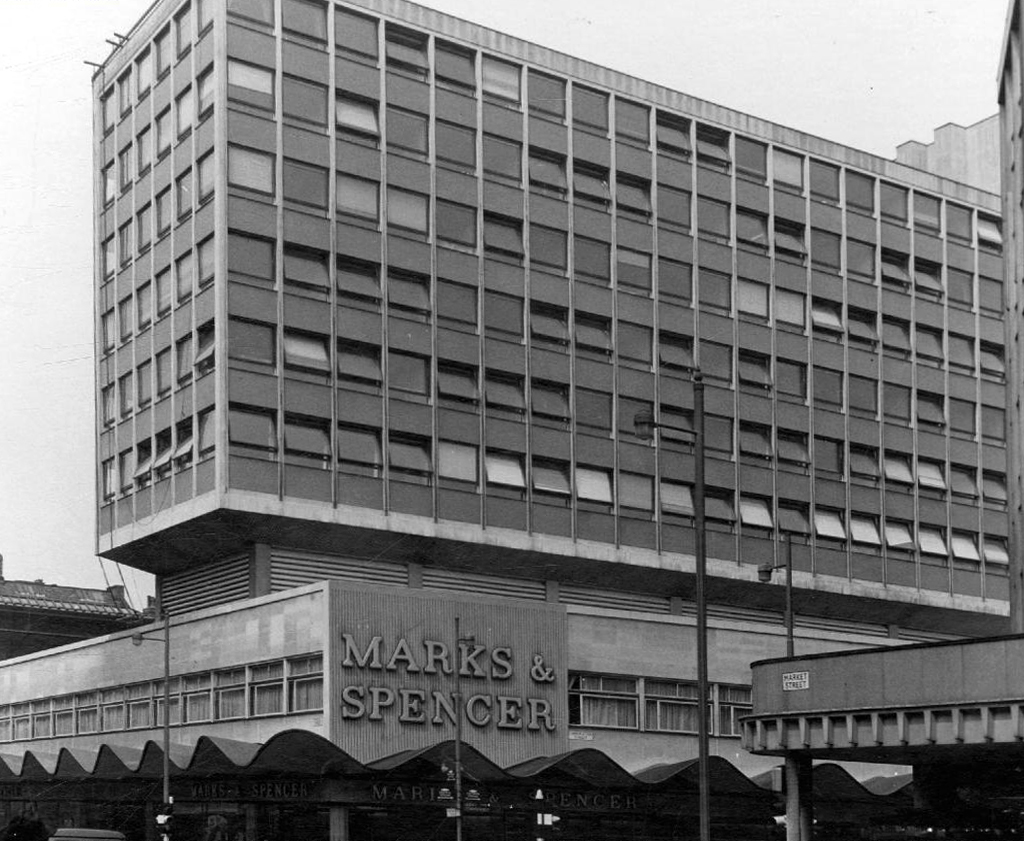
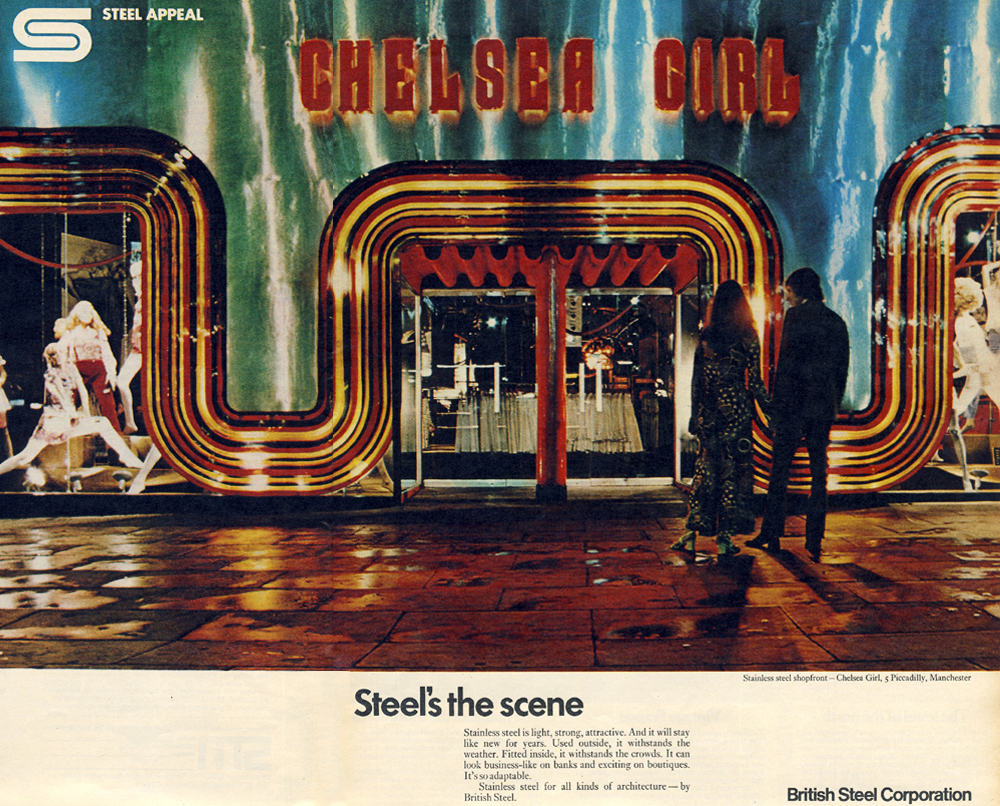
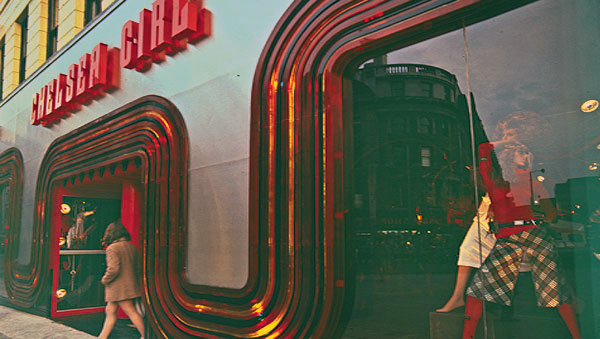
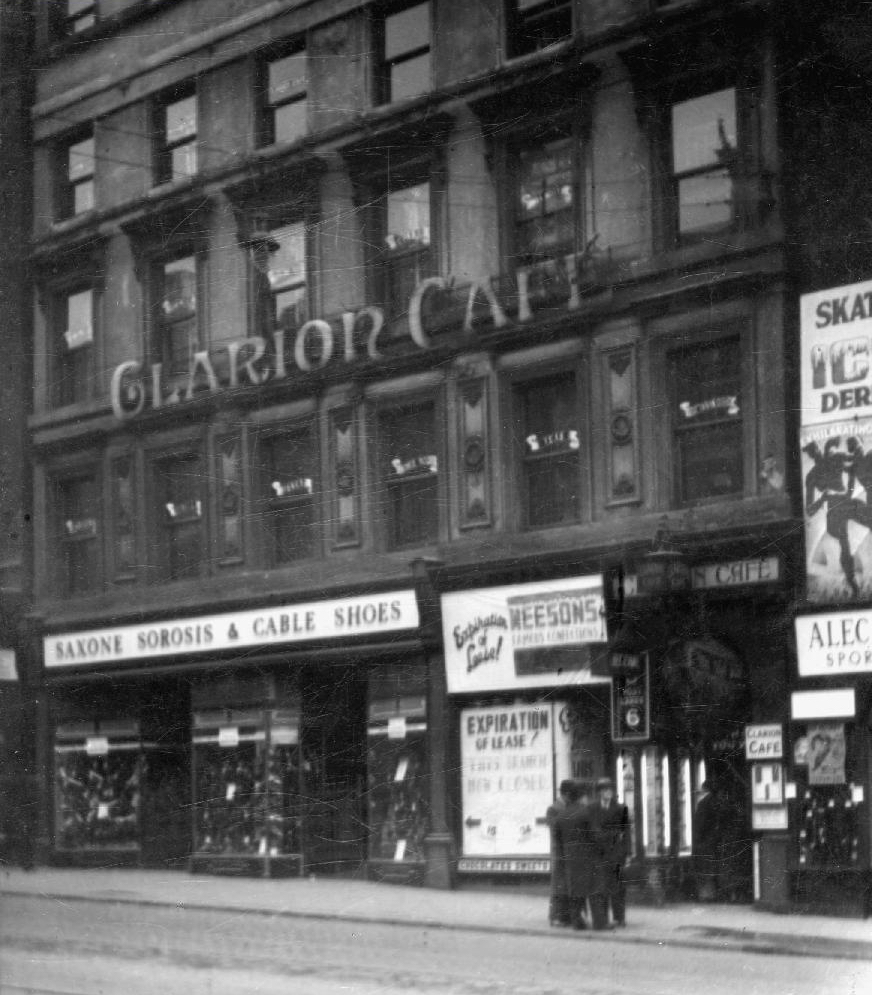
Marks and Spencers and Burton’s both undertook extensive Modernist building in the early 60’s on on the Corporation Street site, neither have survived. The Chelsea Girl steel frontageUCP Restaurant beloved of the Manchester Modernists, Kardomah Café and countless other landmarks are long gone. Lewis’s has become Primark.

The double indignity of the Arndale and a bomb have changed things forever.

Nothing stands still – this is Market Street.

With thanks to http://images.manchester.gov.uk/index.php?session=pass
lewis-1940

8.jpeg

henry's
7

10

9

3

webmedia-4-php.jpeg

a-z

14

webmedia-23-php.jpeg

webmedia-6.php

webmedia-26.php

16

webmedia-9.php

18

5

webmedia-10.php

webmedia-7.php

webmedia-1.php

2.jpeg

4.jpeg

webmedia-11.php

webmedia-3.php

13

webmedia-8.php

webmedia-12.php

15

webmedia-13.php

webmedia-15-php.jpeg

6

webmedia-2.php

1.jpeg

19

webmedia.php

20.jpeg

webmedia-5.php

webmedia-22-php.jpeg

webmedia-24-php.jpeg

5220807822_fcafda48e6.jpg

11

webmedia-17.php

webmedia-18.php

webmedia-19.php

webmedia-20.php

Marksandspencer1962

webmedia-21.php

12

17

webmedia-9.jpg

steels-the-scene-chelsea-girl

Chelsea Girl

p_00484389


Precinct – Stalybridge

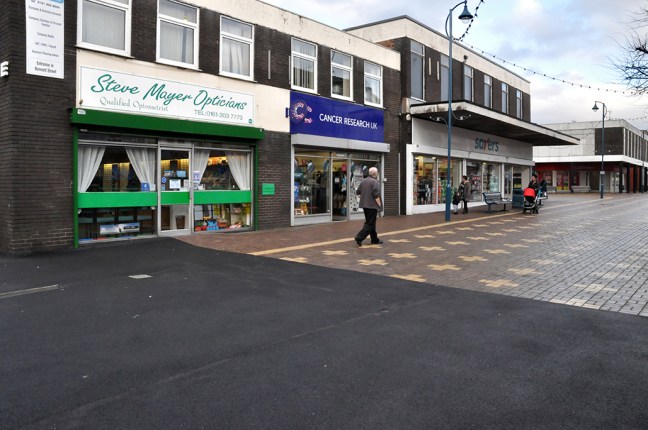
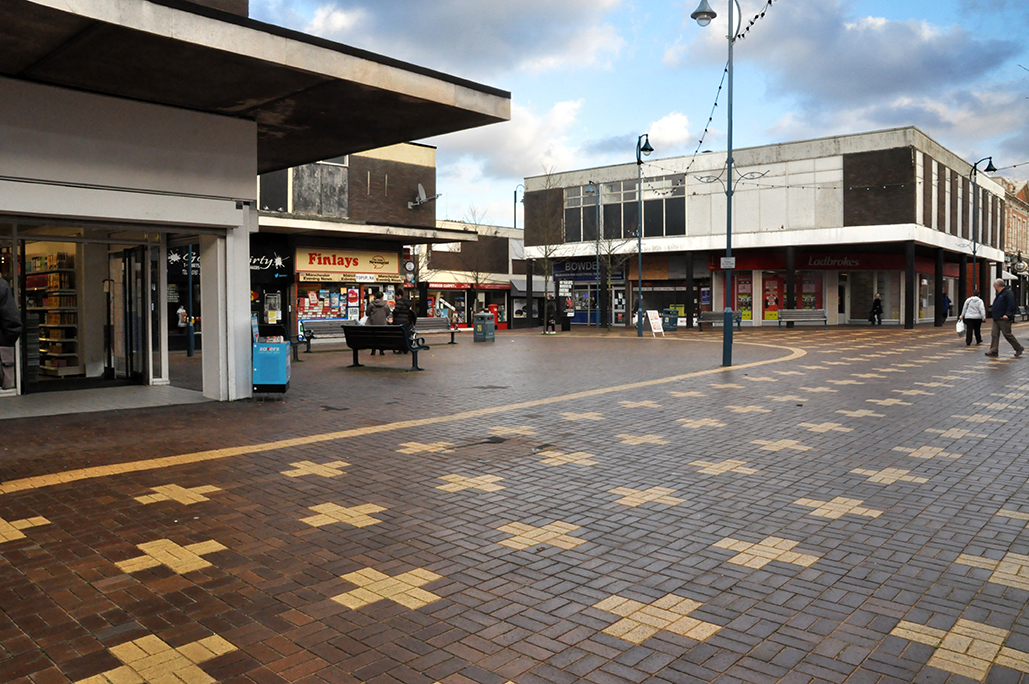
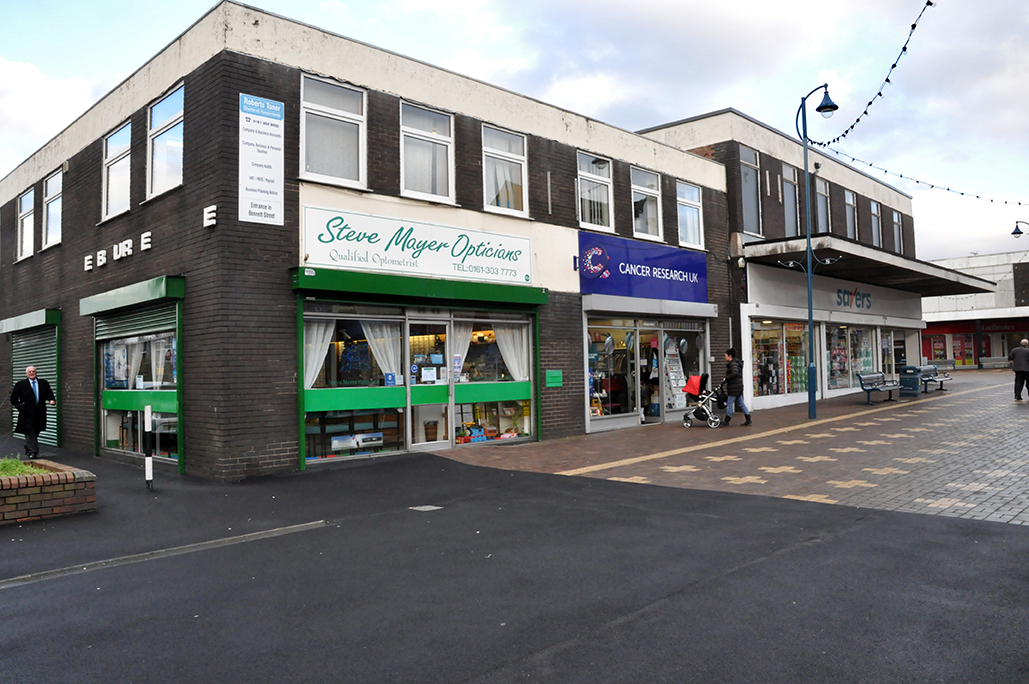
The dissipated filling, in an Aldi and Tesco sandwich, a flat roofed, concrete and brick sixties shopping development, a precinct.

Small towns typically comprise of several retail developments, of various vintages, chasing diminishing returns, in ever expanding rectangles.

Stalybridge is no exception, once a bustling mill town, it sought salvation in a hedonistic mini-break by the River Tame, party industry.

Stalyvegas.

The bright lights of the society of the spectacle, now extinguished, burnt brightly in Bar Liquid, Club Rififi, H2O and Amber Lounge.

Walking the streets today, a meagre spread of shoppers, hardened daytime drinkers and lost souls.

Bids were made for a Portas Pilot, Mary contrarily resisted.

The Northern Powerhouse hits the buffers.

The Buffet prevails.

DSC_0119 copy

DSC_0118 copy

DSC_0121 copy

DSC_0126 copy

DSC_0127 copy

DSC_0120 copy

DSC_0122 copy

DSC_0123 copy

DSC_0125 copy

DSC_0124 copy


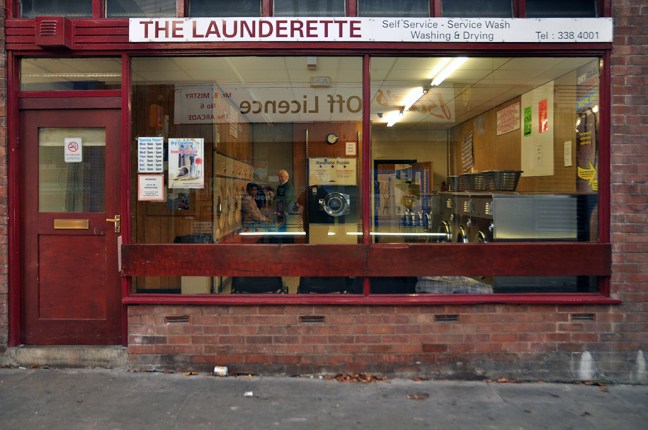
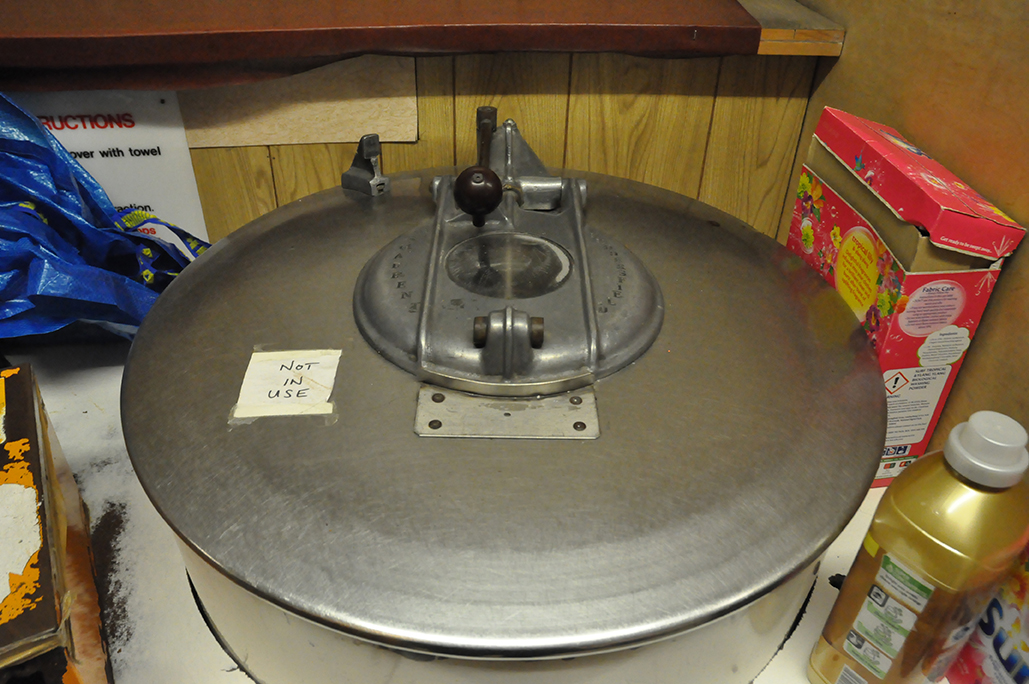
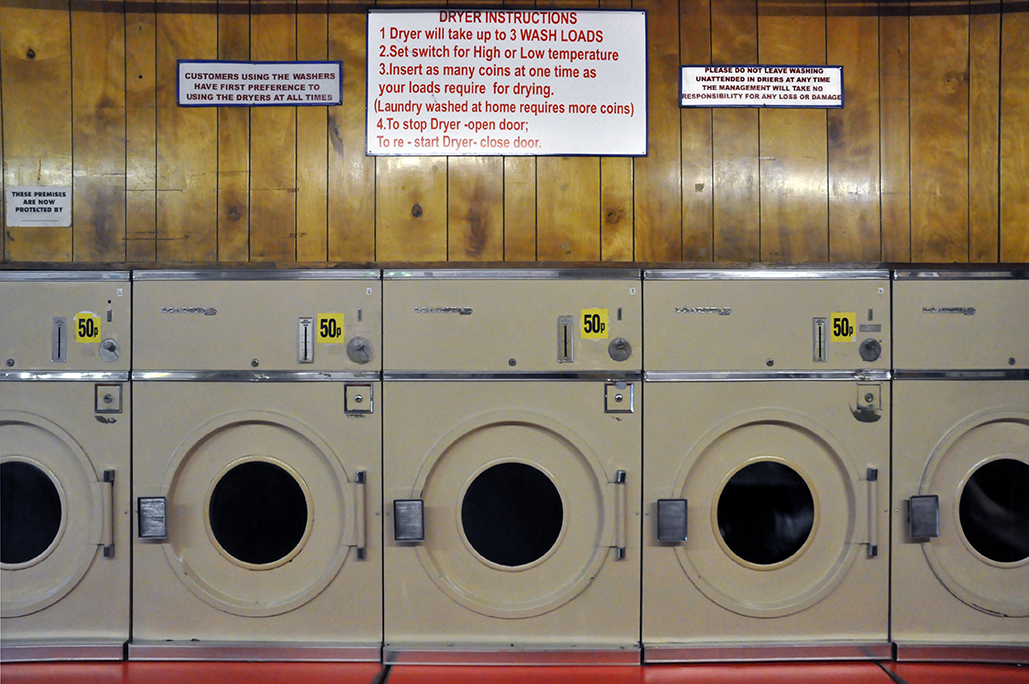
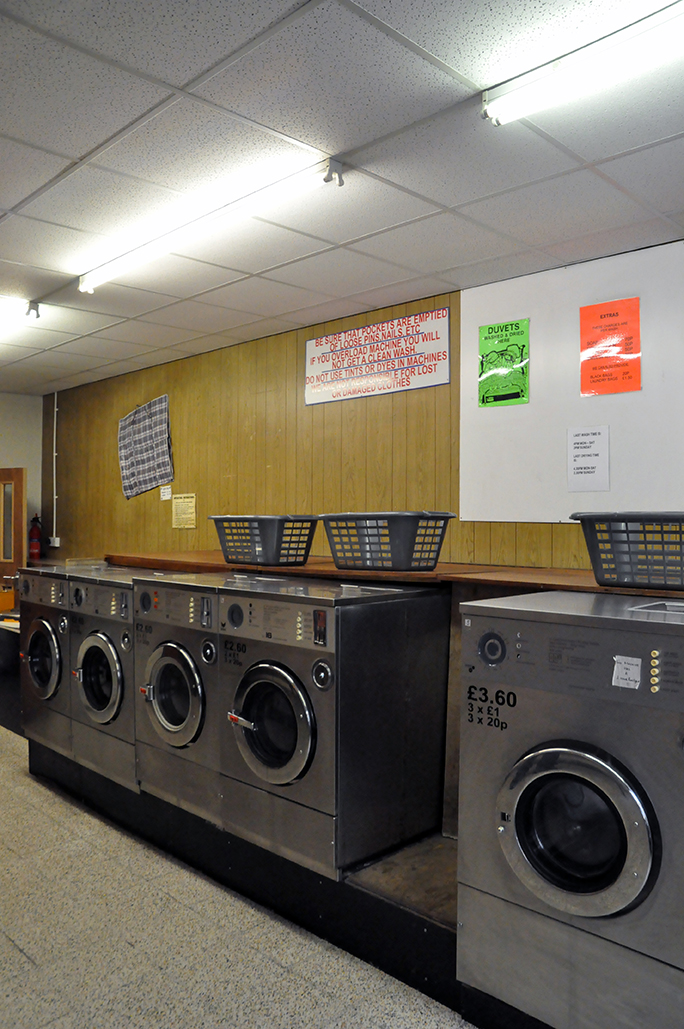
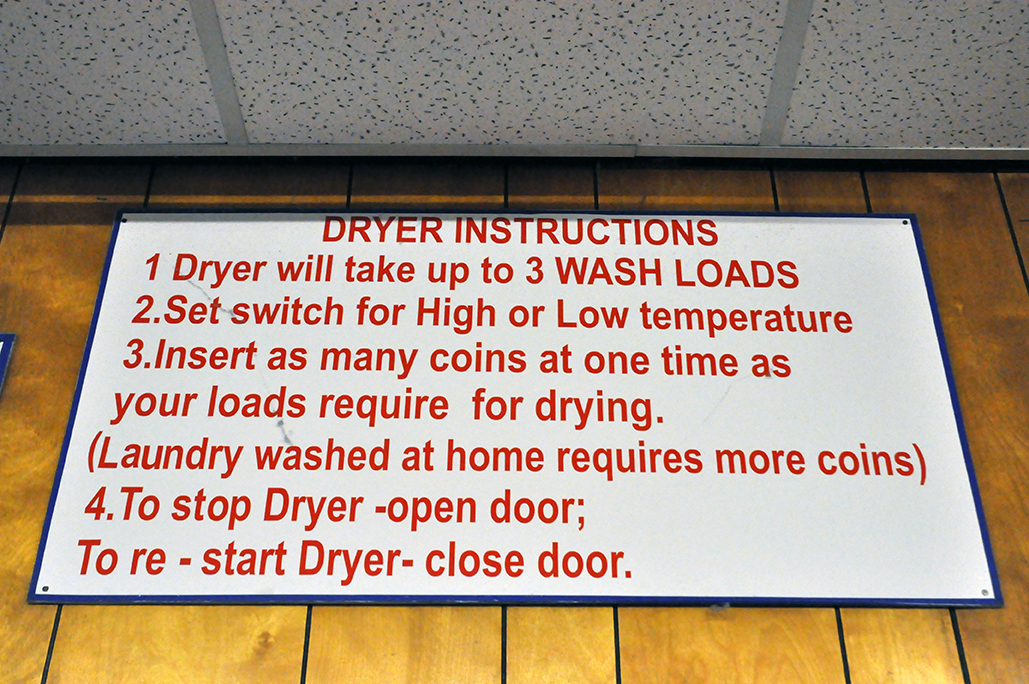
Launderette – Stalybridge

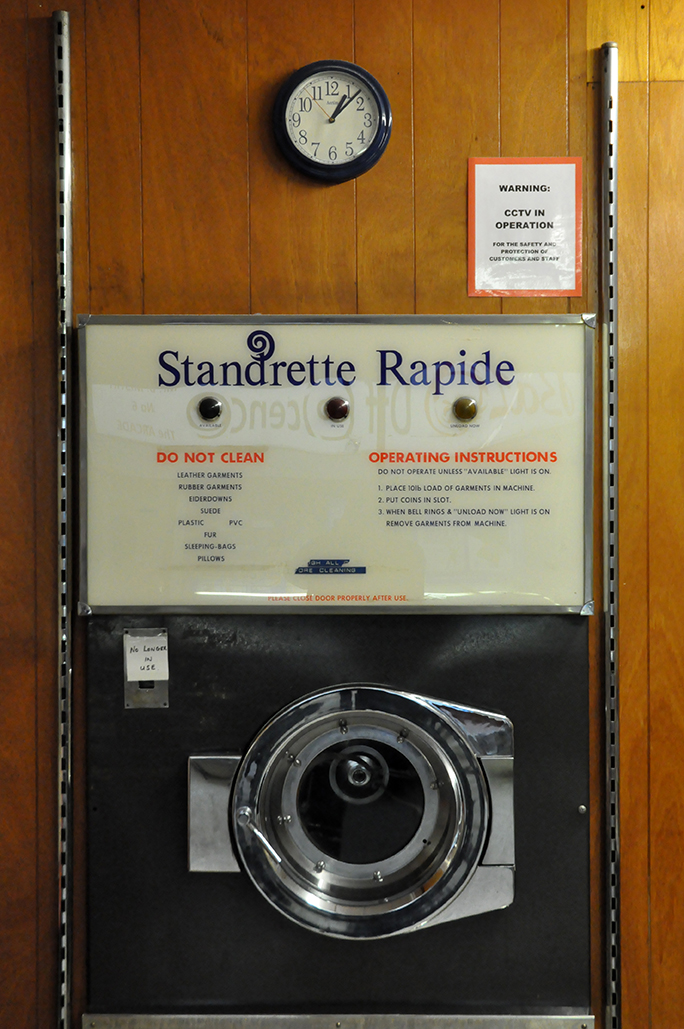
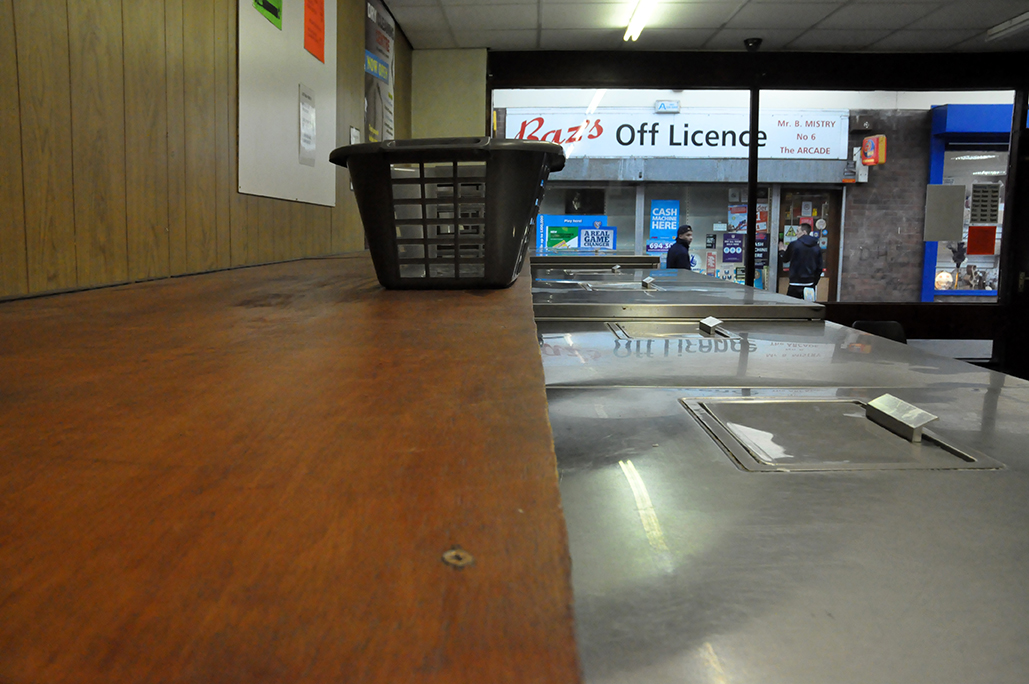
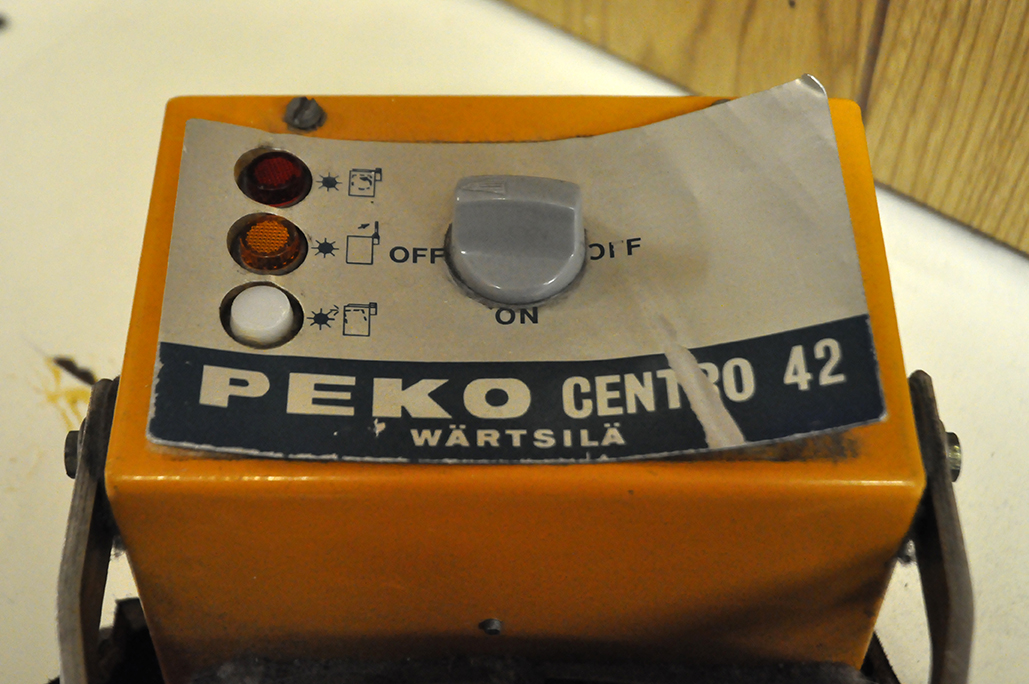
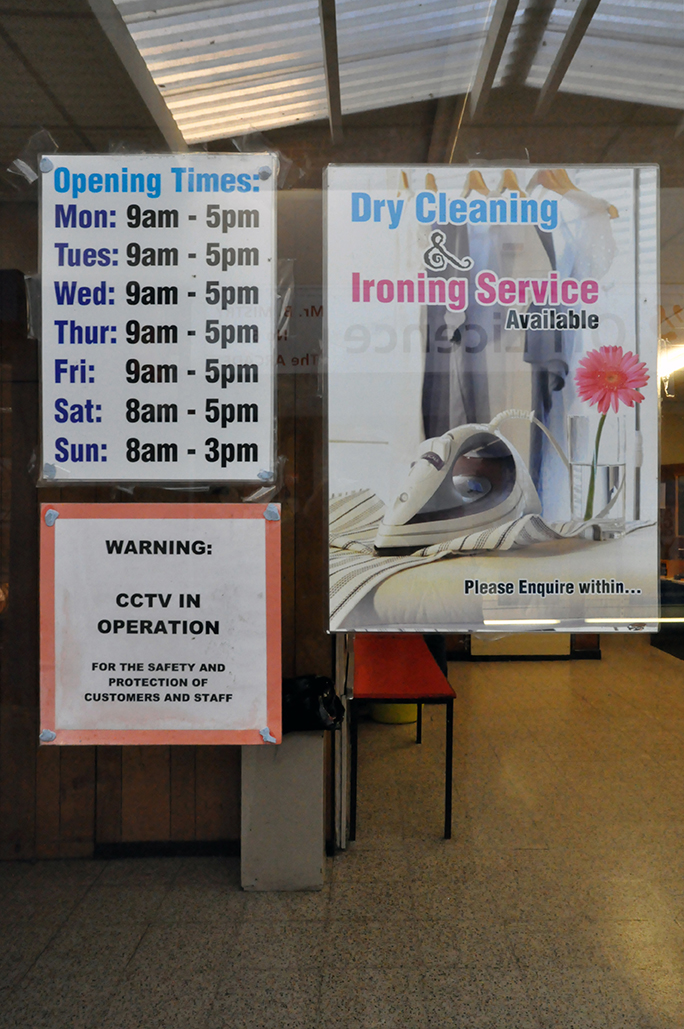
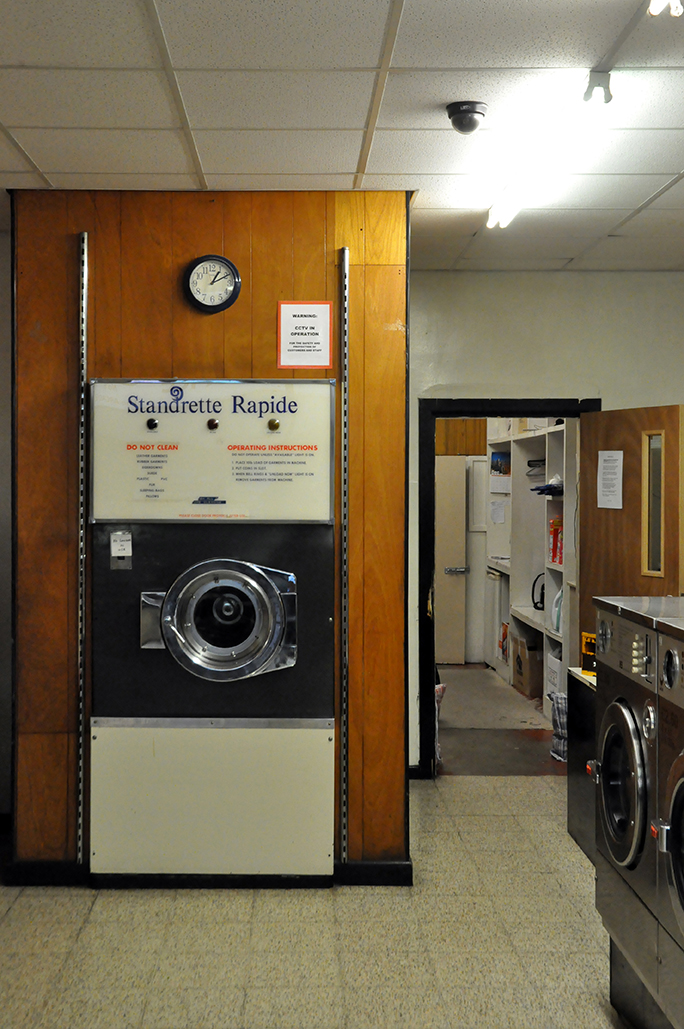
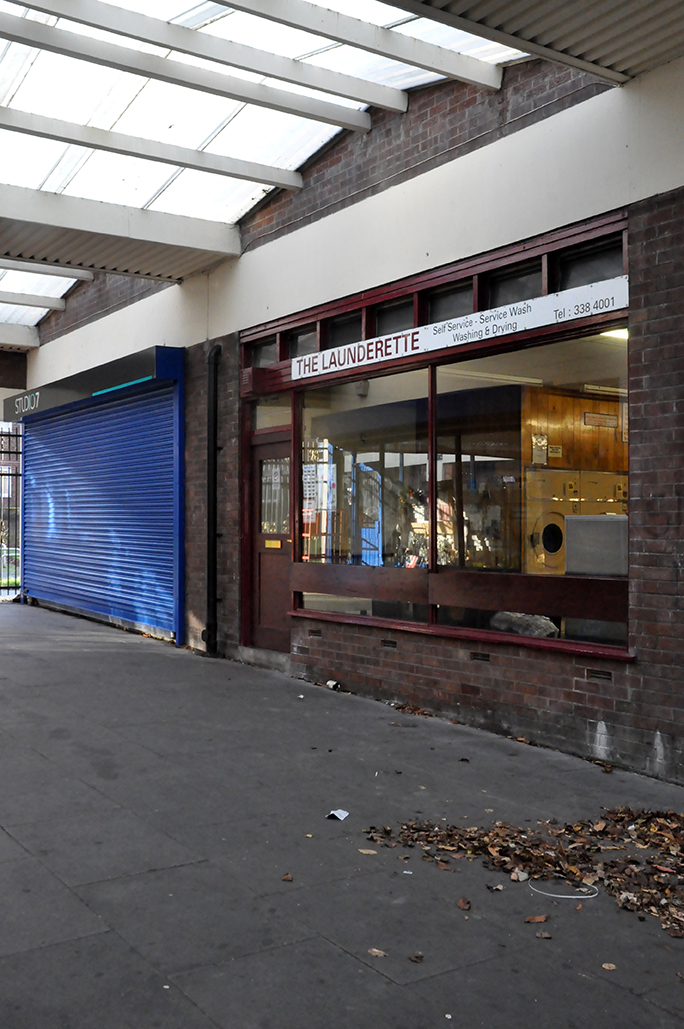
Tucked away in an arcade, far from Arcadian – not far from Baz’s Off Licence.

The launderette.

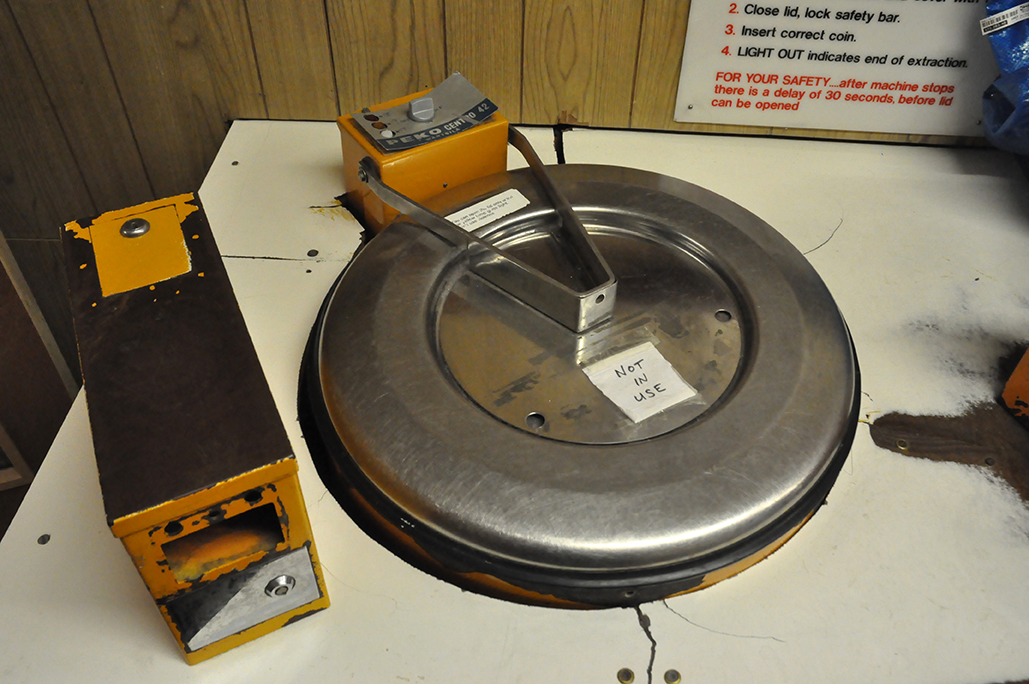
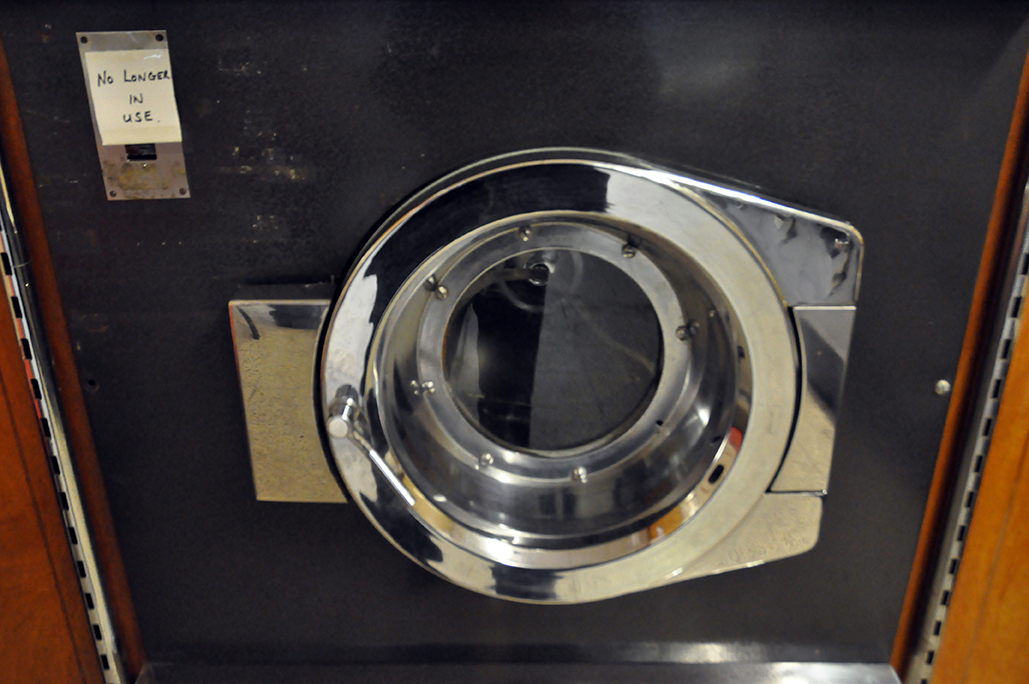
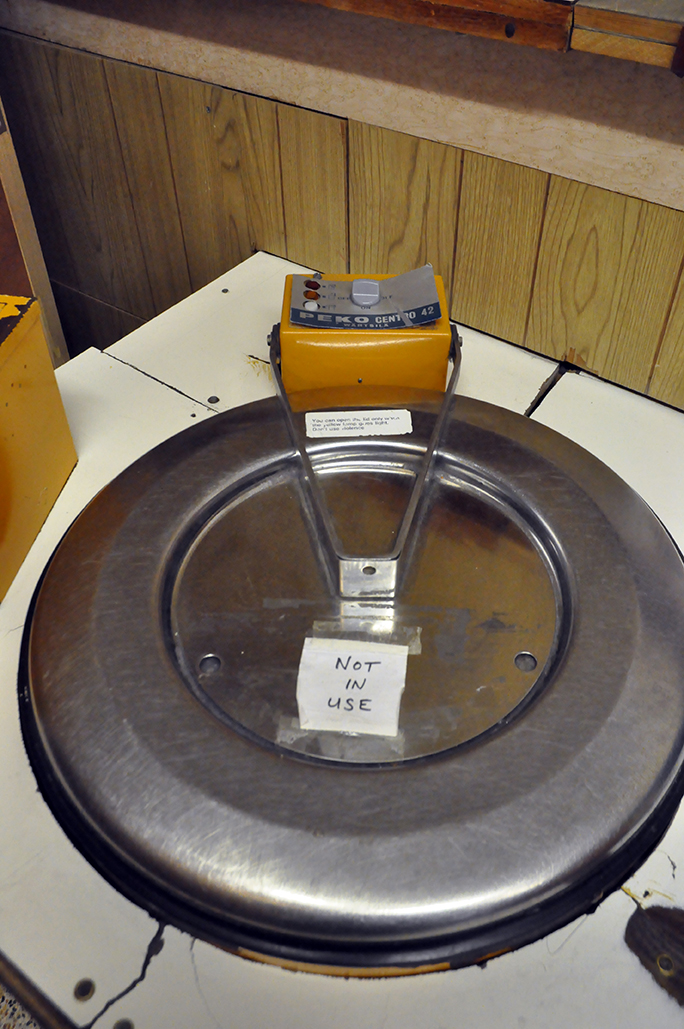
Yet another testament to the partial persistence of industrial technology.

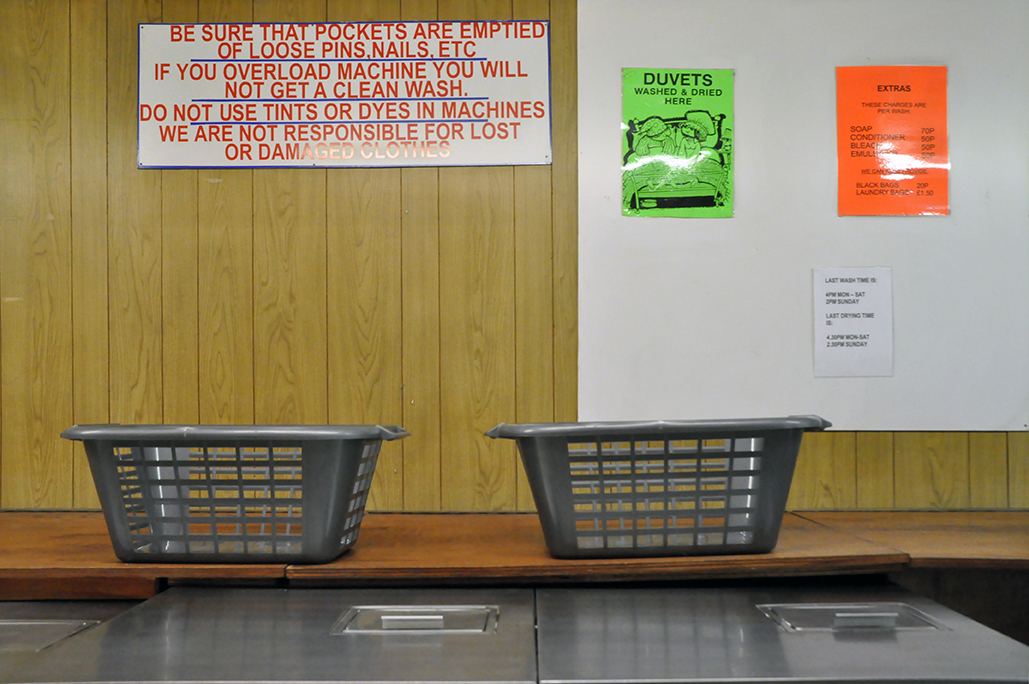
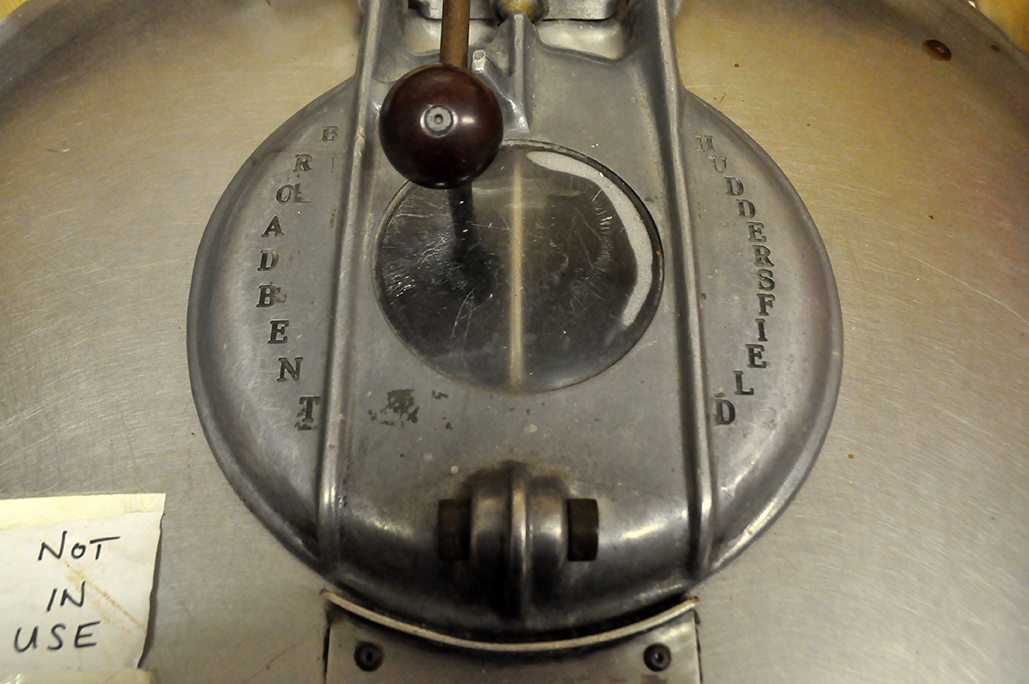
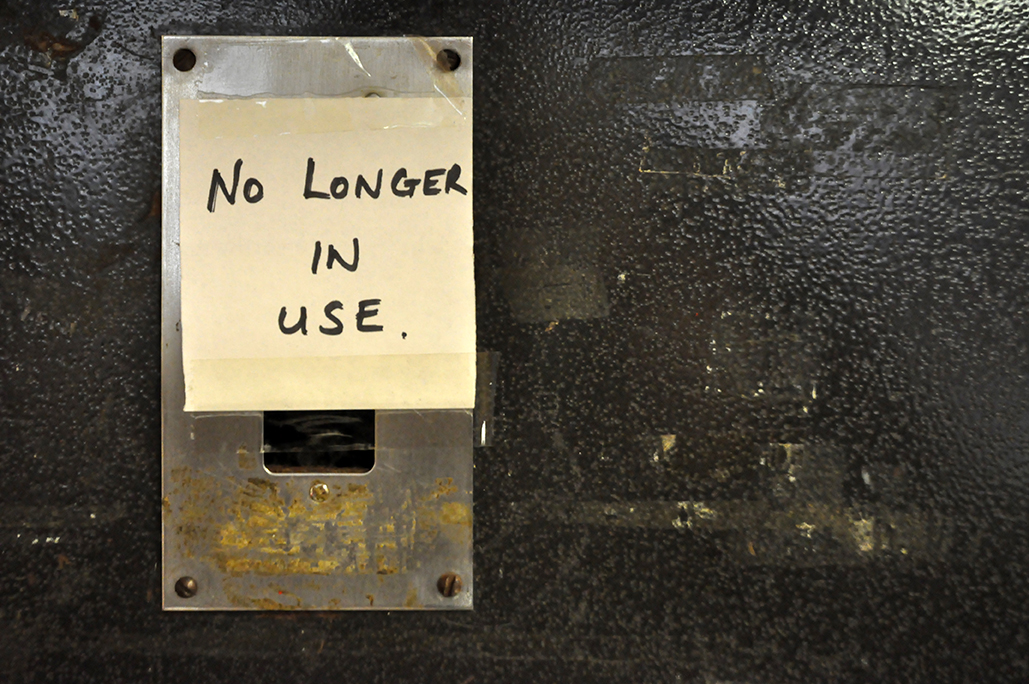
No Longer in Use.

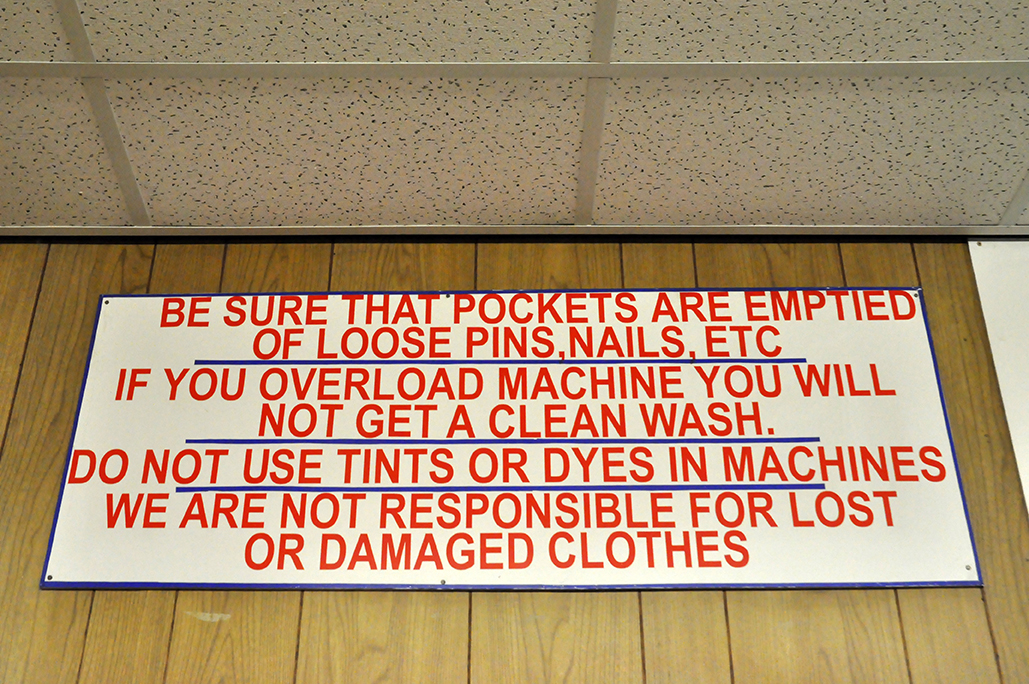
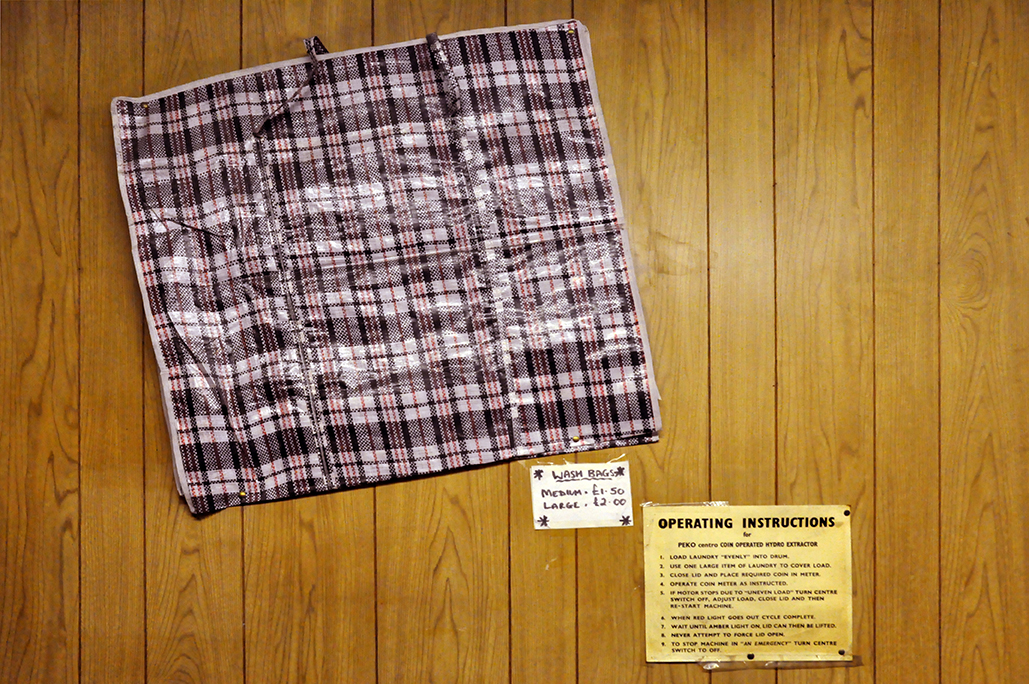
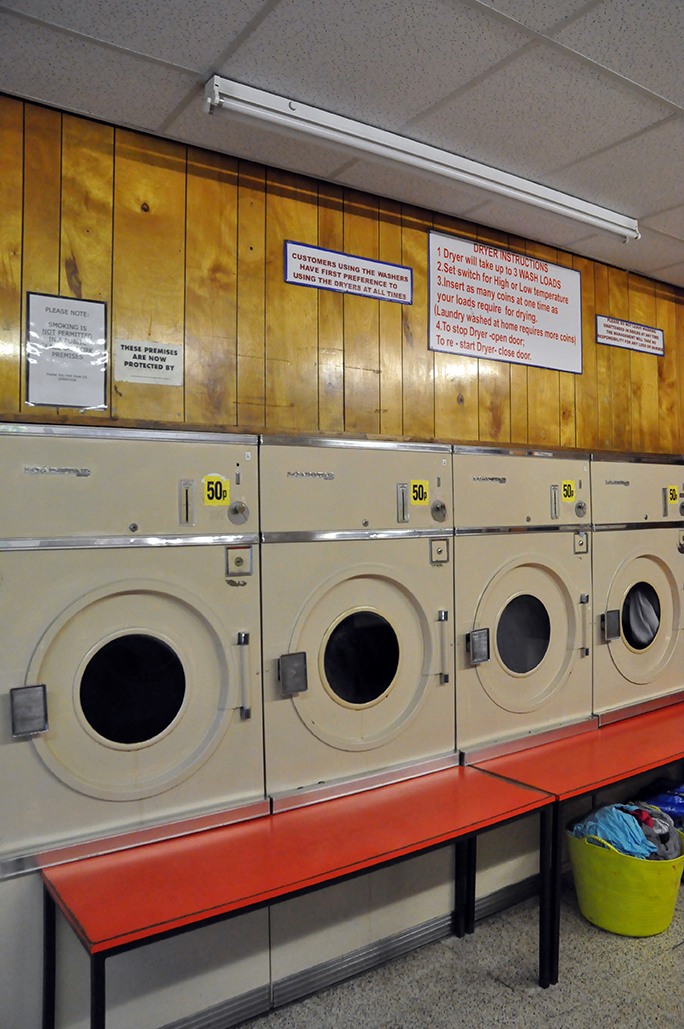
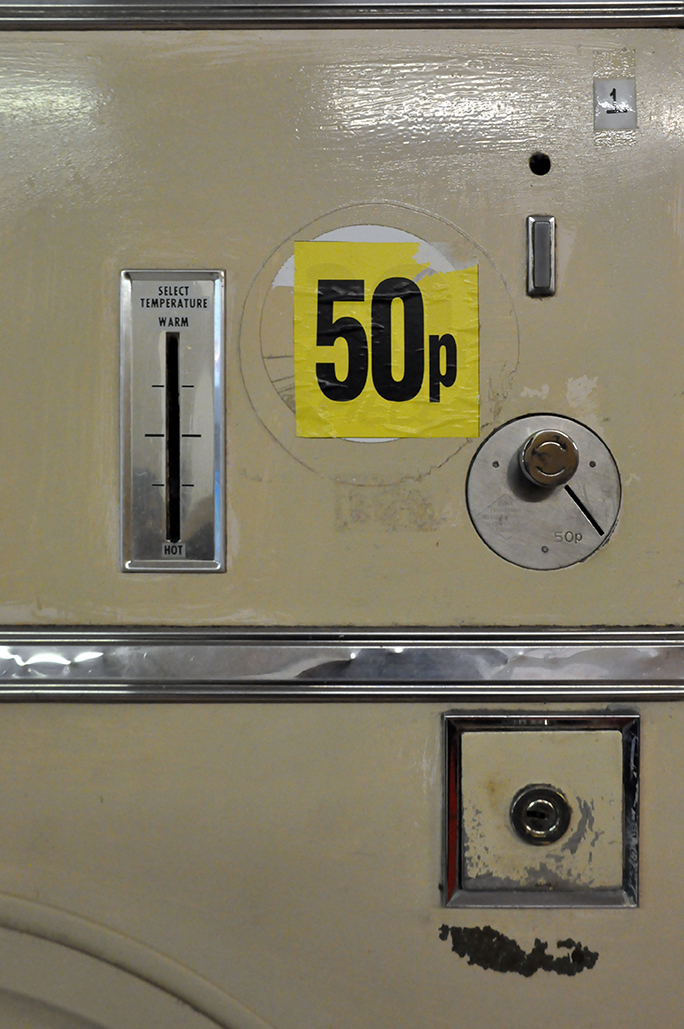
A happy hotch-potch of signs, surfaces and sixties design.

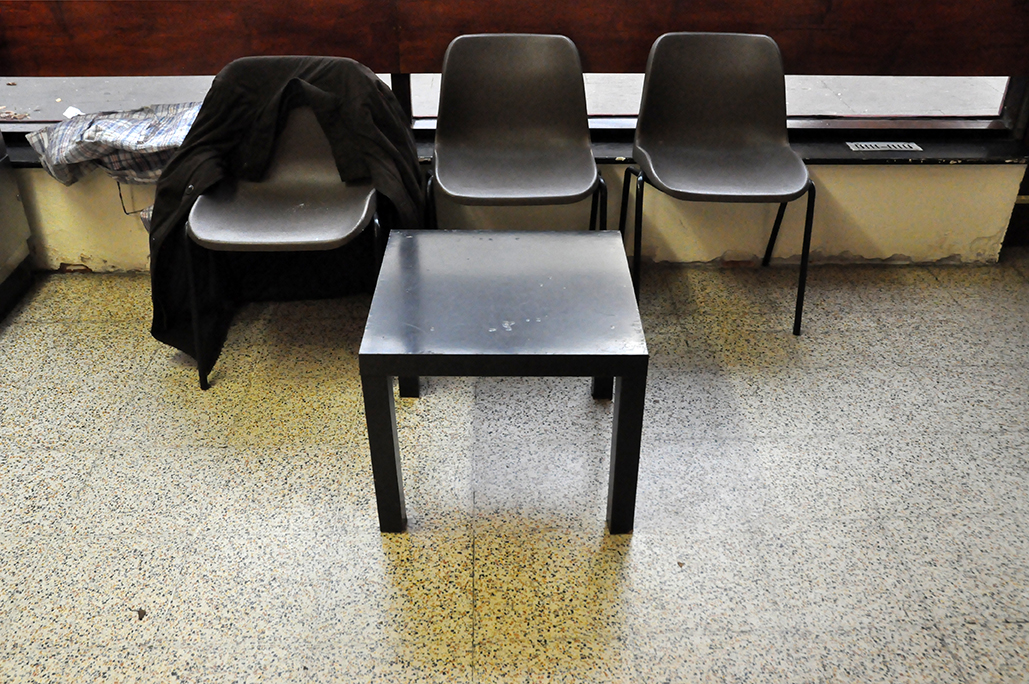
Informal formica, stripped bare strip lighting, wobbly laminate walls.

Watch and wait, whilst the World and your washing whirl.


DSC_0073 copy

DSC_0074 copy

DSC_0075 copy

DSC_0072 copy

DSC_0098 copy

DSC_0084 copy

DSC_0076 copy

DSC_0091 copy

DSC_0089 copy

DSC_0096 copy

DSC_0088 copy

DSC_0078 copy

DSC_0086 copy

DSC_0080 copy

DSC_0094 copy

DSC_0082 copy

DSC_0081 copy

DSC_0097 copy

DSC_0083 copy

DSC_0077 copy

DSC_0101 copy

DSC_0100 copy

DSC_0085 copy

DSC_0079 copy

DSC_0092 copy

DSC_0090 copy

DSC_0093 copy

DSC_0102 copy


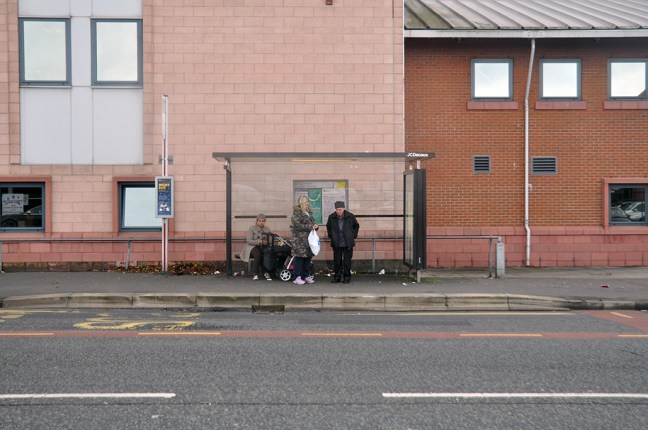
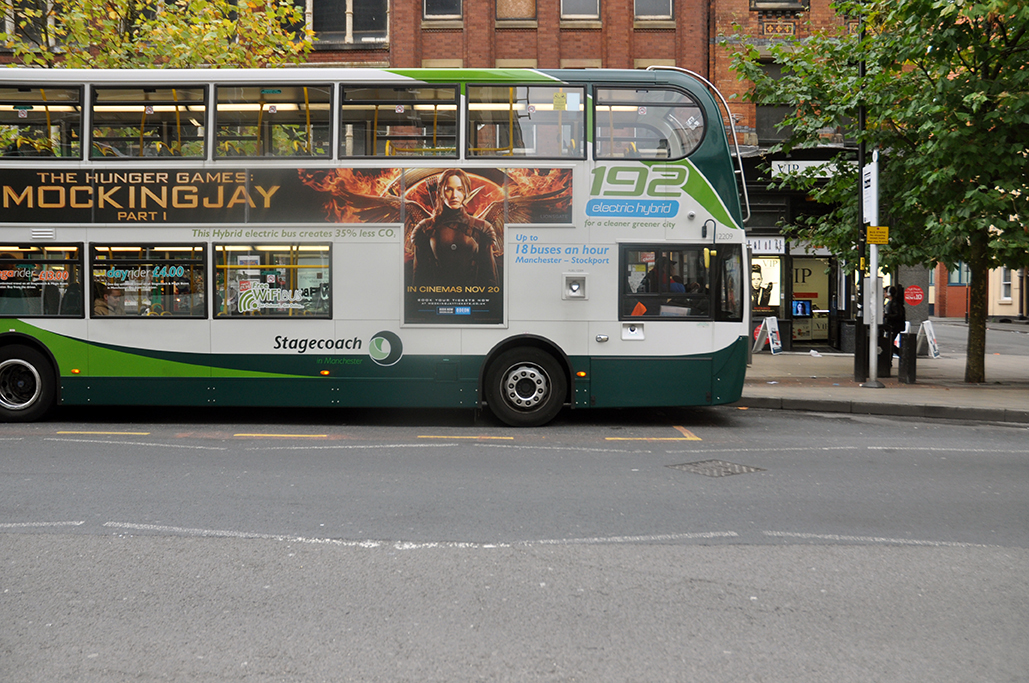
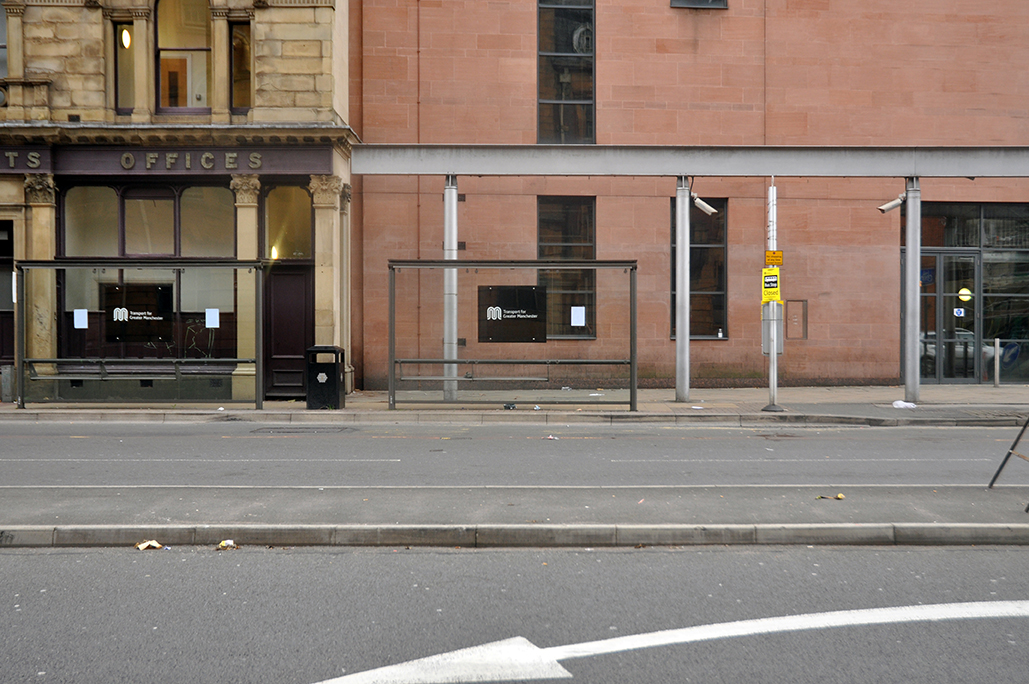
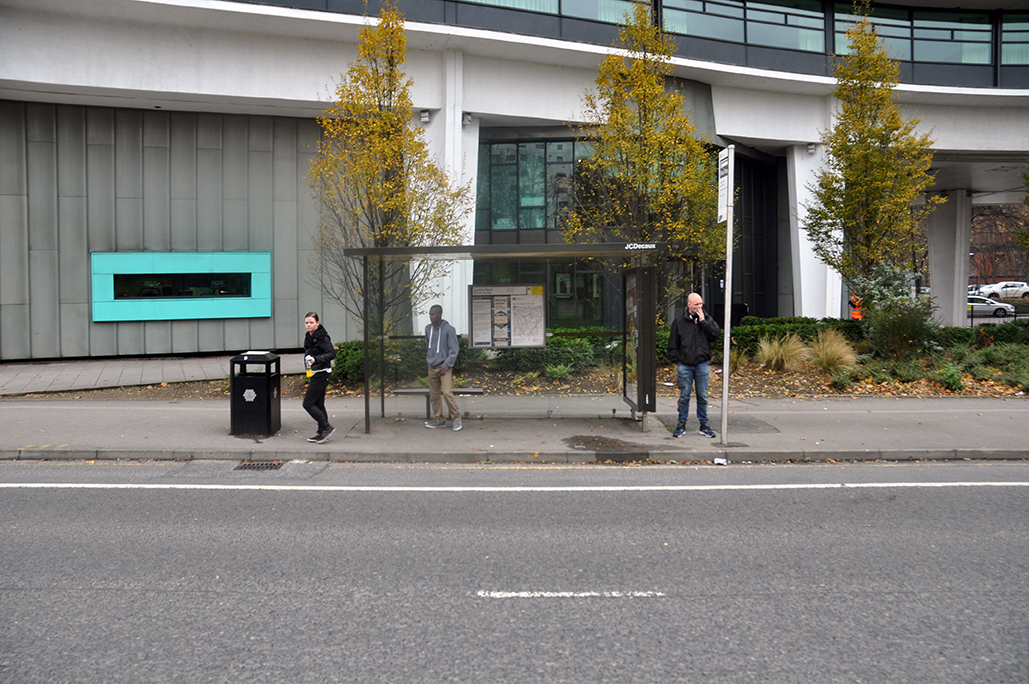
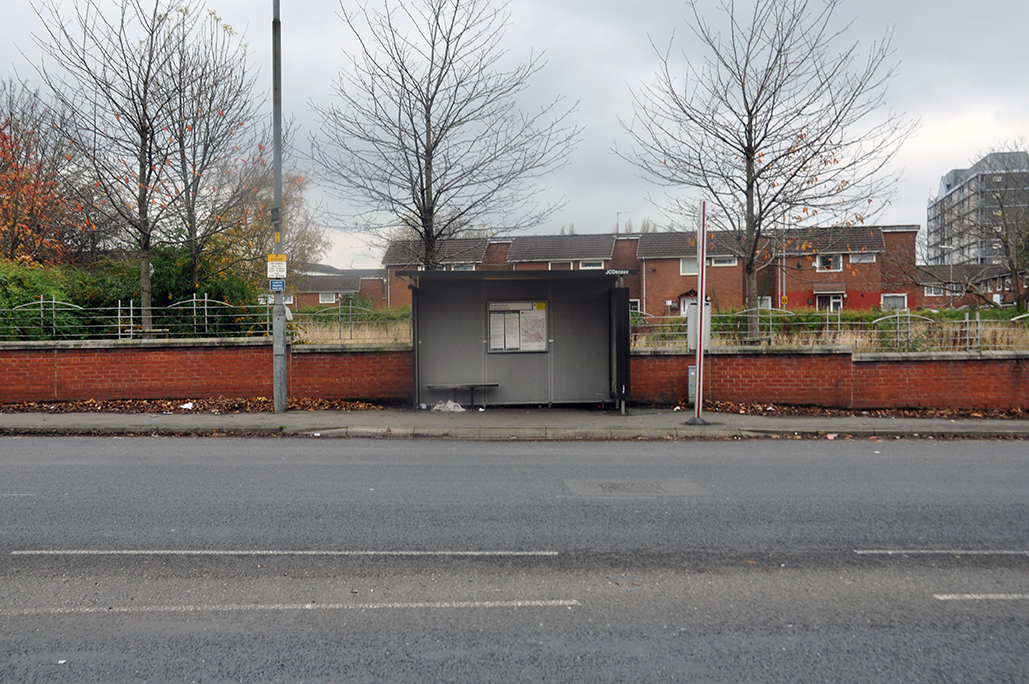
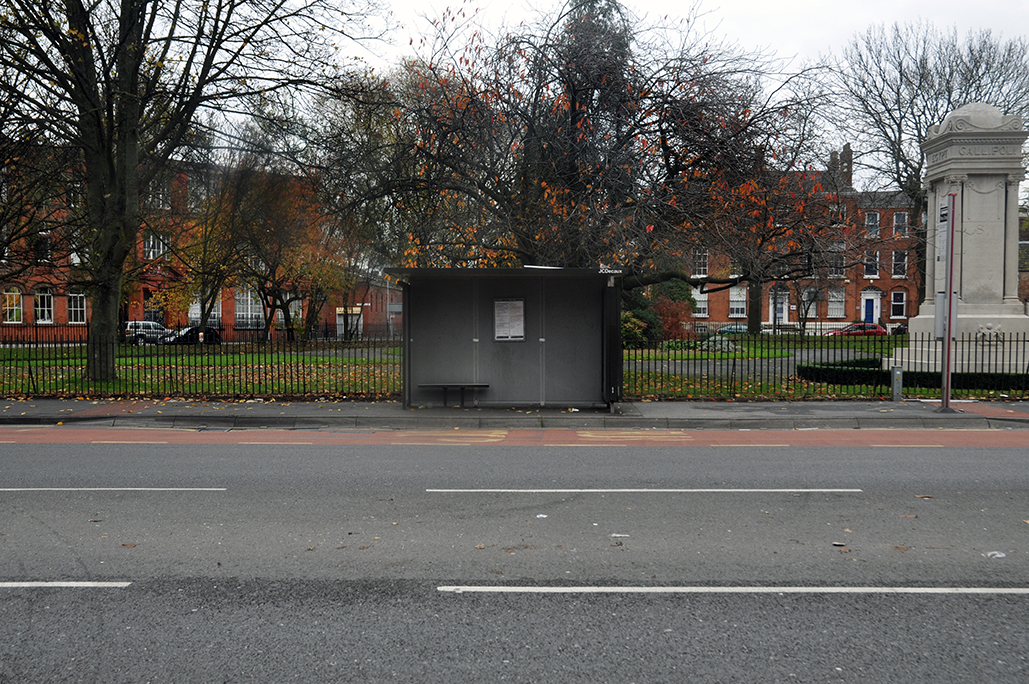
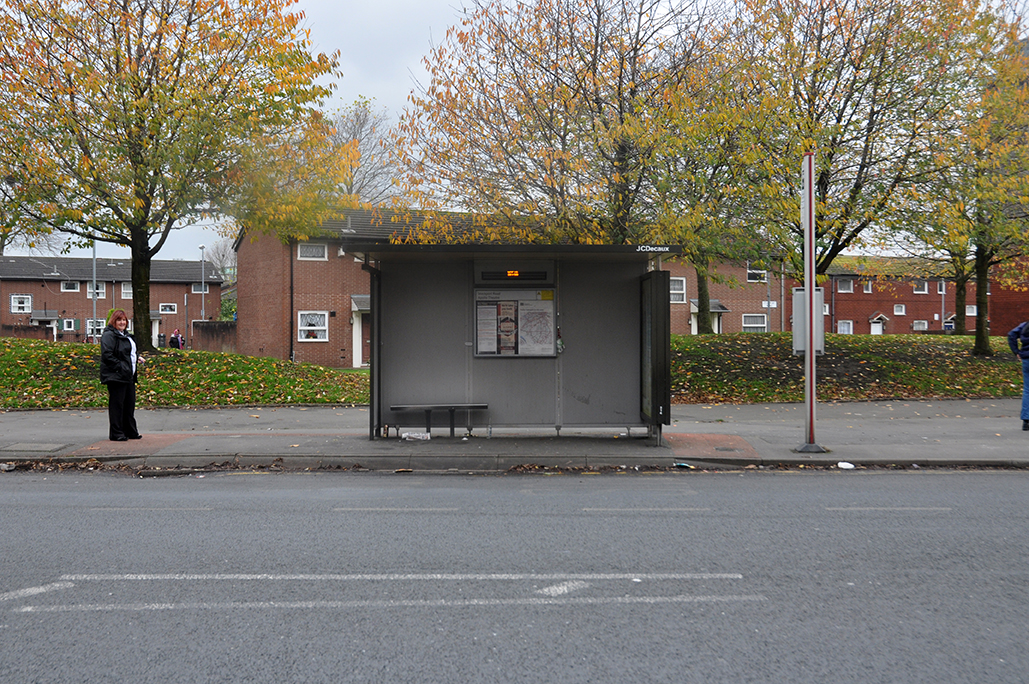
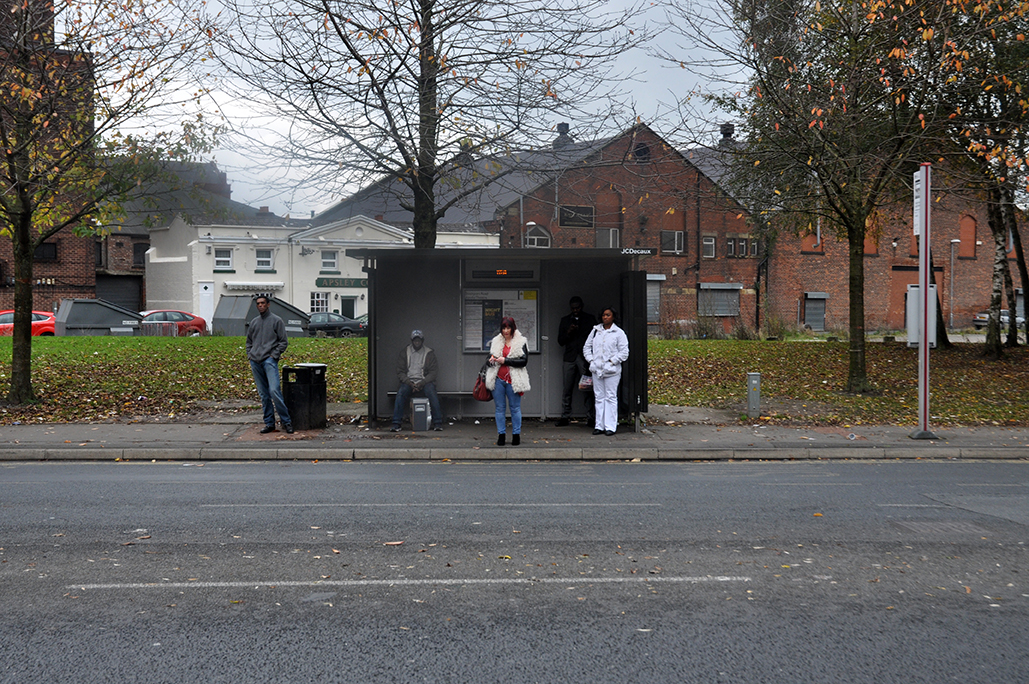
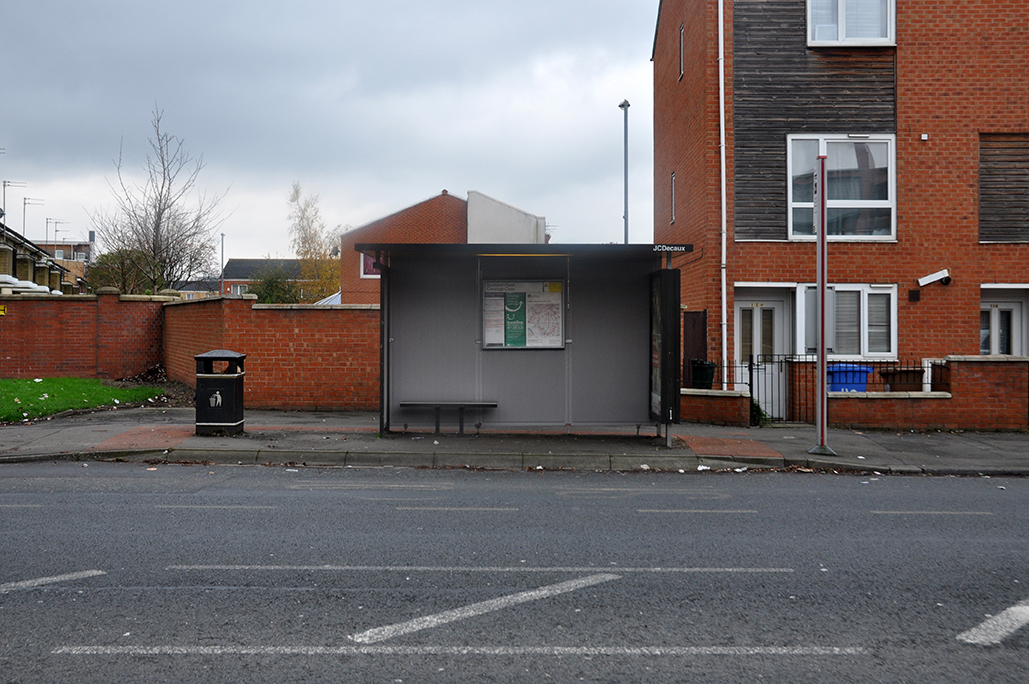
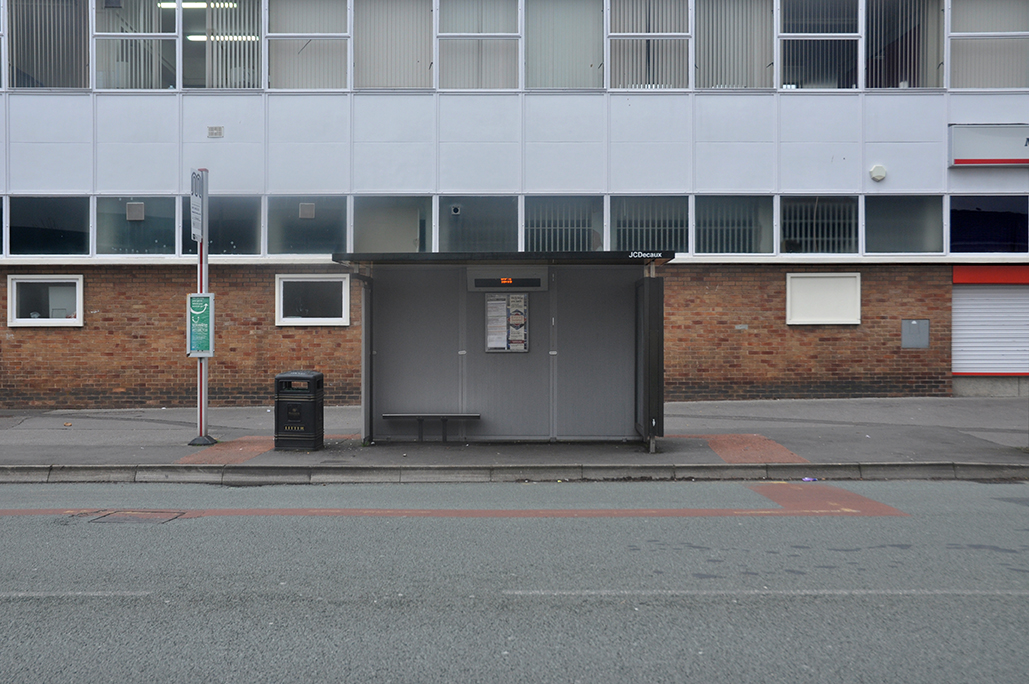
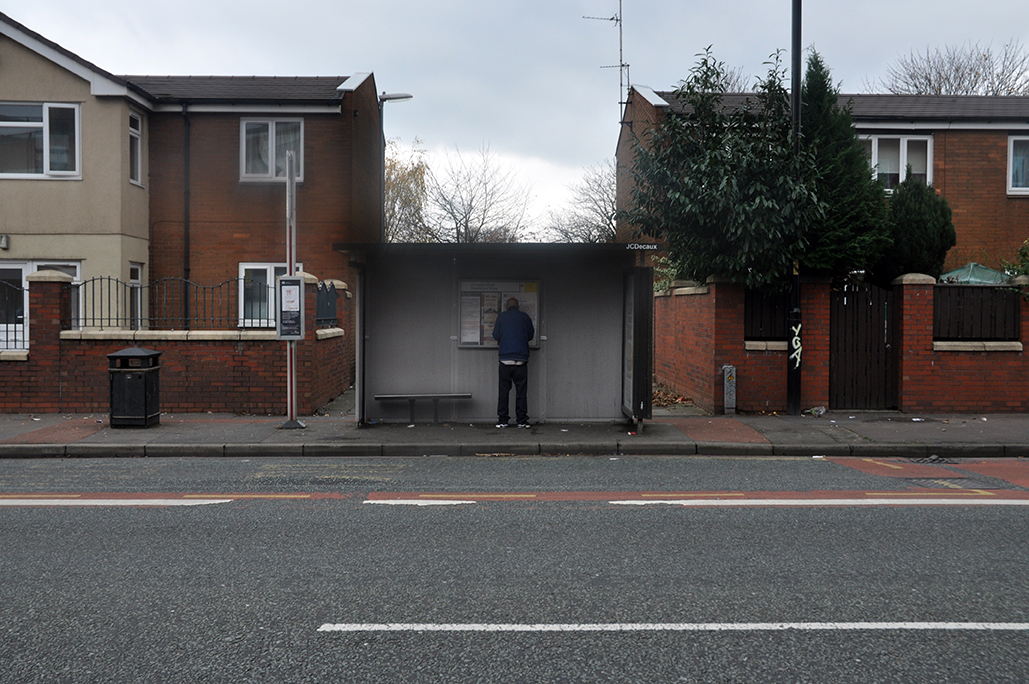
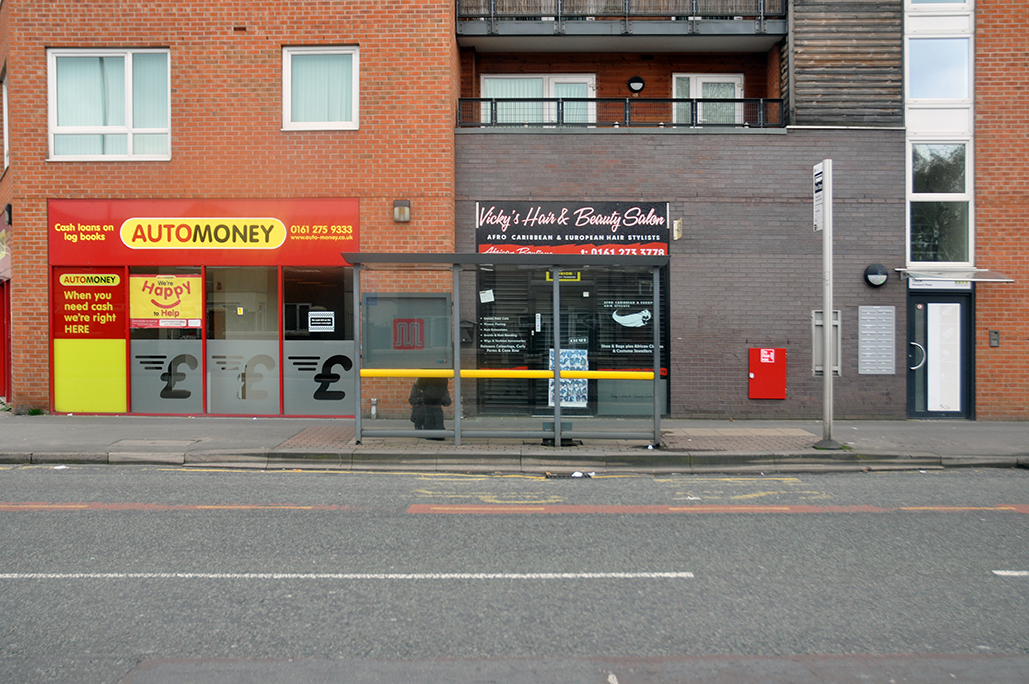
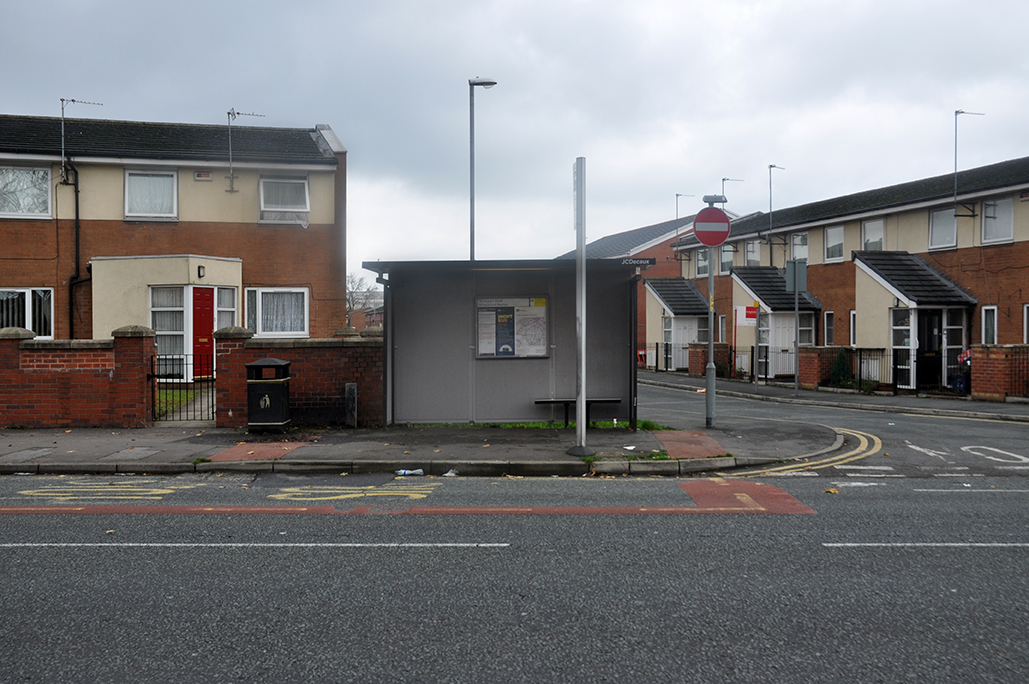
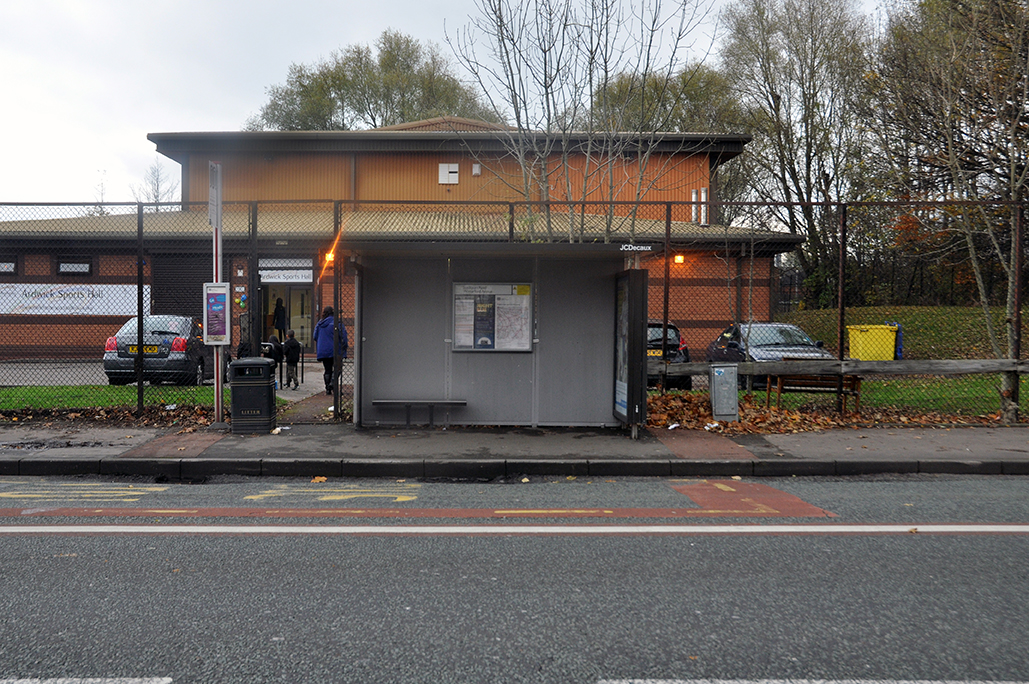
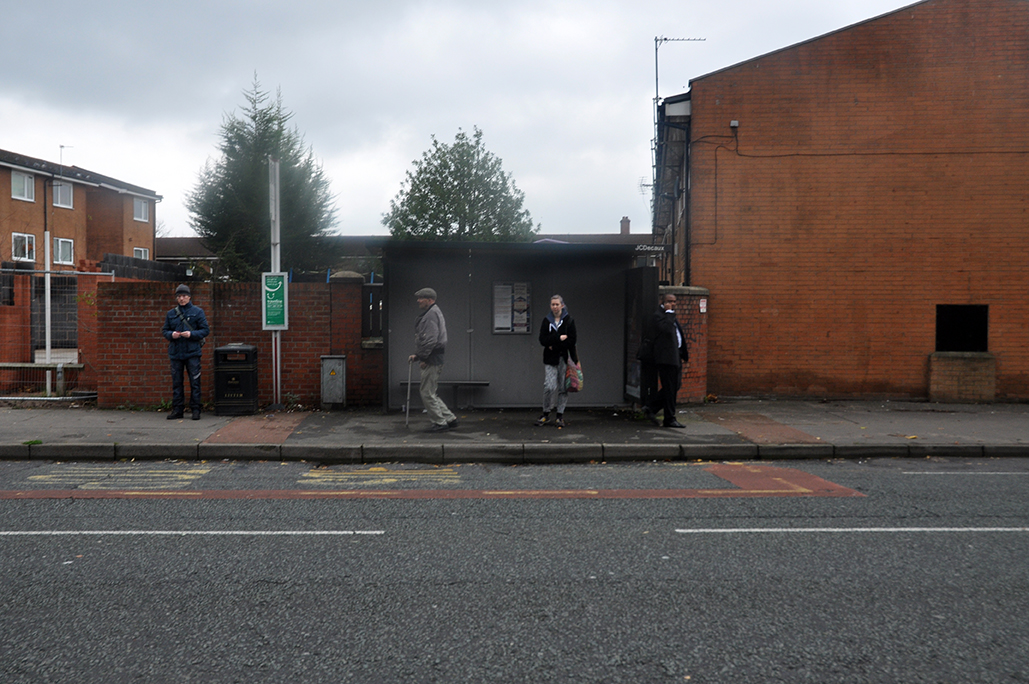
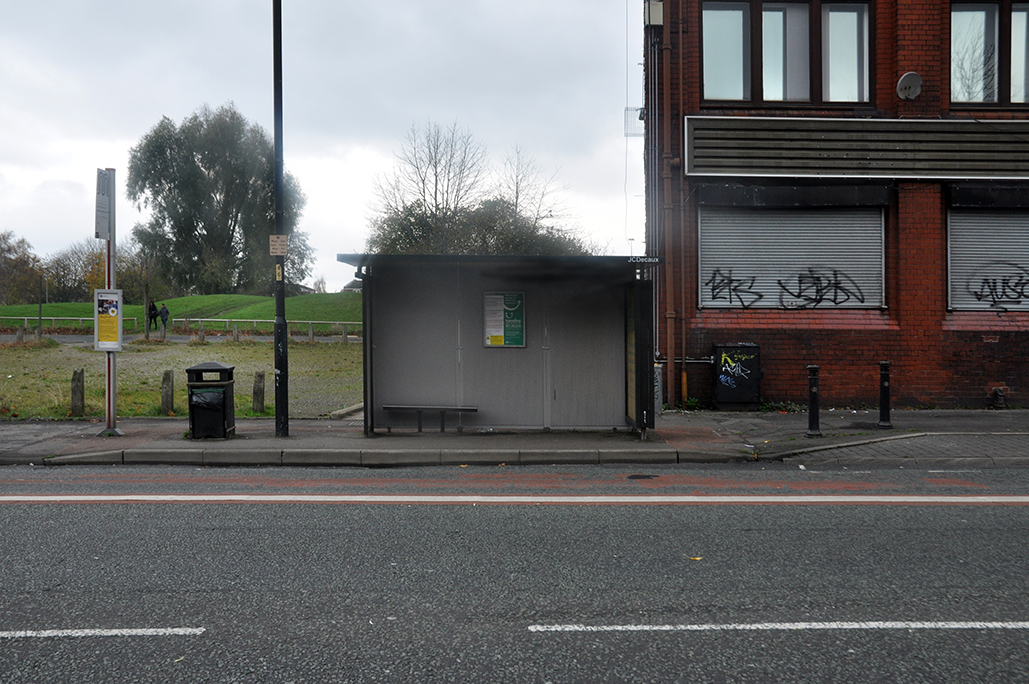
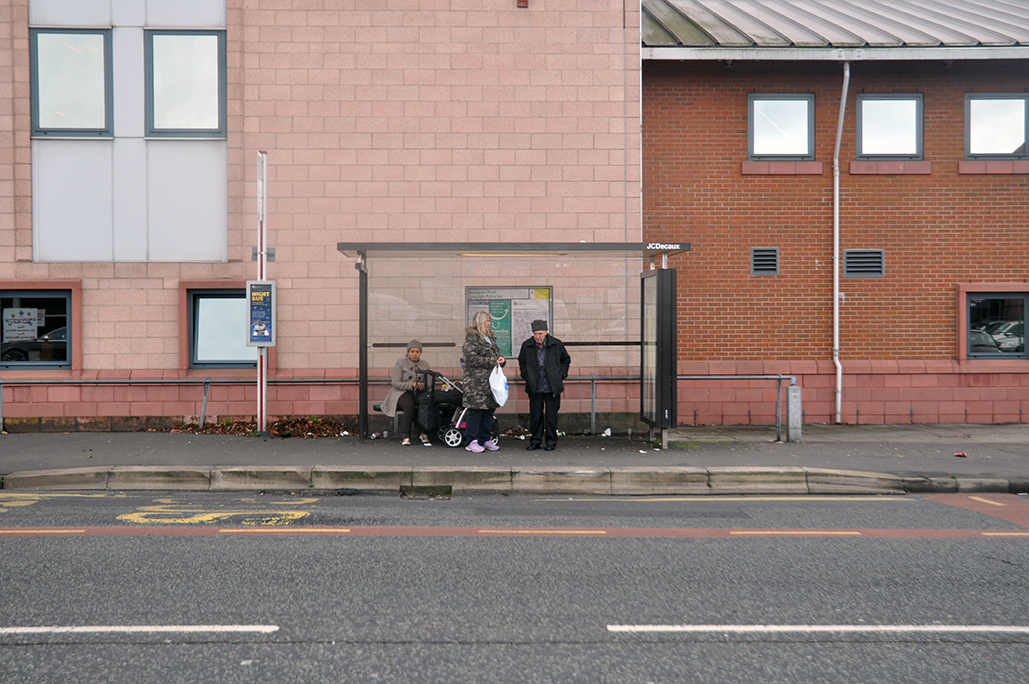
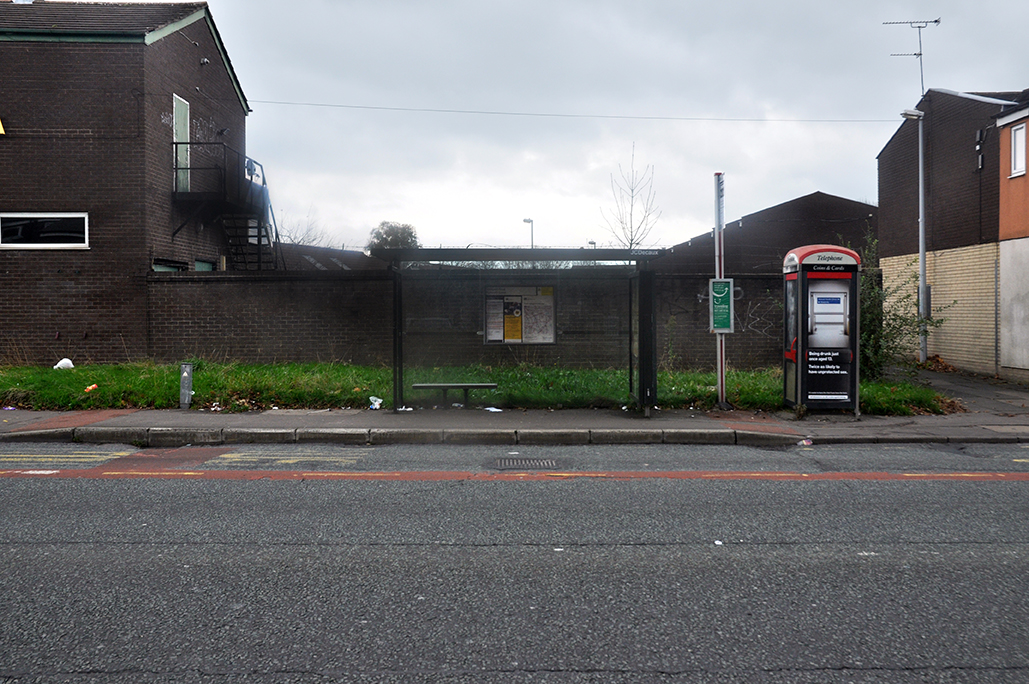
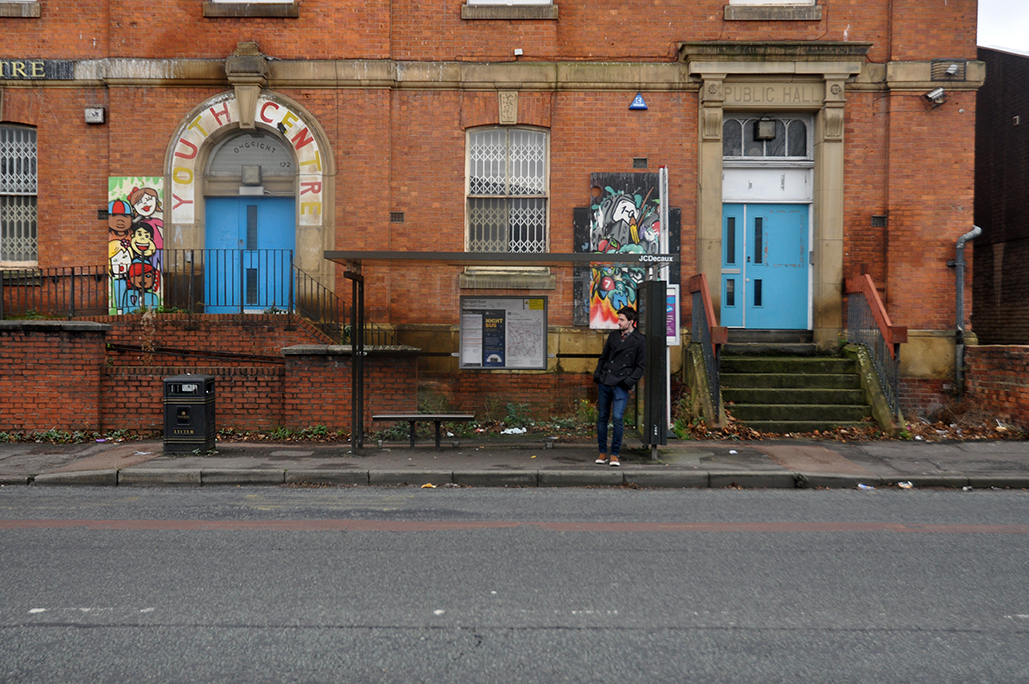
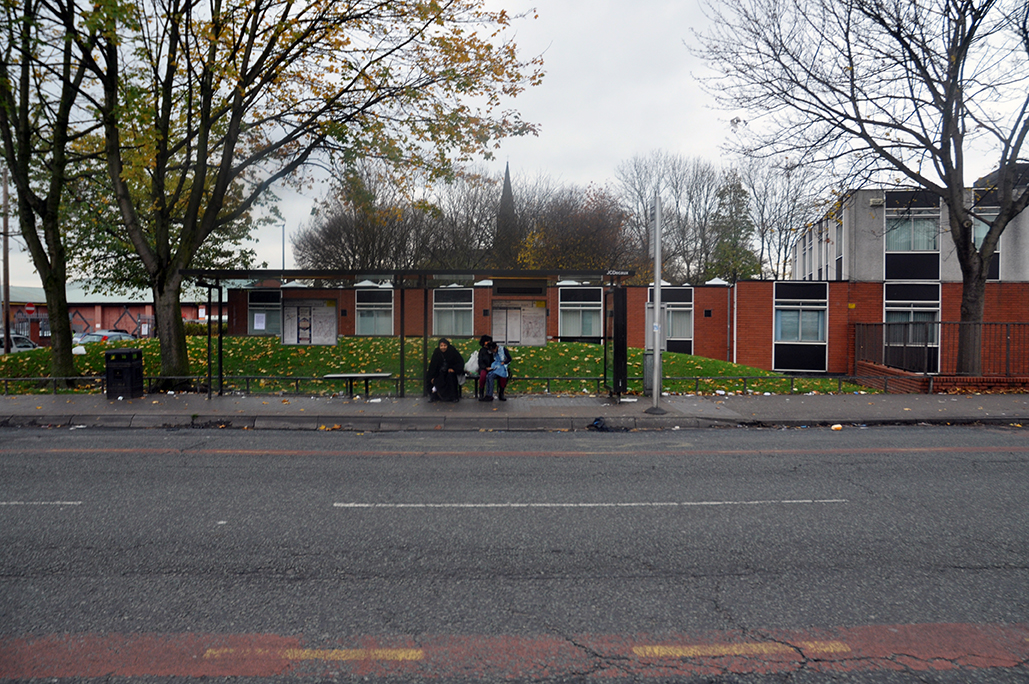
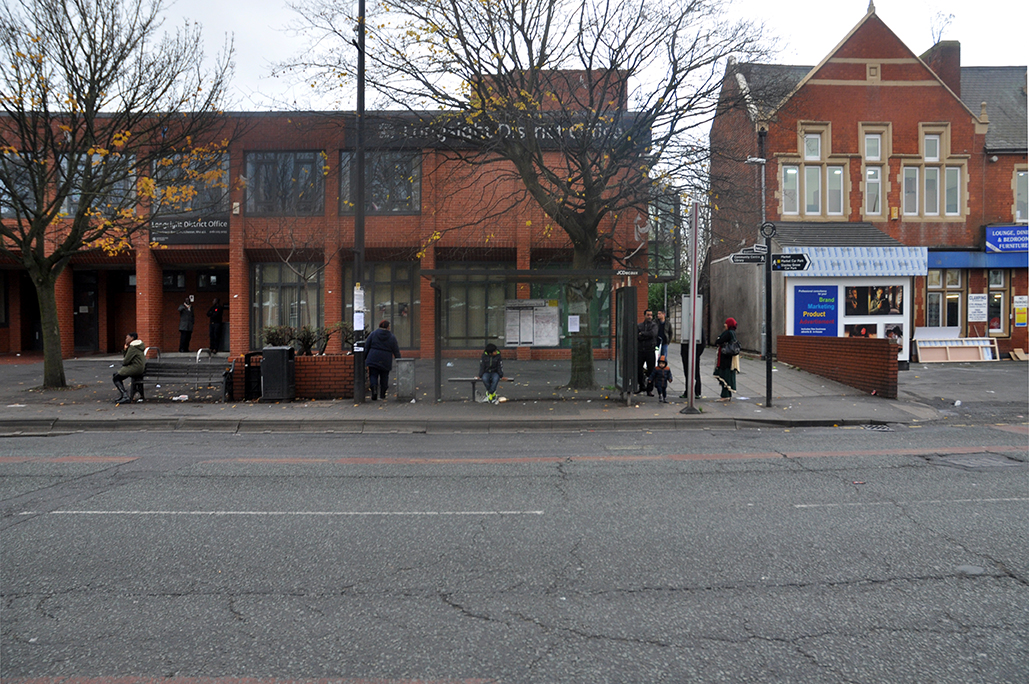
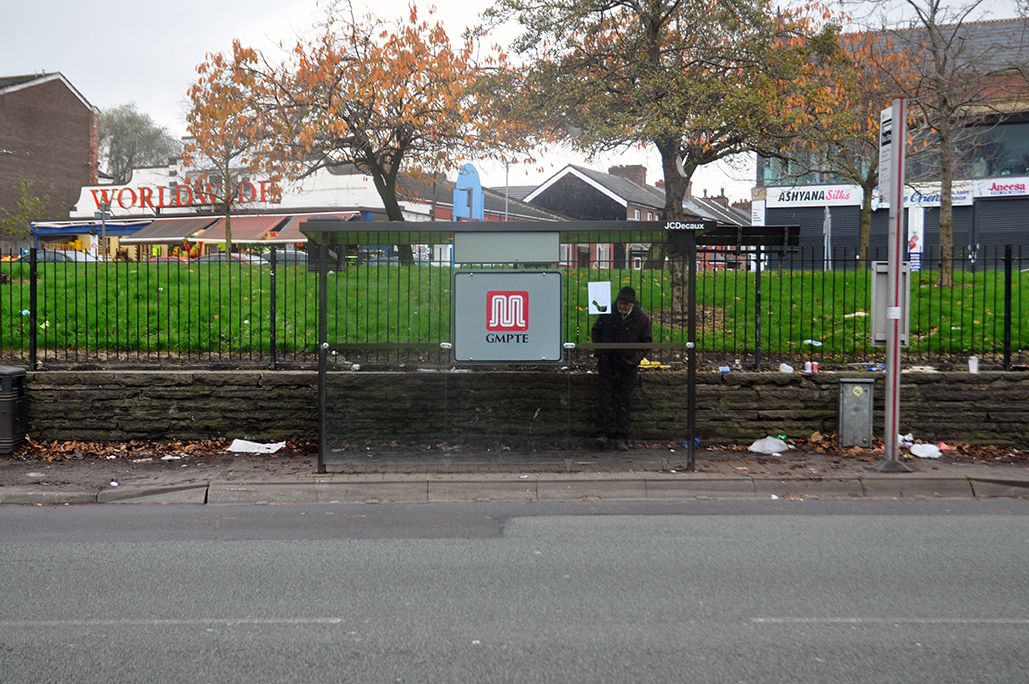
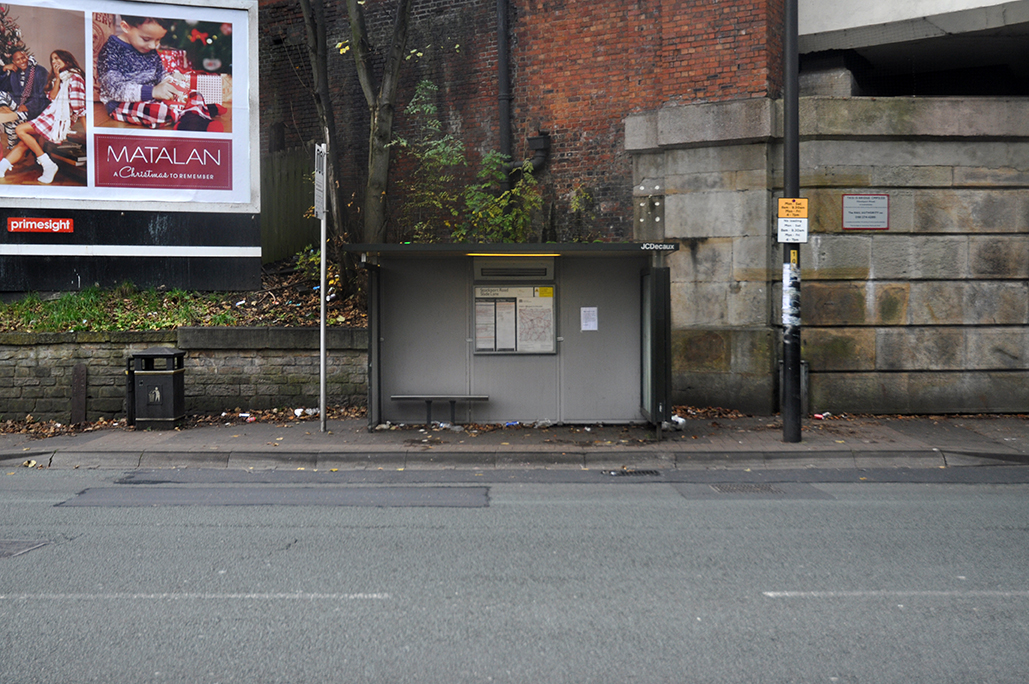
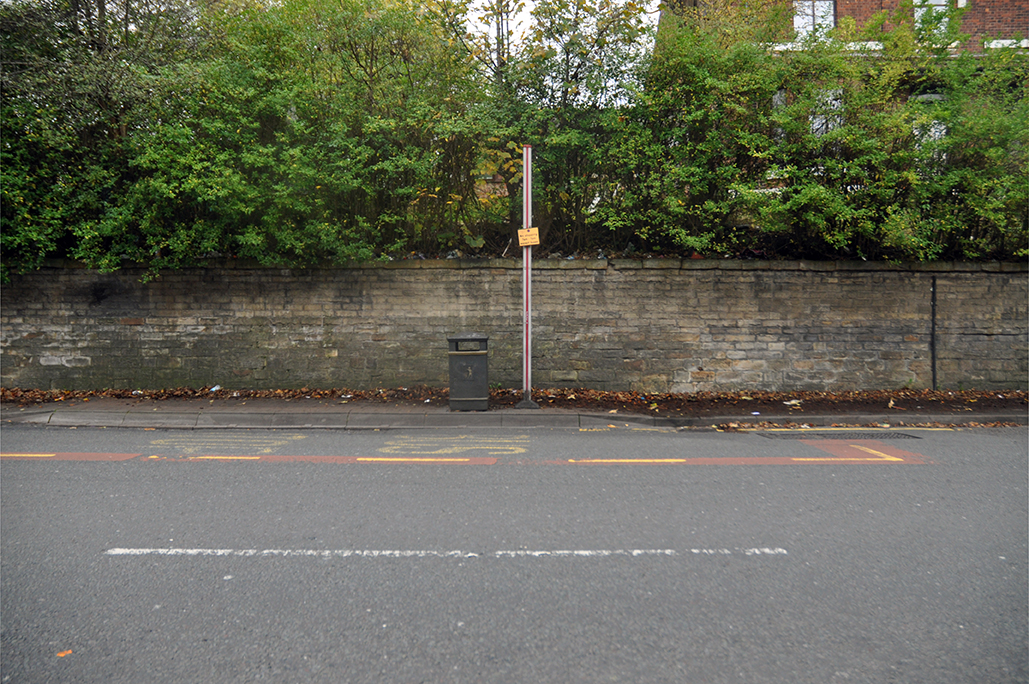
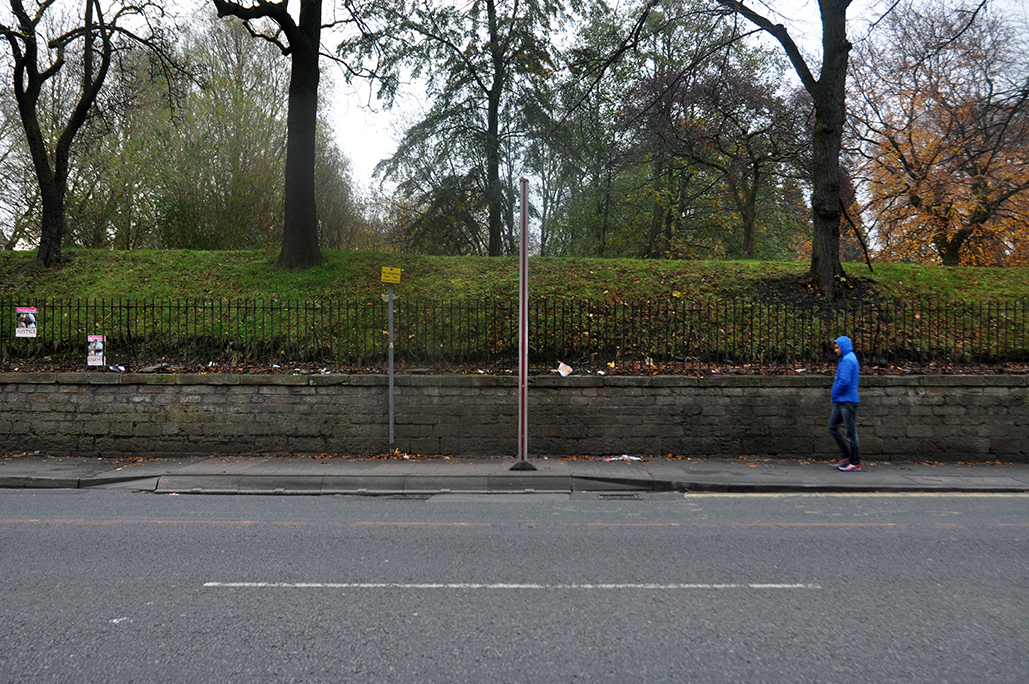
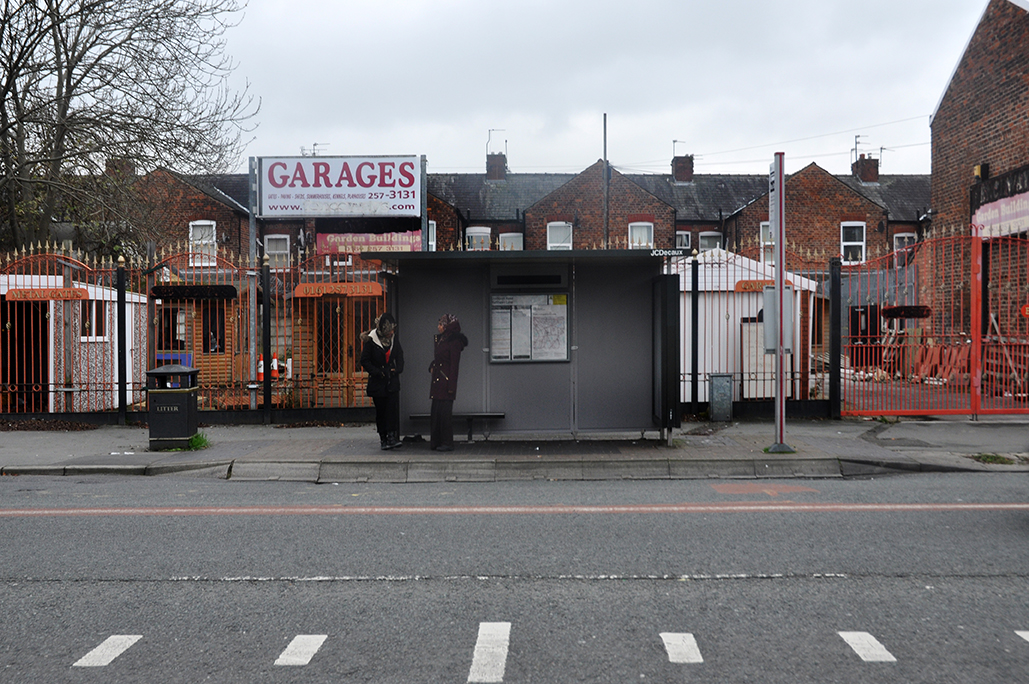
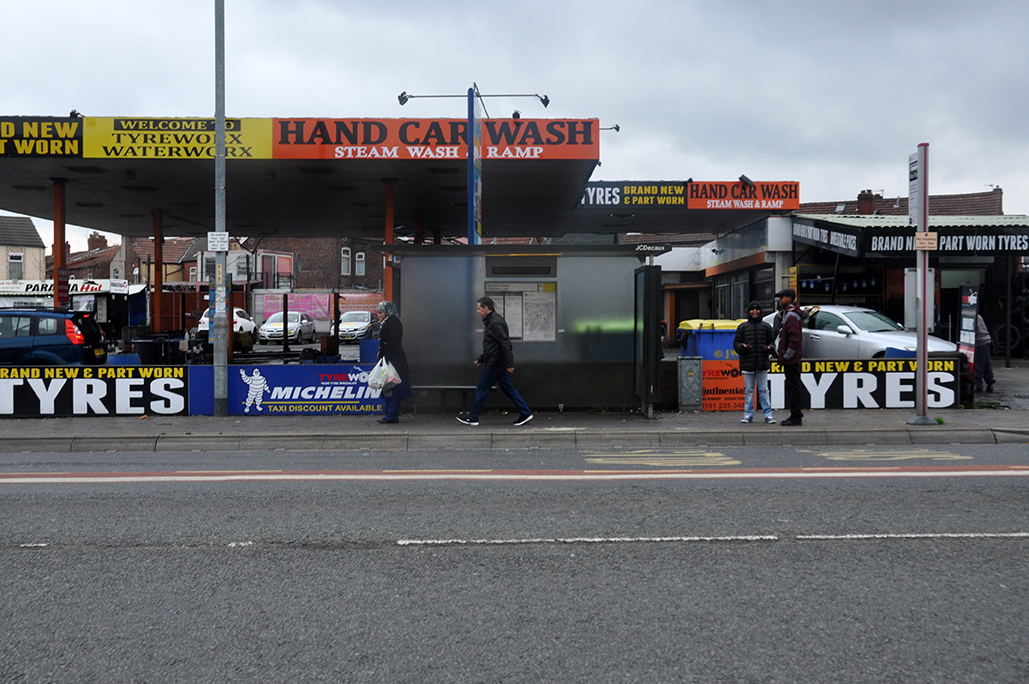
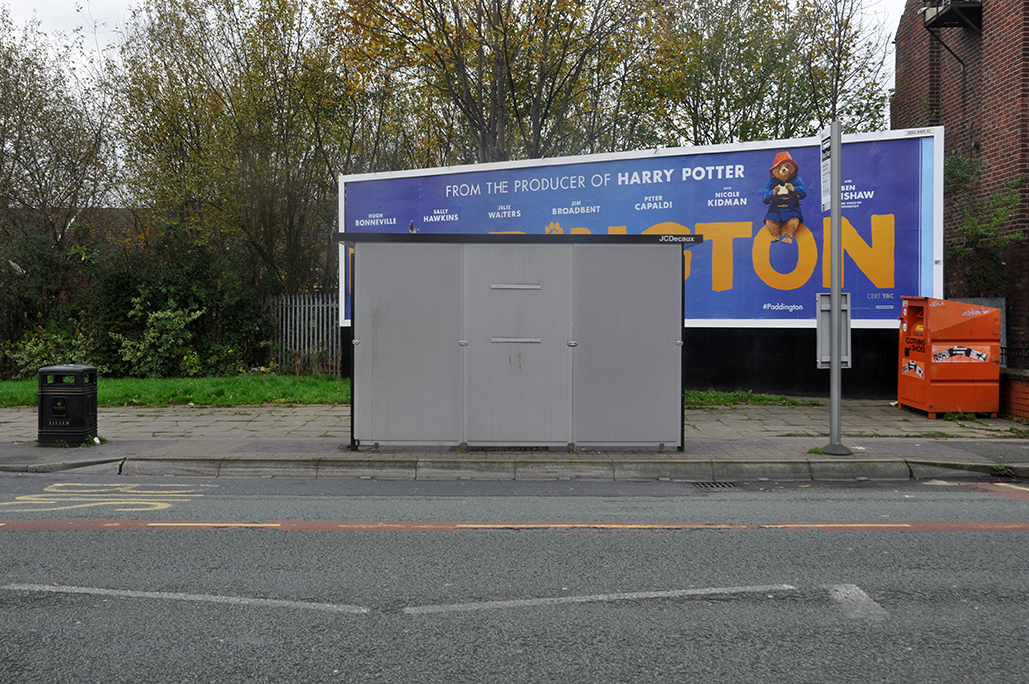
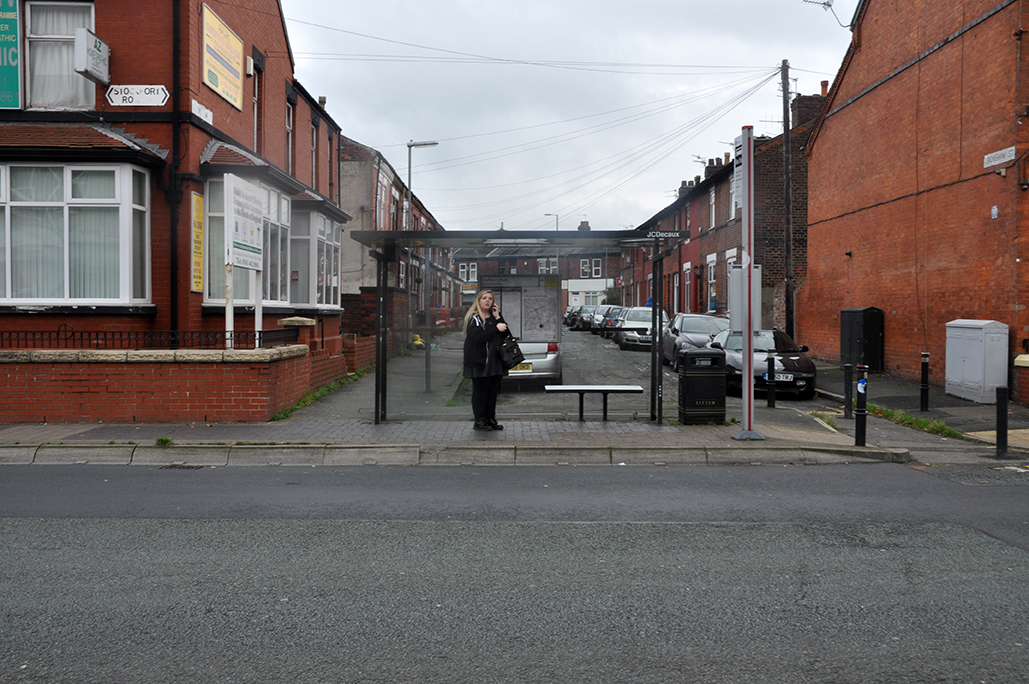
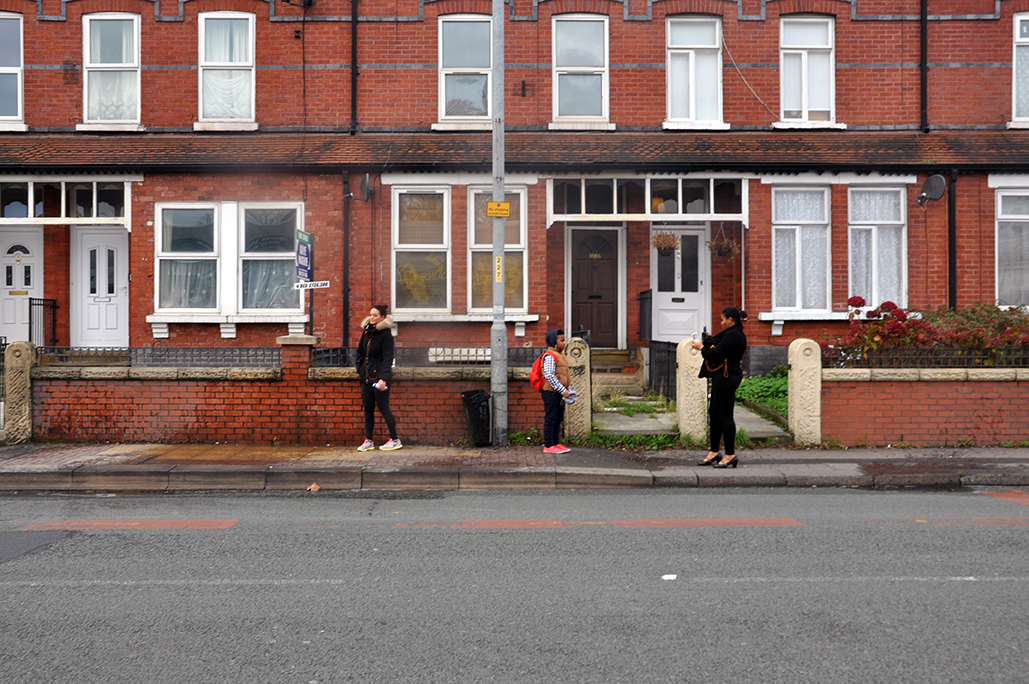
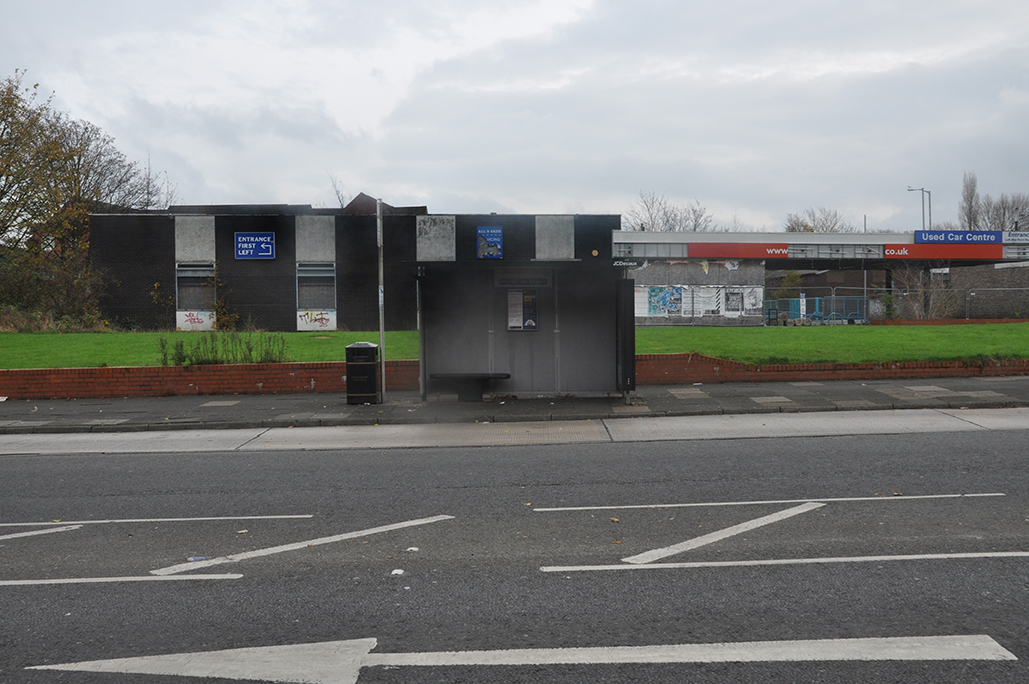
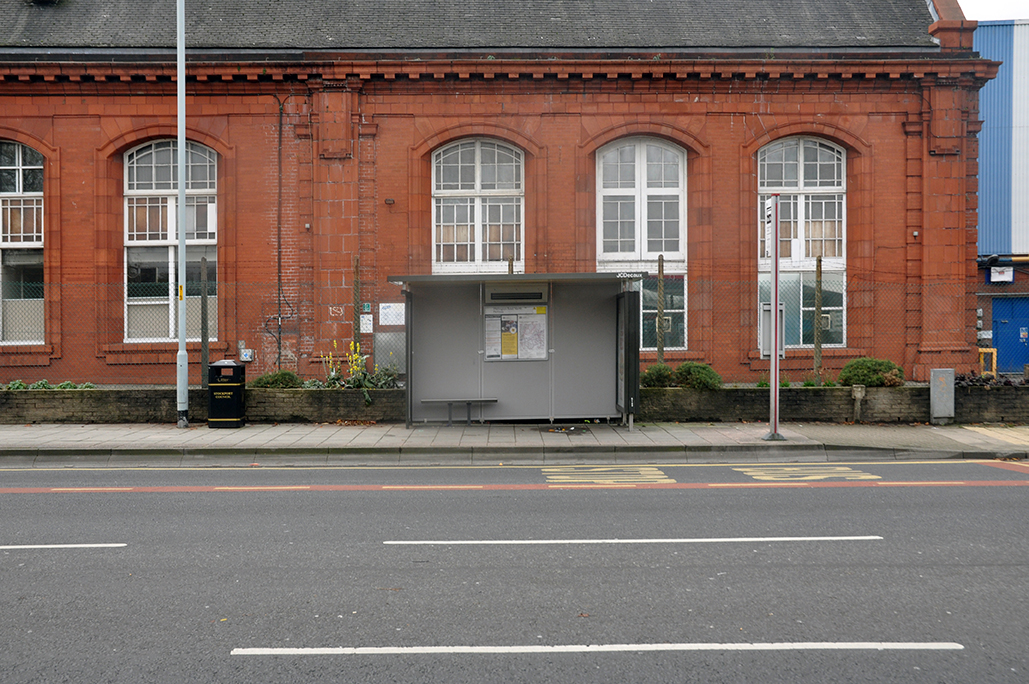
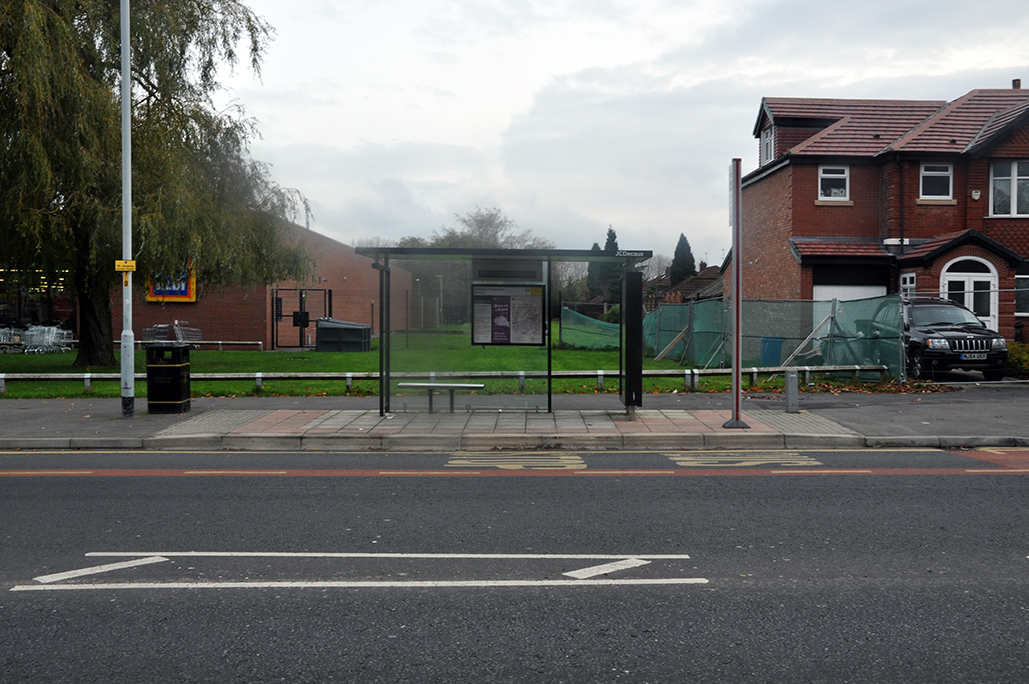
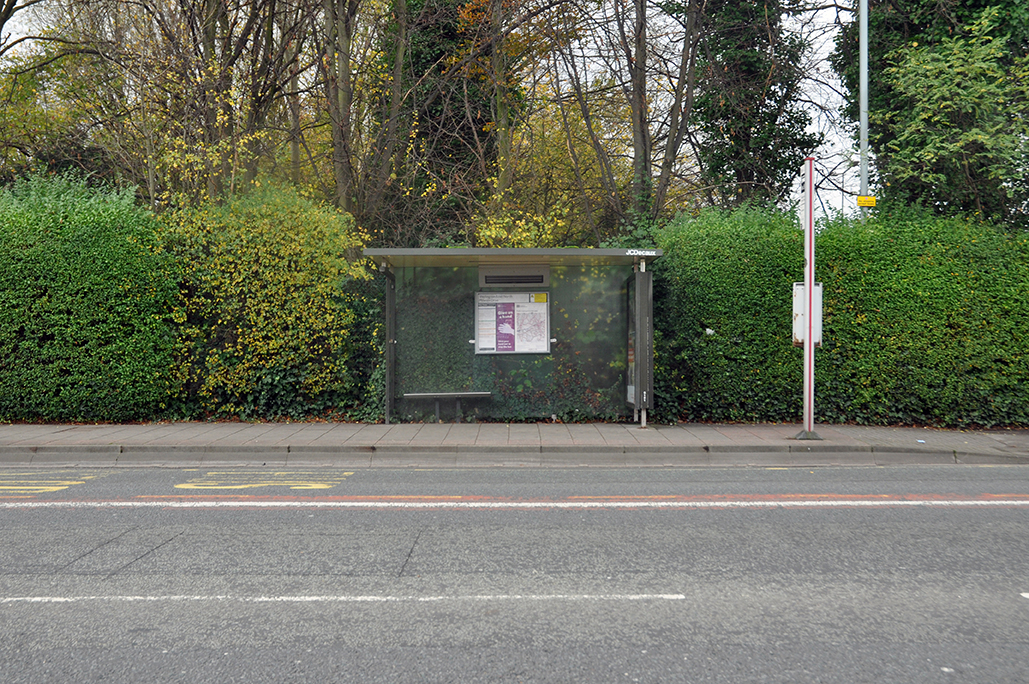
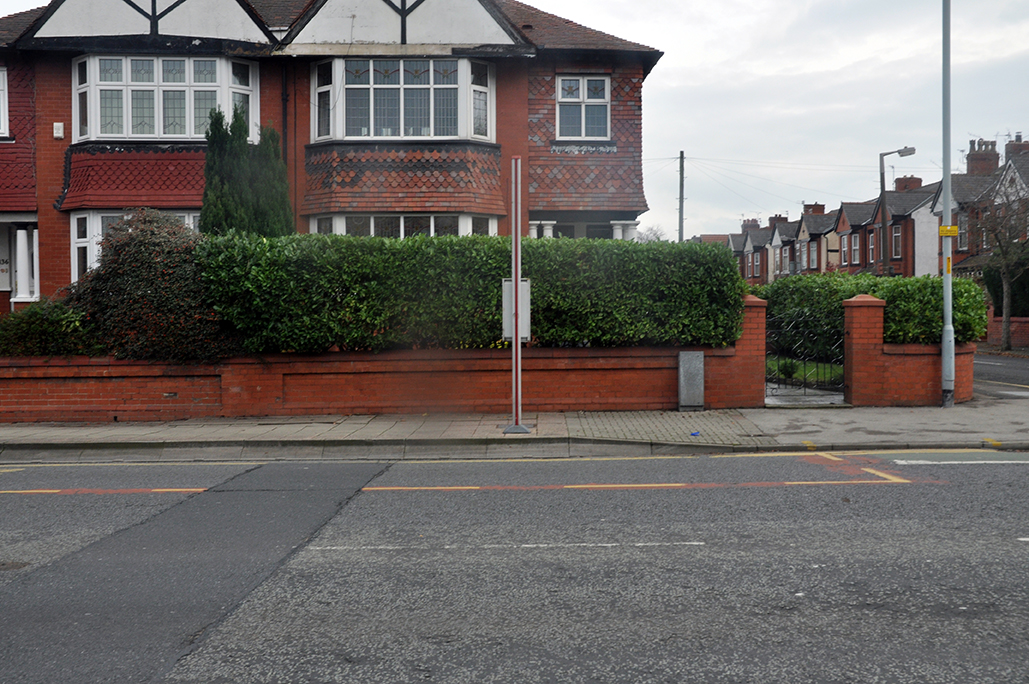
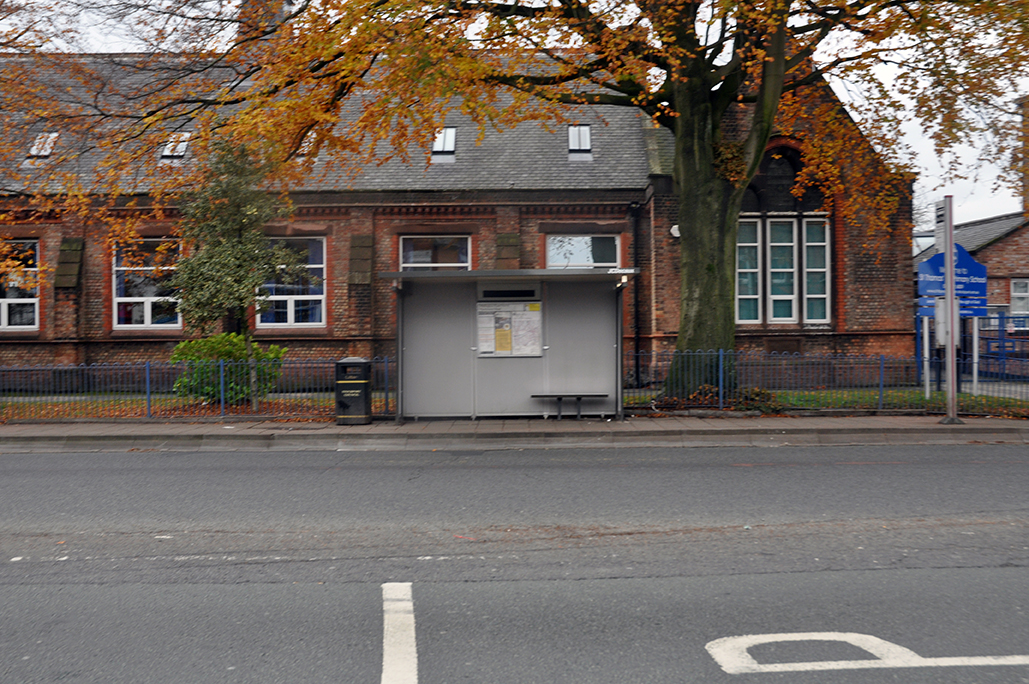
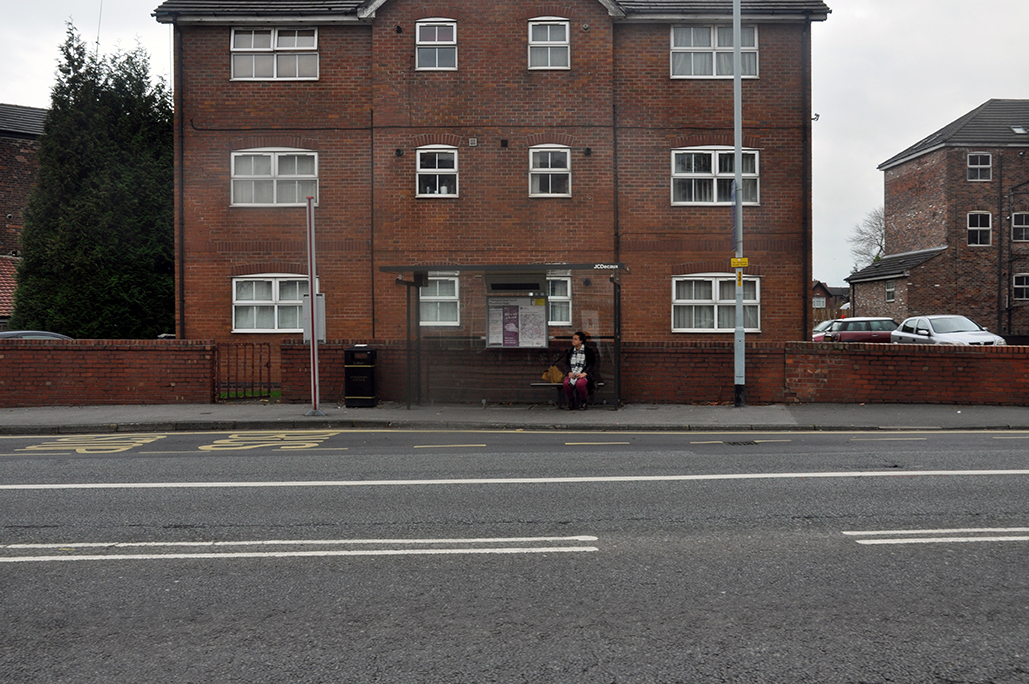
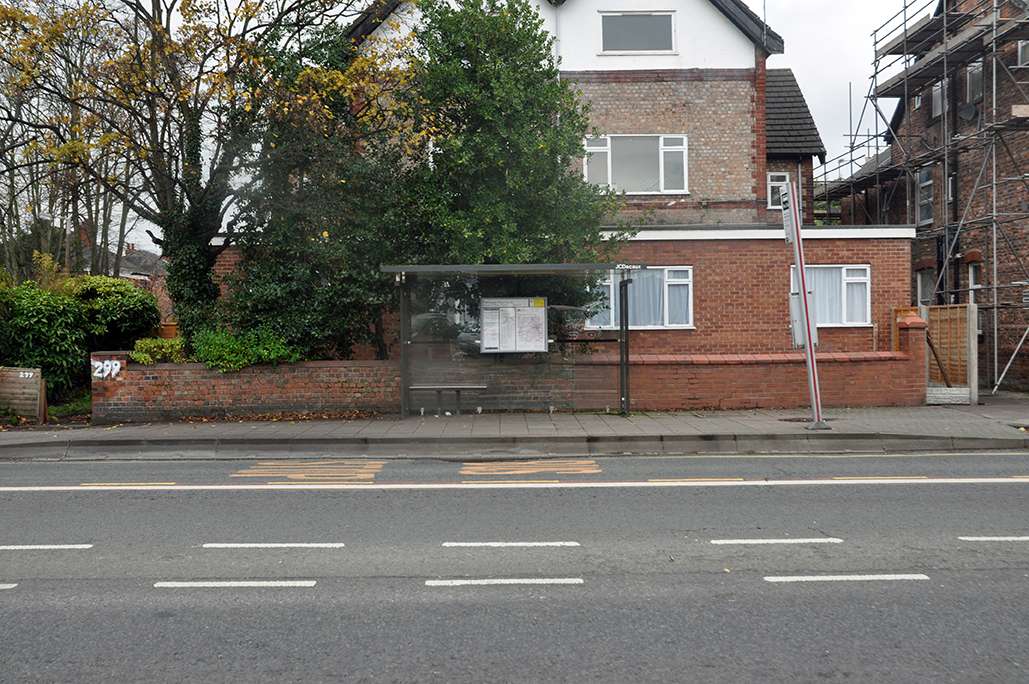
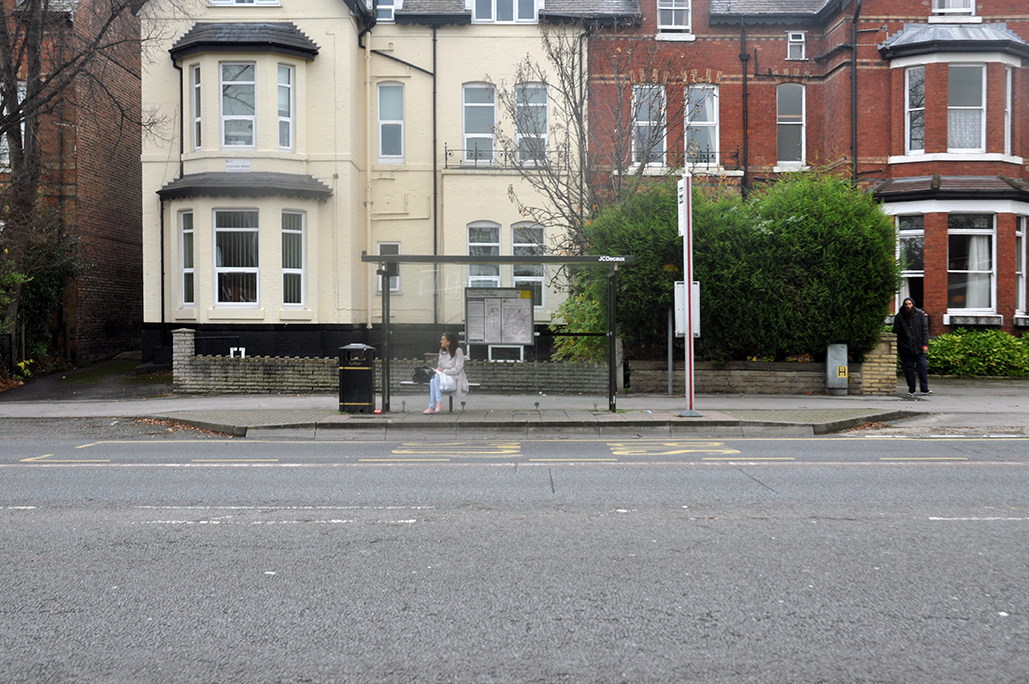
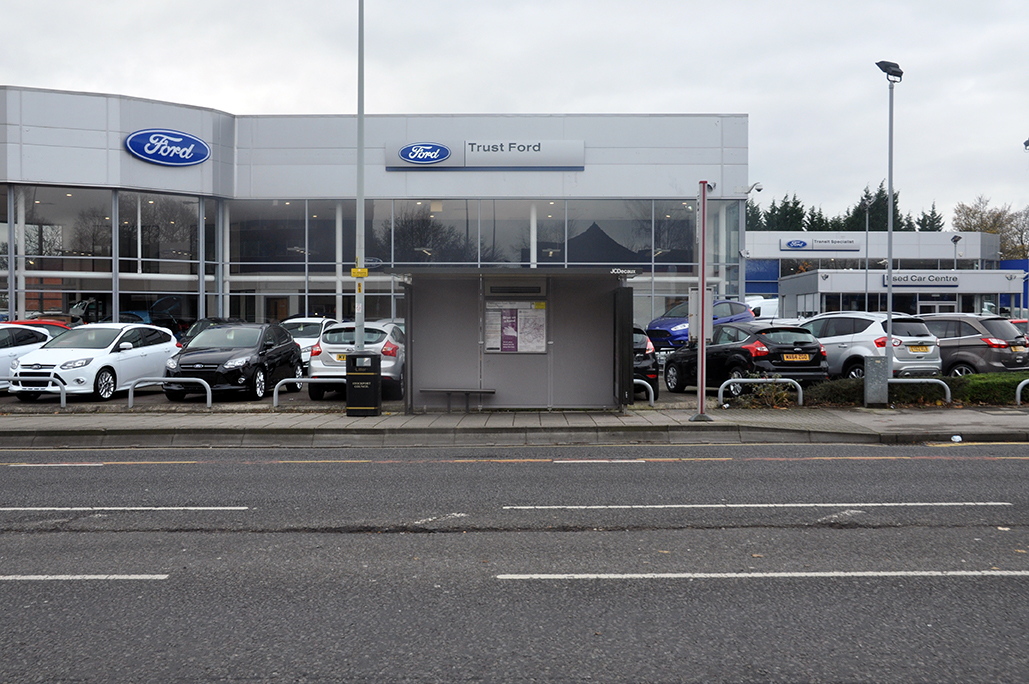
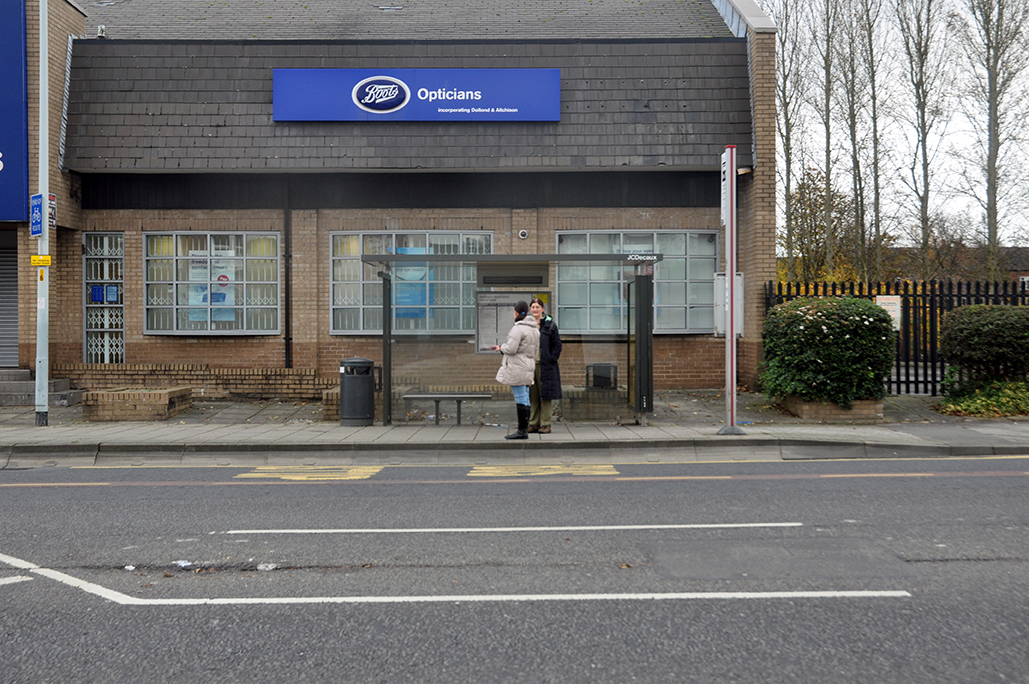
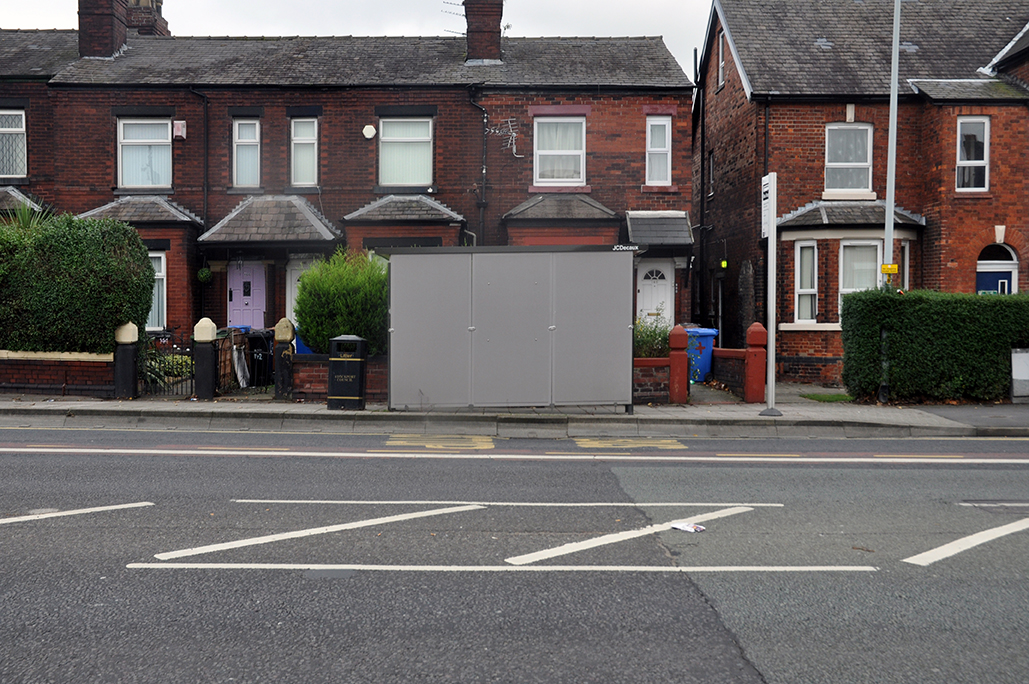
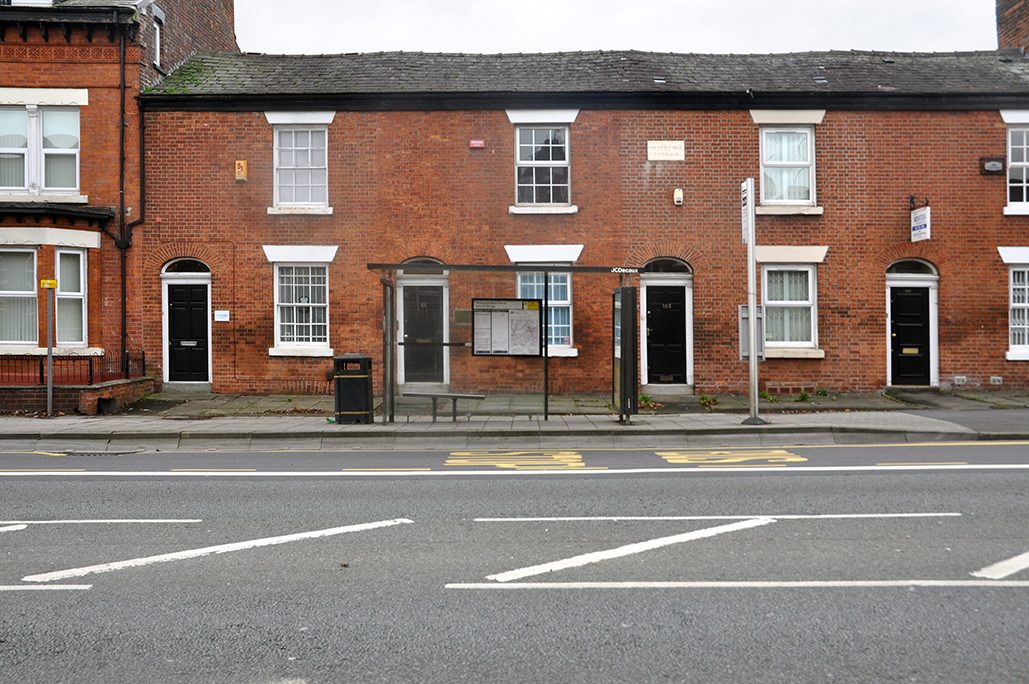
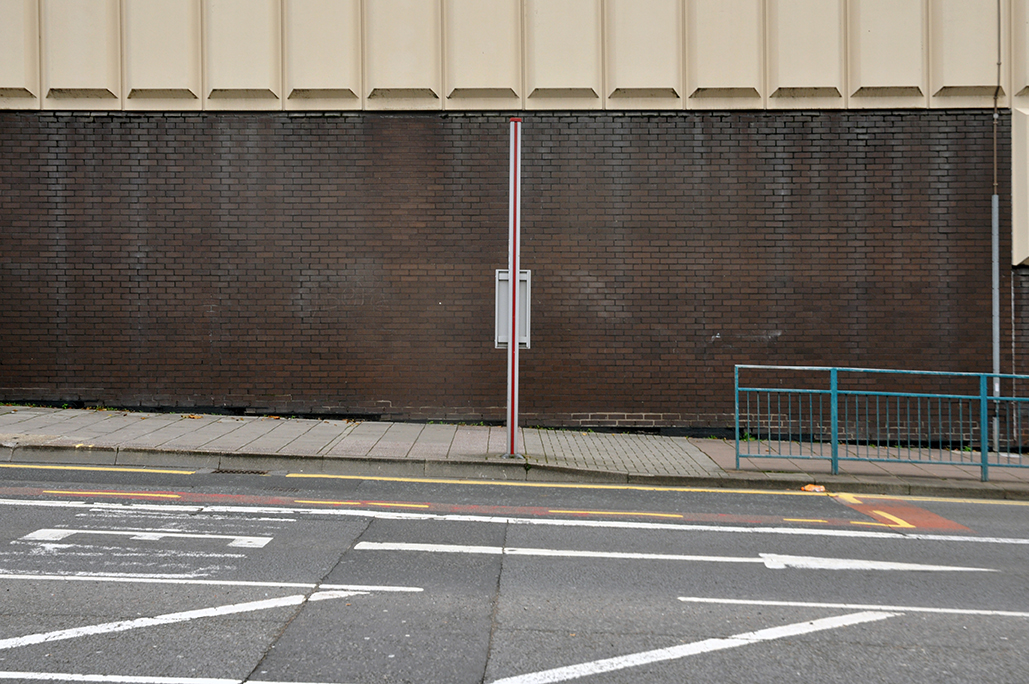
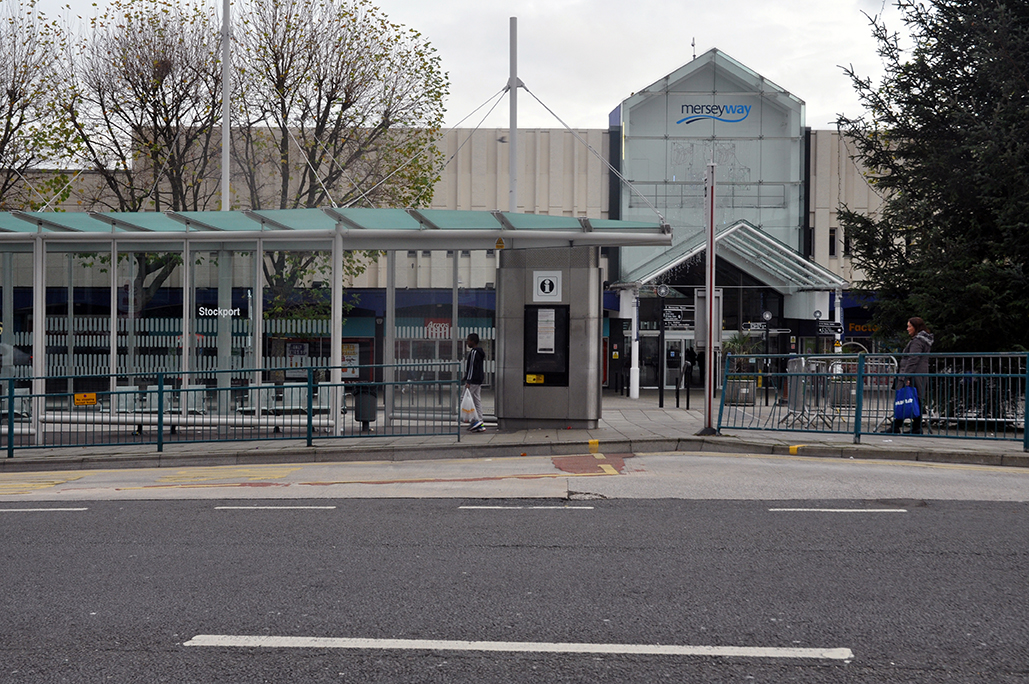
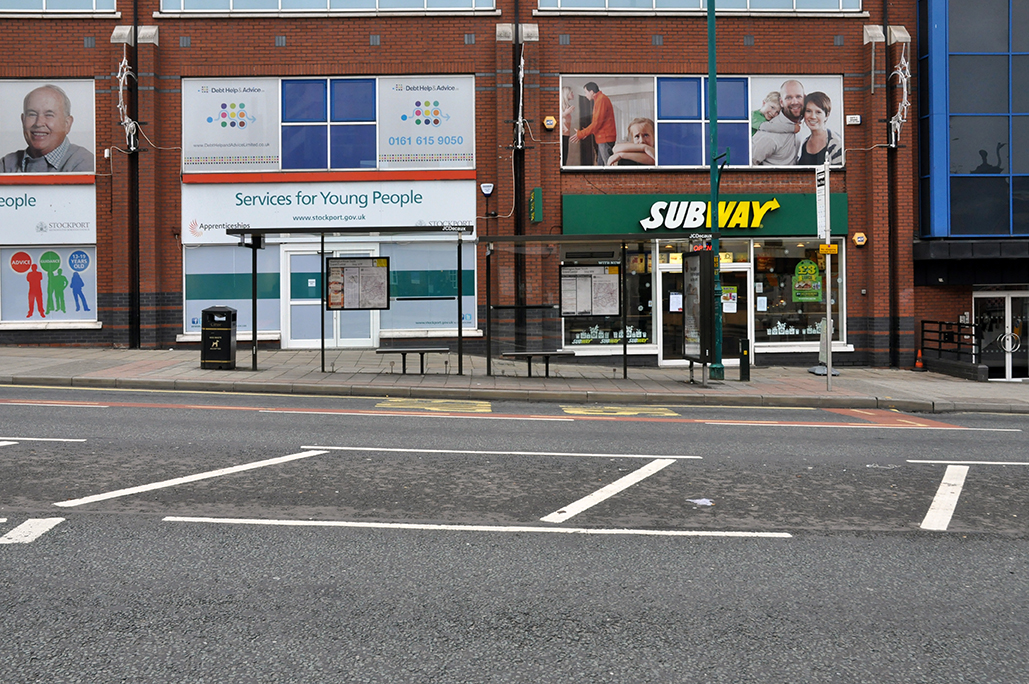
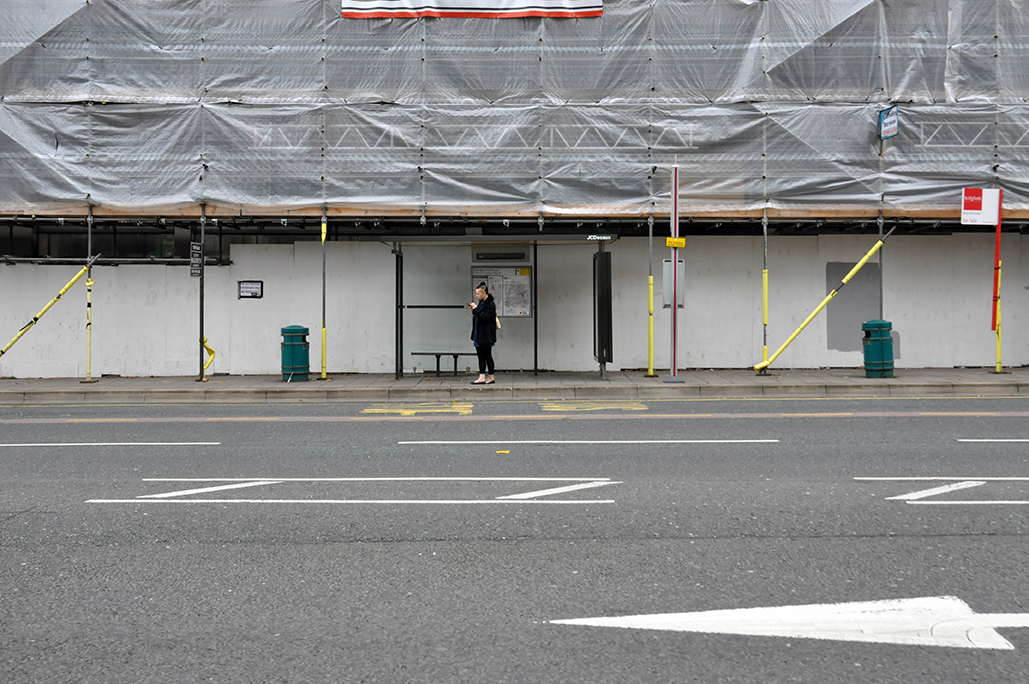
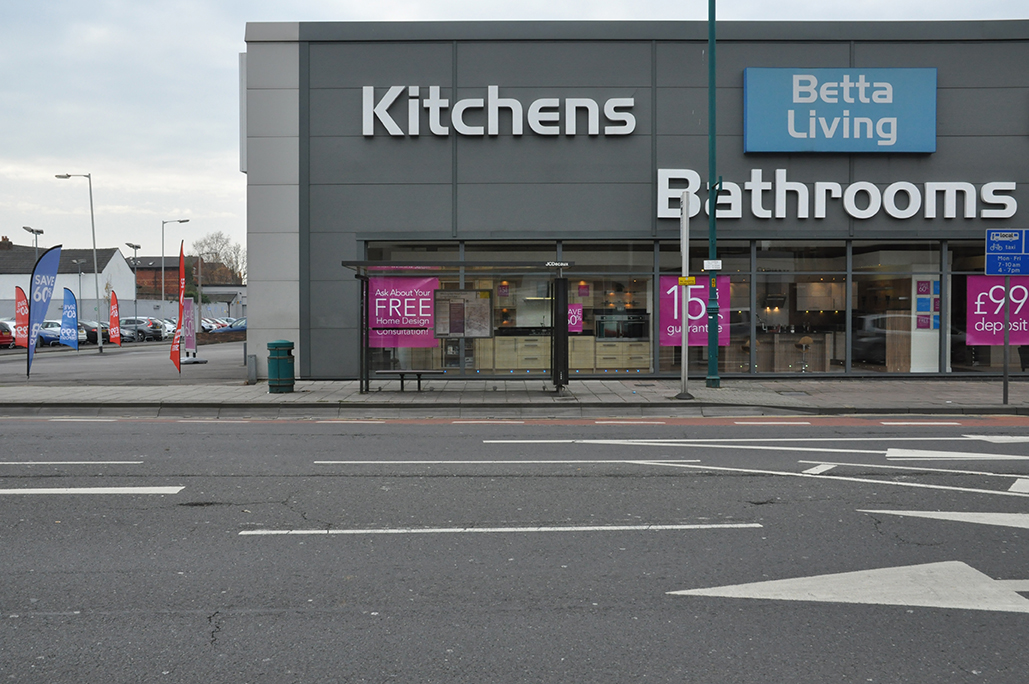
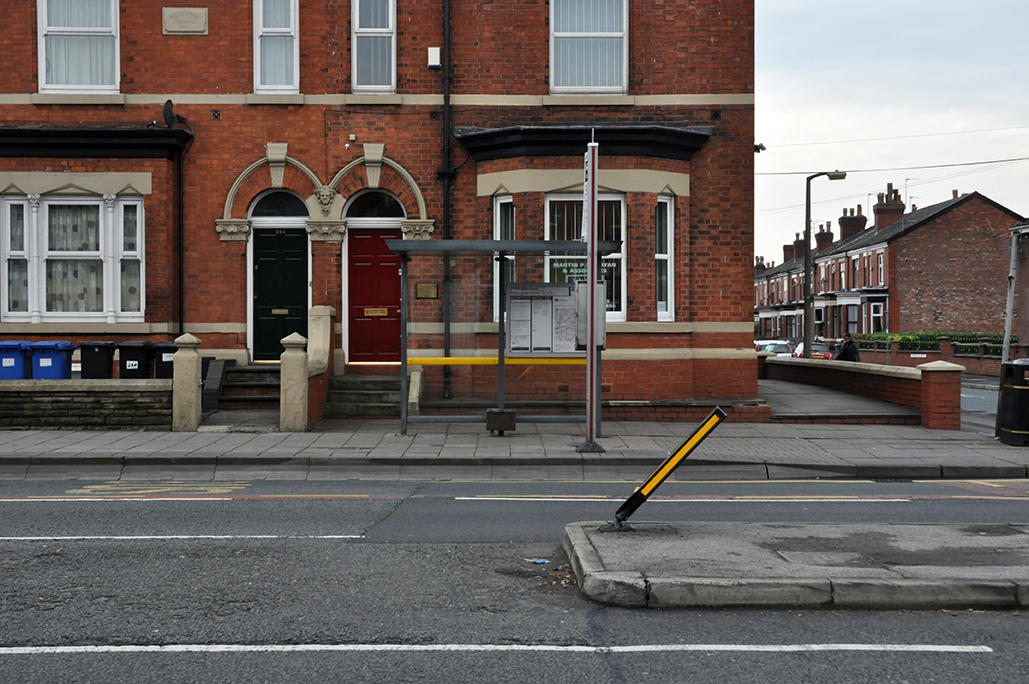
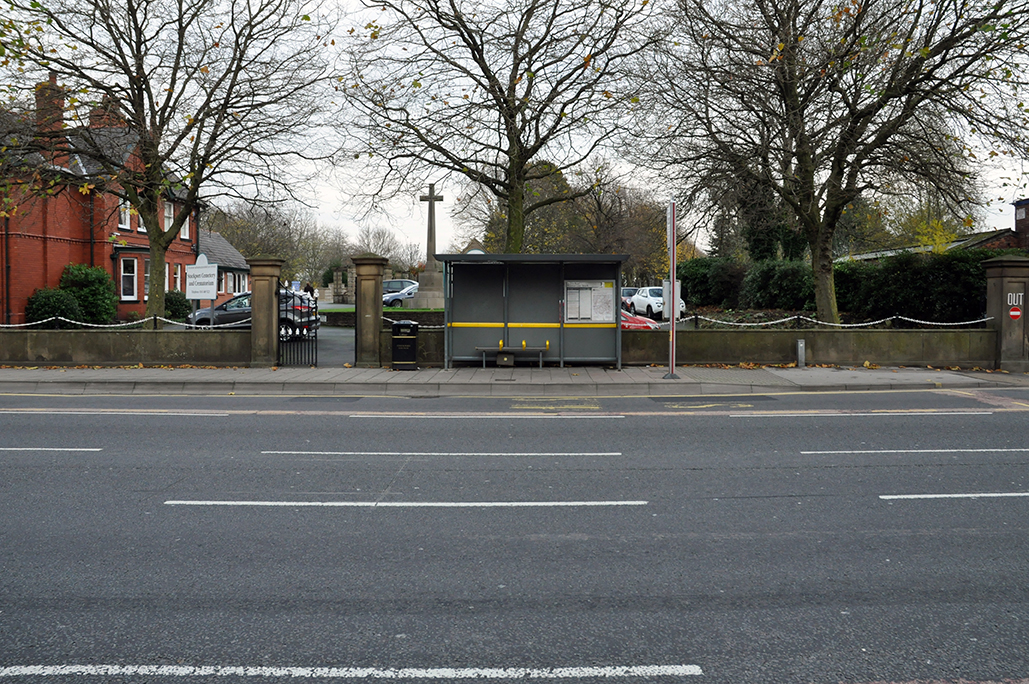
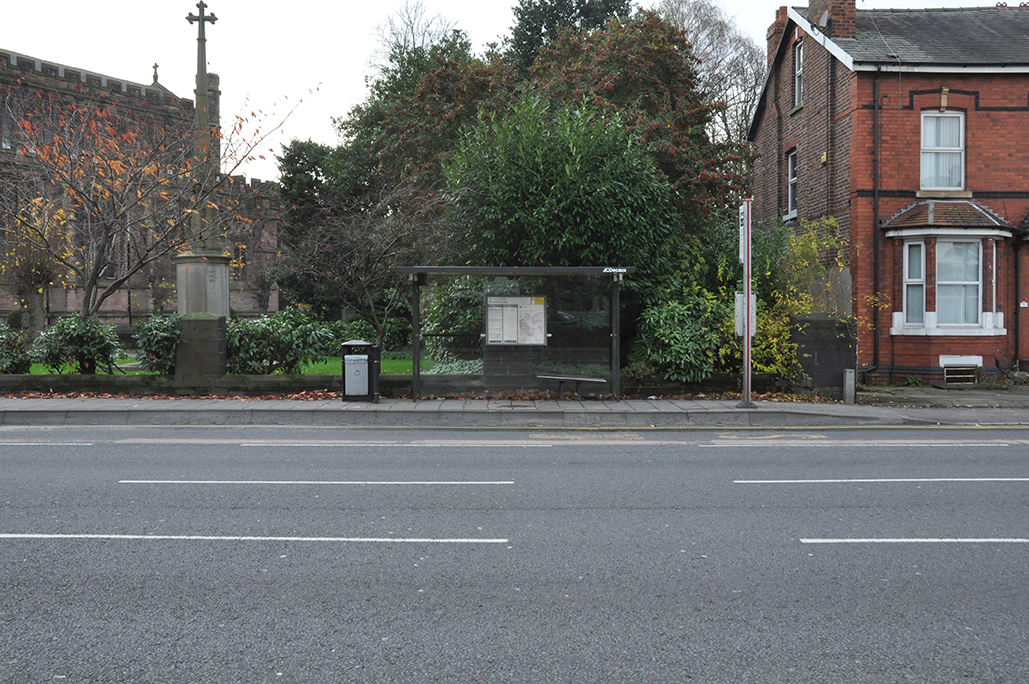
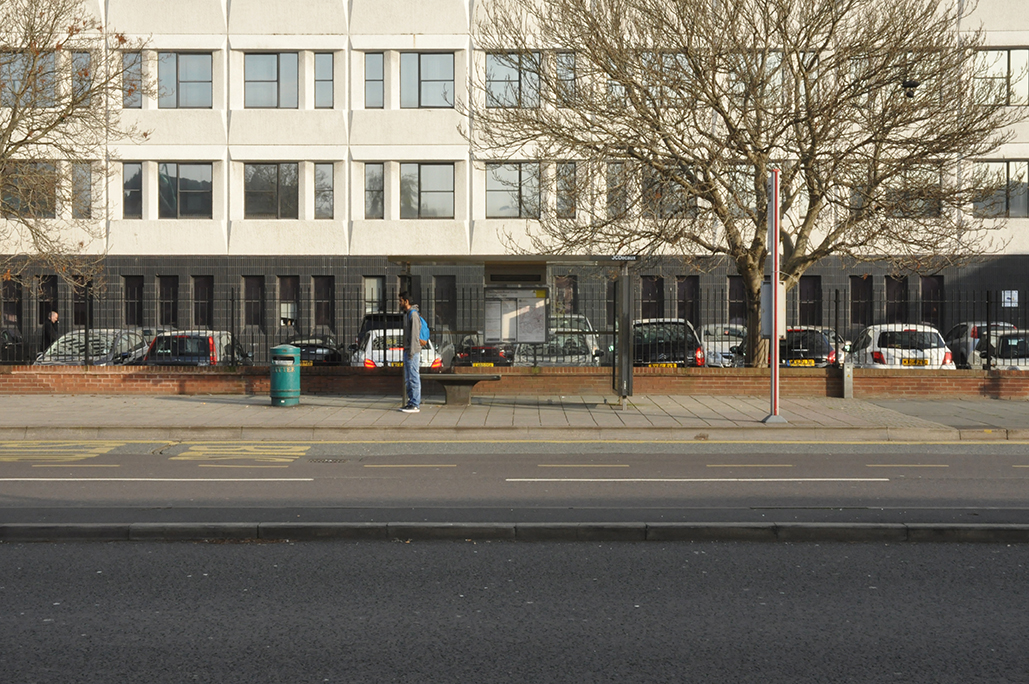
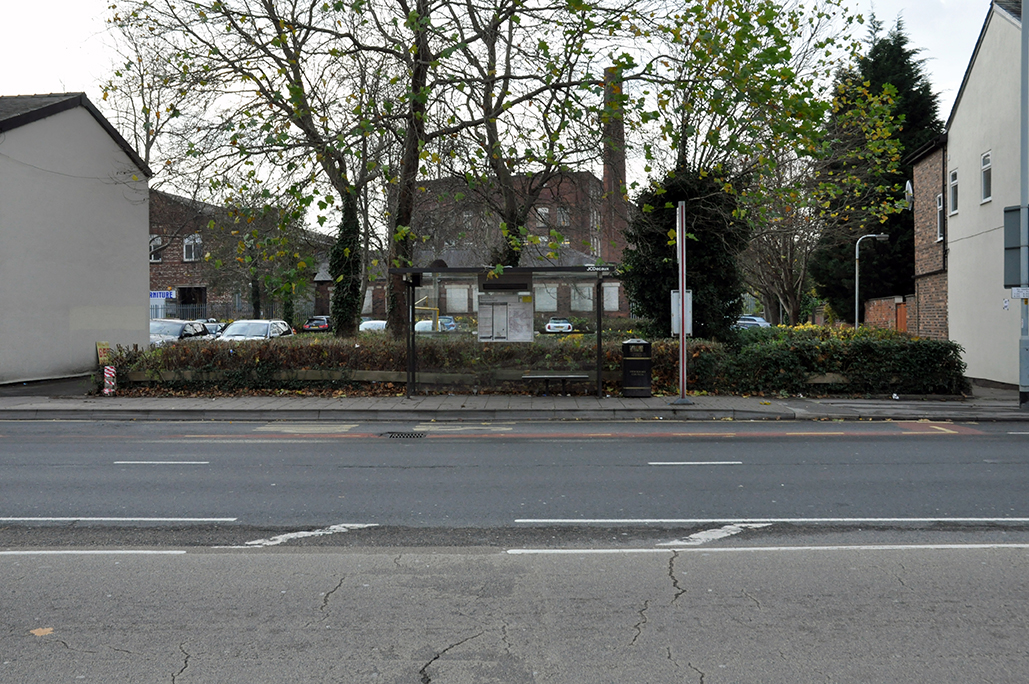
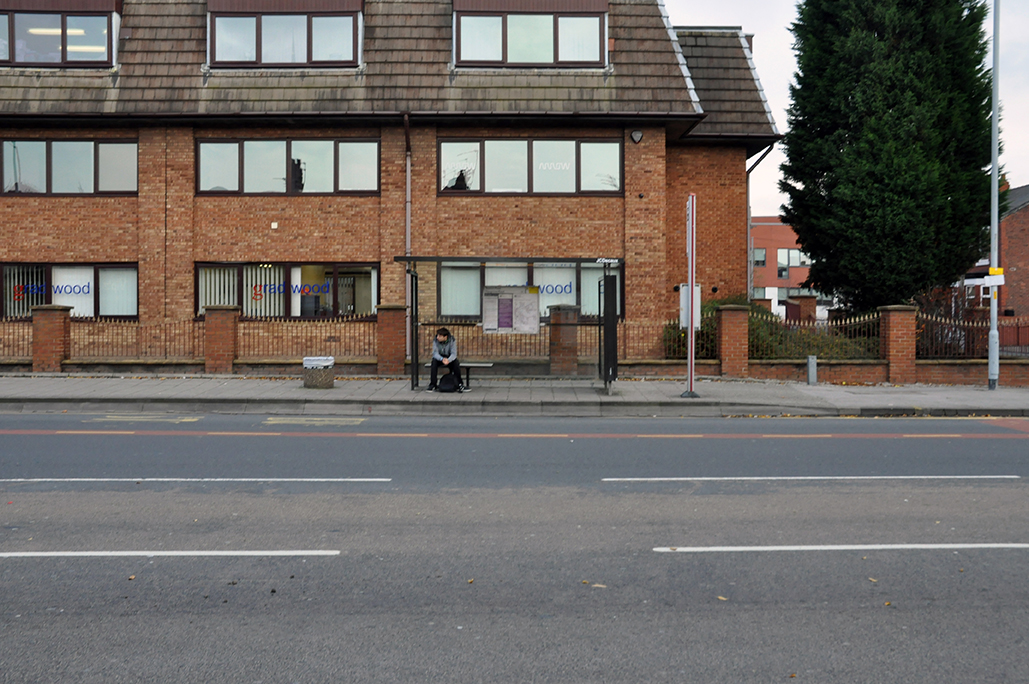
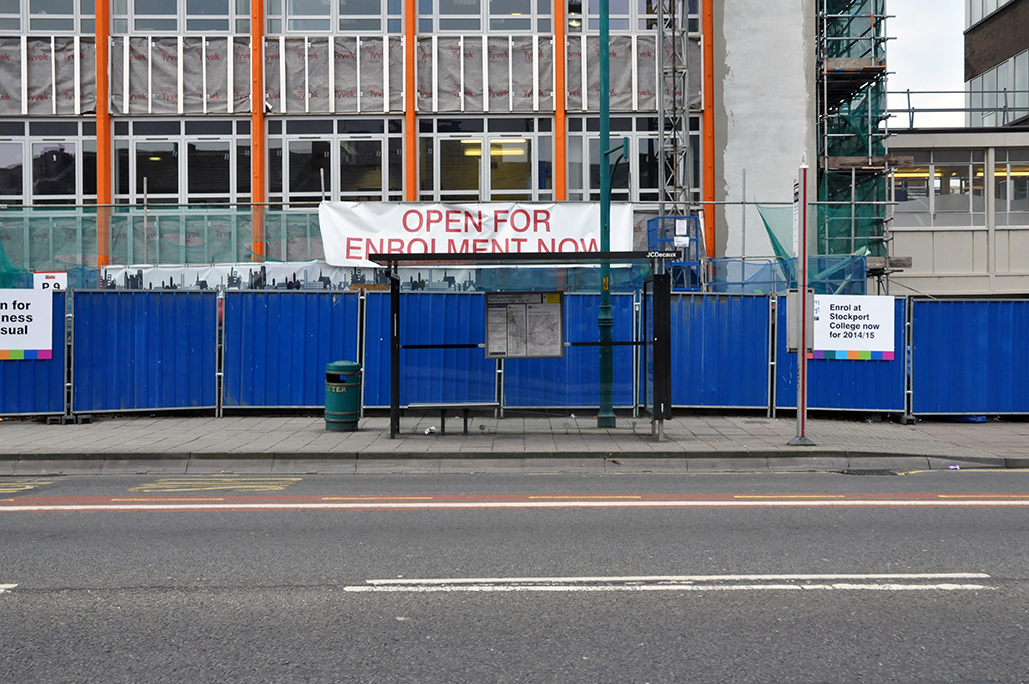
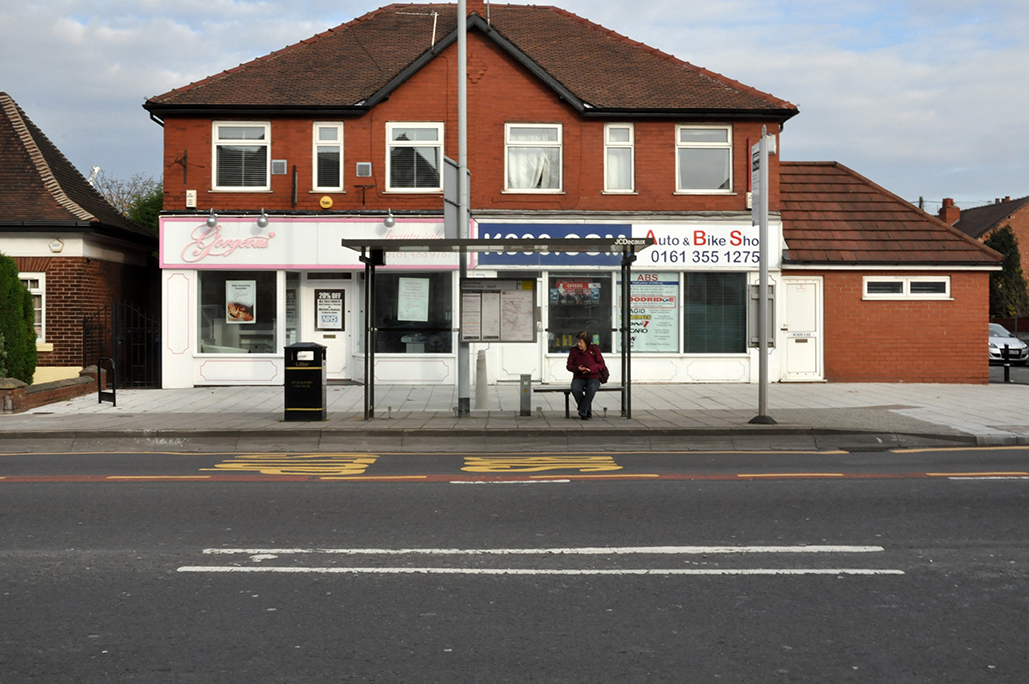
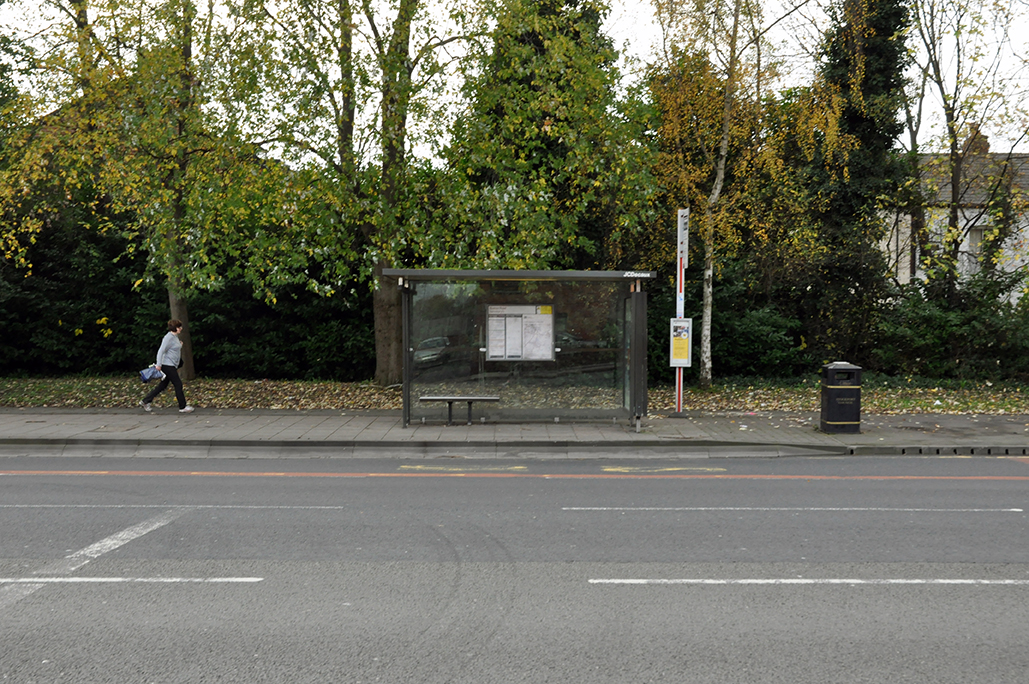
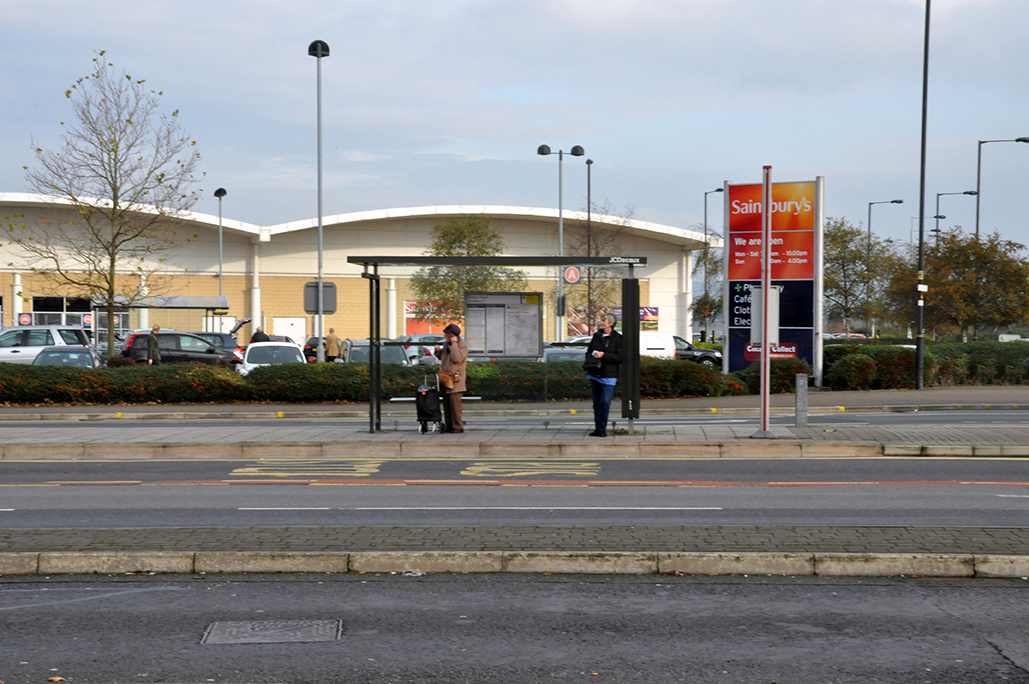
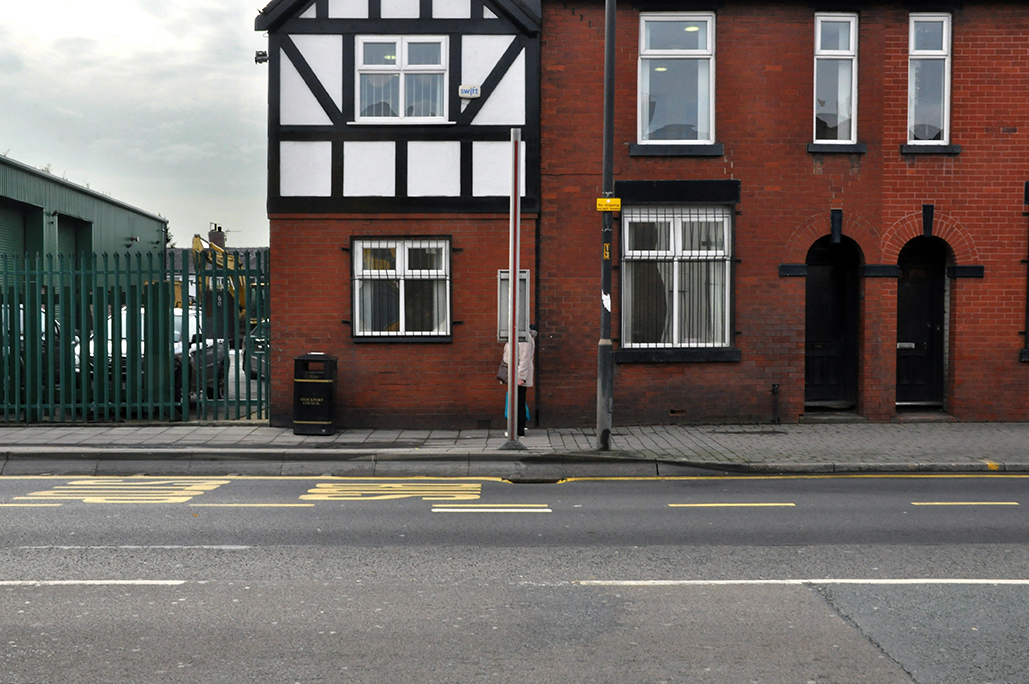
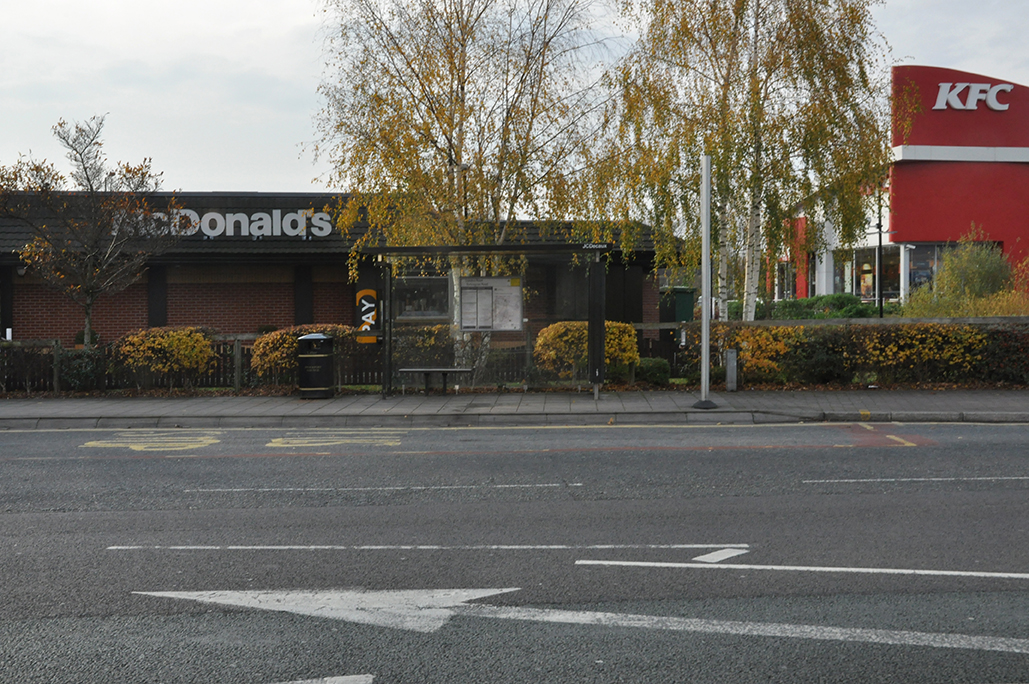
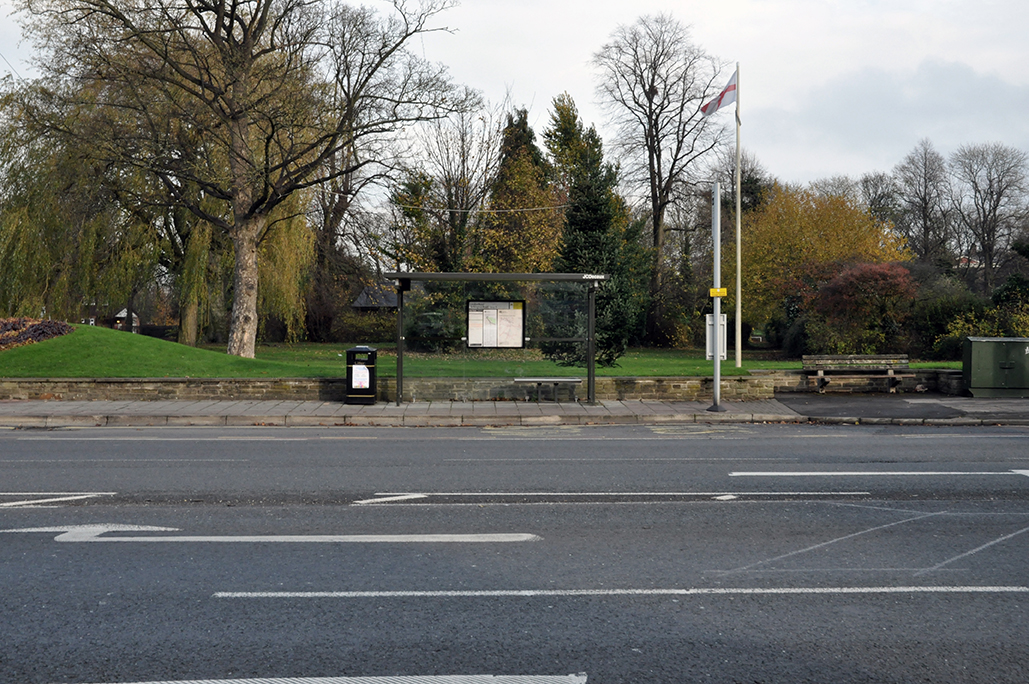
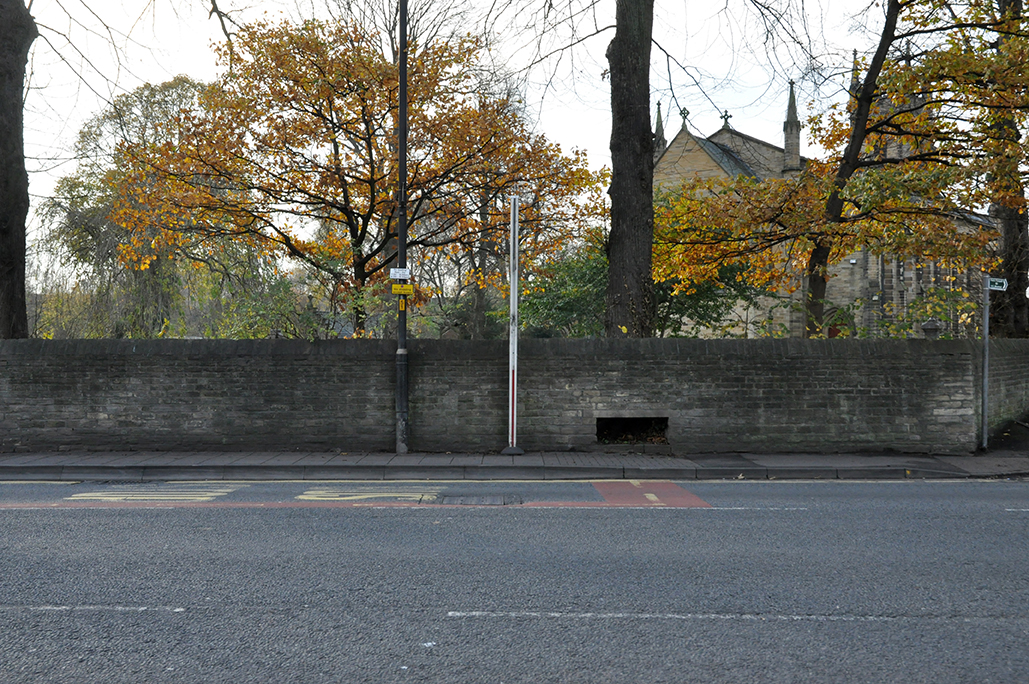
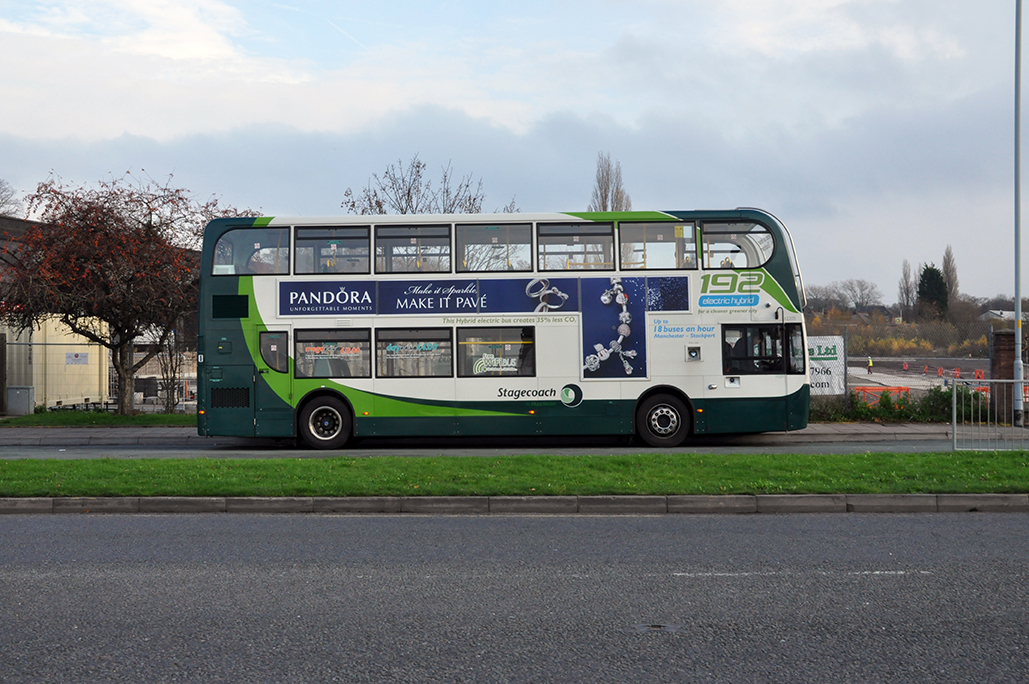
All 98 #192 Bus Stops

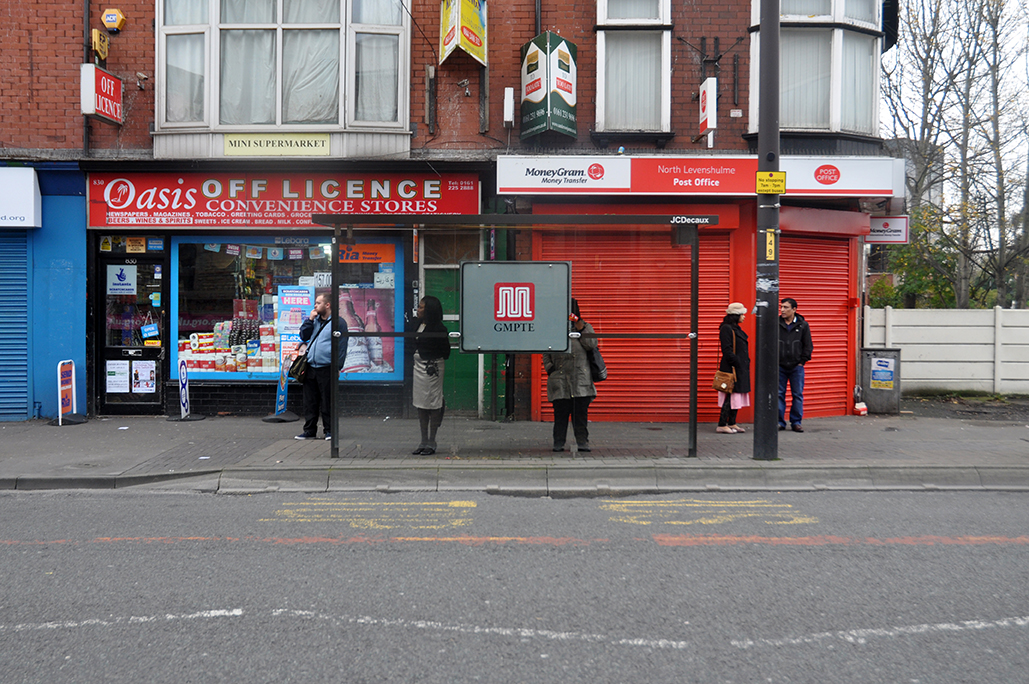
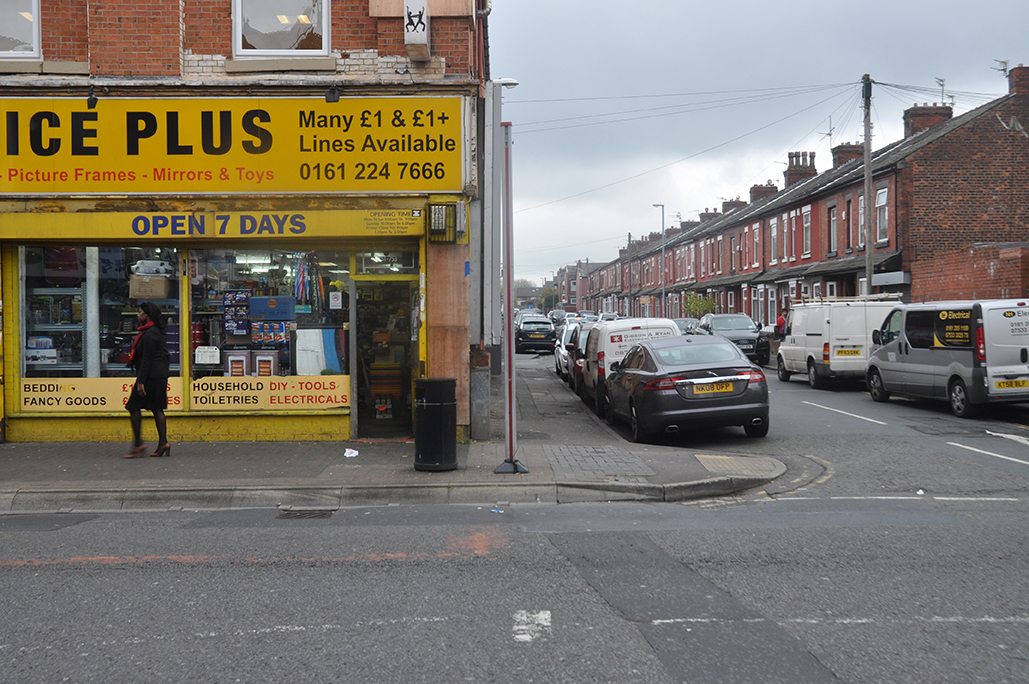
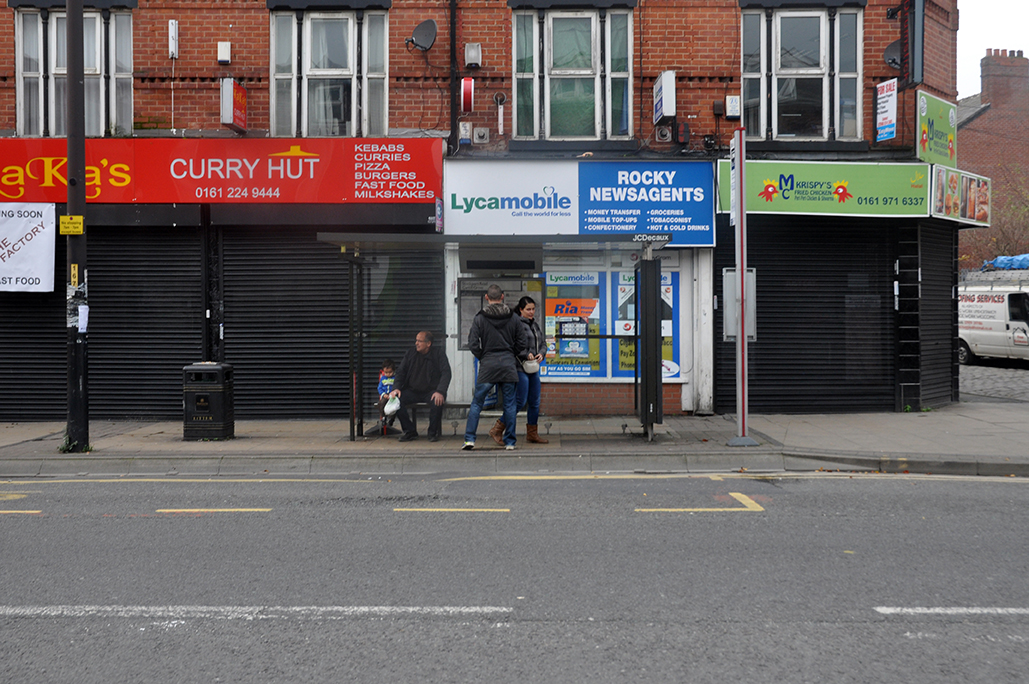
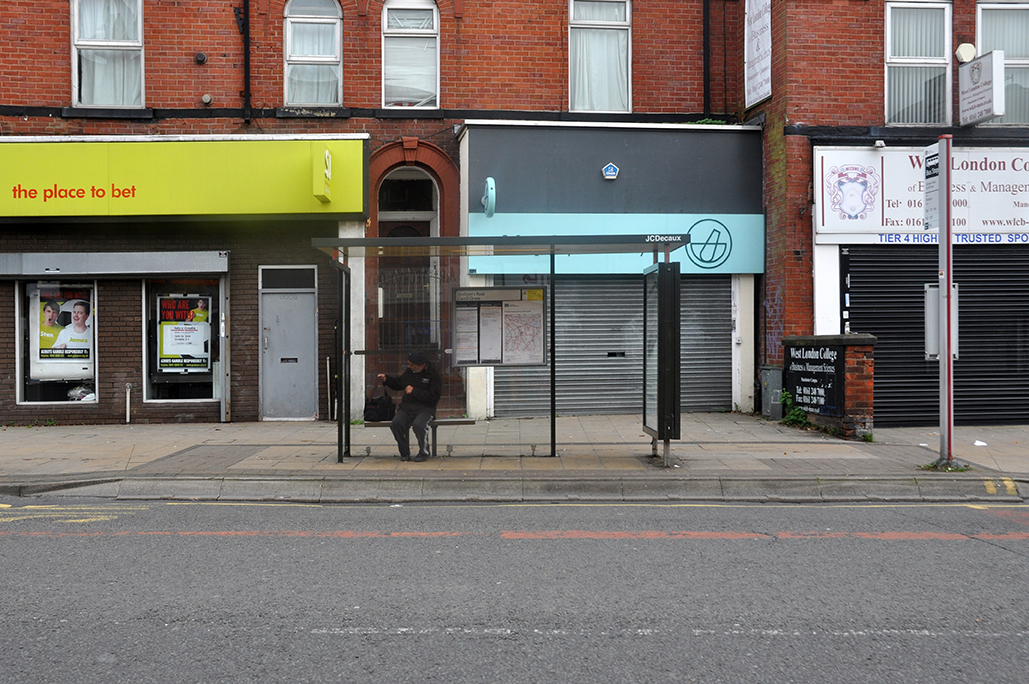
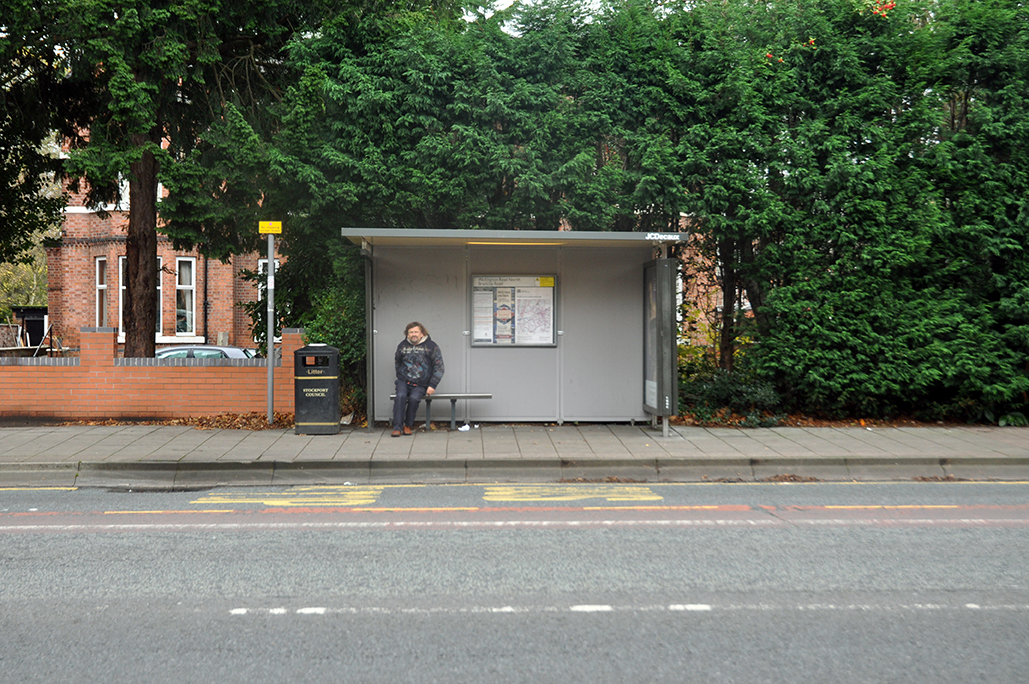
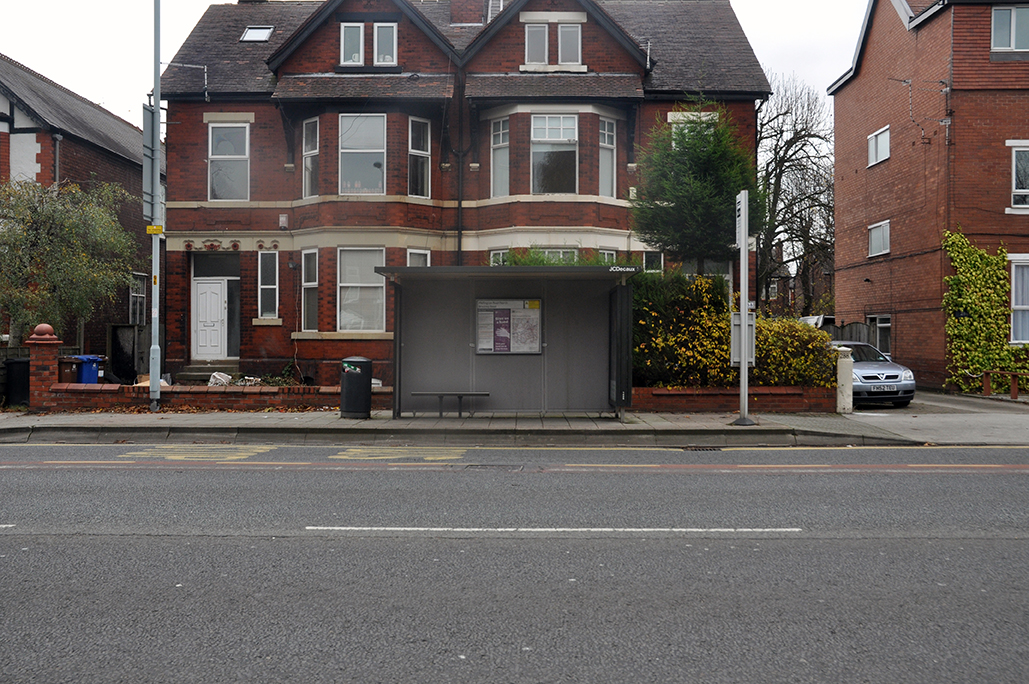
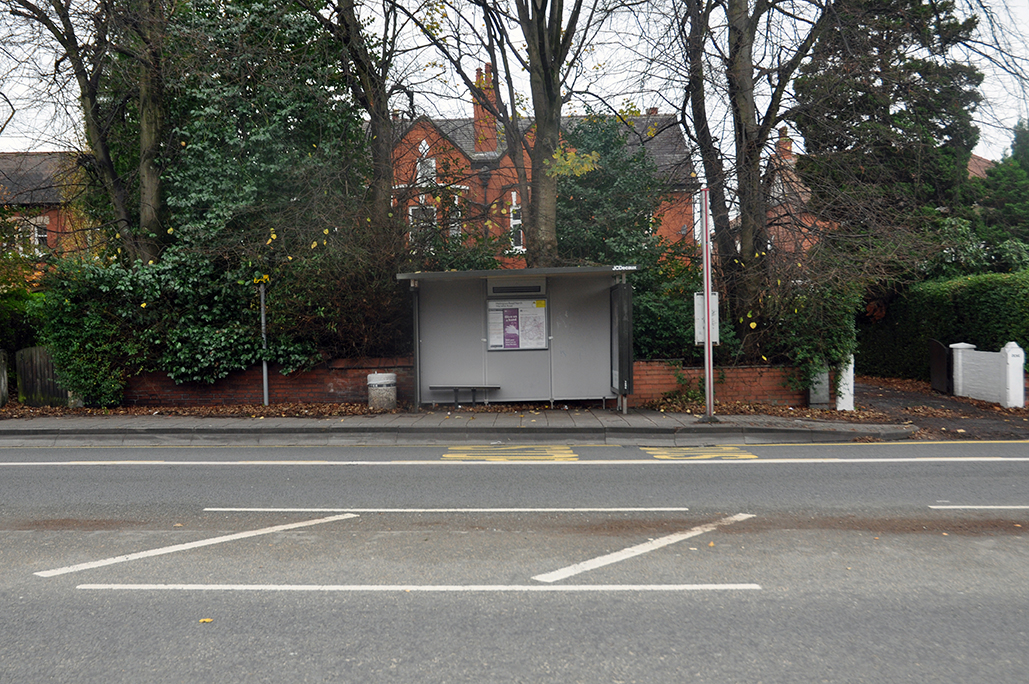
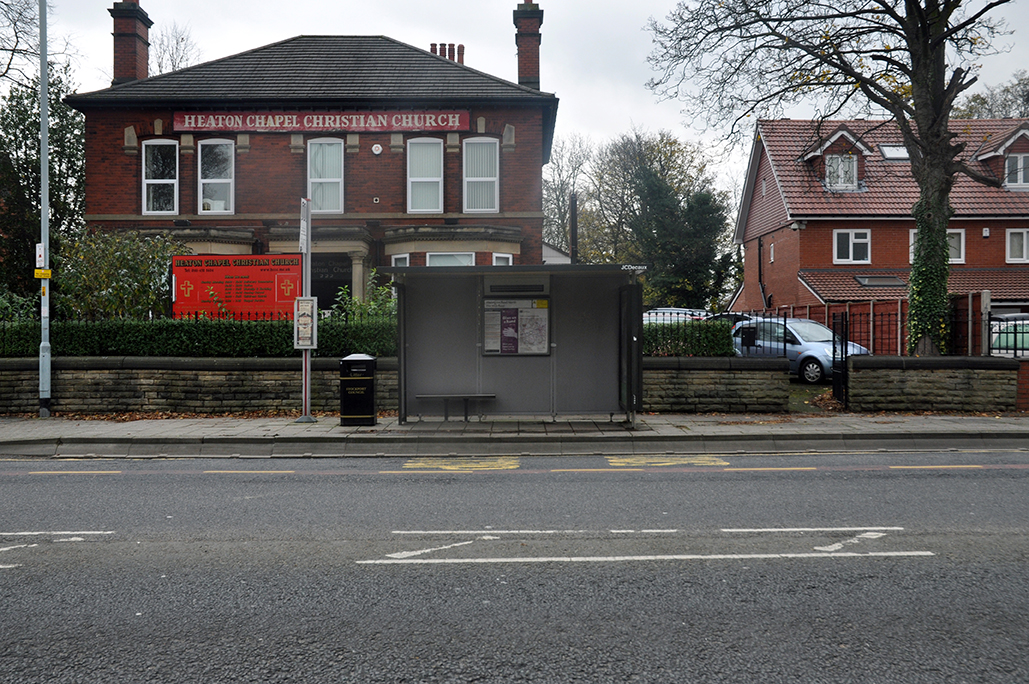
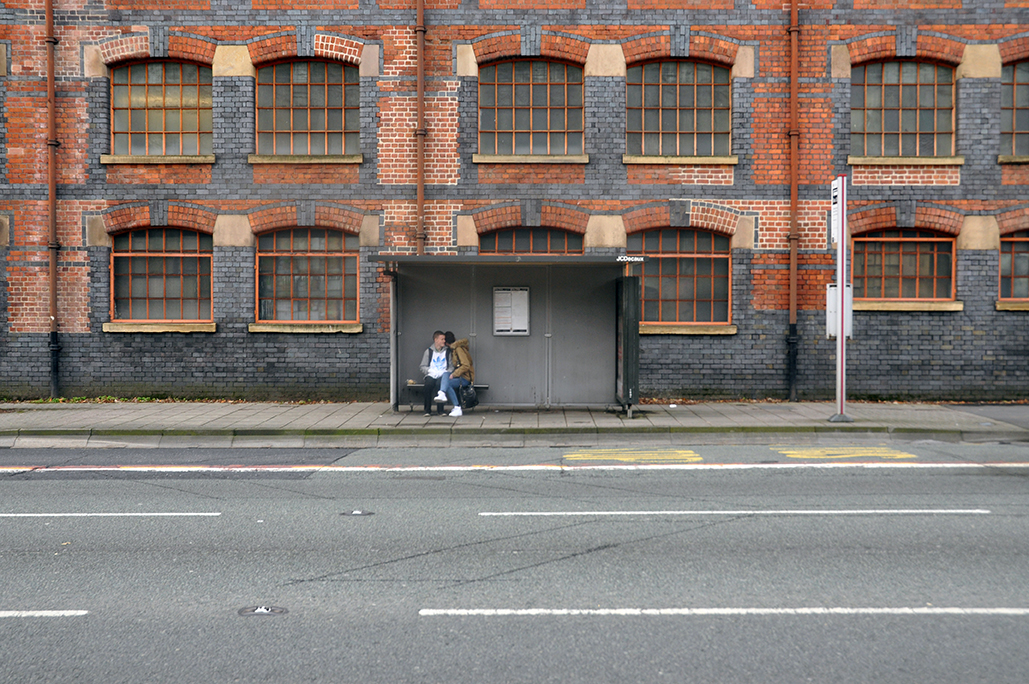
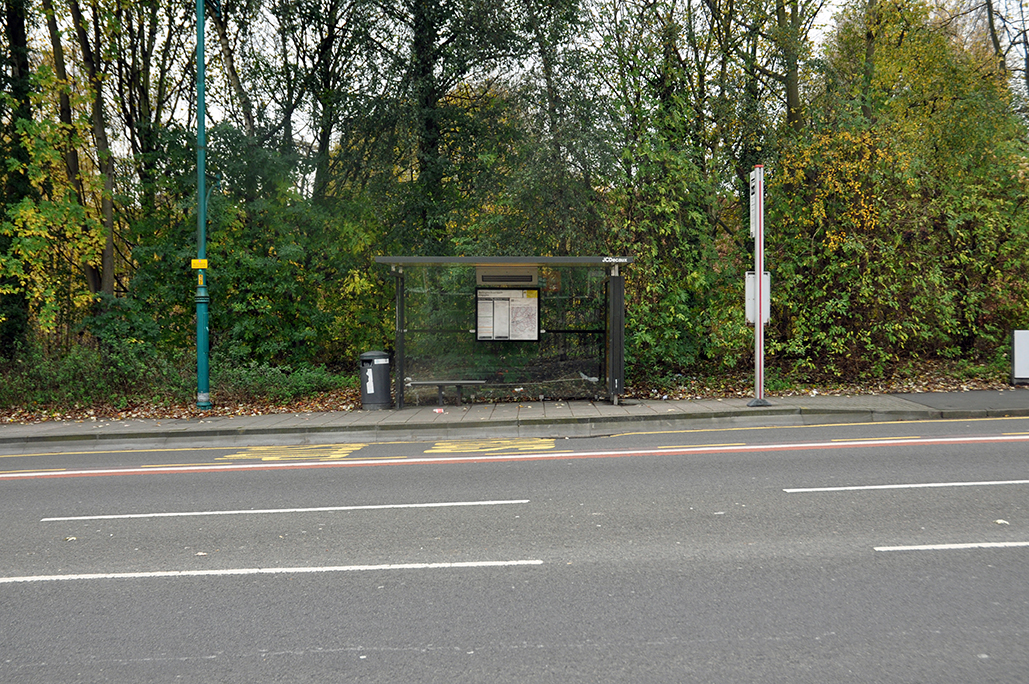
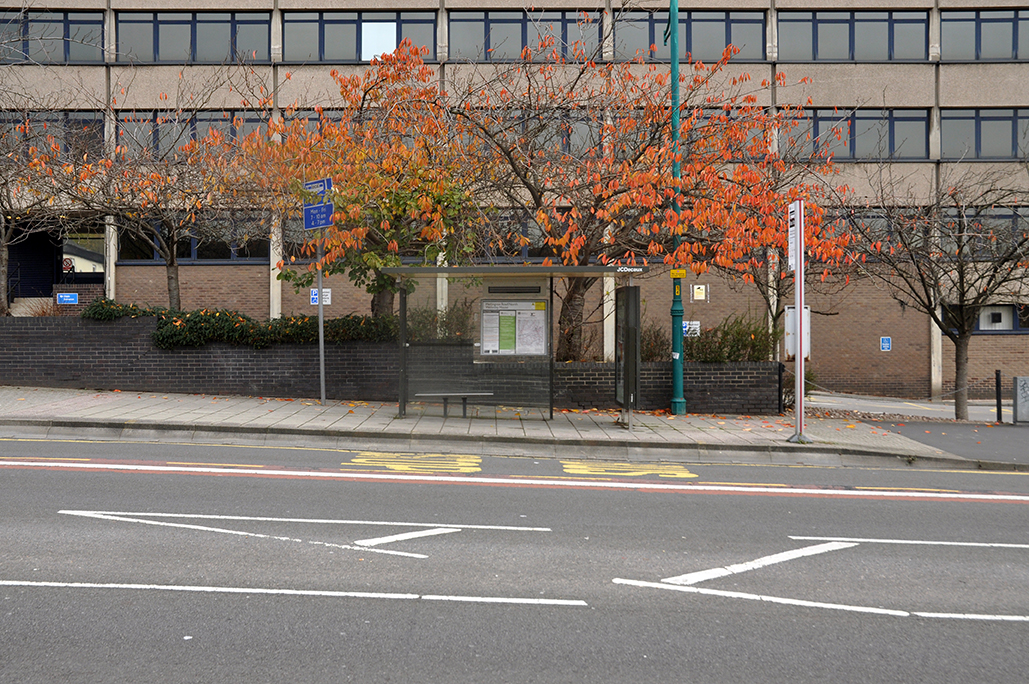
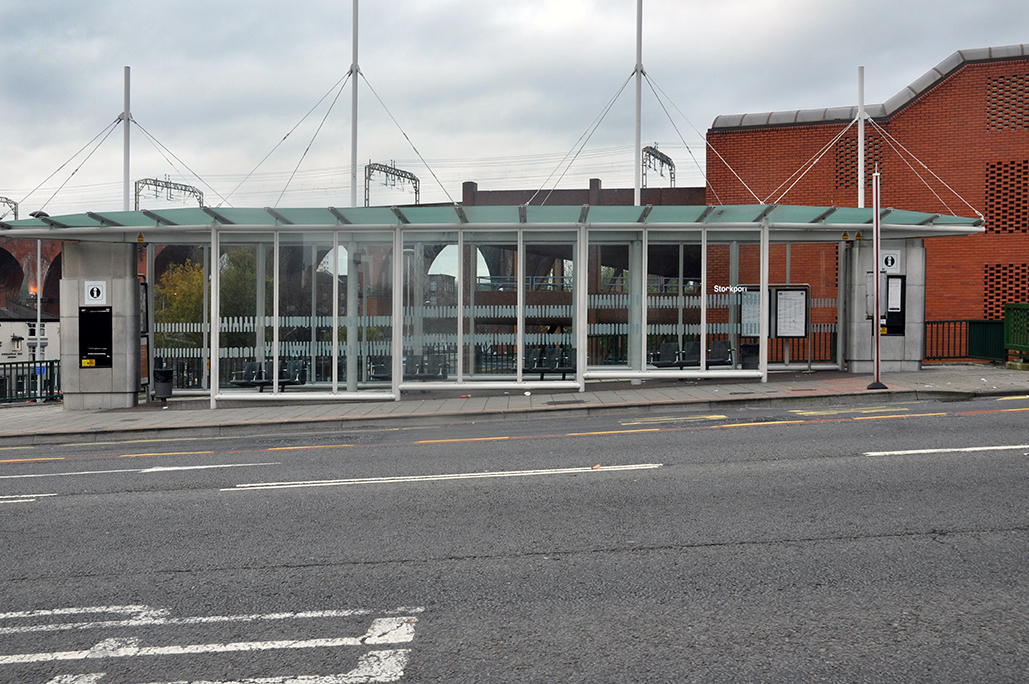
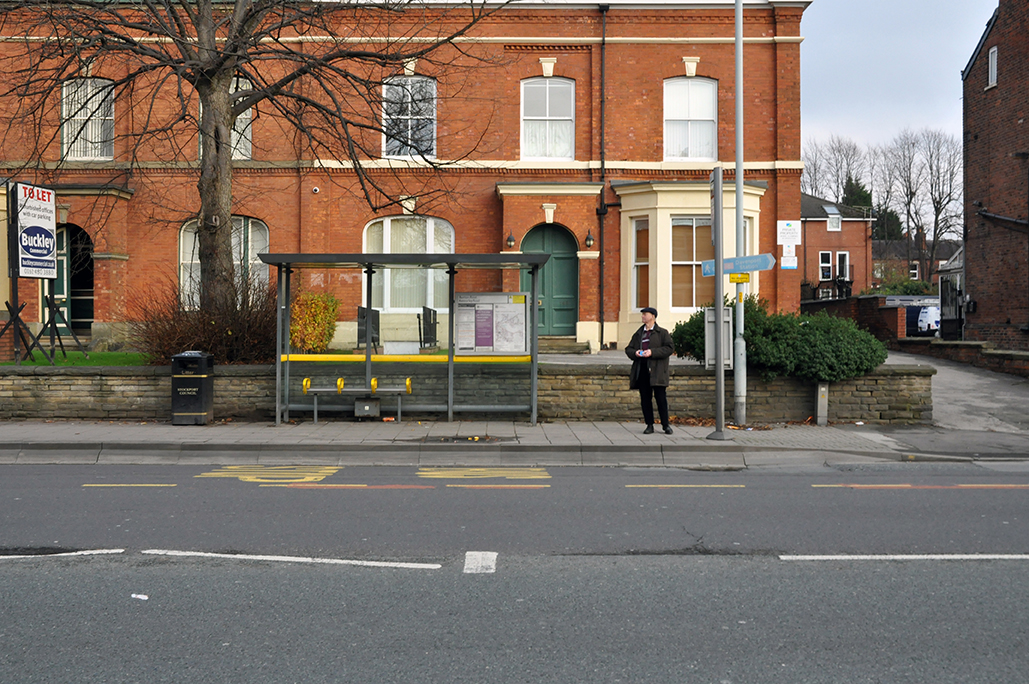
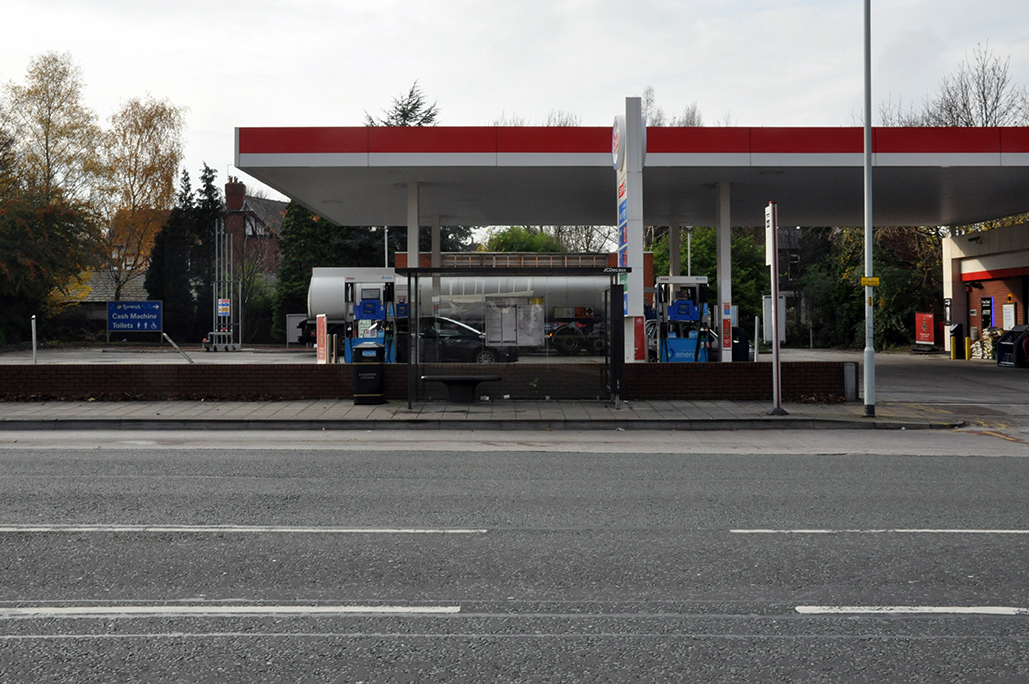
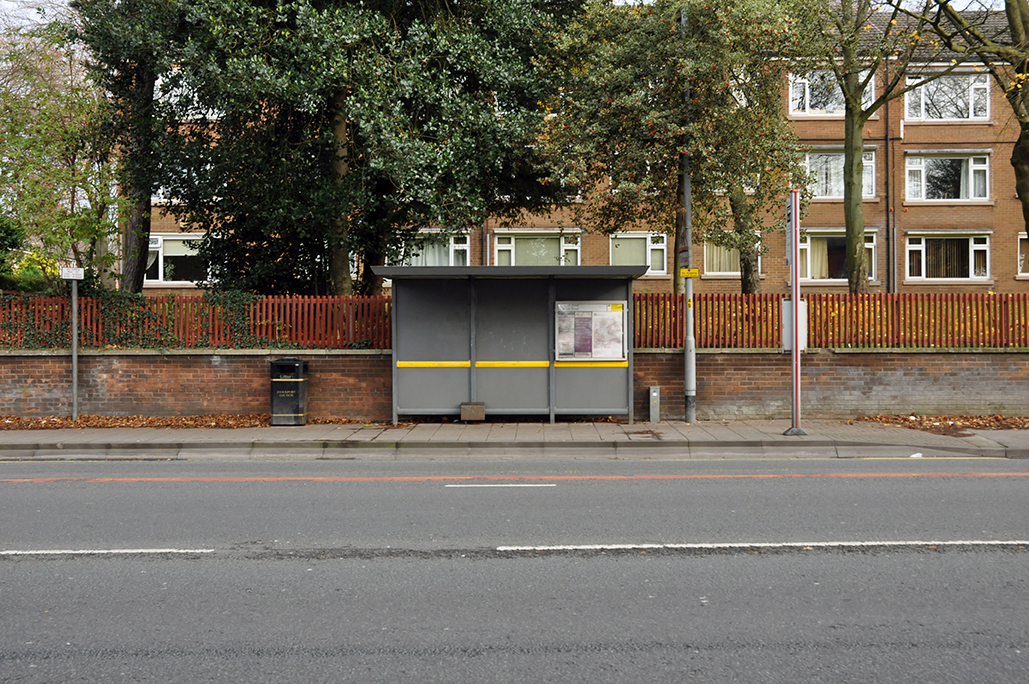
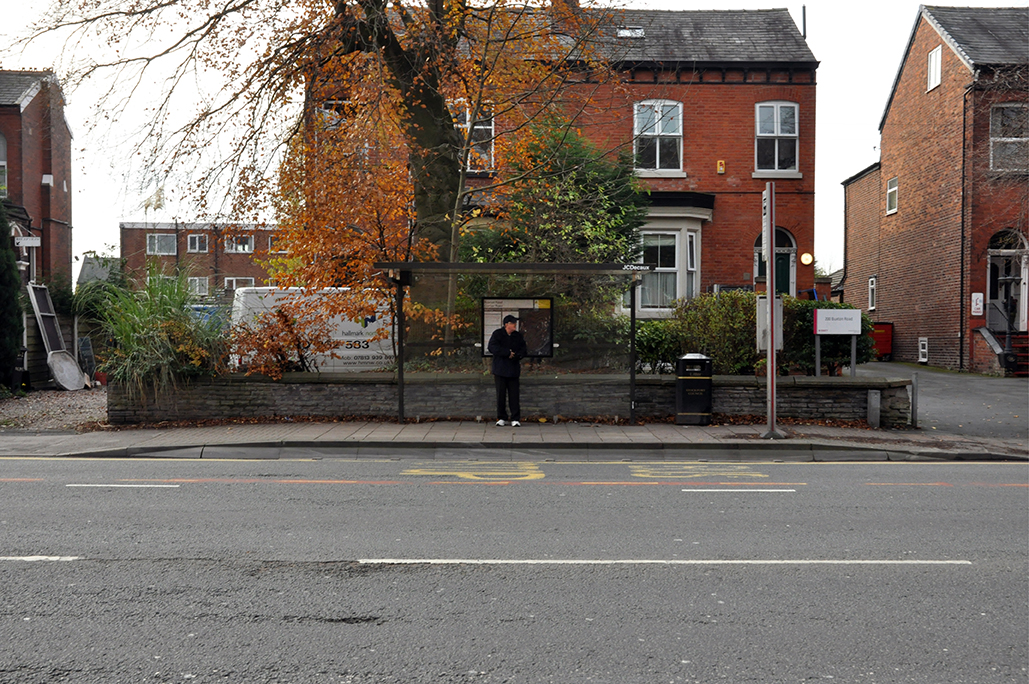
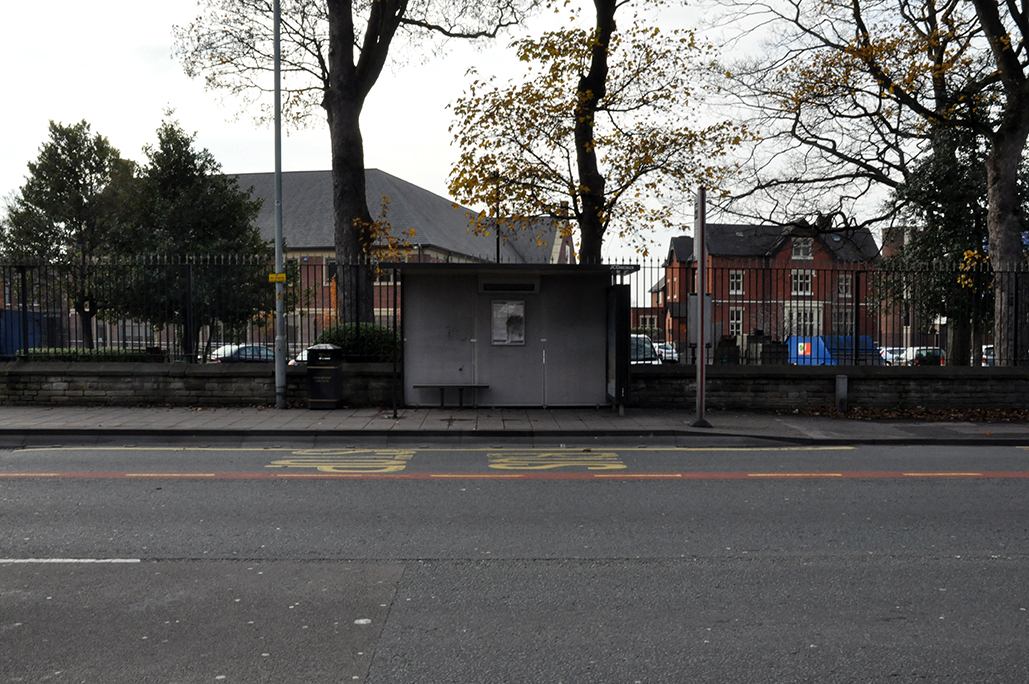
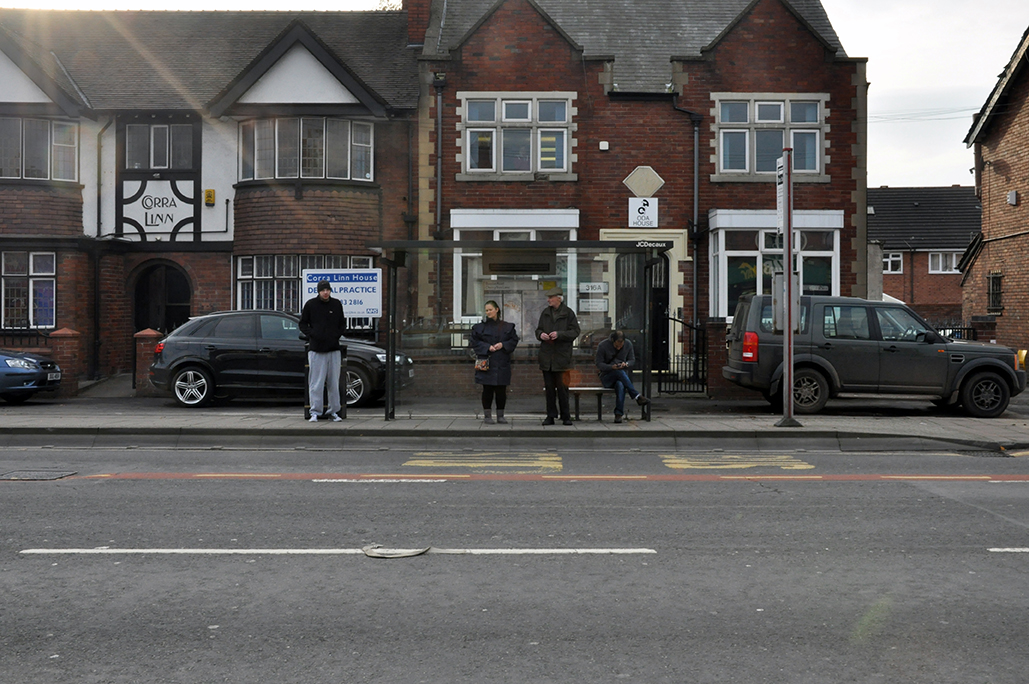
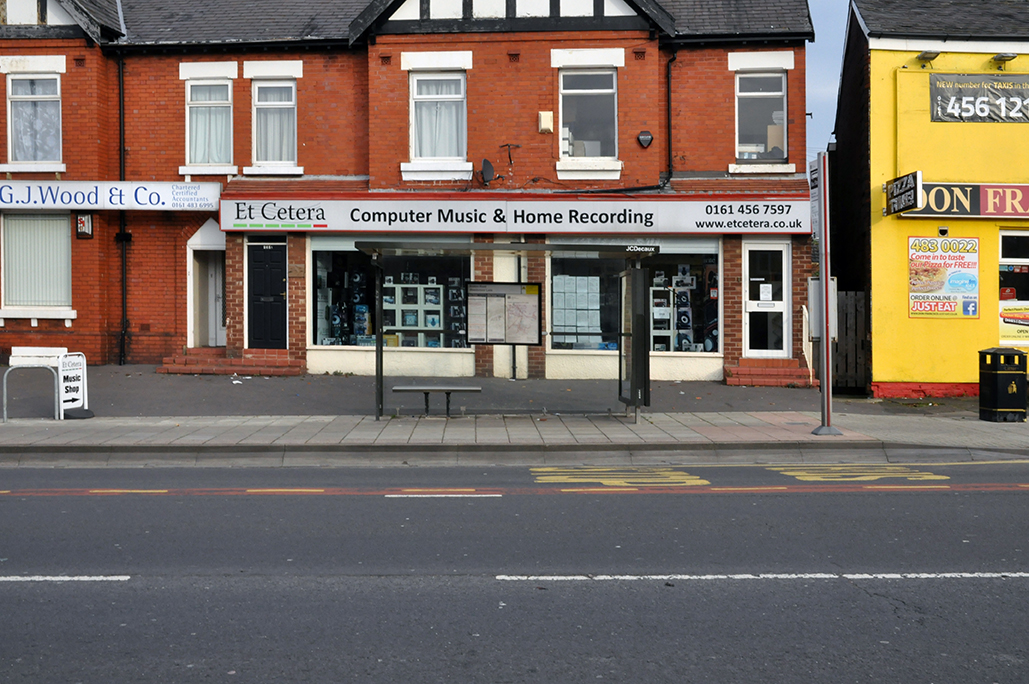
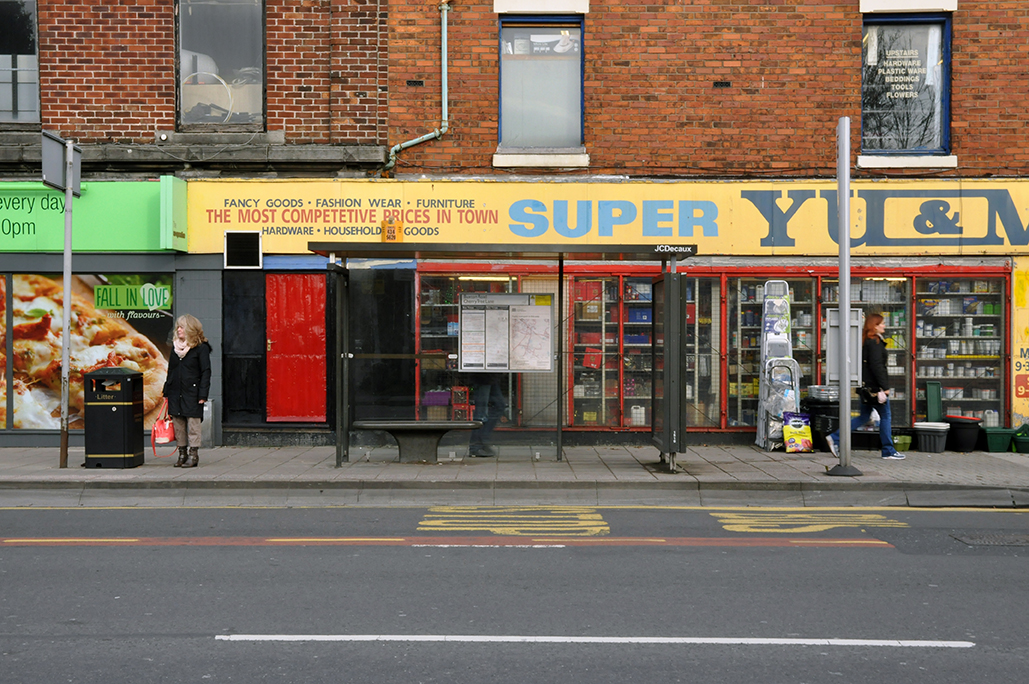
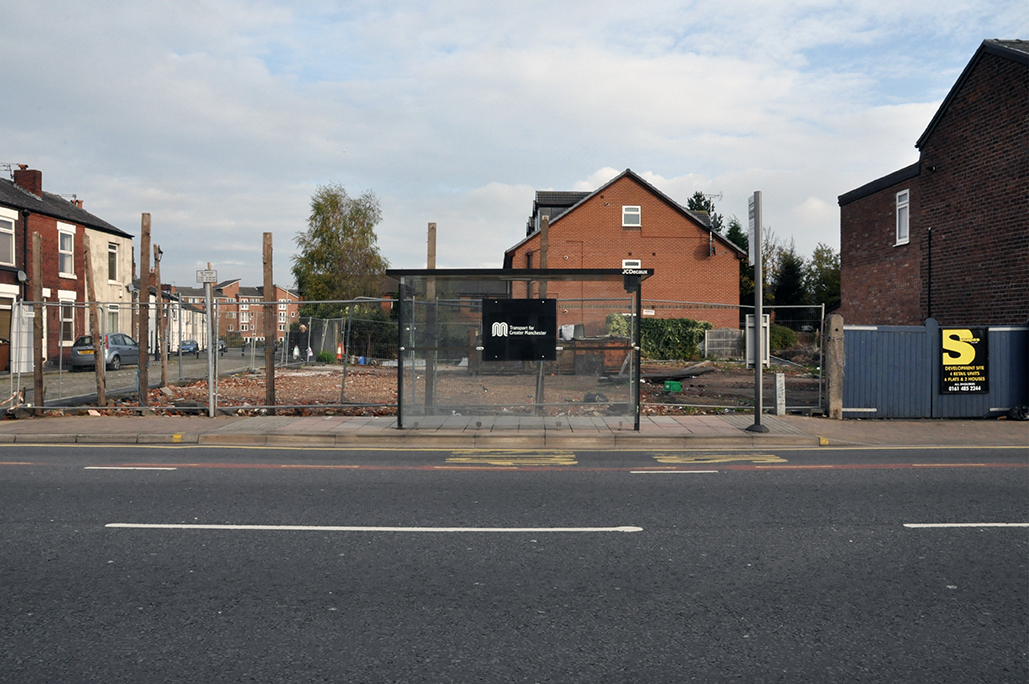
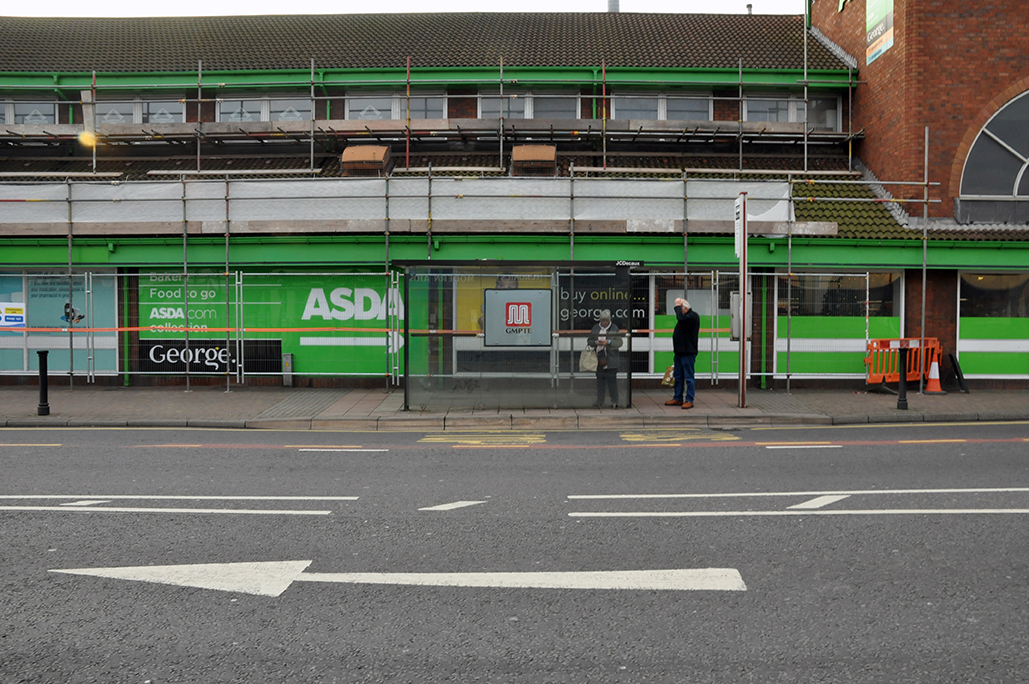
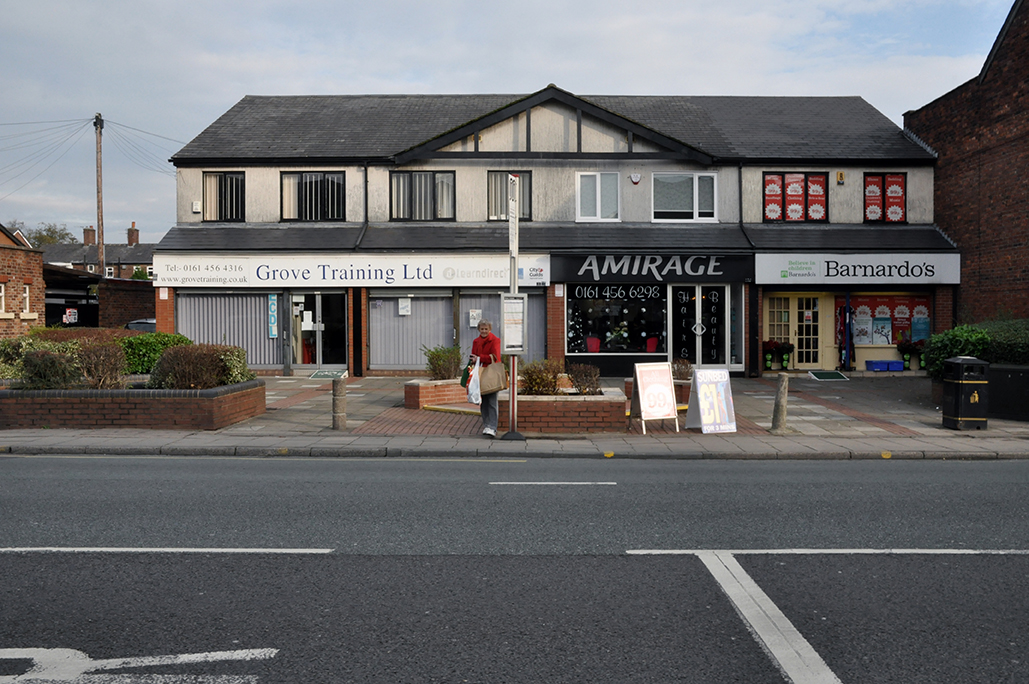
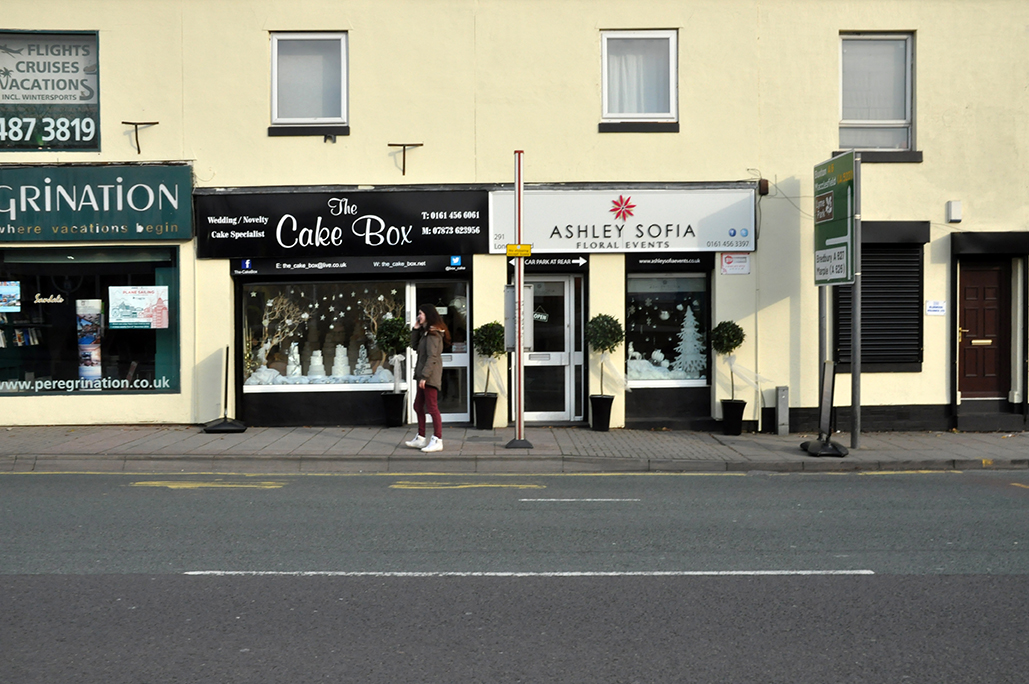
There there are 98 stops on the 192  route, between Manchester and Hazel Grove.

– I know because I walked them all.

Sunday morning roads relatively free of traffic.

Some stops peopled some not.

Zigzagging the A6 to record a consistent sequence.

The bus stops here.

Castle House – Sheffield

I want it.

Historic England want it.

Hopefully you and the people of Sheffield want it,

– anyway it’s listed.

http://www.historicengland.org.uk/listing/the-list/list-entry/1393220

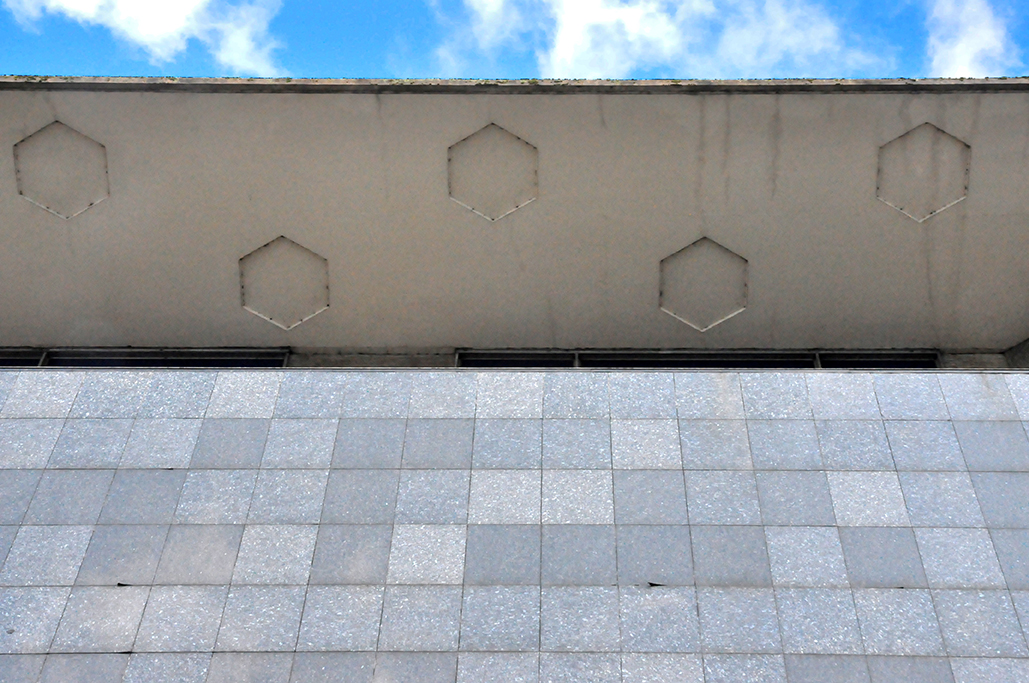
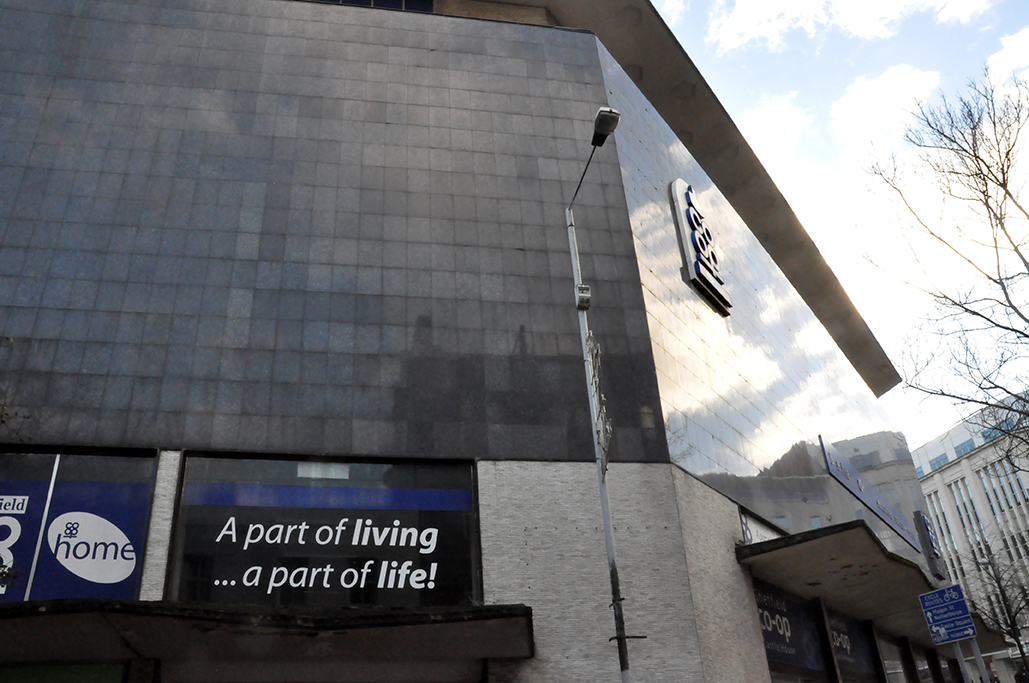
“1964 by George S Hay, Chief Architect for CWS, with interior design by Stanley Layland, interior designer for CWS. Reinforced concrete with Blue Pearl granite tiles and veneers, grey granite tiles and veneers, buff granite blocks, glass, and brick.”

The Liberal Democrat Council objected,  saying

“It could be a major barrier to regenerating Castlegate.”

http://www.sheffieldtelegraph.co.uk/what-s-on/saving-castle-house-controversial-listing-call-defended-1-453913#ixzz3sL3p5RAP

There is now the possibility of redevelopment as a creative hub.

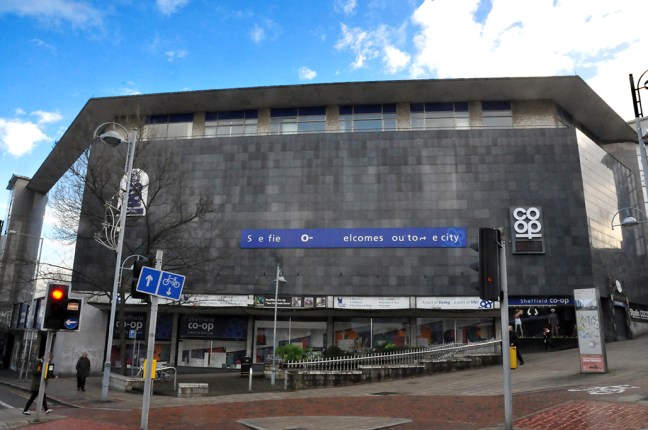
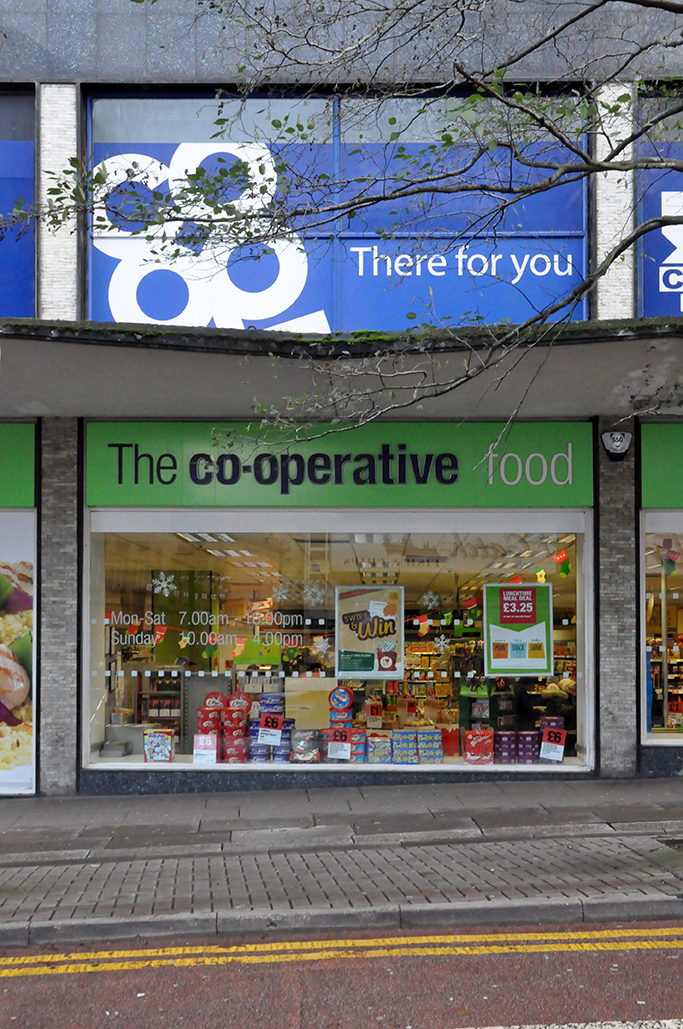
It was a Co-op on the grandest of scales.

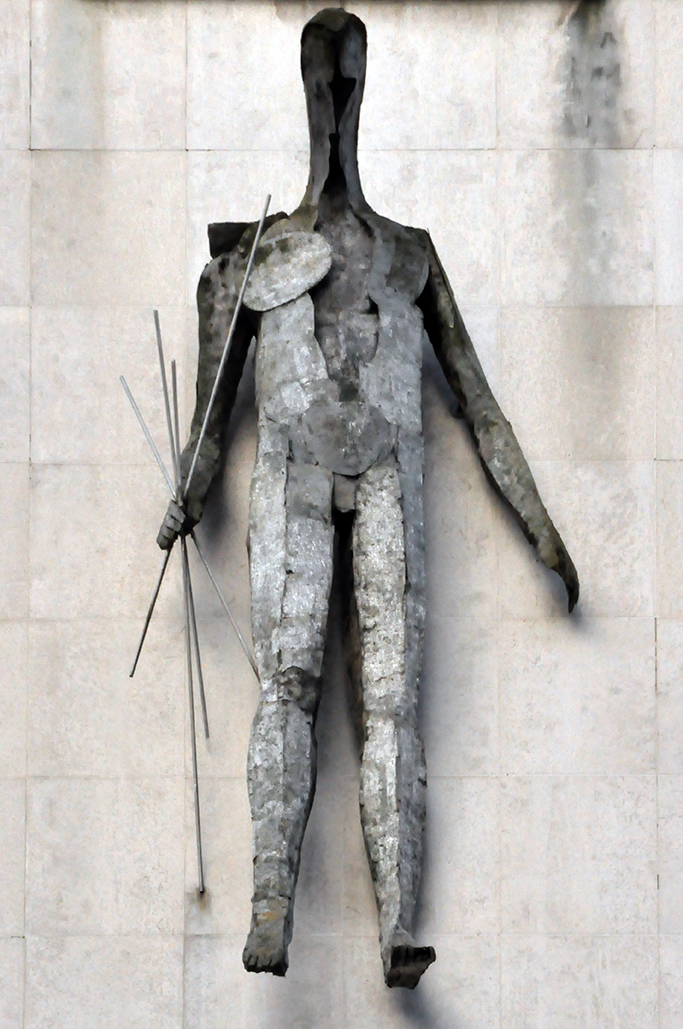
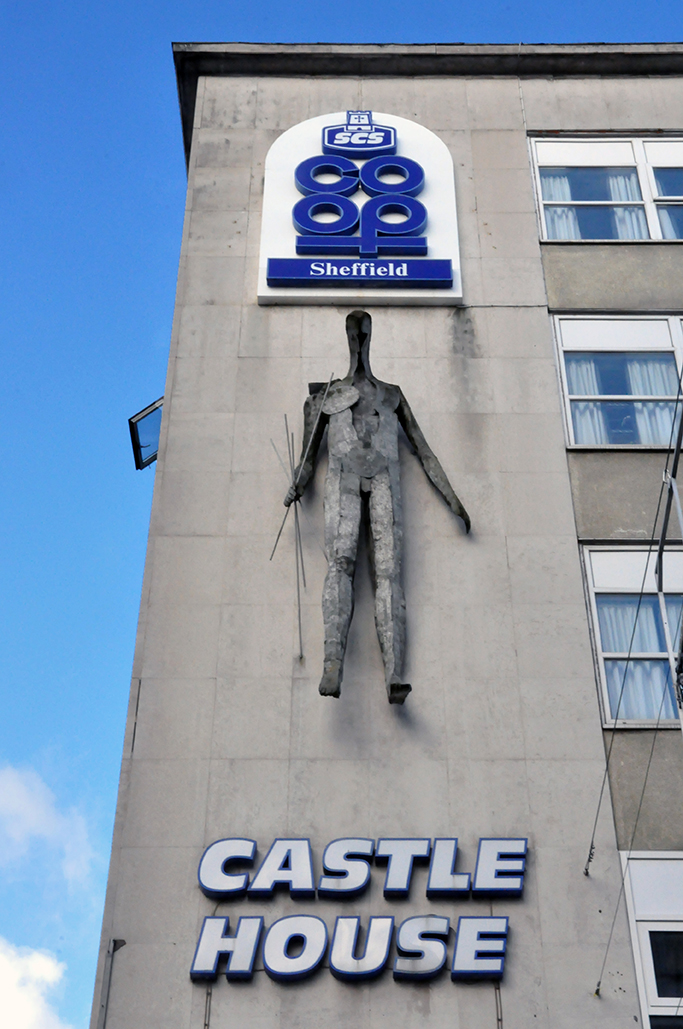
It has it all, public art, monolithic proportions and finish, bags of detail and scale in abundance. A fascinating building to explore and certainly one that fills my little heart with joy in superabundance

A building of period distinction, it deserves its preservation.

We do not require another patch of steel and wilfully wayward clad nowheresville non- architecture, replete with aspirational retail agogo.

Go see it soon!