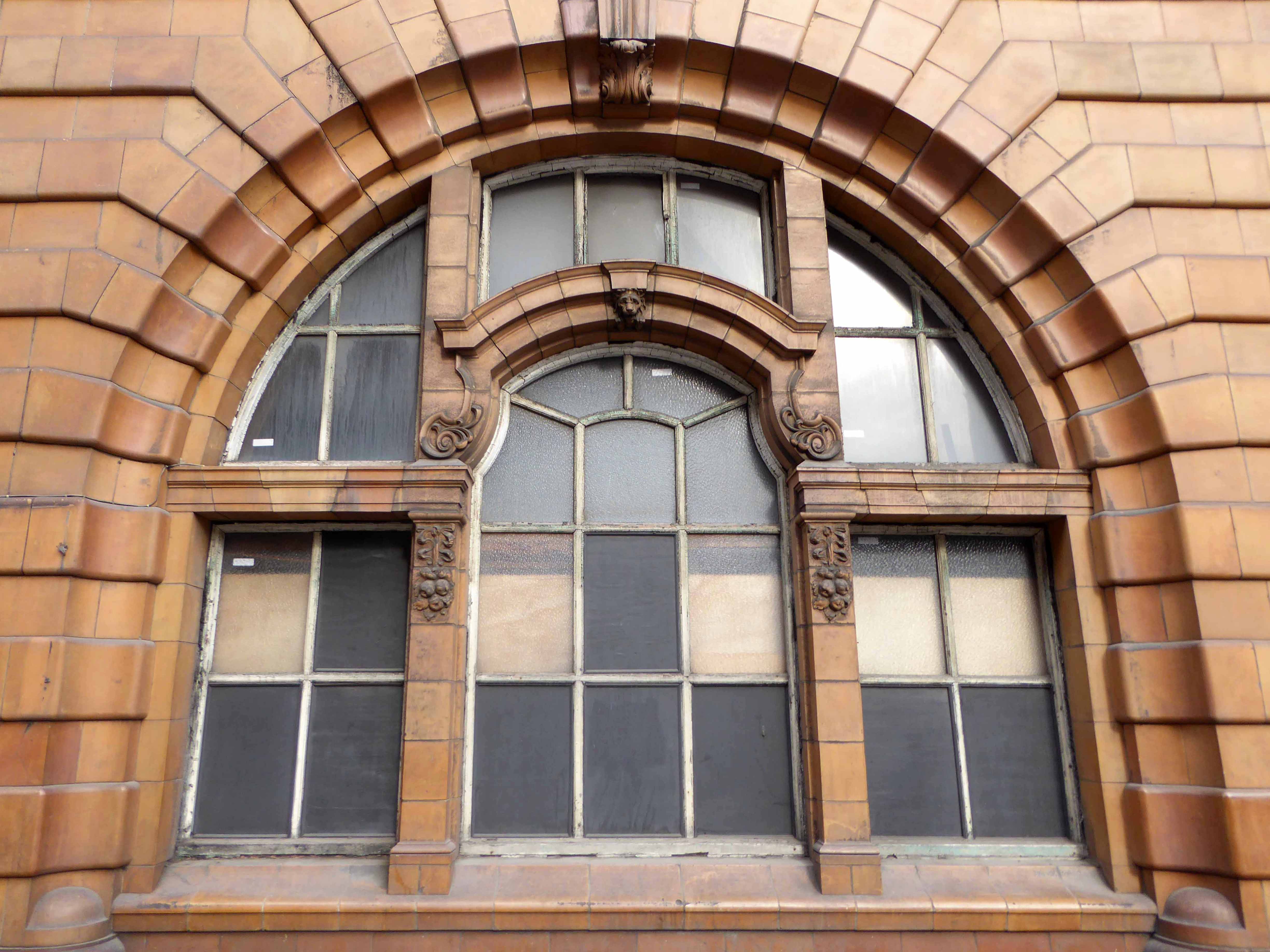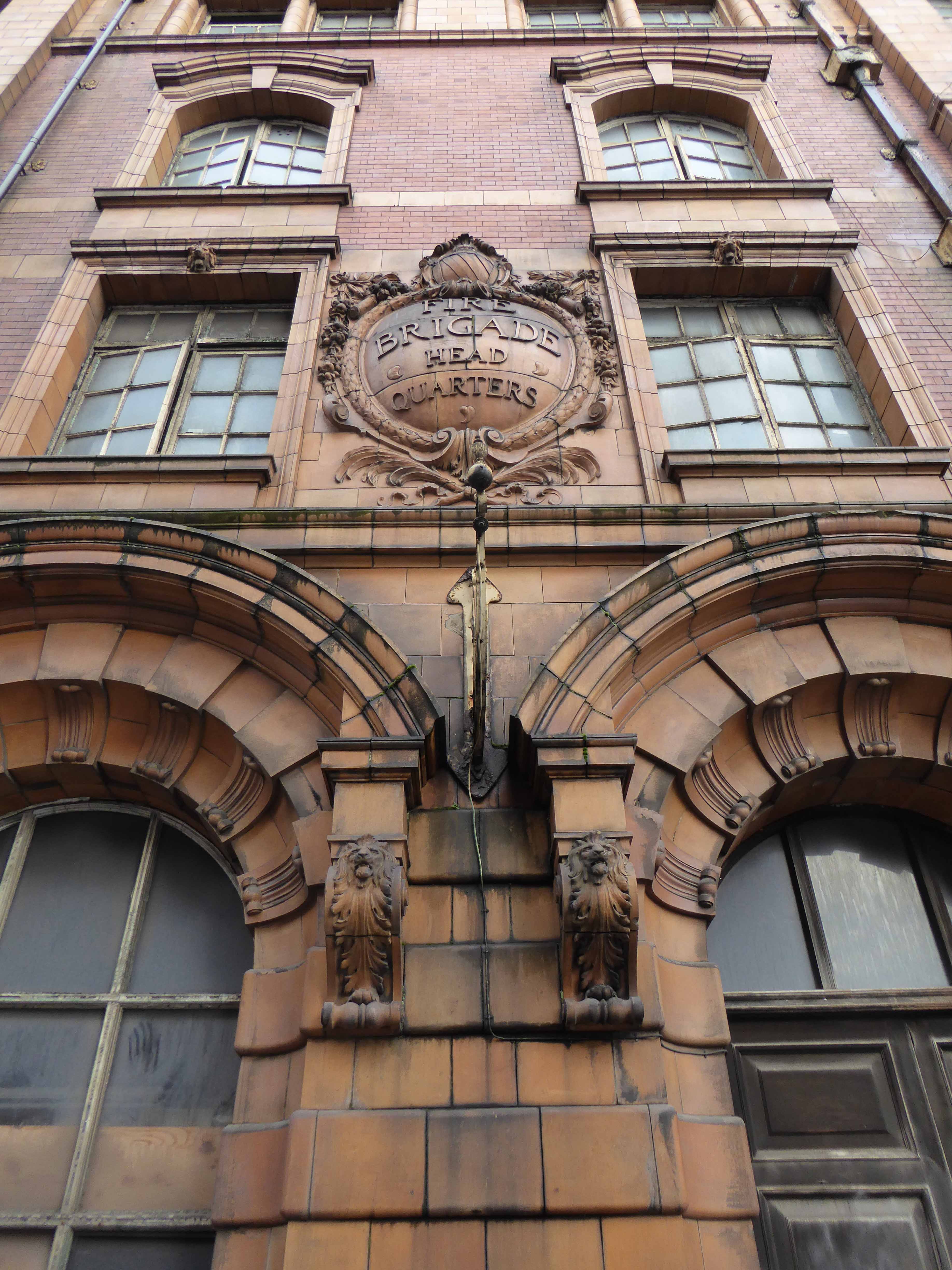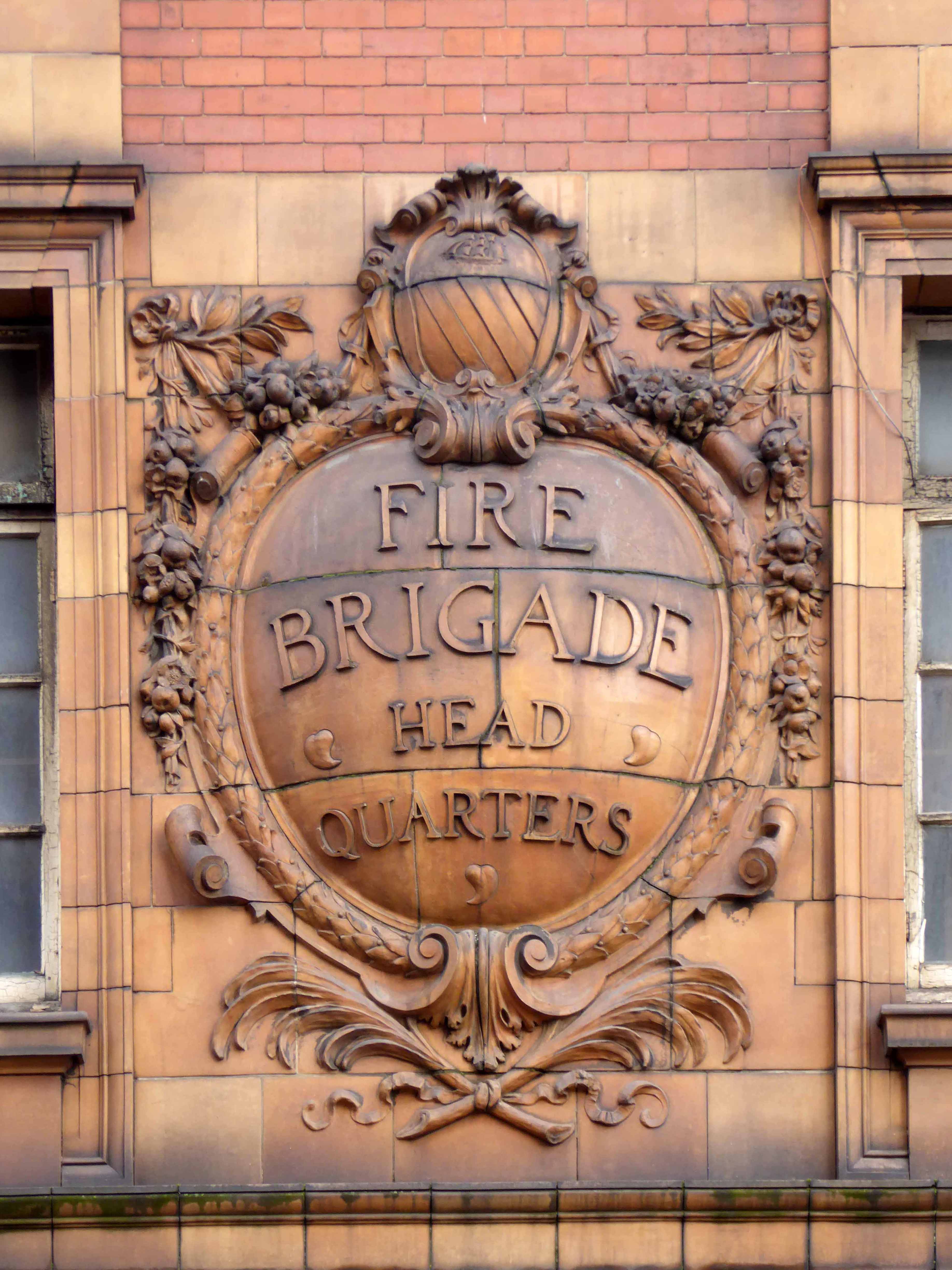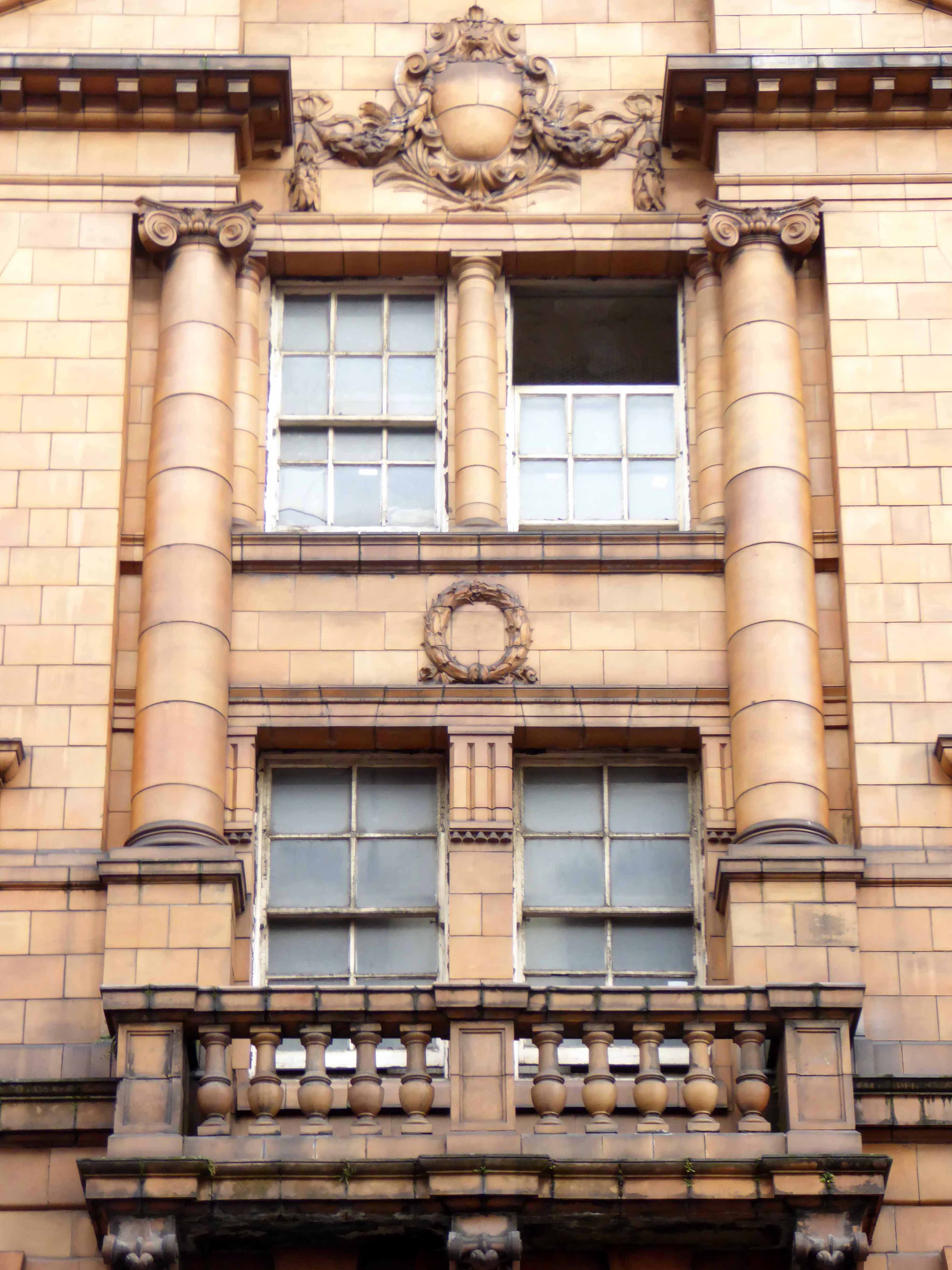
Holy Rosary – Fitton Hill

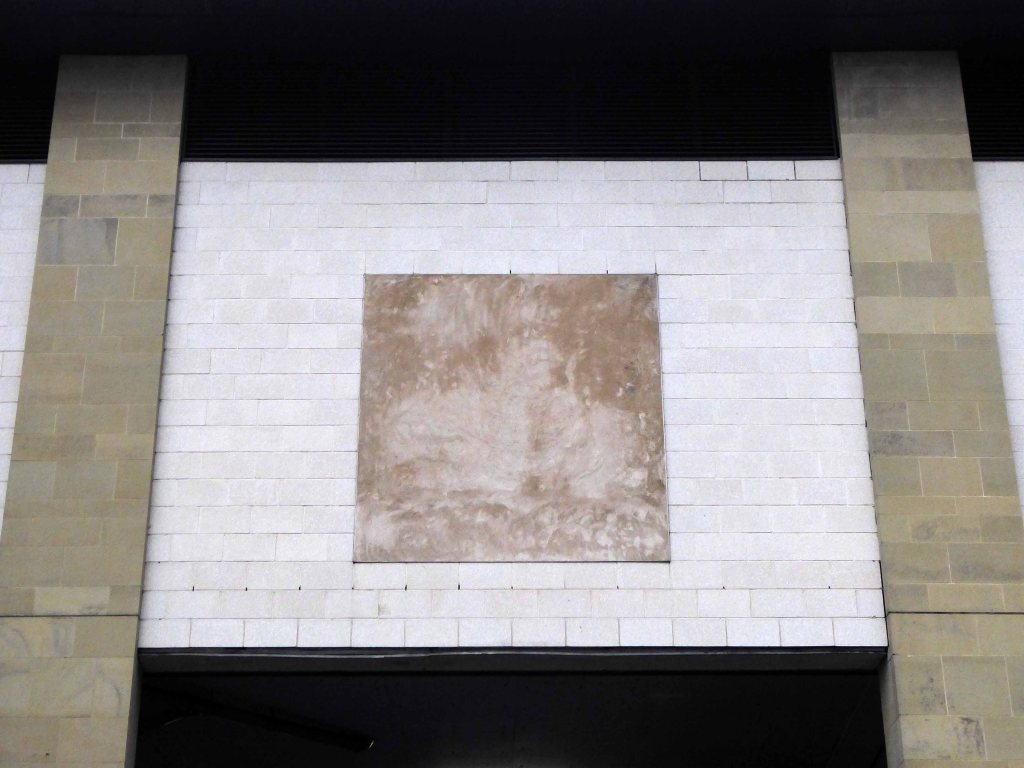
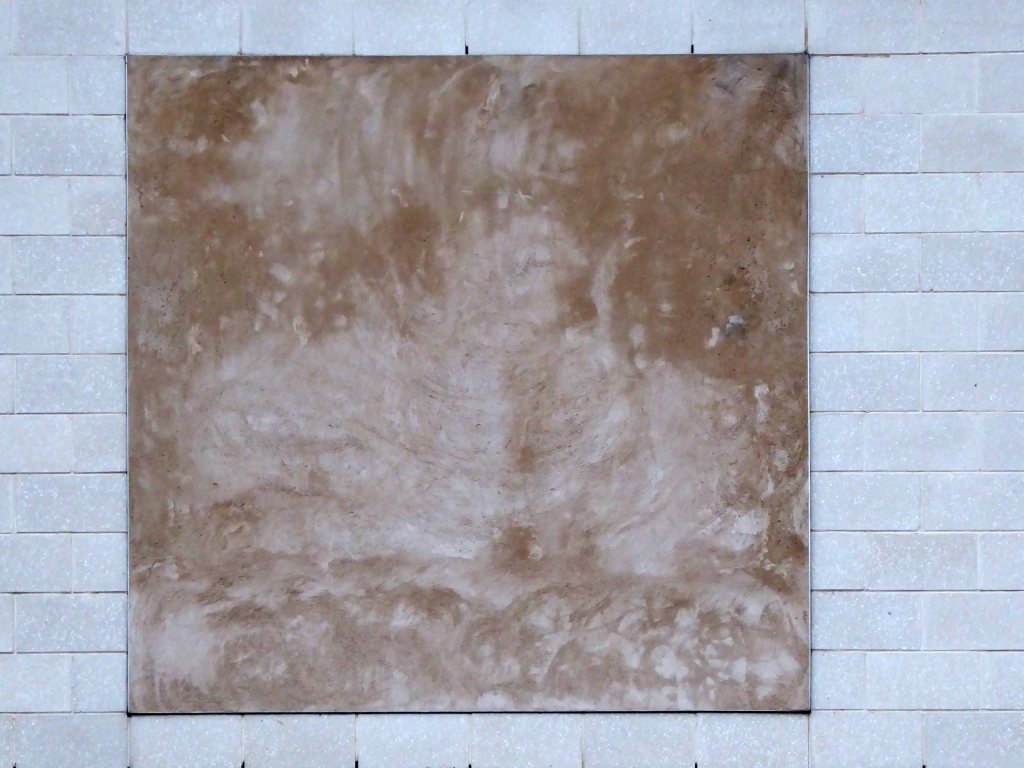
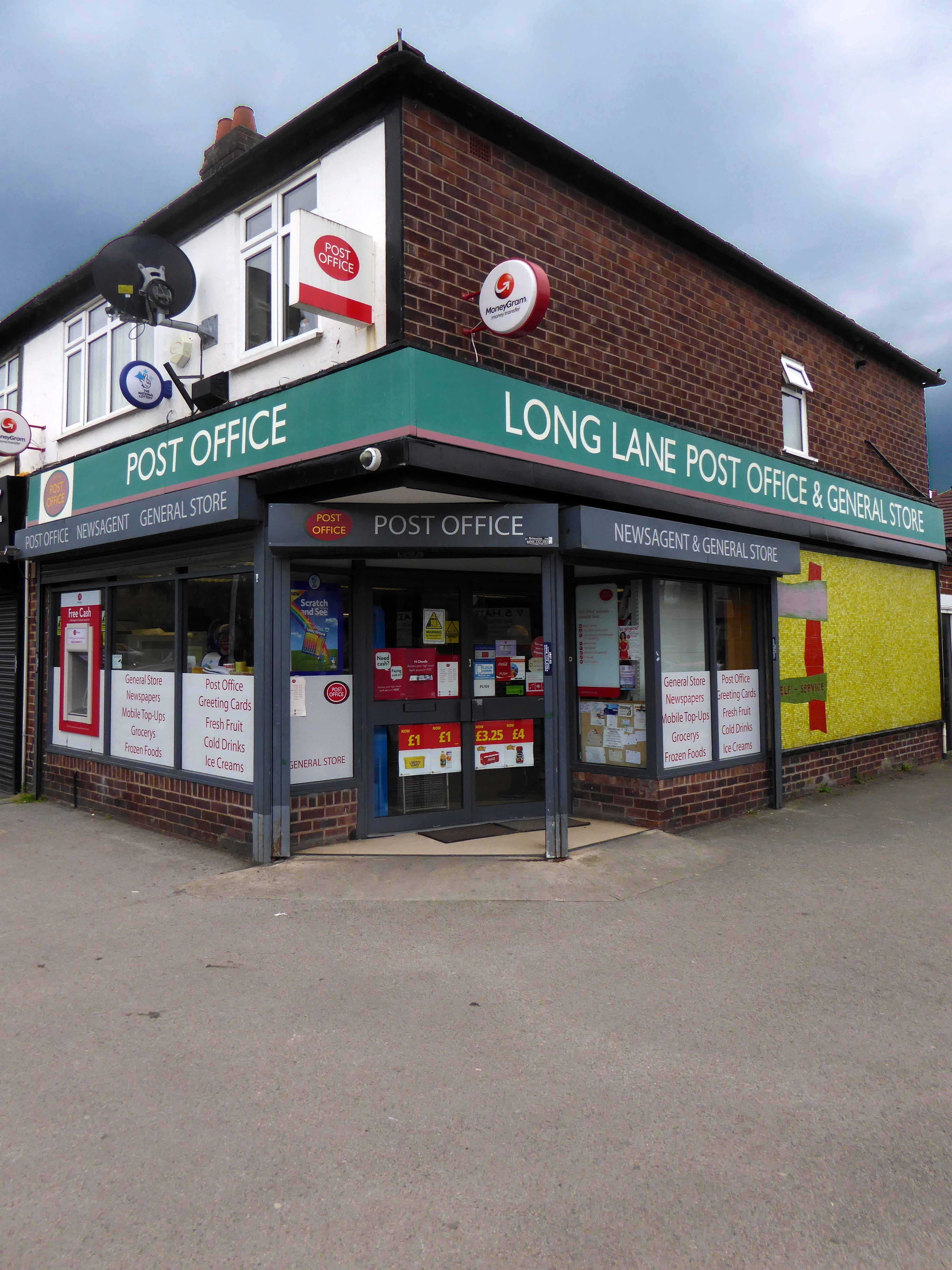
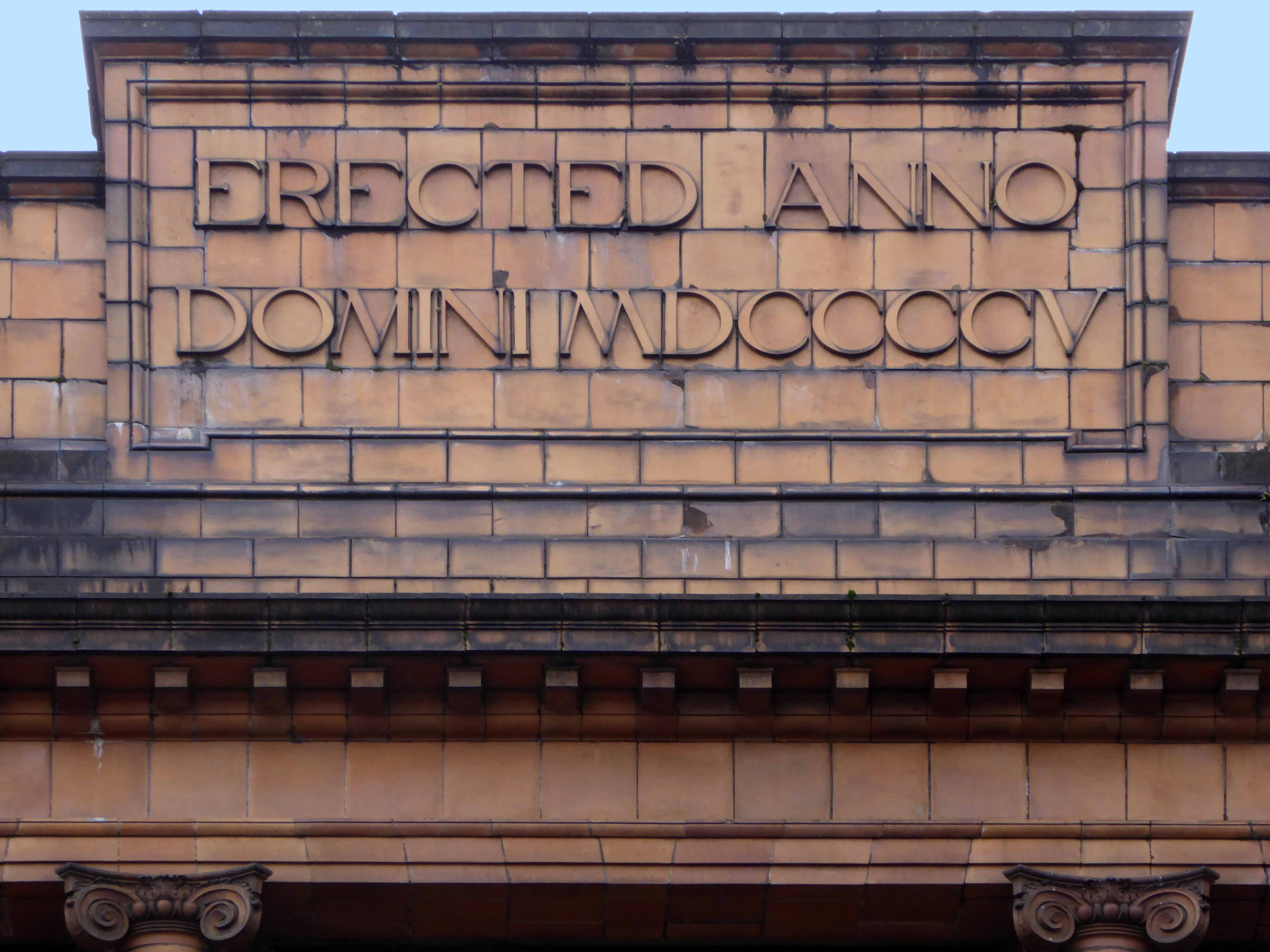
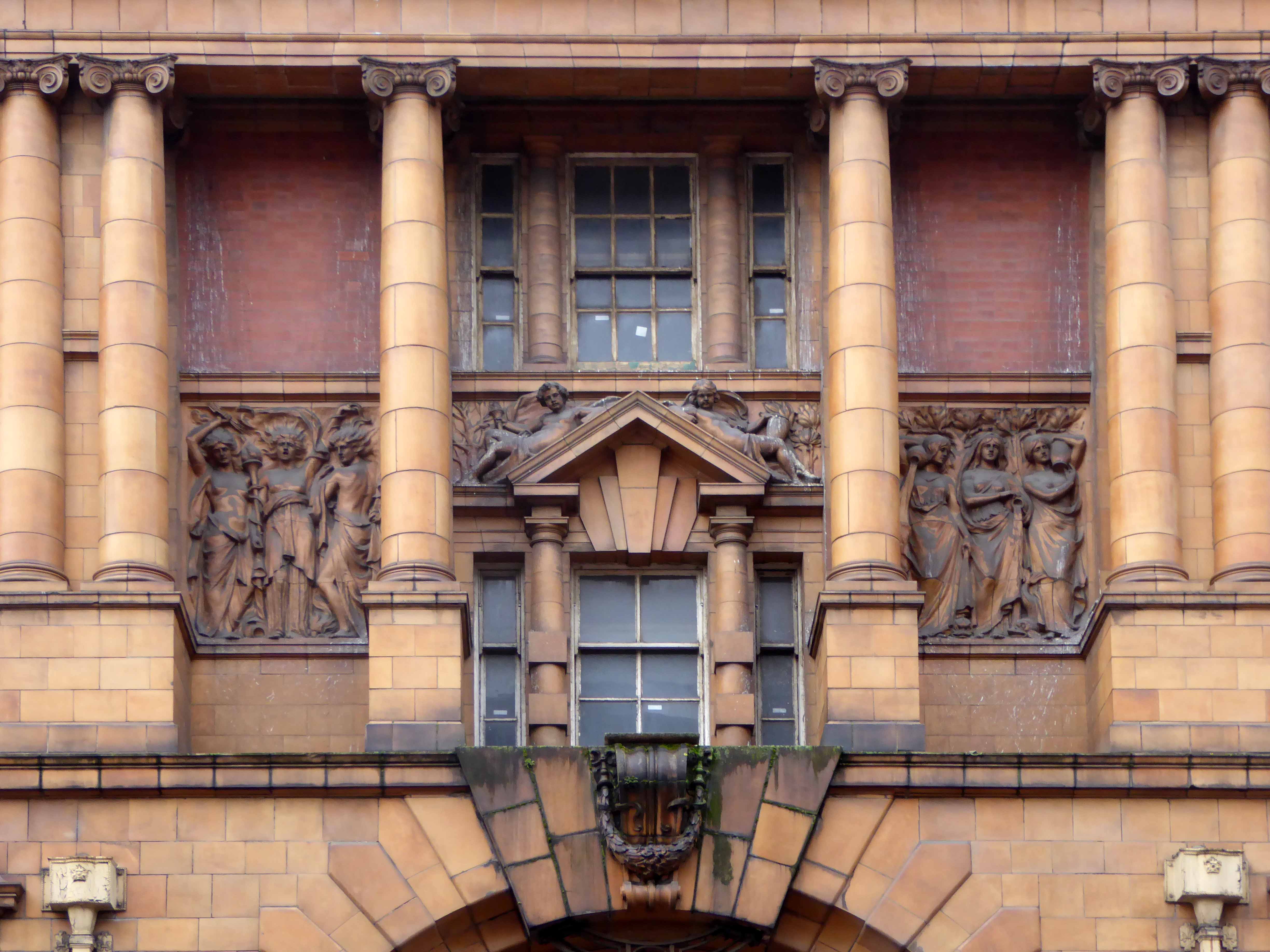
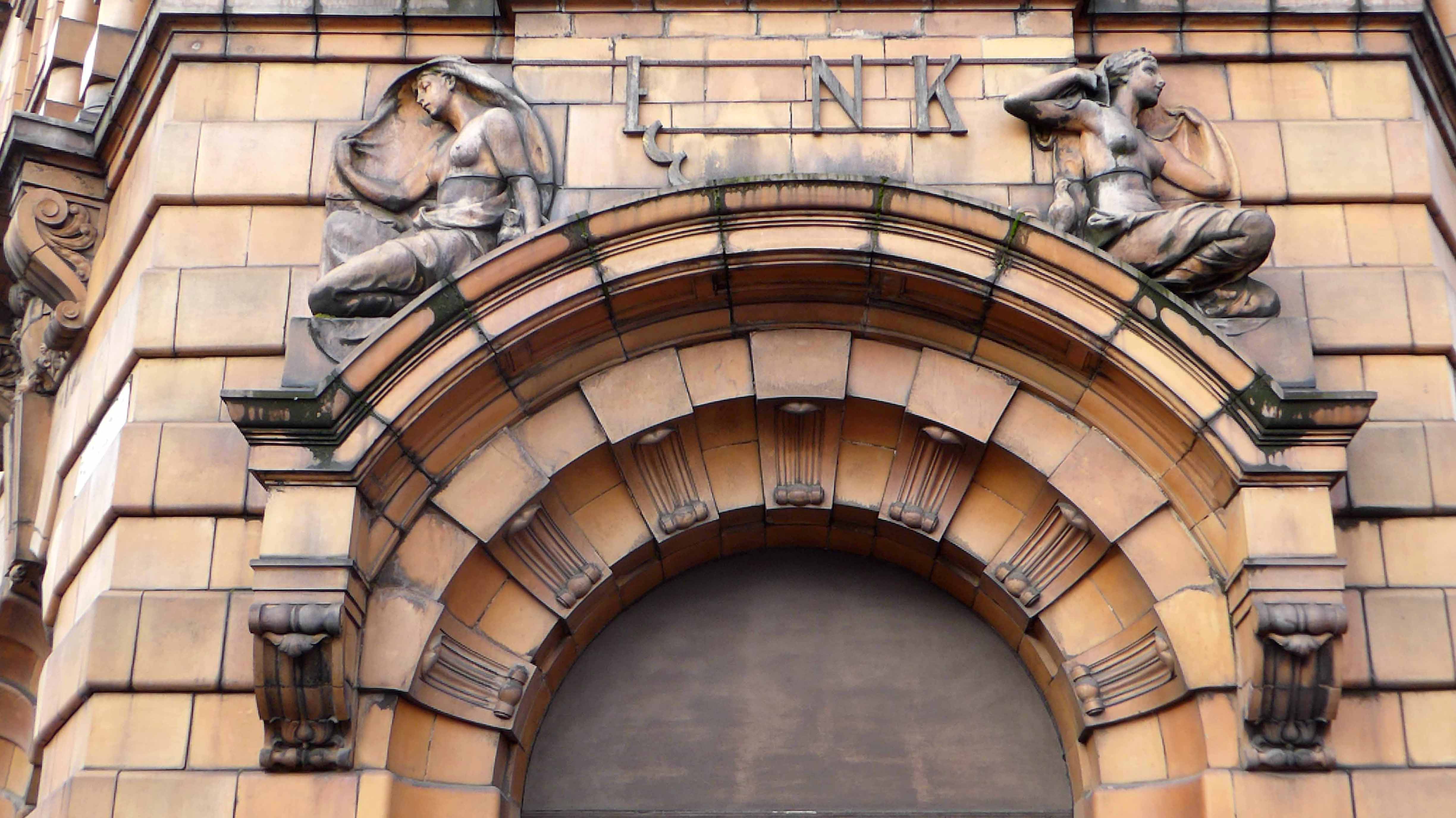
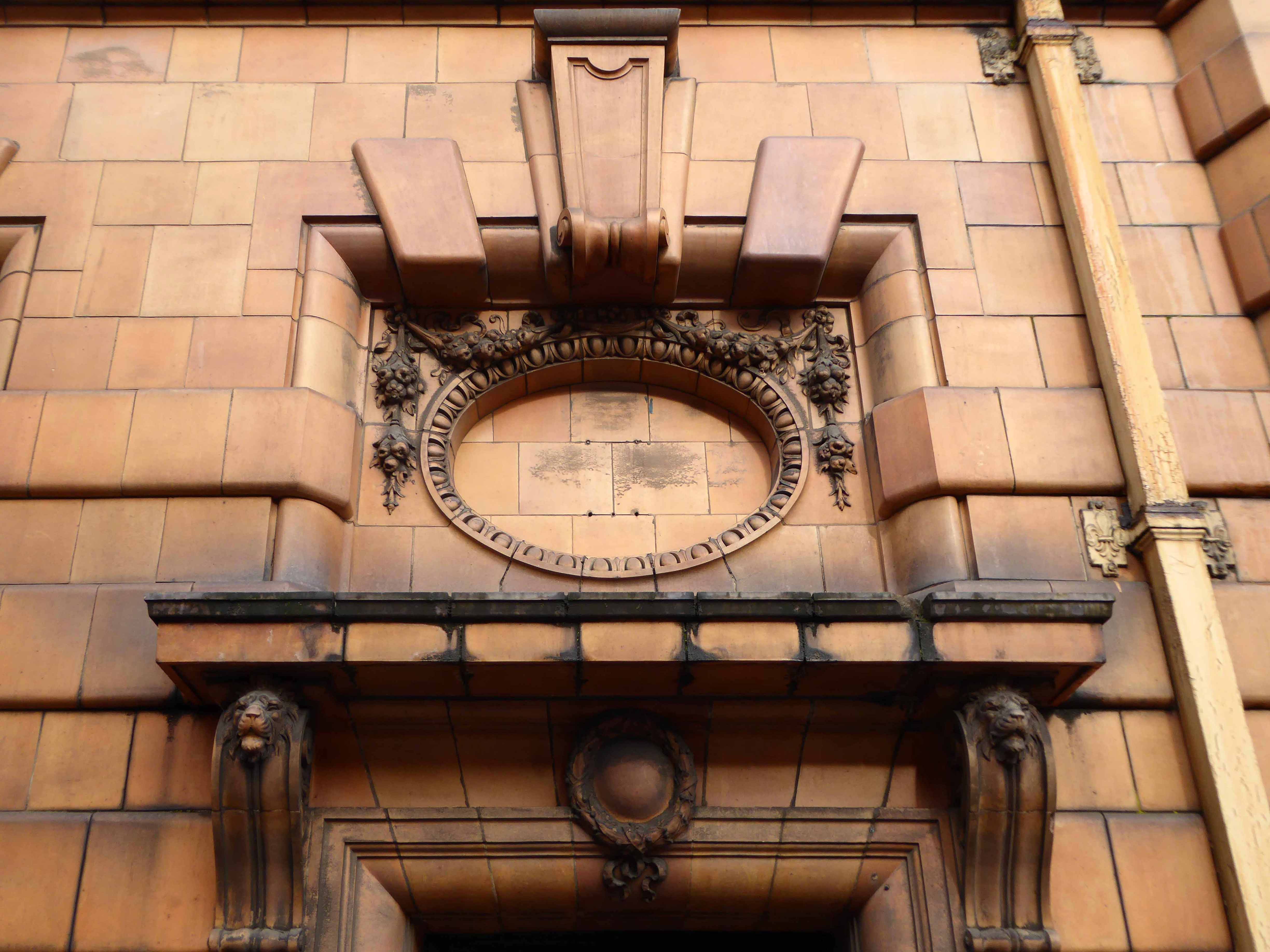
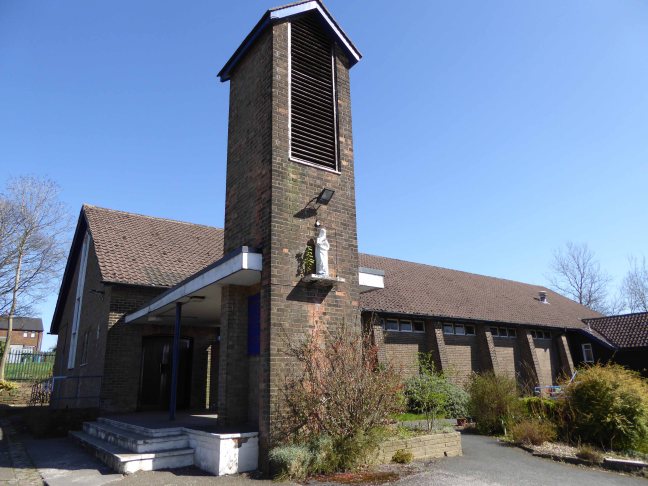
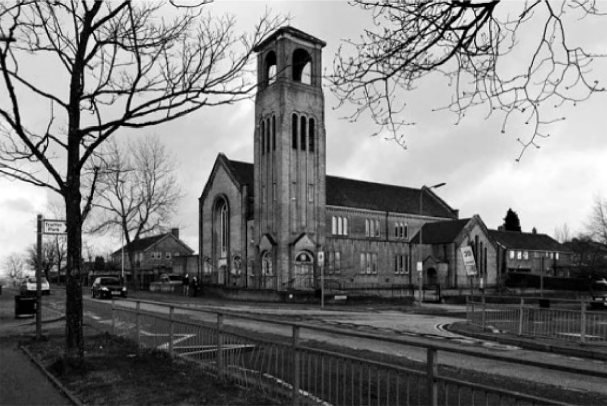
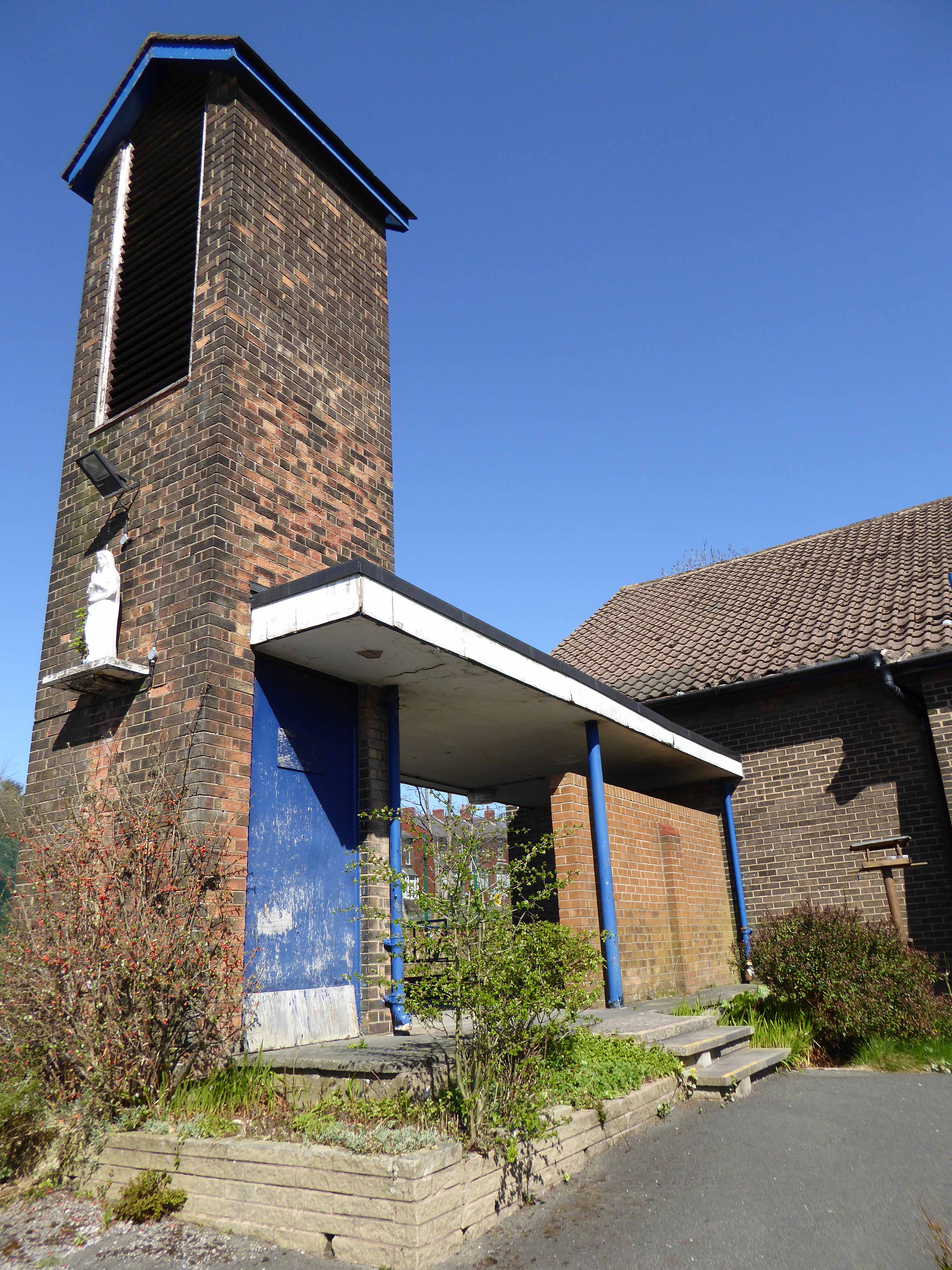
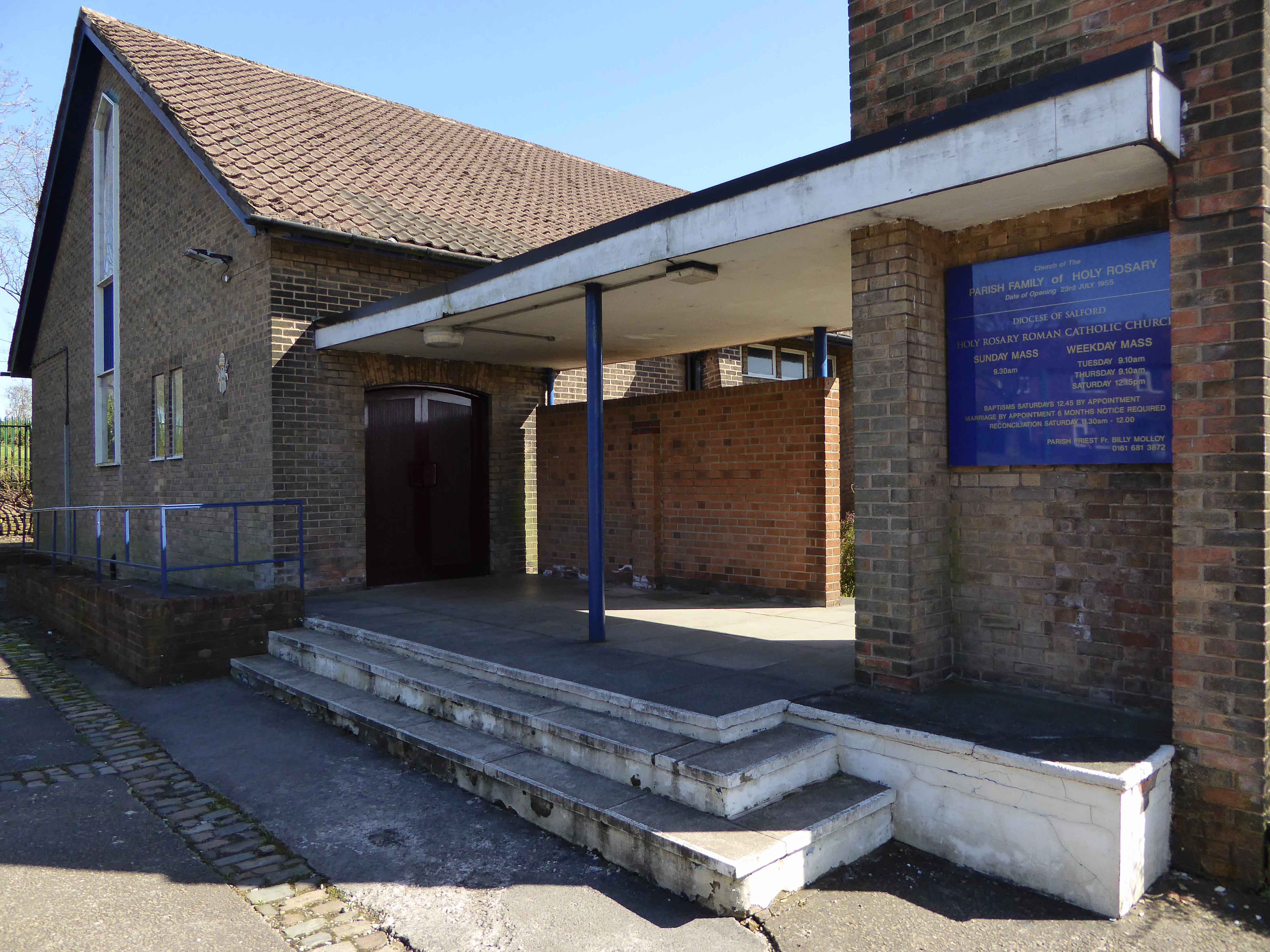
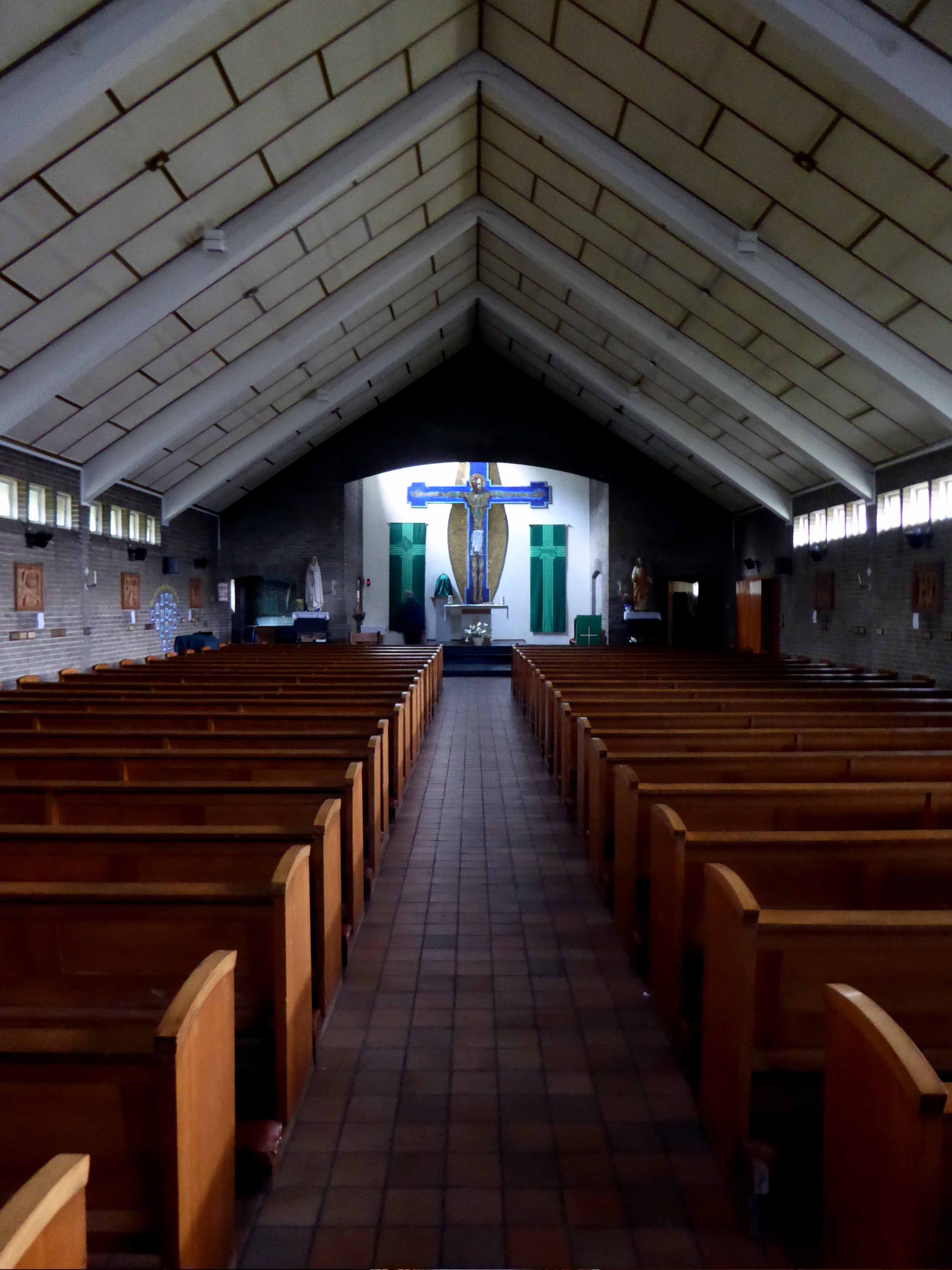
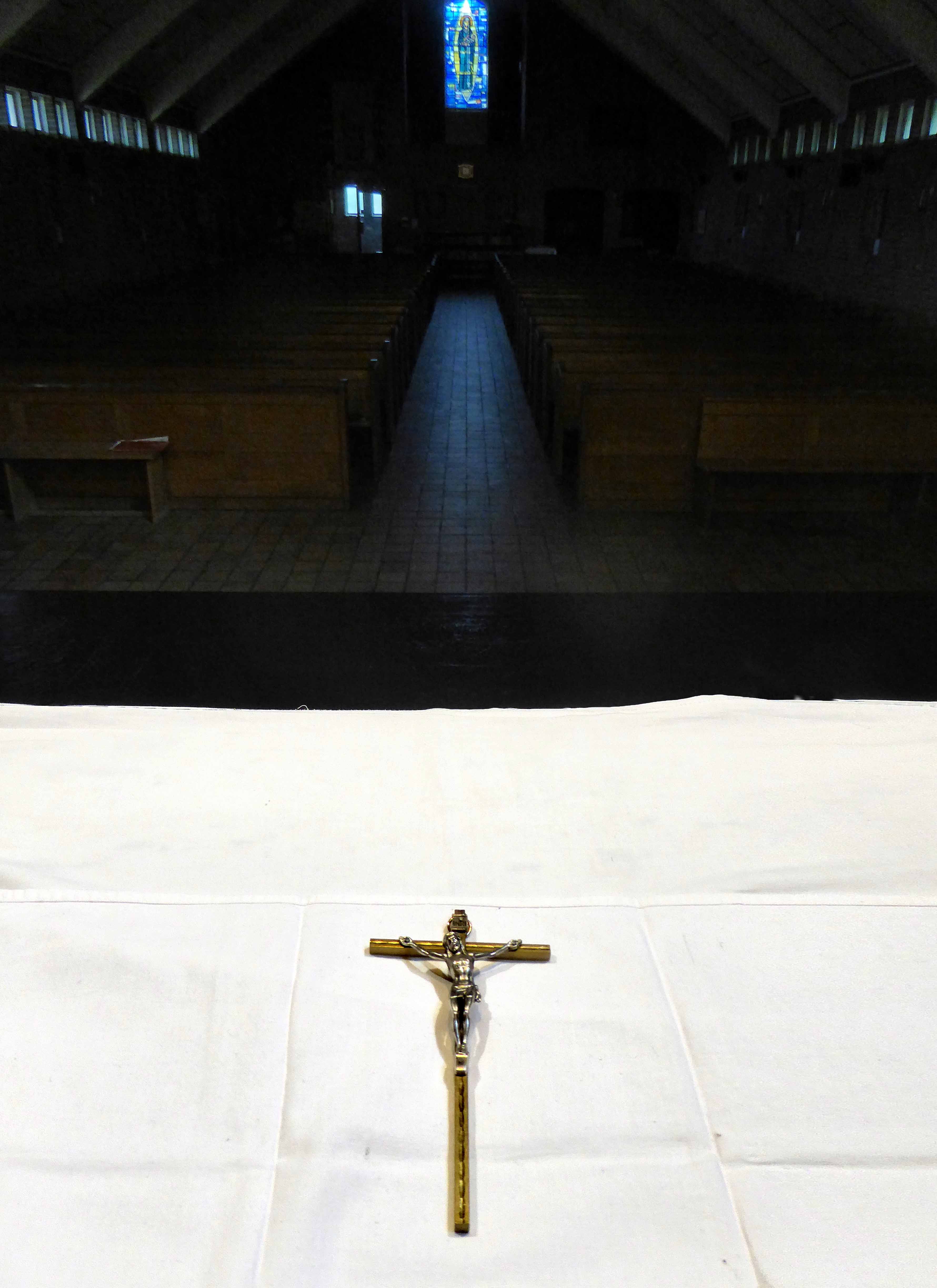
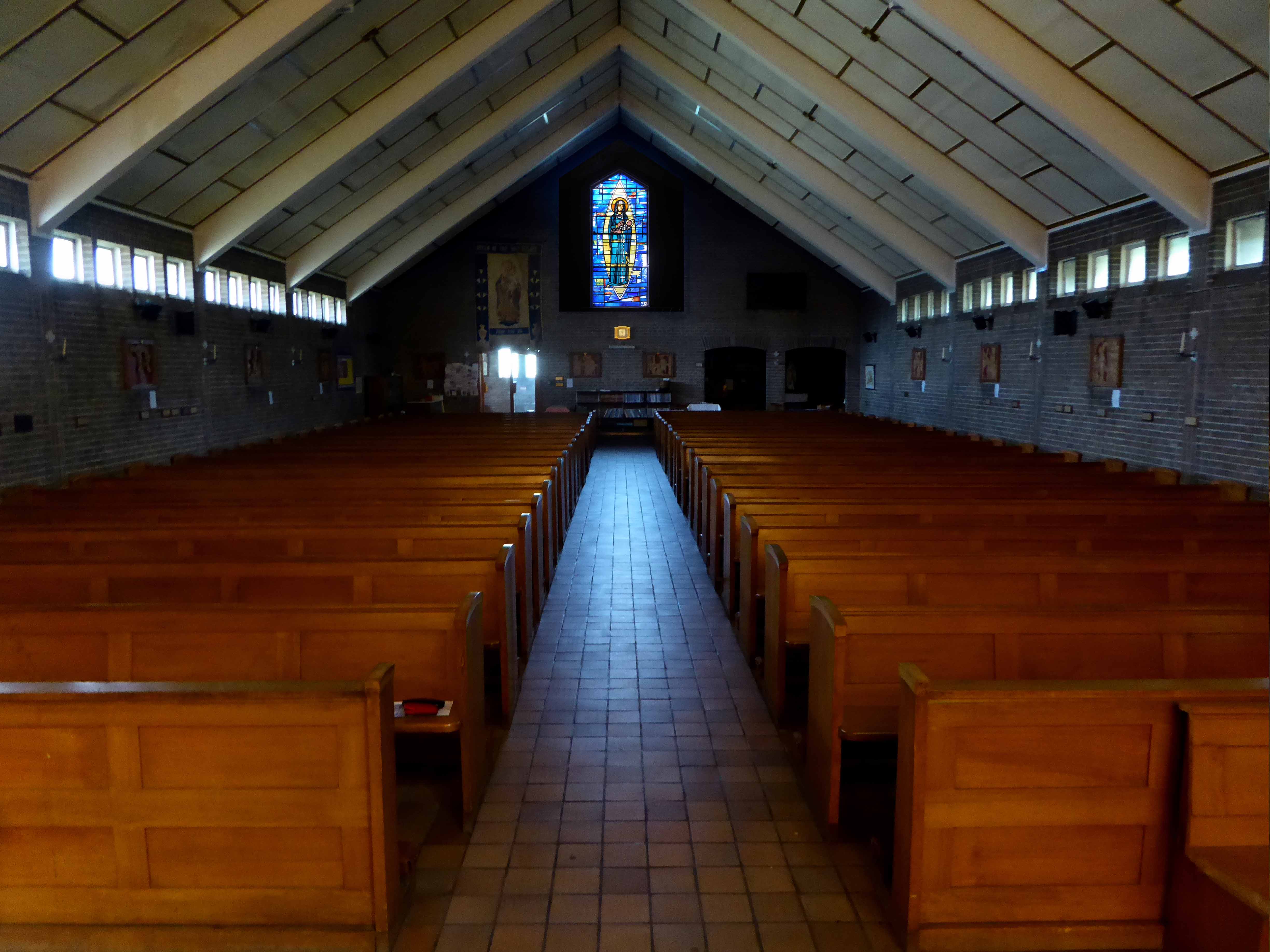
The first mission in the Fitton Hill, a post-war housing estate, was due to the work of Fr Buckley, an assistant priest at St Patrick’s Oldham. He arranged for the purchase of land in the Fitton Hill area in 1940, before the new housing was built. Once the estate had begun to be developed, Fr Buckley said Mass in an upper room in Maple Mill. The foundation stone of Holy Rosary was laid by Bishop Marshall on 2 October 1954 and the church was officially opened by Mgr Cunningham in July 1955.  The presbytery was built in about 1970. The first campanile blew down and had to be rebuilt.  In 2009, the parishes of Holy Family and Holy Rosary were merged.

Taking Stock told me so and will tell you even more.

Architect: W and JB Ellis who were also responsible for Our Lady of The Assumption in Langley.

Screen Shot 2017-09-13 at 11.11.41

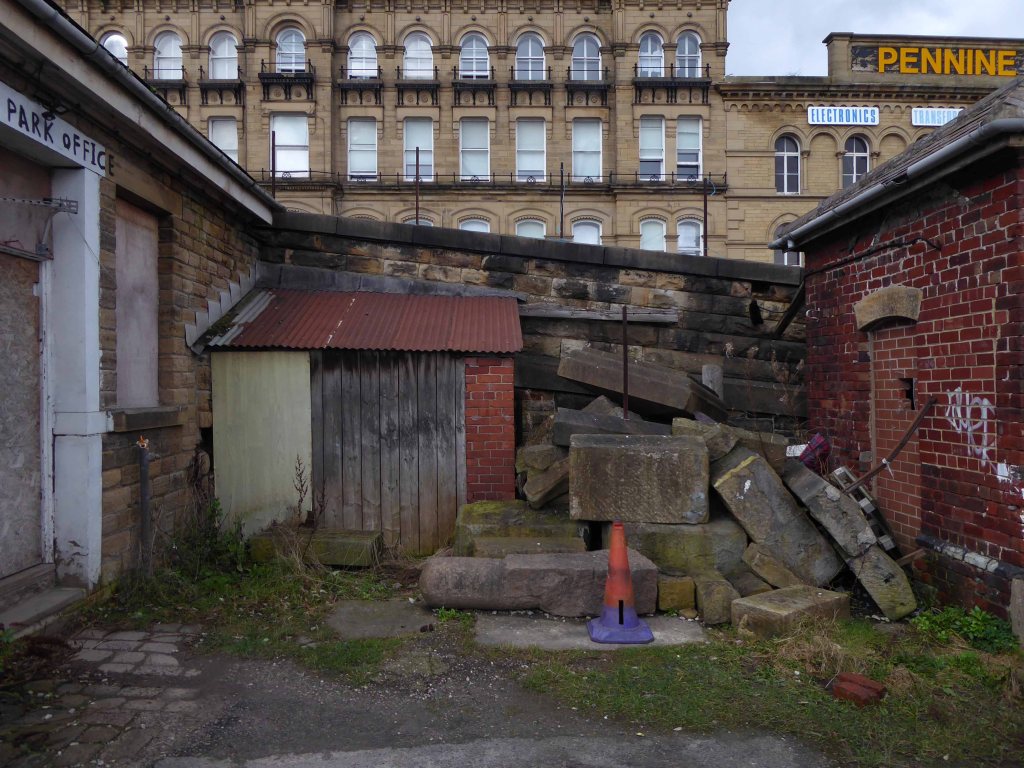
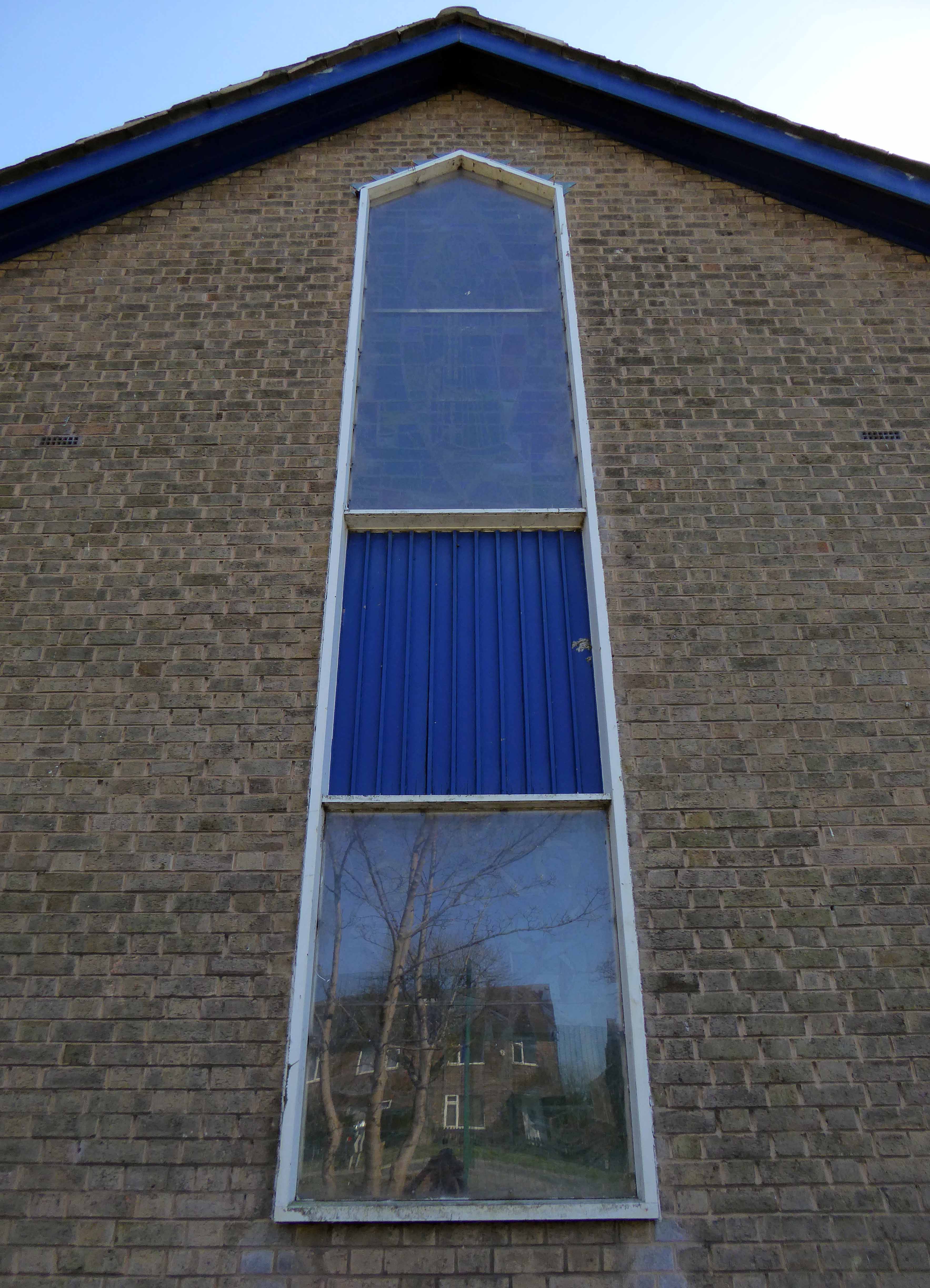
I first passed by one sunny day in April 2016 – happily snapping the exterior of this ever so pleasingly prosaic Italianate brick building.

P1030961 copy

P1030962 copy

P1030965 copy

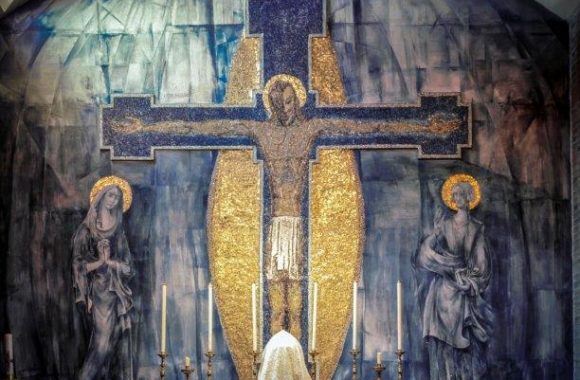
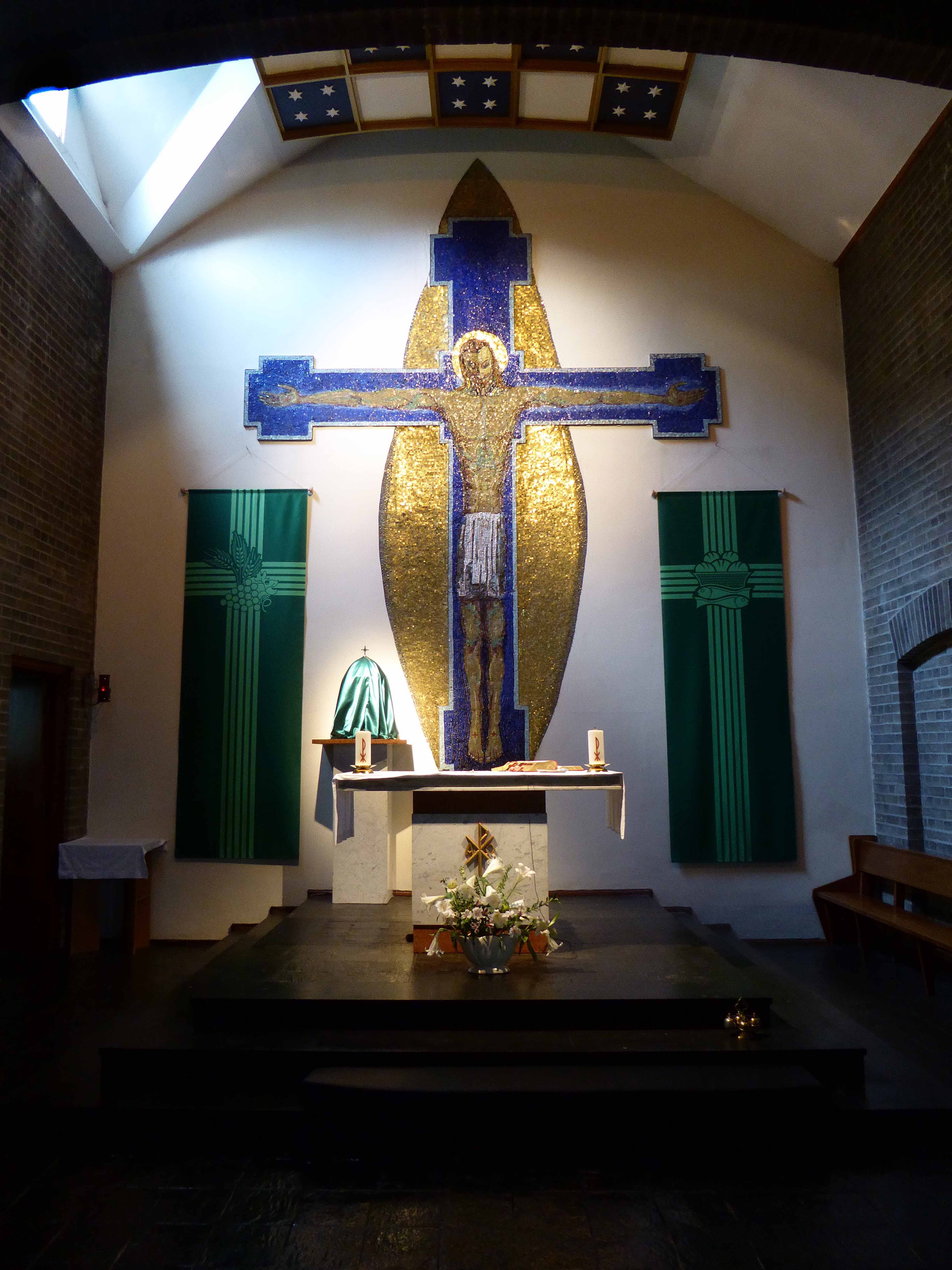
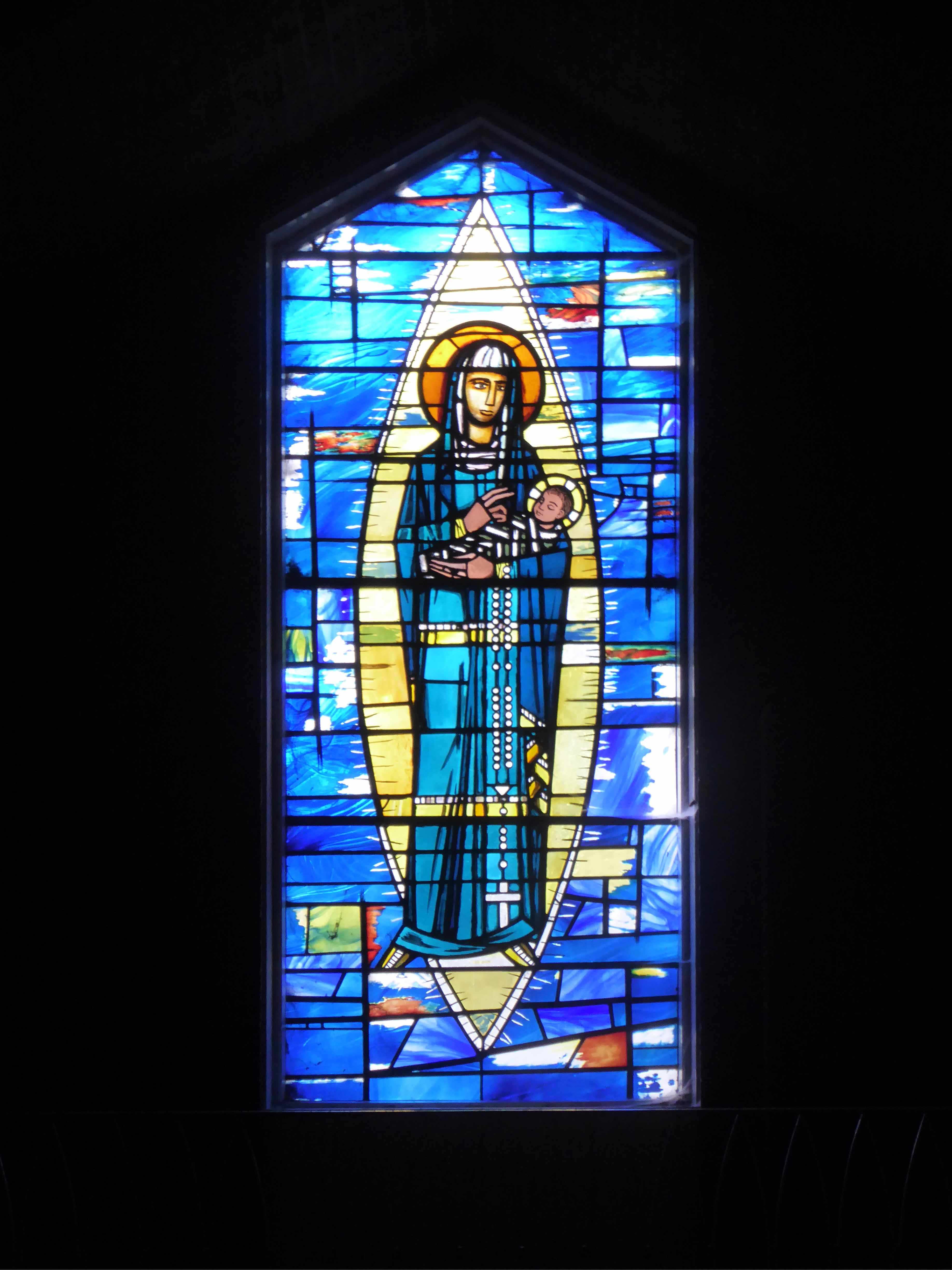
Following a cue from pal Tim Rushton, I was alerted to the significant decorative work within.

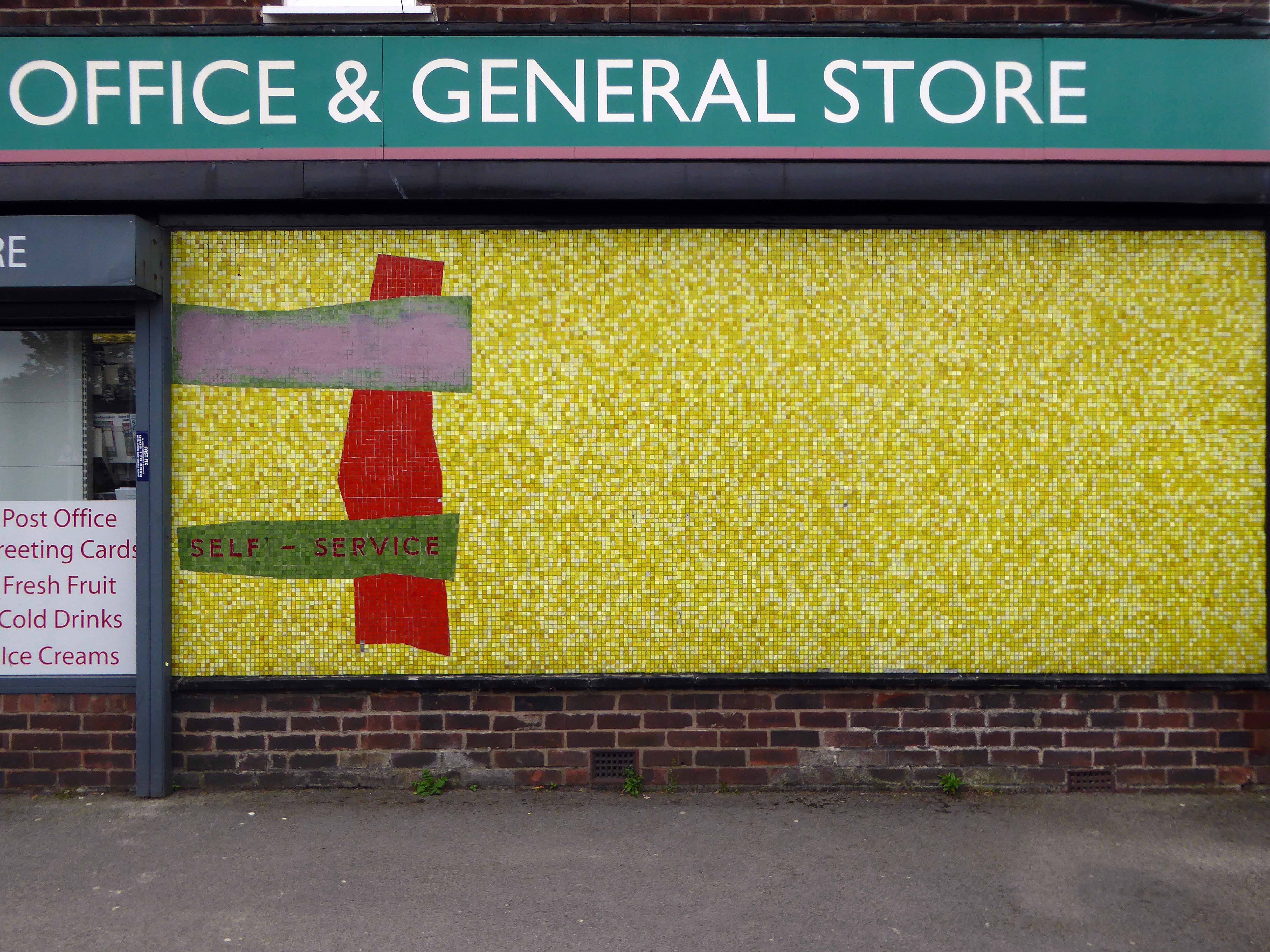
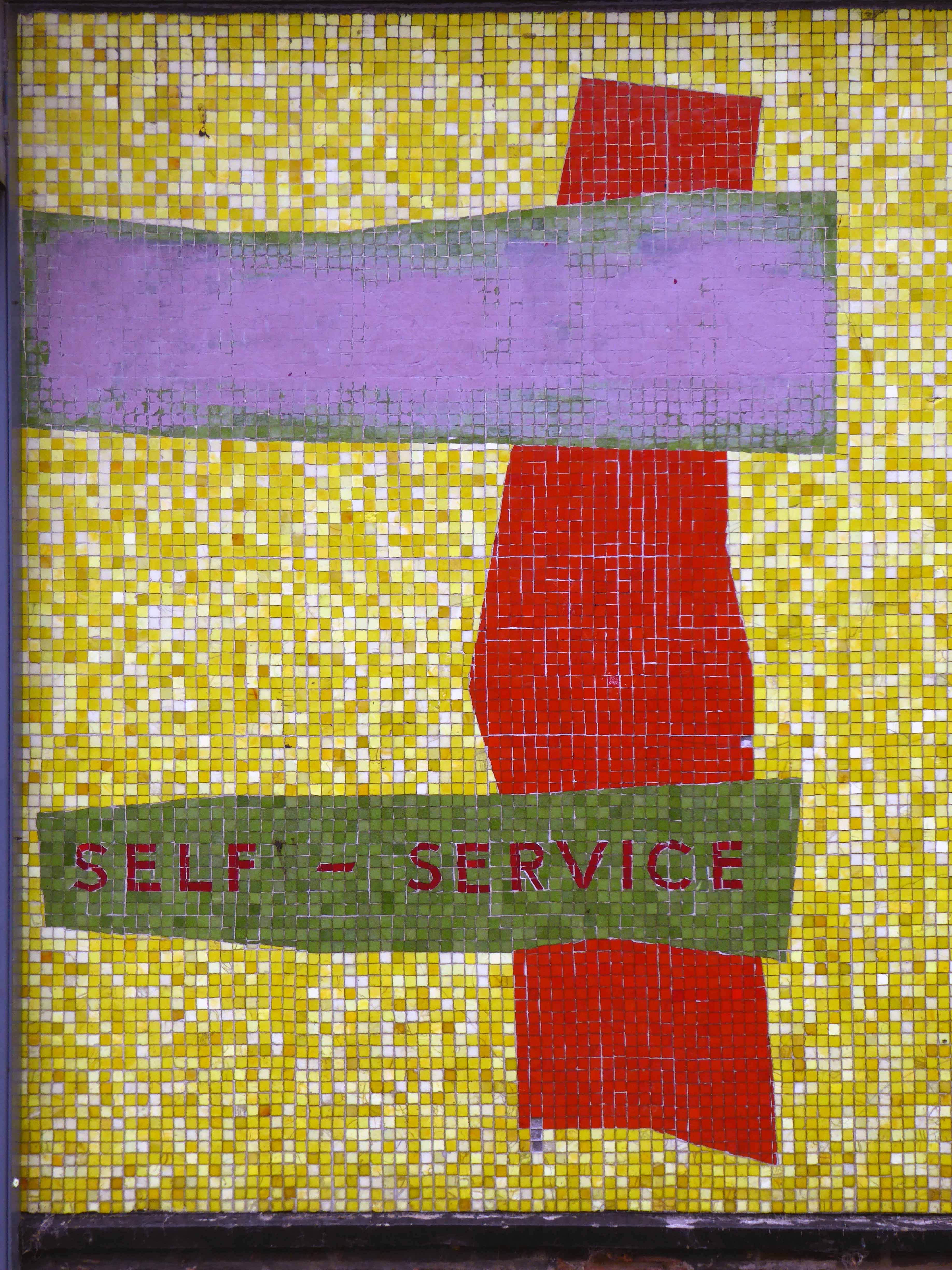
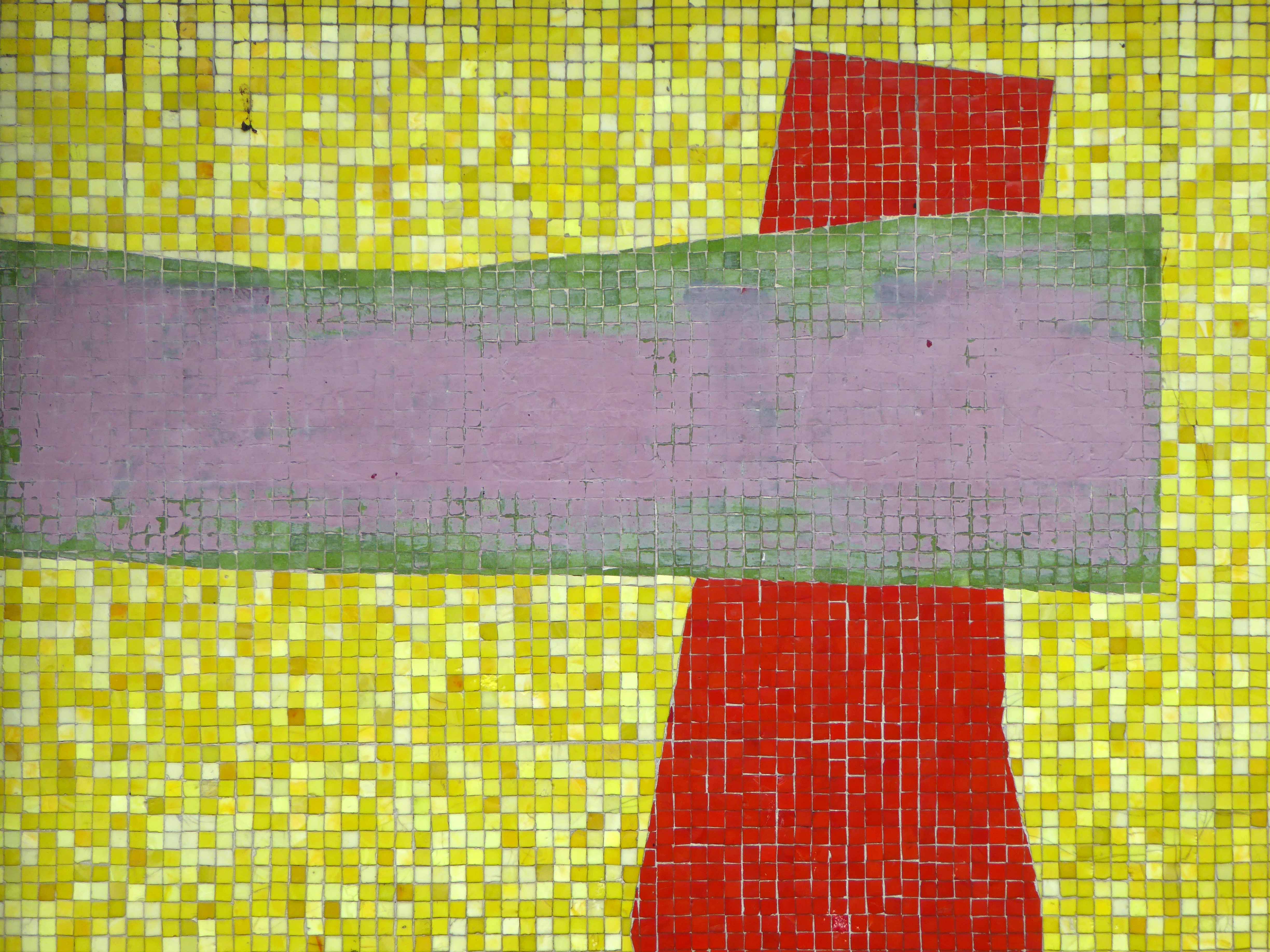
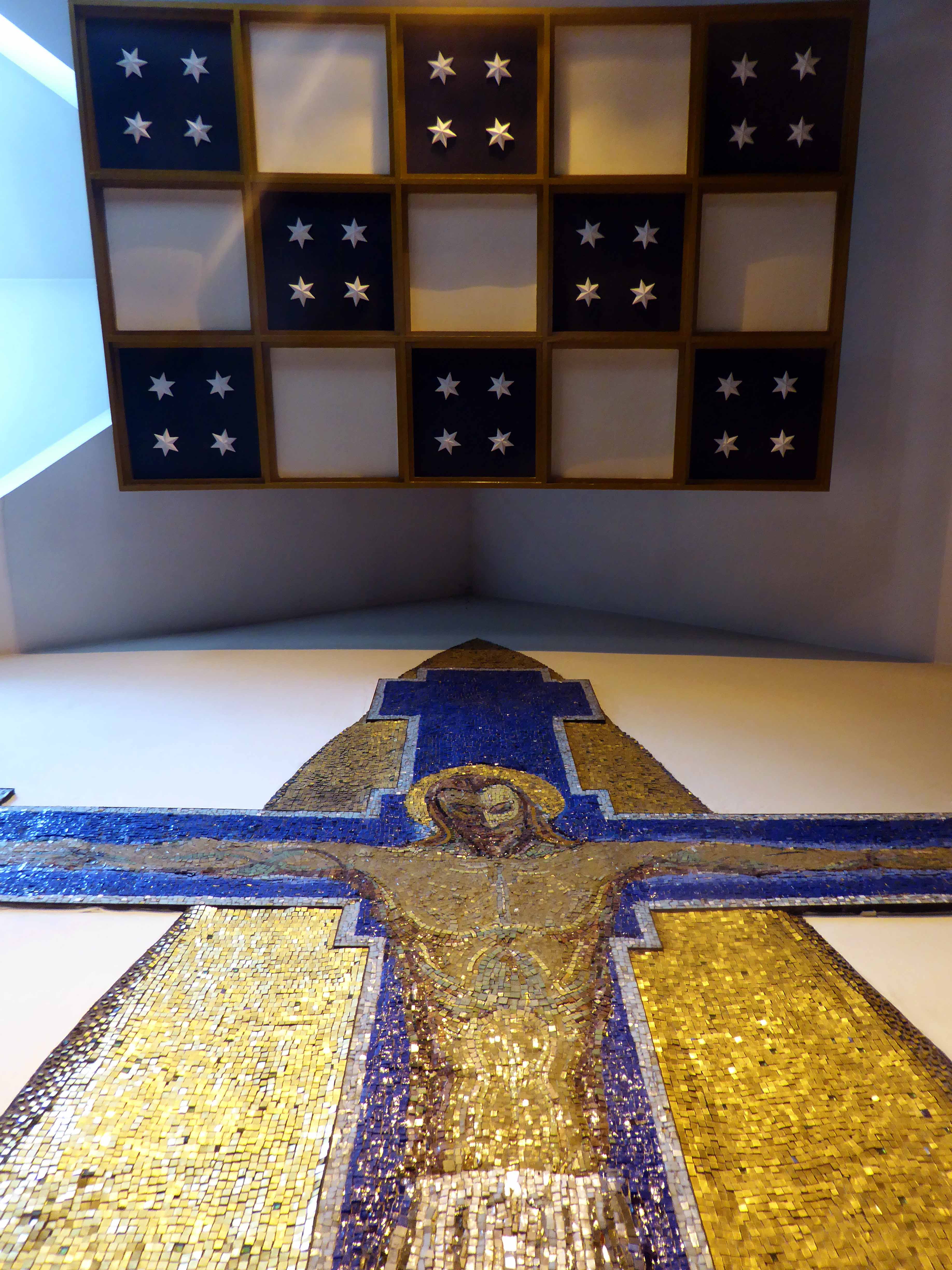
The mosaic and fresco work of Georg Mayer-Marton – born in Hungary 1897, died in Liverpool 1960 was one of Britain’s very few experts in the art of face or facetted mosaic.

GMMMosaic_compressed-580x380-1

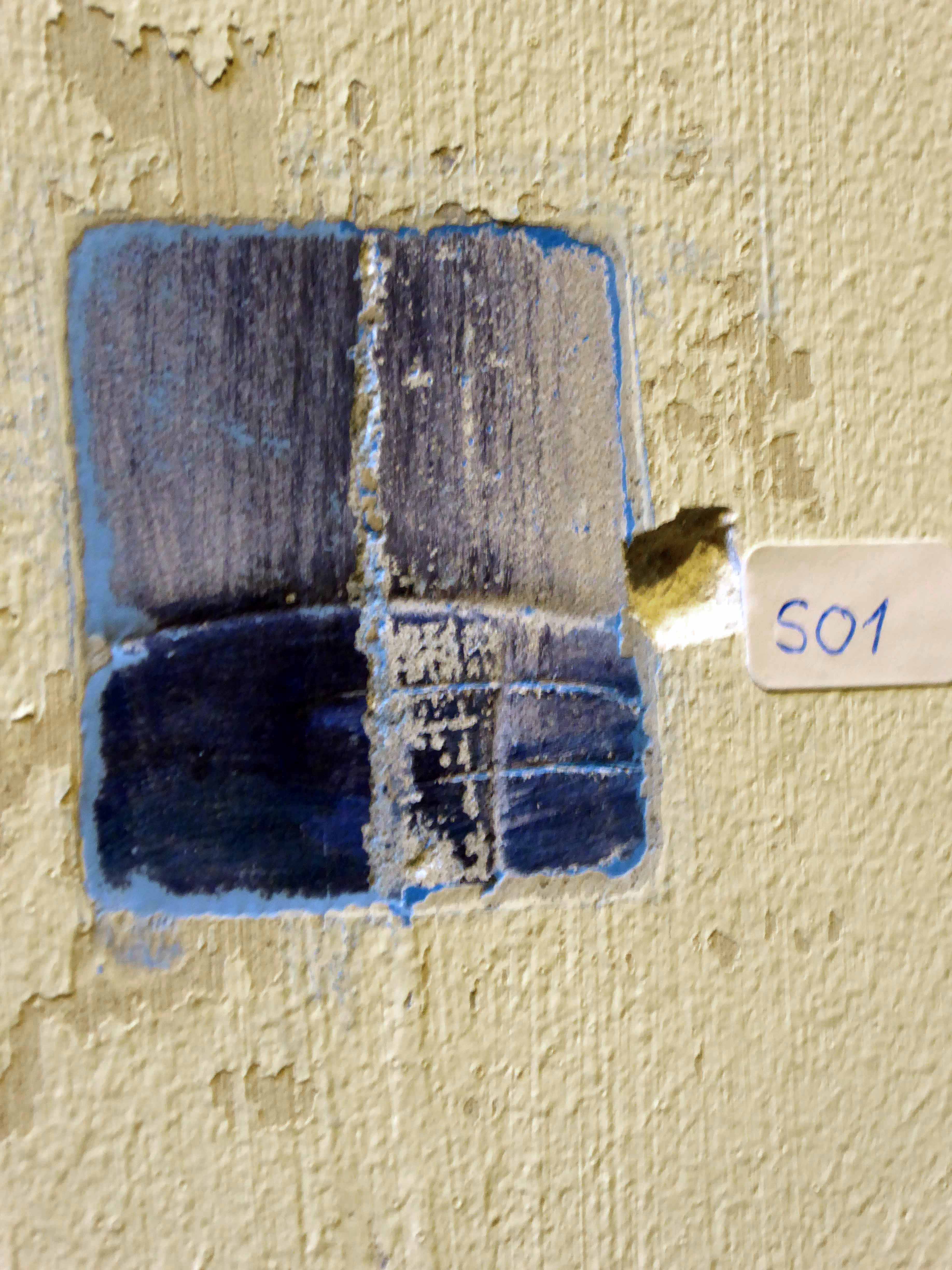
Sadly the fresco is no longer visible – painted over with emulsion when thought to be too tatty – a tiny fragment has been revealed by conservators.

P1200312

There is currently a campaign to restore and preserve these important works.

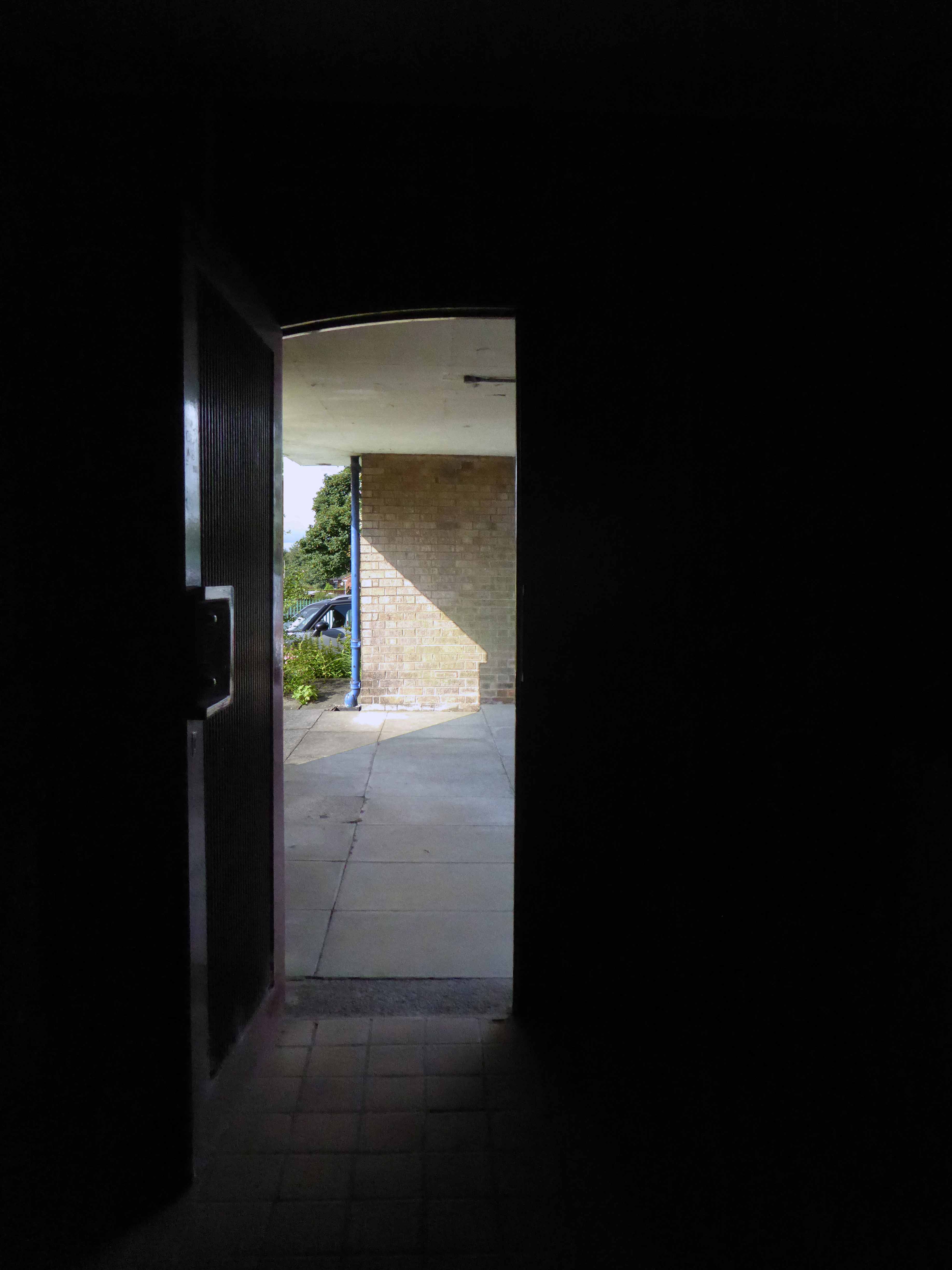
The church is now closed, but we were ever so fortunate to have Bernard Madden on hand to open up and show us around, a warm welcoming space once full to overflowing.

Now sadly silent.

We all deserve better.

P1200300

P1200301

P1200303

P1200304

P1200306

P1200309

P1200310

P1200313

P1200314

P1200320

P1200321


BHS Murals – Newcastle upon Tyne

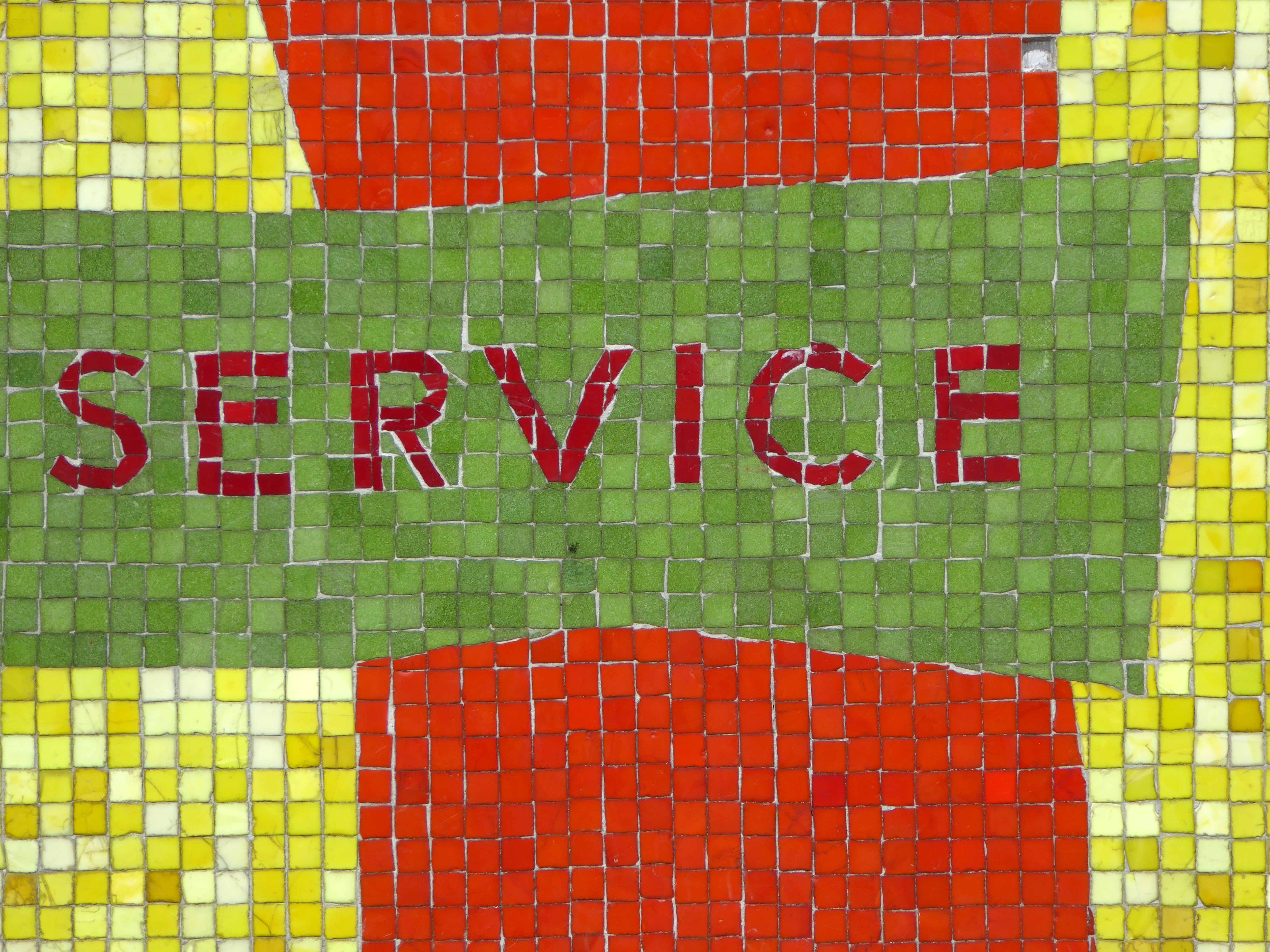
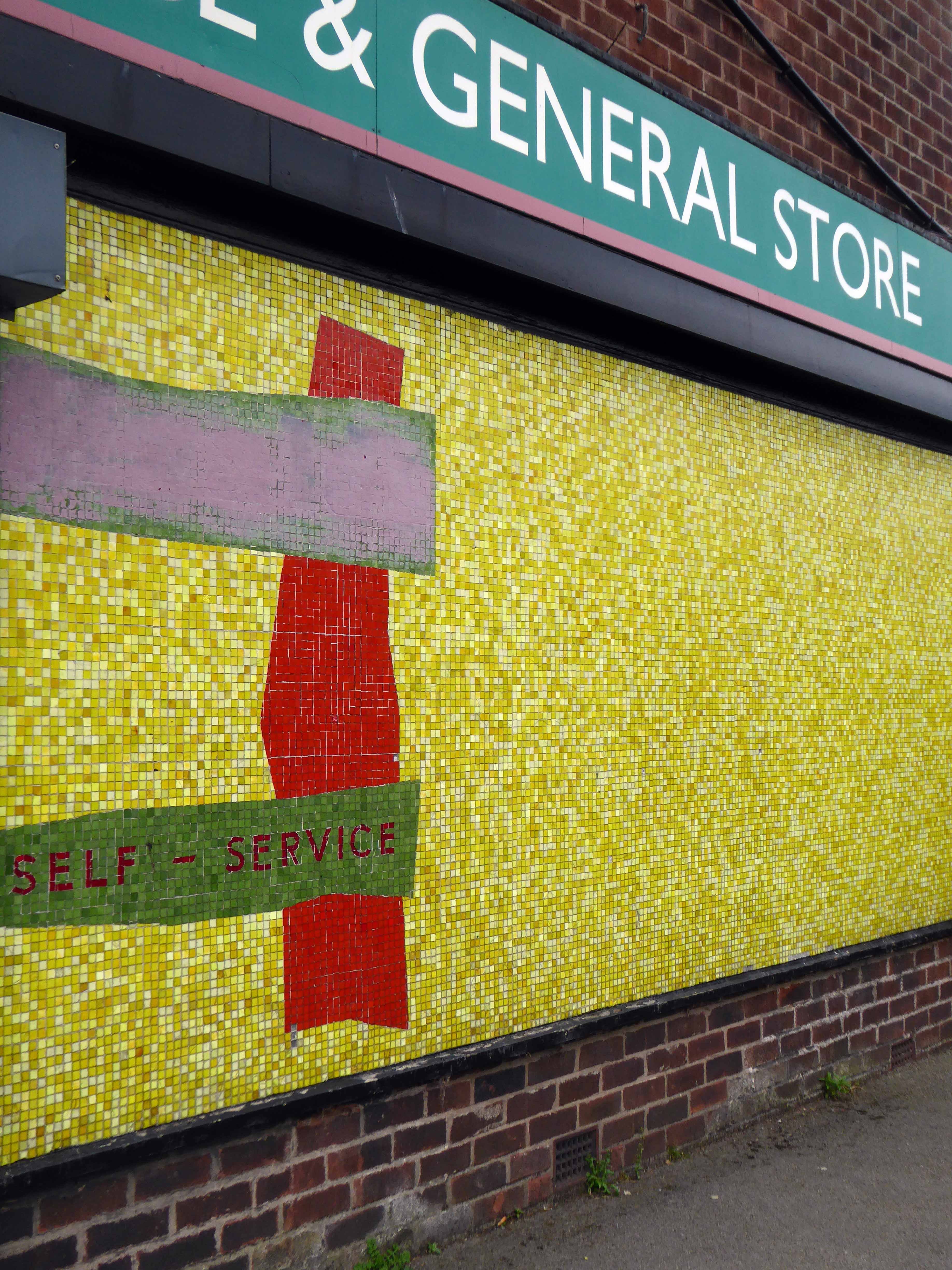
We here in Stockport have our own BHS murals, happily so does Newcastle.

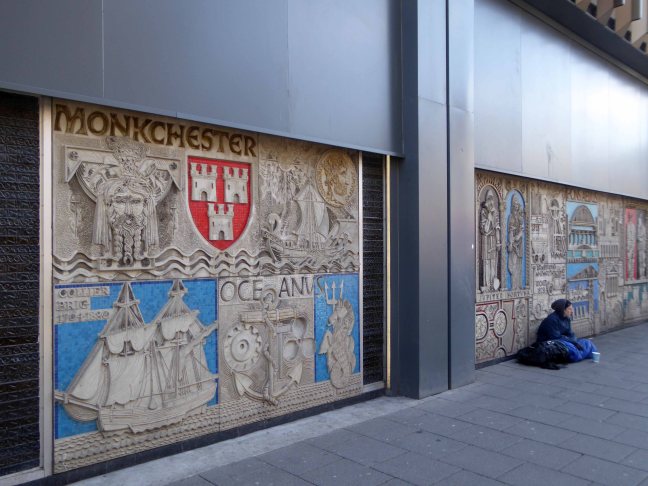
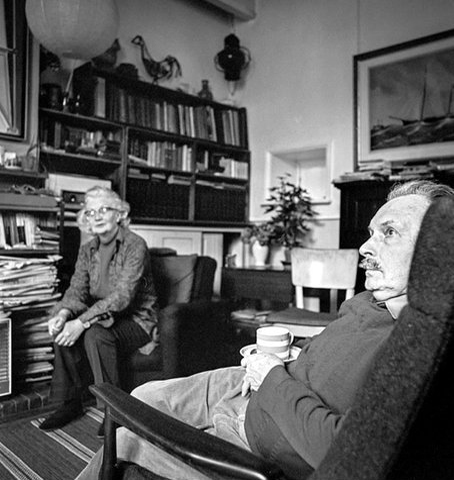
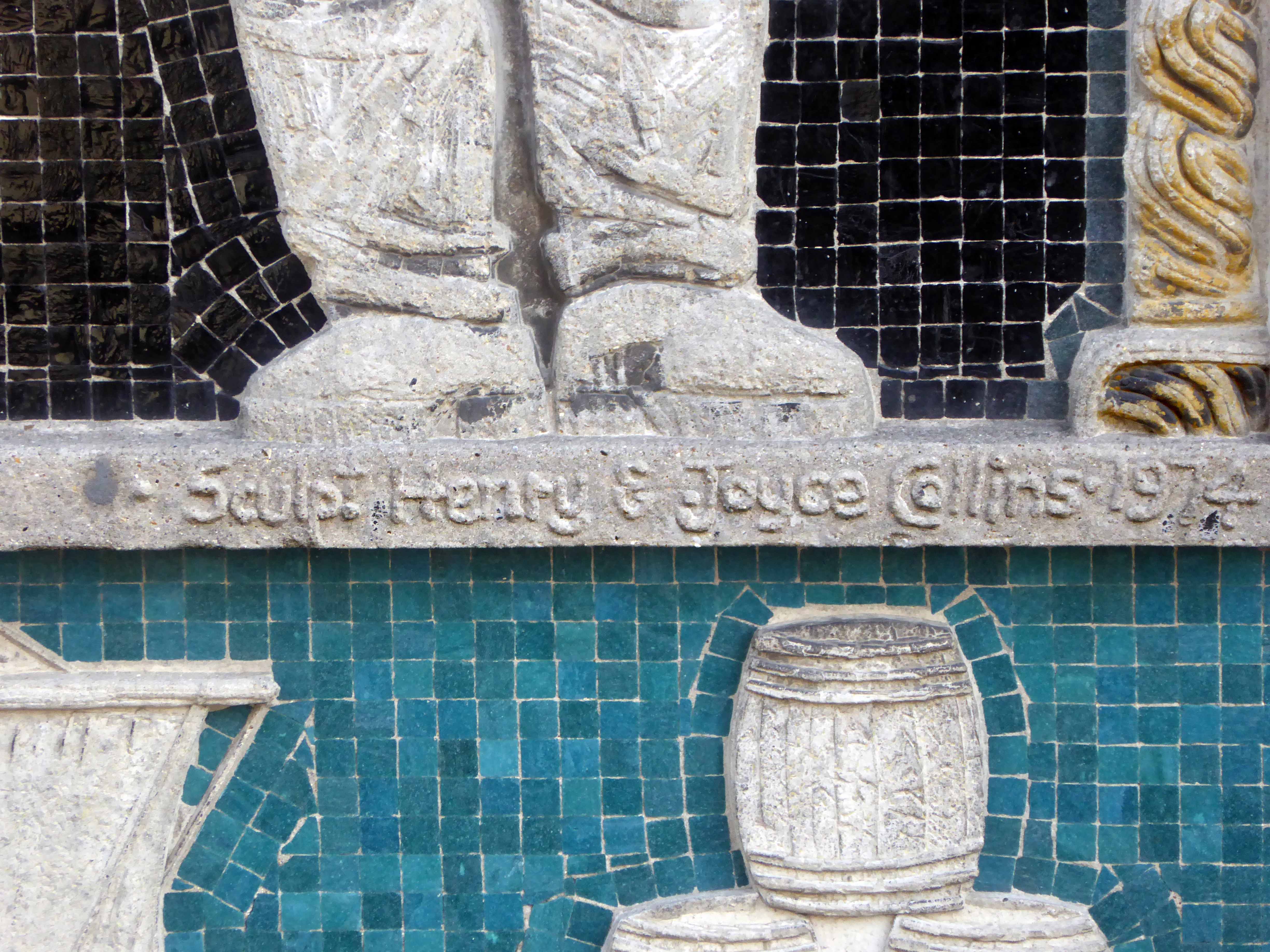
The work of acclaimed artists Joyce Pallot and Henry Collins, they worked on a large number of murals and exhibition designs for amongst others, Jamestown Festival, USA; Brussels Exhibition; Expo 70; Japan; Shell Centre; GPO Tower, London; Grosvenor House, London; Ind Coope Ltd; Philips Business Systems; Sainsburys; British Home Stores; Cwmbran Arts Trust; Essex County Council and IBM, London.

1460712918

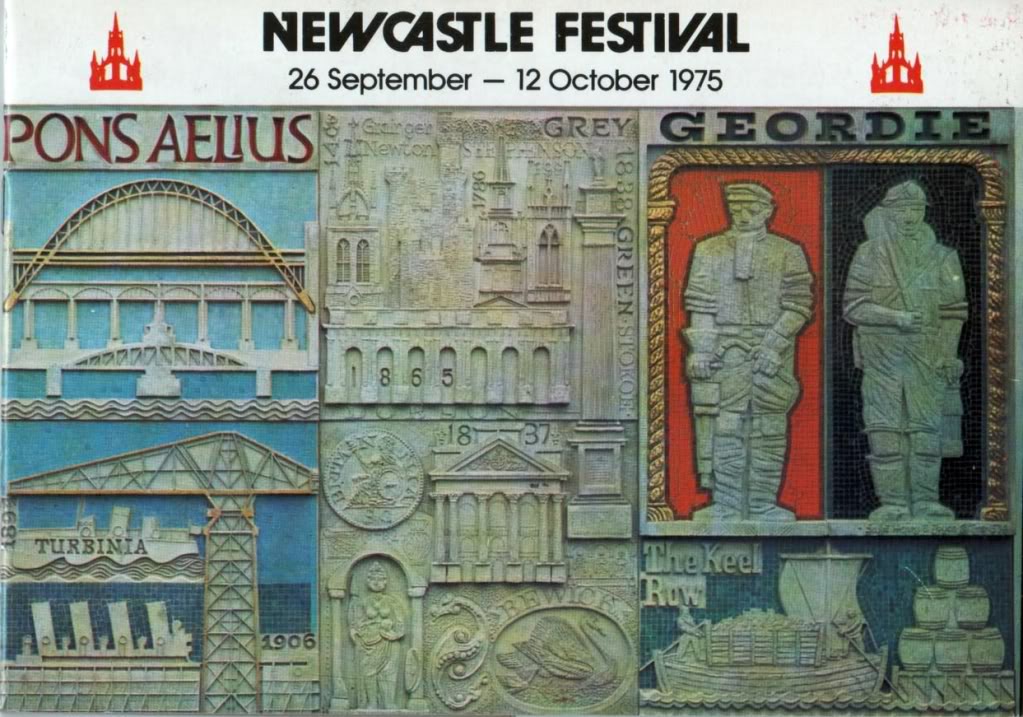
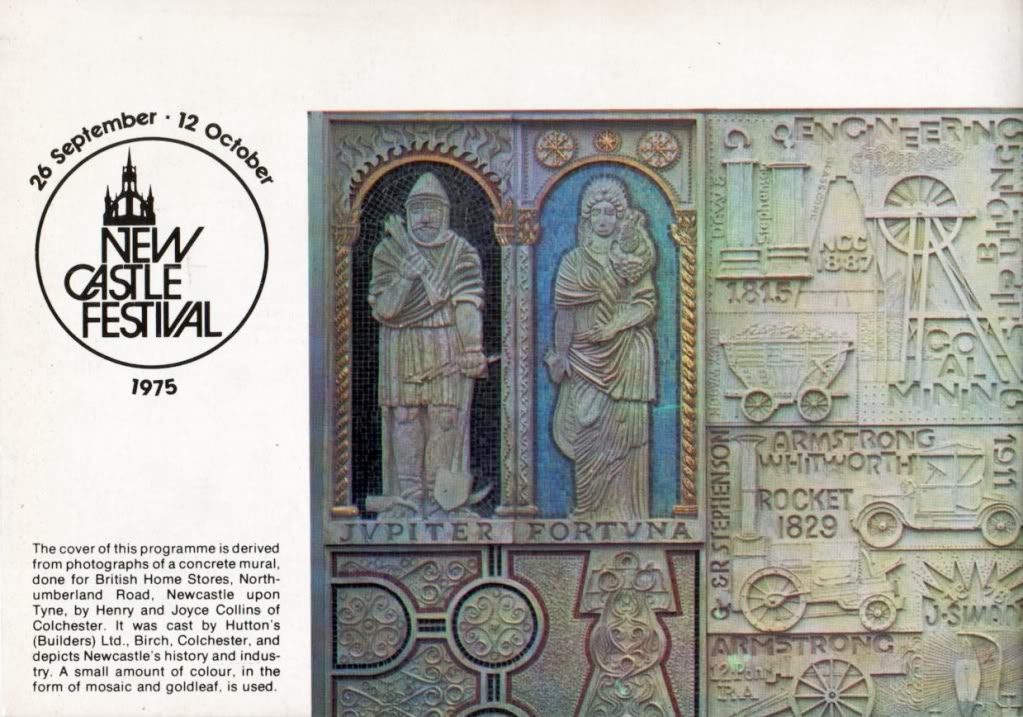
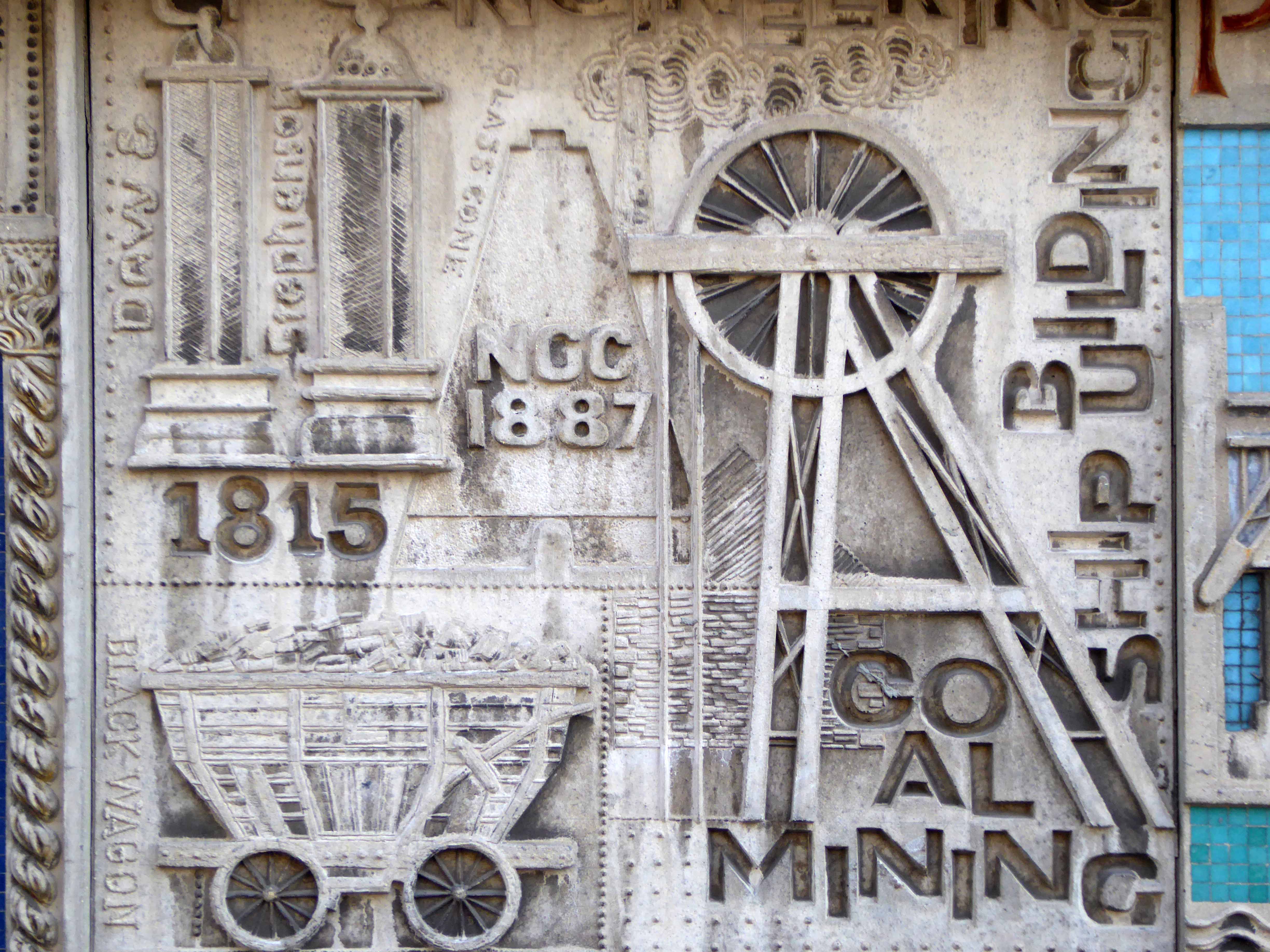
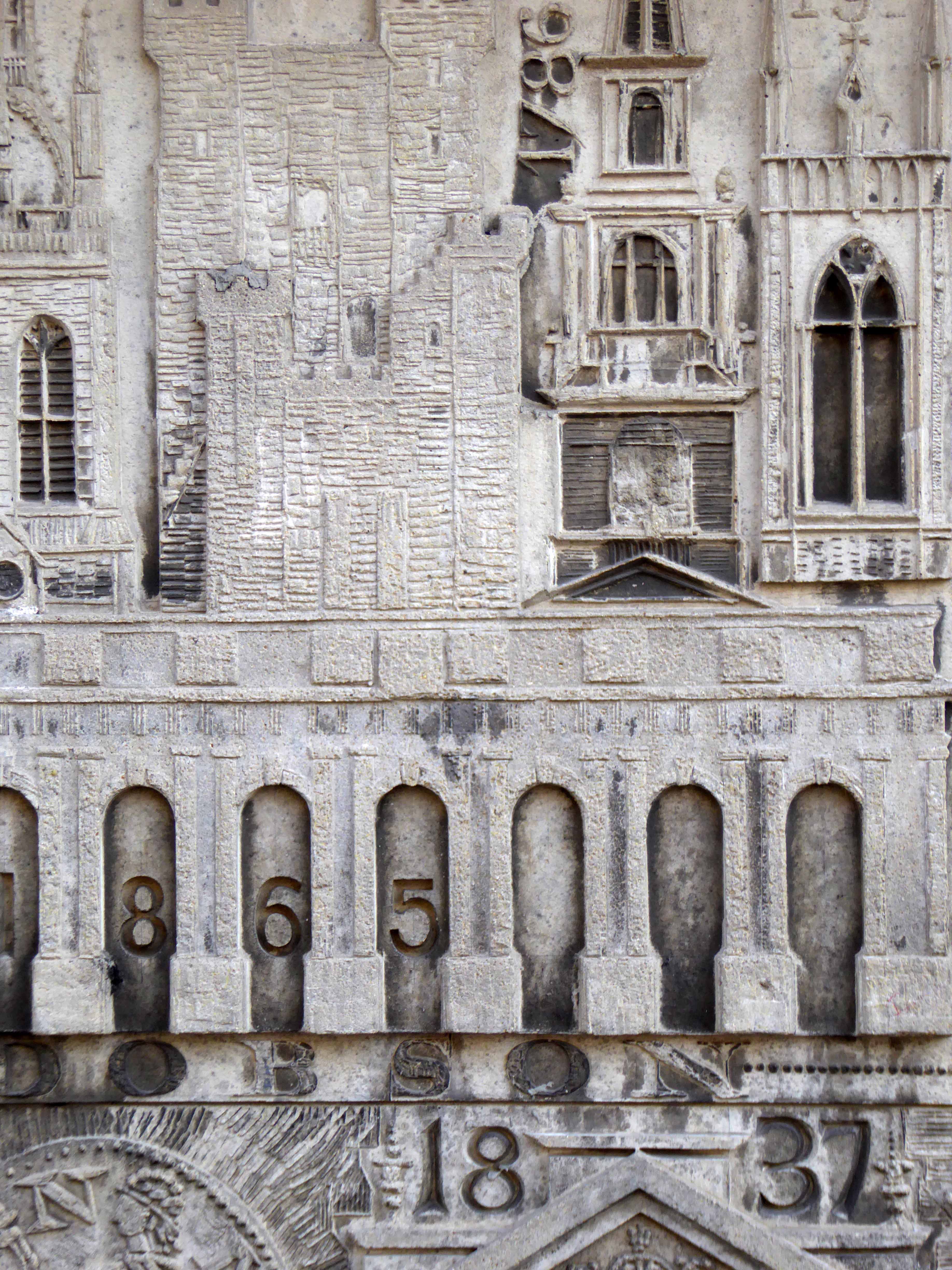
They never worked on the site itself, but used a regular contractor Hutton’s Builders Ltd Colchester, who cast the concrete in panels around four feet square. There are two relief panels, depicting events in the history of Newcastle. Highly stylised, the relief is moulded to a depth of 5cm and features some charming Geordie characters.

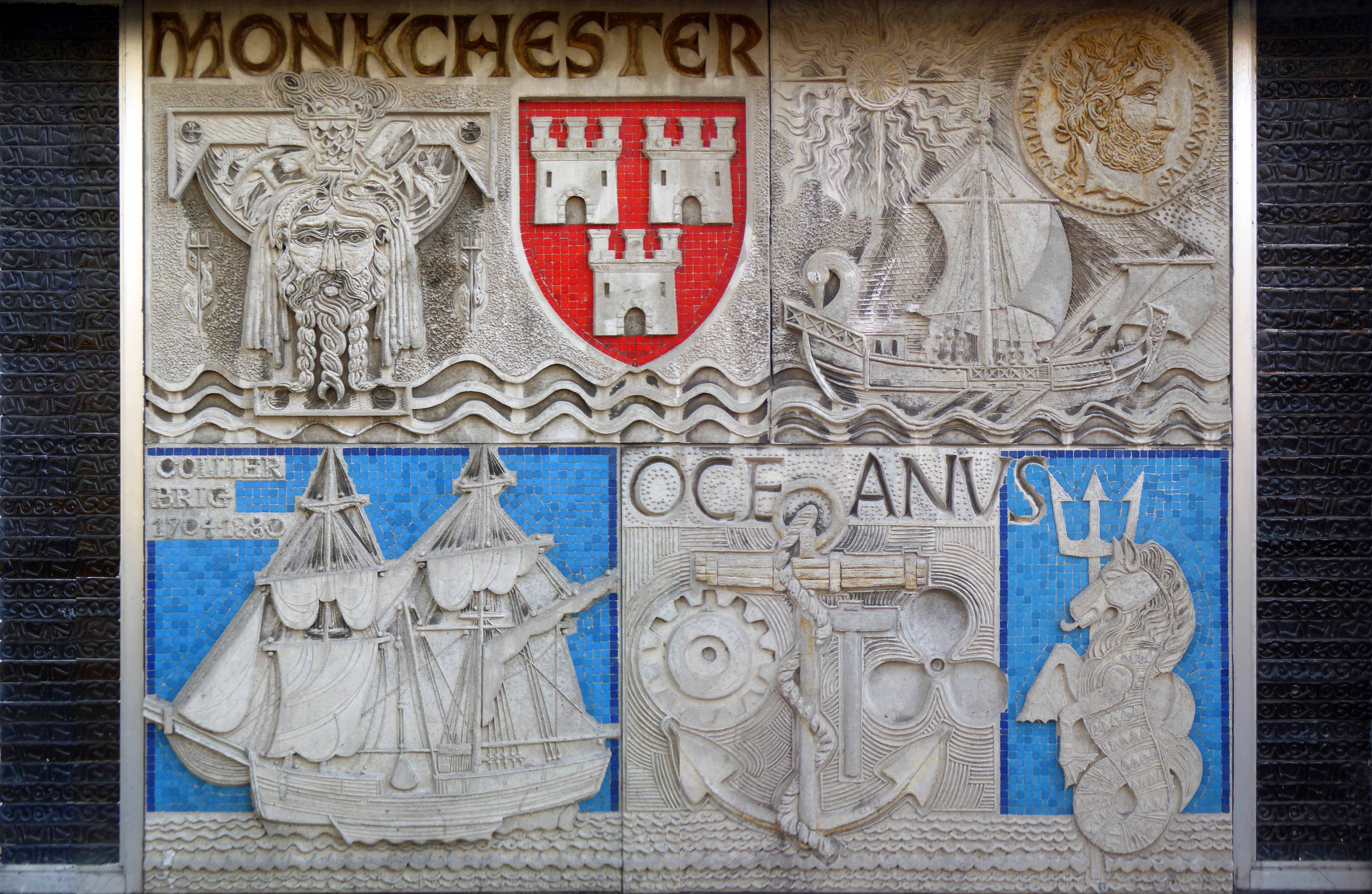
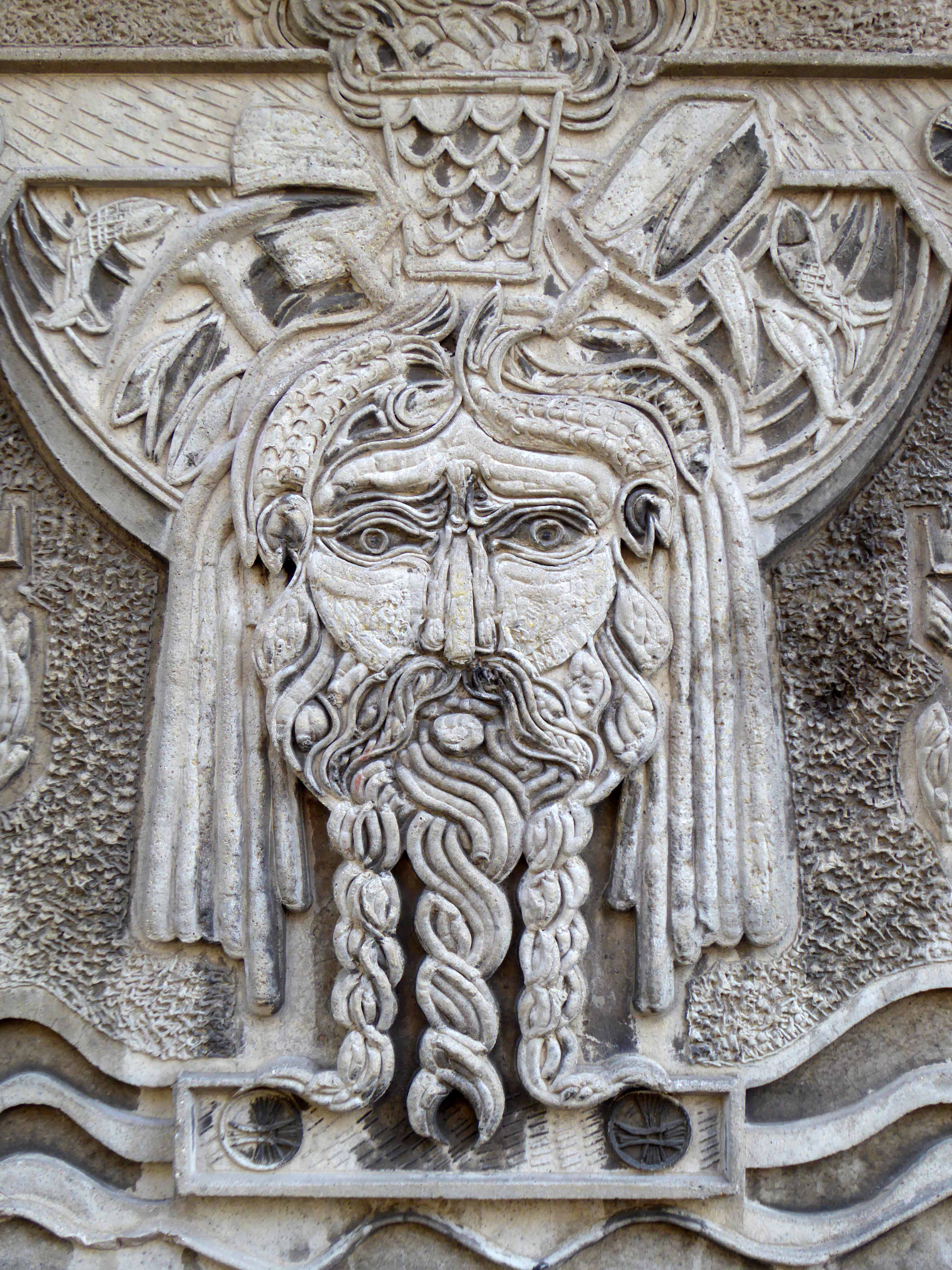
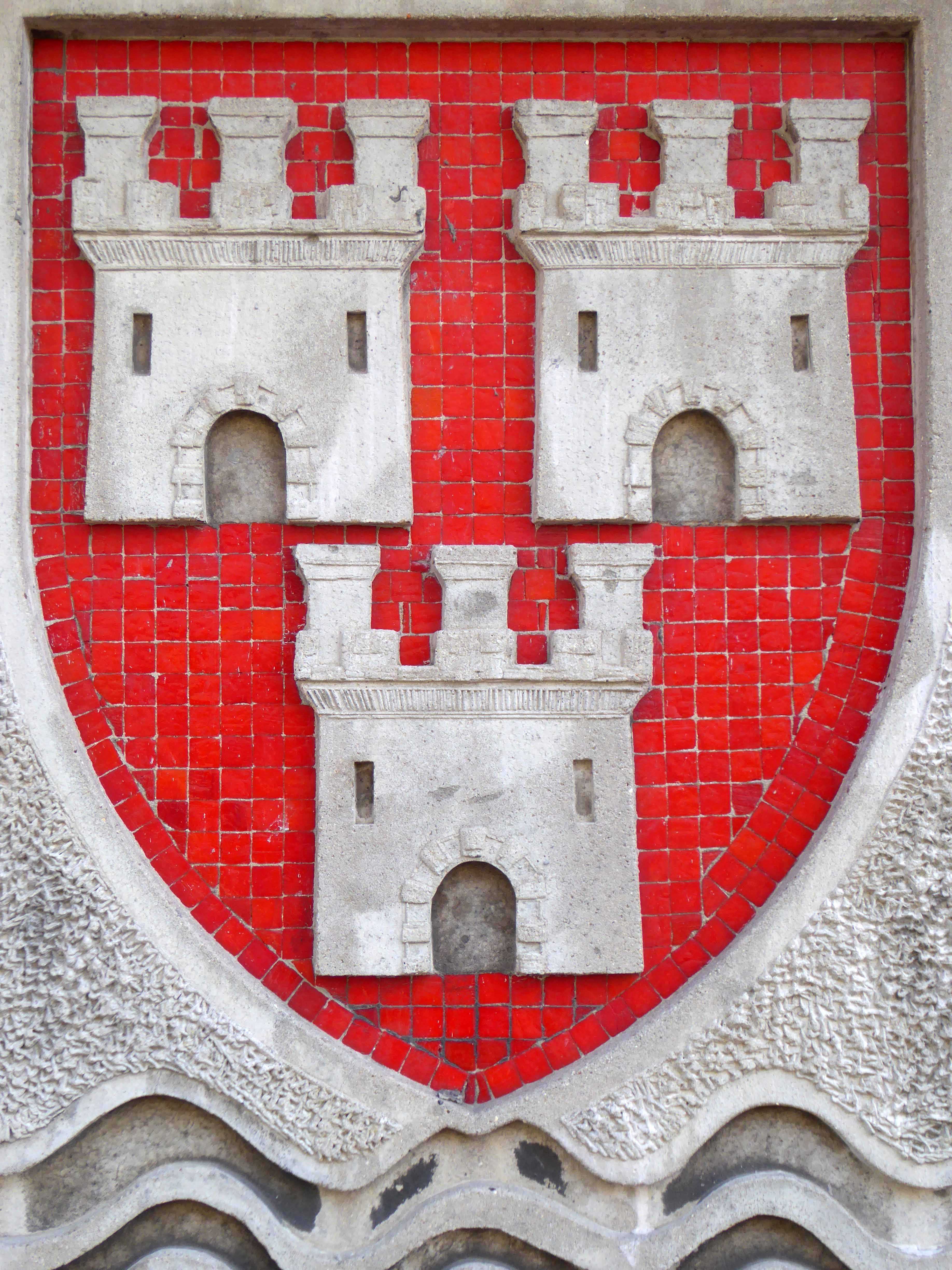
The left panel contains the following inscriptions and images Monkchester with Roman head and Newcastle coat of arms. Roman ship and golden coin. Collier Brig 1704-1880 with ship. Oceanus with anchor and seahorse with trident. The right panel contains the following inscriptions and images: Jupiter Fortuna with two figures. Engineering; Davy and Stephenson; coal mining ship building with images of same. G & R Stephenson; Armstrong Whitworth; Rocket 1829 with image of first steam engine. Armstrong 12 Pounder RA with image of gun. 1878 J.Swan Pons Aelius with bridges depicted below. Turbinia and image of ship. Various churches with names carved about including Grainger Dobson 1865; 1838 Green Stokoe; Bewick with a swan; a figure and Brigantia. Final section on far right has Geordie over two figures, then the Keel Row with a loading boat at the bottom. 

Information from – PMSA

P1160129

The building was originally developed by C&A and it is thought that funding for the reliefs might have been provided by the store and/or Northern Arts. It became BHS which subsequently closed last year, the building is now occupied by Primark, C&A estates still own the site. 
    panel 1

panel 2

The mural illustrated the cover of the 1975 Newcastle Festival.

NewcastleFestival1975

NewcastleFestival19752

P1160116

P1160117

P1160118

P1160119

P1160121

P1160122

P1160124

P1160125

P1160126

P1160127

Ghost Signs – Scarborough

All towns have ghosts, none more so than Scarborough.

High atop a castle topped, wind whipped promontory, lies Anne Bronte, overlooking the harbour below, wayward Whitby whalers wail, lost fisher folk seek solace.

Its walls ache with traders past, scissors that no longer snip, click-less shutters, unlettered rock and loaves that no longer rise.

Layers of sun baked, peeling paint on brick, rendered almost illegible.

As Alan Resnais would say Scarborough, mon amour!

P1150490

P1150639

P1150671

P1150677

P1150696

P1150742

P1150743

P1150744

P1150745

P1150757

P1150761

P1150764

P1150765

P1150766

P1150767

P1150768

P1150769

P1150771

P1150772

P1150774

P1150778

P1150787


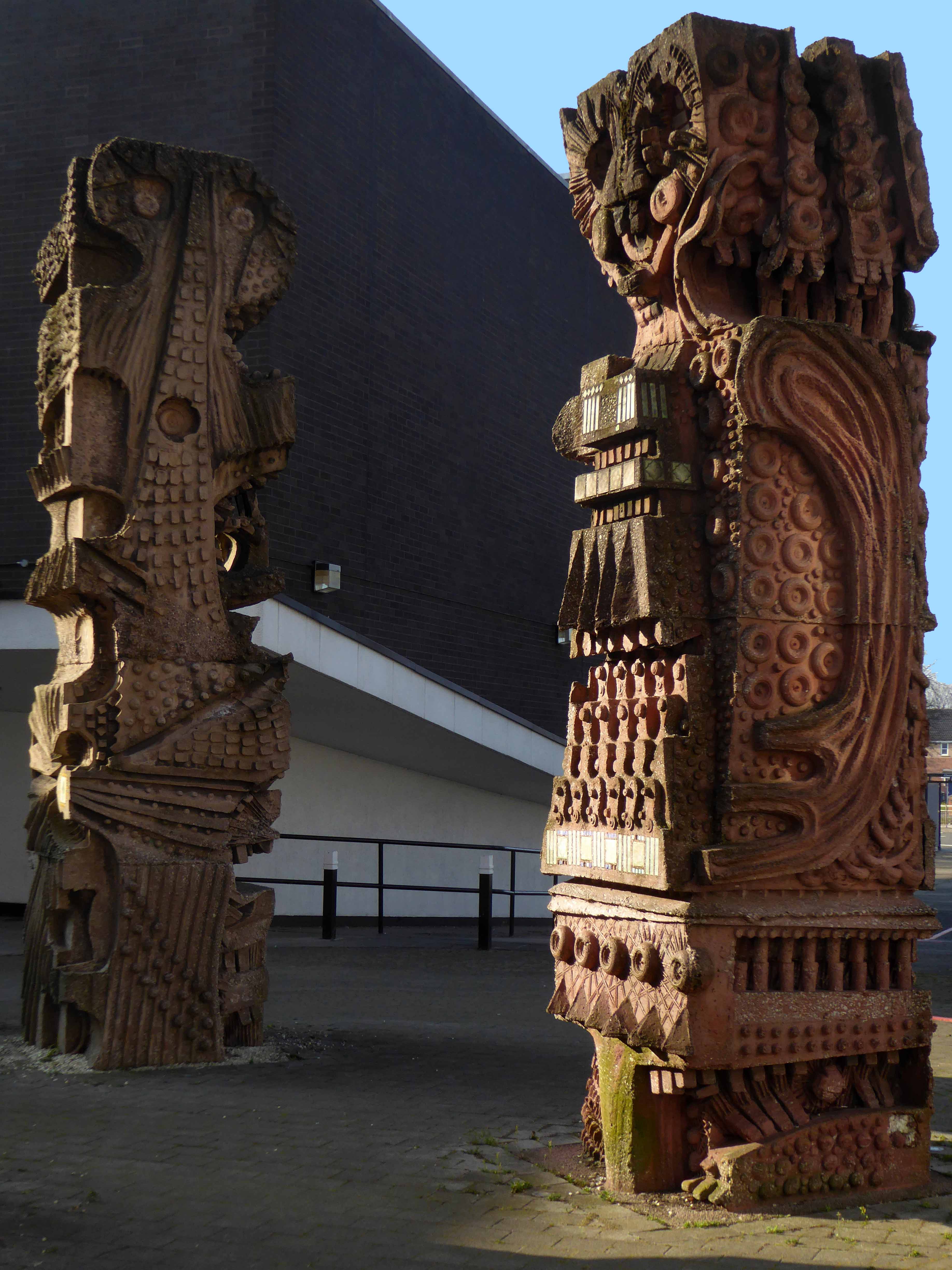
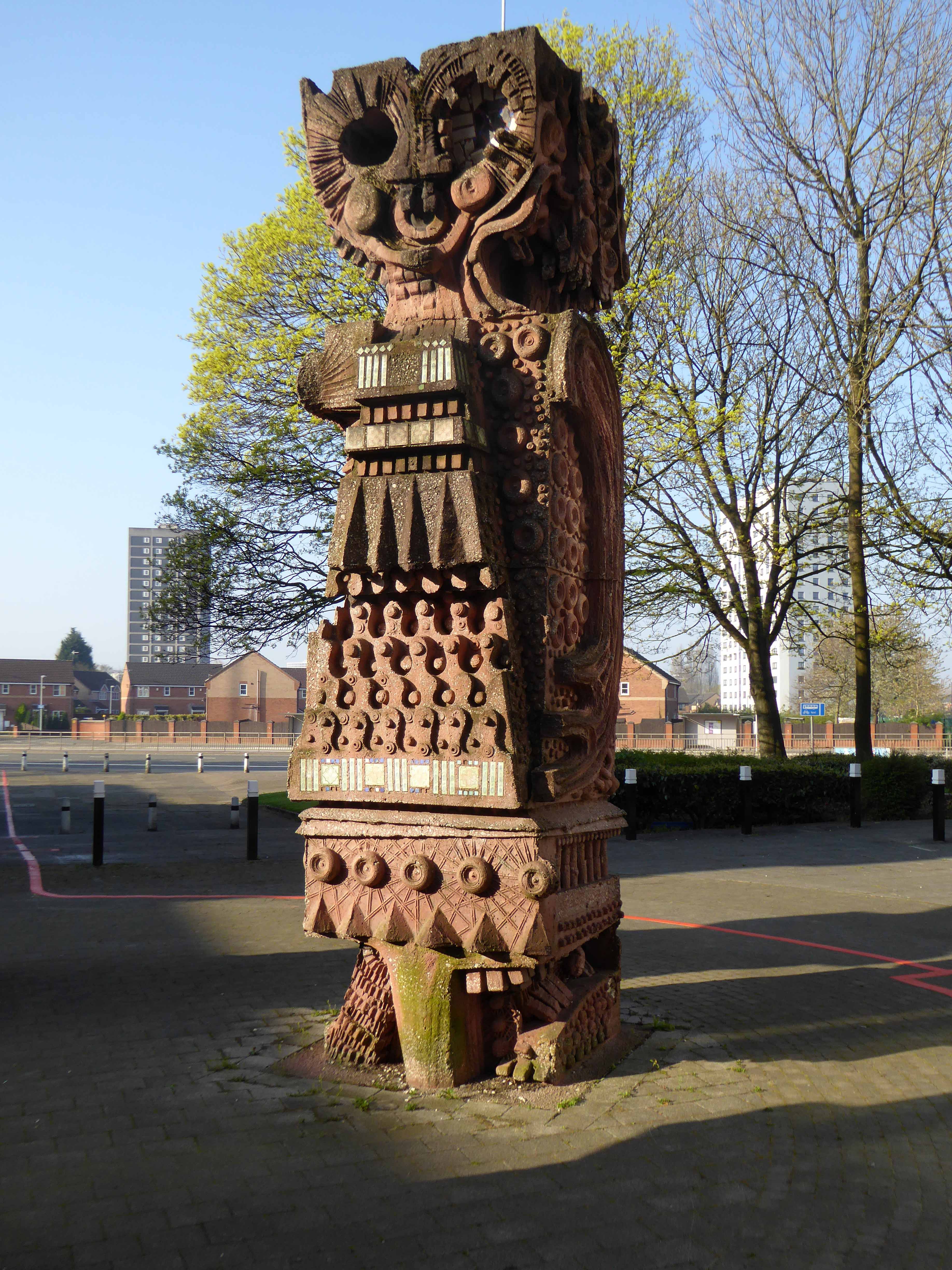
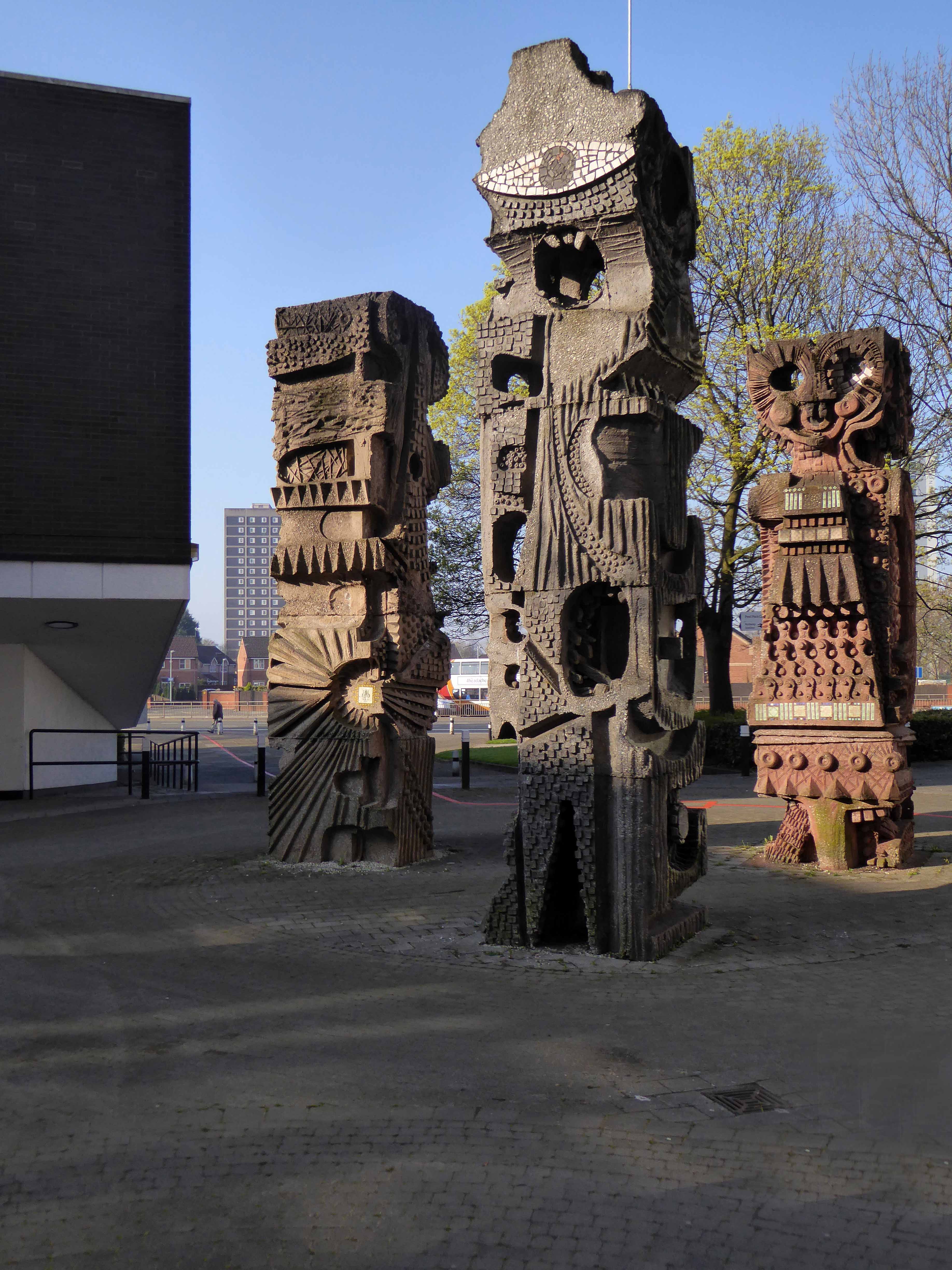
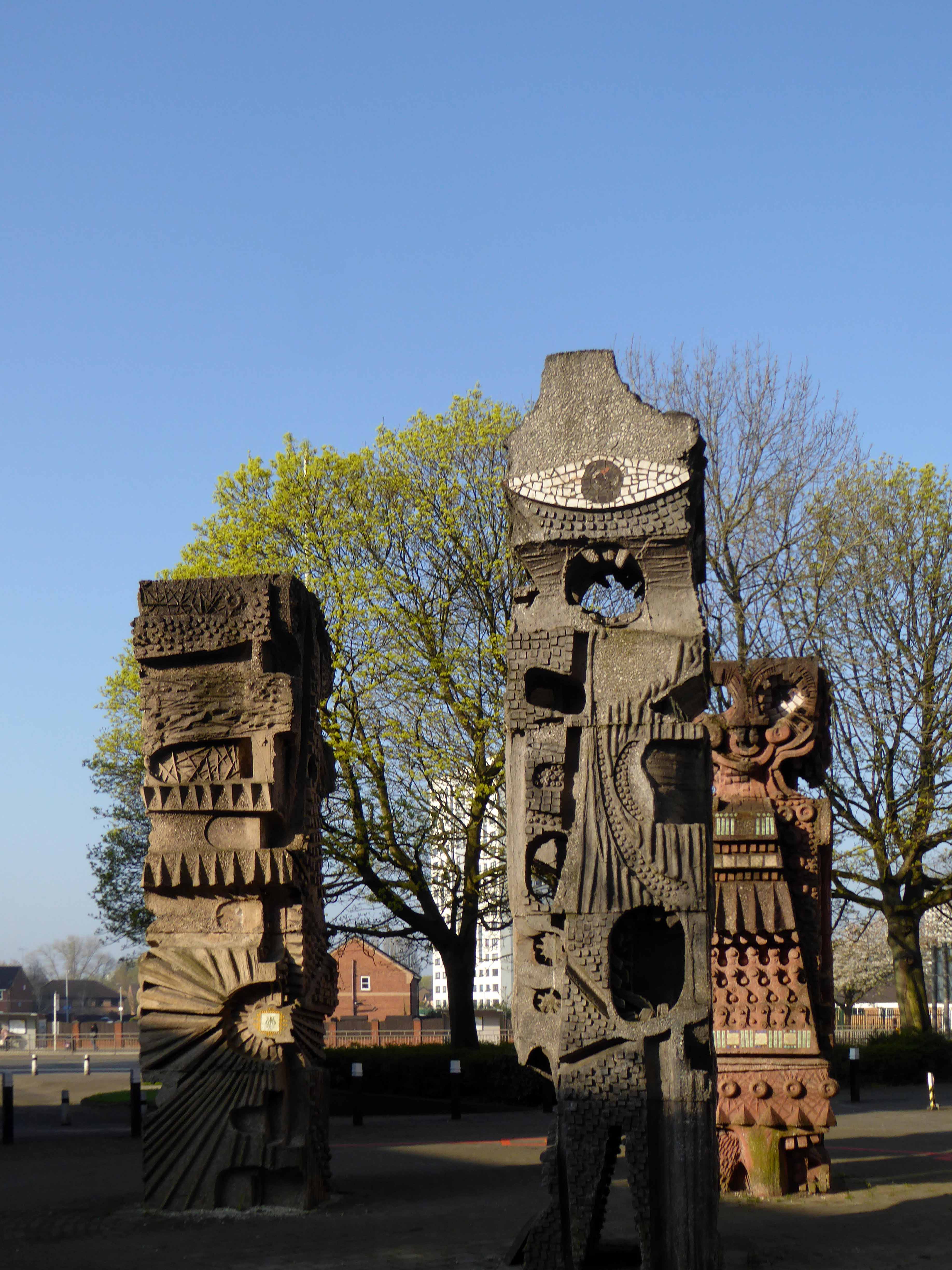
Minut Men Totems – Salford

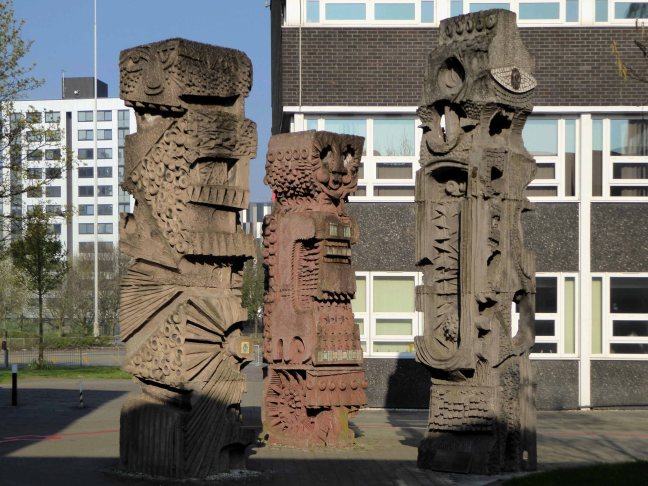
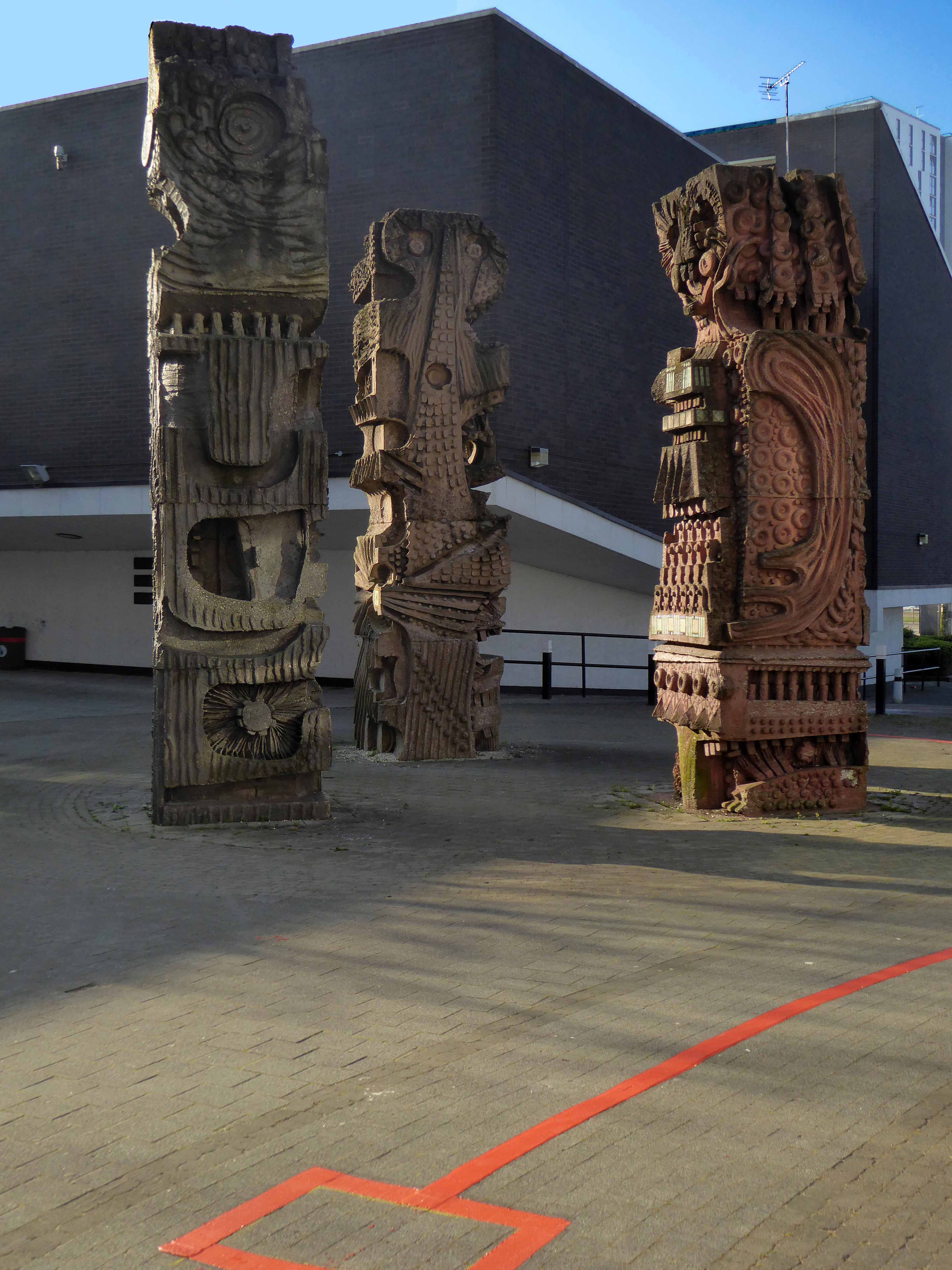
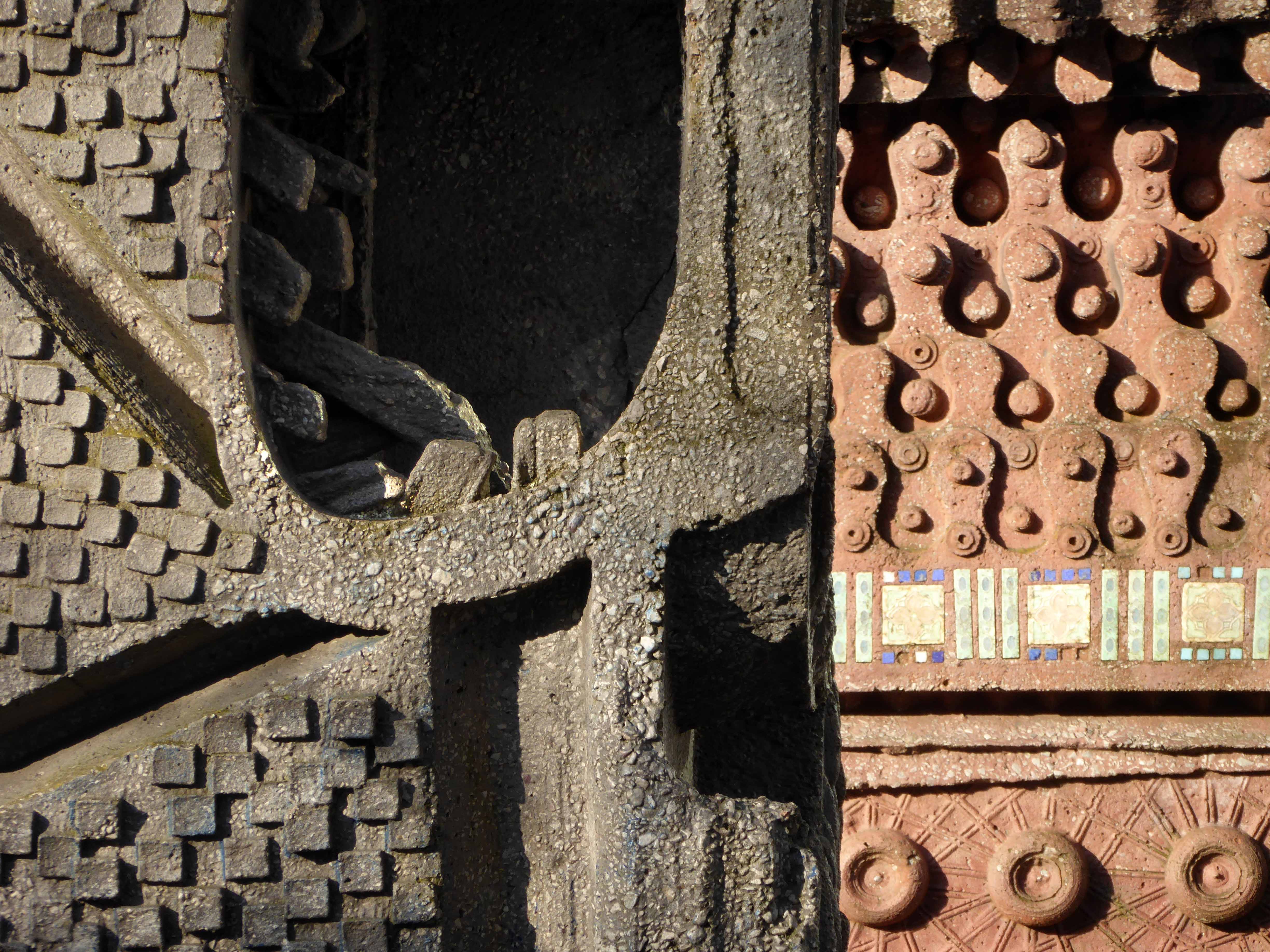
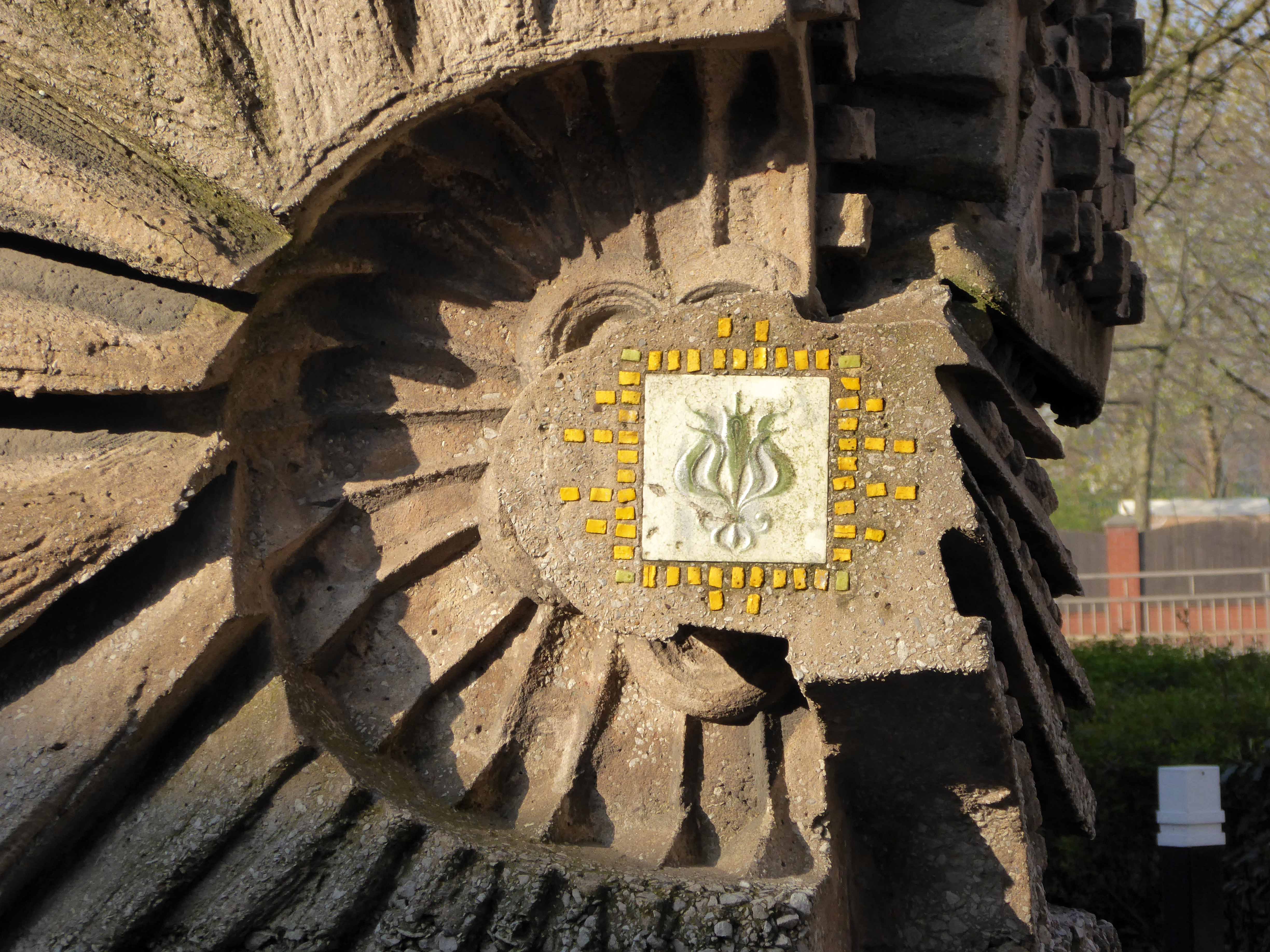
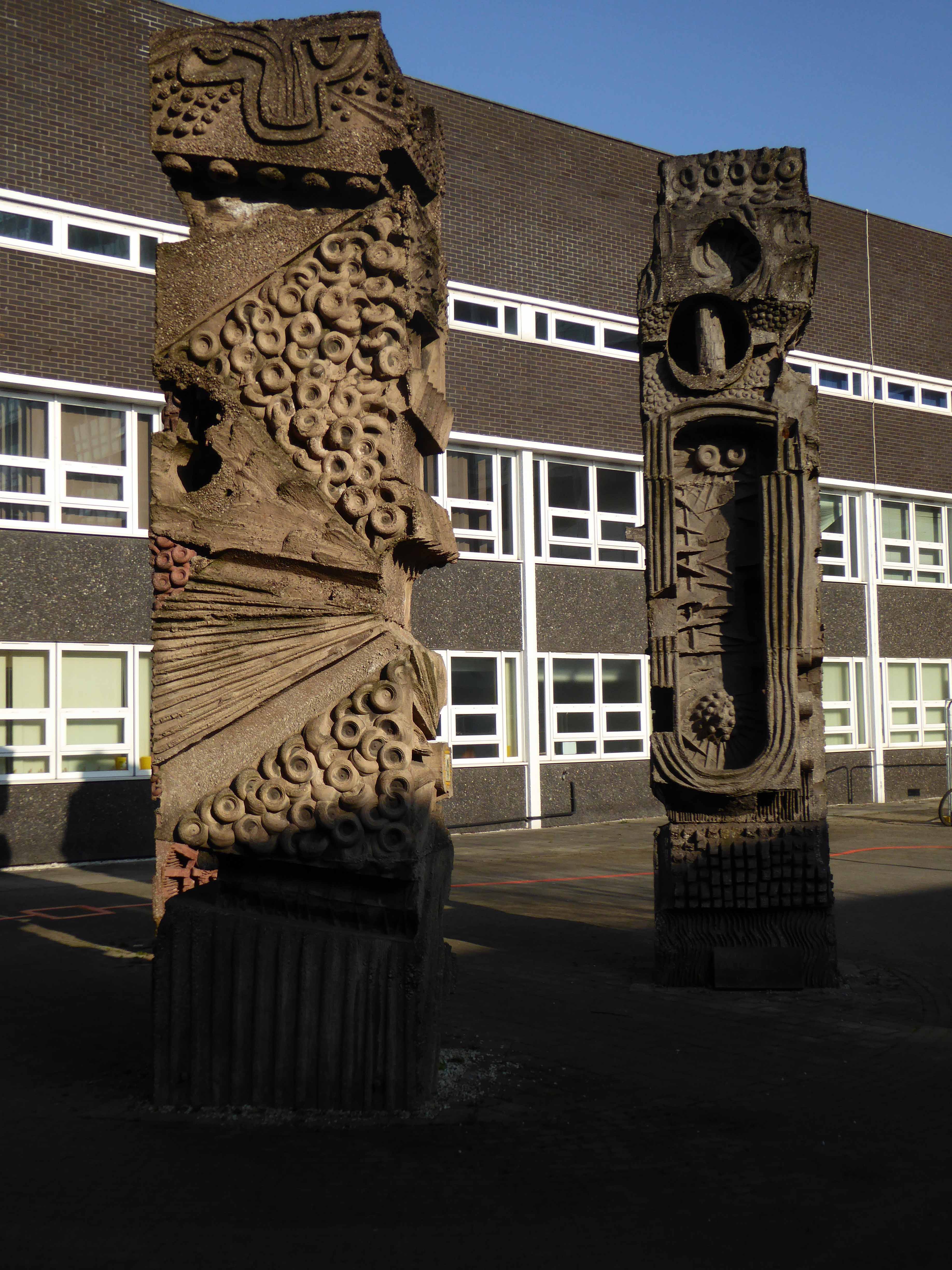
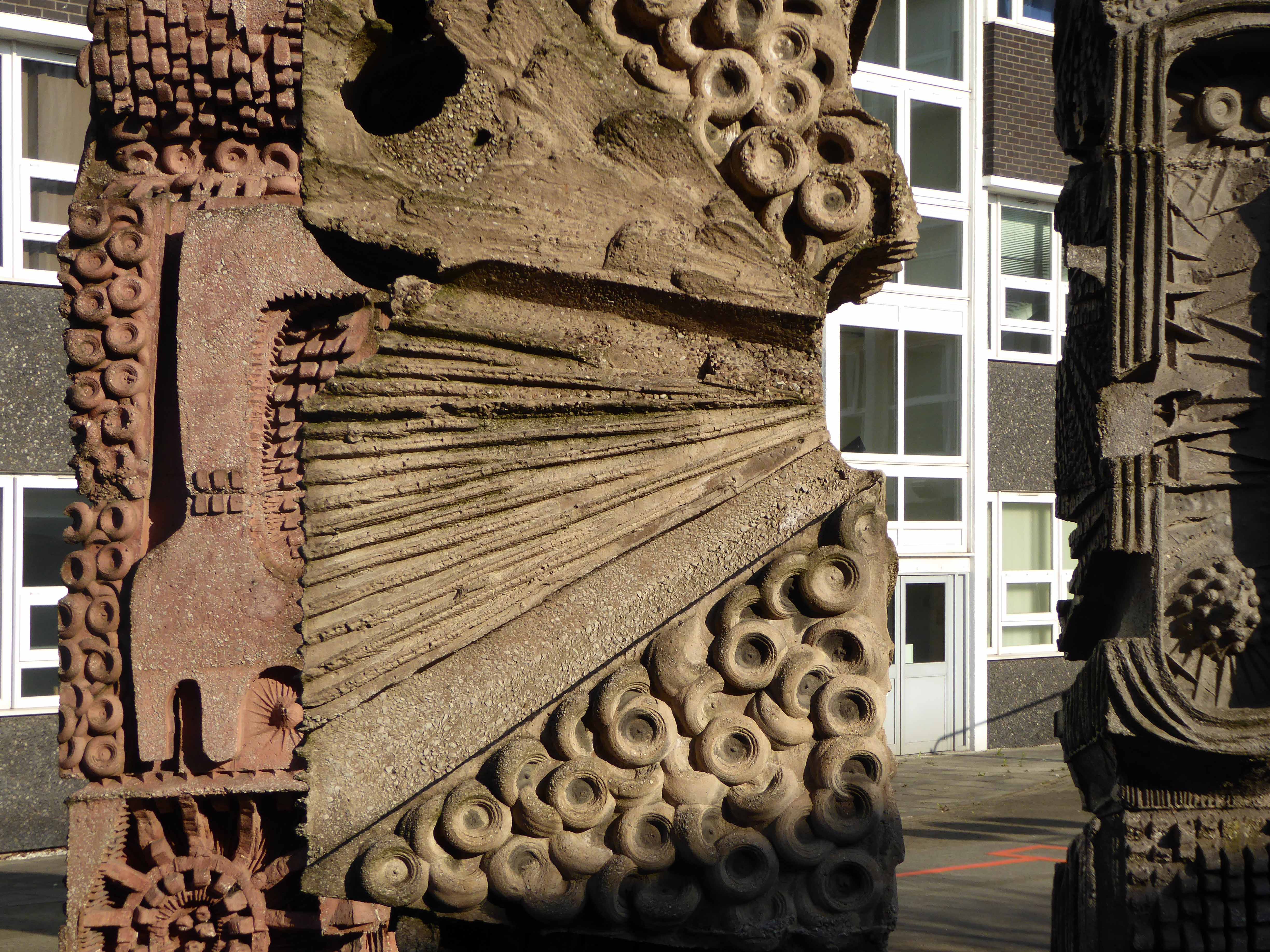
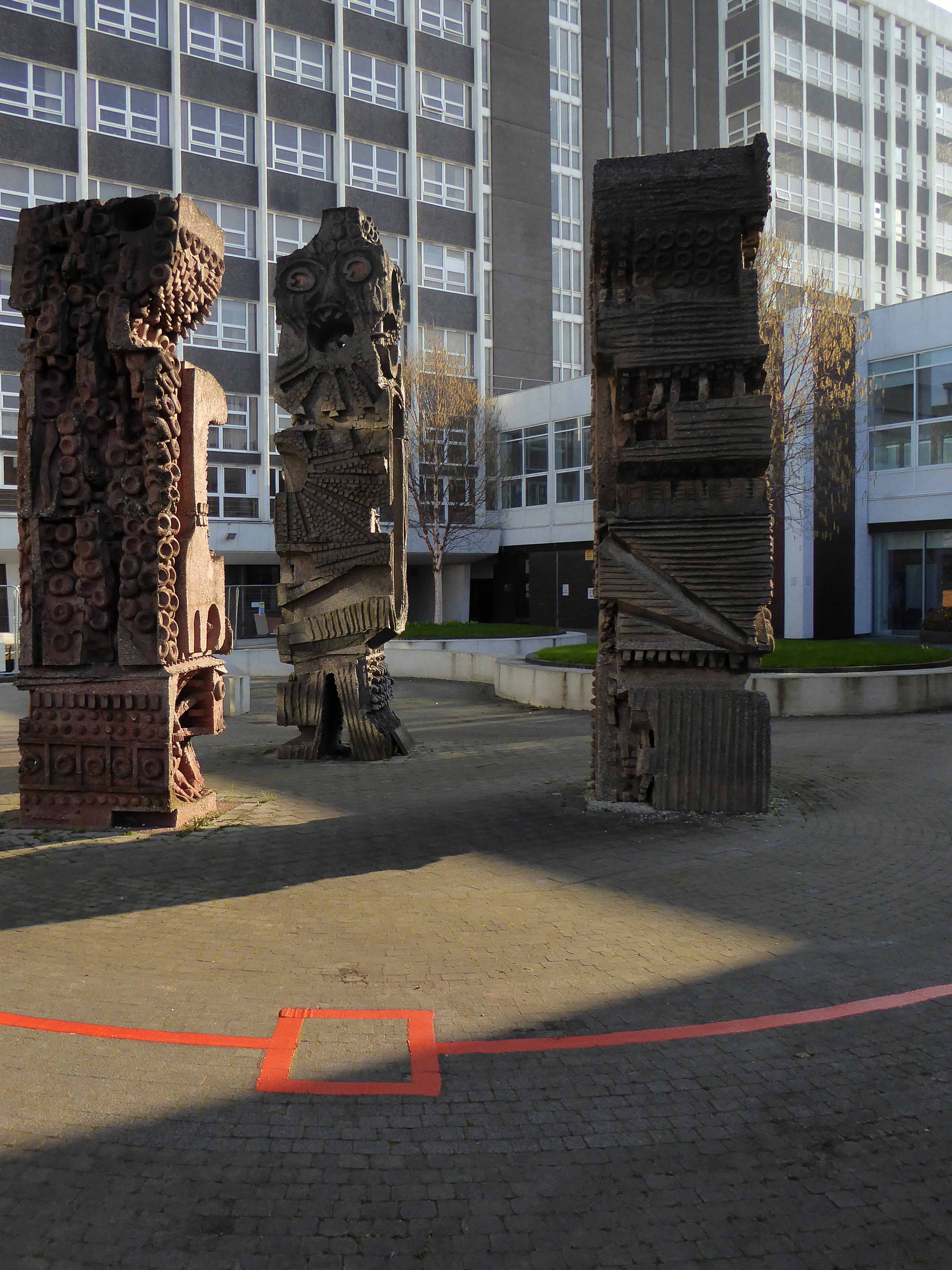
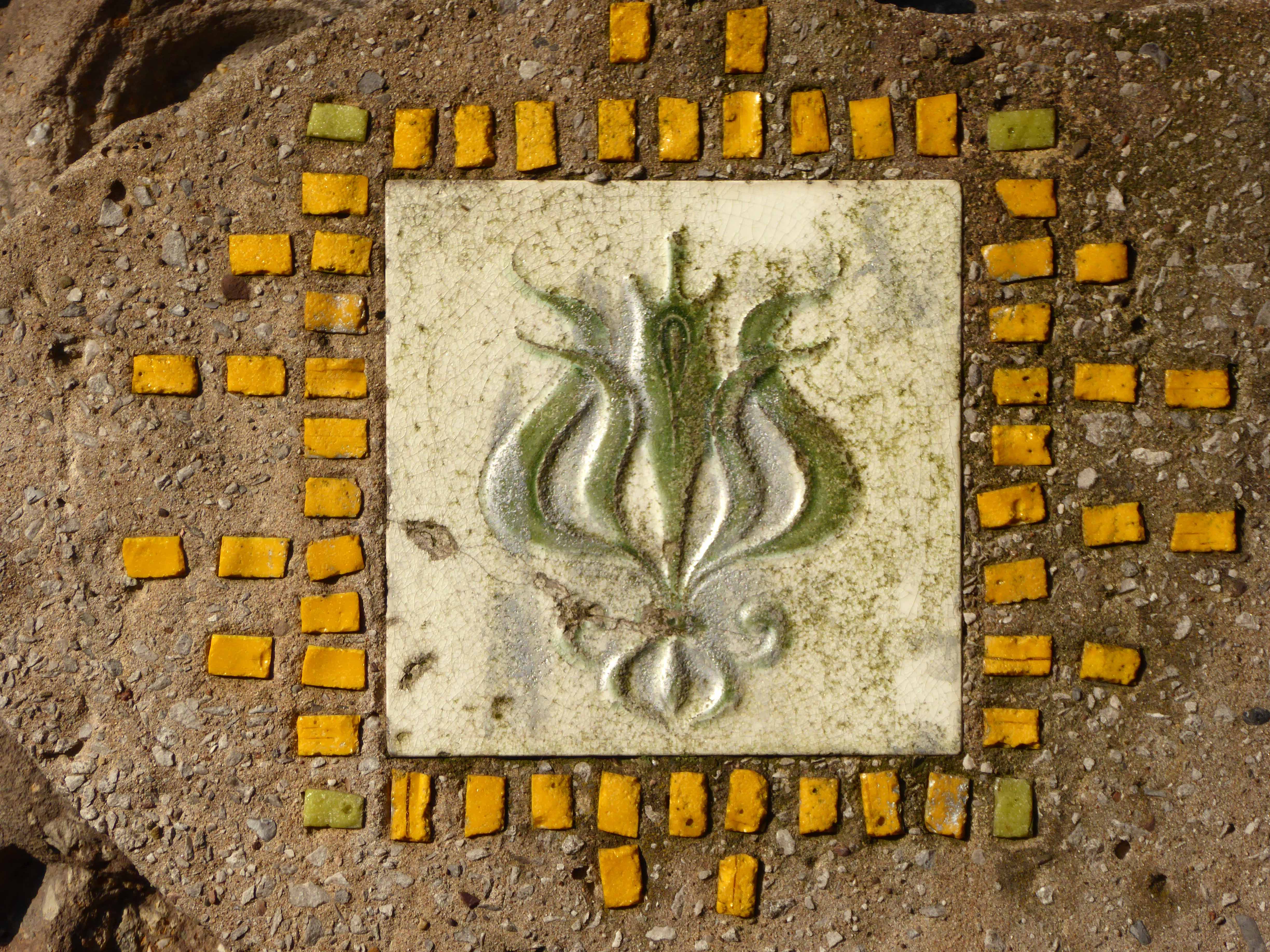
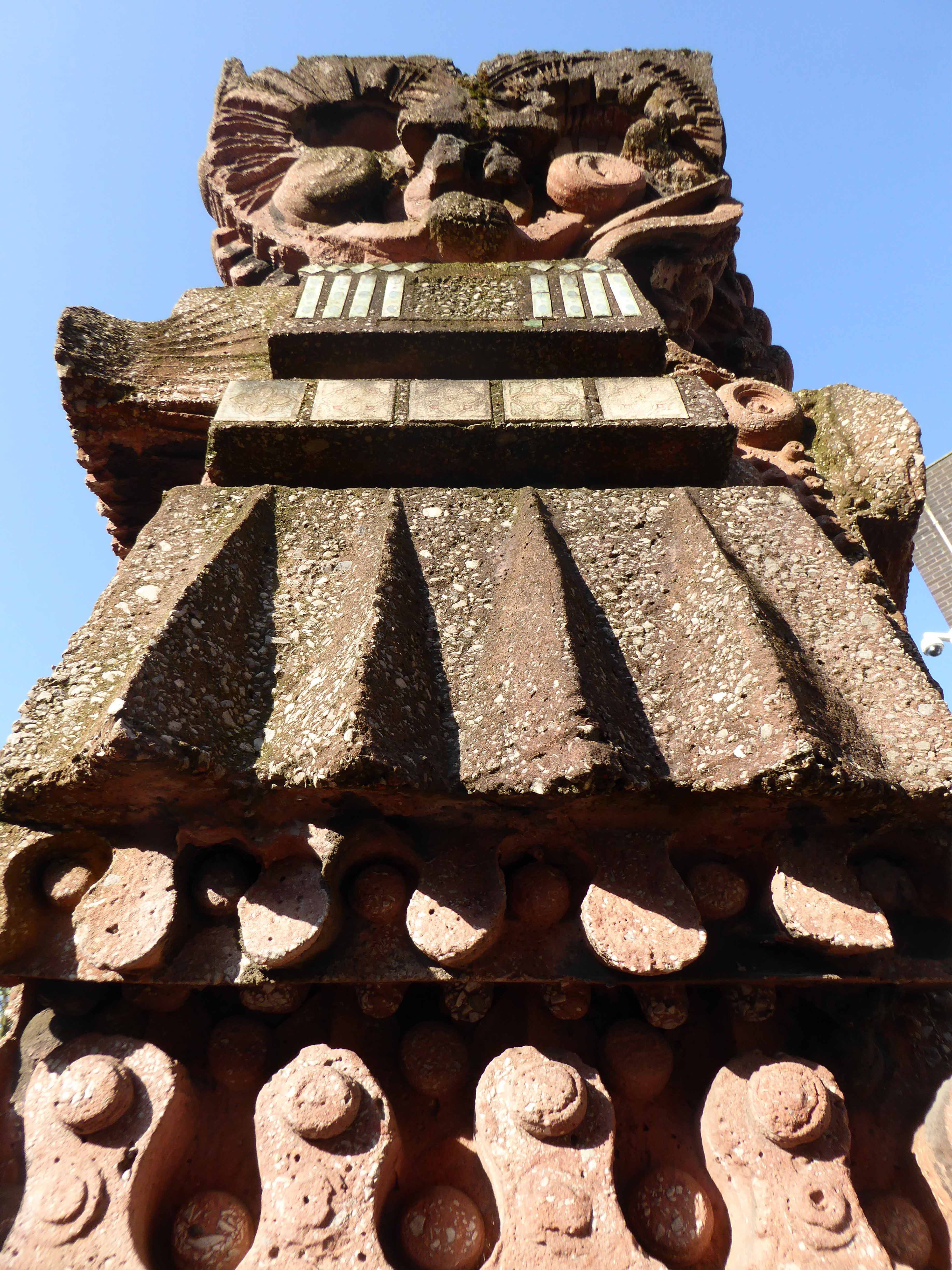
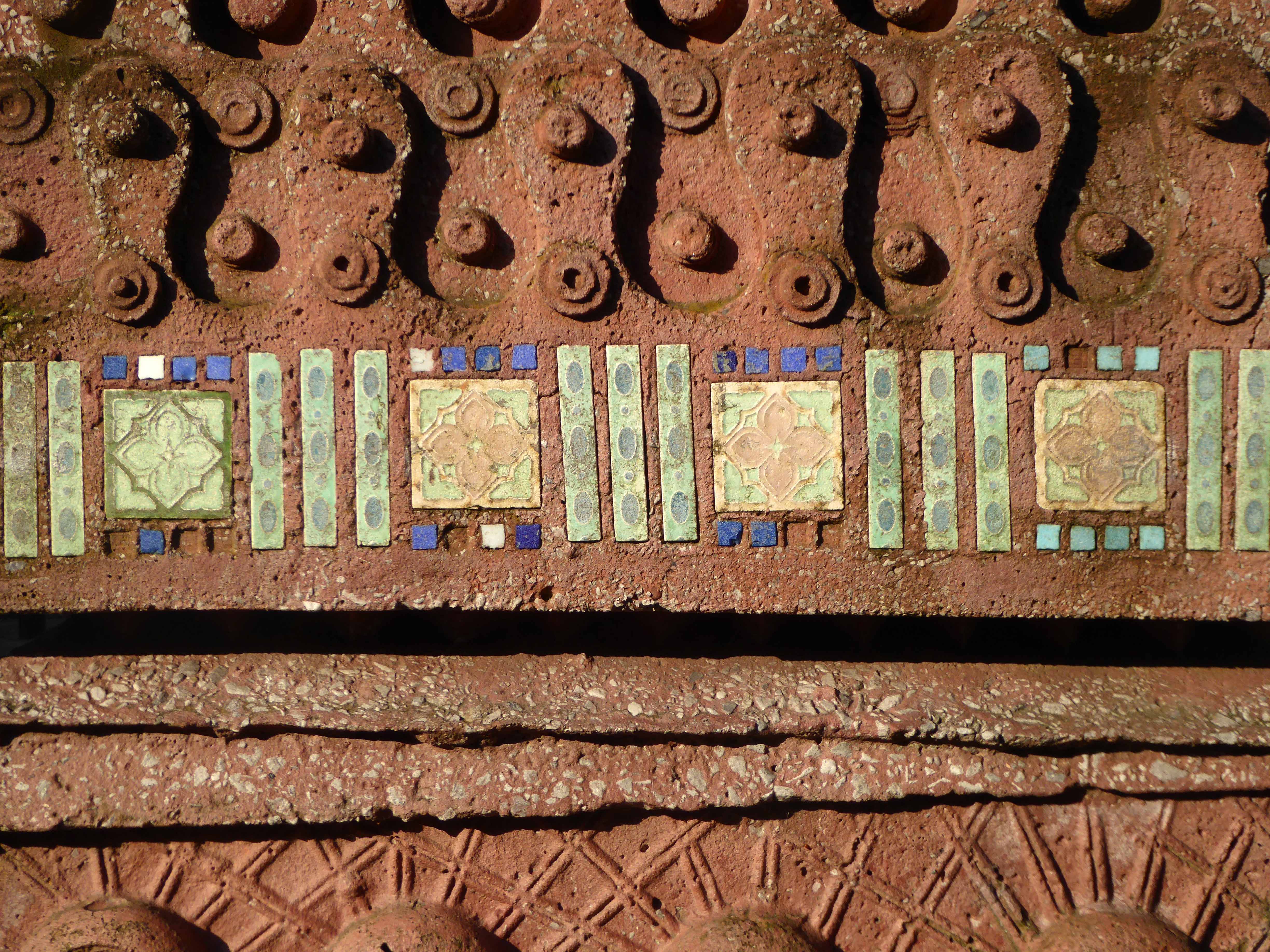
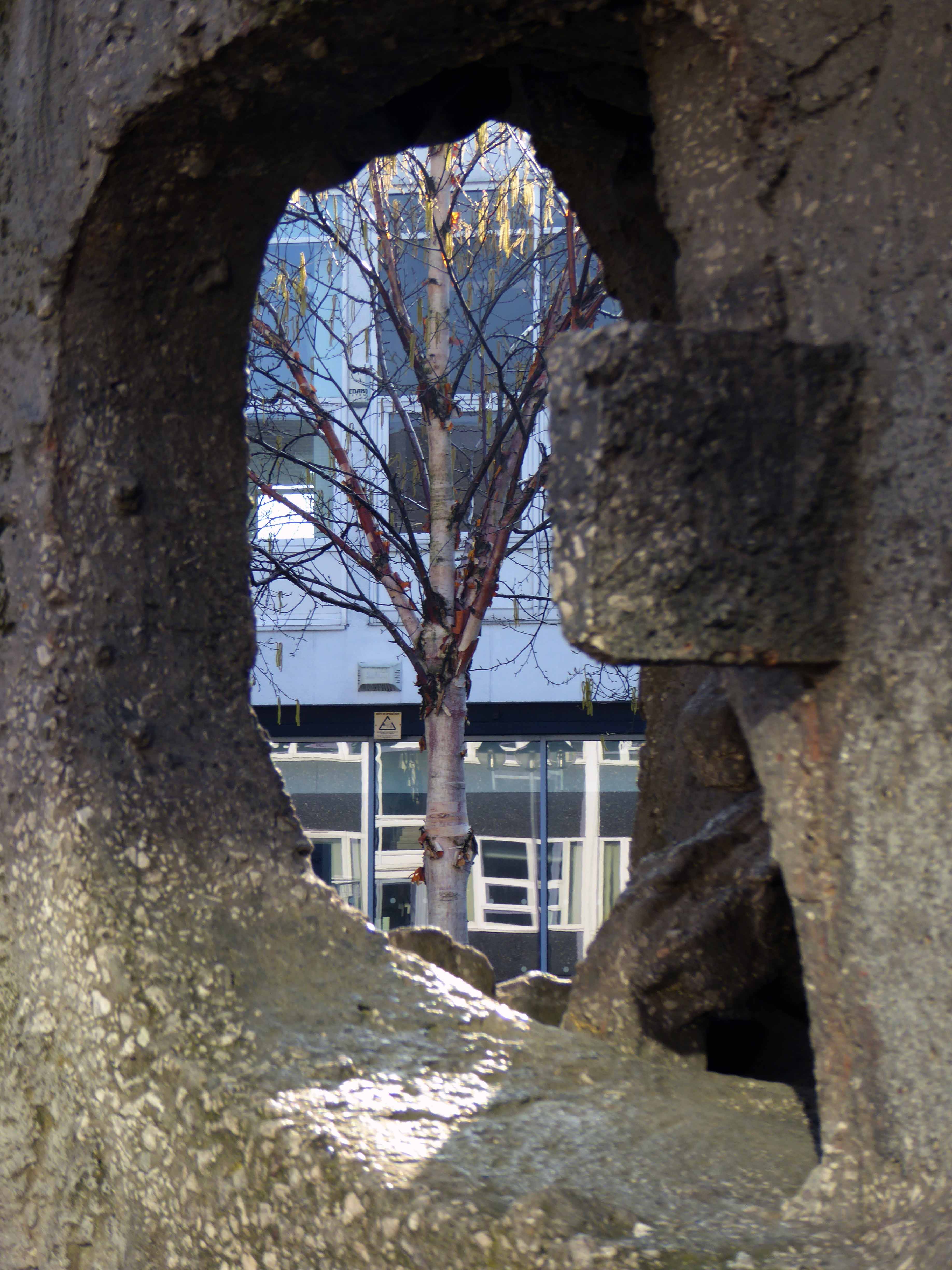
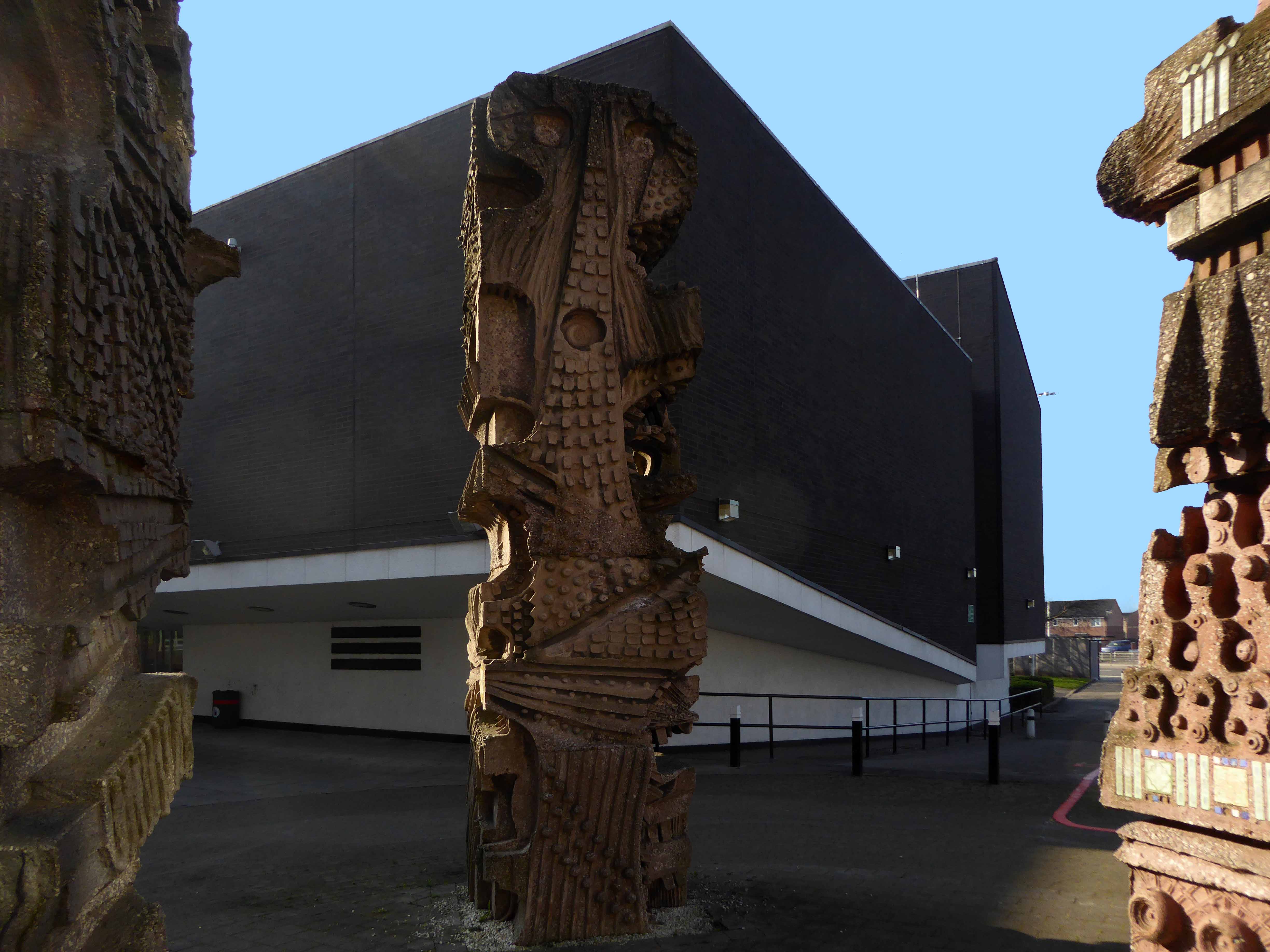
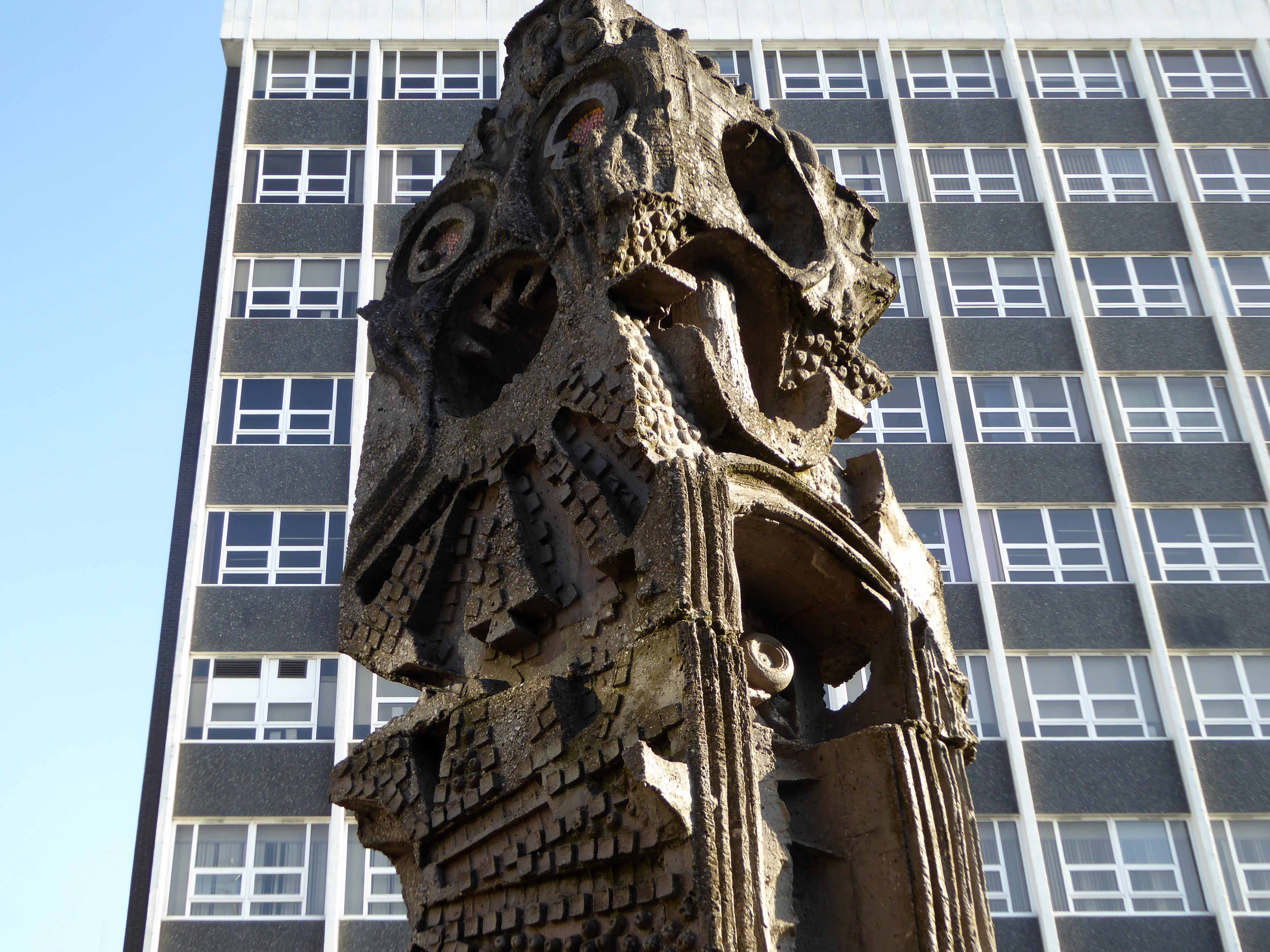
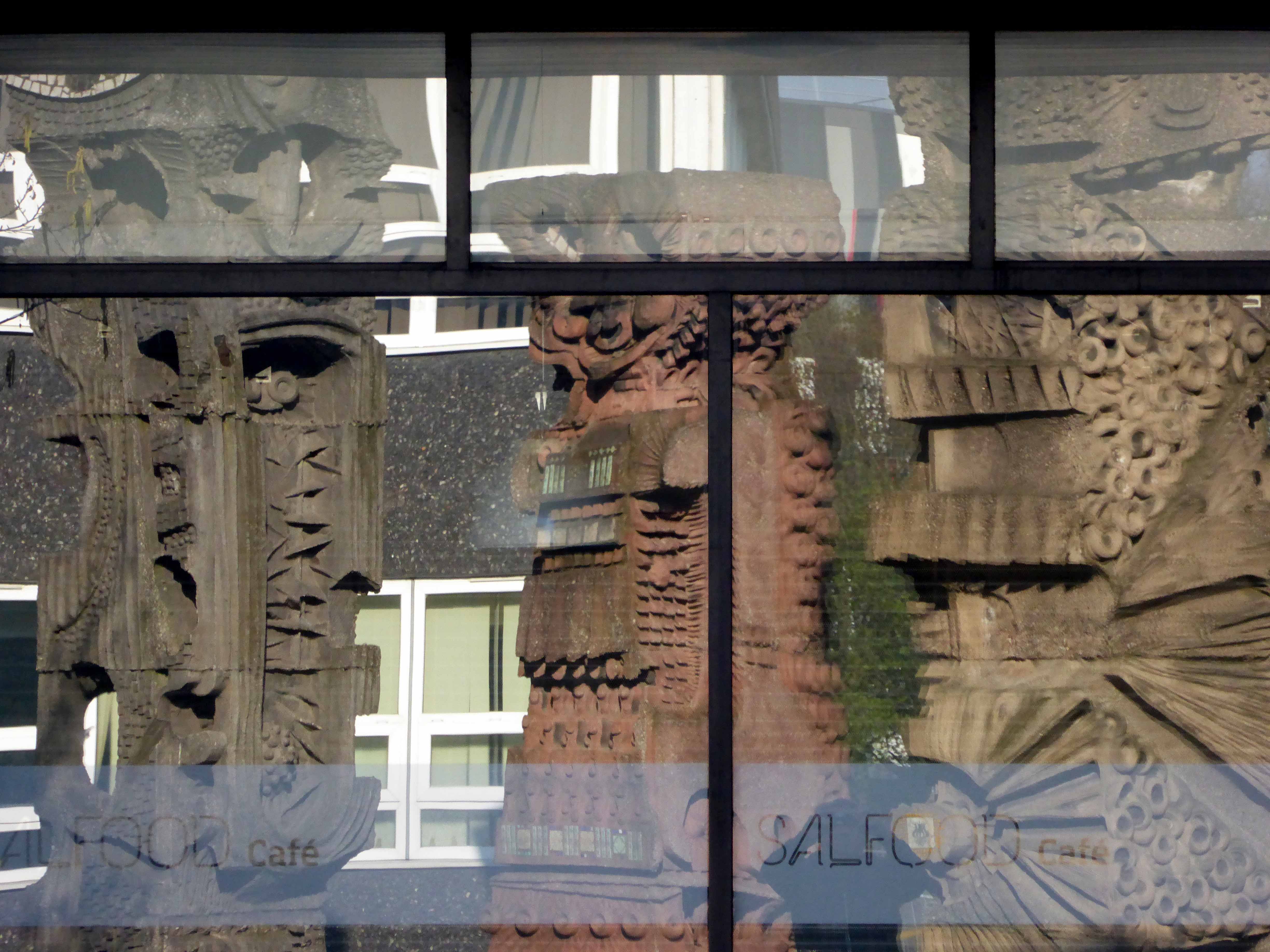
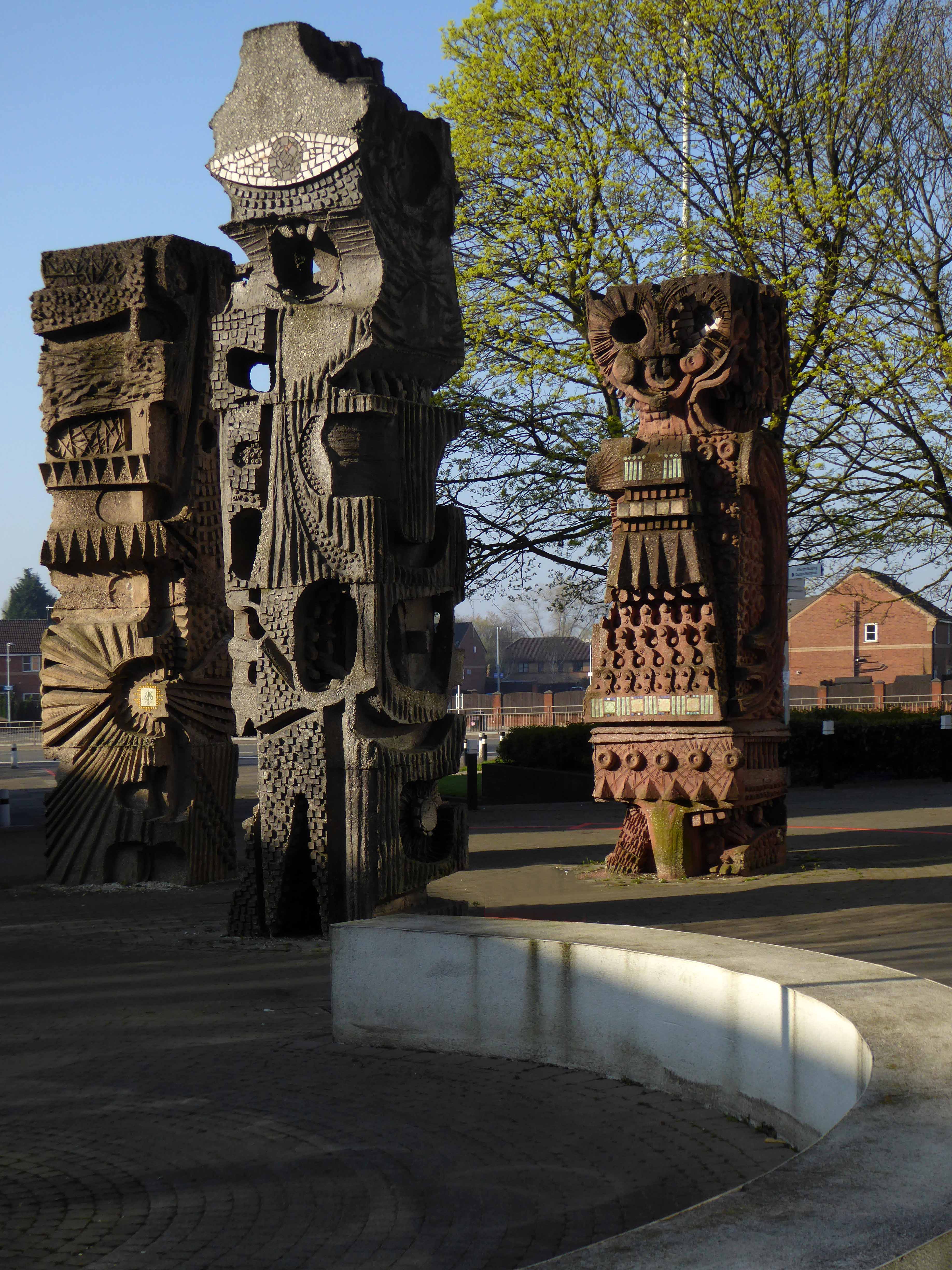
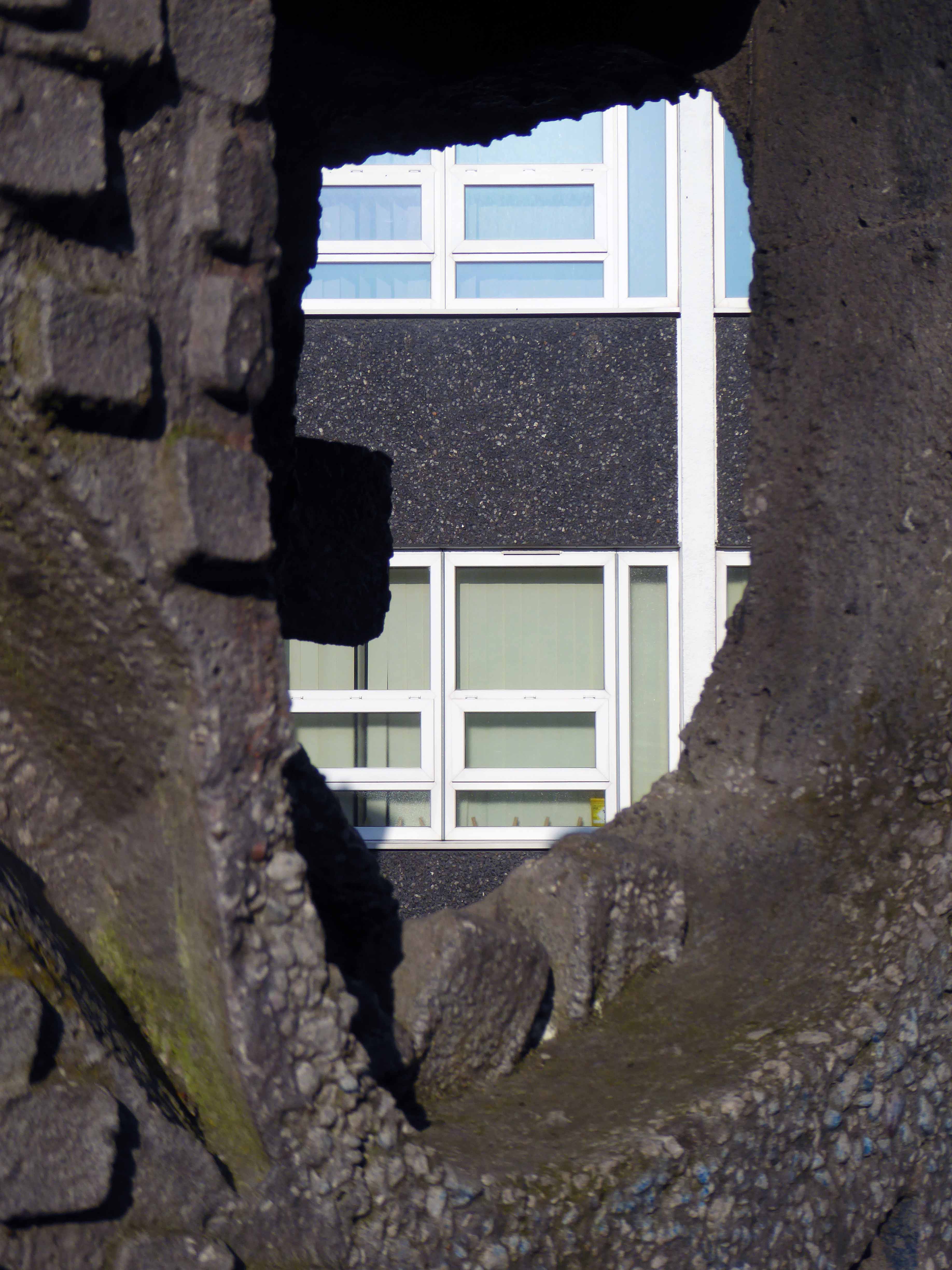
The three concrete totem sculptures of 1966 by William Mitchell, which stand in the courtyard of the Allerton Building, University of Salford, are recommended for designation at Grade II for the following principal reasons: * Historic Interest: as a good representative example of the commissioning of public artwork as an integral element of the design of new higher education colleges and universities in the post-war period, here succeeding in imbuing a distinct identity and image on an otherwise relatively plain complex.

So it seemed appropriate to cycle to Salford early one sunny Saturday morning, in an otherwise relatively plain manner in order to see the three totems.

William Mitchell was a leading public artist in the post-war period who designed many pieces of art in the public realm, working to a high artistic quality in various materials but most notably concrete, a material in which he was highly skilled, using innovative and unusual casting techniques, as seen in this sculptural group. He has a number of listed pieces to his name, both individual designs and components of larger architectural commissions by leading architects of the day.

Historic England says so, they loved them so much they listed them Grade II.

I loved them so much I listed them lovely, especially in lowish spring light, set against a clear blue sky and framed by the surrounding academic buildings.

Further info here on Skyliner

Go take a look.
P1140759

P1140760

P1140761

P1140762

P1140764

P1140766

P1140767

P1140770

P1140771

P1140774

P1140776

P1140777

P1140778

P1140779

P1140780

P1140784

P1140786

P1140789

P1140790


Newcastle upon Tyne – Civic Centre

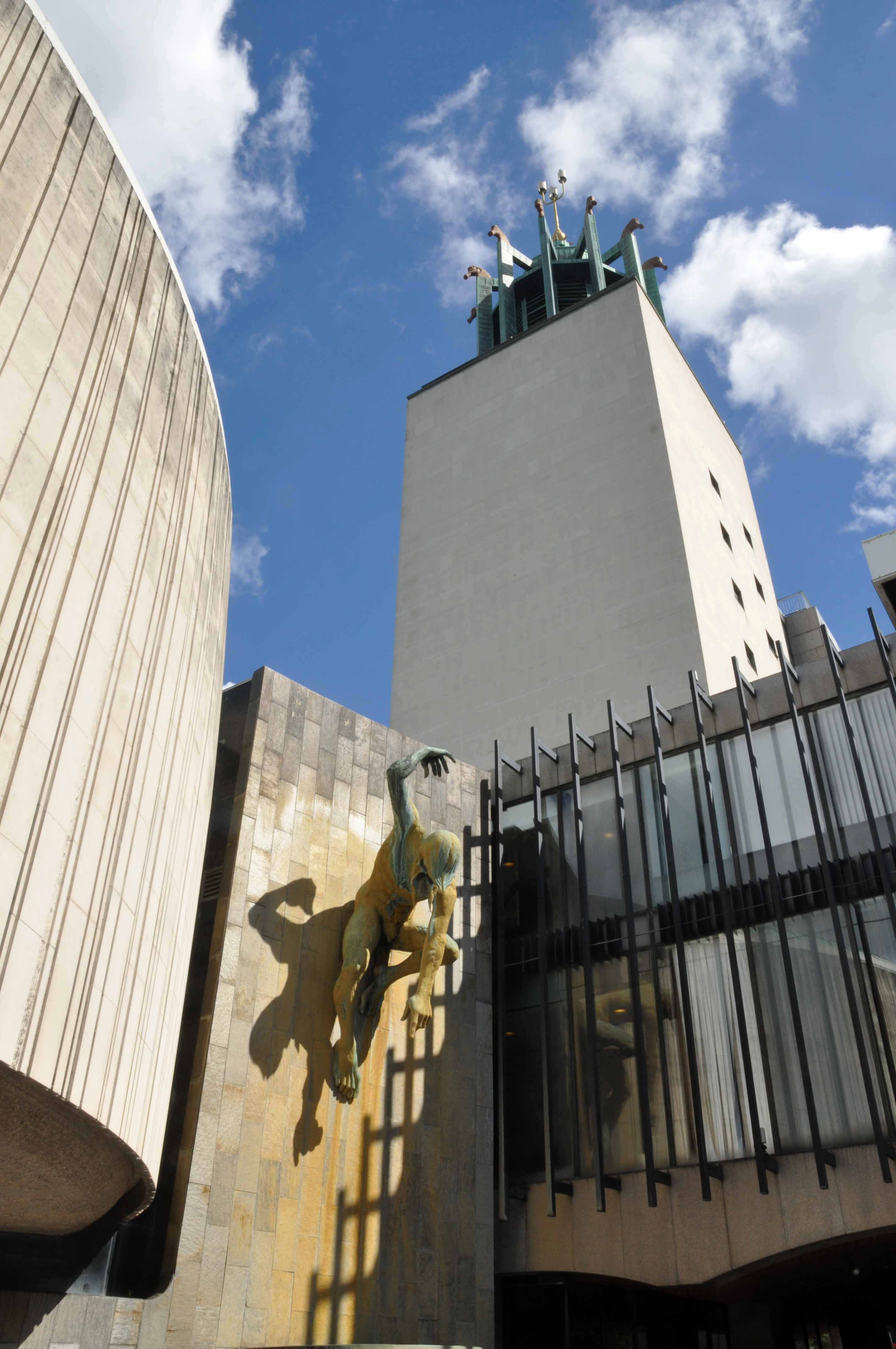
Hope, we need a little hope, here embodied in a huge municipal undertaking.
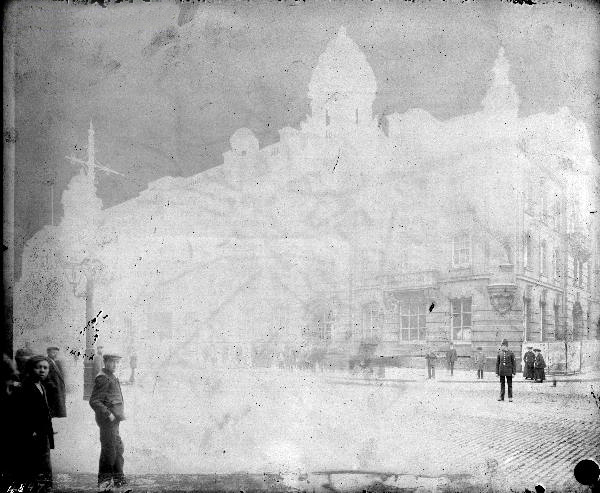
Having survived the indignity of the Luftwaffe’s absence, Newcastle set about the task of knocking itself down. T Dan Smith’s Brasilia of the North had to be built, the self-styled former revolutionary communist, Sunday painter and jail bird had a vision – fuelled by that hopped up, post war optimism that had engulfed the land.

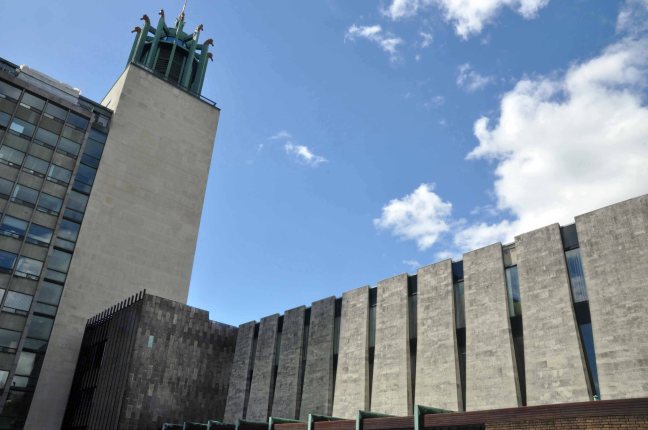
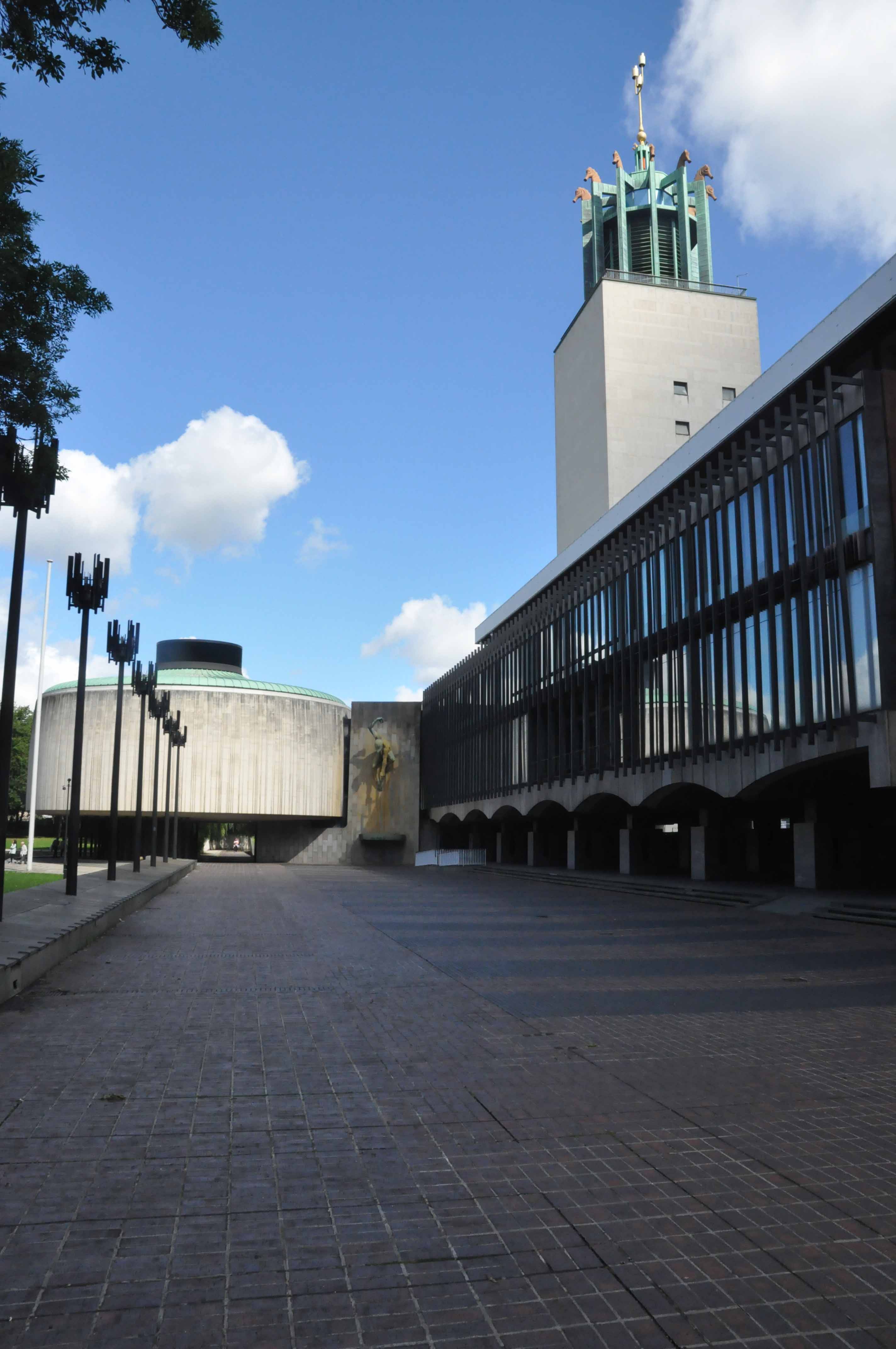
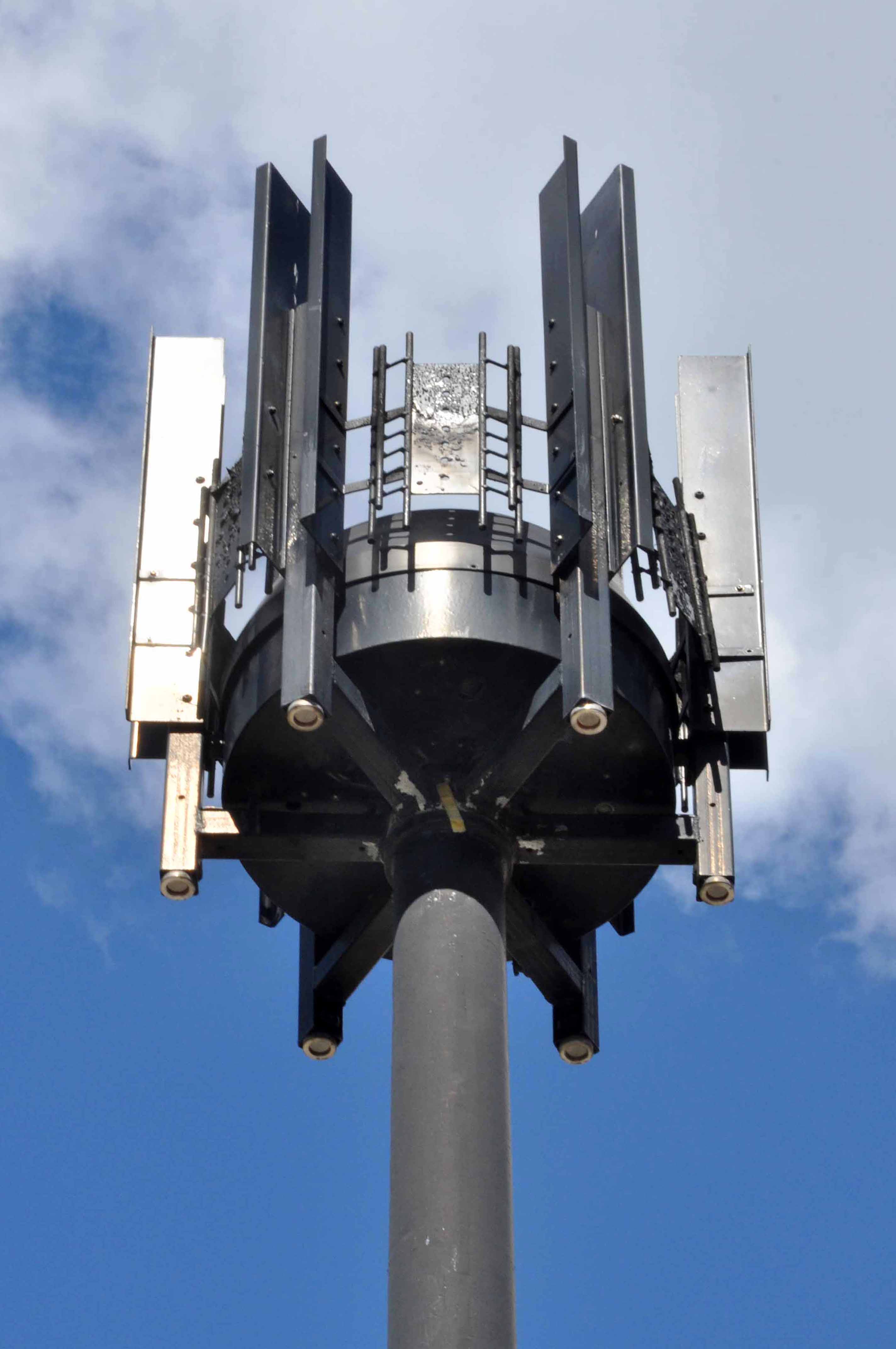
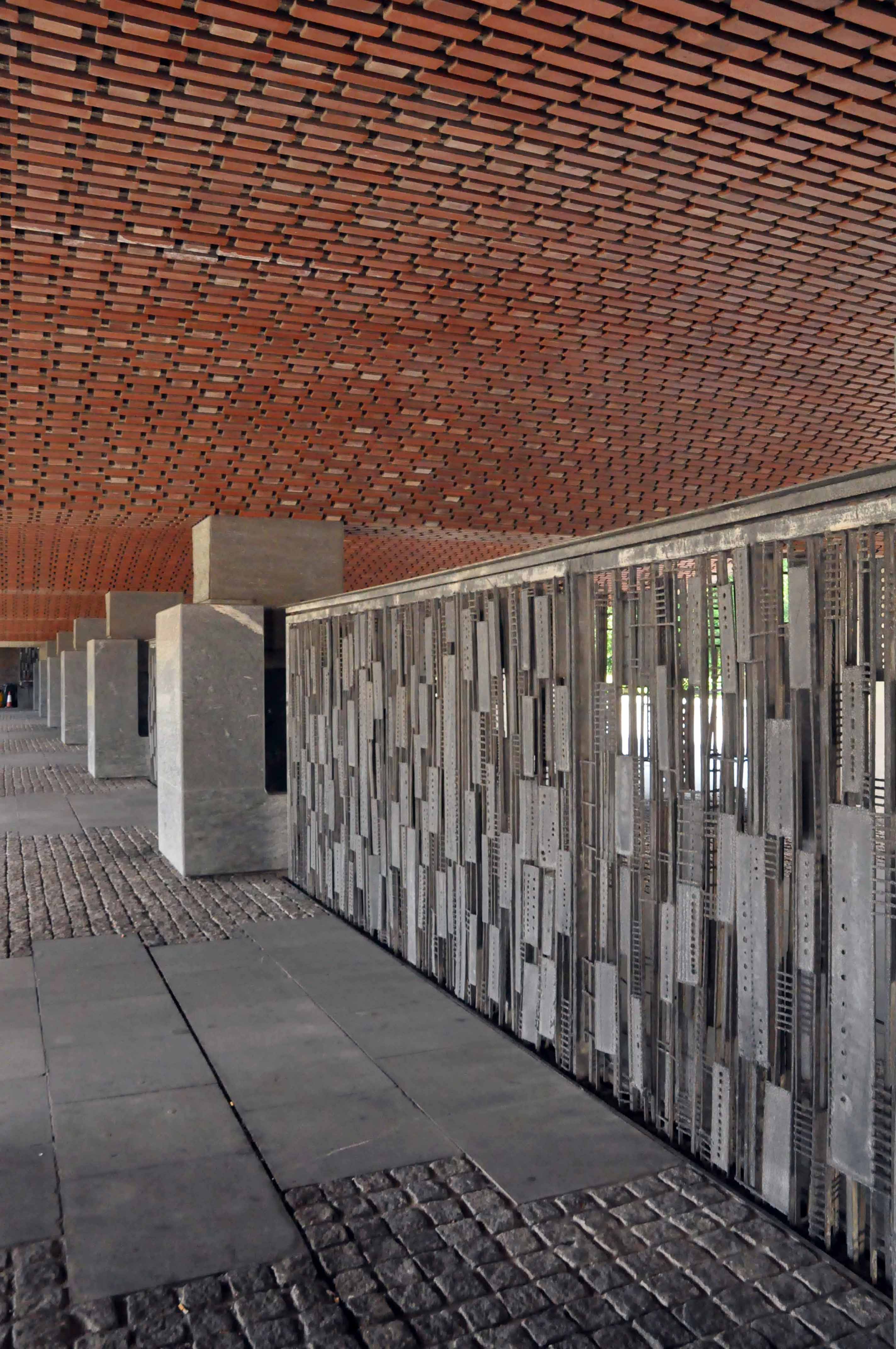
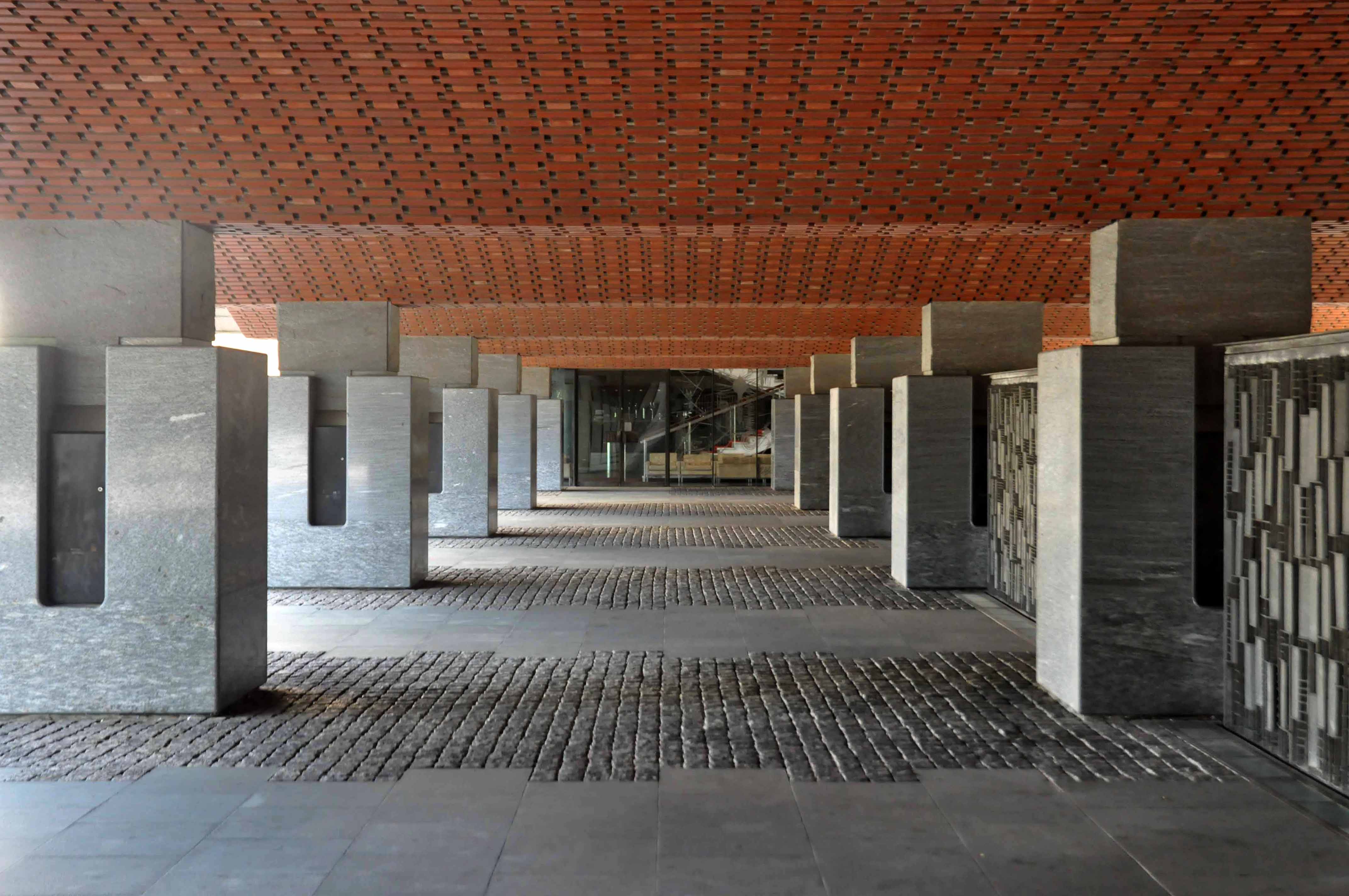
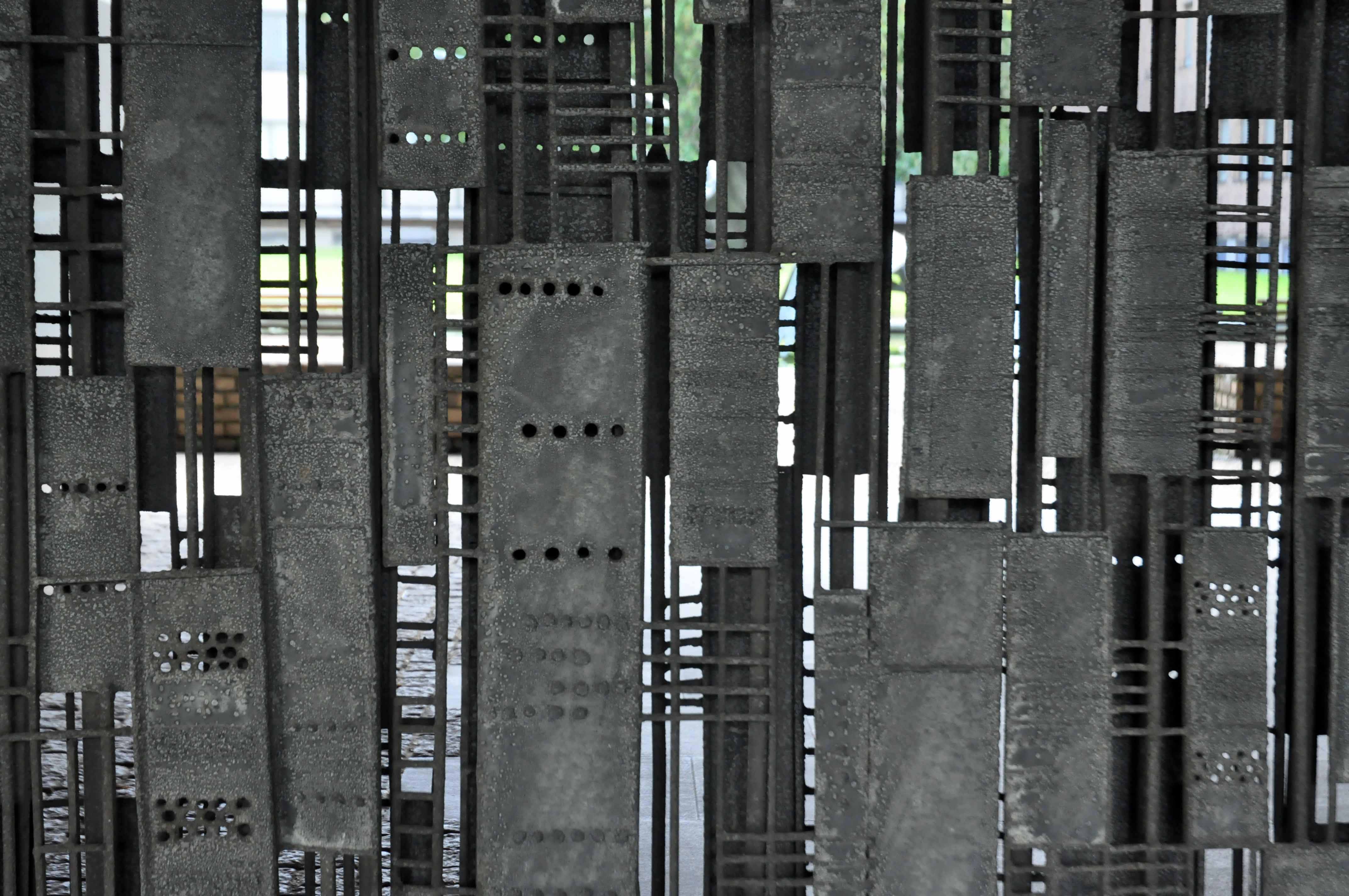
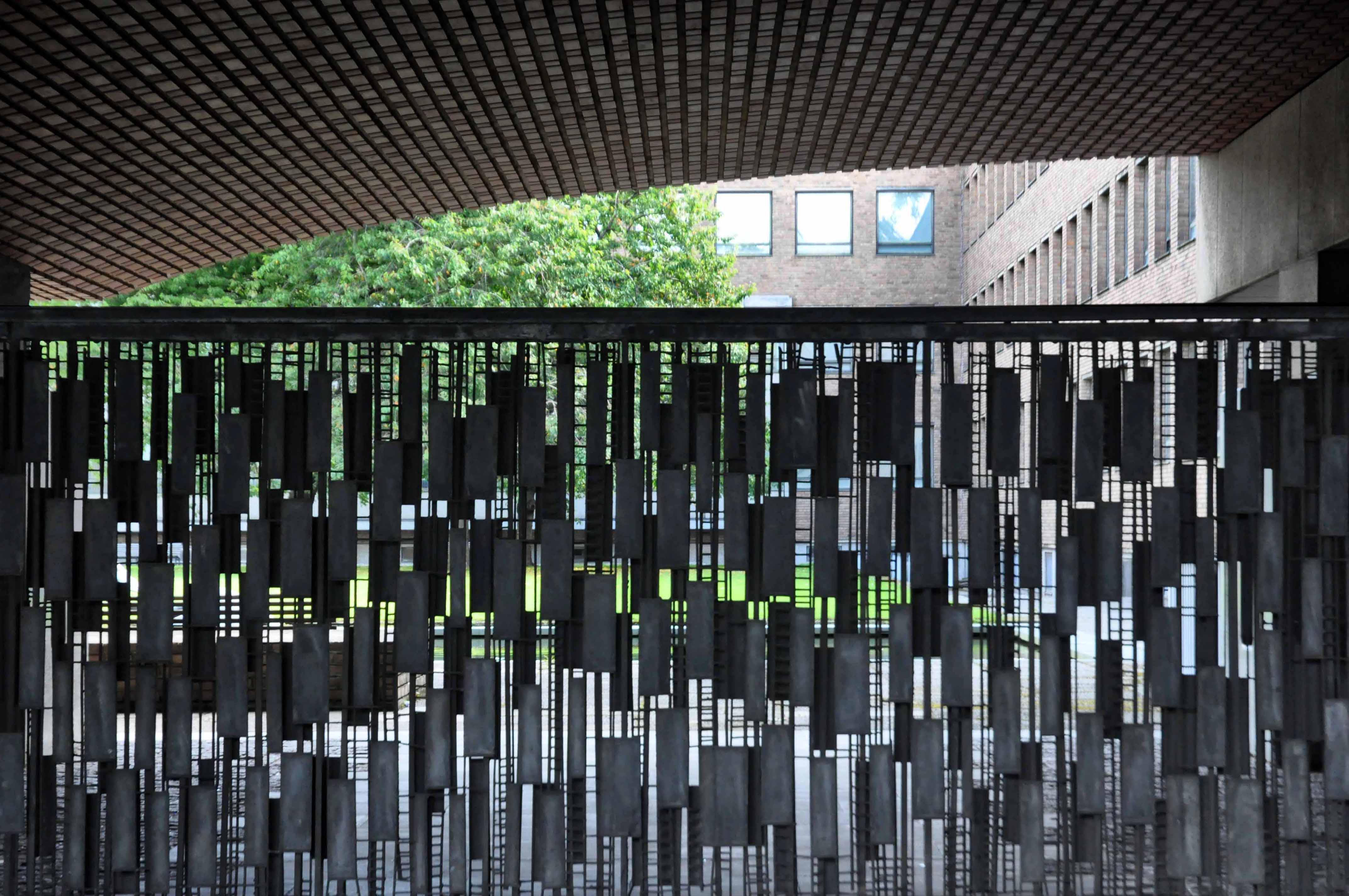
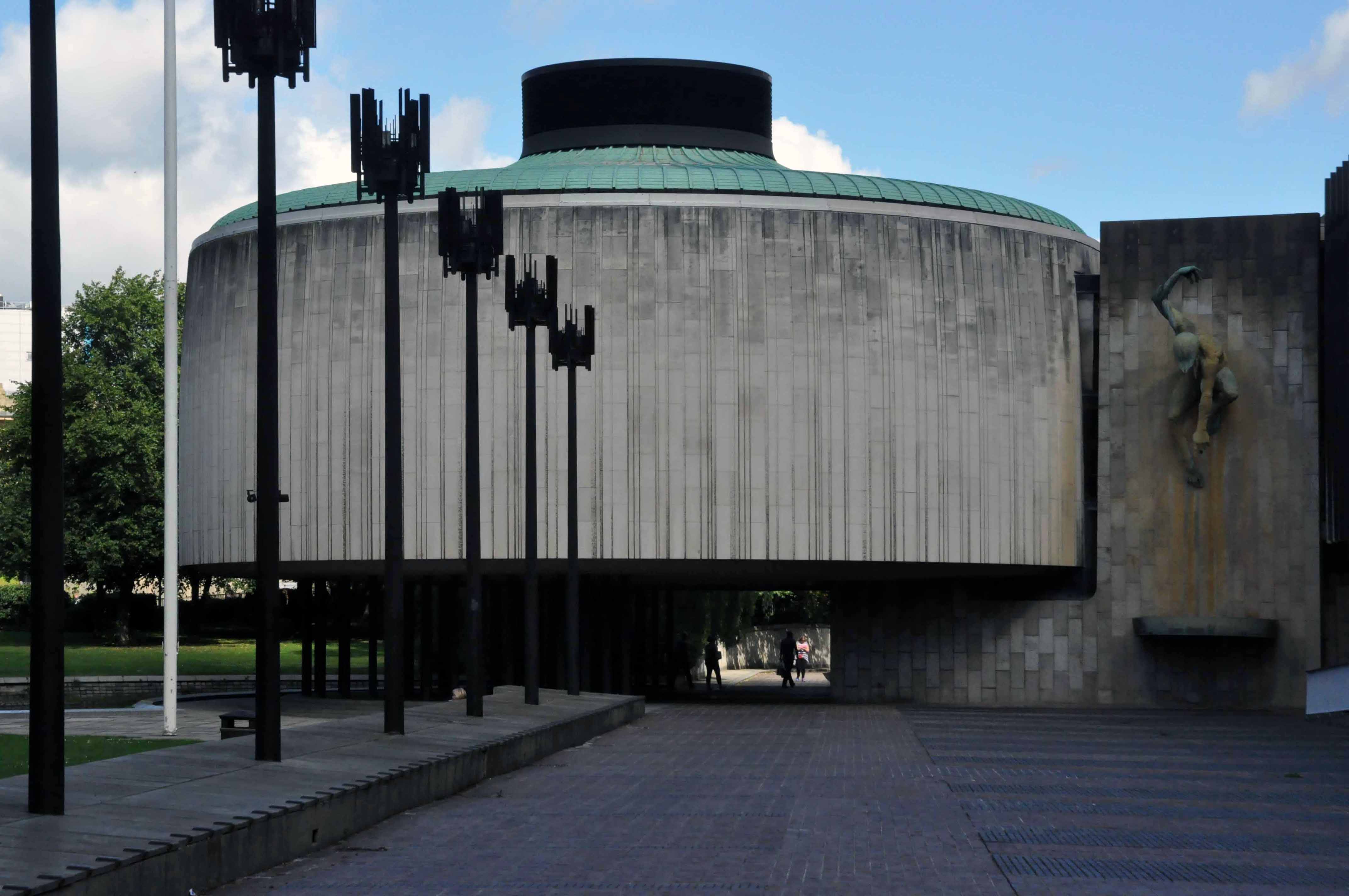
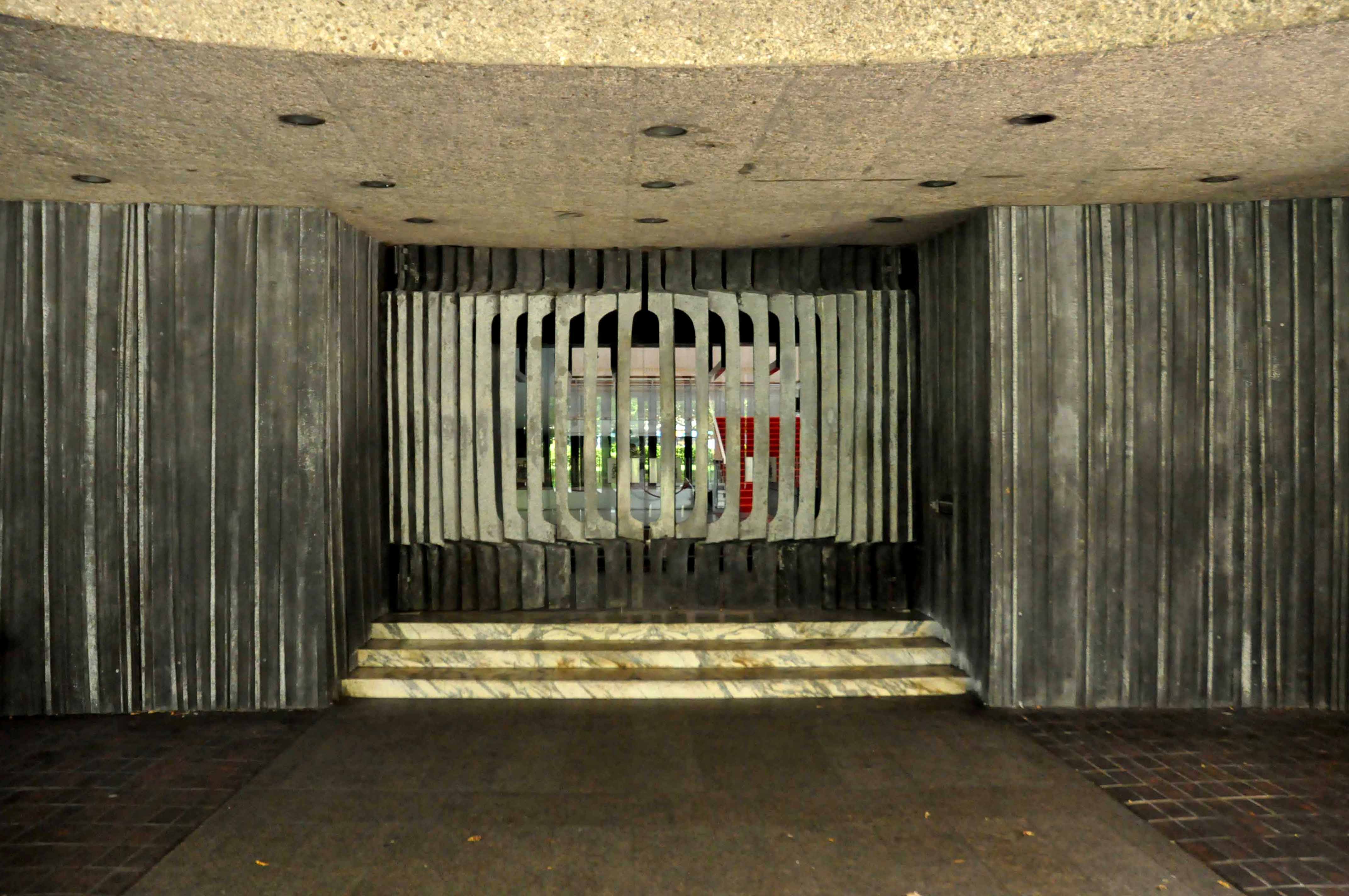
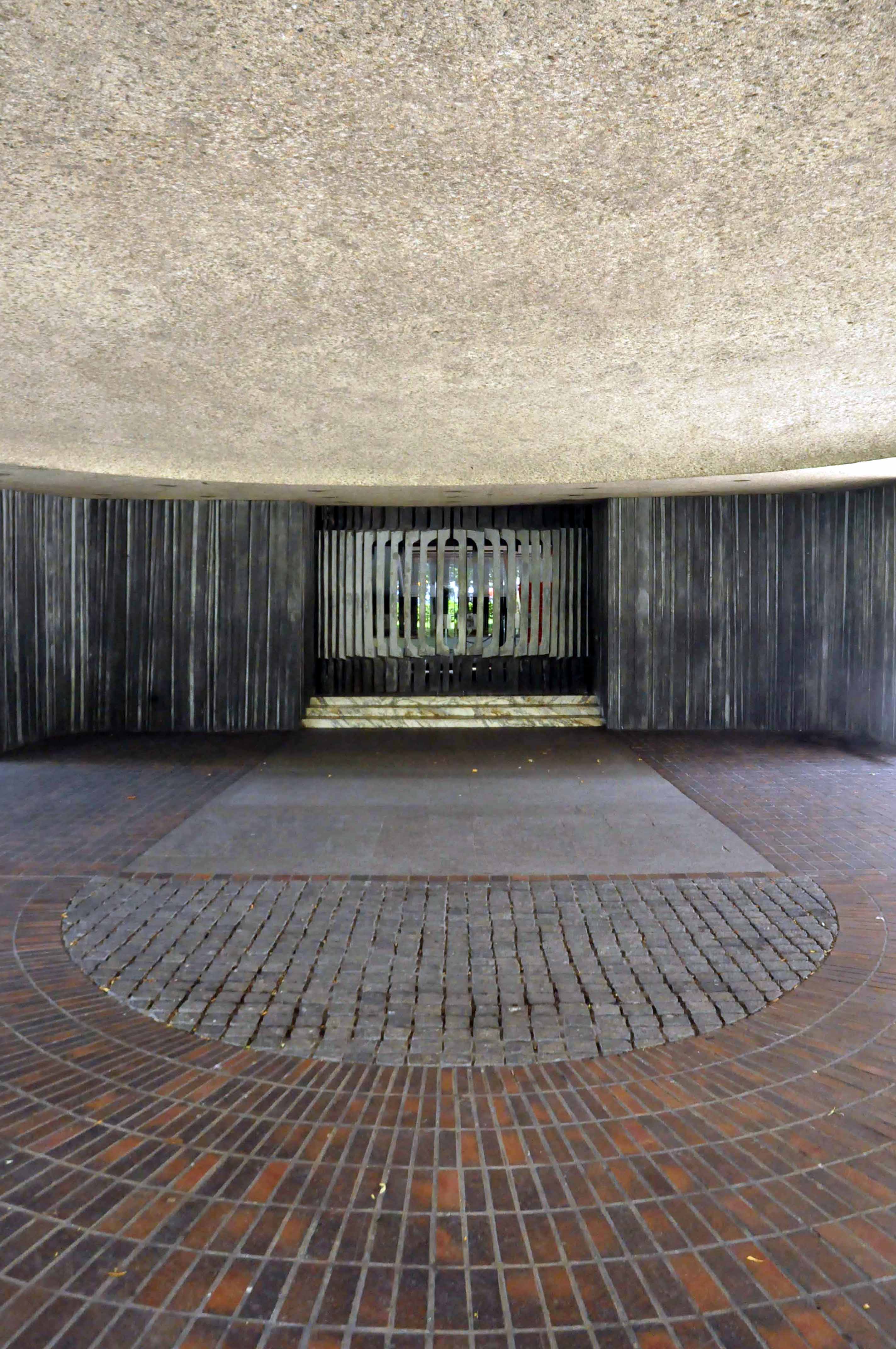
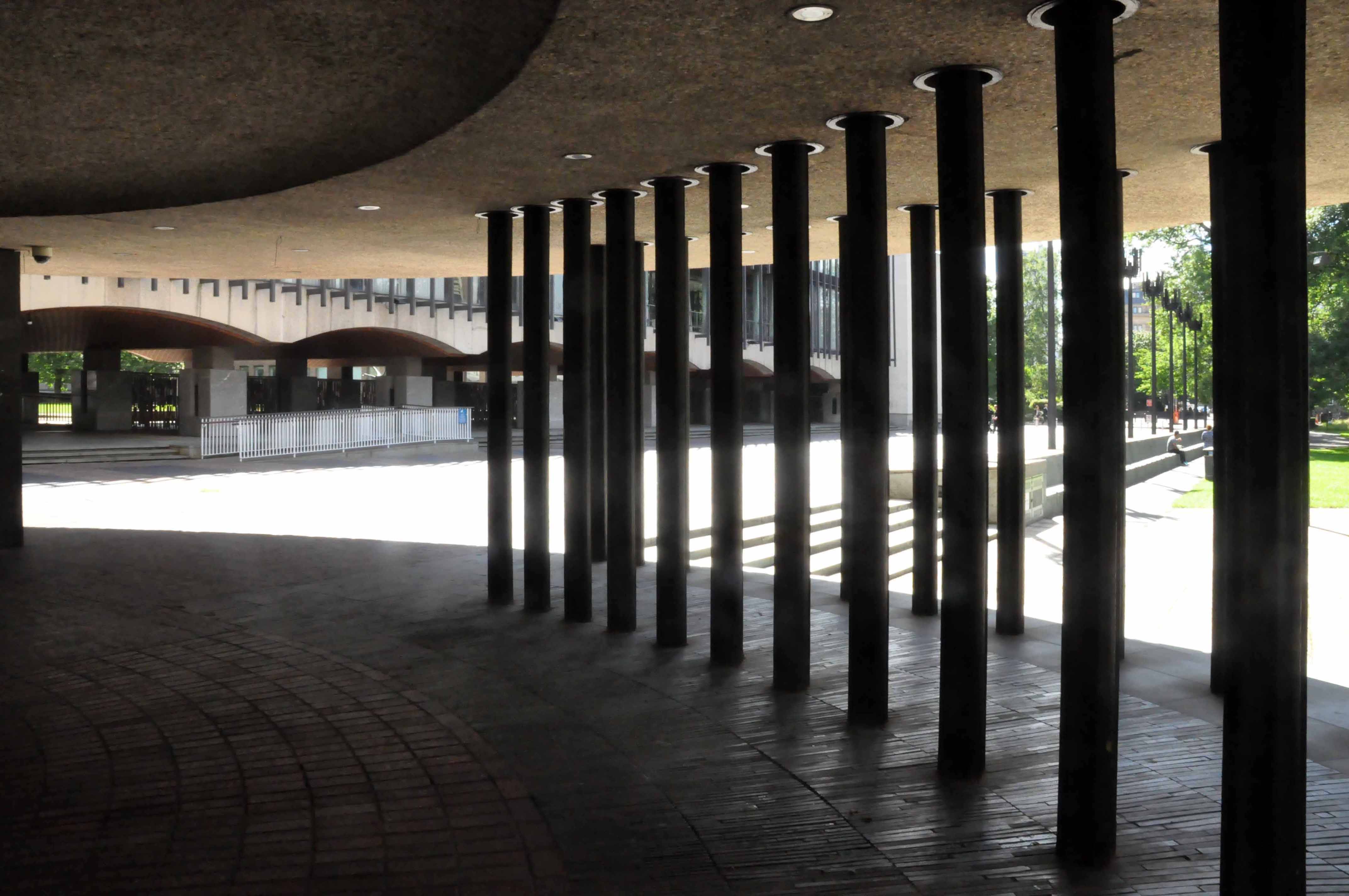
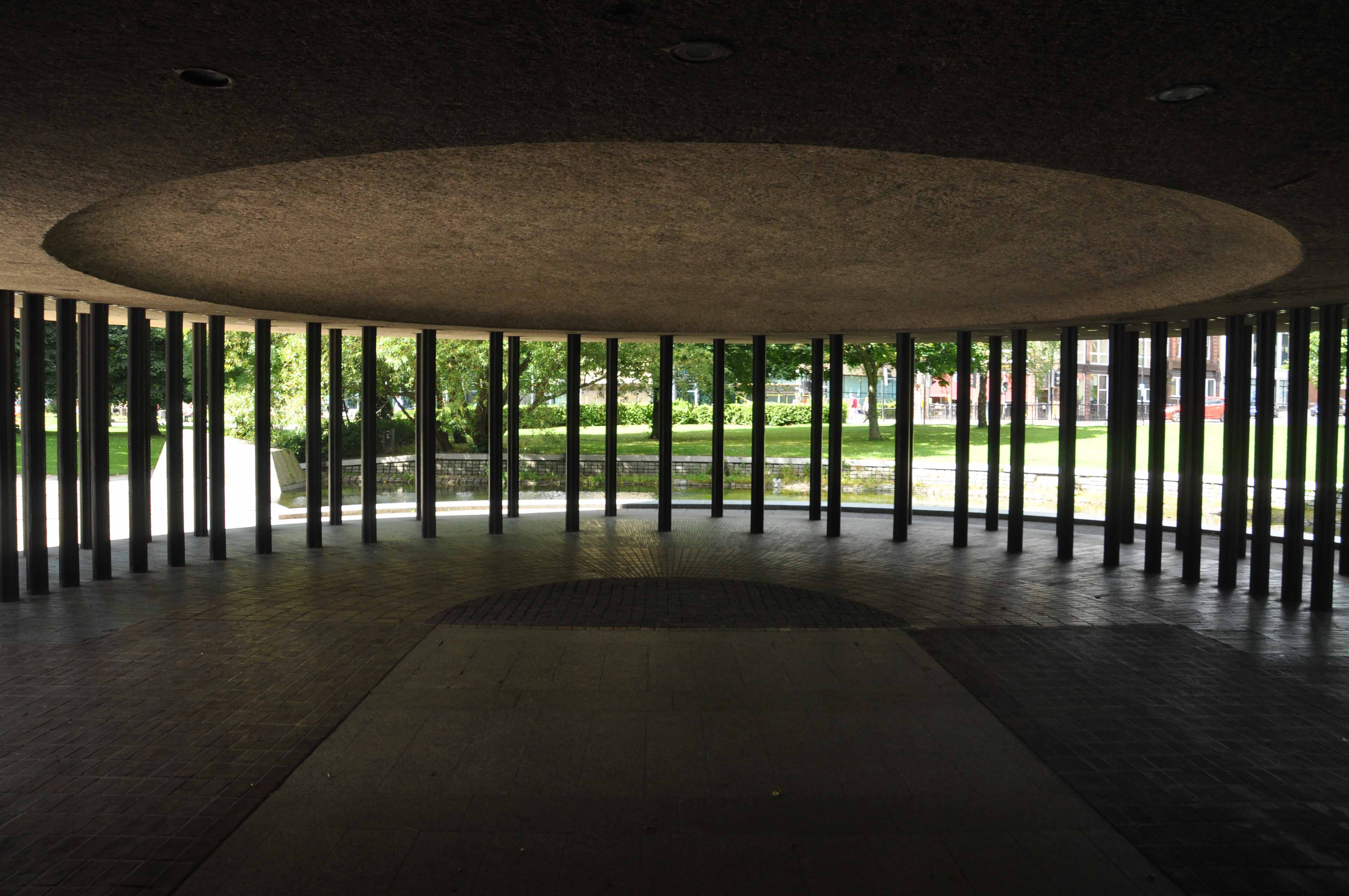
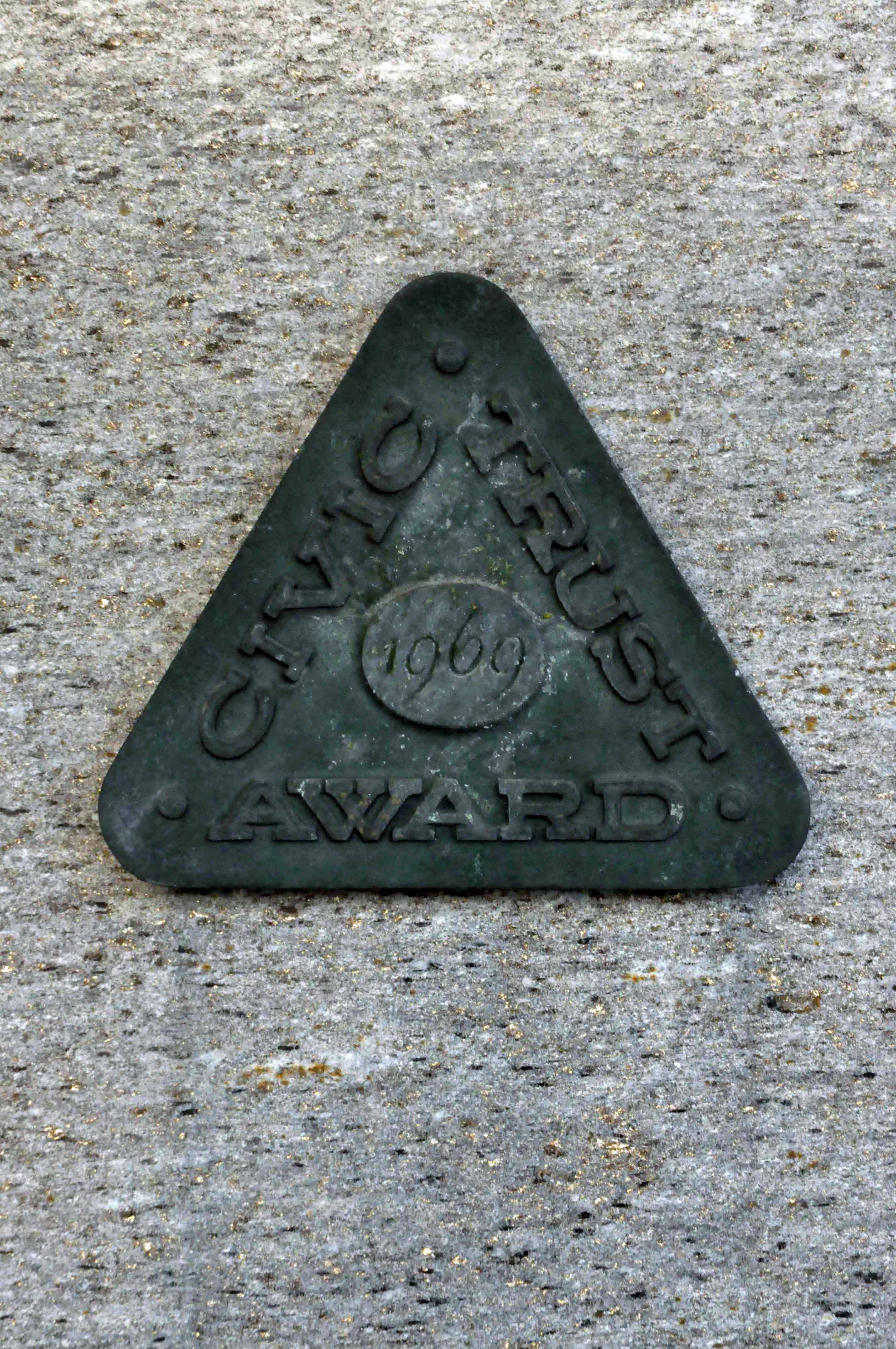
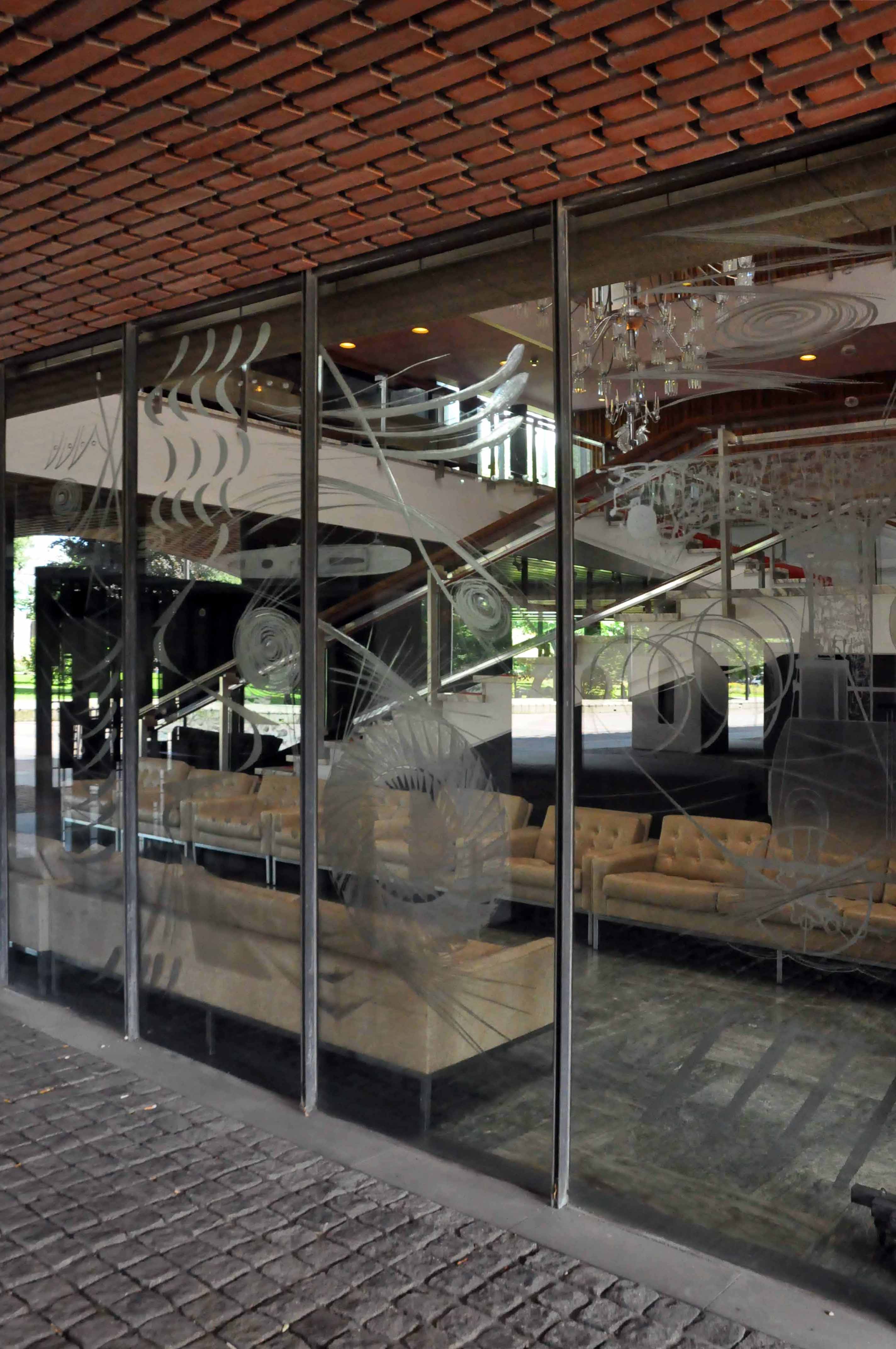
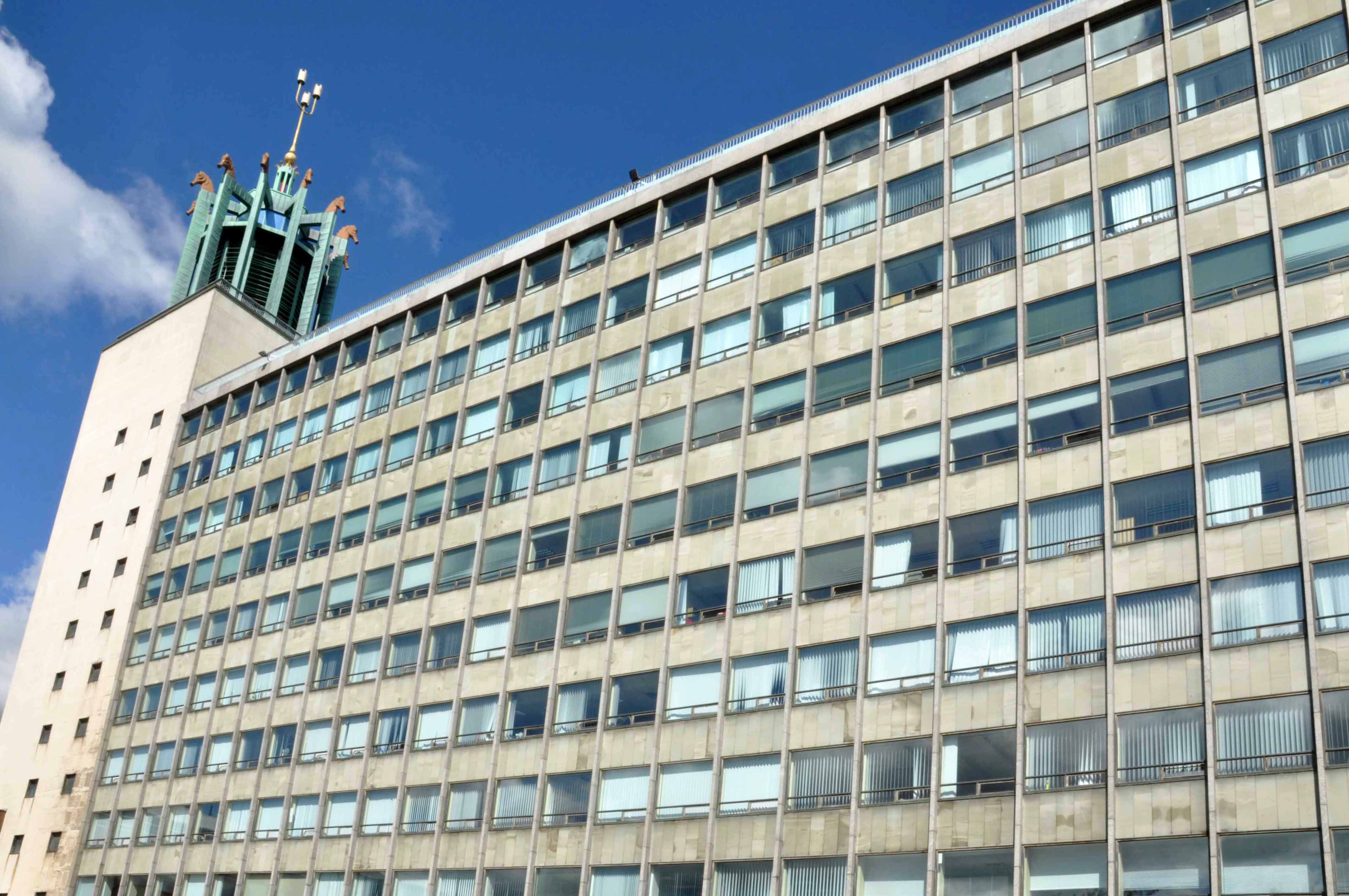
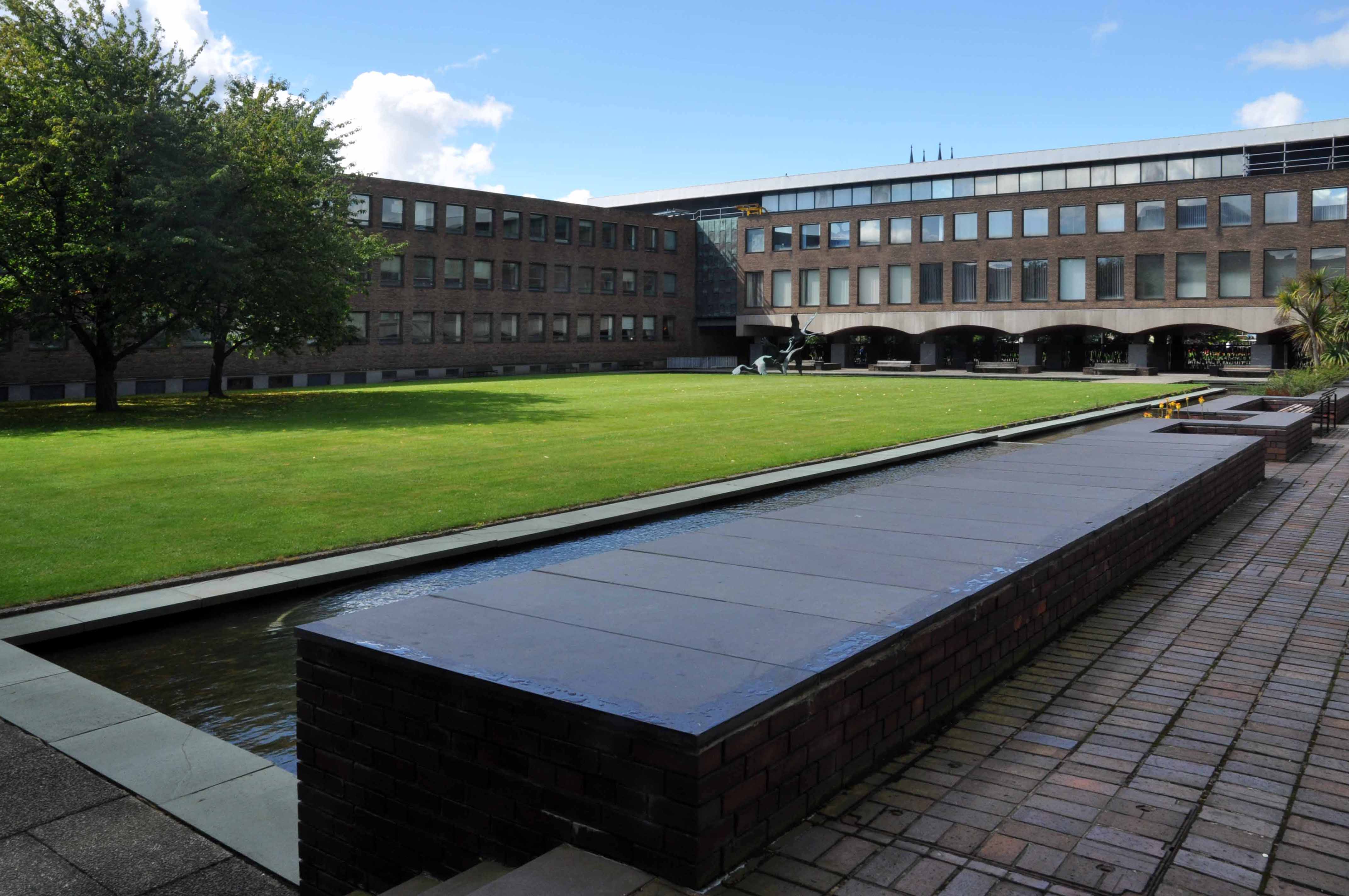
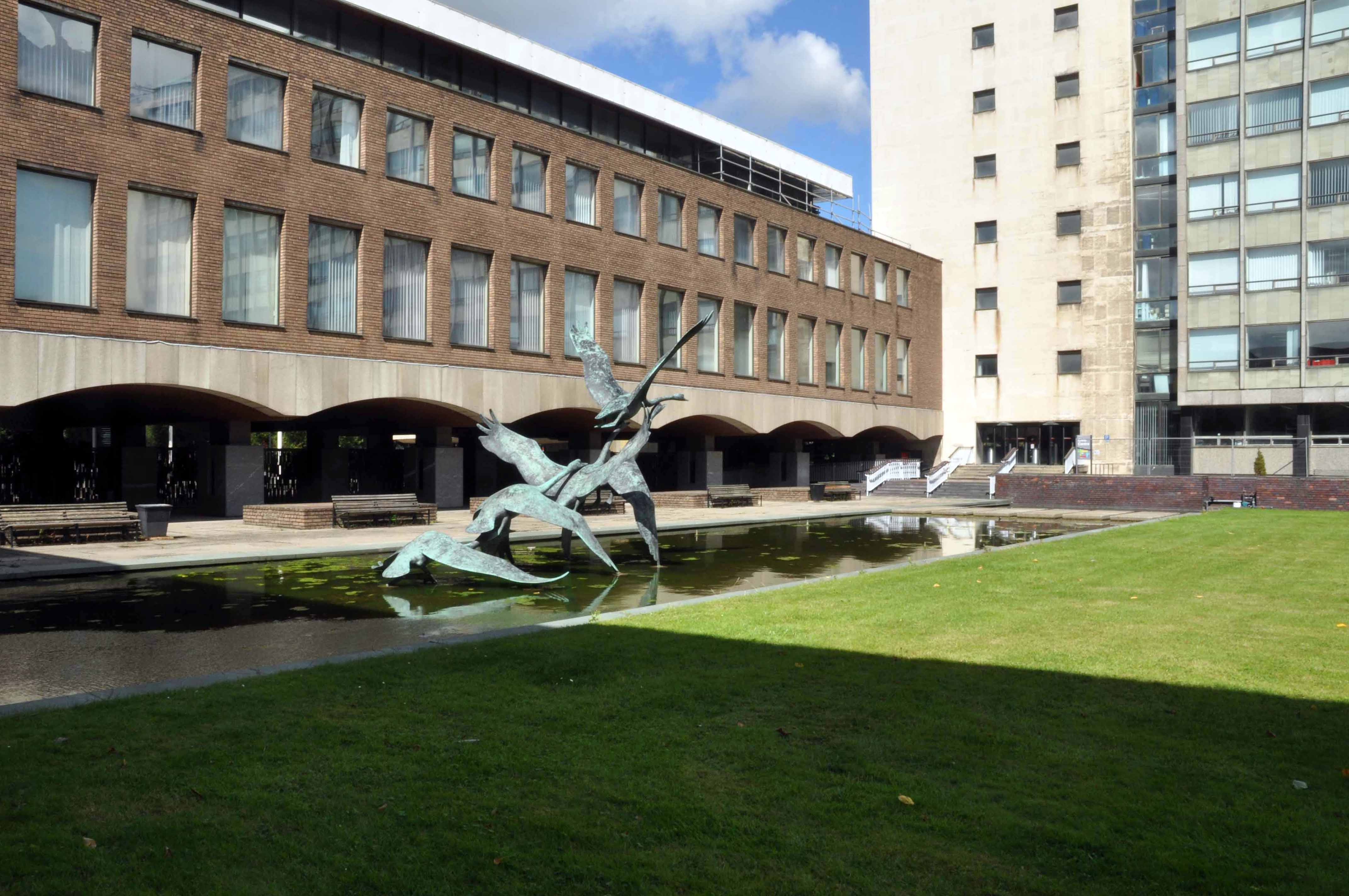
Newcastle Civic Centre is a local government building located in the Haymarket area of Newcastle upon Tyne, England. It is the main administrative and ceremonial centre for Newcastle City Council. Designed by the city architect, George Kenyon, the building was completed in 1967 and was formally opened by HM King Olav V of Norway on 14 November 1968. It is a Grade II* listed building. The Newcastle Civic Centre is the joint eighth tallest building in the city.

It is a concrete poem clad in Portland stone ashlar, Cornish granite, Broughton Moor stone, hand made bricks, Norwegian slate, Portuguese marble, English oak, travertine hand hewn and assembled into one of the finest buildings in the land, no expense spared. Liberally dotted with the labours of John Piper, Victor Pasmore, John Robert Murray McCheyne, Charles Sansbury Geoffrey Clarke, David Dewey, John Hutton and David Wynne.

A building full of surprises, big and small that repays exploration and further exploration, in that order. Go take a look, breathe that air, that air which whistles up the River Tyne, fresh from the Continent – and glow, all aglow with civic centre pride.

dsc_0058

dsc_0108

dsc_0119

dsc_0122

dsc_0121

dsc_0099

dsc_0068

dsc_0067

dsc_0063

dsc_0059

dsc_0077

dsc_0087

dsc_0088

dsc_0124

dsc_0090

dsc_0133

dsc_0091

dsc_0092

dsc_0093

dsc_0096

dsc_0106

dsc_0109

dsc_0113

dsc_0114

dsc_0116

dsc_0115

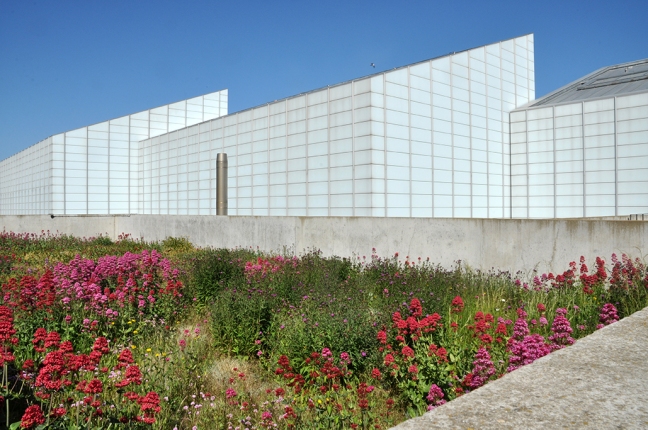
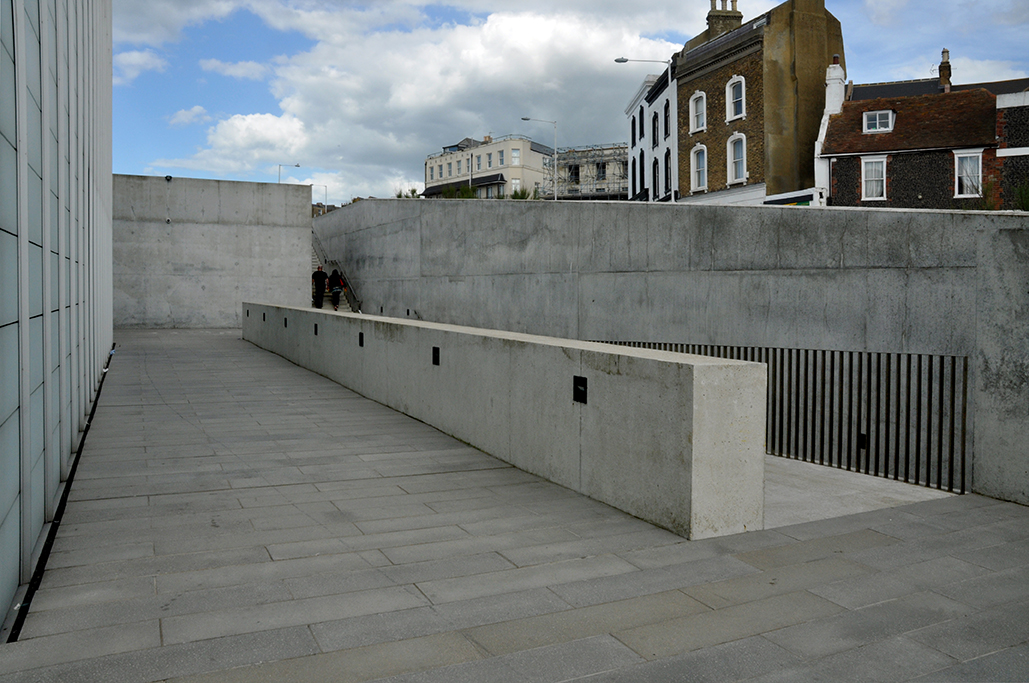
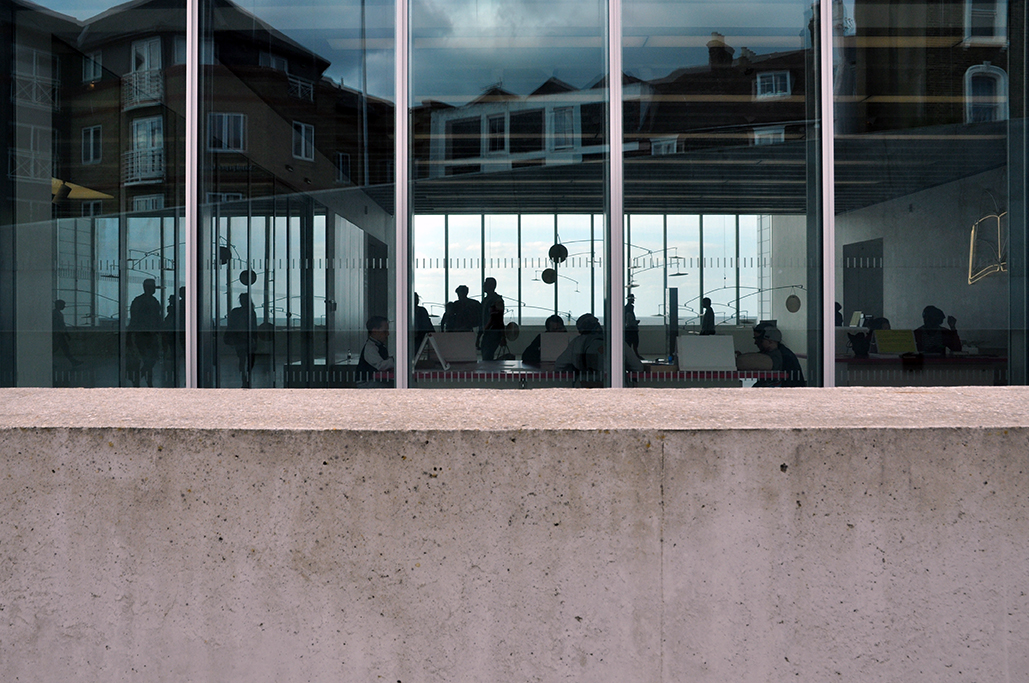
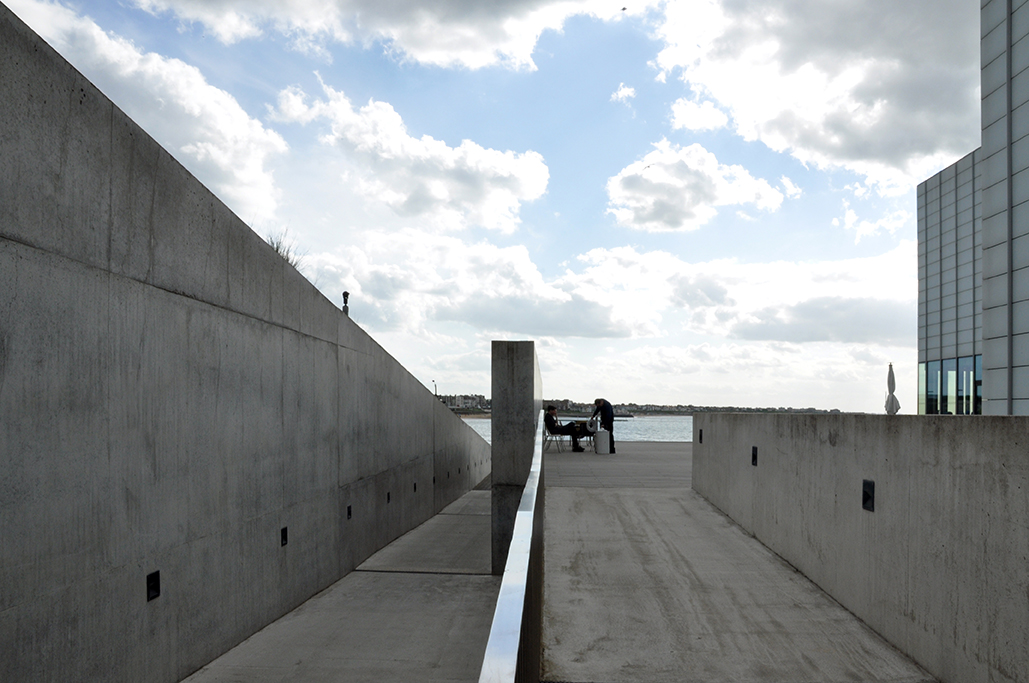
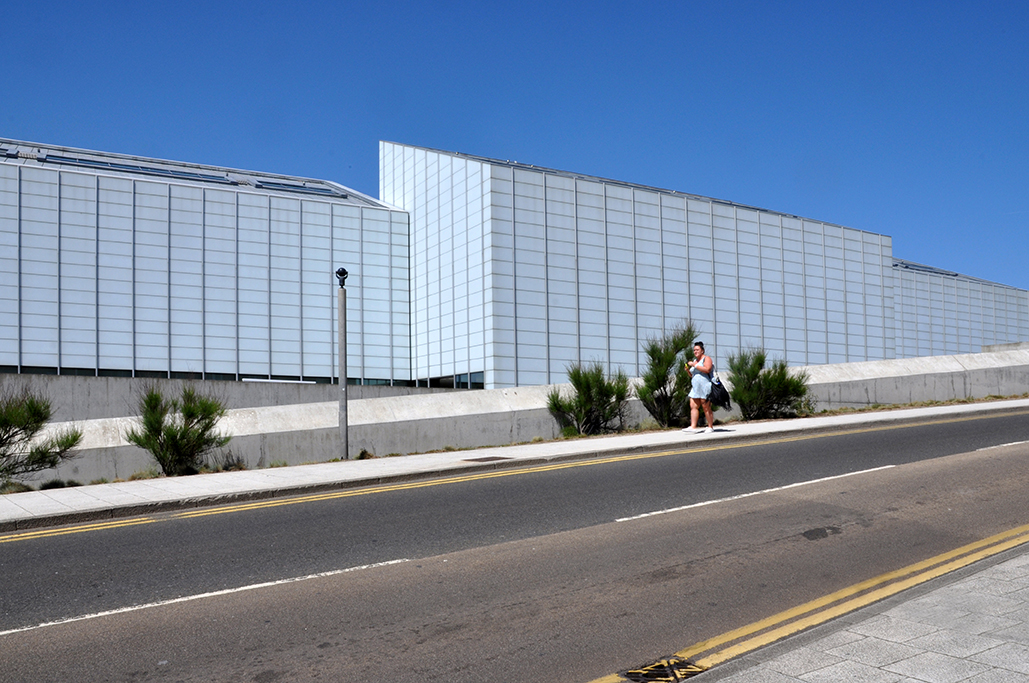
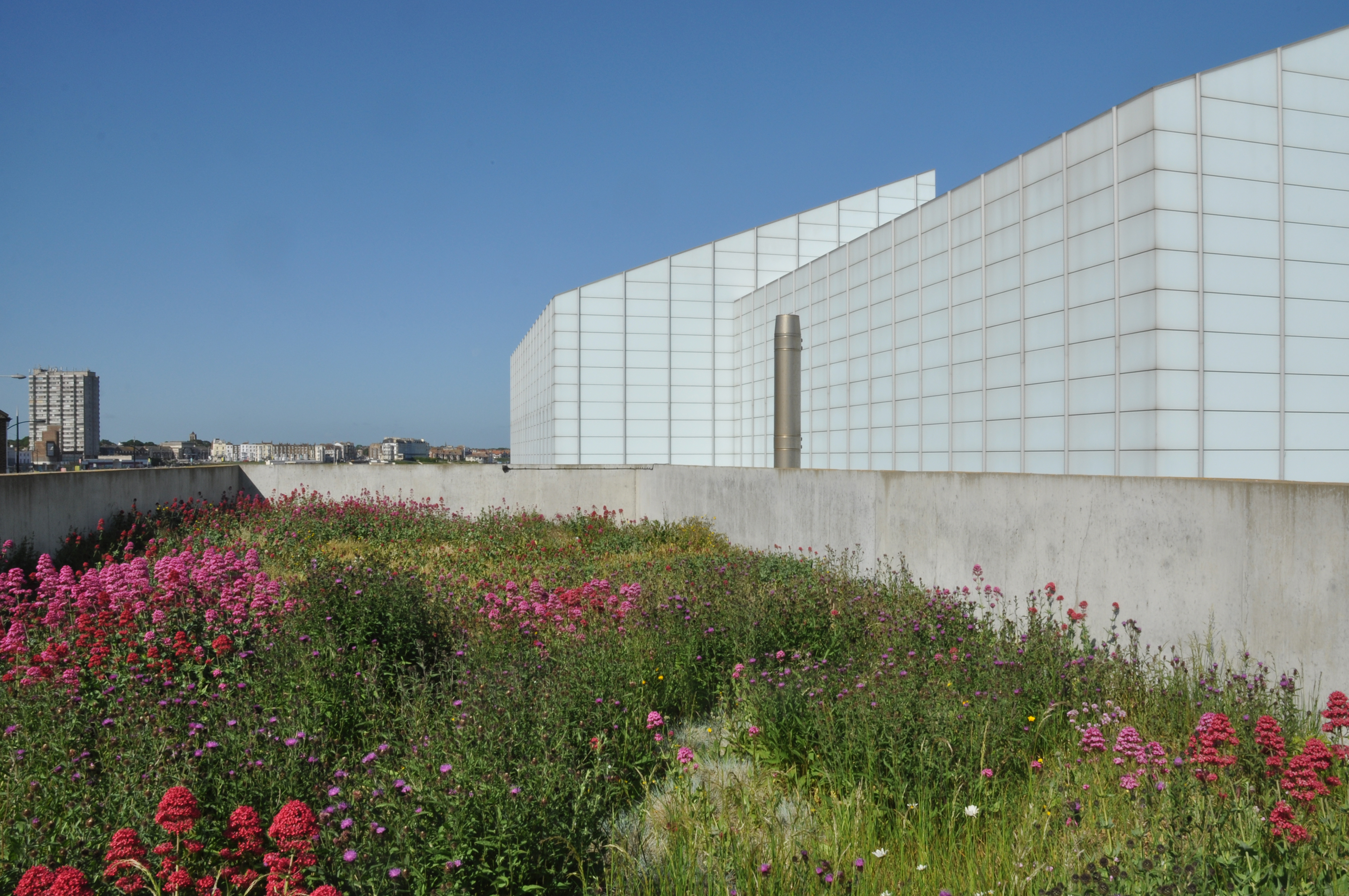
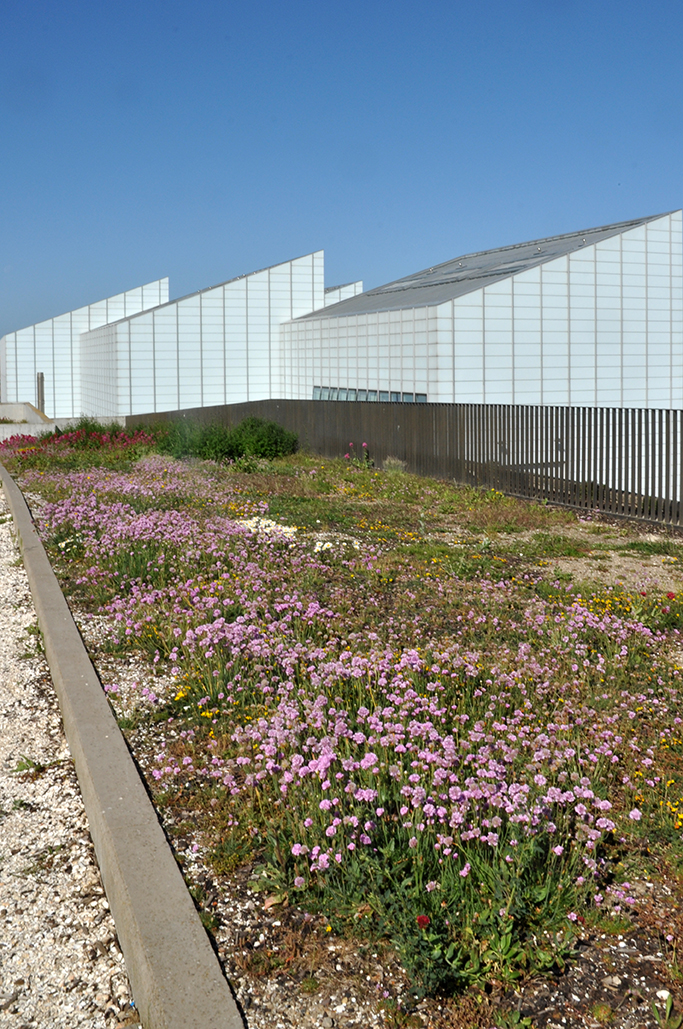
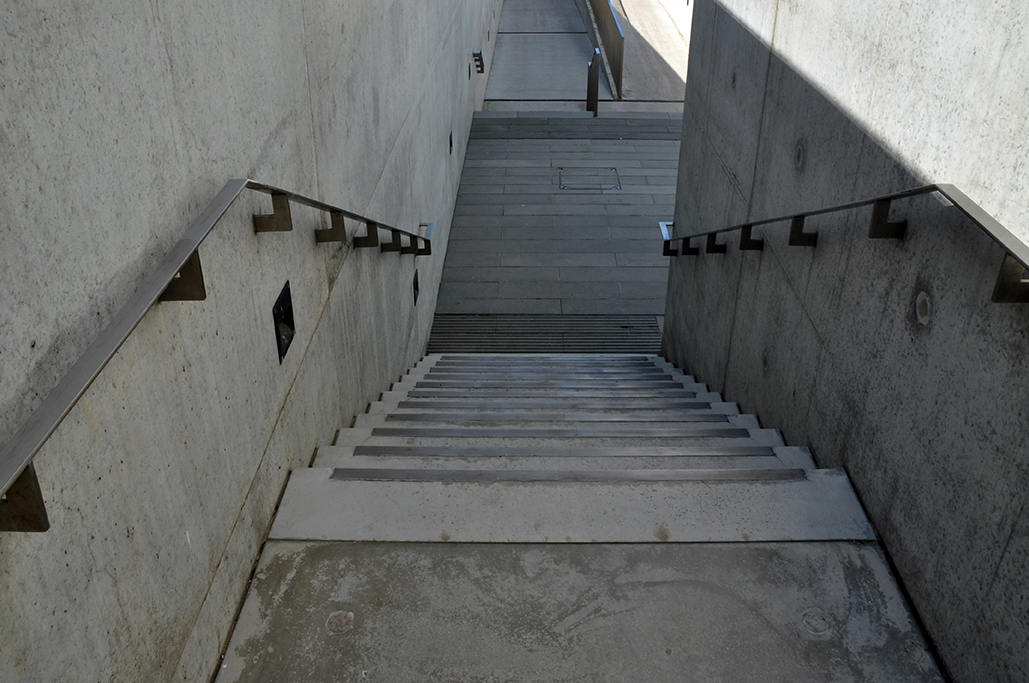
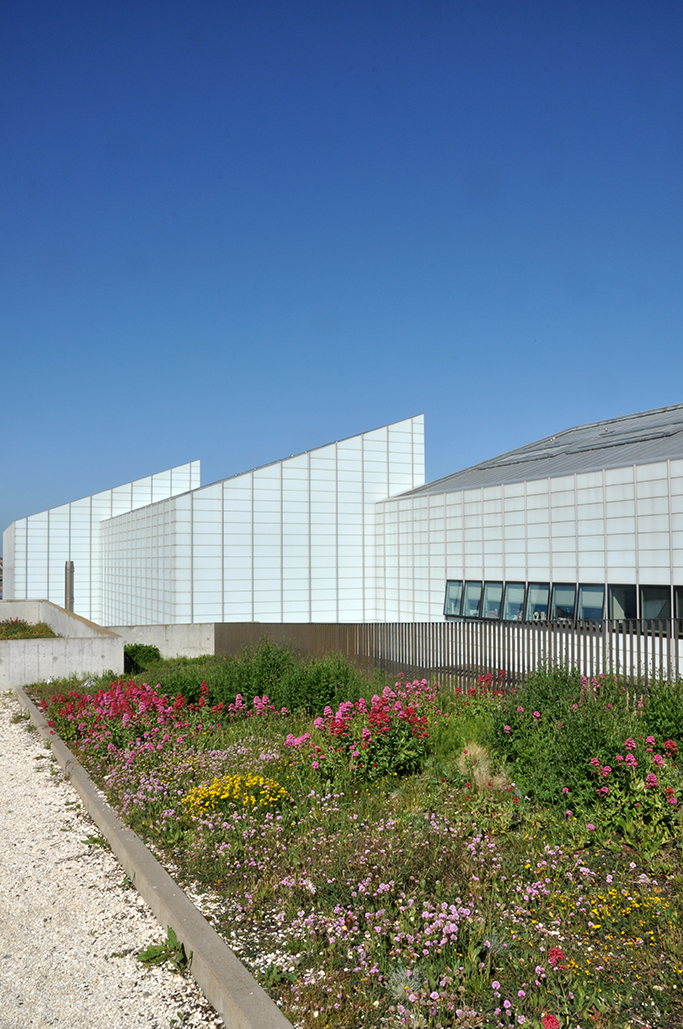
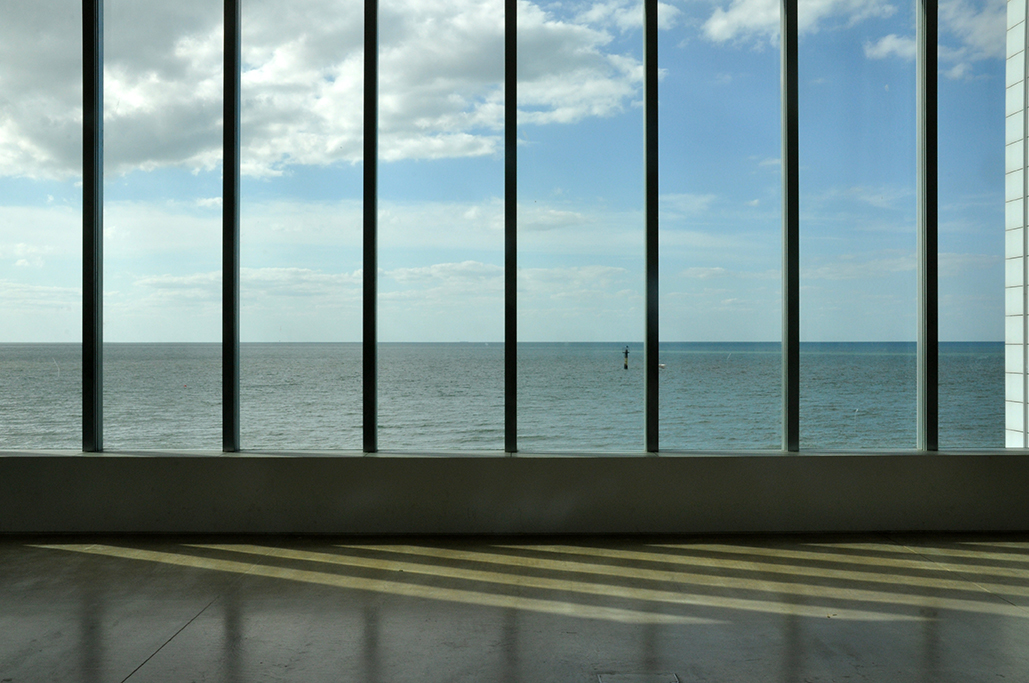
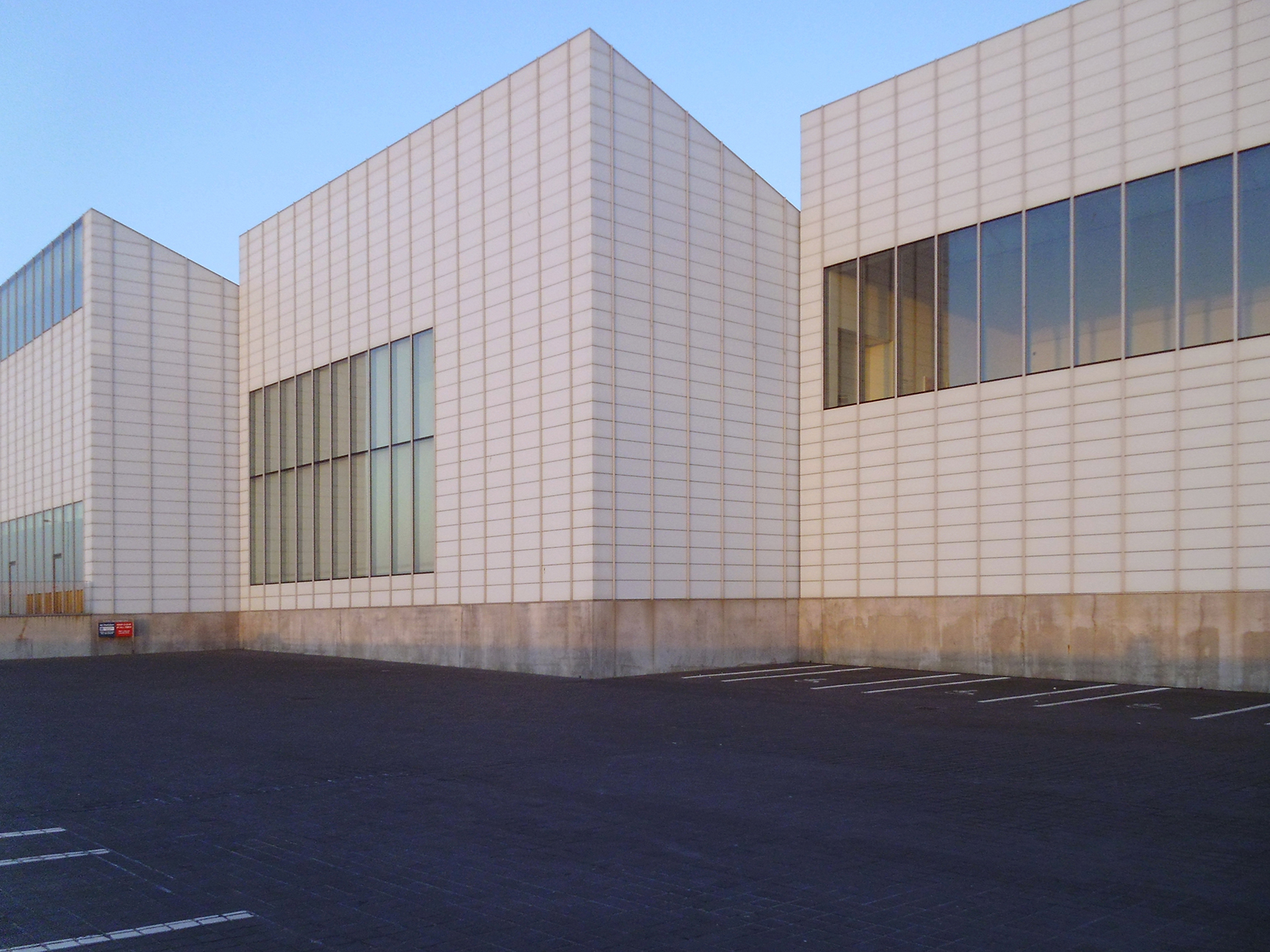
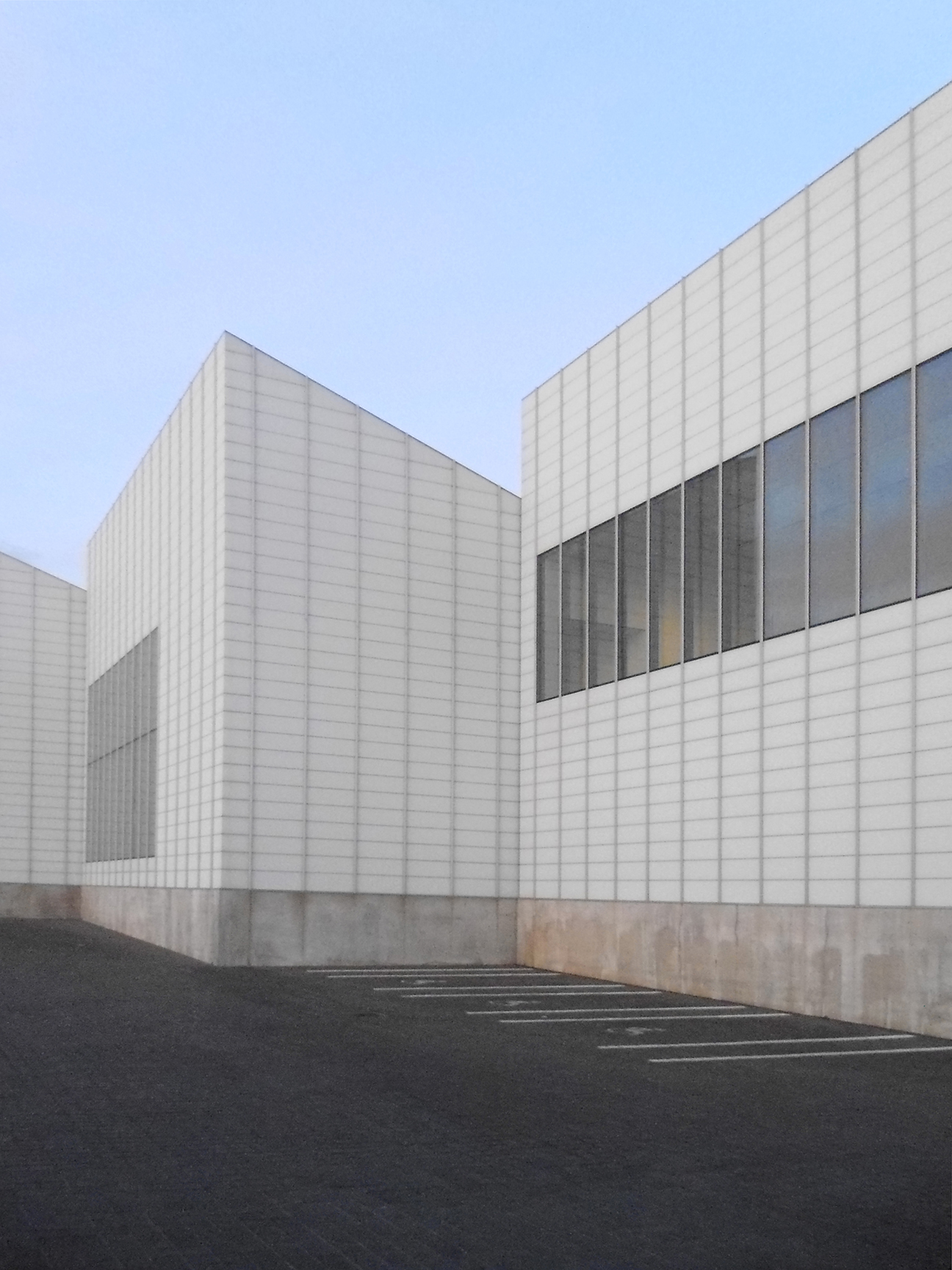
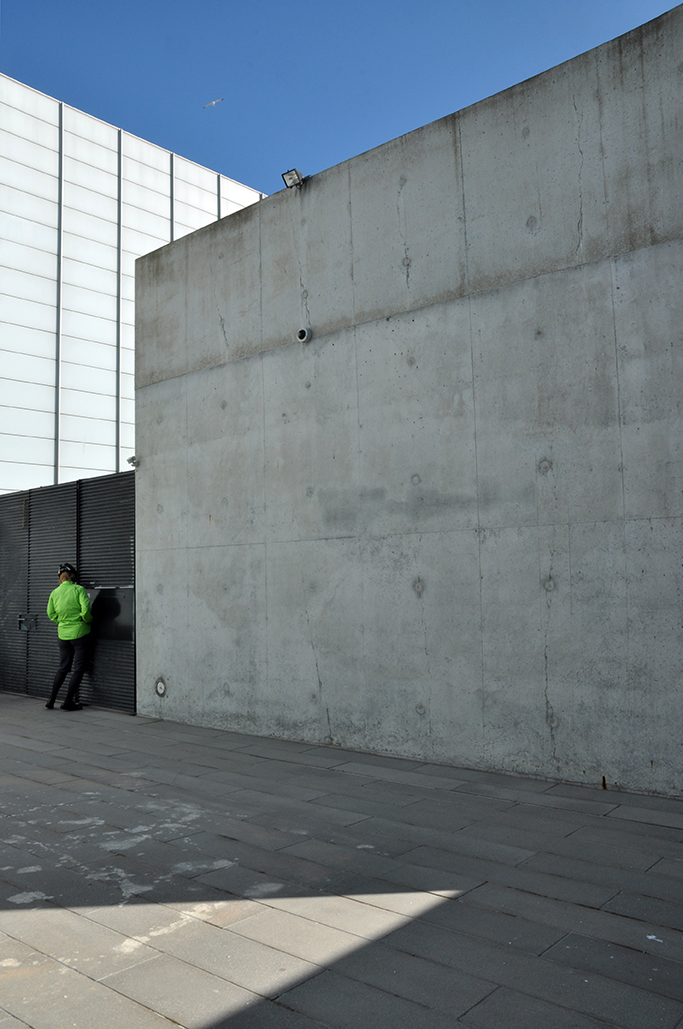
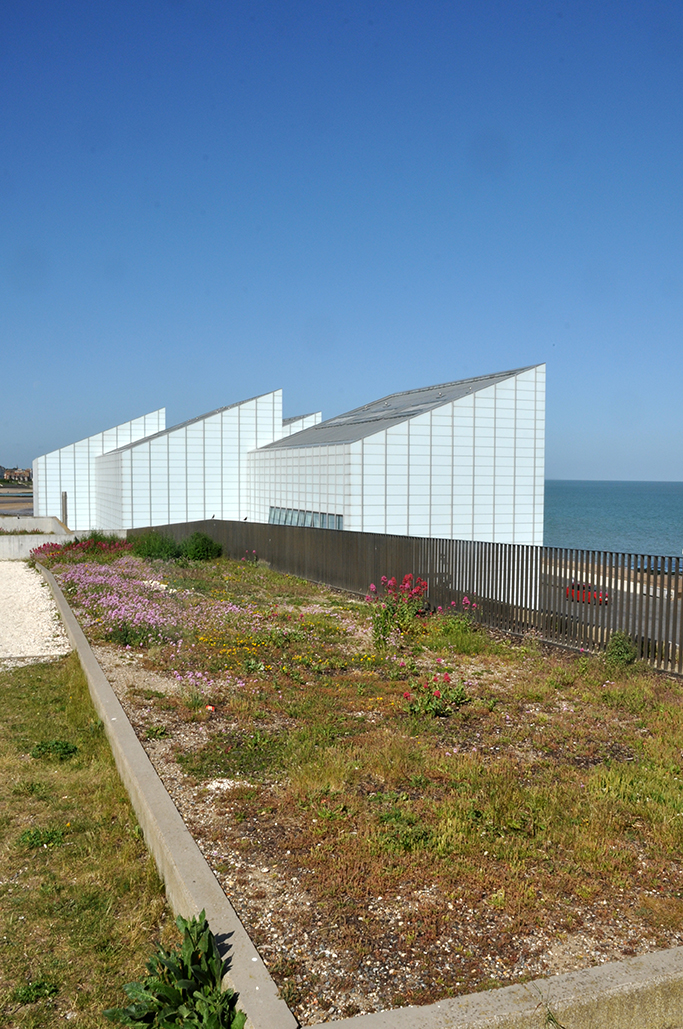
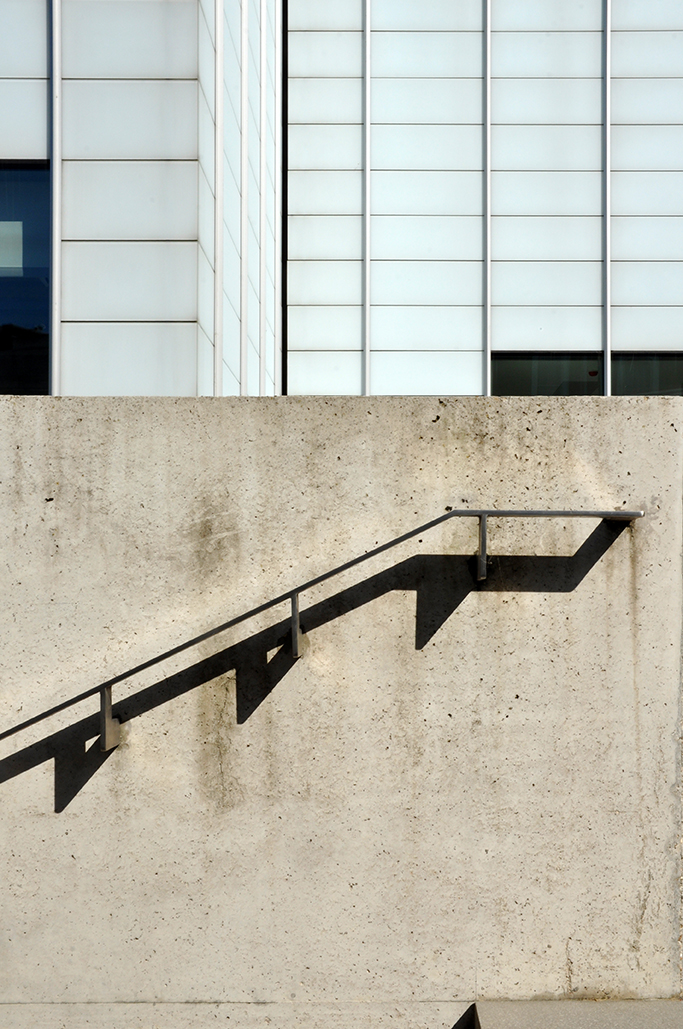
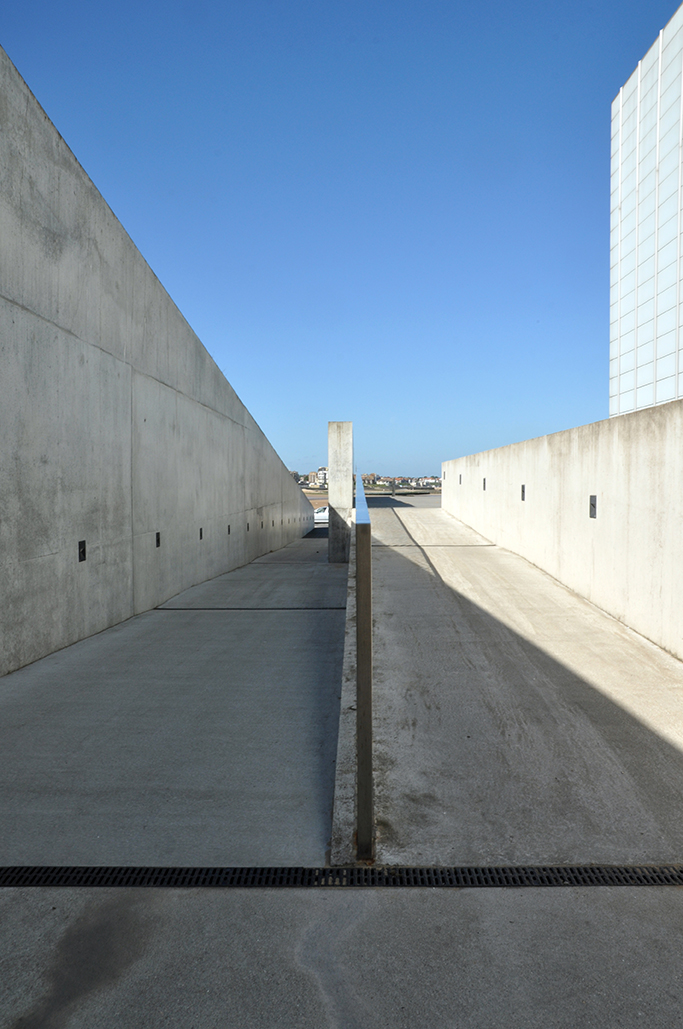
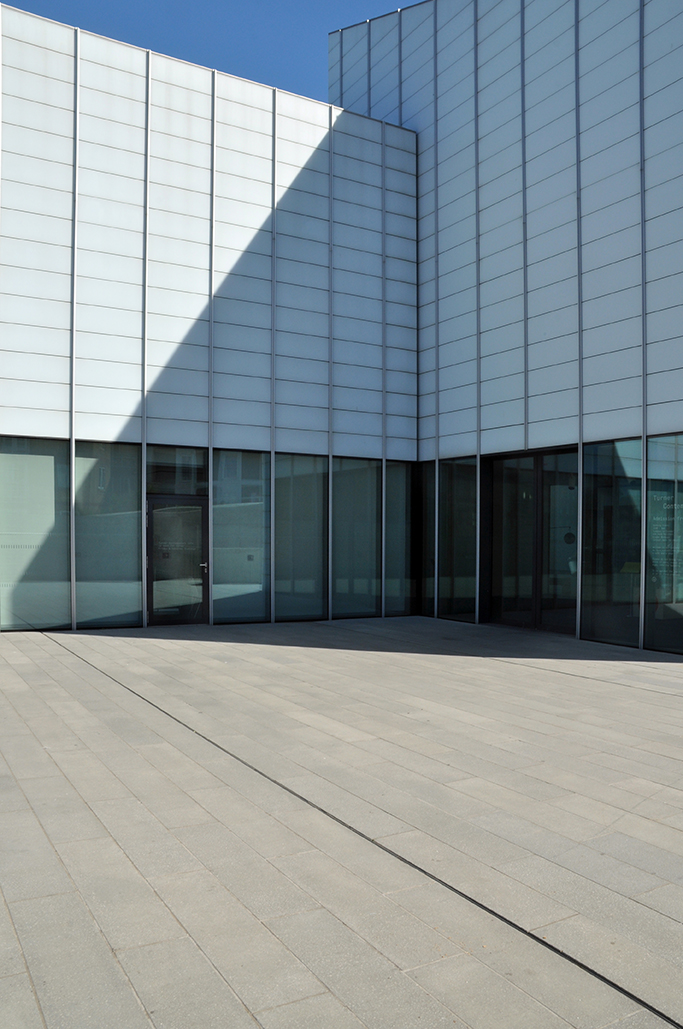
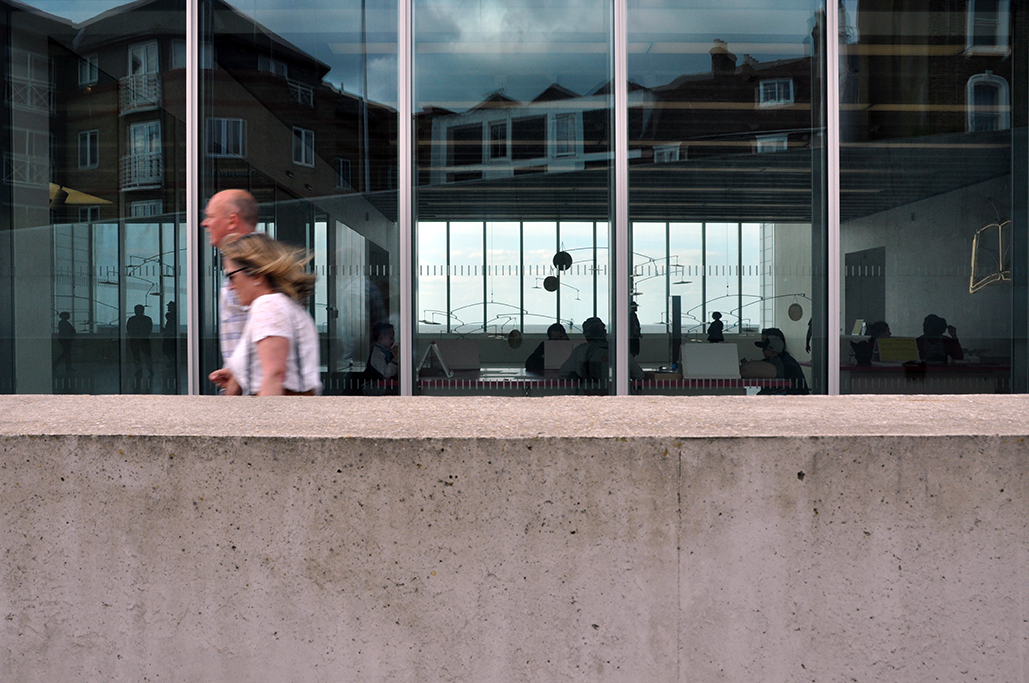
Margate – Turner Contemporary

Mr Turner came here way back when,

The same sea lapped a different shore,

A gallery stands where he passed,

If passing pop in,

Or wander the perimeter in search of a sense,

Of well being, or otherwise,

Seeking a link with some not too distant past,

When a different sea lapped the same shore.

https://www.turnercontemporary.org

DSC_0398 copy

DSC_0401 copy

DSC_0400 copy

DSC_0608 copy

DSC_0490 copy

DSC_0488 copy

DSC_0493 copy

DSC_0489 copy

DSC_0396 copy

DSC_0494 copy

P1070766 copy

P1070740 copy

DSC_0498 copy

DSC_0487 copy

DSC_0500 copy

DSC_0502 copy

P1070738 copy

DSC_0497 copy

DSC_0503 copy

DSC_0402 copy

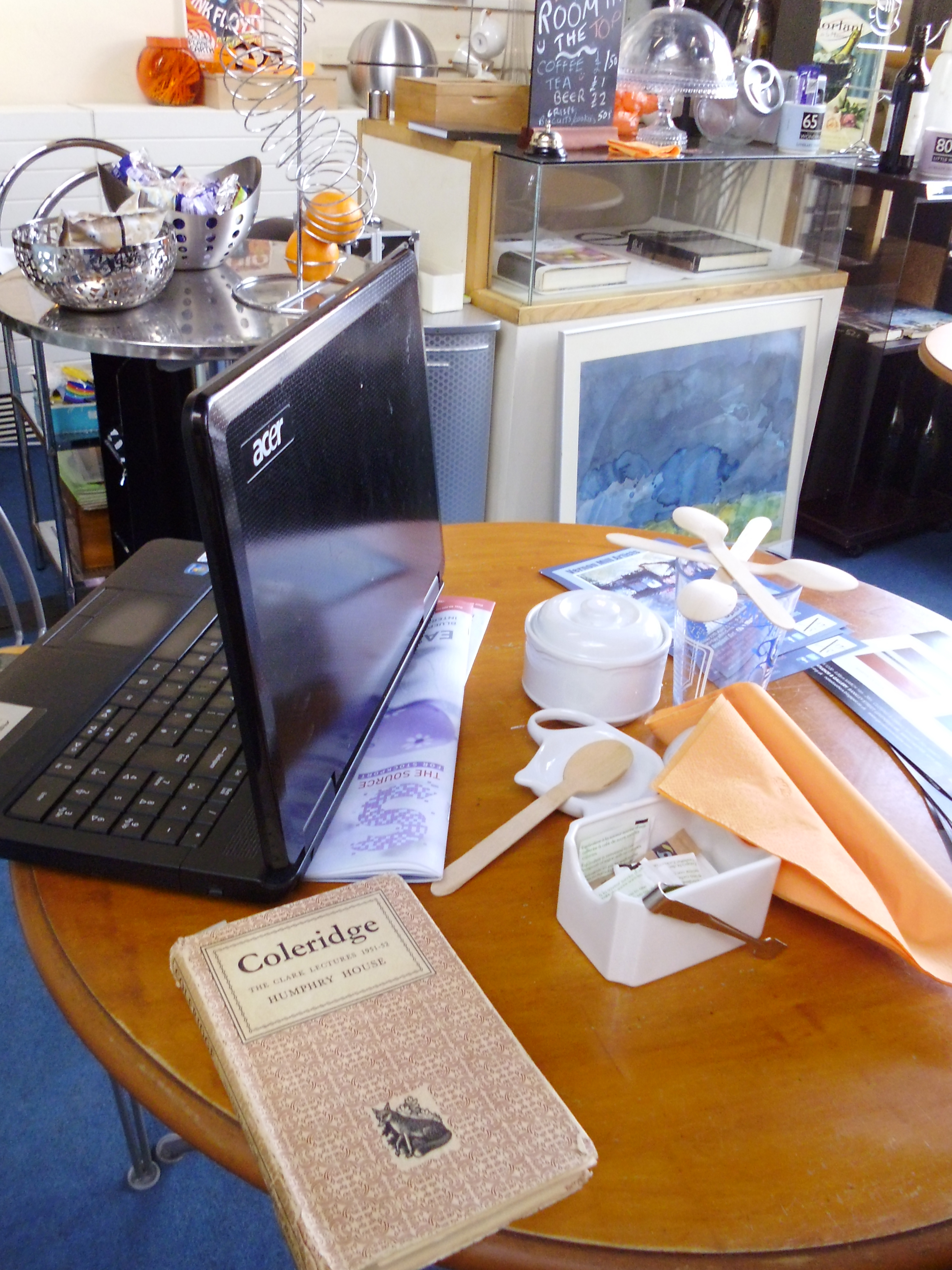
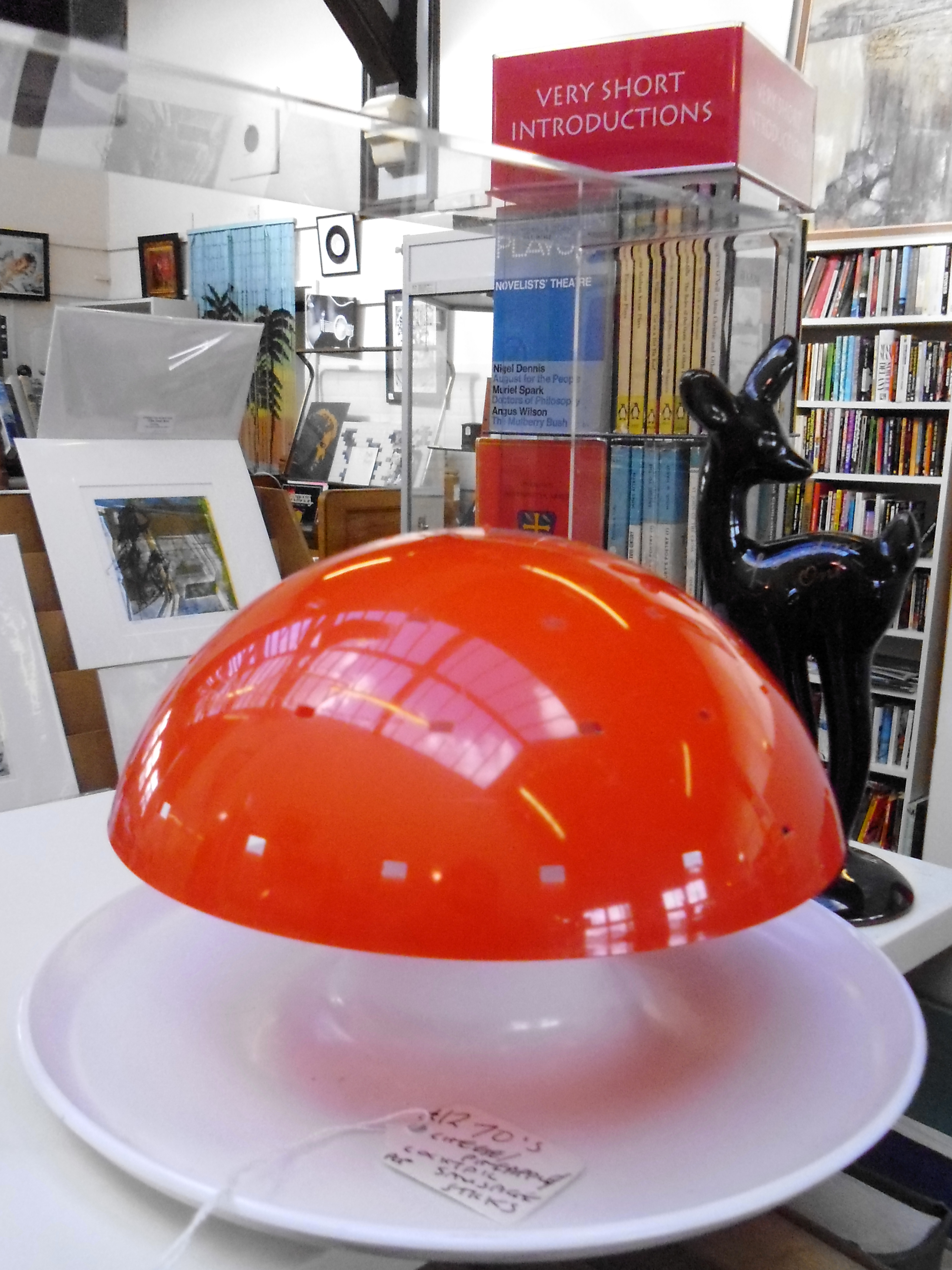
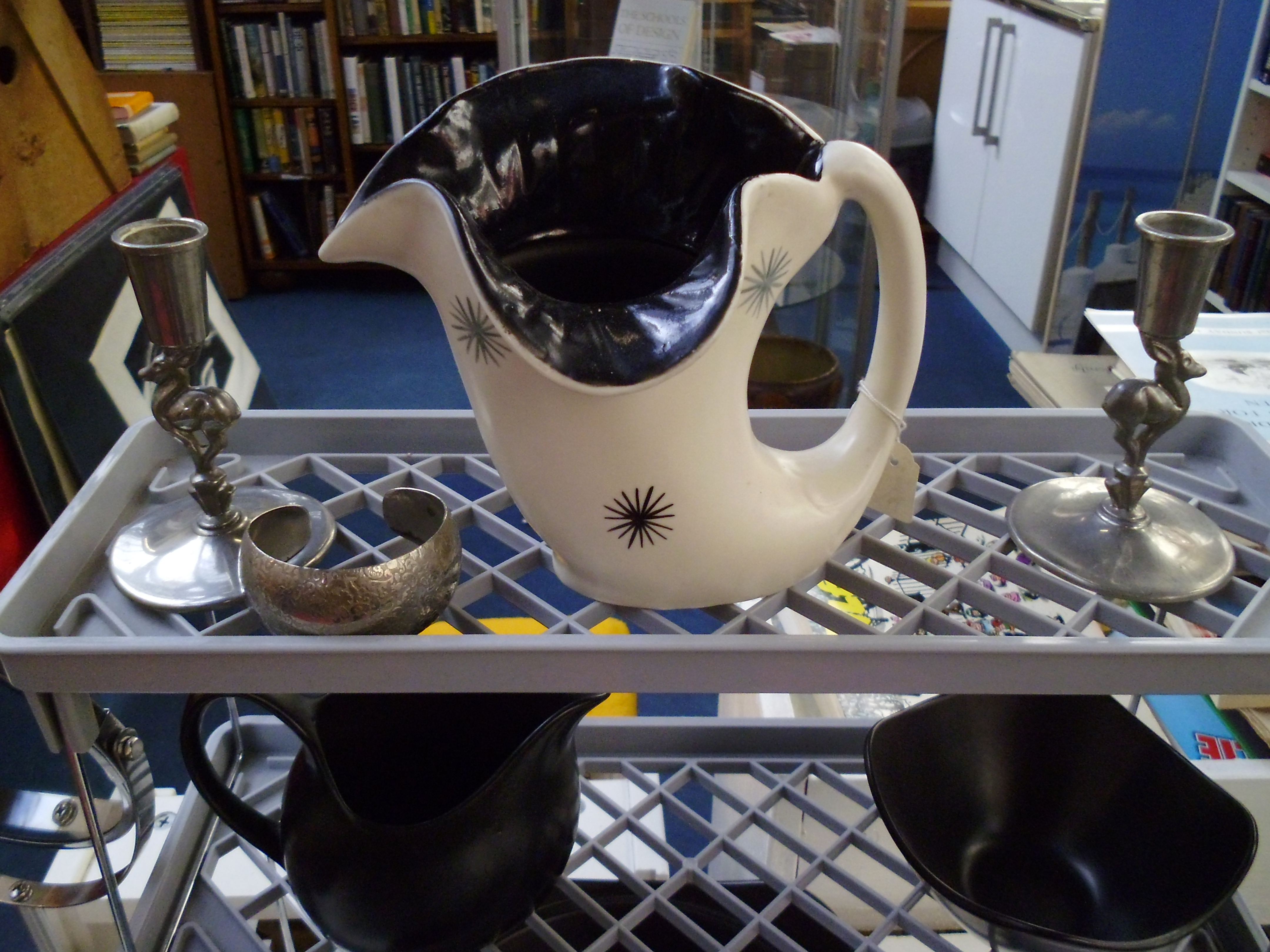
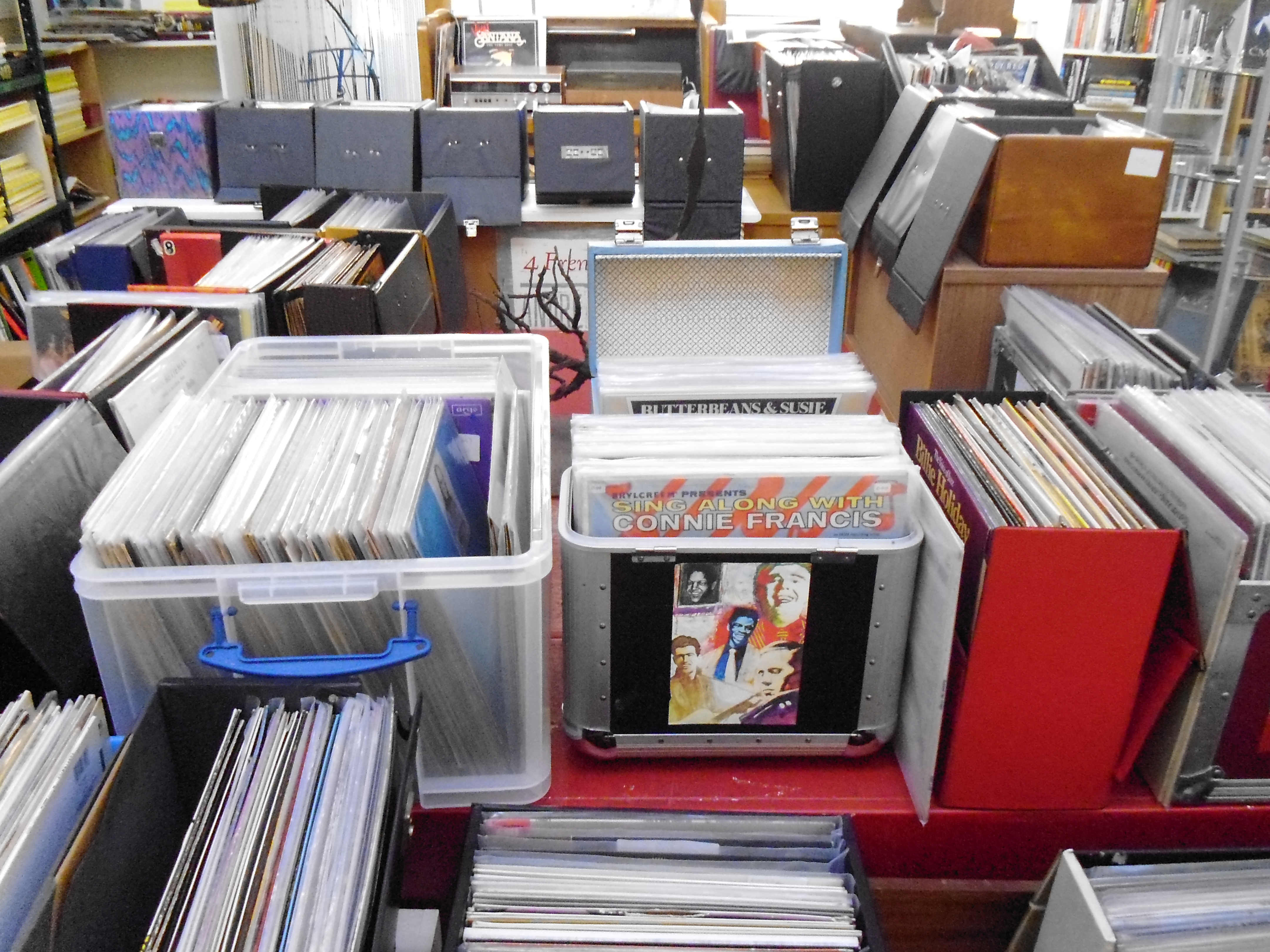
Stockport – Room at the Top

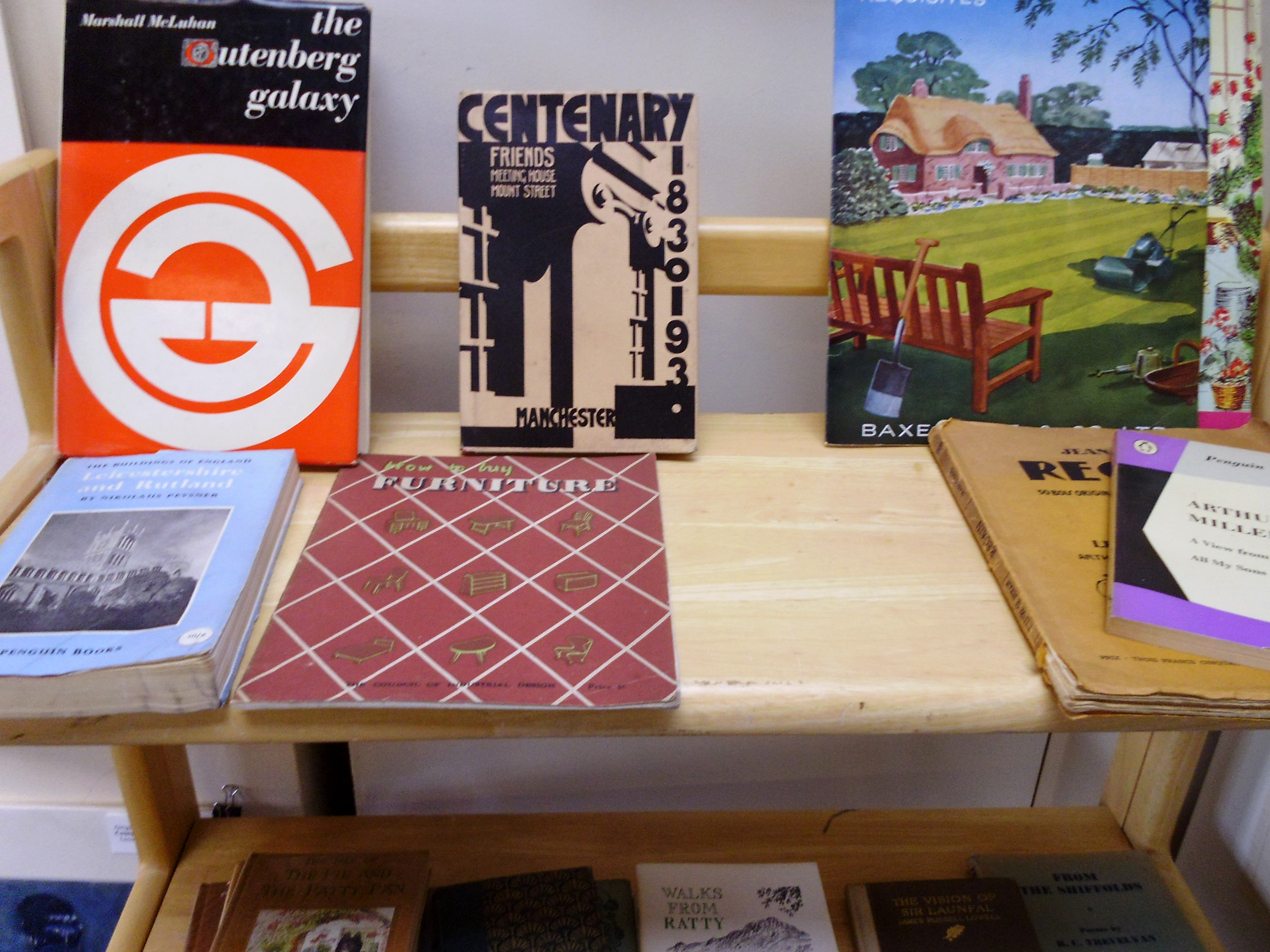
Every town worth its salt should have a decent second hand book shop.

Stockport does.

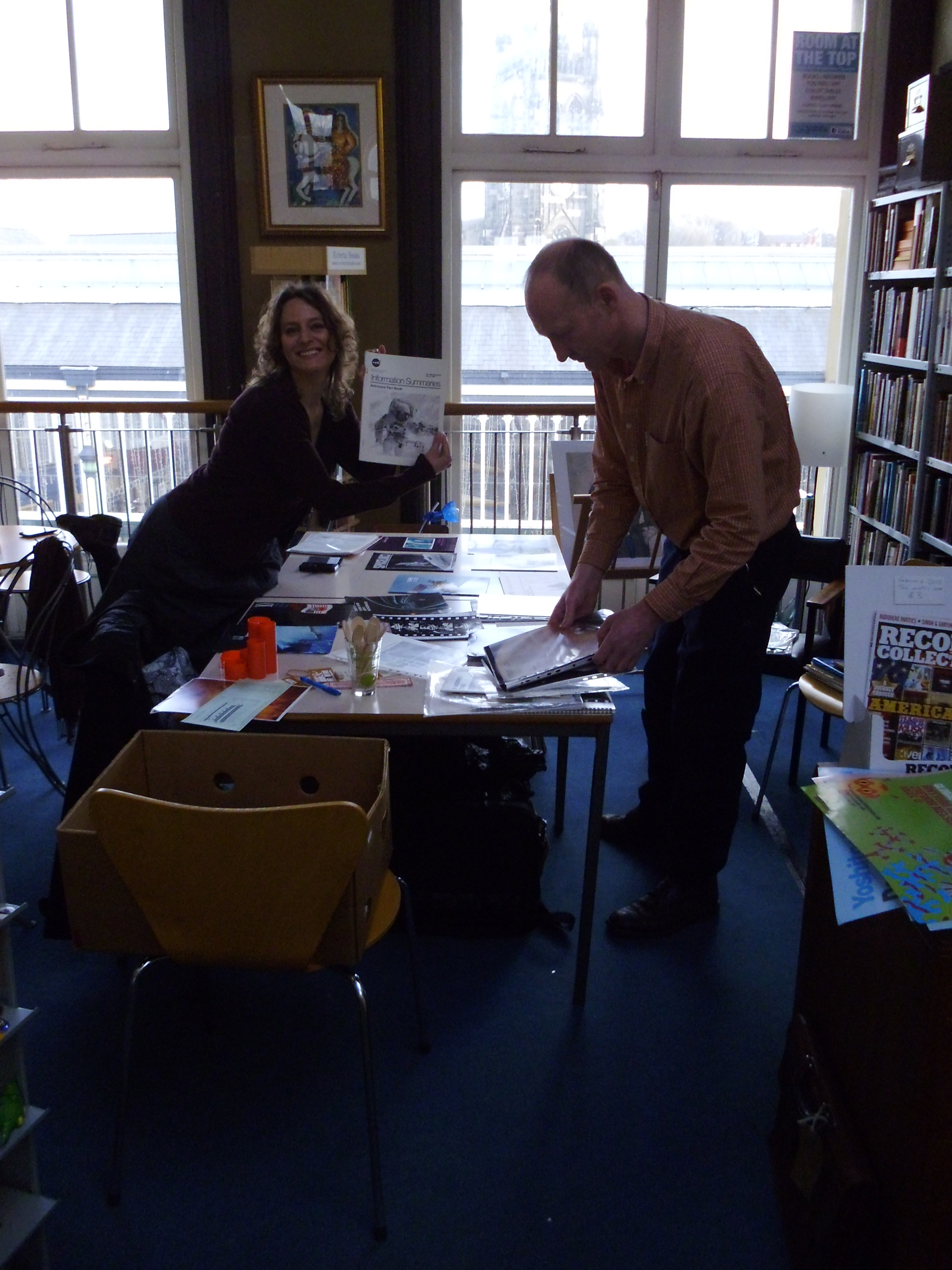
Room at the Top – on the ever so elegant Market Square, centre of the Old Town and part of the ever enlarging nexus of vintage shopping.

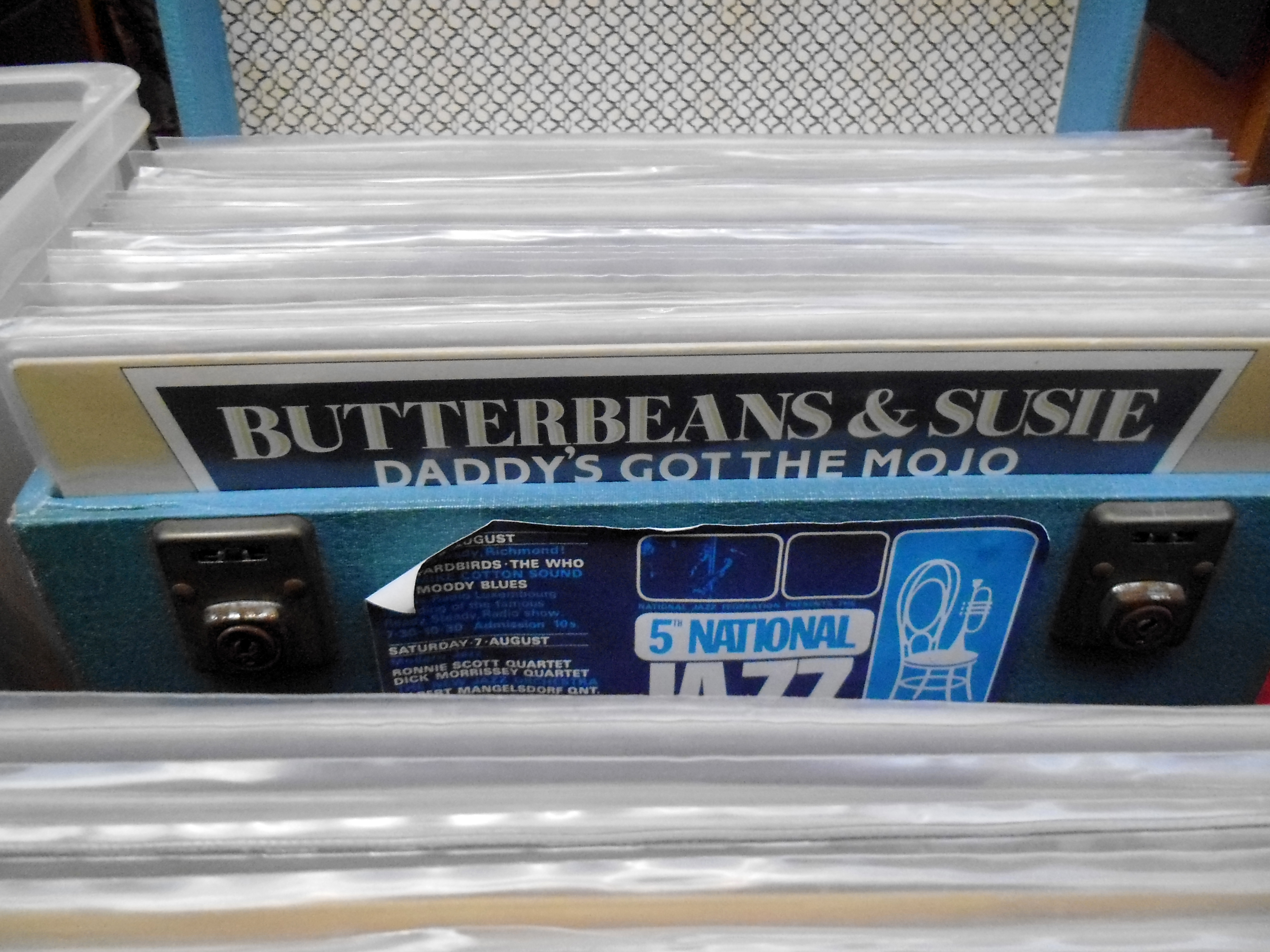
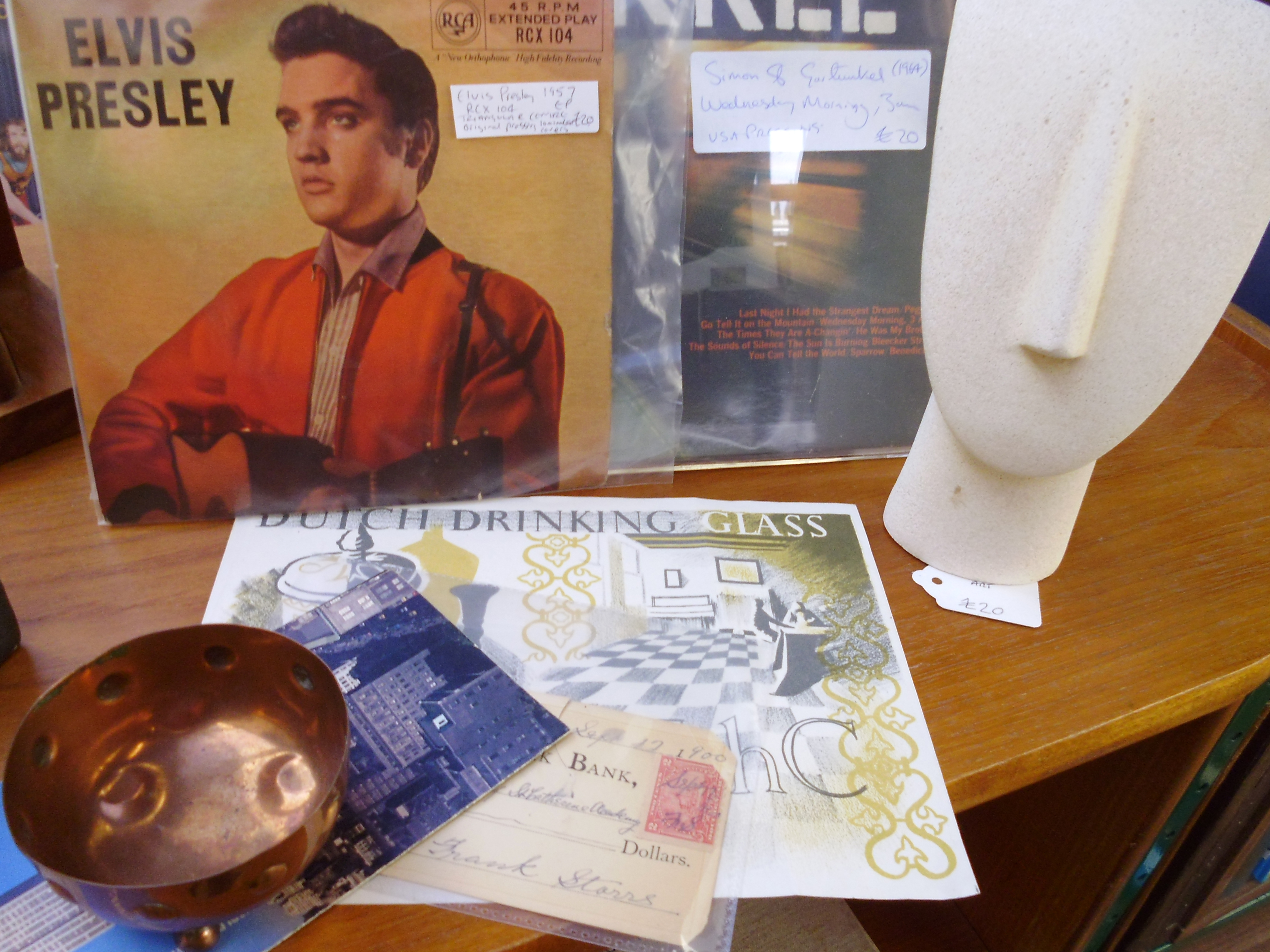
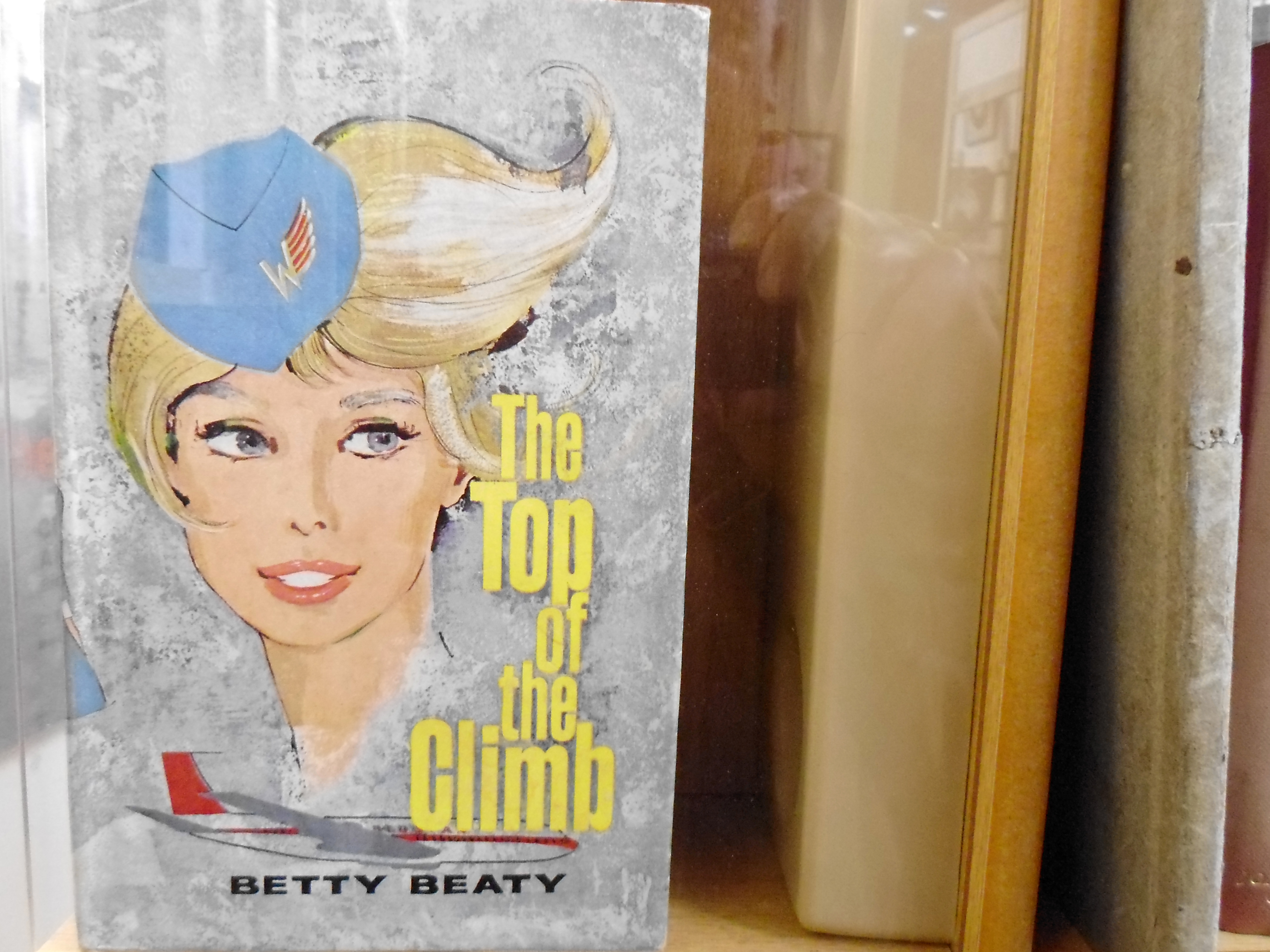
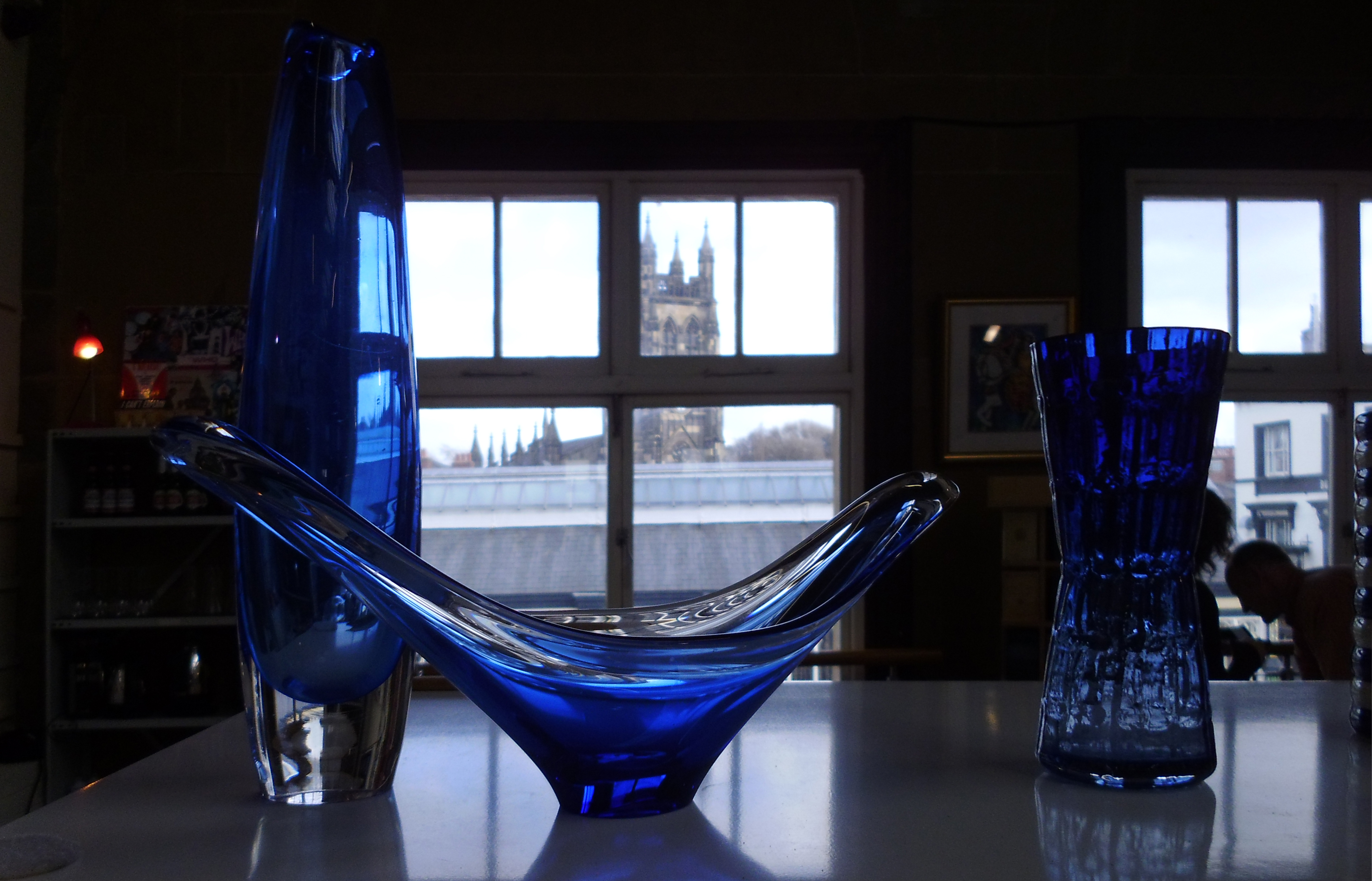
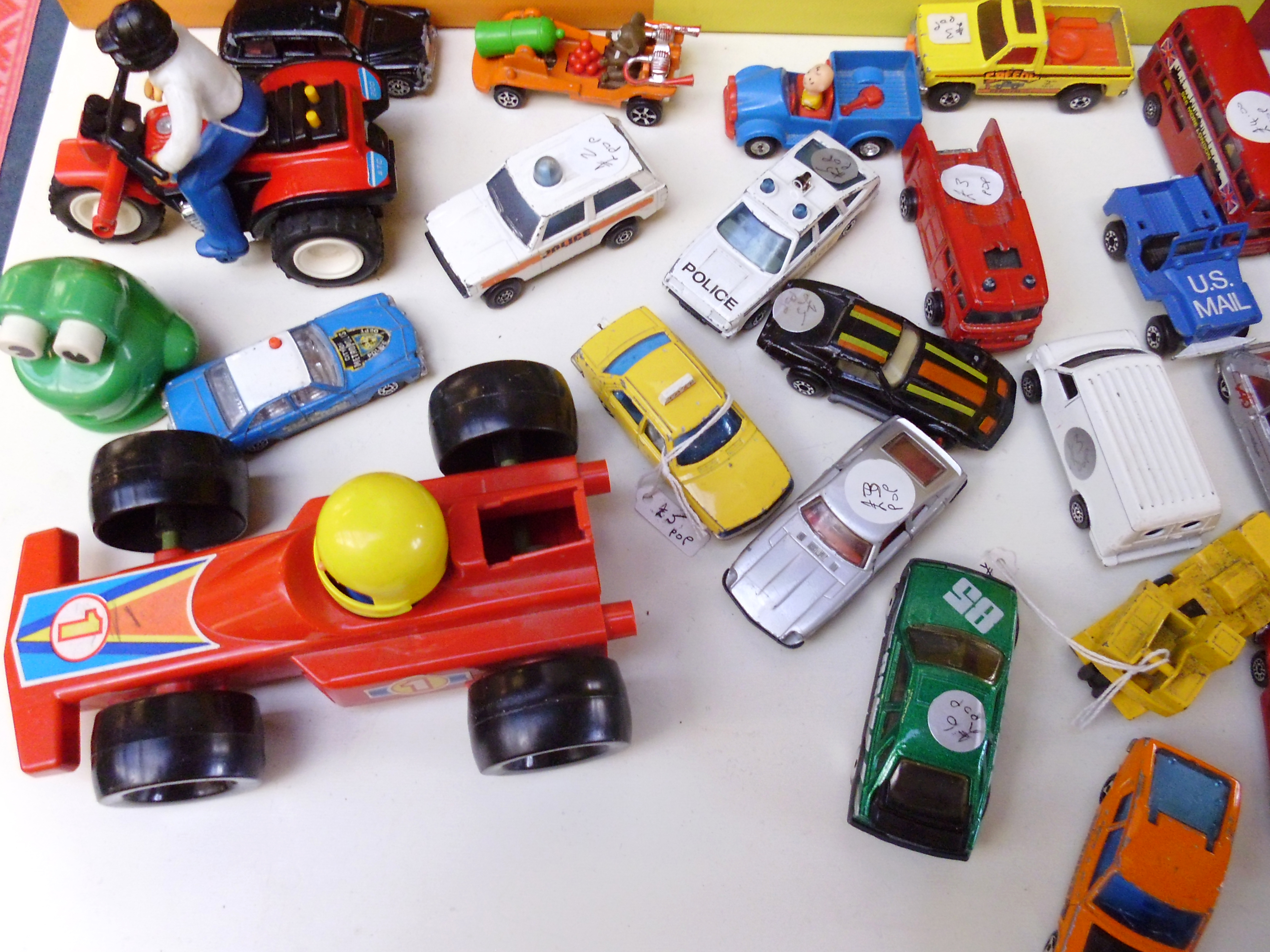
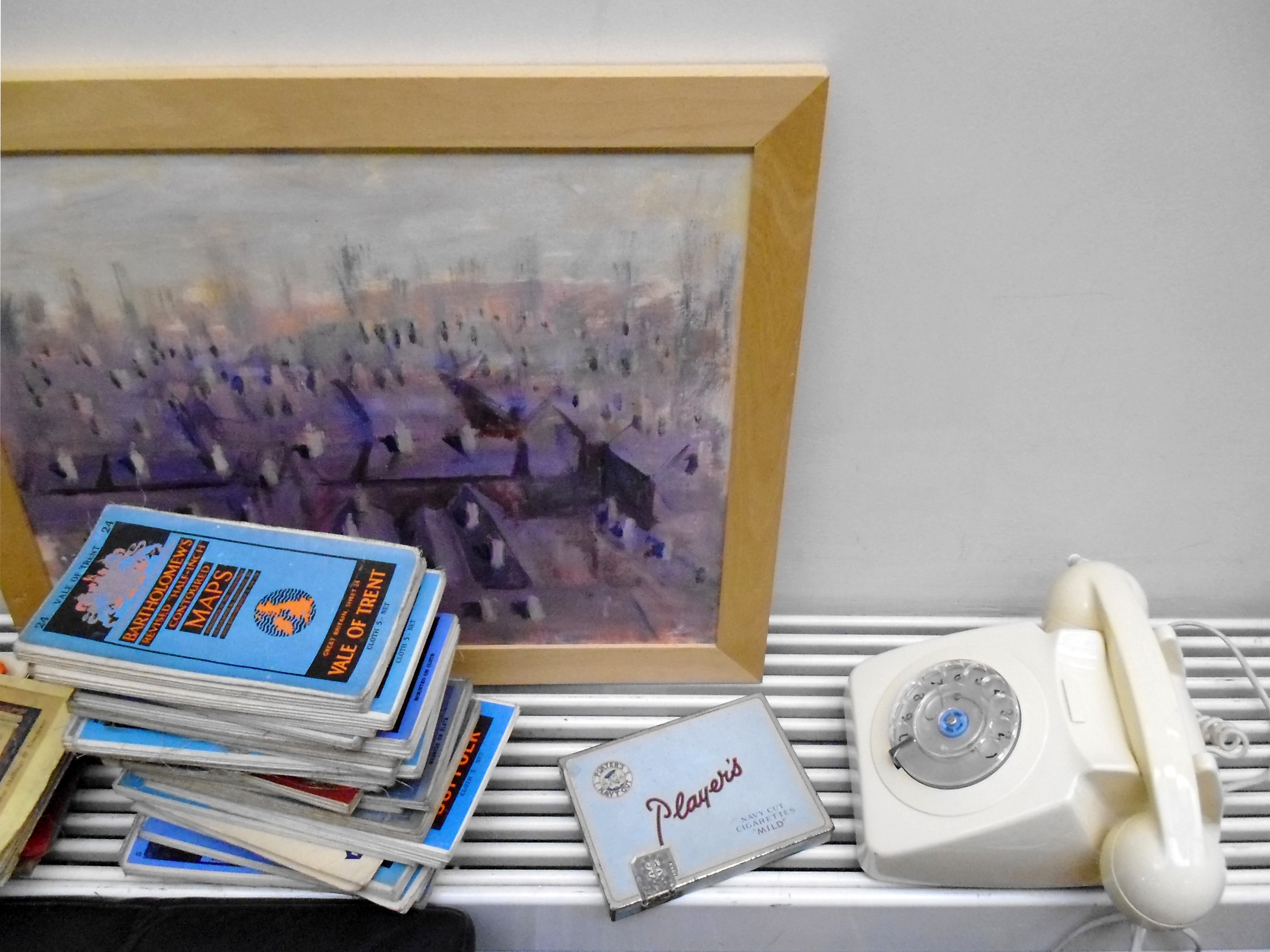
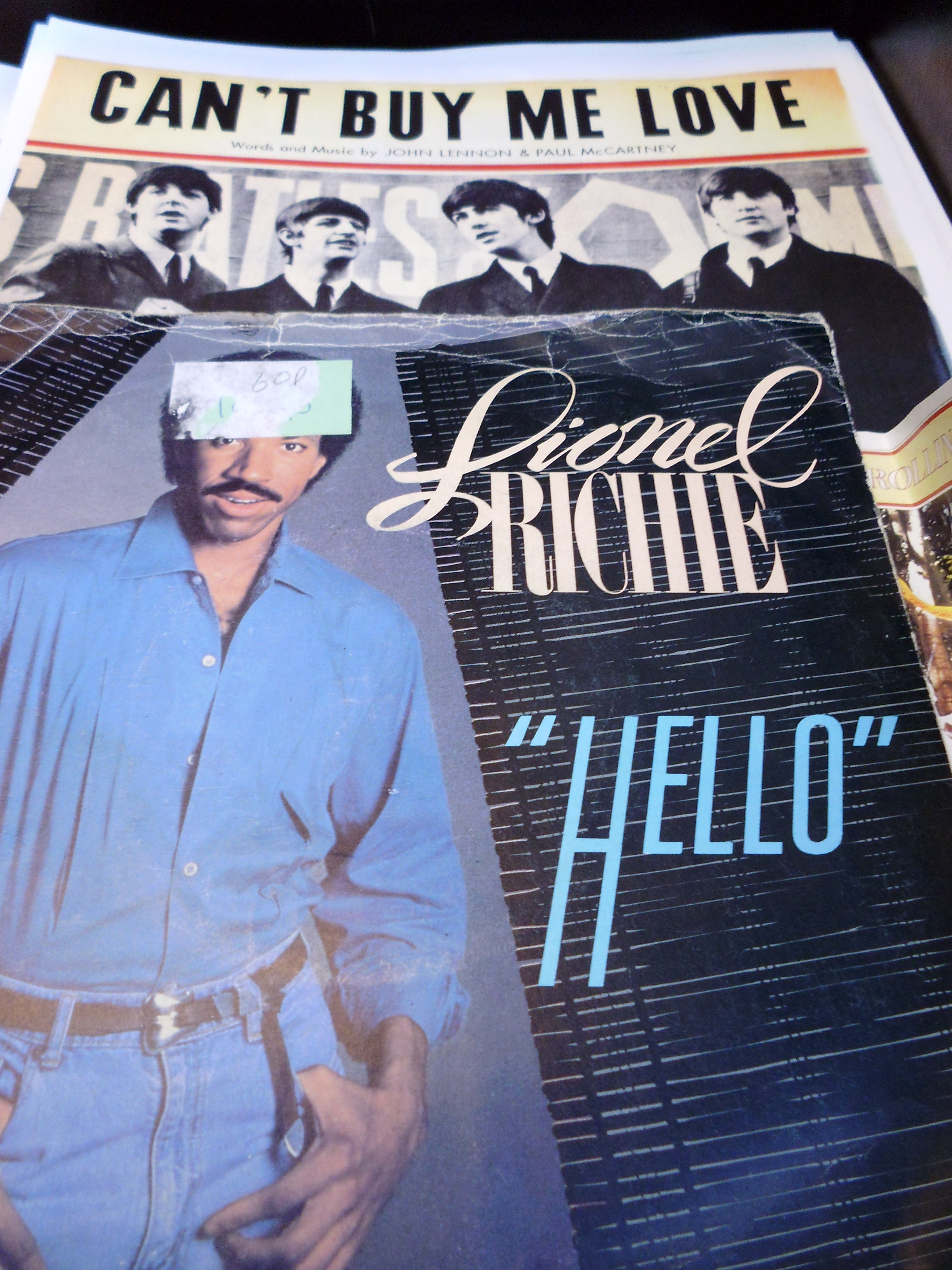
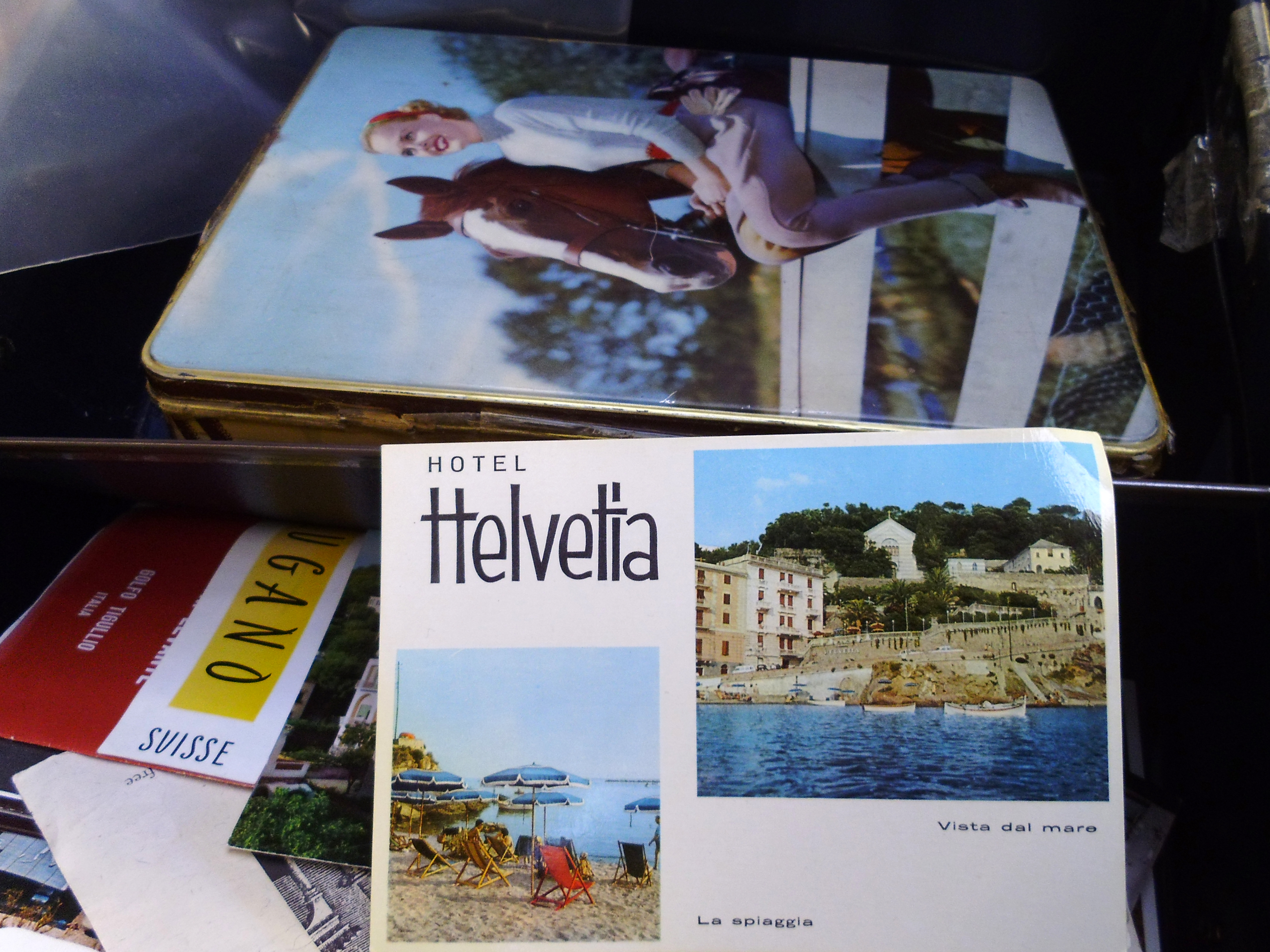
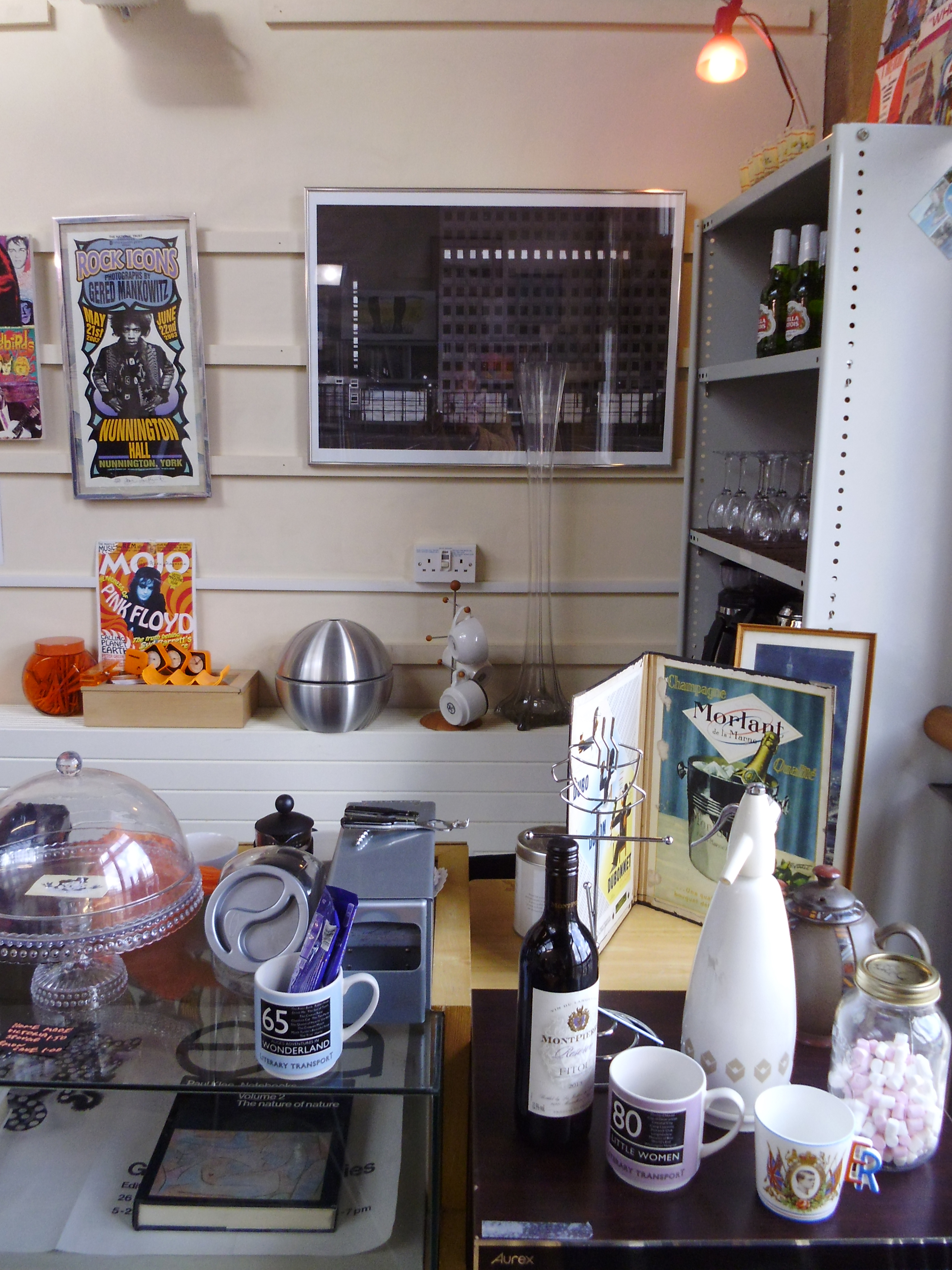
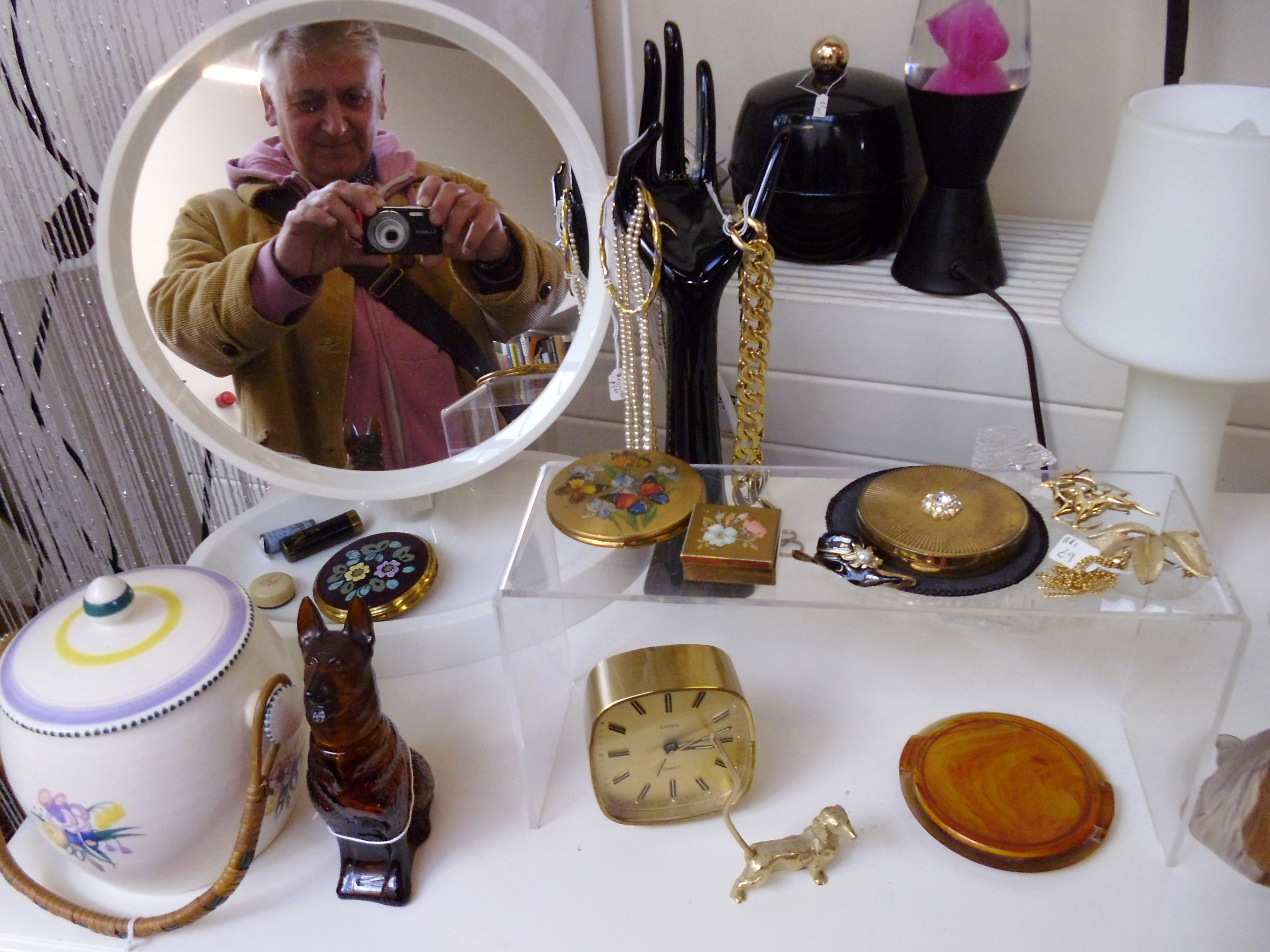
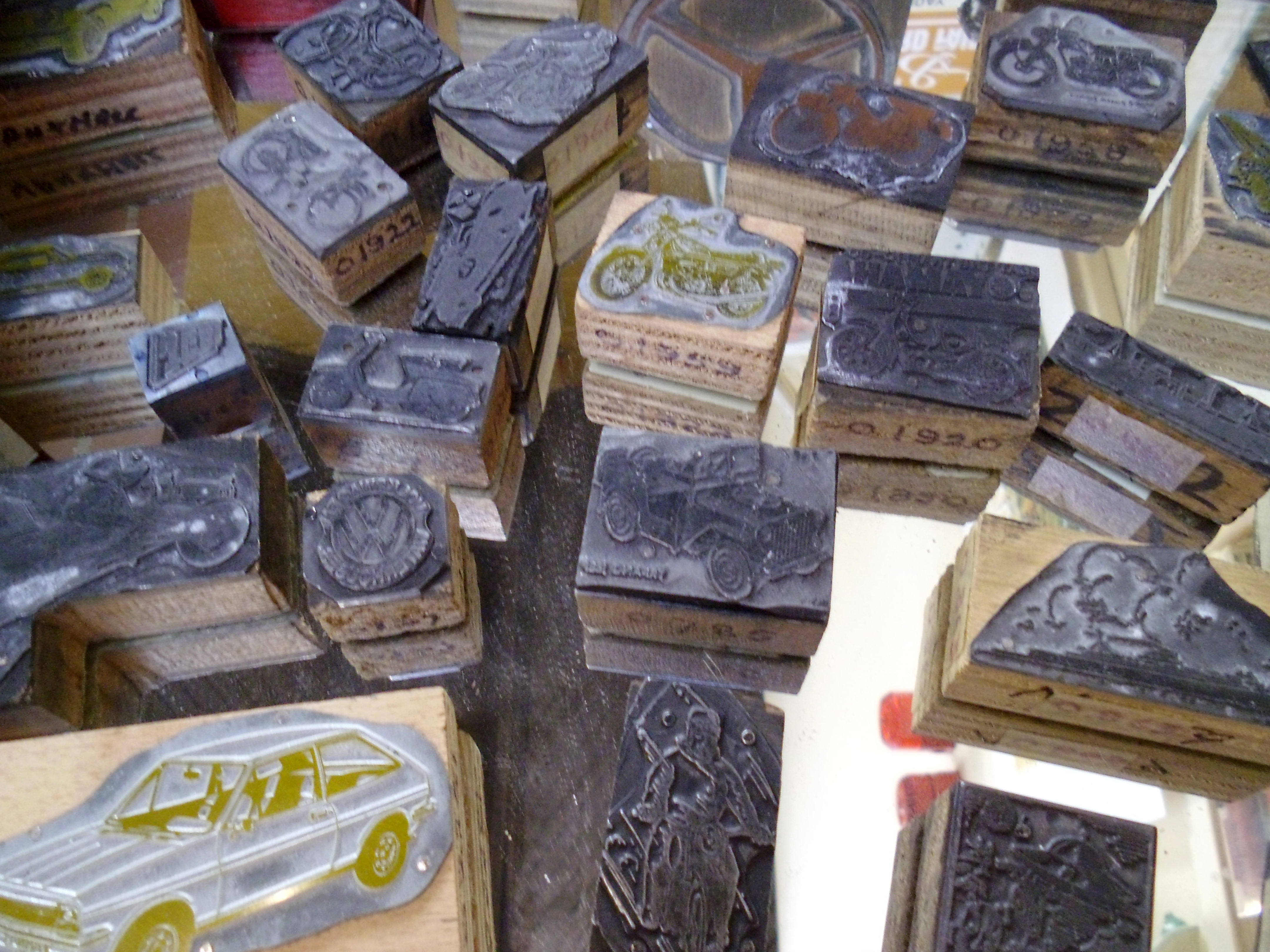
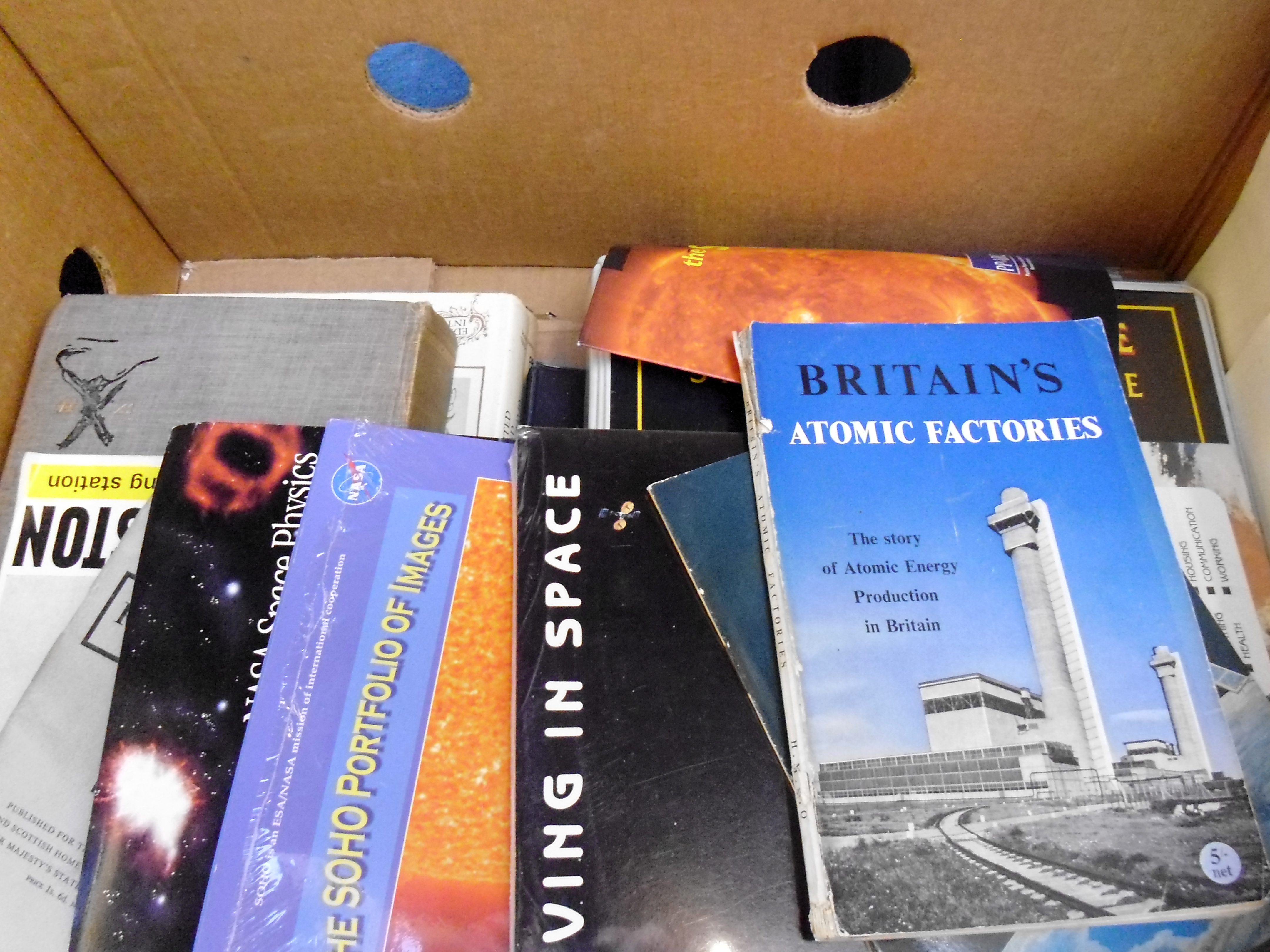
Jane, John and Lynn offer a wide selection of books, records, art, ephemera, glass, toys, ceramics and almost all sorts, in their first floor eyrie of happiness.

Always at the most reasonable of prices – you can get a brew too!

So take an hour out to browse, pursue and lollygag in convivial surroundings.

Leave with bags full excitement and a broad grin.