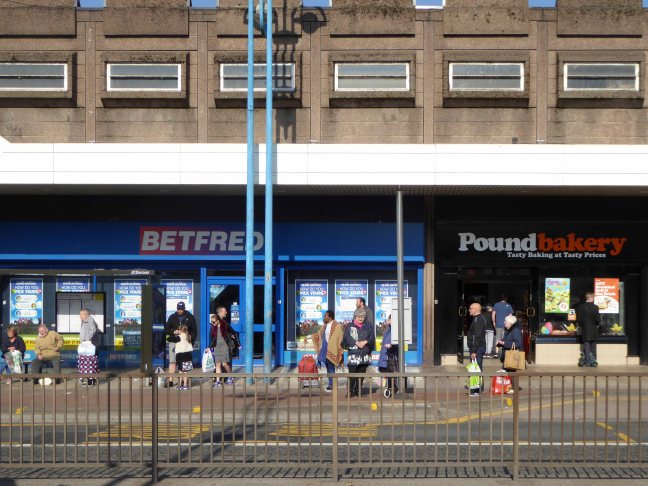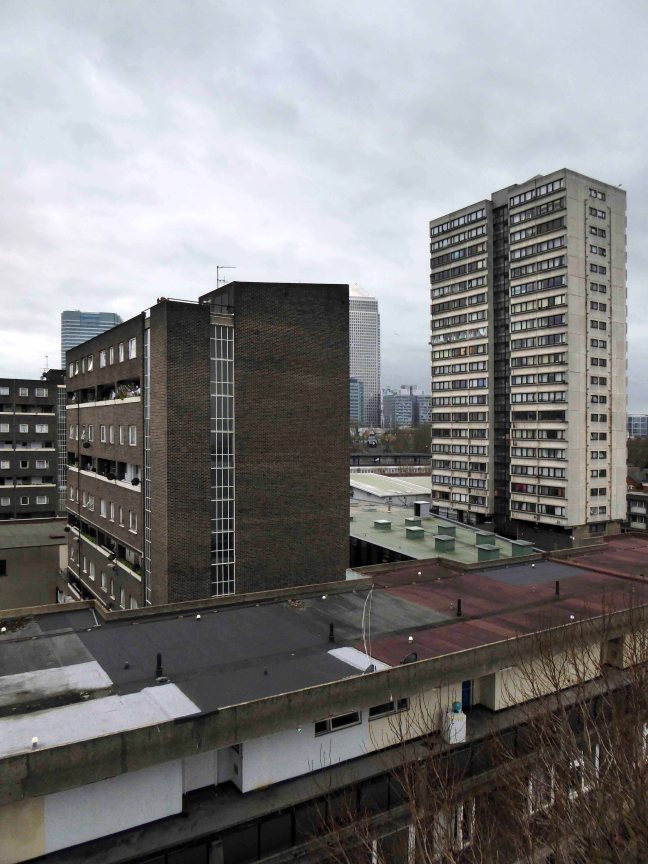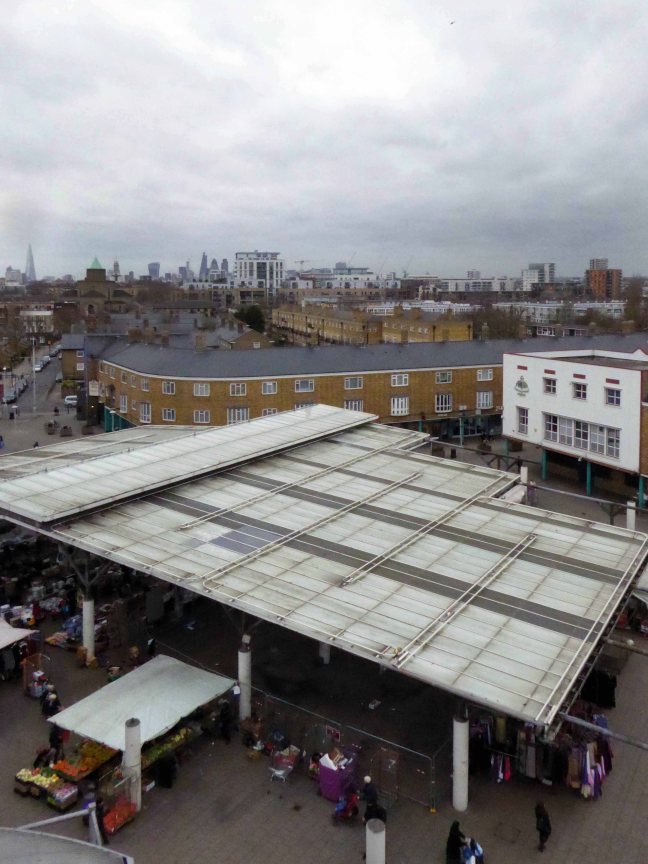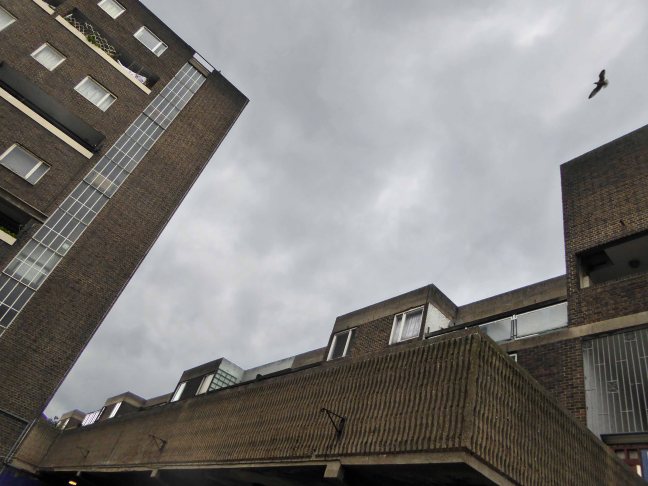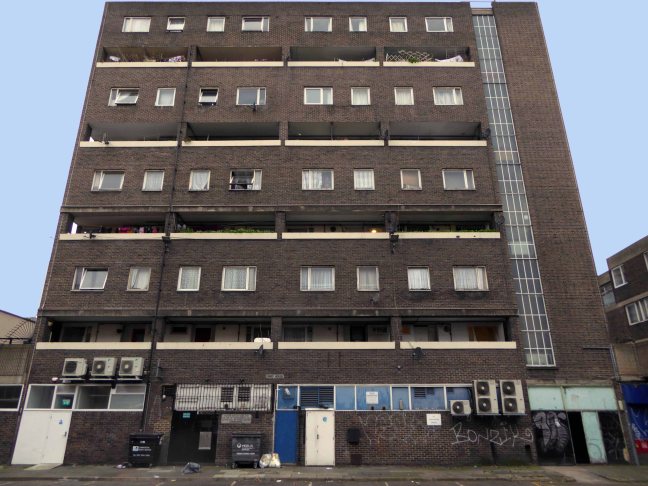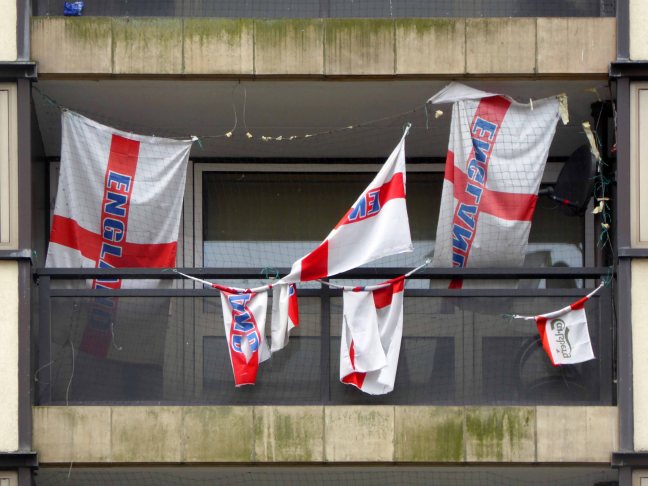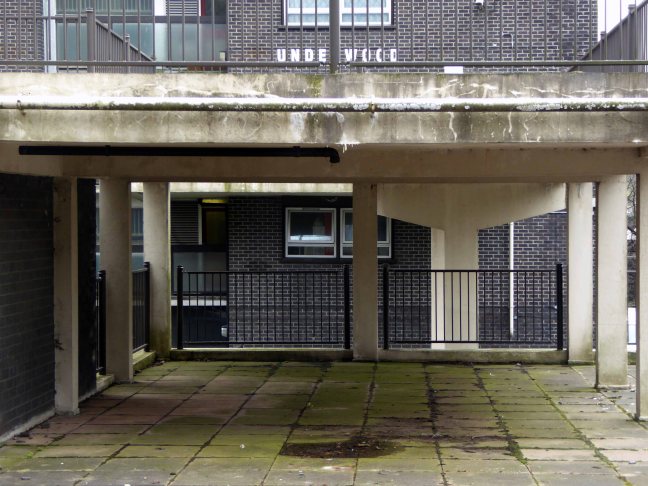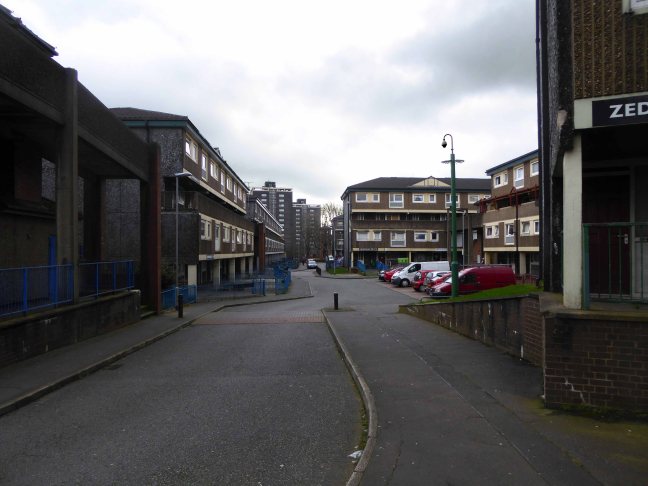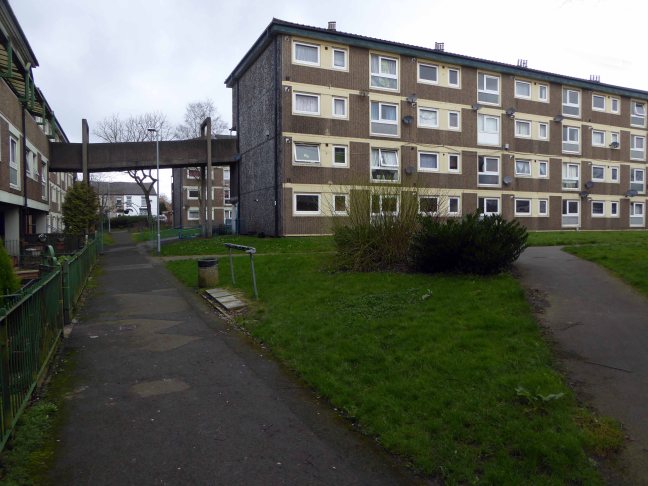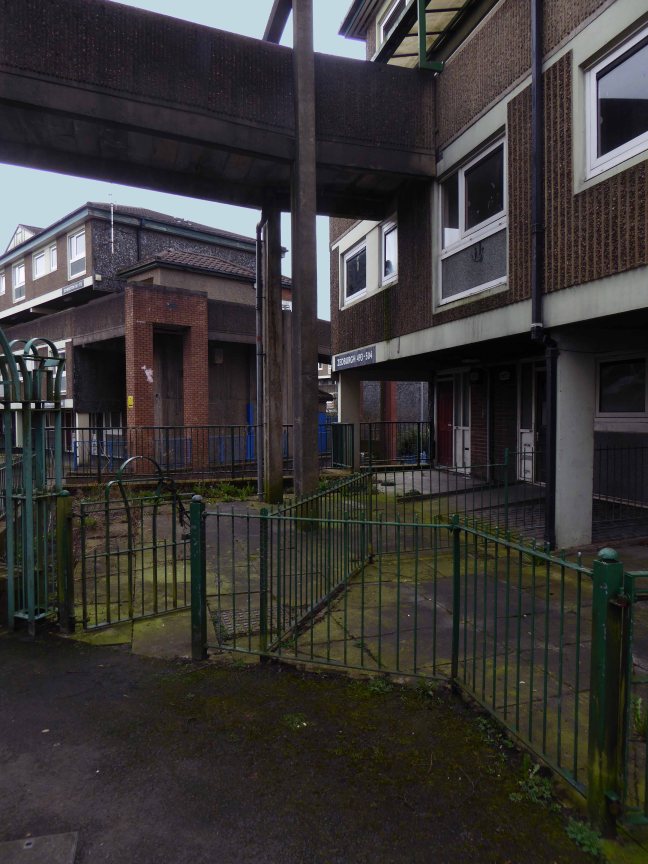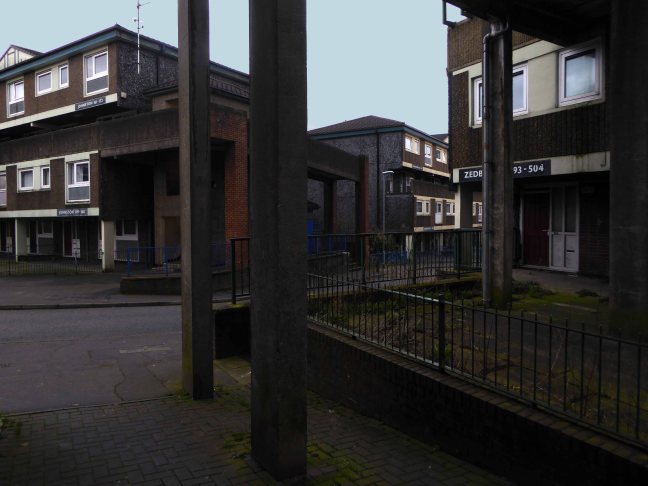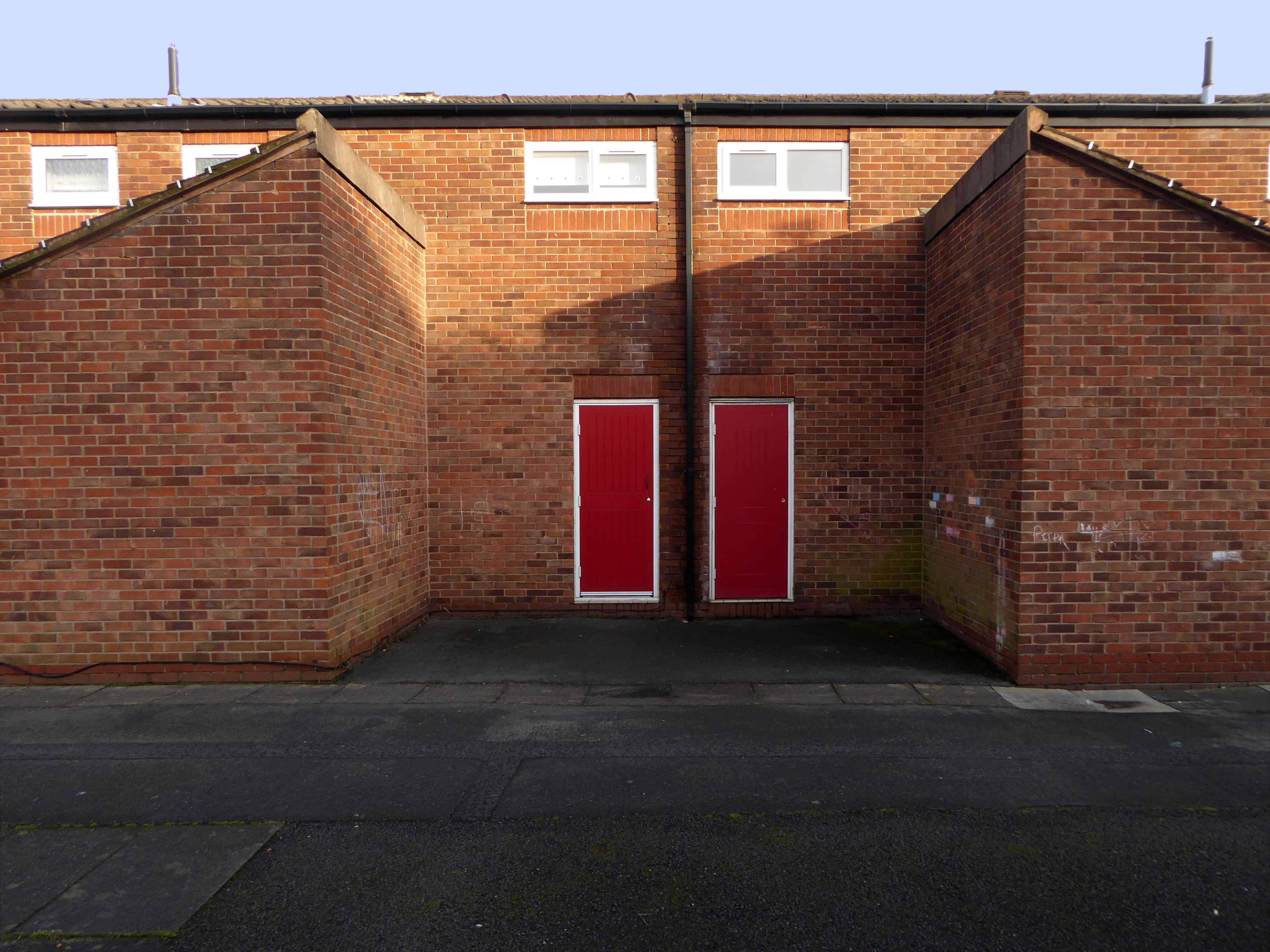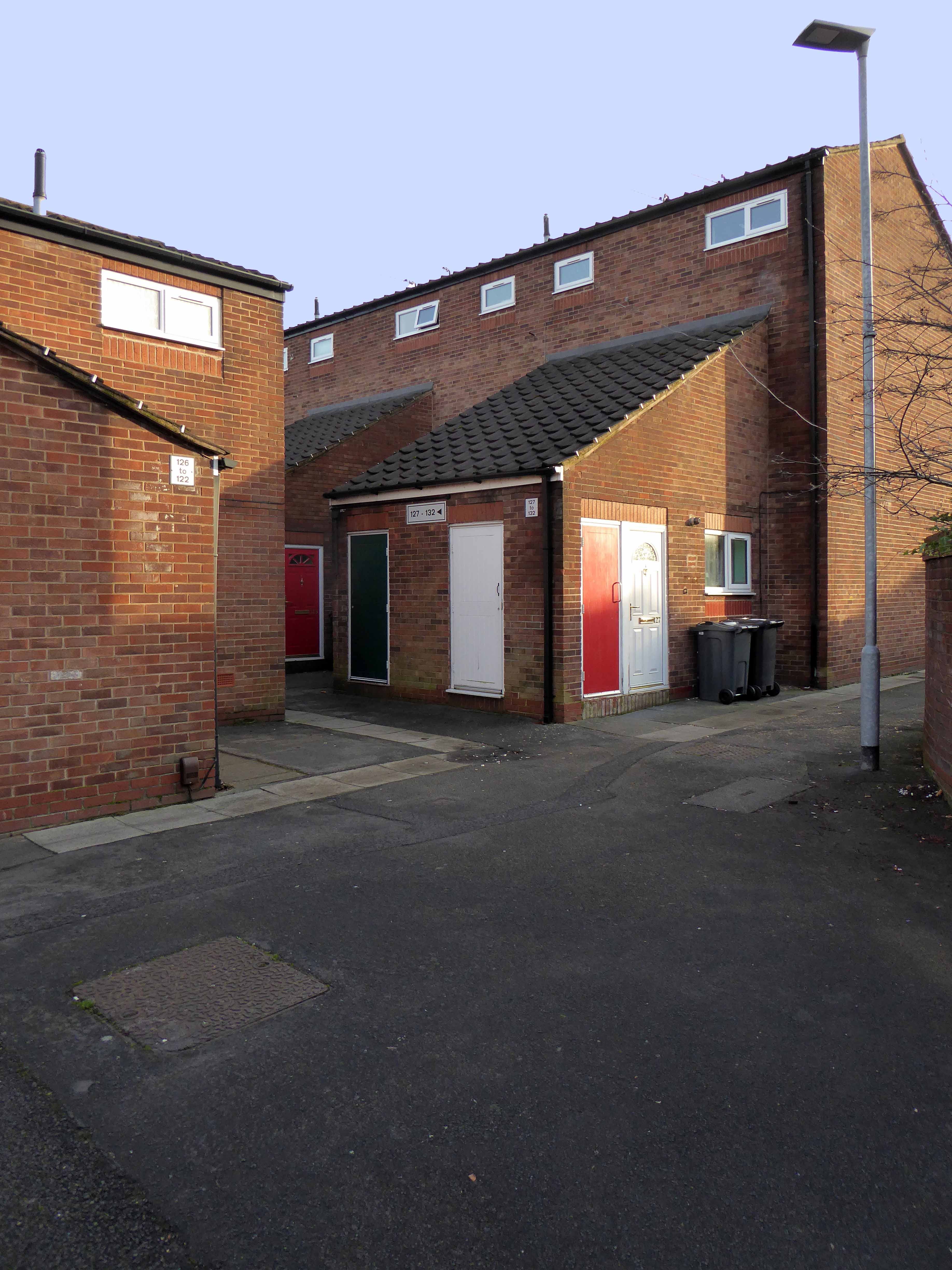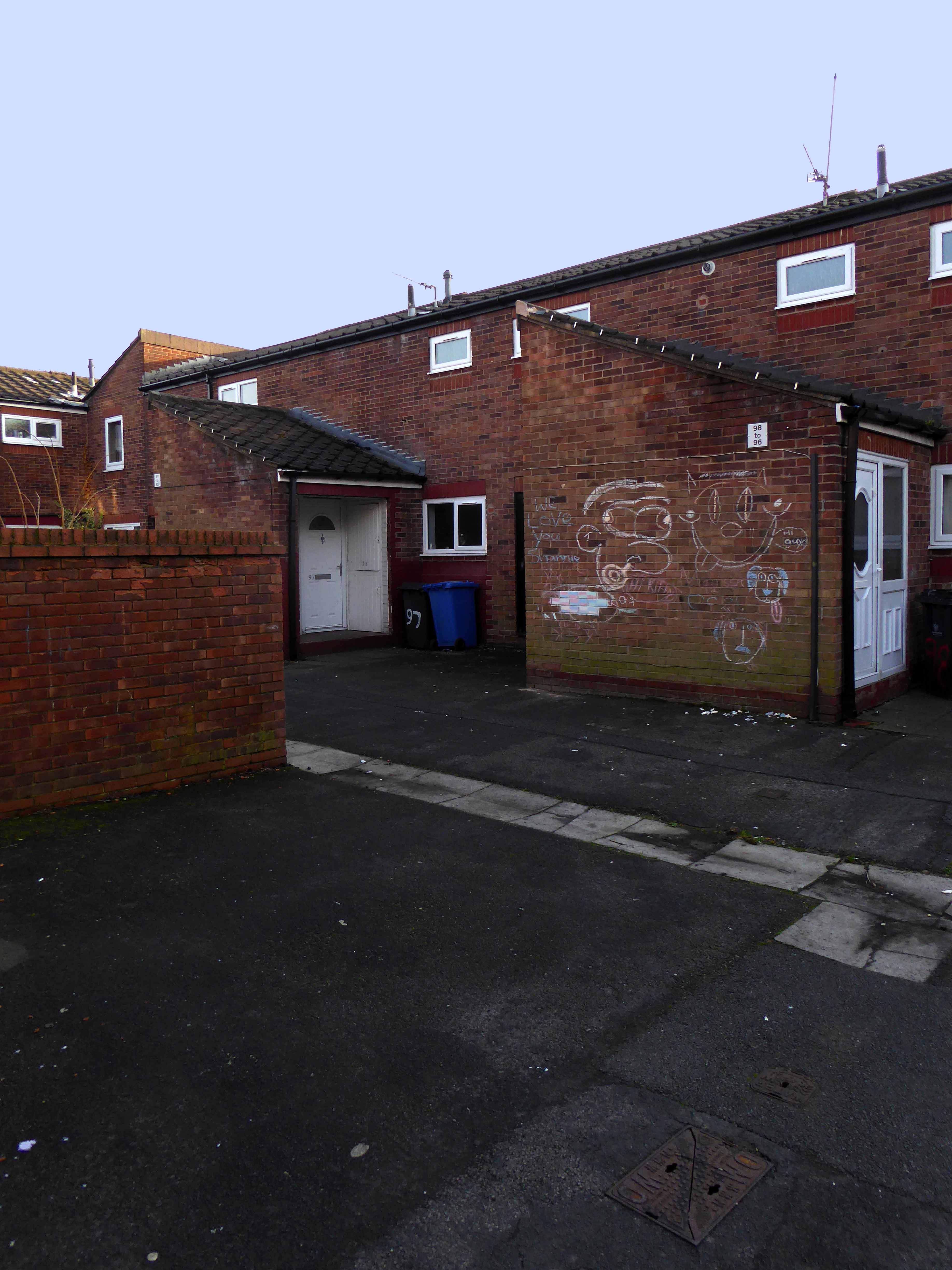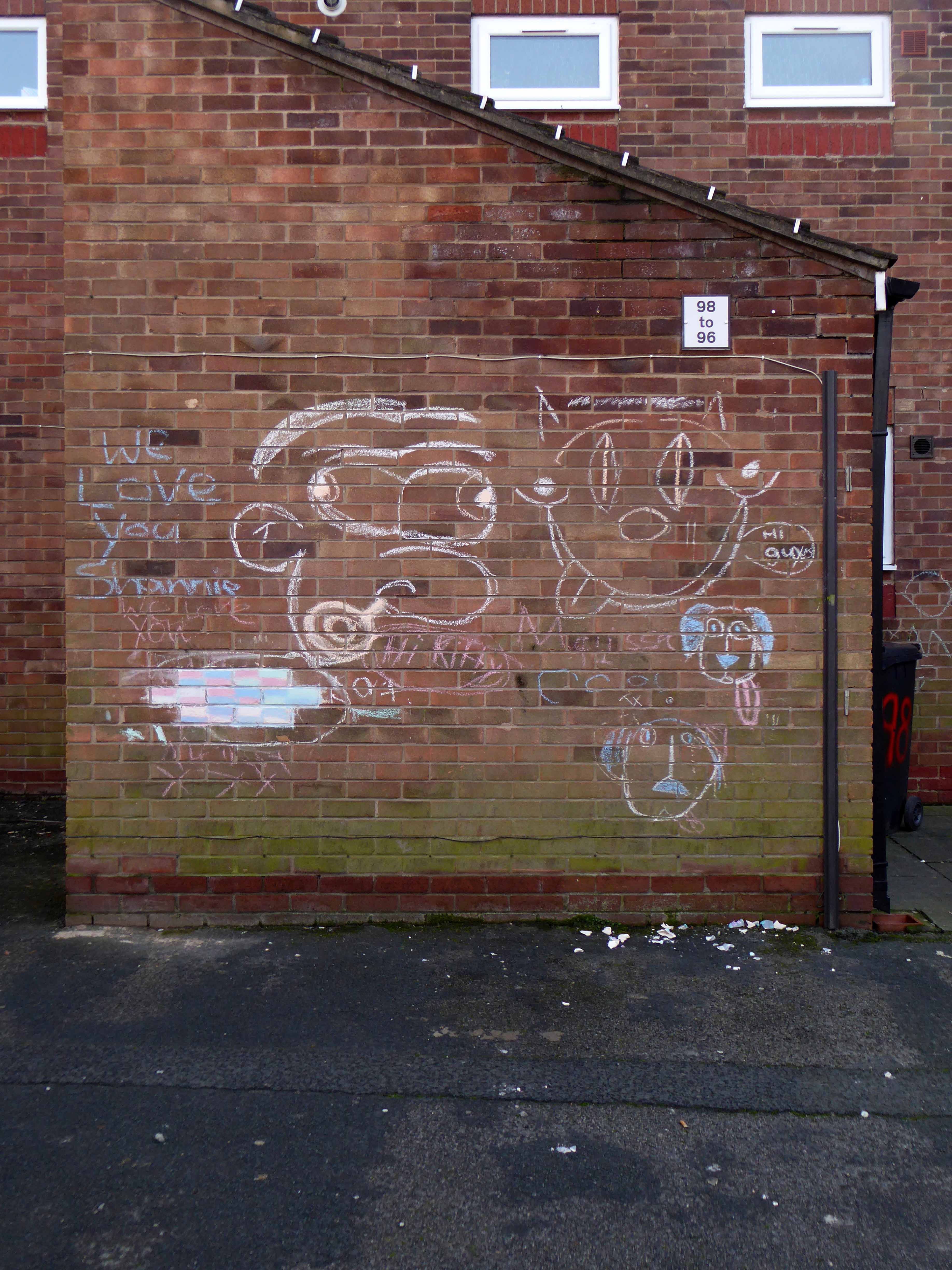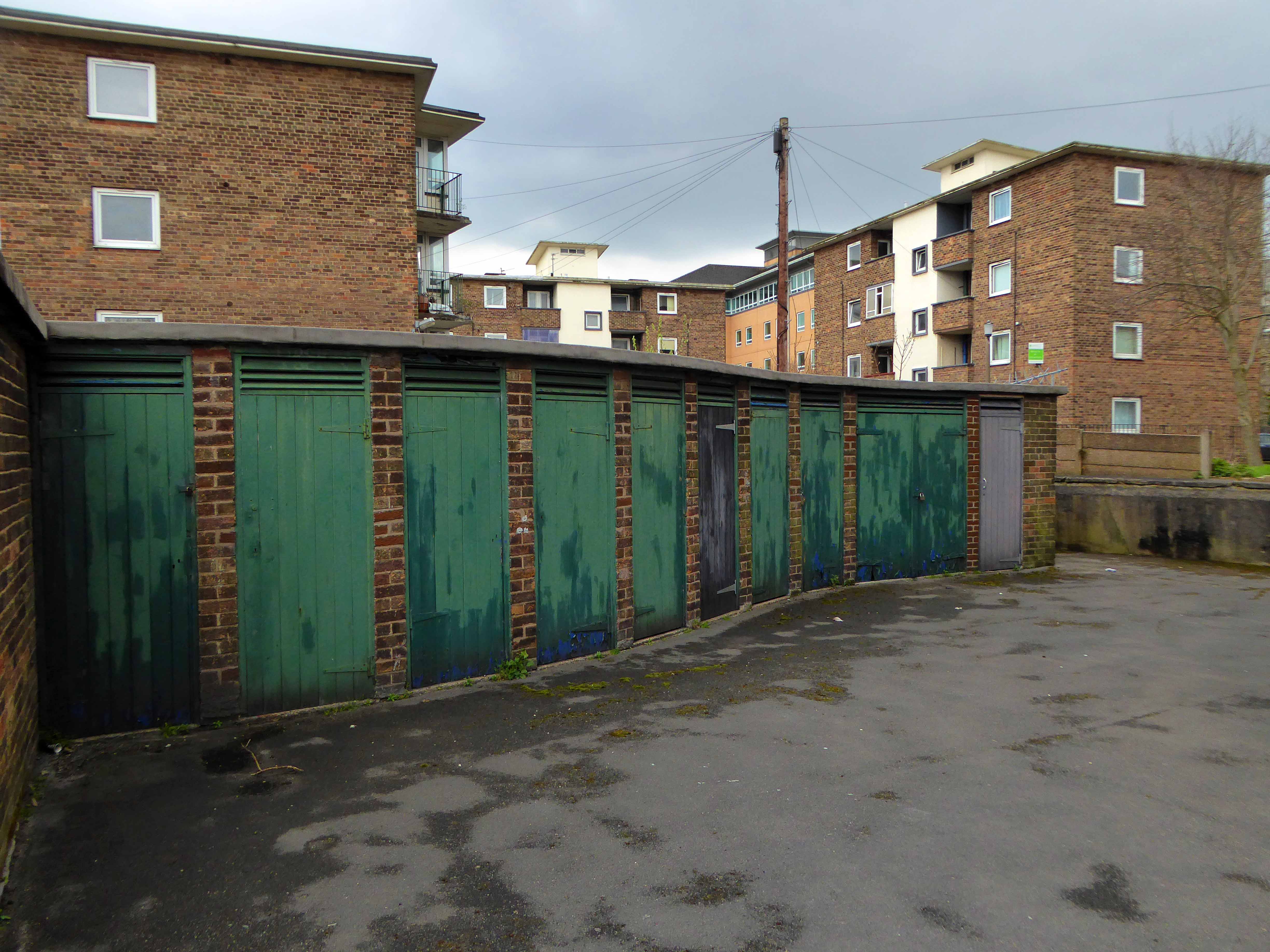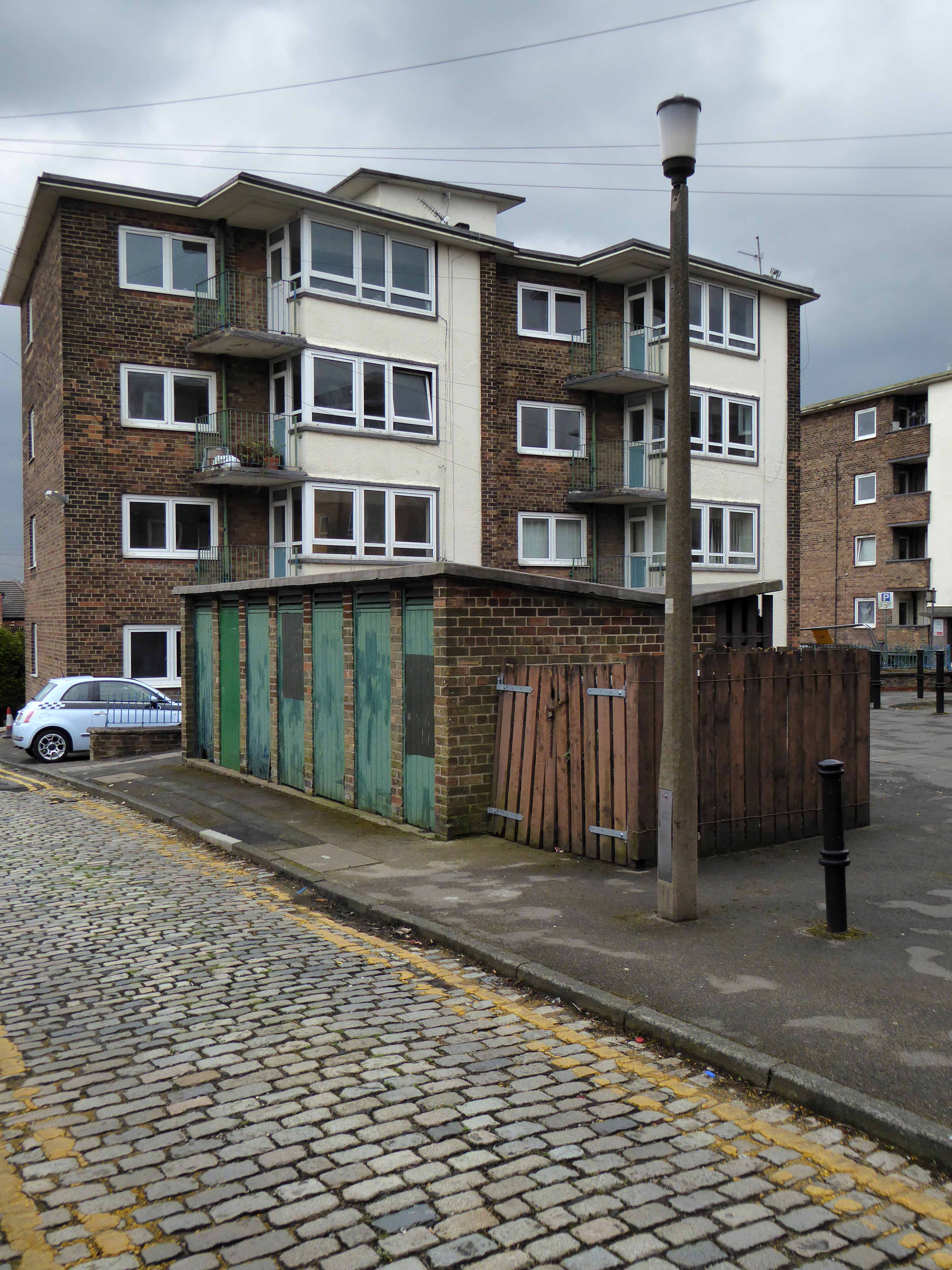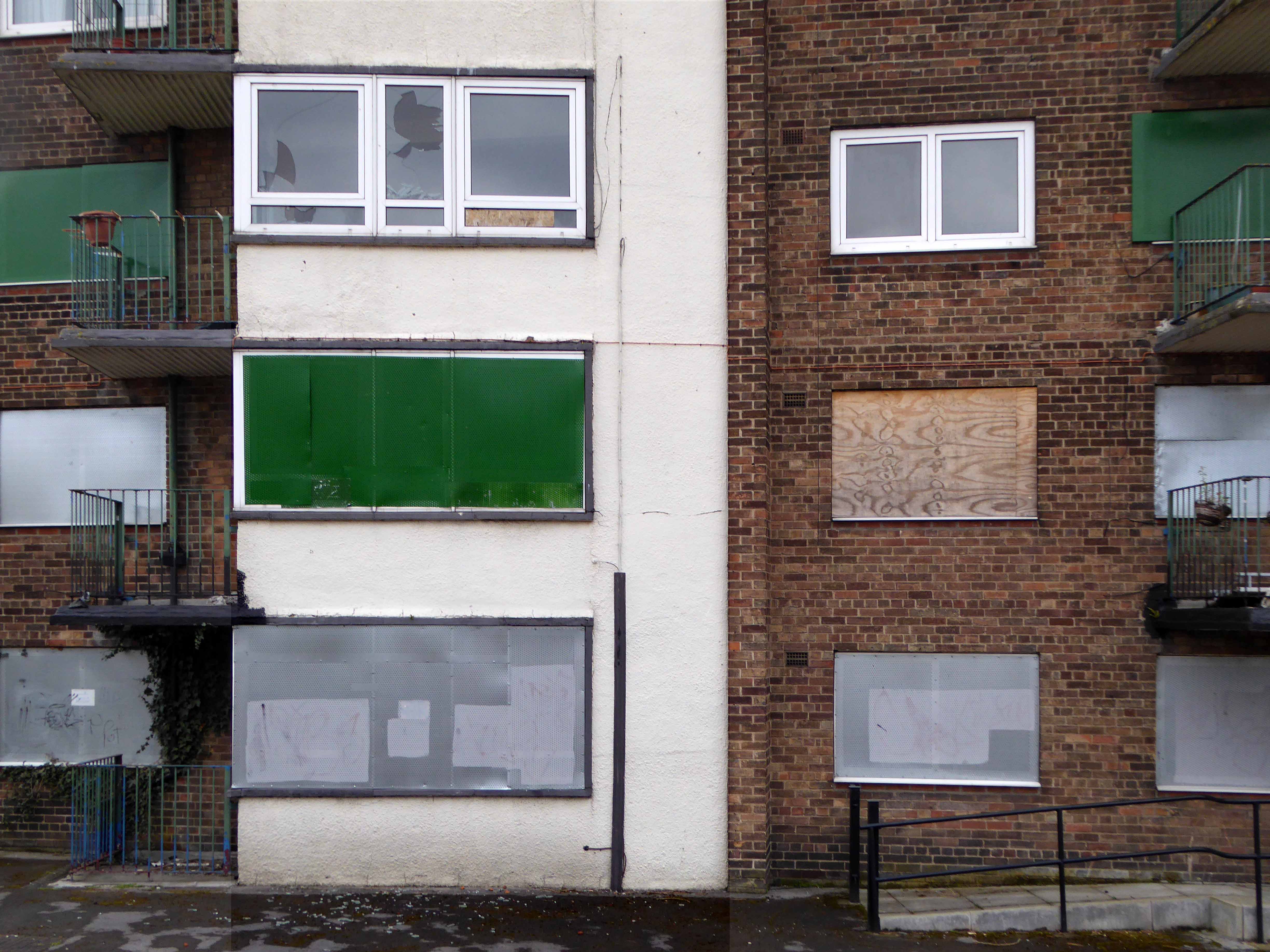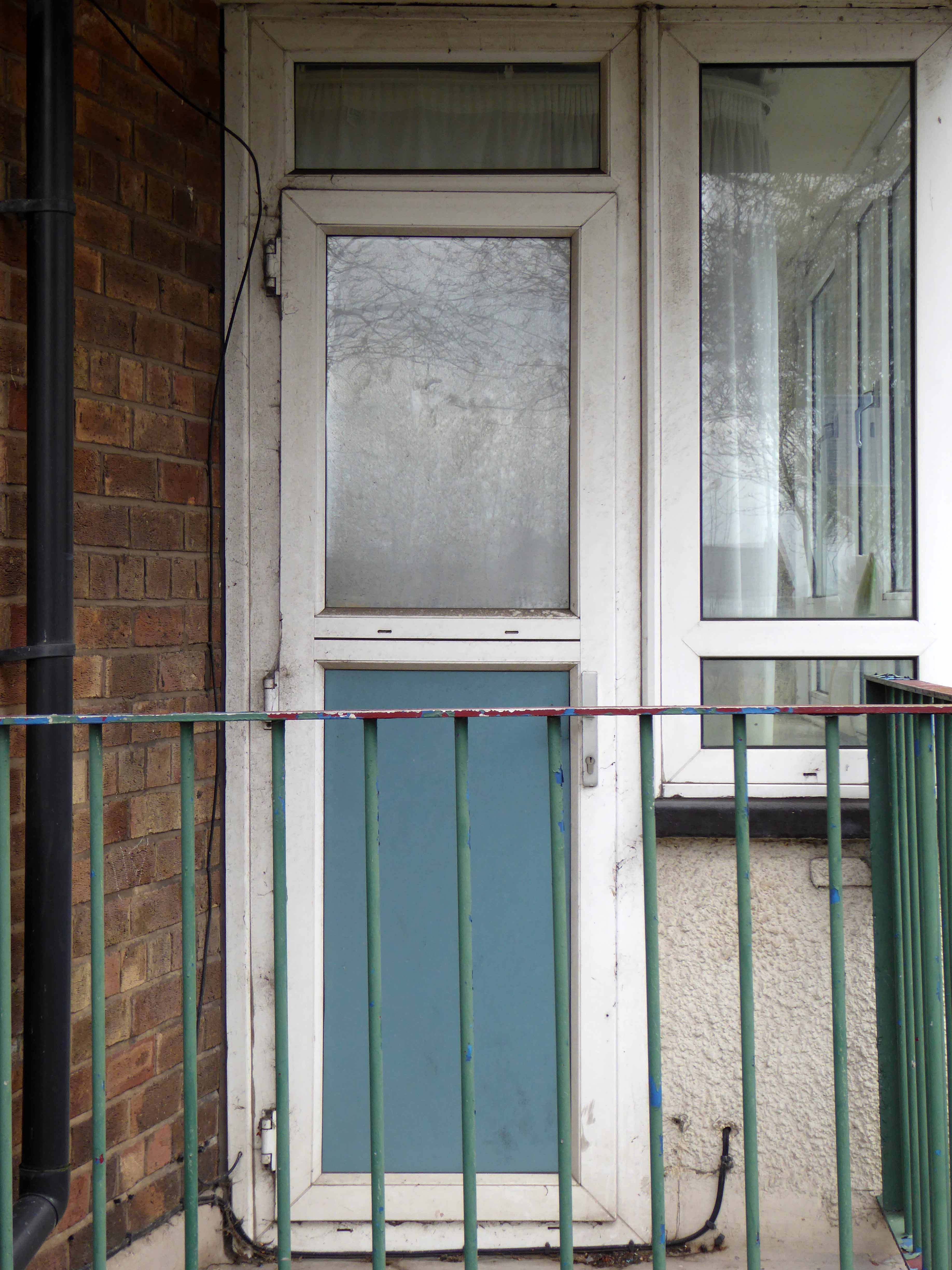
Seven Sisters – Return to Rochdale

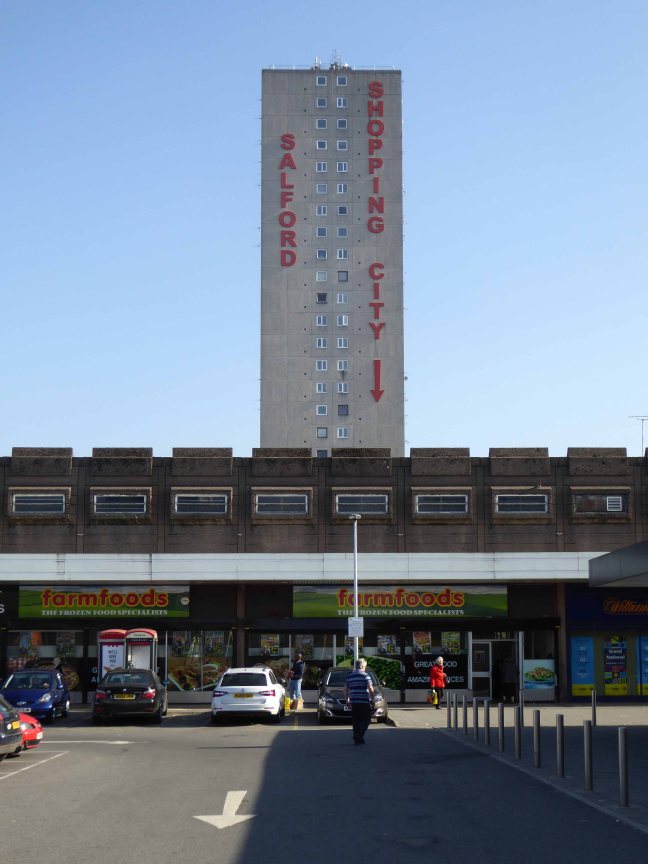
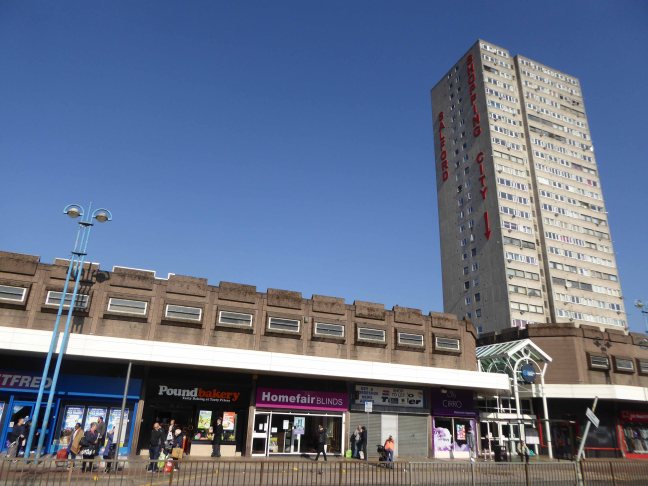
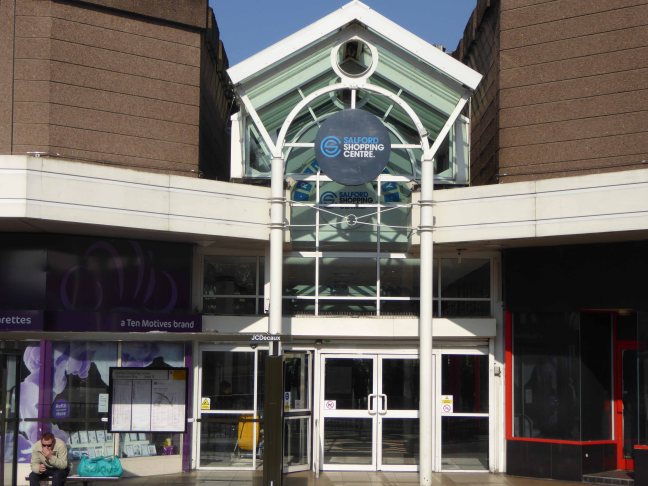
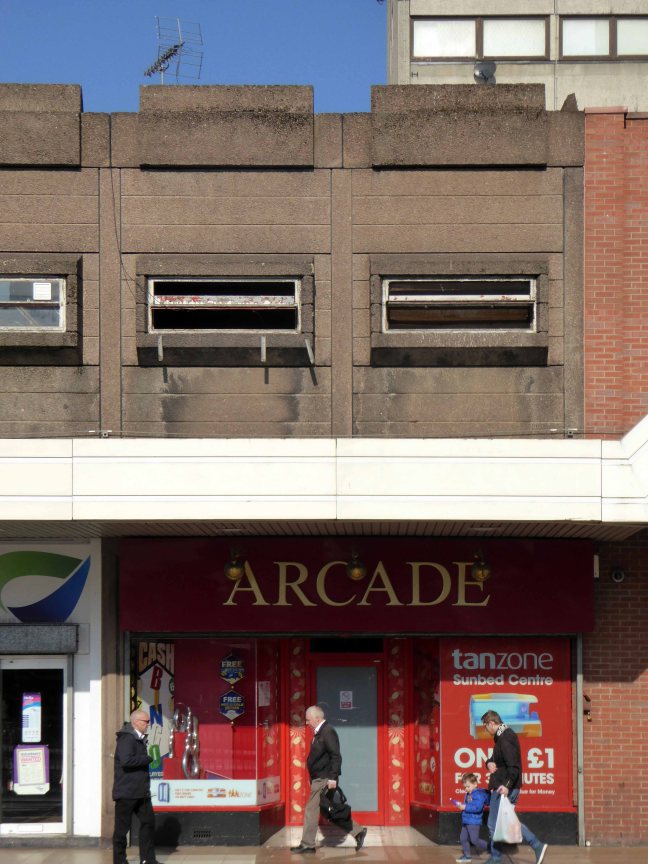
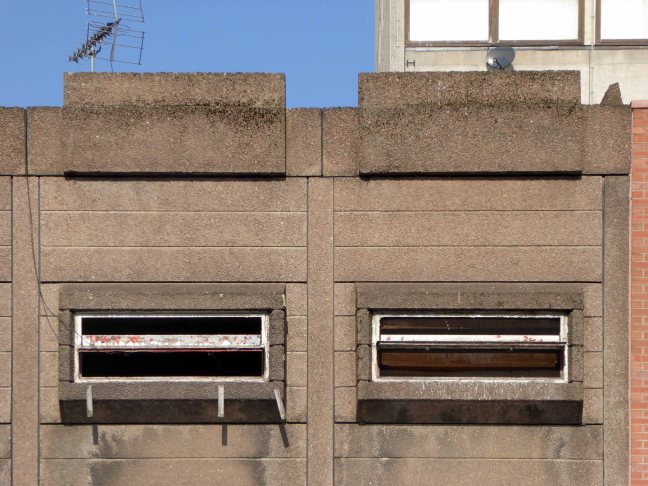
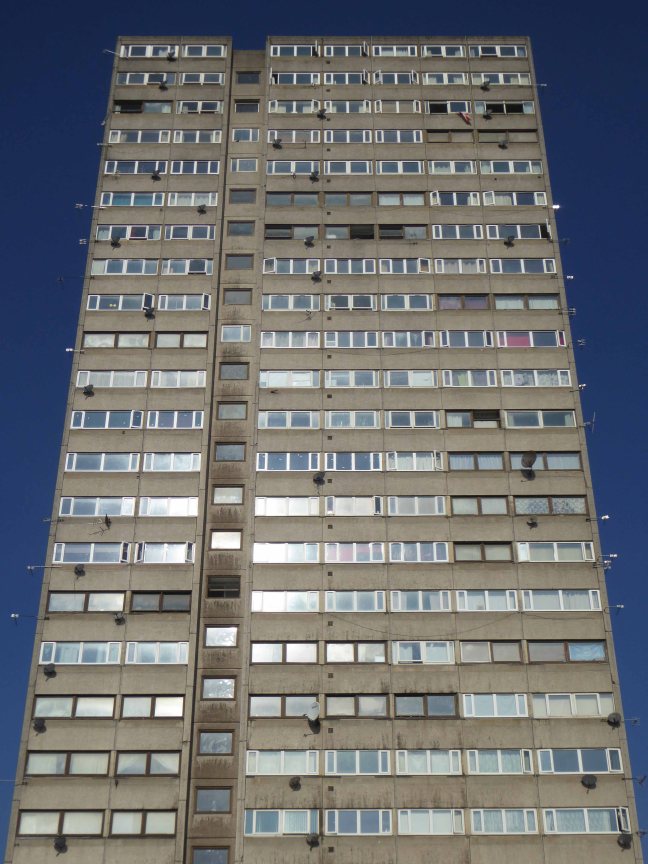
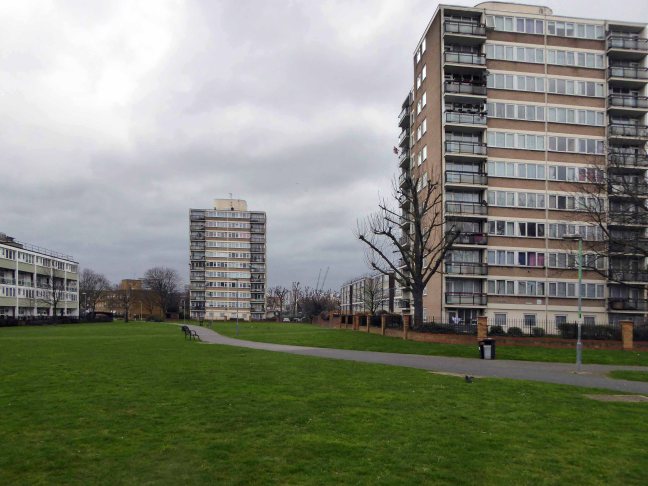
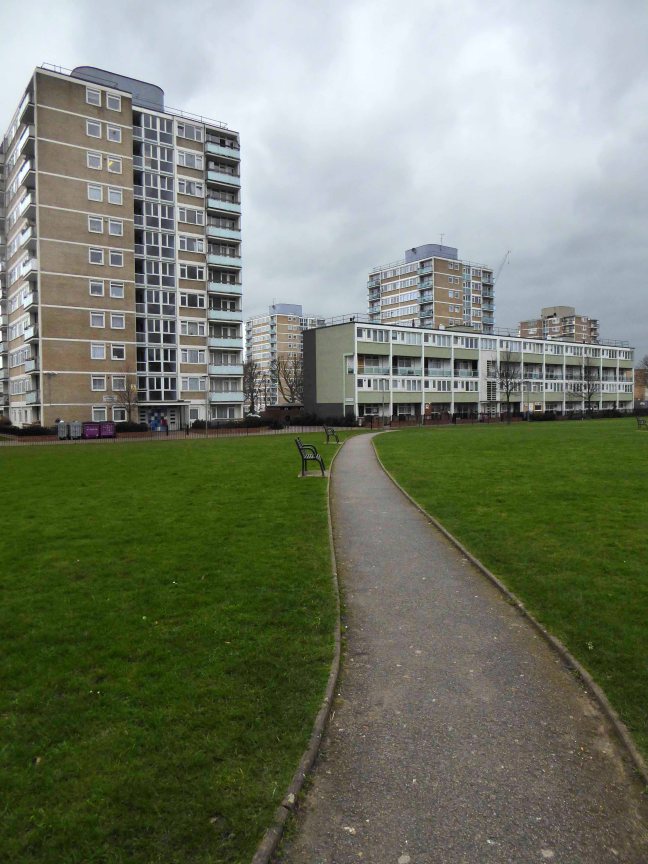
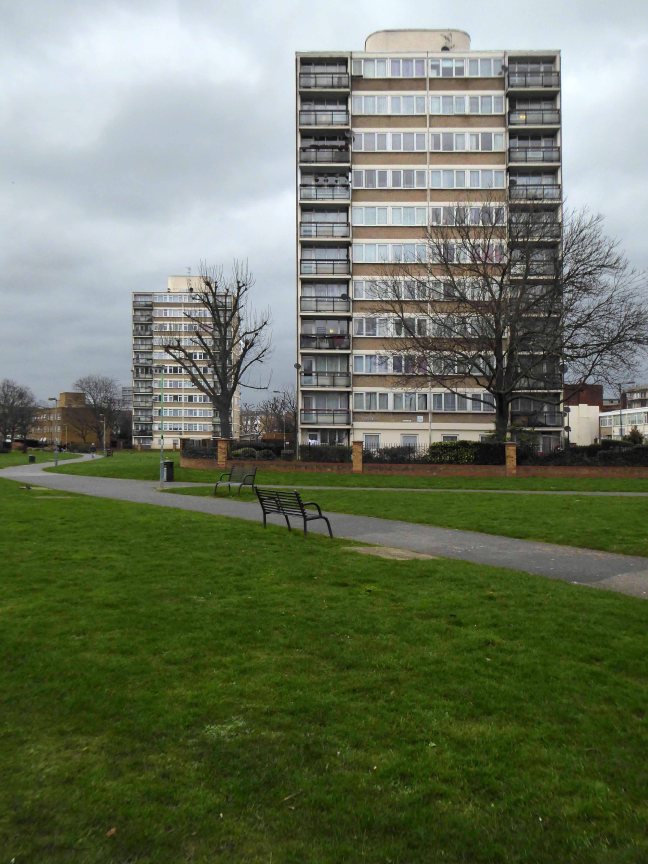
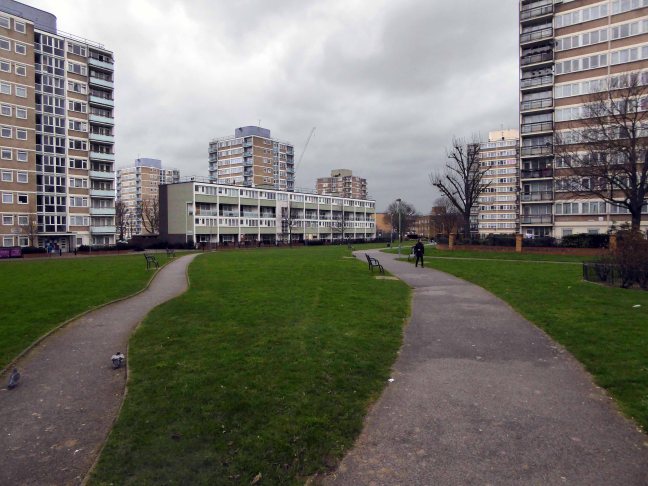
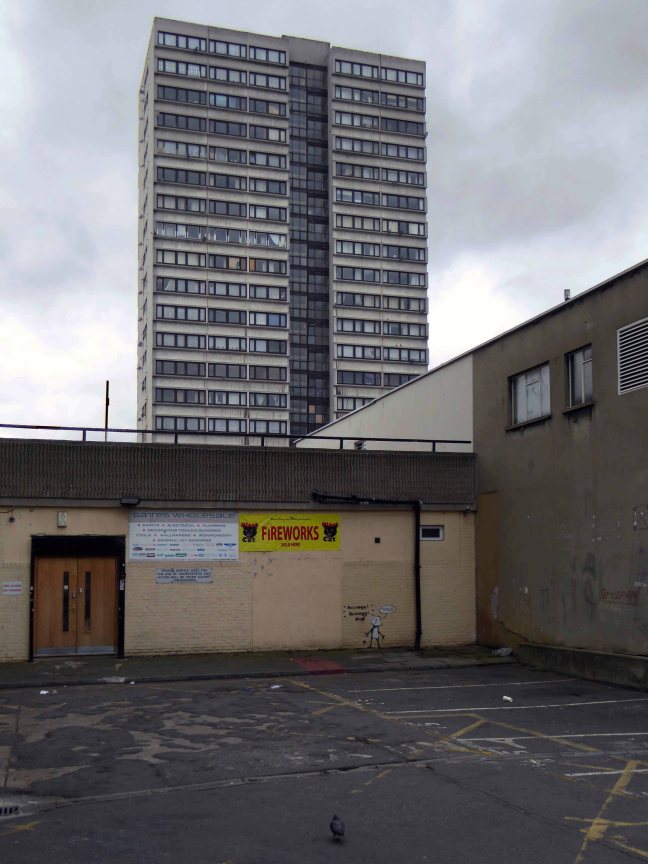
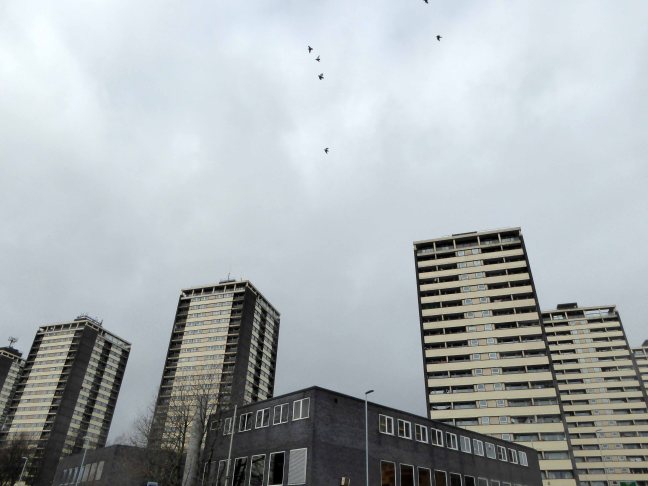
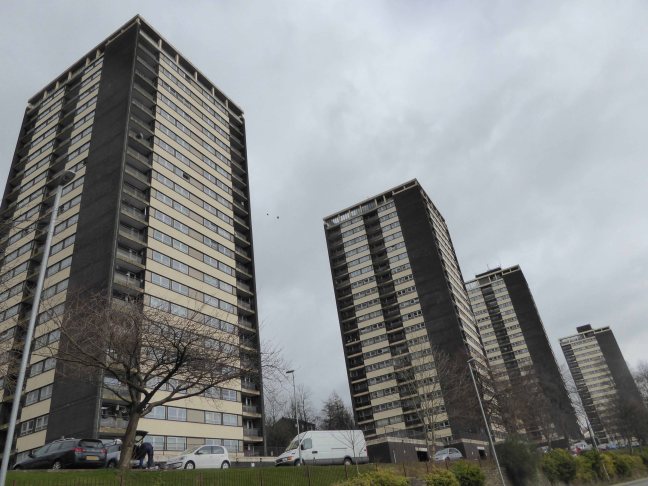
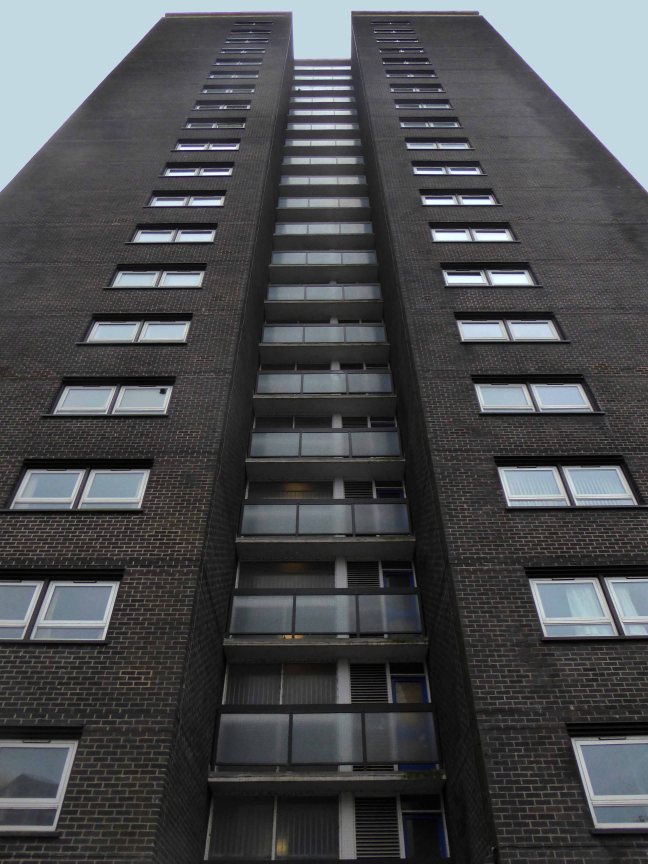
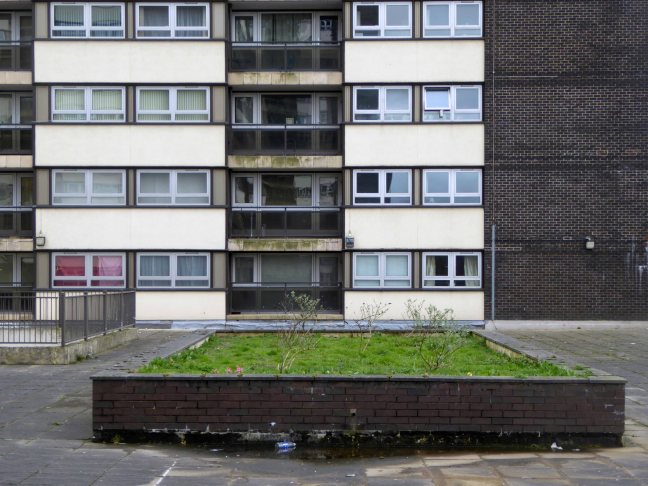
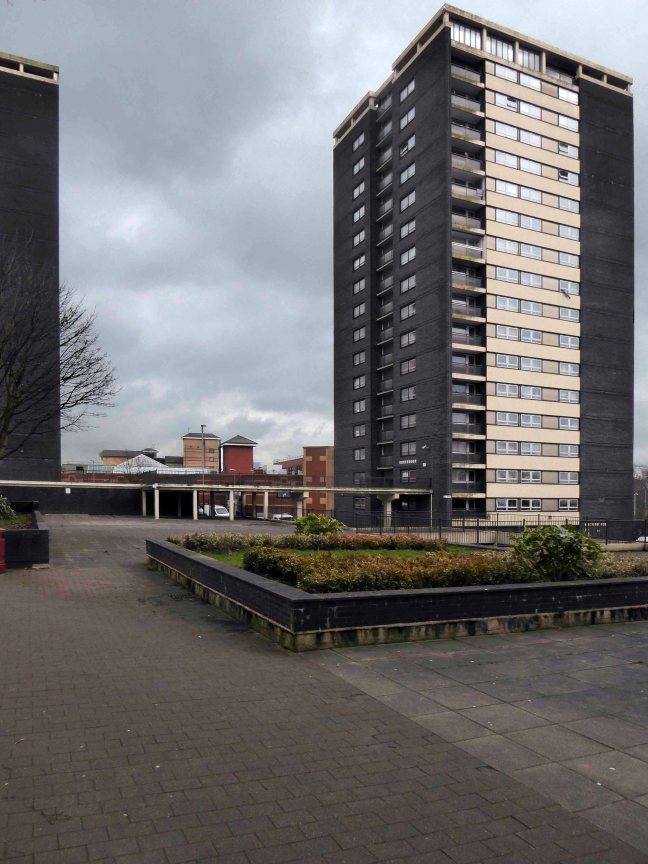
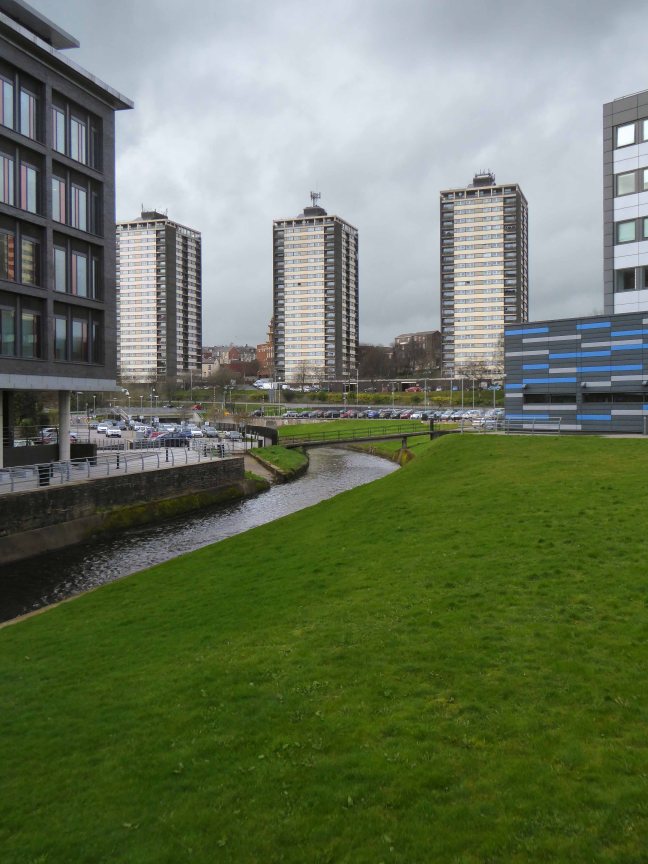
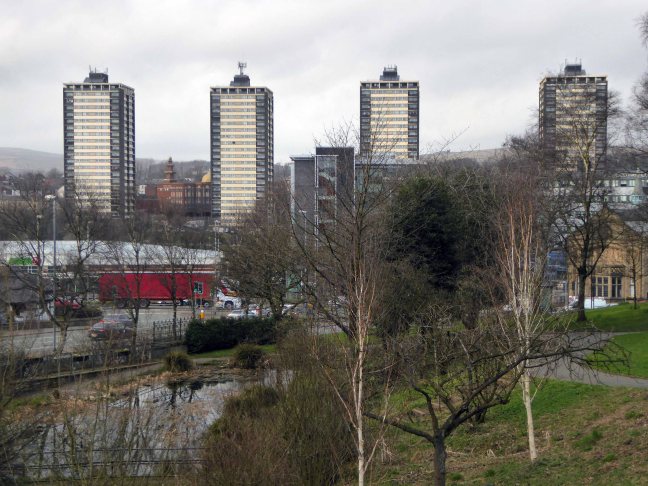
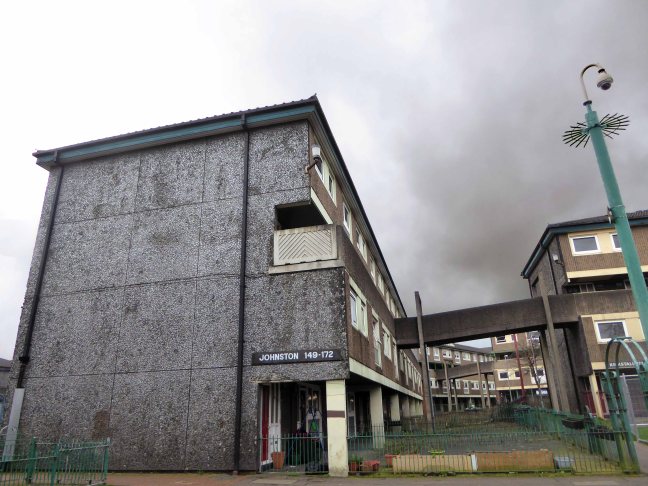
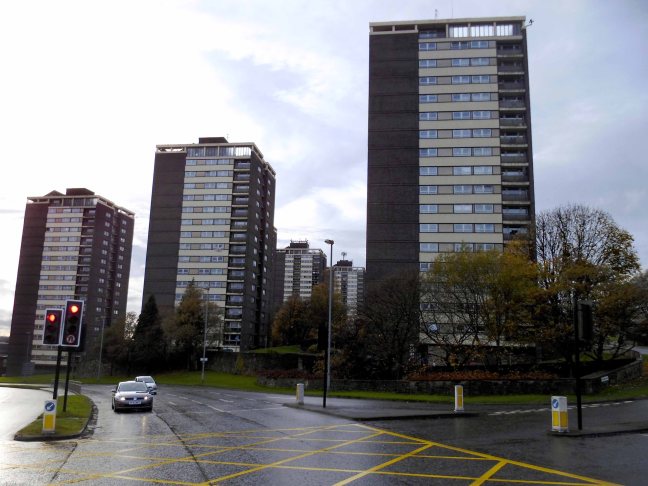
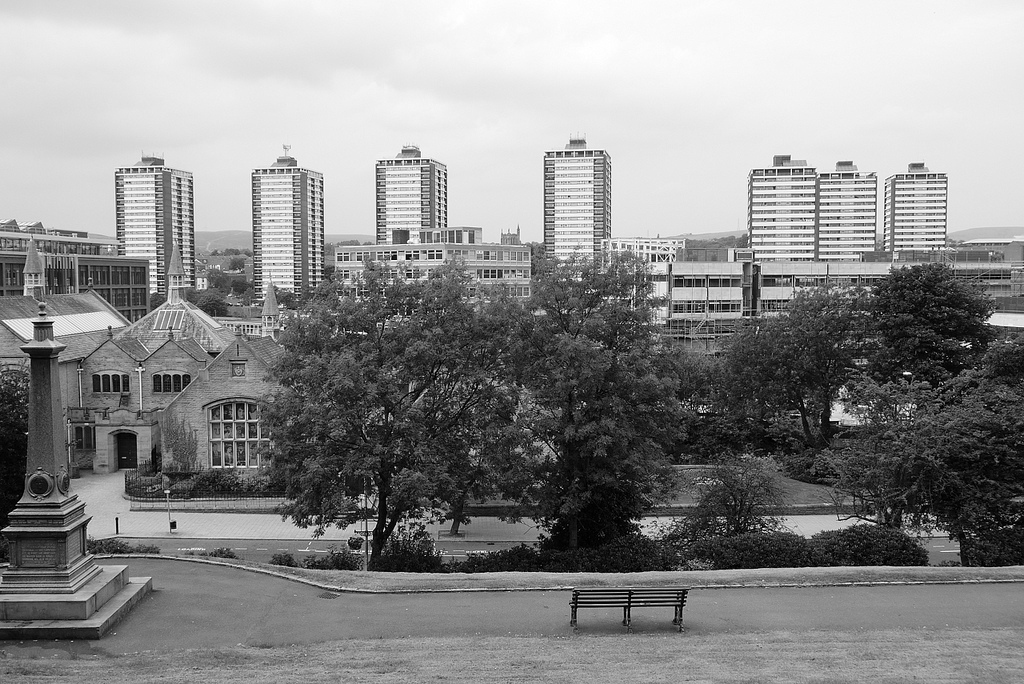
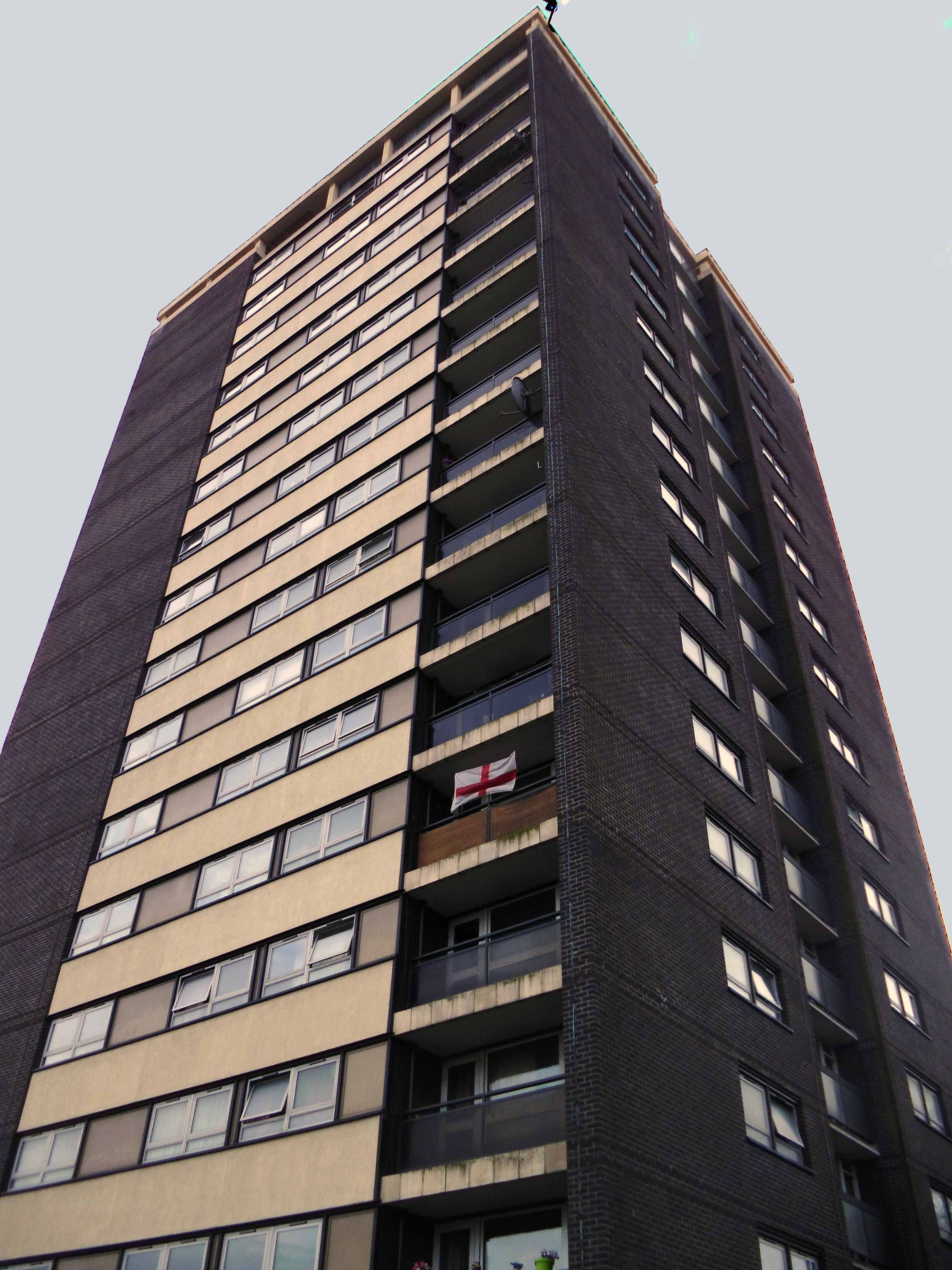
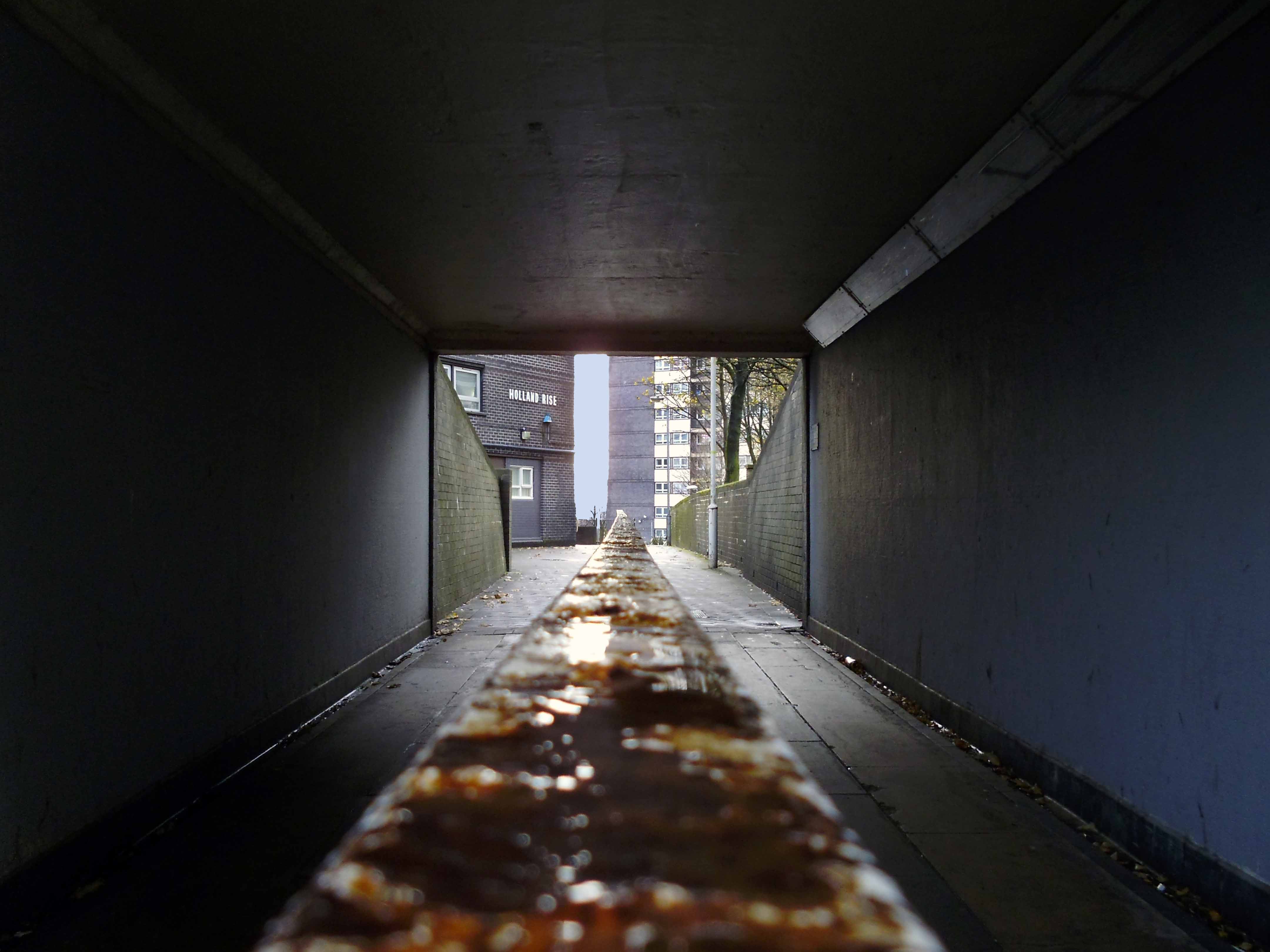
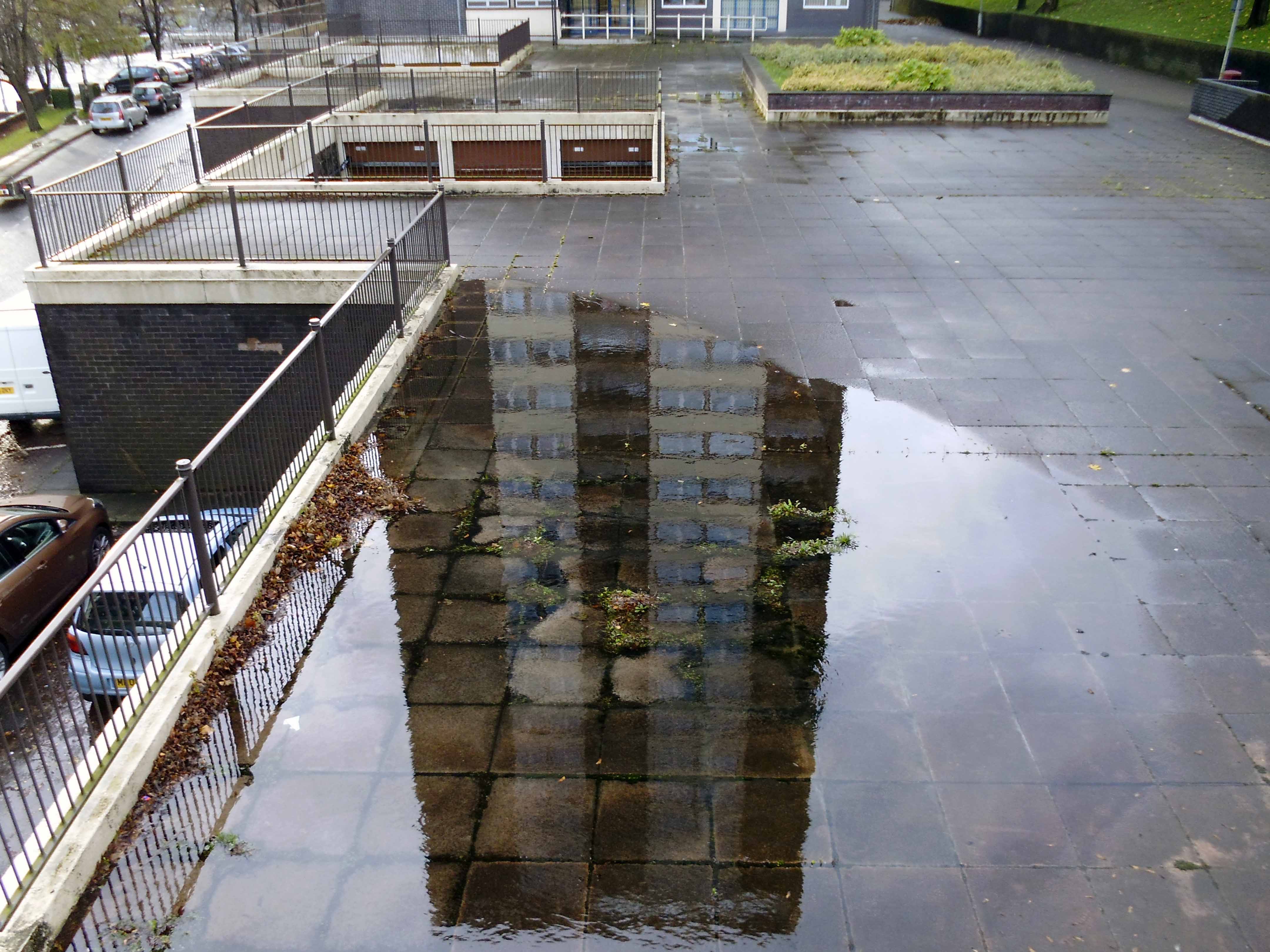
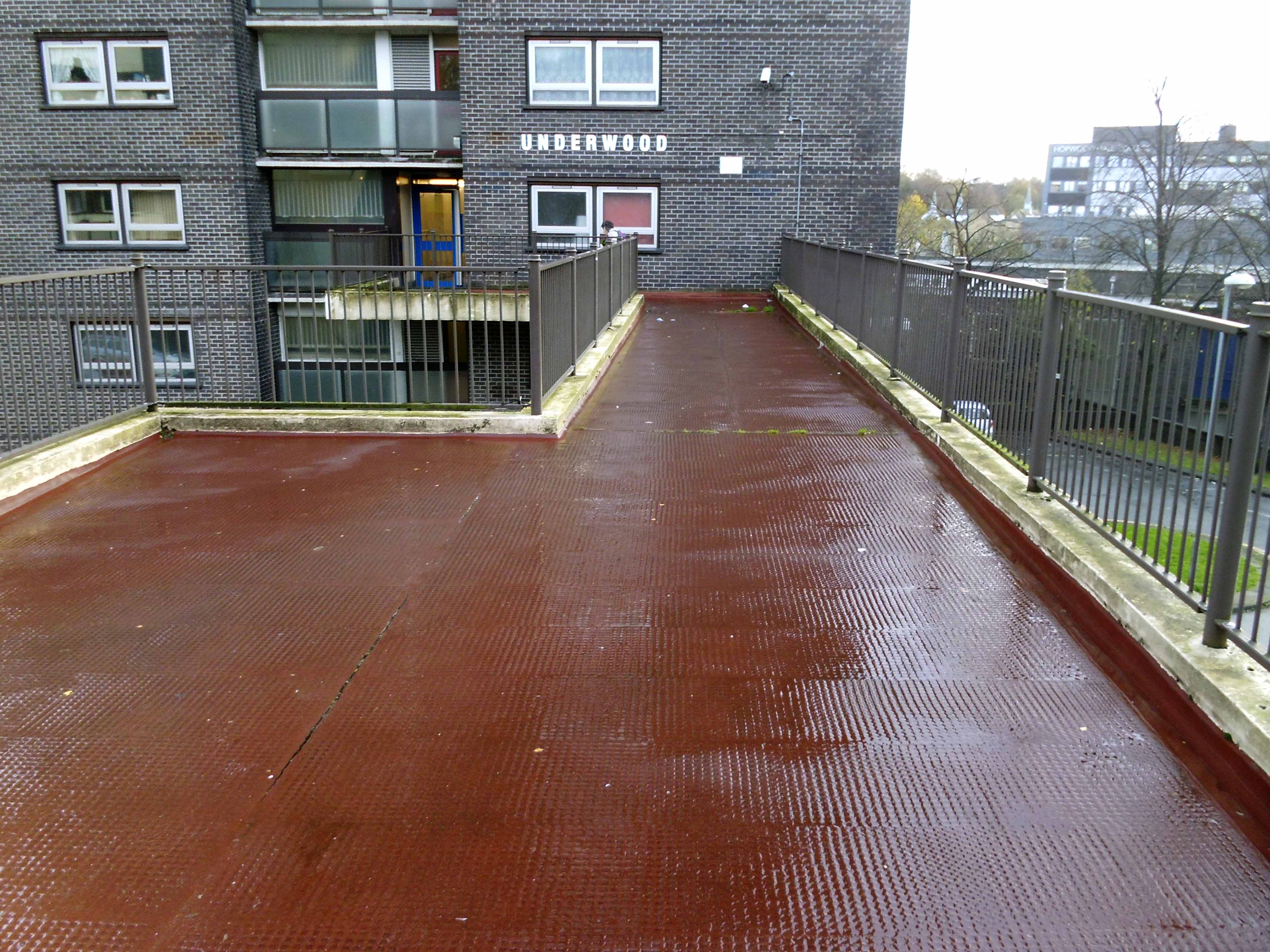
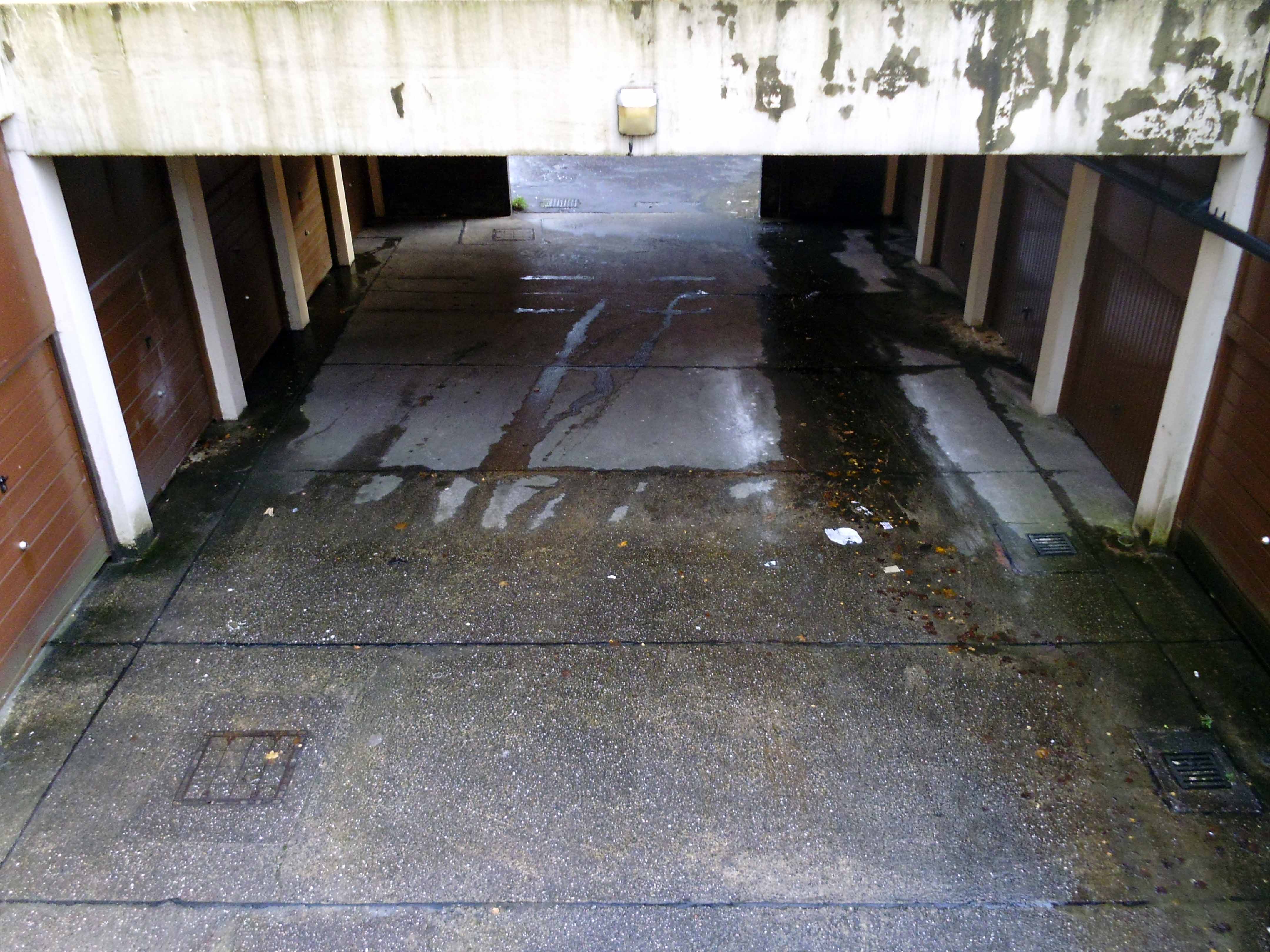
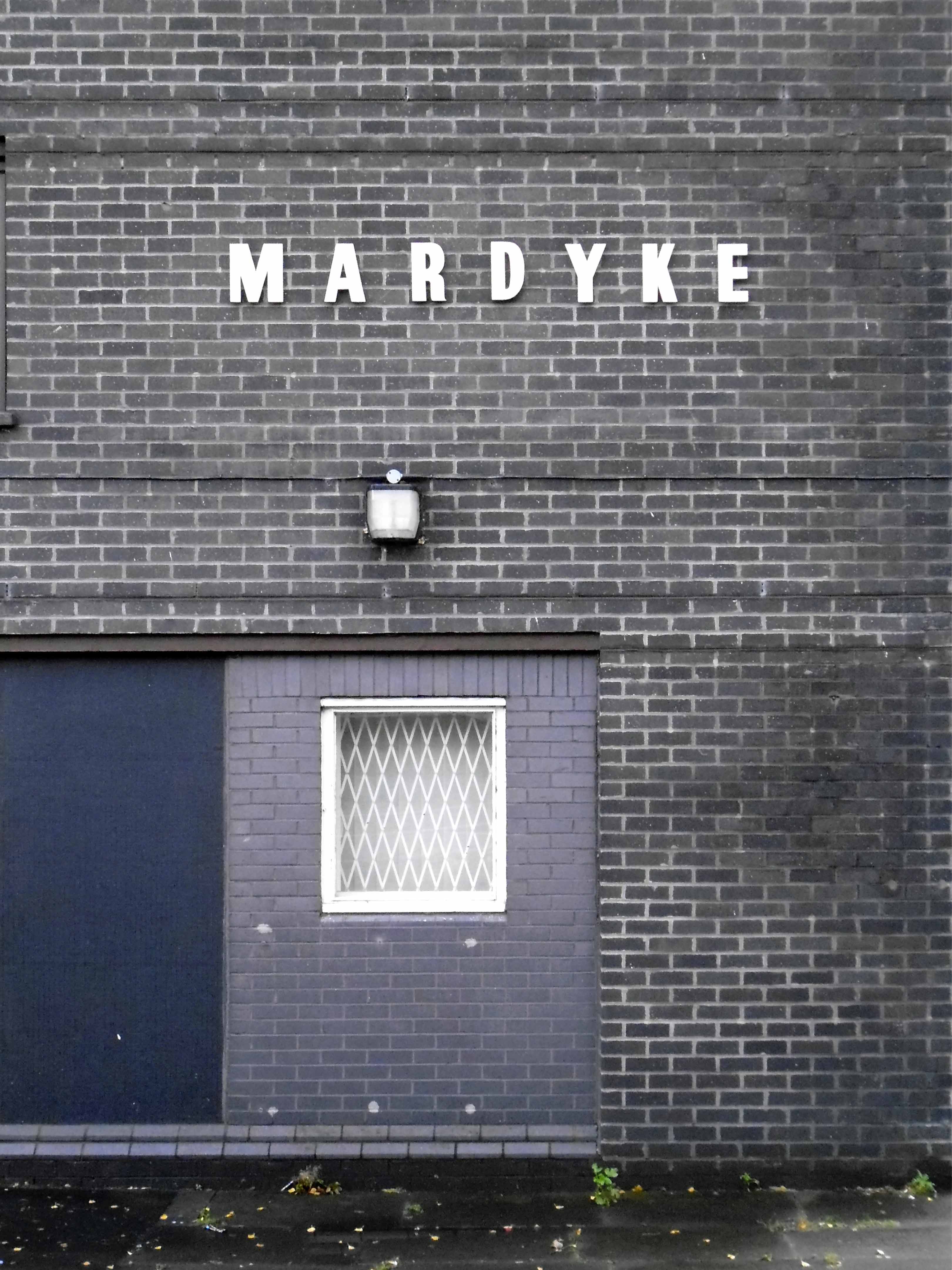
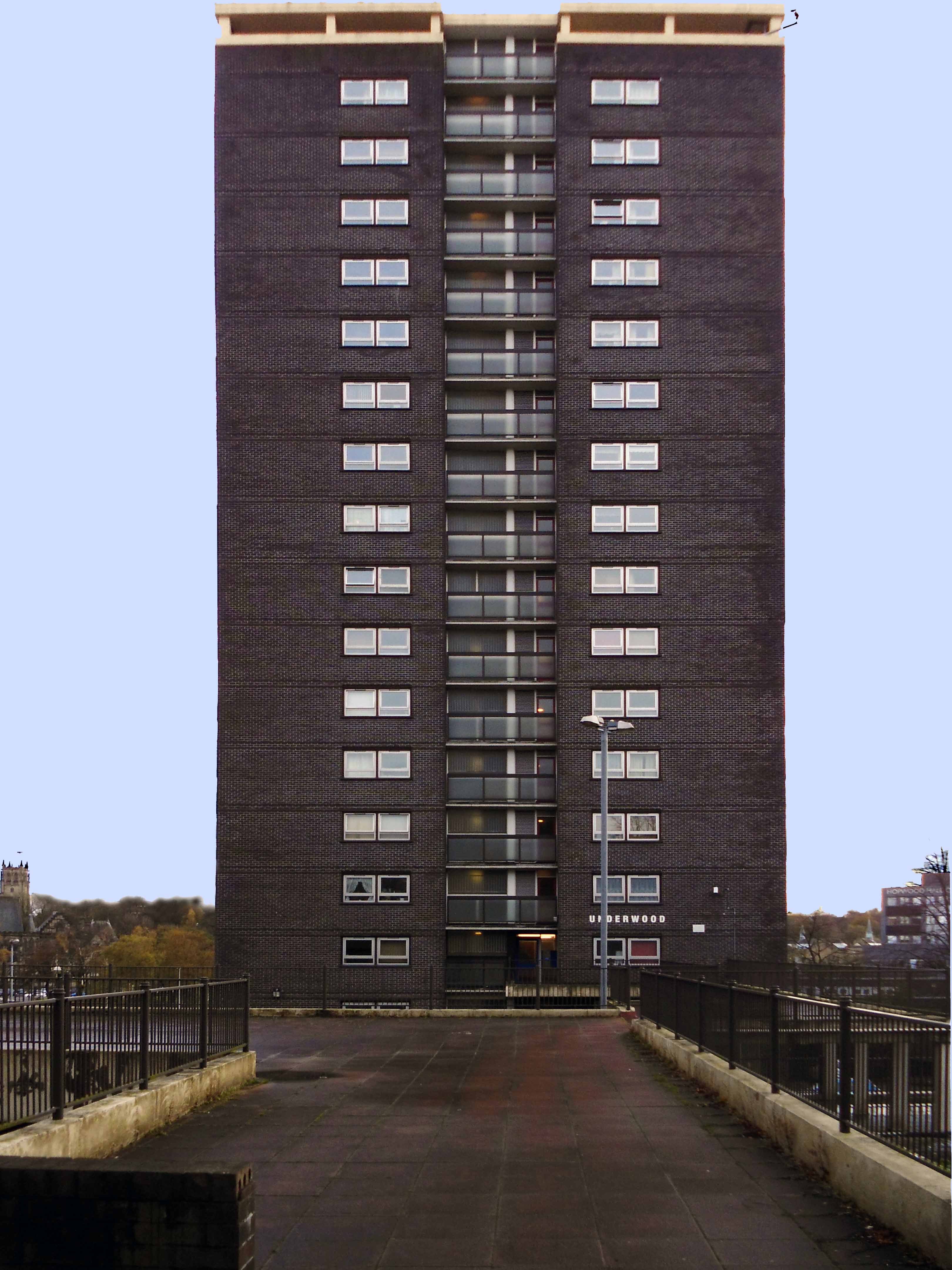
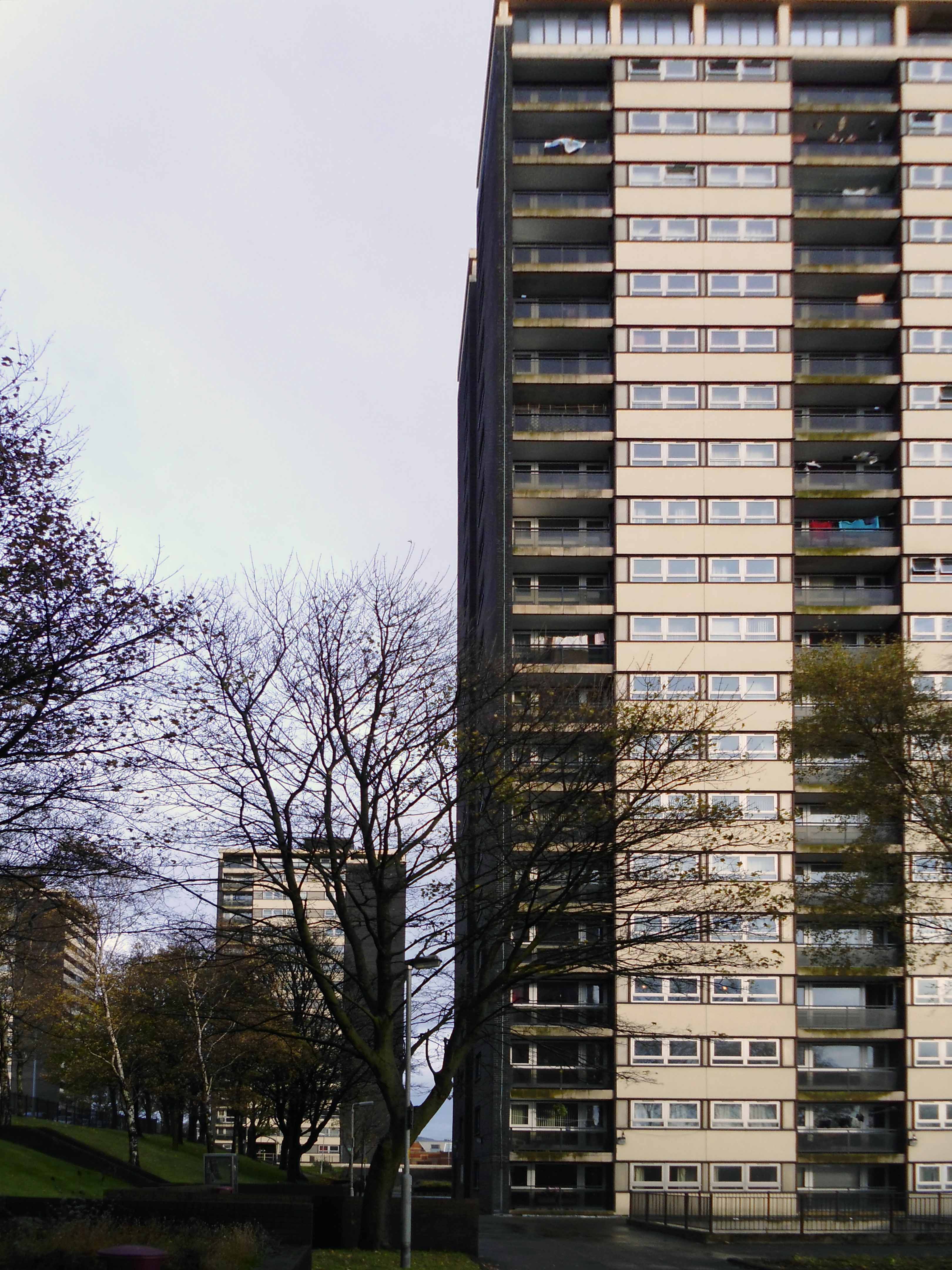
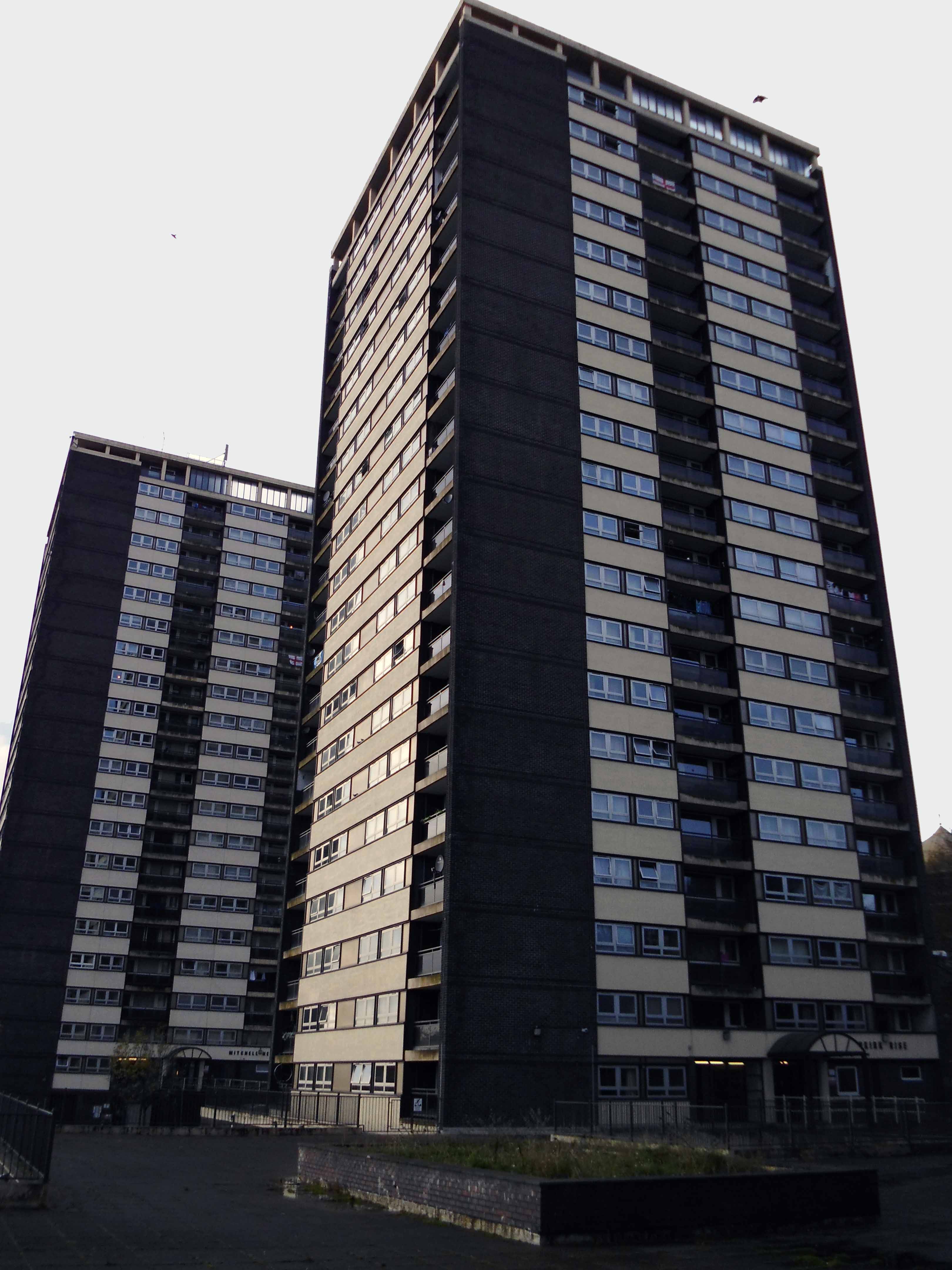
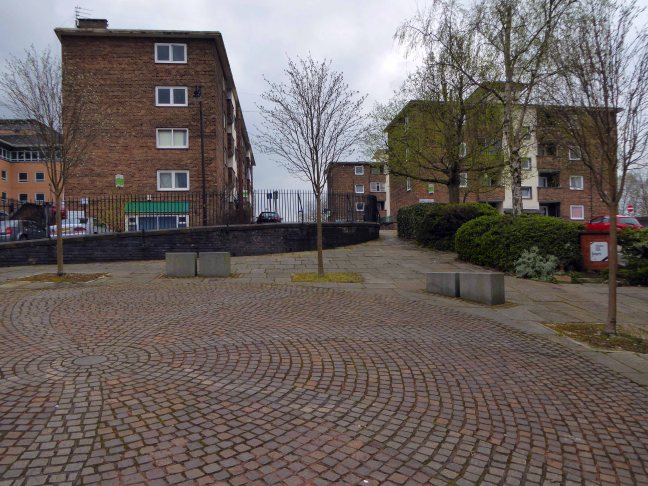
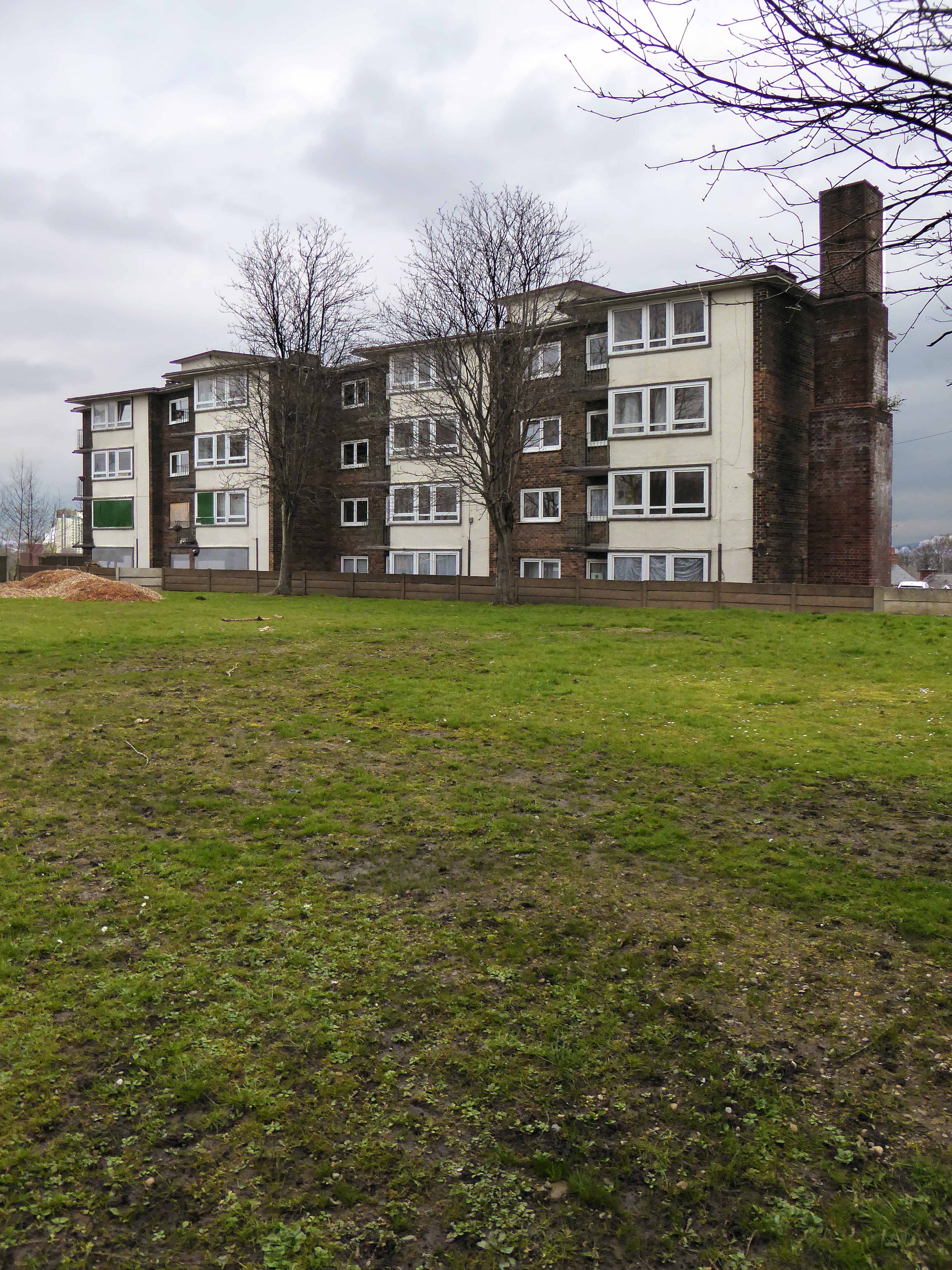
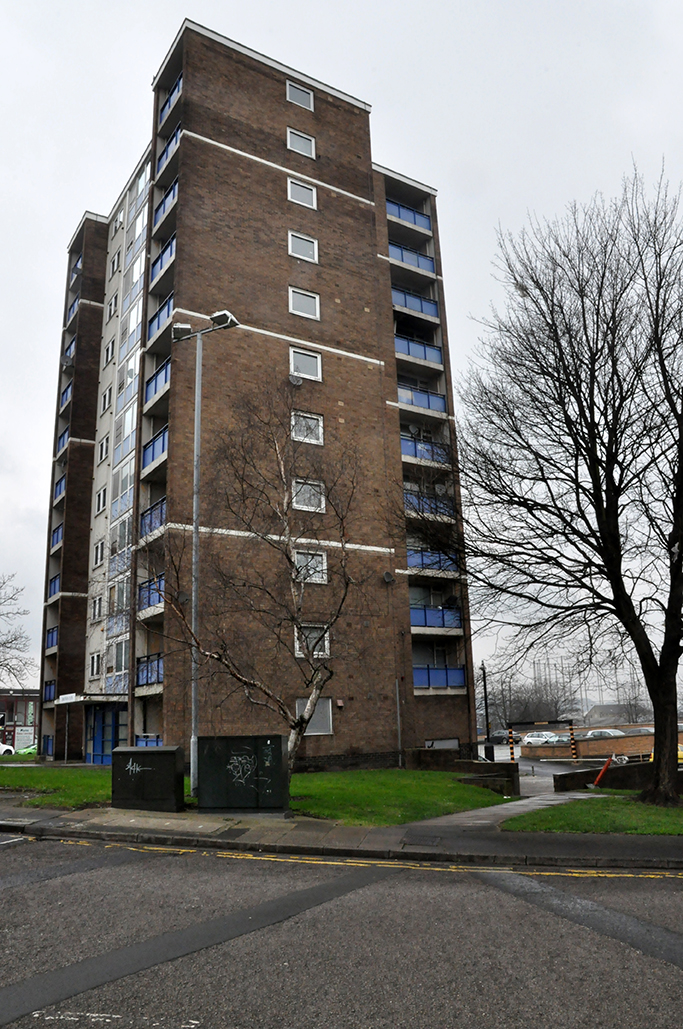
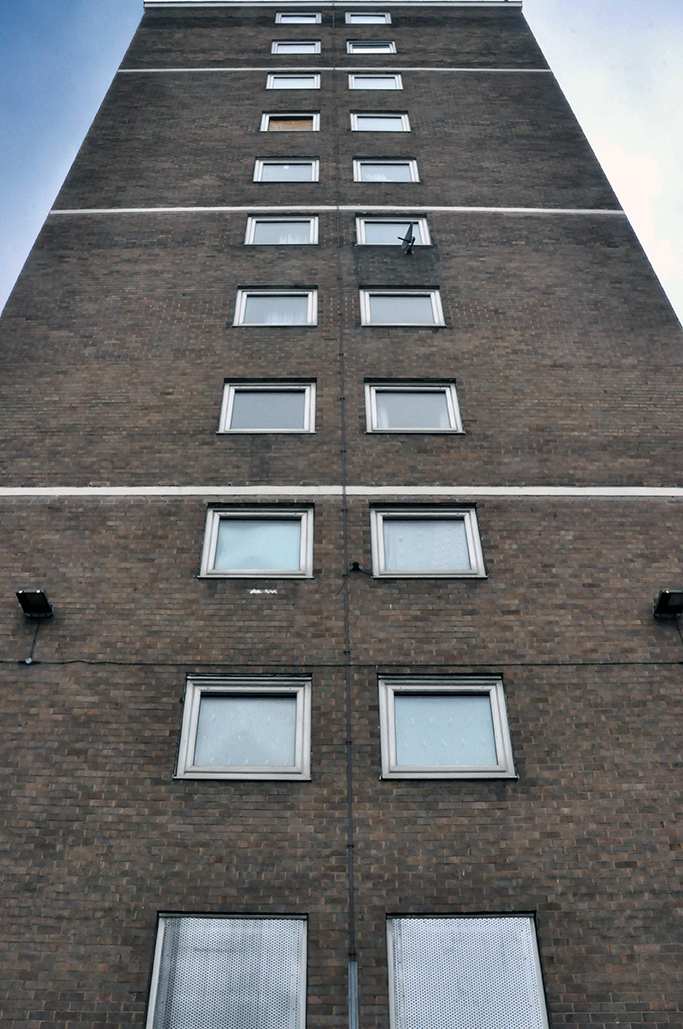
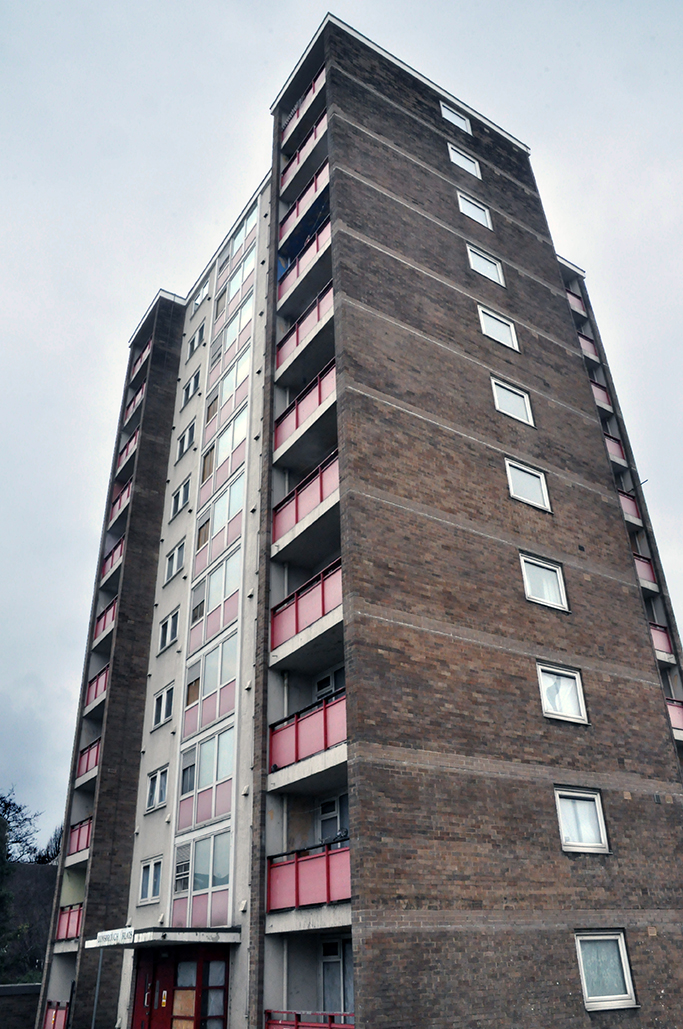
I’ve passed this way before, they’re hard to miss, seven substantial tower blocks towering over the town on College Bank.

But what goes up, may come down.

Screen Shot 2017-03-23 at 13.53.11

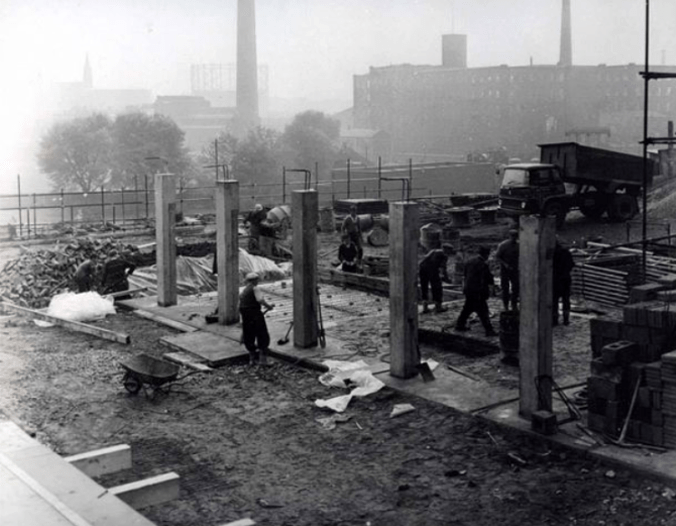
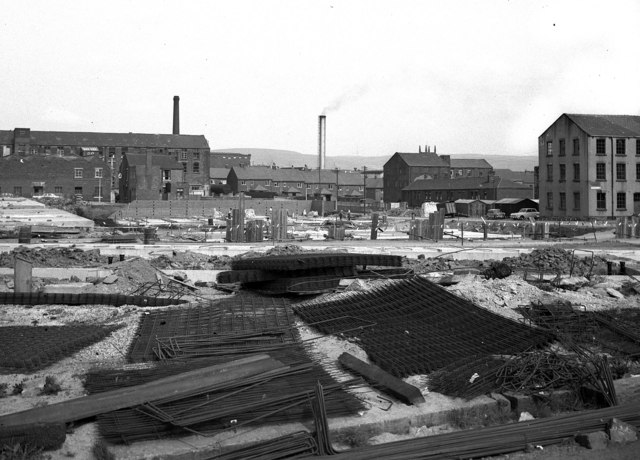
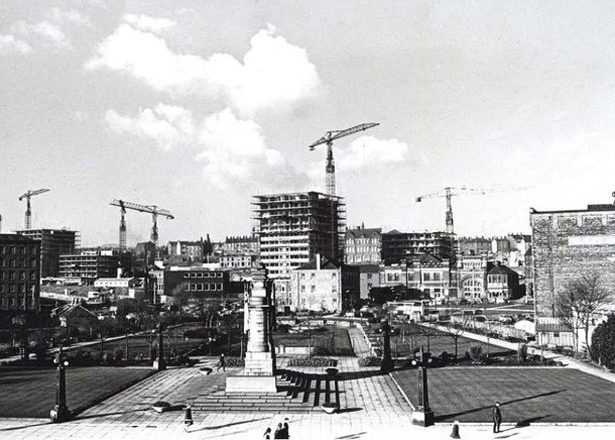
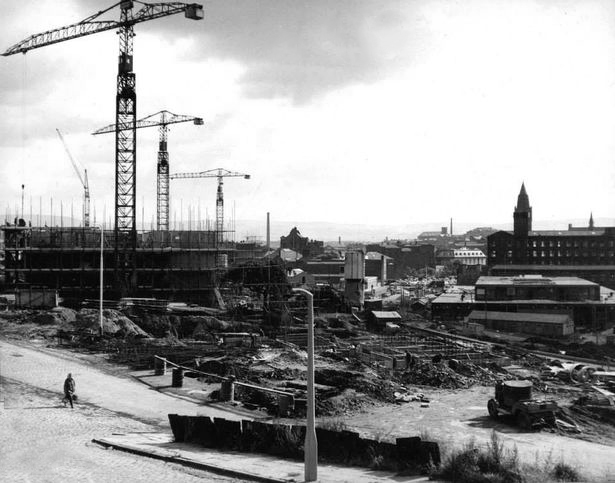
Construction in 1963

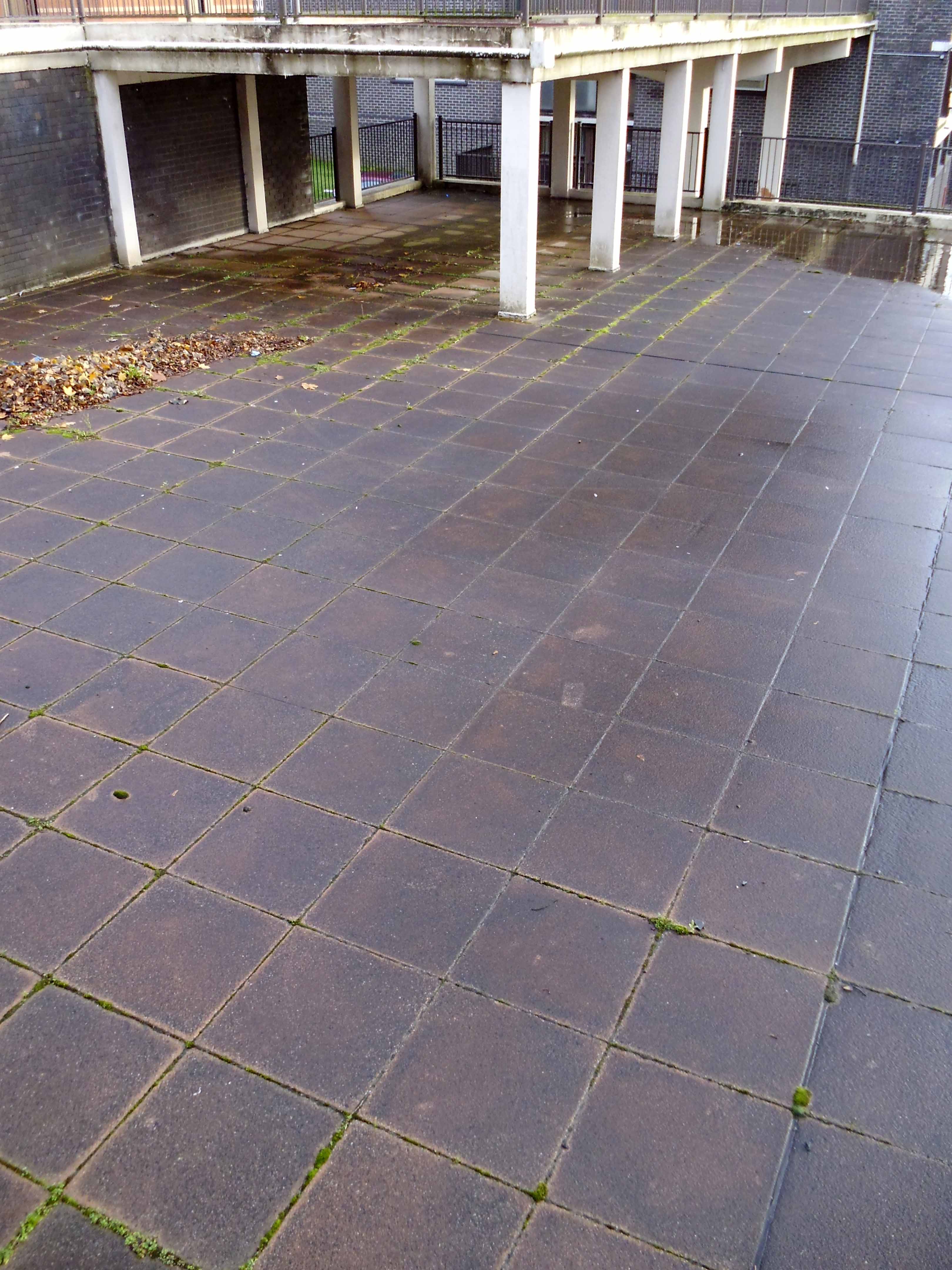
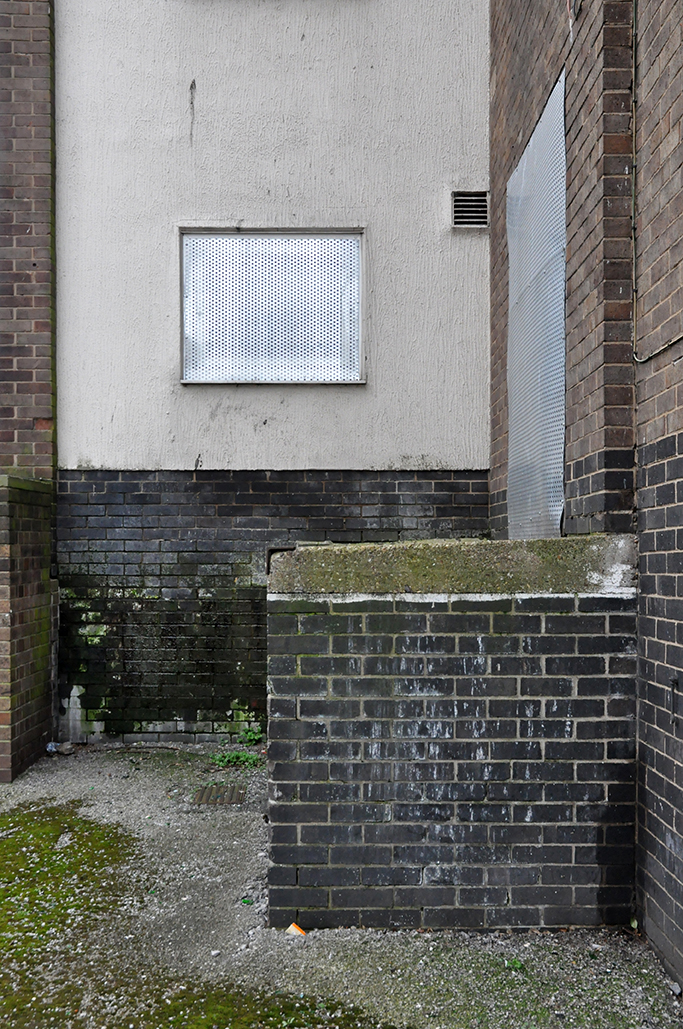
Demolition in 2017 is one suggestion – following years of poor maintenance, problems of heating and ingress, plus a whole host of other reasons outlined here.

Screen Shot 2017-03-23 at 13.50.02

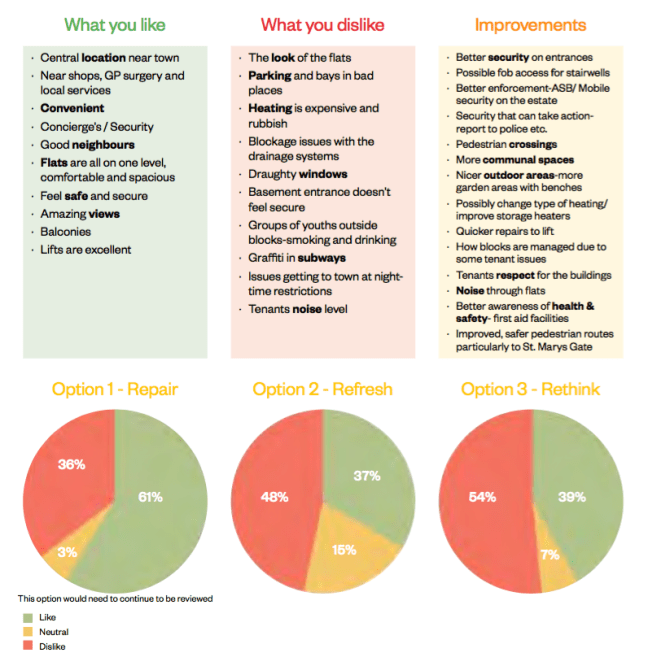
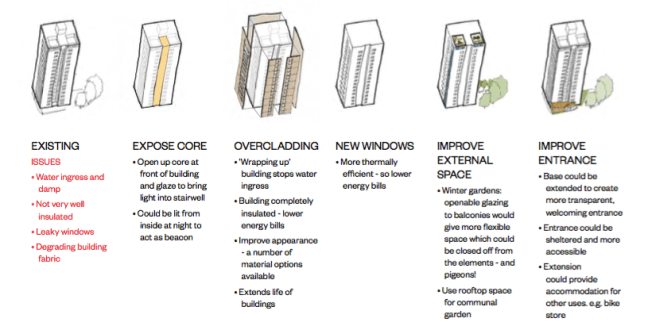
The housing trust in consultation with residents, have produced a tentative plan.

Screen Shot 2017-03-23 at 13.50.49

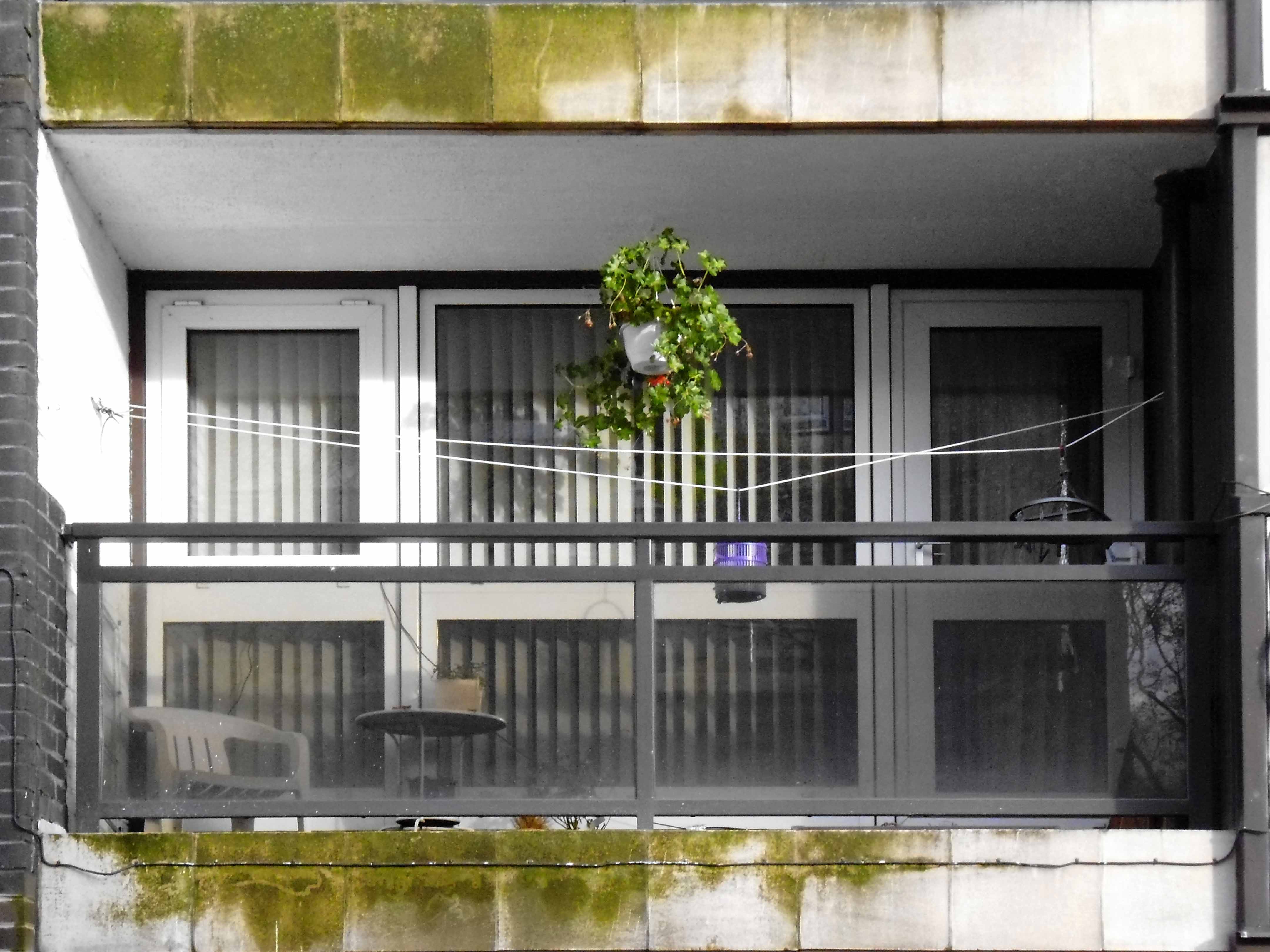
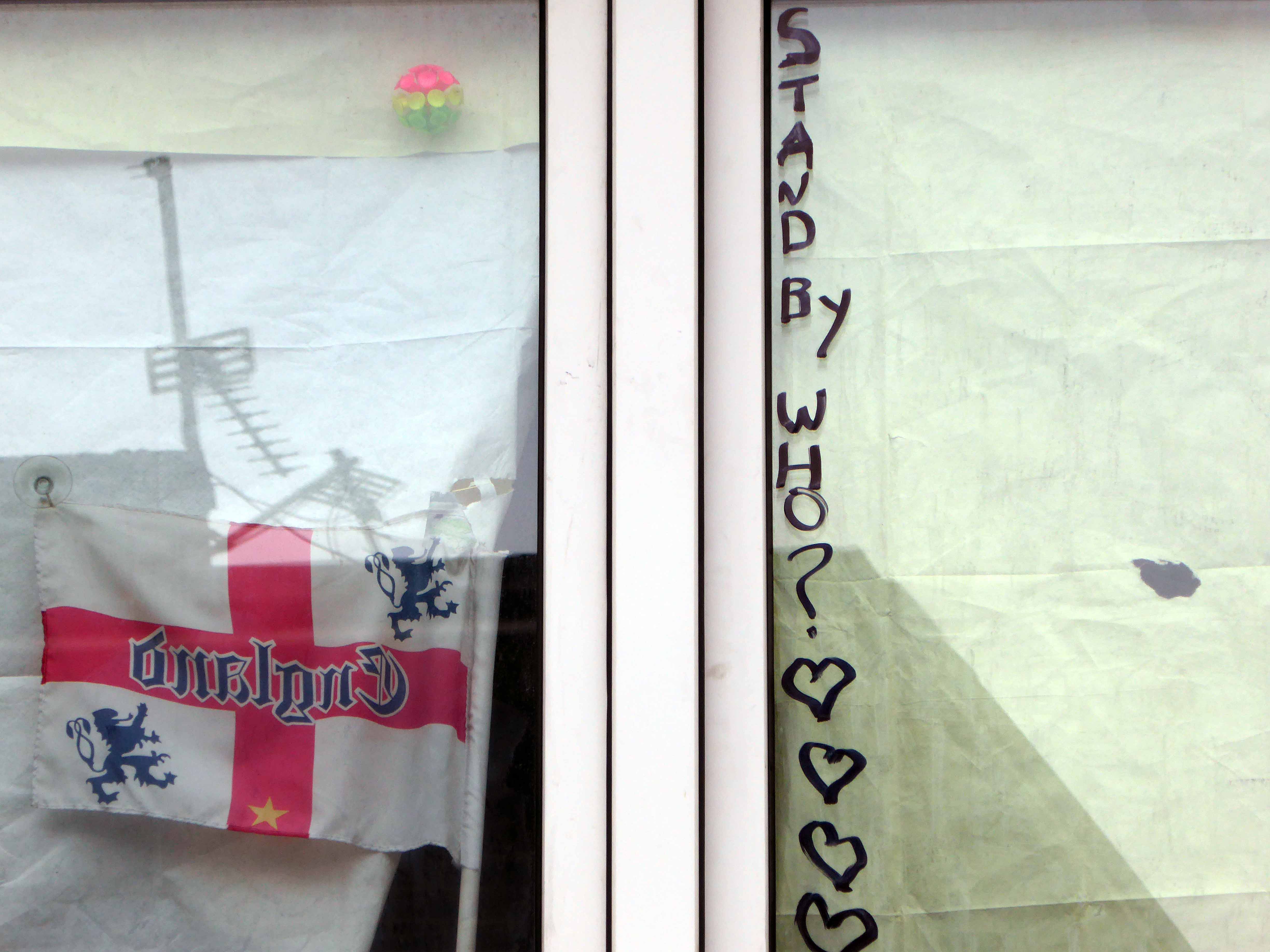
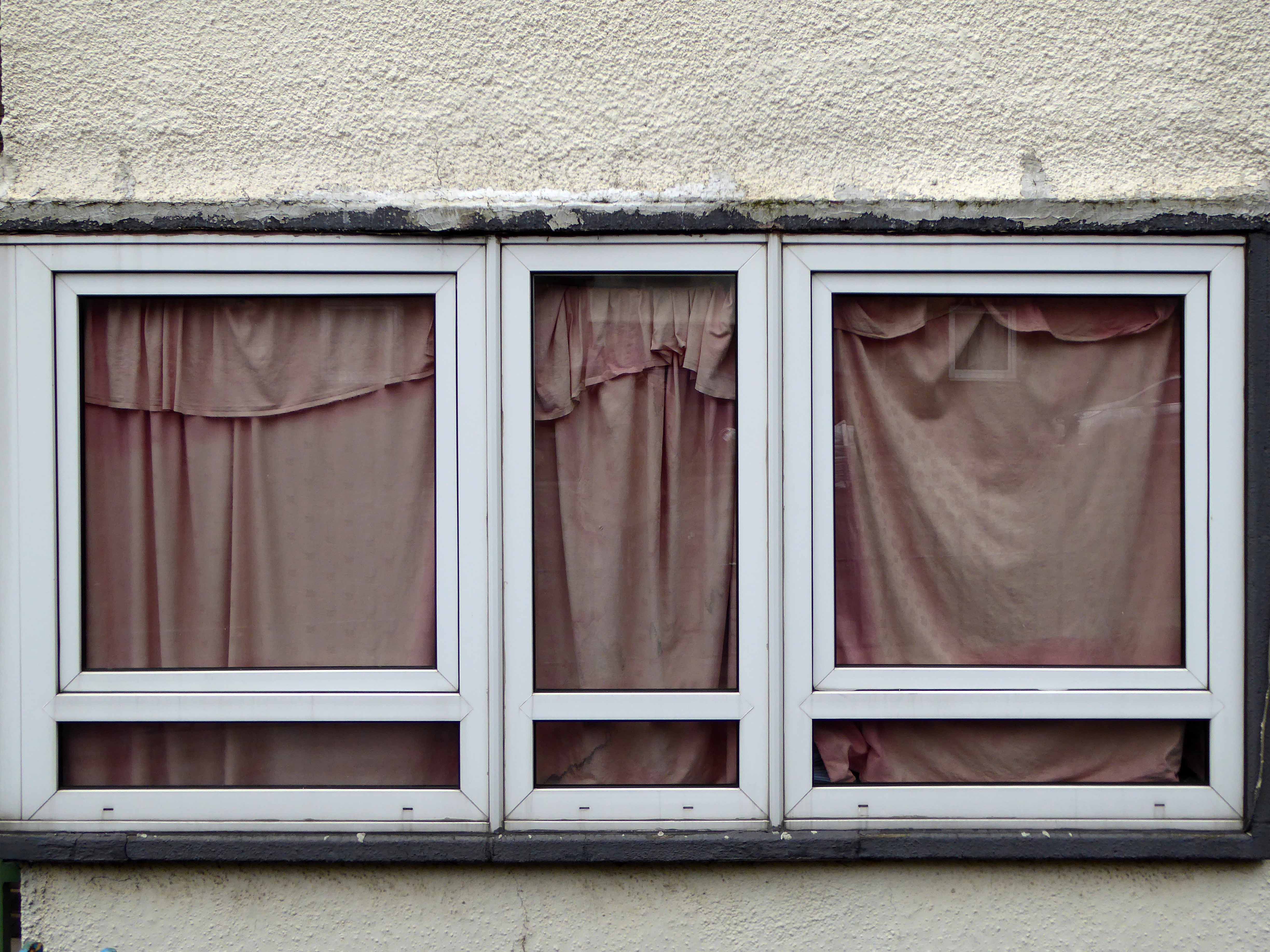
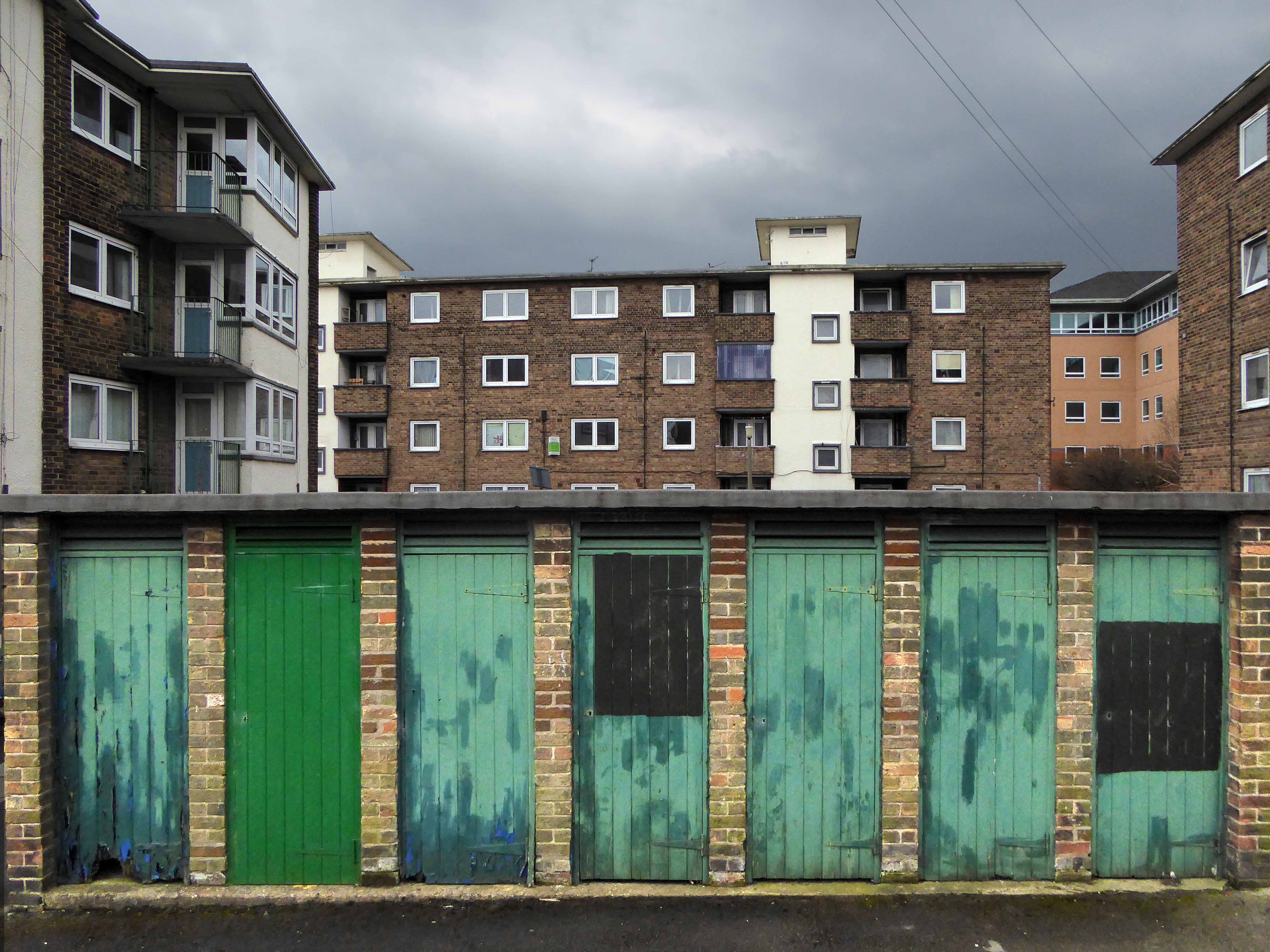
This may or may not include the demolition of one or more blocks. On the day of my visit, the tenants I spoke with understood that the blocks faced an uncertain future, and were rightly concerned by the rumours and conjecture. The majority would prefer to stay put, having lived there for several years, raising families and building  homes.

Whatever the outcome I hope that the wishes of the residents are not overwhelmed by political expedience, or the will of the developer.

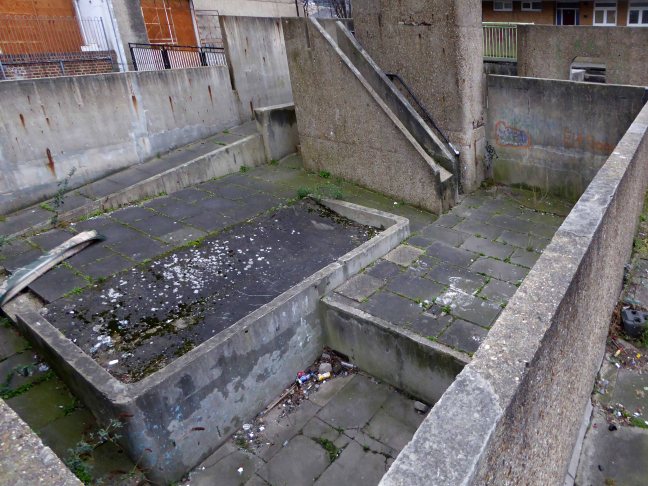
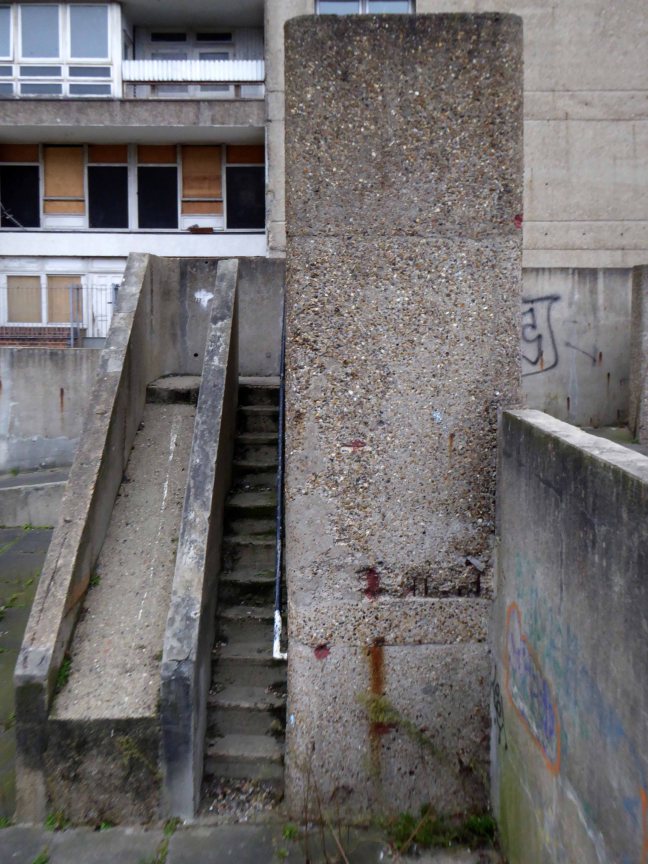
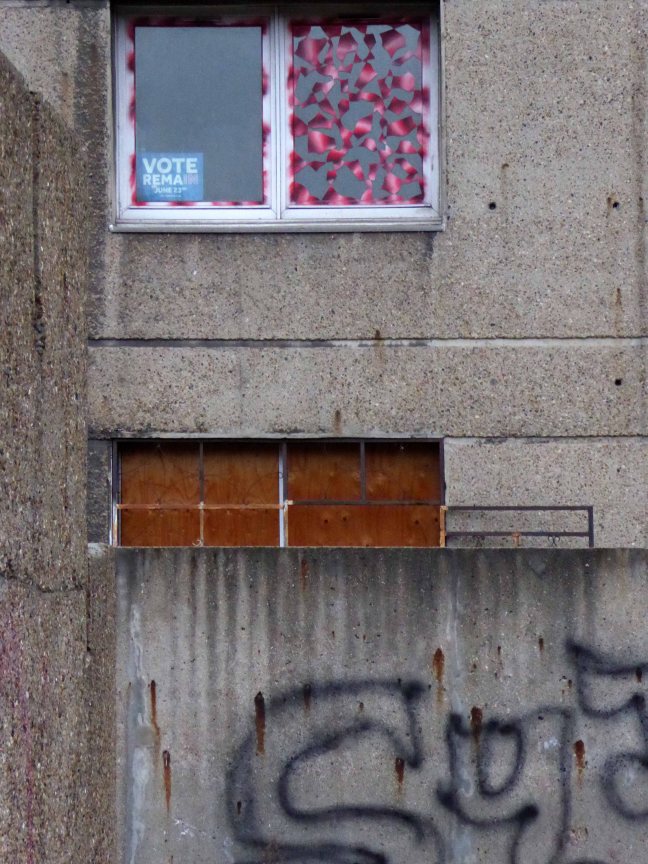
Take a look for yourself.

P1140328 copy

P1140335 copy

P1140337 copy

P1140339 copy

P1140340 copy

P1140346 copy

P1140347 copy

P1140348 copy

P1140350 copy

P1140351 copy

P1140353 copy

P1140355 copy

P1140356 copy

P1140358 copy

P1140362 copy

P1140370 copy

P1140372 copy

P1140374 copy

P1140444 copy

P1140445 copy


Lower Falinge – Rochdale

Walking between College Bank flats and St Patrick’s church you and I will almost inevitably pass through Lower Falinge.

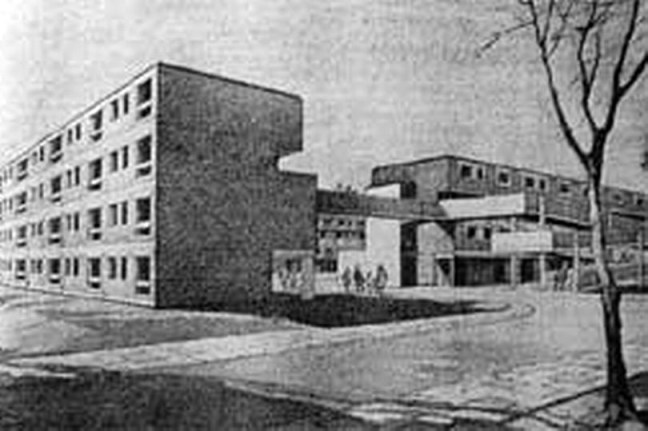
In April 1967 Rochdale Council’s Estates Committee considered a proposal to build 750 dwellings in four-storey deck access flats in the Falinge area. By November the £1,810,000 scheme for the area bounded by Spotland Road, Hudson Street and Toad Lane was given the thumbs up.

C_71_article_515340_body_articleblock_0_bodyimage

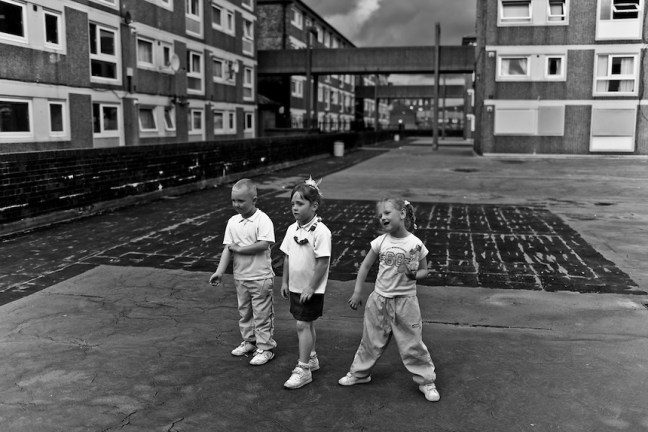
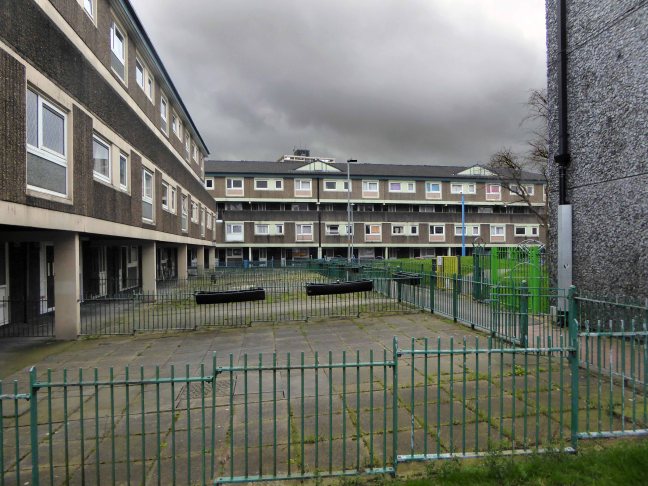
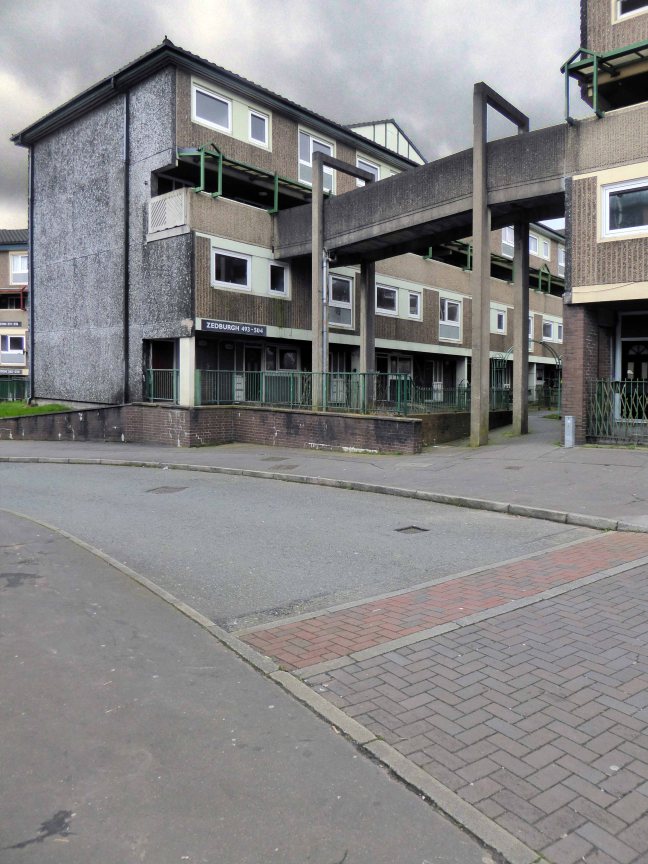
The four-storey development was to provide 527 dwellings with deck access, ramps and overheard walkways. It was planned so people could walk from any point in the area to another without having to return to ground level. Work began in early 1968 and was completed in three stages. More recently they have been up-graded and now have pitched roofs. Freehold Flats were built in the early 1970s. Eleven of the eventual 19 blocks were occupied by August 1971. 

Redevelopment_in_Falinge,_Rochdale,_Lancashire_-_geograph.org.uk_-_1395299

Built at a time when full employment was a tangible reality rather than a fondly recounted folk memory, the area was buoyant and relatively prosperous.

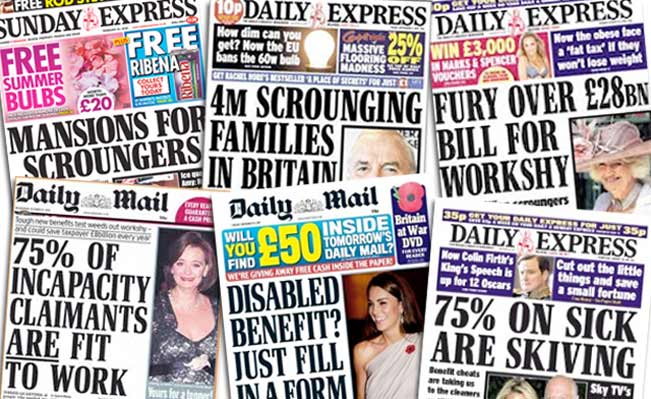
Time, the free market, and casualised labour has not been kind to Lower Falinge and many other post-industrial estates. The Thatcherite press conveniently badges the residents as scum, scroungers and frauds, a carefully conceived sleight of hand, transferring responsibility onto those careless enough to become the victims of an uncaring economic system.

scroungers_headlines_lg

Demonising and dividing working people regardless of ethnicity, ability, sexuality or ability – the equal opportunities abuser.

A few years ago there was even a national news story about a Falinge café serving fry-ups with a can of Stella for £2.50, this was untrue.

So Lower Falinge and its like become the convenient exemplar for the inconvenience of Broken Britain, a PR device to whitewash the very dirty hands that authored its very dirty demise. Those very dirty hands that have no viable solution to a very real problem, of resolving poor peoples’ uncertain futures.

Meanwhile the journalists form a disorderly queue to file the next in line, online assessment of an awful situation devoid of resolution, short of revolution.

2008826_152139

2016126_162425

Transferred from local authority control to charitable trust, forever shape shifting its hard lines to a softer, home made, fluffier image as limited resources, chase limited opportunities, all around the deck access landings.

Life goes on, we live in hope or Lower Falinge.

Limbo-5880

Mishka Henner

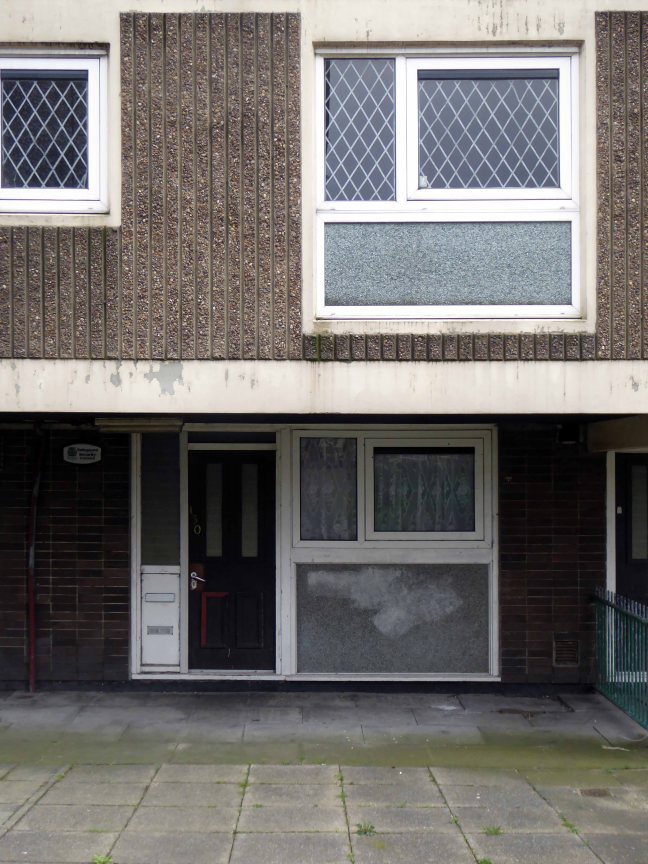
The estate is now post-post modern, acquiring another veneer of refurbishment over the now tarnished green of the cover all, all purpose un-repurposed steel railings.

P1140380

P1140381

P1140382

P1140383

P1140384

P1140385

P1140386

P1140387

P1140388

P1140397

P1140399

P1140401

P1140403

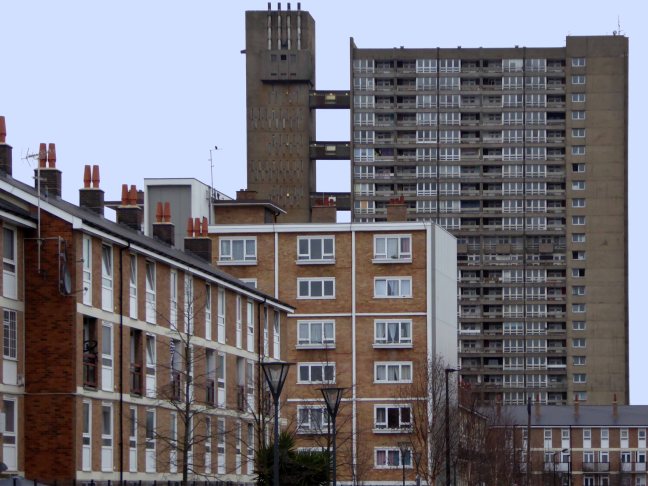
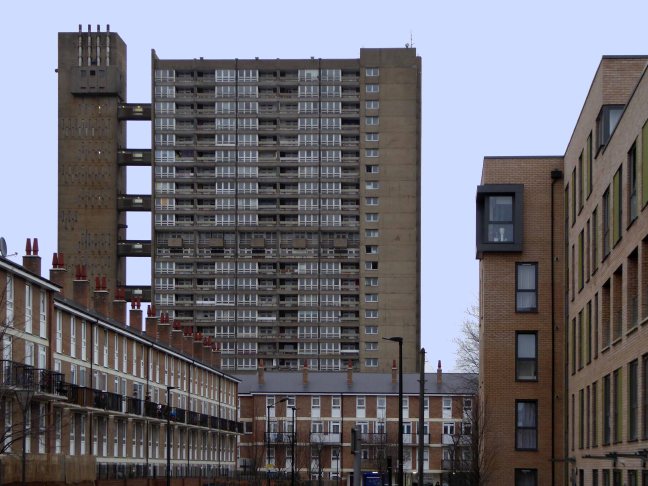
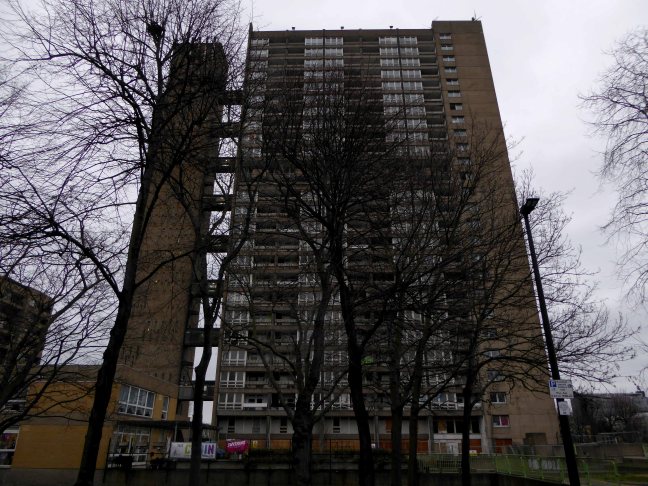
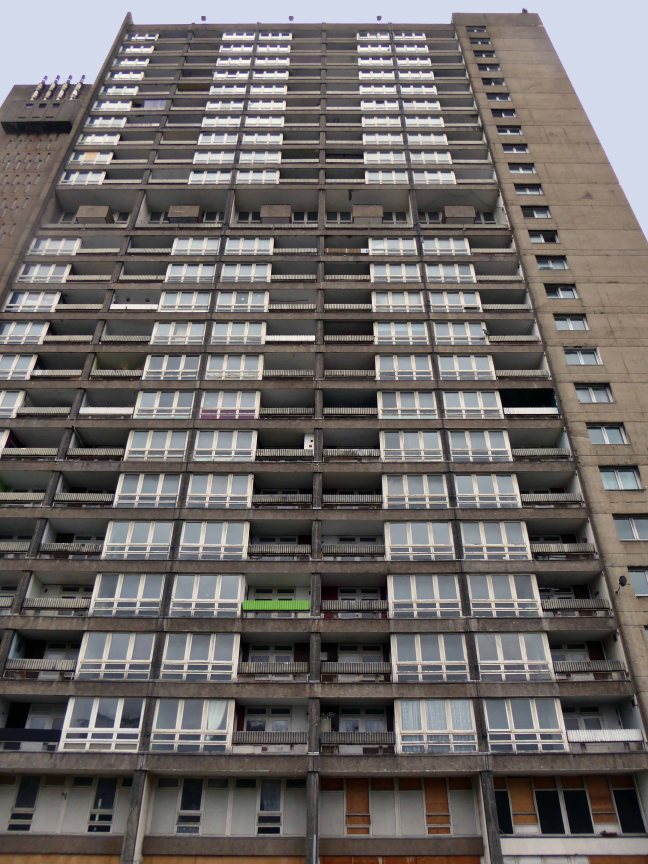
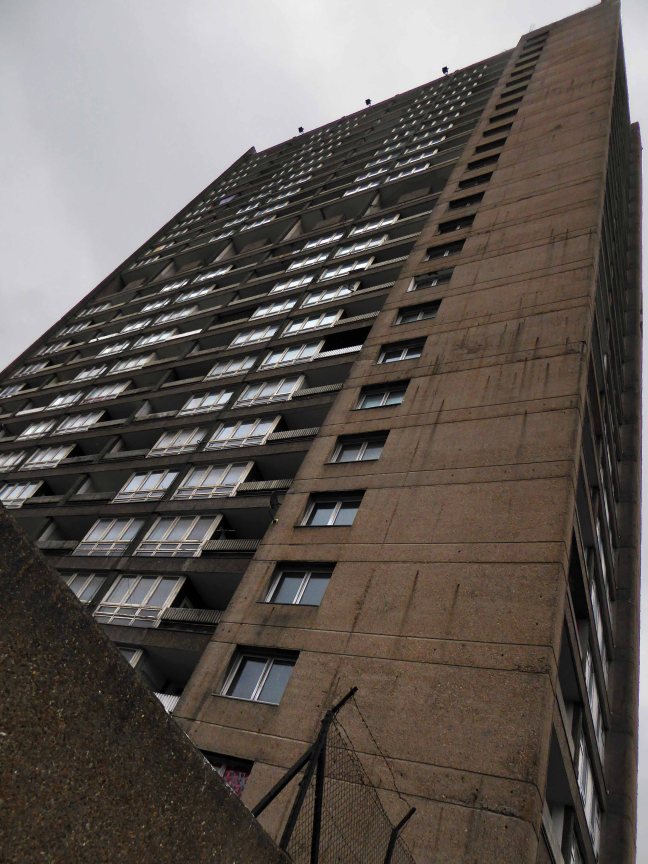
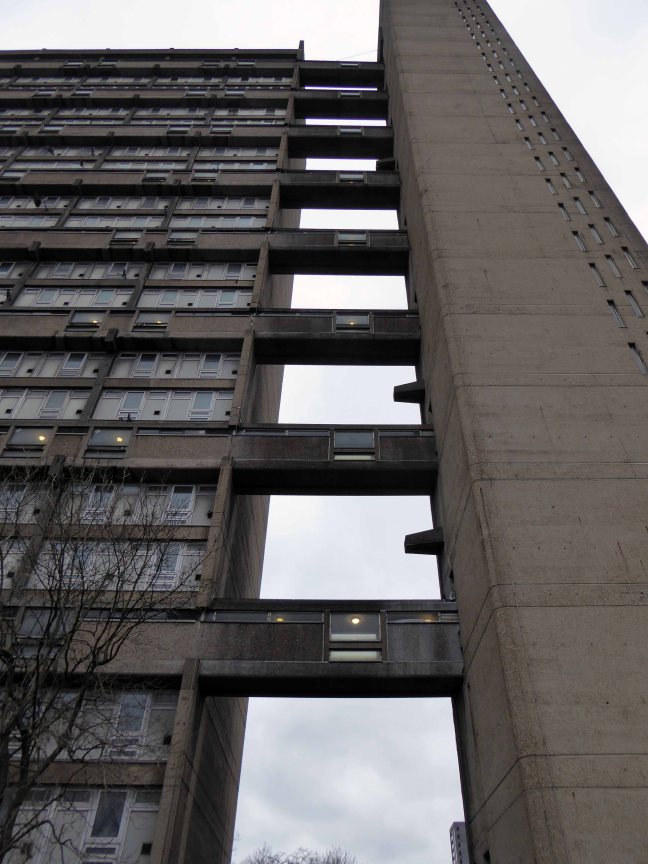
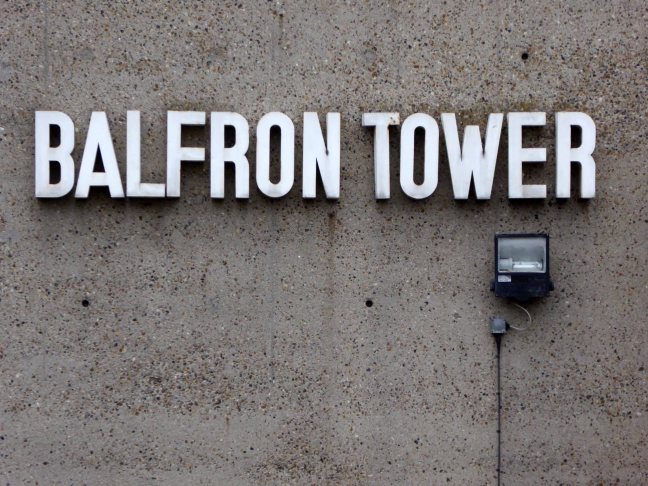
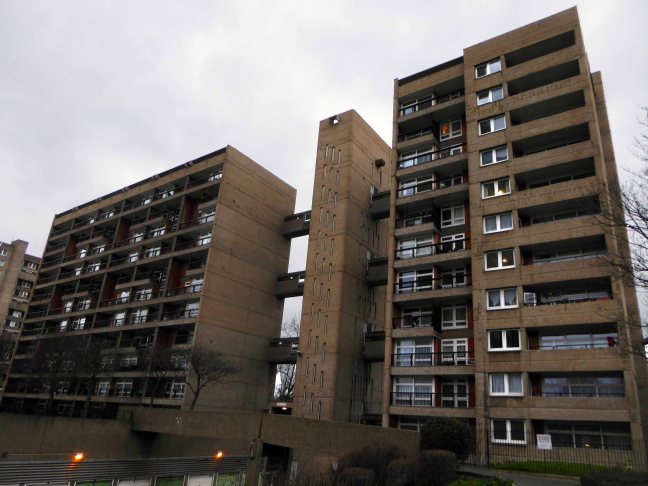
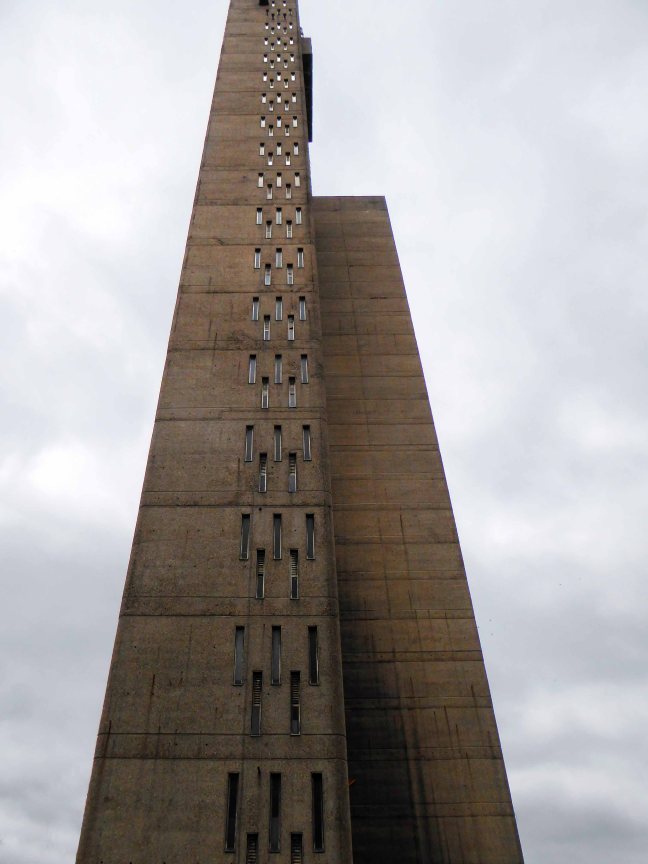
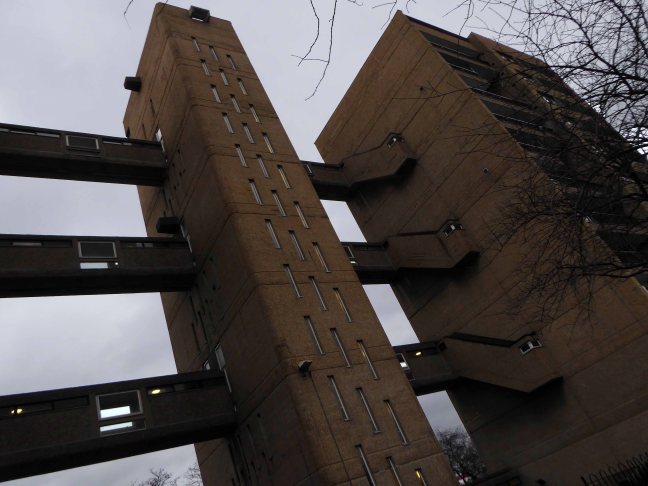
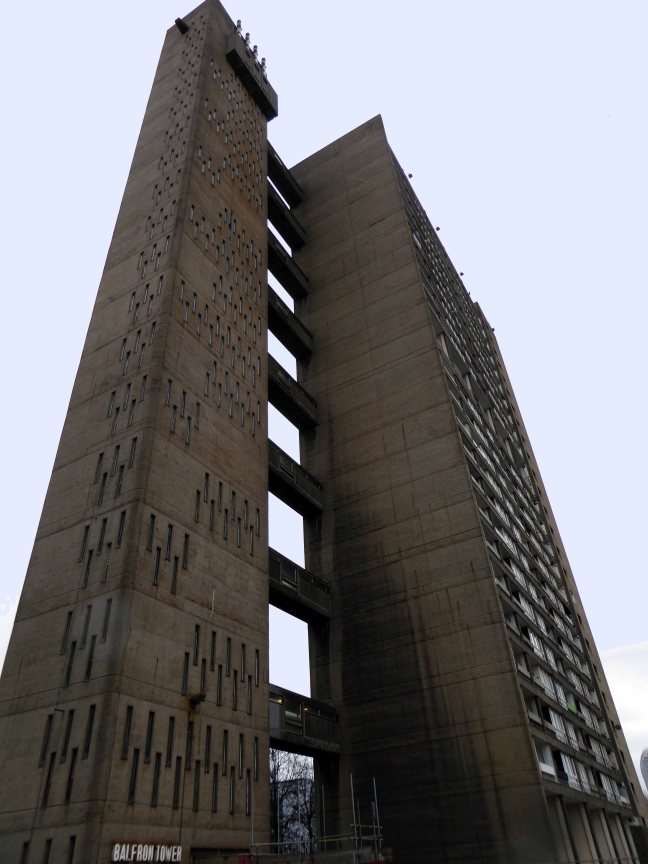
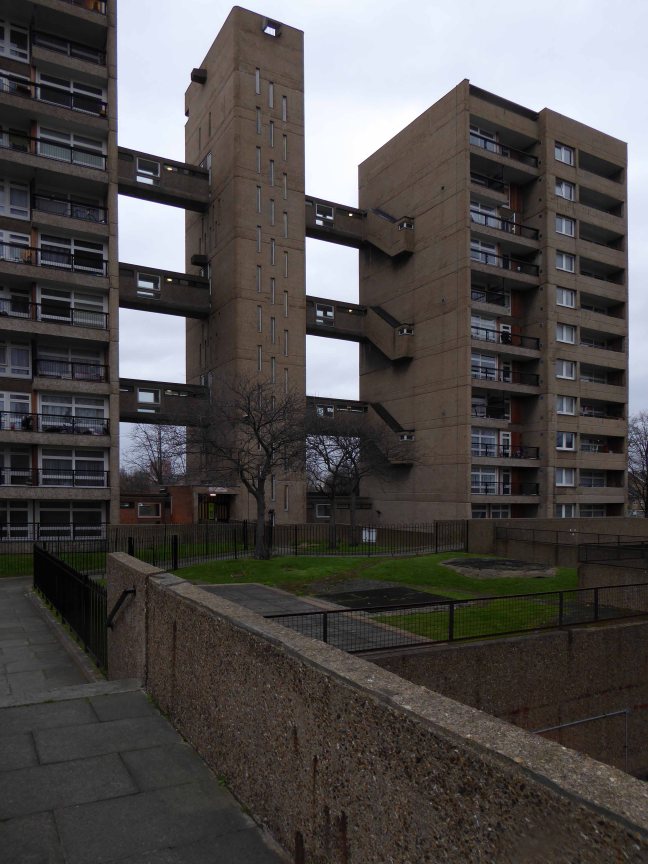
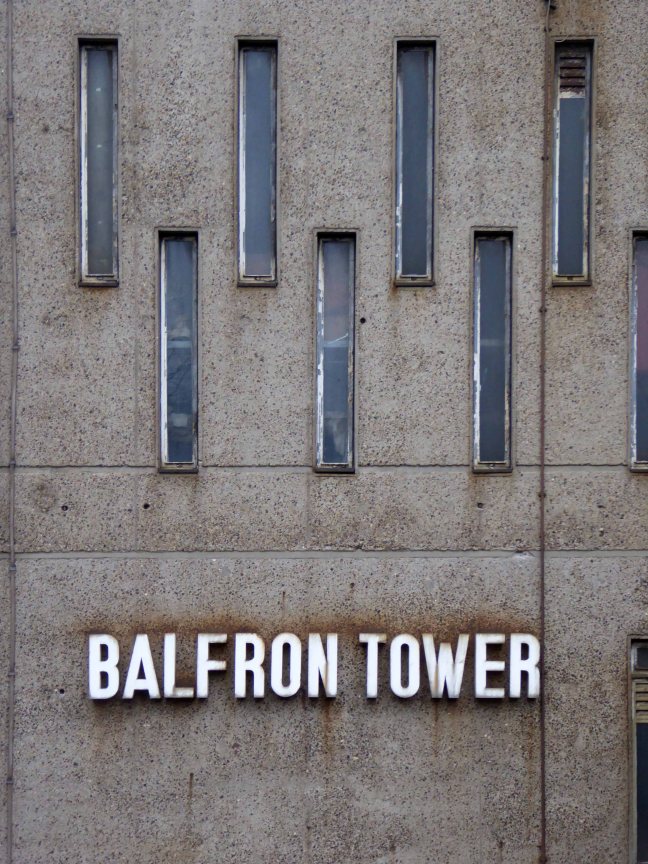
Balfron Tower London

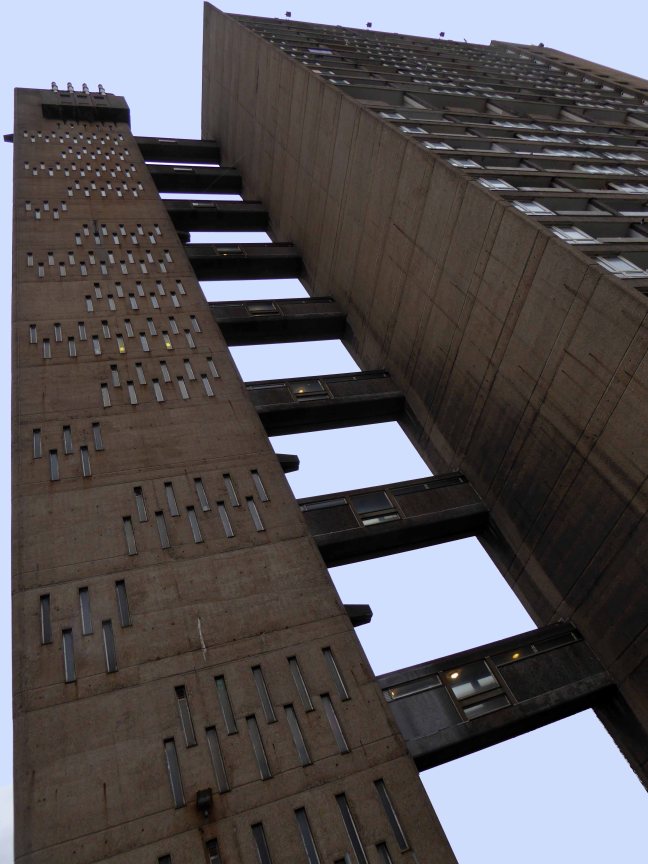
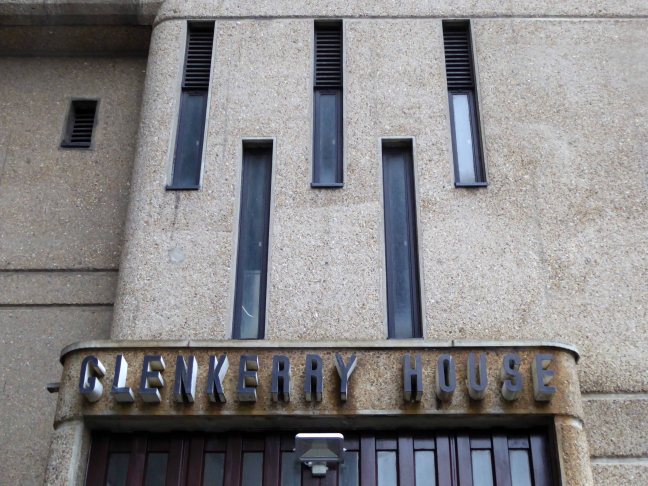
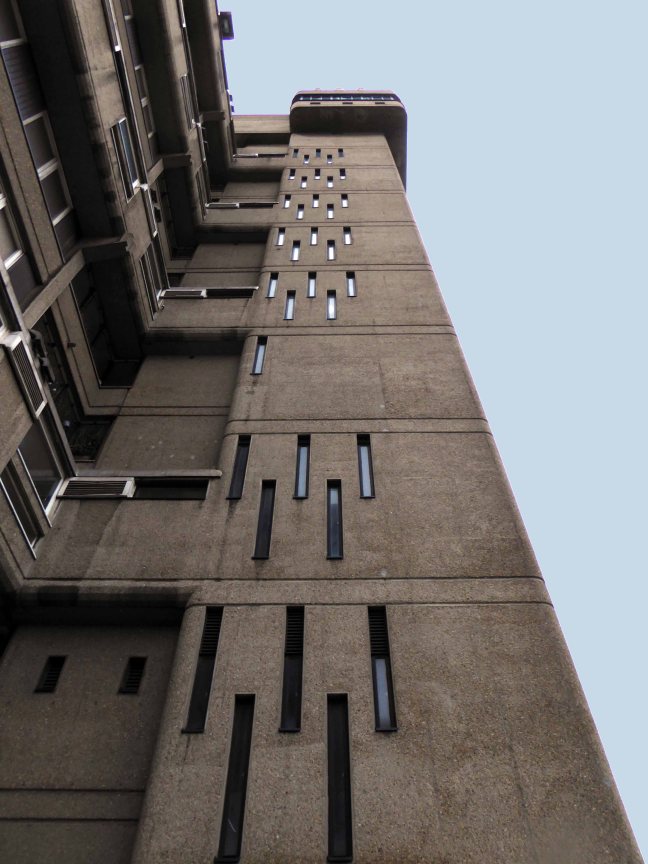
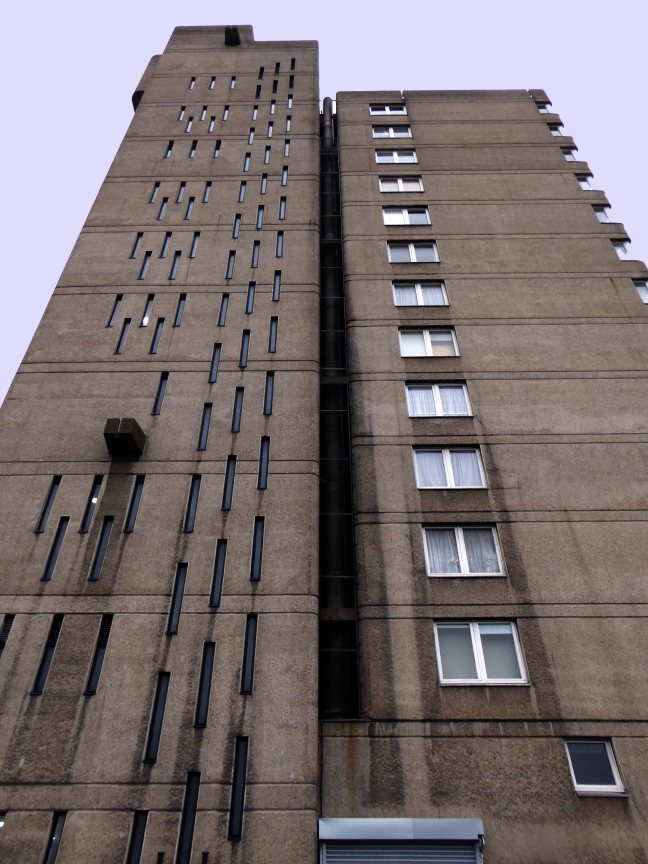
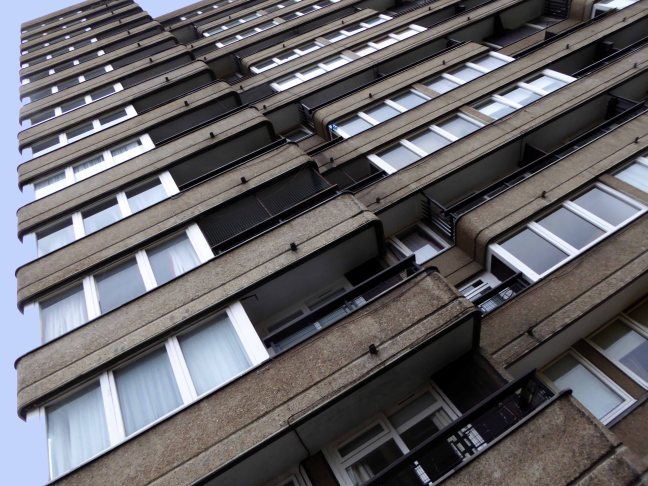
The Balfron Tower Conservation Area was designated in October 1998 around the two residential blocks designed by Ernö Goldfinger for the London County Council in the 1960s. The Conservation Area boundary protects the listed Balfron Tower and Carradale House, and other buildings in the ‘Brownfield Estate’, including Glenkerry House, a community centre, shops and associated low-rise housing development.
The 27-storey Balfron Tower is Goldfinger’s first public housing project, and a precursor to his better known Trellick Tower in North Kensington. The neighbouring Carradale House and Glenkerry House sit within the landscaped areas developed at the same time. The Brownfield Estate, also known as the East India Estate, is now recognised as a fine example of planned 1960s social housing. Considered to be exemplary examples of the post-war housing schemes, Balfron Tower and Carradale House were listed in 1998 for their cultural & architectural merit.

This was my first visit, to a key building in the short history of modernist post war housing, currently something of a sleeping giant, awaiting Prince Charming’s kiss.

What will it awake to?

Tower Hamlets are mid consultation, as evidenced in this here document.
On an overcast and ever darkening afternoon, the rain cutting in on a chill wind, set against a slate grey sky, its surfaces and volumes were ever so slightly forlorn.

There is much to be done by way of regeneration, with the attendant issues of heritage, funding, gentrification and inevitably who lives where and why?

Everything you may care to almost know is here.

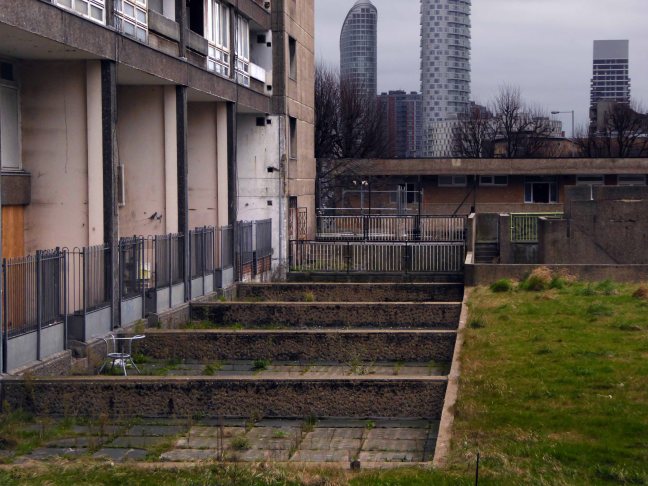
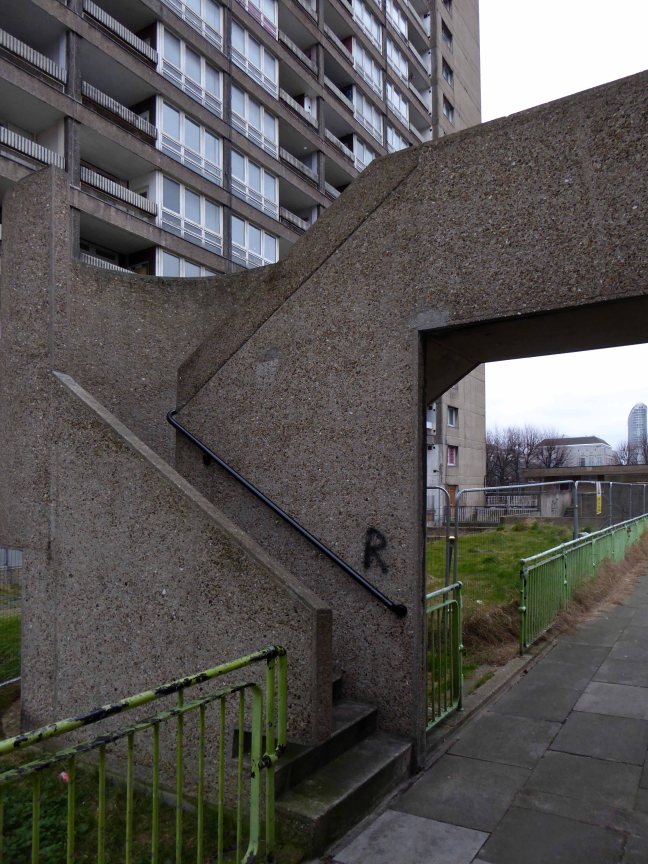
I walked around the area and took these pictures.

p1130830-copy

p1130831-copy

p1130832-copy

p1130833-copy

p1130834-copy

p1130835-copy

p1130836-copy

p1130837-copy

p1130838-copy

p1130839-copy

p1130840-copy

p1130841-copy

p1130842-copy

p1130843-copy

p1130844-copy

p1130845-copy

p1130846-copy

p1130847-copy

p1130848-copy

p1130849-copy

p1130850-copy

p1130851-copy

p1130852-copy

p1130853-copy

p1130854-copy

p1130855-copy

p1130857-copy

p1130858-copy


p1130860-copy

p1130861-copy

Hastings – Model Village

Blimey, I remember the castle and the hamster wheel thing. It was, in those days, as close to you would get to an adventure play park, it was on the same site that is now held by Clambers and it was all outdoors. The Castle, the Hamster Wheel, an army zip slide, seesaws, roundabouts and I think there was a small paddling pool. The Castle stunk of wee, probably where kids couldnt be bothered to get to the toilet. I remember it even had towers that you could go up .

Next to the play park was a putting course and you use to pay where the bowling green hut is now. Then the other side was a crazy golf course and you purchased the tickets from the model village hut. We had some great times up there . We use to spend the morning in the museum and then a snack and a drink at a very small cafe that was just below White Rock Road, in Cambridge Road (since gone) and then off to the putting, the play park and then the crazy golf, in that order 

Can you imagine kids being allowed out to do that now ? We were 12 years old in 1973 and use to catch the 433 bus from the Fortune of War (well thats what we called the bus stop anyway) in Priory Road, to the Oval and back.

Happy days 

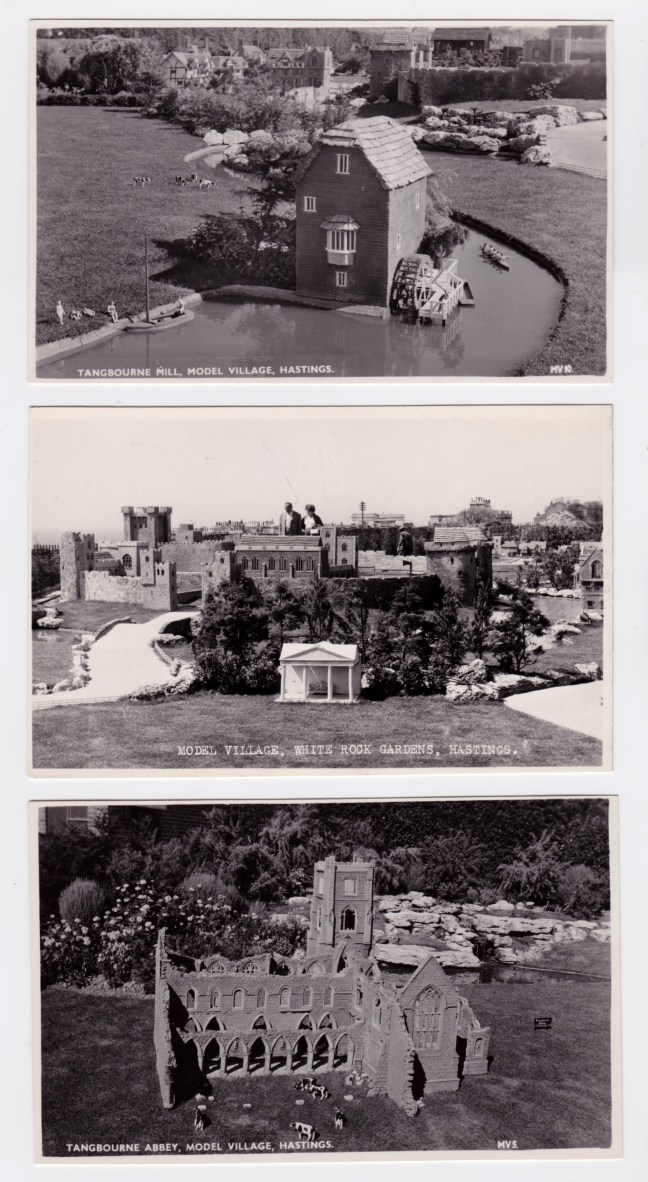
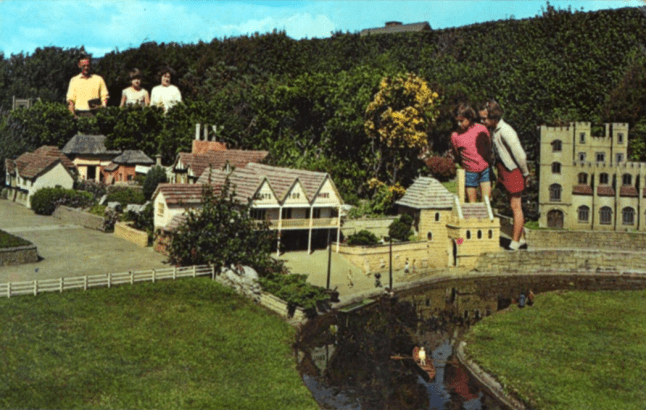
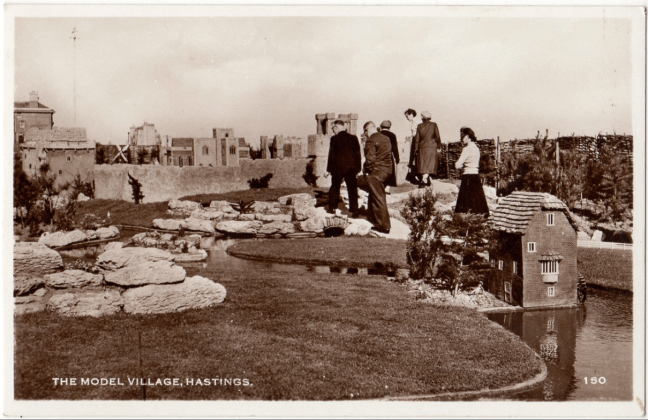
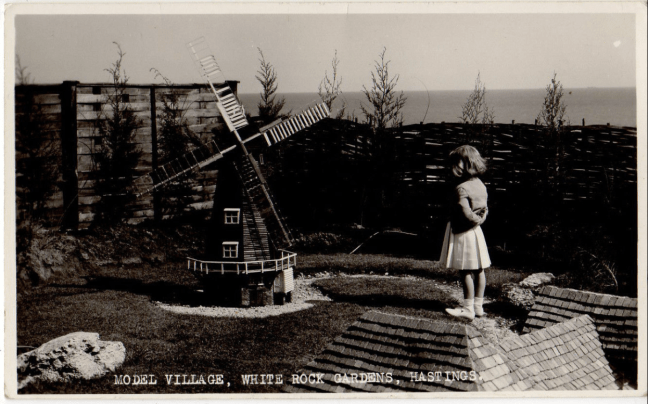
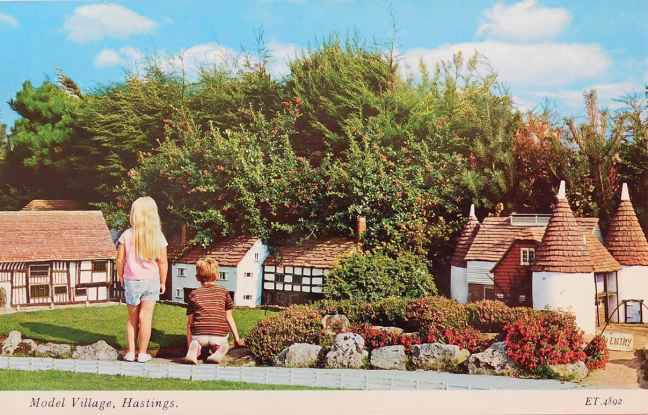
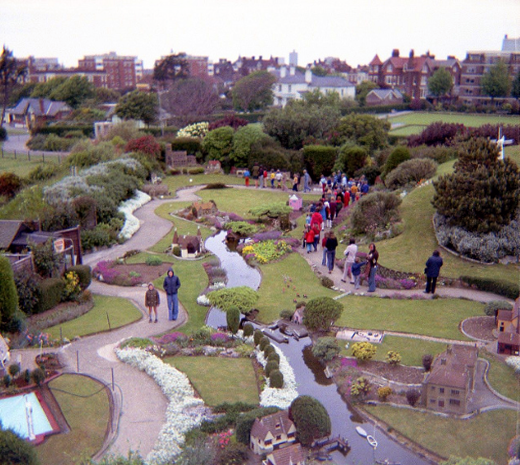
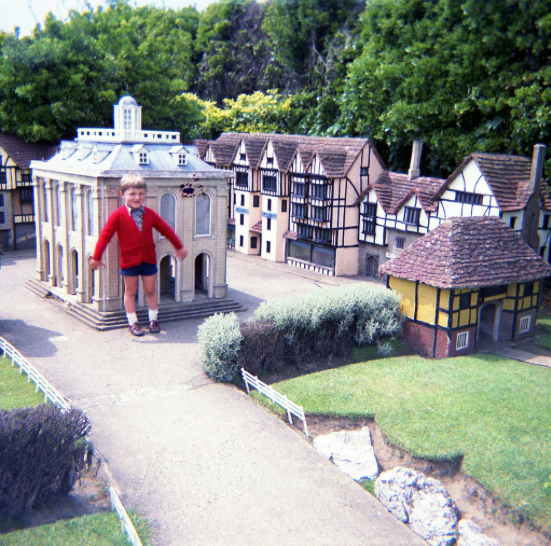
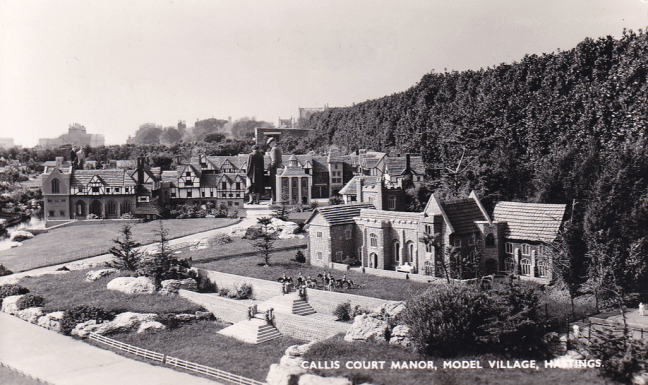
The Hastings Model Village took three years to build and opened on 19th February 1955. Designed by Stanley Deboo, it featured models of classic Sussex houses including oast-houses and timber-framed houses.

Sadly the Model Village was forced to close in December 1998 after vandalism caused £5,000 worth of damage. It was replaced by a miniature golf course built by Chris Richards.

The model village was replaced by a lazer maze style gaming centre in 2011, but still some of the original model village foundations remain at the site to this day.

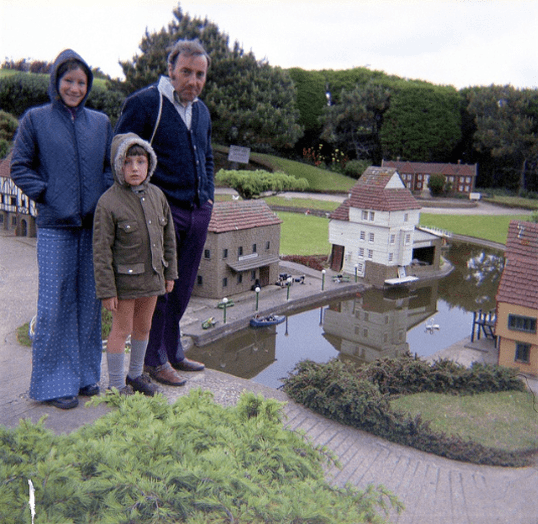
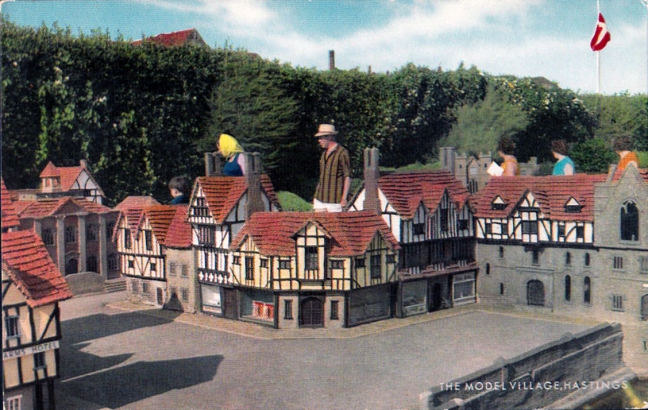
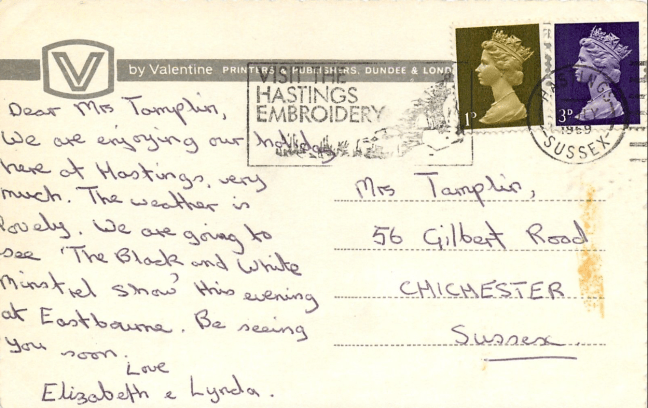
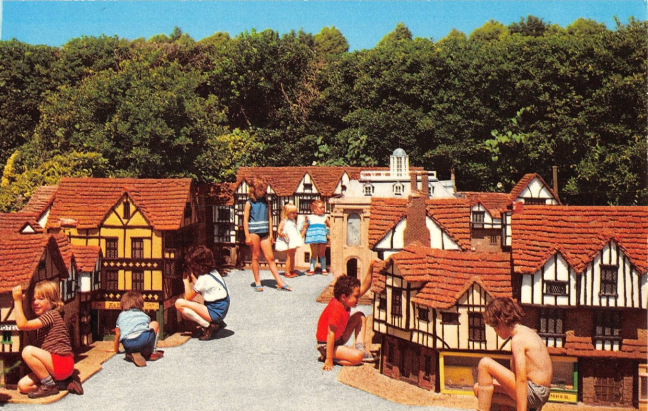
 I love model villages, the real rendered diminutive in tiny eye bite size pieces. I have a particular affection for lost model villages, and particularly lost model villages which I have never visited. Having discovered a set of vintage images at the Vintage Village – I set out on a virtual journey by postcard, into a collective unconscious, previously uncollected.
space
model-village-1
model-village-2
 space
Here are the mechanically retrieved lost remnants of a lost world.
spacescreen-shot-2017-02-18-at-10-04-23spacescreen-shot-2017-02-18-at-10-10-16
space
 spacescreen-shot-2017-02-18-at-10-03-09
spacescreen-shot-2017-02-18-at-10-09-53
spacescreen-shot-2017-02-18-at-10-08-29
spacescreen-shot-2017-02-18-at-10-07-28
spacescreen-shot-2017-02-18-at-10-06-44
spacescreen-shot-2017-02-18-at-10-06-23
spacescreen-shot-2017-02-18-at-10-06-09spacescreen-shot-2017-02-18-at-10-05-20
spacescreen-shot-2017-02-18-at-10-05-04spacescreen-shot-2017-02-18-at-10-03-37
spacescreen-shot-2017-02-18-at-10-01-54
spacescreen-shot-2017-02-18-at-10-01-05
spacescreen-shot-2017-02-18-at-10-00-29

Barmouth Street – Bradford Manchester

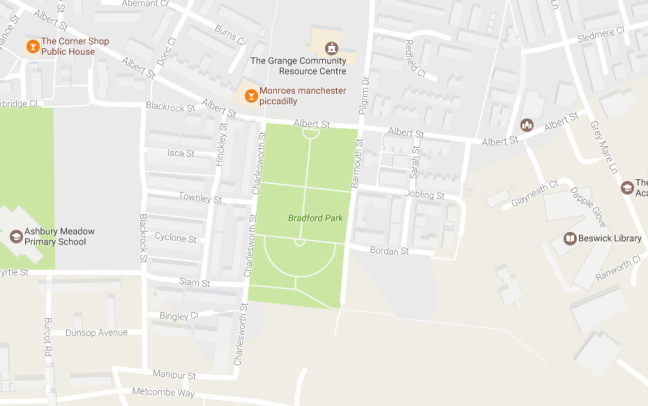
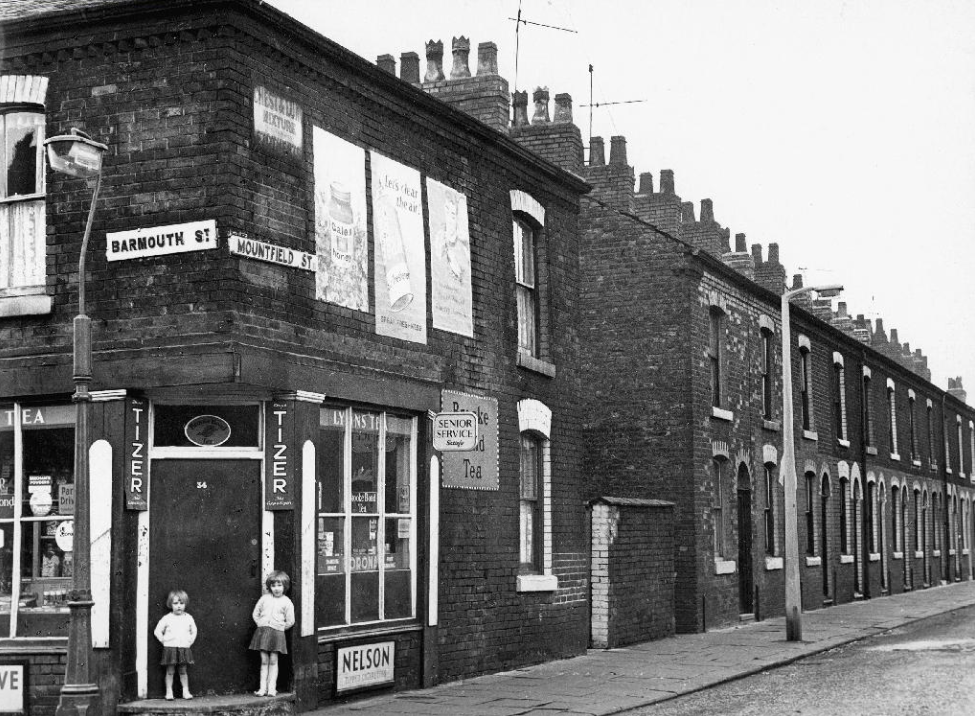
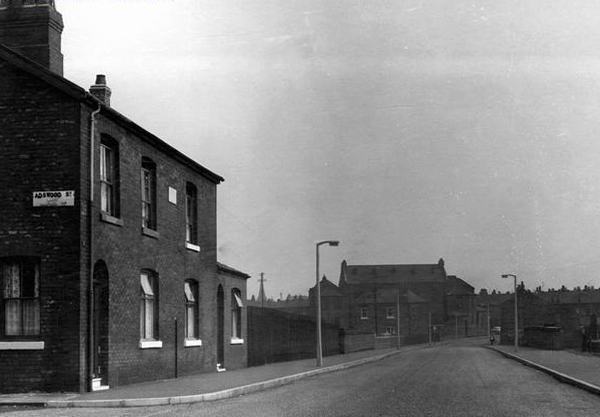
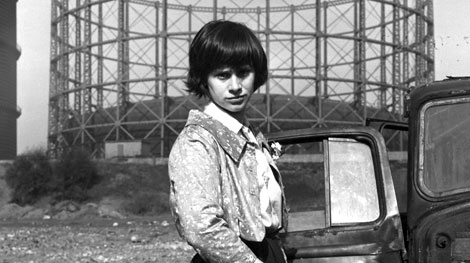
Once again I am following in the footsteps of Rita Tushinghan and the Taste of Honey film crew, this time my research has lead me to Barmouth Street, Manchester.

screen-shot-2017-02-11-at-14-42-03

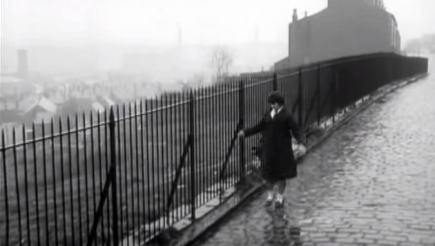
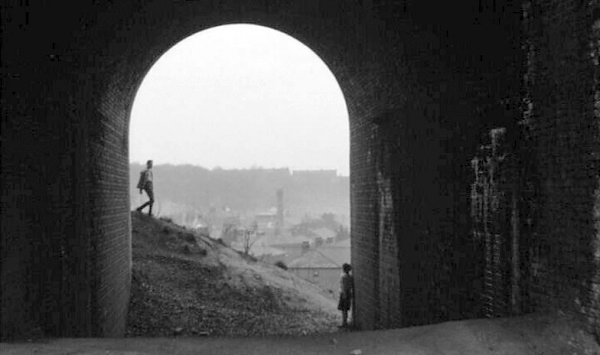
To the east of the city centre, Bradford Park School was the scene of the opening scene, Jo’s netball match. The school is now long gone, now the site of a much enlarged public park, as can be seen from the map above.

Shelagh Delaney, author of the original play on which the film was based, can be seen fleetingly in this opening scene, appearing momentarily over the games teacher’s shoulder.

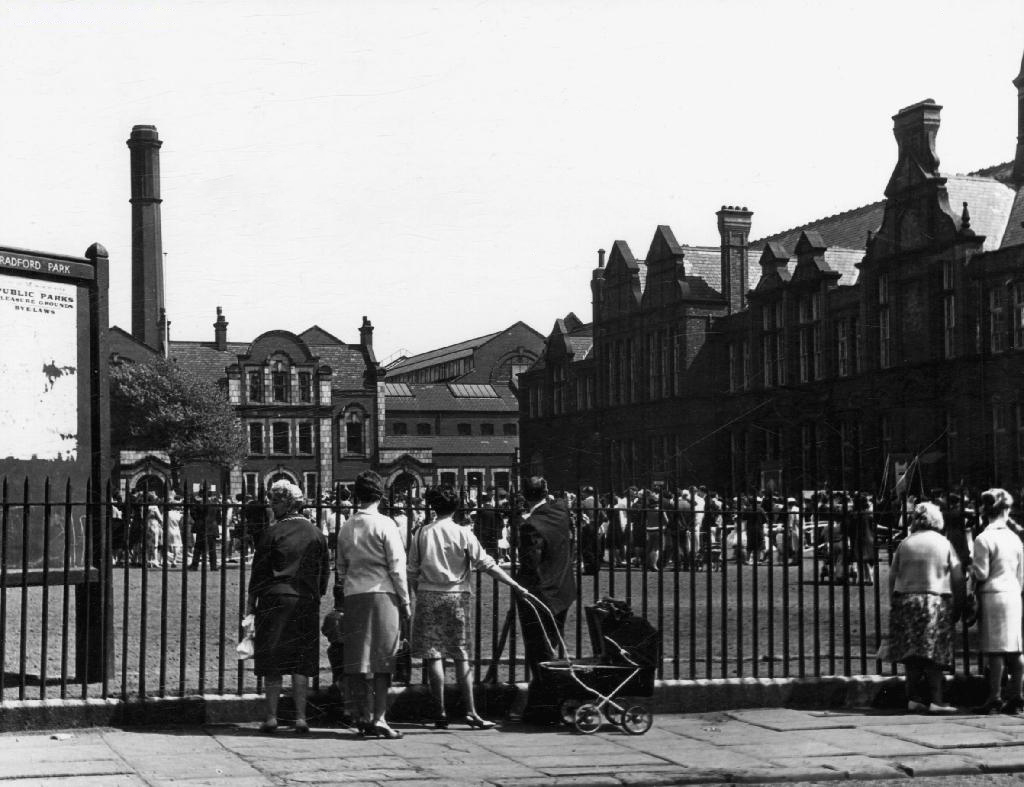
screen-shot-2017-02-11-at-14-43-12

I have found one archive image of the school, as the scholars prepare for the annual Whit Walks, this along with many other community traditions and conventions, have all but disappeared from the streets of the city.

webmedia-php

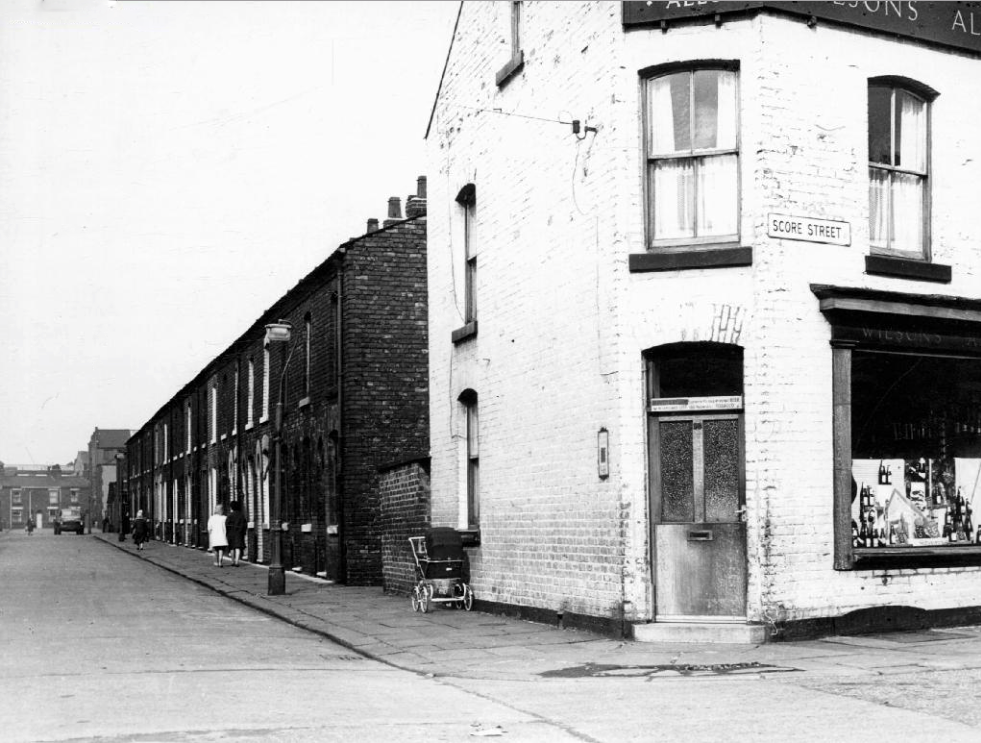
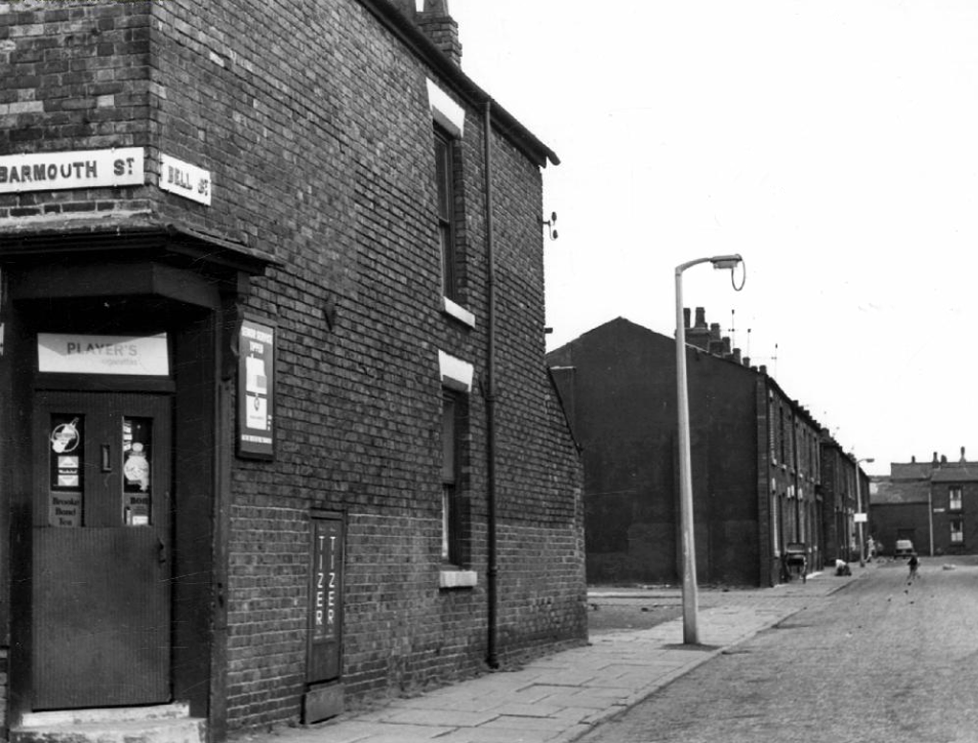
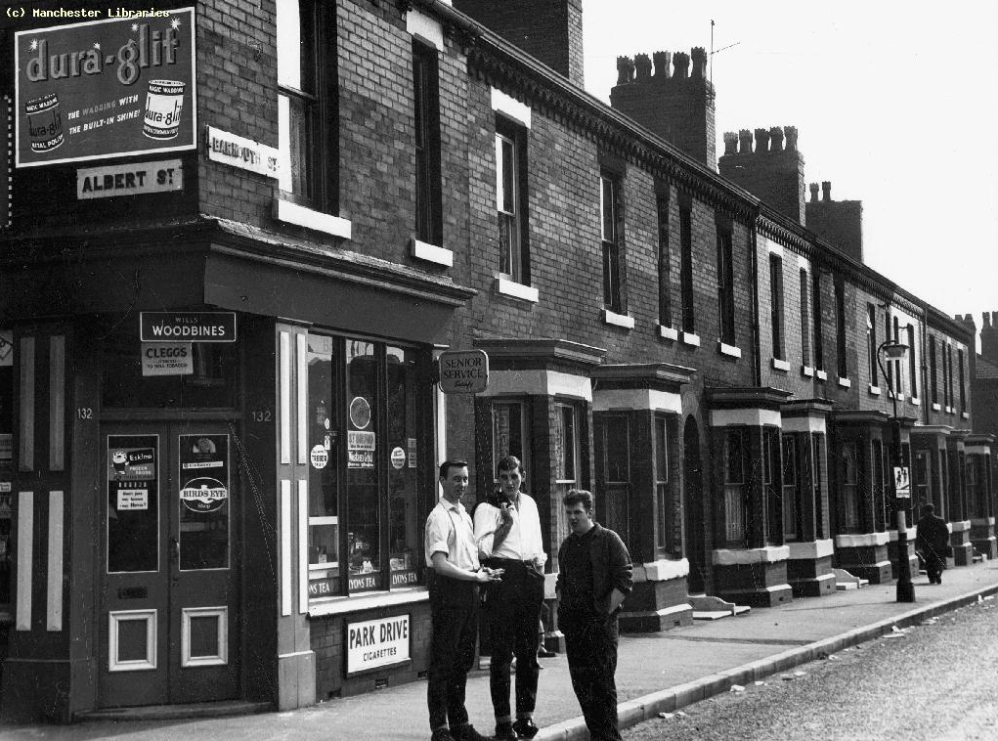
This was once a tight knit community, surrounded by industry, full employment and a short lived period of post-war growth and optimism.

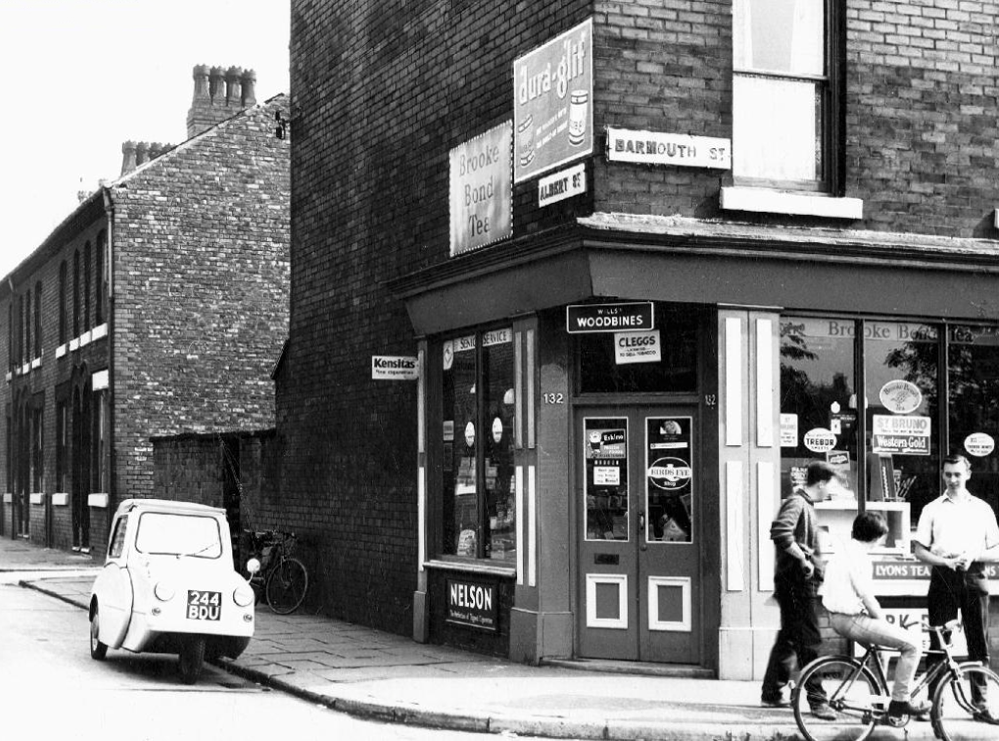
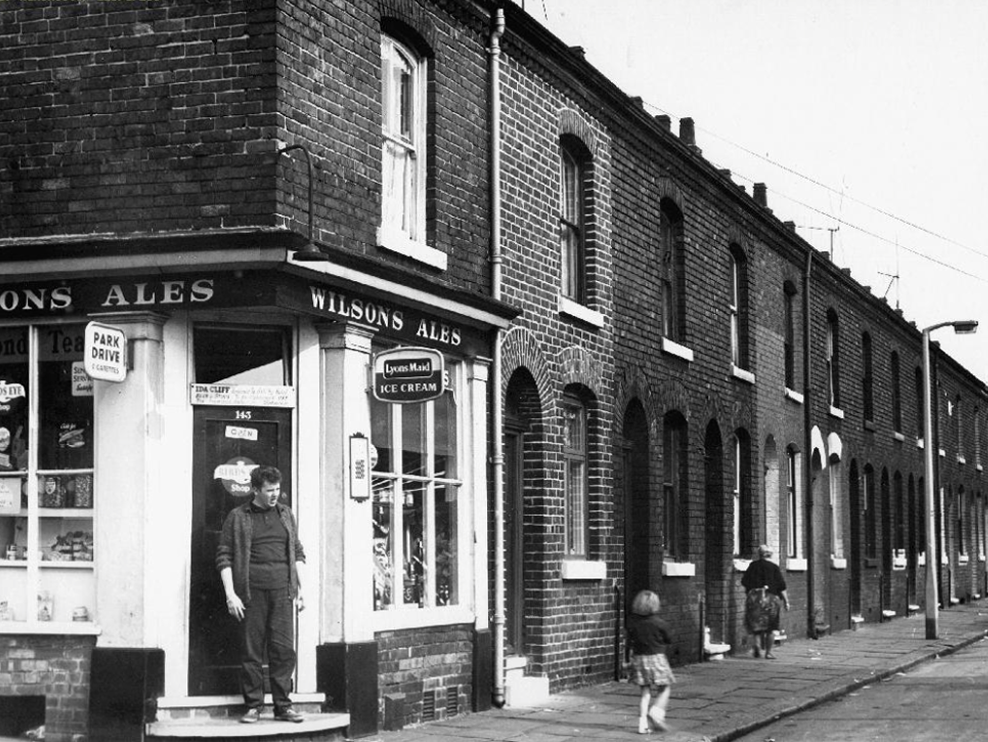
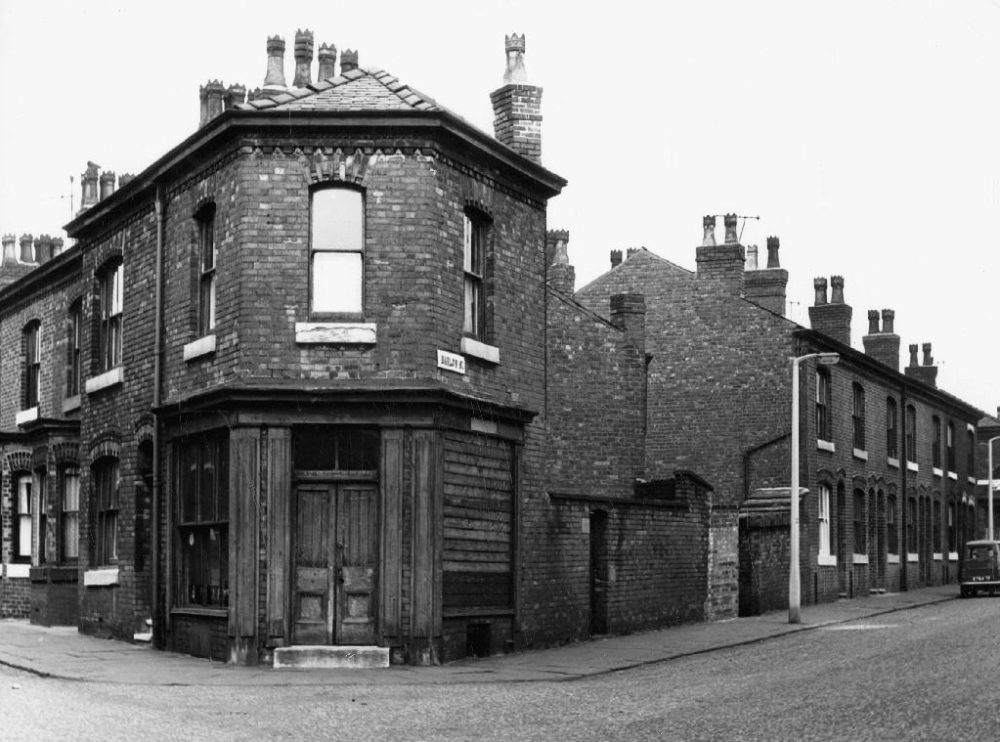
A corner shop on very corner, though by the time I worked as a Mothers Pride van lad in the late sixties, many were already on their last legs. A lethal cocktail of closing factories, incipient supermarkets, and an urban renewal programme, which lead to slum clearance, would change the character of the area forever.

screen-shot-2017-02-08-at-11-59-09

screen-shot-2017-02-08-at-11-59-38

screen-shot-2017-02-08-at-12-02-21

screen-shot-2017-02-08-at-12-03-37

screen-shot-2017-02-08-at-12-04-58

screen-shot-2017-02-08-at-12-05-23

screen-shot-2017-02-08-at-12-06-37

screen-shot-2017-02-08-at-12-00-28

The man responsible for the majority of these archive photographs is Tommy Brooks of 56 Gransmoor Road, Higher Openshaw.

He is my hero, a member go the Manchester Amateur Photographic Society, cycling the streets of Manchester to produce a unique record of life in the Sixties.

The Manchester Image Collection is awash with his work.

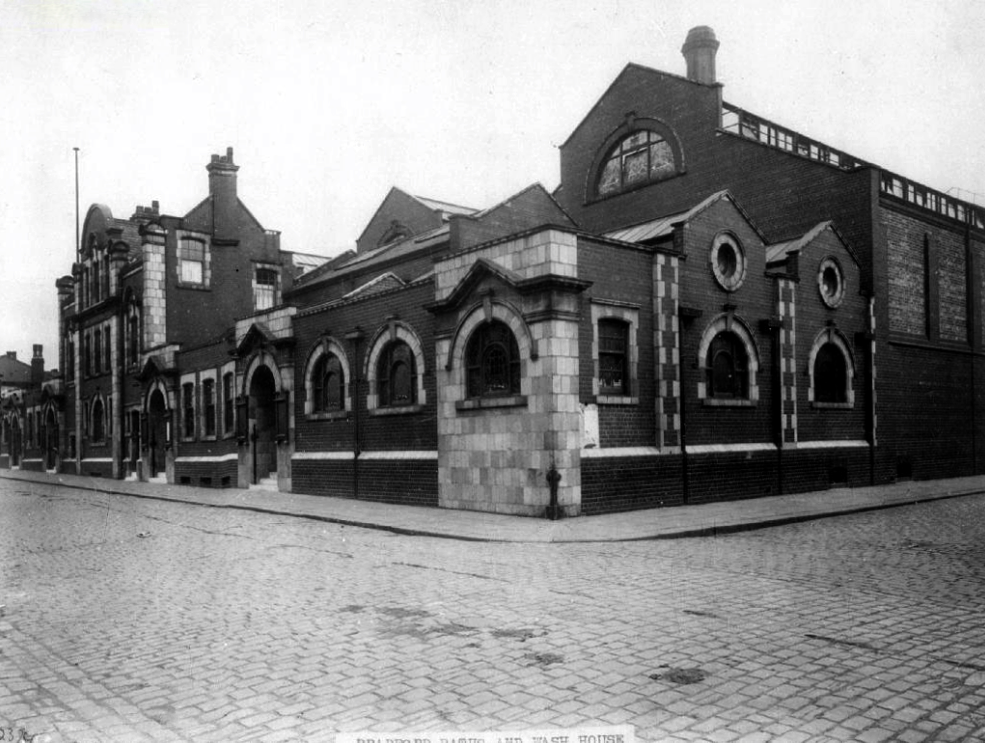
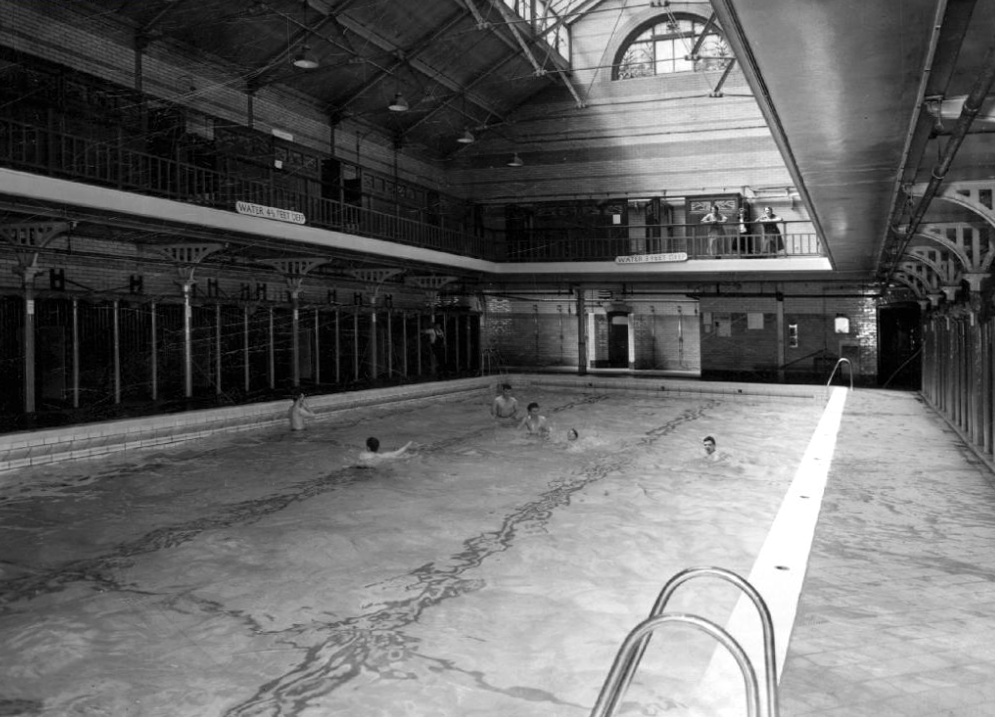
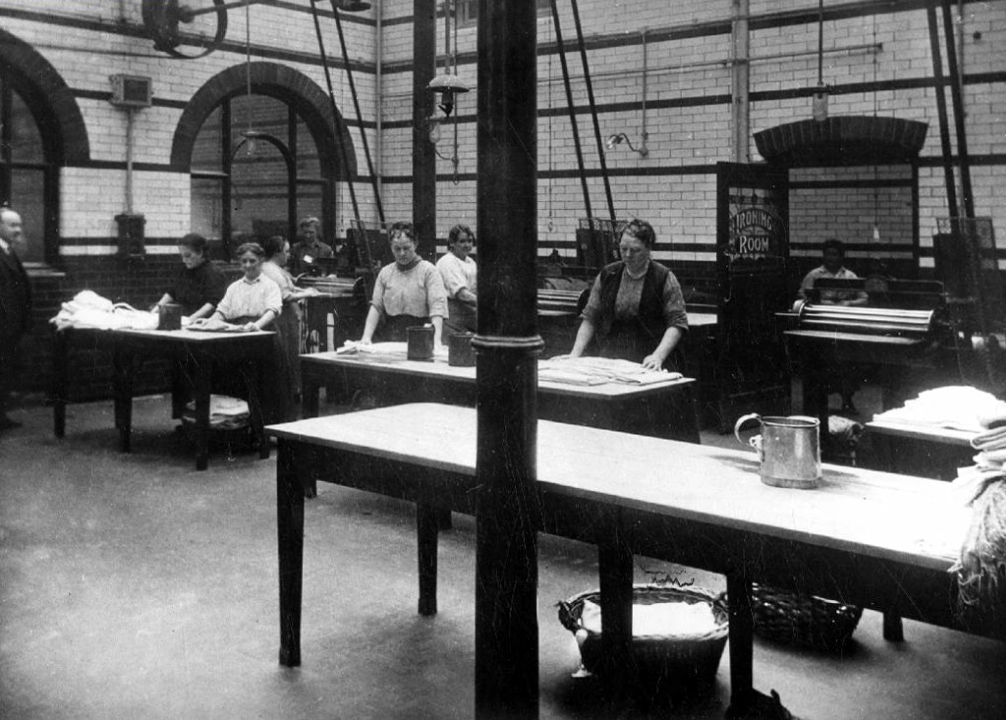
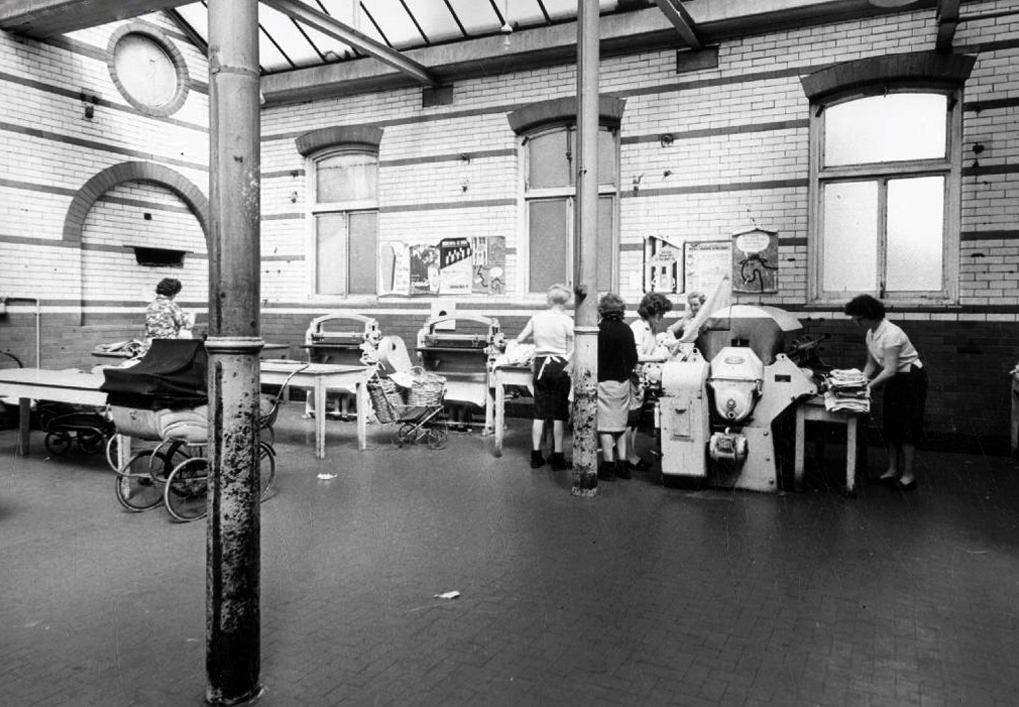
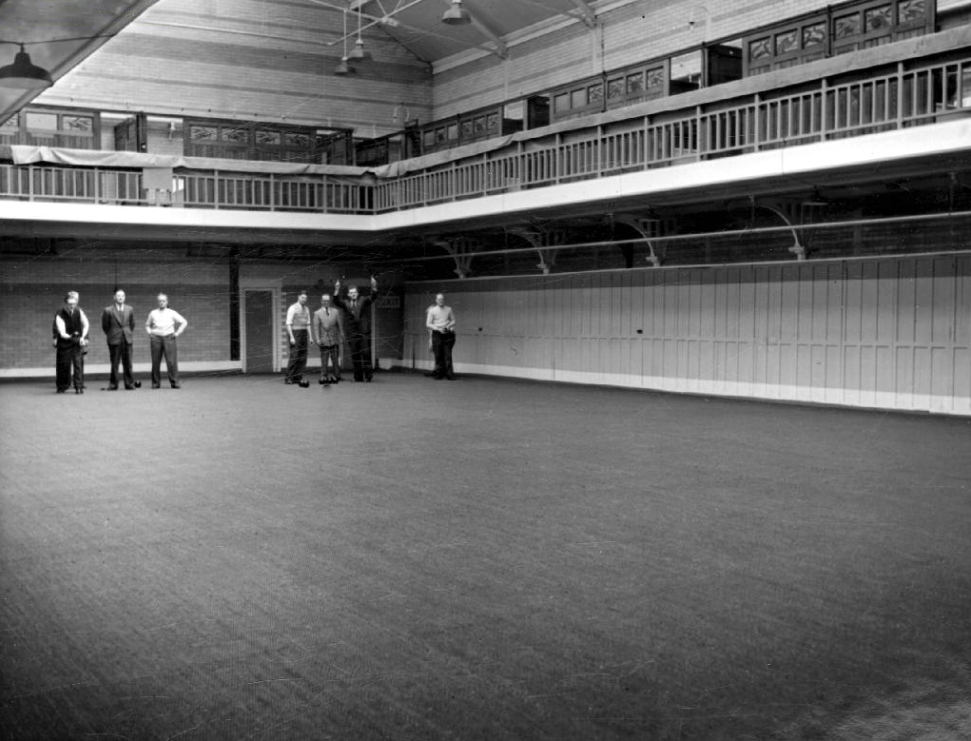
Central to the social and sanitary life of that that community were the Barmouth Street Baths and Washhouse, where citizens would swim, wash, dry, iron, chat convivially, and surprisingly – play bowls.

screen-shot-2017-02-08-at-12-08-14

screen-shot-2017-02-08-at-12-14-20

screen-shot-2017-02-08-at-12-17-35

screen-shot-2017-02-08-at-12-16-24

screen-shot-2017-02-08-at-12-15-54

Now long gone, along with the provision of local authority nursery care. There were similar low level pre-fabricated buildings dotted all over the city. Built quickly and cheaply, to provide for a growing population, of largely working-class families, with no shortage of work opportunities.

screen-shot-2017-02-08-at-12-07-54

screen-shot-2017-02-08-at-12-08-53

This was a time of great social change, a time which the film attempts to anticipate -a more diverse, and hopefully more tolerant time, a time of possibilities and opportunities for all.

A Taste of the North

Where is the North and what does it look like?

It’s up there somewhere isn’t it, a dark elsewhere, a mythological other place.

I was curious, searching for clues.

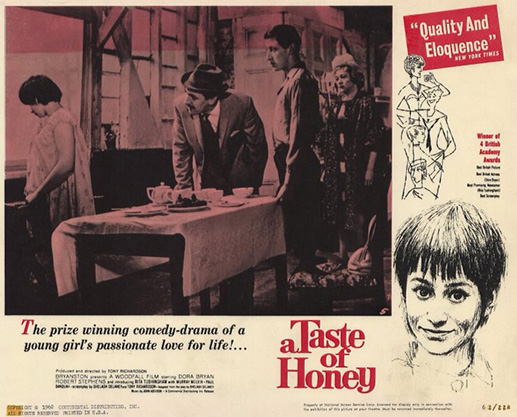
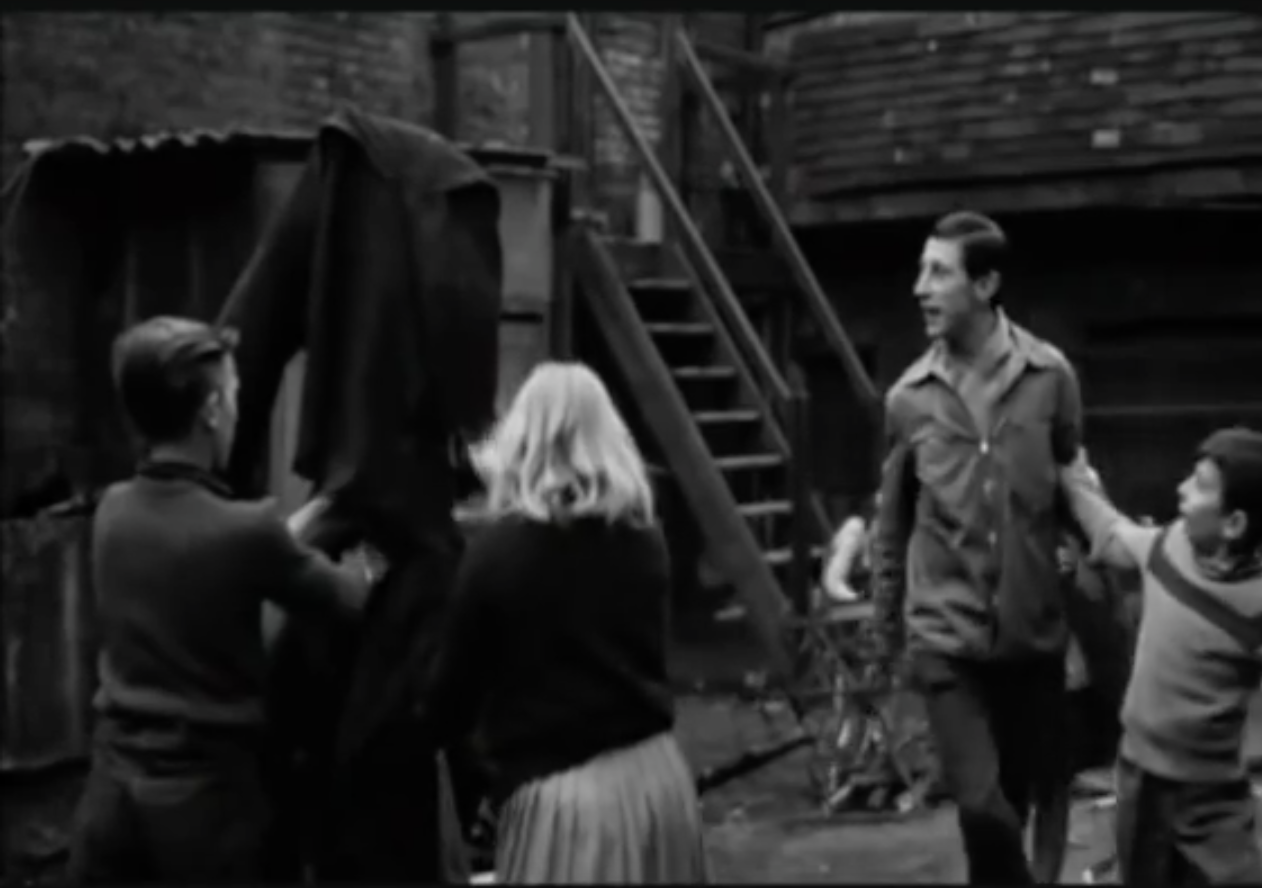
I began in a nearby place in a faraway time, my first reference point, the film adaptation of Shelagh Delaney’s play A Taste of Honey.

Set in Salford by Salford born teenager Shelagh.

A  teenager becomes pregnant by a black sailor. She leaves her feckless mother and her flashy new boyfriend to set up her own home. She moves in with a young gay man, who helps look after her as she faces an uncertain future.

I have compiled a series of photographs of the film’s locations. 

poster2

The film’s release in 1962 broke new ground in terms of its matter of fact depiction of contentious and sensational subject matter. My interest in this instance rests with the visual image of the North that it created.

a_taste_of_honey_1961_film_woodfall_film_productions_mm

Larkhill Road Edgeley Stockport

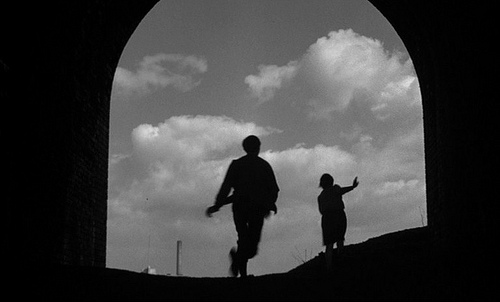
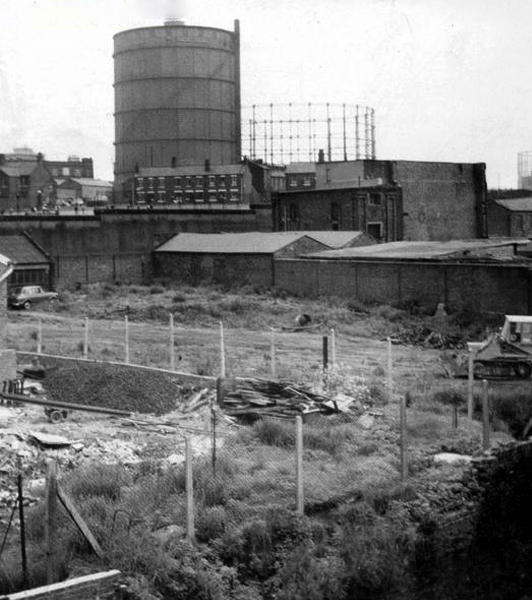
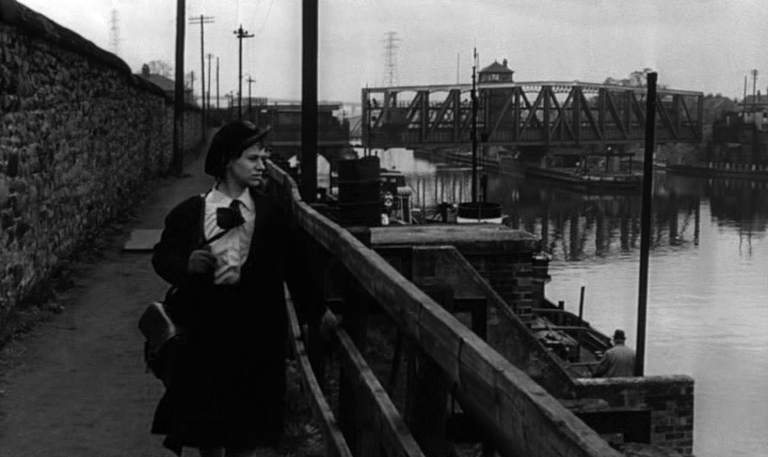
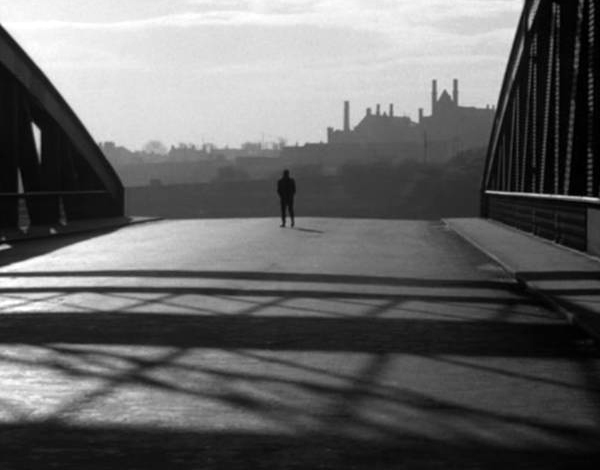
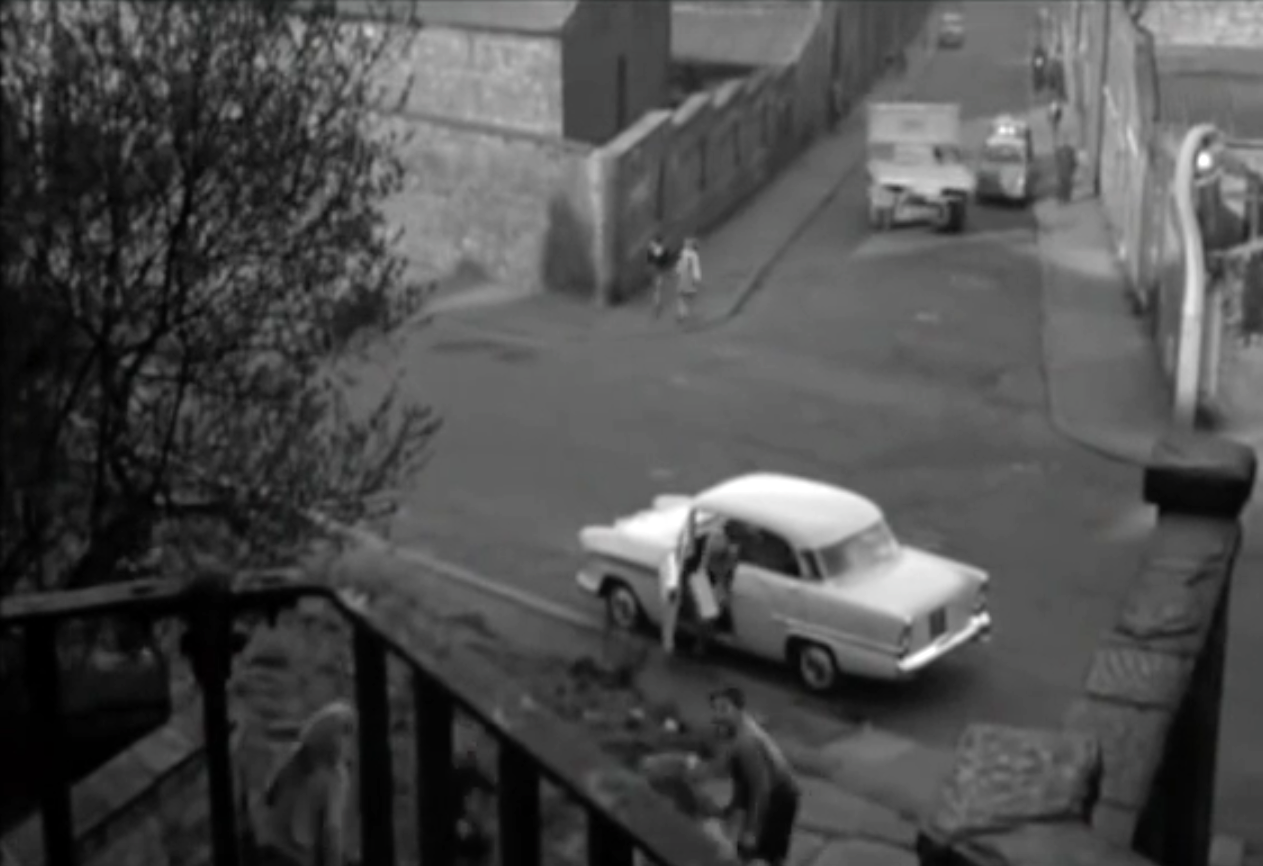
Shot almost entirely on location in black and white by cinematographer Walter Lassally, we are treated to dark treeless vistas, cobbled streets, industrial areas almost perpetually in decline, bleak canals and terraced homes.

As shown in these archive images of the 1950s, illustrating locations that would subsequently be used in the film adaptation.

There is a comprehensive list of locations here at Reel Streets

cambrian-street

Cambrian Street Holt Town Manchester

gas

Phillips Park Gasworks Manchester

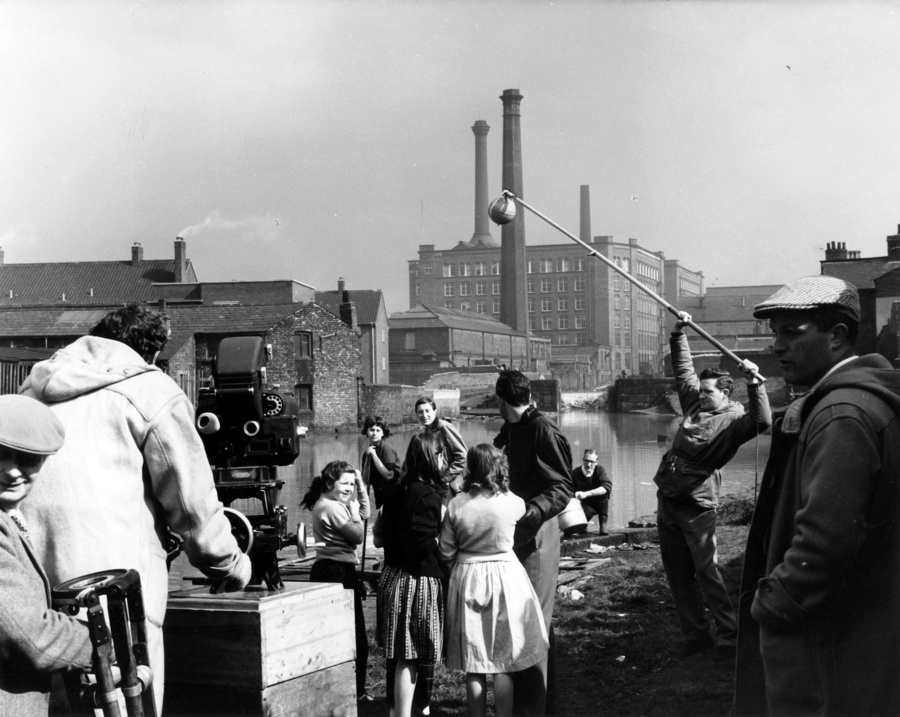
Director Tony Richardson was a product of the British Free Cinema movement, which had previously produced short, sharp documentary and drama work, driven by a leftist outlook and using a restless, immediate approach, aided by the new lightweight cameras and faster film stocks. This is an ethos and methodology that would be carried over into the feature productions of the Woodfall Films company.

bfi-00m-nn0.jpg

Rochdale Canal Manchester

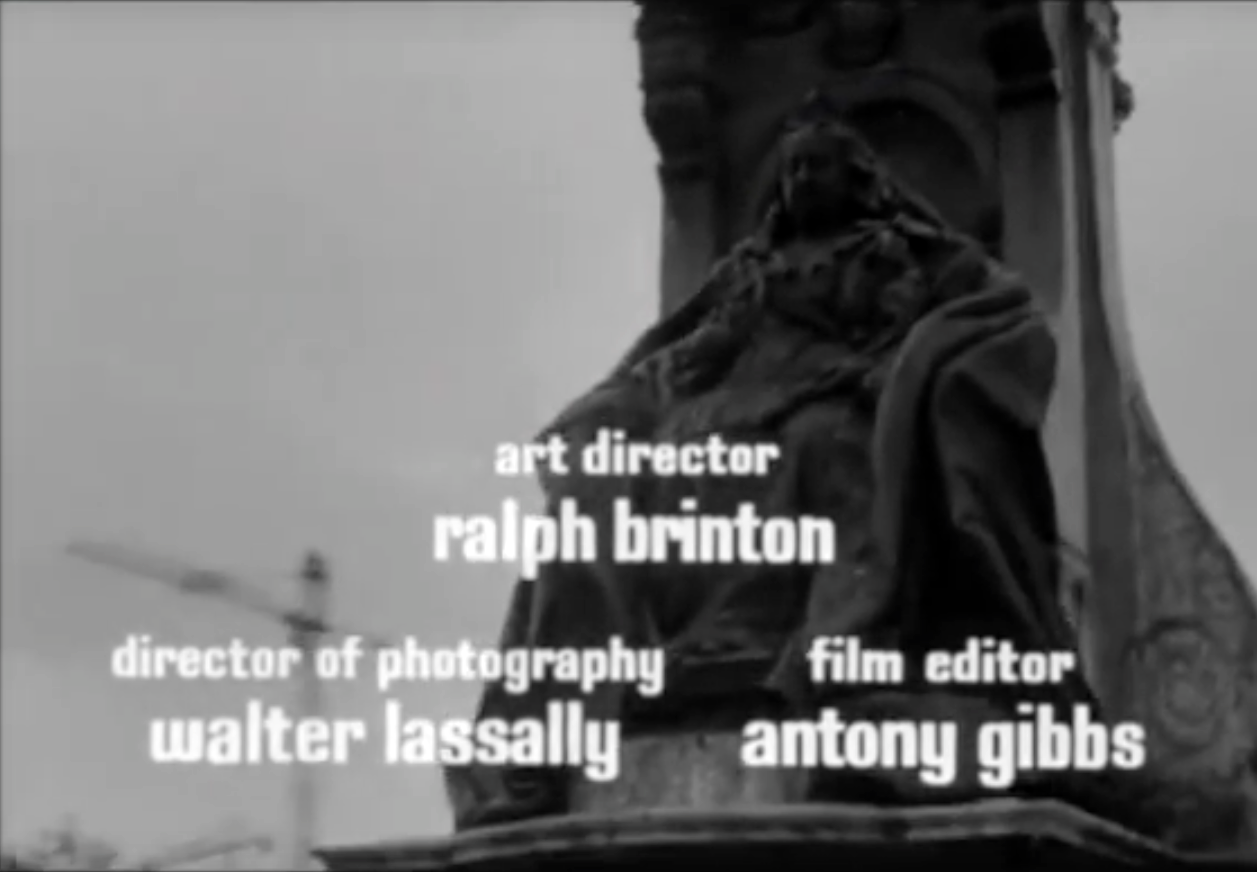
The film was shot in the flat, low, even light of the Winter which heightened the mildly desolate character of the landscape, though ostensibly Salford set many of the locations are in nearby Manchester and Stockport. An early long and free flowing title sequence and establishing shot, is a bus tour around Central Manchester, a city centre which at the time was still graced by a thick accumulation of dark industrial emissions and miasma.

screen-shot-2017-02-03-at-19-44-30

A soot blackened Queen Victoria mute and imperious in Piccadilly Gardens, the freshly blooming cranes of post-war renewal tentatively appearing in the background.

screen-shot-2017-02-03-at-20-30-43

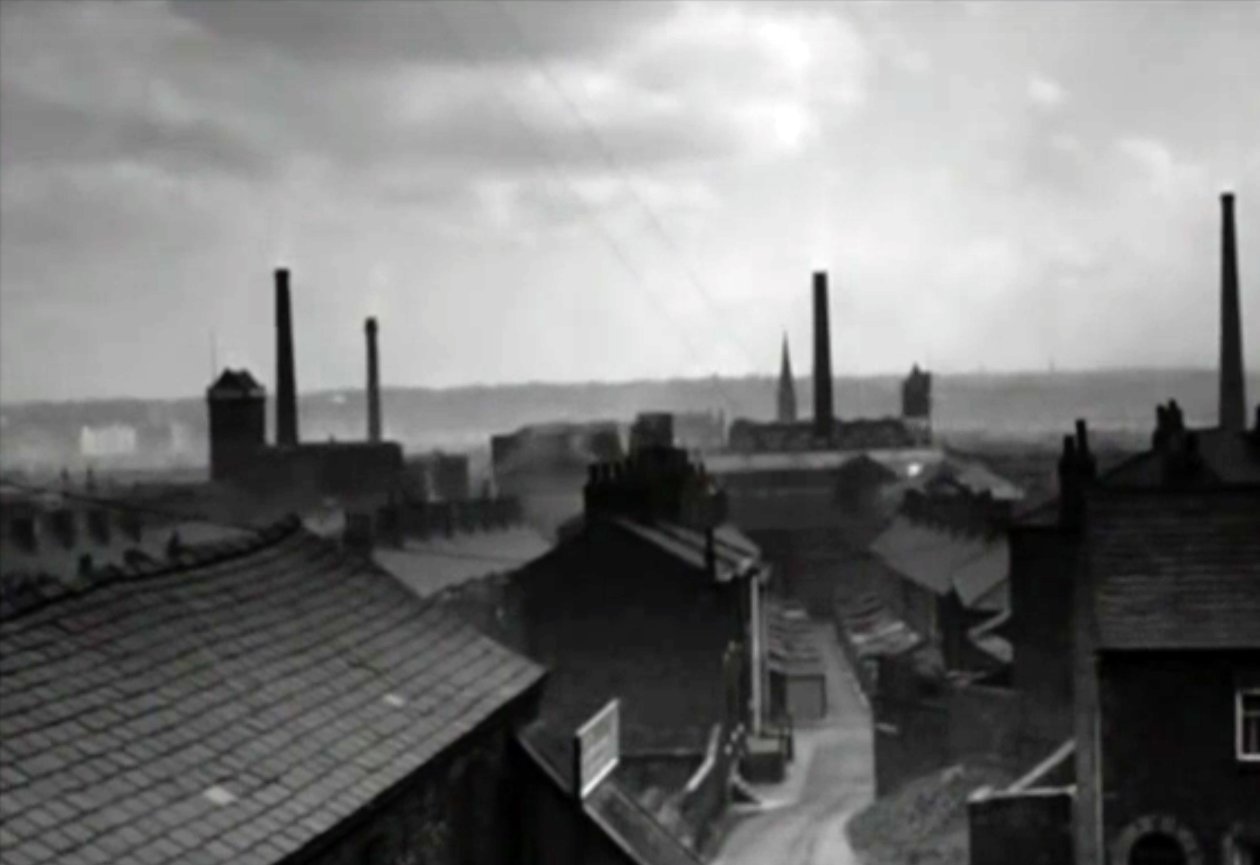
The skyline punctuated by factory chimneys, the tight huddled streets of terraced houses chuffing billowing great grey clouds of smoke – a view familiar in the work of LS Lowry.

a-taste-of-honey-new-4

Barton Bridge

lr-taste-of-honey-msc-swing-bridge

Trafford Swing Bridge

taste-of-honey

Stockport Rail Viaduct

taste_of_honey_01

Phillips Park Gasworks

screen-shot-2017-02-03-at-20-05-24

The location of the home that Jo sets up was ironically the stage set workshop of the Royal Court Theatre (the very theatre where the play was developed and produced) in London – that most northern of cities.

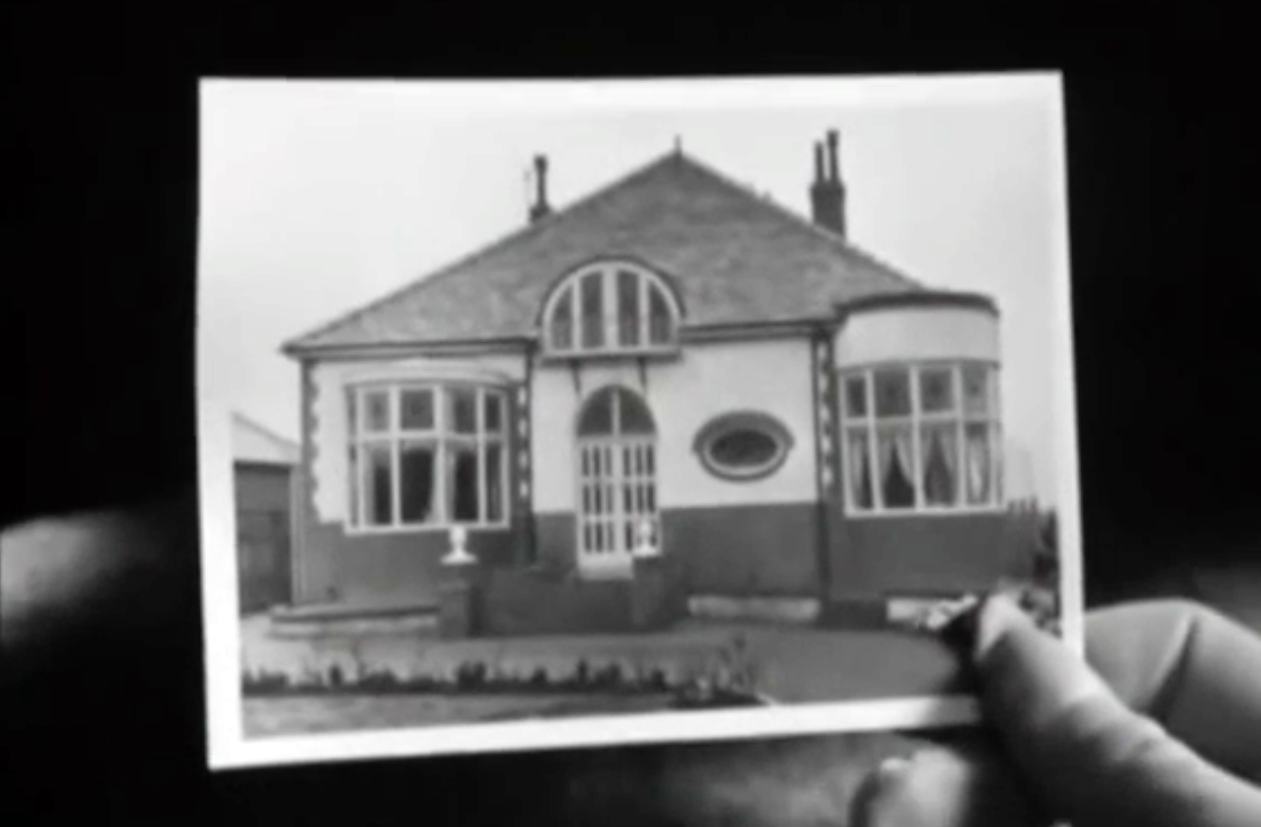
There is a brief respite from this milieu, through a picture in picture sequence based on the image of a suburban bungalow – which along with the coming age of mass motor car ownership, offers the promise of escape.

screen-shot-2017-02-03-at-20-34-51

screen-shot-2017-02-03-at-20-37-15

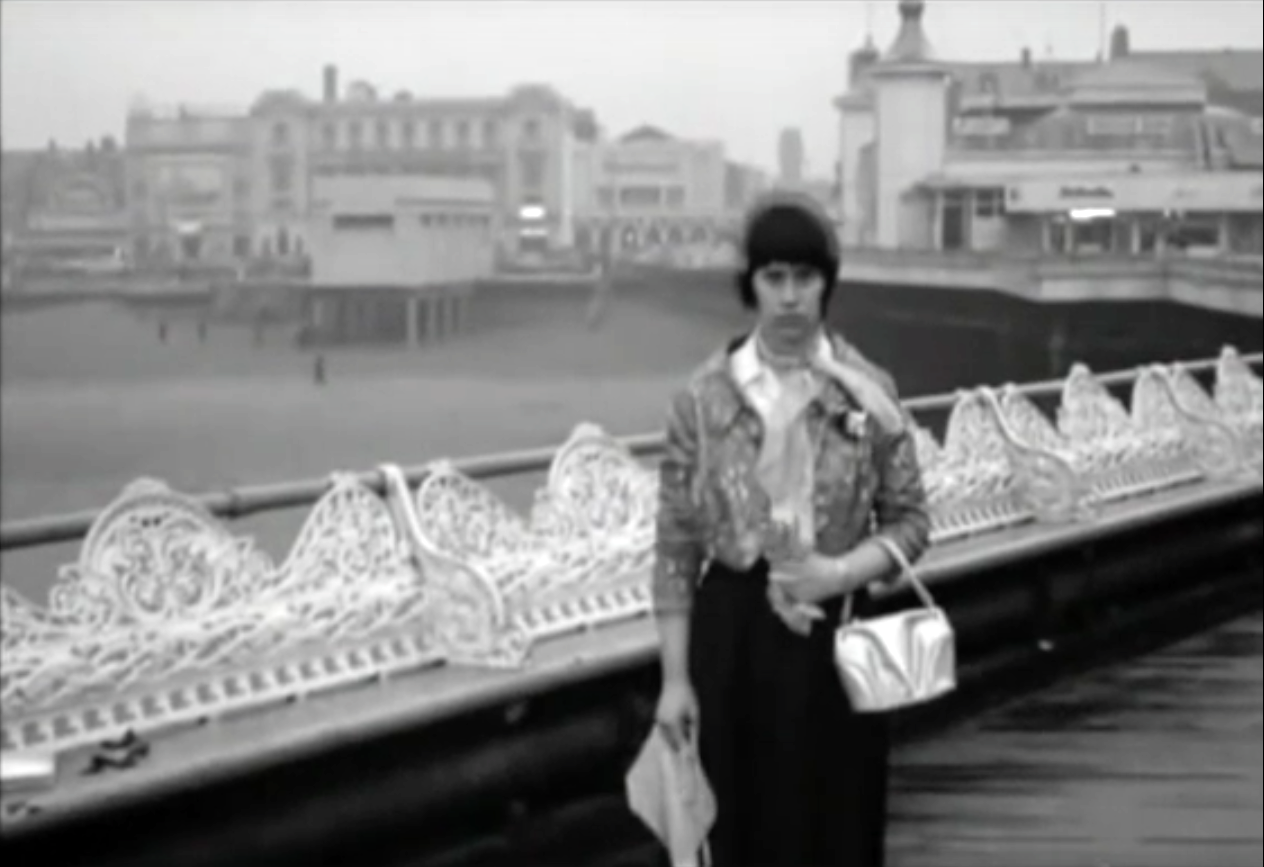
A giddy day trip to Blackpool represents the temporary release from a contrasting and constricting world, a trip which for Jo emphasises the divide between Mother and her lover.

screen-shot-2017-02-03-at-20-35-56

So we the viewers are left with a cloudily clear, black and white world, a pervasive construct that the North and Manchester is eagerly beginning to casually shuffle off.

Where streets are no longer paved with Eccles Cakes and whippets are hip.

Identity through landscape and location can both define and constrain, but that landscape, its representation, and the identity that it produces are all mutually mutable.

Take some time to watch and rewatch the film, freeze frame where are we?

Who are you?

Semi Detached – Warrington

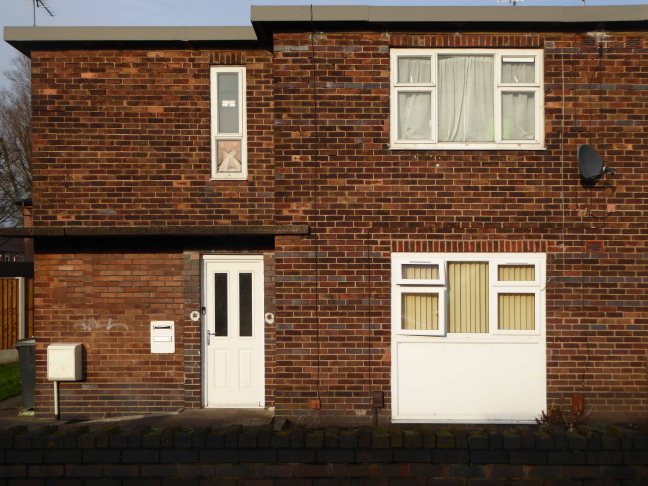
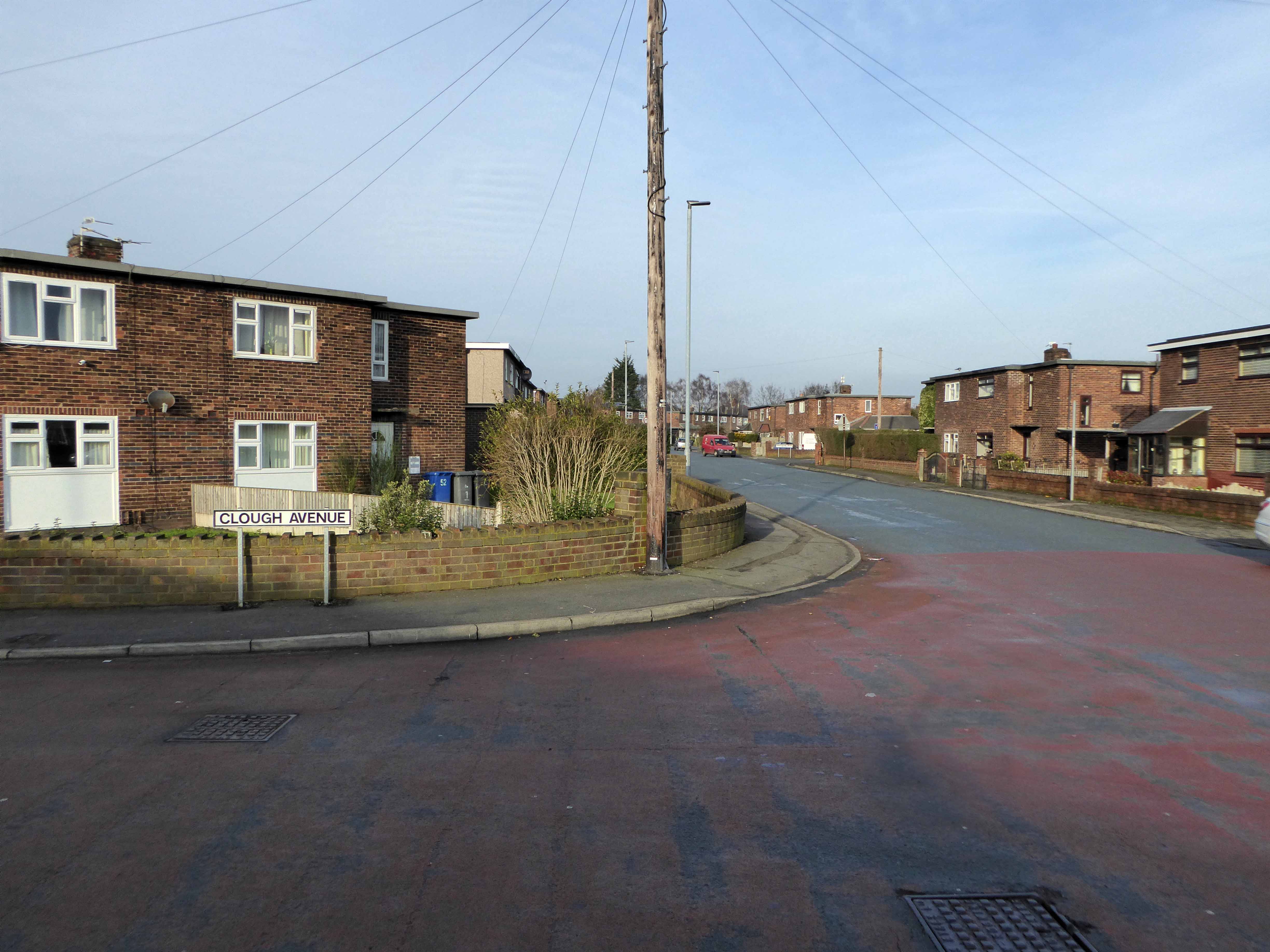
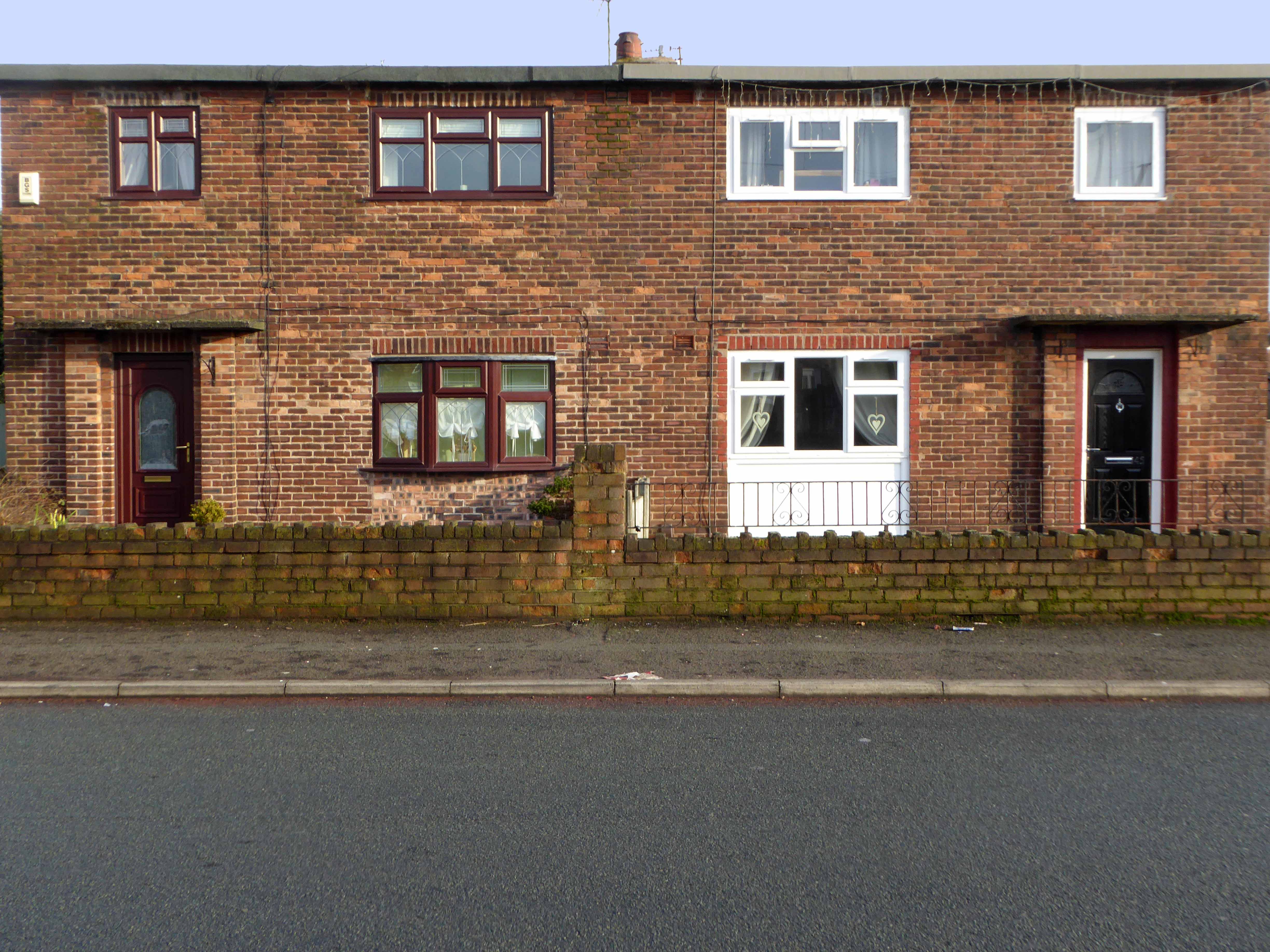
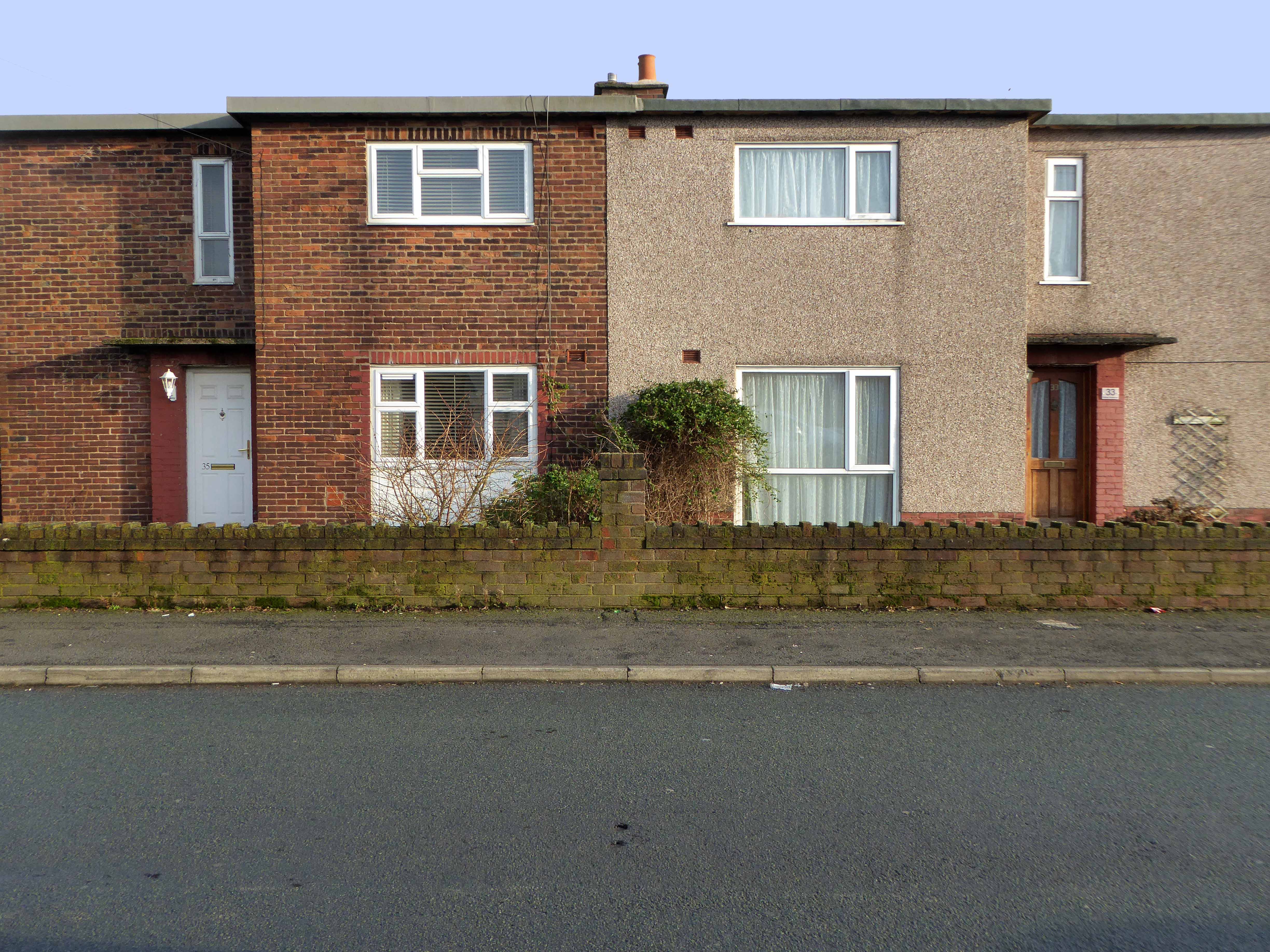
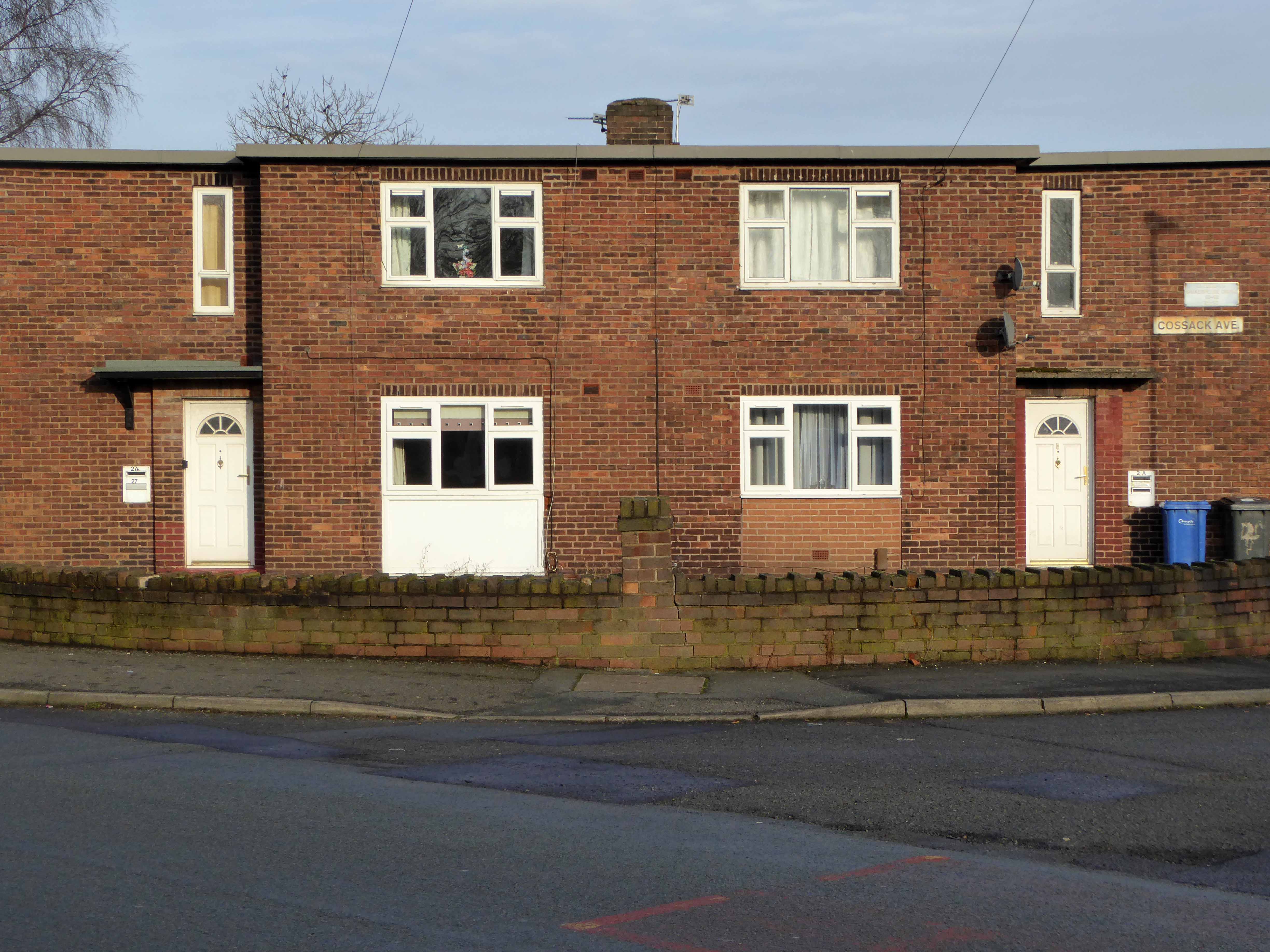
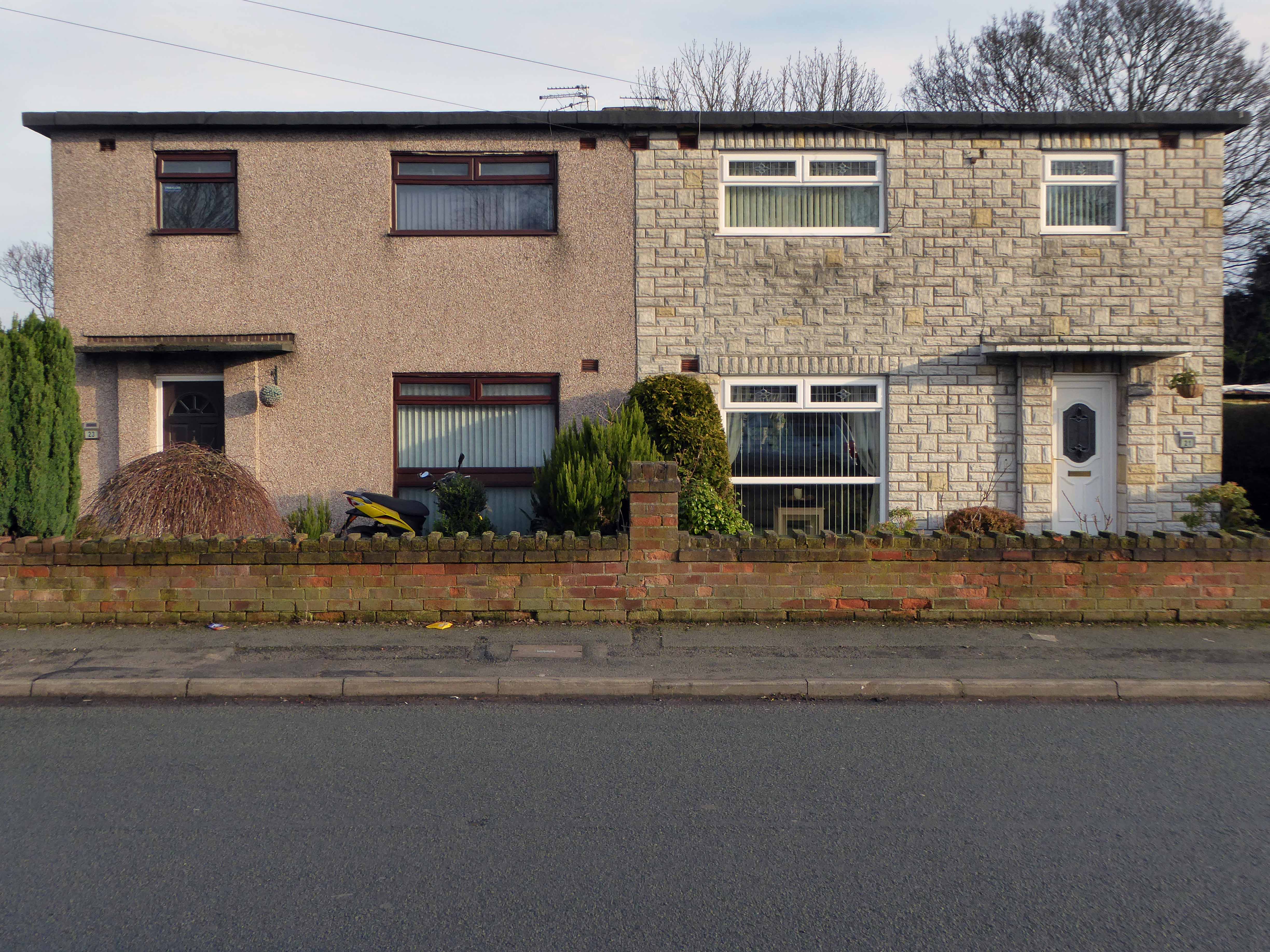
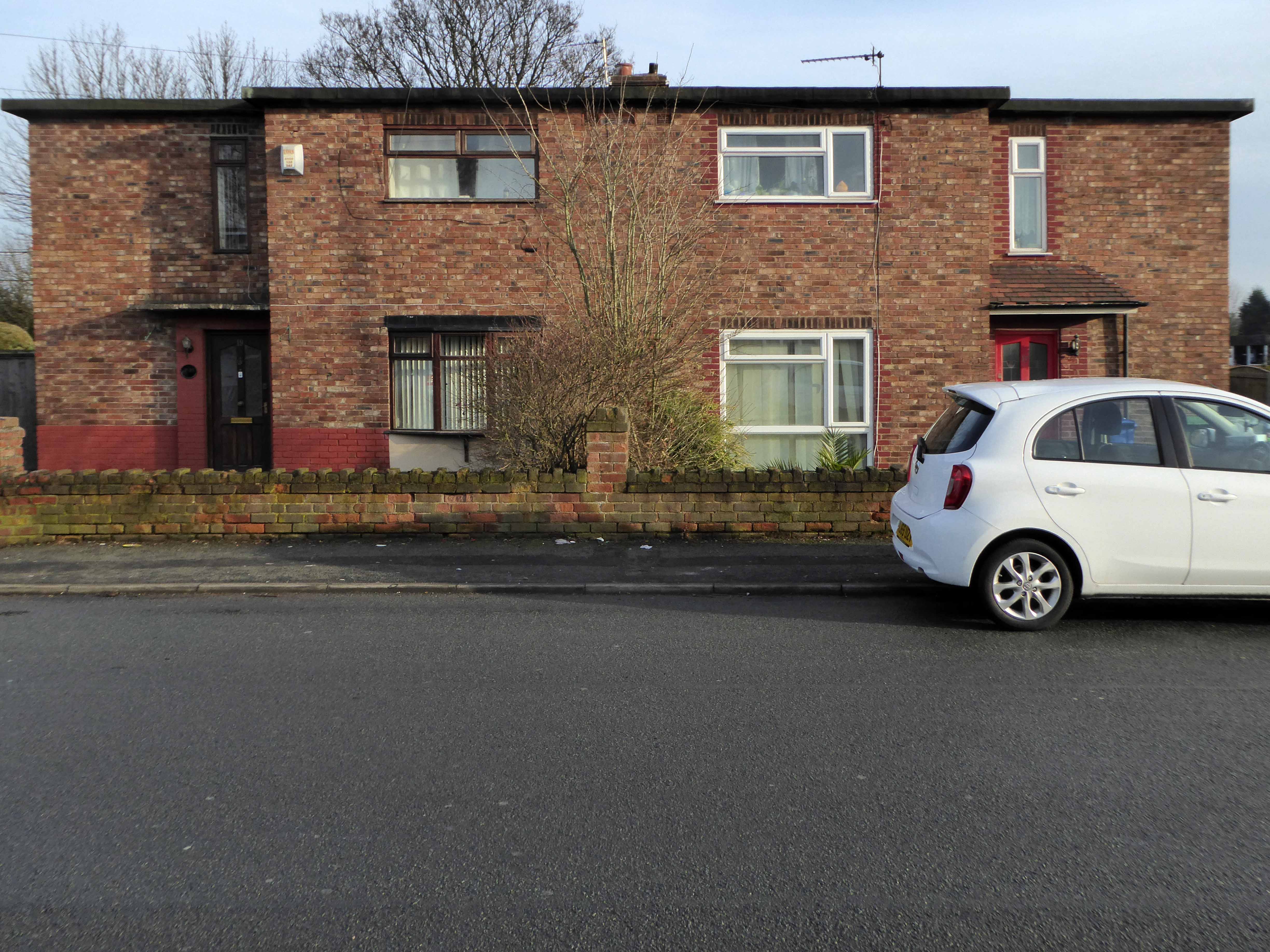
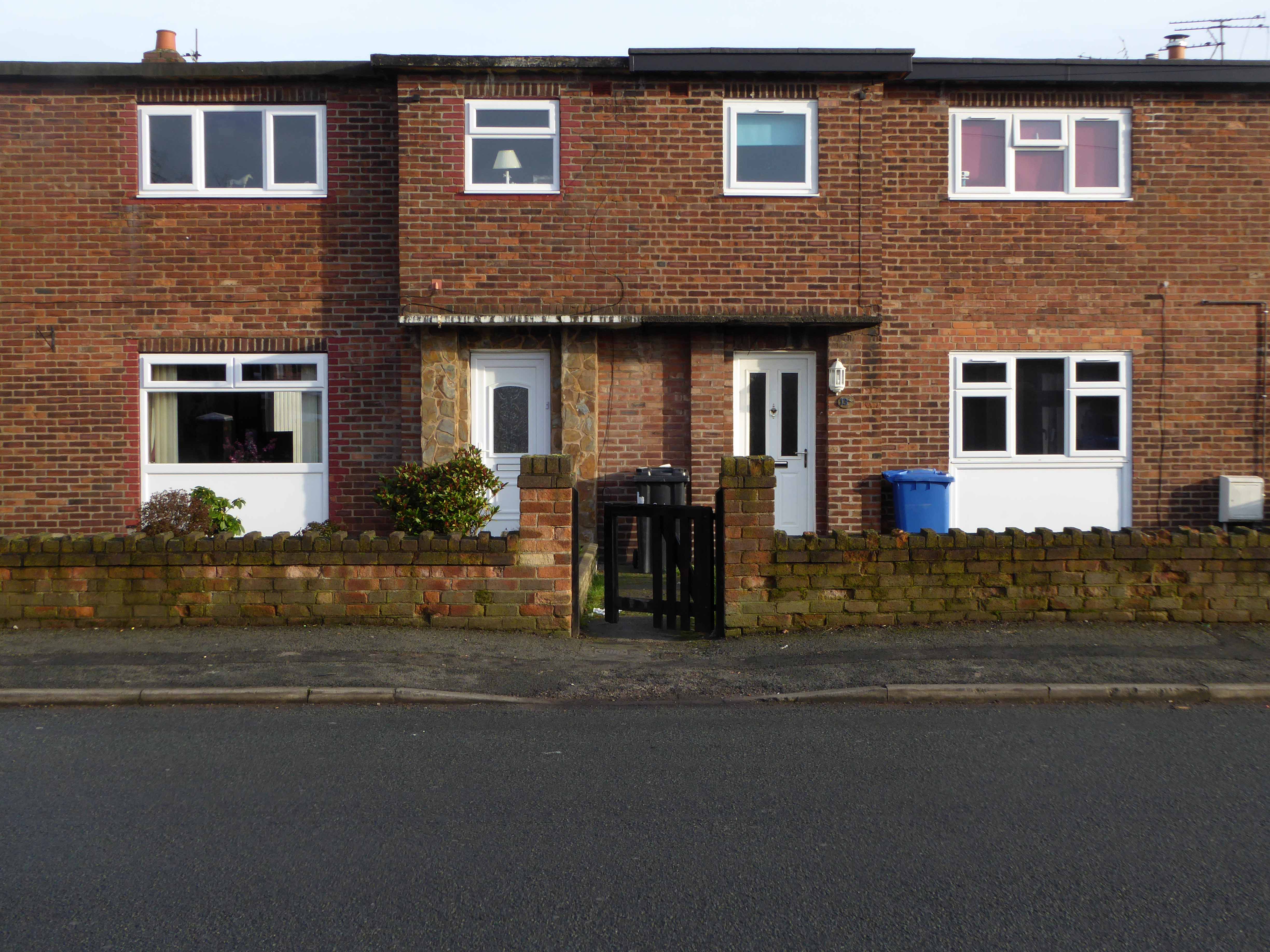
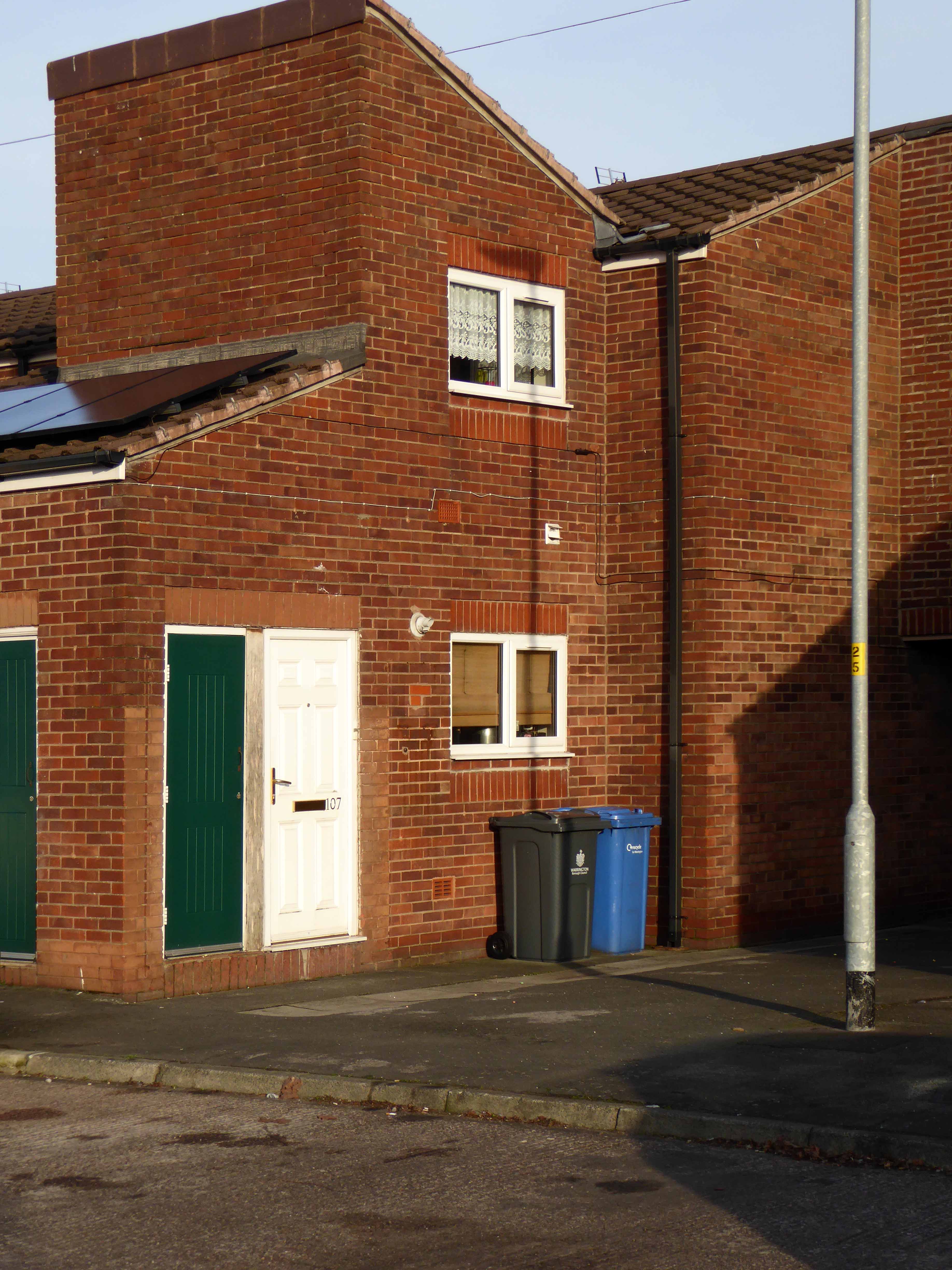
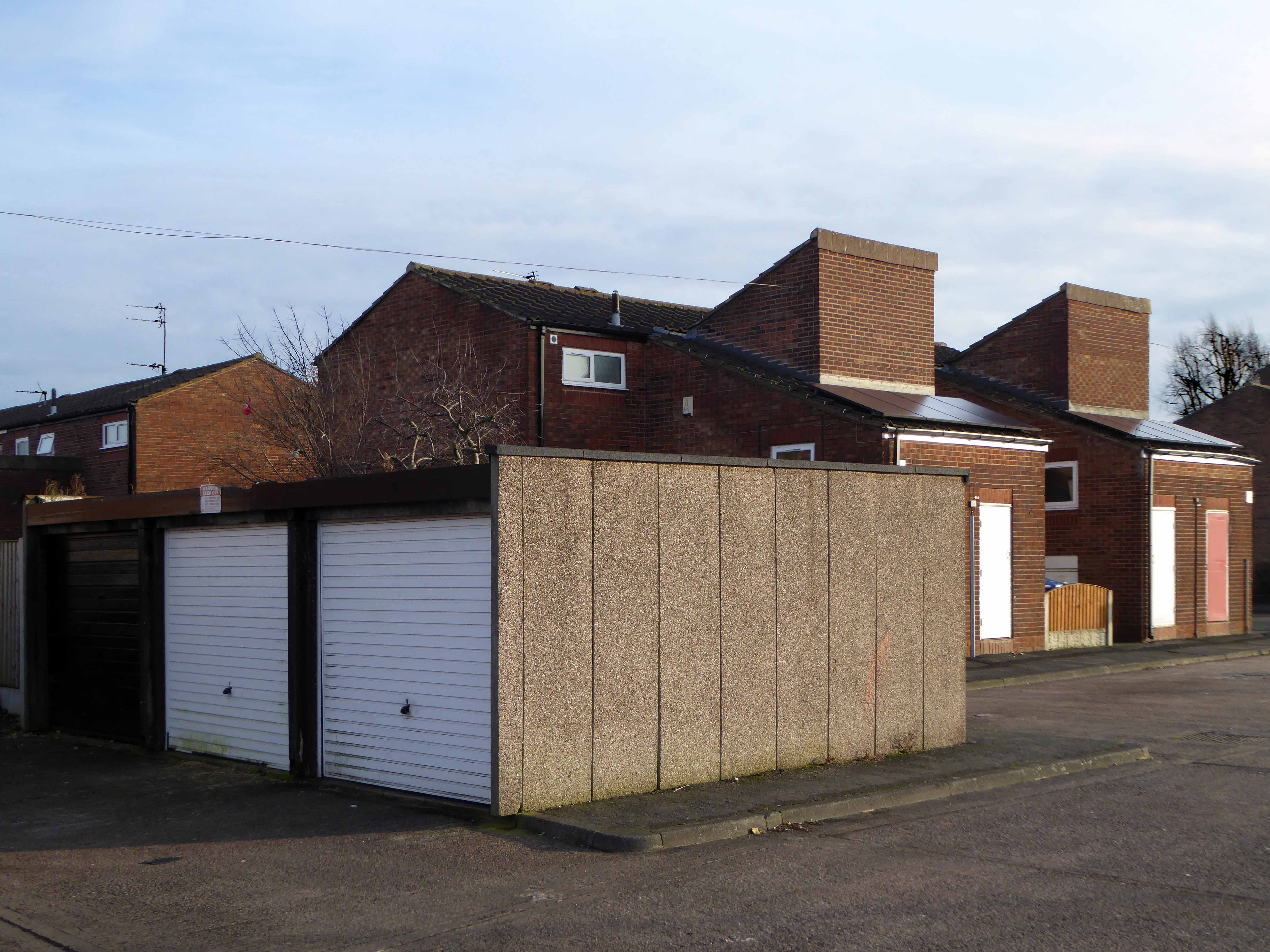
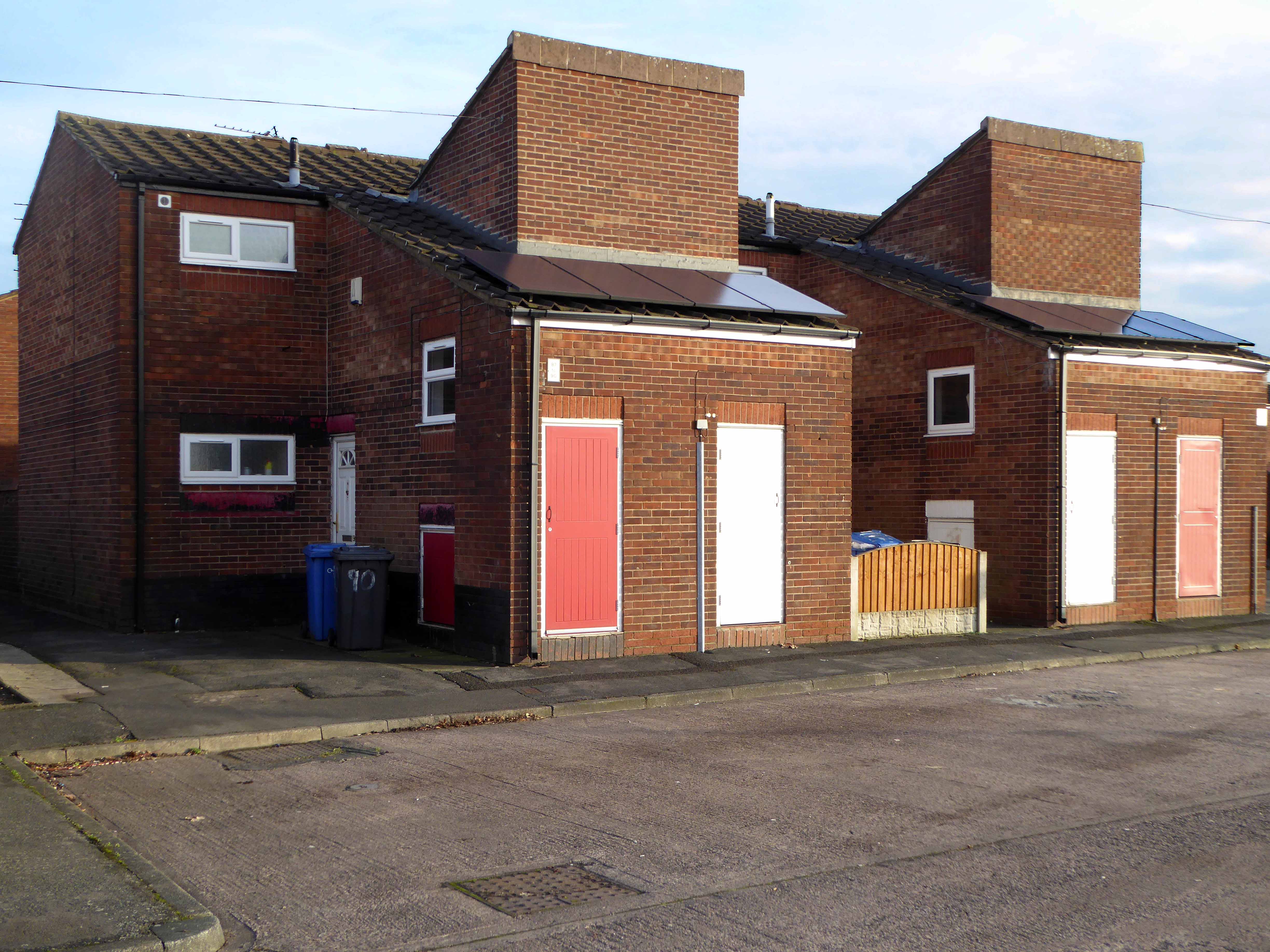
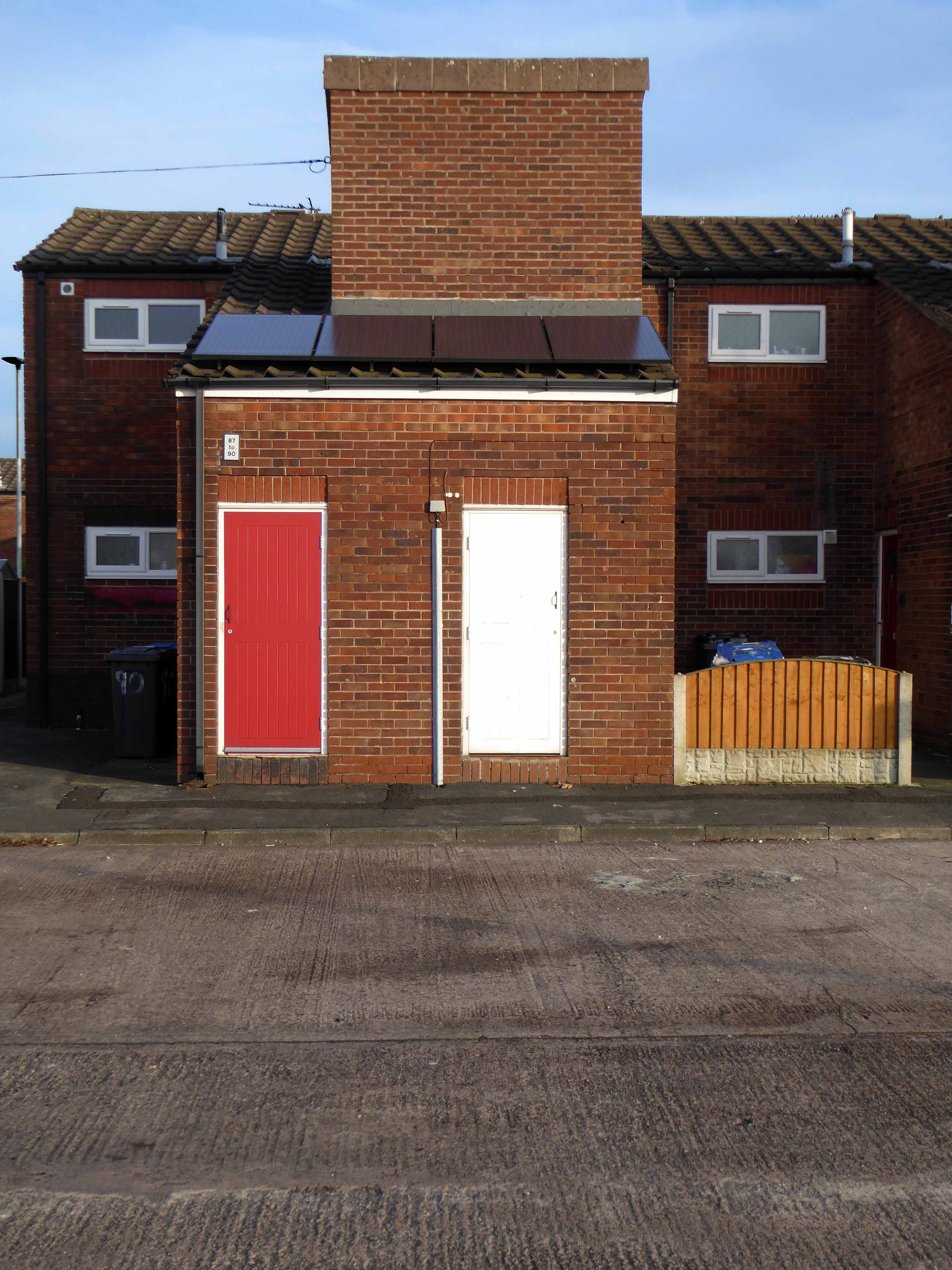
I was walking back from St Stephen’s Church recently, when I chanced upon a small group of two storey, flat roofed, semi detached social houses.

They were blessed with that post war functionalist brick and concrete chic.

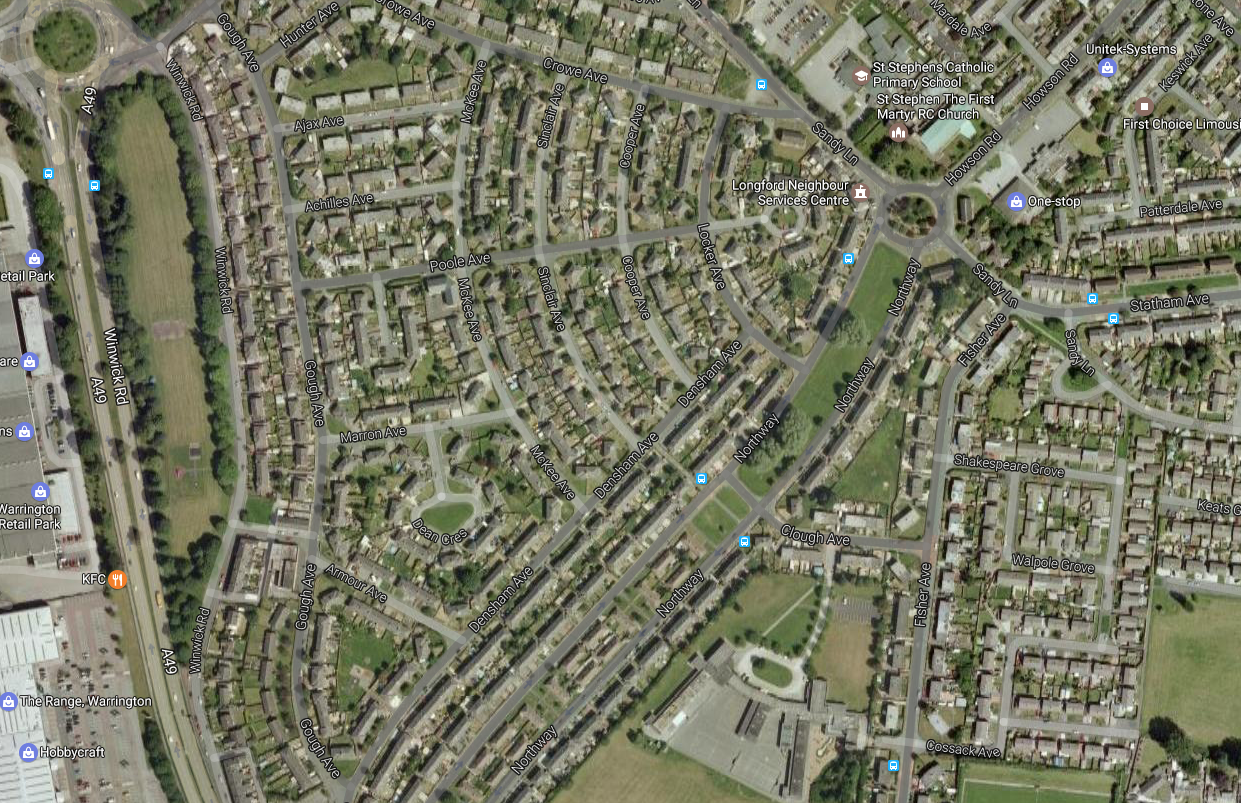
Part of a larger development of homes in the Longford area of the town.

screen-shot-2017-01-31-at-15-33-18

An area which is one of the most socially deprived in the country, with more than its fair share of problems, crack and weed would once have been pressing matters for the Borough Highways Department – these days they are more likely to attract the attention of the boys and girls in blue.

screen-shot-2017-01-31-at-17-17-47

And to cap it all the area is prone to frequent flooding.

longford-flooding

There are signs of hope as the housing association and council embark on a multi million pound refurbishment of the estate including:

Replacing fencing around bungalows.

On the day of my visit the chill January streets seemed quiet and ordered, and I was enchanted by the mismatched pairs of semis that I encountered.

p1130204

p1130205

p1130206

p1130207

p1130208

p1130209

p1130210

p1130212

p1130213

p1130214

p1130215

p1130216

p1130218

p1130219

p1130220


Modern Housing – Warrington

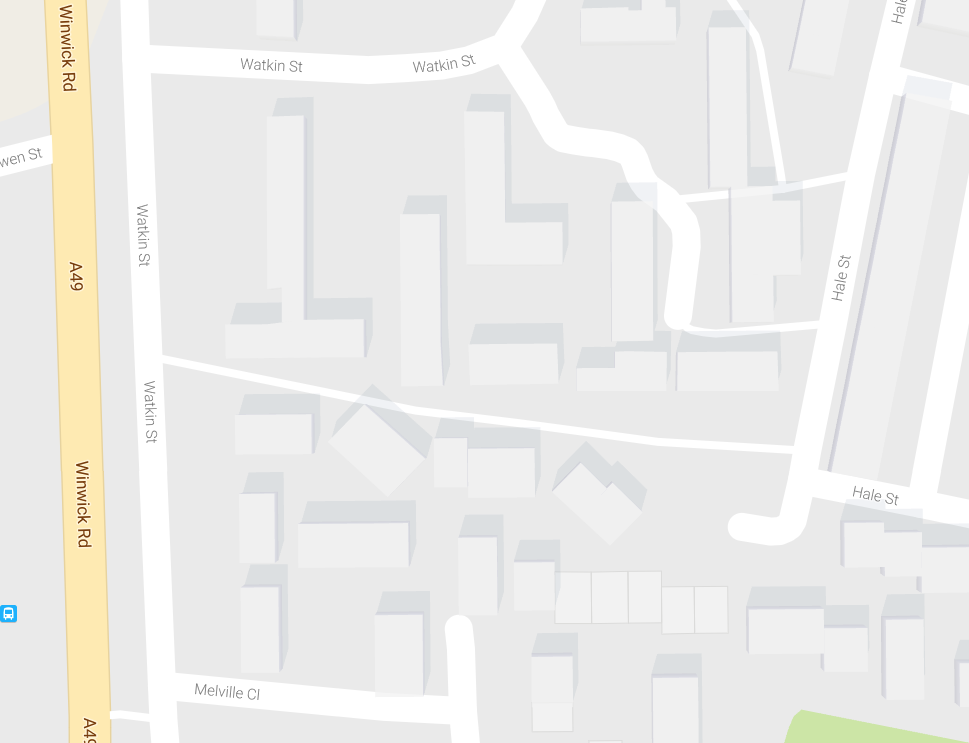
As I walked out one morning, up and down the A49 out of Warrington town centre, on the way somewhere else entirely, the sun and I chanced to fall on a tight group of streets and courtyards, constraining and containing an intriguing collection of modern homes.

screen-shot-2017-01-26-at-13-27-22

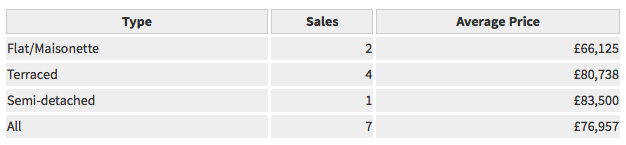
Competitively priced, well below national averages – the area looks to be getting along.

screen-shot-2017-01-26-at-13-31-05

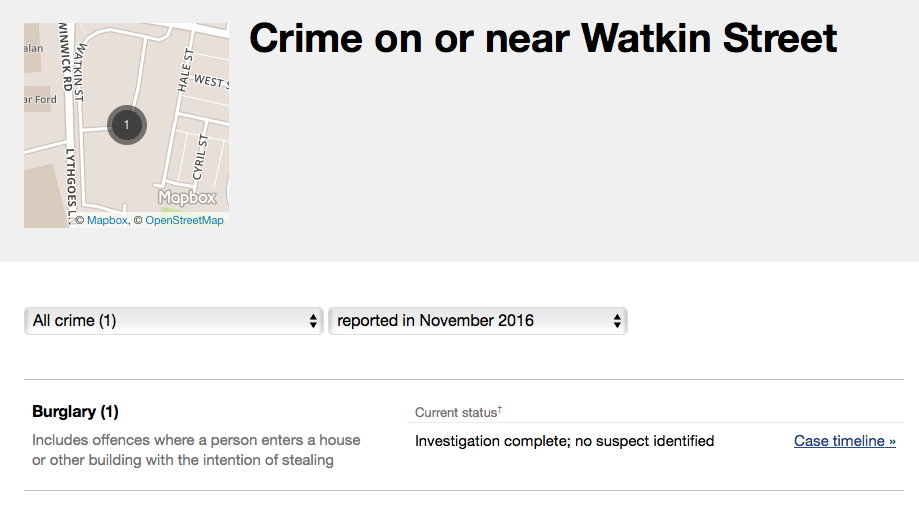
Incidence of crime is low to almost non existent.
screen-shot-2017-01-26-at-13-29-59

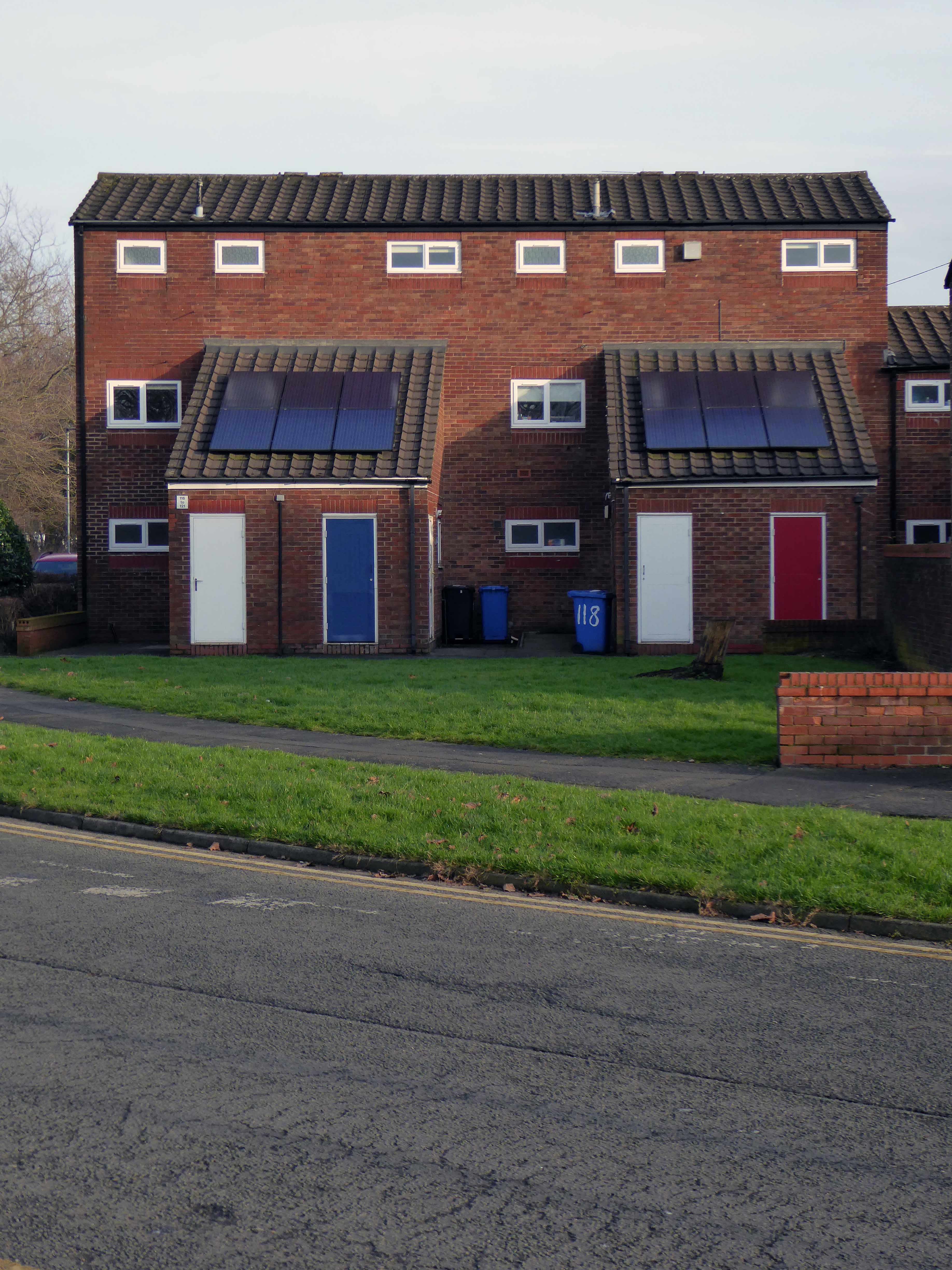
So an illuminated set of buildings with little by way of further illumination, I presume them to be corporation built, late Seventies? A visually exciting set of varied, interlocking geometric volumes – a formalist model that seems to function. On a chill day most residents were hopefully tucked up safe and warm somewhere or other, public spaces rested, bereft of life. The window spaces are pinched and mean, not only of the elevation facing the adjacent main road, but also on the inward faces. An economy of means and a resultant paucity of light.
p1130228

p1130230

p1130231

p1130233

p1130234

p1130235

p1130236

p1130237

p1130238

p1130239

p1130240

p1130241

p1130242

p1130243

p1130244

p1130245

p1130246

p1130248

Rochdale – Seven Sisters Flats

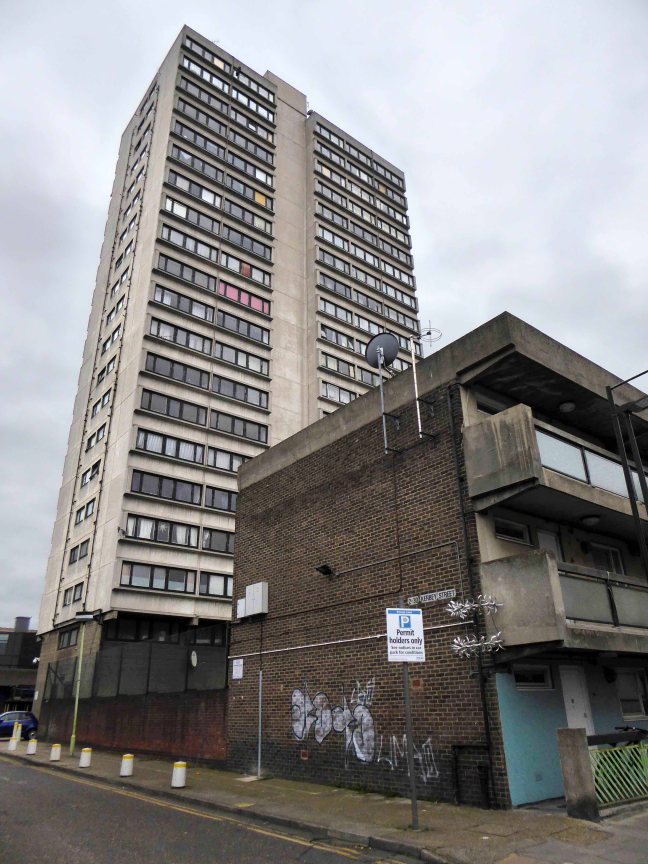
Arriving in Rochdale in search of something else entirely, it was impossible to ignore seven prominent, as yet unclad tower blocks, high upon a hill. I was informed by a local resident that they were known locally as the Seven Sisters, though variously identified as Falinge B, College Bank, and Holland Street flats.
js81348360

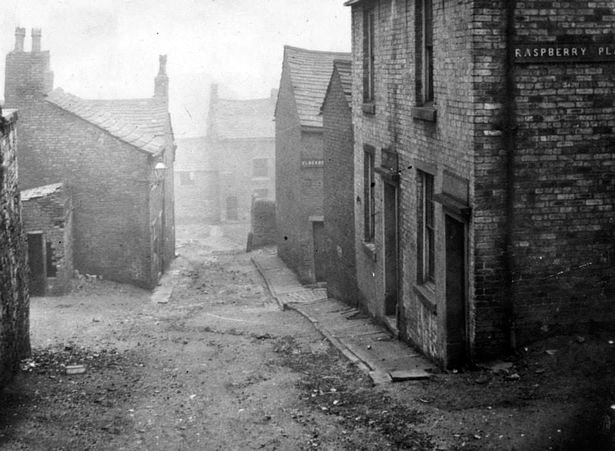
The area was formerly home to Victorian workers’ dwellings, known as The Paddock – the post-war policy of slum clearance saw them swept away, in readiness for municipal modernity.

js81348349

js81348353

js81348355

Photographs Rochdale Image Archives

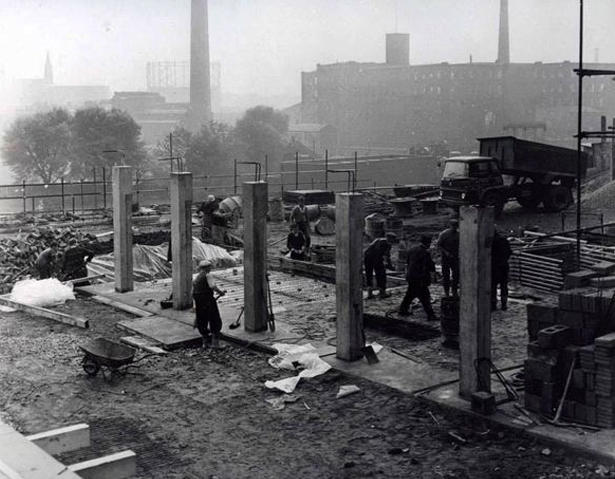
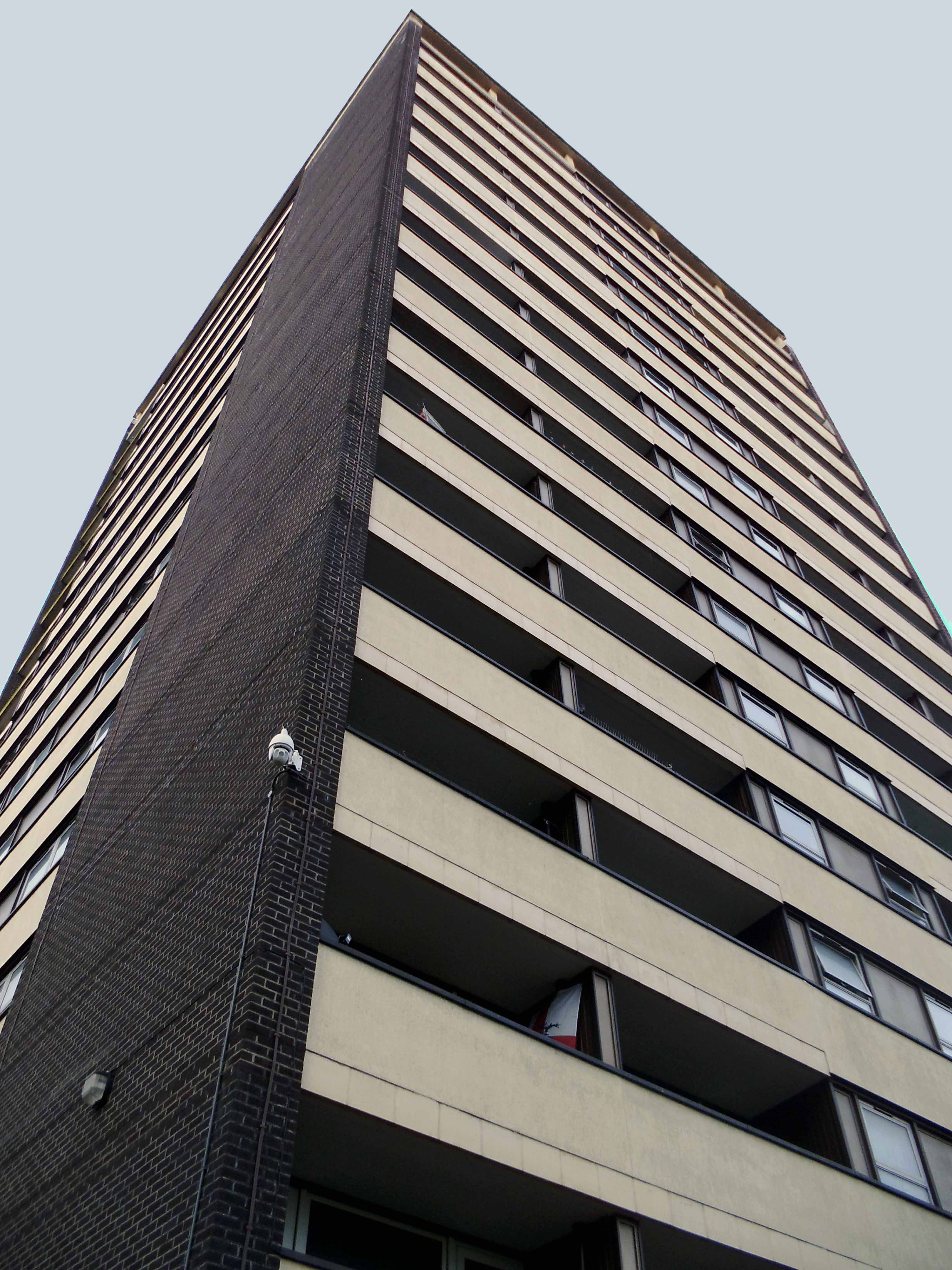
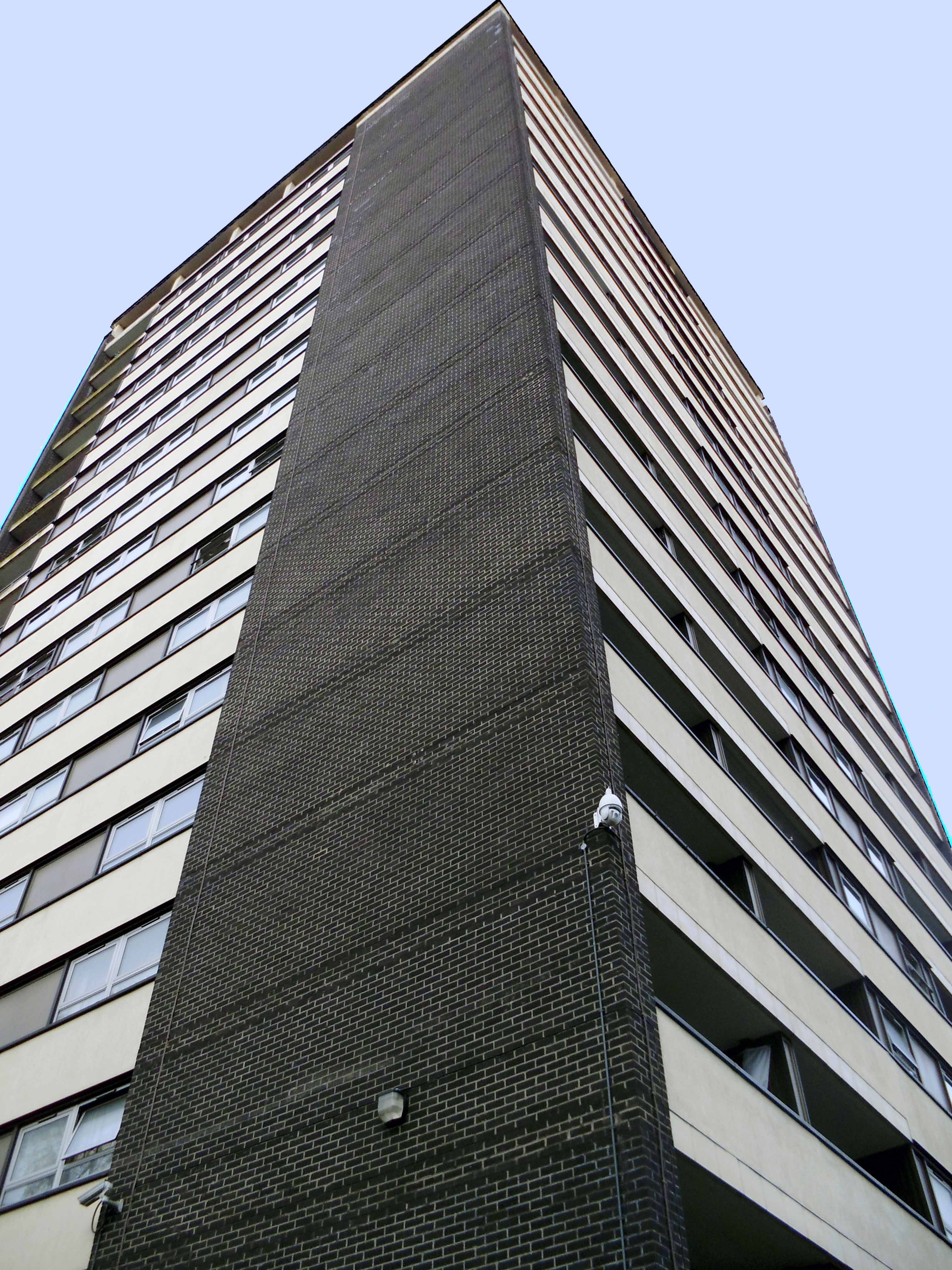
Hey presto 1963 and there appears four 21 storey blocks containing 476 dwellings; three 17 storey blocks containing 286 dwellings.

5995650872_2ed2d9ab80_b

Photograph Mancunian 101

Building contractors were Wimpey and the flats were designed by Rochdale’s Borough Surveyor, Mr W H G Mercer and Mr D. Broadbent along with Mr E V Collins, chief architect to contractors George Wimpey and Company.

Many thanks to the Tower Block project for the facts.

On Friday October 1 1965 the Minister of Housing and Local Government, Richard Crossman, officially opened the first of the College Bank flats – Underwood.

So go take a look ride the rail or tram, get on your bike, walk a while and abide, take a frenzied dance around with the Seven Sisters.

p1040789-copy

p1040787-copy

p1040785-copy

p1040788-copy

p1040797-copy

p1040795-copy

p1040794-copy

p1040793-copy

p1040792-copy

p1040786-copy

p1040800-copy

p1040801-copy

p1040791-copy

p1040796-copy

p1040798-copy

p1040799-copy

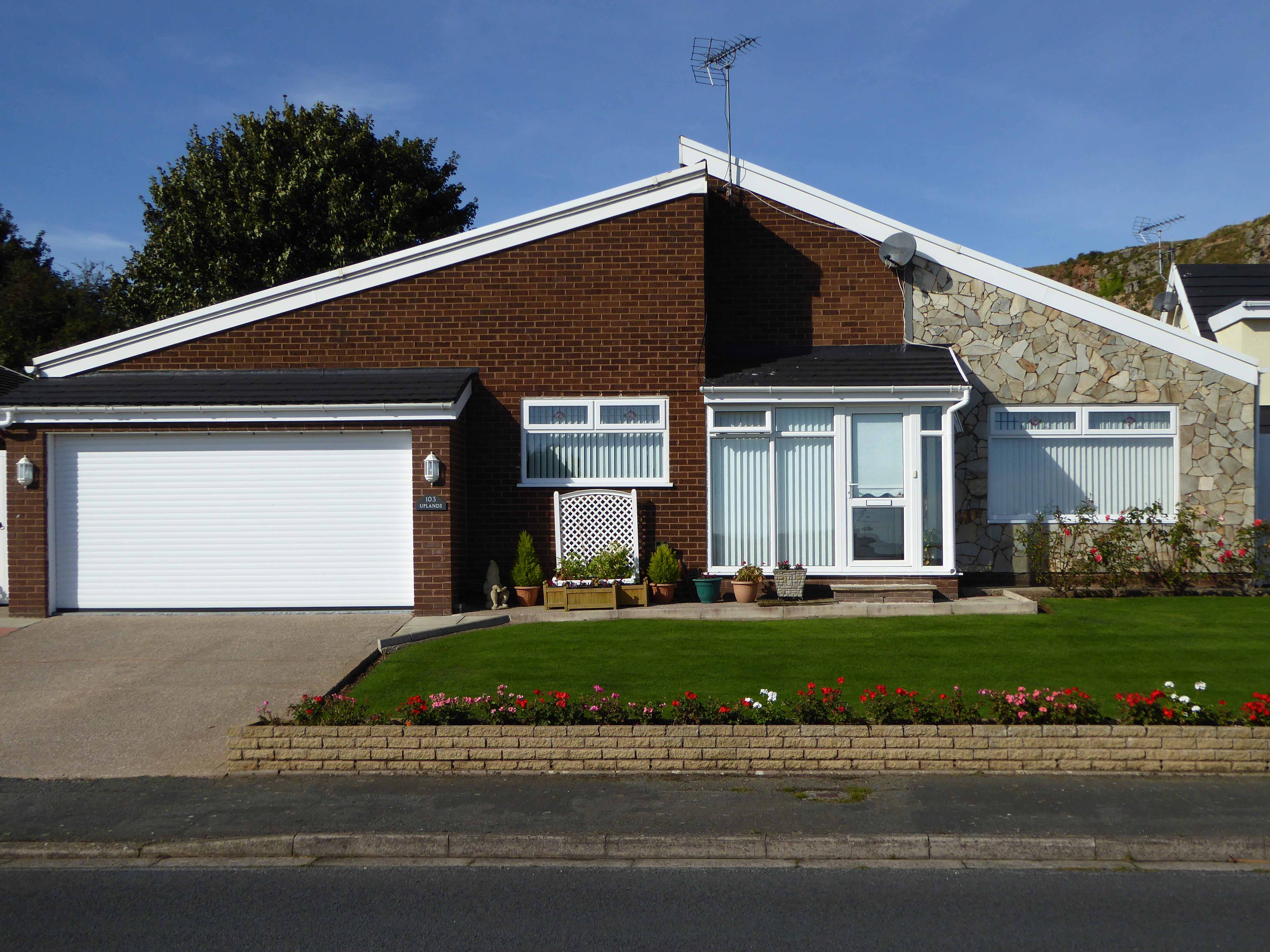
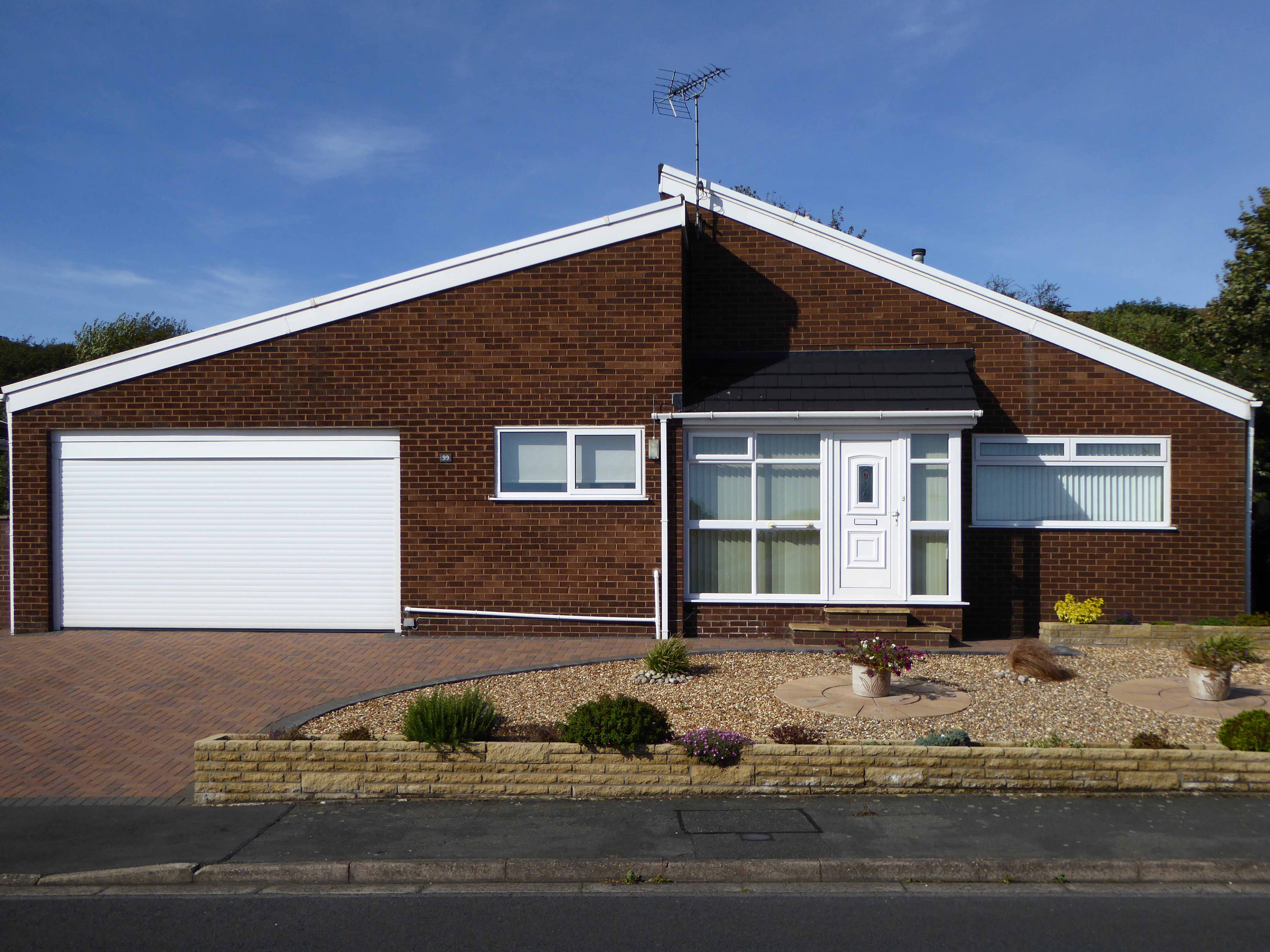
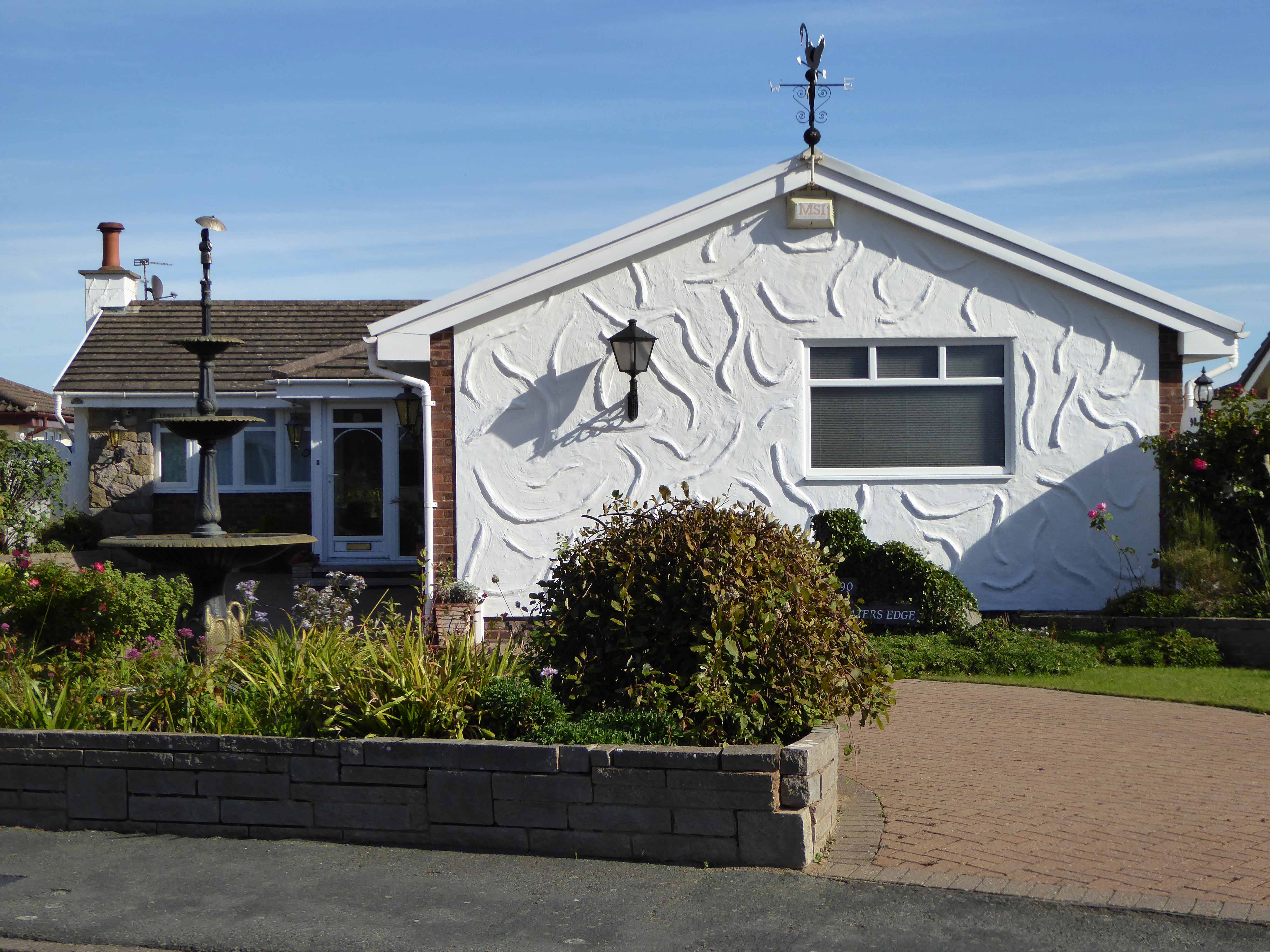
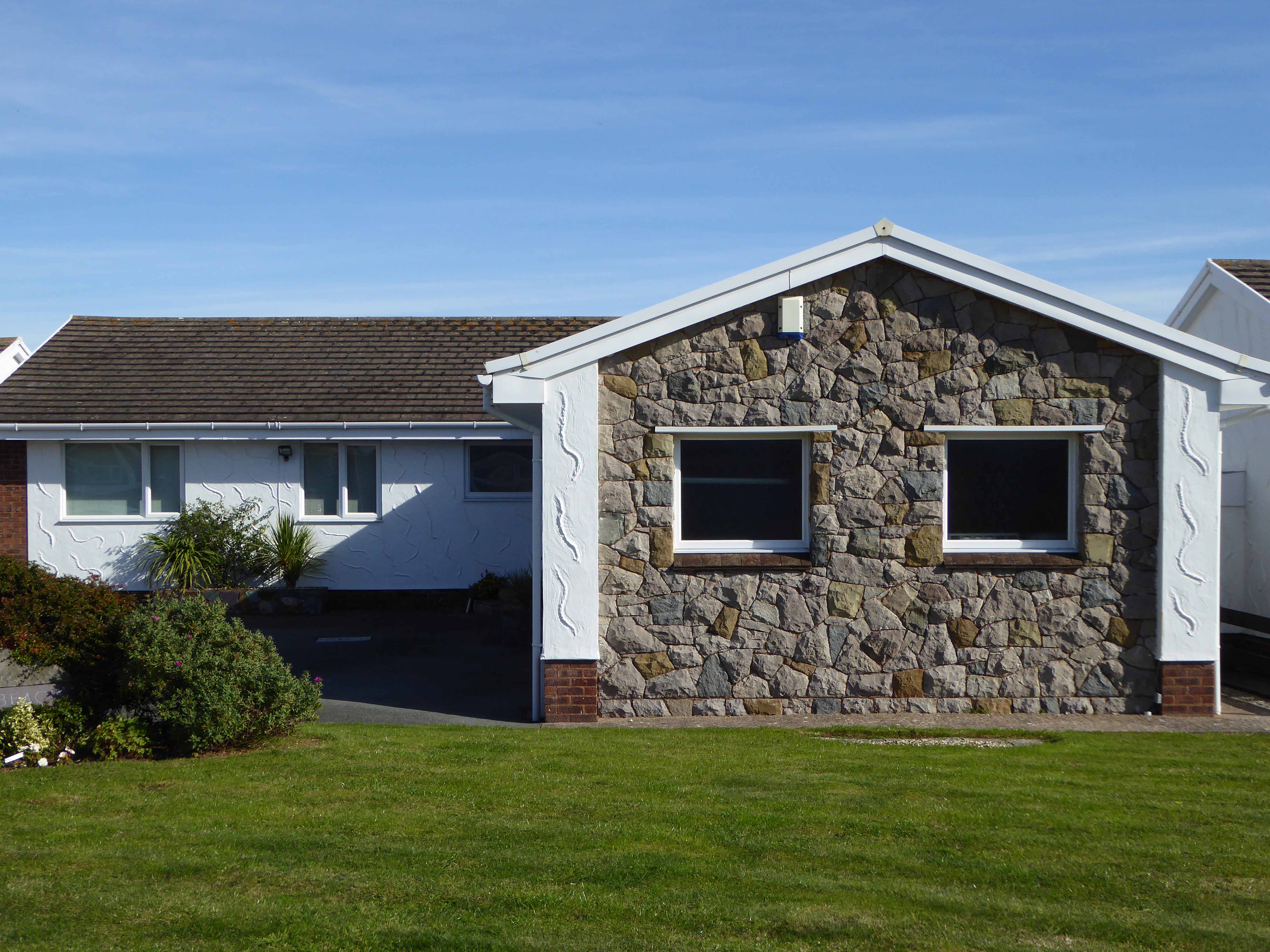
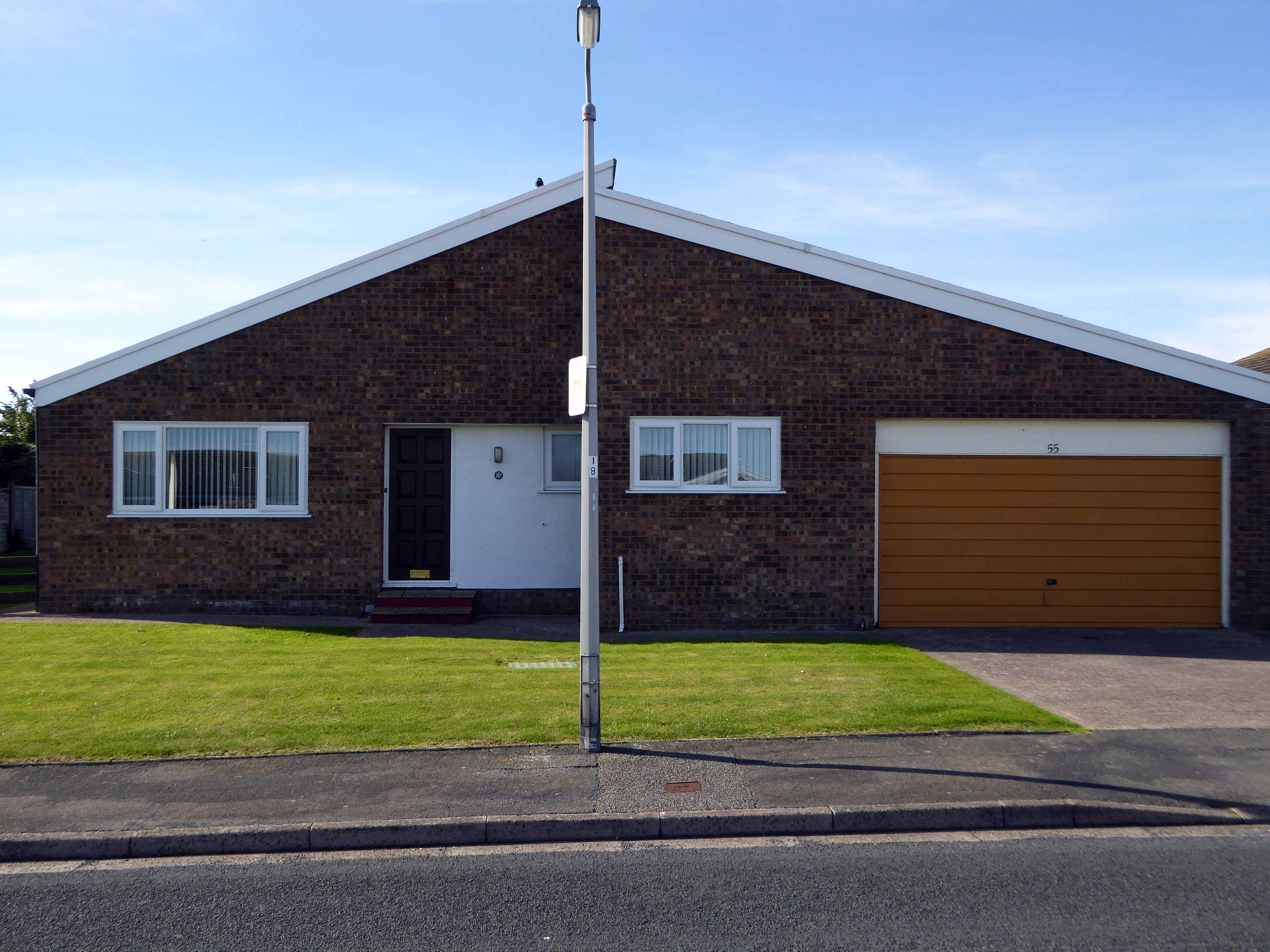
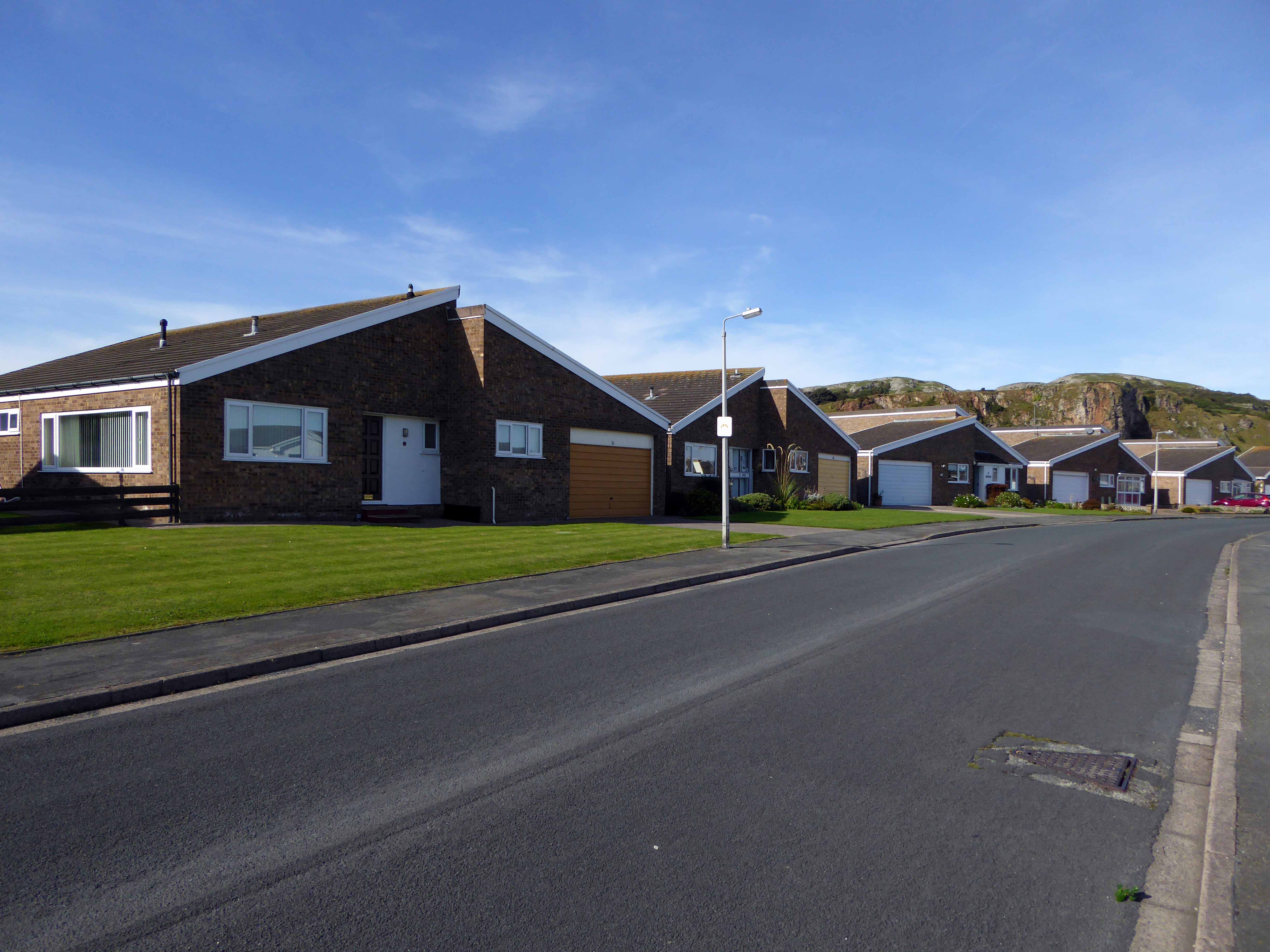
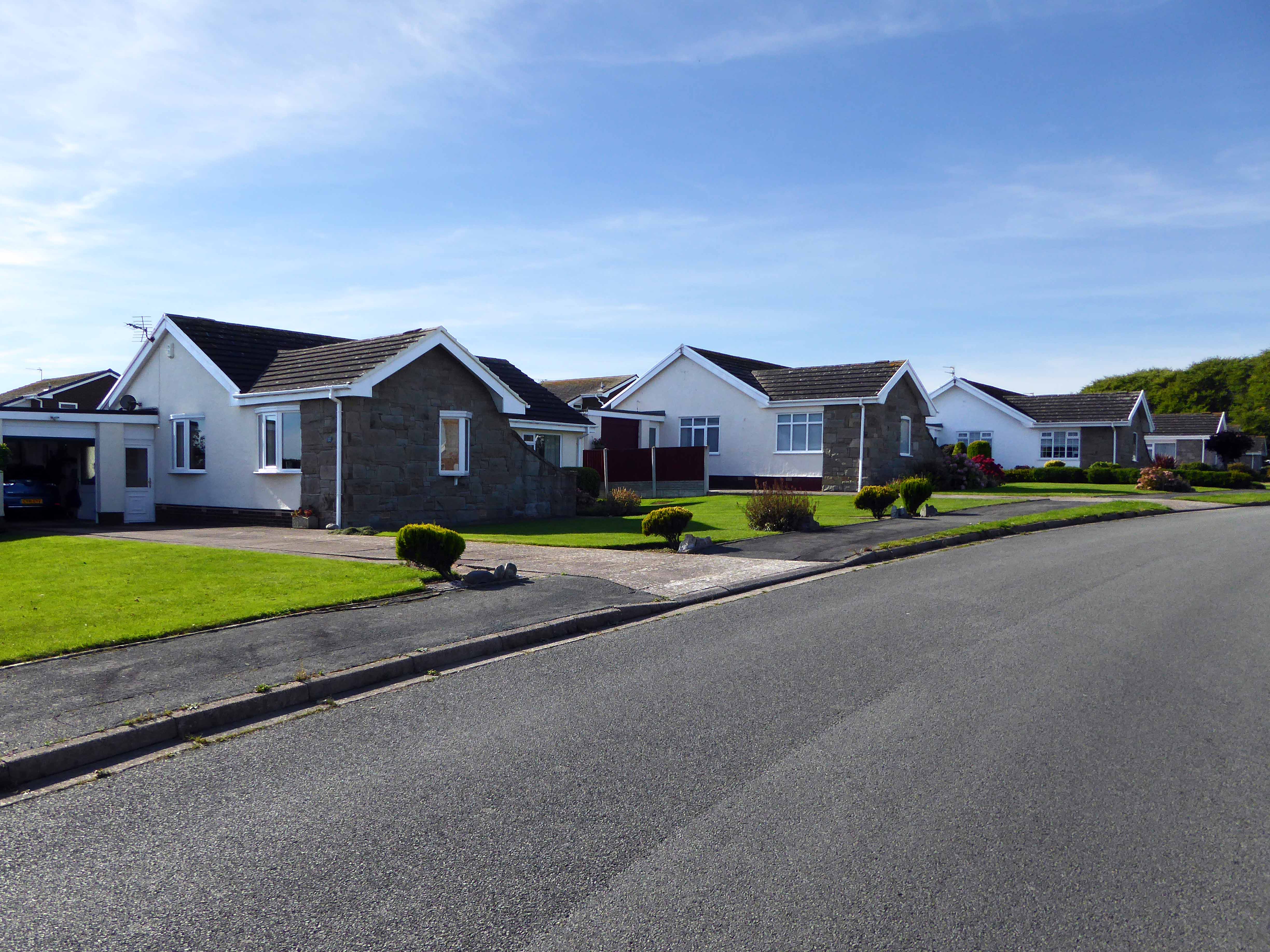
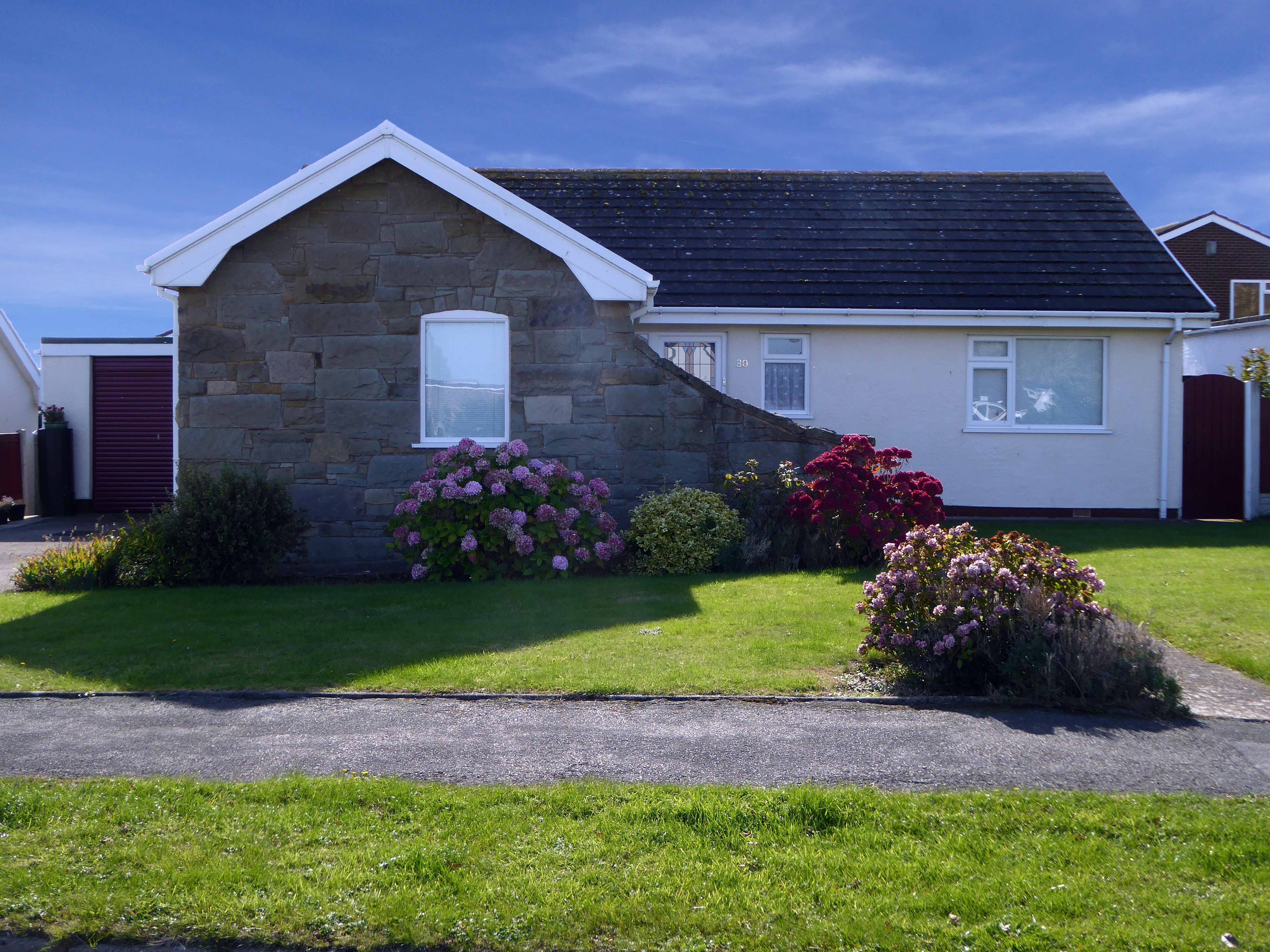
Penrhyn Bay – Ranch House Style

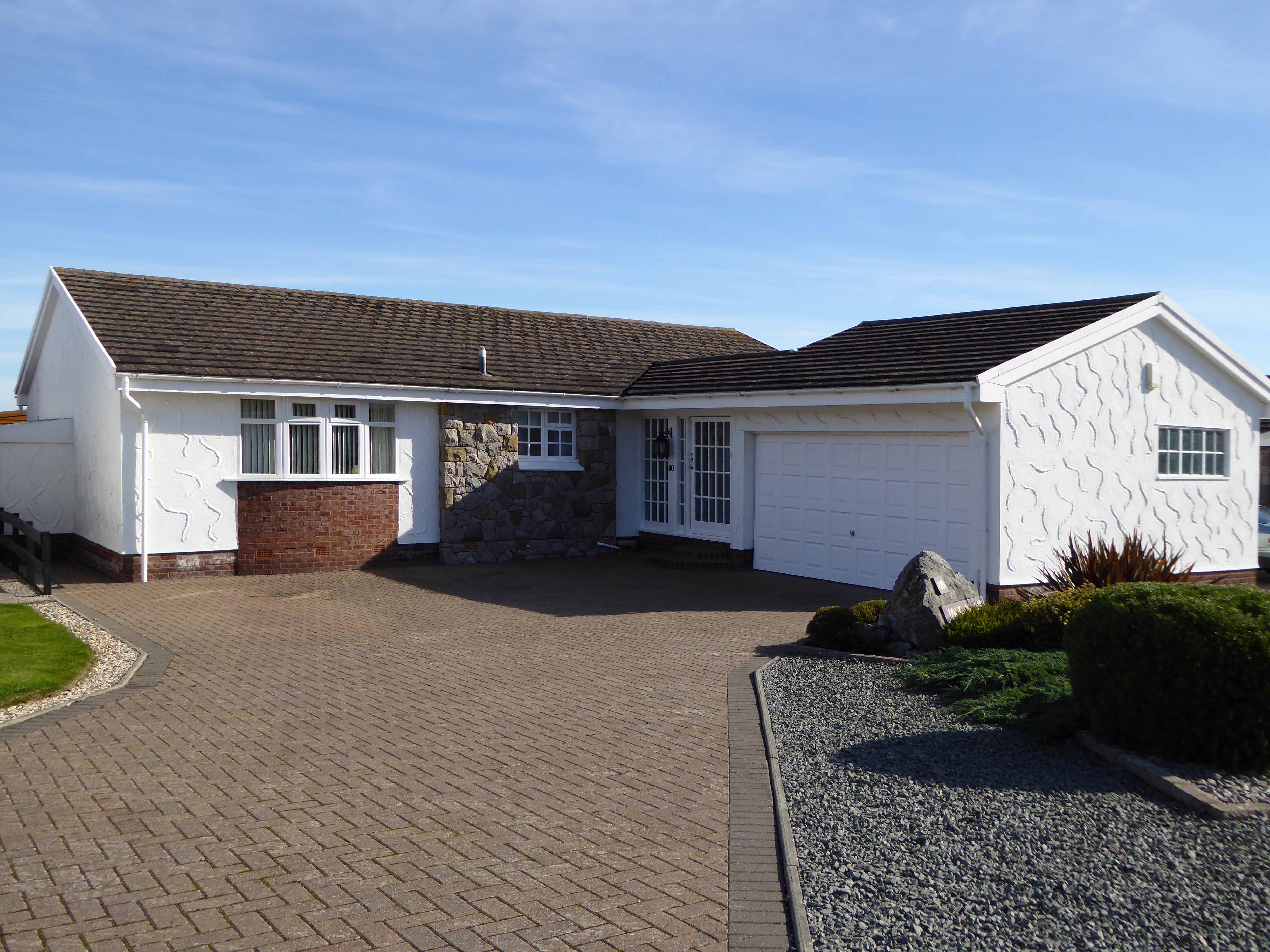
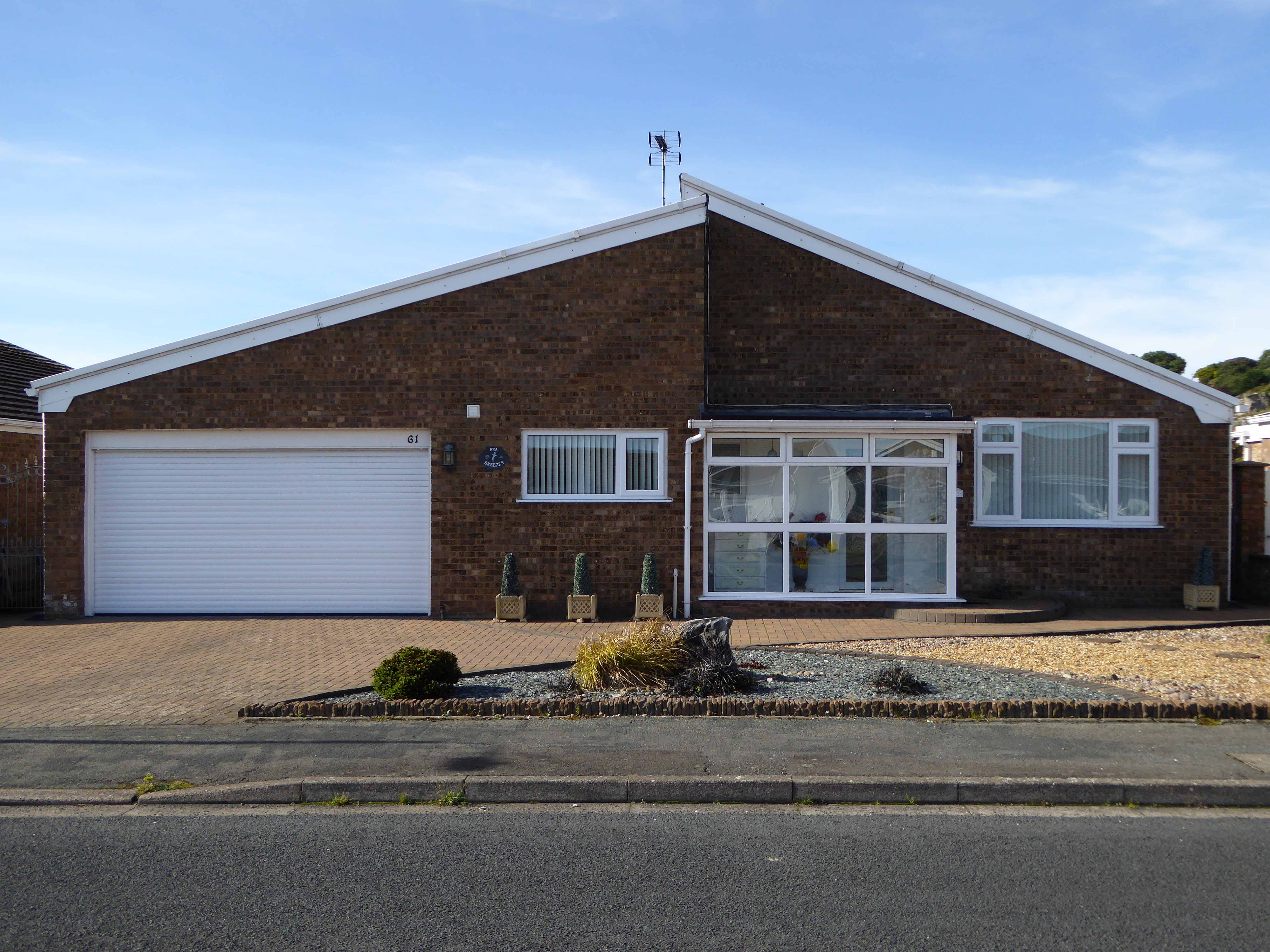
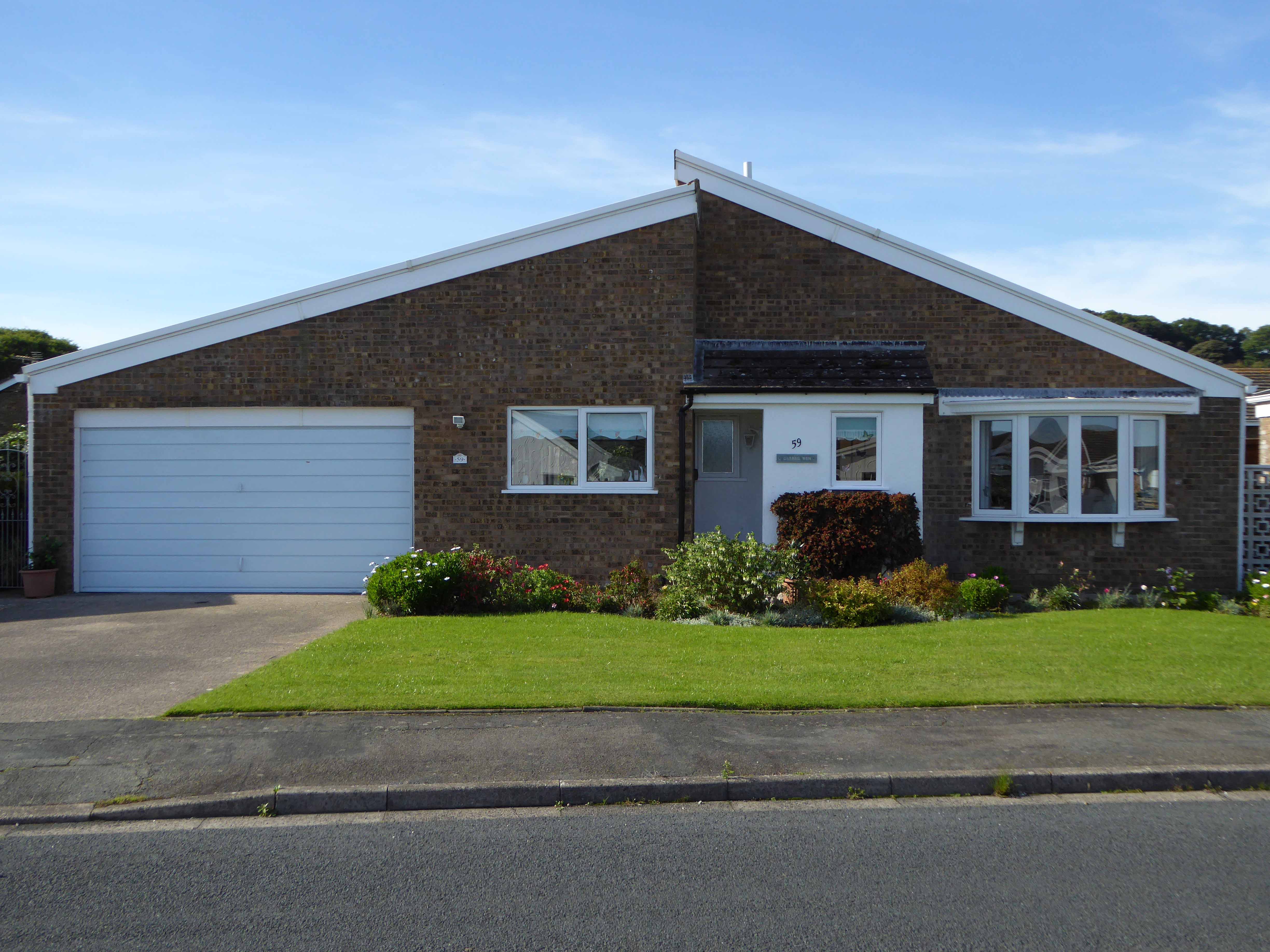
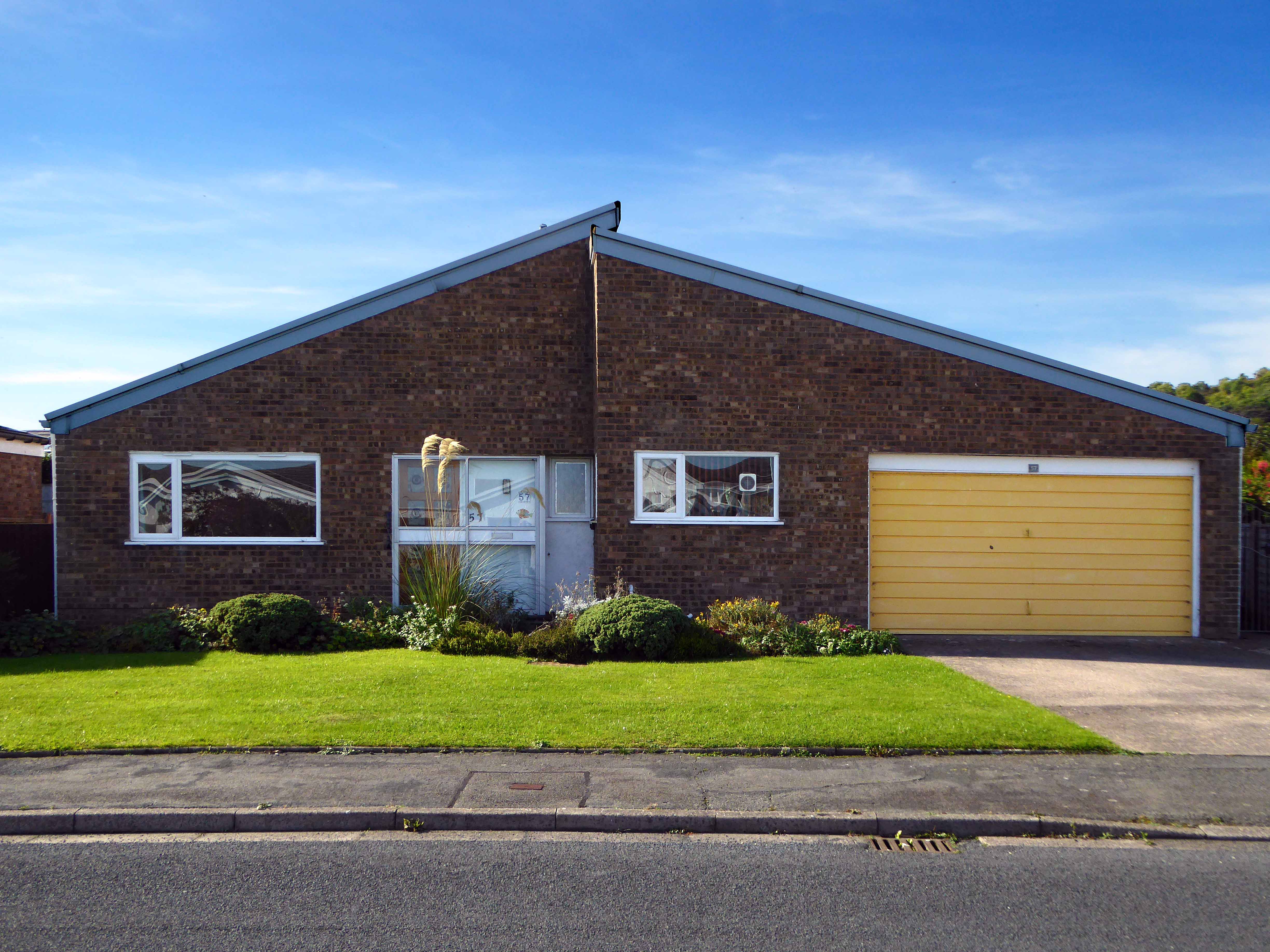
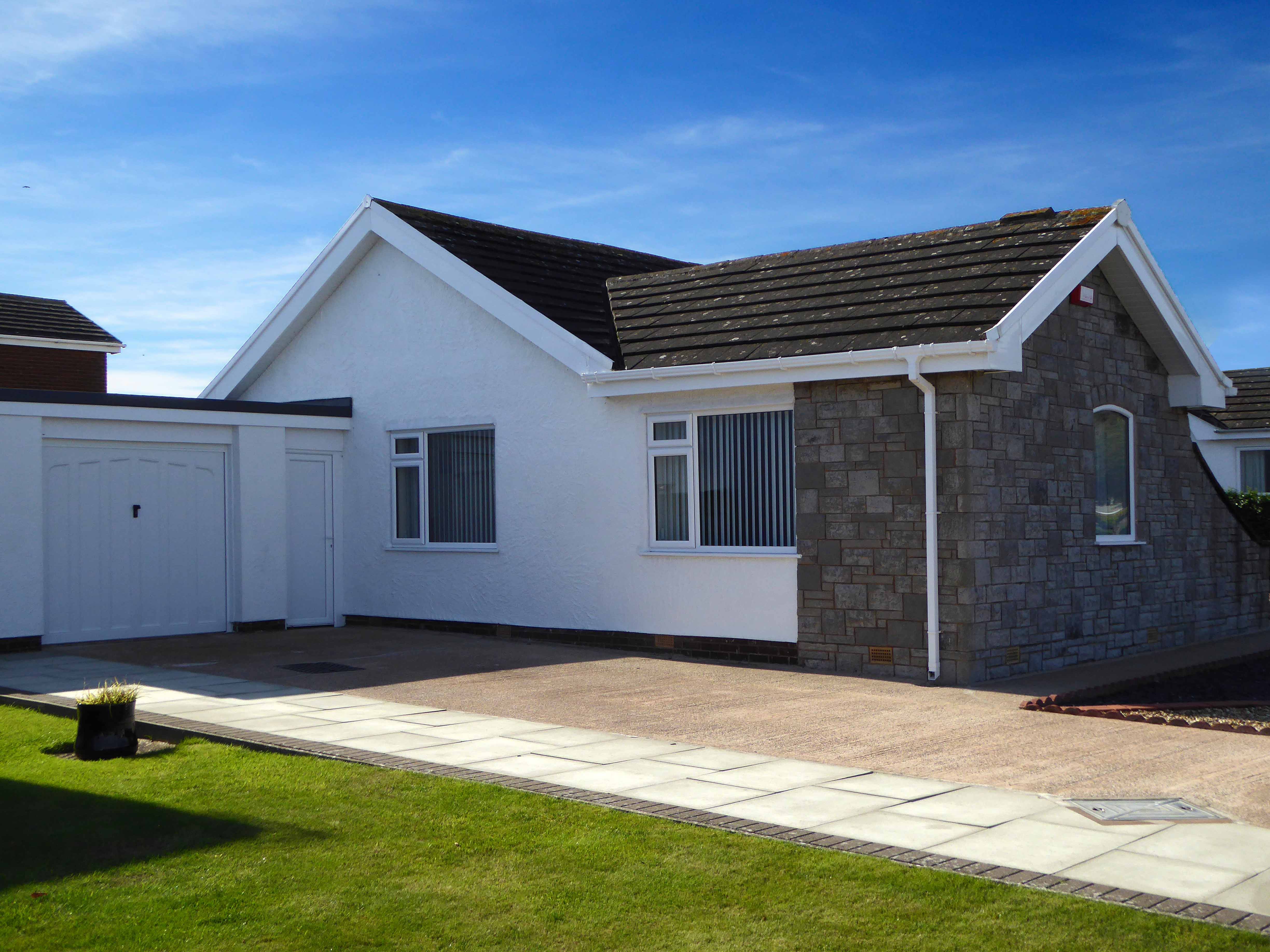
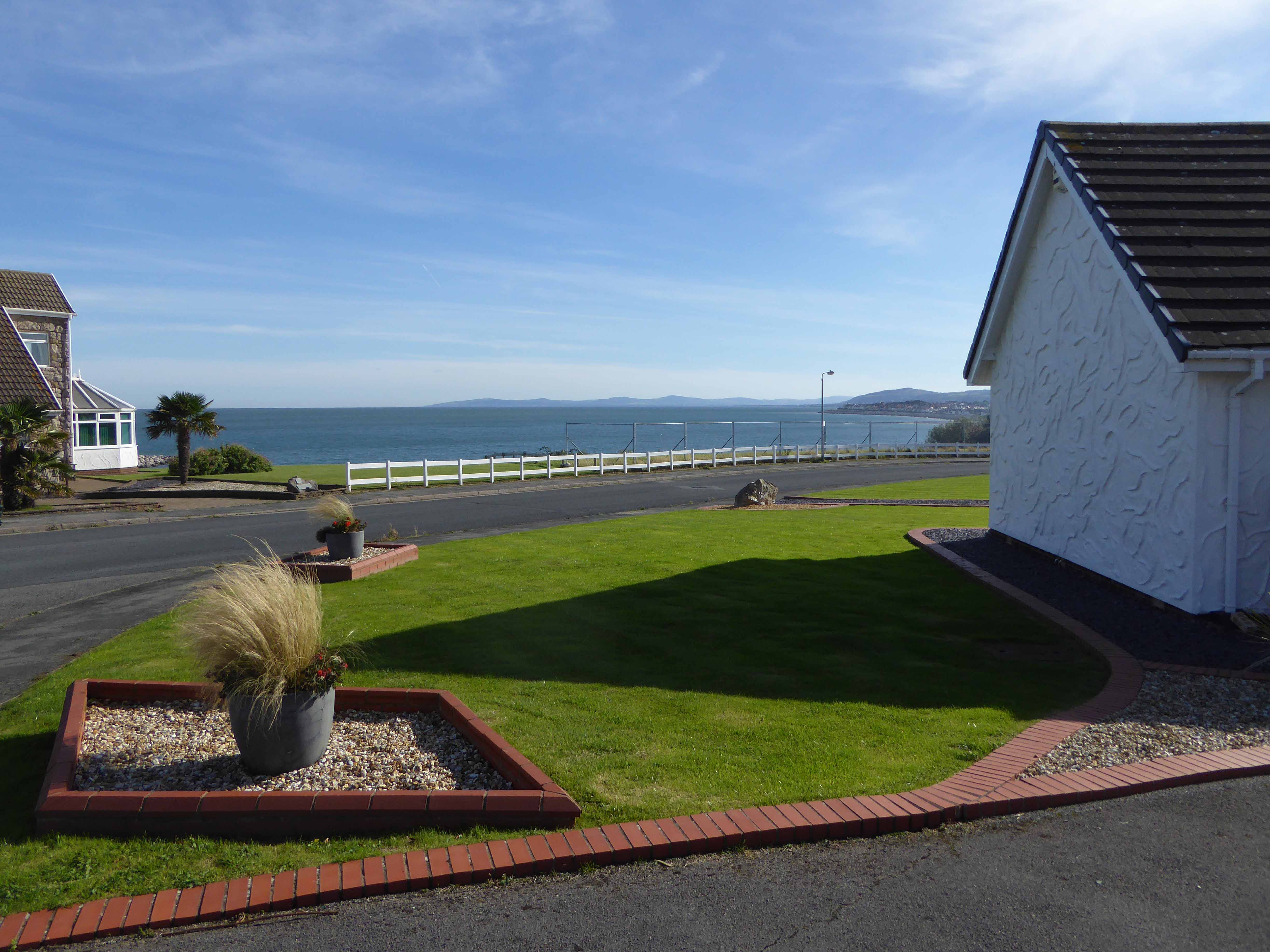
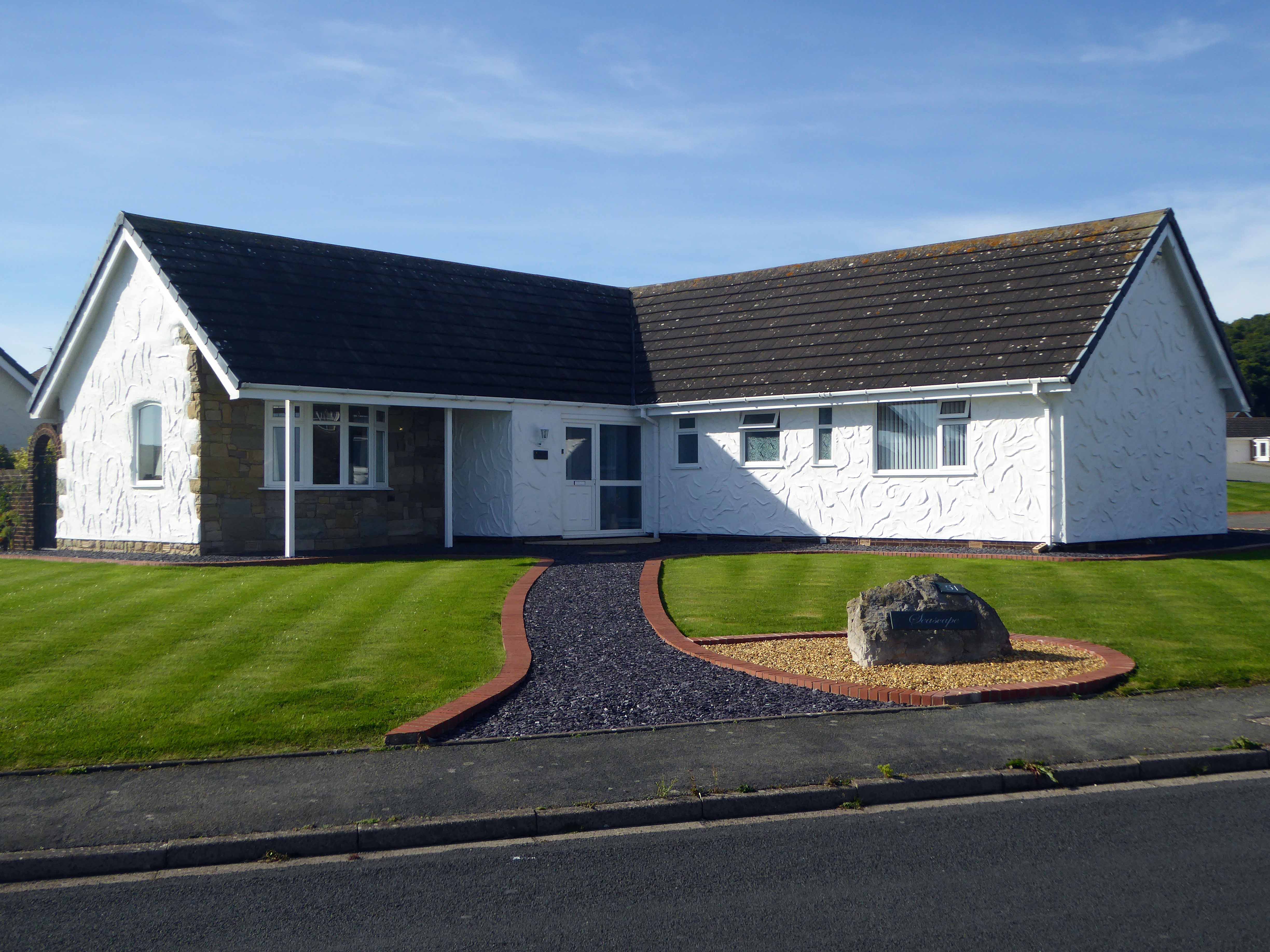
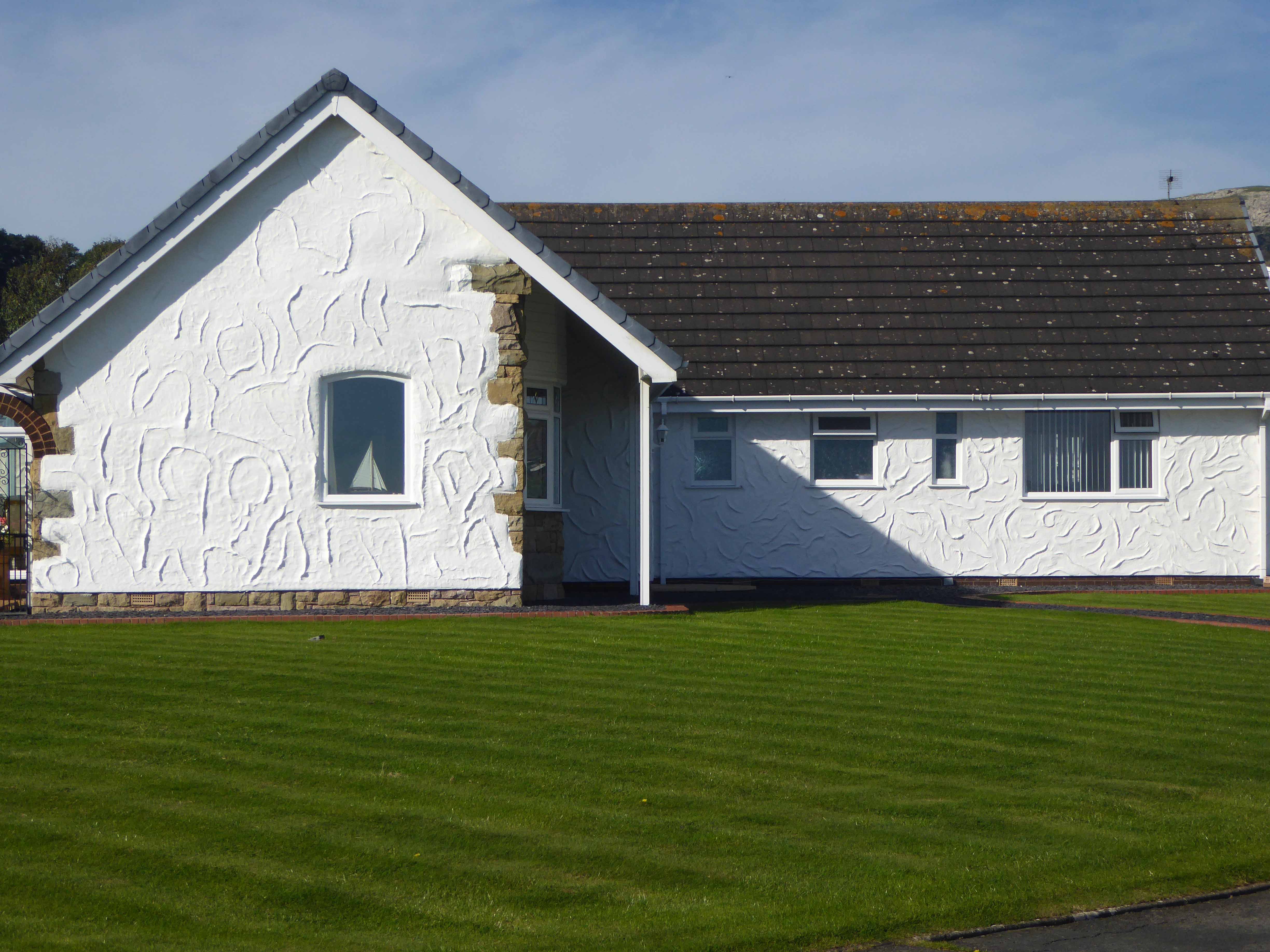
There is some far-flung corner for Wales, that is forever California.

As the clippers and steamers left the Mersey Estuary for the New World, cram packed with emigres some centuries ago, would they expect on their return, some centuries later, to find this architectural cultural exchange, located sedately on Penrhyn Bay?

This is a typology with a limited vocabulary, but spoken in a lilt, with an ever so slight, polite Mid-Atlantic drawl.

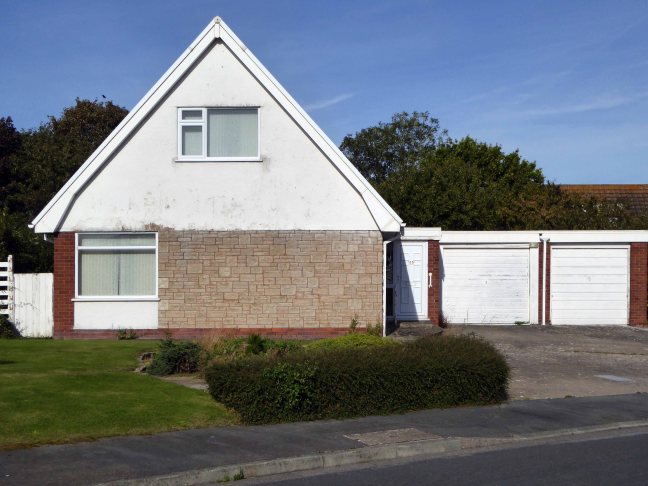
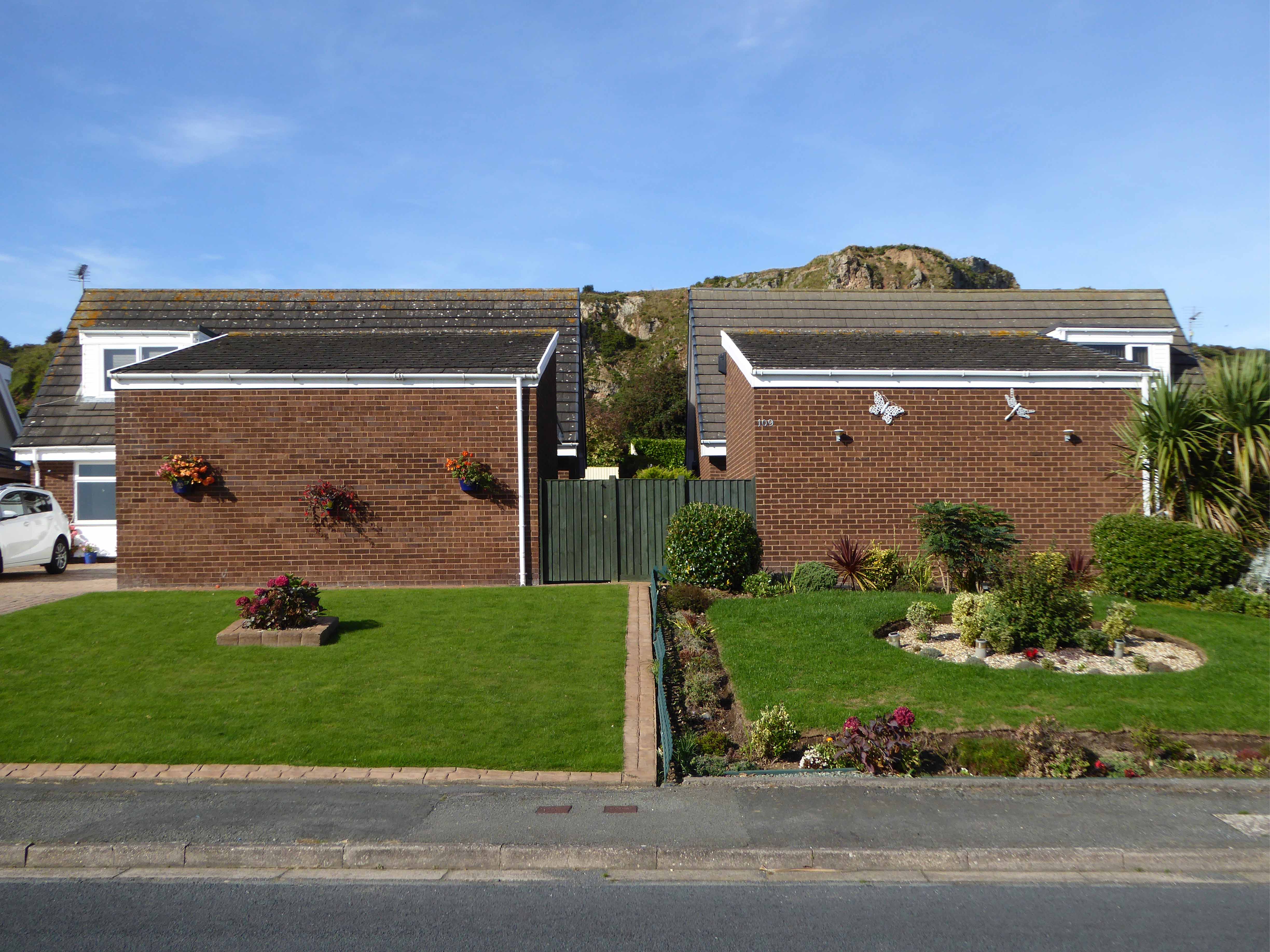
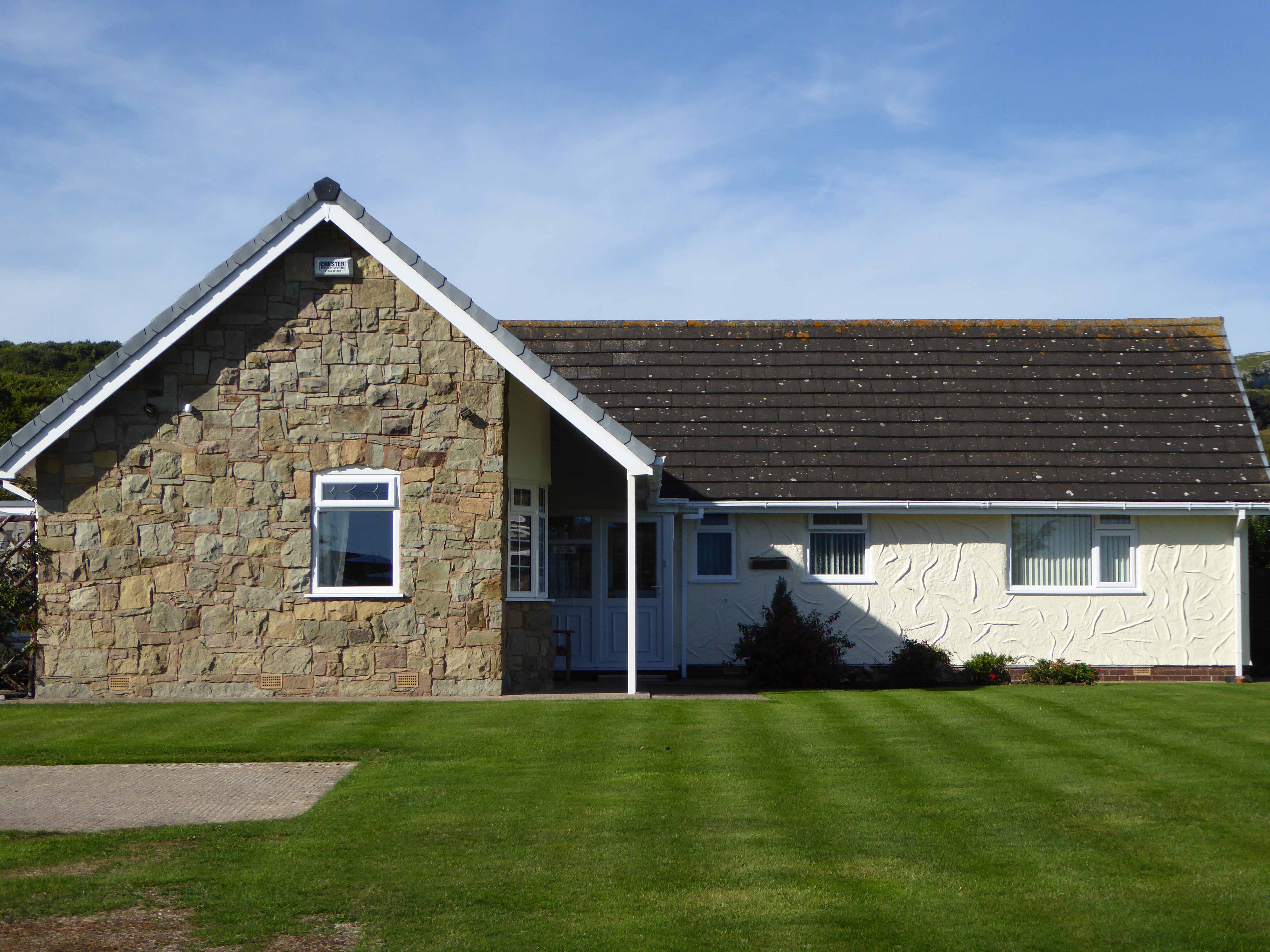
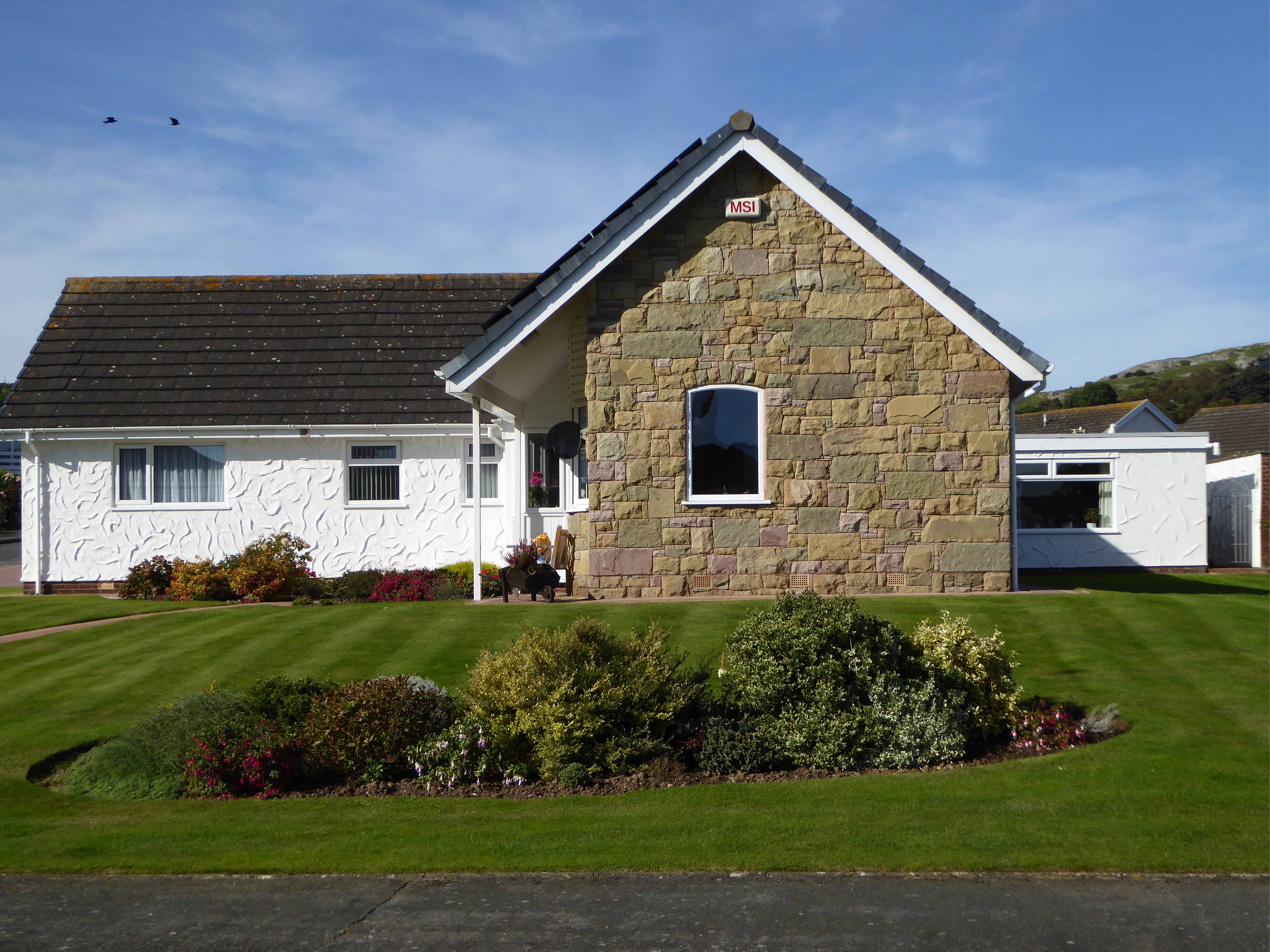
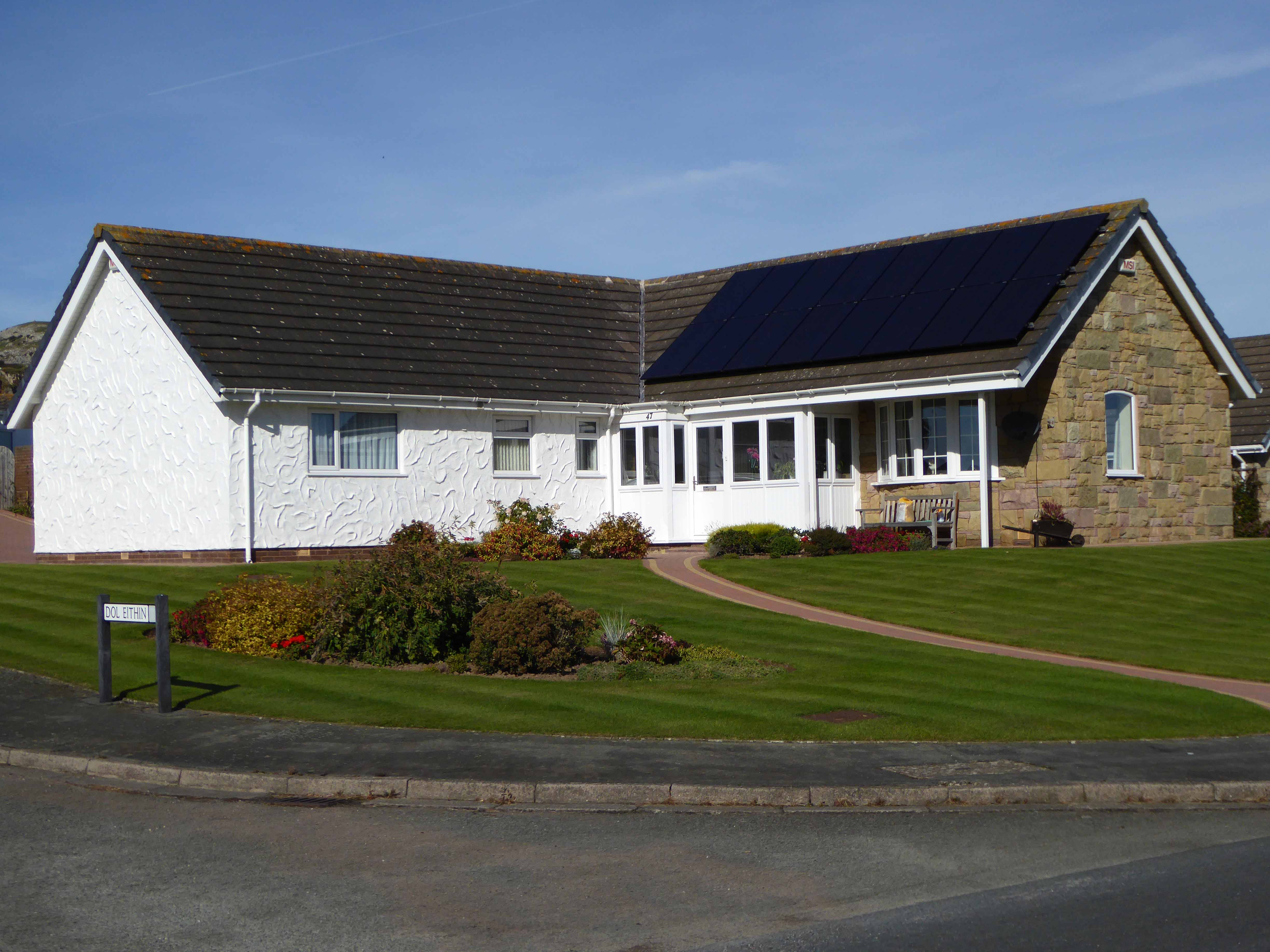
Lightly clad, stone-faced, light and almost expansive the seaside bungalow.

p1100394-copy

p1100395-copy

p1100396-copy

p1100397-copy

p1100399-copy

p1100400-copy

p1100401-copy

p1100403-copy

p1100404-copy

p1100405-copy


p1100407-copy

p1100408-copy

p1100409-copy

p1100410-copy

p1100413-copy

p1100414-copy

p1100415-copy

p1100416-copy

p1100417-copy

p1100418-copy


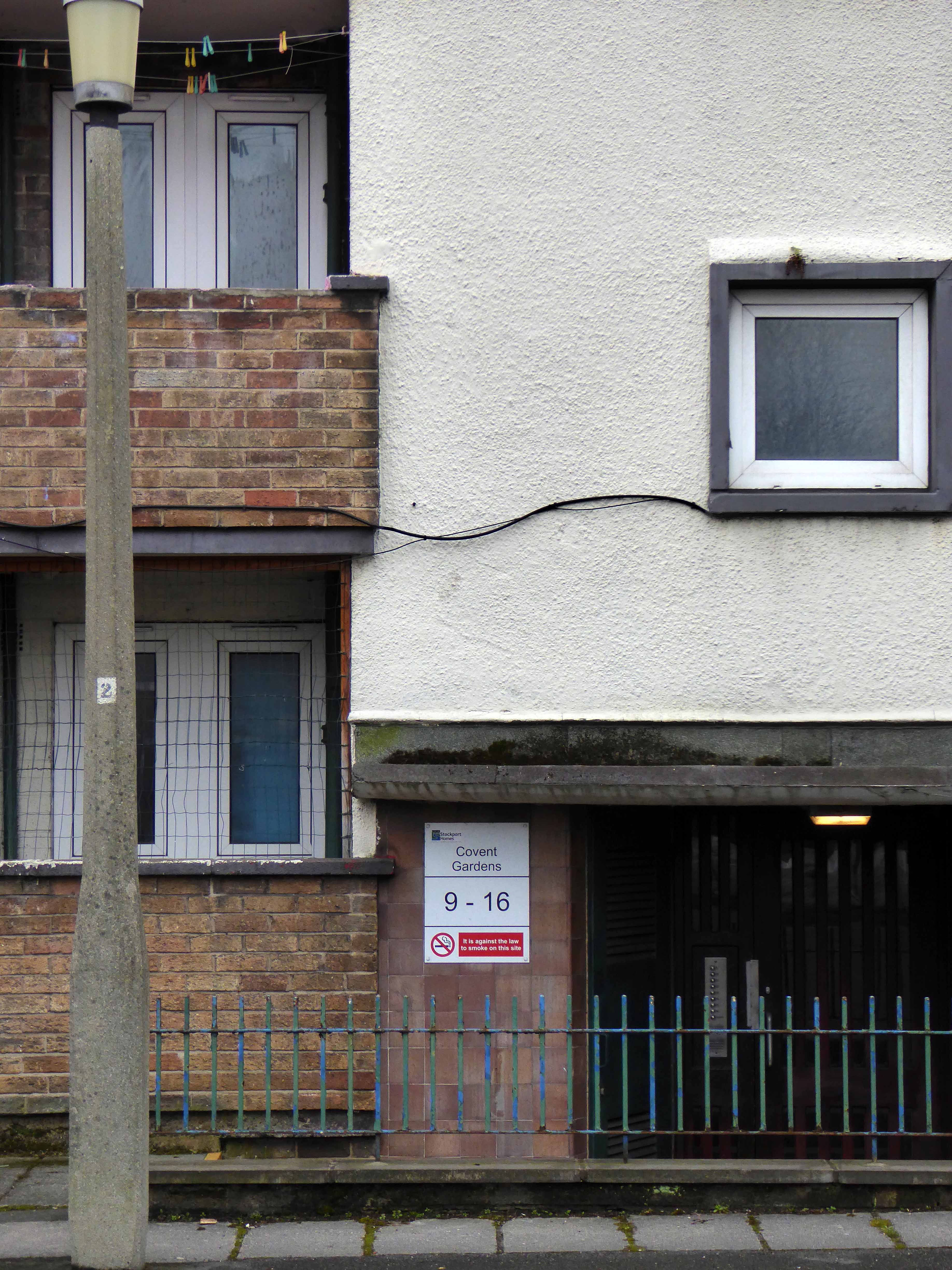
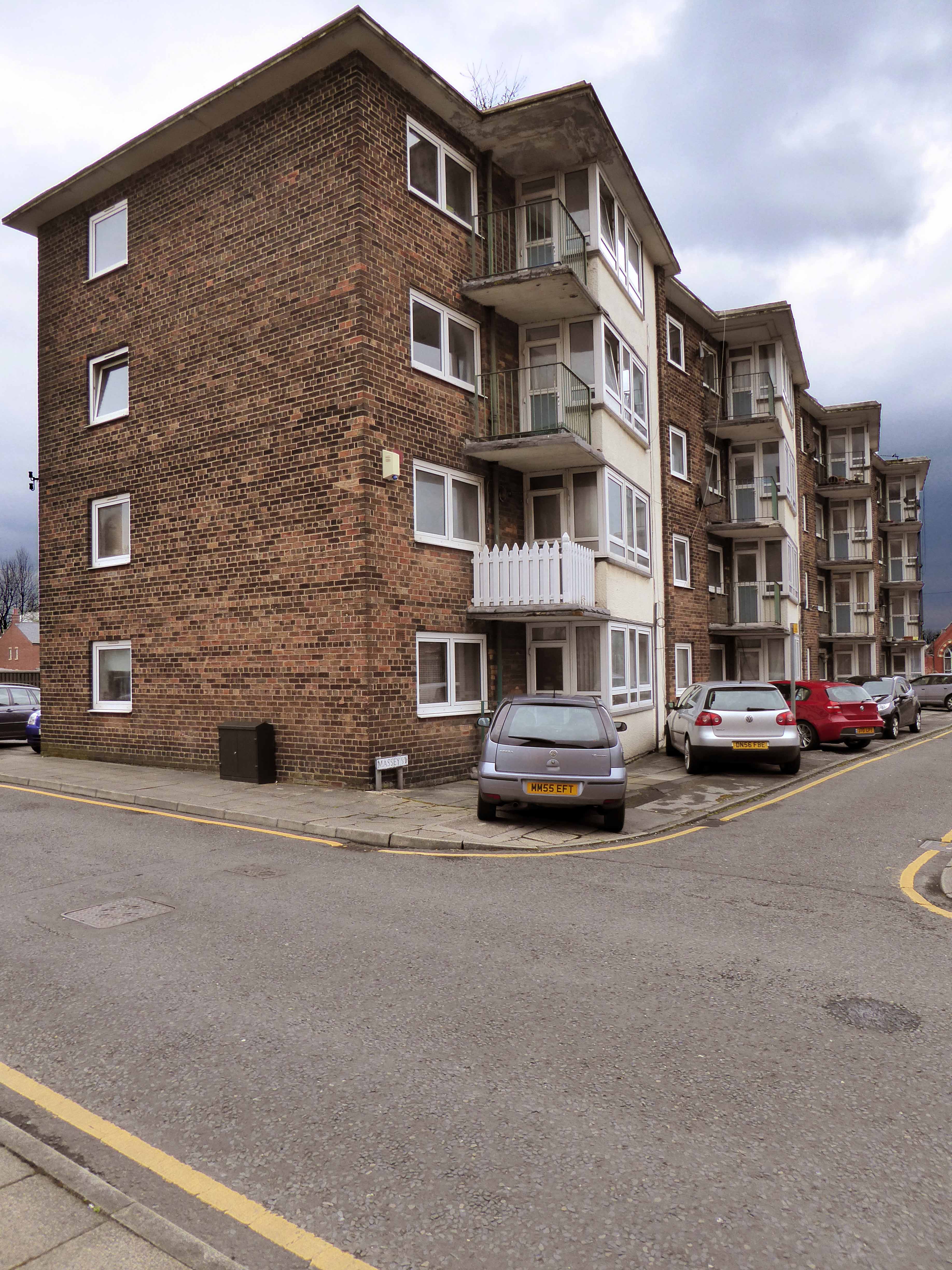
Covent Garden – Stockport

Walk up Hillgate from the centre of Stockport, pass the former Cobden’s, Gladstone, Peter Carlson Furniture, following a former coaching road of former lives, shops, pubs, clubs and factories. This was historically a vibrant area, a crazy mixed up mixed economy, getting by by any means.

Walk a little further, to your right is a small plateau, it leads across to the civic area,  behind the Town Hall, it is known as Covent Garden.

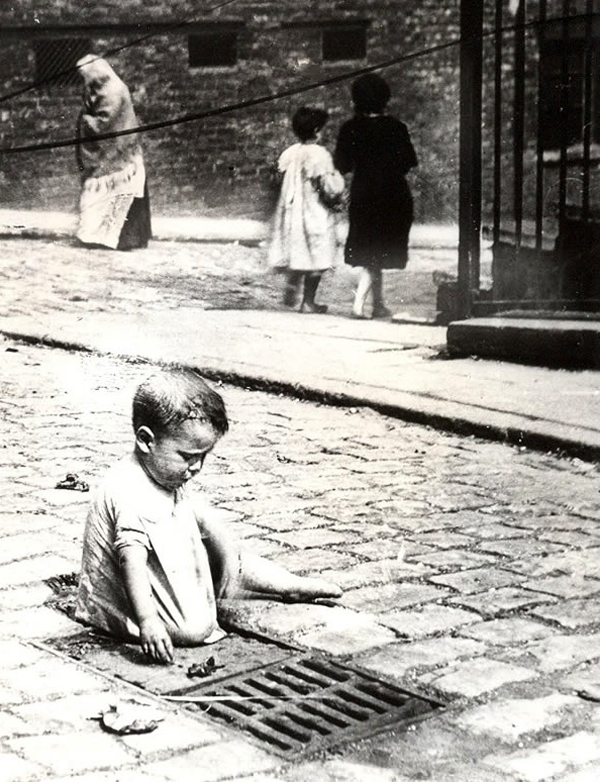
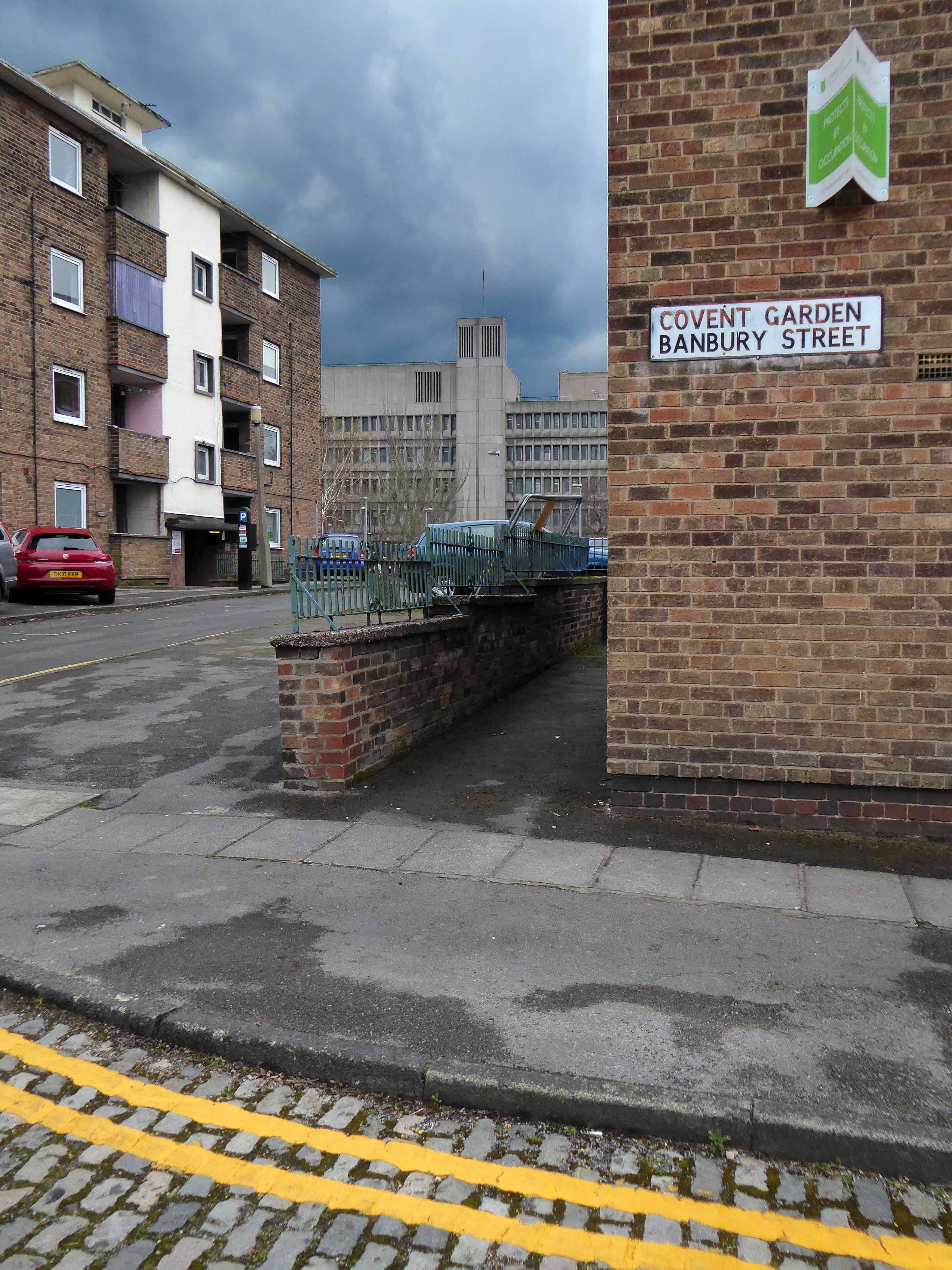
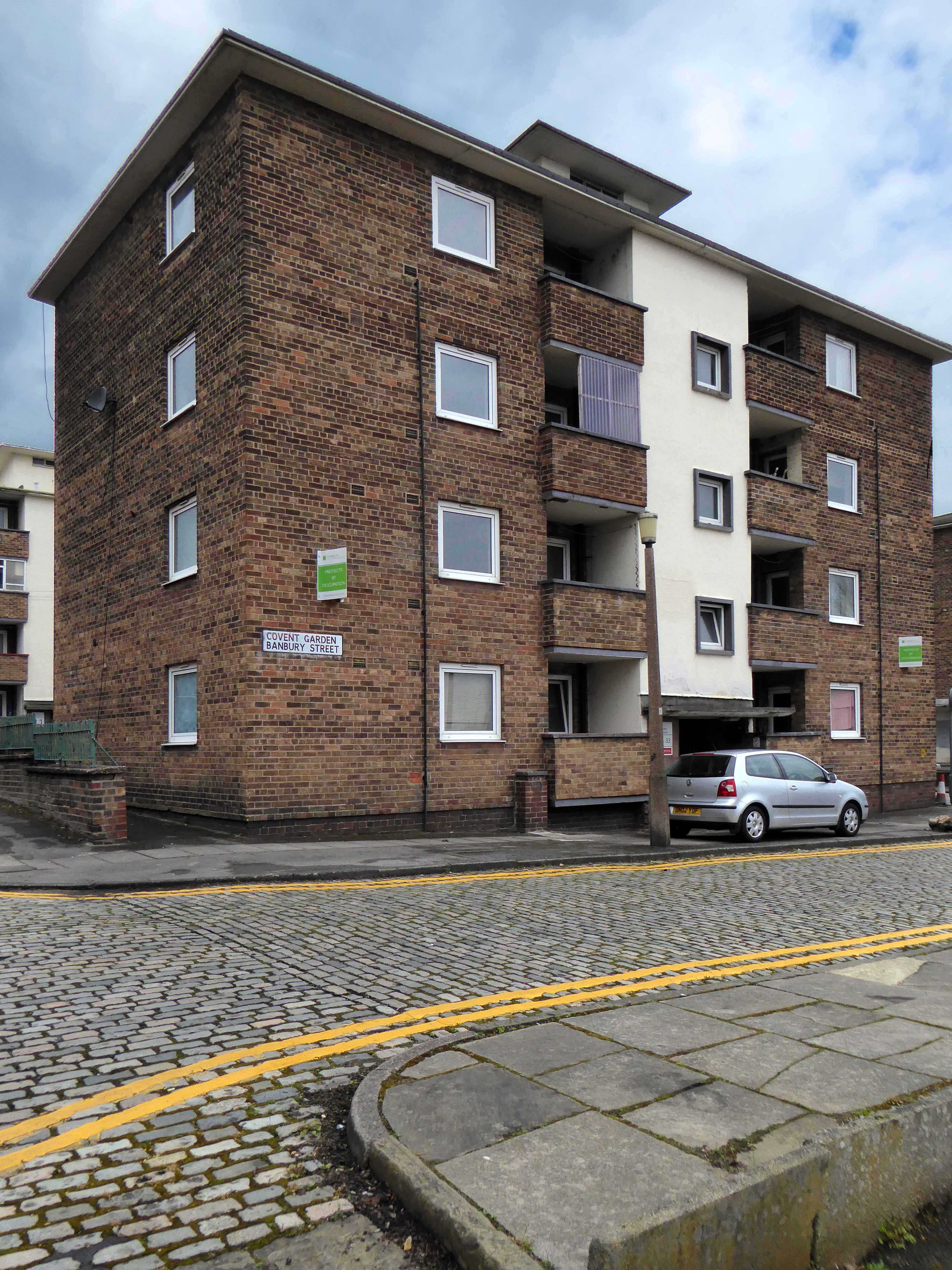
London Square, Massey Street and Banbury Street, once a cluster of terraced houses, never the wealthiest of areas, but typical of the town’s industrial past. The homes growing up around small pockets of industry – foundries, hat making and glove manufacture.
21430

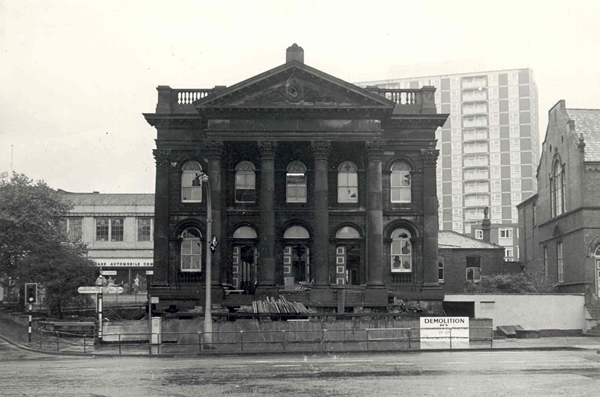
There was a graveyard there, belonging to the Mount Tabor Chapel, which was situated nearby on Wellington Road, a soot blackened, imperious classical facade.

1655

The chapel is no longer standing, and little remains of the graveyard, the foreground shows the site, soon to become a children’s playground for the new flats.

1644

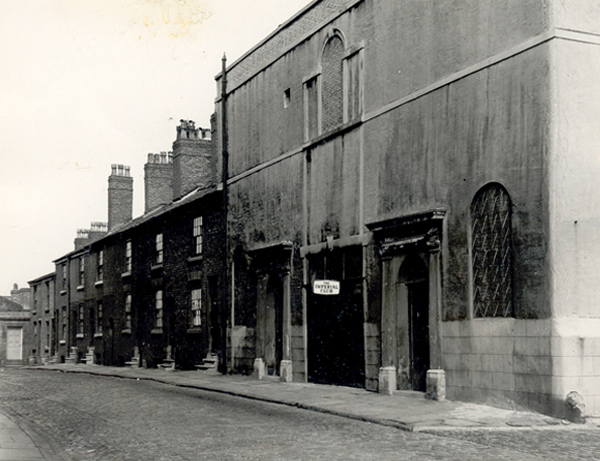
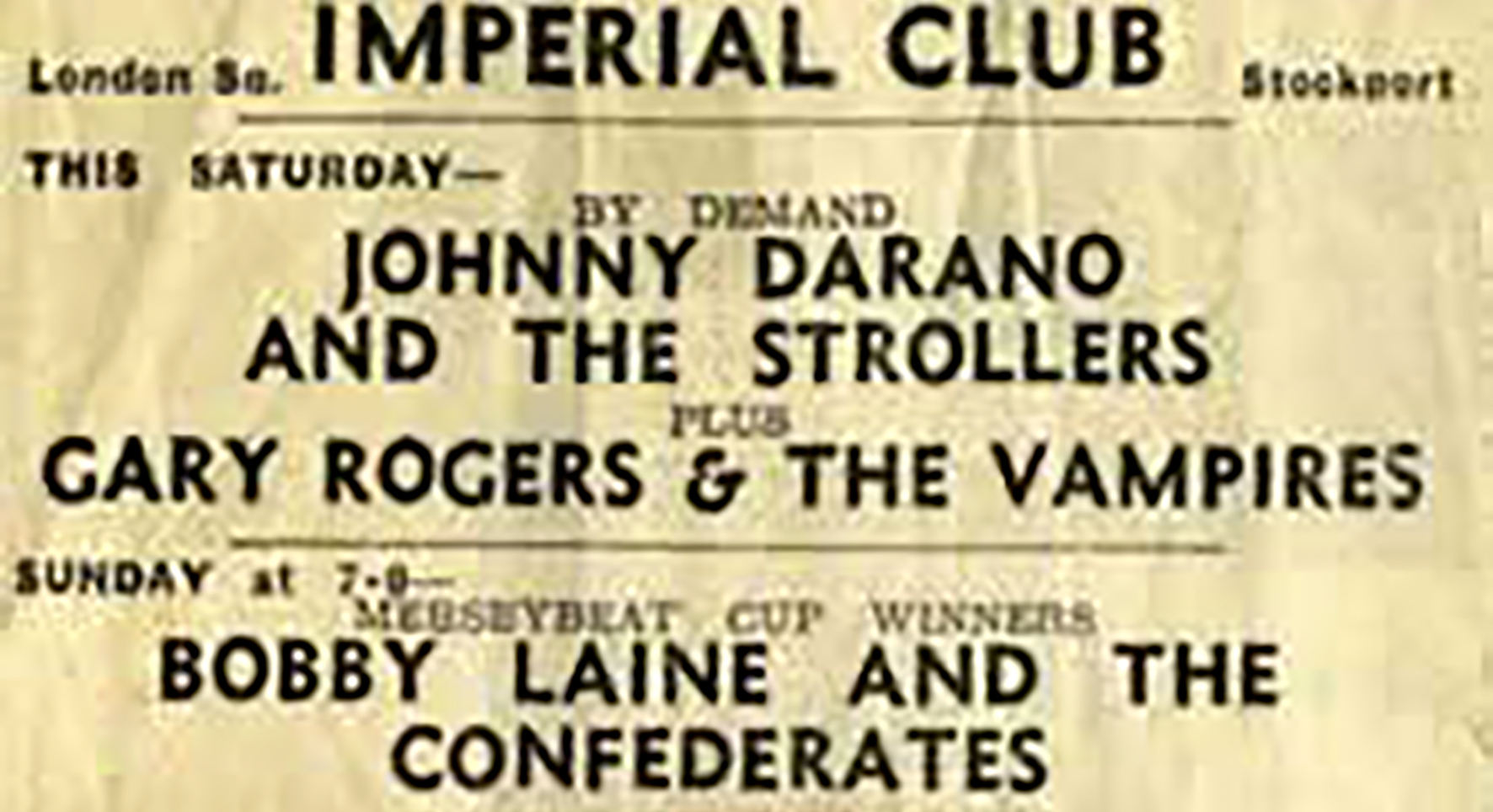
The Imperial Club survived into the 60s playing host to local beat groups, and a significant venue on the local soul scene.

1643

The streets no longer ring with the the ringing guitars of Johnny Darano and the Strollers

ad2

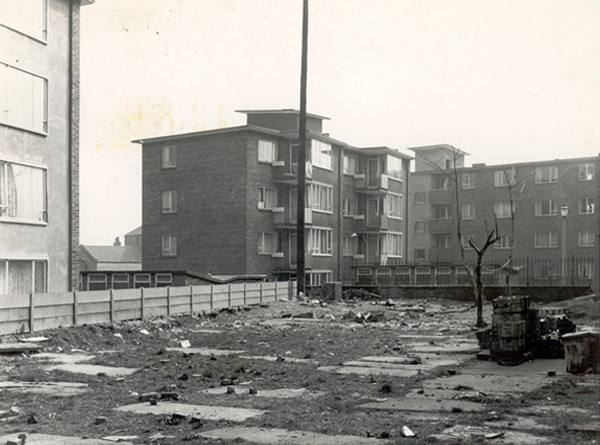
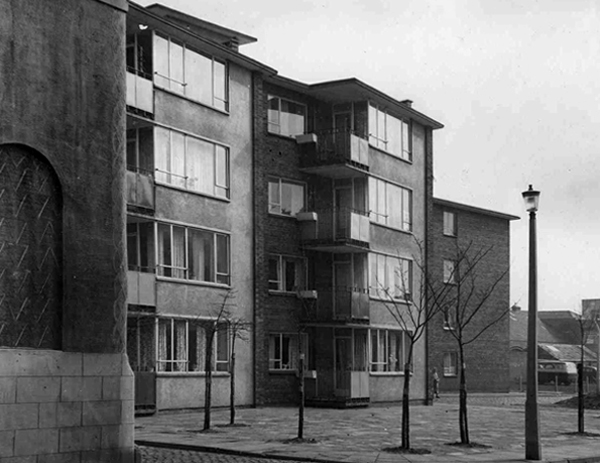
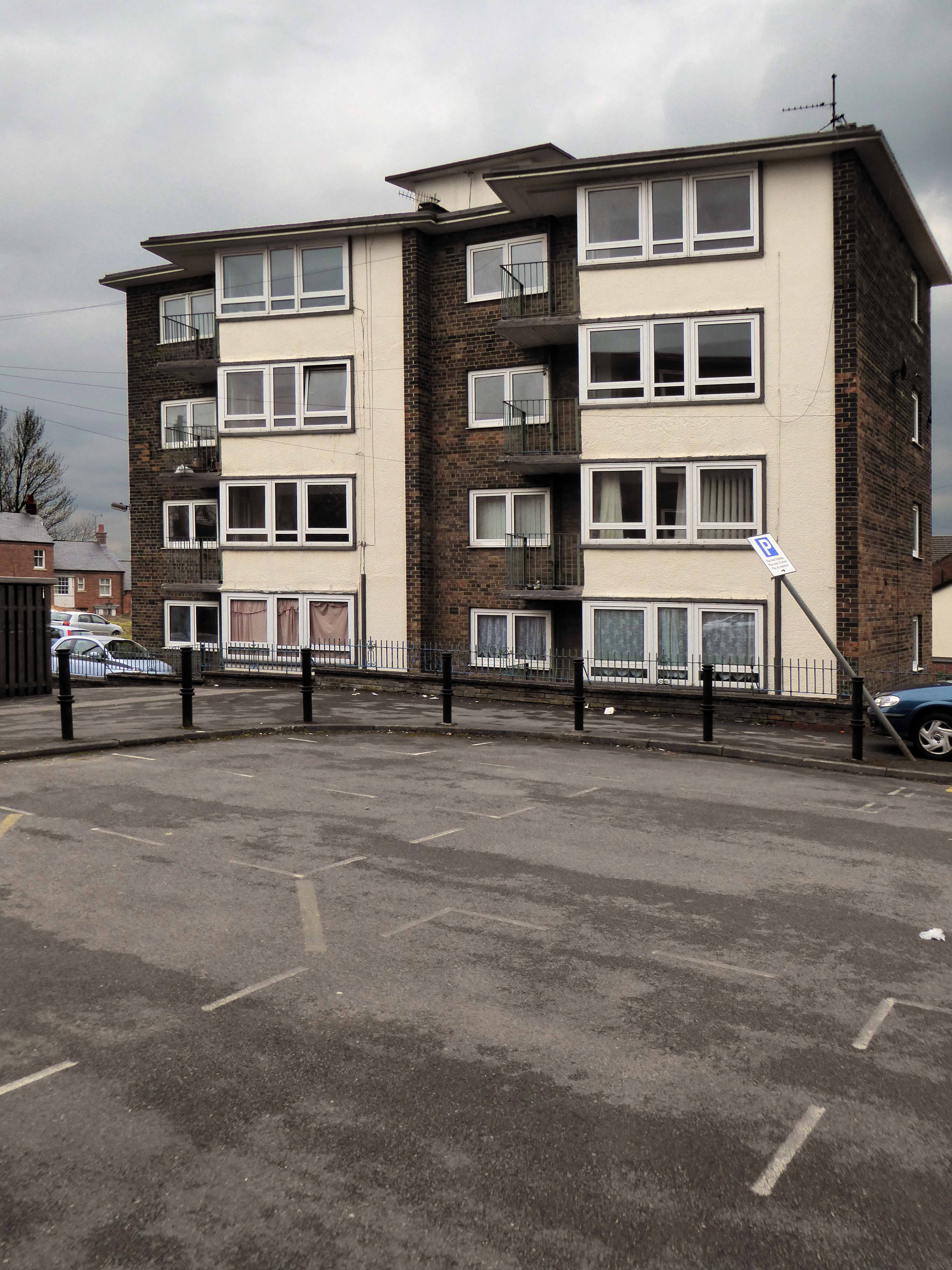
The Fairhurst designed flats were a breath of fresh air for the area, slim Crittall metal windows, concrete and brick structure, light and clean living for a new era. Social housing for a new era of social justice, postwar optimism written all over the facades.

Contrasting with the poorly built, stock brick, stolid terraces that they replaced, here was a little of the Modernist Movement for the masses.

1347

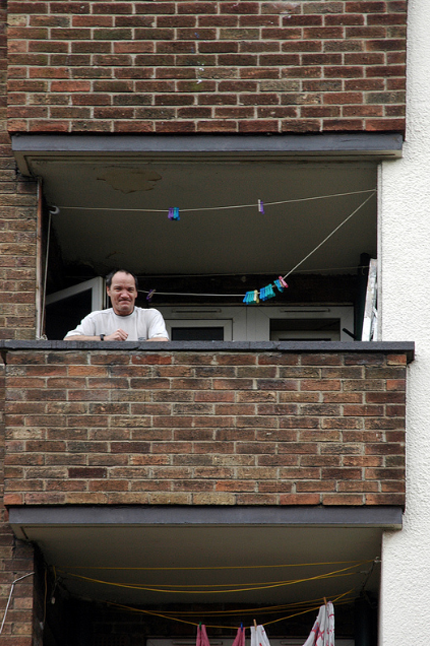
Some years ago when I first photographed the area, here were residents, happy to share their thoughts and feelings, at home in their homes. A settled community, whose homes were soon to be central to a masterplan, the very word sends shivers down you spine.

Screen Shot 2016-04-14 at 17.20.21

Screen Shot 2016-04-14 at 17.20.53

Screen Shot 2016-04-14 at 17.19.29

Screen Shot 2016-04-14 at 17.19.45


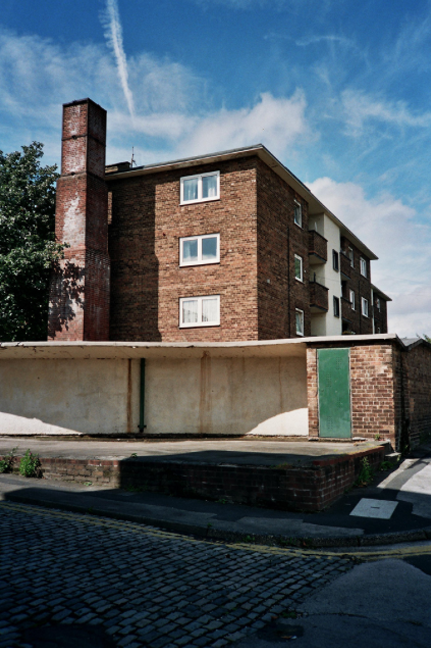
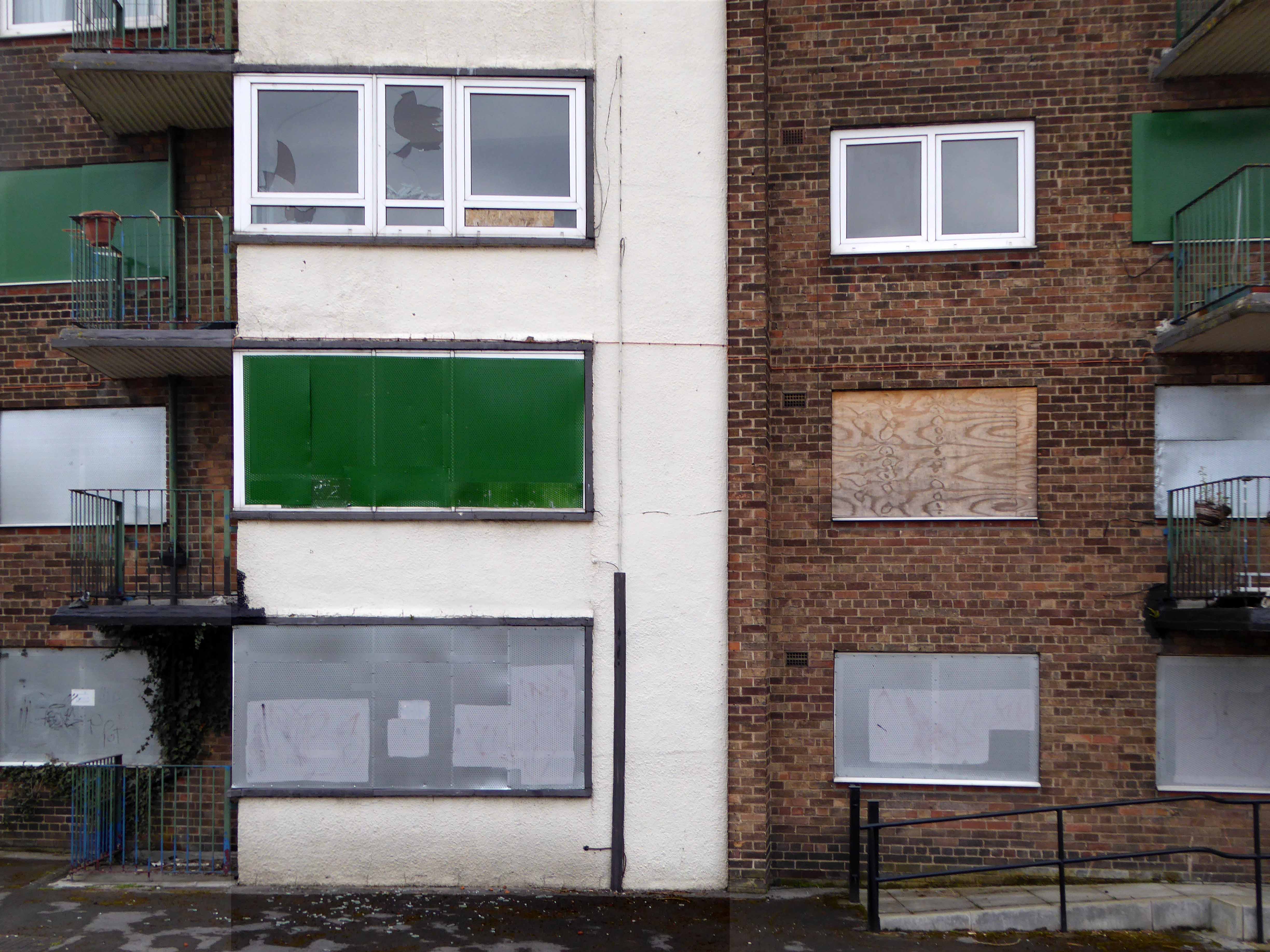
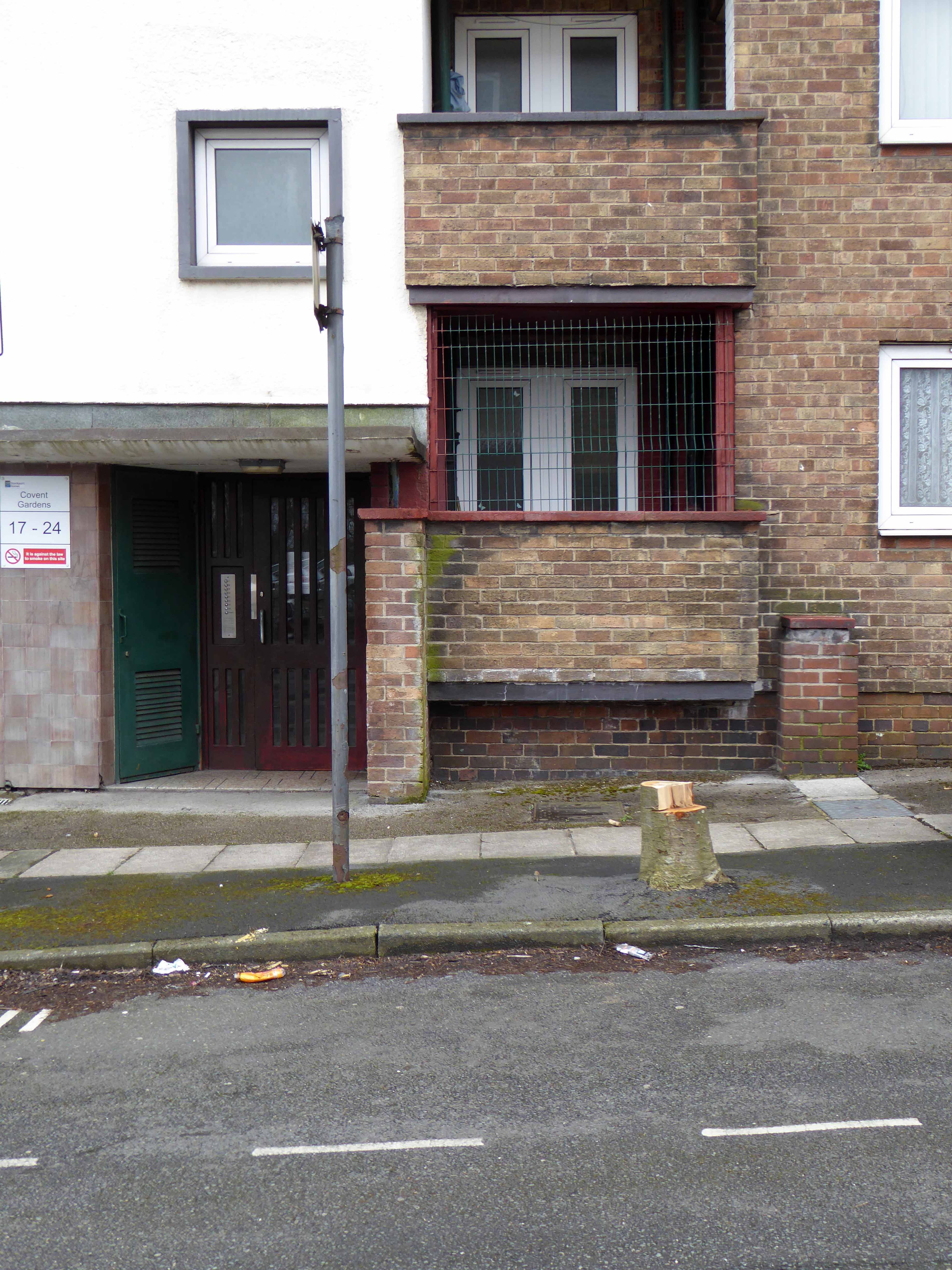
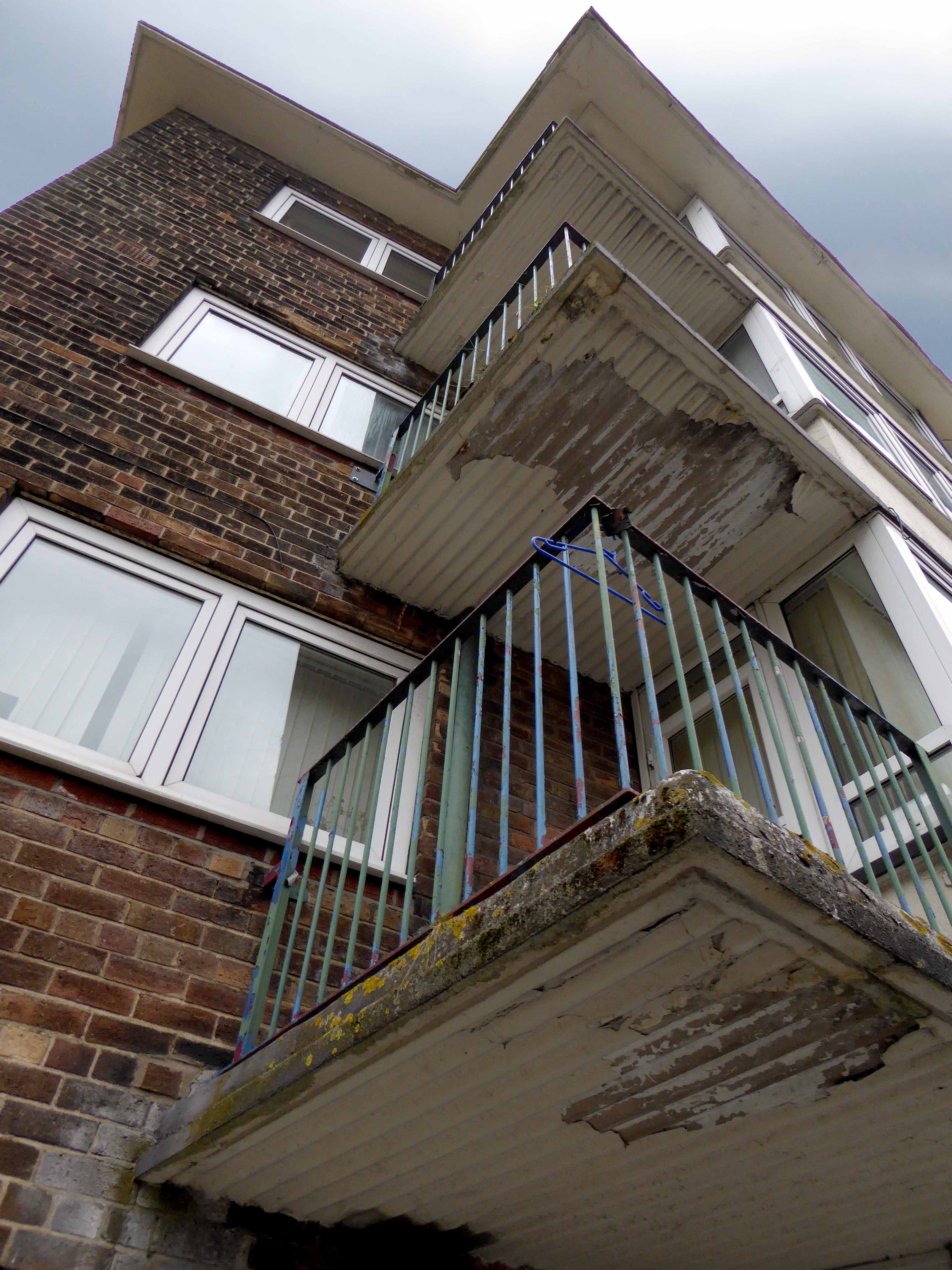
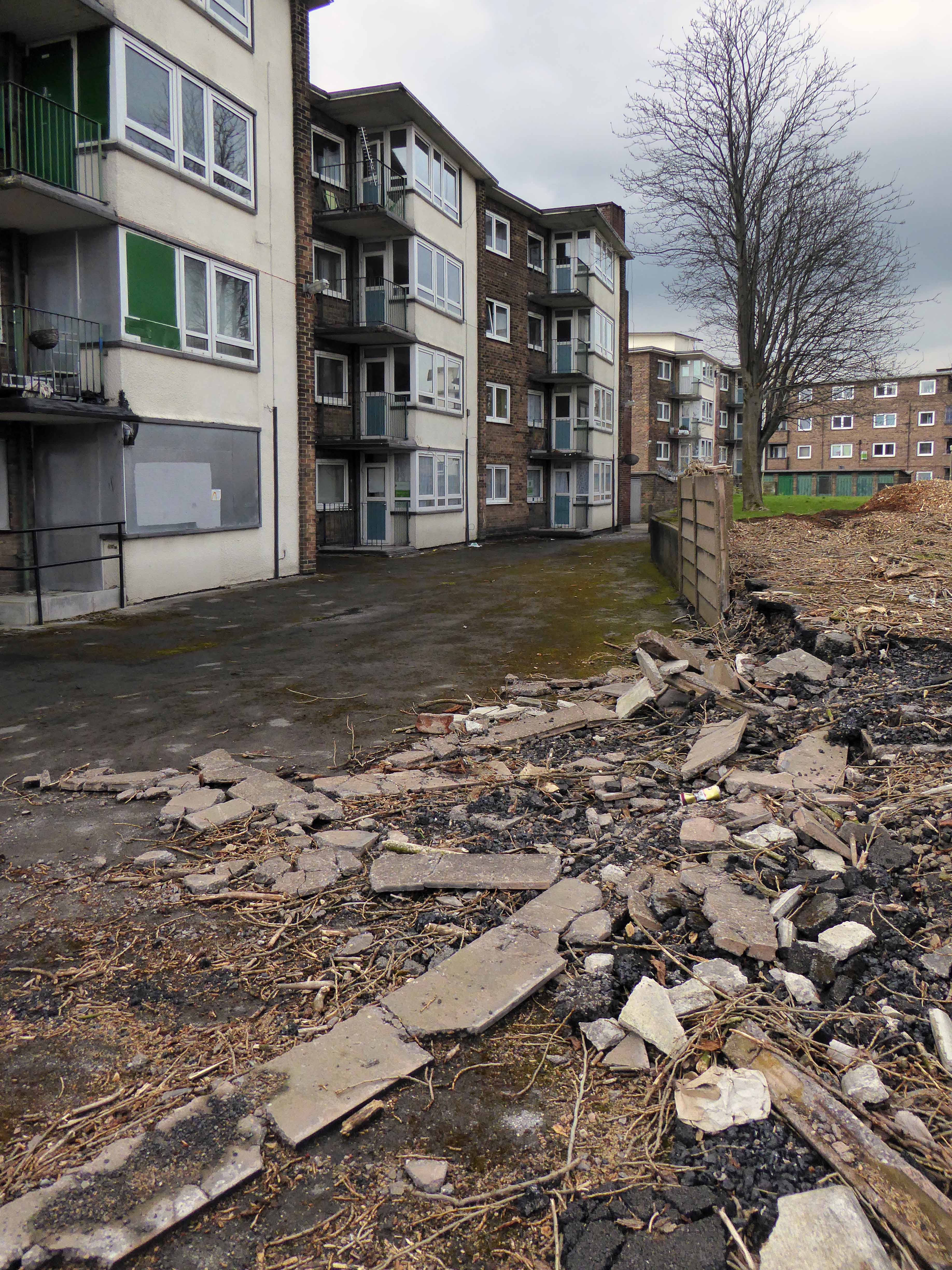
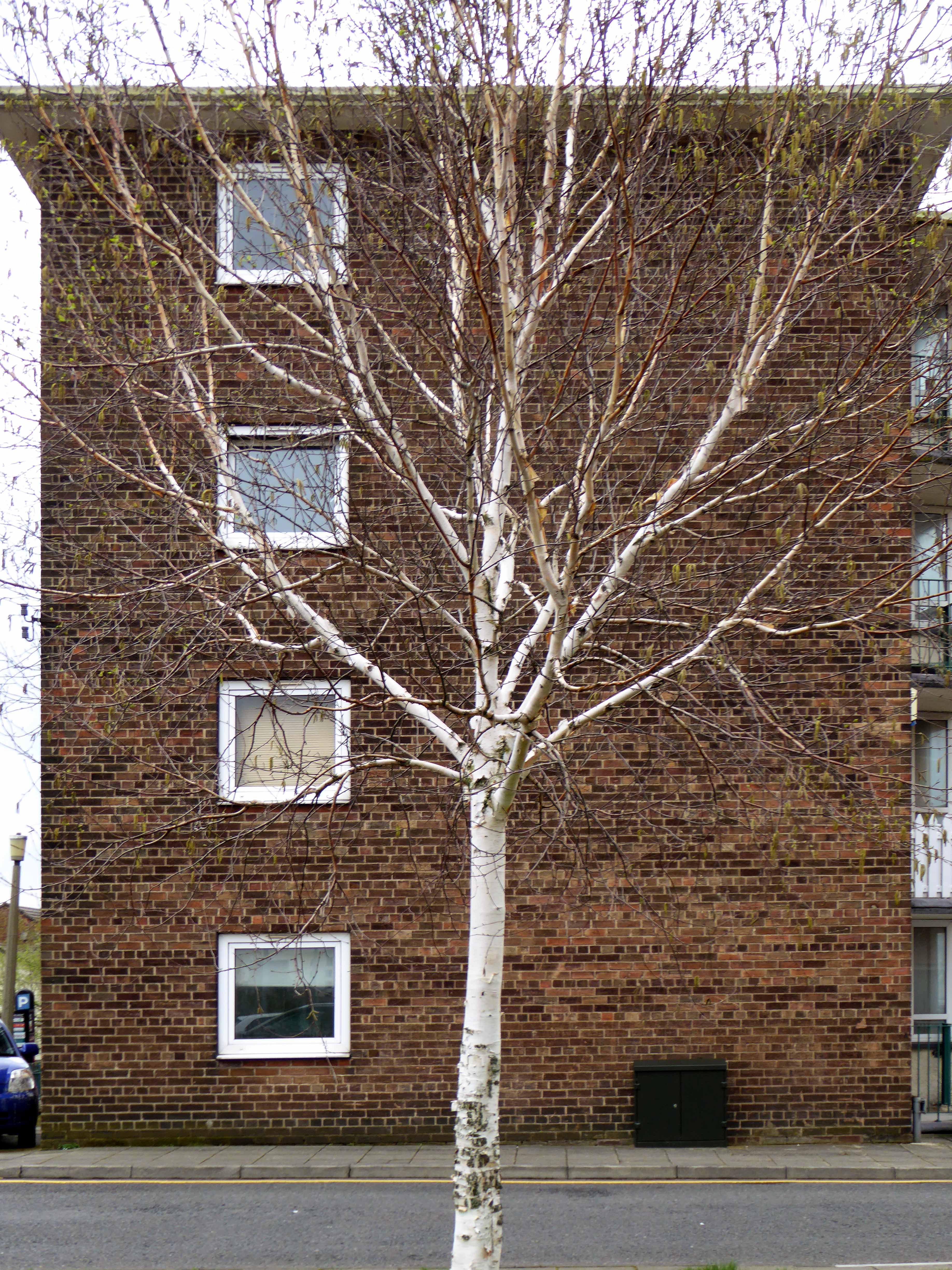
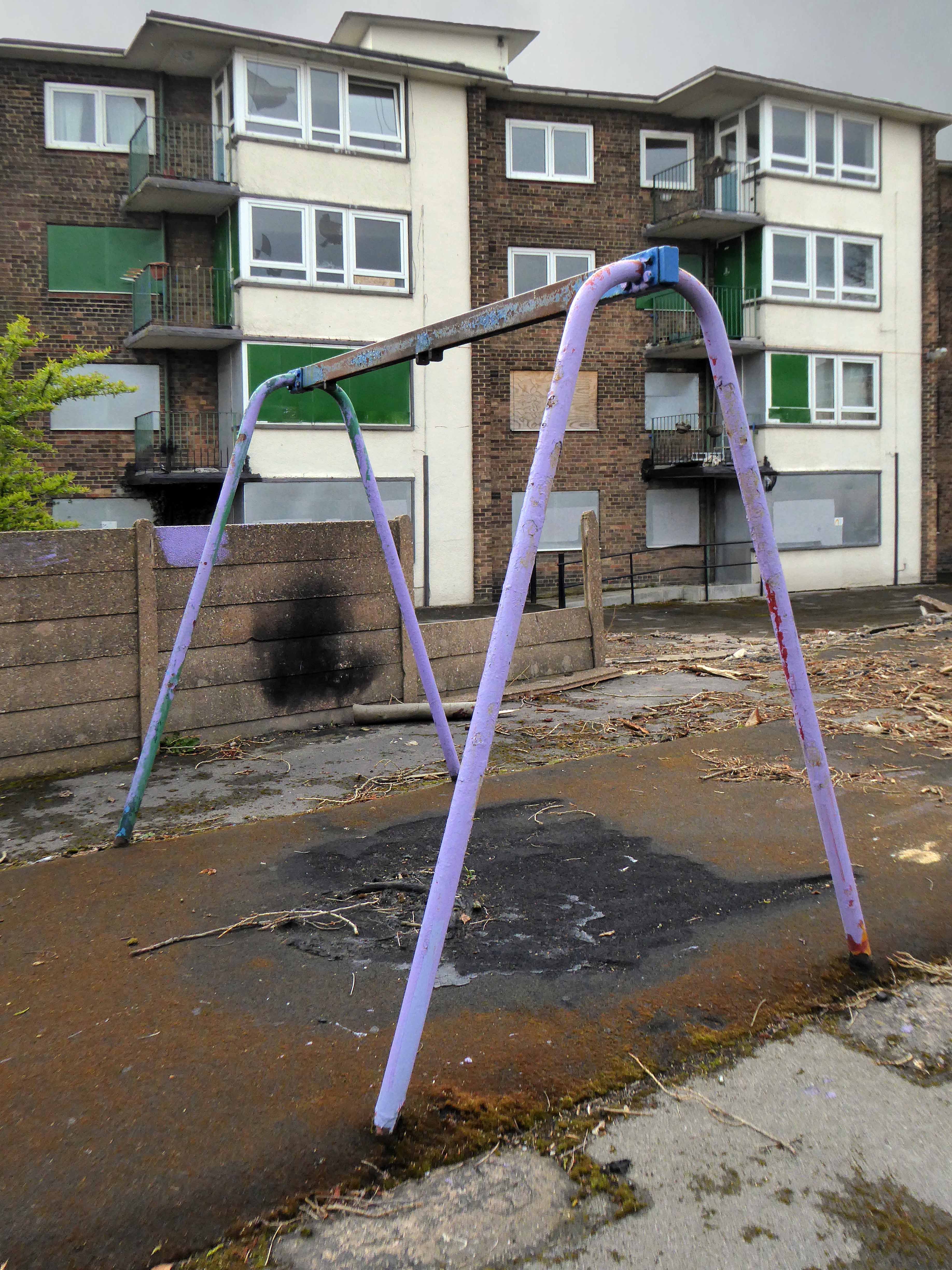
A redevelopment zone, around Hopes Carr and Covent Garden, saw the flats tinned up, prior to demolition. Homes, though clearly fit for purpose standing empty.

P1030585 copy

Several years on, and they are still standing empty.

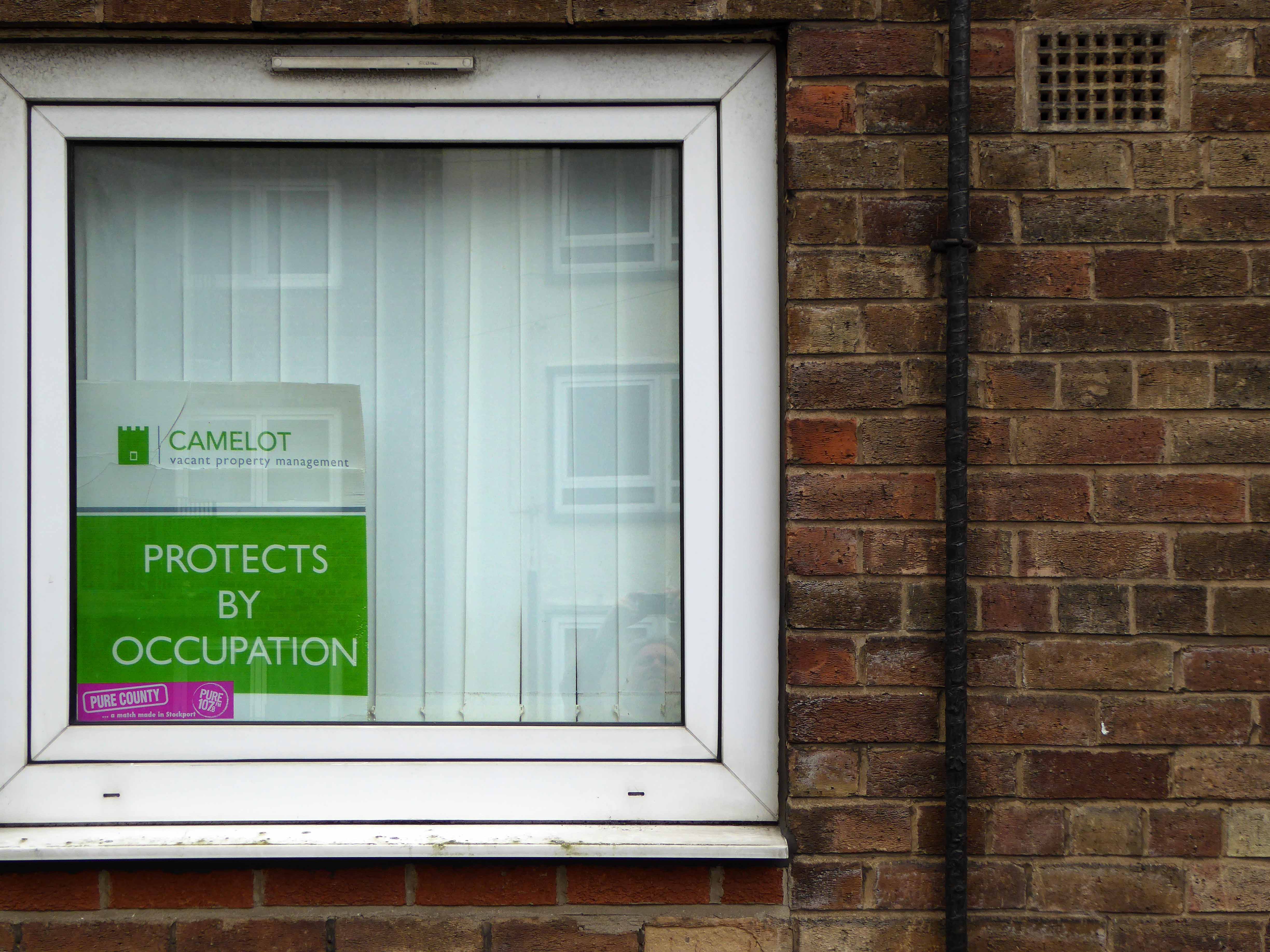
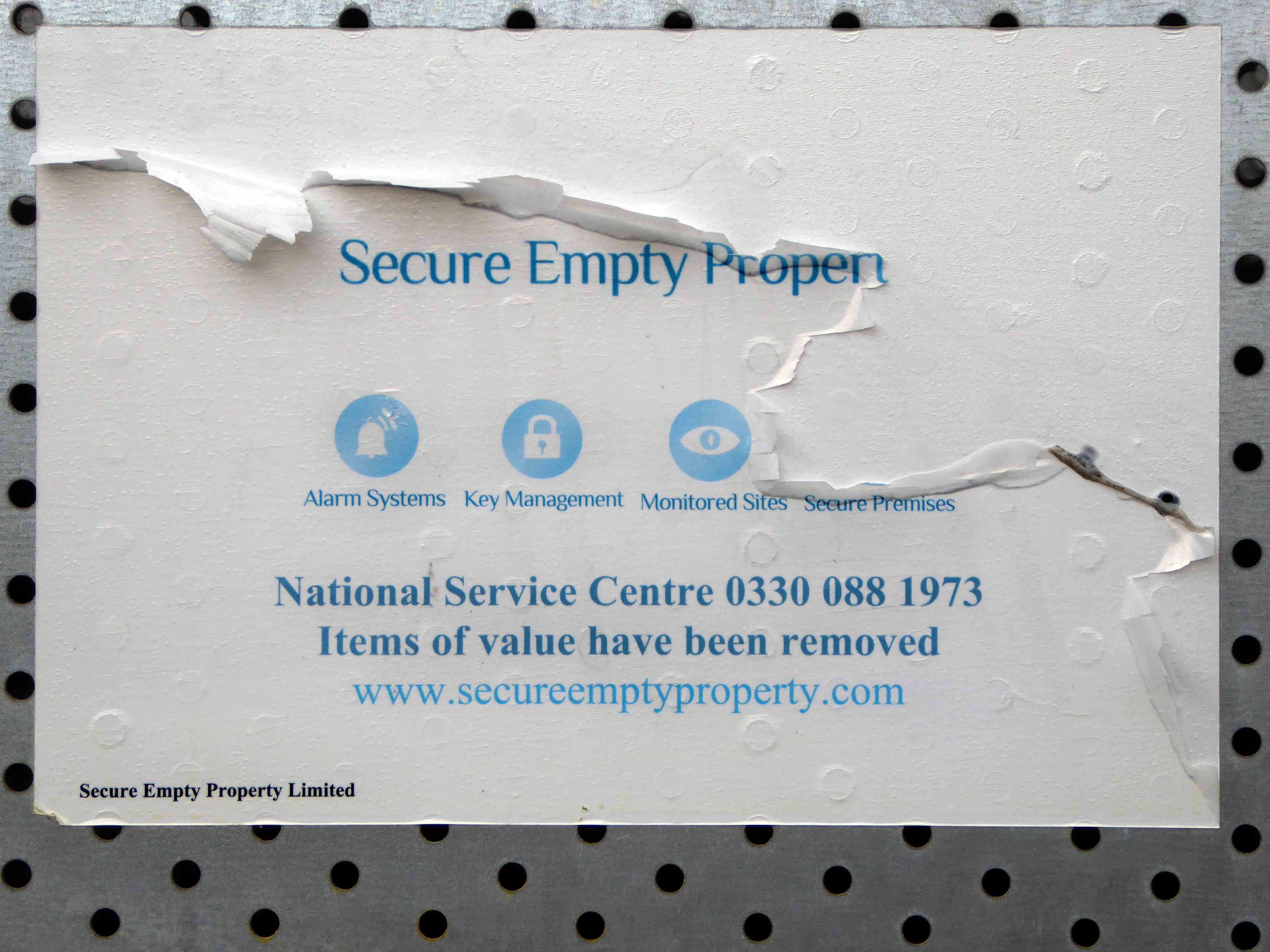
Save for a handful of protection by occupation tenants, living in a Camelot empty property.

“Our people combine entrepreneurial spirit and a deep understanding of specialist vacant property management with the highest standards of client care. Innovative internationally and well-known locally, Camelot design made-to-measure advice for you.”

“Camelot, located no where in particular, can be anywhere”

A pay to enter theme park with a limited future.

P1030563 copy

P1030587 copy

And so heartbreak at Impasse Pass, another stalled urban redevelopment, awaiting capital in a public private partnership.

Until the next time.

Walk a little further, take a peek, blink and it all may have disappeared.

P1030554 copy

P1030558 copy

P1030553 copy

P1030552 copy

P1030565 copy

P1030567 copy

P1030586 copy

P1030569 copy

P1030556 copy

P1030562 copy

P1030573 copy

P1030571 copy

P1030590 copy

P1030564 copy

P1030585 copy

P1030566 copy

P1030557 copy

P1030570 copy

P1030584 copy

P1030596 copy

Huddersfield – Lonsbrough and Ibbotson Flats

The former Richmond flats in Huddersfield have been revamped and are now known as Harold Wilson Court.

The two other blocks sadly have neither been revamped nor renamed after famed local politicos.

Herbert Asquith or Luddite House – take your pick.

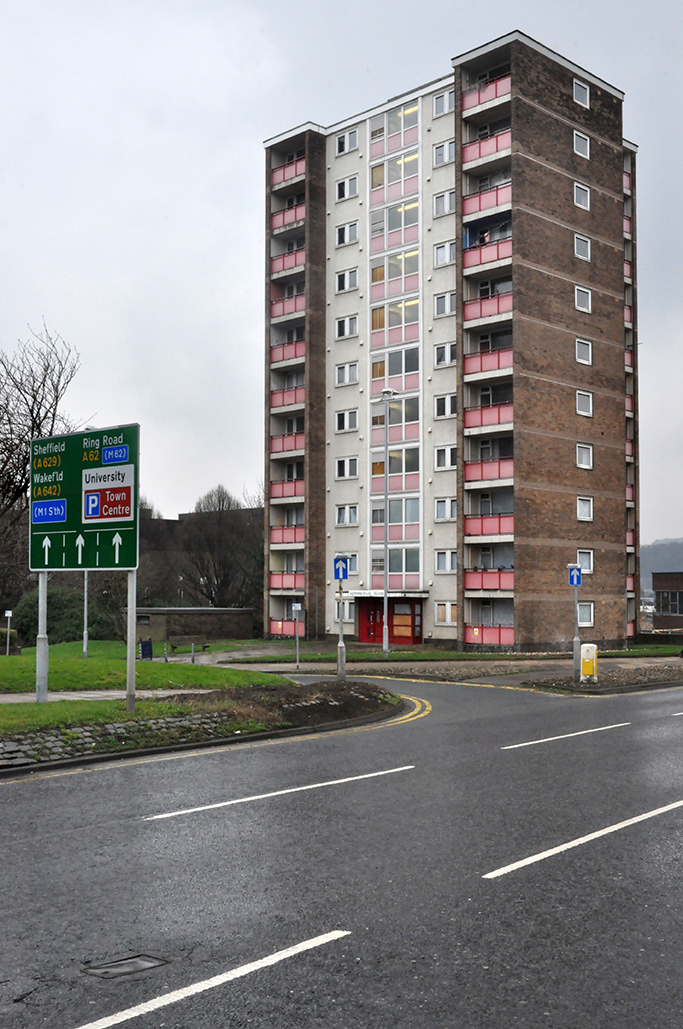
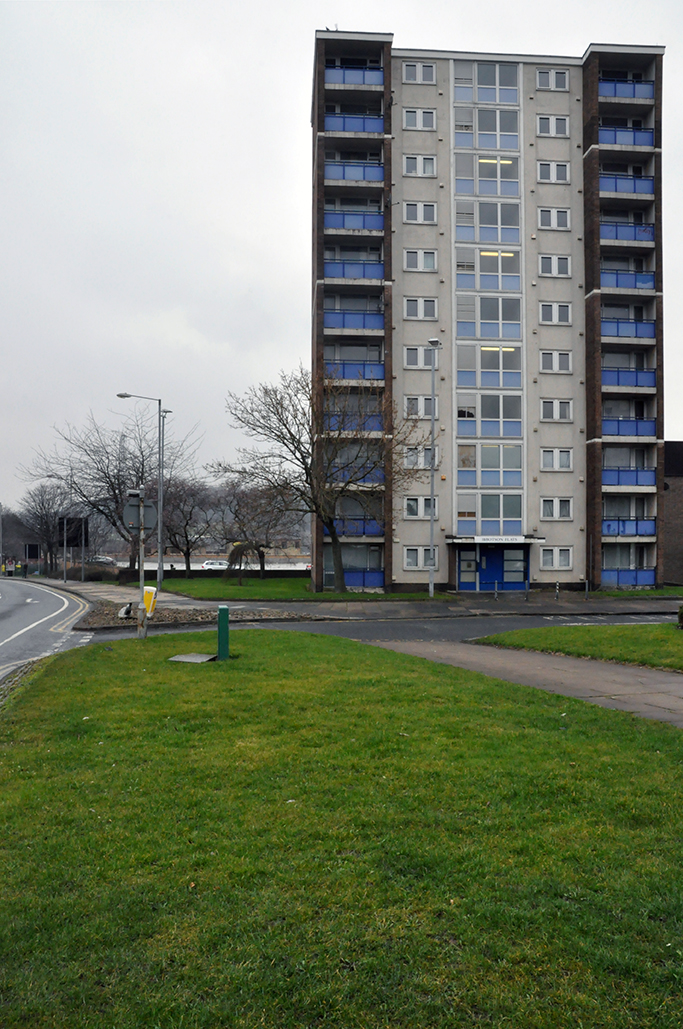
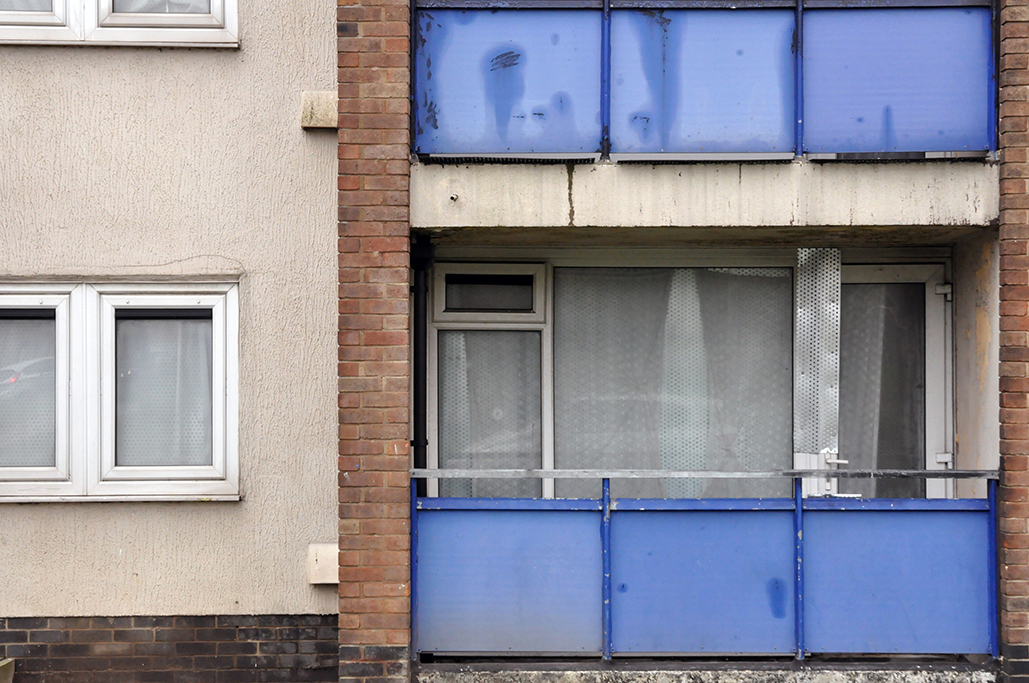
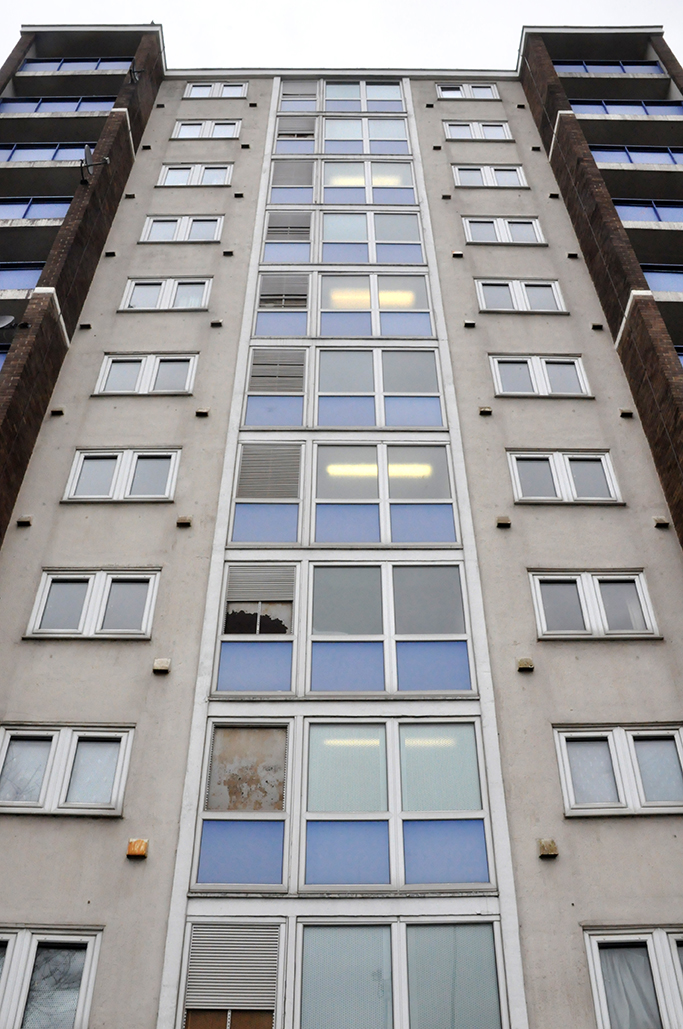
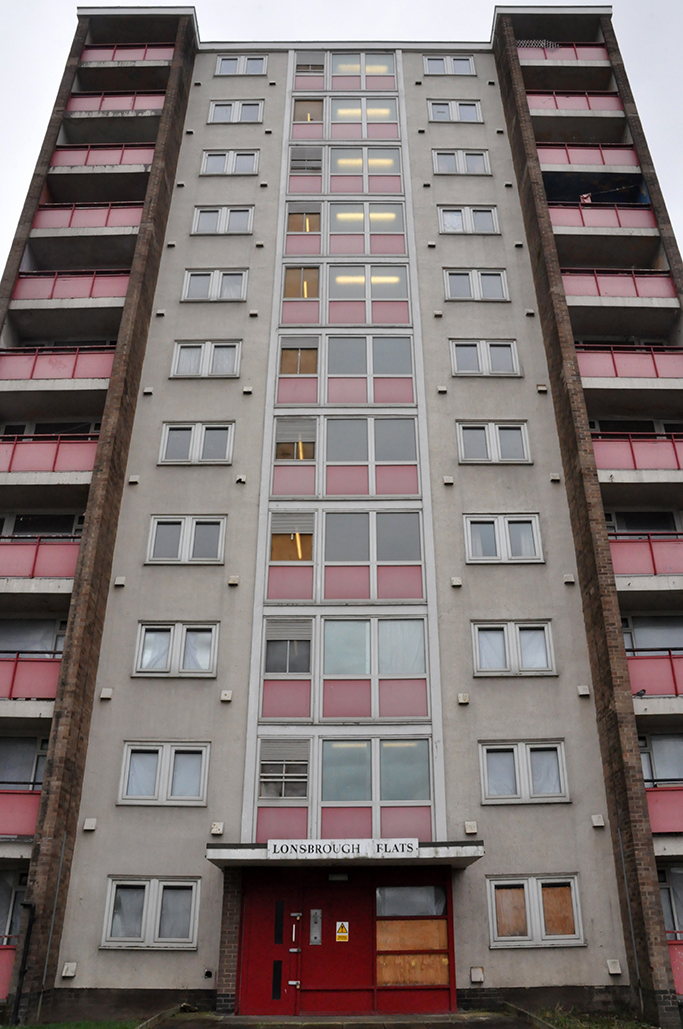
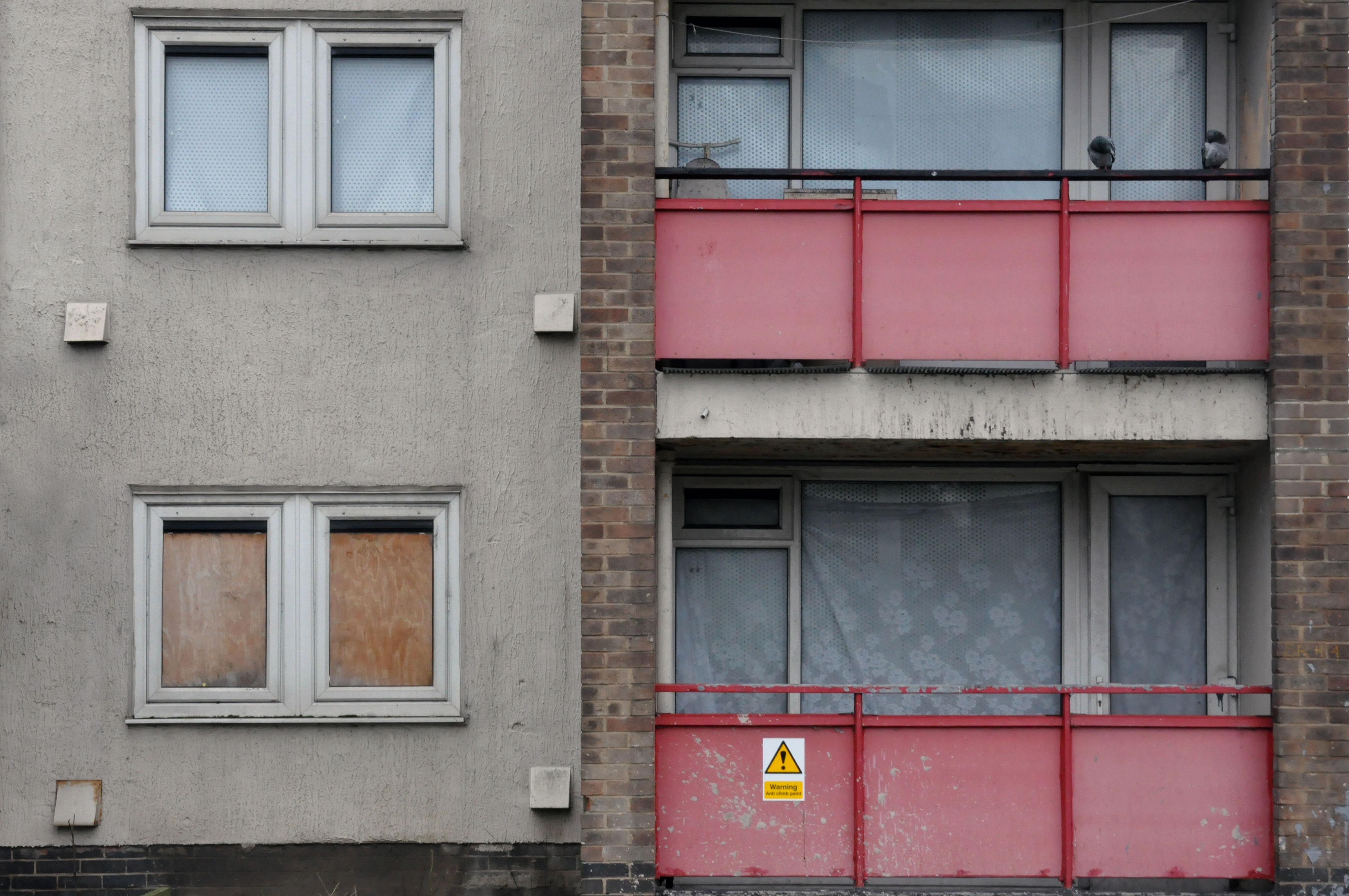
They stand by the road unloved and forlorn, tinned up awaiting demolition. Once home to hundreds, the former residents have now been paid out, moved out and hopefully rehoused.

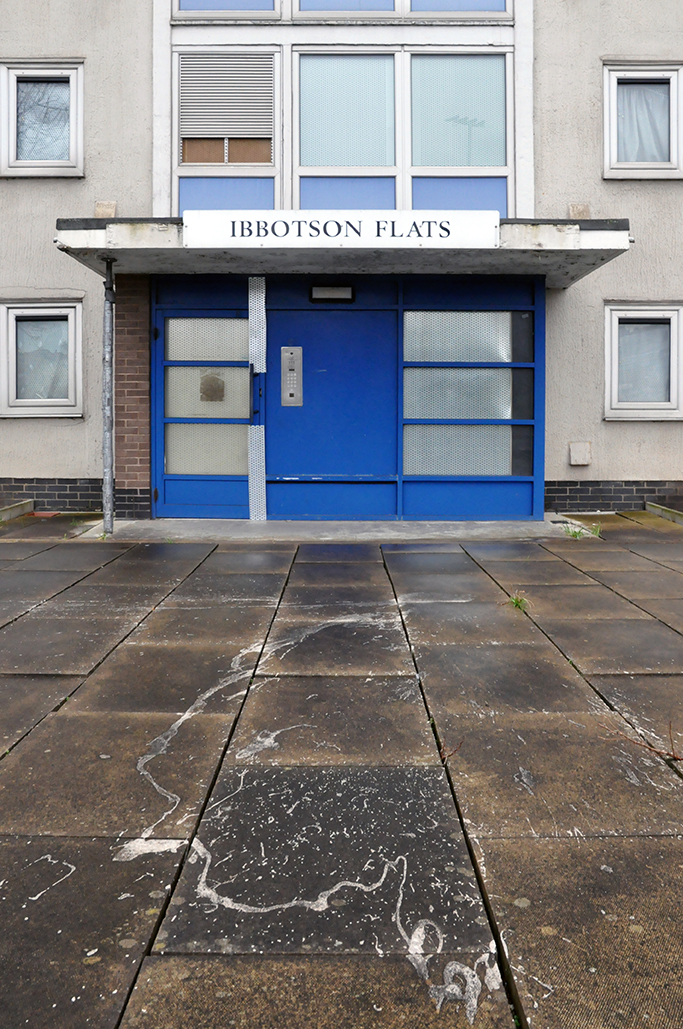
Richmond flats were named after Sidney Richmond, the former Huddersfield Borough Council architect, and were the second of the three blocks currently on the site. The first block opposite was Lonsbrough Flats, named after Anita Lonsbrough, 1960 Olympic Gold medal swimmer and council employee, with the third being the middle block Ibbotson Flats, named after Derek Ibbotson, the Huddersfield athlete who held the world record for running a mile.

The site was obviously more valuable than viable town centre homes – Tesco is a coming

Hurrah.

Go see them, say hello and wave goodbye – they’ll soon be gone.

http://www.examiner.co.uk/news/west-yorkshire-news/town-centre-tower-blocks-pulled-4927231