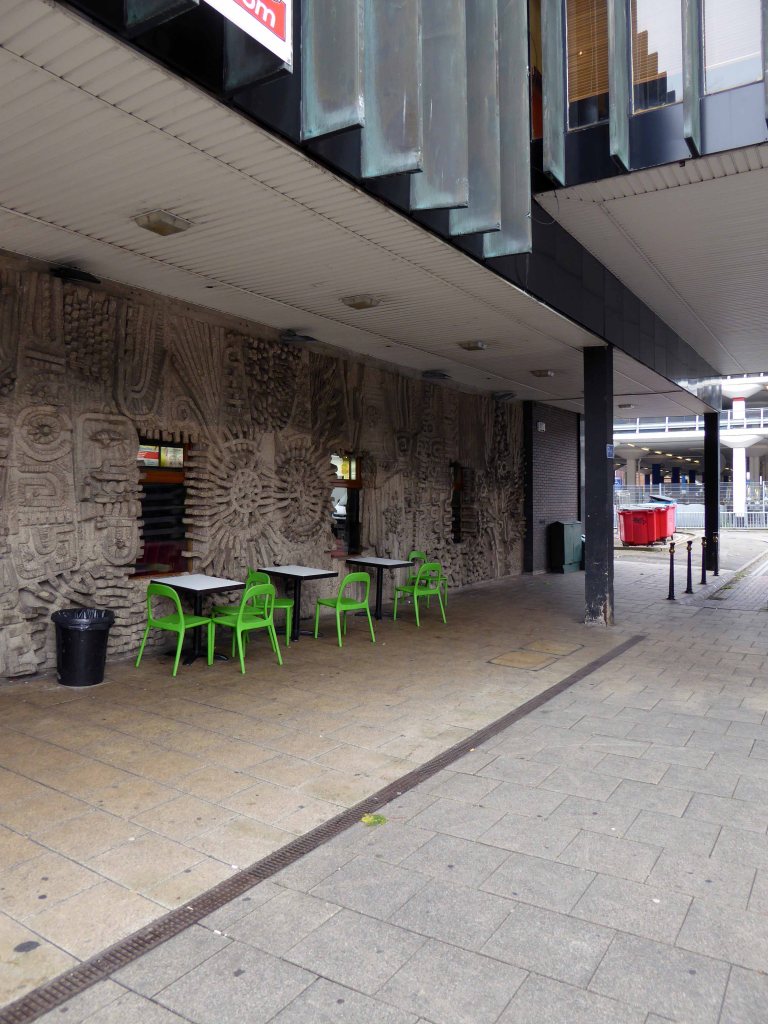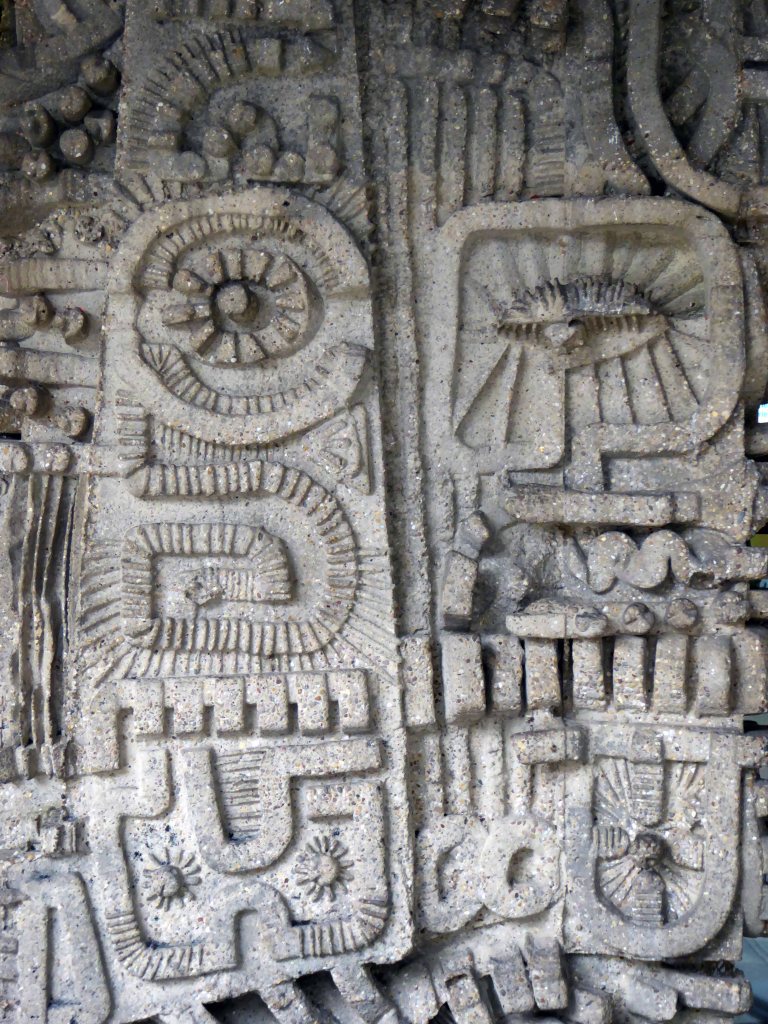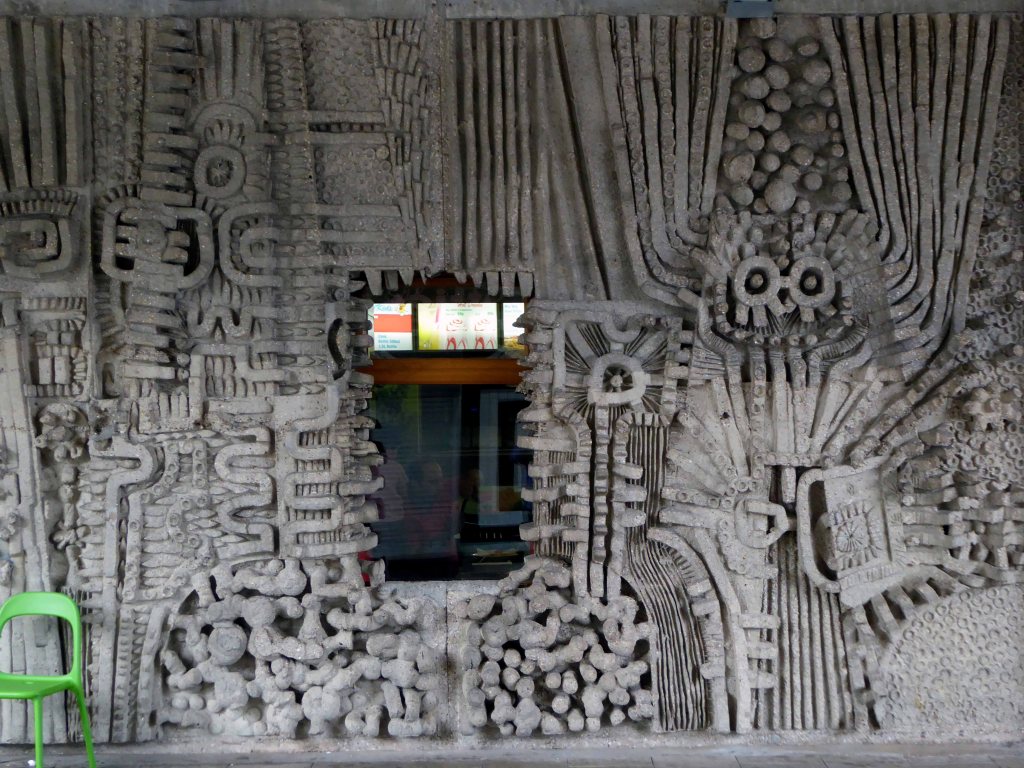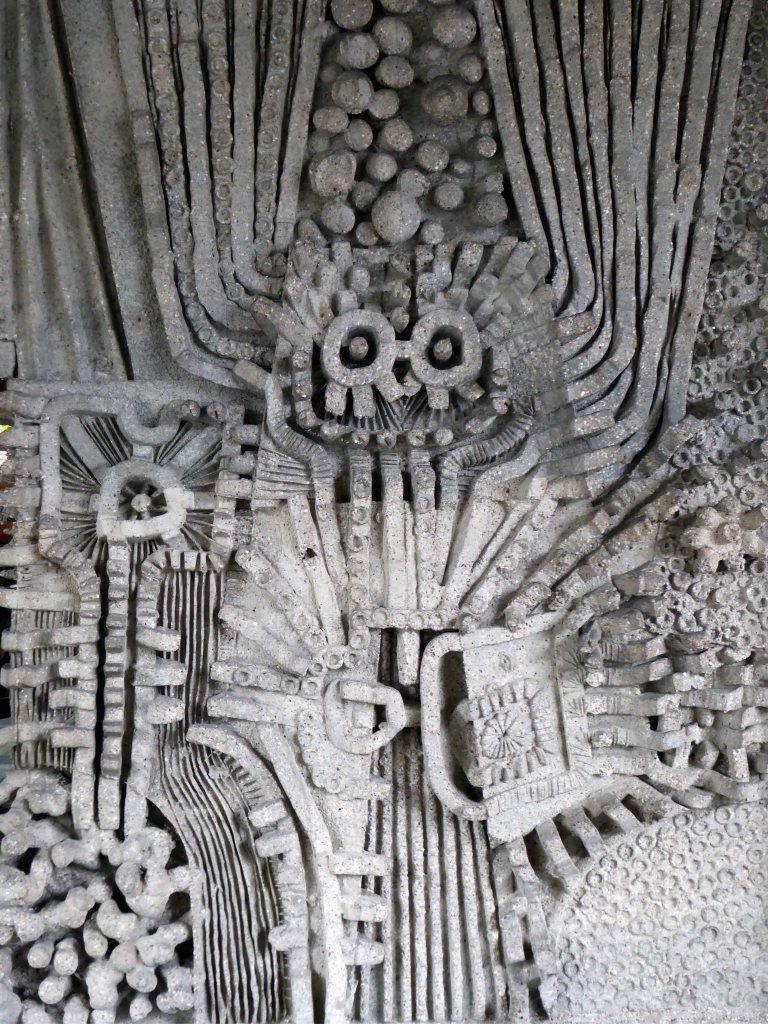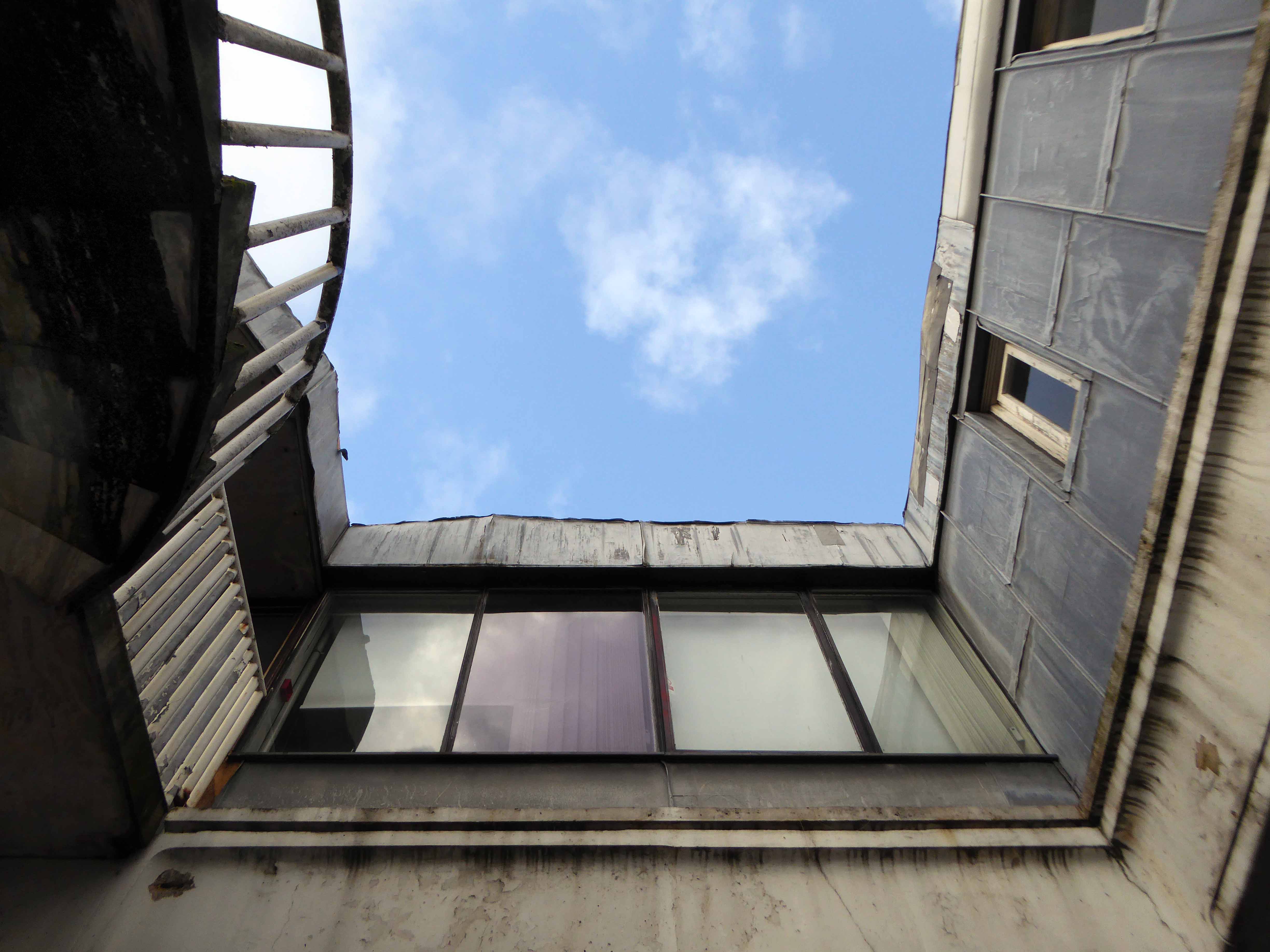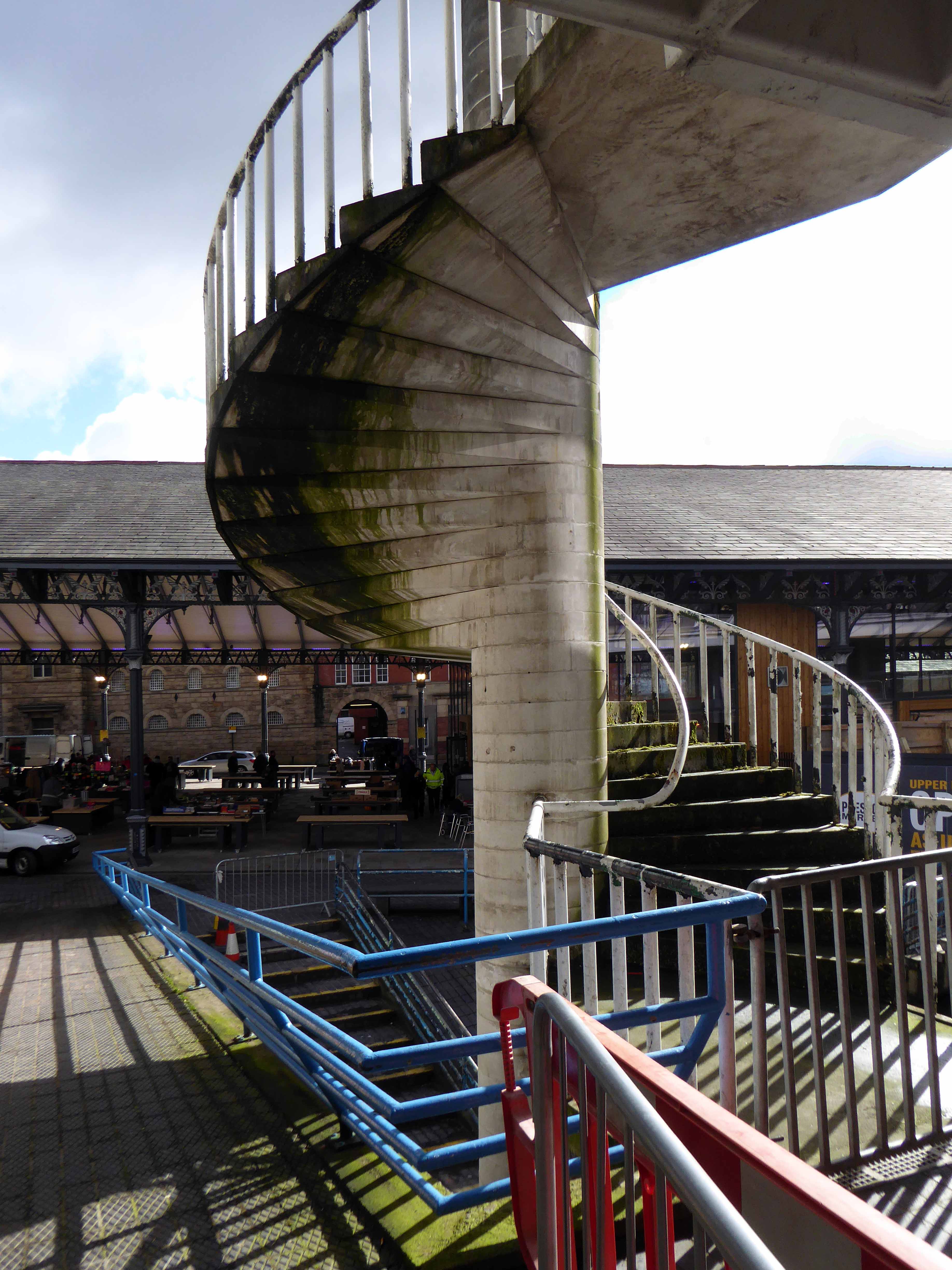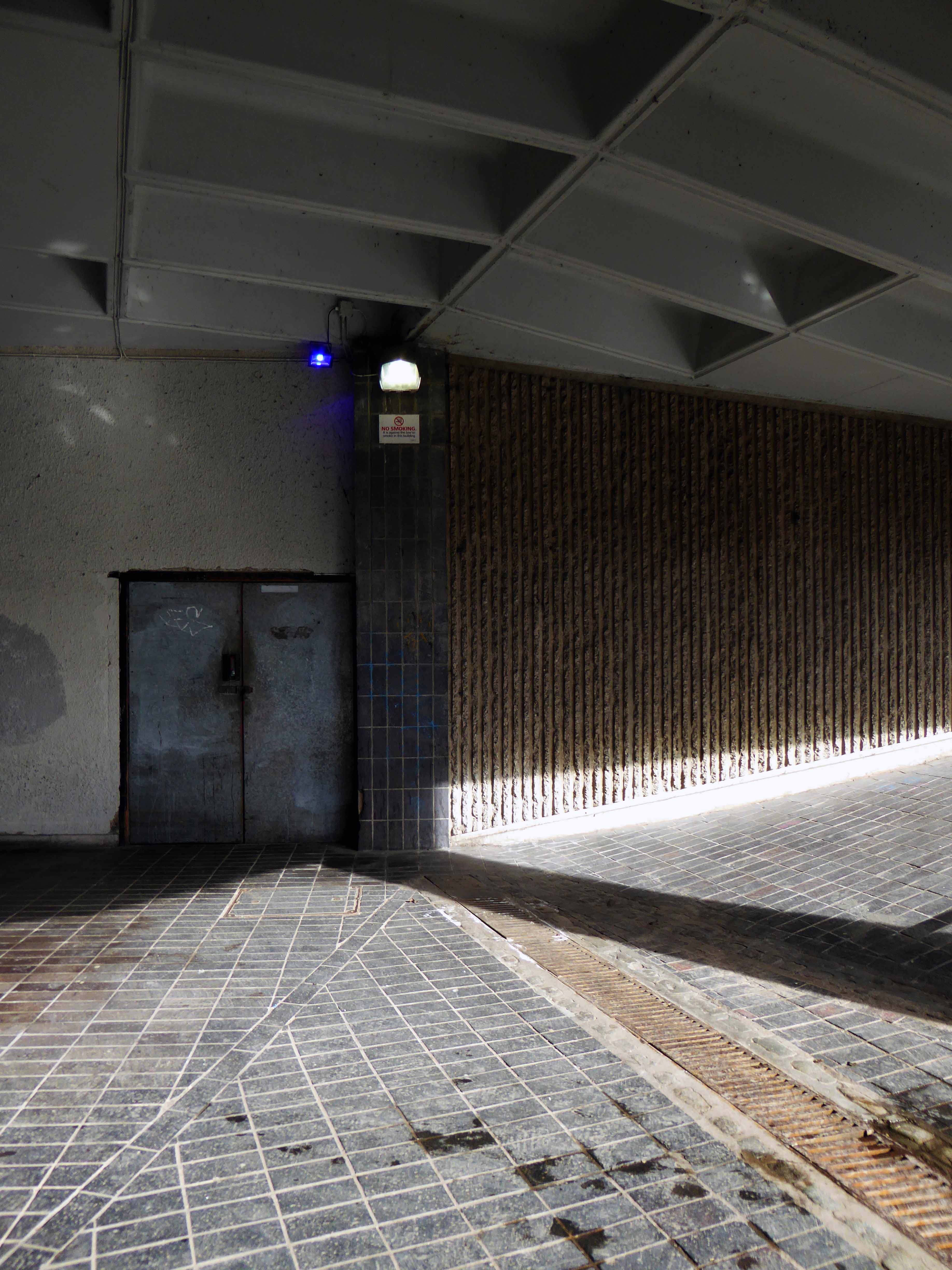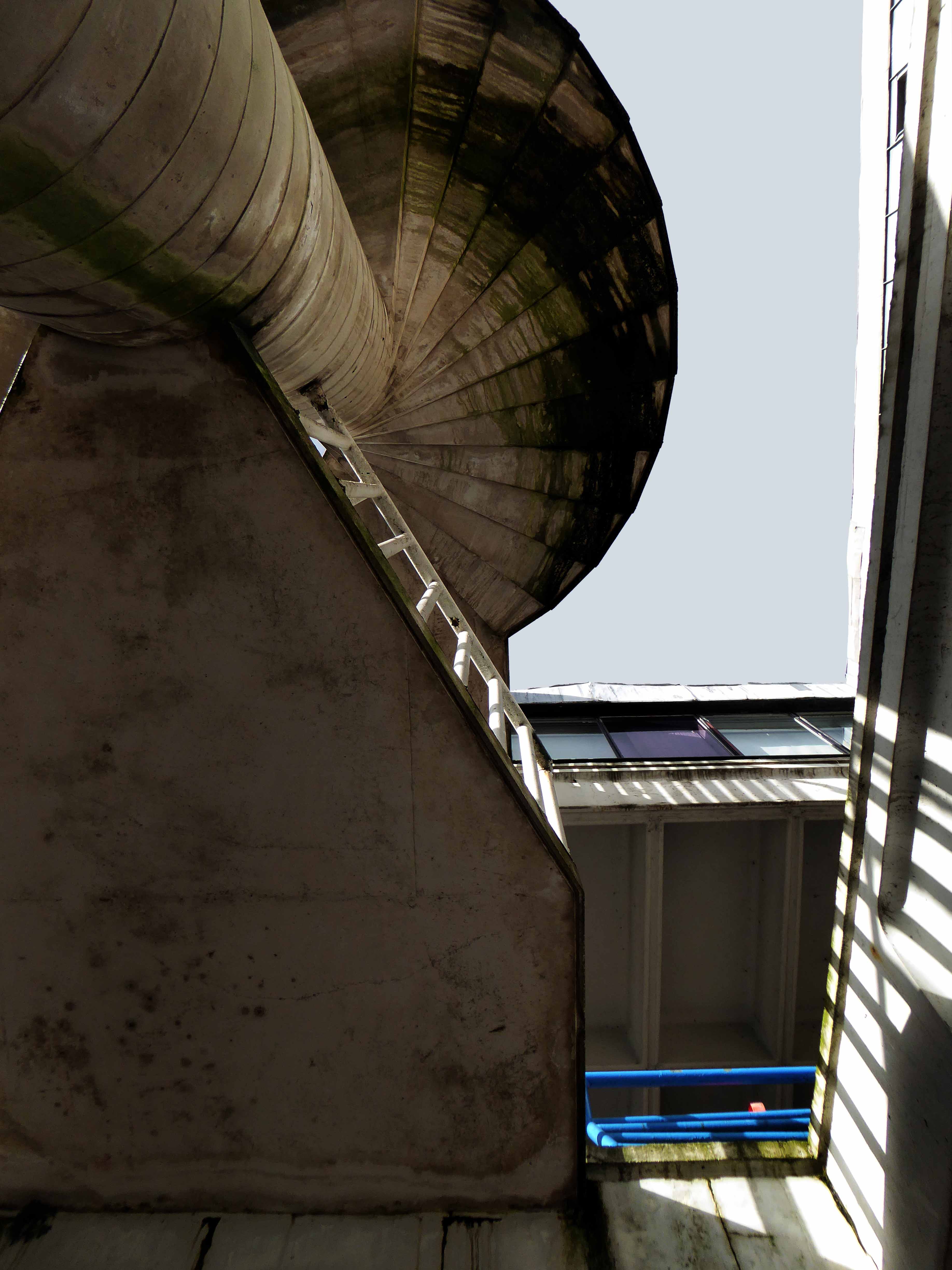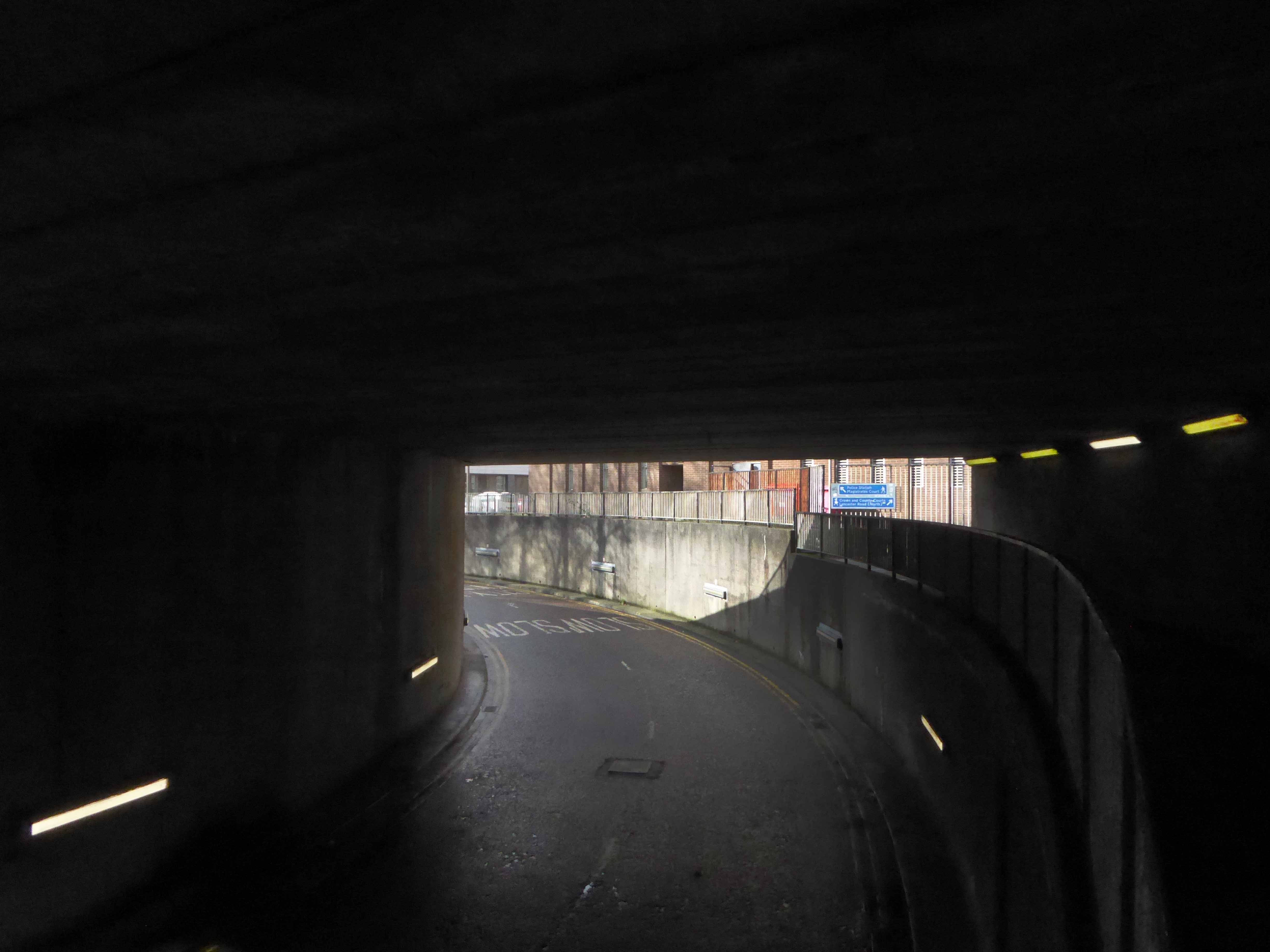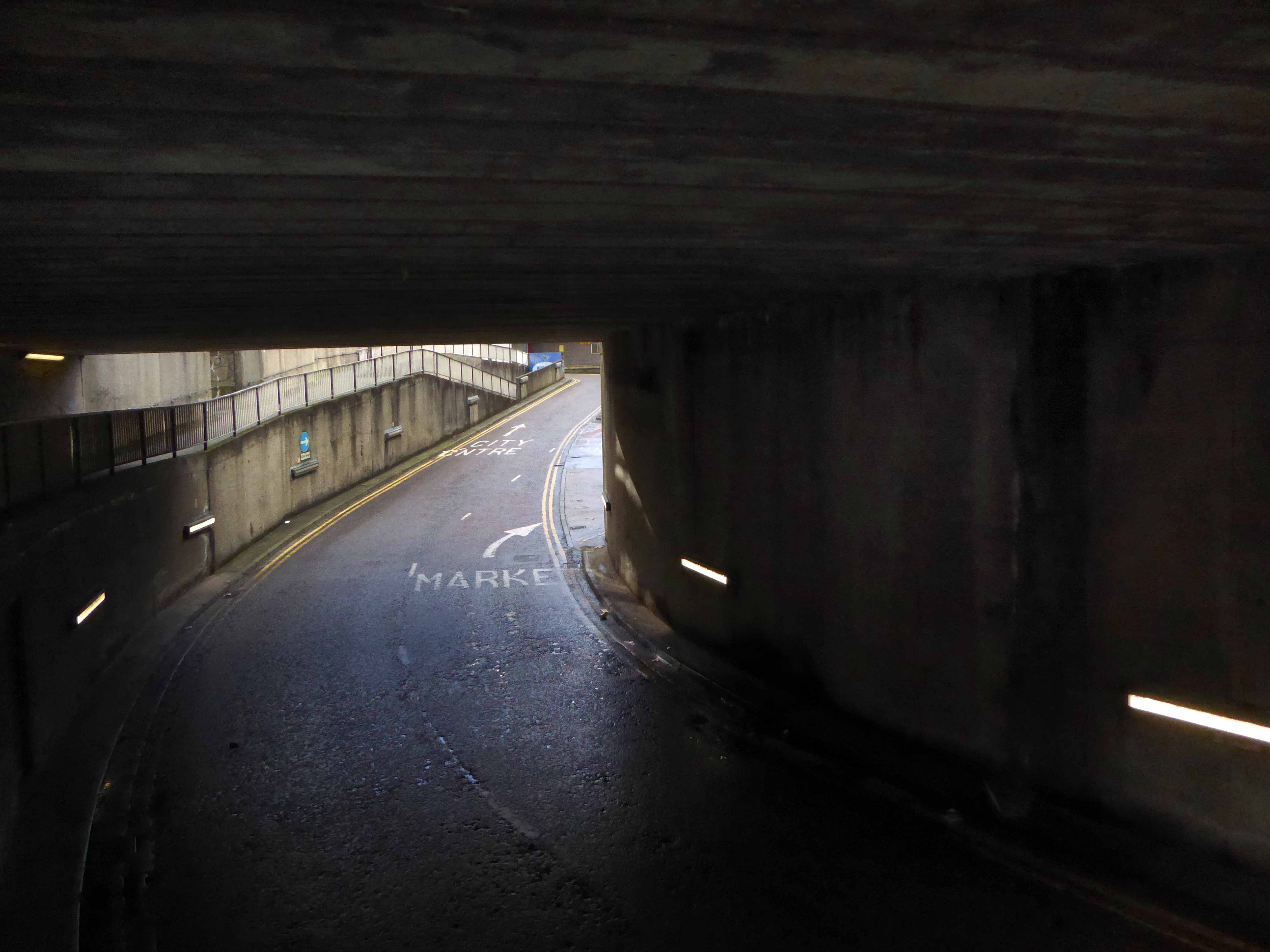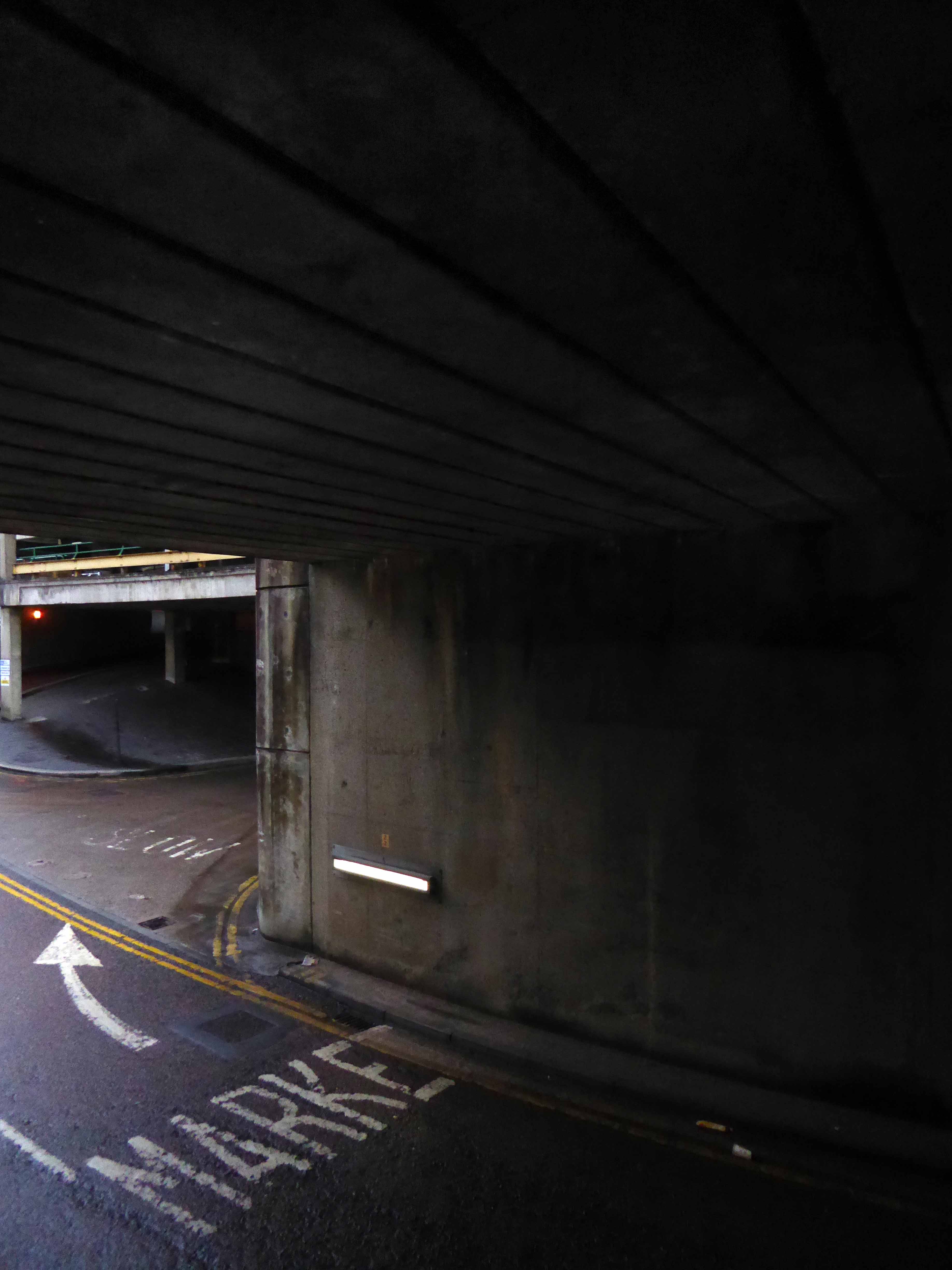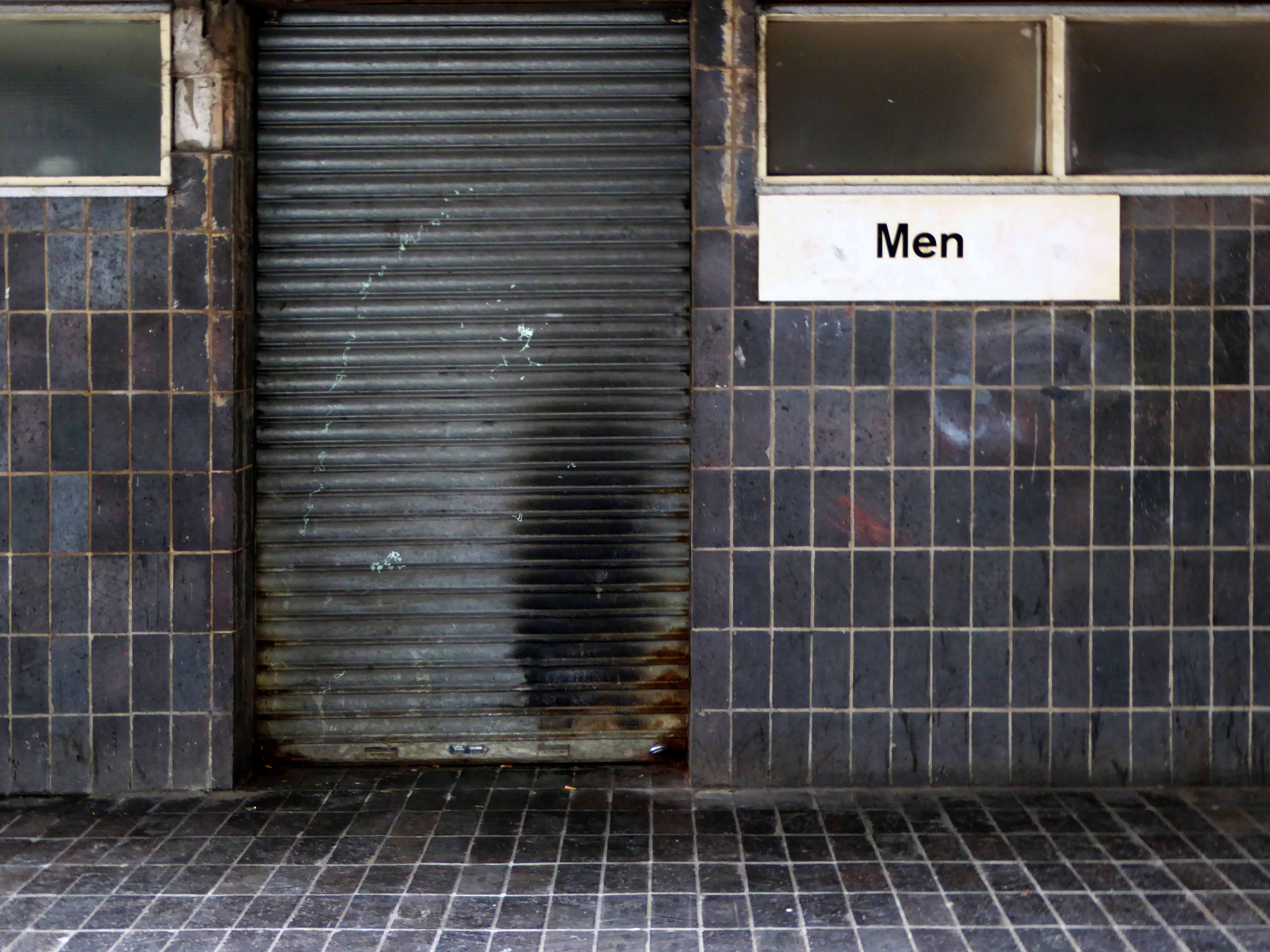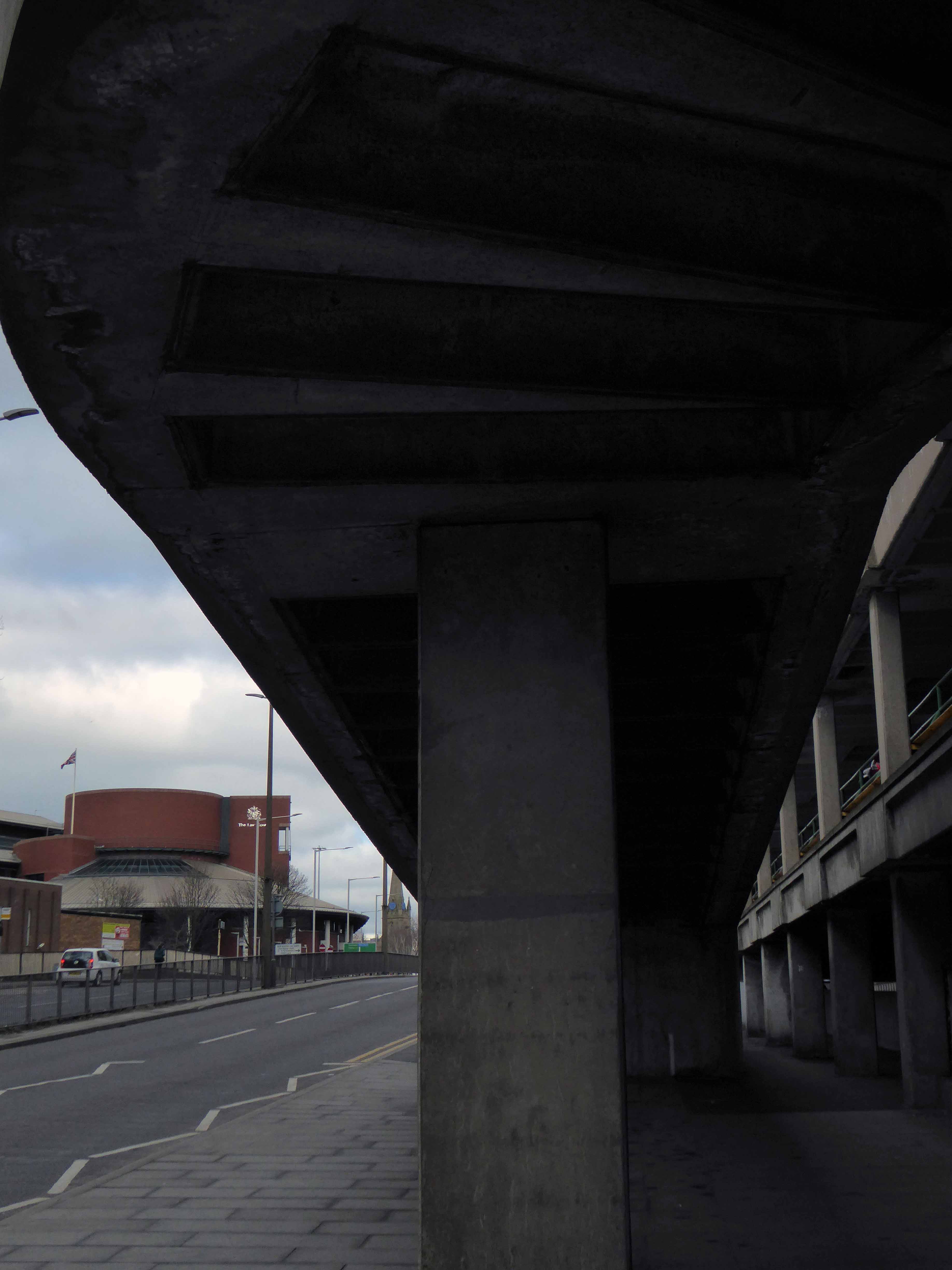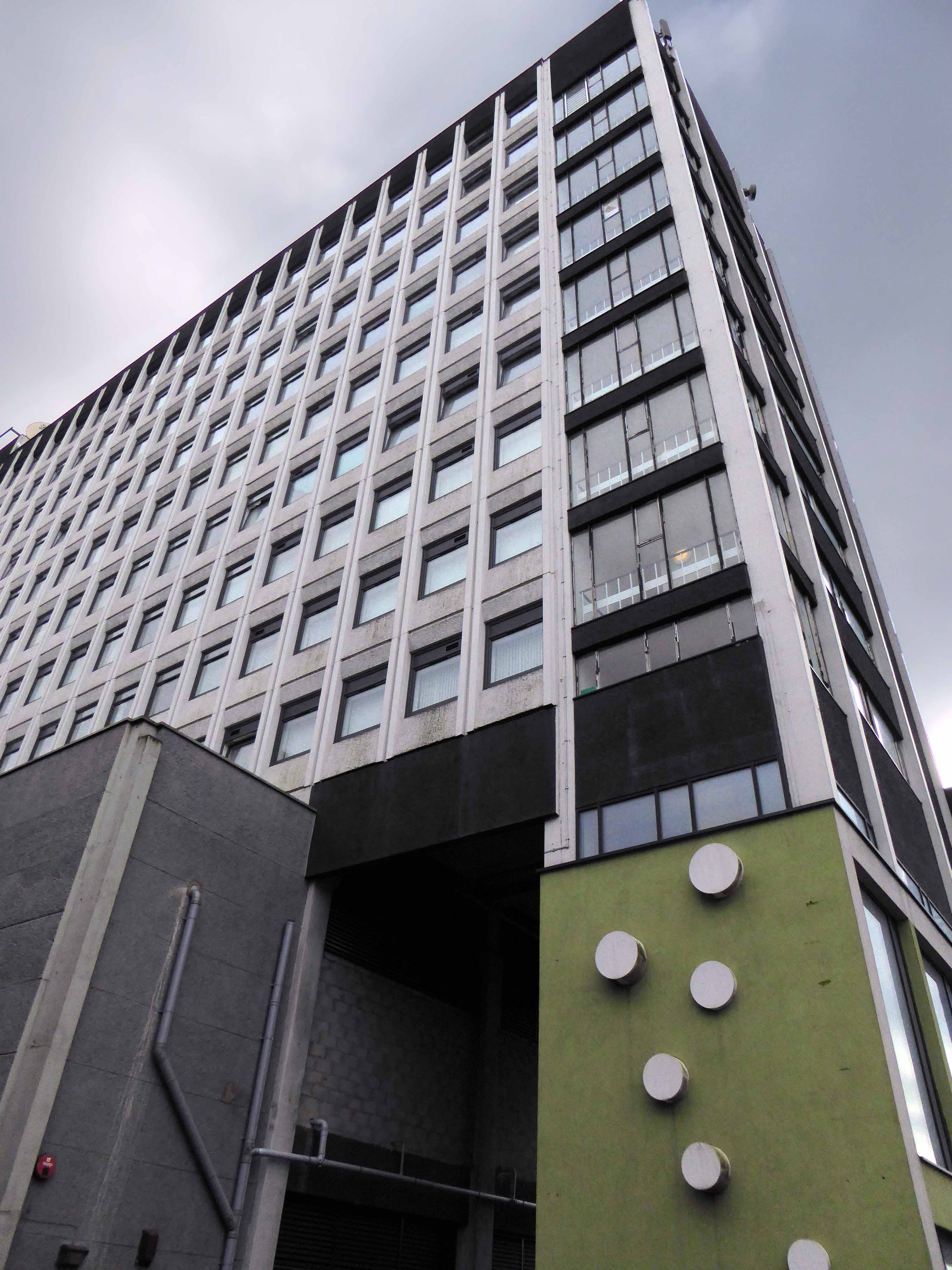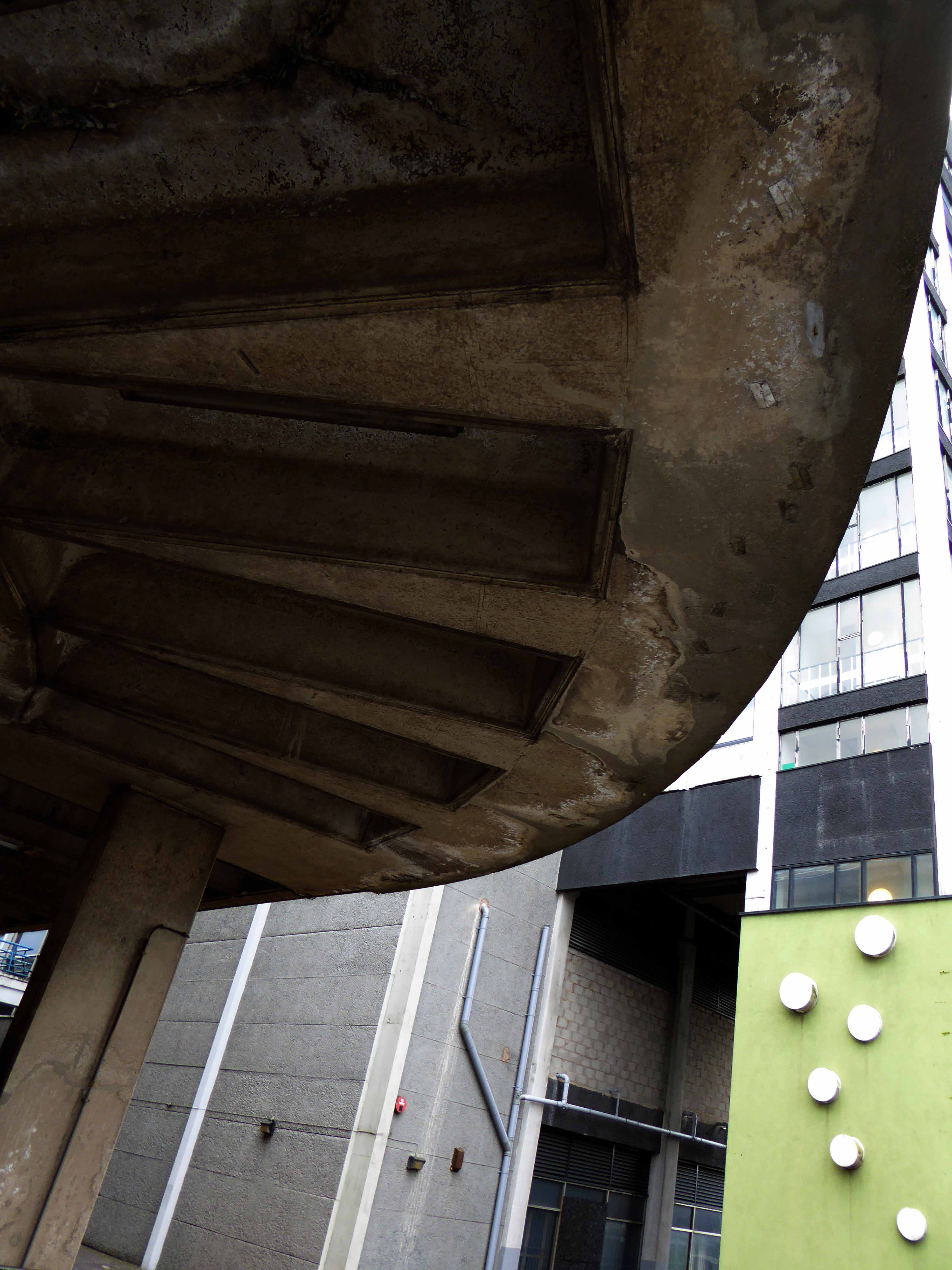
Bury Walk

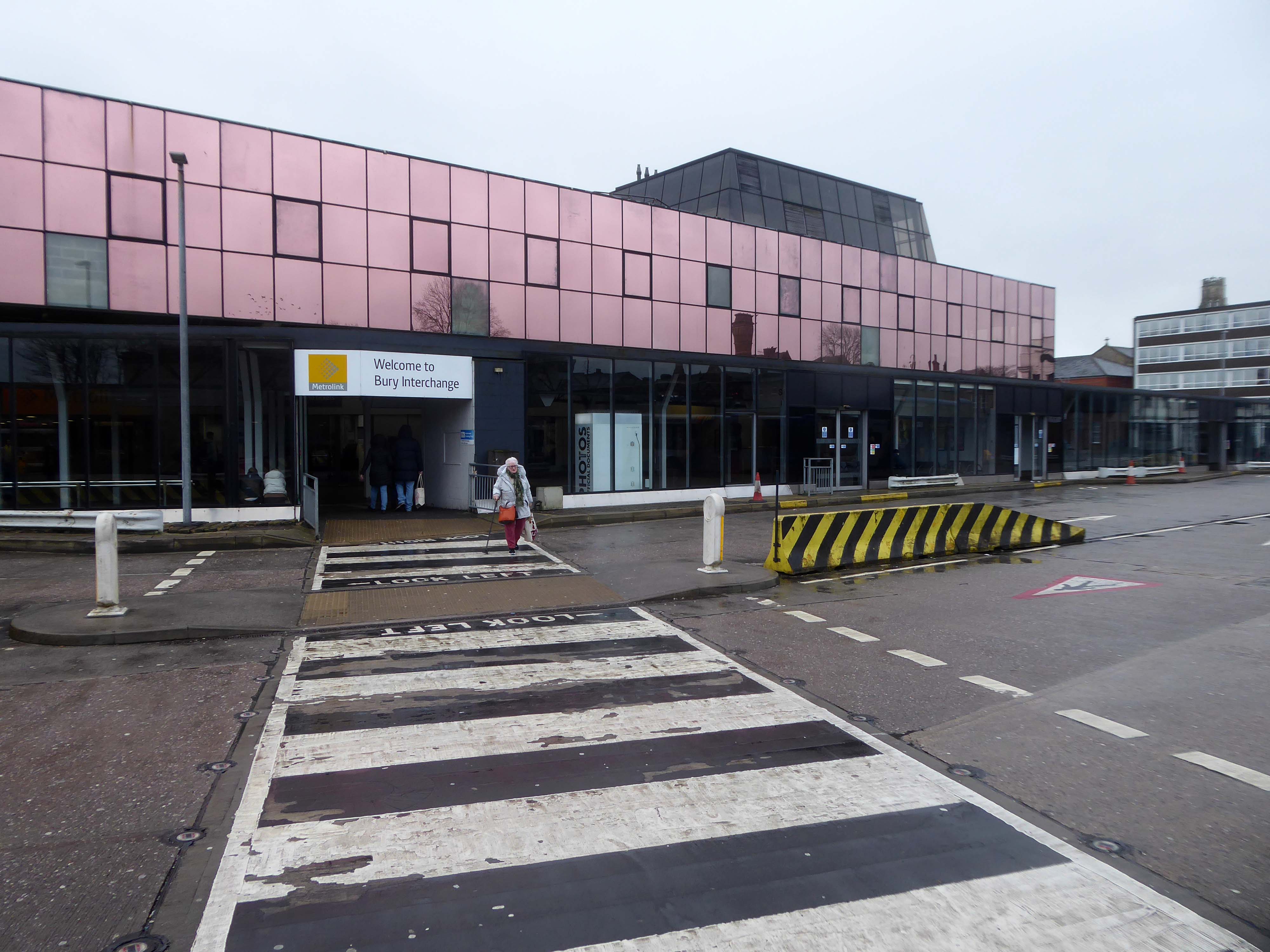
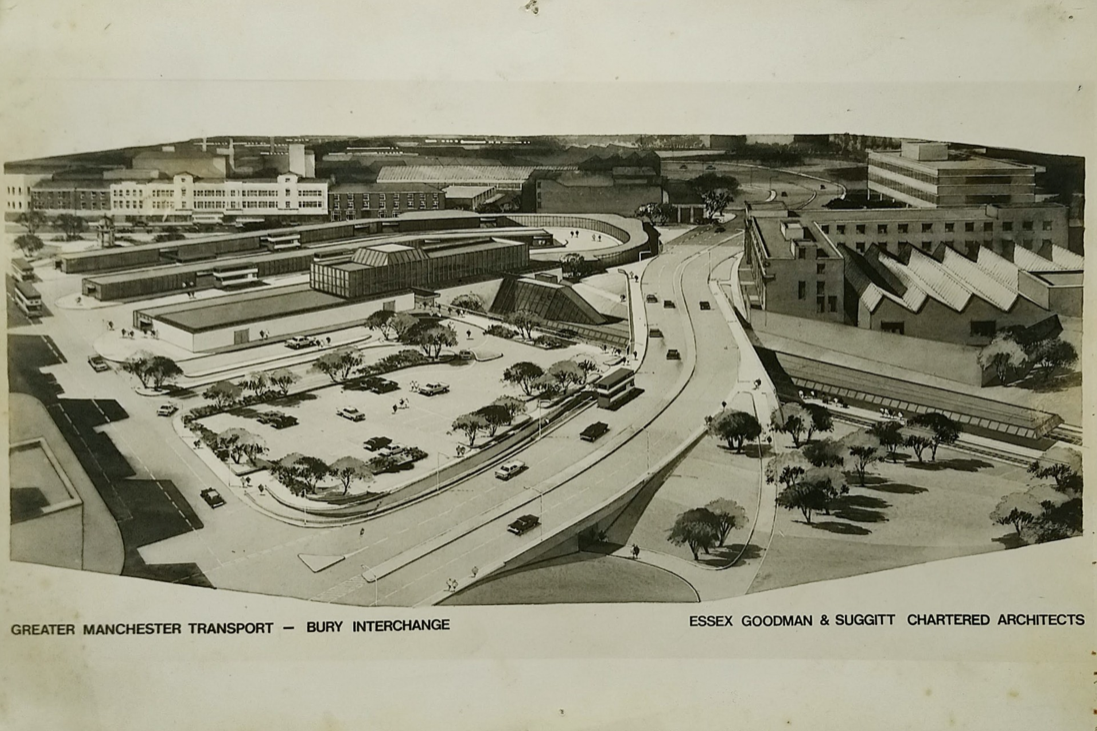
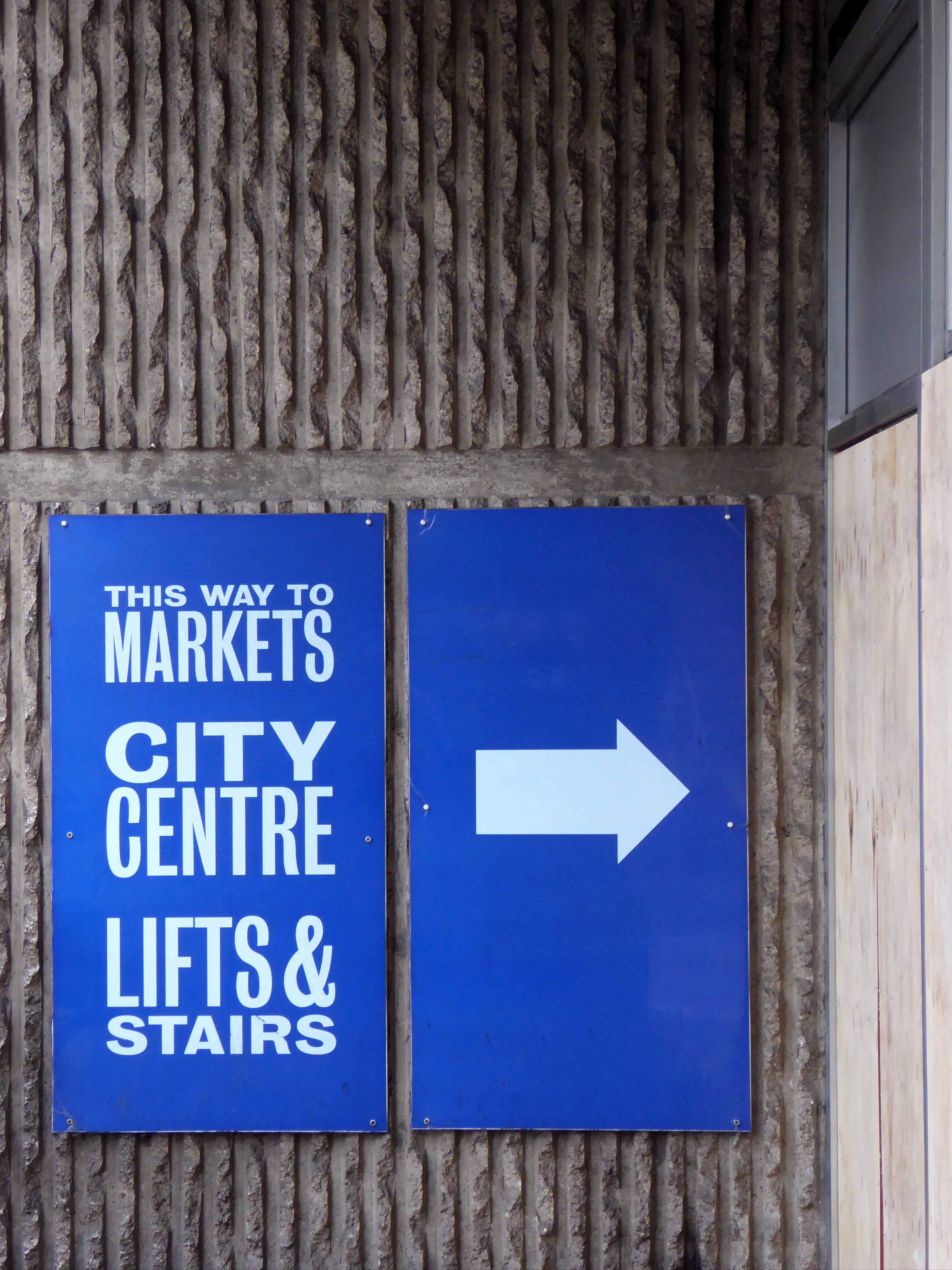
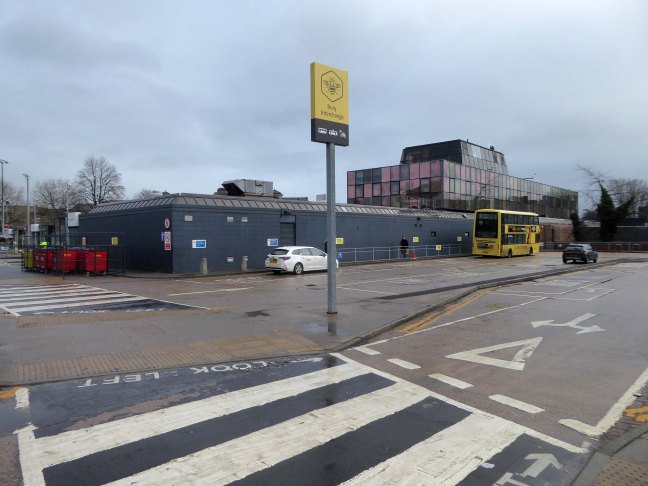
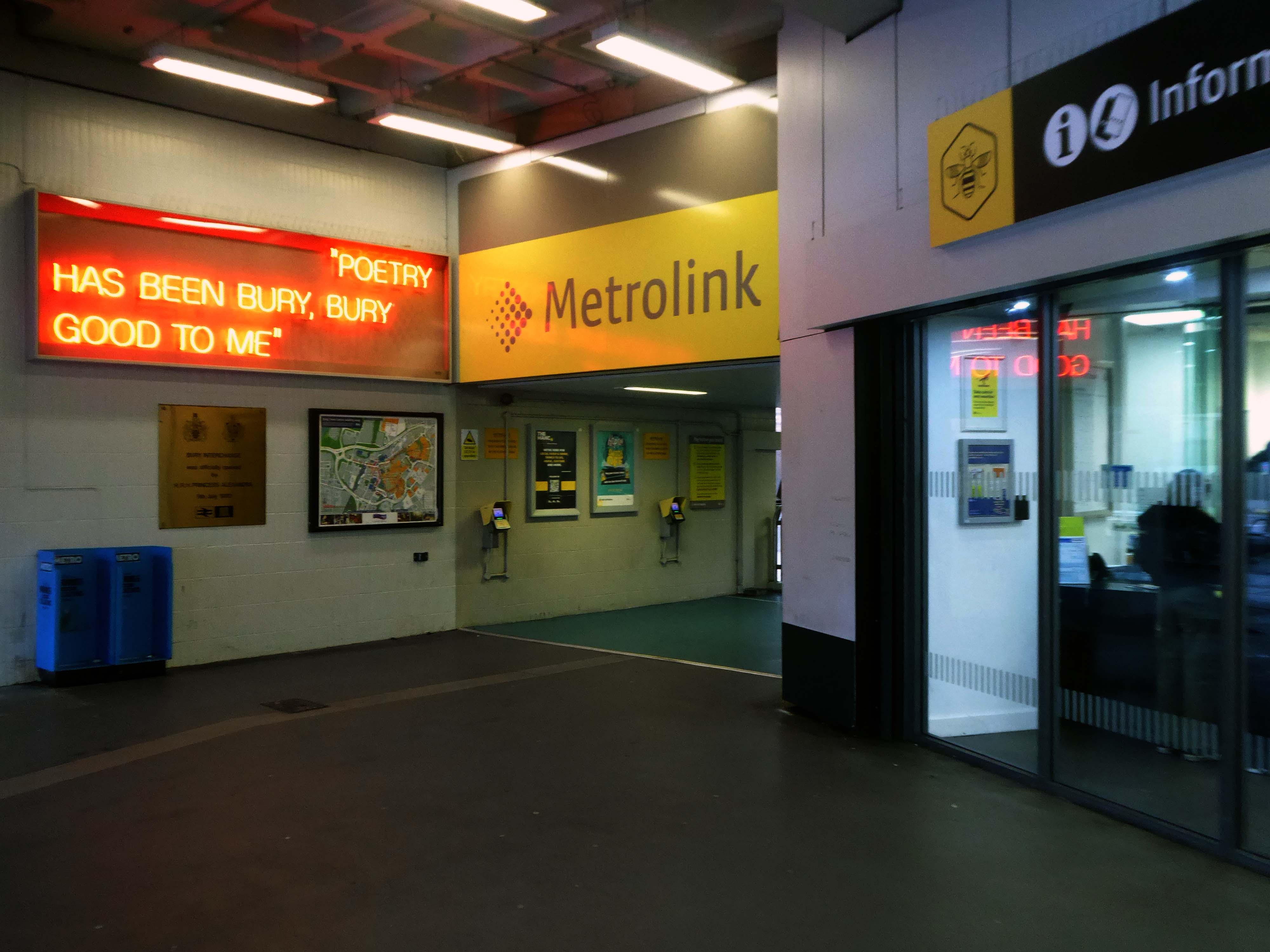
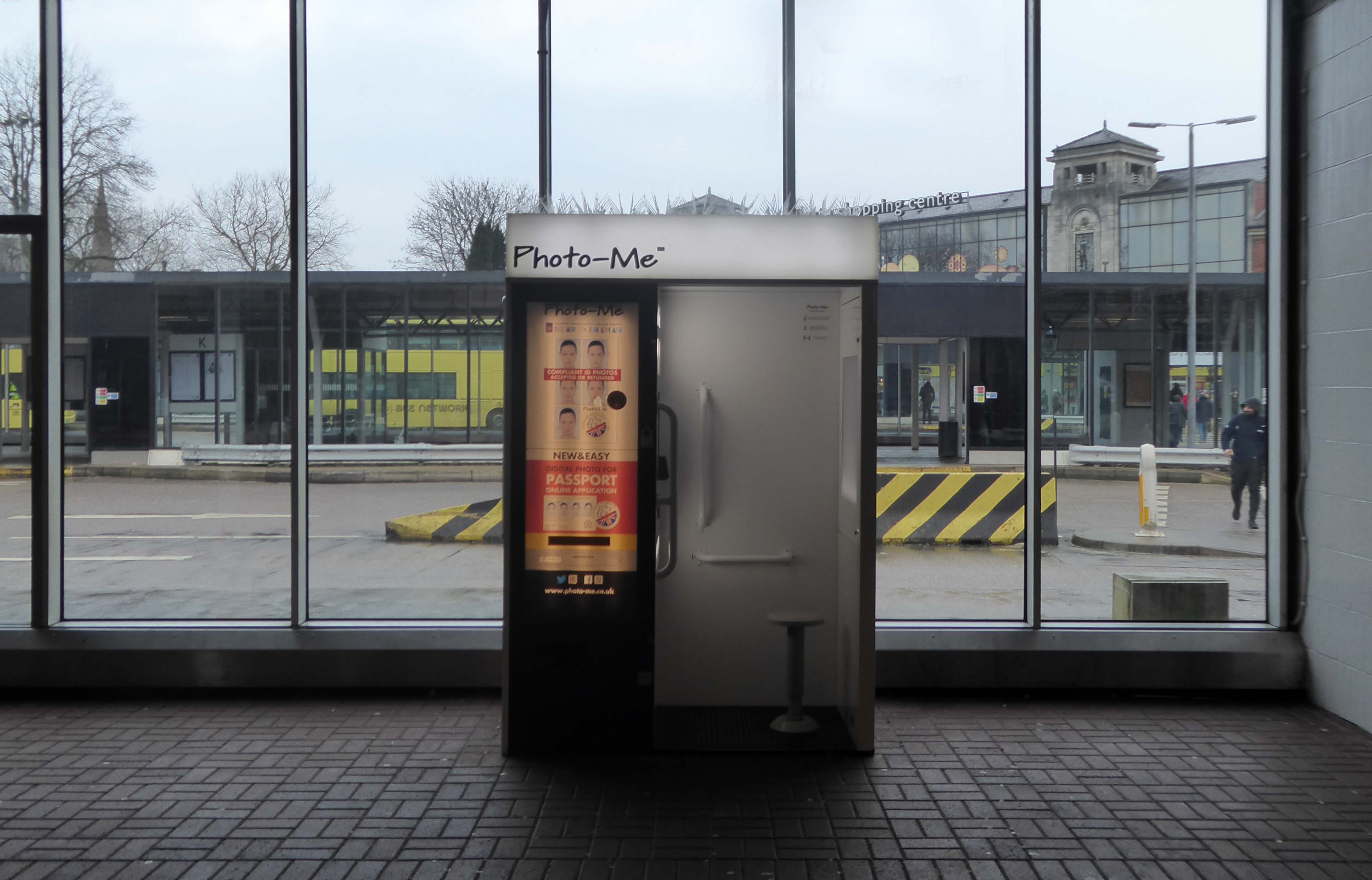
Arriving at and looking around the Interchange – 1980 architects: Essex Goodman & Suggitt

It is the northern terminus of the Manchester Metrolink’s Bury Line, which prior to 1992 was a heavy-rail line.

A new short spur line was constructed to connect the new station. The railway had originally run into Bury Bolton Street which was further away from the town centre, and was closed by British Rail on the same day that Bury Interchange opened.

It also incorporates a bus station.

Bury Interchange replaced the bus termini scattered around Bury town centre, notably around Kay Gardens.
Wikipedia

Image courtesy of Roy Banks

An £80m transformation is coming to the Bury Interchange, which will see step-free access at the Metrolink, a “vertical circulation core” to better connect the Metrolink with the bus facility, and an integrated travel hub with spaces for cycle storage.

The work is much-needed, explained Transport for Greater Manchester’s Alan Lowe, he said that the interchange was built in the 1980s and very much is of its time.

Onward to the Art Picture House which is Grade II Listed – currently operating as a Wetherspoons.
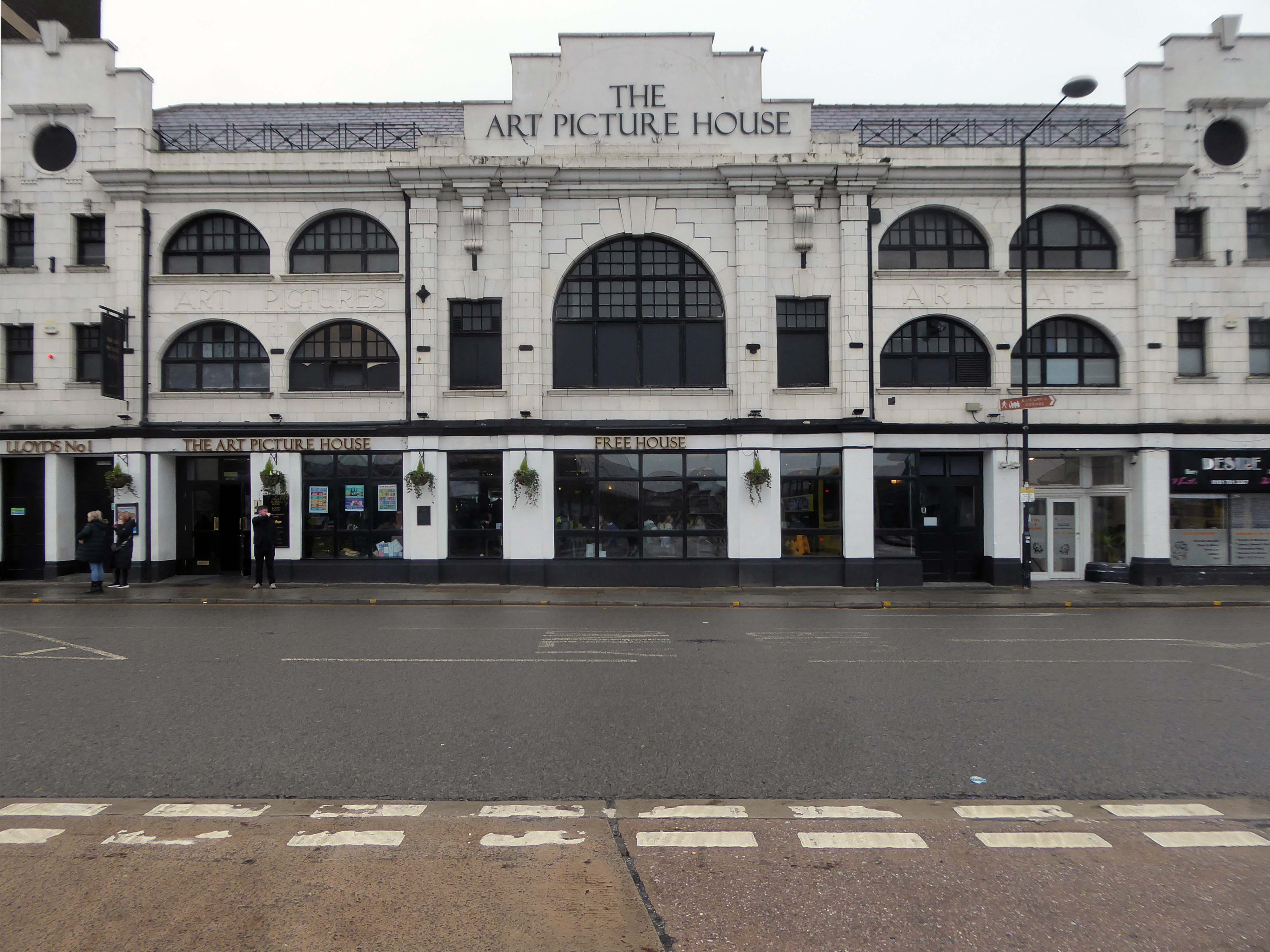
The Art Picture Palace was a 1923 rebuild of the earlier Art Picture Hall both designed by architect Albert Winstanley. The Art Picture Palace was opened on 26th January 1923. A remarkably complete survivor of a 1920’s cine-variety house executed in an elaborate style.

Films ceased in February 1965 and it became a bingo club. Later converted into a billiard hall until 19th May 1991 when it became a bingo club again, it later became a Chicago Rock Cafe.

Cinema Treasures

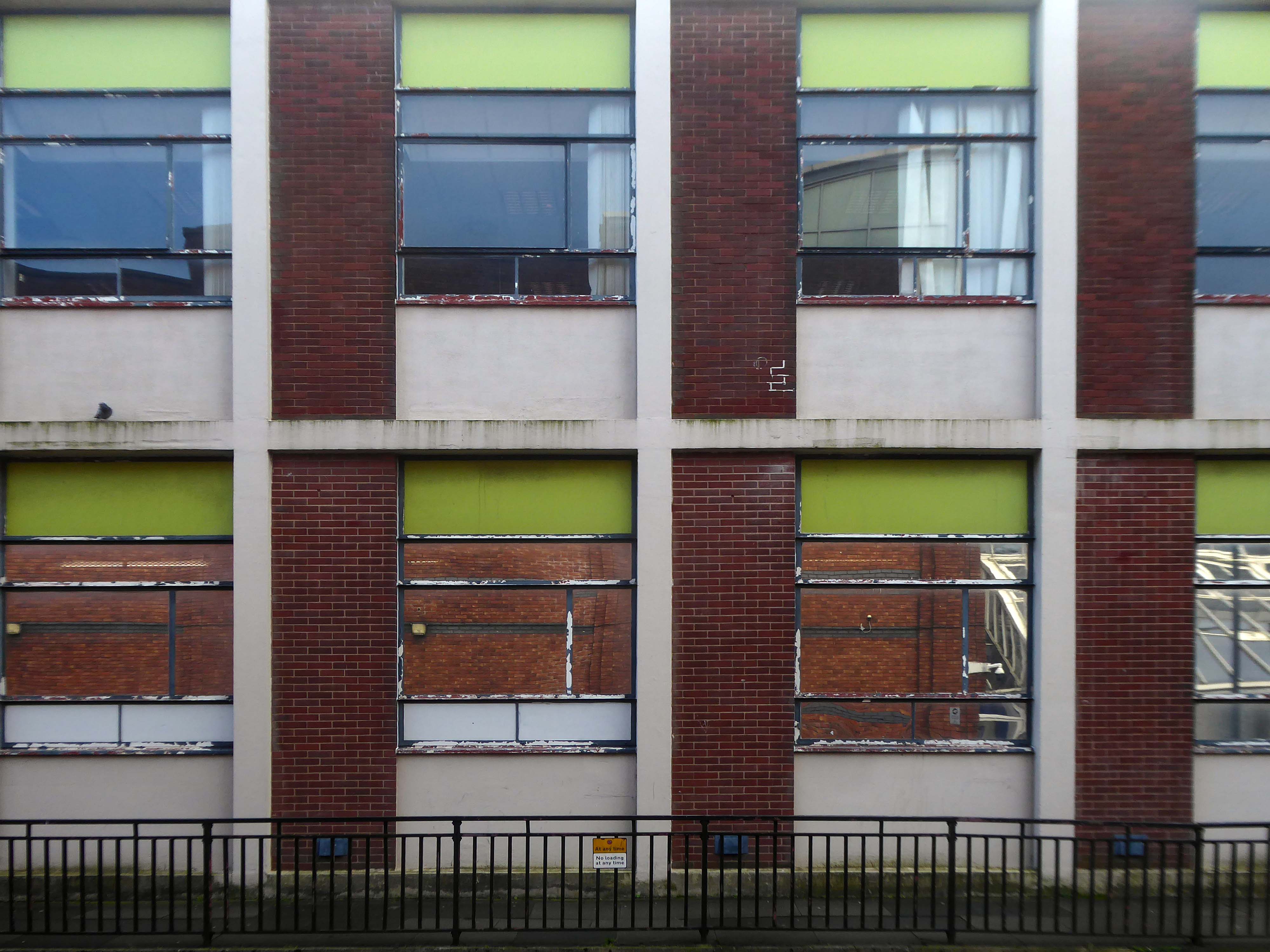
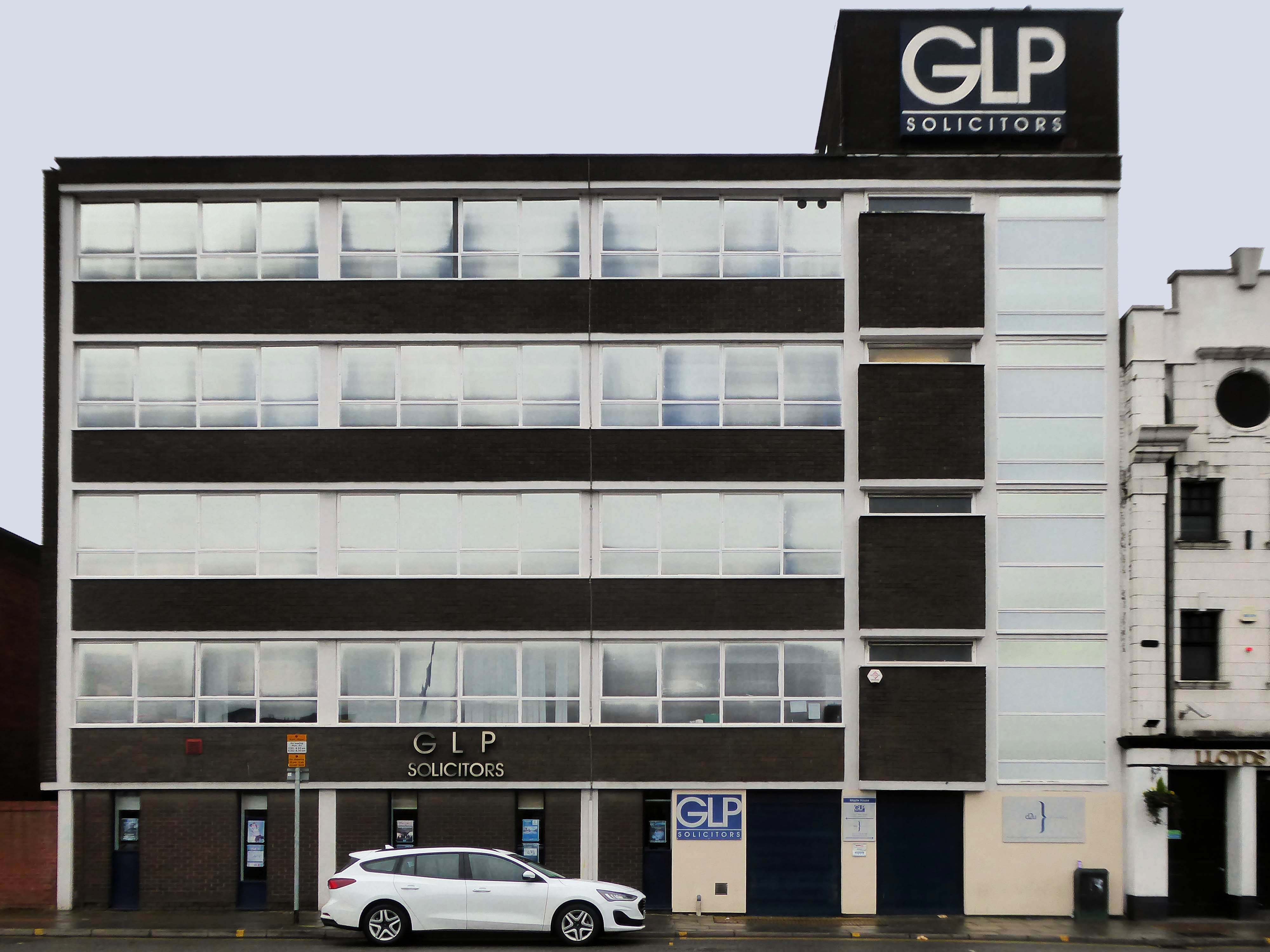
Next door a typical steel glass and brick banded office block Maple House.
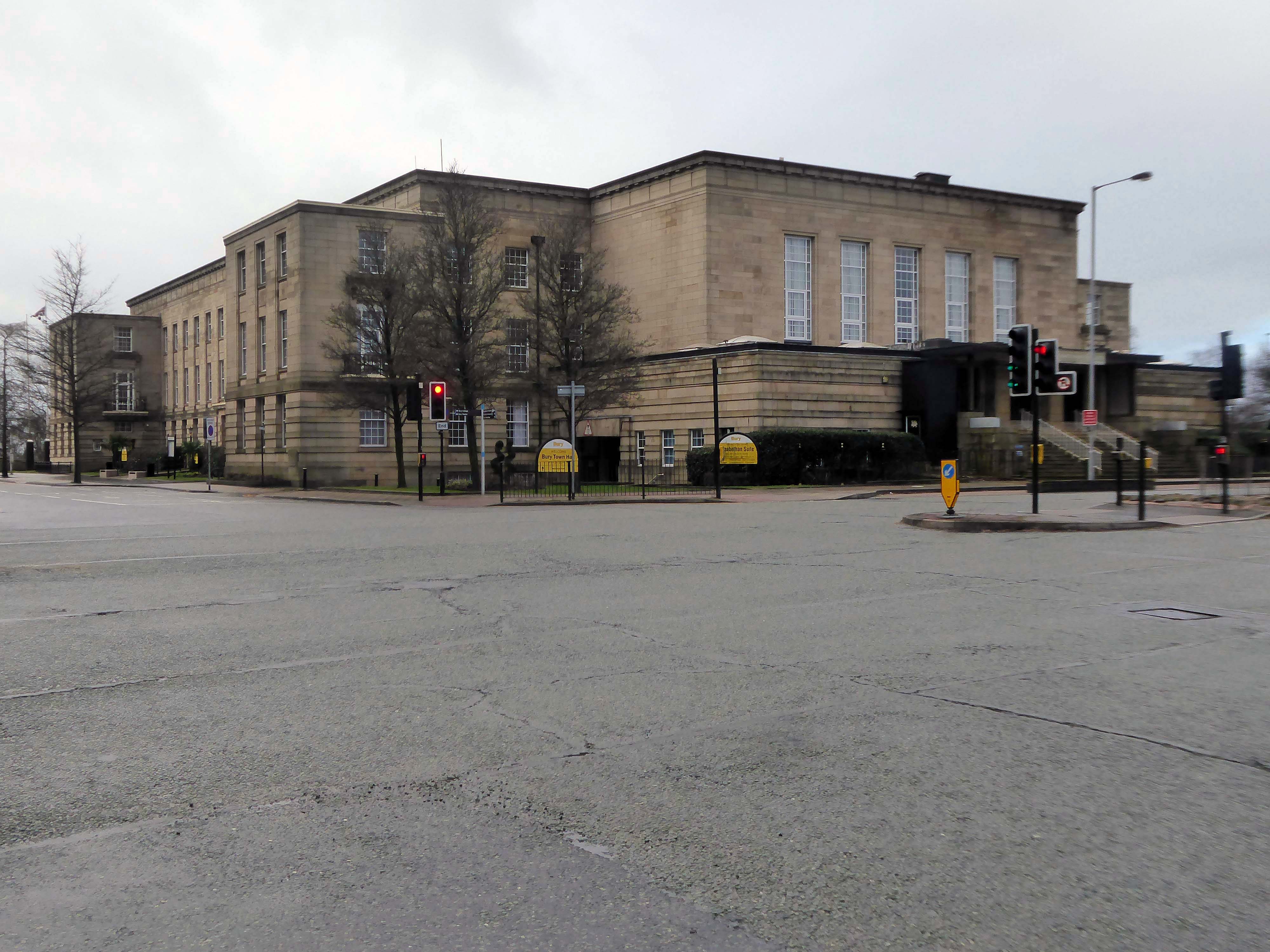
Around the corner and over the road to the Town Hall 1939-40 architects: Reginald Edmonds of Jackson & Edmonds then 1947-54.

Large and Dull – Niklaus Pevsner.
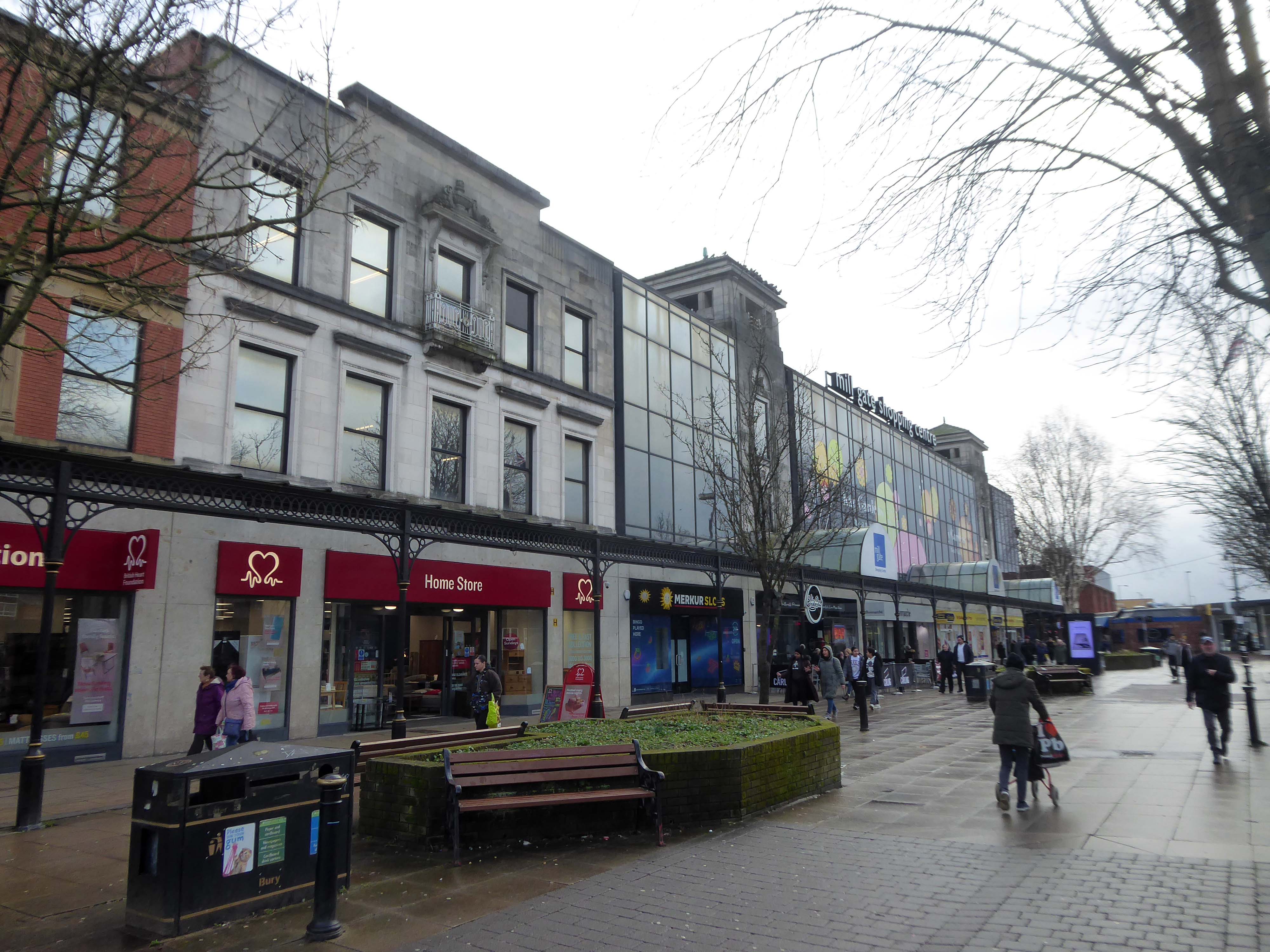
Back through the Interchange to the former Cooperative Store of the 1930’s.

The Portland Stone towers still visible – the elevation largely retro-clad in glass.
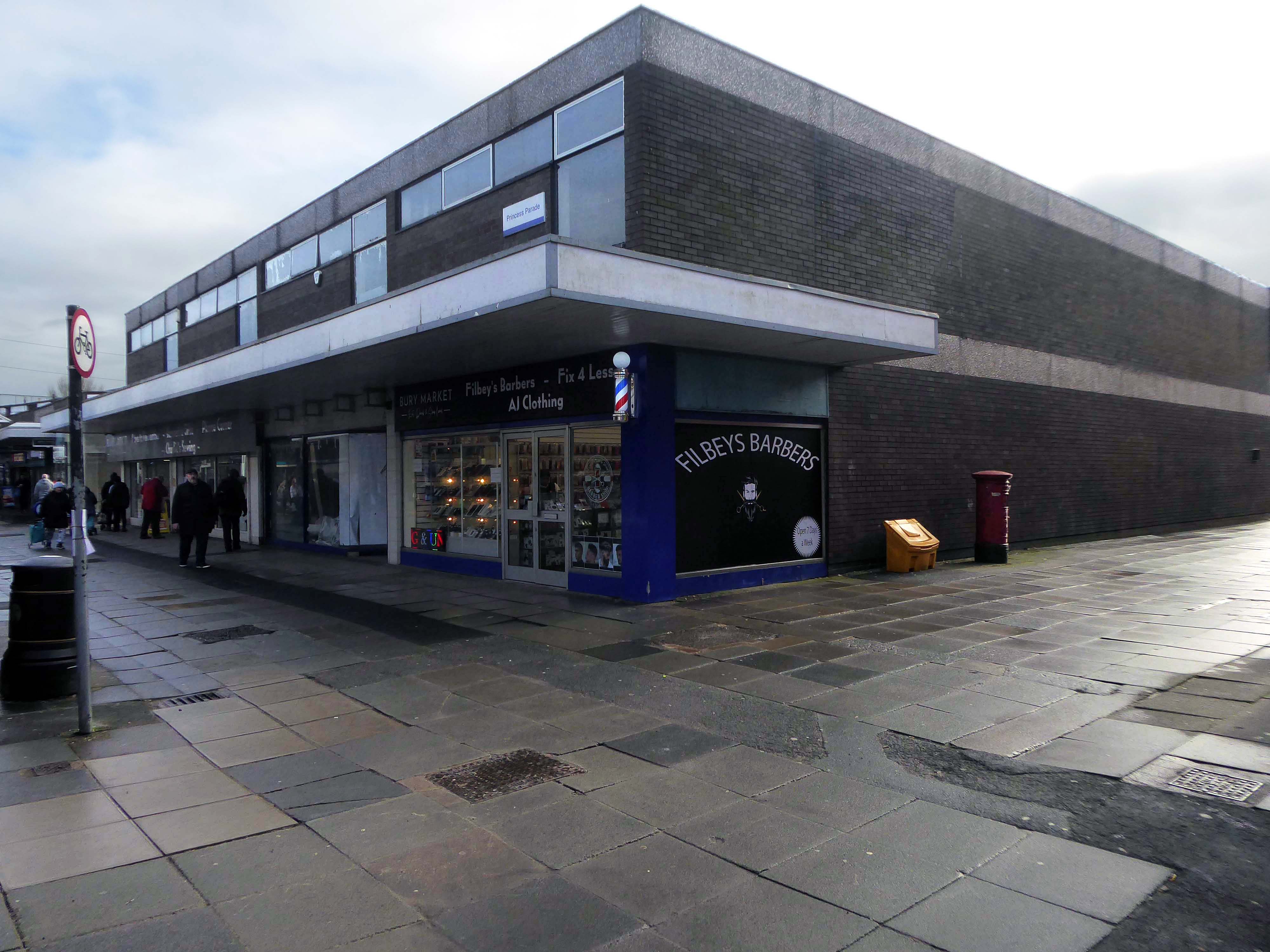
Passing through the Millgate Shopping Centre of the 1980’s.

Unambitious but successful, the floors cheerfully tiled – Niklaus Pevsner.
Down in the subway at midday.
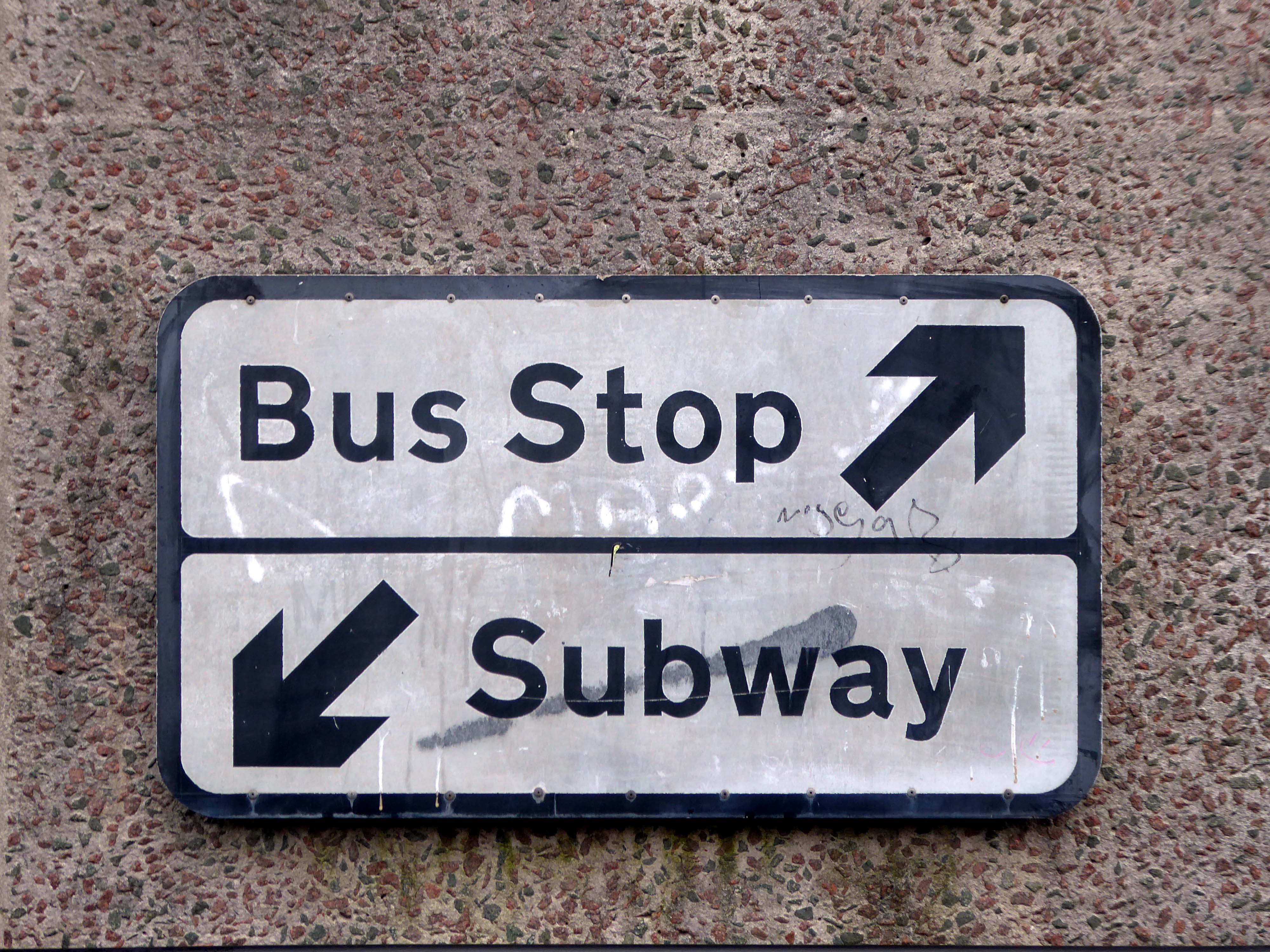
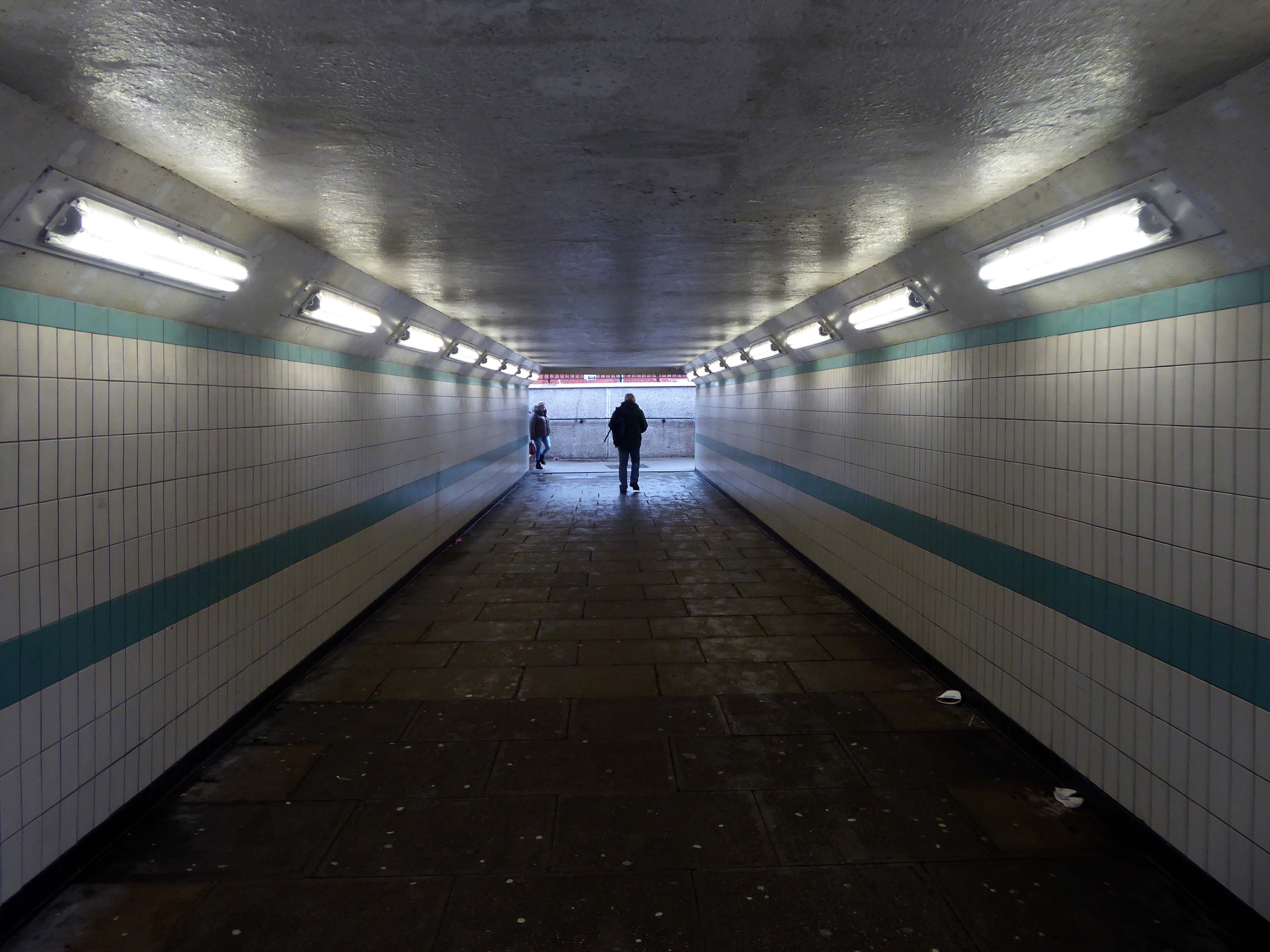
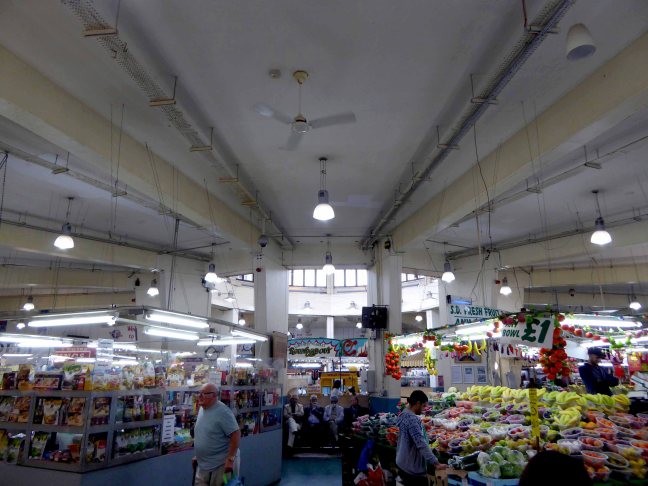
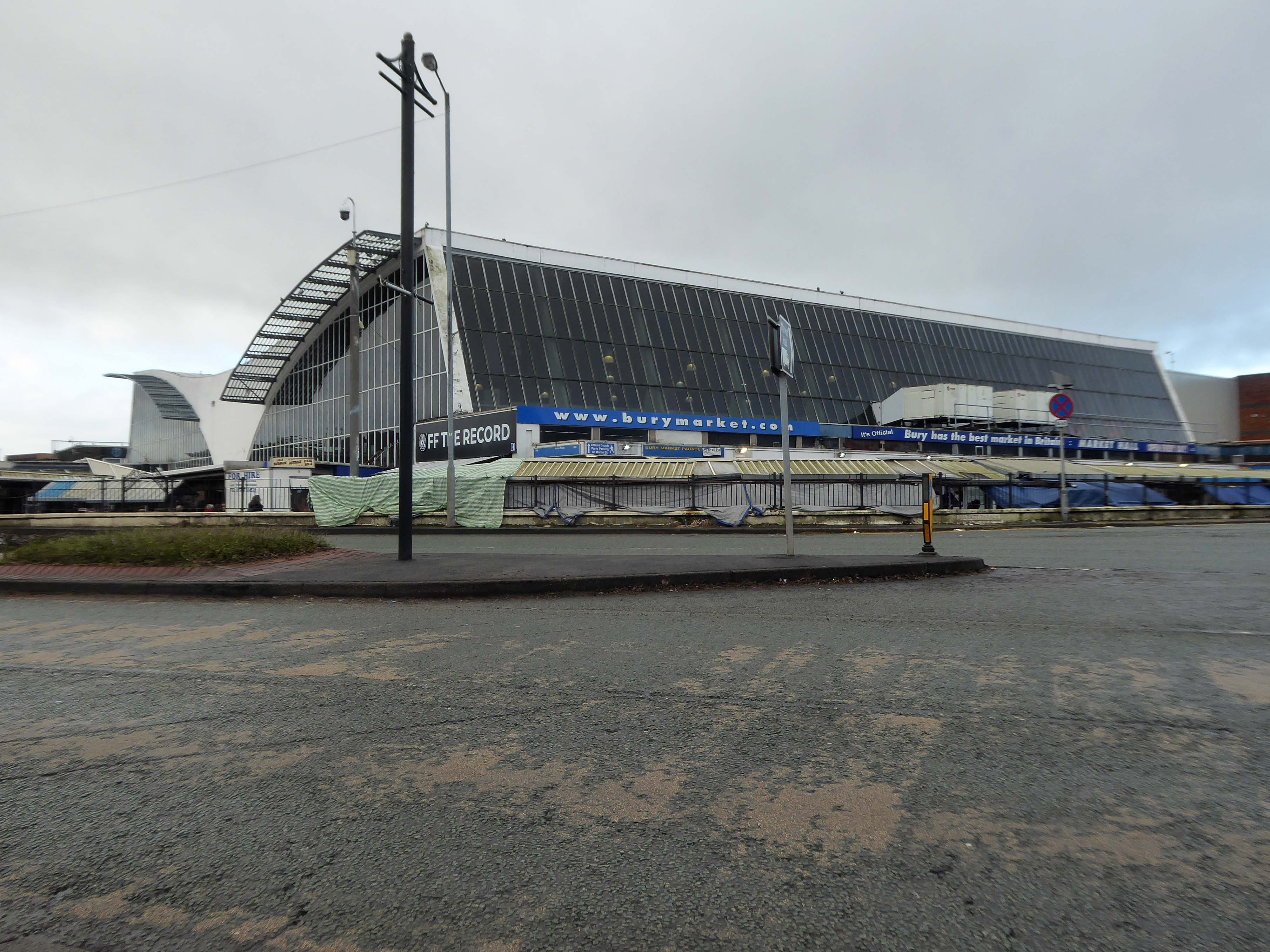
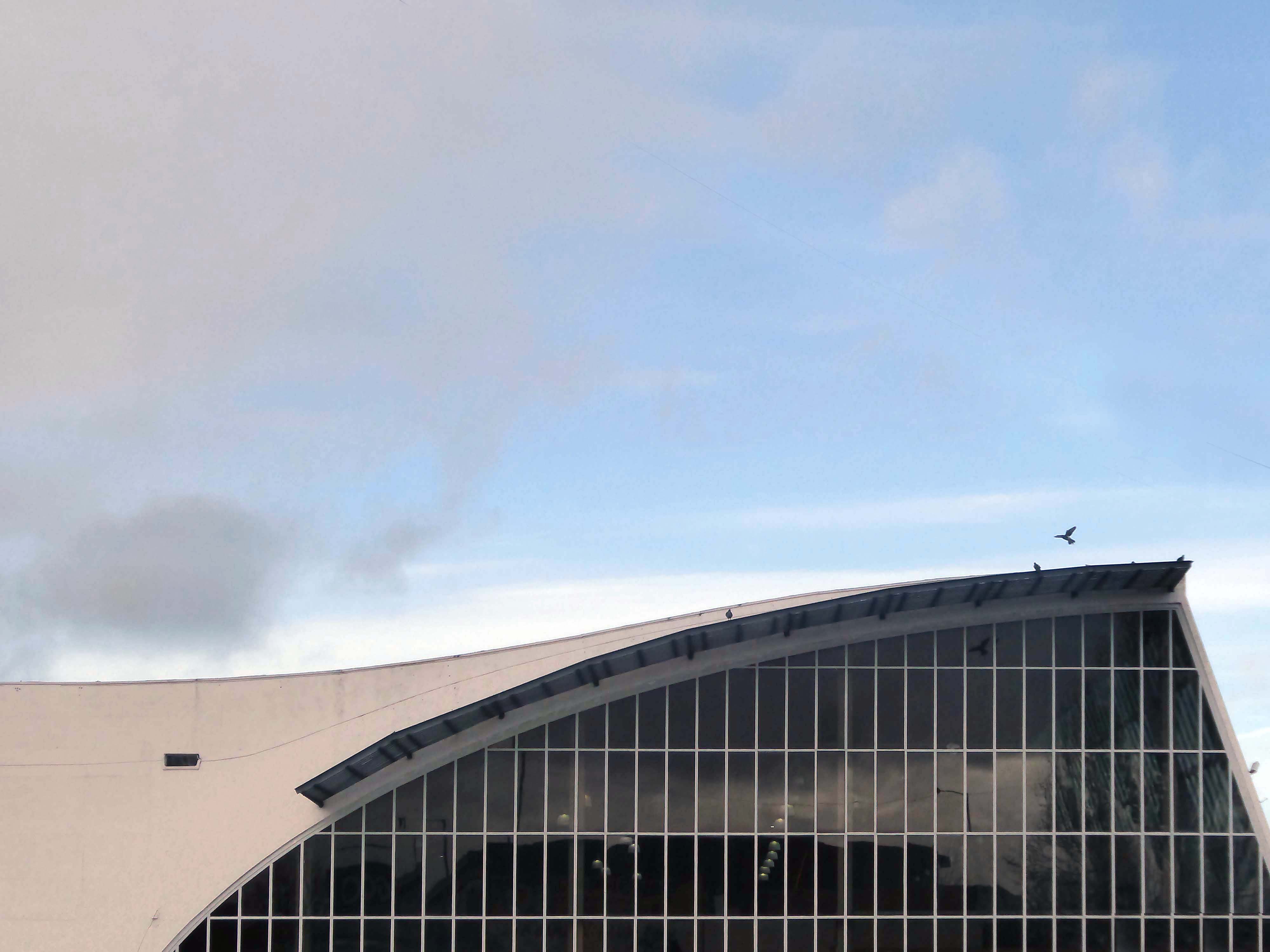
The better to get a view of the Market Hall 1971 – architects: Harry S Fairhurst.

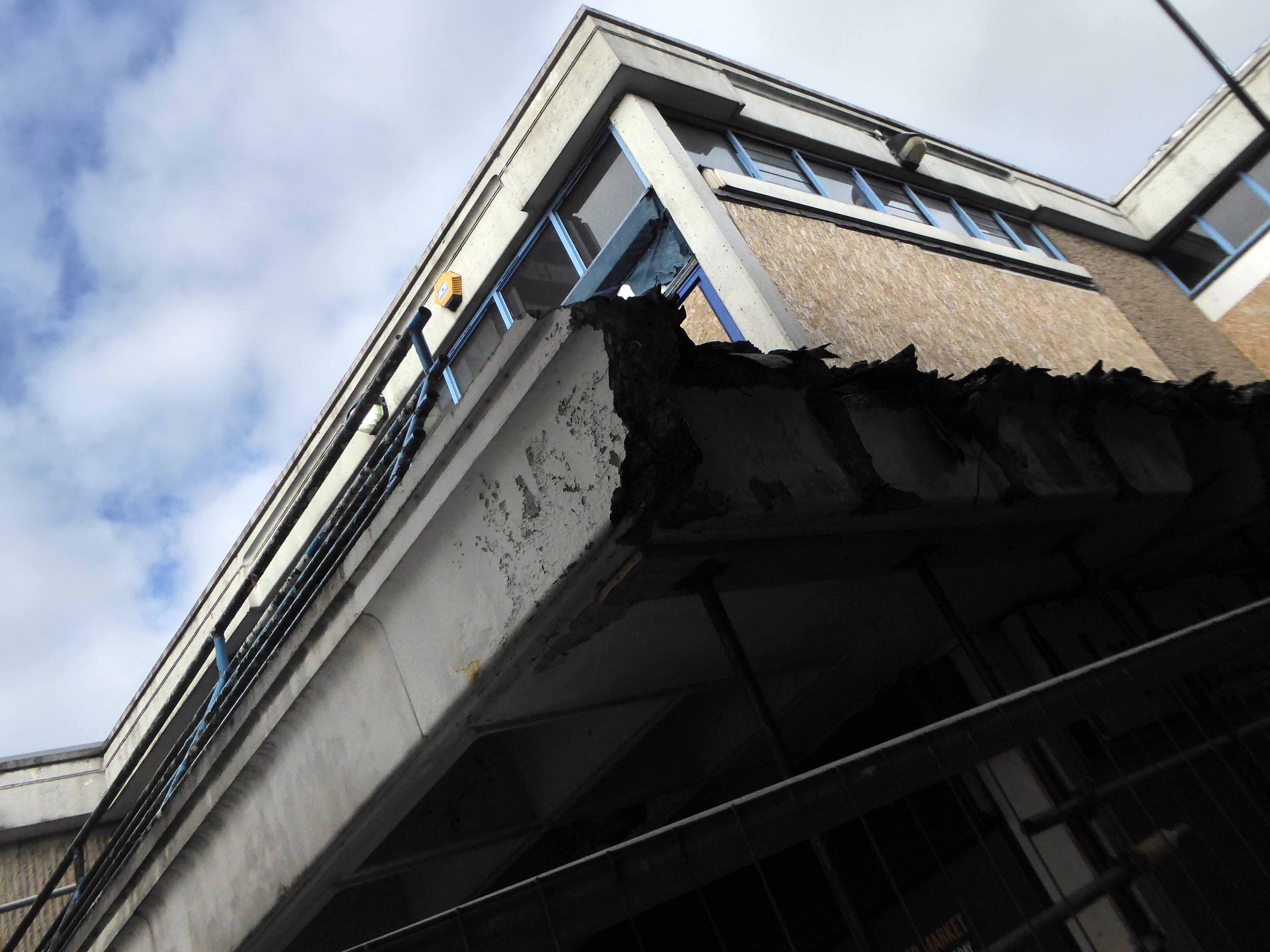
The Indoor Market Hall is currently closed due to the discovery of Reinforced Autoclaved Aerated Concrete – within the building structure. RAAC is a lightweight type of building material that was used between the 1950s and 1990s.
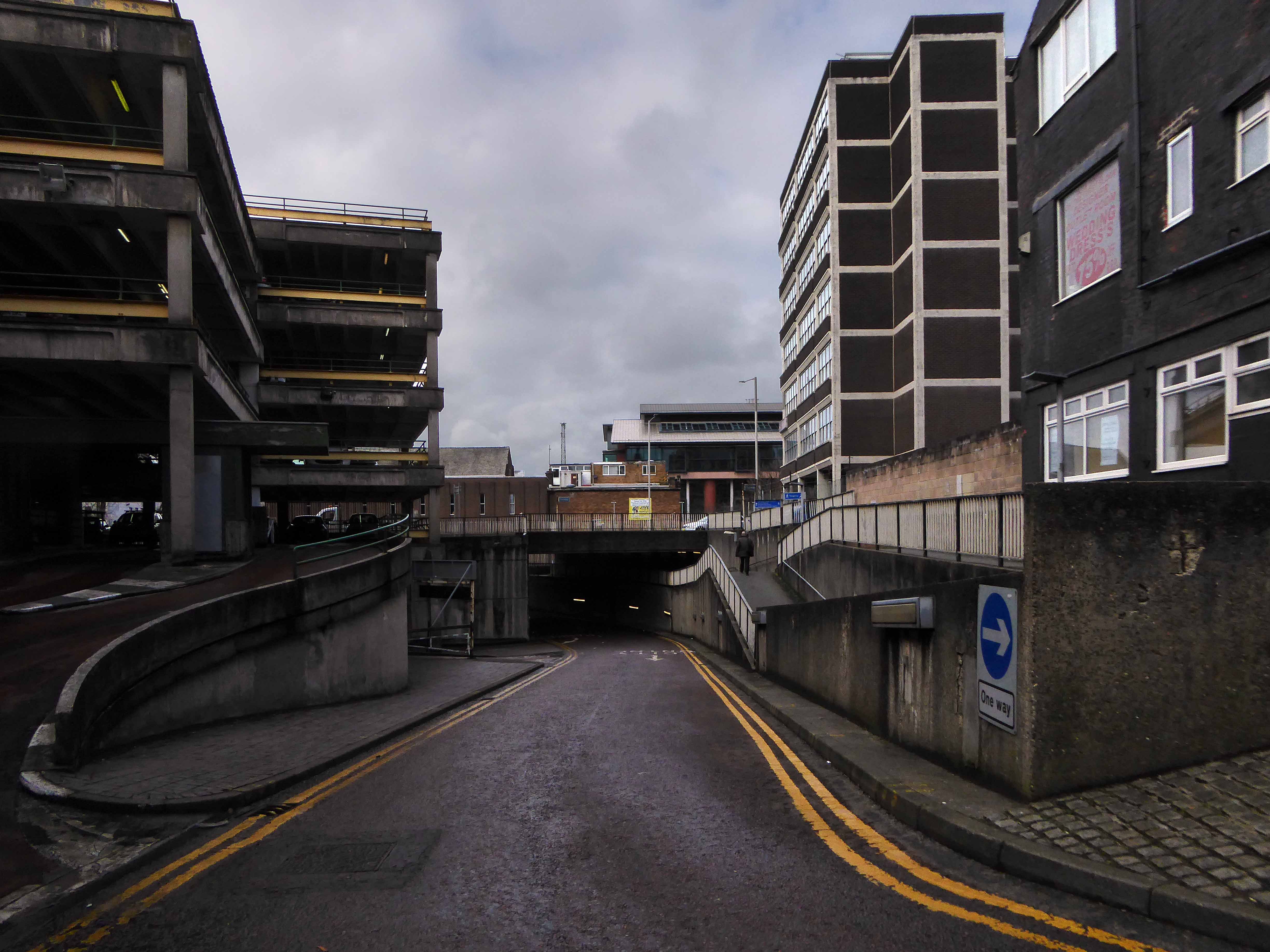
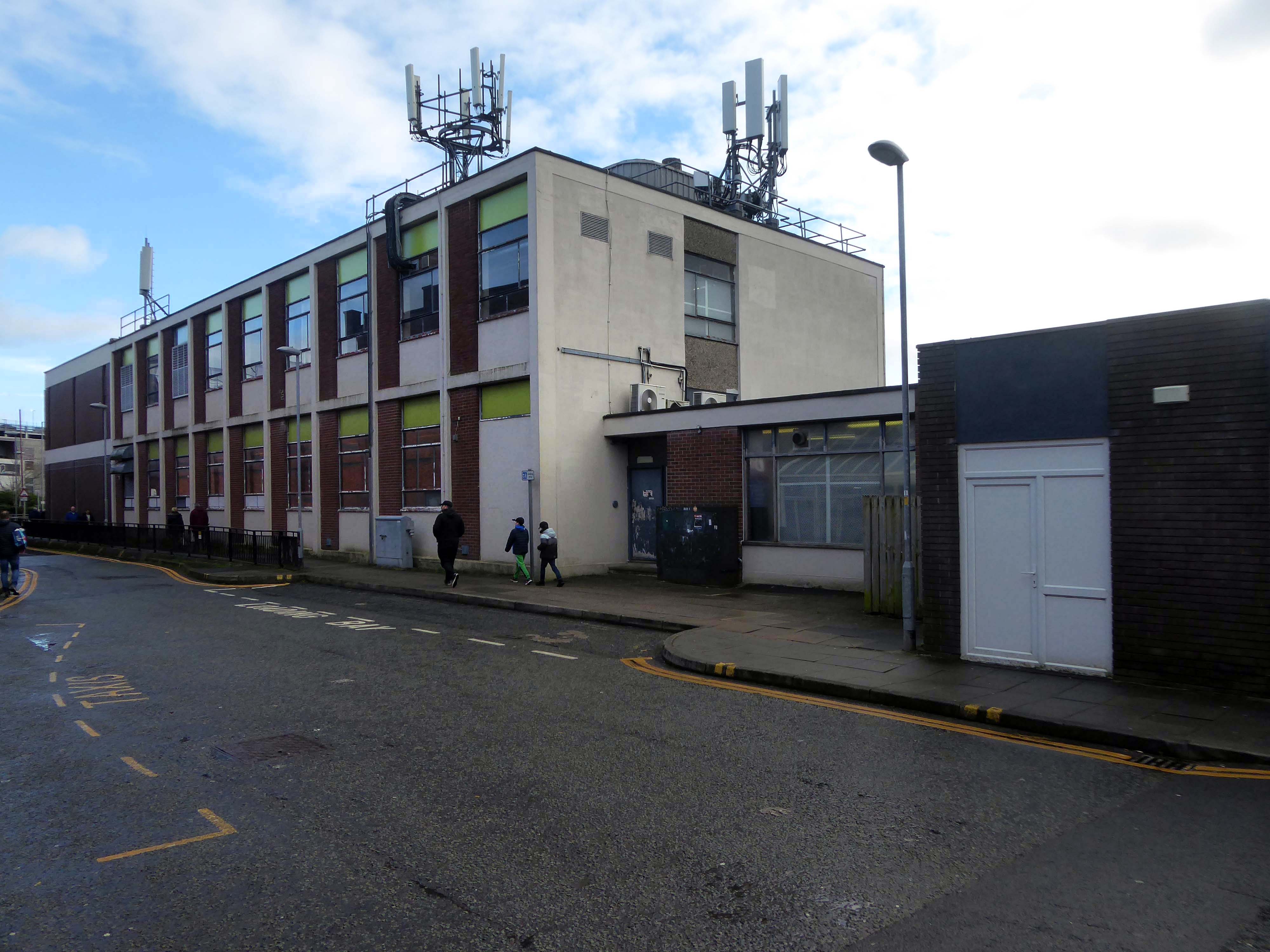
Back under the road – where we find a delightful Telephone Exchange.
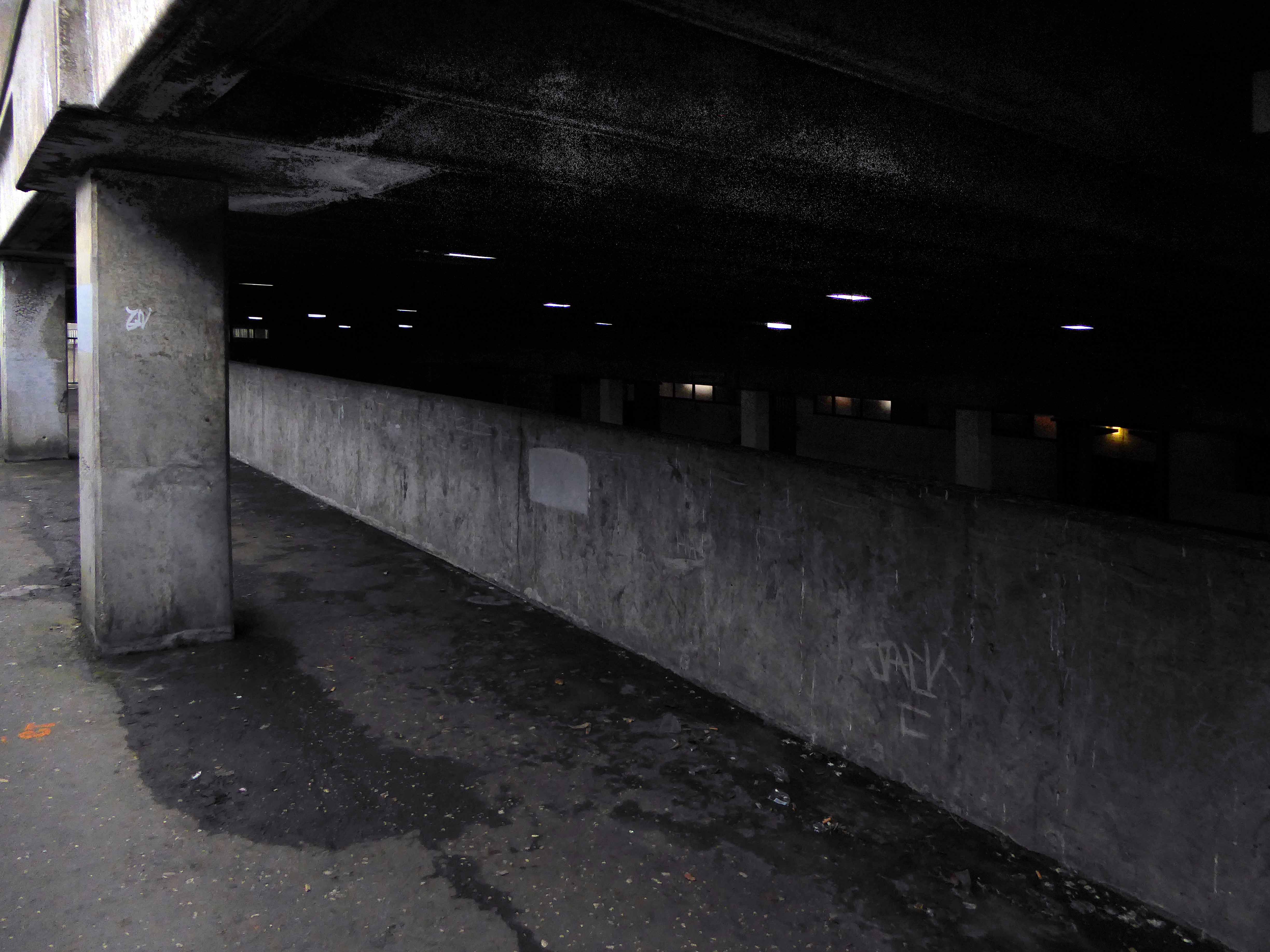
With an adjacent Multi Story Car Park.
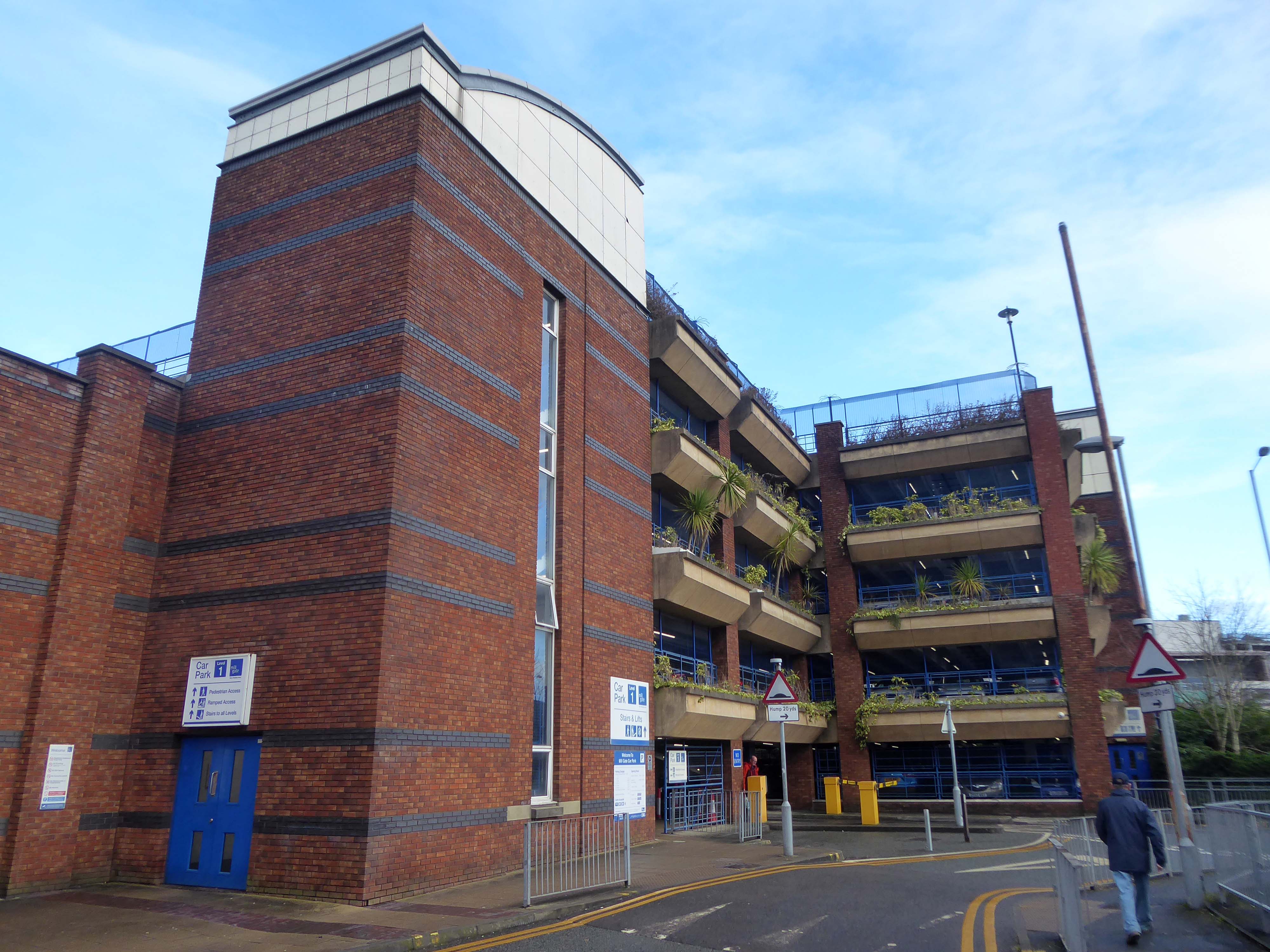
Around the bend to The Rock.

The Rock is a vibrant retail and leisure centre which is home to a range of high street fashion brands, independent retailers, tantalising eateries and fantastic entertainment – it’s the perfect place to visit any day of the week. 
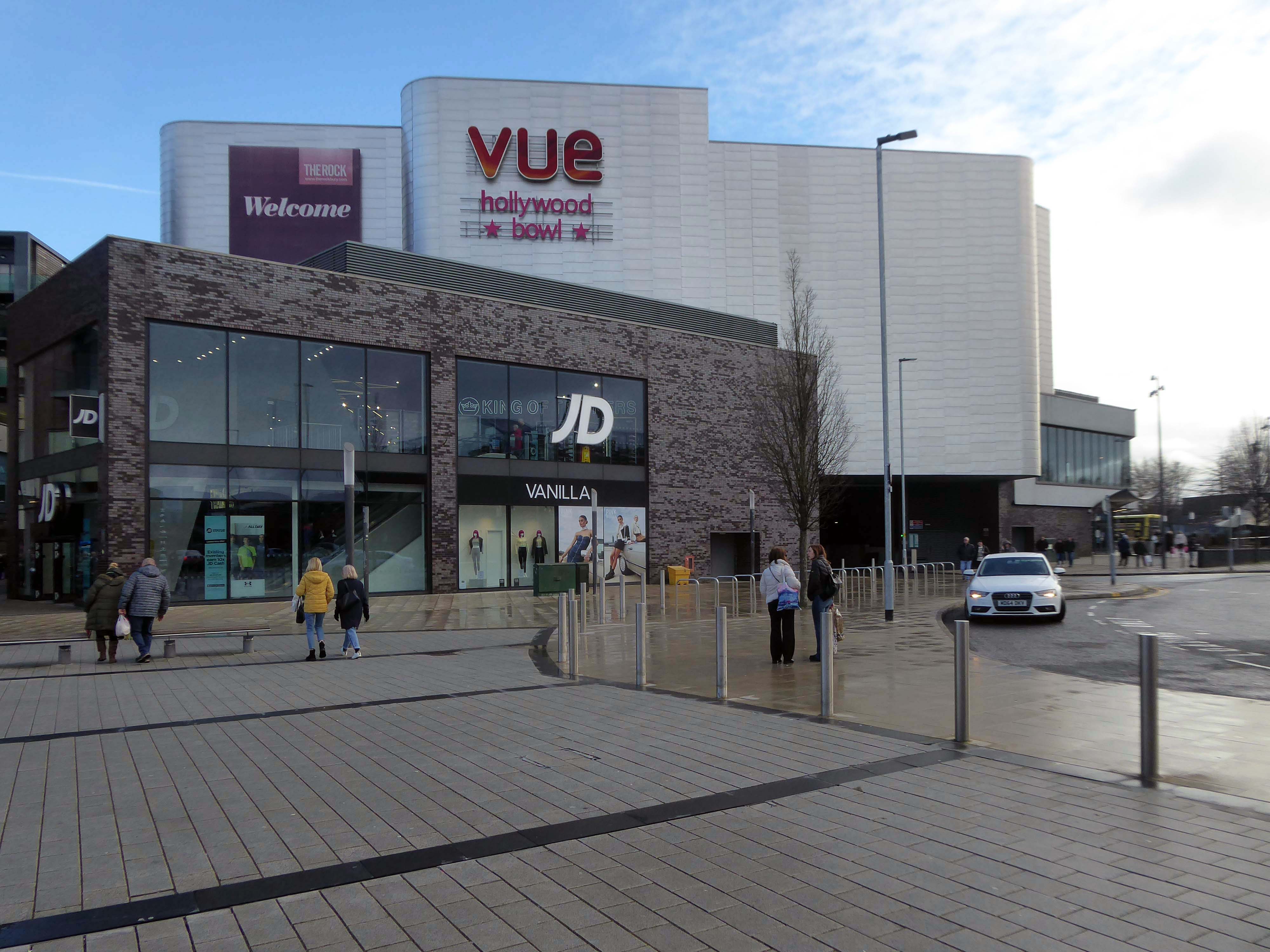
It is the work of architects BDP – completed in 2010 at a cost of £350 million.

Our masterplan for The Rock took into account the historical street pattern and public realm context to give the scheme its own identity, and make visual connections to local landmarks.

The retail and leisure scheme brings many exciting brands to Bury for the first time.

New pedestrian streets rejuvenate and improve connections to adjacent areas stitching the town back together.

The development will also contain 408 one and two-bedroom apartments.
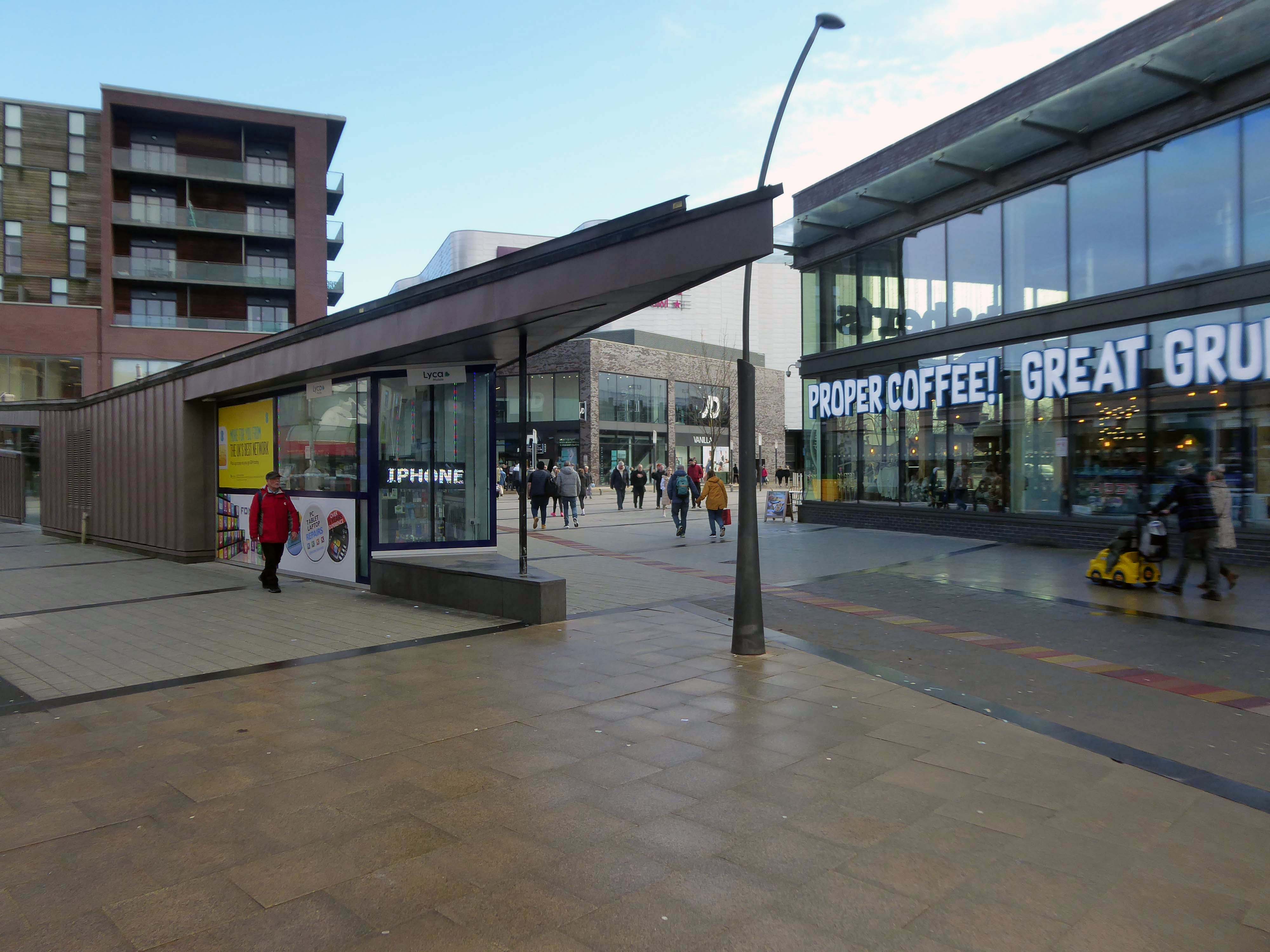
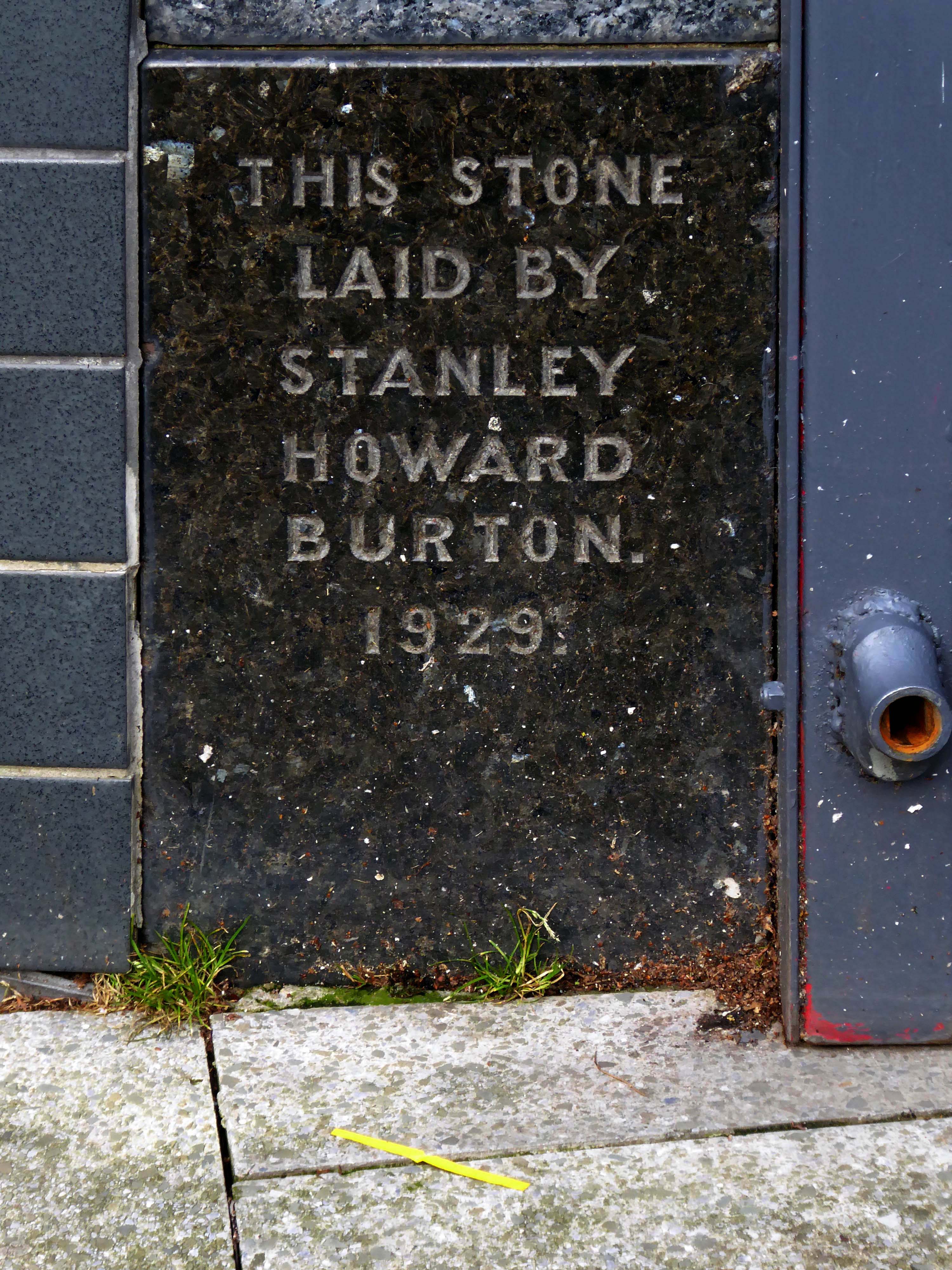
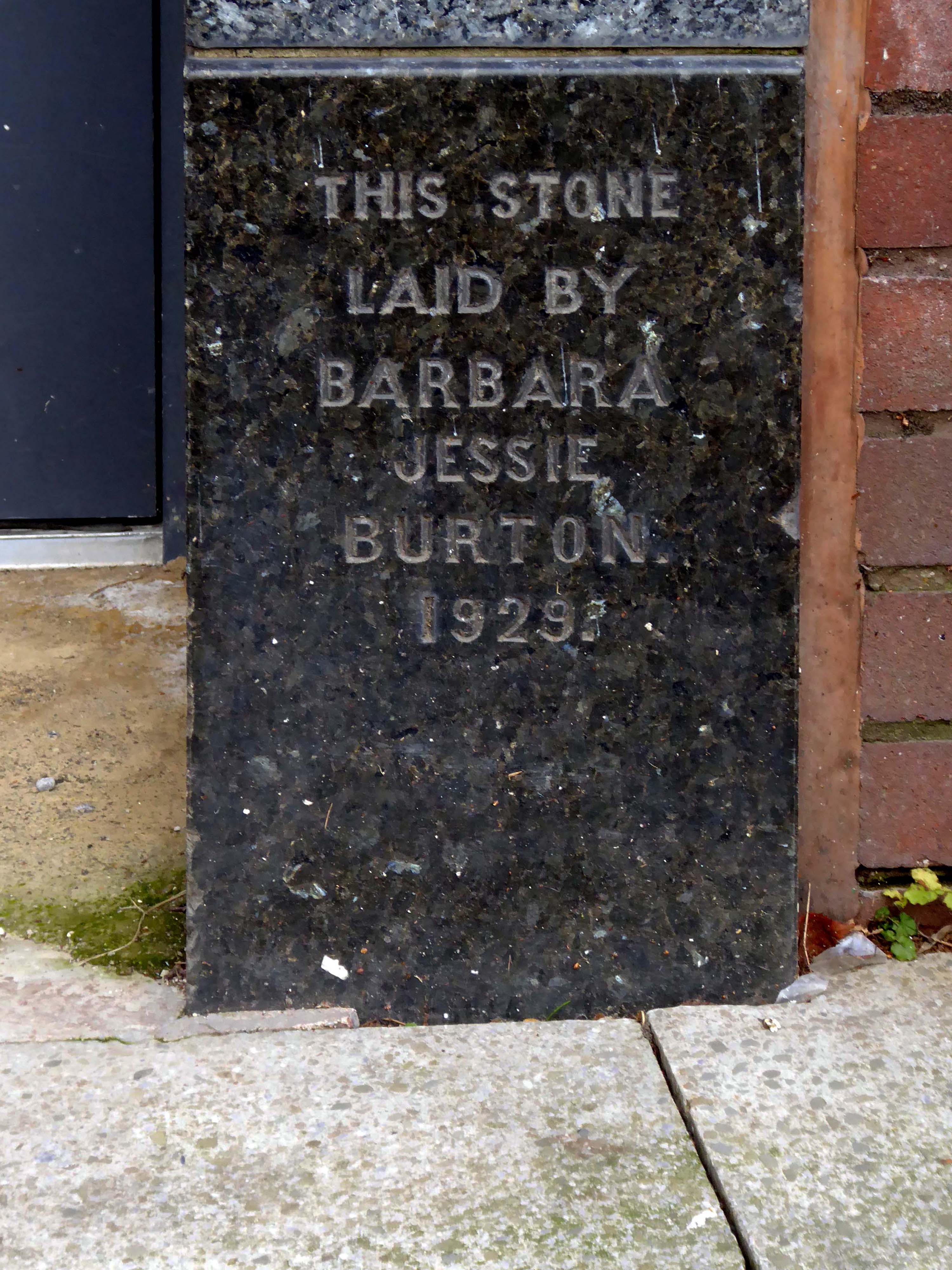
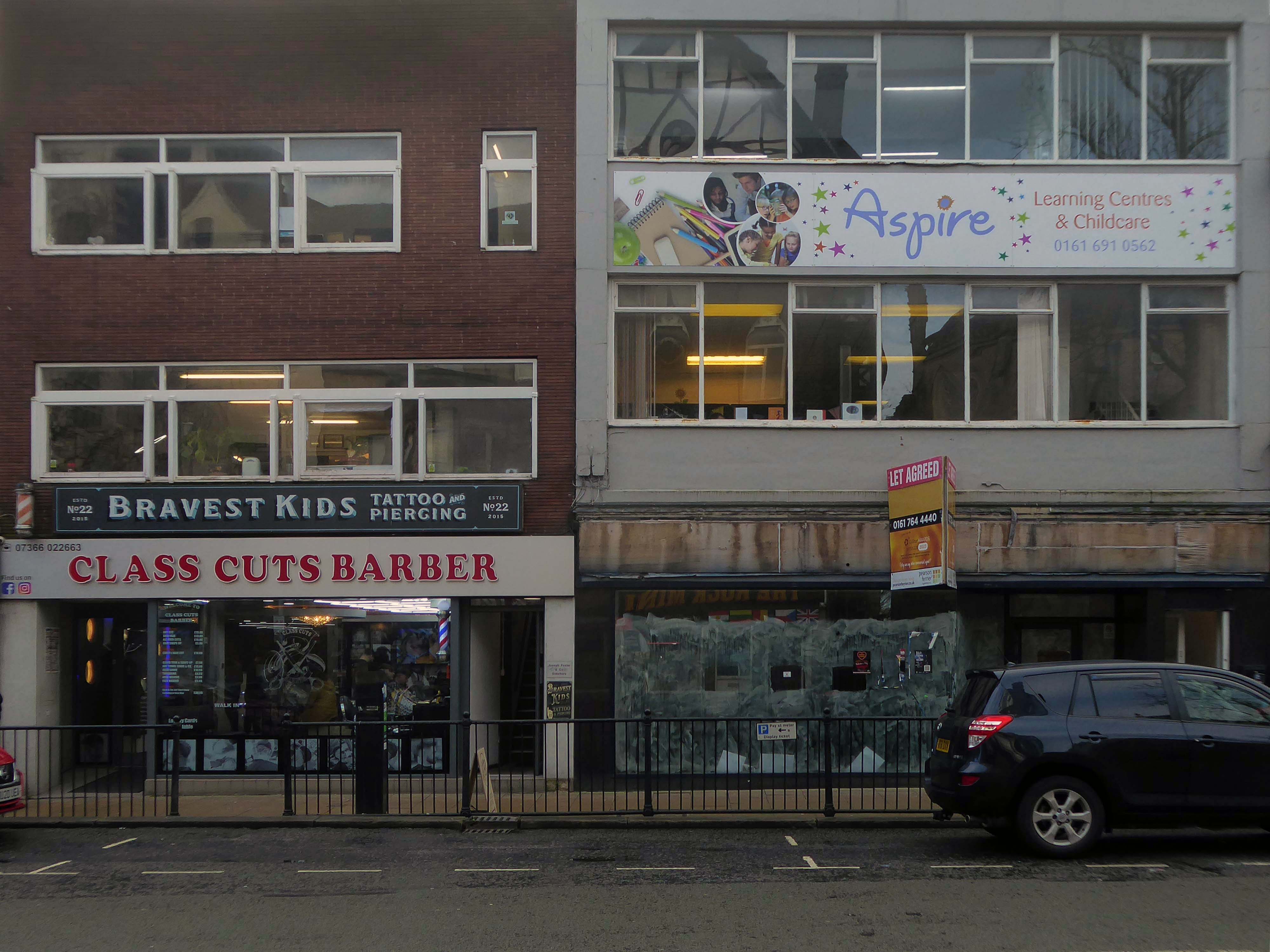
Back to basics at a former Burton’s hiding its faience facade.
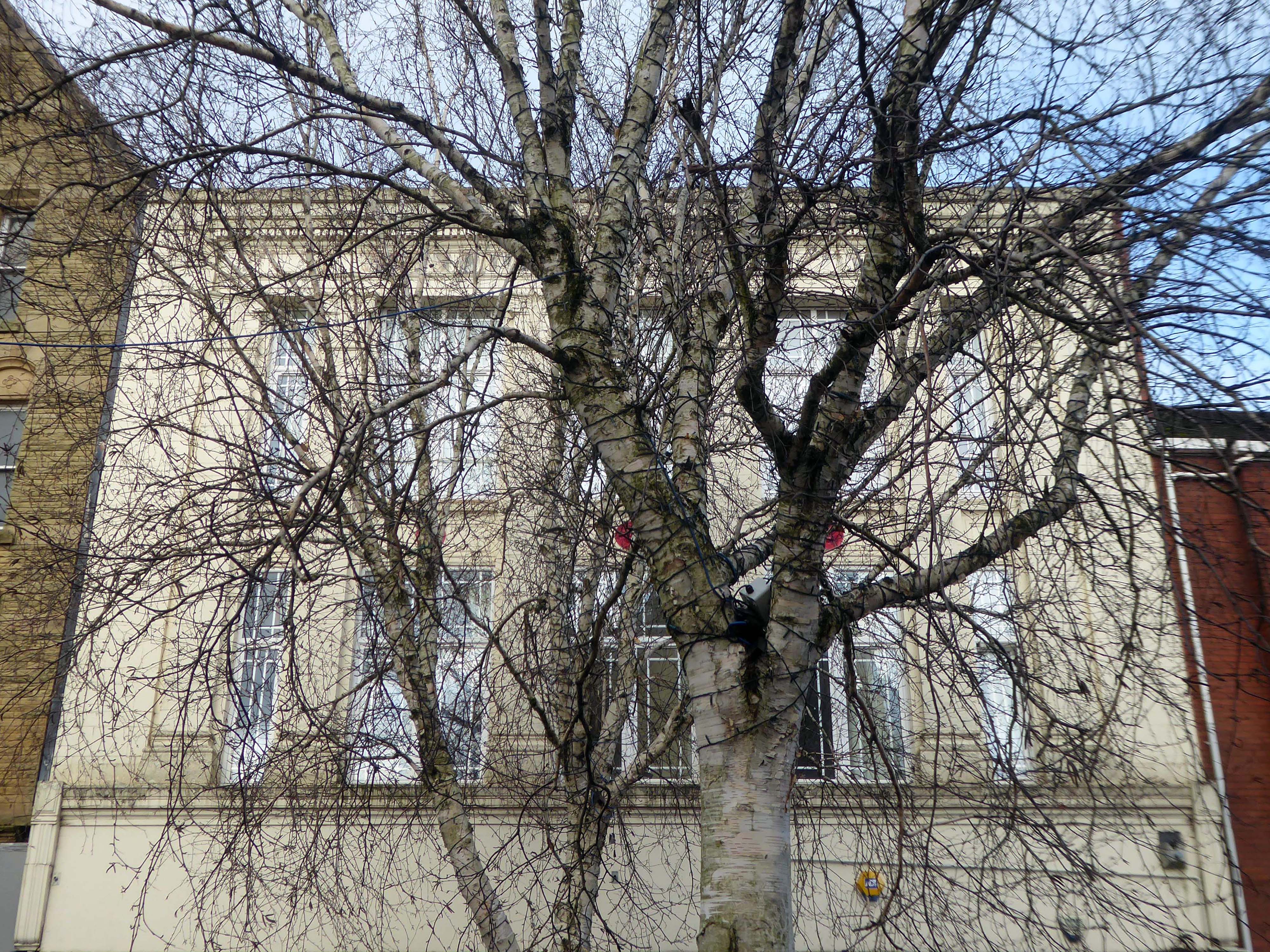
Typical inter-war infill on our crazy mixed up mongrel high streets.
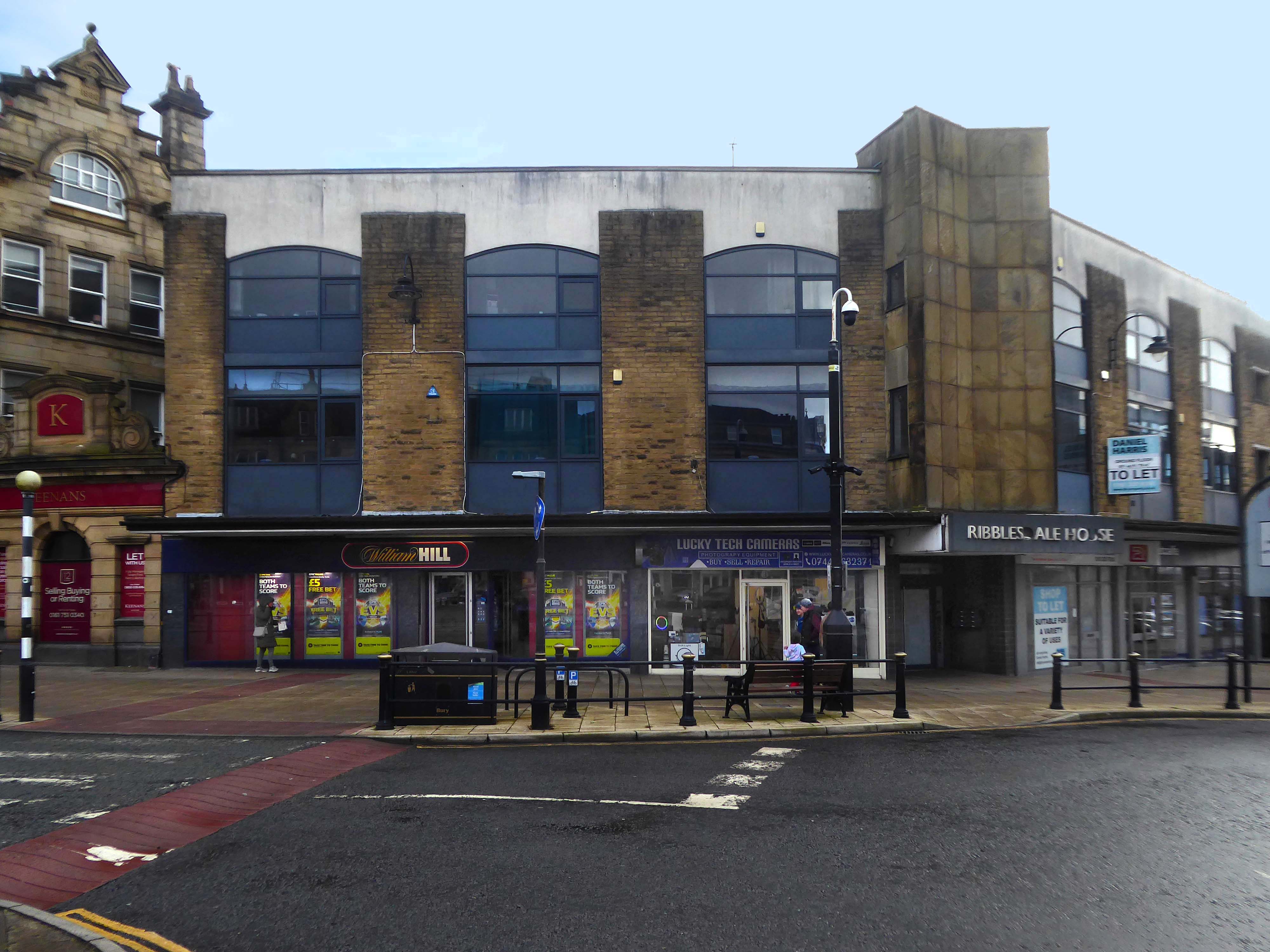
Ribblesdale House

Application by Shop and Store Developments Ltd submitted August 1965. Architect on application was Samuel Jackson and Son of Ocean Chambers in Bradford but during the application process this changed to John Brunton & Partners – Brunton was a partner in Jackson’s firm, at the same address. It had a restaurant and shops on the first floor.
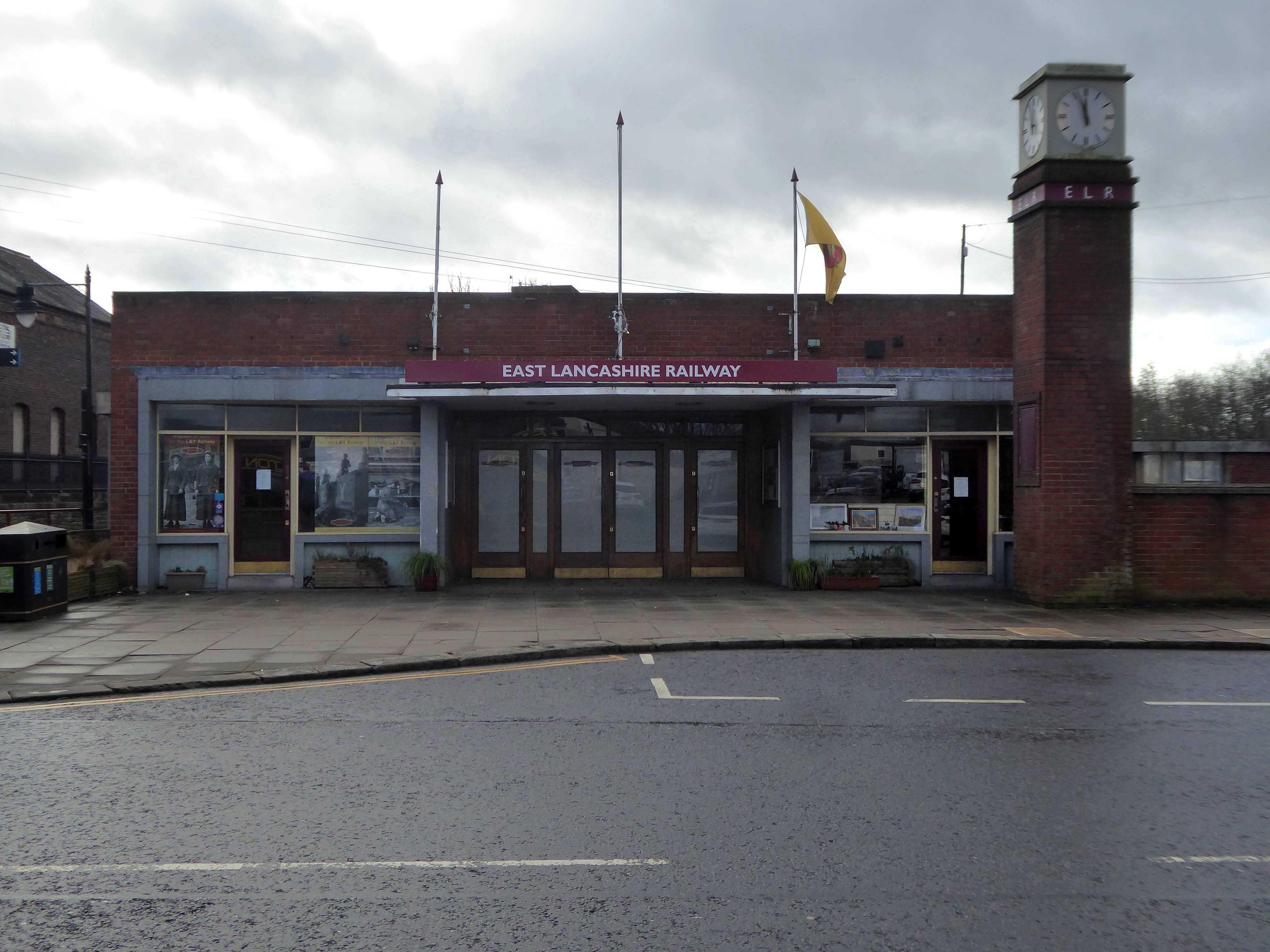
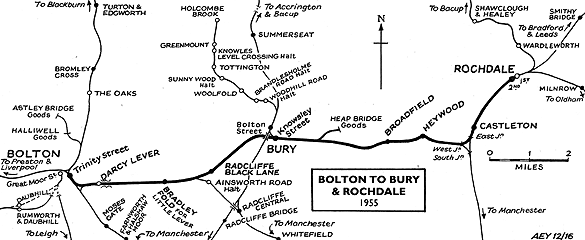
Off now to the Bury Bolton Street Station currently home to the East Lancashire Railway.

The street level buildings were destroyed by fire on 14 May 1947 and were replaced with a new brick and concrete entrance and footbridge in 1952. 

British Rail closed the station on 17 March 1980, when it was replaced by a new bus/rail interchange station further east into the town centre. Bury Interchange railway station served up until 1991 before the entire Bury Line was converted to light rail operation. It reopened in 1992 for Metrolink operation.
Bury was once the centre of multiple train links and the lost station of Knowsley Street.
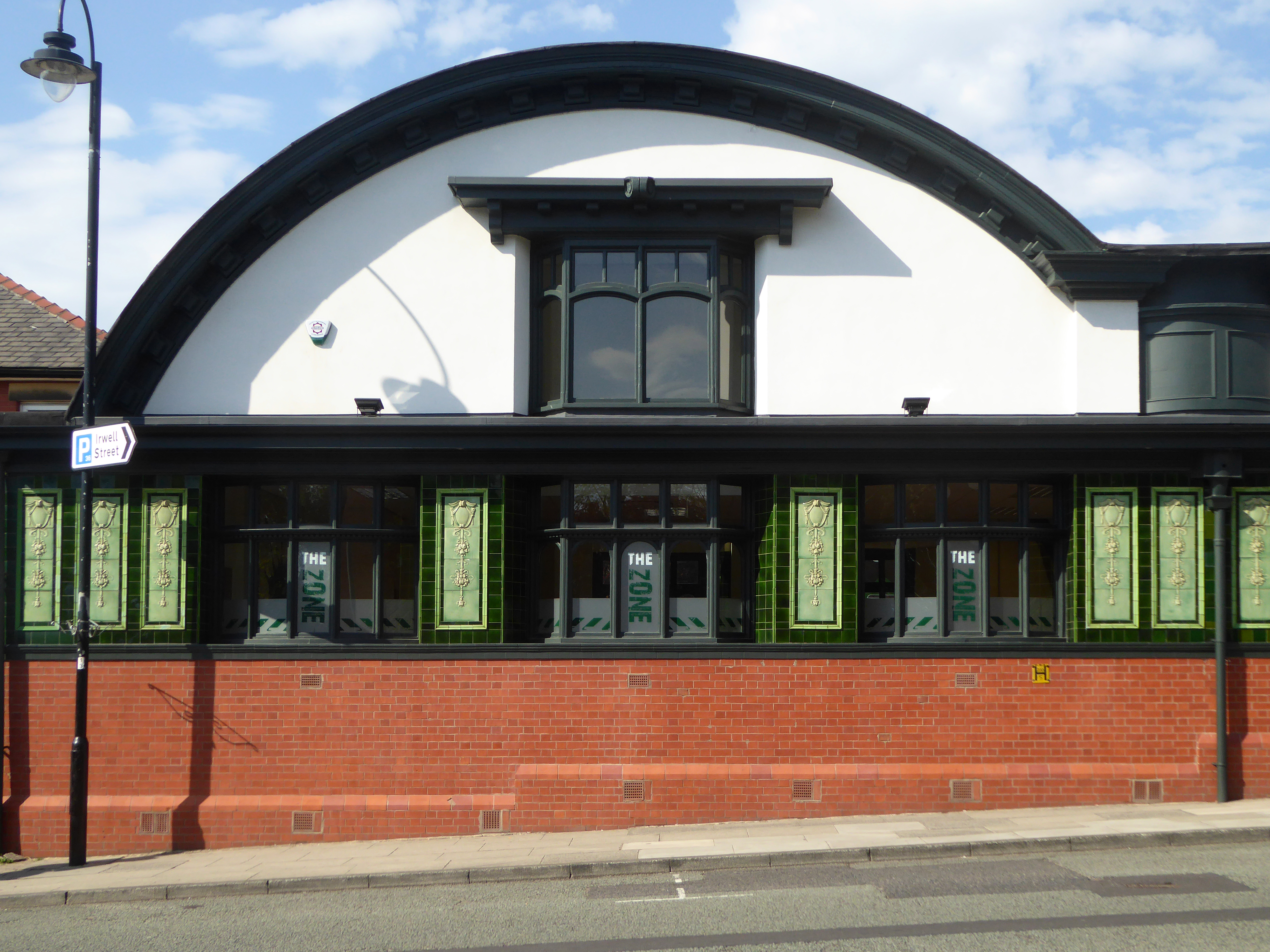
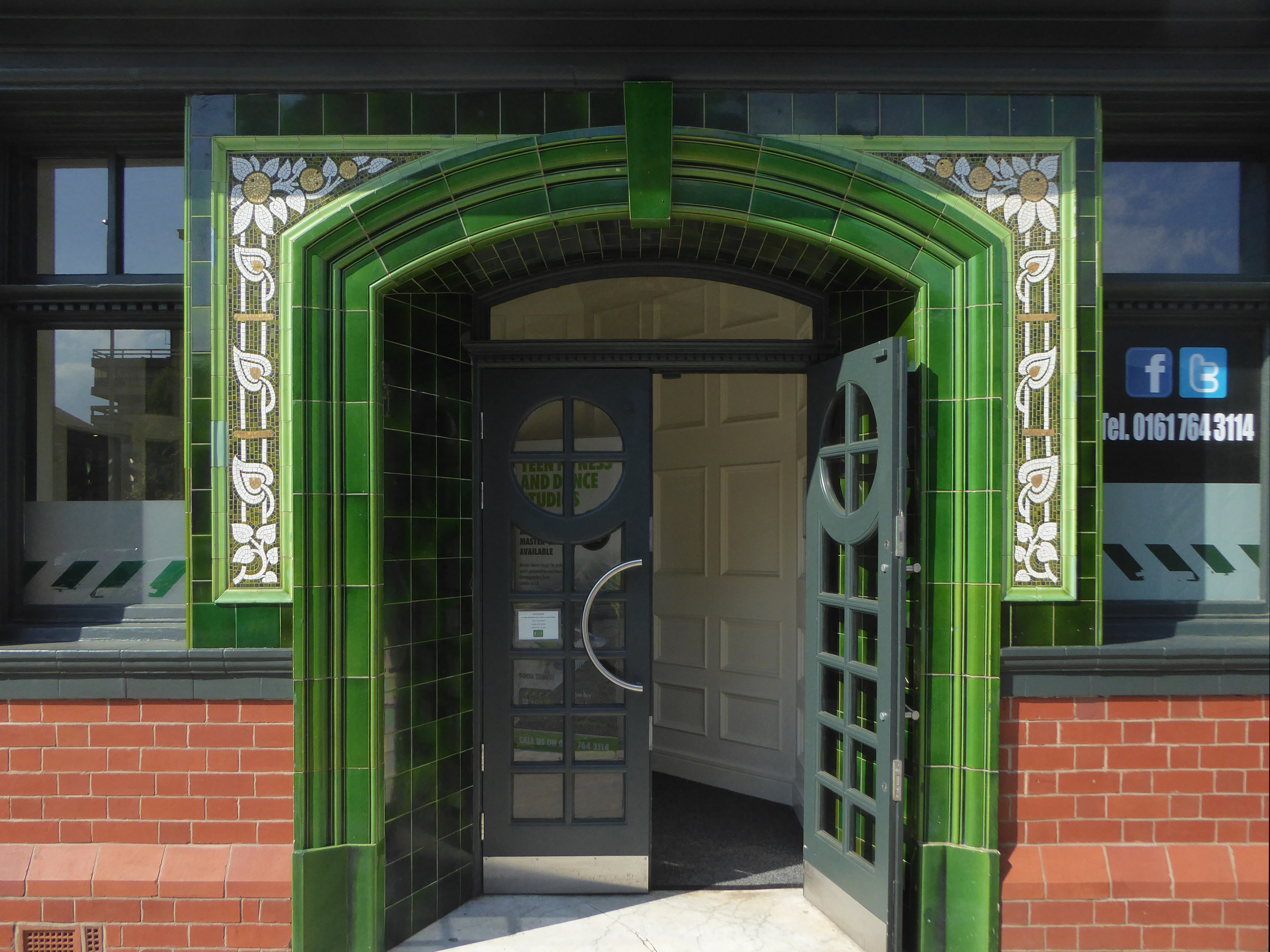
Over the road the former Temperance Billiard Hall 1910 architect Norman Evans.
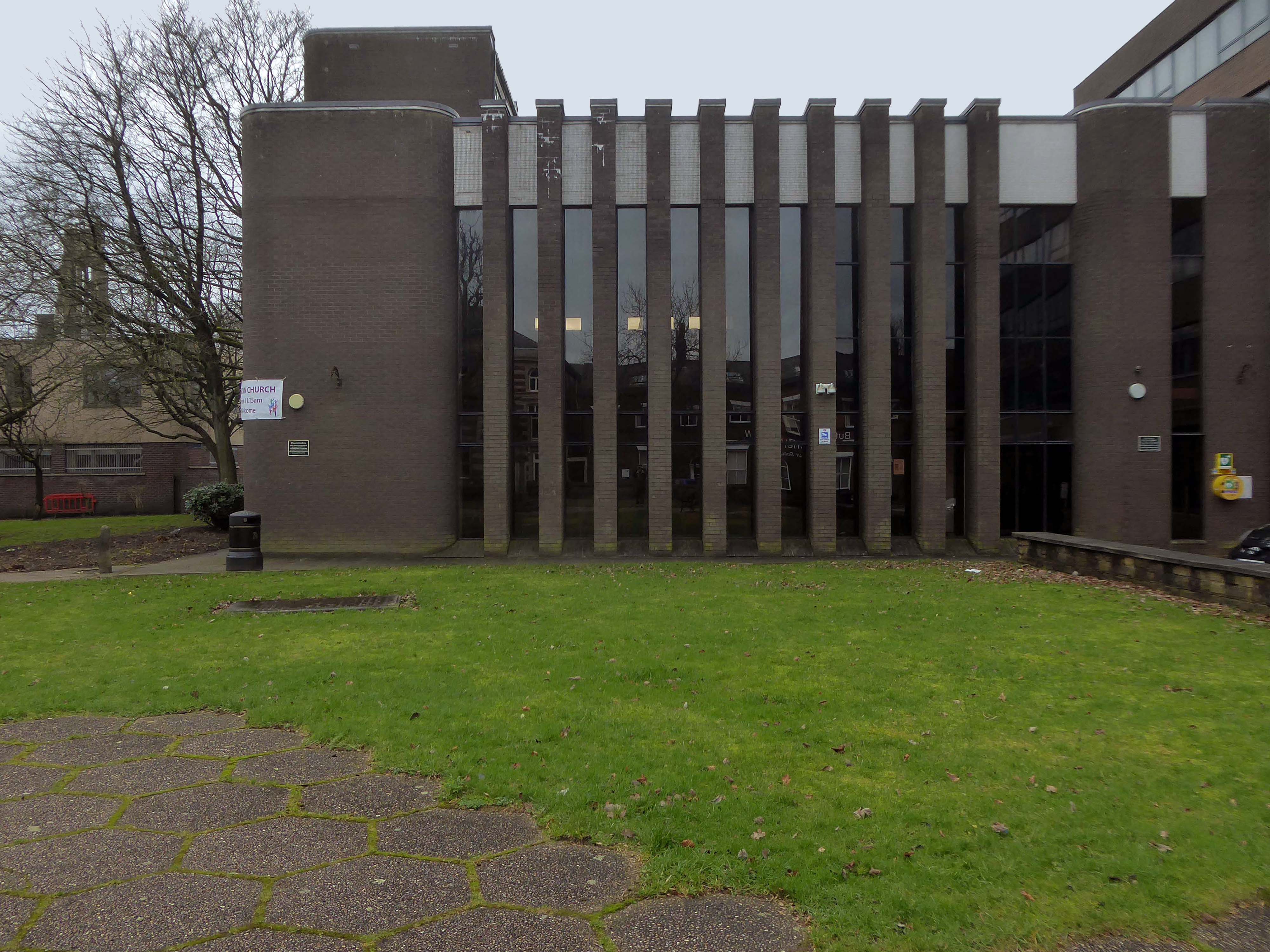
Down the side and up the steps to the Unitarian Church.

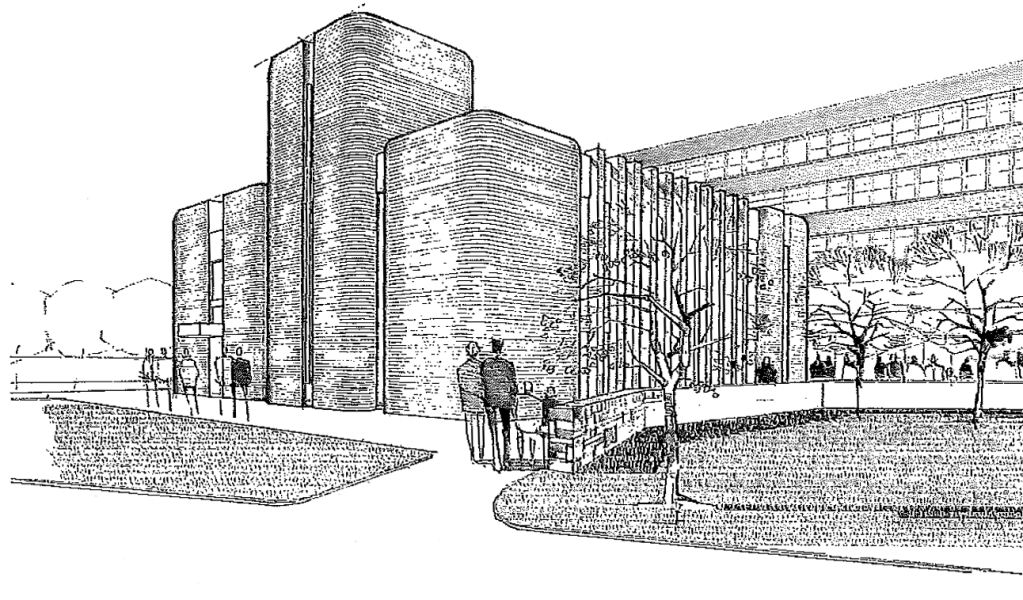
The new church was designed and constructed by local architects James T Ratcliffe.

The church was opened in 1974, with a service of dedication on Saturday, 9th March. The total cost, including furnishings, was £85,000.
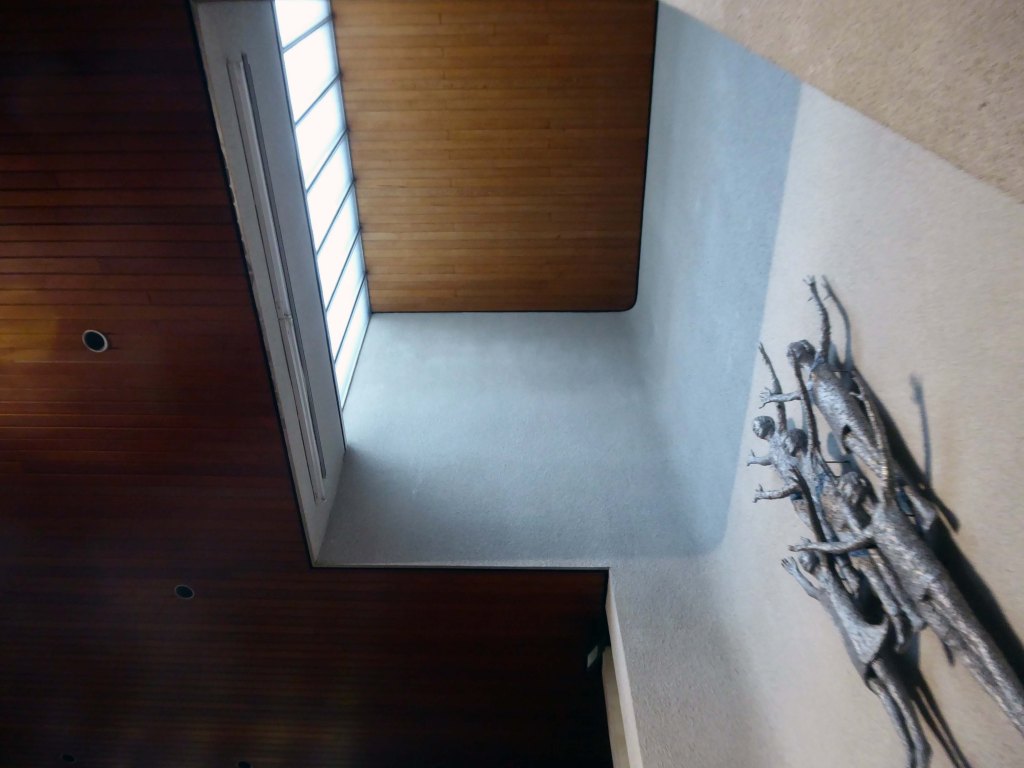
The People Praising by Elizabeth Mulchinock is a 12 foot high original sculpture at the front of the church which represents the family of the church.

Her work can also be seen at Sainsbury’s in West Ealing and Reading.
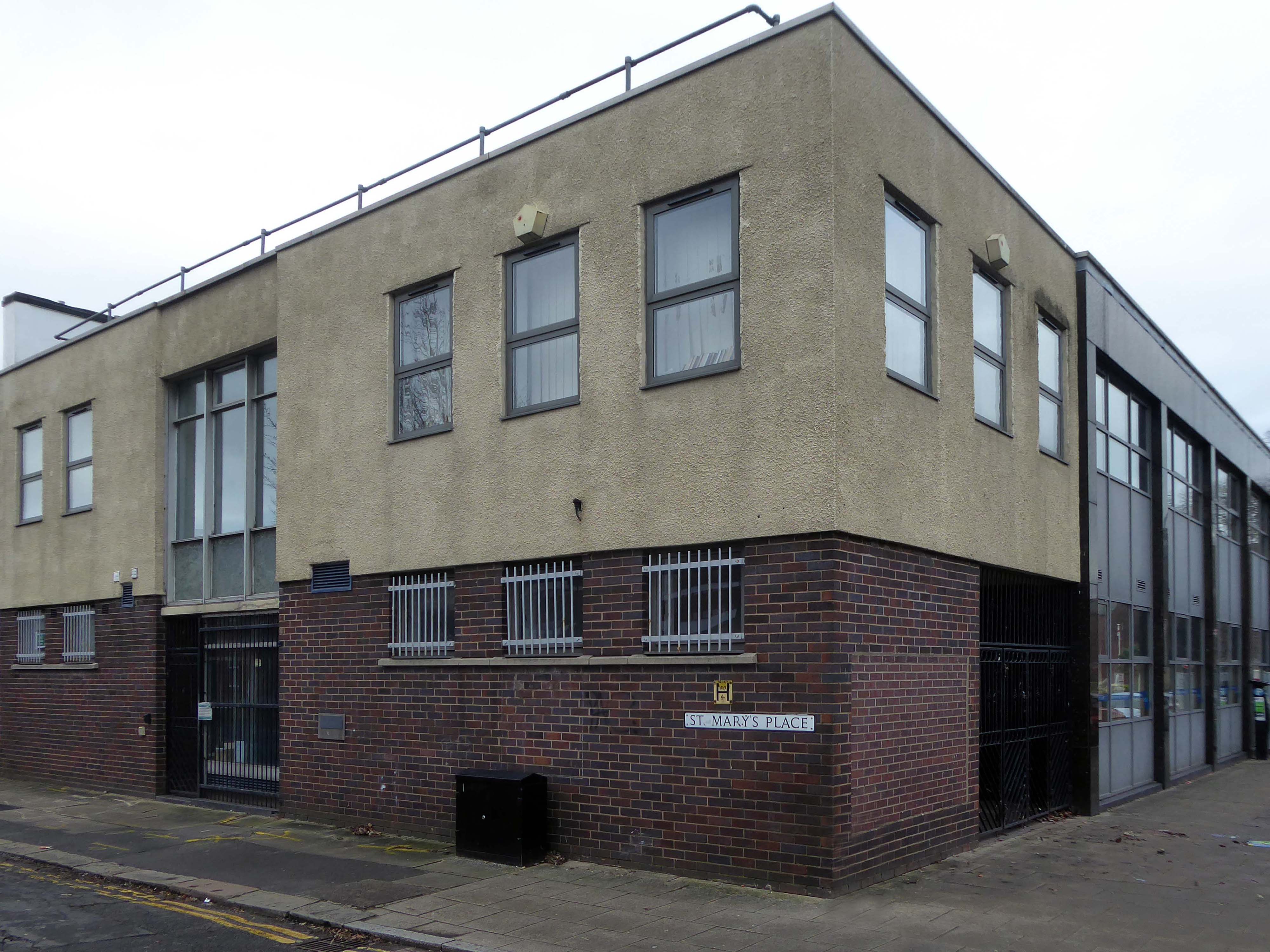
Next door is the former Trustee Saving Bank.

Planning application January 1965 – work started in June 1965. The architectural firm was Richard Byrom, Hill and partners. Richard Byrom was submitting building applications in the 1930s in Bury and locally.

The rendering on the building is original but the windows have been changed. The Job Centre took over the building in 1993. It is in a conservation area and the Civic Trust had some concerns!
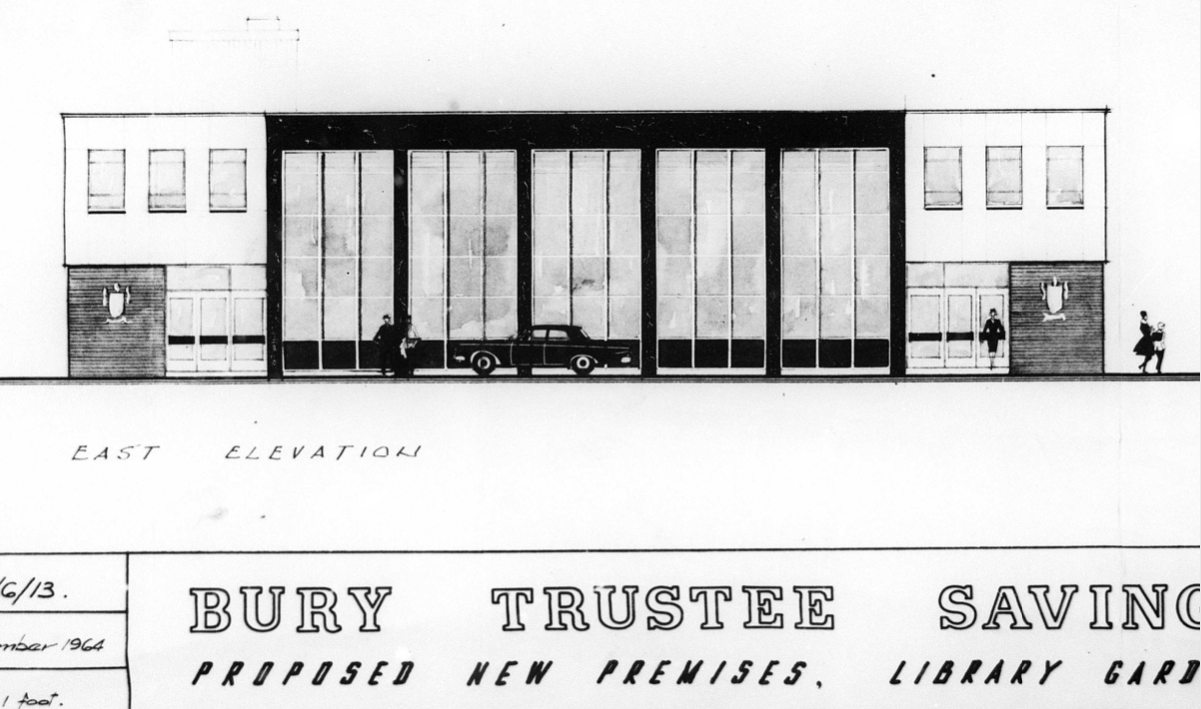
Many thanks to David French for the above information.
Three Tuns – Coventry

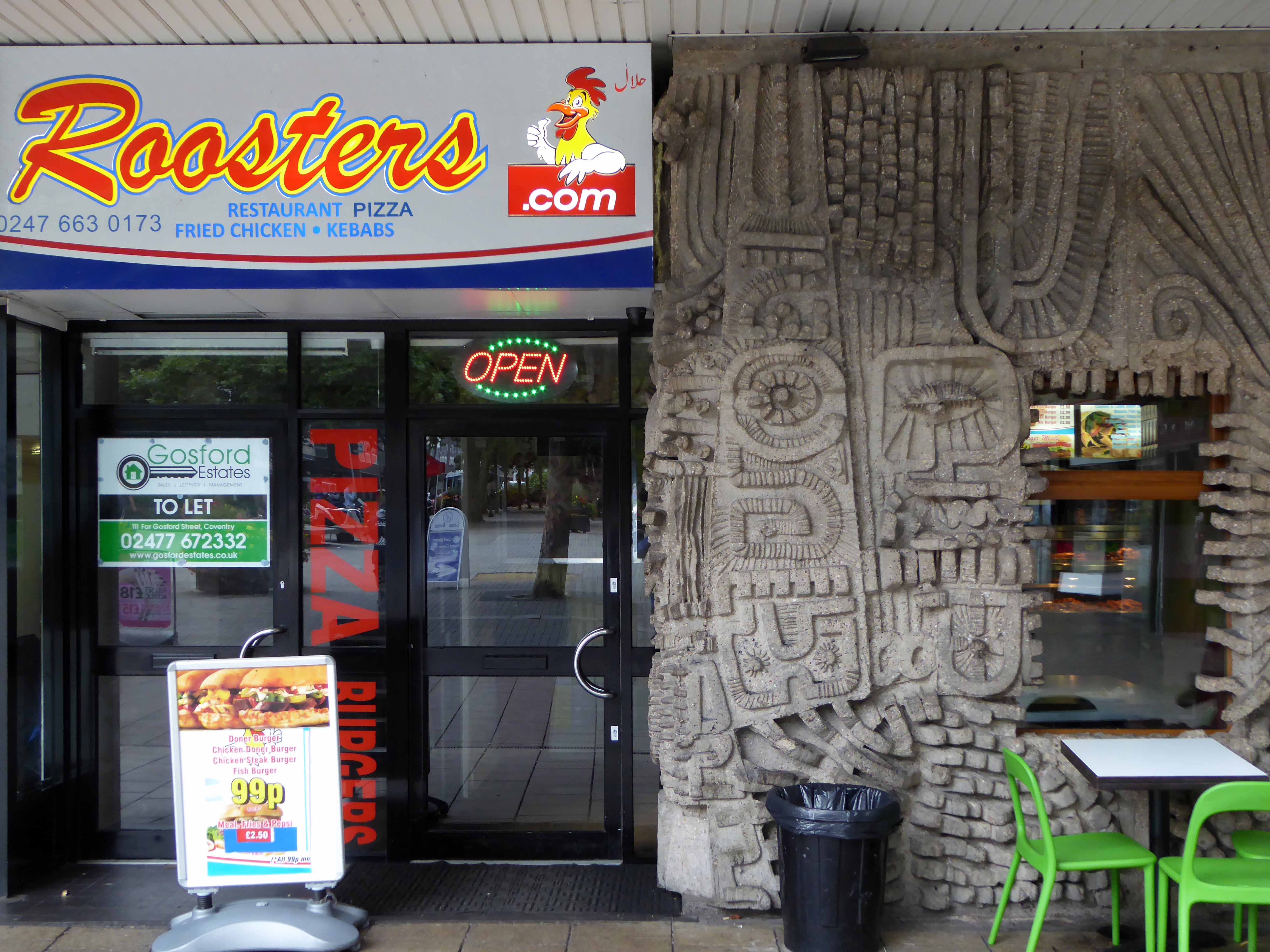
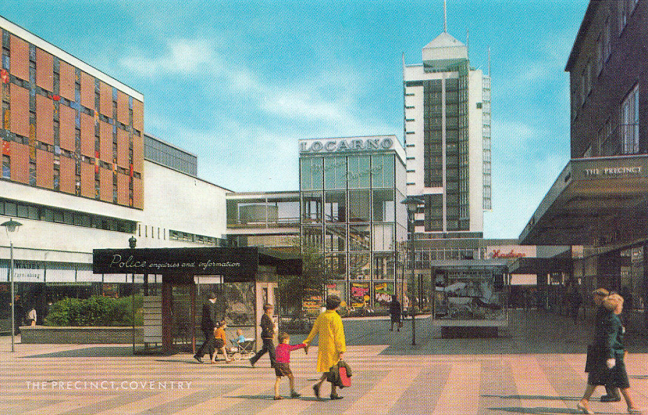
At the heart of the Precinct – I found the former Three Tuns pub stood standing – still.

Subsequently imaginatively reimagined as Roosters.

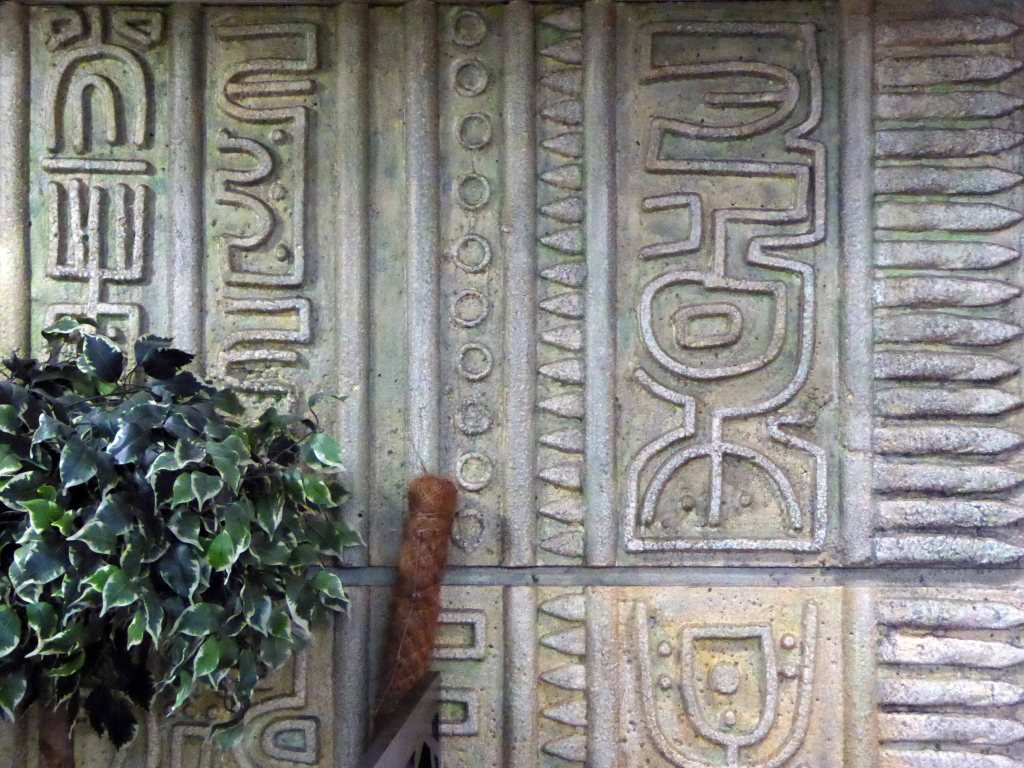
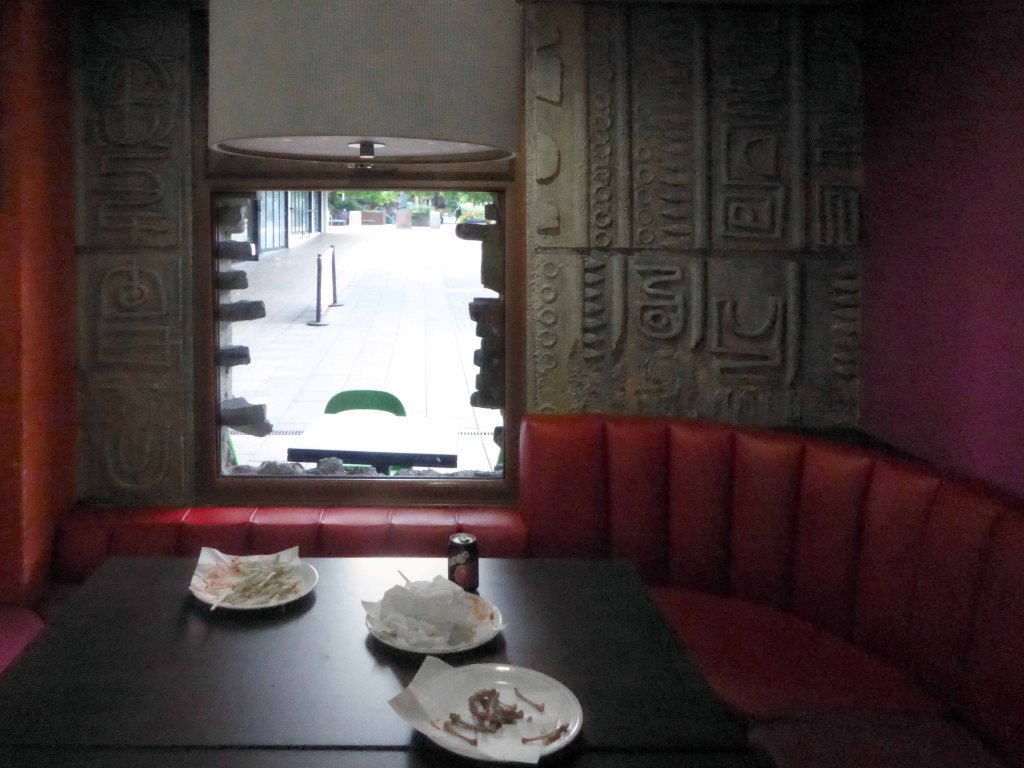
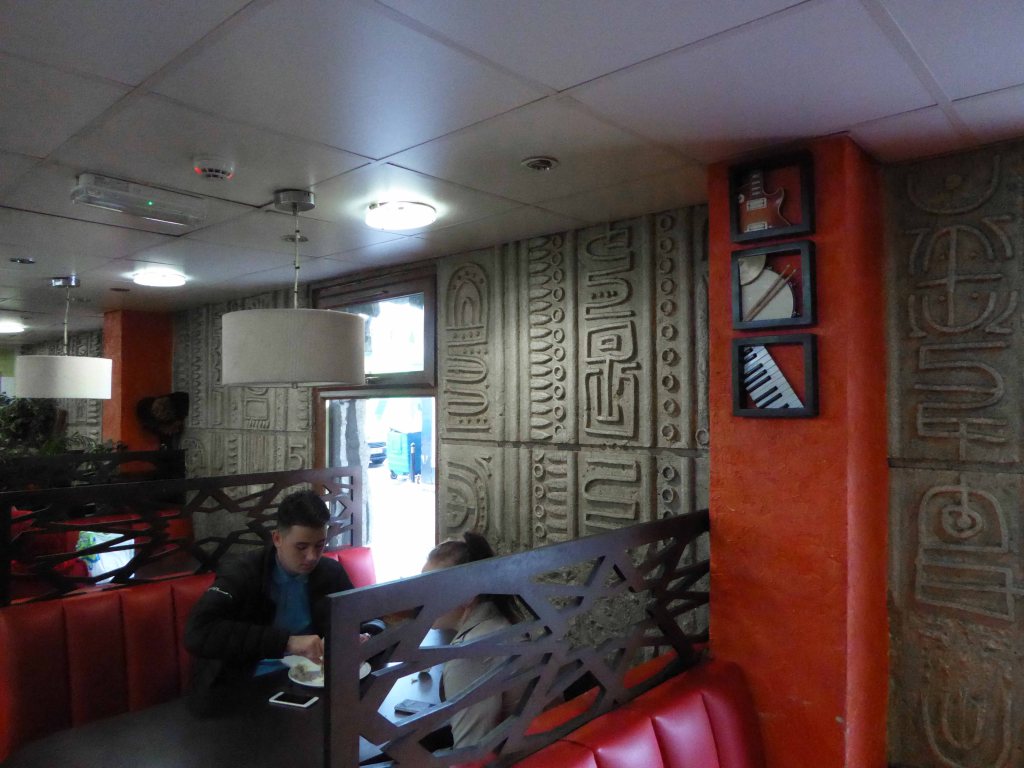
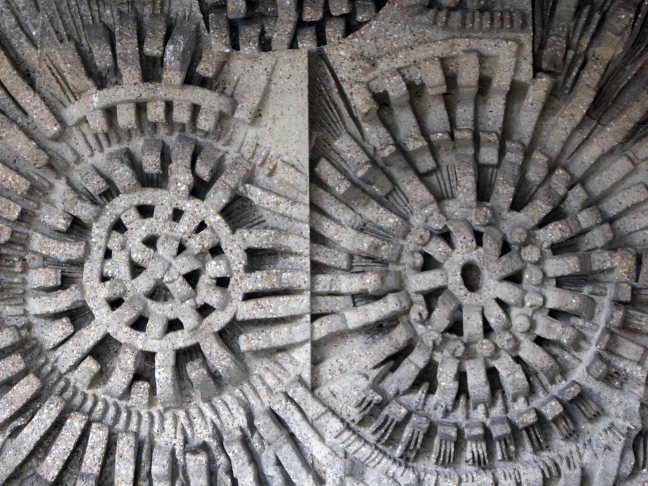
The exterior – and interior for that matter, adorned with the decorative concrete work of William Mitchell.

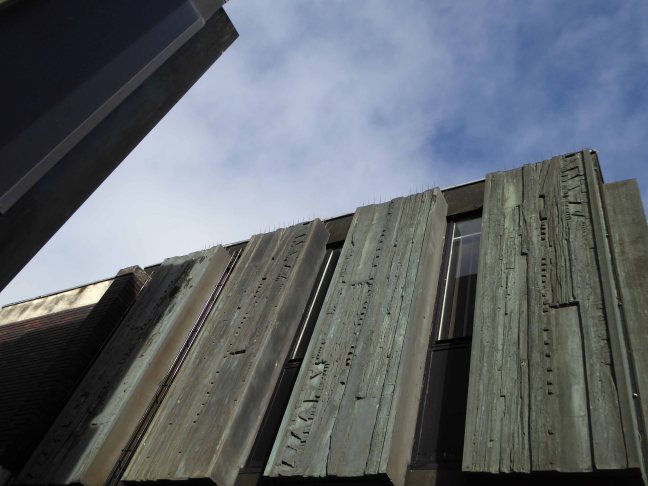
The area also being blessed with his cast panels and modular tower block fascia.

The precinct is currently, yet again, being considered for constructive rehabilitation, as part of the city’s City of Culture concatenations.

The threat to Modernism is no new thing, and the hurried scrabble for progress, ever so often erases the recent history of that progress.

I popped in way back in 2016, and Mr and Ms Rooster were more than happy, if not a tad perplexed, to have me snap around their chicken shack.

Sufficiently satiated, why not take a stroll around town, whilst it’s still there.

Take in the Cathedral – soon to be become the Kwik-Fit National Museum of Tyre Fitting.

The Indoor Market, Upper Precinct and Co-op

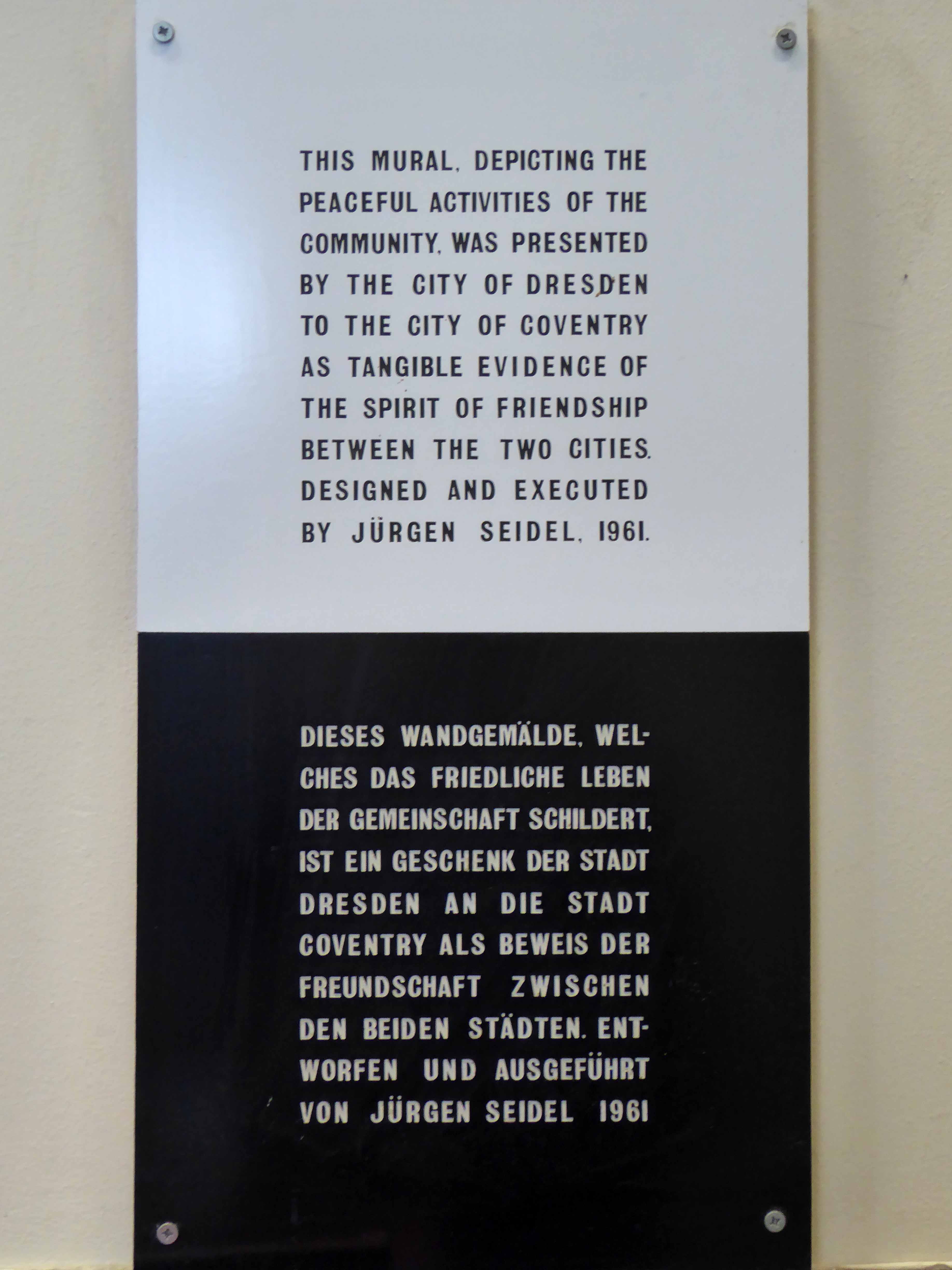
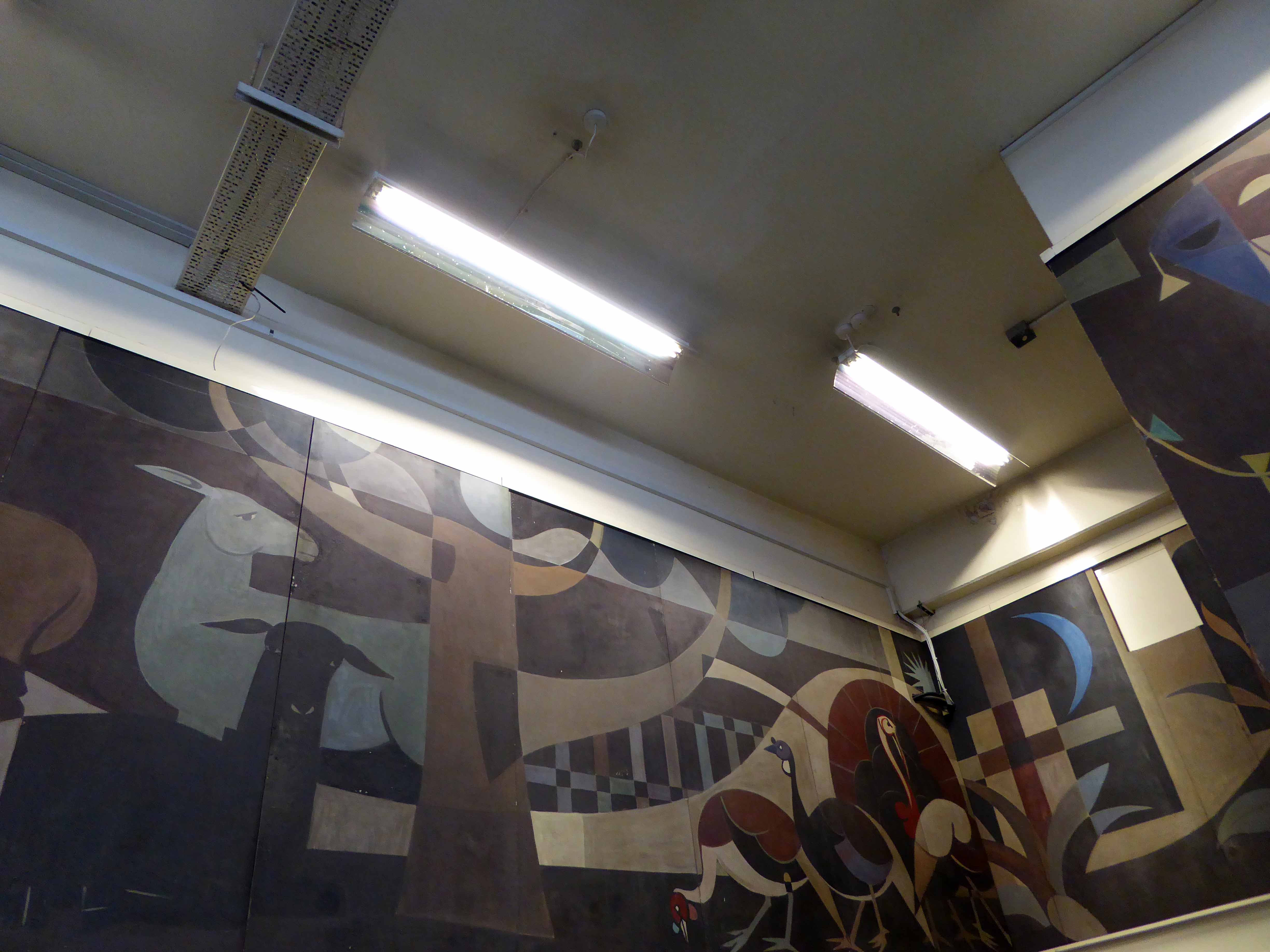
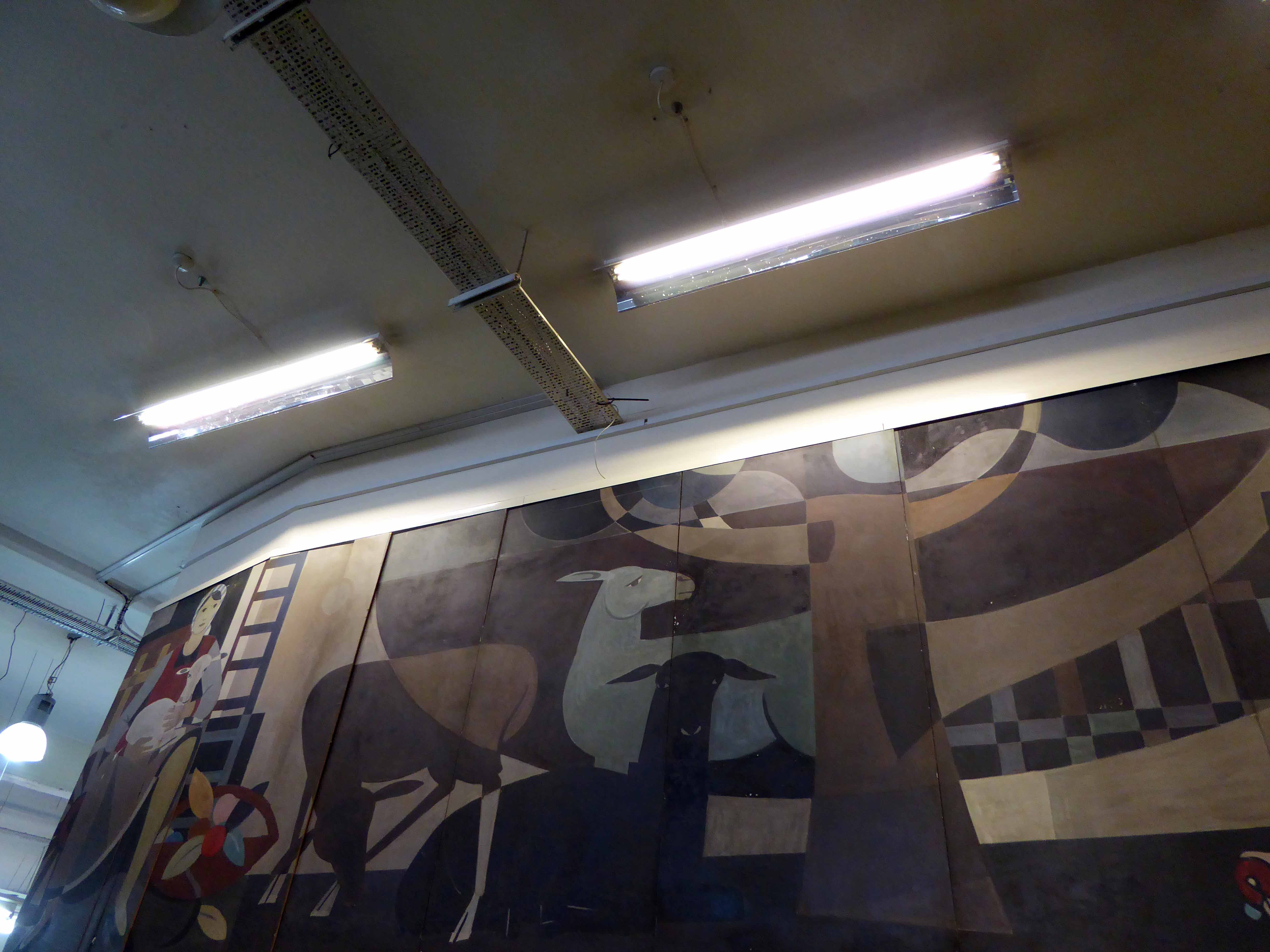
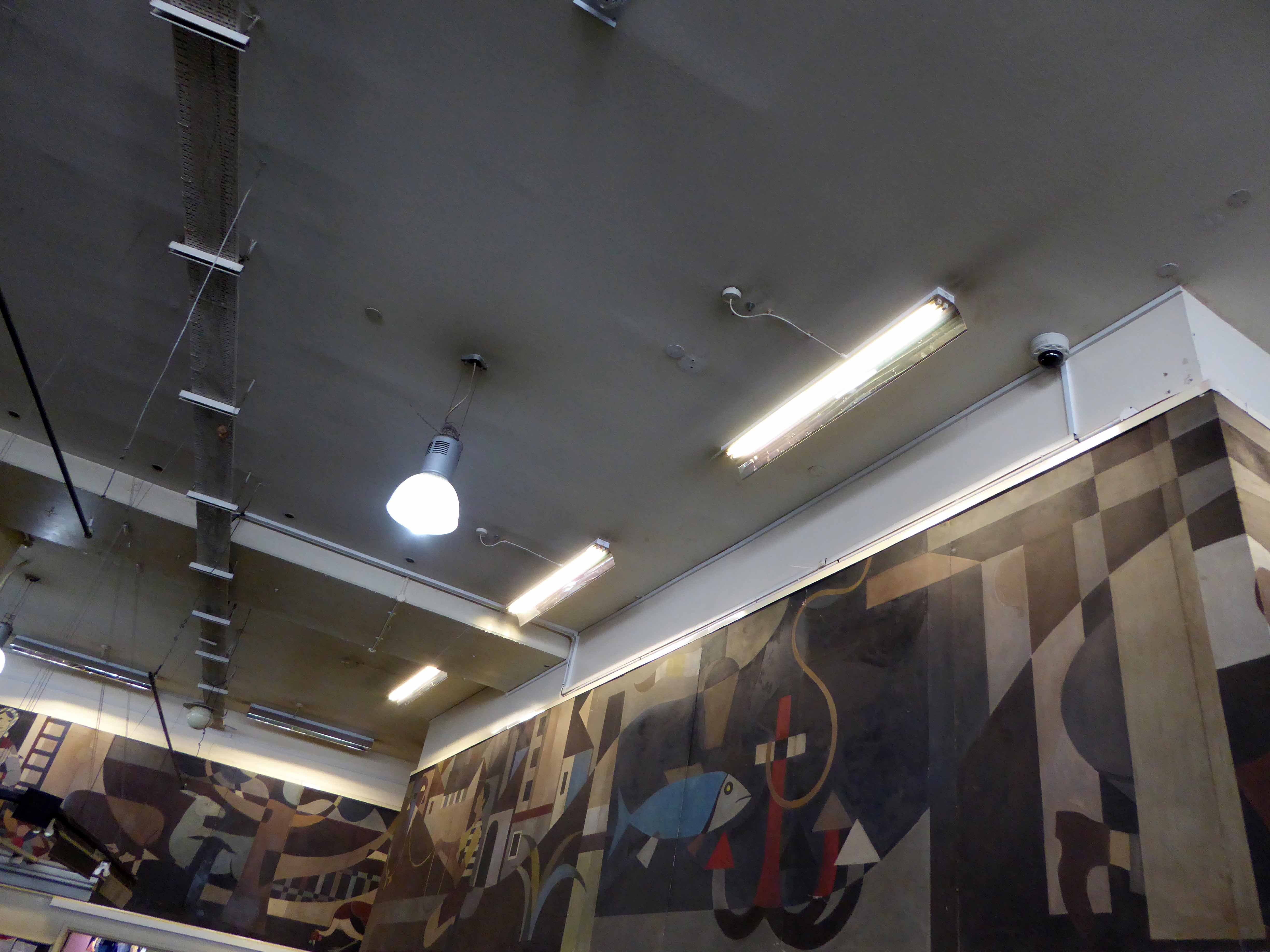
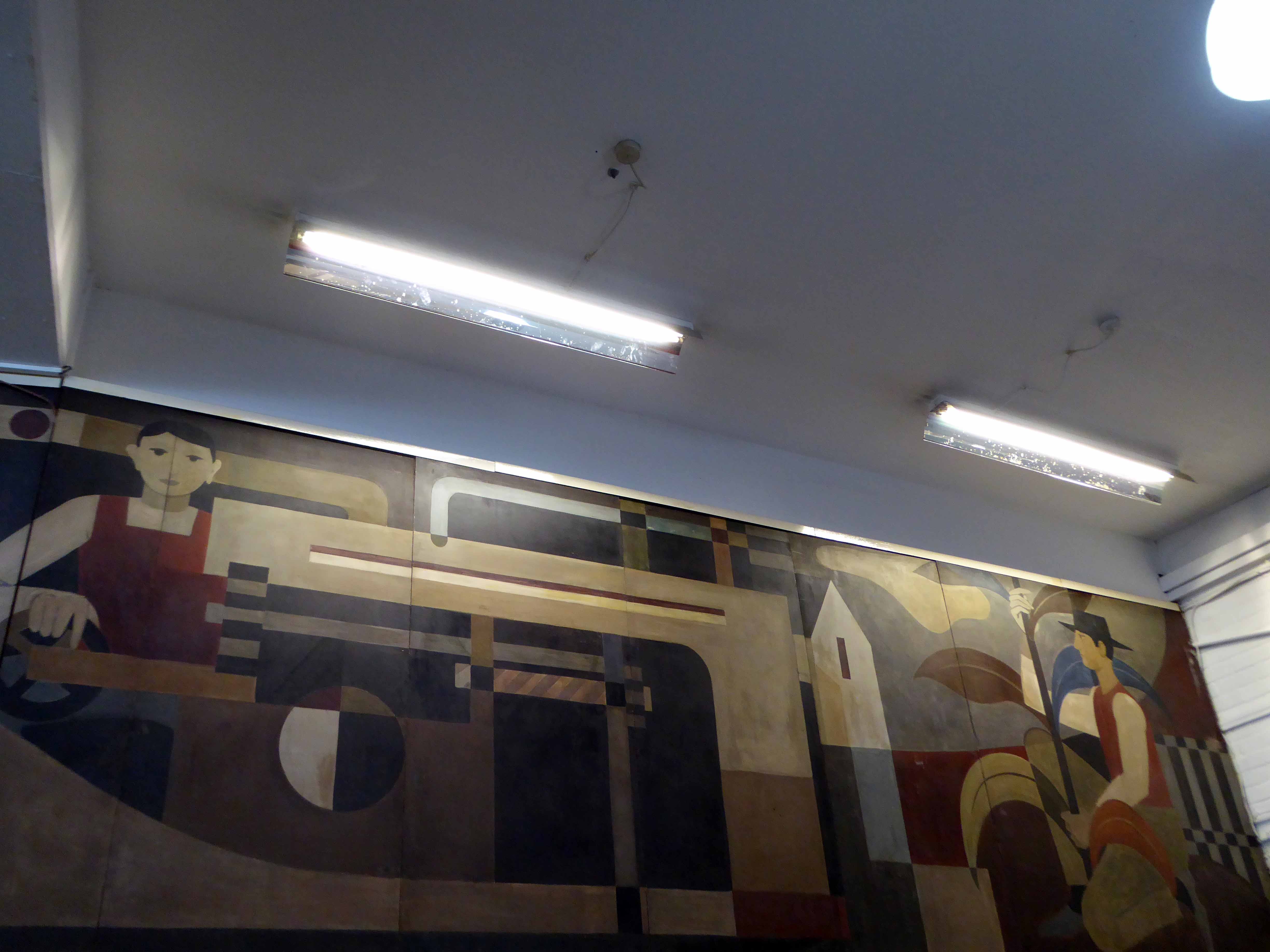
Above the current market office is an impressive painted mural by art students from Dresden commissioned especially for the market in the 1950s in a Socialist Realist manner, depicting farming and industrial scenes. 

The Gordon Cullen tiles have been renovated and re-sited within the exit corridor.

Still in clear view the stone relief work of John Skelton November 1956. Three of the eight column have incised Hornston stone works, depicting the activities of the CWS.

Get yourself there pronto – current restrictions considered of course.

You just might be in time to see the Station.
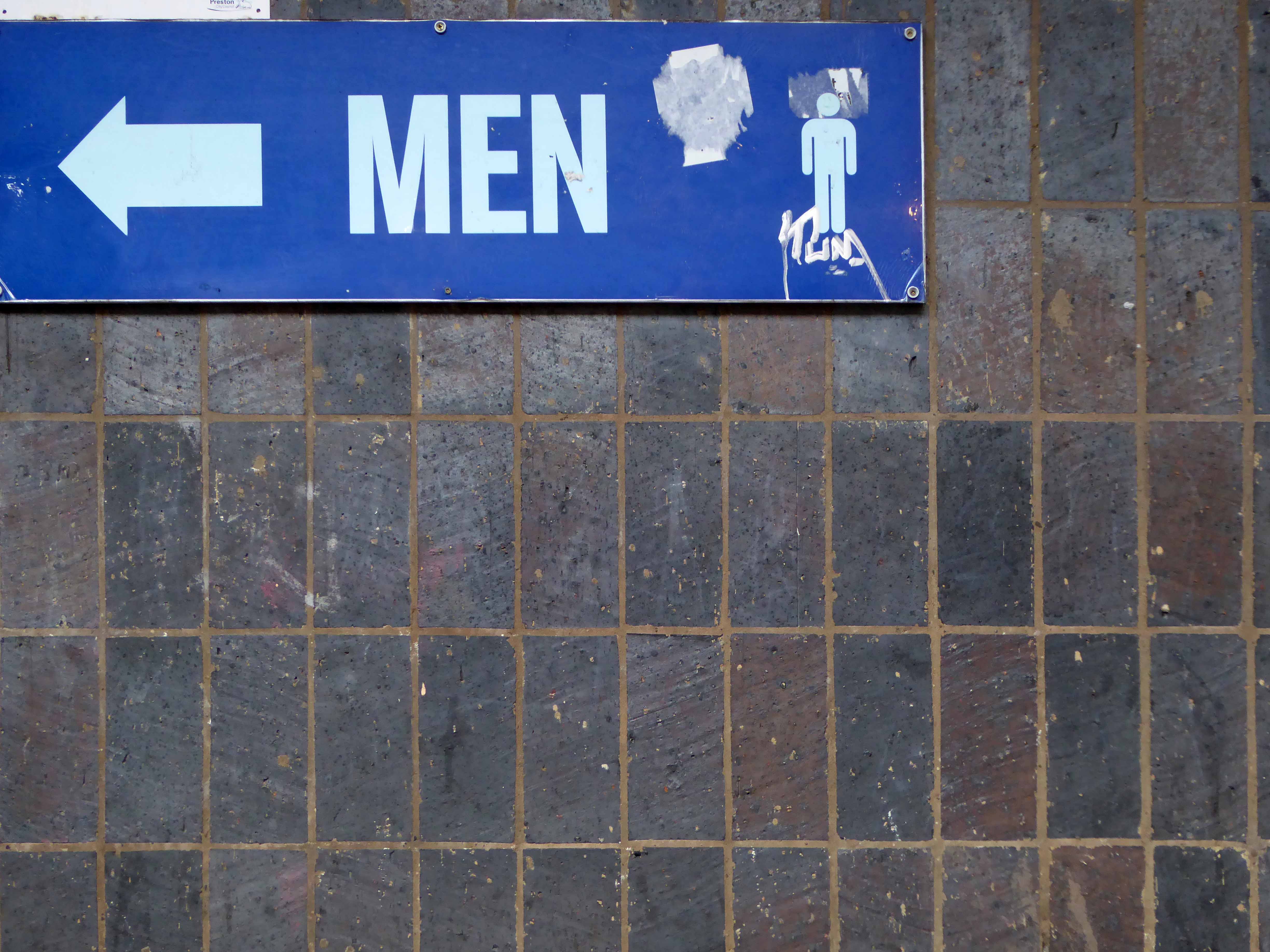
Coventry forever changes.

Indoor Market Preston – Epilogue

I’ve been here, before recording the prelude to the epilogue, here at Preston’s Indoor Market.

So on my return this February, I find that the inevitable end, is indeed now past nigh.

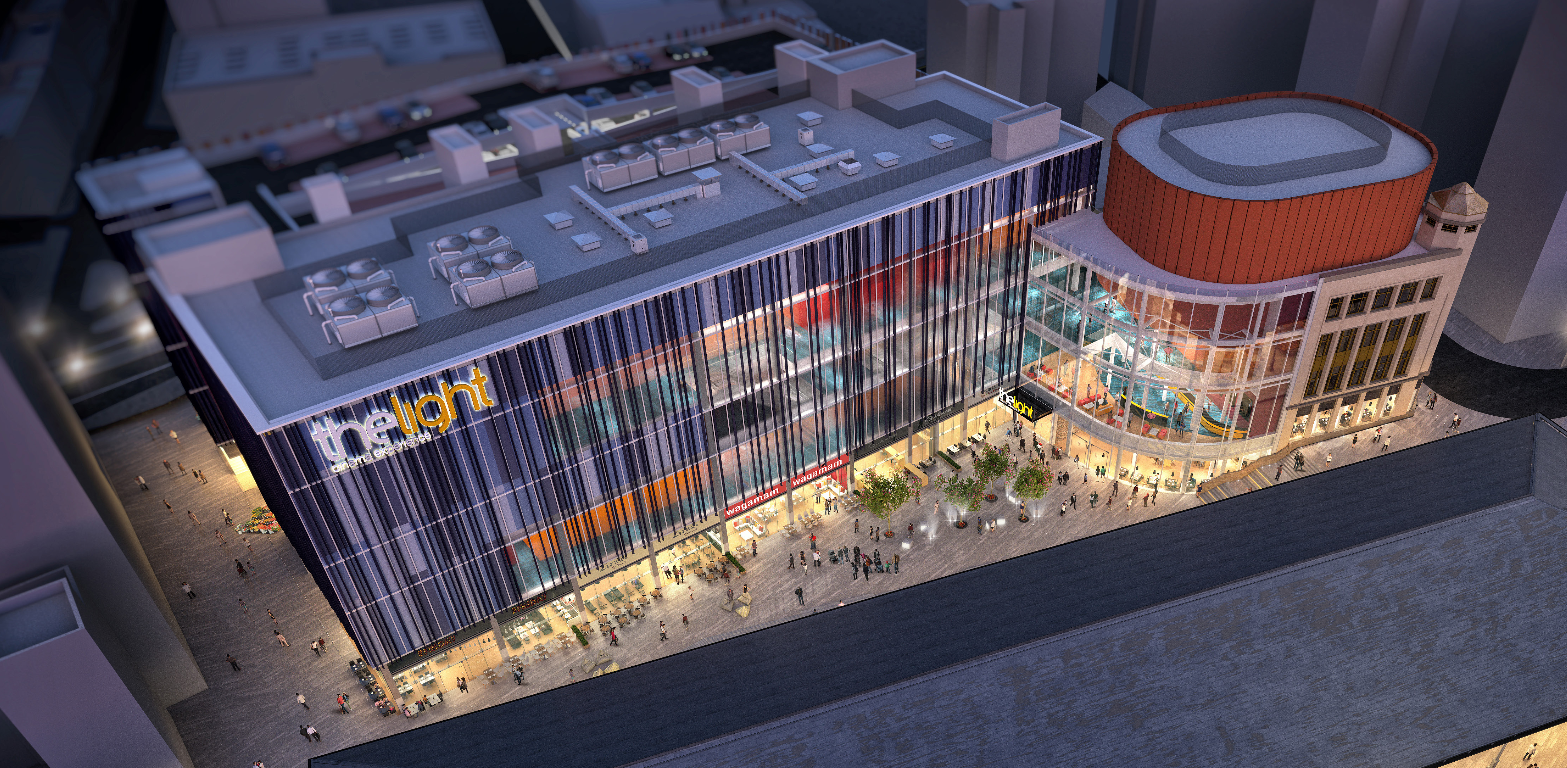
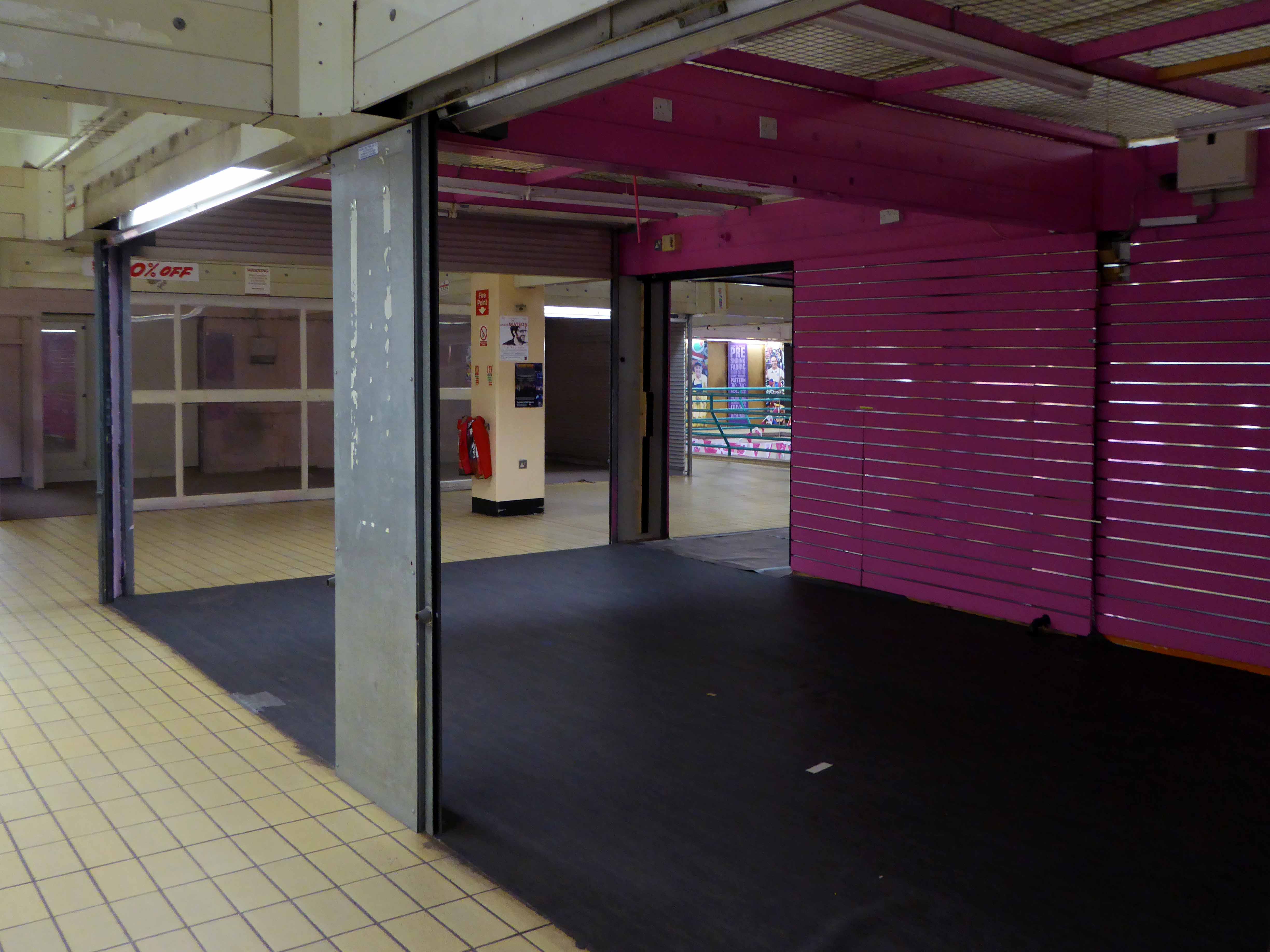
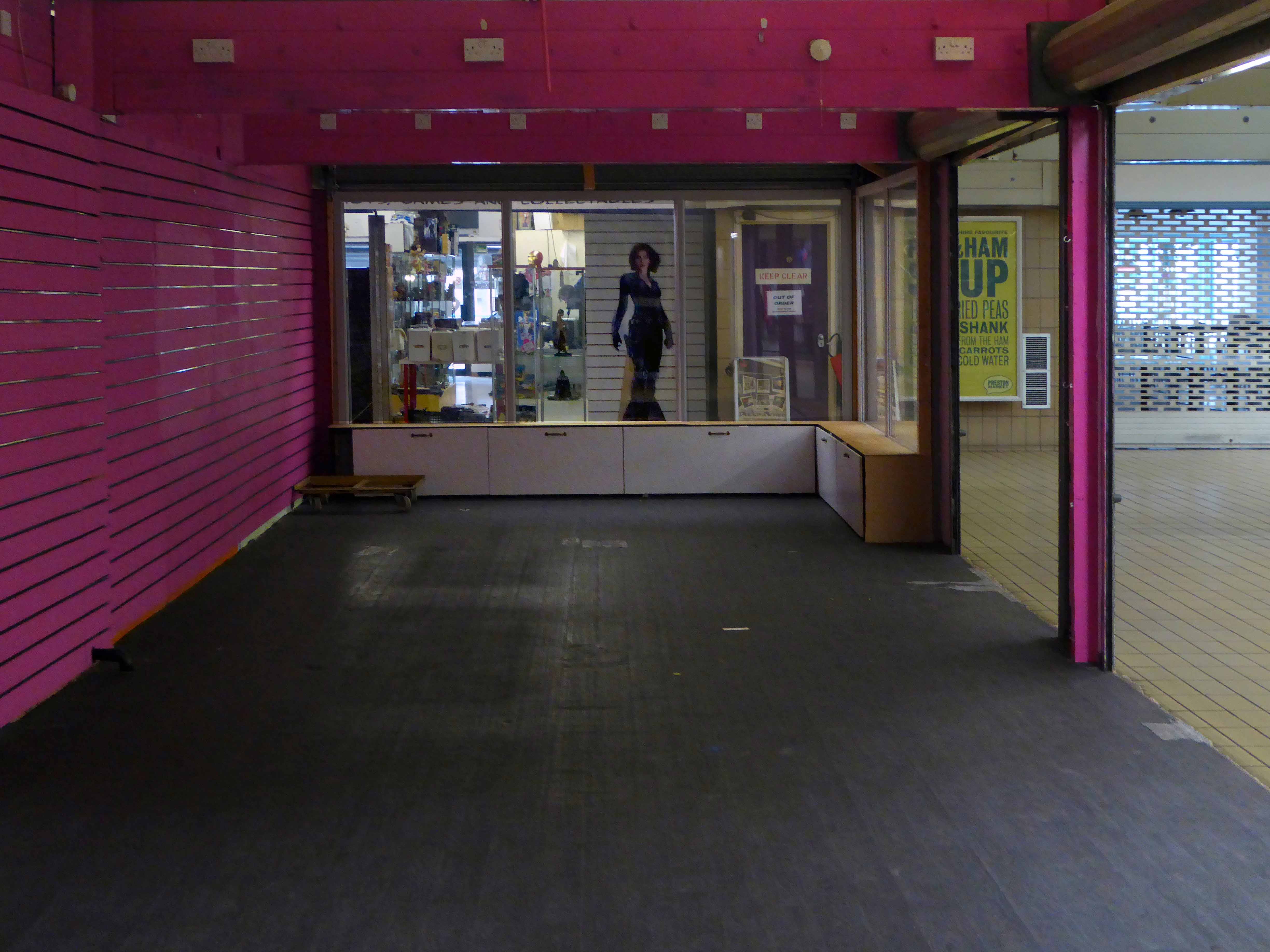
Boarded and shuttered awaiting demolition – Waiting for The Light to shine:

Preston-Market-and-Cinema-visual

Preston City Council has granted planning permission to Muse Developments’ £50m cinema-led leisure scheme in the city centre.

Muse is working in partnership with the council on the plans, made up of an 11-screen cinema operated by The Light, seven family restaurants, a 593-space multi-storey car park and public realm improvements.

The project forms part of the wider regeneration of the Markets Quarter which includes the full refurbishment and redecoration of the grade two-listed market canopies and the construction of a glazed Market Hall.

Preston to their credit have become an exemplar for inward urban regeneration, and the work undertaken so far in the market area is bringing new life and trade to the area.

That said, it is always saddening to see the architecture of the Sixties swept aside.

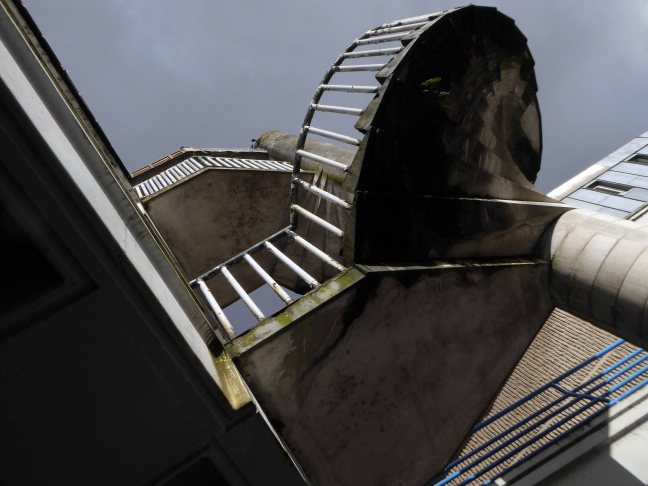
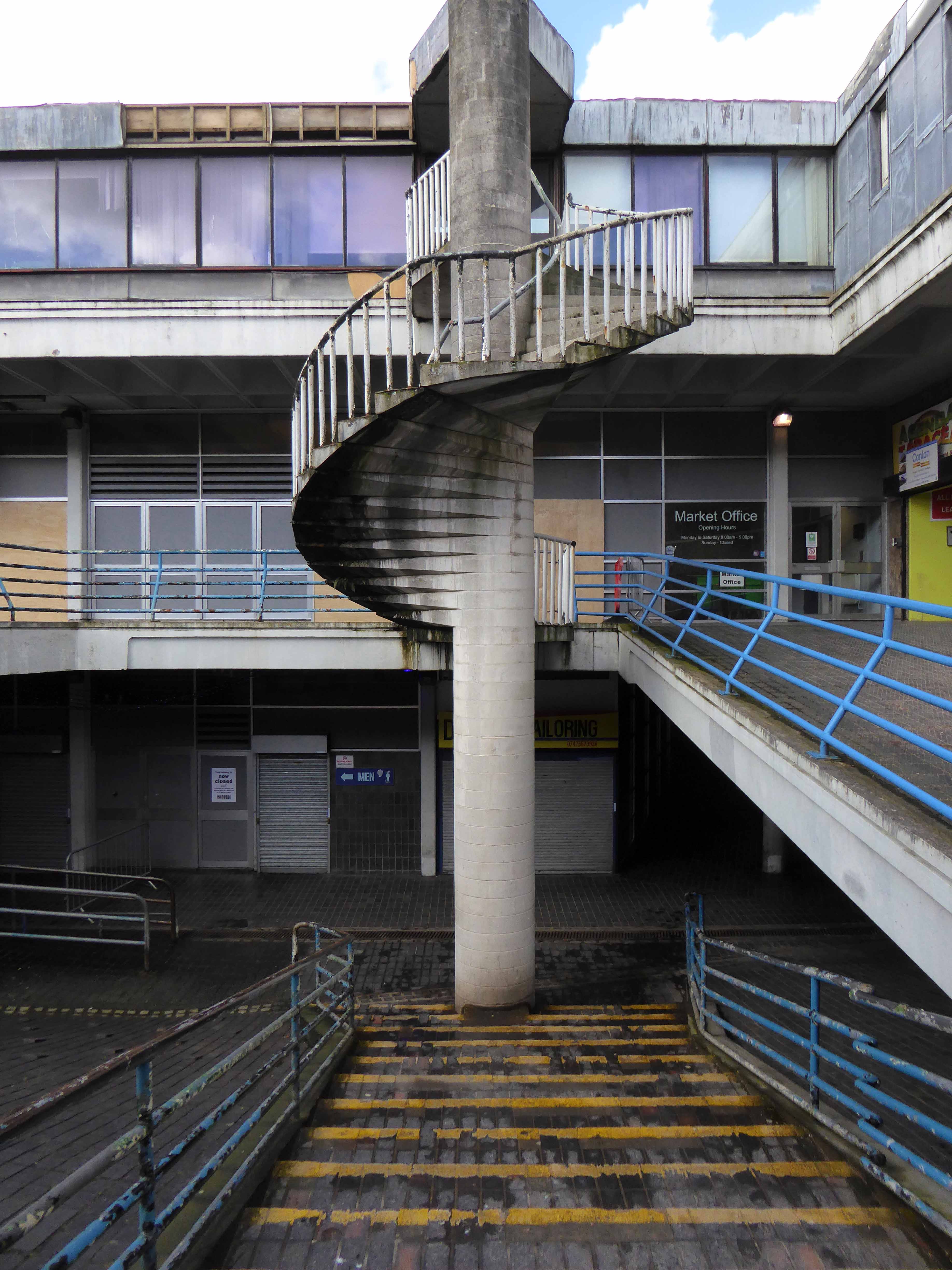
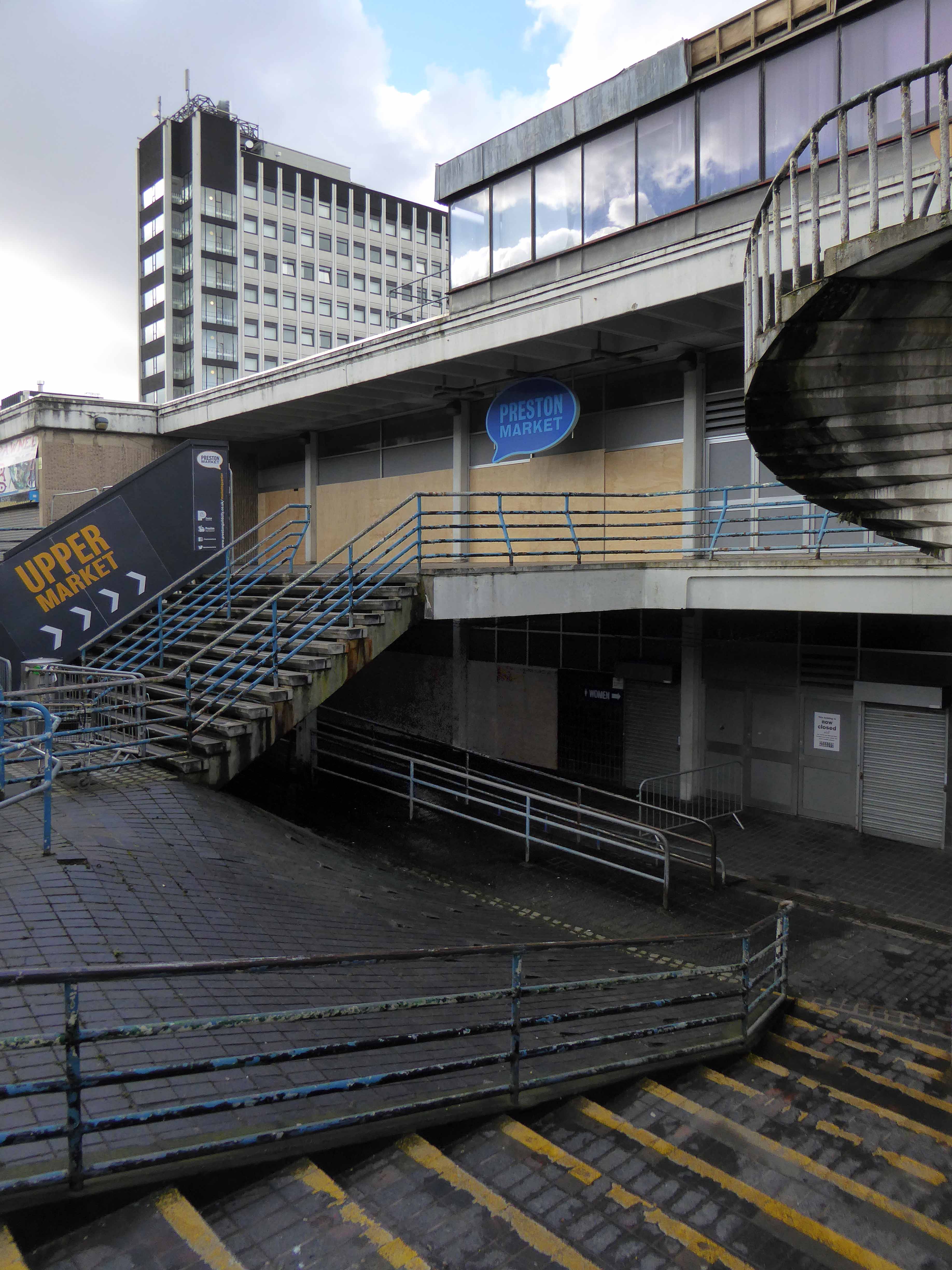
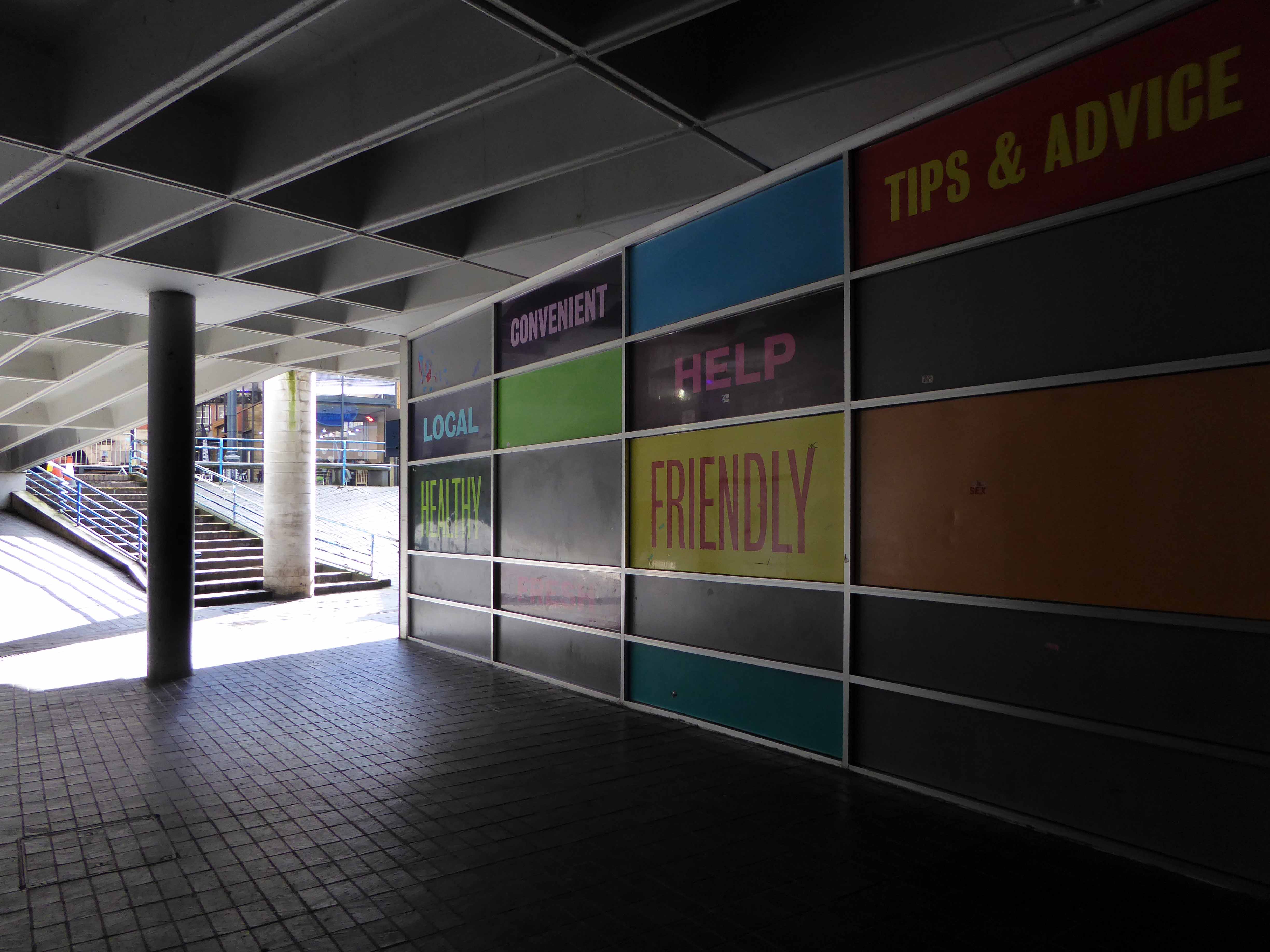
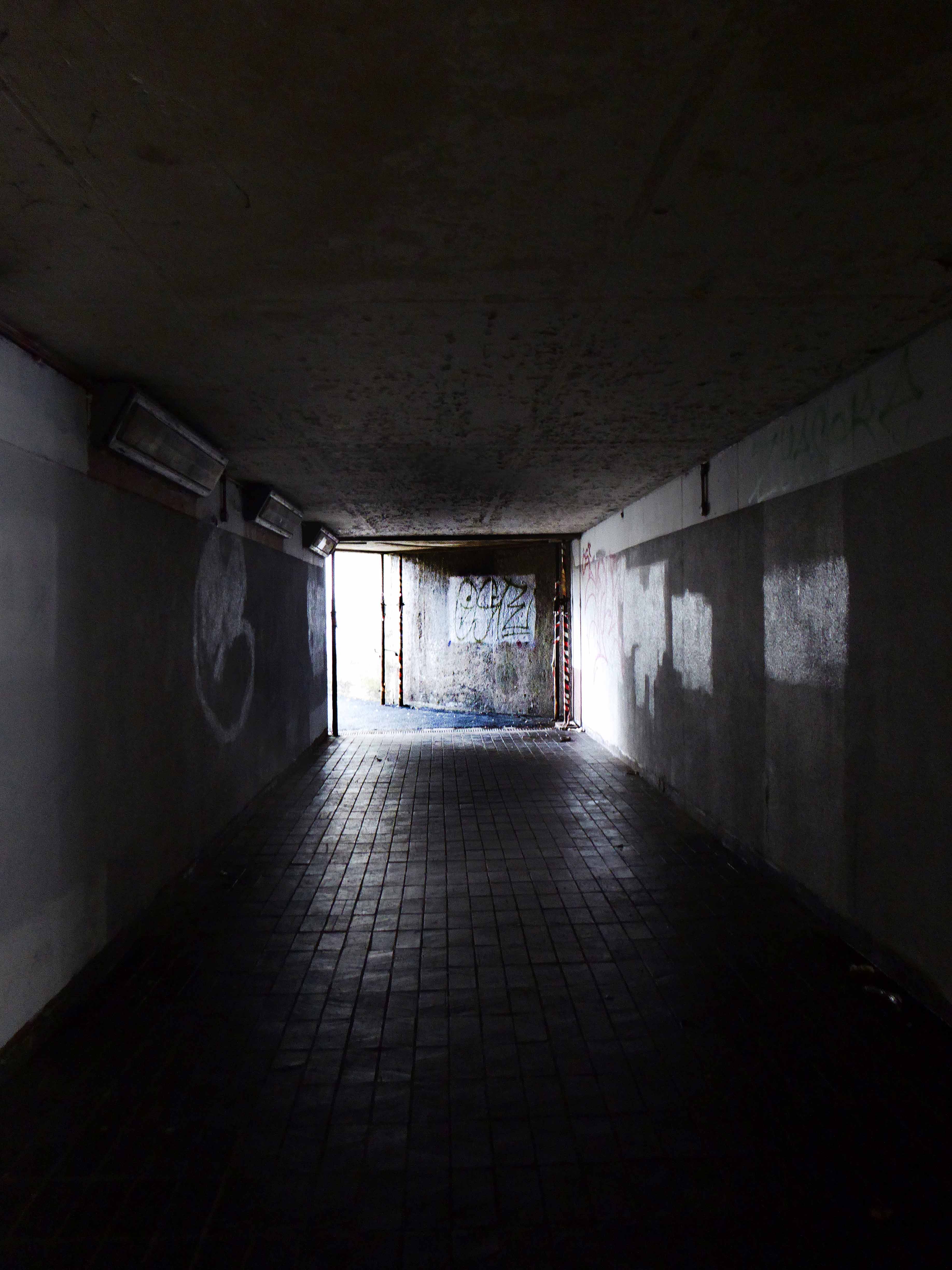
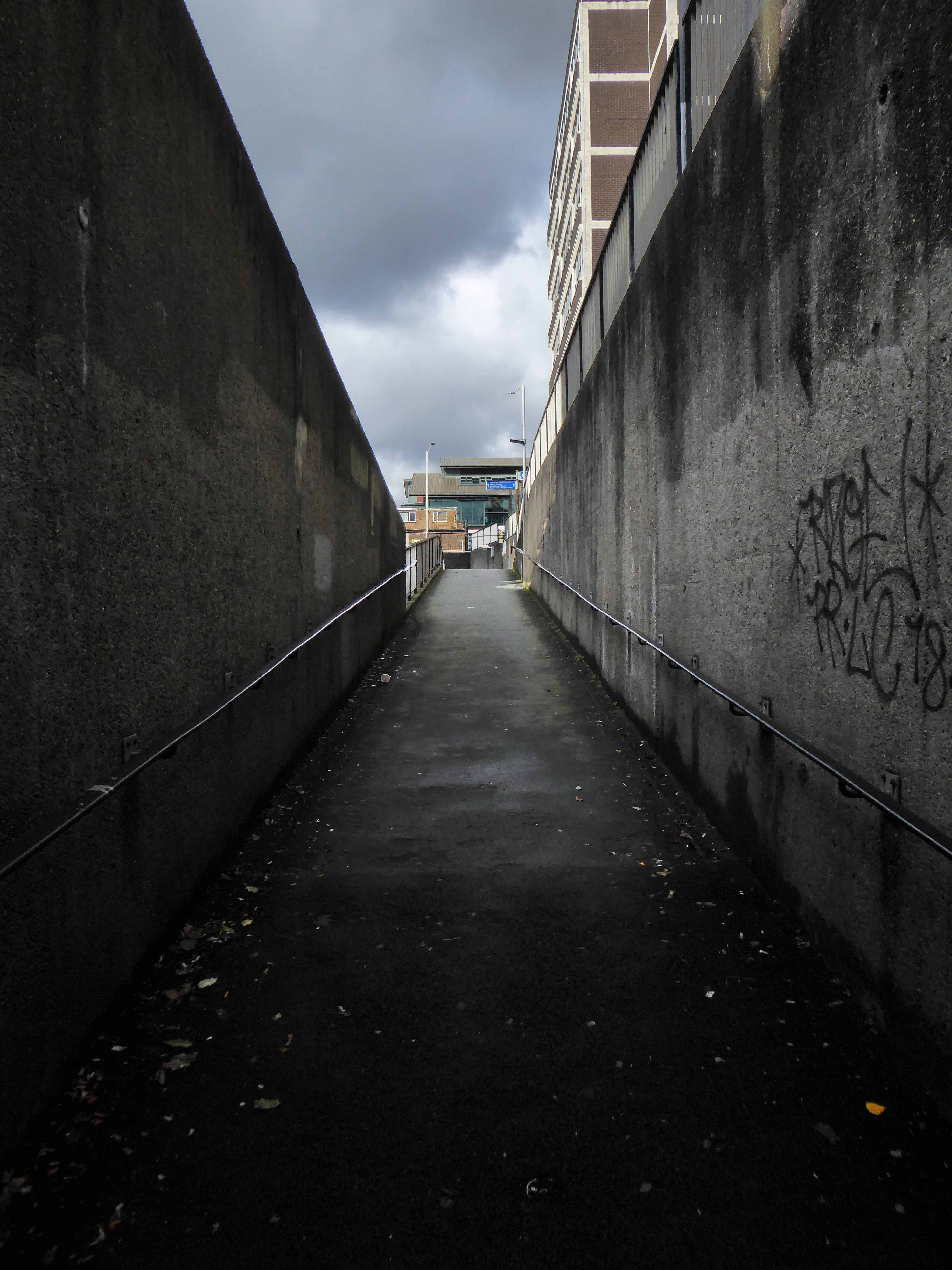
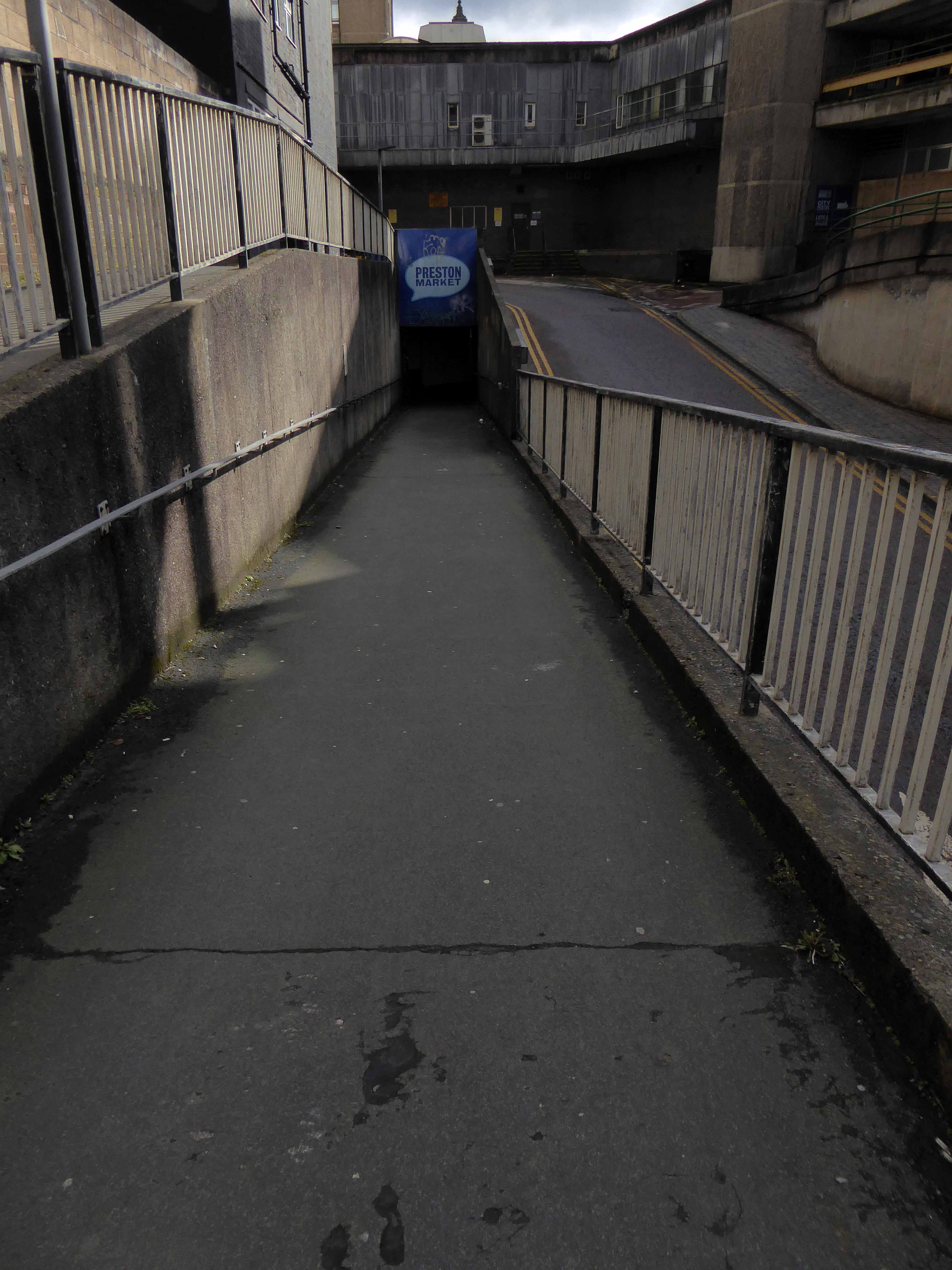
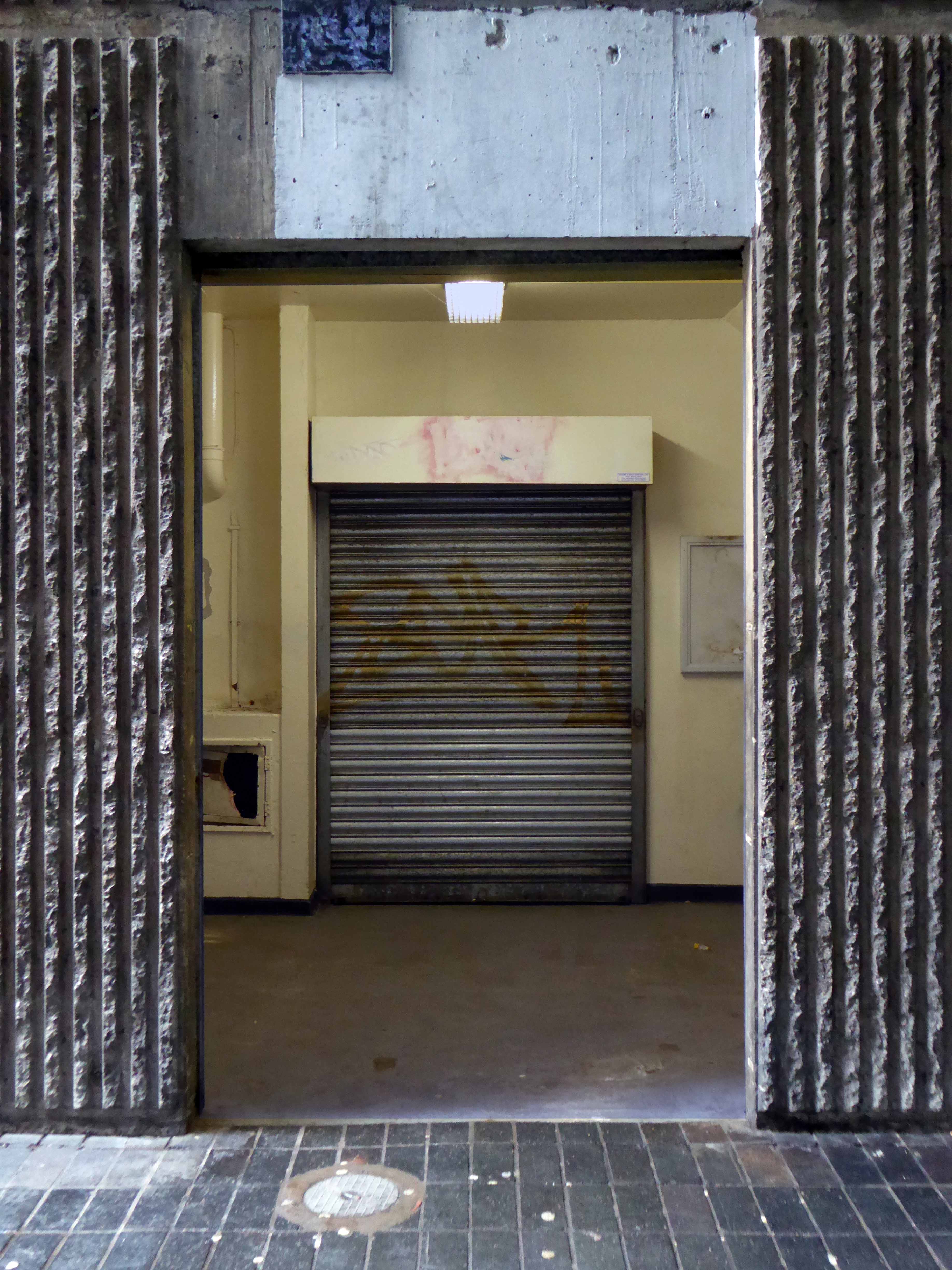
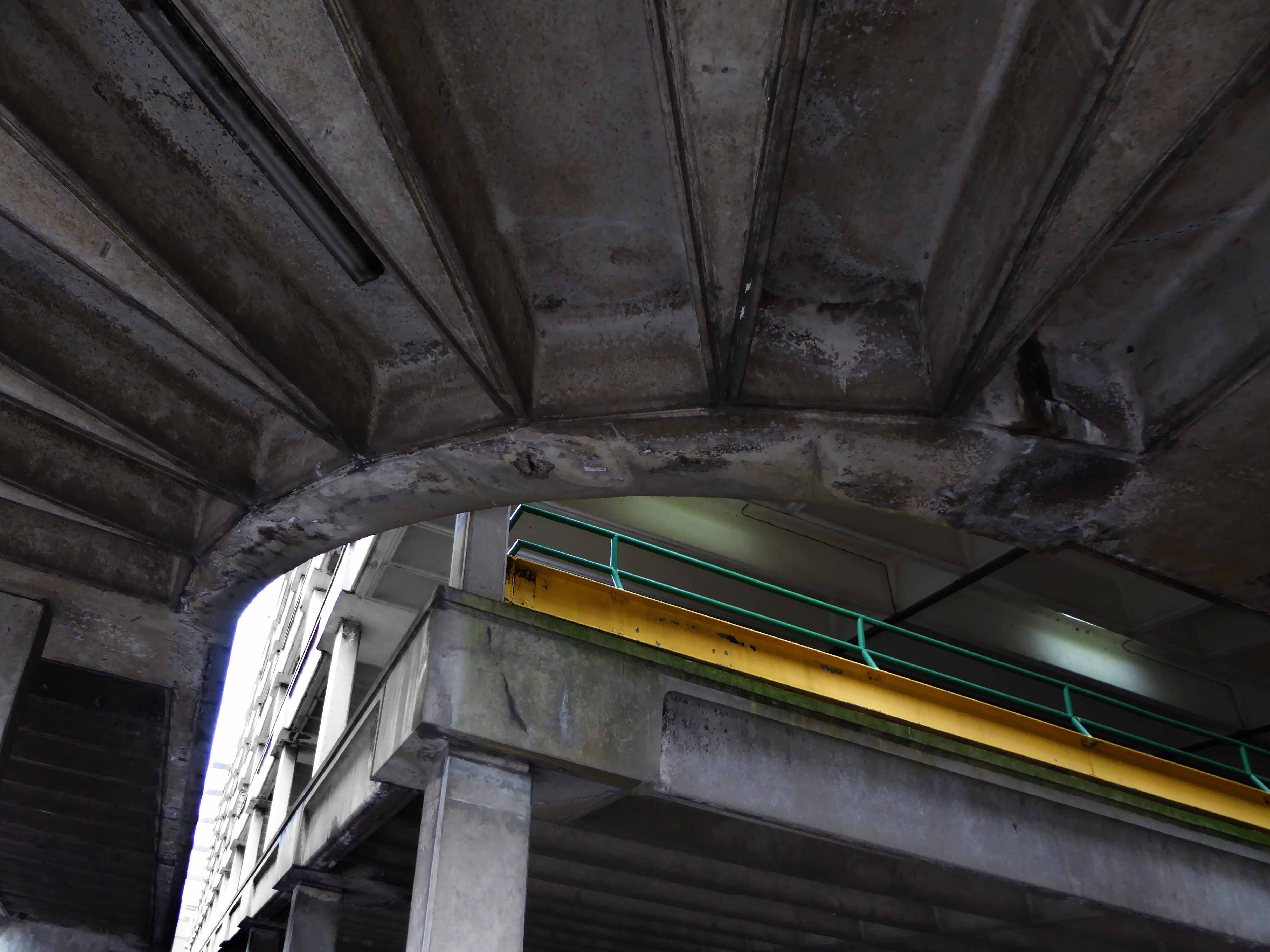
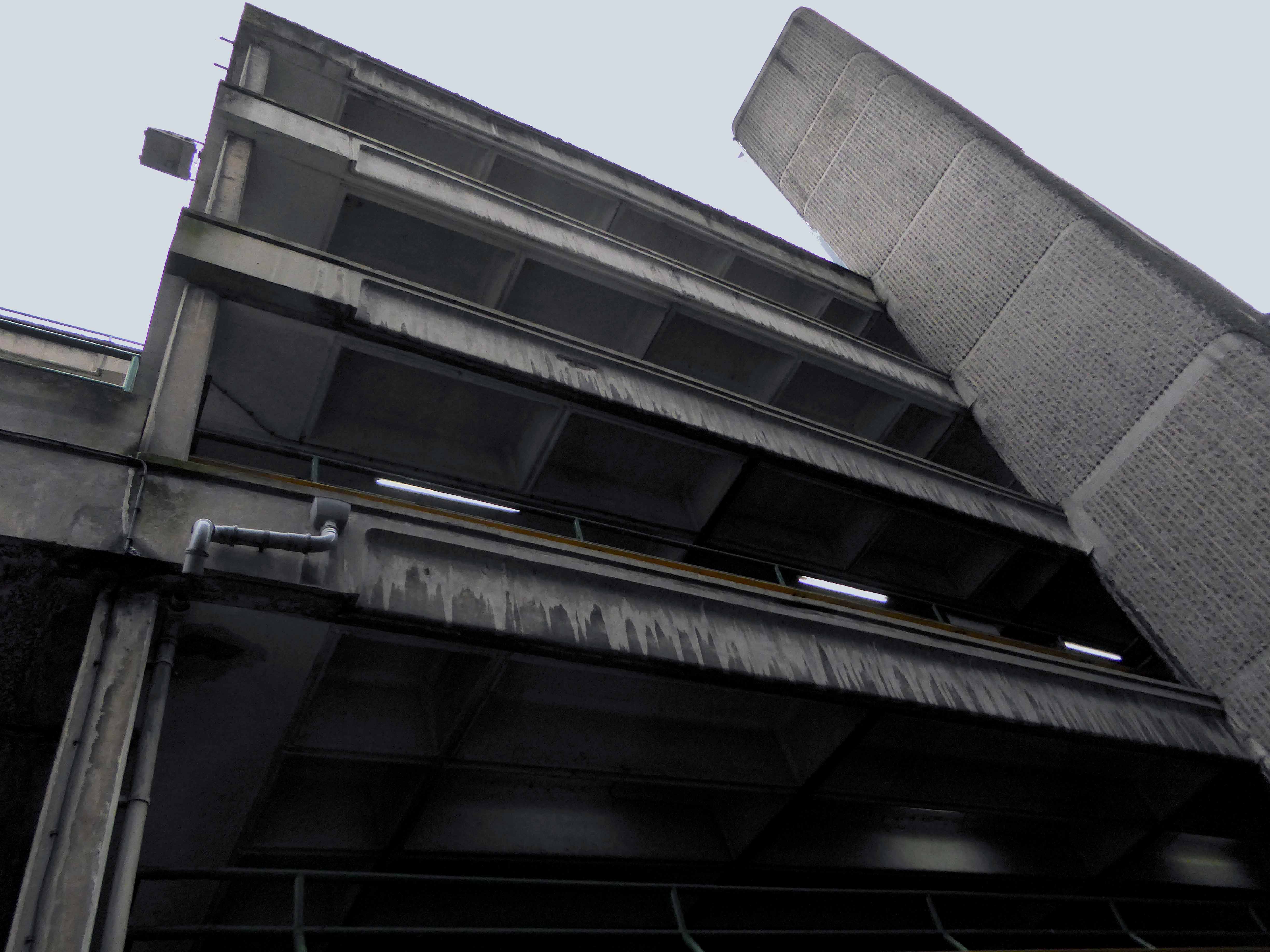
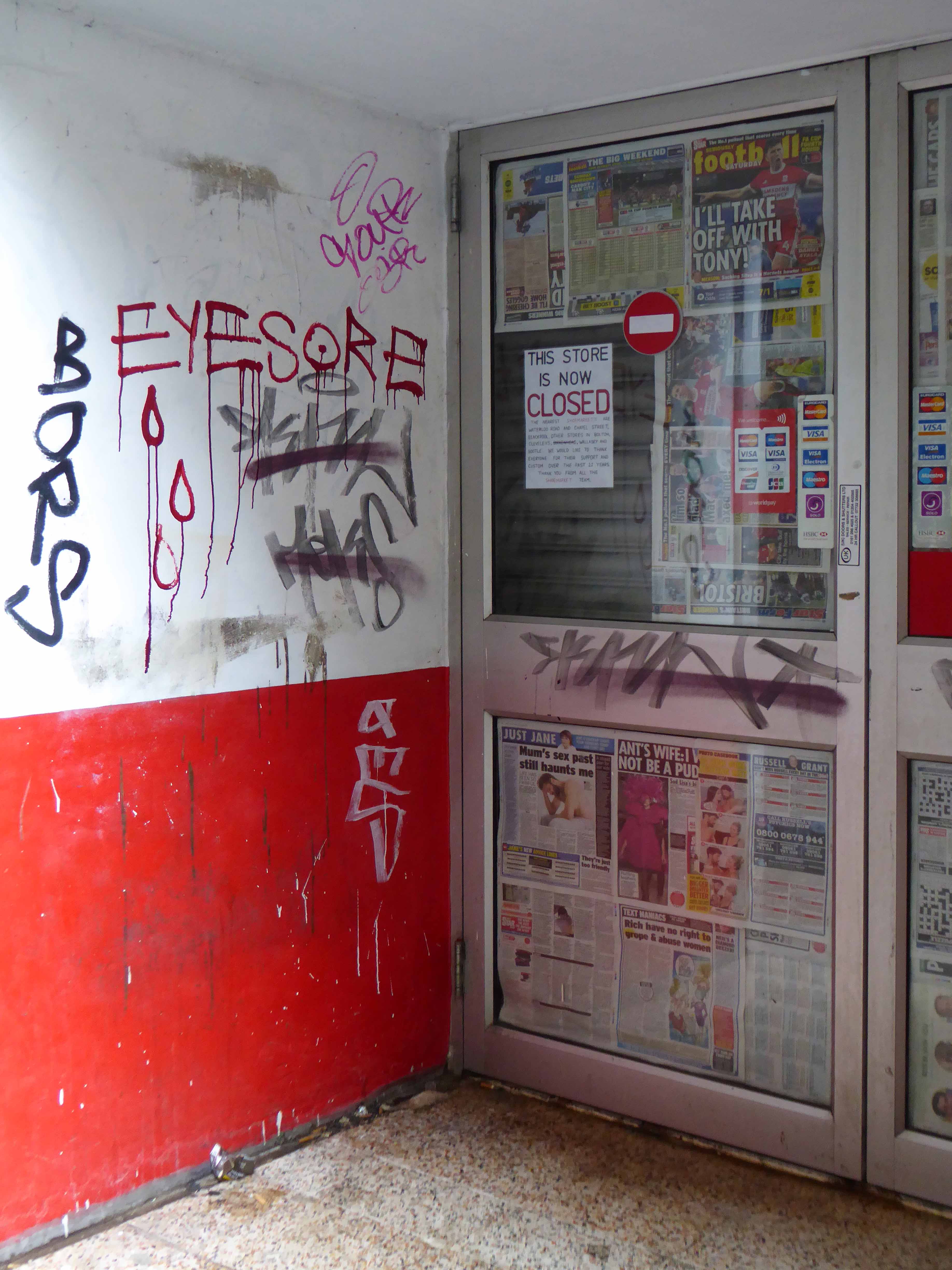
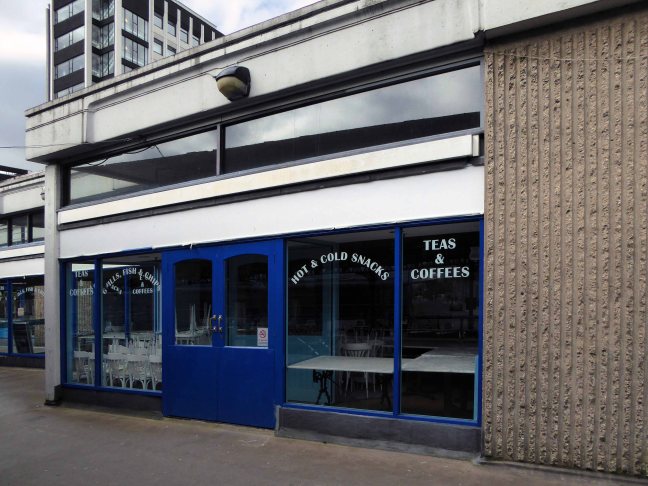
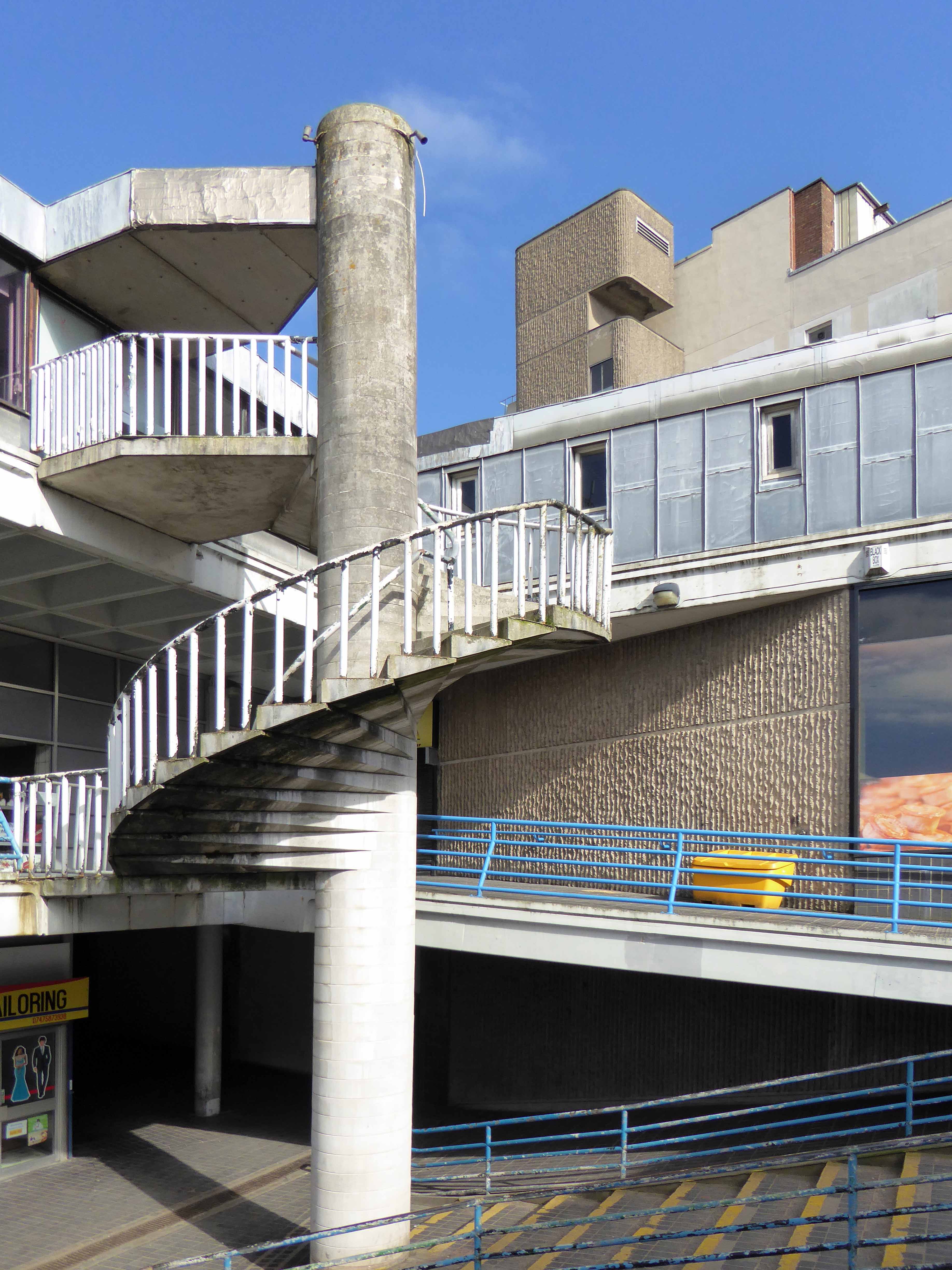
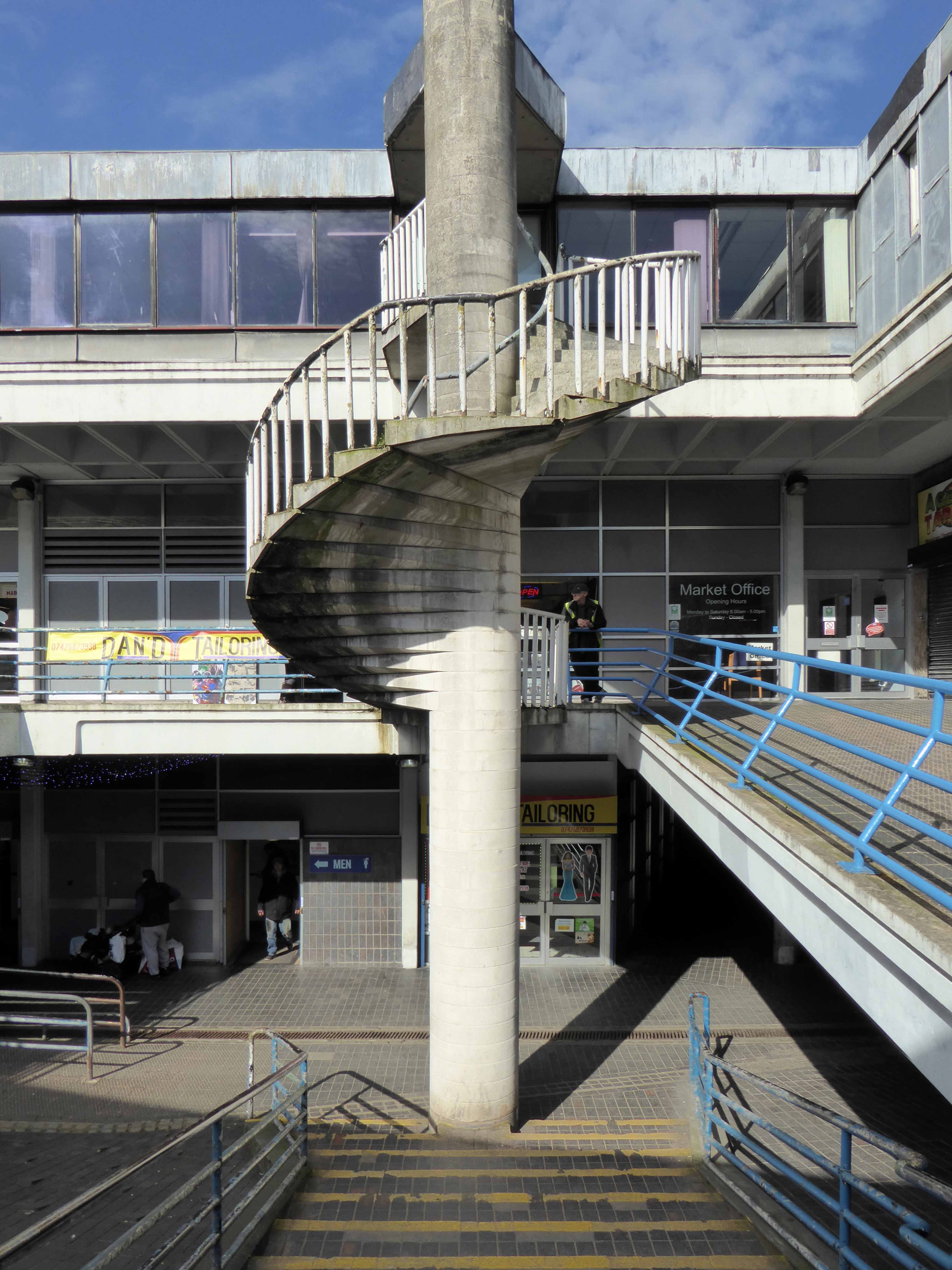
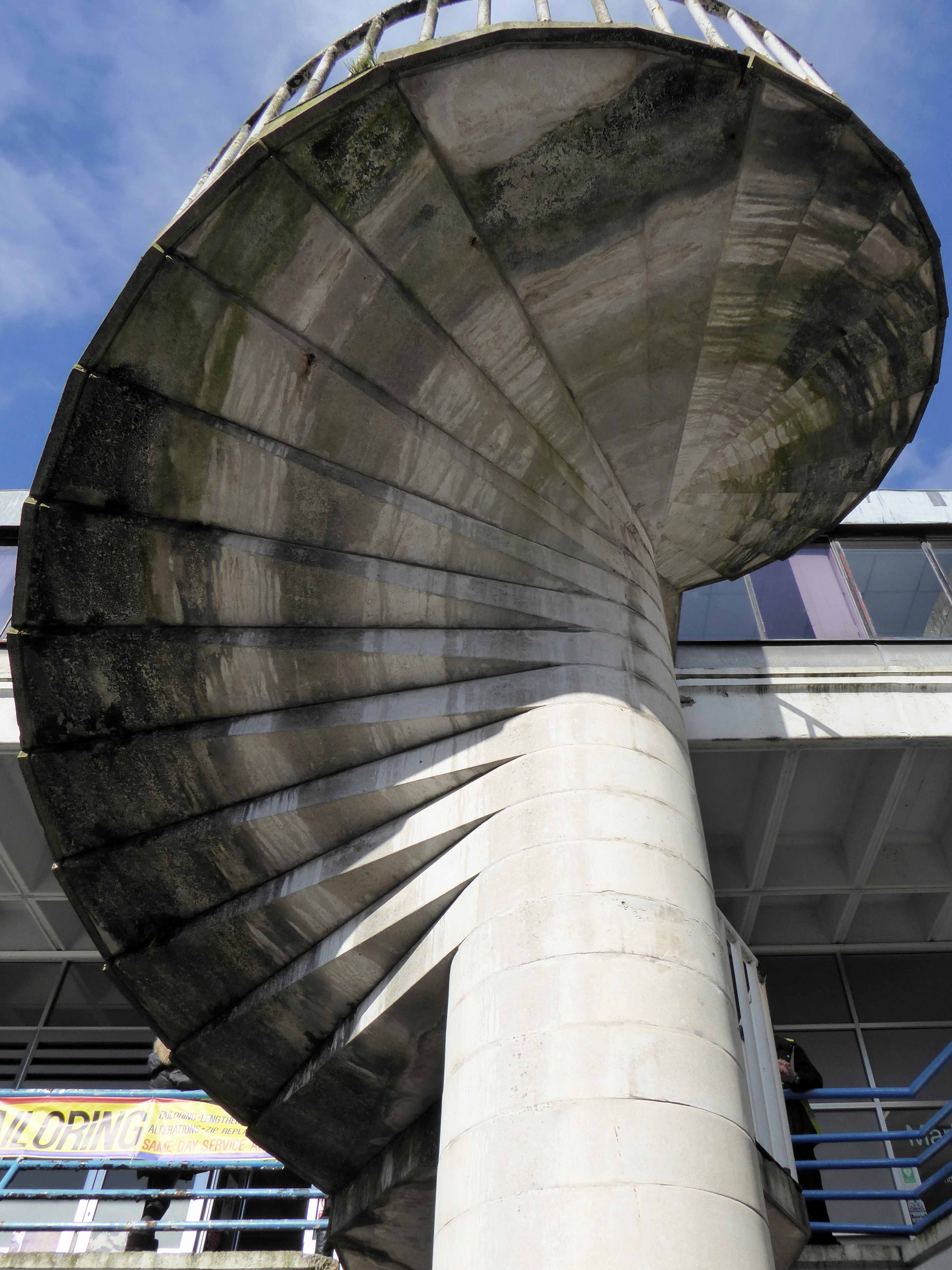
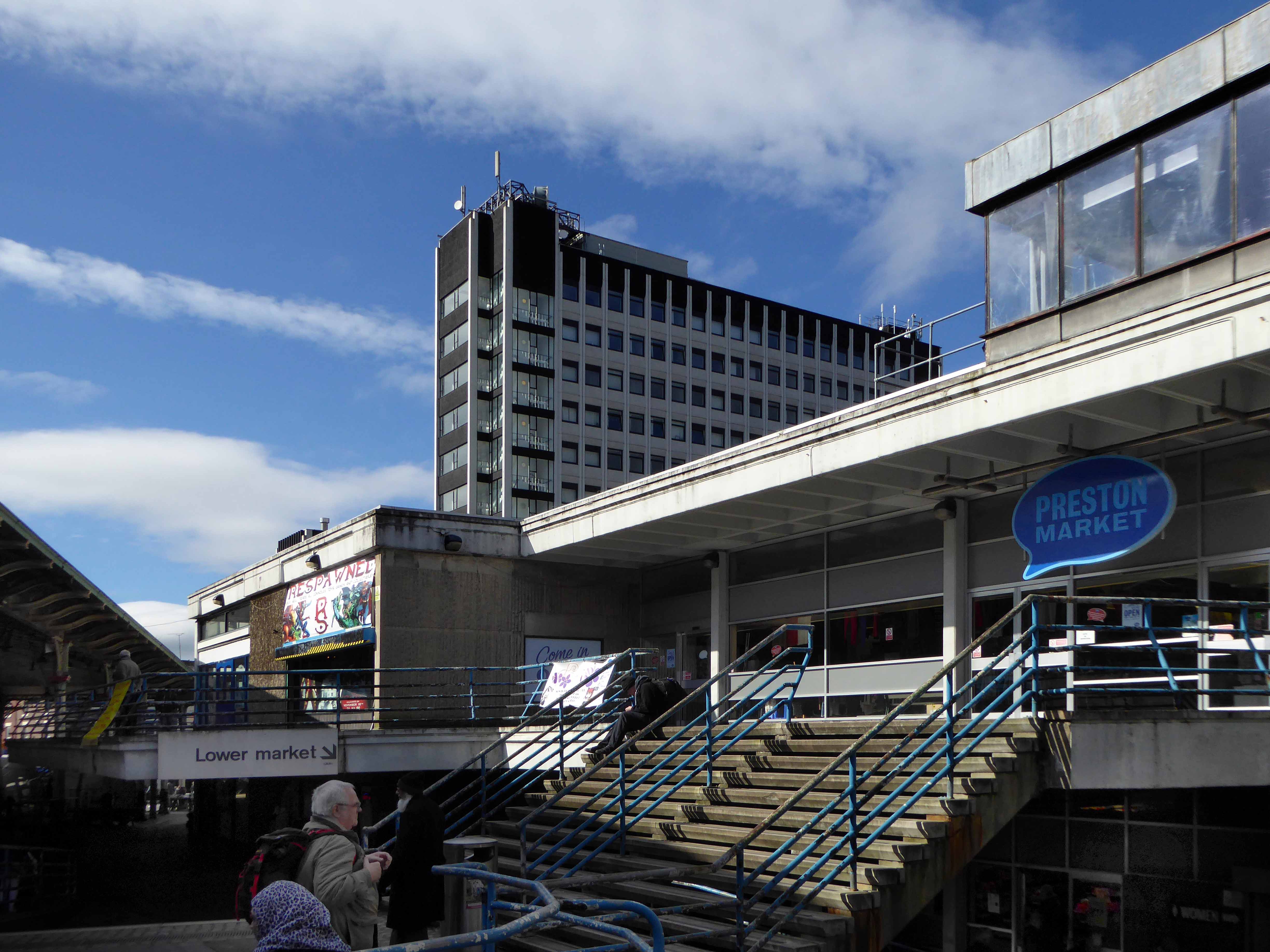
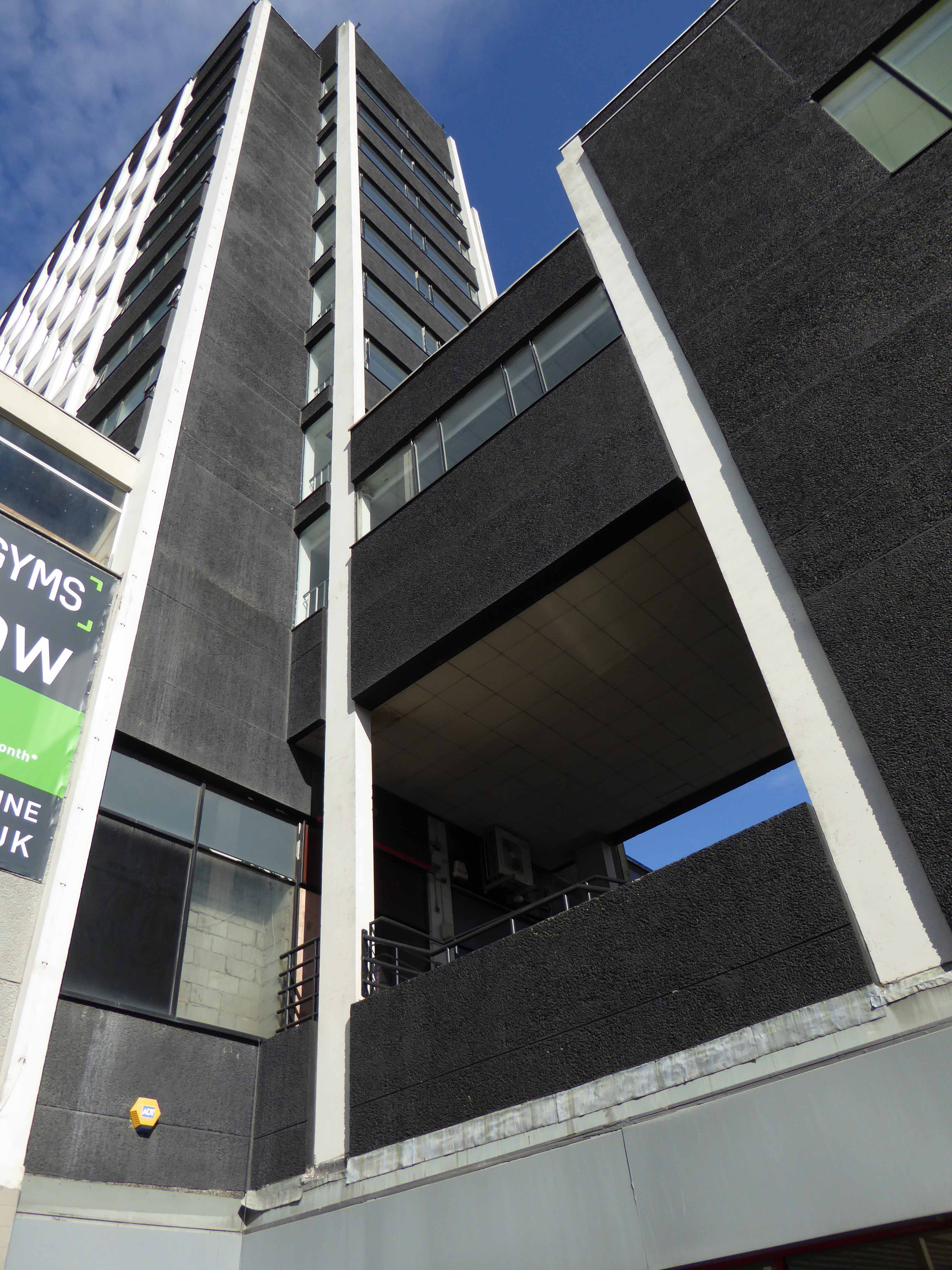
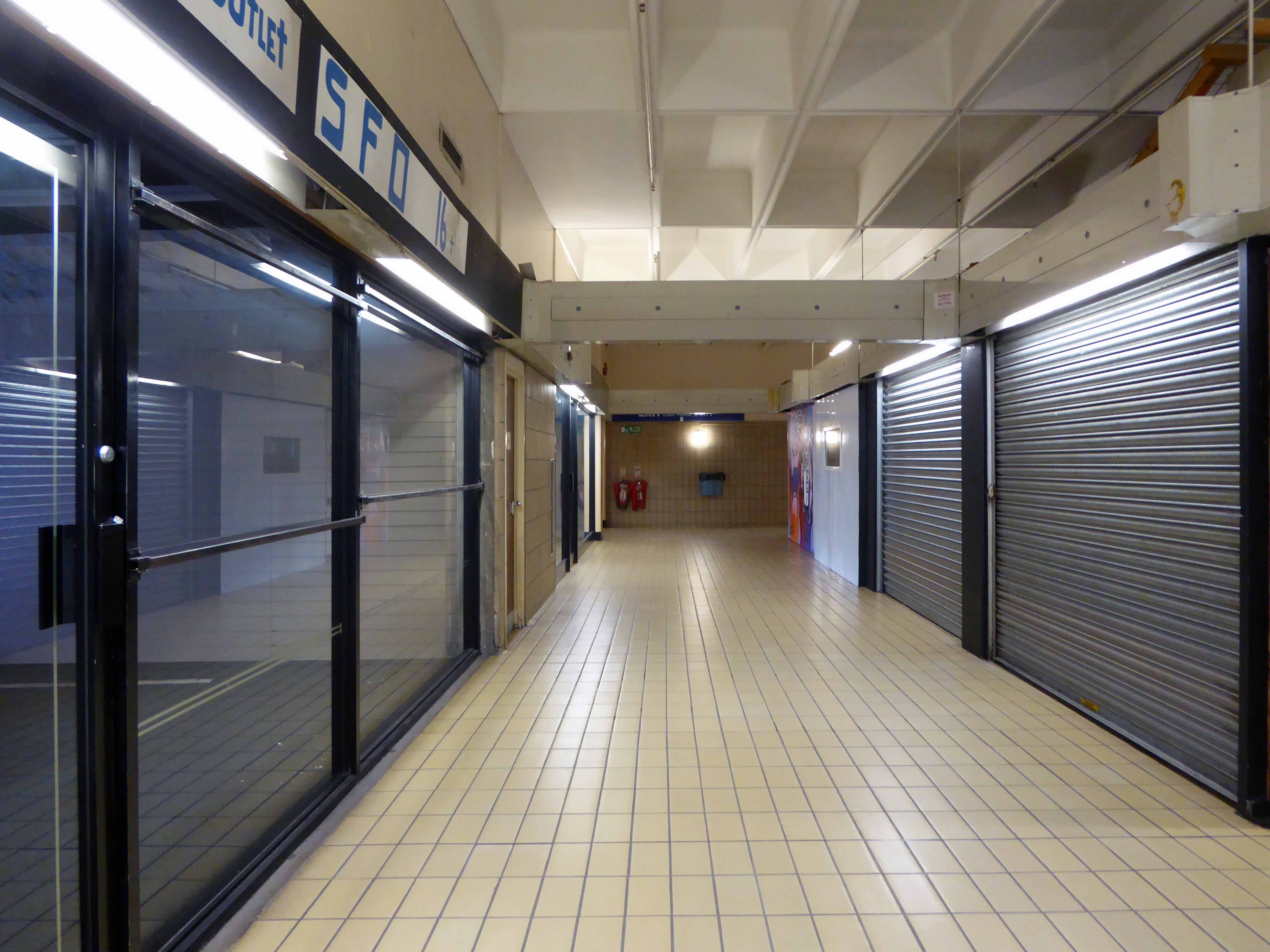
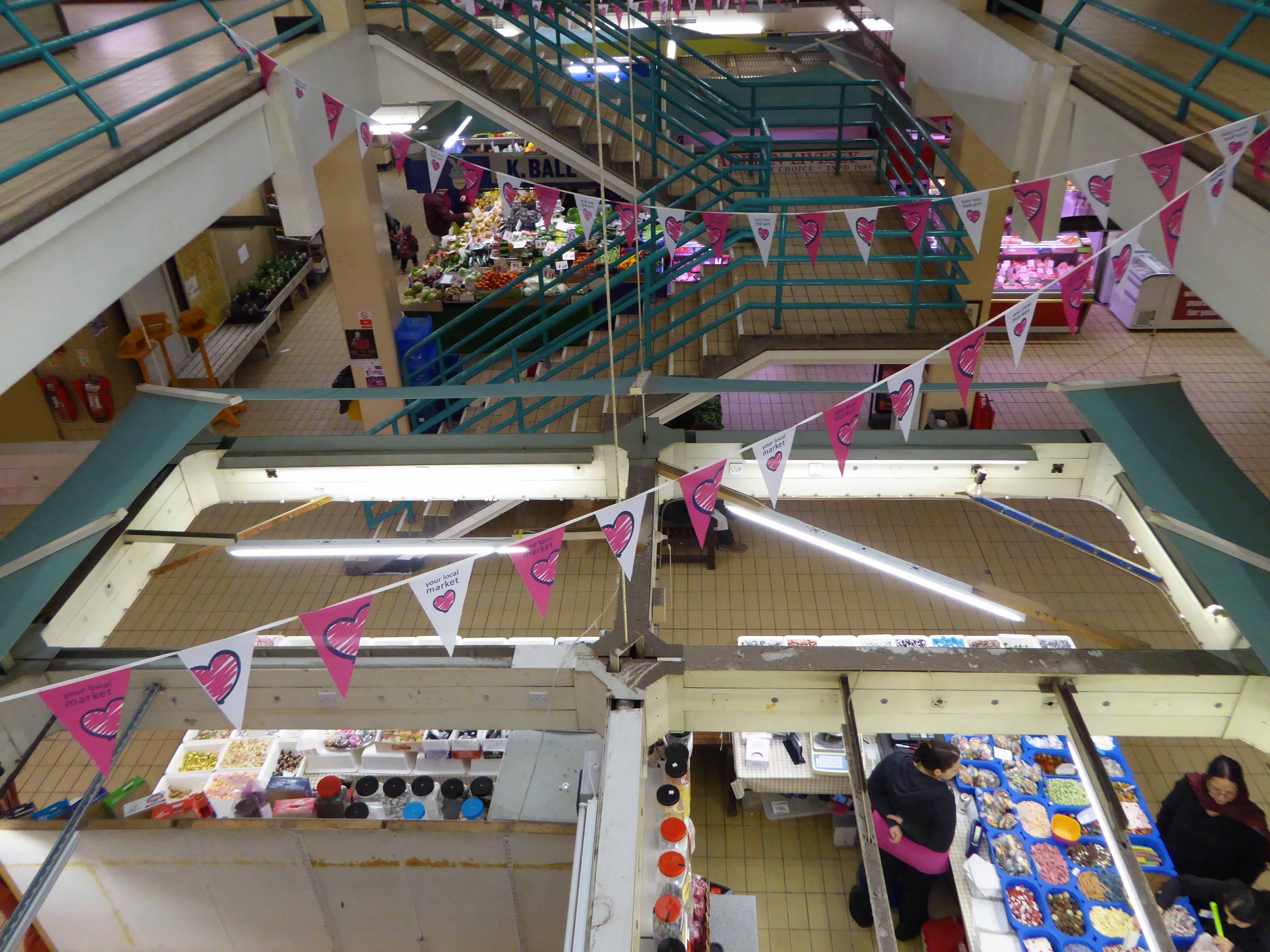
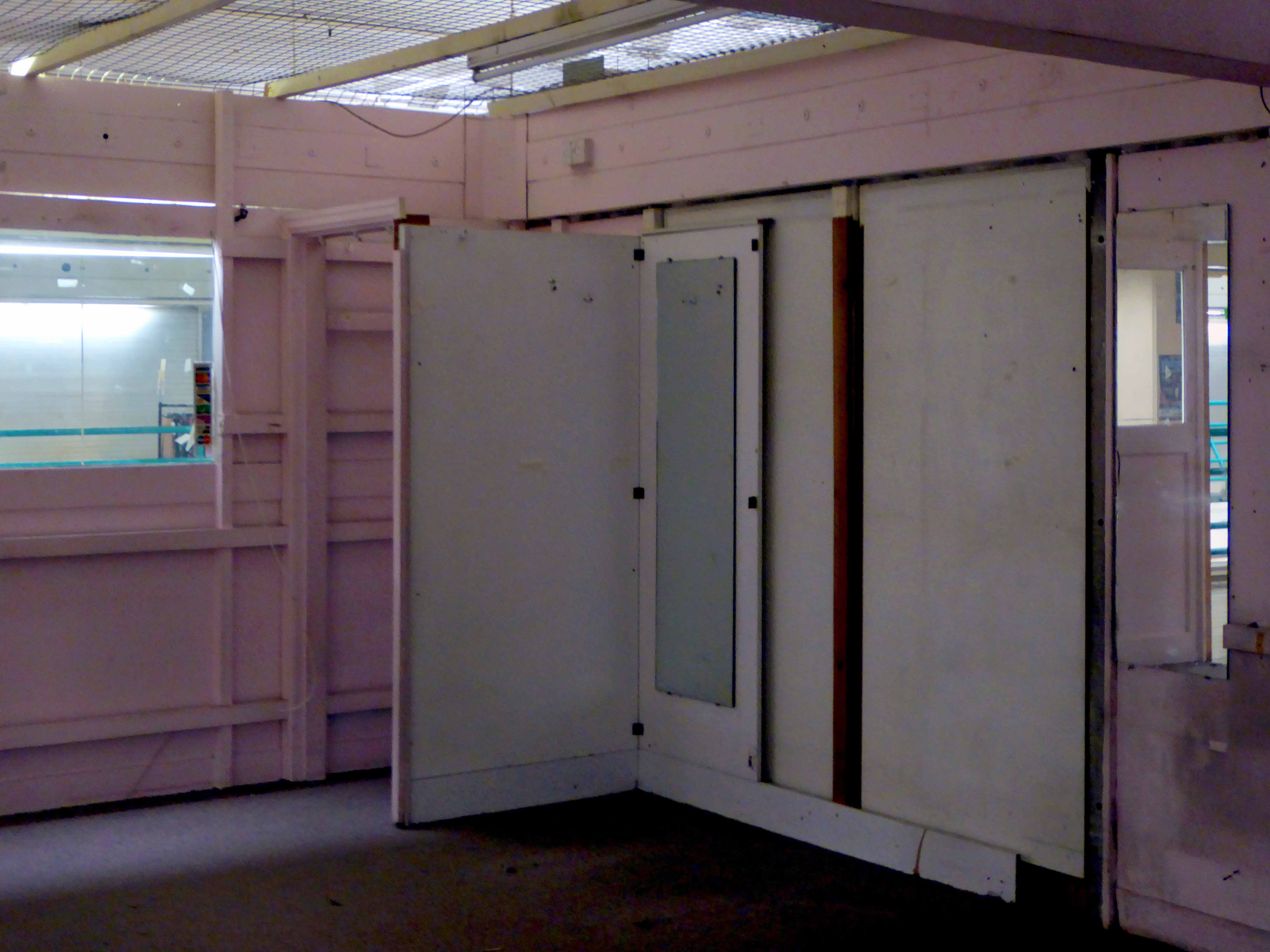
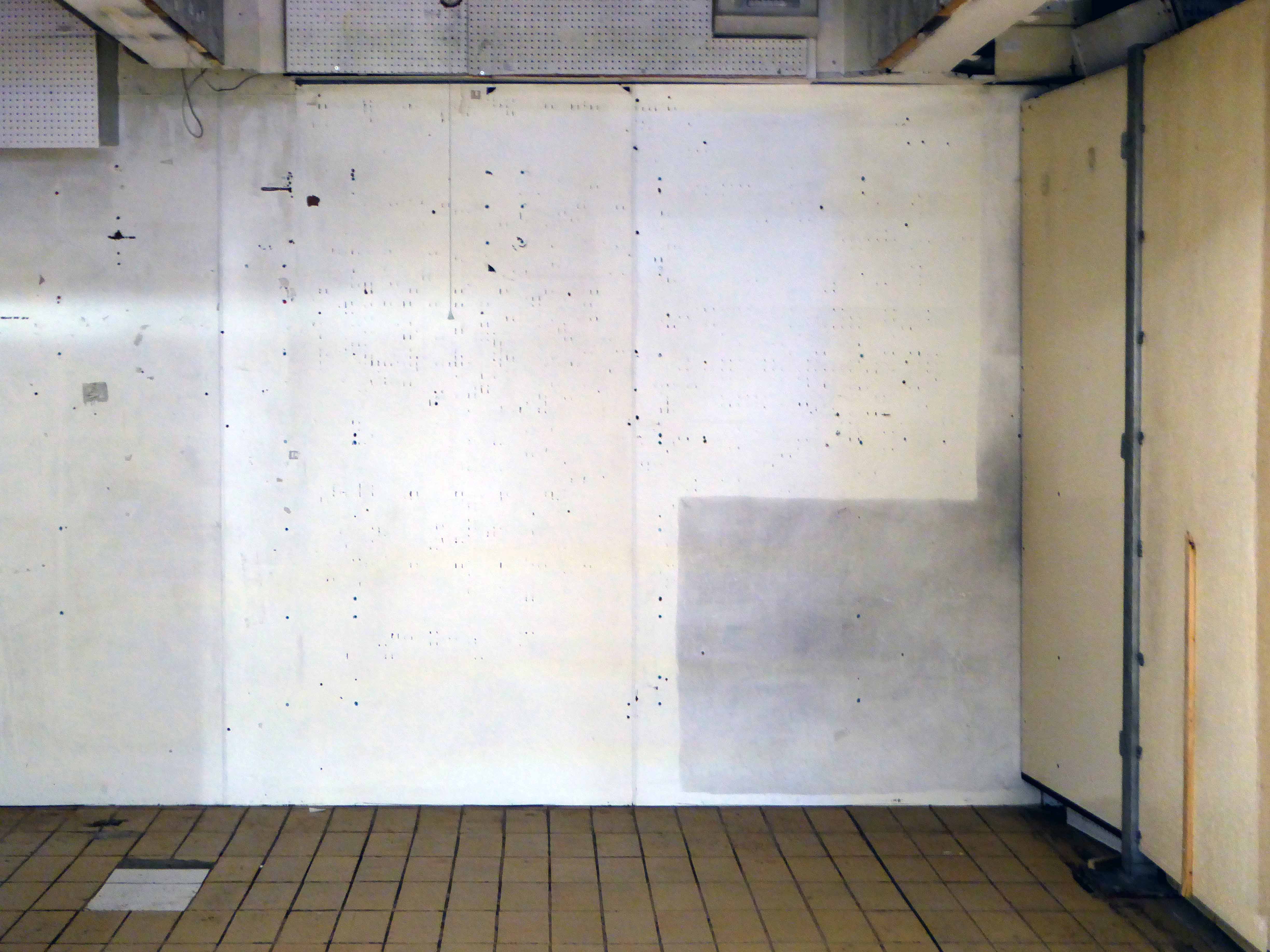
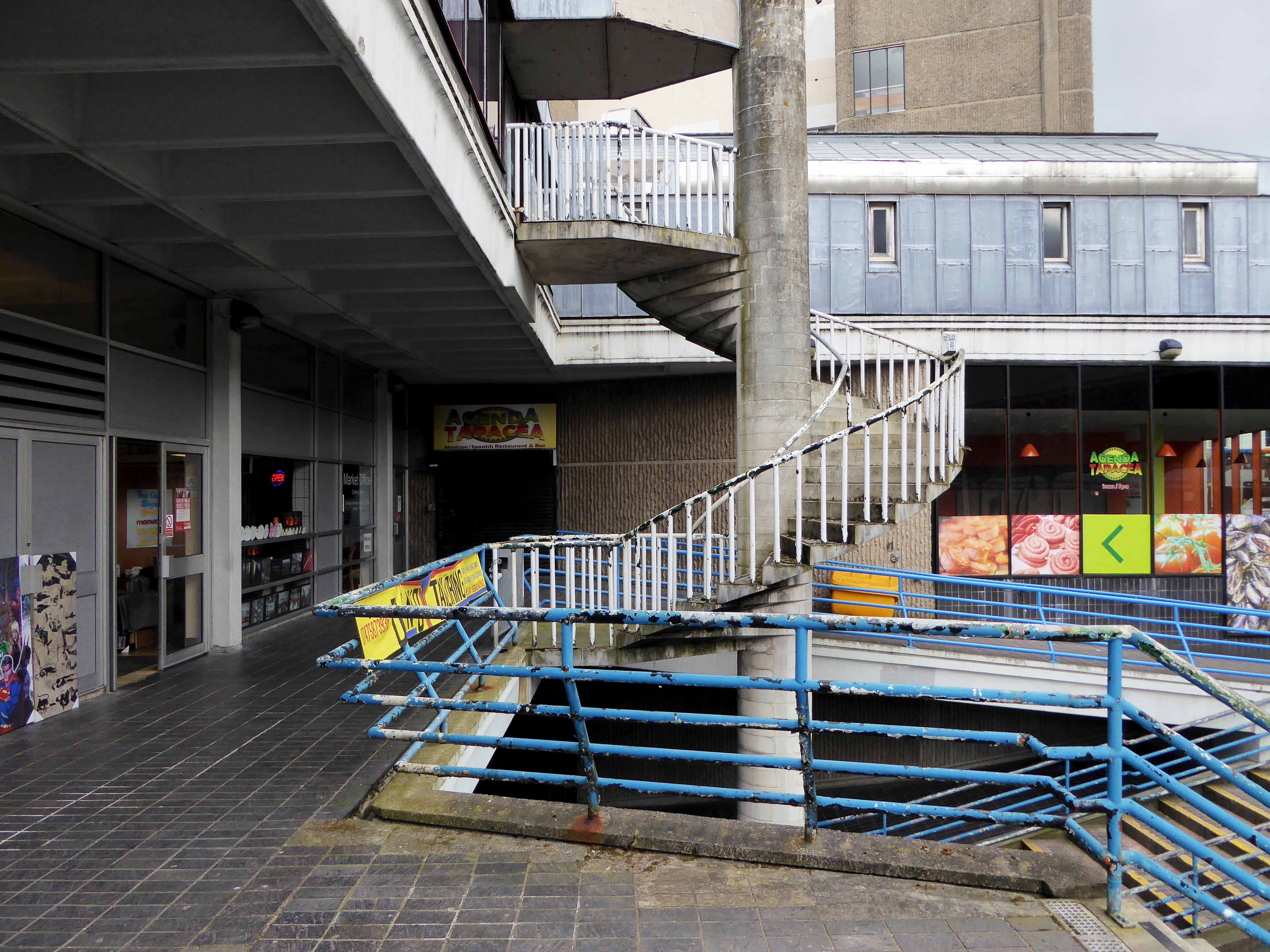
So come take one last wander through the concrete warren of ramps, underpasses and tunnels of the unwanted indoor market.

P1230805

P1230807

P1230809

P1230810

P1230814

P1230815

P1230816

P1230817

P1230819

P1230822

P1230823

P1230824

P1230825

P1230827

P1230828

P1230831

P1230832

P1230835

P1230849

P1230850

P1230851

P1230858

P1230861

P1230863

P1230865

P1230867


P1230870


P1230872

P1230873

P1230874

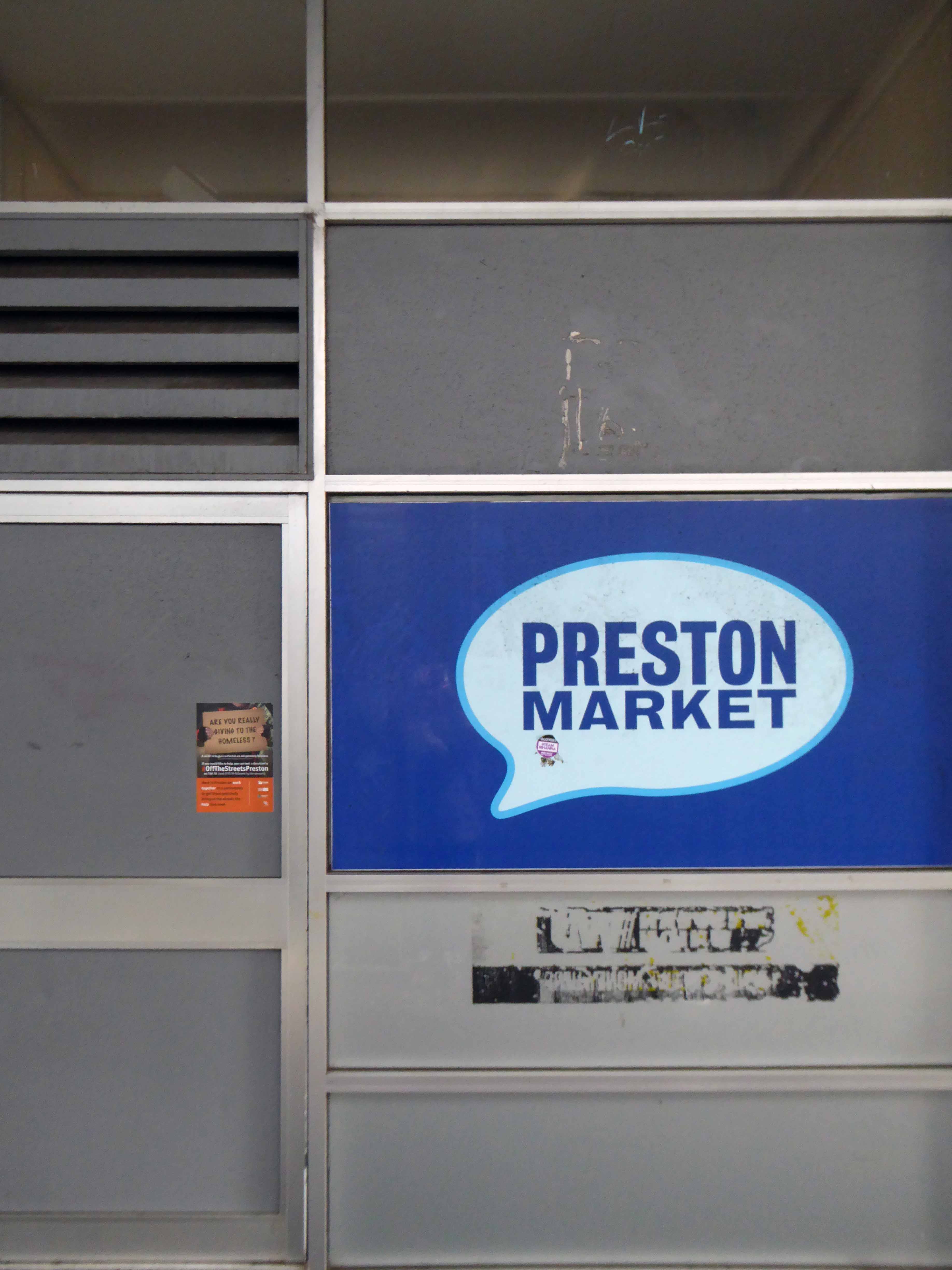
Preston Indoor Market

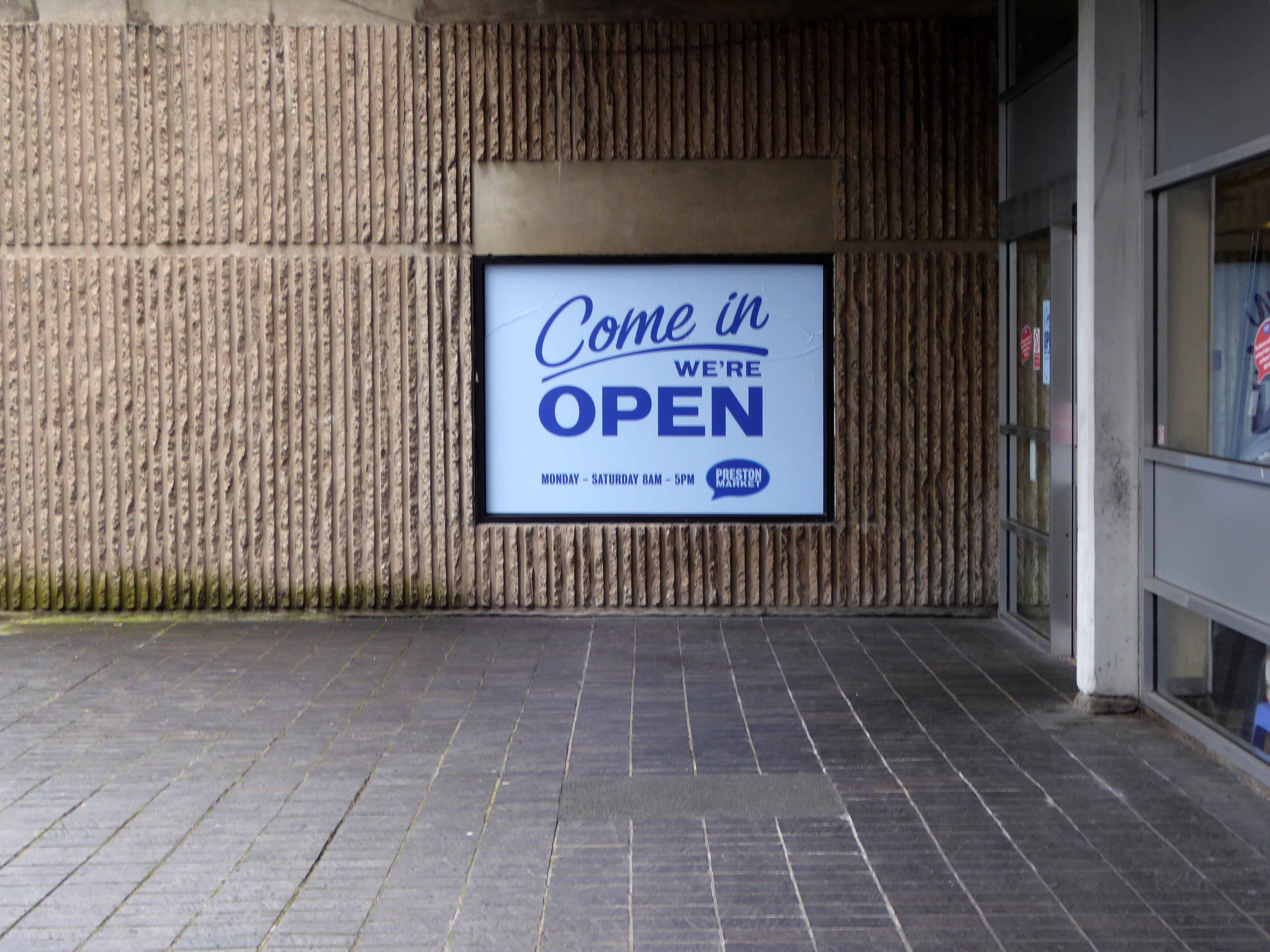
Built in 1973 scheduled to be closed and demolished in ten days time.

The future is not so red rosey for yet another traditional local market.

A typically boxy arrangement of steel, concrete, asbestos glass and brick, the complex of trading units, stalls and parking is not without charm. Though as with many other developments of its type, it seems to be without friends, then inevitably without customers and traders.

Following a template originated at London’s Borough Market, developers and councils seem to favour the modern artisan over the proletarian . This concept when meshed with the multi-plex and chain restaurant/bar amalgam, provides a shiny new future, for the shiny new shape of all our retail and leisure needs.

Preston-Market-Quarter-Nov-2017

So ta-ta to another world of hats and socks, fruit and veg, workwear for workers.

You’ve just about time to pop in for a brew.

Two sugars, stirred not shaken.

P1020430 copy

P1020431 copy

P1020432 copy

P1020435 copy

P1020437 copy

P1020434 copy

P1020477 copy

P1020479 copy

P1020480 copy

P1020481 copy

P1020482 copy

P1020484 copy

P1020485 copy

P1020486 copy

P1020487 copy


P1020490 copy

P1020491 copy

P1020492 copy


P1020494 copy

P1020495 copy

P1020496 copy


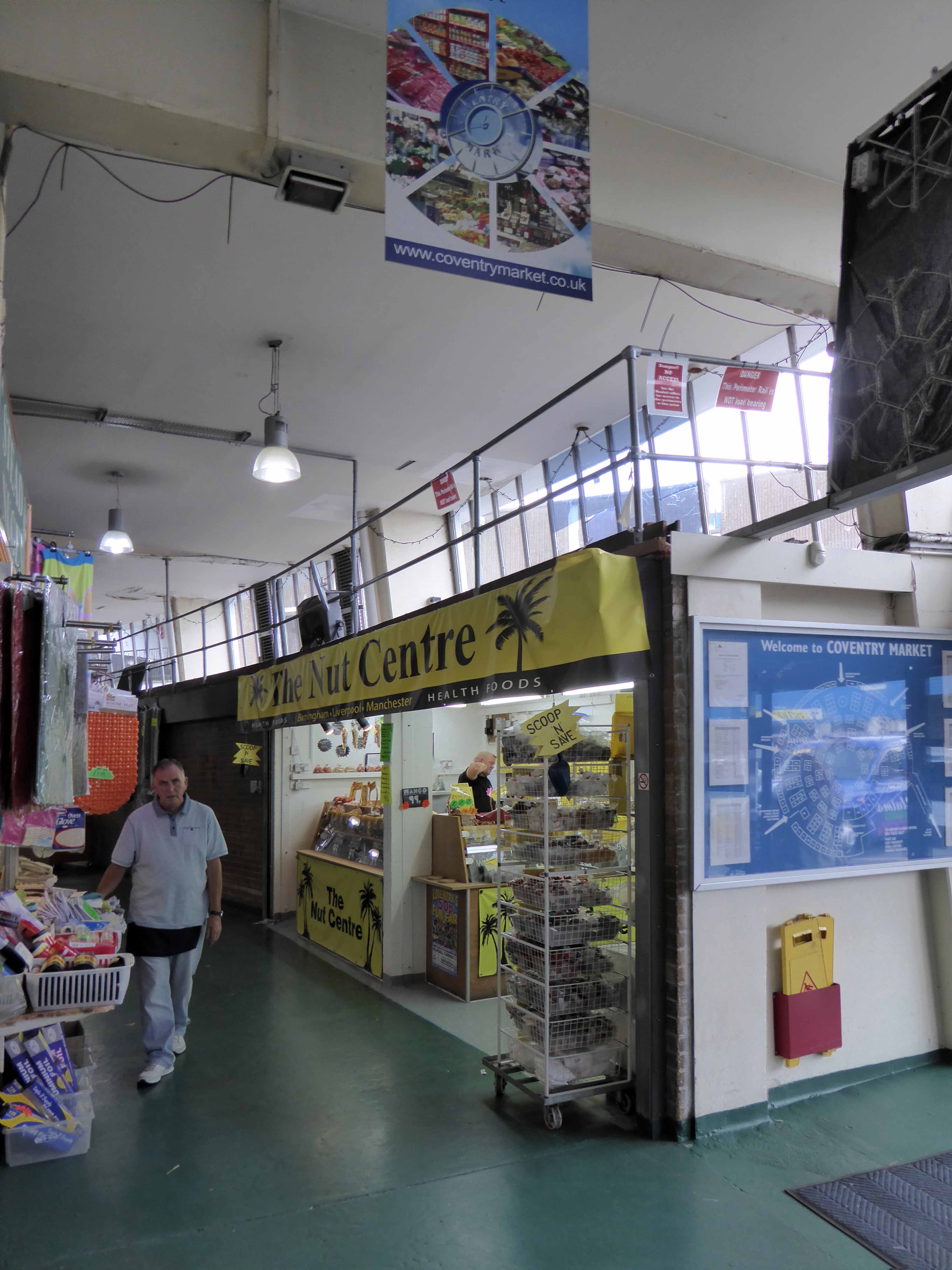
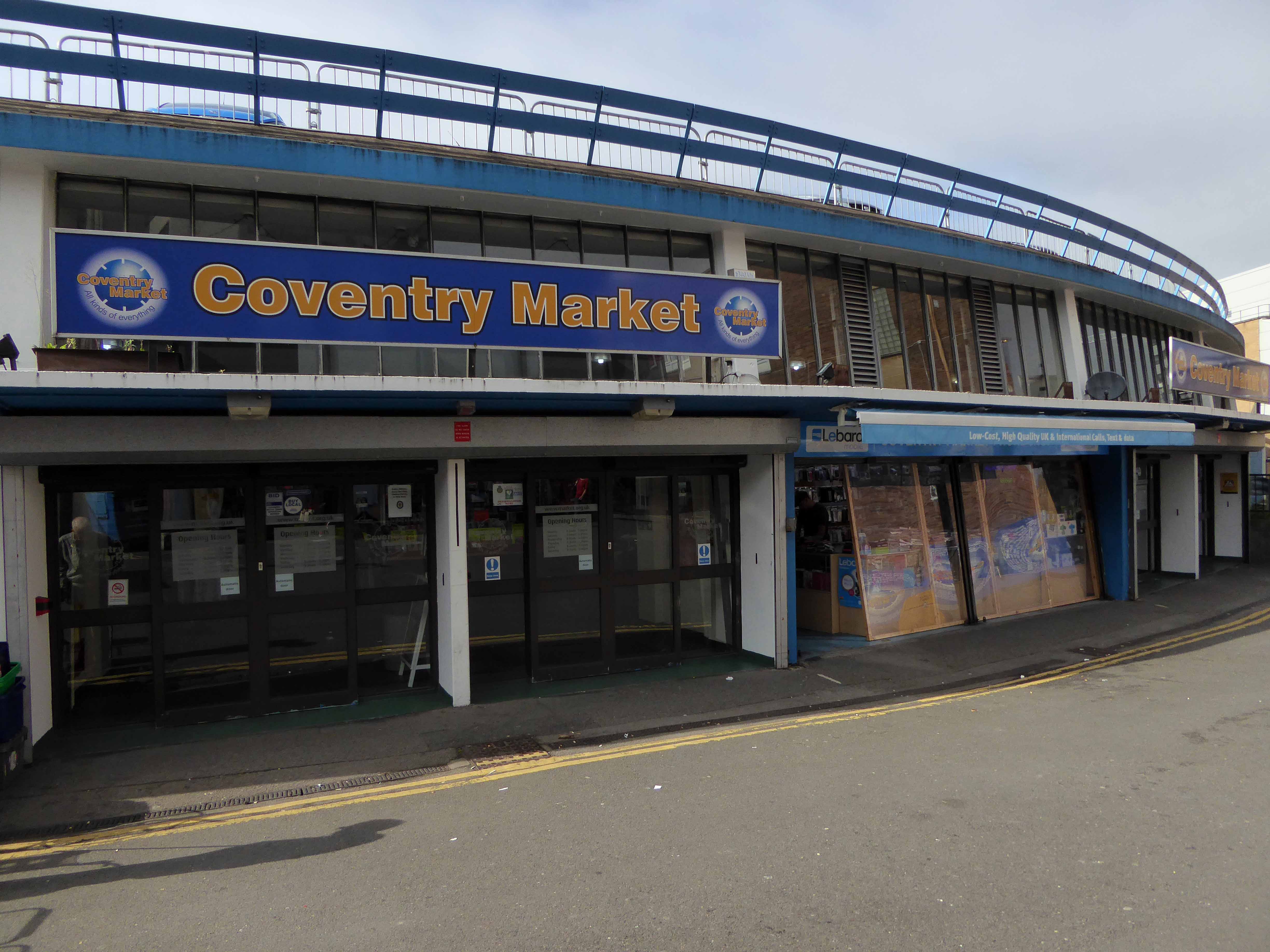
Coventry – Indoor Market

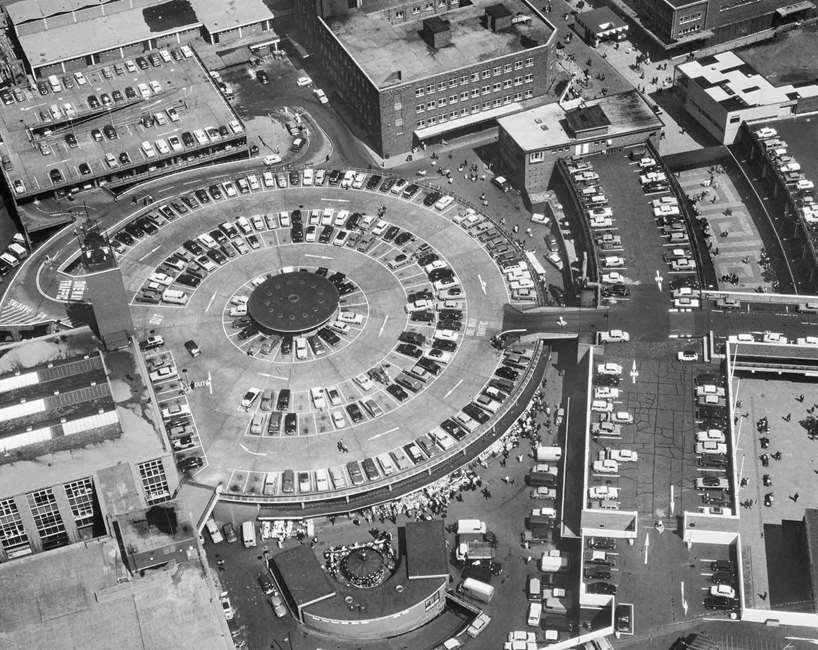
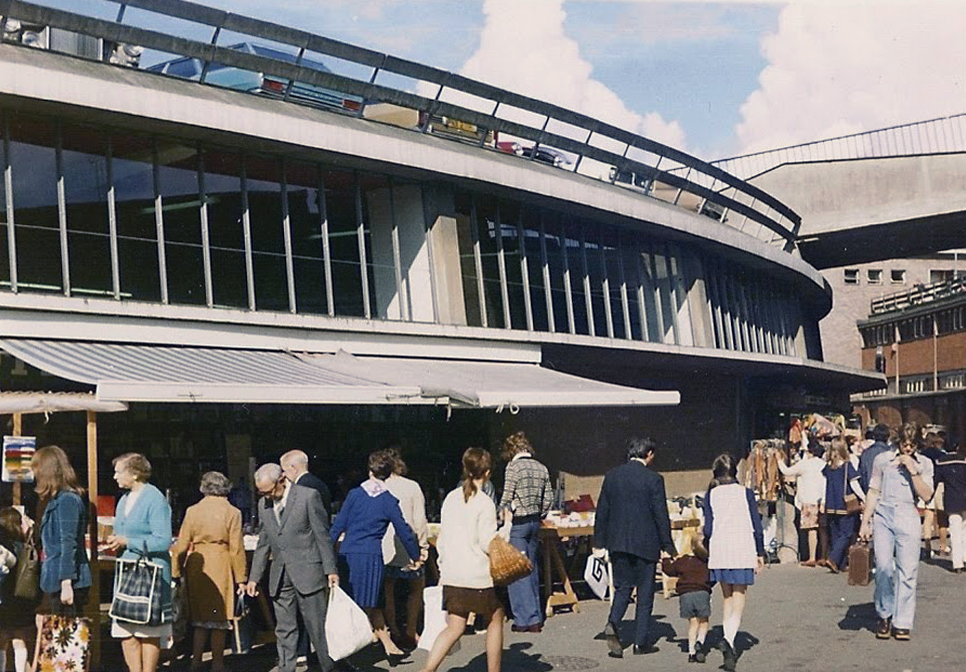
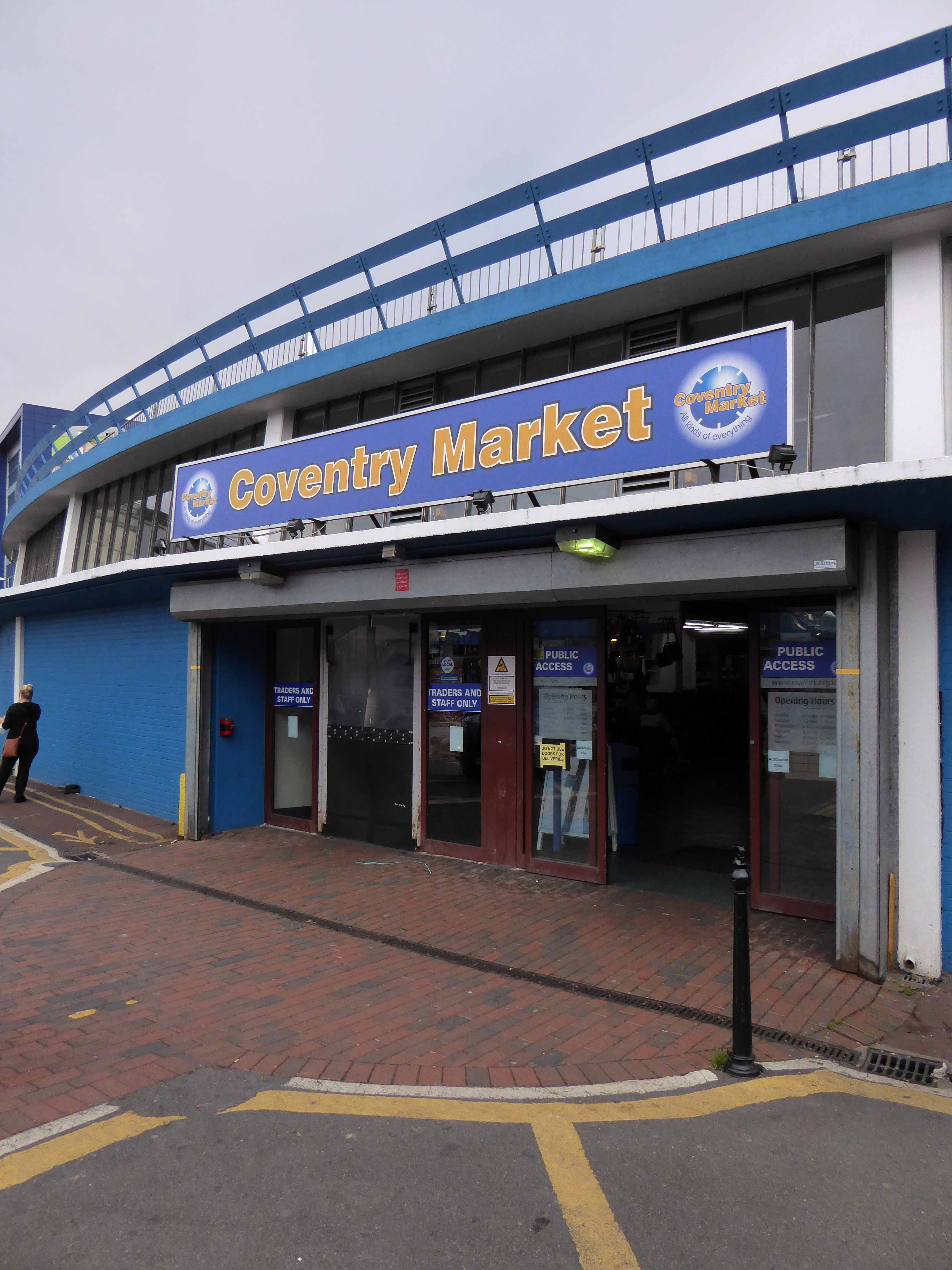
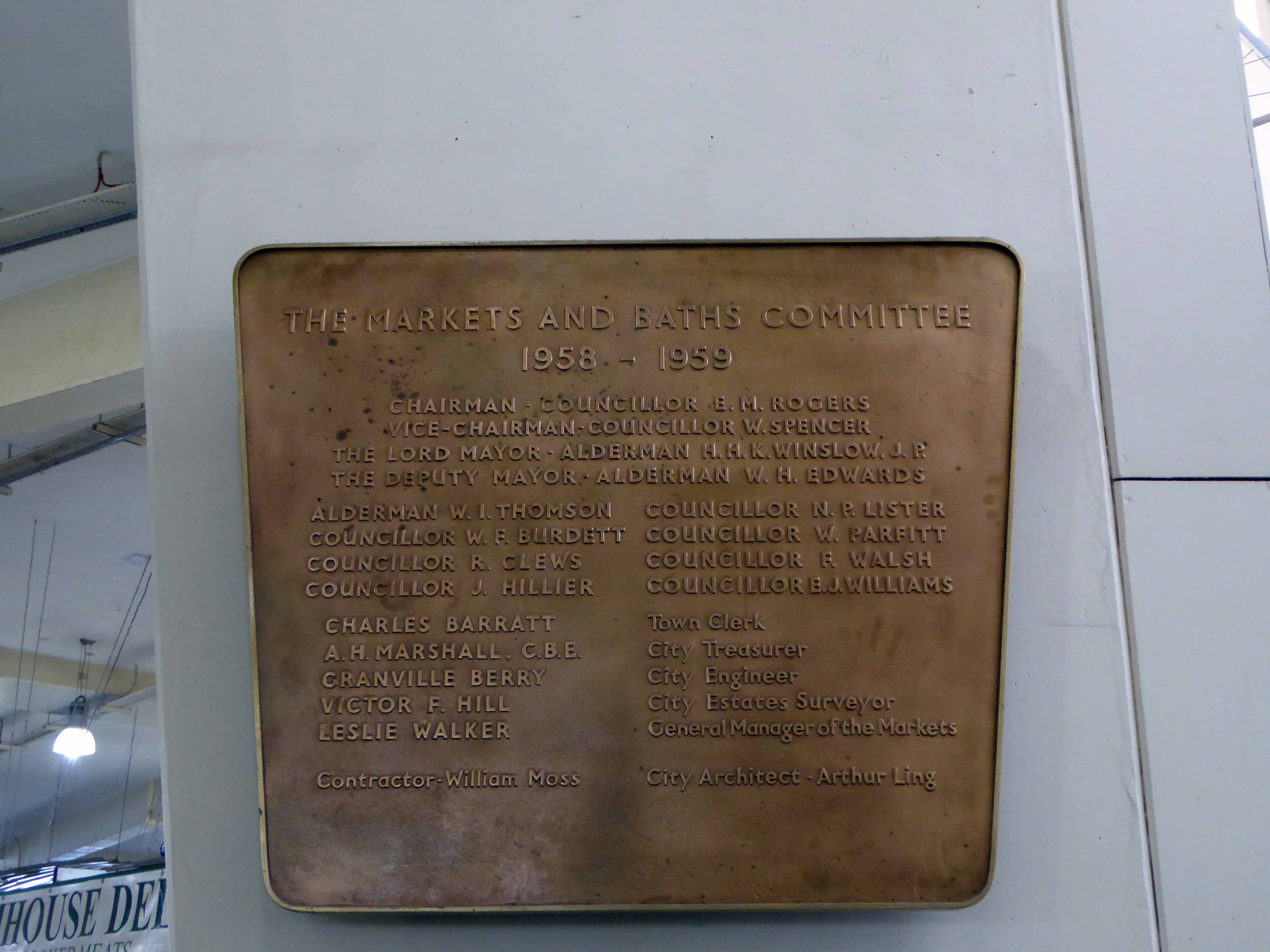
A market hall built in 1957 to designs by Douglas Beaton, Ralph Iredale and Ian Crawford of Coventry City Architect’s Department.

 Various designs were considered, but eventually a circular design was chosen to encourage circulation and to offer a number of entrances. It was given a flat roof in order to create a car park (with a heated ramp to prevent icing, now no longer there), and was to become the central focus for a complex scheme of linked roof car parks in Coventry.

coventry-market-1

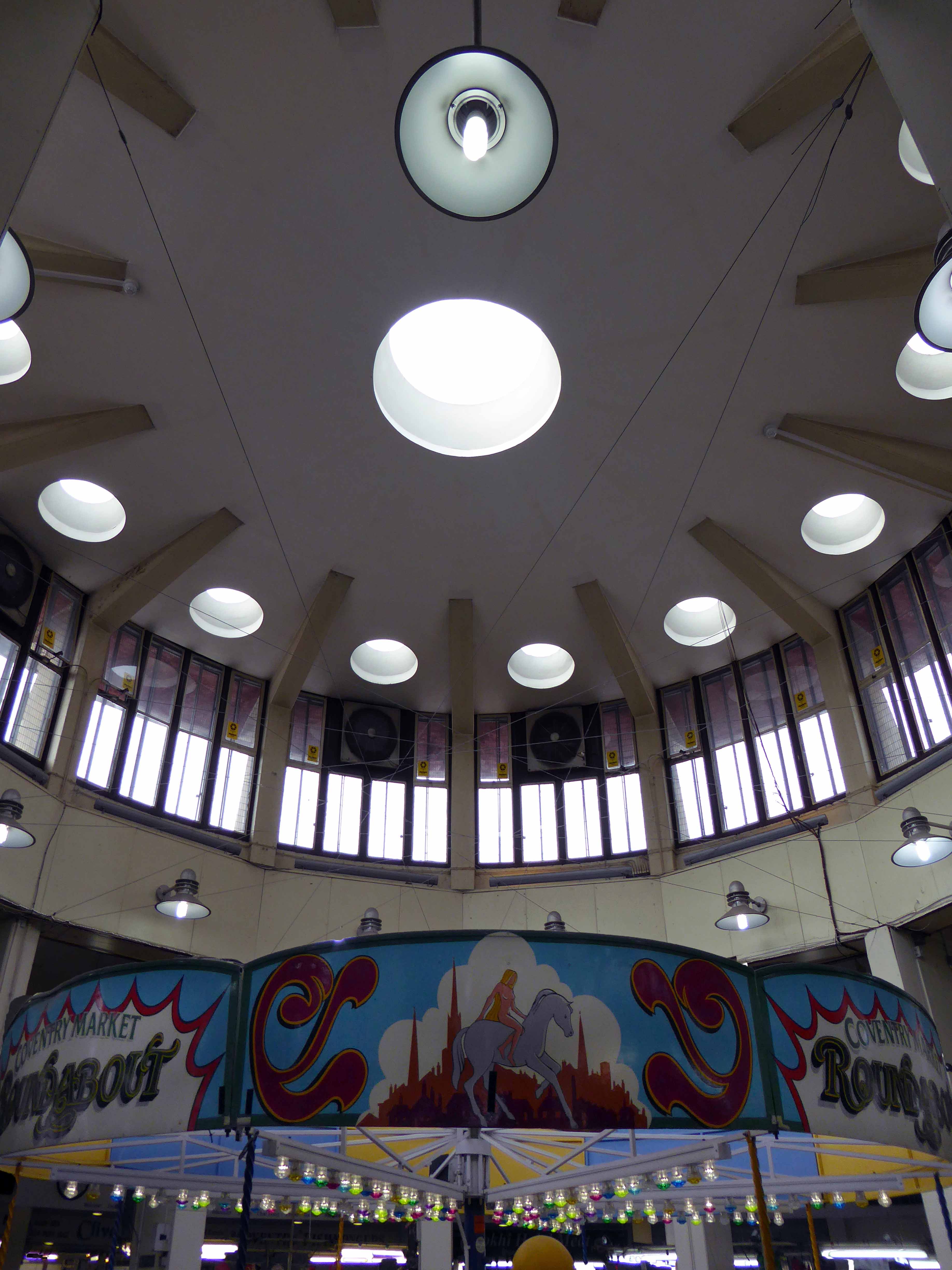
 The market consists of a series of concrete arches joined by a ring beam, all left exposed, with brick infilling and a concrete roof, laid out as a car park, with a central circular roof light. It has a circular plan, just over 84m in diameter and 4 ½ m high, is laid out with 160 island stalls, arranged in groups of two or four units in concentric rings, with 40 `shop stalls’ set into the perimeter wall.

covmarket2

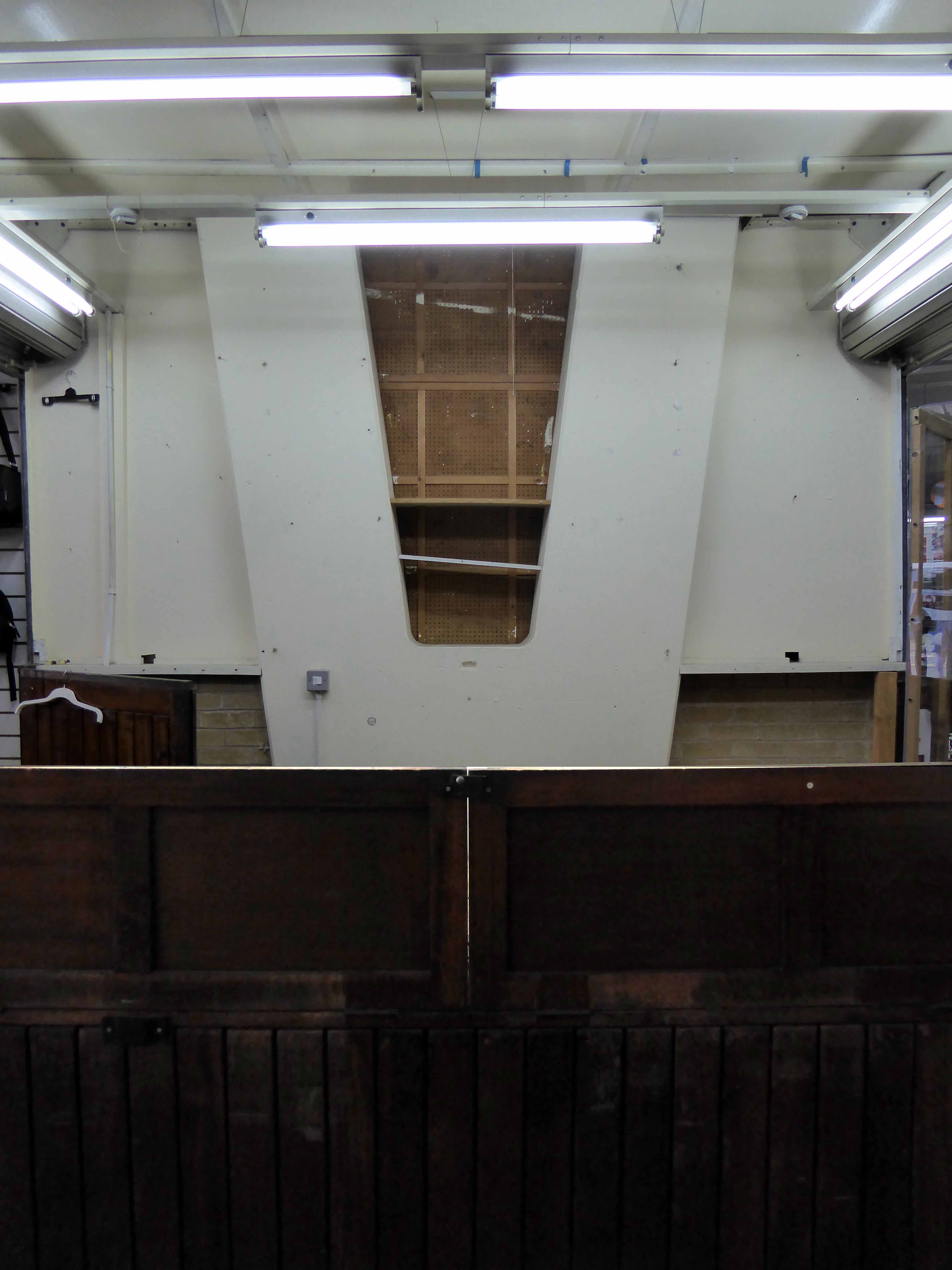
Inside, the circular space is characterised by the tall V-shaped concrete `columns’ that hold the roof. Some of the original shop and stall signs have survived. Natural light enters via the clerestory windows along the top perimeter of the building and through the clerestory lighting and oculi in the central dome. The space under this dome, designed as an area for shoppers to rest, is lined with seats and has a terrazzo mosaic floor designed by David Embling, with a central sun motif, a gift from the Coventry Branch of the Association of Building Technicians.

p1090738-copy

p1090736-copy

p1090737-copy

p1090742-copy

p1090744-copy

Above the current market office is an impressive painted mural by art students from Dresden commissioned especially for the market in the 1950s in a Socialist Realist manner, depicting farming and industrial scenes. 

Thanks to Historic England

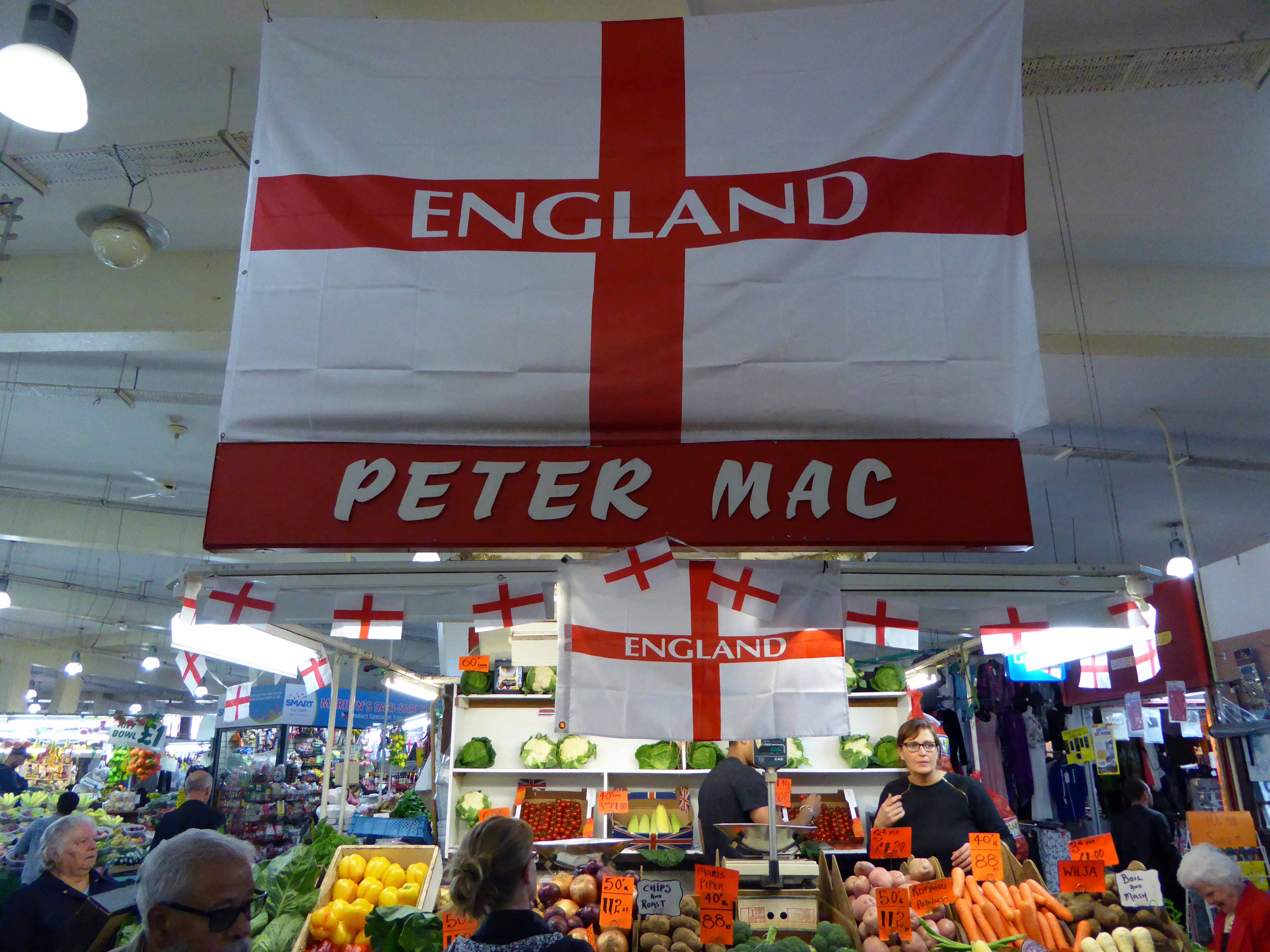
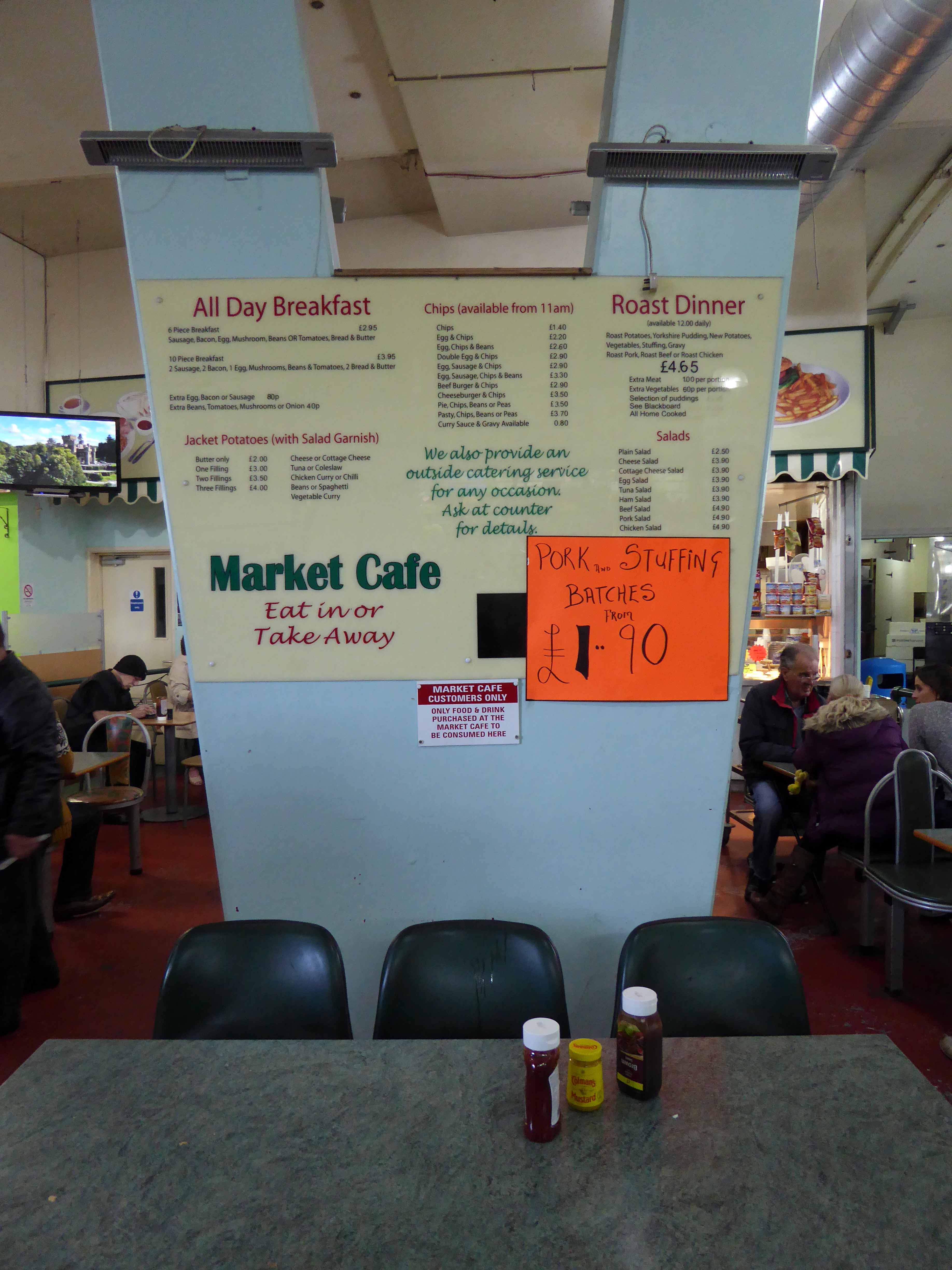
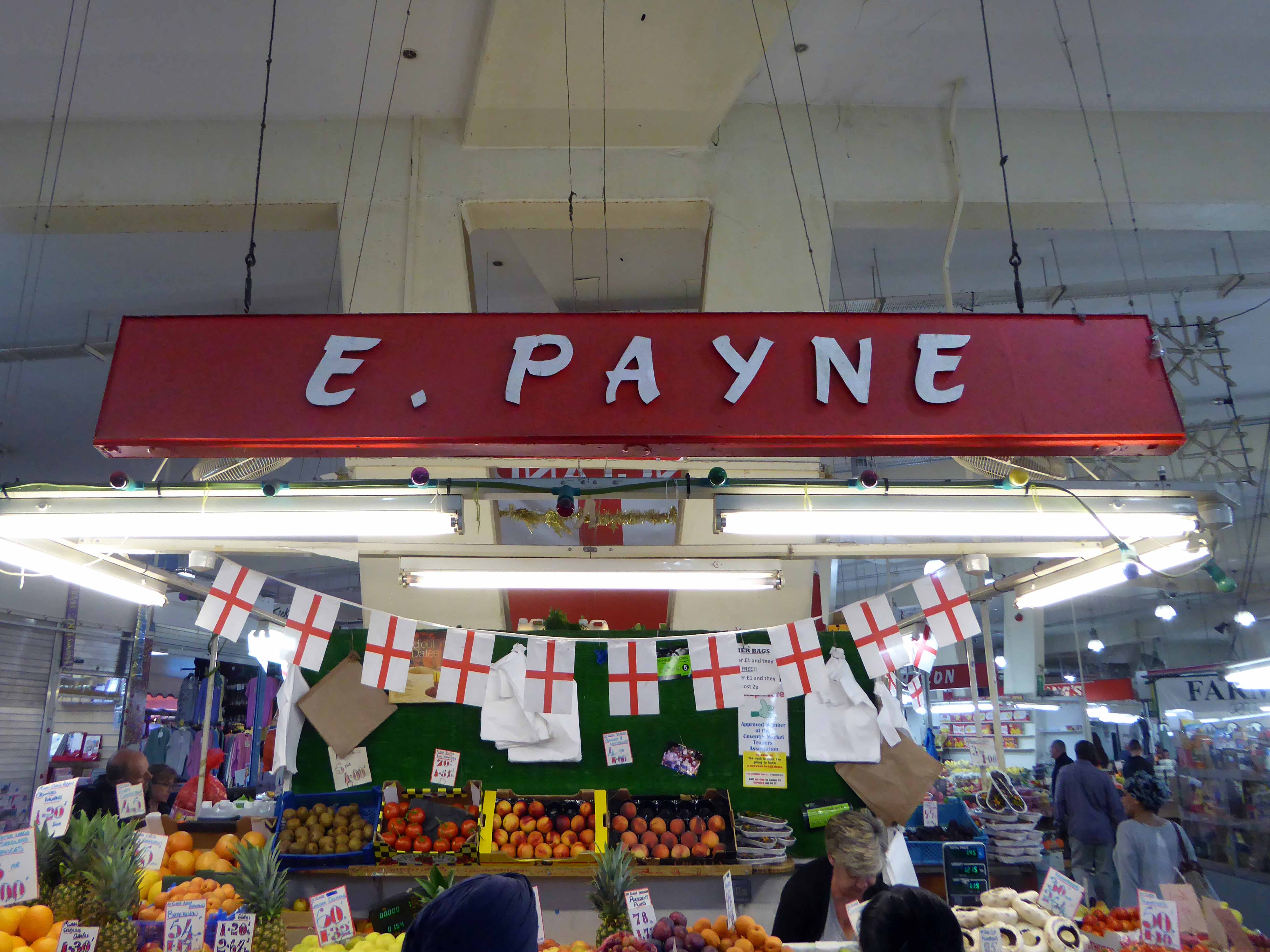
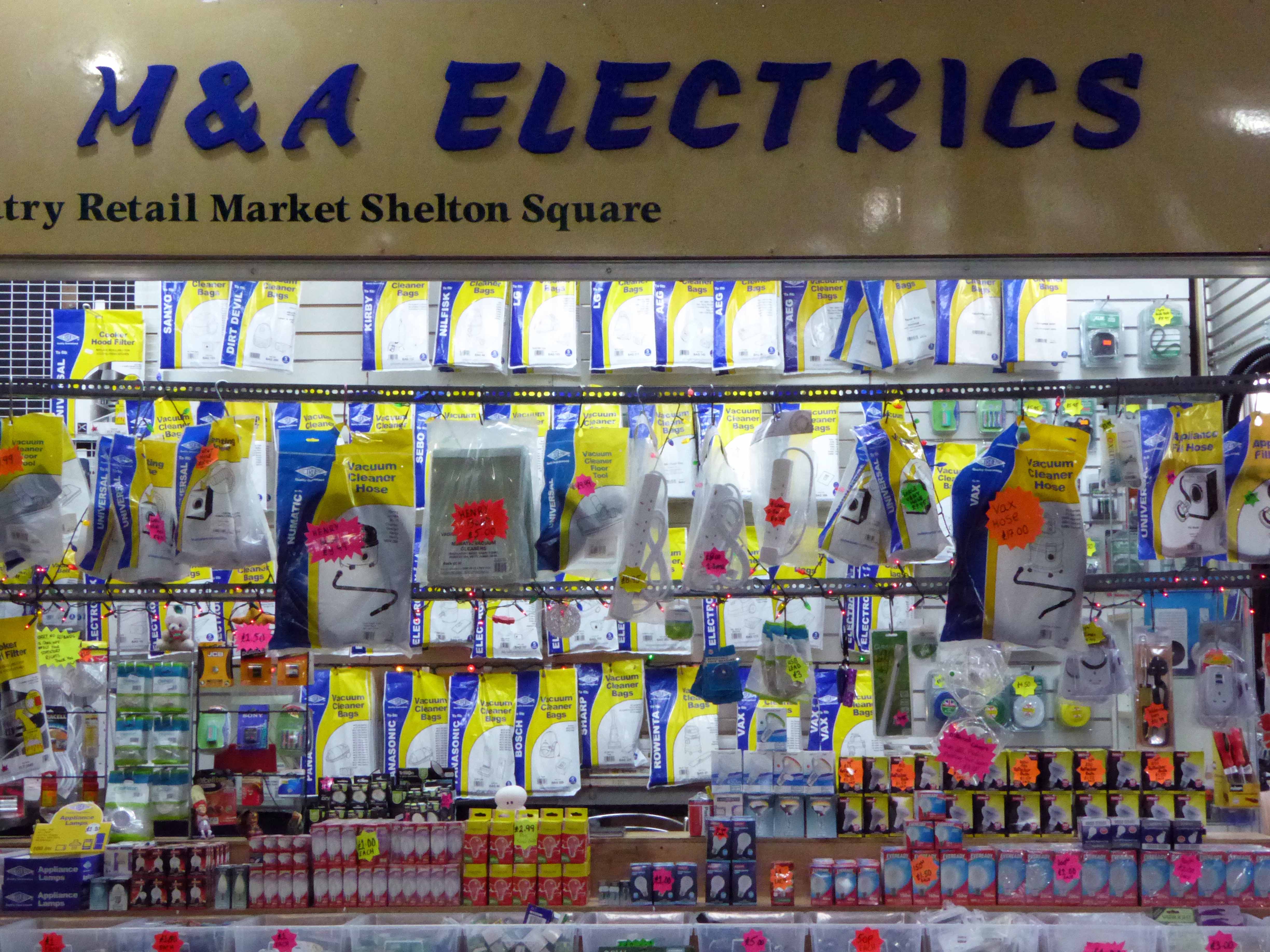
I visited the market on a busy bustling day and was made to feel more than welcome, a wide range of heavily laden stalls was trading briskly. The Market Office kindly gave me a copy of the book Coventry Market in a Roundabout Way.

It’s a splendid structure, now listed, that functions six days a week.

Get down take a look around.

p1090713-copy

p1090723-copy

p1090714-copy

p1090716-copy

p1090719-copy

p1090726-copy

p1090733-copy

p1090721-copy

p1090758-copy

p1090751-copy

p1090764-copy

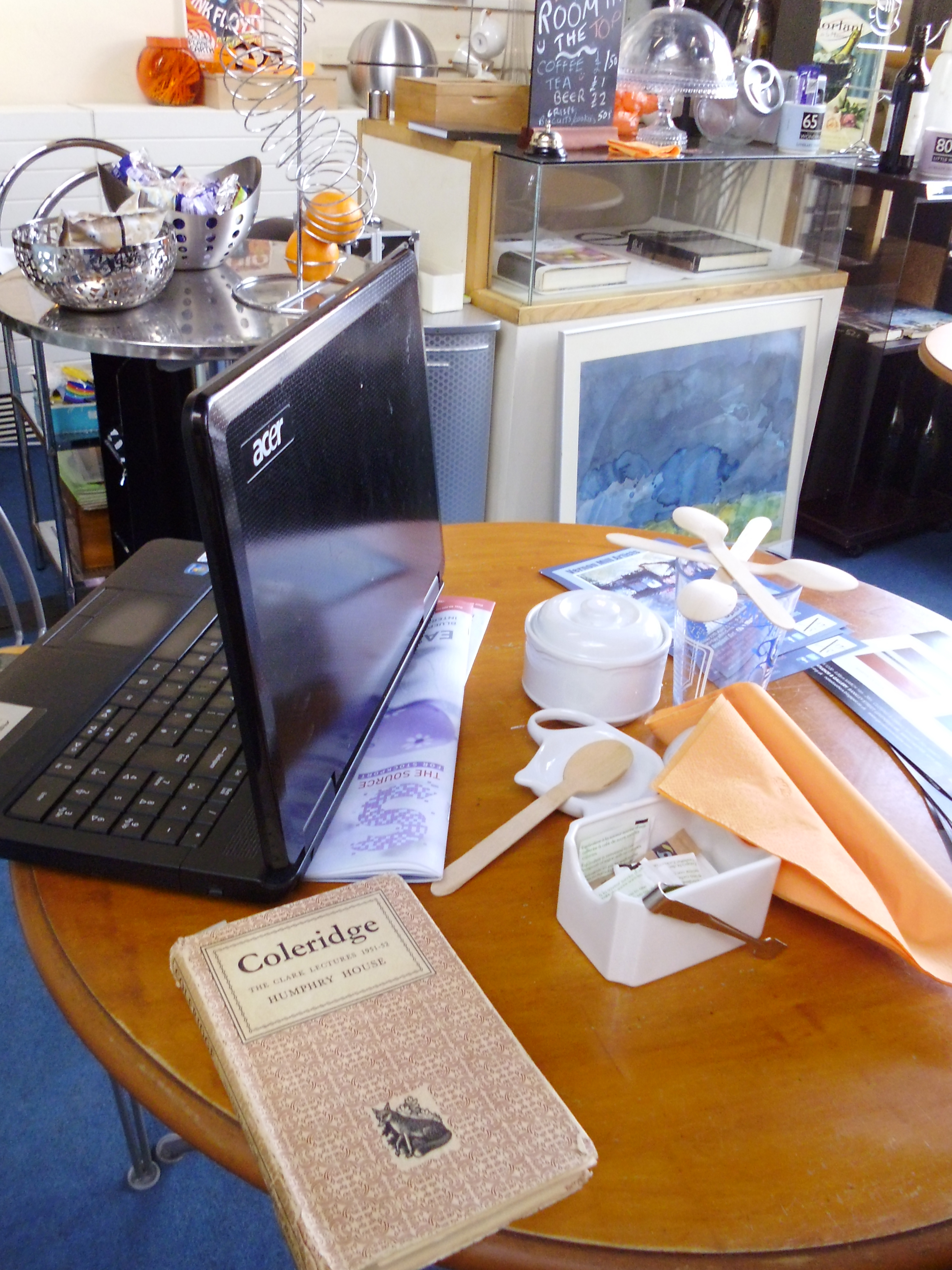
Stockport – Room at the Top

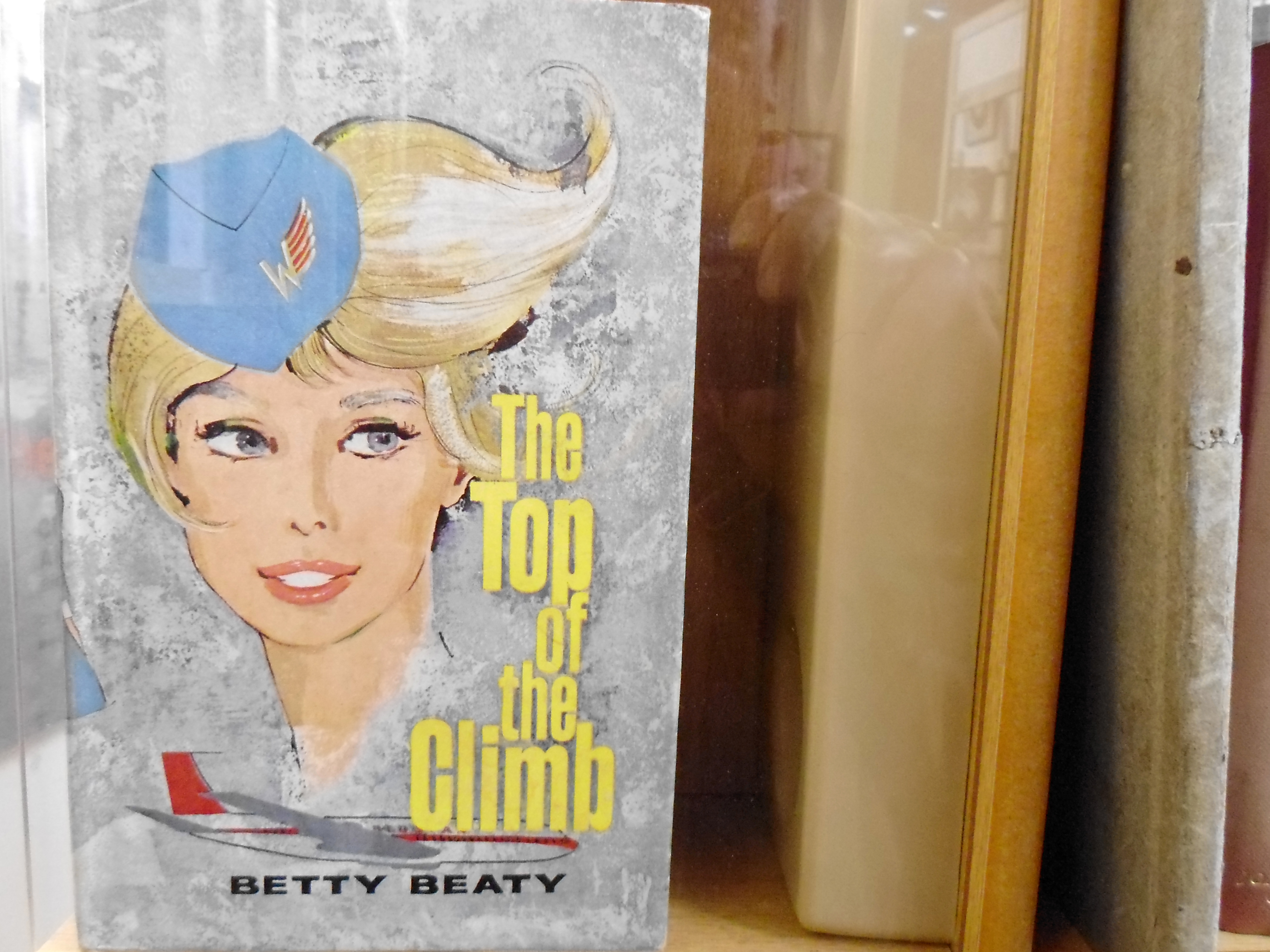
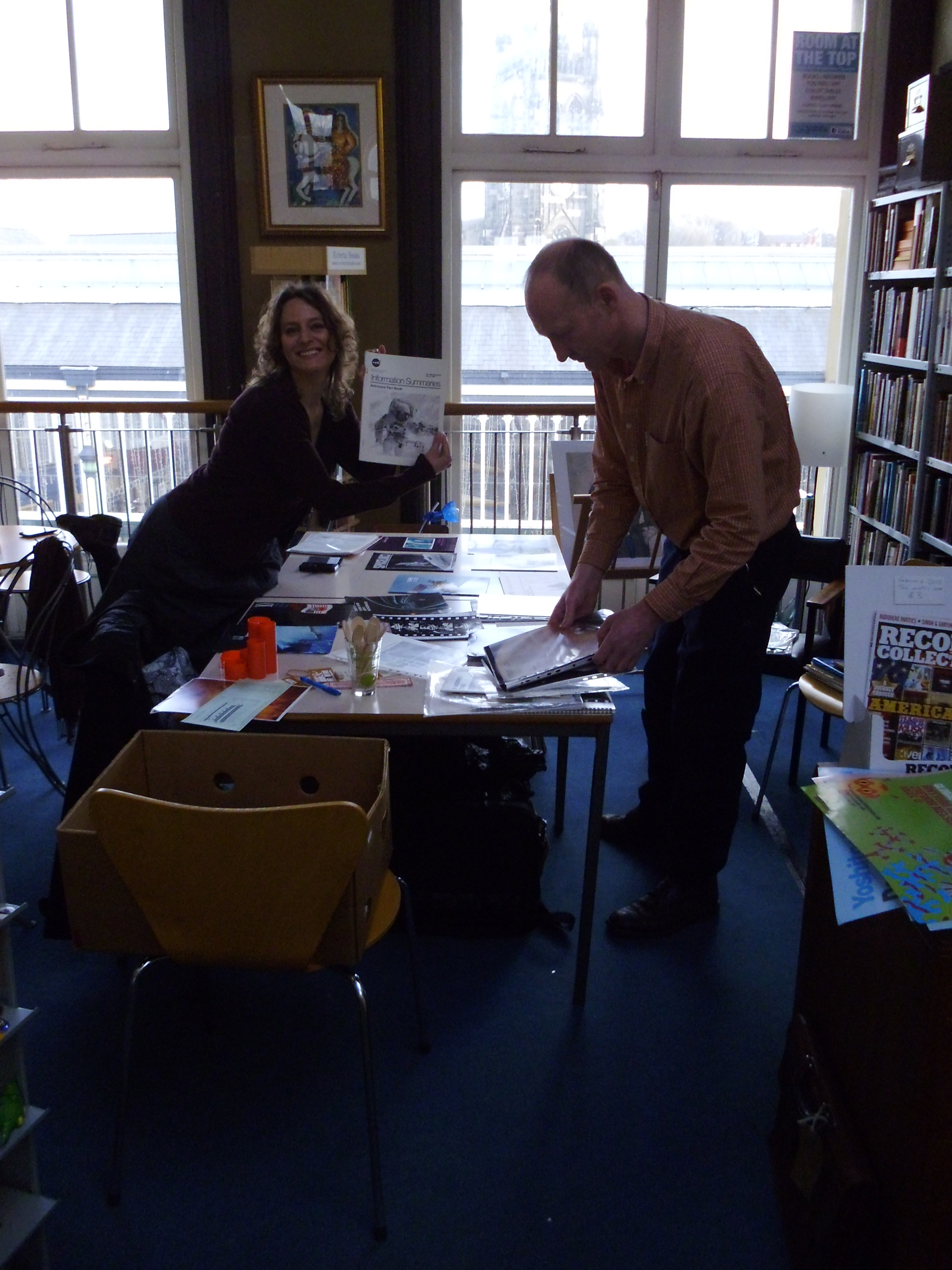
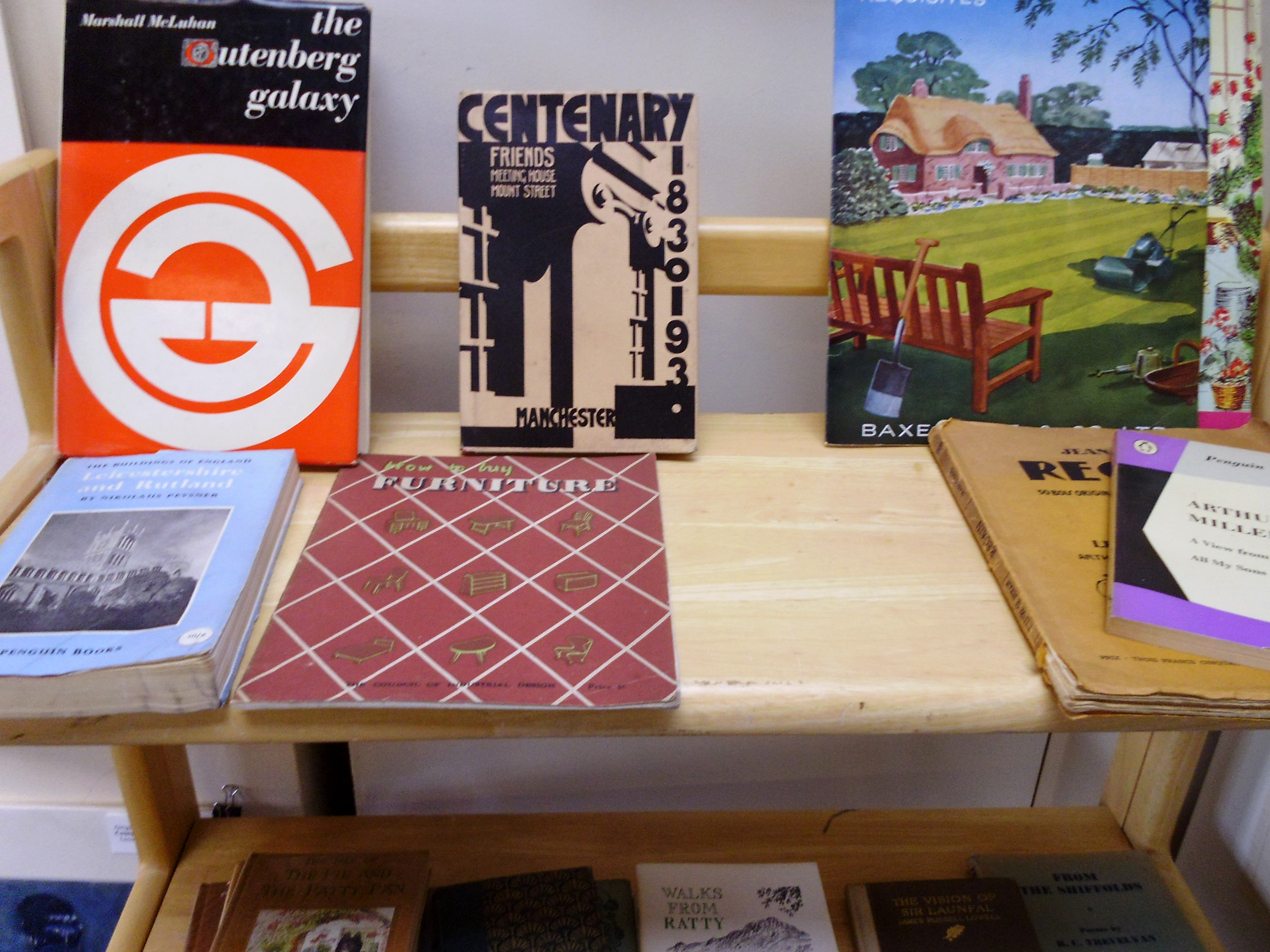
Every town worth its salt should have a decent second hand book shop.

Stockport does.

Room at the Top – on the ever so elegant Market Square, centre of the Old Town and part of the ever enlarging nexus of vintage shopping.

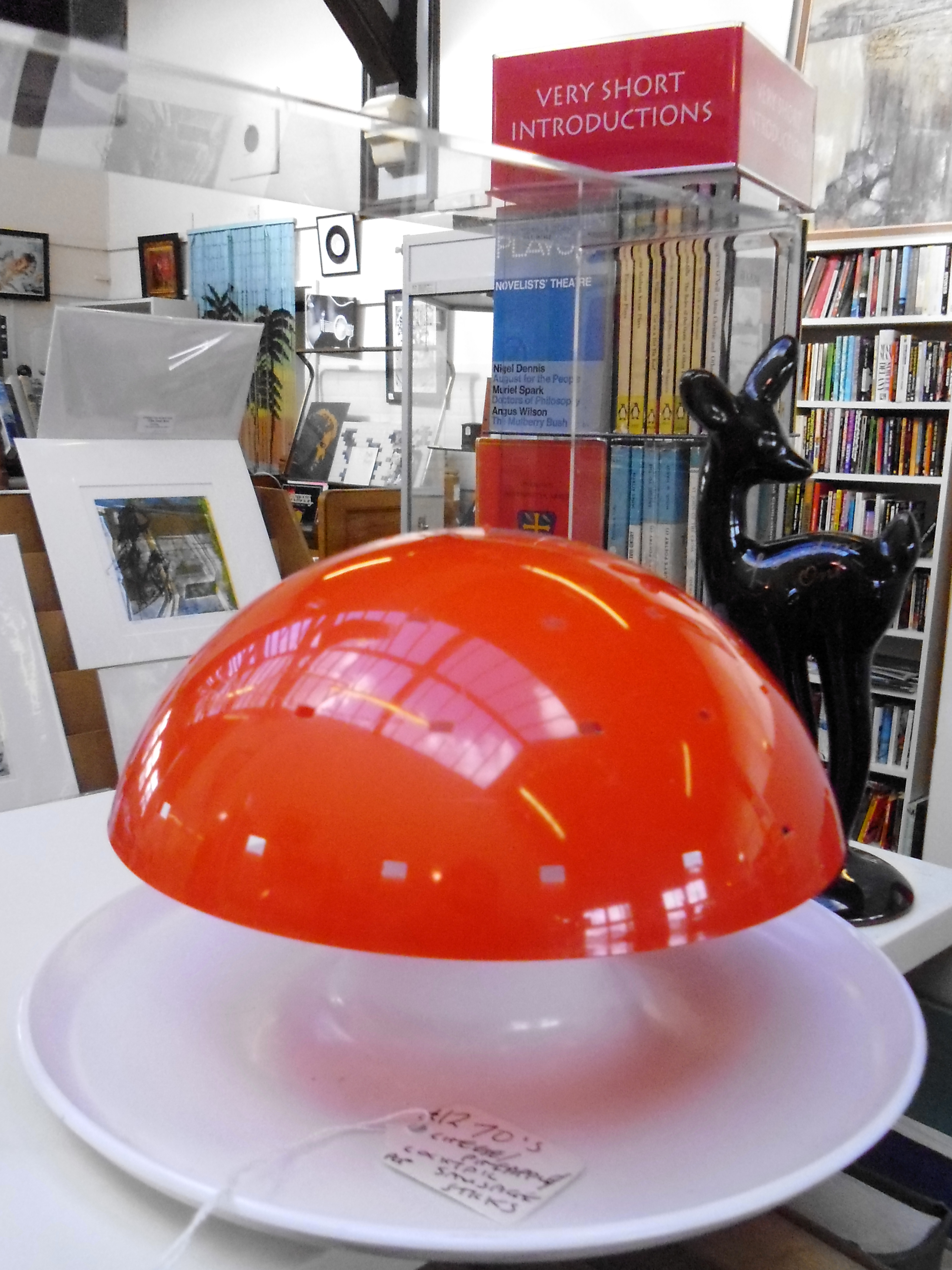
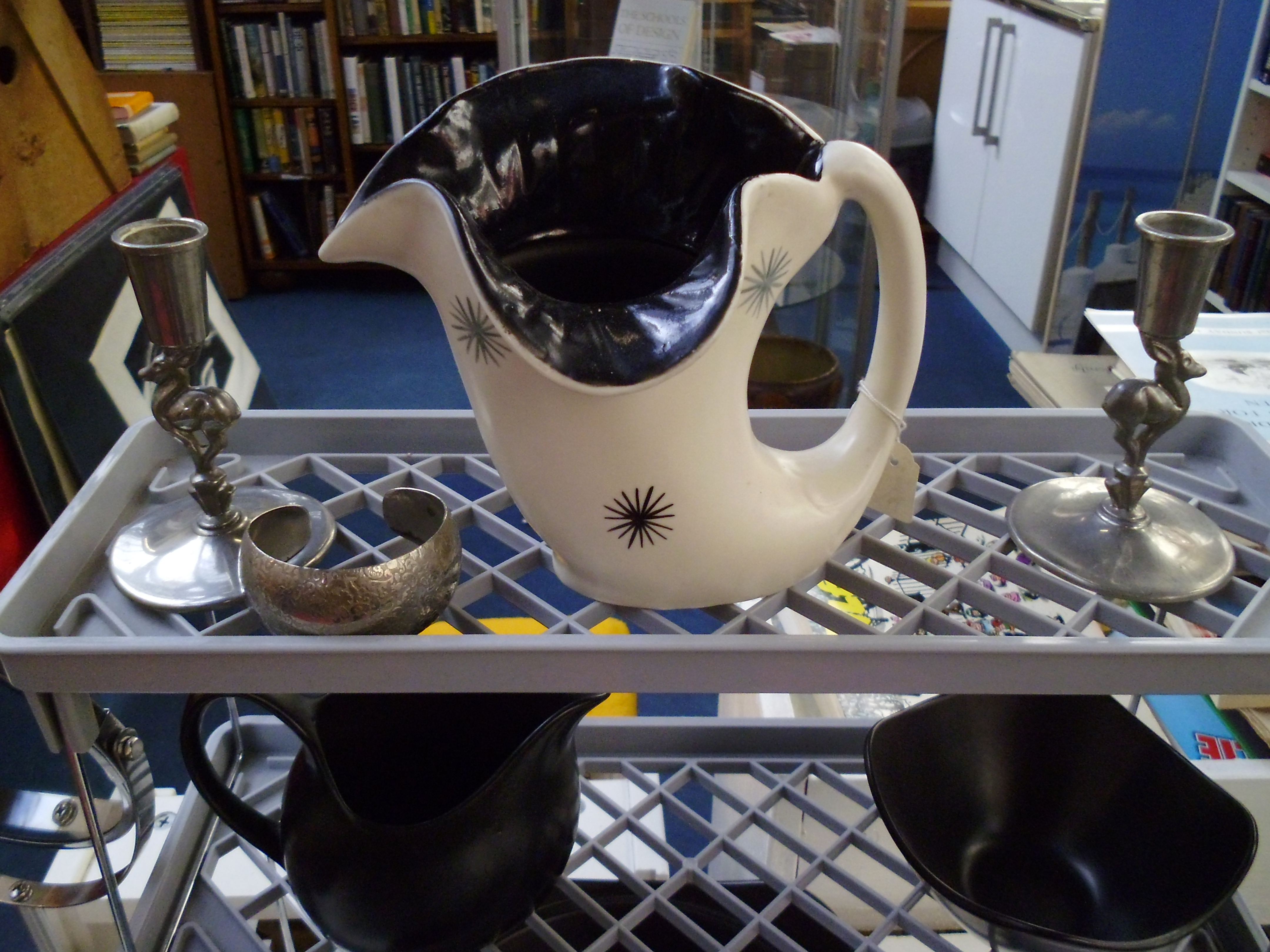
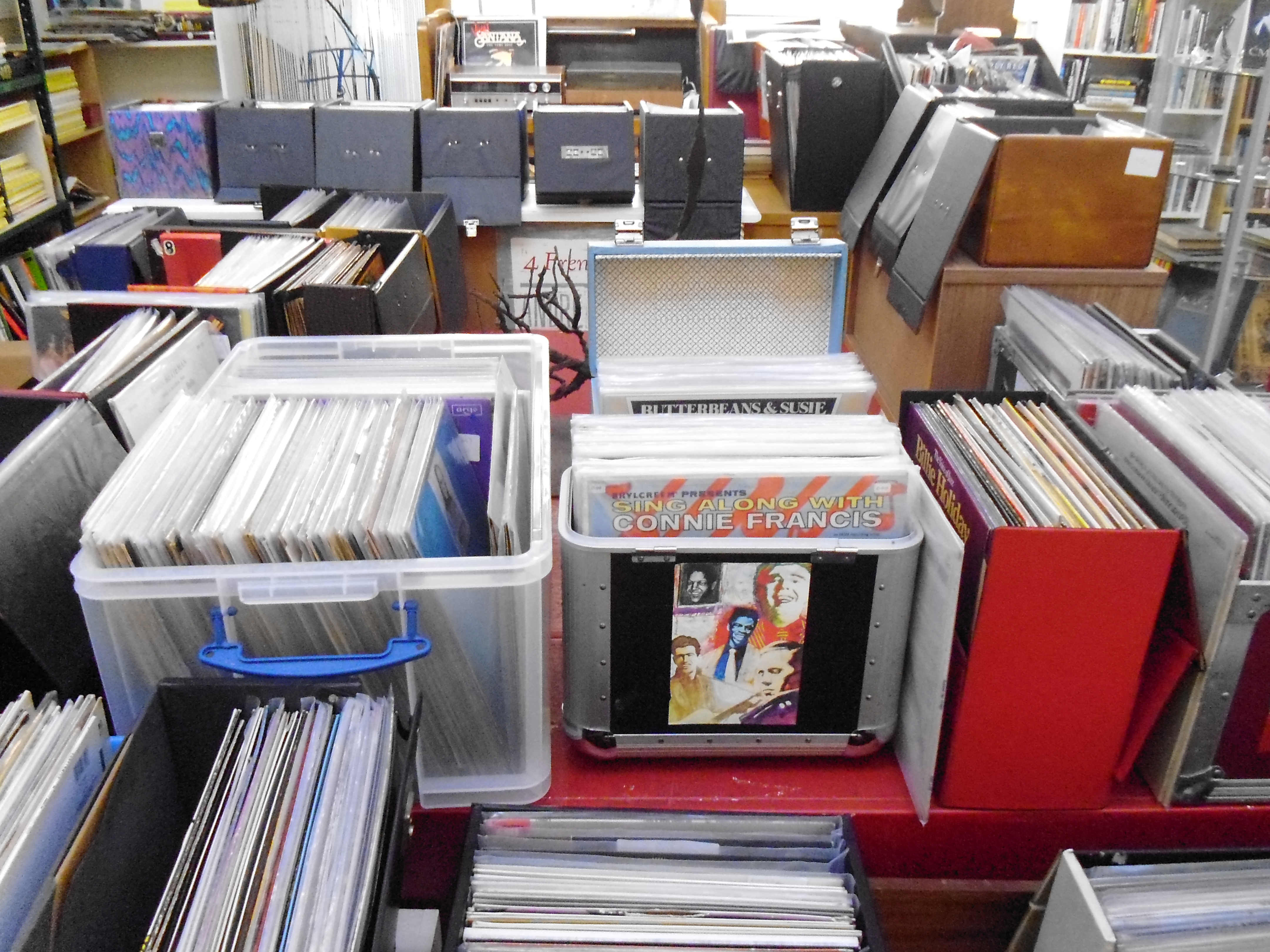
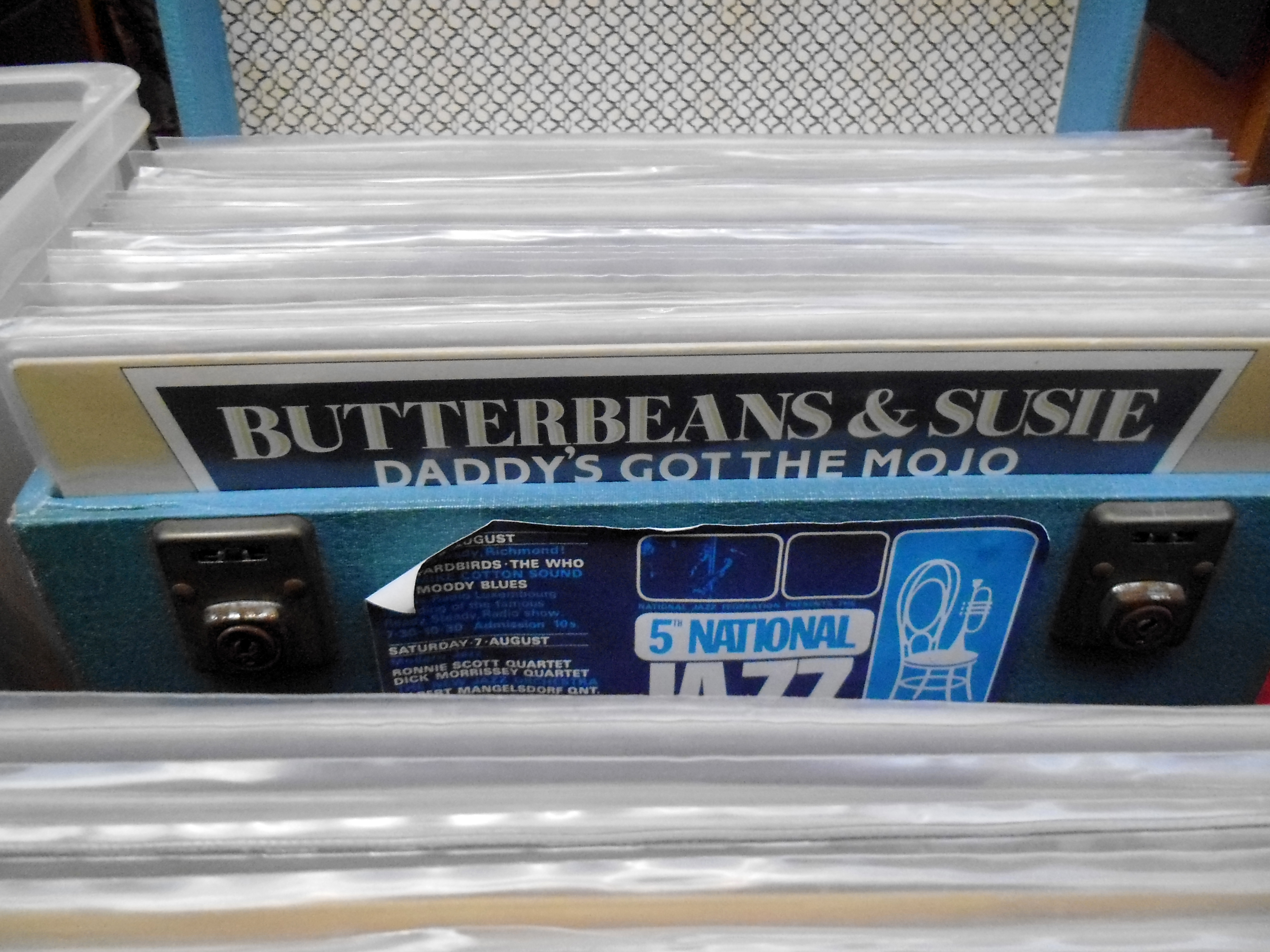
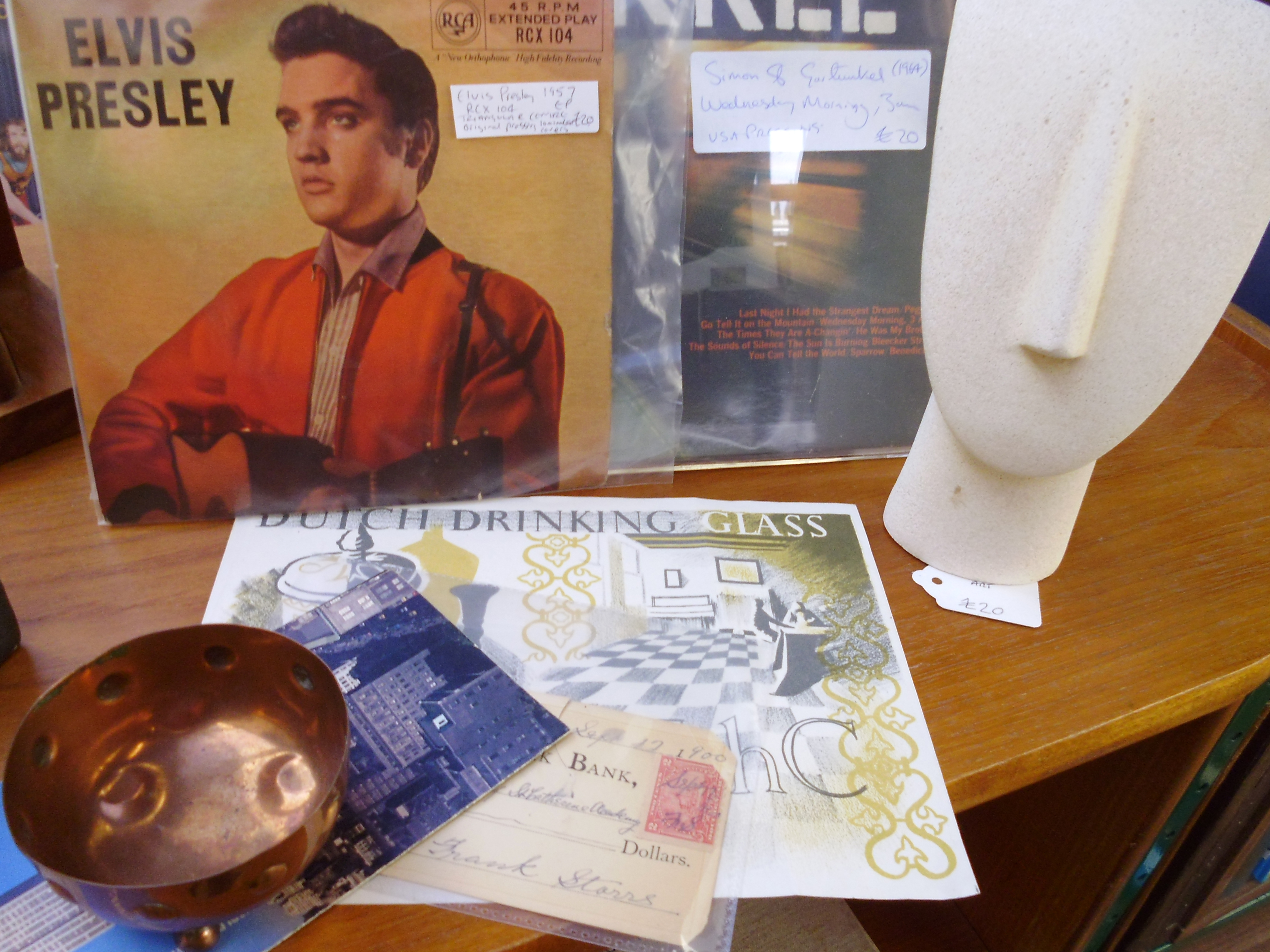
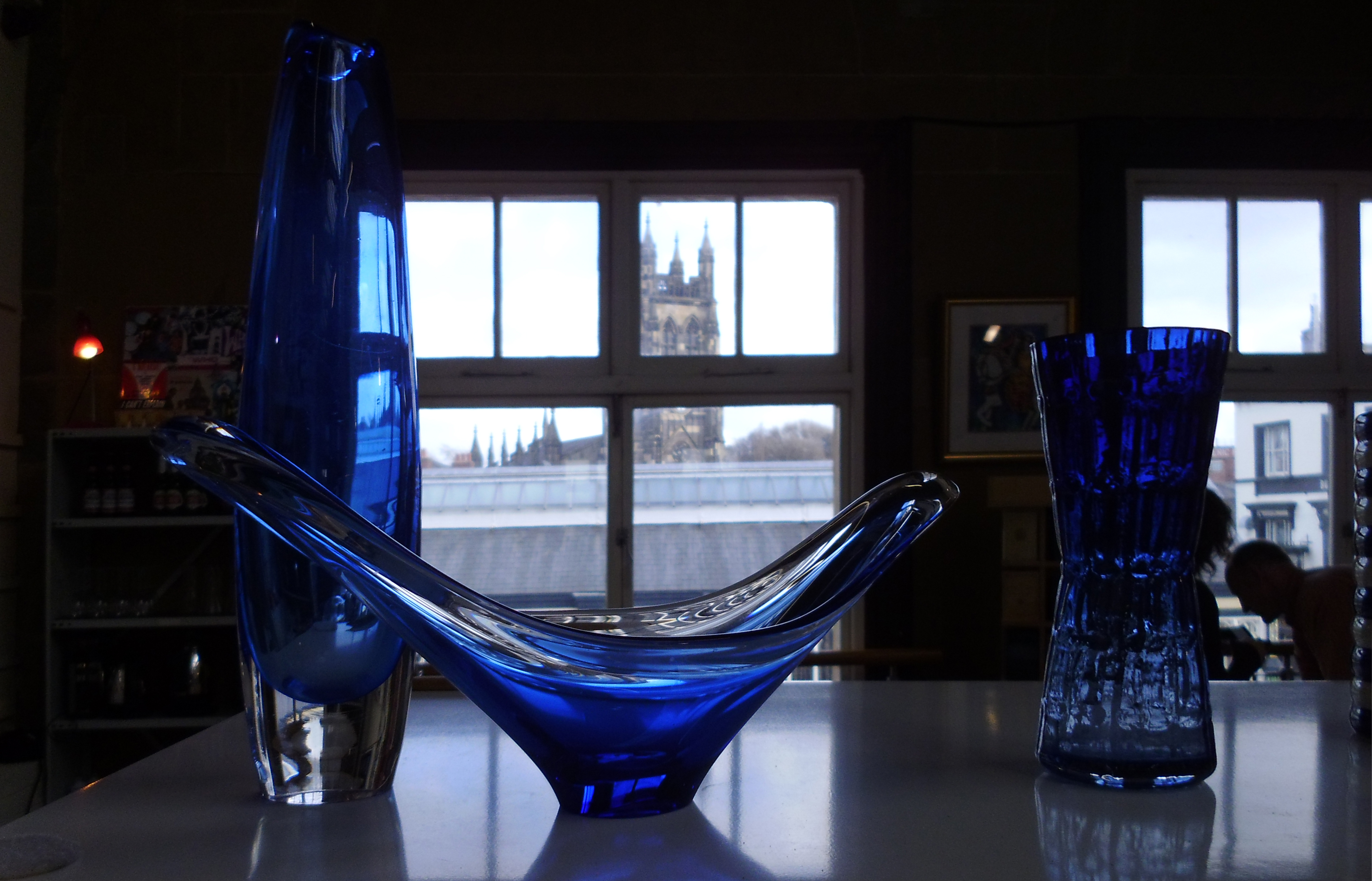
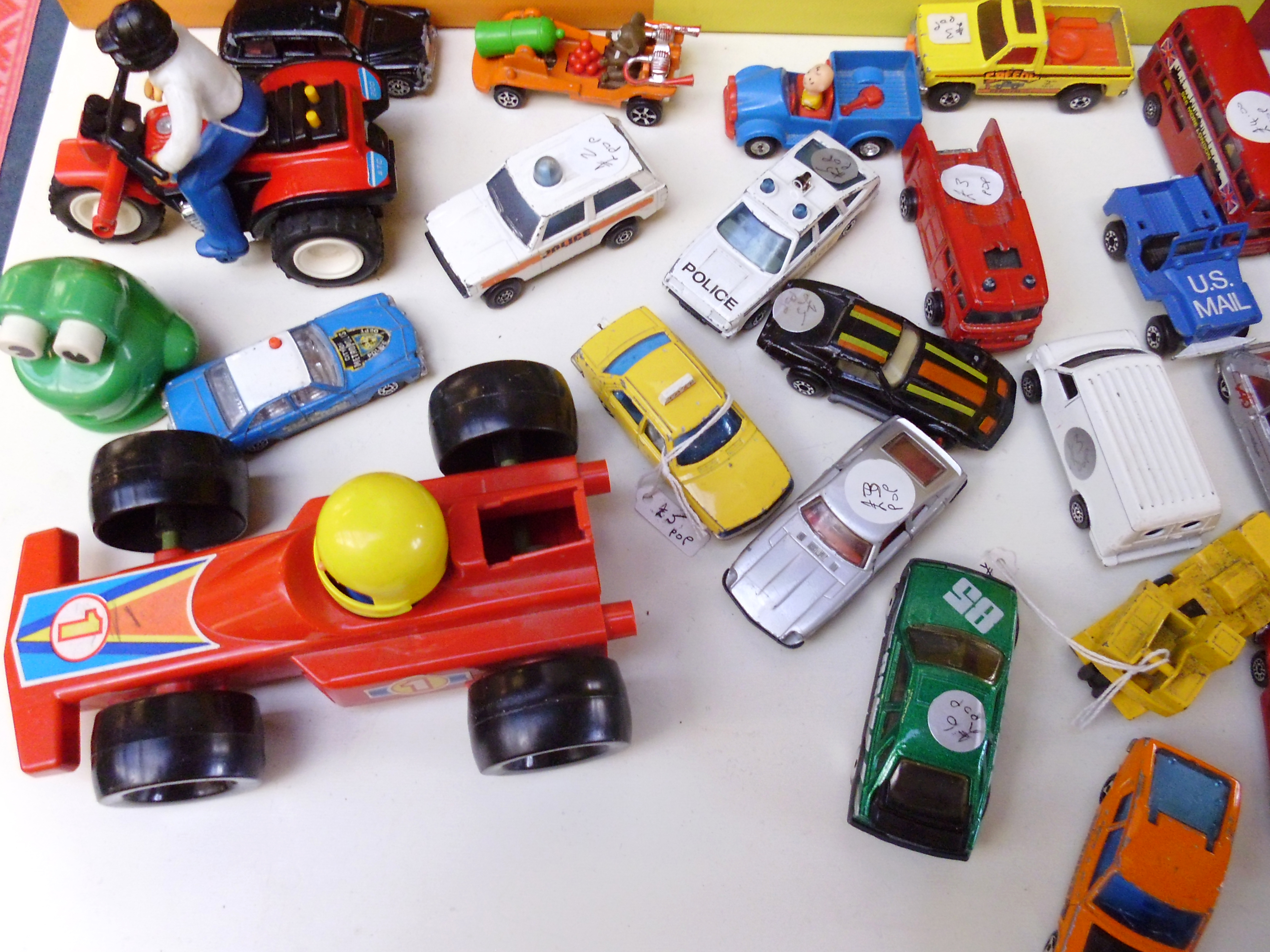
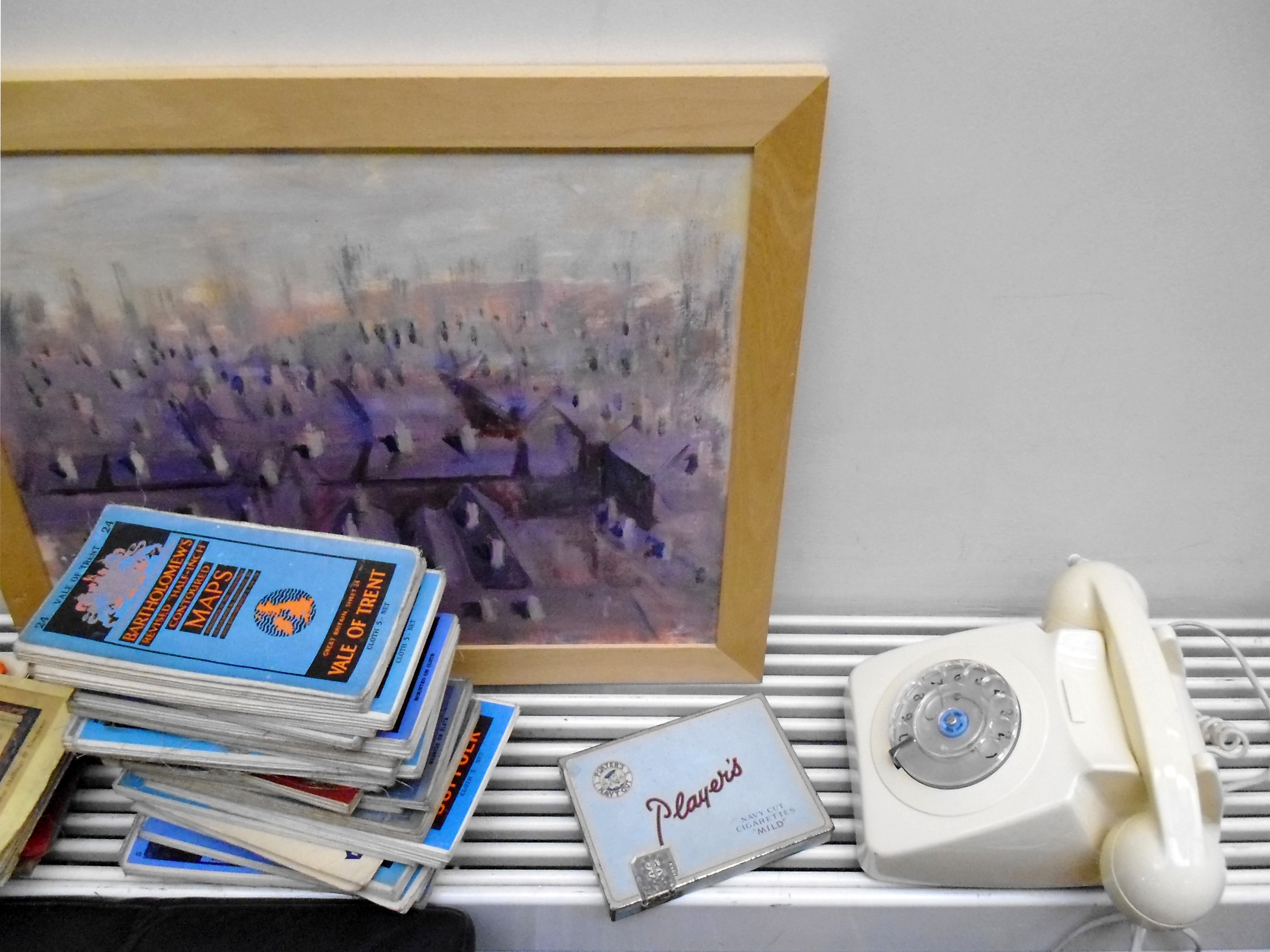
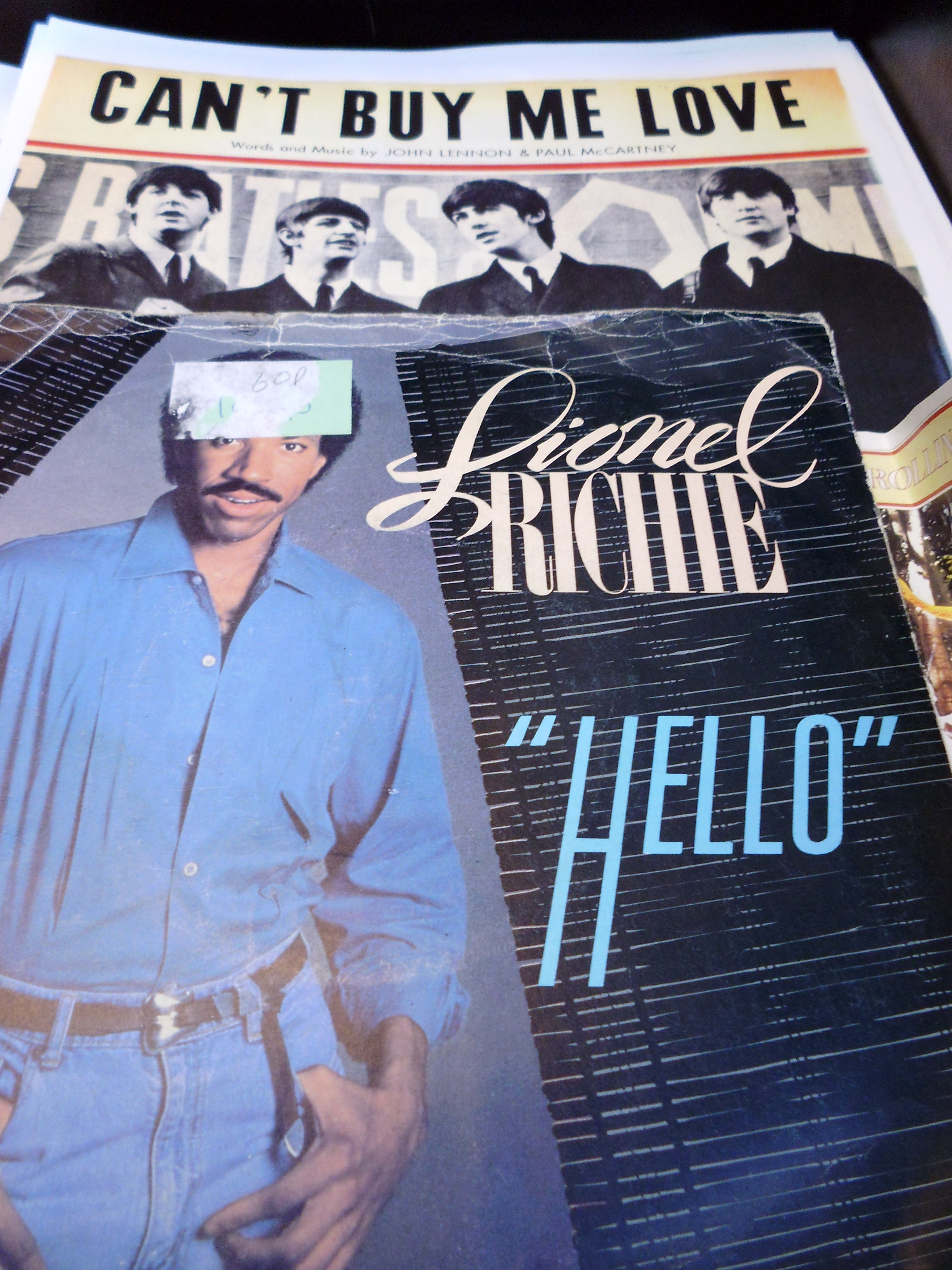
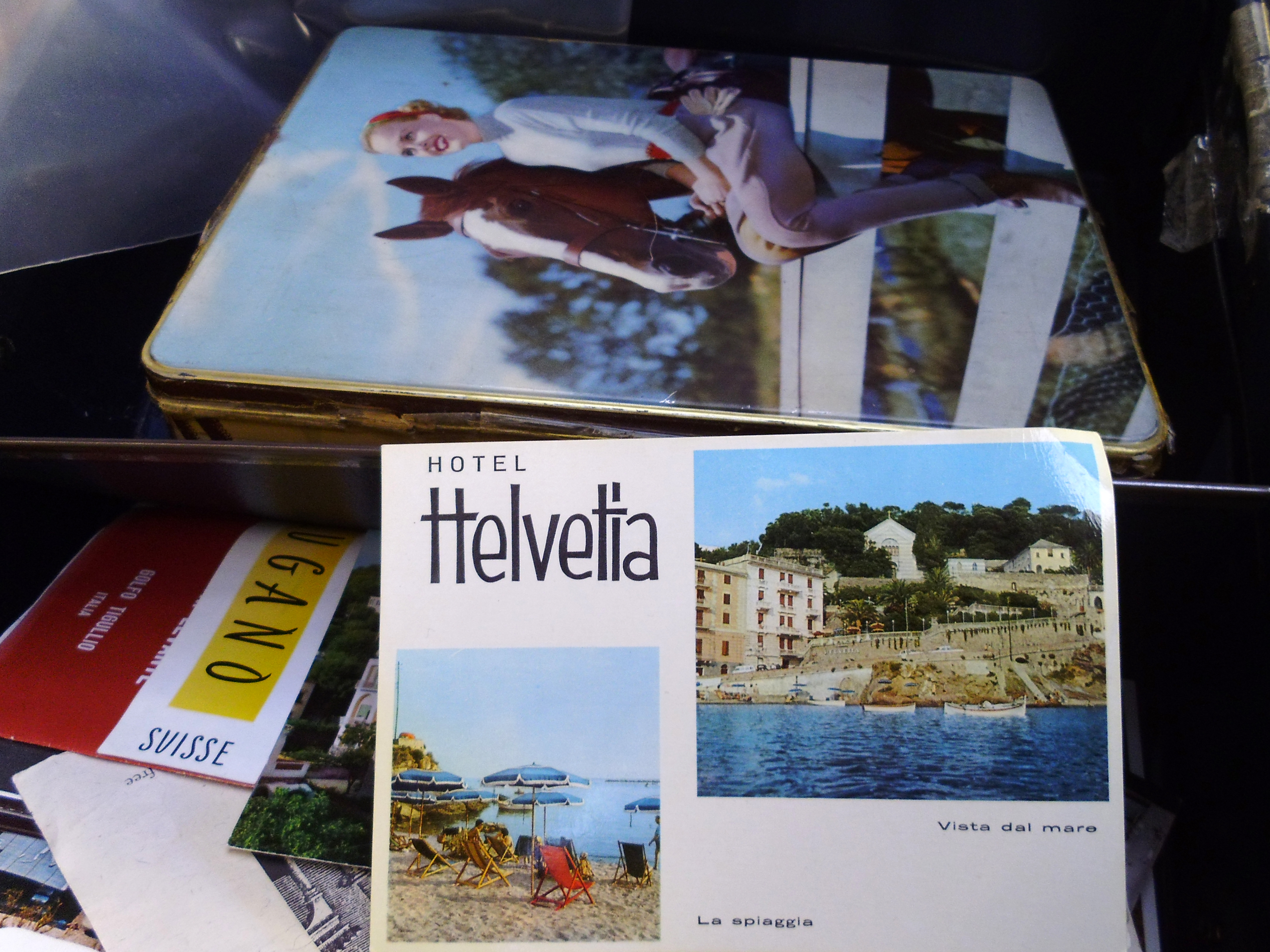
Jane, John and Lynn offer a wide selection of books, records, art, ephemera, glass, toys, ceramics and almost all sorts, in their first floor eyrie of happiness.

Always at the most reasonable of prices – you can get a brew too!

So take an hour out to browse, pursue and lollygag in convivial surroundings.

Leave with bags full excitement and a broad grin.

Manchester – Openshaw Indoor Market

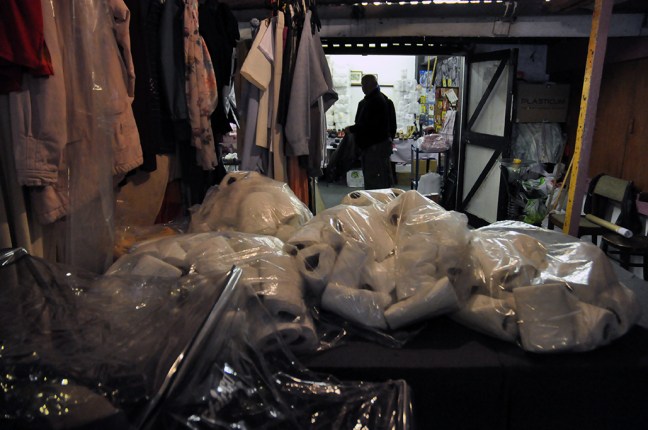
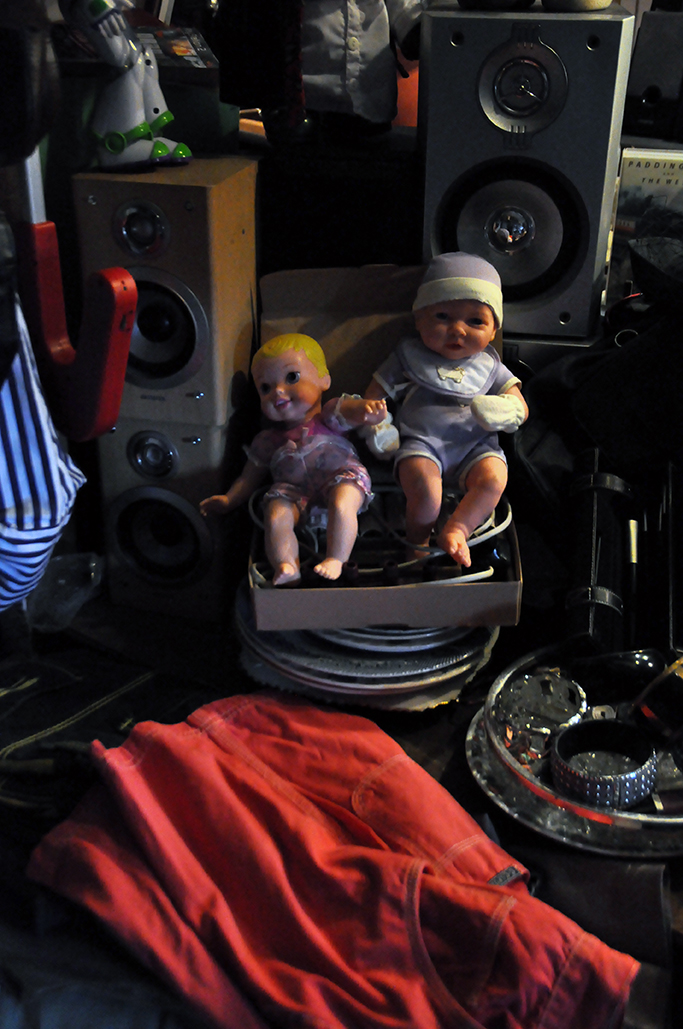
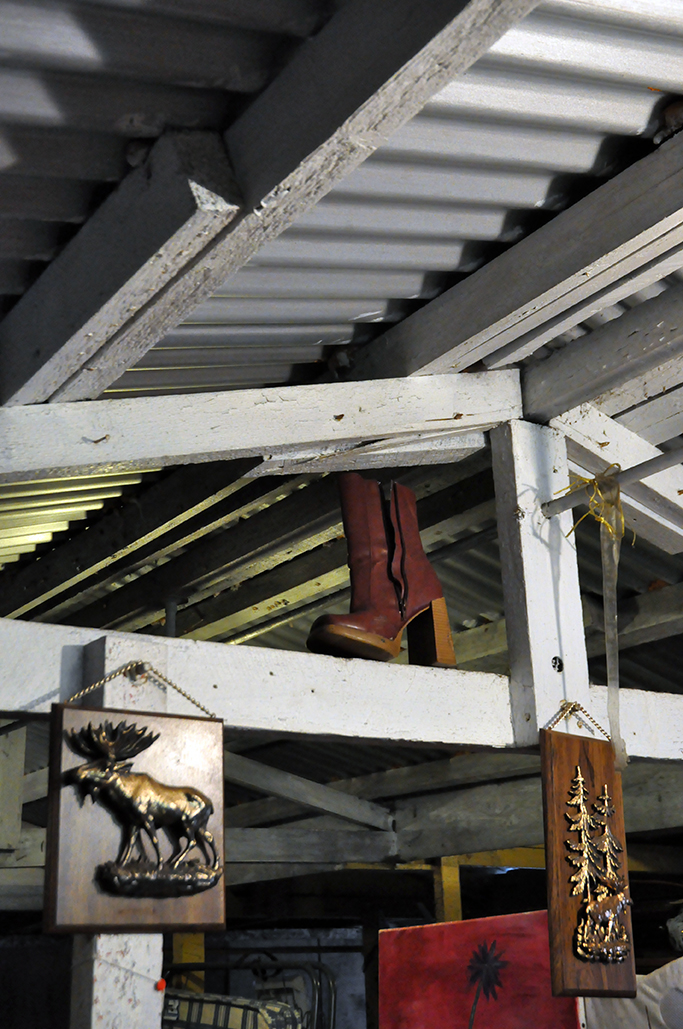
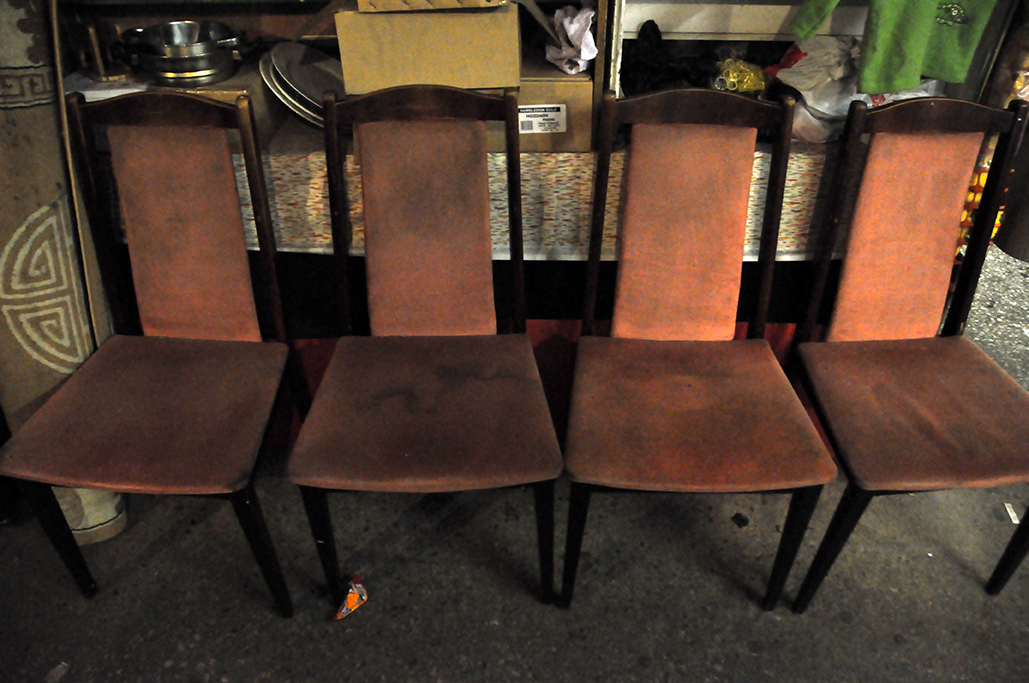
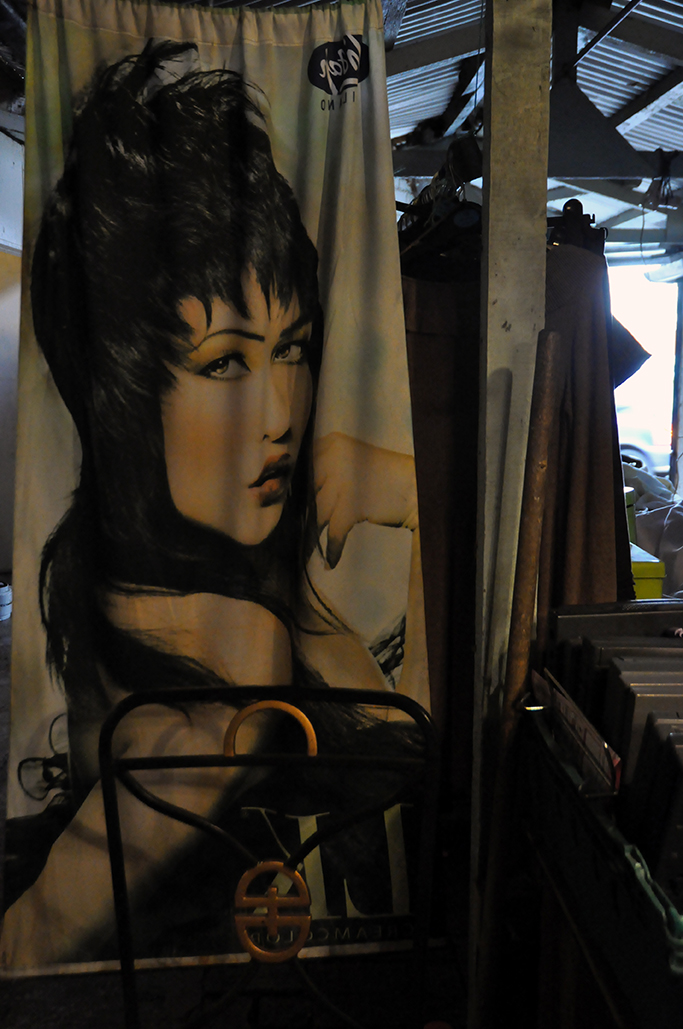
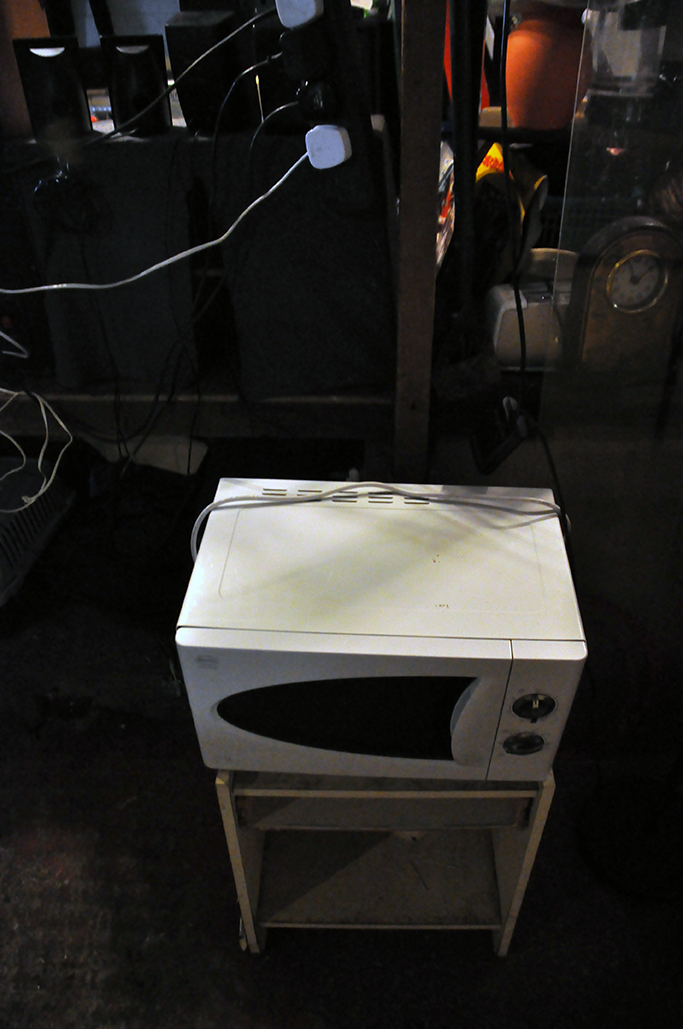
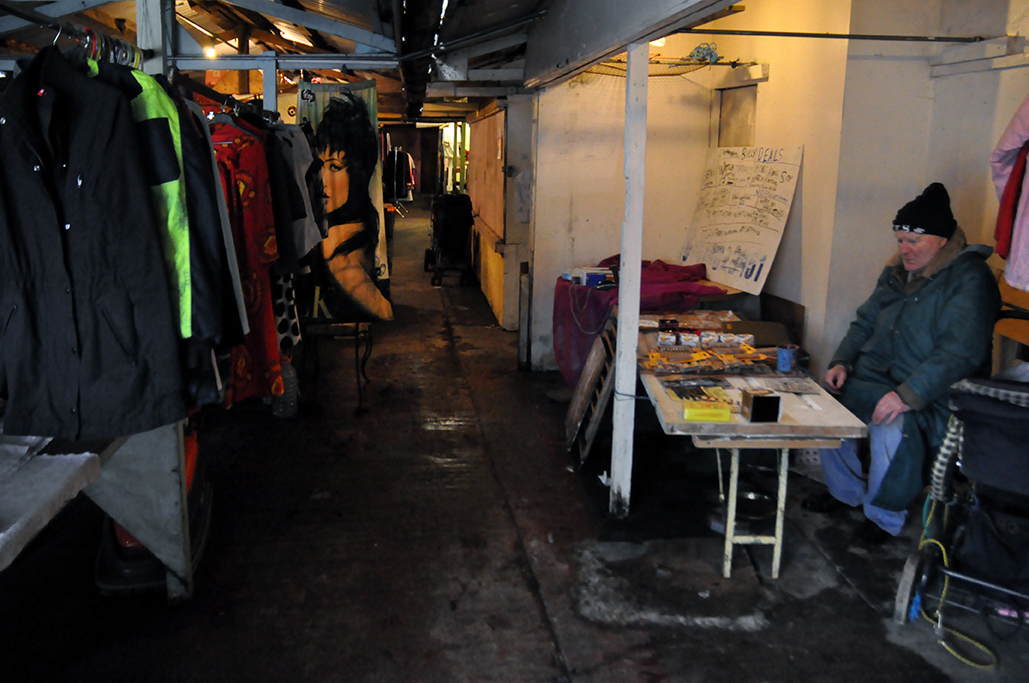
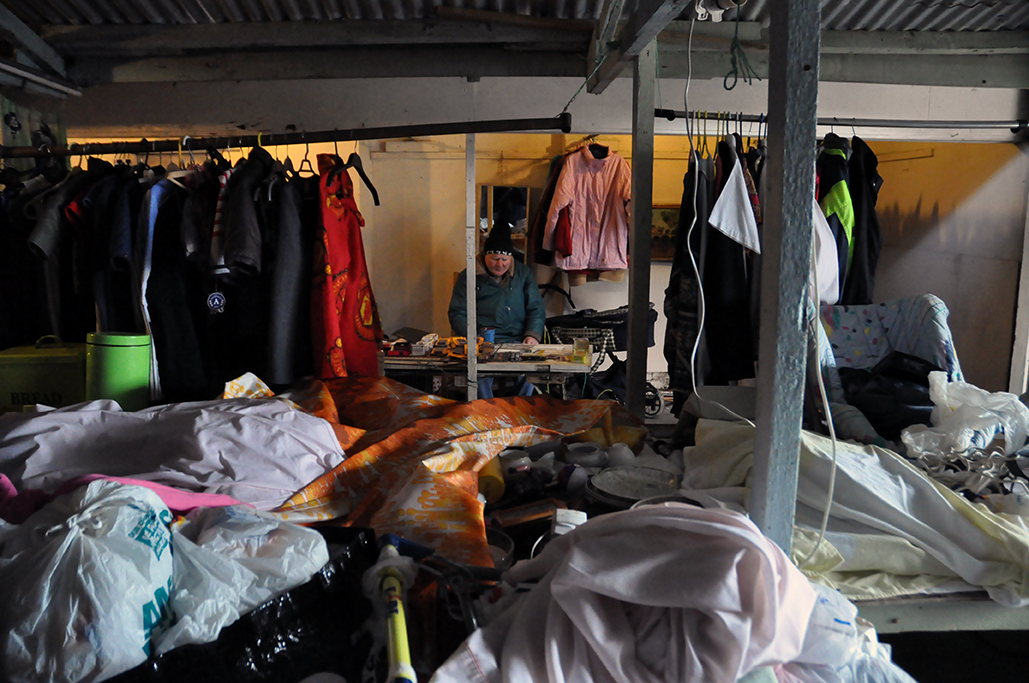
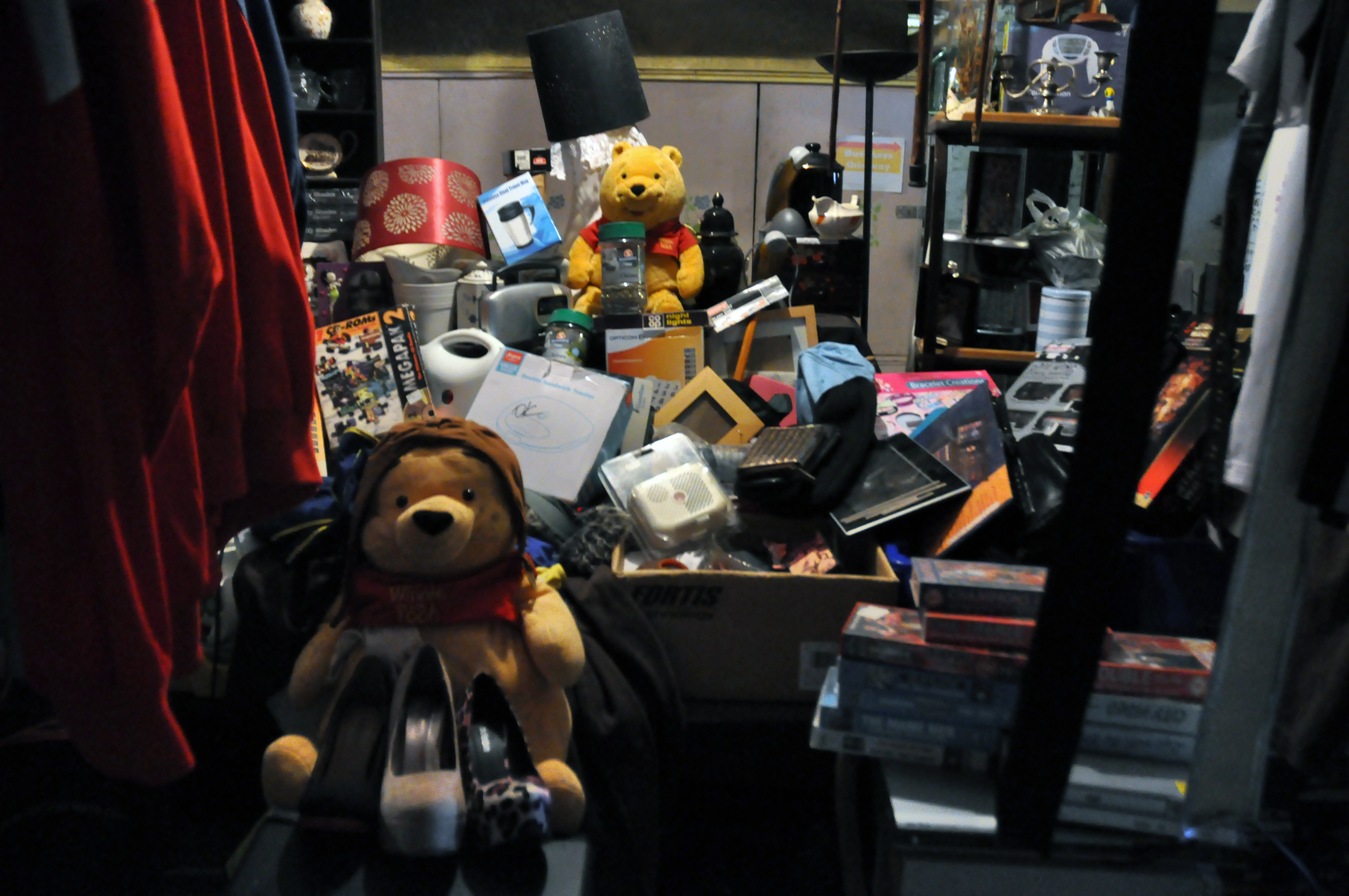
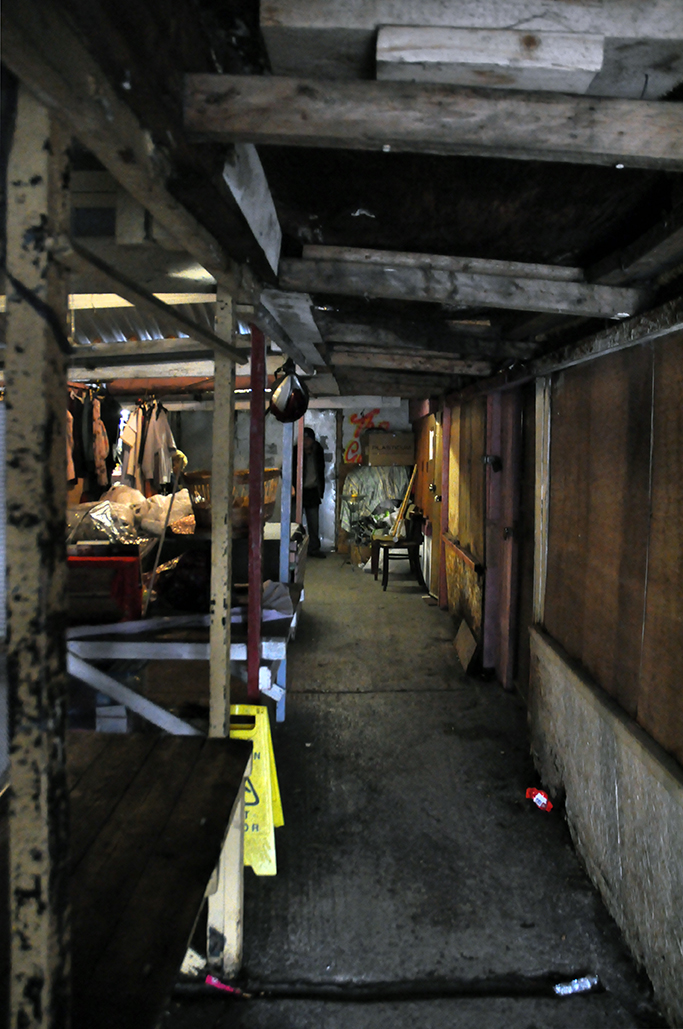
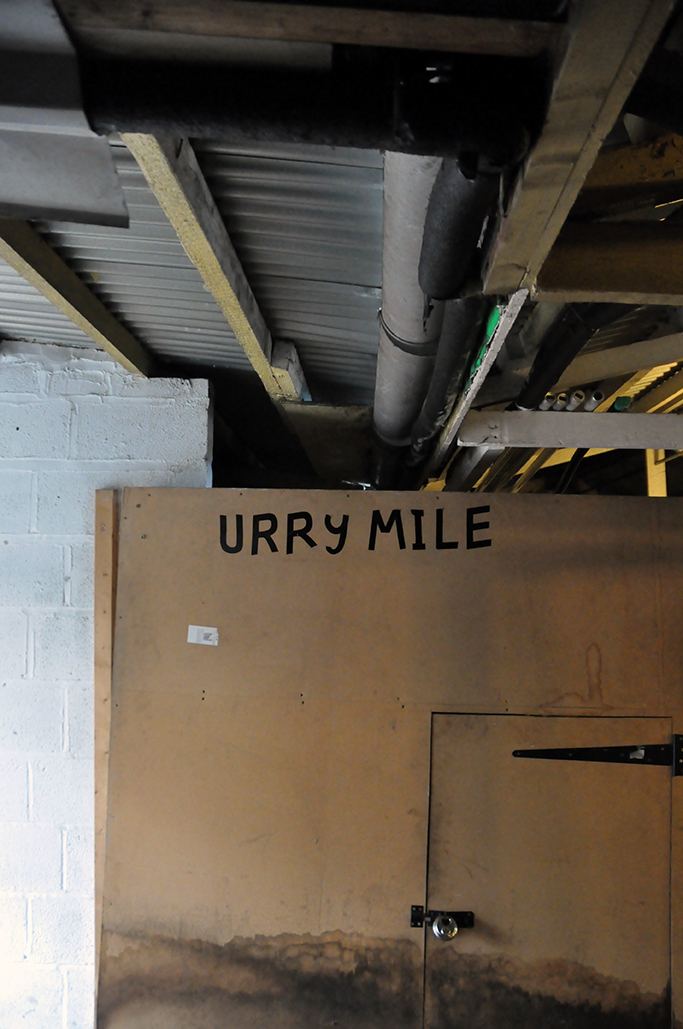
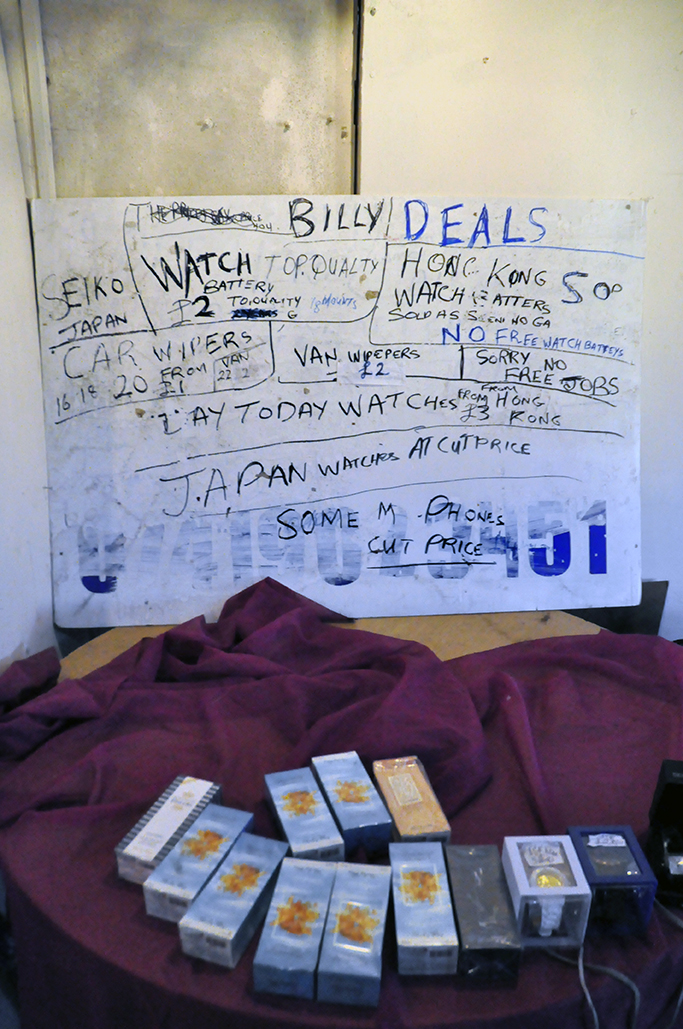
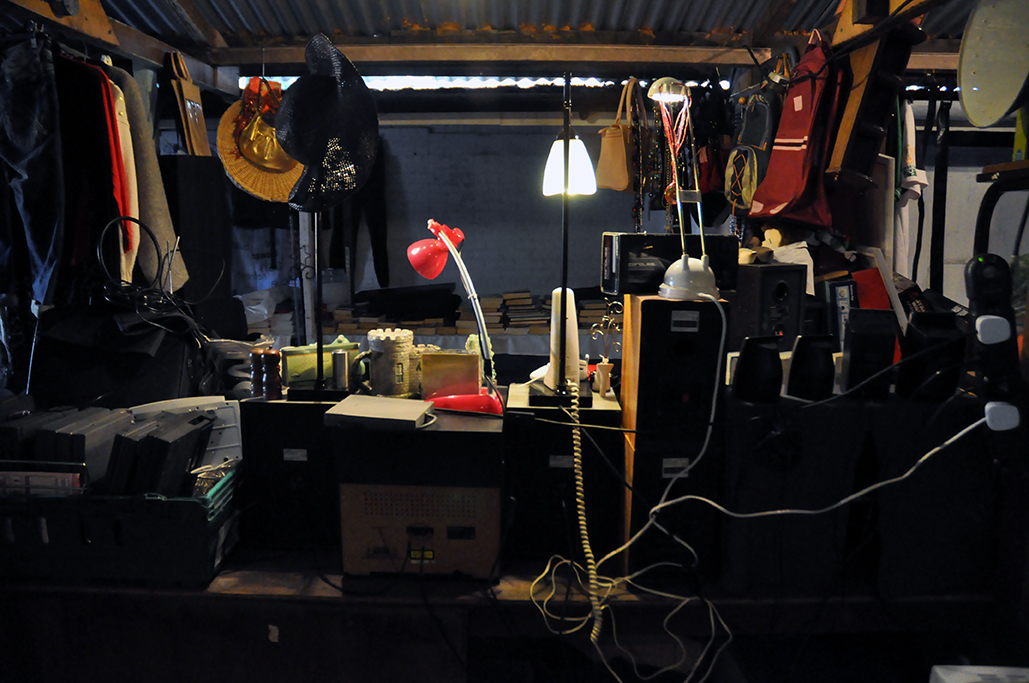
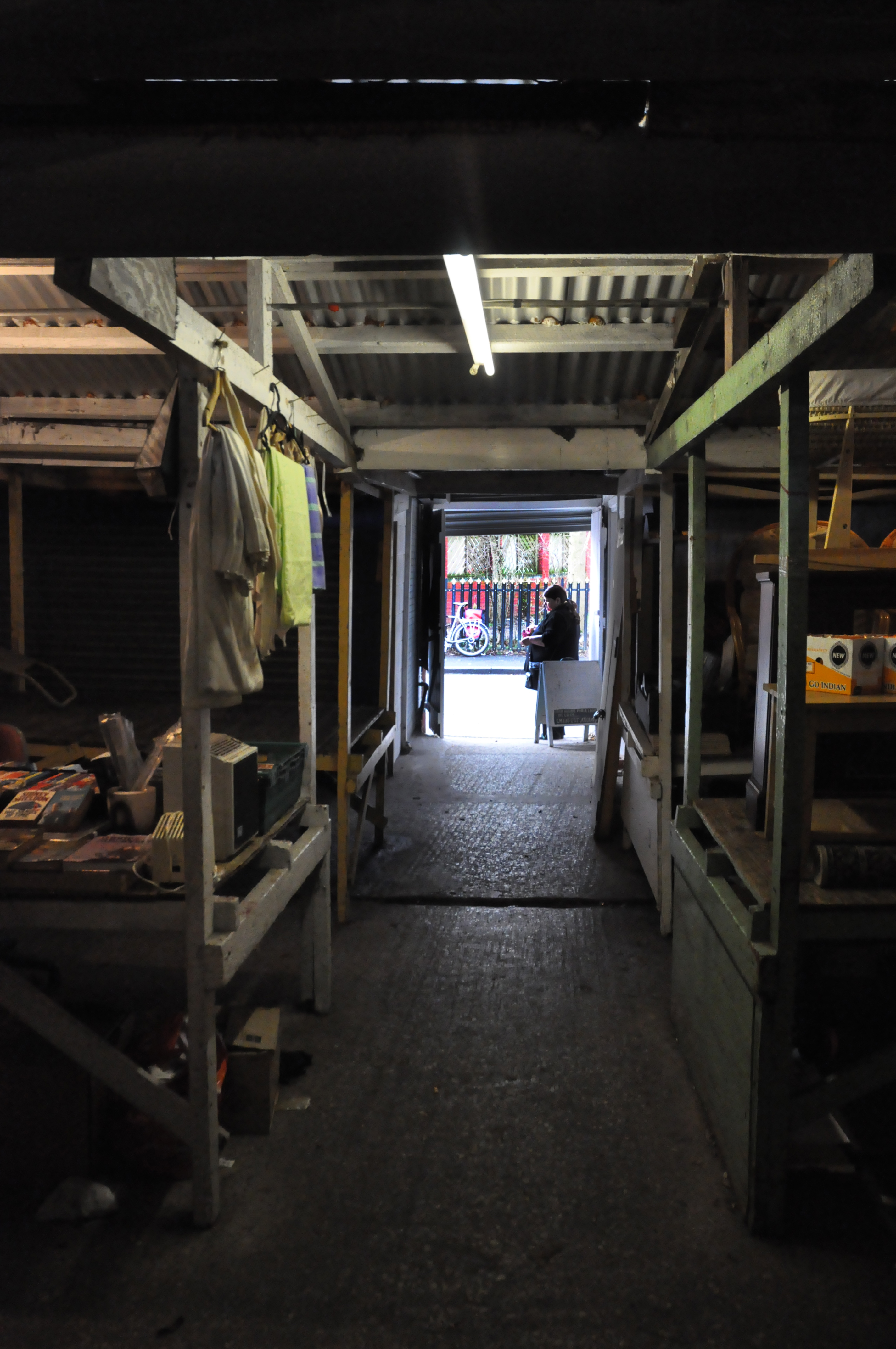
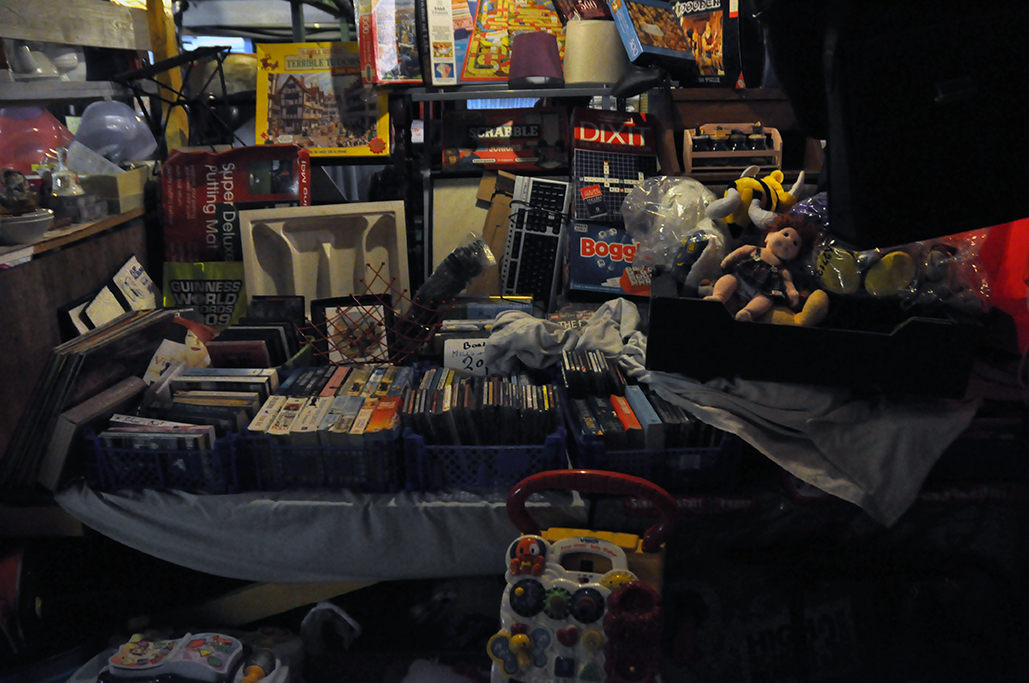
It’s dark inside, you can feel the thin light at war with the murky interior.

Stall holders scurry between stalls, in and out of alcoves, cupboards, hidey holes and plywood worlds.

They made me welcome, chatted as they went about their business of simply getting by.

This is the land beyond time and at times motion and emotion.
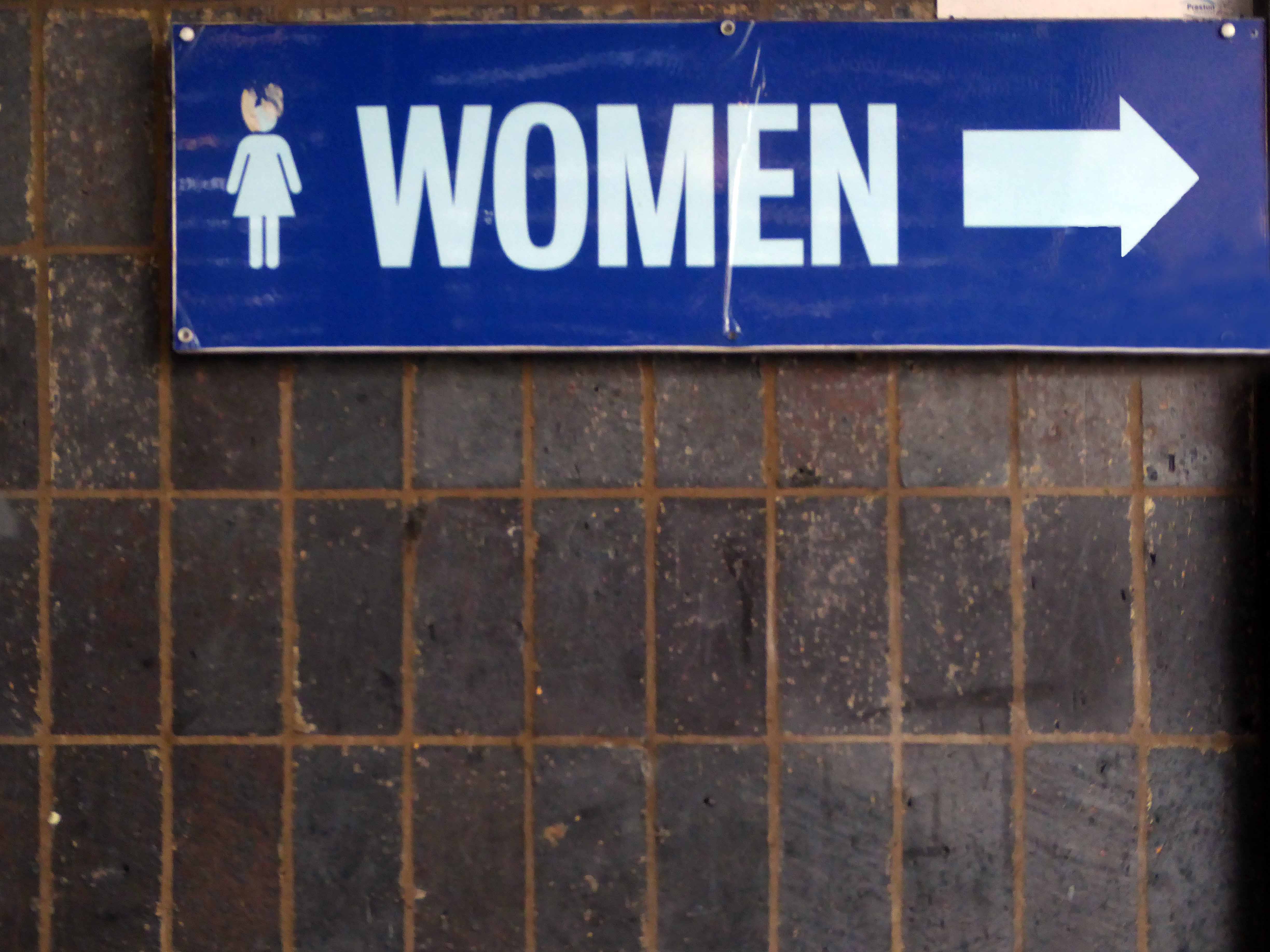
Entering seems transgressive, there is nothing in here I want or need, I just had a compulsion to record this flickering fight against the distinct possibility of extinction.
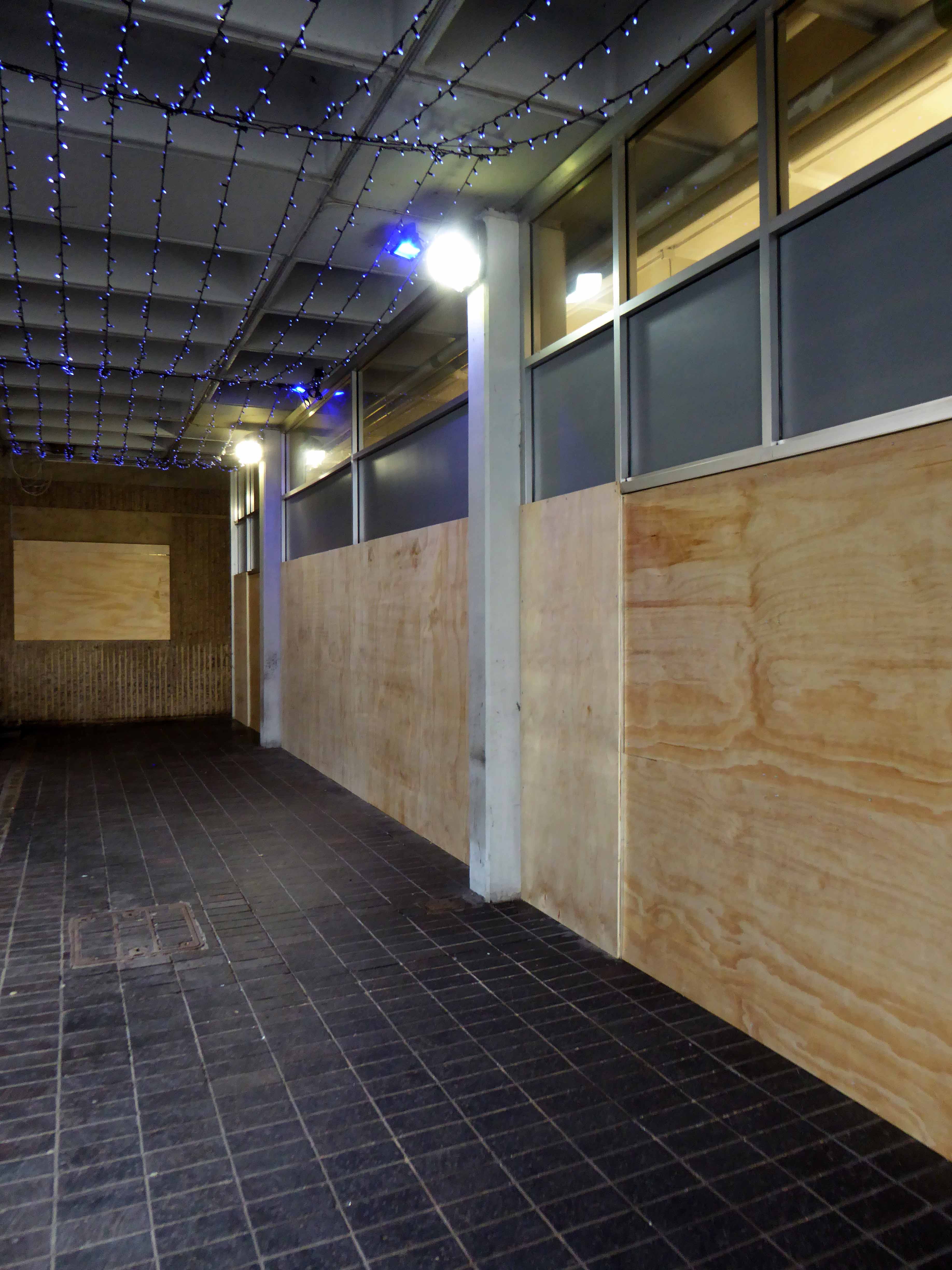
Come in.
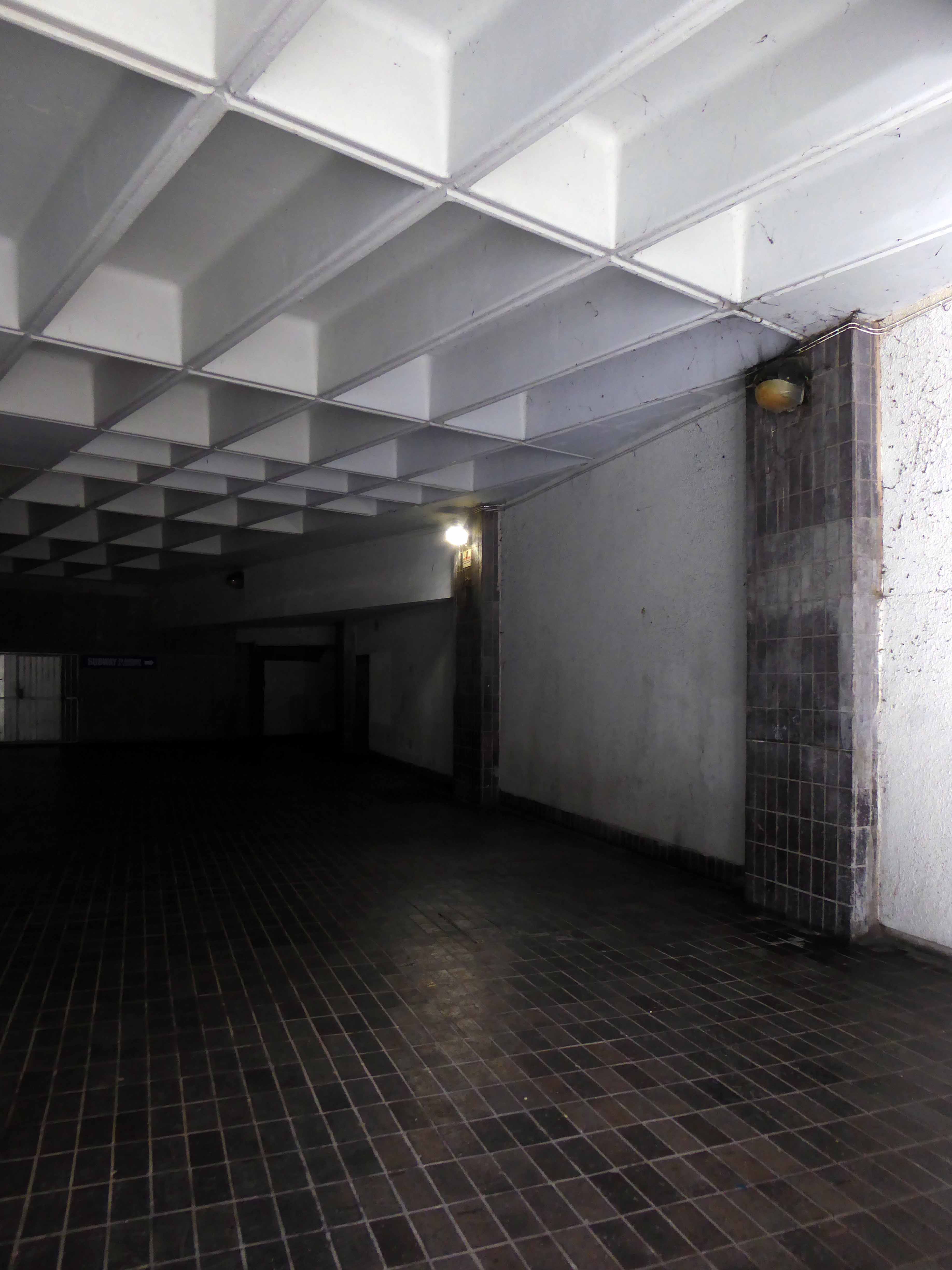
DSC_0337 copy

DSC_0356 copy

DSC_0354 copy

DSC_0353 copy

DSC_0352 copy

DSC_0346 copy

DSC_0339 copy

DSC_0335 copy

DSC_0331 copy

DSC_0328 copy

DSC_0325 copy

DSC_0324 copy

DSC_0319 copy

DSC_0318 copy

Ashton – Bailey’s Homeware

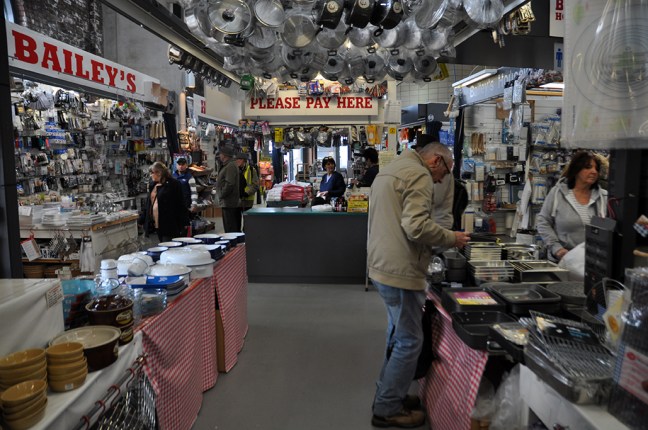
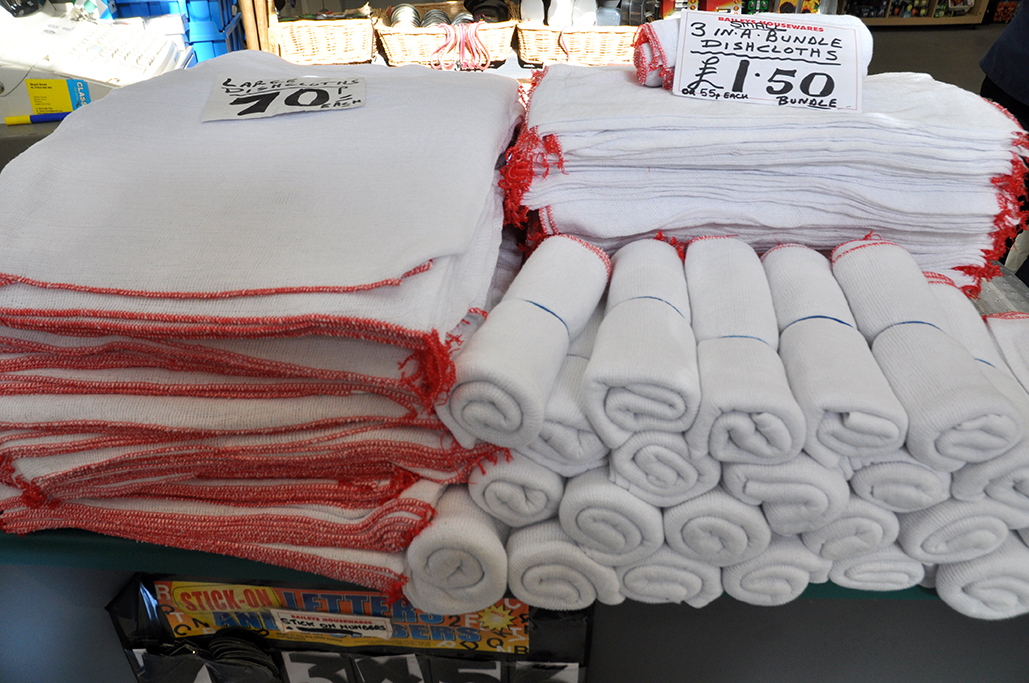
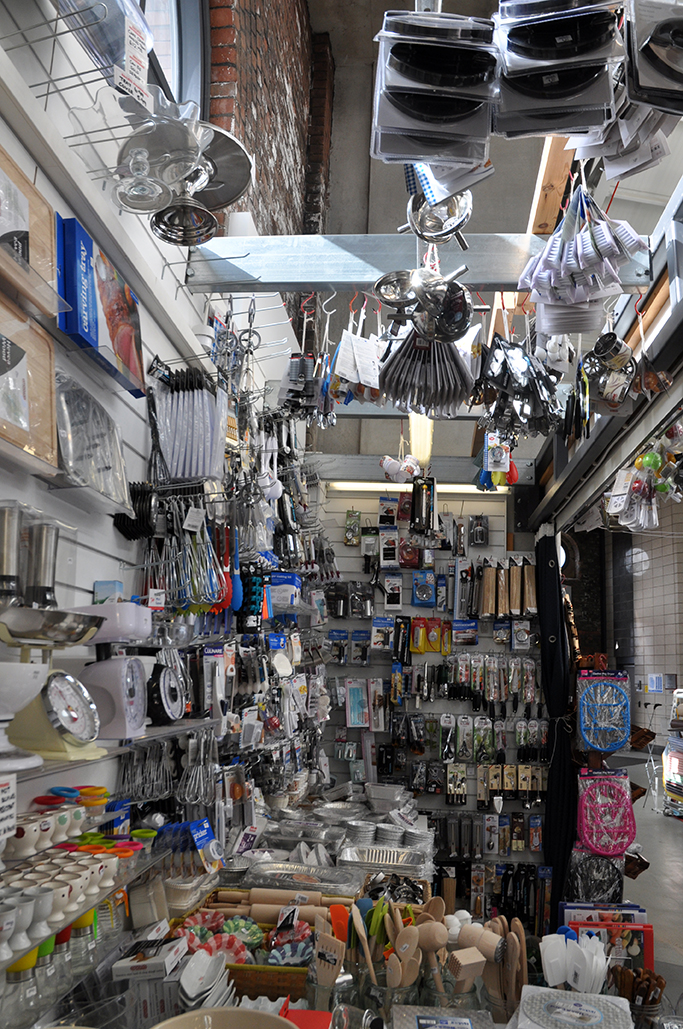
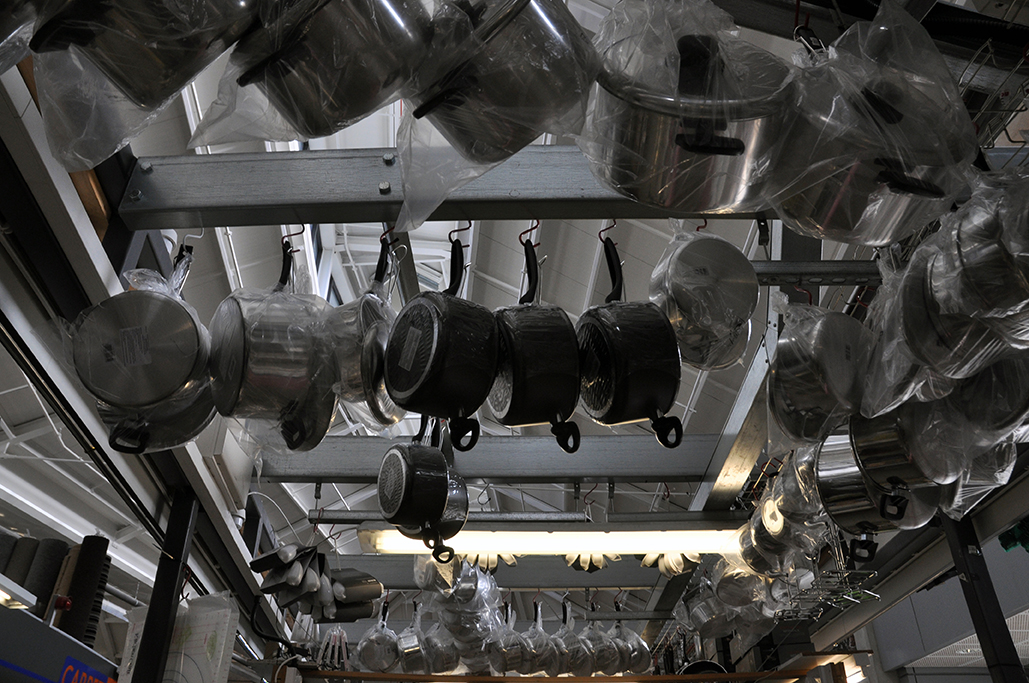
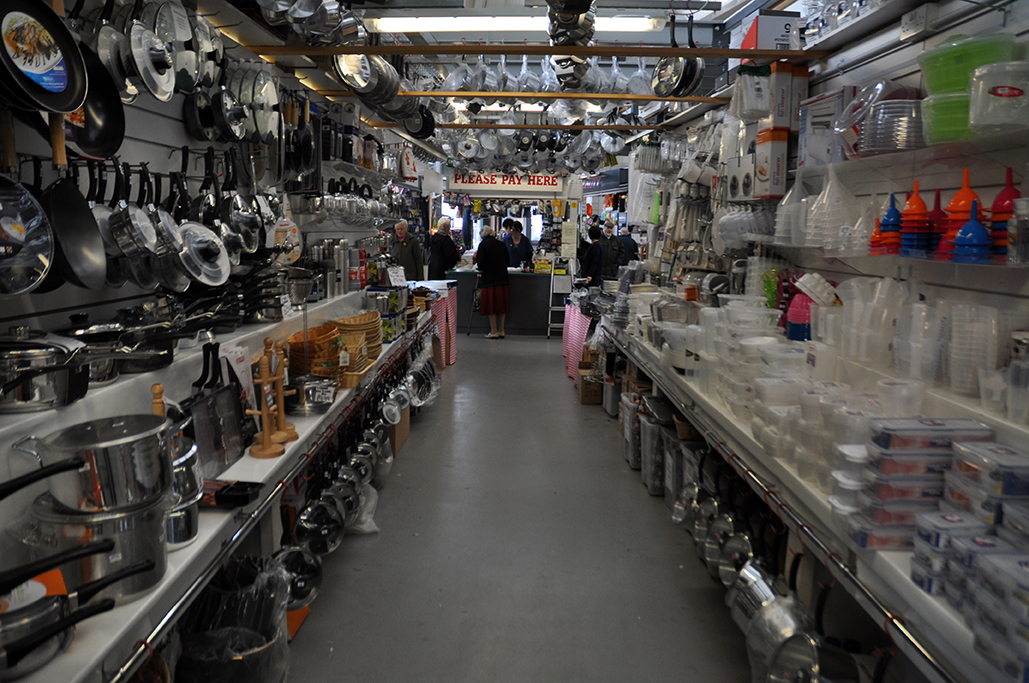
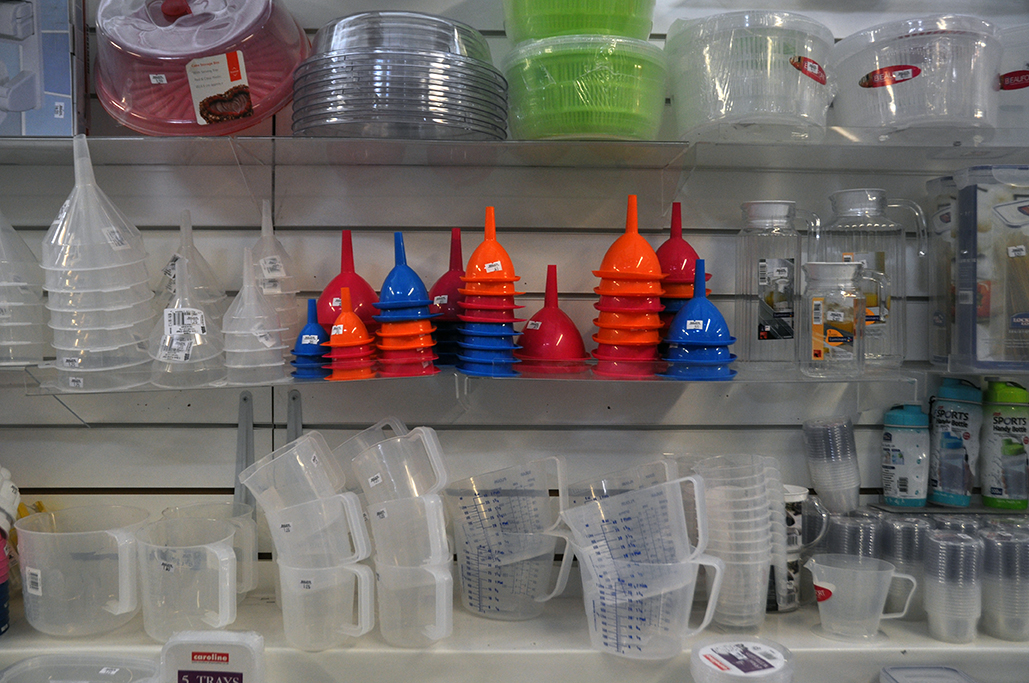
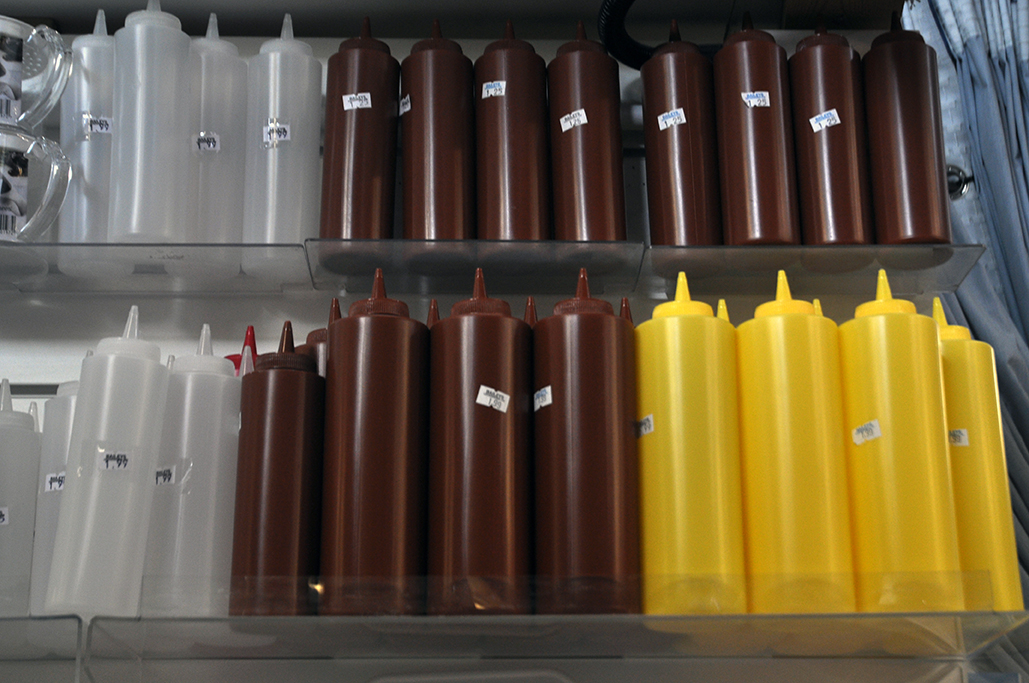
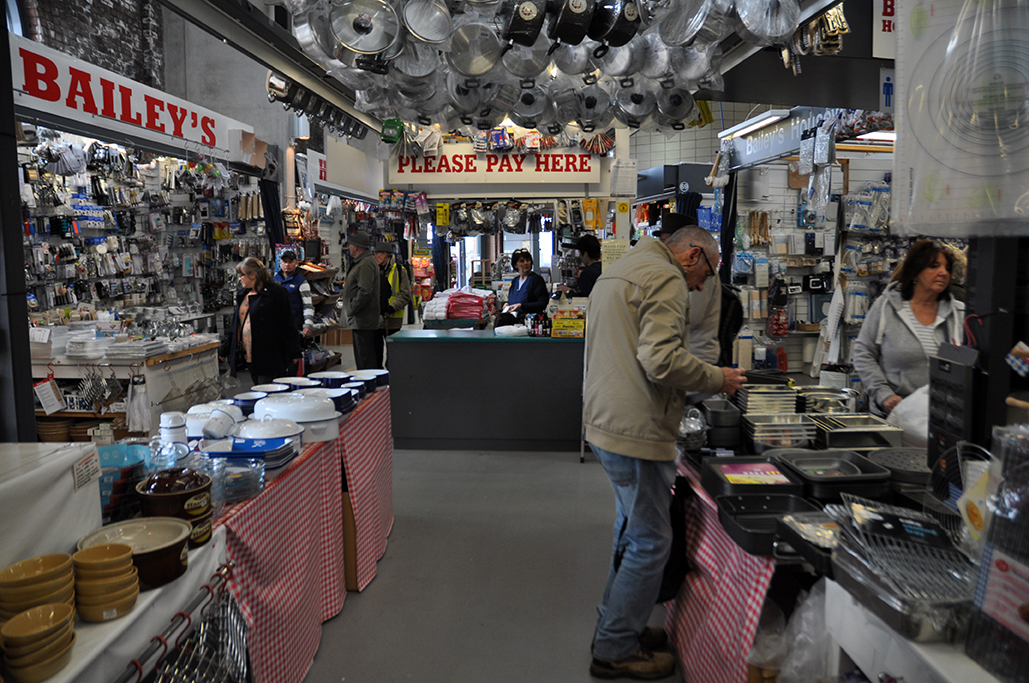
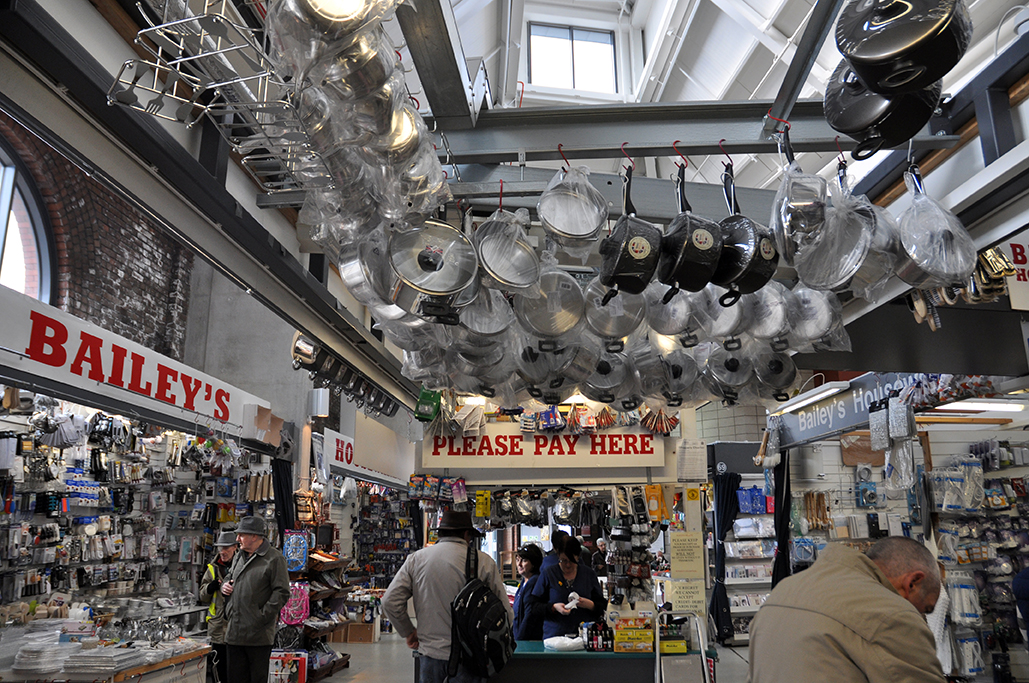
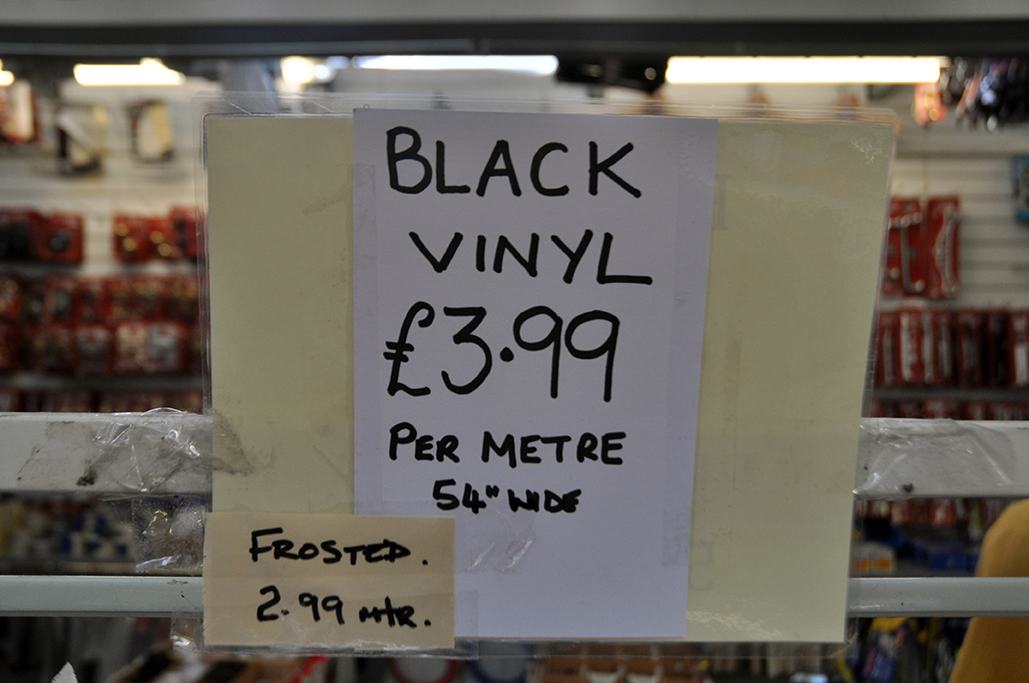
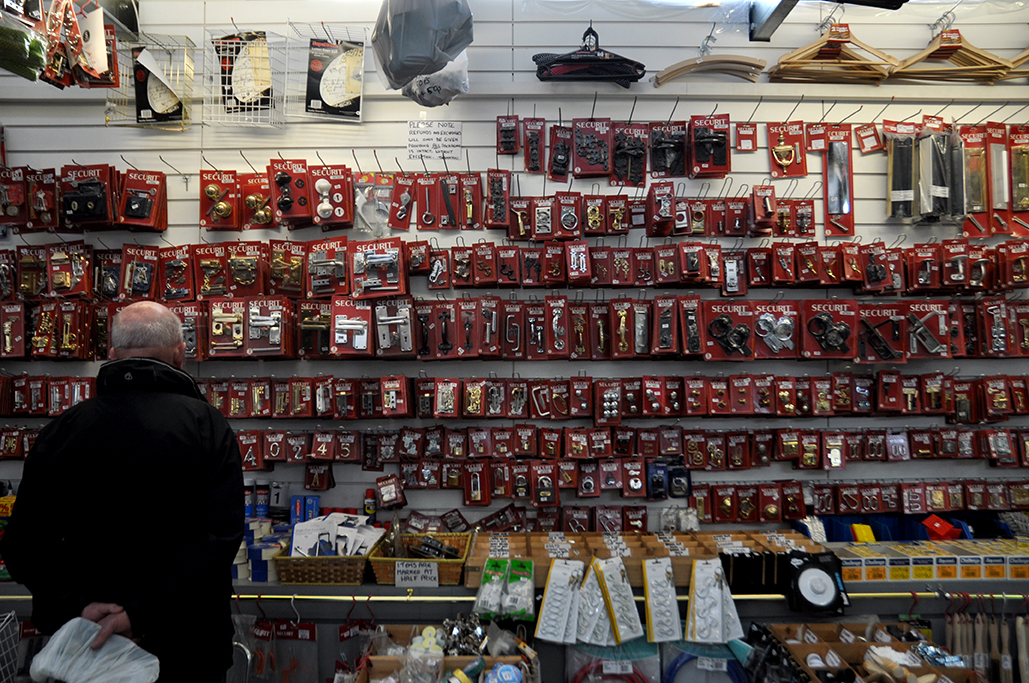
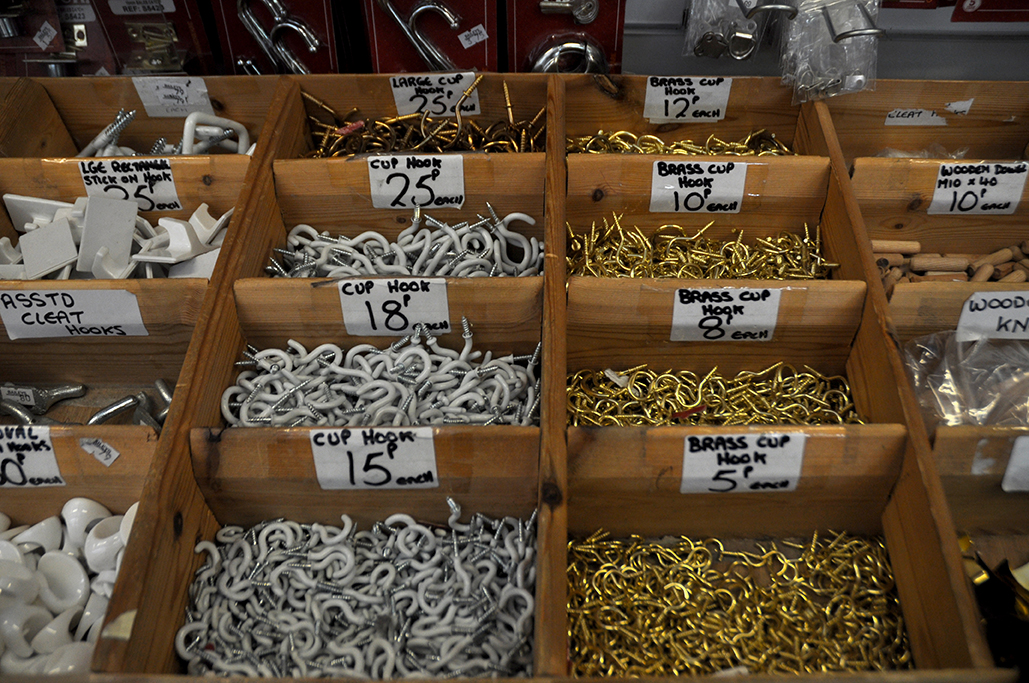
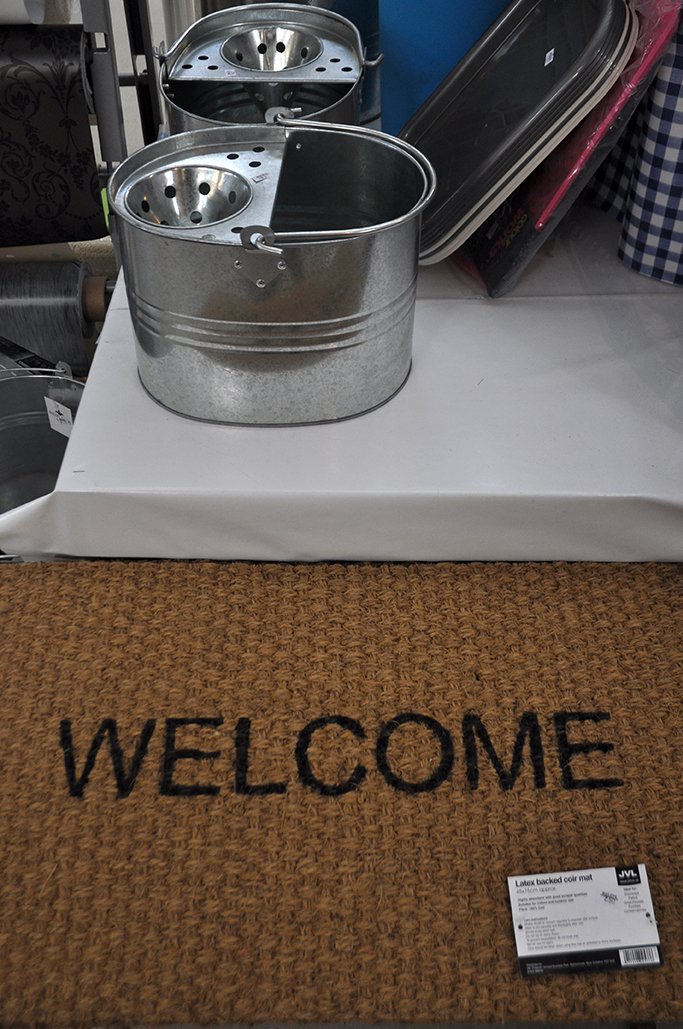
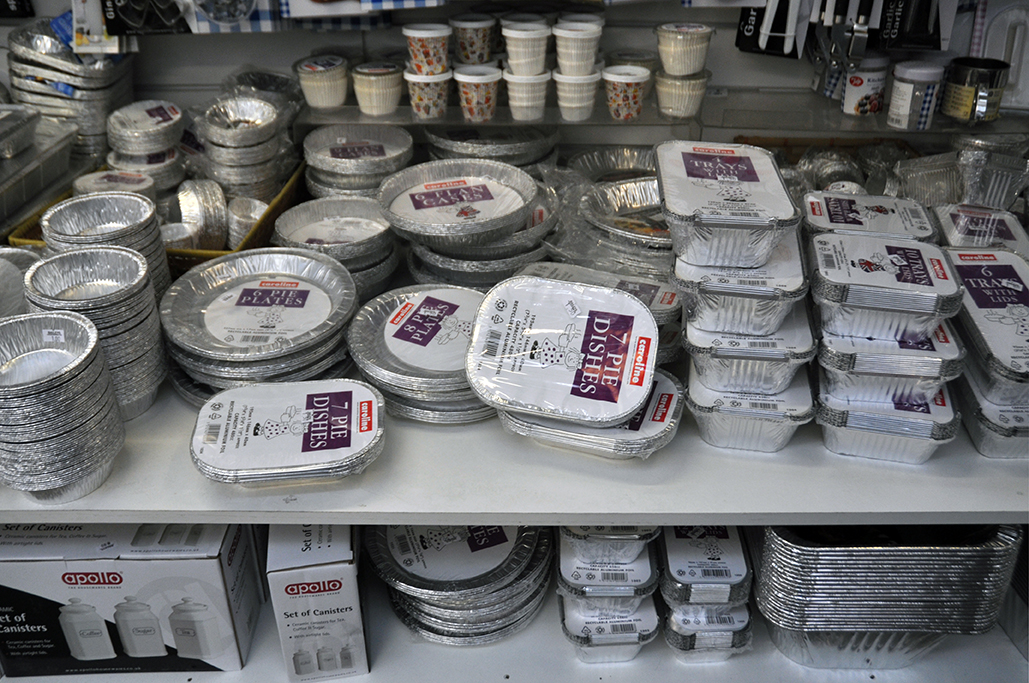
There is a stall in Ashton Indoor Market that almost defies description, an Aladdin’s cave, a cornucopia of kitchenalia – if they don’t have, it probably doesn’t exist.
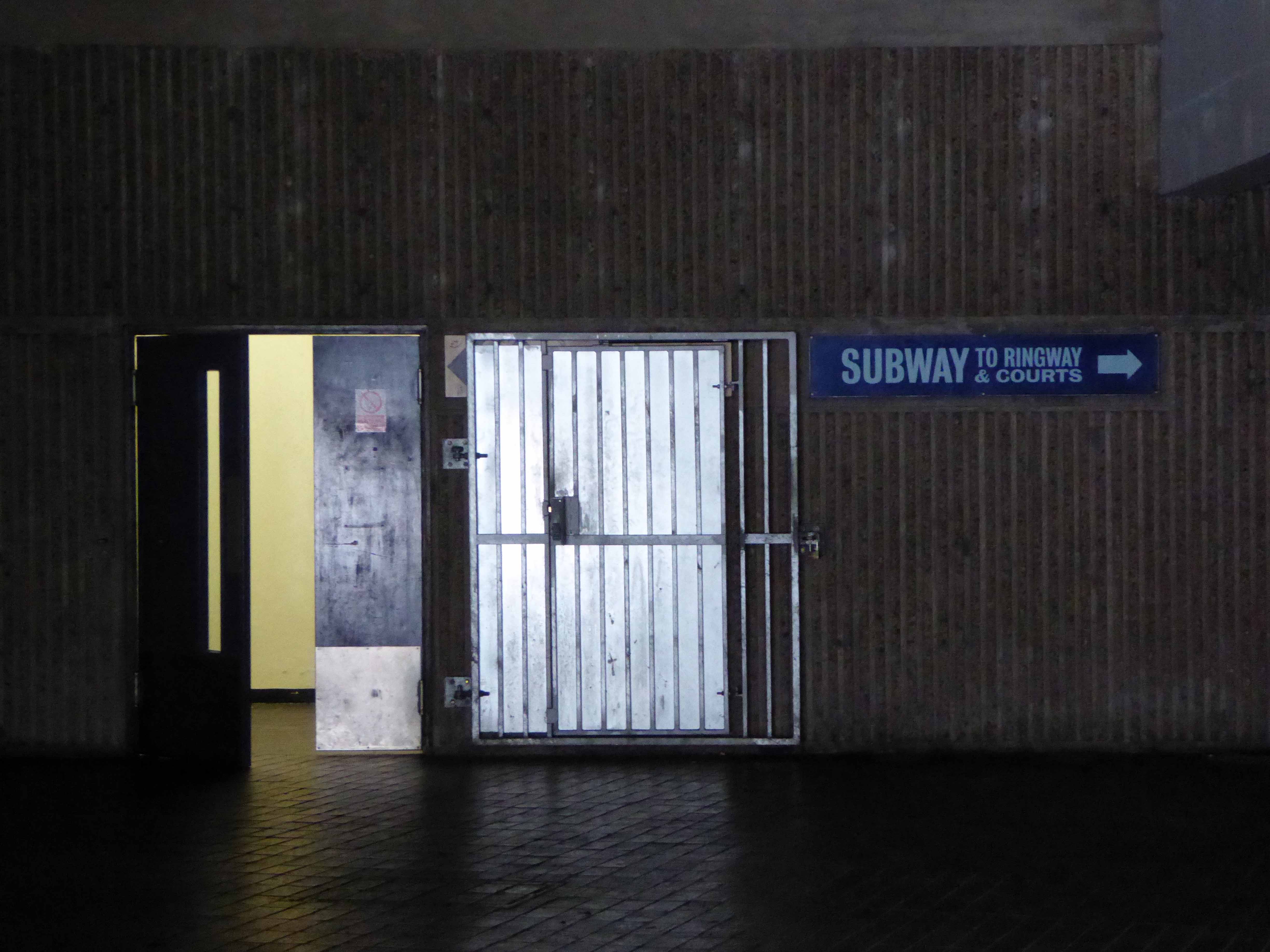
I visited here as a little lad with my Mam, me holding happily on to her left hand, her right forever clutching a shopping bag. On our way to Queenie’s for woolies, eagerly awaiting a hot Vimto treat, stopping to stare at the toy stall, constantly chatting with all and sundry – pals, passers by, stall holders, the vacant and the aimlessly vagrant.
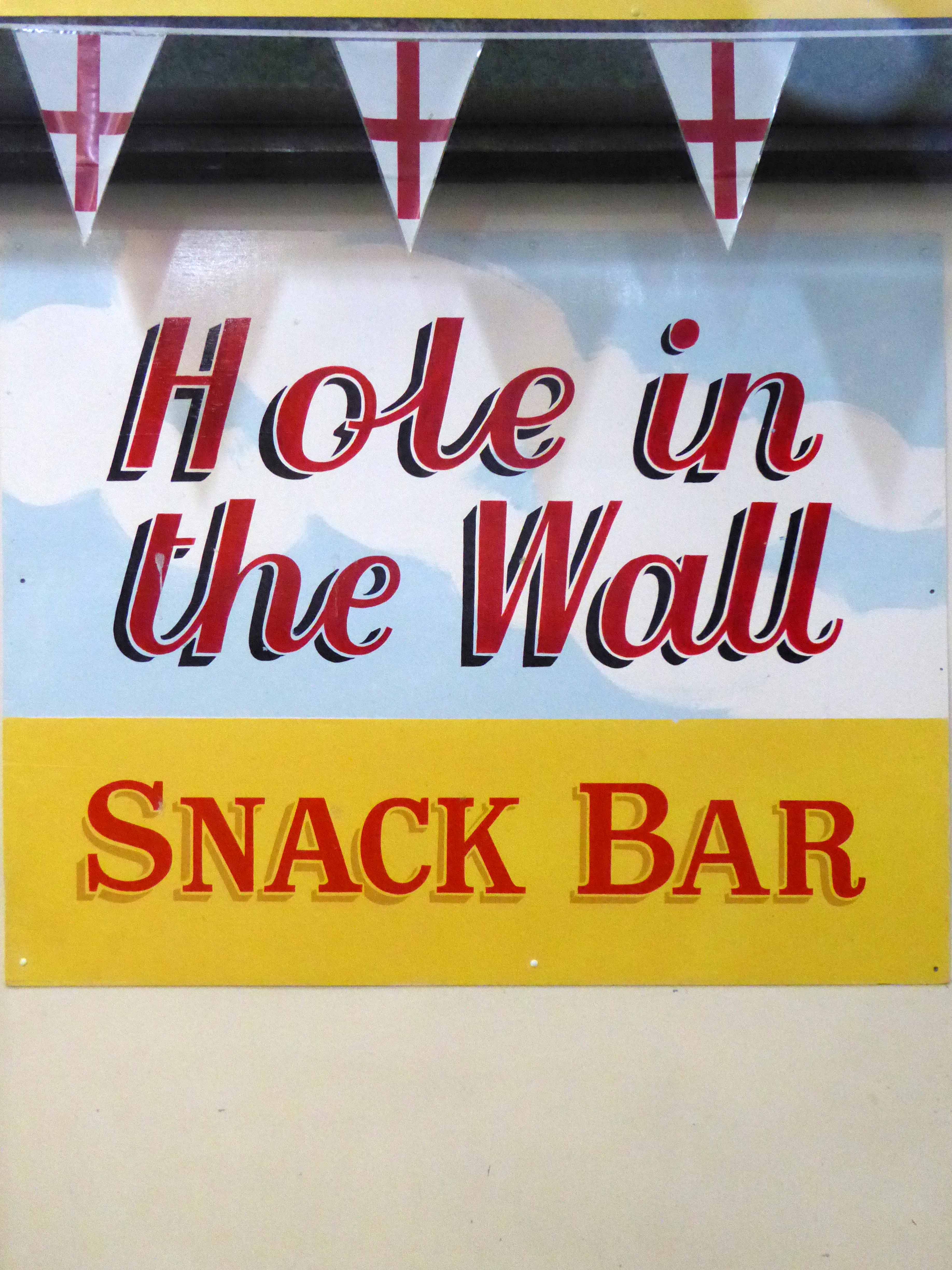
The most convivial of worlds.

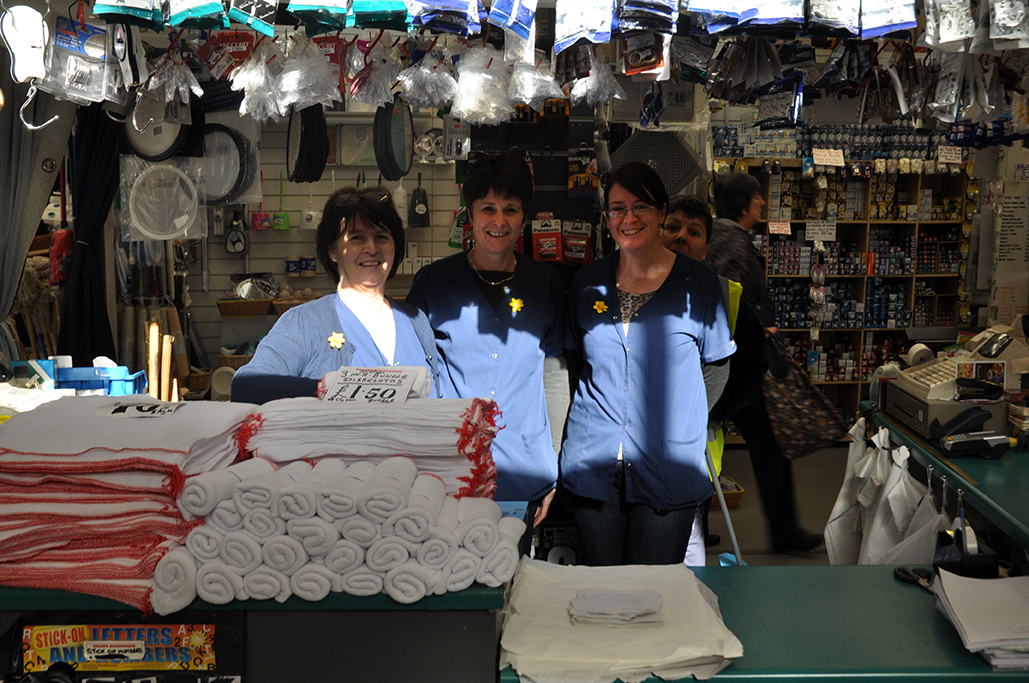
Bailey’s prevails, big, bold and beautiful a temple to the domestic, staffed by the wonderfully helpful Susan, Sandra and Mel – happy to let me snap happily and sell me two enamel pie dishes. It was pleasure to make their acquaintance.

Take some time to pop in sometime.

Pick up a cup hook or two.

http://www.tameside.gov.uk/ashton/market

DSC_0519 copy

DSC_0524 copy

DSC_0529 copy

DSC_0533 copy

DSC_0534 copy

DSC_0535 copy

DSC_0539 copy

DSC_0541 copy

DSC_0542 copy

DSC_0550 copy

DSC_0551 copy

DSC_0554 copy

DSC_0556 copy

DSC_0558 copy