Wolverhampton Walk

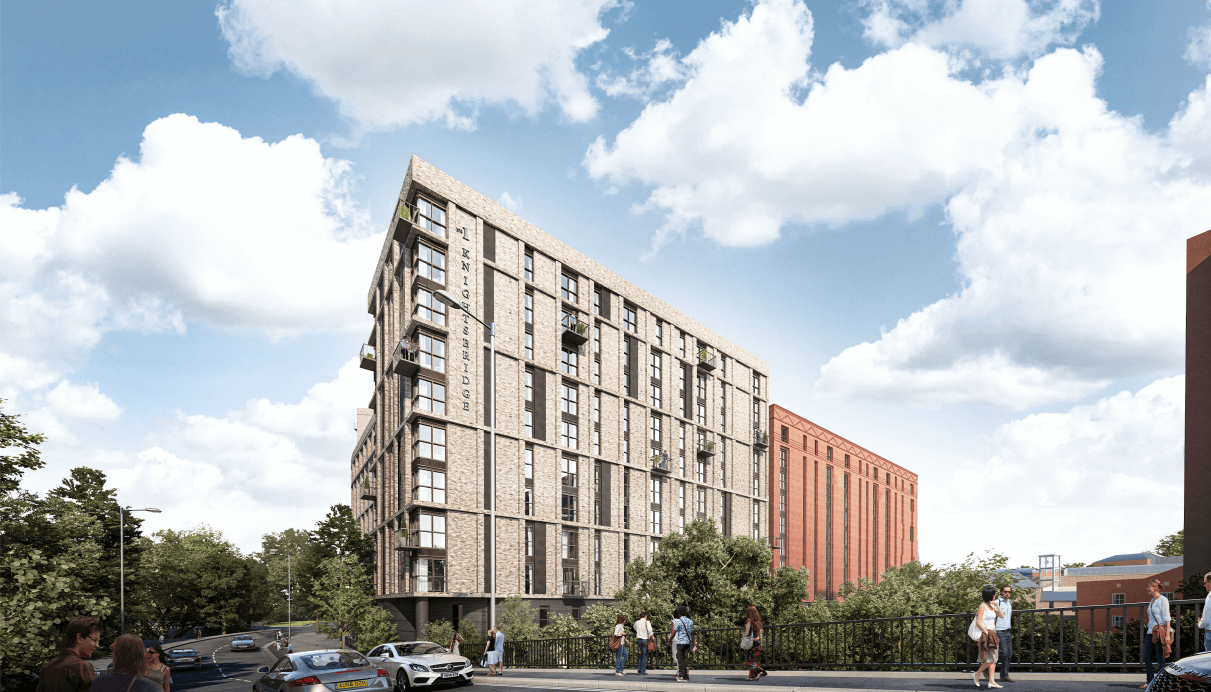
Architects: Austin Smith Lord

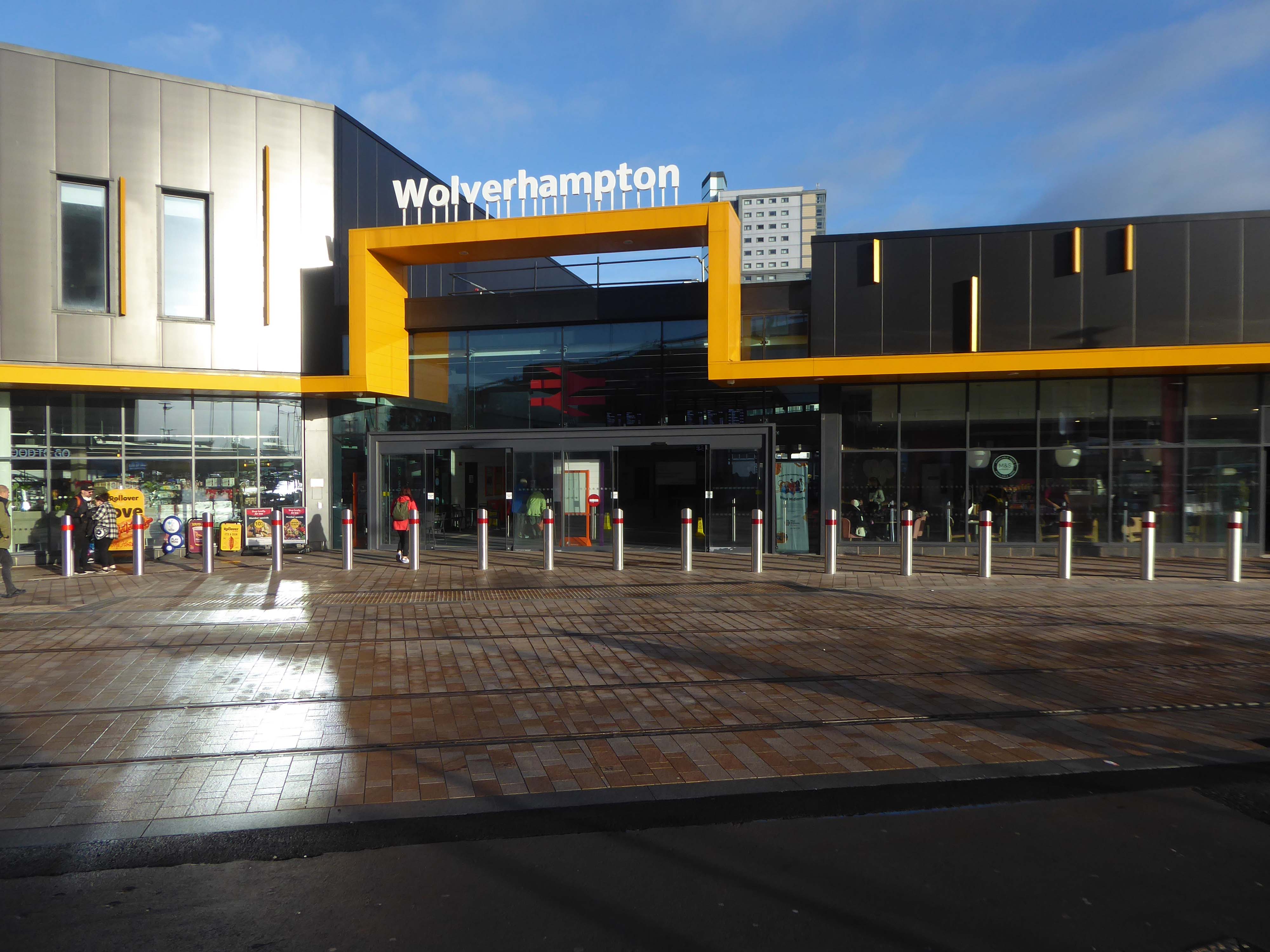
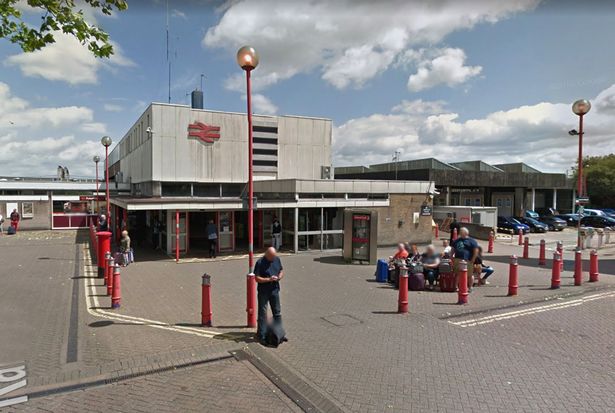
We begin at the Railway Station – recently refurbished, overwriting its 60s iteration – completely rebuilt by the architect Ray Moorcroft as part of the modernisation programme which saw the West Coast Main Line electrified.
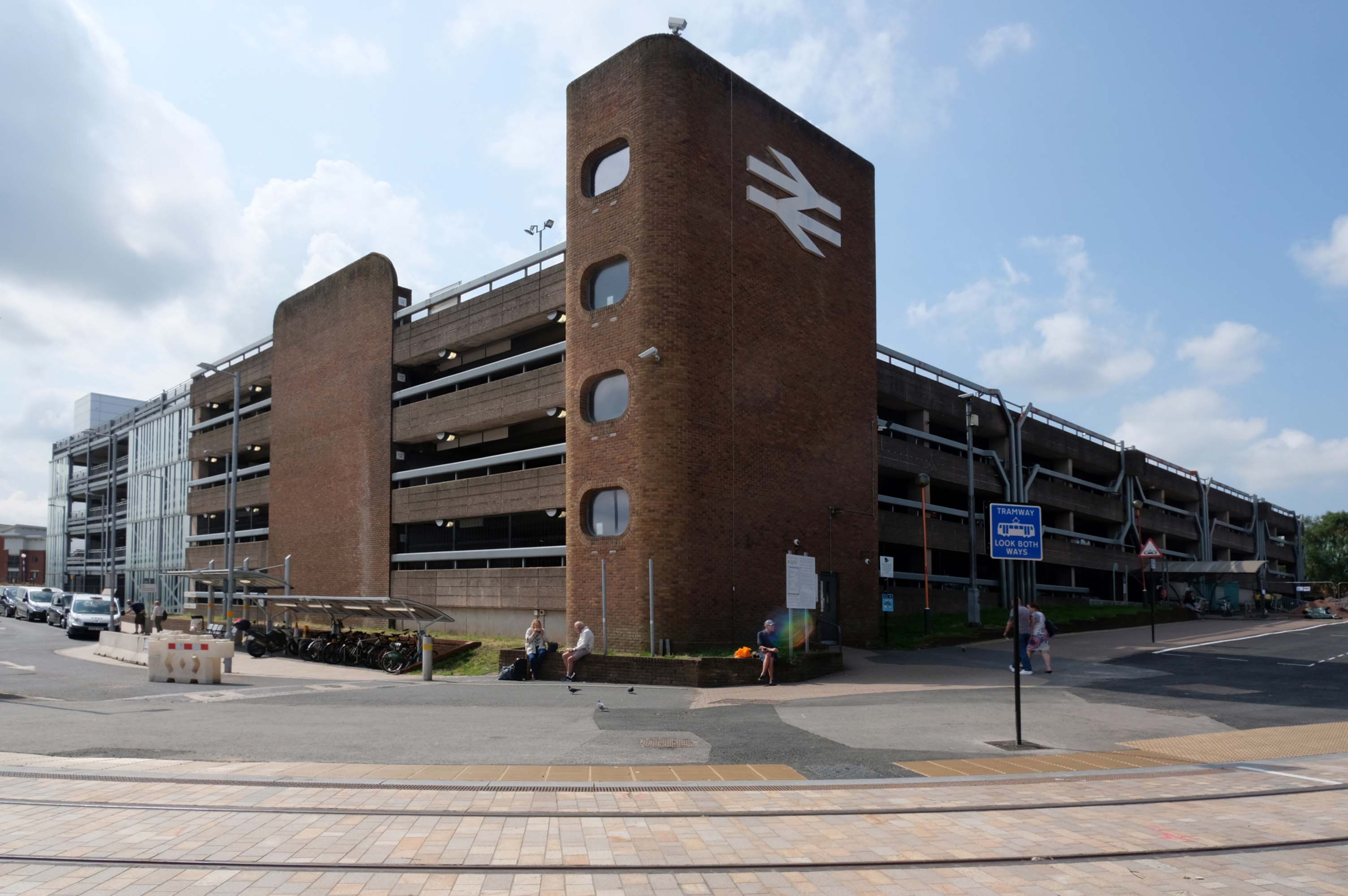
Across the way an enormous brick clad multi-storey car park – skirted by the lines for the tram, which travels to and from Birmingham.
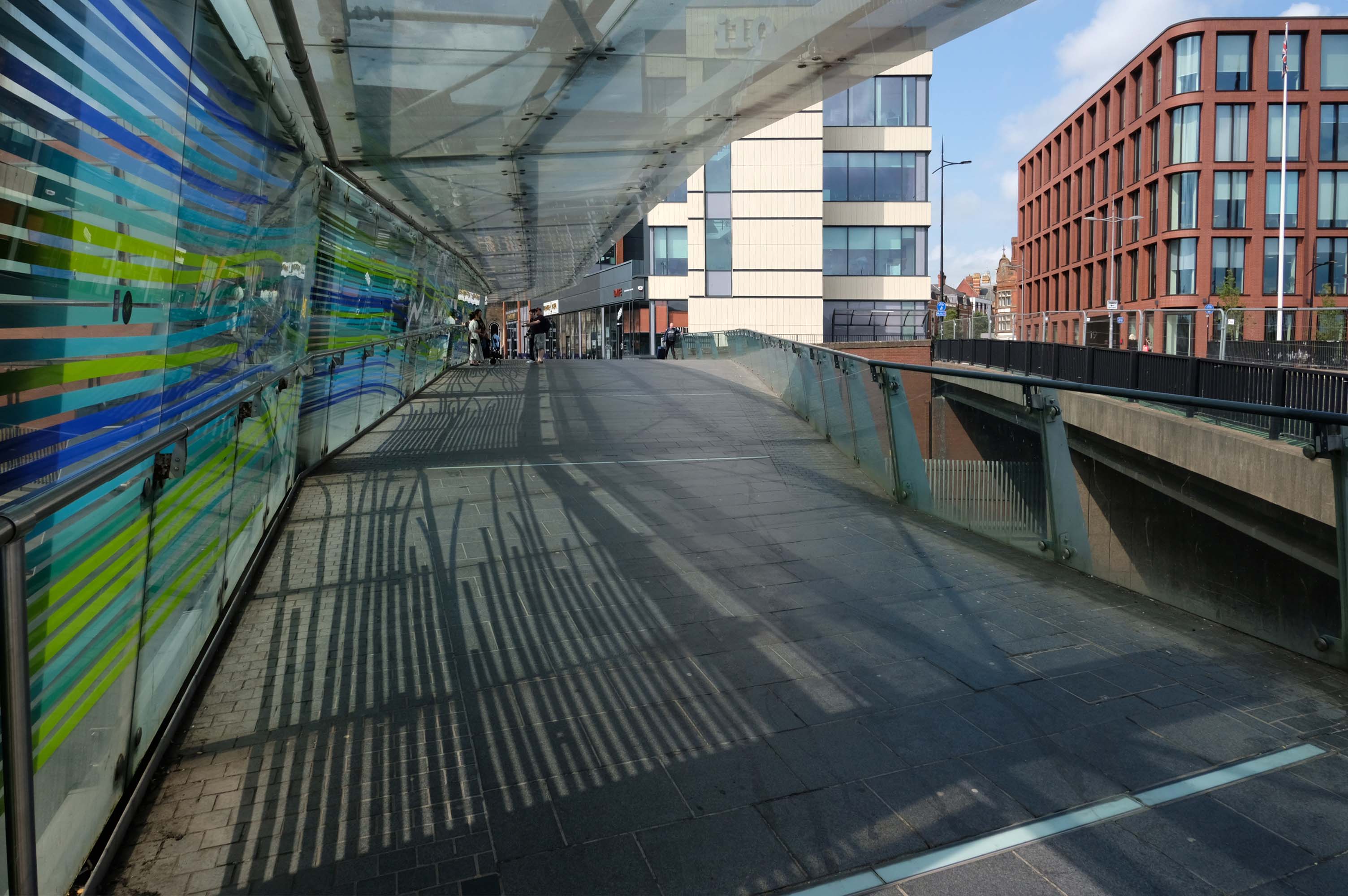
Walk across the brand new pedestrian footbridge over the ring road.

Architectural glass artist Kate Maestri was commissioned to produce the artwork design which features glass with blue and green strips of colour running through it.
BBC

Architects: Austin Smith Lord

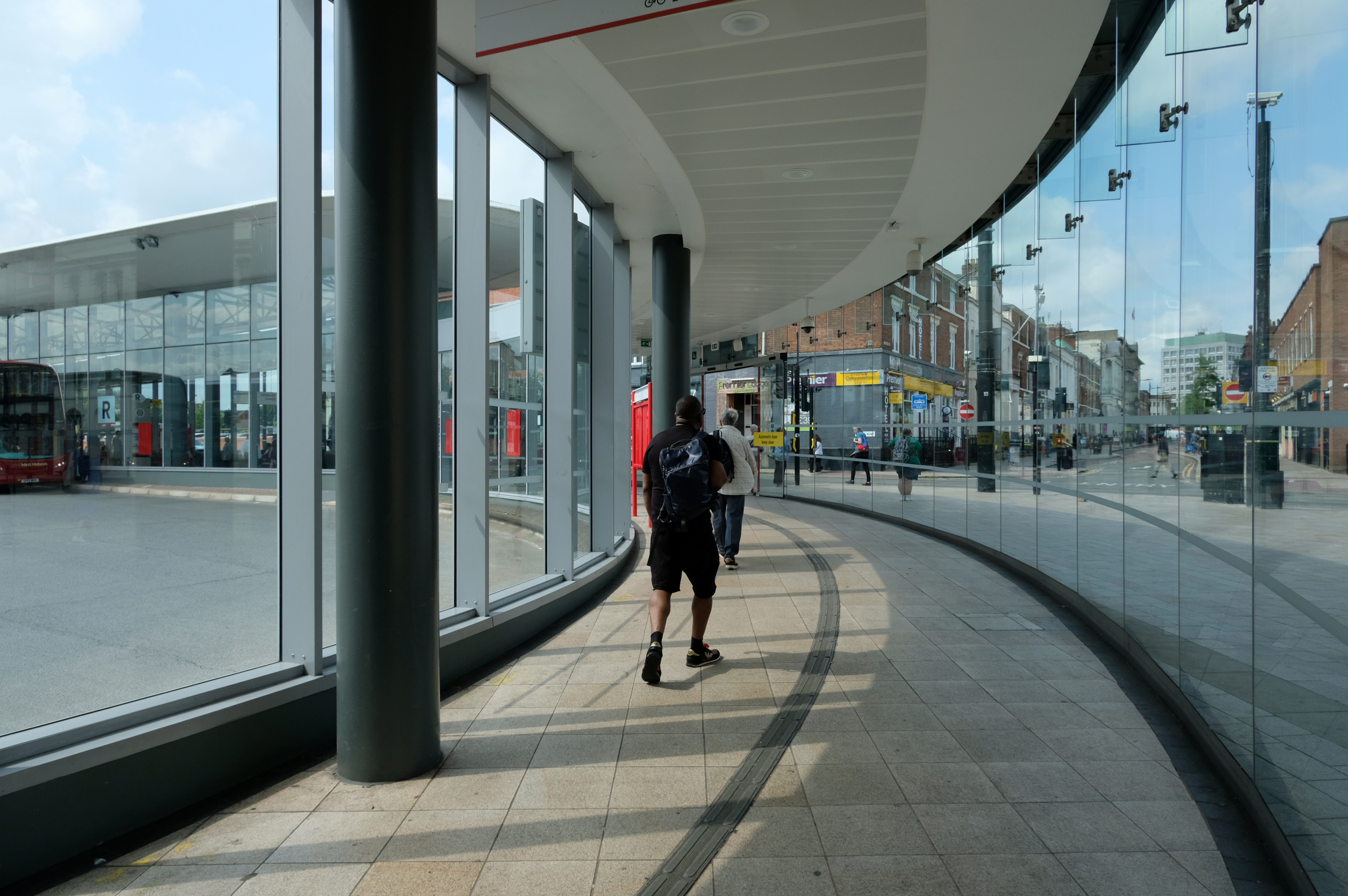
Linking the Rail Station with the brand new Bus Station.

The normal practice of the Wolverhampton Bus Service is to have dirty, smelly buses, that are cramped and extremely hot in the summer and freezing cold in winter. They offer no announcements apologizing for delays they know about and don’t appear to care how long passengers wait with no idea of how or when they’ll be getting a bus.

The best thing you can do is learn to drive as quickly as possible and get your own vehicle or car pool.
Sandra Anderson

Architects: Austin Smith Lord

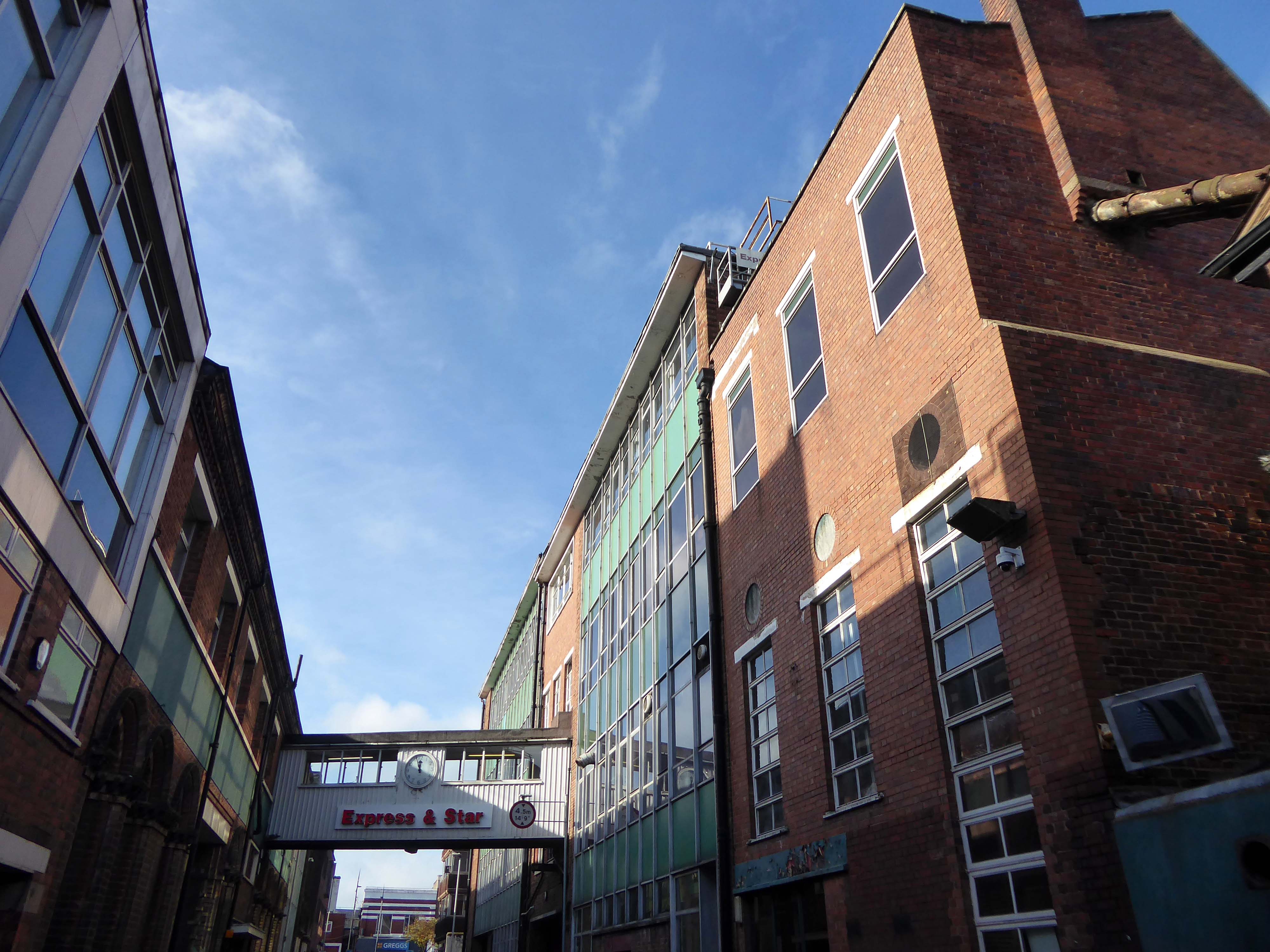
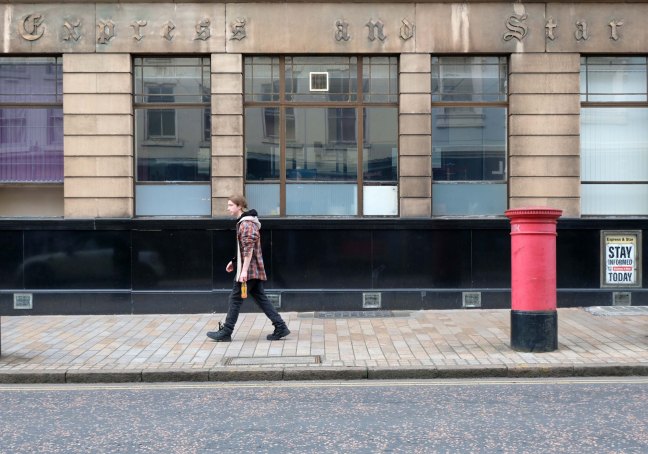
Onward now to the Express and Star Building – Grade II listed.

Architect: Marcus Brown 1934.

The building is faced in a reconstituted Hollington stone called Vinculum, produced by another local firm, Tarmac.

A plaque commemorates RJ Emerson, art teacher and sculptor who sculpted Mercury in 1932.

Wolverhampton History and Heritage Society

Midland News Association managing director Matt Ross confirmed the company is now looking at the building’s future.

For a number of years we have been exploring opportunities surrounding our historic Express & Star offices in the heart of Wolverhampton.

After removing the printing presses from the site and restructuring our departments we now have significant spare capacity available and so are looking at the various options available to us, be that redeveloping the current site or exiting the building altogether.

Hold the front page

Extension is by architects: H Marcus Brown & Lewis 1965
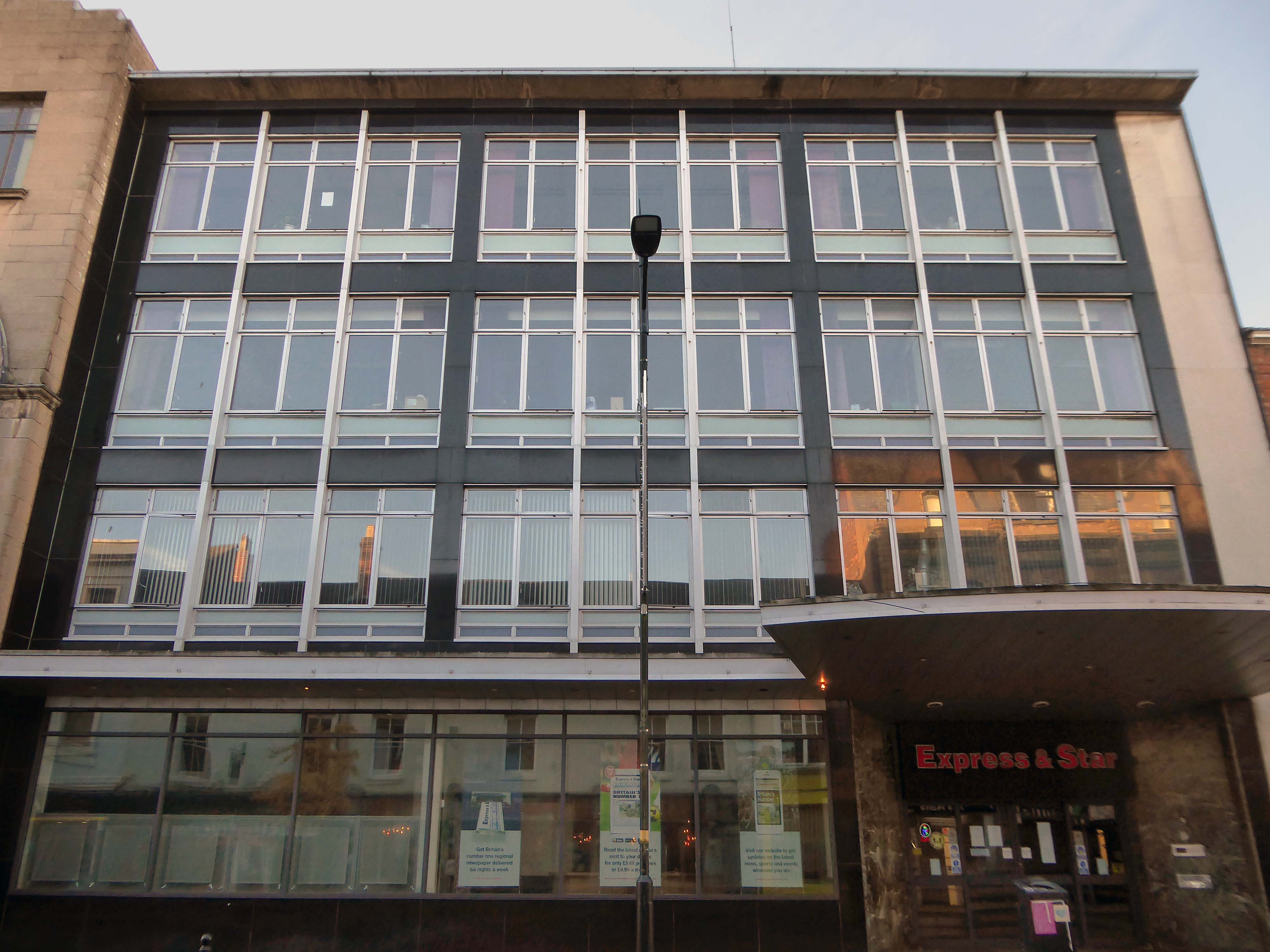
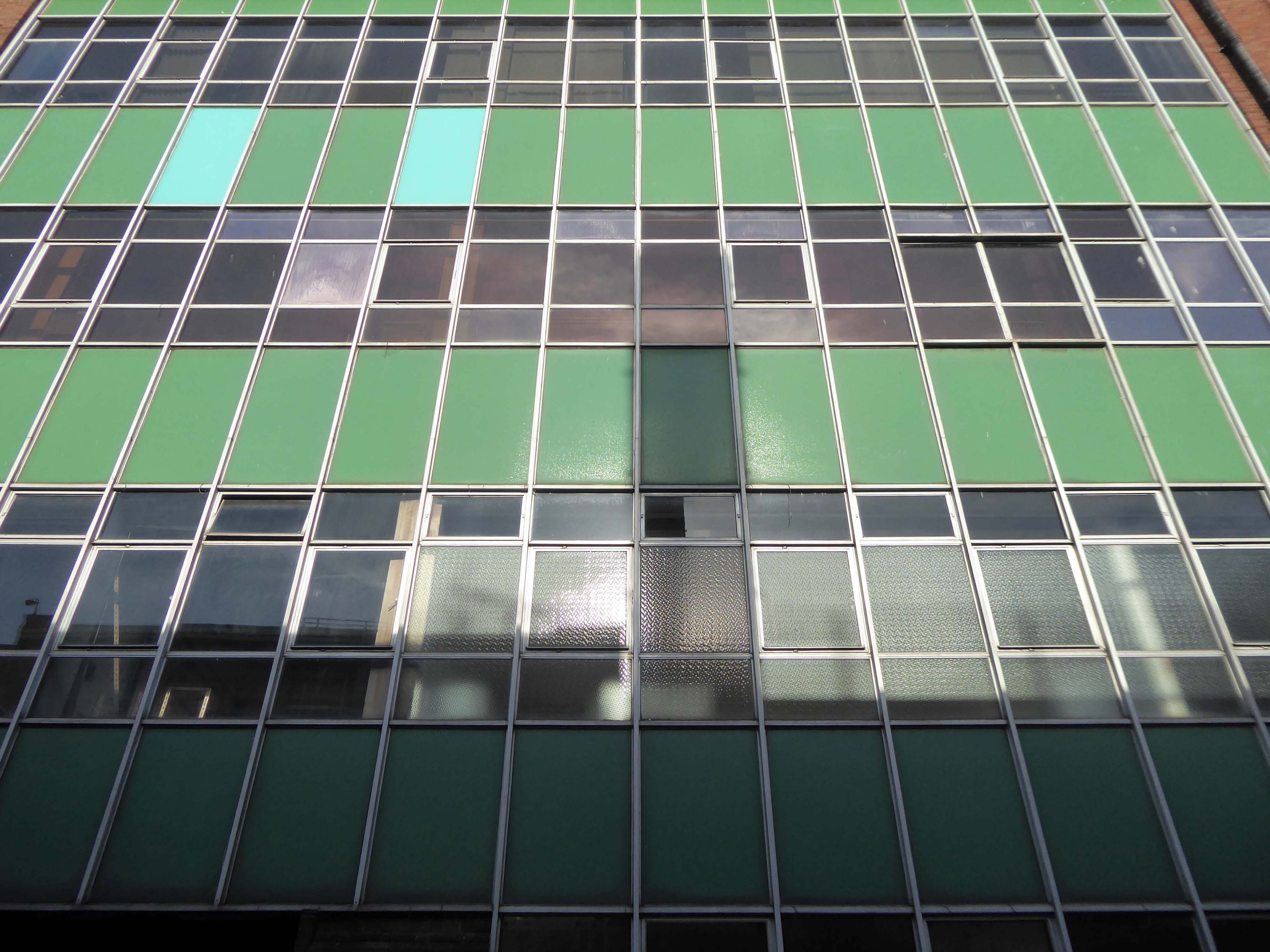
With further work at the rear.
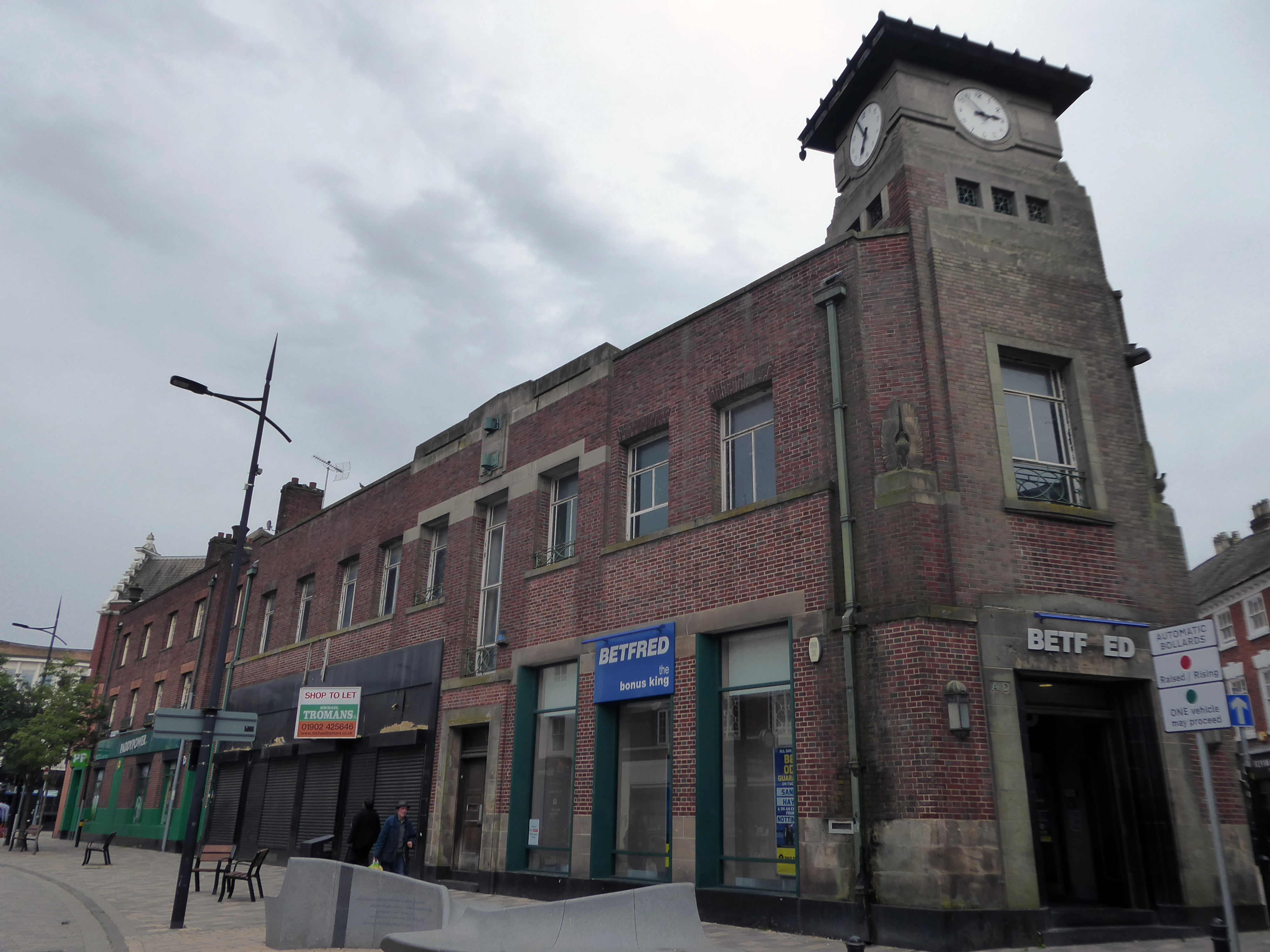
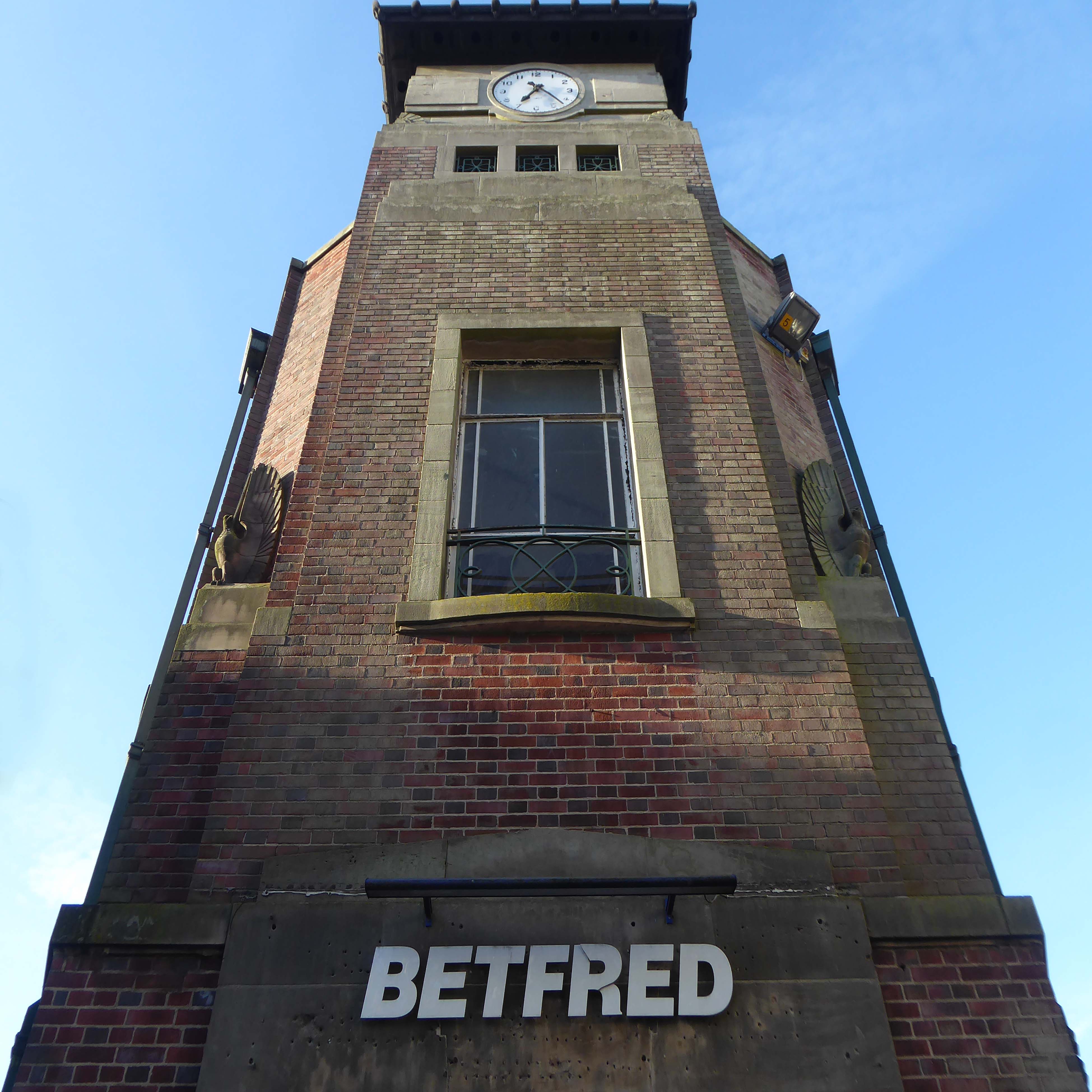
Along Princess Street this corner group, with an impressive clock tower – originally HQ for the South Staffordshire Building Society

Architects: George A Boswell of Glasgow 1932.
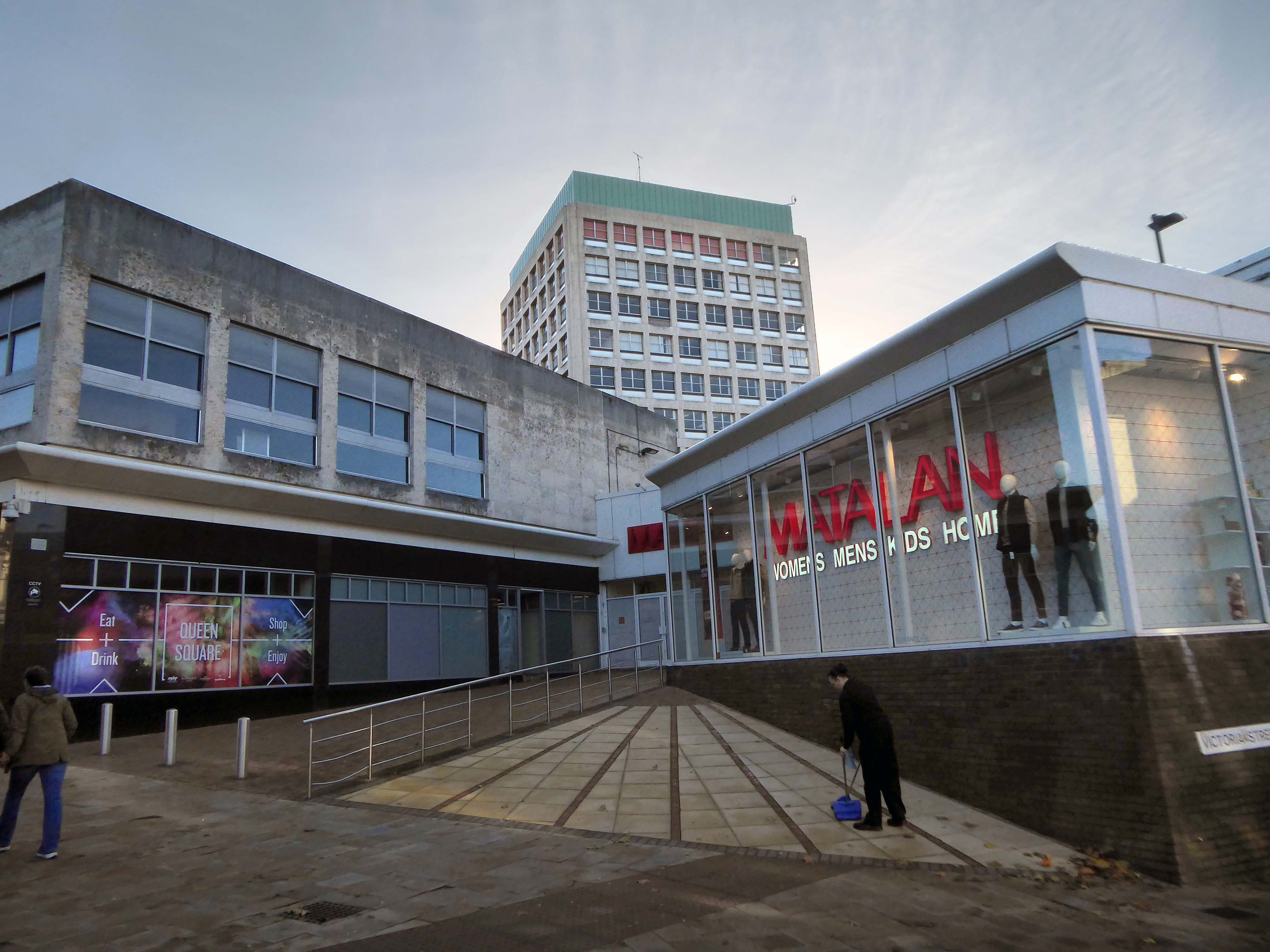
On to the Mander Centre – opened on 6th March 1968, refurbished 1987, 2003 and 2016-17.

The Mander Shopping Centre in the heart Wolverhampton is your one-stop shopping destination for all things fashion, home, beauty, food and technology.
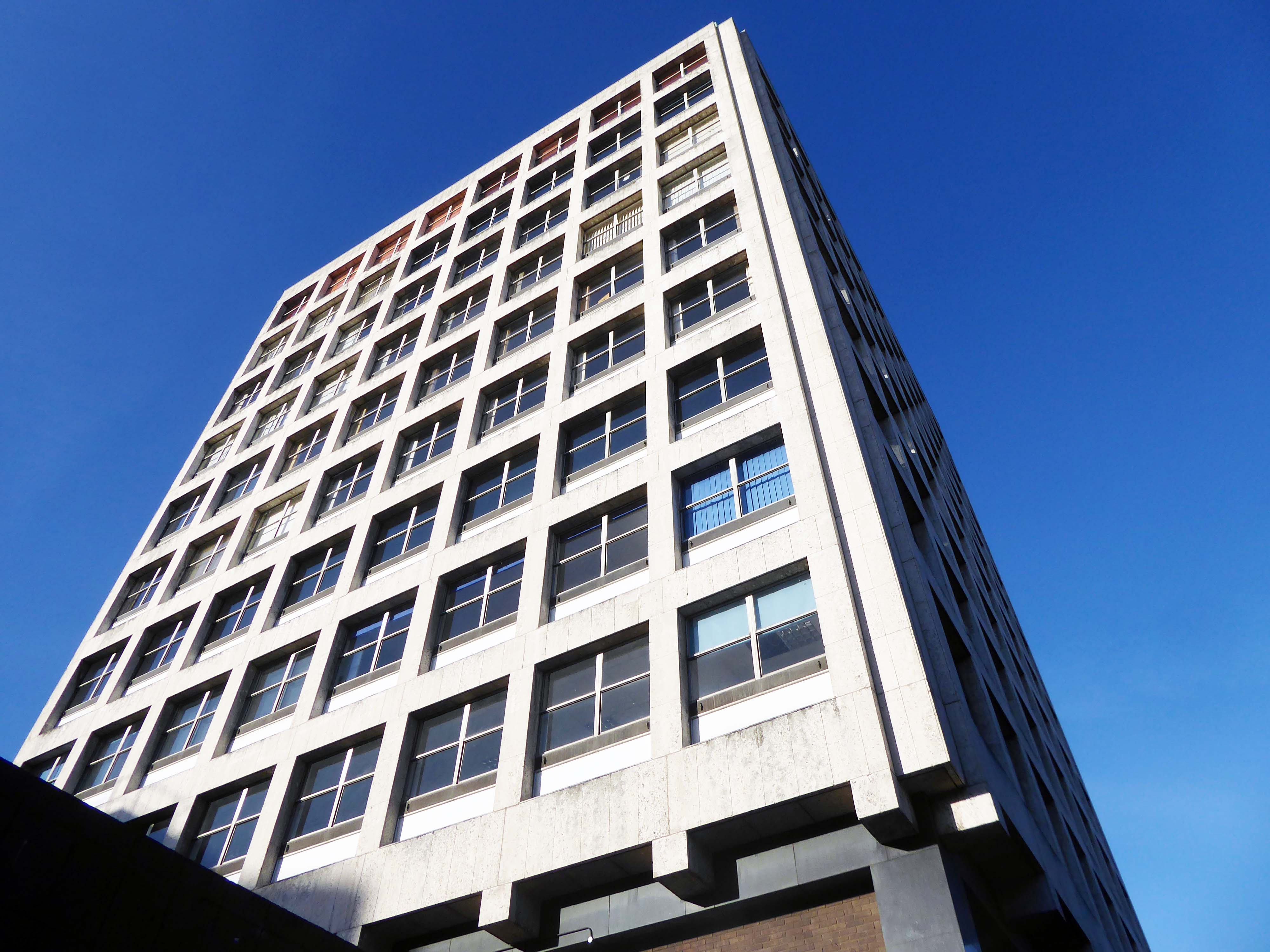
Architects: James A Roberts principal architect Stanley Sellers.

Developed by Manders Holdings Plc, the paint, inks and property conglomerate, between 1968 and 1974. The site occupies four and a half acres comprising the old Georgian works and offices of the Mander family firm, founded in 1773, as well as the site of the former Queens Arcade.
Wikipedia

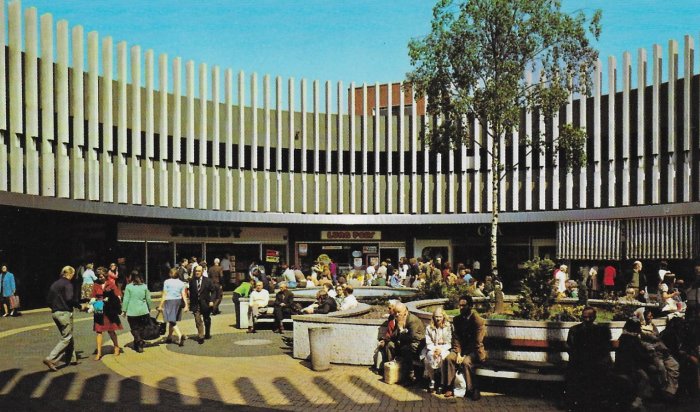
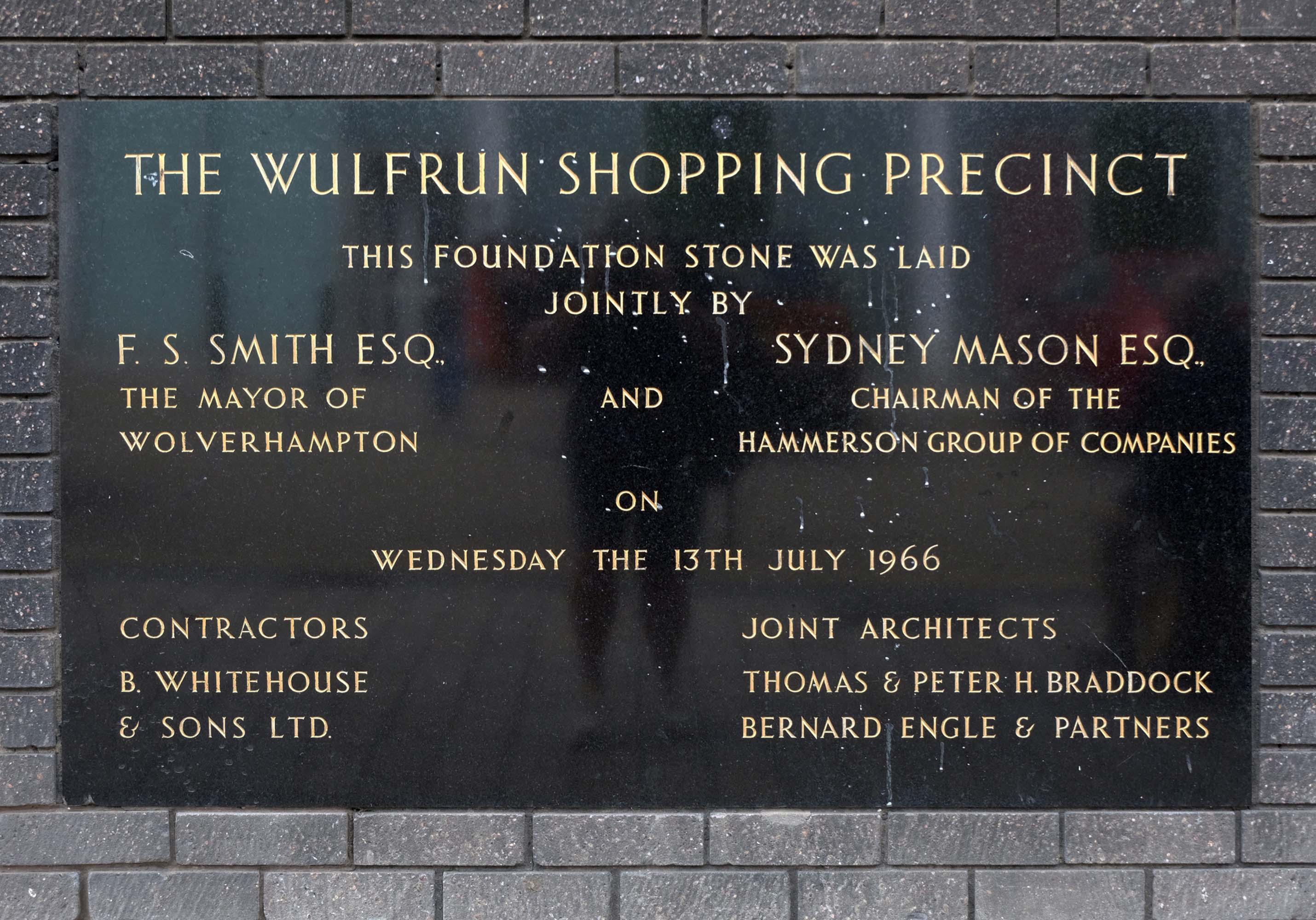
The Wulfrun Shopping Centre is an adjacent companion to the Manders development.

The Wulfrun Centre was built as a result of a joint project between Wolverhampton Council and the Hammerson Groupopen for business in October 1969.

History and Heritage Society

Piazza postcard 1970.

Architects: T & PH Braddock and also Bernard Engle & Partners.

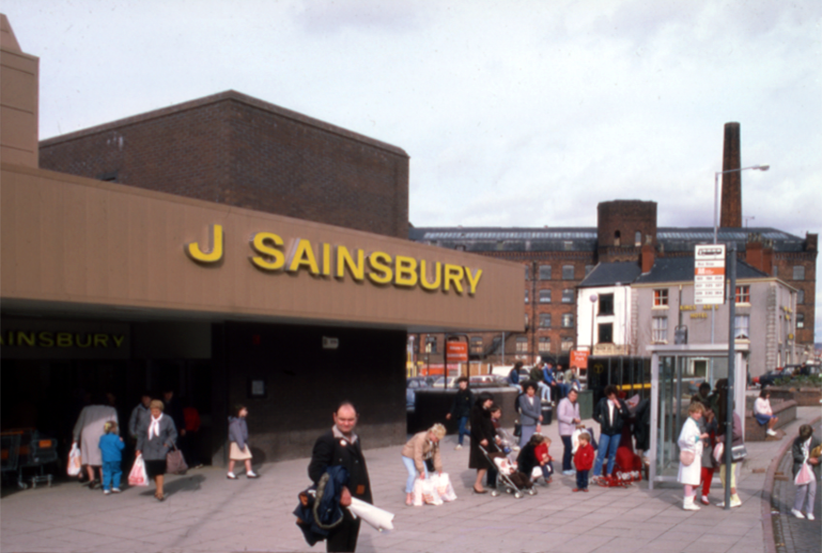
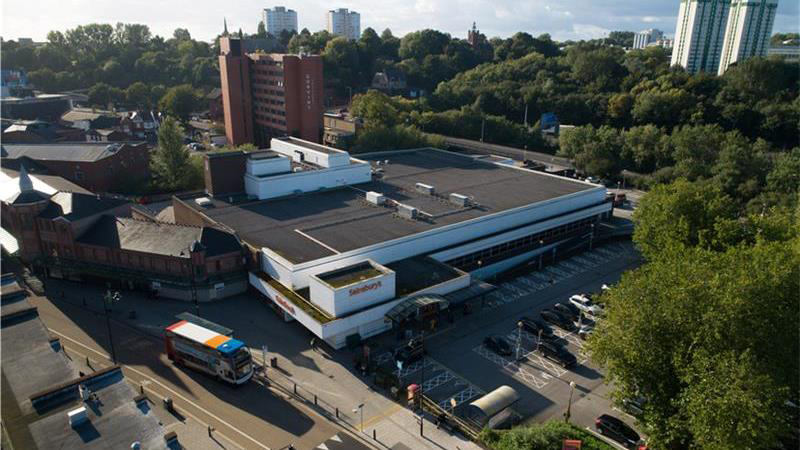
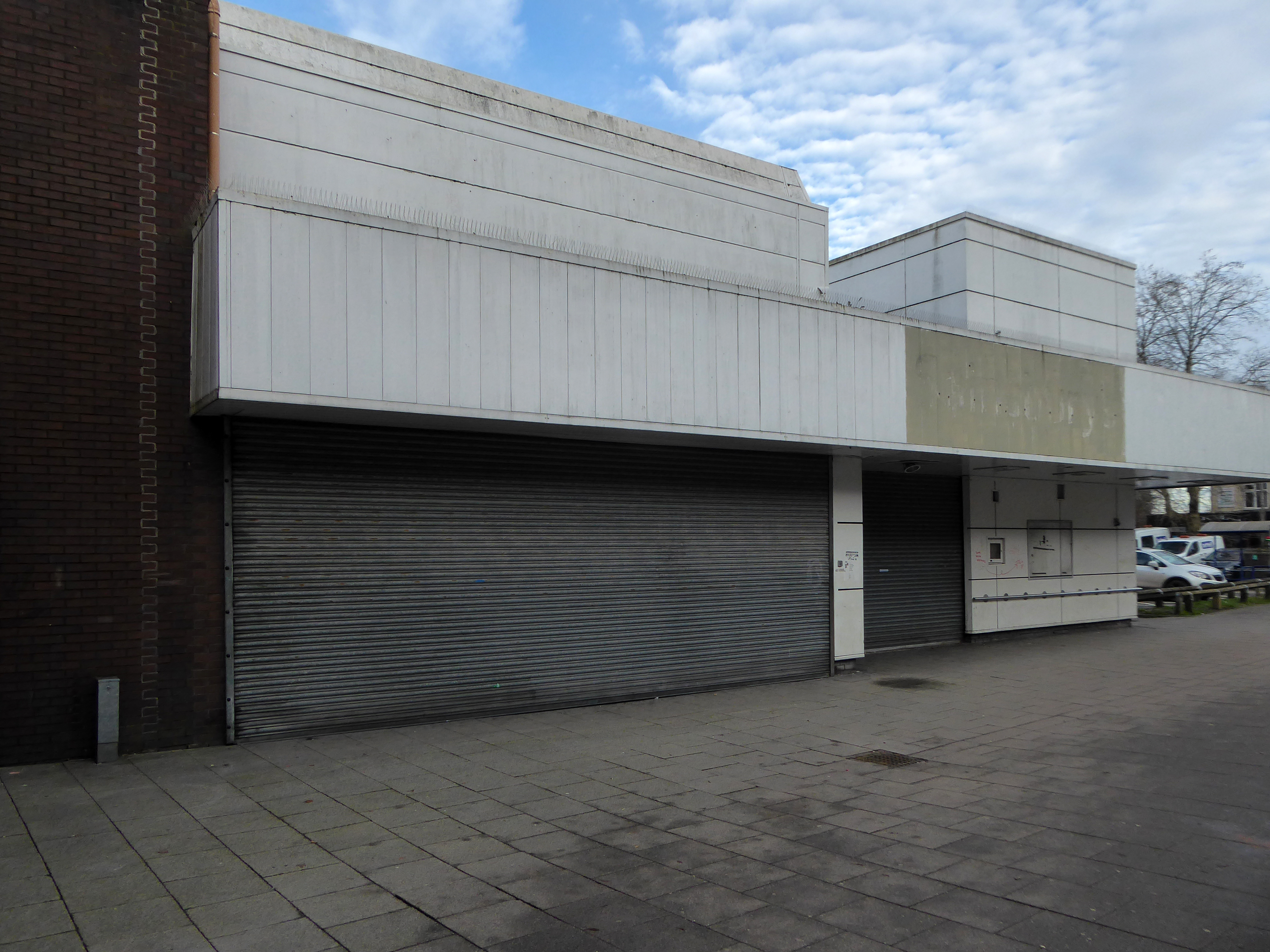
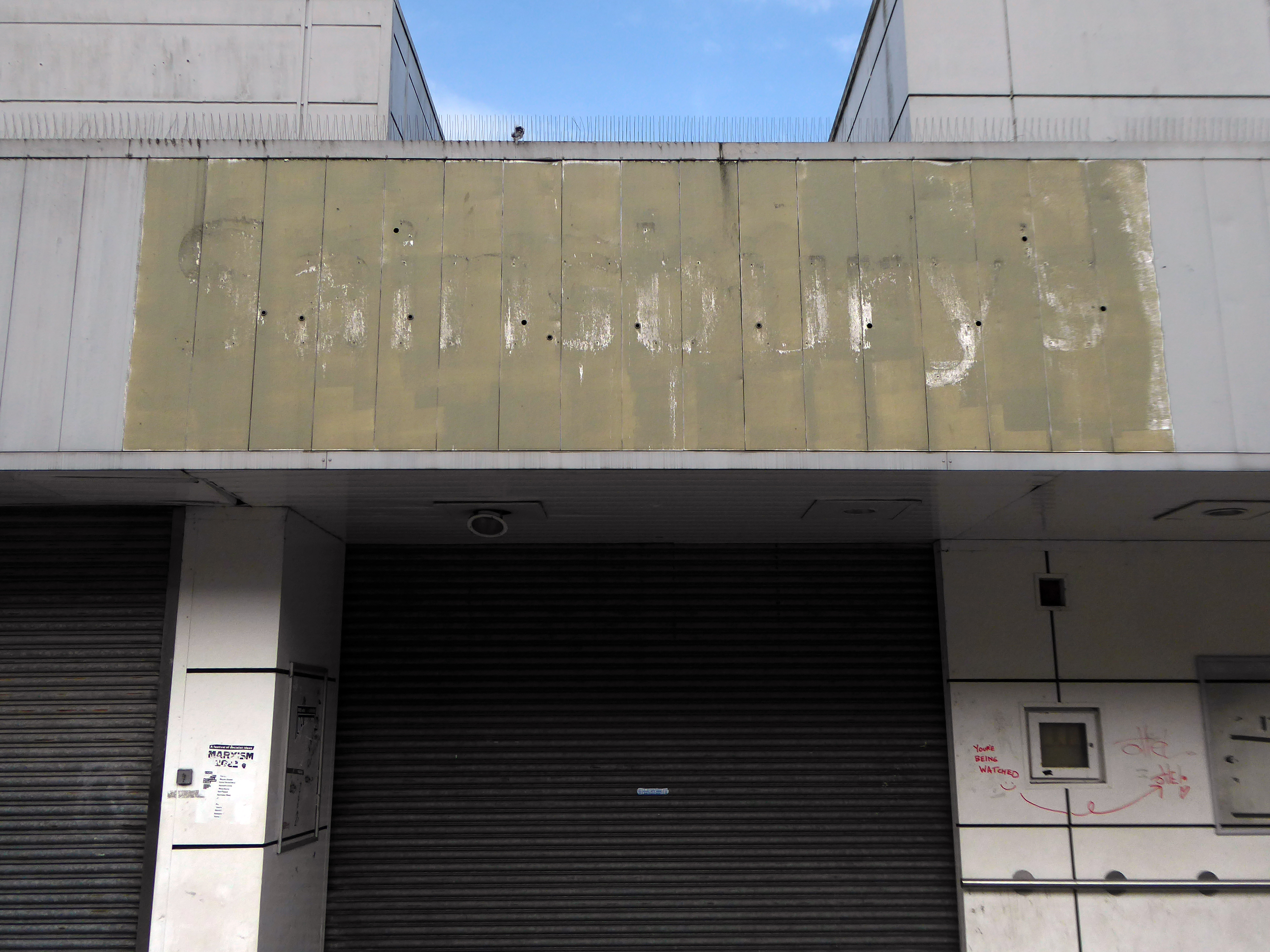
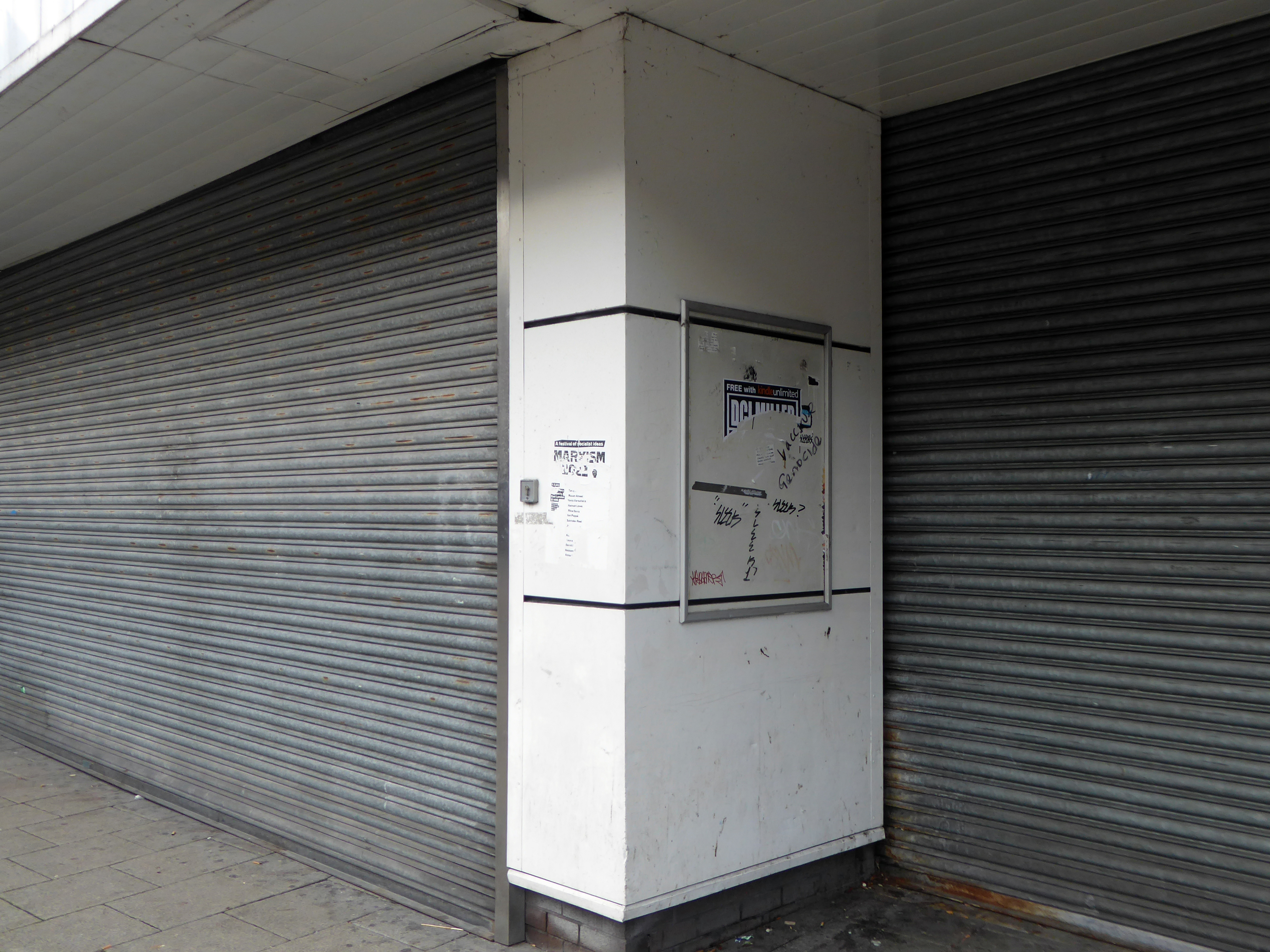
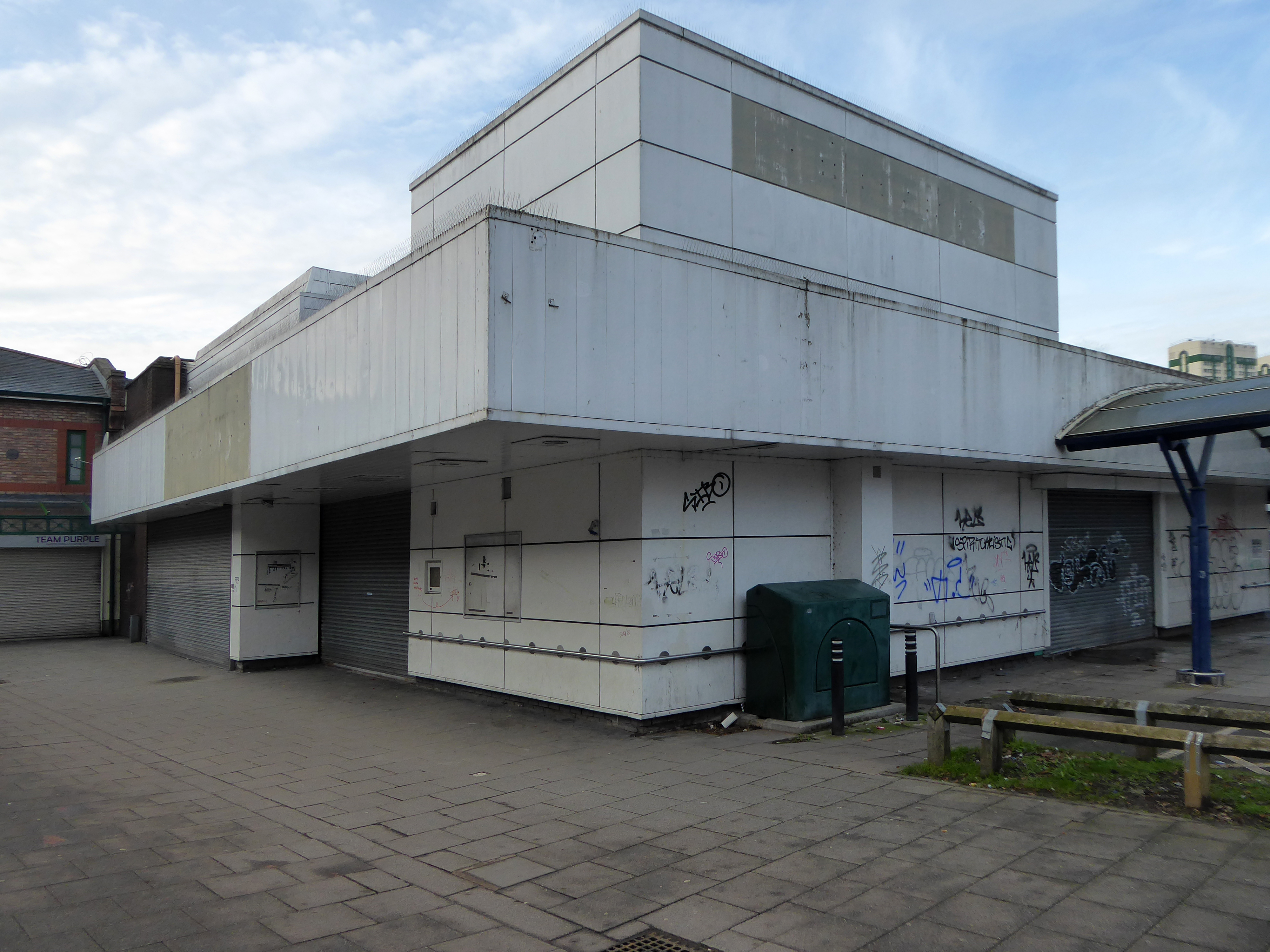
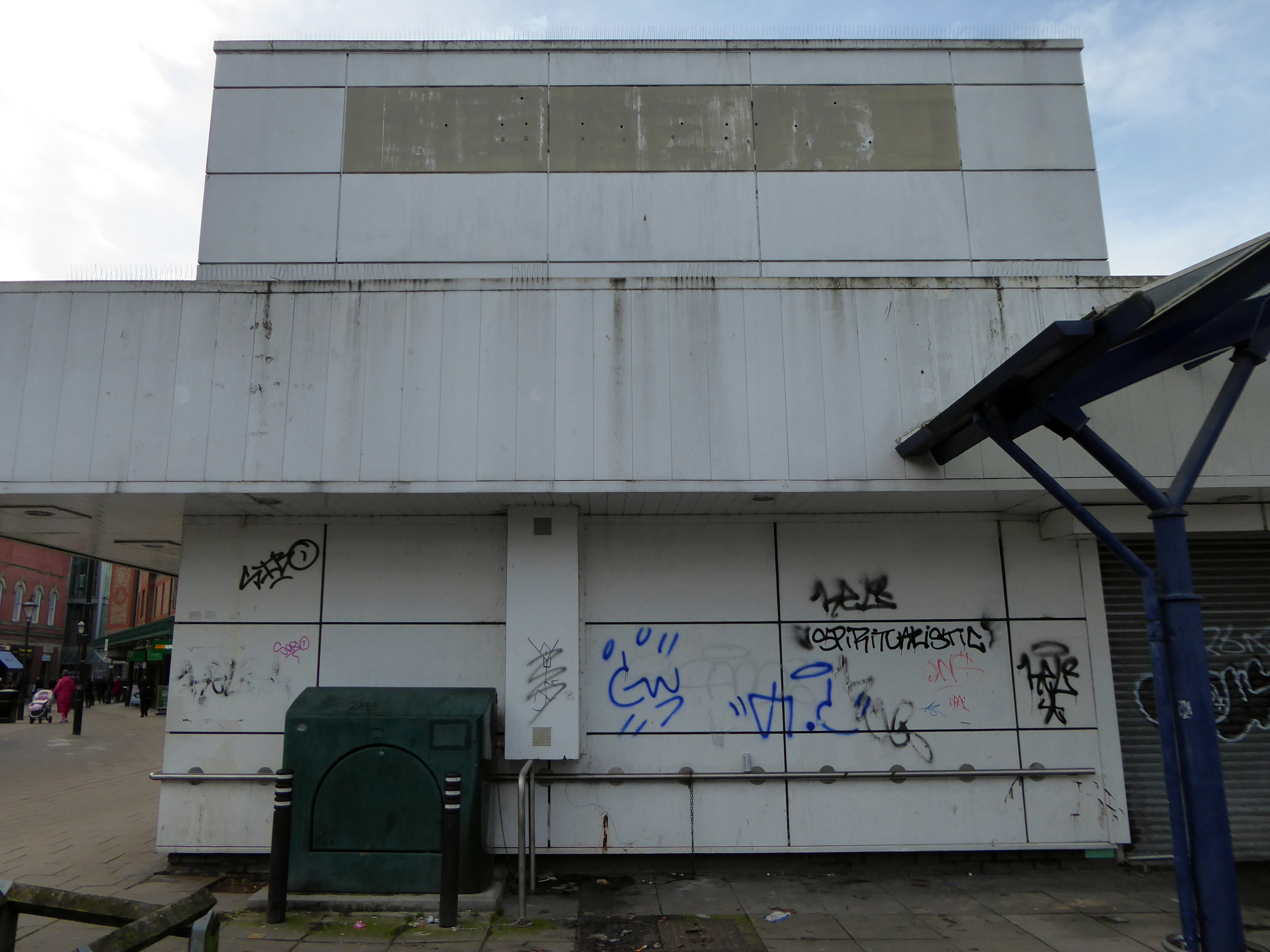
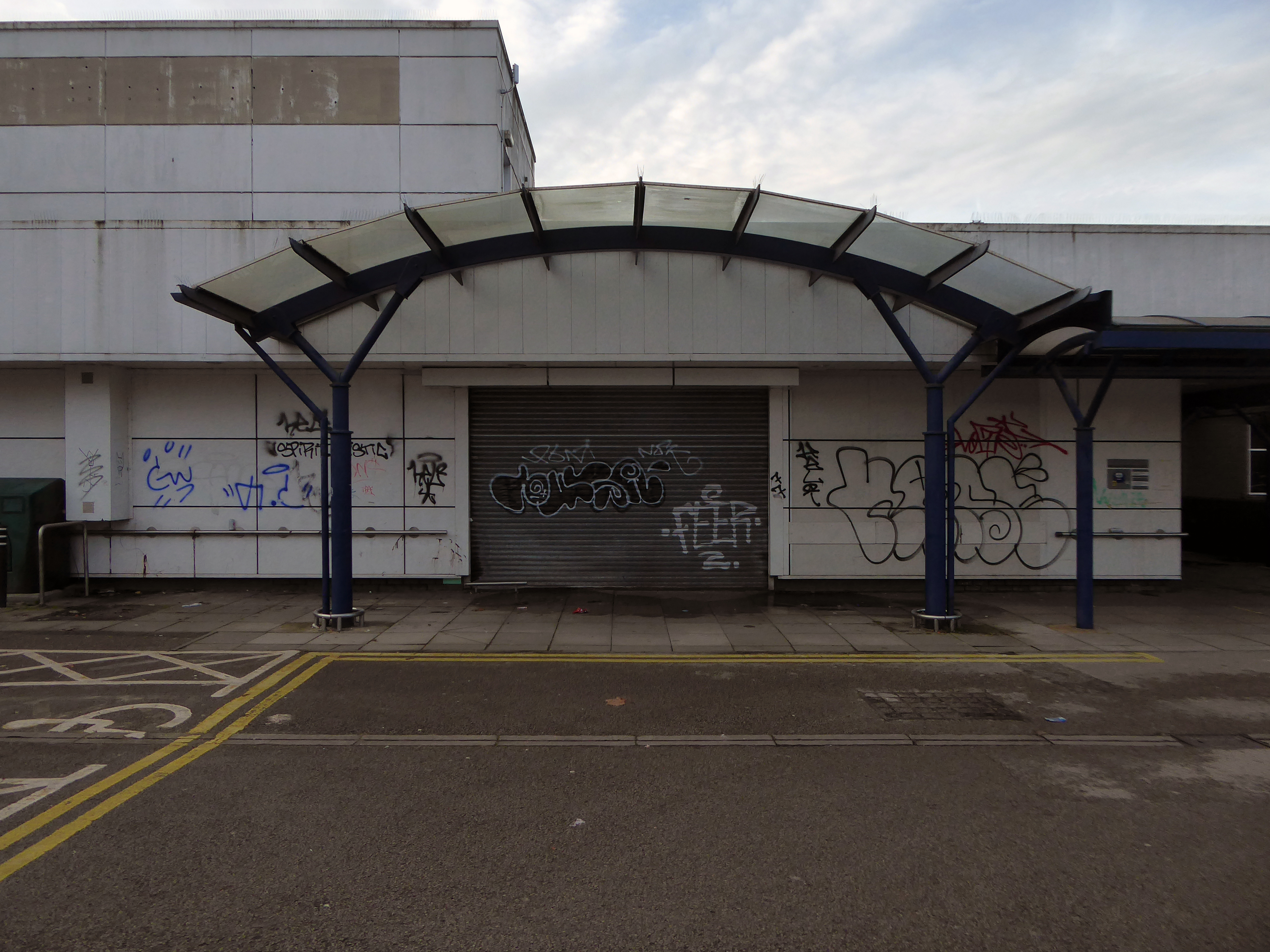
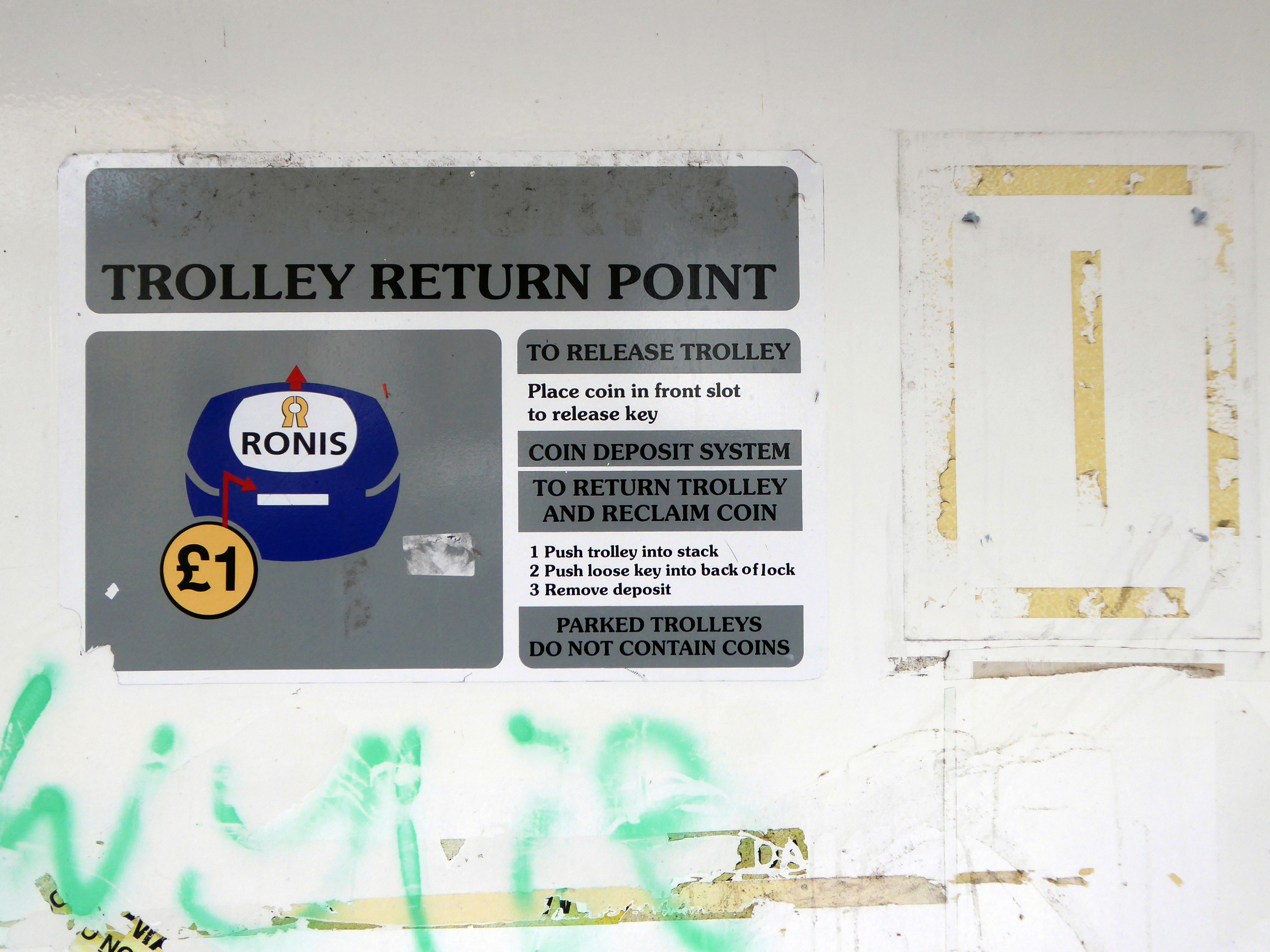
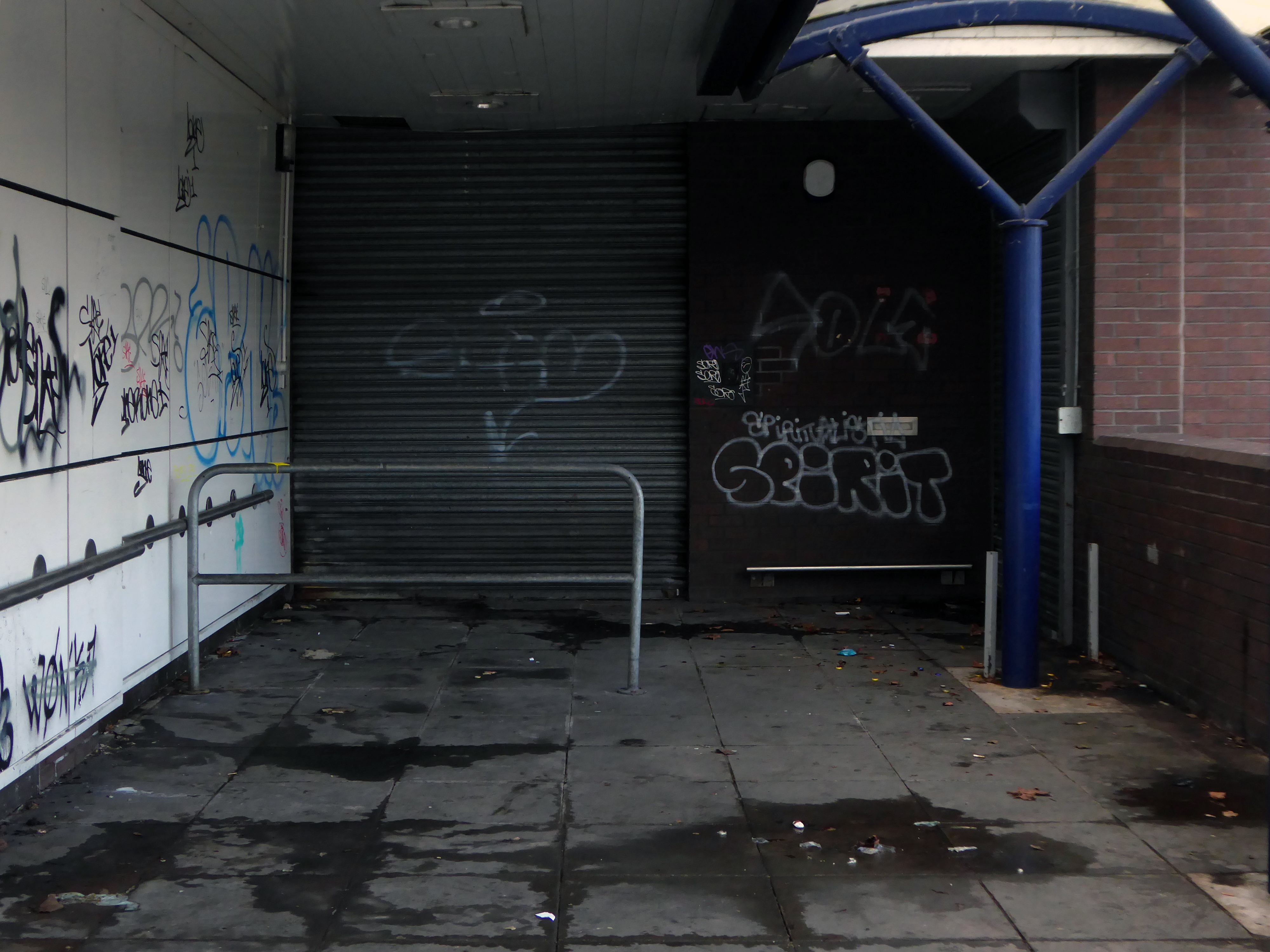
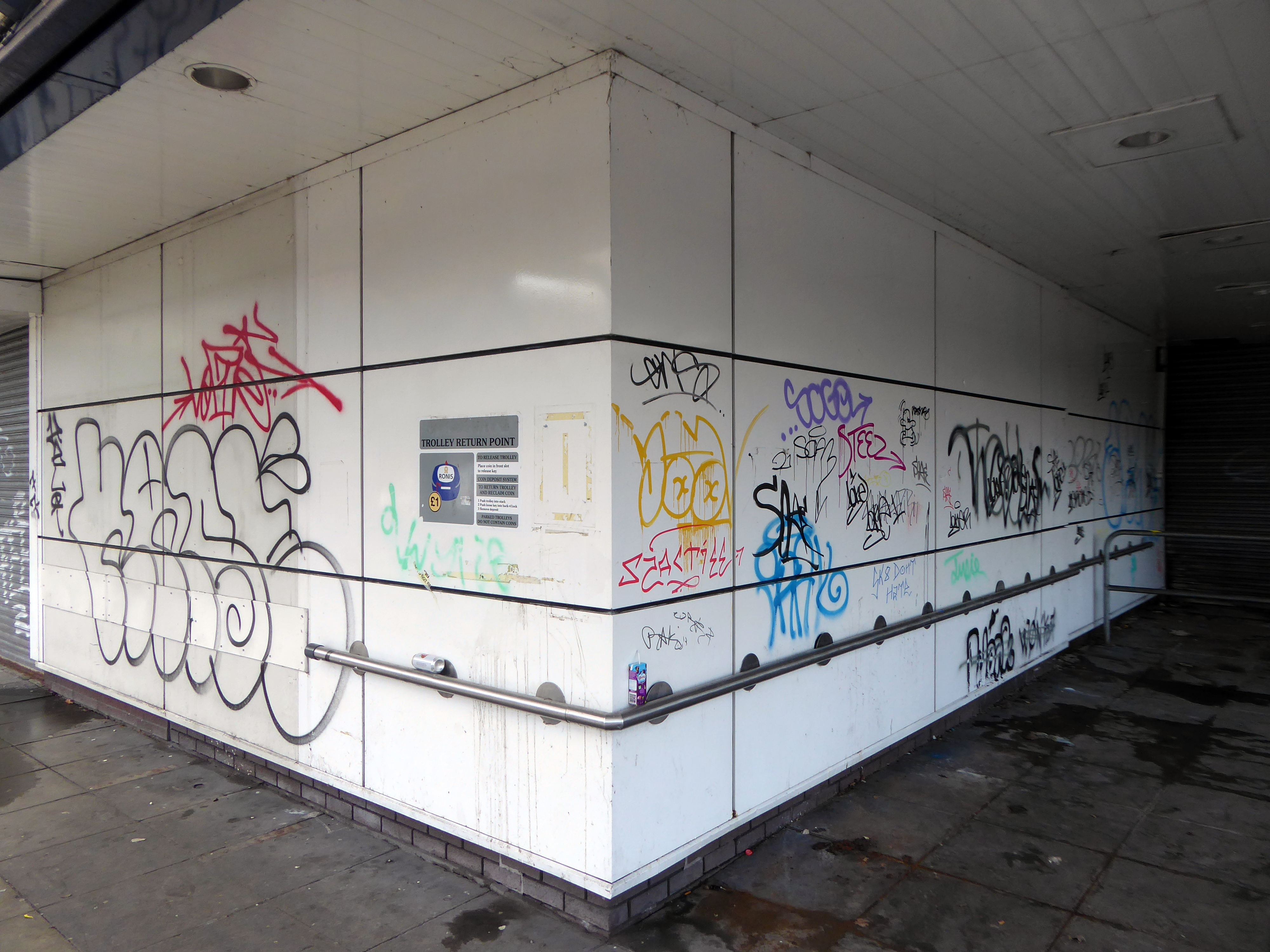
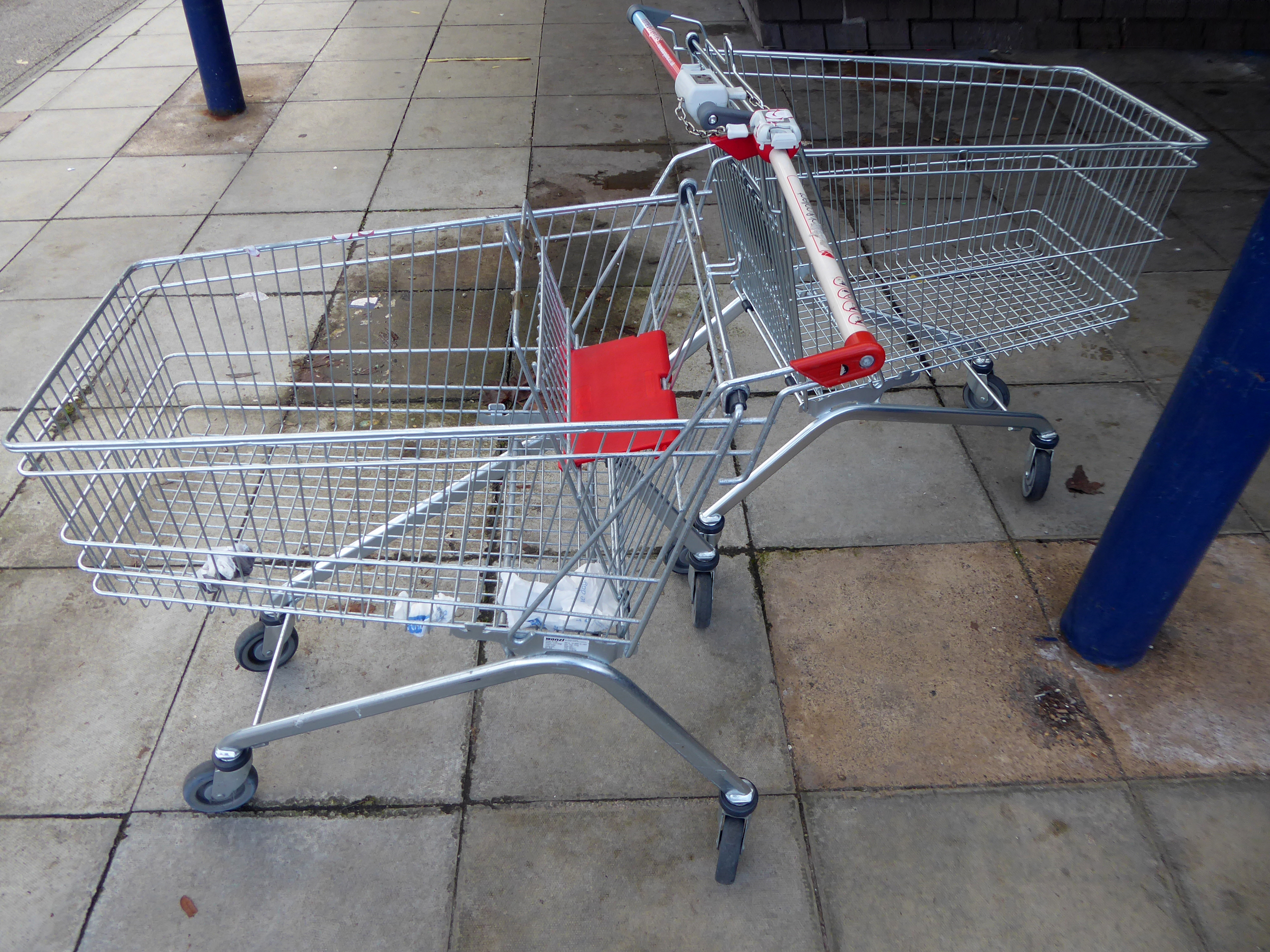
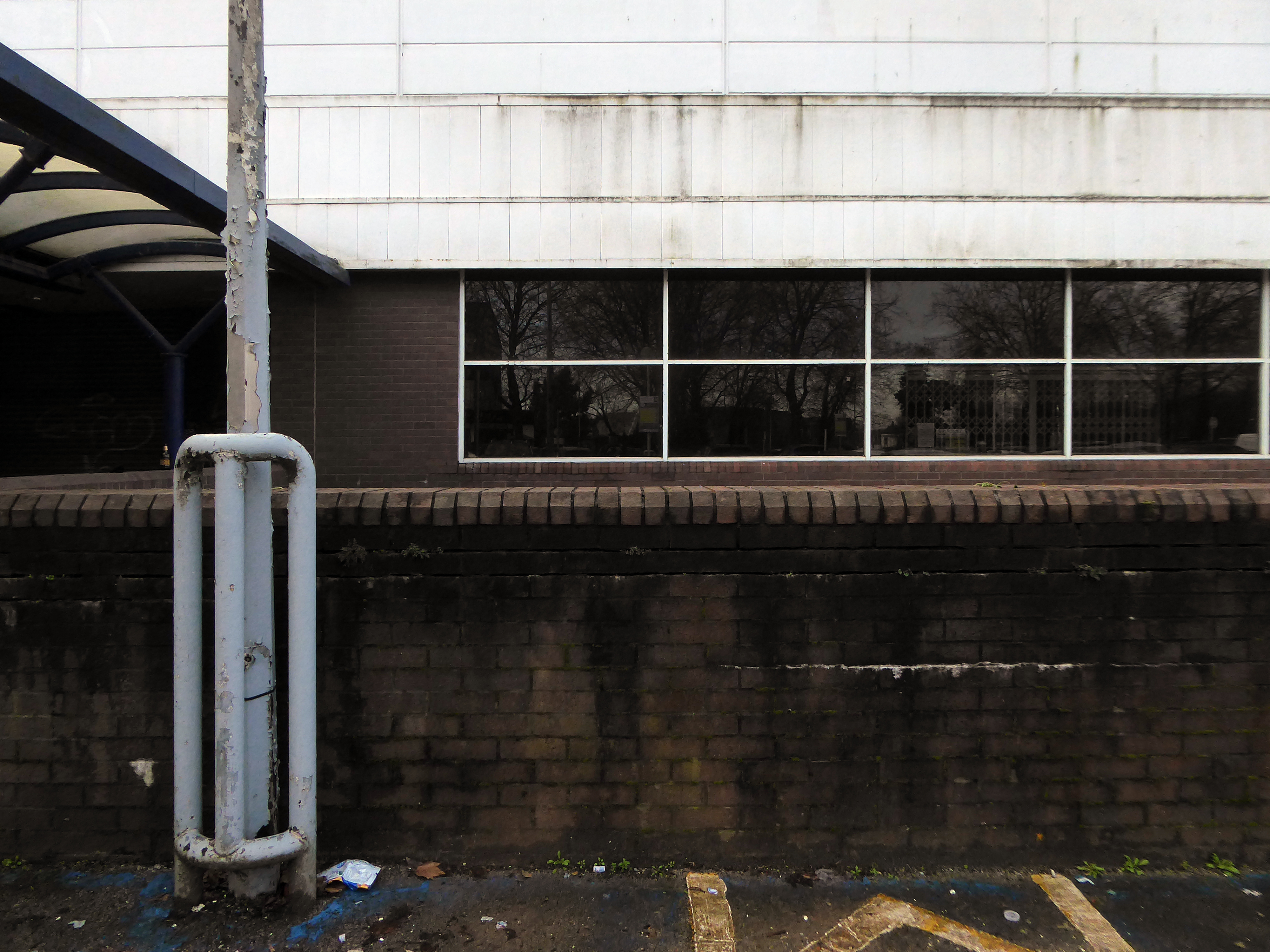
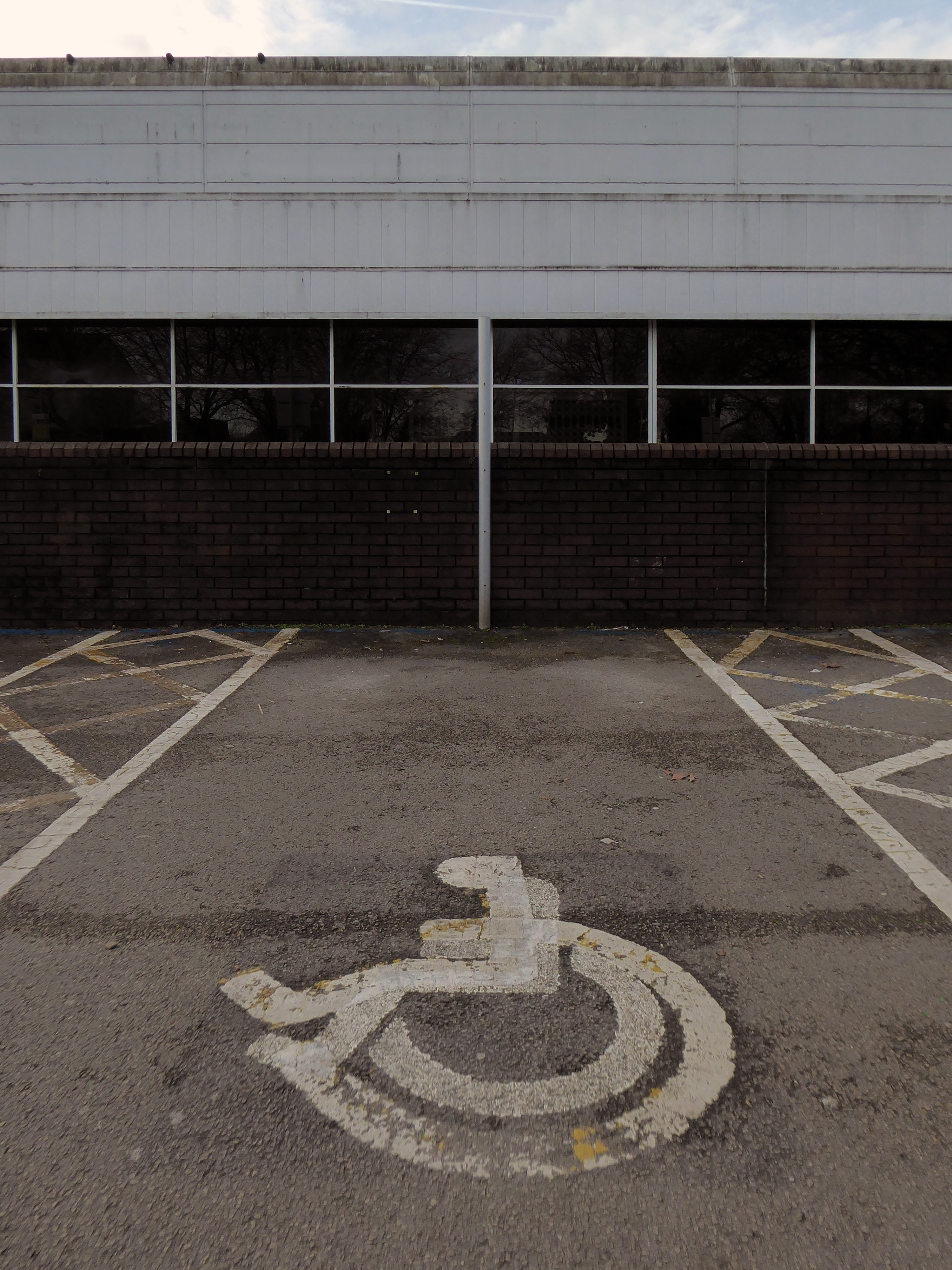
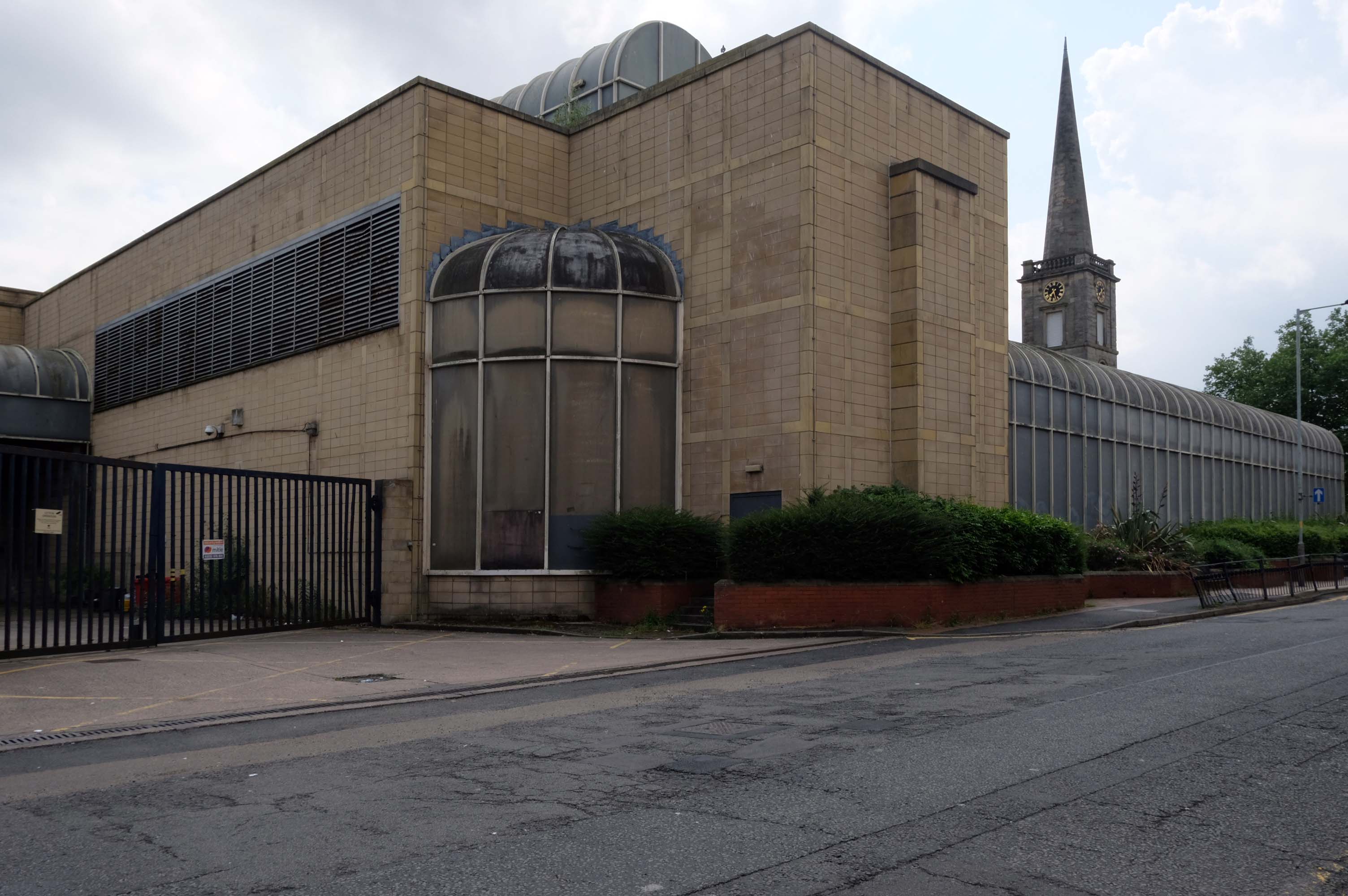
Along St Georges Parade, an abandoned Sainsbury’s church combo – store designed by J Sainsbury’s Architects Department opened 1988.

The church was built between 1828 and 1830 – architect: James Morgan, at a cost of £10,268. It was consecrated on Thursday 2 September 1830 by the Bishop of Lichfield, it was made redundant in 1978.
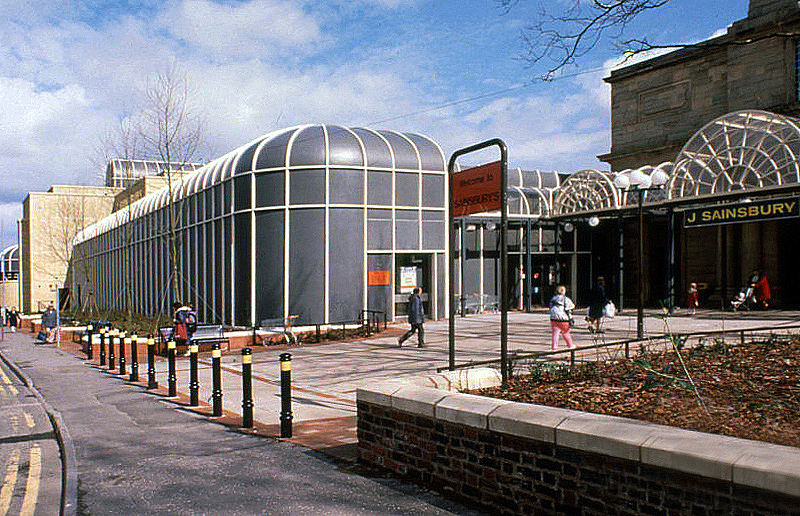
Sainsbury Archive

The site is currently under lease to Sainsbury’s for a further three years and will come forward on a phased basis subject to their lease concluding. The council is in active dialogue with prospective development partners on the redevelopment of this site and in wider consultation with Homes England.

Express & Star

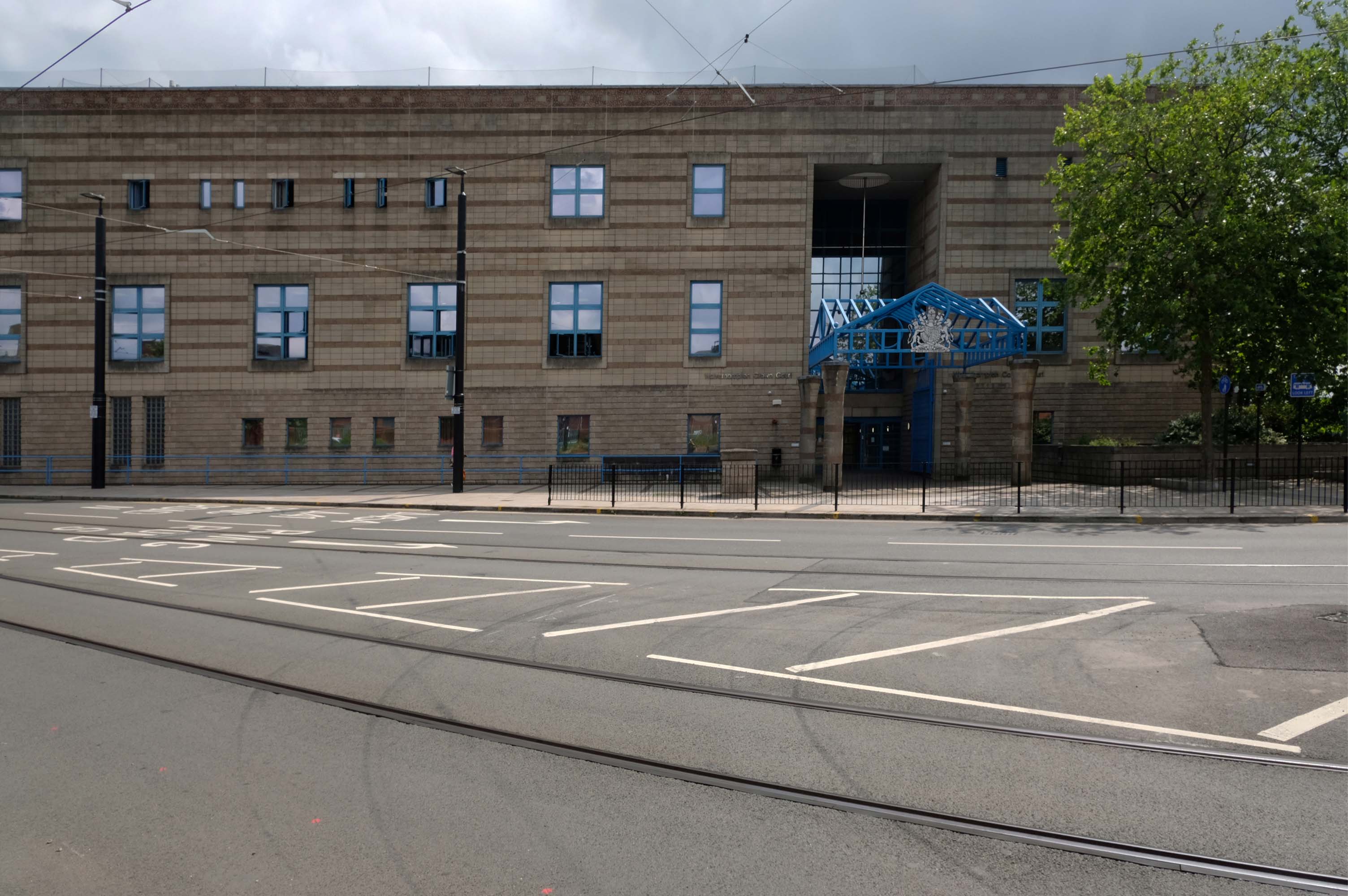
Back tracking to the Combined Court Centre.

Architects: Norman and Dawbarn 1990

Notable cases included trial and conviction of four members of The Stone Roses, in October 1990, for criminal damage to the offices of their former record company.
Wikipedia

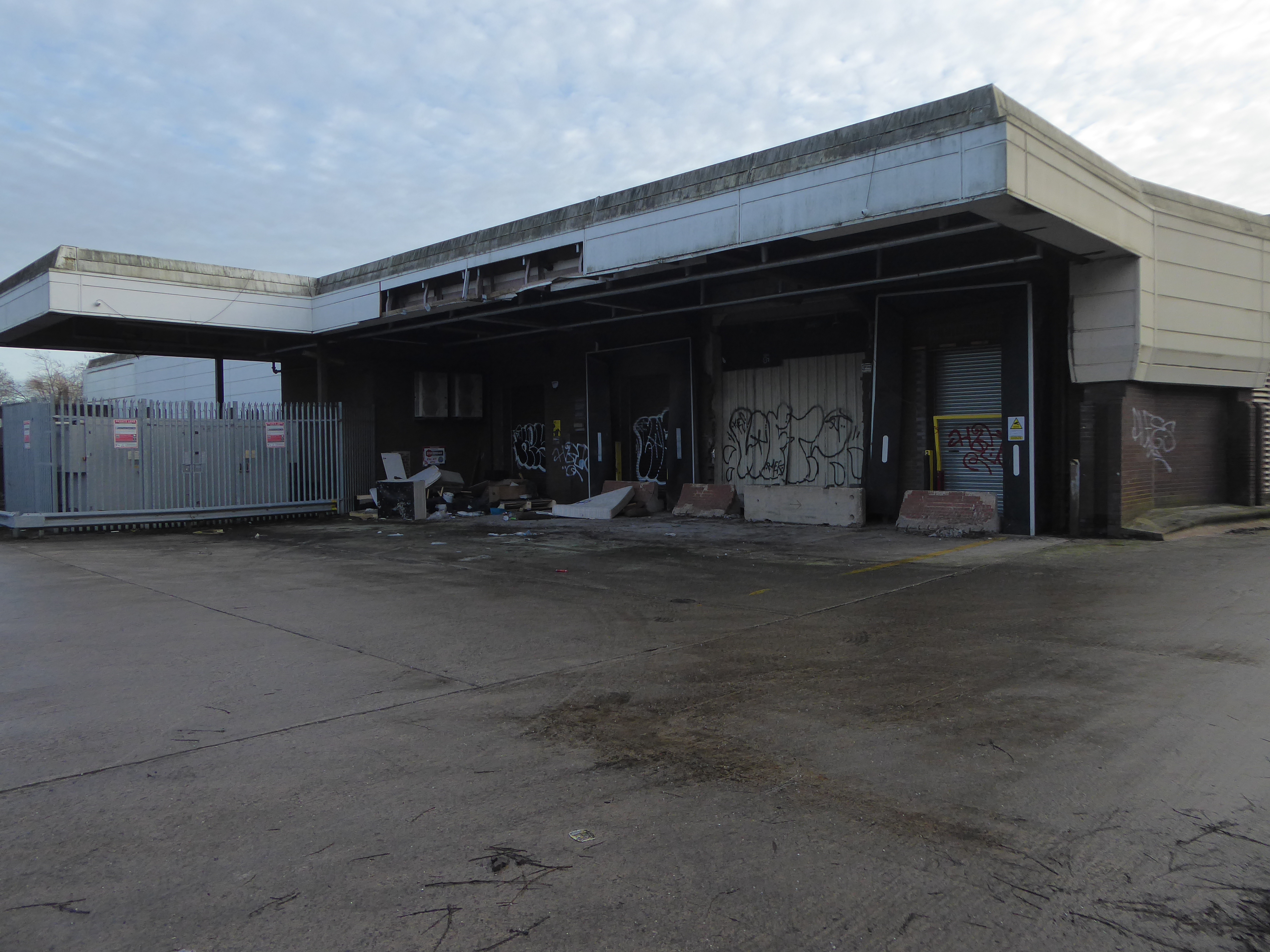
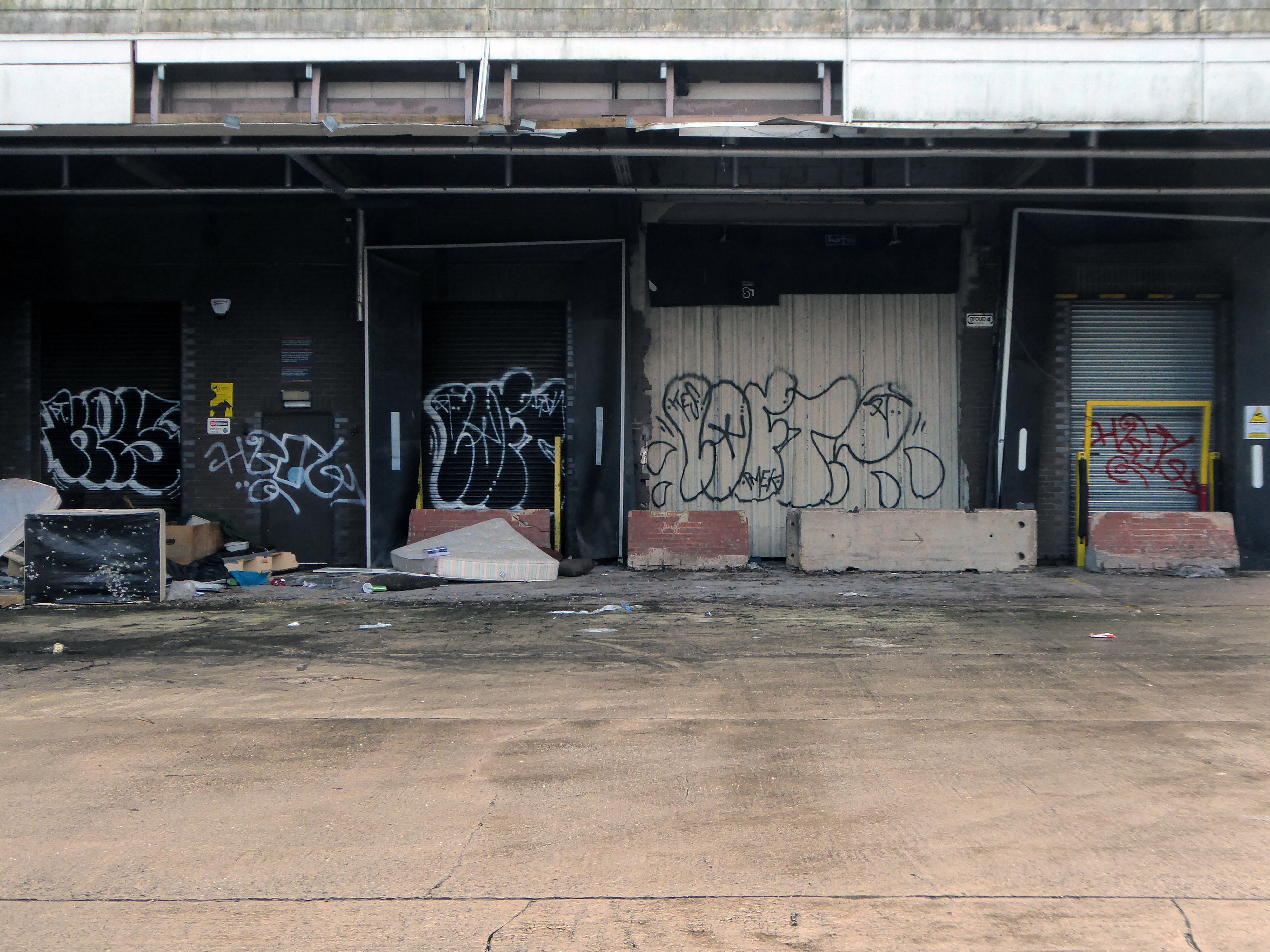
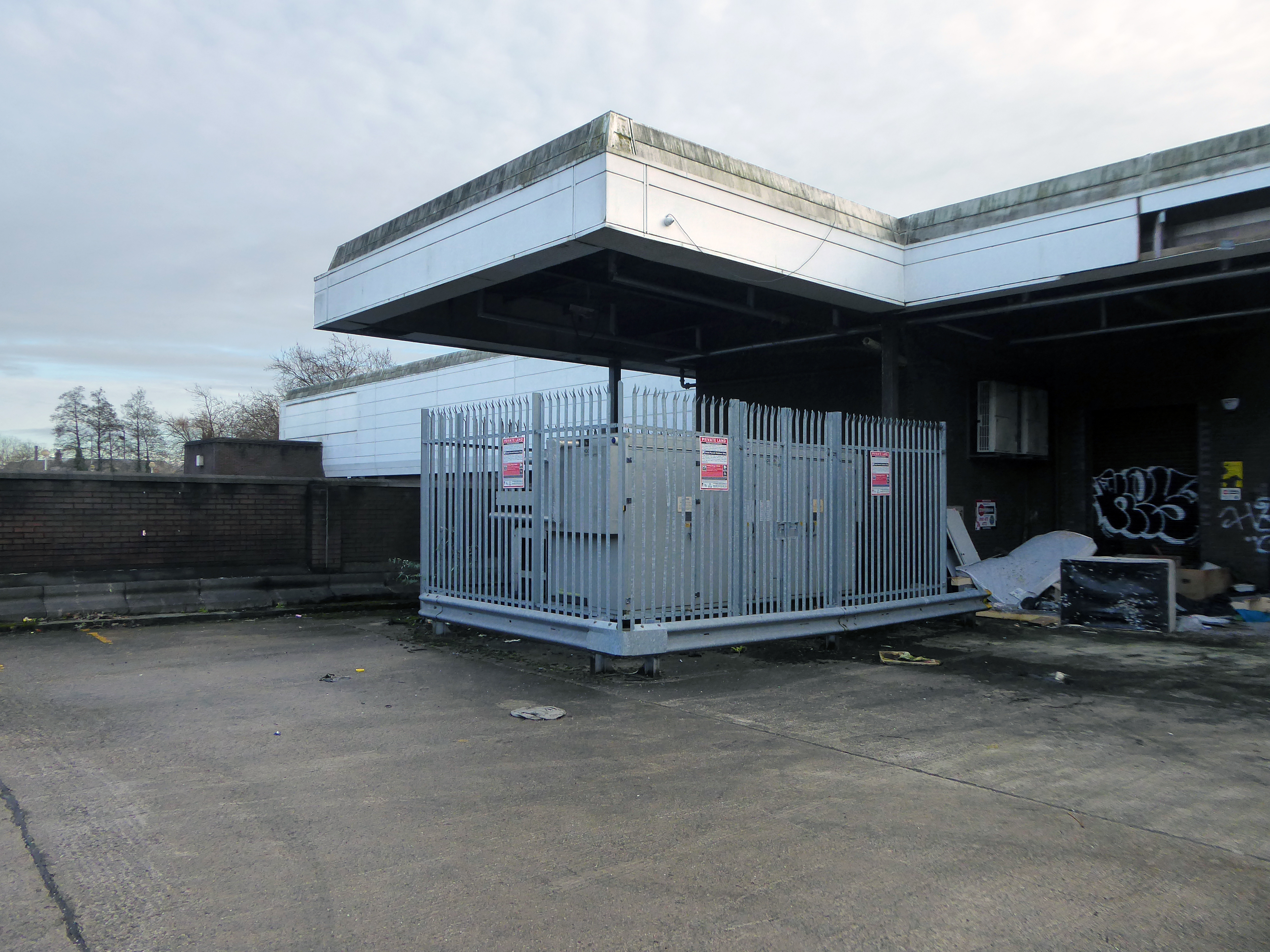
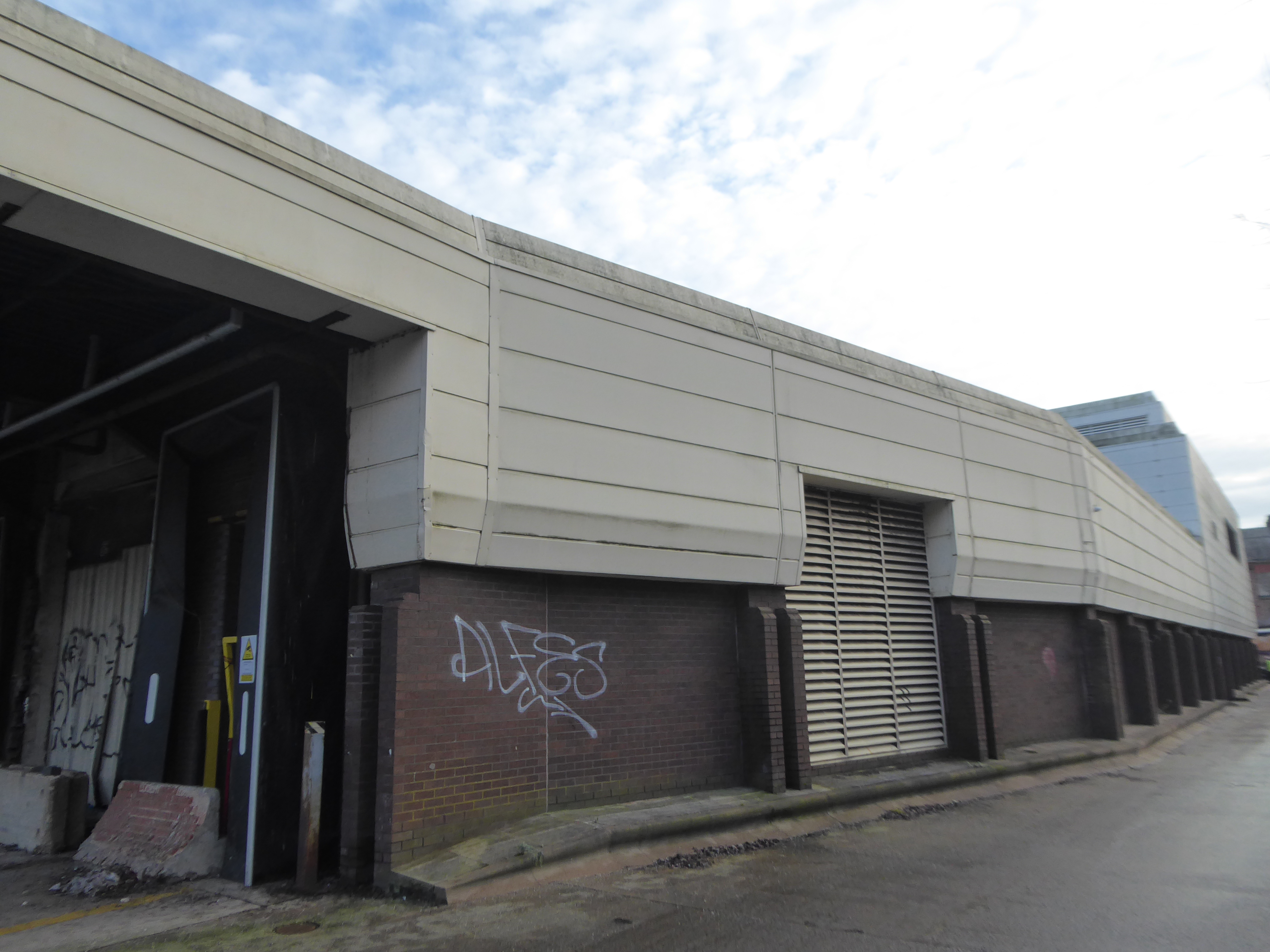
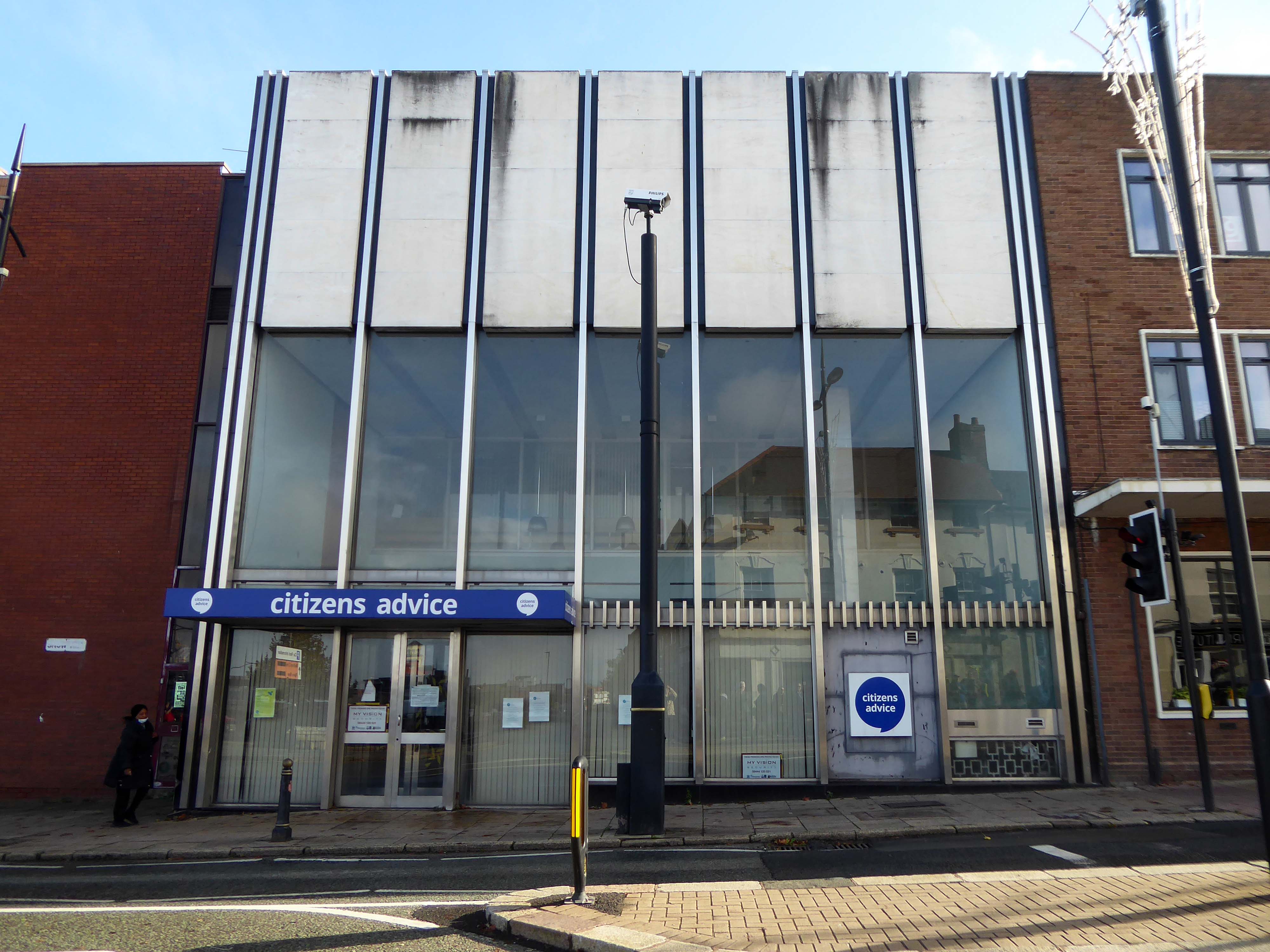
Thence up Snow Hill to the former Citizens Advice former Barclays Bank currently empty.

Architects: John HD Madin & Partners 1969
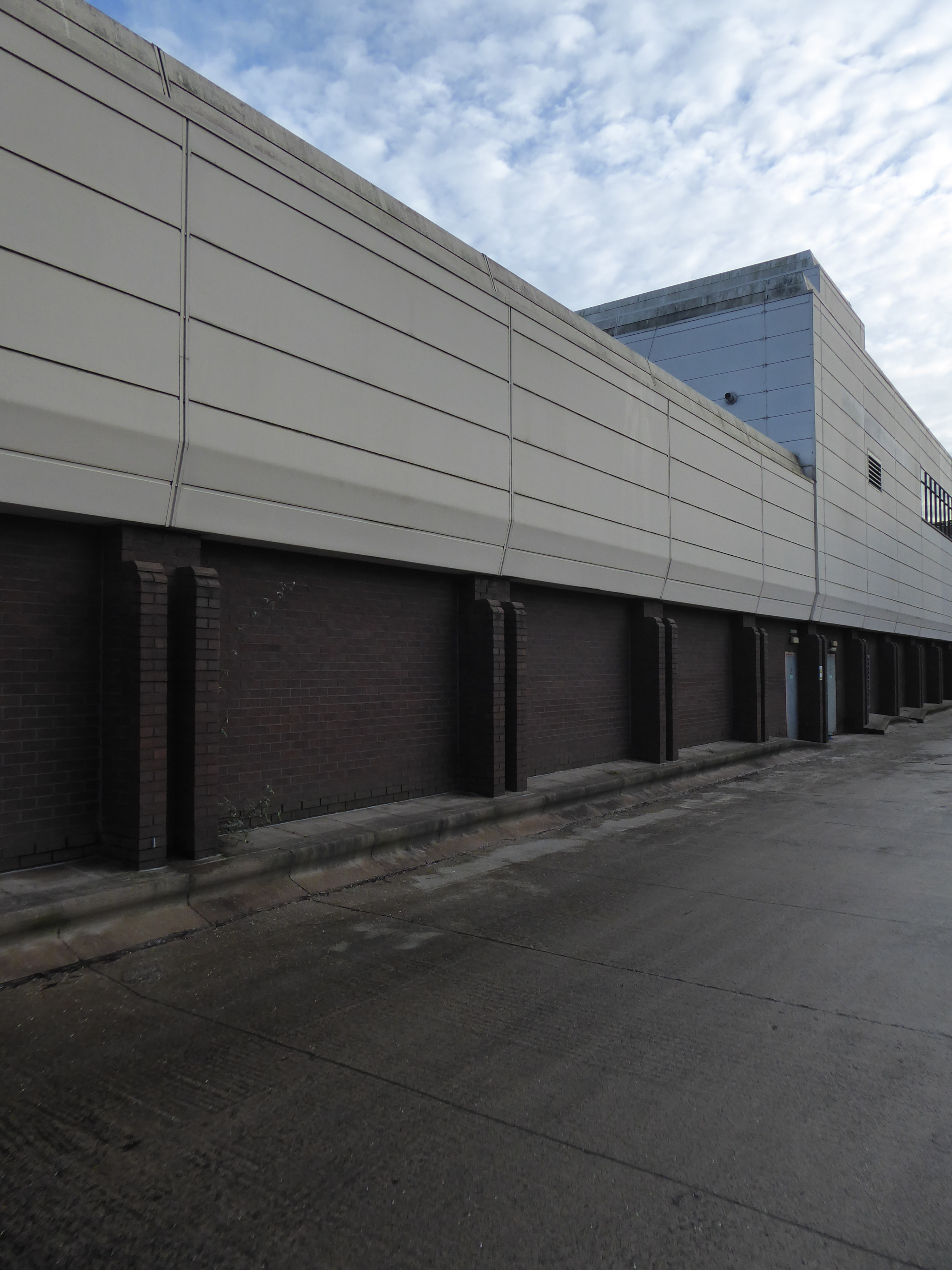
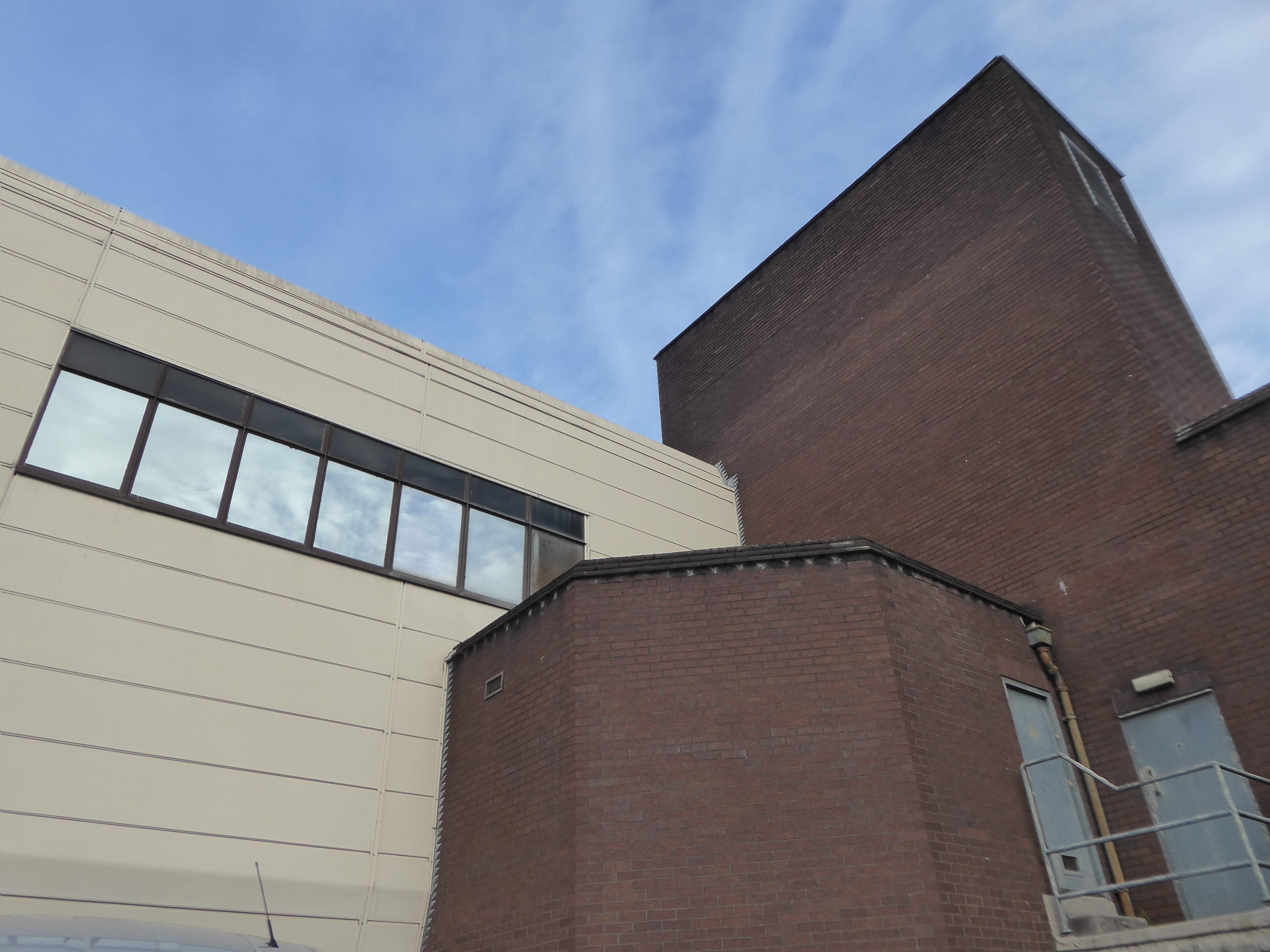
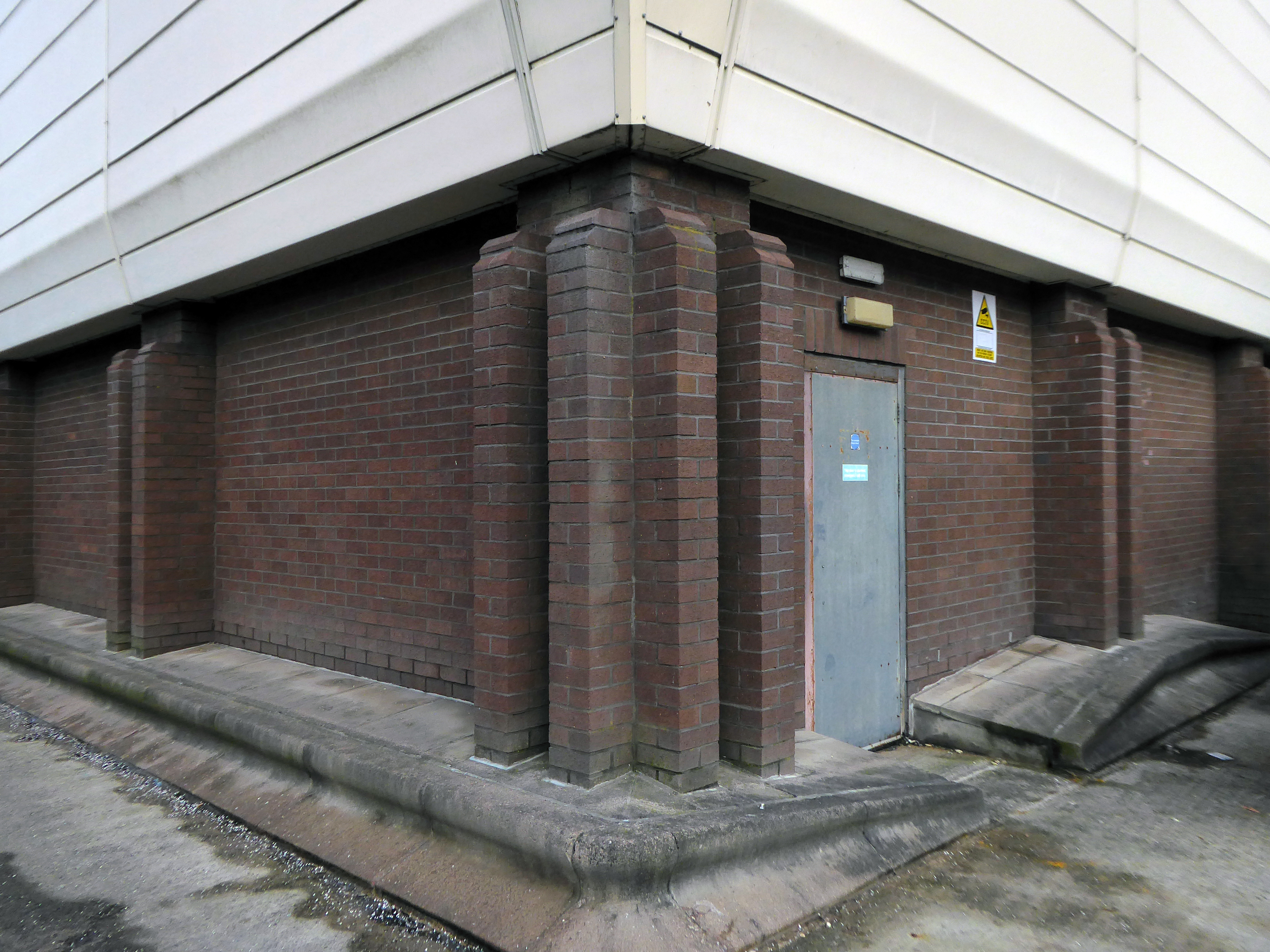
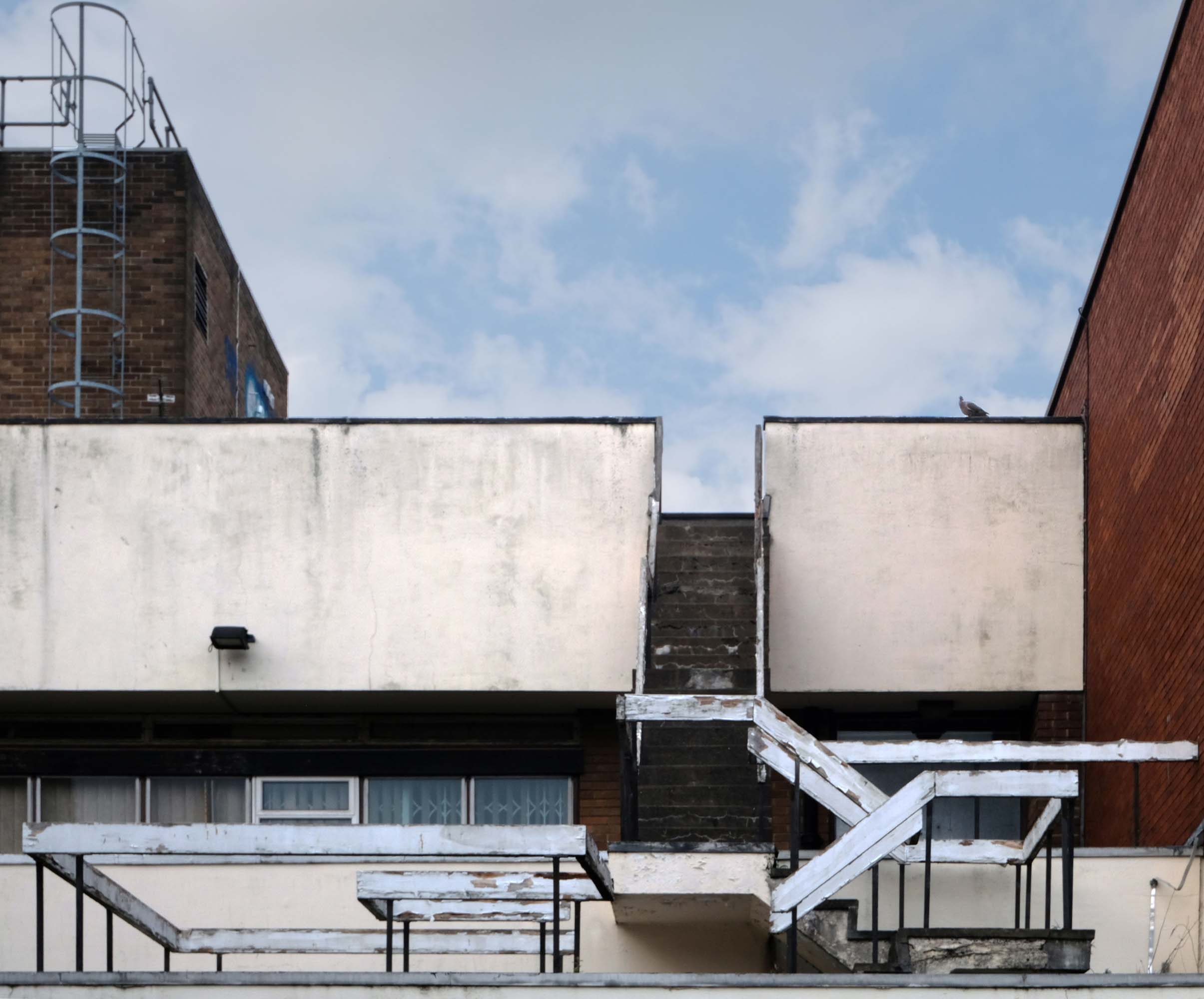
Take time to have a look around the back.
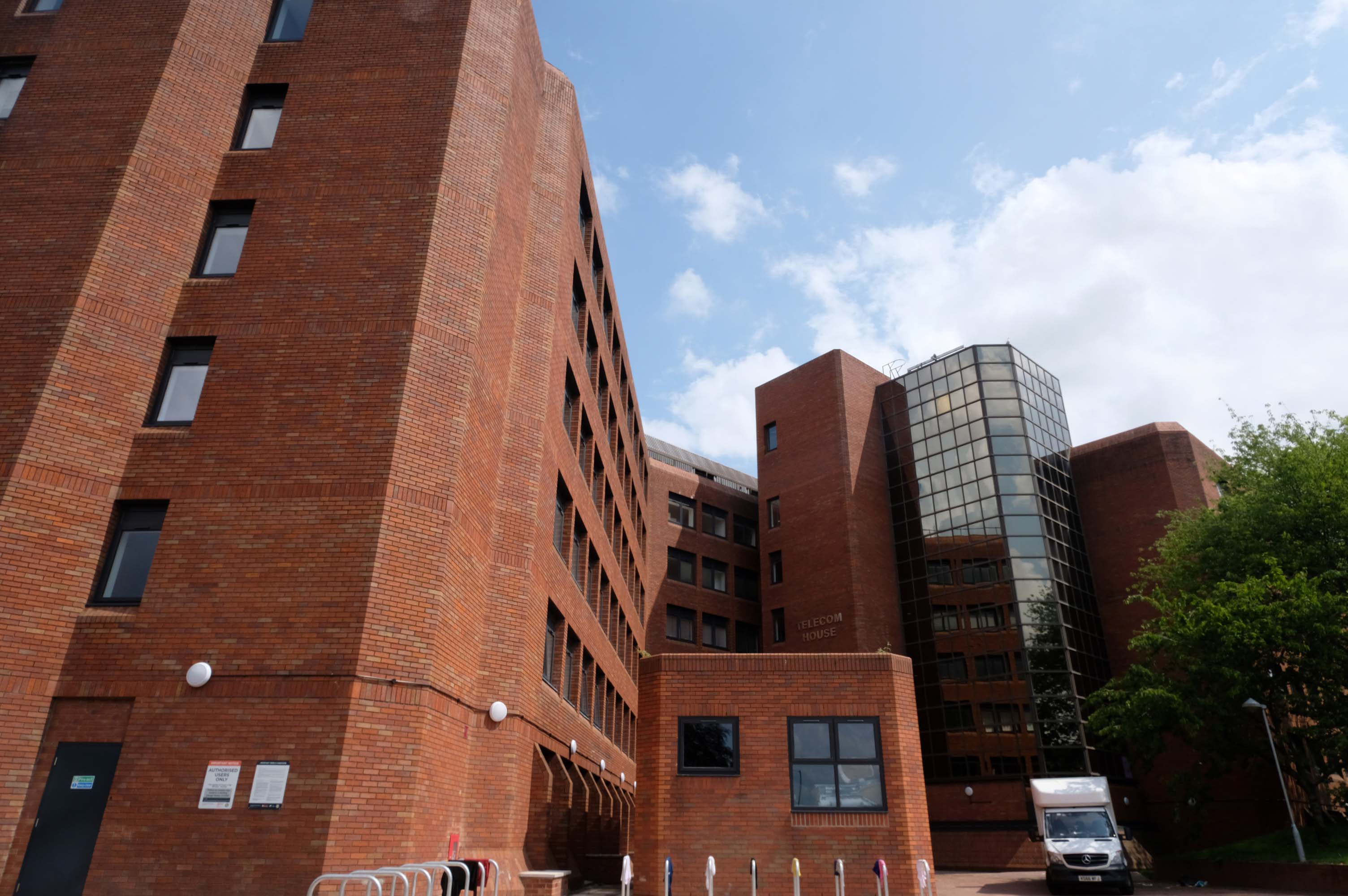
Off to Church Street and Telecom House

Sold for £4.25 million to Empire Property in 2022.

It had previously been sold for more than £3m in July 2018, also for use for apartments, to Inspired Asset Management which later went into receivership.
Express & Star

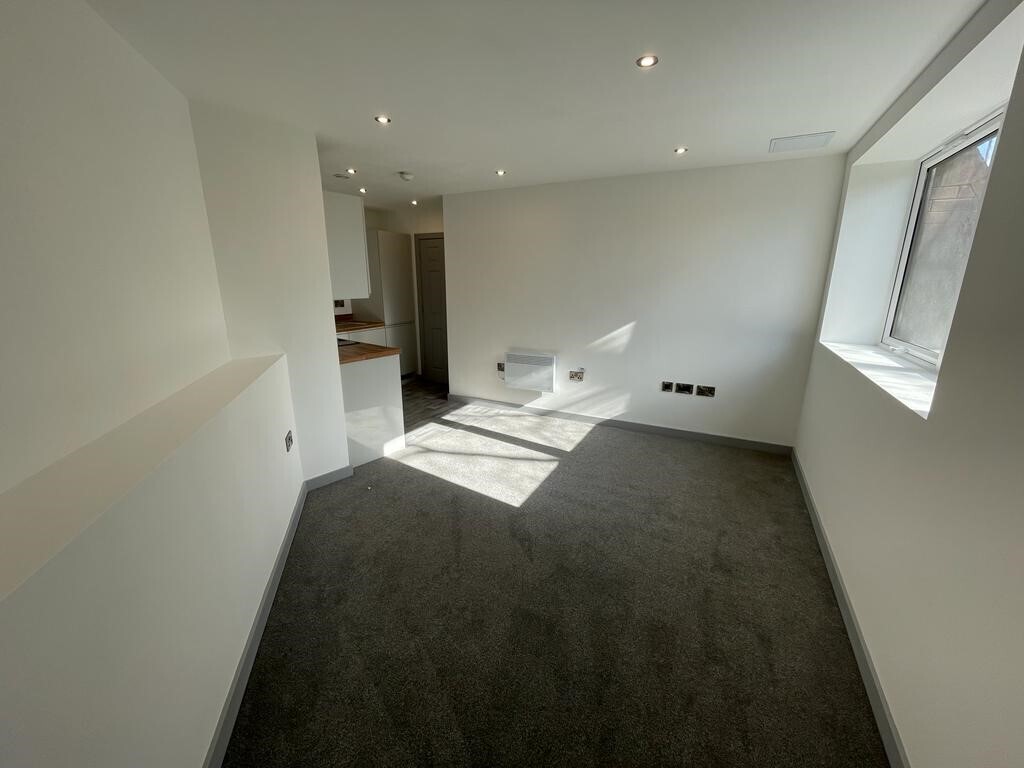
Located on a popular apartment block on Church street in the Wolverhampton centre, this 1 bedroom property has been newly renovated throughout and compromises an entrance hallway, open plan lounge/kitchen with in built appliances, shower room and double bedroom.

£650 PCM – Connells
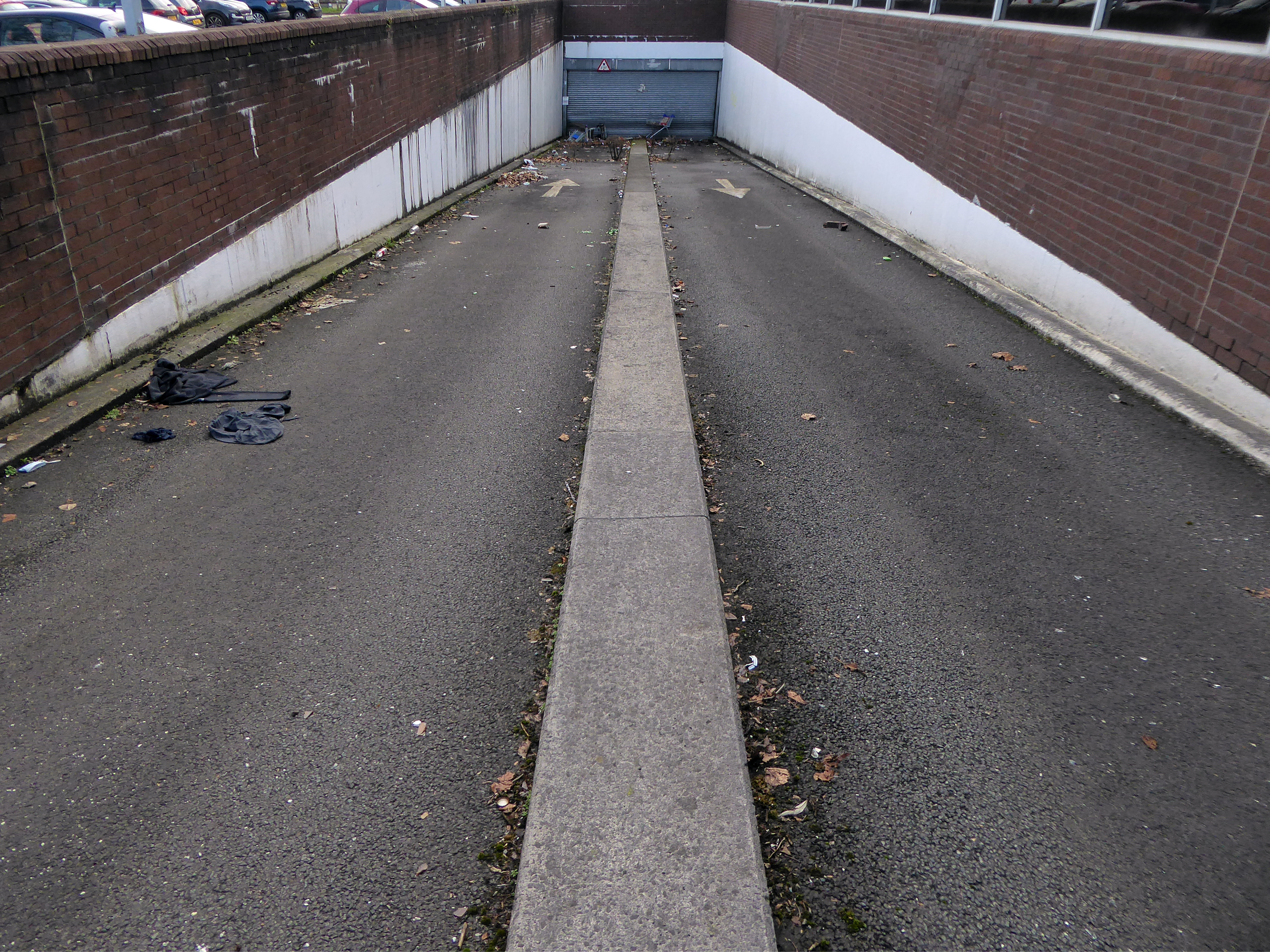
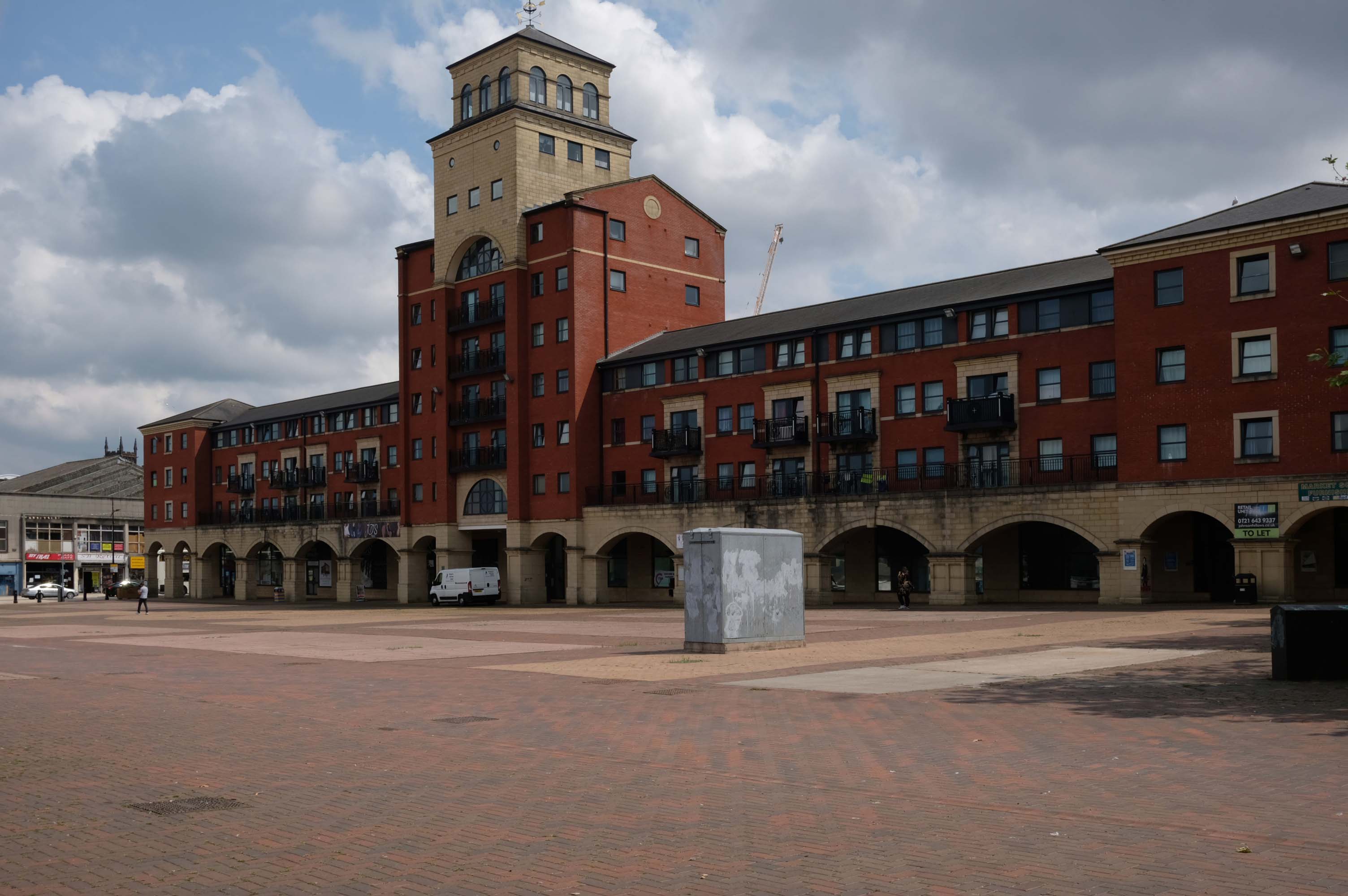
Next to this modern piazza New Market Square – Architects: Nicol Thomas from a concept by head of planning Costas Georghiou.

Formed from the former Market Square, a mix of flats and shops opened in 2004, in an Italianate version of the modish school of streaky bacon.

In 2021 the Coca-Cola Christmas Truck visit to the Midlands was cancelled.

It was meant to arrive at Market Square in Wolverhampton at 11am today but failed to show up.

One fan had waited since 7am this morning to see the Coca-Cola truck.

While schoolchildren were left gutted when the truck didn’t turn up – and one boy had been so excited his mother said he had been talking about the red truck all morning.
Birmingham Mail

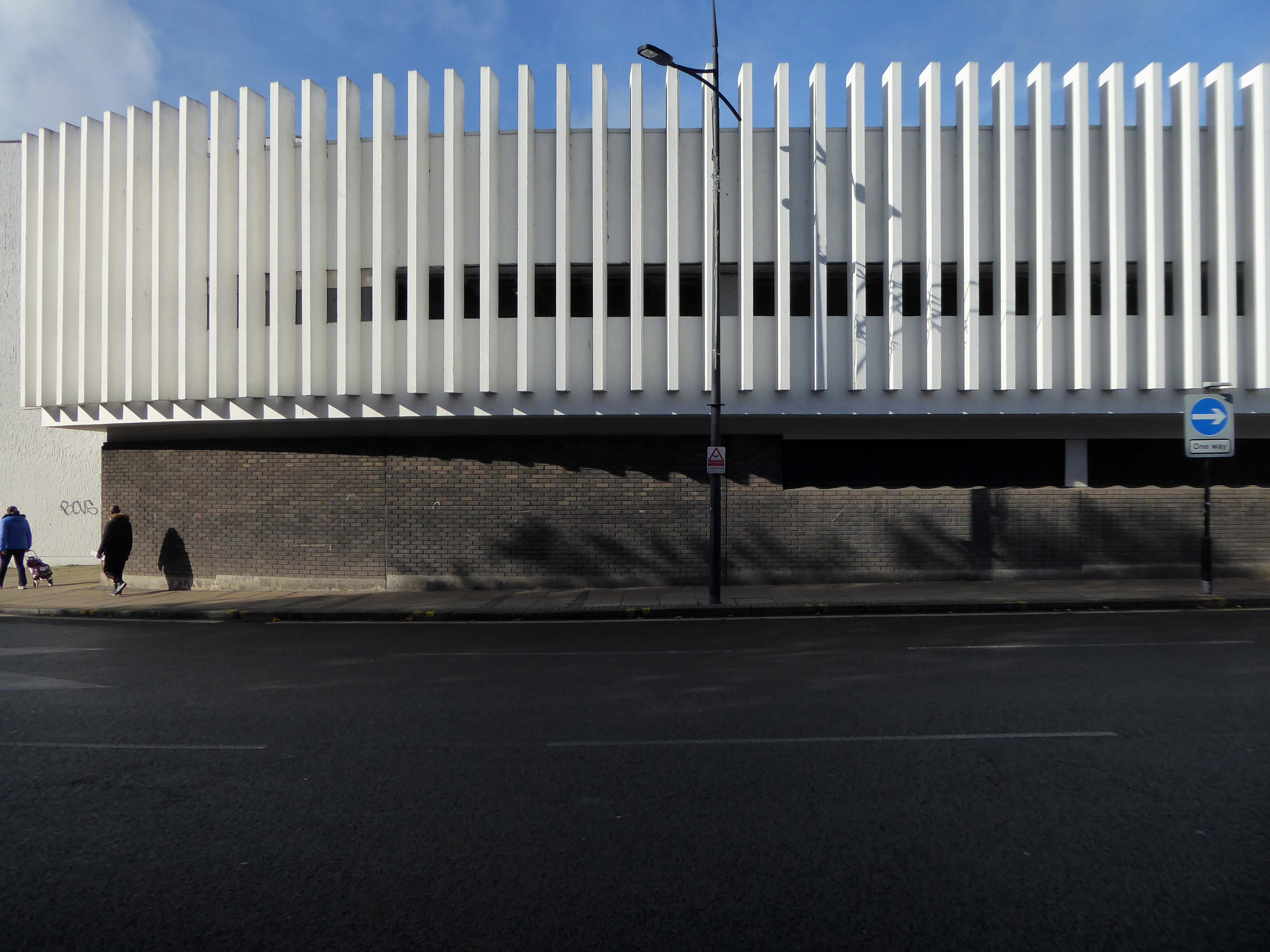
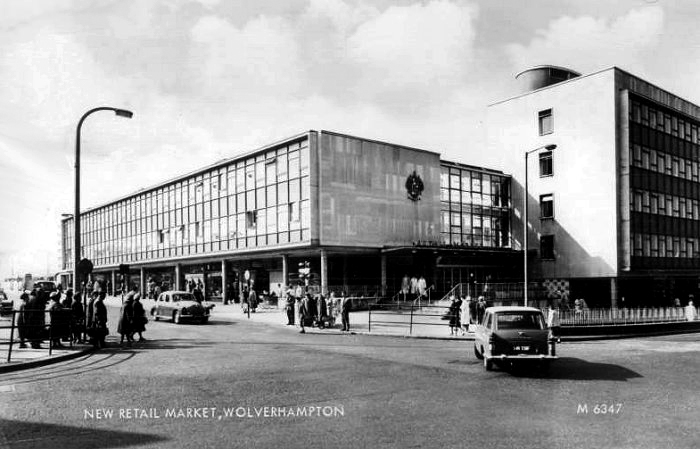
Retail Market – Late 1950s market hall and offices above. 

Architects: Borough Surveyor. 

Excellent example of the Festival of Britain style of architecture, won Civic Trust Award 1960.

Locally Listed March 2000.

demolished January 2017.
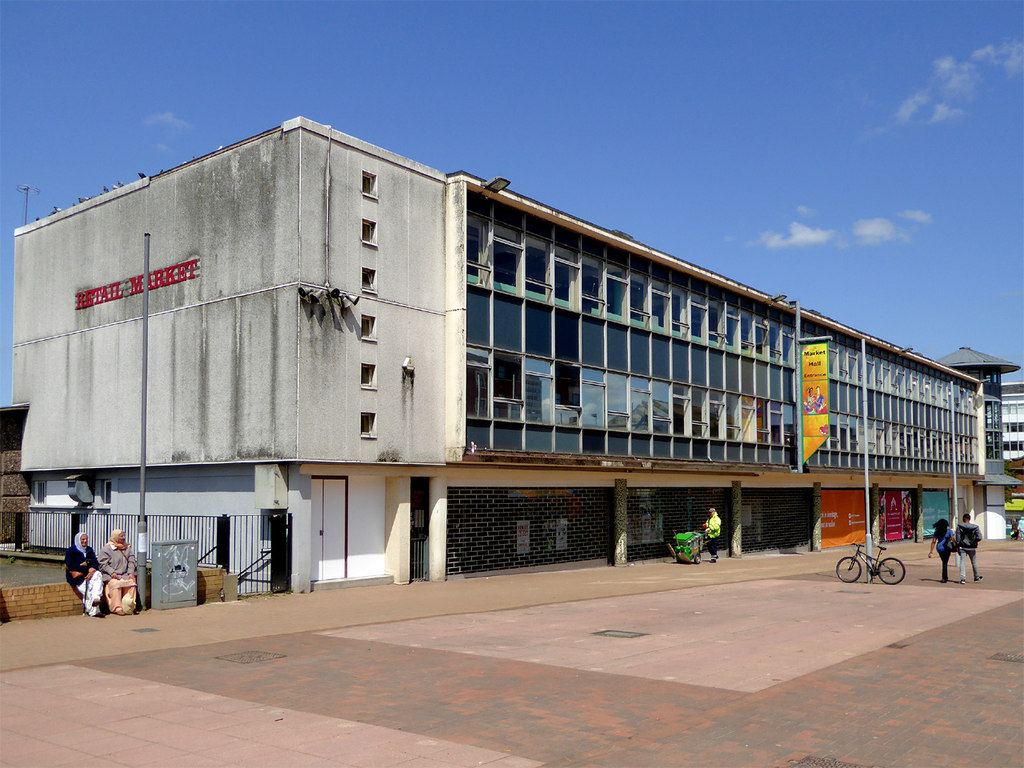
Photo: Roger Kidd
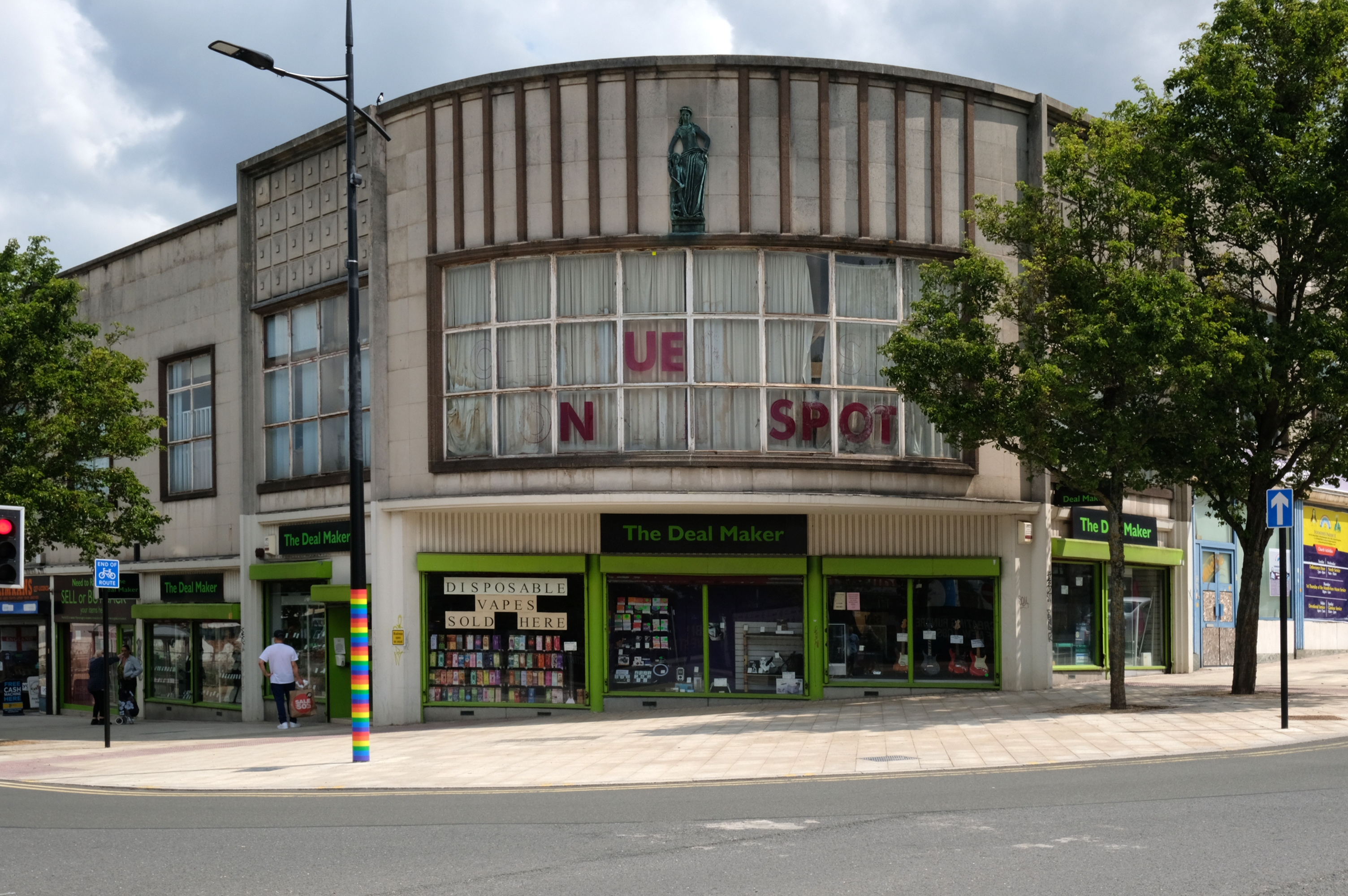
This development that wraps itself around Salop, Skinner and School Streets appears to be of a similar period to the Retail Market – and sports a Lady Wulfrun in relief.
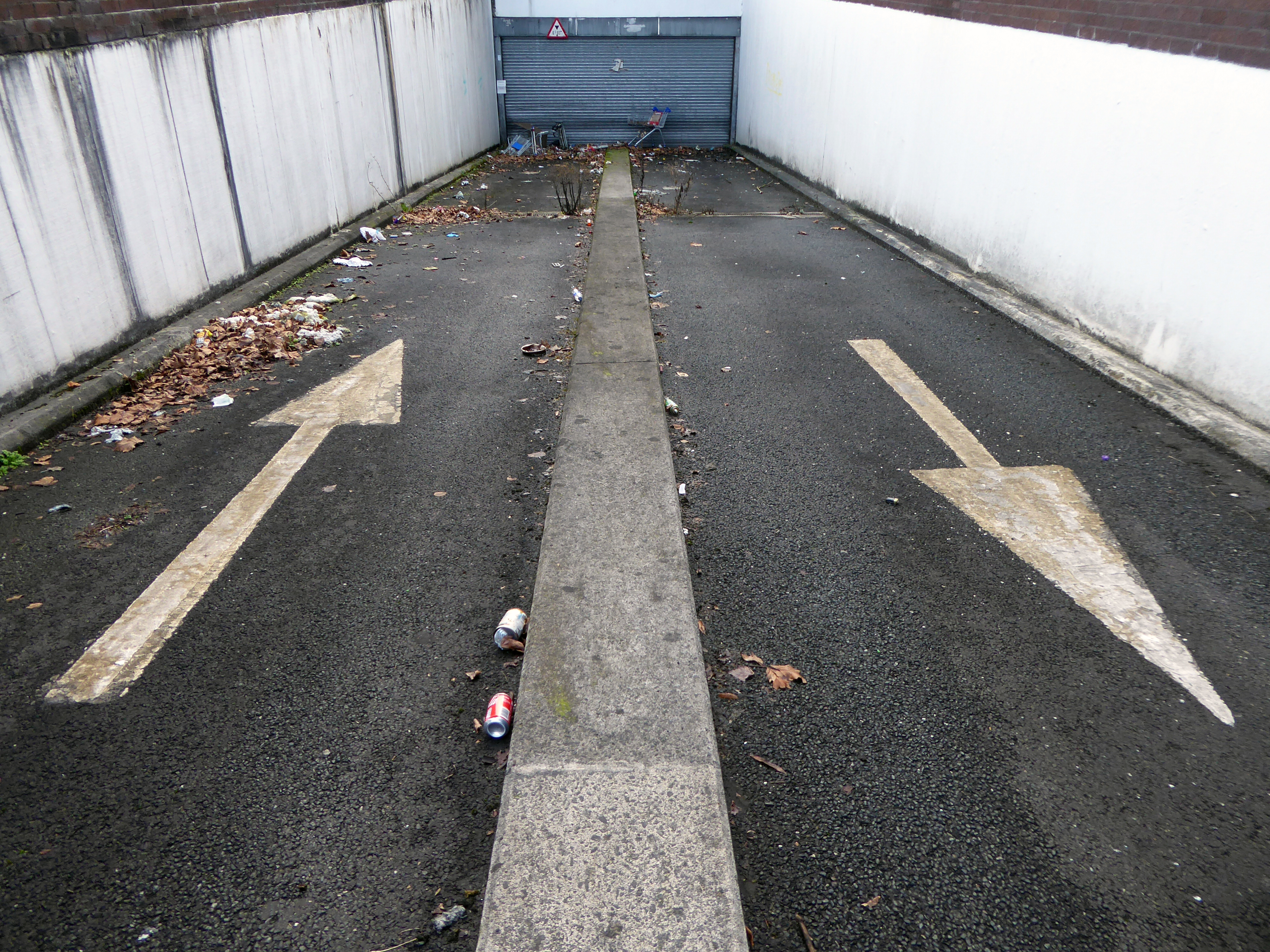
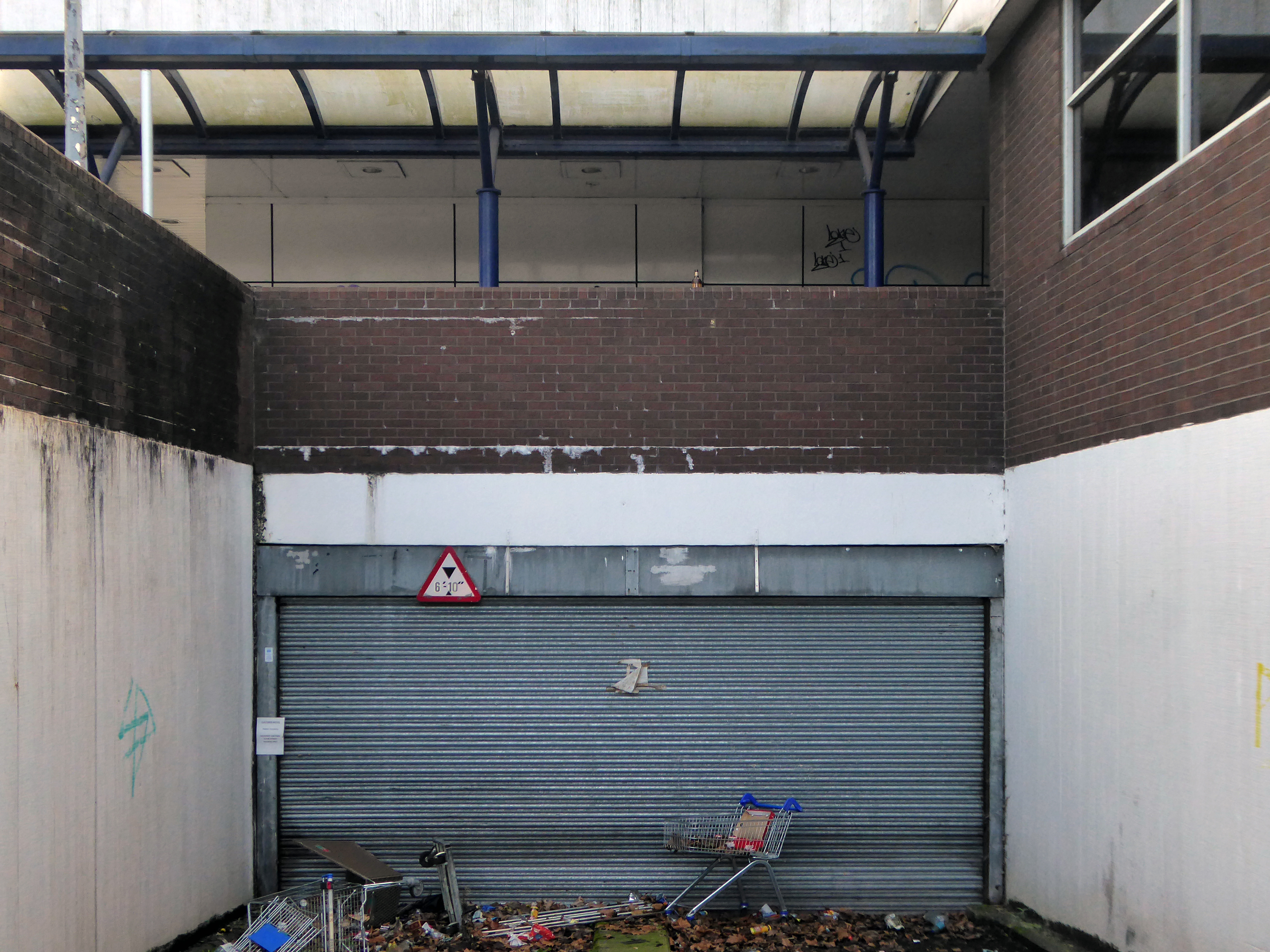
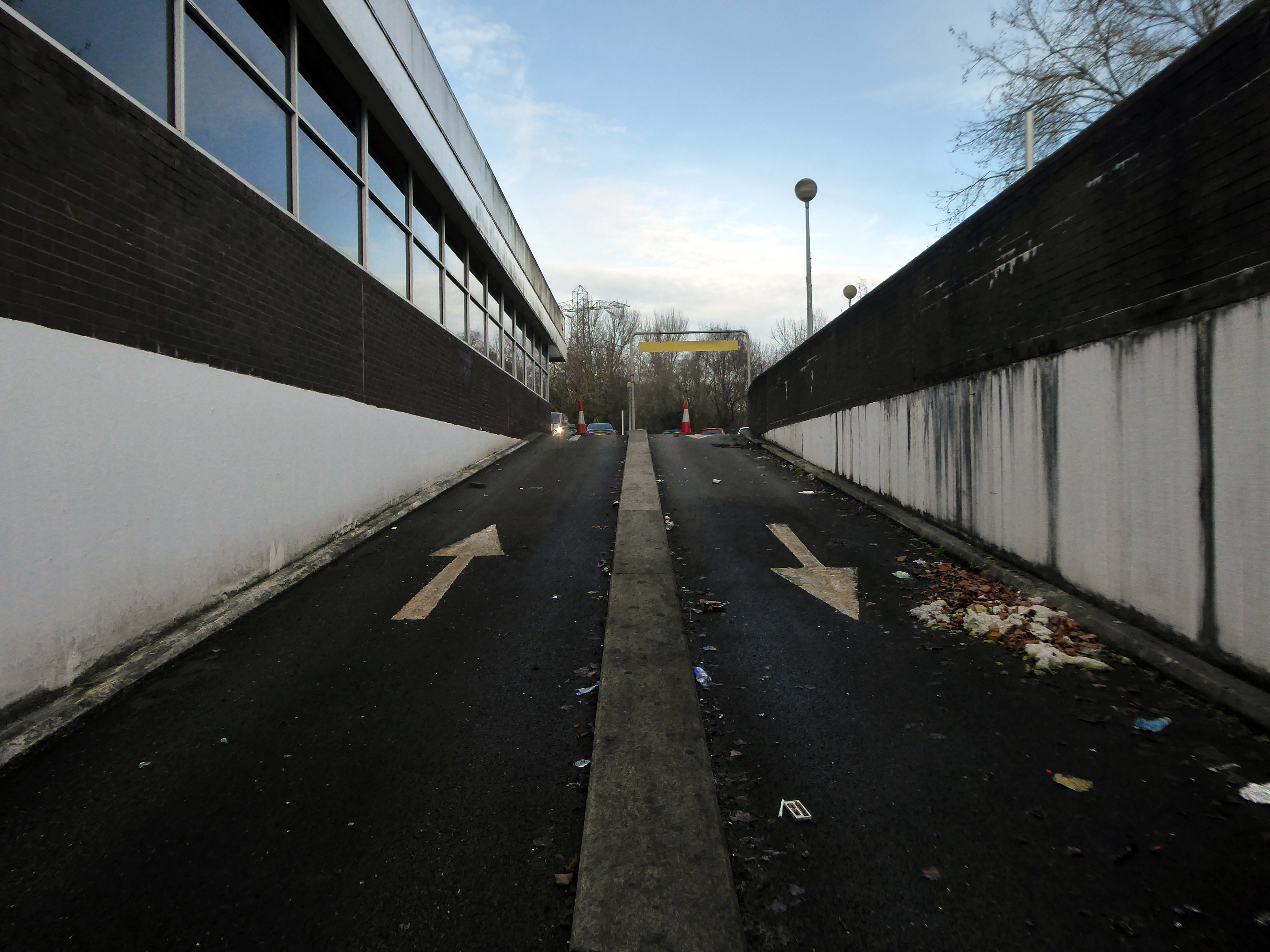
There is access to its roof top car park.
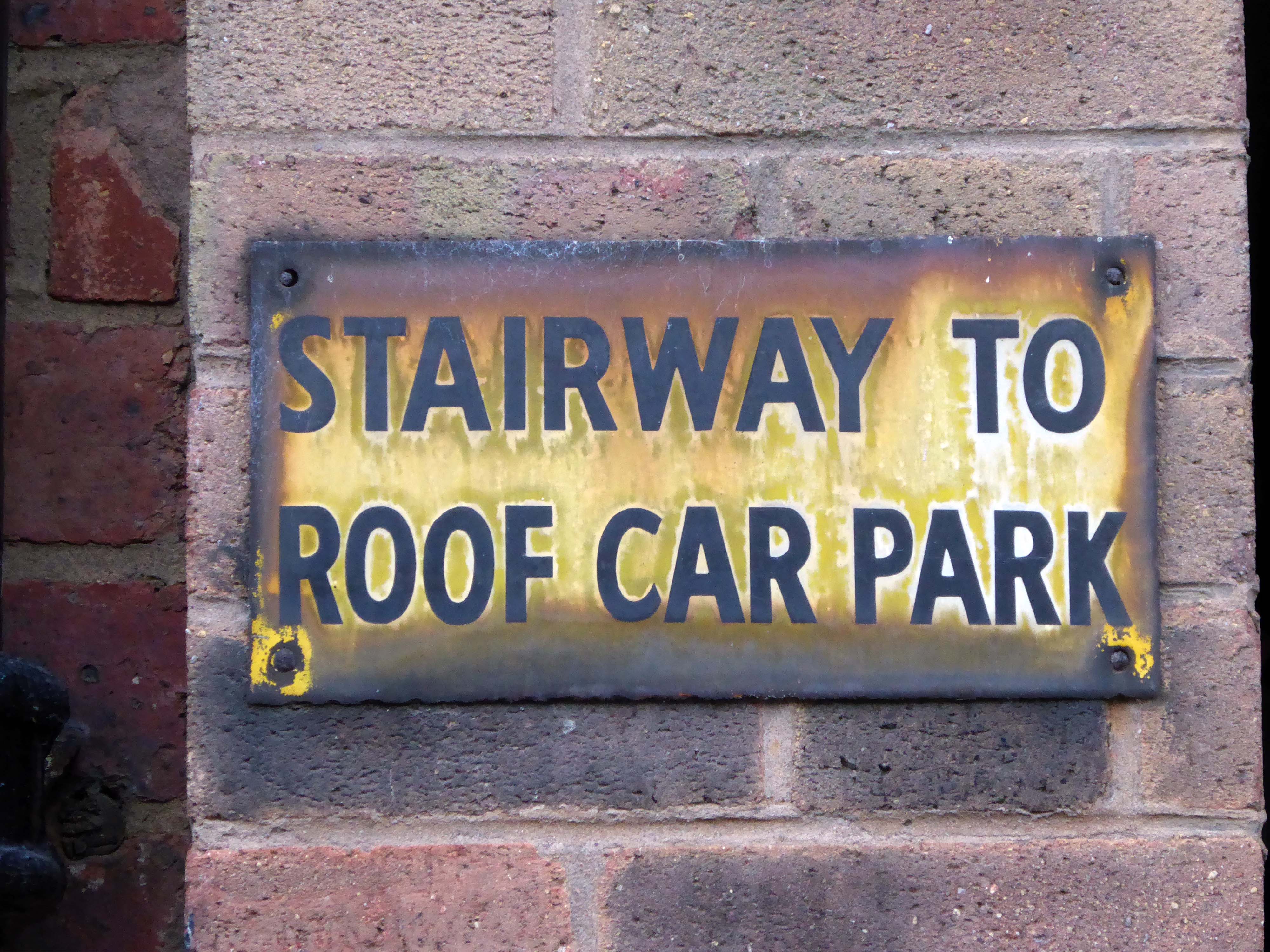
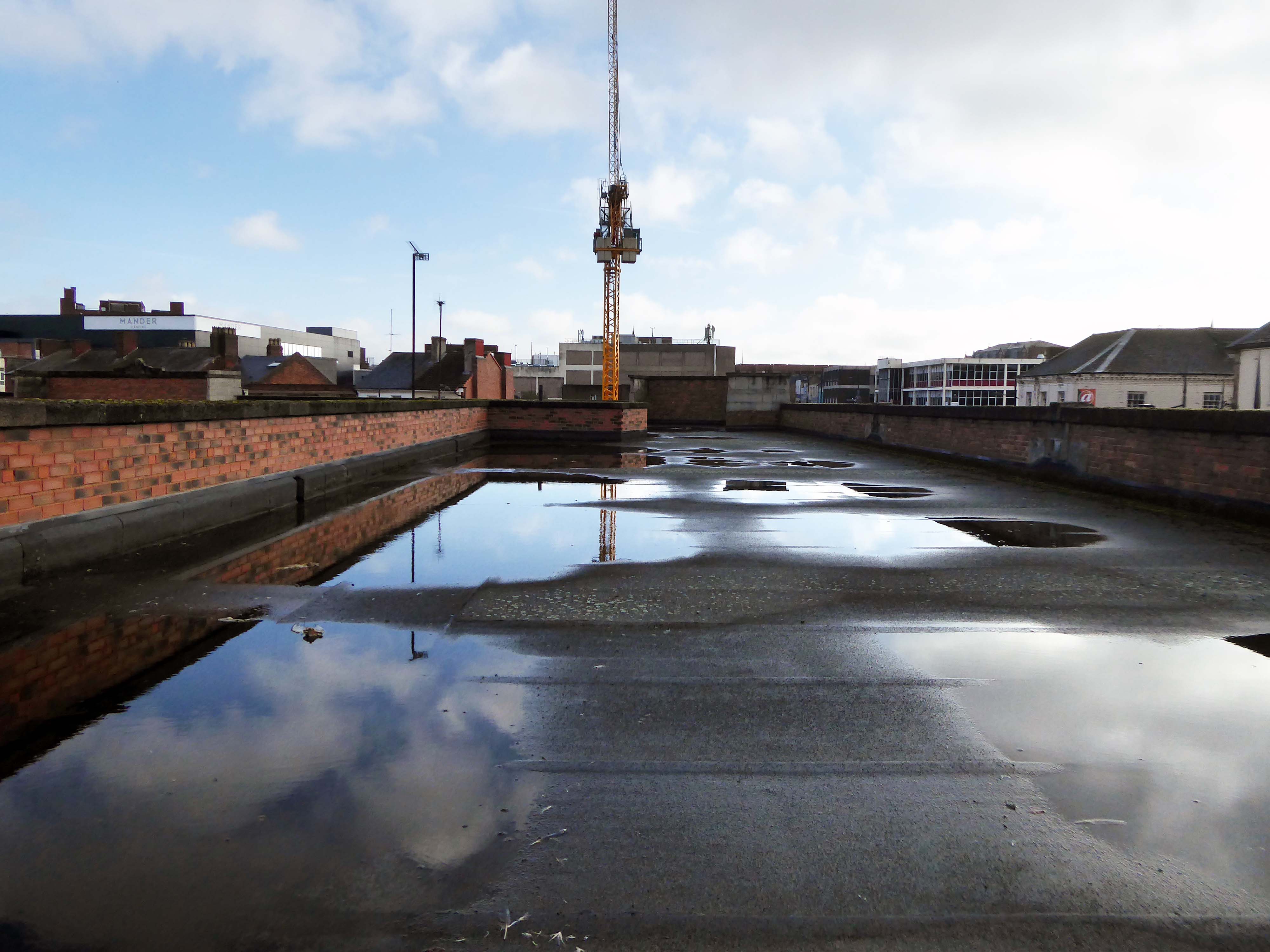
And also an exit back to street level.
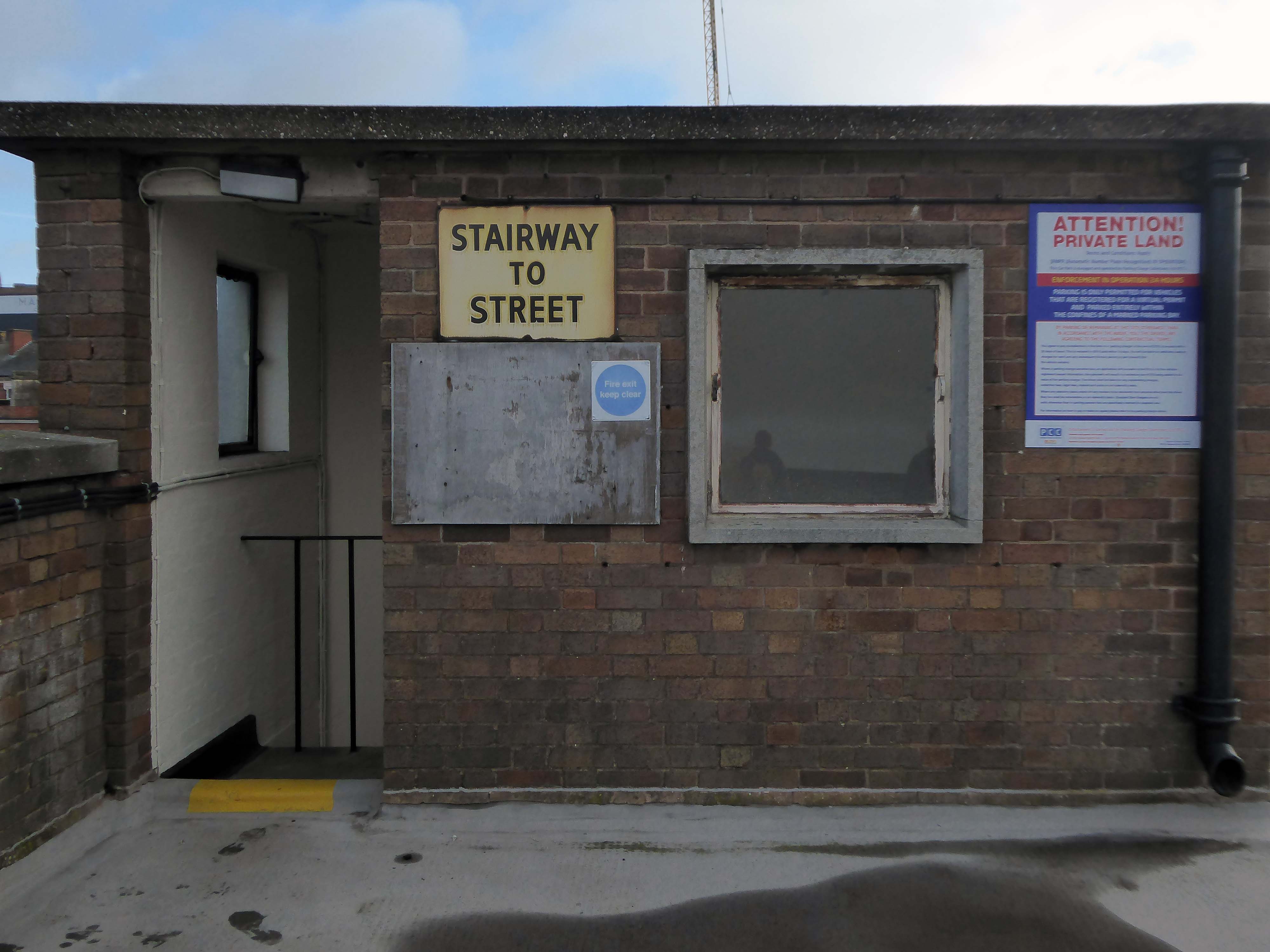
Where we find at street level the former Odeon Cinema, opened on 11th September 1937 with Conrad Veidt in Dark Journey.

Architects: PJ Price and Harry W Weedon.

In October 2000, the former Odeon was designated a Grade II Listed building by English Heritage.
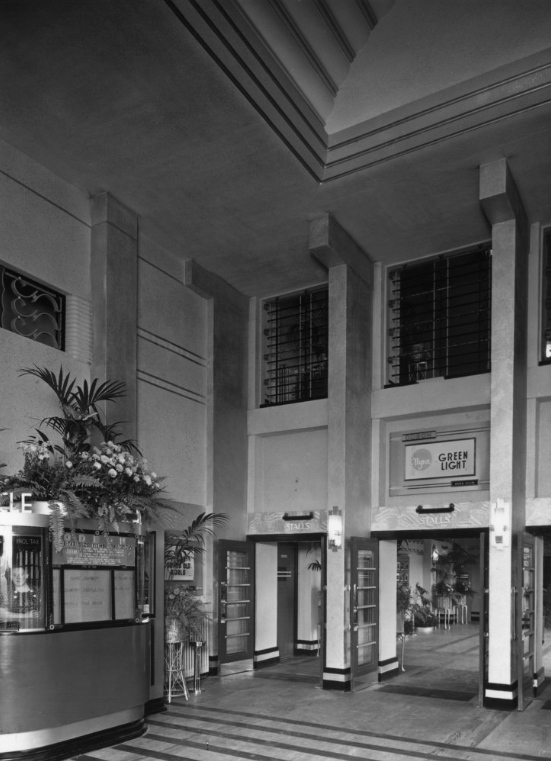
RIBA pix
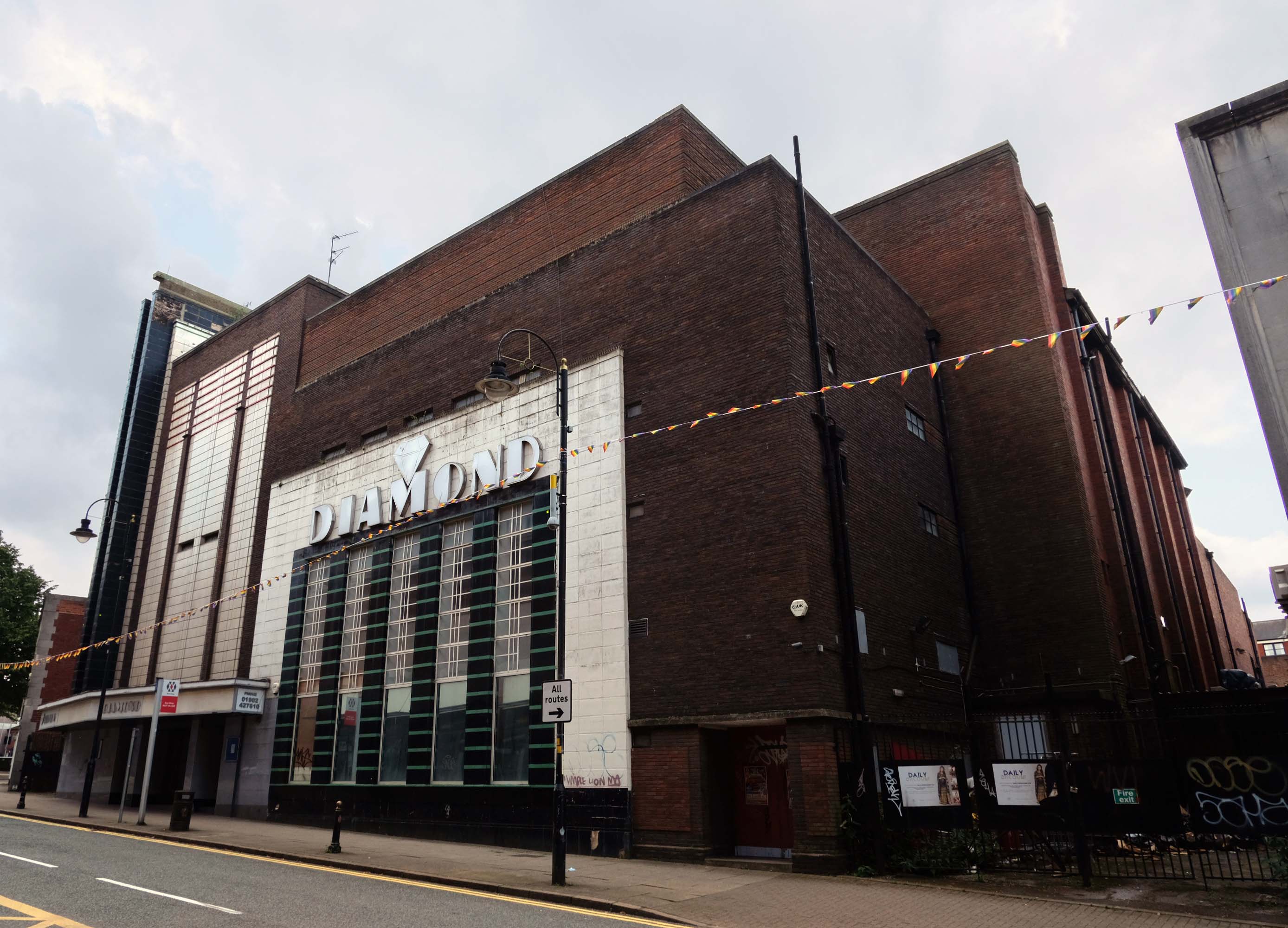
In recent years it was a Mecca Bingo Club, but this was closed in March 2007 In October 2009, it had been refurbished and re-opened as the Diamond Banqueting Suite. In April 2021 police raided the vacant building to discover an illegal cannabis farm operating in the building.

Four men were arrested.

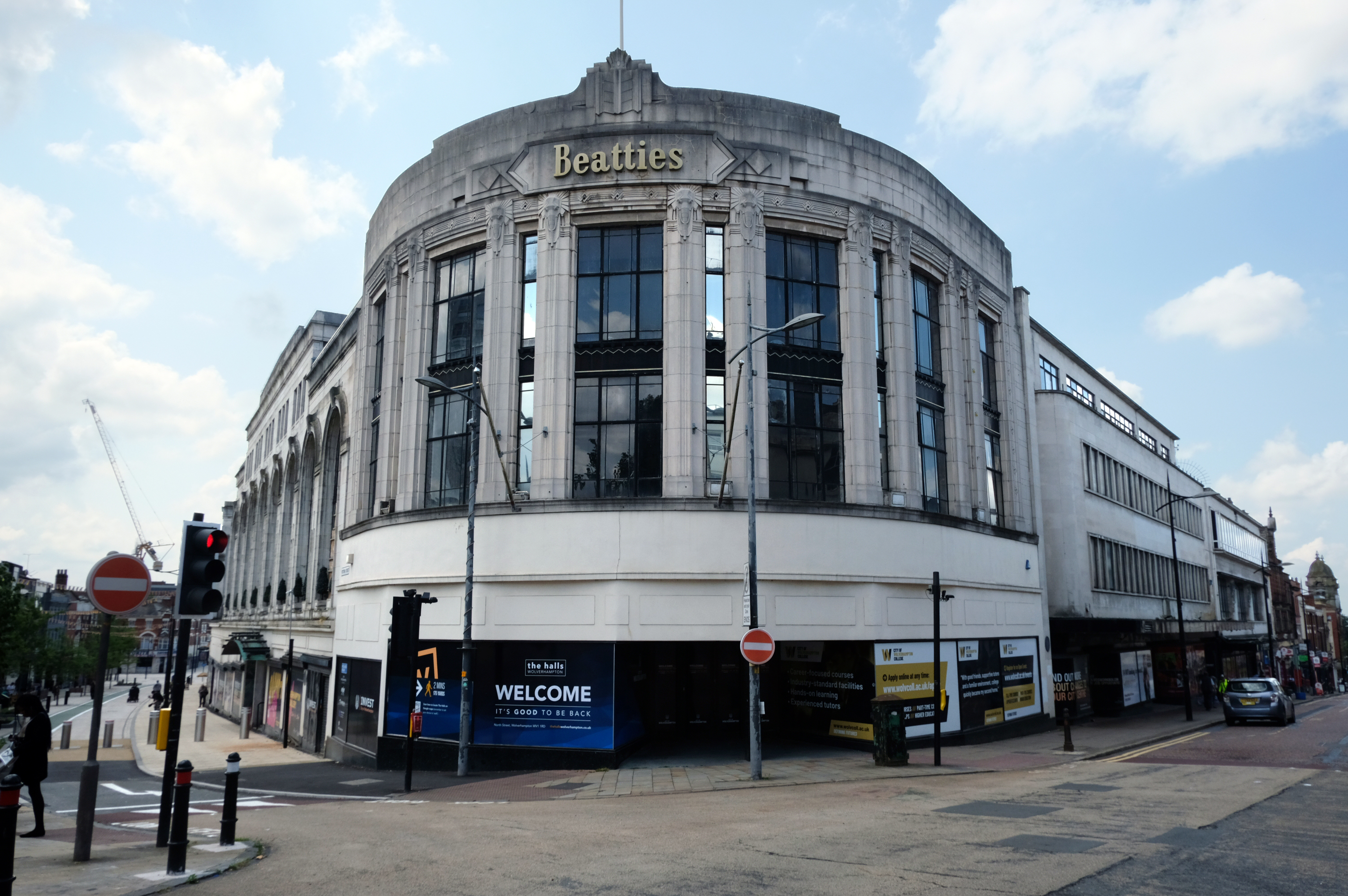
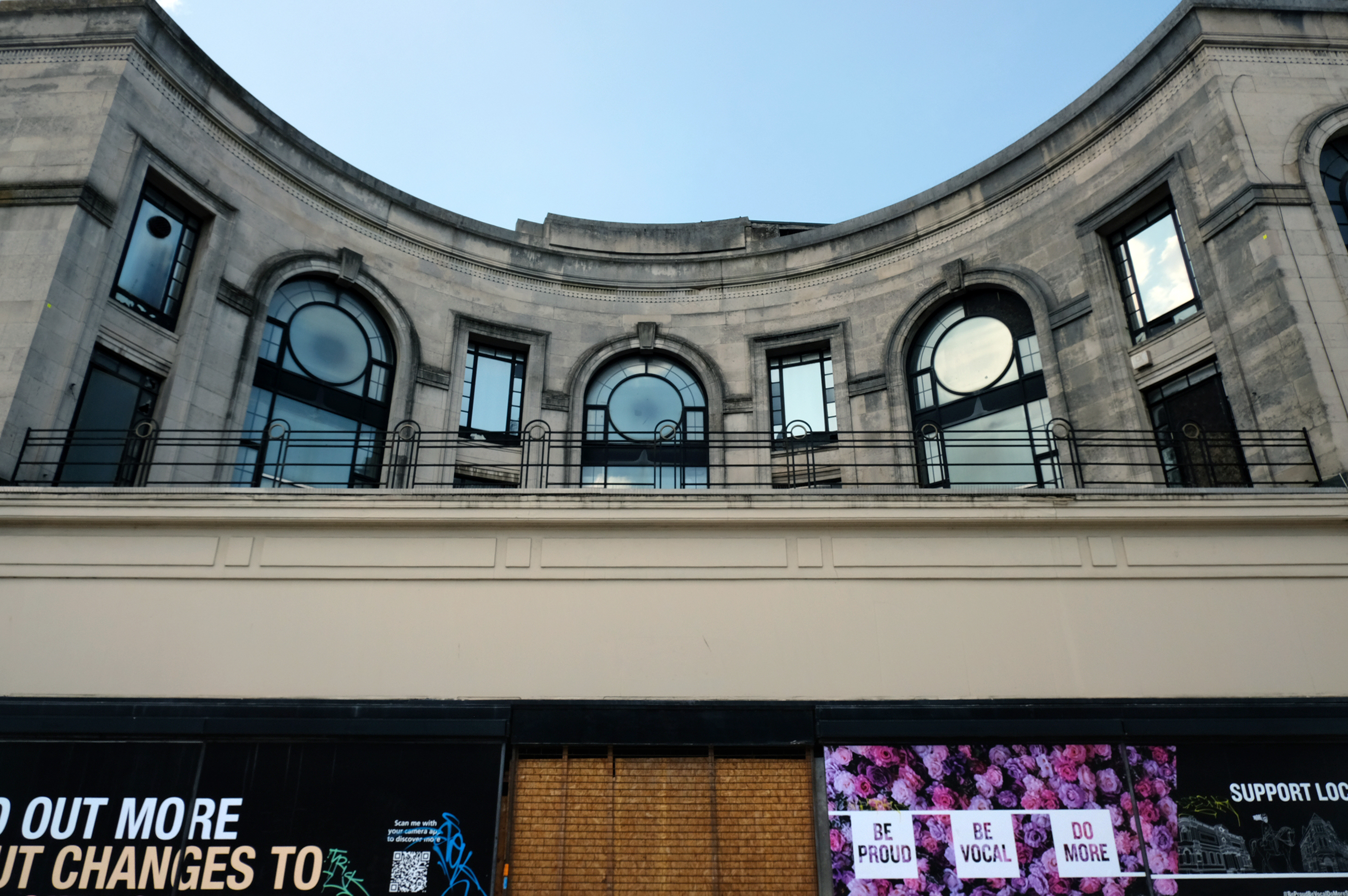
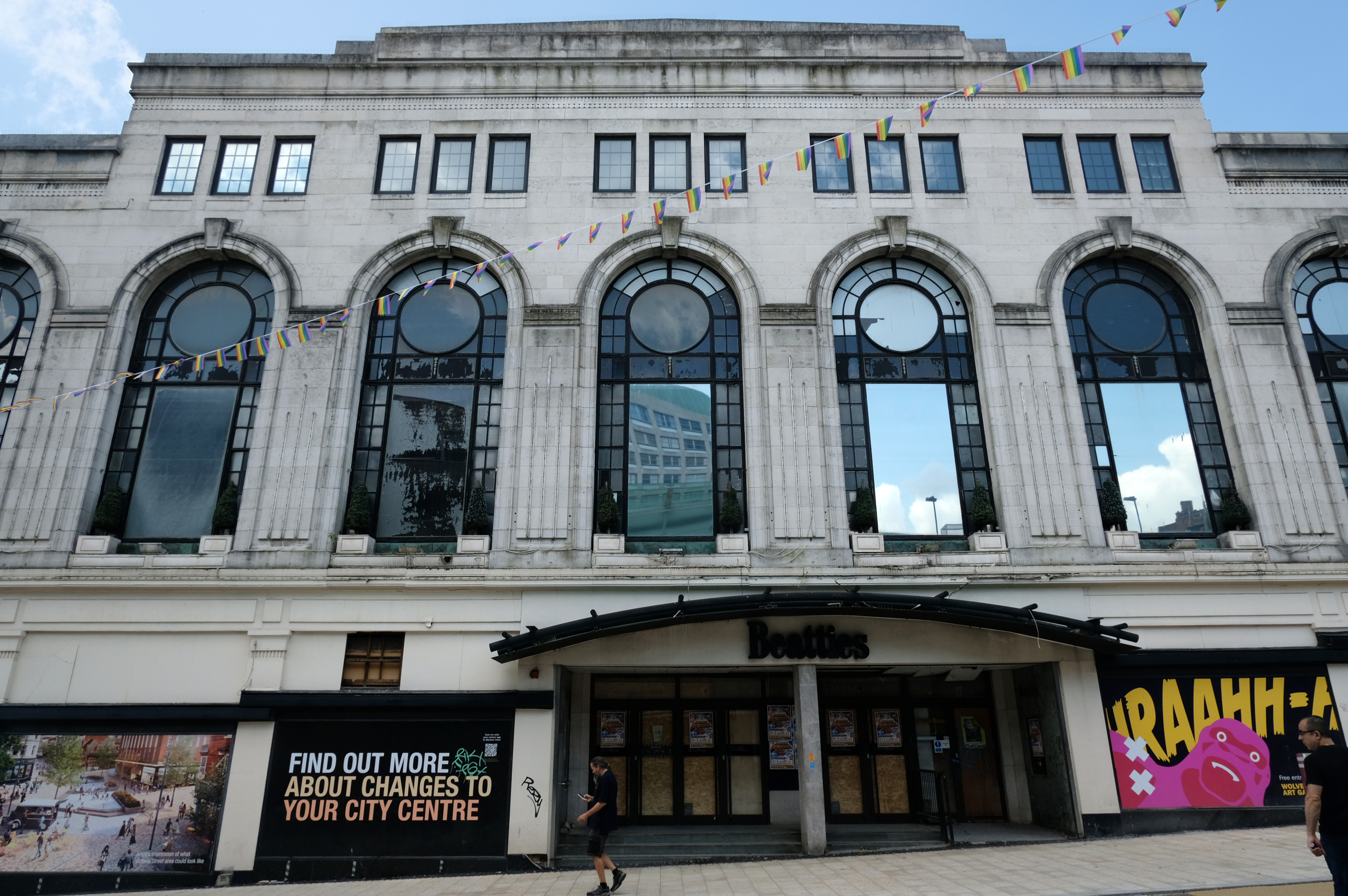
Let’s take a turn around the corner to Victoria Street where we find the complex of Beatties Buildings.

Architects: Lavender, Twentyman and Percy 1920’s – 30’s
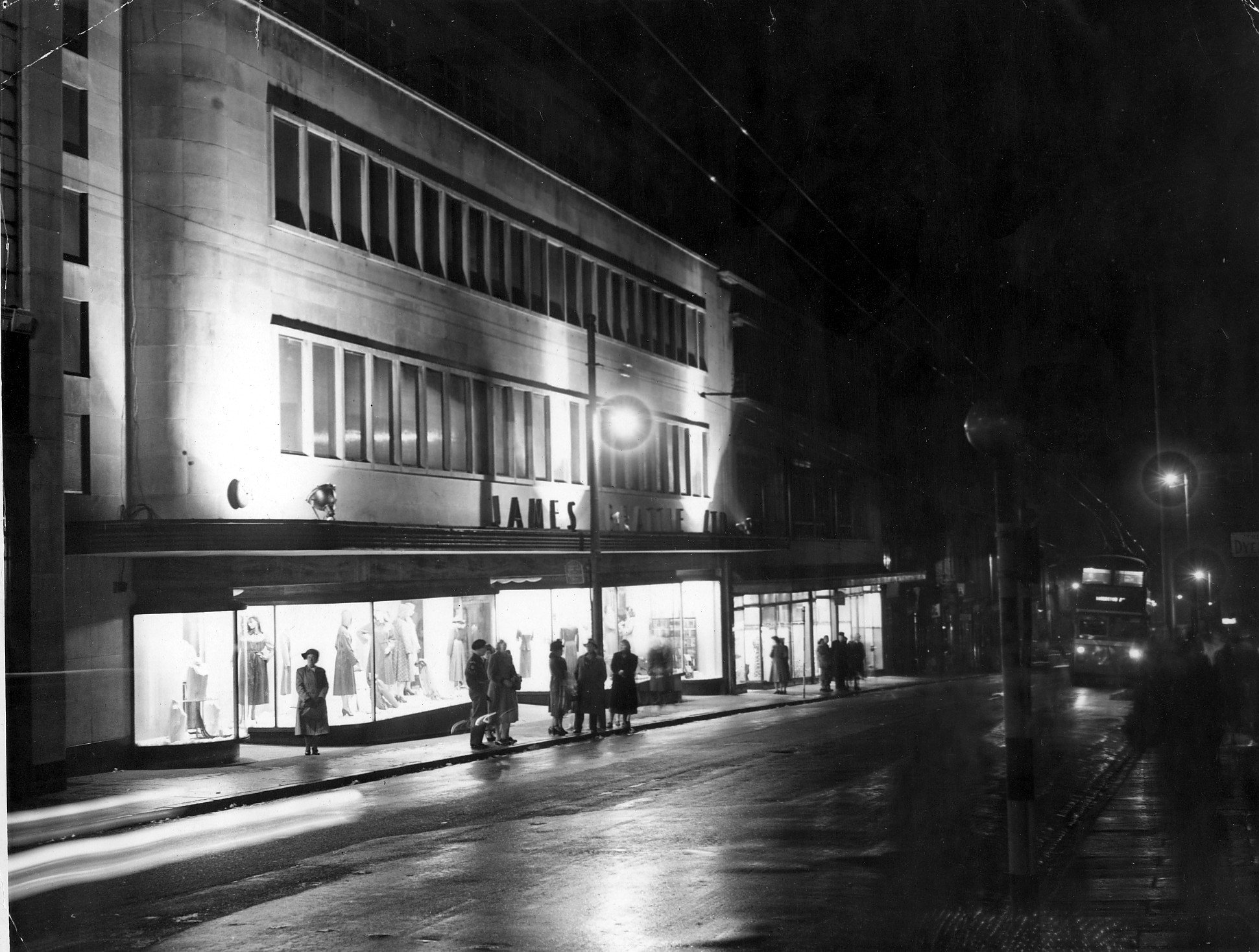
The C20 Beatties store is a multi-period site developed first in the 1920s-30s. A Burton’s men’s clothes shop was built on a curved corner site at Victoria St/Darlington St and Beatties themselves replaced their existing Victoria St store in the 1930s with a building by local architects Lavender, Twentyman and Percy. Beatties later acquired and incorporated the Burton’s shop into their store. These two buildings form the locally listed building to which were added a mid-C20 extension along Darlington St and a late-C20 development to the rear at Skinner St.
c20 Society

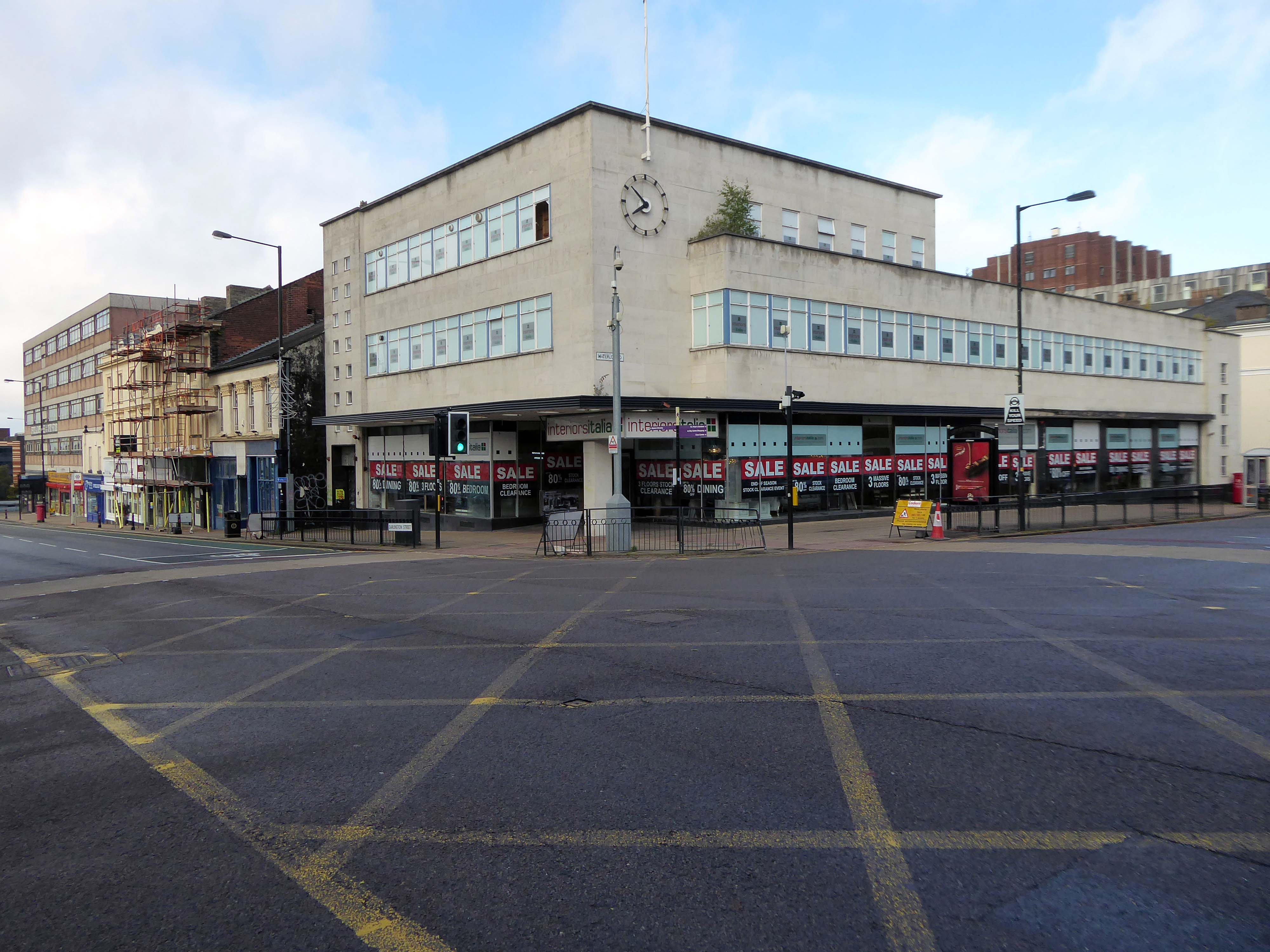
An imperious Portland stone clad mixed us block on Waterloo Road, with a delightful clock.

Formerly the Gas Showrooms then Sun Alliance & London Insurance offices – aka Clock Chambers

The showroom in Darlington Street was also the centre of a radio network that controlled a fleet of service vans. This enabled customers to receive service within minutes of making a telephone call. Demonstrations of cookery, washing and refrigeration were given by the Gas Board’s Home Service Advisers and a number of the company’s engineers, who specialised in designing gas equipment for industrial processes operated an advisory service for manufacturers. 

Architects: Richard Twentyman 1939.
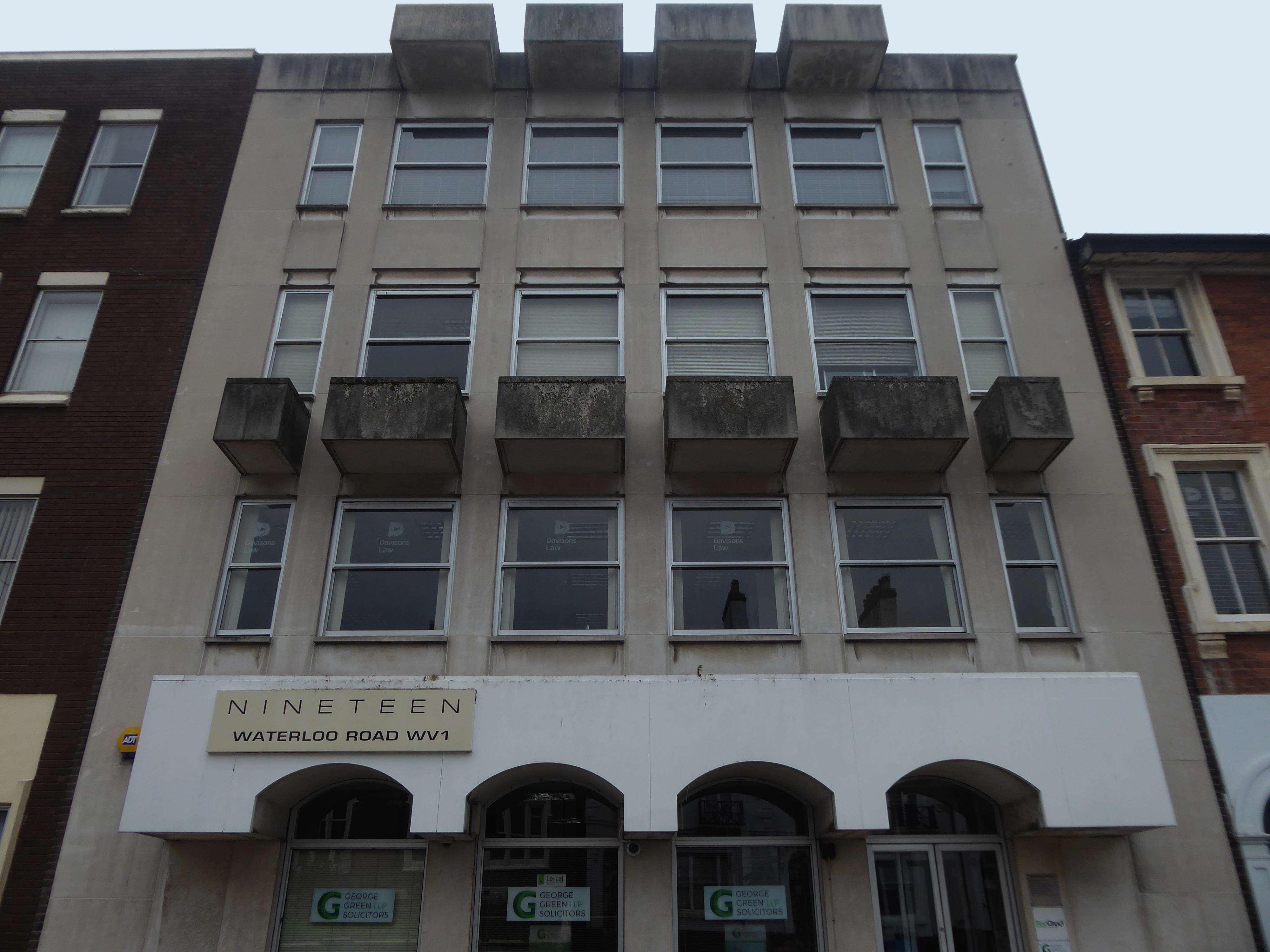
Nineteen Waterloo Road latterly First City House formerly home to Eagle Star Insurance 1970
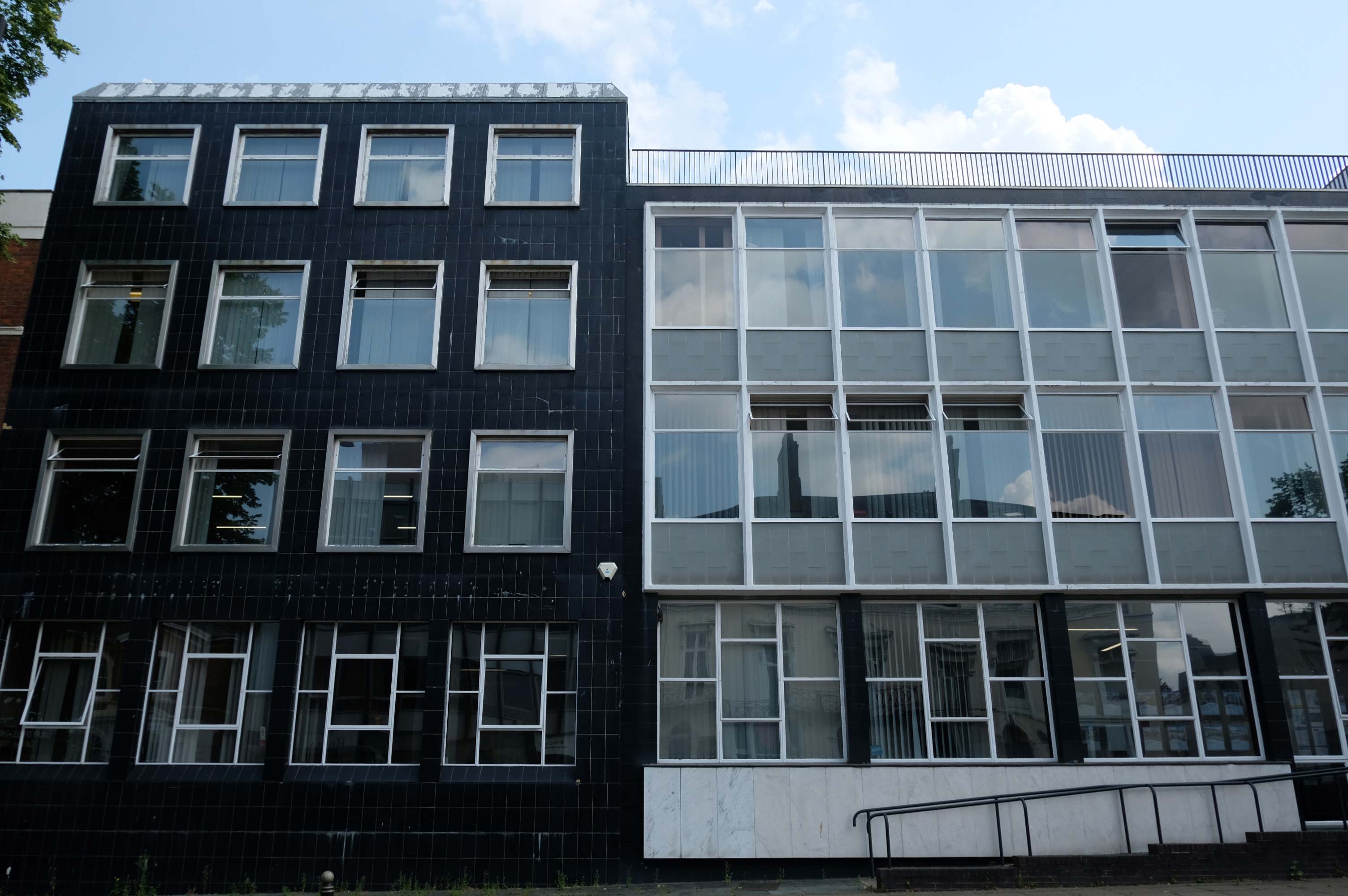
8-10 Waterloo Road architects: Richard Twentyman 1959 extended 1966.
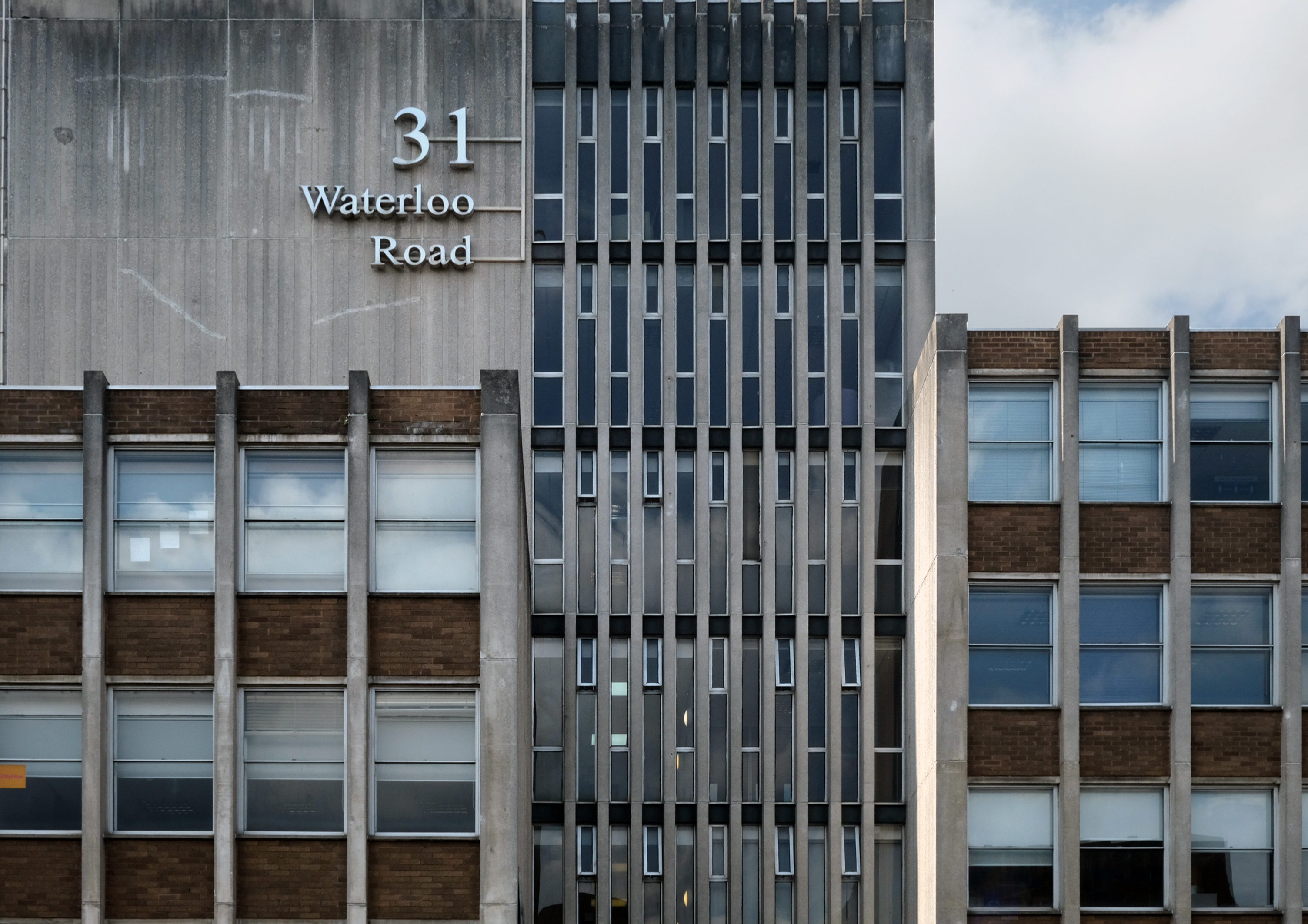
31 Waterloo Road – Waterloo Court architects: Kenneth Wakeford, Jerram & Harris 1972
Right turn to the Telephone Exchange

Architects: NHA Gallagher of the Ministry of Public Buildings and Works and Clifford Culpin & Partners job architect Leslie Parrett 1971.

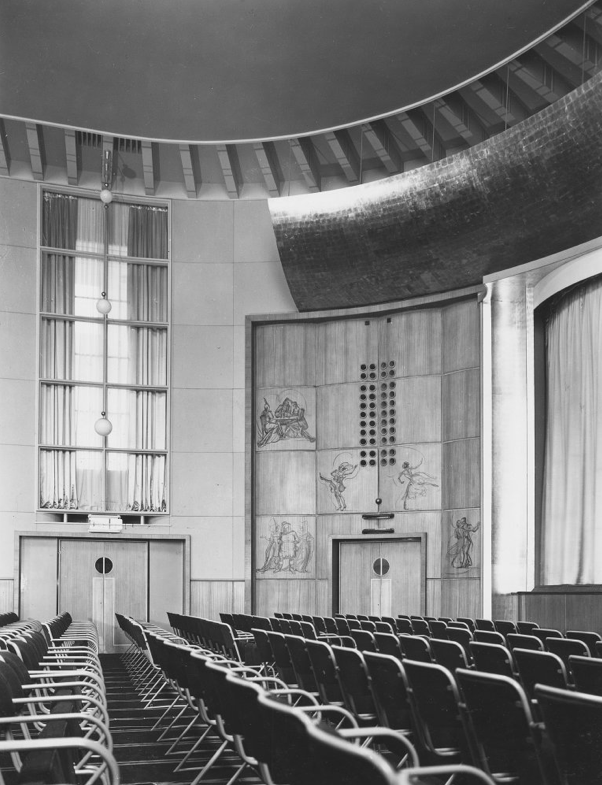
Around the bend to The Halls – once the Civic Halls.

Architects: Lyons and Israel 1936-38

Refurbished 2003 by Penoyre & Presad with more alterations in 2021 by Jacobs consulting engineers.
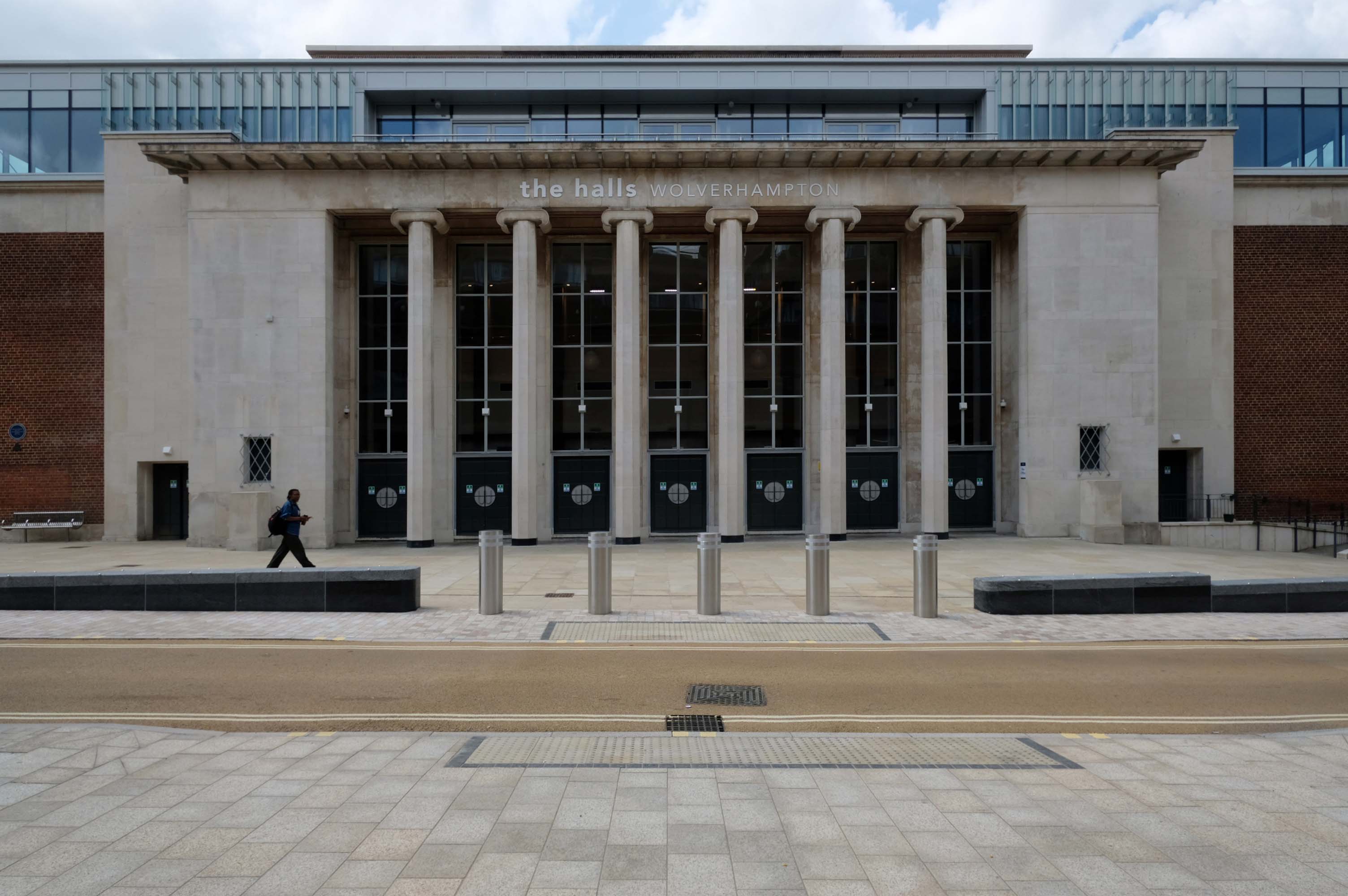
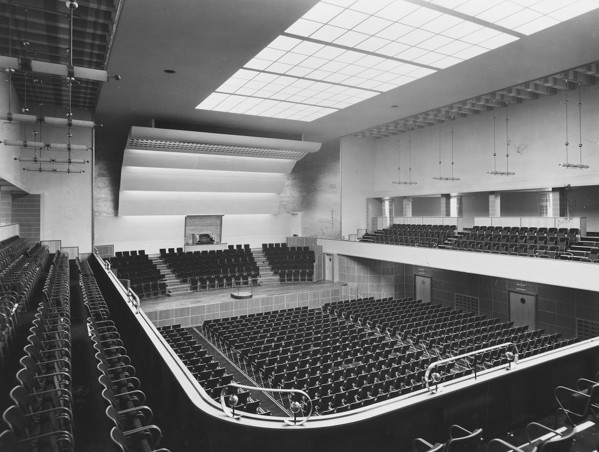
RIBA pix – 1939

Over the road to the Civic Centre.

Architects: Clifford Culpin & Partners 1974-79.
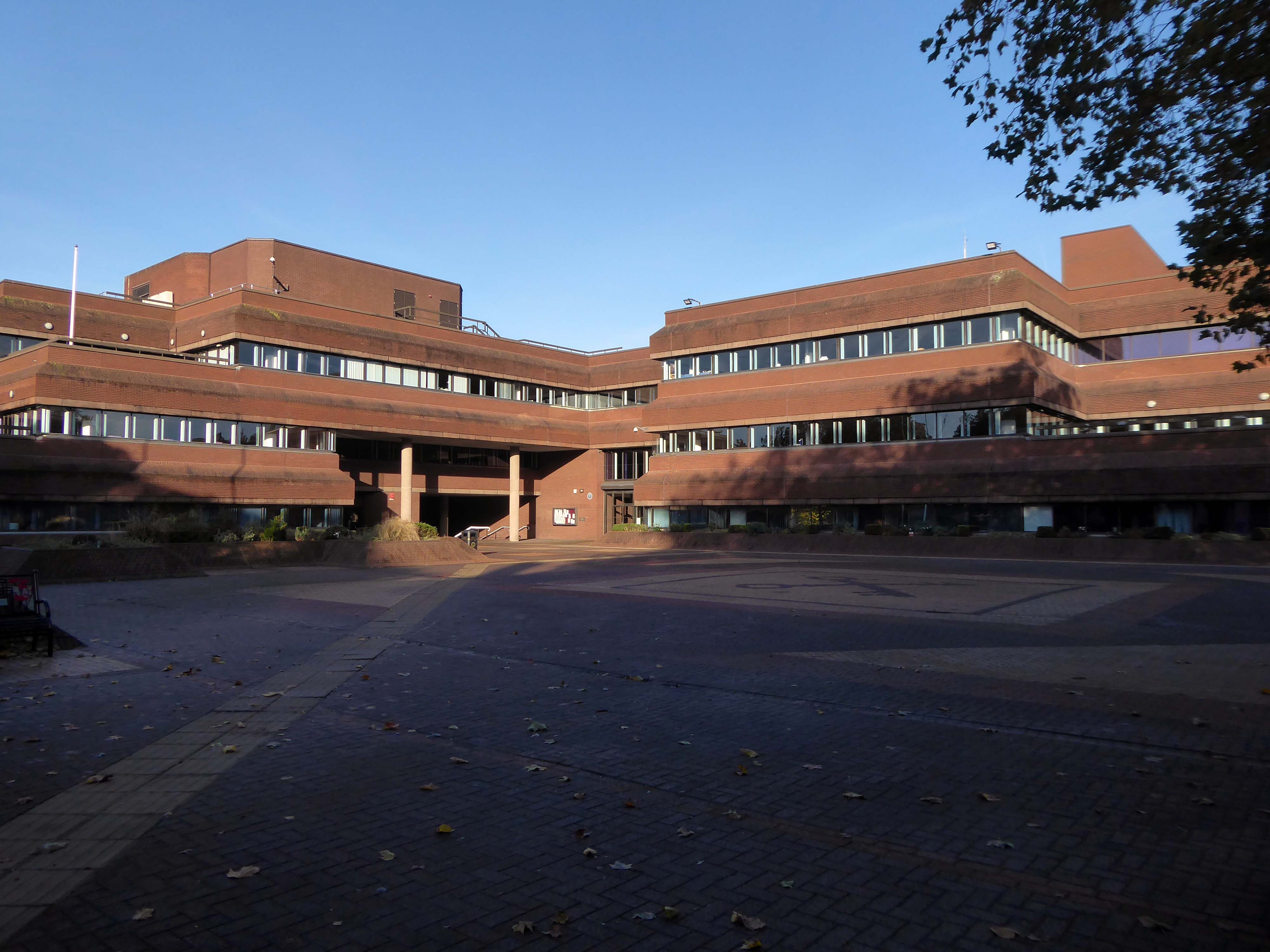
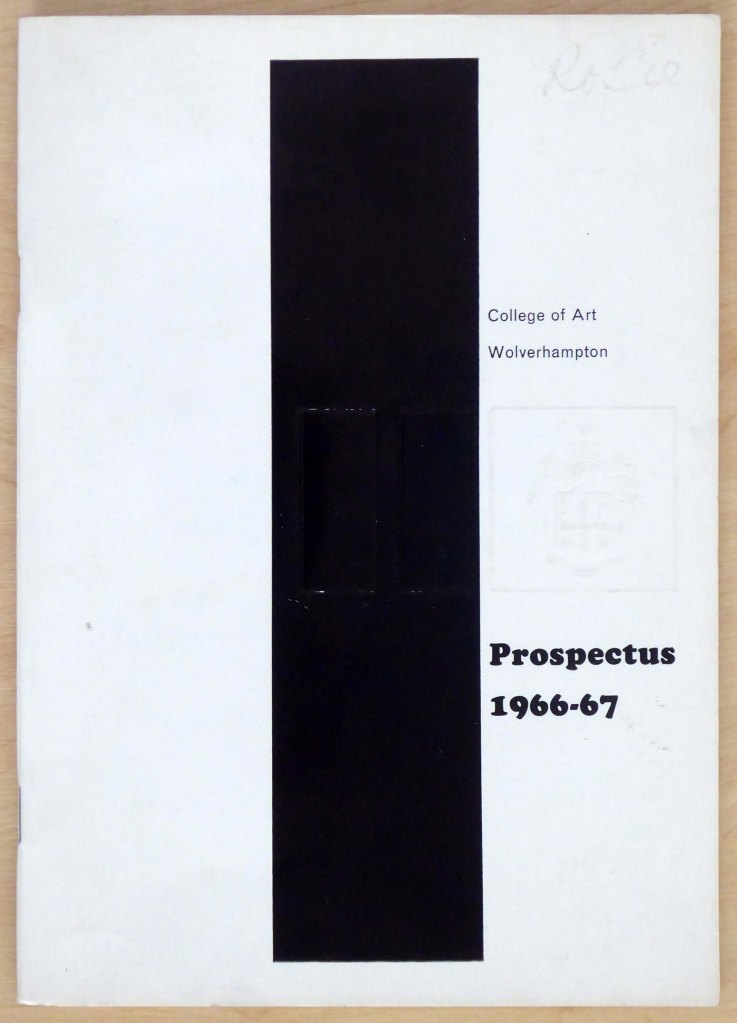
We end our Wolverhampton wander at the College of Art and Design
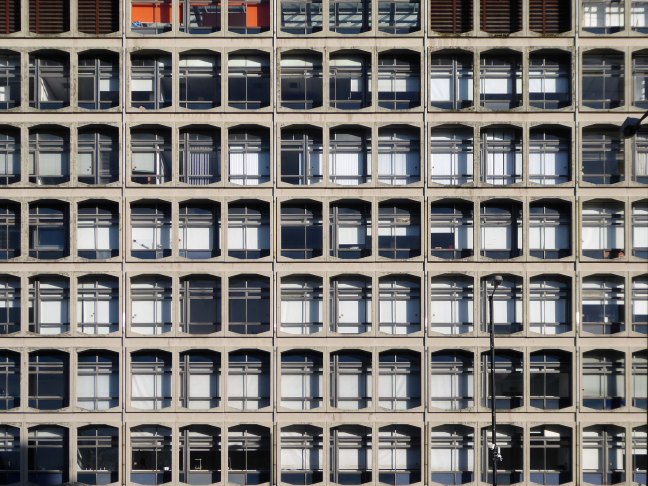
Architects: Diamond Redfern and Partners with A Chapman Borough Architect 1969
Huge thanks to Tom Hicks aka Black Country Type for his invaluable assistance.
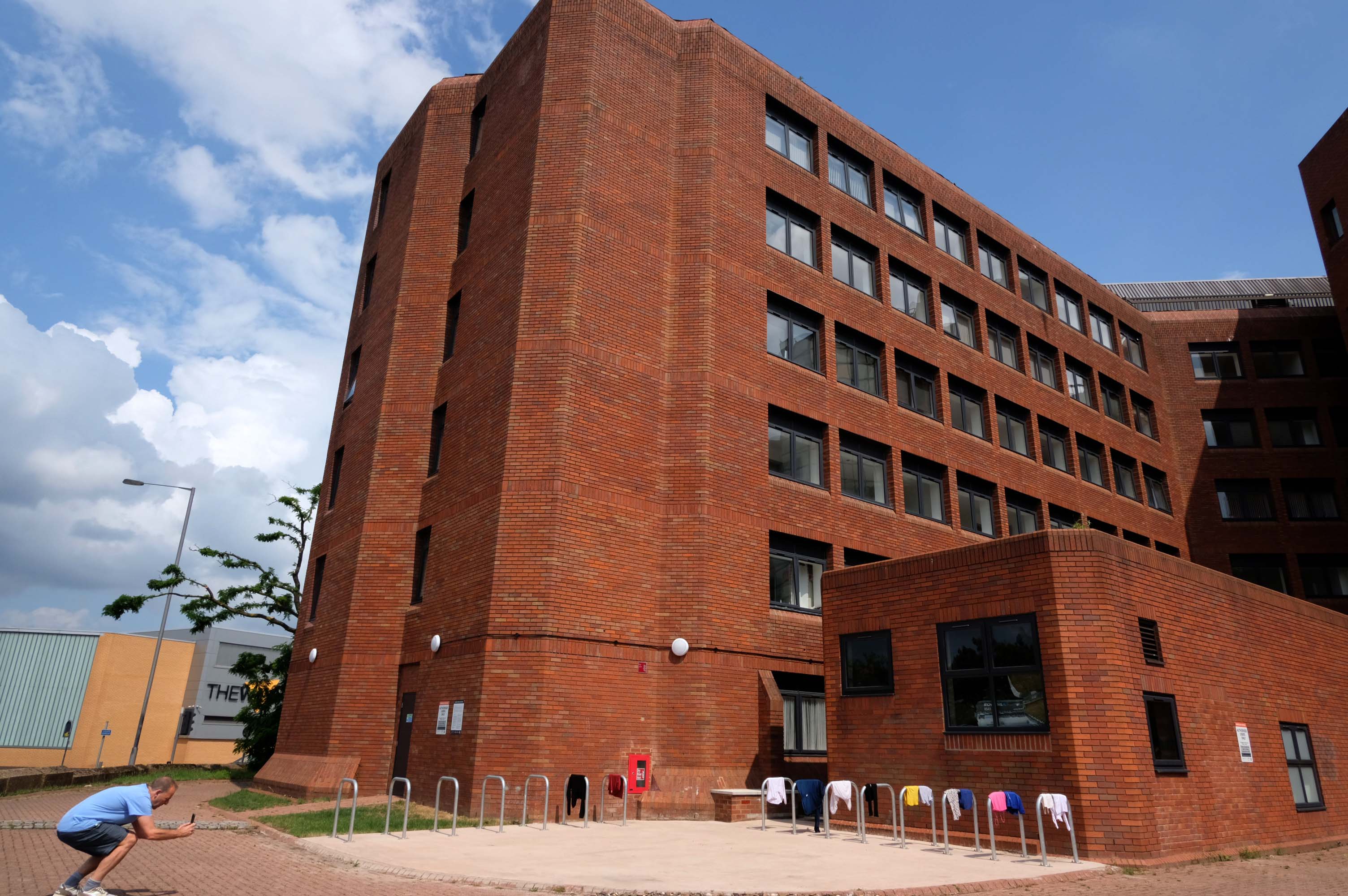

Sainsbury’s Stockport

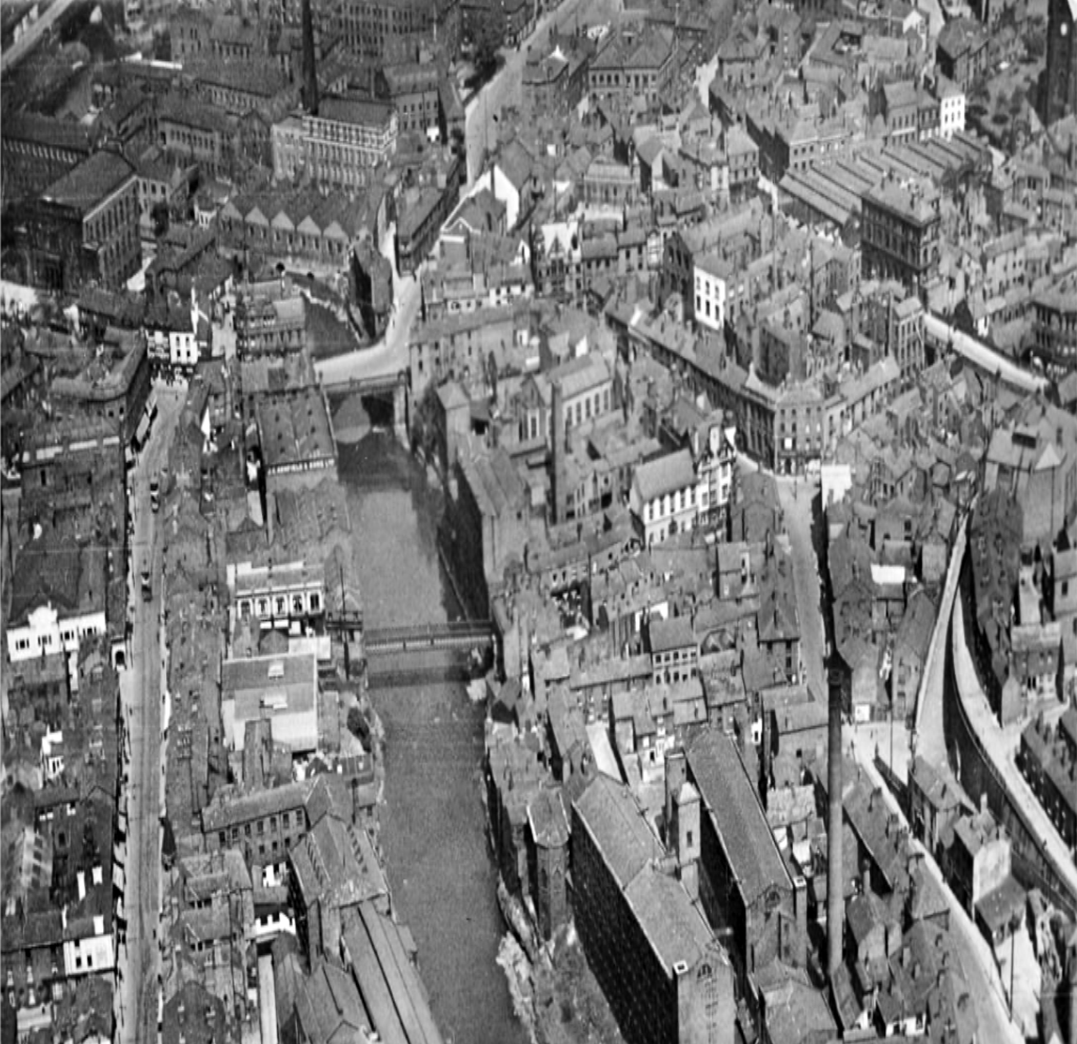
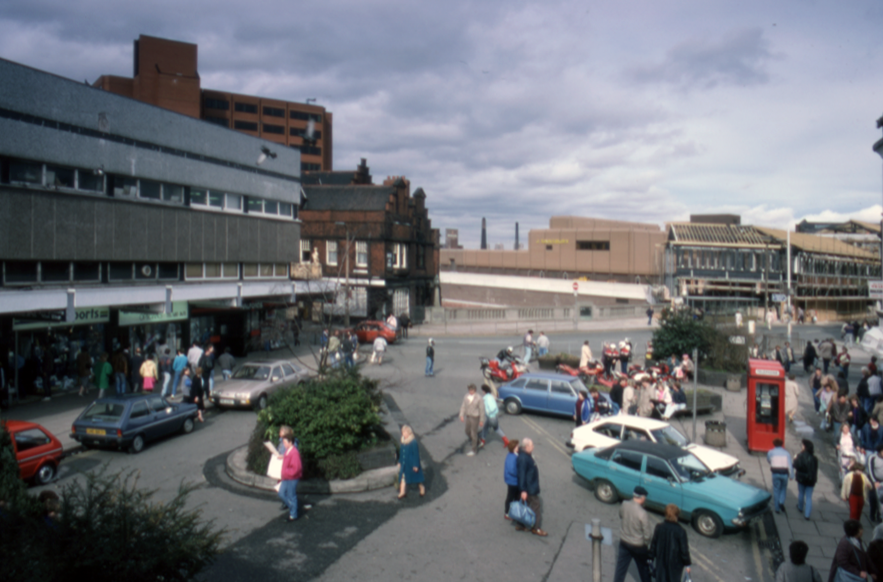
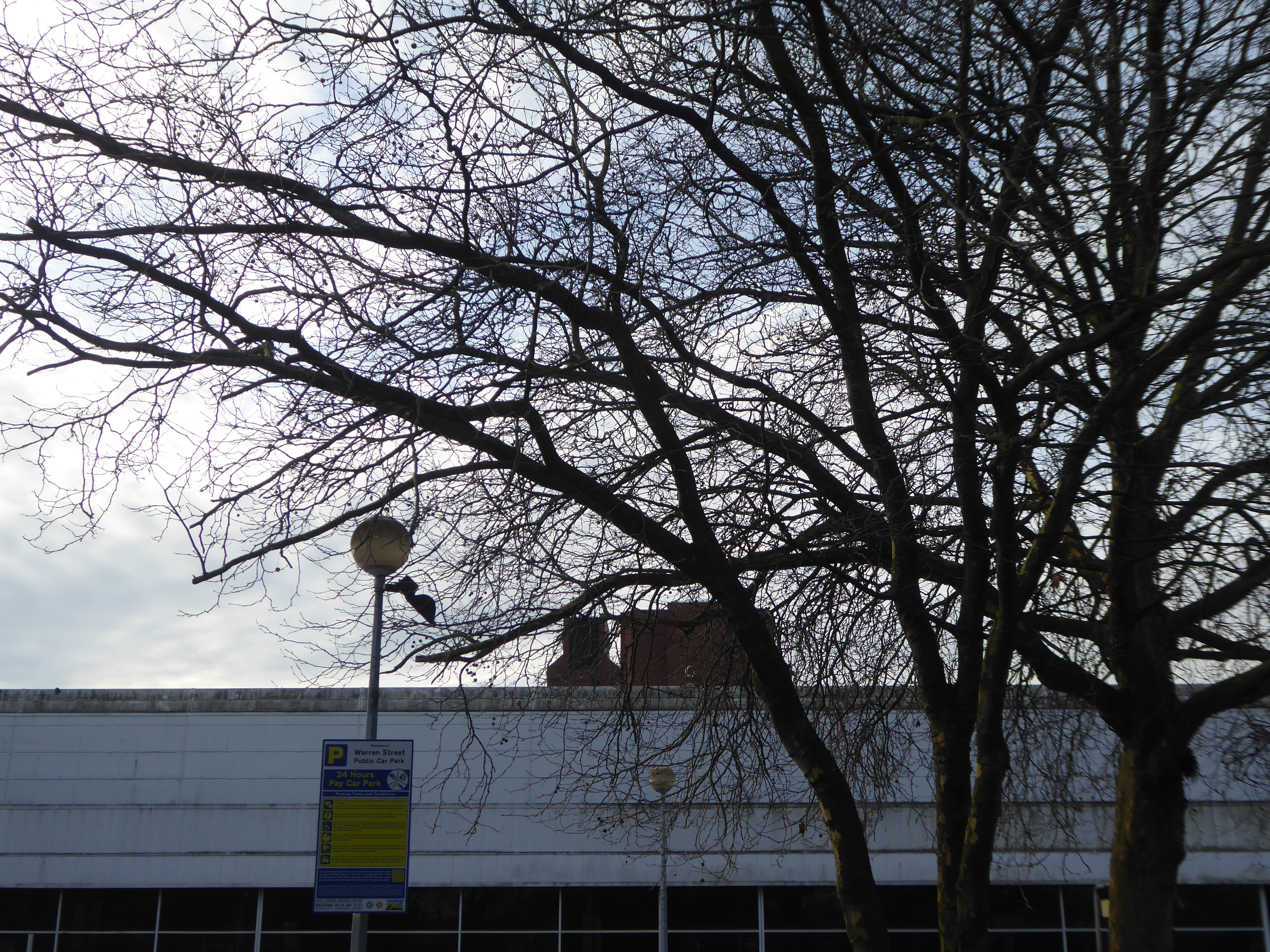
Warren Street Stockport, north of Lancashire Bridge beside the Mersey – seen here in the 1920s a mix of retail, dwellings and industry as was most of the town centre.

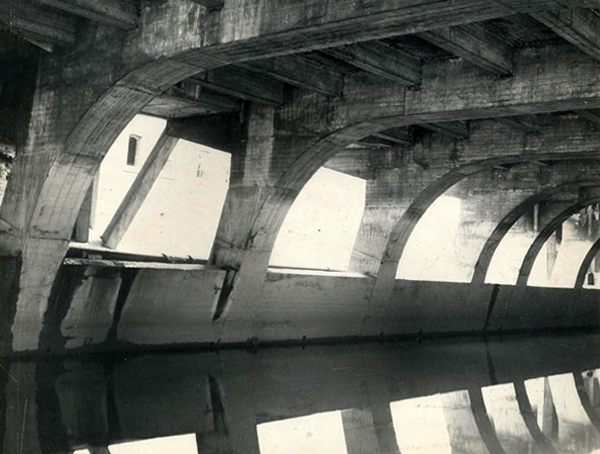
The river was culverted and covered as it passed through in 1936

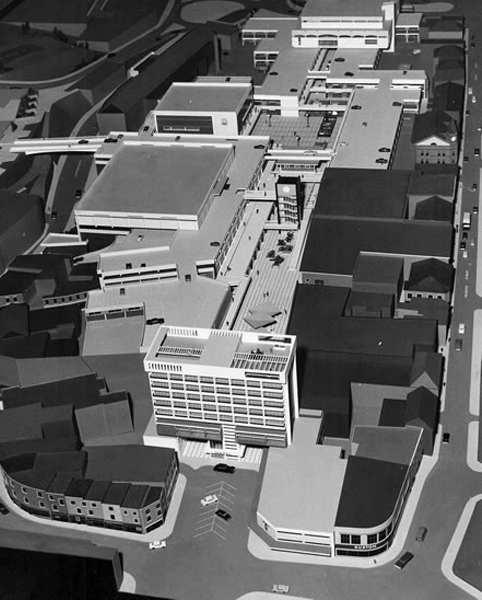
The Merseyway Shopping Centre was completed and opened in 1965 – architects Bernard Engle and Partners

A later extension followed along Warren Street.

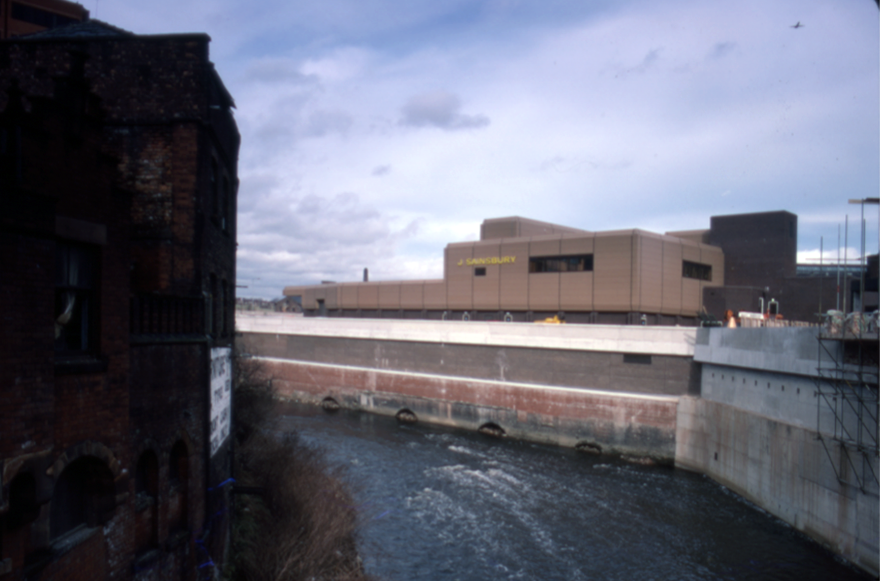
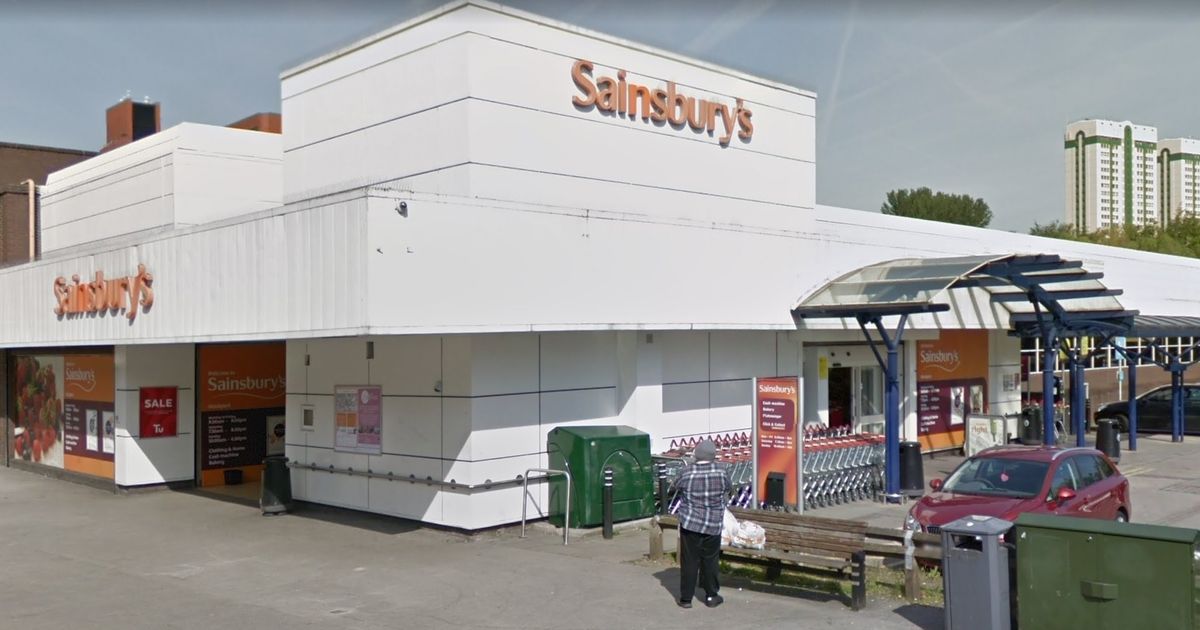
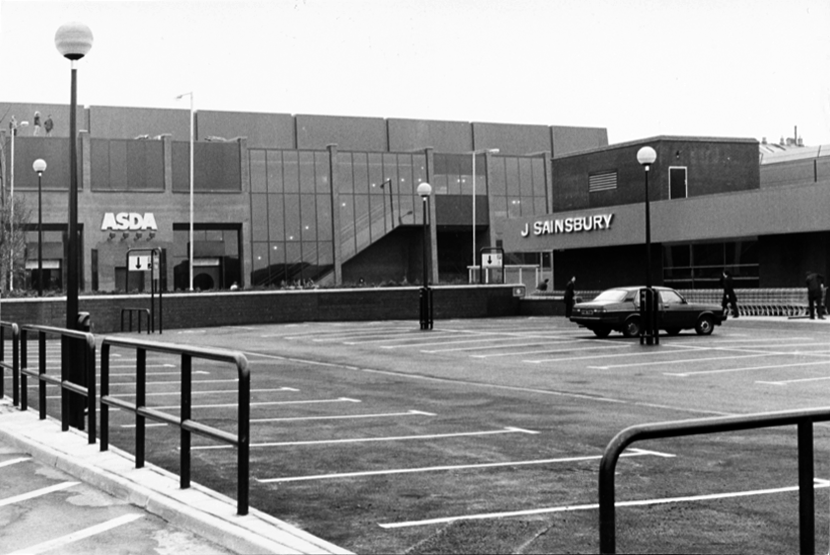
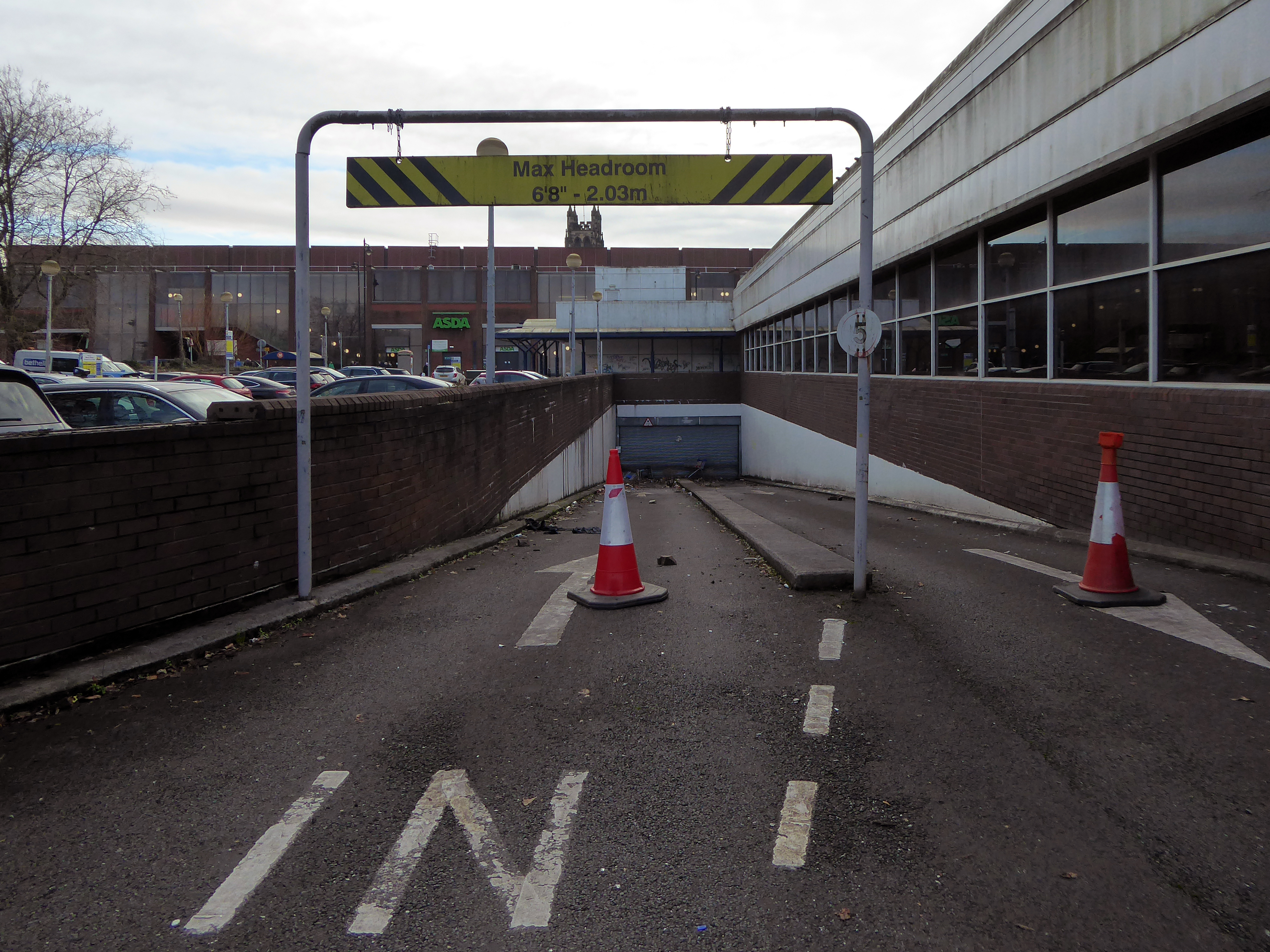
The Sainsbury’s building can be seen beside the river – opened 29th October 1985

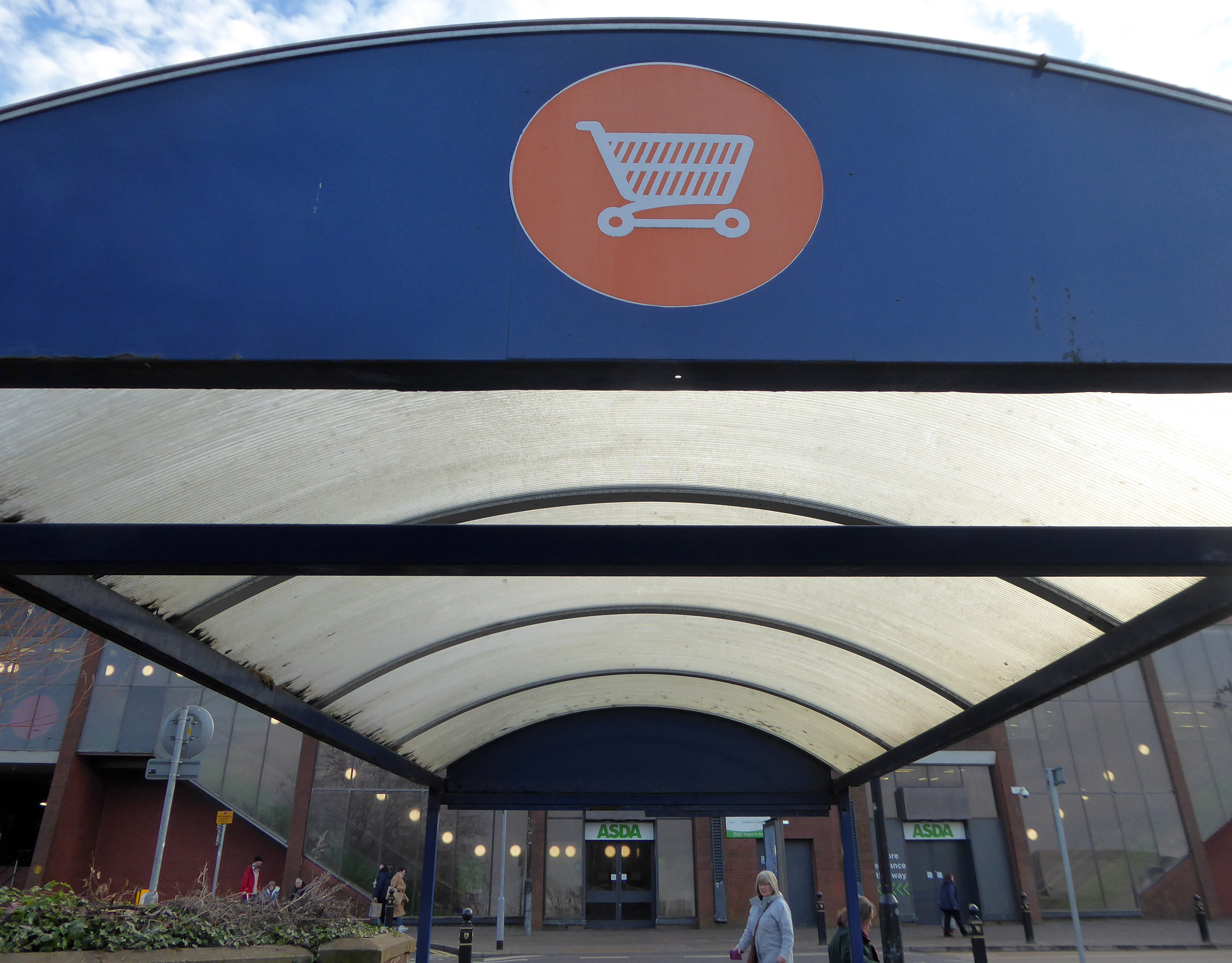
The branch closed in January 2021 – the Asda is still open.

Store Images – Sainsbury’s Archive

Plans to build hundreds of new homes – including a 15-storey tower block – on a vacant Sainsbury’s site in Stockport town centre are set to get the go-ahead.

Proposals that would bring more than 500 flats and 34 townhouses to the three-acre plot, in Warren Street, are set to go before the council’s planning committee next Thursday night. The 573 homes would be spread across a trio of buildings – rising in height  from five to 15 storeys. Two of these would  also have space for a range of potential uses, ranging from shops and cafes to gyms and creches.

Manchester World

Martin Halsey, operations director at Amstone Ventures, added:

We can see that Stockport has untapped demand for quality homes within its town centre, offering a vibrant lifestyle and everything Stockport town centre has to offer, all on the doorstep.”

Took a look around the site before it’s no longer possible to look around the site.

IRK VALLEY #TWO

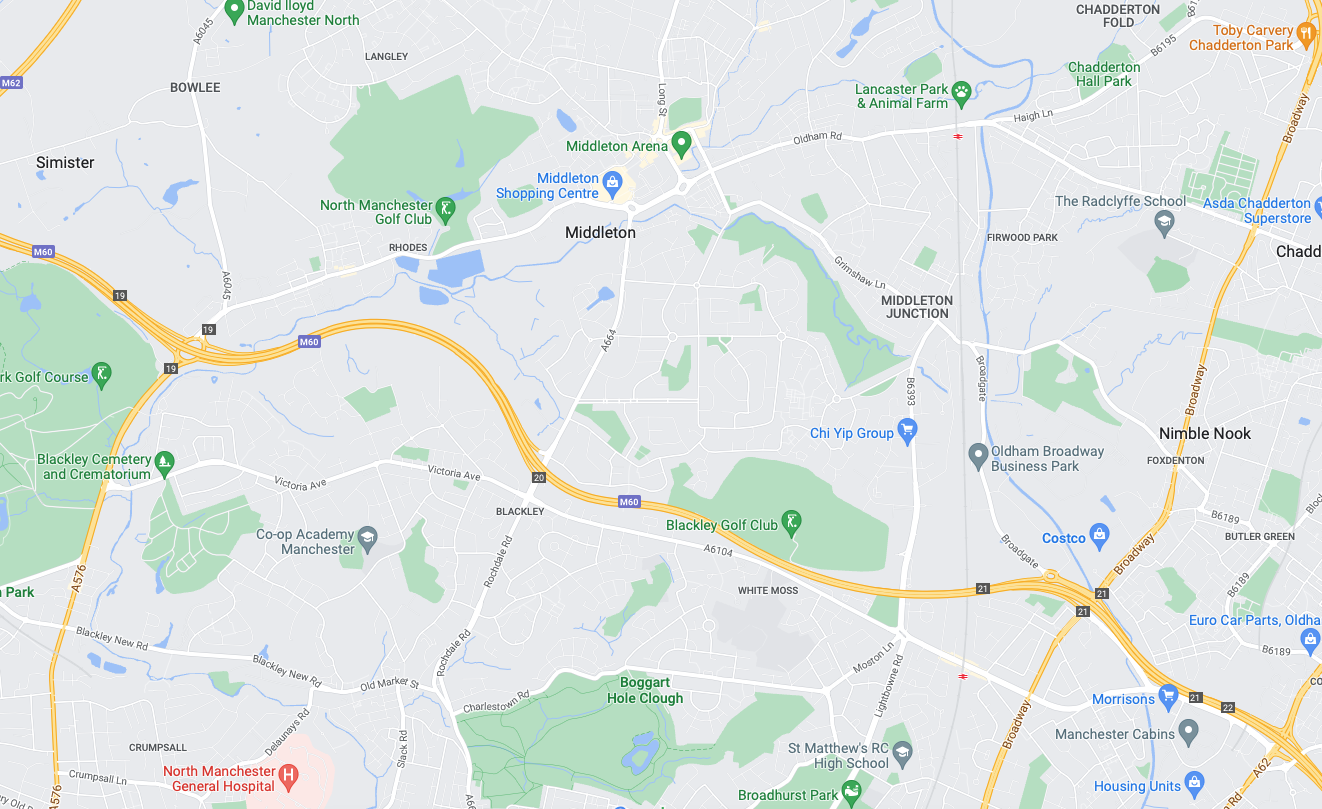
Having walked and cycled twixt Victoria Station and Blackley, I returned once more to the Hexagon Tower to resume my explorations towards the source in Royton.

Beginning on Delaunays Road and onwards along Blackley New Road.

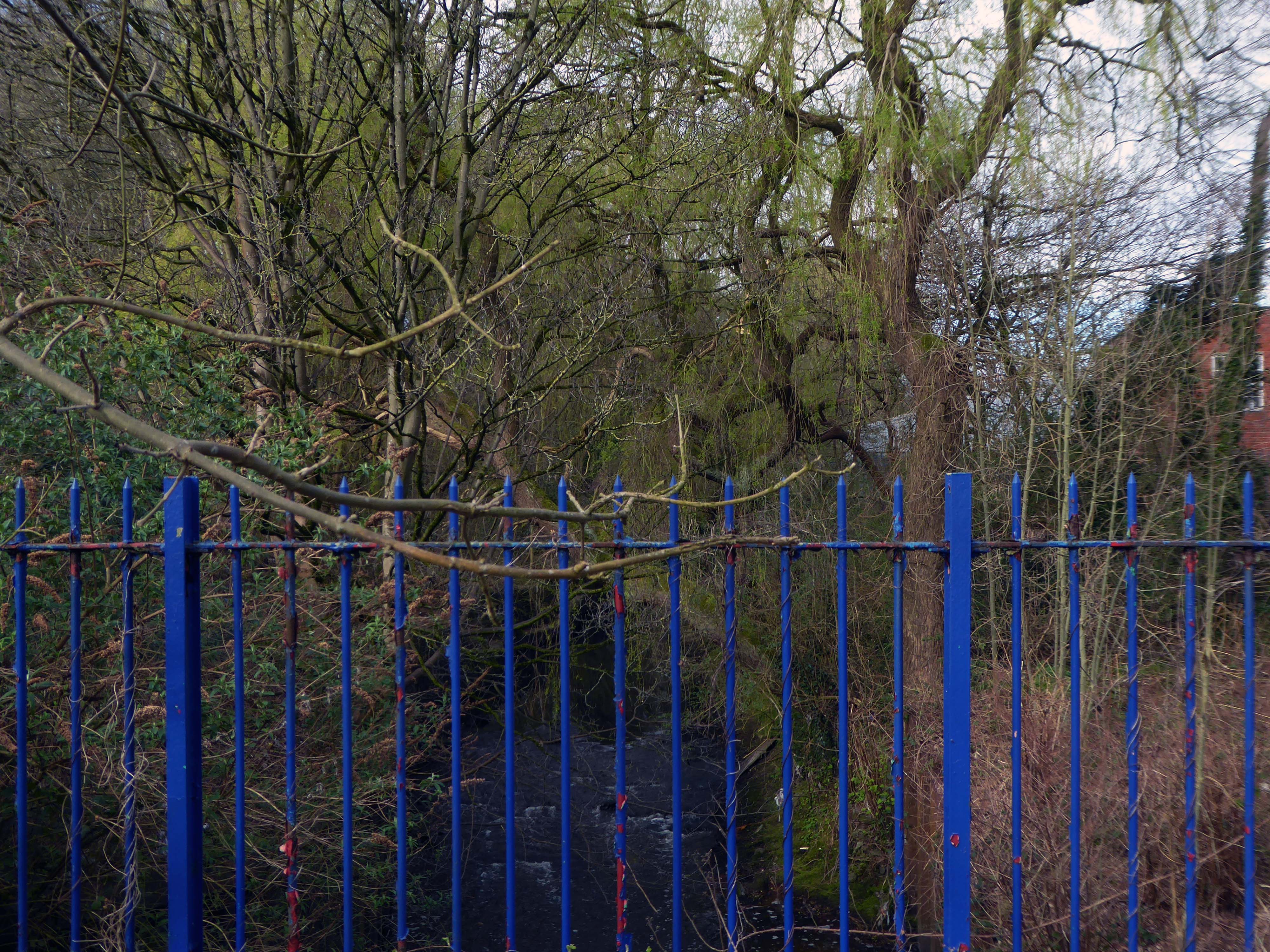
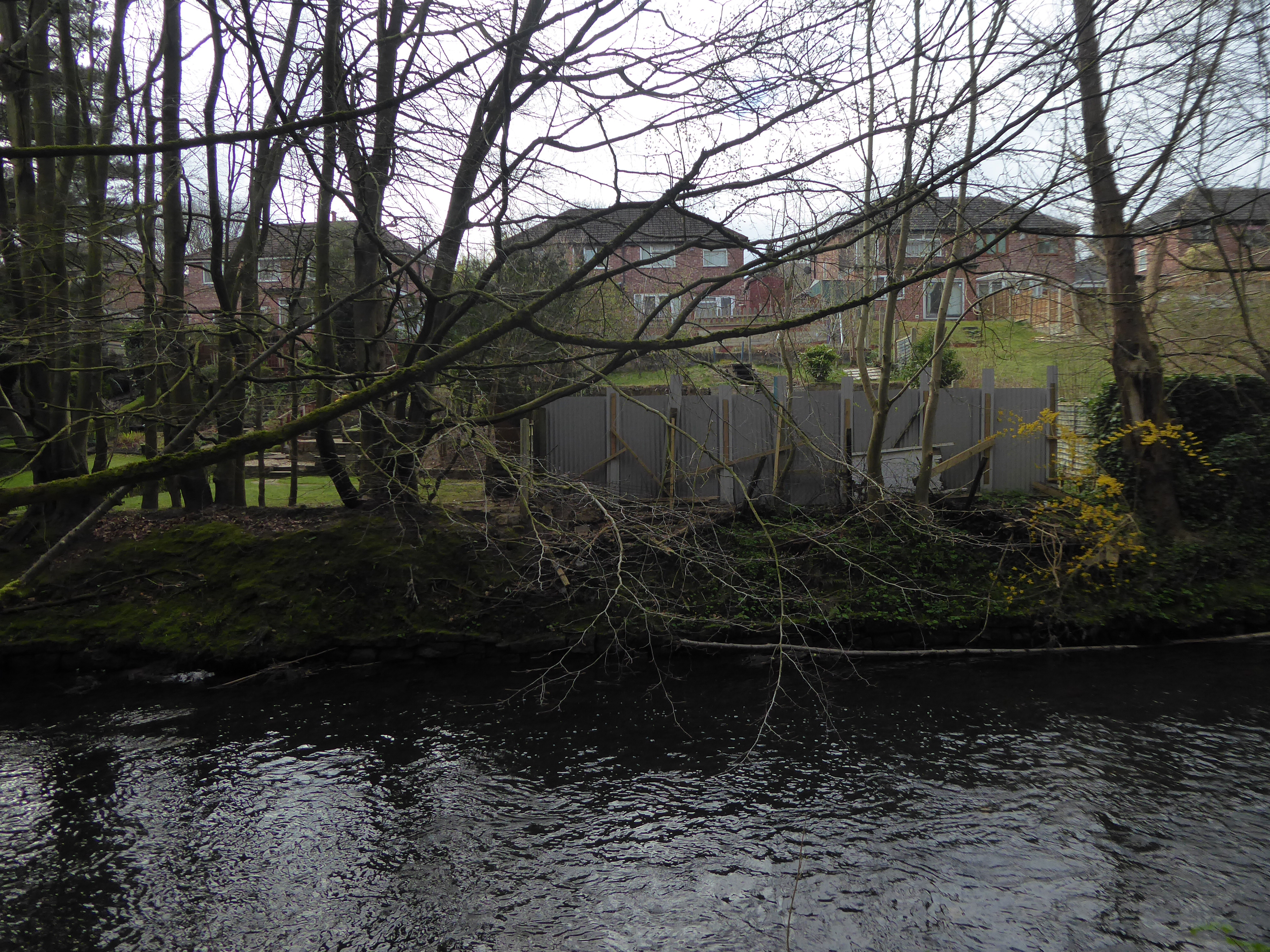
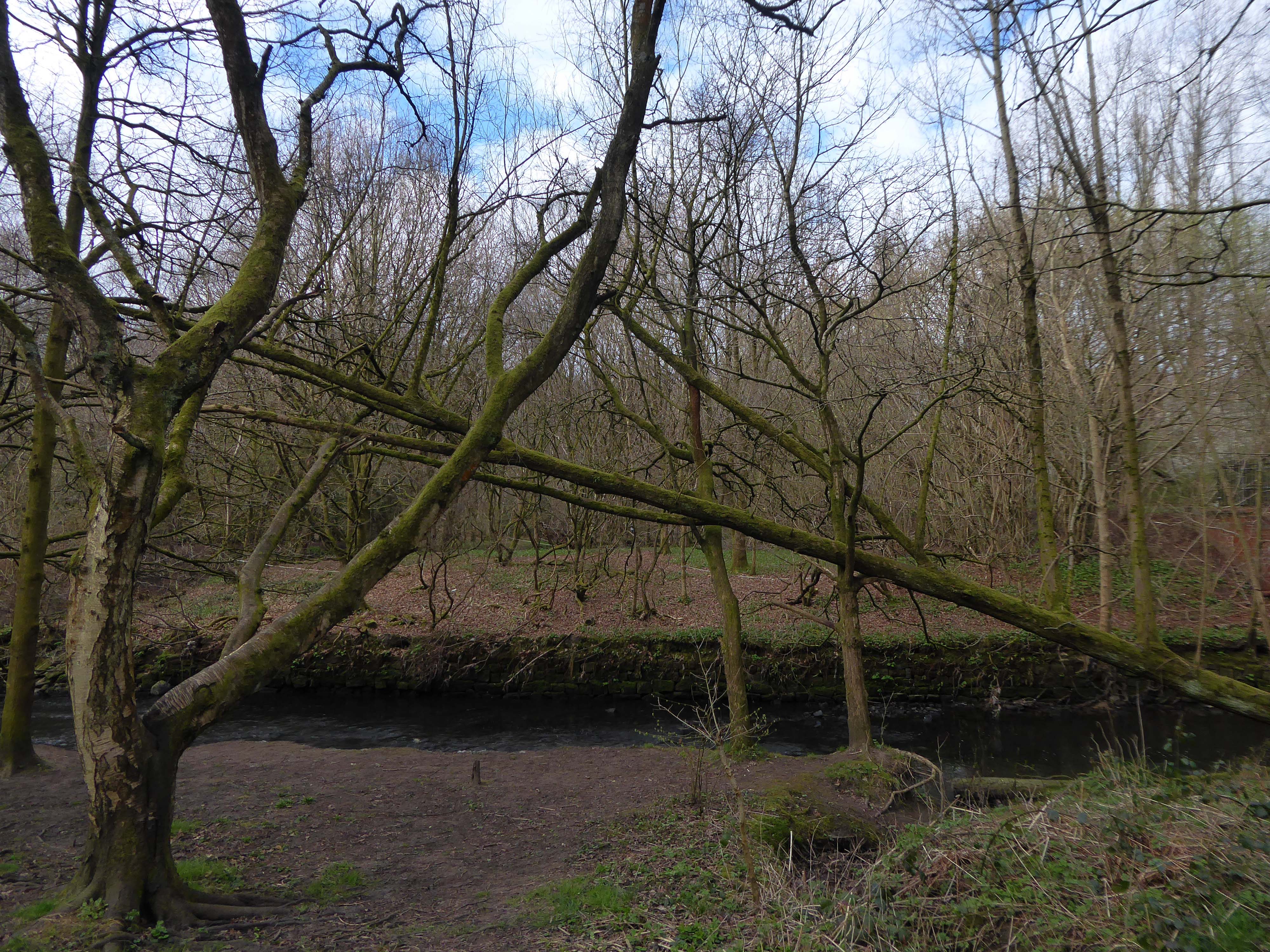
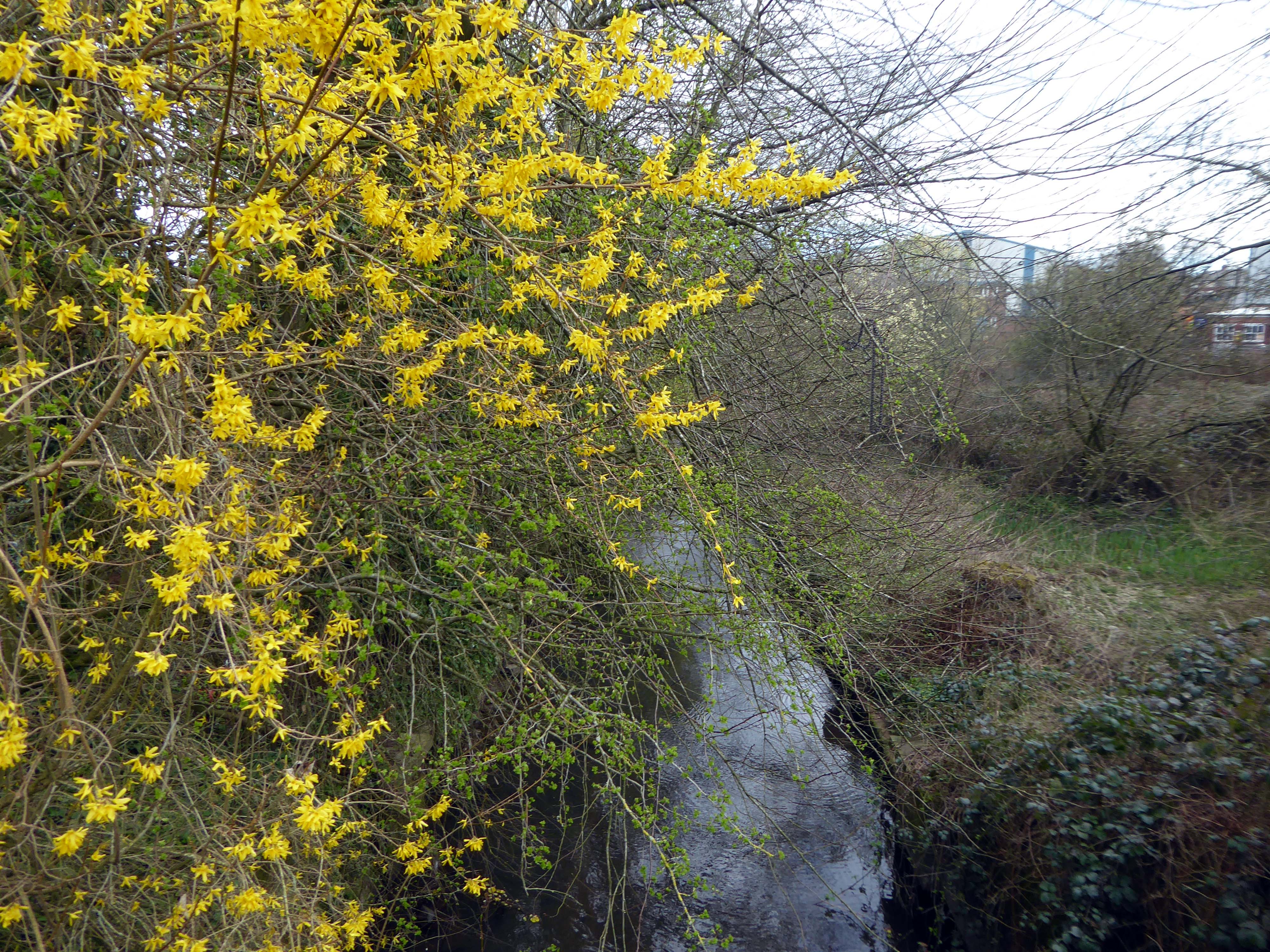
The footpath falls away from the main road to the wooded valley.

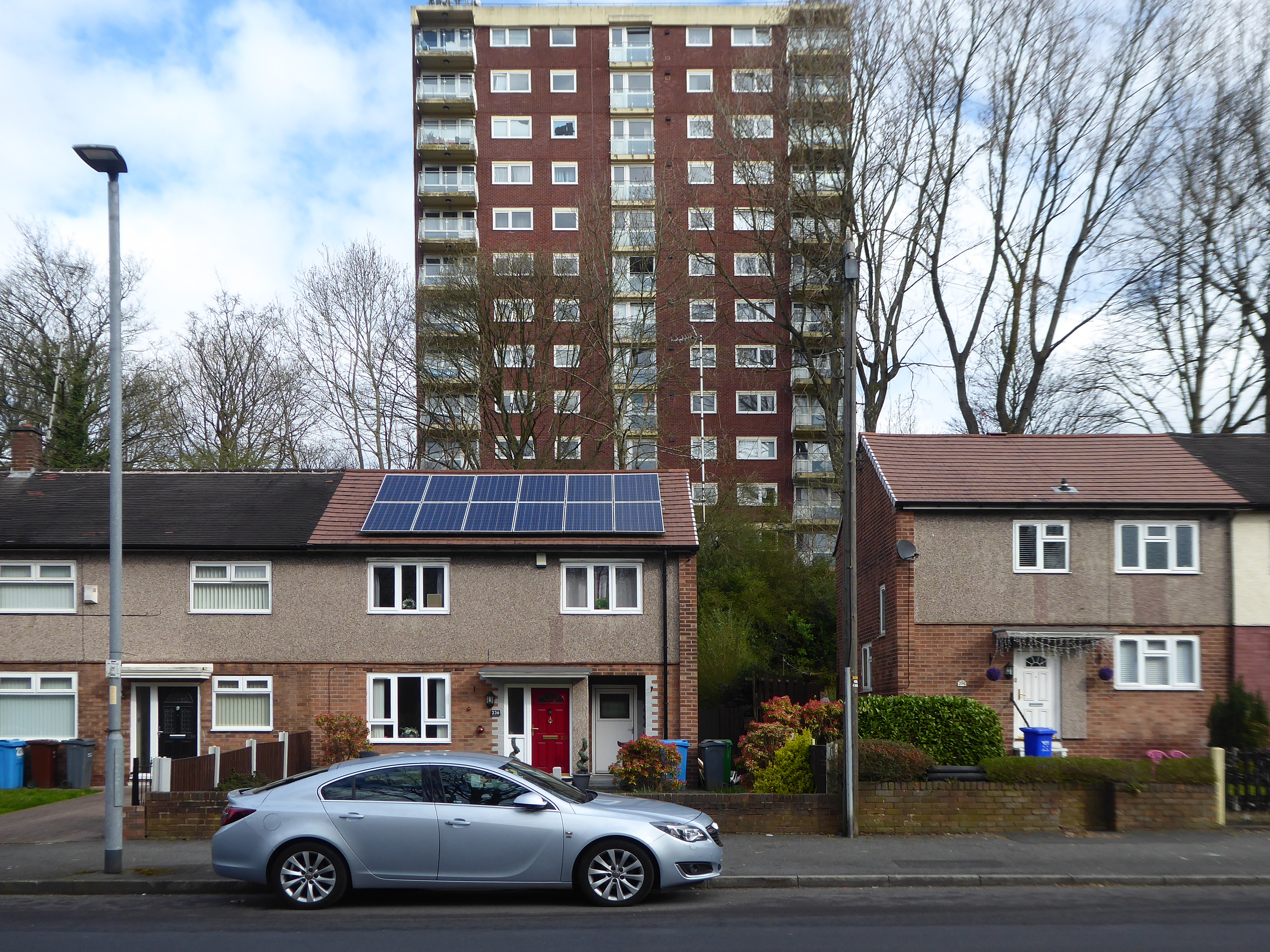
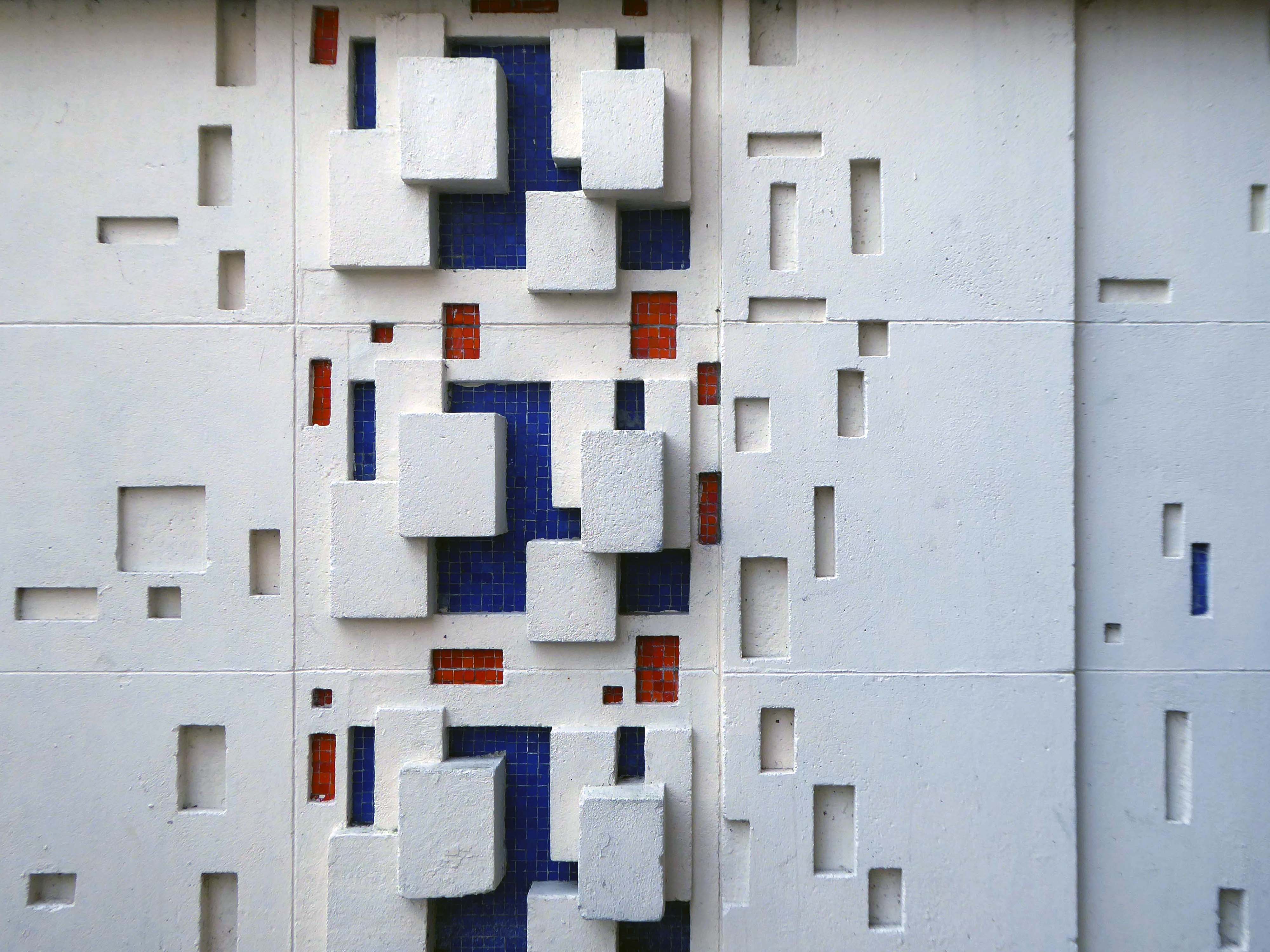
Returning to the road I was distracted by Sandyhill Court and the reliefs which I discovered there.

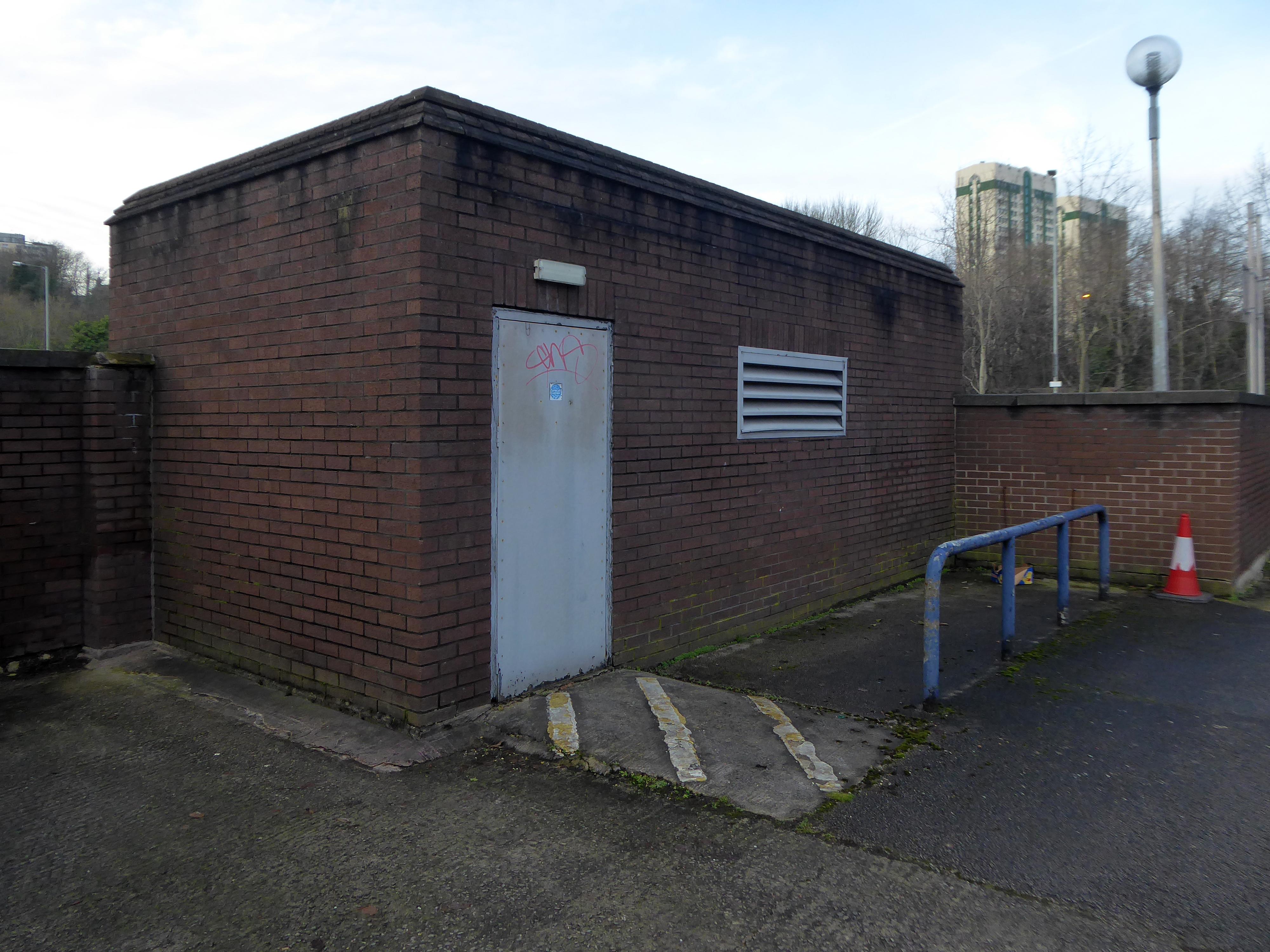
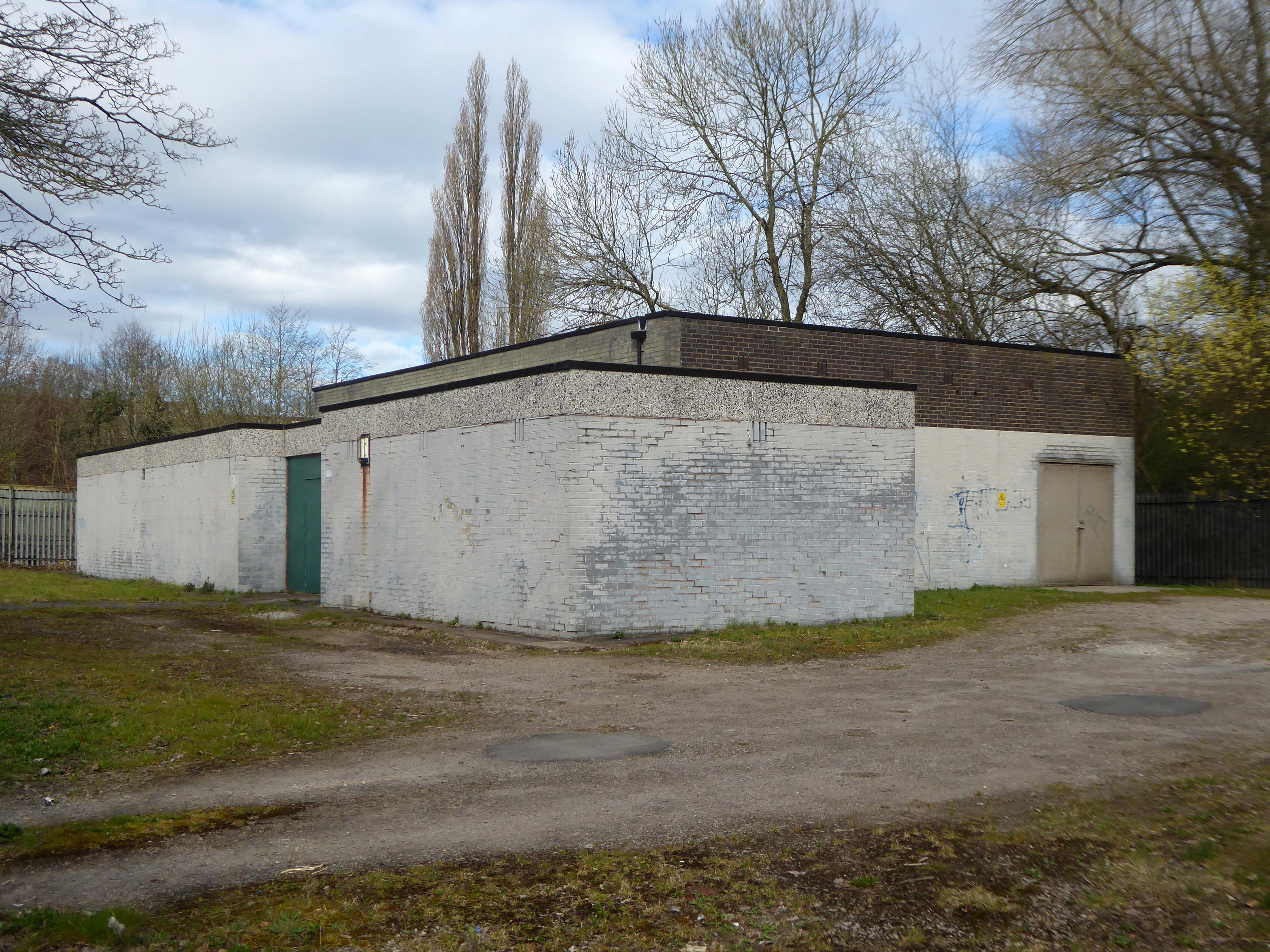
I was also taken with with this electrical substation.

We are encouraged to be wild about Blackley Vale a reclaimed landfill site.

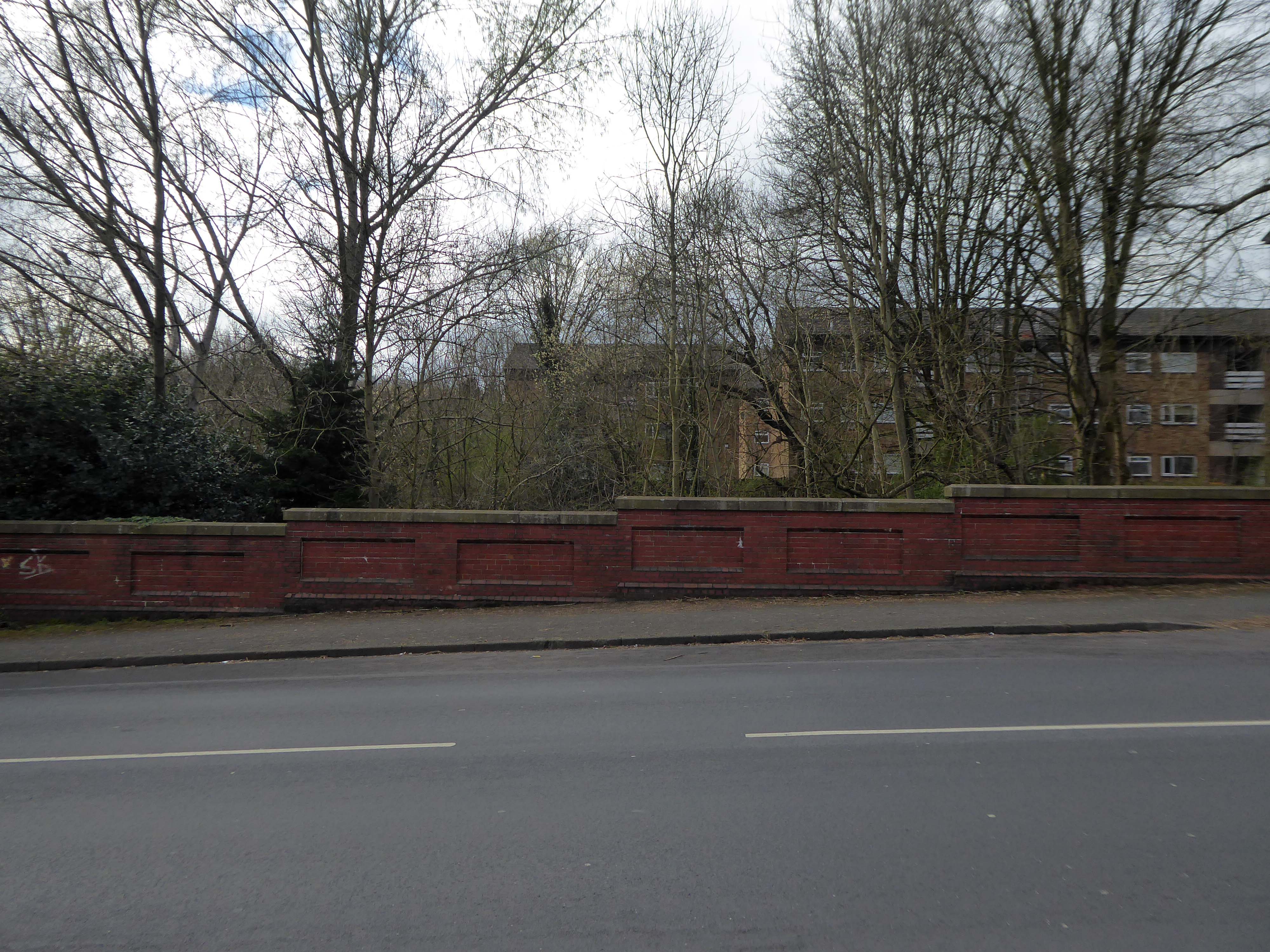
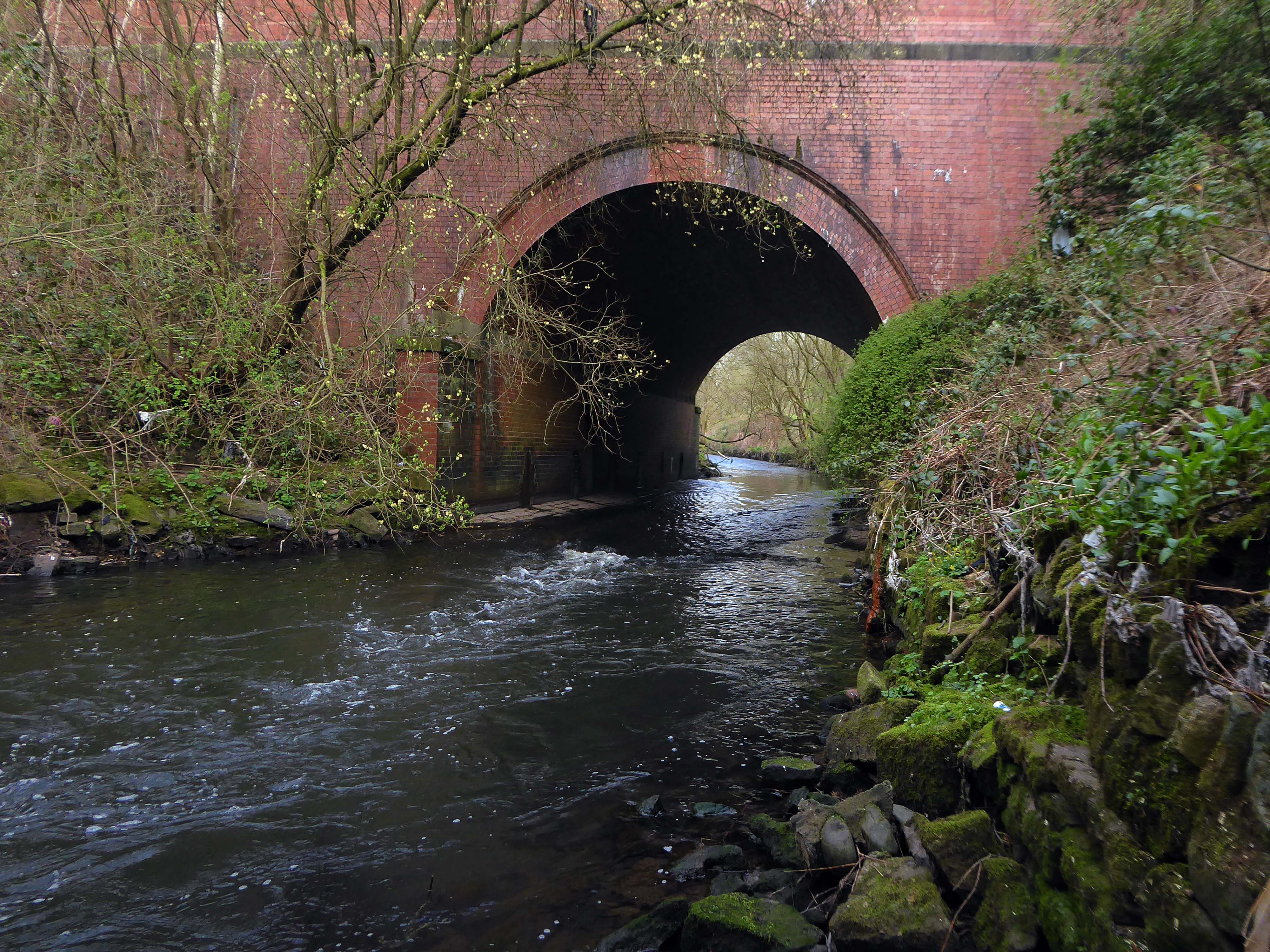
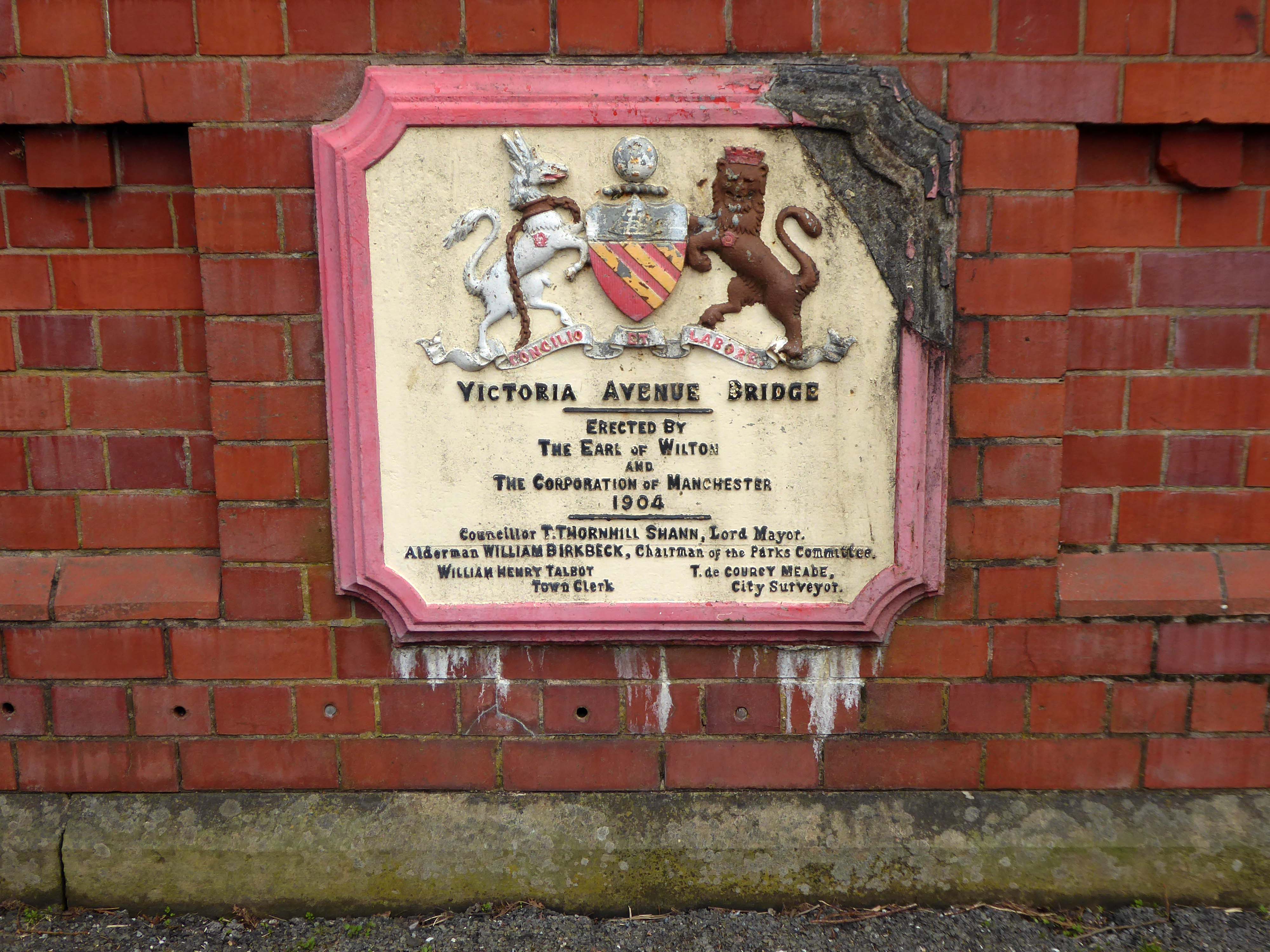
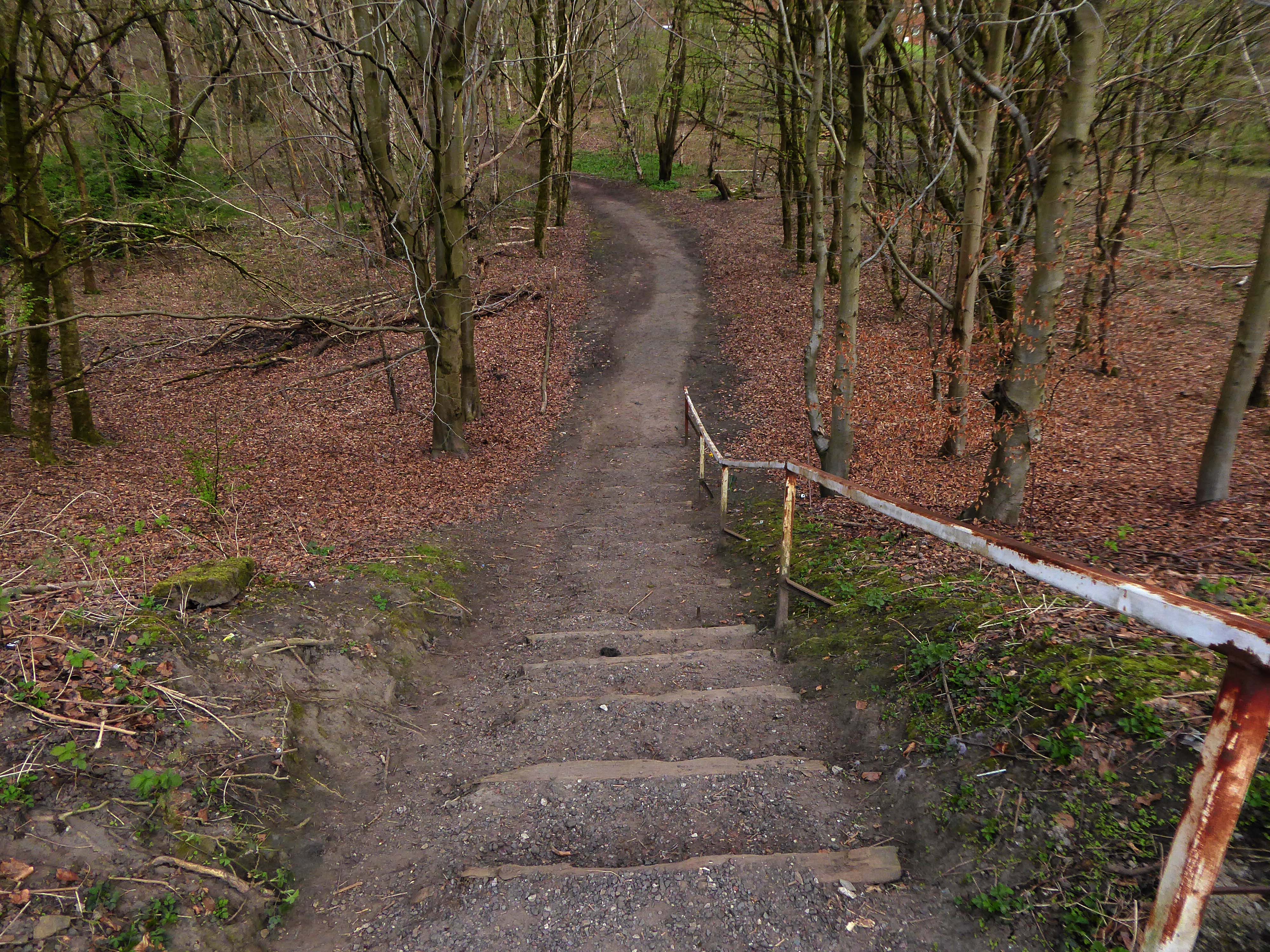
Across the Victoria Avenue Bridge and down the other side.

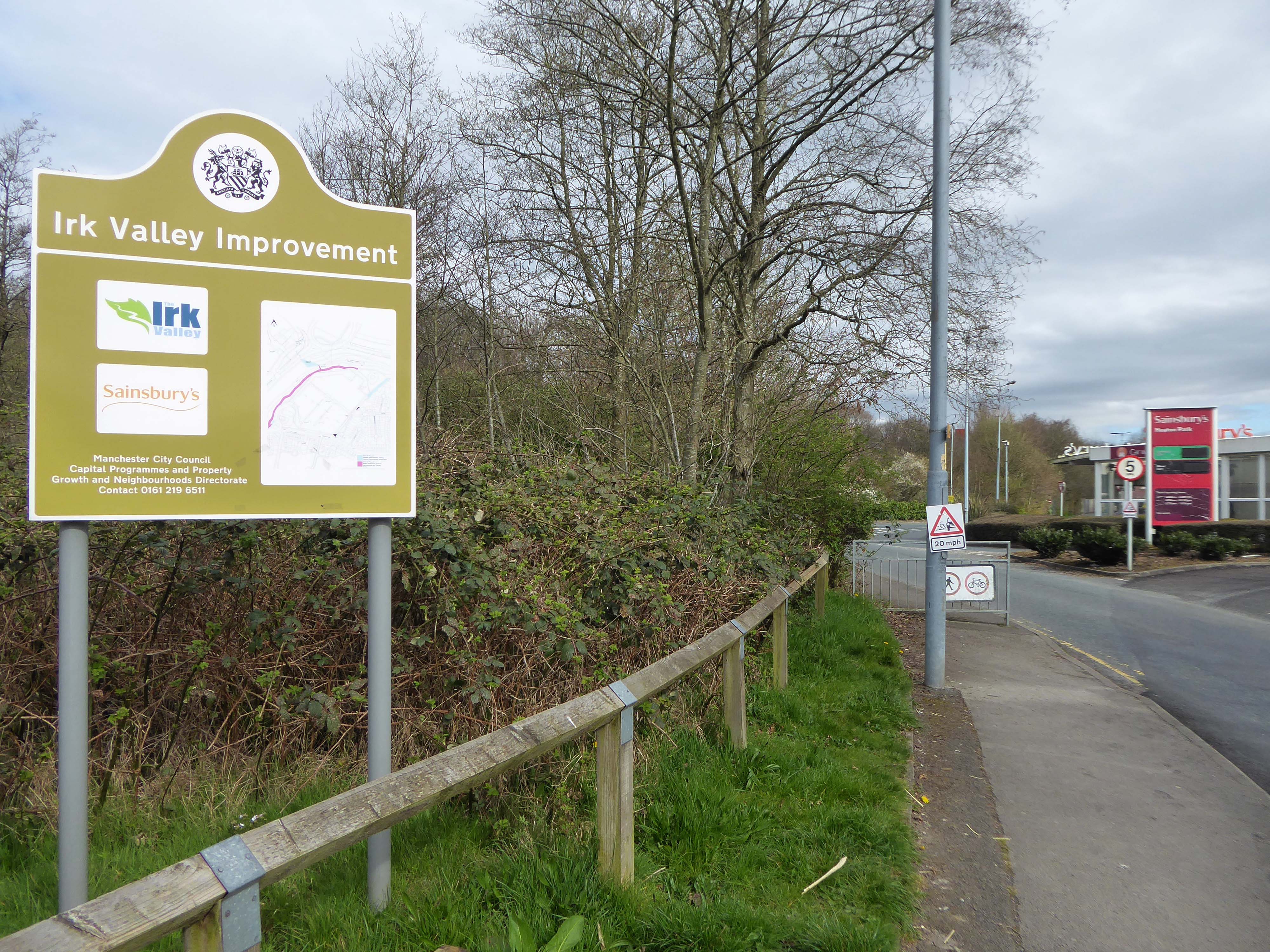
Emerging by Sainsbury’s and picking up the path again.

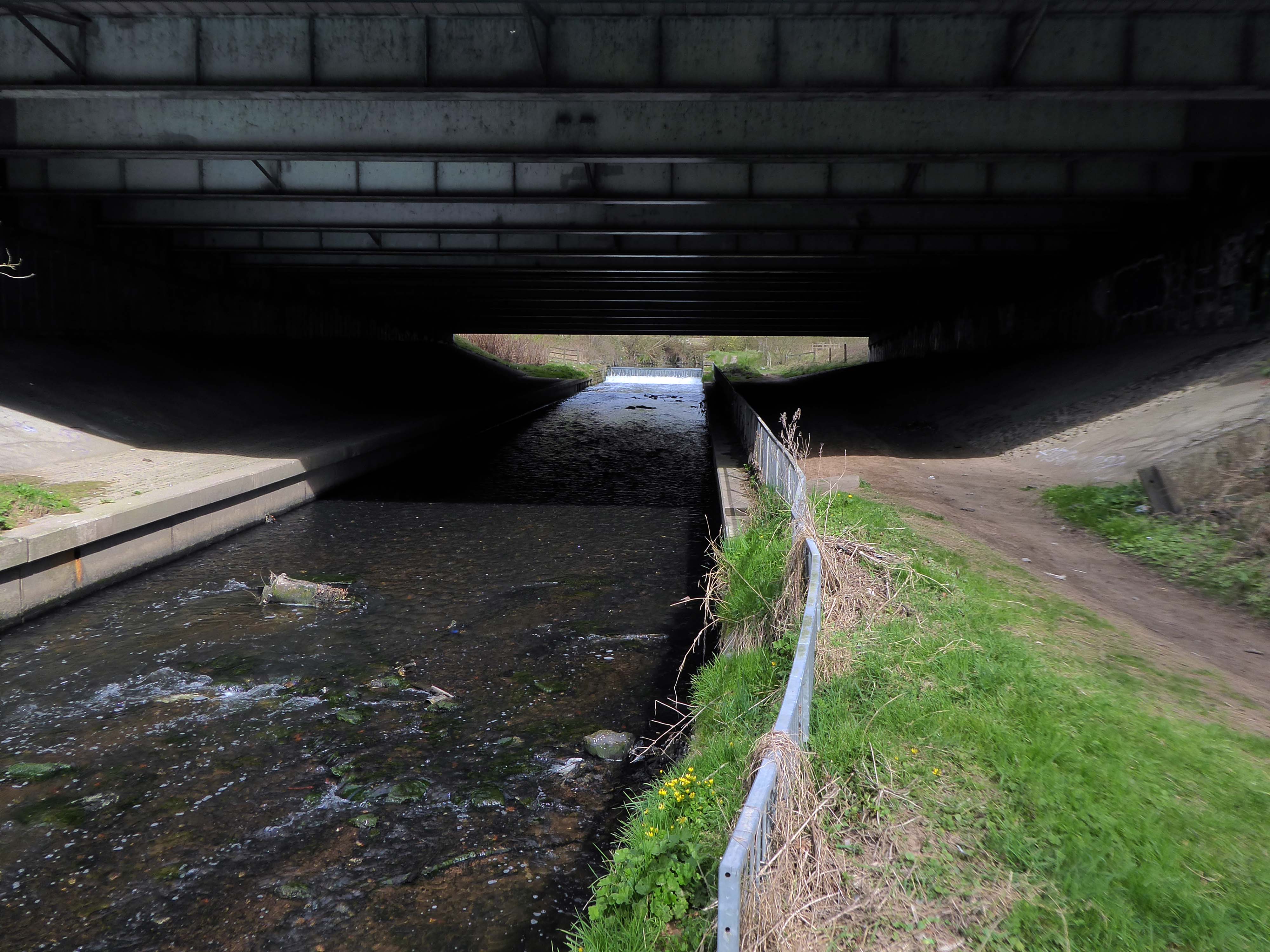
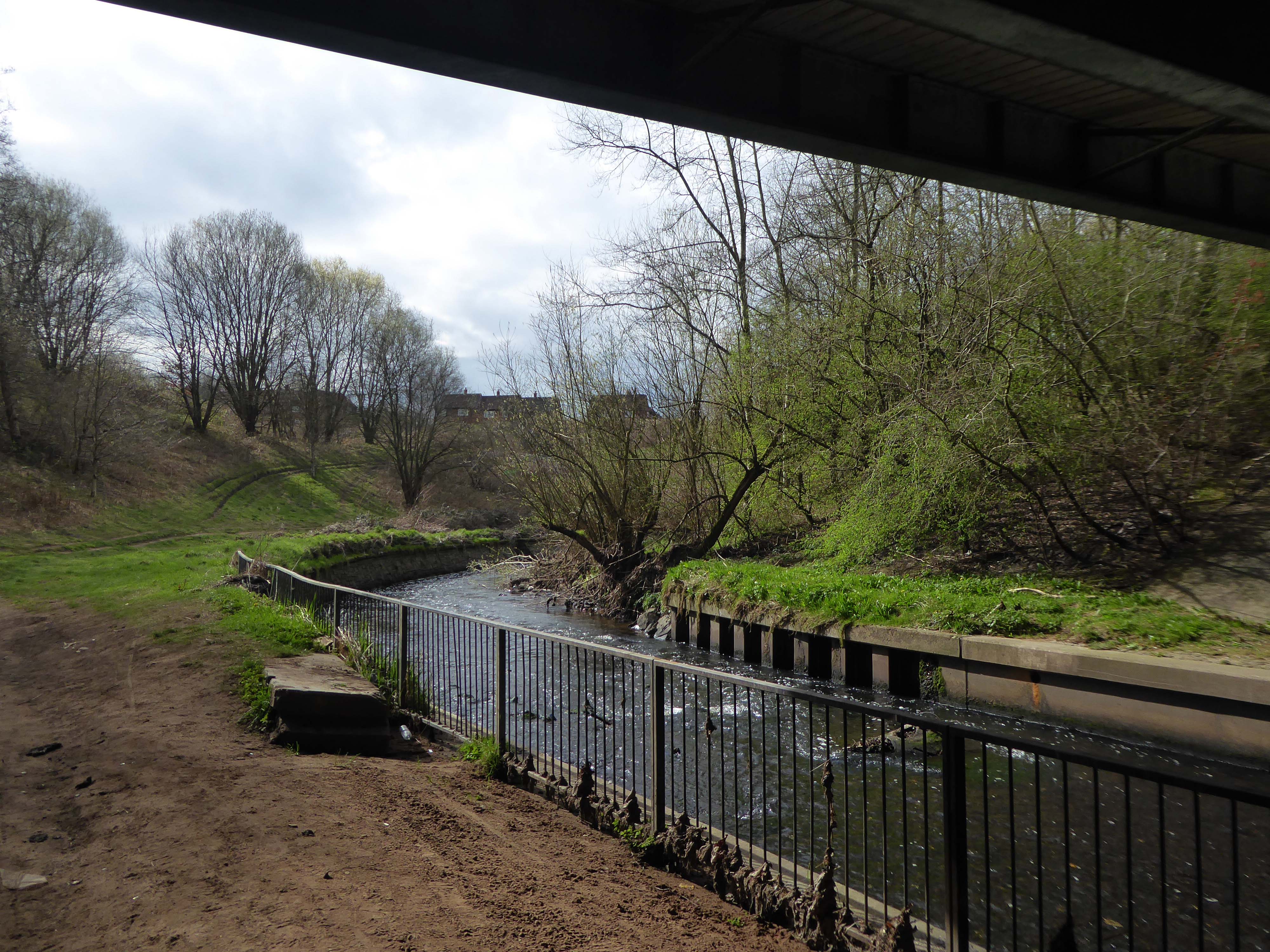
Onwards under the M60 Motorway.

The M60 was developed by connecting and consolidating the existing motorway sections of the M63M62, and an extended M66. It came into existence as the M60 in 2000, with the completion of the eastern side opening in October.

The original plan called for a completely new motorway, but policy change led to the plan which created the current motorway. As soon as it opened, the motorway got close to its projected maximum volume on significant sections.

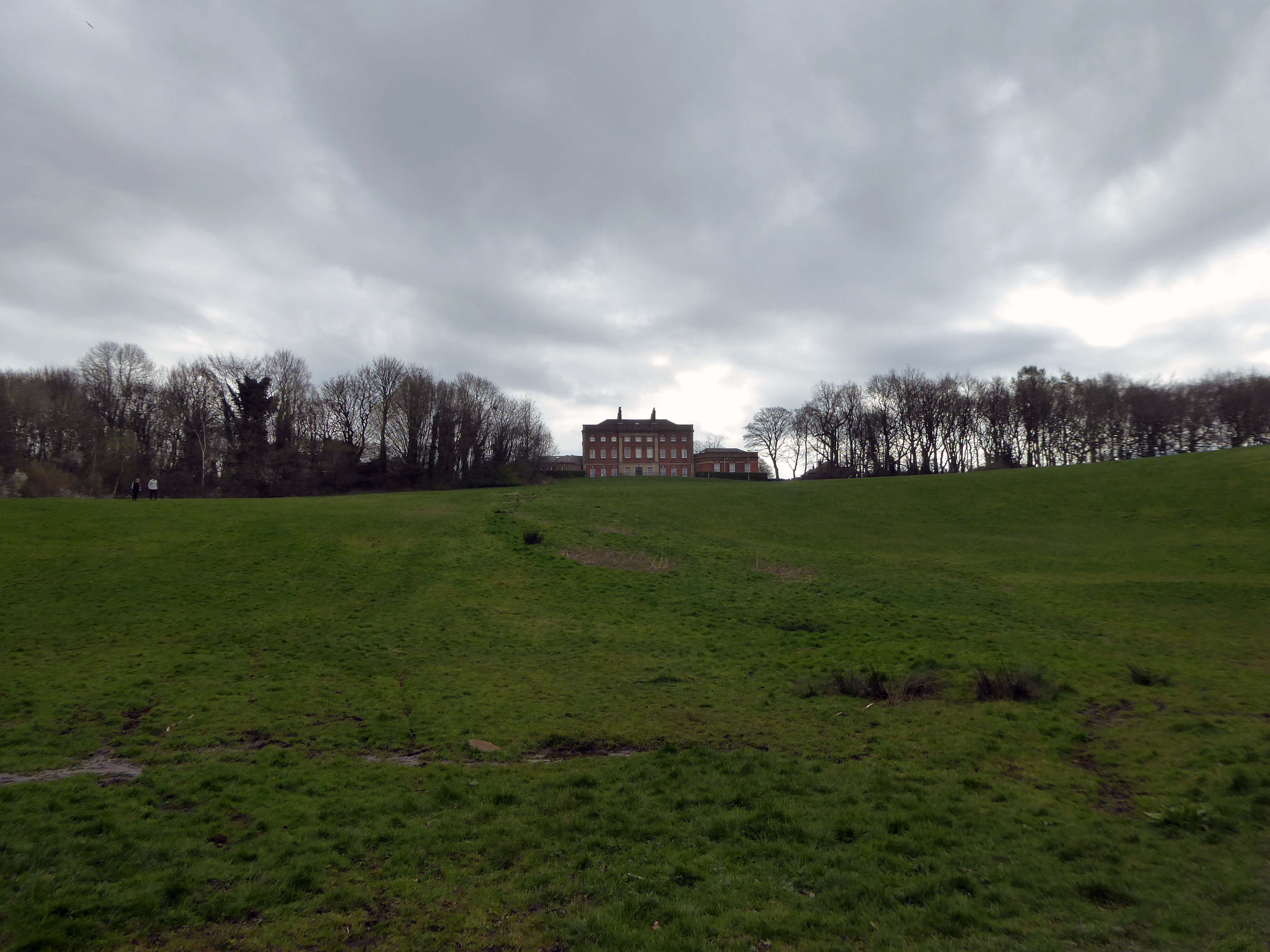
Hey look there’s Alkrington Hall!

This Palladian mansion was designed and built in 1736 by renowned architect, Giacomo Leoni, who had also been responsible for significant alterations to Lyme Hall during the same period.  

Offering an infusion of historical significance coupled with an abundance of living space throughout, Alkrington Hall East, simply must be viewed to be appreciated in full.  

During the early 1770’s, the Hall became the largest museum outside of London, when the Hall’s owner, Sir Ashton Lever, exhibited his private collection of natural objects, including live animals. Remaining as an imposing symbol of Leoni’s work, Alkrington Hall remains one of only a few surviving examples throughout England.  

In modern times, the Hall has since been carefully and sympathetically separated into 4 sections, and we are pleased to be offering for sale the largest portion of the Hall, with a total floor area comprising of over 7500 SQFT, and living accommodation spread over 4 floors.  

Sold for £825,00 in 2021 Savills

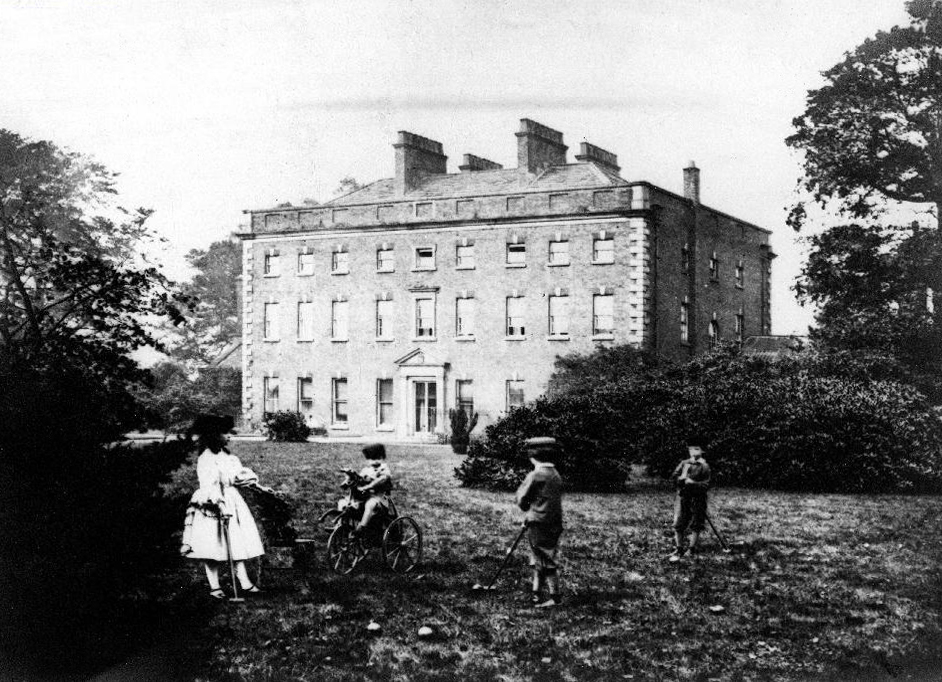
Seen here in 1870

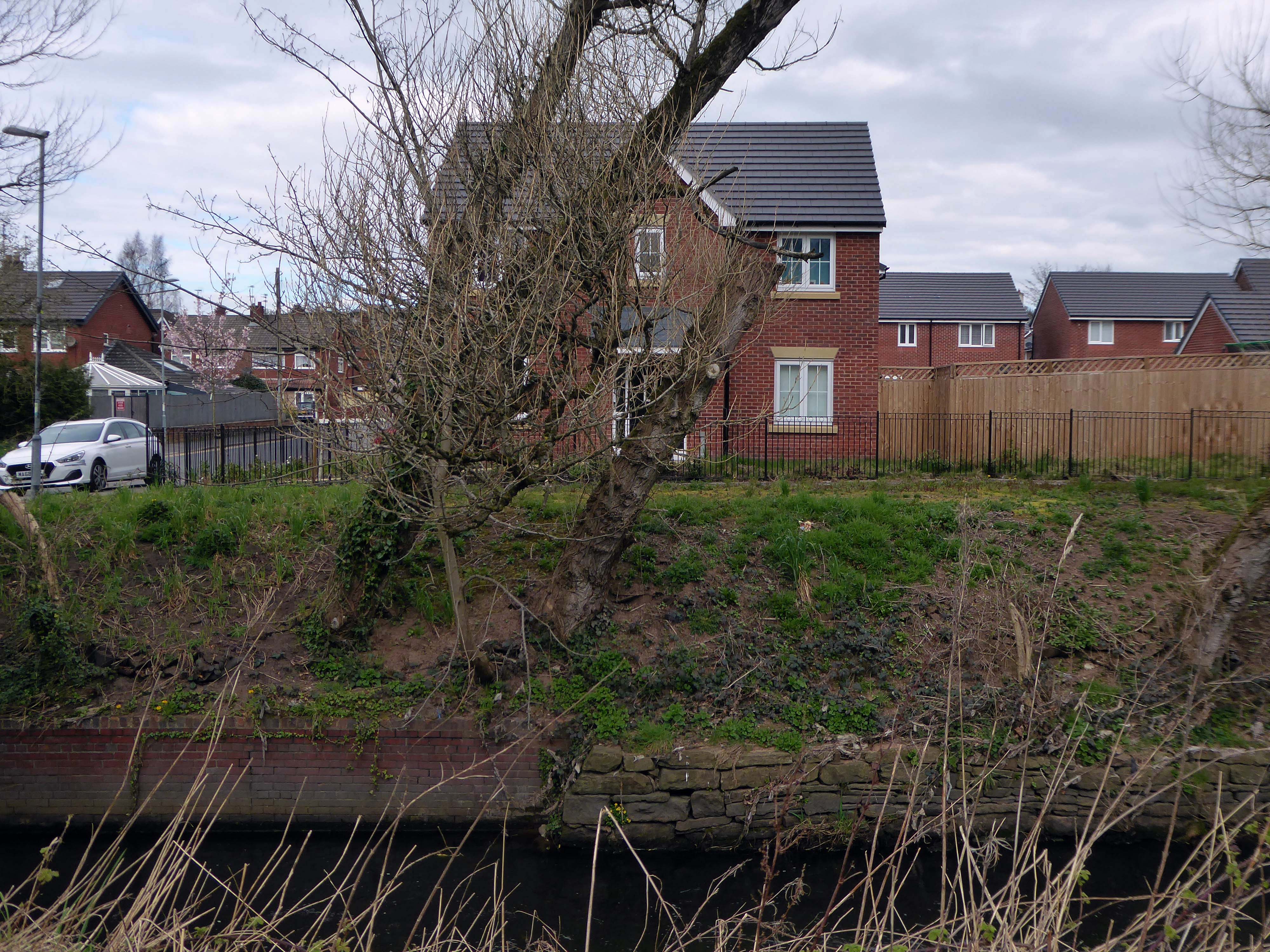
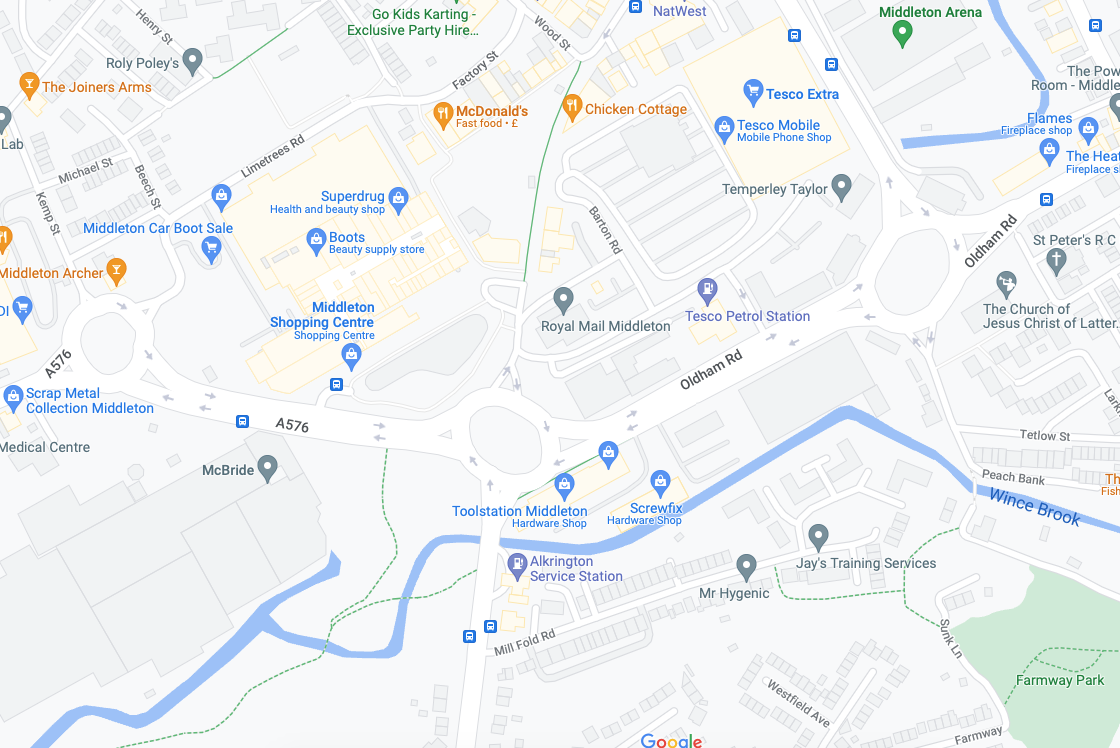
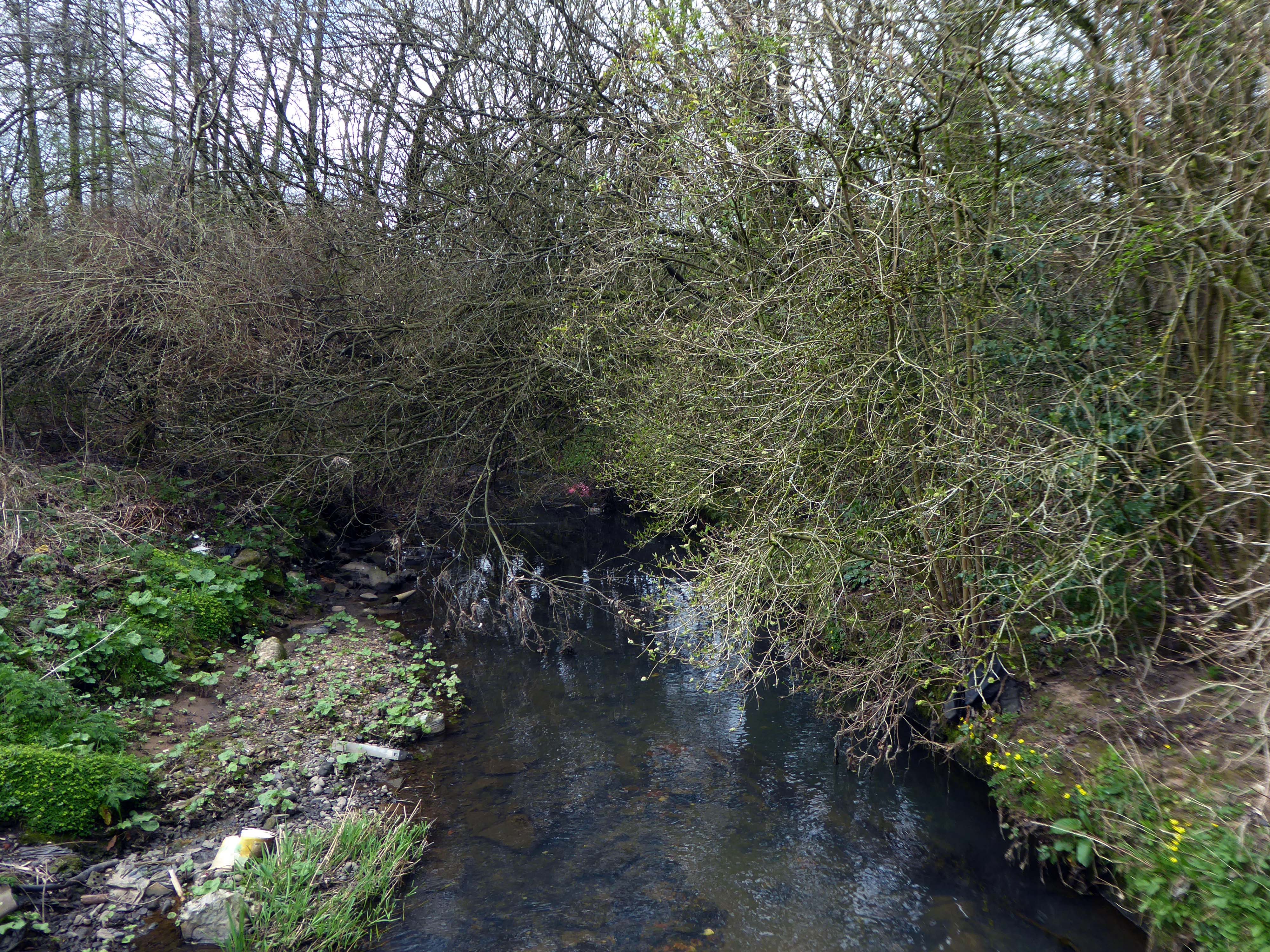
Next thing you know you find yourself in Middleton, where the Irk sort of disappears – you sort of get lost and sort of follow the wrong track, eventually ending up back where you should have been in the first place.

Don’t follow Wince Brook – it’s so far from right that it’s wrong – right?

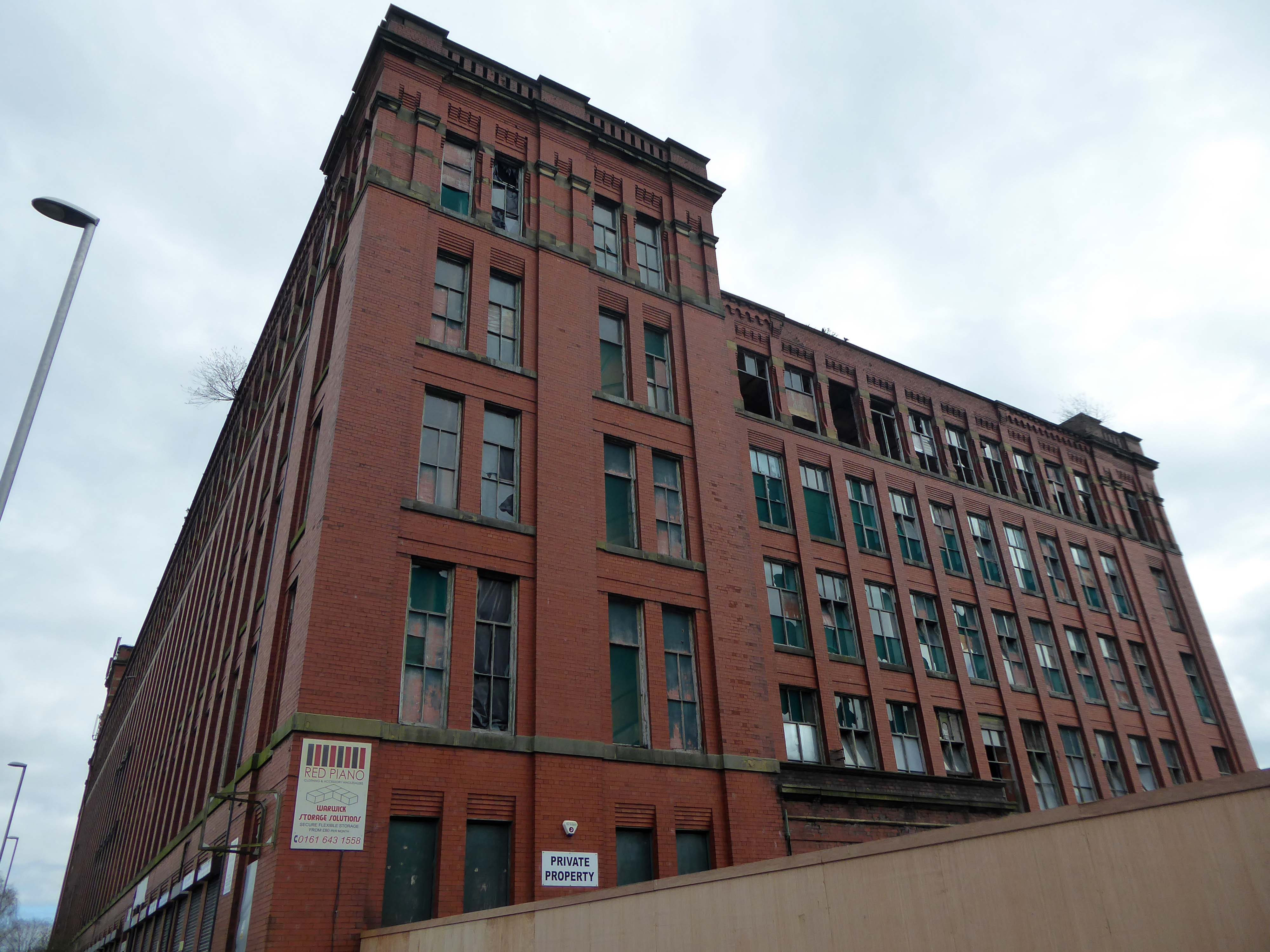
Take a walk up Oldham Road to see Warwick Mill instead.

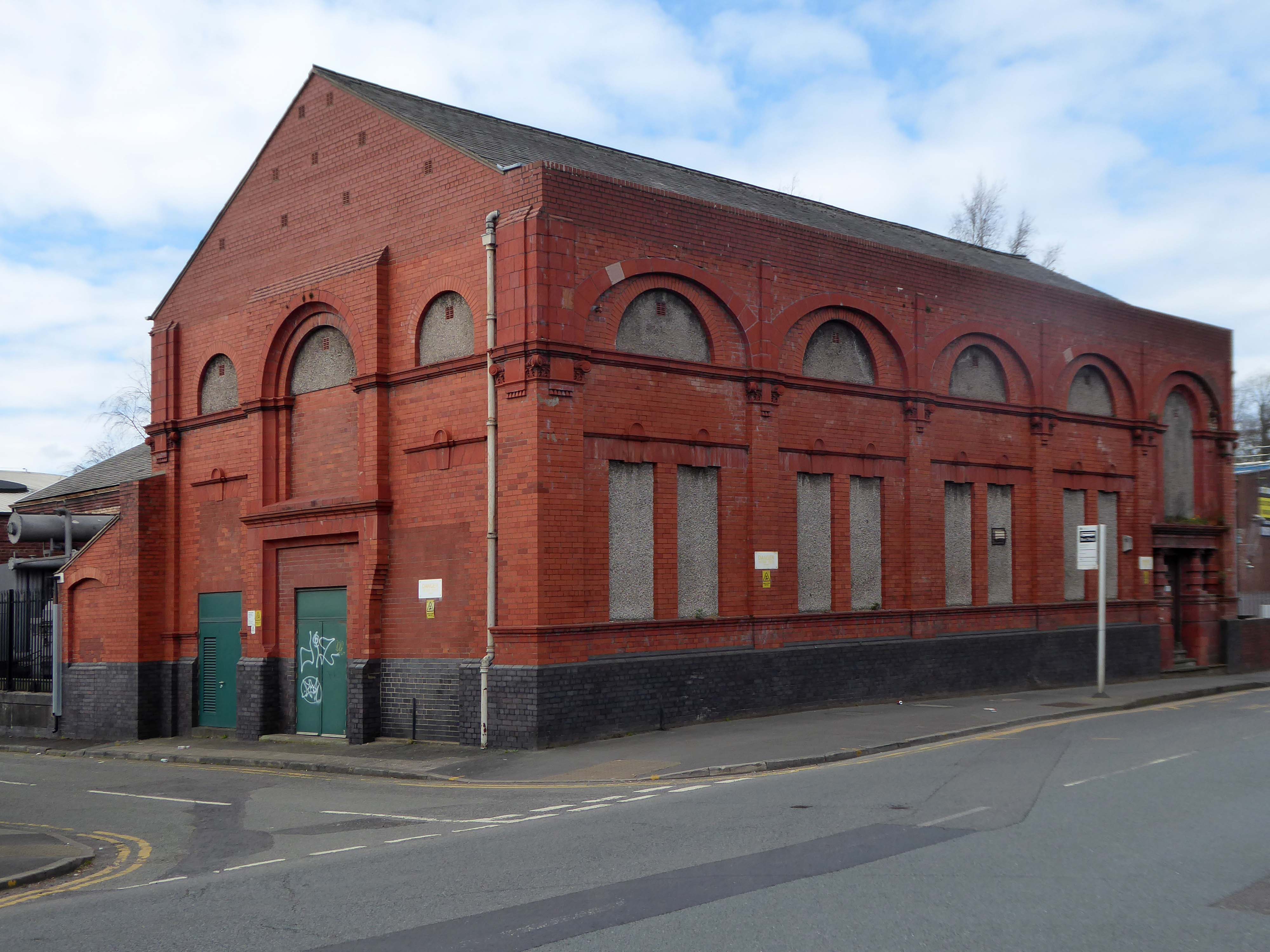
1907 by G Stott of J Stott and Sons – Red brick with internal cast-iron frame.
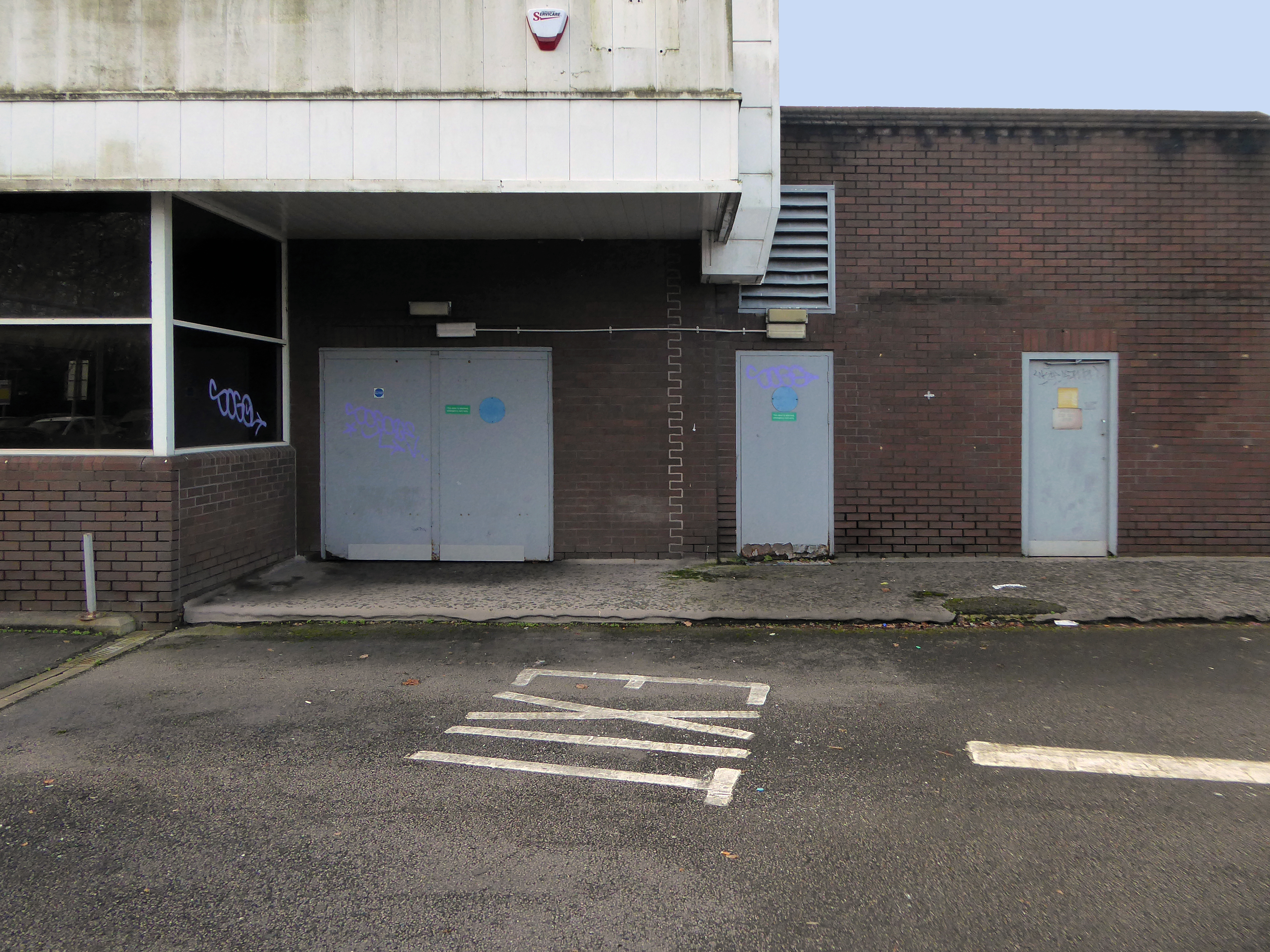
Grade II Listed

There was and Oval Partnership planning for a retail development in 2014 which failed to materialise.
The converted building will provide a showcase for Chinese manufacturers of construction-related products looking to enter the UK and wider European markets. Products on display will include tiles, lighting, furniture, kitchenware, sanitary ware and curtains. A second phase will see the construction of a new building alongside effectively doubling the floor space. In addition the brief includes a range of restaurant, leisure, culture and entertainment facilities threaded through the building. The conversion will open up the existing building in a dramatic way, maximizing permeability and providing a strong visual connection back into the town, promoting public access through the building to the attractive south-facing waterside of the mill.
Permeability failed to be maximised, sadly.

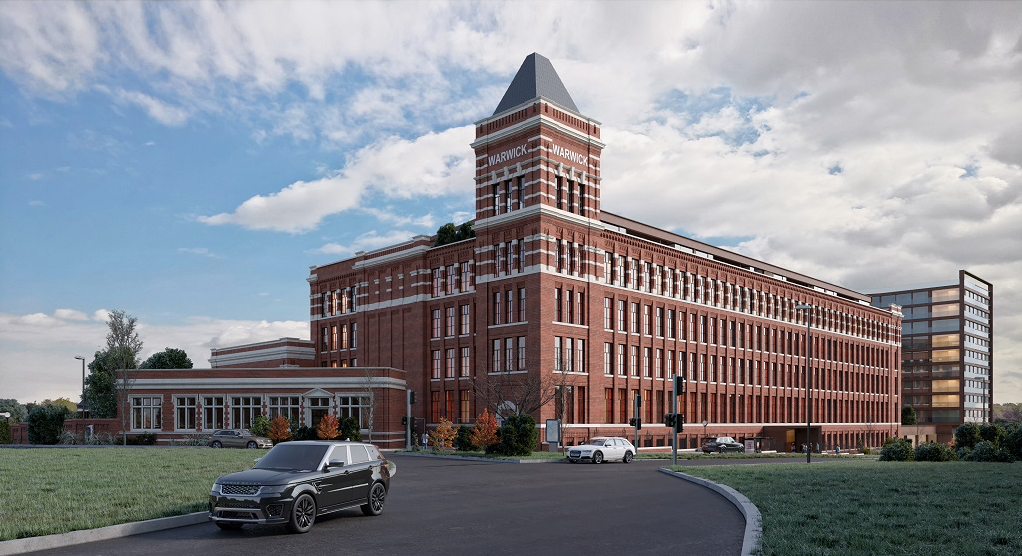
Ambitious plans to refurbish Grade II listed Warwick Mill to create new homes and breathe life into an important building and part of Middleton’s history have been drawn up. 

Warwick Mill has recently changed ownership and the new owners, Kam Lei Fong (UK) Ltd, have been working with Rochdale Borough Council over the last nine months to develop proposals to redevelop the site.
Rochdale Council

So far so CGI good- the town eagerly awaits a surfeit of high end SUV owners.
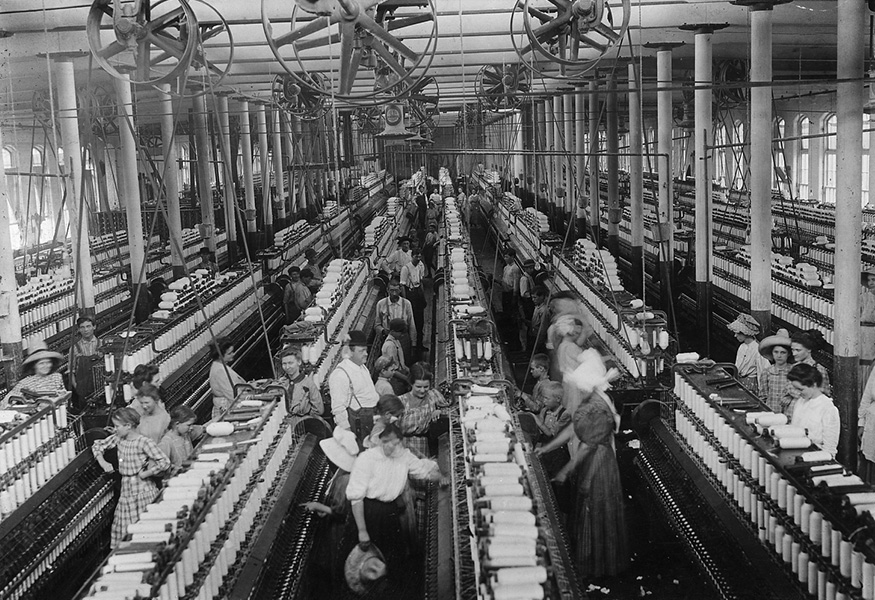
Former clog wearing mill workers remain silent on such matters.

The Job Centre steadfastly remains a Job Centre.

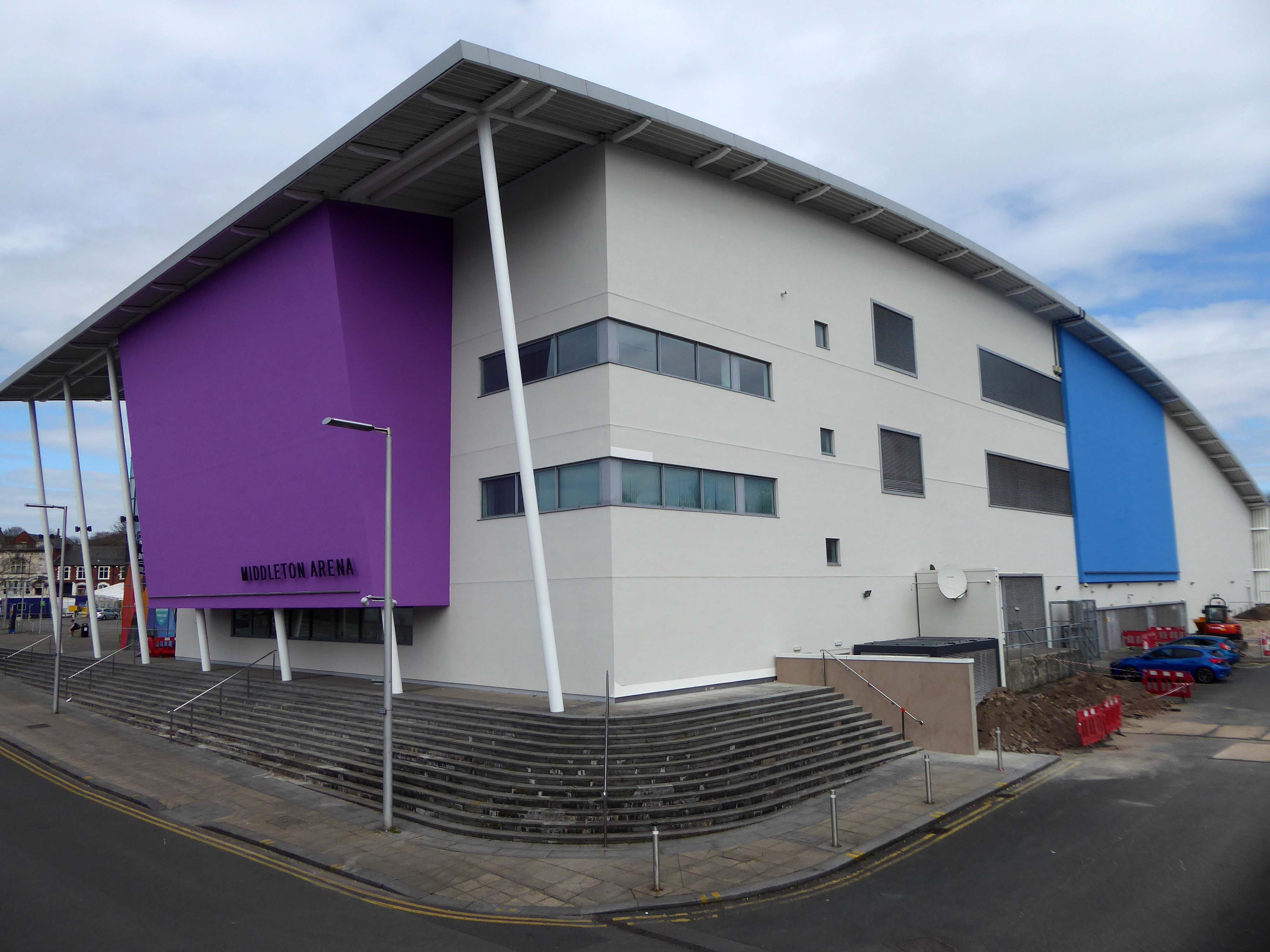
The river reappears here in back of the Middleton Arena.

Proceeding in a disorderly manner.

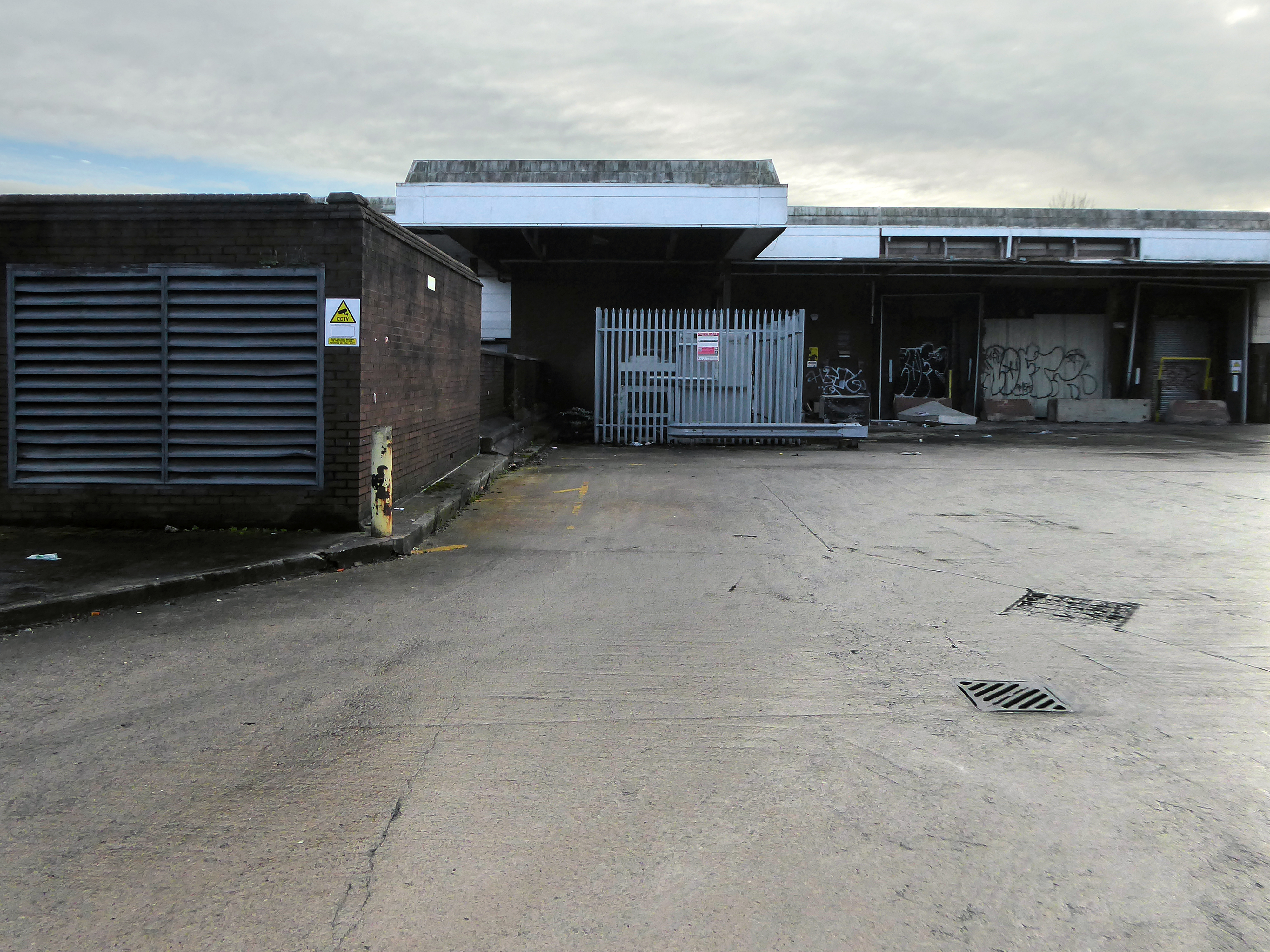
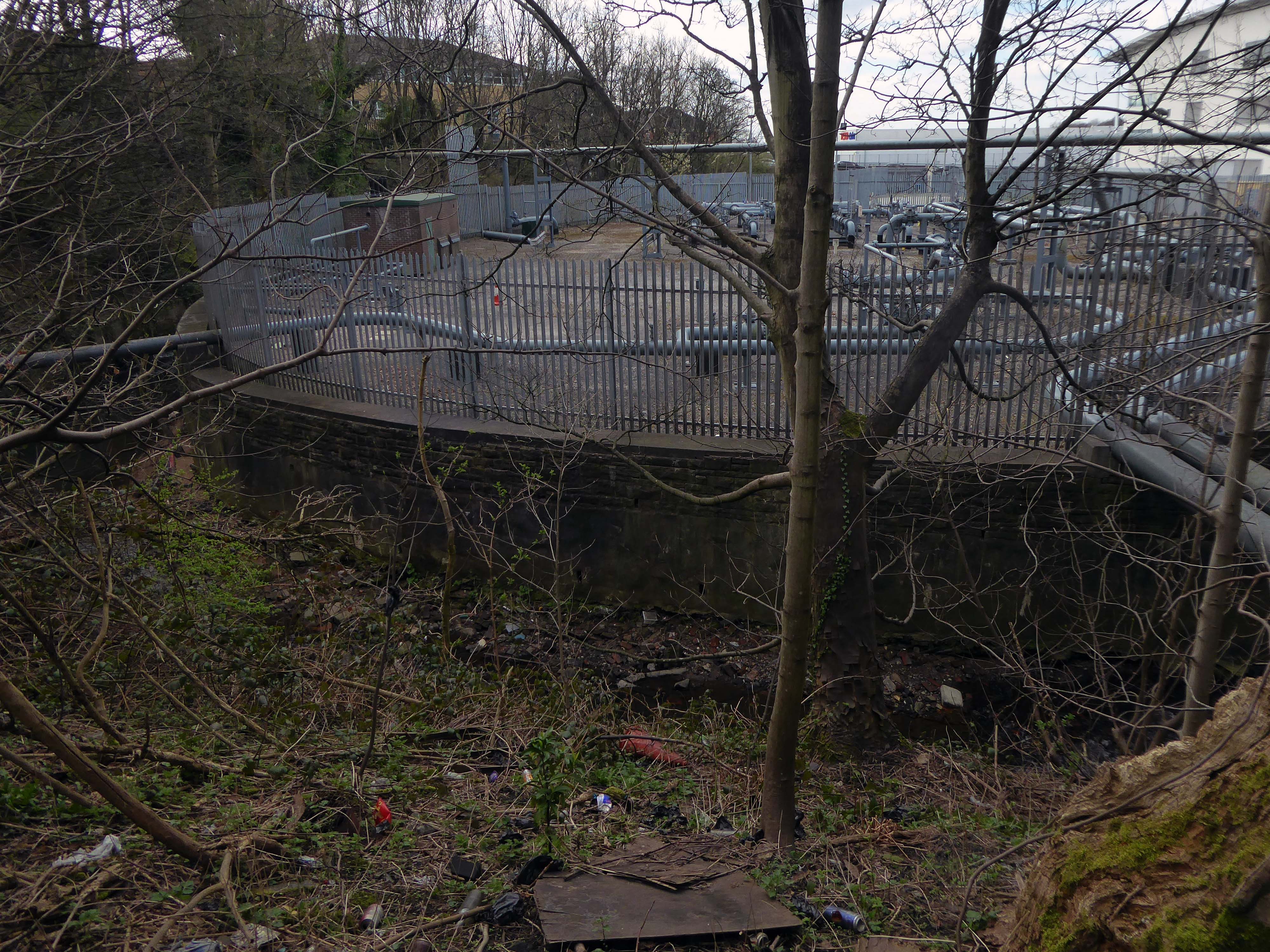
Emerging by this substantial substation.

Across the way is Lodge Mill.

A Middleton couple has saved the oldest surviving mill in the town after a two-year renovation project.

Located on Townley Street, Lodge Mill was built in the mid-1800s and was originally a silk weaving mill. It went on to cotton weaving and cloth dying, then to a home for many different small local businesses. Sadly, in the early 2000s, it fell into disrepair and became derelict.

Martin Cove and Paula Hickey bought Lodge Mill on 1 April 2019 and immediately set about replacing and repairing the roof. They also installed a 19.4kw solar PV system so the mill became its own little power station that summer.

In August 2019, the couple opened a small ice cream shop on the ground floor of the mill – named the Ice Cream Shop at Lodge – selling locally-made ice cream from Birch Farm, Heywood.

The ice cream is made using cream from Tetlow Farm’s dairy herd at Slattocks – Martin explained.

Rochdale Online

It was £2.25 for two scoops and a flake – a welcome oasis on a warmish day.

Sadly in December 2021 there was a serious fire, work has since been done to repair the roof.

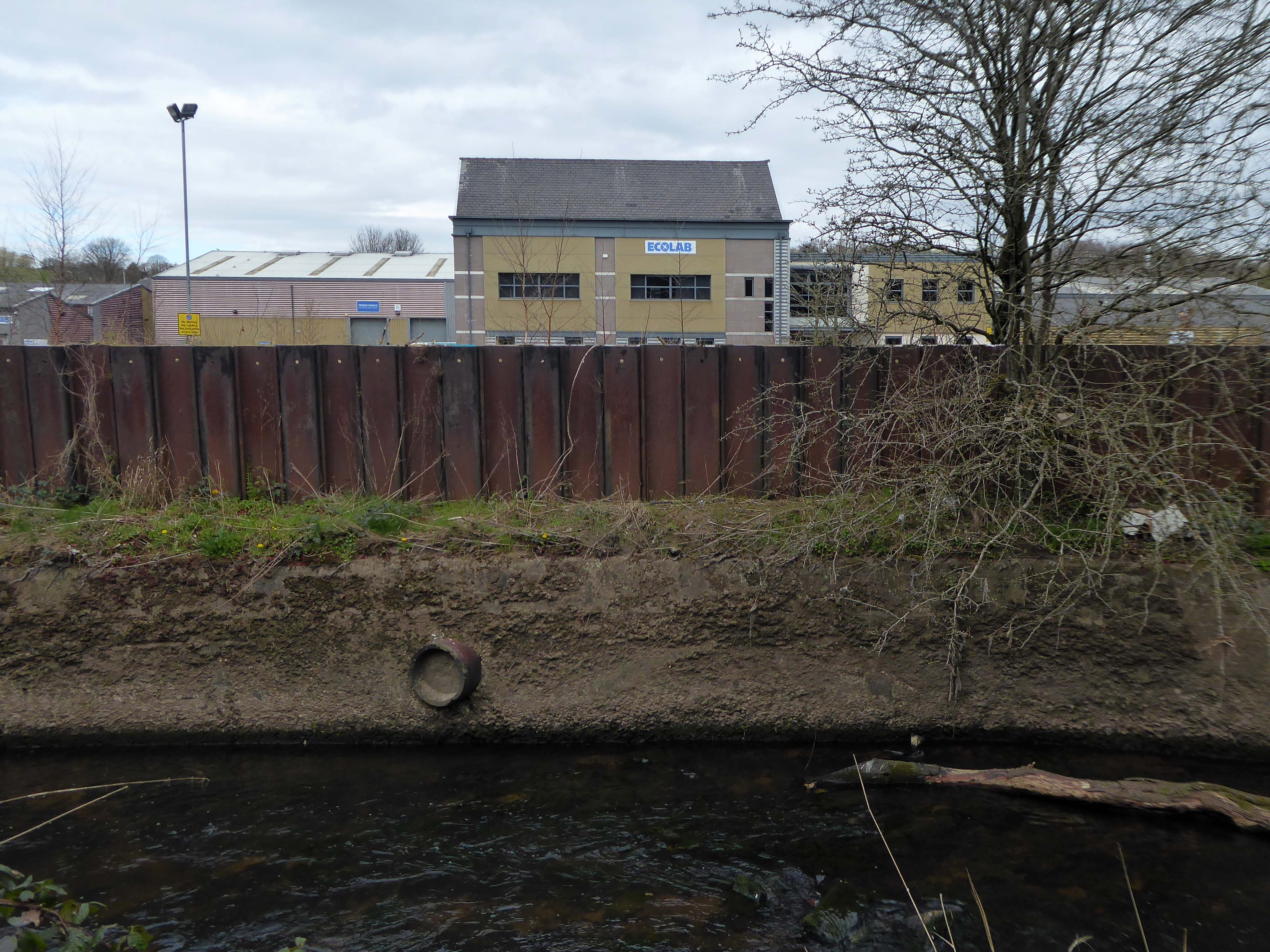
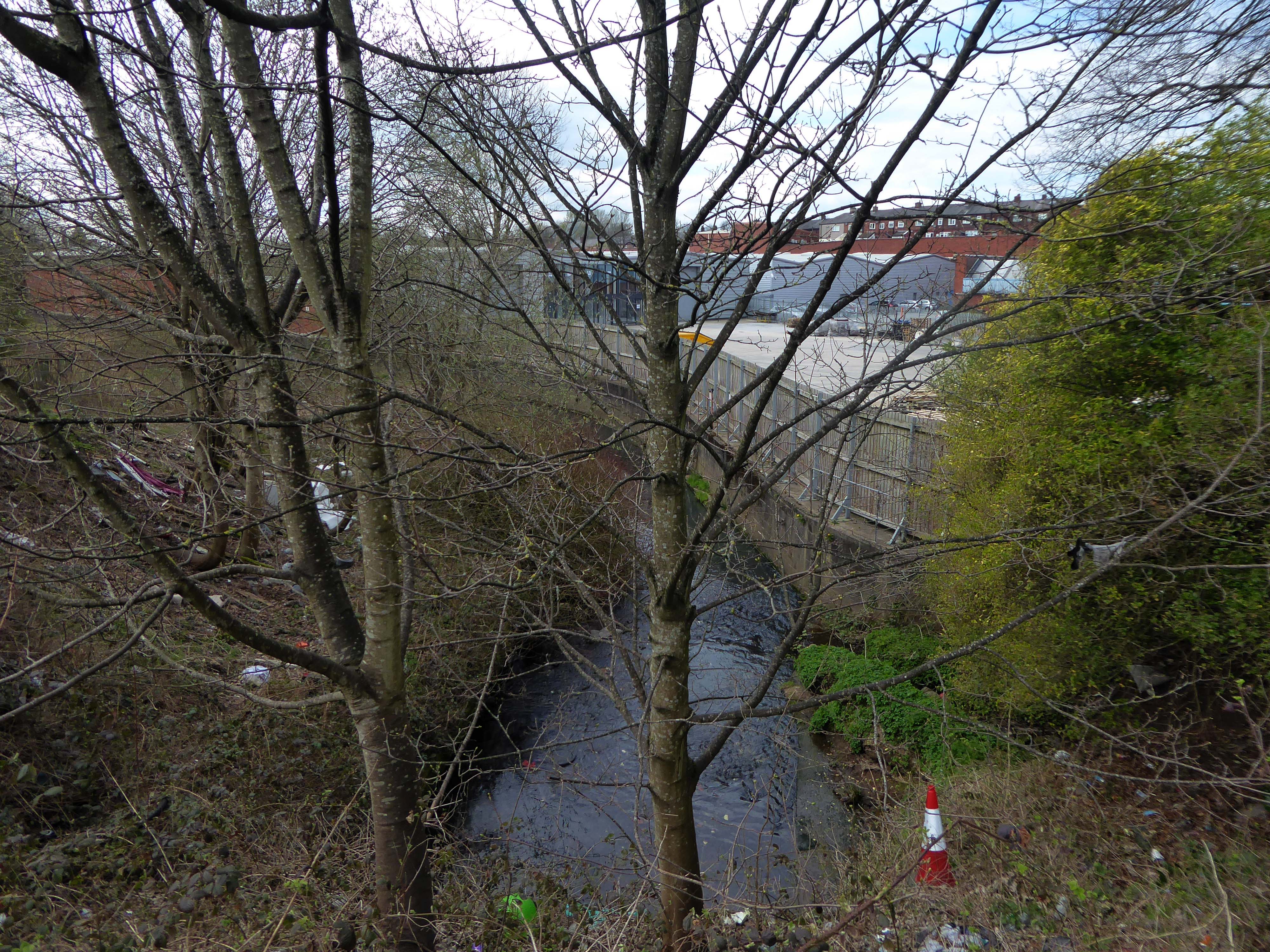
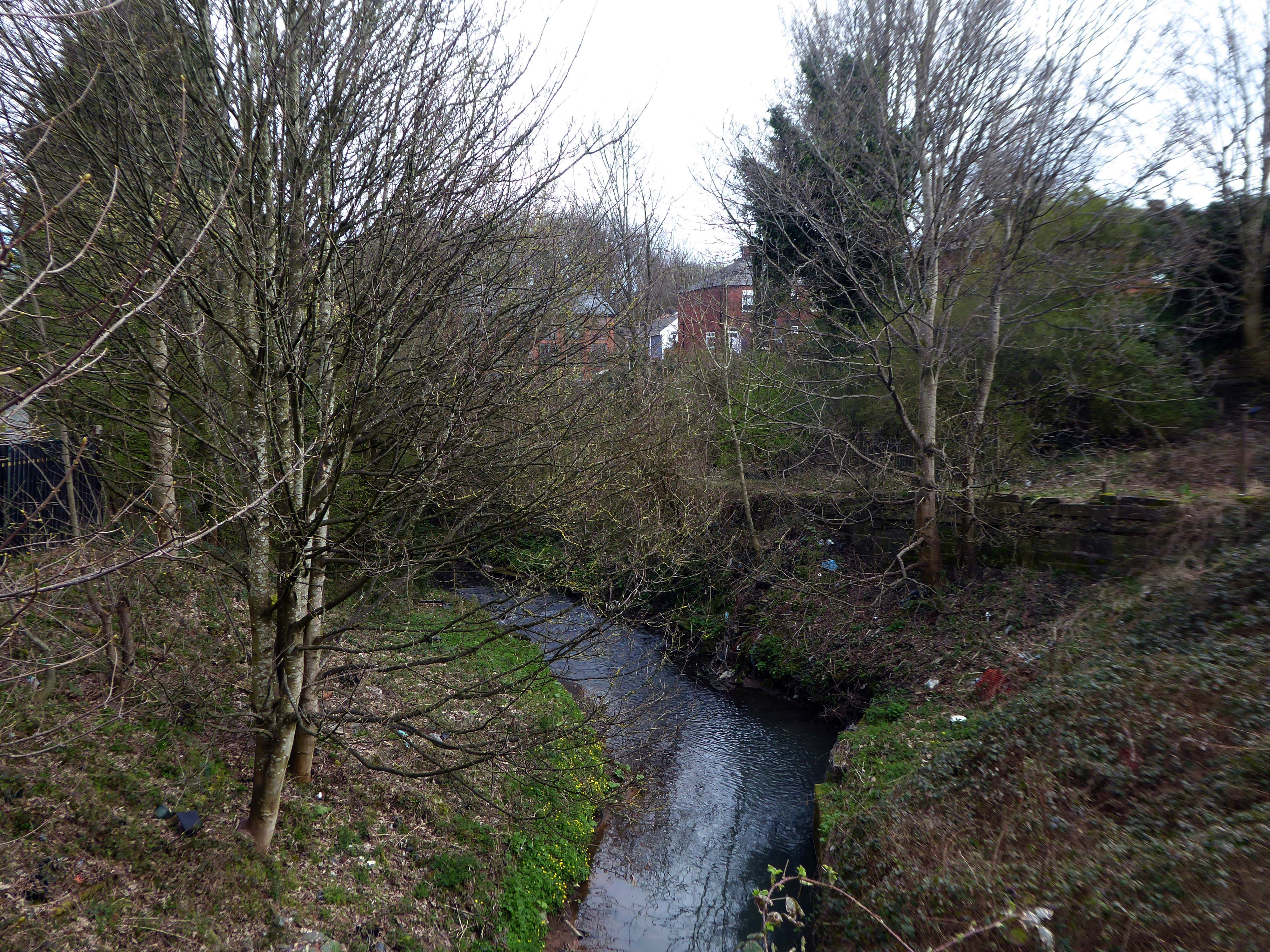
A poorly signed footpath takes you back riverside by way of assorted industrial debris.

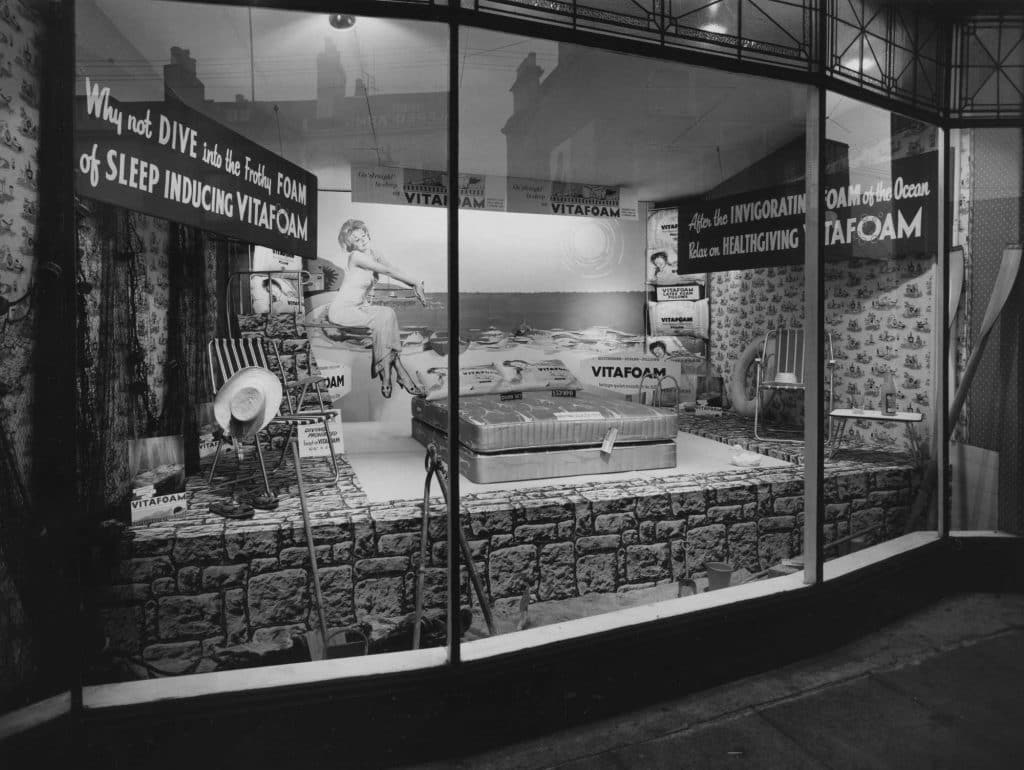
Still very much in use the Vitafoam Mill

Founded in 1949 on £100 capital, Vitafoam started its original operation manufacturing latex foam products in Oldham, Greater Manchester.

After establishing the business, the company made a major move to its current site in Middleton, Manchester in 1955, acquiring two empty former cotton mills to cope with increased demand.

By 1963, Vitafoam had added the manufacture of polyurethane foam to its business and was providing product speciality for upholstery and bedding markets.

As Vitafoam entered the new millennium the company had made great strides in supplying external foam converters. These rely on Vitafoam to be their business partner and provide their foam needs. This trend continues to grow from strength to strength and is supplemented by our own group conversion companies.

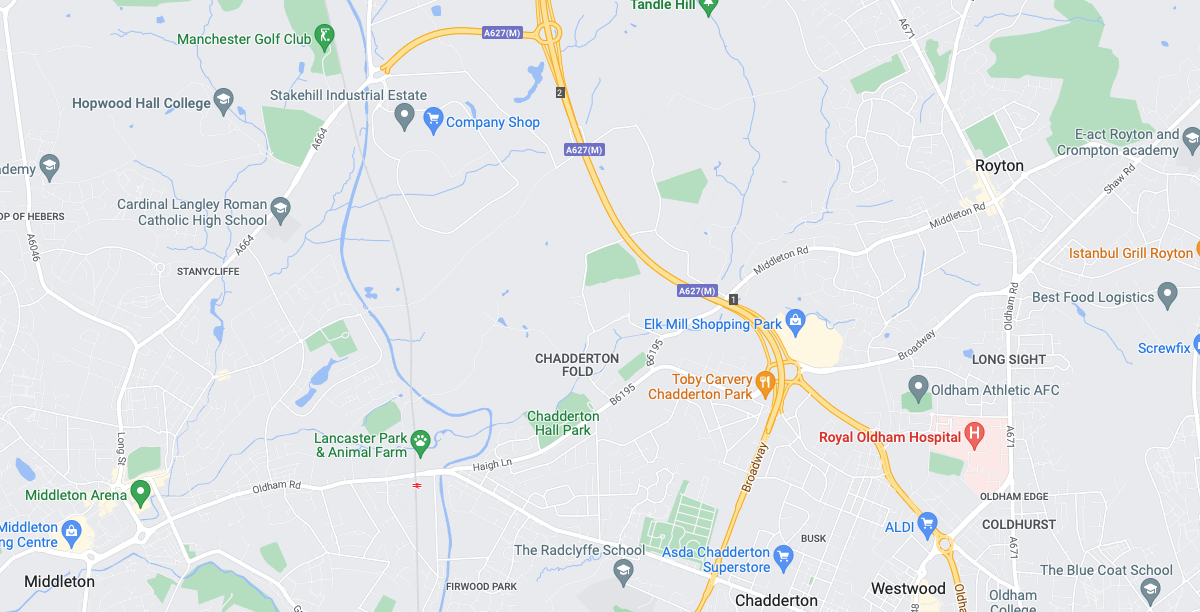
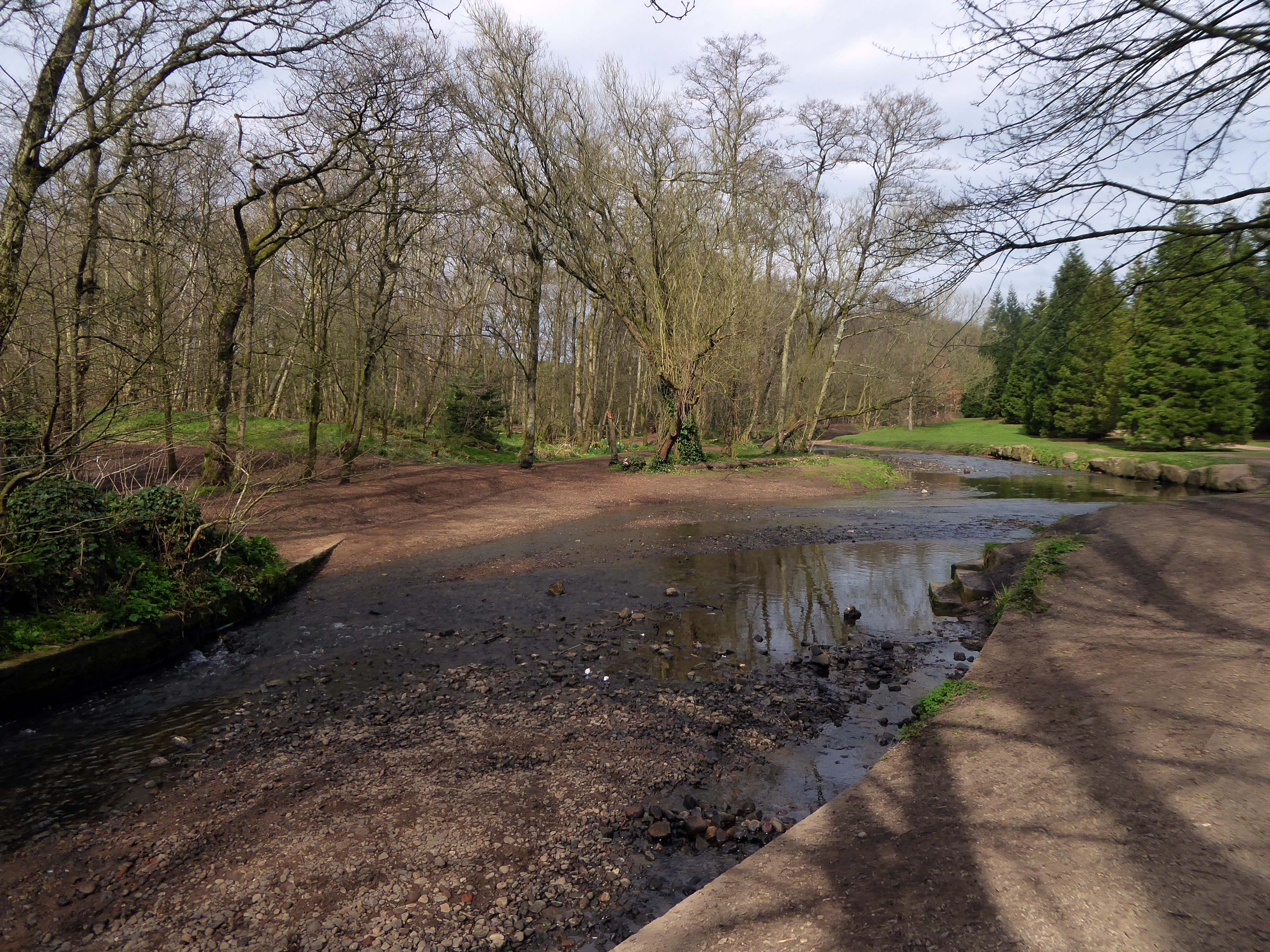
Regaining the river at Chadderton Hall Park.

Its roots stretch back to the 13th century being the land on which Chadderton Hall once stood. It contains a large field area with a small football pitch, a playground area, several flower gardens and a small café situated next to the Park’s bowling green.

Chadderton Hall was first built in the 13th century by Geoffrey de Chadderton, this first hall was in Chadderton Fold slightly to the east of the current park. In 1629 a new hall was built at the site of the current park and was present there until the 20th century when it was demolished in 1939. It was at the end of the 19th Century that the area surrounding Chadderton Hall began to be used for public recreation. A boating lake and a menagerie, including a kangaroo and a lion, were established as part of a Pleasure Garden. These features have long since been demolished but evidence of the boating lake can be seen by the hollowed out area where the playing fields now stand.

Wikipedia

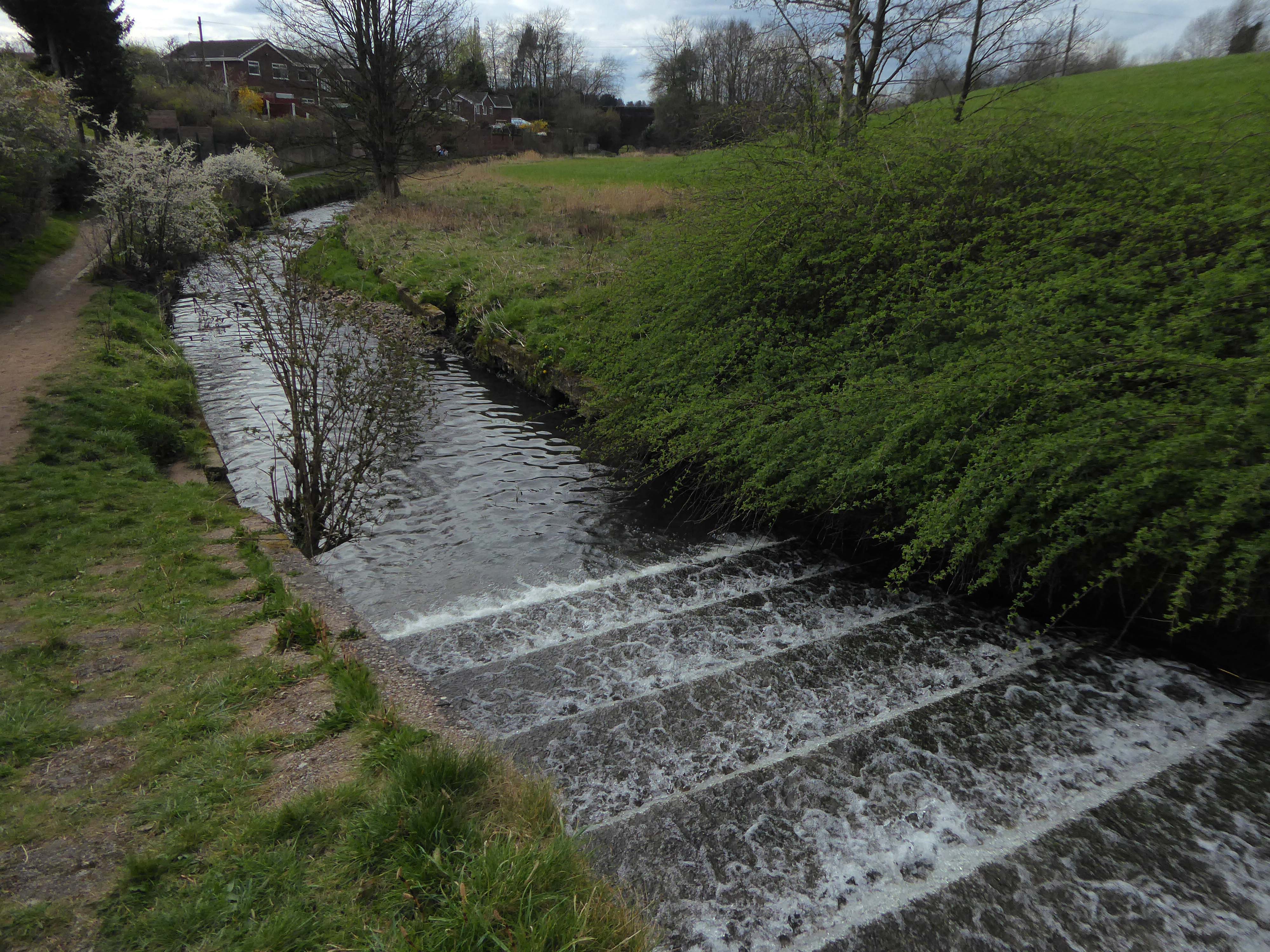
Diminishing now the river thin and shallow, as we rise into the hills on the outskirts of Greater Manchester.

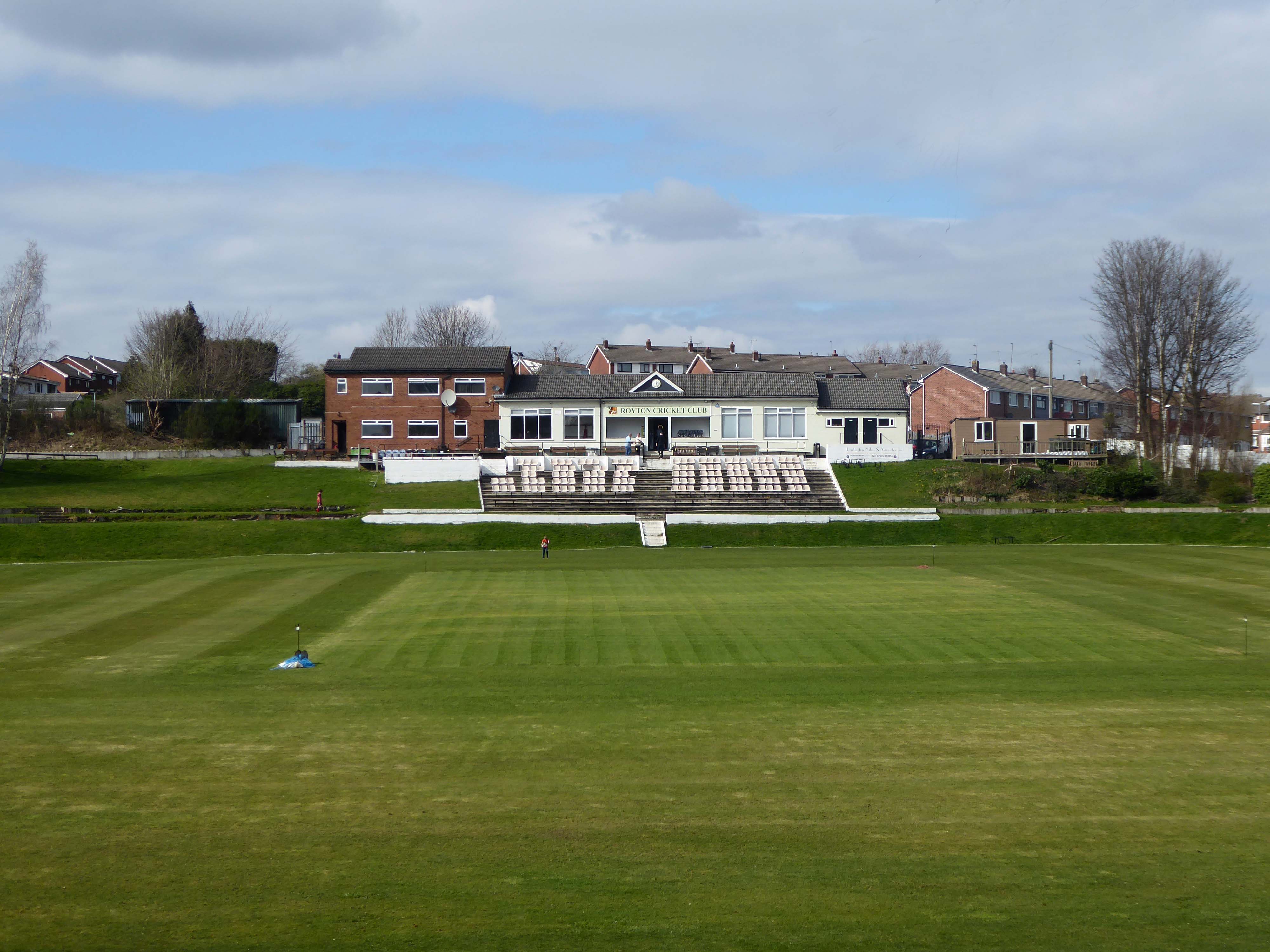
Passing by Royton Cricket Club as the river disappears again.

Based in the heart of Thorpe Estate – Royton Cricket, Bowling & Running Club offers a family friendly environment whilst hosting strong, competitive cricket throughout the summer. Bowling throughout the summer along with a Running section – Royton Road Runners, who operate all year round. Along with seasonal events such as our well known firework display along with St Georges Day celebrations – with plans in the pipeline for improvements on current events as well as new exciting projects – it’s a great time to be apart of the club & community!

I have very fond memories of visiting with my dad Eddie Marland as he followed Ashton in the Central Lancashire League – both watching cricket and seeing my dad crown green bowling here.

The river has gone underground again.

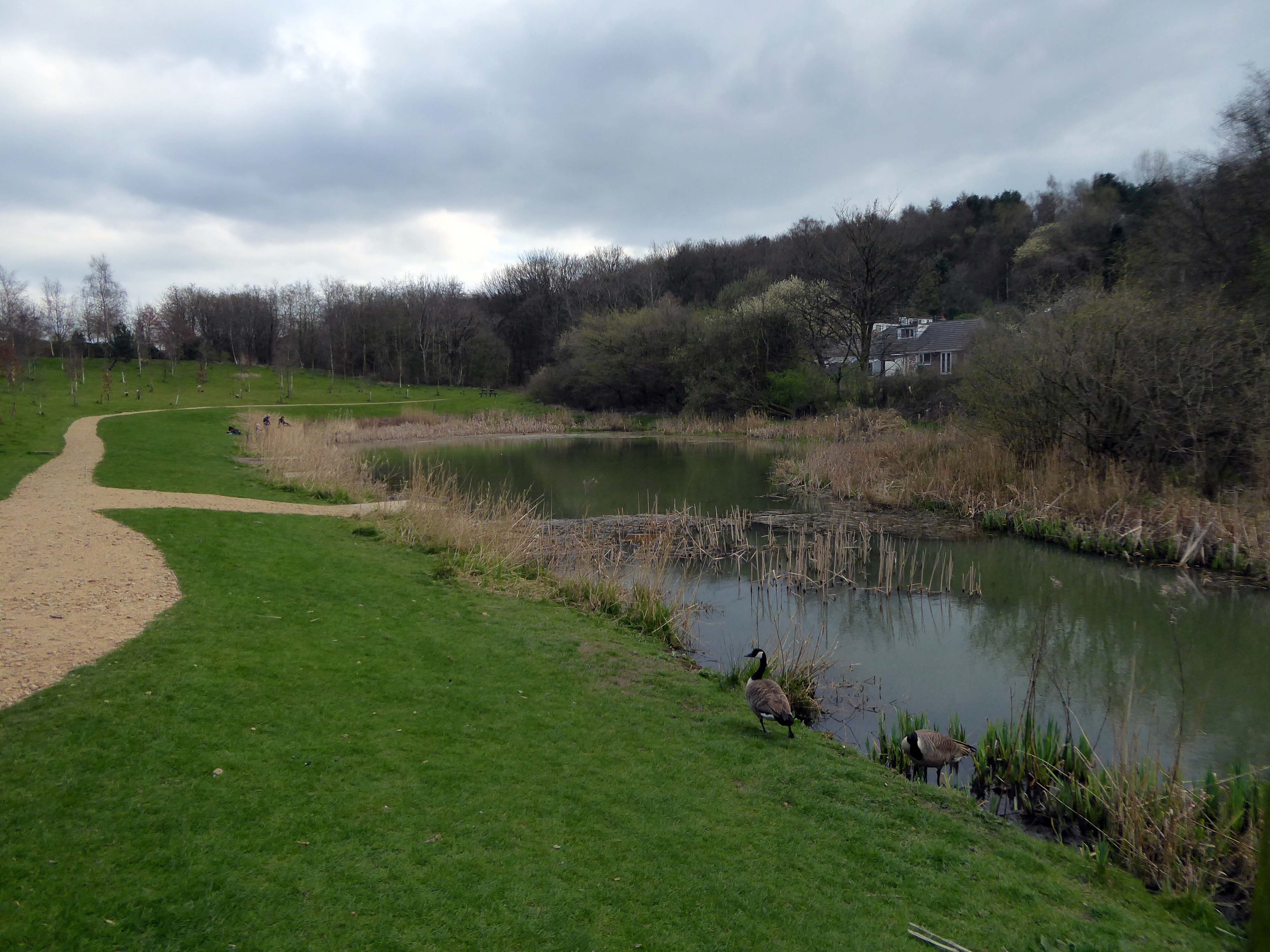
To be found on Salmon Fields – in pool form.

Site of a Life for a Life Memorial Forest

These now full memorial forests were originally donated to Life for a Life by Oldham Metropolitan Borough Council. Salmon Fields meadow sits adjacent to a lovely pond that is used regularly by fishing enthusiasts and is frequently used as a breeding site for Canadian Geese.

Life for a Life planting areas are natural environments where we encourage wildlife and plantlife to flourish, as such additional items should not be added to the tree or the space around it, especially as they can cause damage to the tree. 

Please be aware that any prohibited items left on or around memorial trees will be removed. 

Although these sites are now full to the planting of new memorial trees if you have an existing memorial tree dedicated you can still upgrade memorial plaques, add additional ashes to a memorial tree, order memorial keepsakes etc.