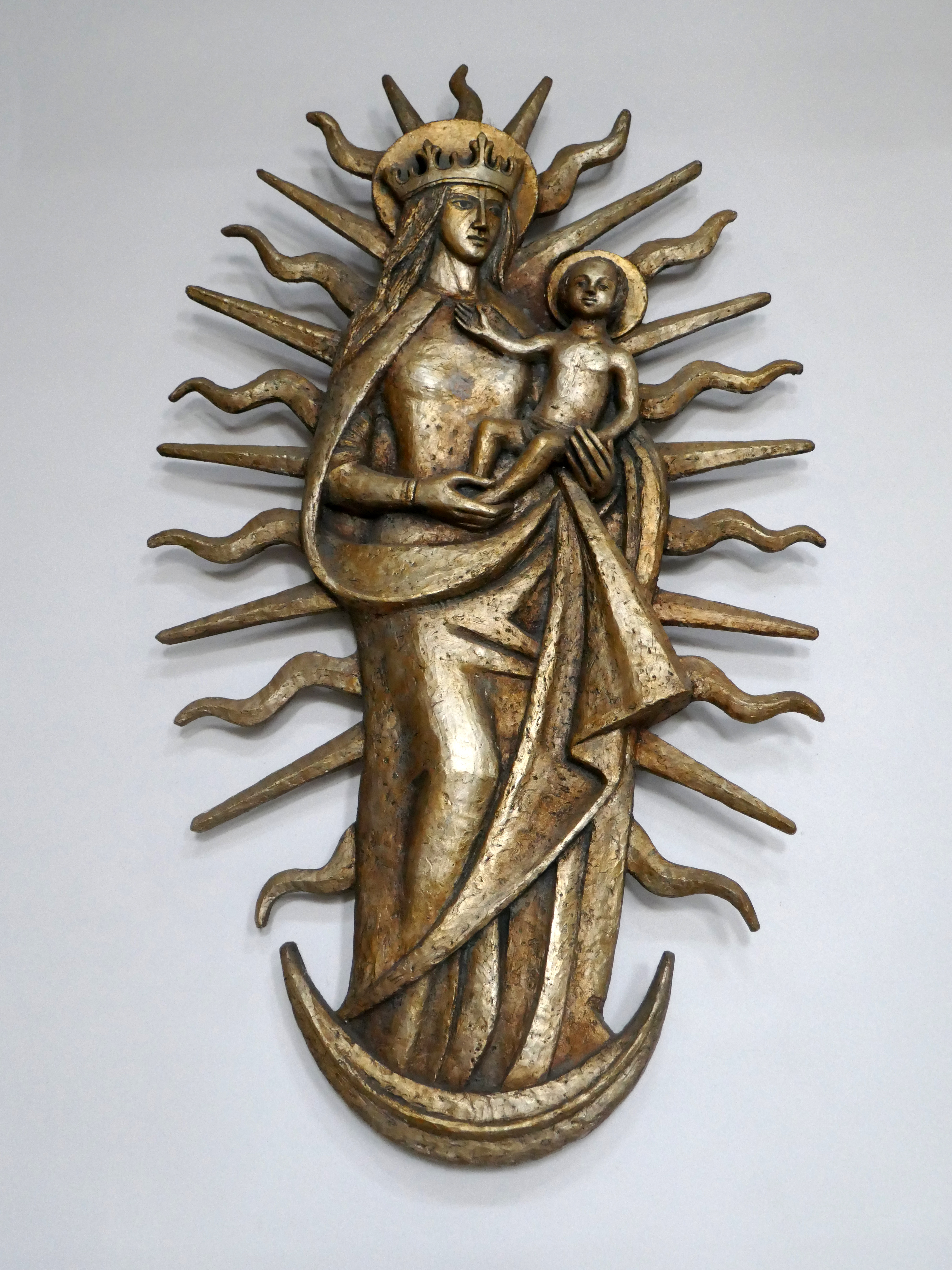
Blackburn Walk

Arriving at the Railway Station

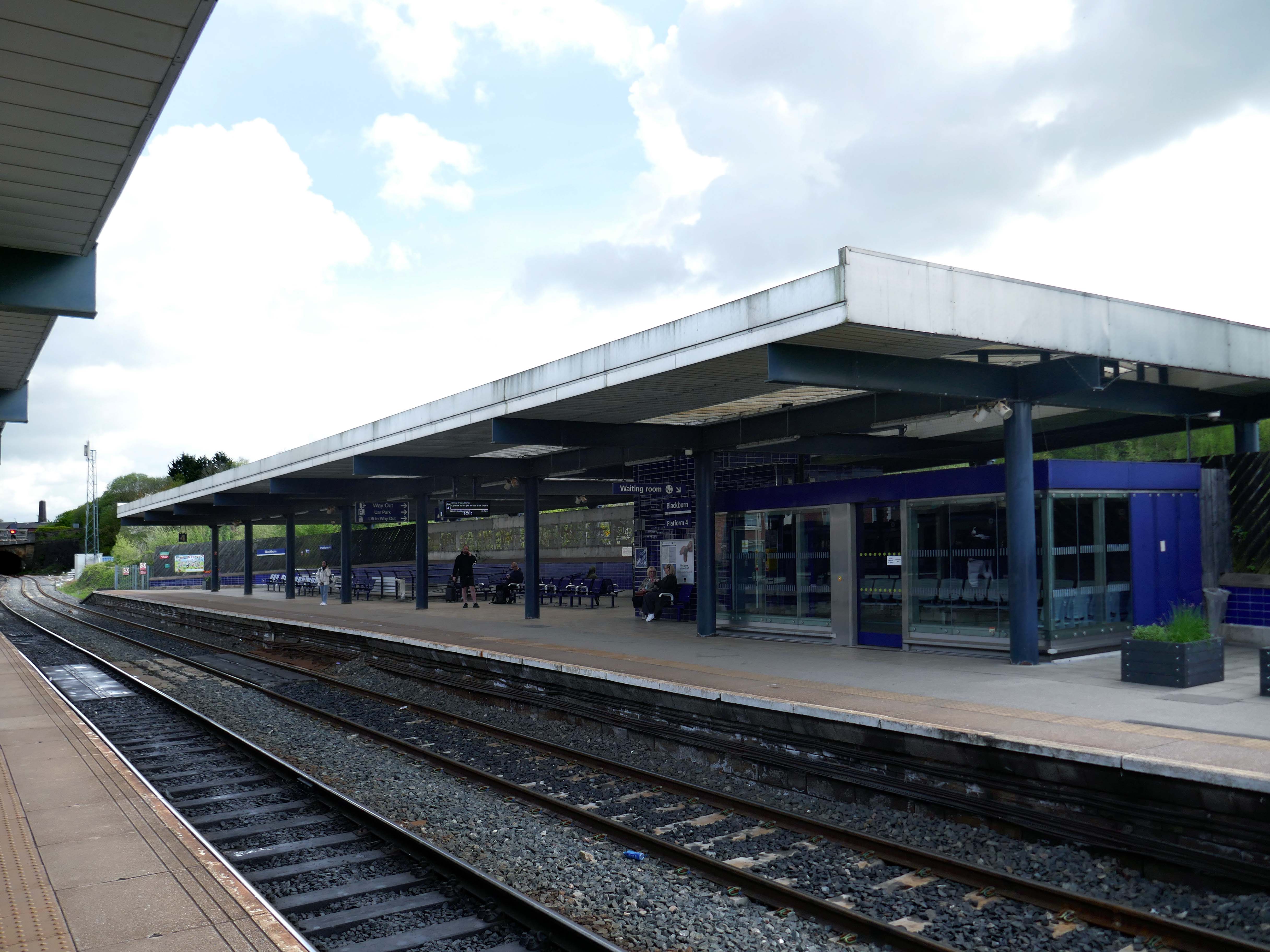
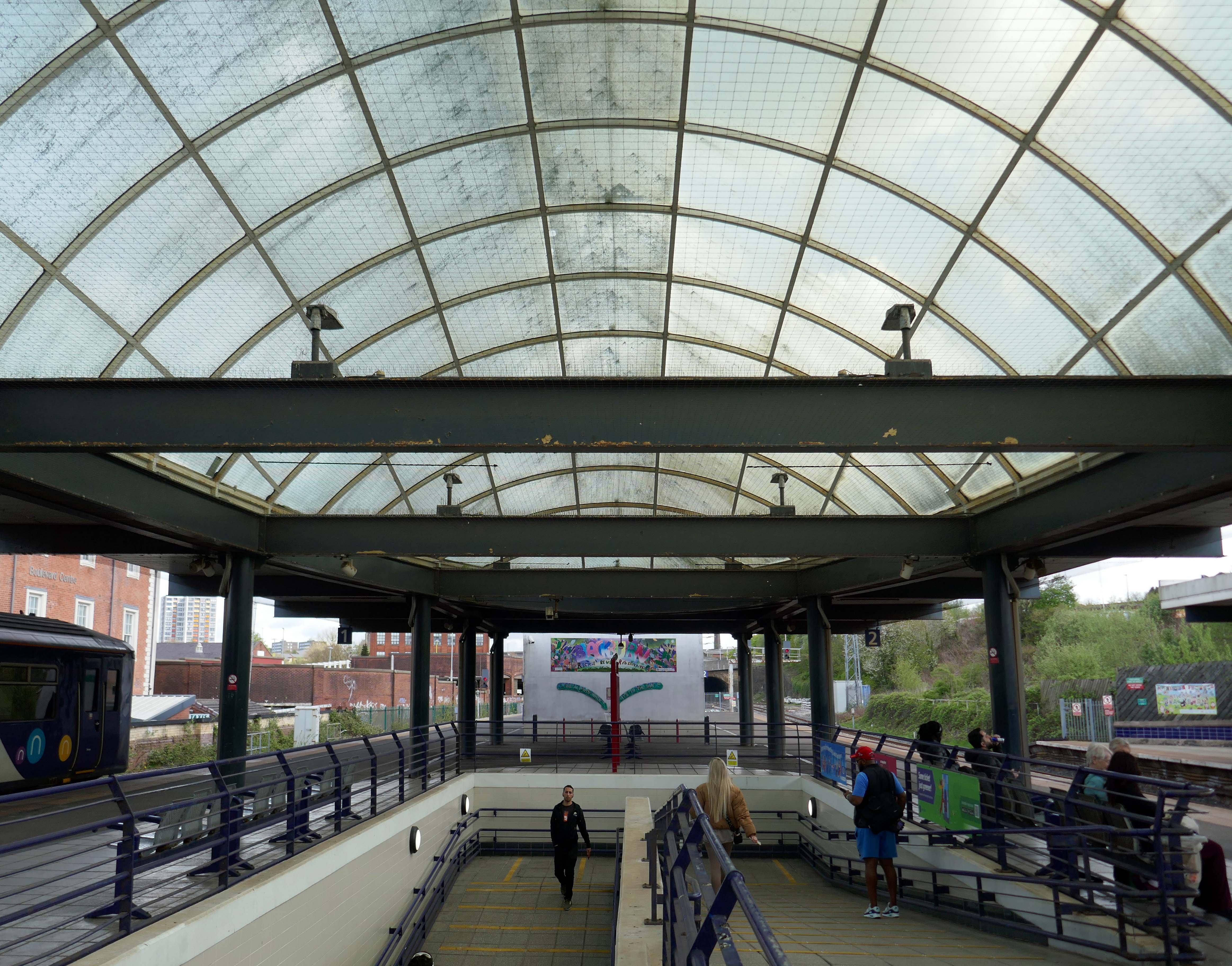
The station was covered by twin train sheds, an architecturally detailed canopy that covered all platforms. In 2000, due to its decaying state, it was removed, changing the nature of the station in a £35 million regeneration project. A new building was built on the main island platform. The Grade II listed original entrance built in the 1880s,including the station buffet and former booking hall, was retained and refurbished.
Wikipedia

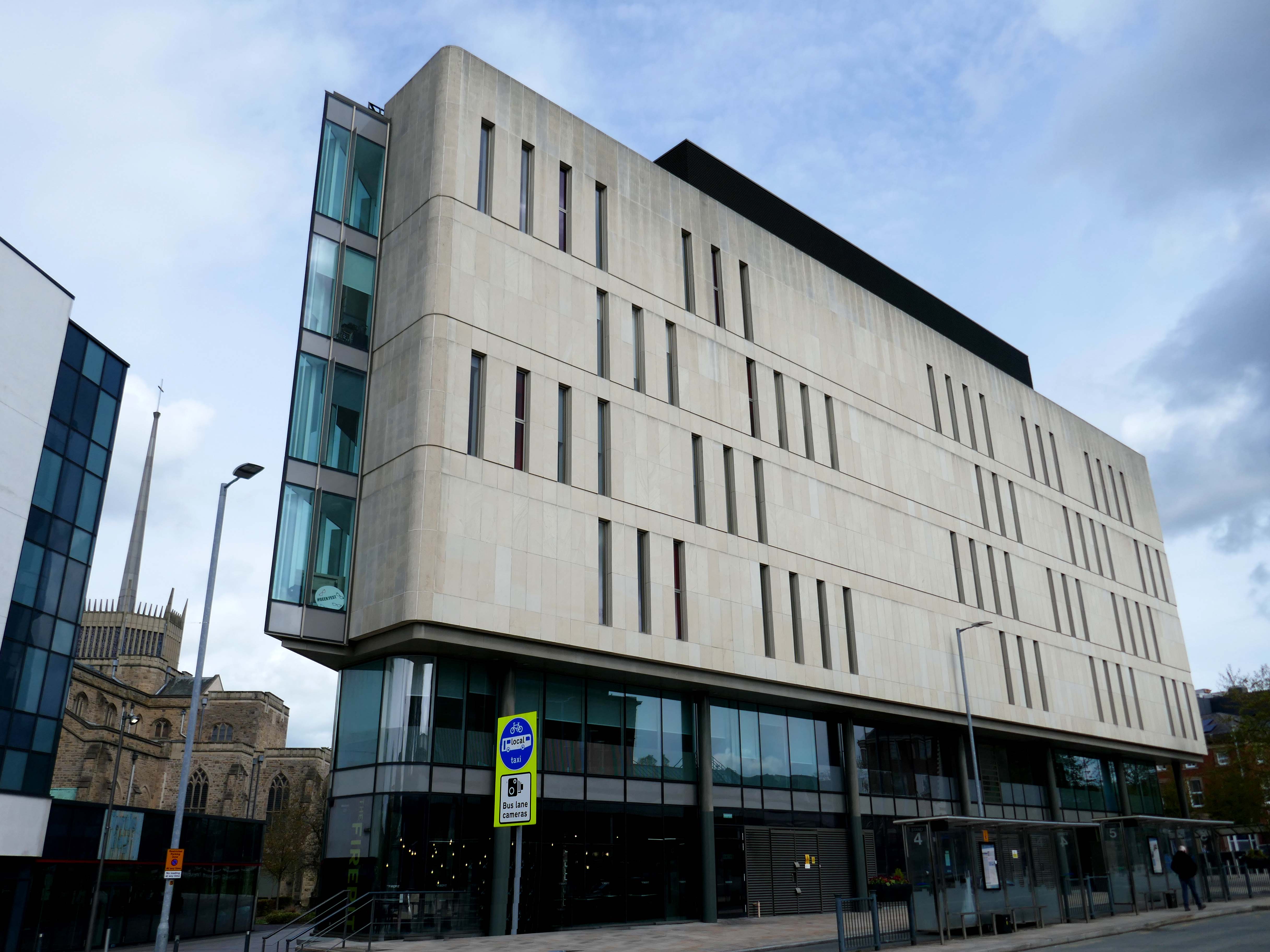
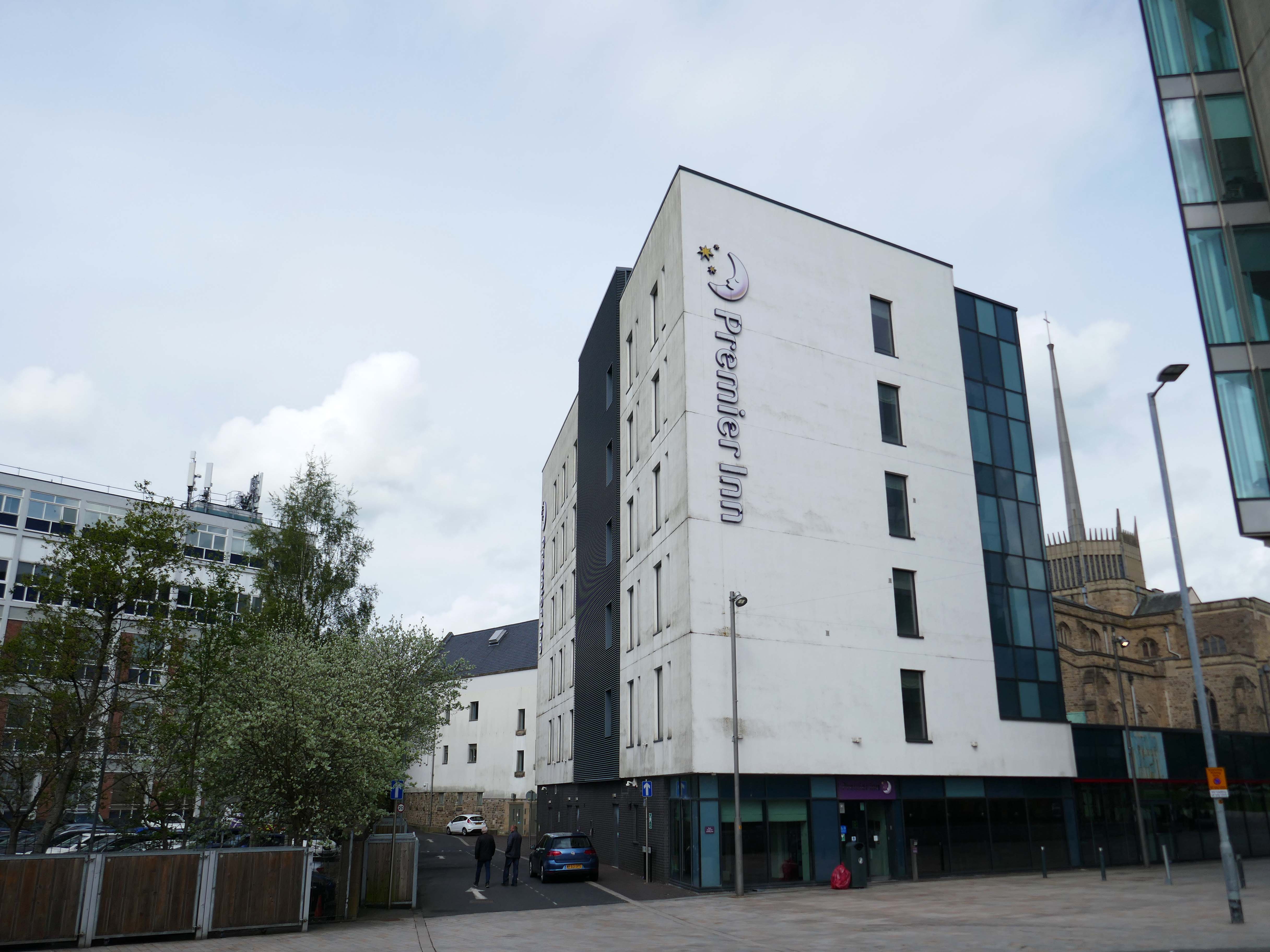
Facing the station the 2015 development of hotel and office space.

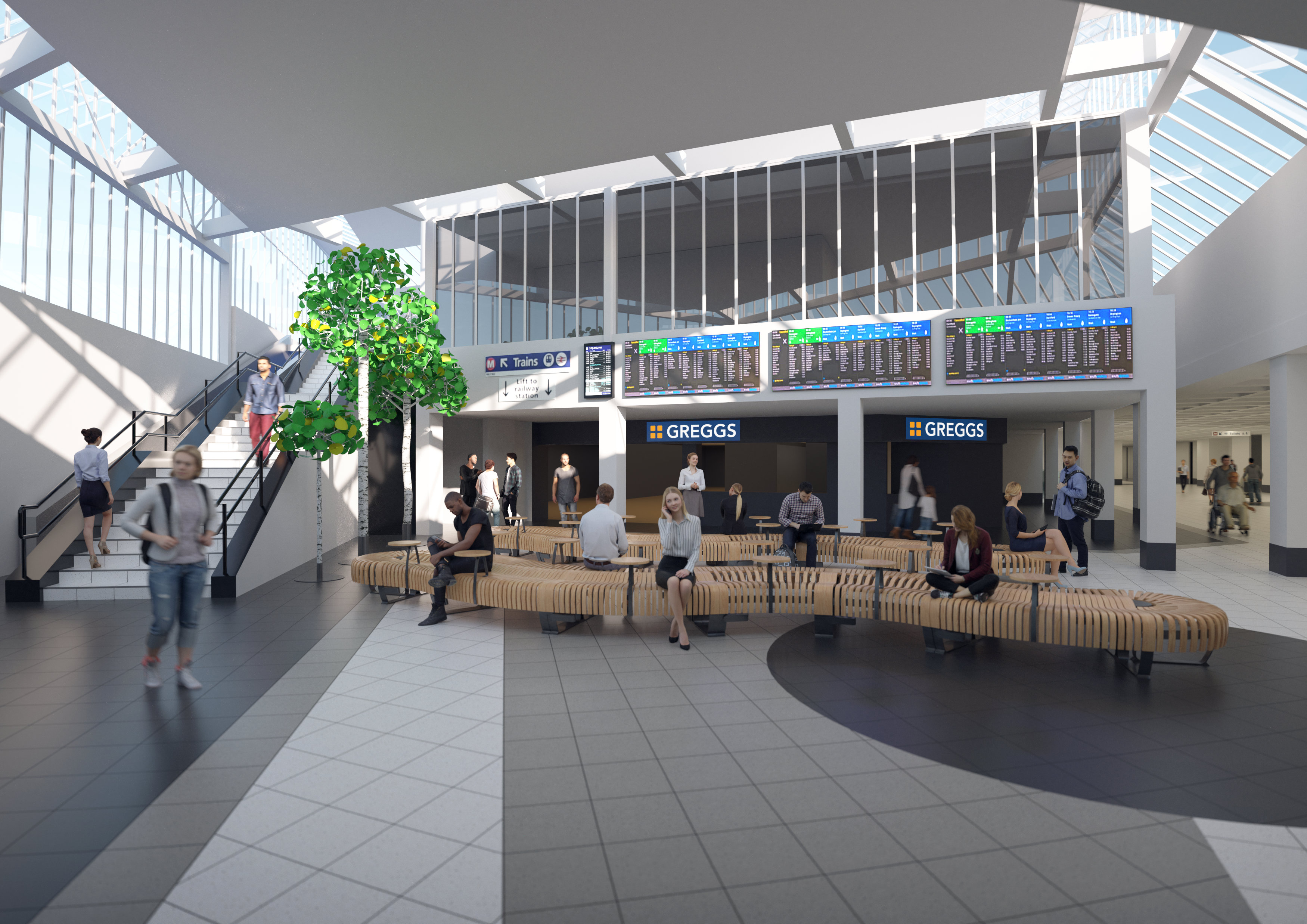
Arriving by train into Blackburn Rail Station, visitors get the full impact of this carefully planned but ambitious regeneration project. Maple Grove’s aspiration was to offer something befitting of a city centre in one of the region’s largest towns.  Cathedral Square comprises a six storey BREEAM Excellent office building, designed by BDP, a Premier Inn Hotel, restaurants and cafes positioned around a new public square that acts as a link between the rail station, cathedral and beyond to the shopping centre.
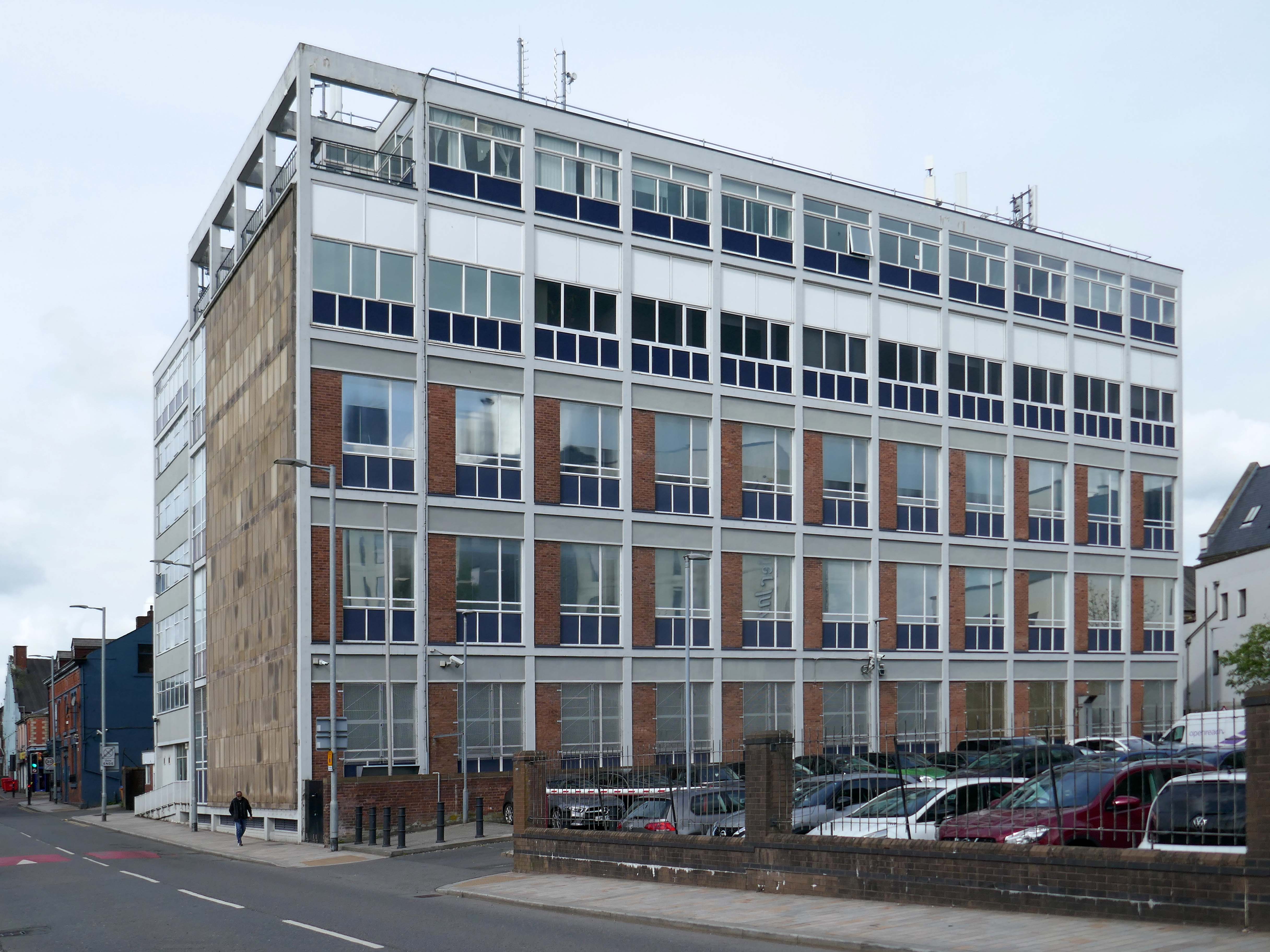
Left onto Jubilee Street where we find the Telephone Exchange.
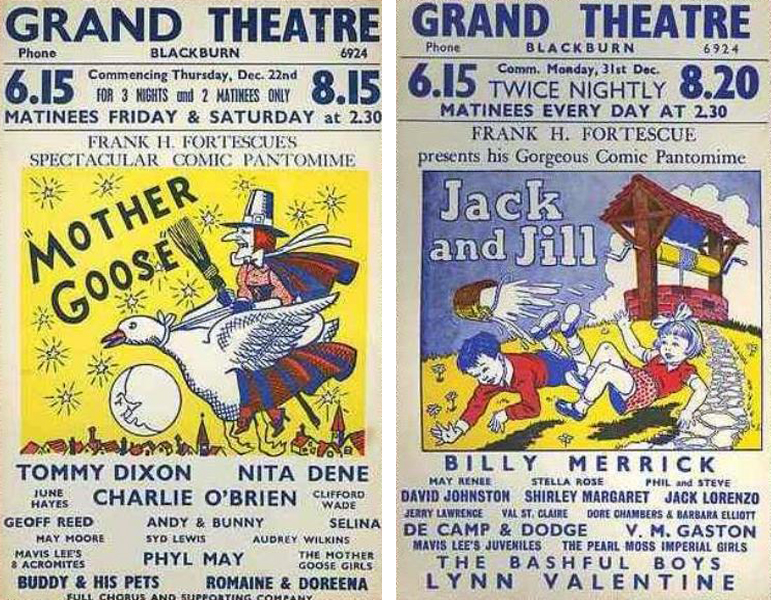
The site was formerly occupied by the Grand Theatre – in the 1950’s, Blackburn had no fewer than fourteen cinemas.  The Grand carried on being a live venue until its closure in 1956, before finally being demolished in 1958.
Blackburn Past

Further down the road the rear of another former cinema – The Olympia
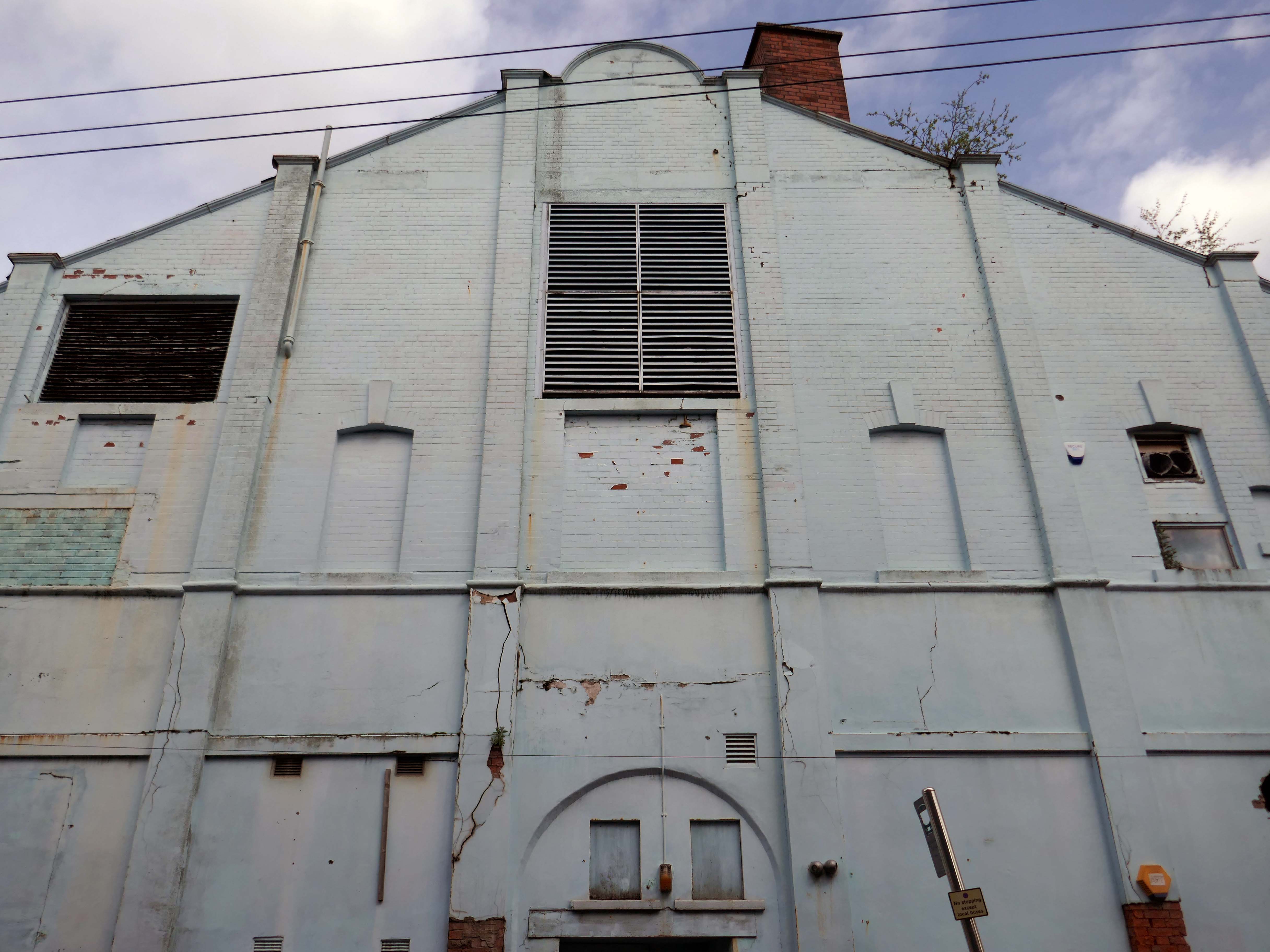
The Olympia was opened on 19th May 1909 as a roller skating rink. It was a short lived venture and closed in November 1911. It was converted into the Olympia Theatre, presenting music hall/variety, opening on 12th December 1911. Seating was provided for 2,000, many on long wooden benches. The proscenium was 32 feet wide and the stage 50 feet deep. It was soon screening films as part of the programme.

It was converted into a full time cinema in 1921, although there were still some variety acts on the programme. All the original wooden benches used for seating in the theatre were removed and replaced by regular tip-up seats, reducing the seating capacity to 1,360. During the 1940’s, the Olympia Cinema boasted a café for the convenience of its patrons and it was operated by Jacksons’ Amusements, Ltd.

The Olympia Cinema was mainly independently operated, and closed in 1957. It stood empty for two years, then in 1959, it was taken over by Mecca Ltd, and converted into the Locarno Ballroom, later becoming a Mecca Bingo Club. It later became the Golden Palms Nightclub, Jumpin’ Jax, and since 2009 it operated as a trendy nightclub named Liquid & Envy.
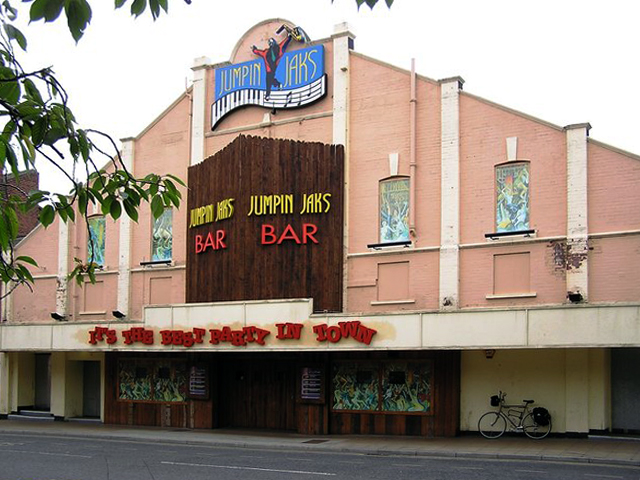
Cinema Treasures

By July 2018 it was known as Switch.

Across the way The Central Hall.

Previous to 1900 the site at the corner of Mincing Lane and Mill Lane had housed a temporary circus, known as Ohmy’s Circus. The New Central Hall was built and opened in April 1900, and was used as a roller skating rink until November 1909, when it was converted into the 1,000-seat Central Hall Cinema.

Altered and enlarged to 1,372 seats in 1923, it was re-named New Central Hall Cinema. The proscenium was 20 feet wide, later enlarged to 22 feet.

The Central Cinema was closed in January 1957. Then in 1974, it was renovated and was converted into a Walkers Bingo Club, which remained open until at least 1995. It recently operated as a Riley’s American Pool and Snooker Club until early 2009. In November 2009 after a refurbishment, it re-opened as the VIP Snooker Club.
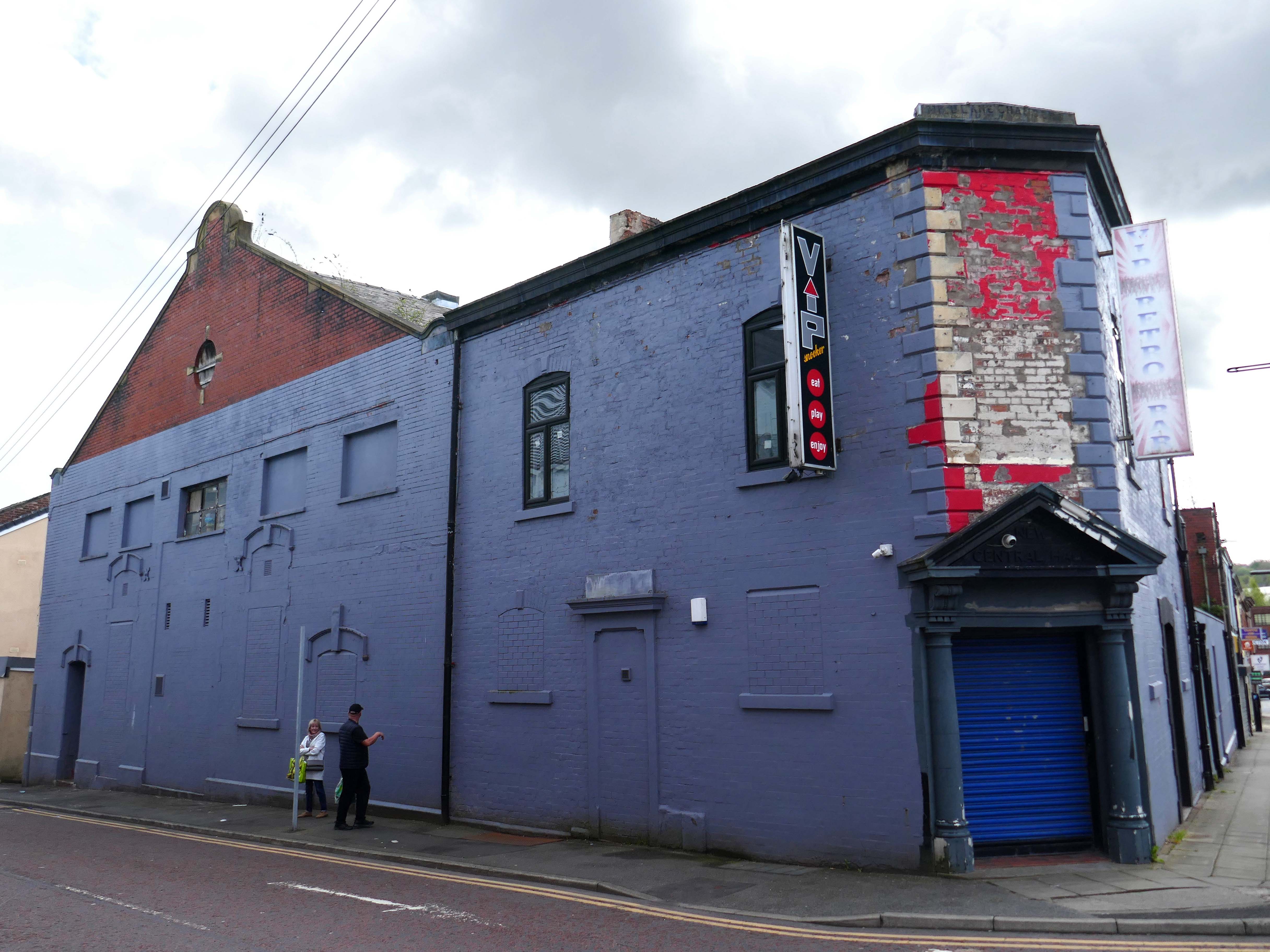
Cinema Treasures

Turn right into Darwen Street along to the former Barclays Bank.
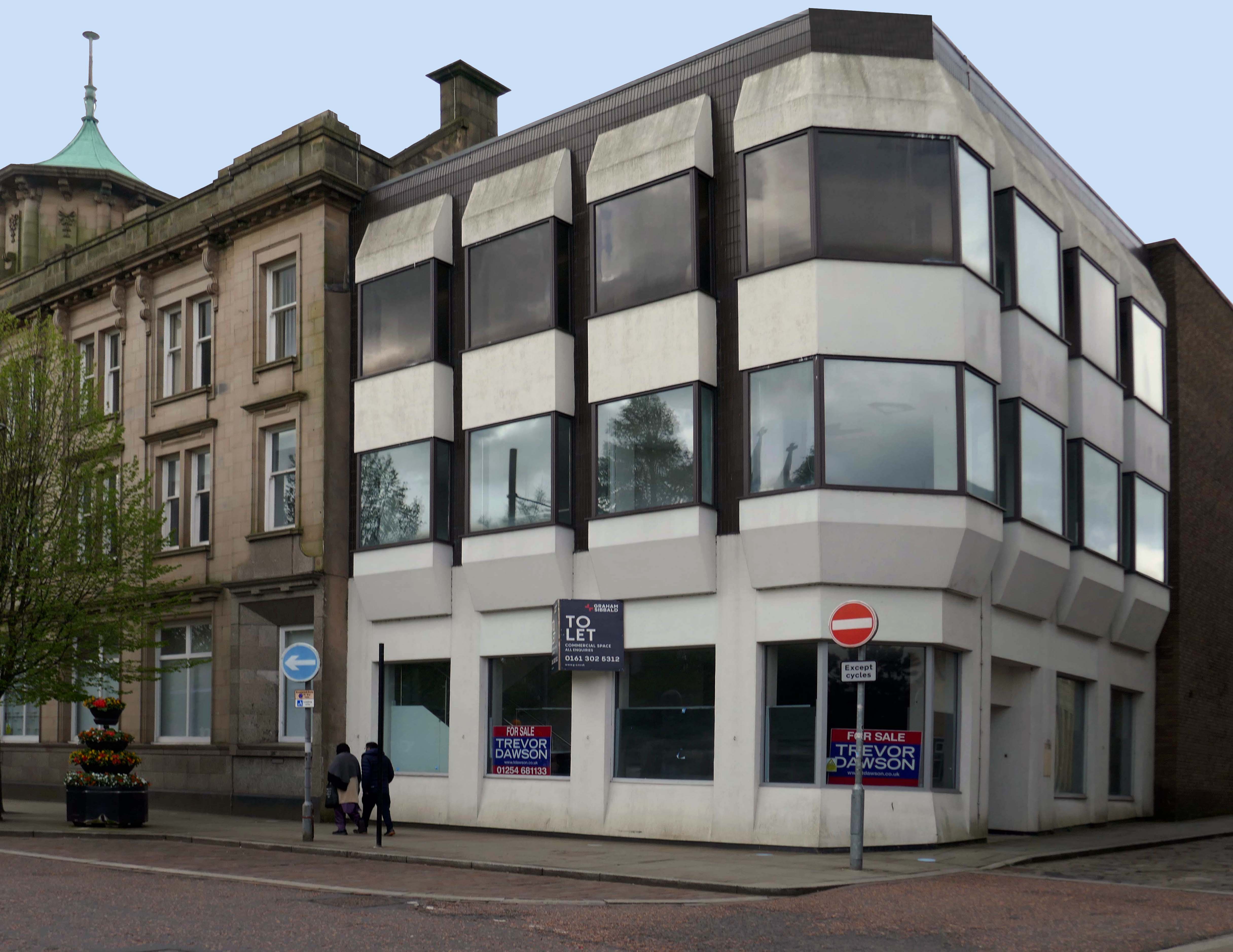
Next door Lloyd’s Bank extension.
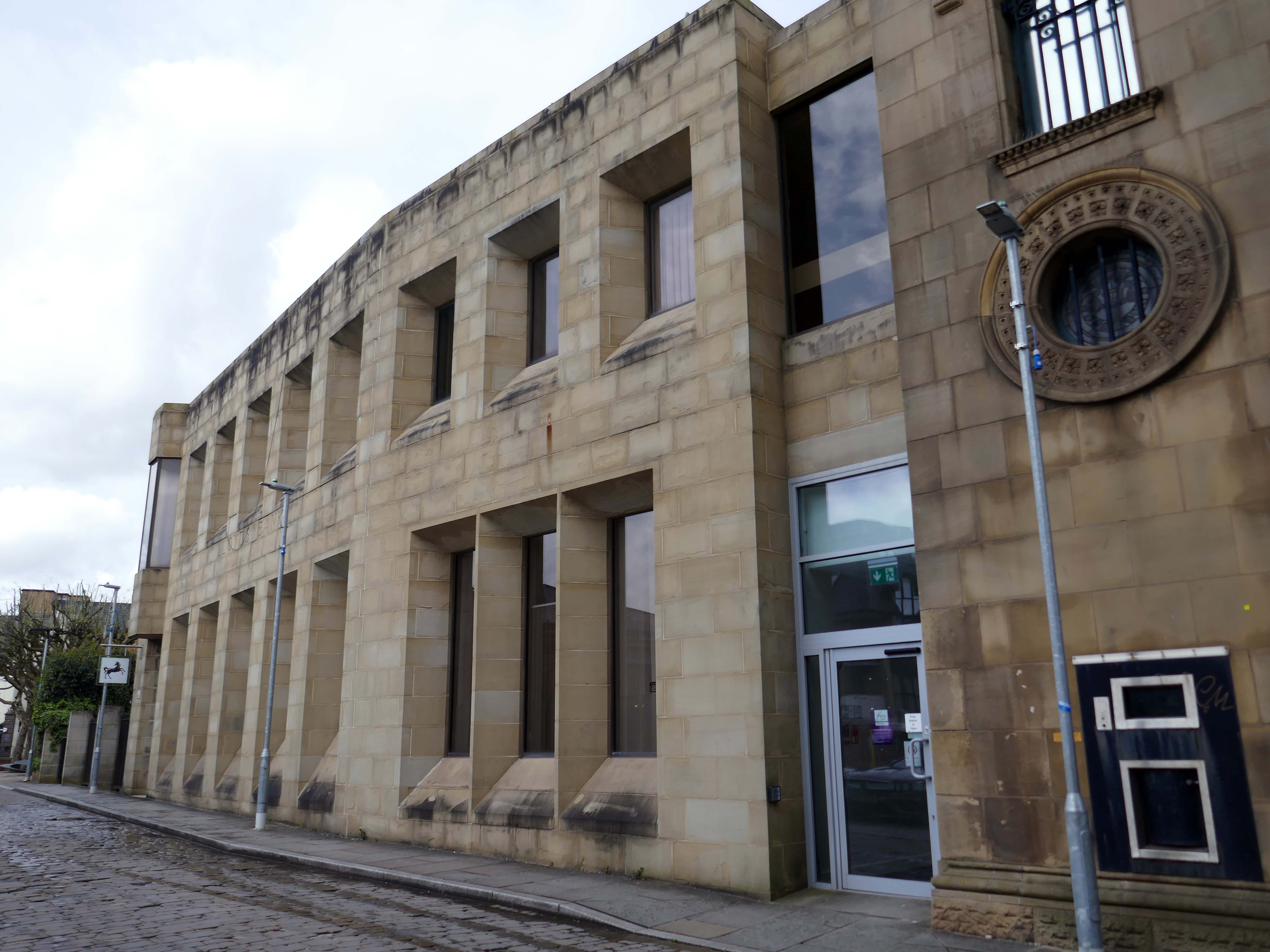
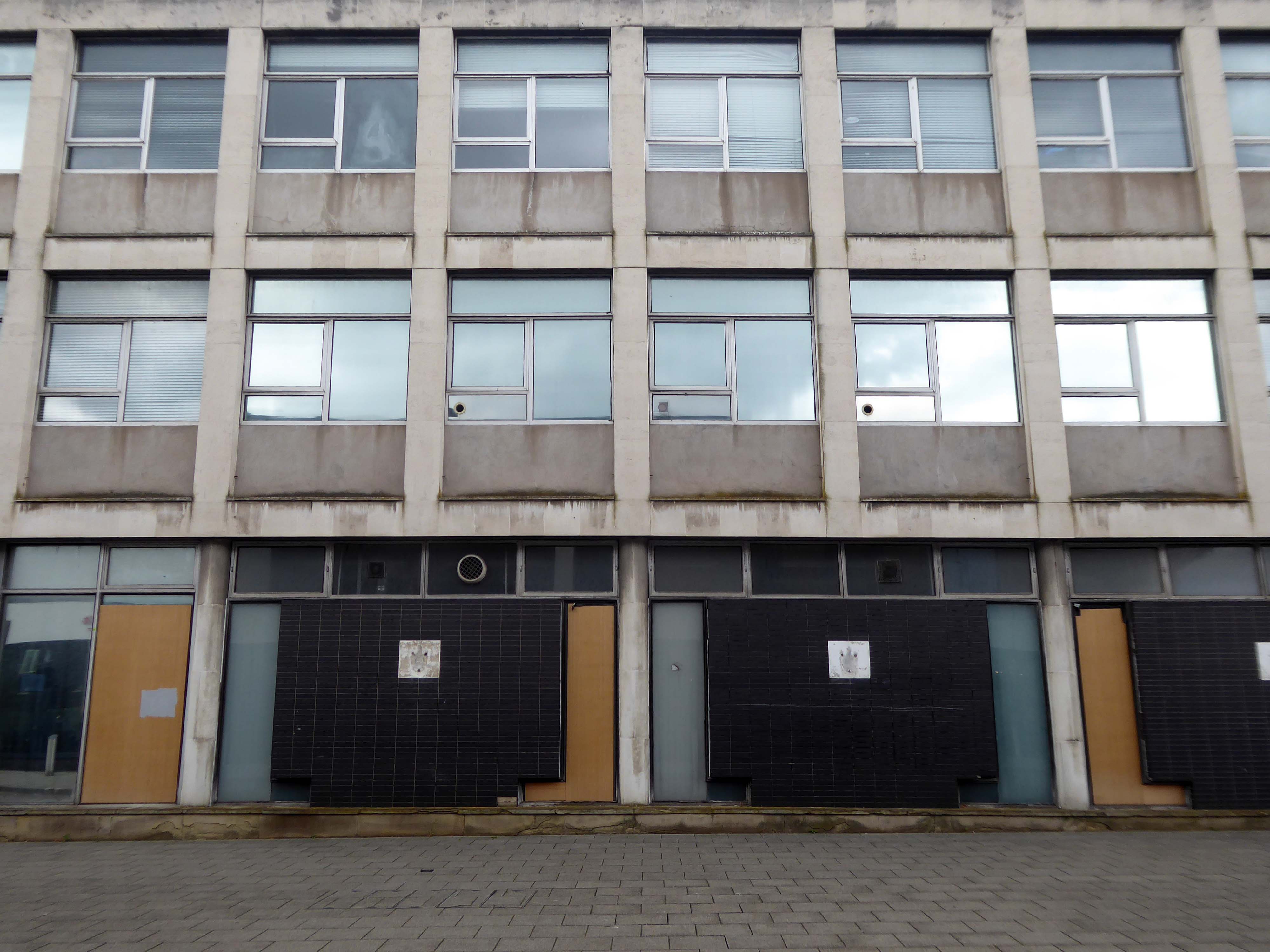
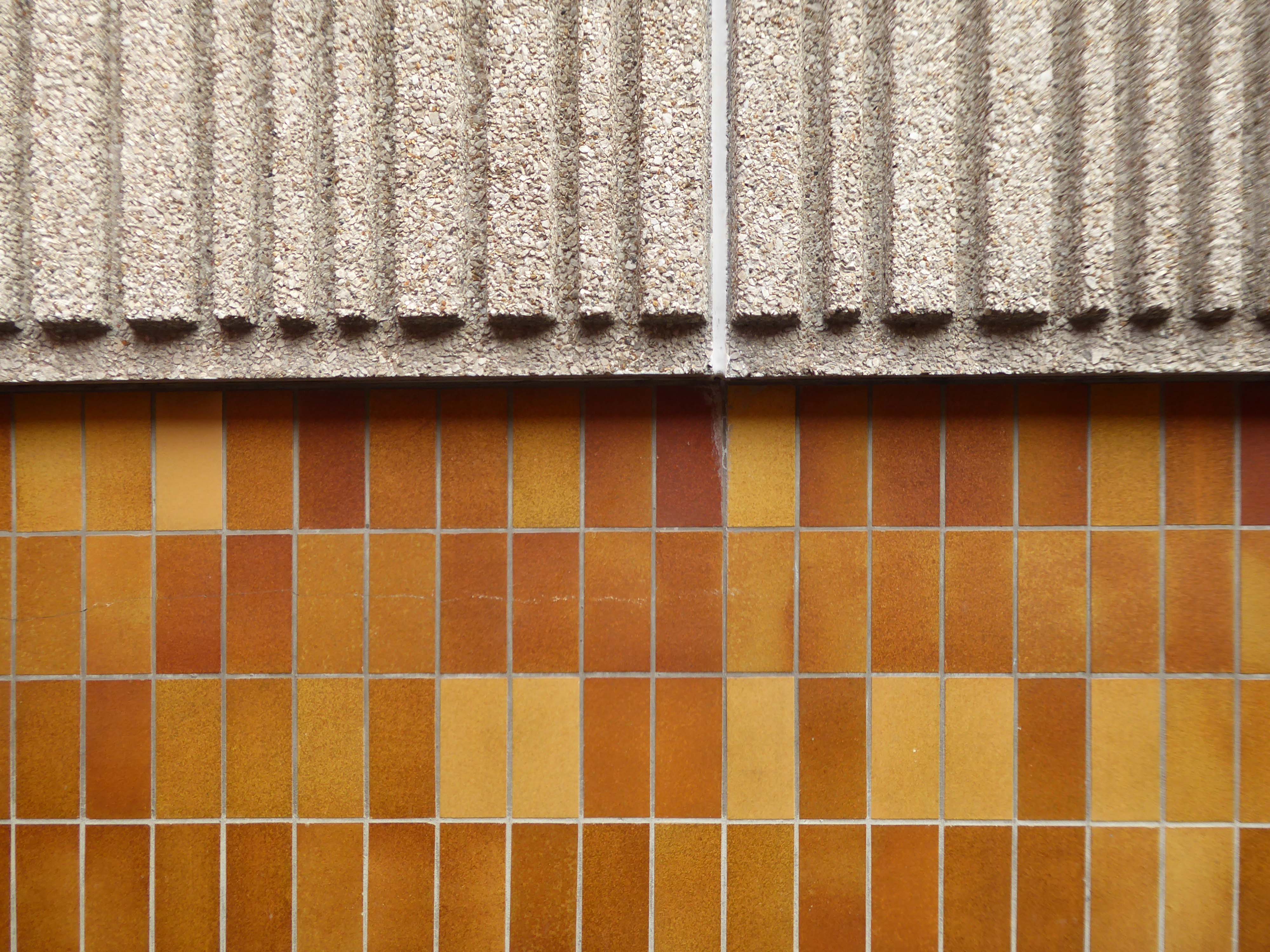
On Astley Gate the brown tiled remains of the Shopping Centre now known as The Mall.
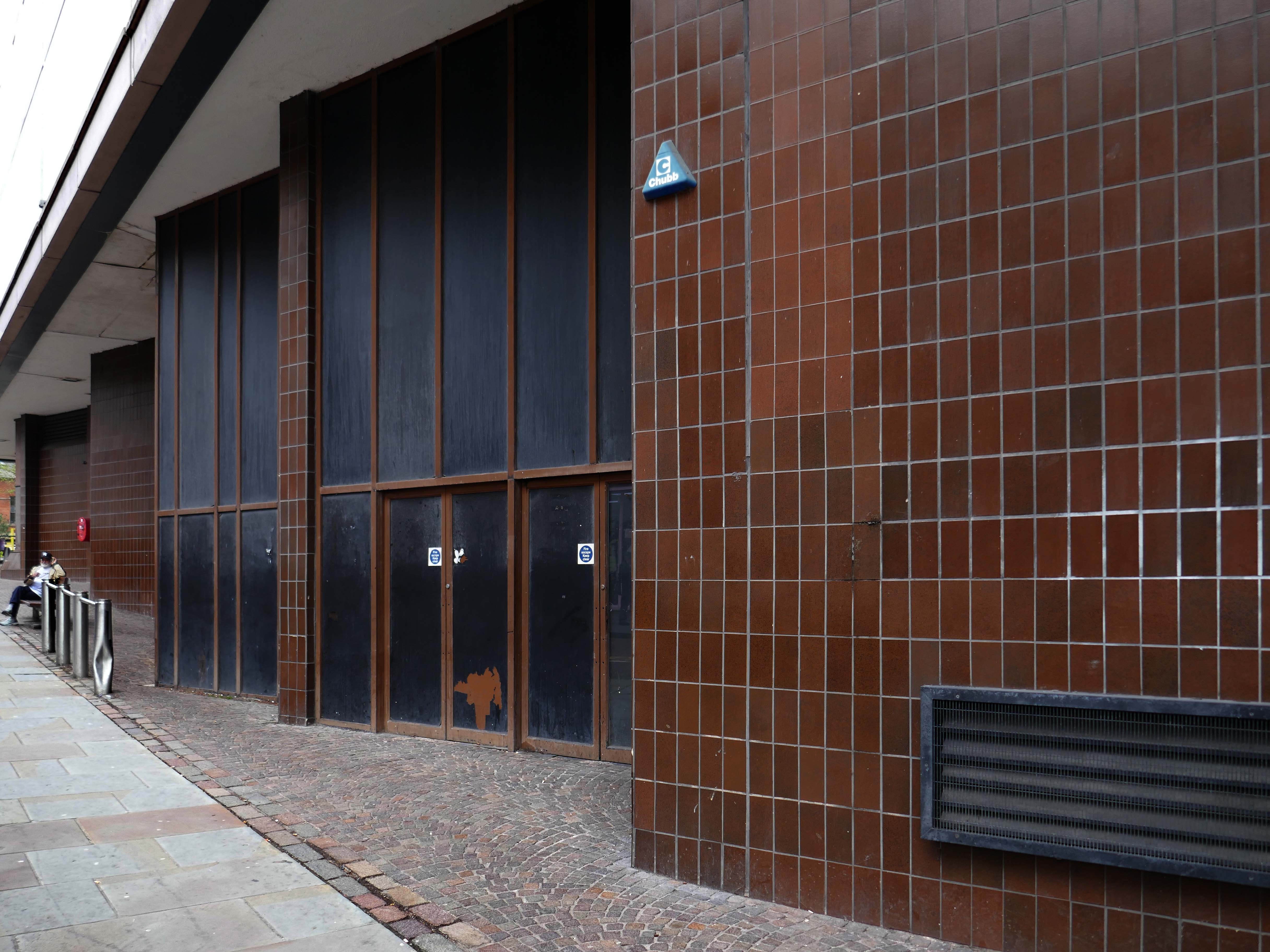
The shopping centre was built in three phases, with the final phase opening in 1979. The centre was refurbished in 1995, during which the lower floor of the former Co-Operative Department Store was transformed into the Ainsworth Mall.

The centre was bought by Standard Life in 1993 and its name was subsequently changed to Blackburn Shopping Centre. Standard Life sold the centre in 2003 to Reit Asset Management.

In 2004, Reit Asset Management sold the centre to The Mall Fund. The centre was sold again in 2022 to the Adhan Group from The Mall Fund for £40 million.

Wikipedia

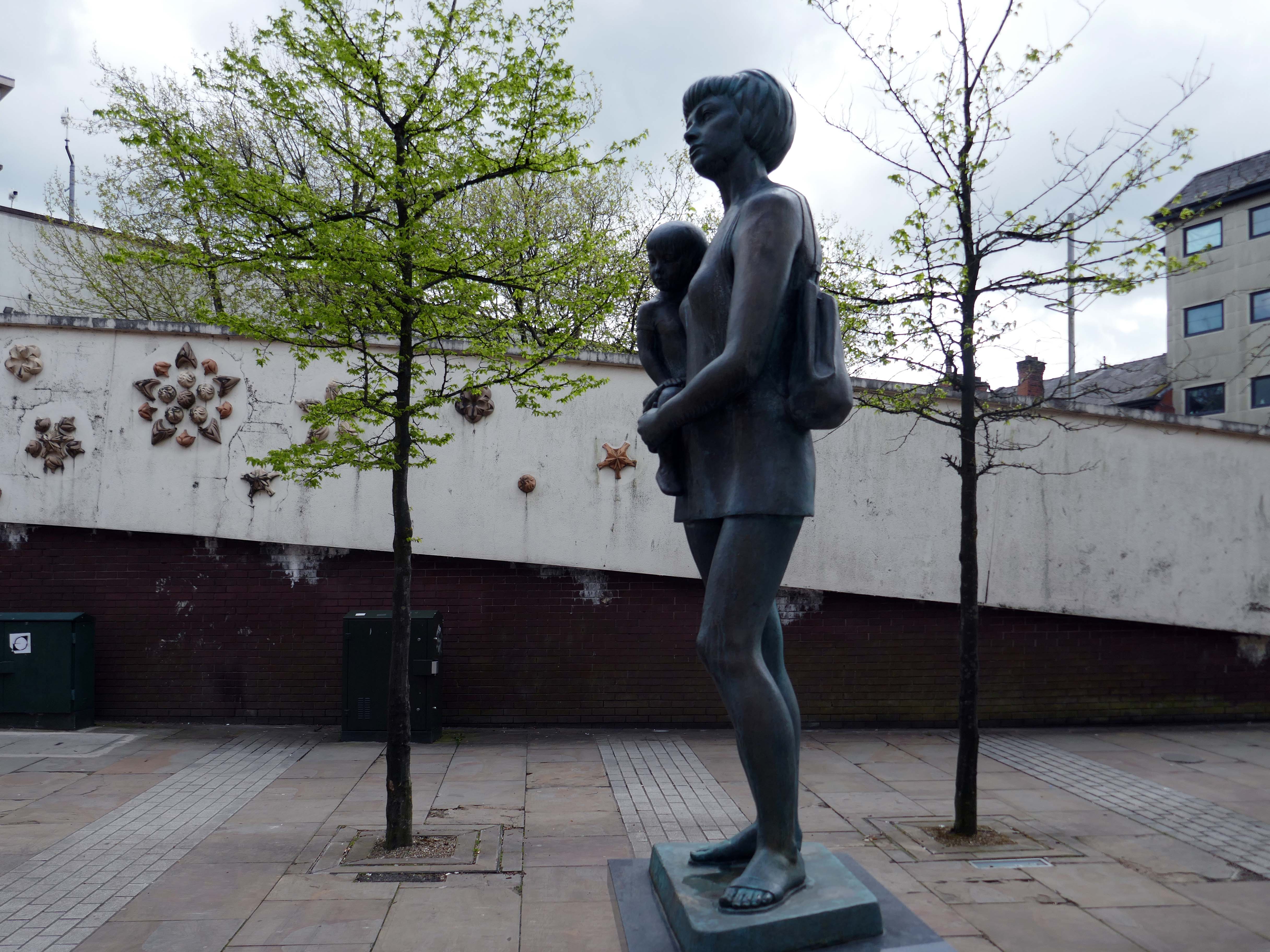
Around the corner the Mother and Child monument, created by Welsh sculptor Robert Thomas in 1974, who used his wife and child as models.

In 1974 the statue was placed in Lord Square, removed in 2007 and placed in storage, it was placed in Cardwell Place in 2012.
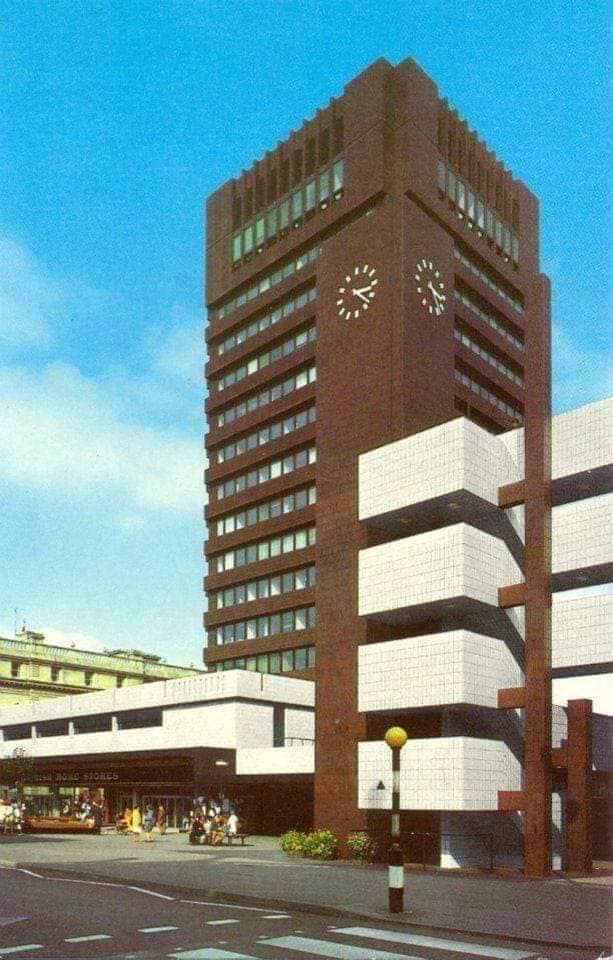
The Mall has been significantly remodelled, along with the adjacent Tower Block.
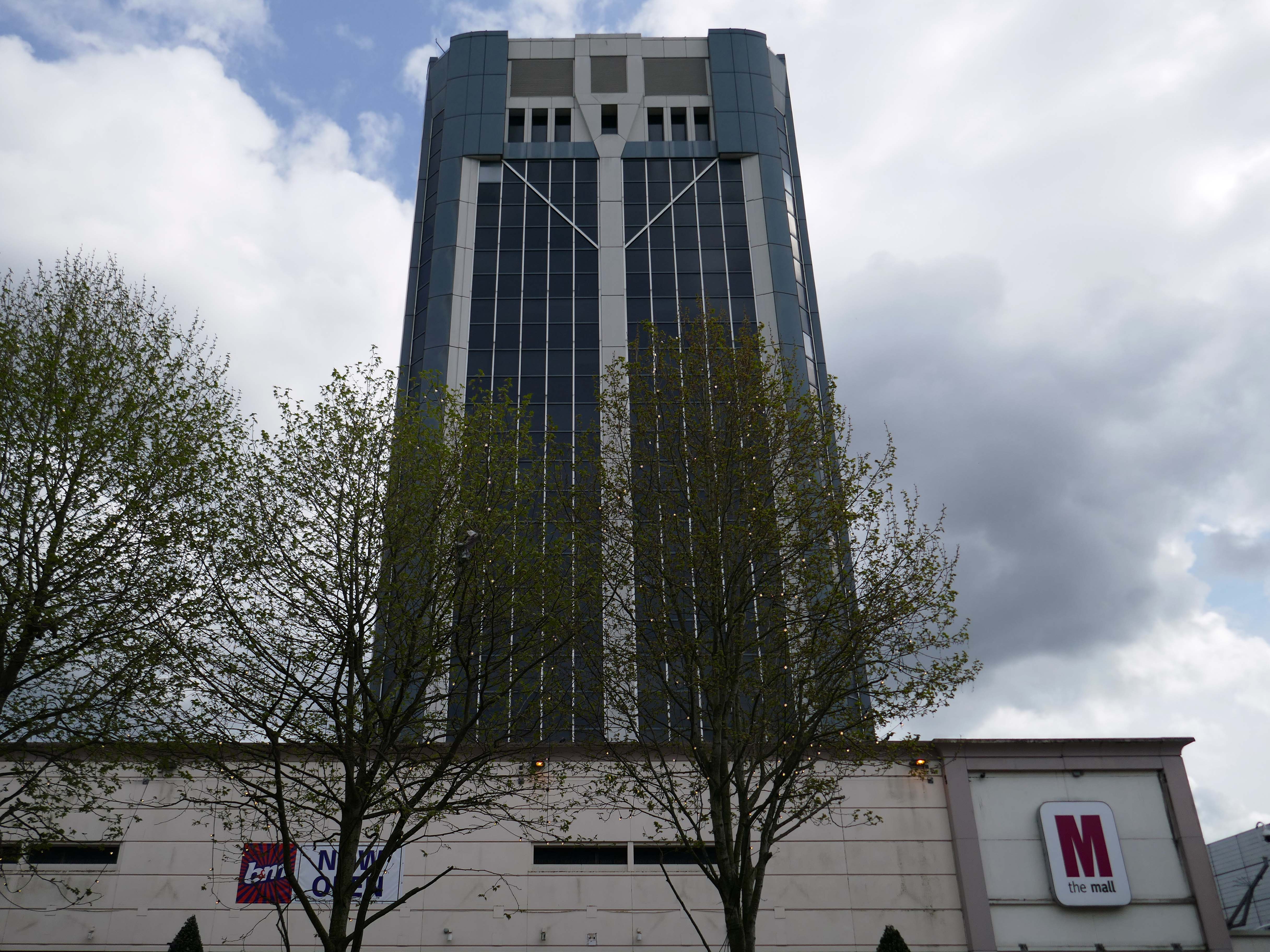
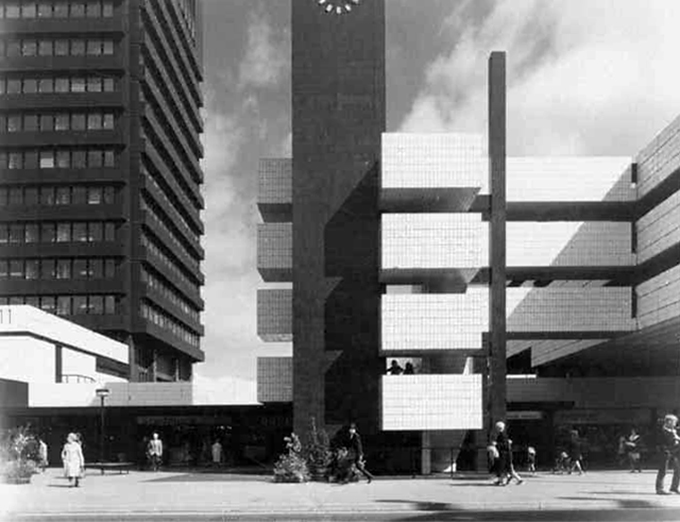
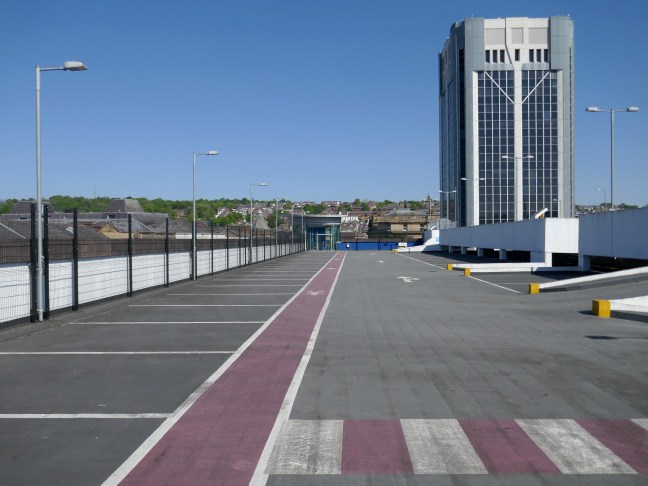
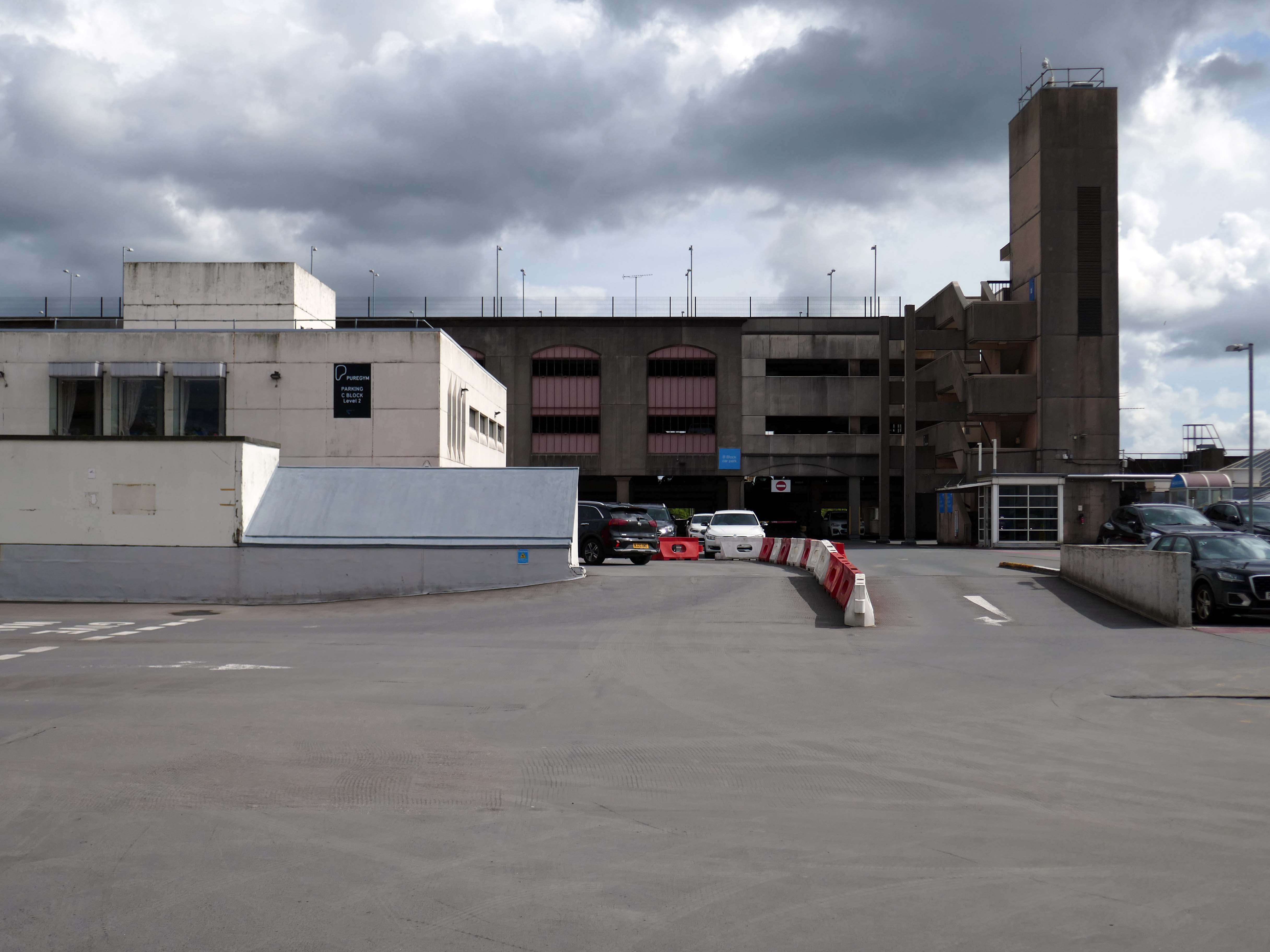
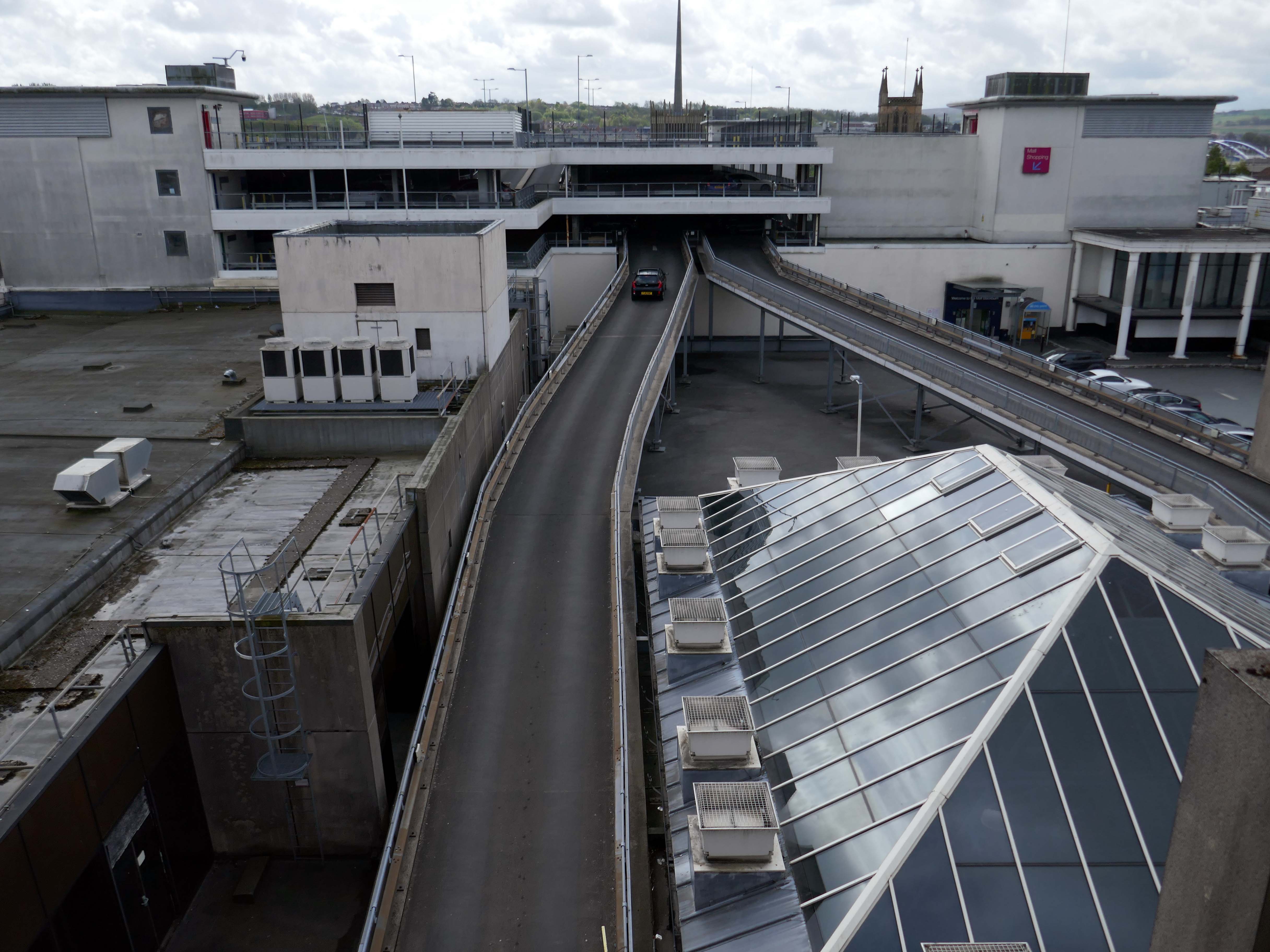
Above the Mall is a dizzying array of multi storey car parks – reflecting the various stages of development.
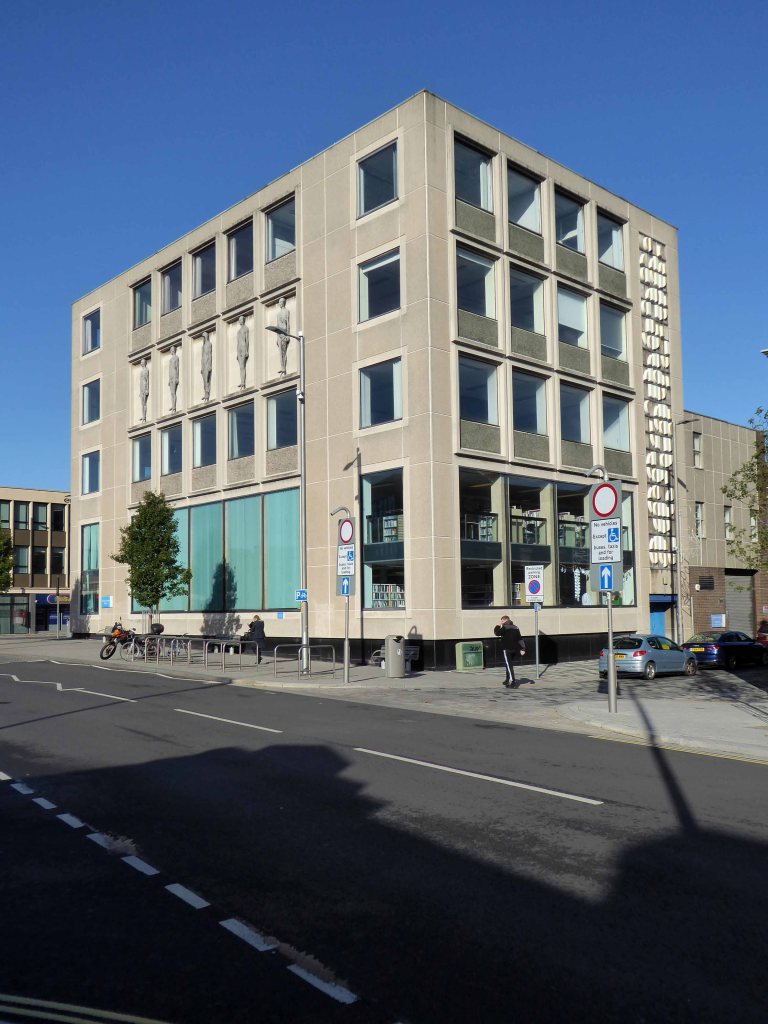
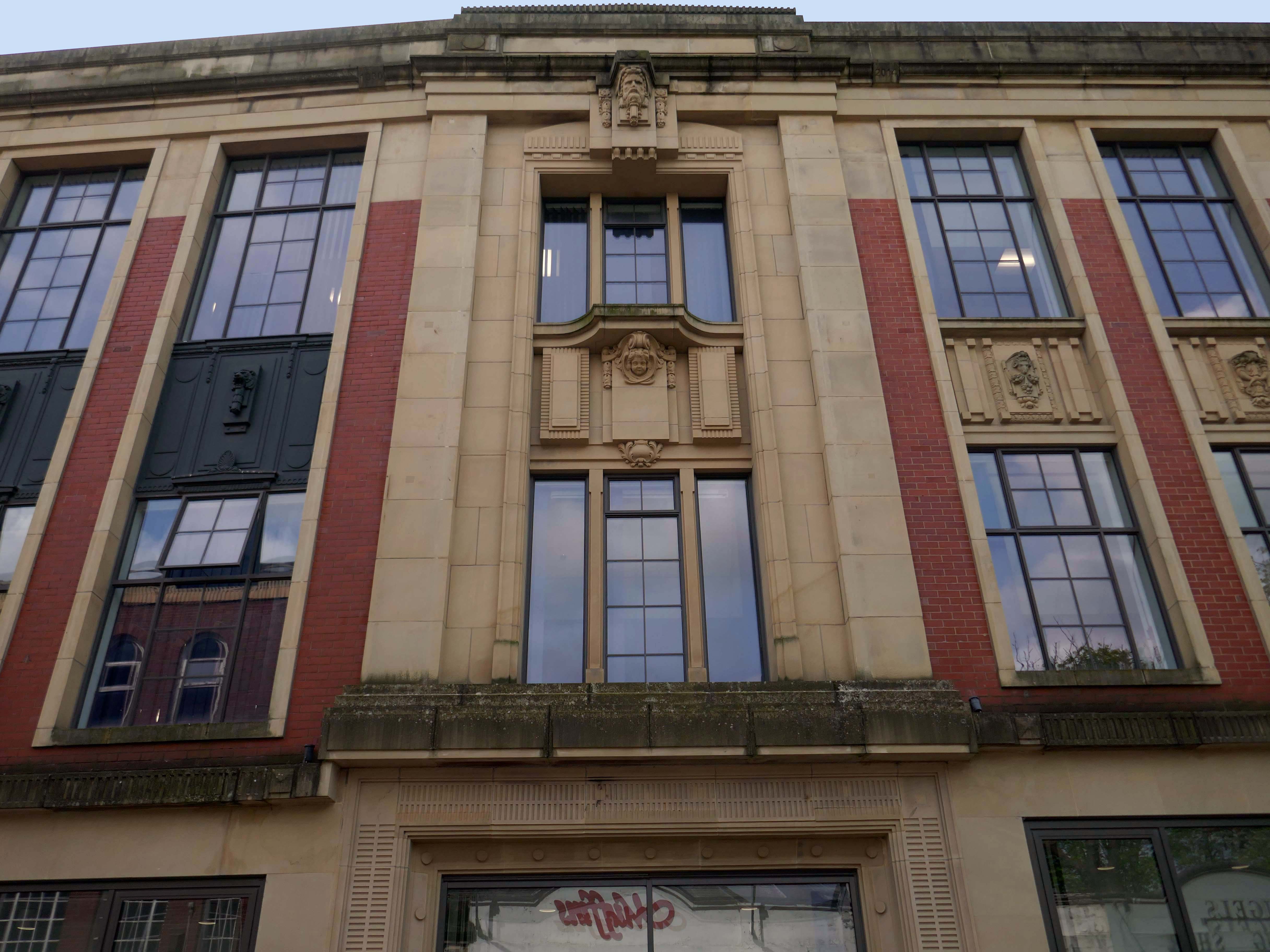
Next to the Central Library, the former Co-op Emporium by Walter Stirrup in Town Hall Street, opened in 1930, was converted into a £1m library by BDP, it opened on September 1st 1975.
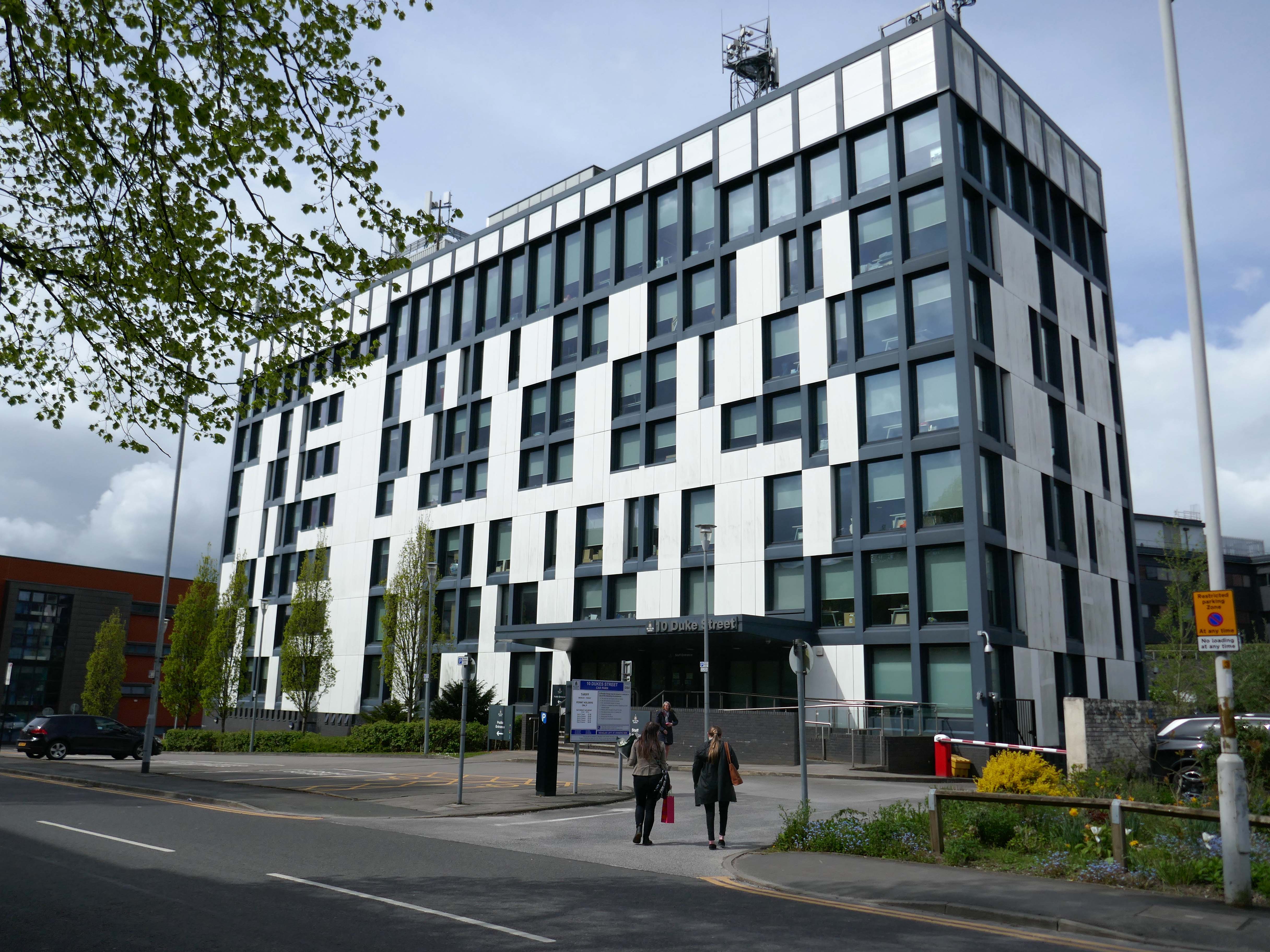
Onward to 10 Duke Street – home to council offices and the NHS, the Tower Block is now no longer in use.

Blackburn’s former town hall tower block has over the years become one of our most recognisable buildings.  Sadly it is now starting to be given derogatory names, such as the ‘Big Empty’ and ‘Mothballed Monolith’.  But compared to how it looked some years ago, before being reclad in today’s design, it still impresses many visitors to our town.  Wouldn’t it be great if Blackburn’s ‘Big Empty’ could become full again.
Roving Mick

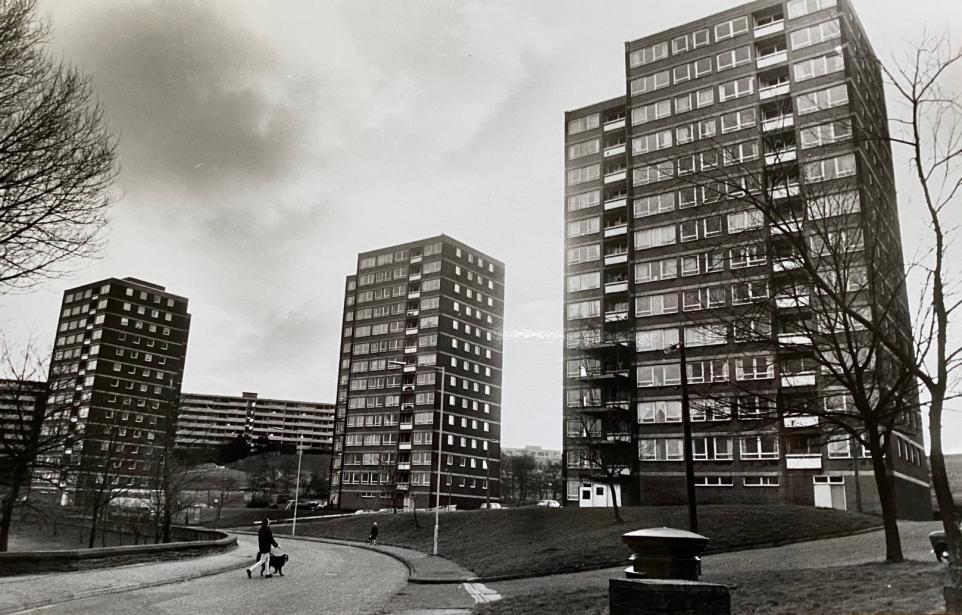
These tower blocks were the flats at Queens Park and in the background you can see the co-called ‘deck-access’ flats at Shadsworth.
Bowland House was one of three tower blocks built in 1963 and the only one still standing after the others, Ribble and Pendle, were torn down in 2001 to be replaced by homes.

In 2022 Bowland House was refurbished.
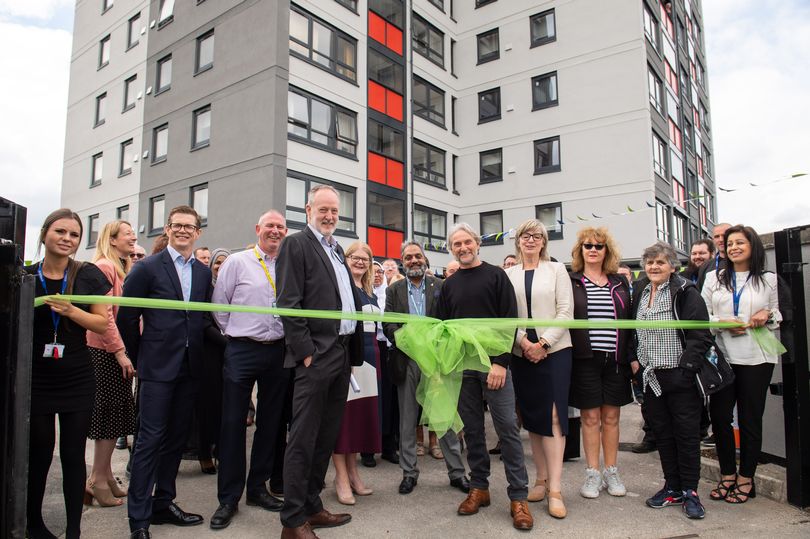
Former four-time World Superbike champion Carl Fogarty was the guest of honour as Great Places’ Bowland House in Blackburn was officially unveiled.

Lancs Live

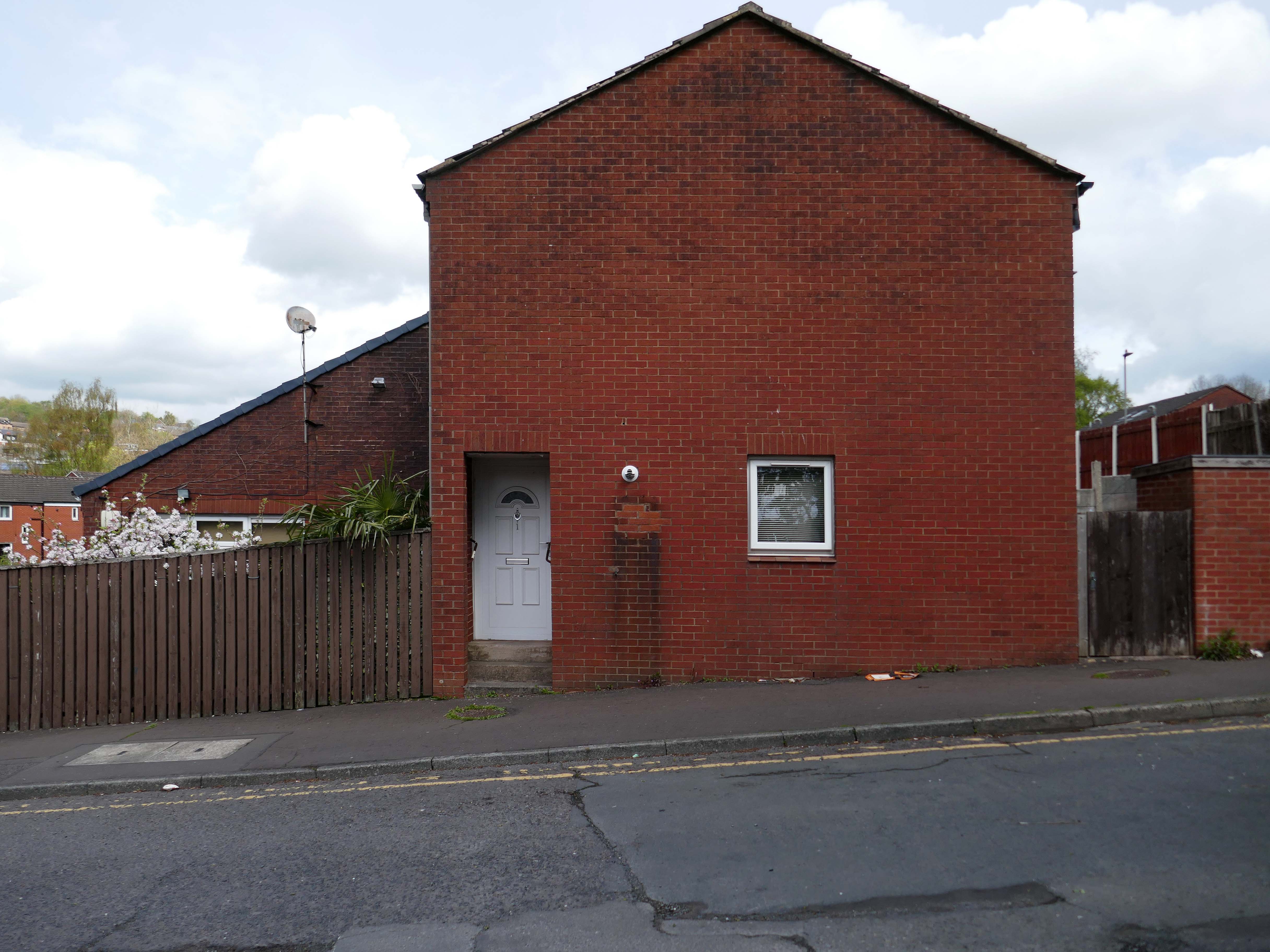
On the approach to Birley Street we walk through a mixed development of low rise housing, set in grassed and pedestrianised areas.
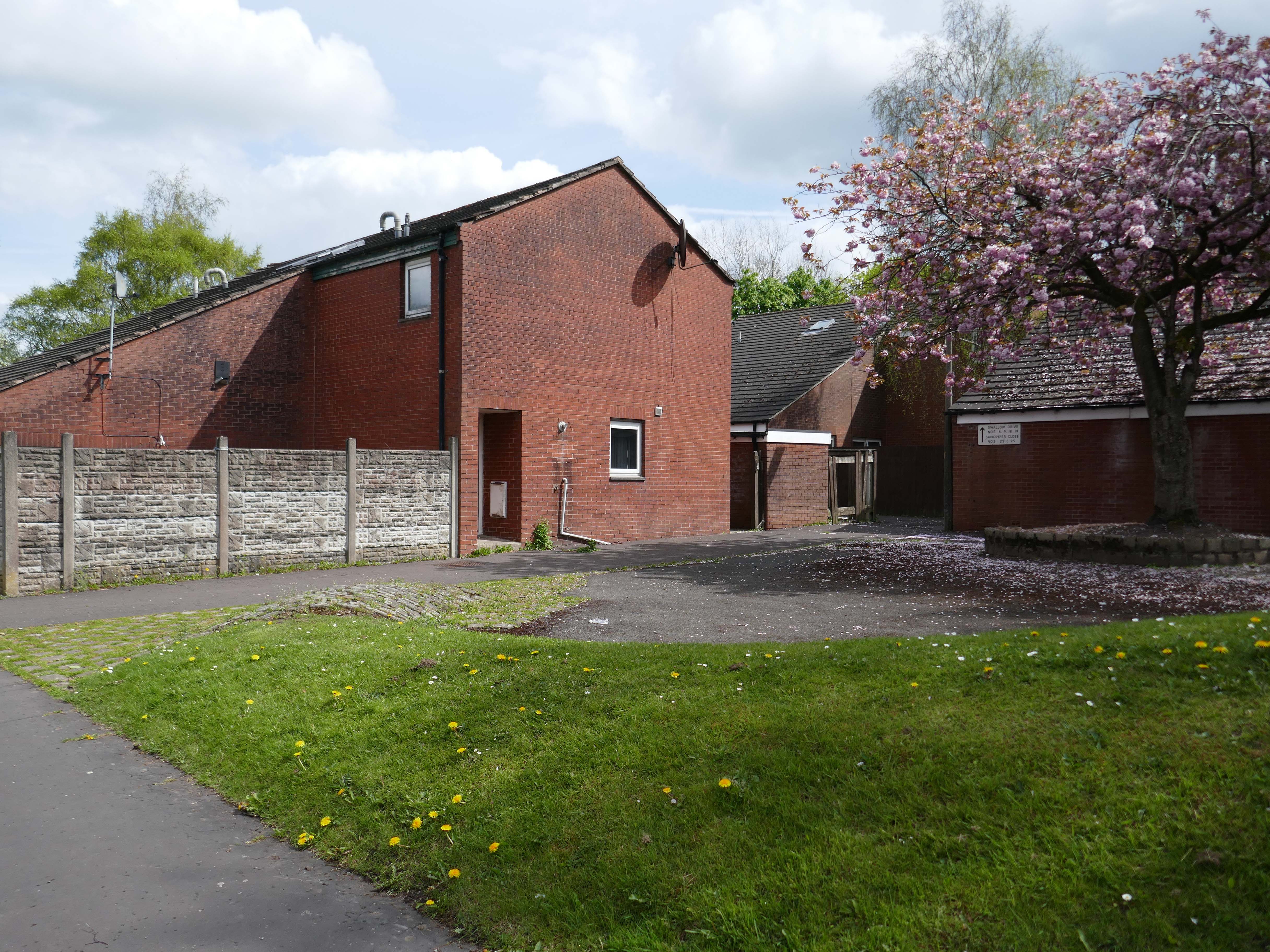
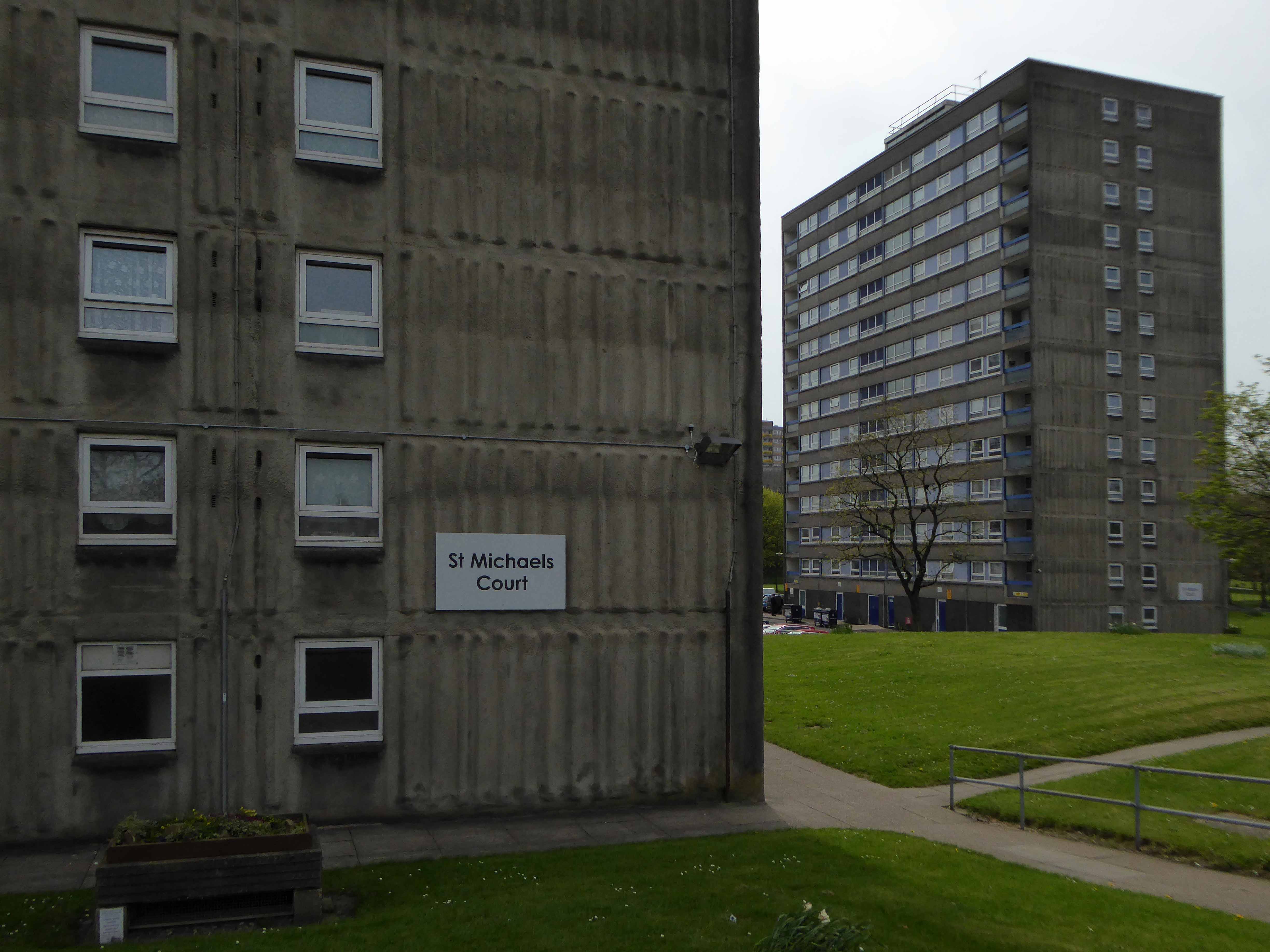
Birley Street Tower Blocks

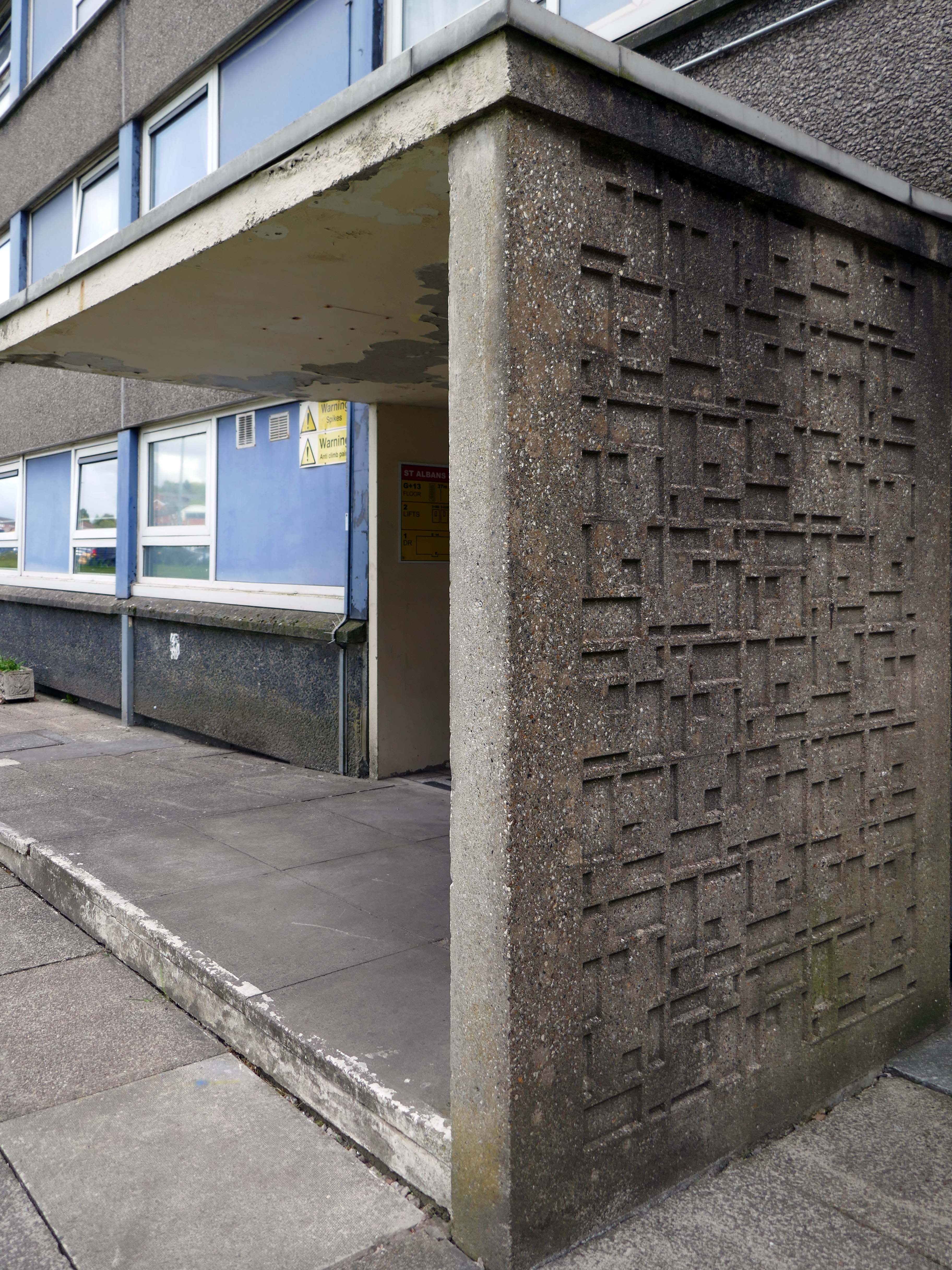
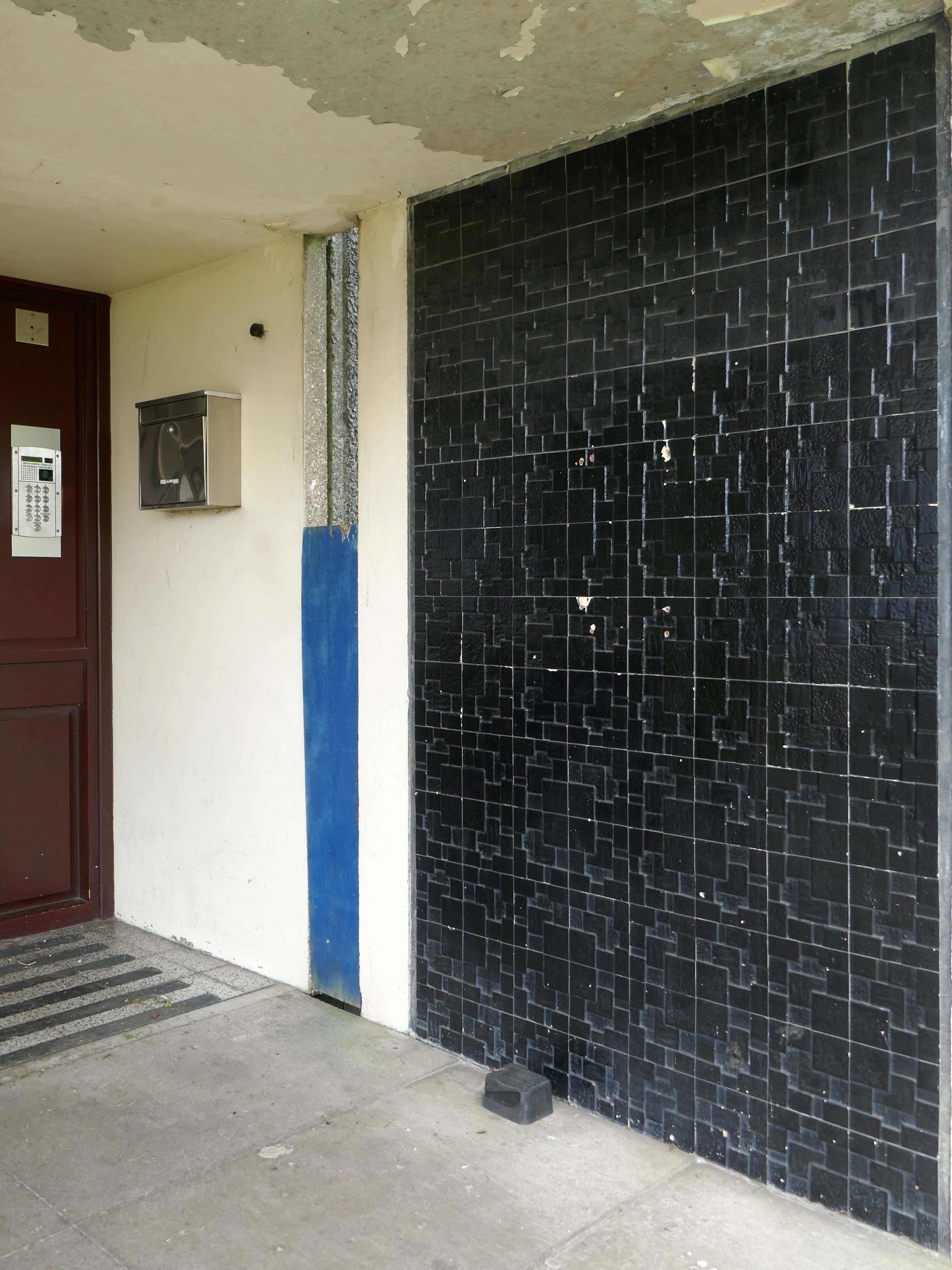
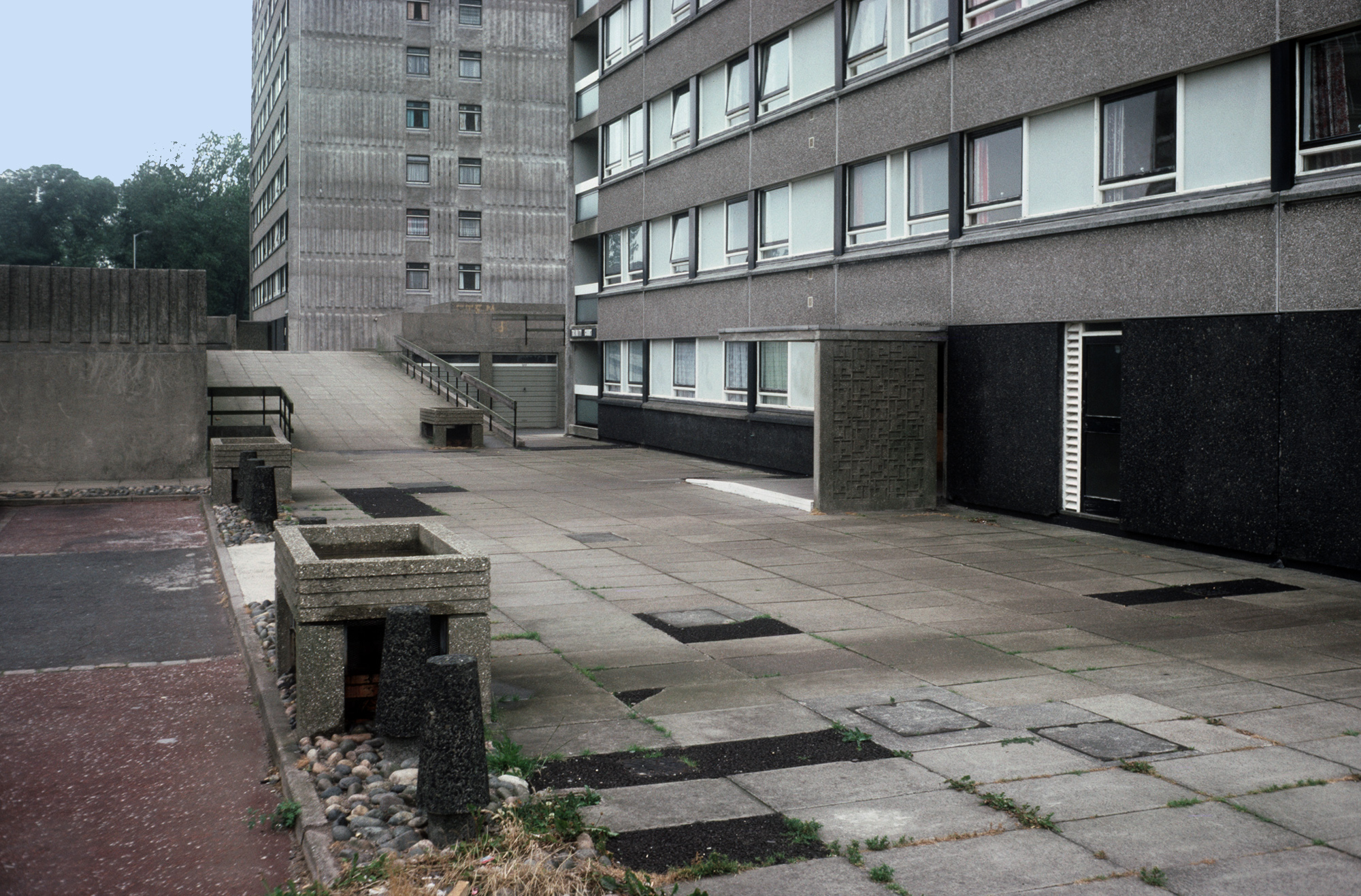
Three thirteen-storey slab blocks built as public housing using the Sectra industrialised building system. The blocks contain 183 dwellings in total, consisting of 72 one-bedroom flats and 111 two-bedroom flats. The blocks are of storiform construction clad with precast concrete panels. The panels are faced with exposed white Cornish aggregate. Spandrel panels set with black Shap granite aggregate are used under the gable kitchen windows. The blocks were designed by the Borough architect in association with Sydney Greenwood. Construction was approved by committee in 1966.
Pastscape

1987 view of Birley Street development, with Trinity Court in the foreground: Tower Block
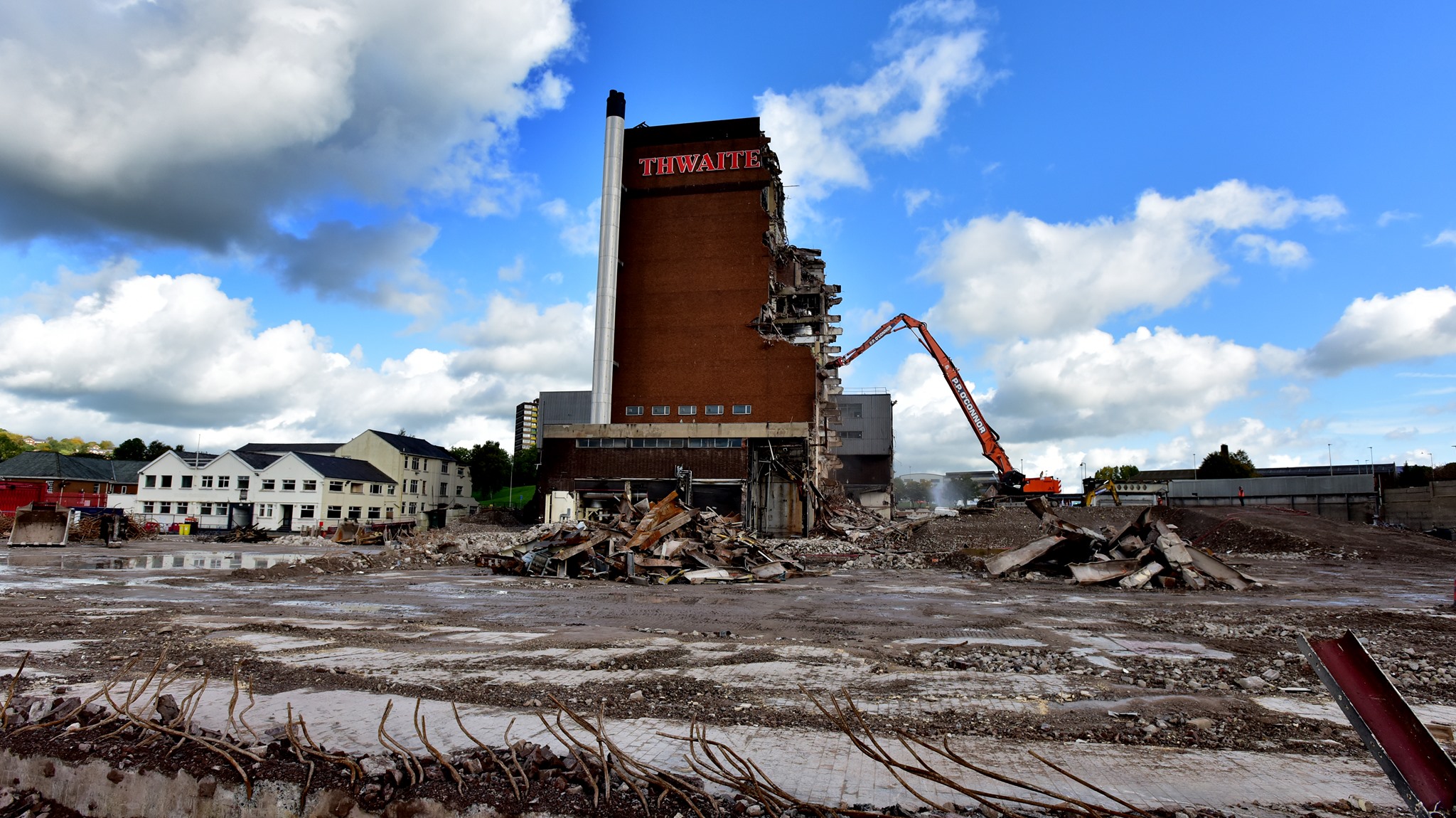
Back now into the centre – passing the now empty site of Thwaites Brewery, demolished in 2019.
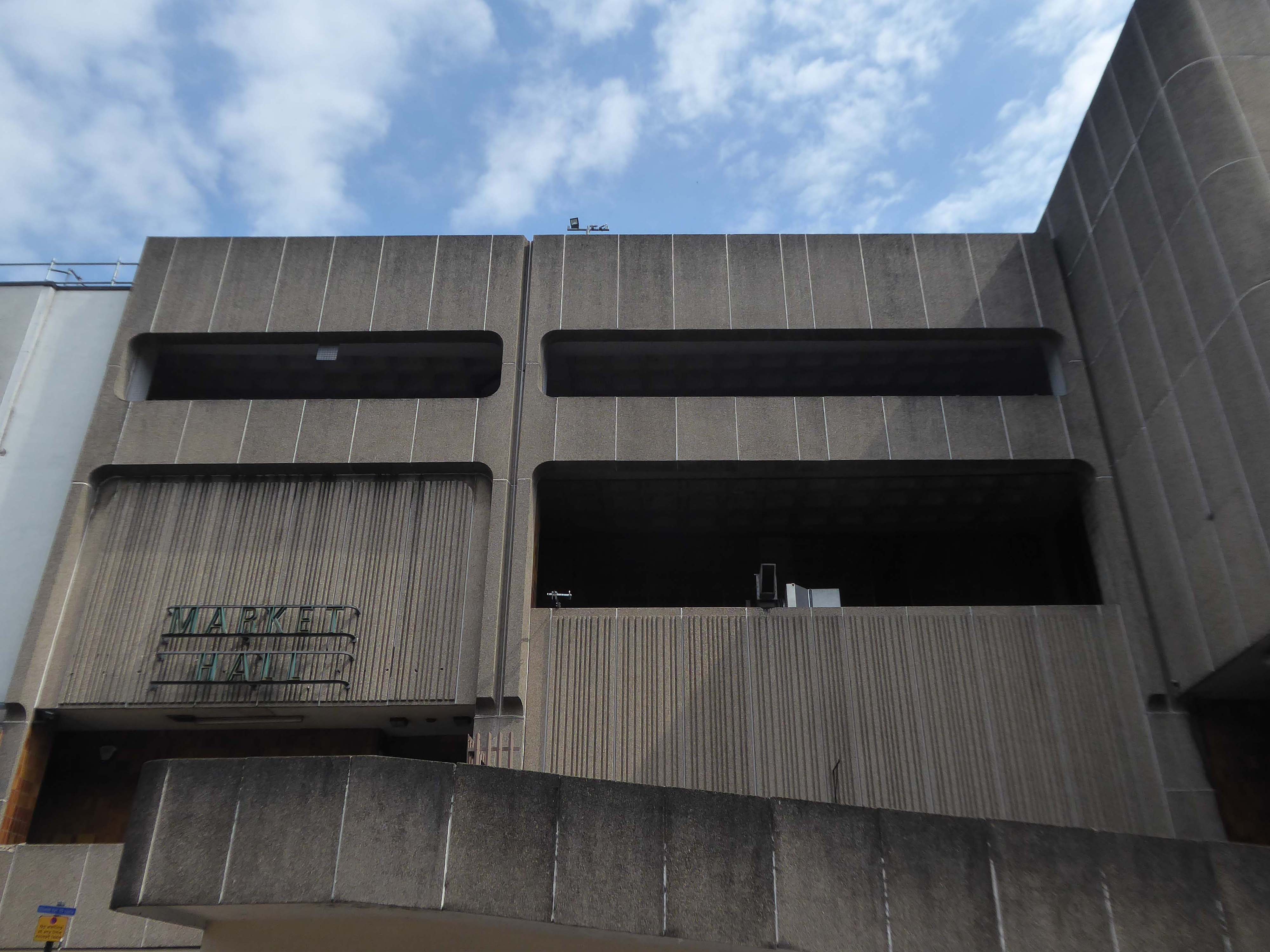
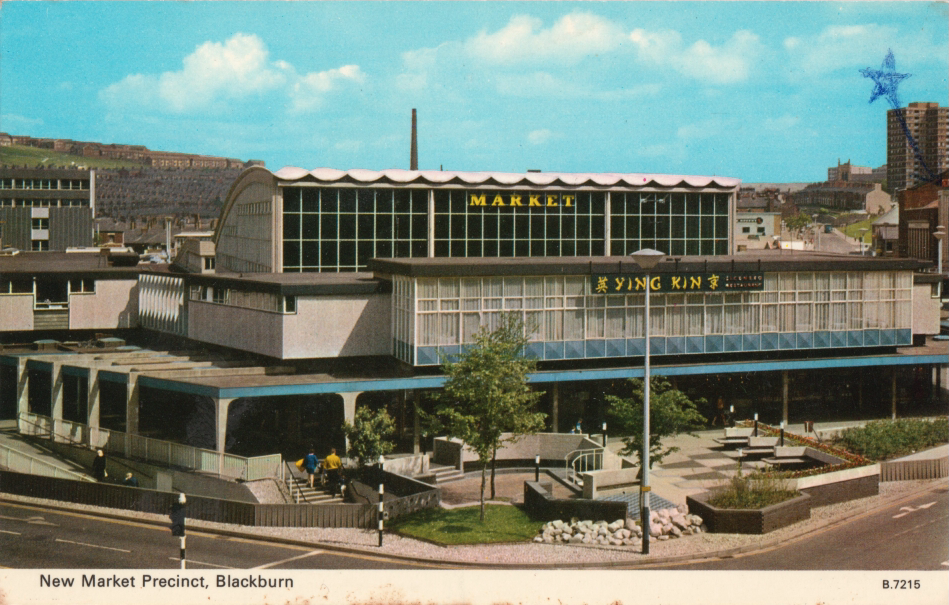
Also missing in action is the 1960’s Market Hall – architect Tom Brennan.
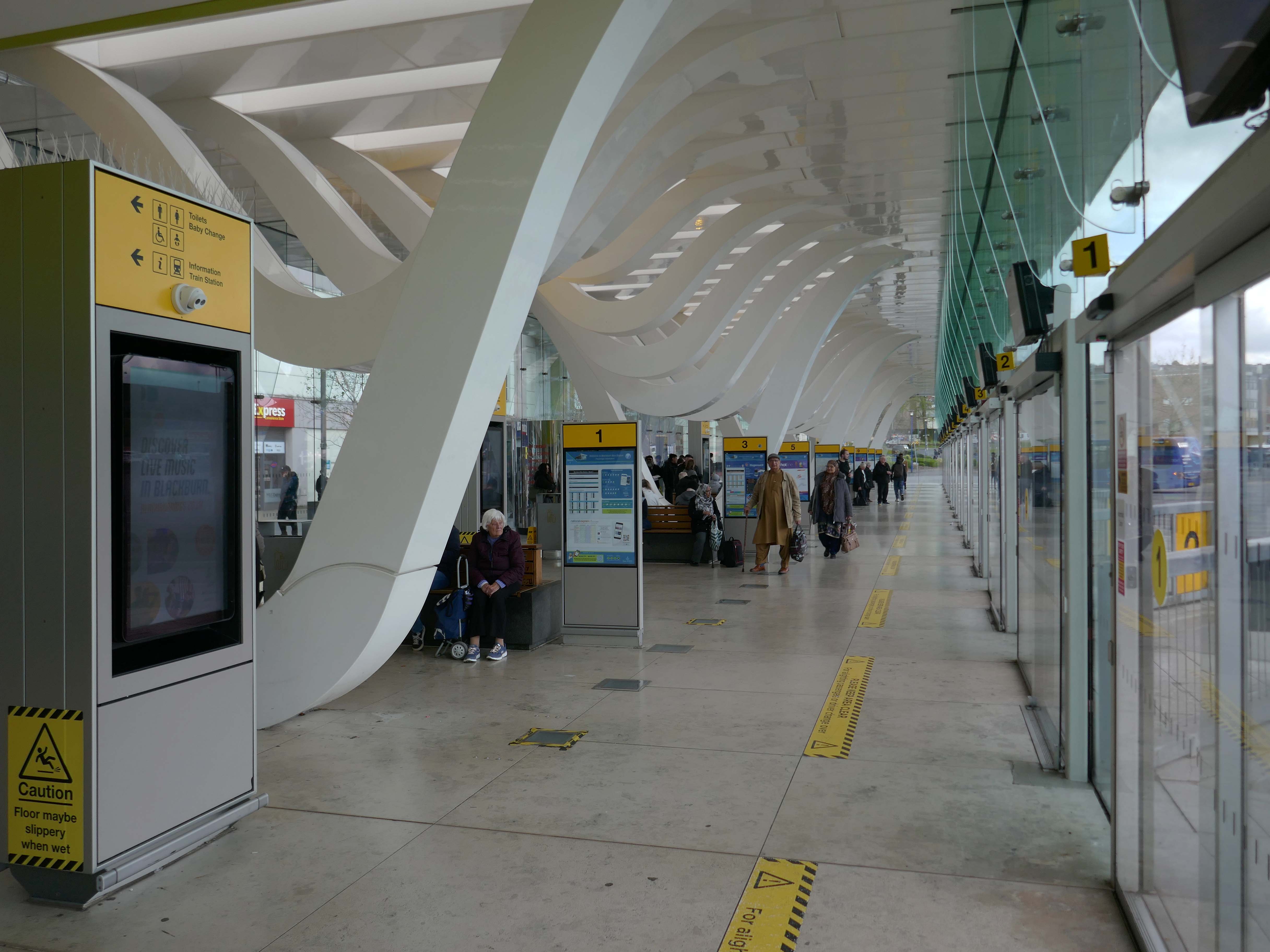
The new Bus Station designed by Capita Symonds – replacing the old bus station.

The outward facing elements of the building are flat and orthogonal. In contrast, the underside of the canopy is free flowing and consists of a number of glazed slots cut in the canopy to allow daylight to penetrate onto the concourse area. Directly below each of the slots is a hanging loop which appears to be pulled down from the canopy to reveal a glazed opening. The composition of these draws inspiration from the cotton weaving looms, and drying cotton bundles, a reference to the town’s industrial past.

There are four loop types (A, B, C & D) which are arranged to alter the scale of the concourse and create a rhythm of peaks and troughs along its length. Loop A is designed to provide support to the whole canopy allowing the canopy to appear as one floating unified element.
Archello

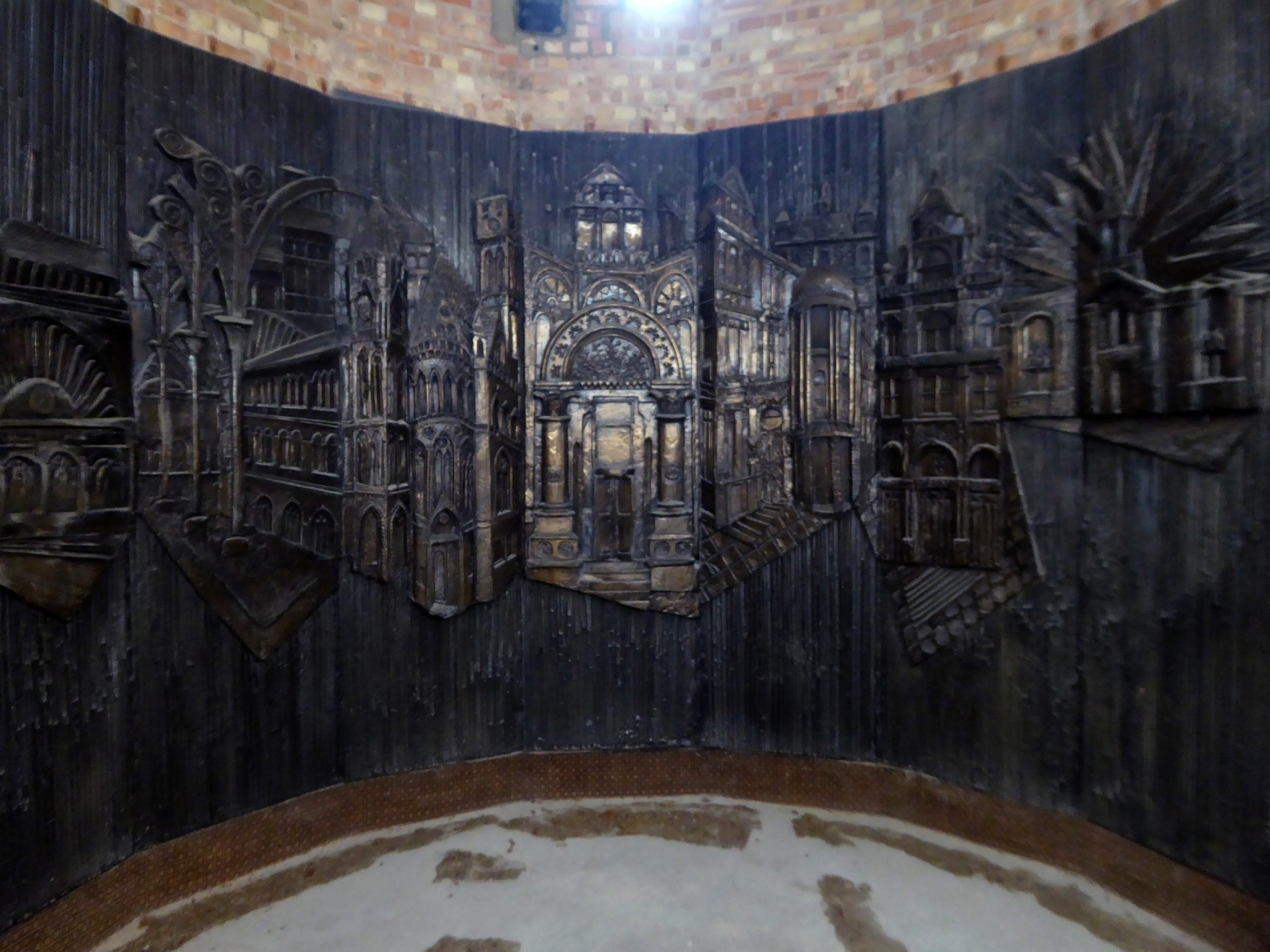
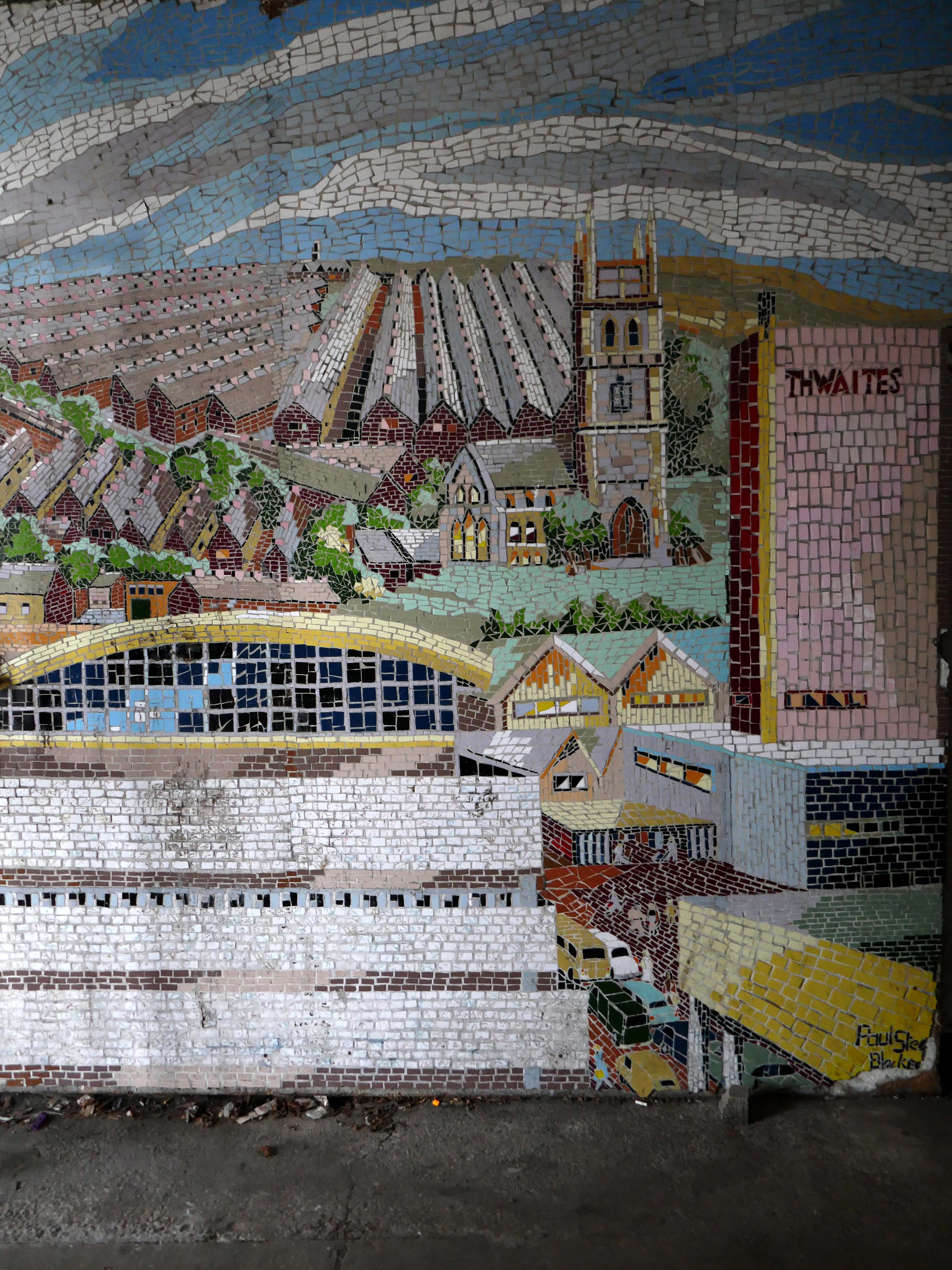
Tucked away this mosaic panorama of the town.
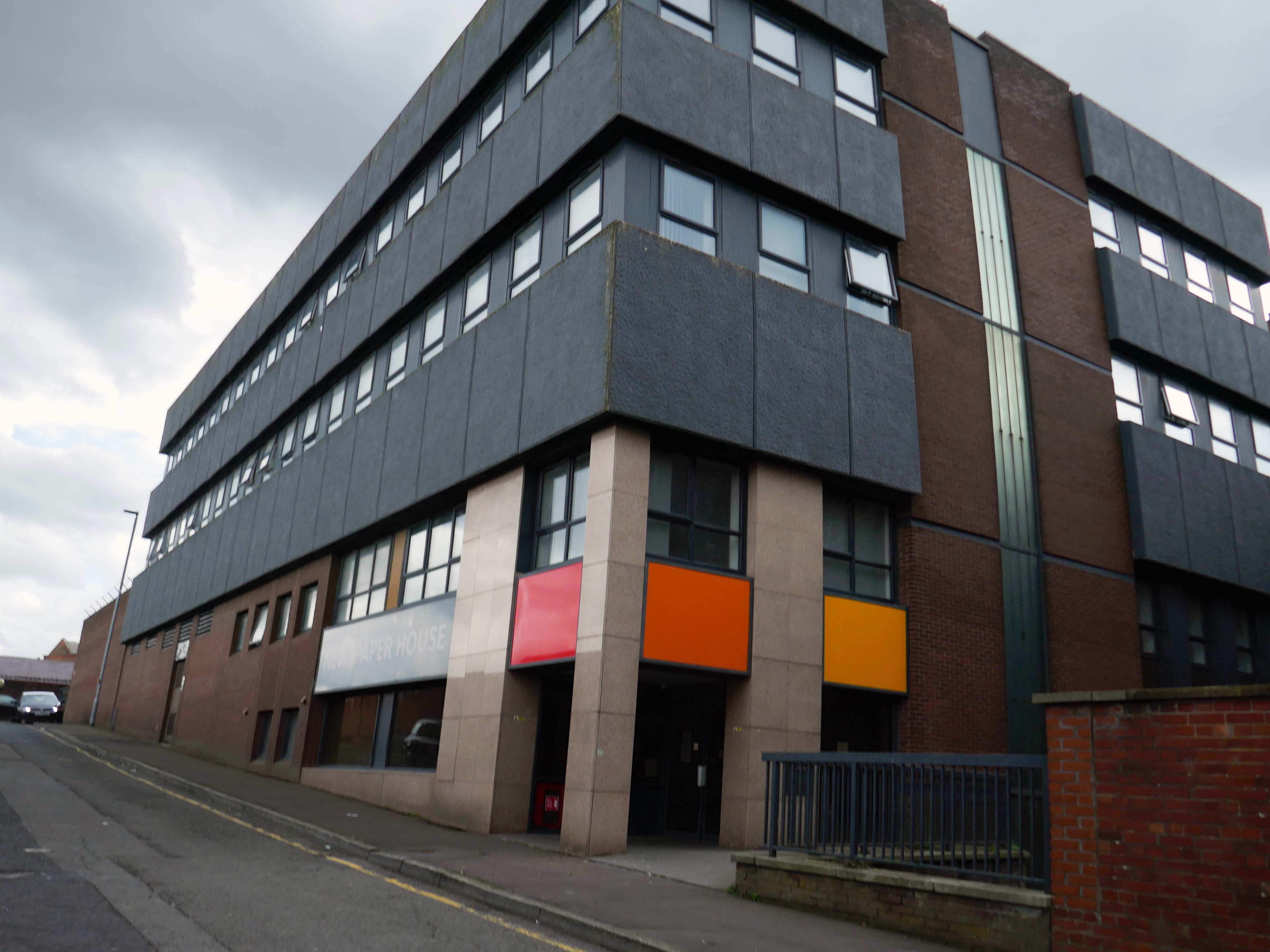
Newspaper House – once the home to the Lancashire Telegraph, converted to apartments in 2017.
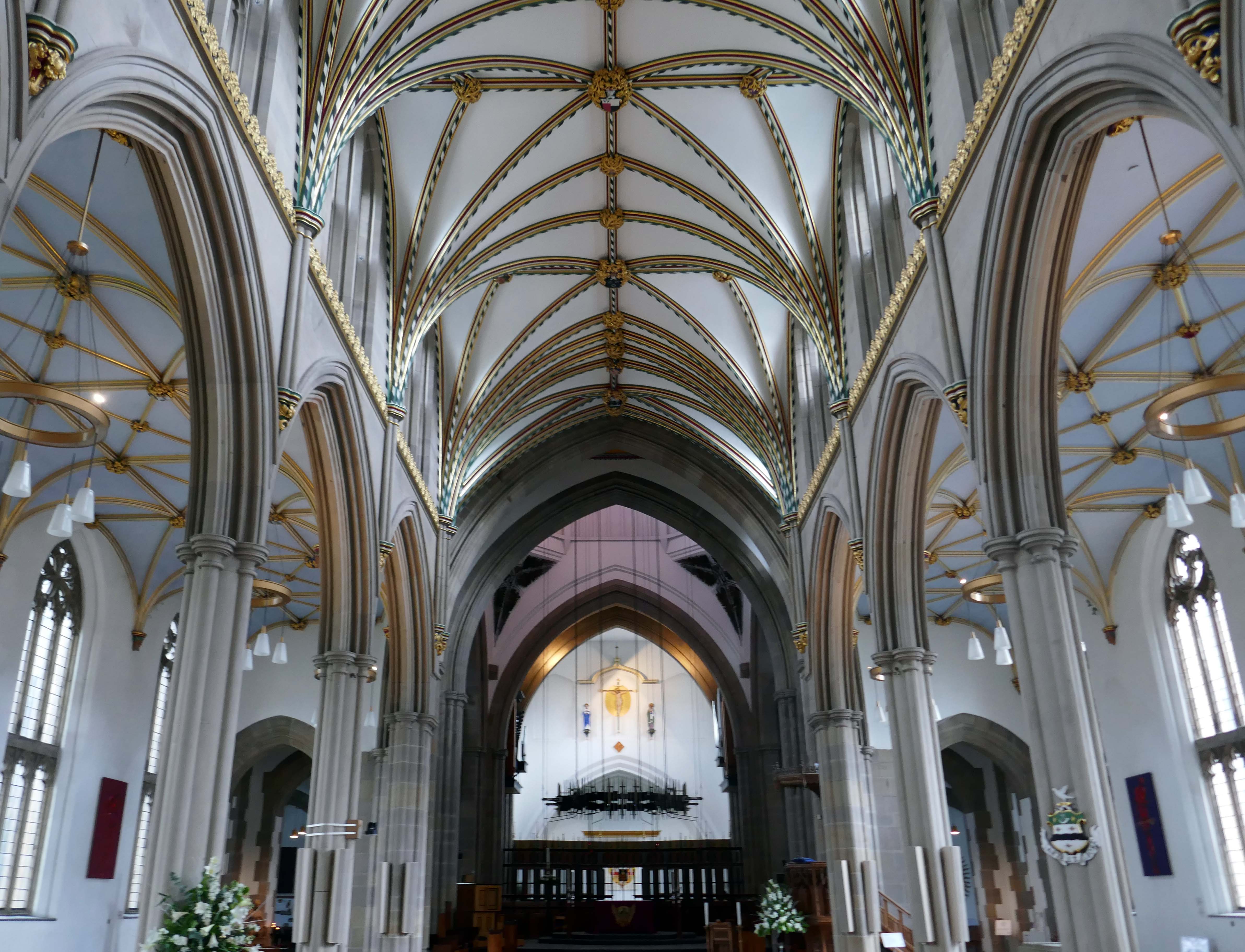
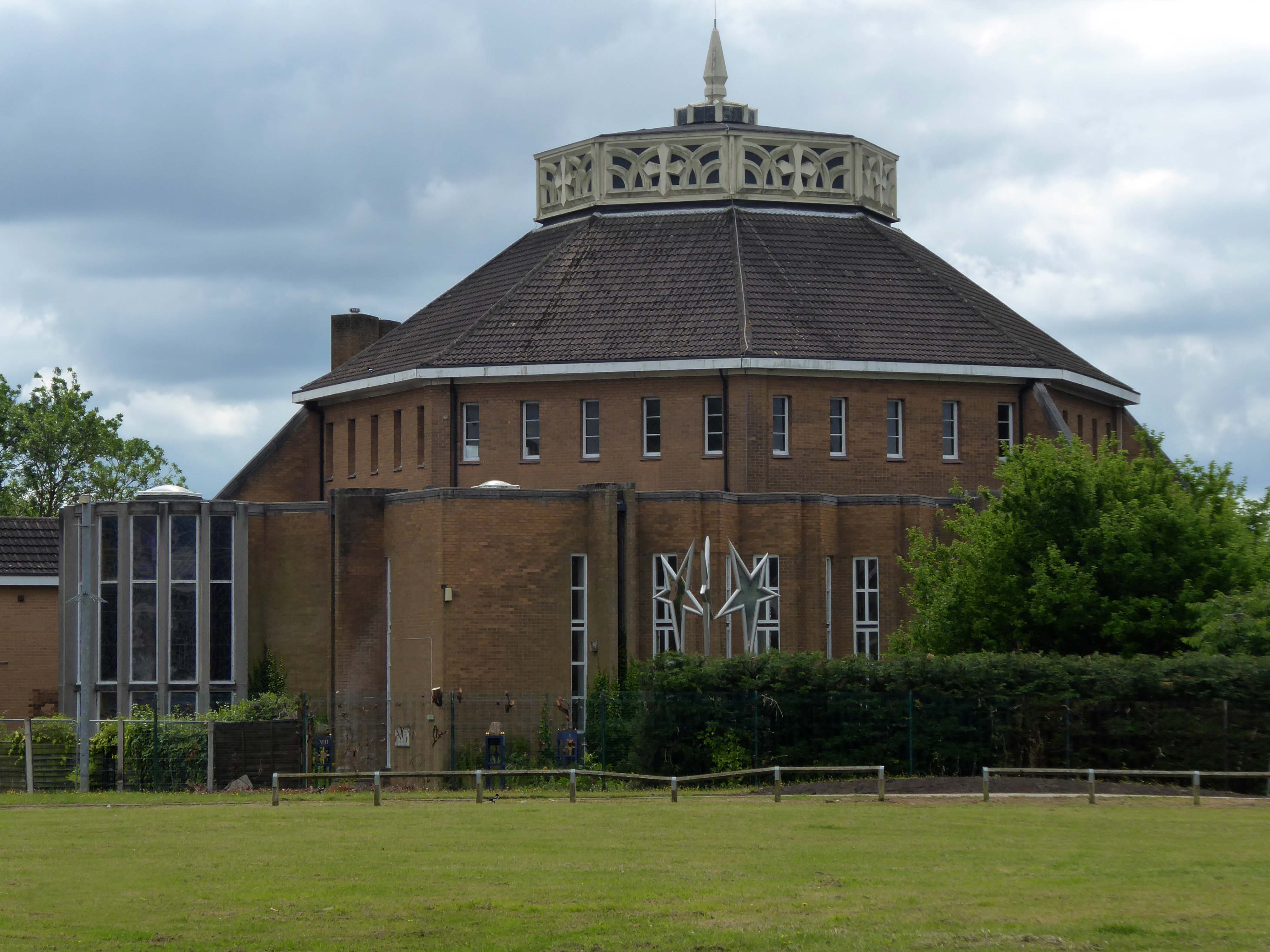
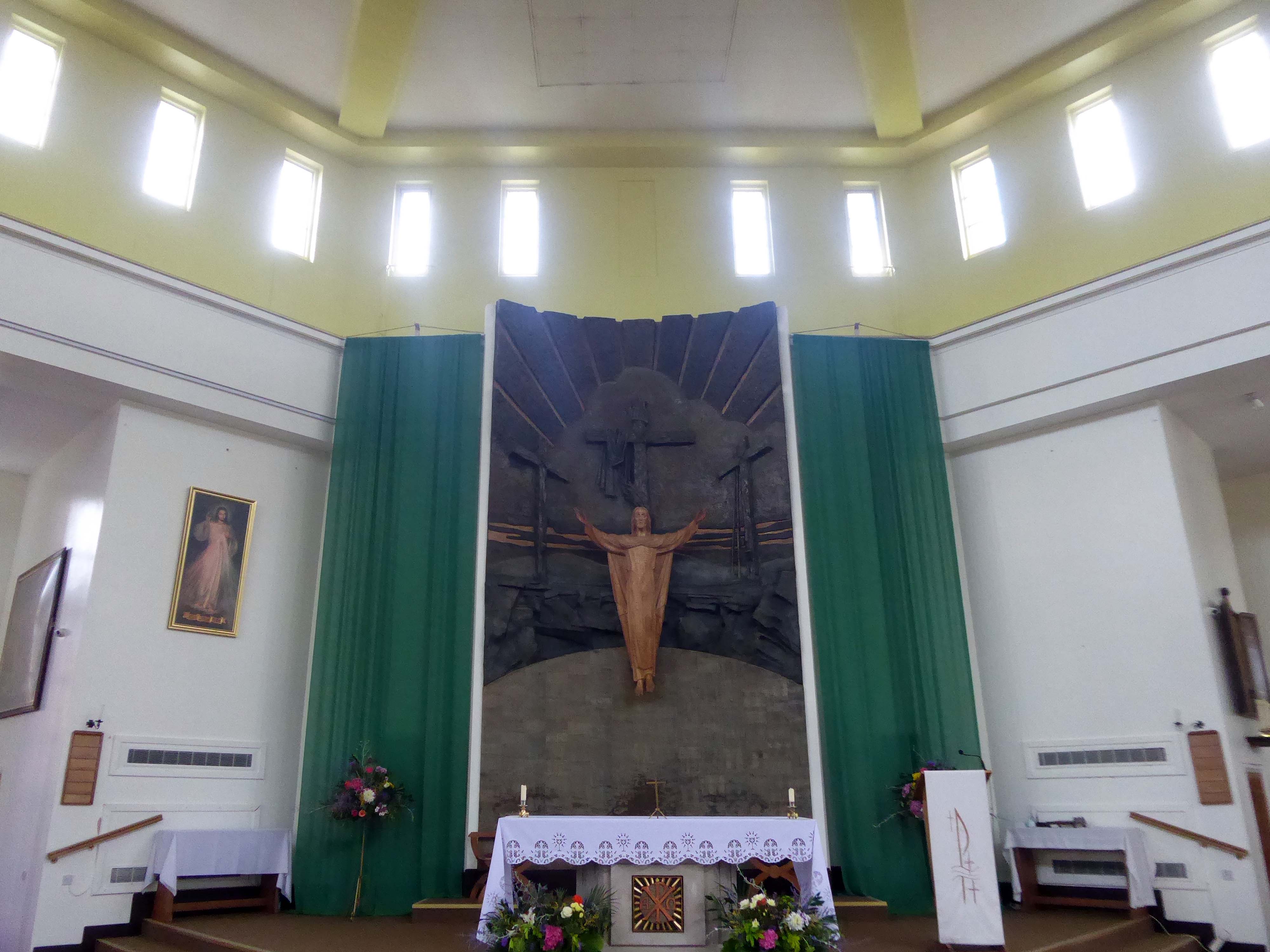
Finally to the Garde II* listed Blackburn Cathedral church – since 1926, formerly parish church, 1820-6 by John Palmer of Manchester.

Central concrete corona by Lawrence King 1961 – it was rebuilt in stone by Brian Lowe in 1998.
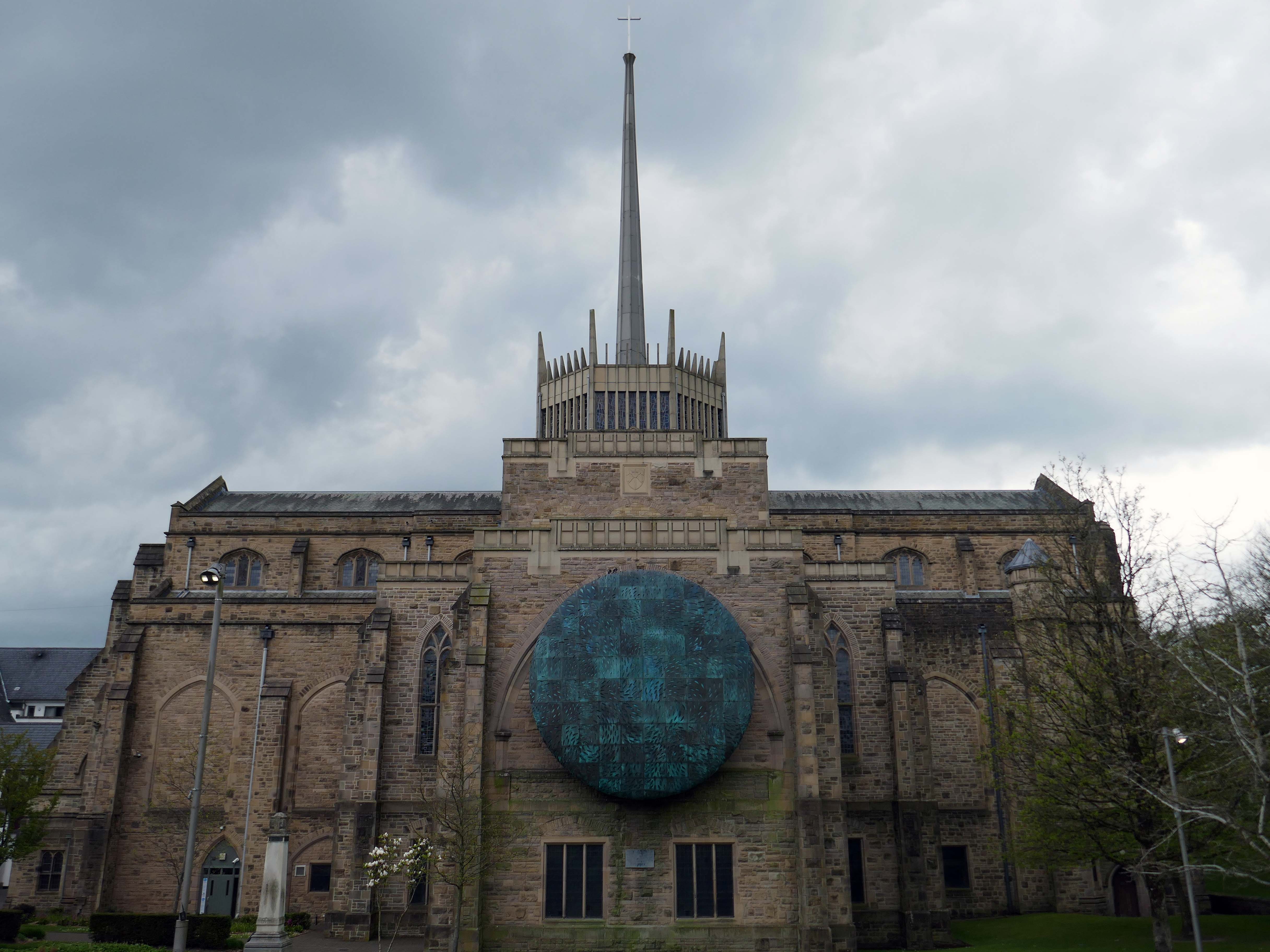
The Healing of Nations in steel and copper by Mark Jalland 2001.

It is a reflection on the opening of chapter 22 of the book of Revelation, new Jerusalem, and ‘the leaves of the tree are for the healing of the nations’.

Traditionally a stained-glass window at the east end of a cathedral would reflect a spectrum of light into the building but this sculpture projects the light out in a kaleidoscope of colour reminding us of Jesus the light of the world and the hope that we have in him. 
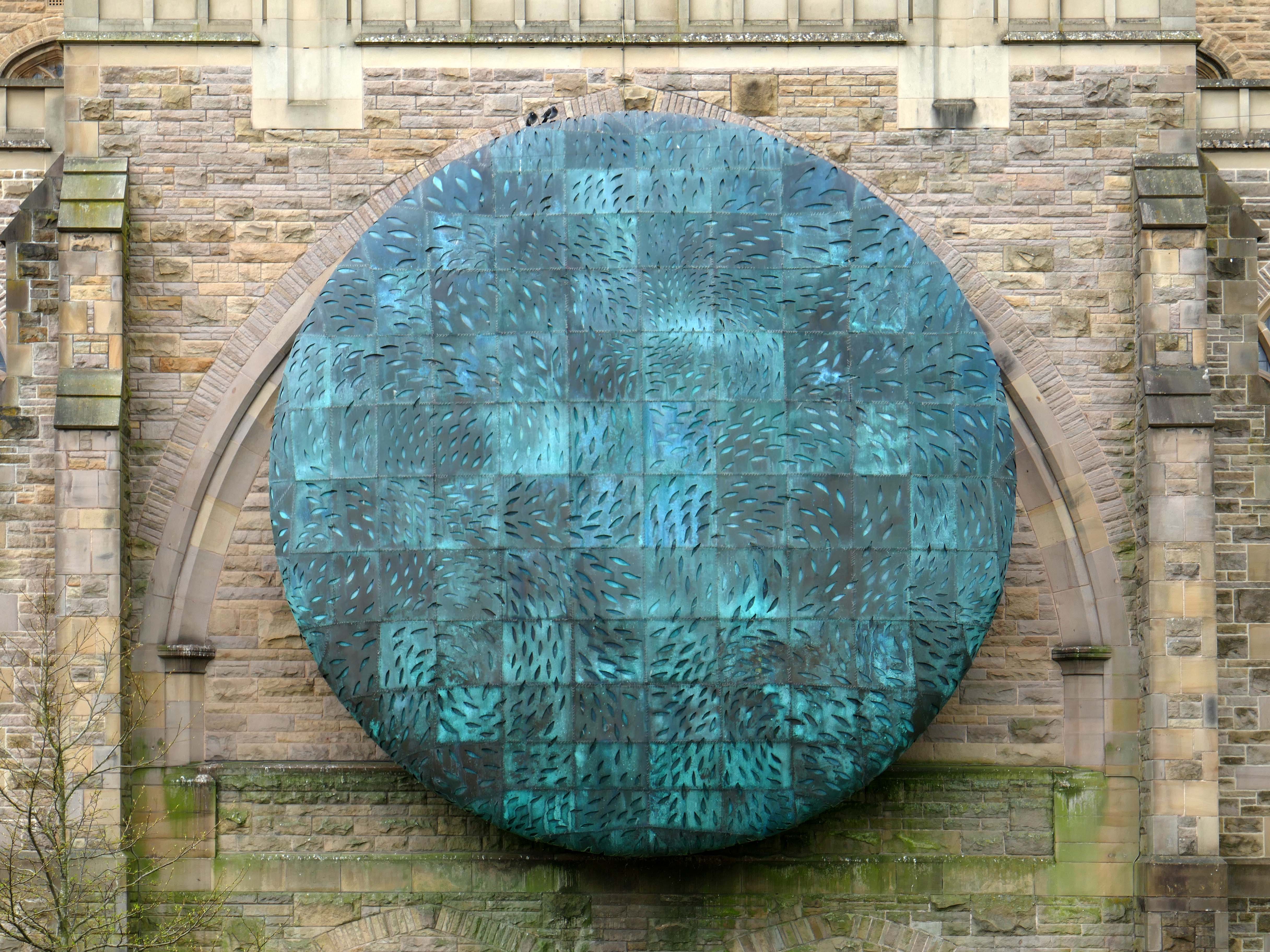
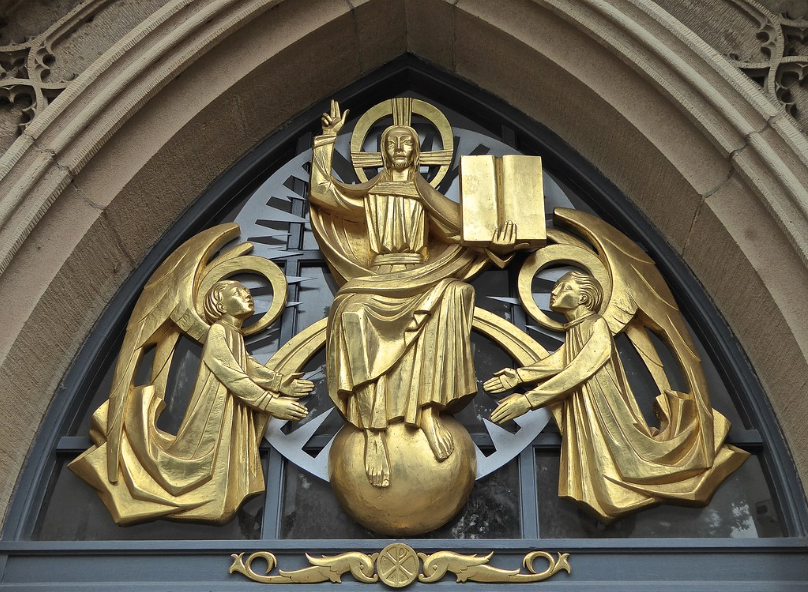
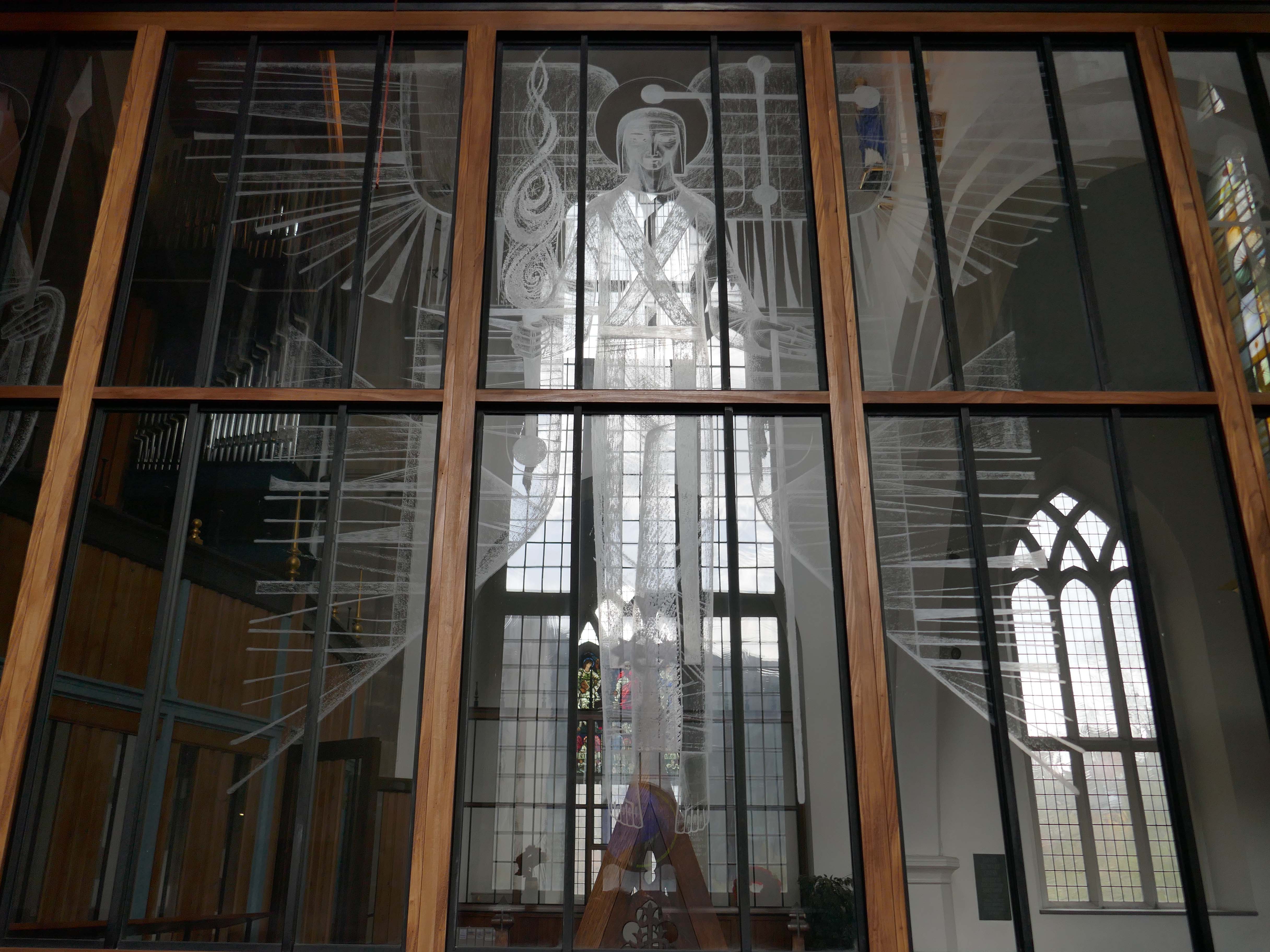
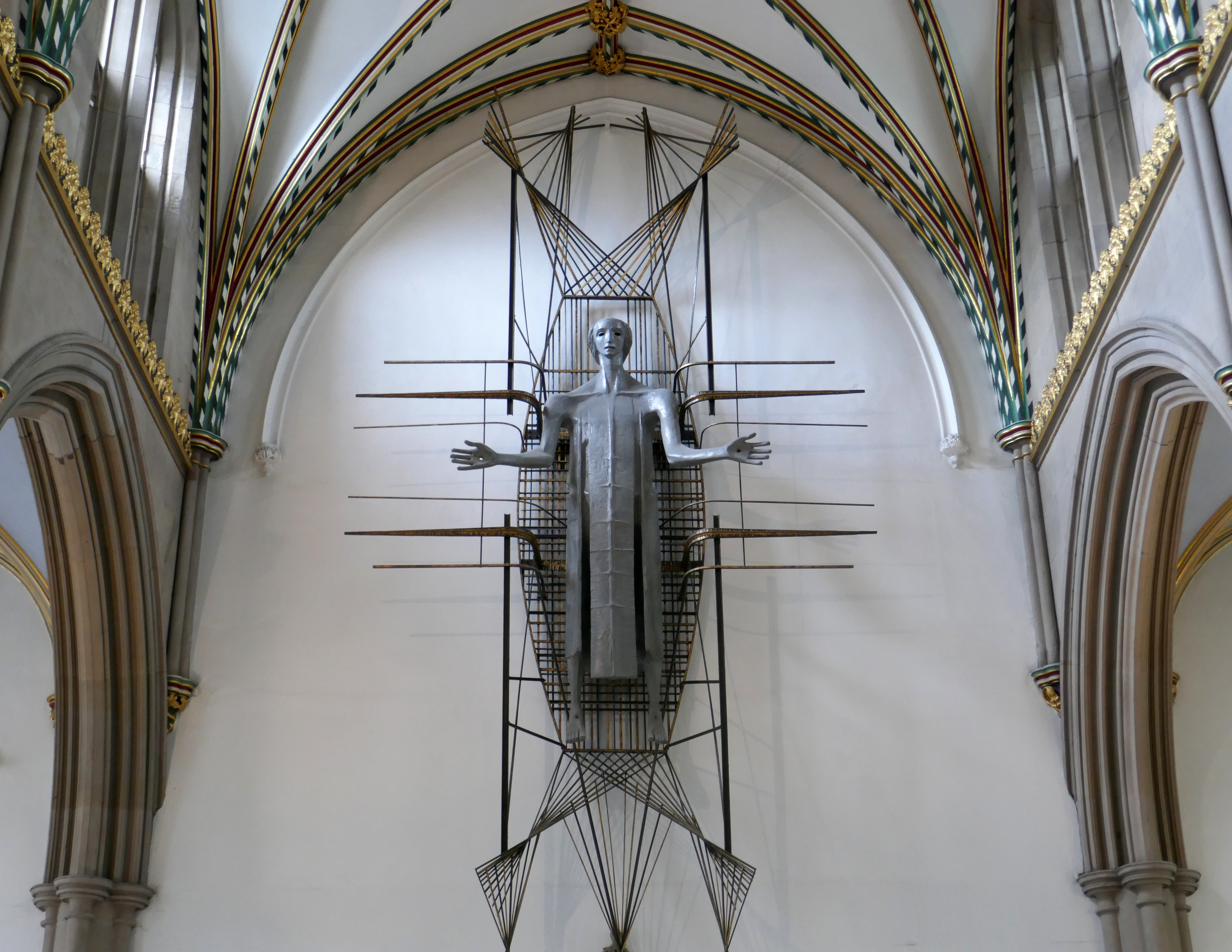
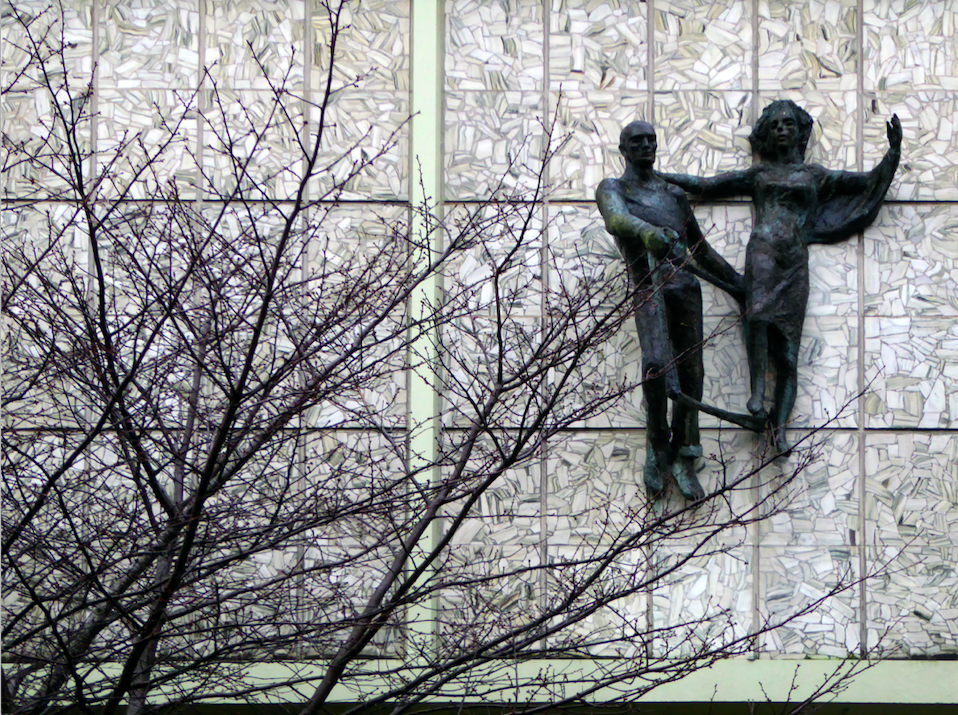
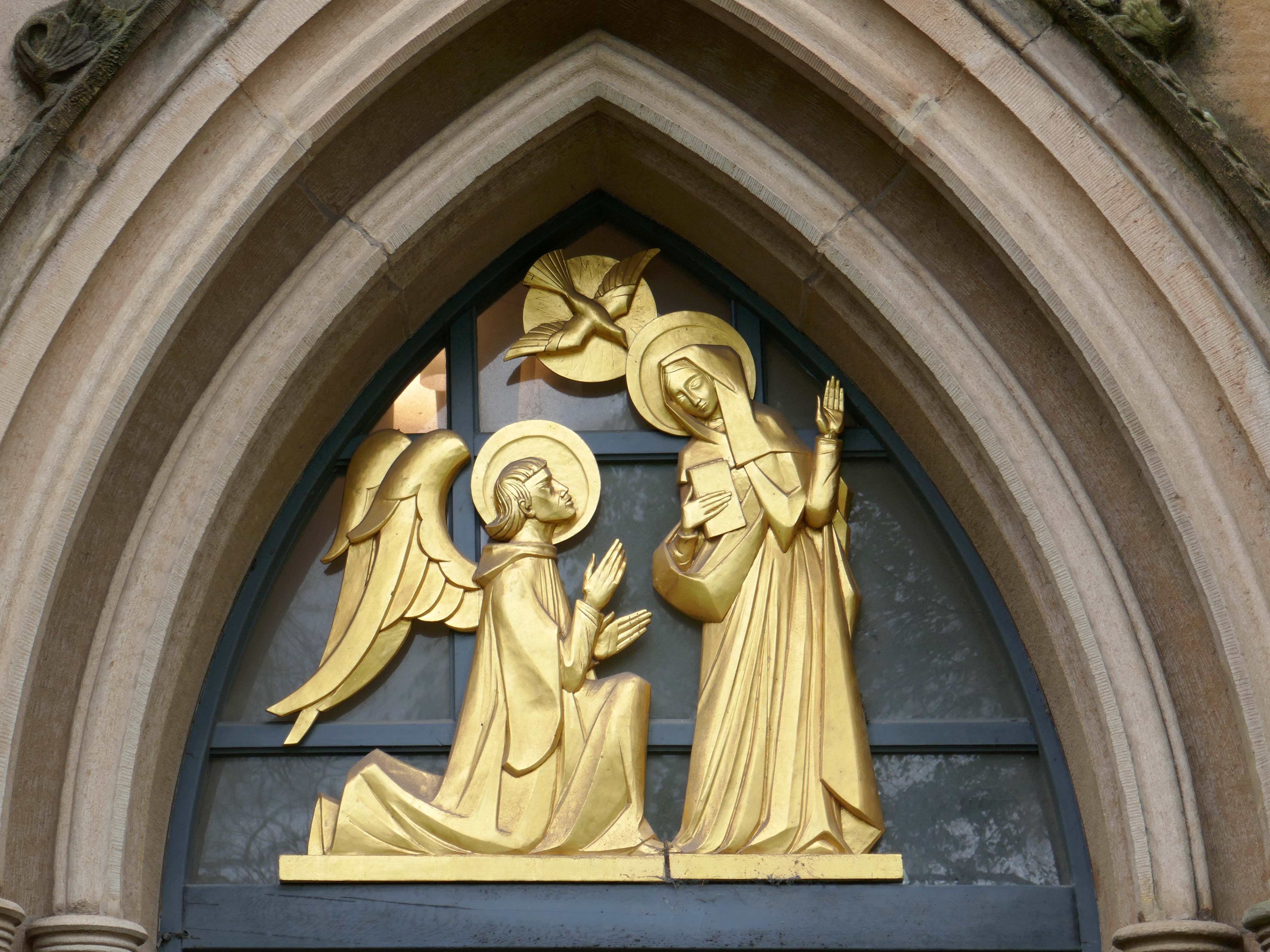
Annunciation and Christ in Majesty sculptures by Siegfried Pietsch 1965.
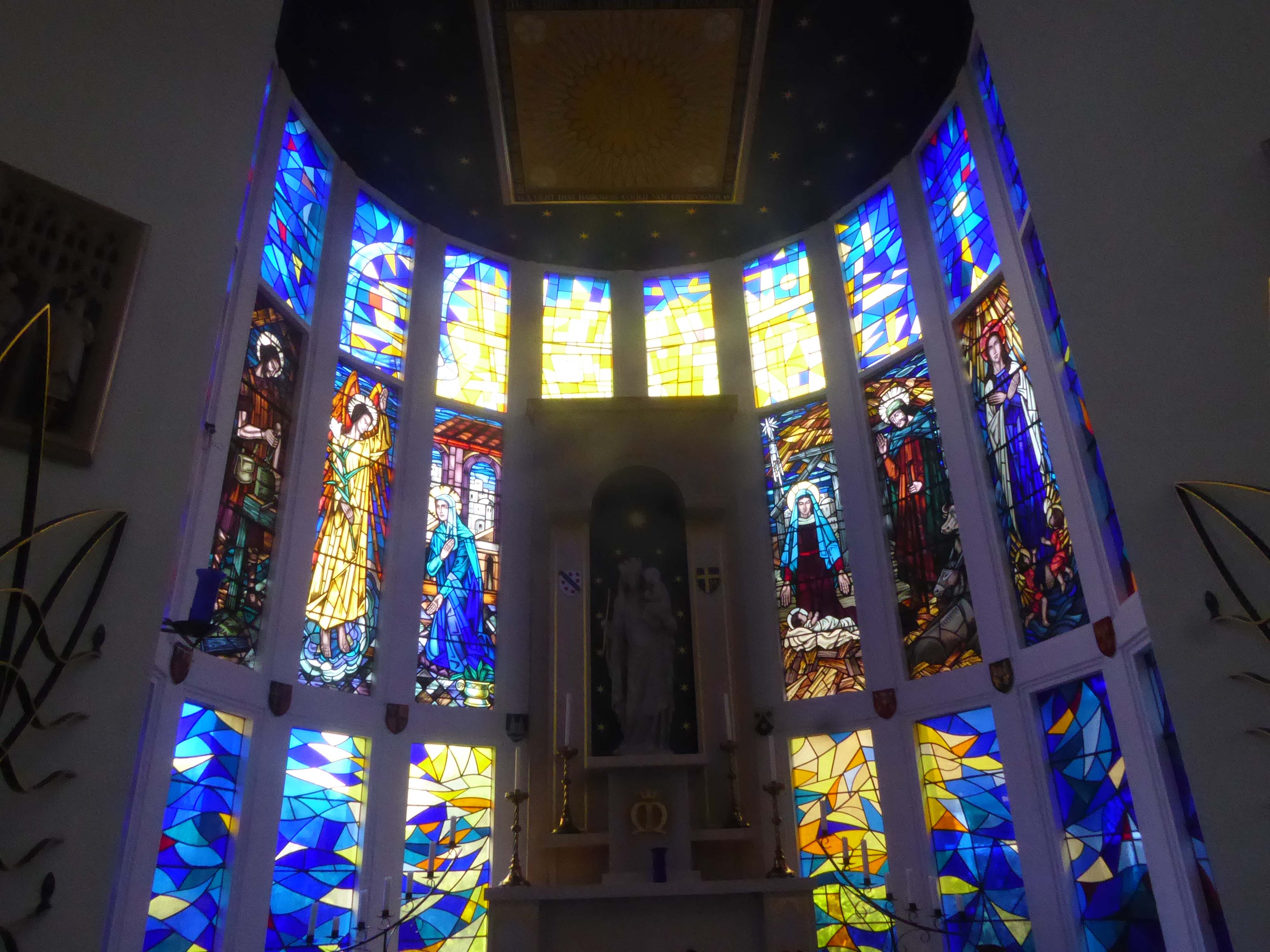
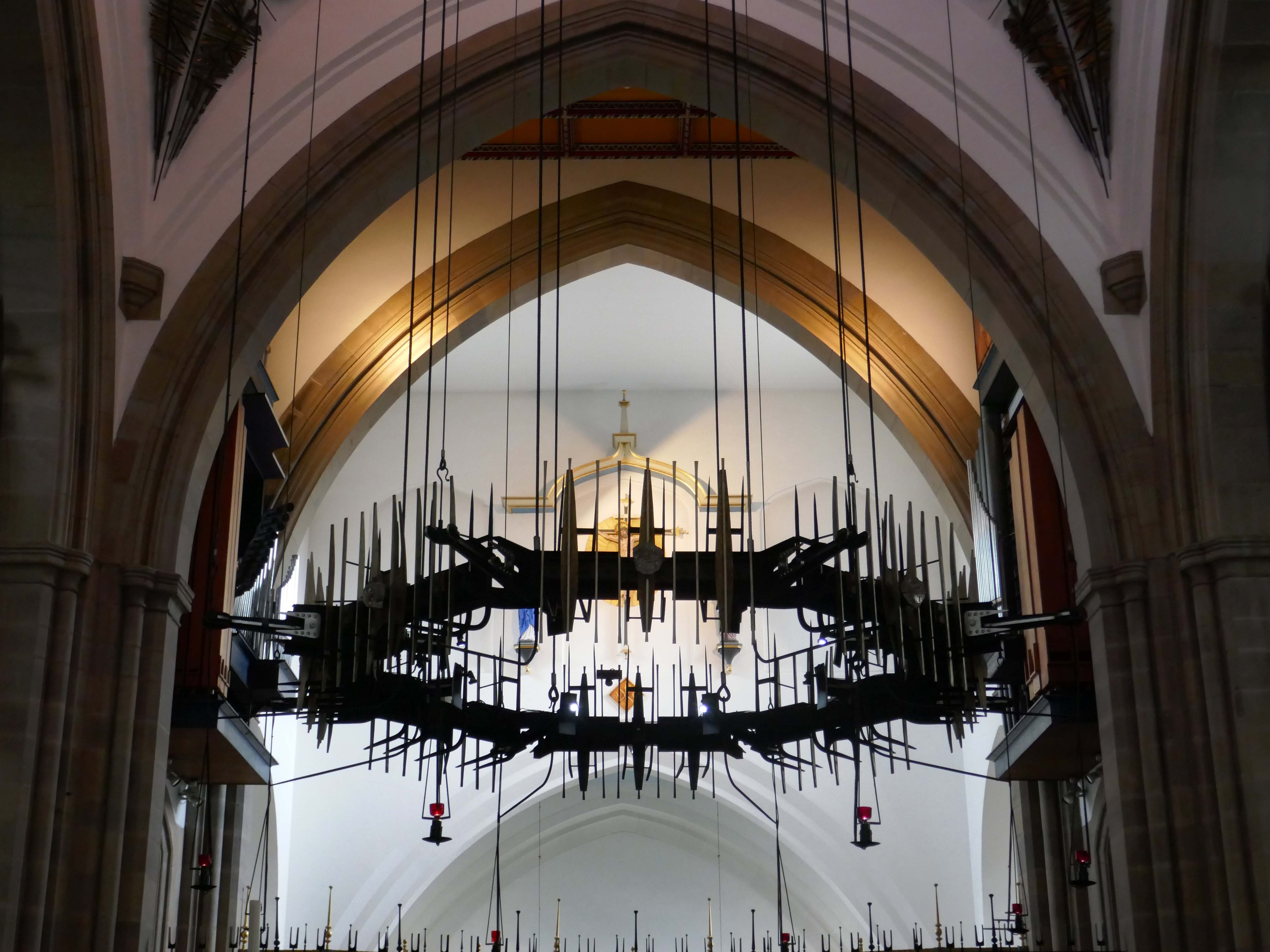
Crown of Thorns by John Hayward.
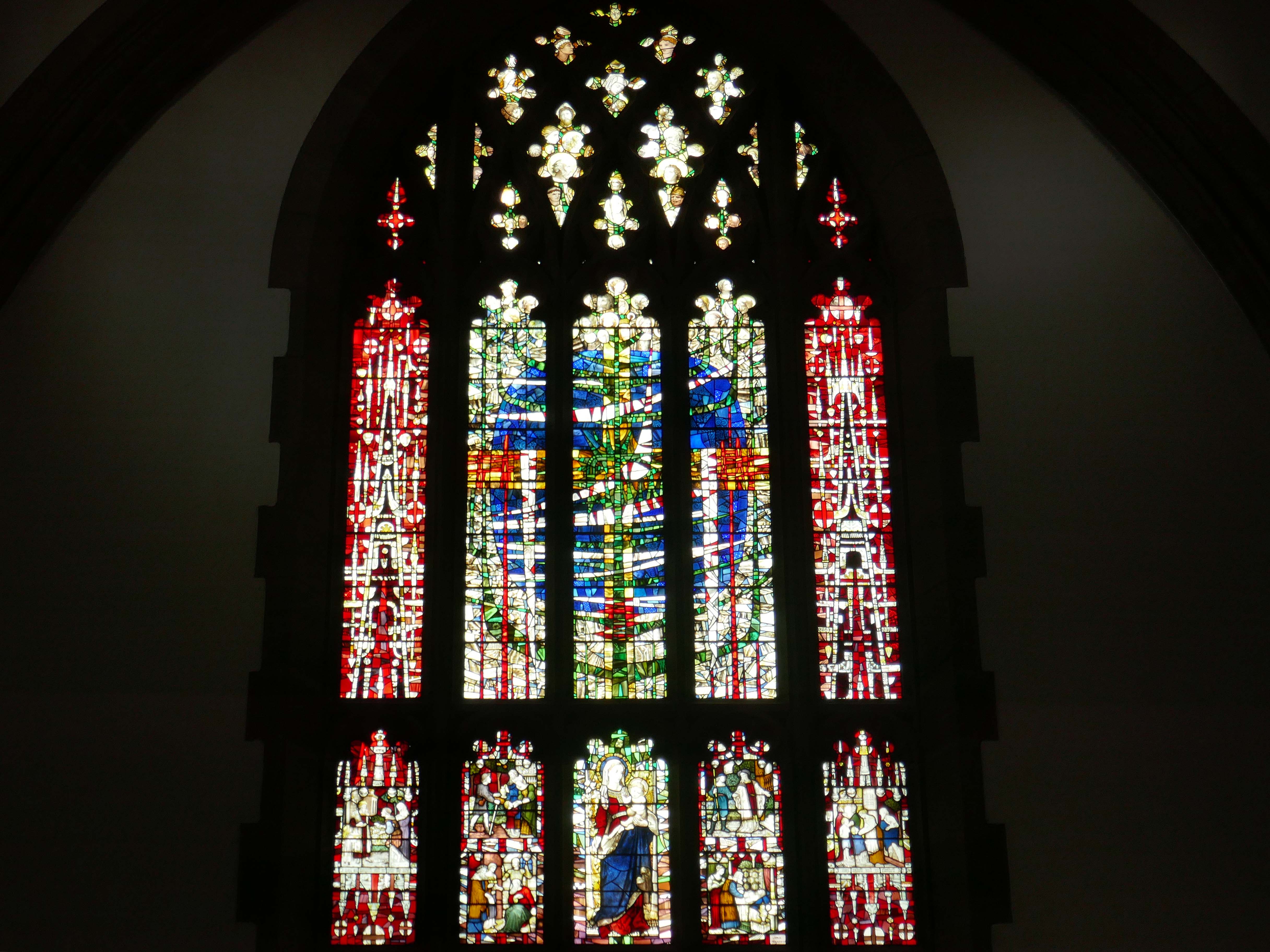
Lantern stained glass 1999 by Linda Hadfield, formerly Walton.
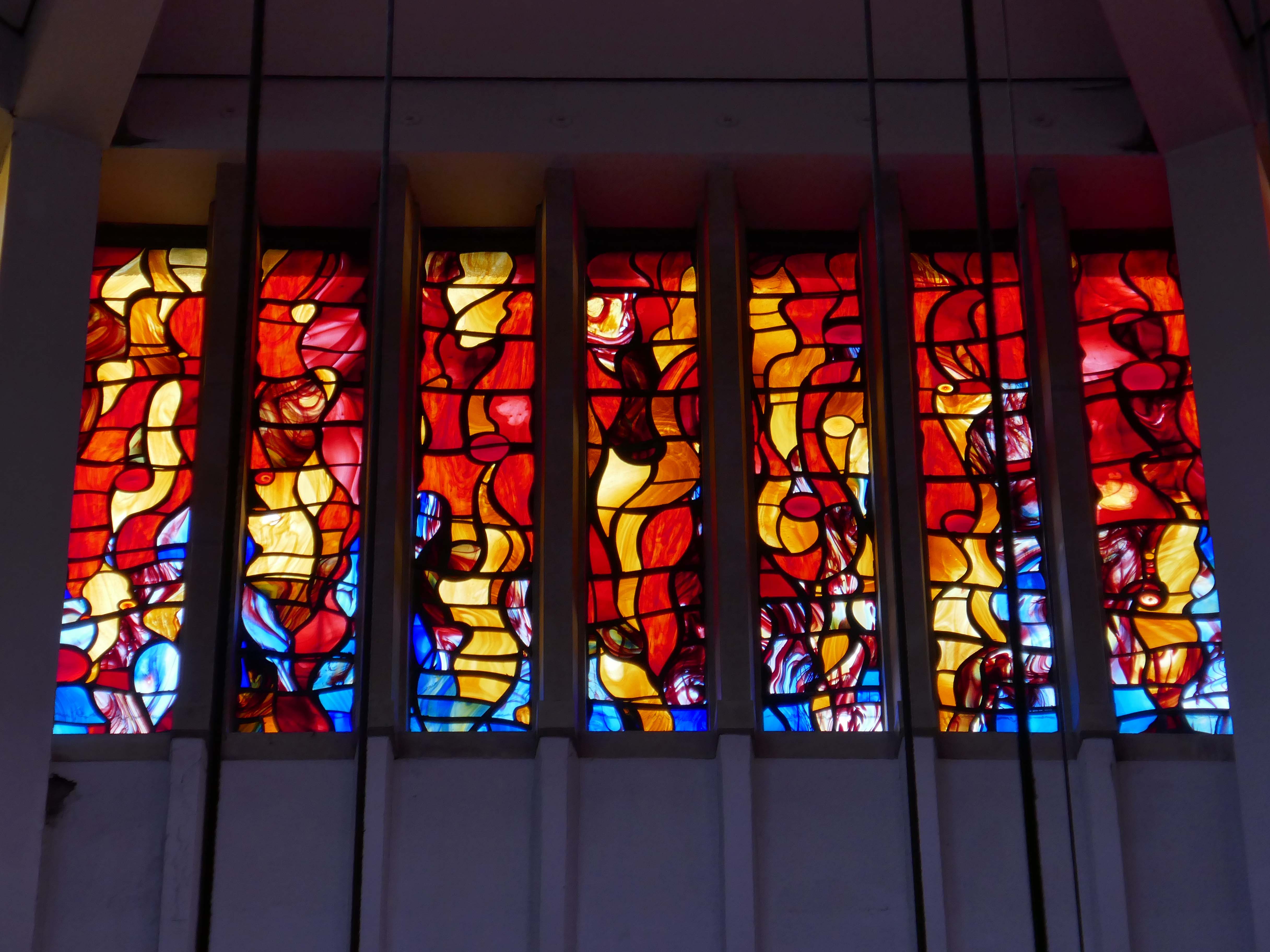
Further work by John Hayward.
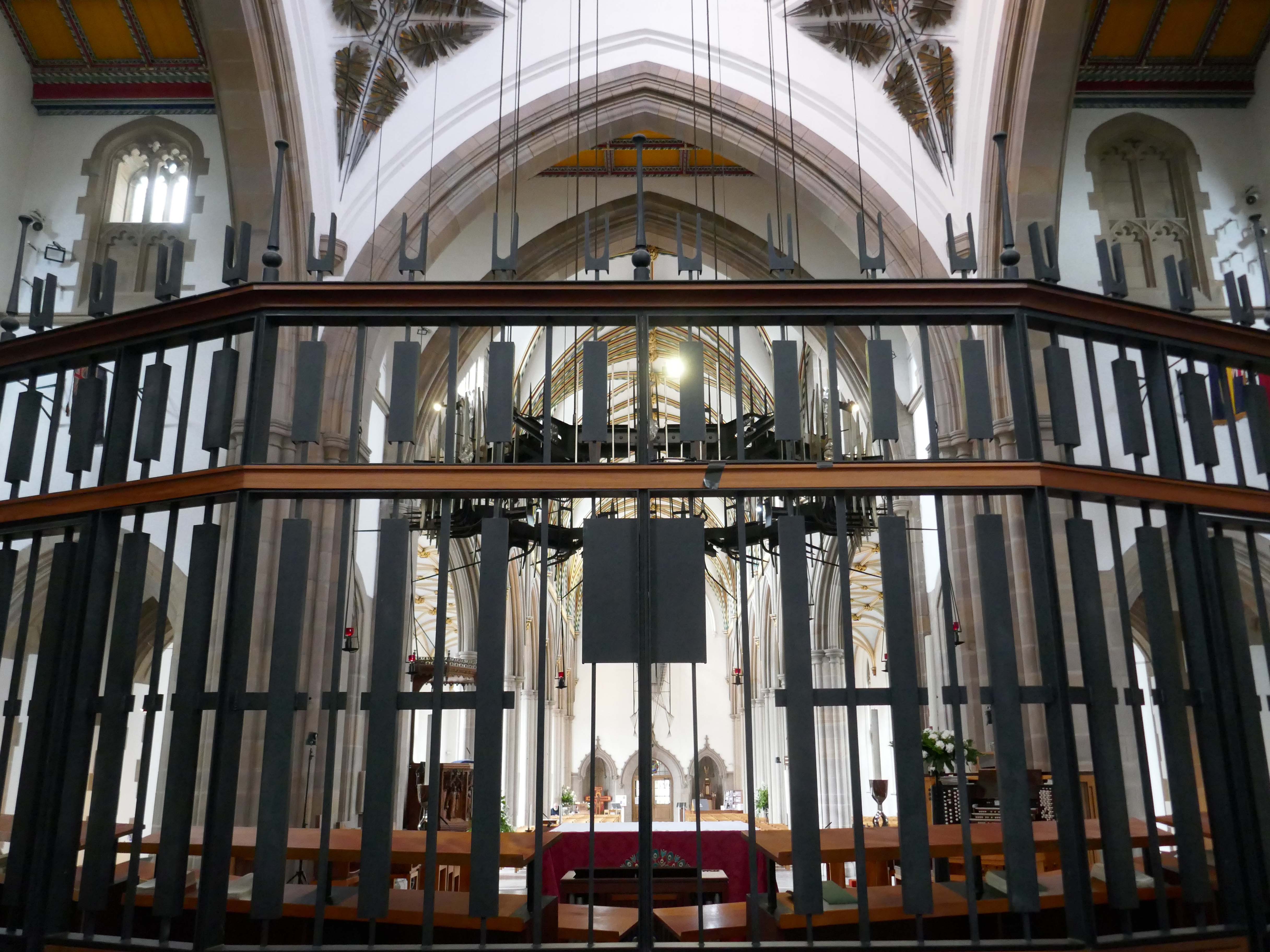
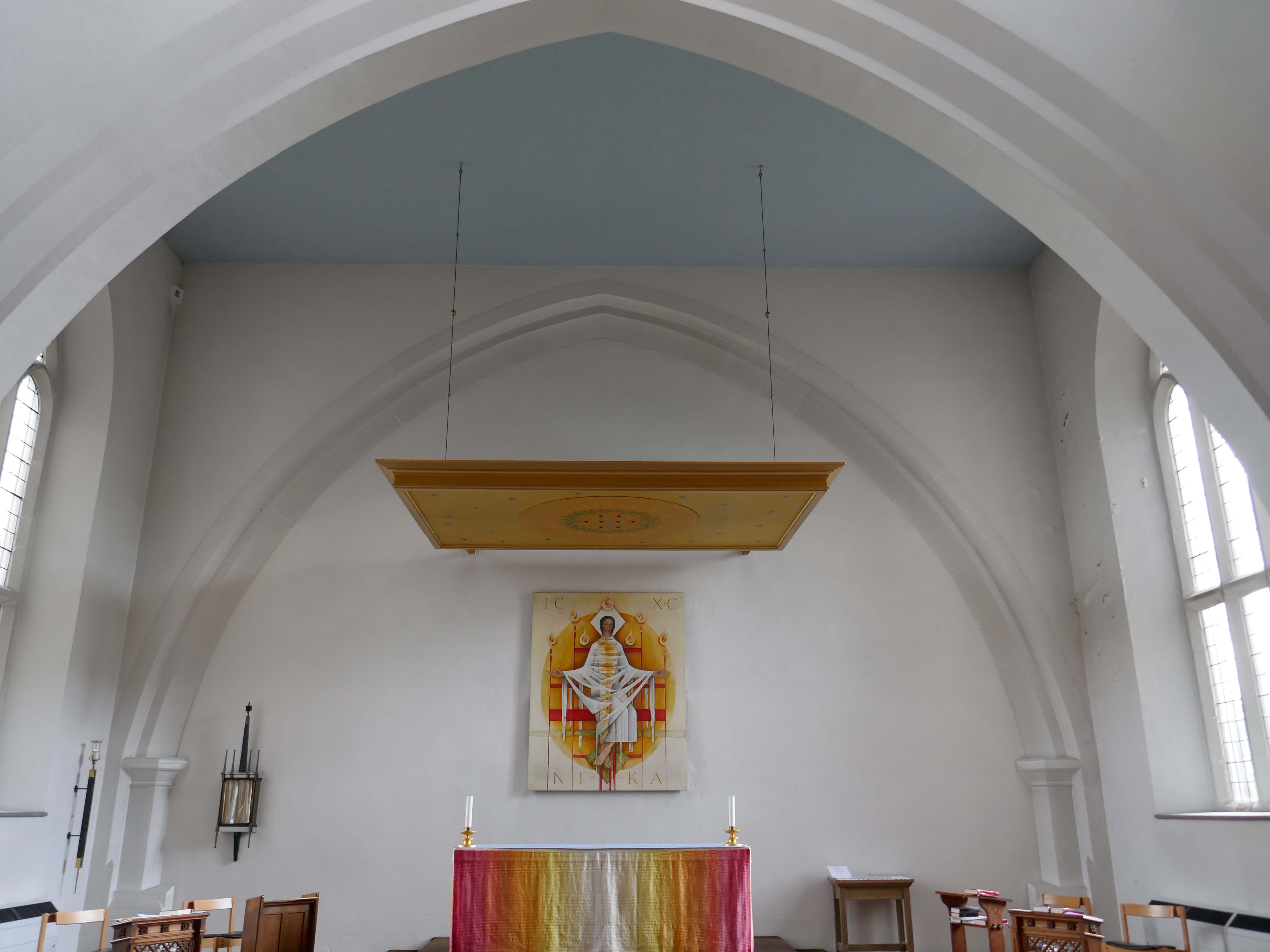
Josefina de Vasconcellos

Doncaster Modernism – Revisited Again.

The third time by the banks of the Don – first time around in May 2019, subsequently in October 2020.

So much can change in so short a time, post-pandemic and every town is doing its level best to build back better.

The vision includes:

  • Ensuring the centre is a focus for business and enterprise.
  • Building on the success of the current markets and raising the aspirations and functions of the markets.
  • Recognising the city core as the heart of the economy and the borough and the place where the image of Doncaster is most clearly reflected. 
  • Enhancing green spaces and waterways to create a better setting for visitors, investments and city heritage.
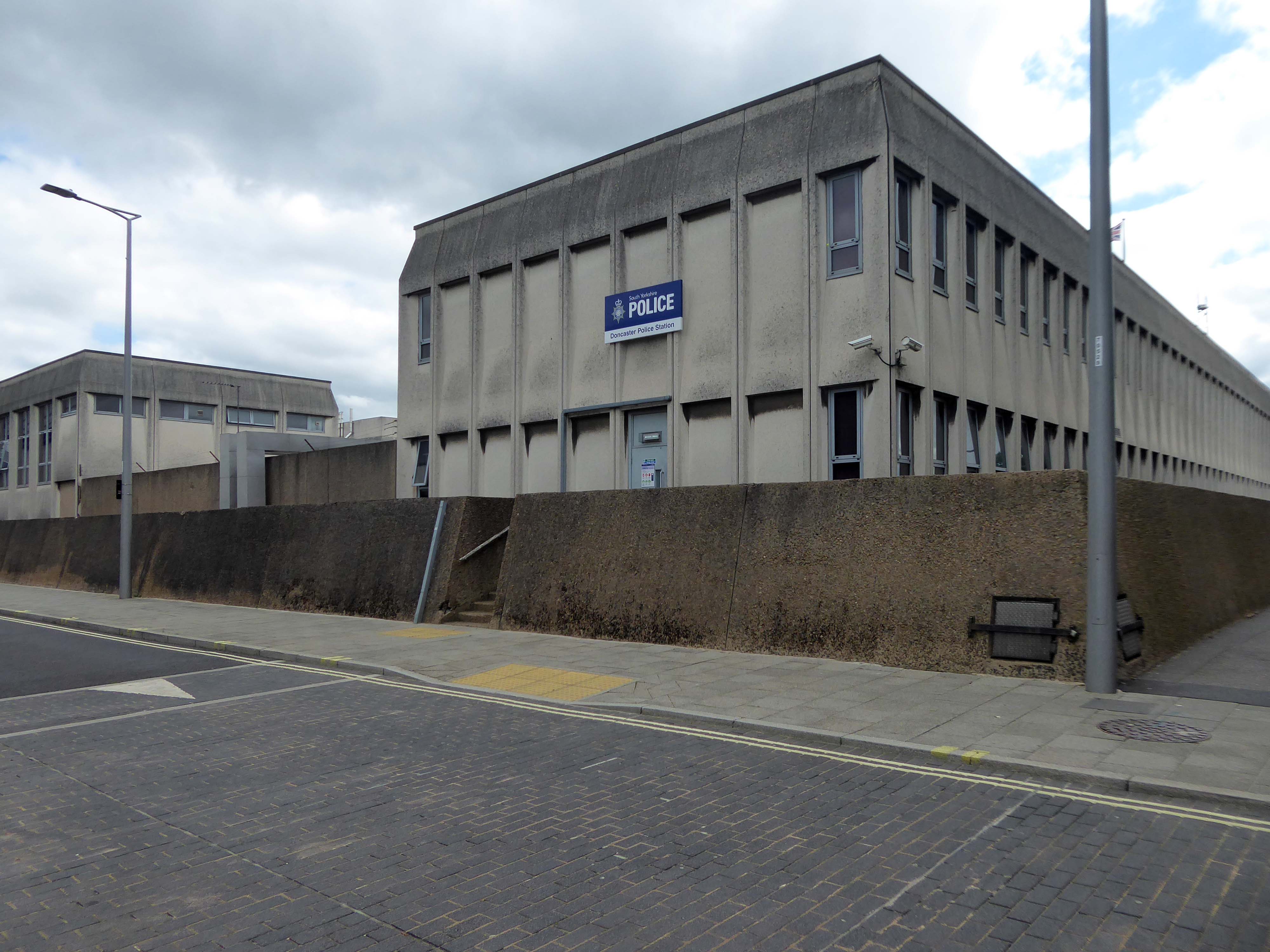
  • Developing the civic and cultural quarter and reinforcing the retail and leisure core through better links and public space improvements.
  • Developing city-scale functions and assets, to become a stronger draw for business, workers, visitors and inward investment.
  • Developing and bidding for new city-wide cultural venues, a University and Research and Development facilities.
  • Rebranding Doncaster as a location of choice for regional businesses.

Masterplan

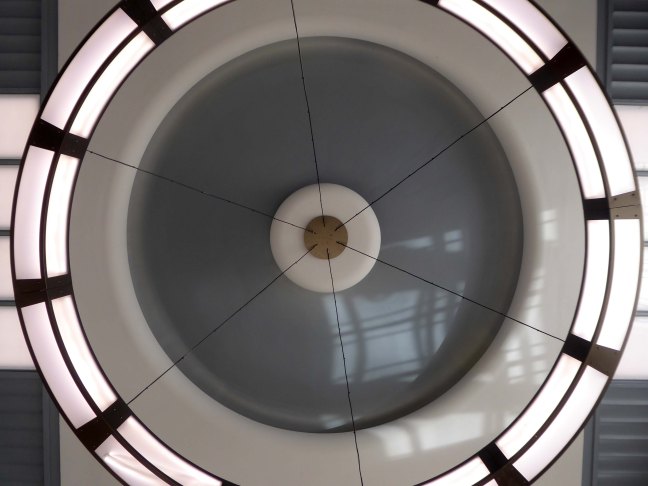
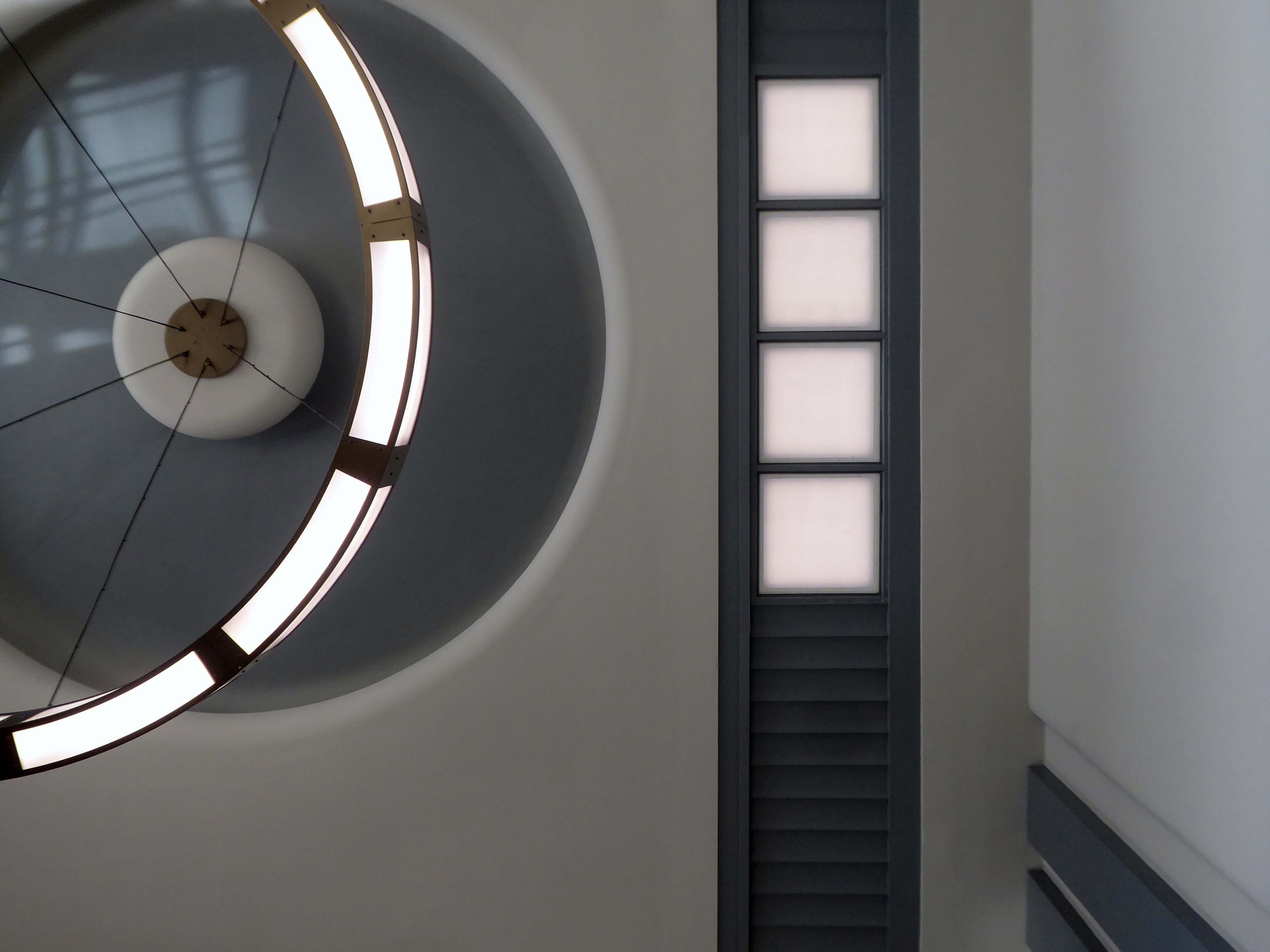
Arriving by train and ascending into the light – here’s the station lights.

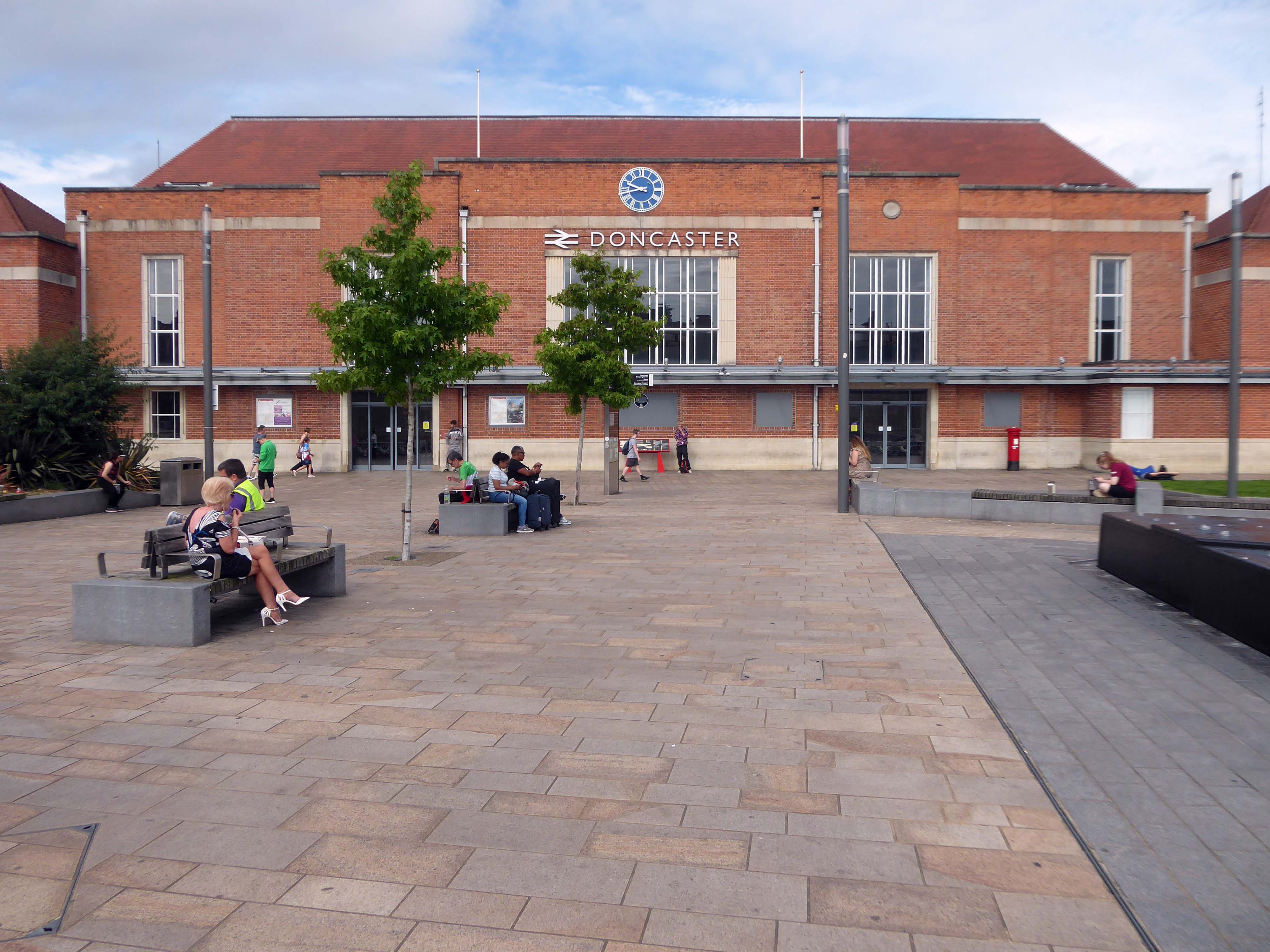
The railway station has sharpened up its apron and facade.

We have transformed the station forecourt. It has become a quality gateway which delivers a great first impression for visitors arriving in Doncaster by train. This will help stimulate interest from investors and developers, helping to attract new investment and create jobs for the borough and wider region.

Doncaster.gov

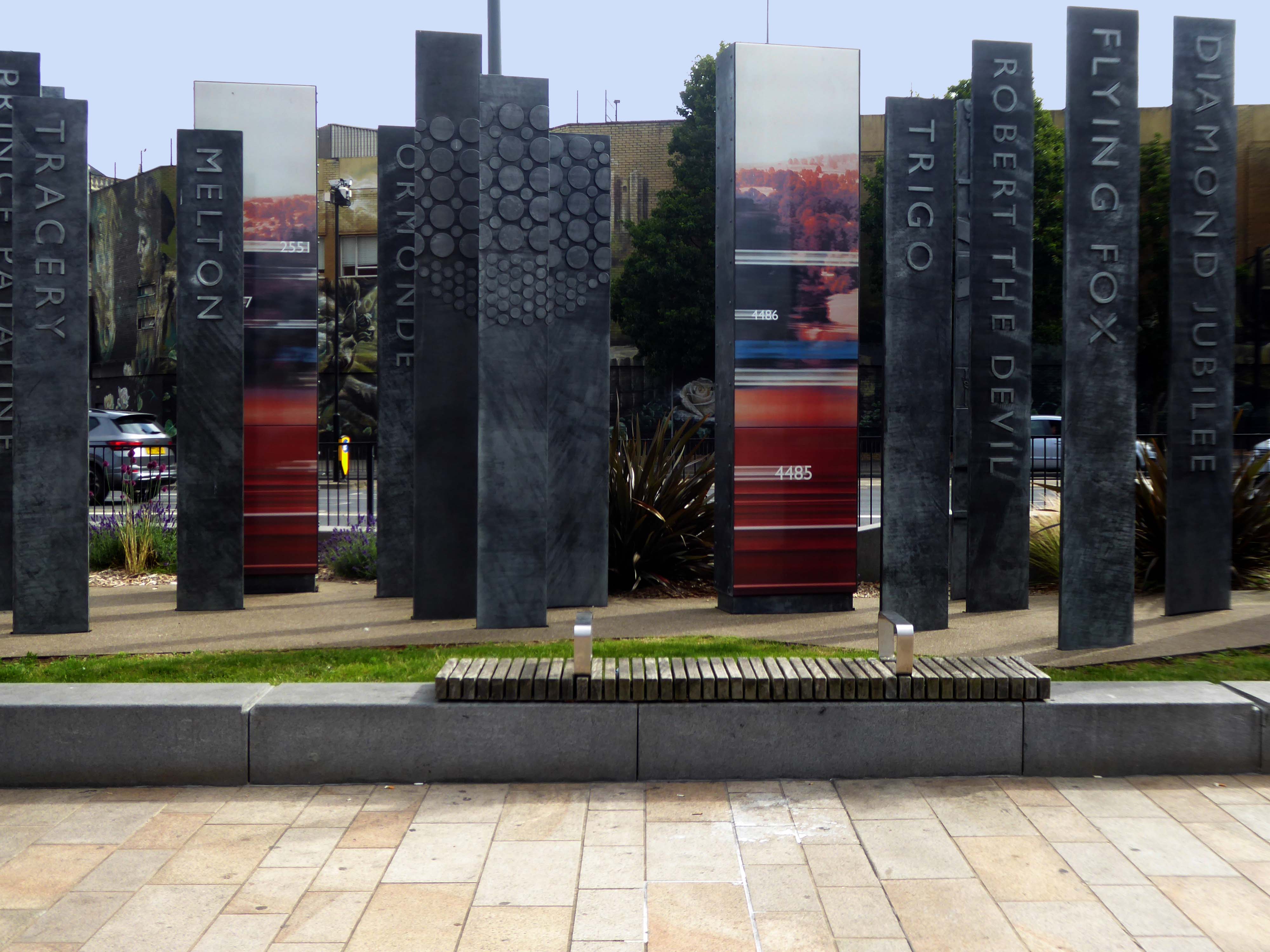
Celebrating engineering, speed and connectivity and stretching forty metres in length the public art at Doncaster Station consists of forty seven monoliths which are a nod to Doncaster’s past, present and future. With a fountain and three impressive water walls, the art takes centre stage in the new public space as you step out of the train station and head into the town centre.

The concept was devised by Doncaster Council and further developed by Chris Brammall.

CB Arts manufactured and installed the piece

Typically the high and low streets of Britain’s industrial towns and cities, are an amalgam of architectural style and fashion, spanning at least two or three centuries.

Faience fronted interwar developments abound.
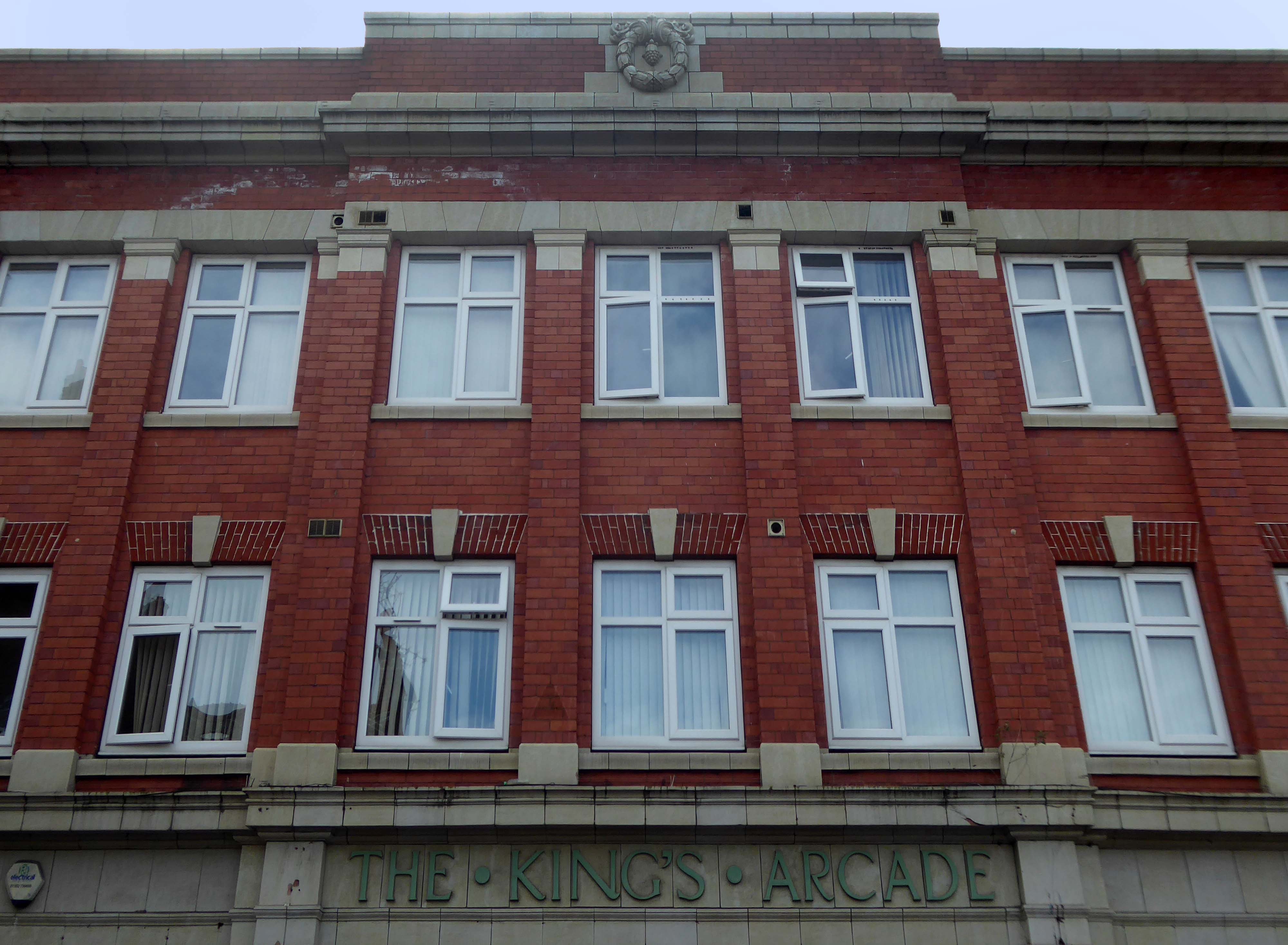
Neo-classical speculative shopping arcades.

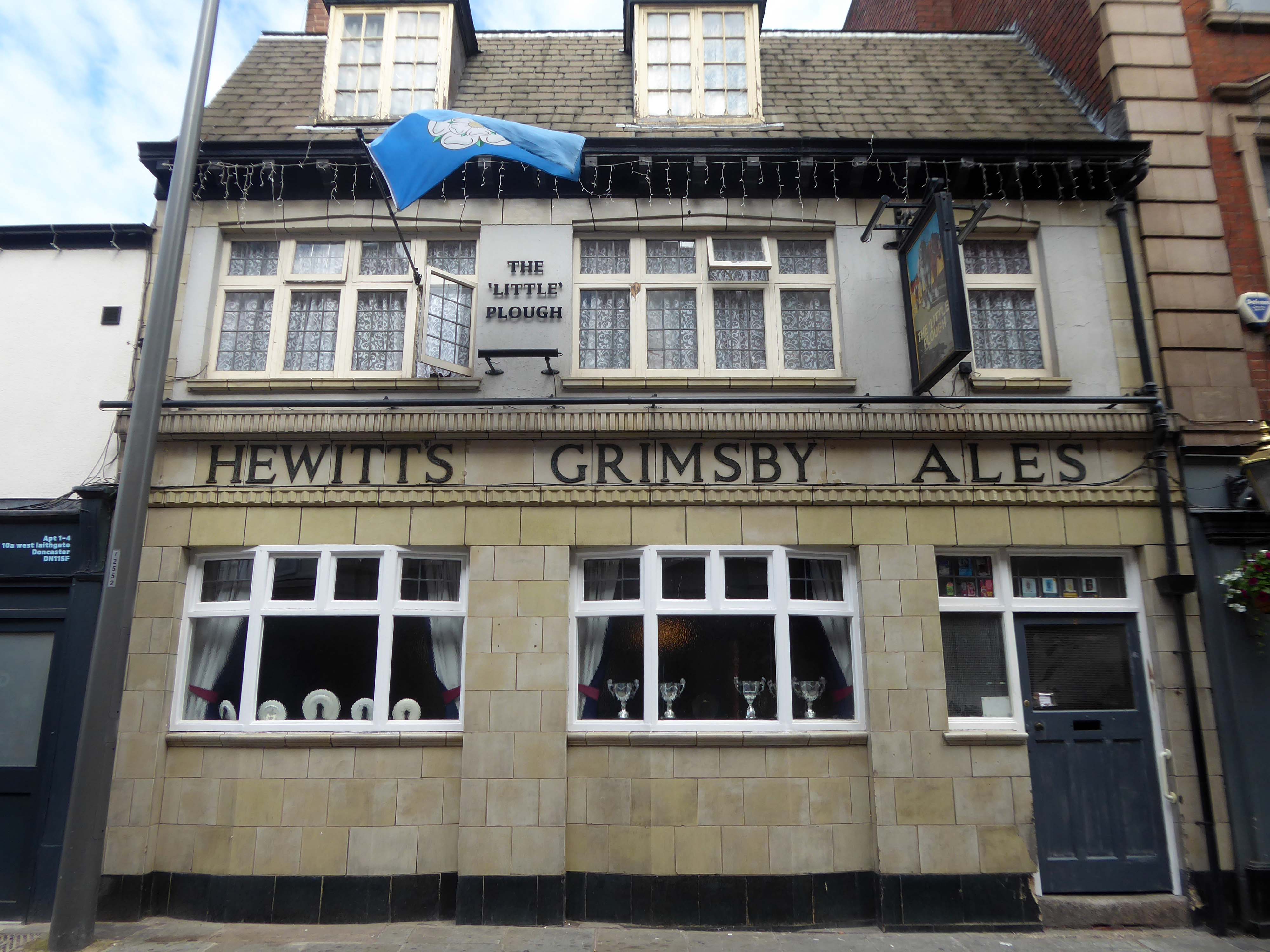
Revamped Victorian pub facades.

Behind the buff faience frontage is a lovely, small two-room pub with a well preserved interior created under plans of 1934. It was remodelled by the Grimsby brewers Hewitt Brothers Ltd who were Doncaster’s biggest pub owners for many years.

Pub Heritage

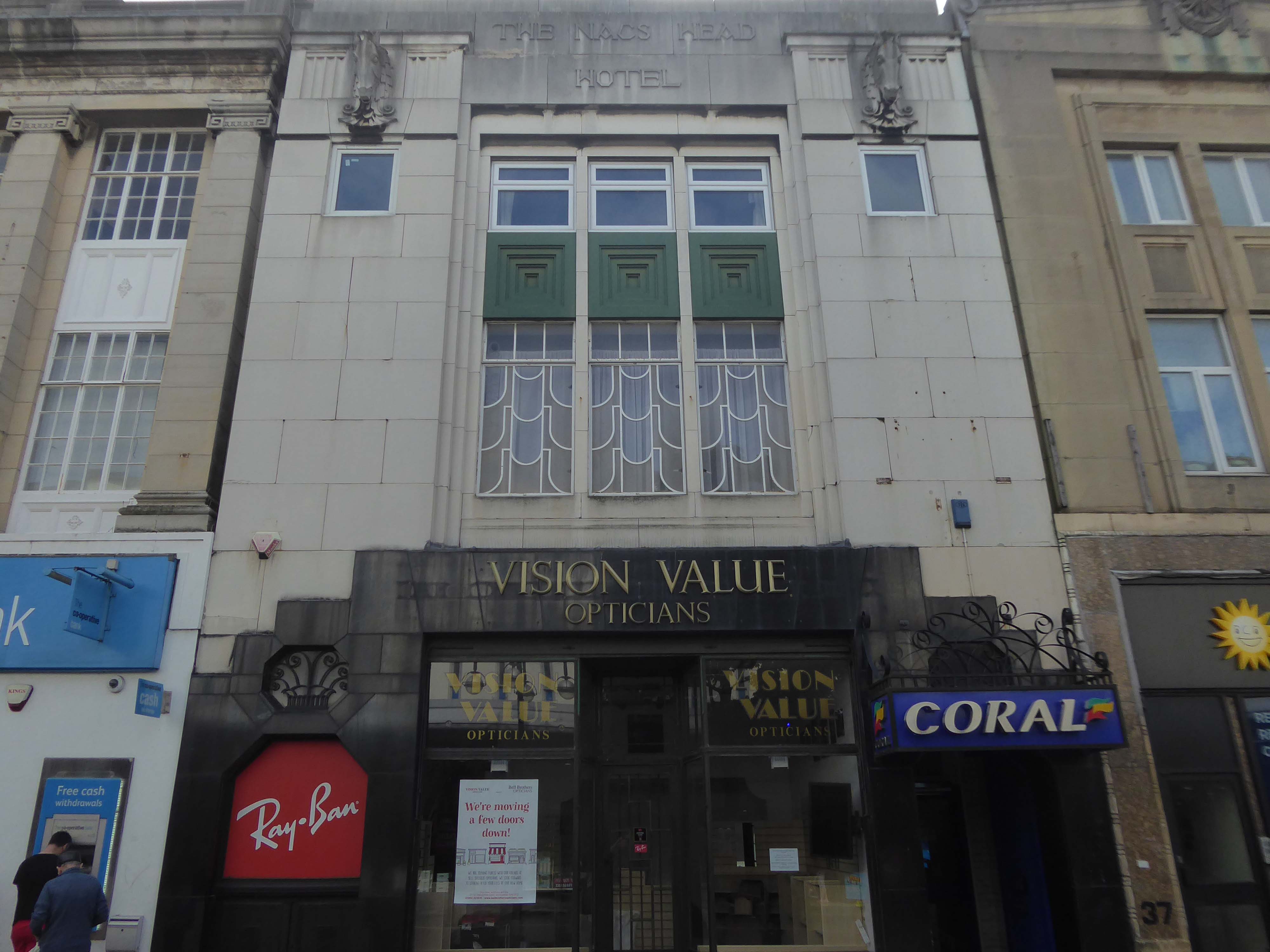
Originally a Gent’s Outfitters, this deco-gem was topped off with the Nags Head Hotel.

This grade II listed pub is now in retail use, though Vision Value, are it seems, on the move.

Lost pubs project.

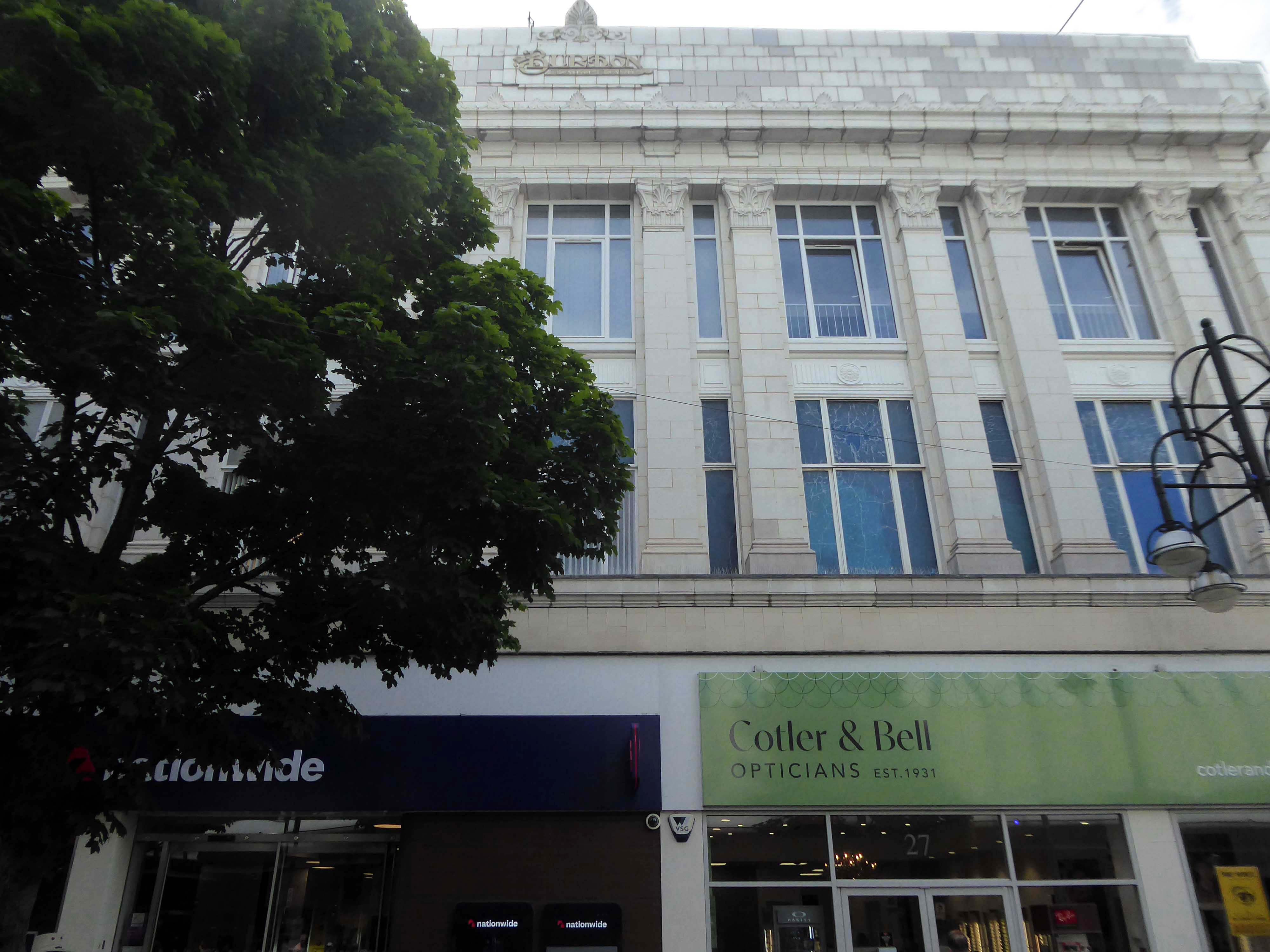
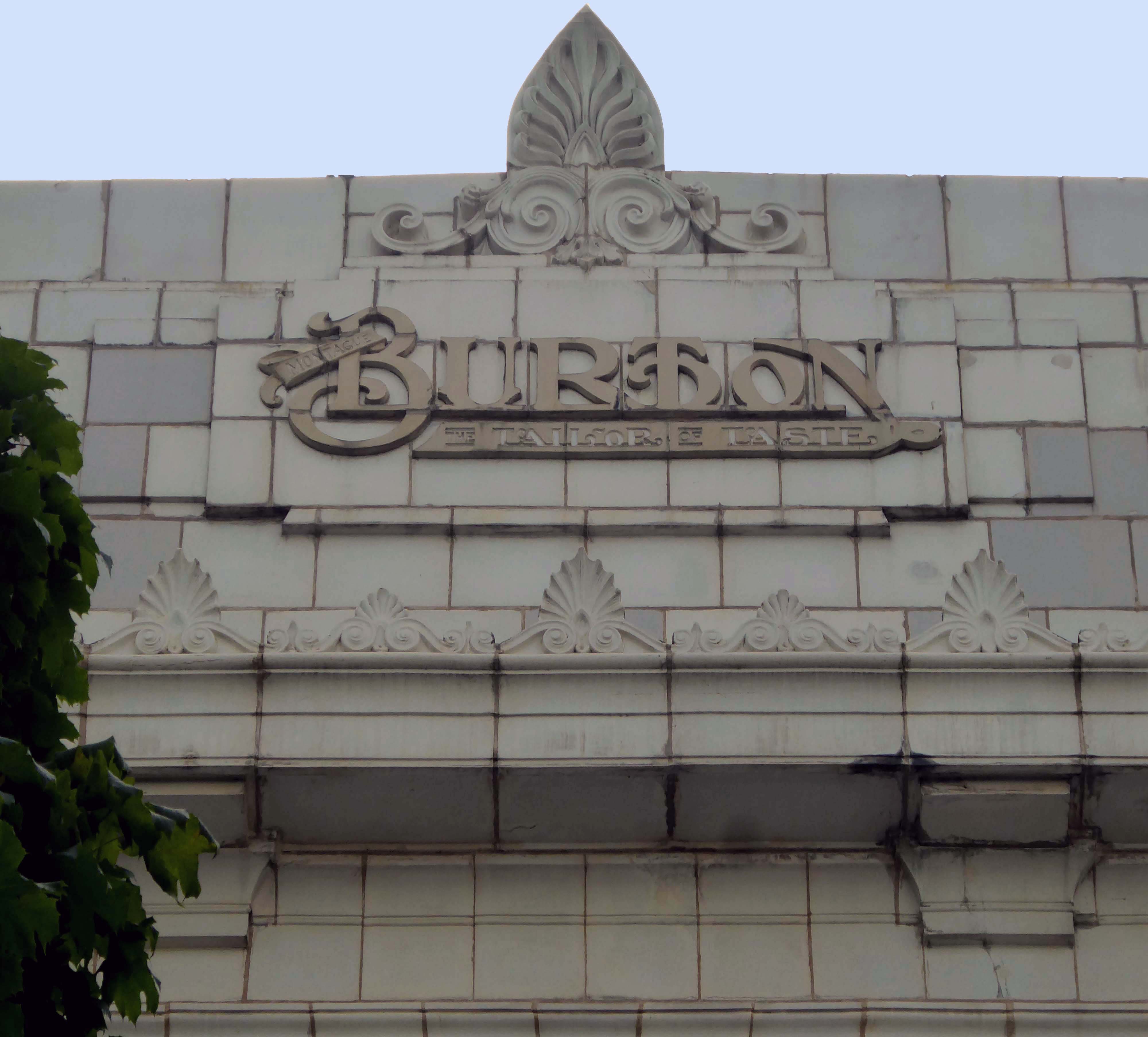
Of course, every town had a Burton’s – the tailor of taste.

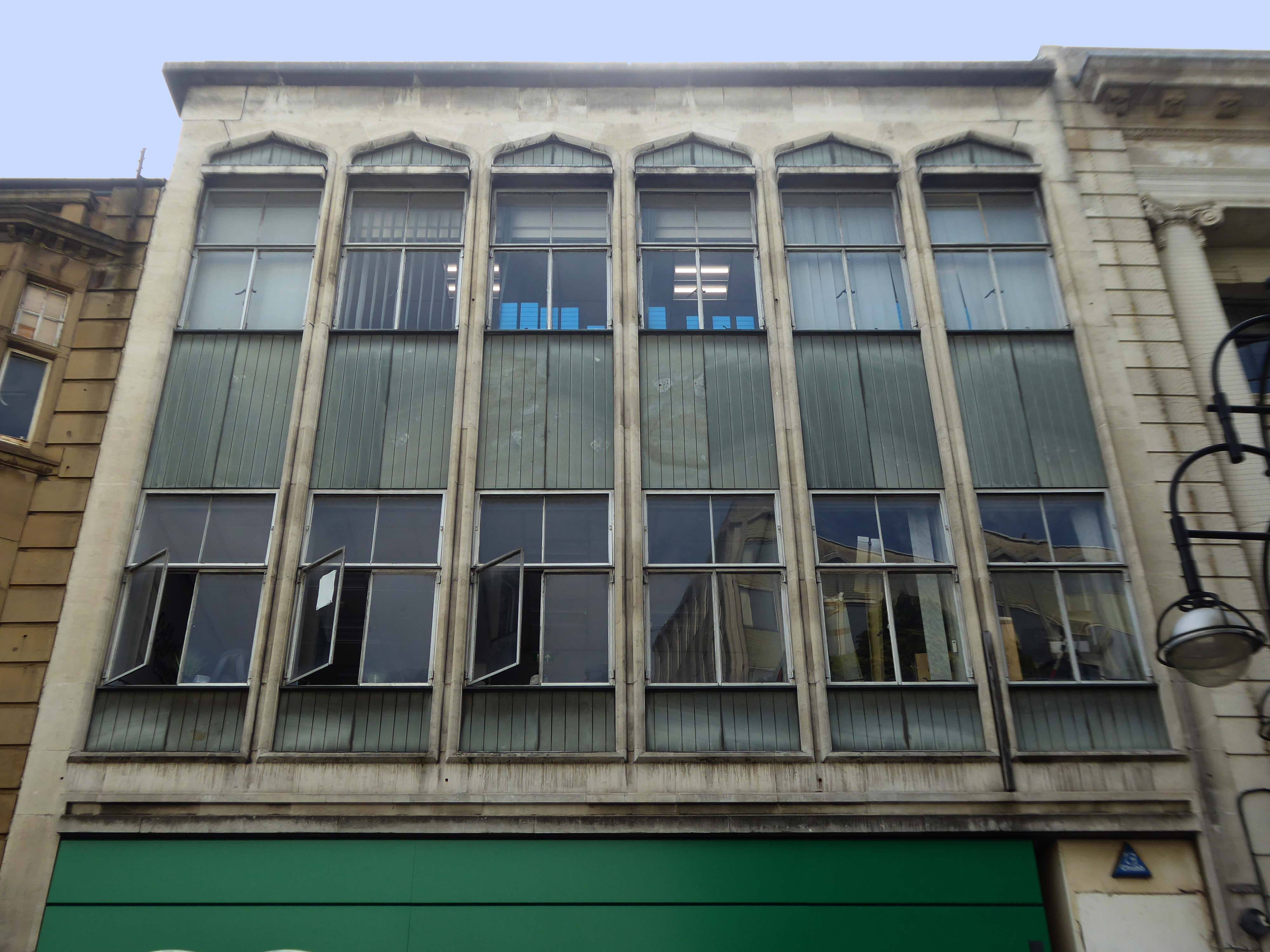
This post war infill has that distinctive Festival of Britain feel, original metal window frames, Portland stone and blueish slate like panels.

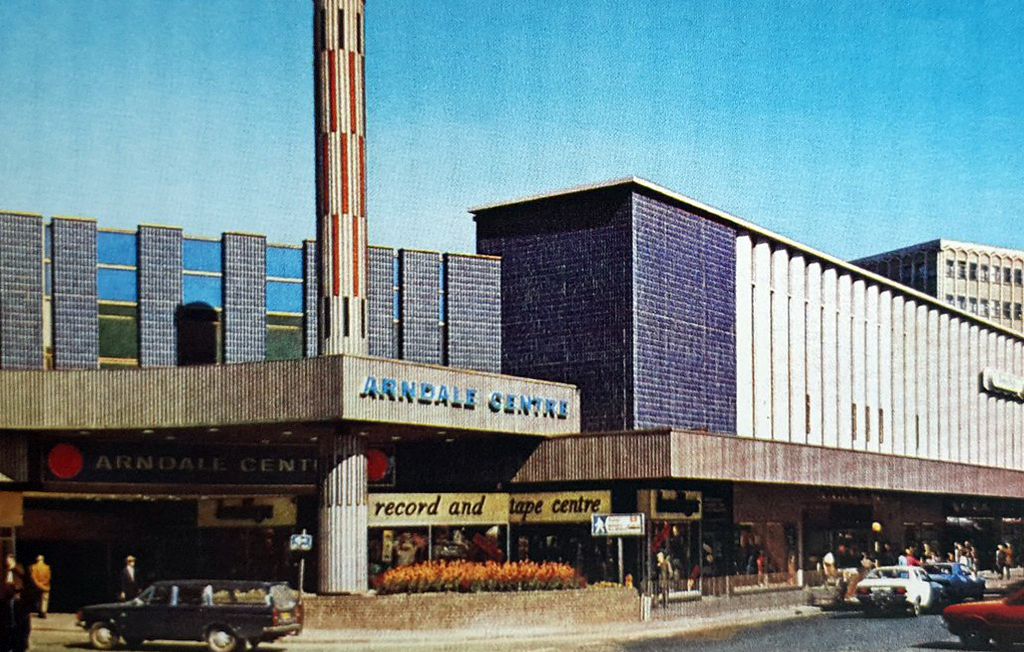
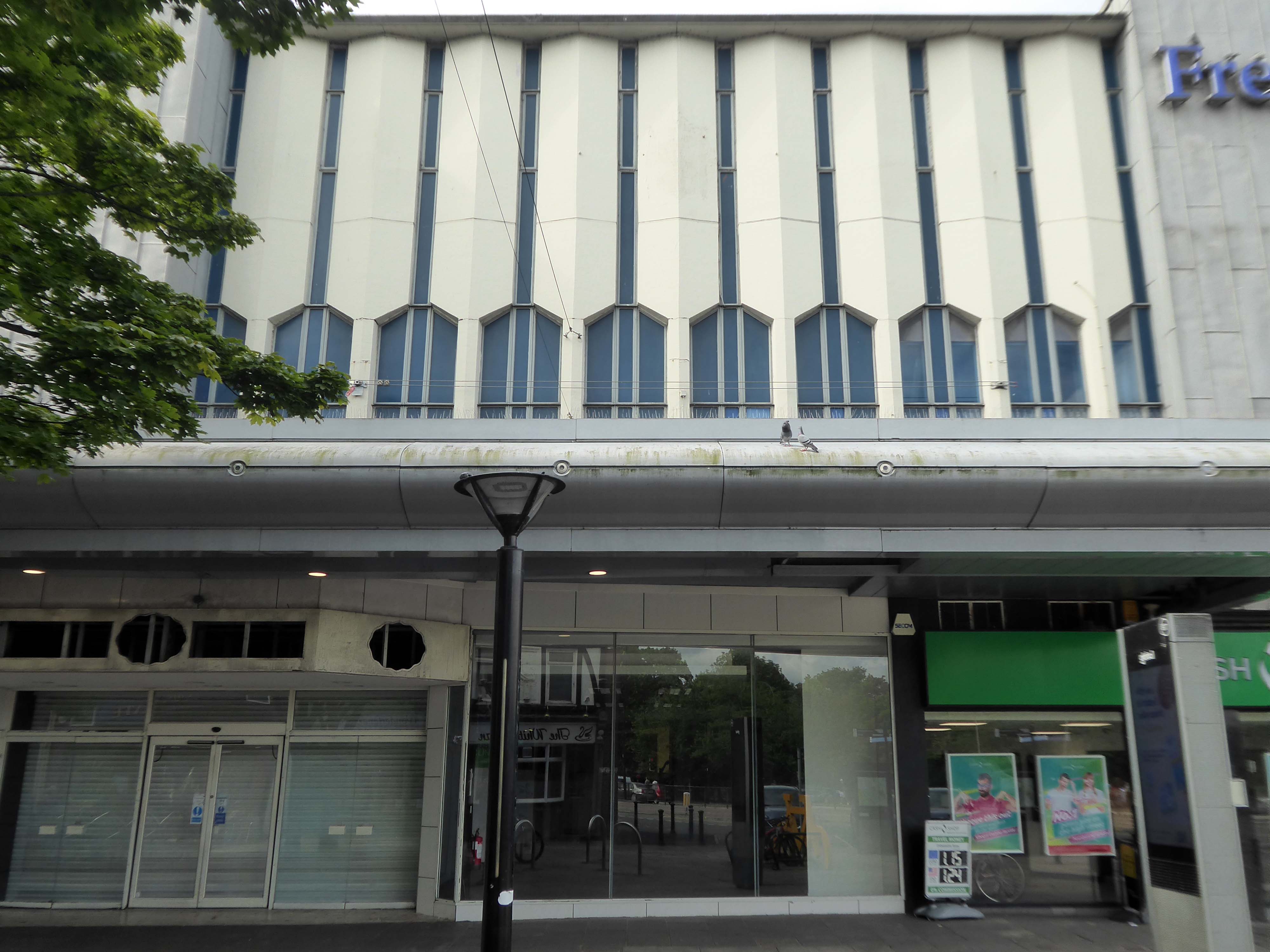
The revamped Frenchgate Shopping Centre, officially opened on October 4th 1968, has in places an upper tier, resistant to zinc over cladding.

The centre has been the heart of the city for over 40 years and was originally called the Arndale Centre because it was built, owned and managed by the Arndale Group. It was renamed in 1988 after a change of ownership, with the new name reflecting the name of the street which passes to the east of the centre and which is one of Doncaster’s main shopping streets.

The sale of the centre came just a year after Frenchgate had undergone a £200 million facelift to transform it into the country’s first shopping centre with integrated public transport and retail interchange.

Wikipedia

There are plans to rework the shopping centre.

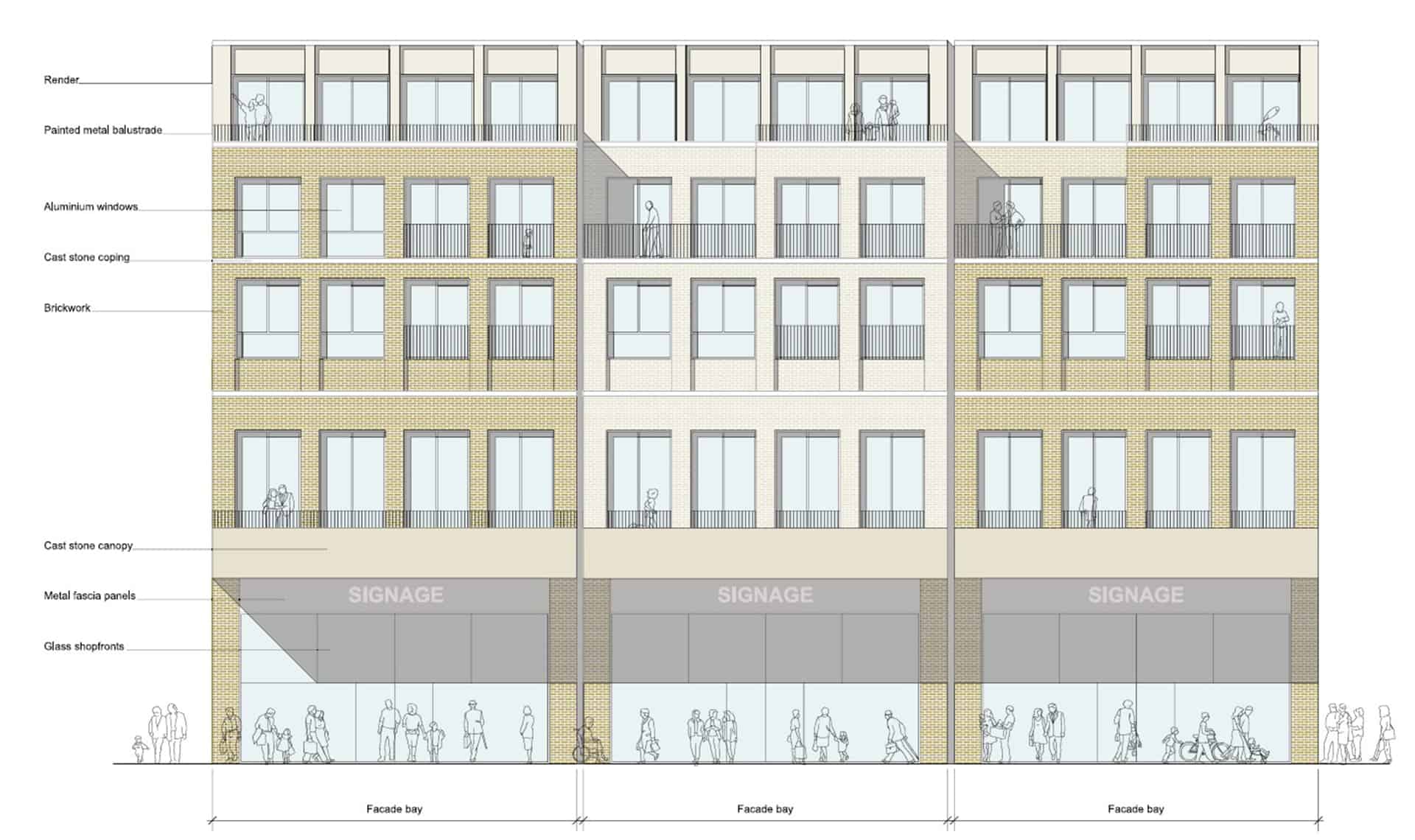
We propose this is fundamentally transformed though the addition of apartments that wrap along the back of the first-floor retail with a further 2.5 new storeys placed on top. We also feel additional height -up to seven or eight storeys, is justifiable to the corner of Frenchgate and Trafford Way.

TODD Architects

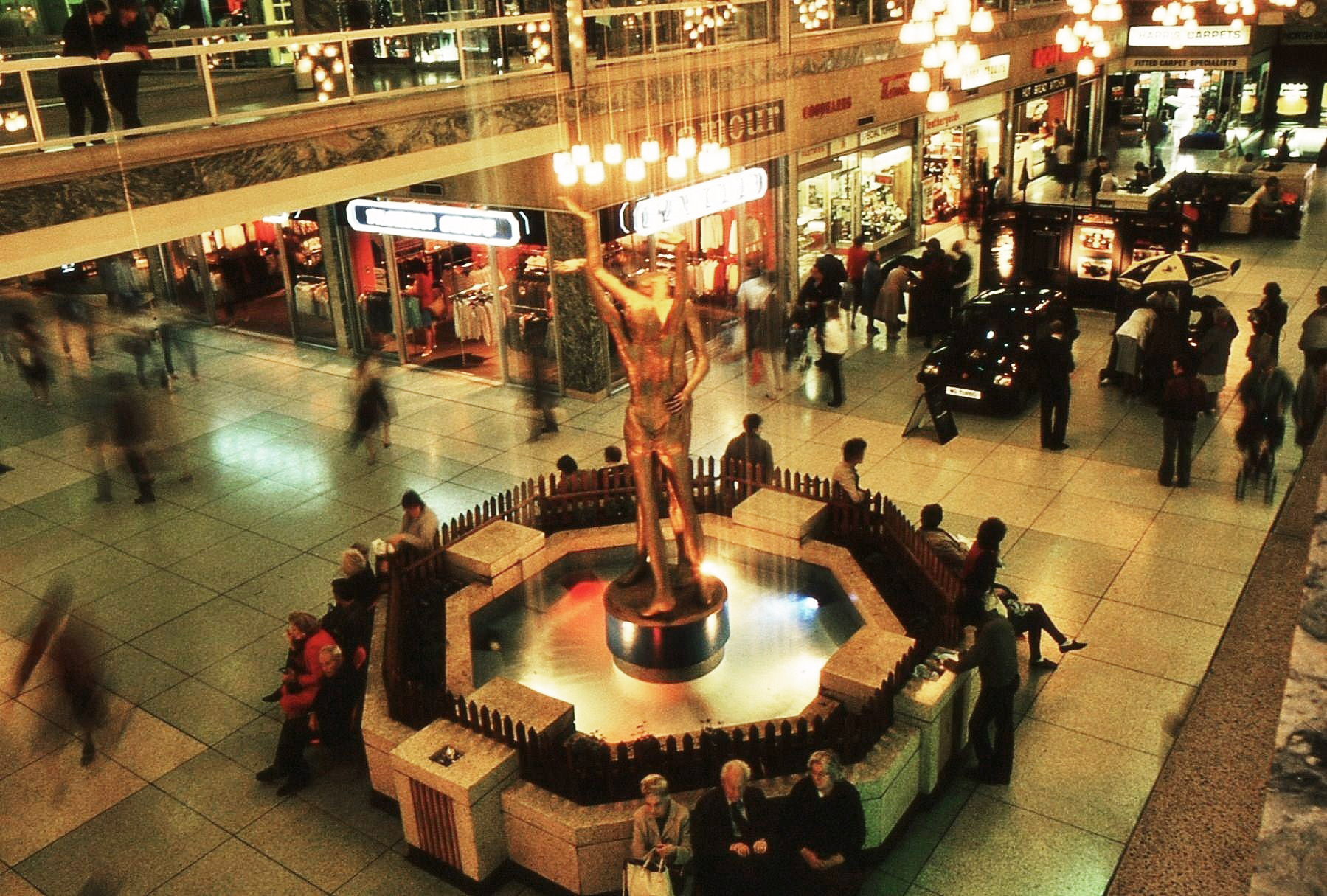
The Lovers were once located in the Arndale, removed to a local garden, unloved – then later reinstated in the Waterdale Centre, where we will embrace them a little later.

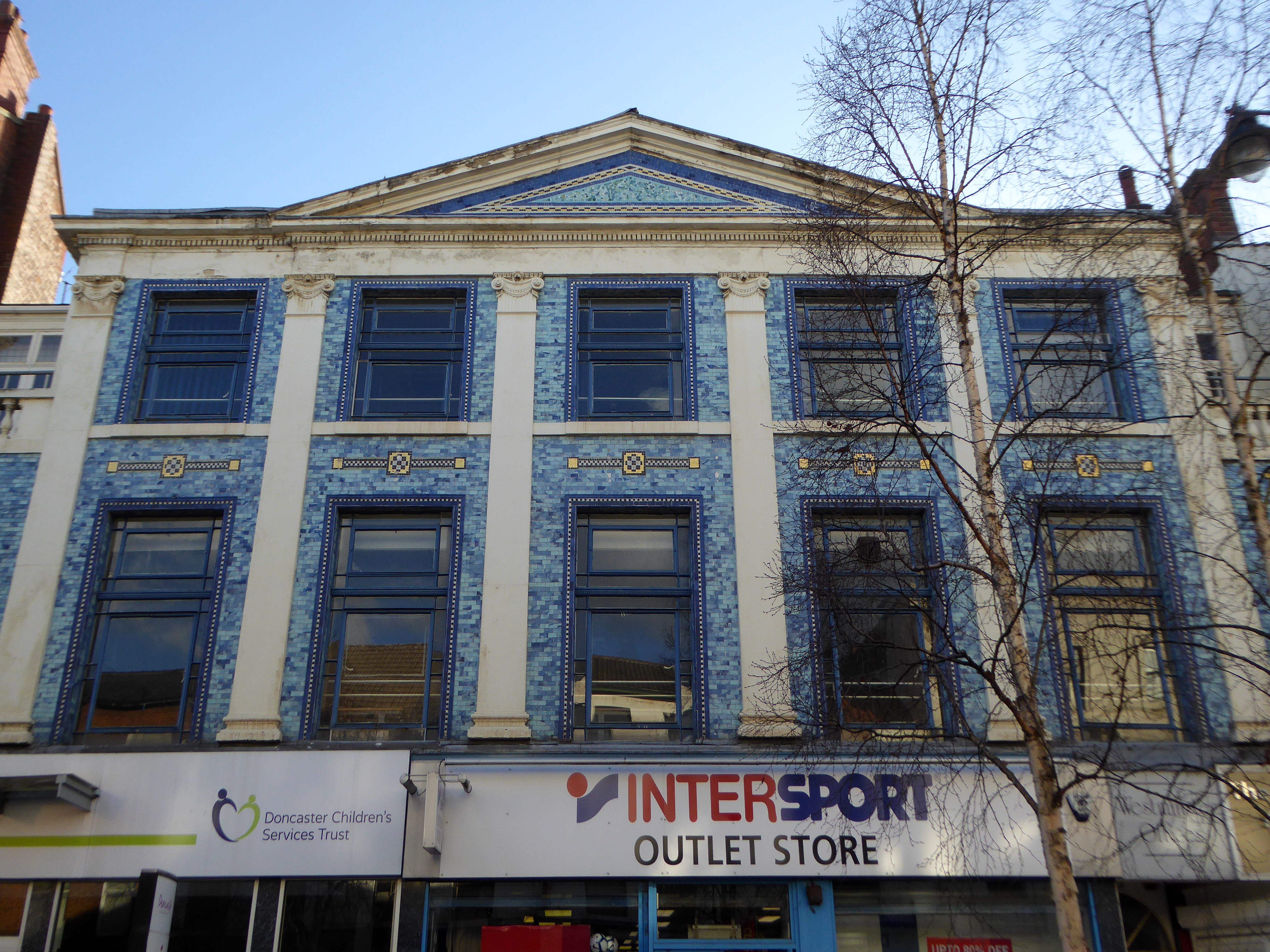
Turn right to take in the 1920s mosaic remake remodel of the Grade II listed Blue Building.

The Blue Building which used to be the Doncaster Design Centre and Tourist Information Centre was originally the home of John Whitaker, a wine merchant, and son of James Whitaker who was Mayor of Doncaster in 1758.

In 1925 the complete building was demolished apart from the facade which was retained and given a facing of decorative blue tiles. The intention was to build a shopping arcade from High Street to Printing Office Street. Only part of the arcade, known as the  Westminster Arcade was built. It had a number of shops, the largest being that of Woodhouse & Co Furnishers.

Doncaster Heritage Trail

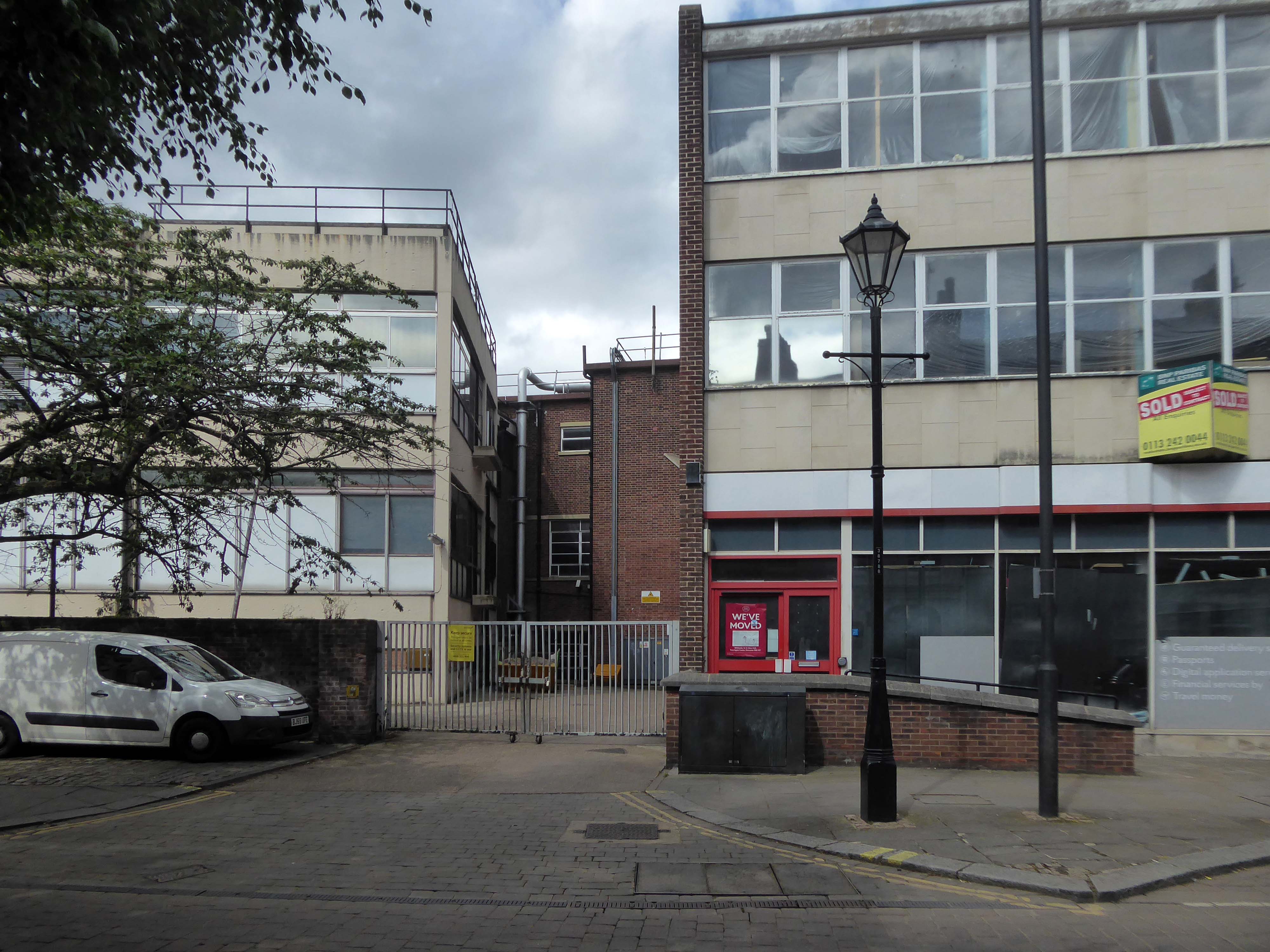
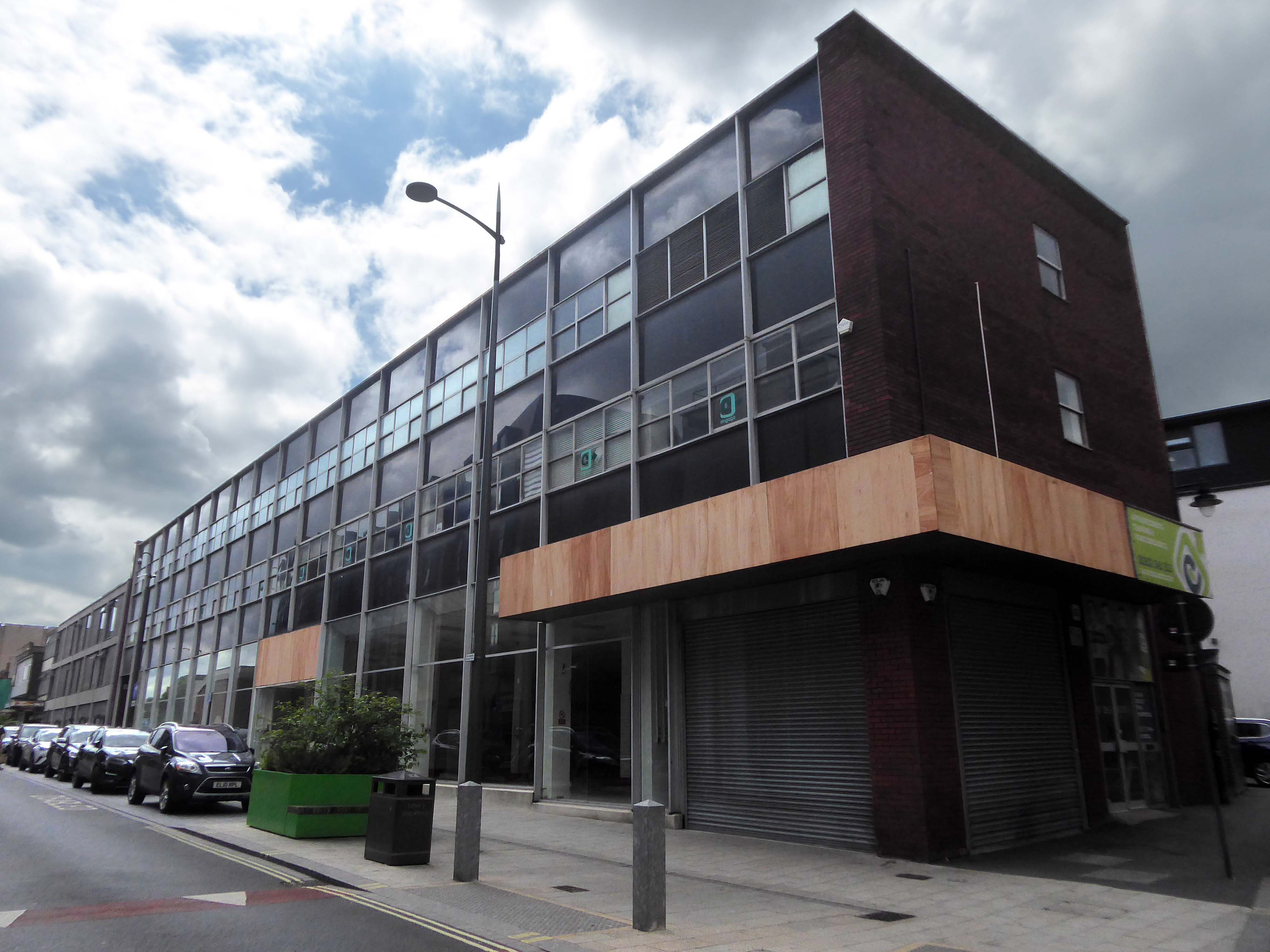
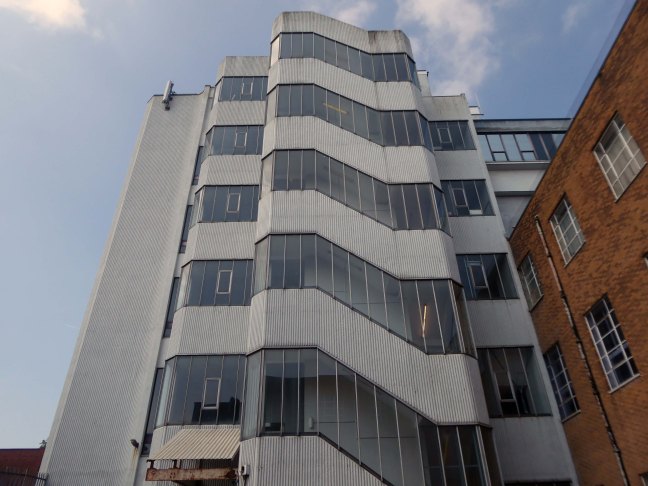
Two adjacent 60s extensions – to the right a redundant post office to the left an almost redundant telephone exchange, with the earlier brick built exchange in smack dab the middle.

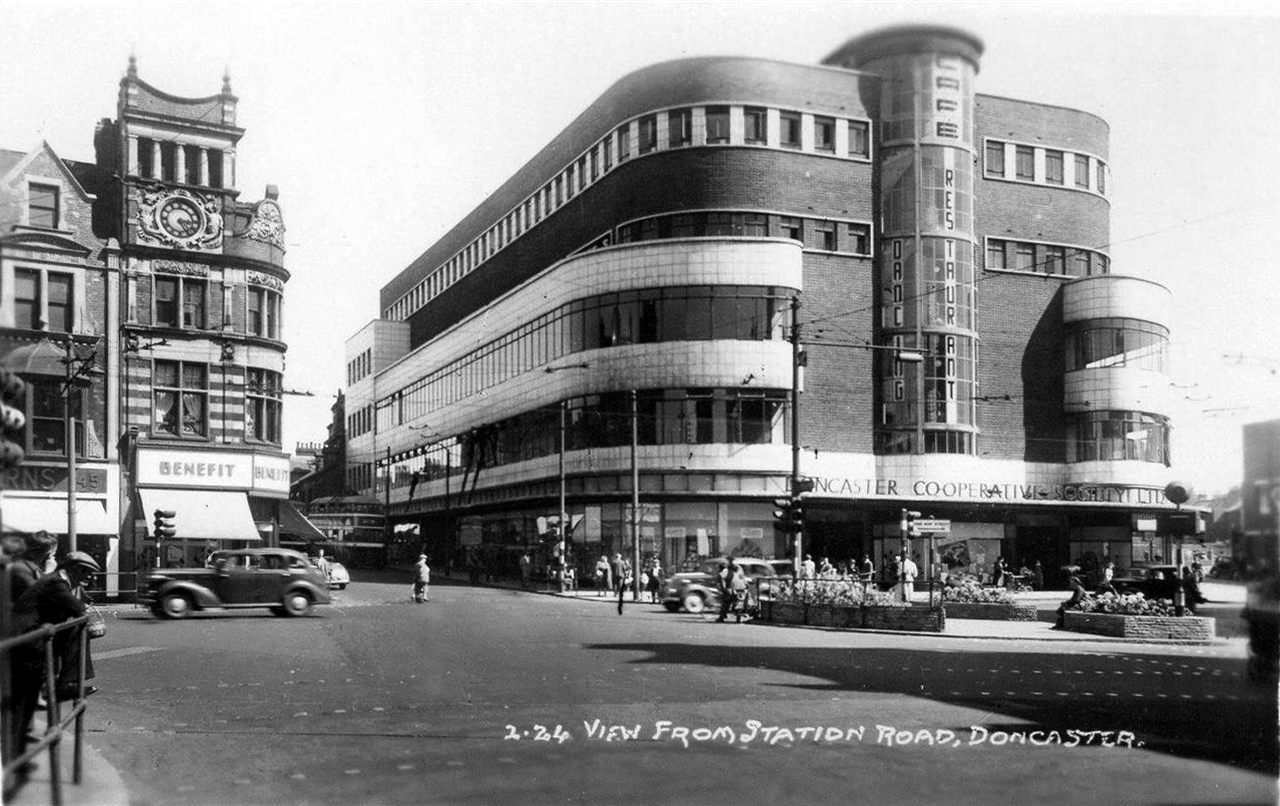
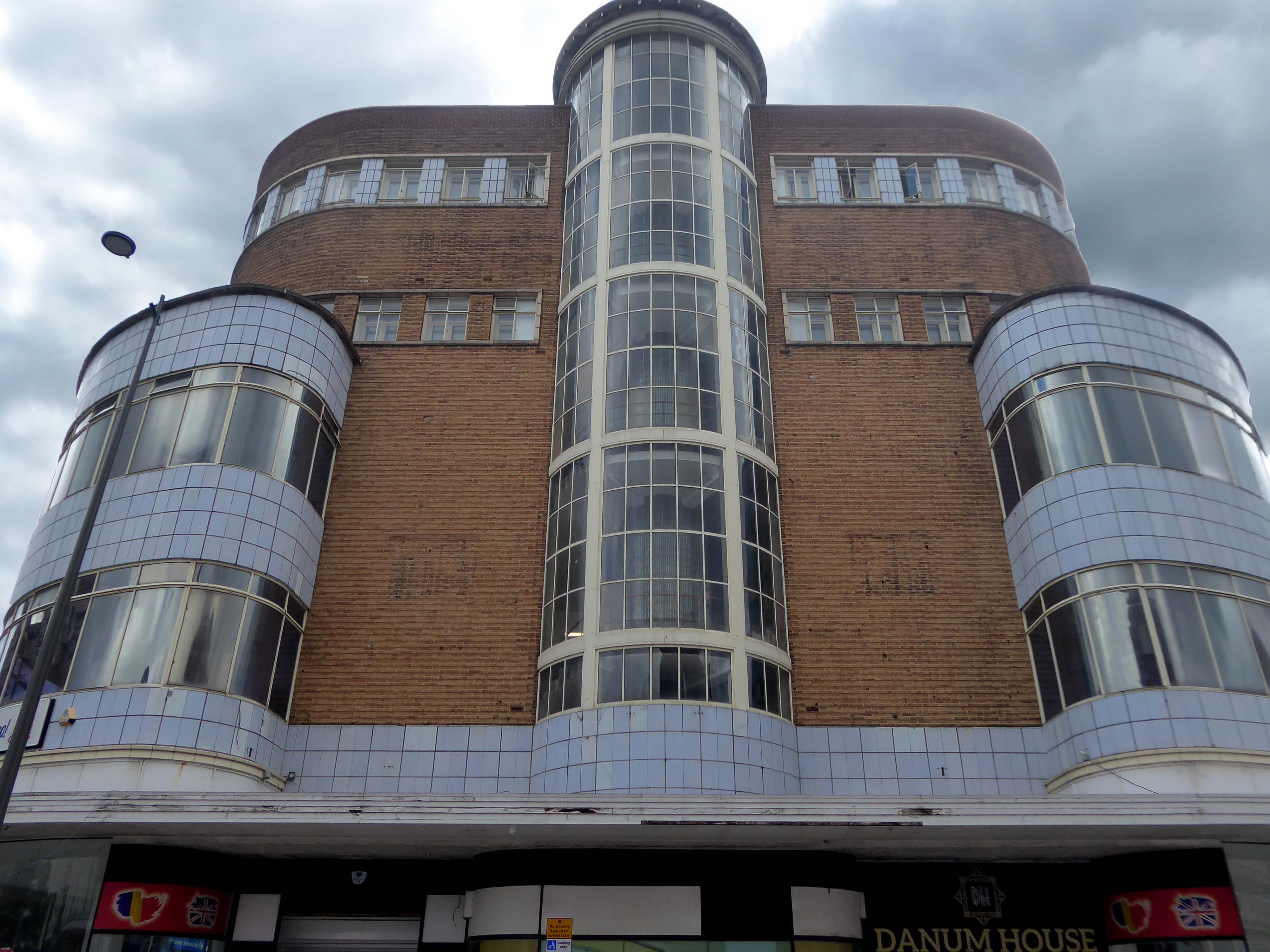
Turn another corner and it’s all at the Co-op now – the Grade II listed Danum Co-operativeBuilding, department store and offices: 1938-40 designed by T H Johnson & Son for the Doncaster Co-operative Society Ltd. 

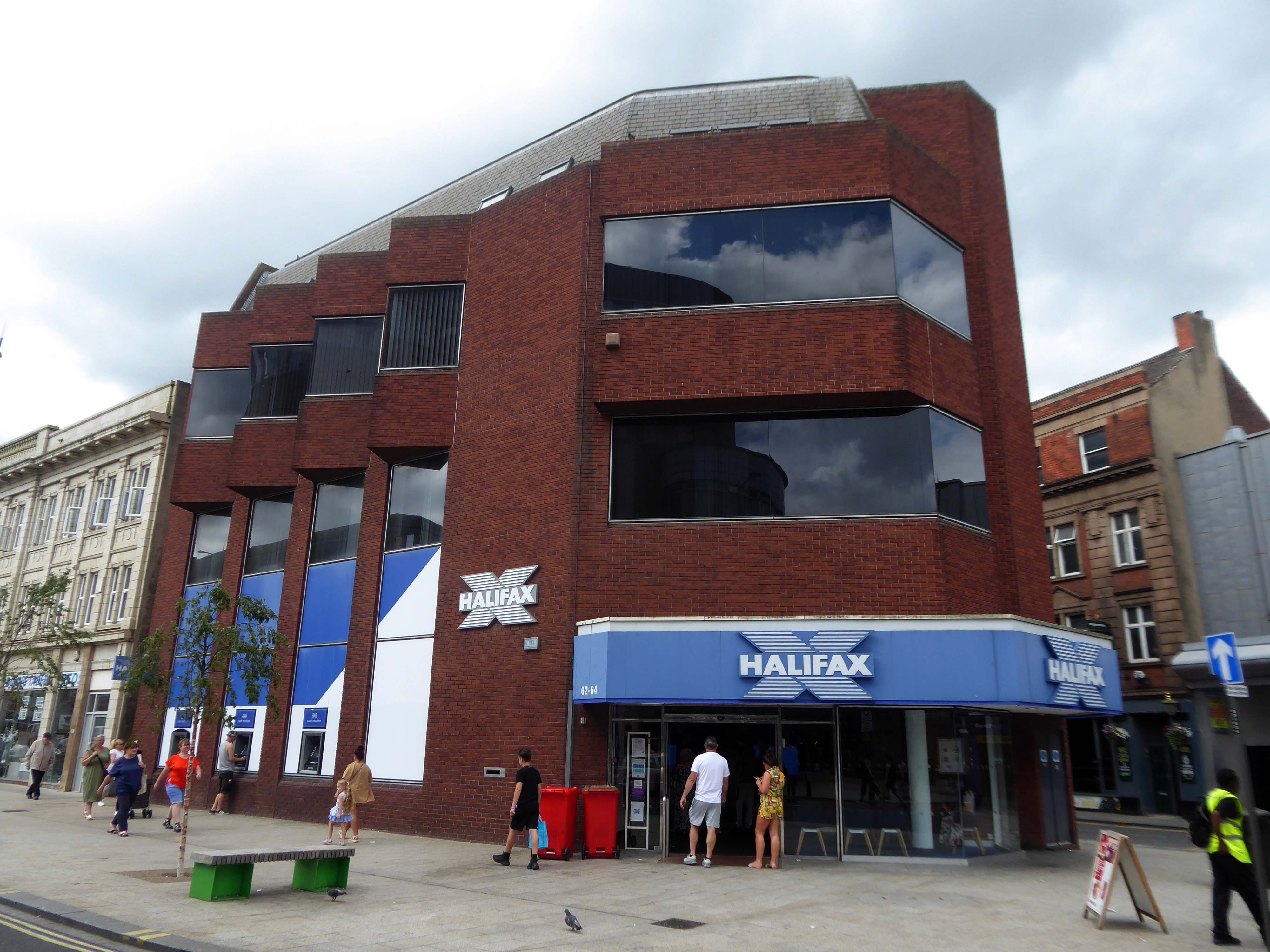
Over the road a zig-zag Halifax Building Society branch, tightly contorted by its corner footprint.

To the right of the Danum, this former Boyes store, having relocated to the Wilko site, the building is ripe for residential conversion.

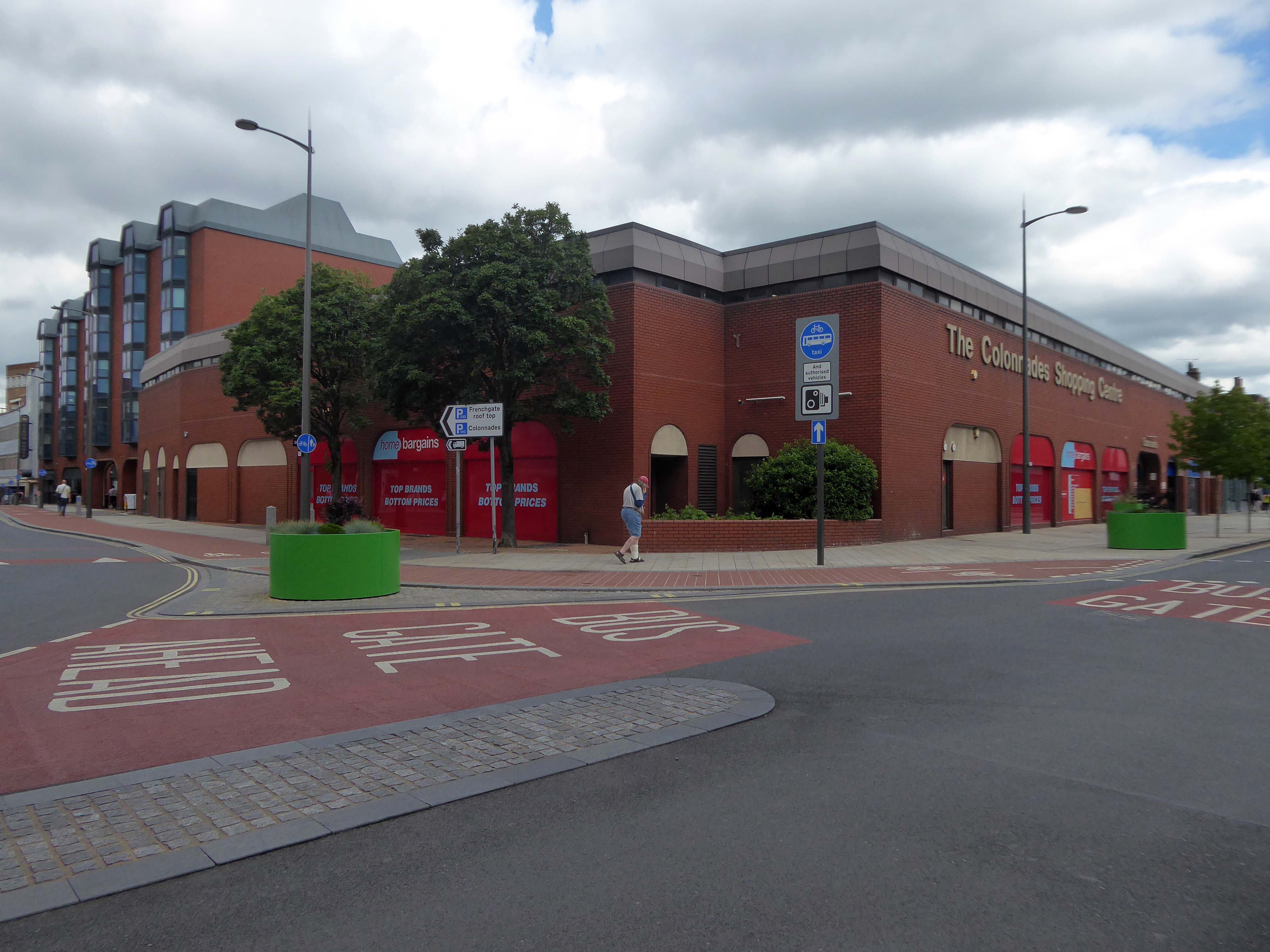
To the left the Colonnades Shopping Centre a fierce angular glass and brick bunker of mixed office and retail space – the sole occupant seeming to be Home Bargains.

A £3.3m makeover of the Colonnades shopping mall in Doncaster town centre was completed in 2019.

The scheme of works was co-ordinated by Doncaster Council and funded by the Sheffield City Region Local Growth Fund.

Built in the 1980s, the brick built building received a major overhaul. The investment saw the visual appearance enhanced inside and out. The five floors were transformed into the prime office space needed in the town centre and the enhancements to the retail area were also finished.

The shift in the town’s axis to the Frenchgate and Market areas, seems to have taken the wind out of its sails.

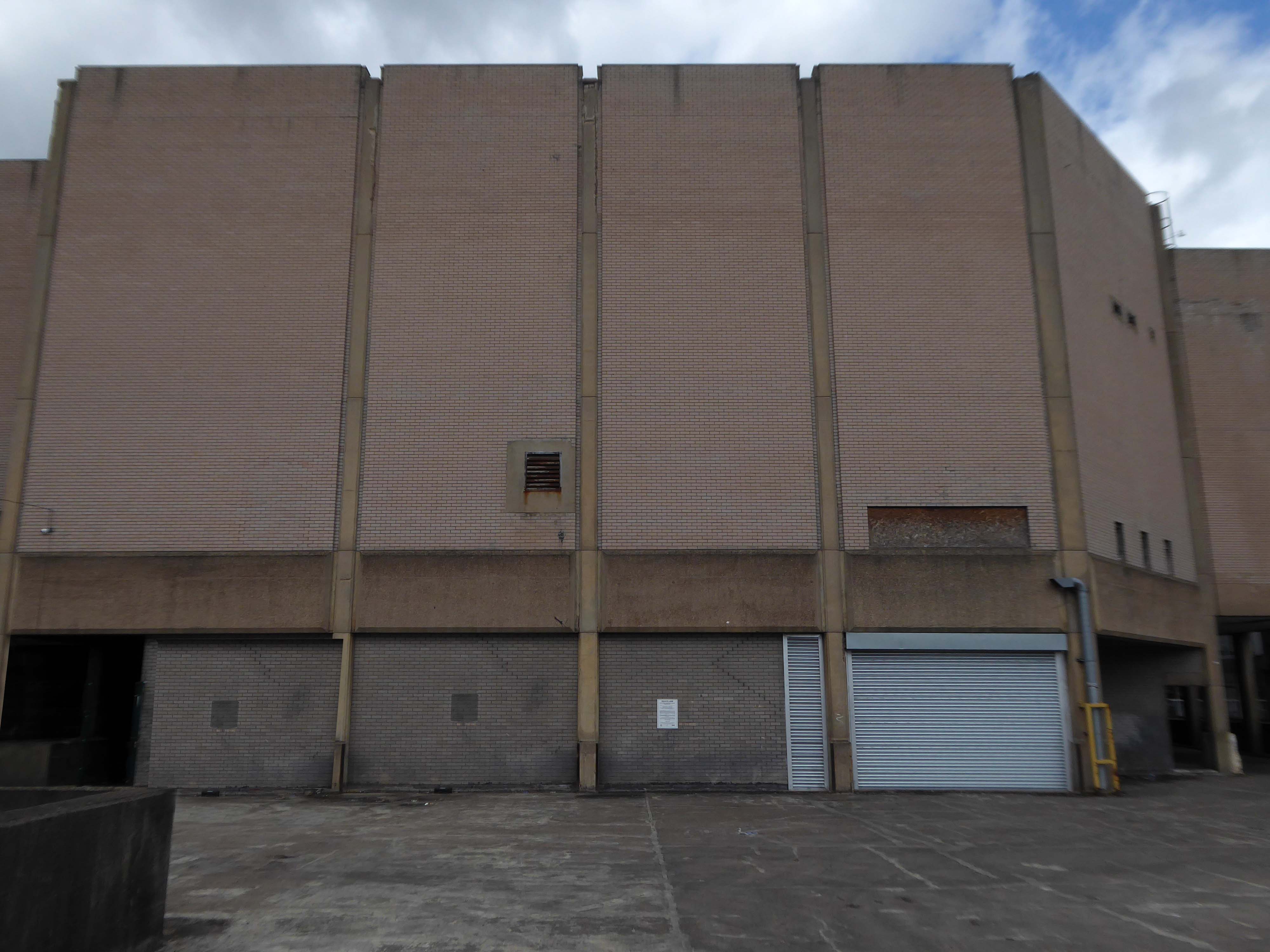
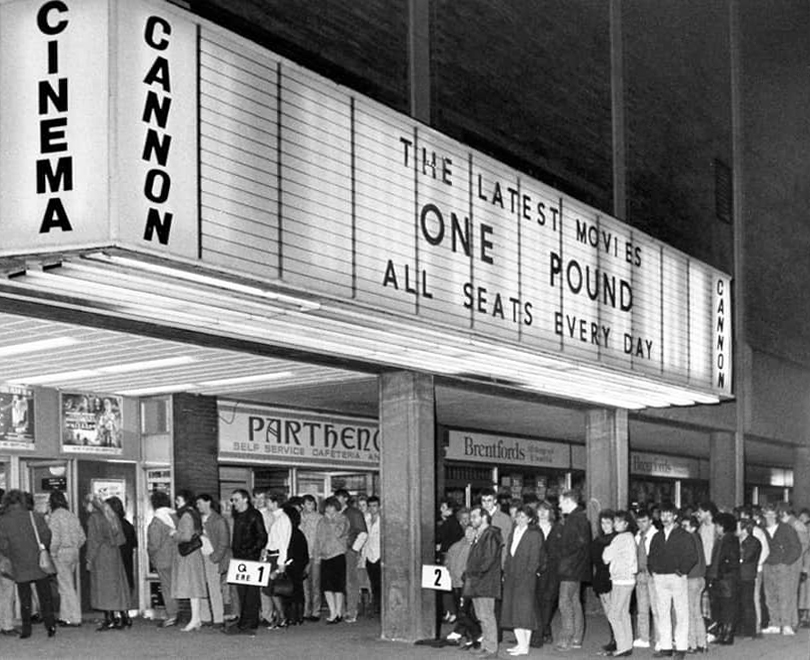
The former flicks now a redundant pale brick behemoth – no more and ABC.

Architects: C Jack Foster and Alan Morgan

Doncaster’s new £250,000 ABC cinema, part of the Golden Acres development near the town centre, was opened on May 18th 1967.

Closed in January 1981 for conversion into a triple screen it re-opened on 9th April 1981 with seating in the three screens for 477, 201 and 135.

The Cannon Group took control in the mid-1980’s and it was re-named Cannon and it closed on 18th June 1992, screening its opening film Doctor Zhivago.

Cinema Treasures

The Golden Acres development seemed to have morphed into the Waterdale Centre.

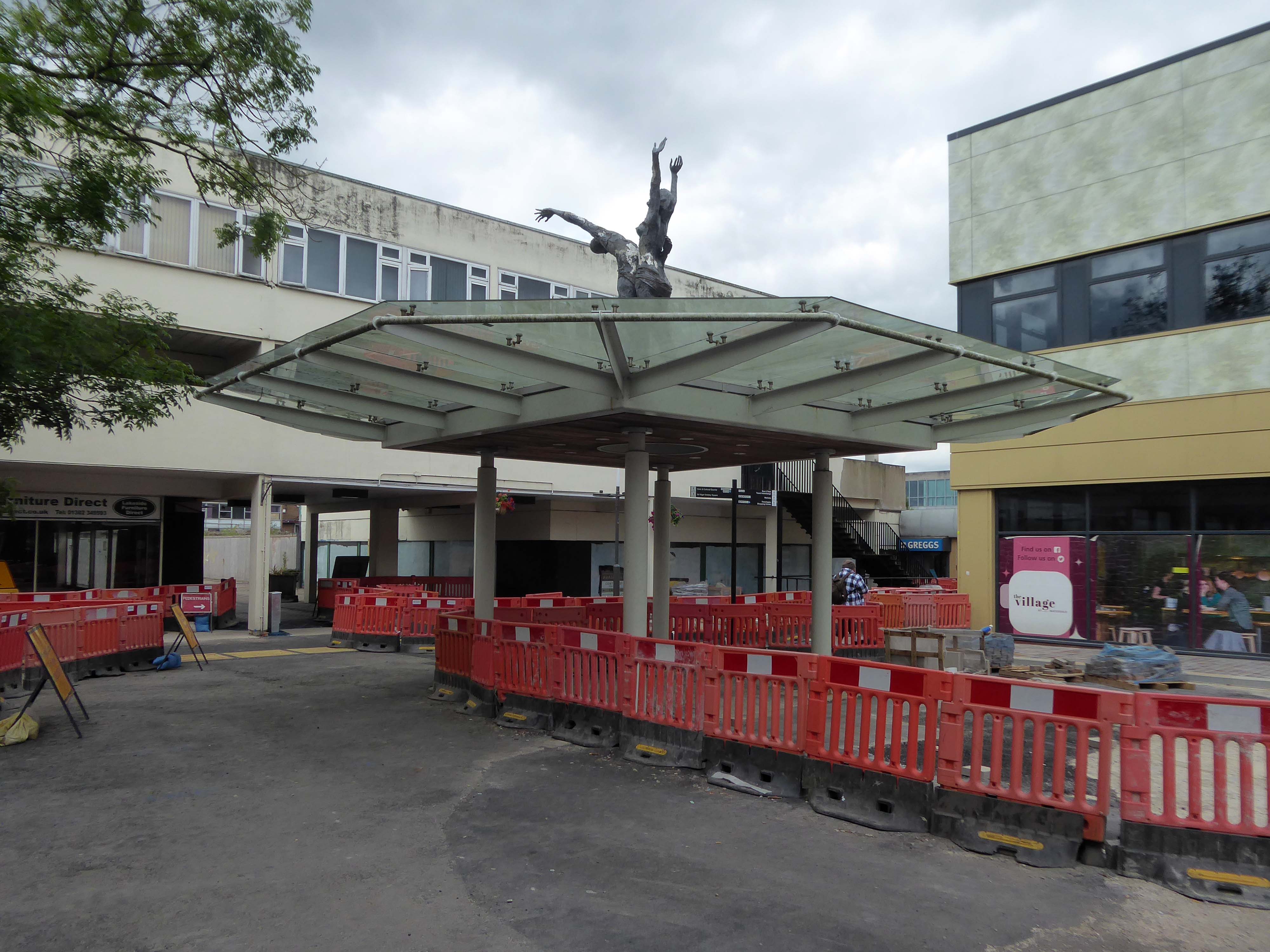
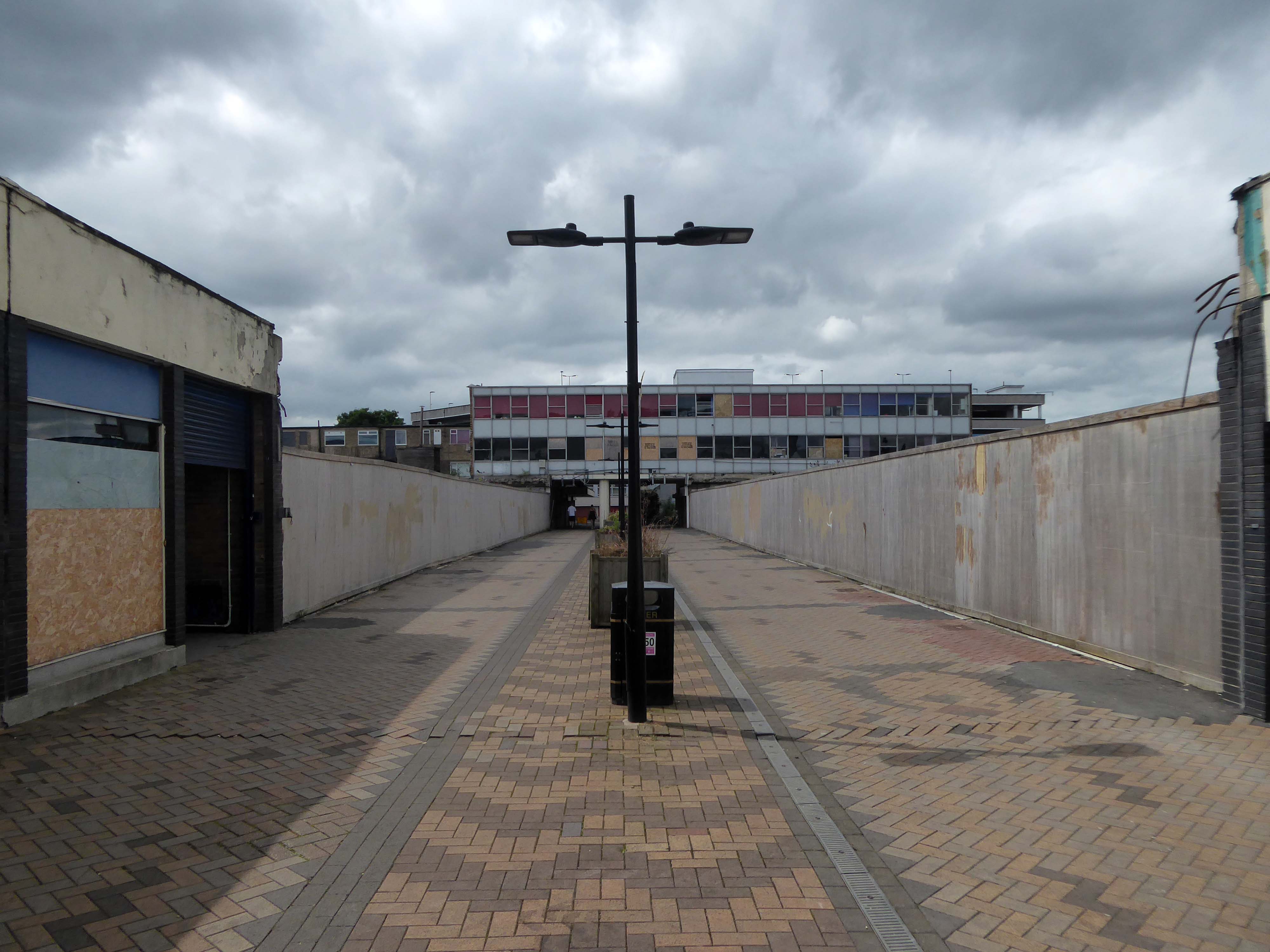
It is currently being reshaped to provide a line of desire twixt the Civic and Cultural areas, from the town centre. There are still the remnants of homes, shops and a pub amongst the demolition – almost inevitably there is new paving.

Waterdale is a well-known part of Doncaster’s town centre. During its heyday it was a bustling area with people flocking to shops and the like – it was a place you had to visit while you were in town. However, it had suffered a steady decline which continued when the southern bus station closed – Frenchgate Interchange opening, and Doncaster College moved to the Hub at the Waterfront. With limited public transport entering the area and no student population on its doorstep, less people had reason to pass through.

Demolition of the College.

The Civic and Cultural Quarter is transforming Waterdale reconnecting it to the town centre. The quality and content of the plans is raising the profile of this part of town to new levels. The carefully thought out layout and consistent building design is giving the area a clear identity. It is already becoming a big attraction that draws people in and encourages redevelopment in the neighbouring areas.

Doncaster Gov

The relocated Lovers are still in love.

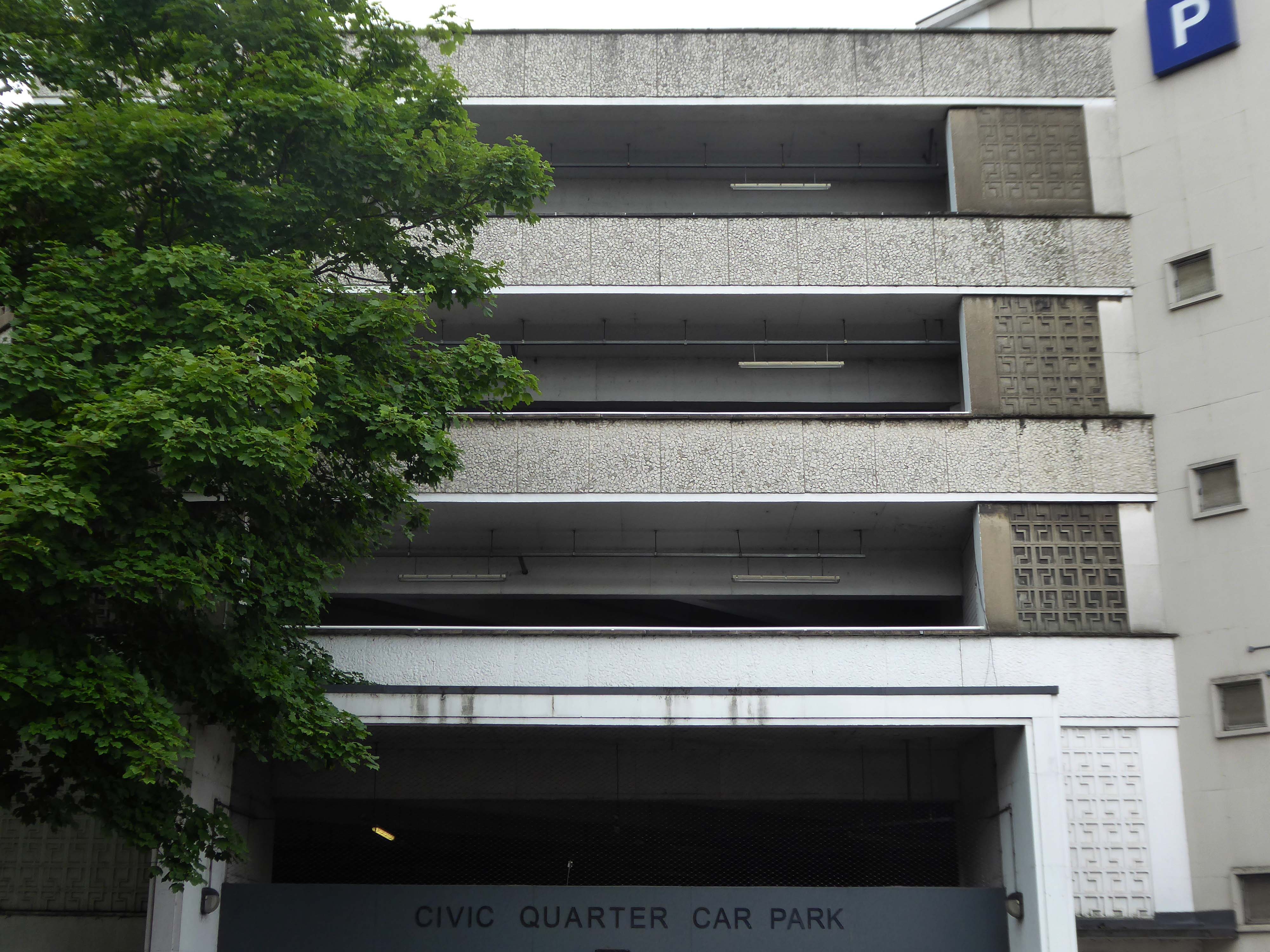
The weary walker is diverted toward the Civic Quarter Car Park.

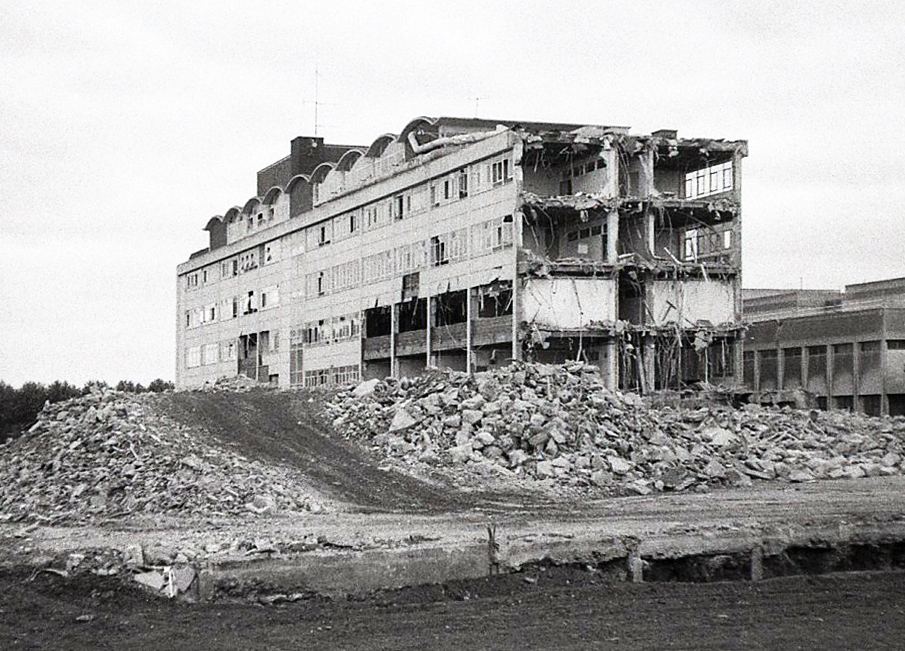
The former Civic Offices are to be demolished.

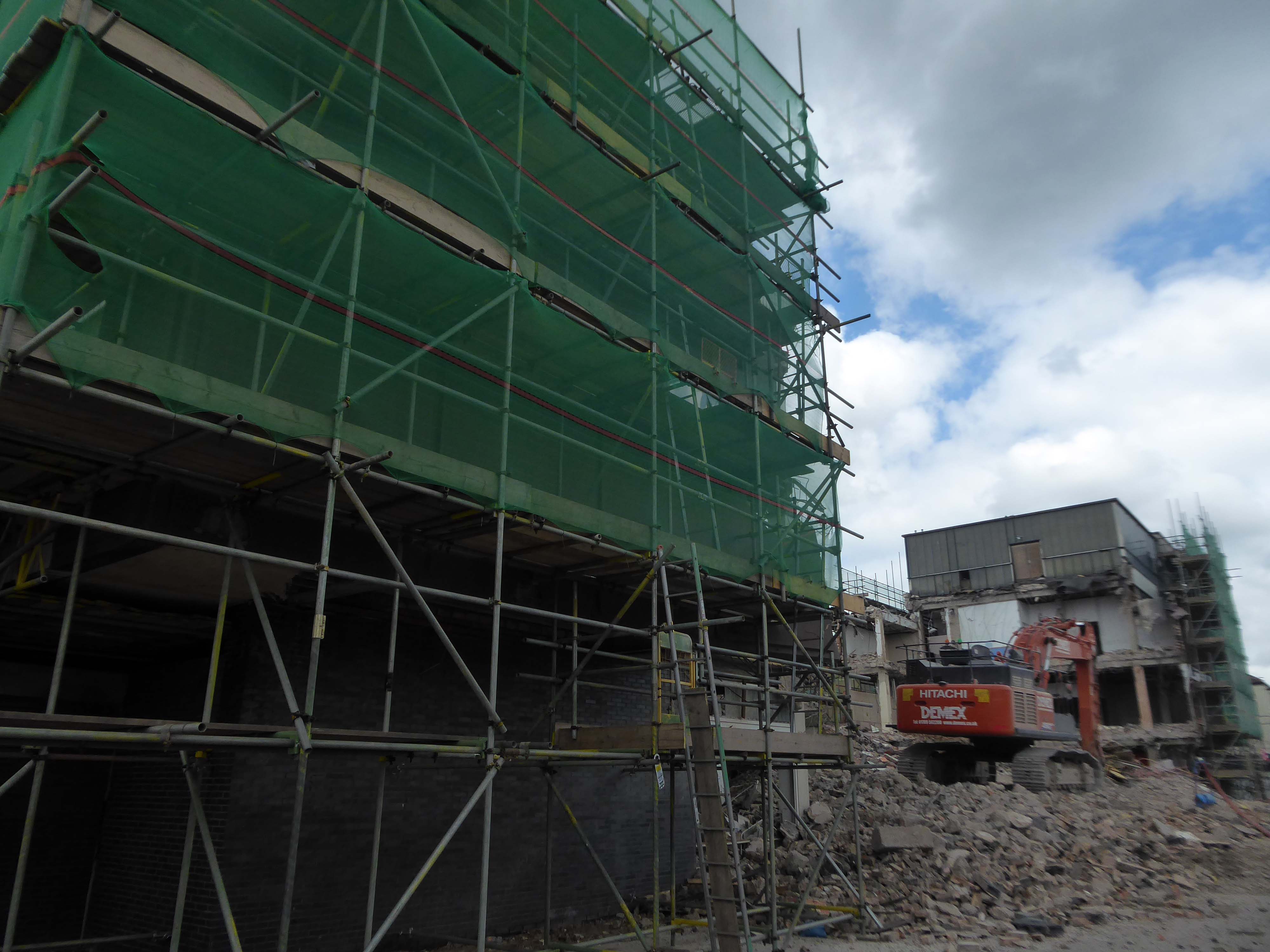
Demolition of the Central Library is well under way.

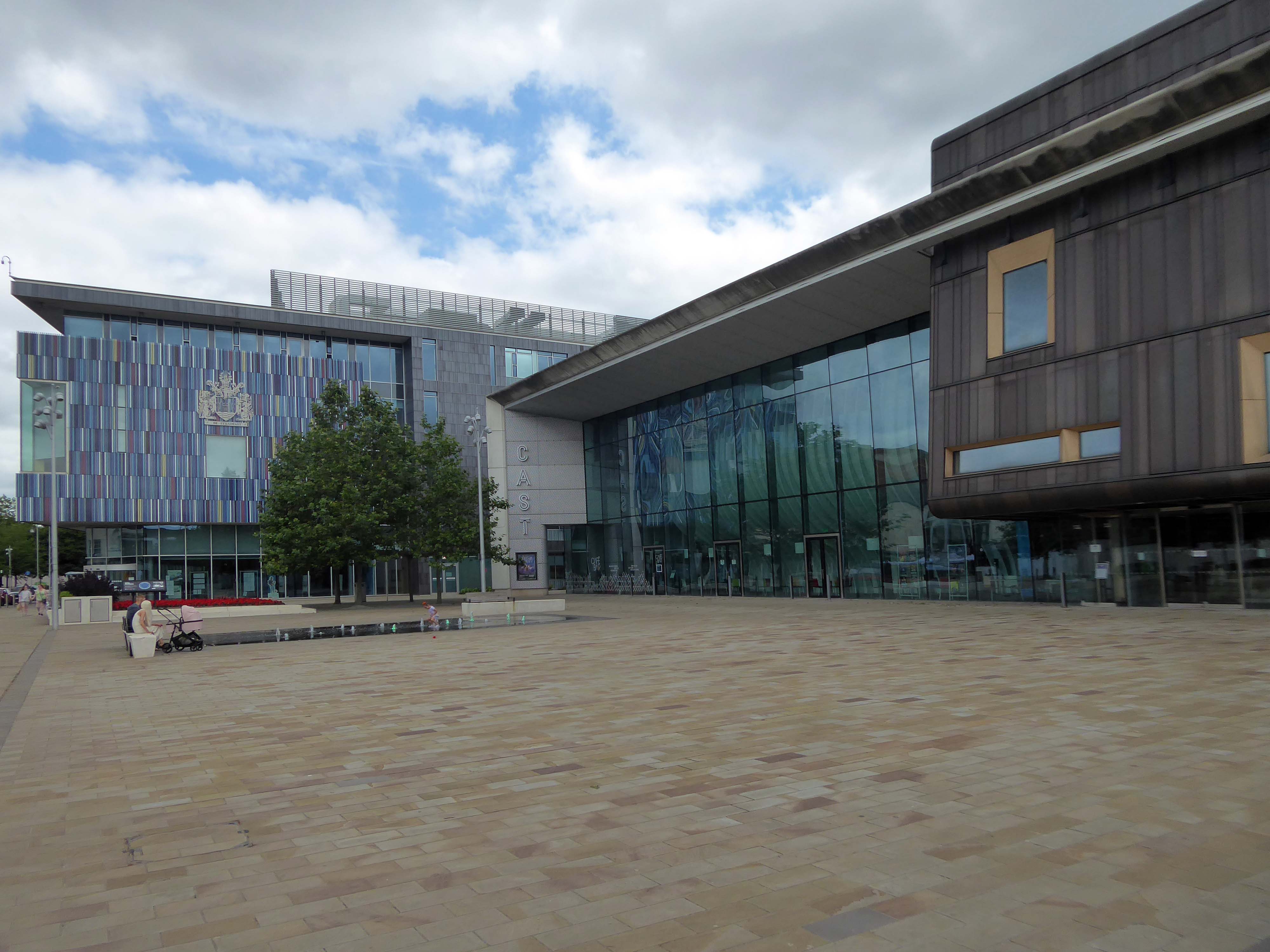
Facing the former library we find the CAST Theatre, Civic Buildings and Savoy Cinema, grouped around Sir Nigel Gresley Square.

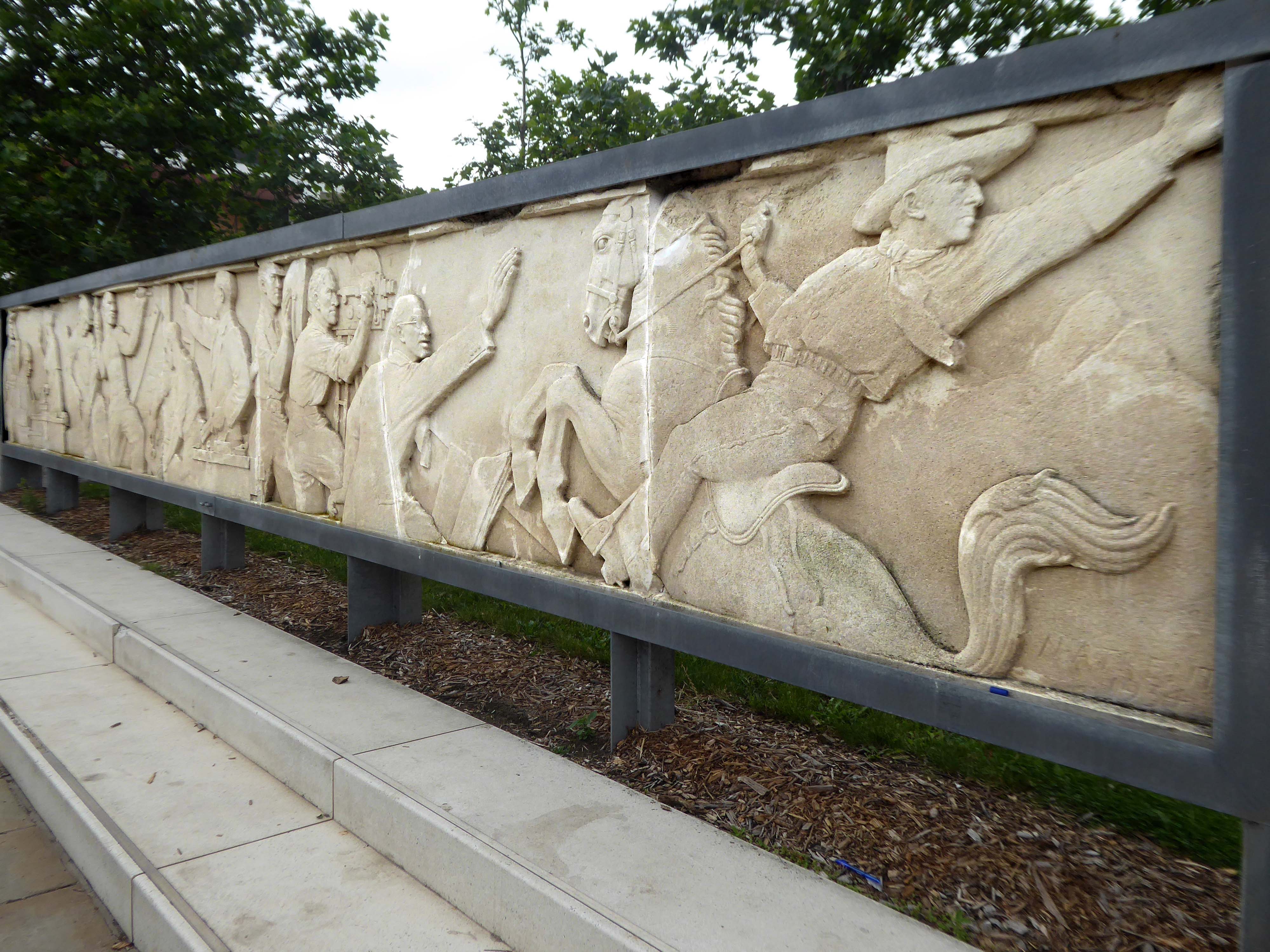
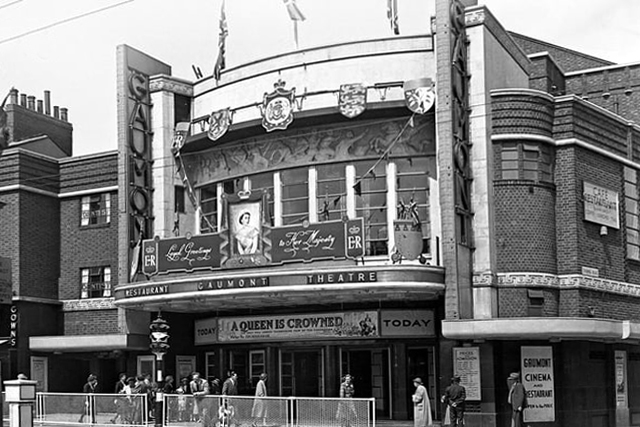
Within the square is a frieze, salvaged from the former Gaumont Cinema, the work of sculptor Newbury Abbot Trent.

The Gaumont Palace Theatre in Hall Gate at the corner of Thorne Road, Doncaster opened on 3rd September 1934 with Jesse Matthews in Evergreen.

It was designed by architects WE Trent and W Sydney Trent.

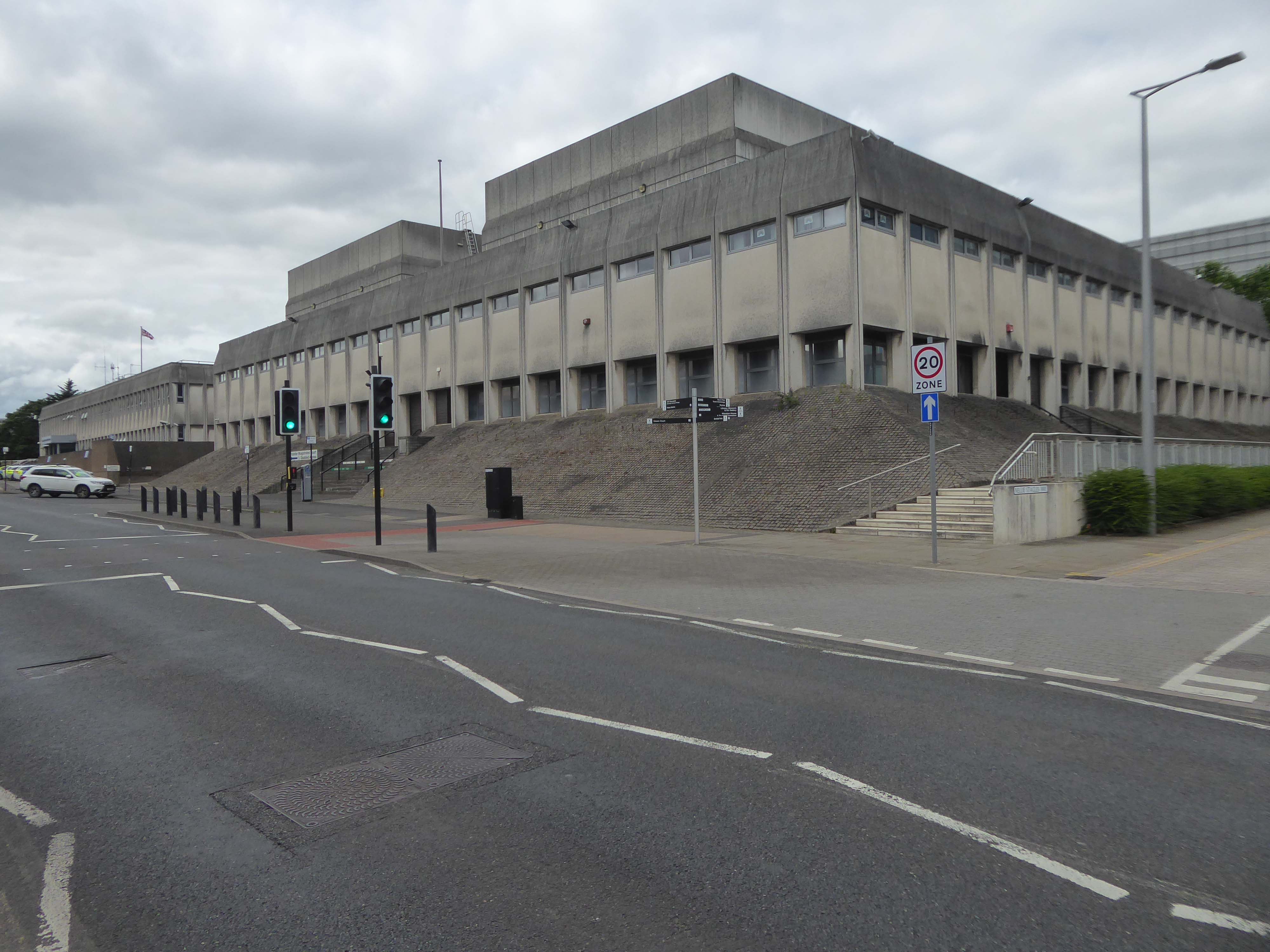
In 1949 WH Price the Borough Surveyor produced an outline plan for the area, with a green space at its heart, it was never realised. In 1955 Frederick Gibberd produced his plan to include a ten storey Town Hall, Art School, Technical College and Civic Theatre, revised and reduced in 1963 – eventually his Police Station and Law Courts were completed in 1969.

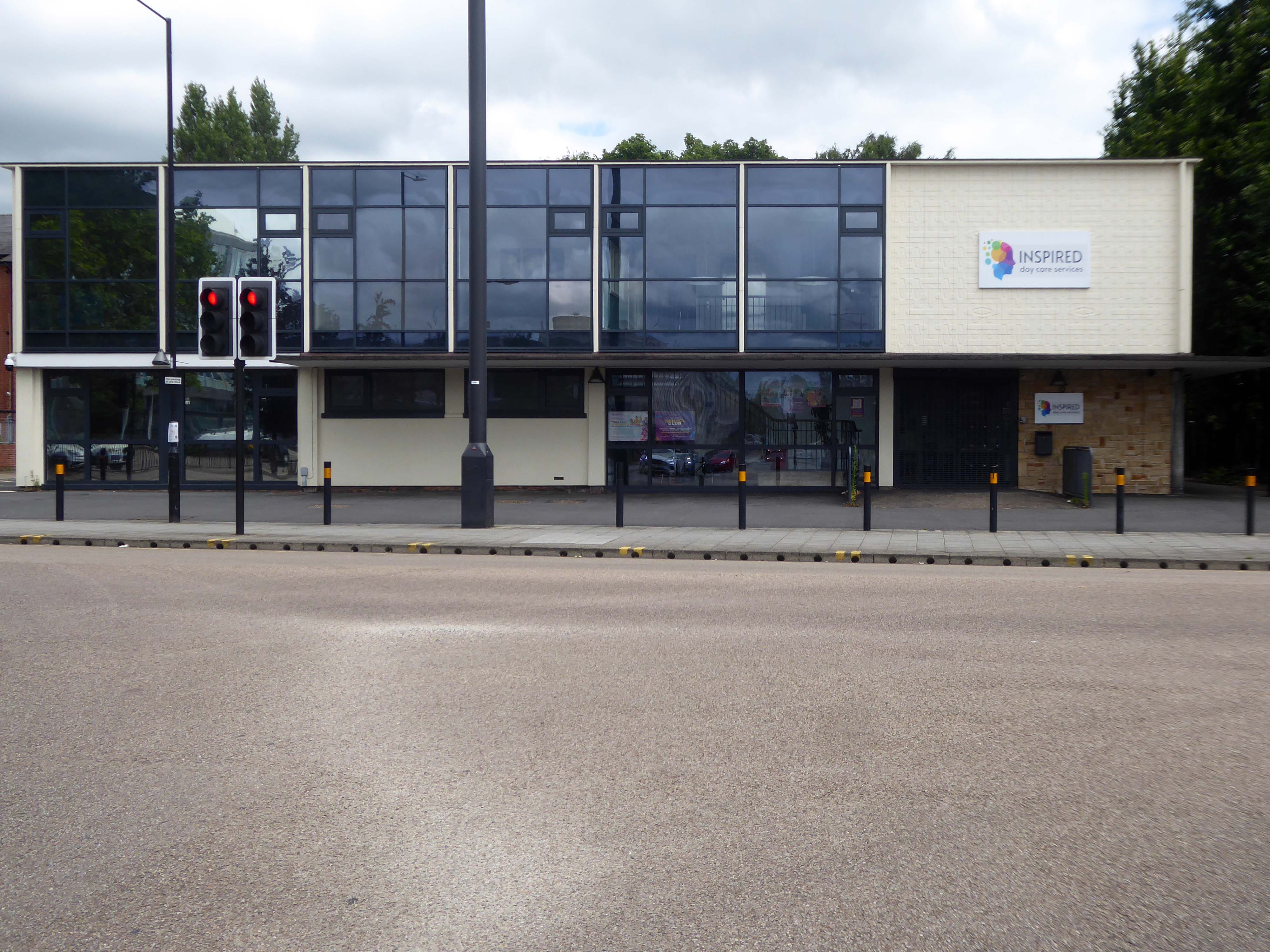
The former NHS Clinic at the ‘T Junction’ is transformed into a day care service.

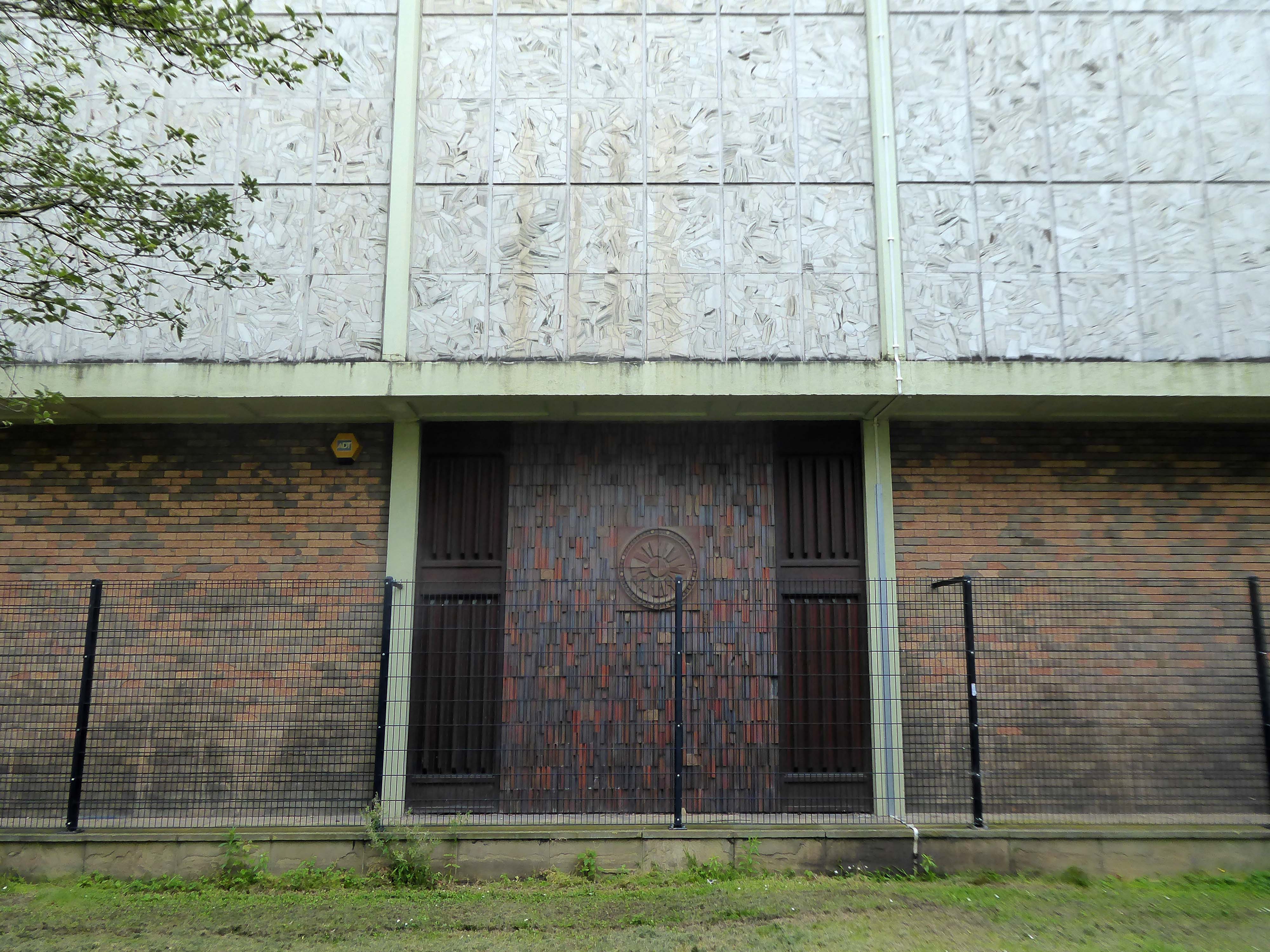
The former Museum and Art Gallery now an archive and local studies centre.

The building was designed in the office of the Doncaster Borough Architect’s Department in a team led by borough architect Mr LJ Tucker. 

The ceramic designs were a later addition when it was discovered that the large open areas of glass overheated almost everything inside, the work was undertaken by LJ Tucker and family.

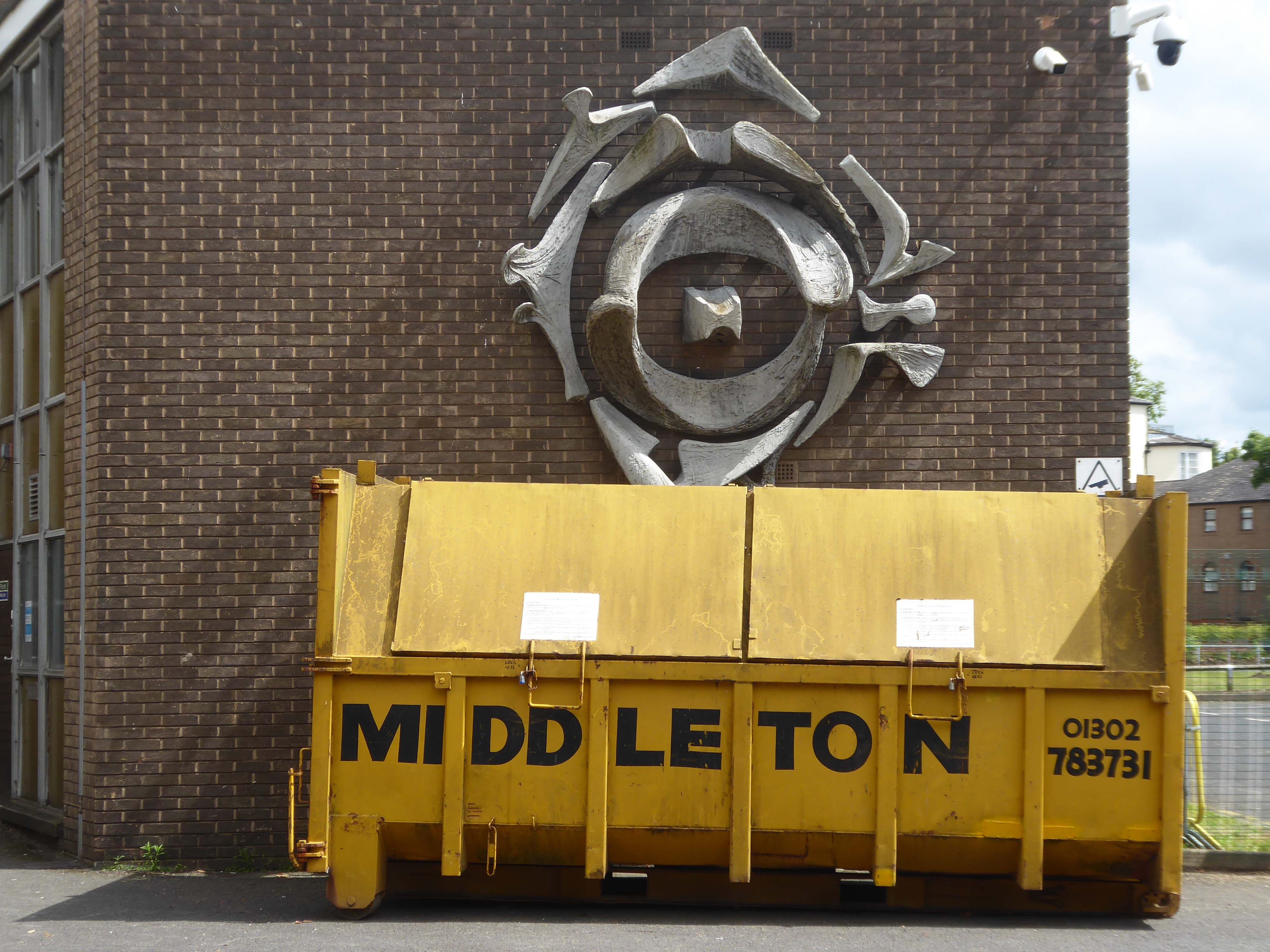
The sculptural work by Franta Belsky, now has a skip for company.

As a footnote the work by Fabio Barraclough reveals a murky past.

Barraclough was born in Madrid in 1923, to a Spanish mother and Yorkshire father who founded Madrid’s Chamber of Commerce. He moved to London with his family in the 1930s as a refugee from Francoist Spain. He taught fine art and sculpture at Rugby School, where colleagues considered him “highly entertaining, a most unorthodox and highly gifted” teacher. He established himself during the 1960s and early 1970s as an authority on sculpture, publishing in academic journals and becoming a member of the Royal British Society of Sculptors.

In 2000, it was revealed that Barraclough, while outwardly living the life of anti-apartheid activist since the 1970s, had been a paid informant of the South African state security police. The media was used to promote his image as a “brilliant, liberal artist with apparently impeccable credentials” in order to gain public trust, while he was funnelling money from anti-apartheid groups to the police. He died on 6th January 2019.

Wikipedia

Over the way faros the green sward is St Peter in Chains RC – A large and striking design by JH Langtry-Langton, incorporating important furnishings by J F Bentley from the predecessor church, along with good furnishings of the 1970s. The churches houses the modern successor to the medieval shrine of Our Lady of Doncaster.

Figurative stained glass by Patrick Feeny for Hardman in 1973 and abstract glass fitted in 2000 as part of reordering and revival of the shrine.

Further information on Taking Stock.

A special mention for the Danum Cultural Hub

Designed by architects Bond Bryan and built by main contractor Willmott Dixon, the new cultural and learning hub has been created following the restoration of four existing buildings. 

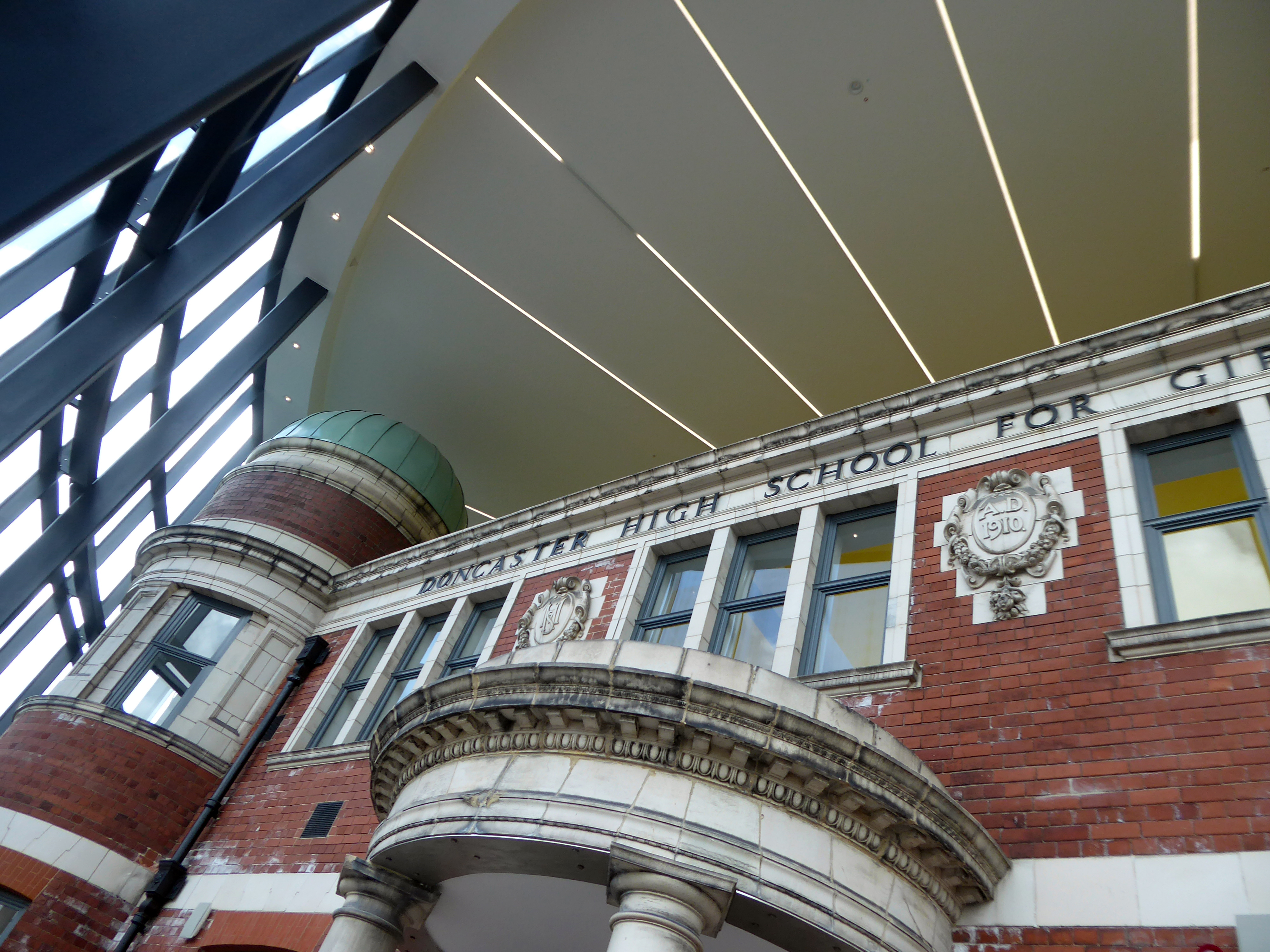
A key focal point of the scheme is the restored frontage of the Edwardian former Doncaster High School for Girls, which has been framed by Senior’s slimline SF52 aluminium curtain wall and showcased within a new steel-frame building. The glazed facade, which was fabricated and installed by Senior’s supply chain partner Chemplas, also features Senior’s aluminium commercial doors.

RIBA Journal

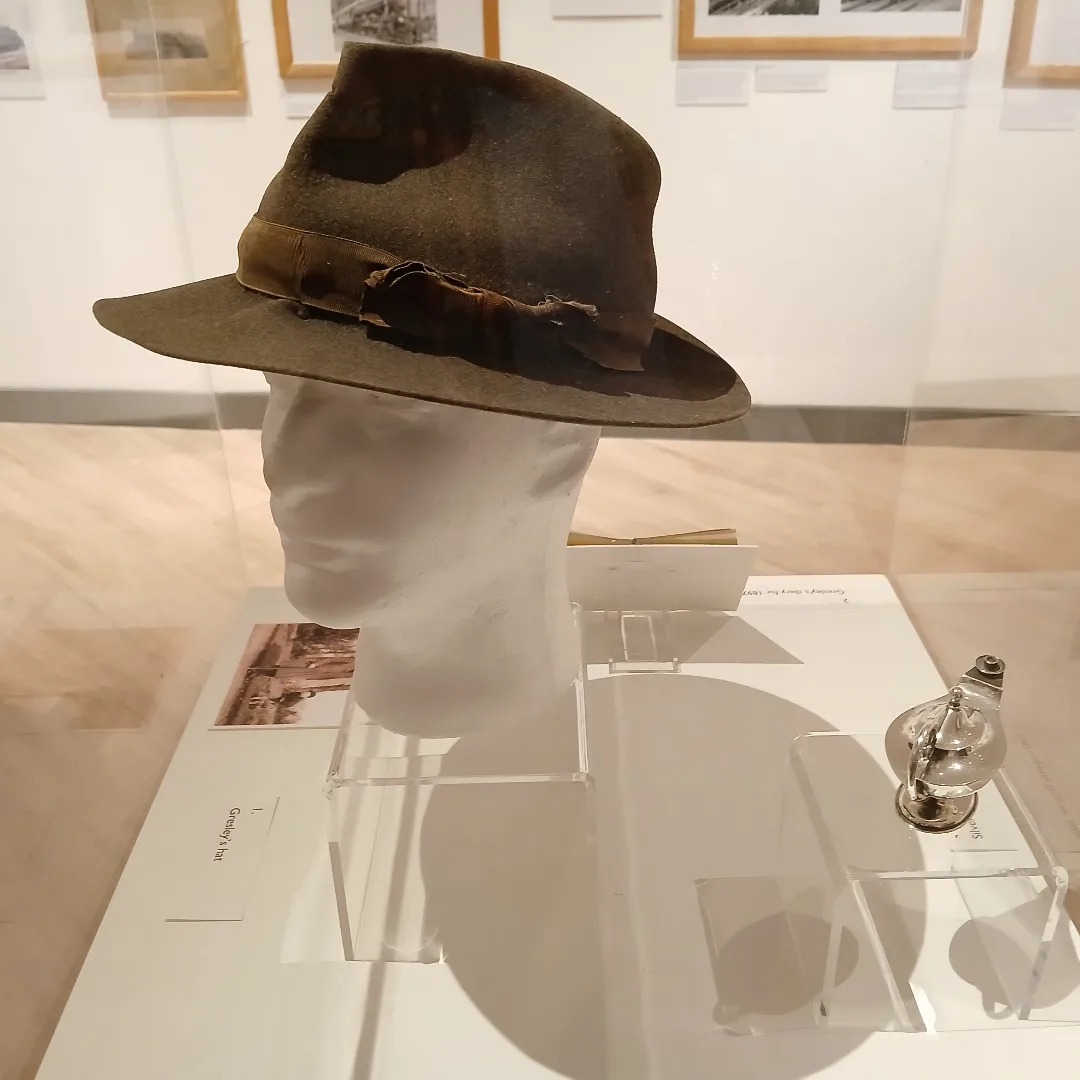
Where I was delighted to see Sir Nigel Gresley’s hat.

Bradford Revisited

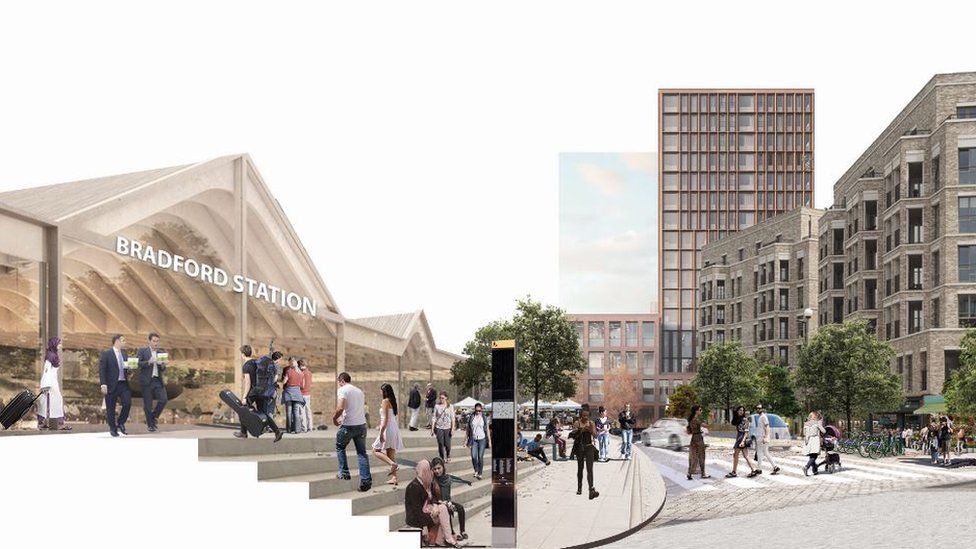
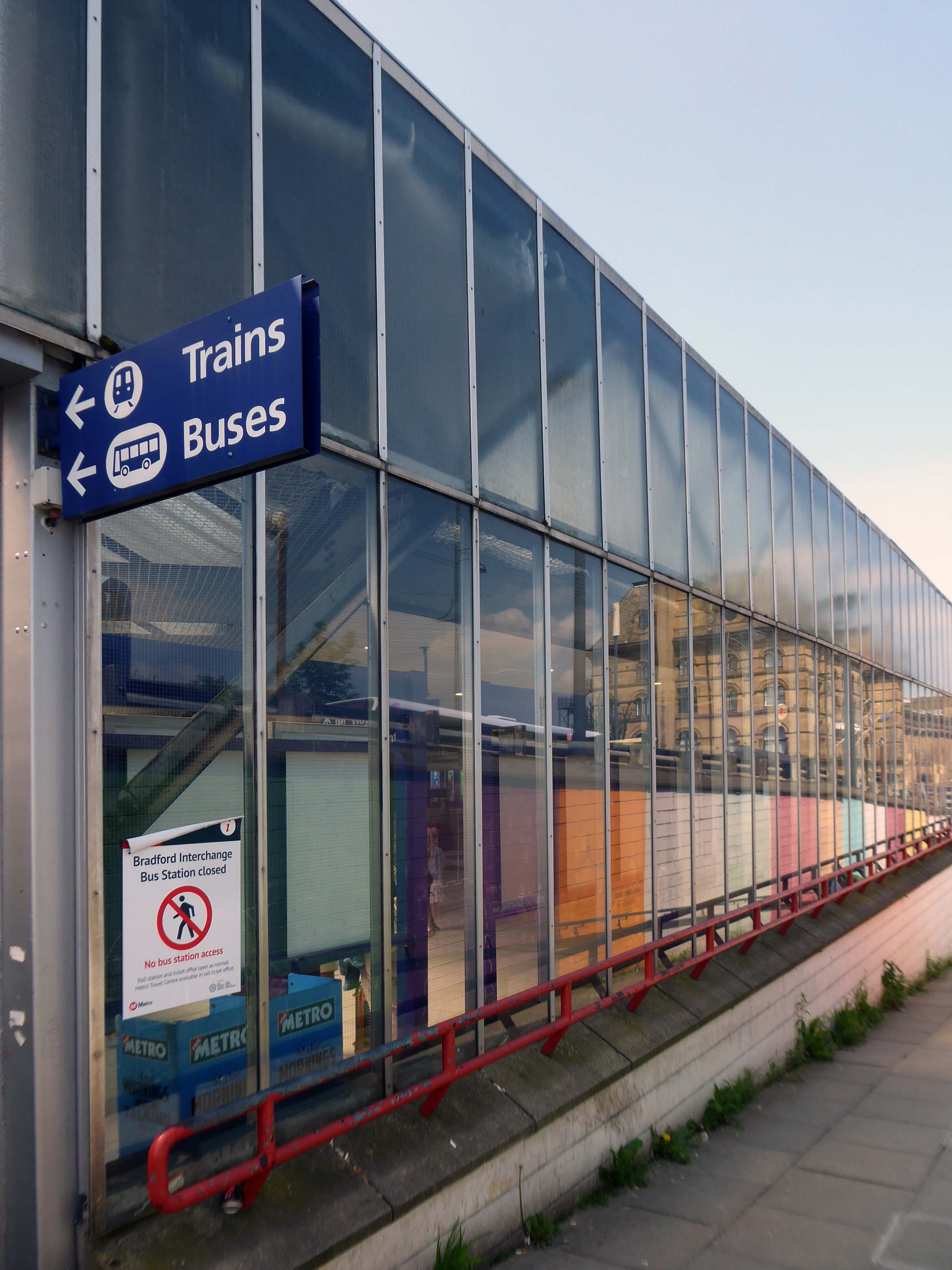
We arrive at and begin our journey at the Interchange – the bus station is closed, along with the station entrance.

Bradford accepts that it is a part of the Northern Supercity stretching from Coast to Coast – Liverpool to Hull. Every existing town and new settlement must be unique. People belong to their own hotspot as well as Coast to Coast. Bradford as a dispersed centre will give it individuality as well as becoming synonymous with the whole new city. Bradford is a mini version of the whole. It is composed of a series of mini hotspots which will each act as a focus for each square kilometre.

Bradford has the topography to allow every citizen to wake up to a view – both physical and mental. Their collective ambition can create a place of extraordinary difference.

Will Alsop

We have of course been here before.

Bradford Interchange will get a new entrance and other improvements to bring it up to standard, the city council said. 

The NCP car park on Hall Ings would be demolished to create a new pedestrianised entrance.

BBC

The Interchange opened in 1971 was the first of its kind in the country, designed by the BR regional team headed by RL Moorcroft and the City Architect.

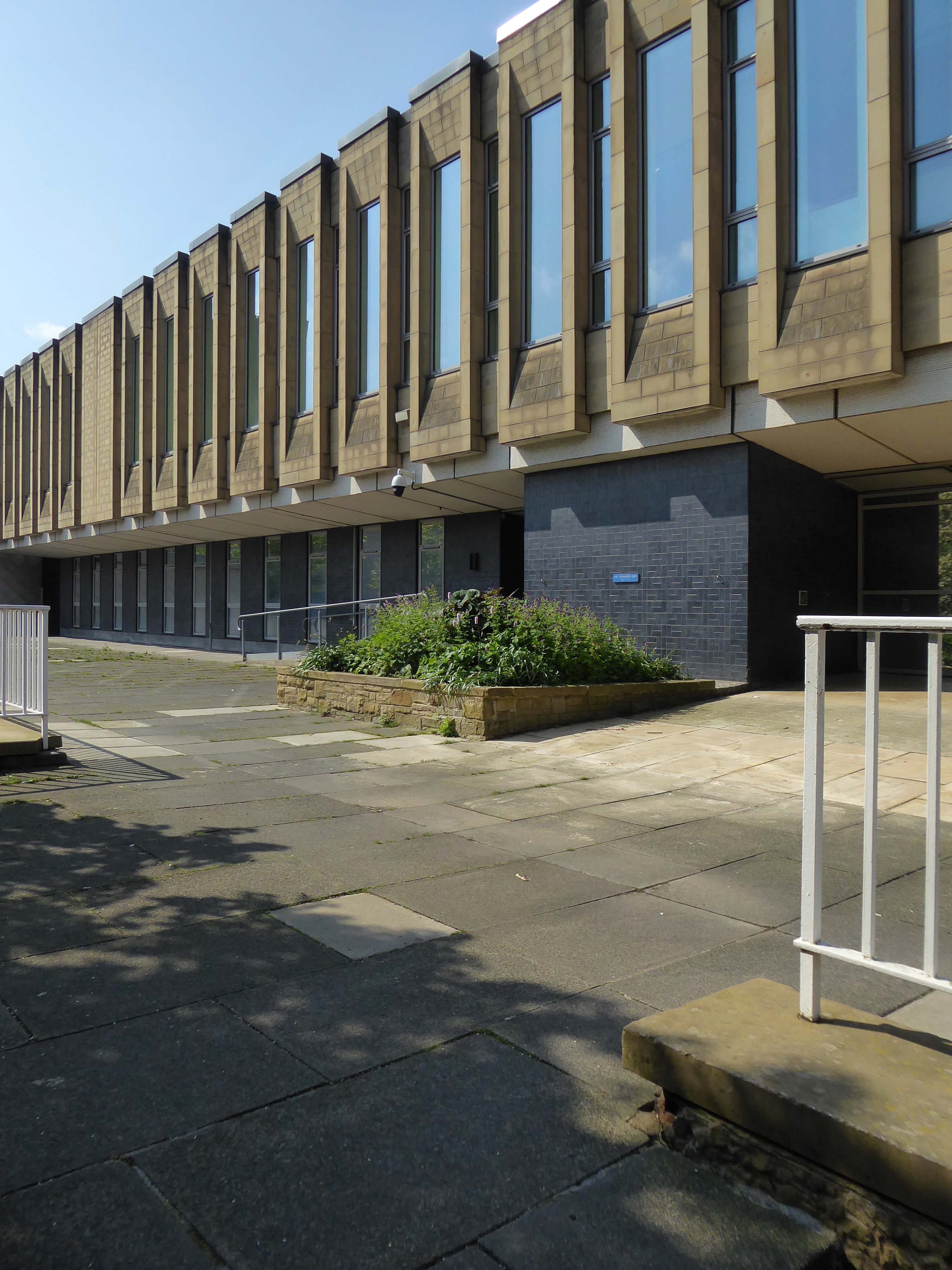
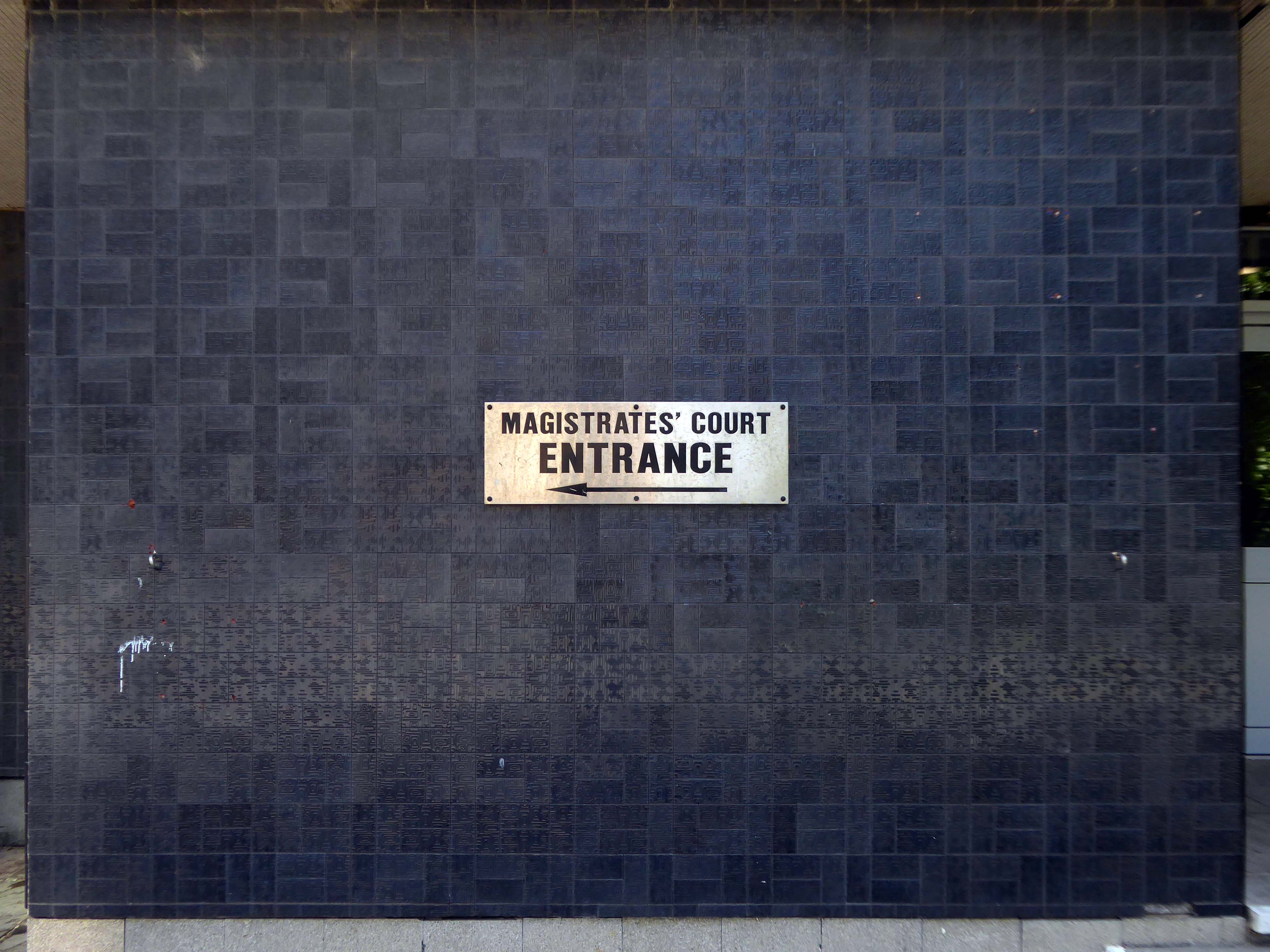
Onward to the Magistrates’ Courts designed by City Architect Clifford Brown in 1972.

Bradford is in the process of paving and puzzling pedestrians, as it becomes City of Culture in 2025.

So we wind our way over the inner ring road, advisedly avoiding the filled in underpasses.

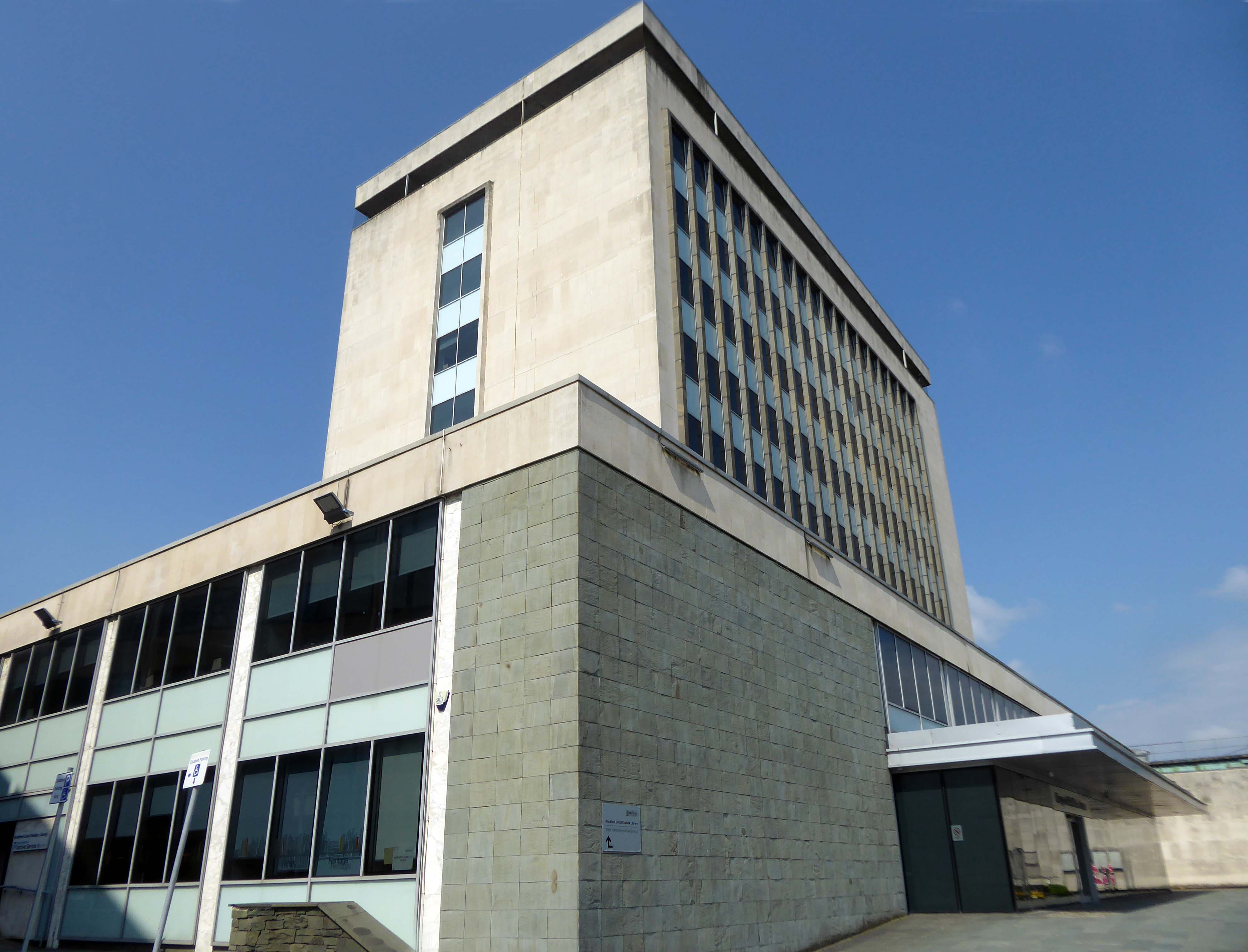
The former Central Library awaits us, designed in 1965 by Clifford Brown – a striking podium and tower, currently home to council offices.

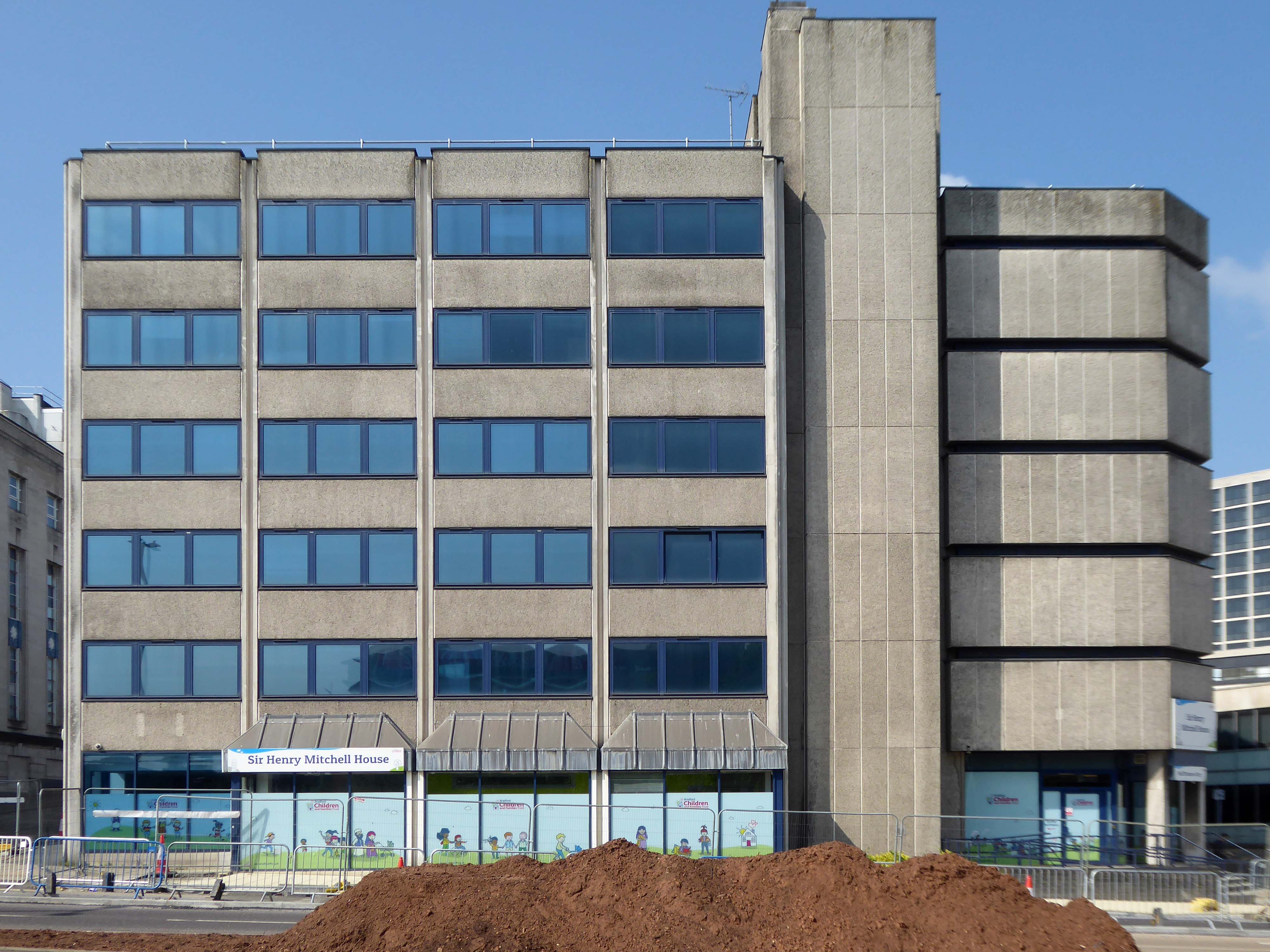
Next door the Sir Henry Mitchell House home to the Children’s Services.

Sir Henry Mitchell 1824 1898 was a mill owner and Mayor.

Moving further along the Telephone Exchange of 1936, design by architect FA Key.

Partner to the Telephone Exchange of 1976 by architect Trevor H Hanson for PSA

The gates were open and we were afforded a view of these delightful vents.

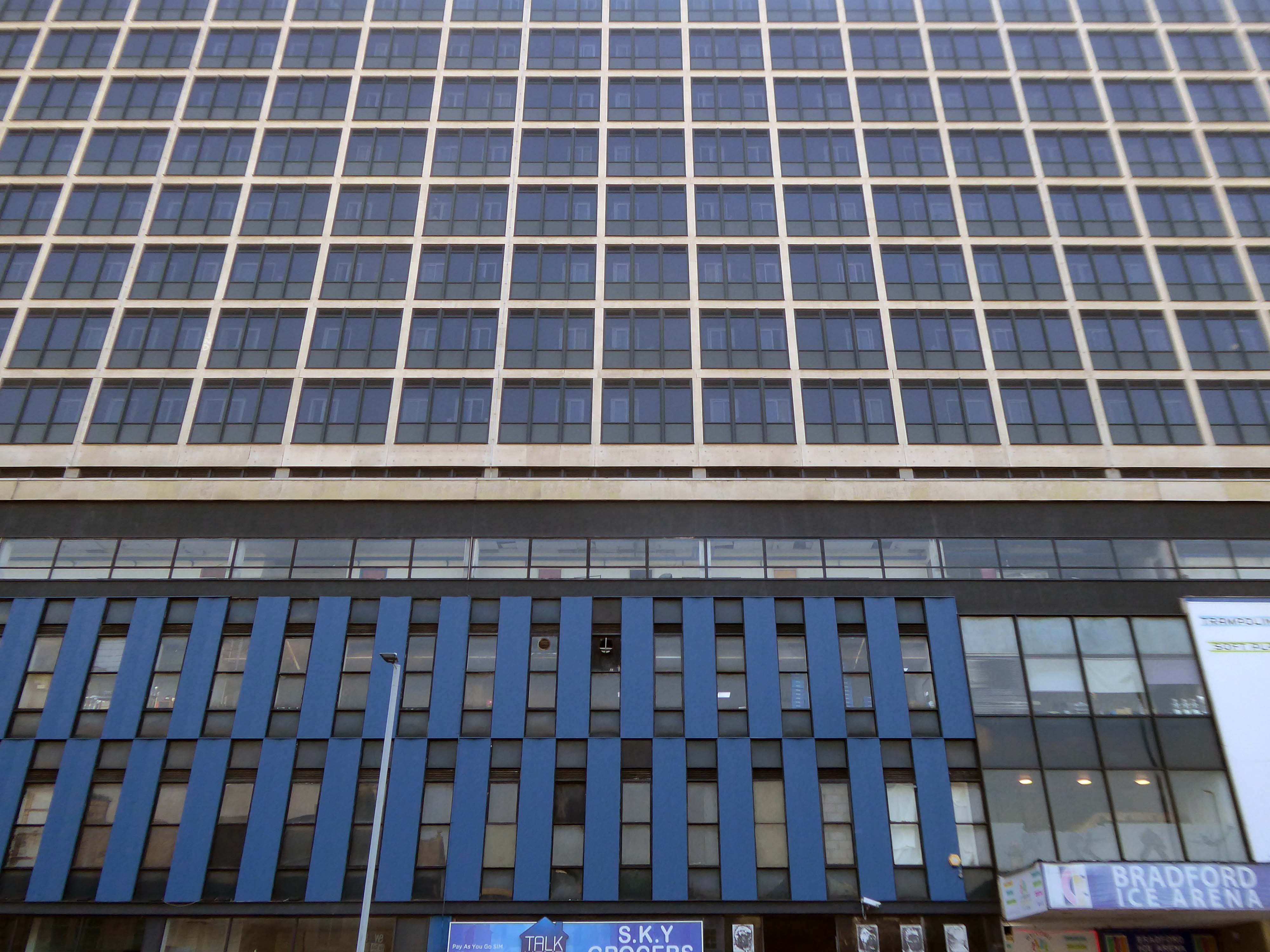
Next to the Ice Arena topped off with Wardley House – Sanctuary accommodation for key workers and students.

Wardley House is equipped with all the modern amenities you need for a comfortable and connected life as a key worker. The rent includes high-speed broadband and building-wide Wi-Fi, utility bills, and contents insurance. Our top-notch facilities comprise a large common room with a pool table, flat-screen TV, and live BT Sport – the perfect social space.

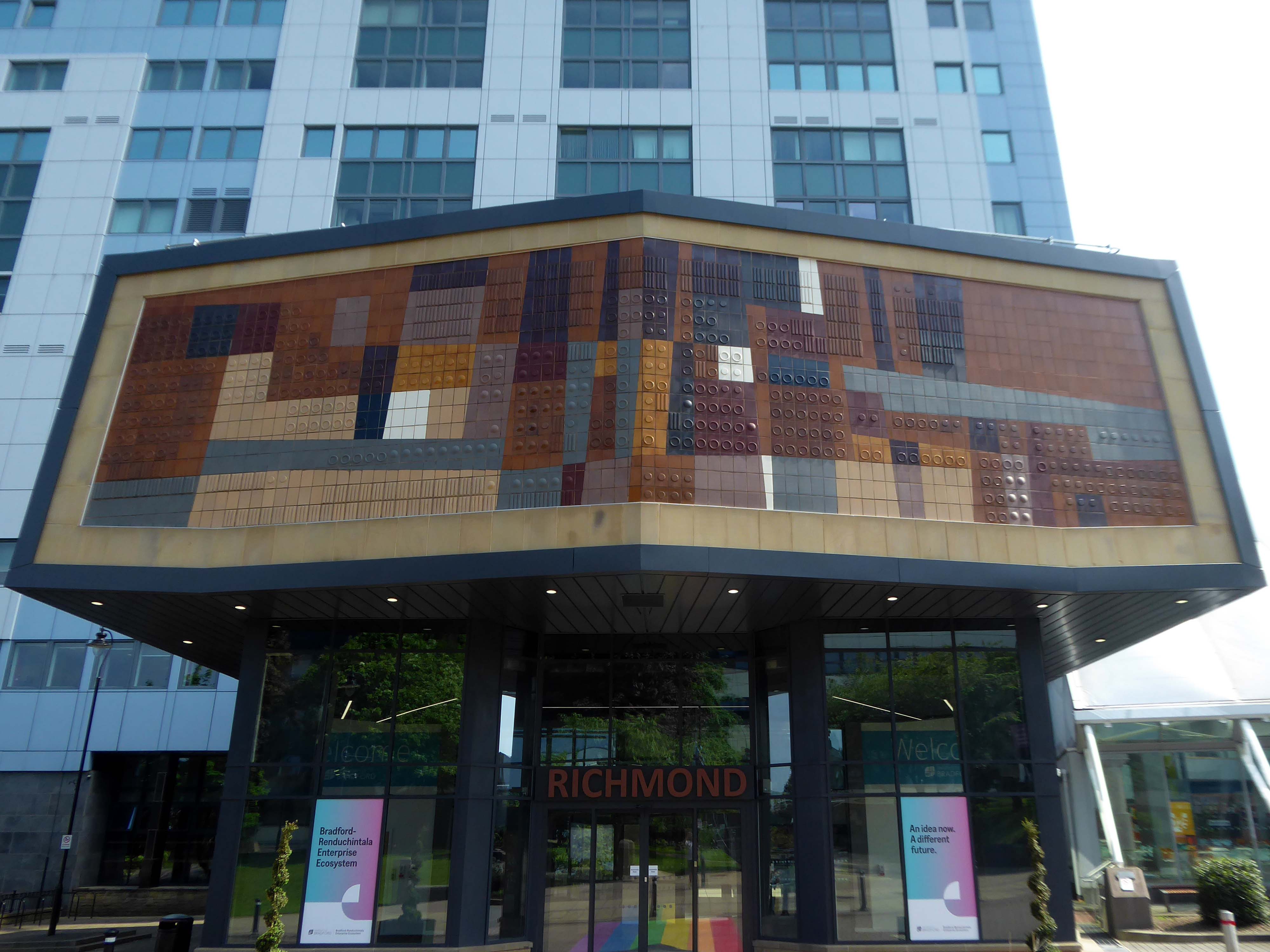
Up the hill and around the bend to the University of Bradford – the main Richmond Building fronted by Joe Mayo’s tiles.

At the University of Bradford our focus is on creating the conditions for social, cultural and economic impact. We will achieve this by using our proud heritage as a springboard and remaining steadfast in our commitment to equality, diversity and inclusion. We will harness our strengths in research, innovation, teaching and partnerships to extend our reputation, influence and impact. All of this will create a values-led culture that is inclusive and effective in enriching lives and benefitting society.

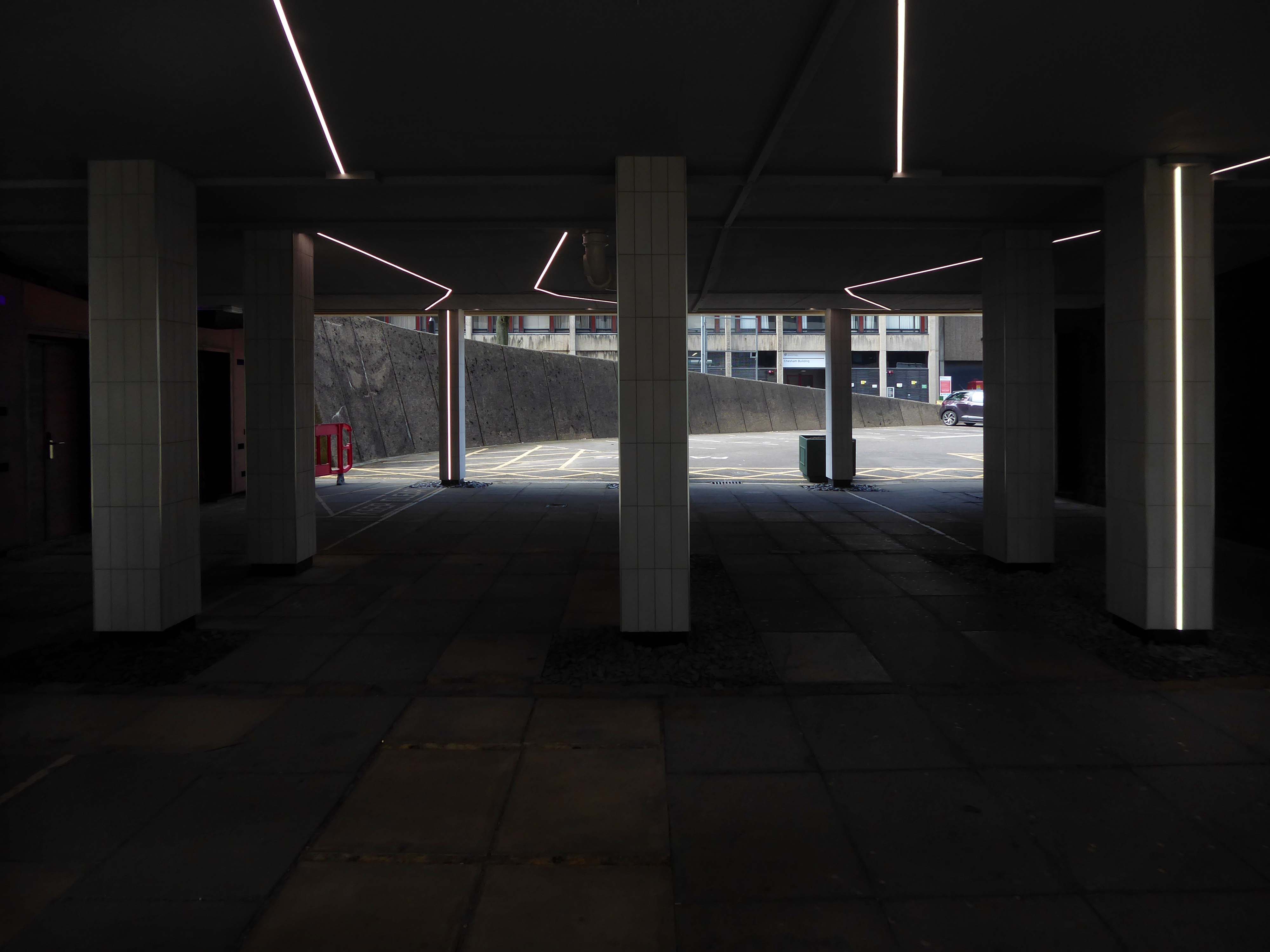
The undercroft has undergone a major refurb rethink – transformed into a Goth Disco.

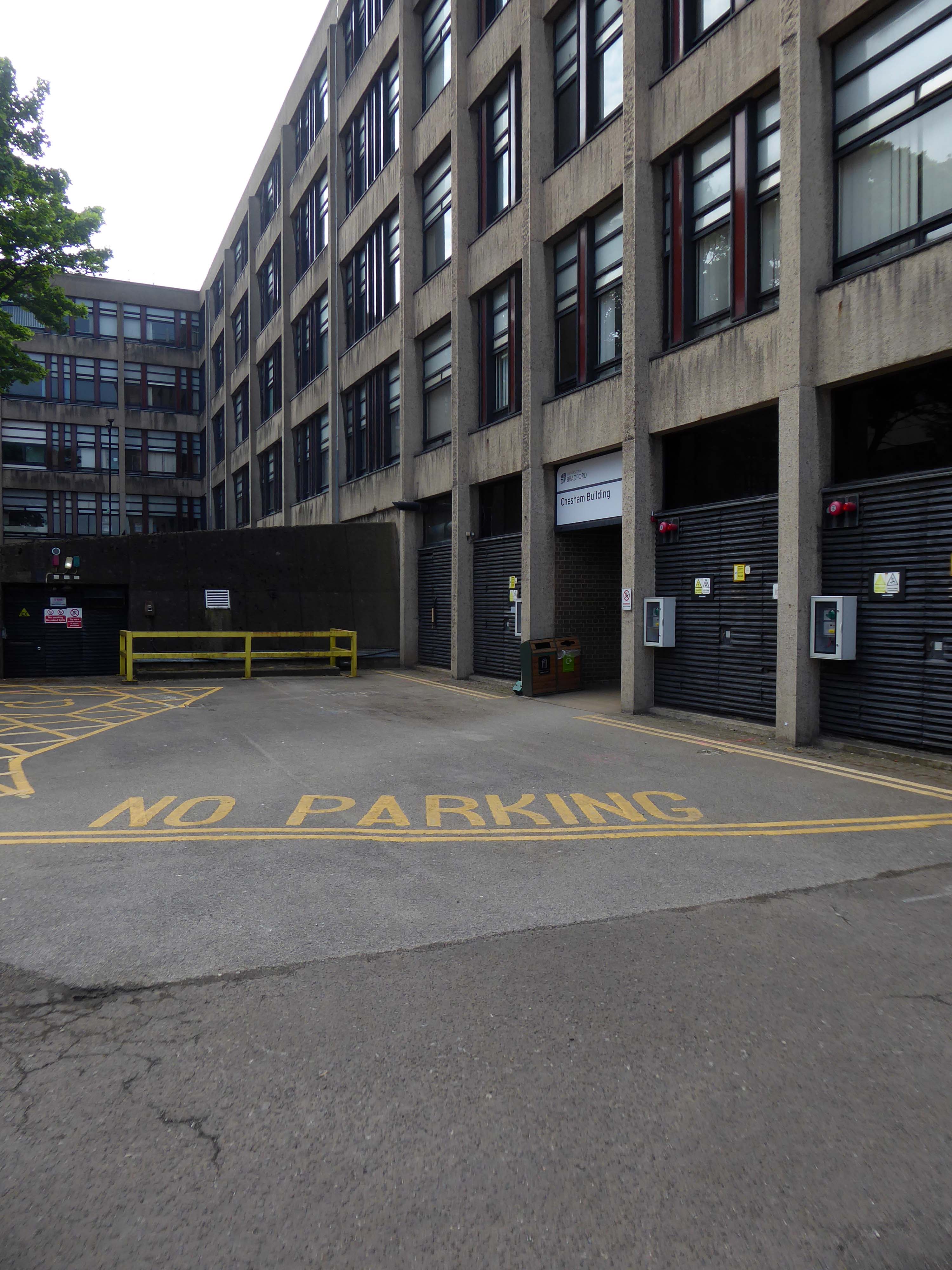
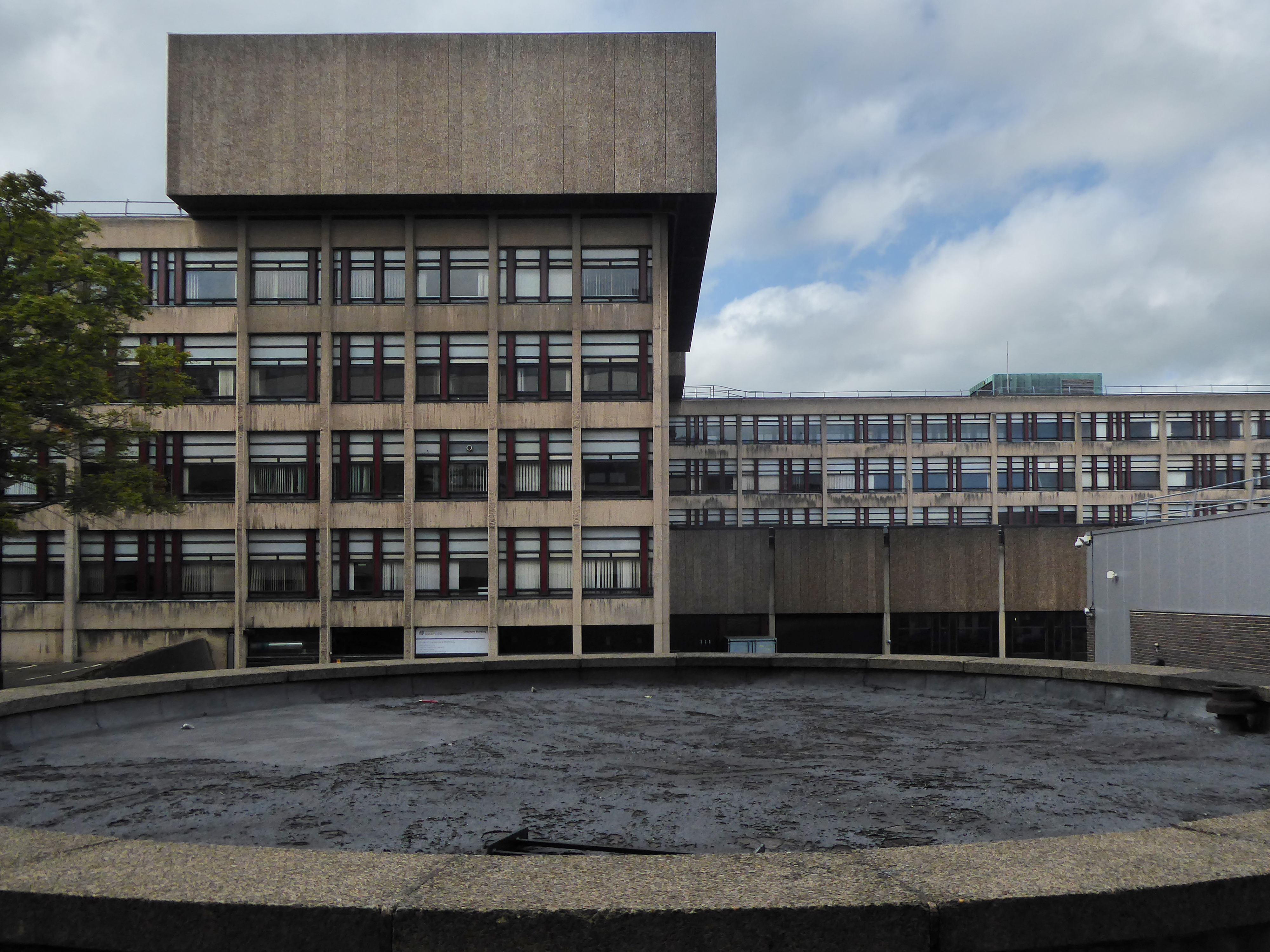
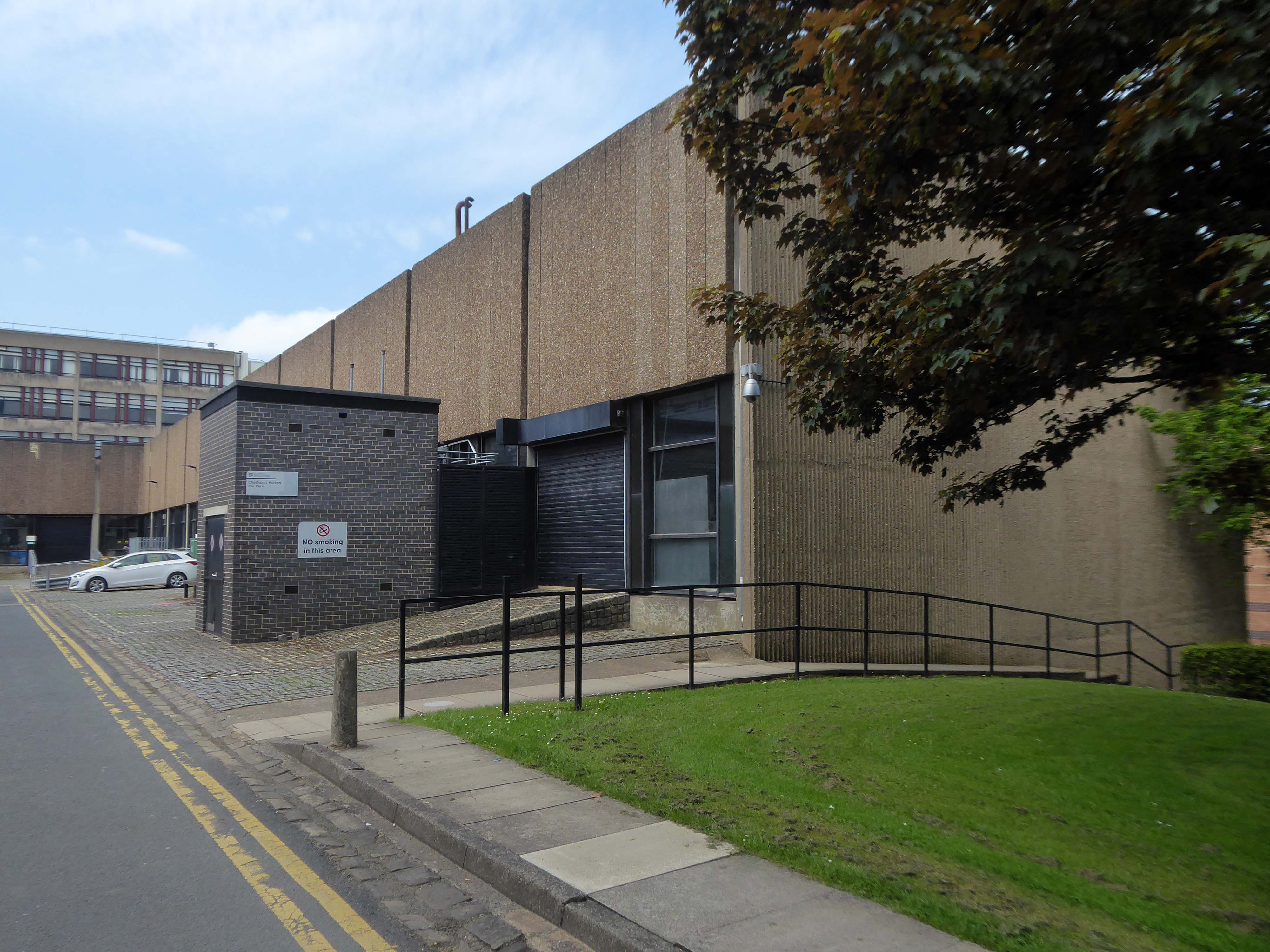
We emerge unscathed into the clear light of day and the BDP designed Chesham and Horton blocks.

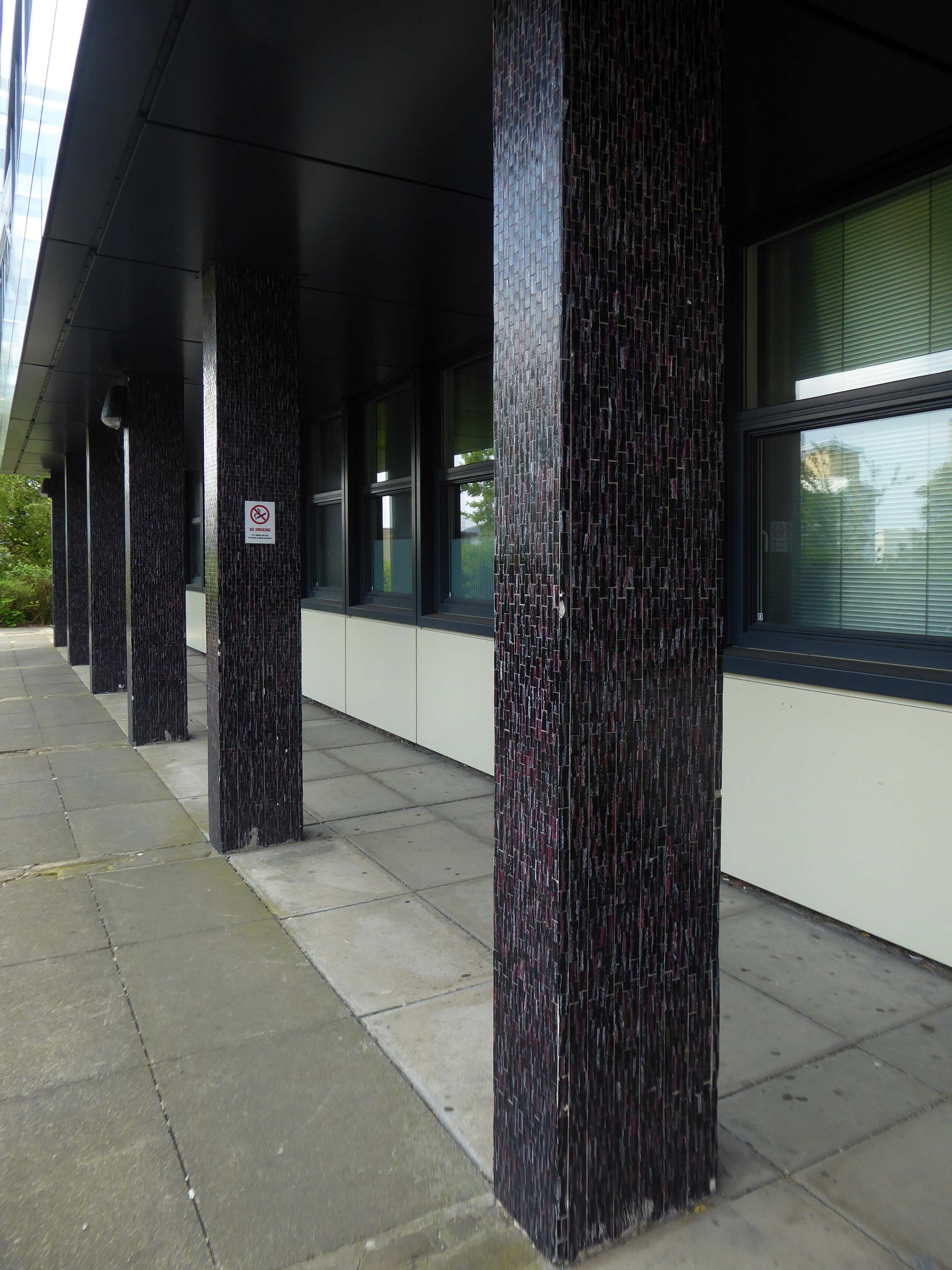
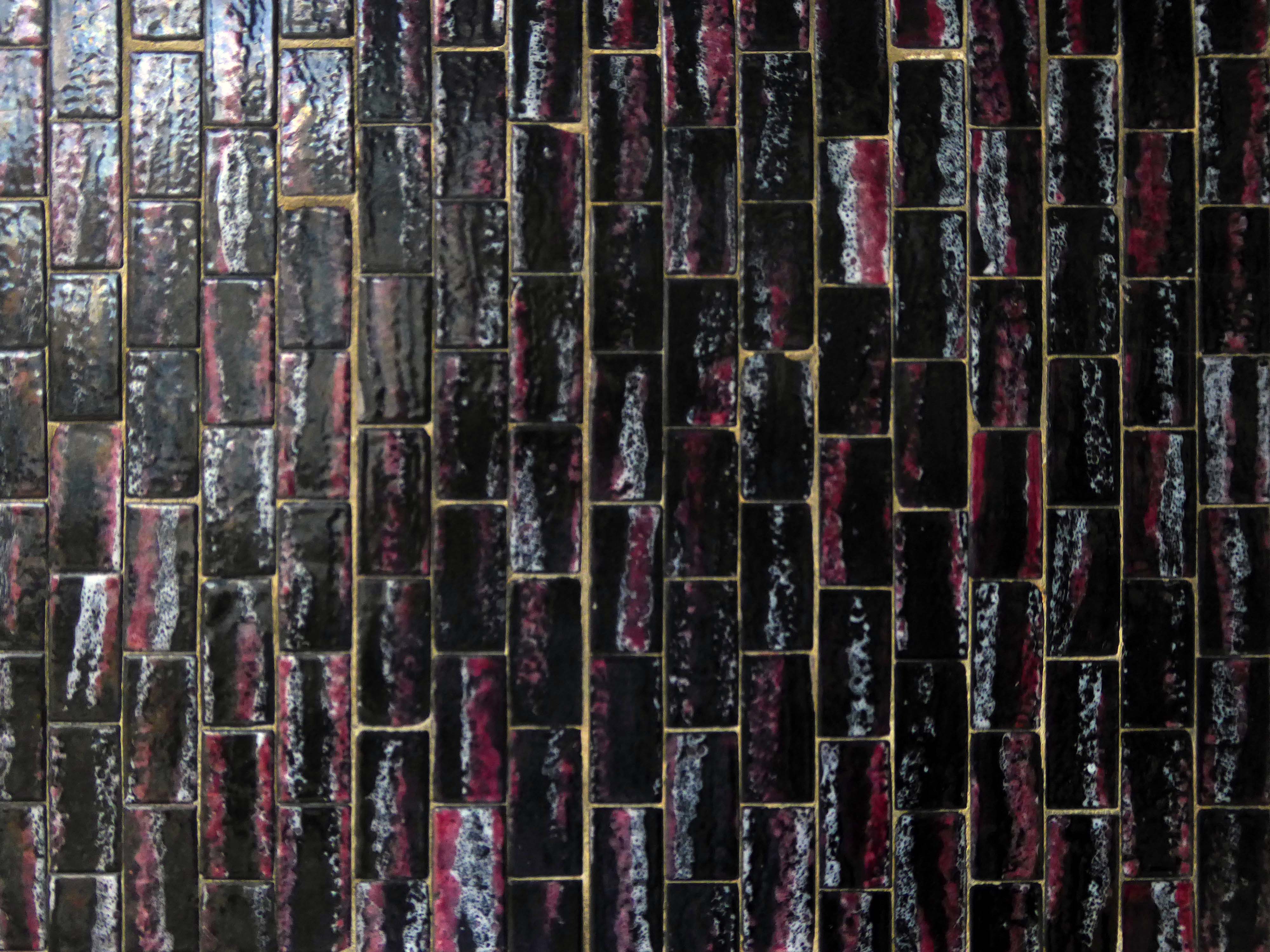
The mosaic covered columns remain unclad.

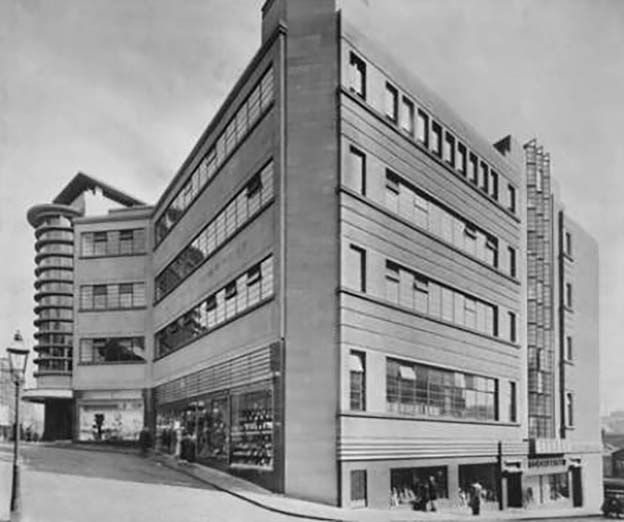
Let’s hop to the Grade II-listed Co-op designed by CWS in house architect WA Johnson and JW Cropper in 1935.

Architect W A Johnson worked for the Cooperative Wholesale Society from 1899 until 1950. He was heavily influenced by the German architect Erich Mendelsohn after 1930, evident in his embrace of the International Modernist style. Johnson travelled widely in Germany and Holland, and Mendelsohn’s Schocken store in Stuttgart 1928 is quoted as being a particular inspiration for the Bradford Co-op.

Demolished despite protests in 1960.

In 2019 the Architectural Heritage Fund announced a £5,000 Project Viability Grant to Freedom Studios Ltd.

The money funded a viability study to investigate the potential of building becoming a multi-use cultural hub.

As of May 2024, sadly there is no cultural hub.

Next we hot foot it to the Kirkgate Centre and Market – John Brunton and Partners 1975.

In 1979, the building won a European award from the International Council of Shopping Centres.

But the Historic England report described its design as mundane and repetitive.

Janice Ivory and Lisa Donison didn’t hold back in their criticism of the centre in its current state.

Thank God for that, was Janice’s reaction to the news the building was set to be bulldozed, although an exact date for its closure remains unknown.

It’s just a concrete monstrosity, she said of its design, which Historic England said was lacking architectural flair.

It’s just an ugly building, added Lisa.

Once dubbed Bradford’s space age retail destination, Kirkgate Shopping Centre will soon be no more. 

The city centre landmark, which opened for business as an Arndale in 1976, has been denied listed status by Historic England – paving the way for its demolition.

BBC

Geoffrey Cowley from Wibsey, who was in town for an eye appointment, said demolishing it:

Might be the right thing to do.

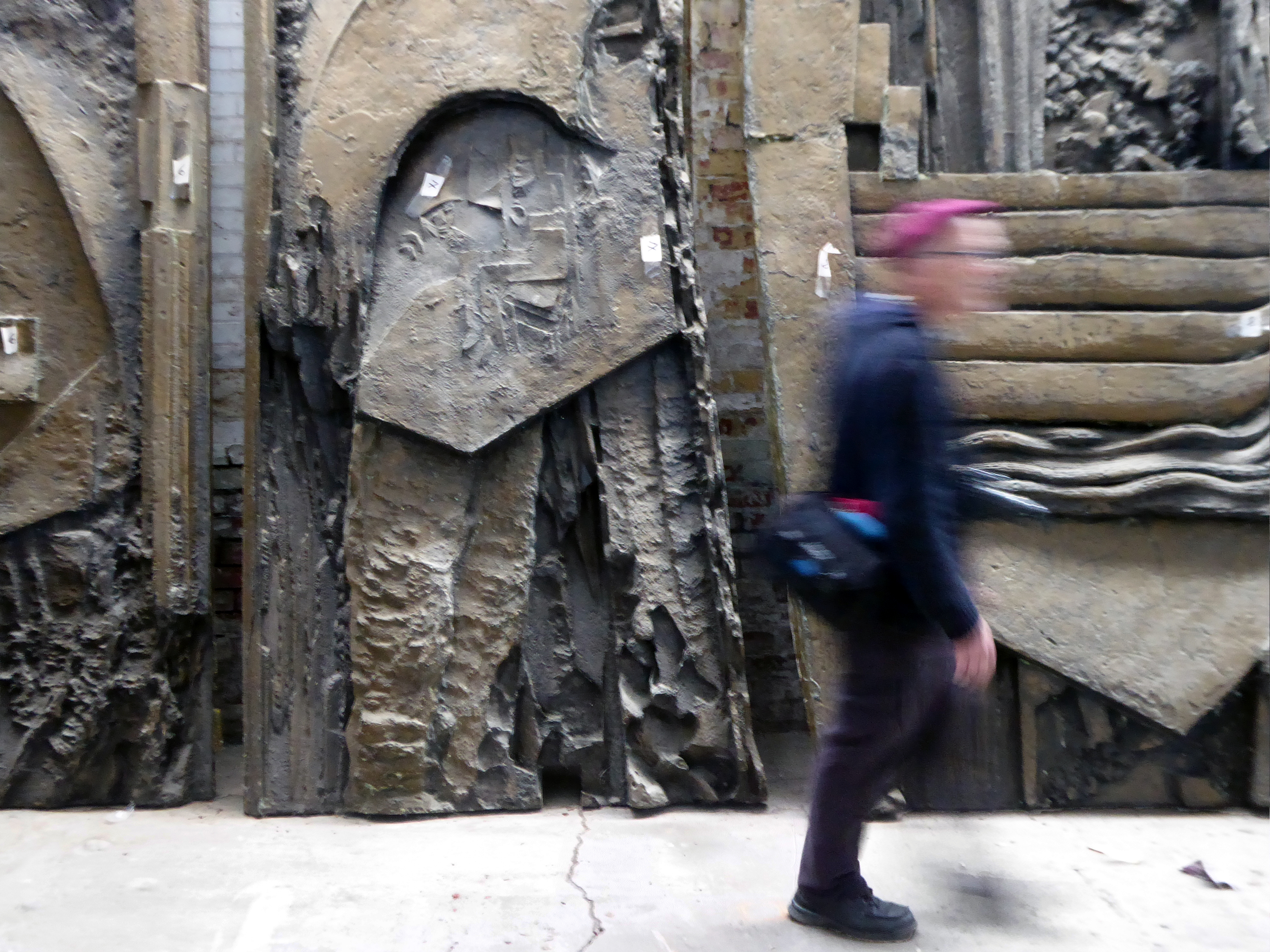
There are plans to remove and display the William Mitchell panels along with these other examples of his work.

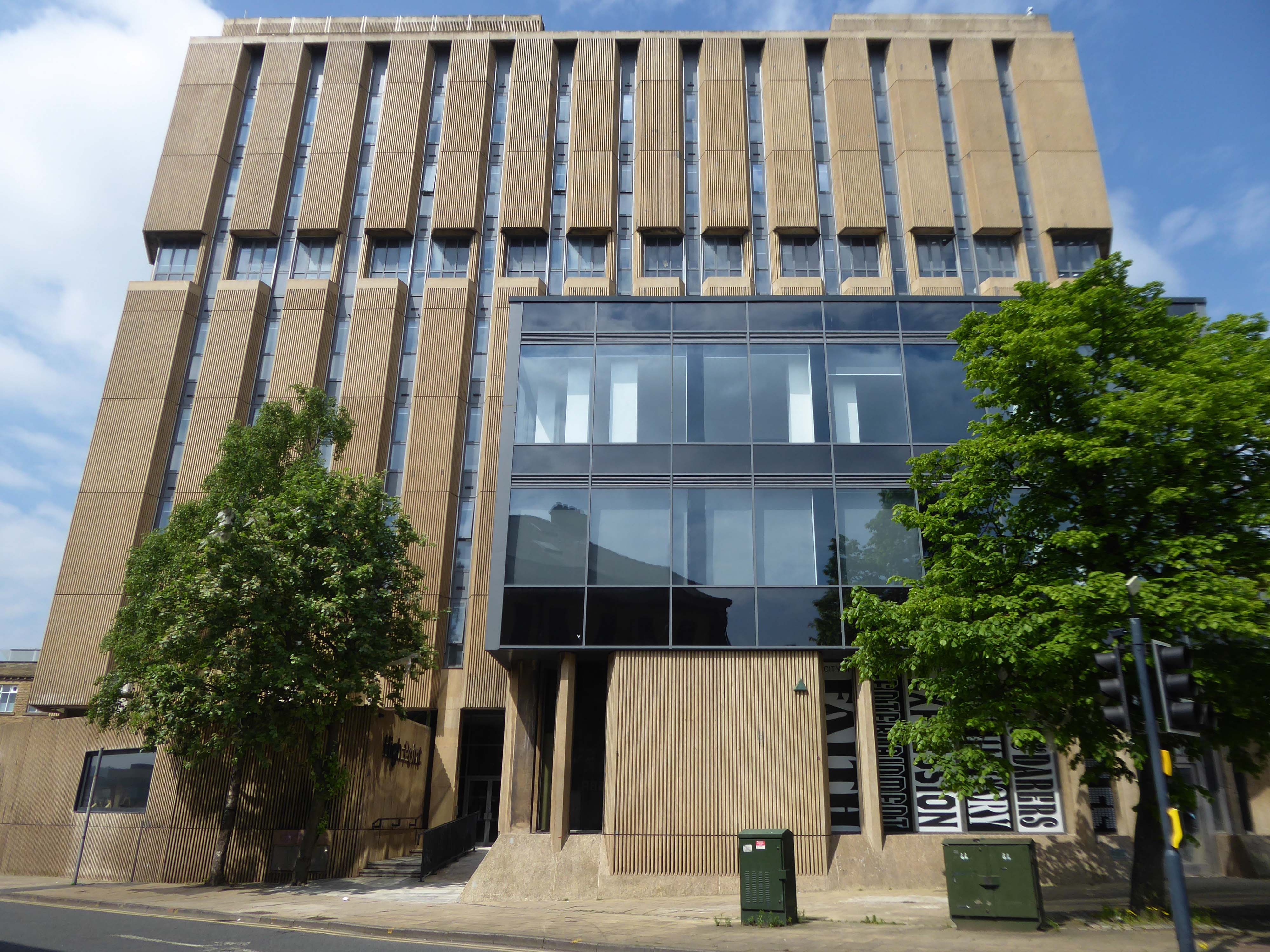
In-situ at Highpoint.

In storage – removed from the Bradford And Bingley Building Society.

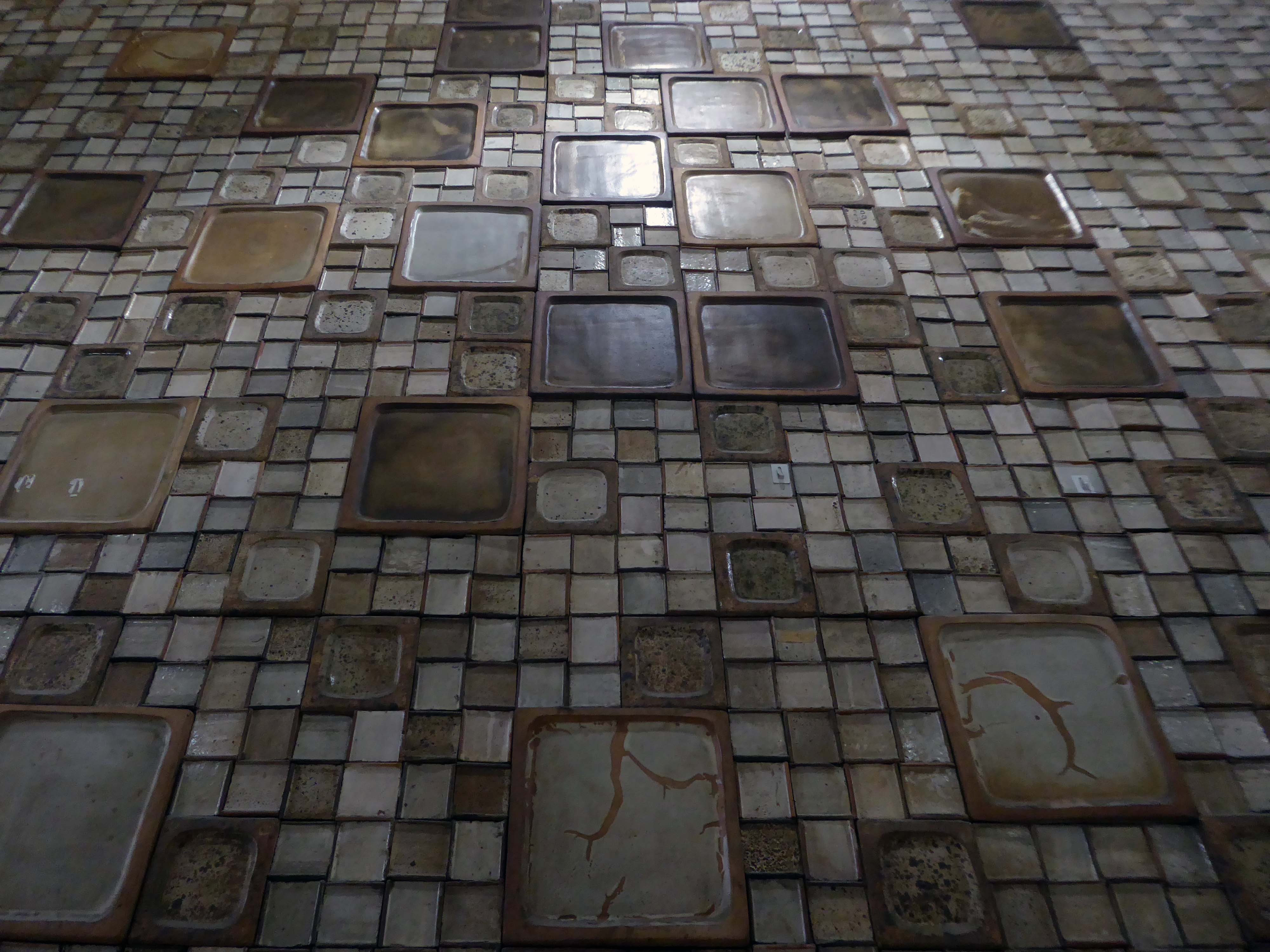
Artist Bernd Trasberger plans an artistic project, which involves repurposing Fritz Steller’s tile works.

As Ken Kesey so rightly said – Further!

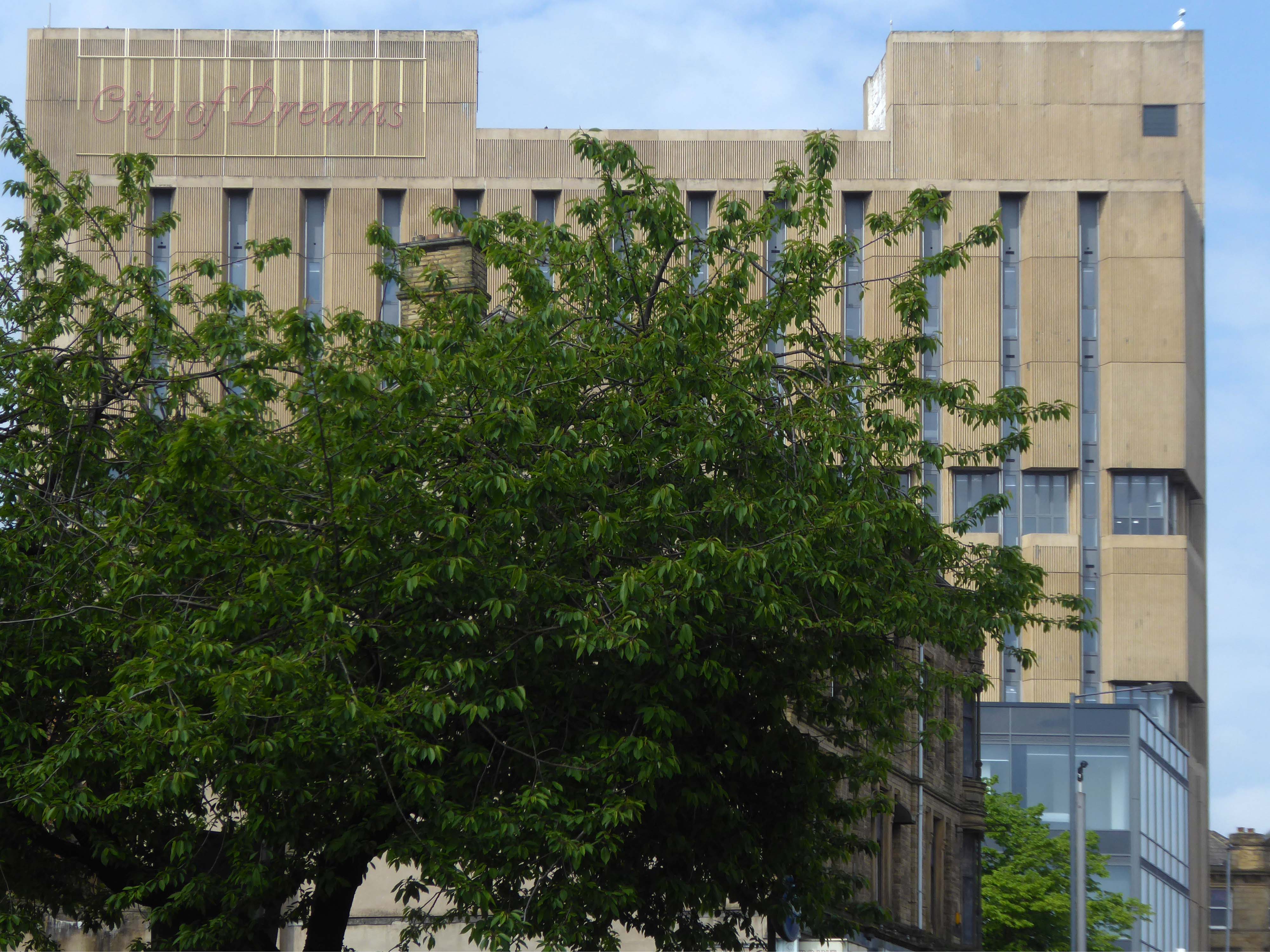
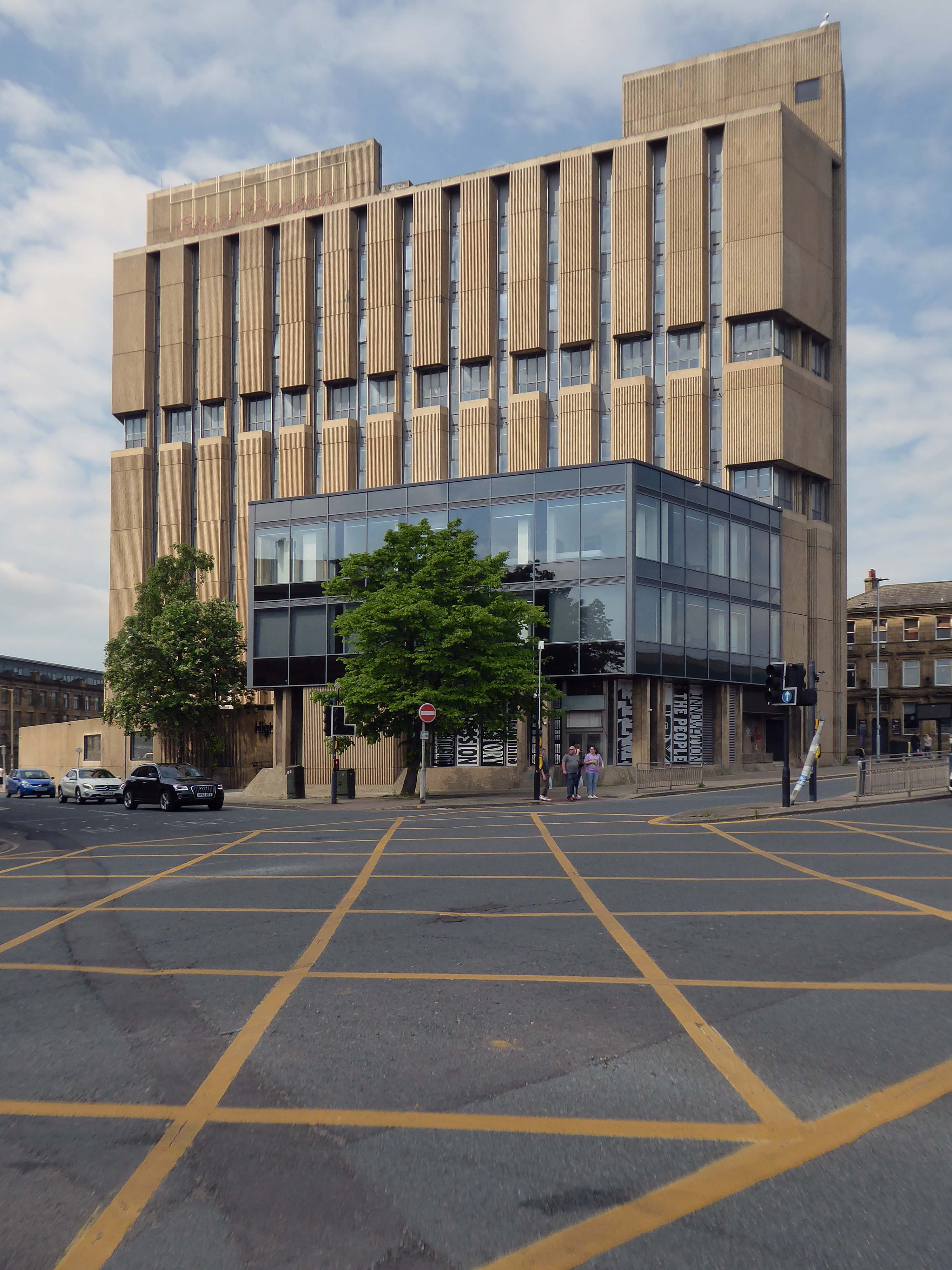
Up to Highpoint designed by John Brunton and Partners 1973.

The derelict former headquarters of Yorkshire Building Society, on one of the highest parts of the city centre, looms over the city centre, and to many people is the city’s ugliest building.

High Point is the perfect site for the first Radii development. Now perceived as an exemplar of the Brutalist style, this eight-storey titan, has languished derelict and in disrepair for many years in the heart of Bradford City Centre.

Our regeneration of High Point into an innovative residential apartment complex with a community at its heart, embraces ideas of sustainability, preservation, and rejuvenation that will bring a new lease of life to this abandoned landmark.

Sharp, chic and spacious apartments available. Furnished to the highest standards throughout and with the flex to provide you with office space if required – this is modern city living that’s easy on your eye and your pocket.

Radiiliving

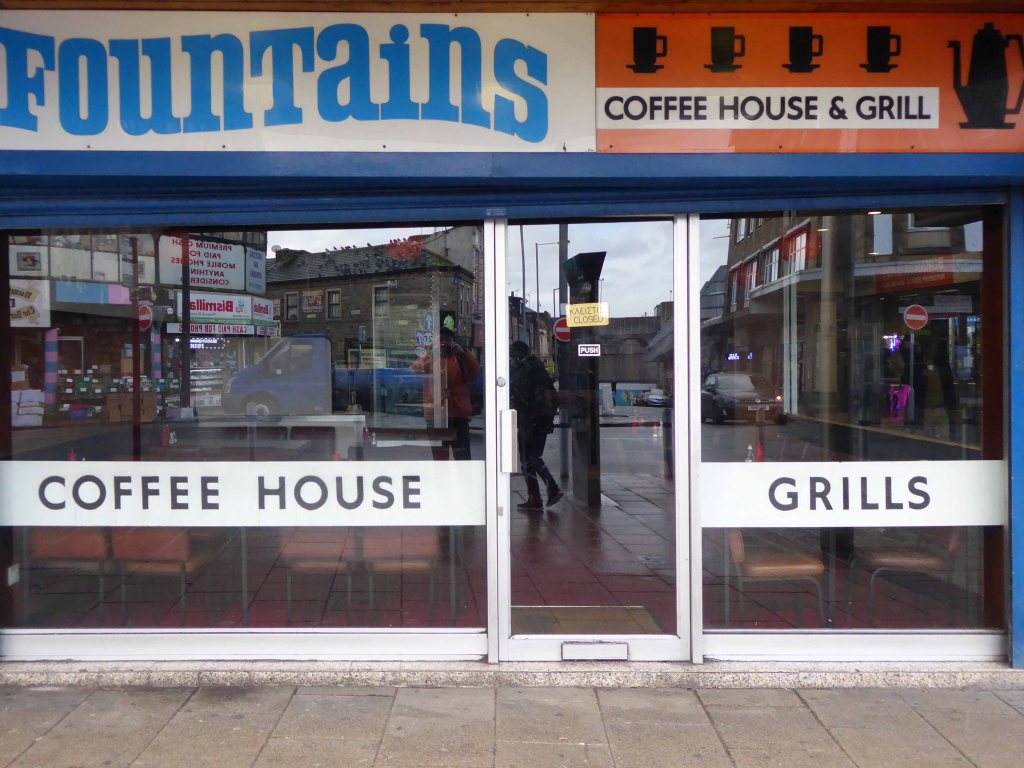
And finally the cafe that is not a cafe – Fountains, where the griddle no longer grills, the lights are always out and the shutters tightly shut, ain’t nobody home.

Wishing nothing but well for this West Riding gem – Bradford City of Culture and cultures and culture.

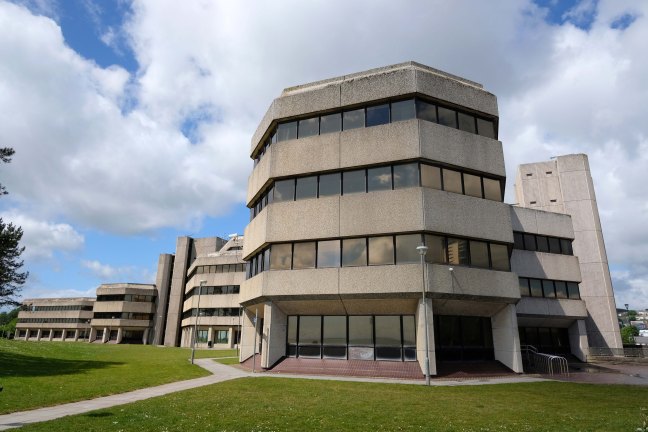
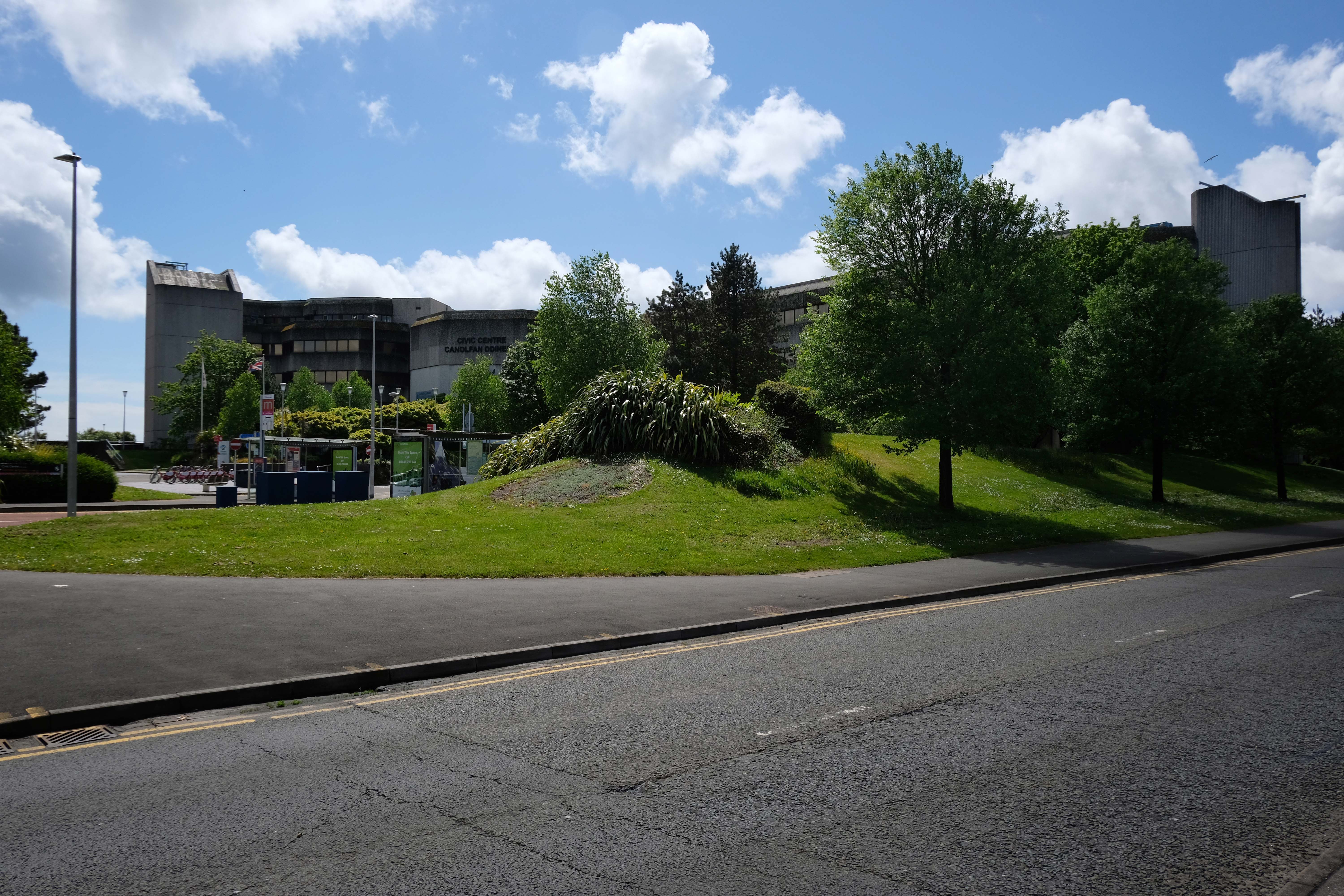
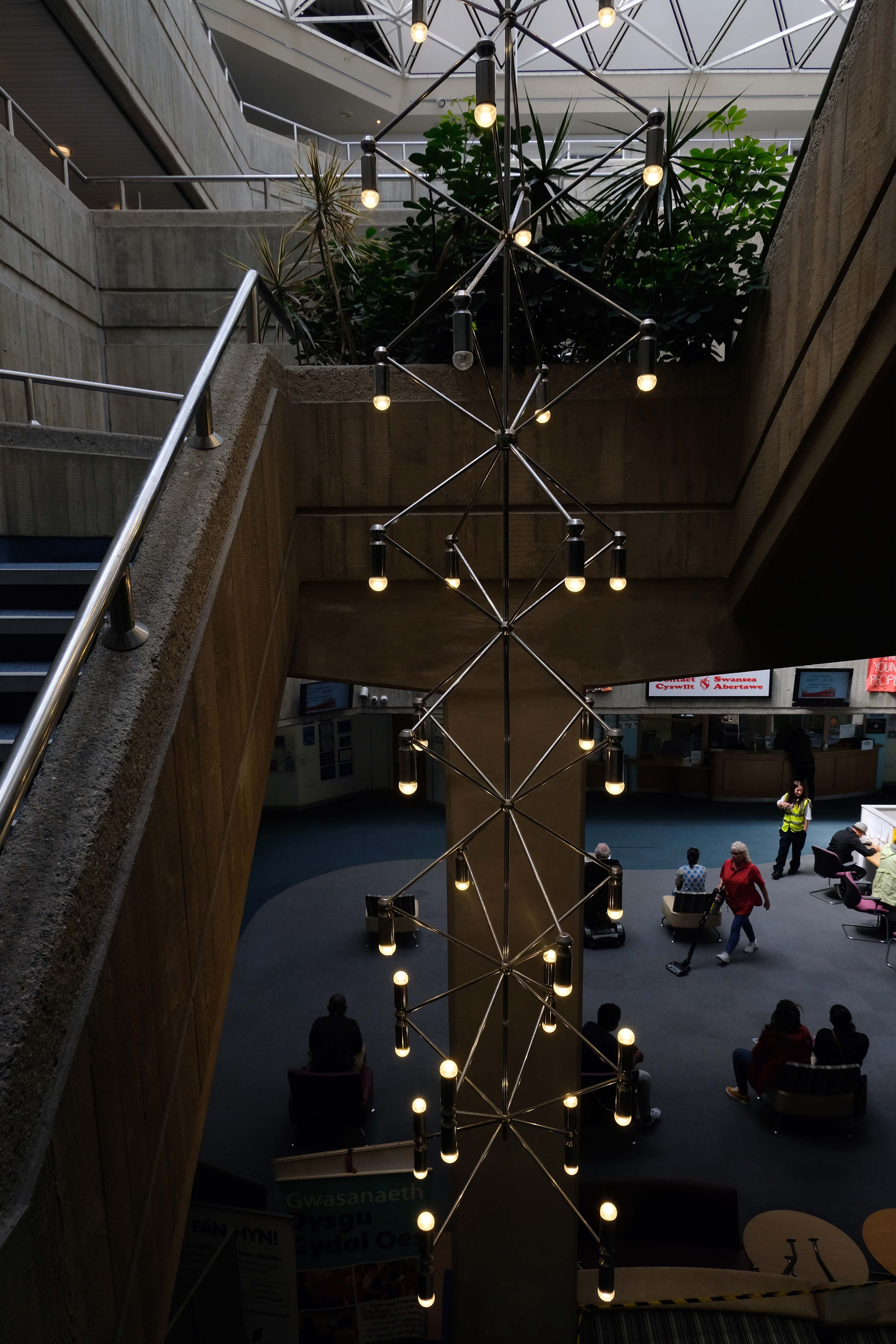
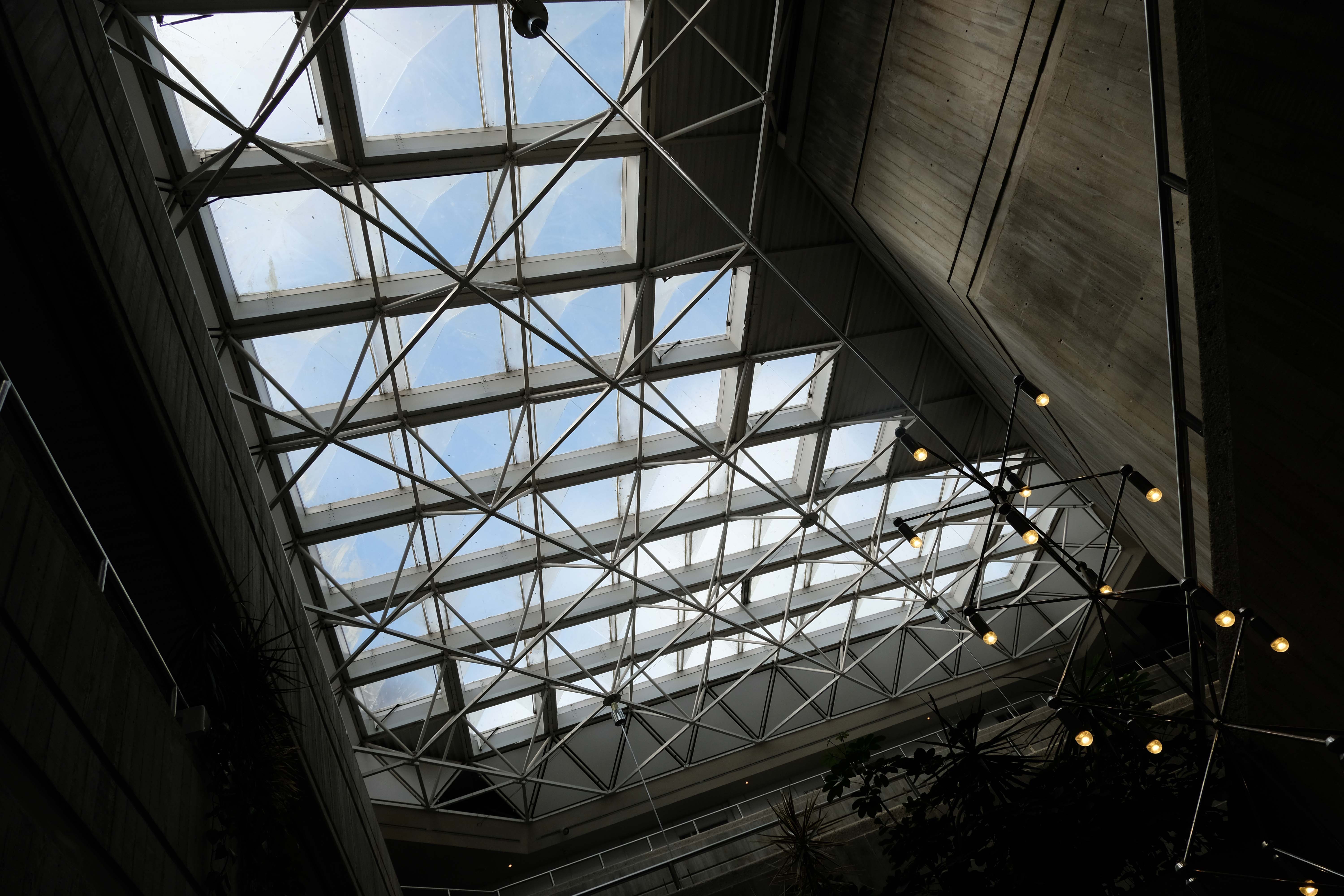
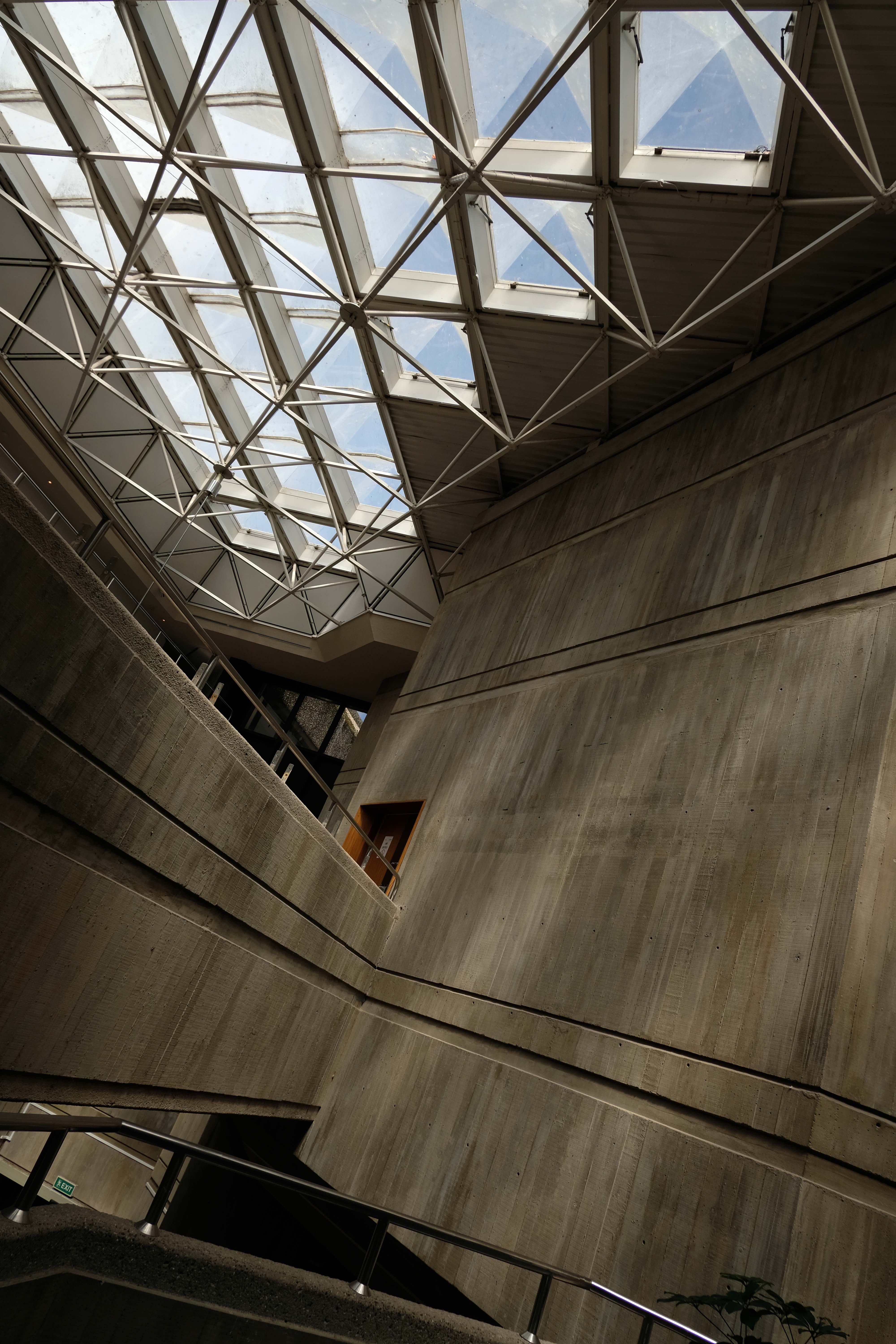
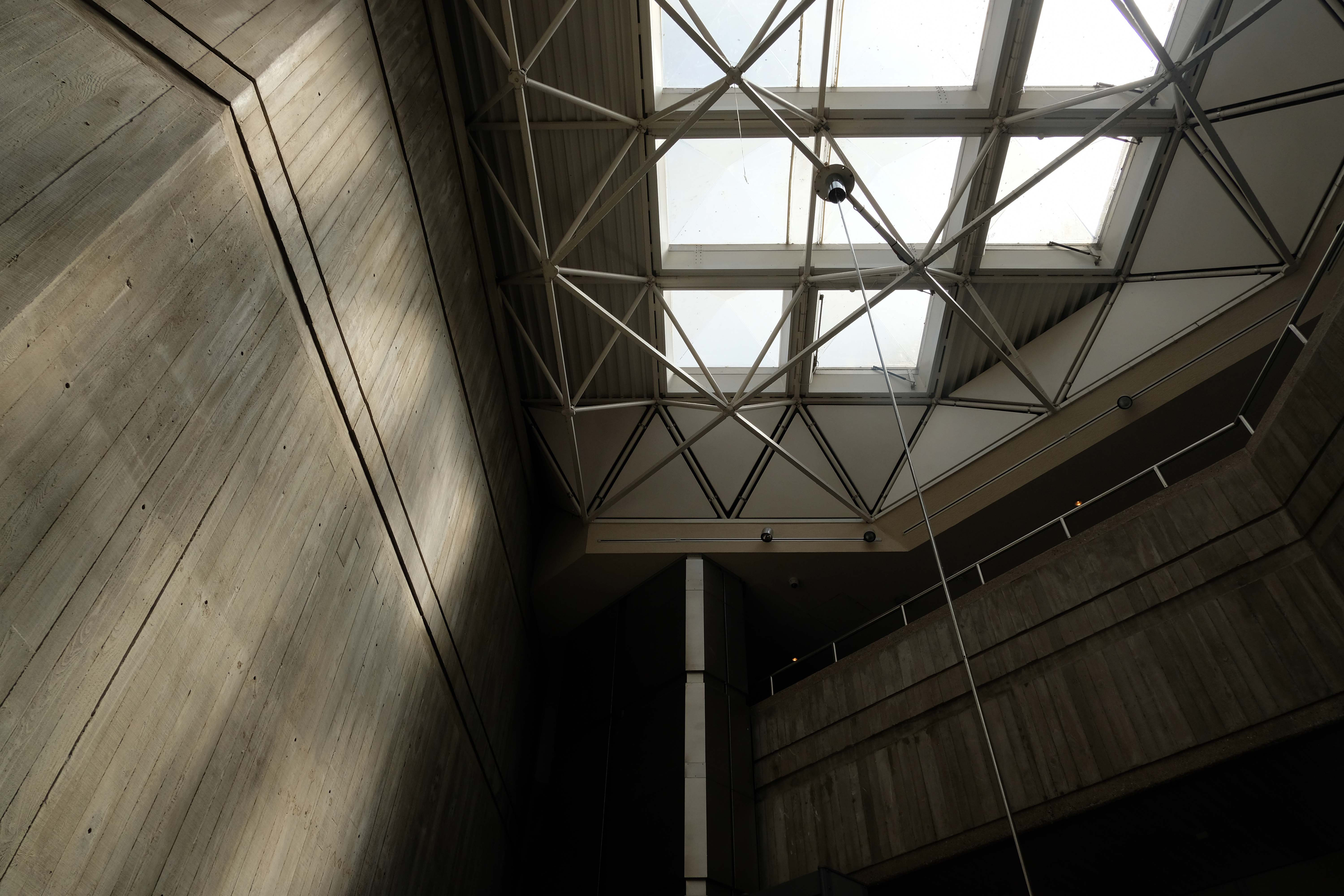
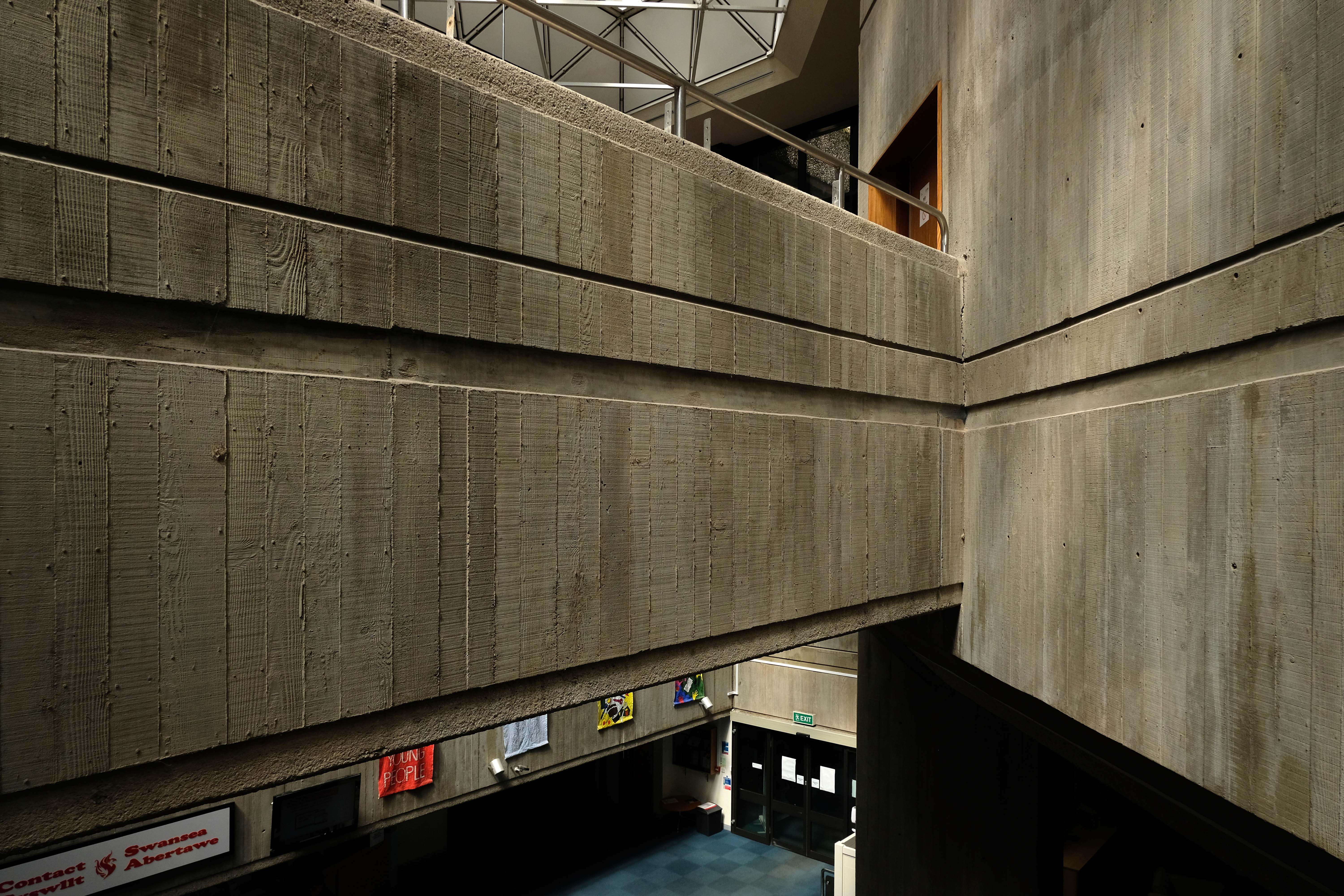
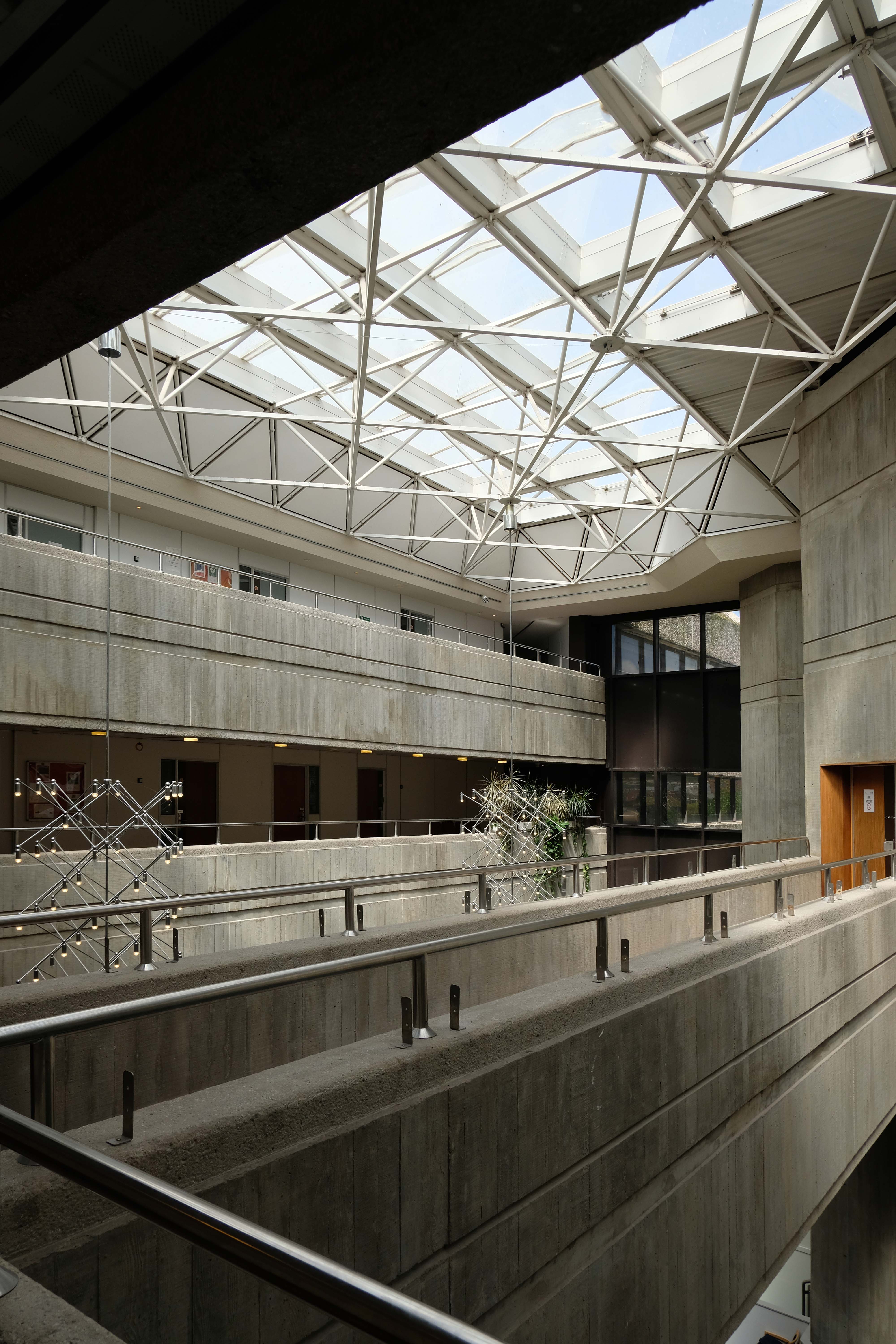
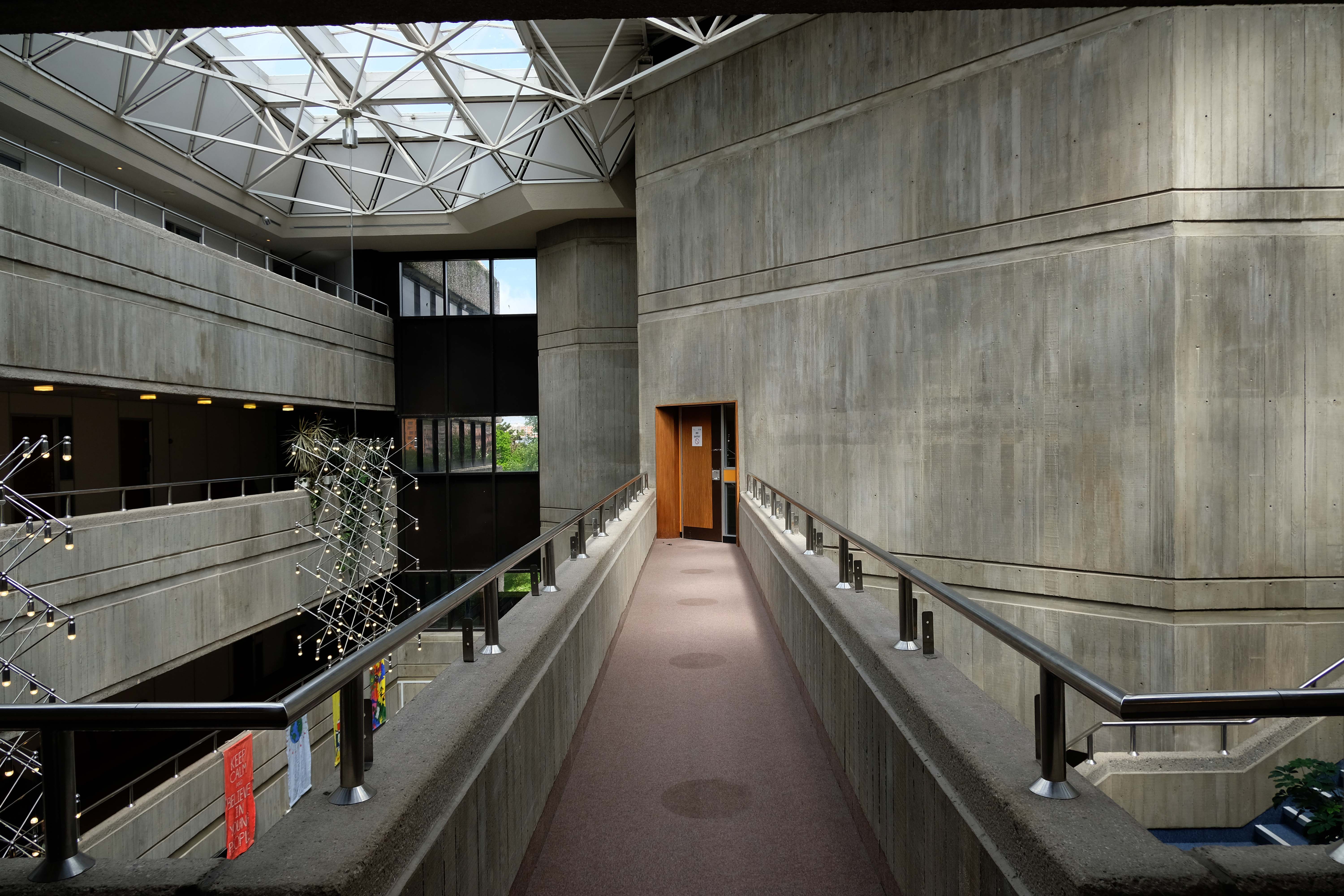
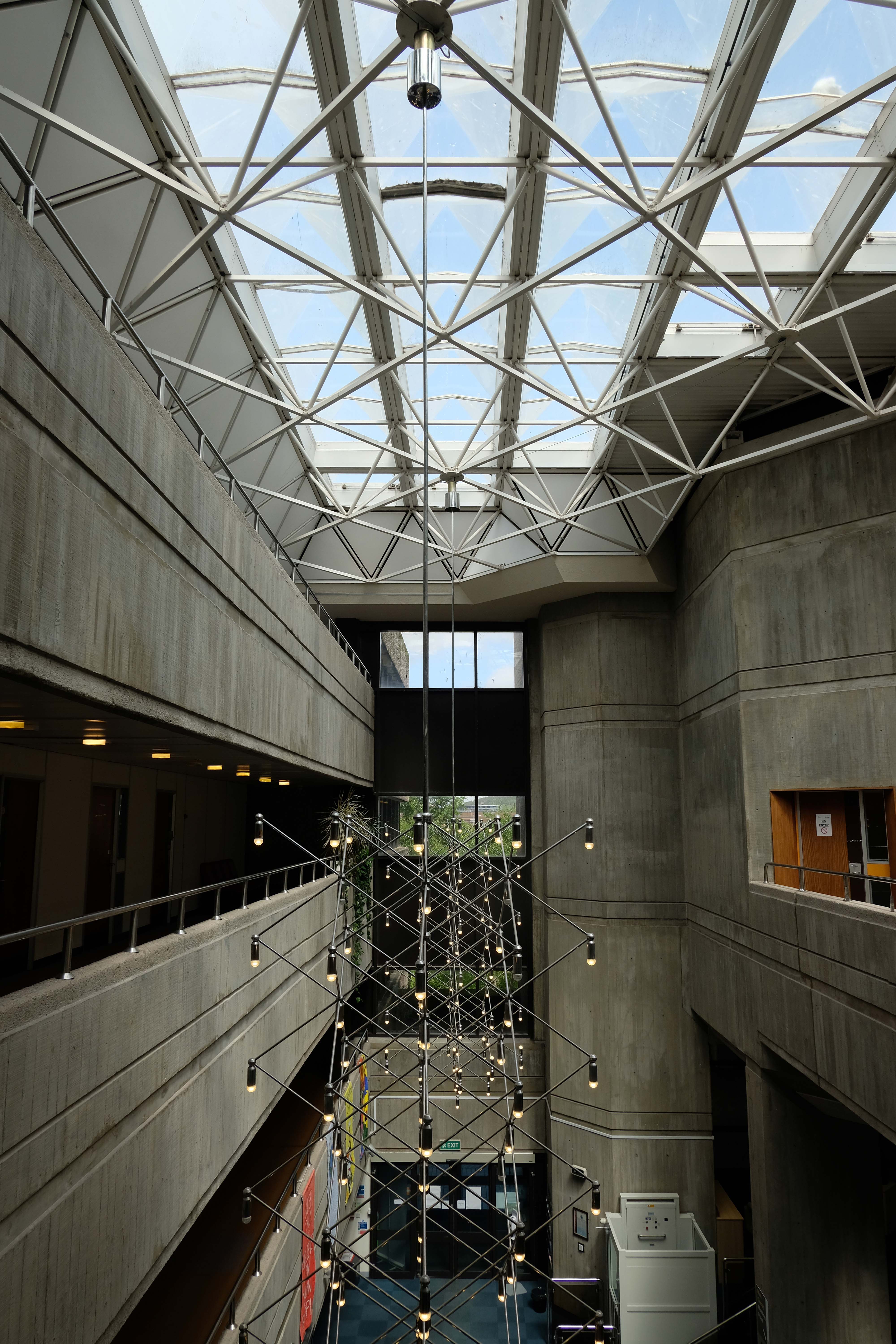
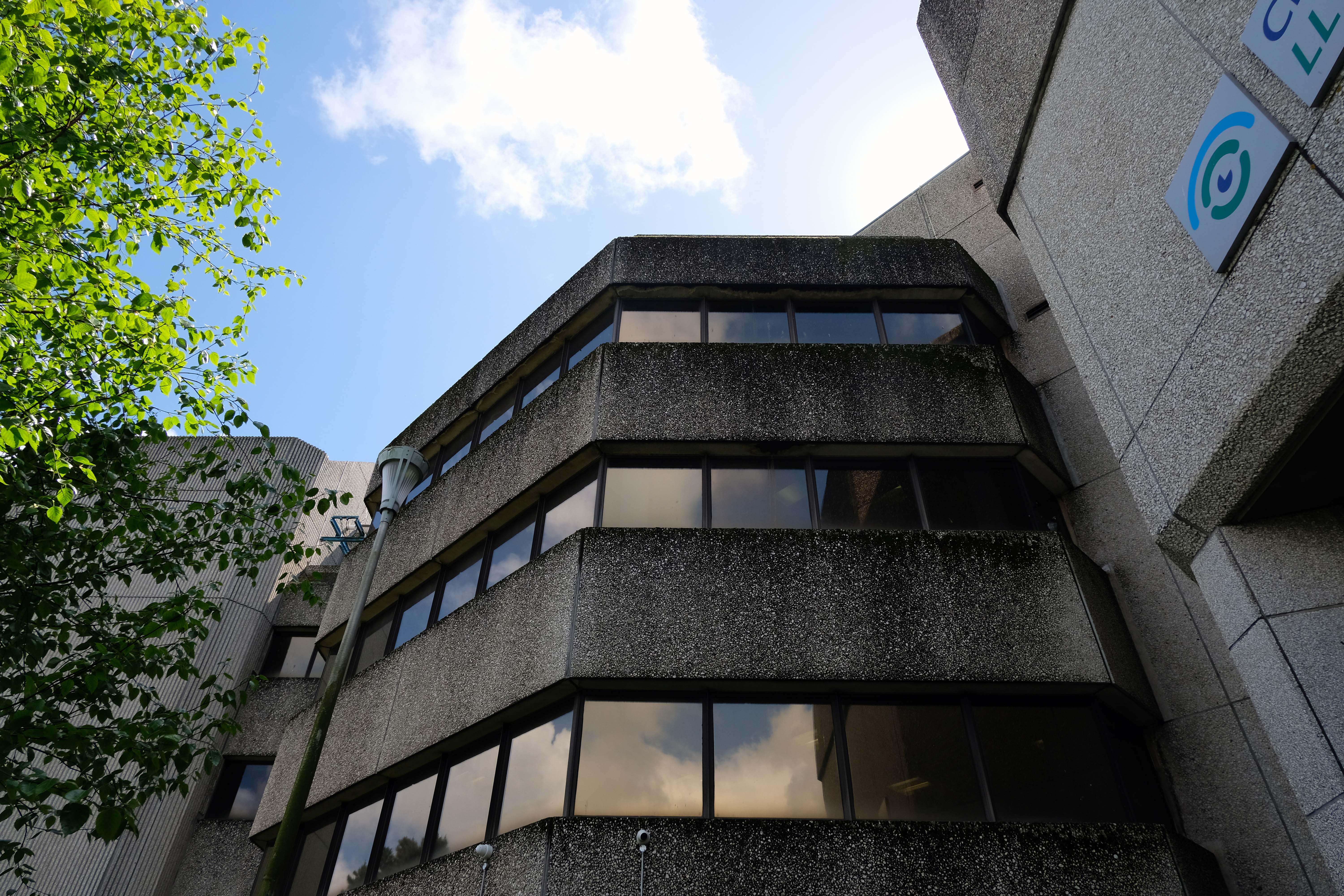
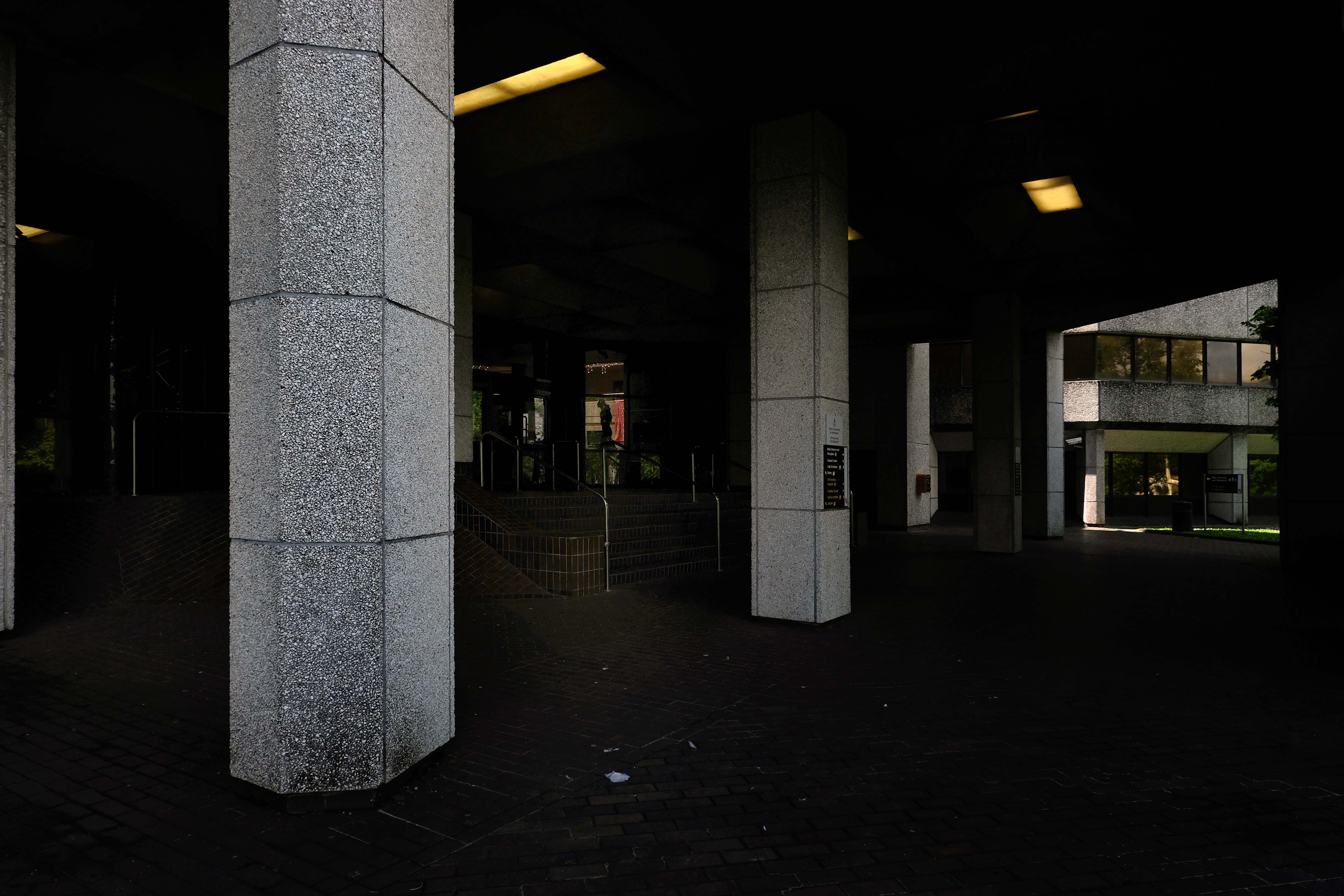
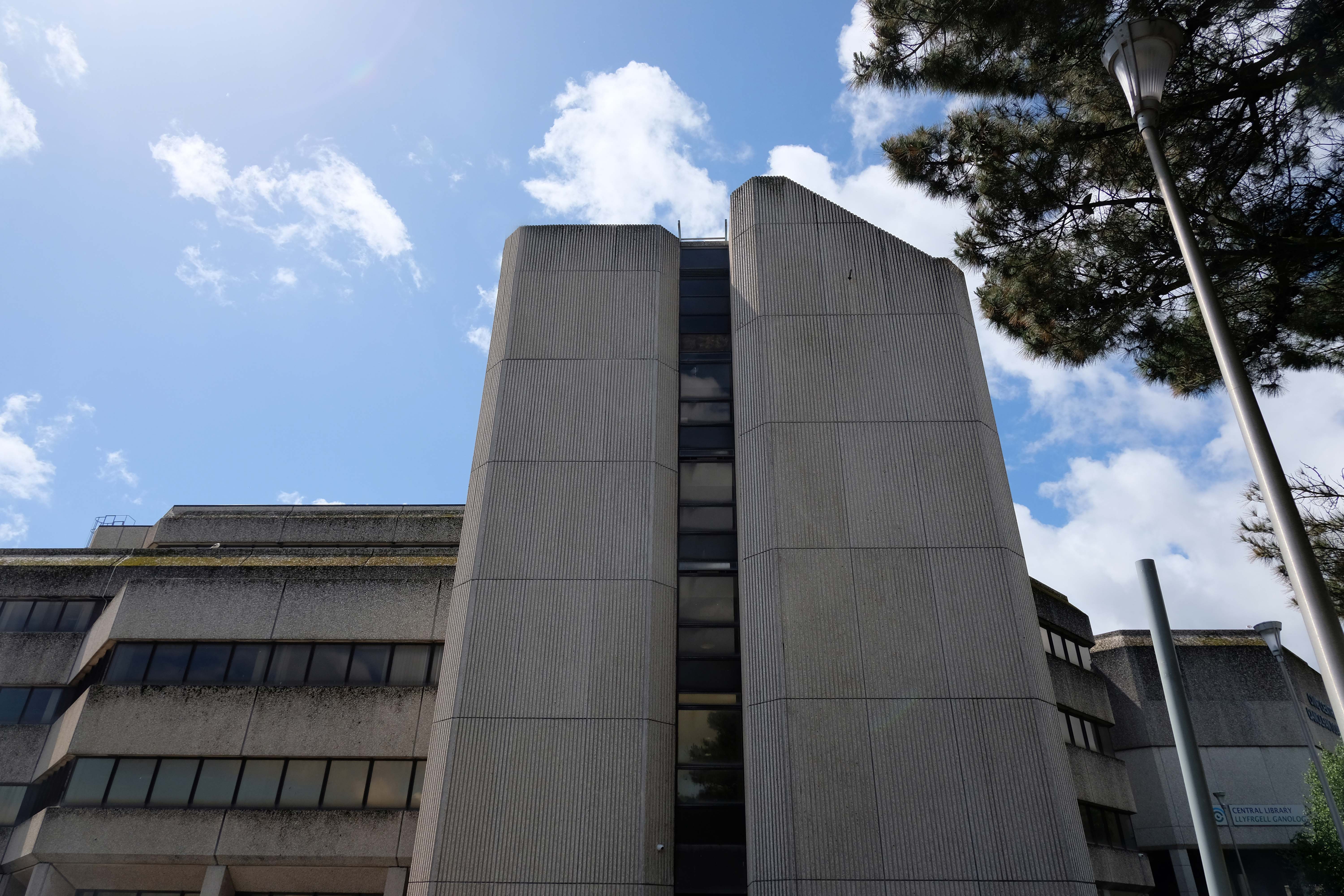
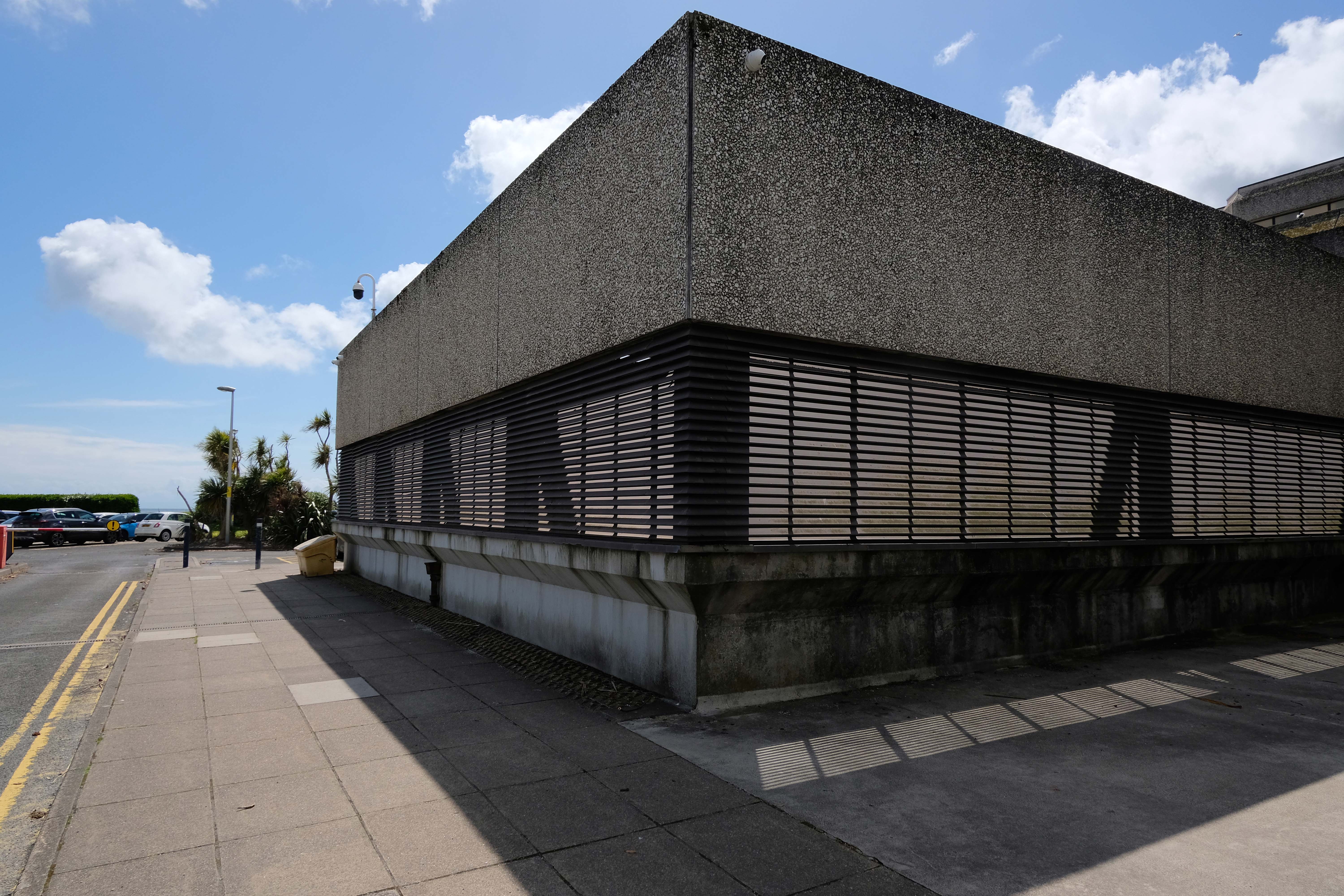
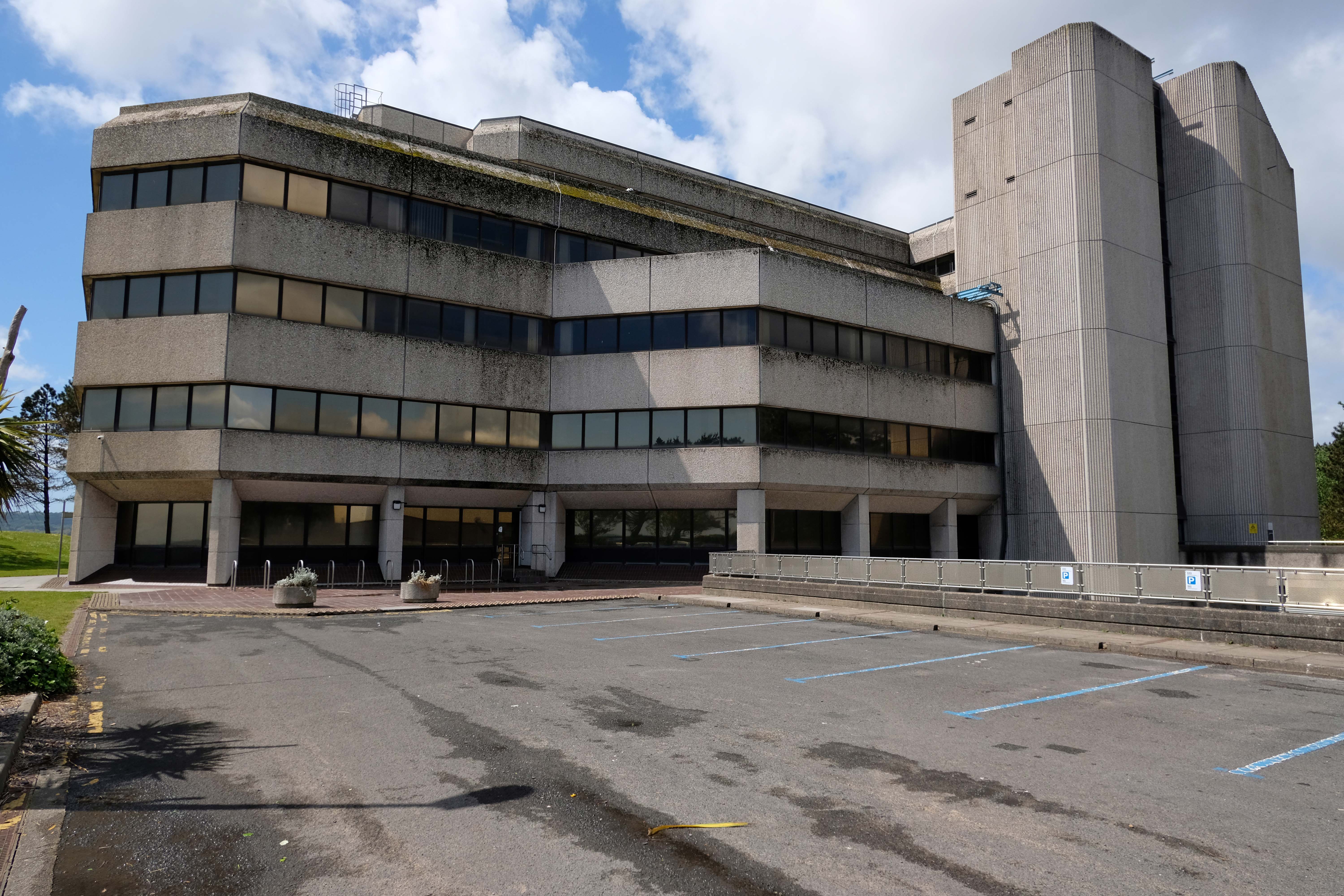
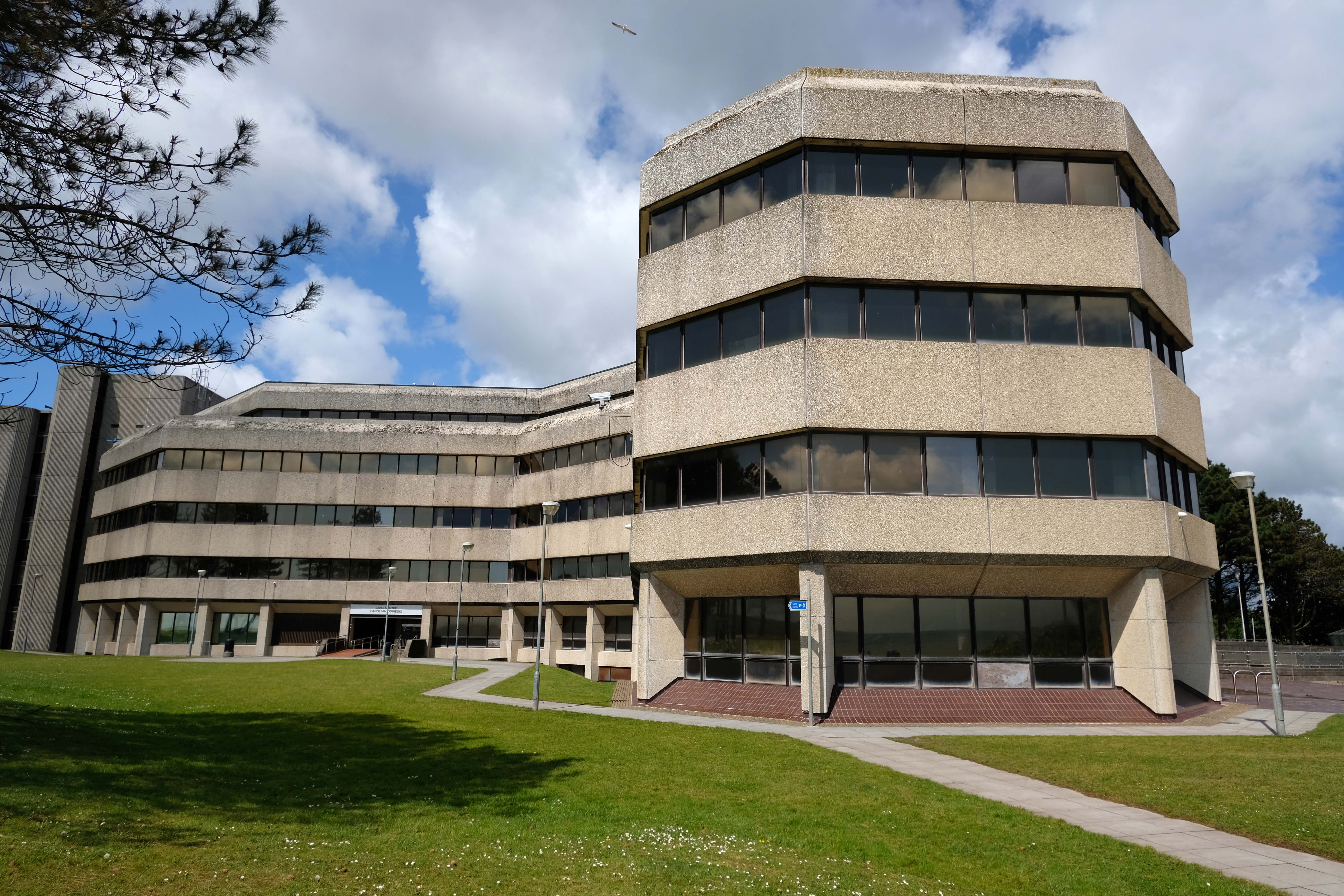
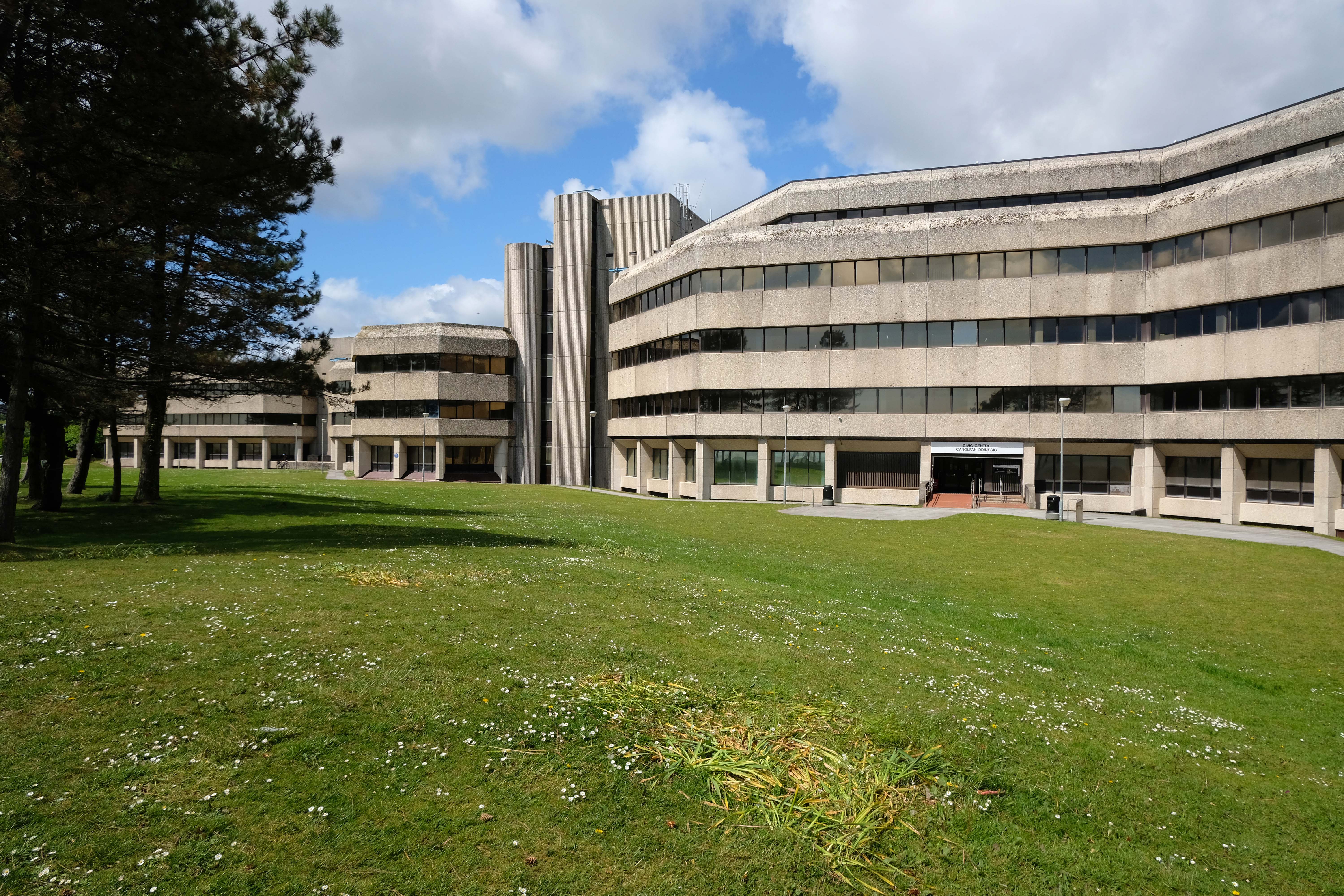
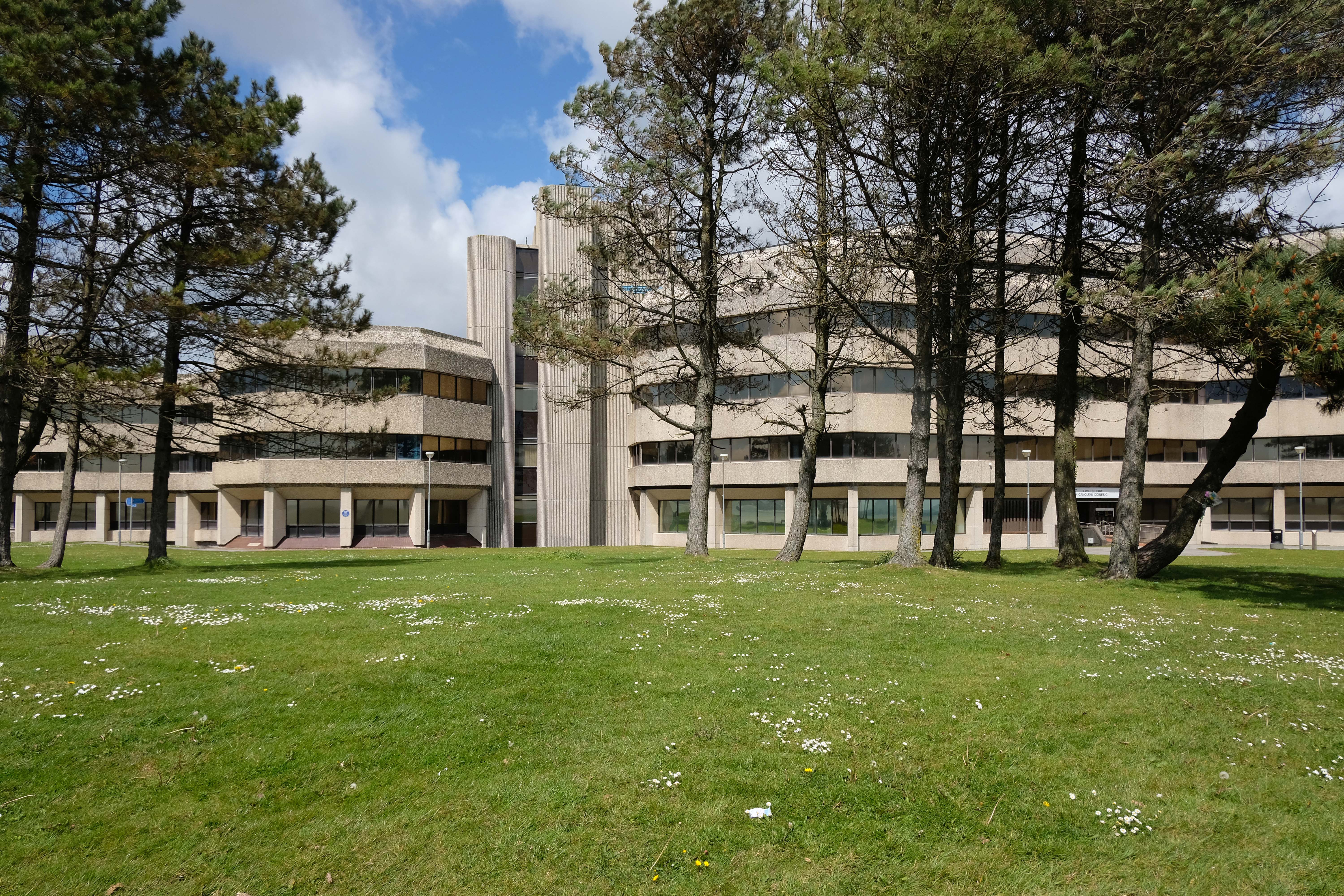
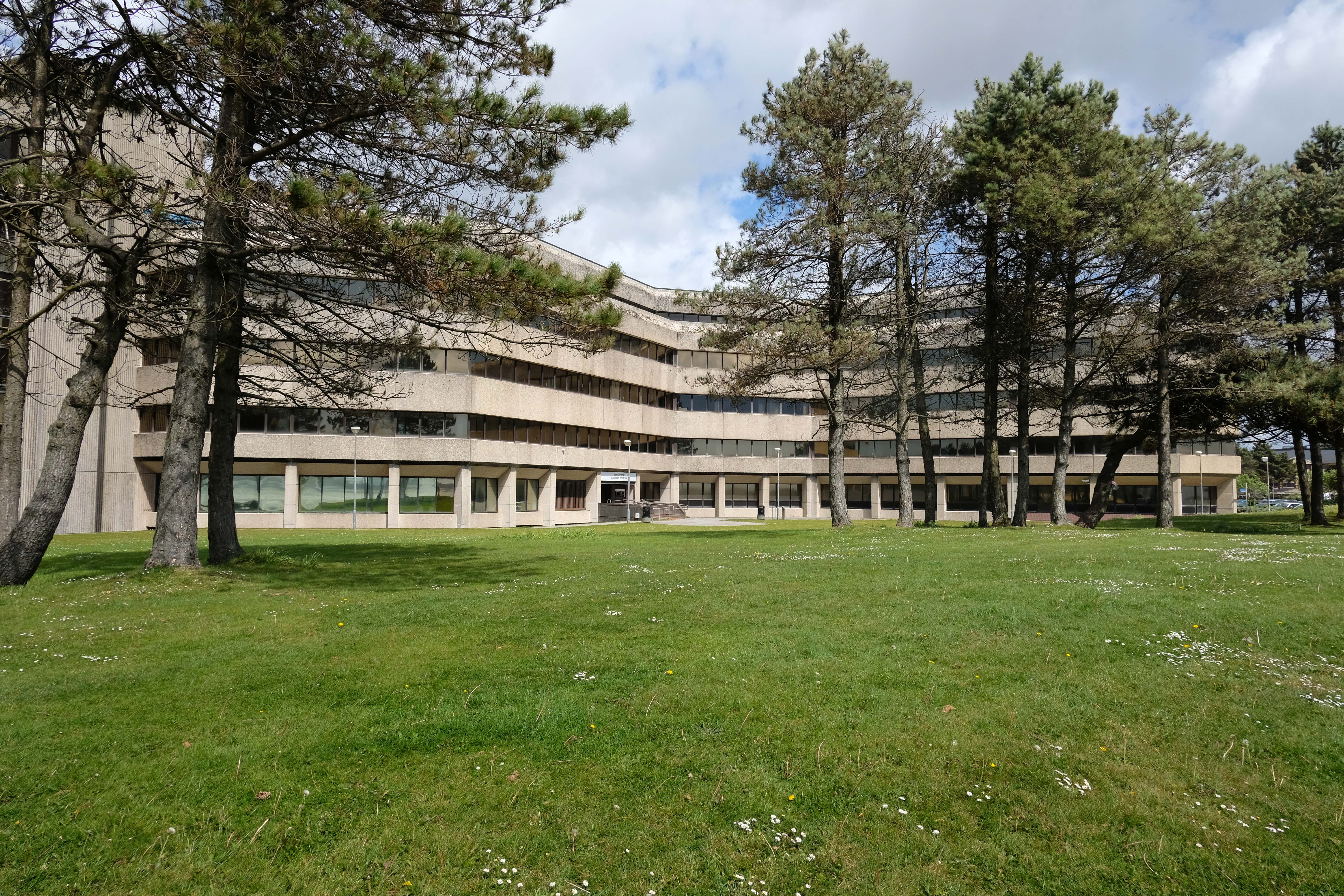
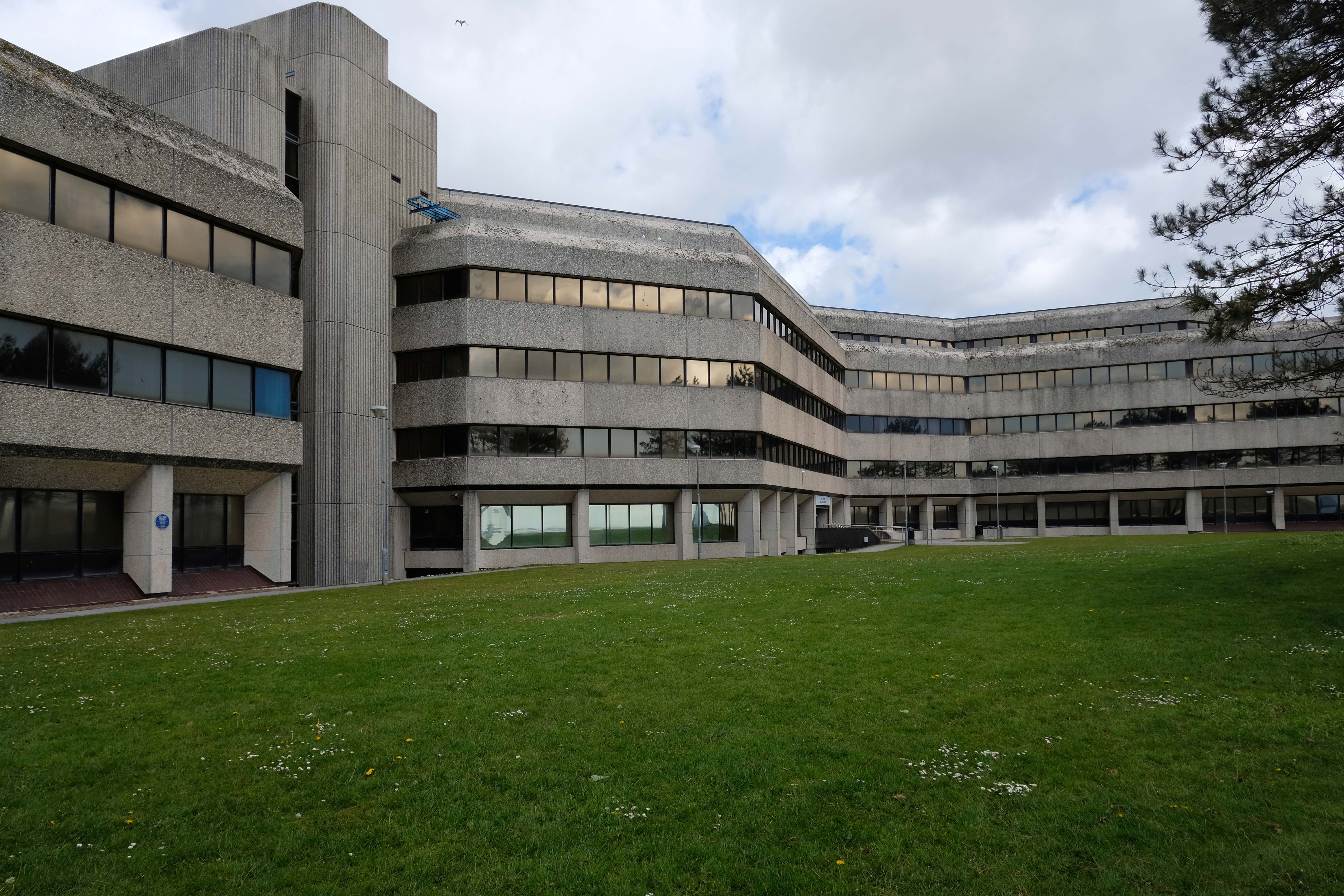
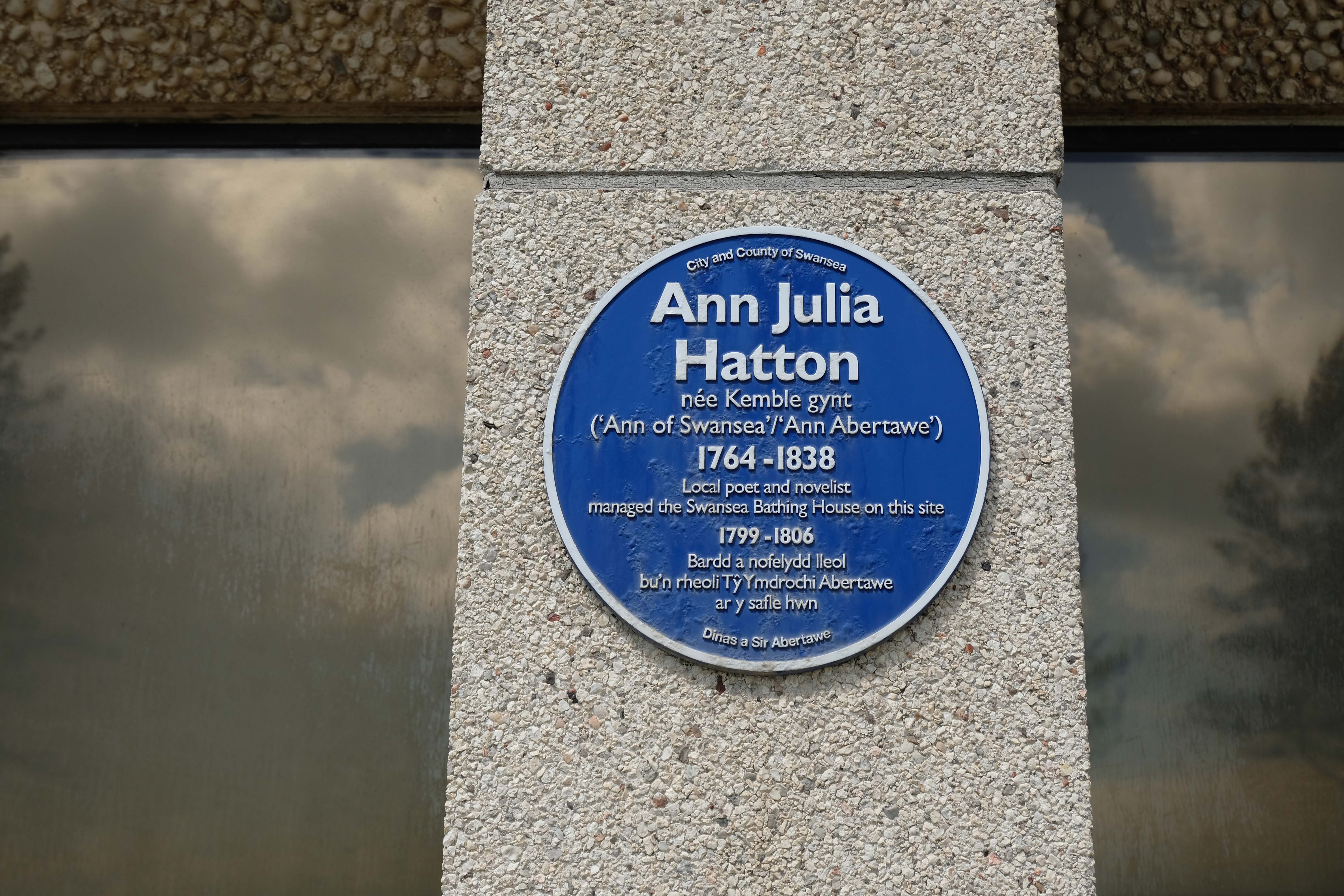
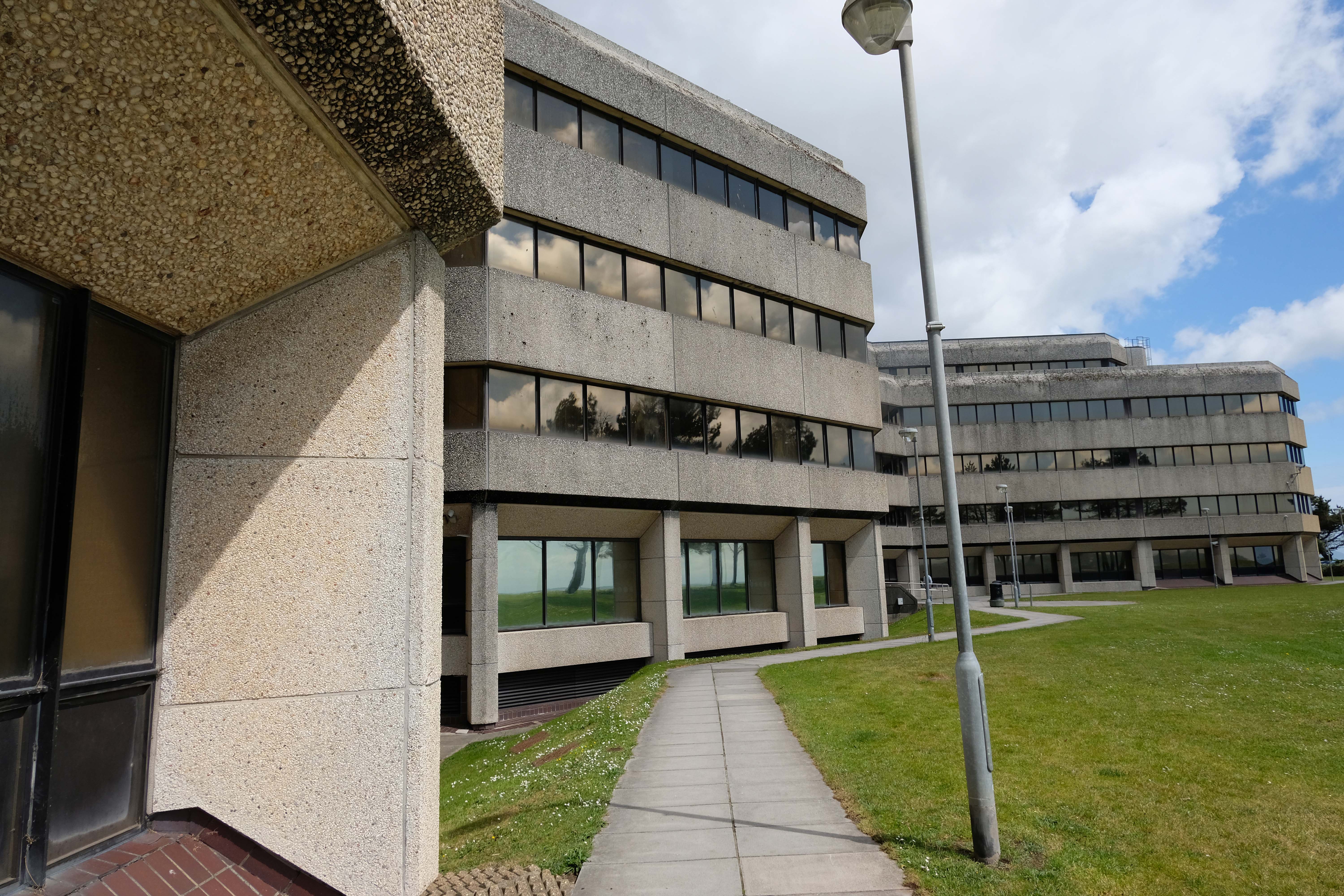
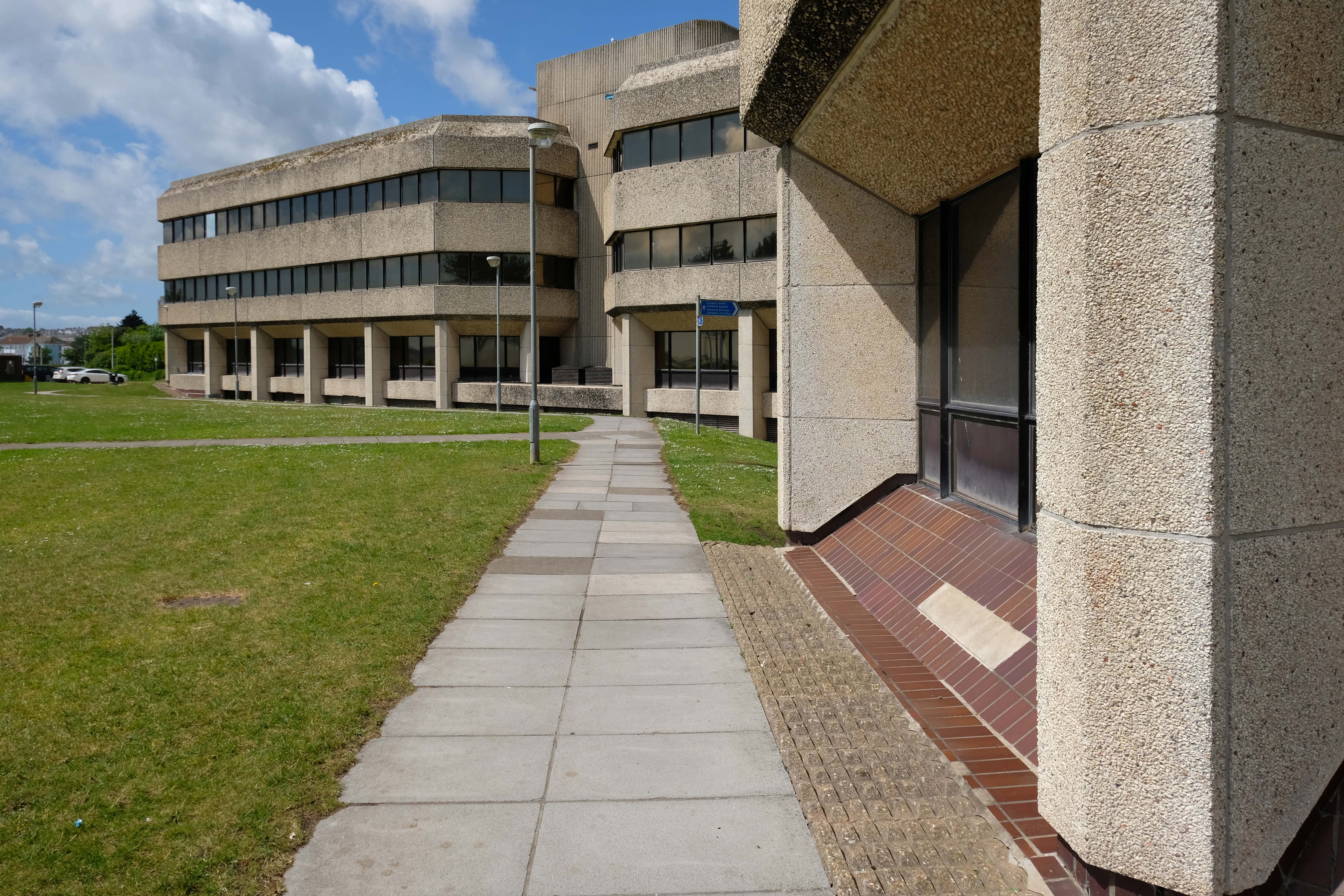
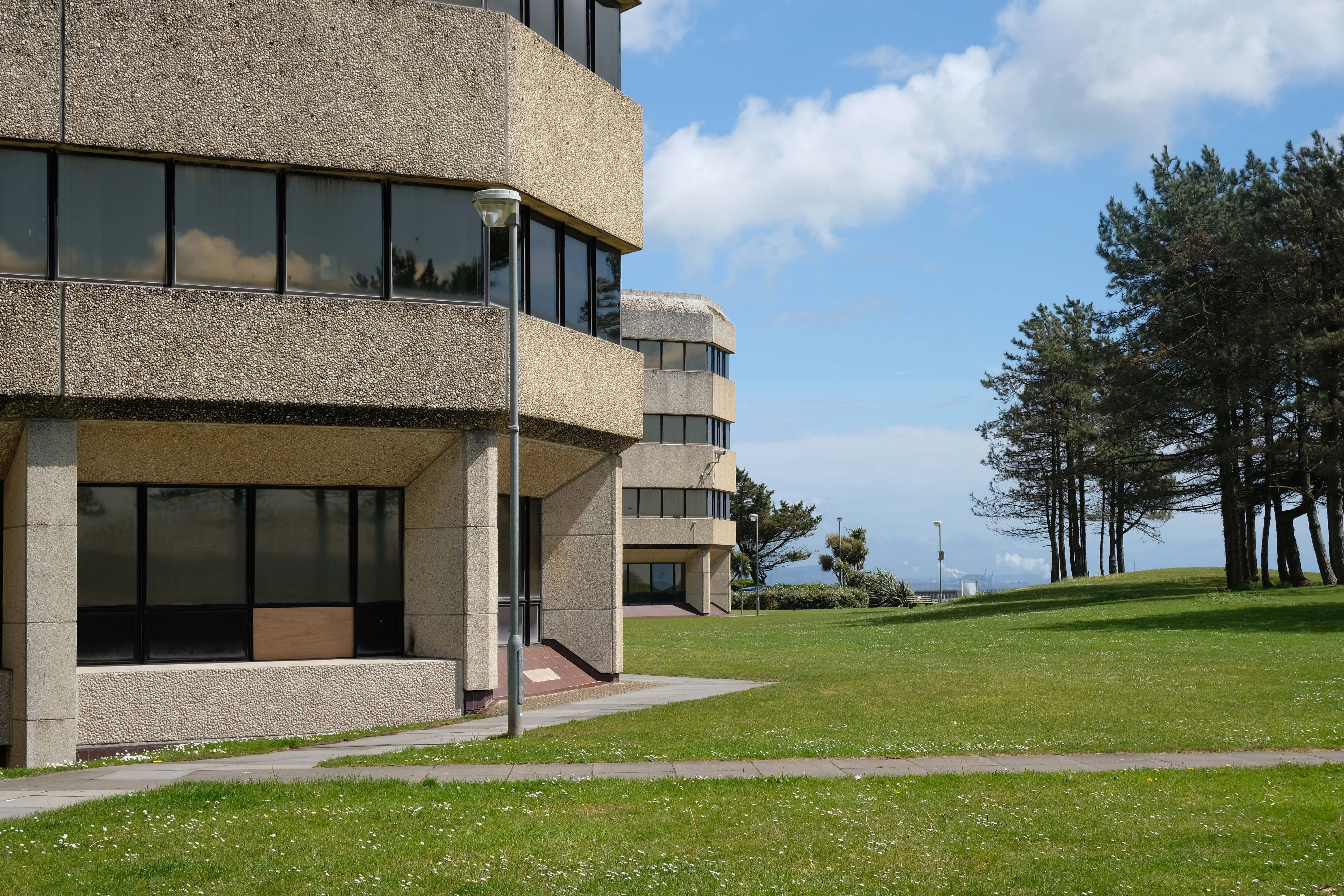
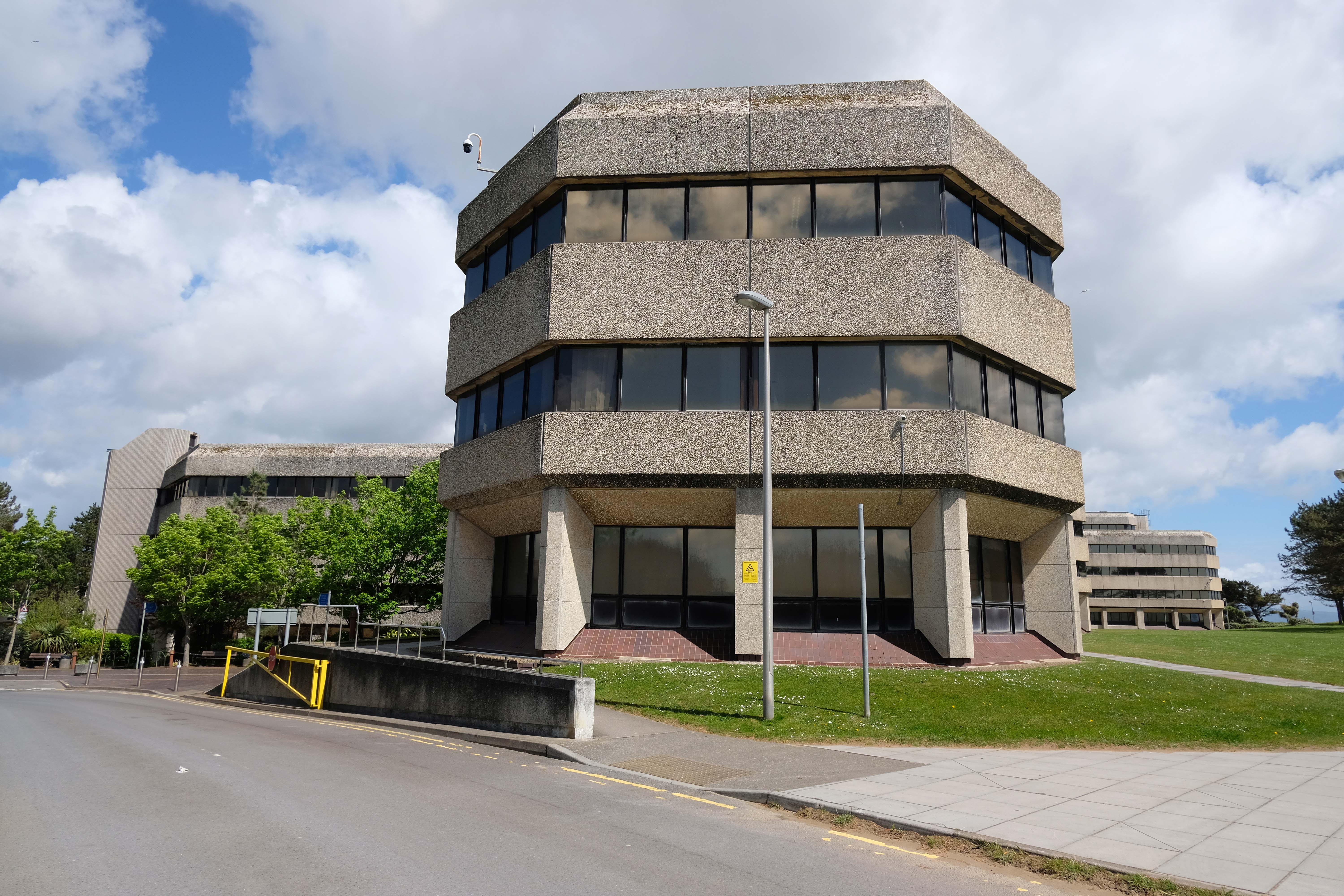
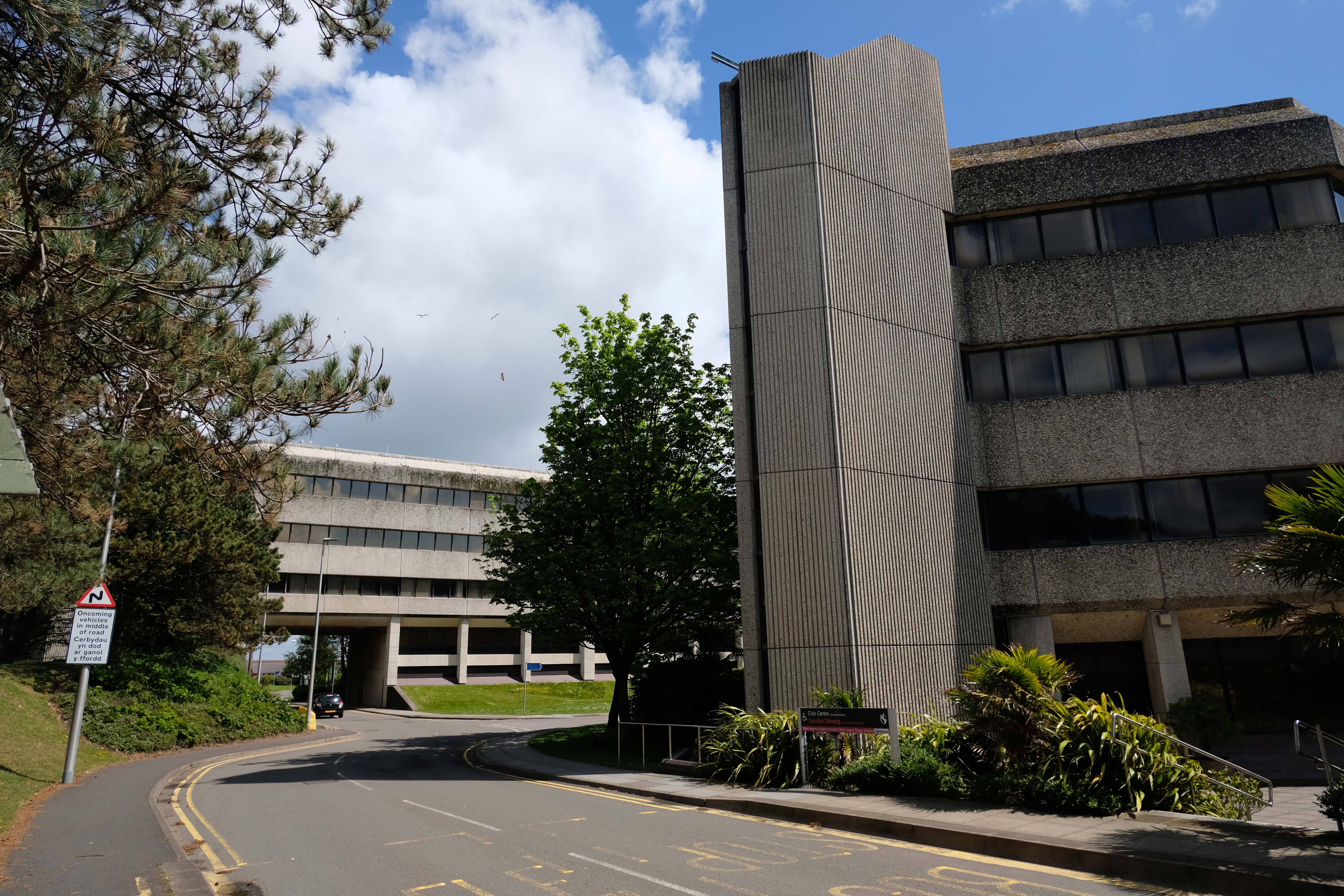
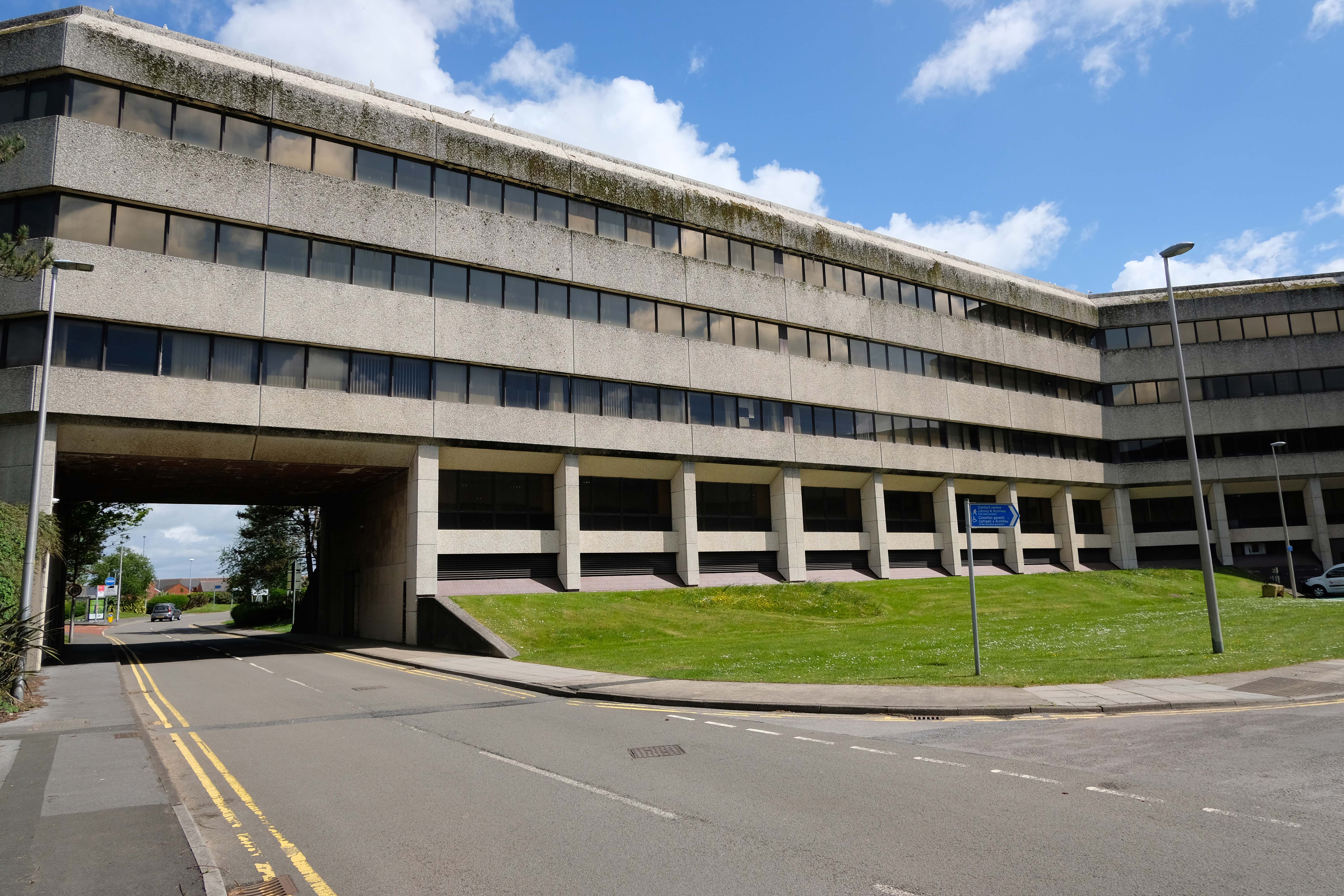
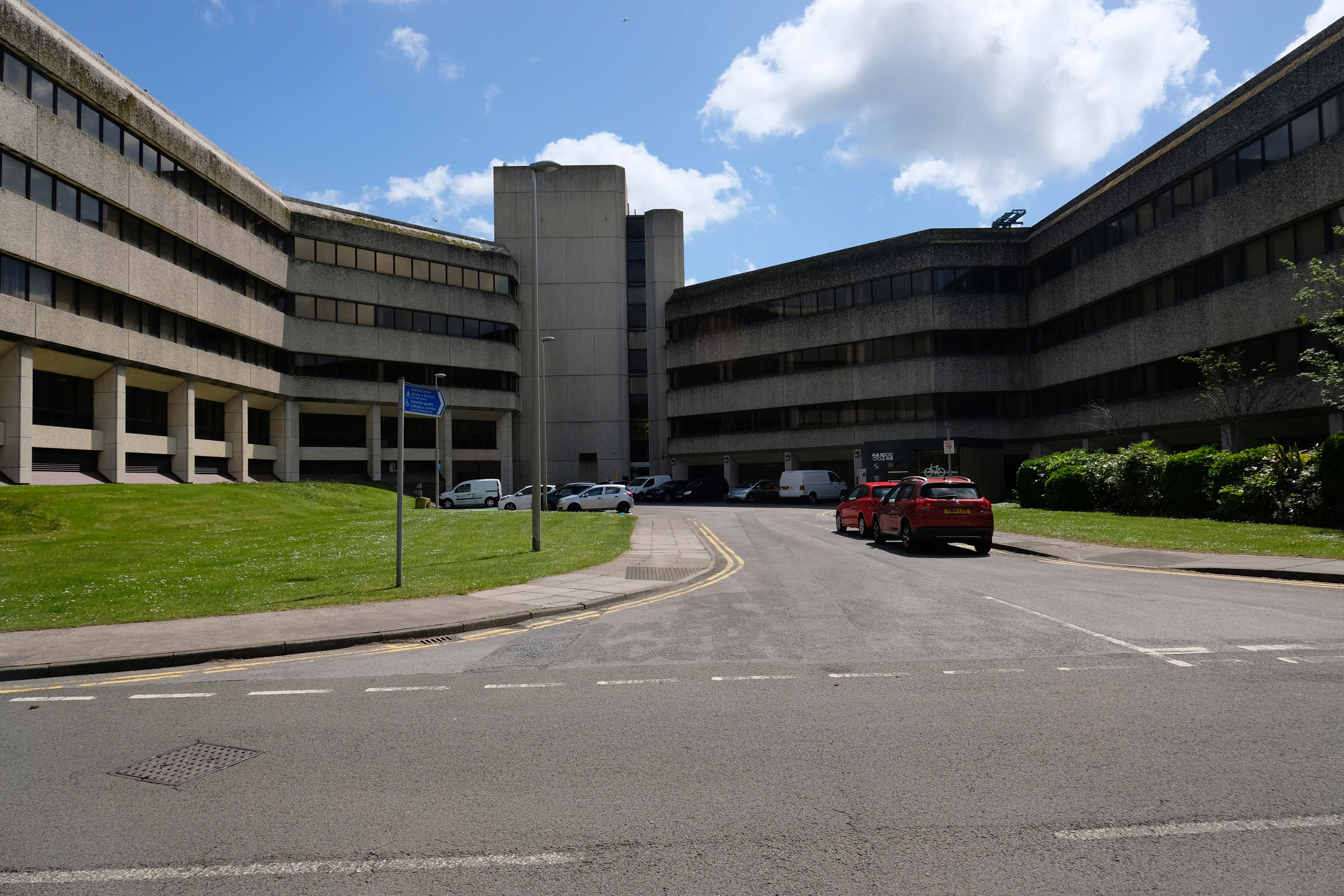
Swansea Civic Centre

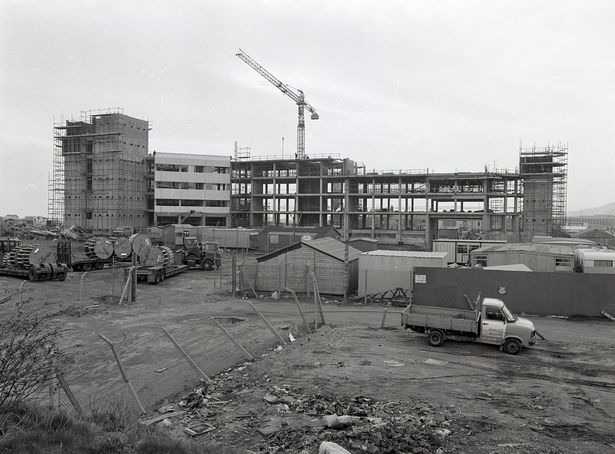
Architects: J Webb as County Architect and CW Quick as the job architect of the West Glamorgan County Architects Department 1982

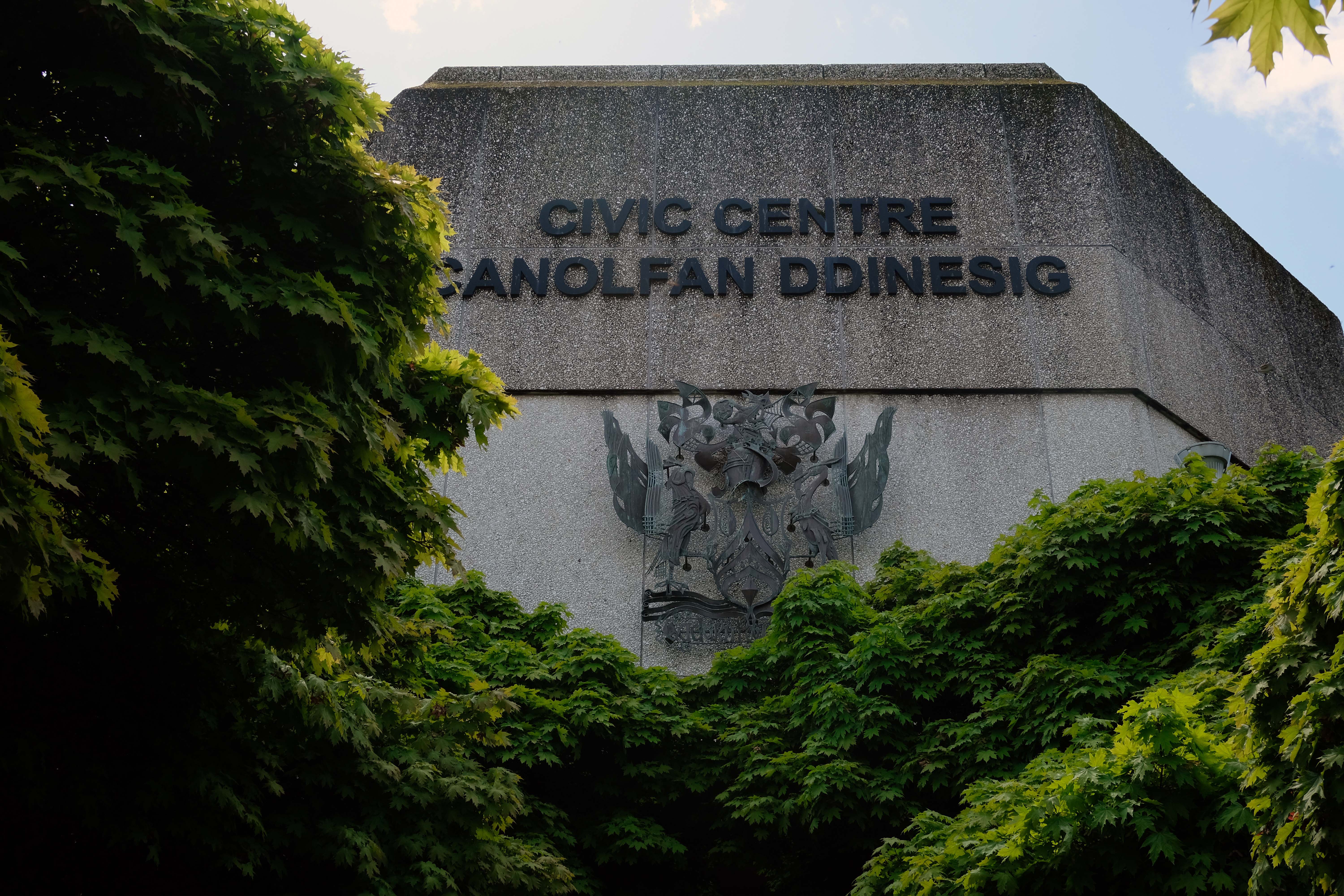
Canolfan Ddinesig Abertawe formerly known as County Hall.

Confused?

Don’t be, it’s all quite simple really.

Following the implementation of the Local Government Act 1972, which broke up Glamorgan County Council and established West Glamorgan County Council, the new county council initially met at Swansea Guildhall. Finding that this arrangement, which involved sharing facilities with Swansea Council, to be inadequate, county leaders procured a dedicated building, selecting a site formerly occupied by an old railway goods yard associated with the Mumbles Railway.

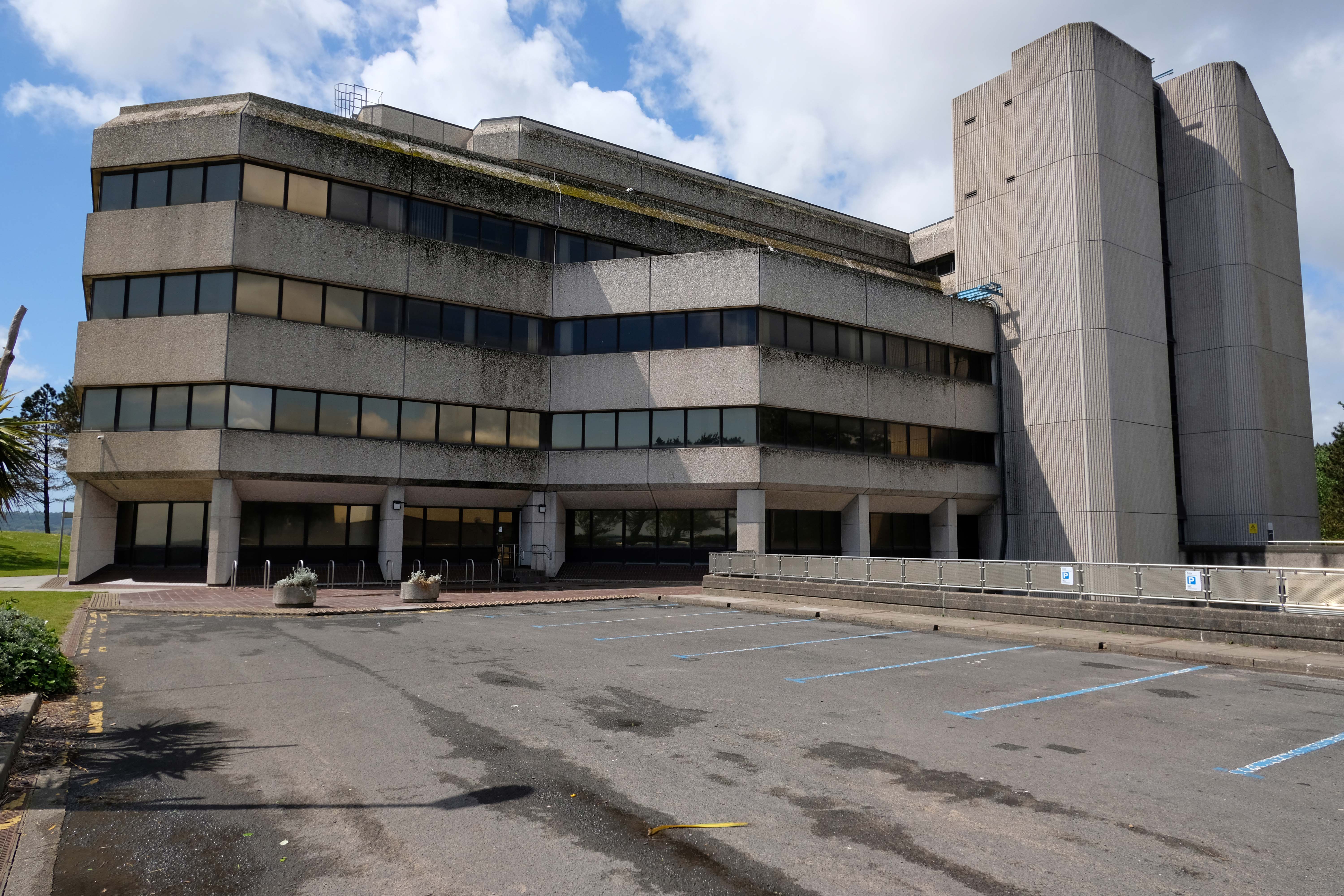
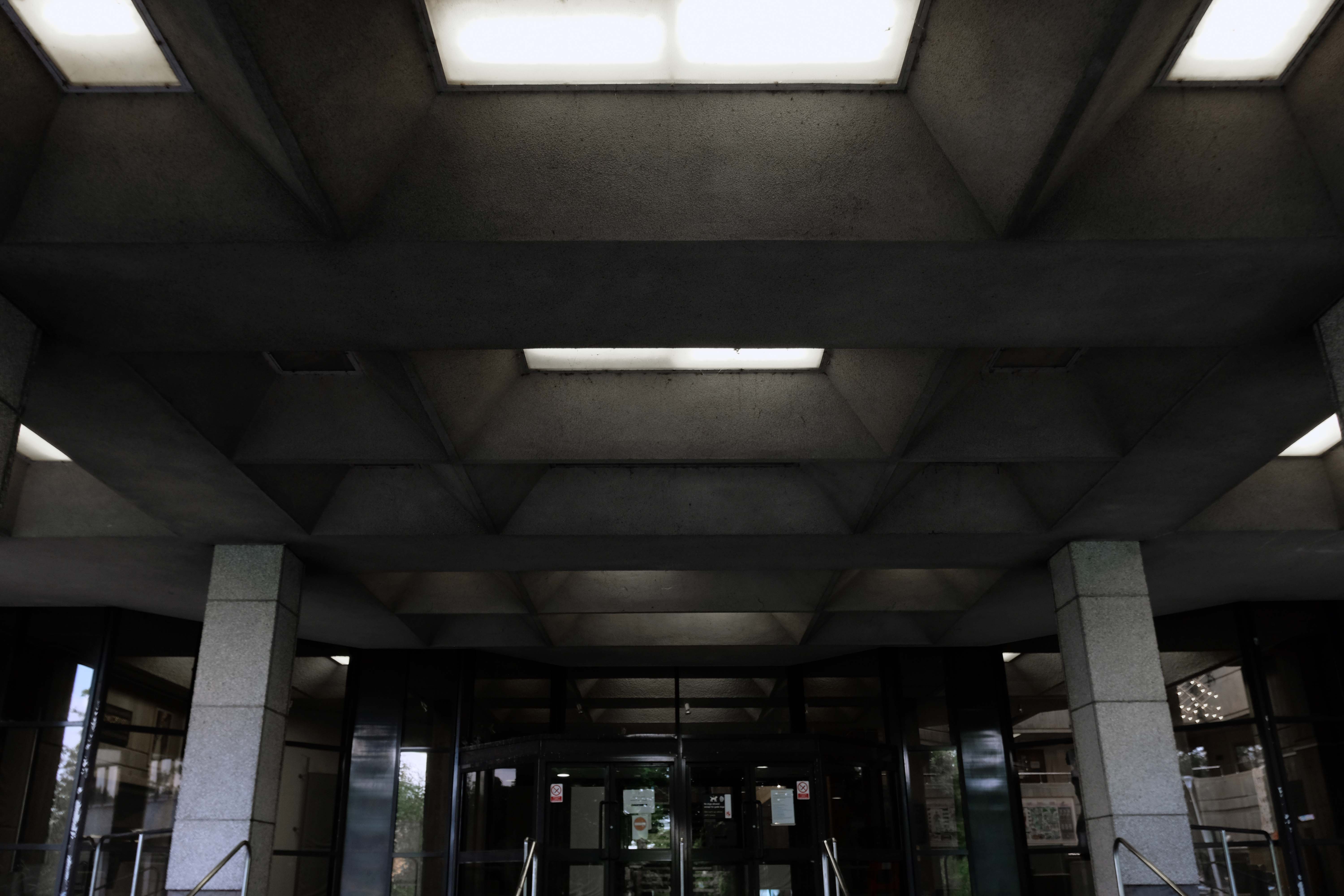
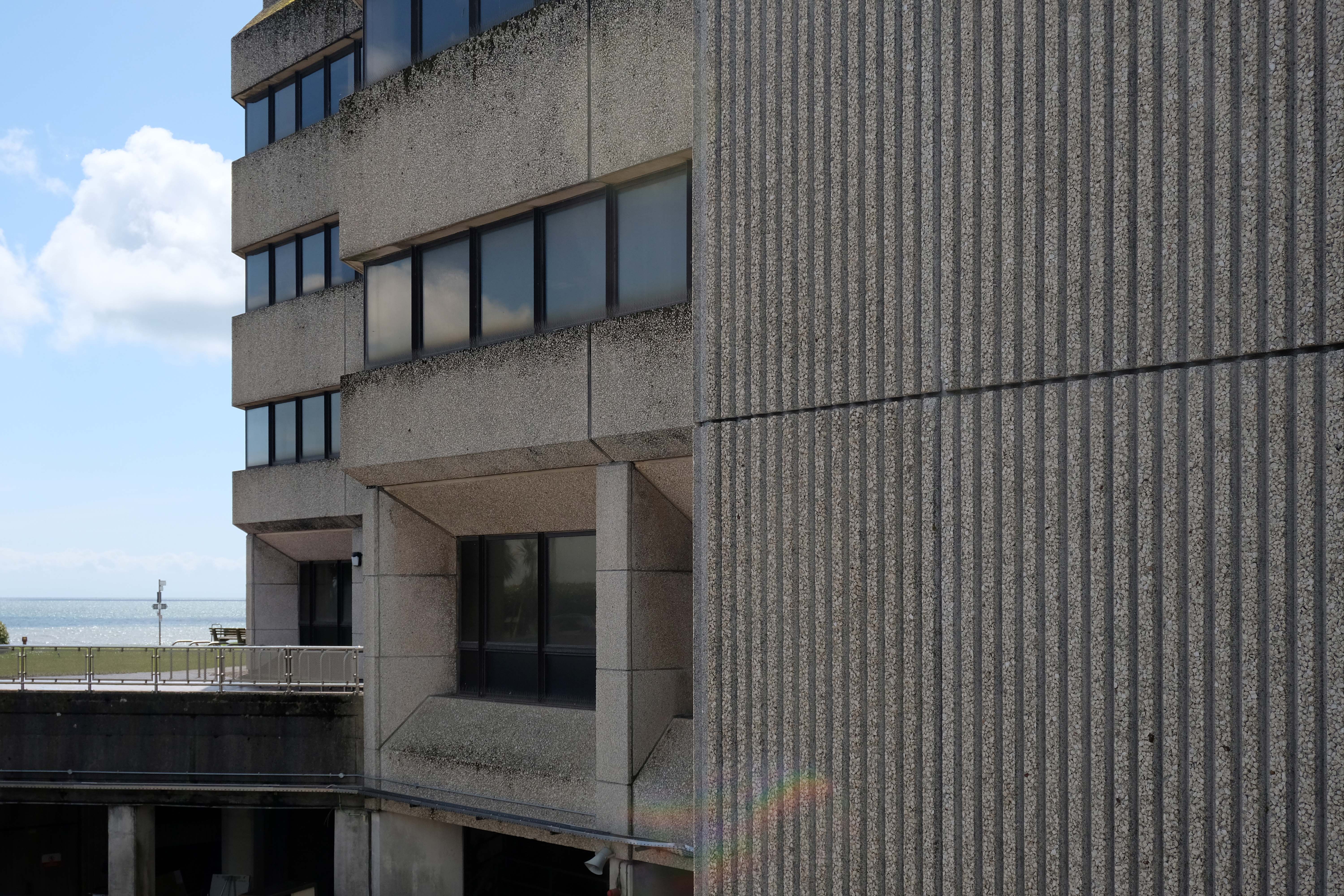
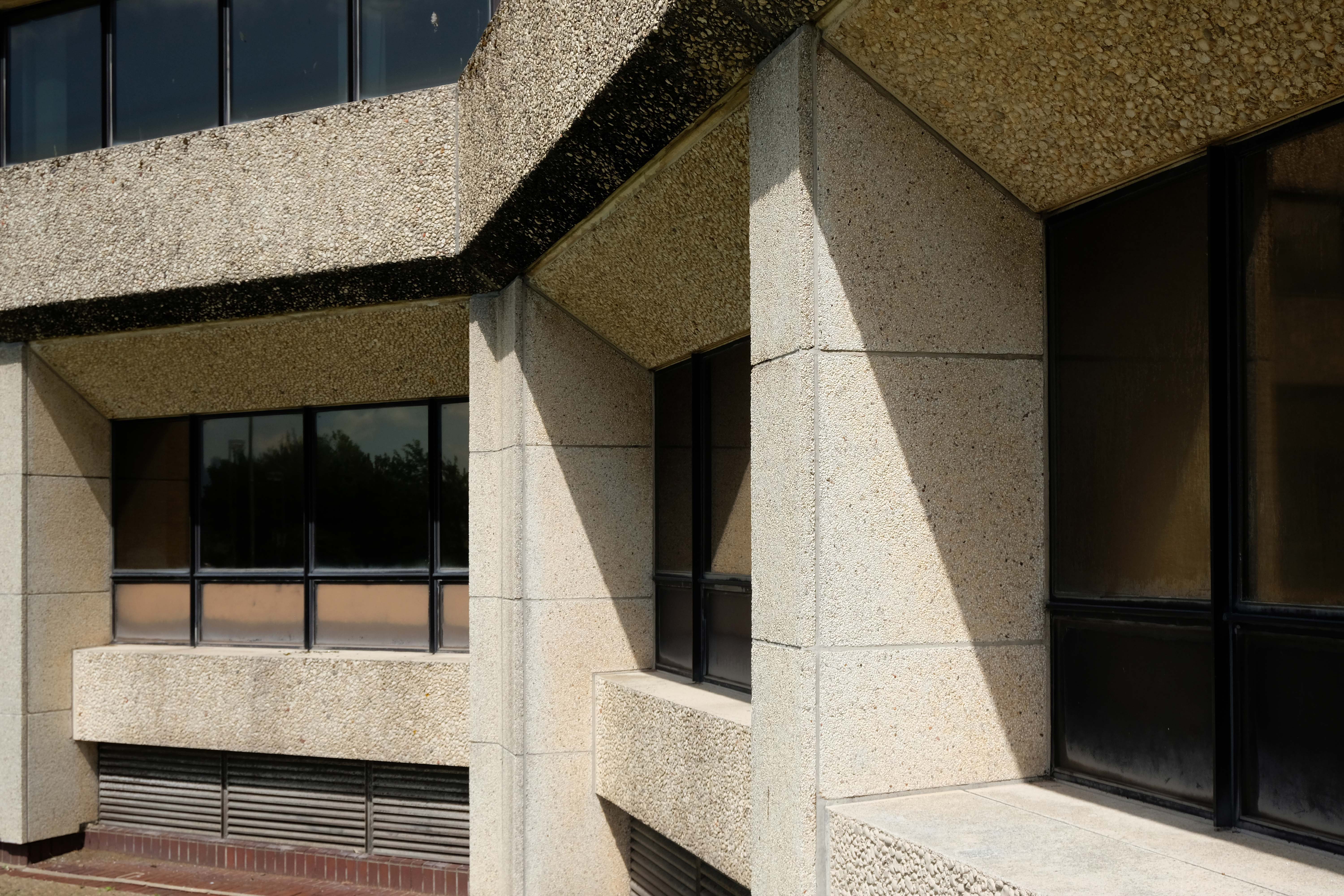
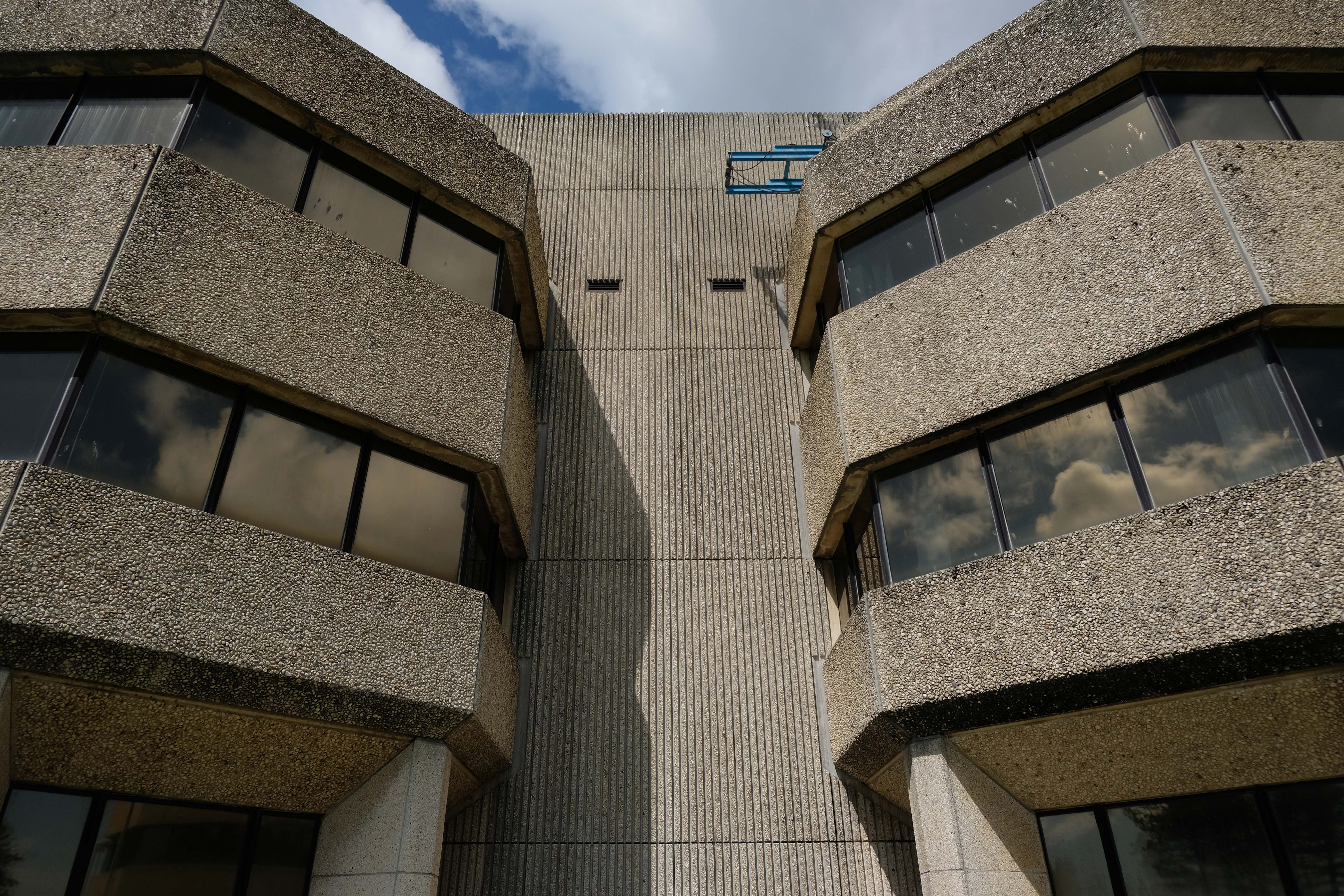
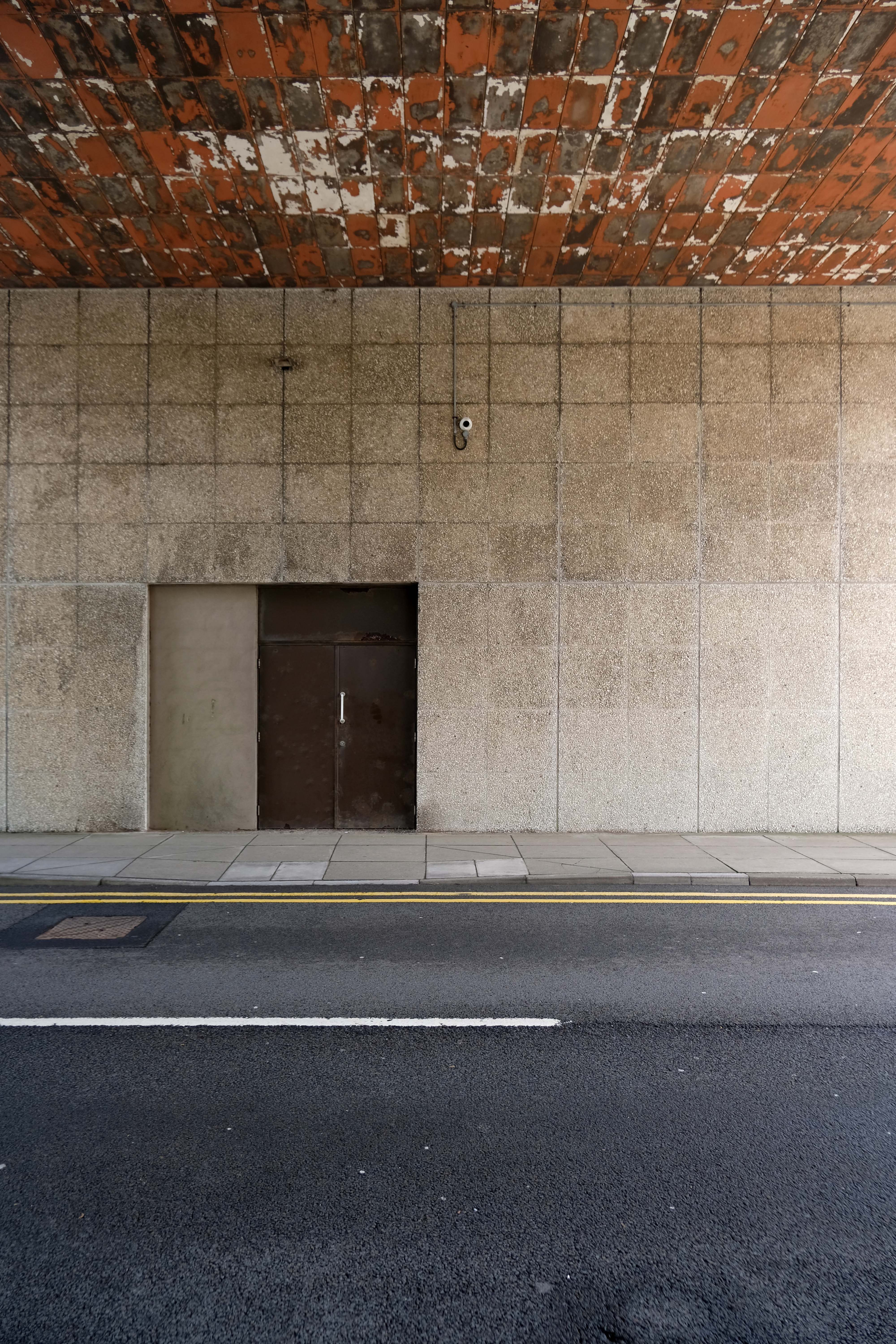
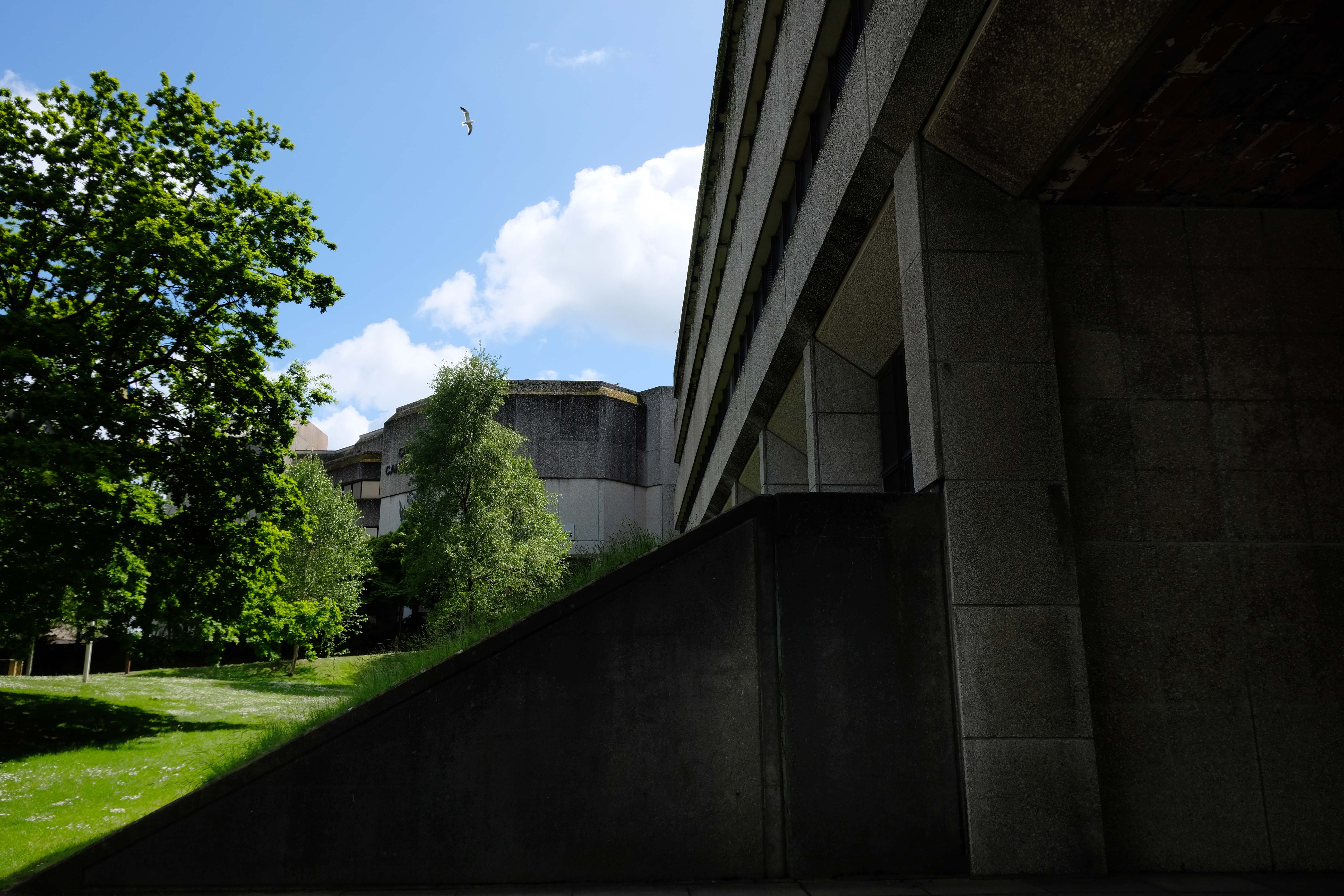
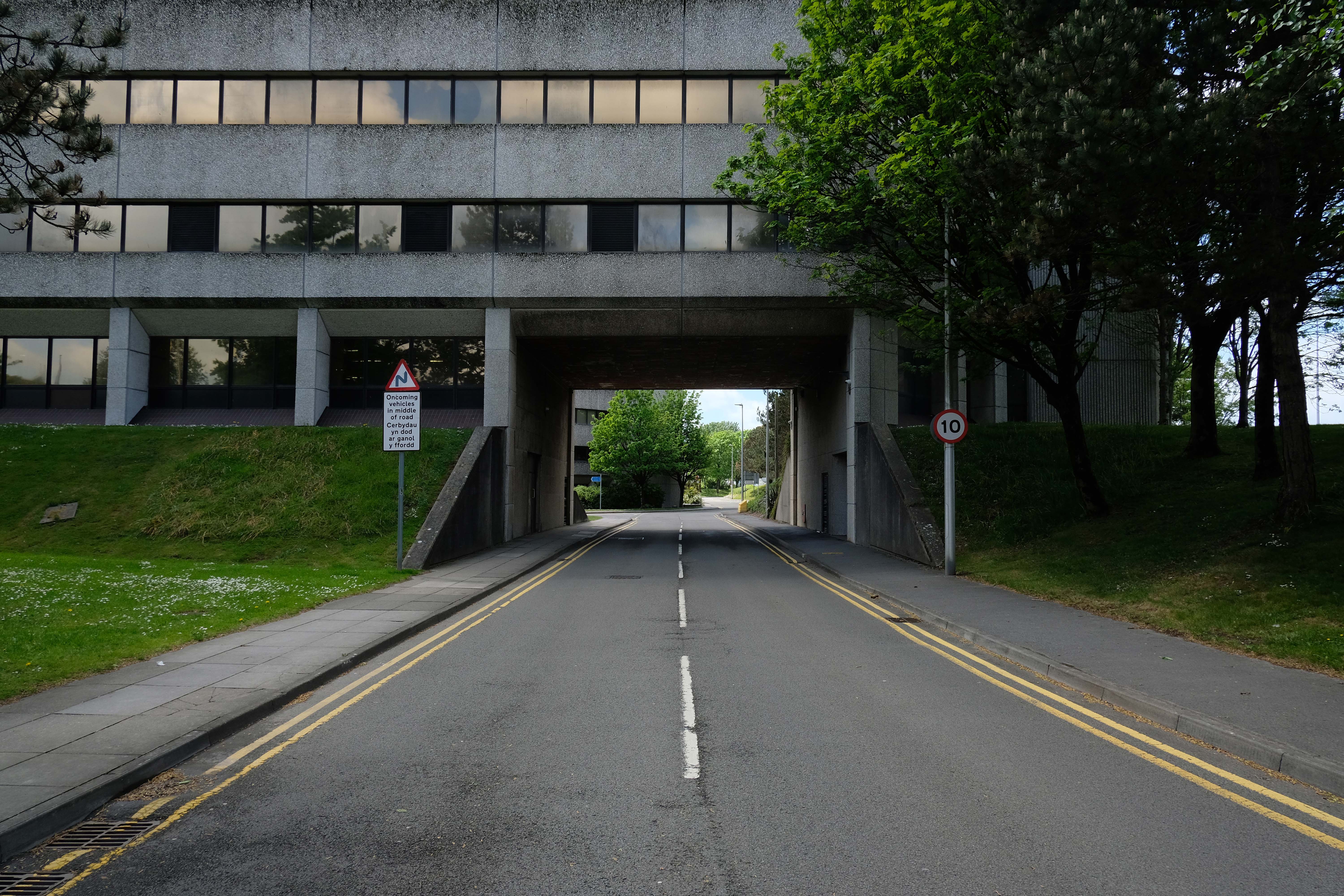
The design features continuous bands of glazing with deep washed calcined flint panels above and below.

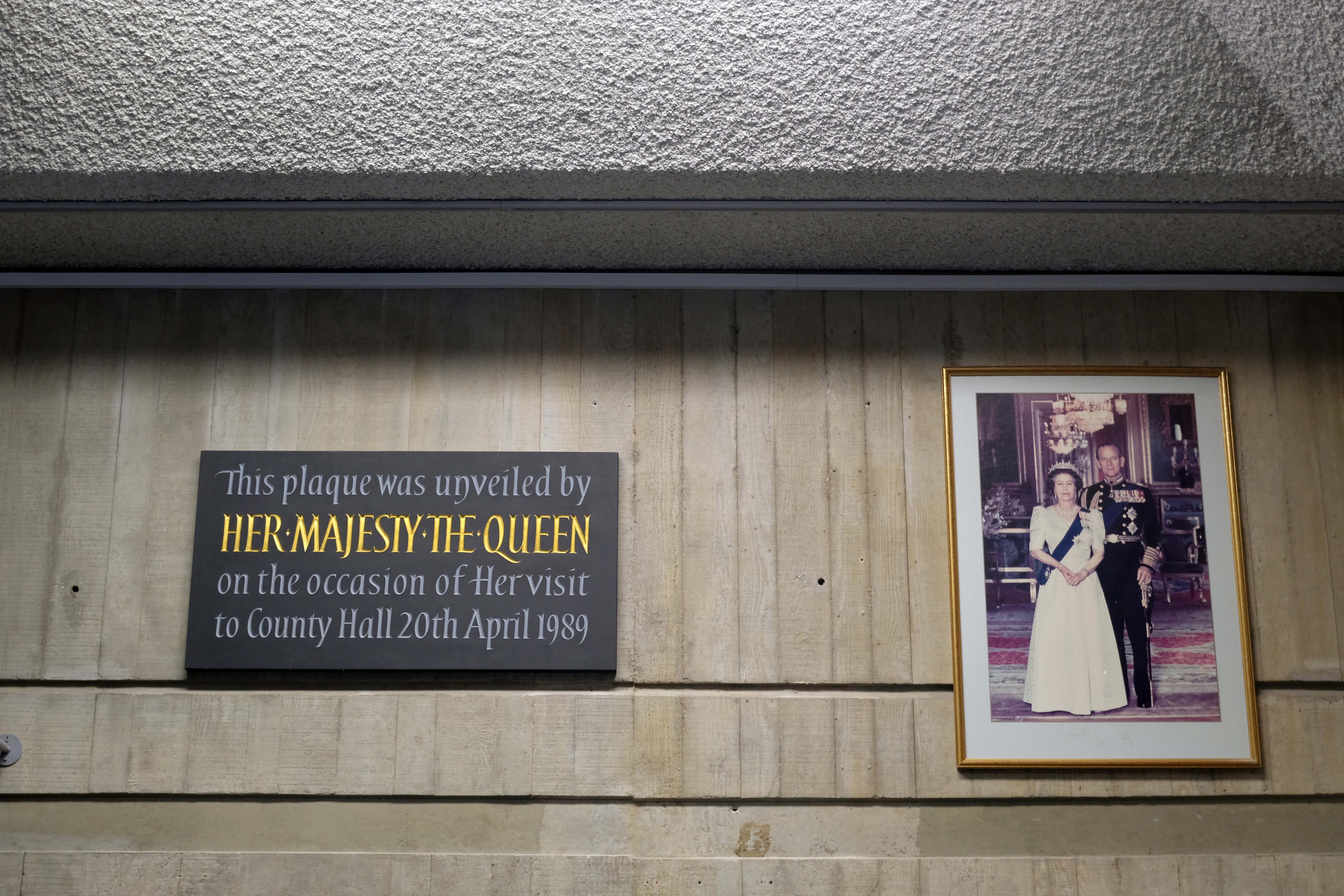
Queen Elizabeth II, accompanied by the Duke of Edinburgh, visited on 20 April 1989.

After local government re-organisation in 1996, which abolished West Glamorgan County Council, ownership of the building was transferred to Swansea Council. It was renamed Swansea Civic Centre on 19 March 2008, and Swansea Central Library moved into the complex as part of a redevelopment scheme.

See, simple!

Wikipedia

However.

In 2019 it was reported that Swansea Council leader Rob Stewart said:

As part of our city centre’s multi-million pound transformation, it remains our aim to vacate and demolish the civic centre.

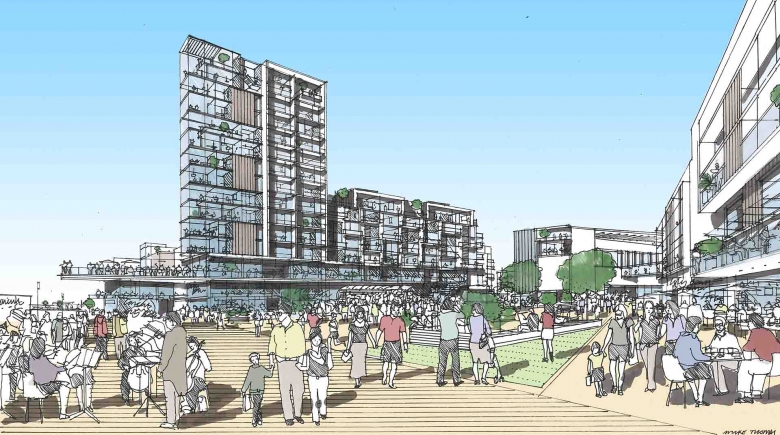
We want to reinvigorate that area and we continue to make progress on a master plan for it.

Powell and Dobson think that this seems like a swell idea

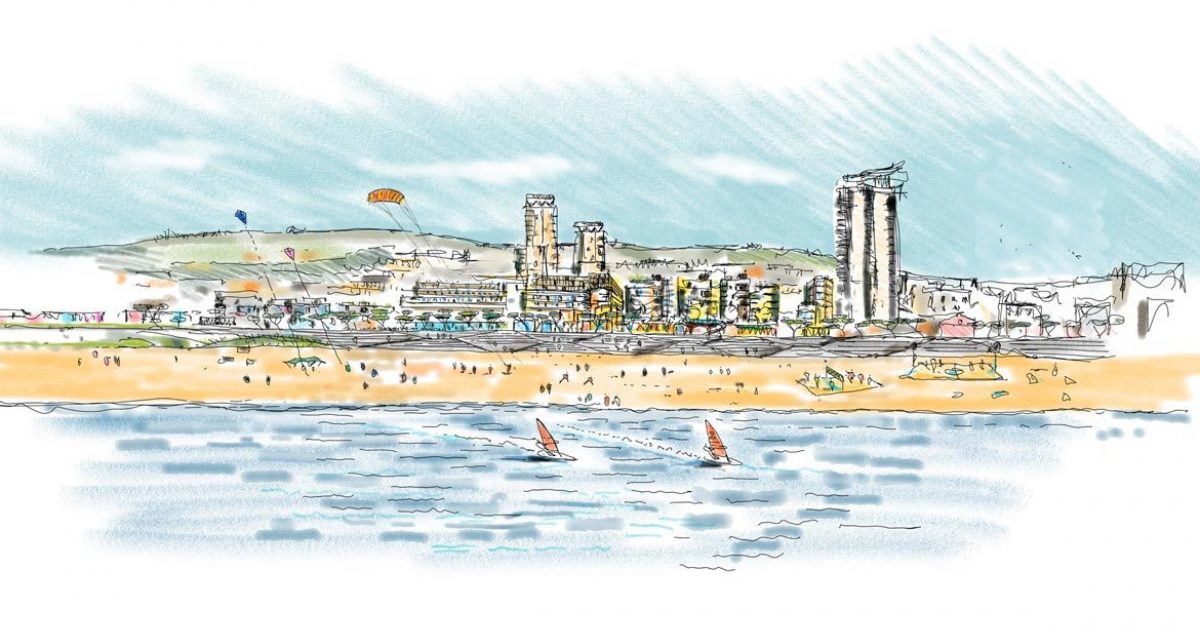
Urban Splash seem to have a slightly vaguer vision.

In March 2021, plans to find a new use for the location continued to still be a commitment of Swansea council, with the announcement of the transfer of the central library and other public services to the former BHS and now What! store on Oxford Street.

Swansea Civic Centre is at risk the Twentieth Century Society says so – they are strongly opposed to demolition of the iconic building and have submitted an application to have the building listed as Grade II.

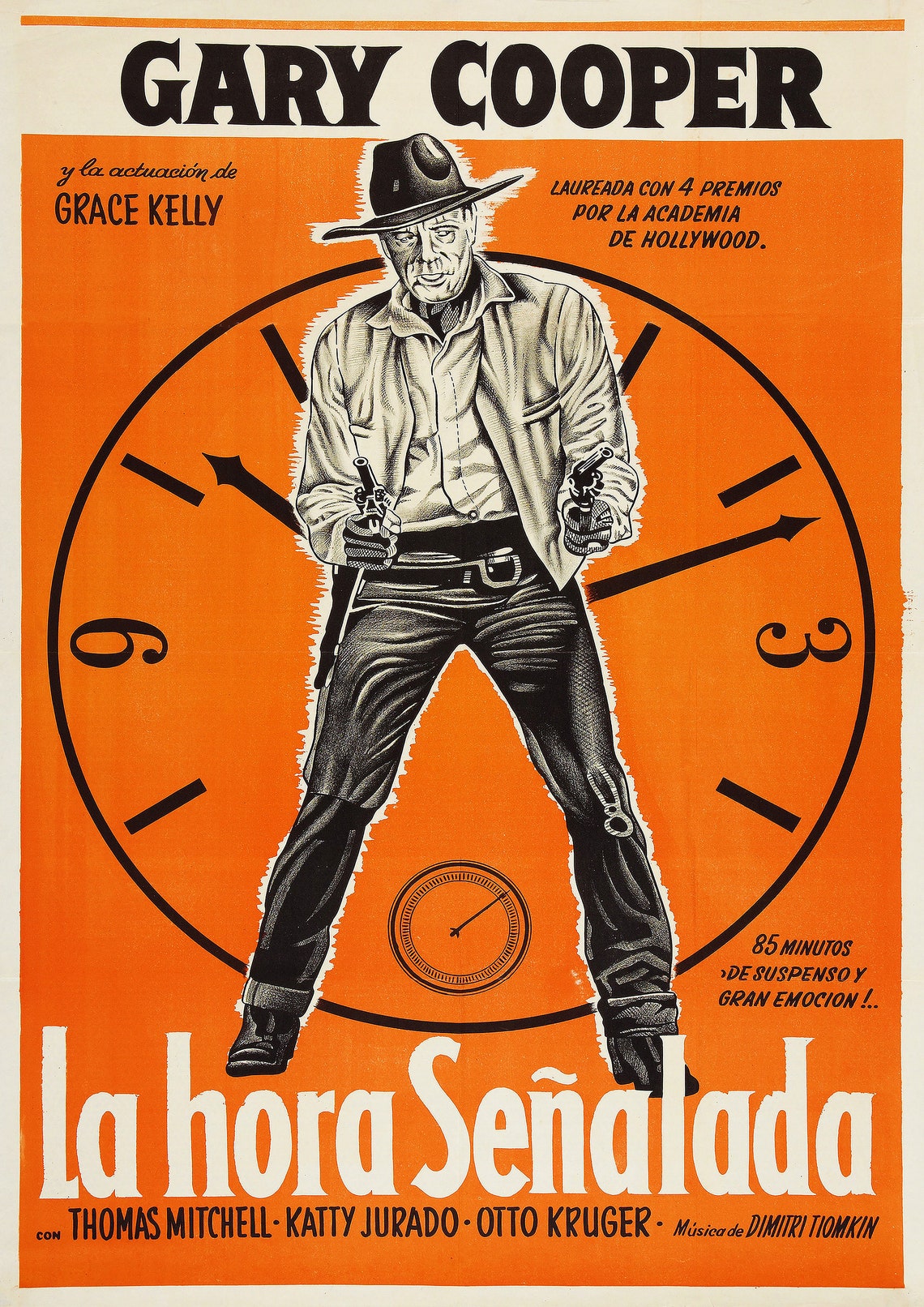
I do not know what fate awaits it, I only know it must be brave – to paraphrase Dimitri Zinovievich Tiomkin, Ned Washington, Gary Cooper and Frankie Laine – it’s High Noon and counting.

Any road up as of the 11th of May it looked just like this:

Diolch yn fawr once again to Catrin Saran James for acting as my spirit guide.

Central Library – Grimsby

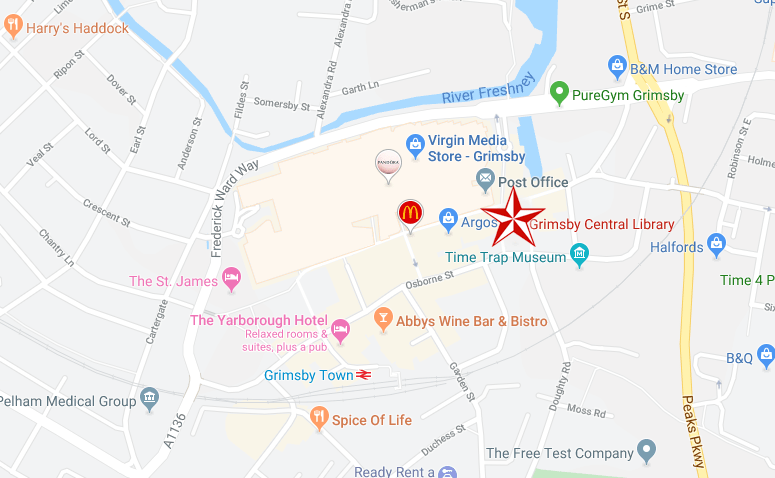
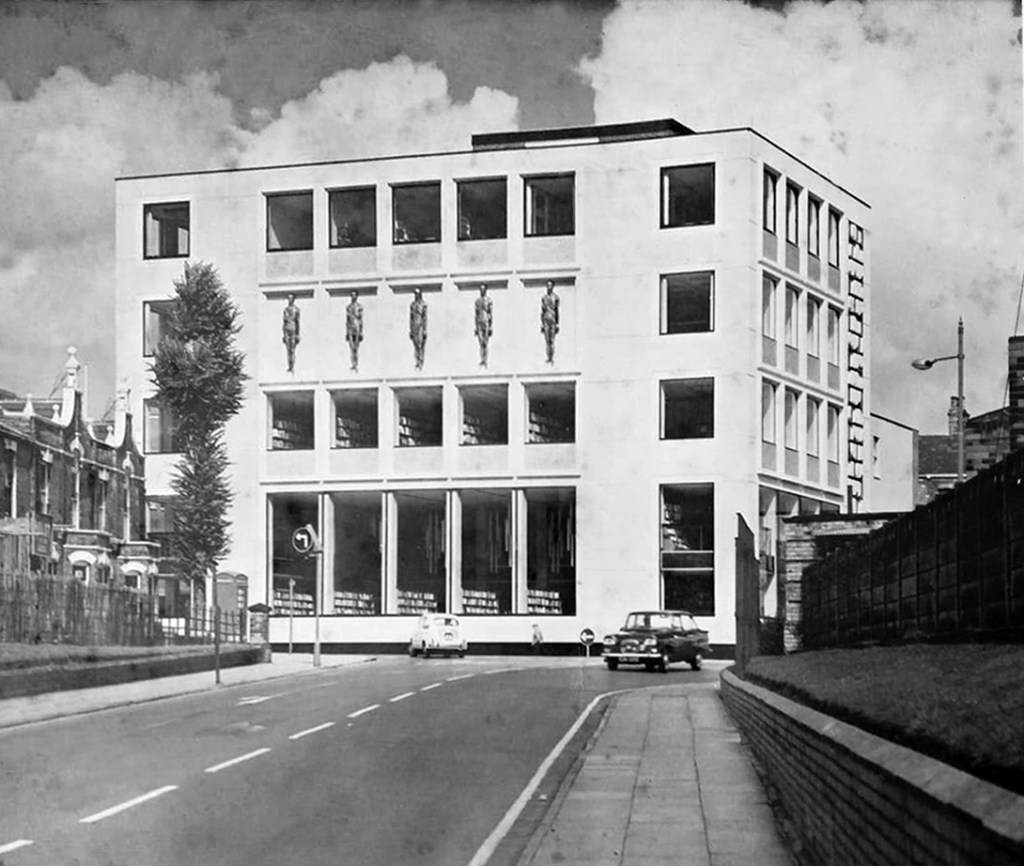
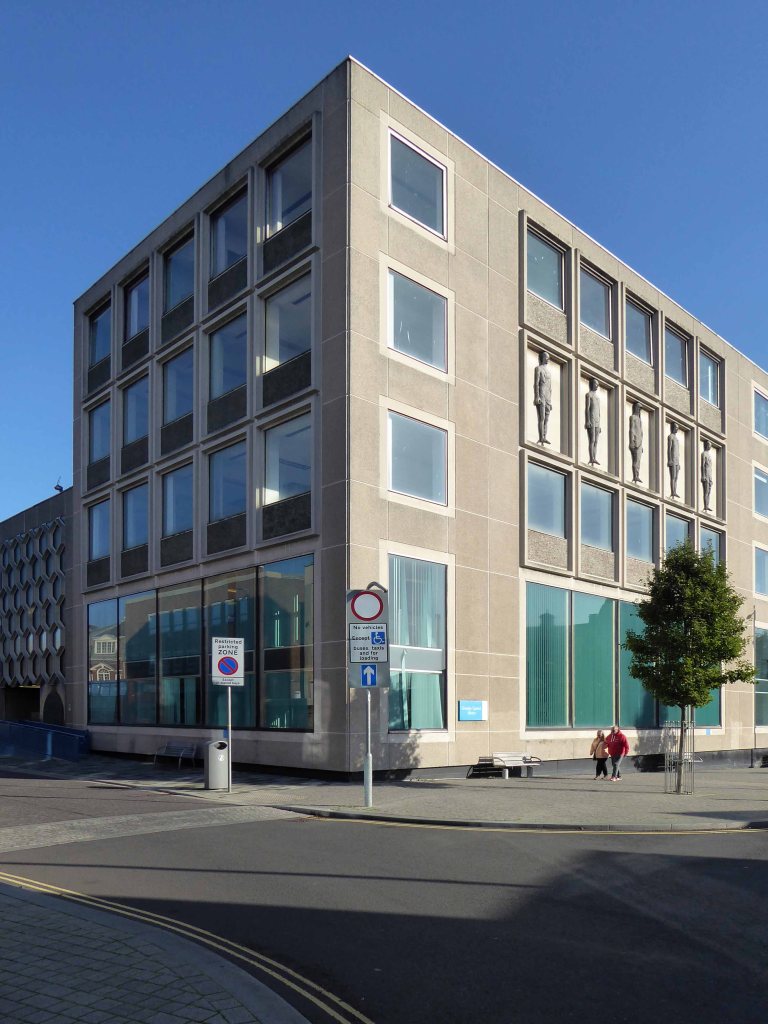
This is Grimsby Central Library – a proud public building of real quality, reflecting the cautious optimism and fierce civic pride of the Sixties. Built to last, in the modern manner – gently monumental, softened by the easy grace of the restrained decoration and a refined palette of stone, glass and concrete.

By the Borough Architect – JM Milner ARIBA assisted by E L Shepherd 

This image was used as the Mayor’s Xmas card in 1969.

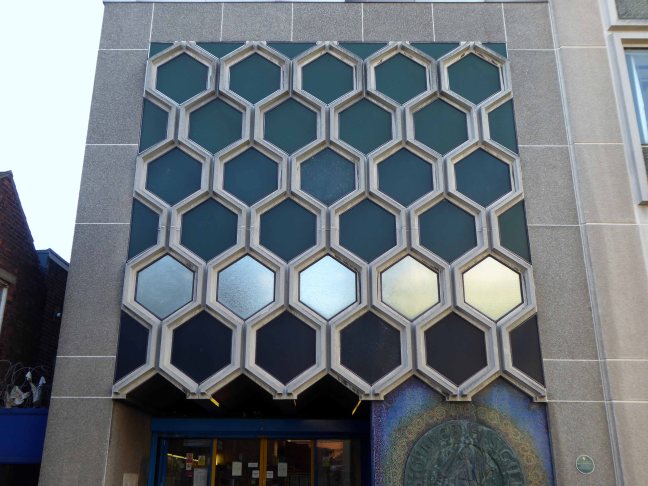
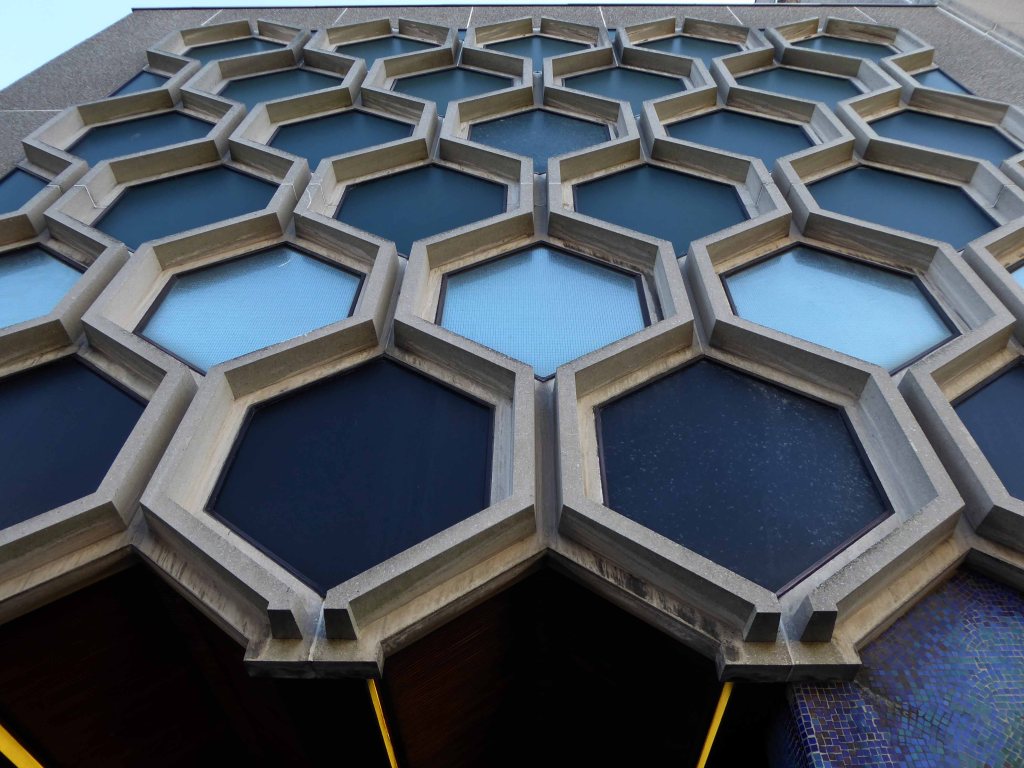
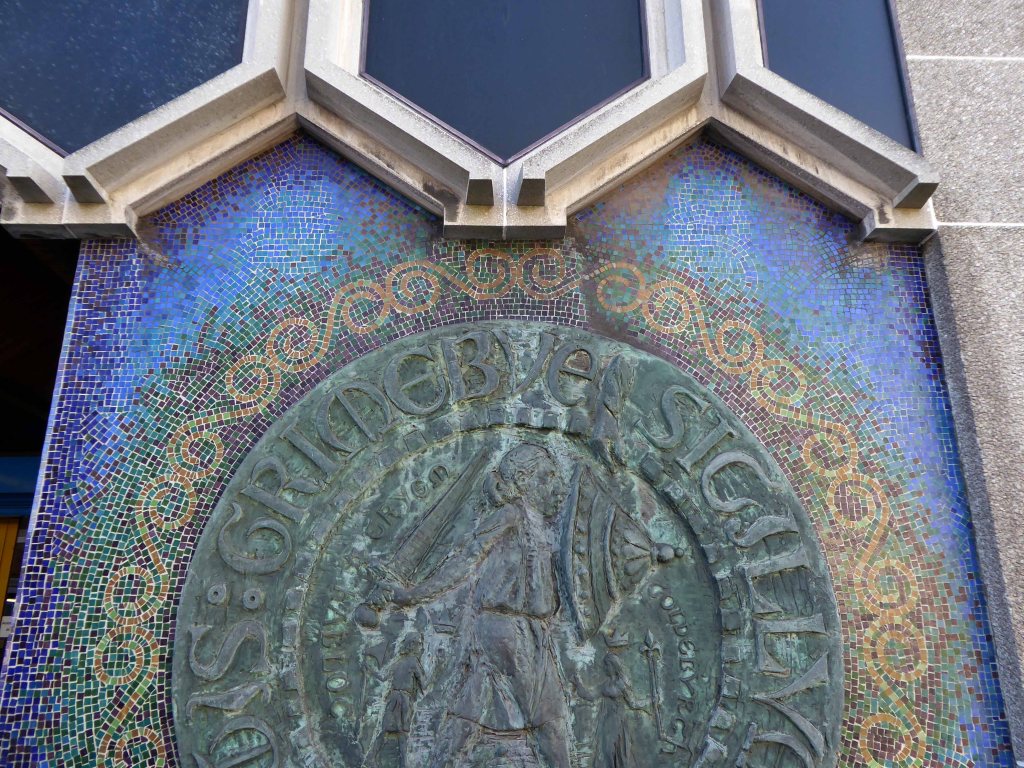
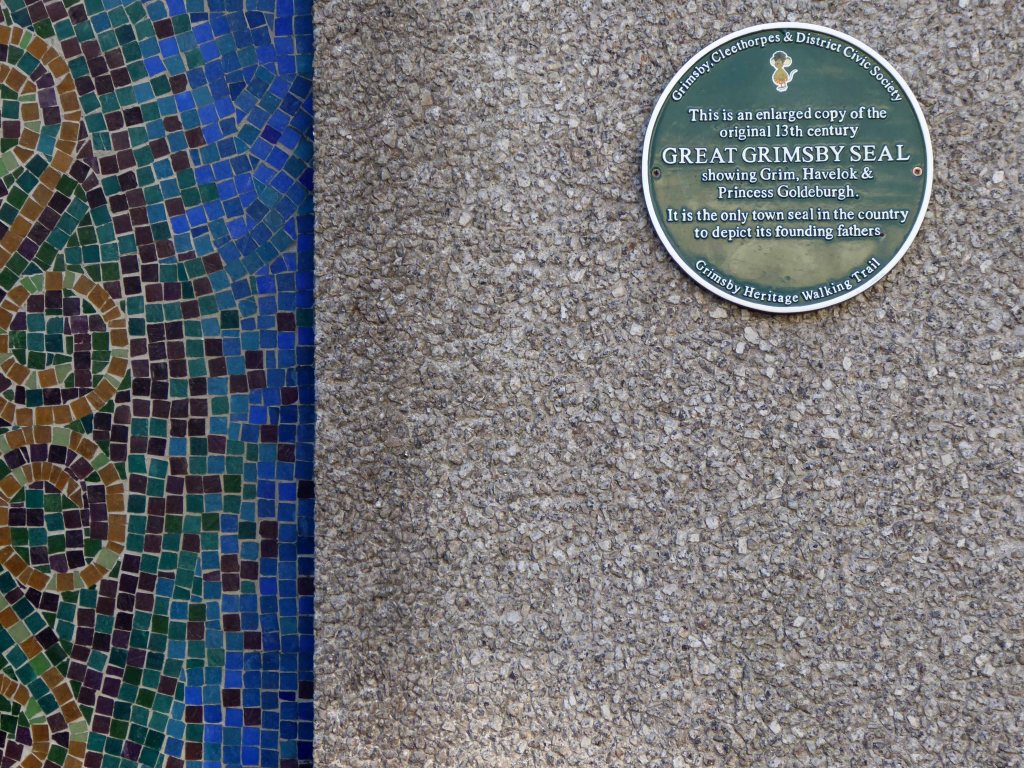
The bold exterior grid is enhanced by a honeycombed grille above the entrance, along with a mosaic depicting the town’s seal.

The mosaic is the work of Harold Gosney – who is also responsible for the Abbey Walk reliefs

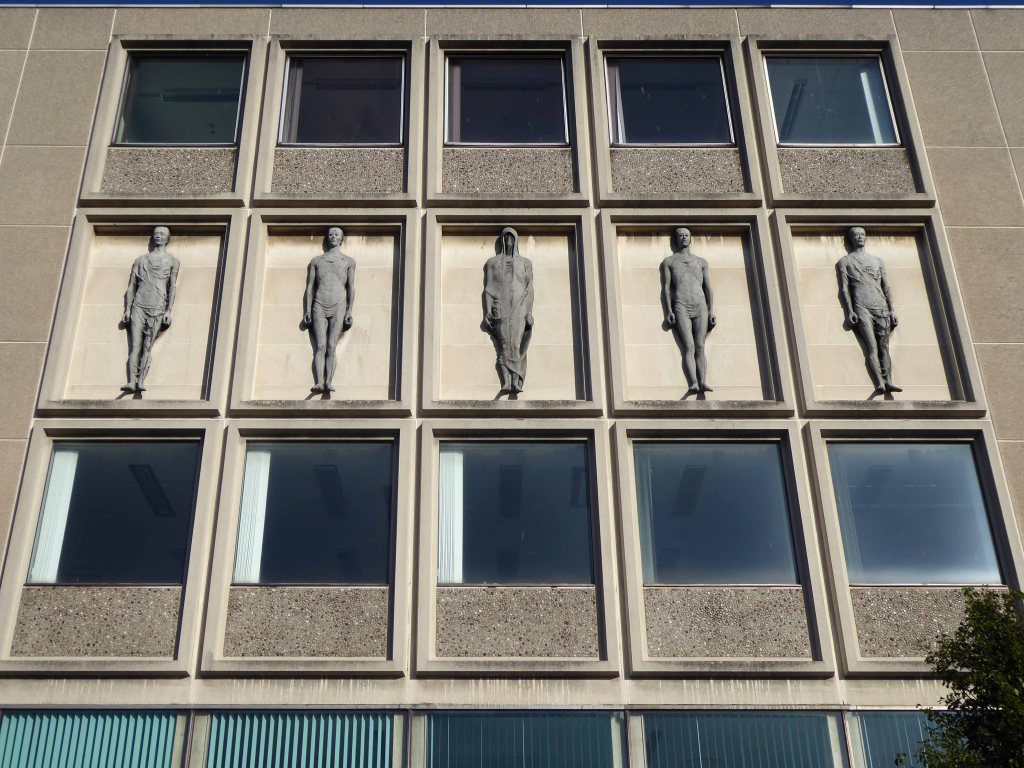
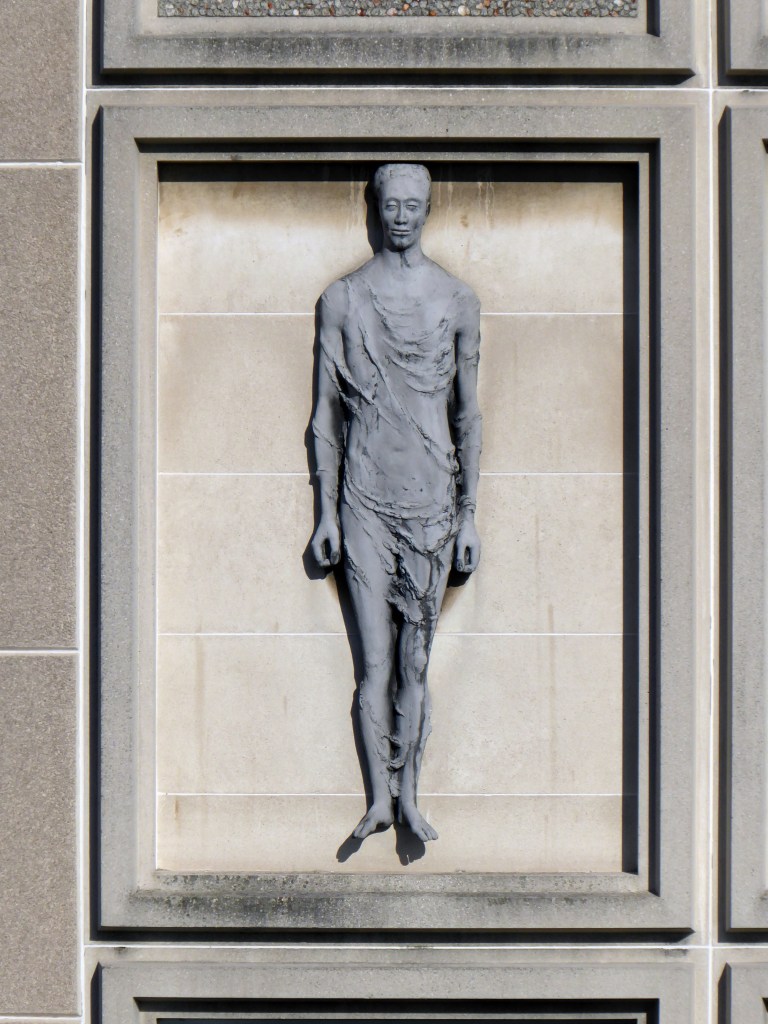
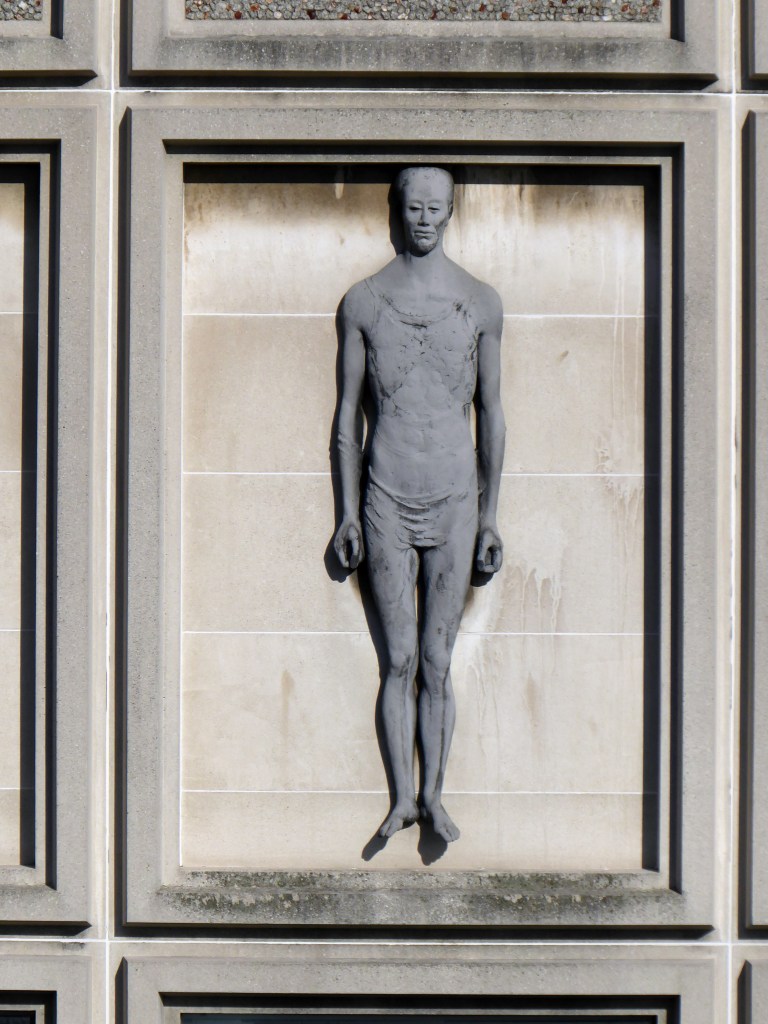
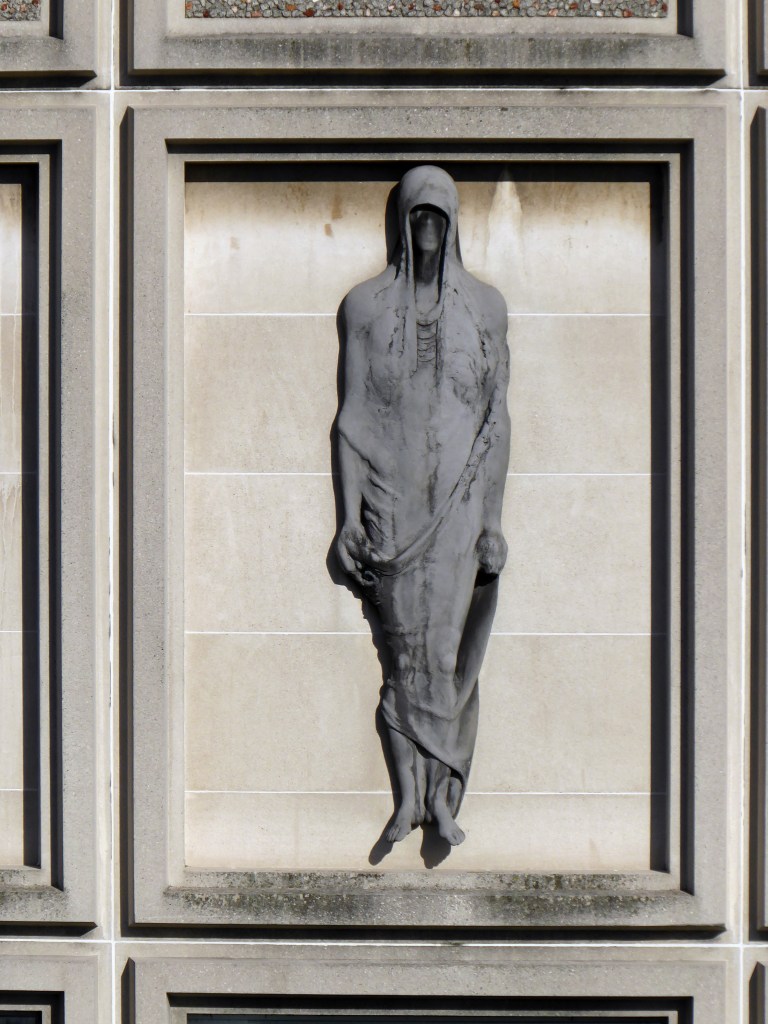
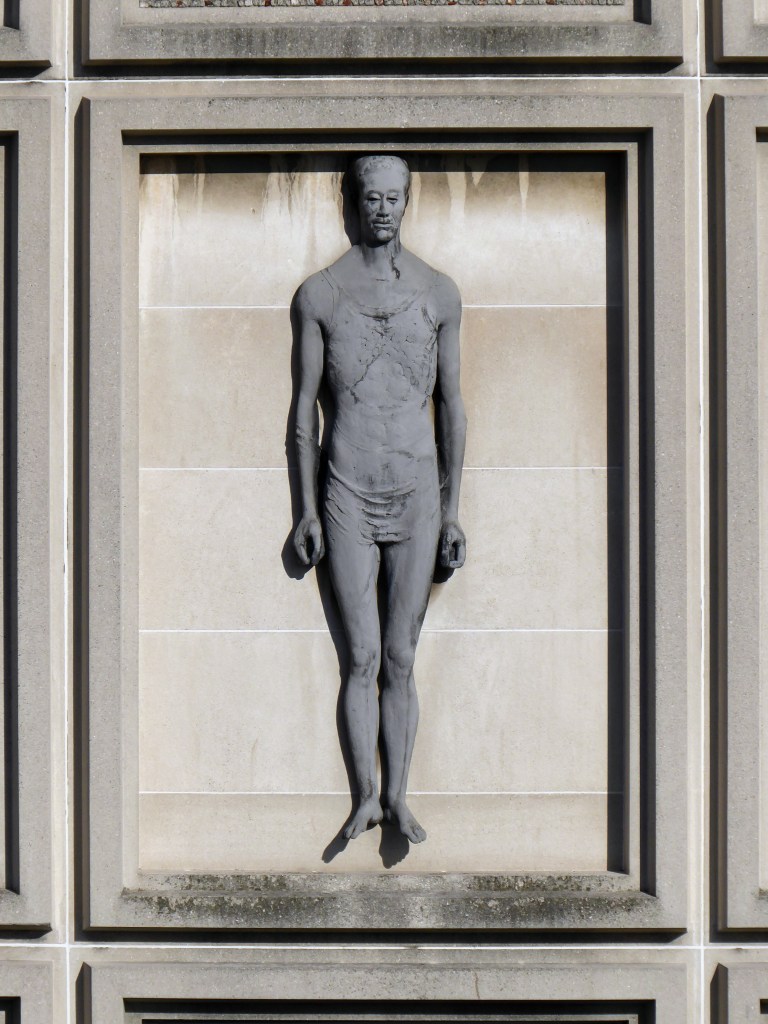
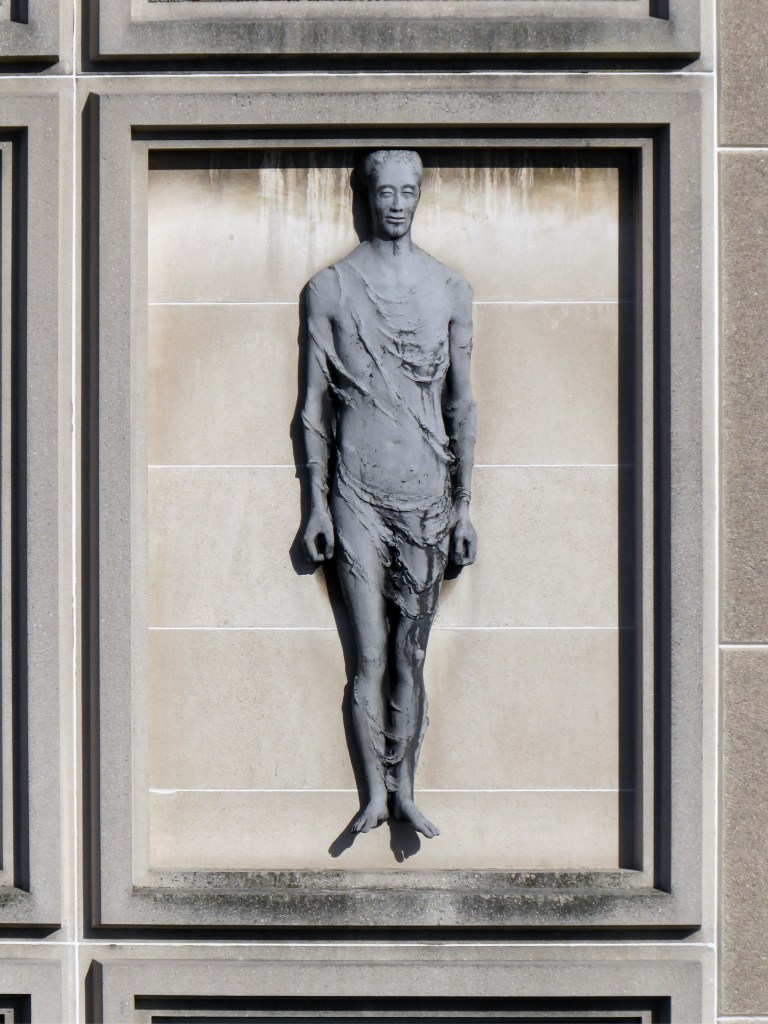
The Guardians of Knowledge which adorn the south facing elevation of the library are the work of Peter Todd former head of Grimsby Art School

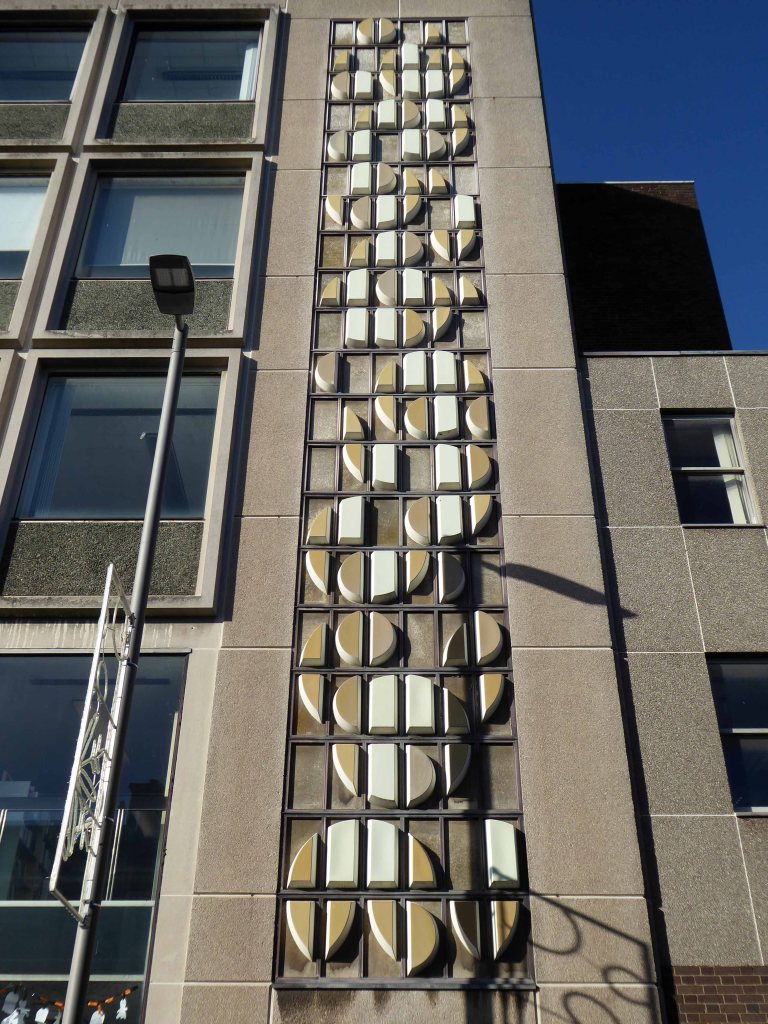
To the rear of the building is a modular relief.

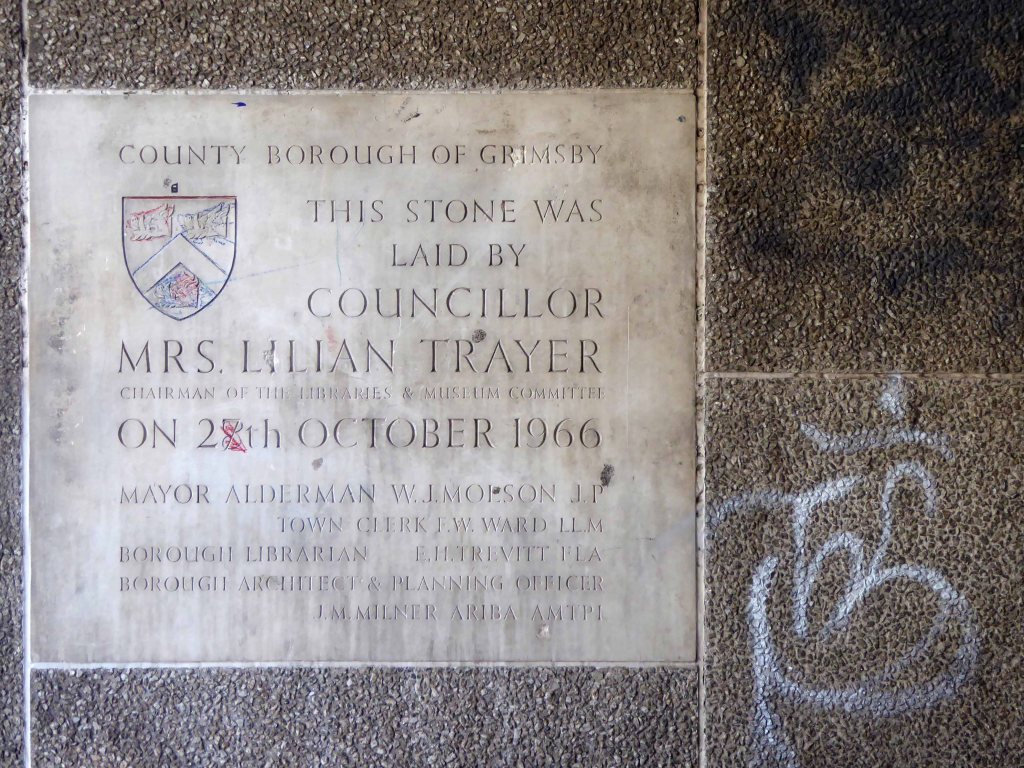
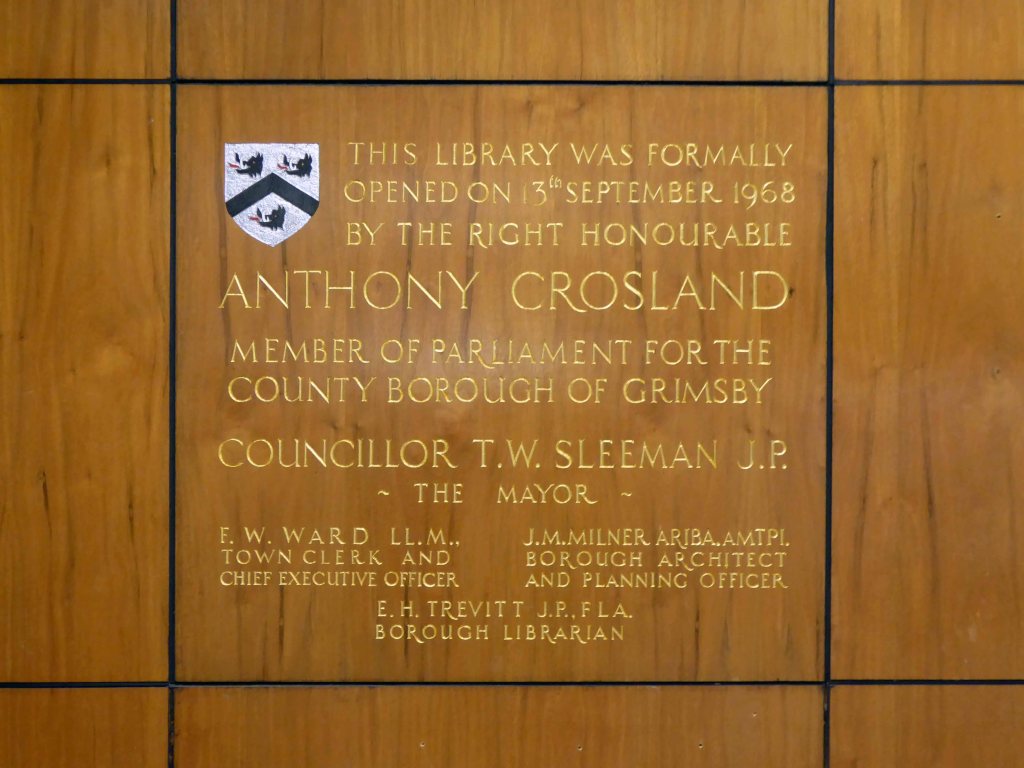
Inside the entrance porch a commemorative plaque.

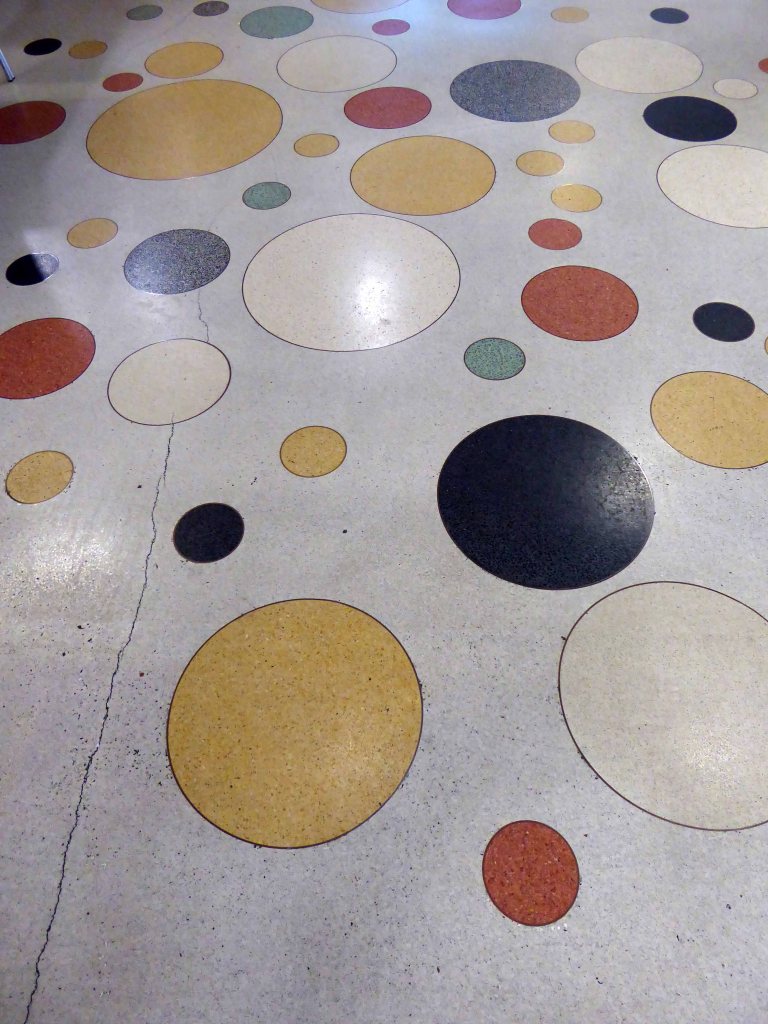
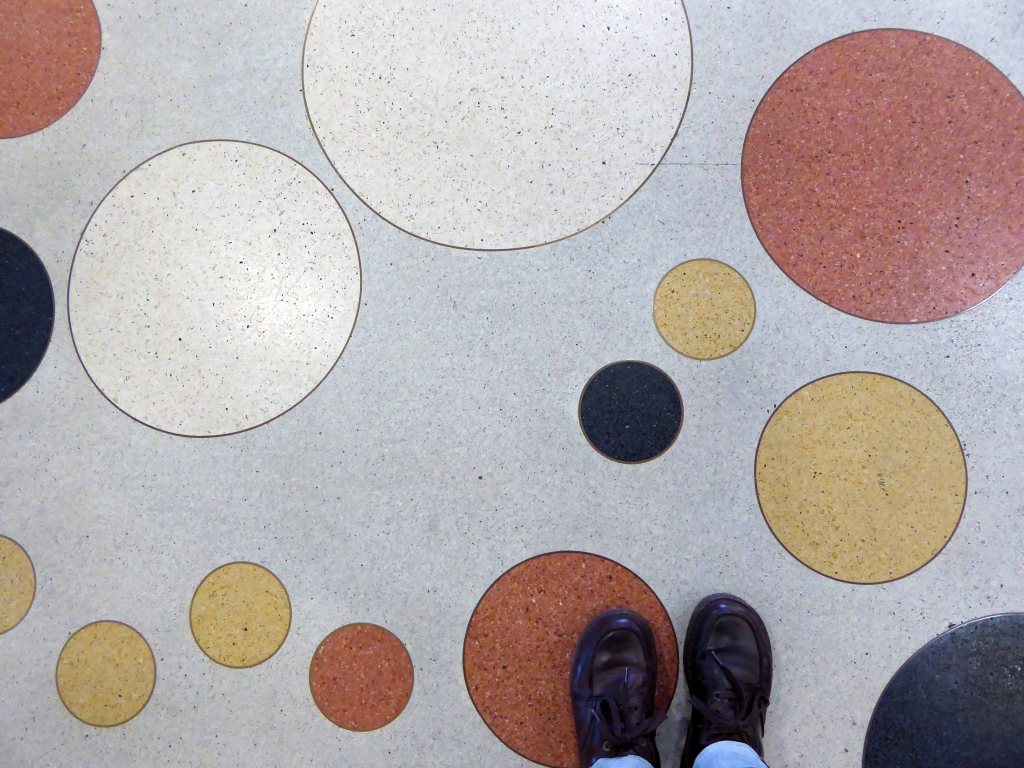
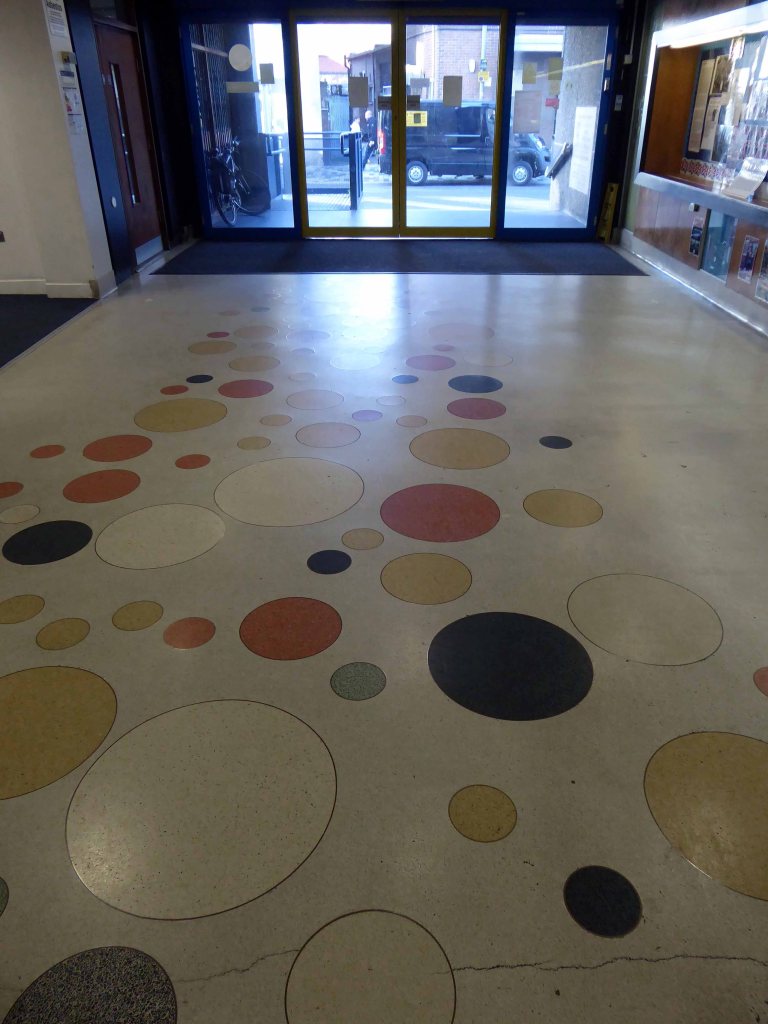
Once inside, what a pleasure it is tread upon this interstellar inset stone flooring.

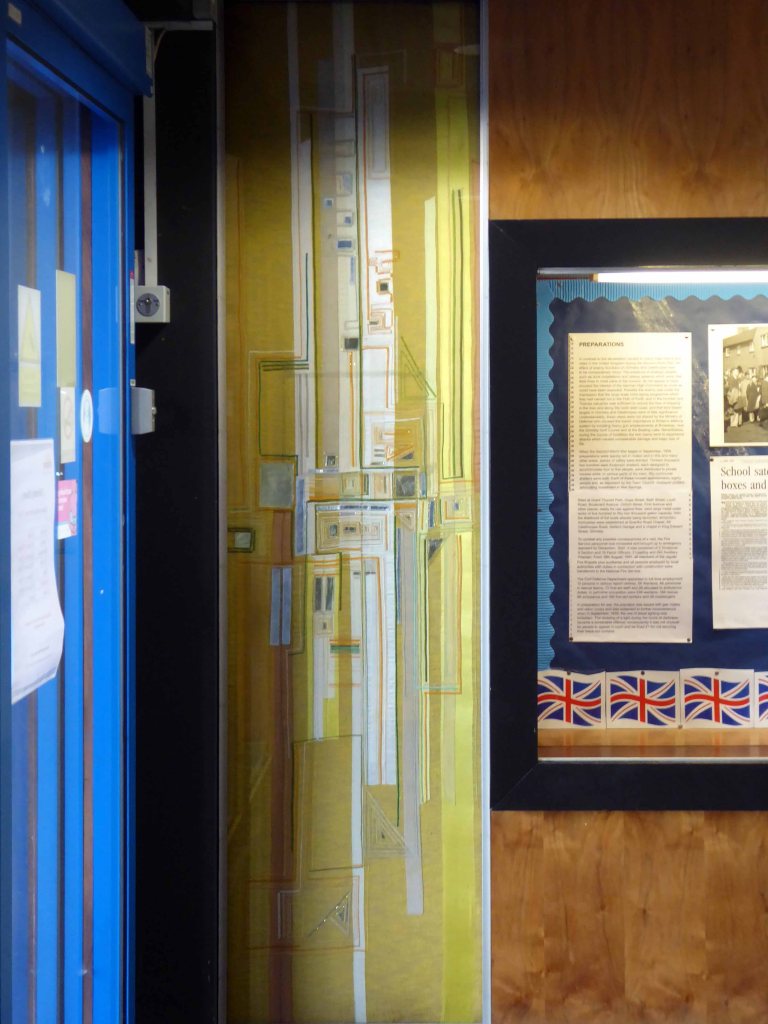
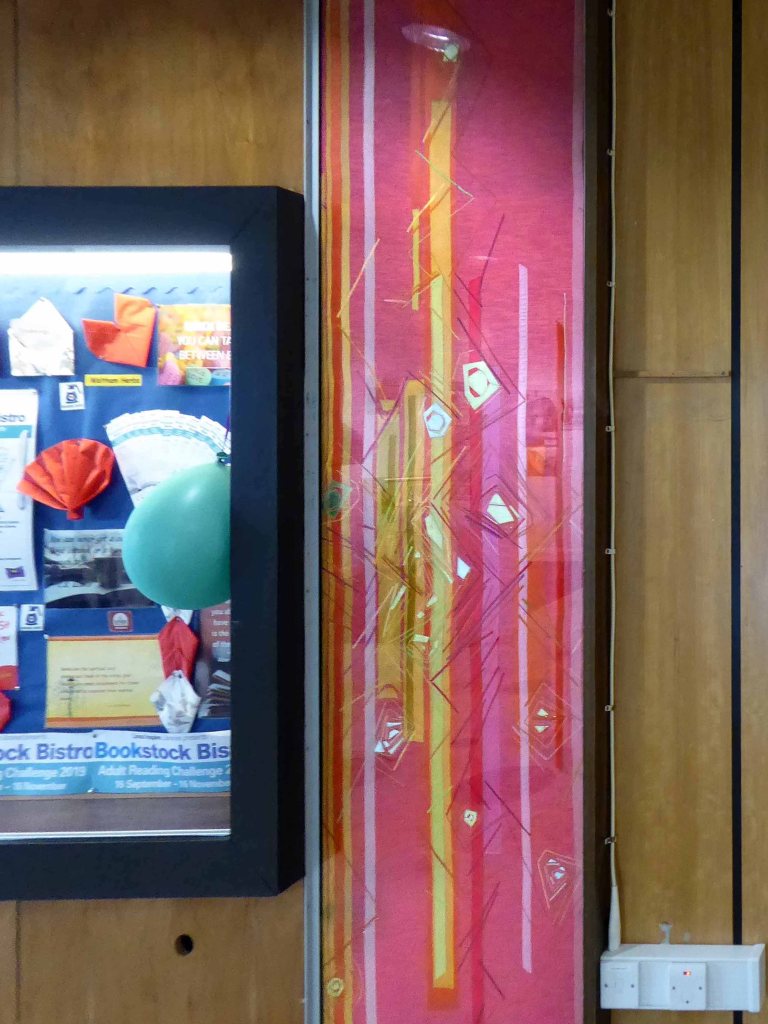
Either side of the lobby display case there are two vertical tapestries.

Along with a further plaque commemorating the opening on the 3rd September 1968 – by the then local MP Anthony Crosland.

Crosland looked ahead to a time where “personal freedom, happiness and cultural endeavour; the cultivation of leisure, beauty, grace, gaiety and excitement… might be pursued.” After he was elected MP for Grimsby in 1959, he referred to the above passage in an early speech, insisting – to much laughter, cheering and applause from the audience, that “it is possible to achieve all these things in Grimsby, and especially at Blundell Park.”

May I take this opportunity to thank the ever so helpful library staff – for kindly granting me permission to photograph the main body of the library.

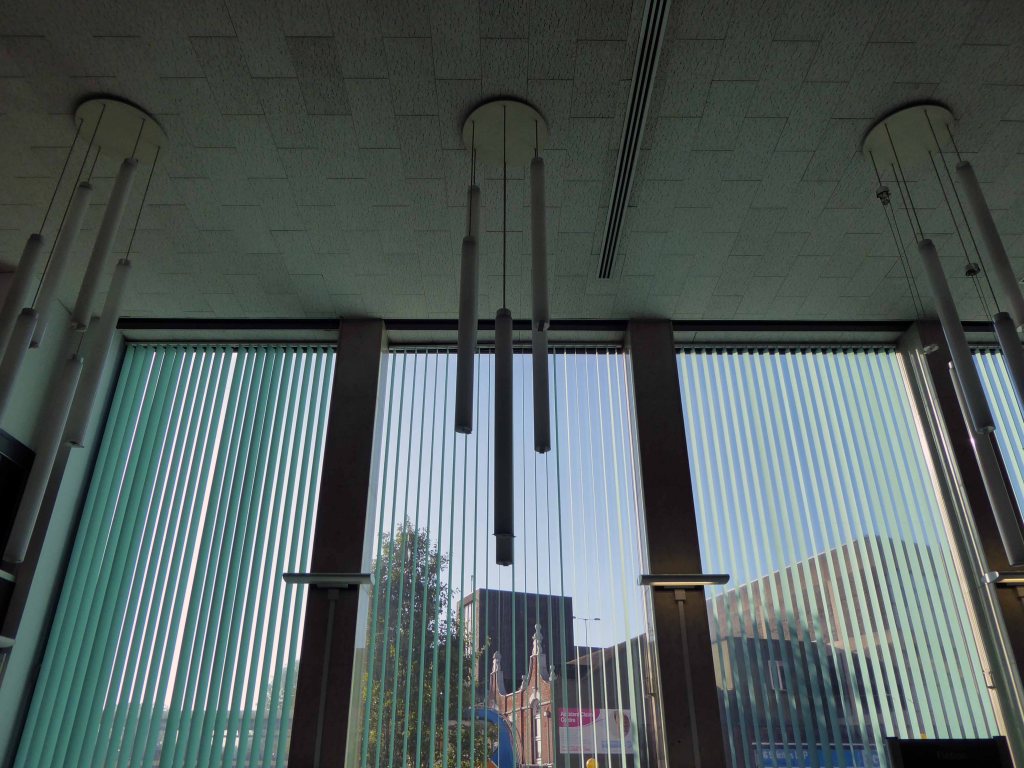
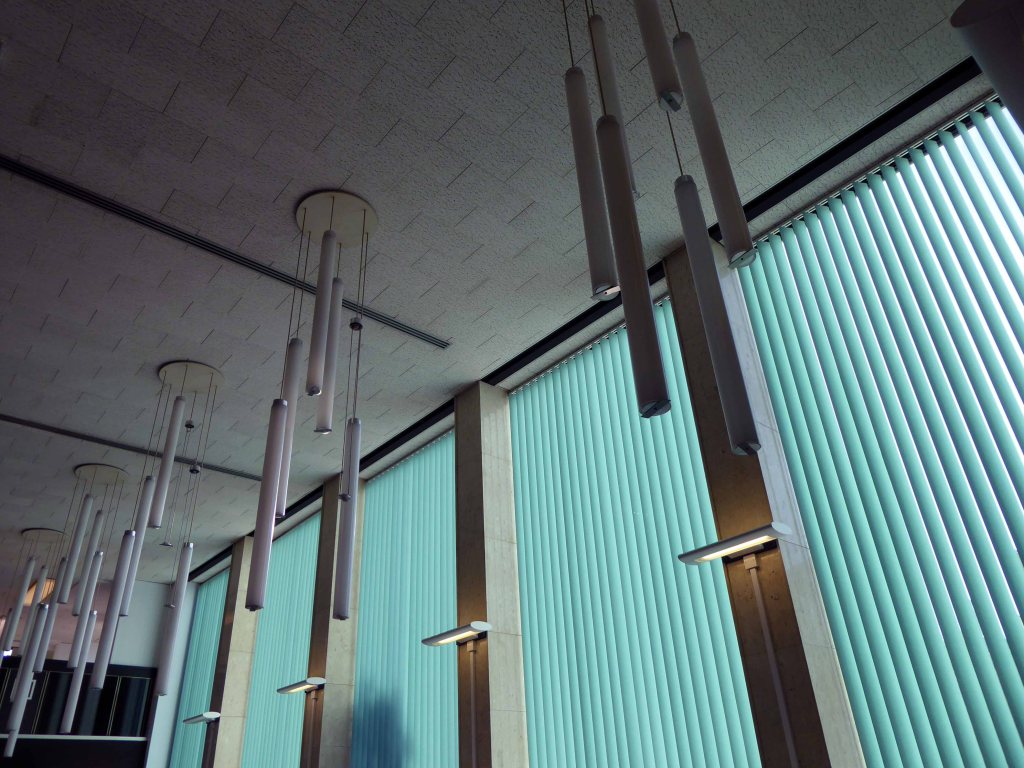
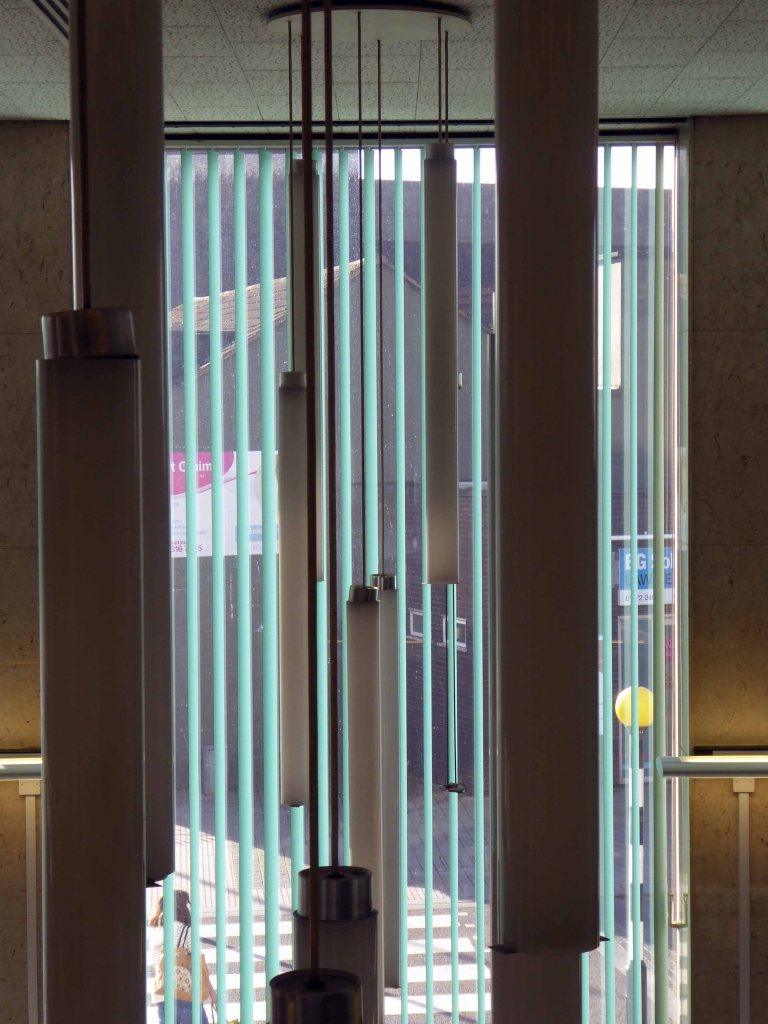
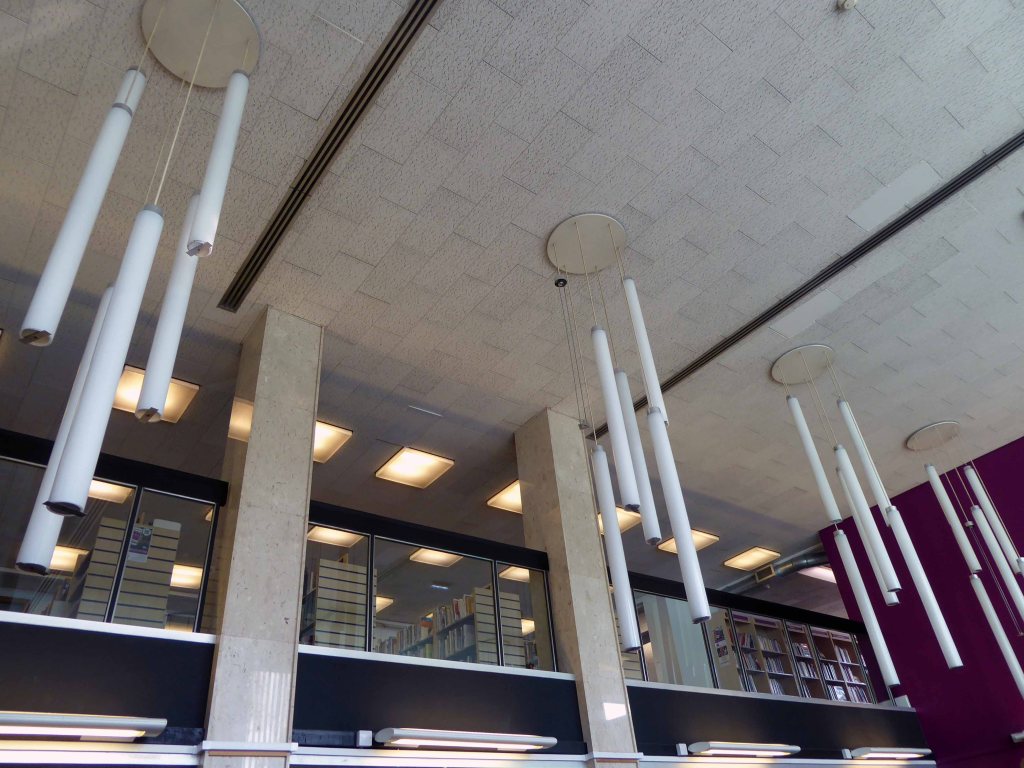
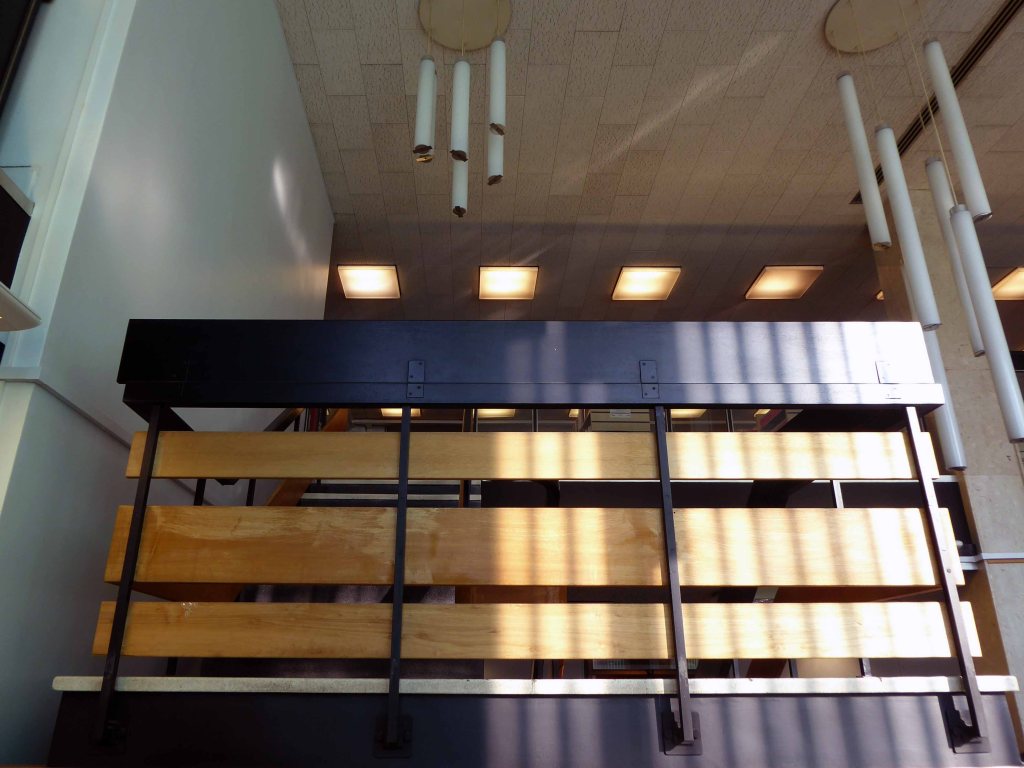
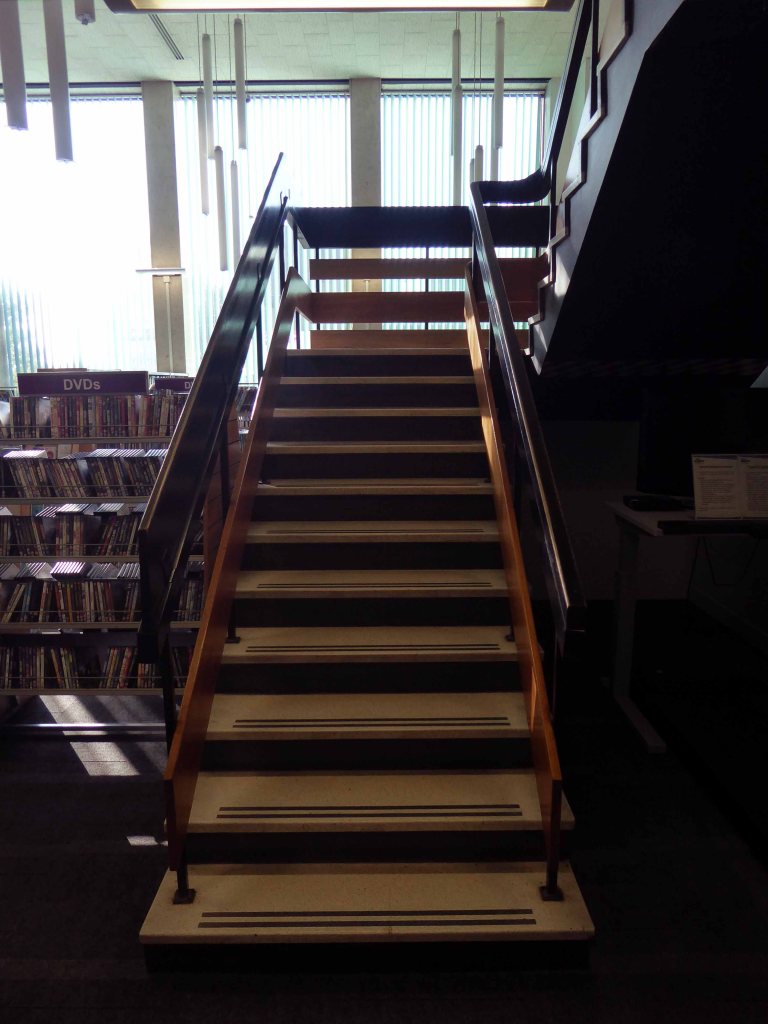
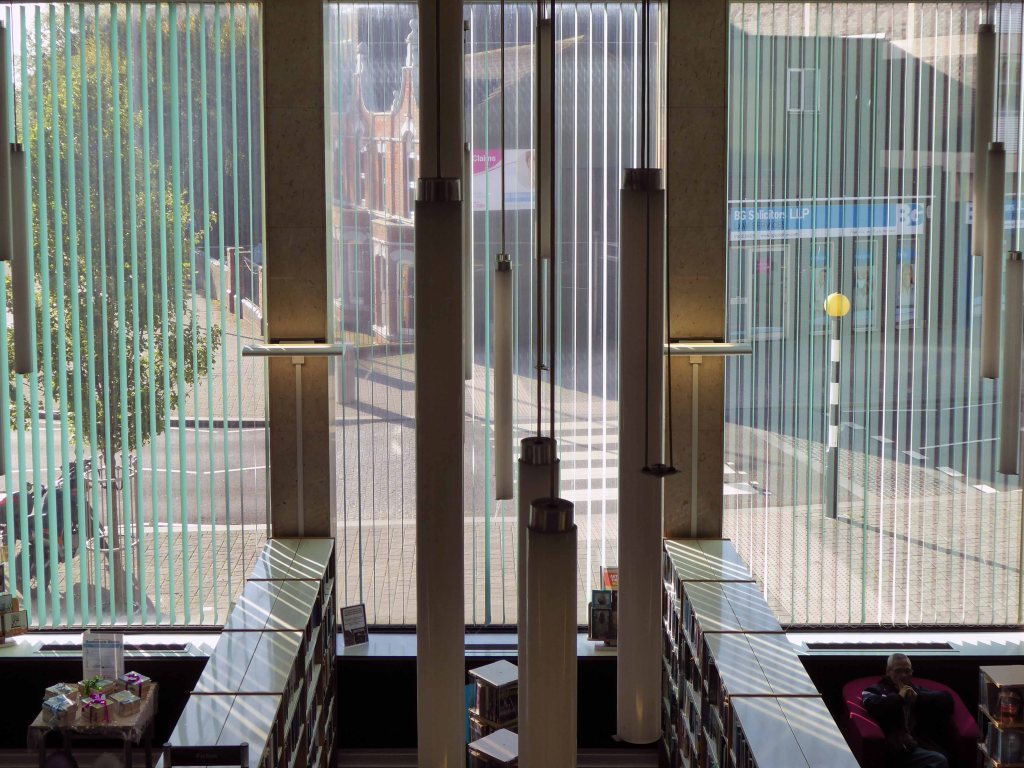
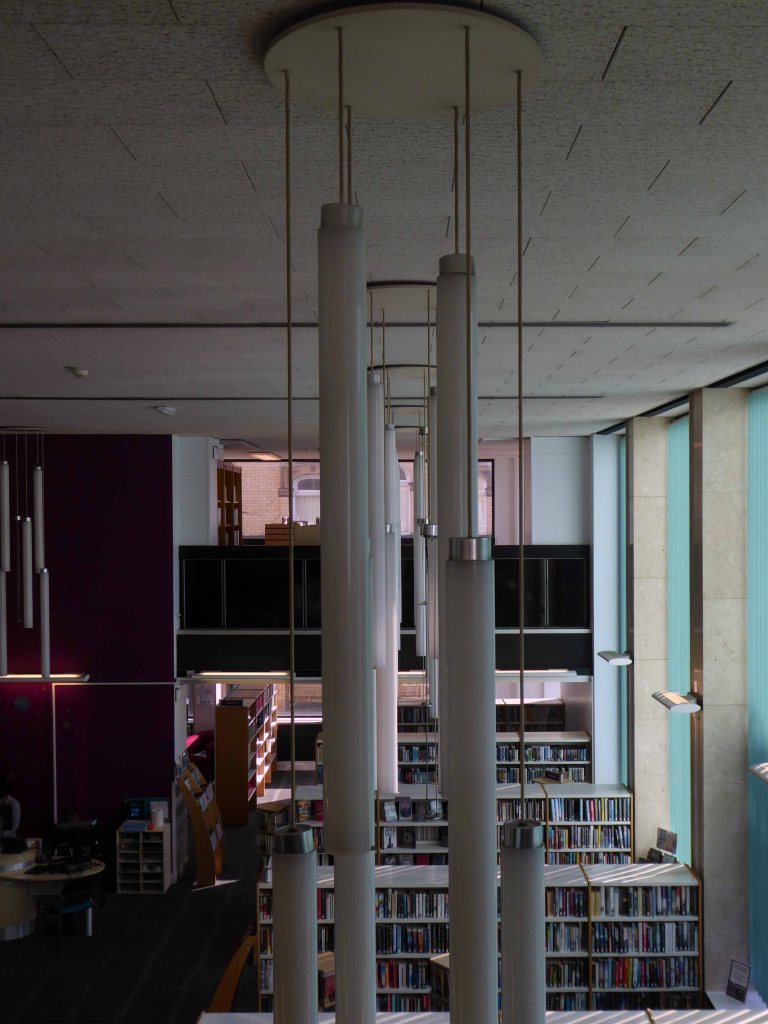
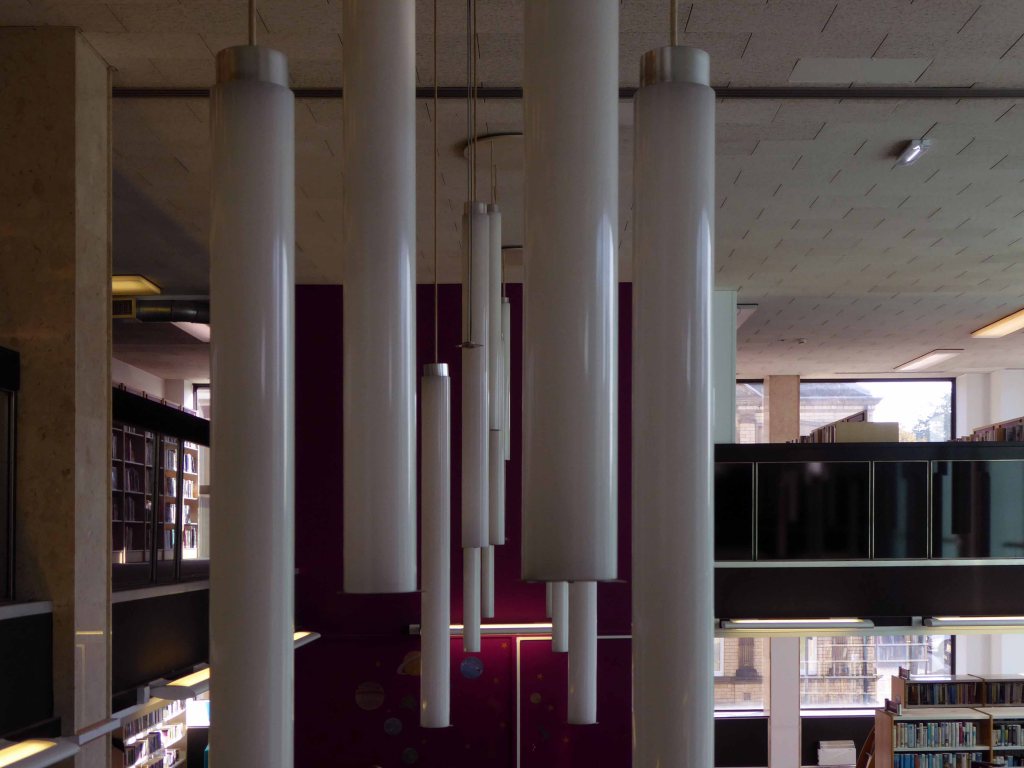
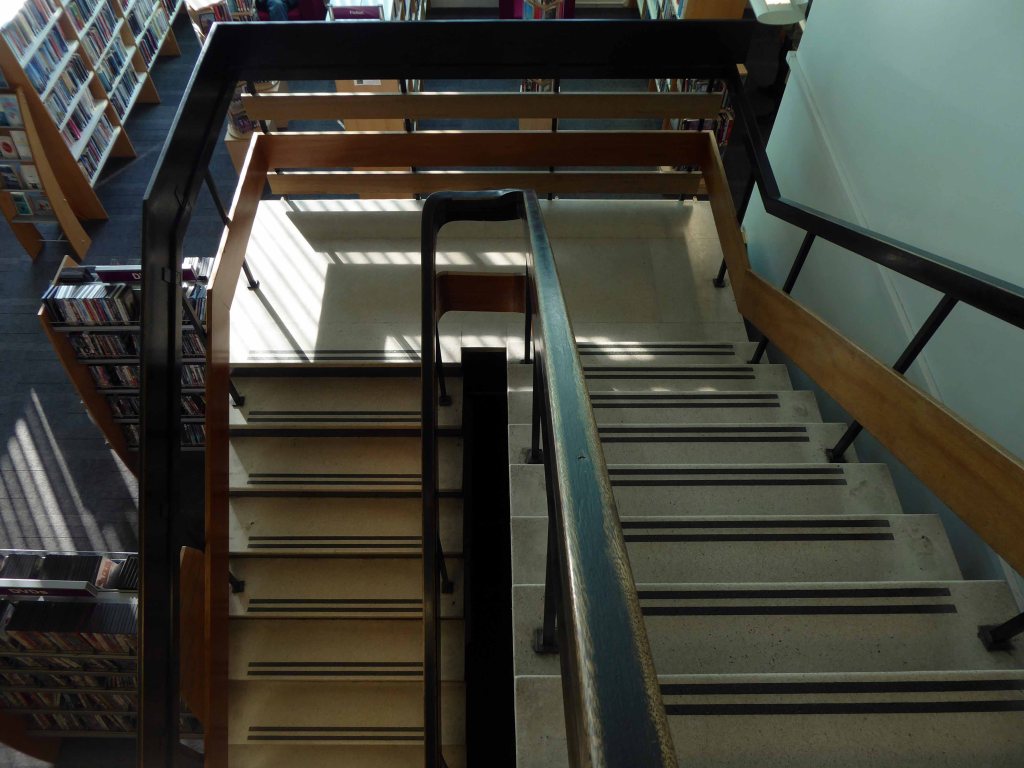
Many original fittings and fixtures are intact – particularly the distinctive vertical suspended lighting system and the steel and wood stairways.

The facilities were well used and lit by the expansive window space.

Let’s take another final look outside, and say a fond farewell to this fine building – go on treat yourself, take a trip to the East Coast and feast your eyes, heart and mind on this beauty.

Ta-ra Grimsby!

I’ll be back real soon.