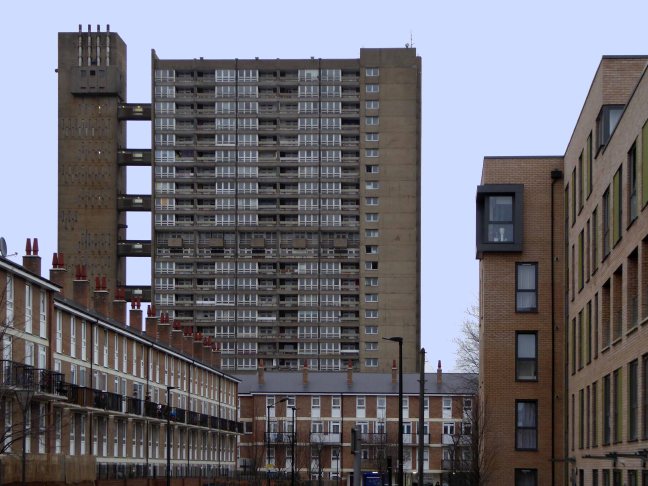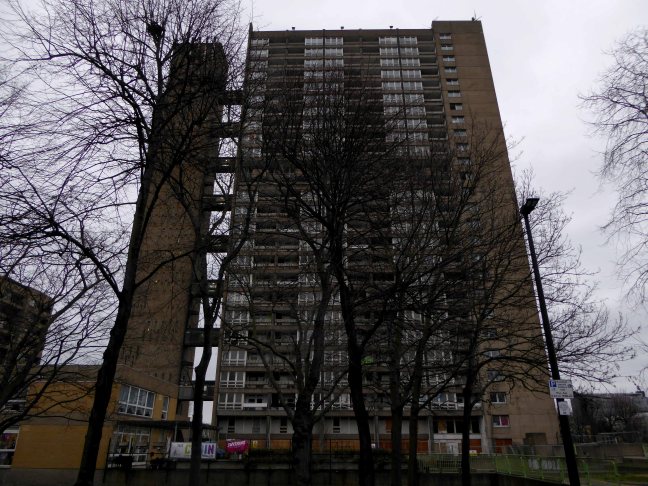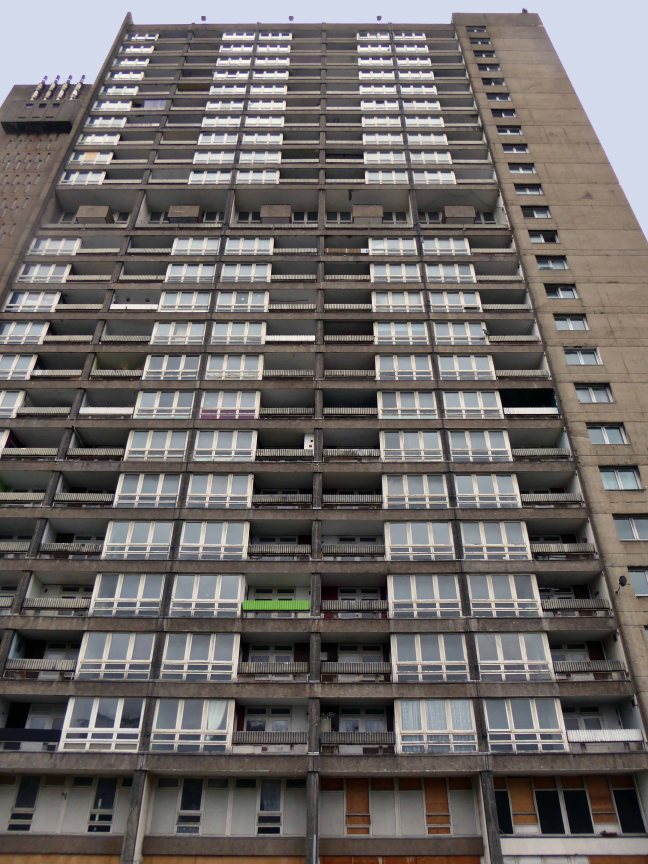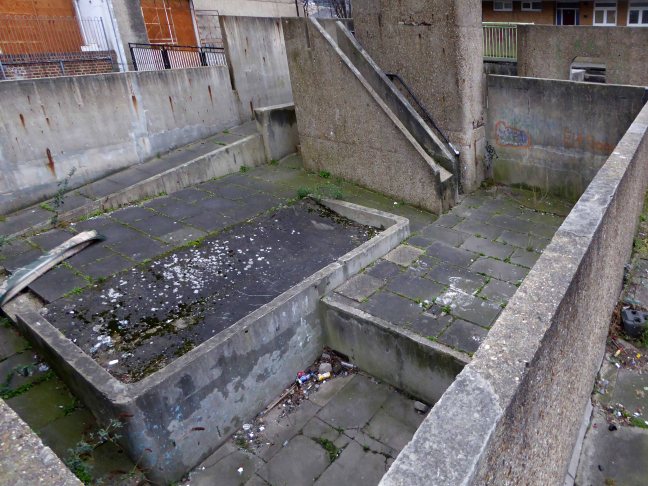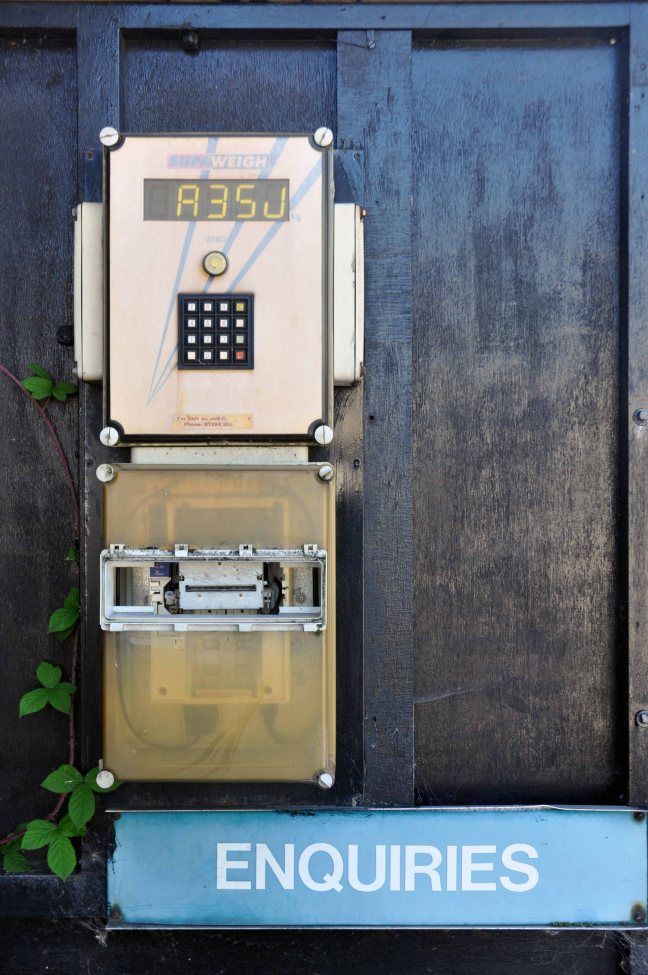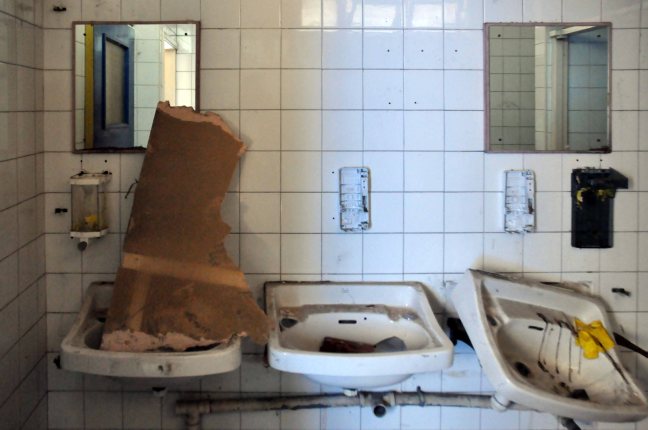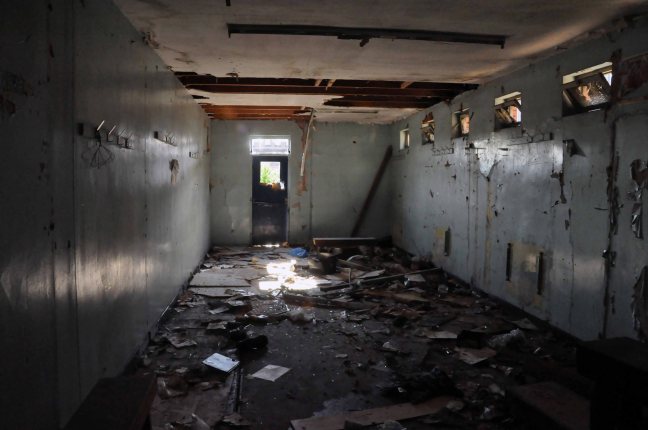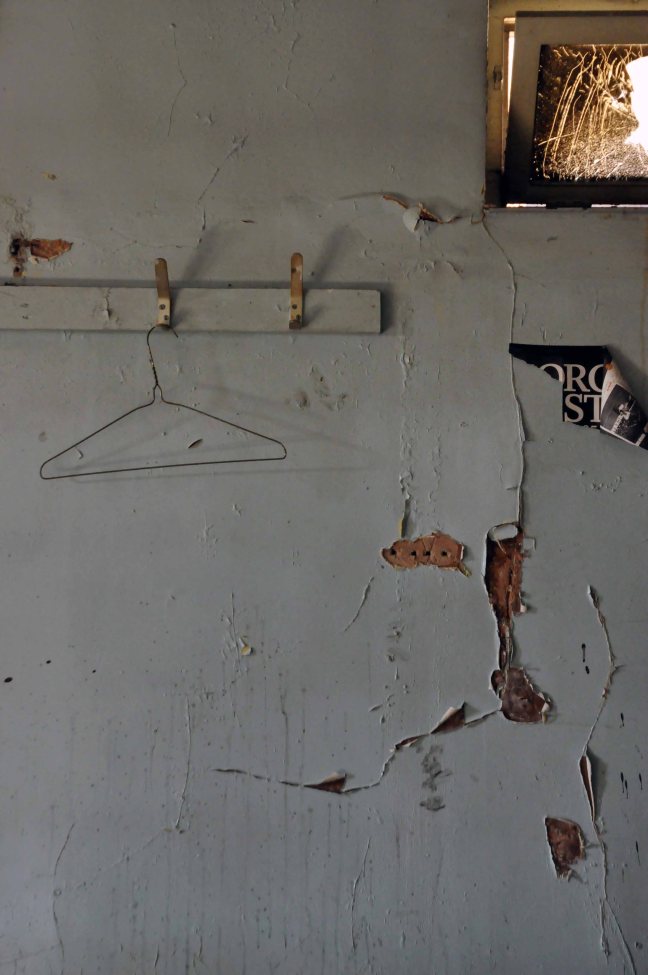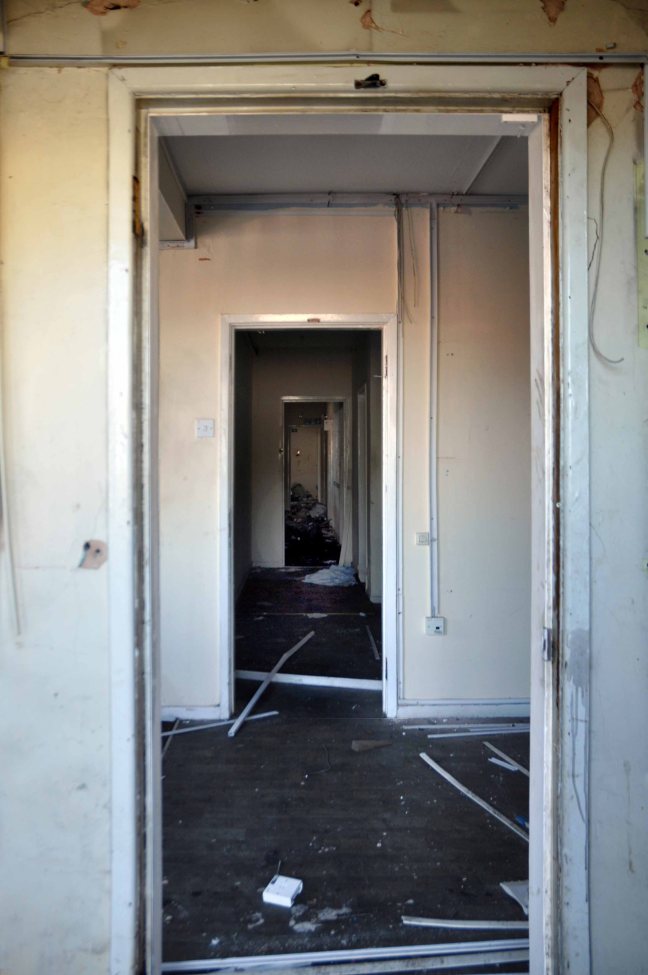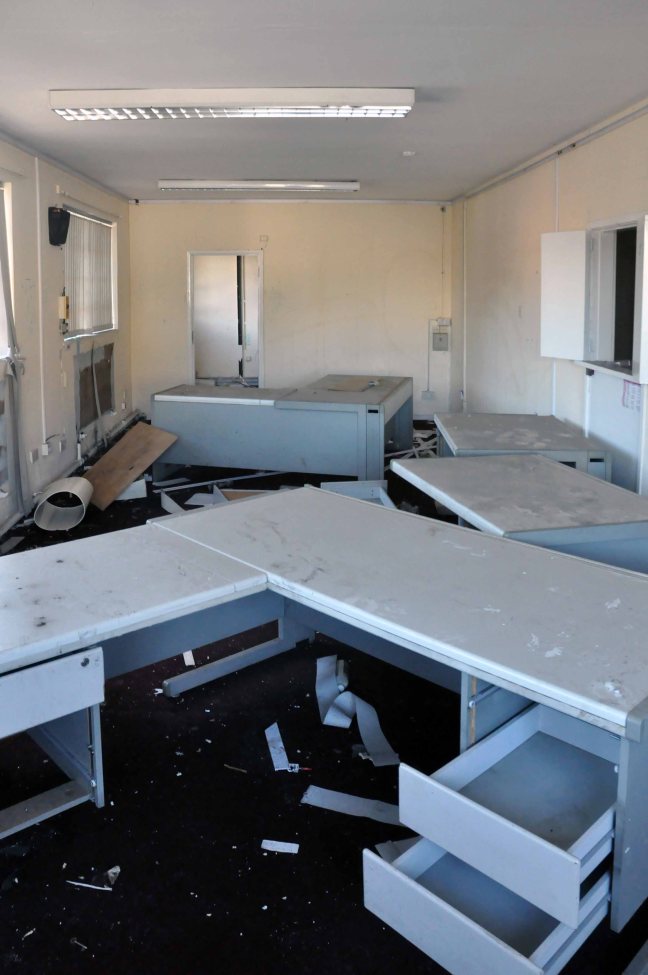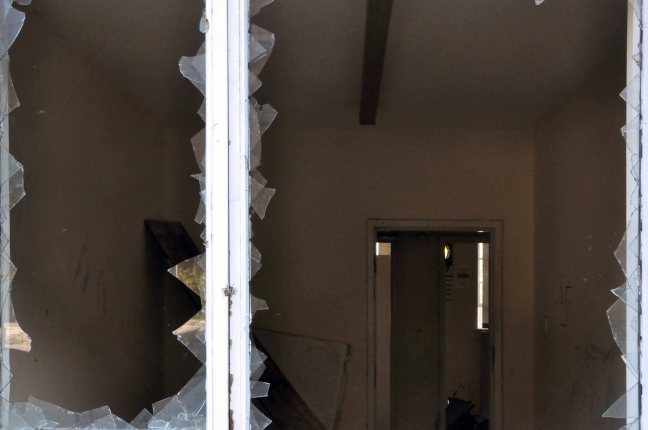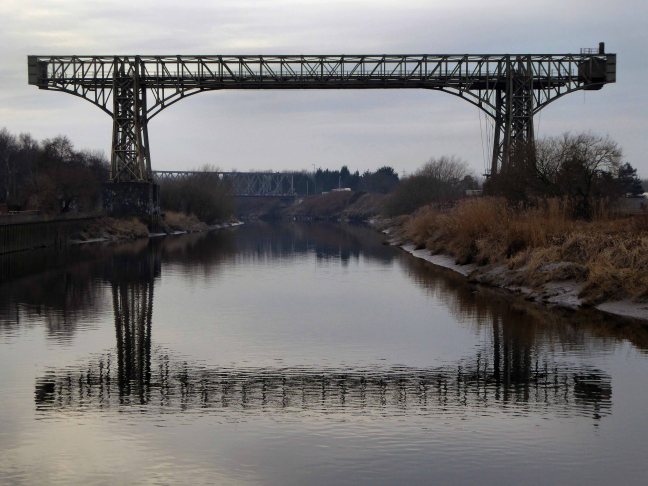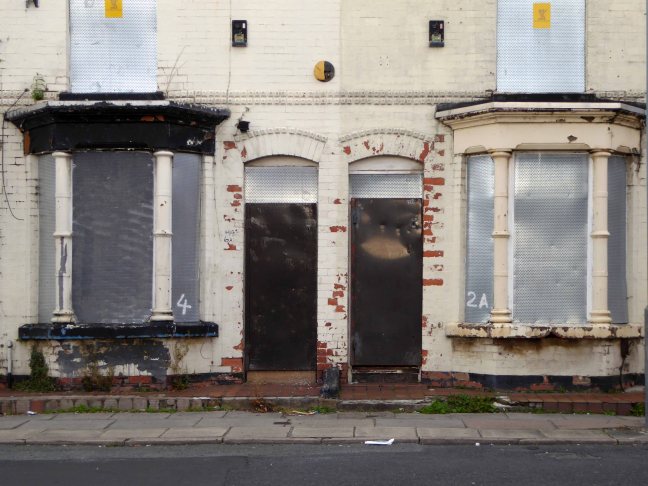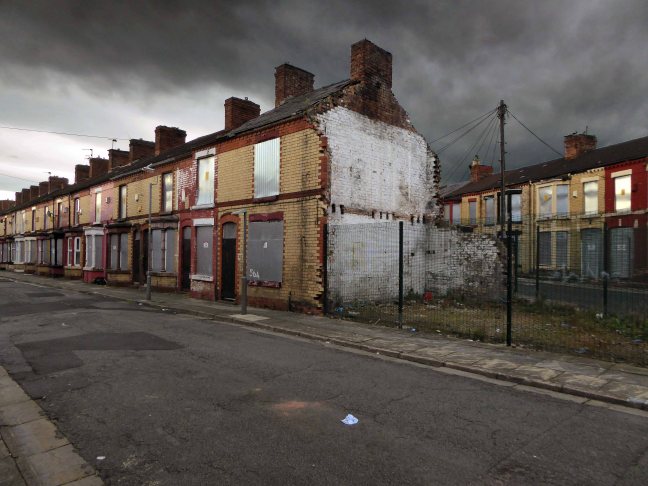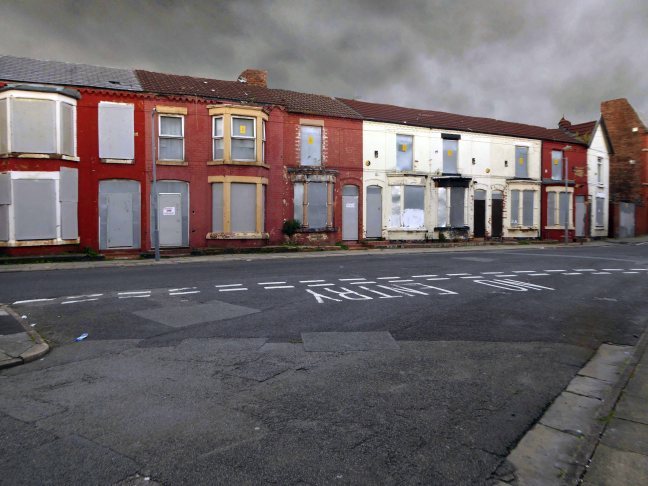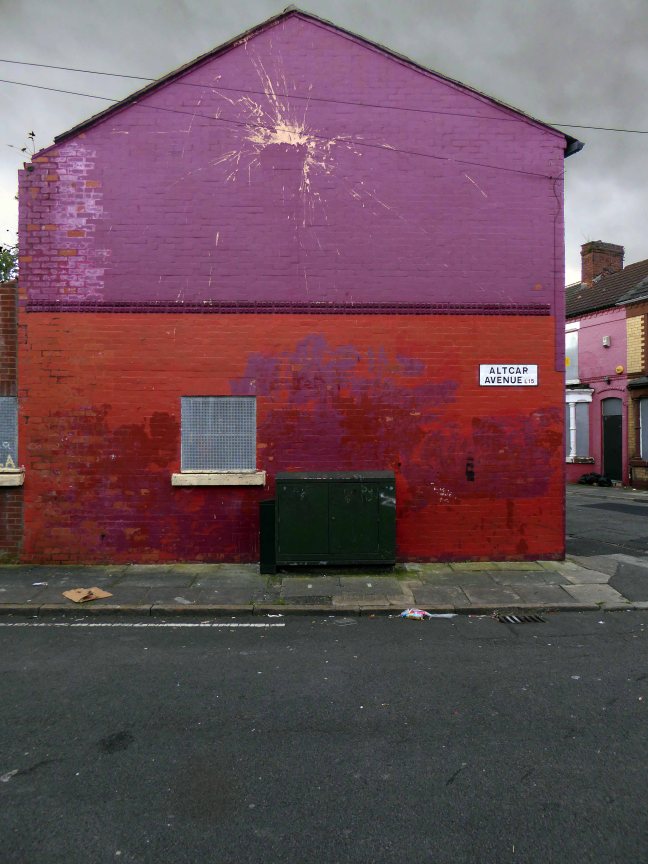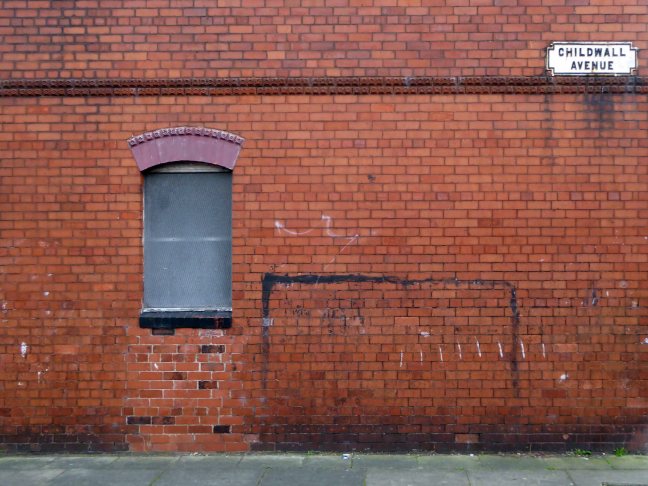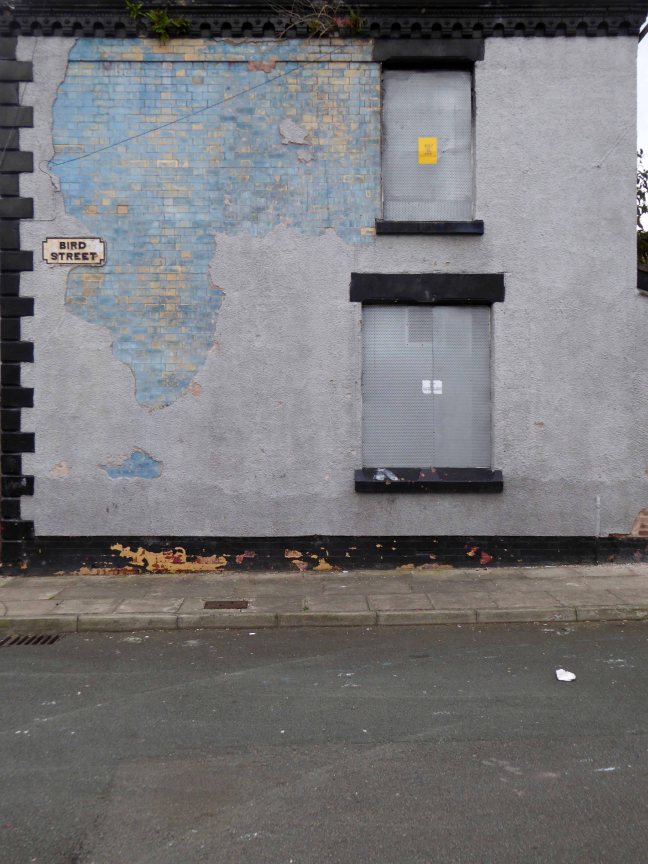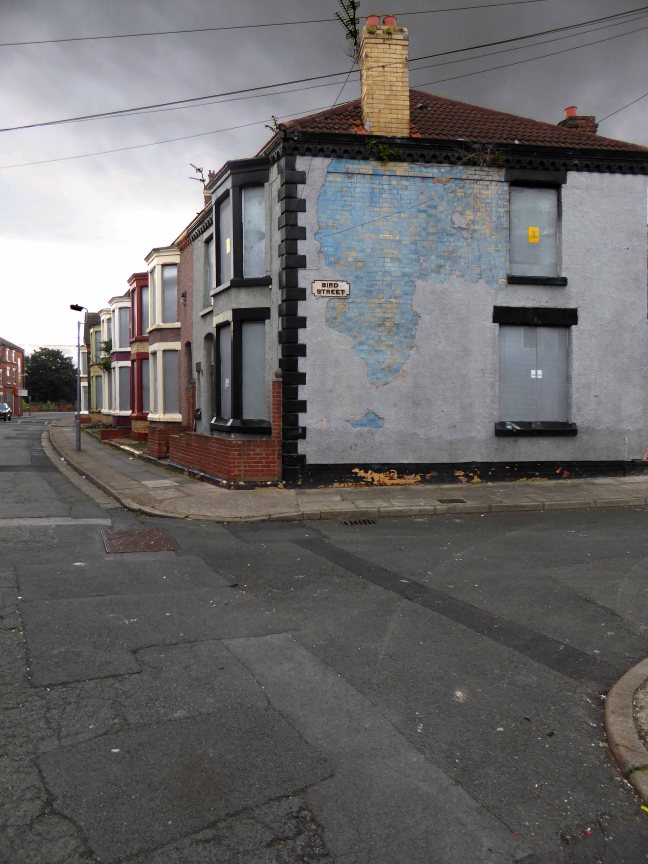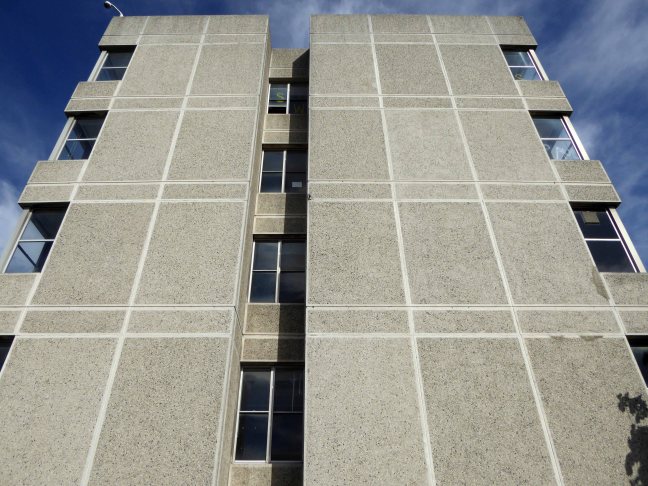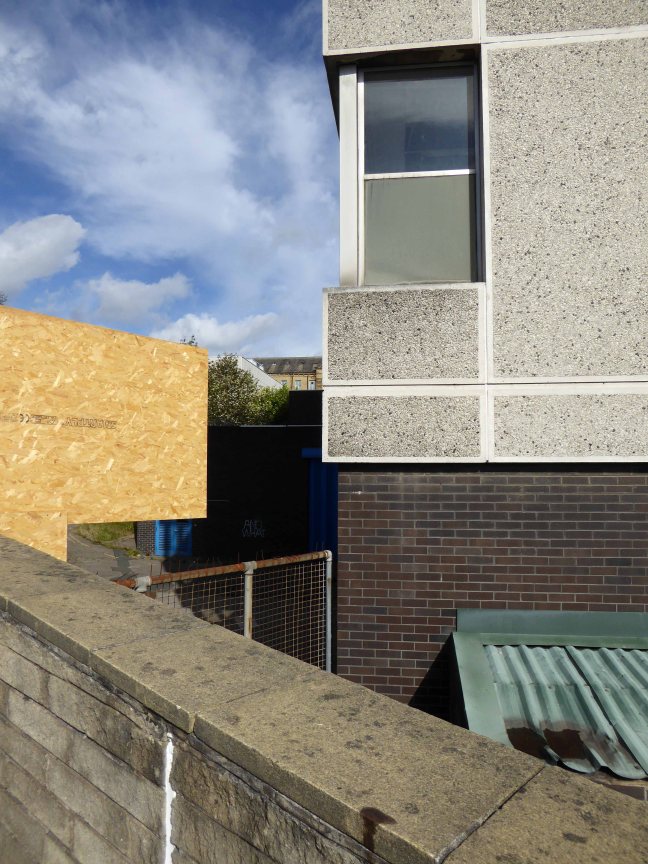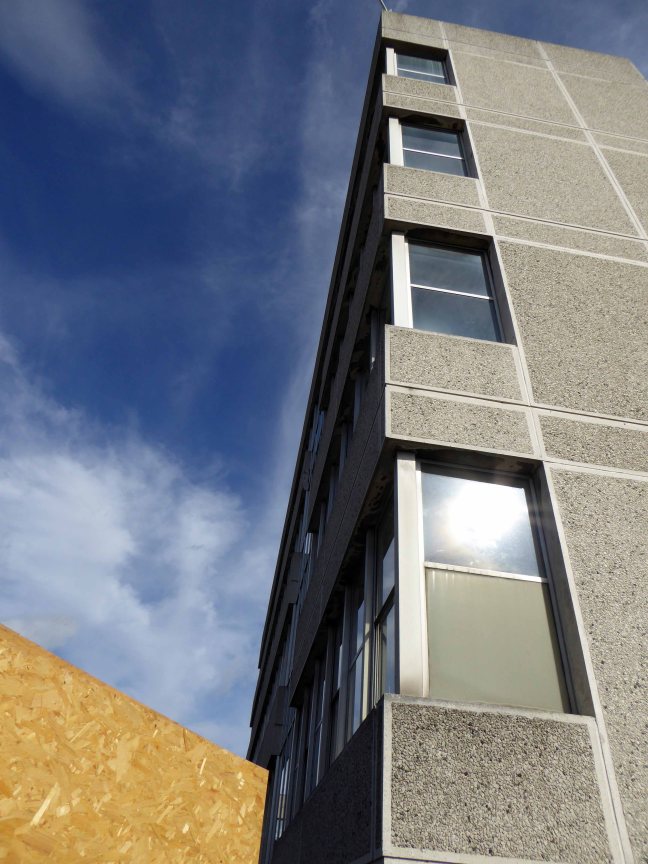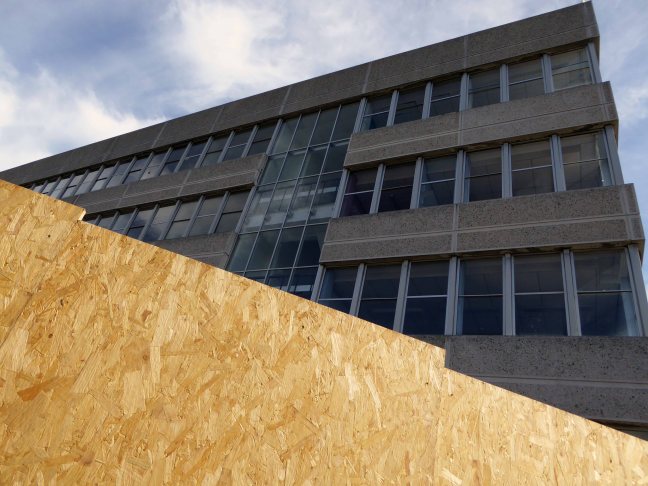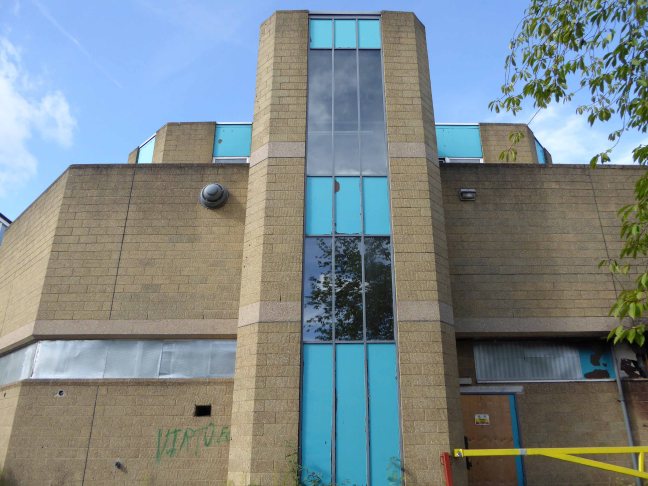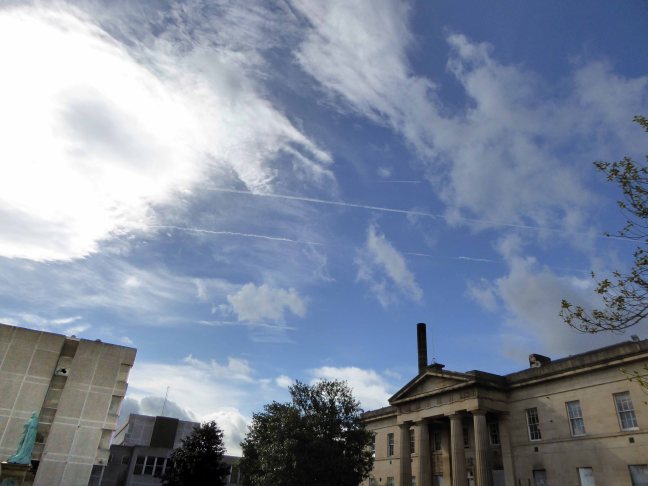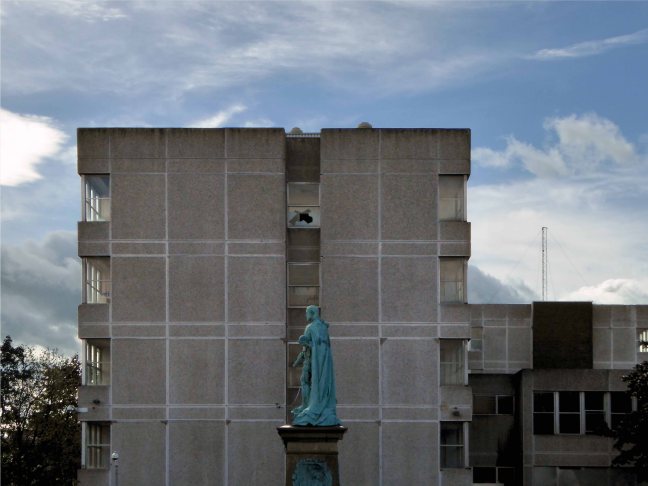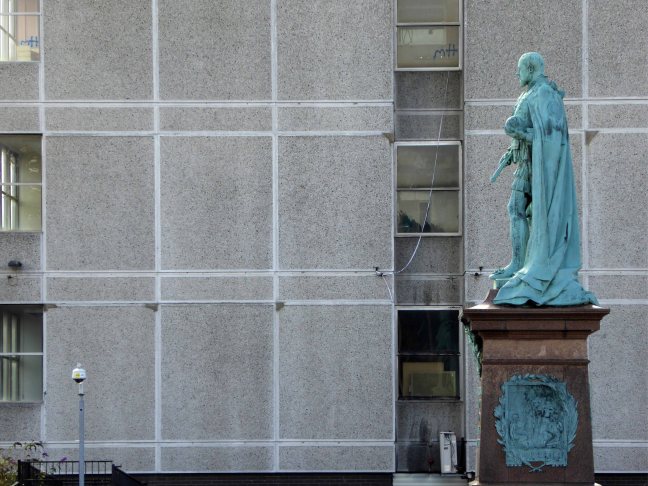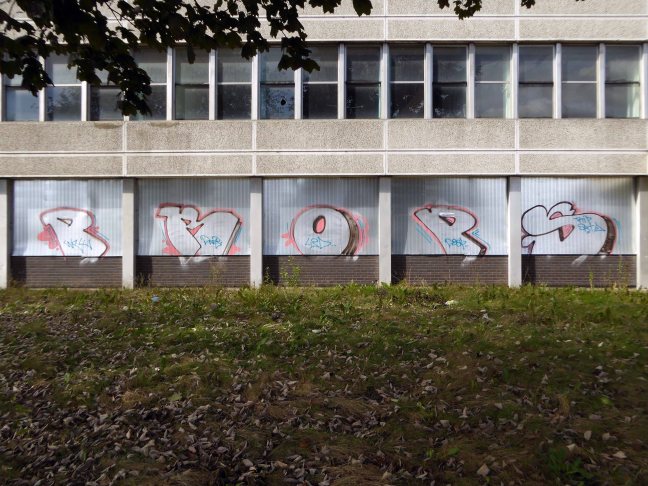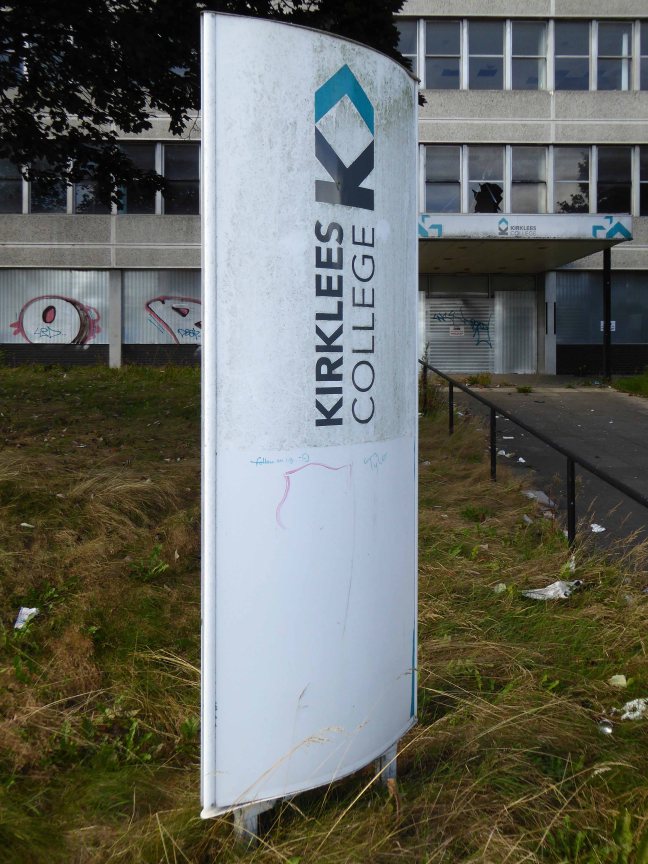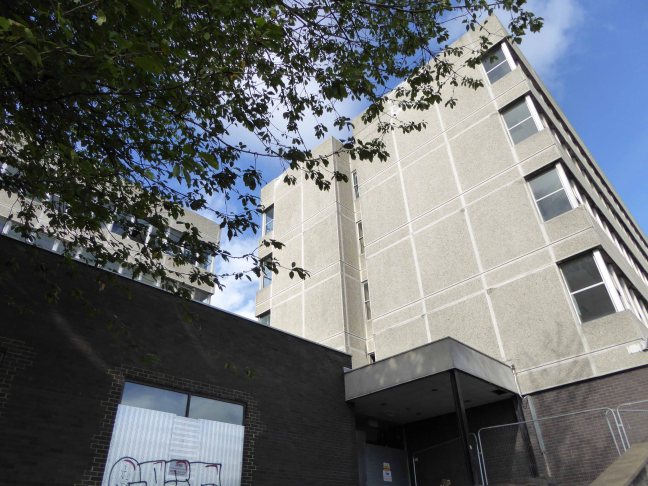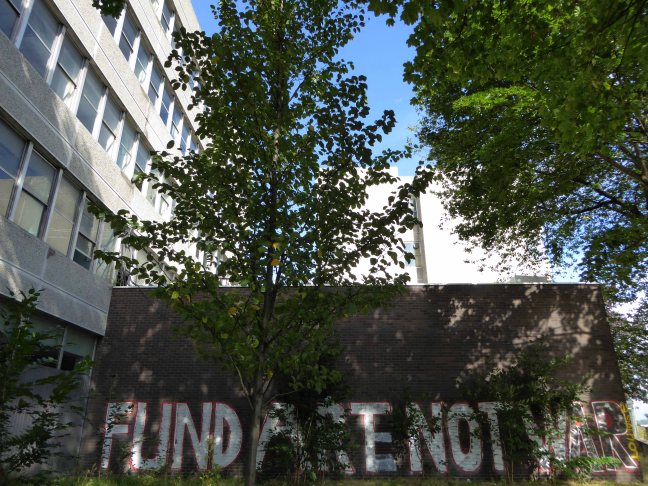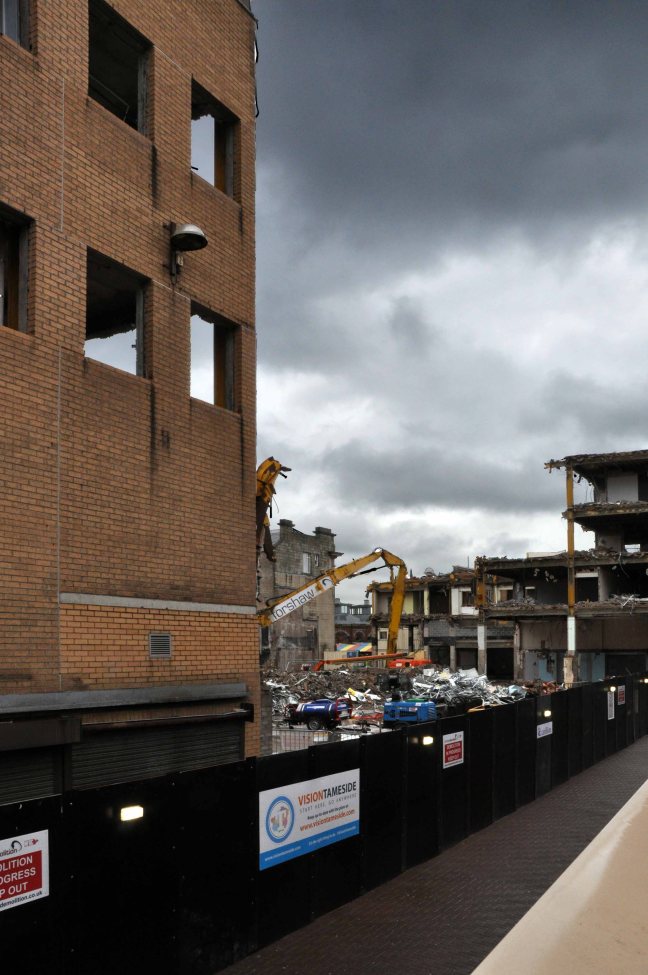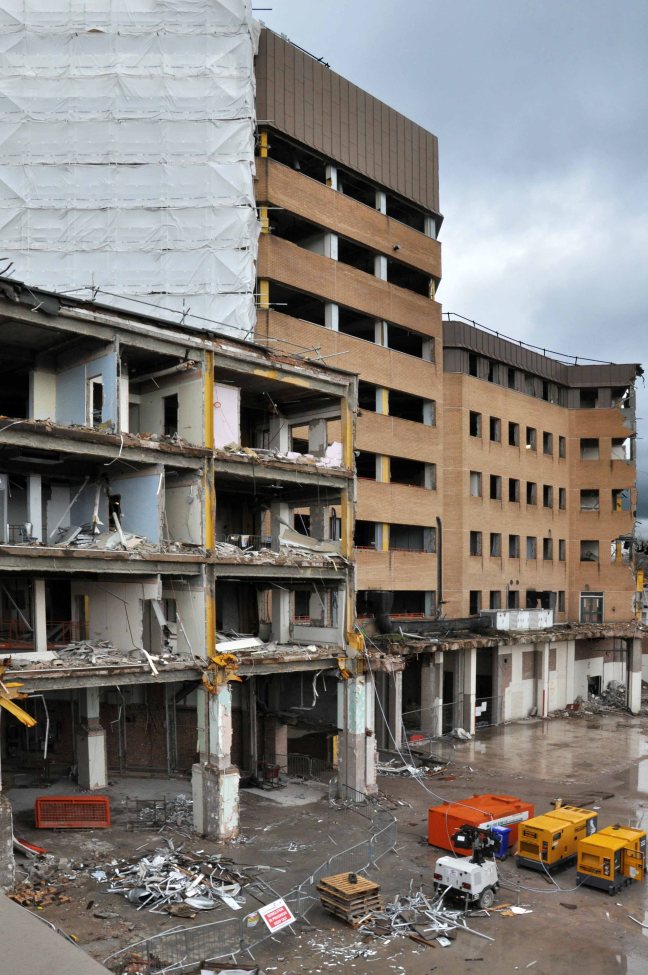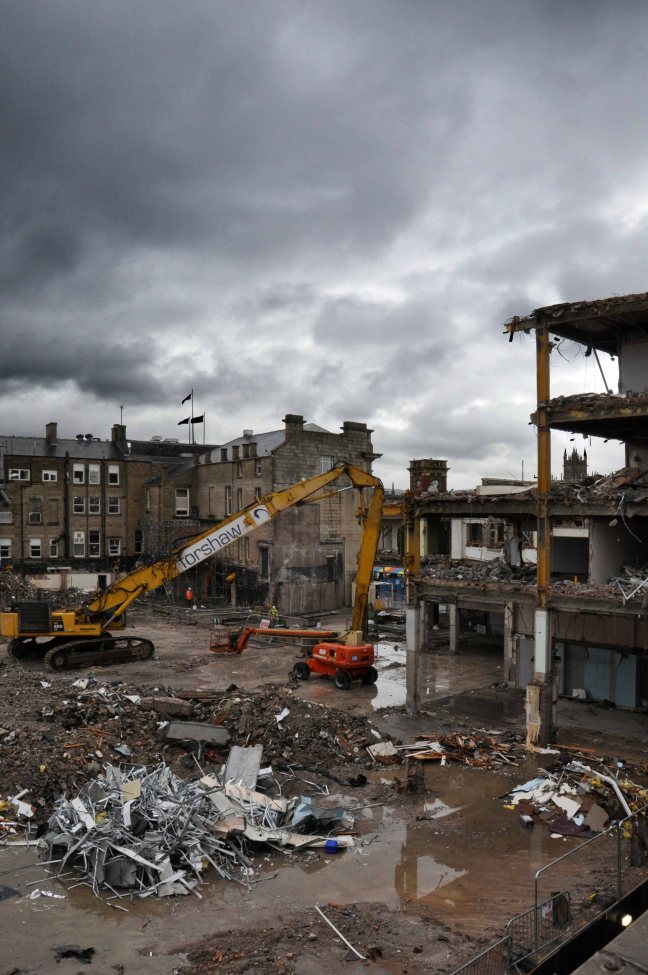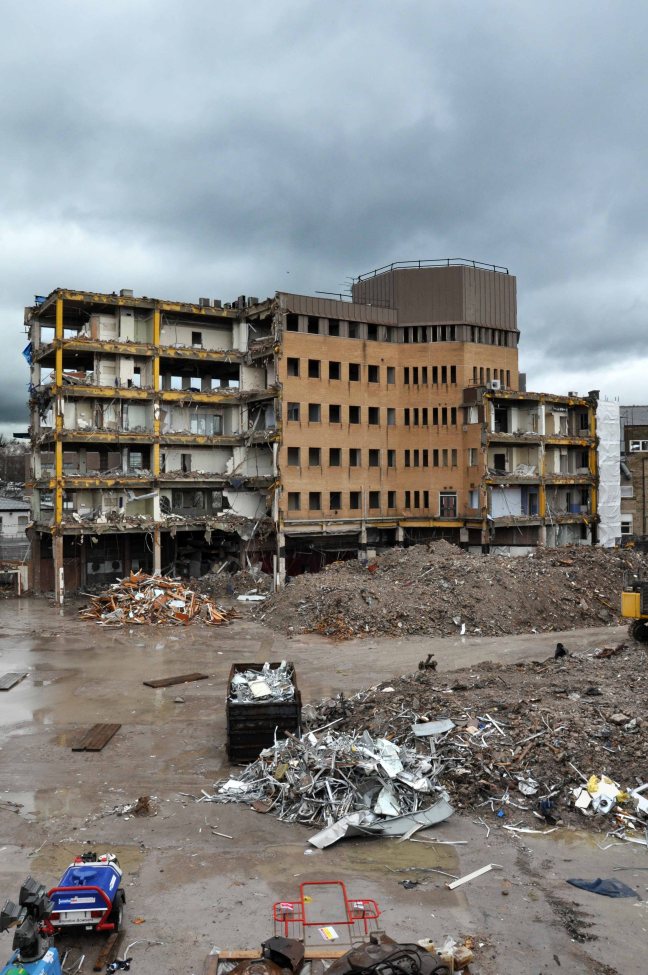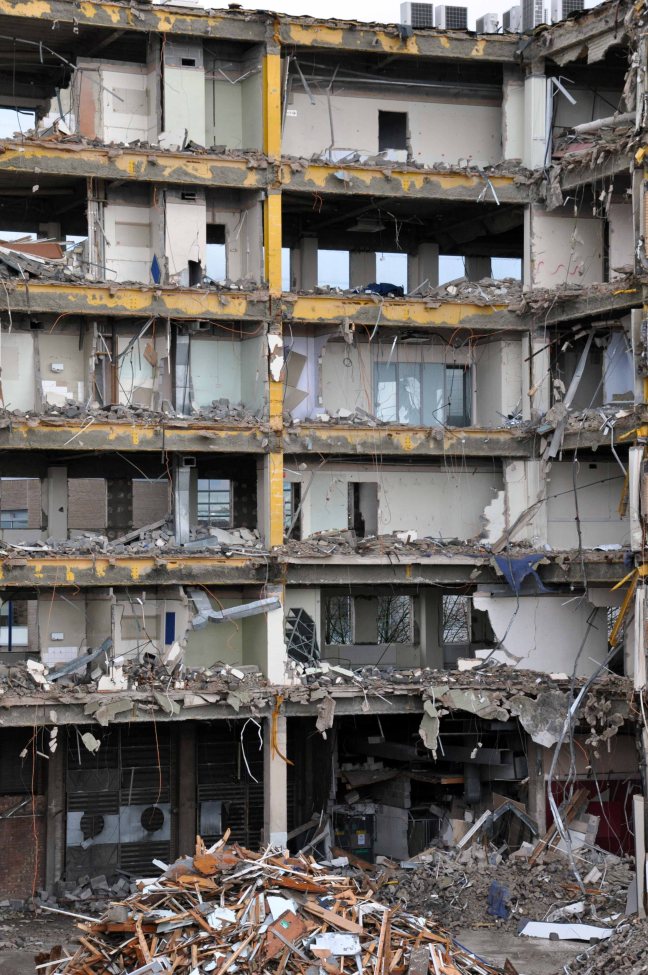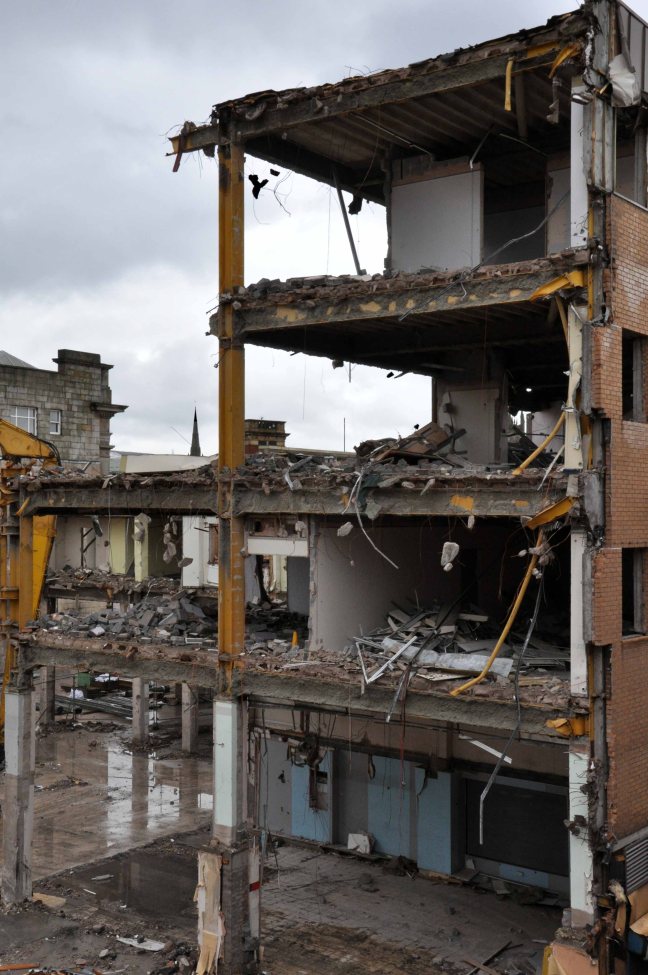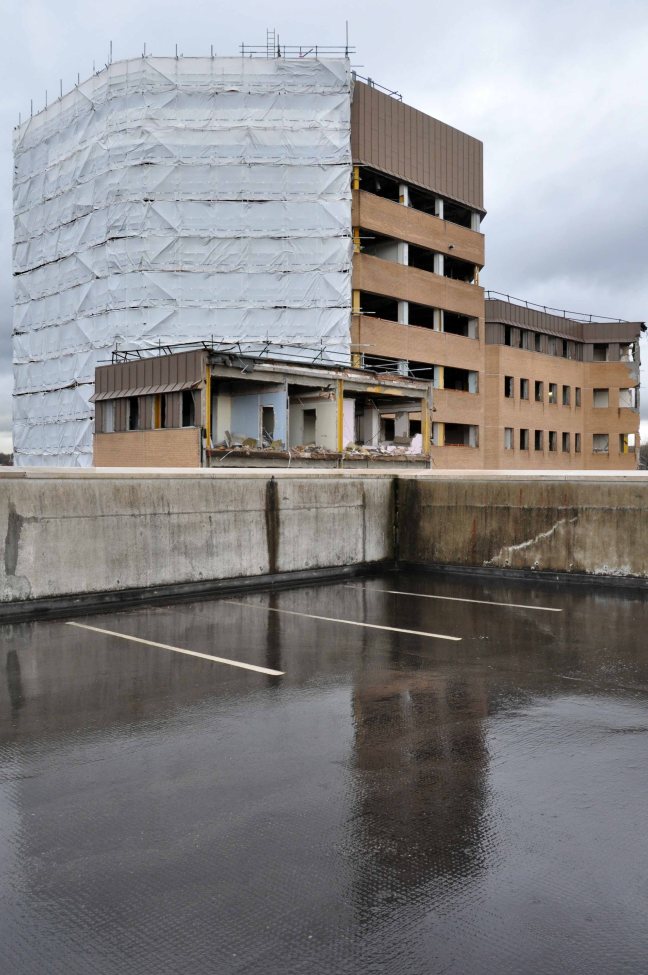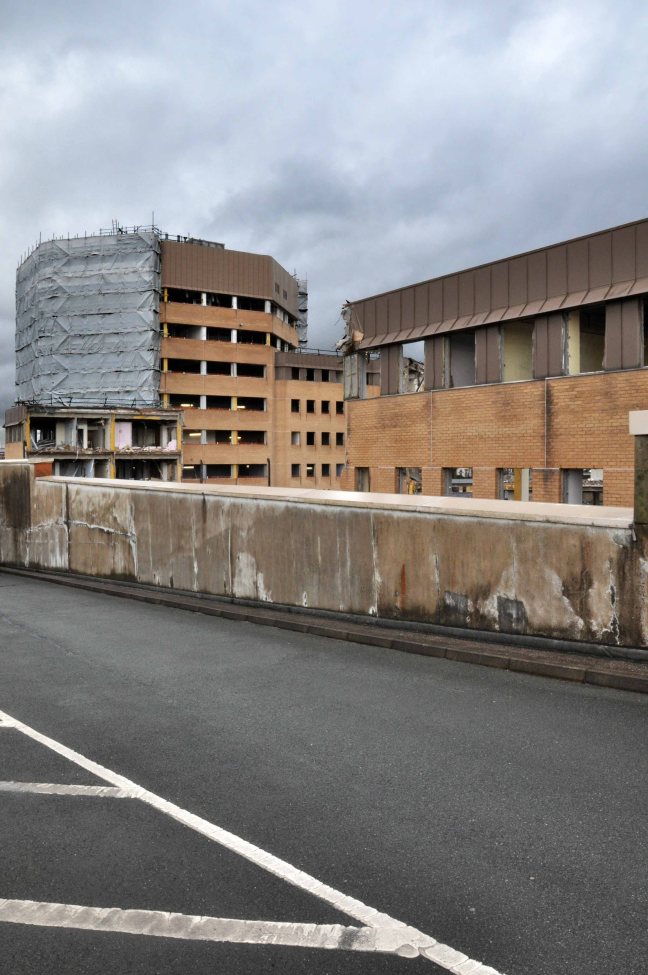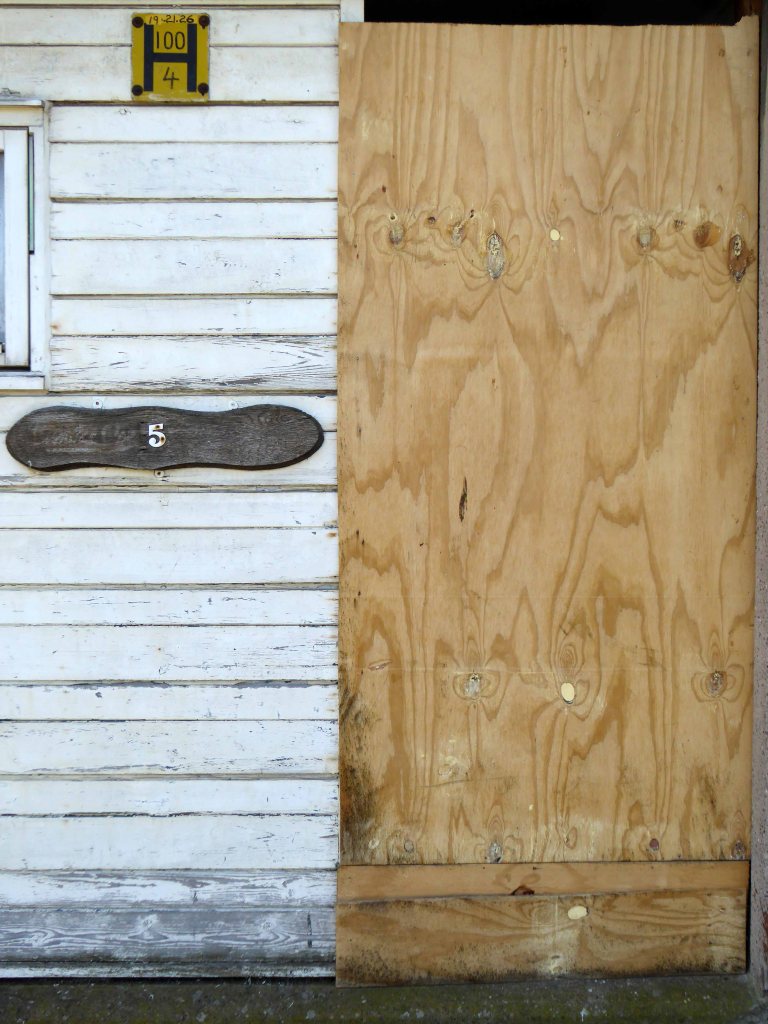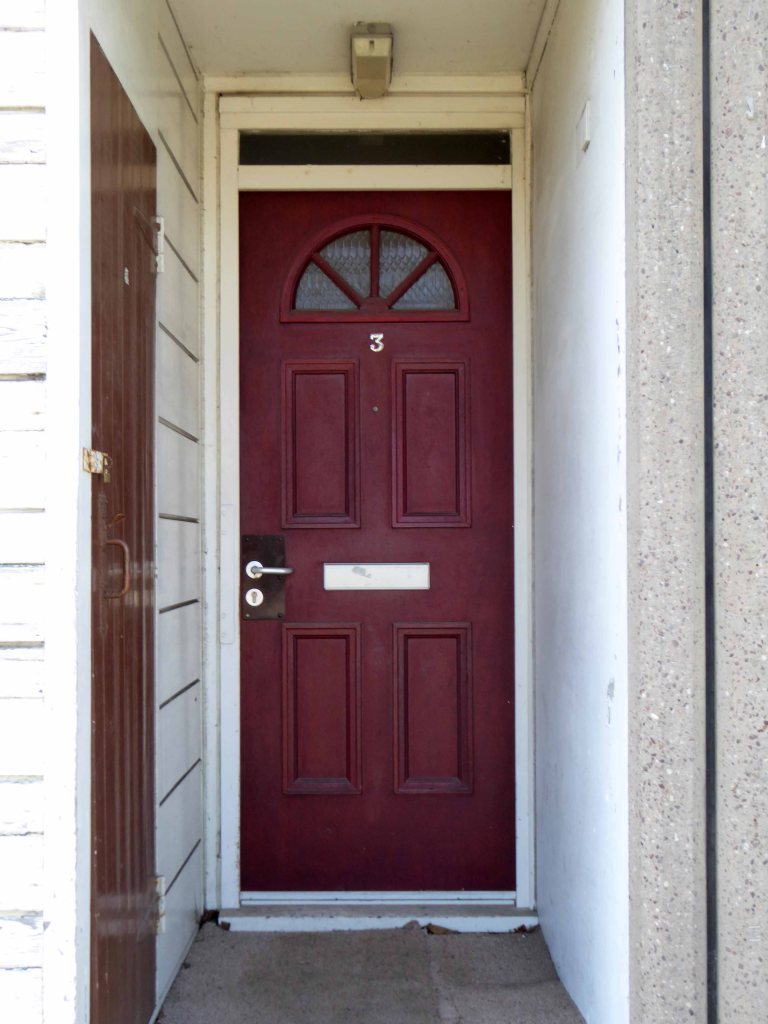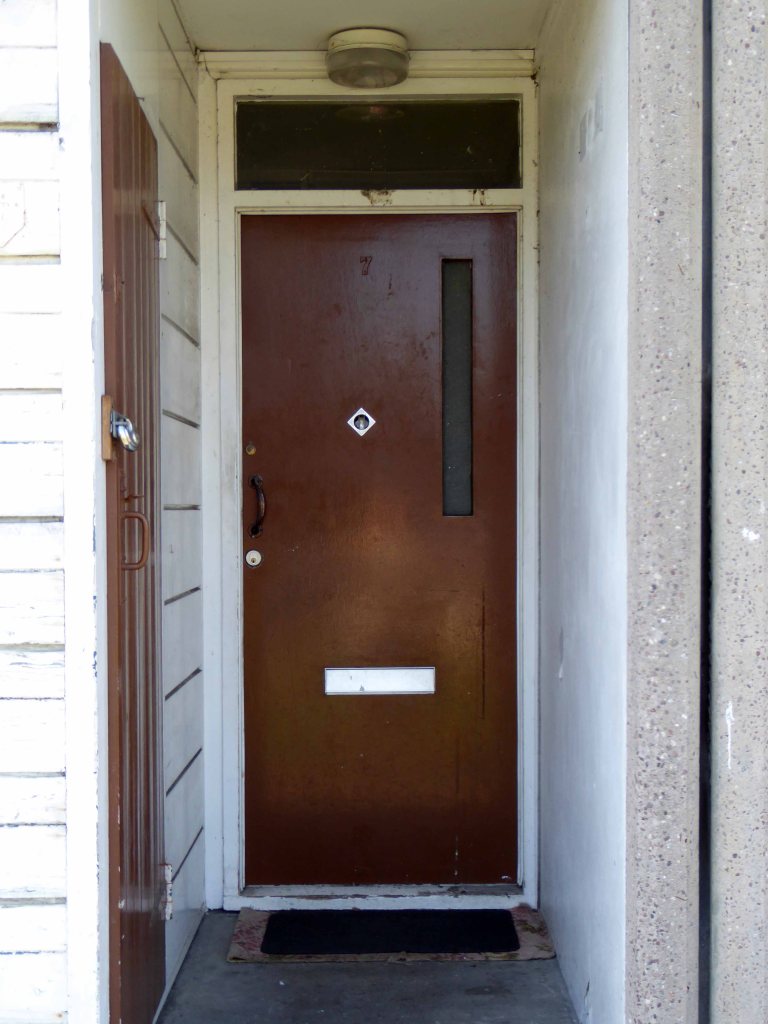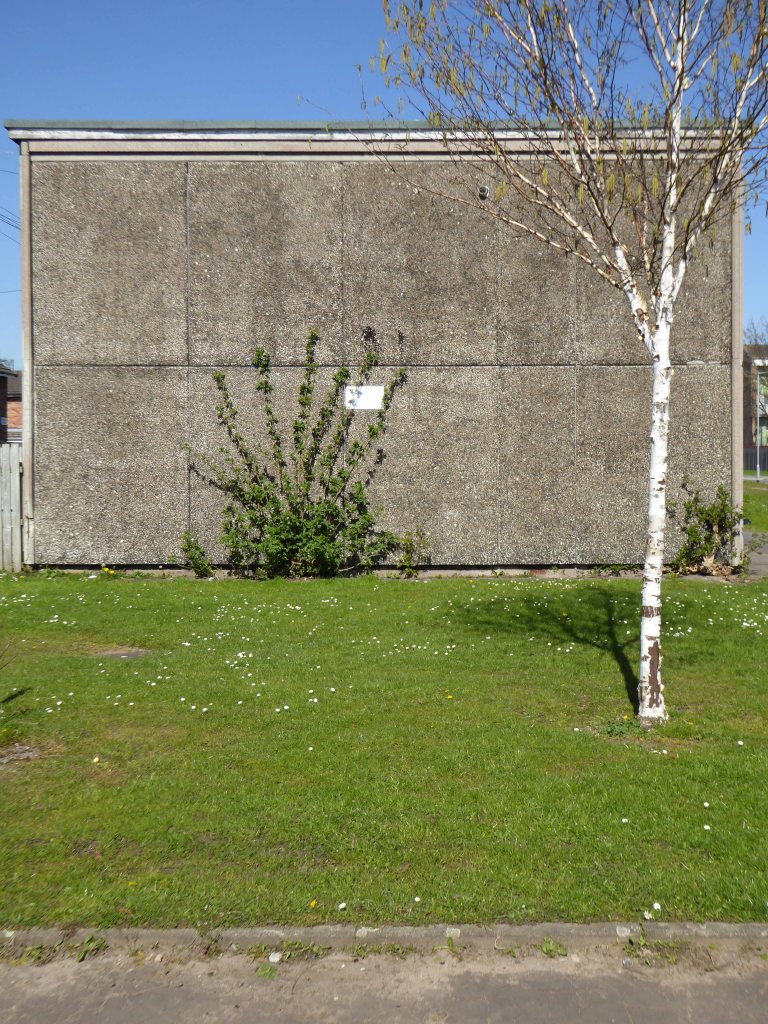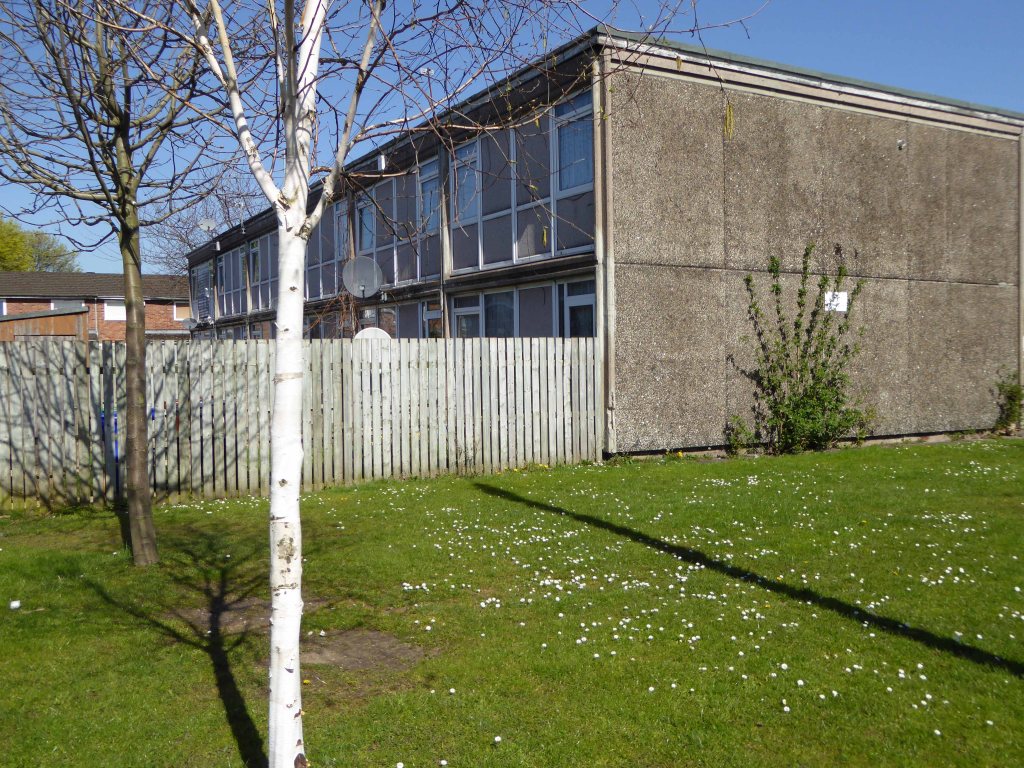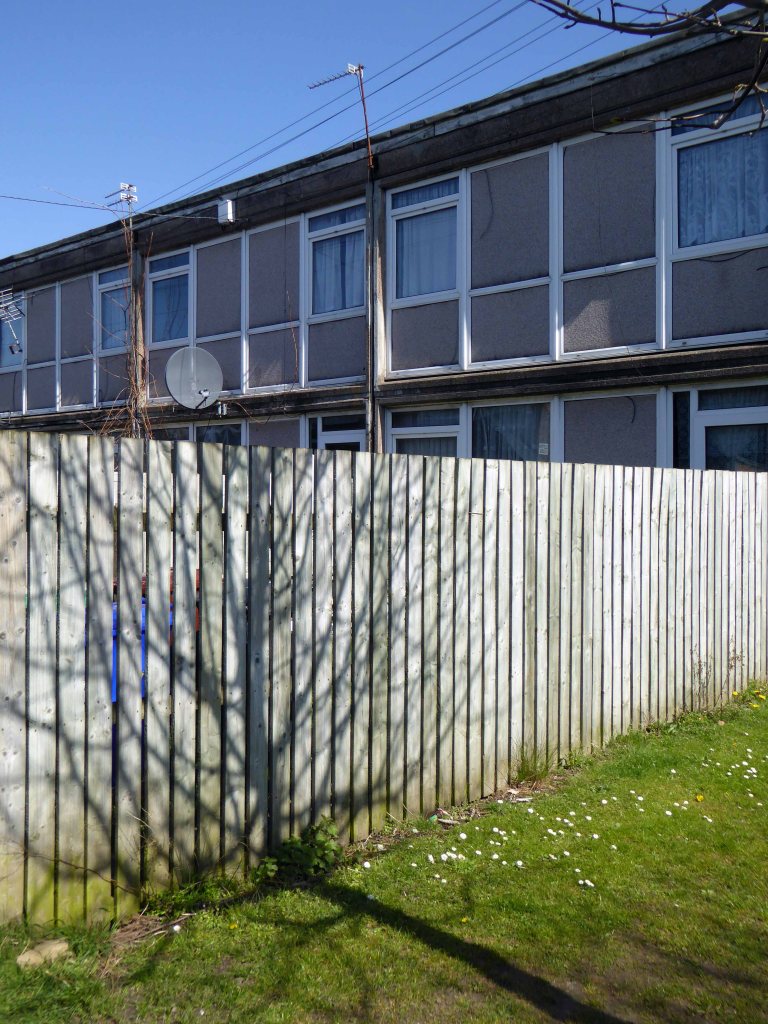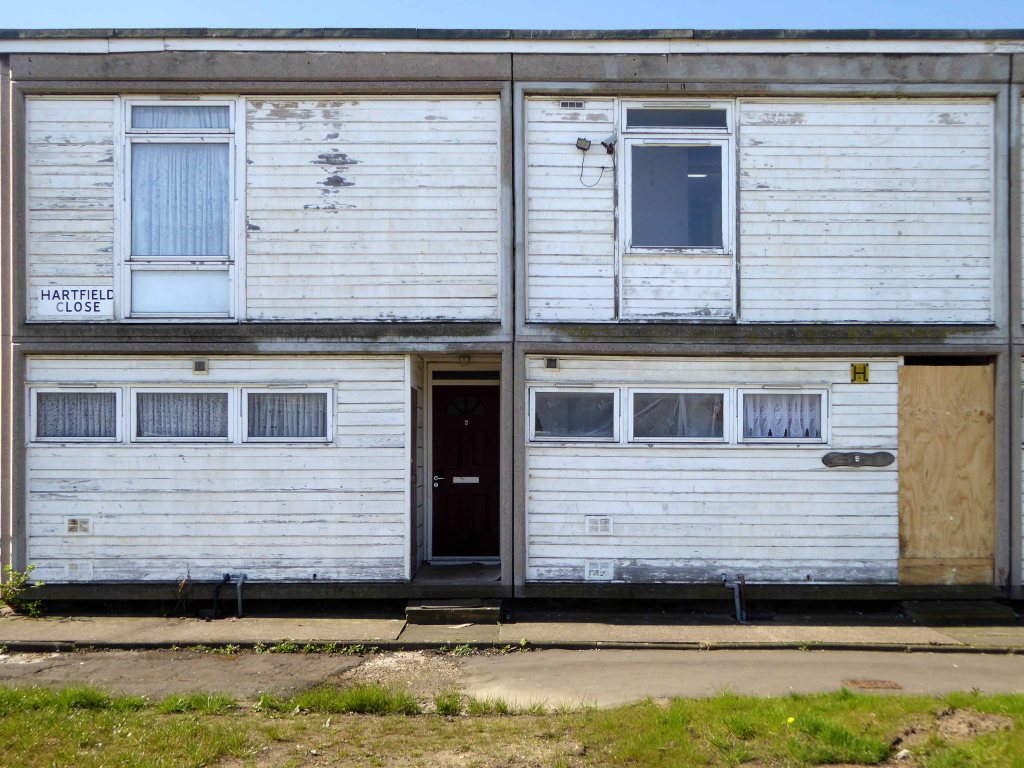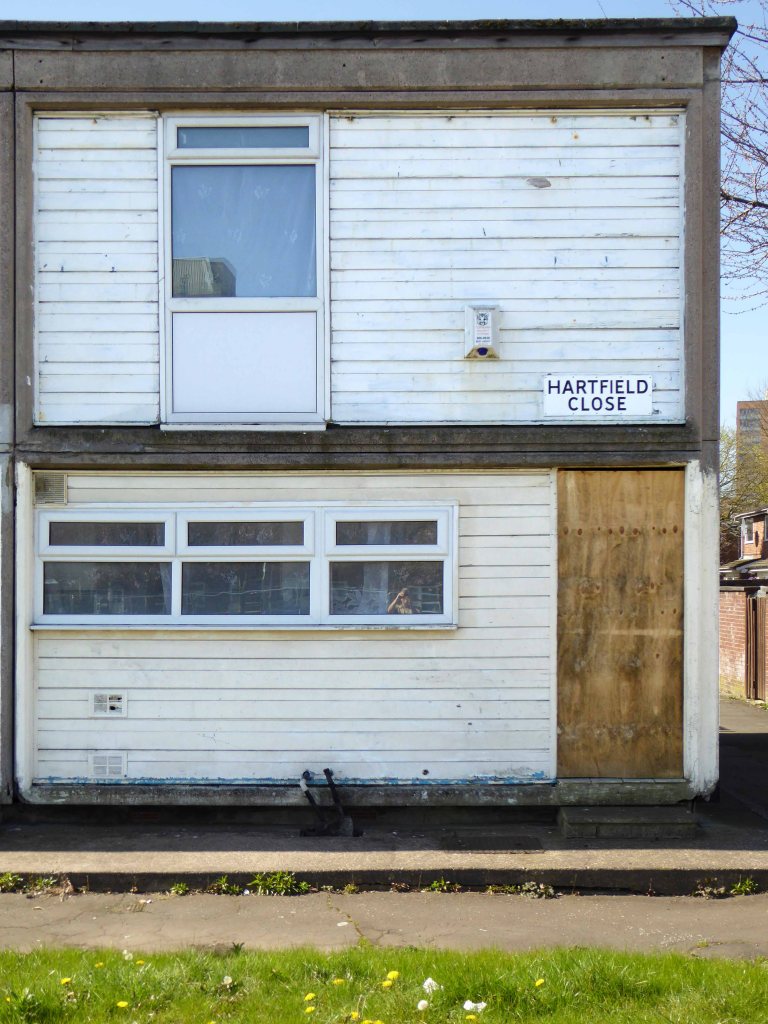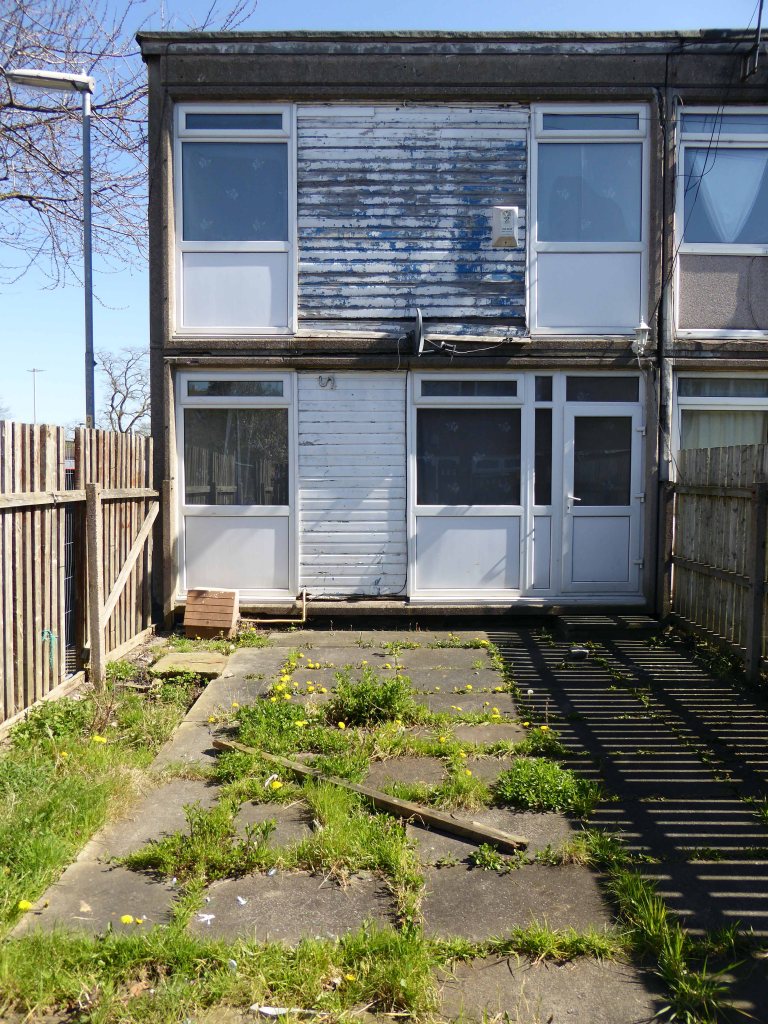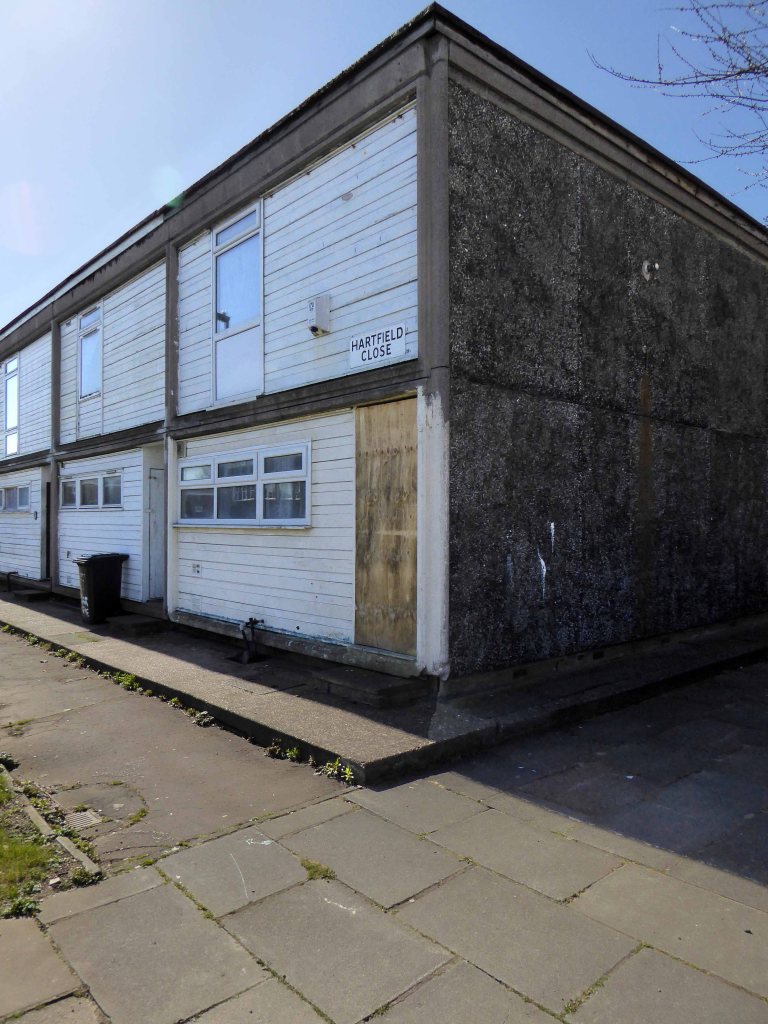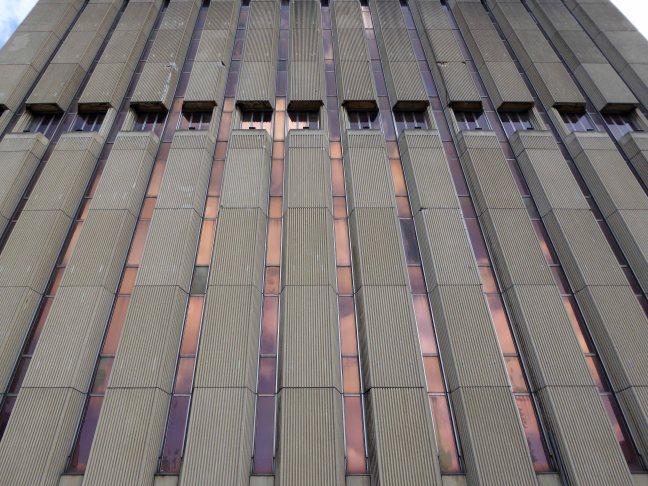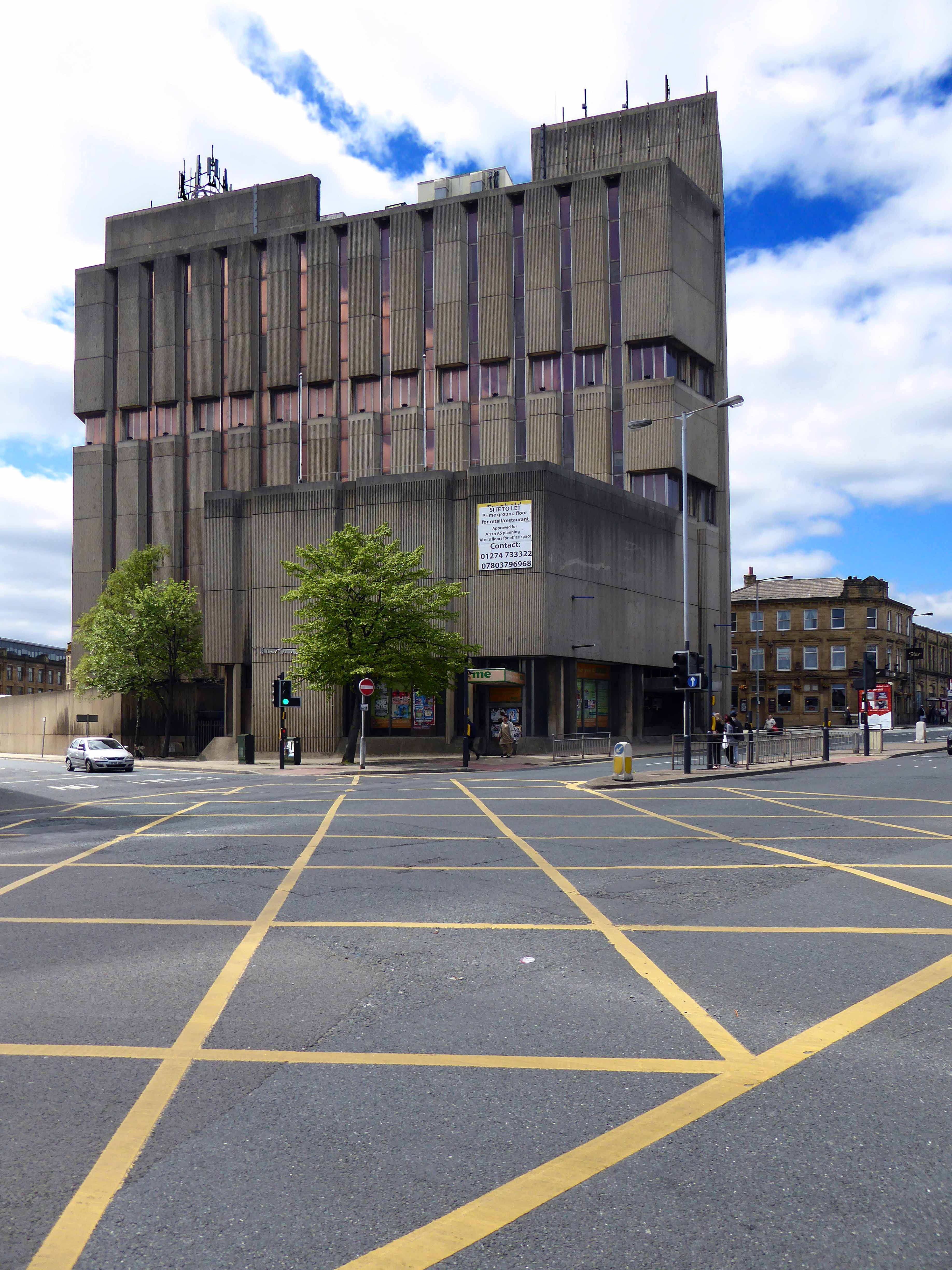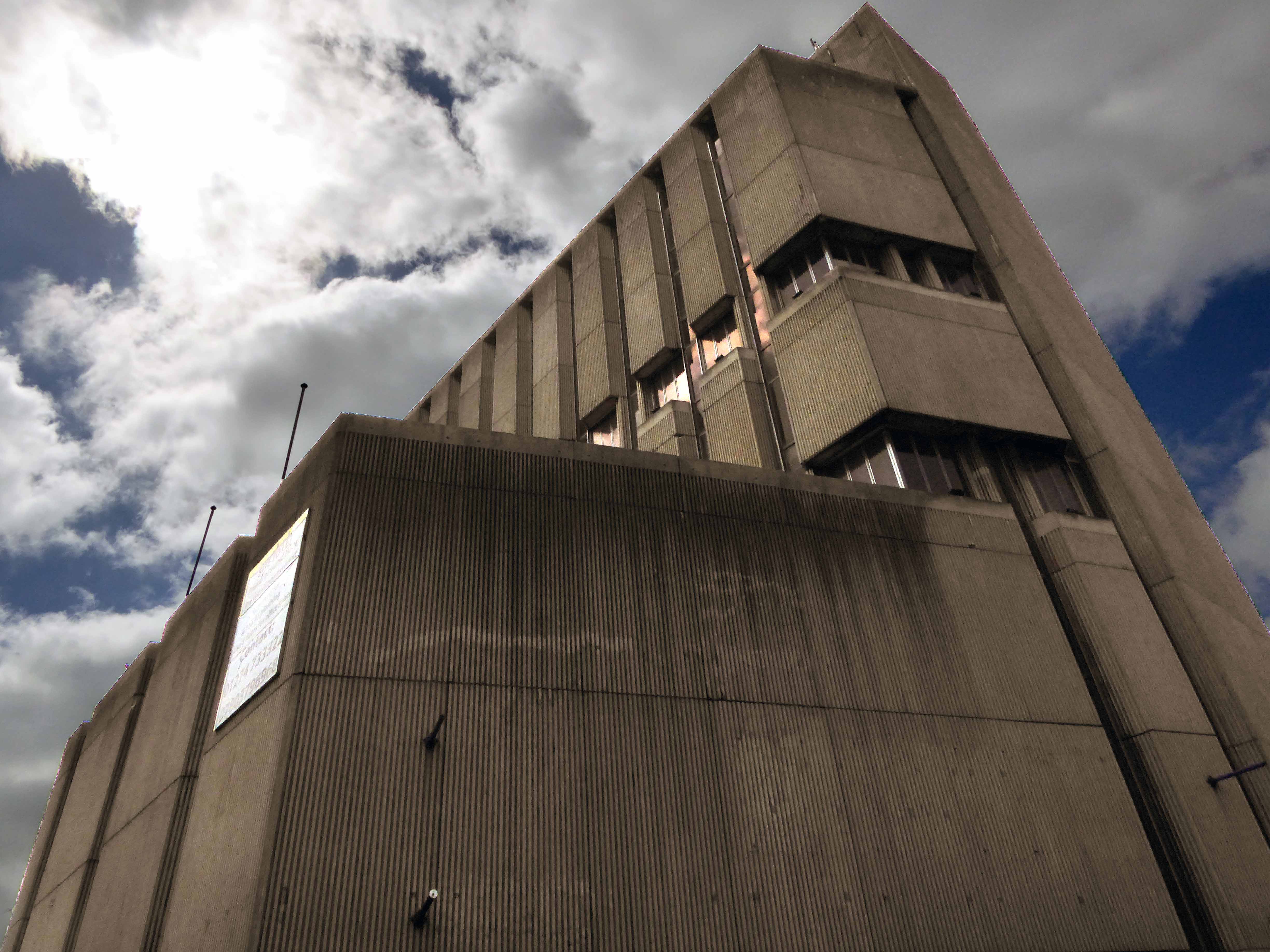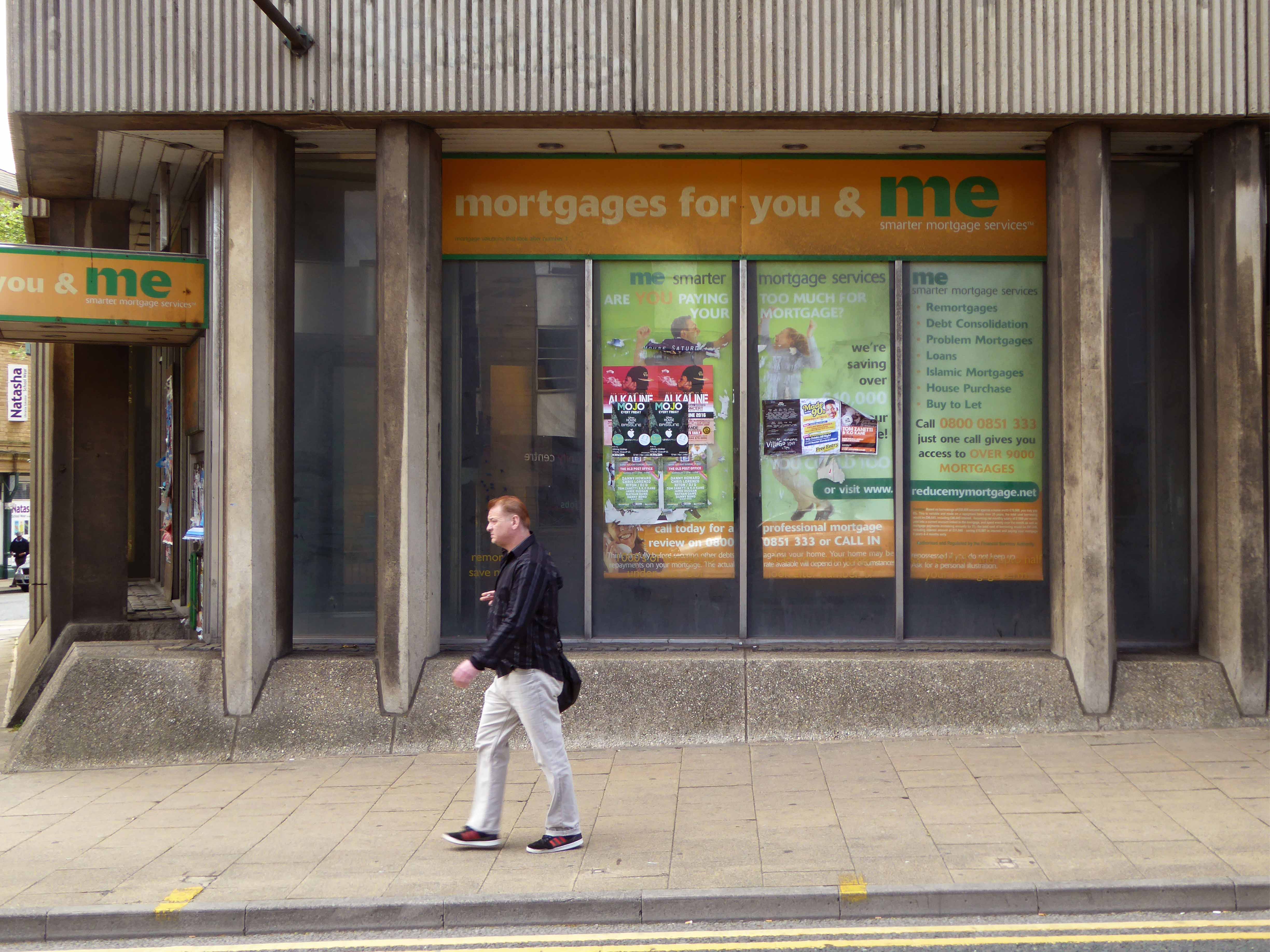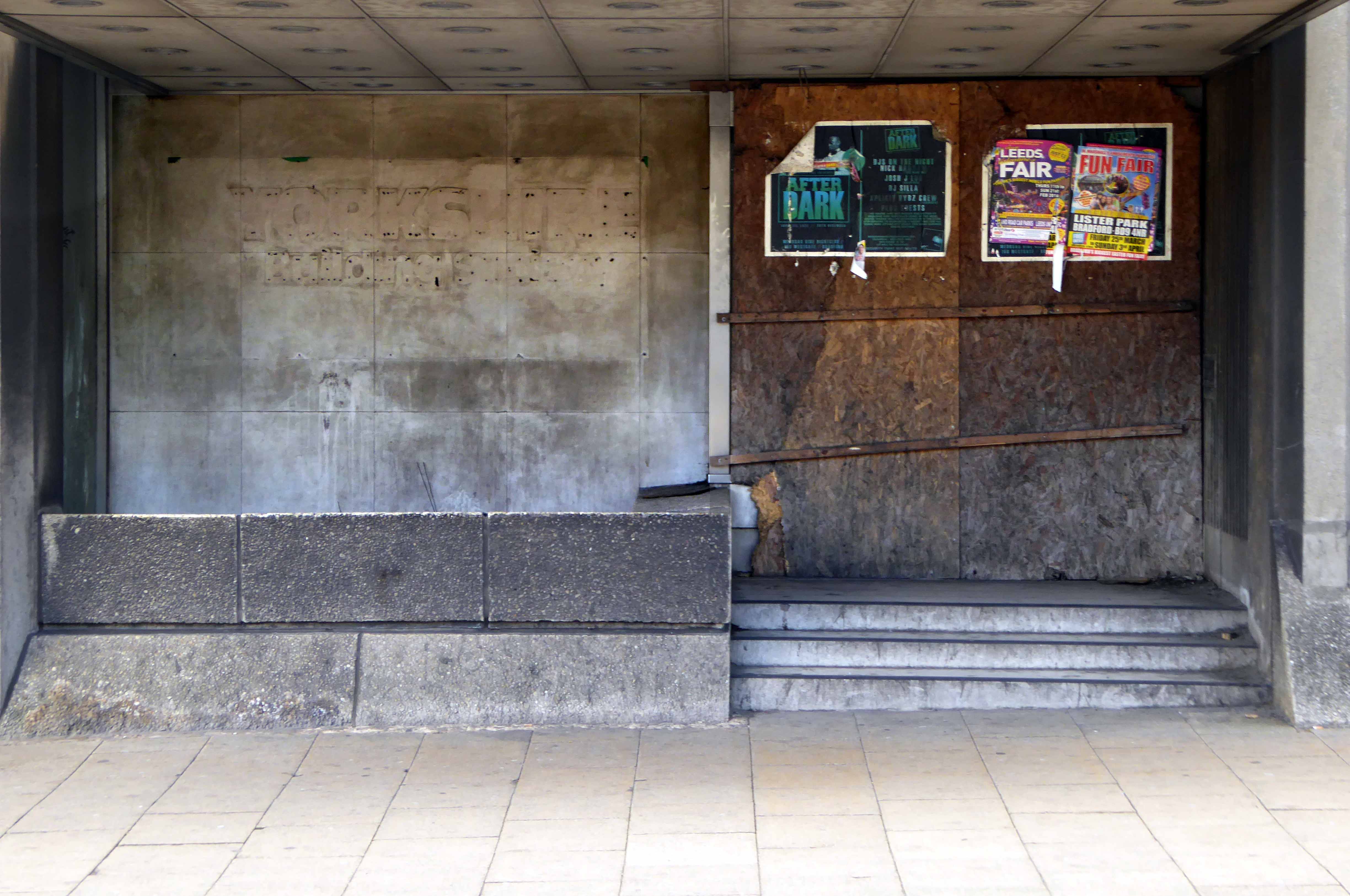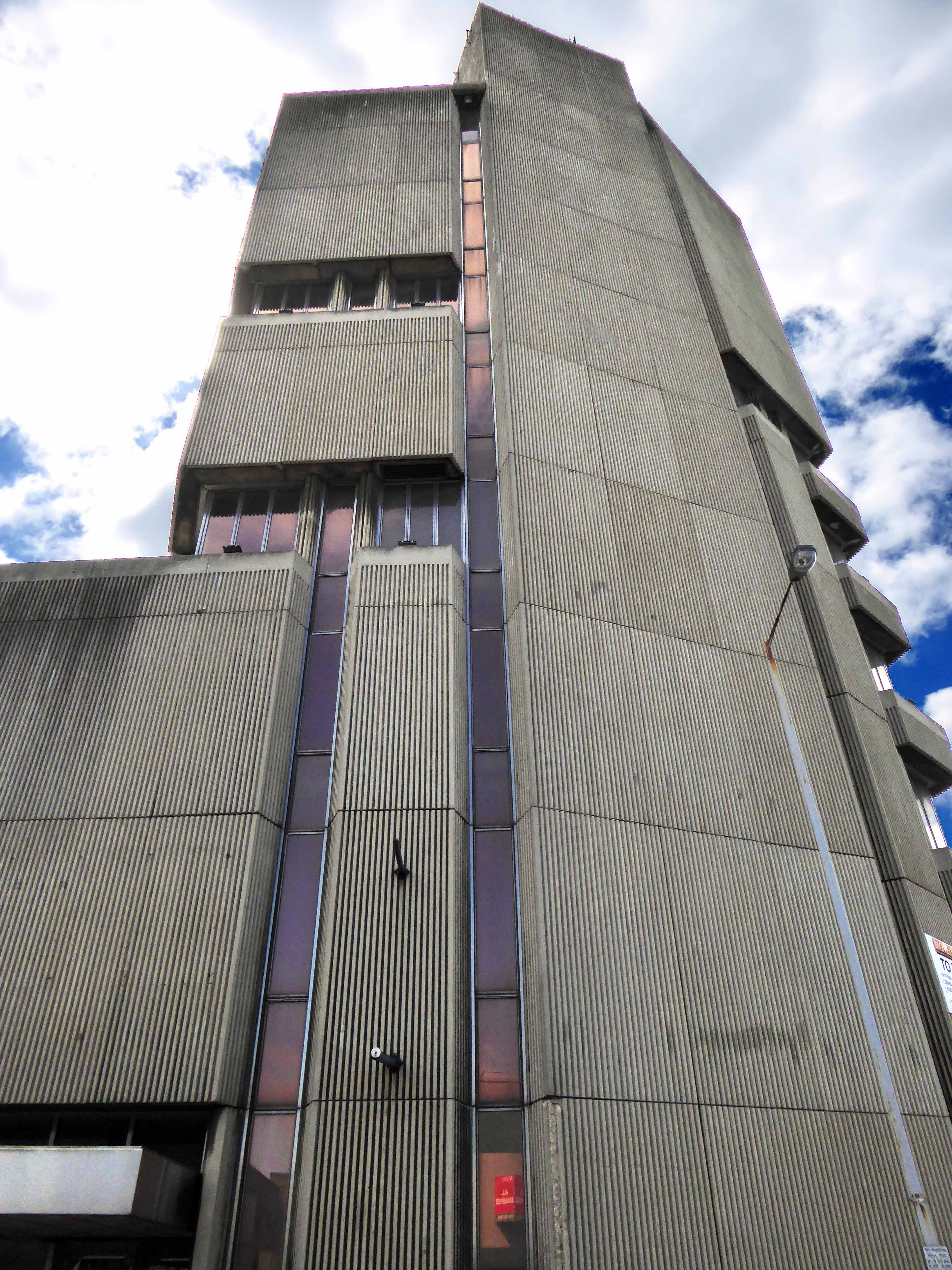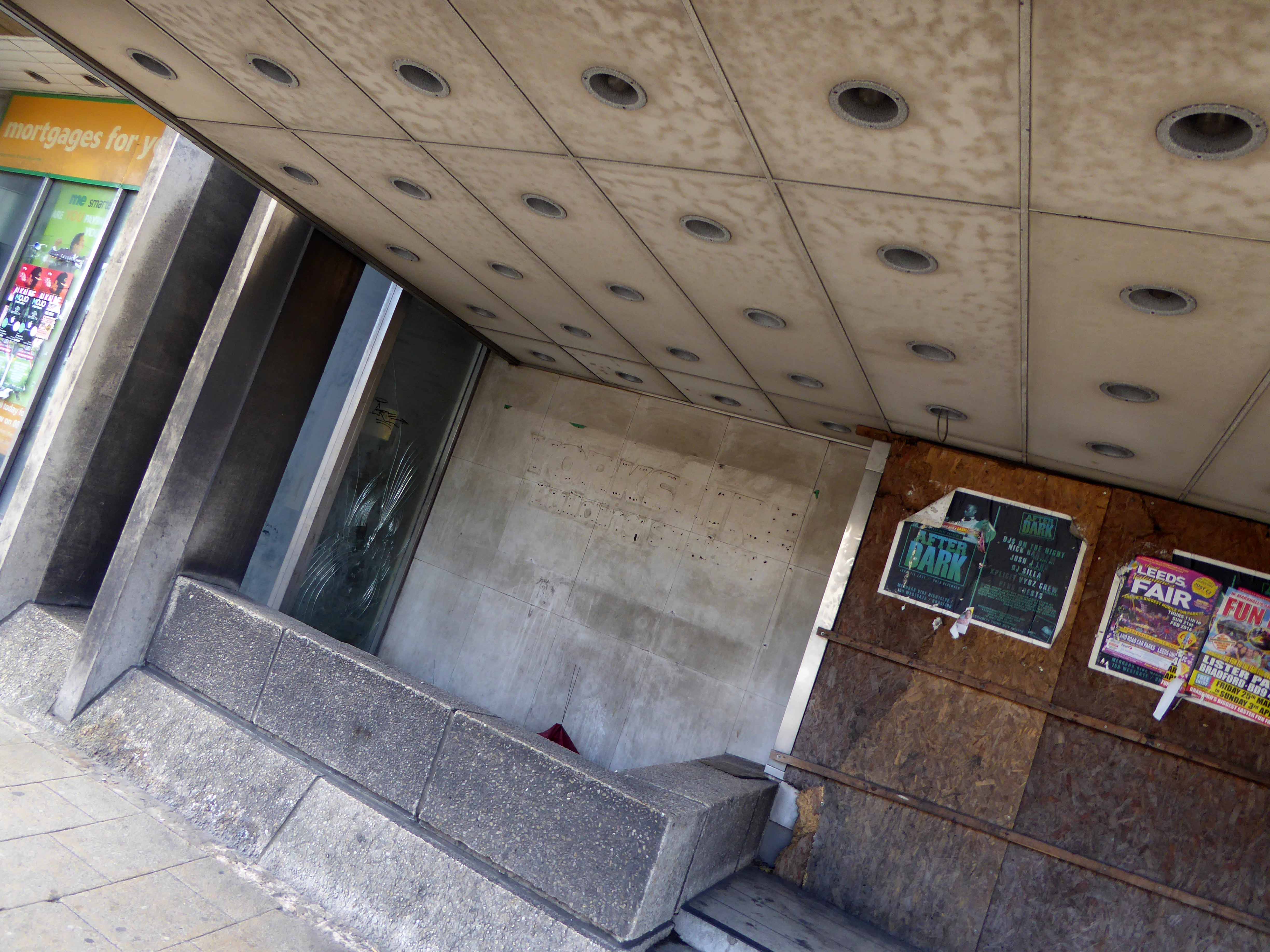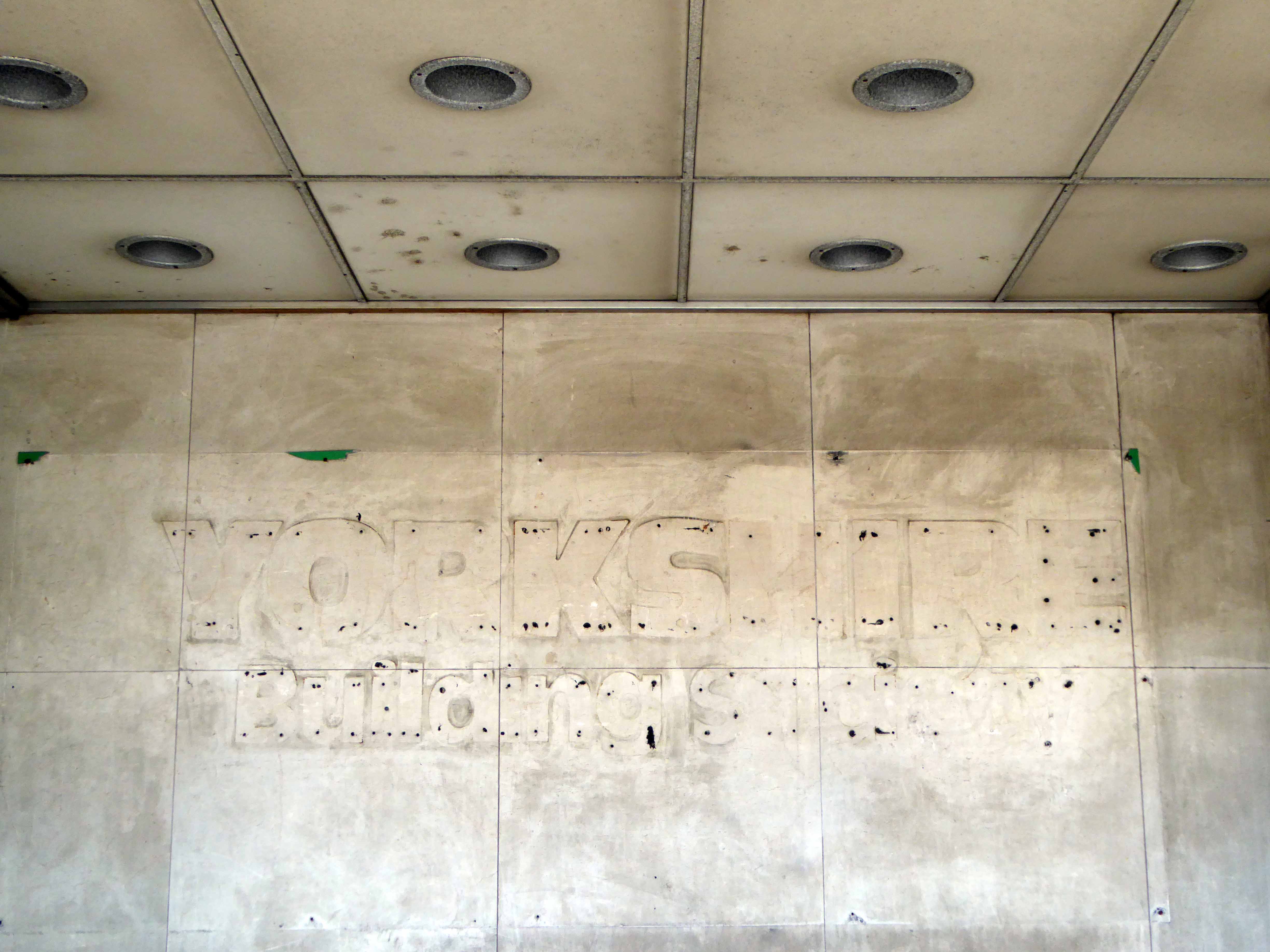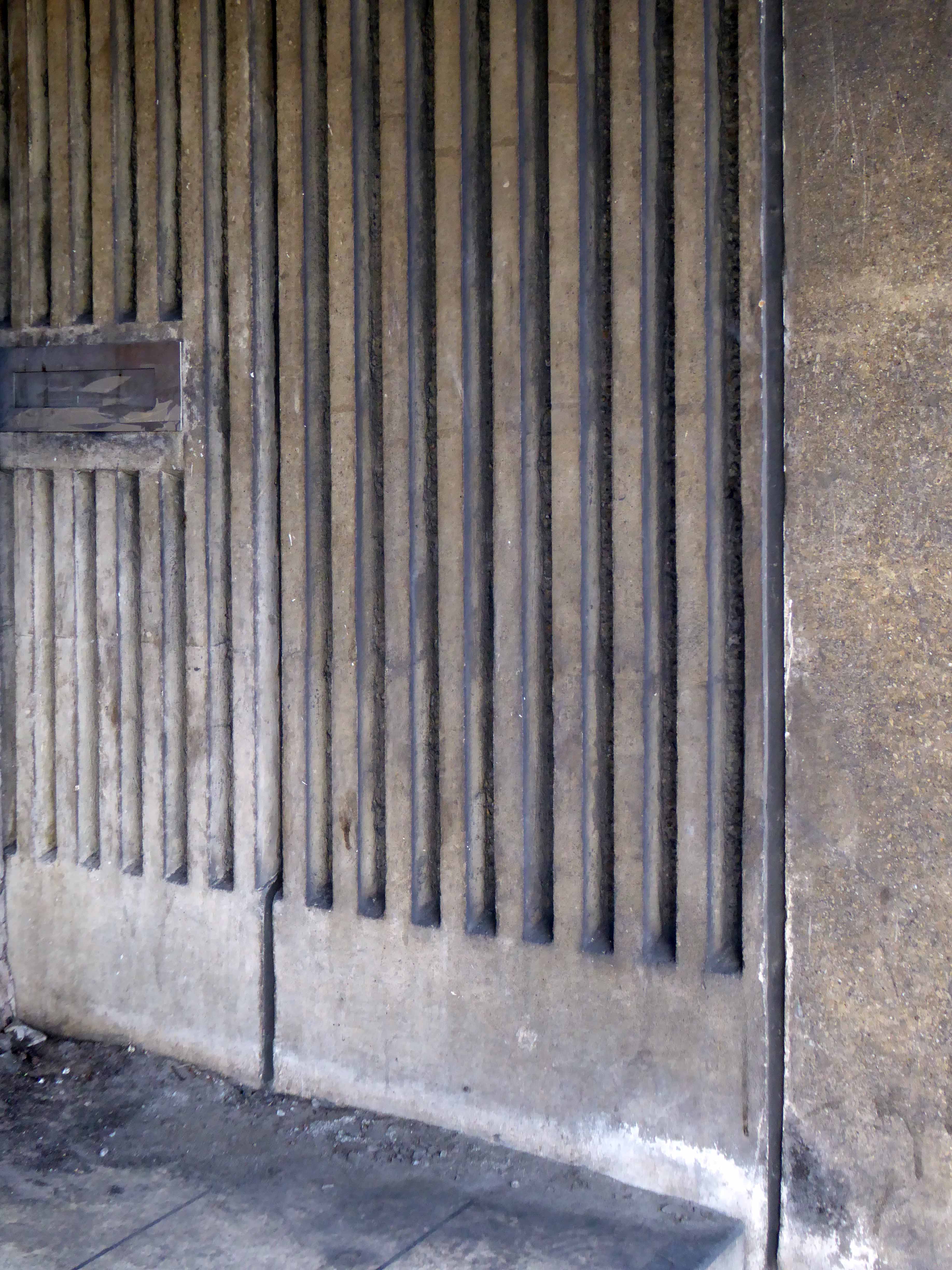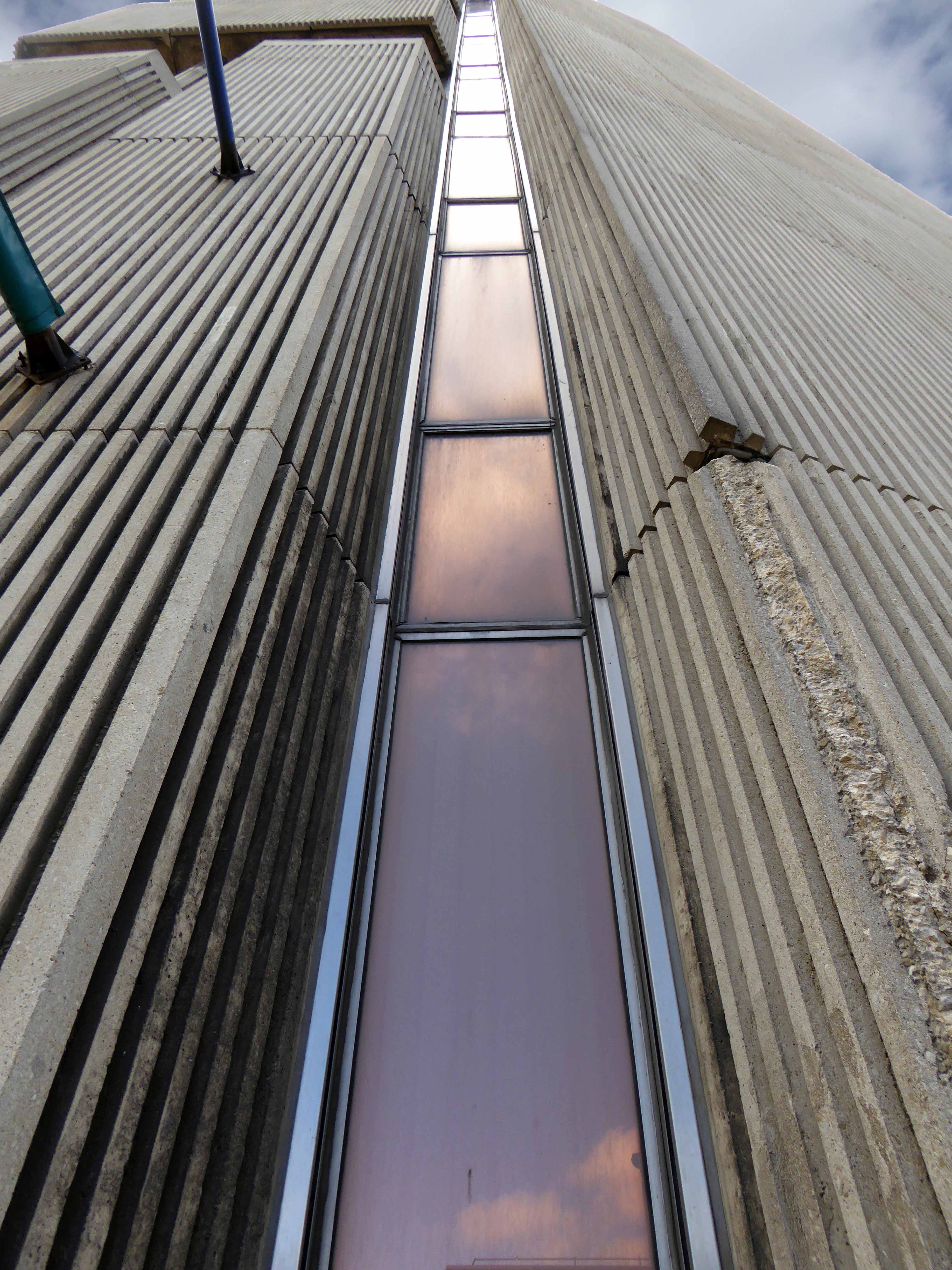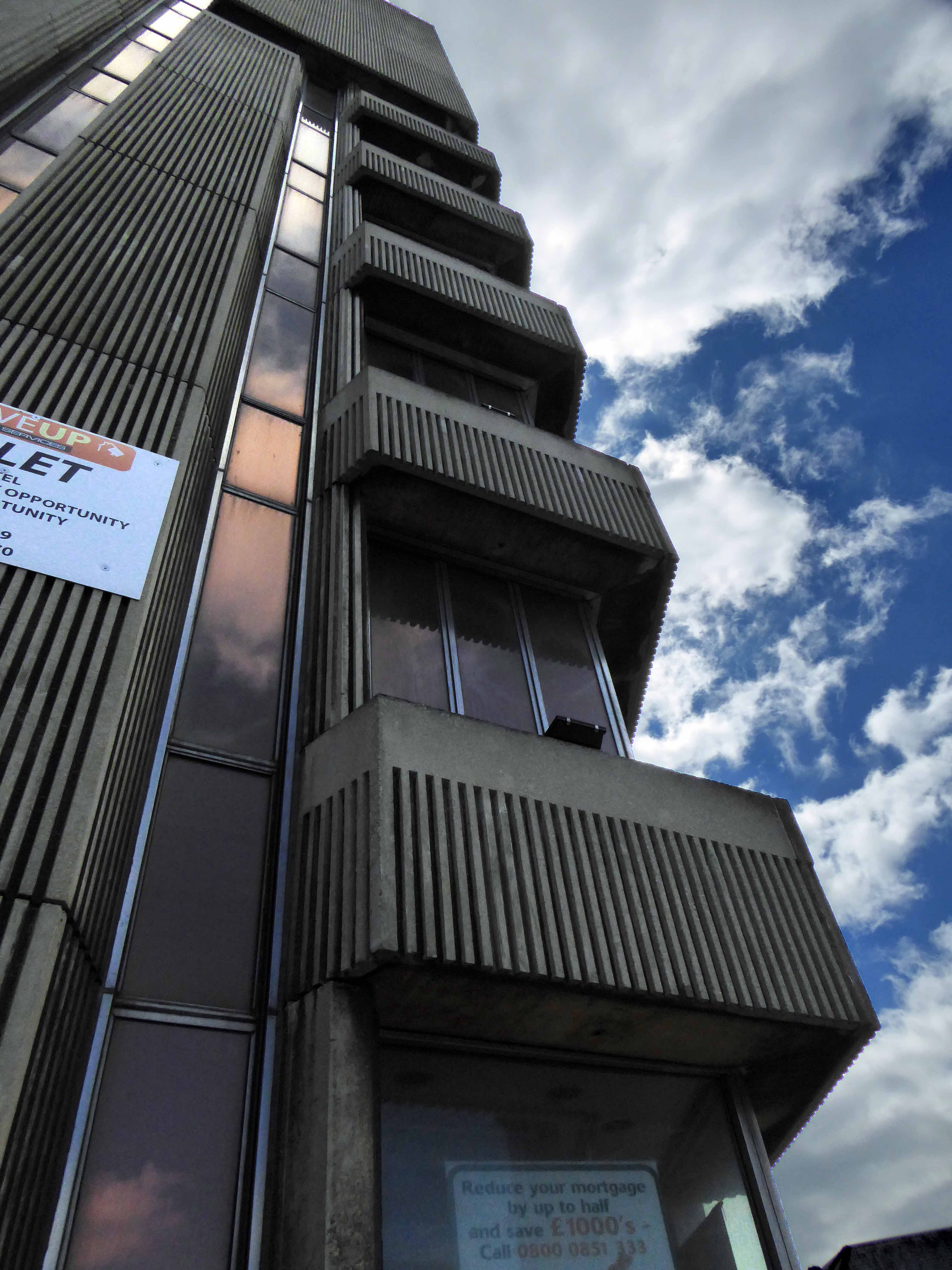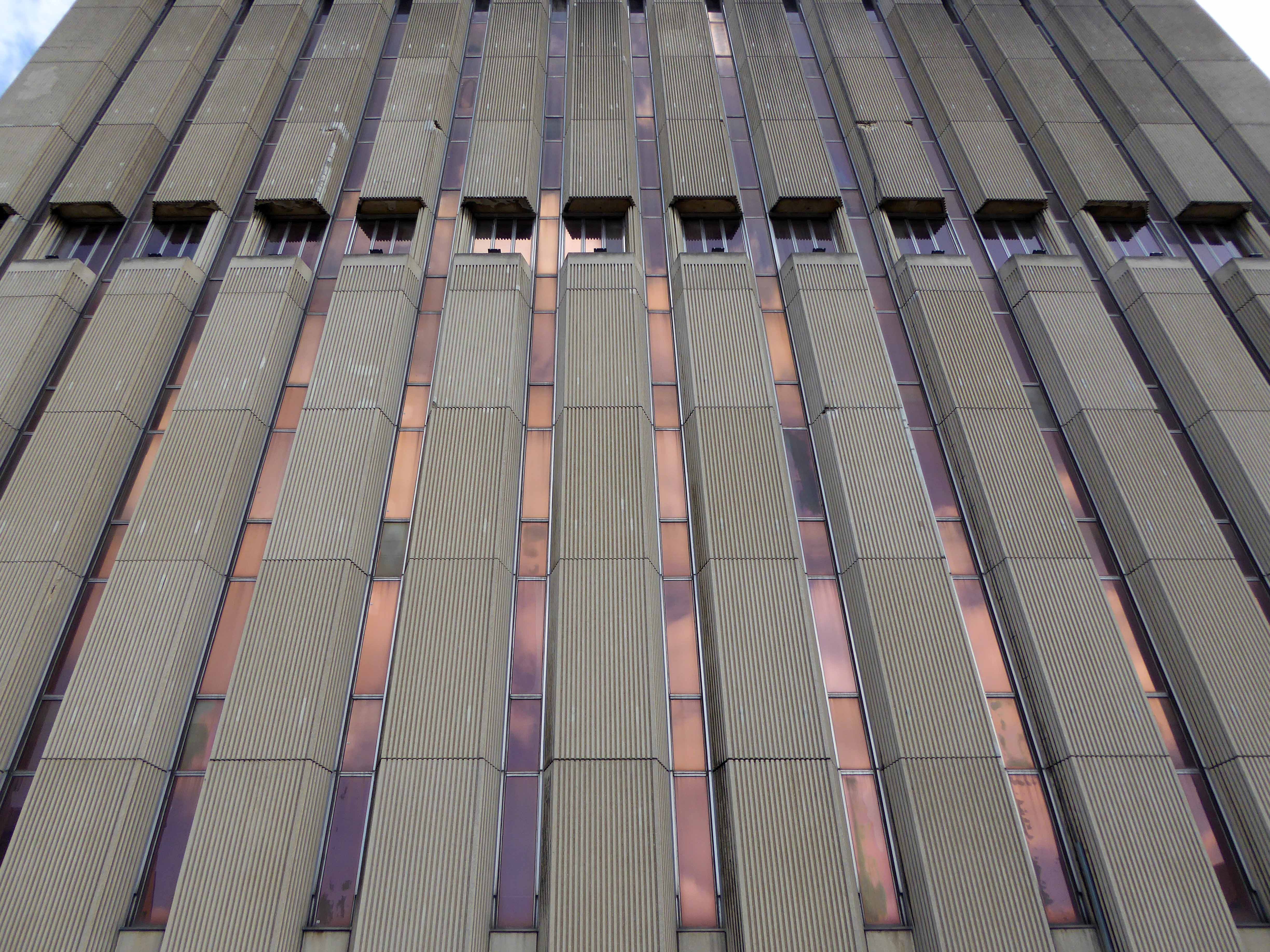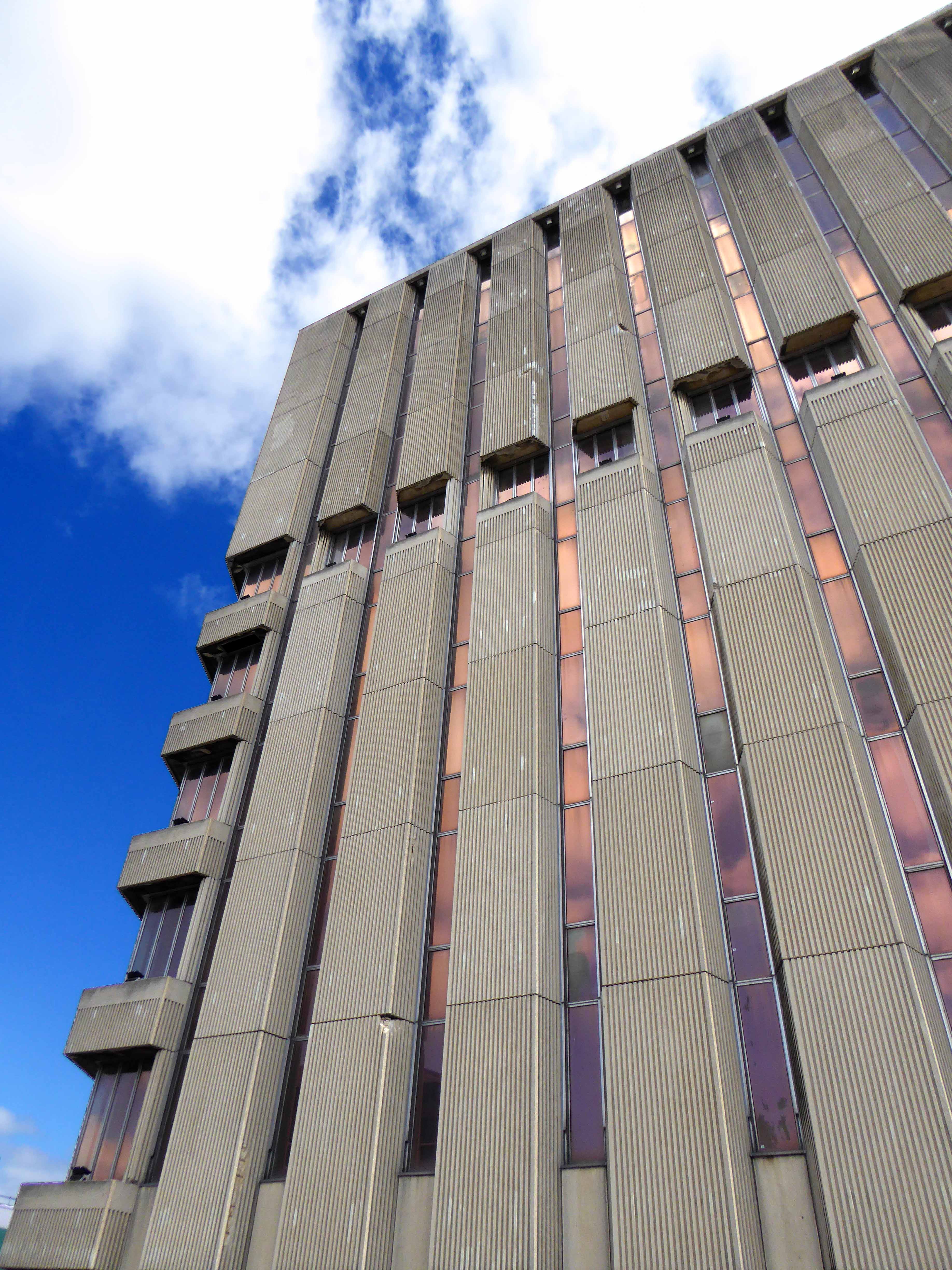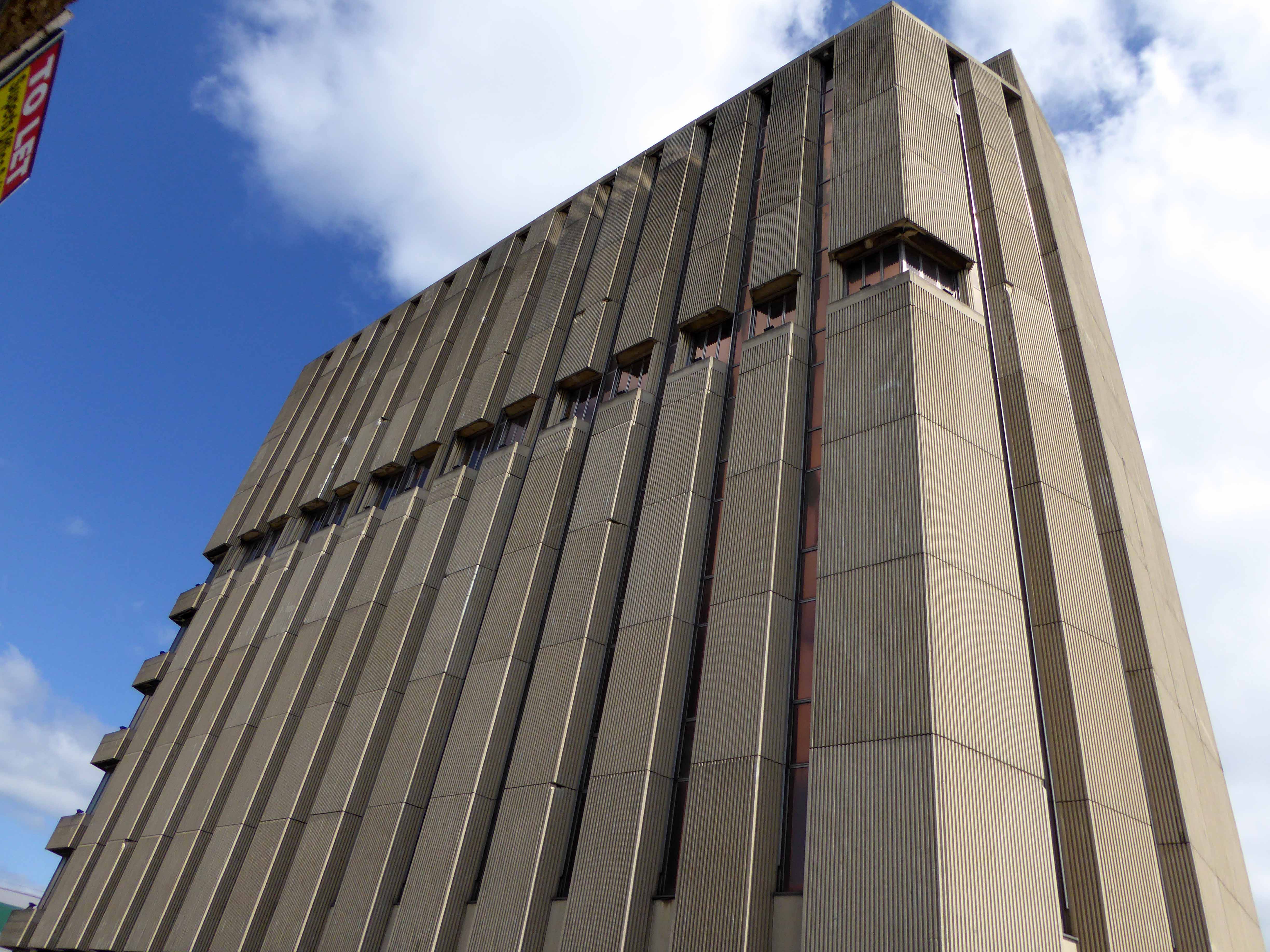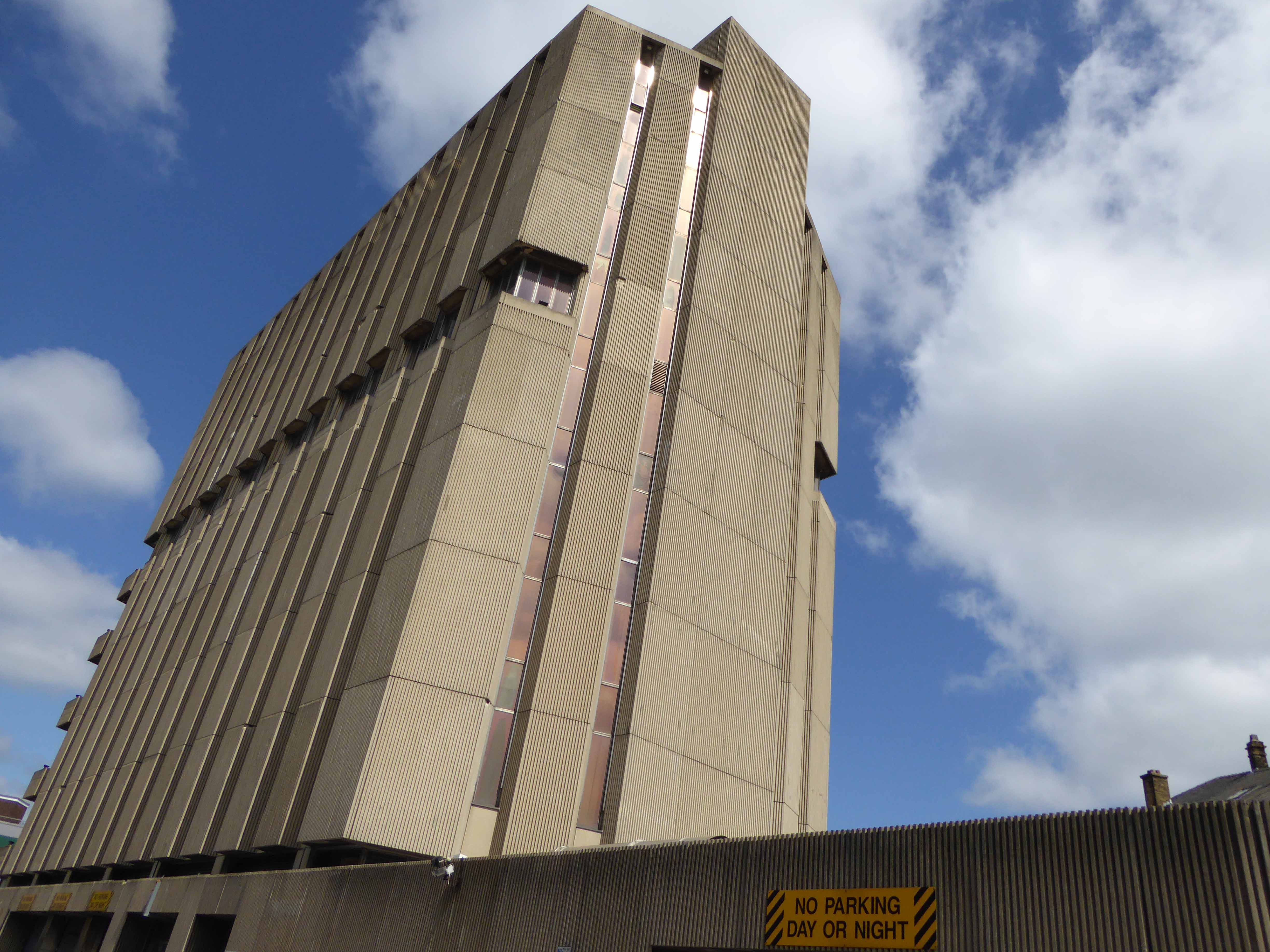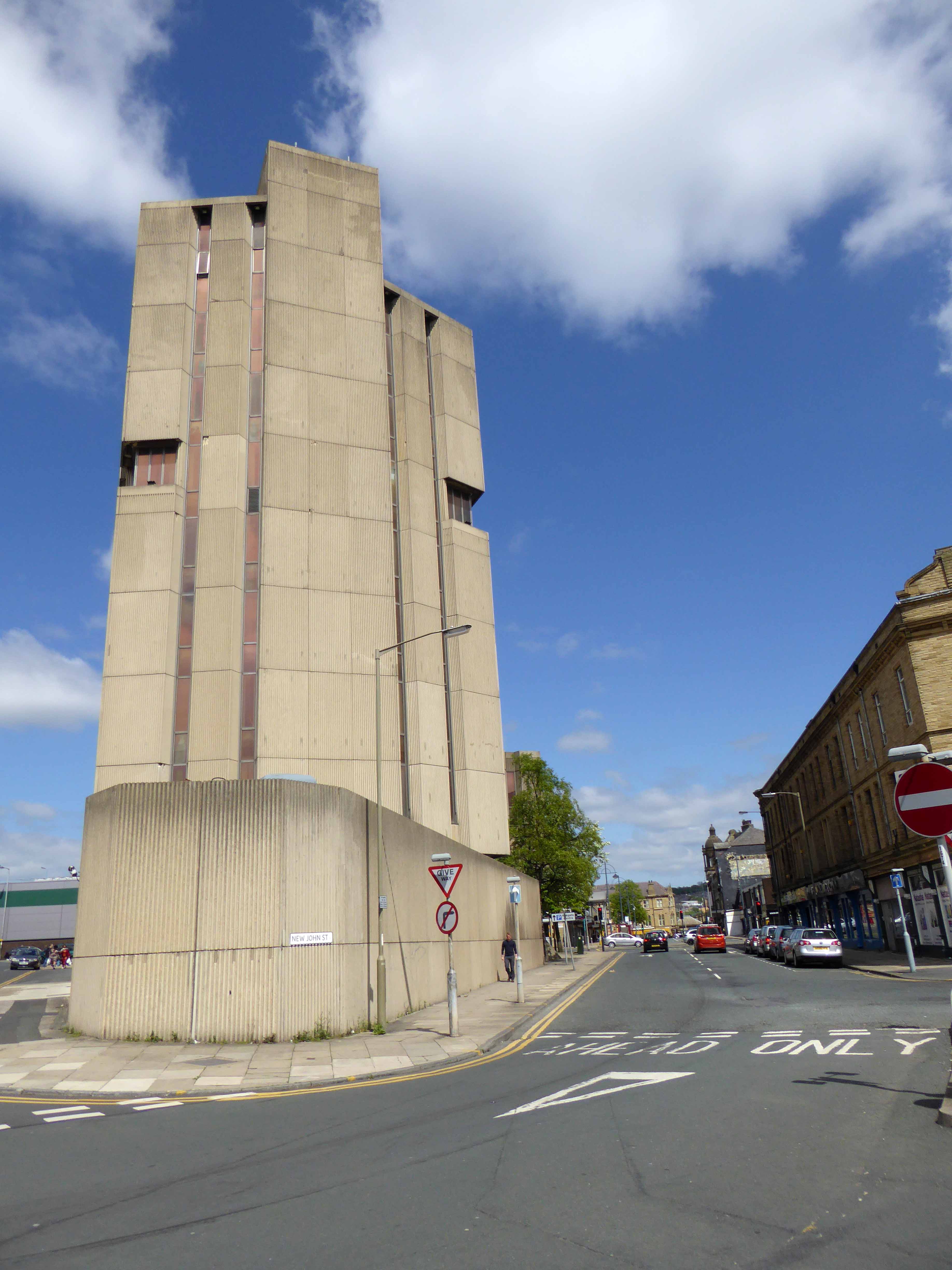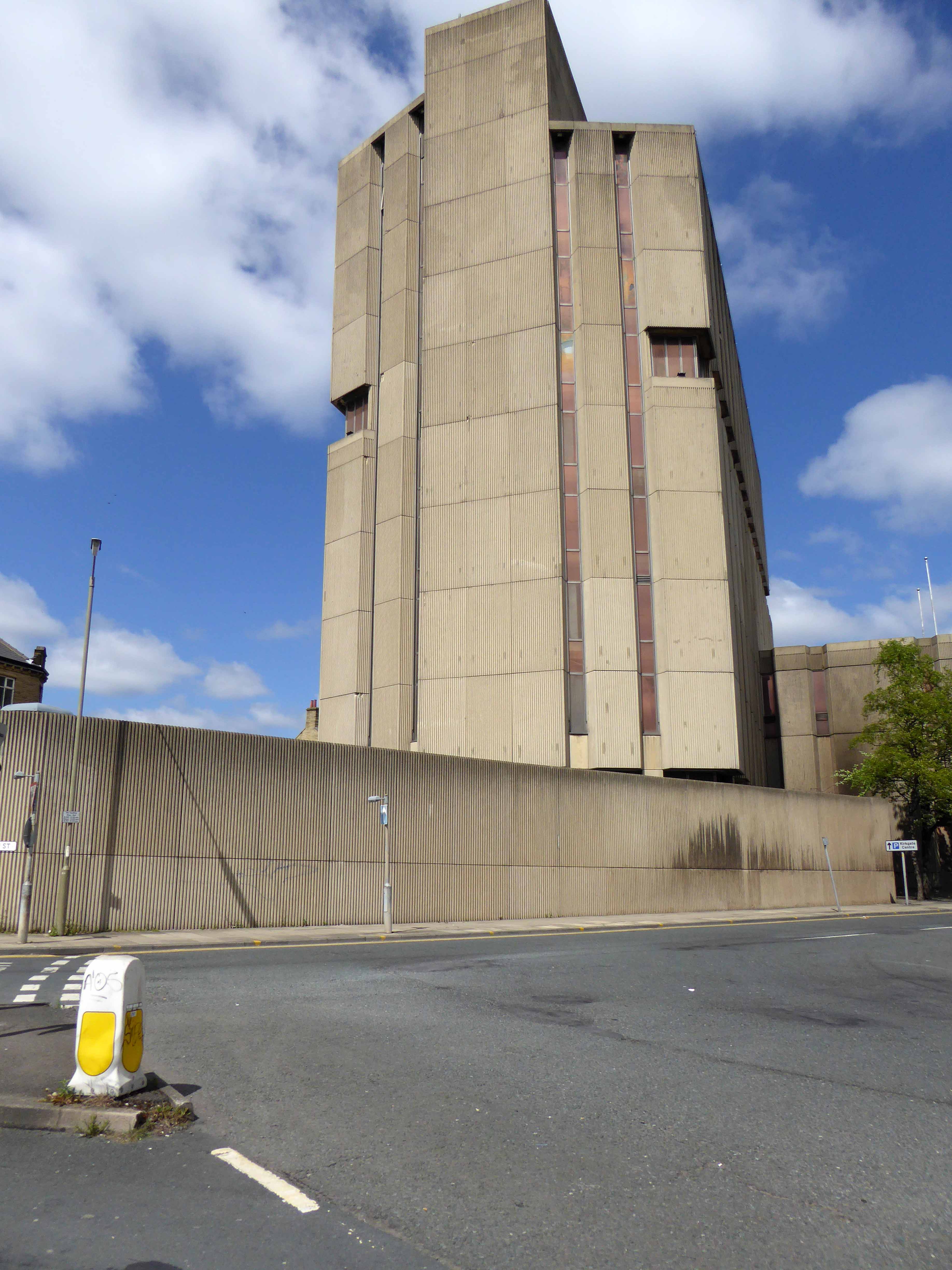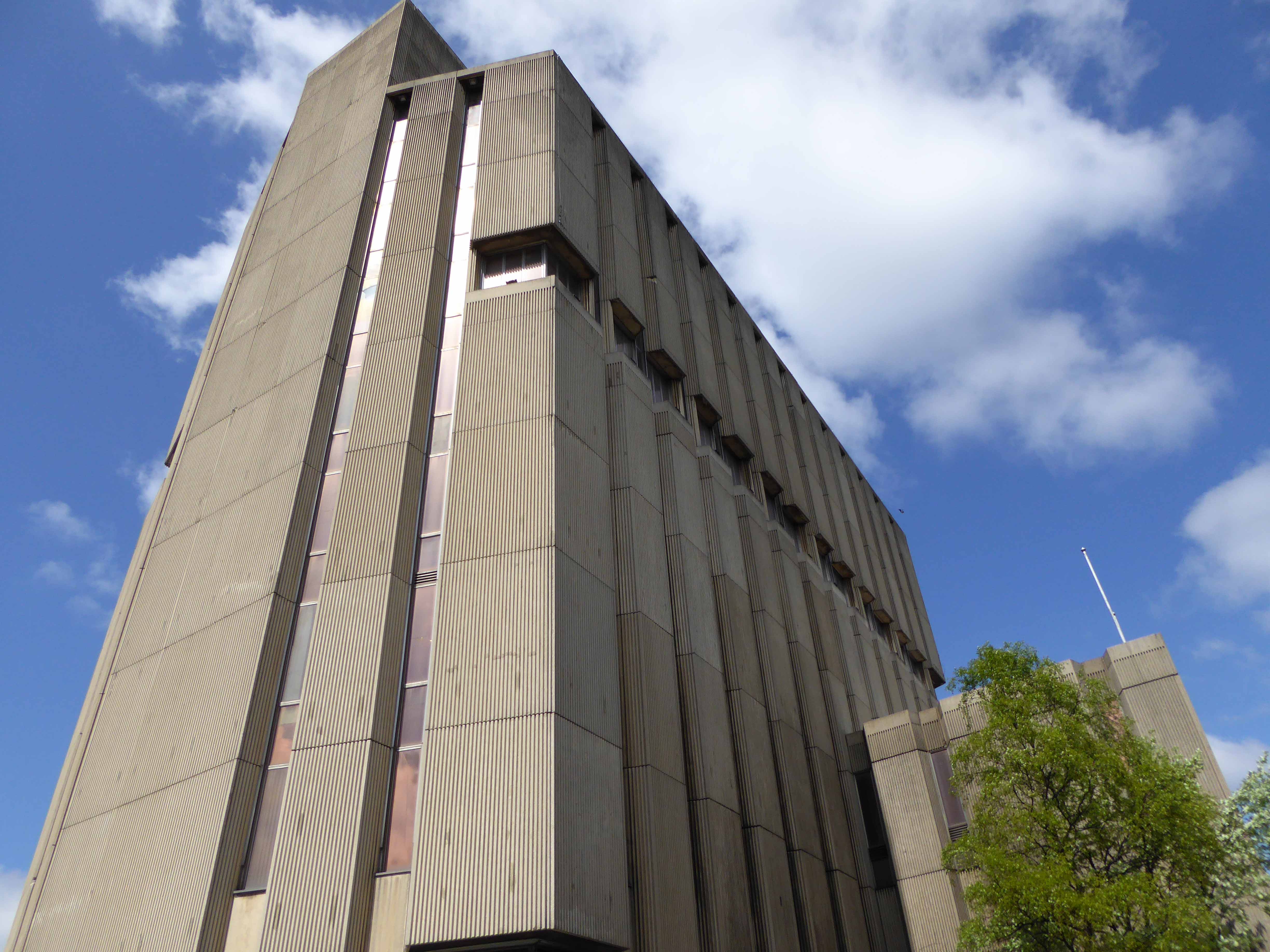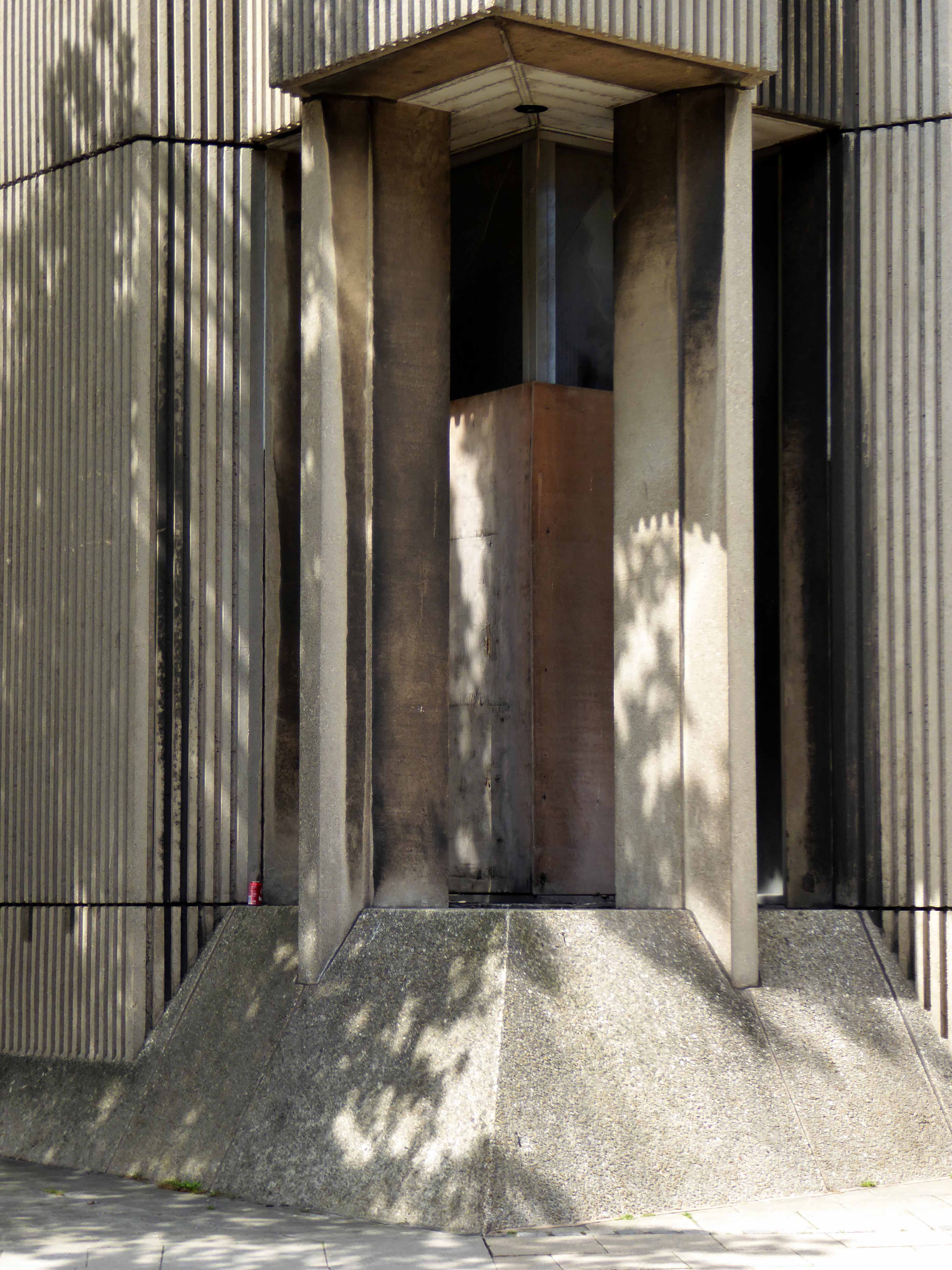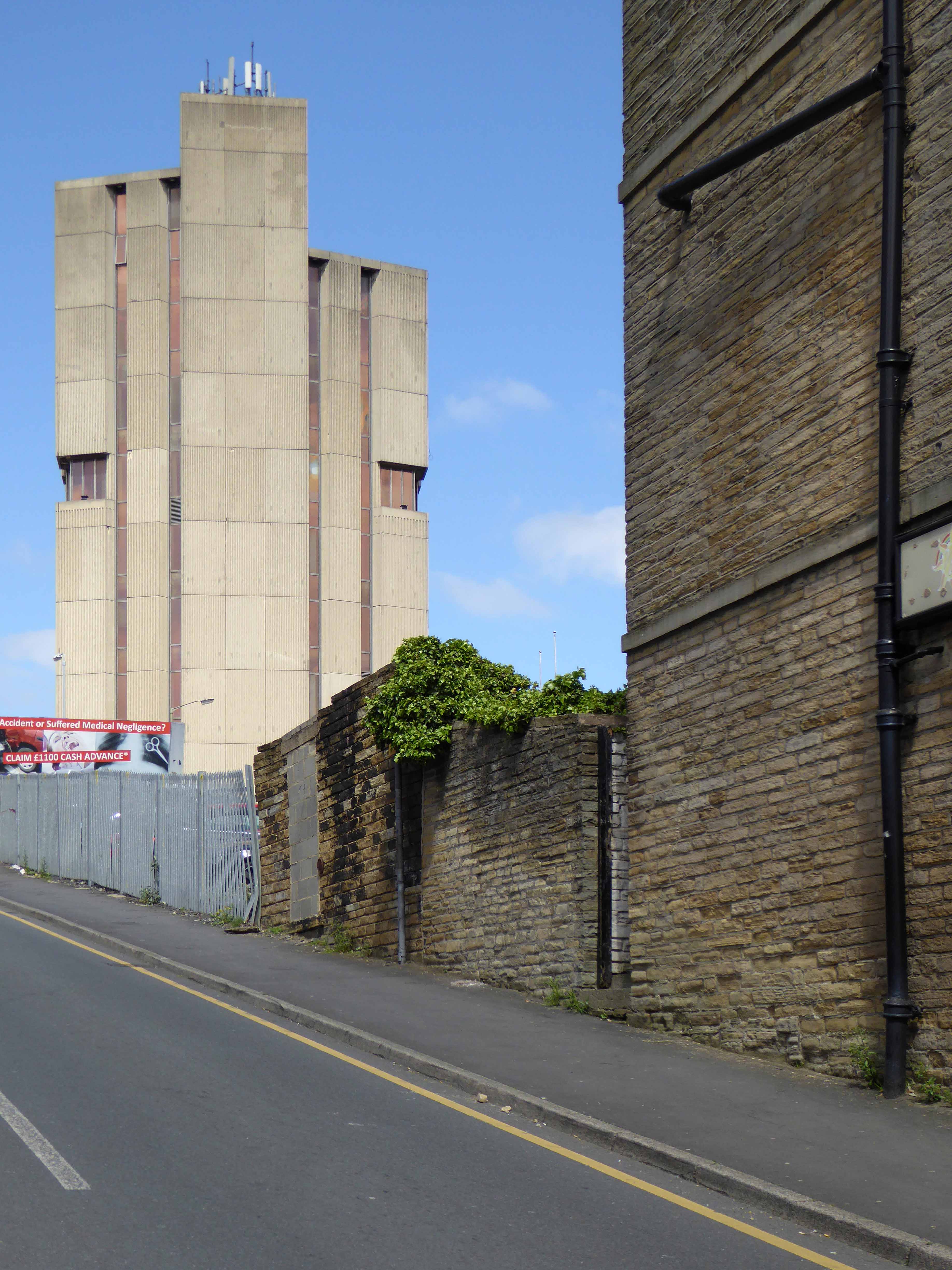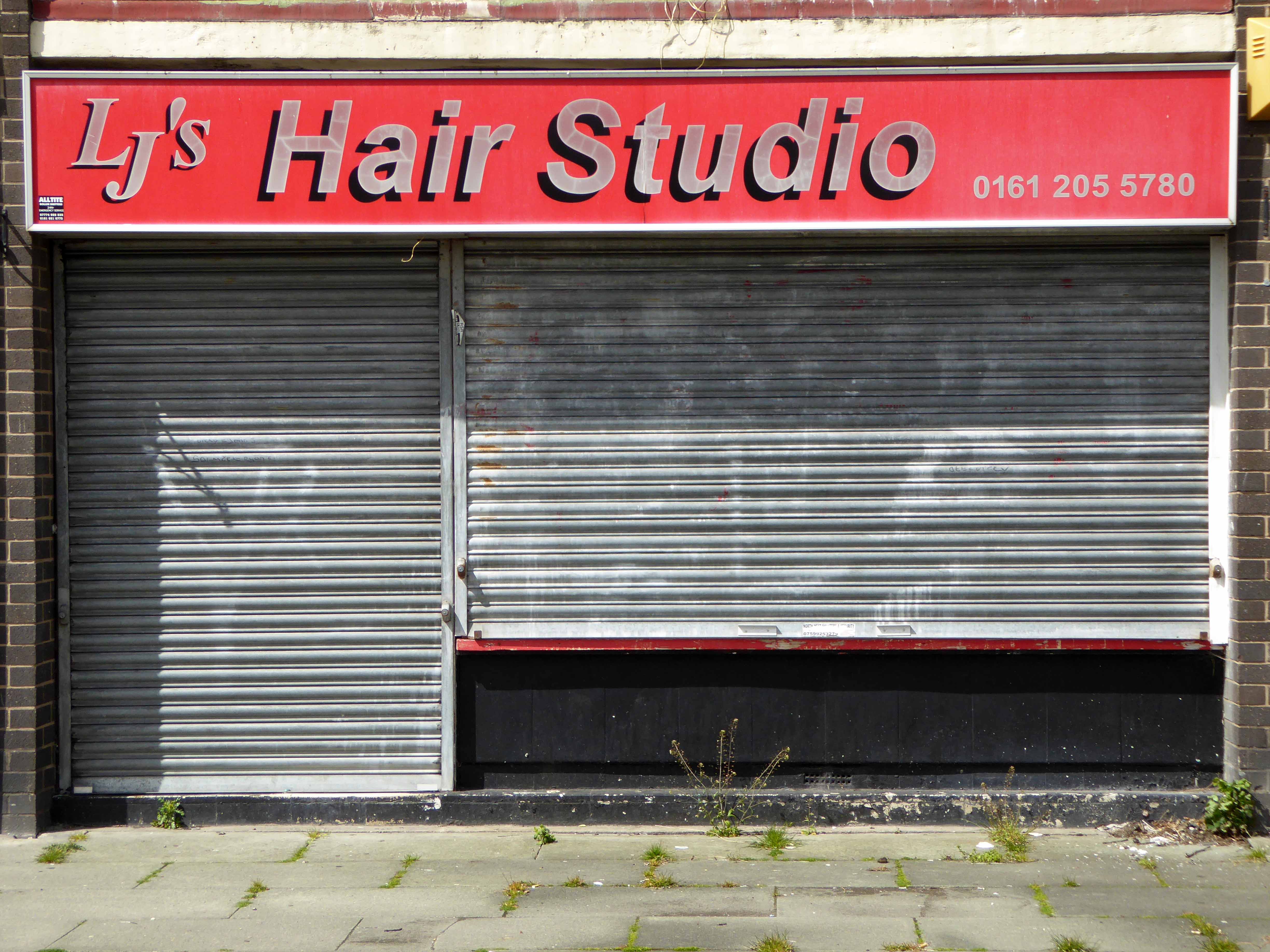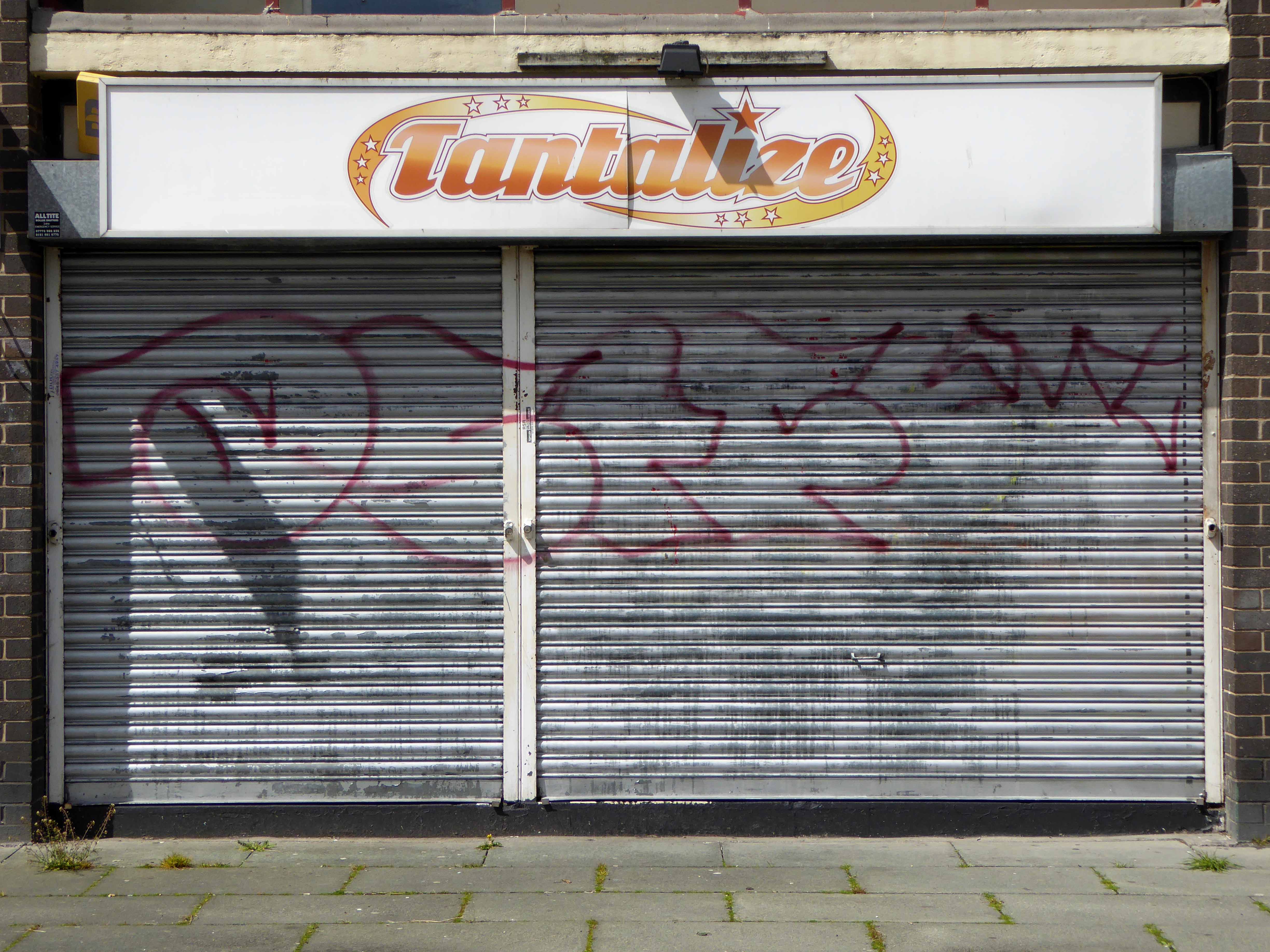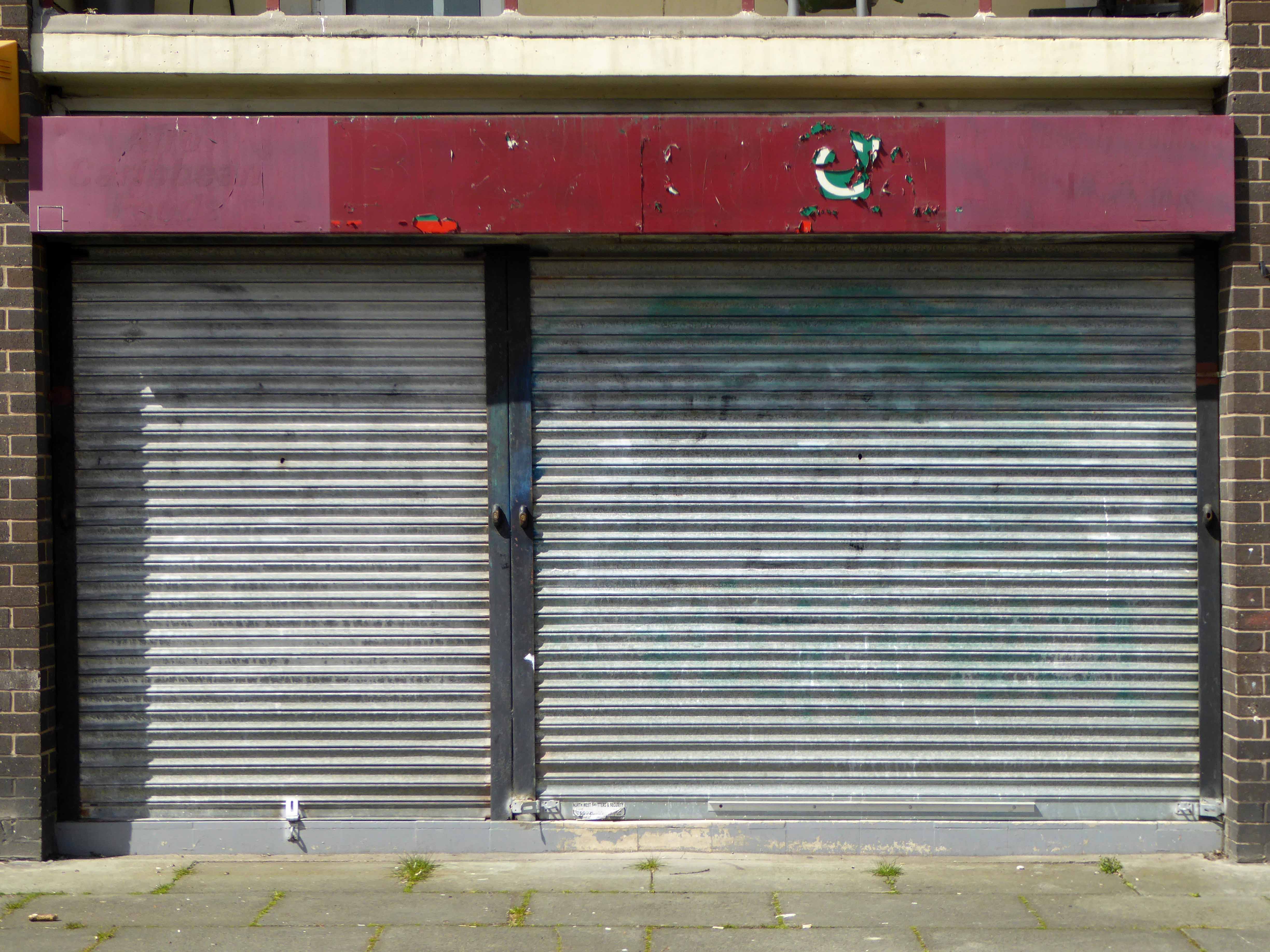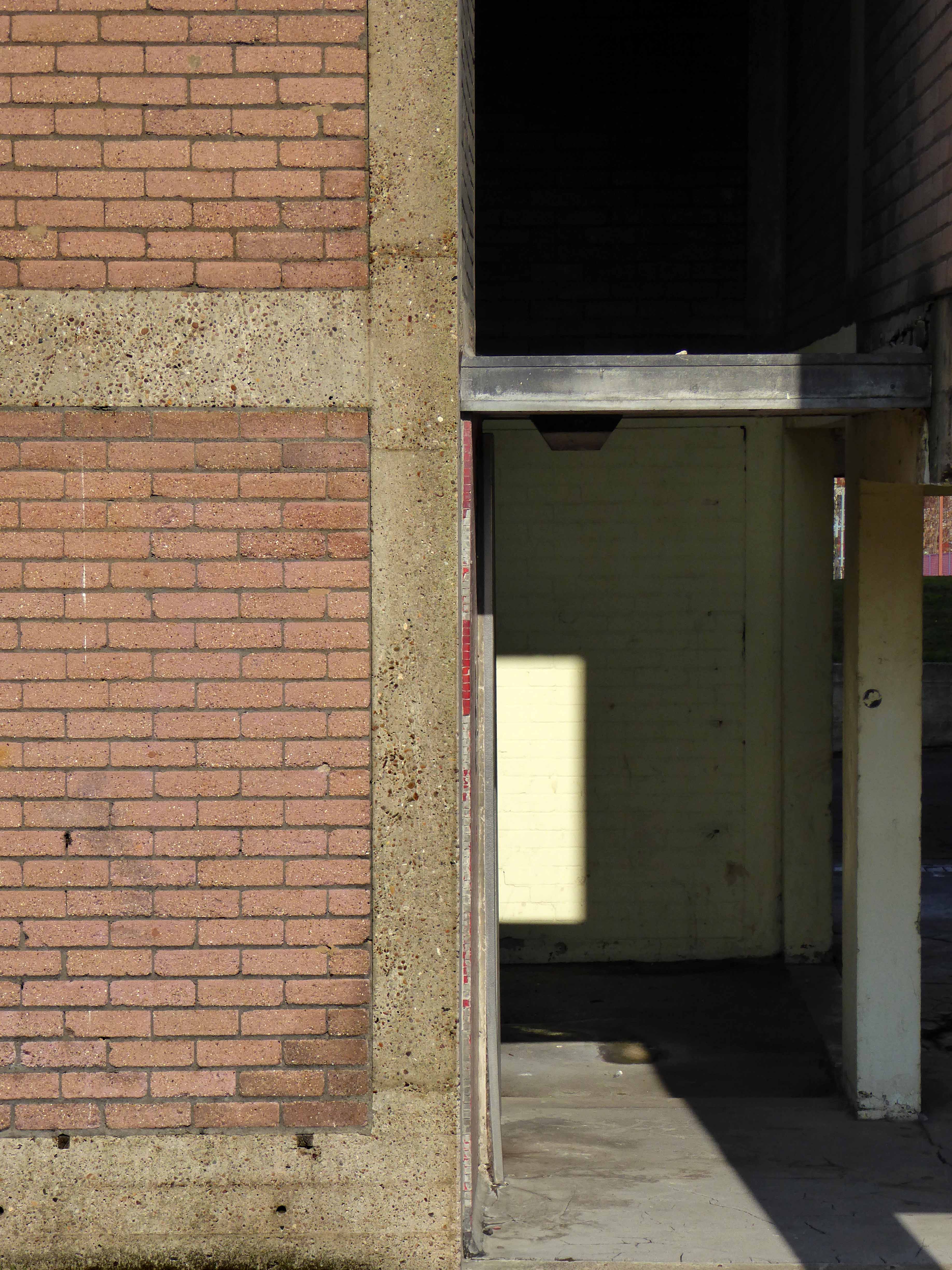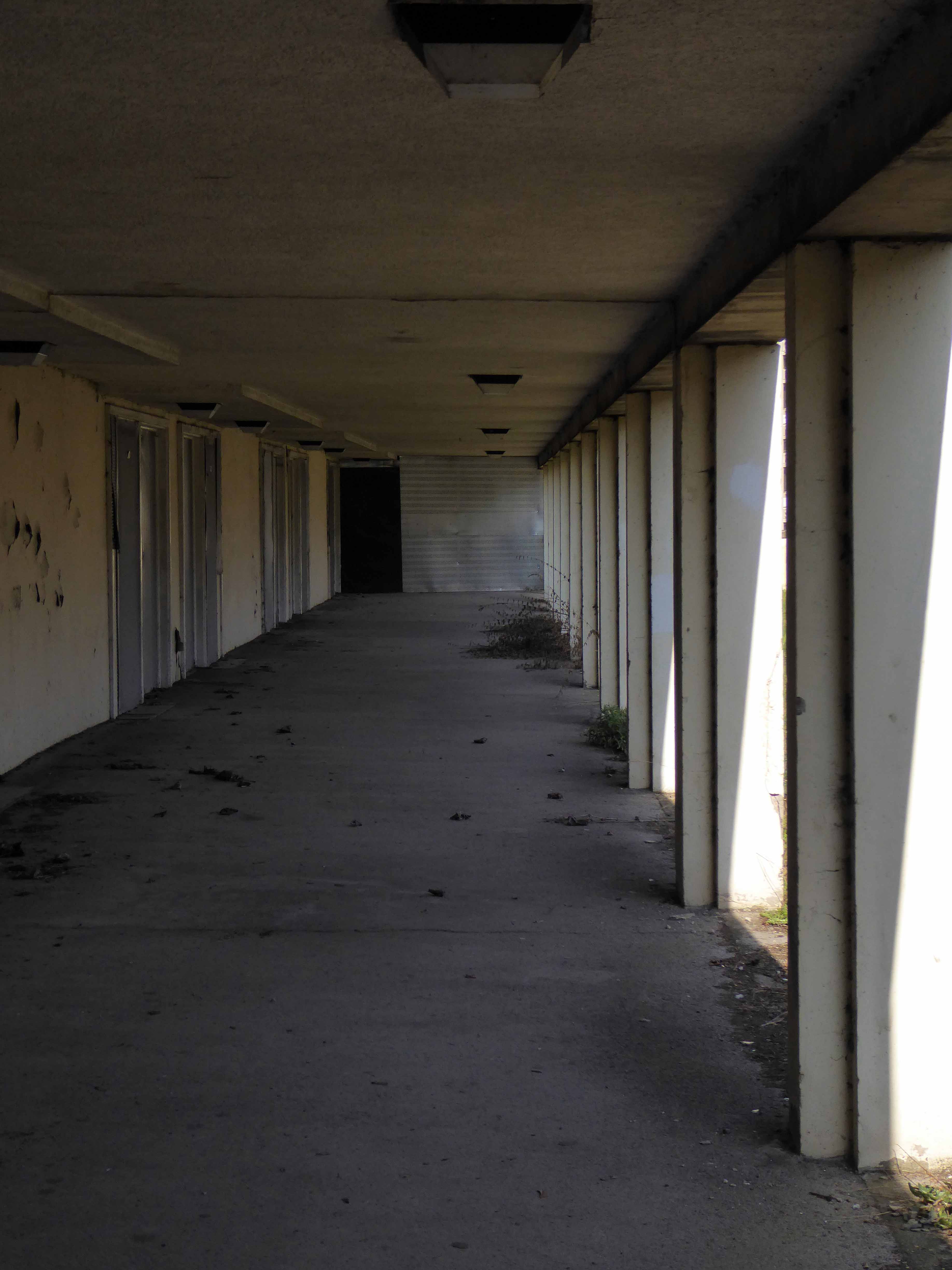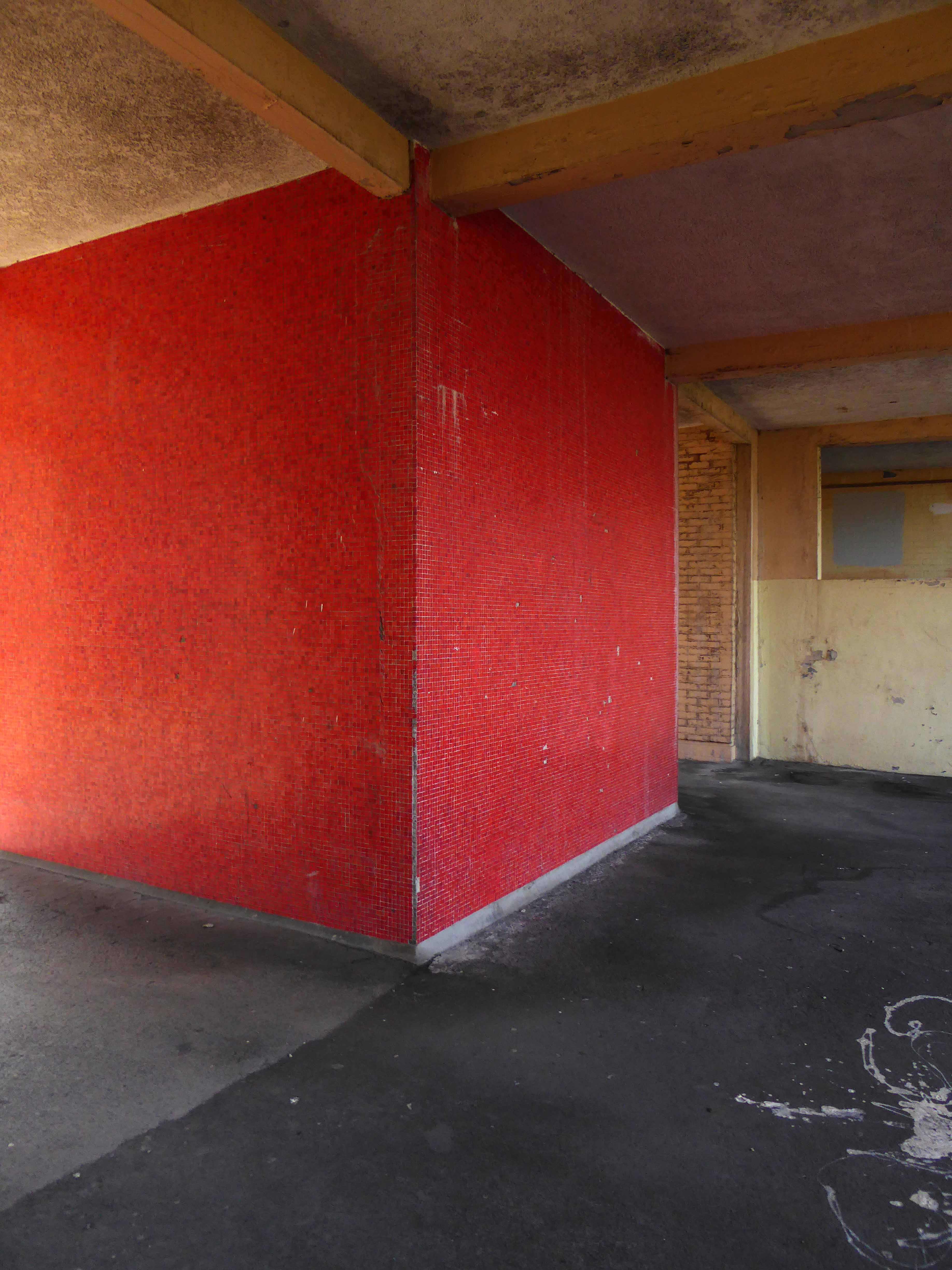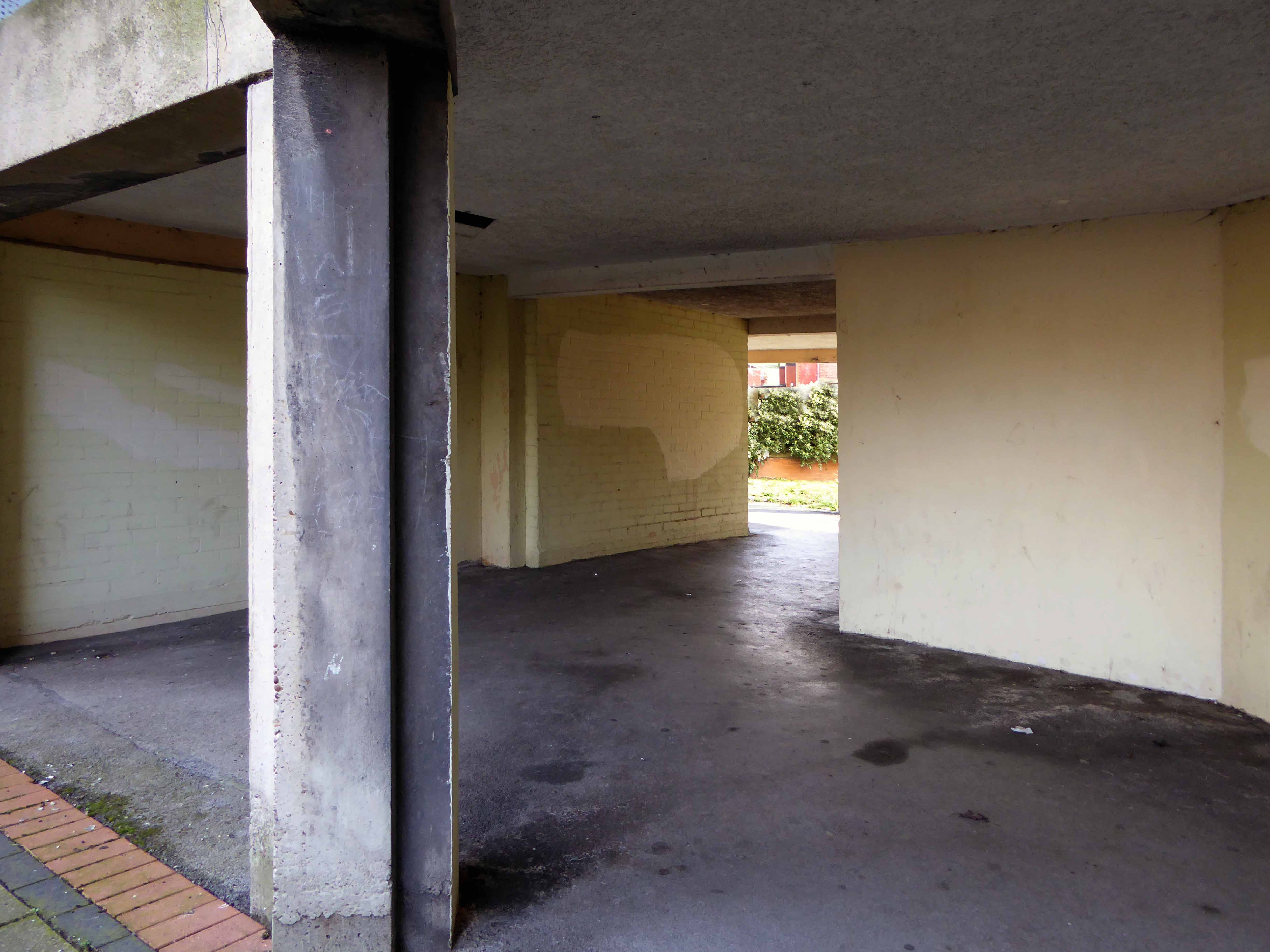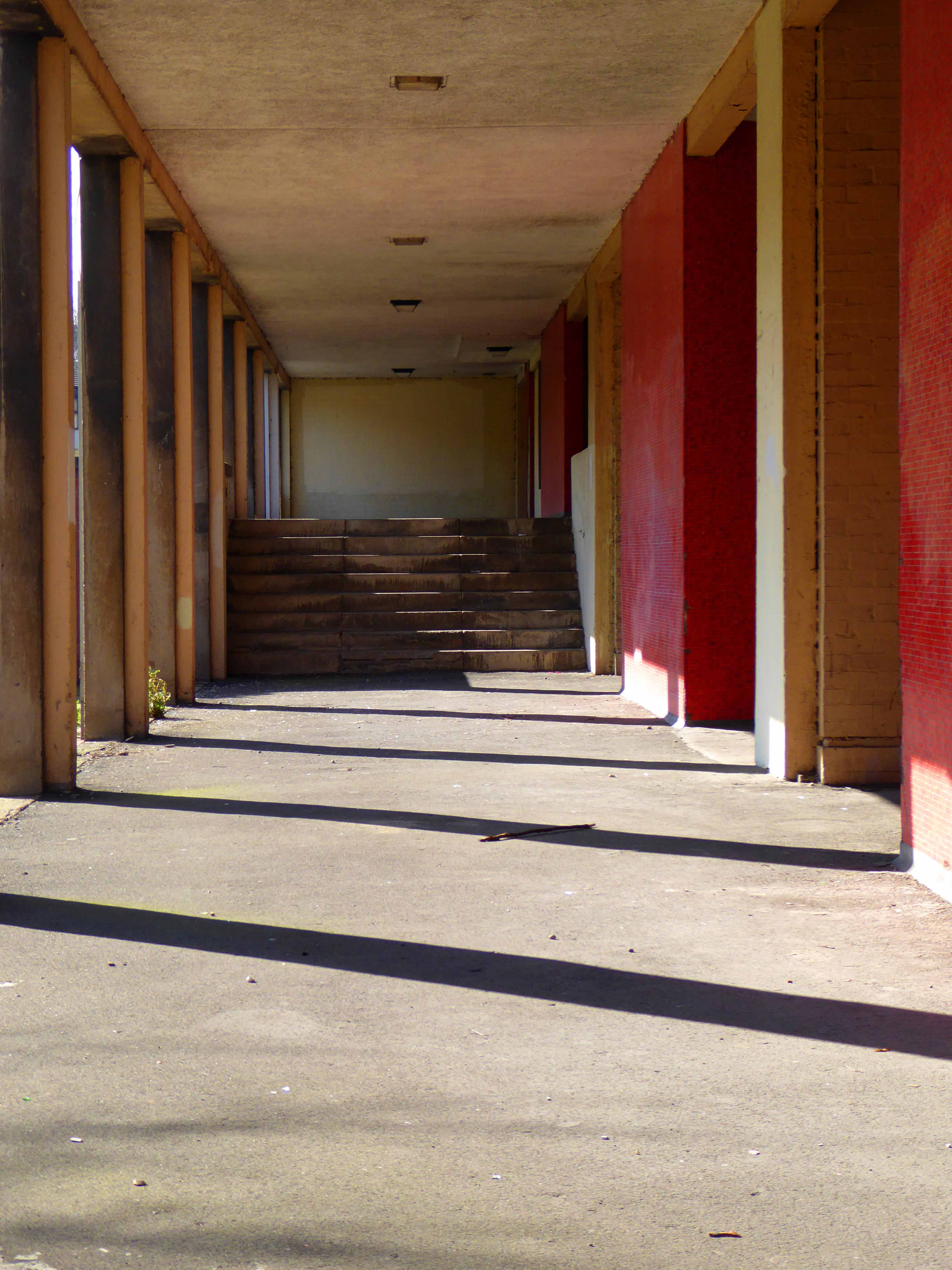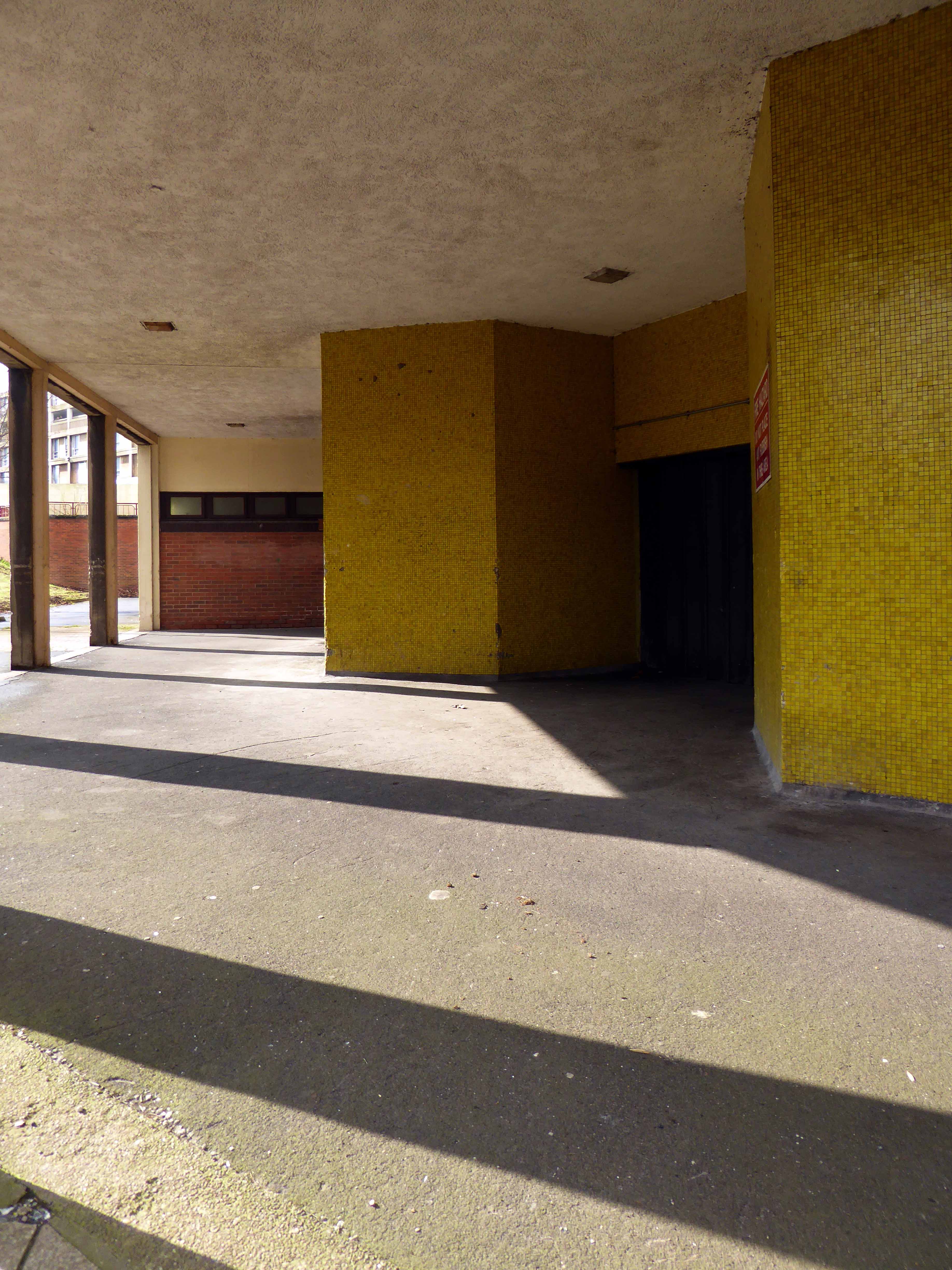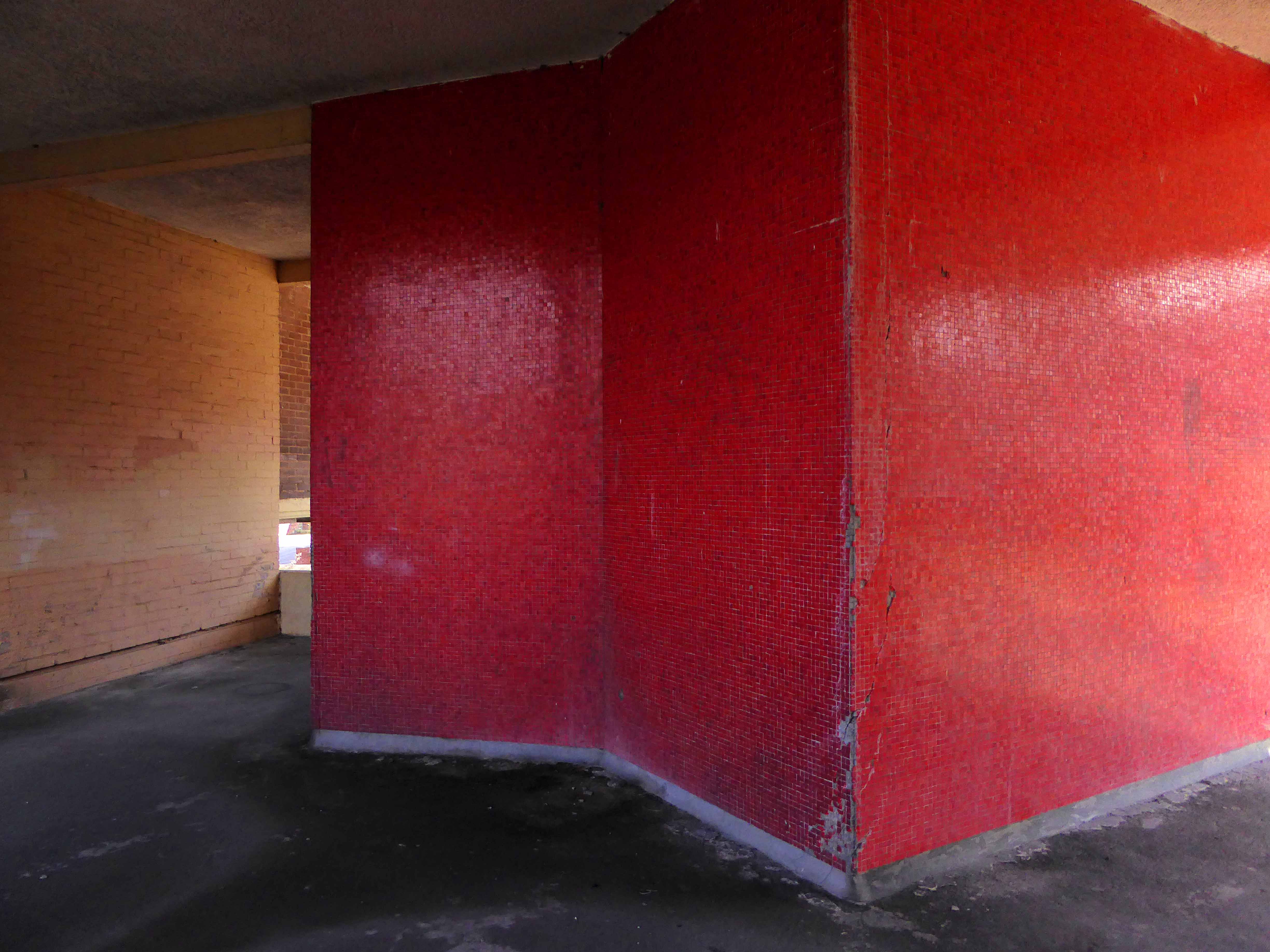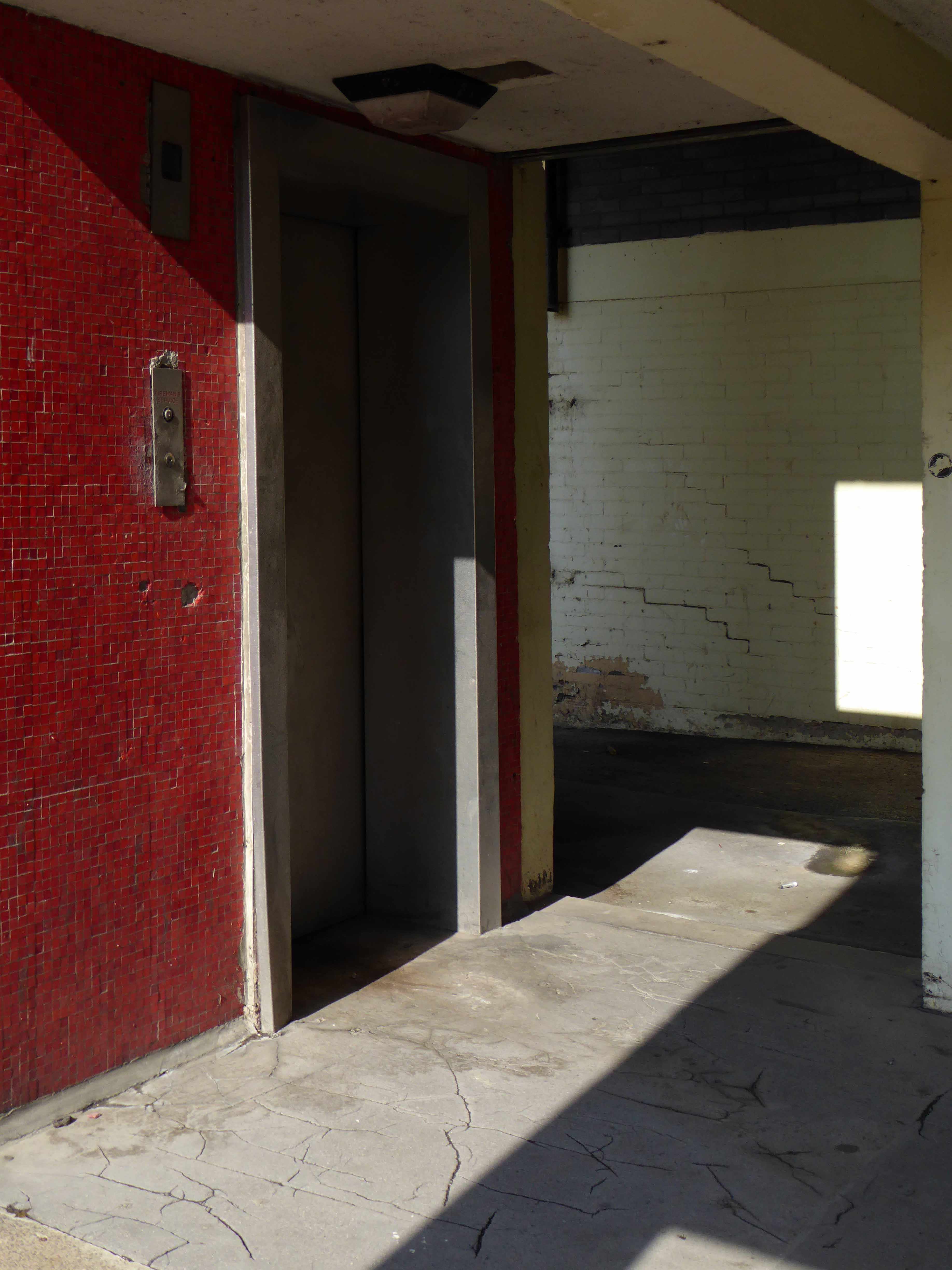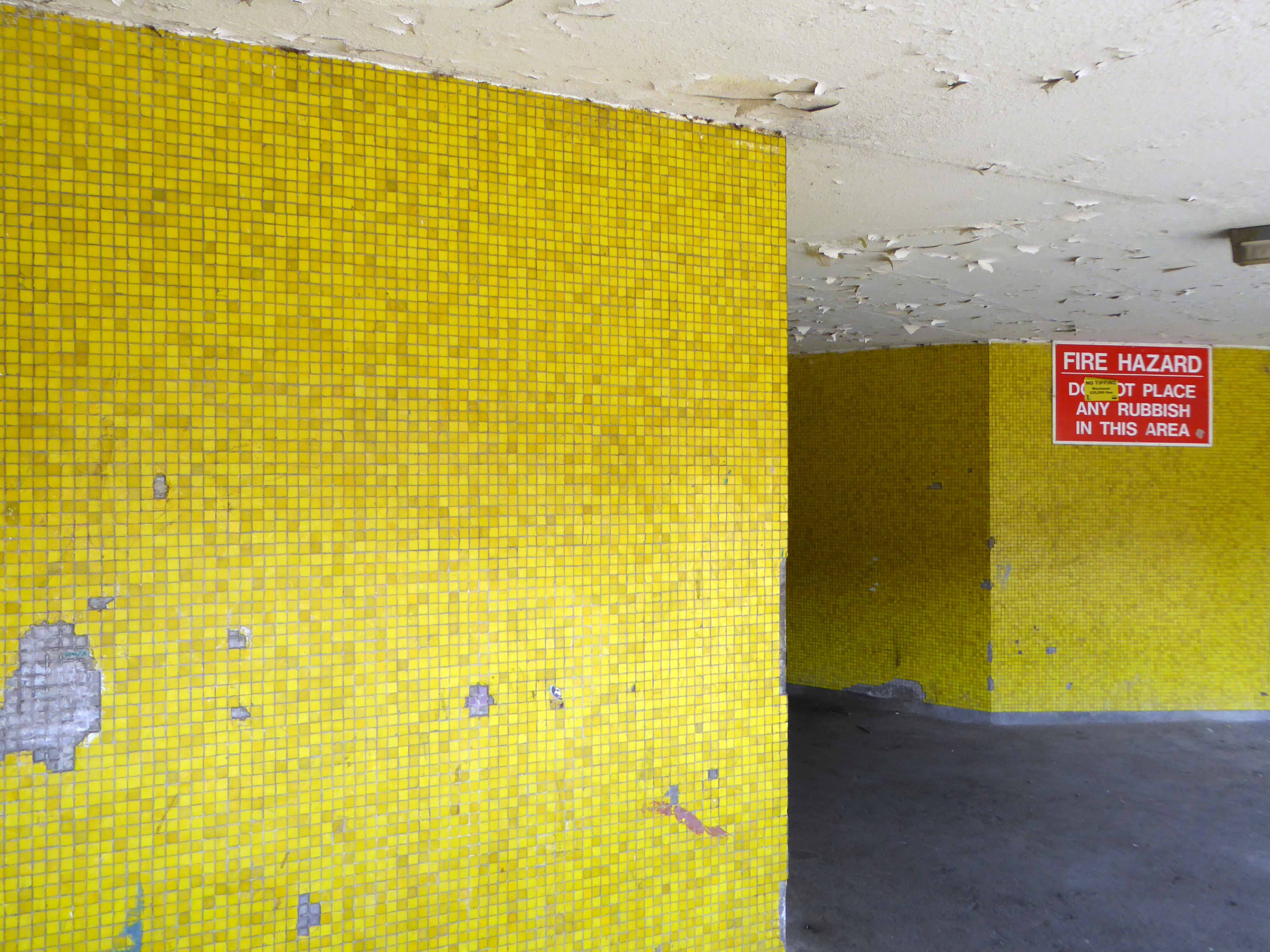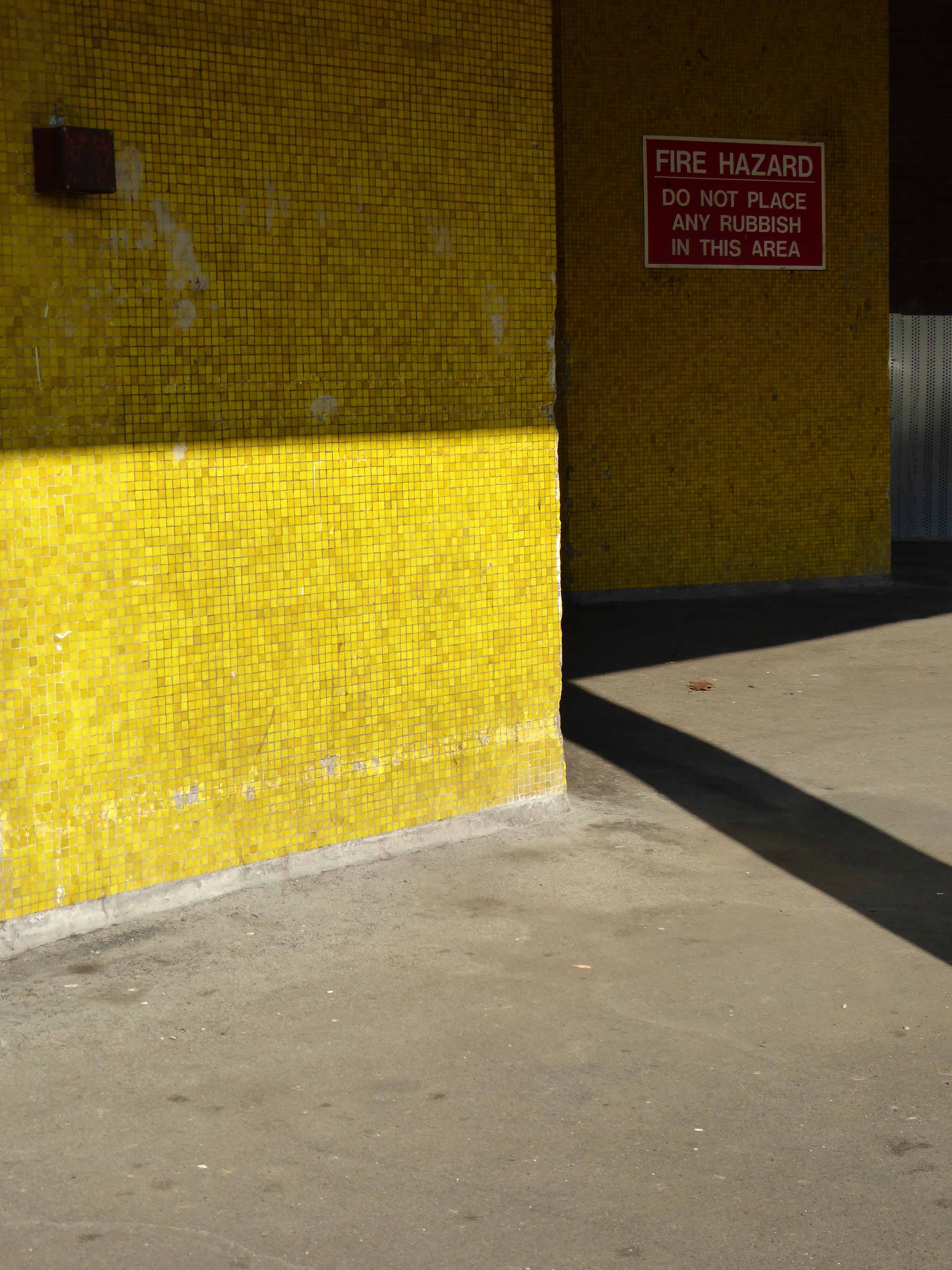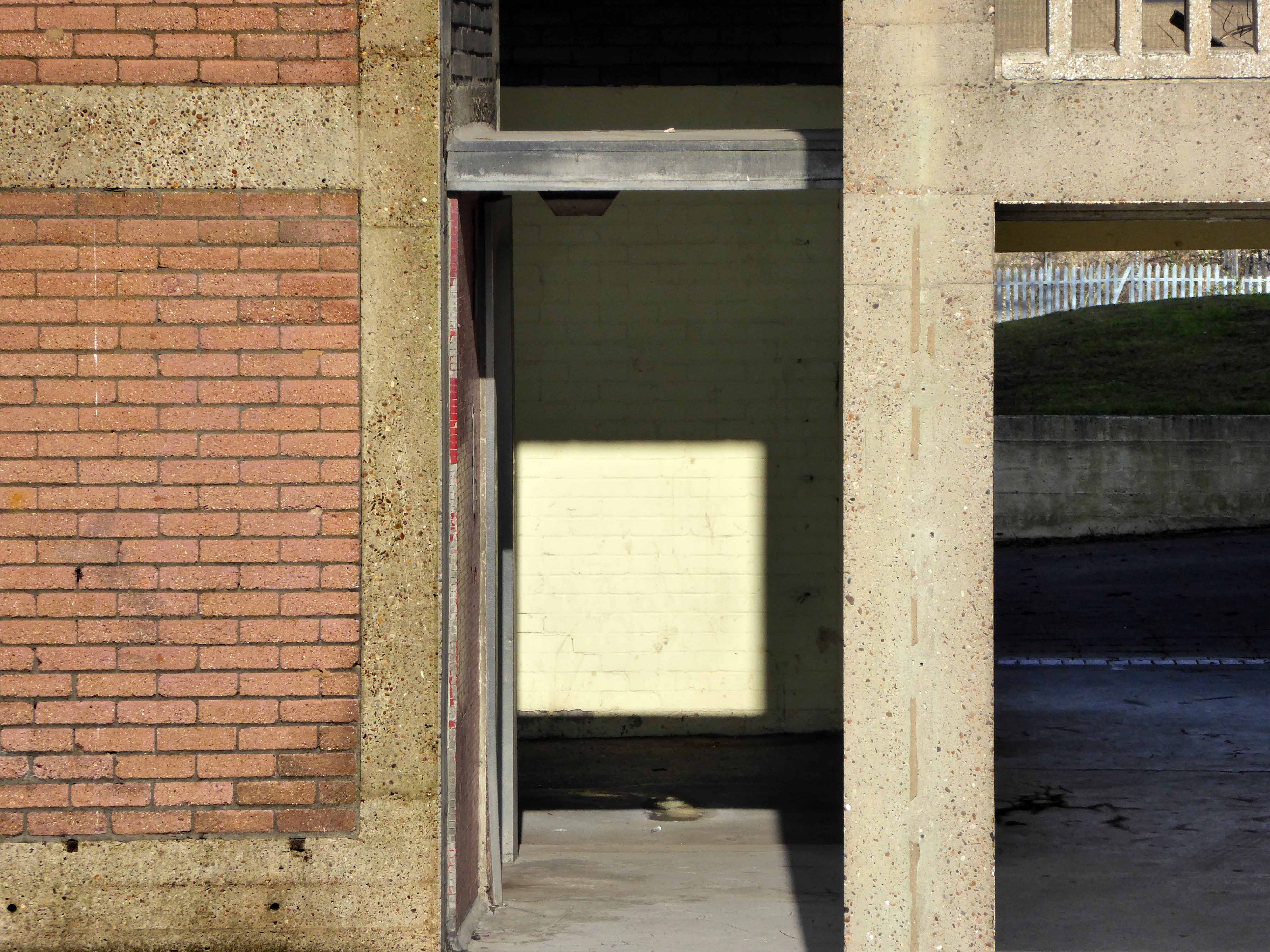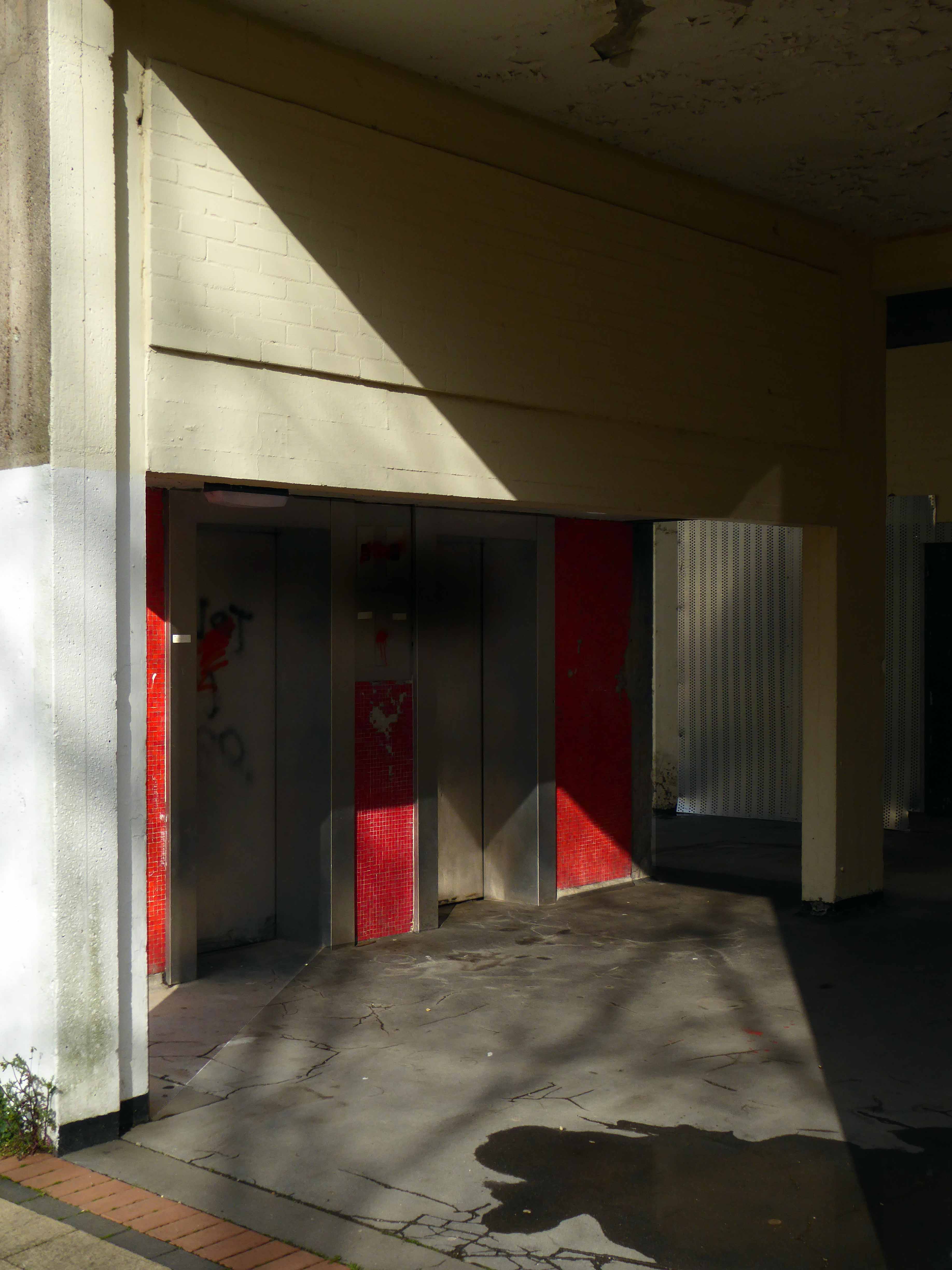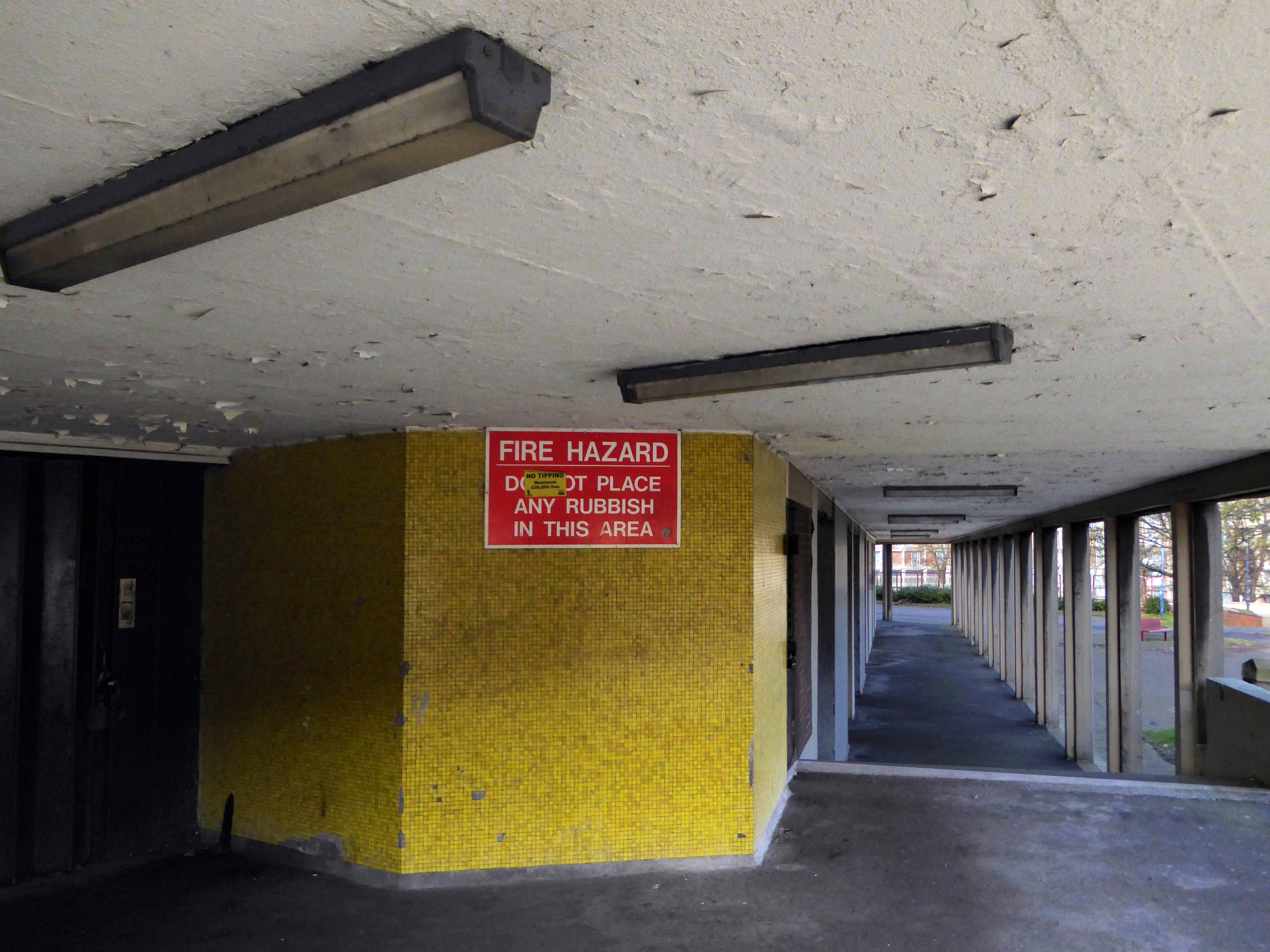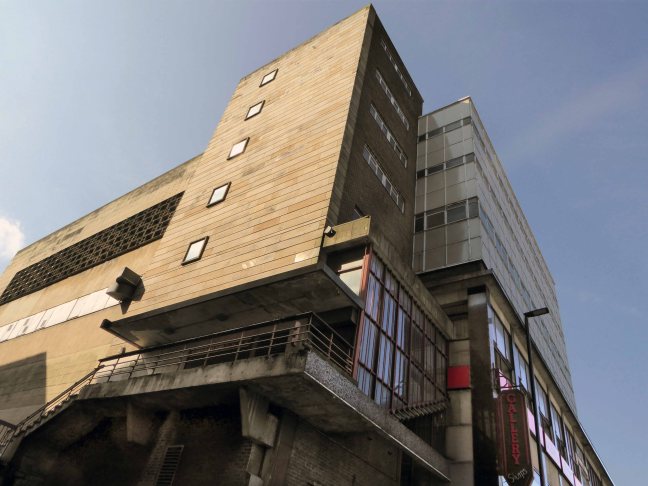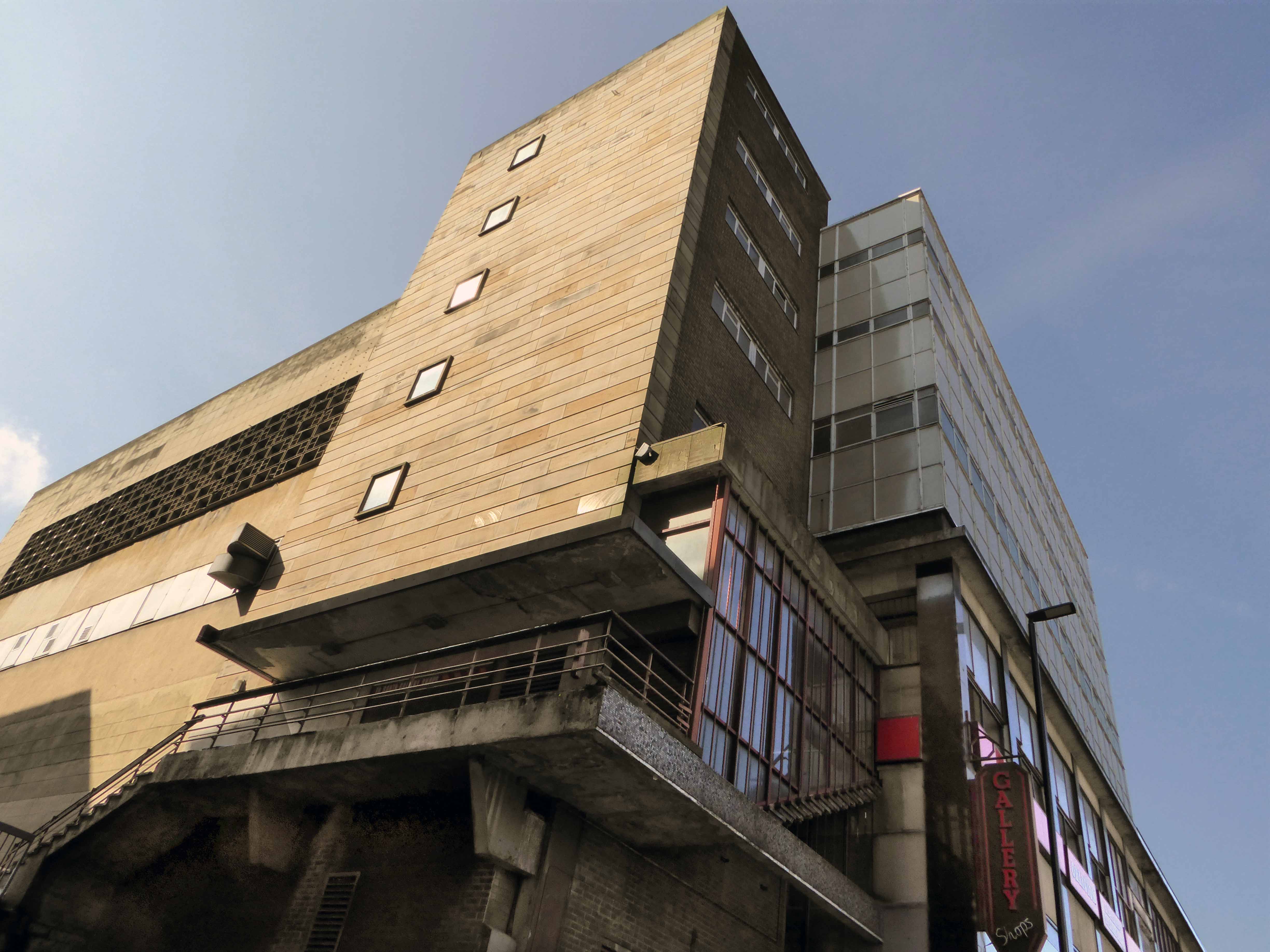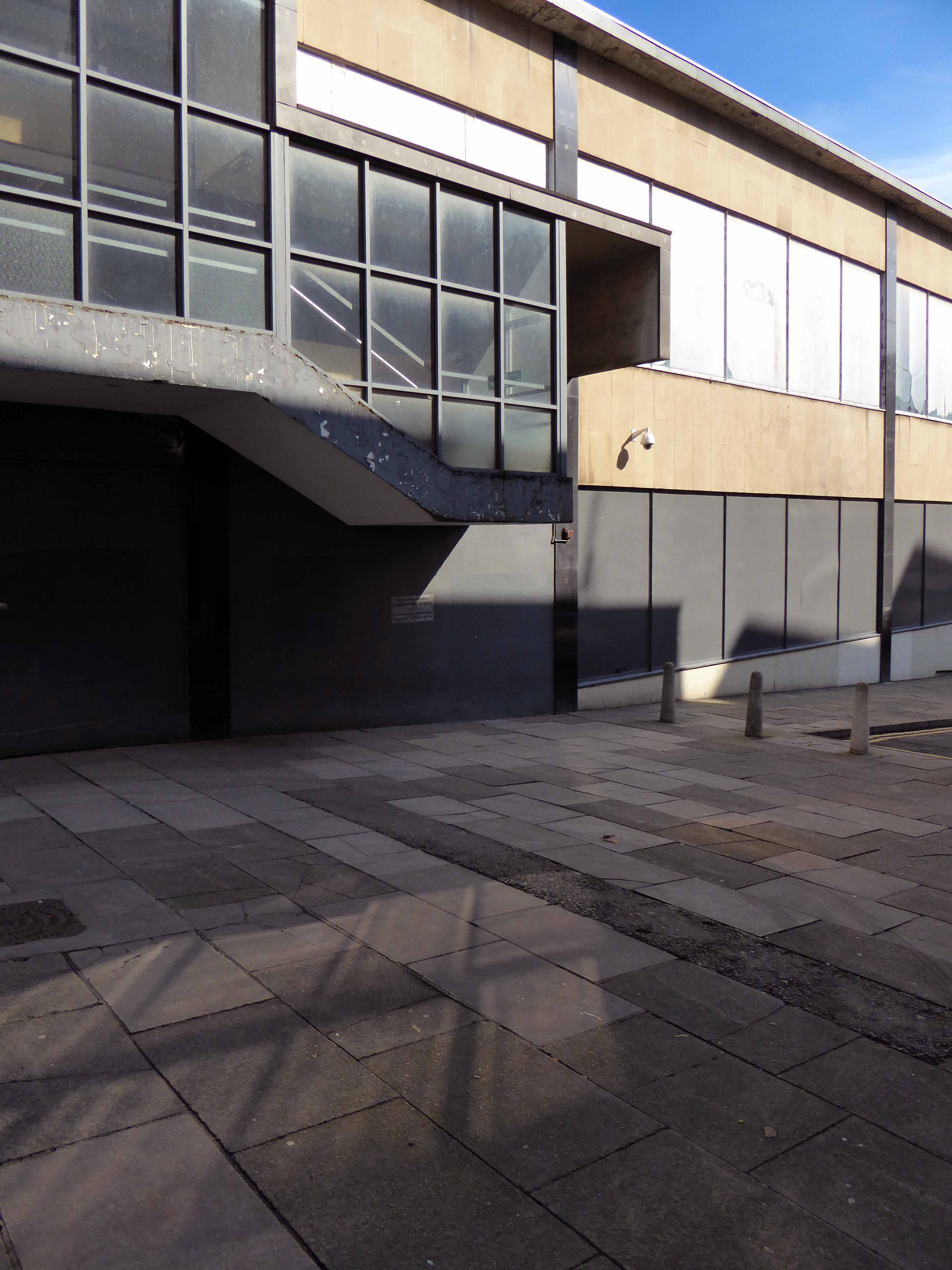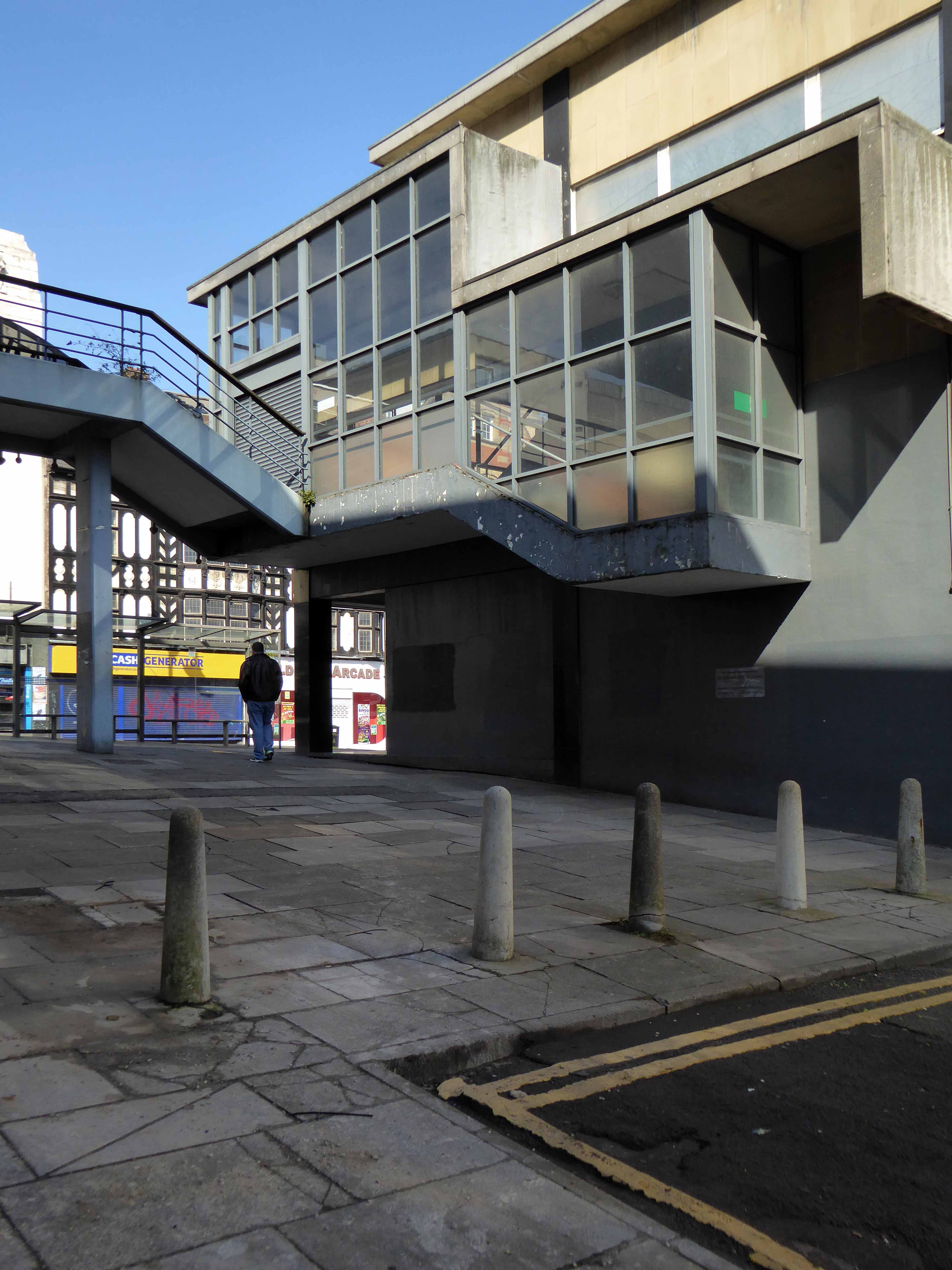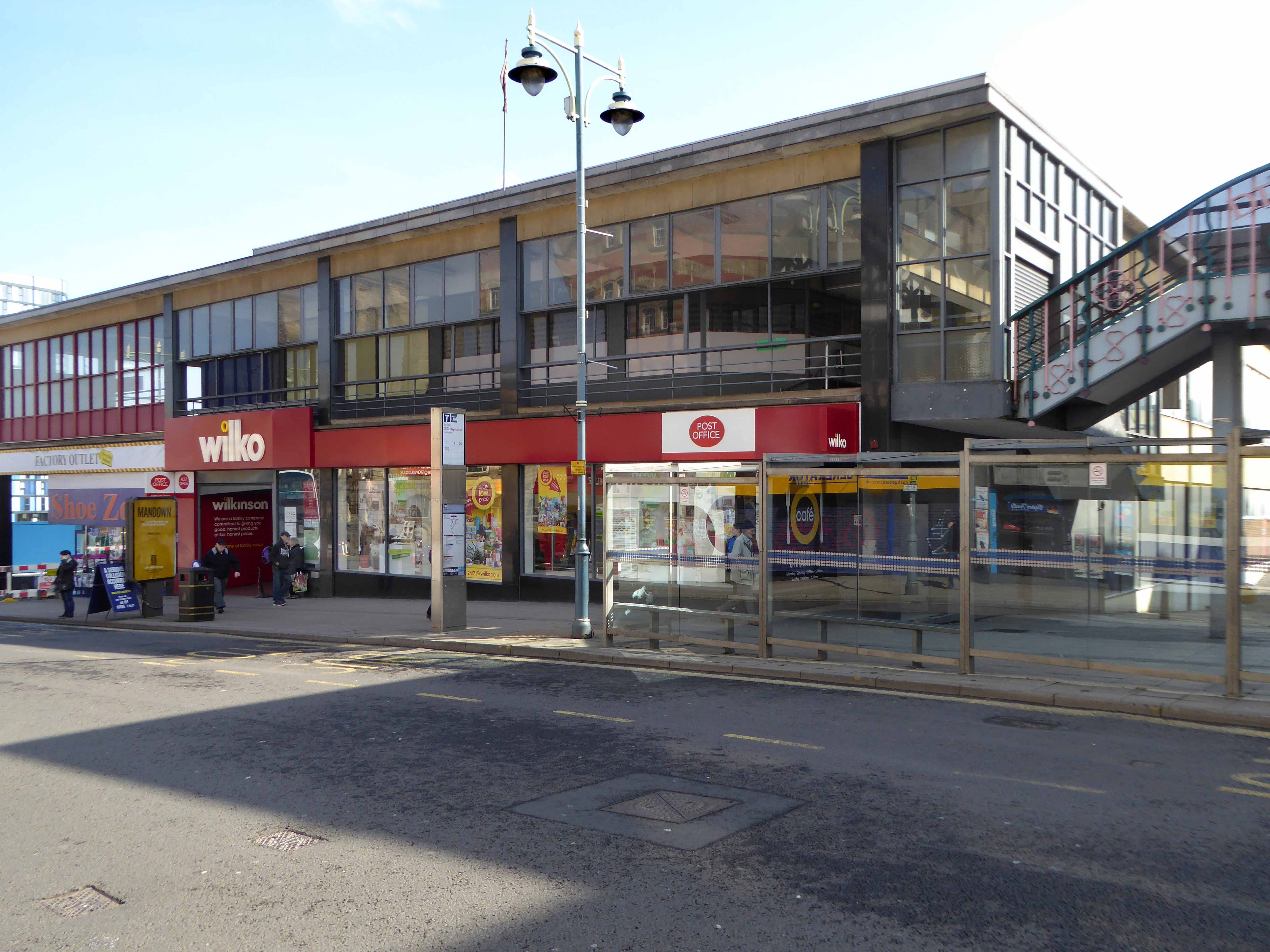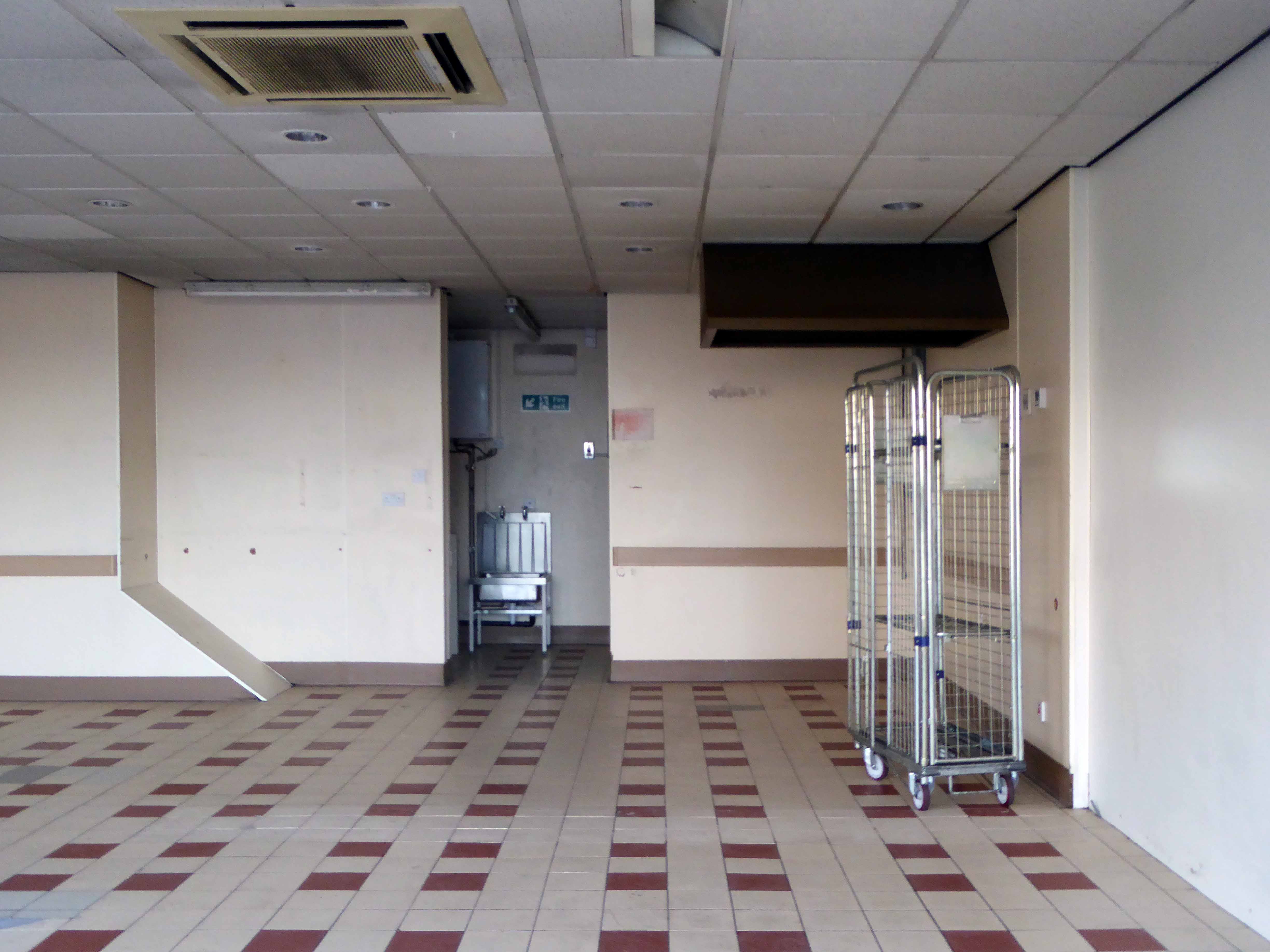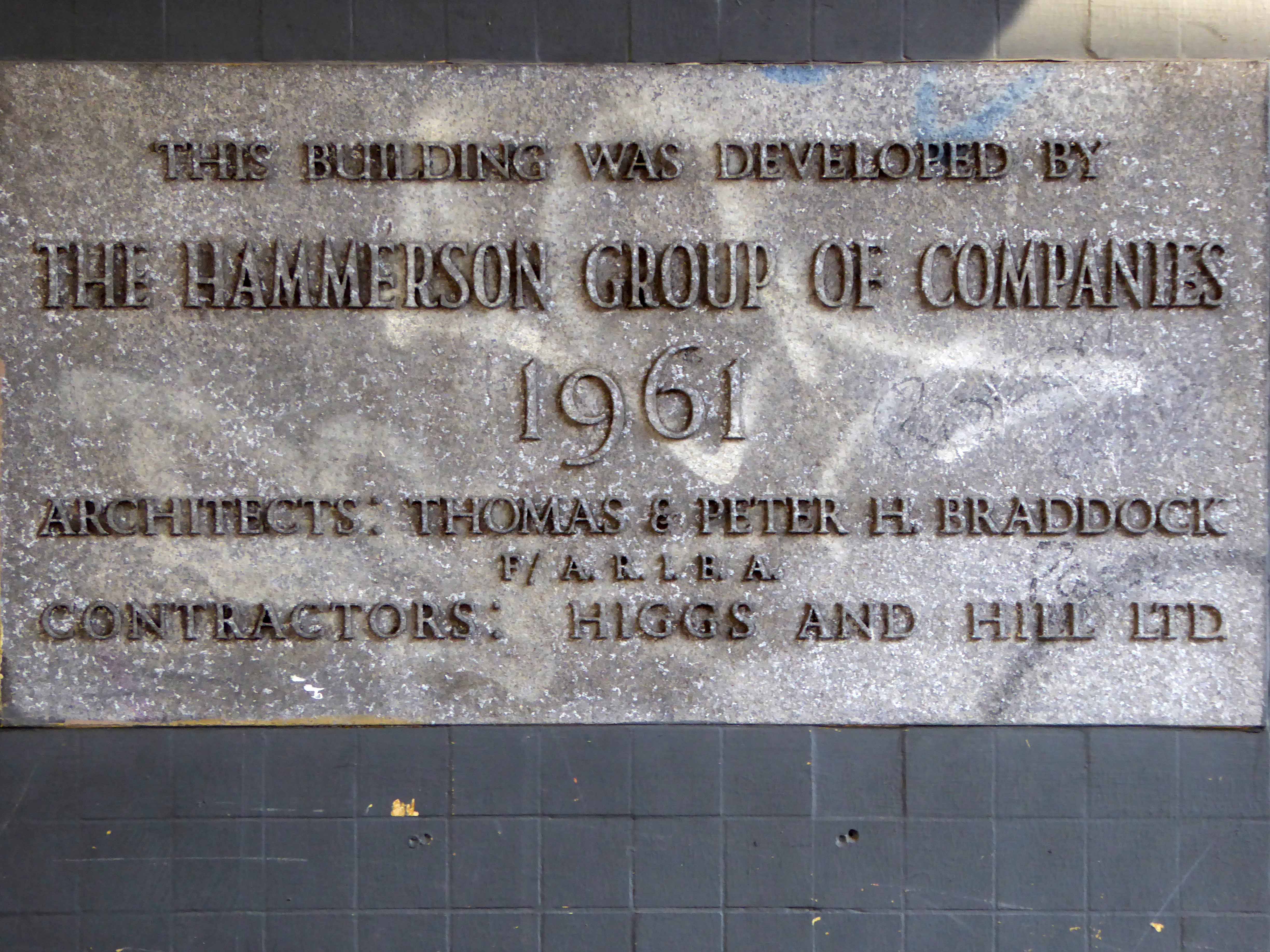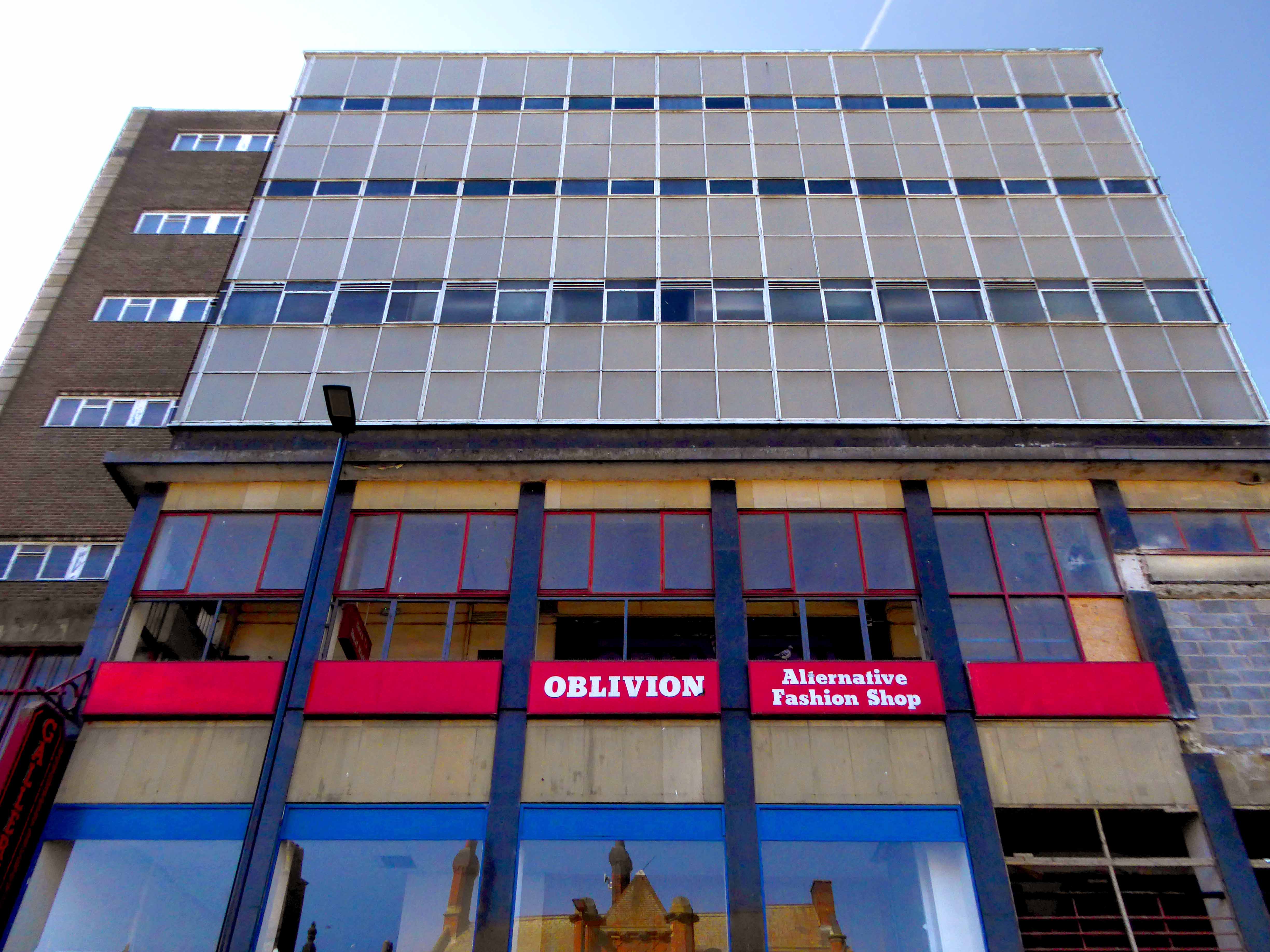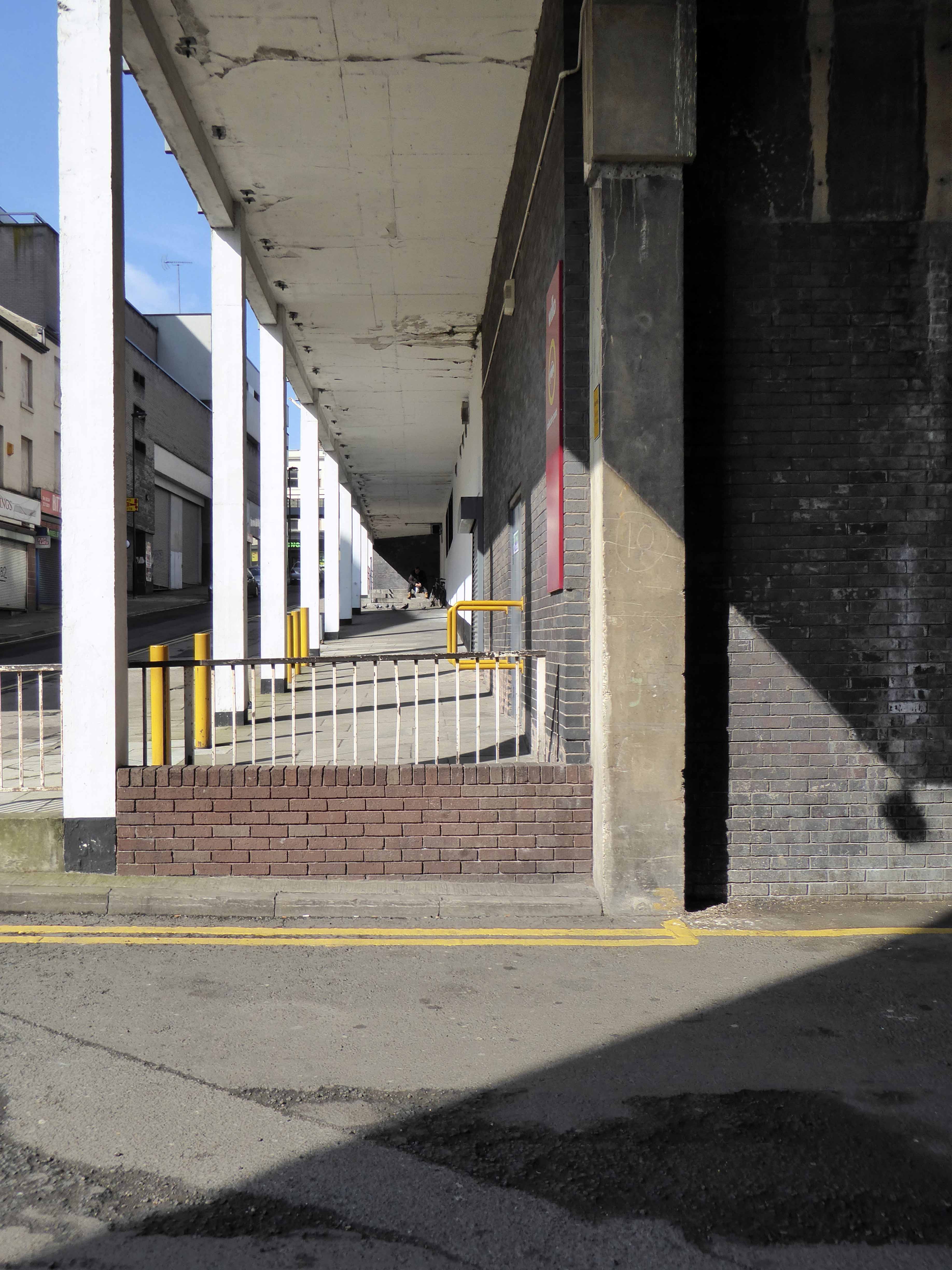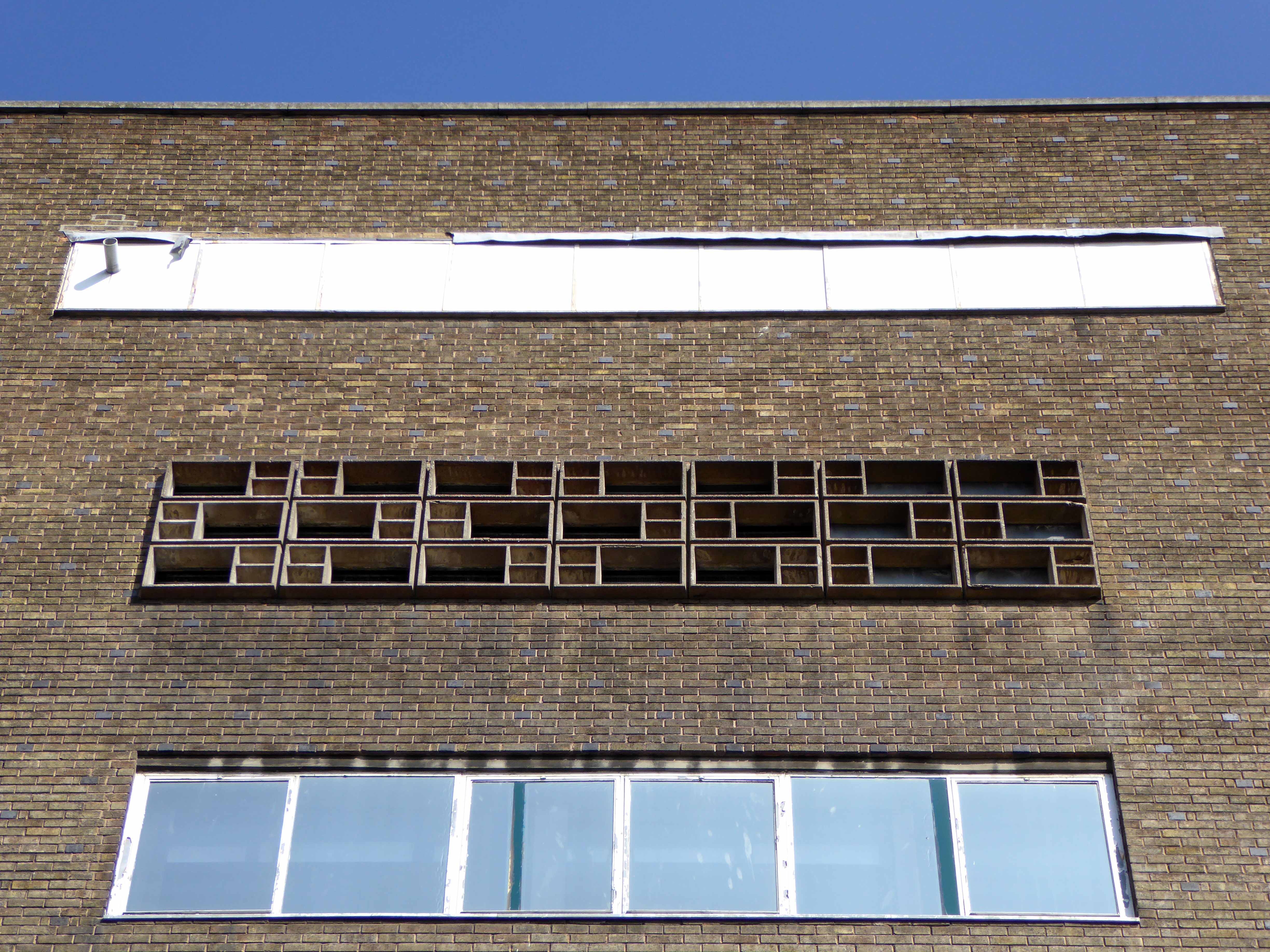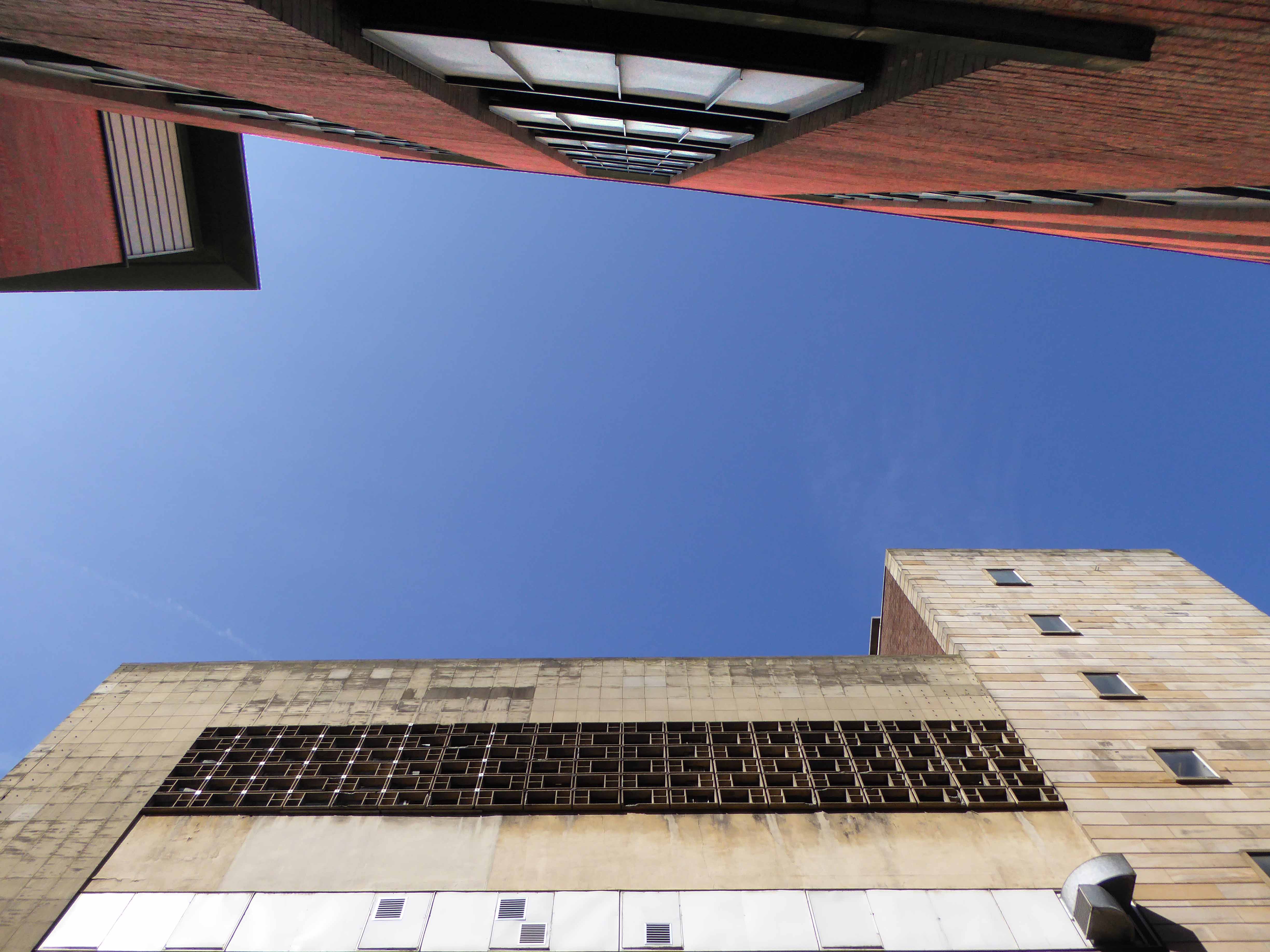
Yorkshire Building Society – Bradford

I don’t know much about the Yorkshire Building Society, I must say I have less than a passing interest in Building Societies generally.

I more of a building societies man myself.

But I do know this

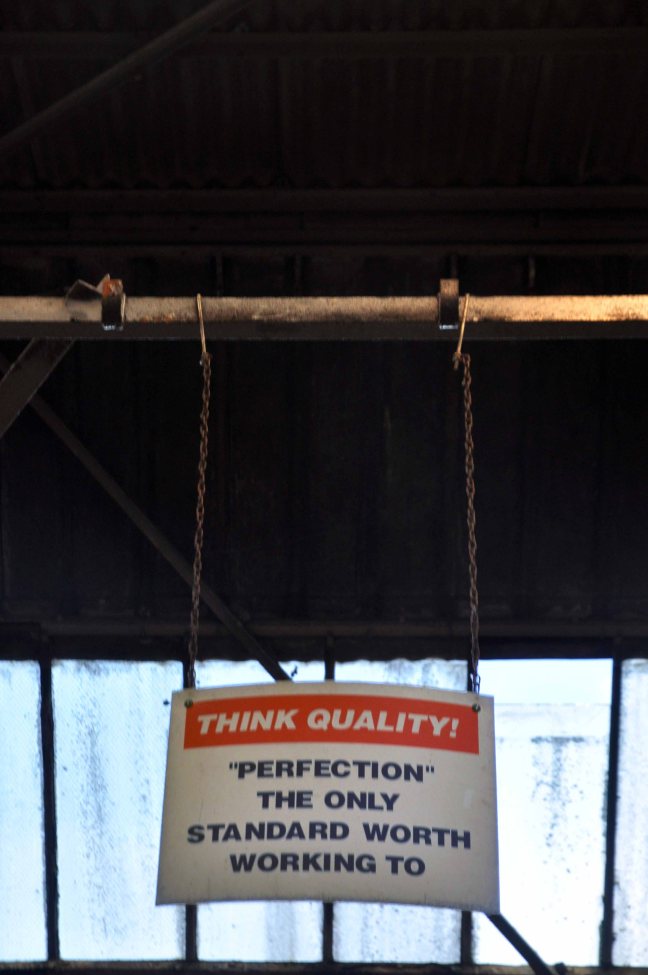
In 1993 the former Hammonds Sauce Works Band was renamed as the Yorkshire Building Society Band. The building society supported the main band and also the YBS Hawley Band and YBS Juniors. The building society ceased its sponsorship in December 2004 although the YBS initials were retained in the band’s name until 2008. From January 2009 the band was renamed the Hammonds Saltaire Band.

Which seems a particularly cruel way, to treat a sauce works band.

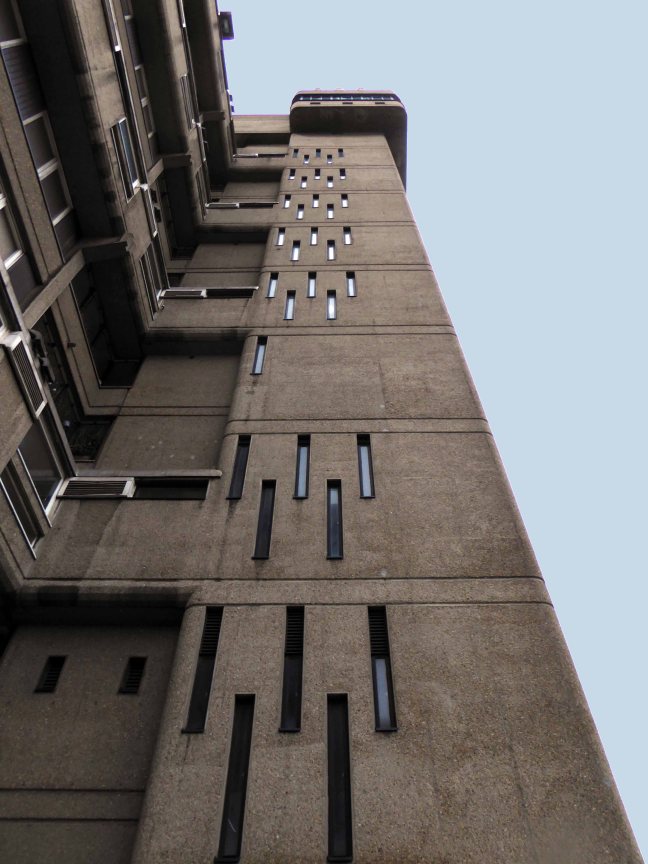
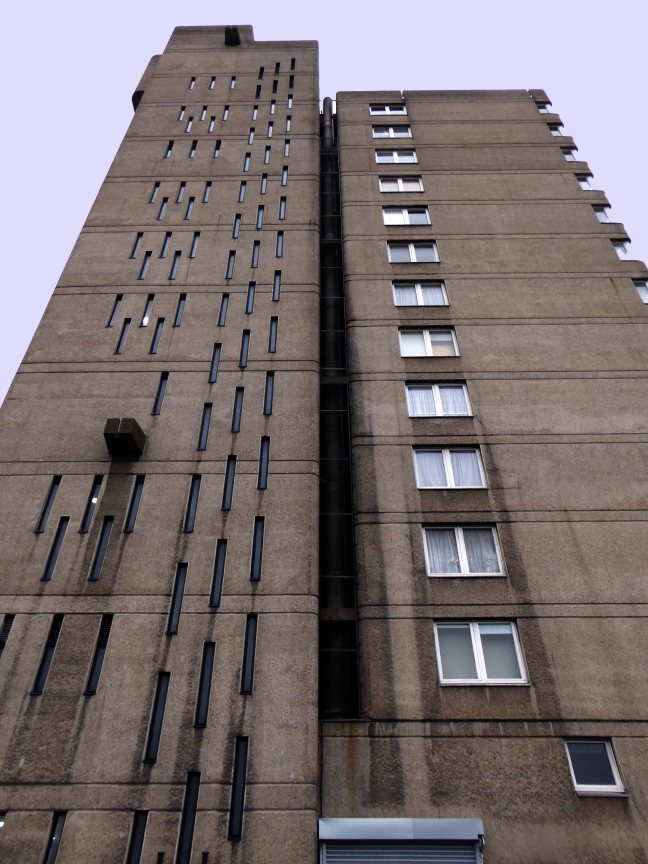
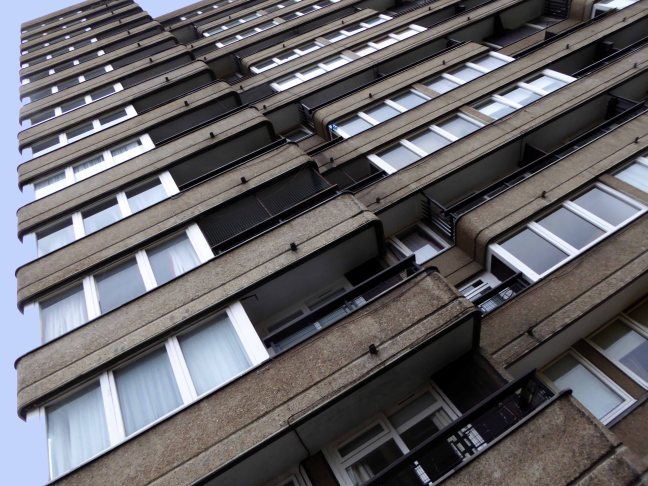
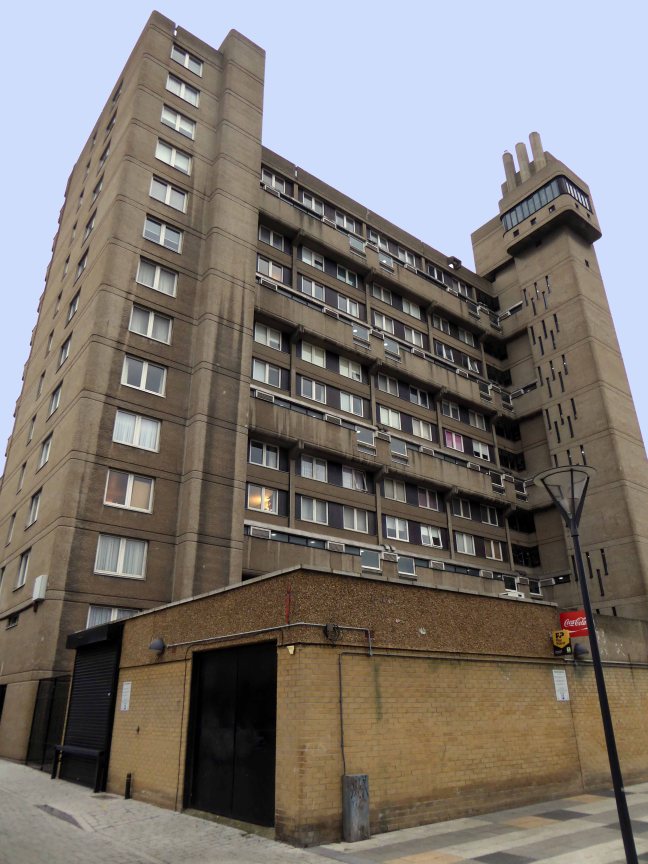
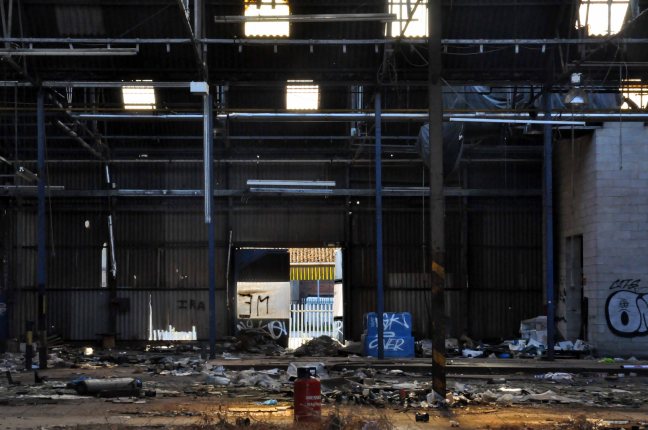
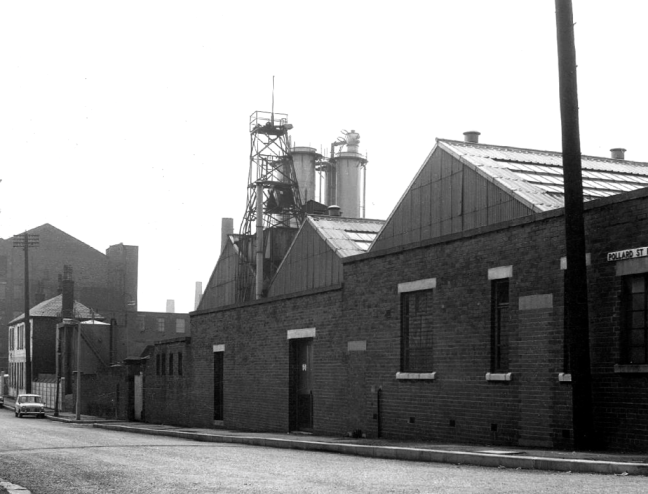
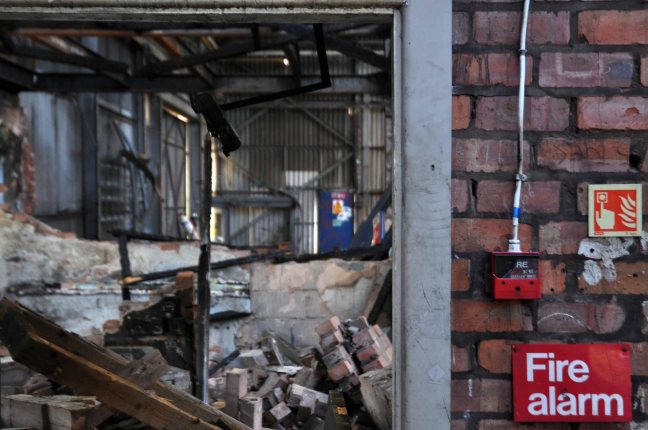
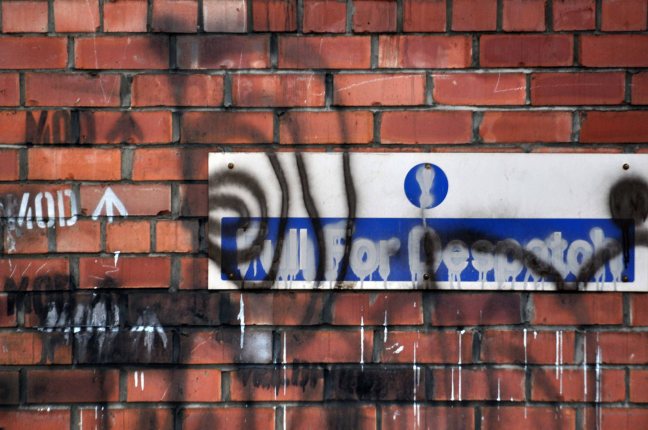
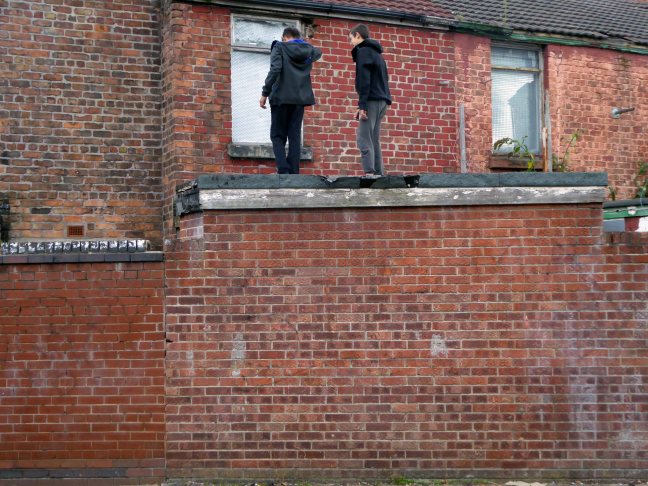
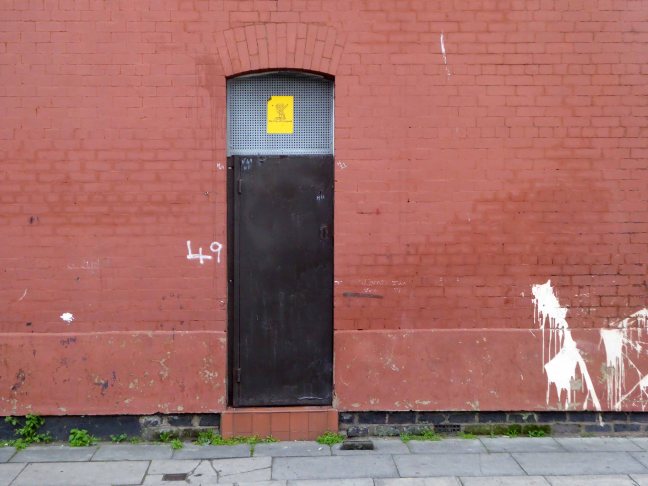
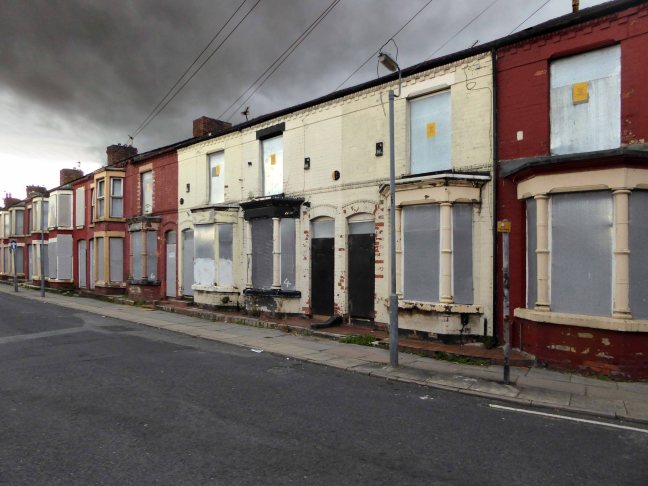
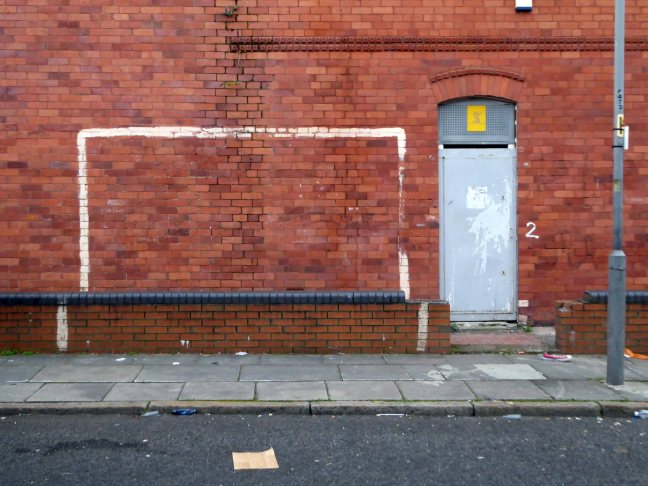
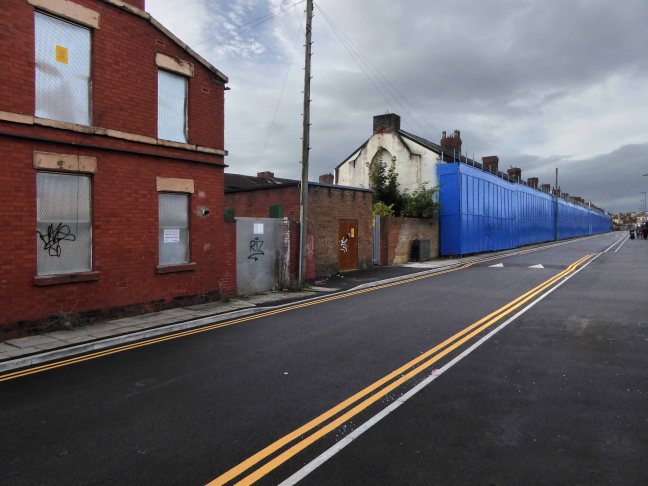
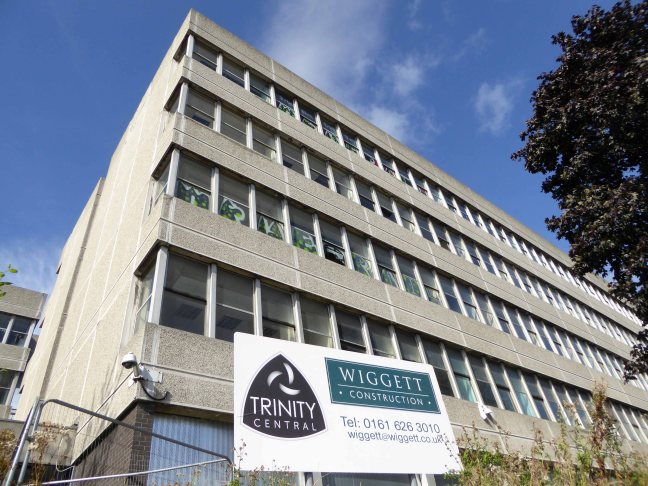
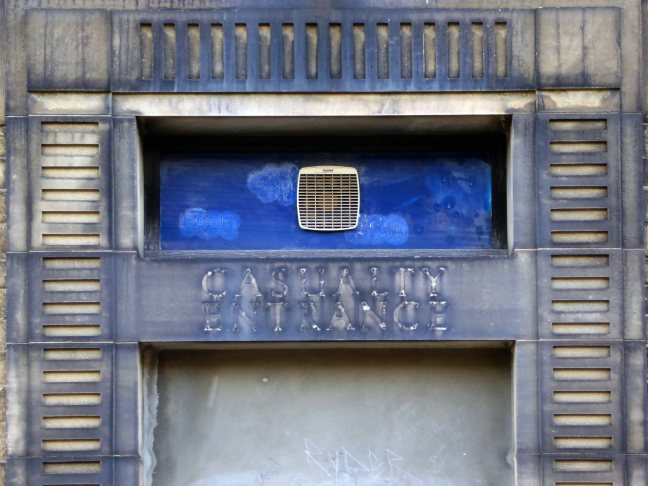
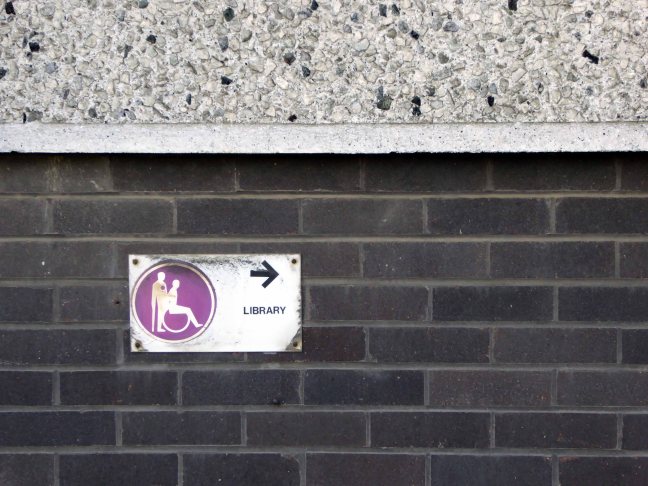
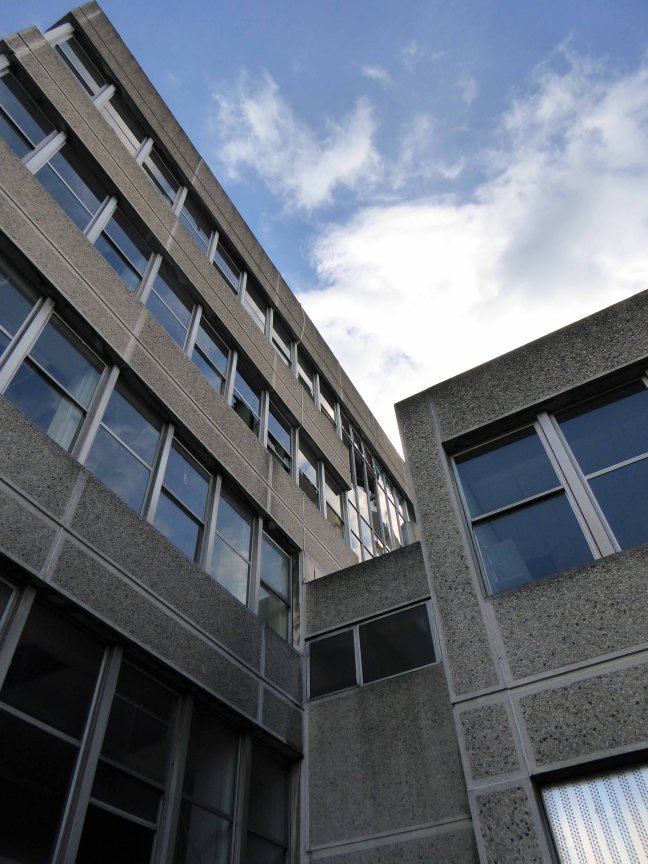
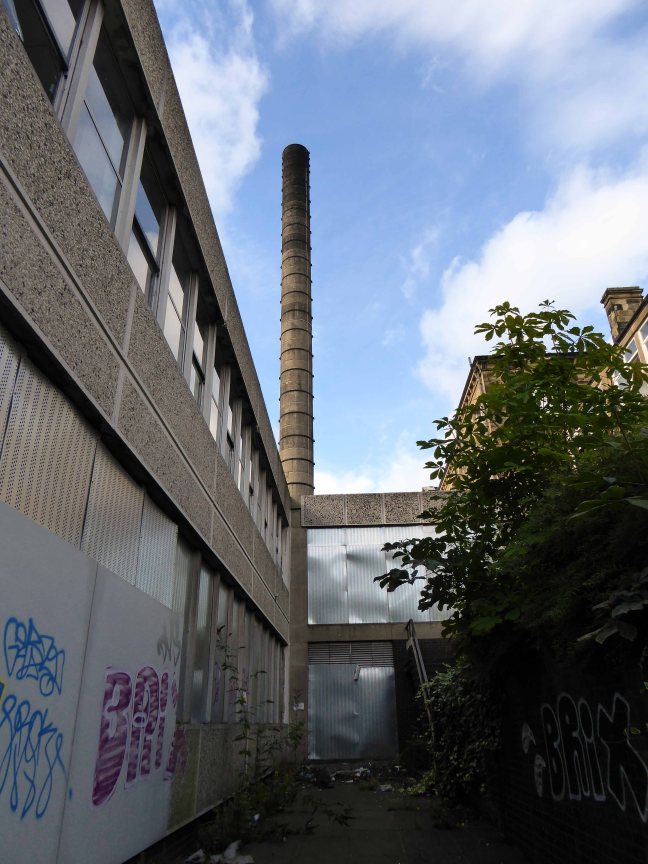
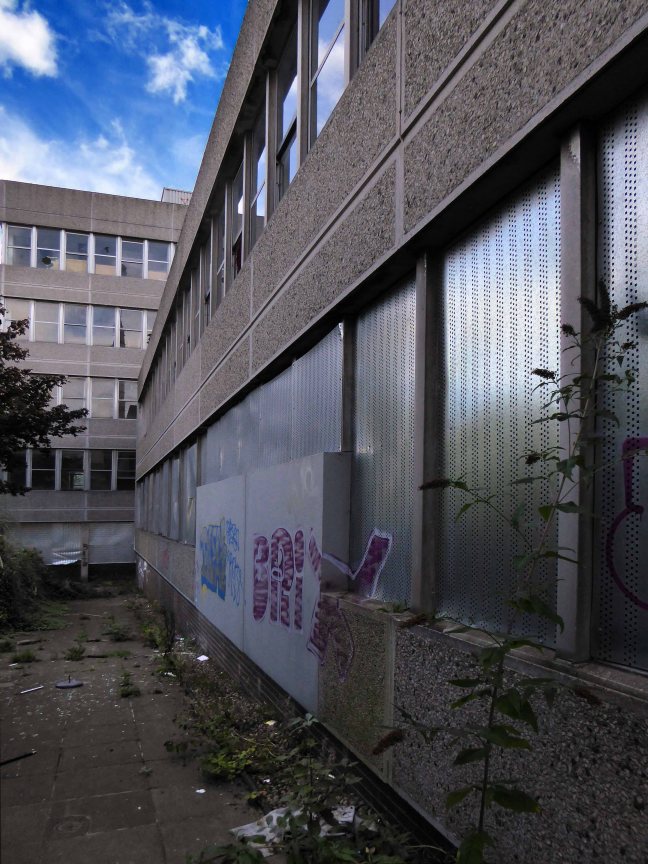
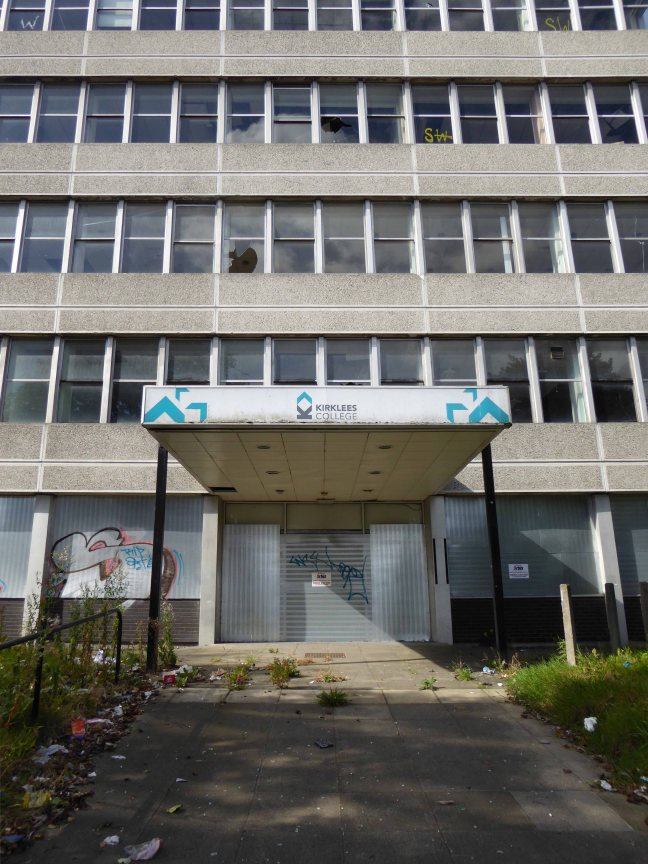
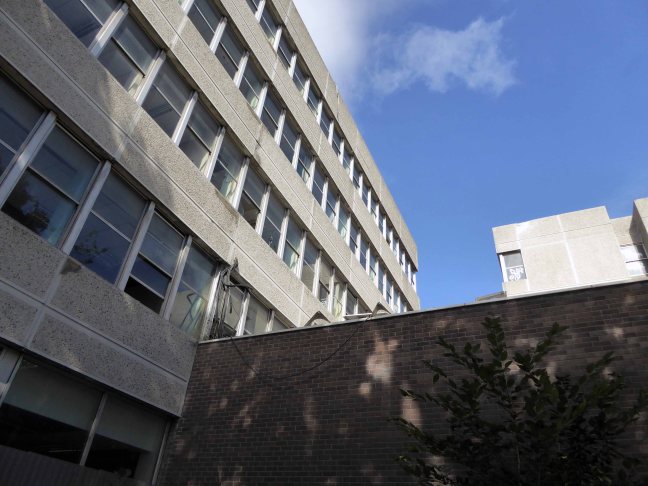
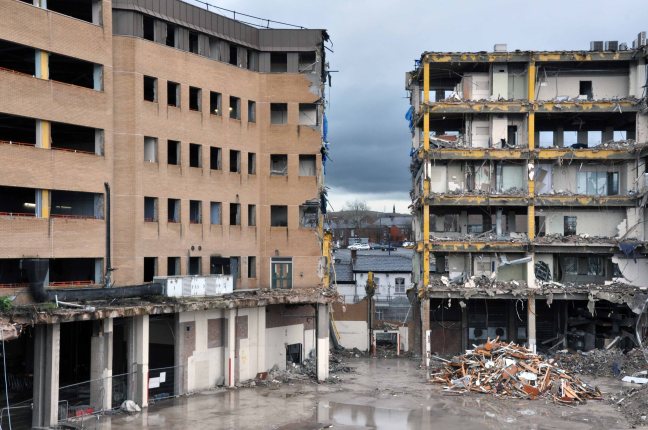
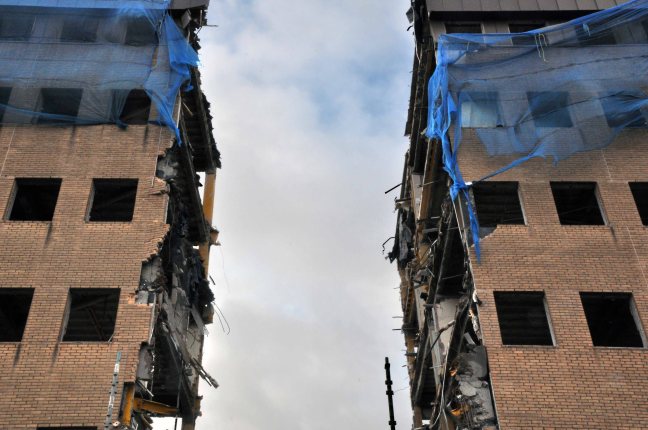
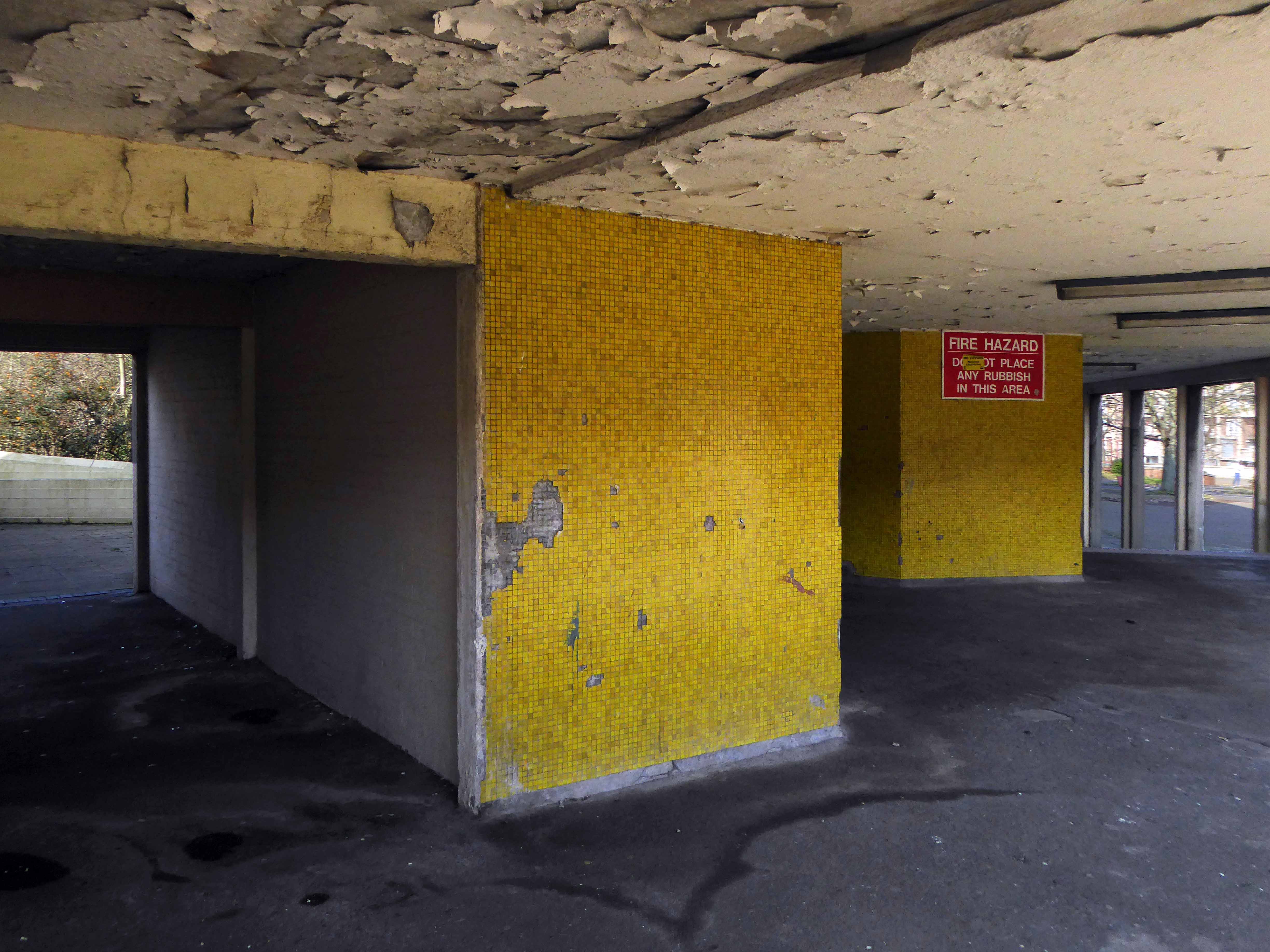
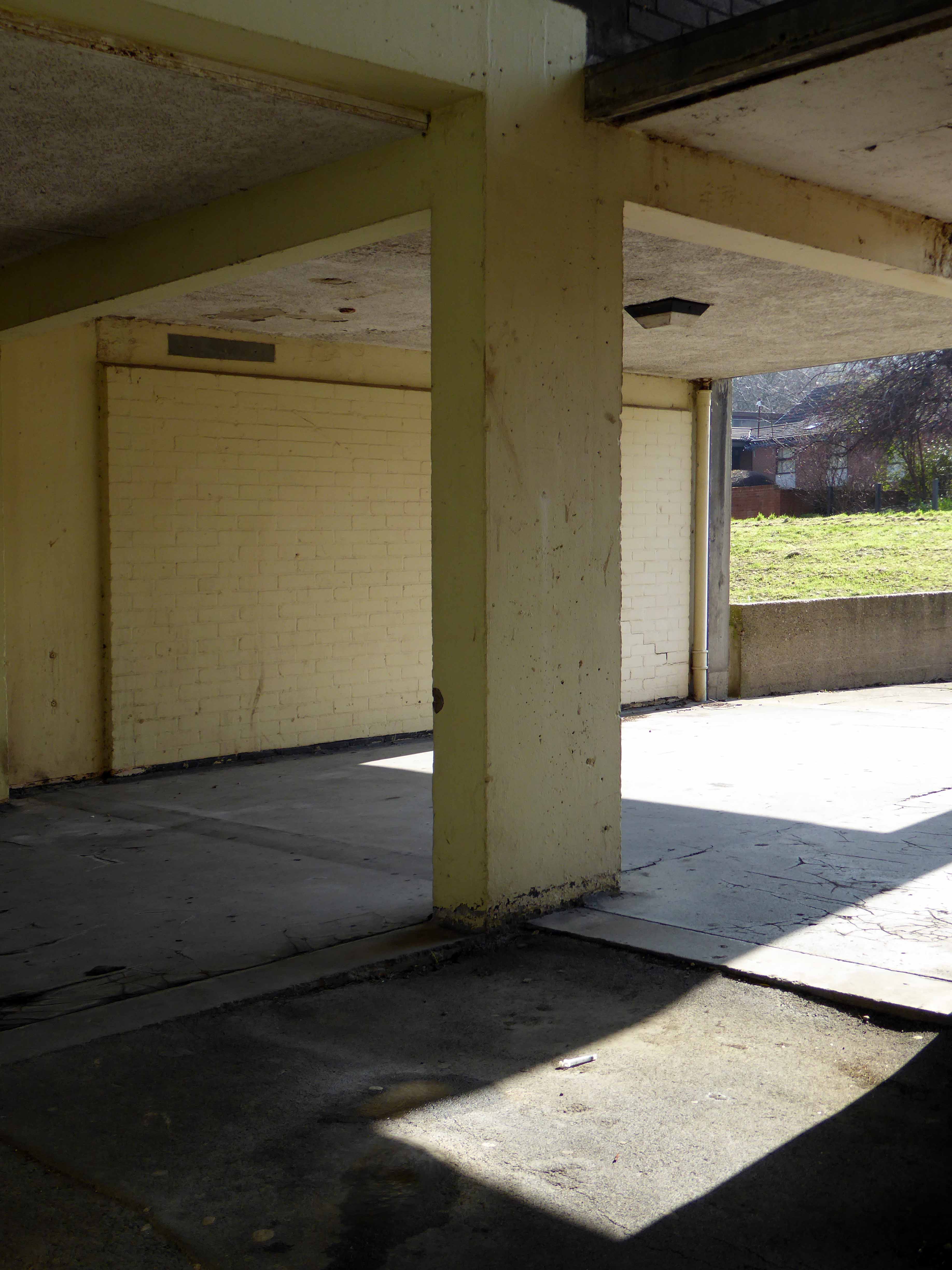
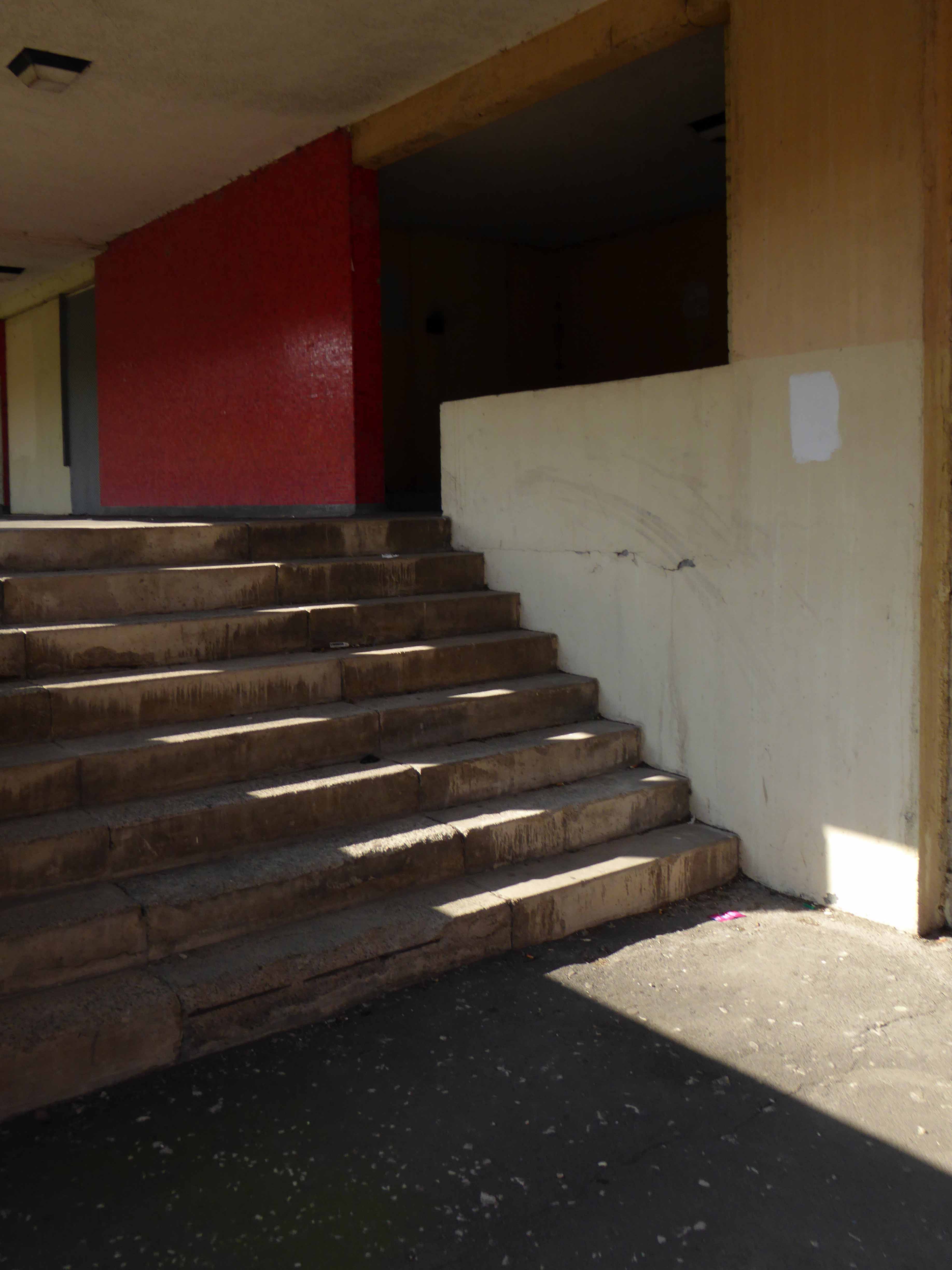
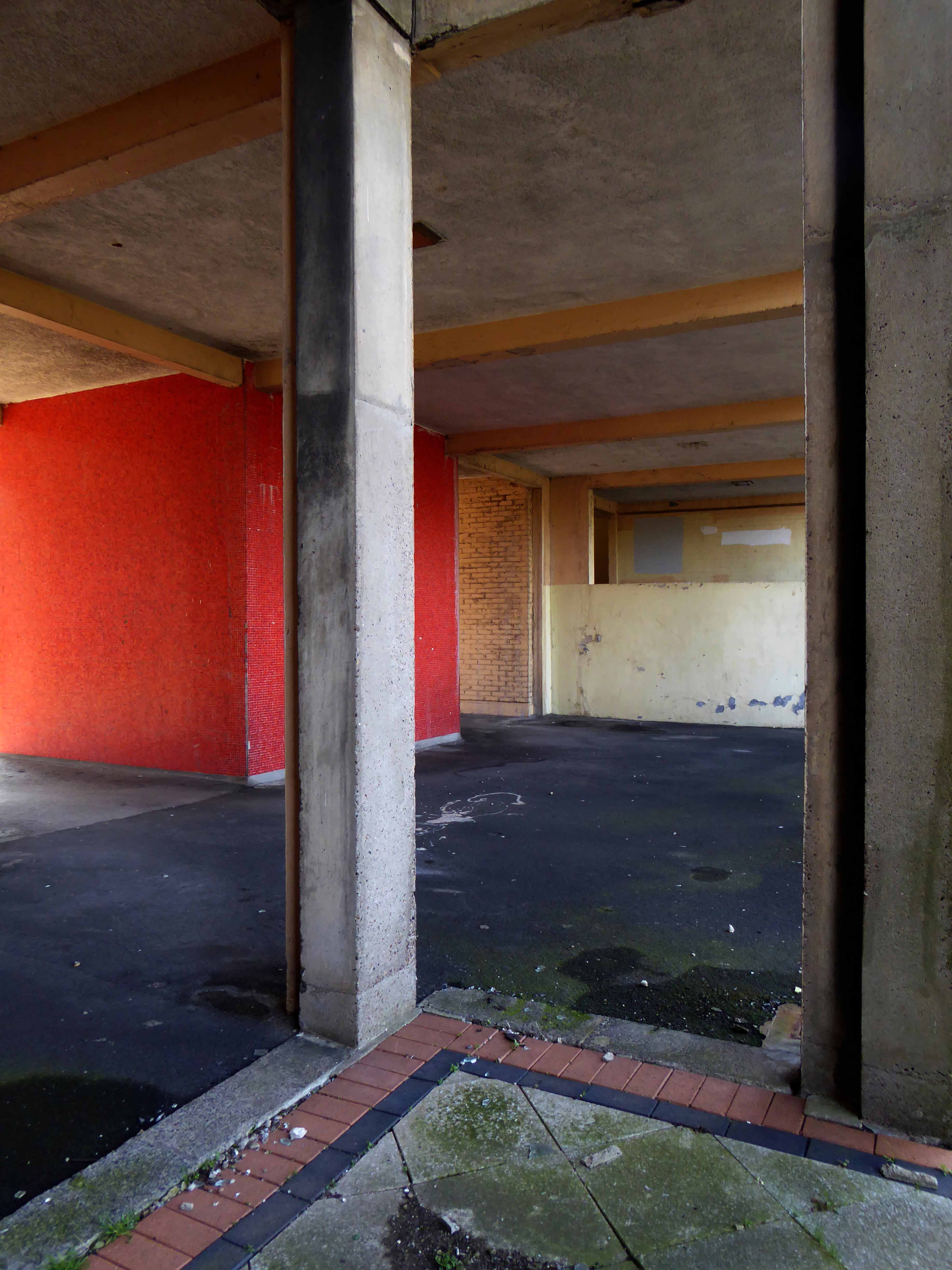
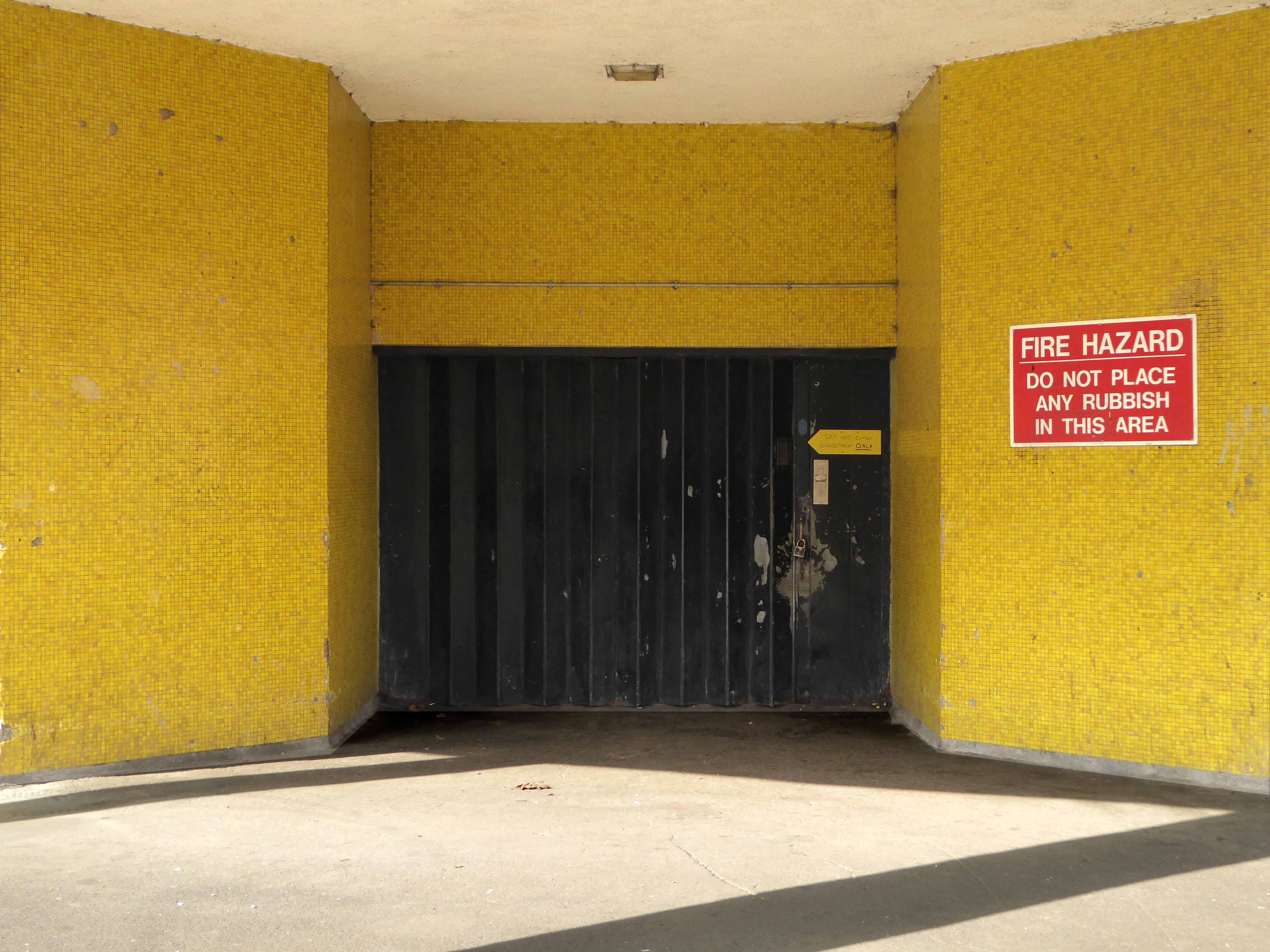
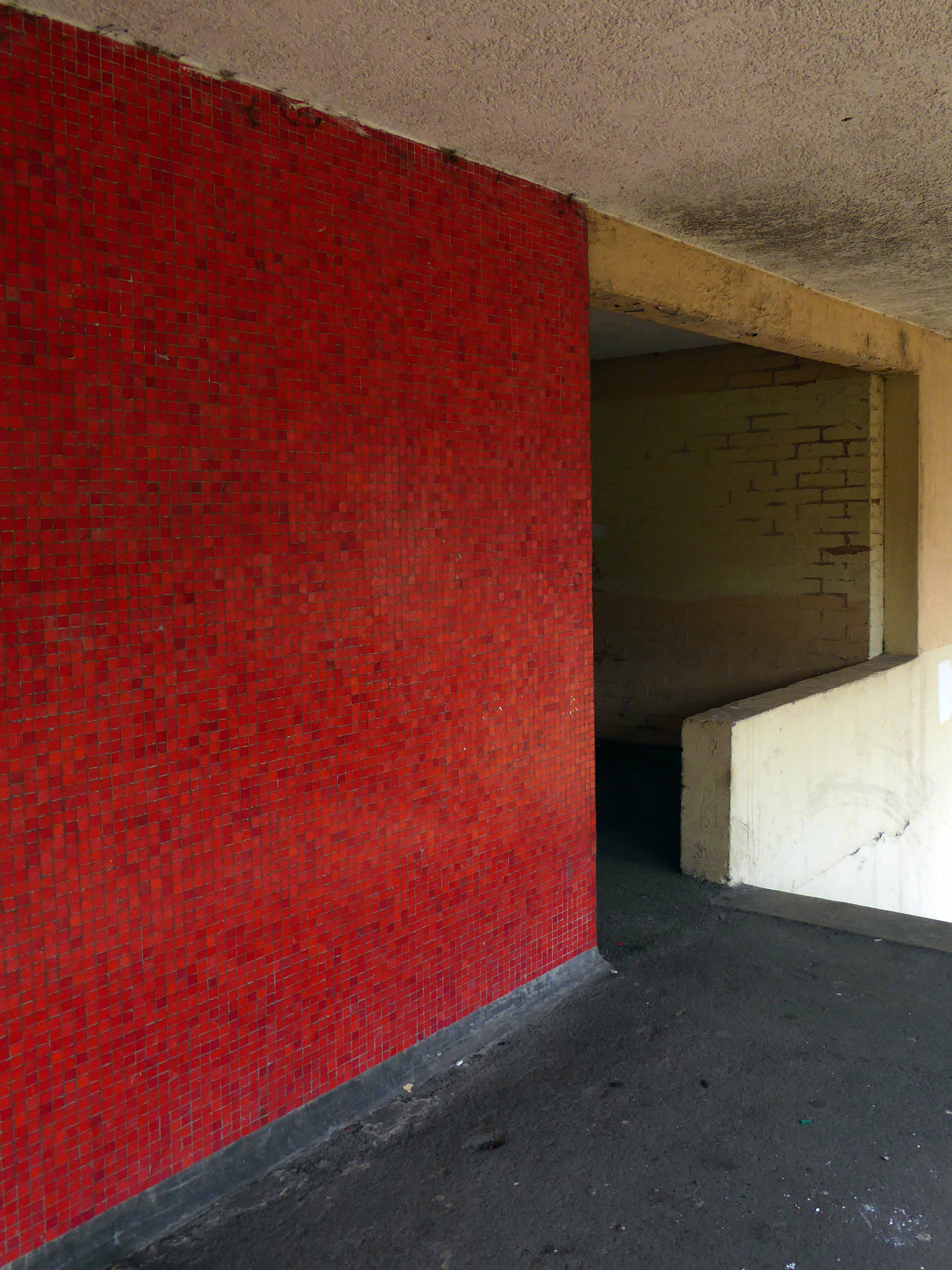
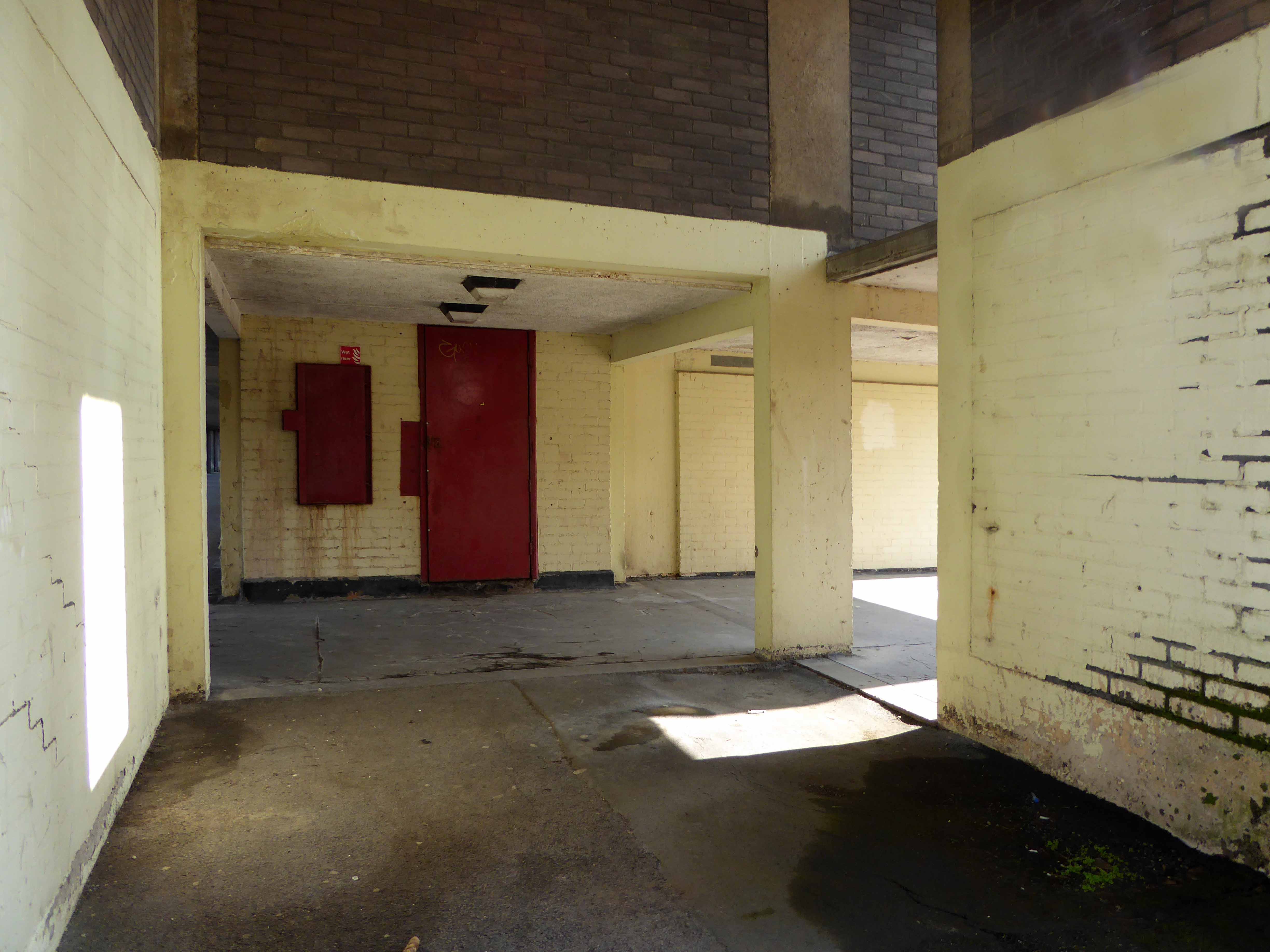
Their former HQ has been standing on the corner, watching all the world go by.

For some time now.

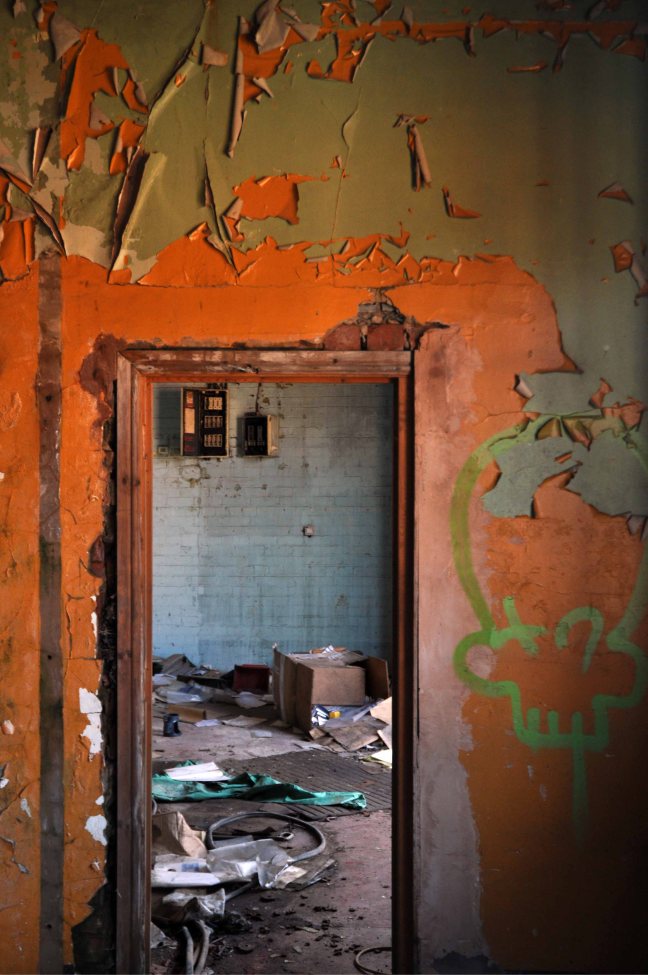
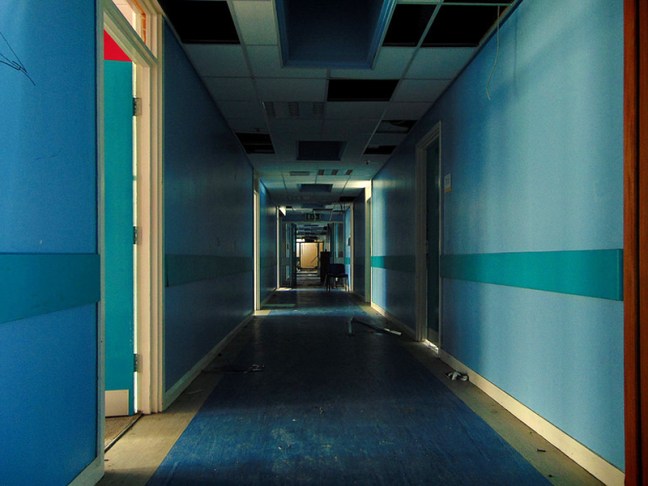
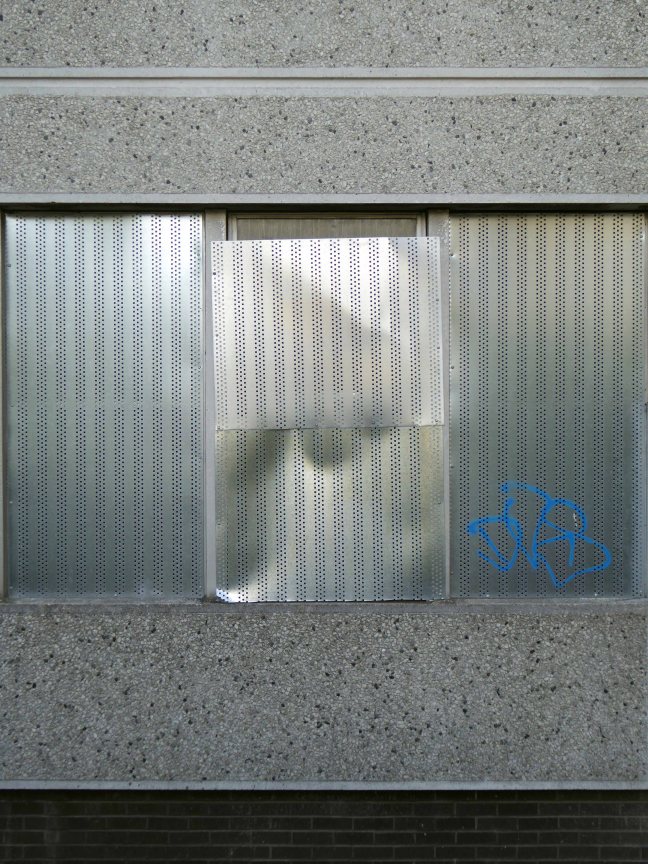
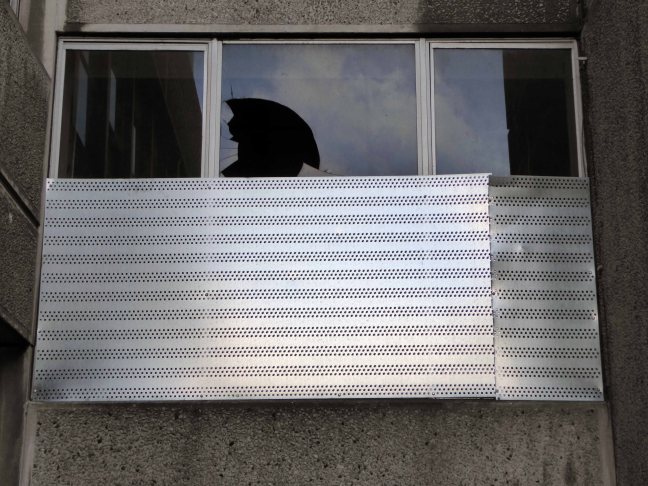
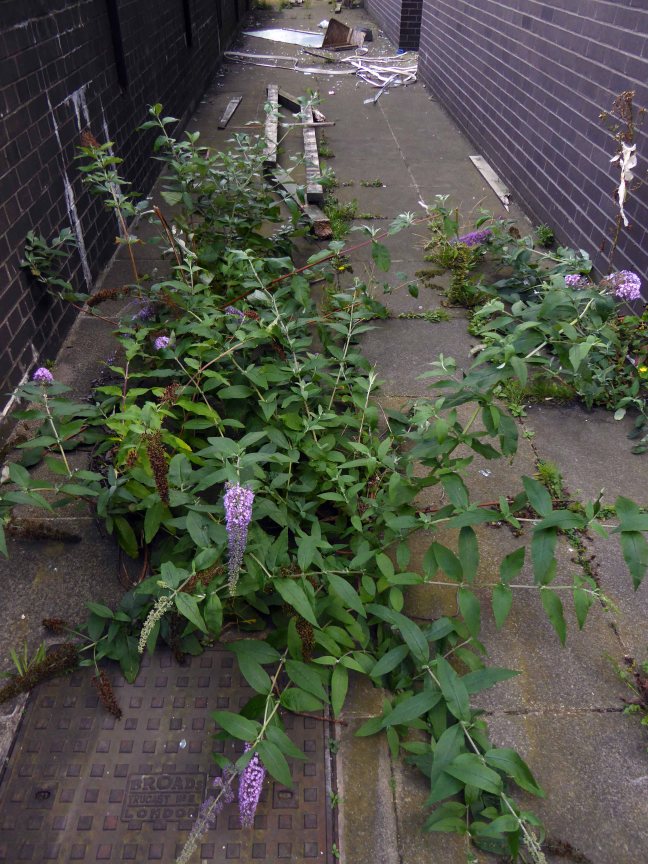
Empty.

For sale, to let, facing an uncertain future.

Alone.

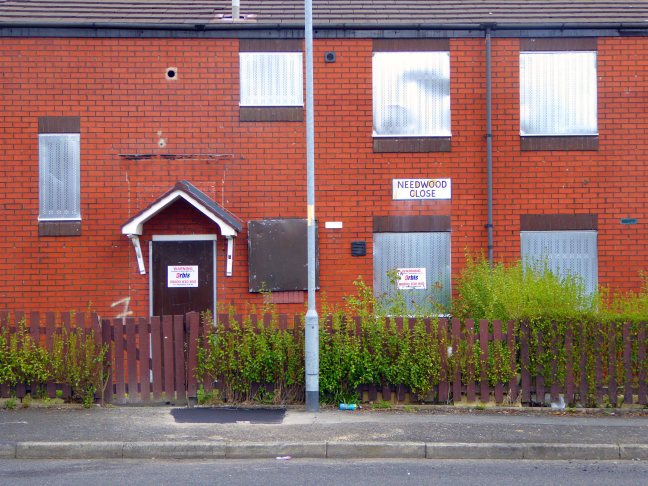
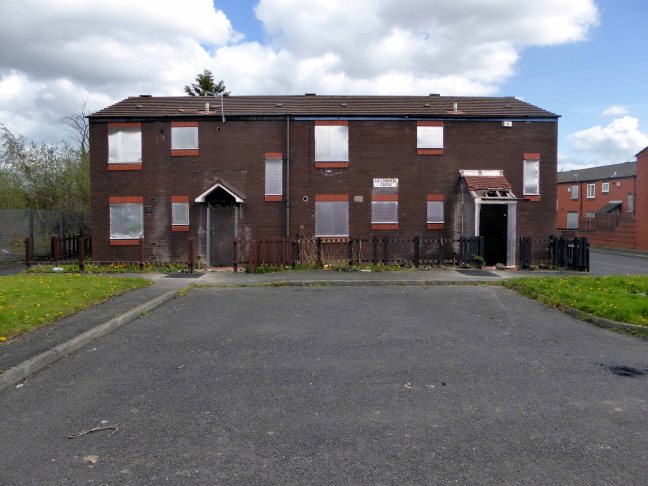
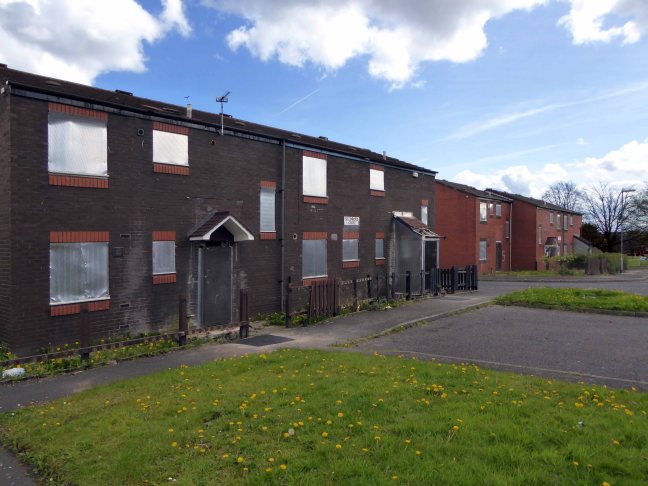
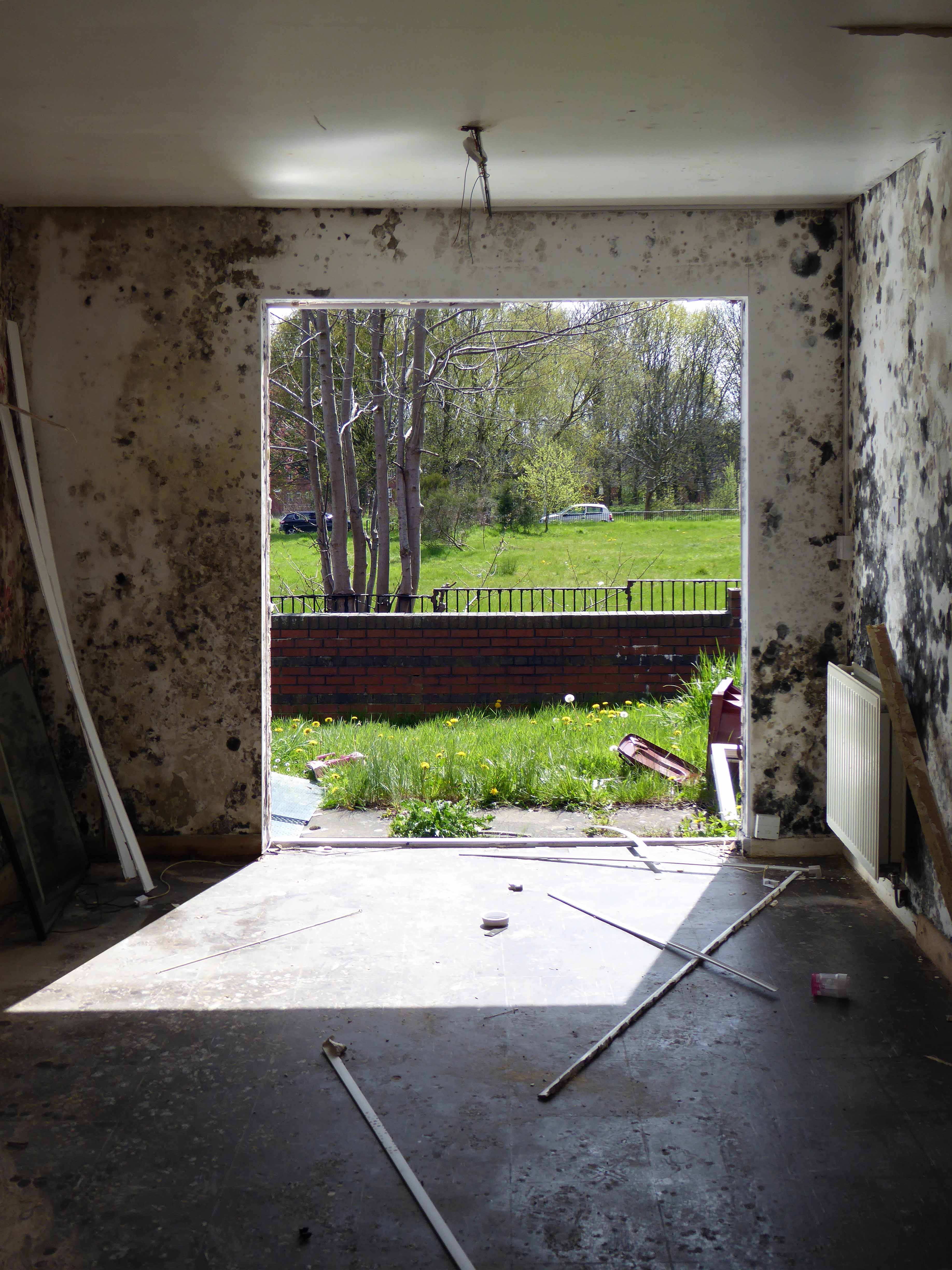
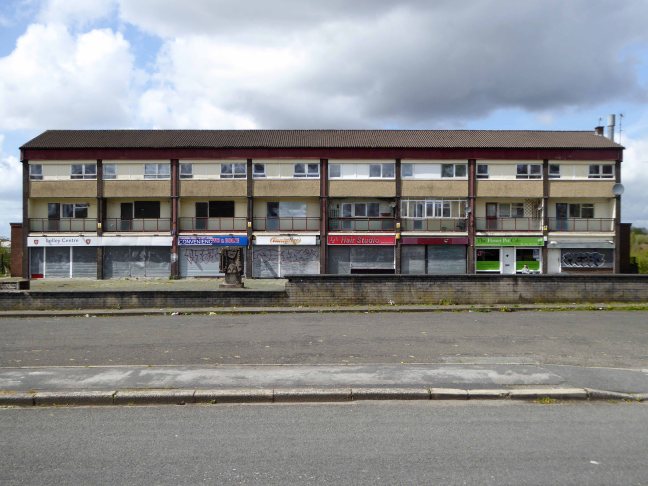
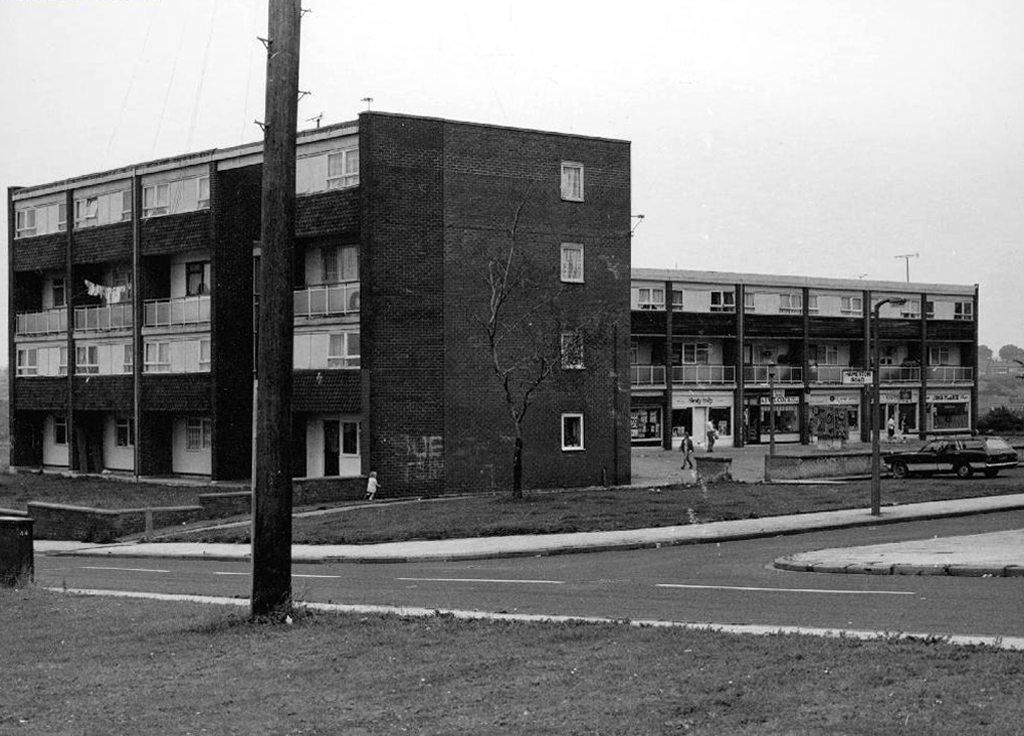
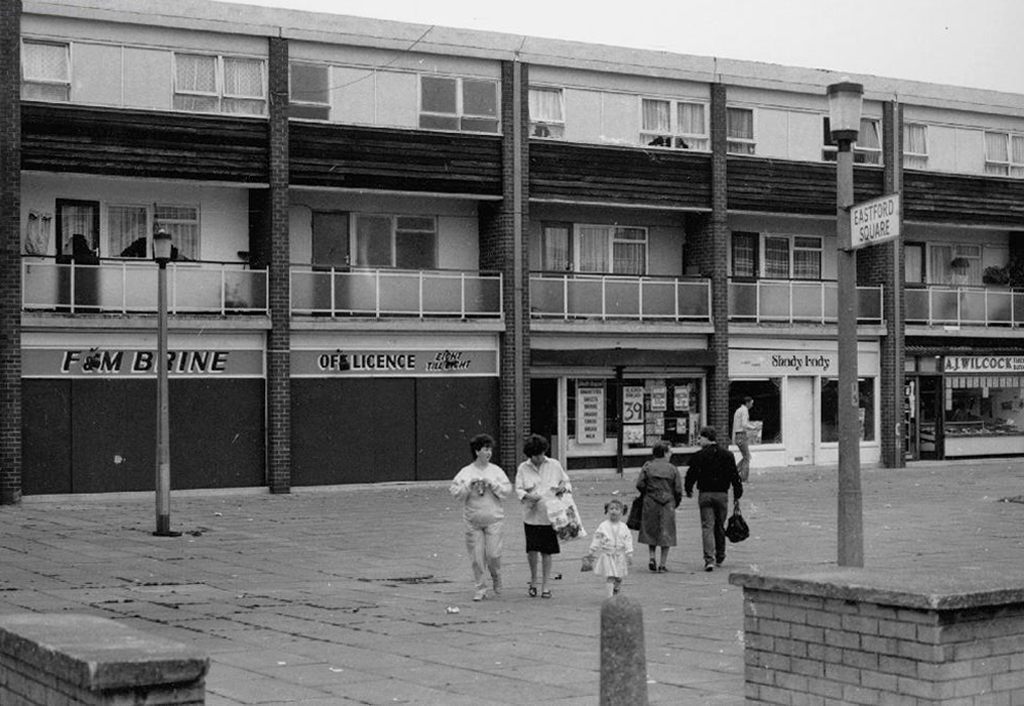
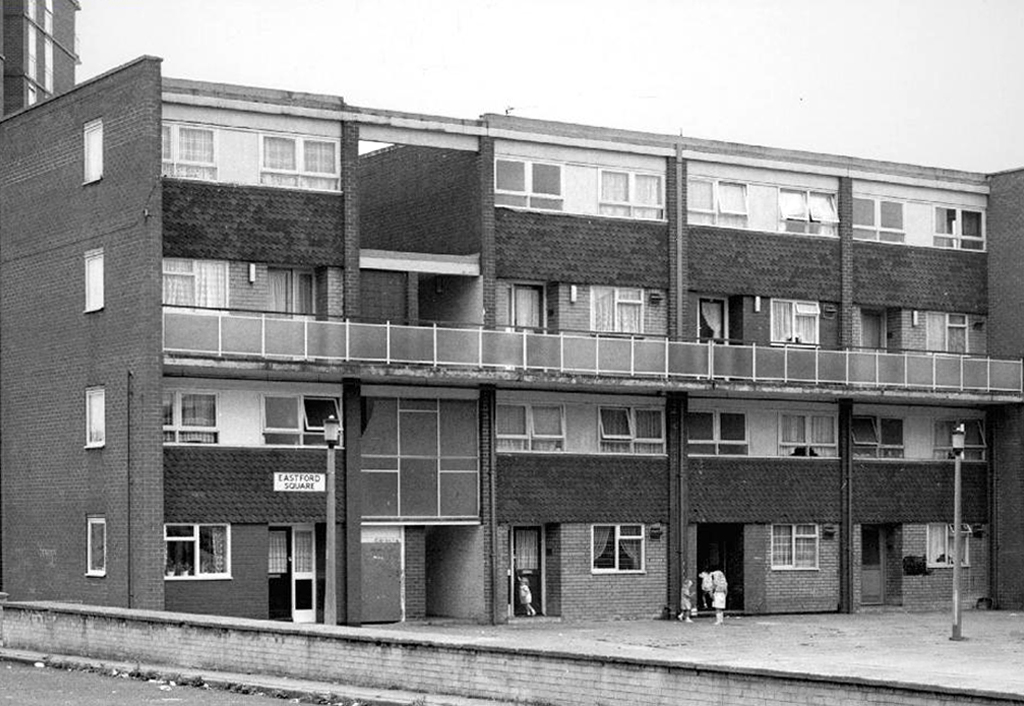
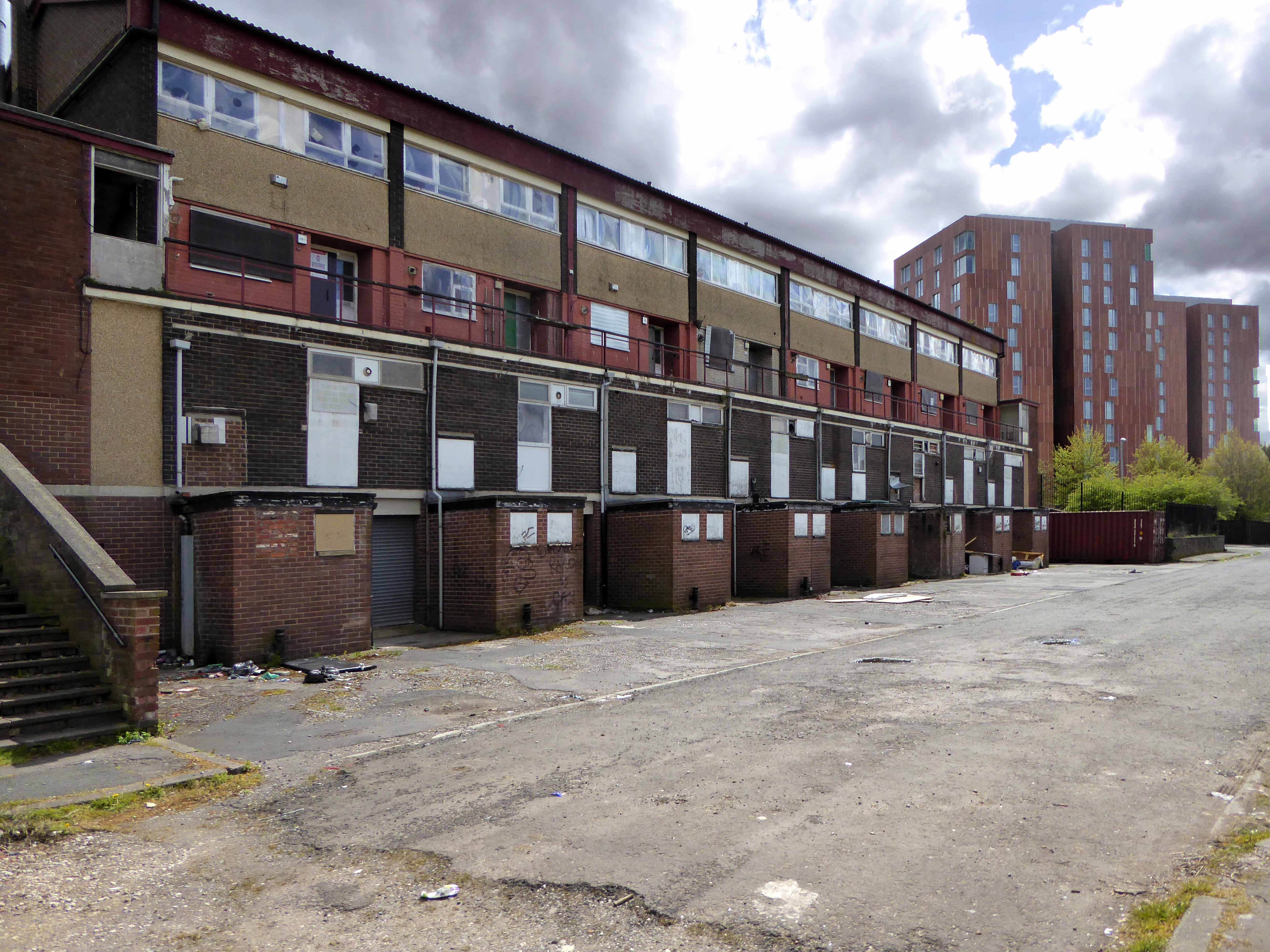
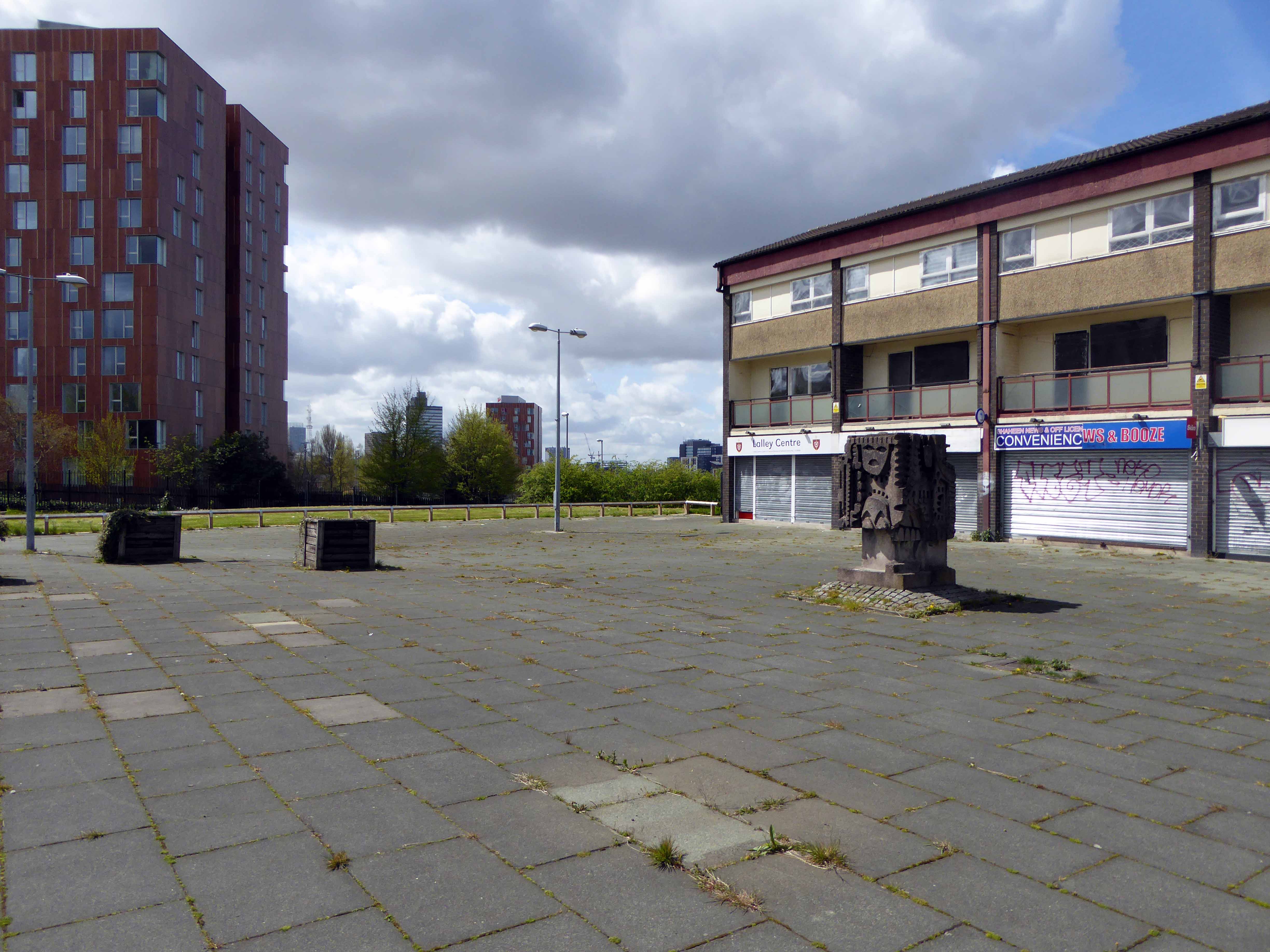
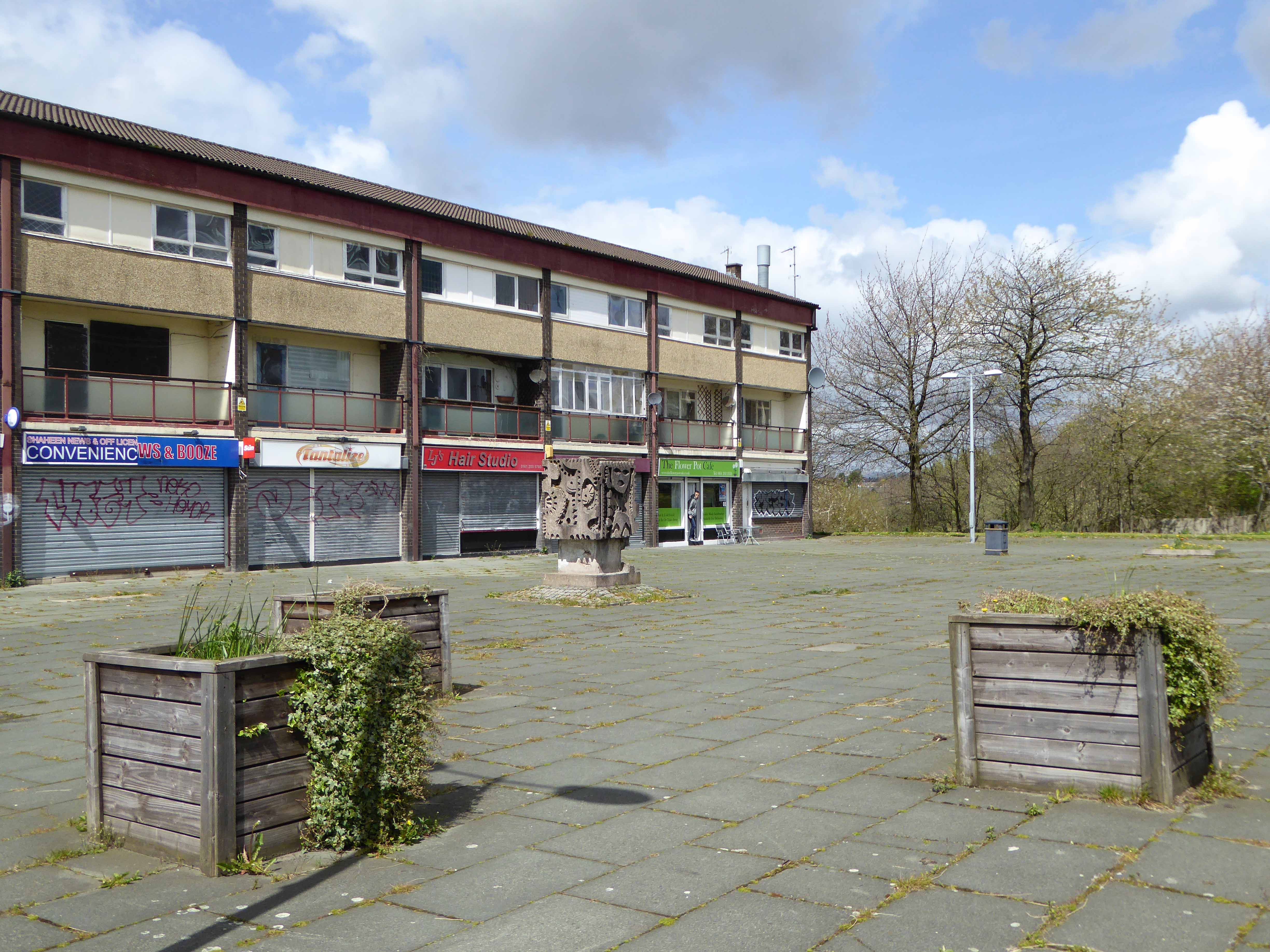
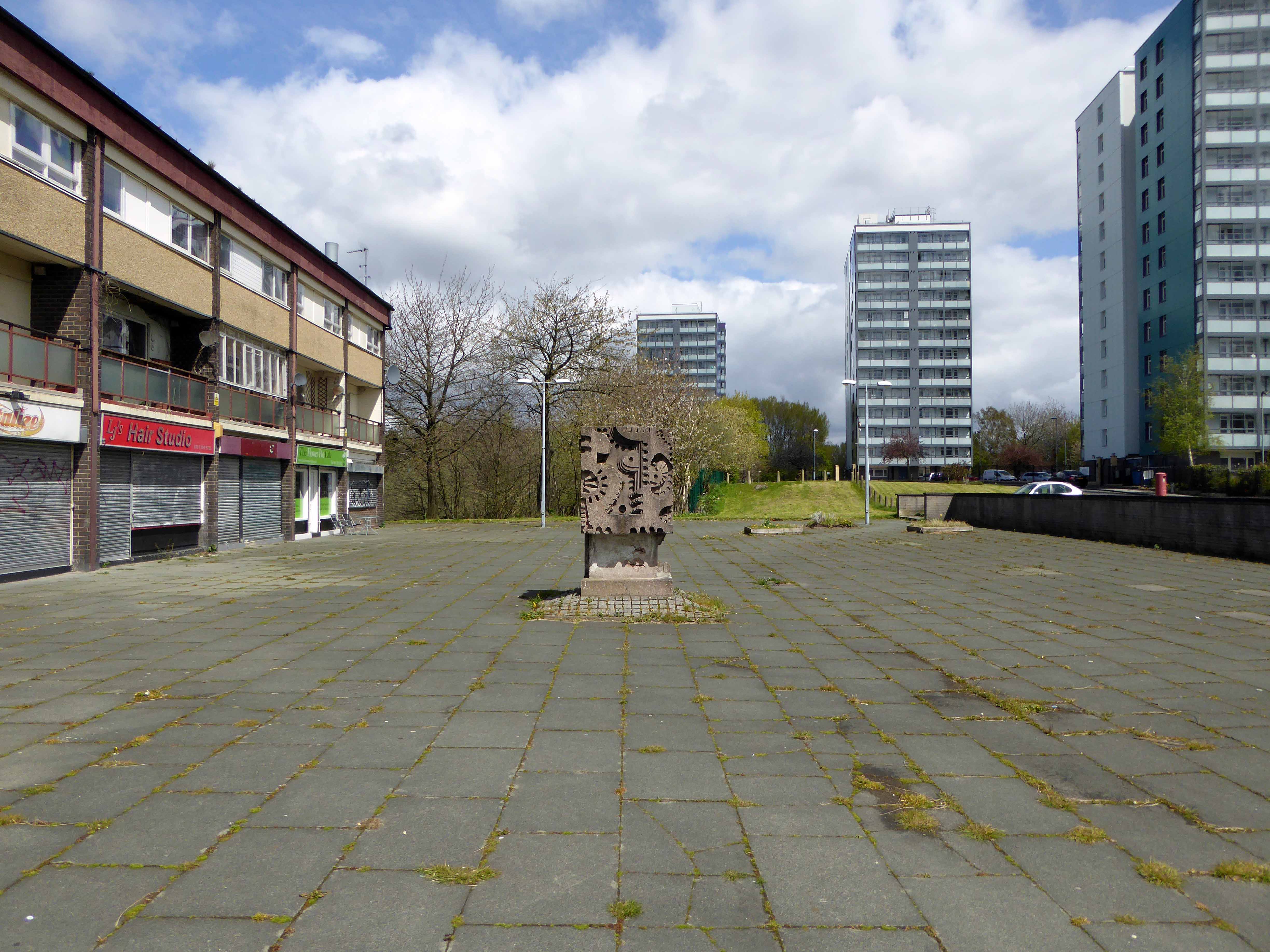
Eastford Square – Collyhurst

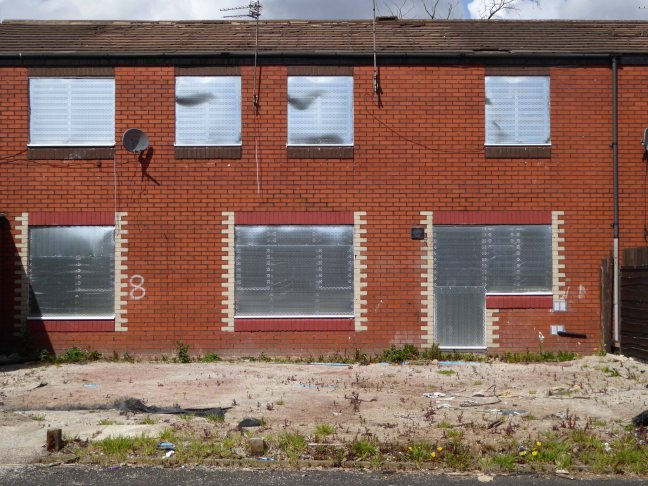
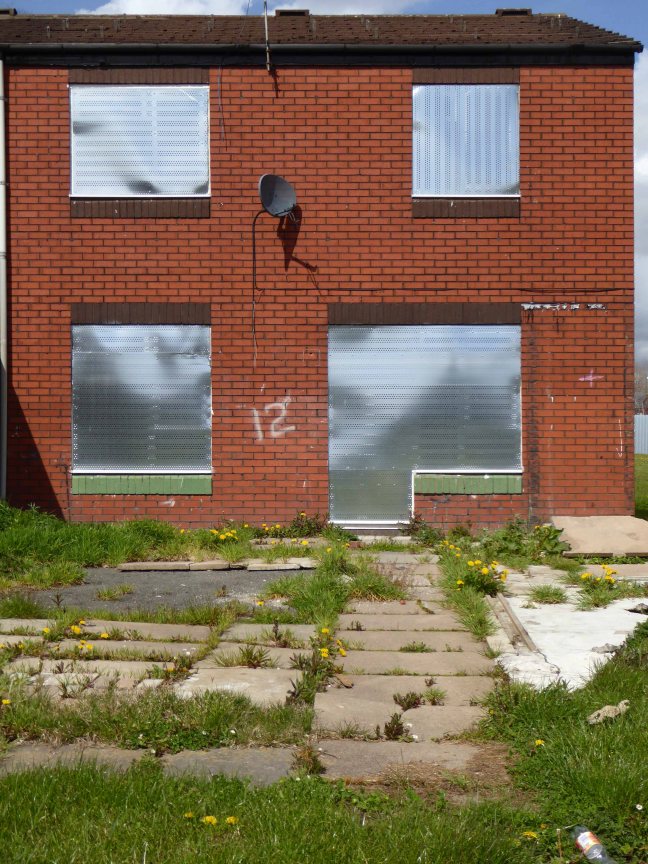
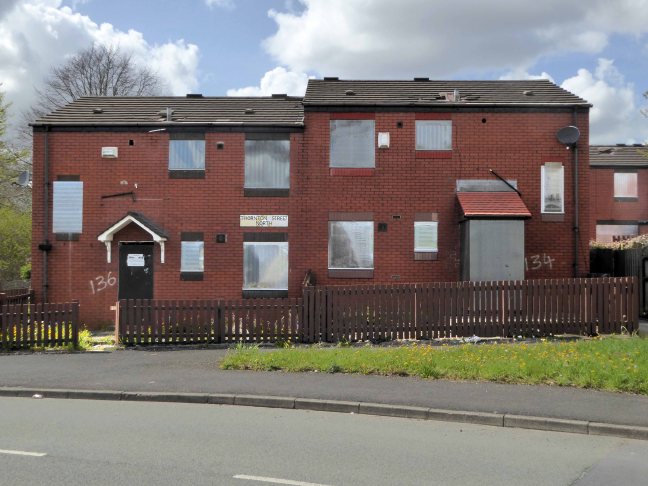
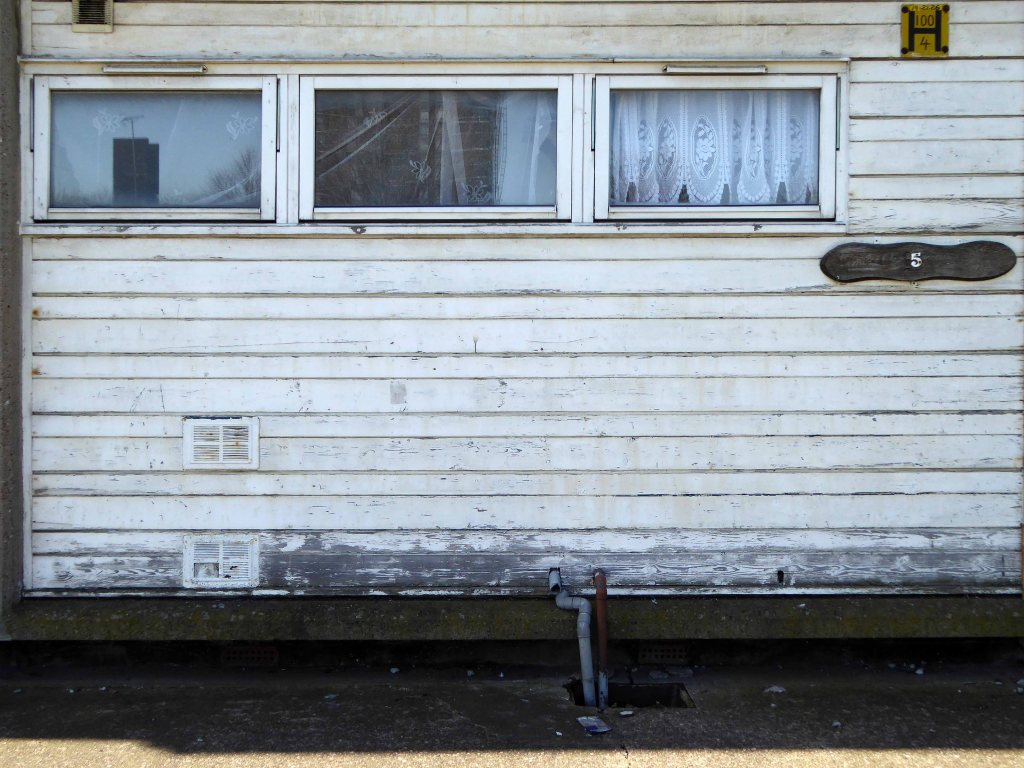
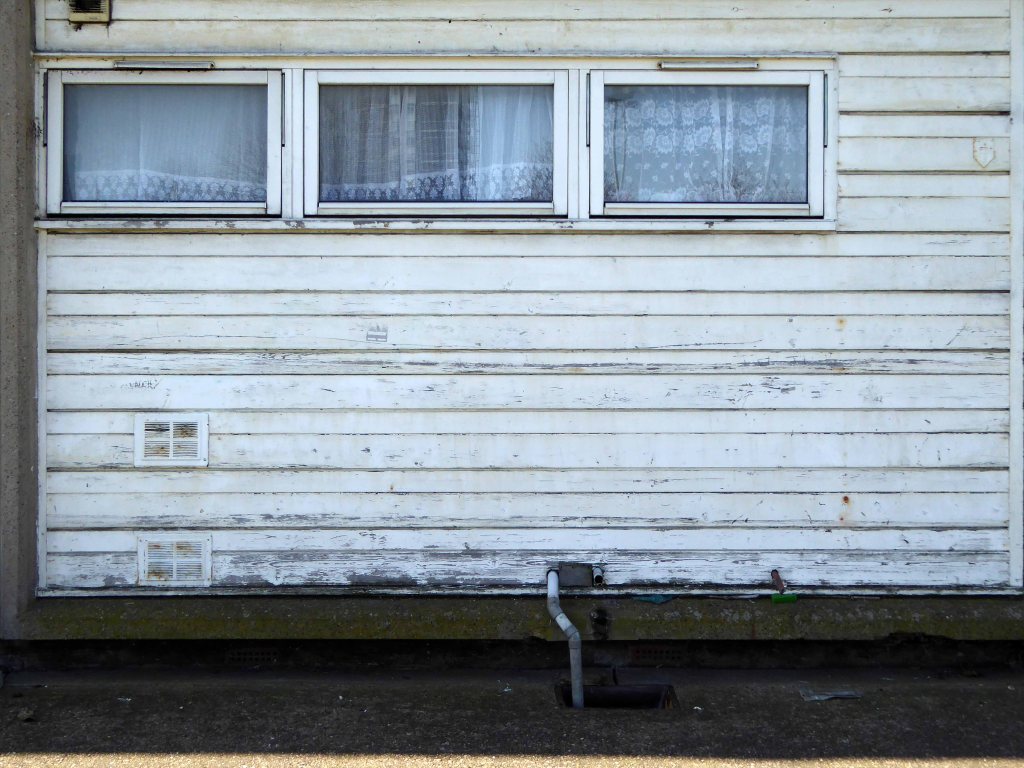
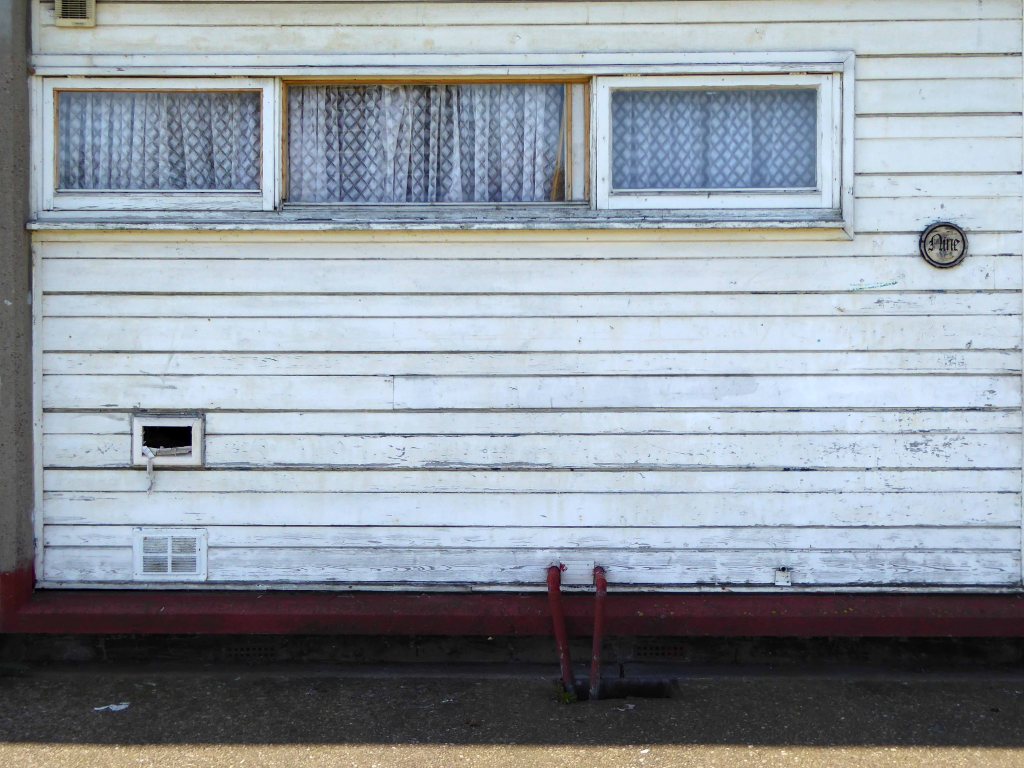
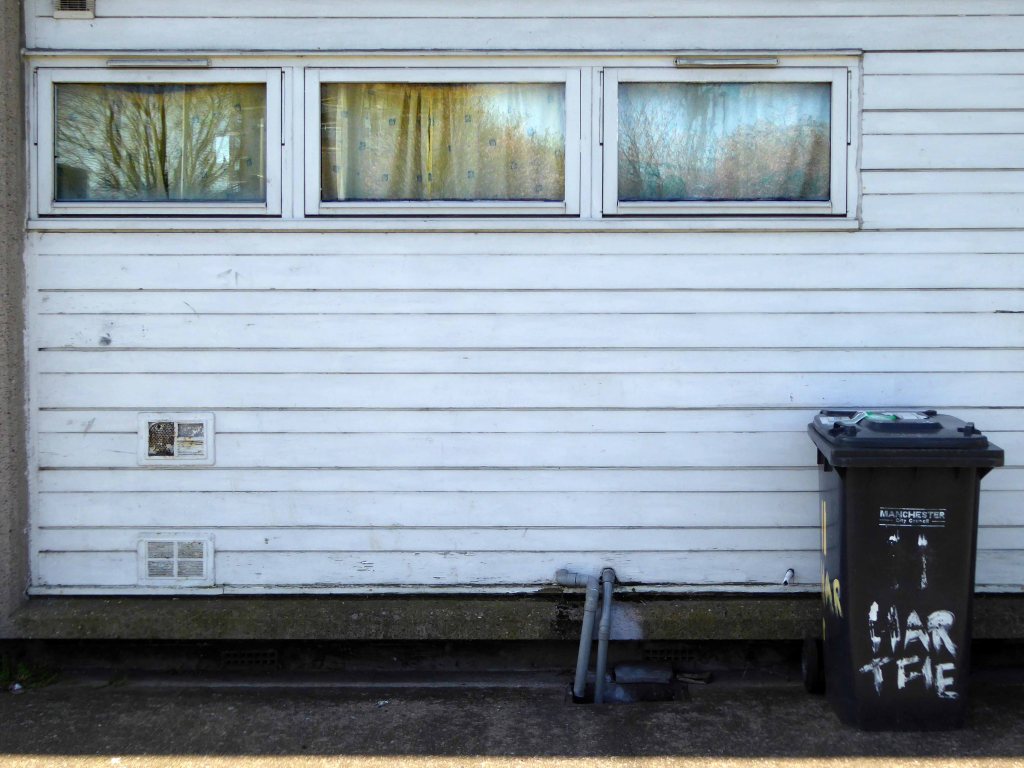
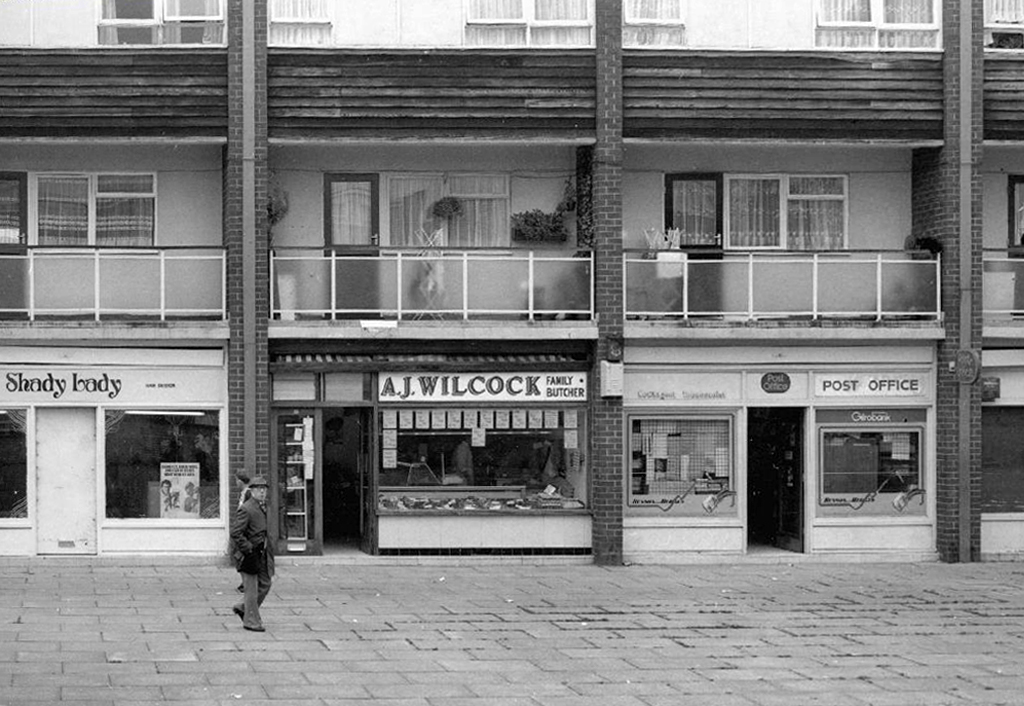
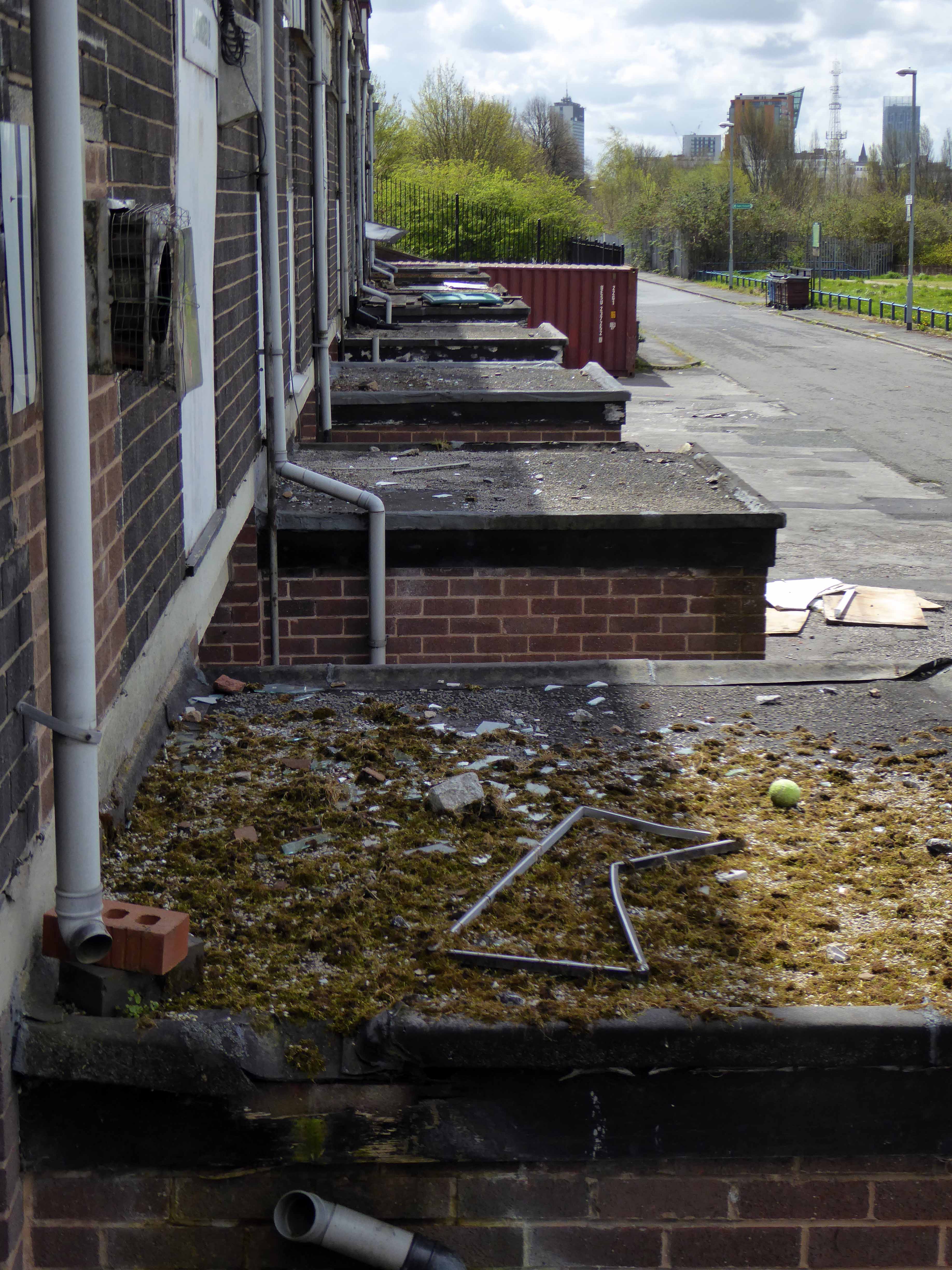
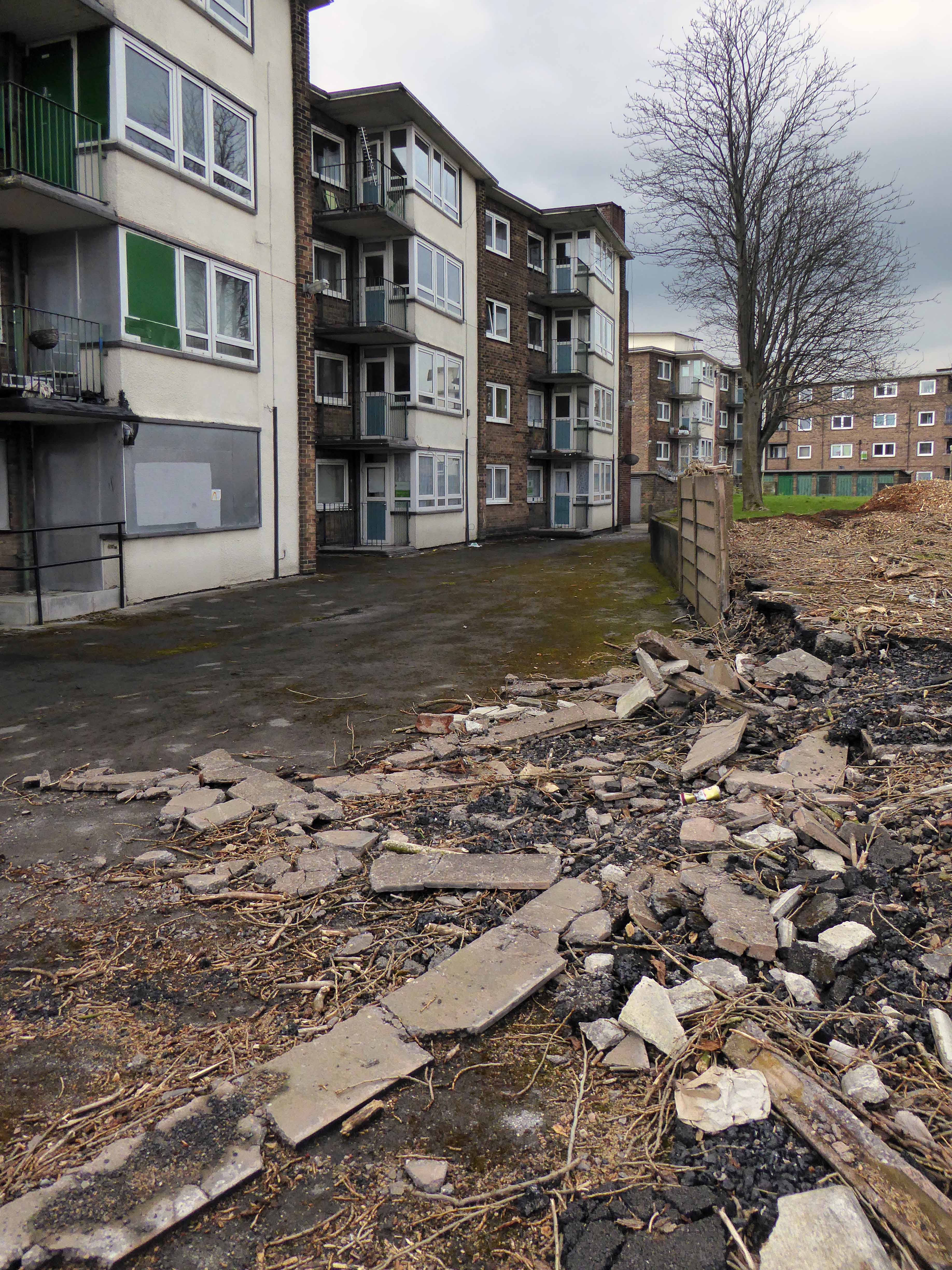
Once there were homes, postwar social housing.

Once there were jobs, a measure of prosperity.

A settled community.

webmedia-1.php
webmedia-4.php
webmedia-2.php
webmedia-3.php

Time has not been kind to North Manchester, successive slumps, double-dip depressions, economic downturns, and centrally imposed recession hurts.

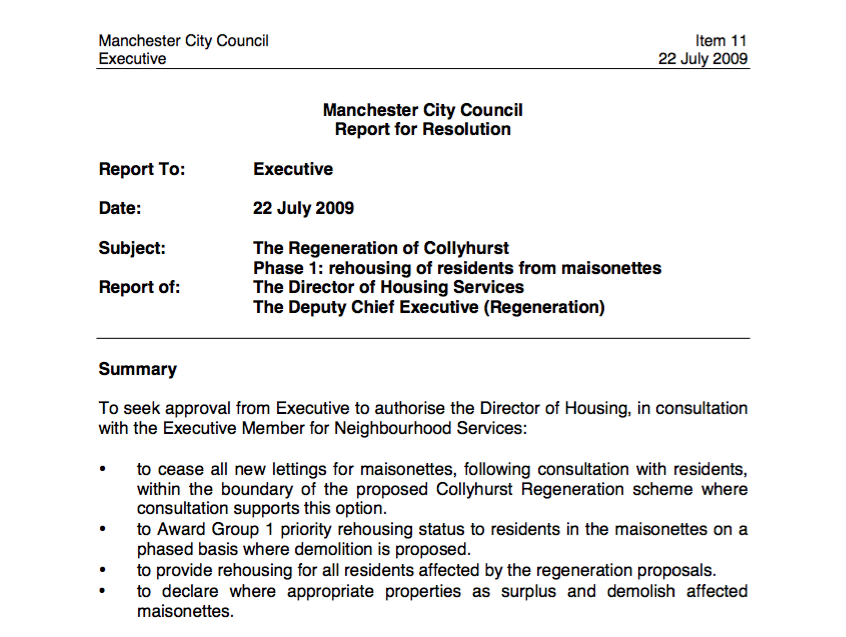
The local authority steps in, from 2009 the fate of Eastford Square is sealed.

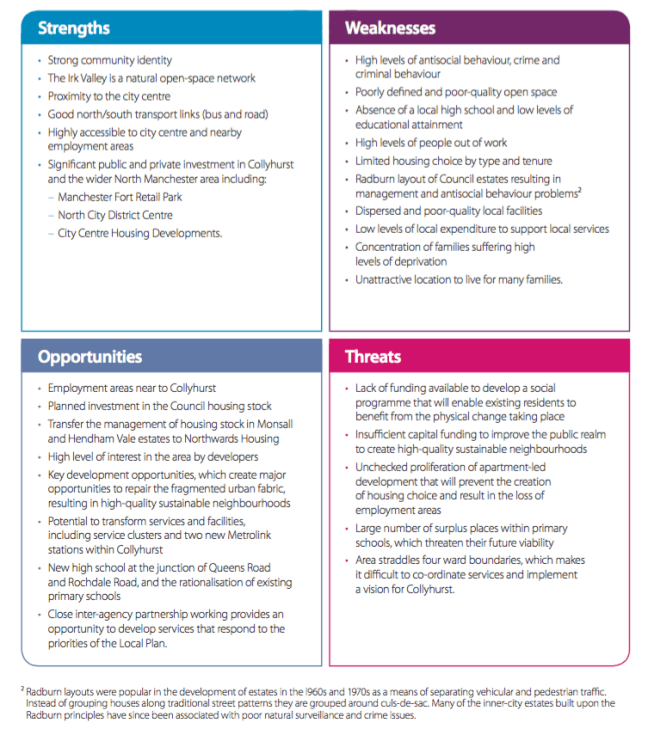
Regeneration.Screen Shot 2016-05-06 at 16.39.43

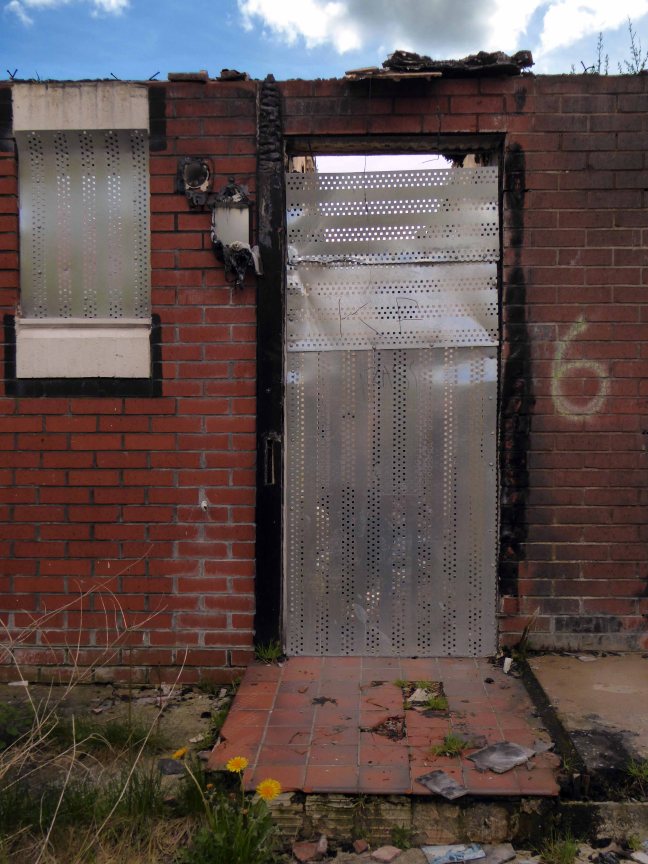
Spells demolition.

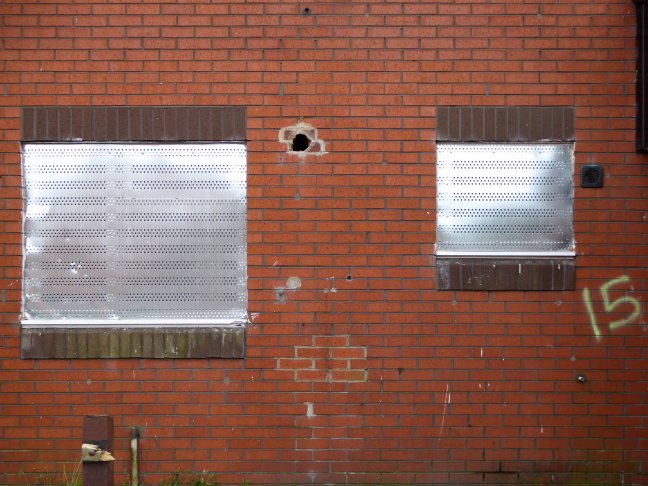
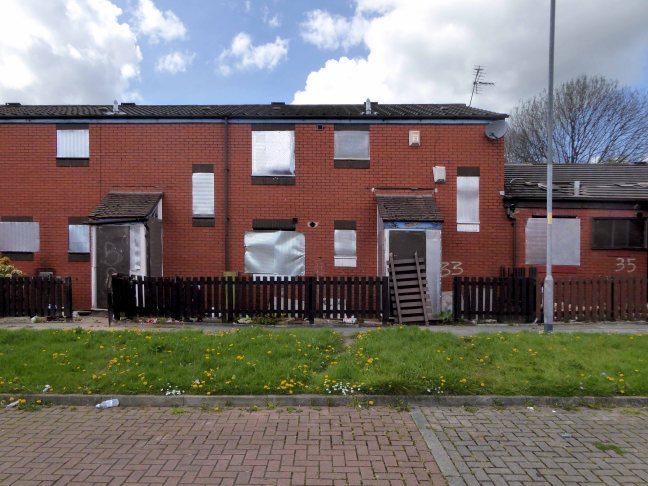
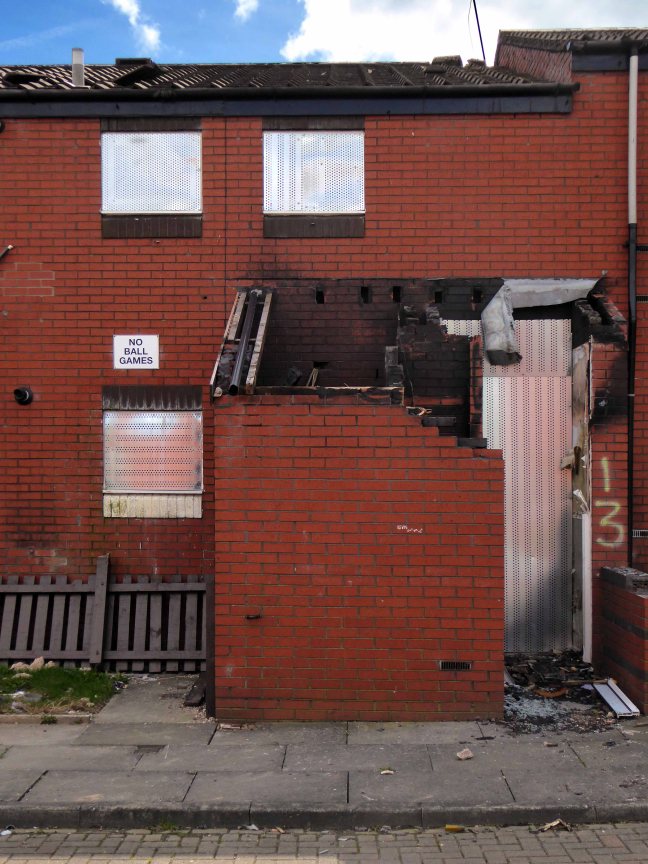
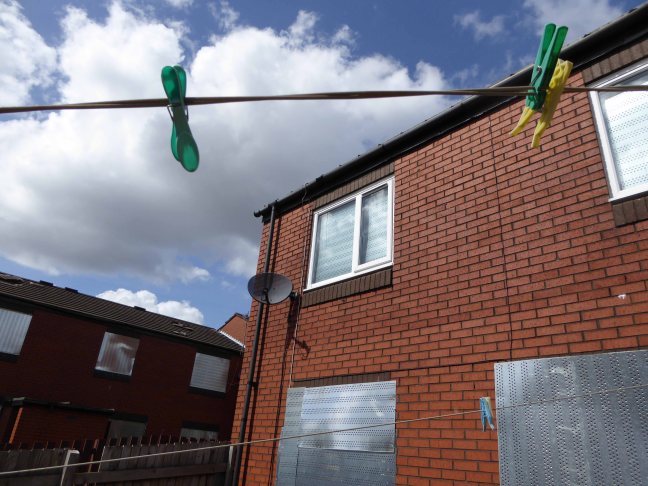
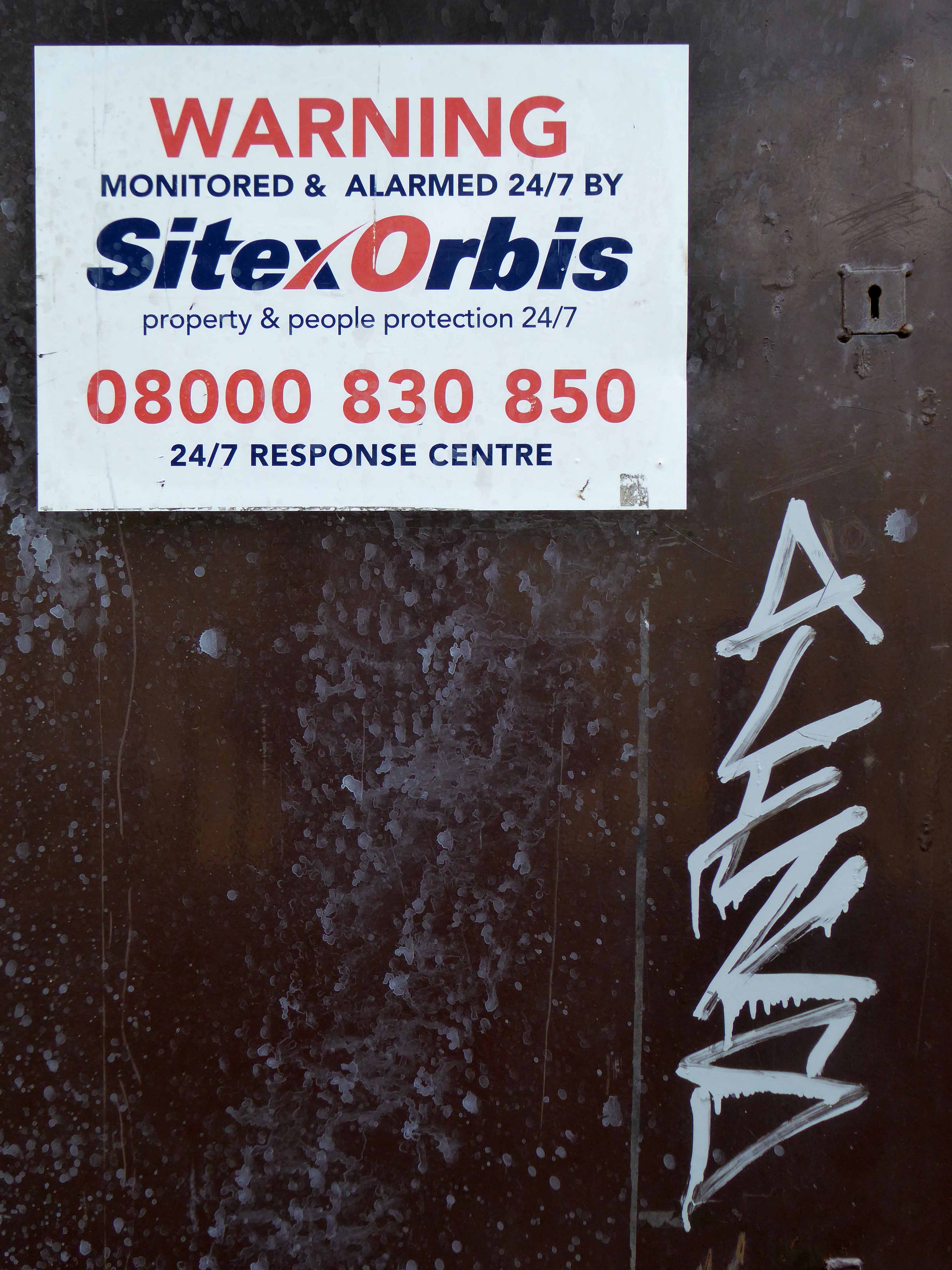
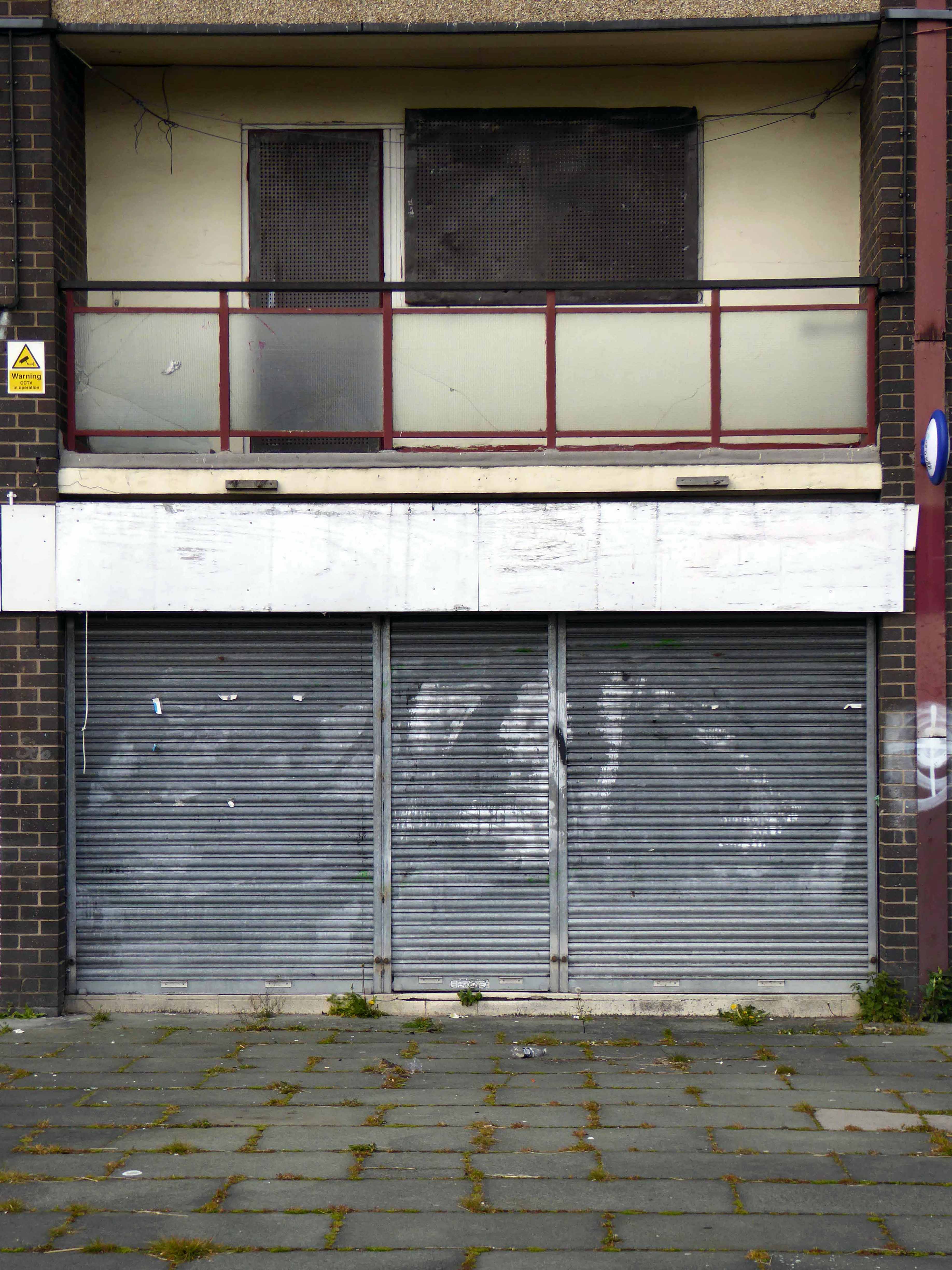
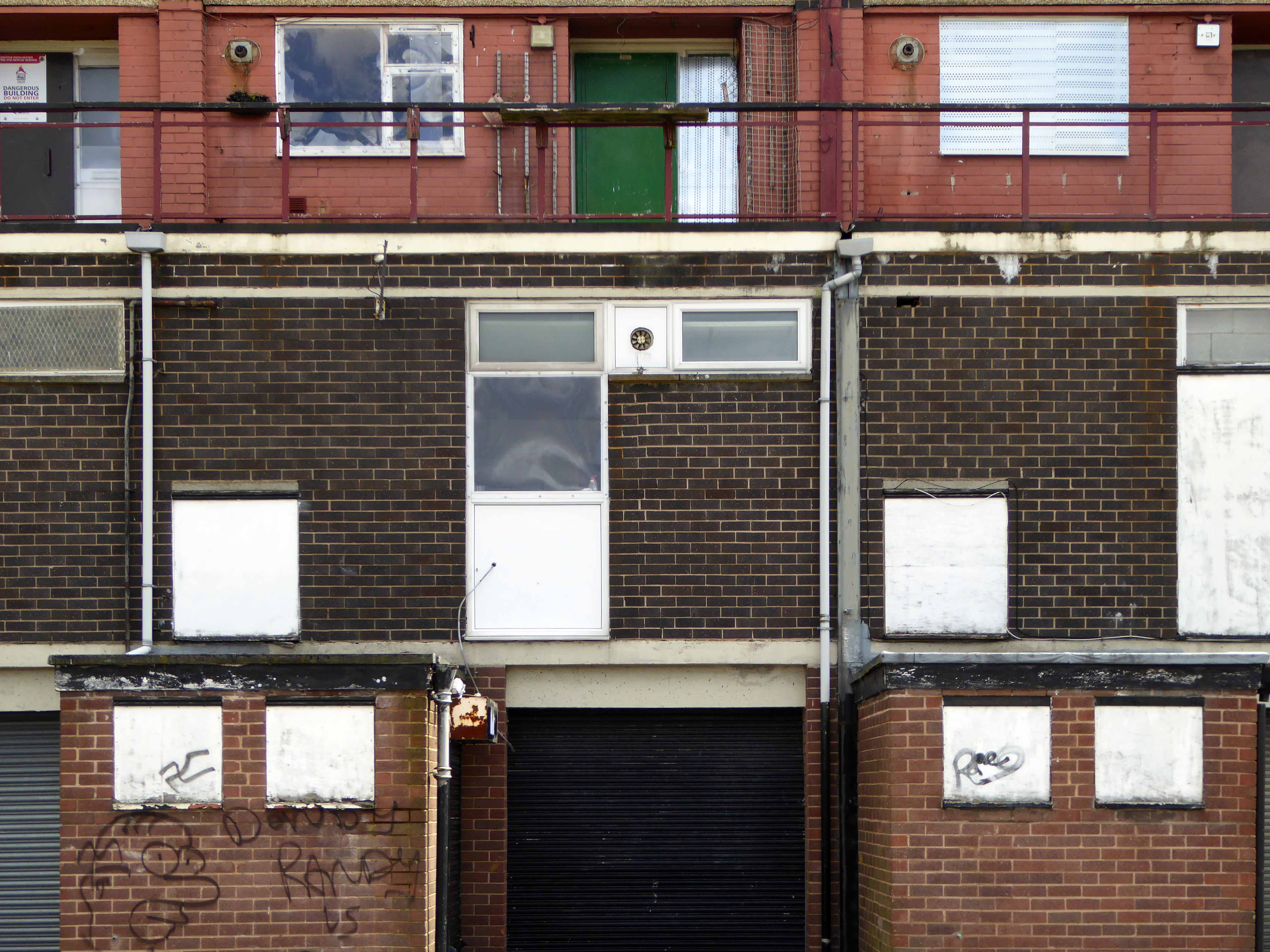
One wing is already gone, the maisonettes are tinned up.

P1040328 copy
P1040330 copy
P1040310 copy
P1040340 copy
P1040333 copy
P1040327 copy
P1040329 copy

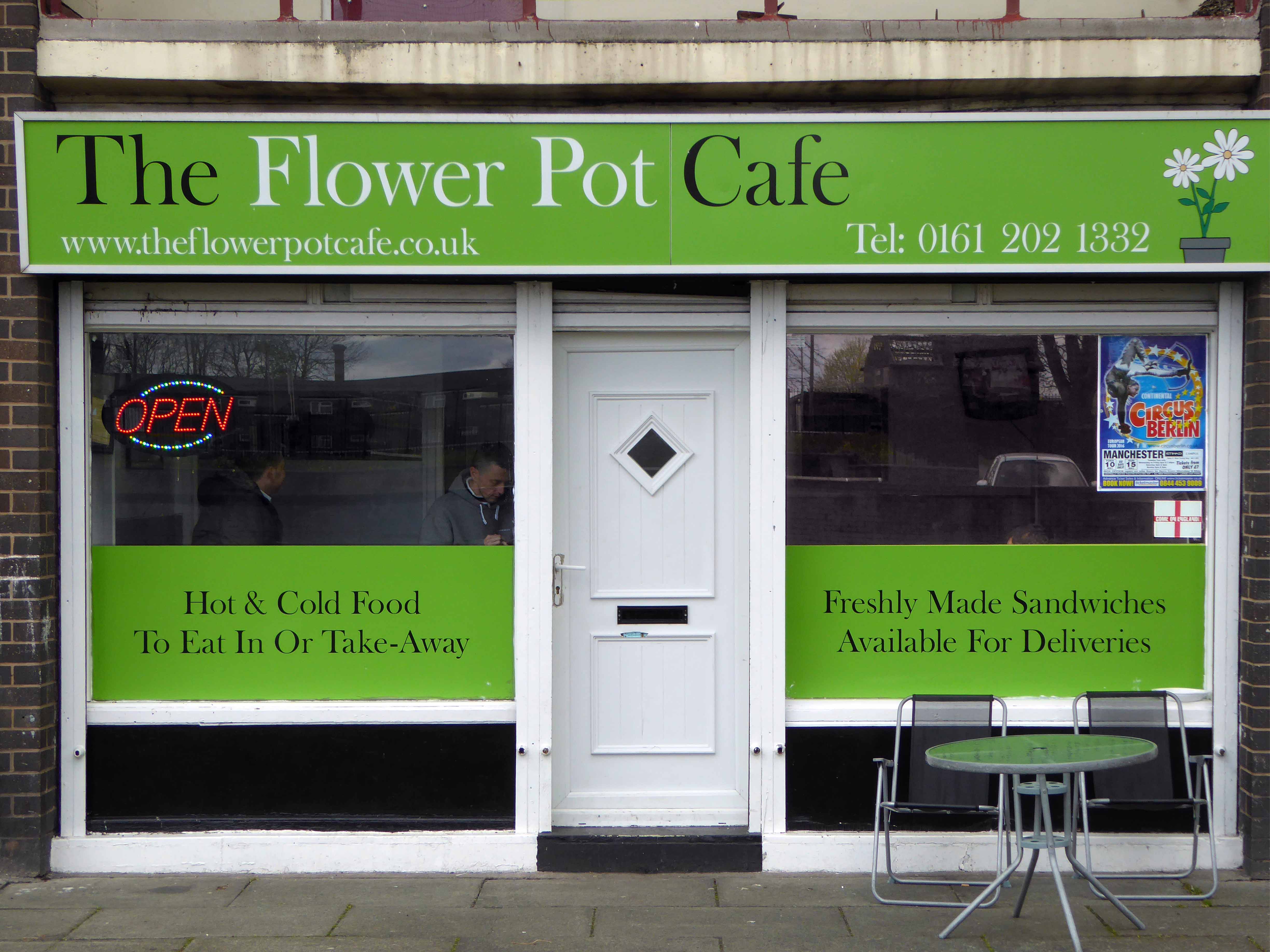
The Flower Pot Café, still fully functional, fed me well for £2, Lee the proprietor is living on borrowed time though, hoping for relocation within the new development.

P1040316 copy

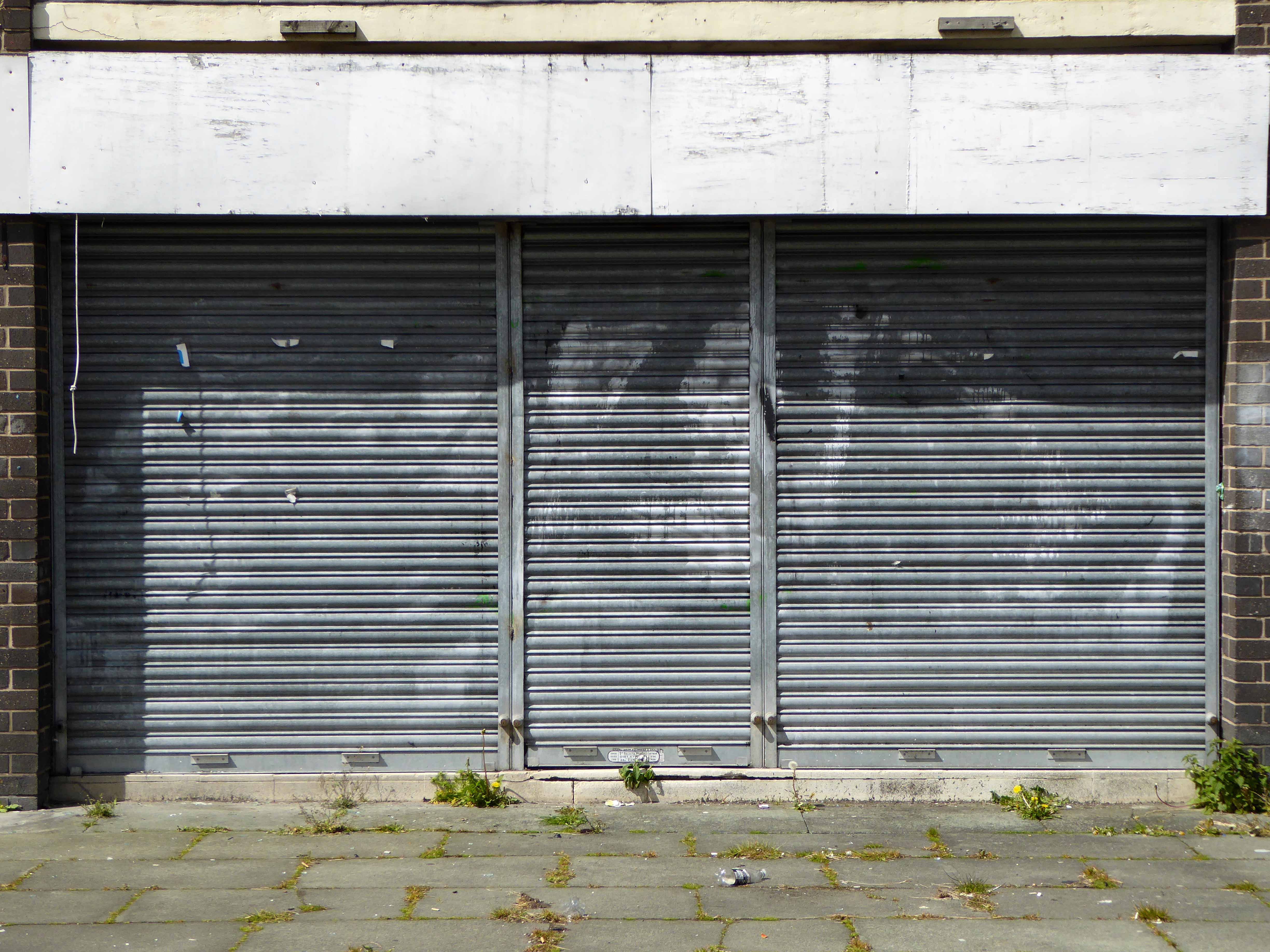
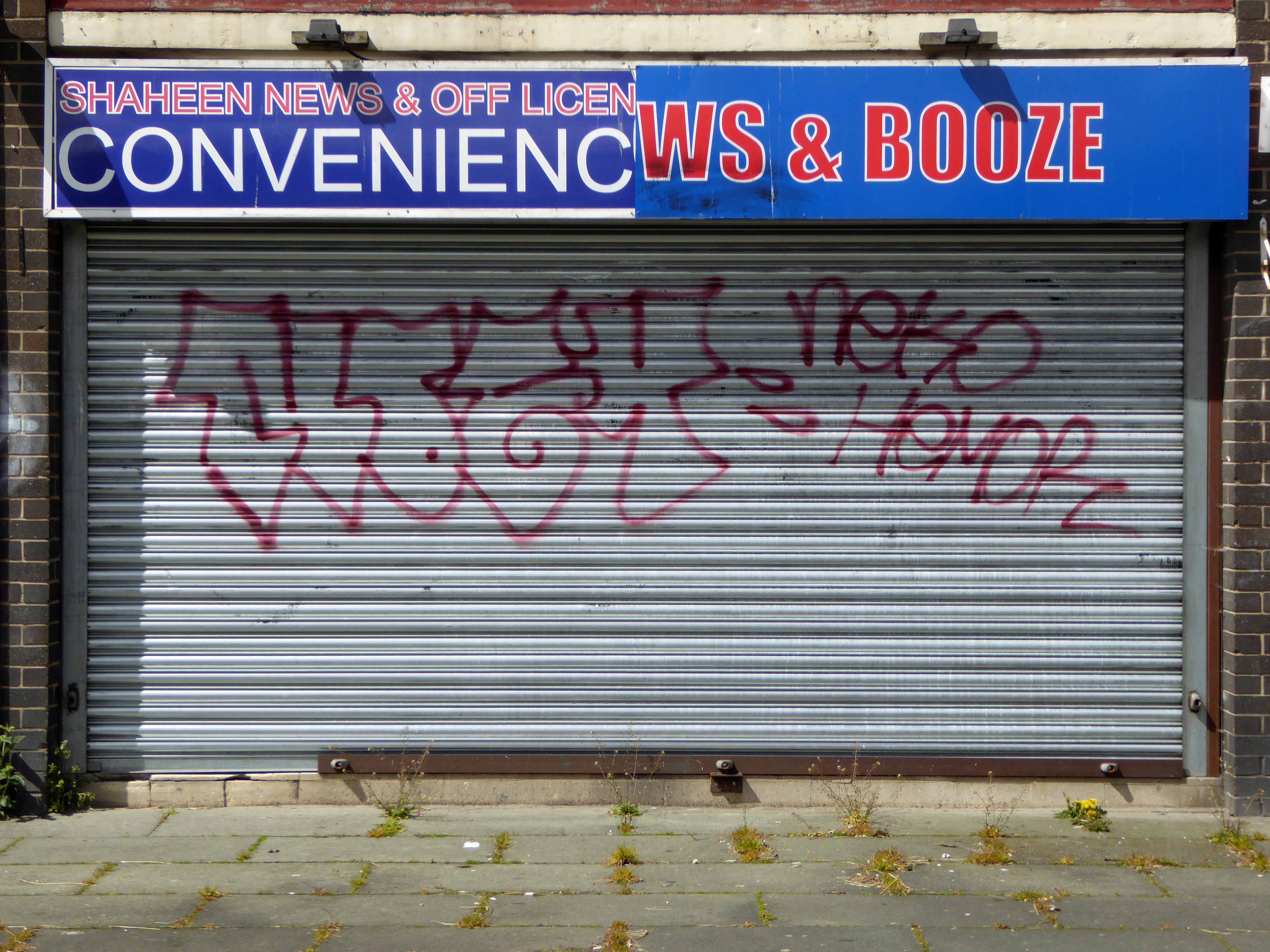
Other businesses have not survived the transition, awaiting CPO and who knows what.

P1040308 copy
P1040307 copy
P1040306 copy
P1040305 copy
P1040314 copy

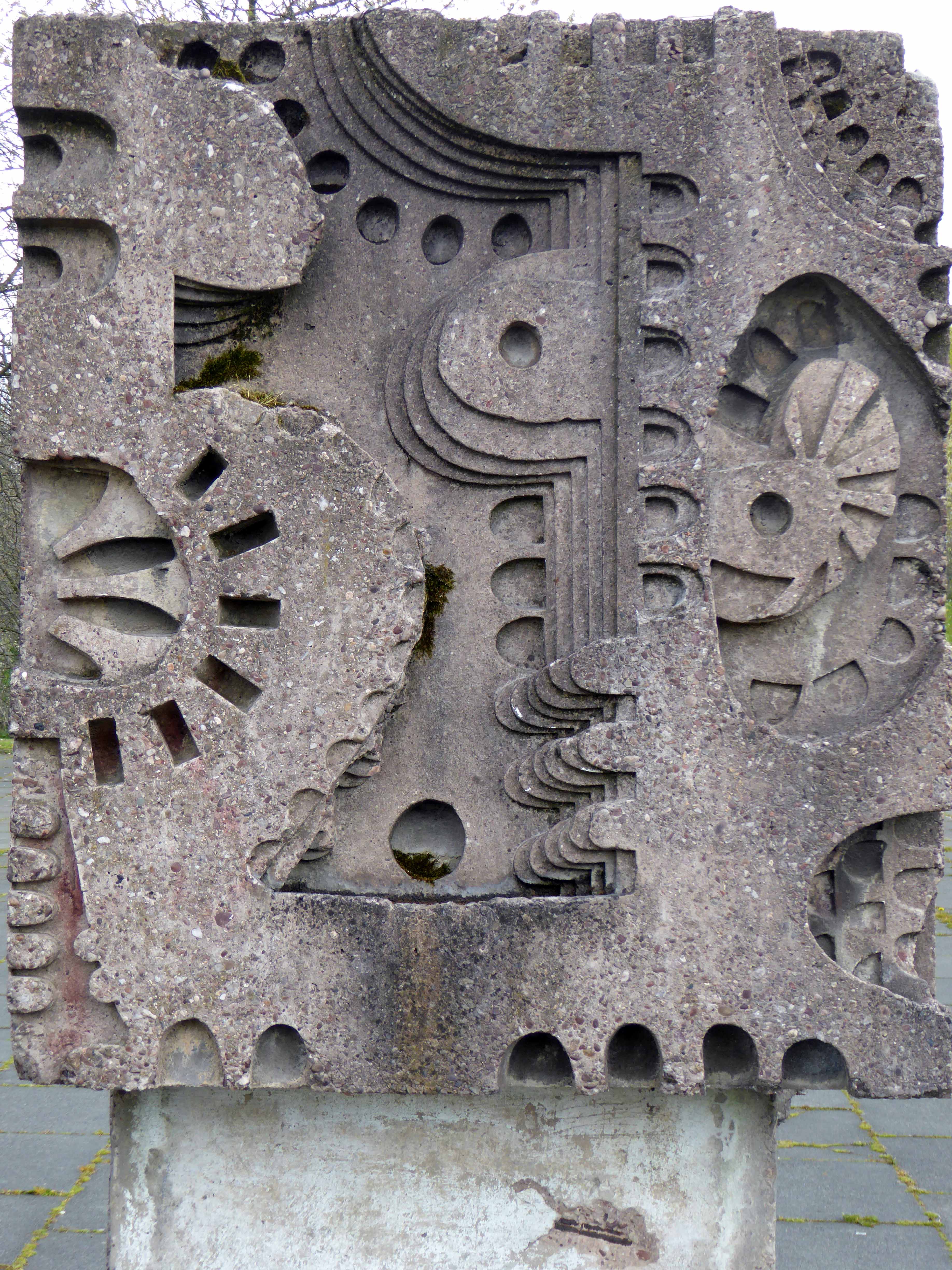
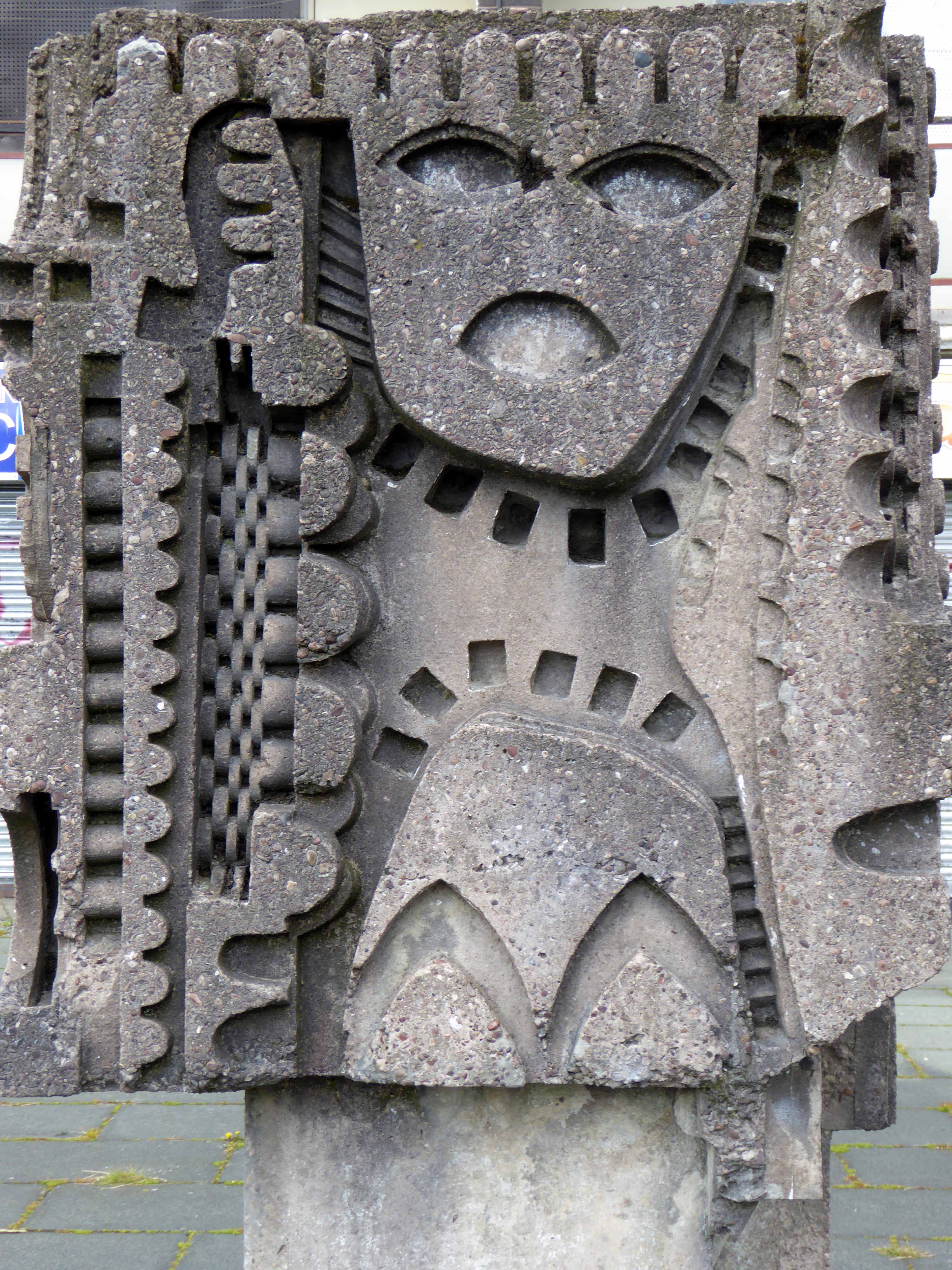
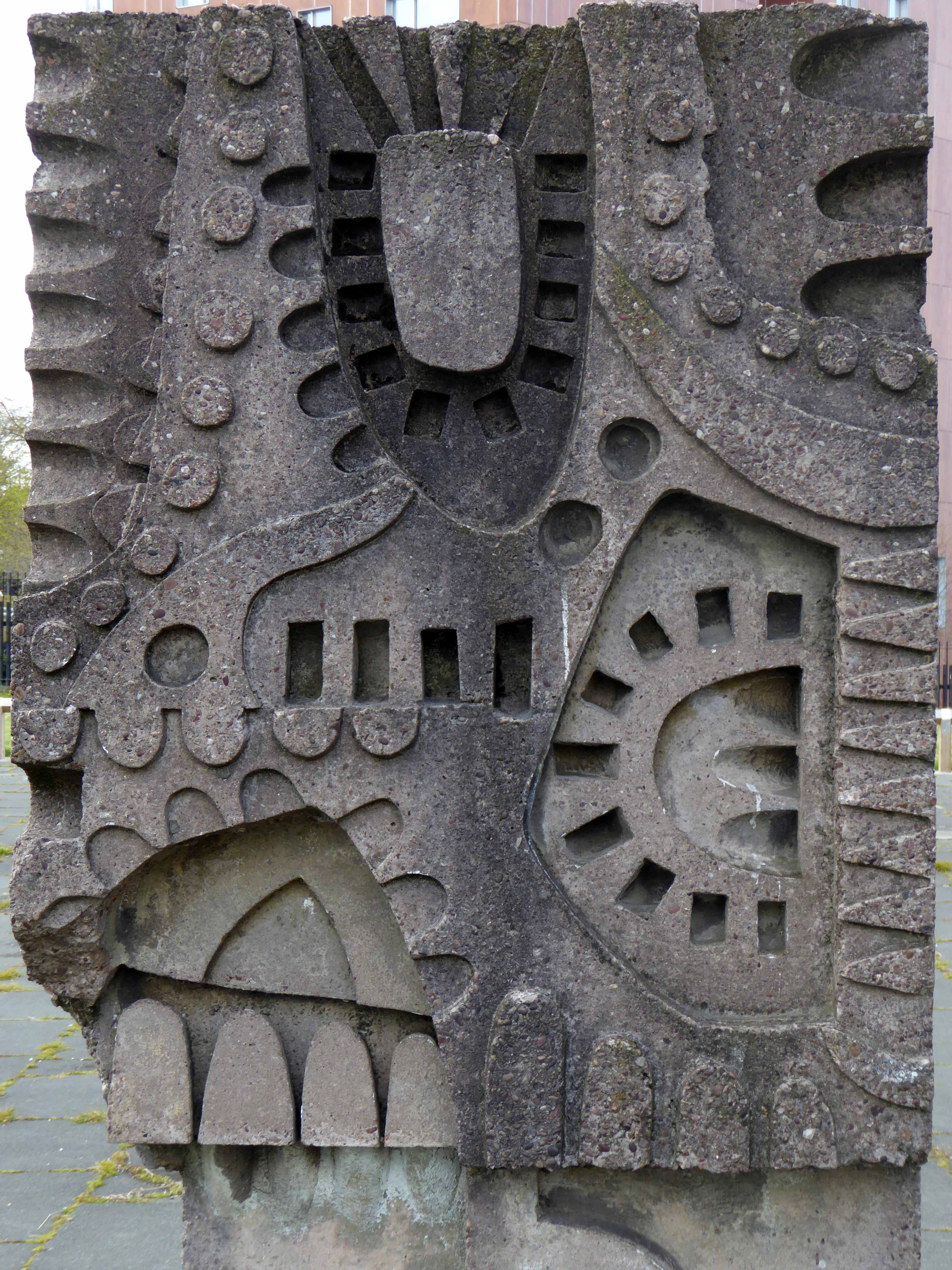
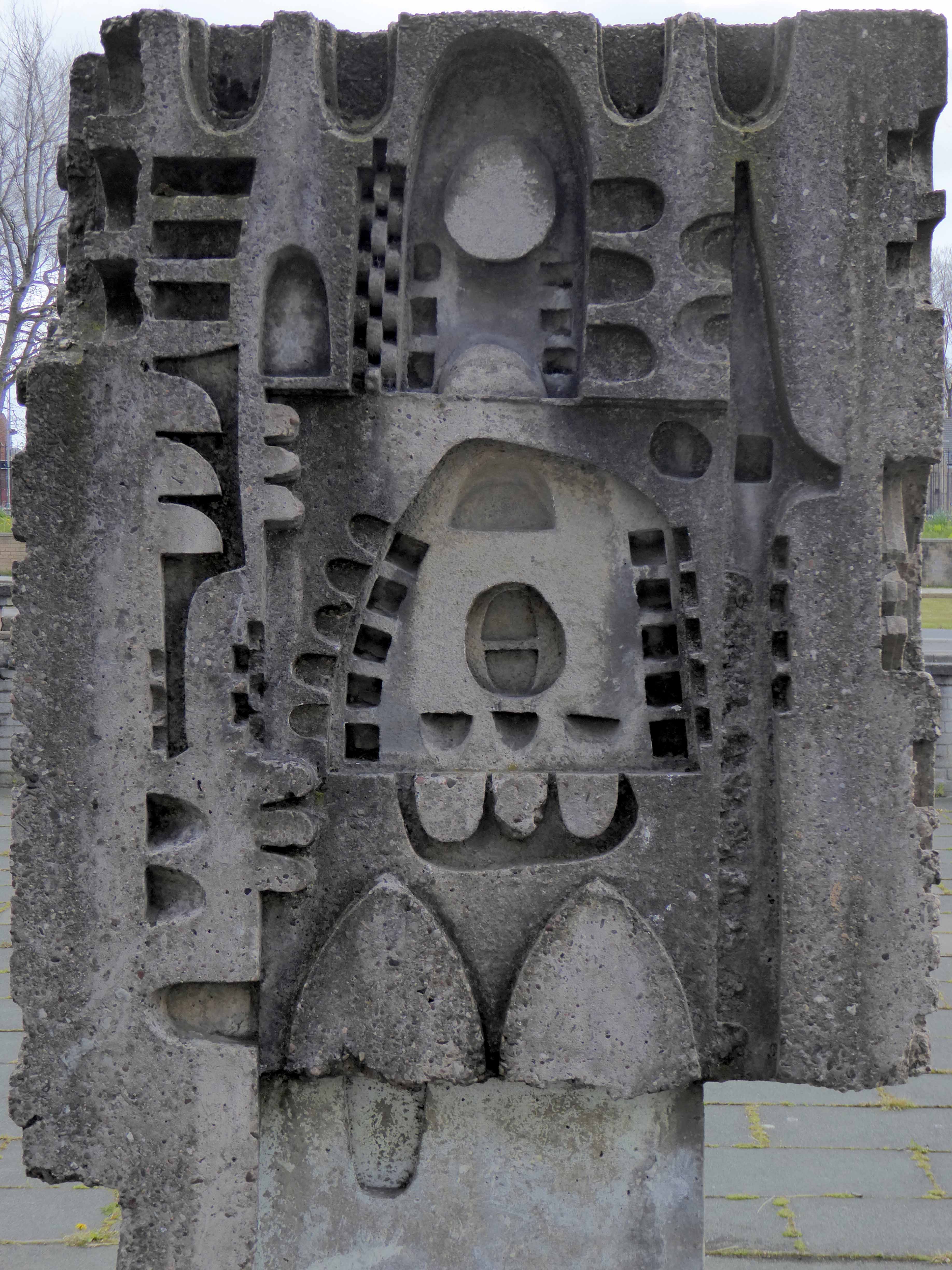
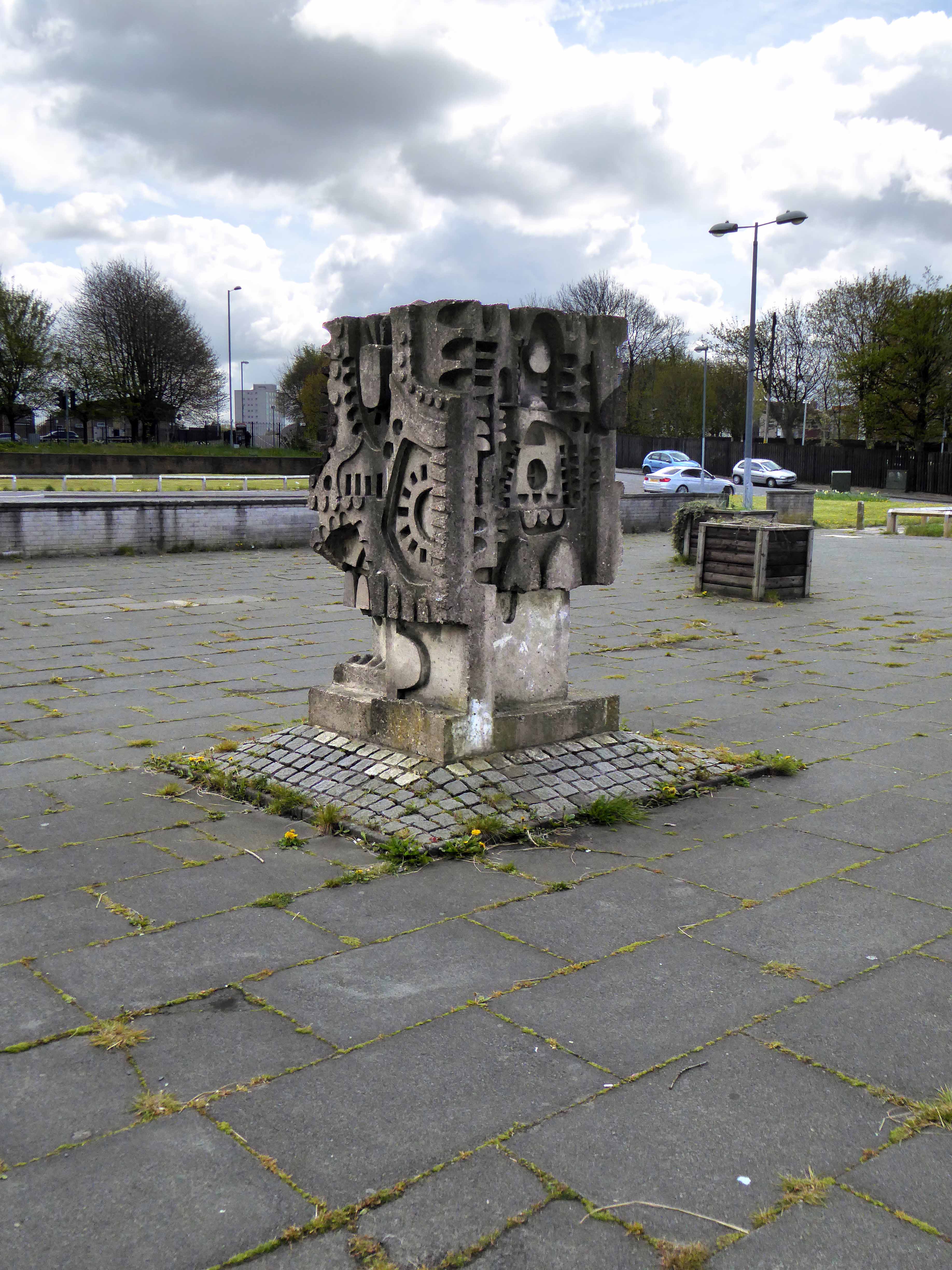
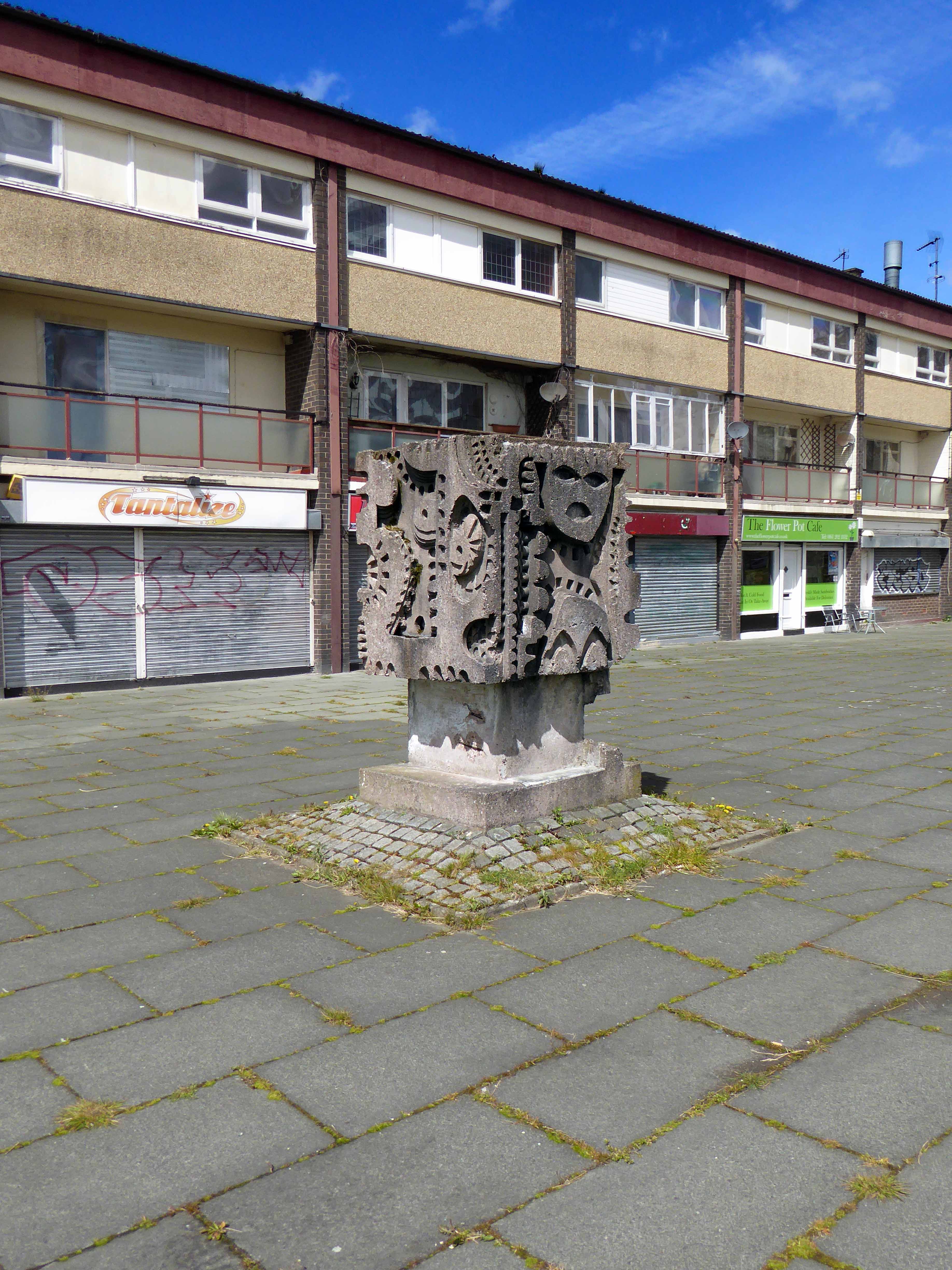
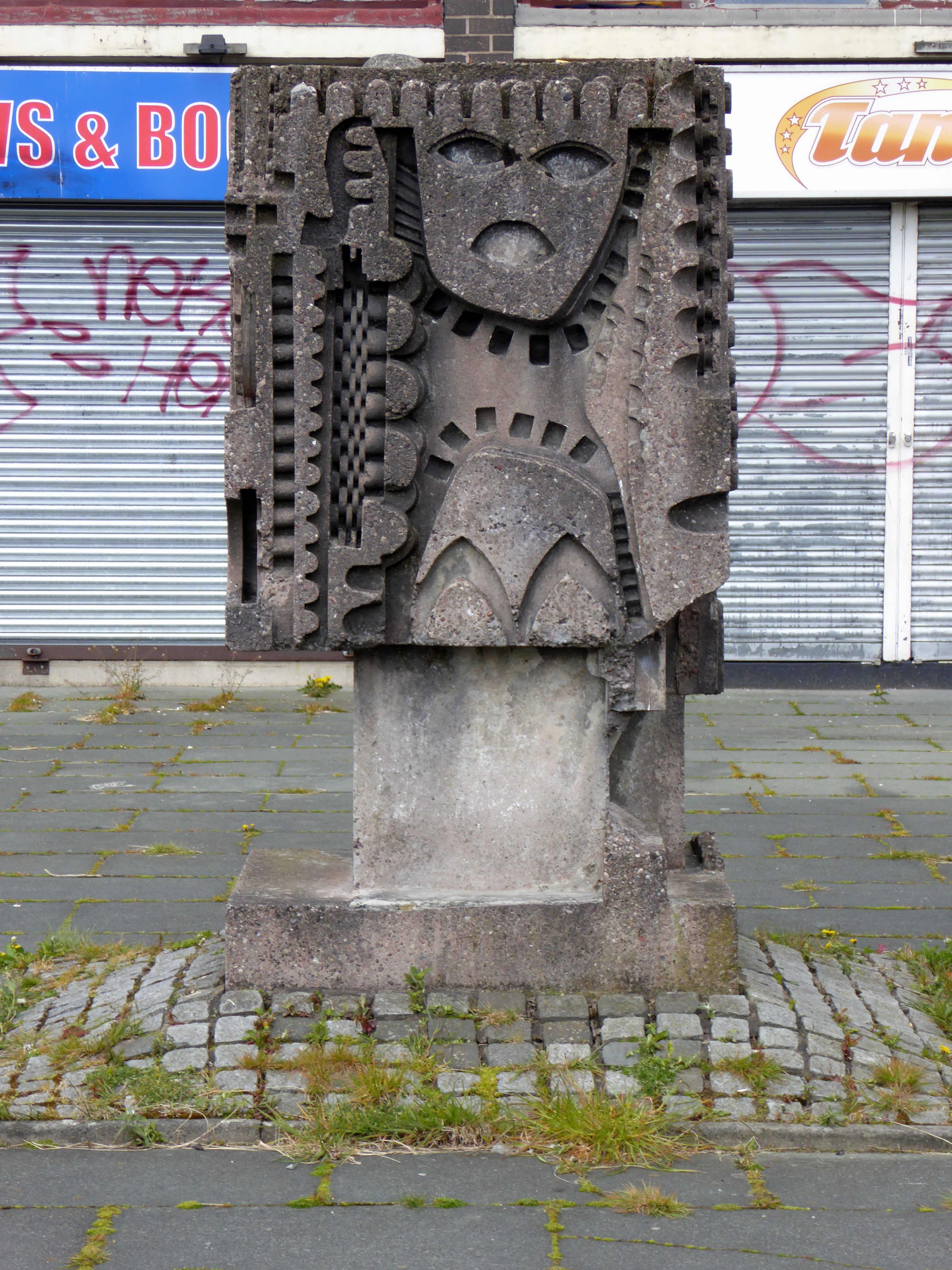
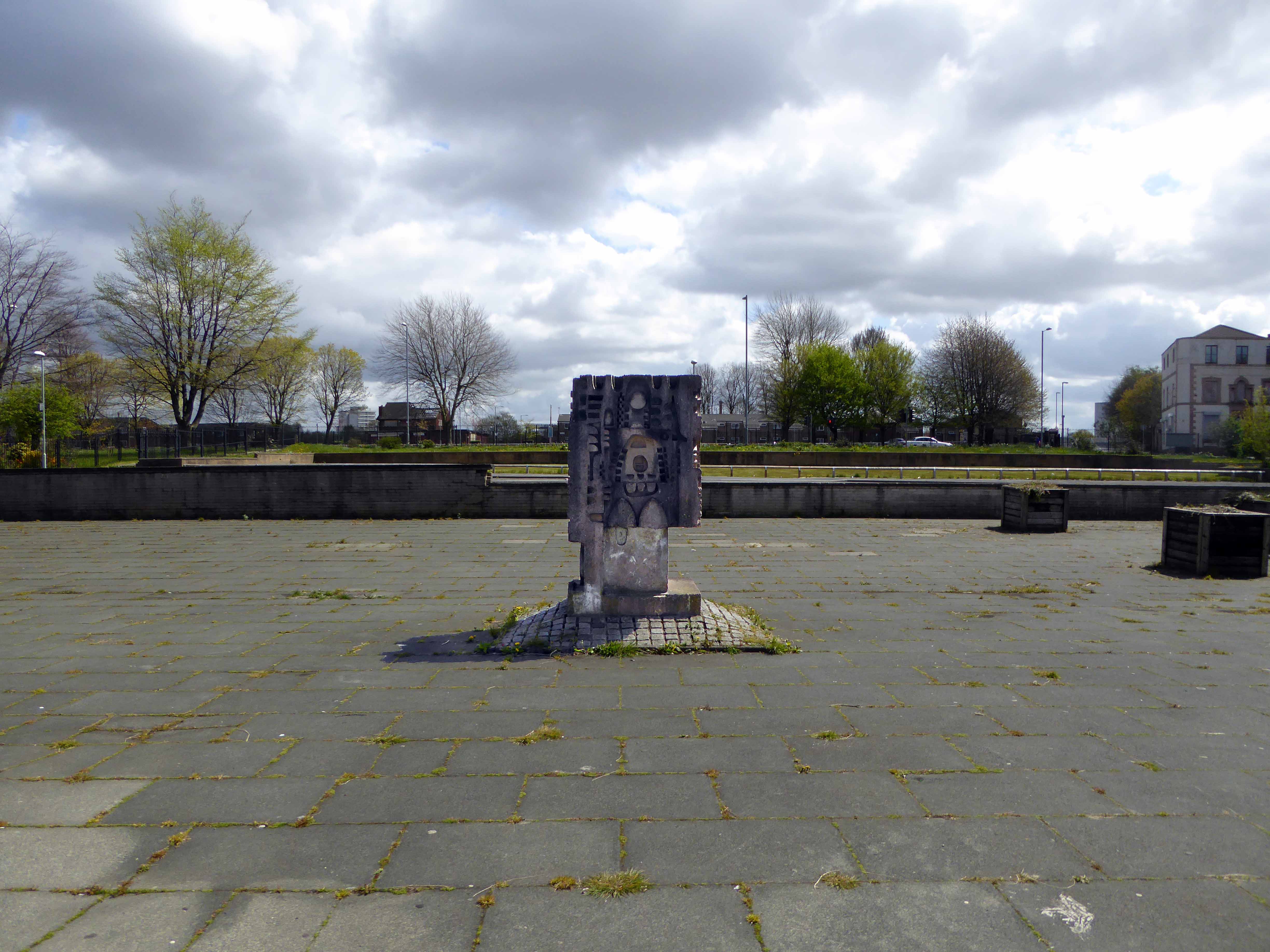
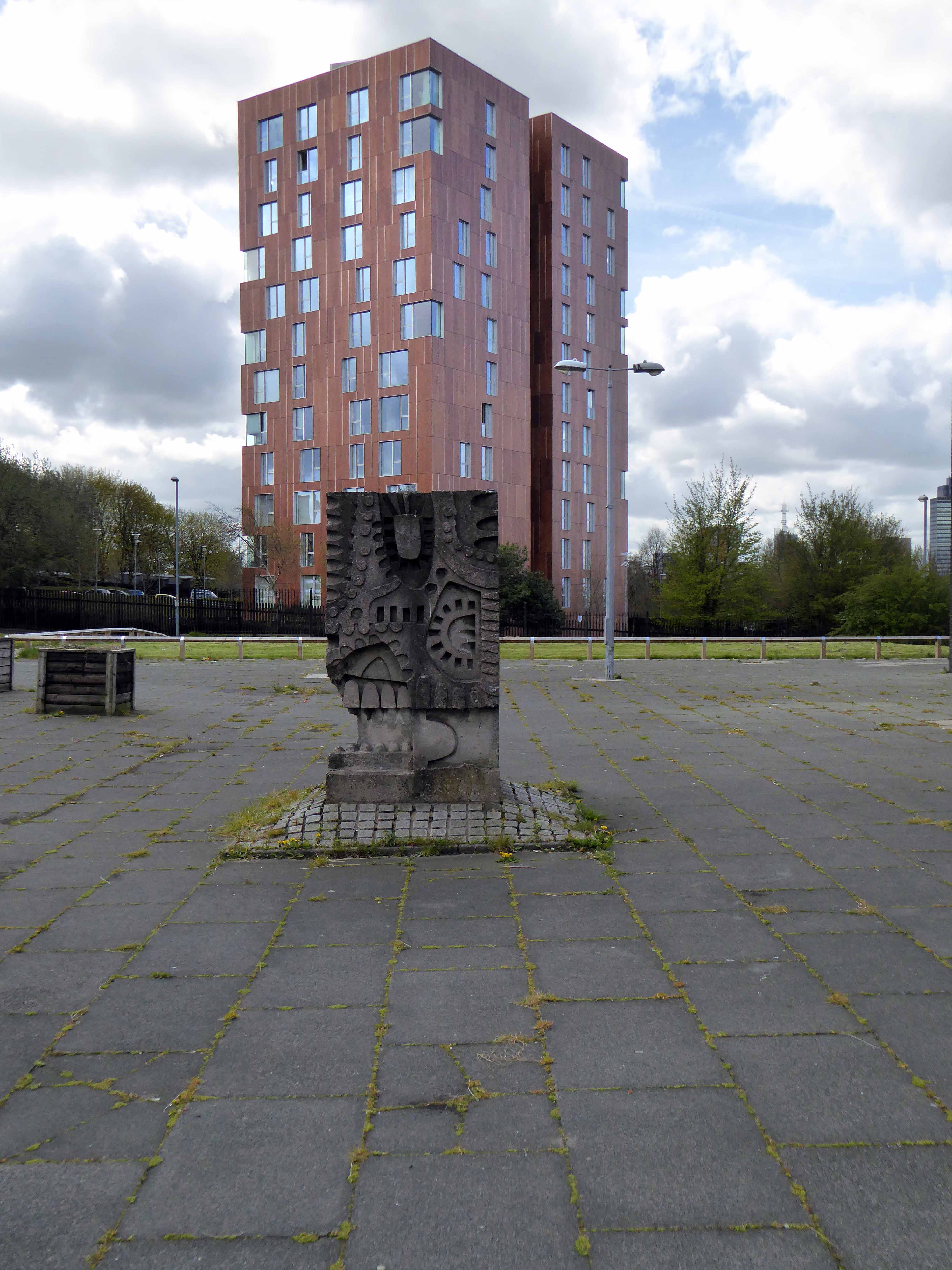
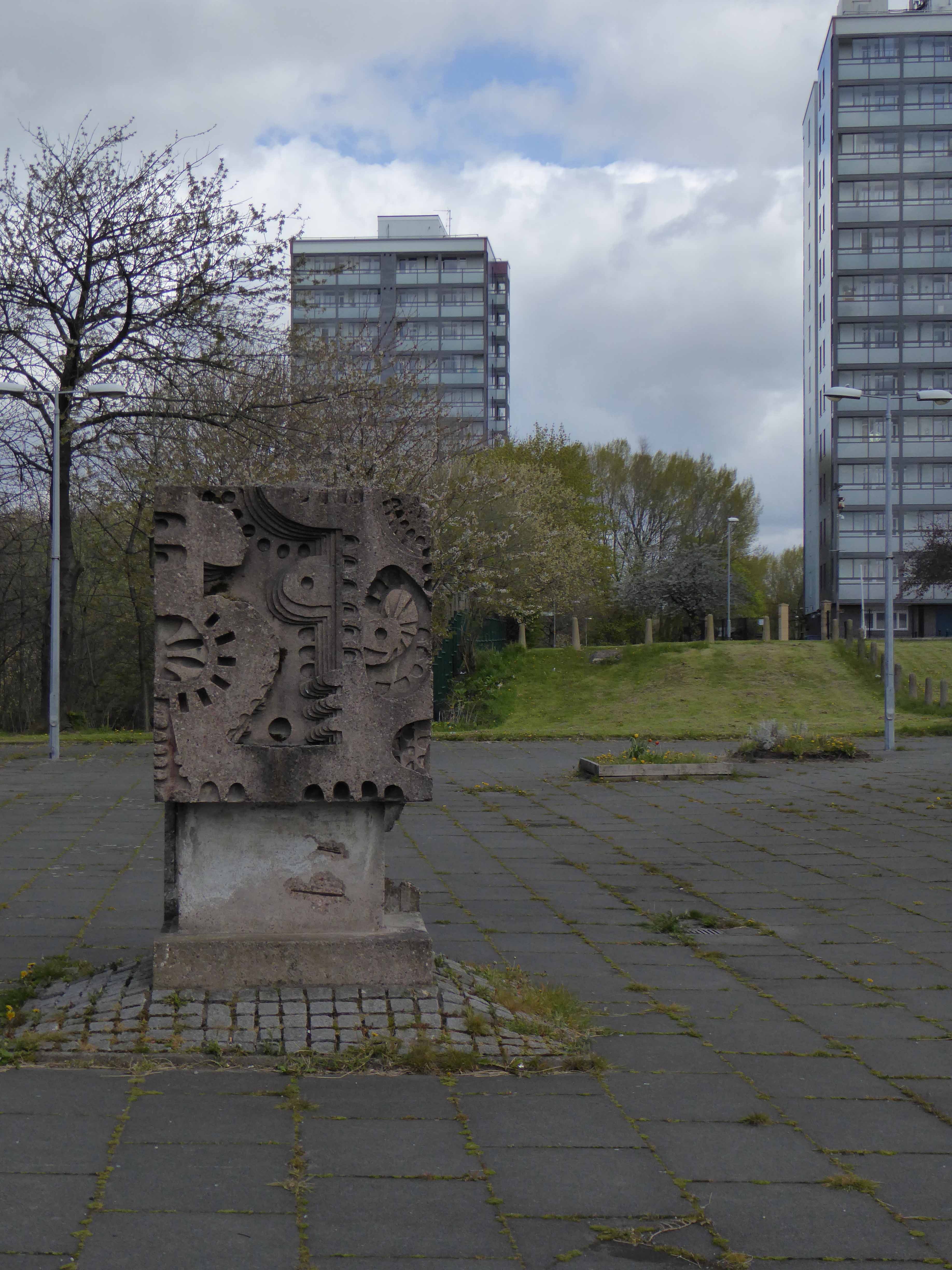
The square is blessed with a concrete sculpture, whose fate I hope is secured, somehow.

P1040294 copy
P1040293 copy
P1040296 copy
P1040295 copy

Possibly by William Mitchell – possibly not.

P1040297 copy
P1040304 copy
P1040303 copy
P1040321 copy
P1040292 copy
P1040313 copy
P1040298 copy
P1040301 copy
P1040300 copy

This as ever, is a time of change, I hope that the area and its current inhabitants live to tell the tale, rather than fall victim to the tide of gentrification, forcing them further afield.

O Romeo Romeo, wherefore art thou Romeo?

P1040335 copy

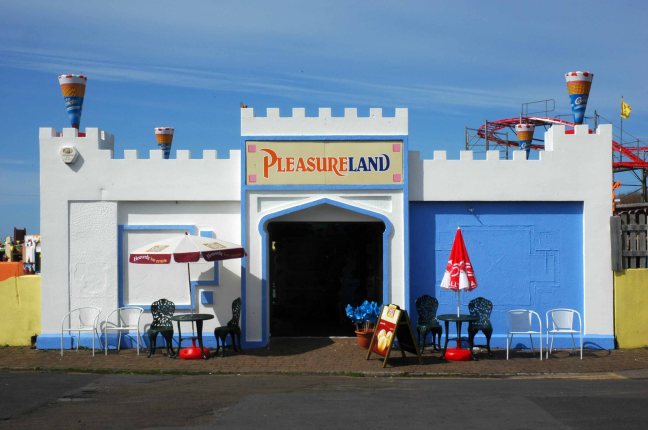
Pleasureland

“But now I have come to believe that the whole world is an enigma, a harmless enigma that is made terrible by our own mad attempt to interpret it as though it had an underlying truth.”

Umberto Eco

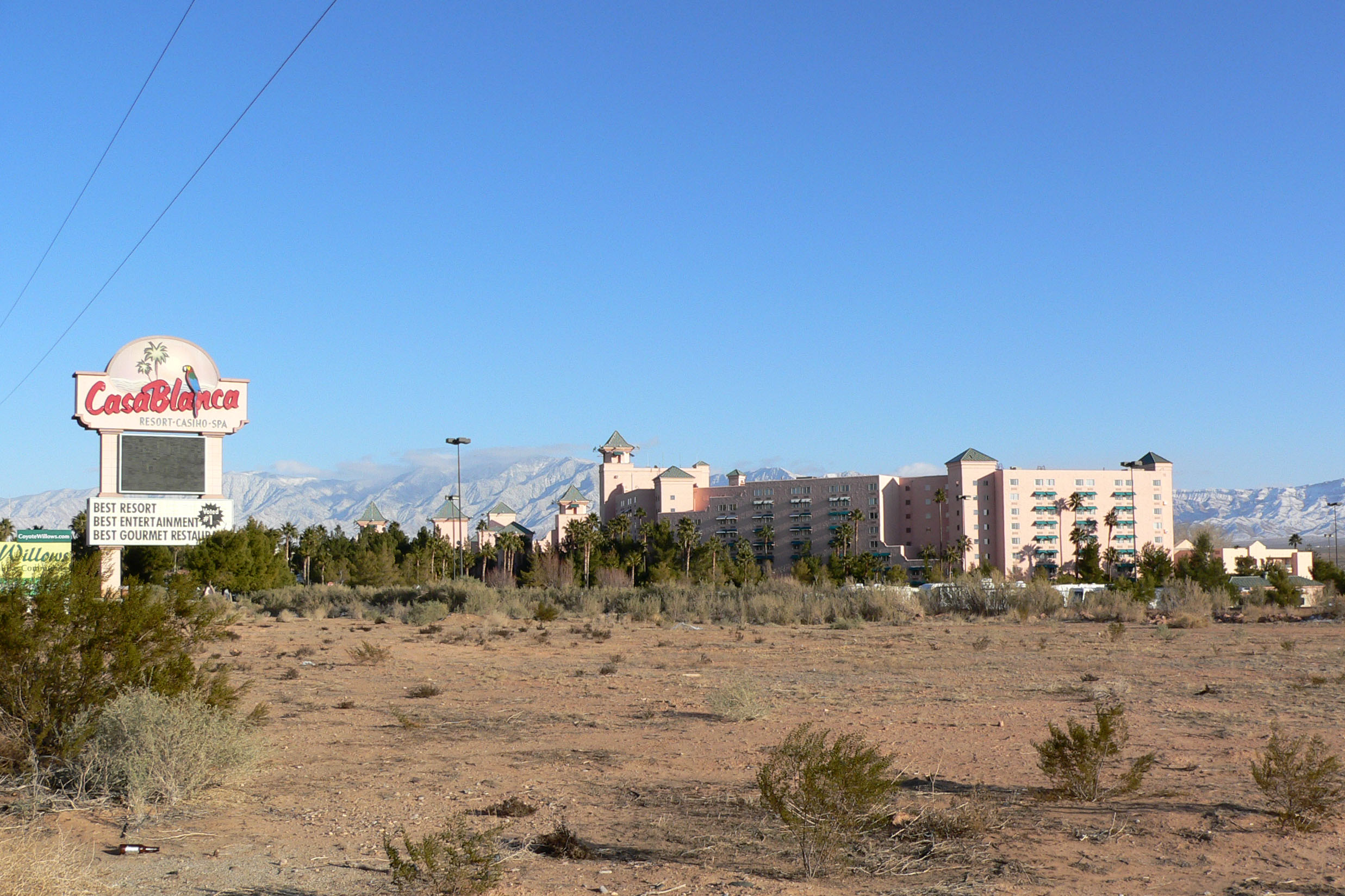
Somewhere between Las Vegas Nevada and Casablanca Morocco lies Southport.

Somewhere in Southport lies Pleasureland.

Separated by oceans and oceans of artifice.

A puzzle wrapped in a riddle, wrapped in an enigma, wrapped in a wind blown fish and chip paper, tipped lazily onto the edge of Lancashire.

The seaside itself an invention of the railways, and an expanding leisured class.

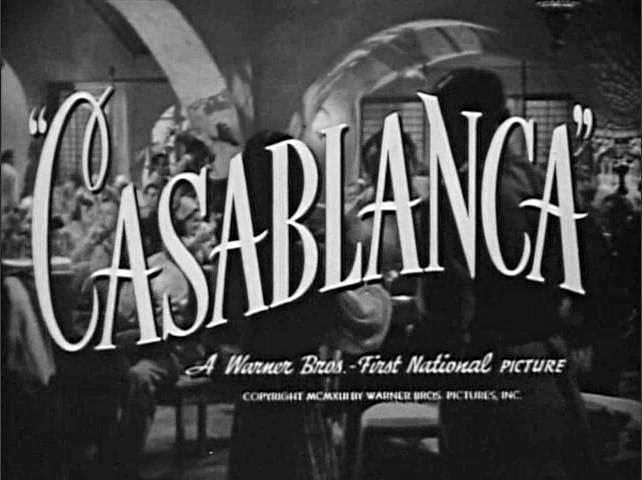
To begin in the middle, the Hollywood cinema creates an Orientalist mythology around Morocco. A confection of exotic confinement, conspiratorial glances and romance.

Who are you really, and what were you before?

What did you do and what did you think, huh? 

We said no questions. 

Here’s looking at you, kid.

Casablanca,_title

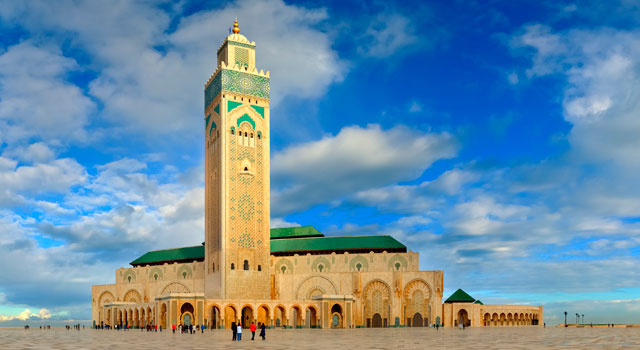
Which in turn becomes parody of itself, constructing an airport that apes its own constructed image, a brash reflection in an eternally wonky mirage of a mirror.

casablanca-mosque-hassan-ii

The same mirror that reflects across the Atlantic, to that cap it all capital of Kitsch.

img13228702

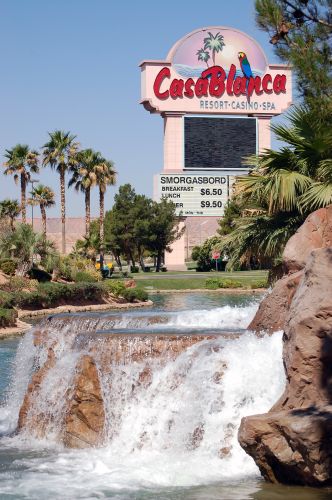
A veritable smorgasbord of visual treats and retreats in Mesquite Nevada.

CasaBlanca_Resort_Casino_1

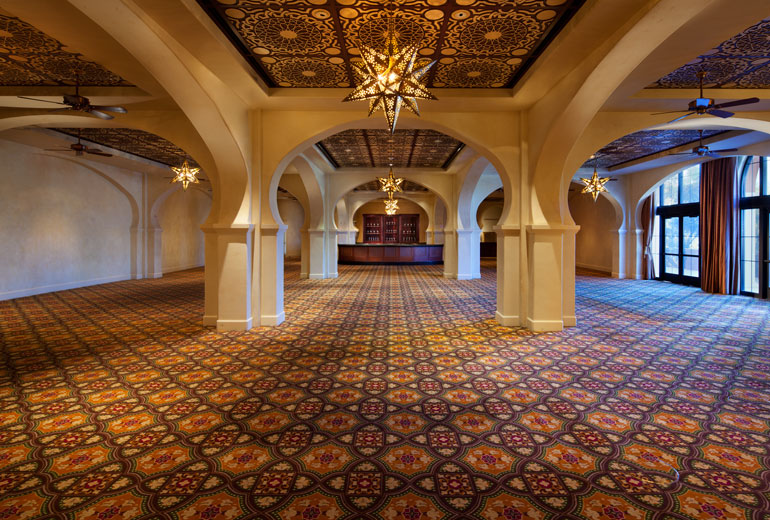
Or the Casablanca Ballroom Westin Lake Hotel – Las Vegas.

wes3786br.144830_xx

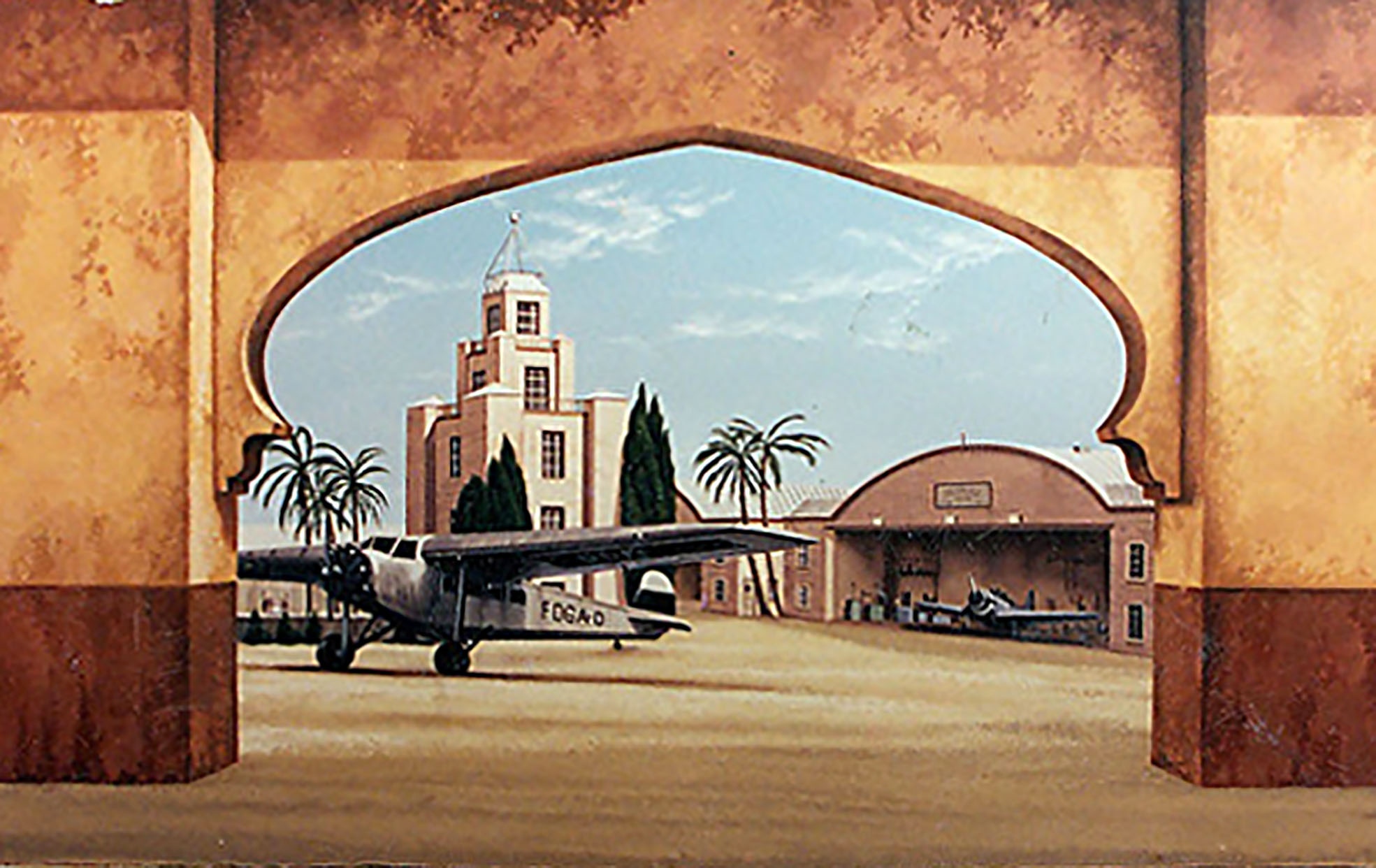
Flying home to the Warner Brothers Stage 16 Restaurant

casablanca-backing-for-stage-16-resturant-las-vegas

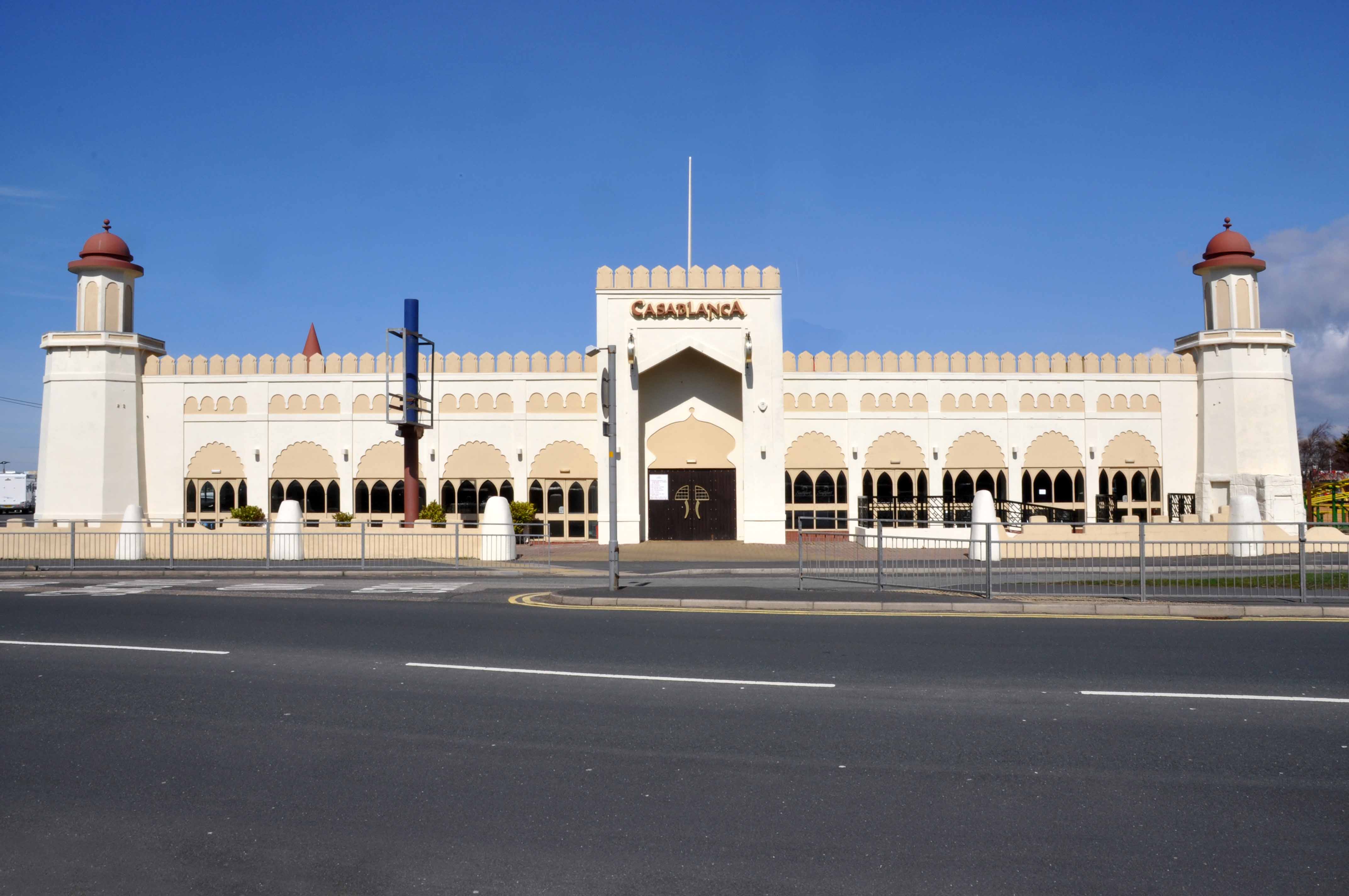
Or indeed Southport.

DSC_0068 copy

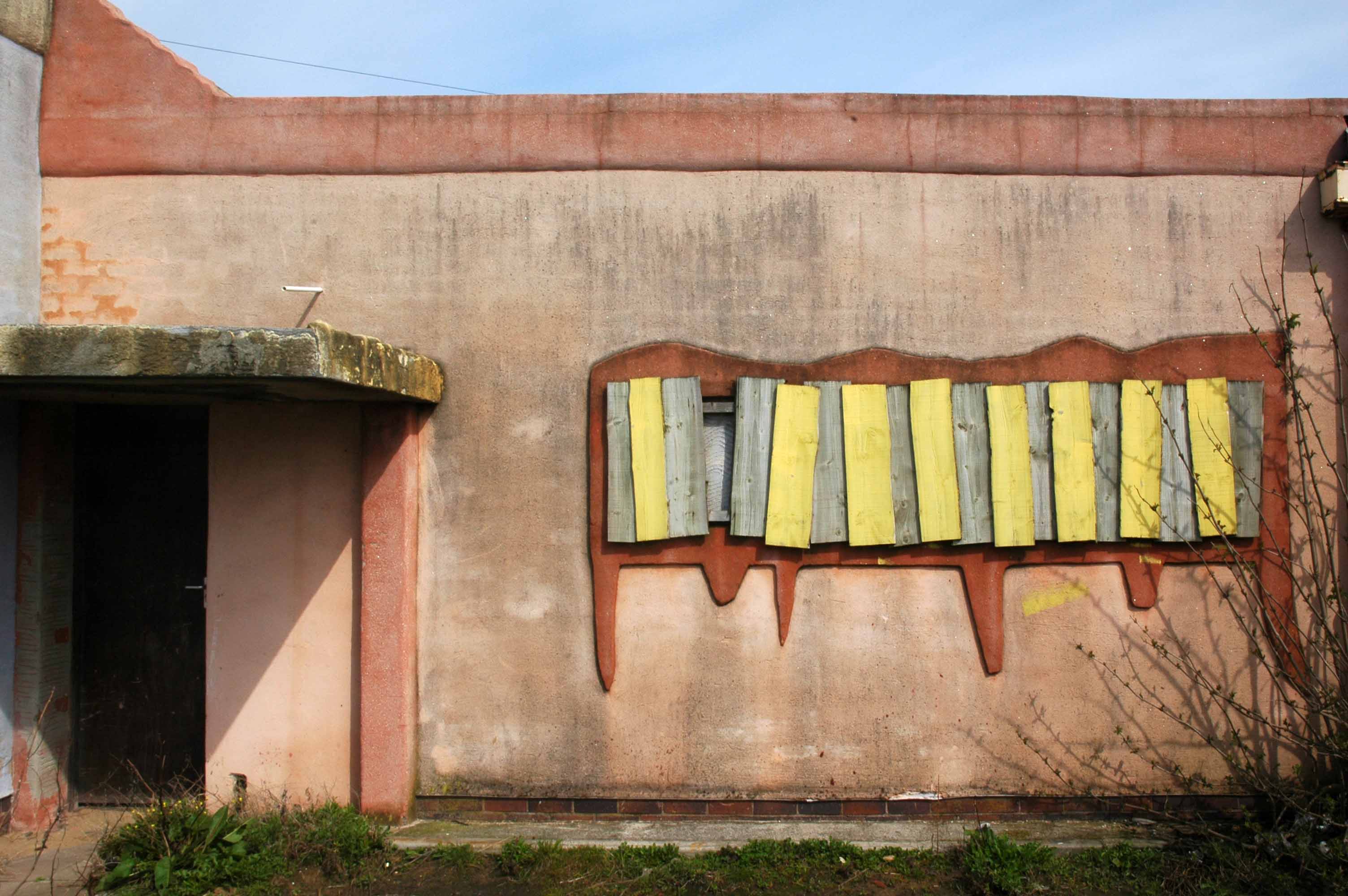
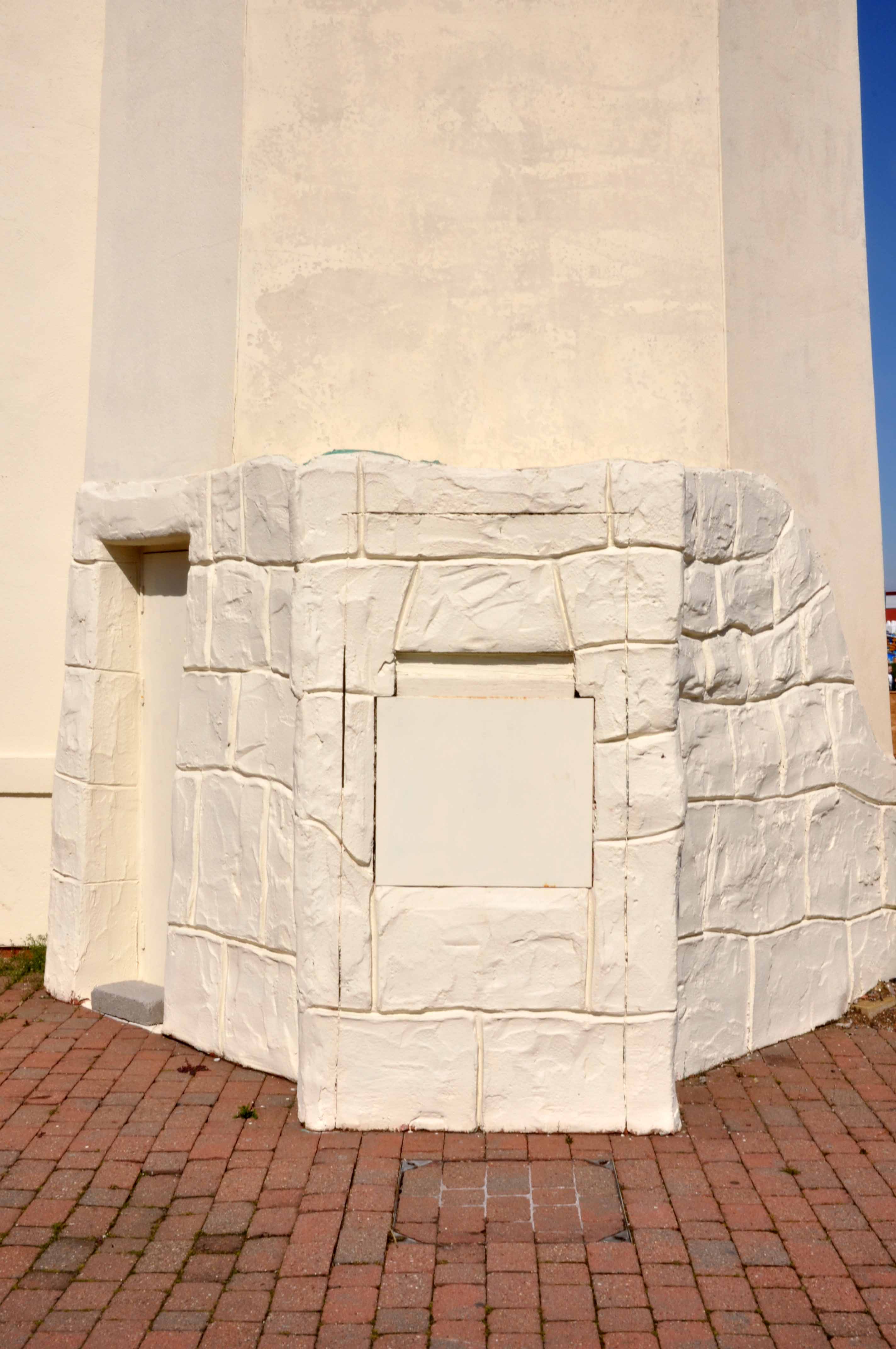
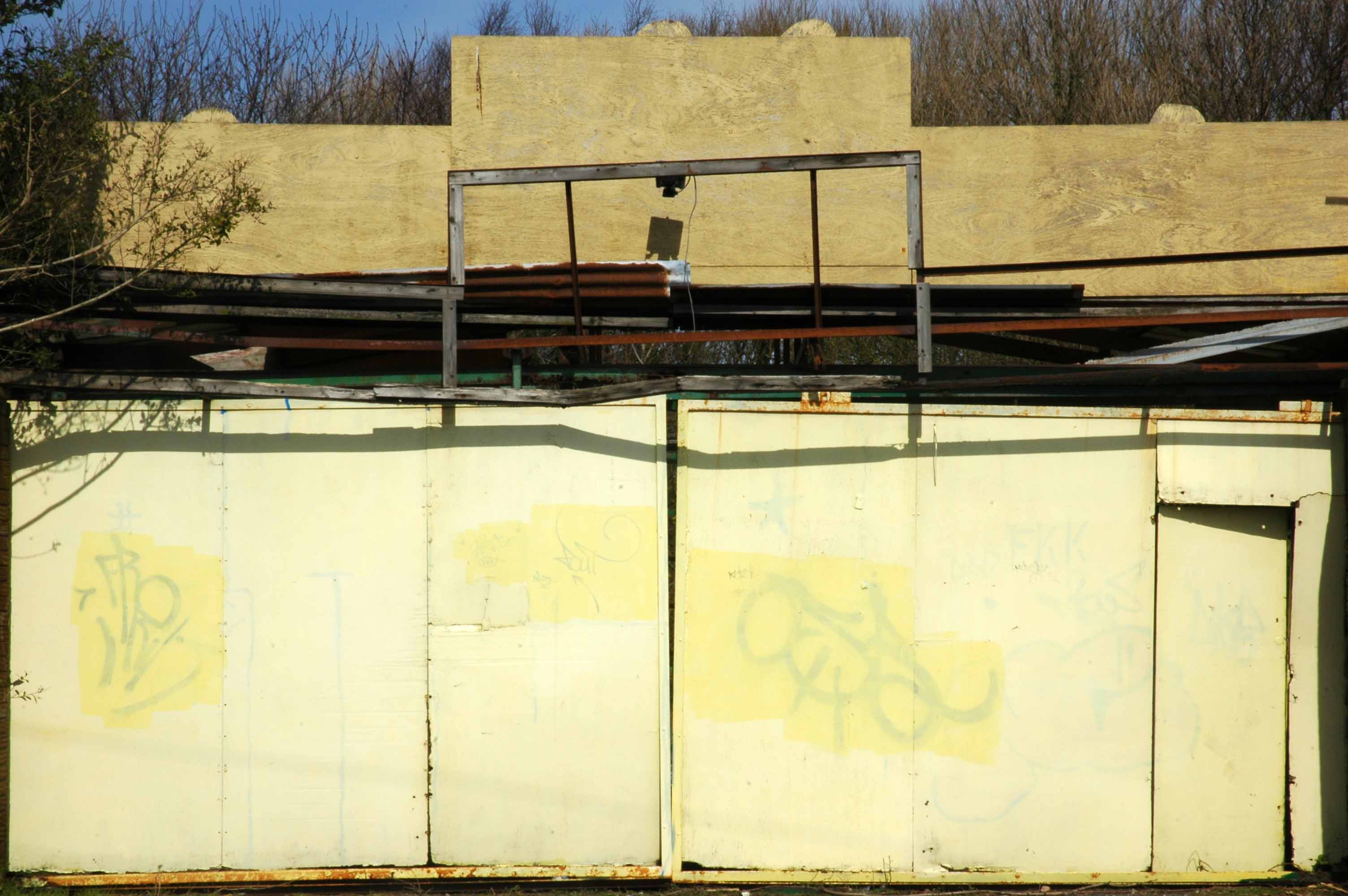
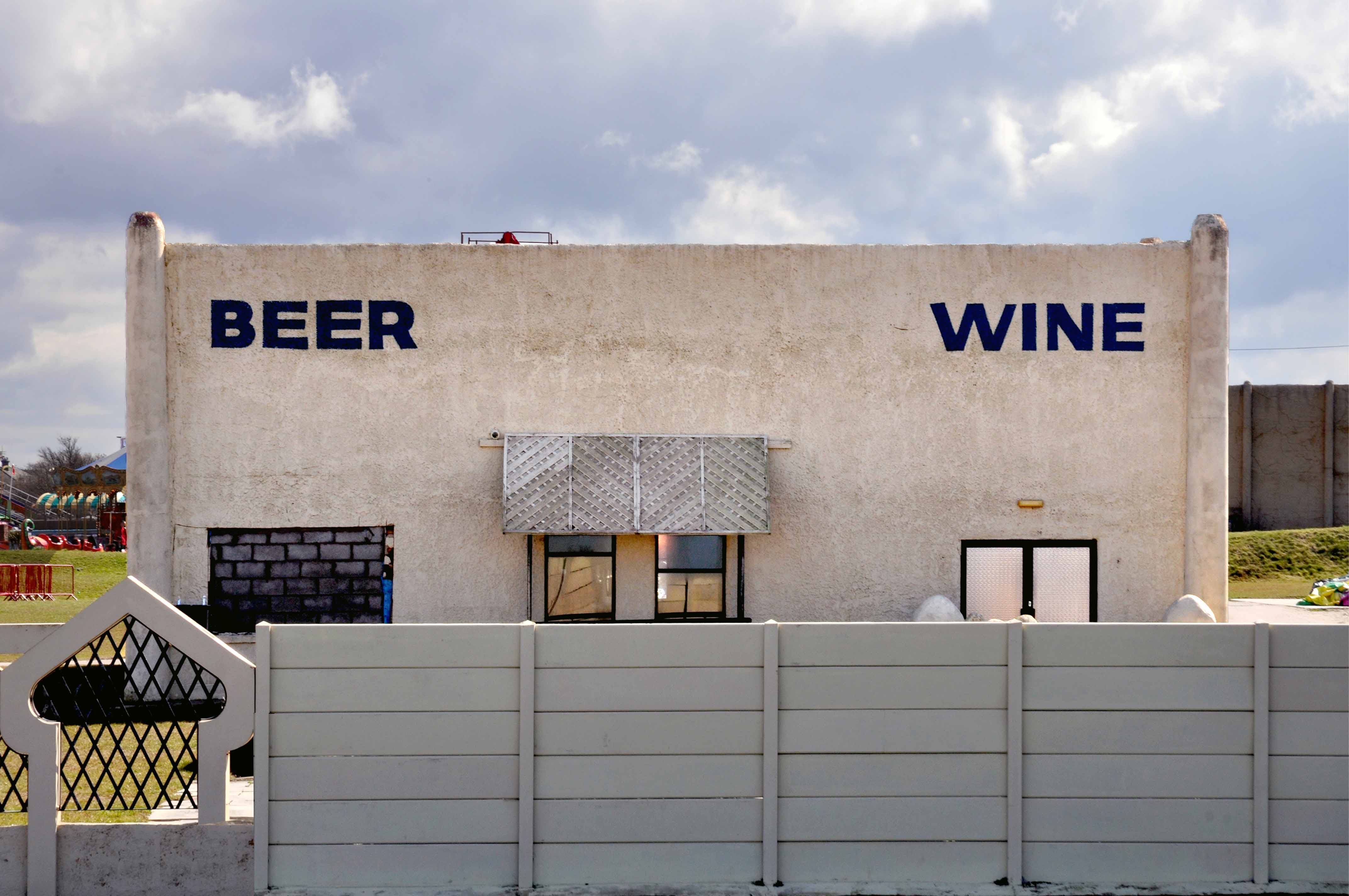
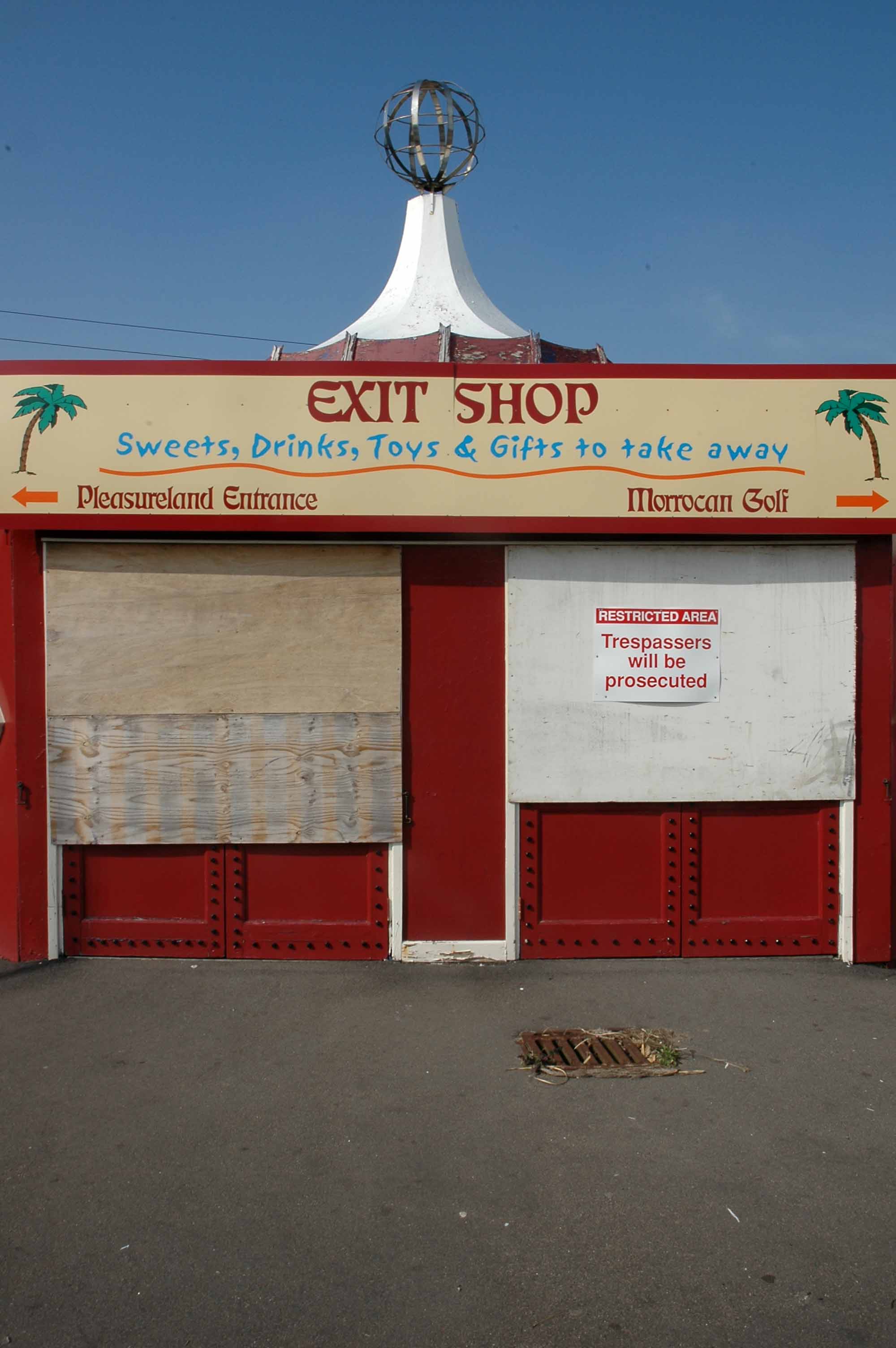
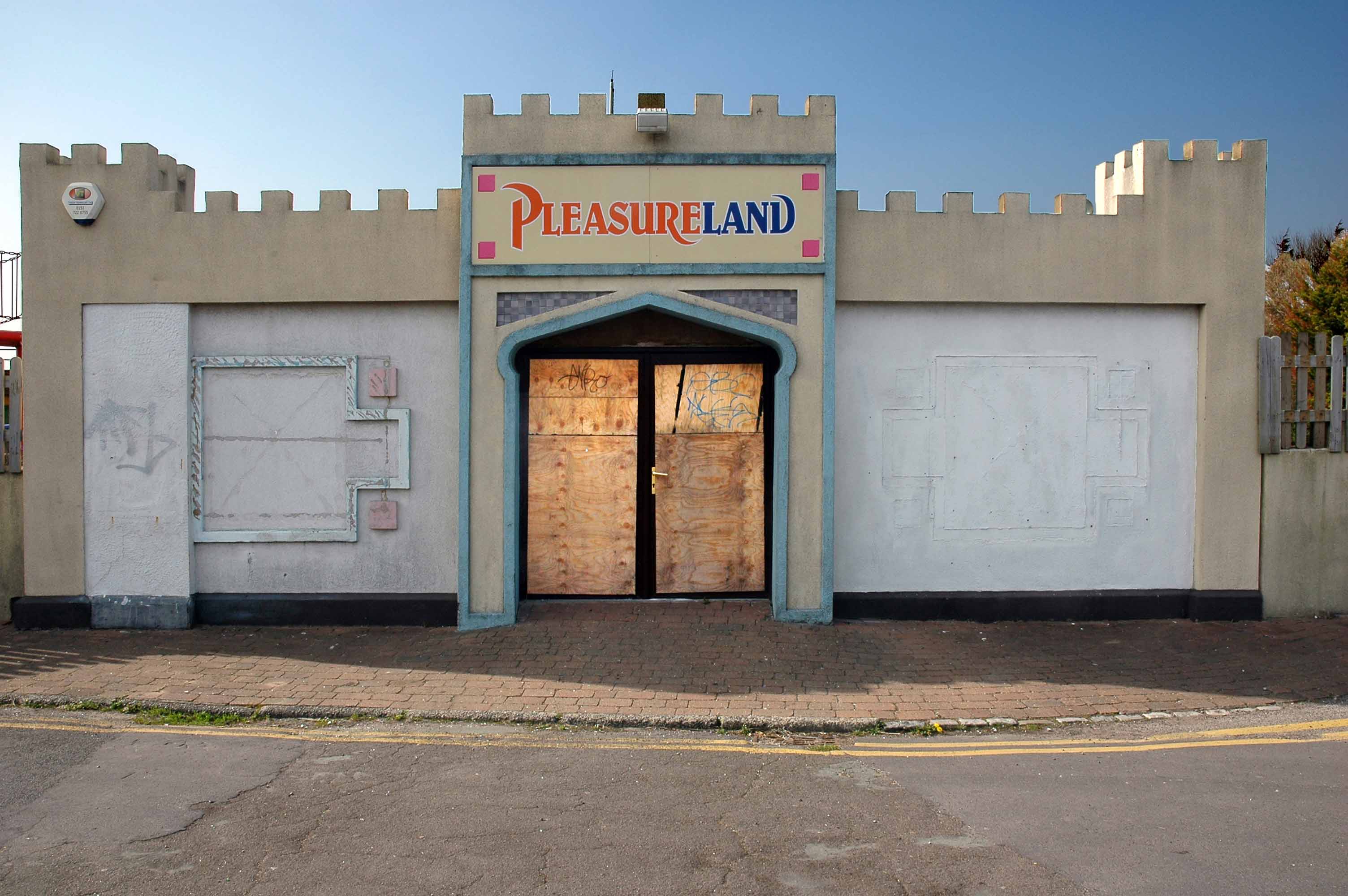
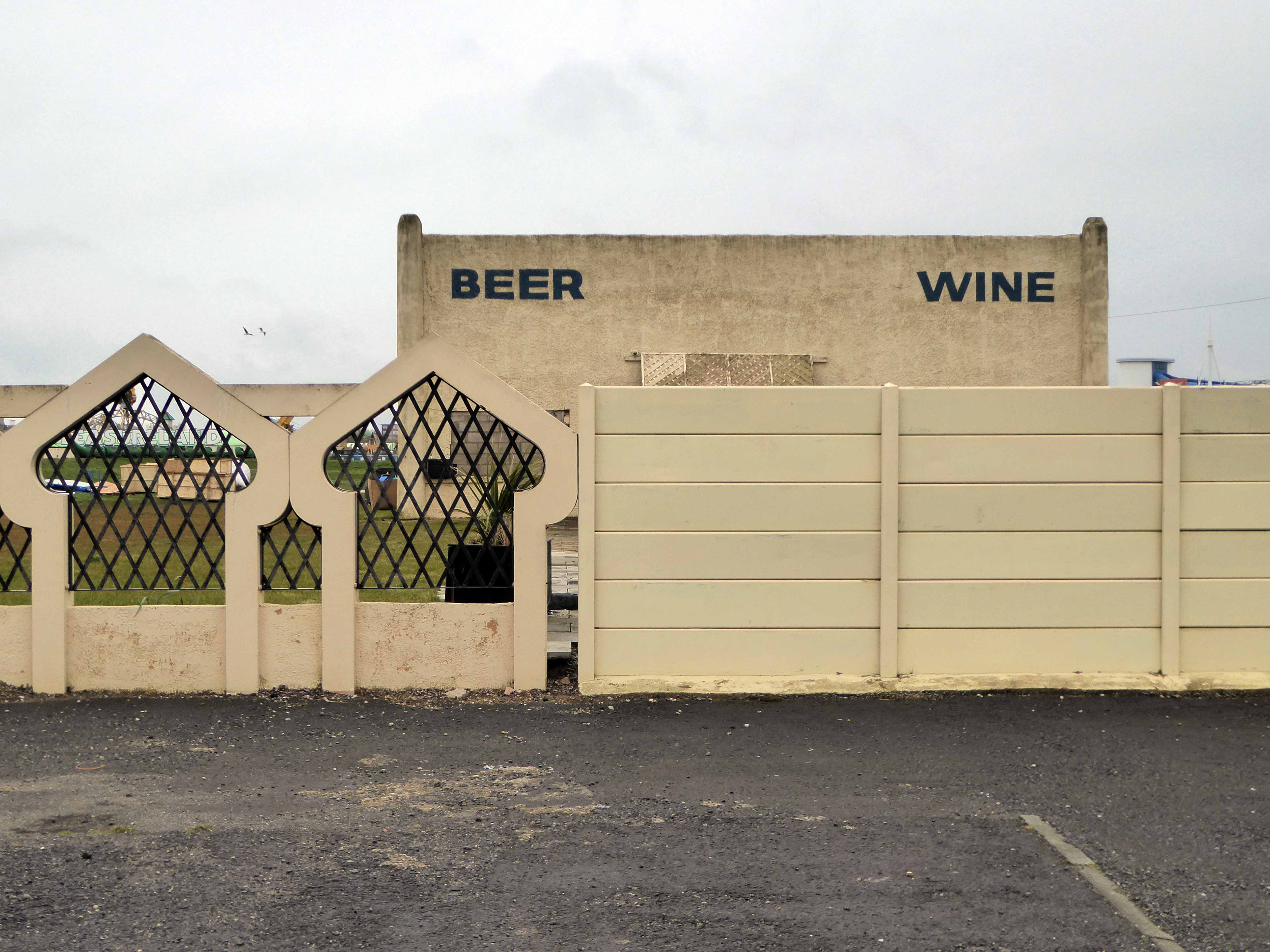
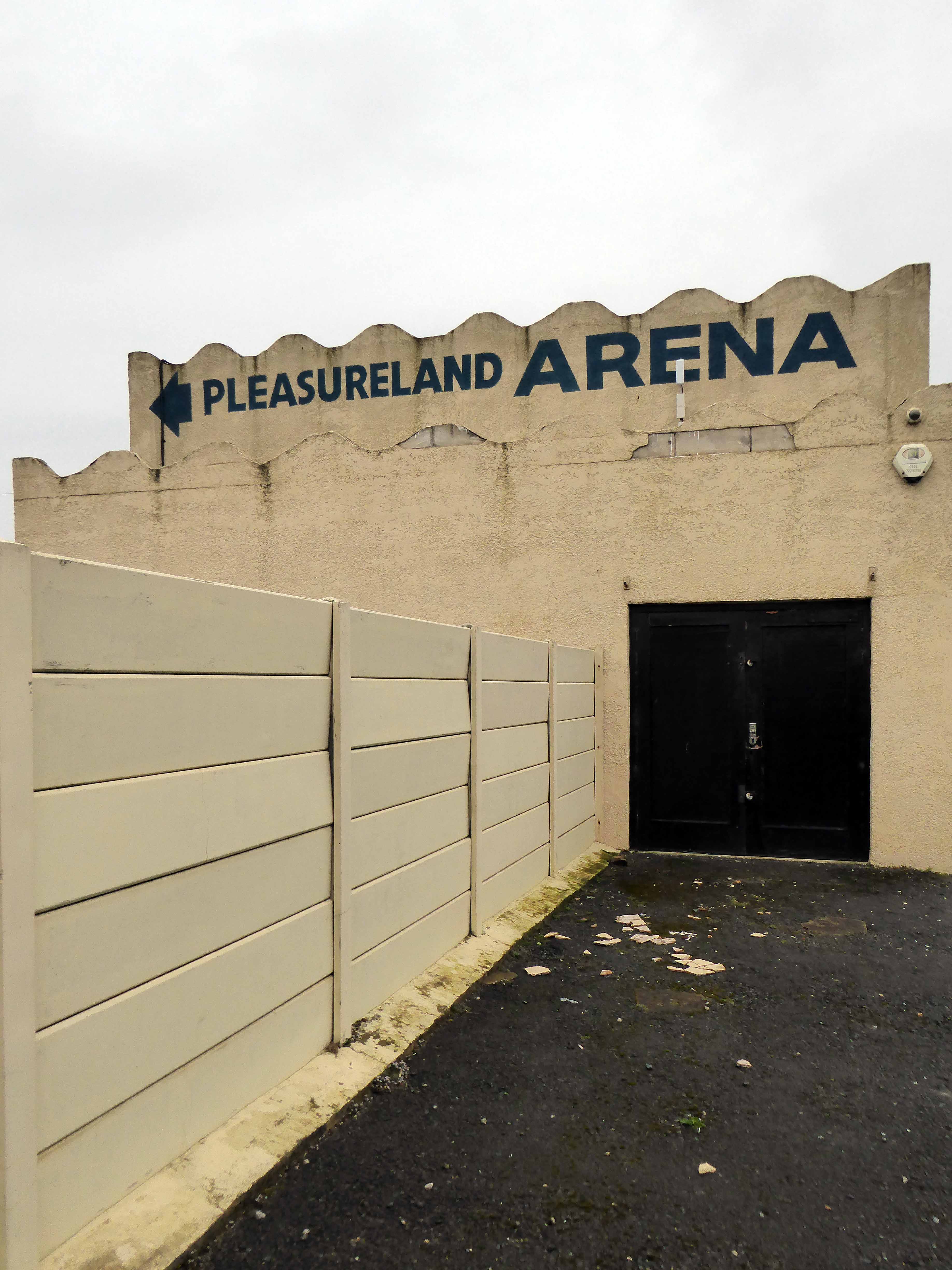
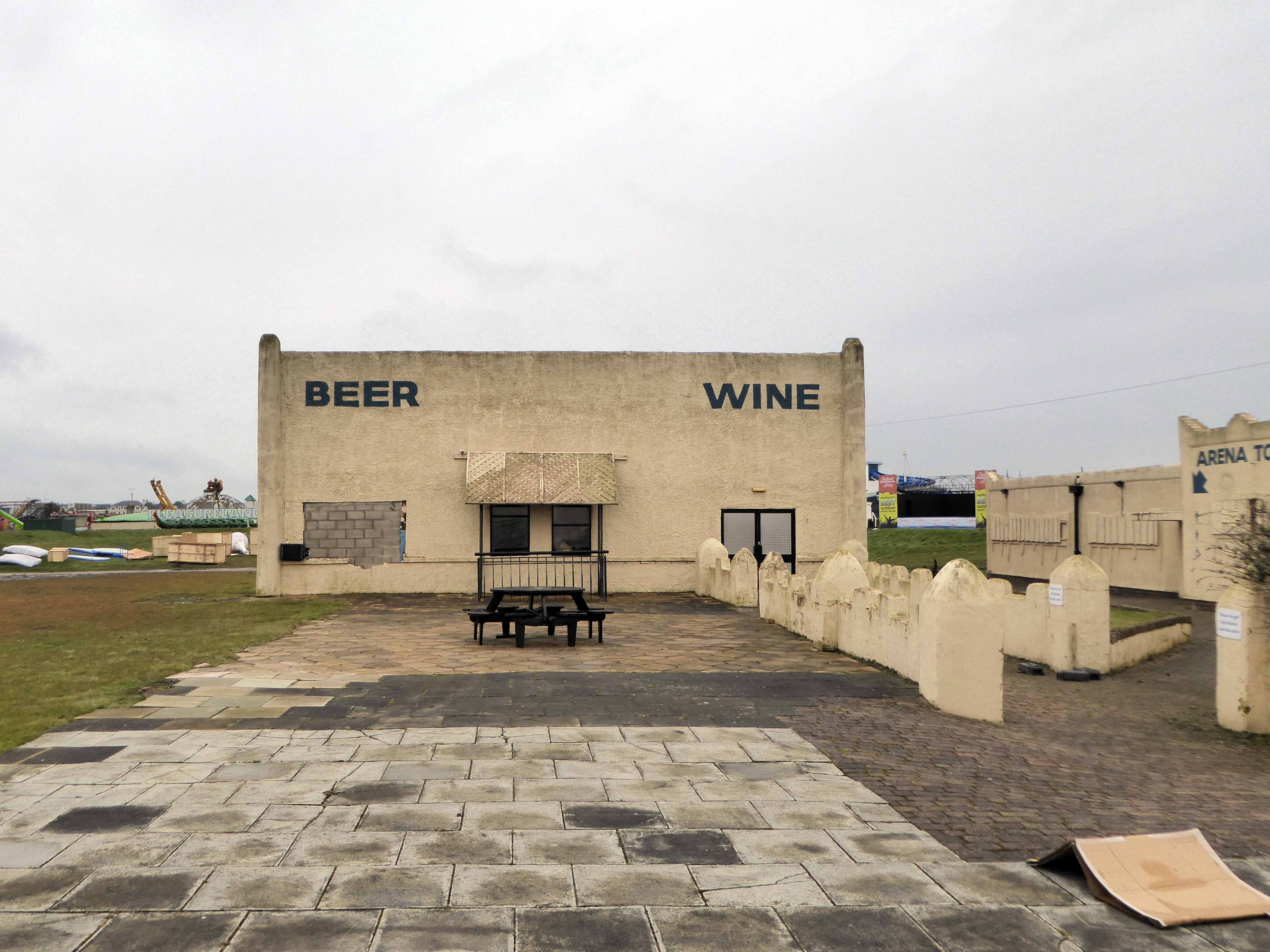
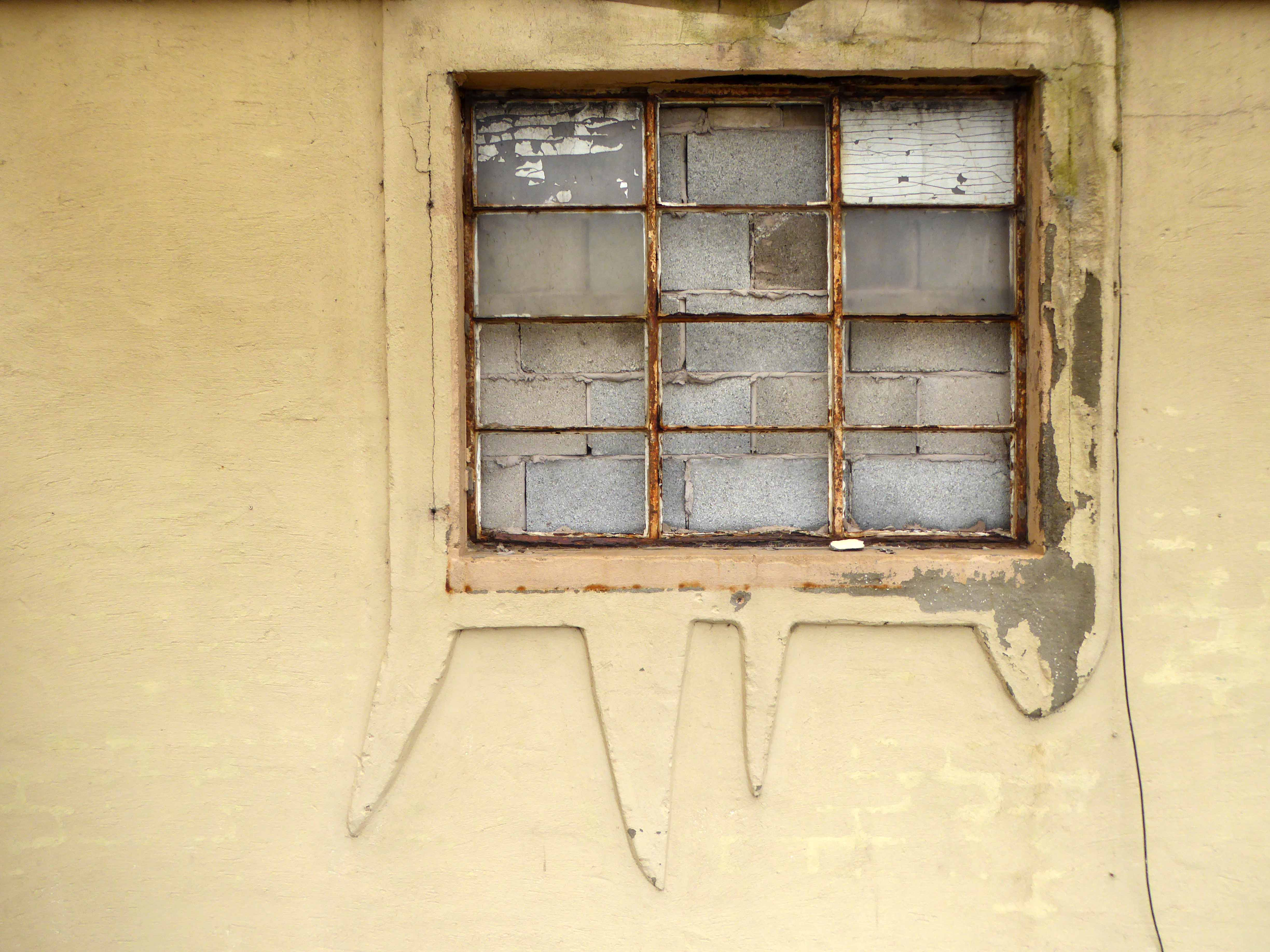
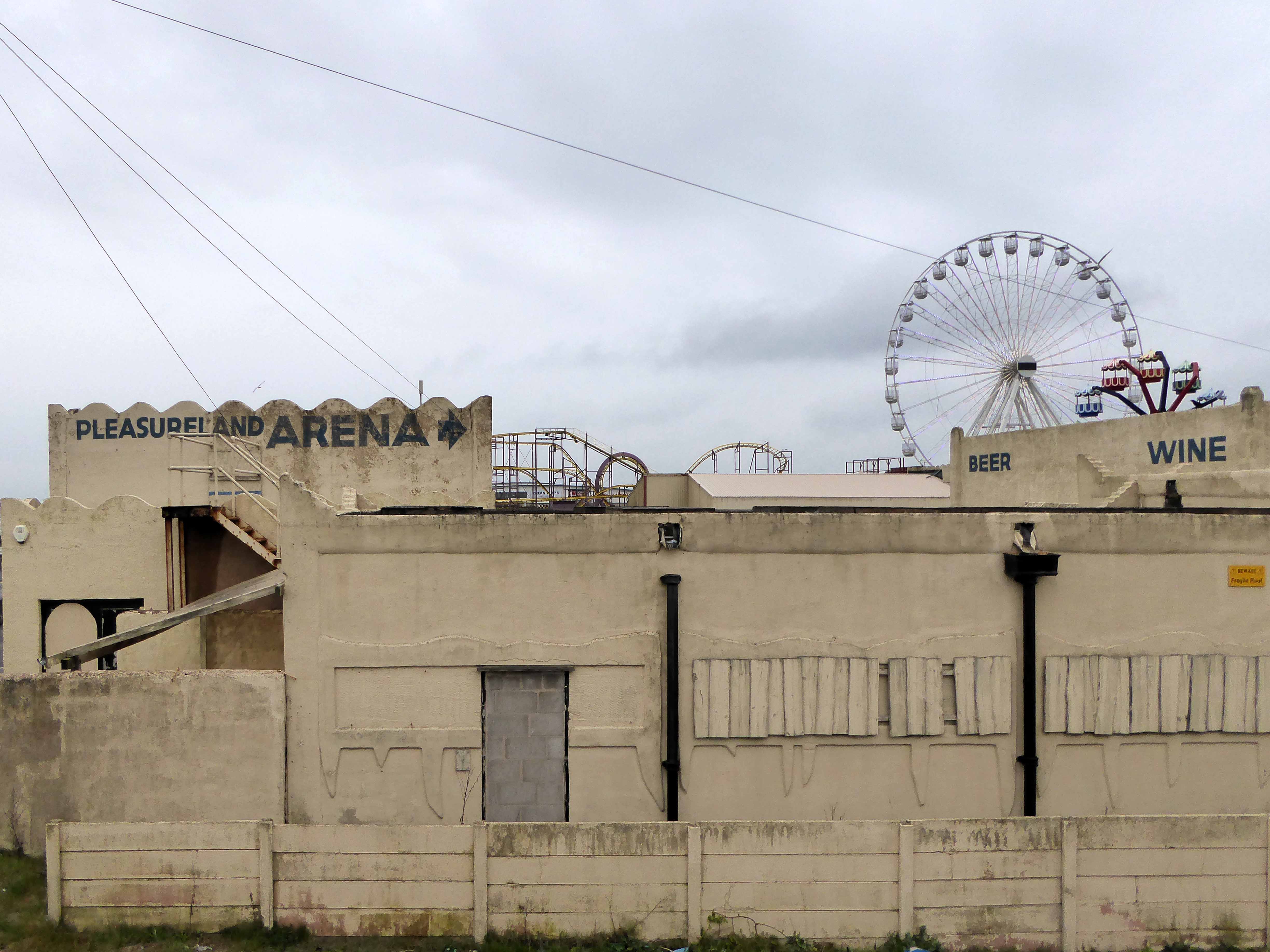
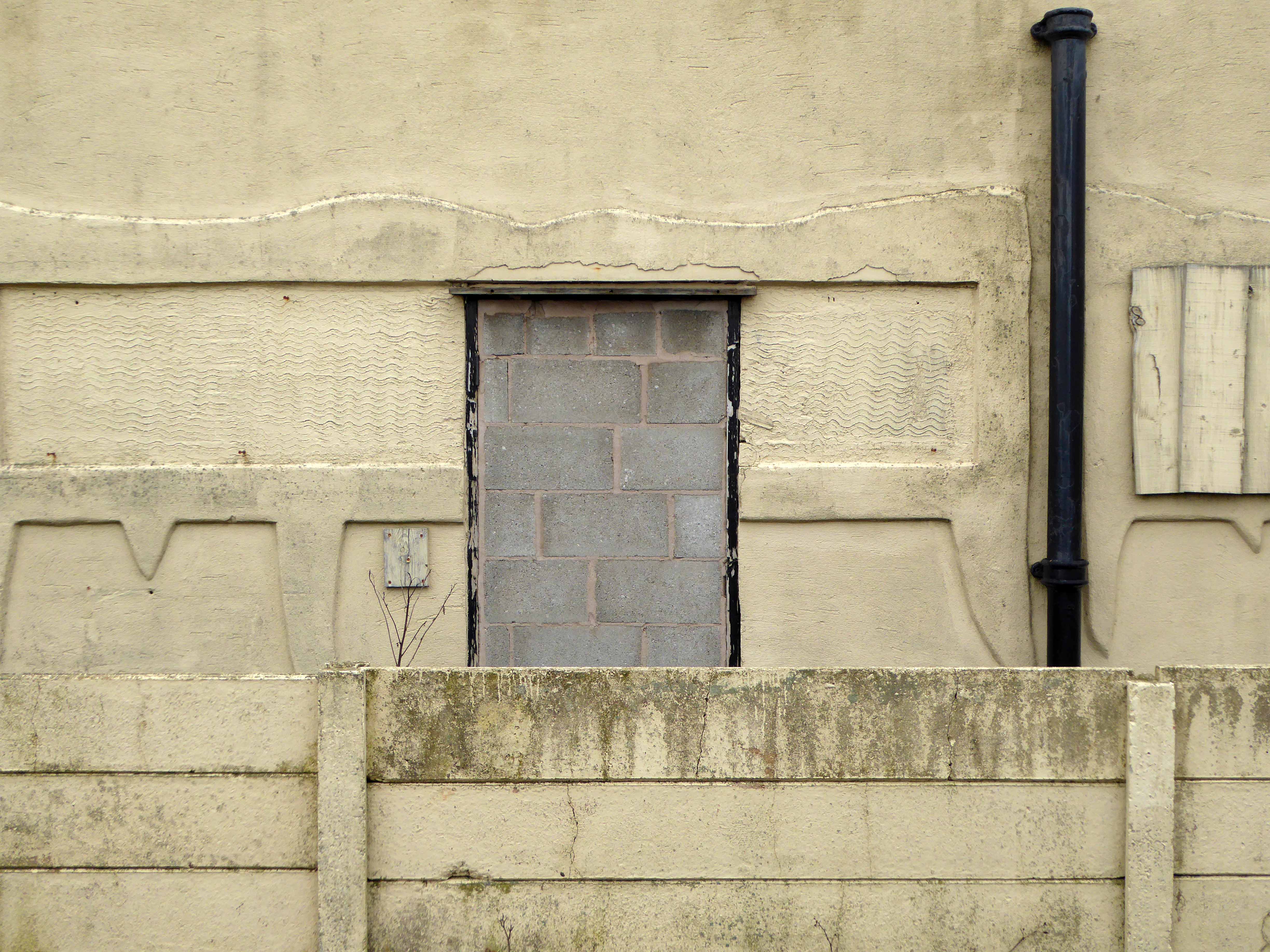
2011 – I had my first close up and personal encounter with the wood frame, chicken wire and faux adobe render rendering of North Africa, on the coast of North West England. It was in a state of semi-advanced neglect, an extraordinary experience. Pleasureland had already faked it’s own demise, a pre-boarded up, boarded up frontier town.

DSC_0065 copy

Where the edges of meaning are blurred beyond belief, take care.

We are dealing with uneven surfaces.

DSC_0070 copy

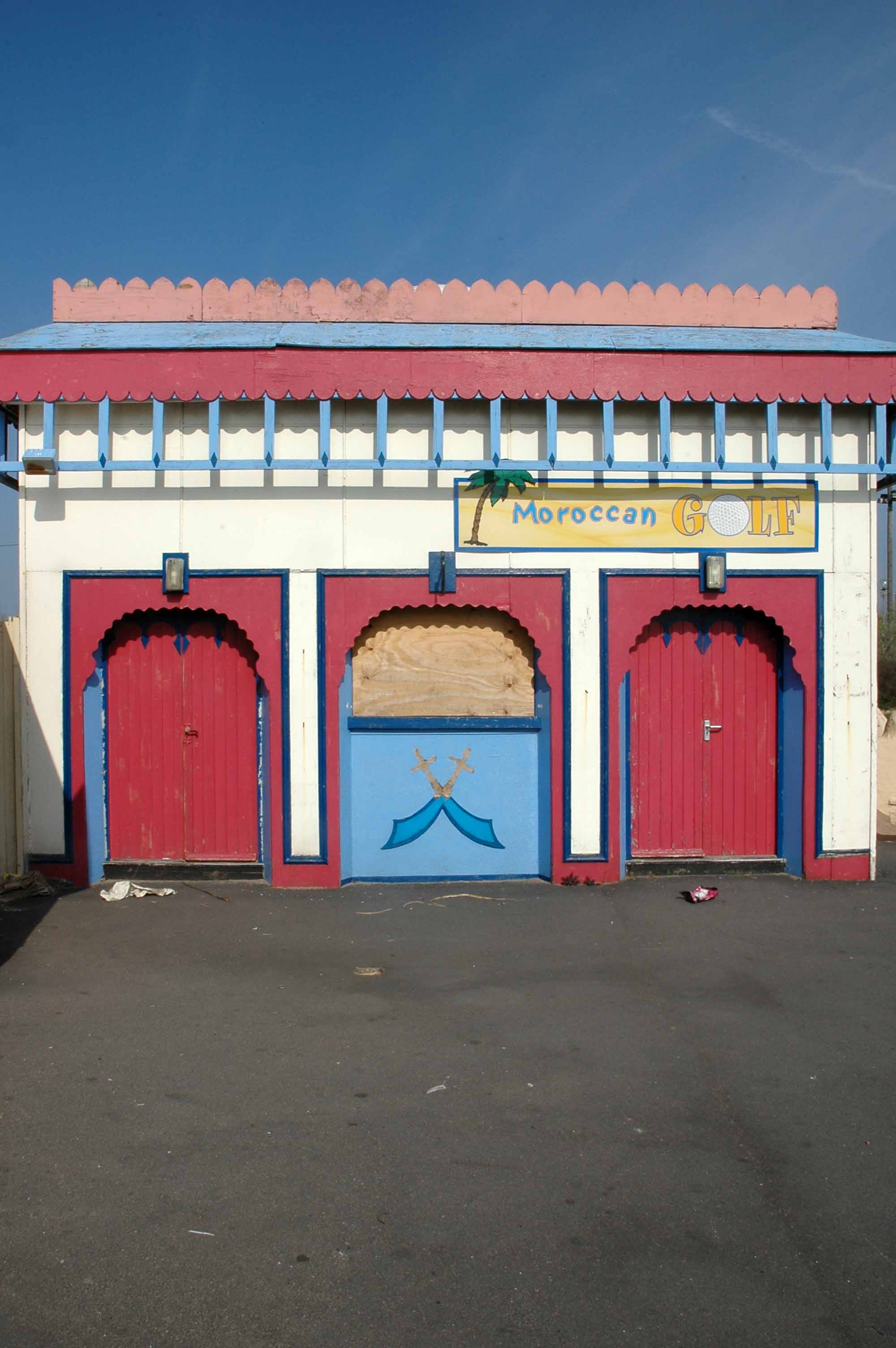
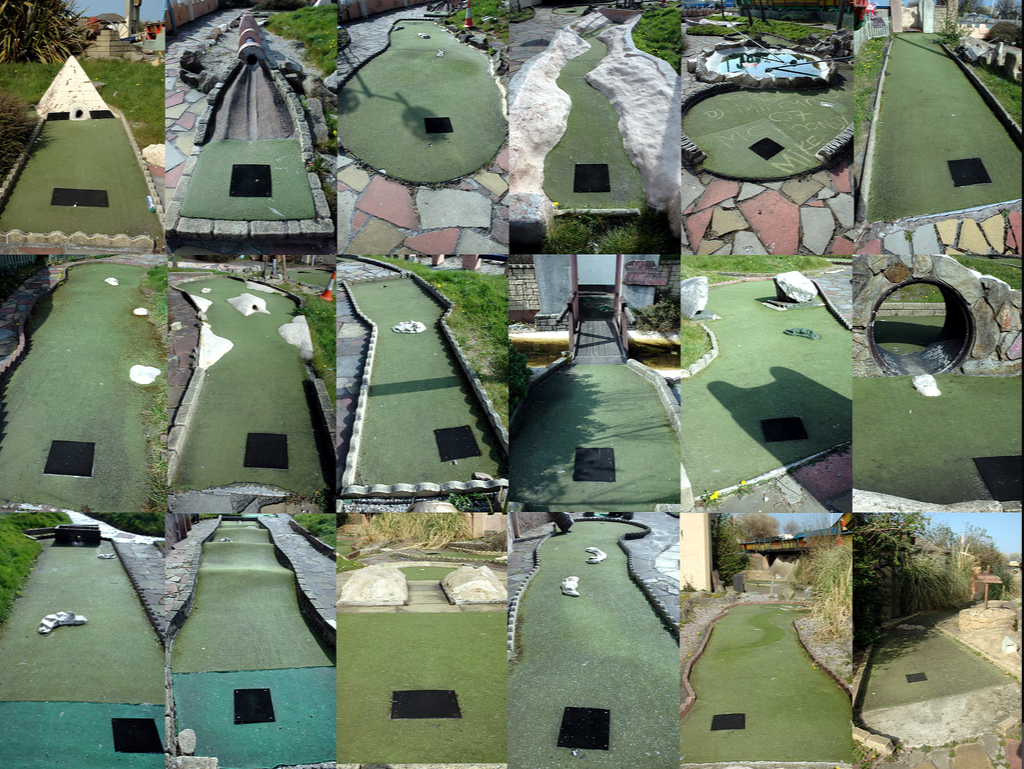
Who could resist a Moroccan themed crazy golf course?

You are now entering a Scoobidoo-esque scenario, where the mask is never finally removed, nothing is revealed.

Screen Shot 2016-04-29 at 12.58.53

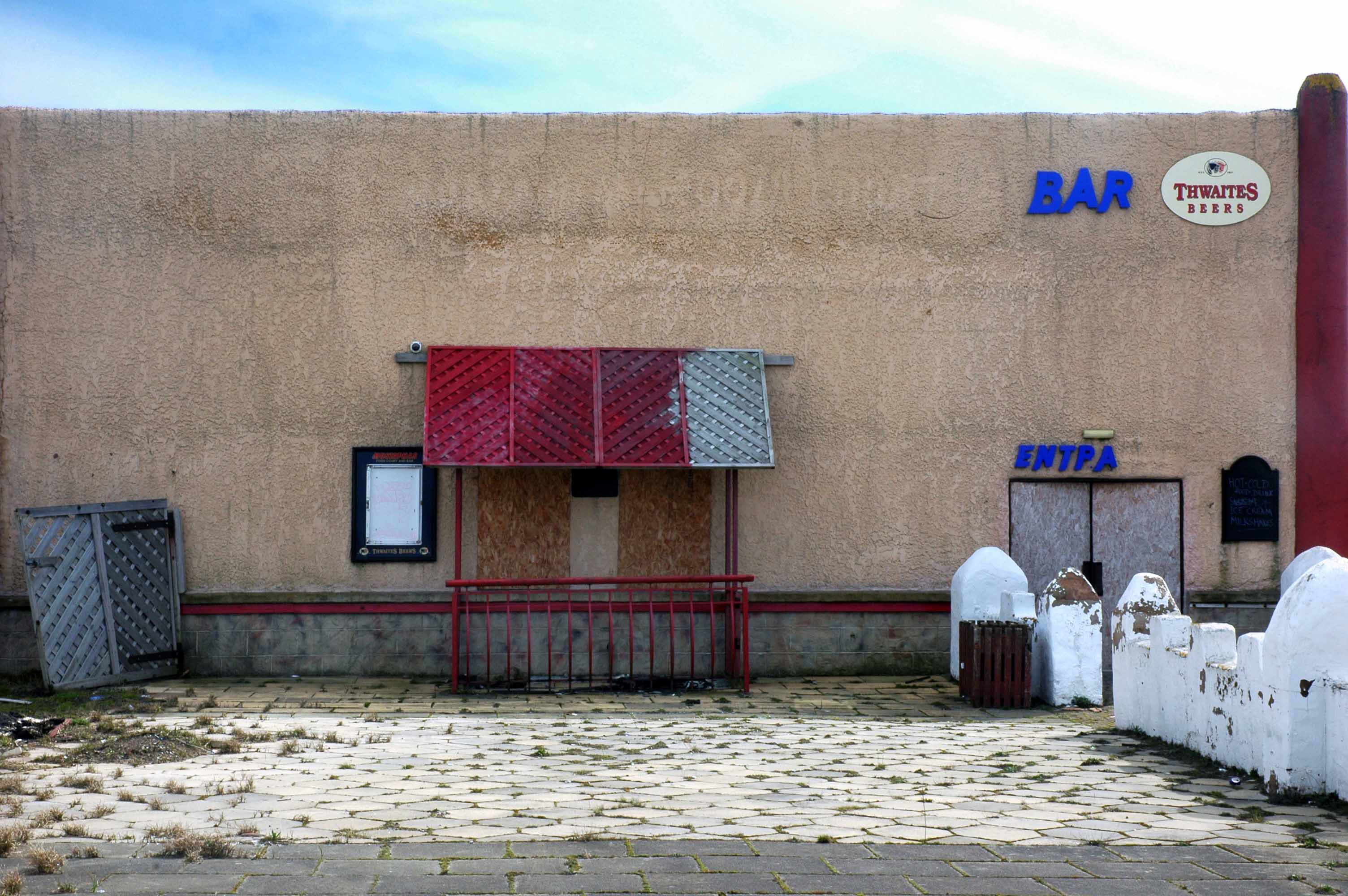
2016 – I returned, the world had turned a revival was in part taking place, some of the pleasure returned to Pleasureland, whilst the seafront facing bars remained empty.

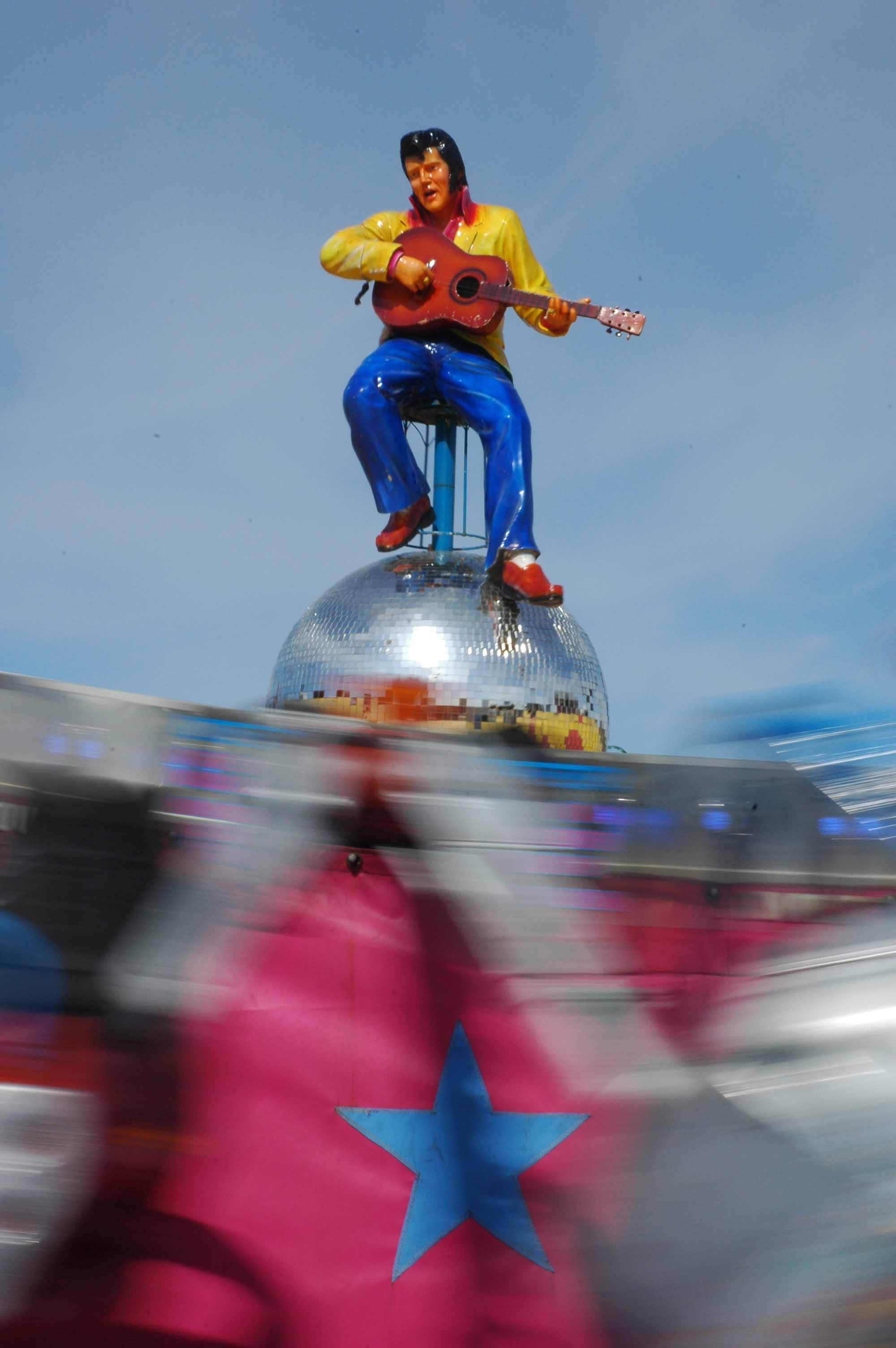
One man holds the key the glue, that bonds these distant lands.
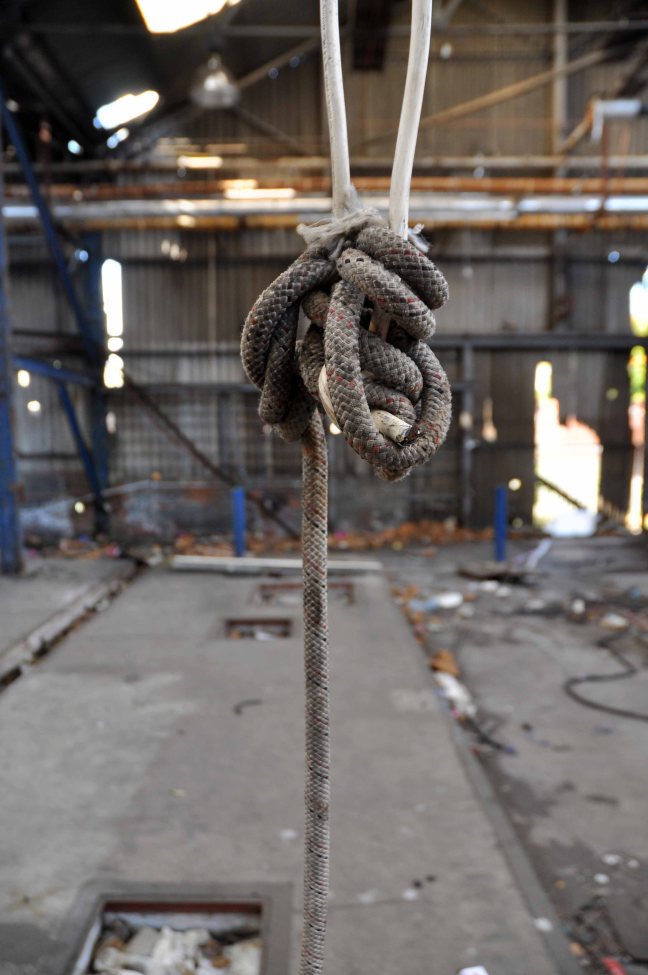
The myth to end all myths.
DSC_0087 copy

For he is forever in his own orbit, omniscient.

DSC_0090 copy

Make the world go away
And get it off my shoulders
Say the things you used to say
And make the world go away

Covent Garden – Stockport

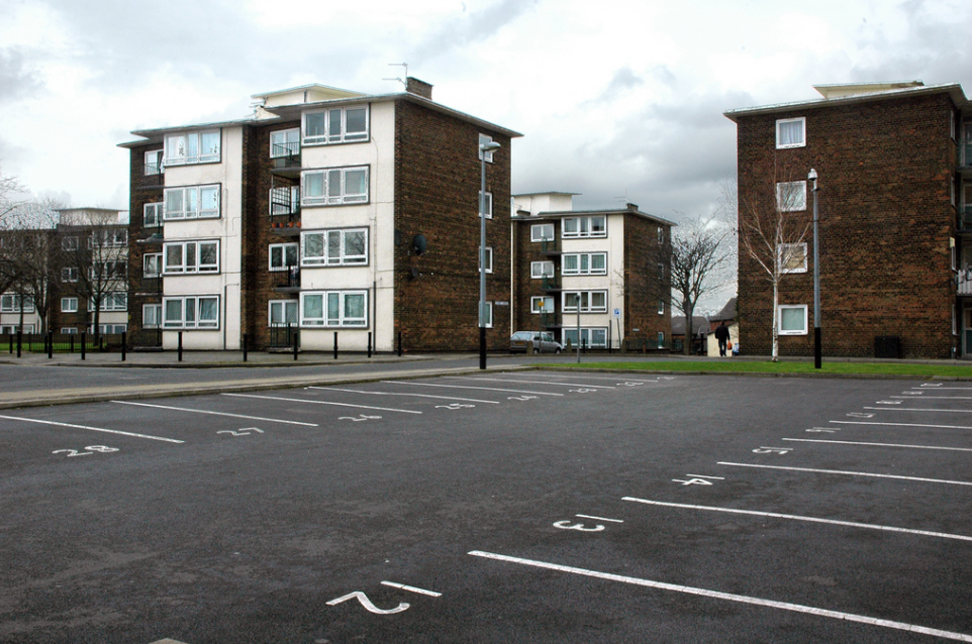
Walk up Hillgate from the centre of Stockport, pass the former Cobden’s, Gladstone, Peter Carlson Furniture, following a former coaching road of former lives, shops, pubs, clubs and factories. This was historically a vibrant area, a crazy mixed up mixed economy, getting by by any means.
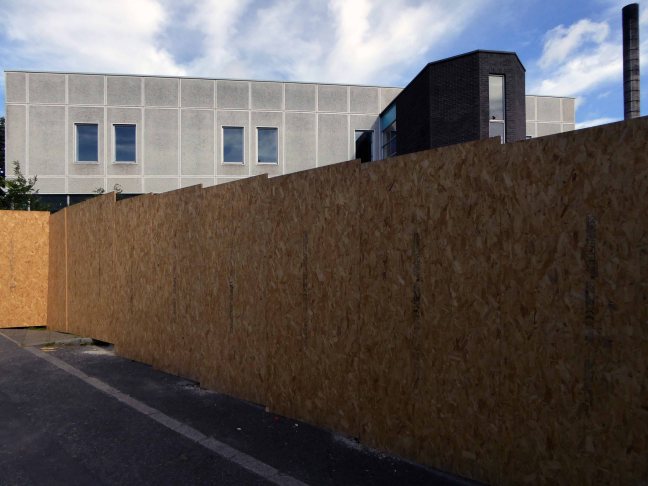
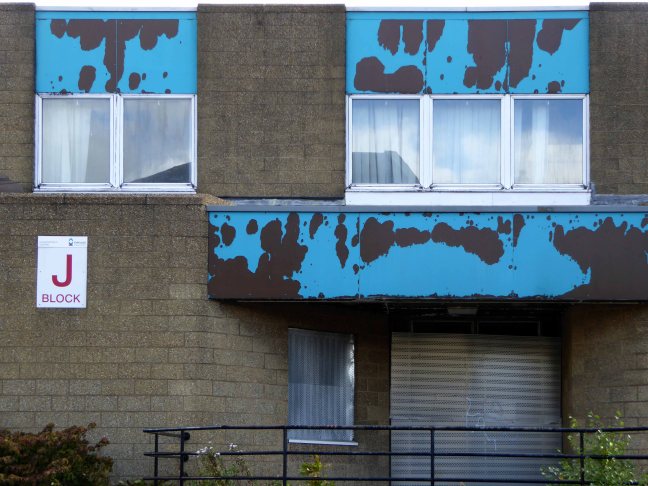
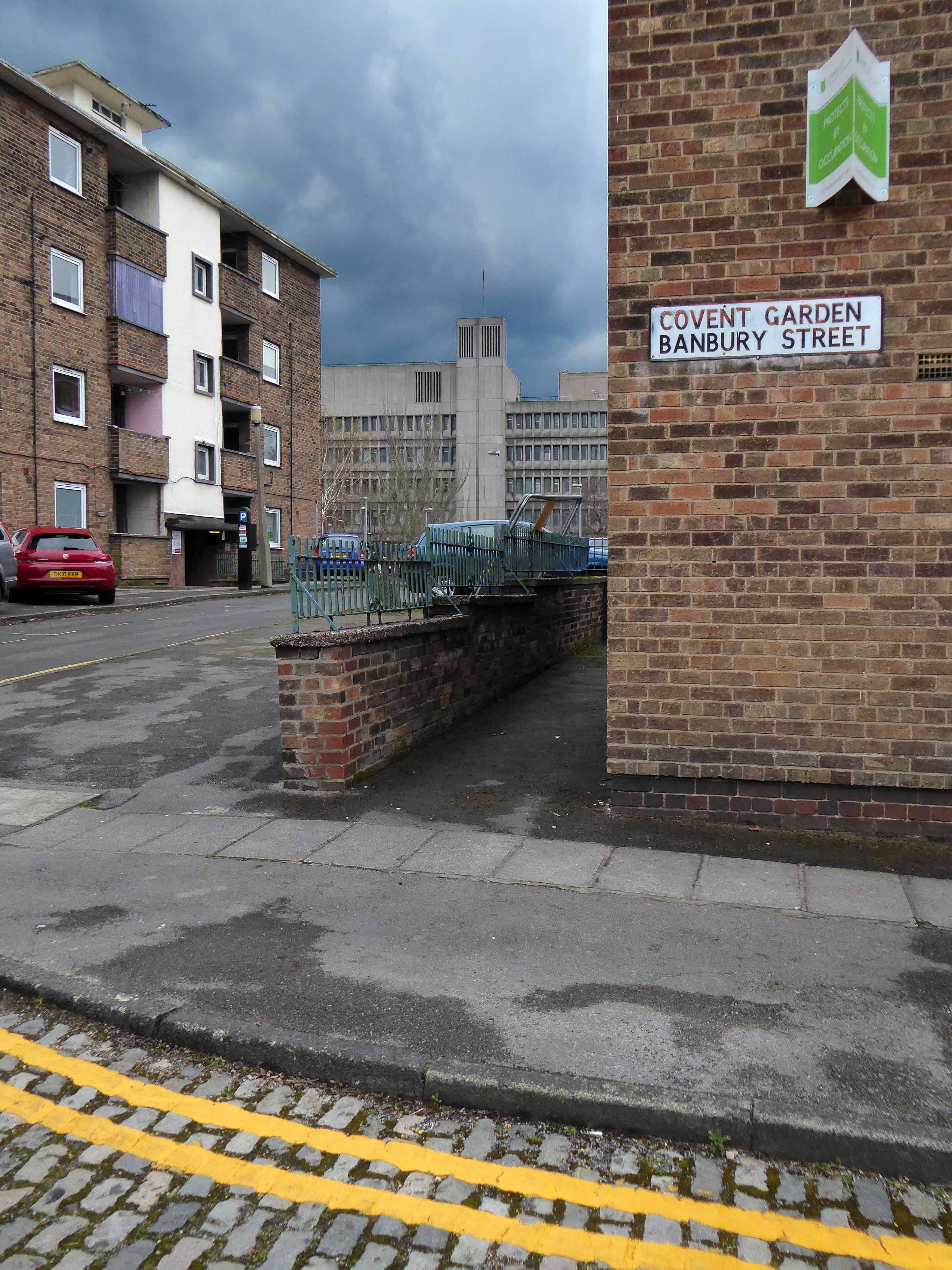
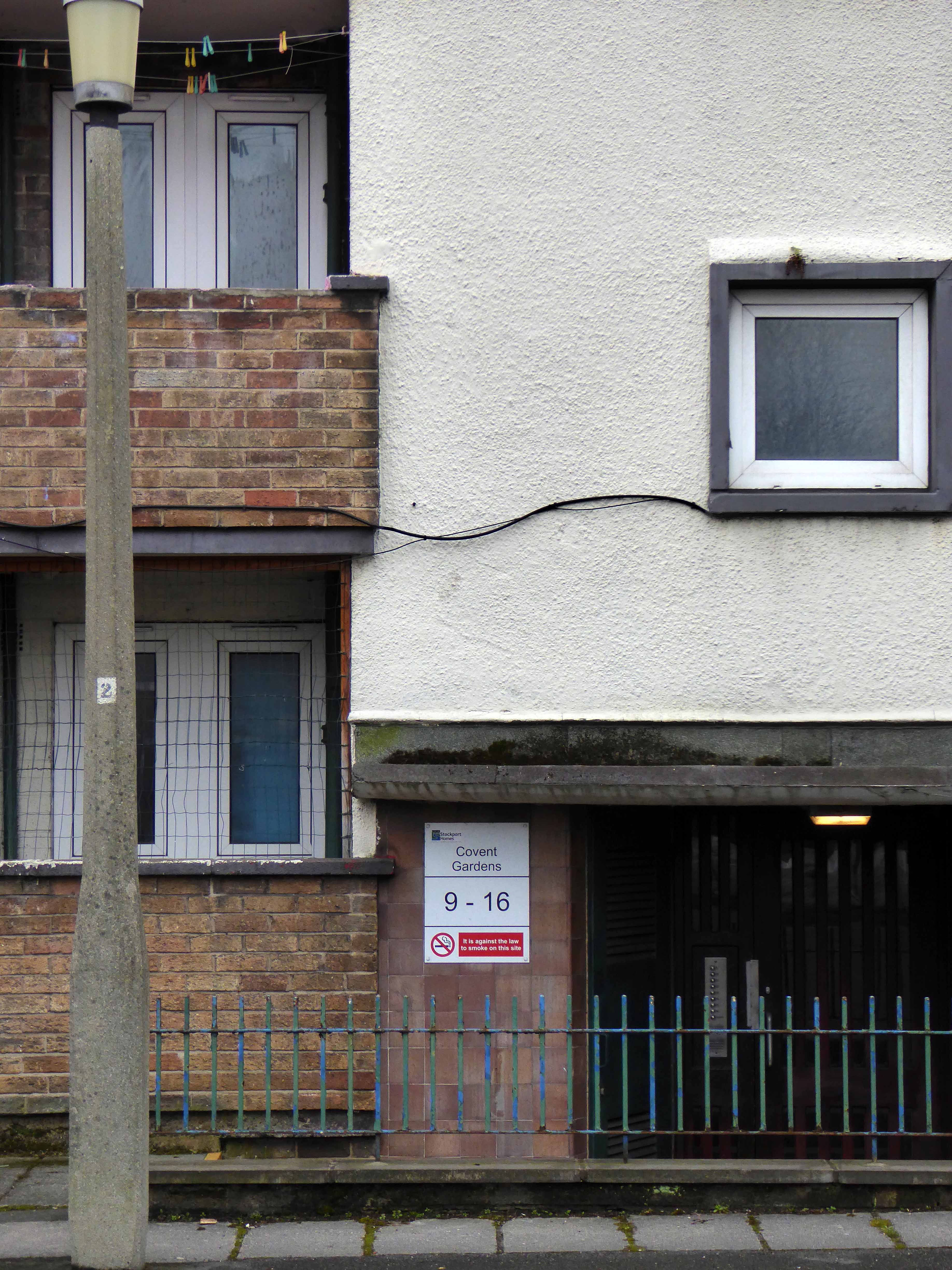
Walk a little further, to your right is a small plateau, it leads across to the civic area,  behind the Town Hall, it is known as Covent Garden.
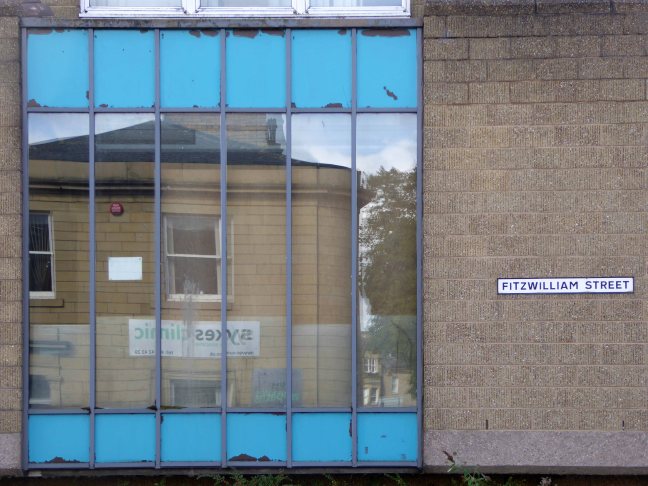
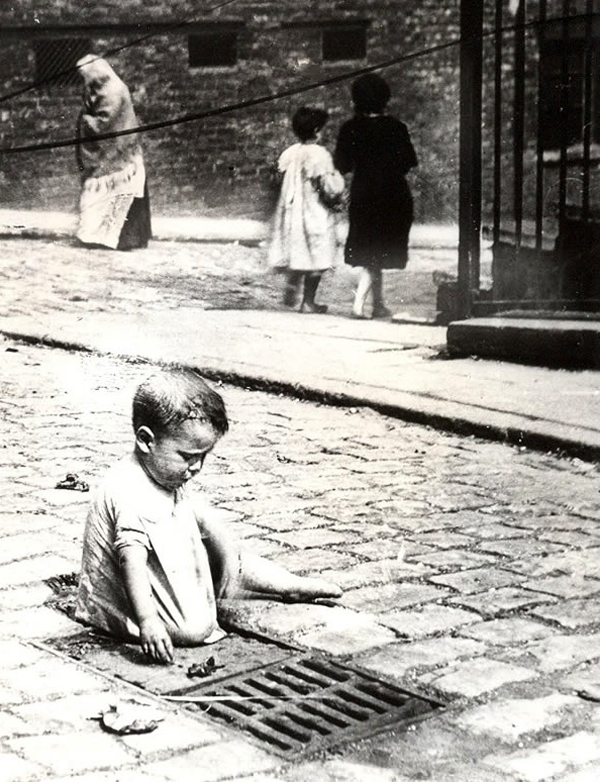
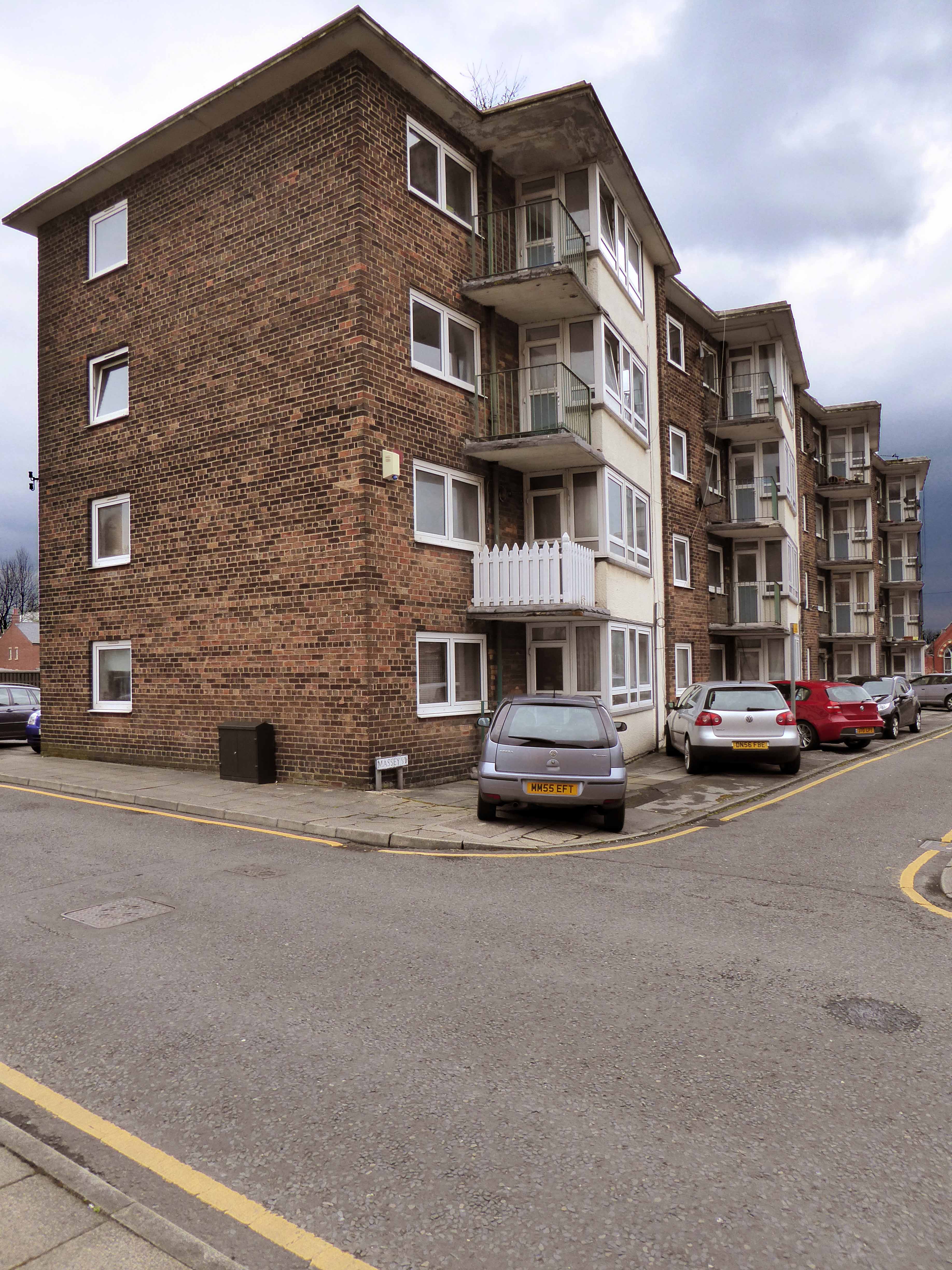
London Square, Massey Street and Banbury Street, once a cluster of terraced houses, never the wealthiest of areas, but typical of the town’s industrial past. The homes growing up around small pockets of industry – foundries, hat making and glove manufacture.

21430

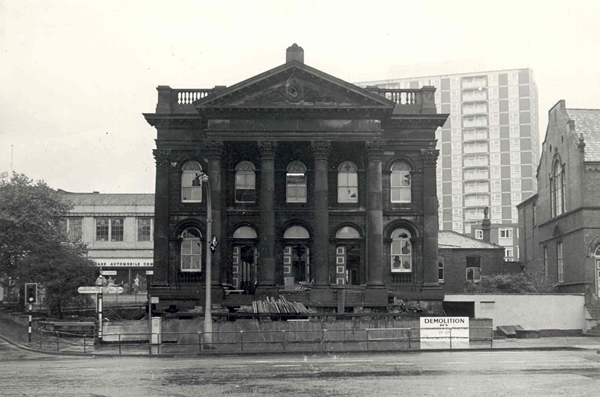
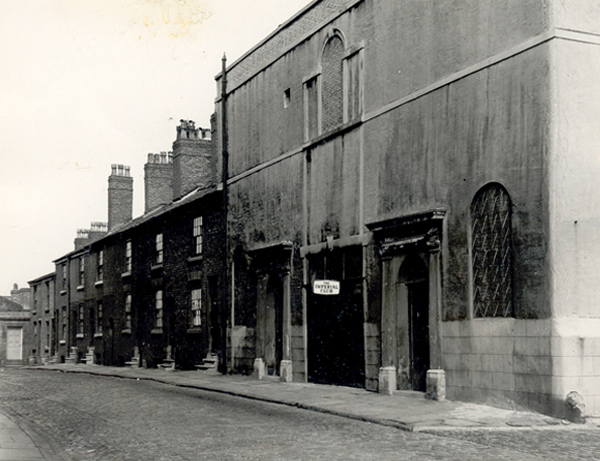
There was a graveyard there, belonging to the Mount Tabor Chapel, which was situated nearby on Wellington Road, a soot blackened, imperious classical facade.

1655

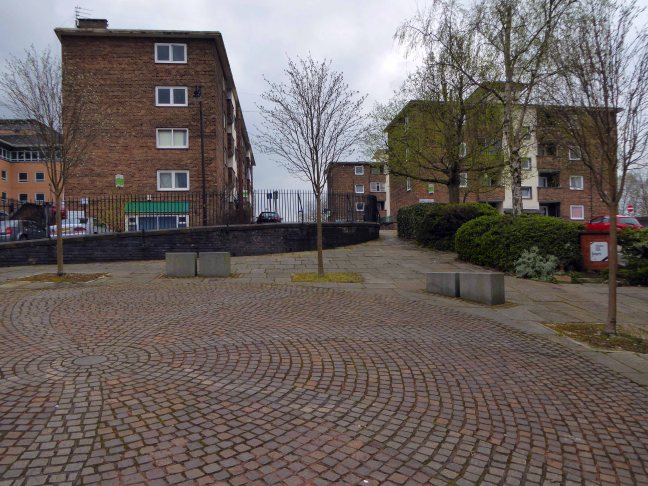
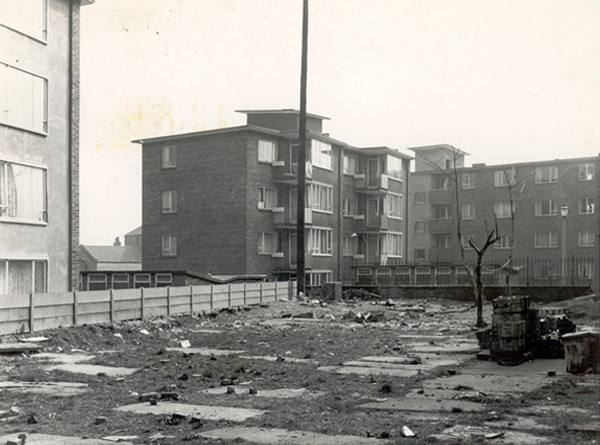
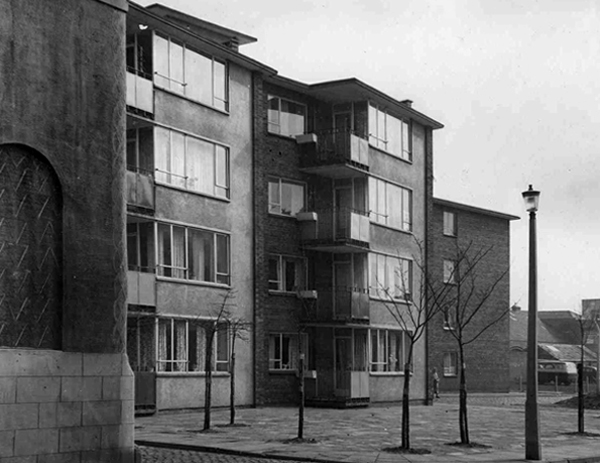
The chapel is no longer standing, and little remains of the graveyard, the foreground shows the site, soon to become a children’s playground for the new flats.

1644

The Imperial Club survived into the 60s playing host to local beat groups, and a significant venue on the local soul scene.

1643

The streets no longer ring with the the ringing guitars of Johnny Darano and the Strollers

ad2

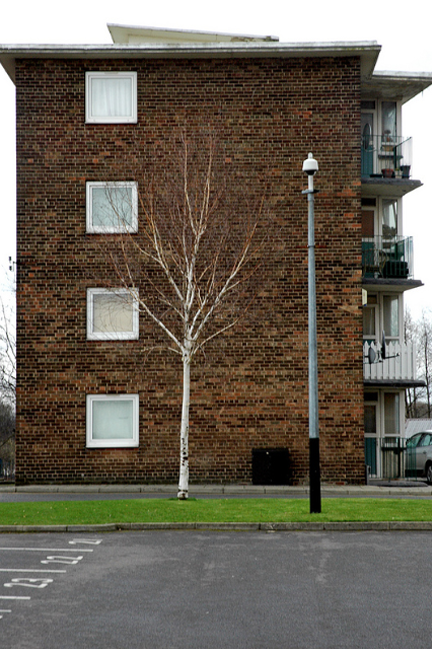
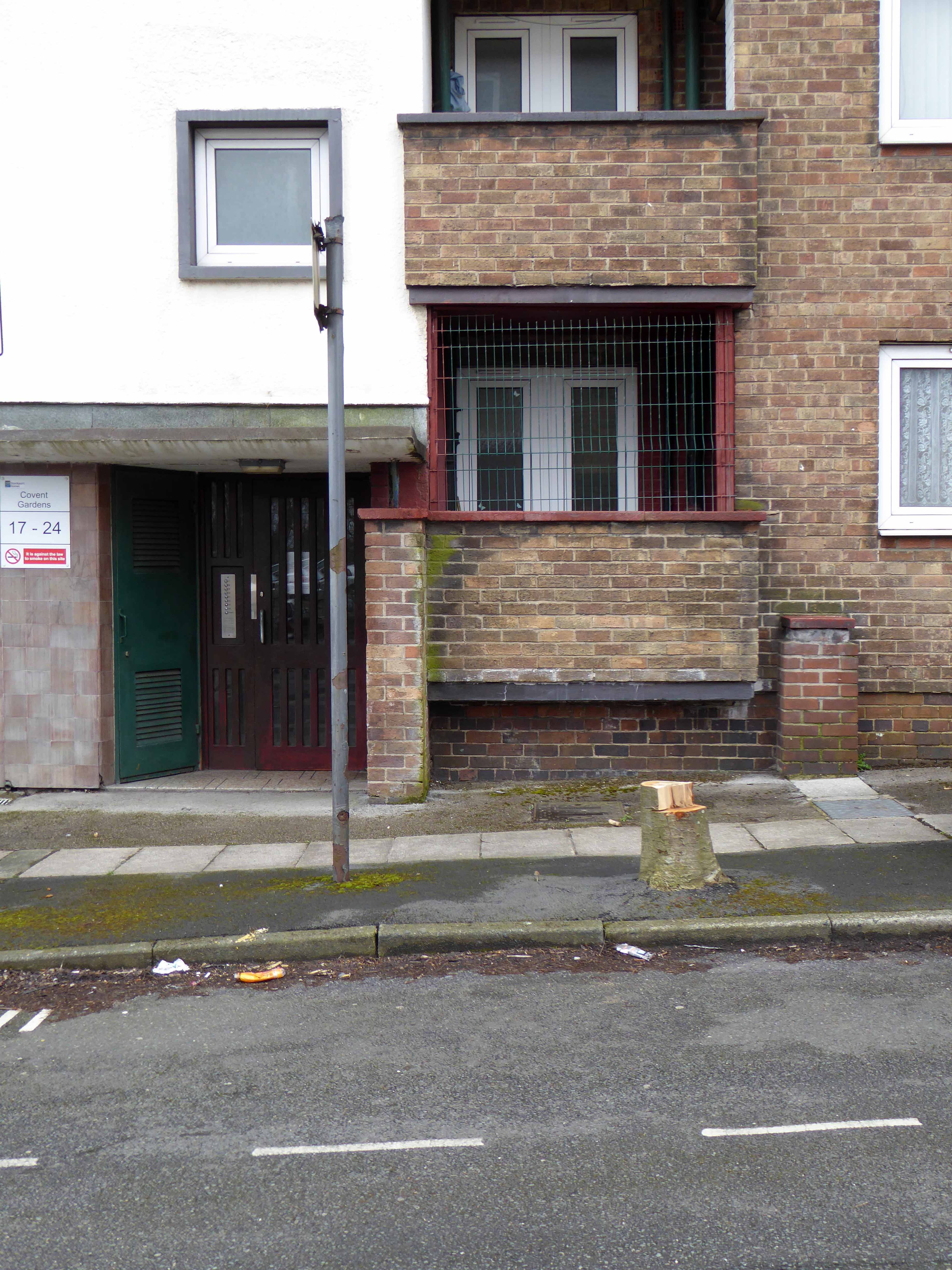
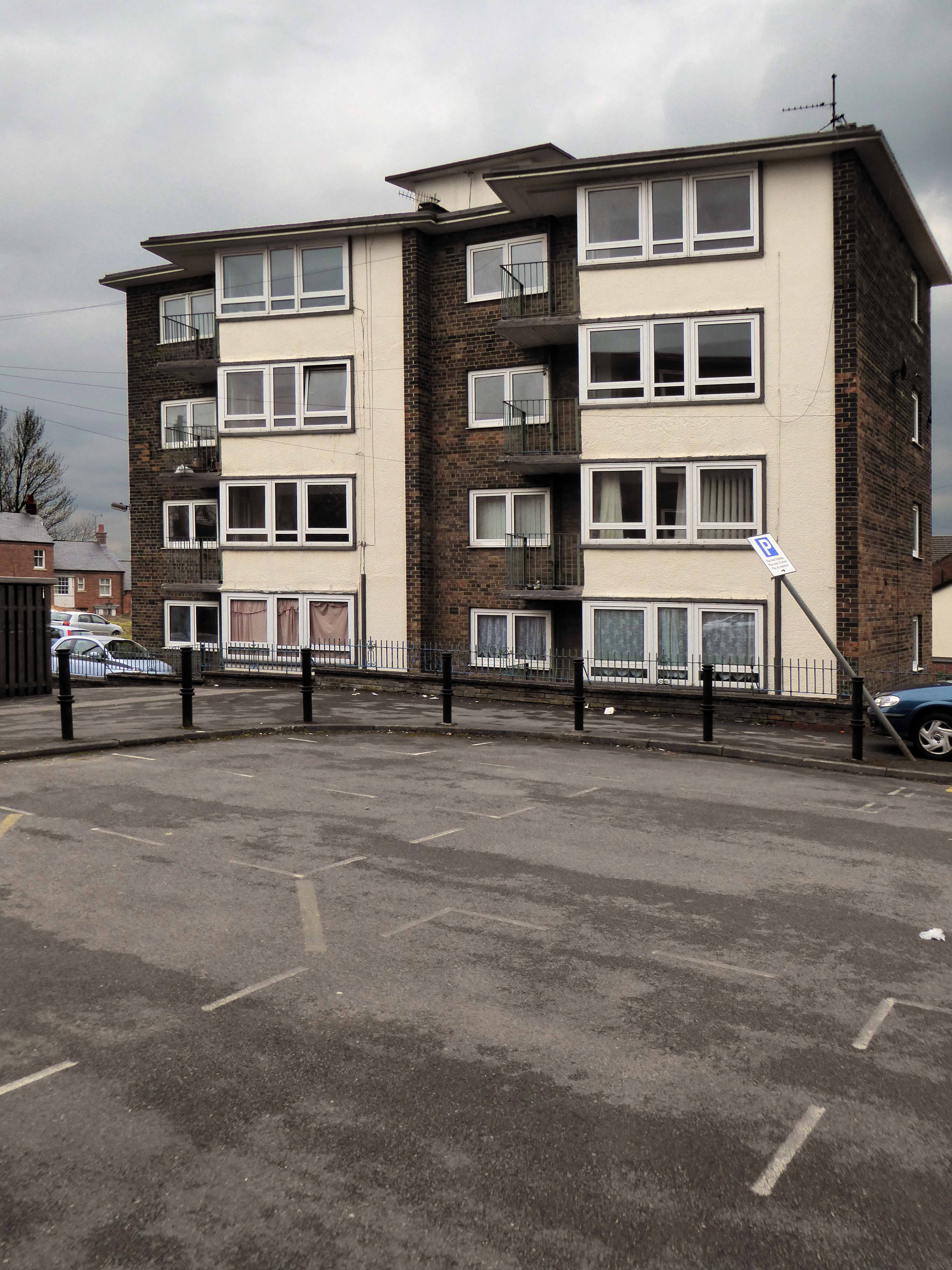
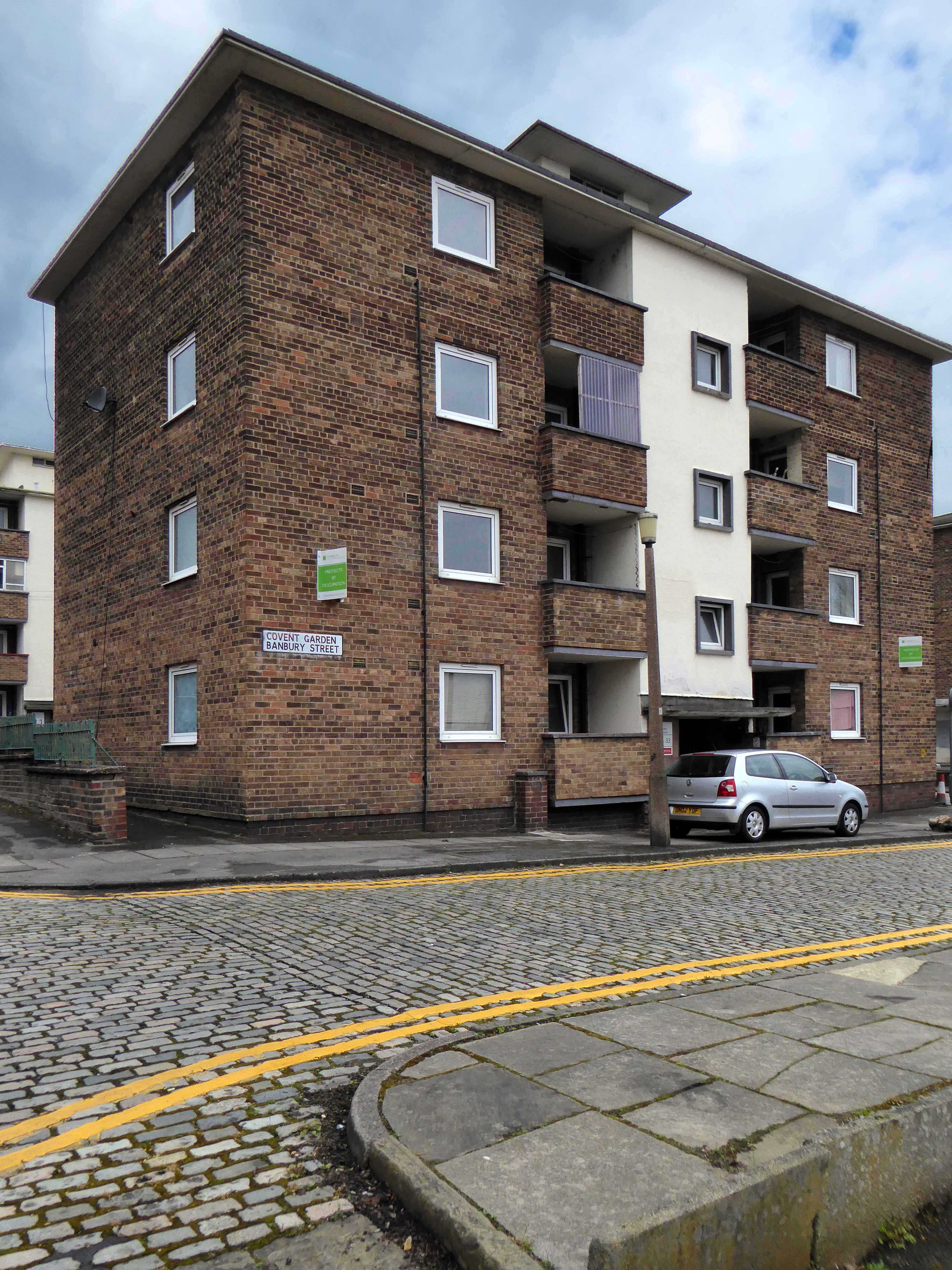
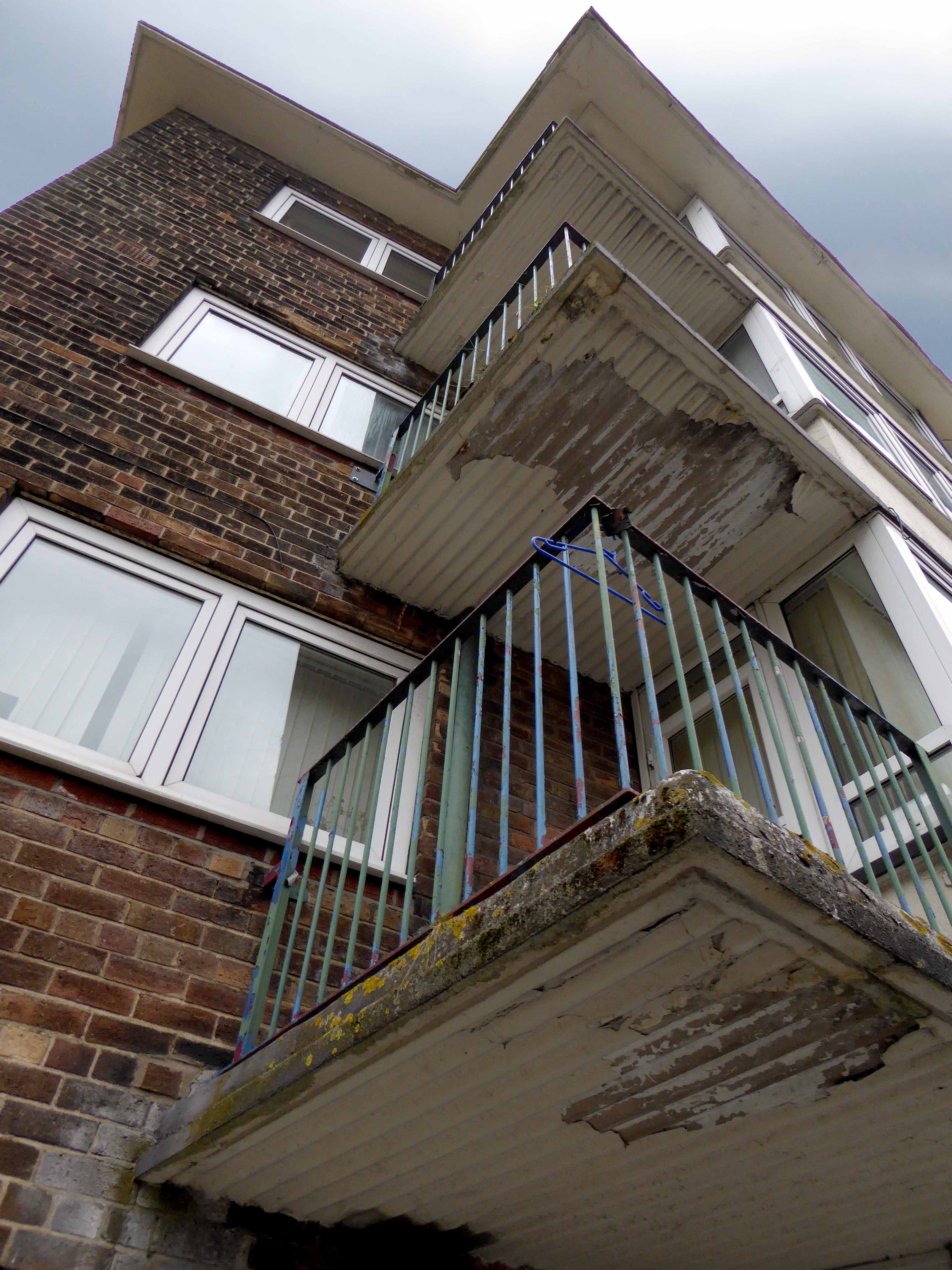
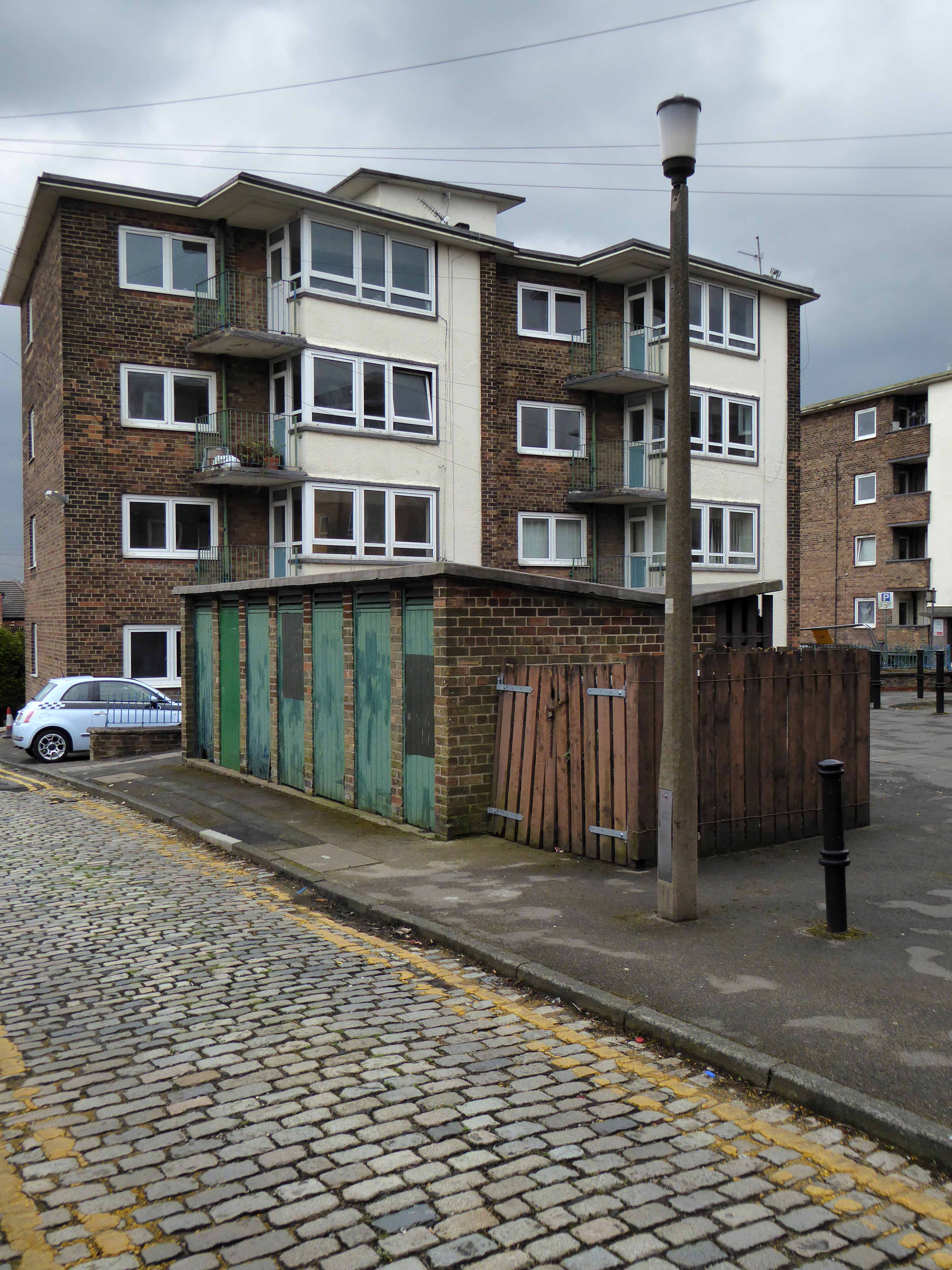
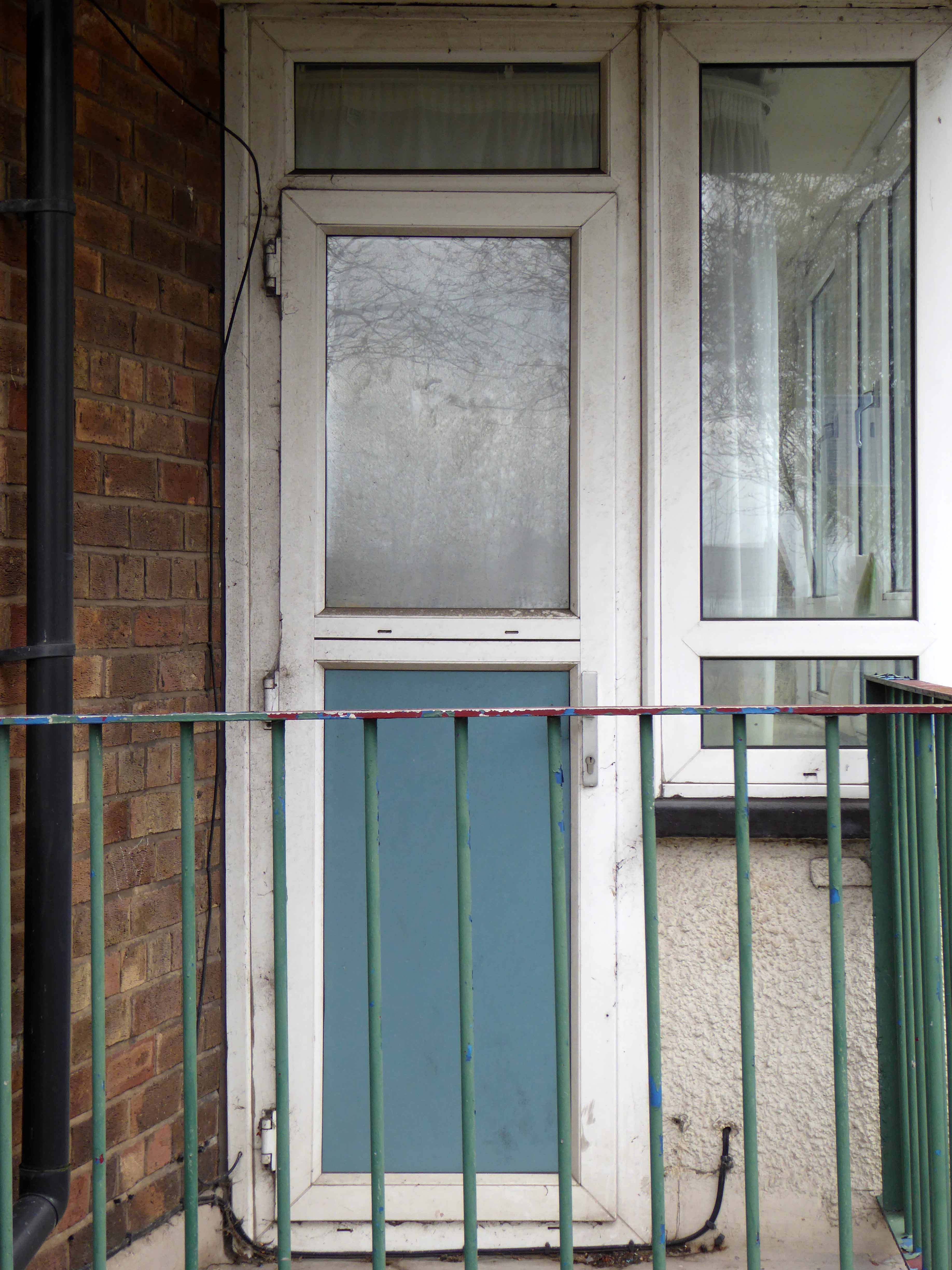
The Fairhurst designed flats were a breath of fresh air for the area, slim Crittall metal windows, concrete and brick structure, light and clean living for a new era. Social housing for a new era of social justice, postwar optimism written all over the facades.

Contrasting with the poorly built, stock brick, stolid terraces that they replaced, here was a little of the Modernist Movement for the masses.

1347

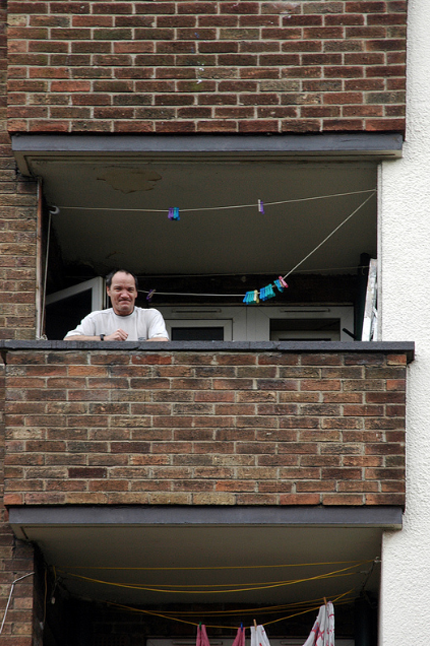
Some years ago when I first photographed the area, here were residents, happy to share their thoughts and feelings, at home in their homes. A settled community, whose homes were soon to be central to a masterplan, the very word sends shivers down you spine.

Screen Shot 2016-04-14 at 17.20.21

Screen Shot 2016-04-14 at 17.20.53

Screen Shot 2016-04-14 at 17.19.29

Screen Shot 2016-04-14 at 17.19.45


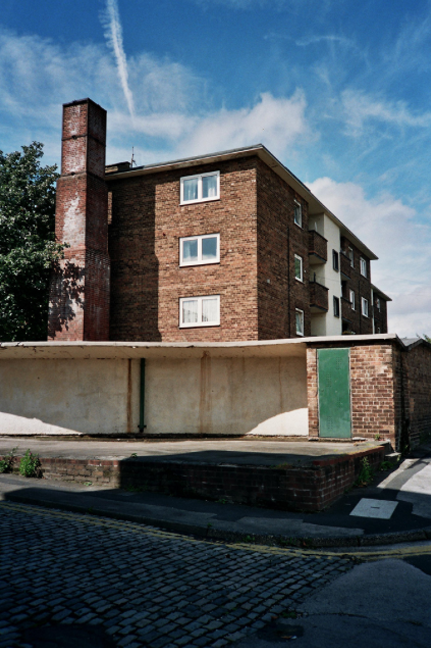
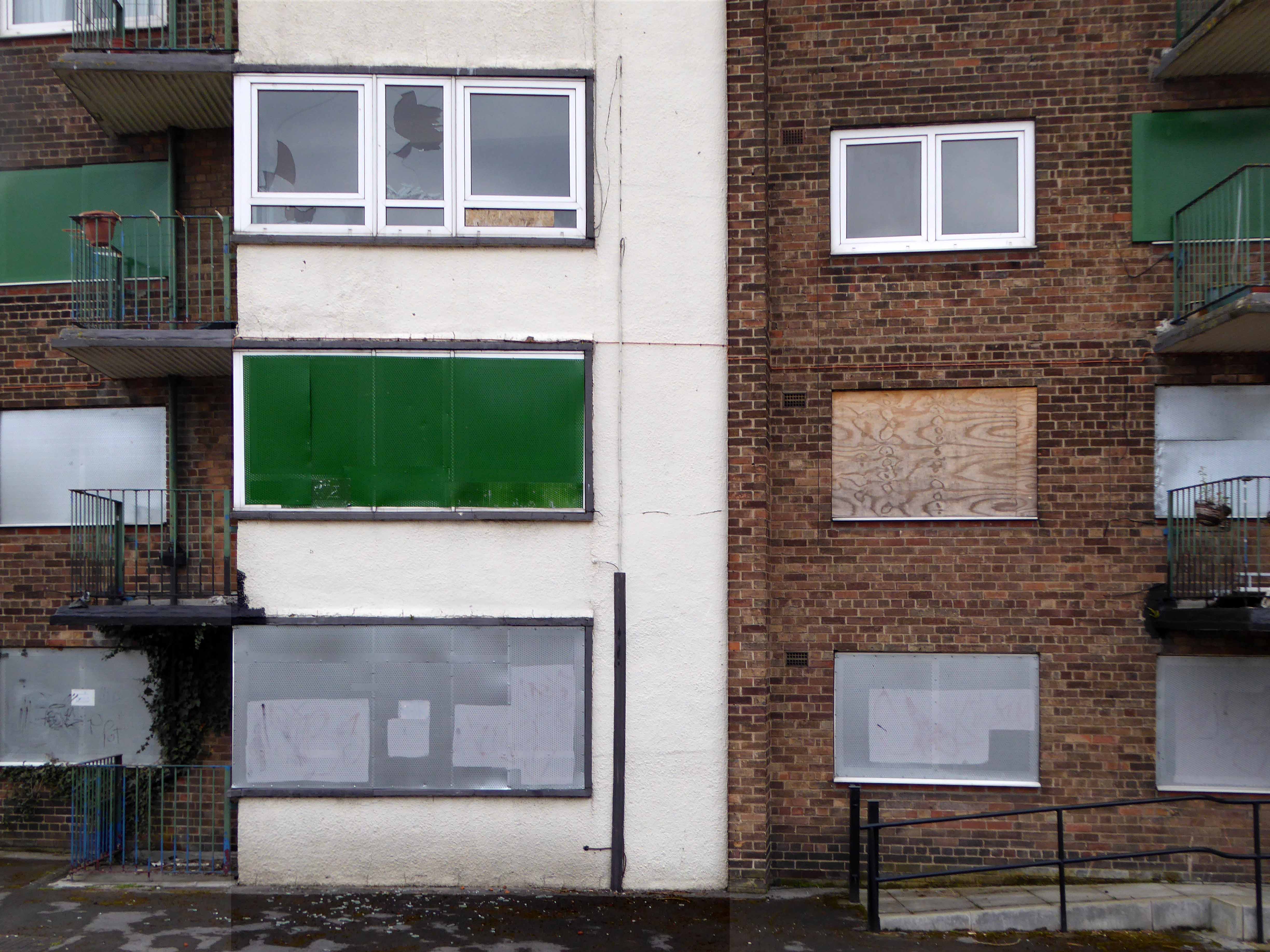
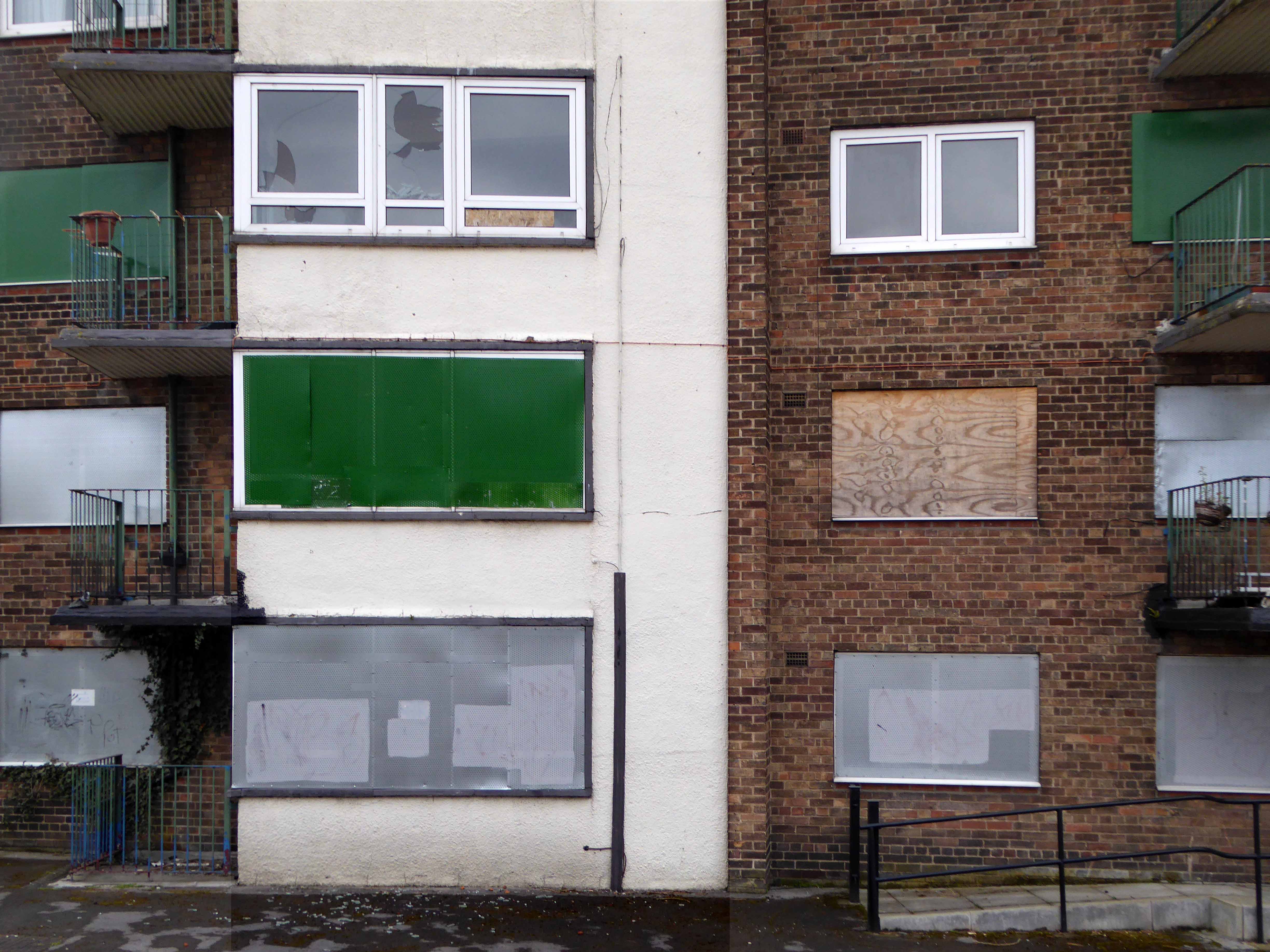
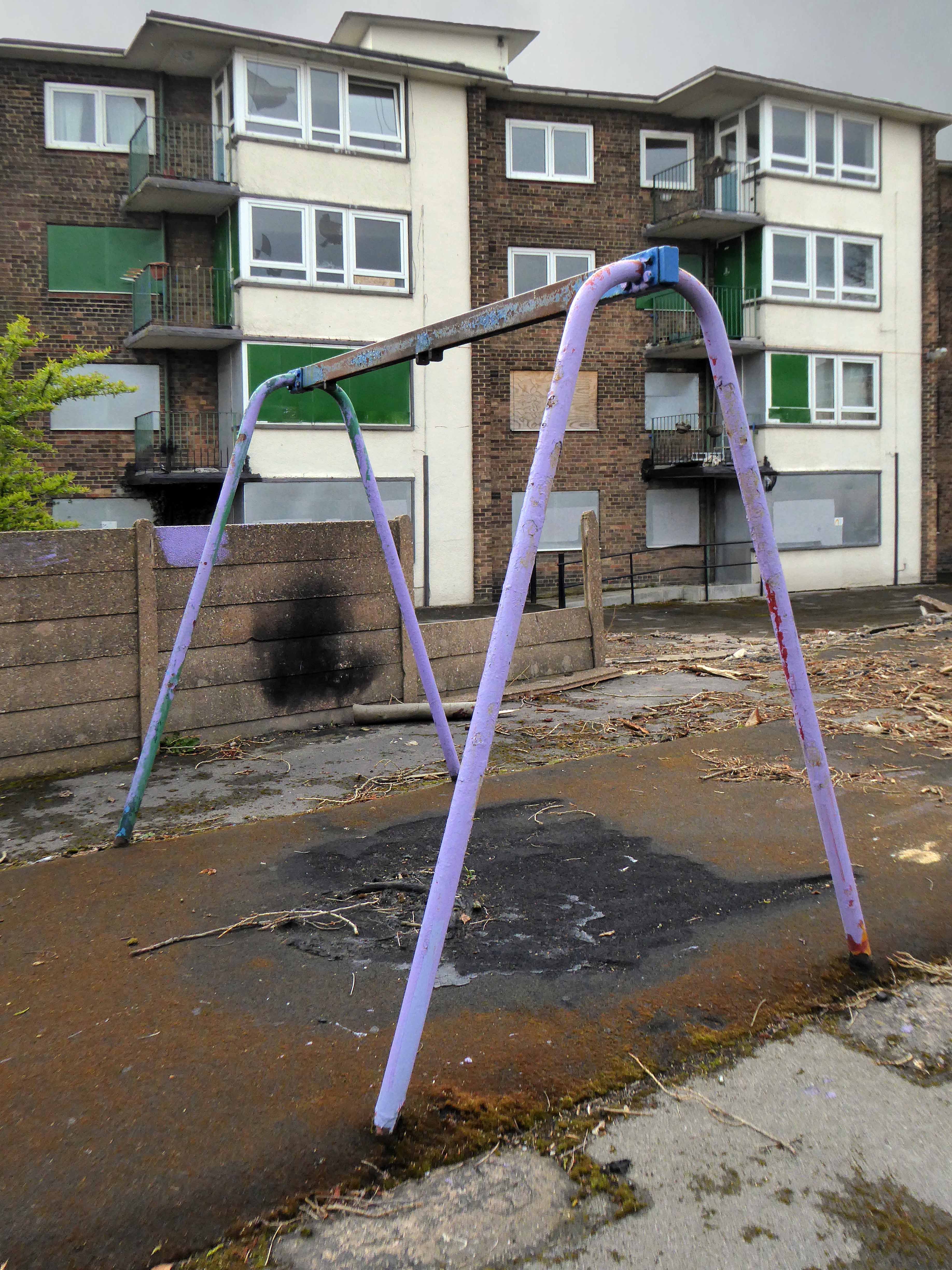
A redevelopment zone, around Hopes Carr and Covent Garden, saw the flats tinned up, prior to demolition. Homes, though clearly fit for purpose standing empty.

P1030585 copy

Several years on, and they are still standing empty.

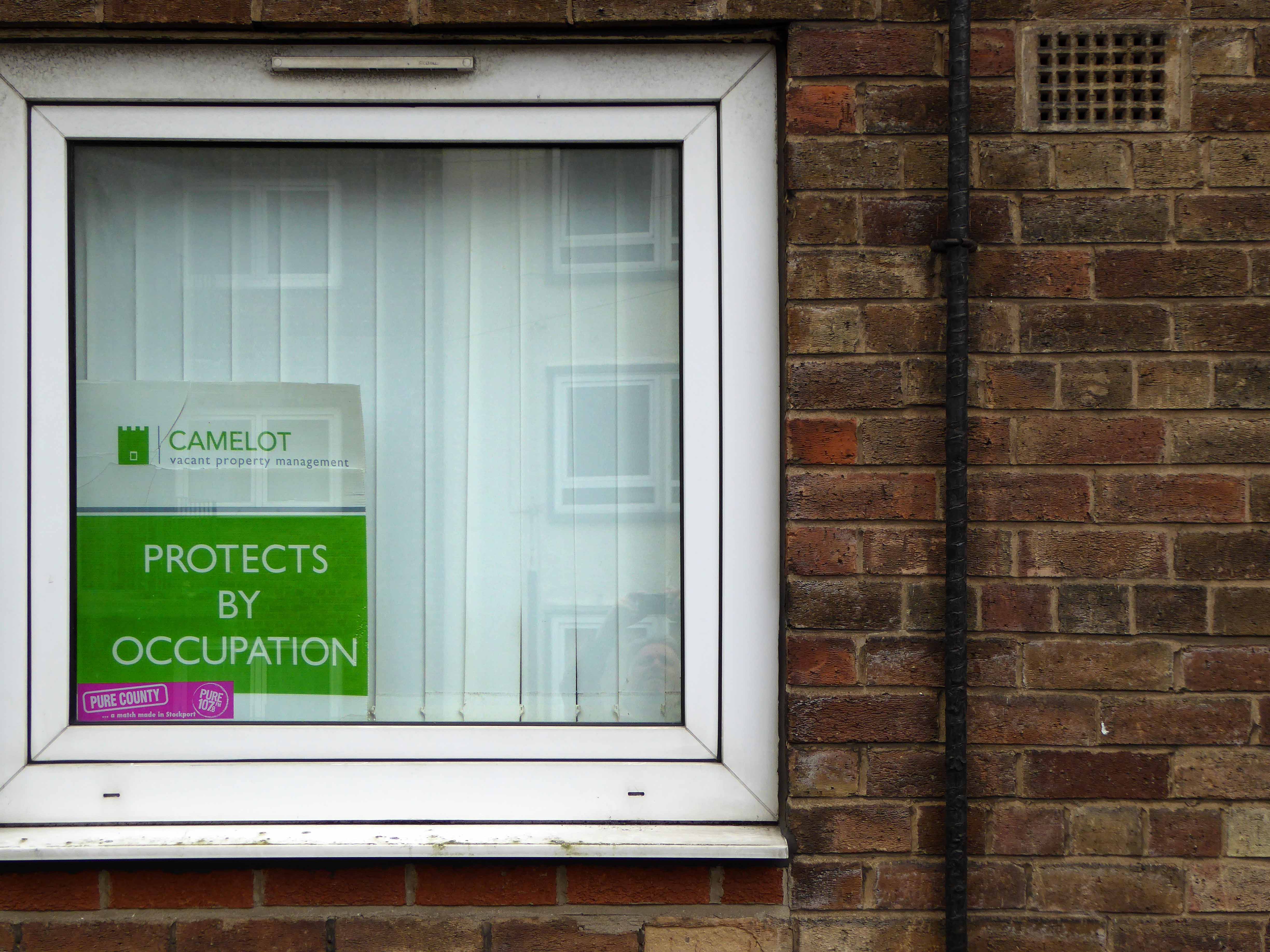
Save for a handful of protection by occupation tenants, living in a Camelot empty property.

“Our people combine entrepreneurial spirit and a deep understanding of specialist vacant property management with the highest standards of client care. Innovative internationally and well-known locally, Camelot design made-to-measure advice for you.”

“Camelot, located no where in particular, can be anywhere”

A pay to enter theme park with a limited future.

P1030563 copy

P1030587 copy

And so heartbreak at Impasse Pass, another stalled urban redevelopment, awaiting capital in a public private partnership.

Until the next time.

Walk a little further, take a peek, blink and it all may have disappeared.

P1030554 copy

P1030558 copy

P1030553 copy

P1030552 copy

P1030565 copy

P1030567 copy

P1030586 copy

P1030569 copy

P1030556 copy

P1030562 copy

P1030573 copy

P1030571 copy

P1030590 copy

P1030564 copy

P1030585 copy

P1030566 copy

P1030557 copy

P1030570 copy

P1030584 copy

P1030596 copy

Park Hill – Last Train To

This is the fourth time I’ve visited Park Hill.

Alone on a hill – sans the sound of music.

I think it may be the last time.


10934972796_6d4cc15562_b

Alone on a hill – two weathered stickers on a public bench for company.

P1030019 copy

Visitor.

On previous visits, there were a few remaining residents on the western wing.

https://modernmooch.wordpress.com/2015/12/13/park-hill-sheffield/

Now they are gone.

Their homes tinned up, the walkways and stairways too – once these streets in the sky could accommodate a milk float, they now echo emptily, with the sound of a restless wind.

And so, in early sunny Sunday morning light, heavy hearted I wandered the open areas, colonnades, service lifts and terrazzo walls.

A small gift to the families, folks, workers, planners and architects who brought this estate to life – a celebration of the modern aesthetic in clear, broad daylight.

P1030059 copy

P1030029 copy

P1030054 copy

P1030051 copy

P1020971 copy

P1030044 copy

P1030026 copy

P1030038 copy

P1030052 copy

P1030048 copy

P1030042 copy

P1030053 copy

P1020989 copy

P1030049 copy

P1030039 copy

P1030060 copy

P1020987 copy

P1030057 copy

P1020977 copy

P1030061 copy


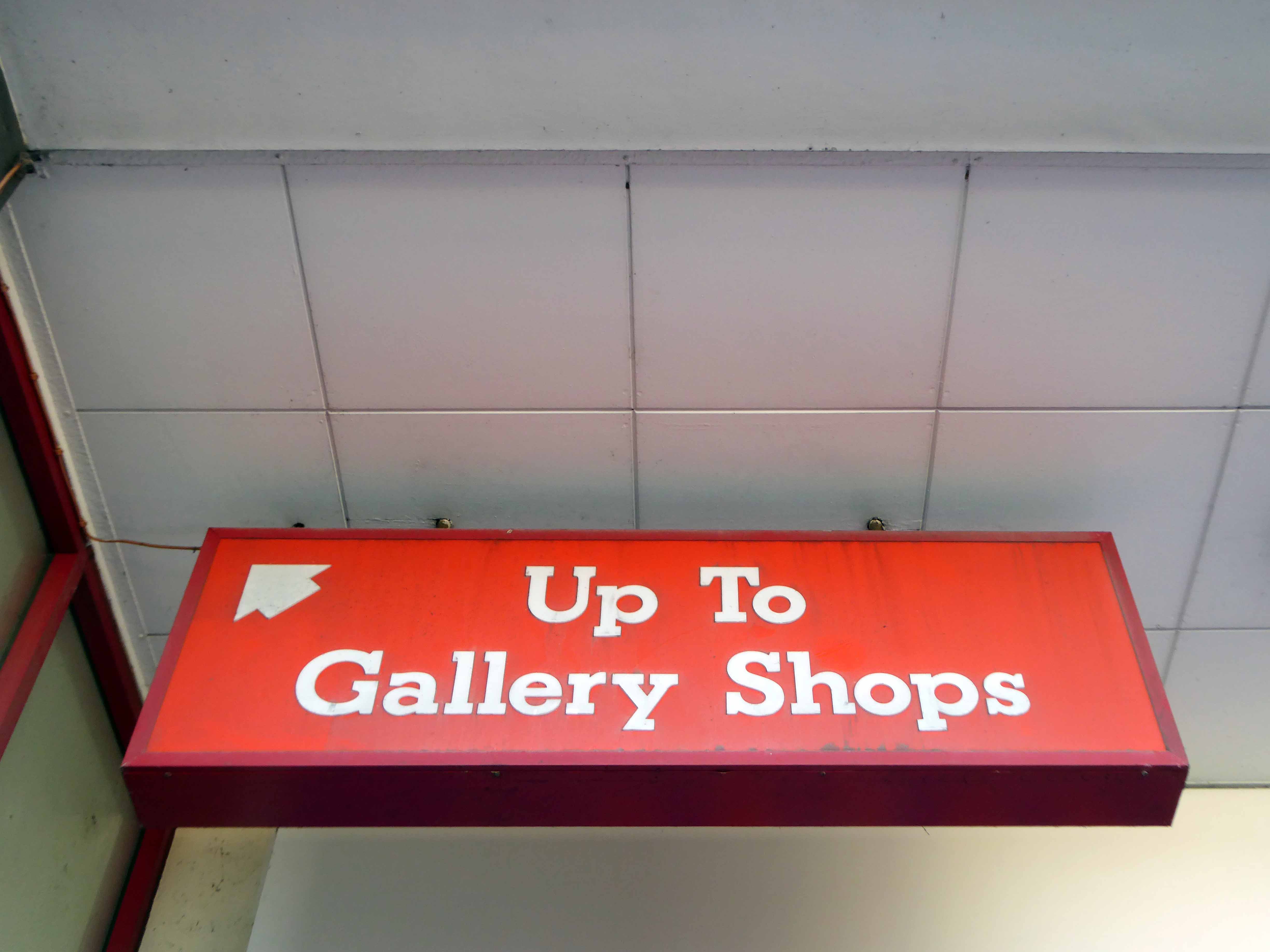
Sheffield – Gallery Shops

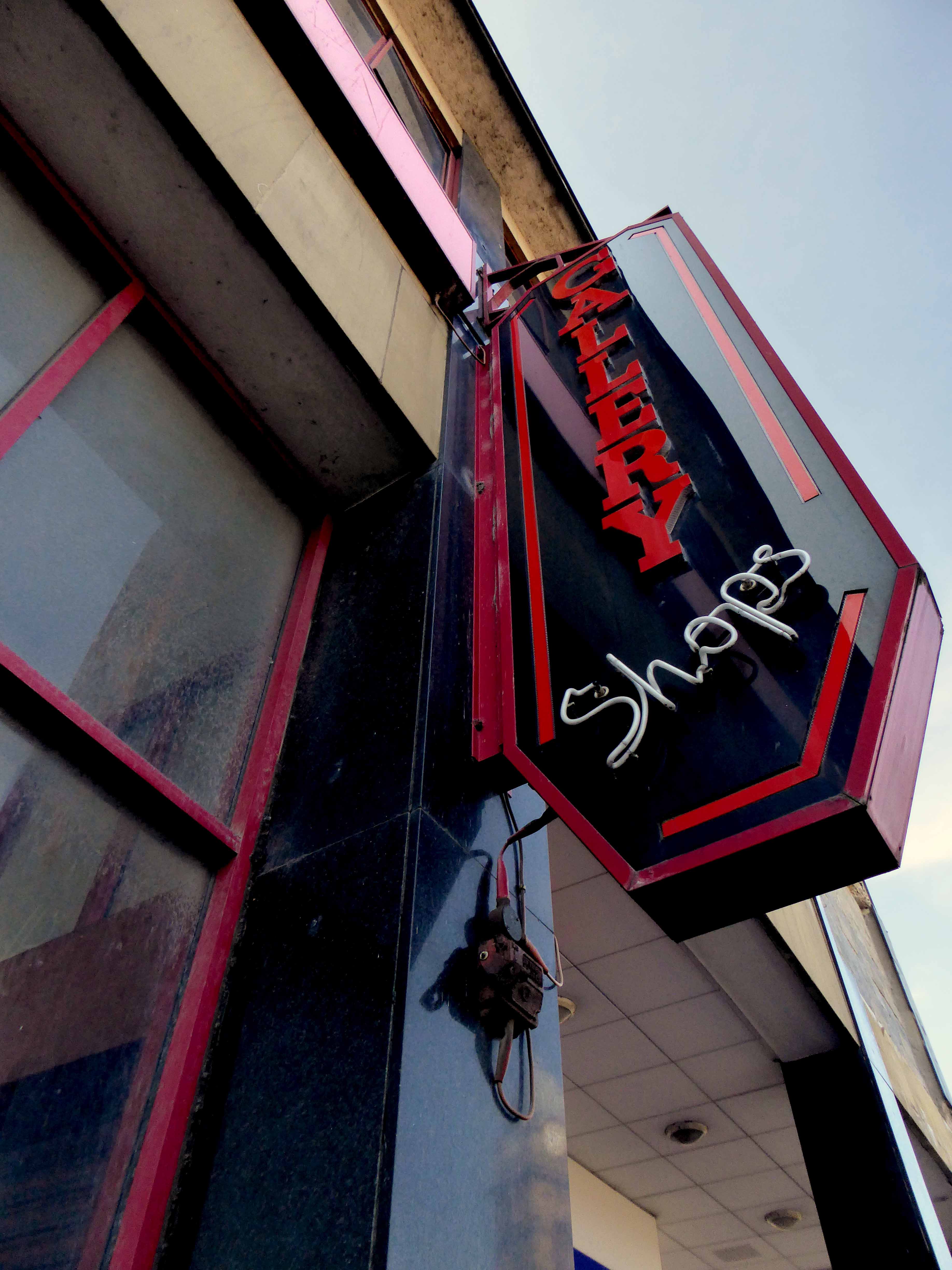
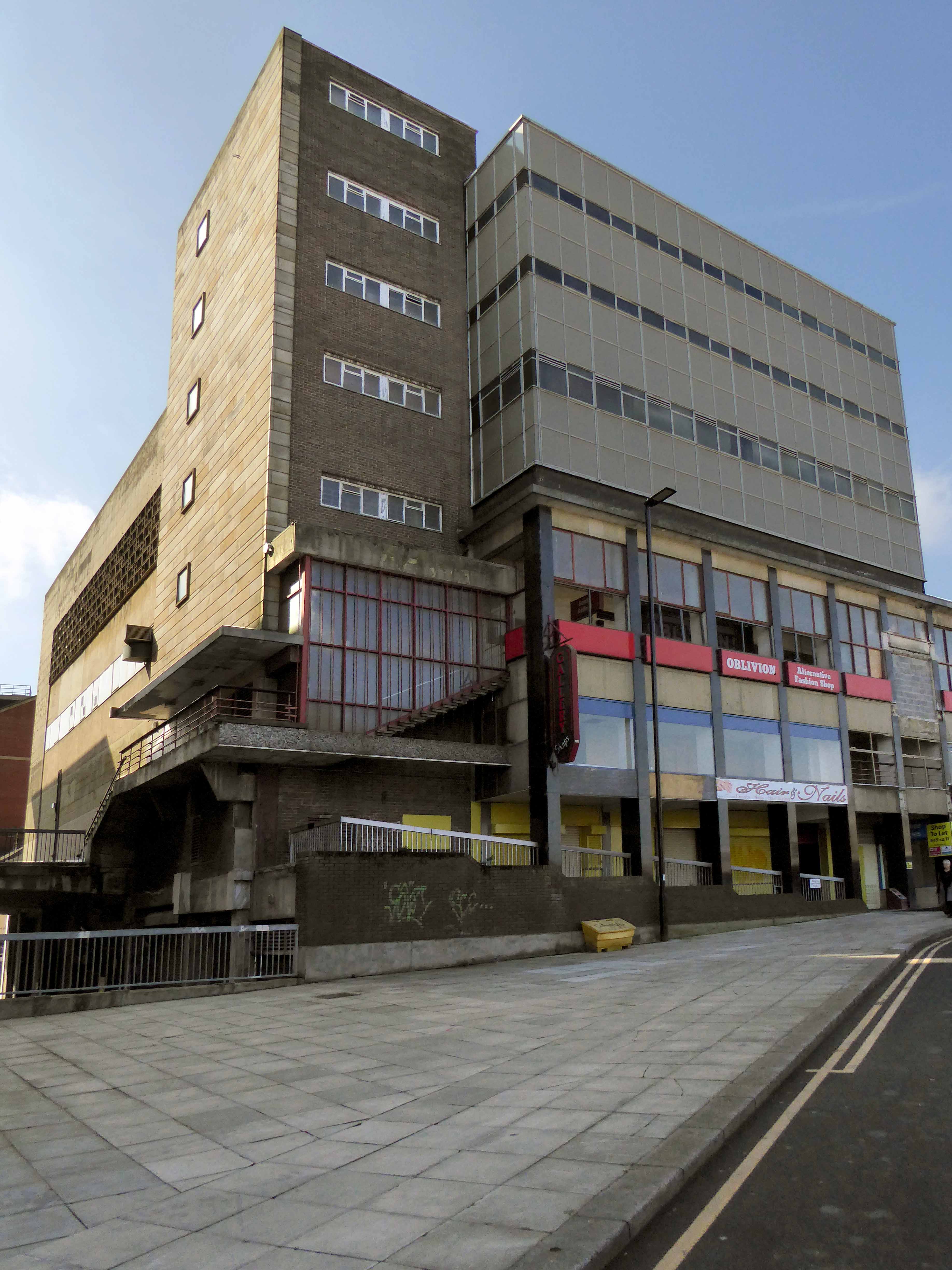
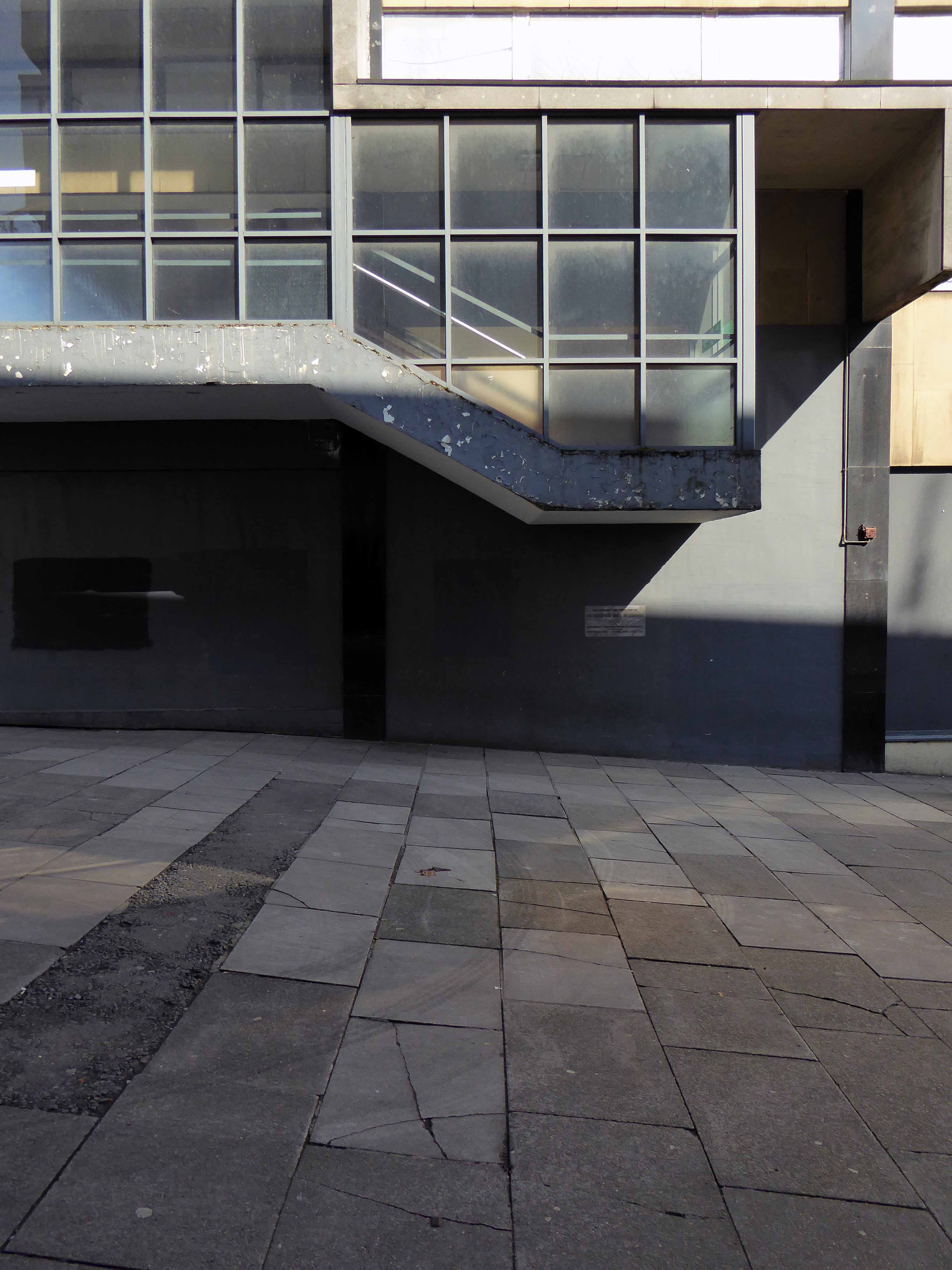
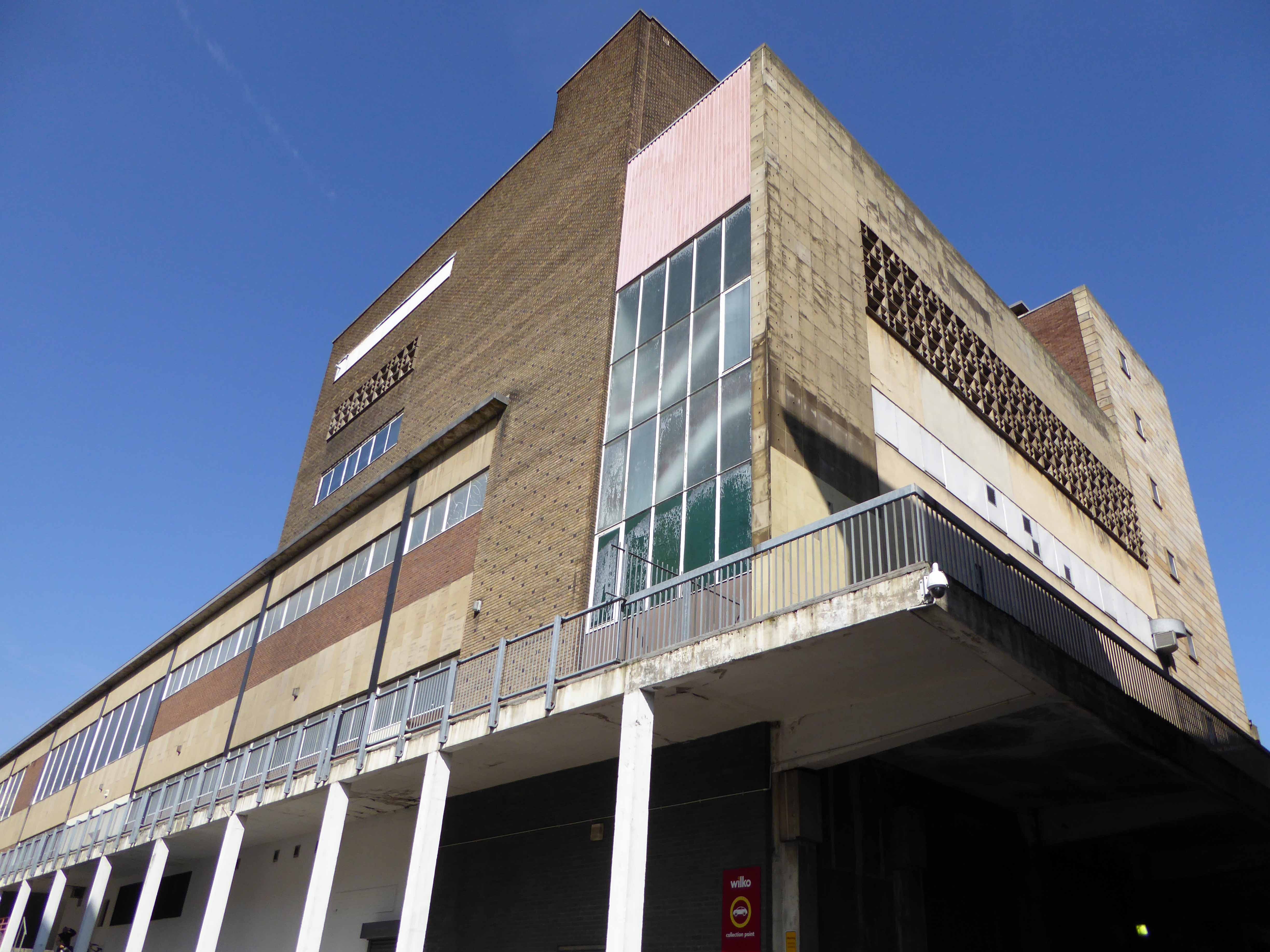
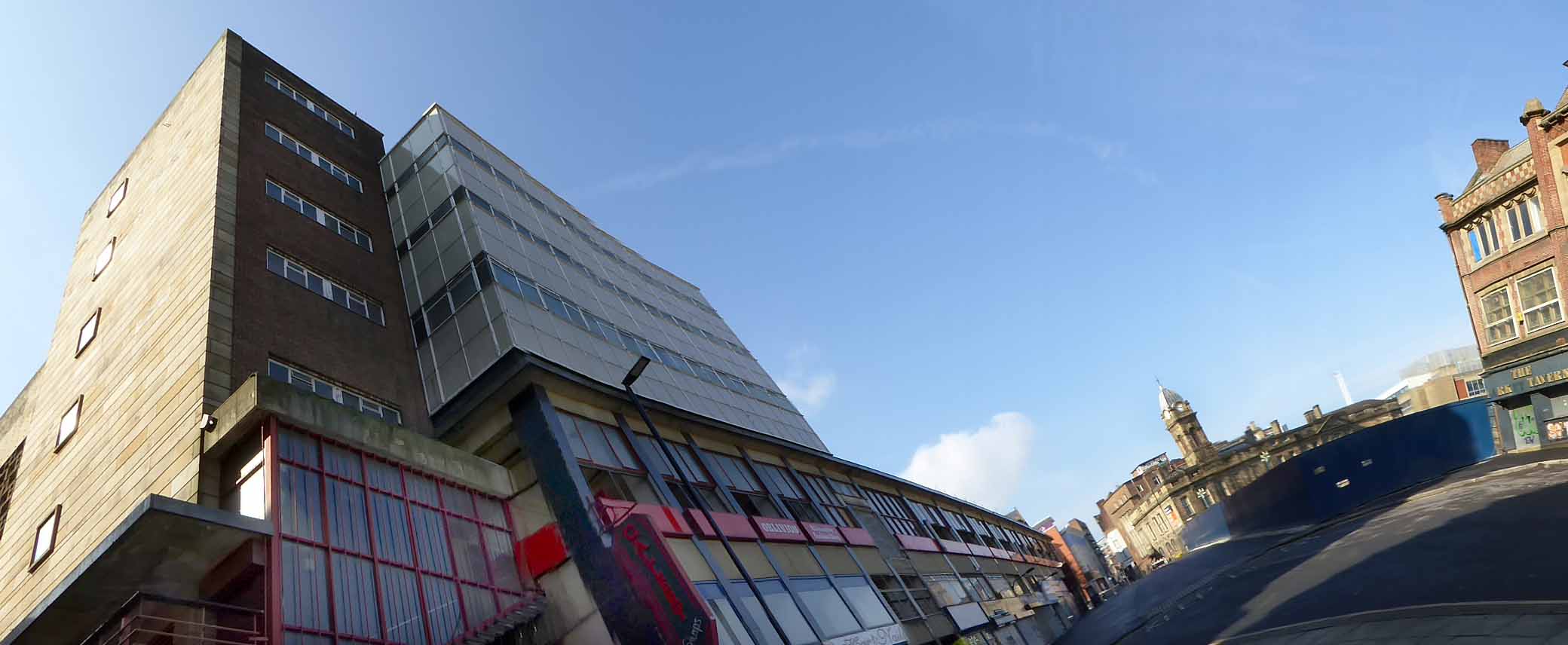
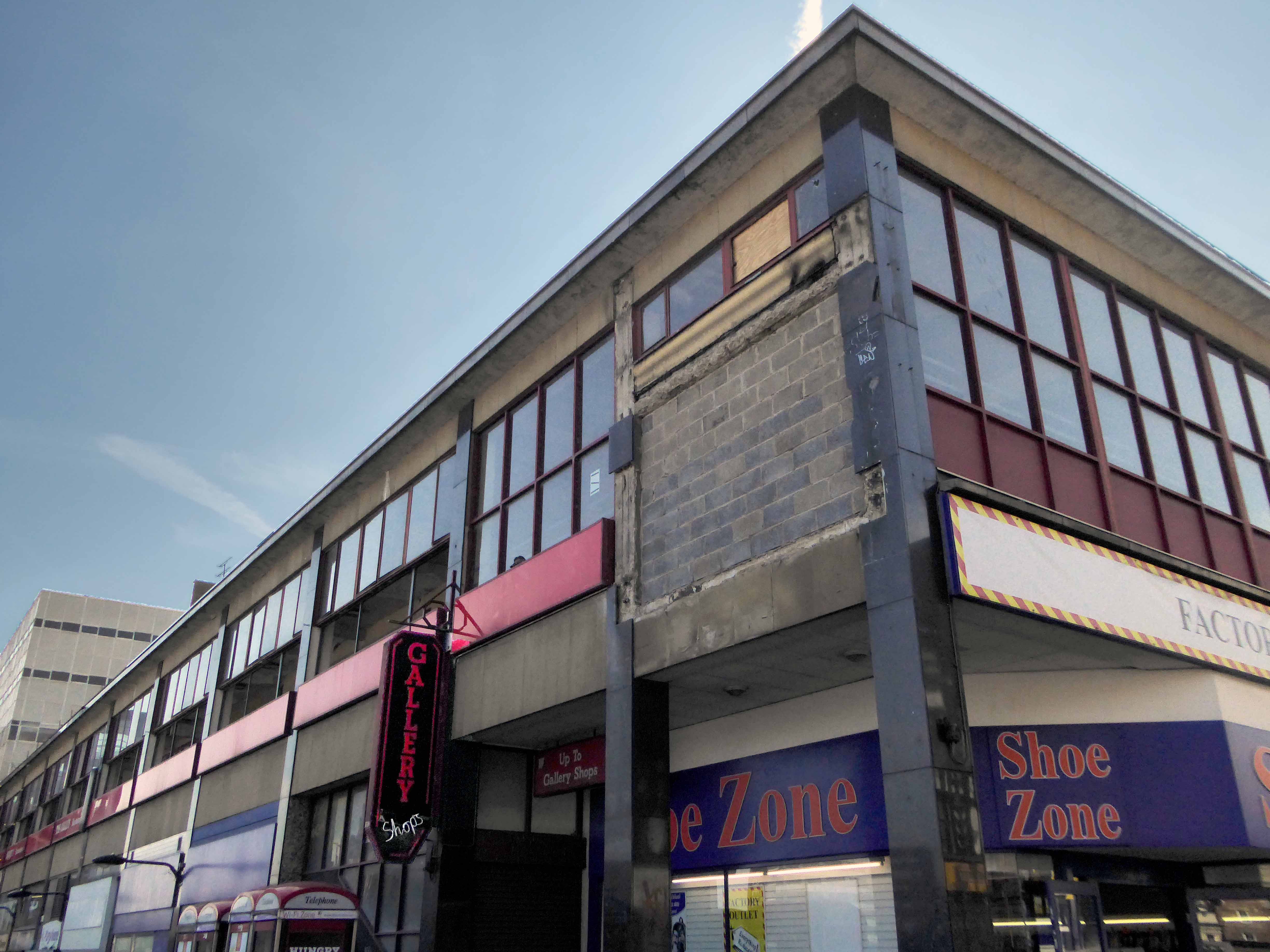
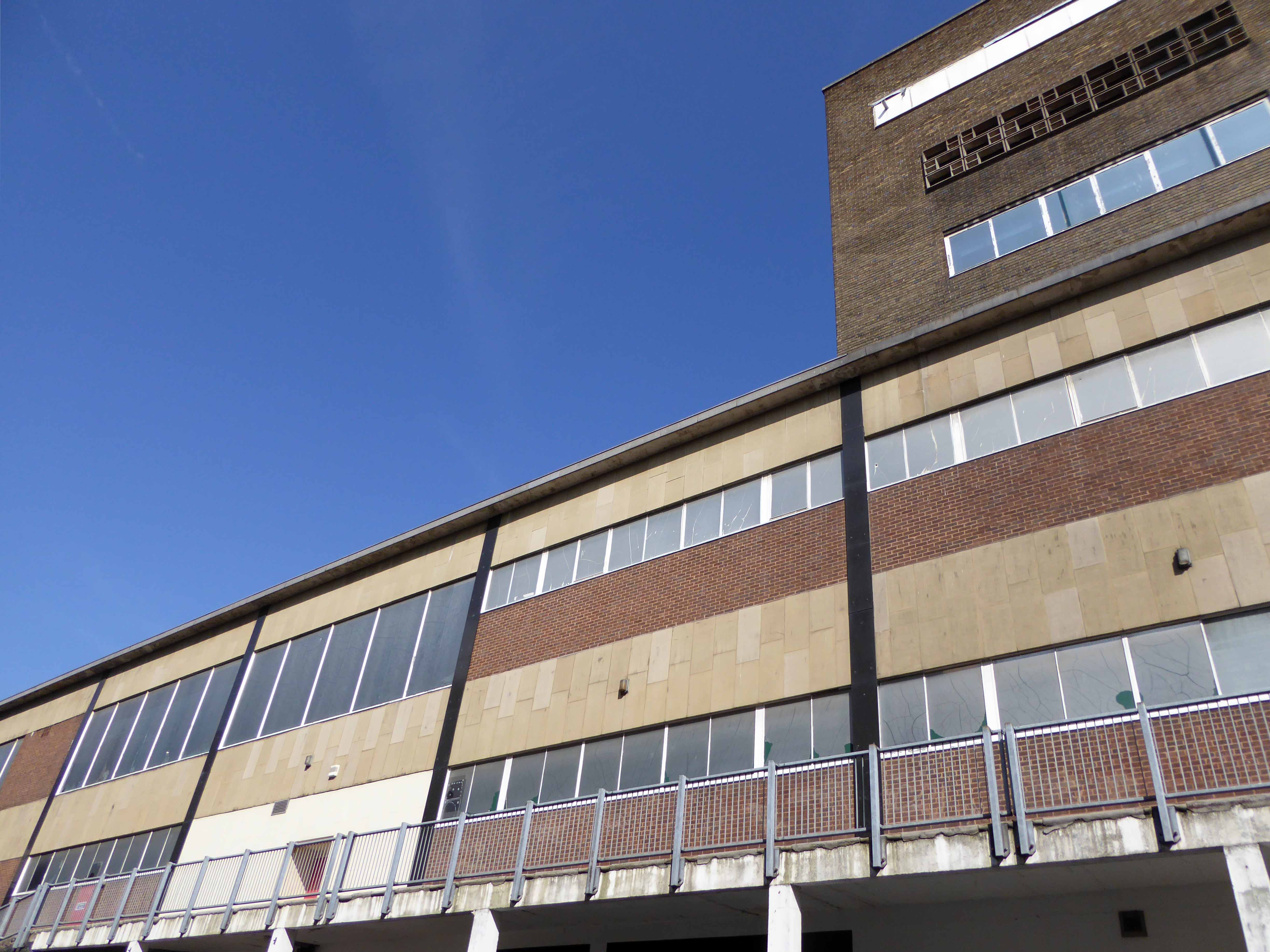
Once part of a larger retail complex, embracing the Castle Market area – regrettably demolished in 2015, the Gallery Shops are themselves, but a wrecking ball away from nothingness.

Linked by walkways, once populated by a multitude of rosy-cheeked, cheery shoppers, independent units and stalls operated in what was the better end of the High Street.

Over time, like many modern city the axis of energy shifts elsewhere, to newer more shiny developments – leaving hollow shells, echoing only to the footsteps of long gone ghosts.

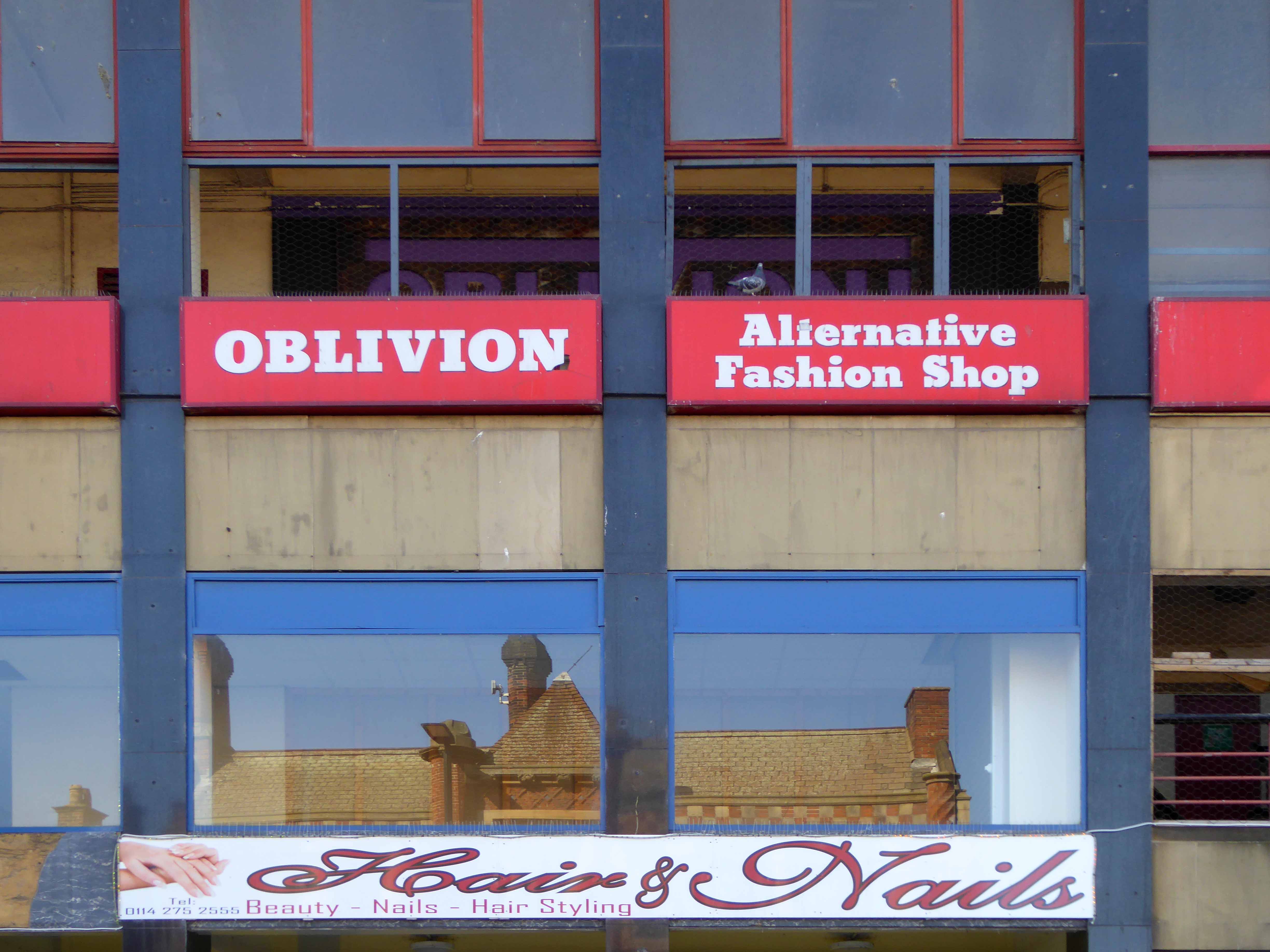
Oblivion.

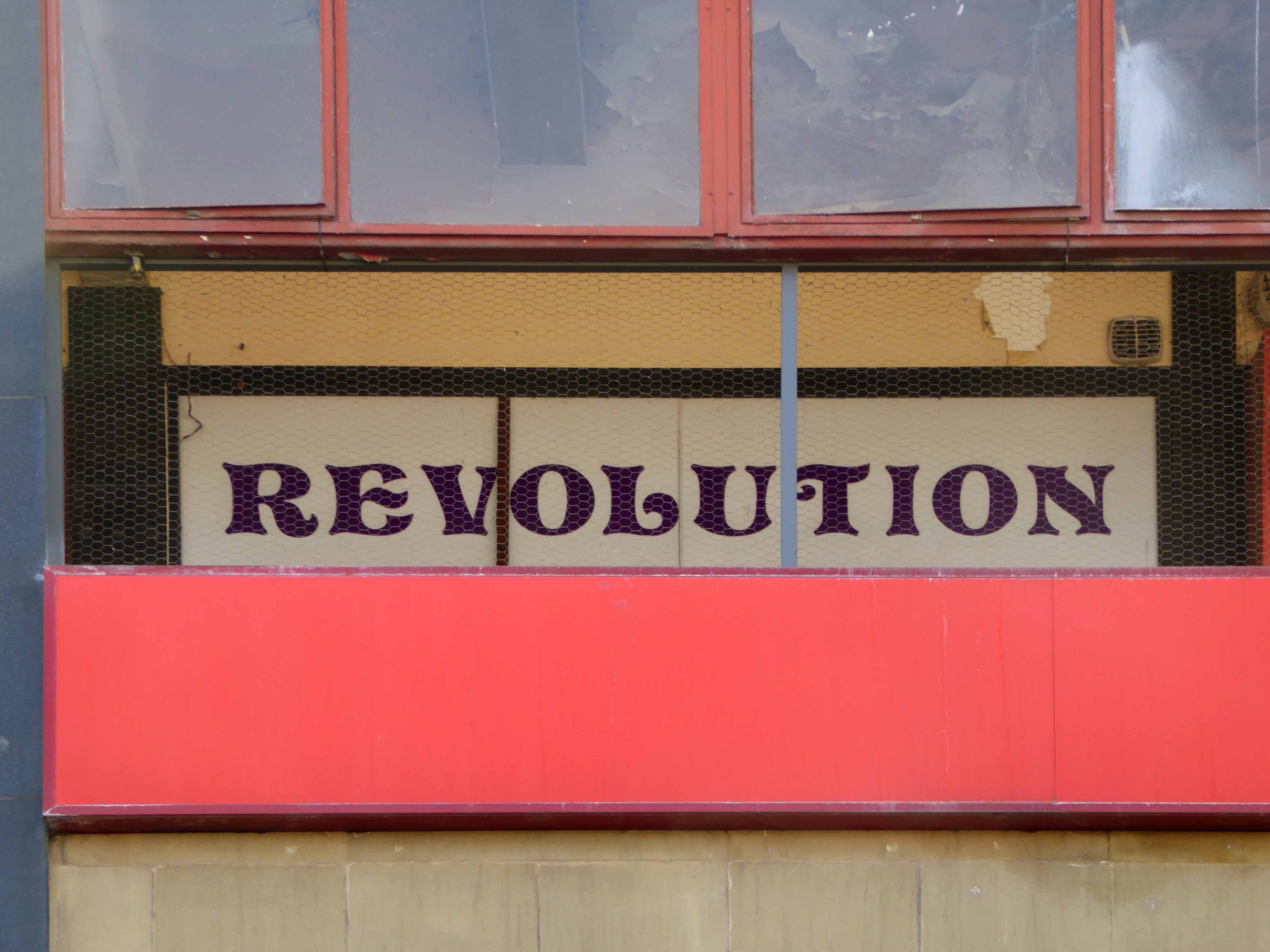
Revolution.

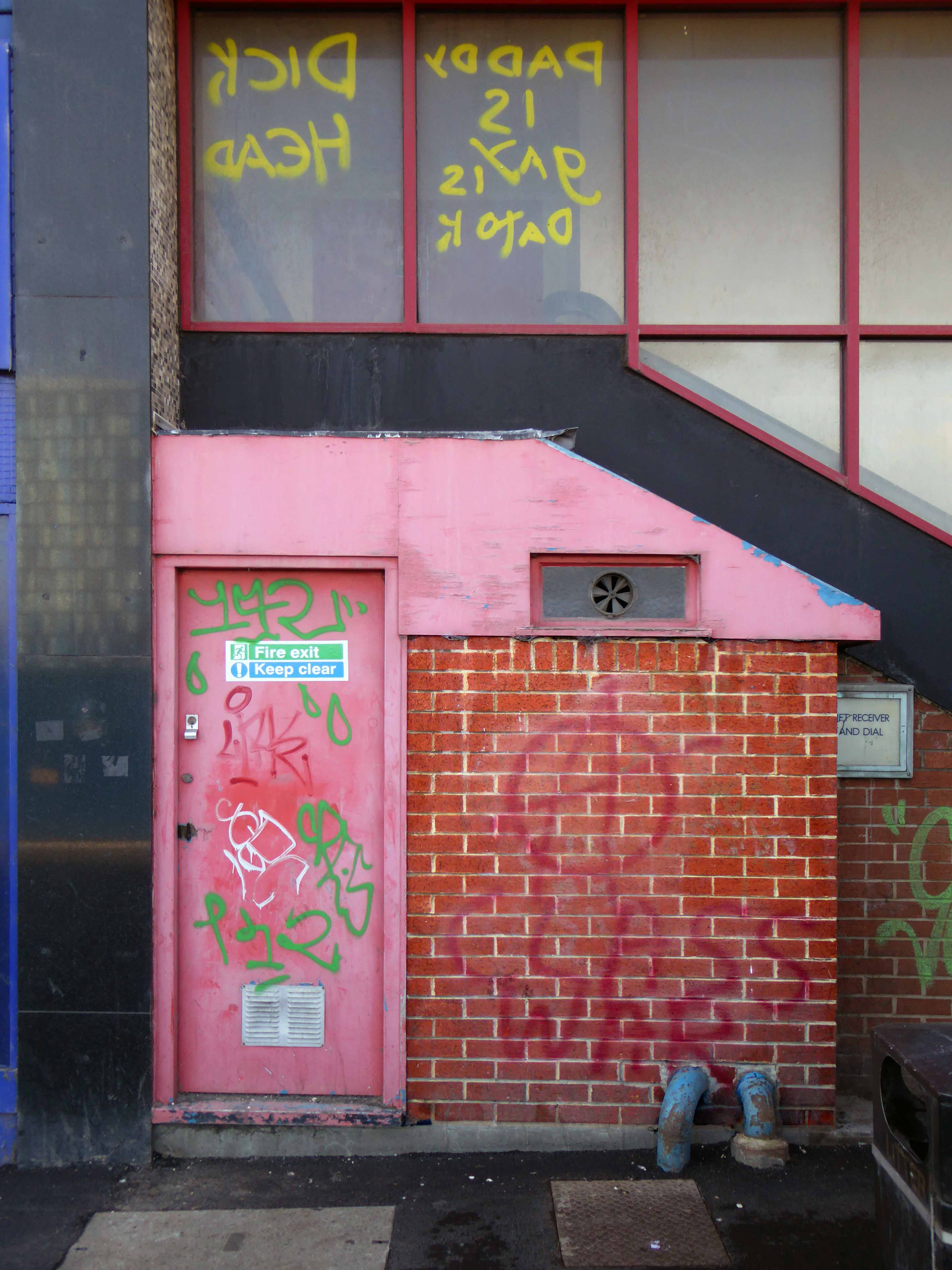
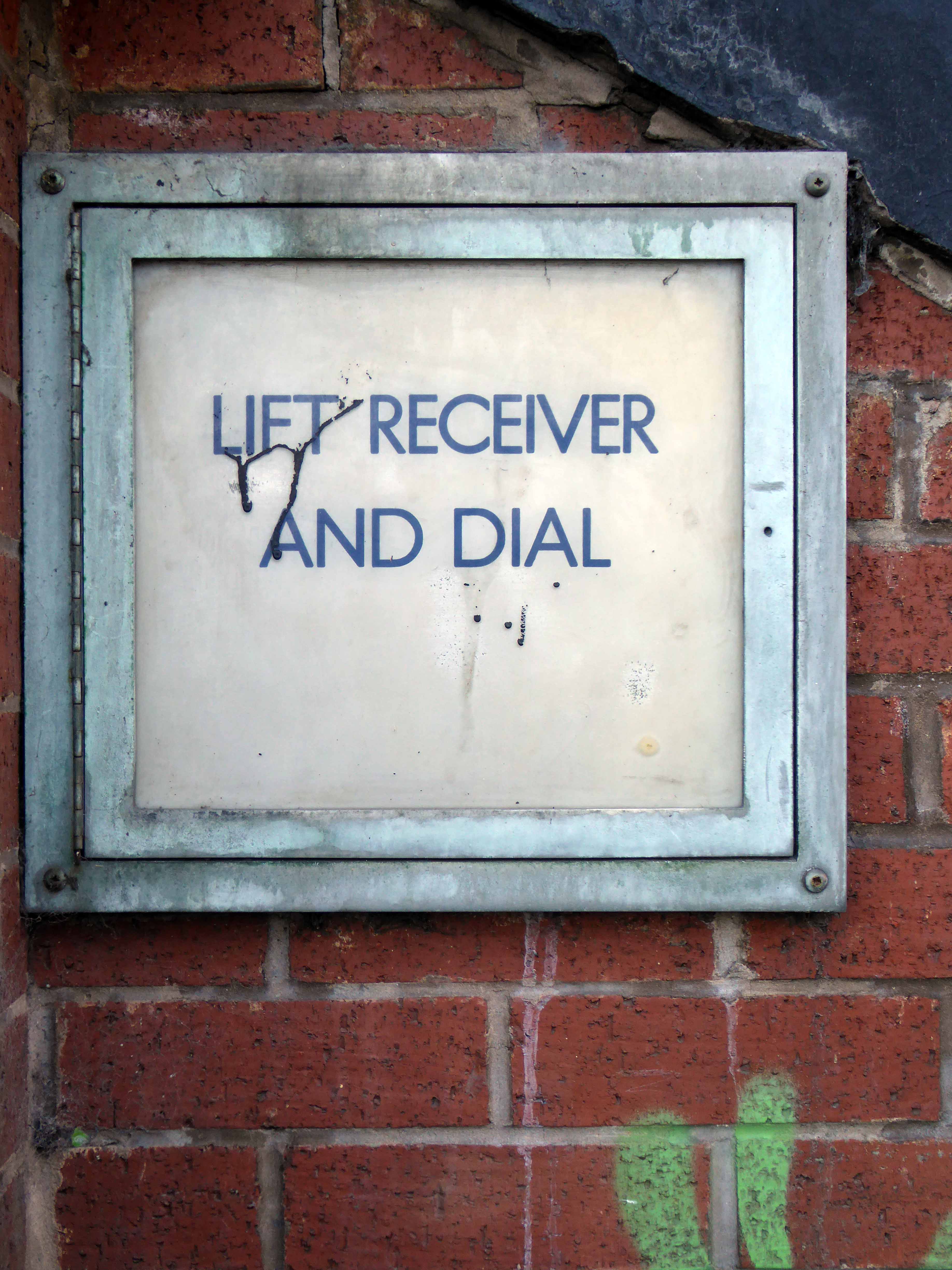
Lift receiver and dial.

P1030098 copy

P1030077 copy

P1030112 copy

P1030086 copy

P1030097 copy

P1030109 copy

P1030088 copy

P1030090 copy

P1030106 copy

P1030089 copy

P1030078 copy

P1030094 copy

P1030083 copy

P1030111 copy

P1030093 copy

P1030101 copy

P1030092 copy

P1030082 copy

P1030096 copy

P1030087 copy

P1030108 copy

P1030081 copy

P1030084 copy

P1030113 copy


Screen Wall Water Feature – Manchester

the-bandwagon-breakin-down-the-walls-of-heartache-dancin-master--2_6729456

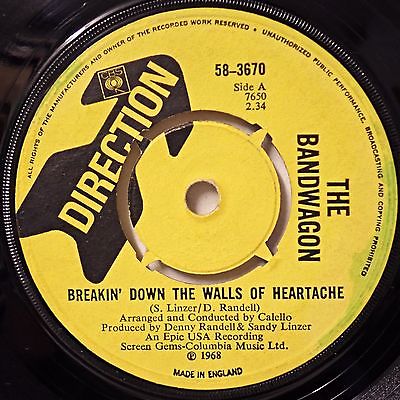
Breakin’ down the walls of heartache, 

I’m a carpenter of love and affection.

So sang Johnny Johnson of the Bandwagon.

They were a permanent fixture at the New Century Hall in the late sixties.

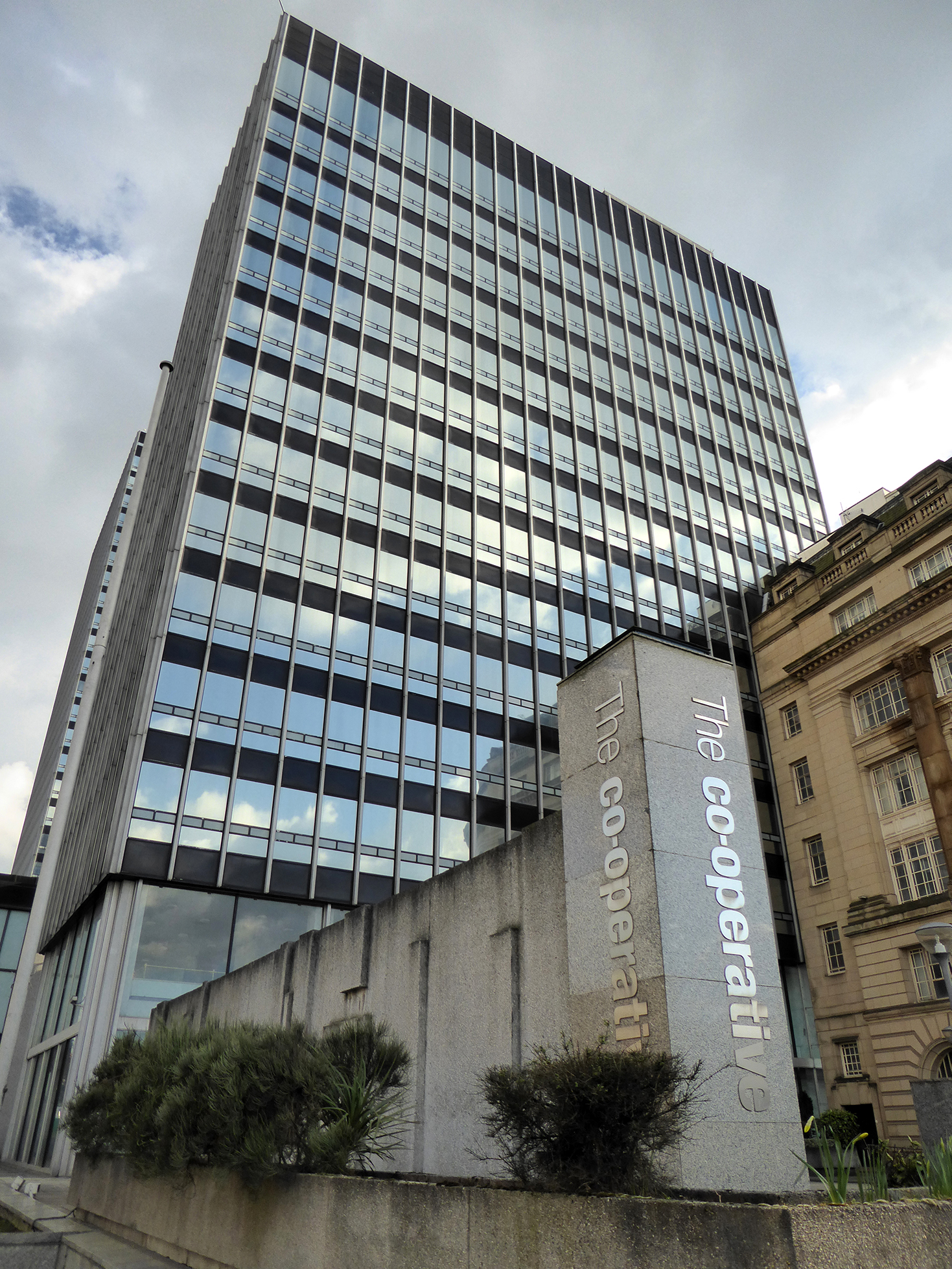
Attached to New Century House, the Hall was an integral part of the extensive Cooperative Society property development in Manchester.

Much of that development now faces an ever uncertain future.

None more so than the adjoining screen wall.

P1010590 copy

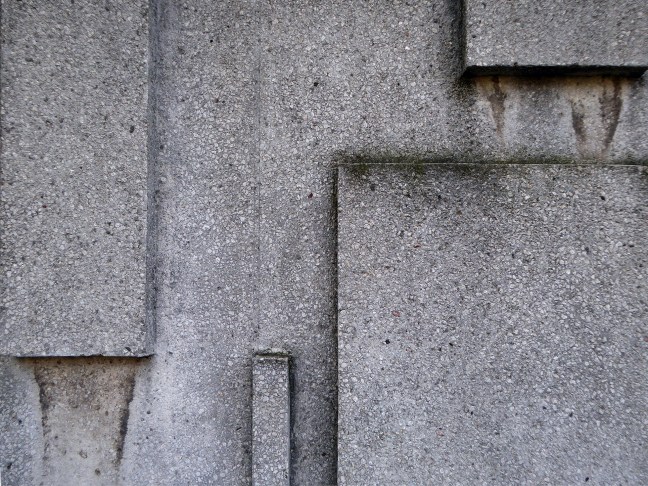
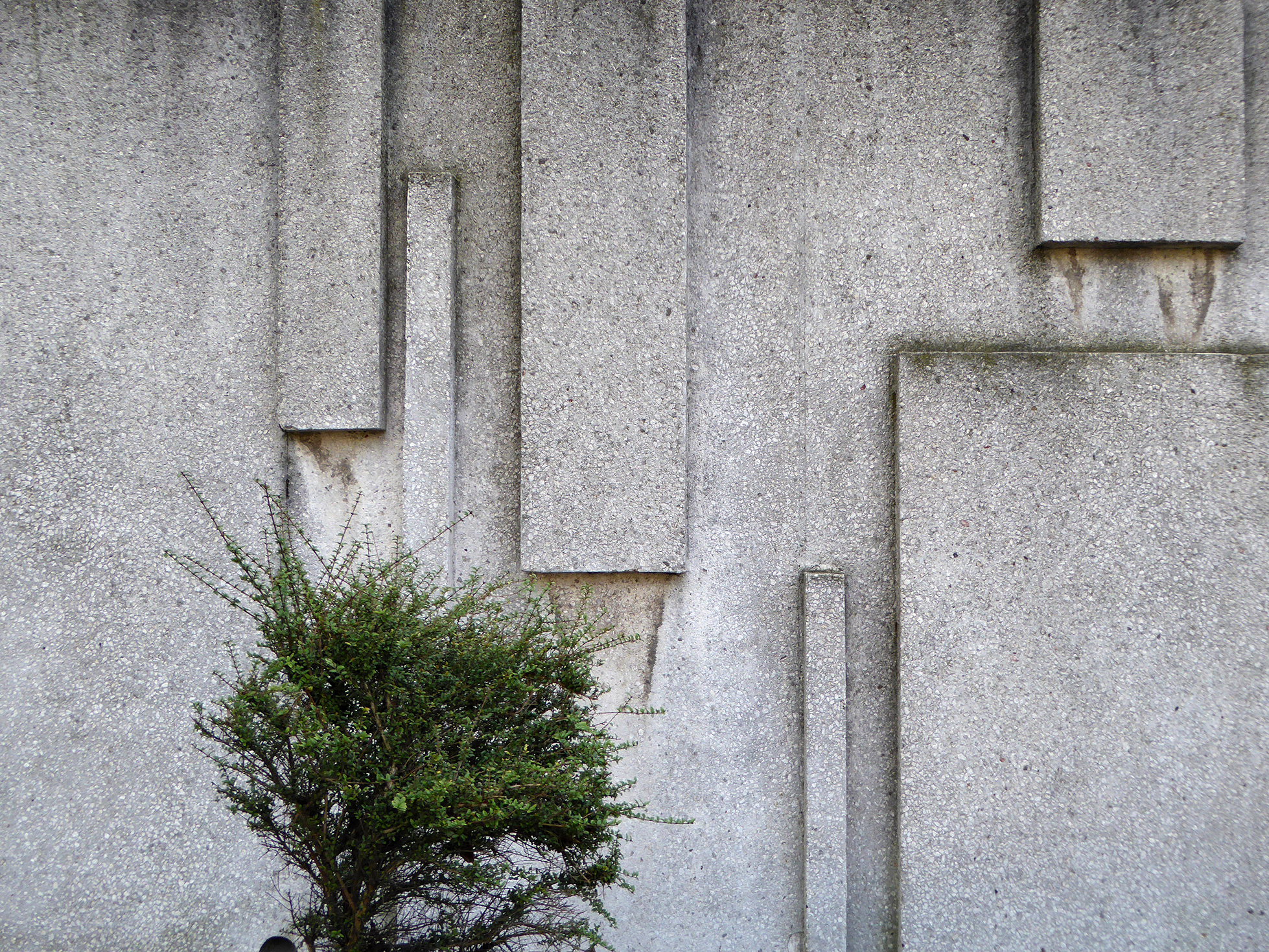
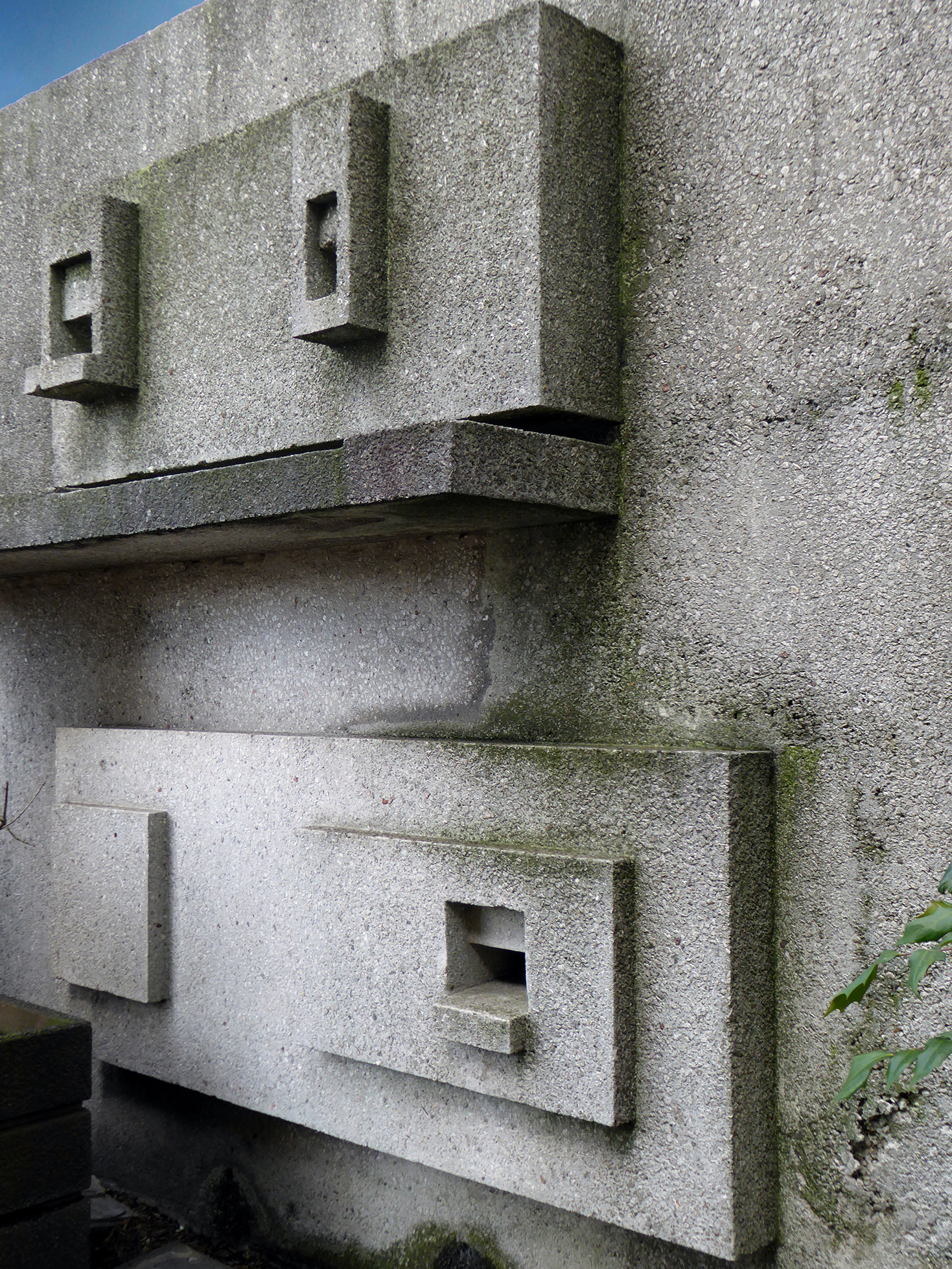
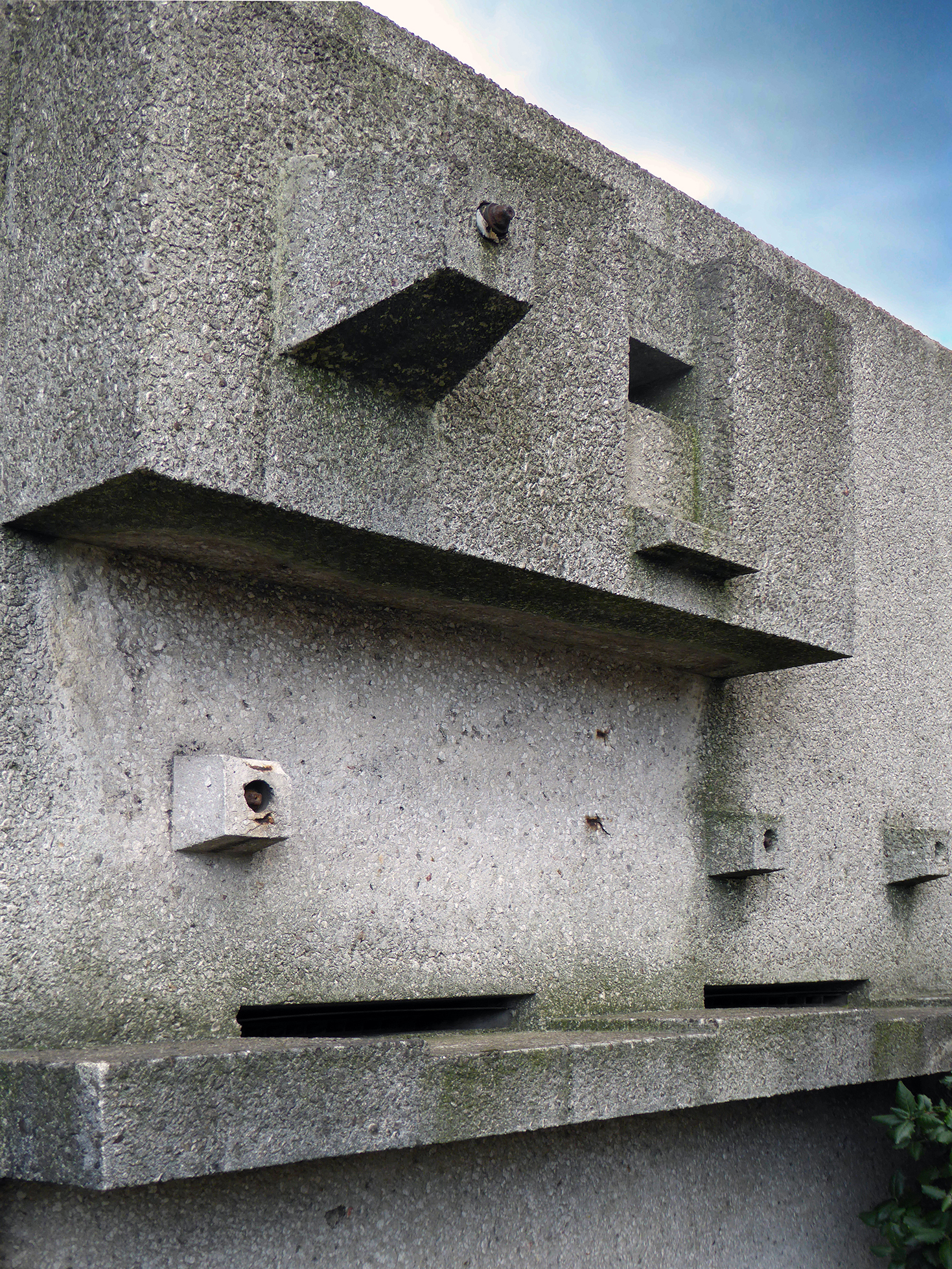
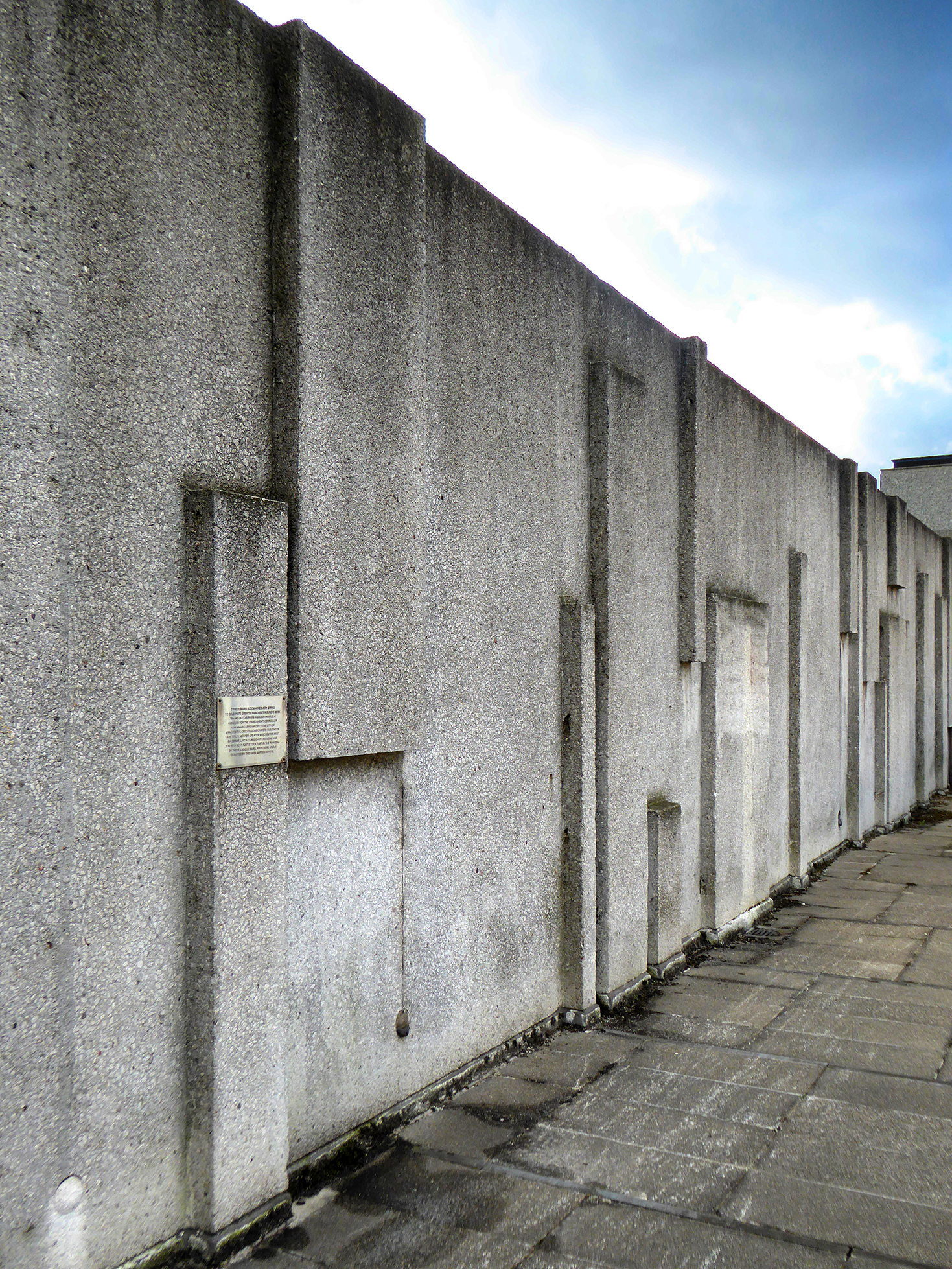
Set to the north-east side of the building’s entrance forecourt is a concrete sculptural screen wall by John McCarthy with an abstract relief to the south-west side facing into the forecourt. The wall is aligned at a right angle to the building’s main entrance and has a shallow rectangular pool (now drained) set in front. The wall includes numerous openings from which water originally flowed into the pool, but the system is no longer in working order. The pool also originally incorporated small fountains.

Information from Historic England

At a time when the whole of the centre of the city seems alive with construction, refurbishment, gentrification and more quarters than you could shake a stick at, this forlorn and seemingly unloved gem stands, shrouded in shrubs.

I’m a carpenter of love and affection, who would not care to see, this particular wall:

Broken down.

P1010593 copy

P1010595 copy

P1010596 copy

P1010579 copy

10942979_10153057260926600_244358983598520538_o

P1010592 copy

P1010588 copy

P1010589 copy

P1010584 copy

P1010587 copy

P1010586 copy

P1010591 copy

P1010594 copy

P1010585 copy

P1010582 copy

P1010580 copy

Beswick – Manchester

Screen Shot 2016-02-06 at 15.17.13

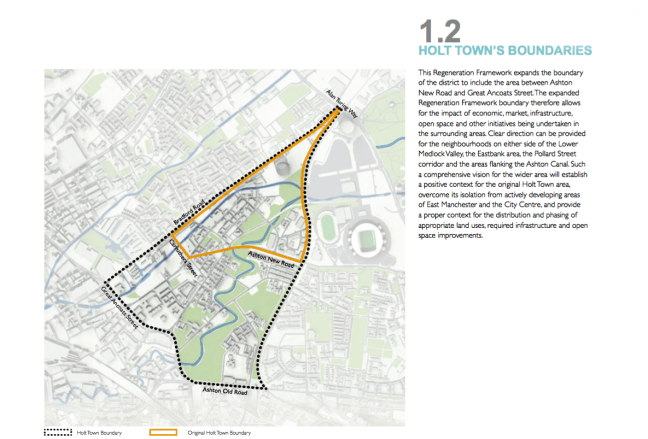
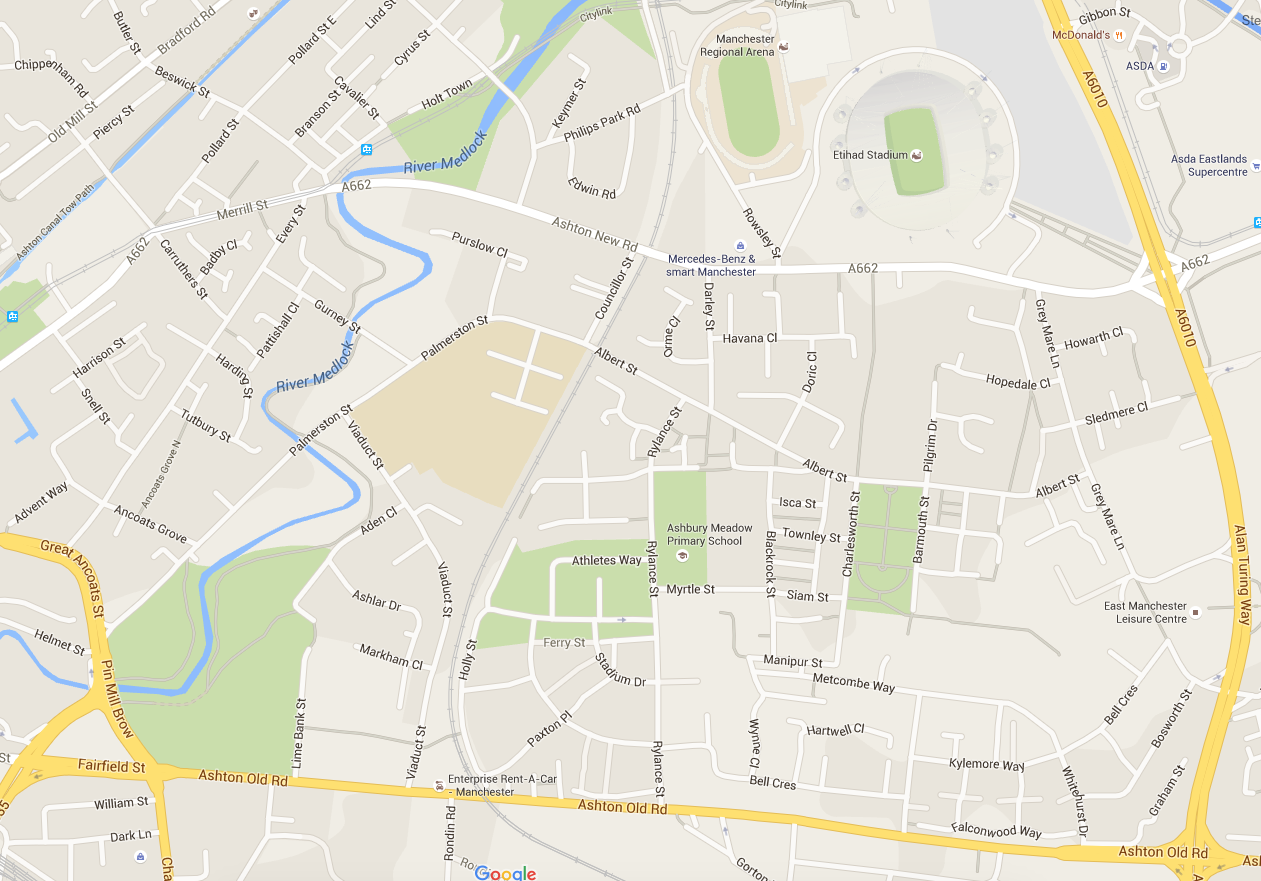
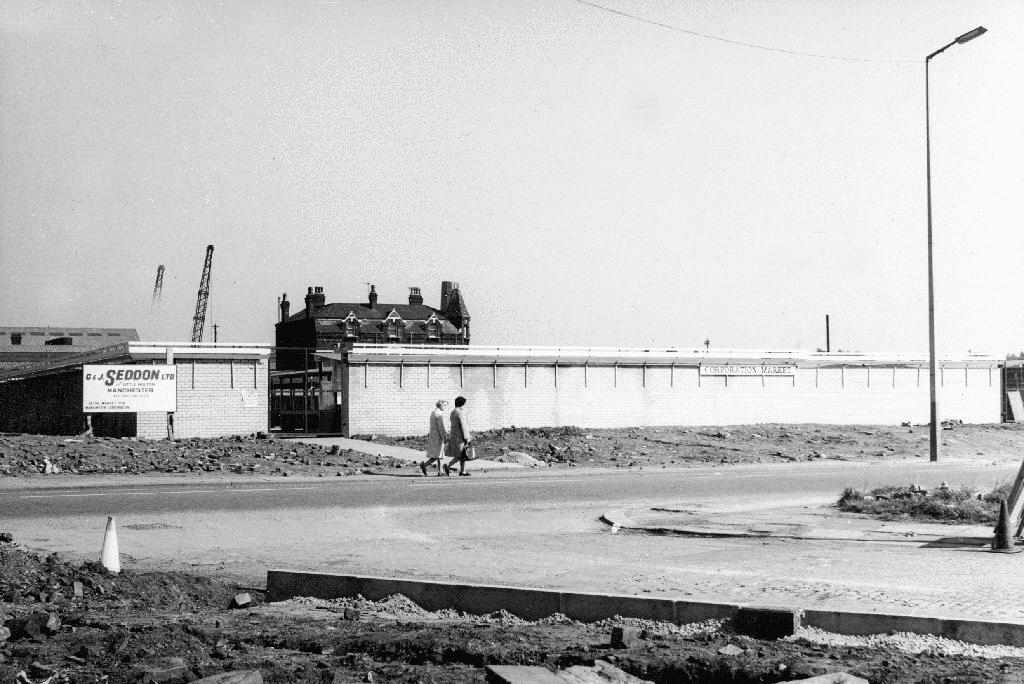
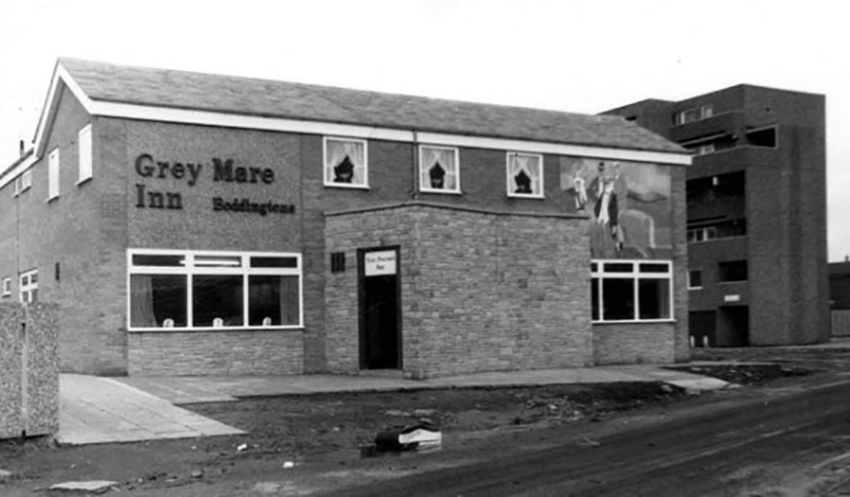
Between Openshaw and Bradford sits Beswick.

Beswick is a small district located on the east side of Manchester bounded by Ashton Old Road, Ashton New Road and Grey Mare Lane and was incorporated into Manchester in 1838. Pronounced Bes-ick the “w” is silent. Before 1066, in Saxon times, the district was called Beaces Hlaw – Hlaw was an old word for a small hill, often used as a burial mound. By the 13th century it had changed to “Beaces Wic” indicating that the area was predominantly farm land. Who or what the Bes element of the placename signified is open to interpretation, though the simplest and most plausible is that it belonged to a person called Bes or Bess.

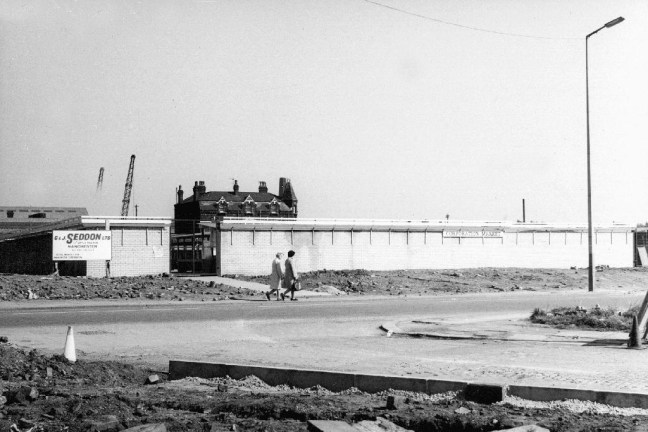
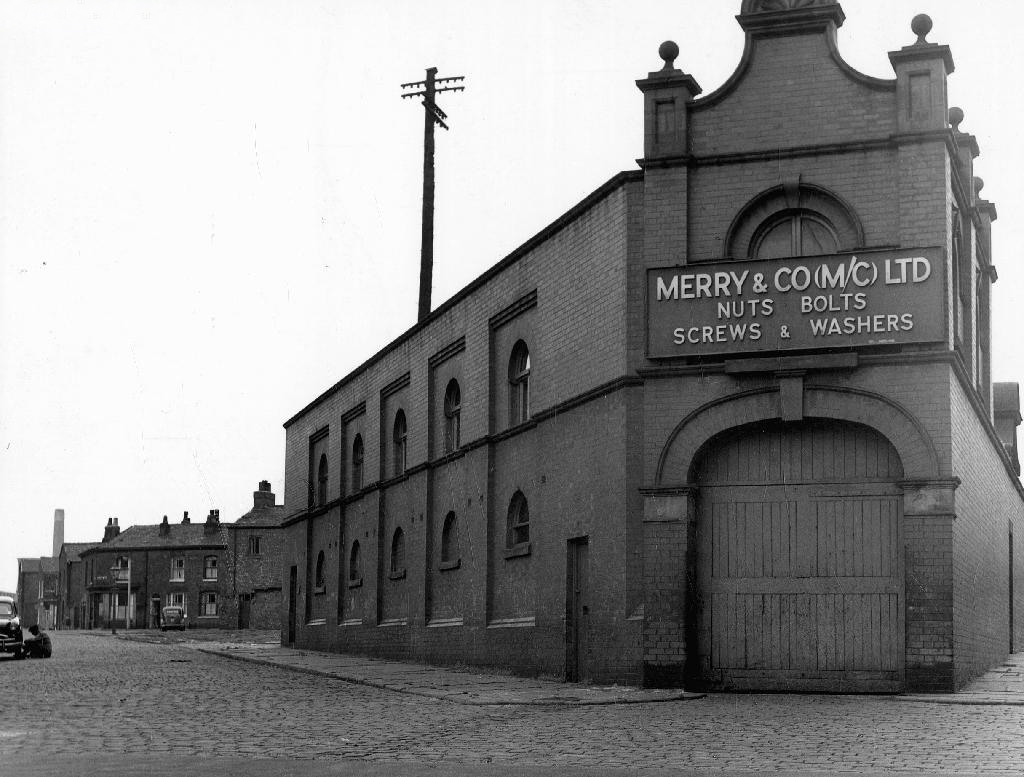
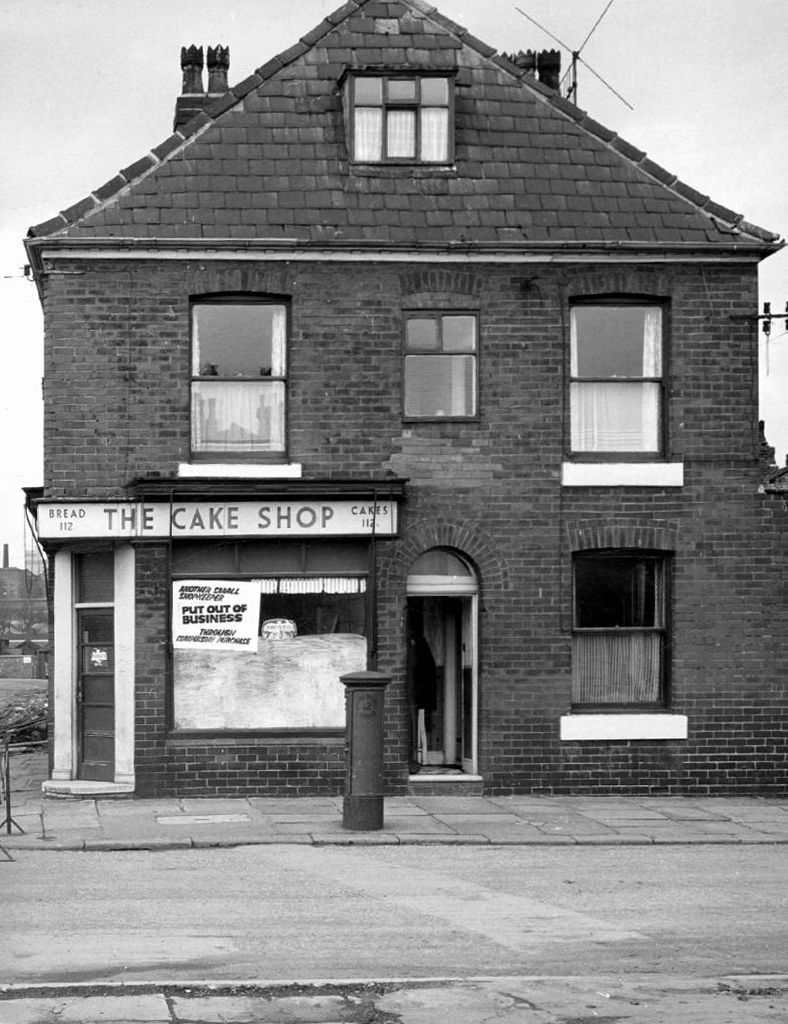
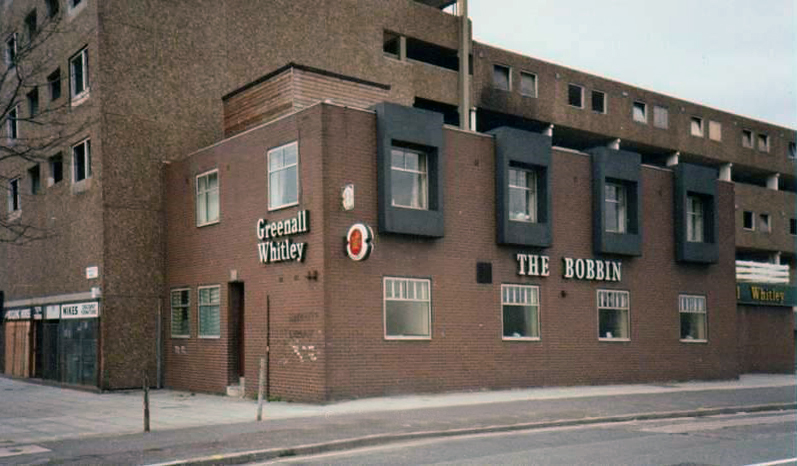
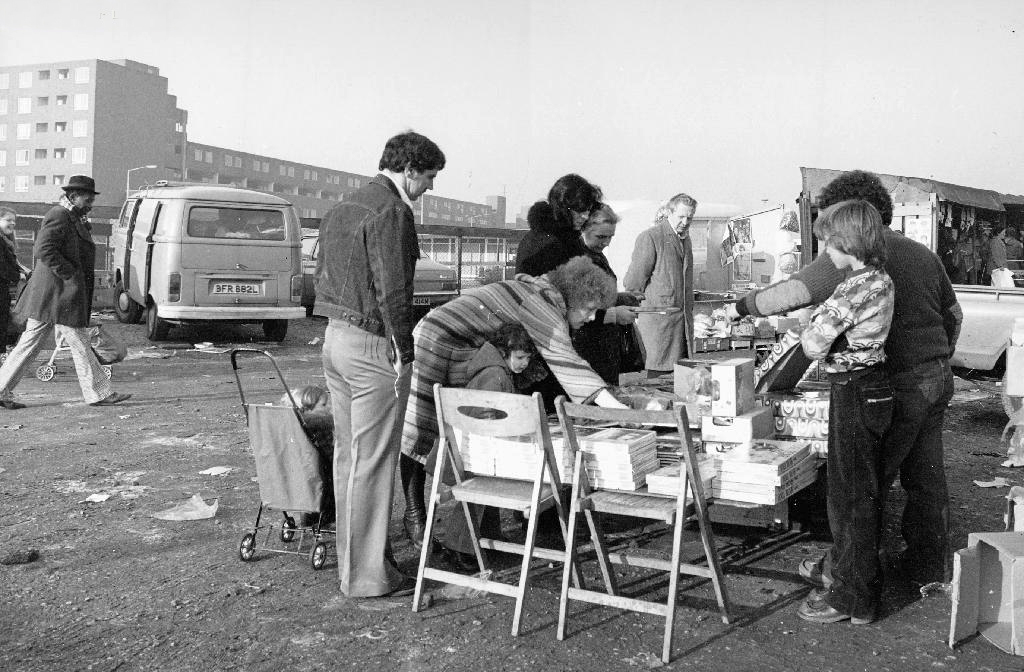
In the 60s it was, as I remember it, a typically vibrant mixed East Manchester community, industry, housing, retail, entertainment and goodness knows what bumping along together incautiously, down tight streets of Victorian terraced housing. I worked in the area as a Mother’s Pride van lad, hauling bread, cakes and galvanised trays in and out of a plethora of superabundant corner shops.

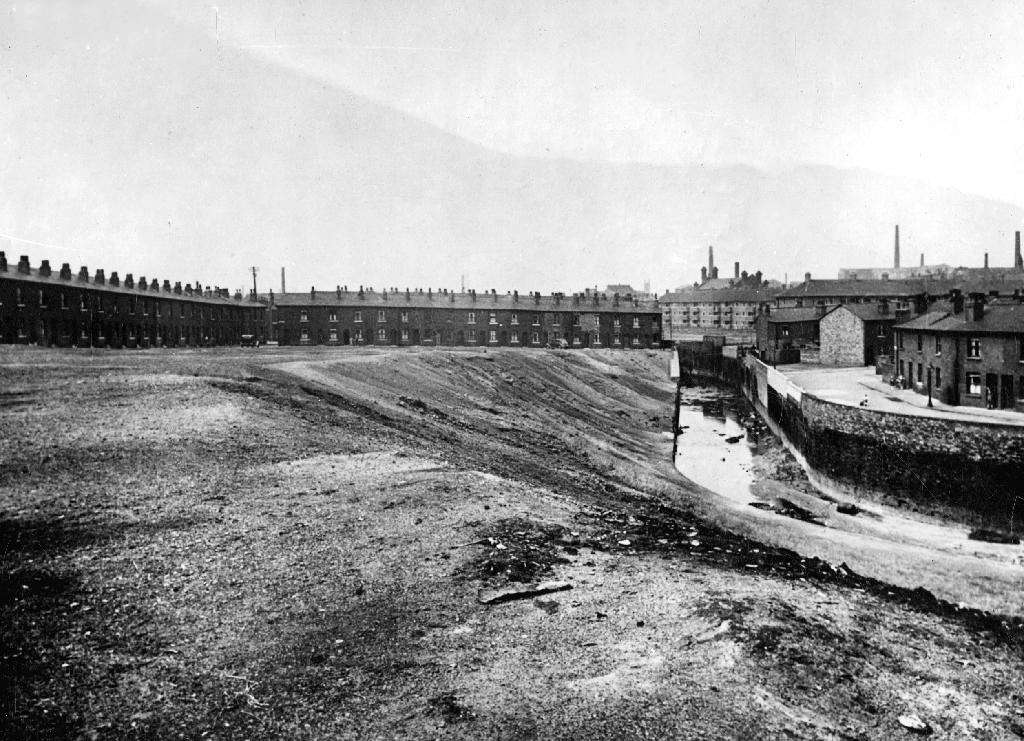
The year of 1970, approximately, dawns, ushering in a decade of great change, slum clearance and the building of brand new homes – the end, by and large, of the back to back corner shop world.

A process mirrored in my previous post

10 years later, and long gone the years of postwar full employment, and the made round to go round world of the weekly wage.

The early 1980s saw growing unemployment and world-wide recession. The large new estates suffered most. Inner city districts of Manchester saw street riots in 1981, as did many other major cities around Britain. Manchester had suffered badly as a result of the recession. In 1986, over 59% of adult males living in Hulme were unemployed; in Miles Platting the figure was 46%; Cheetham Hill and Moss Side both had an unemployment rate of 44%. The main group of unemployed were young people under the age of 21. Hulme’s youth employment was recorded at 68%, and Cheetham Hill suffered 59%. 

Manchester 2002

webmedia-7.php

It is true that the new developments have great advantages in many ways over the terraces they replaced. Tenants who live in houses without baths or indoor sanitation and with no hot water are delighted to move into bright new flats and maisonettes, with indoor plumbing, with baths, and accommodation which has more rooms and far better kitchen facilities and central heating, even though they sometimes grumble at the cost of that central heating.

Gerald Kaufman MP

But although we can build a new housing development, we cannot easily recreate the warm community spirit which has vanished with the terraces which have been demolished. There is the noise from neighbours on the deck above and the deck below. The wind-swept balconies along which tenants have to walk are not as cosy as the streets from which they have come. Those welcoming corner shops, with their bright lights on winter evenings, have gone, and sometimes a new development has no new shops for too long a period. Even when they come, there are not enough of them.

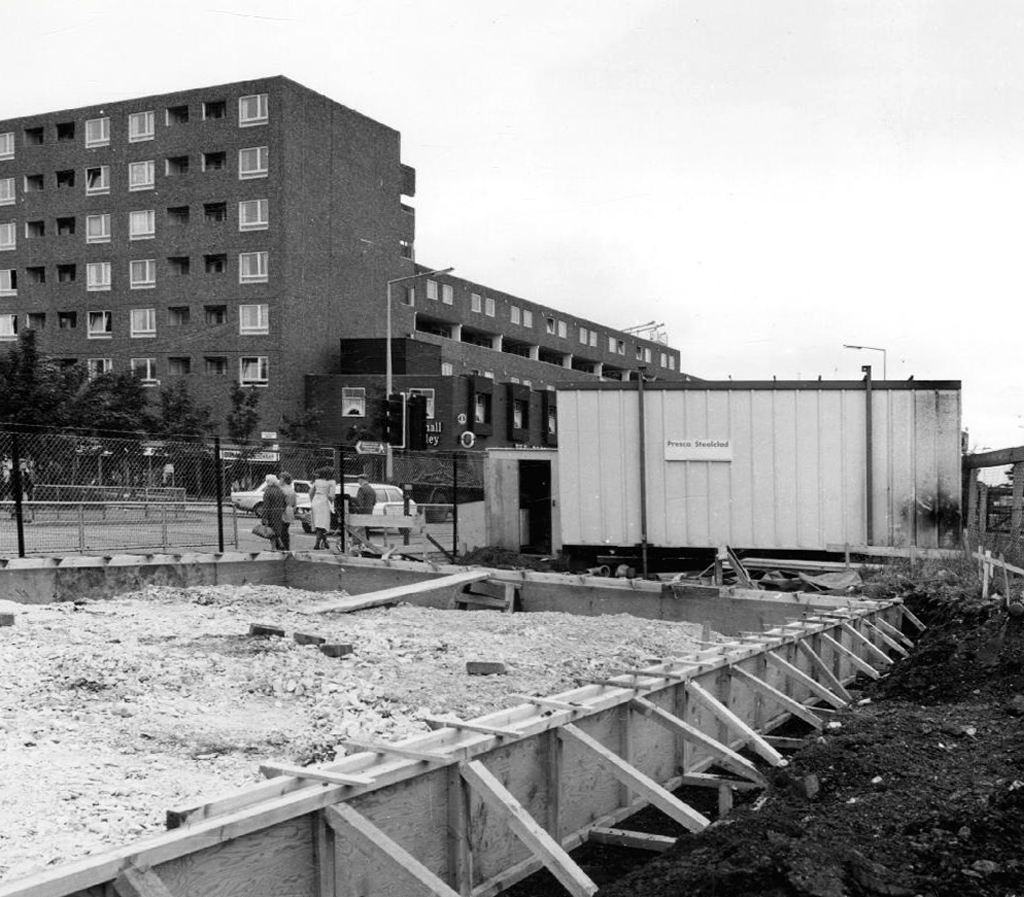
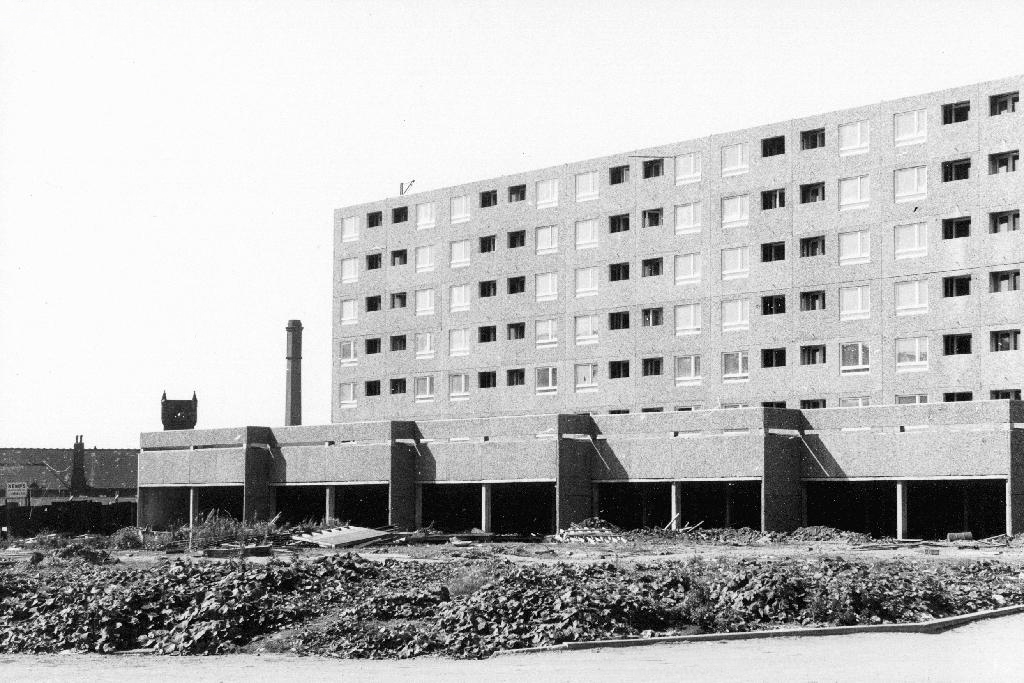
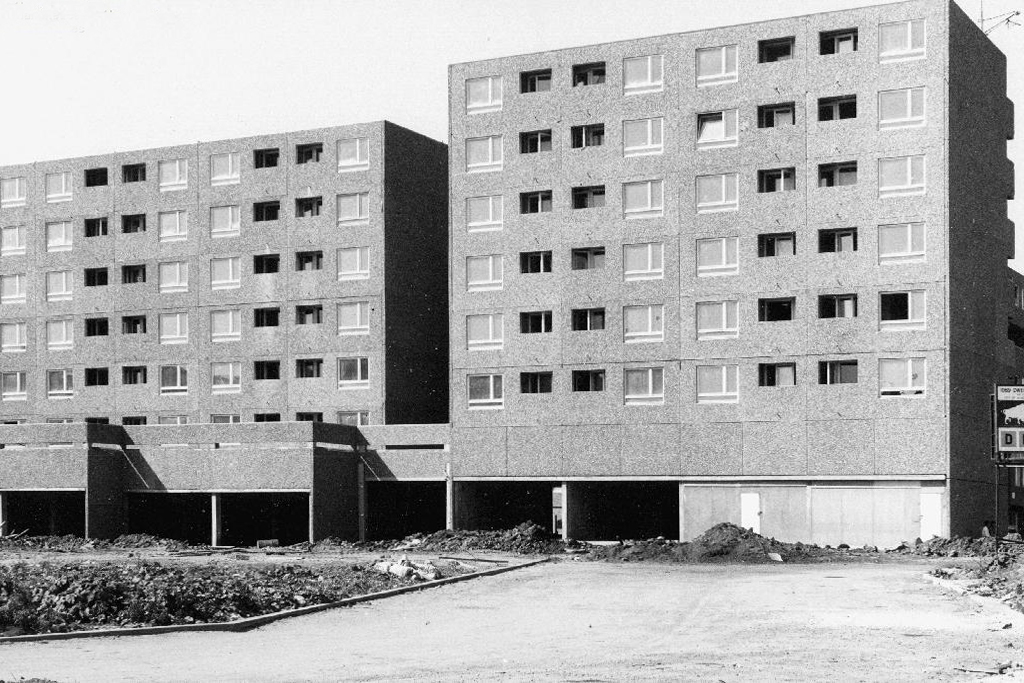
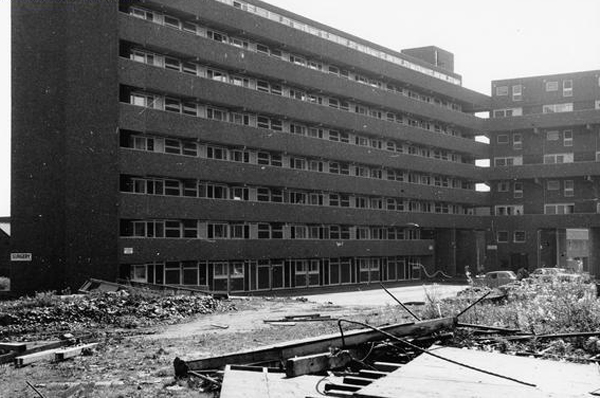
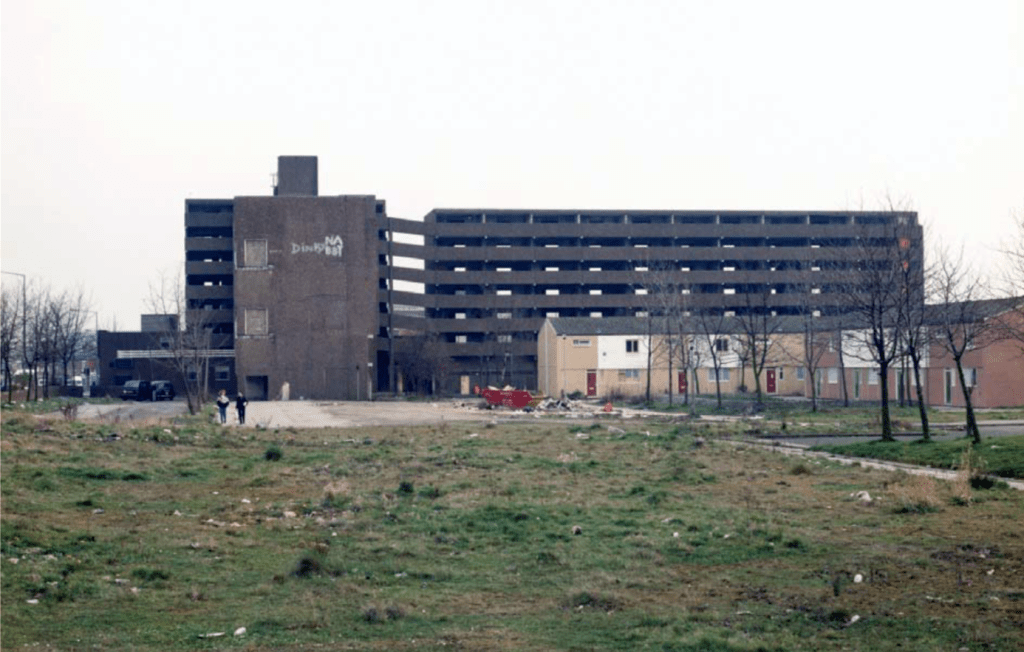
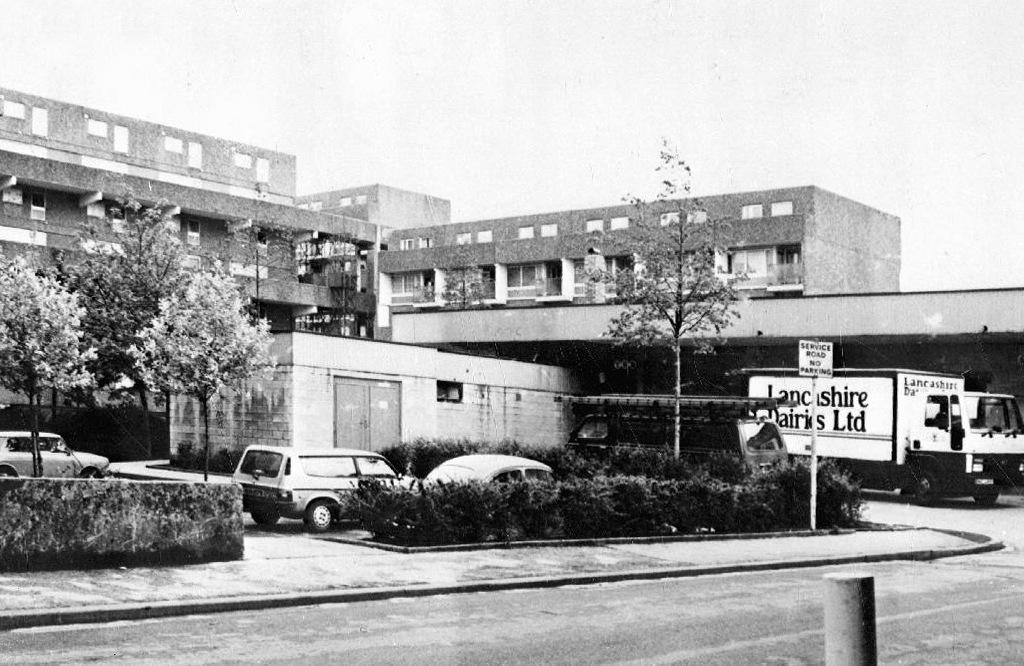
The scale of the buildings is often daunting. I have in mind Fort Beswick and Fort Ardwick in my own constituency. The design is frequently all too forbidding. That is why the two estates are called Forts

When the tenants of these development have lived in cosy old houses, however inadequate they were in terms of physical provision, they are bitterly disappointed by the shortcomings of new property which they have looked forward to occupying.

Handsard – Multi-Storey Developments 1974

The year of 1990, approximately, dawns, ushering in a decade of great change, multi-storey development clearance and the building of brand new homes – the end, by and large, of the one on top of another topsy-turvy world.

Fort Beswick was subsequently demolished.

The beat goes on as Len Grant records the most recent redevelopment of East Manchester.

And the M.E.N shouts loud and proud from the roof tops, heralding a brand new, privately funded public domain

Picture credits Manchester Image Archive

Coverdale Crescent Estate – Ardwick

The road to Hell is paved with good intentions and as it would subsequently transpire, loosely attached Bison concrete wall-frame system panels.

Wythenshawe apart, the City of Manchester admitted that it had 68,000 houses described as “grossly unfit” by 1959. 

webmedia.php

Its solution was to demolish 90,000 dwellings between 1954 and 1976 and to erect 71,000 dwellings by way of high rise flats and to move residents out to newly prescribed “overspill” estates – at Heywood and Langley in the north, Hyde in the east and Worsley in the west.

Most of these displaced people, however, found themselves resettled in tall tower blocks, which, no matter how architecturally innovative, or how improved their facilities, proved disastrous in social terms. 

Manchester 2002

In Coverdale Crescent Ardwick such an architecturally innovative development was built.

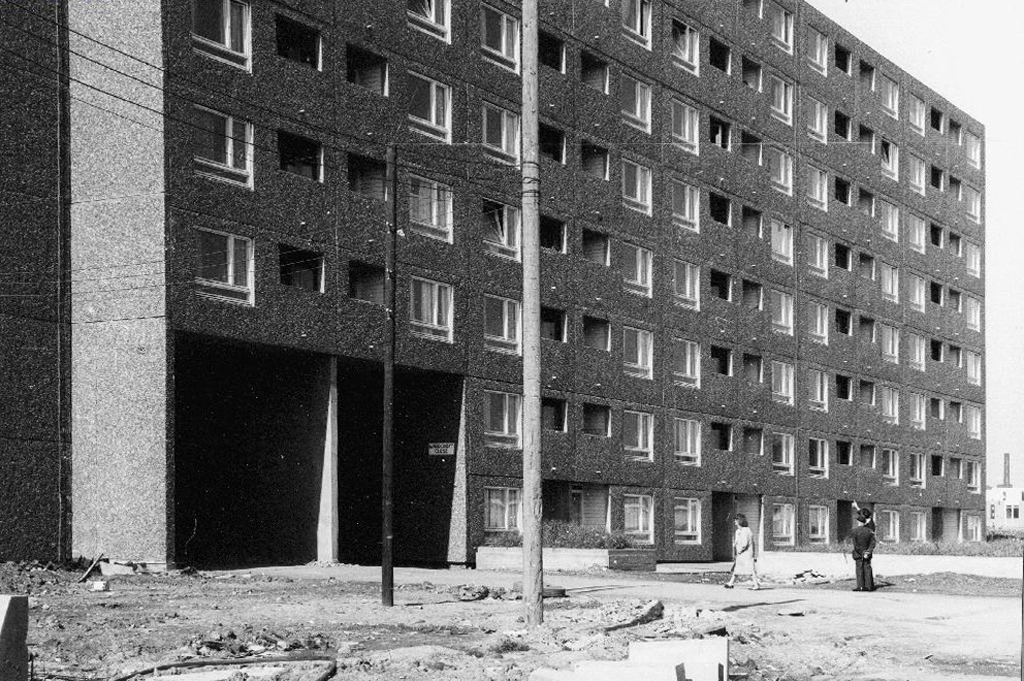
The estate, which became known as Fort Ardwick, was a deck access block of 500 homes. Completed in 1972, it was built with the same Bison concrete wall-frame system that had been used in neighbouring Fort Beswick.

By the mid-1980s it was clearly suffering from structural faults. The council employed a private firm of consultants to survey the estate, which found that water was leaking through roofs, steel fixings were corroded and concrete was breaking away. The council had to spend £60,000 immediately to bolt 1,100 panels back on to the building’s internal skin. The city architect, David Johnson, claimed that the report highlighted the rapid deterioration of Fort Ardwick’s fabric.

They said it was shoddy, thrown up, not enough care taken. The concrete panels weren’t made properly – the holes didn’t quite line up. You know what it’s like – you’re putting a flatpack cupboard together and something’s not in the right place but you just bodge it instead of sending it back, starting again, because you want the cupboard up and you’ve got other shit to do.

They had to get these consultants in, after they’d finished, to rebolt all the panels or something , so the whole thing didn’t fall down. Cost a bloody fortune my nan said, and that’s our taxes. And even then the rain got in. They’d put straw between the concrete, which sounds a bit medieval to me, and no-one wants wet straw walls, right? Cockroaches and rats and mould and that.

My nan remembers when they knocked down the terraces. I remember when they knocked down the fort. And maybe they had a point about it being shoddy, because soon as the diggers got their claws in, the whole thing fell to pieces, like it was made out of cardboard and bits of sellotape, not concrete and glass. A fort one week, a pile of rubble the next. No-one wept for it, they say.

I didn’t cry, but I stood at the end of the street and watched the diggers pawing at the walls, ripping the place to bits, our old kitchen wall gone and the cooker and the cupboards and the crap plastic clock just there for everyone to see. Except there was no-one else looking.

Sarah Butler

Local MP Gerald Kaufman reported to Parliament in 1974 that, during a conversation with residents, one of them had proclaimed that

“If Labour wins the election, it ought to do two things: abolish the House of Lords, and demolish Fort Ardwick.”

The estate was demolished in the 1980s and the new Coverdale Estate was constructed on the site in 1994.

The House of Lords still stands unabashed by the Thames.

Photo credits H Milligan 1971 LIC and MMU Visual Resource

Pegwell Bay Hoverport

Once, for a very, very  long time indeed there was a shoreline, then sure enough, eventually there was a Hoverport – then there wasn’t.

Opened in 1969 just outside Ramsgate along the Kent coast, Hoverlloyd a Swedish owned company began a cross-channel hovercraft service to Calais.

Along came Prince Philip:

http://www.britishpathe.com/video/prince-philip-opens-hovercraft-at-ramsgate

Can came:

germanrocknight0909141

And went:

lsrn49

The passengers’ every need was attended to with alacrity and style.

“As a Stewardess your appearance was paramount, a beautician would come in during training to teach us how to apply make up.”


Screen Shot 2016-01-31 at 15.25.22


But it simply wasn’t enough.

The life of Christopher Cockerell’s bold British invention, was short and bumpy.

Genevieve Payne, a former stewardess:

“I remember the summer of 1979 as a year of really bad weather and rough seas.”

“I was working on a craft in a force 8, so on this day we were literally hitting the ceiling, passengers were throwing up everywhere.”

“One lady became hysterical I had to slap her to calm her down.”

By the 1980’s Pegwell and the hovercraft were in terminal terminus decline.

ramsgate_hoverport_car-entrance-03

It’s a lot less bother without a hover.

ramsgate_hoverport_terminal-05

What prevails is the shoreline, a concrete landing skirt and the slow process of reclamation, as nature decides that the council is quite right to decide to create a nature reserve.

Thanks to and for further information http://www.hoverlloyd.org/index.html

Here it is today:

DSC_0698 copy

DSC_0701 copy

DSC_0703 copy

DSC_0704 copy

DSC_0705 copy

DSC_0707 copy

DSC_0708 copy

DSC_0709 copy

DSC_0713 copy

DSC_0714 copy

DSC_0715 copy

DSC_0718 copy

DSC_0721 copy

DSC_0723 copy

DSC_0724 copy

DSC_0726 copy

DSC_0728 copy

DSC_0732 copy

DSC_0742 copy

DSC_0744 copy


Park Hill – Sheffield

An estate with a chequered career.

Once a beacon of Modernist design, now a listed concrete grid, in arrested decline, an essay in status and stasis, high above the city of Sheffield.

A handful of former residents of the once acclaimed social housing, cling to the western edge.

Phase one of the Urbansplash redevelopment has carefully coloured in a portion of the eastern corner, then exited, their cladding tucked tightly under their arms.

Impasse.

All tinned up with nowhere to go, to walk the walkways, is to enter a ghost town, where no tumbleweeds tumble. Billy the corporation cleaner is happy to work alone, sweeping the empty spaces.

“Some don’t like working up here, I don’t mind my own company. Even if there was just one resident left, we’d still have to keep the place in order. You’d love my house, it’s an Army Barracks in the centre of town. Wife’s the caretaker, been in her family for three generations.”

billy

This is the second of three visits I have made from across the Pennines.

Mark – “Why are all these photographers coming here from Manchester?”

Screen Shot 2015-12-13 at 04.57.05


“Been here some time, this is the second flat I’ve had, just missed out on one of the new ones though. Had this one nine years. Bloke threw himself off last week, he had a wife kids, parked up and just jumped.”

Take a look around.

DSC_0168

DSC_0071

DSC_0017

DSC_0170

DSC_0175

DSC_0008

DSC_0020

DSC_0116

DSC_0074

DSC_0093

DSC_0029

DSC_0165DSC_0106

DSC_0164

DSC_0101

DSC_0159

DSC_0051

DSC_0091

DSC_0047

DSC_0112

DSC_0145

DSC_0099

DSC_0026

DSC_0140


Ups ‘n’ Downs – Stockport

Ups ‘n’ Downs, it’s had its share of ups and downs.

Quite literally – the former Wellington Inn has an upside facing onto the busy A6 Wellington Road, and a downside opening onto Mersey Square.

27972749_557518087936232_7728145189045588891_n

27858056_557516154603092_2607525642965010439_n

27750183_557516157936425_5371938937434776142_n

27972829_557516197936421_3119942482090205920_n

Its fortunes similarly something of a rollercoaster ride, from busy town centre pub, to edgy pseudo-club, populated by late night uniformed bus drivers, swaying on the metre square dance floor.

Latterly something of a disco party bus, going nowhere fast.

Known variously as Glitz, Bentley’s and the Bees Knees.

Finally, partial occupation by a forlorn pound shop – defying economic trends by closing.

An architectural curiosity and a blank faced, gap toothed greeting to the Town’s visitors, there is talk of conversion to flats under the council’s stewardship.

It seems like up to me.

DSC_0003

DSC_0017

DSC_0006

DSC_0004

DSC_0021

DSC_0019

DSC_0016

DSC_0005

DSC_0008

DSC_0020

DSC_0014

DSC_0013

DSC_0007

DSC_0032

DSC_0002

DSC_0012

DSC_0028

DSC_0023

DSC_0001

DSC_0010

Margate – Car Park

There’s a world going on underground.

At ground level.

Fenced off, rather poorly though.

Not much here to deter even the faint hearted urban explorer.

Find a gap and get in.

Join the taggers and lollygaggers,

Underground.

DSC_0440 copy

DSC_0442 copy

DSC_0450 copy

DSC_0453 copy

DSC_0434 copy

DSC_0430 copy

DSC_0436 copy

DSC_0432 copy

DSC_0451 copy

DSC_0433 copy

DSC_0452 copy

DSC_0439 copy

St Leonards Bulverhythe – Valley of the Lost Ice Cream Vans

Somewhere at the edge of the World ice cream vans go to die, I know I saw them from the train back from Brighton, I just had to go and have a look. I was received warmly by the busy proprietors going busily about their business, readying the working vans for their working day on the coast. It seems they break the invalids up for spares keeping the ageing vehicles on the road for another season – dispensing joy to jolly girls and boys in cornet, tub and lolly form. There is however something inevitably heartbreakingly poignant, seeing the signage fade, in the southern sun, as brambles weave in and out of open window, steering wheel, wheel arch and fridge. Ask not for whom the chimes chime. They chime for you. Nevermore.

DSC_0722 copy

DSC_0706 copy

DSC_0718 copy

DSC_0725 copy

DSC_0709 copy

DSC_0697 copy

DSC_0727 copy

DSC_0732 copy

DSC_0735 copy

DSC_0737 copy

DSC_0736 copy

DSC_0740 copy

DSC_0742 copy

DSC_0749 copy

DSC_0744

DSC_0739 copy

DSC_0728 copy

DSC_0746 copy