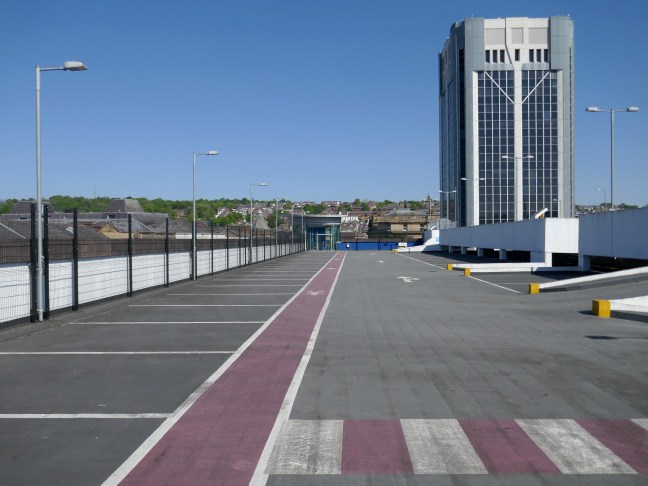
Blackburn Walk

Arriving at the Railway Station

The station was covered by twin train sheds, an architecturally detailed canopy that covered all platforms. In 2000, due to its decaying state, it was removed, changing the nature of the station in a £35 million regeneration project. A new building was built on the main island platform. The Grade II listed original entrance built in the 1880s,including the station buffet and former booking hall, was retained and refurbished.
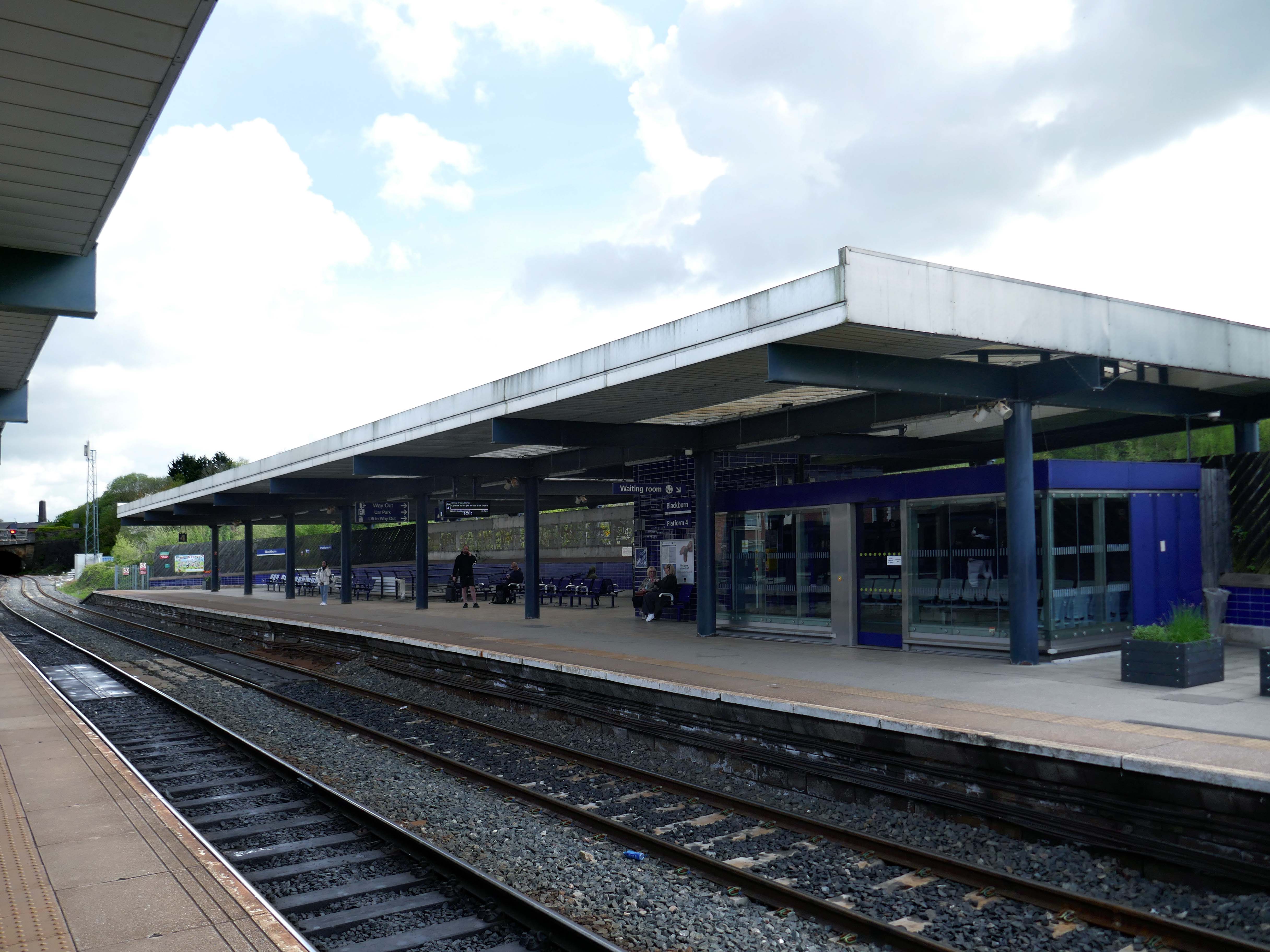
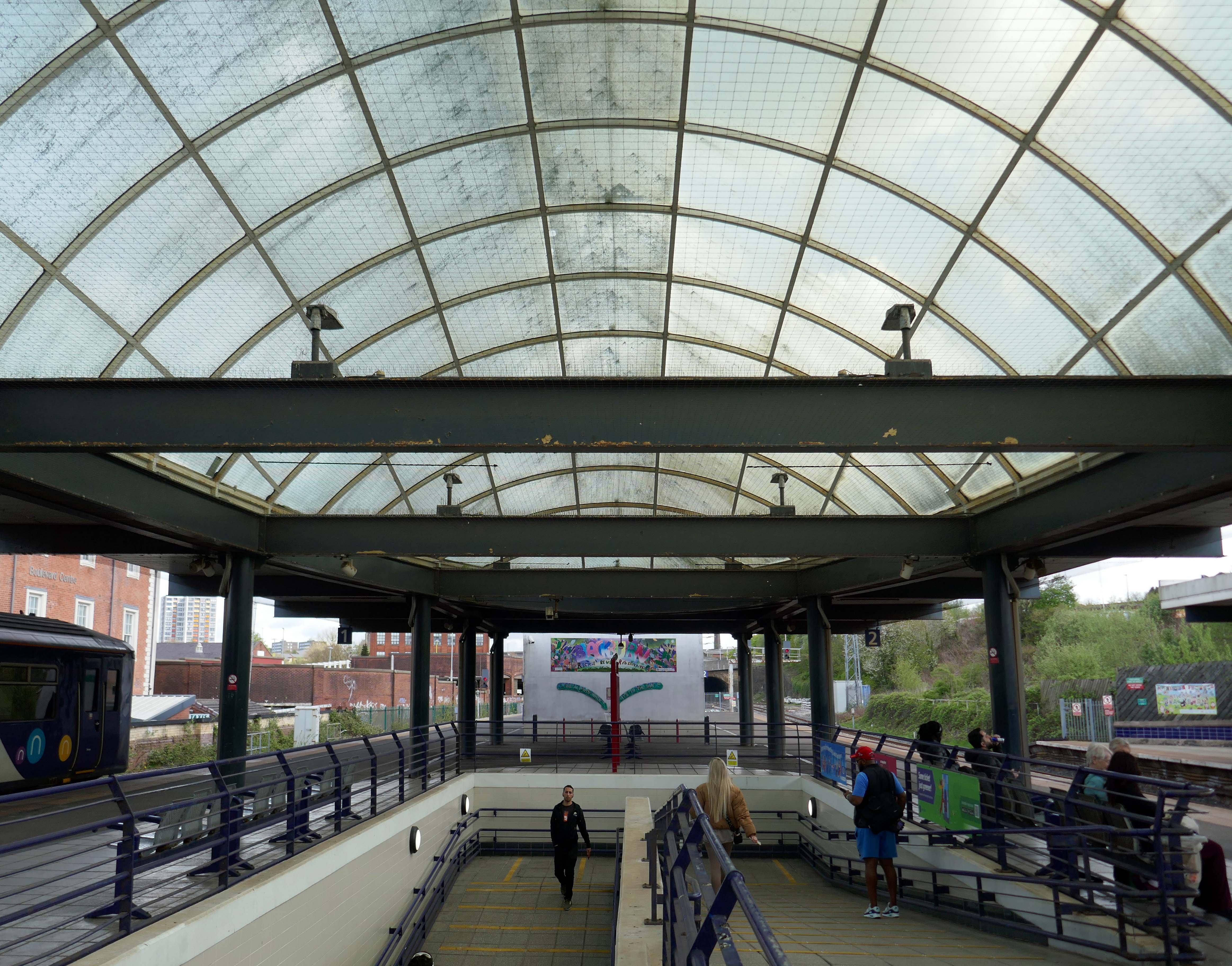
Wikipedia

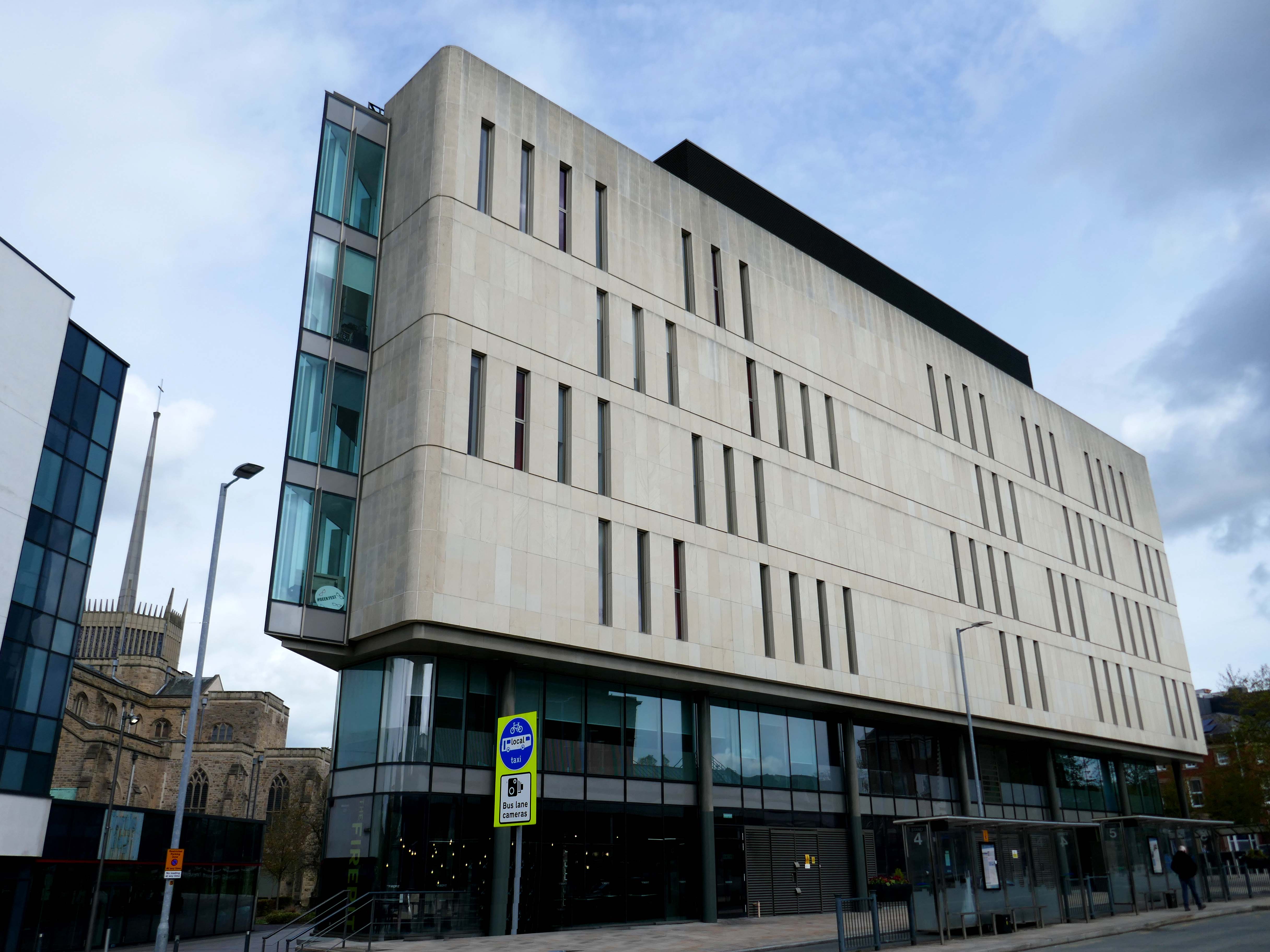
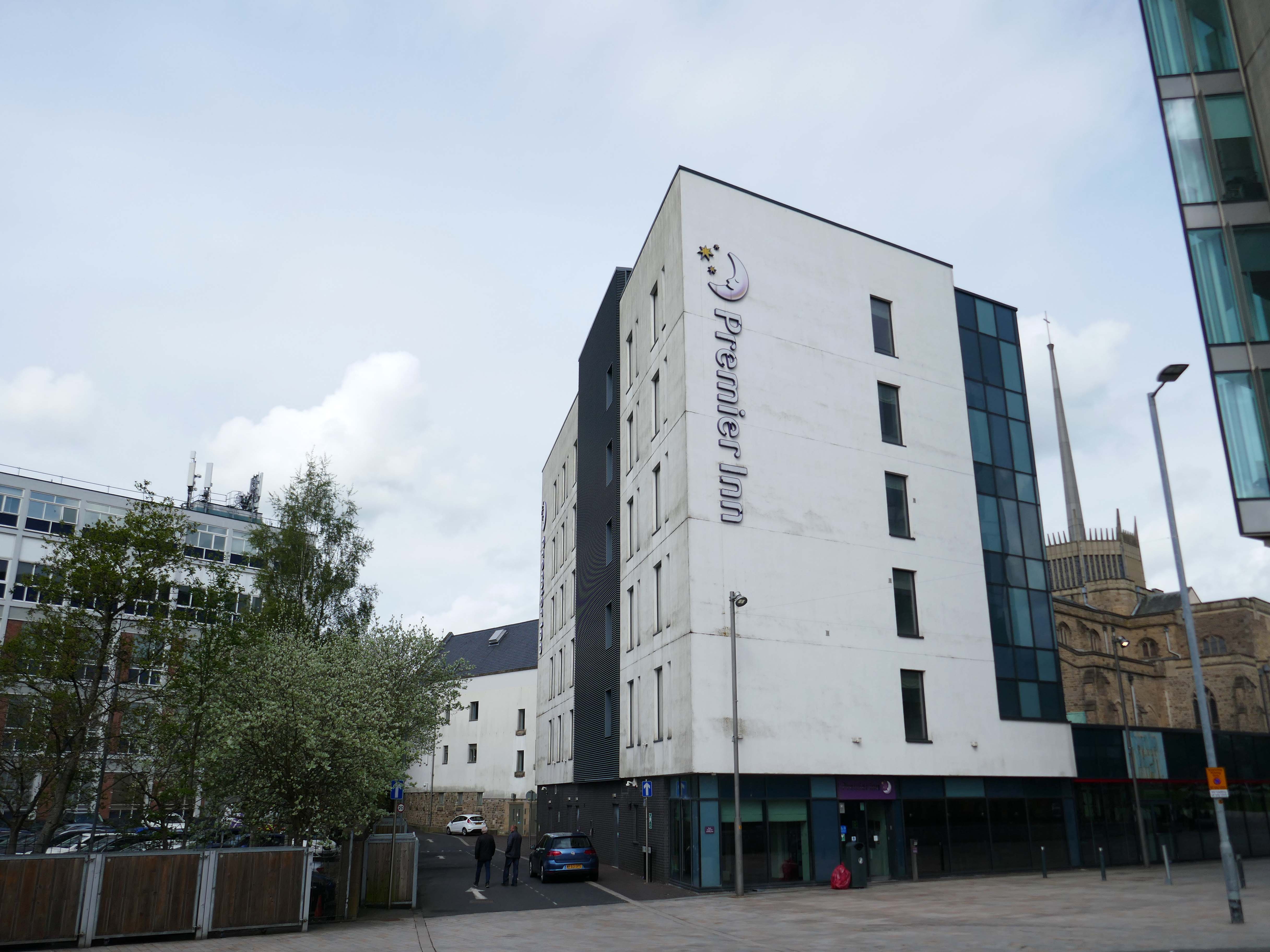
Facing the station the 2015 development of hotel and office space.

Arriving by train into Blackburn Rail Station, visitors get the full impact of this carefully planned but ambitious regeneration project. Maple Grove’s aspiration was to offer something befitting of a city centre in one of the region’s largest towns.  Cathedral Square comprises a six storey BREEAM Excellent office building, designed by BDP, a Premier Inn Hotel, restaurants and cafes positioned around a new public square that acts as a link between the rail station, cathedral and beyond to the shopping centre.
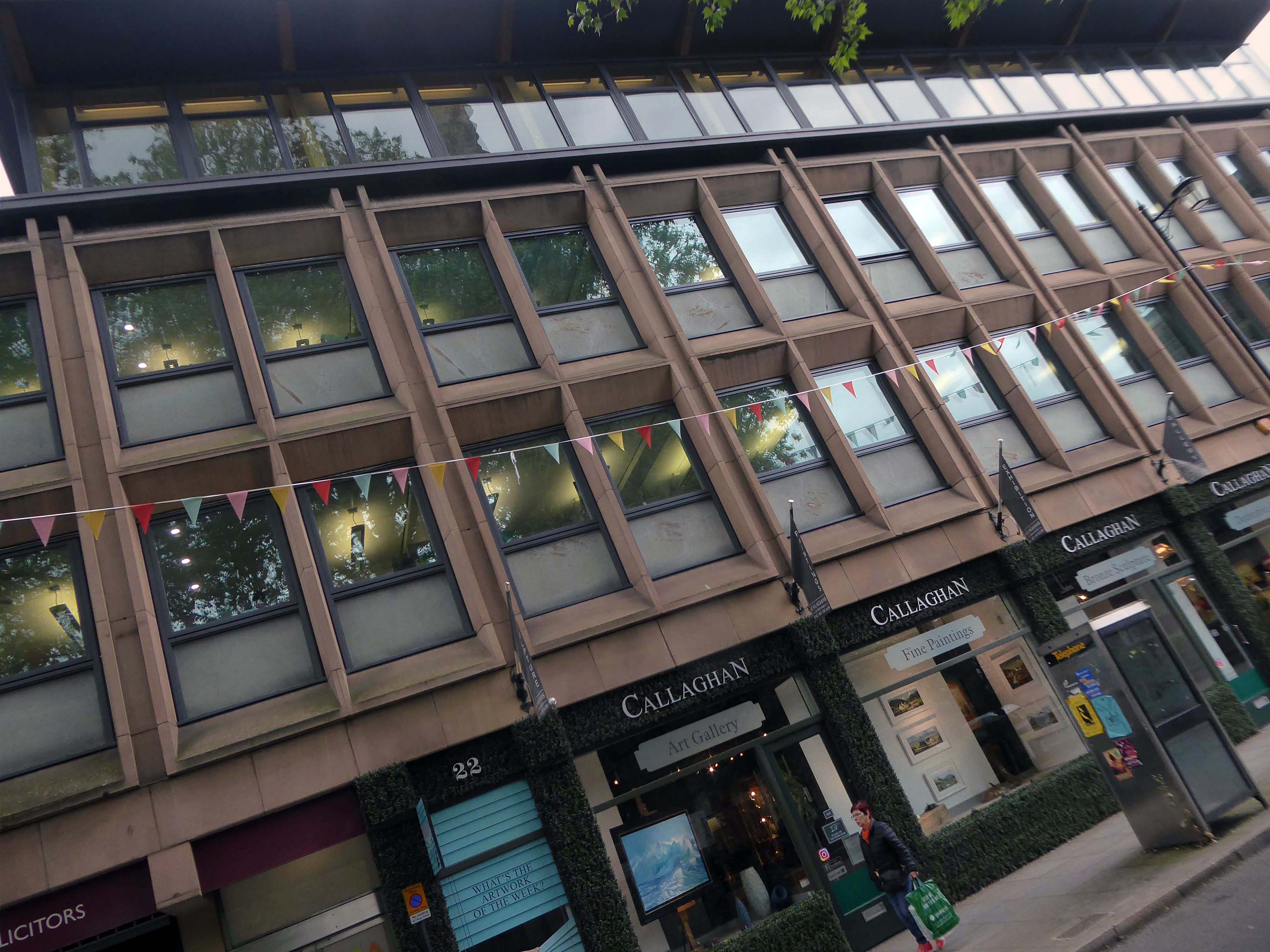
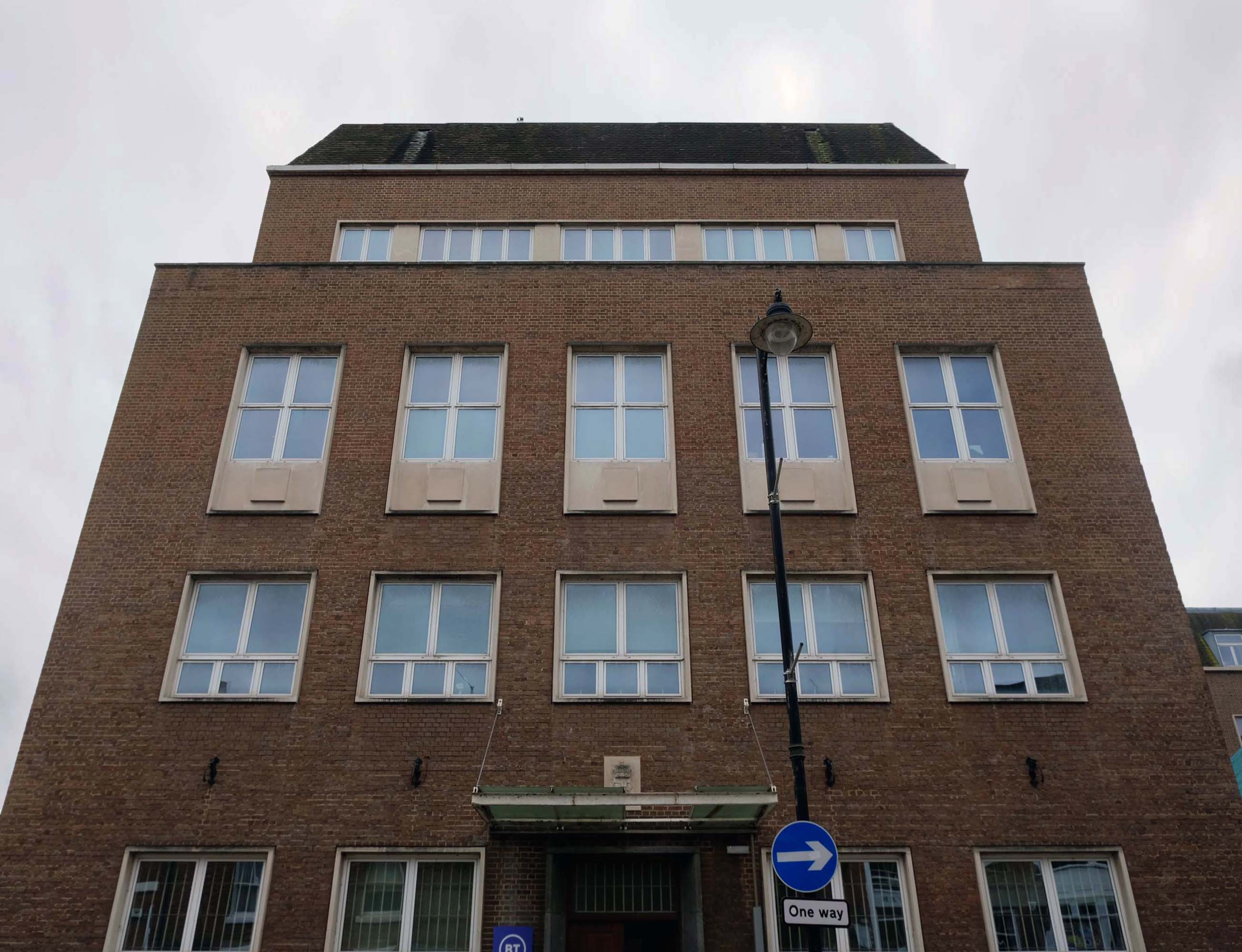
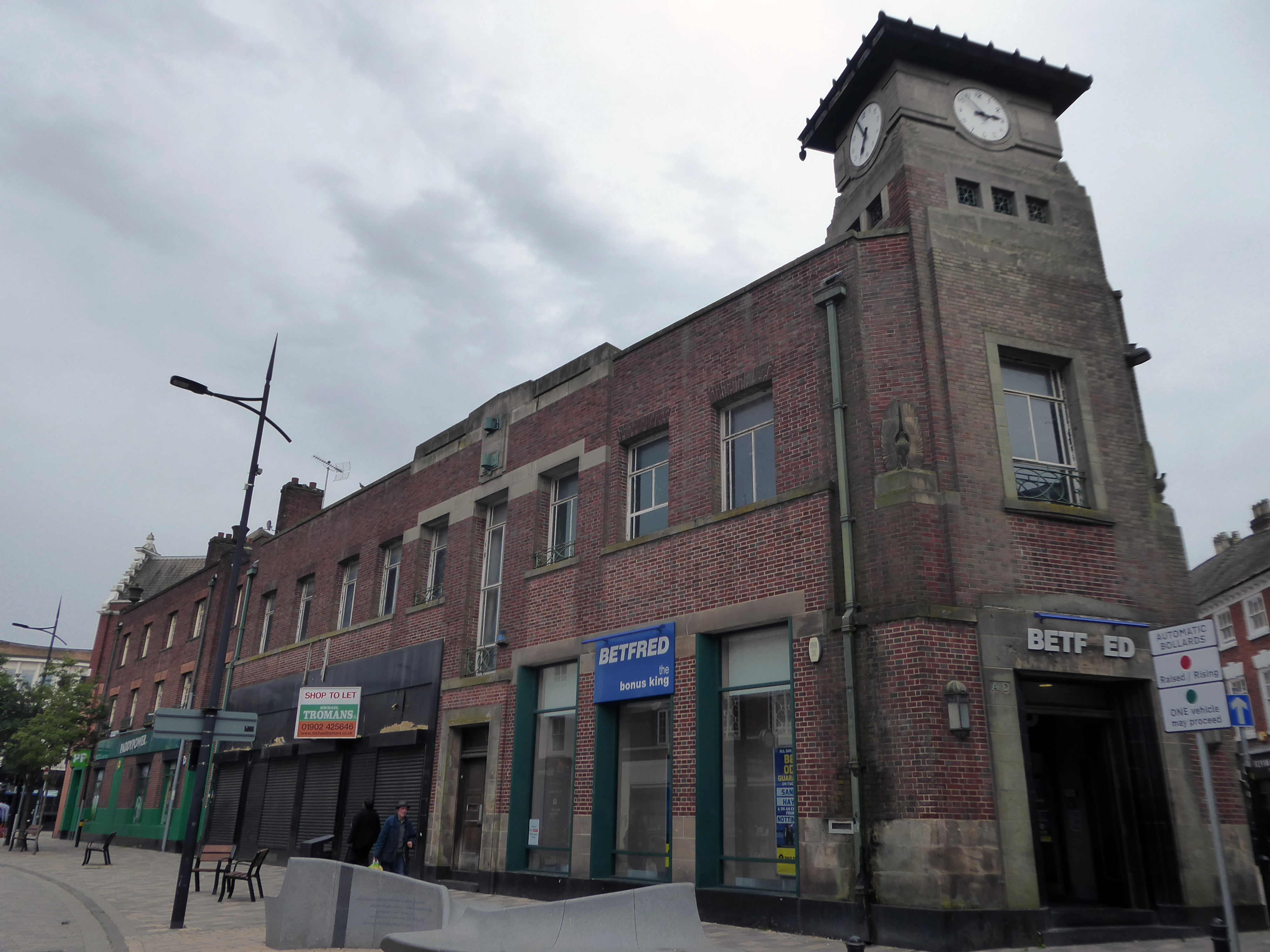
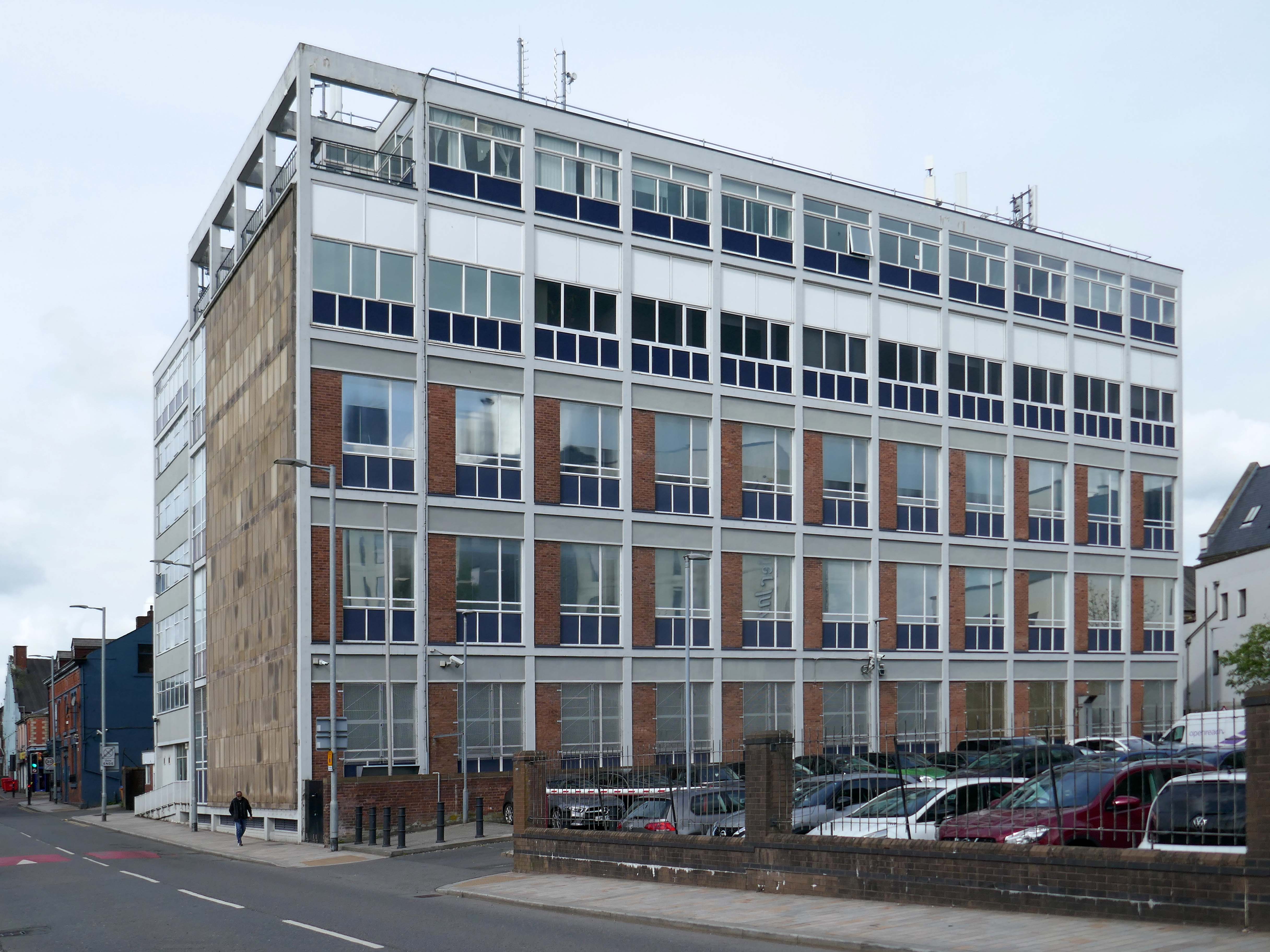
Left onto Jubilee Street where we find the Telephone Exchange.
The site was formerly occupied by the Grand Theatre – in the 1950’s, Blackburn had no fewer than fourteen cinemas.  The Grand carried on being a live venue until its closure in 1956, before finally being demolished in 1958.
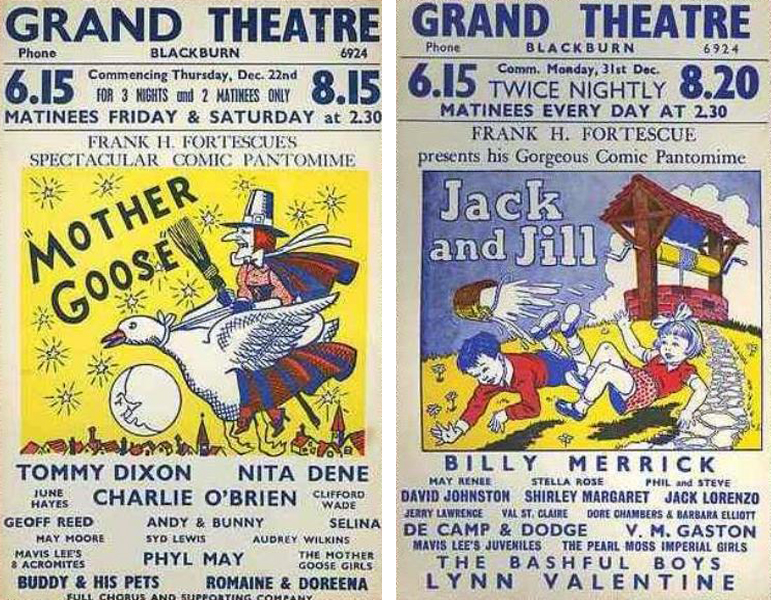
Blackburn Past

Further down the road the rear of another former cinema – The Olympia
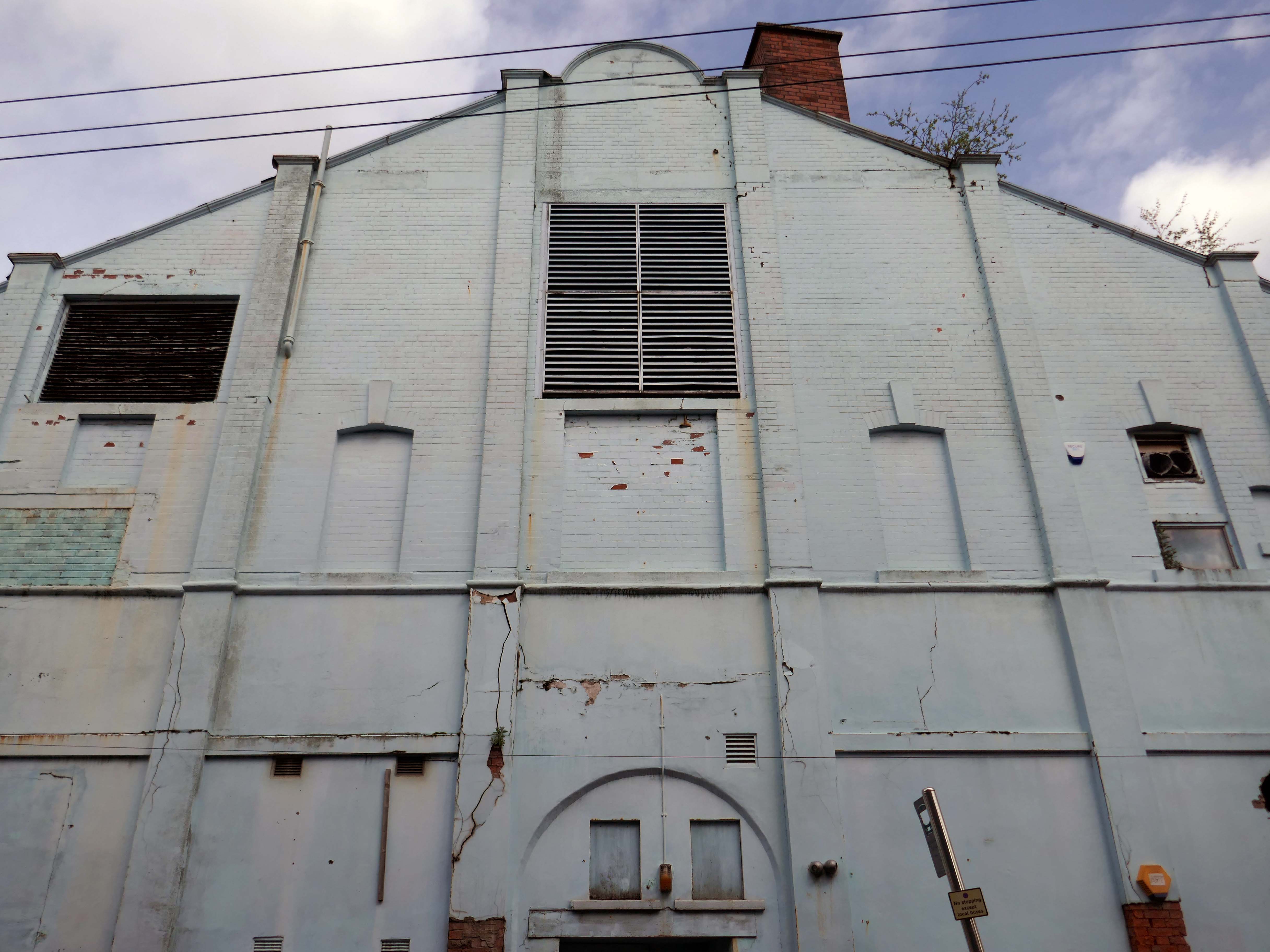
The Olympia was opened on 19th May 1909 as a roller skating rink. It was a short lived venture and closed in November 1911. It was converted into the Olympia Theatre, presenting music hall/variety, opening on 12th December 1911. Seating was provided for 2,000, many on long wooden benches. The proscenium was 32 feet wide and the stage 50 feet deep. It was soon screening films as part of the programme.

It was converted into a full time cinema in 1921, although there were still some variety acts on the programme. All the original wooden benches used for seating in the theatre were removed and replaced by regular tip-up seats, reducing the seating capacity to 1,360. During the 1940’s, the Olympia Cinema boasted a café for the convenience of its patrons and it was operated by Jacksons’ Amusements, Ltd.

The Olympia Cinema was mainly independently operated, and closed in 1957. It stood empty for two years, then in 1959, it was taken over by Mecca Ltd, and converted into the Locarno Ballroom, later becoming a Mecca Bingo Club. It later became the Golden Palms Nightclub, Jumpin’ Jax, and since 2009 it operated as a trendy nightclub named Liquid & Envy.
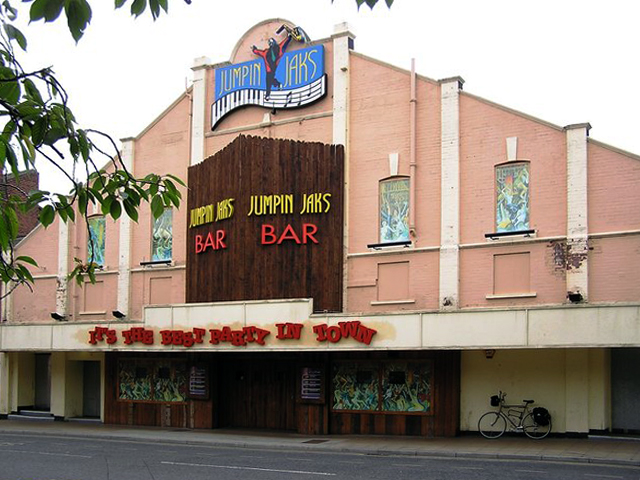
Cinema Treasures

By July 2018 it was known as Switch.

Across the way The Central Hall.

Previous to 1900 the site at the corner of Mincing Lane and Mill Lane had housed a temporary circus, known as Ohmy’s Circus. The New Central Hall was built and opened in April 1900, and was used as a roller skating rink until November 1909, when it was converted into the 1,000-seat Central Hall Cinema.

Altered and enlarged to 1,372 seats in 1923, it was re-named New Central Hall Cinema. The proscenium was 20 feet wide, later enlarged to 22 feet.

The Central Cinema was closed in January 1957. Then in 1974, it was renovated and was converted into a Walkers Bingo Club, which remained open until at least 1995. It recently operated as a Riley’s American Pool and Snooker Club until early 2009. In November 2009 after a refurbishment, it re-opened as the VIP Snooker Club.
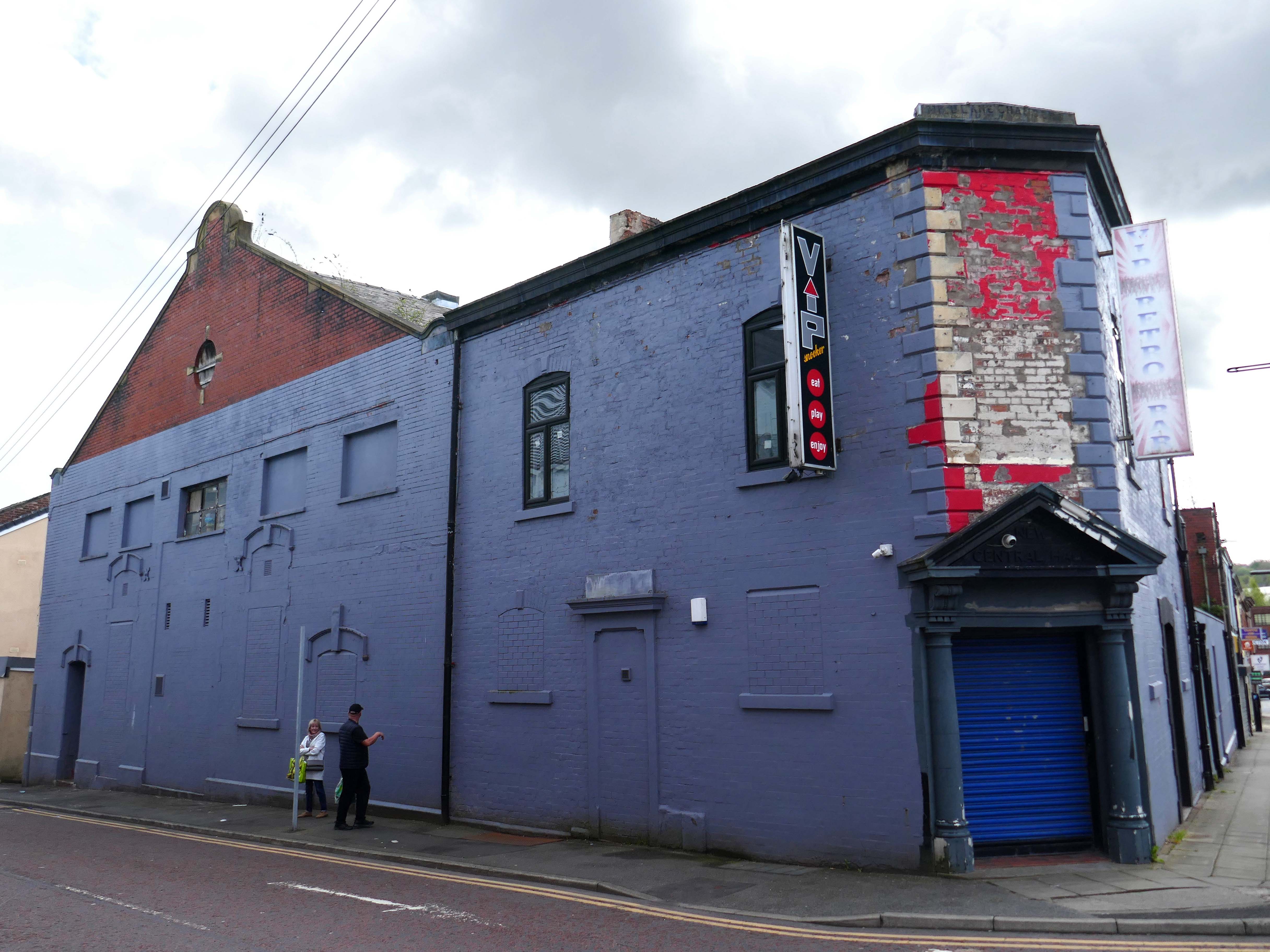
Cinema Treasures

Turn right into Darwen Street along to the former Barclays Bank.
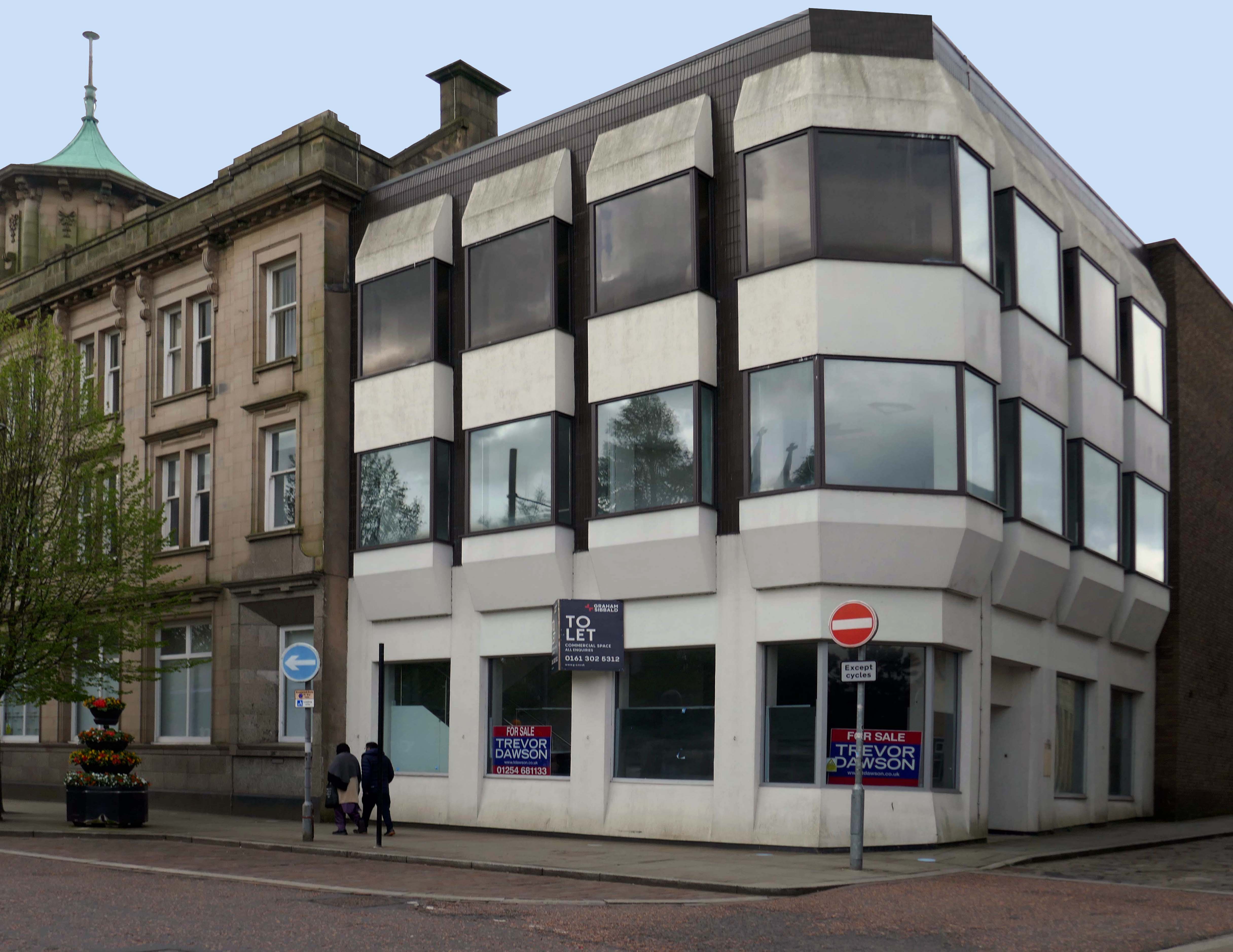
Next door Lloyd’s Bank extension.
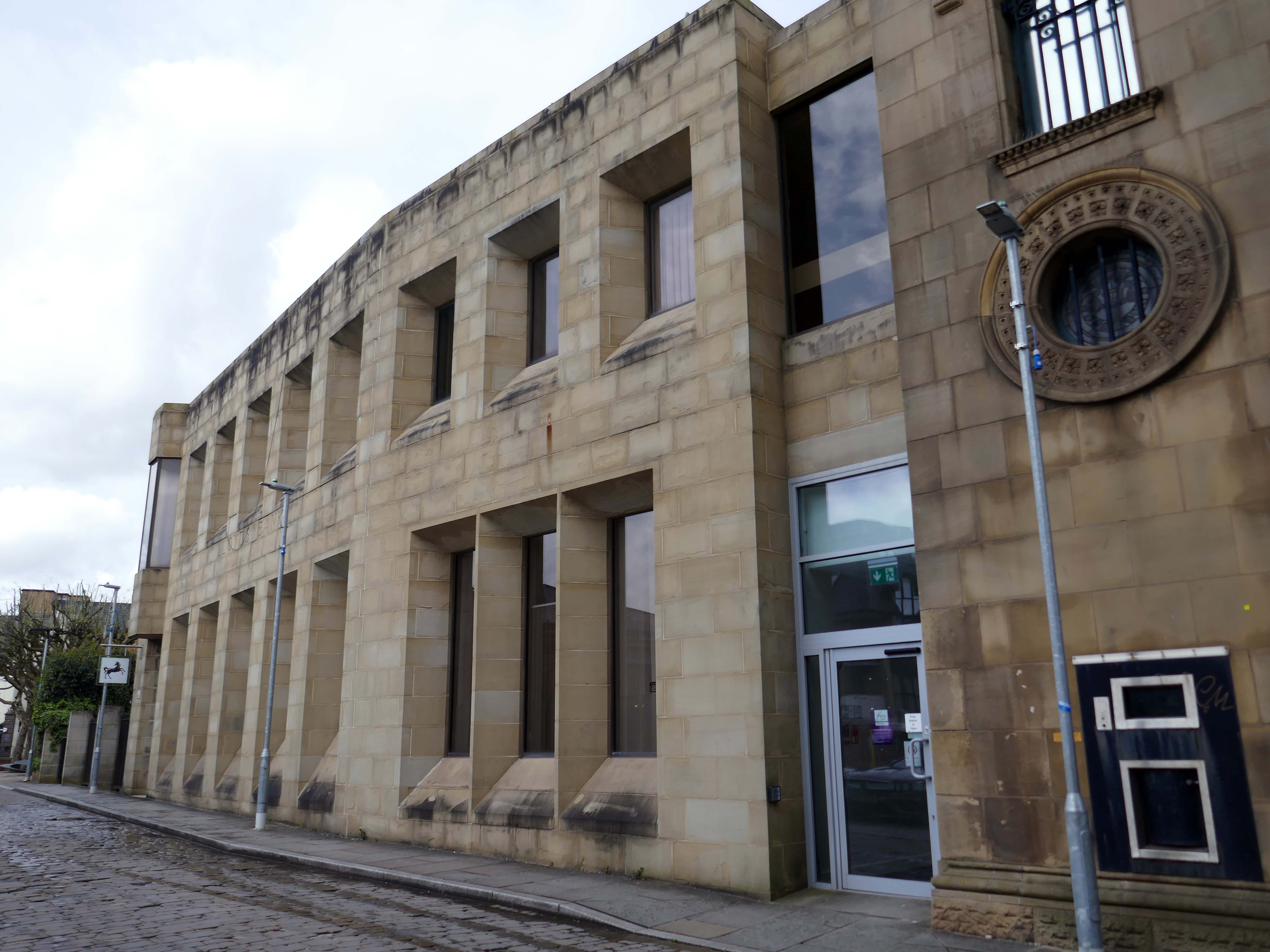
On Astley Gate the brown tiled remains of the Shopping Centre now known as The Mall.
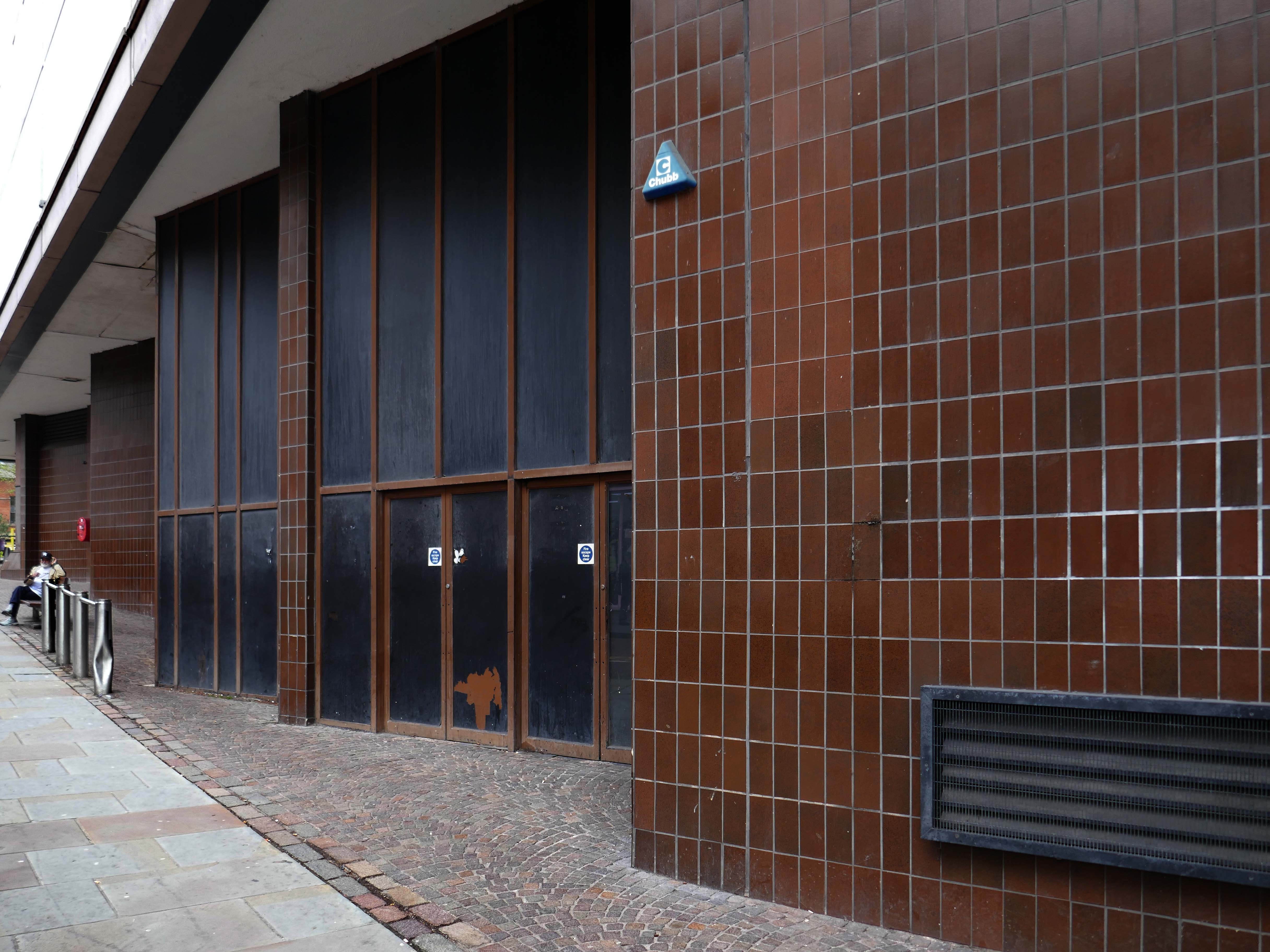
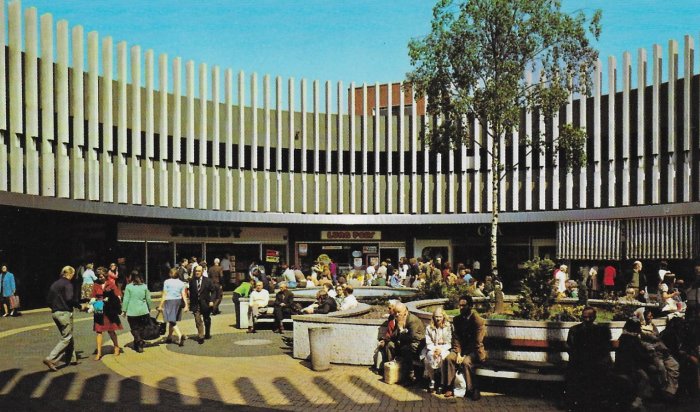
The shopping centre was built in three phases, with the final phase opening in 1979. The centre was refurbished in 1995, during which the lower floor of the former Co-Operative Department Store was transformed into the Ainsworth Mall.

The centre was bought by Standard Life in 1993 and its name was subsequently changed to Blackburn Shopping Centre. Standard Life sold the centre in 2003 to Reit Asset Management.

In 2004, Reit Asset Management sold the centre to The Mall Fund. The centre was sold again in 2022 to the Adhan Group from The Mall Fund for £40 million.

Wikipedia

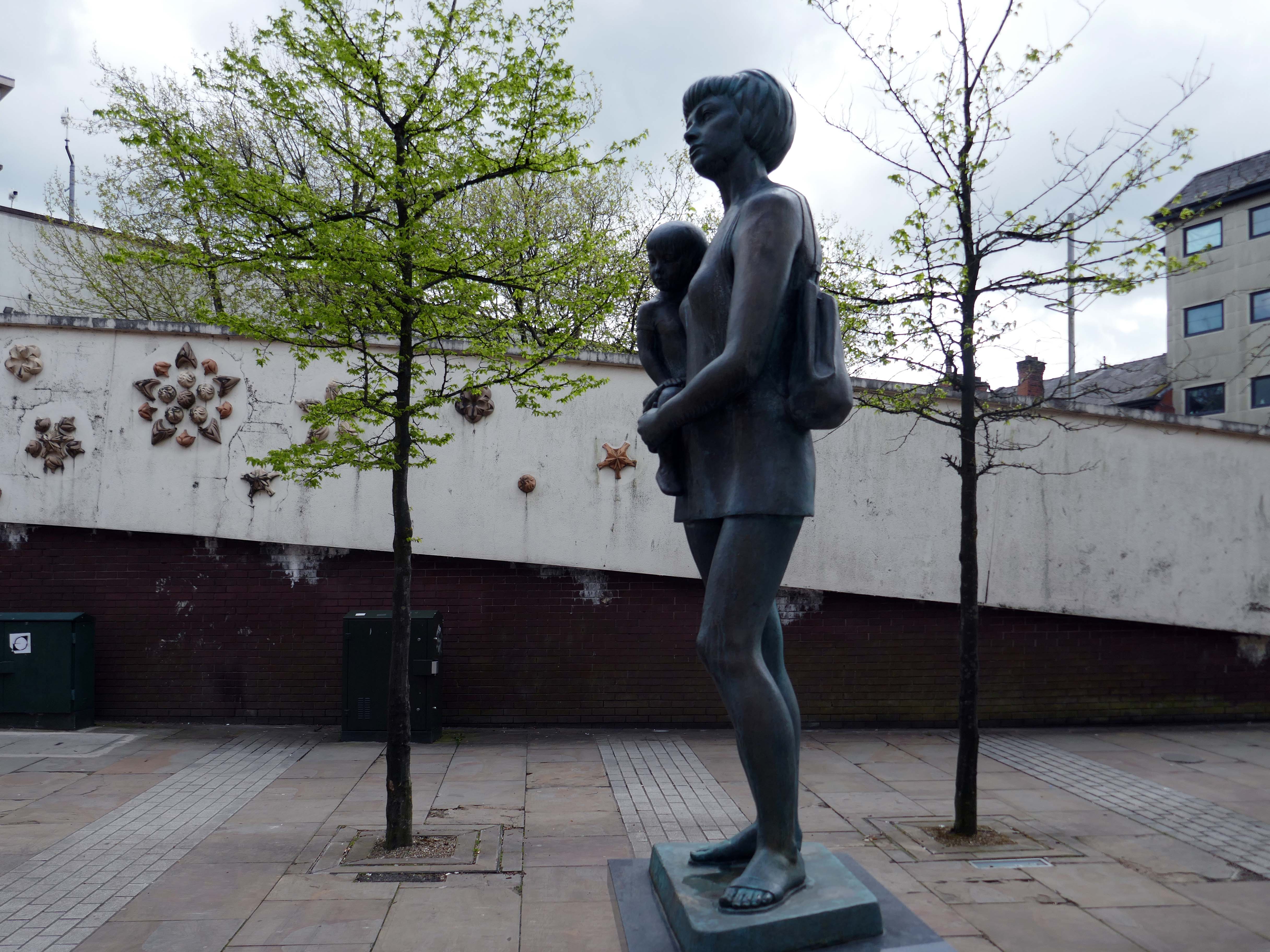
Around the corner the Mother and Child monument, created by Welsh sculptor Robert Thomas in 1974, who used his wife and child as models.

In 1974 the statue was placed in Lord Square, removed in 2007 and placed in storage, it was placed in Cardwell Place in 2012.
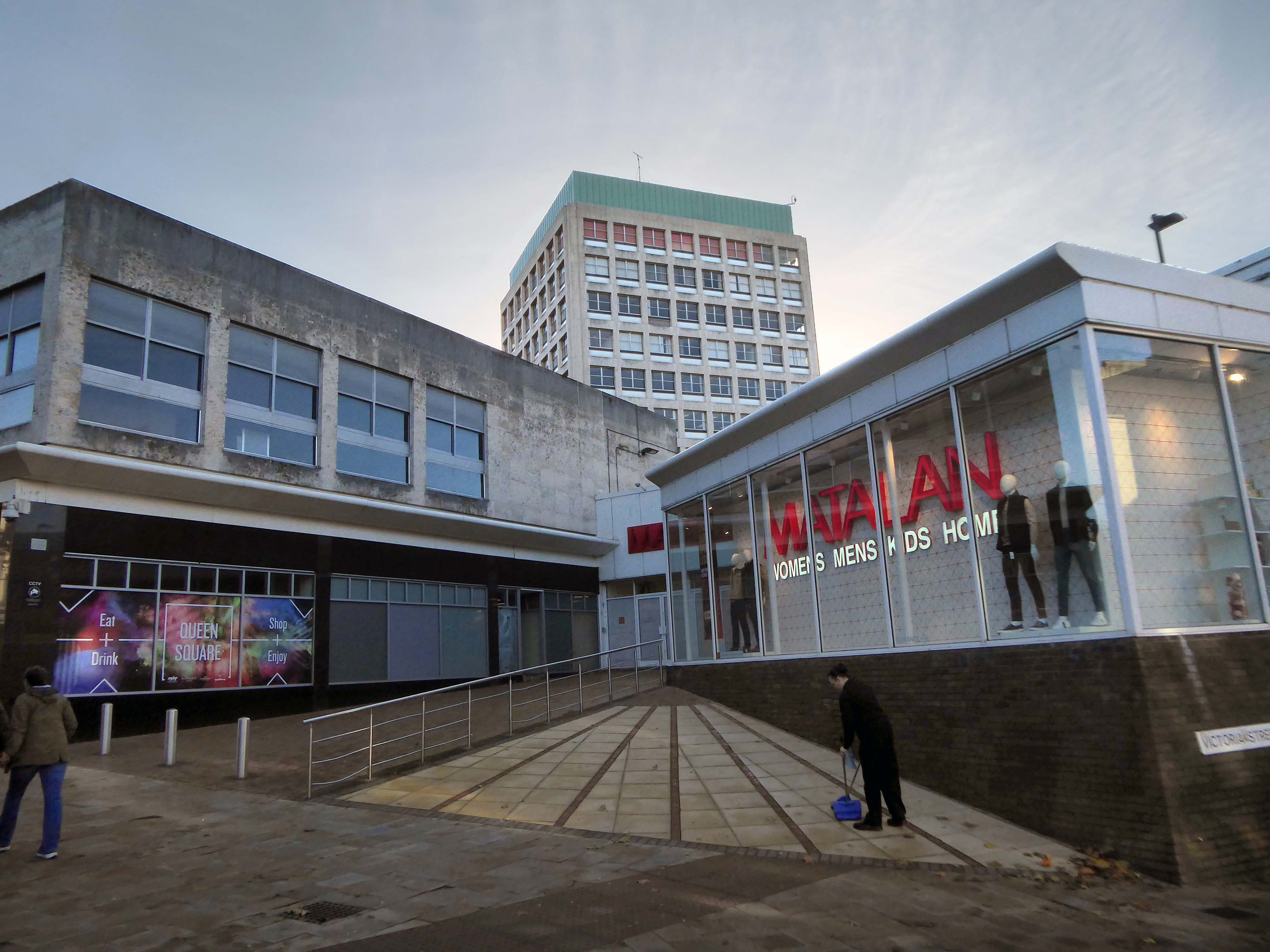
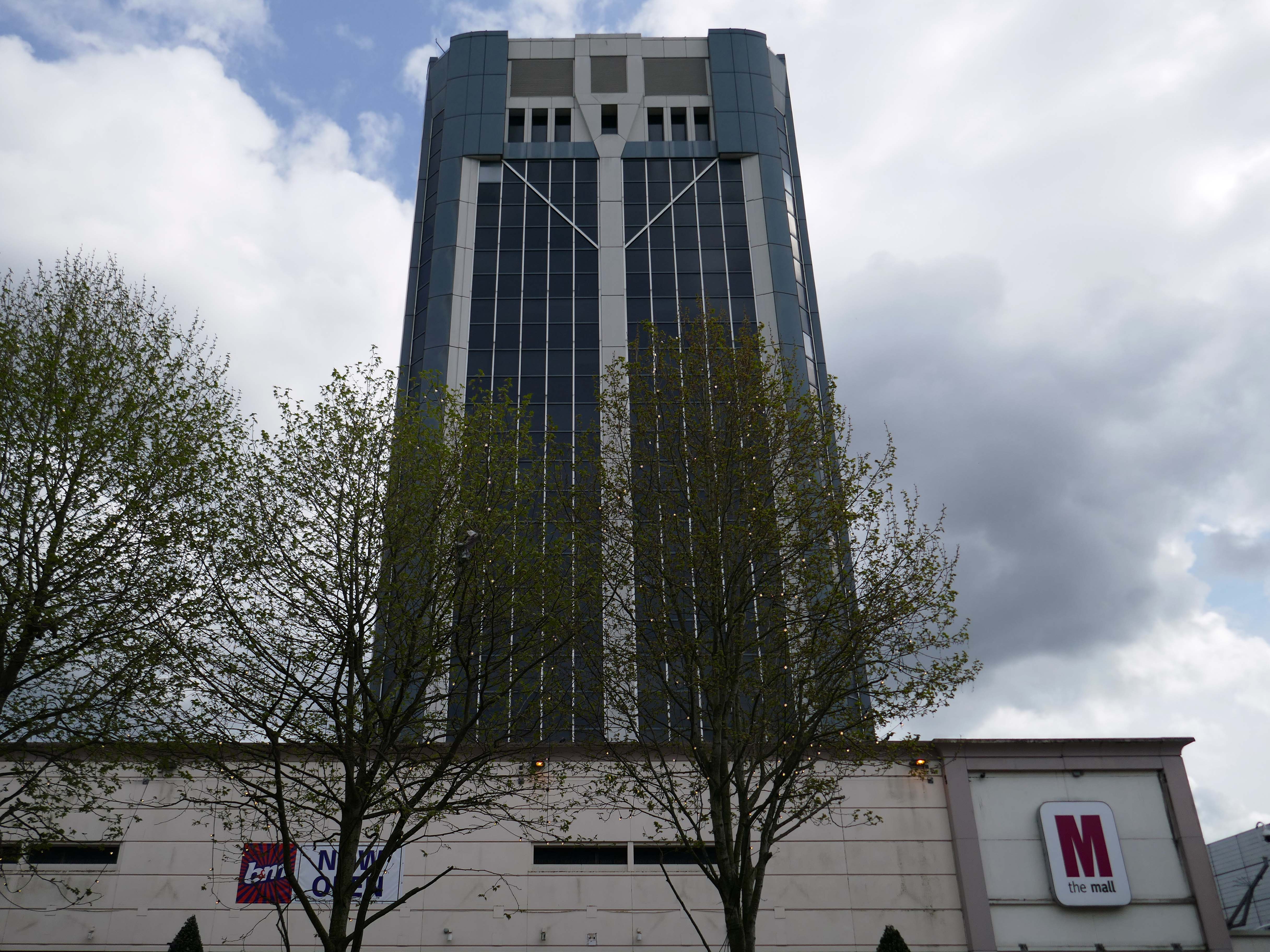
The Mall has been significantly remodelled, along with the adjacent Tower Block.
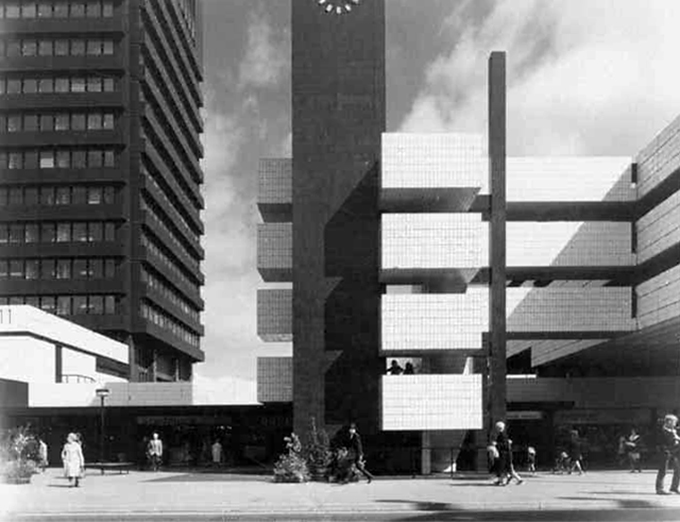
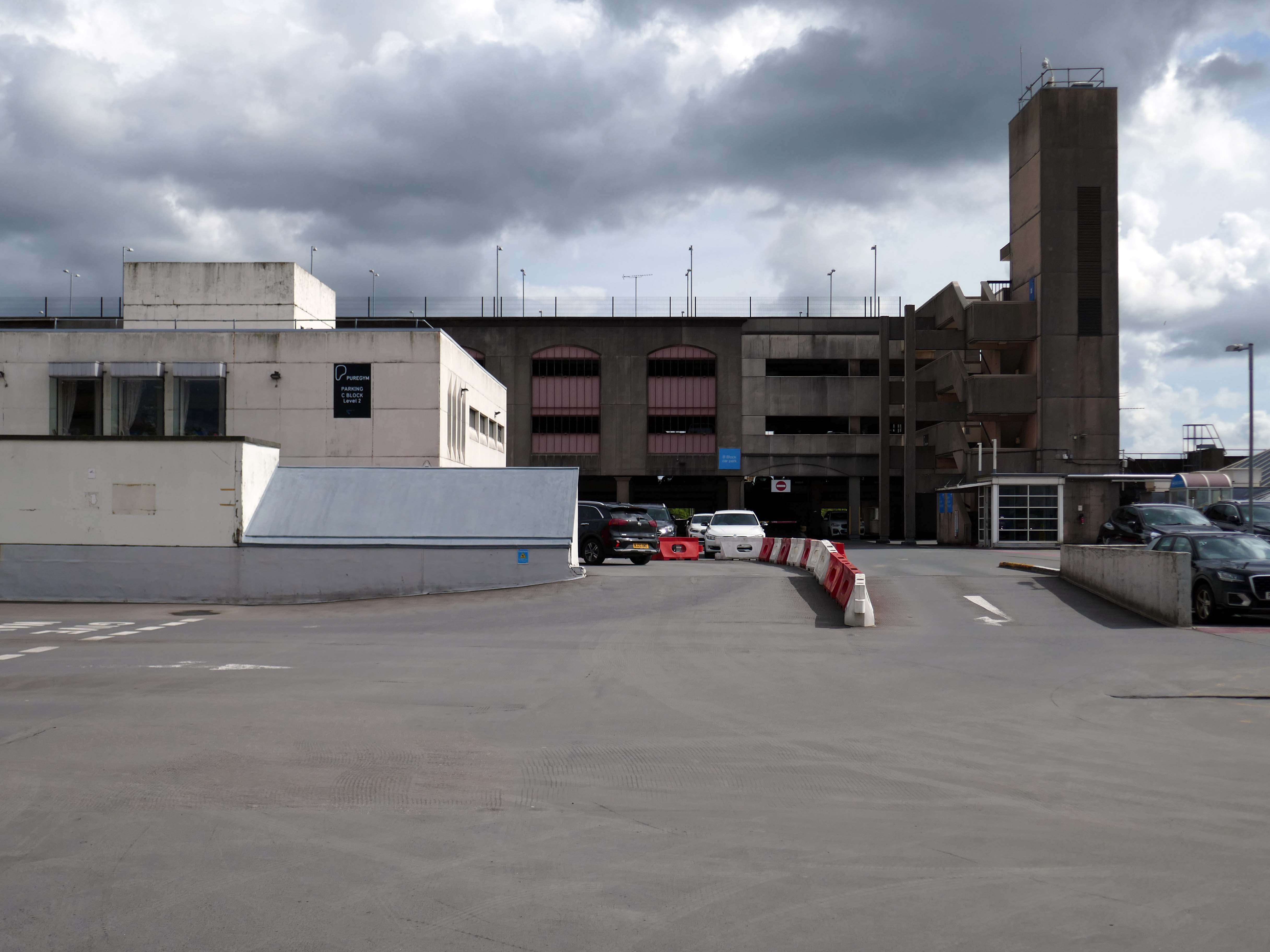
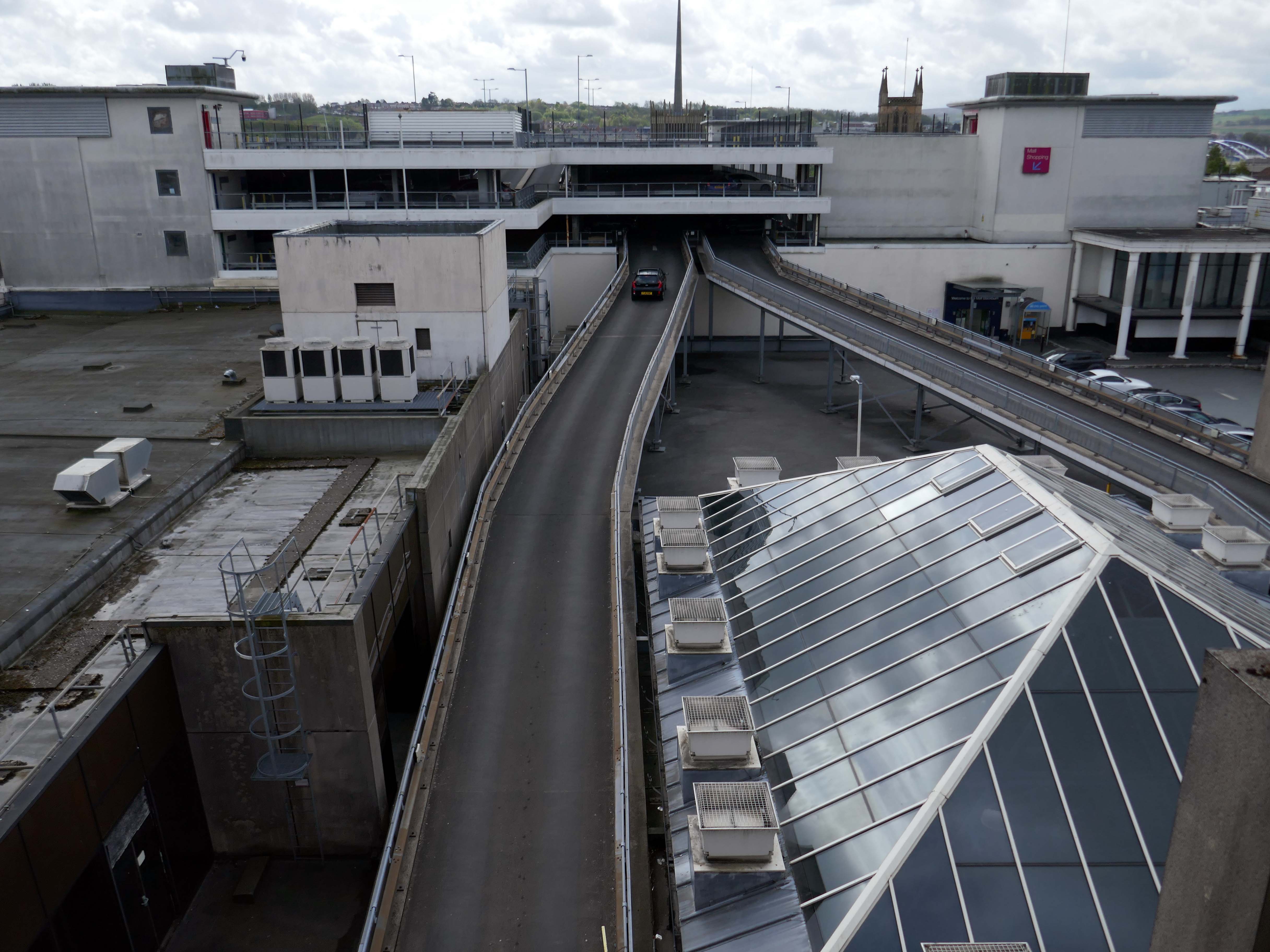
Above the Mall is a dizzying array of multi storey car parks – reflecting the various stages of development.
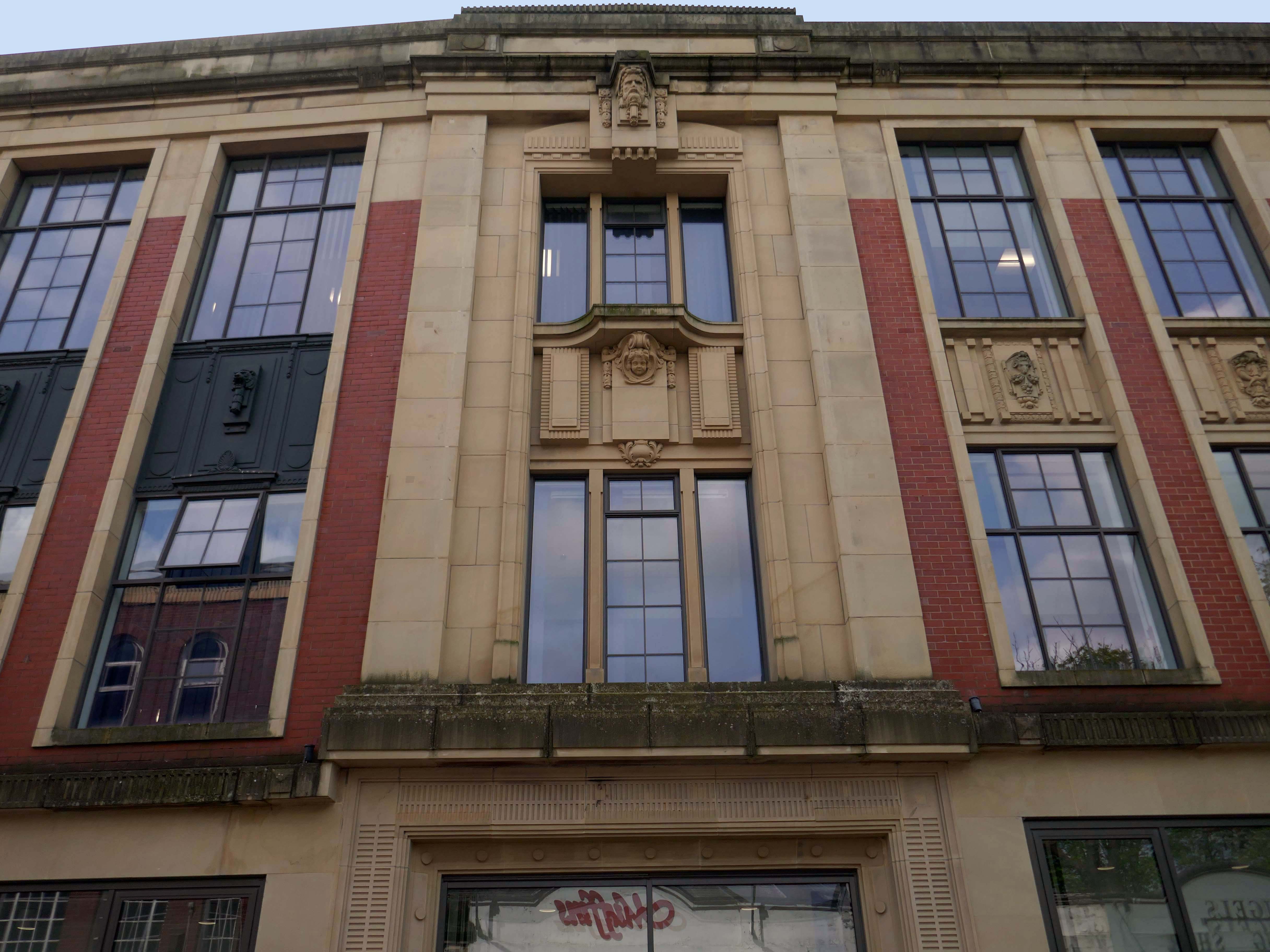
Next to the Central Library, the former Co-op Emporium by Walter Stirrup in Town Hall Street, opened in 1930, was converted into a £1m library by BDP, it opened on September 1st 1975.
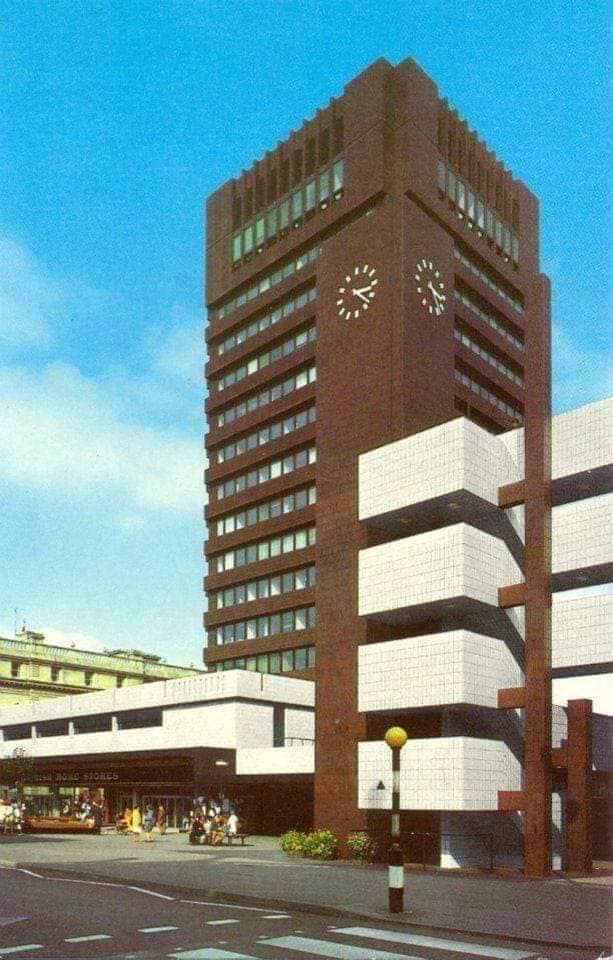
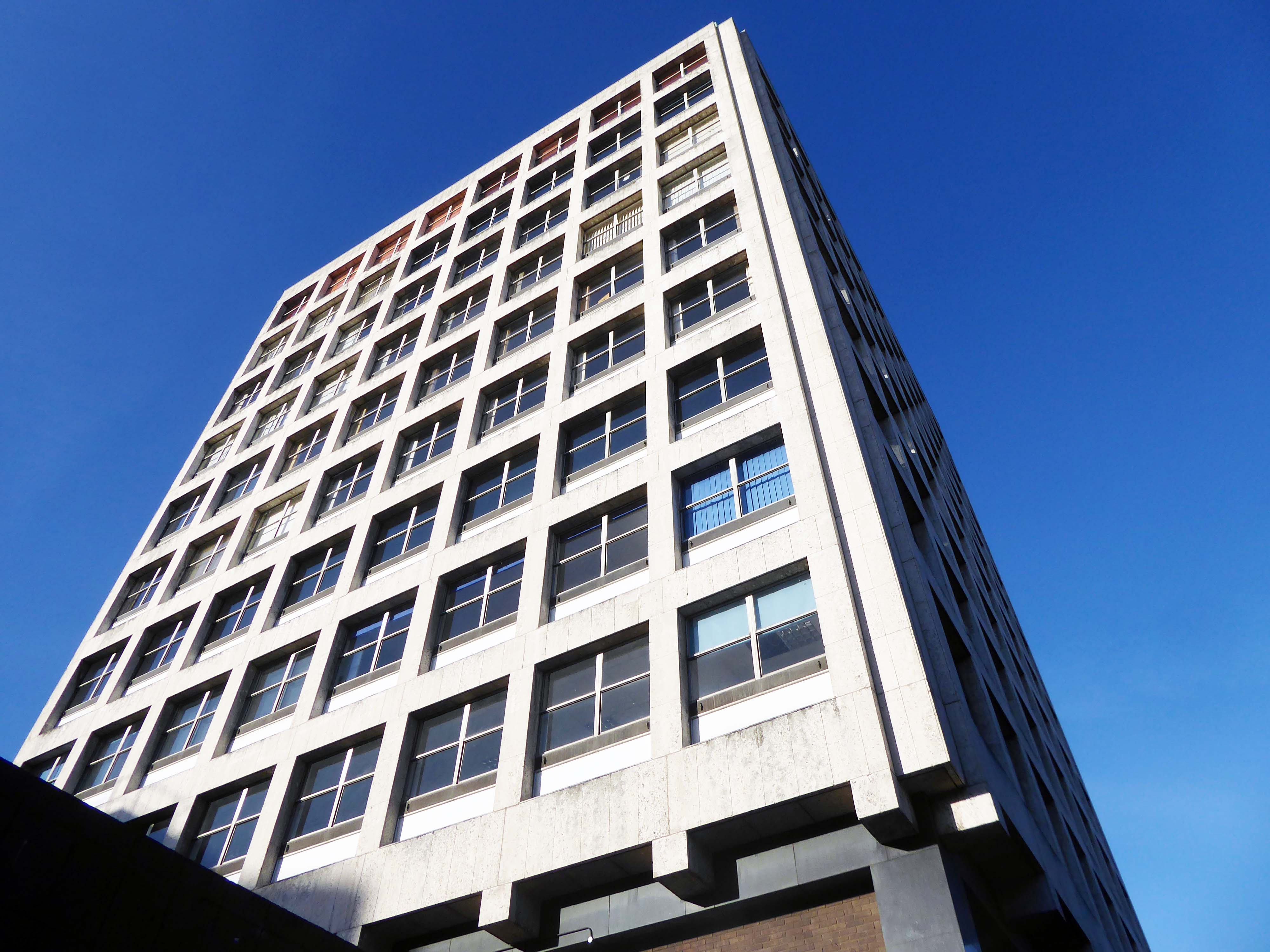
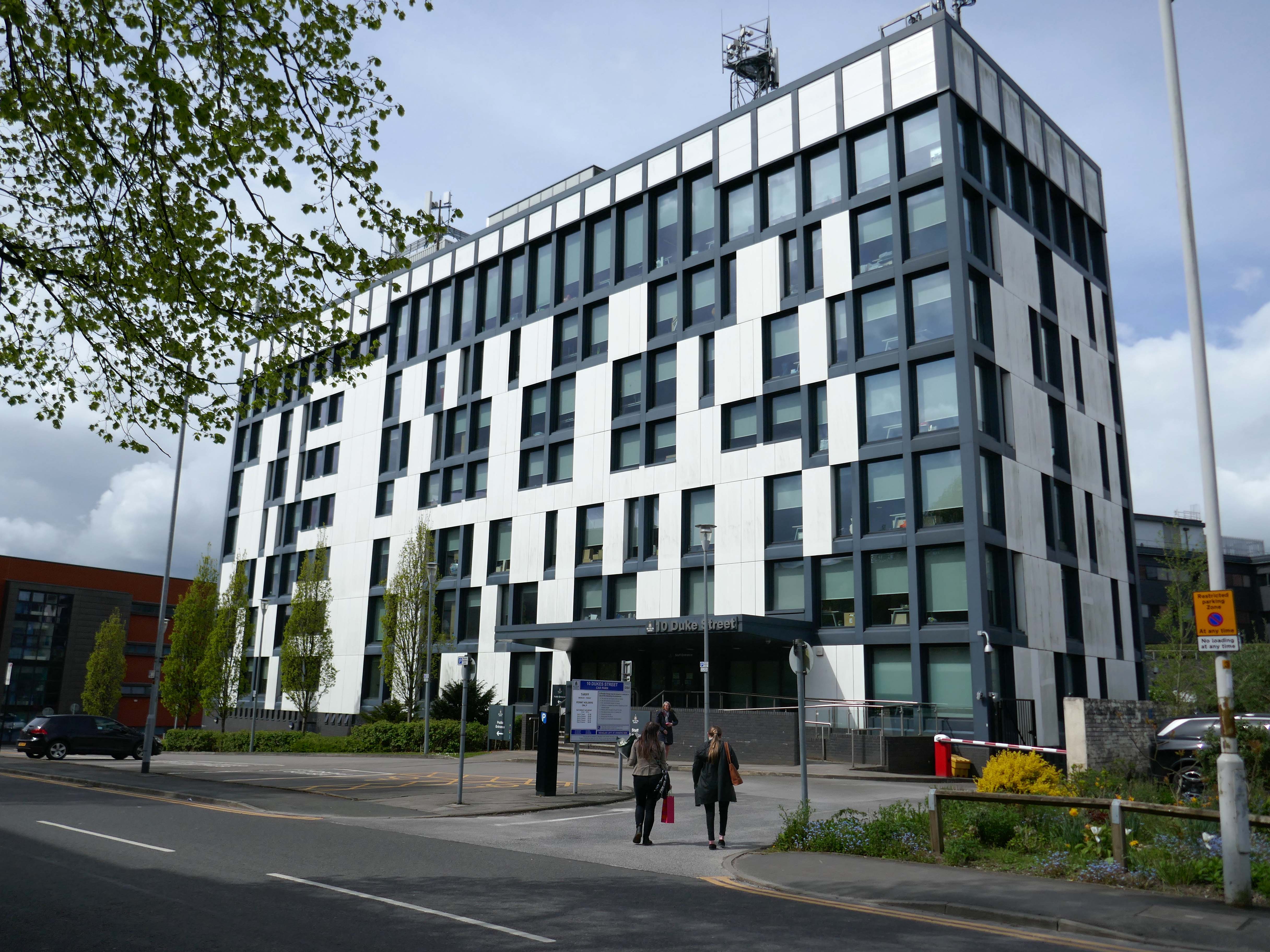
Onward to 10 Duke Street – home to council offices and the NHS, the Tower Block is now no longer in use.

Blackburn’s former town hall tower block has over the years become one of our most recognisable buildings.  Sadly it is now starting to be given derogatory names, such as the ‘Big Empty’ and ‘Mothballed Monolith’.  But compared to how it looked some years ago, before being reclad in today’s design, it still impresses many visitors to our town.  Wouldn’t it be great if Blackburn’s ‘Big Empty’ could become full again.
Roving Mick

These tower blocks were the flats at Queens Park and in the background you can see the co-called ‘deck-access’ flats at Shadsworth.
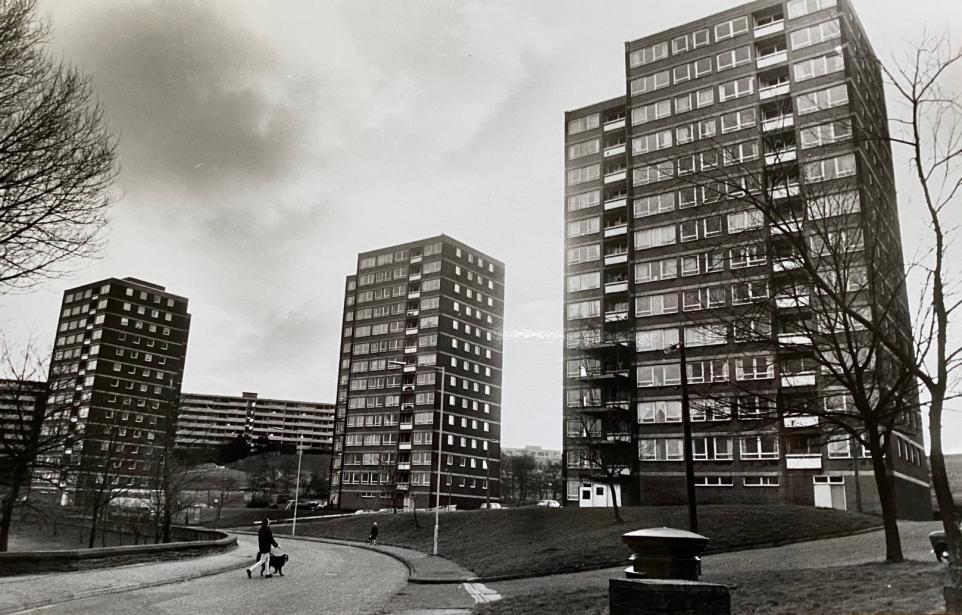
Bowland House was one of three tower blocks built in 1963 and the only one still standing after the others, Ribble and Pendle, were torn down in 2001 to be replaced by homes.

In 2022 Bowland House was refurbished.
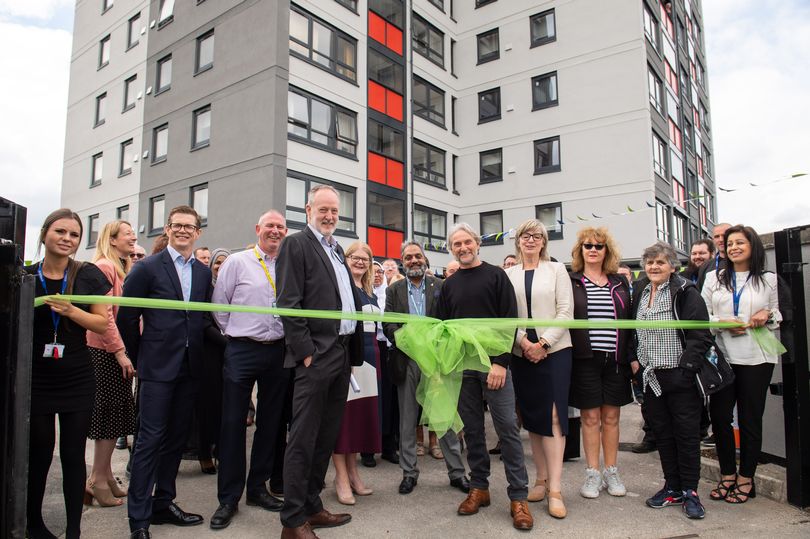
Former four-time World Superbike champion Carl Fogarty was the guest of honour as Great Places’ Bowland House in Blackburn was officially unveiled.

Lancs Live

On the approach to Birley Street we walk through a mixed development of low rise housing, set in grassed and pedestrianised areas.
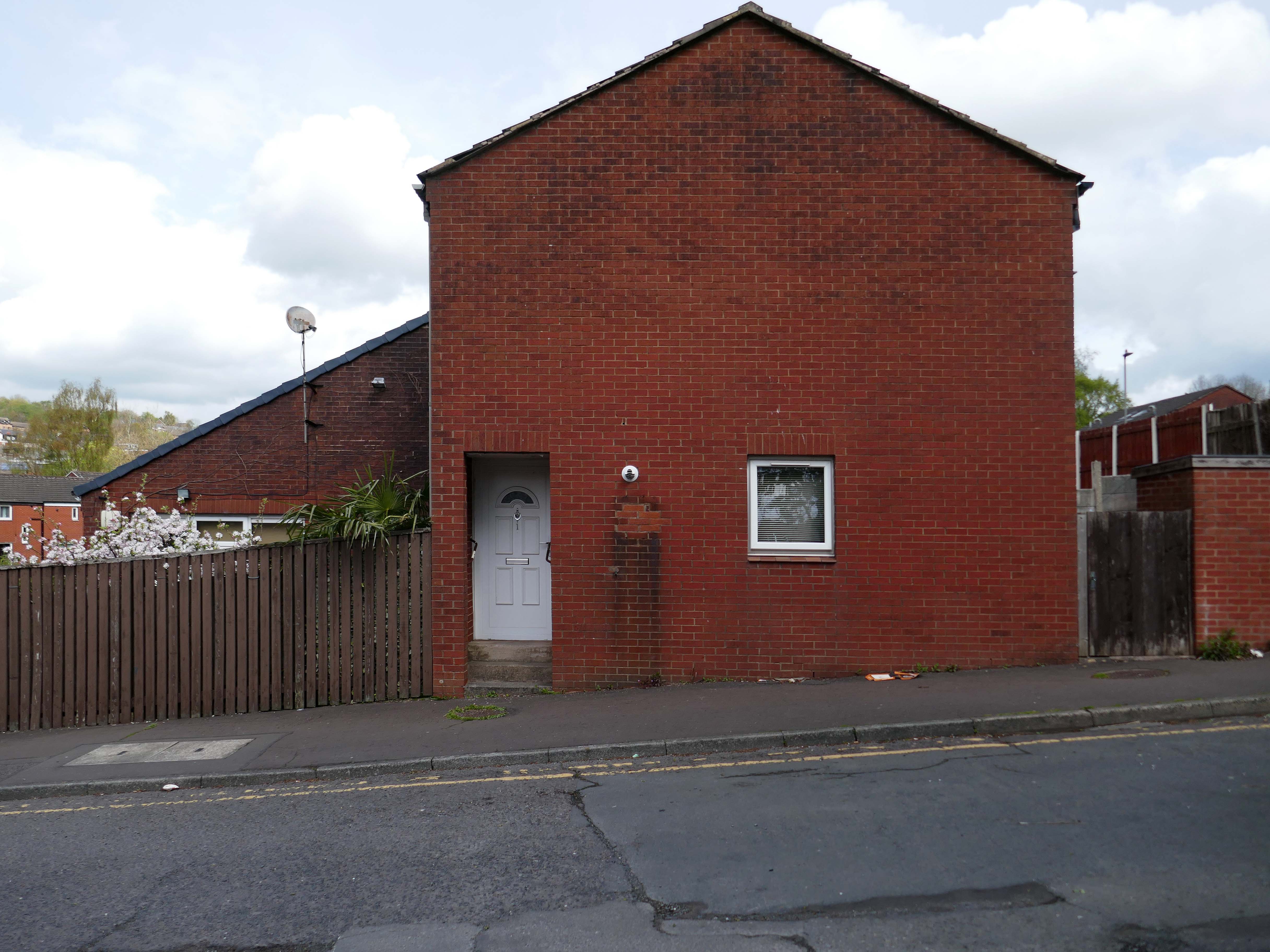
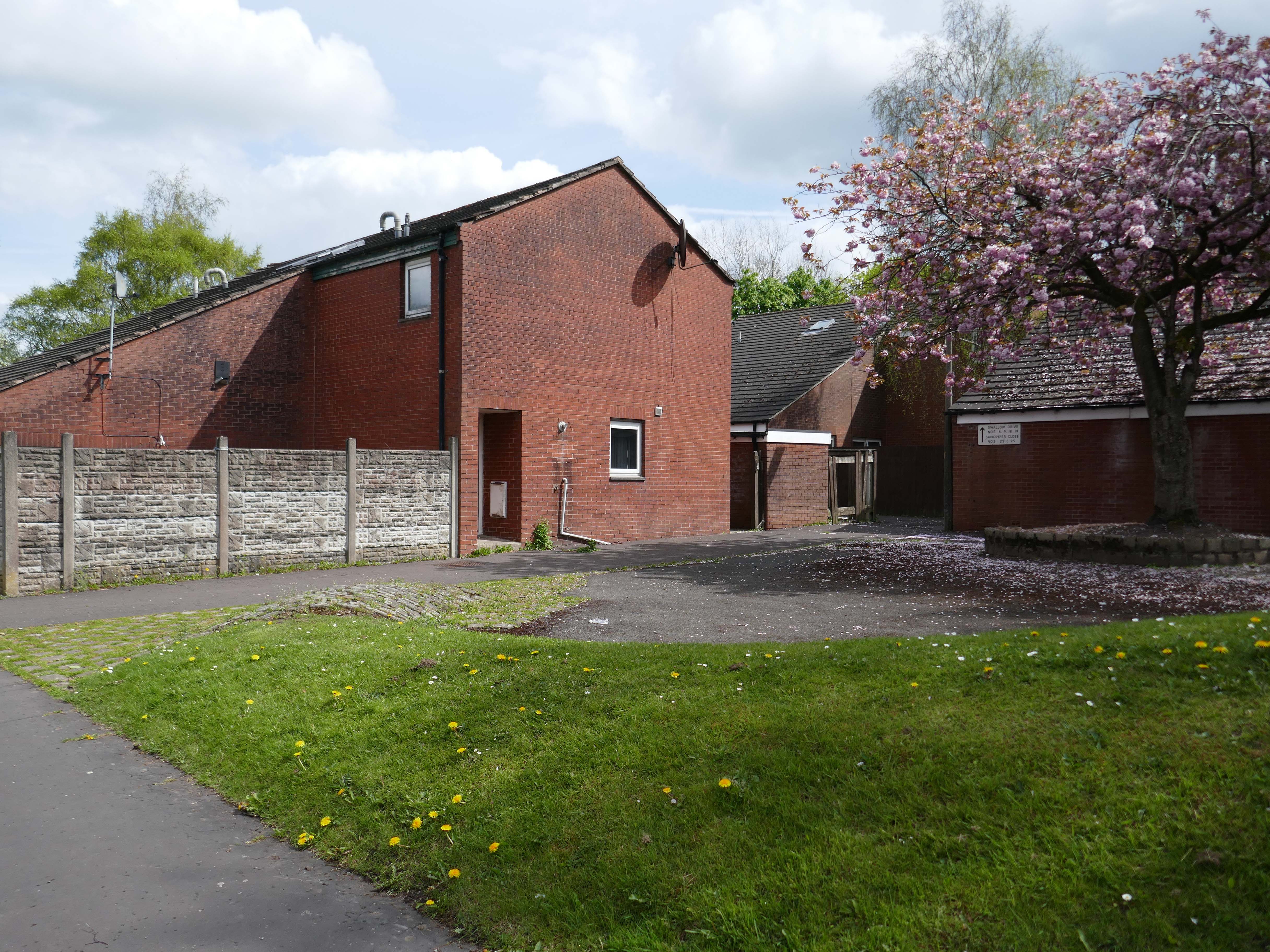
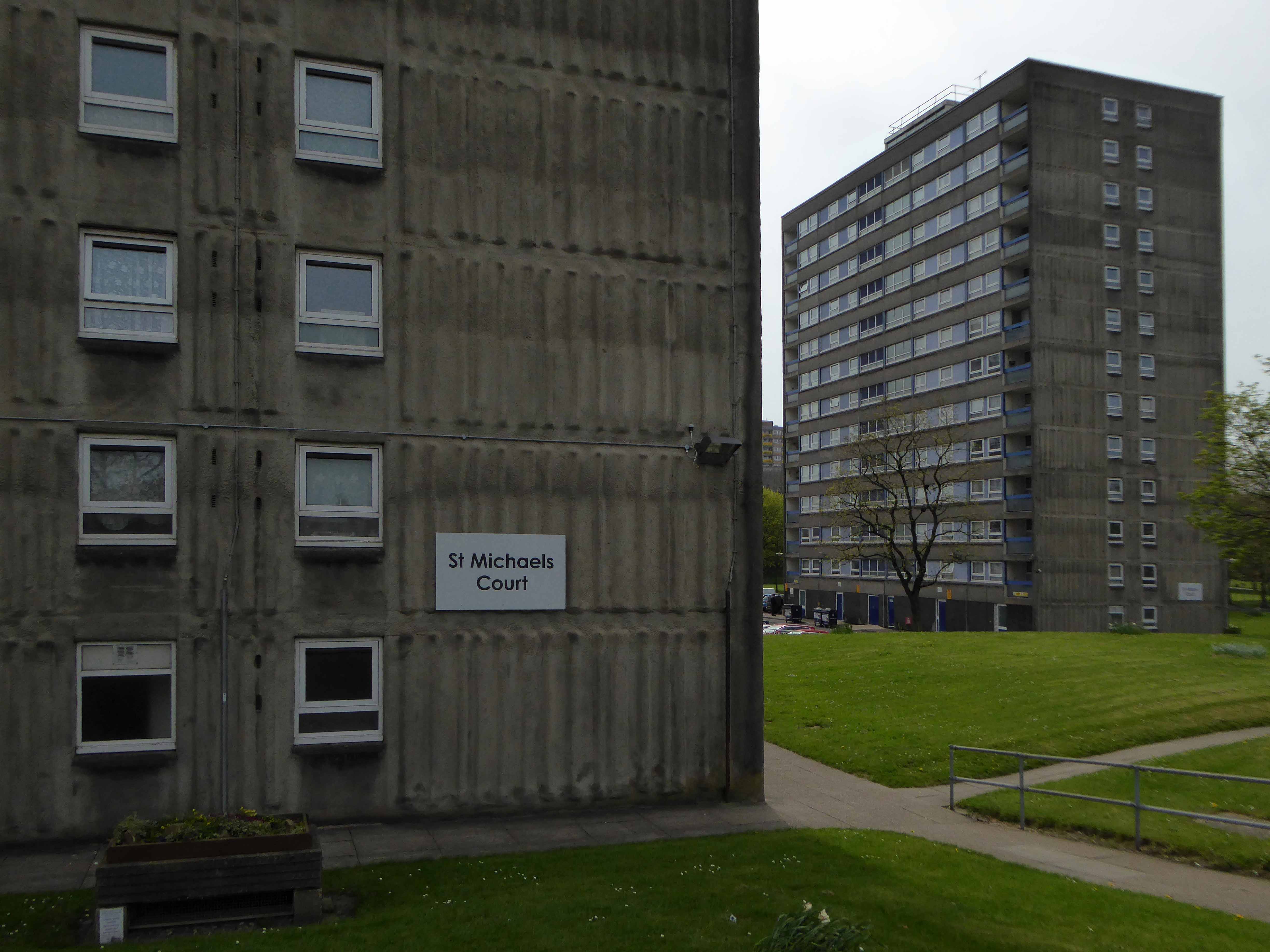
Birley Street Tower Blocks

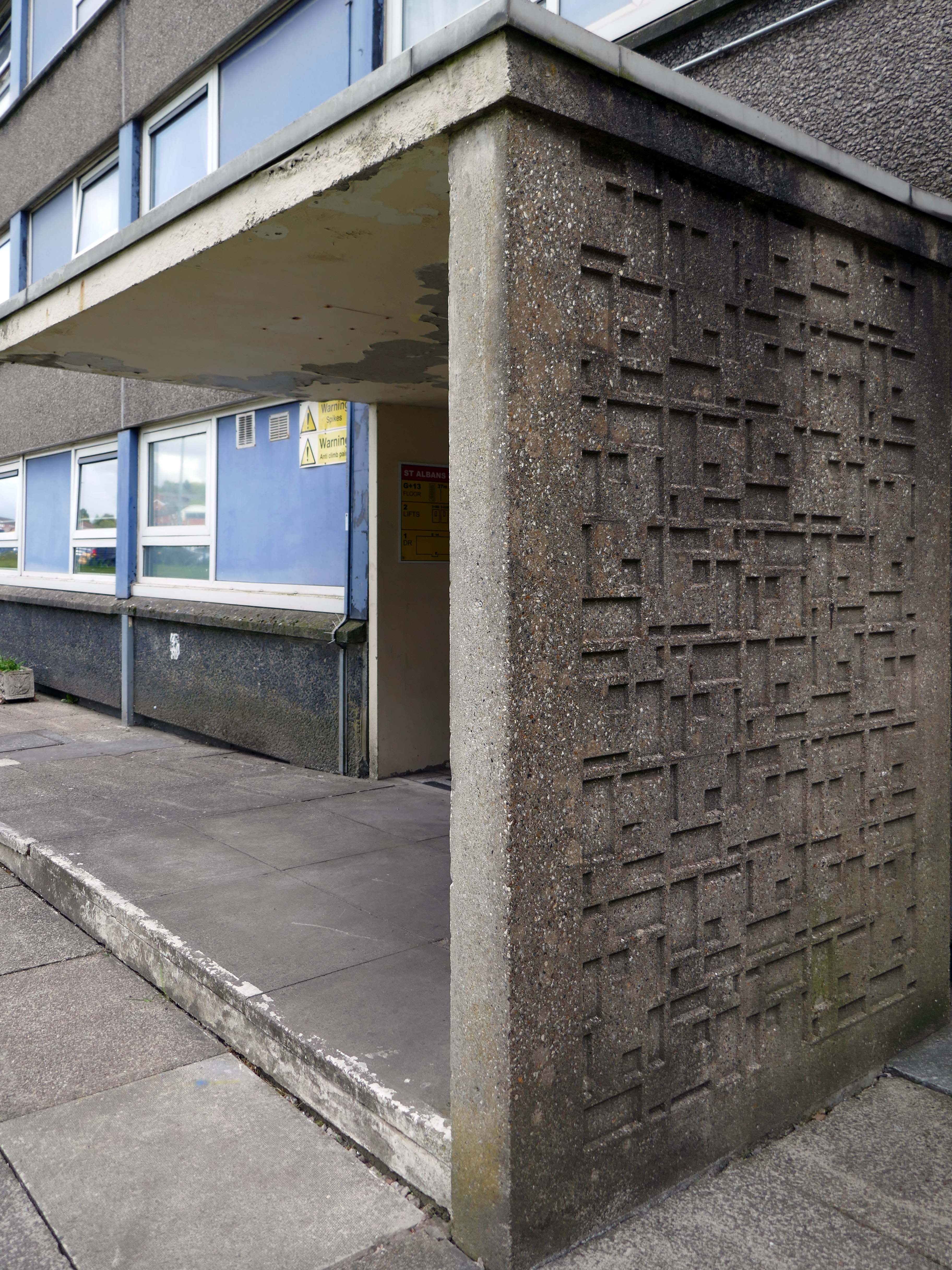
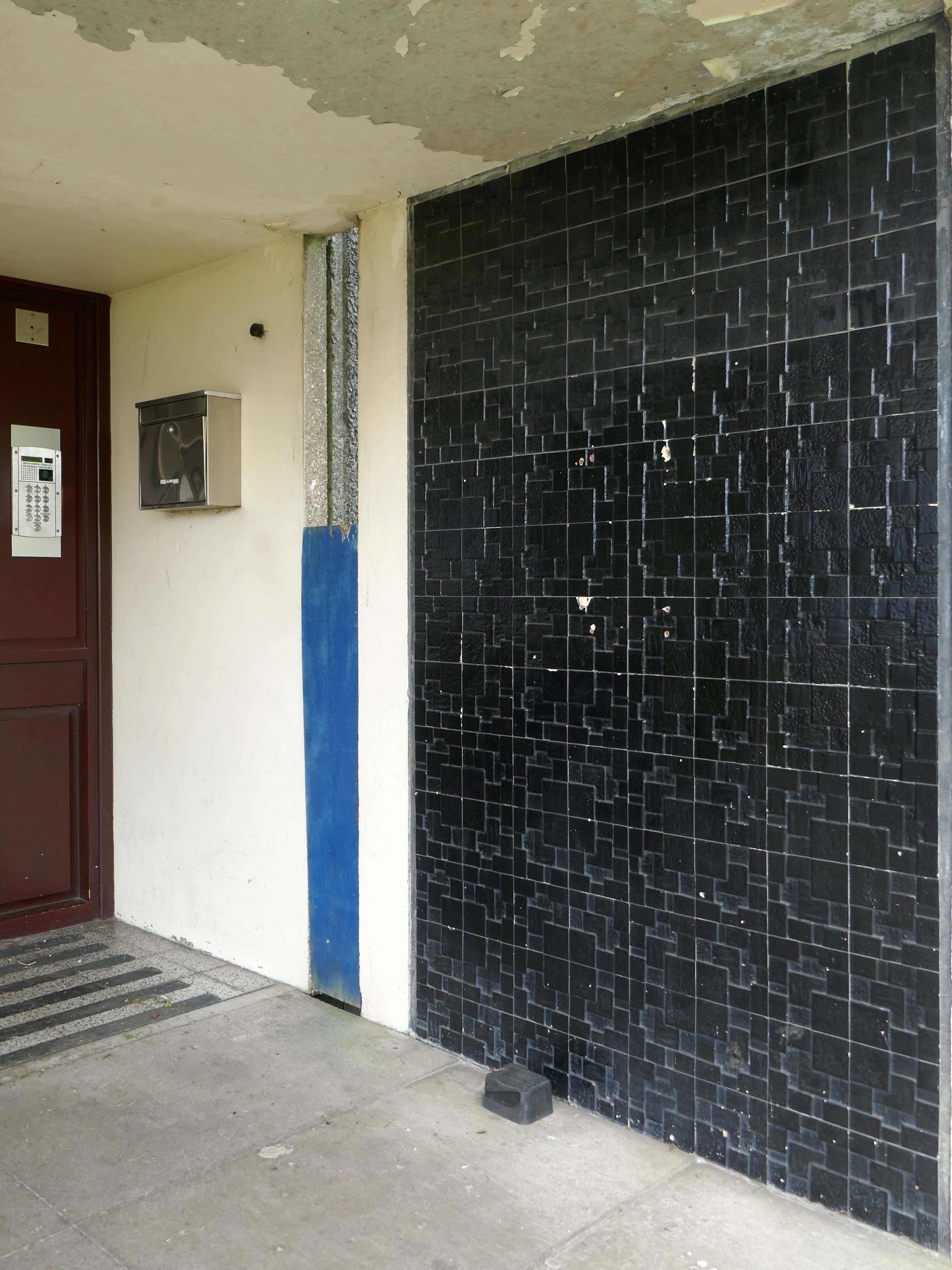
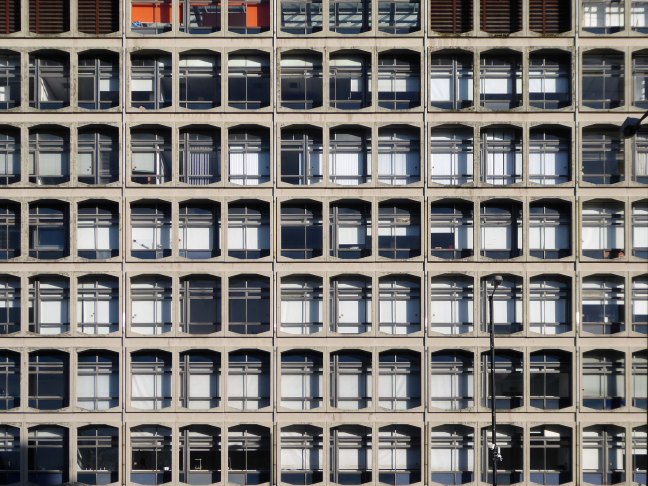
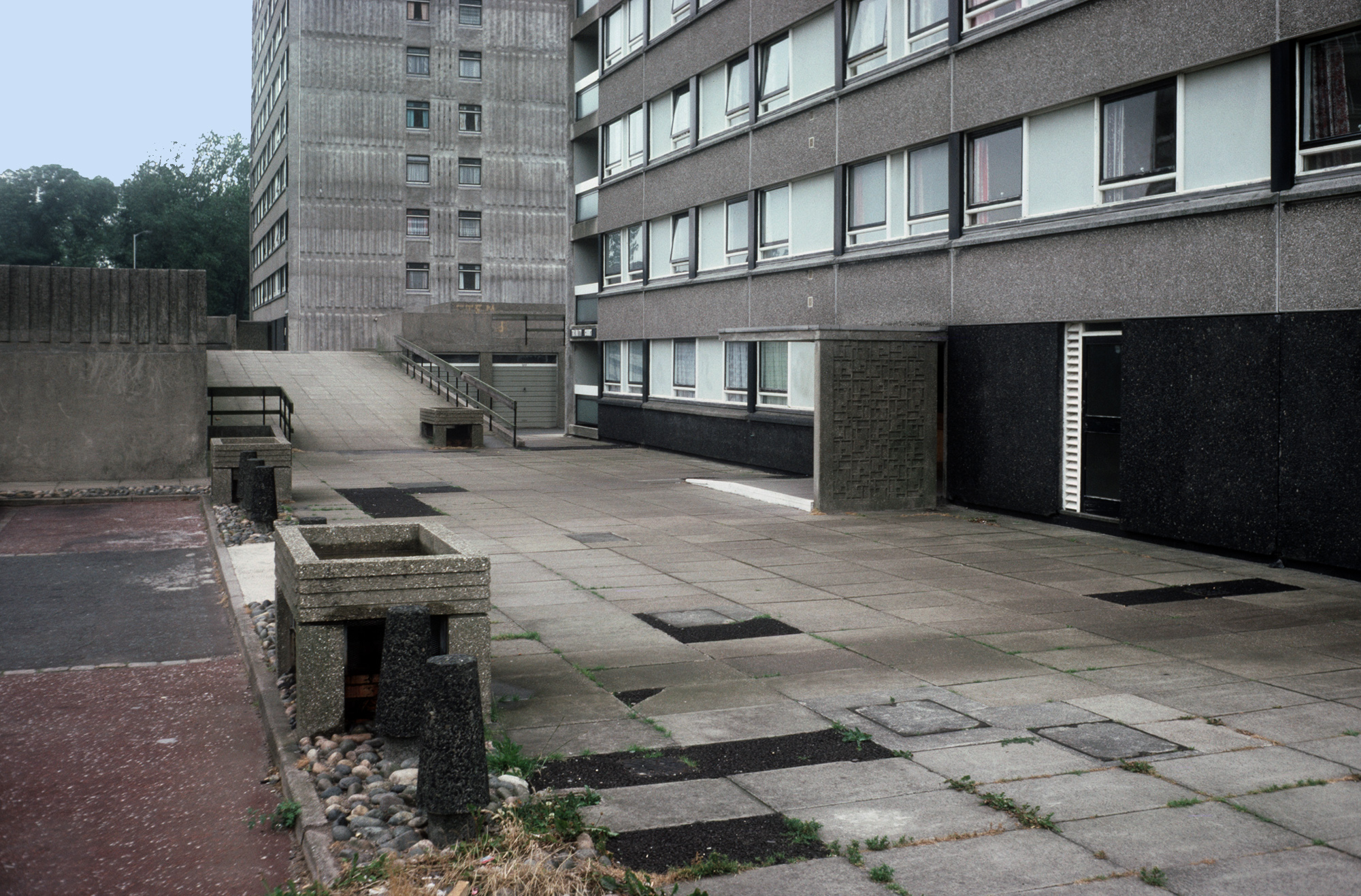
Three thirteen-storey slab blocks built as public housing using the Sectra industrialised building system. The blocks contain 183 dwellings in total, consisting of 72 one-bedroom flats and 111 two-bedroom flats. The blocks are of storiform construction clad with precast concrete panels. The panels are faced with exposed white Cornish aggregate. Spandrel panels set with black Shap granite aggregate are used under the gable kitchen windows. The blocks were designed by the Borough architect in association with Sydney Greenwood. Construction was approved by committee in 1966.
Pastscape

1987 view of Birley Street development, with Trinity Court in the foreground: Tower Block
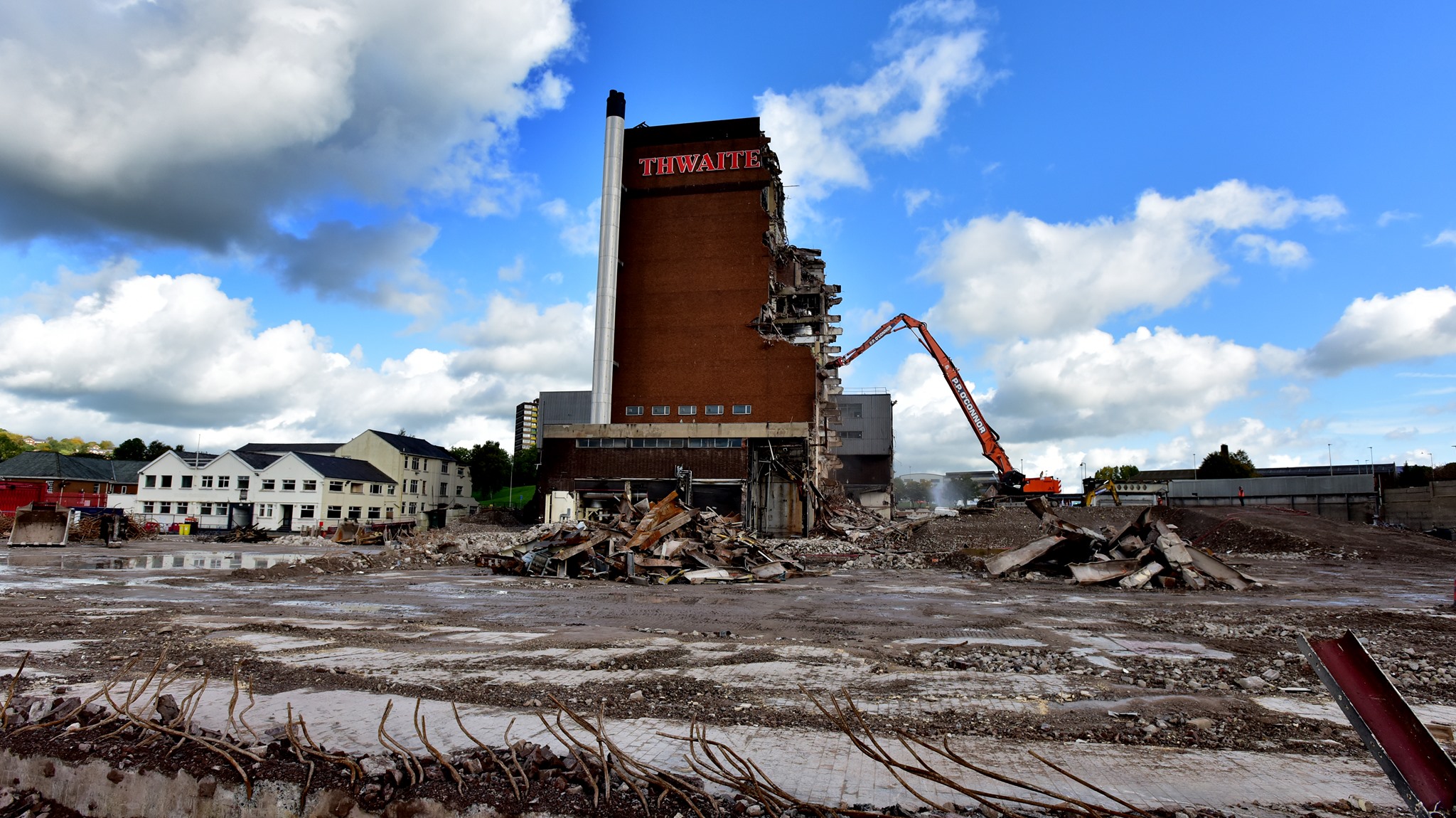
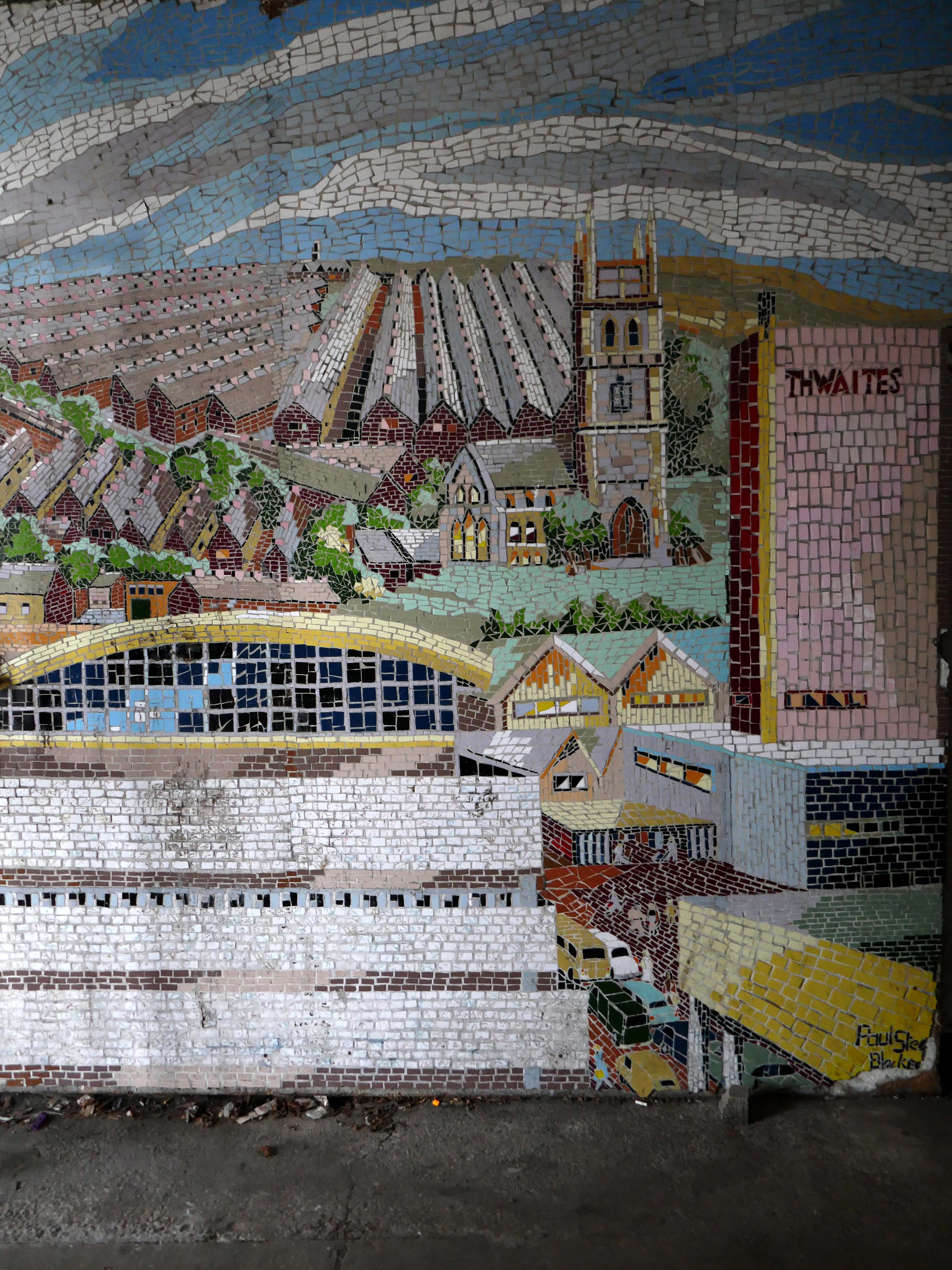
Back now into the centre – passing the now empty site of Thwaites Brewery, demolished in 2019.
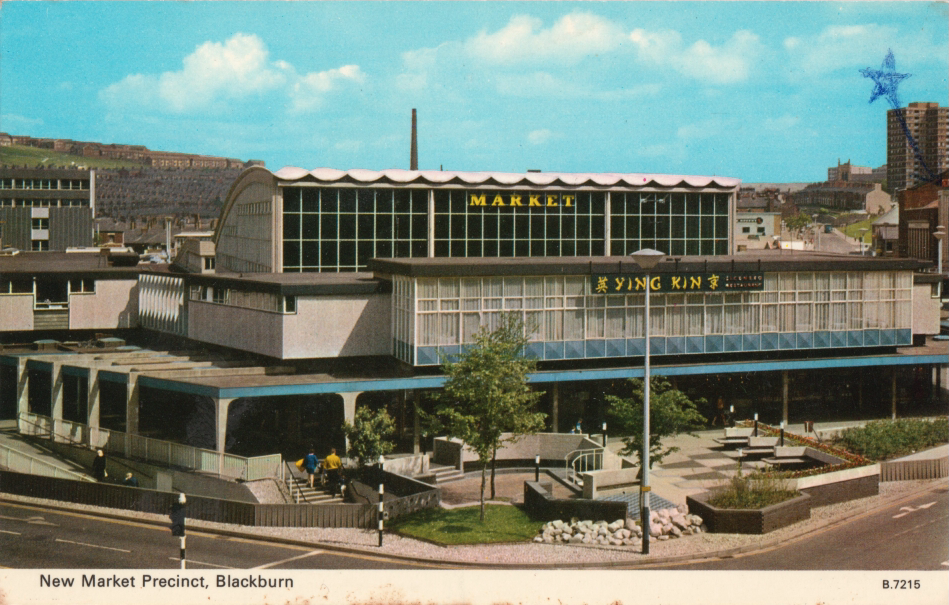
Also missing in action is the 1960’s Market Hall – architect Tom Brennan.
The new Bus Station designed by Capita Symonds – replacing the old bus station.

The outward facing elements of the building are flat and orthogonal. In contrast, the underside of the canopy is free flowing and consists of a number of glazed slots cut in the canopy to allow daylight to penetrate onto the concourse area. Directly below each of the slots is a hanging loop which appears to be pulled down from the canopy to reveal a glazed opening. The composition of these draws inspiration from the cotton weaving looms, and drying cotton bundles, a reference to the town’s industrial past.

There are four loop types (A, B, C & D) which are arranged to alter the scale of the concourse and create a rhythm of peaks and troughs along its length. Loop A is designed to provide support to the whole canopy allowing the canopy to appear as one floating unified element.
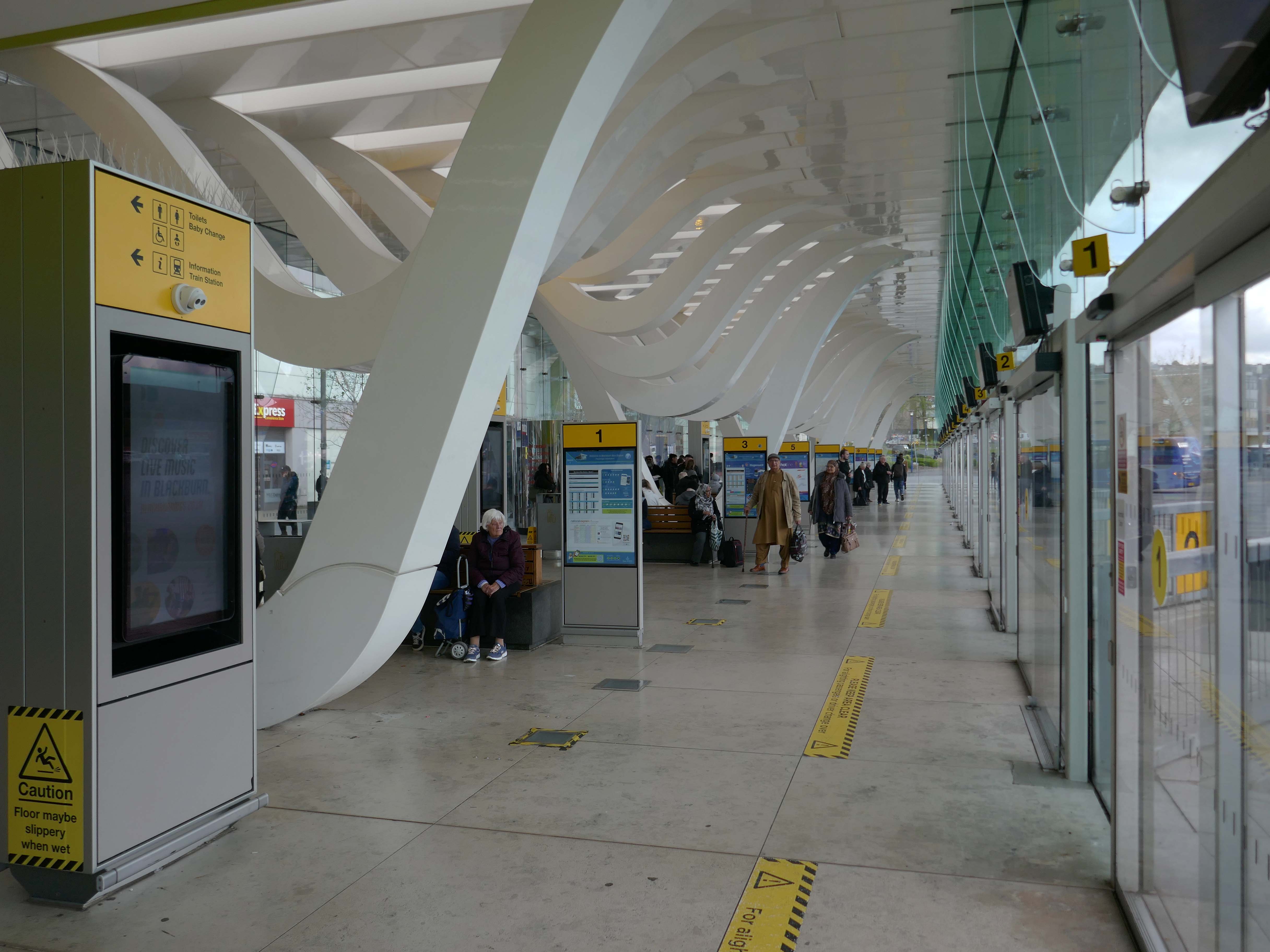
Archello

Tucked away this mosaic panorama of the town.
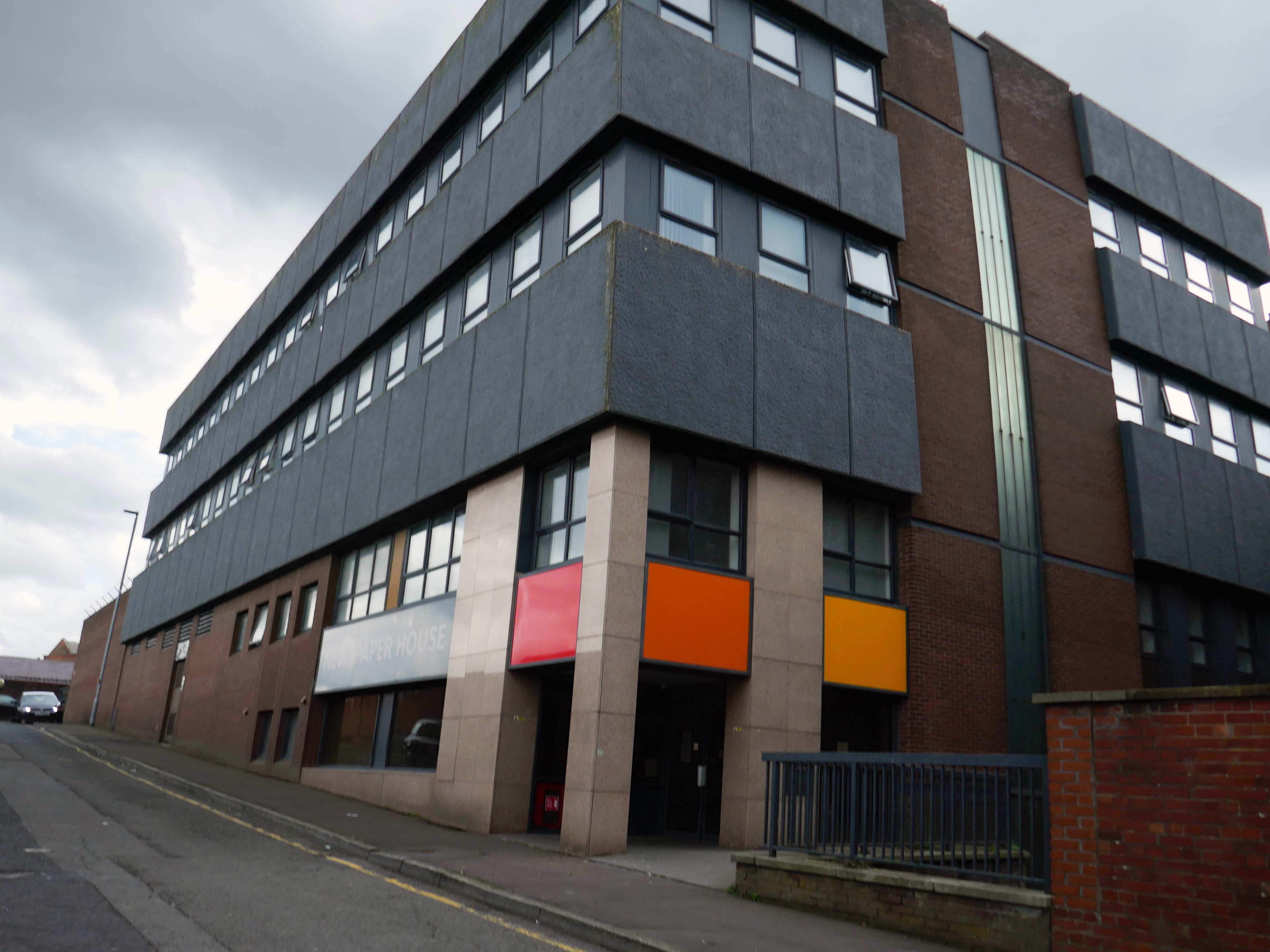
Newspaper House – once the home to the Lancashire Telegraph, converted to apartments in 2017.
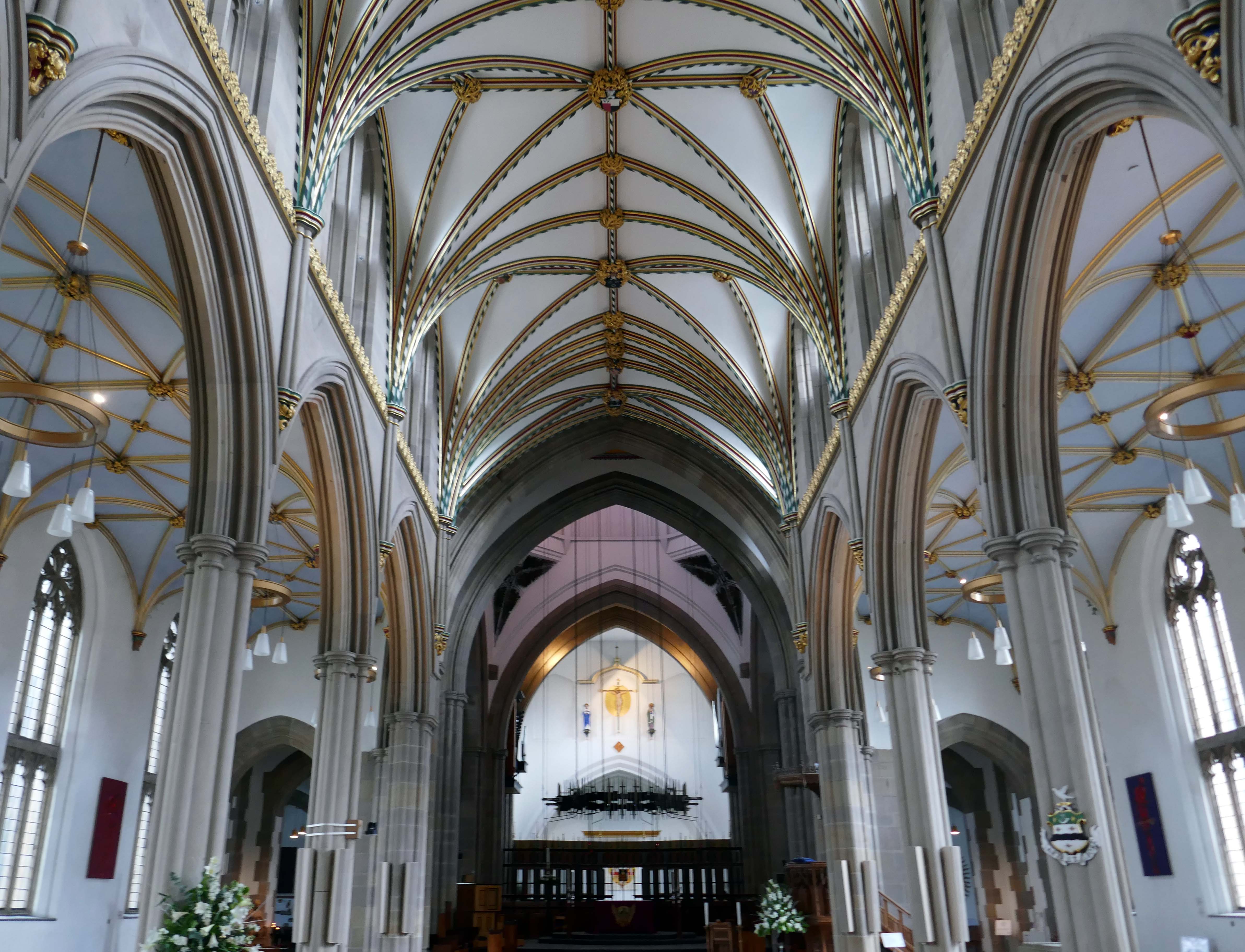
Finally to the Garde II* listed Blackburn Cathedral church – since 1926, formerly parish church, 1820-6 by John Palmer of Manchester.

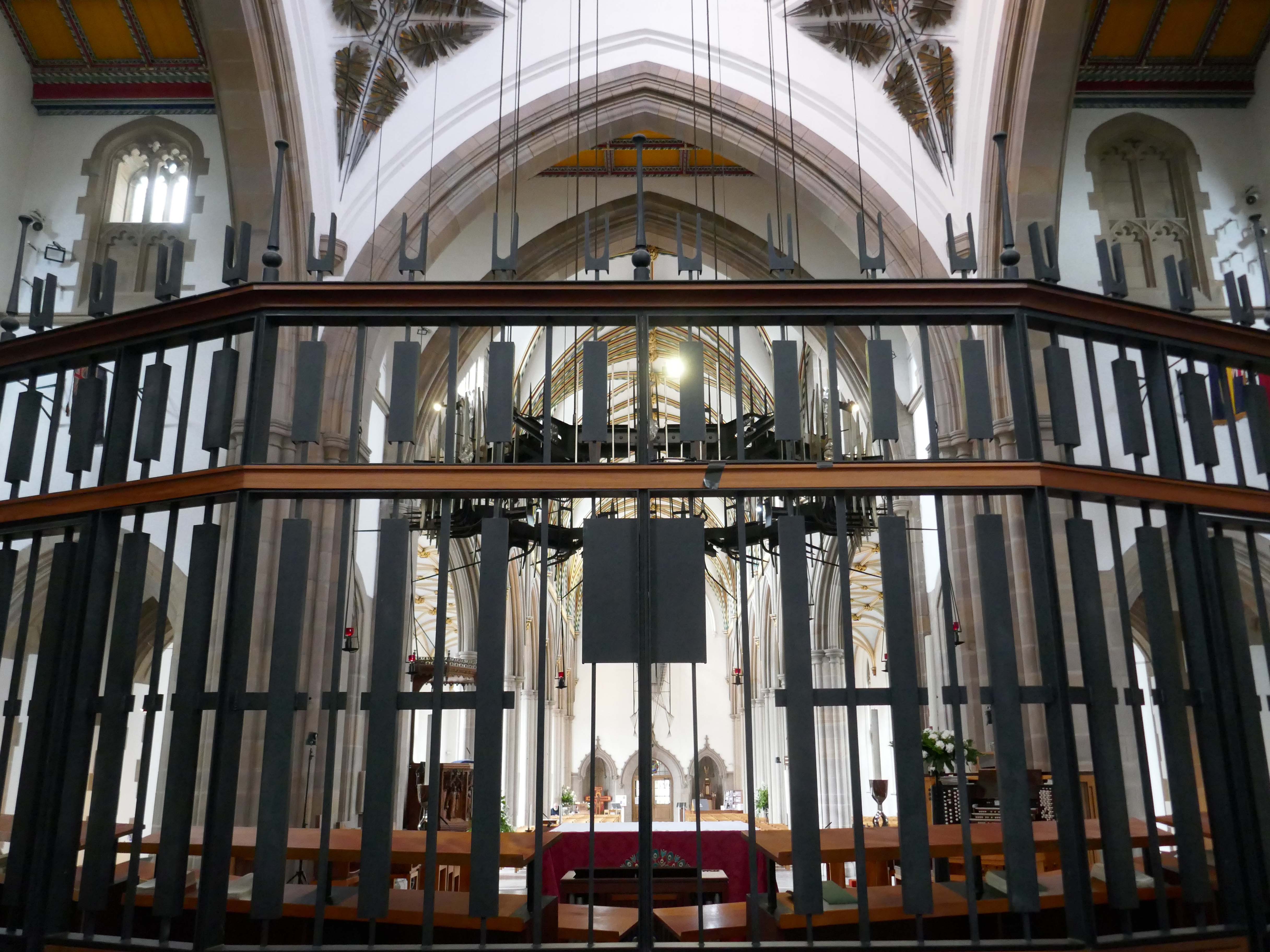
Central concrete corona by Lawrence King 1961 – it was rebuilt in stone by Brian Lowe in 1998.
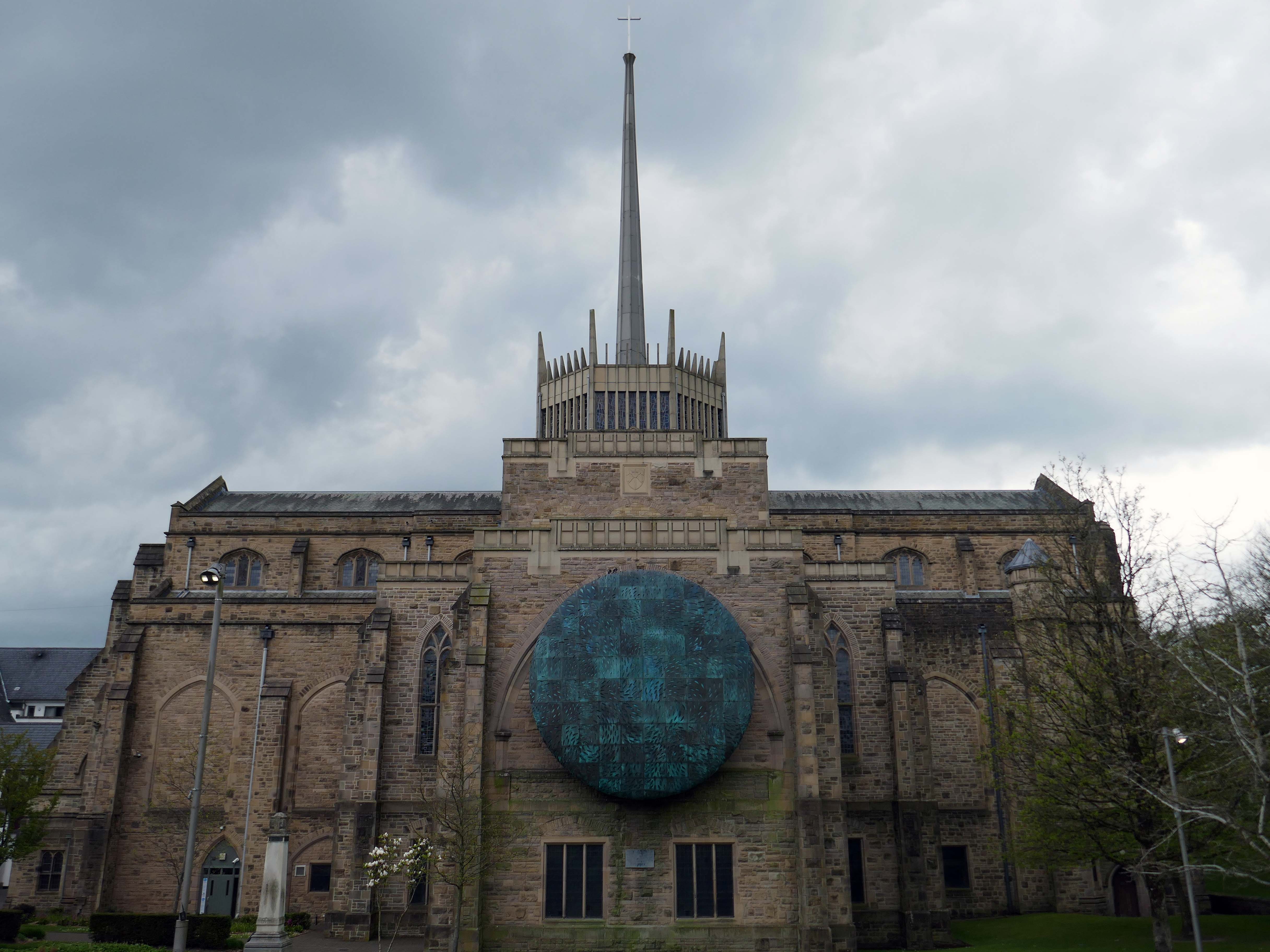
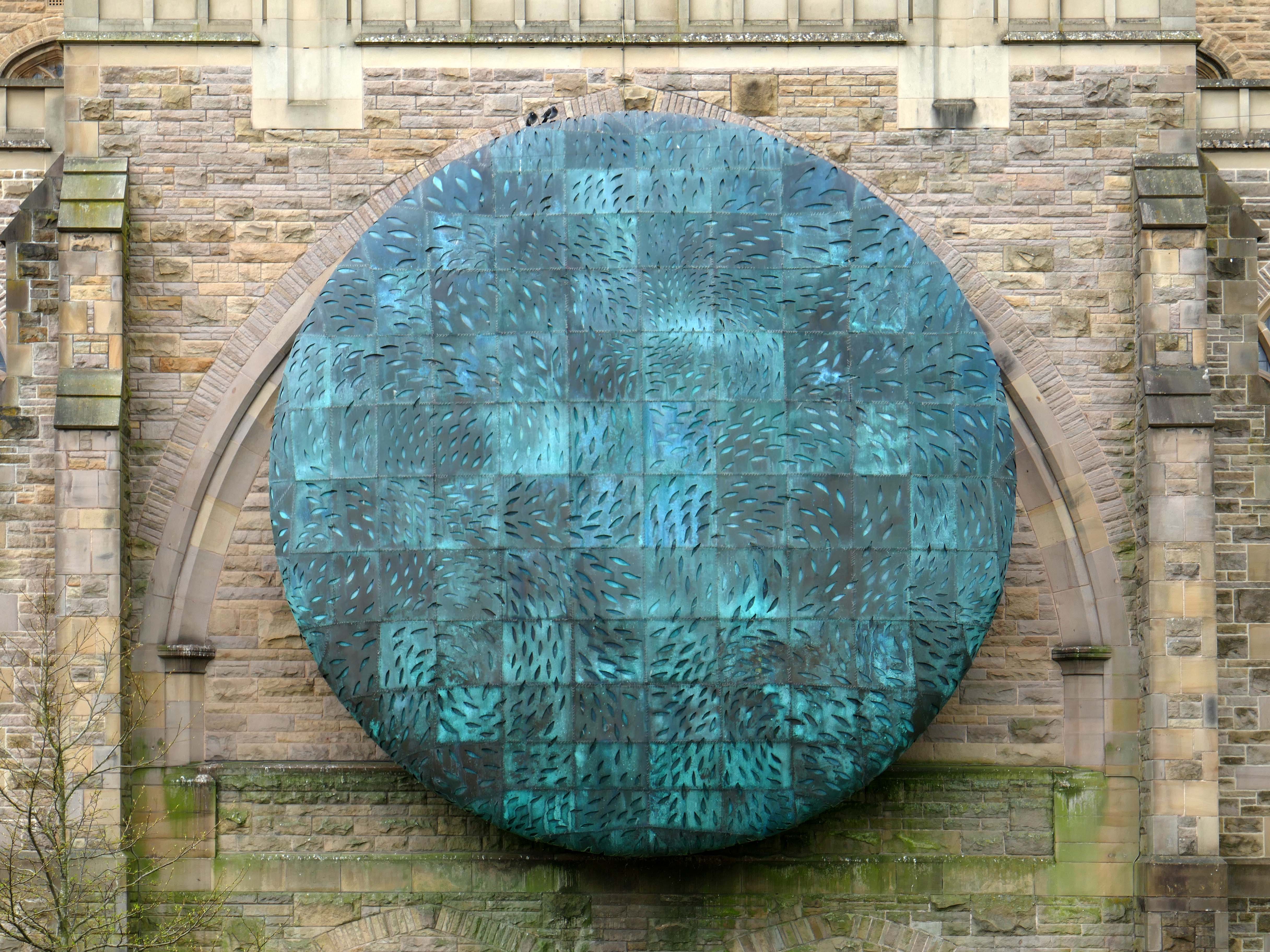
The Healing of Nations in steel and copper by Mark Jalland 2001.

It is a reflection on the opening of chapter 22 of the book of Revelation, new Jerusalem, and ‘the leaves of the tree are for the healing of the nations’.

Traditionally a stained-glass window at the east end of a cathedral would reflect a spectrum of light into the building but this sculpture projects the light out in a kaleidoscope of colour reminding us of Jesus the light of the world and the hope that we have in him. 
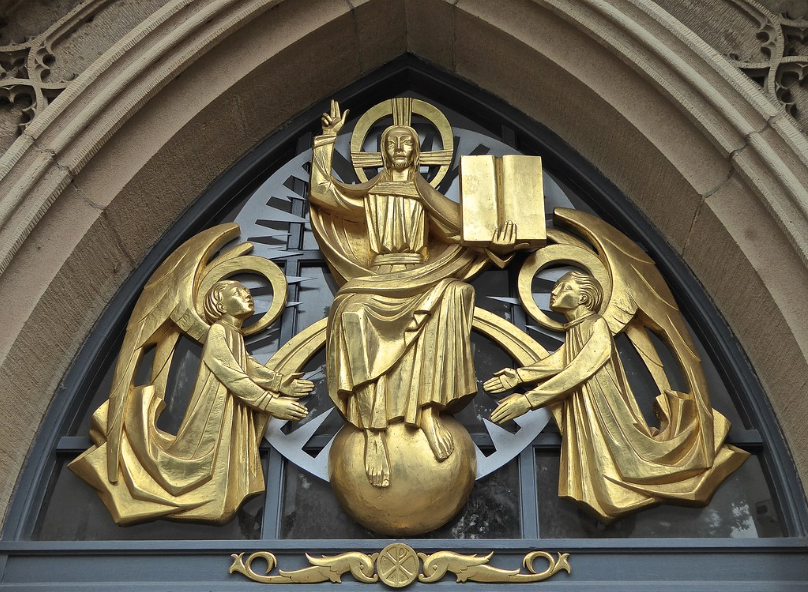
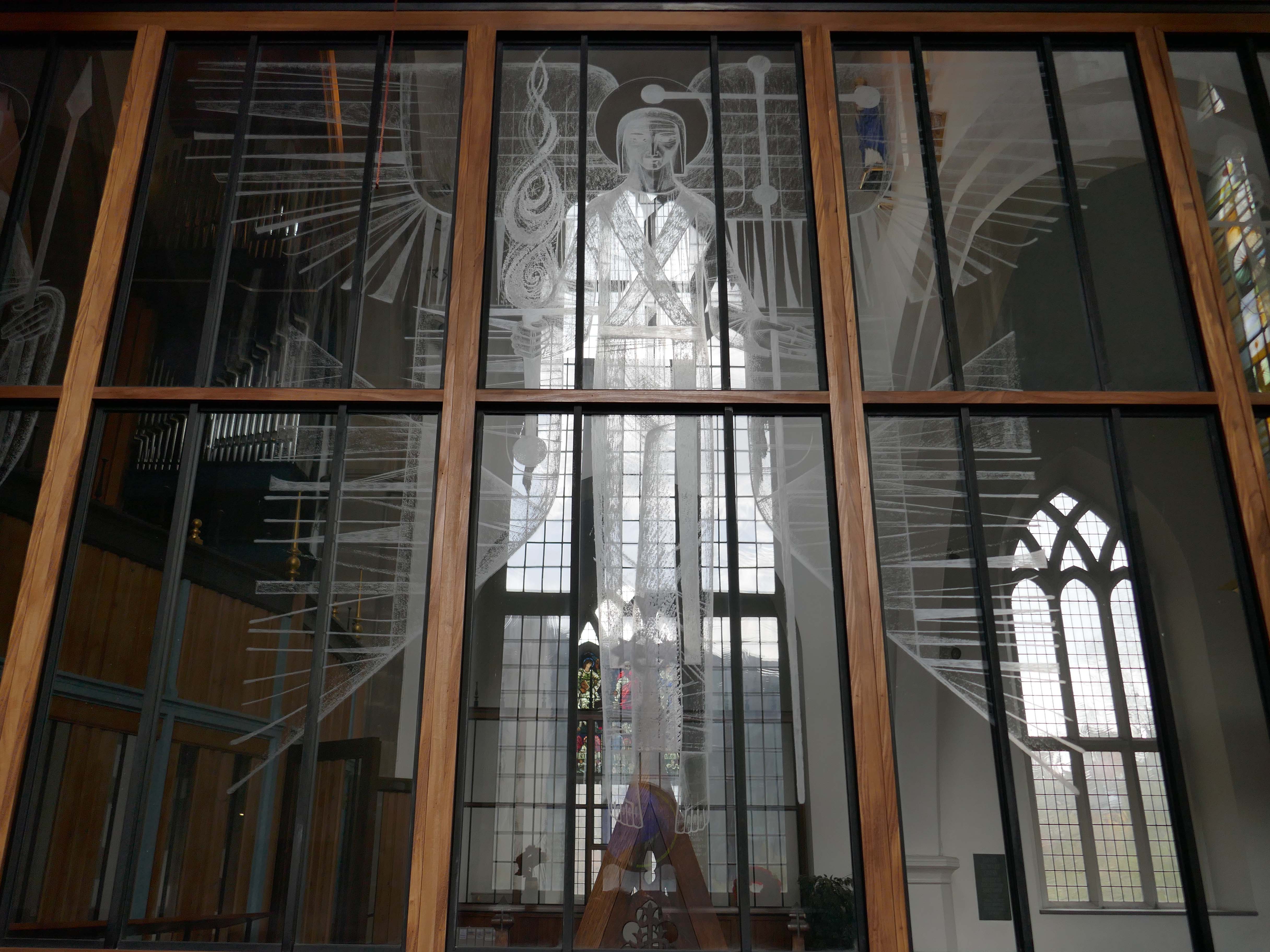
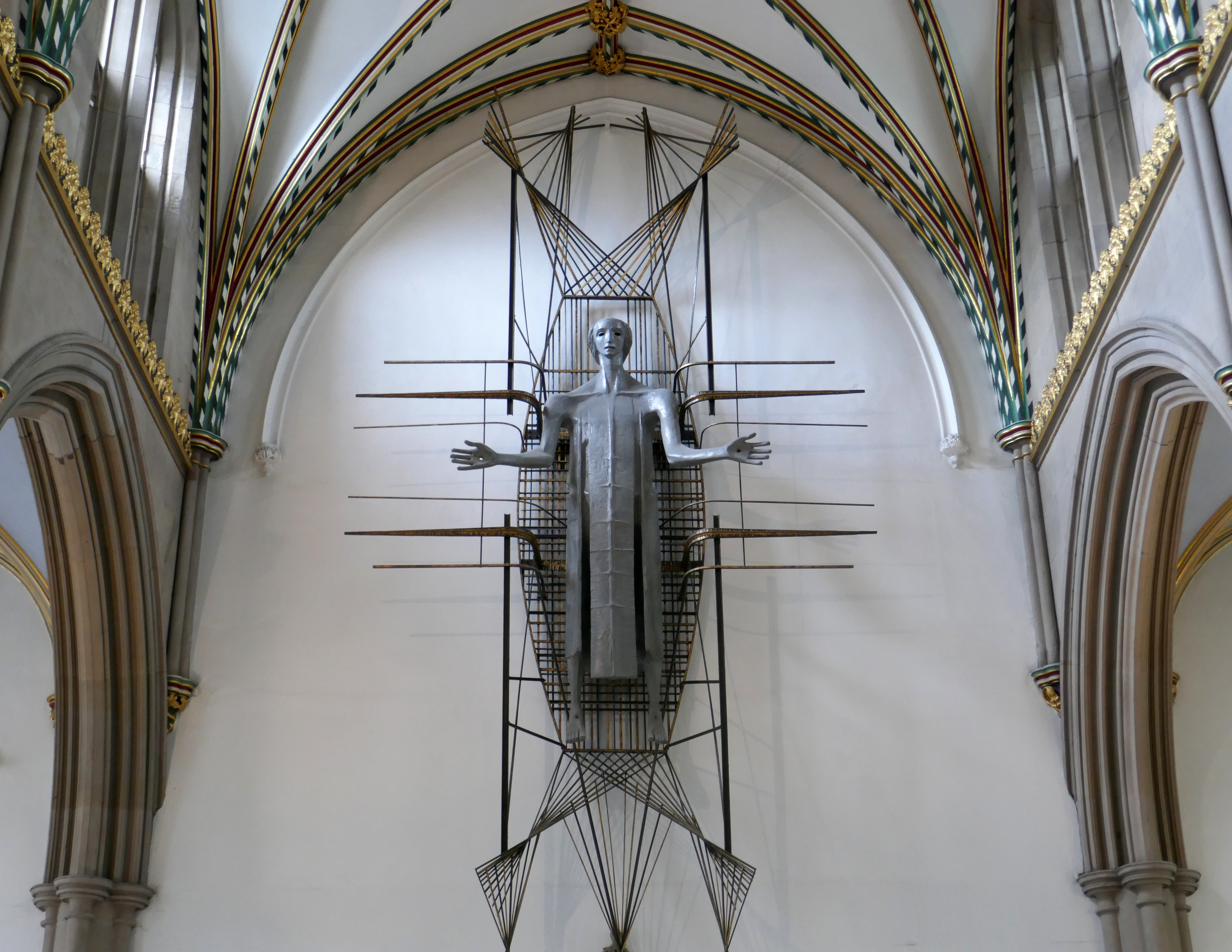
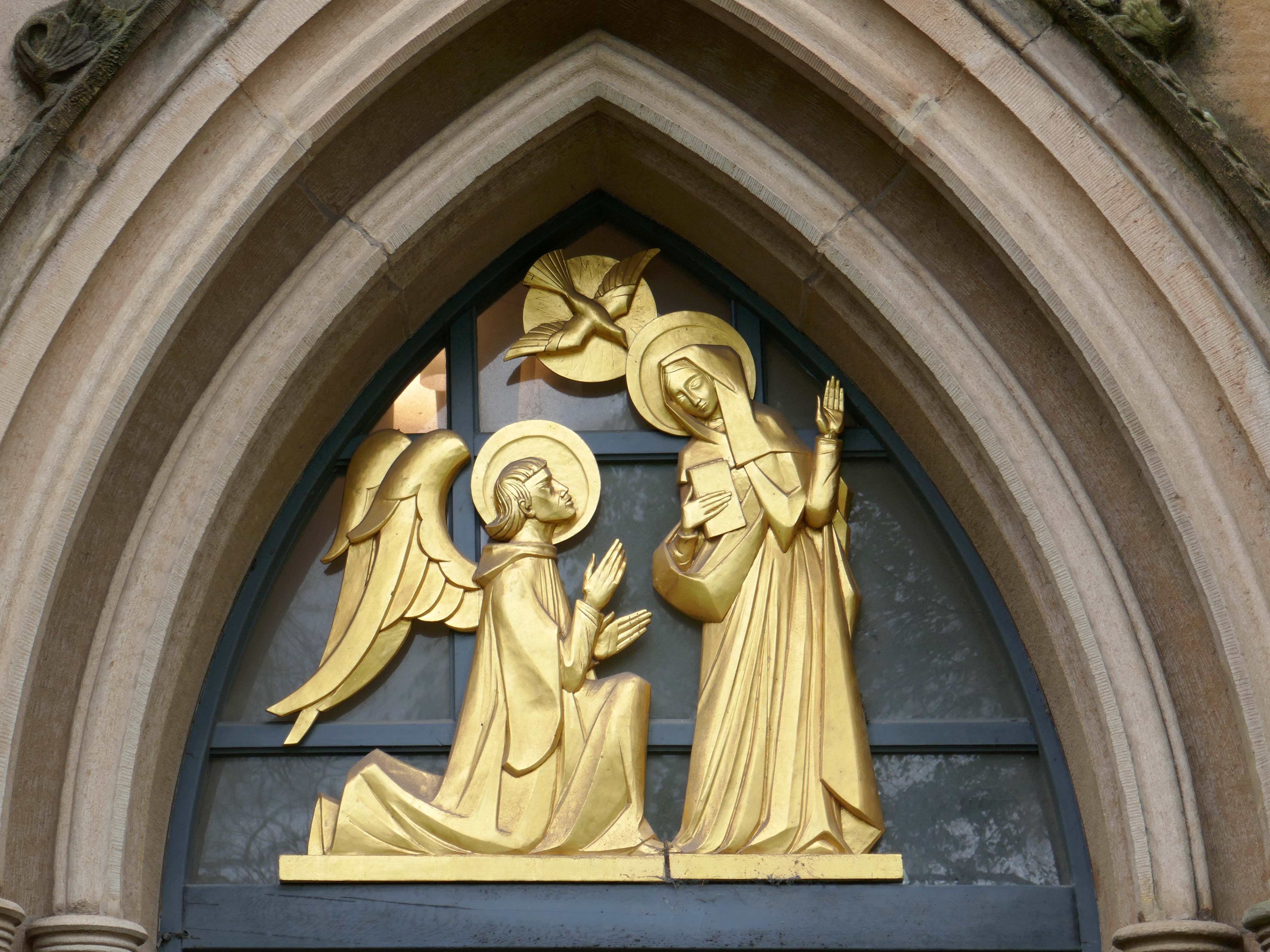
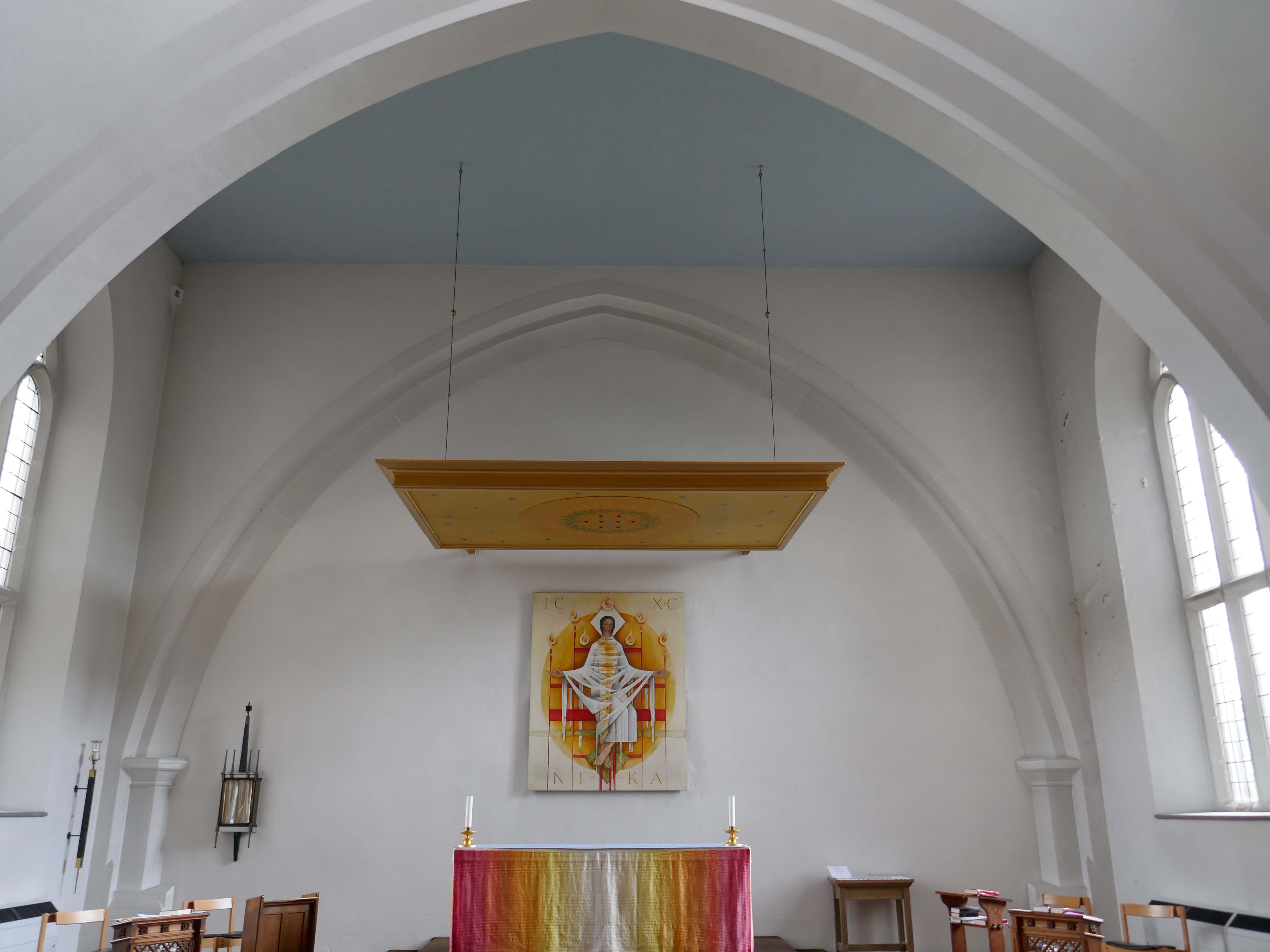
Annunciation and Christ in Majesty sculptures by Siegfried Pietsch 1965.
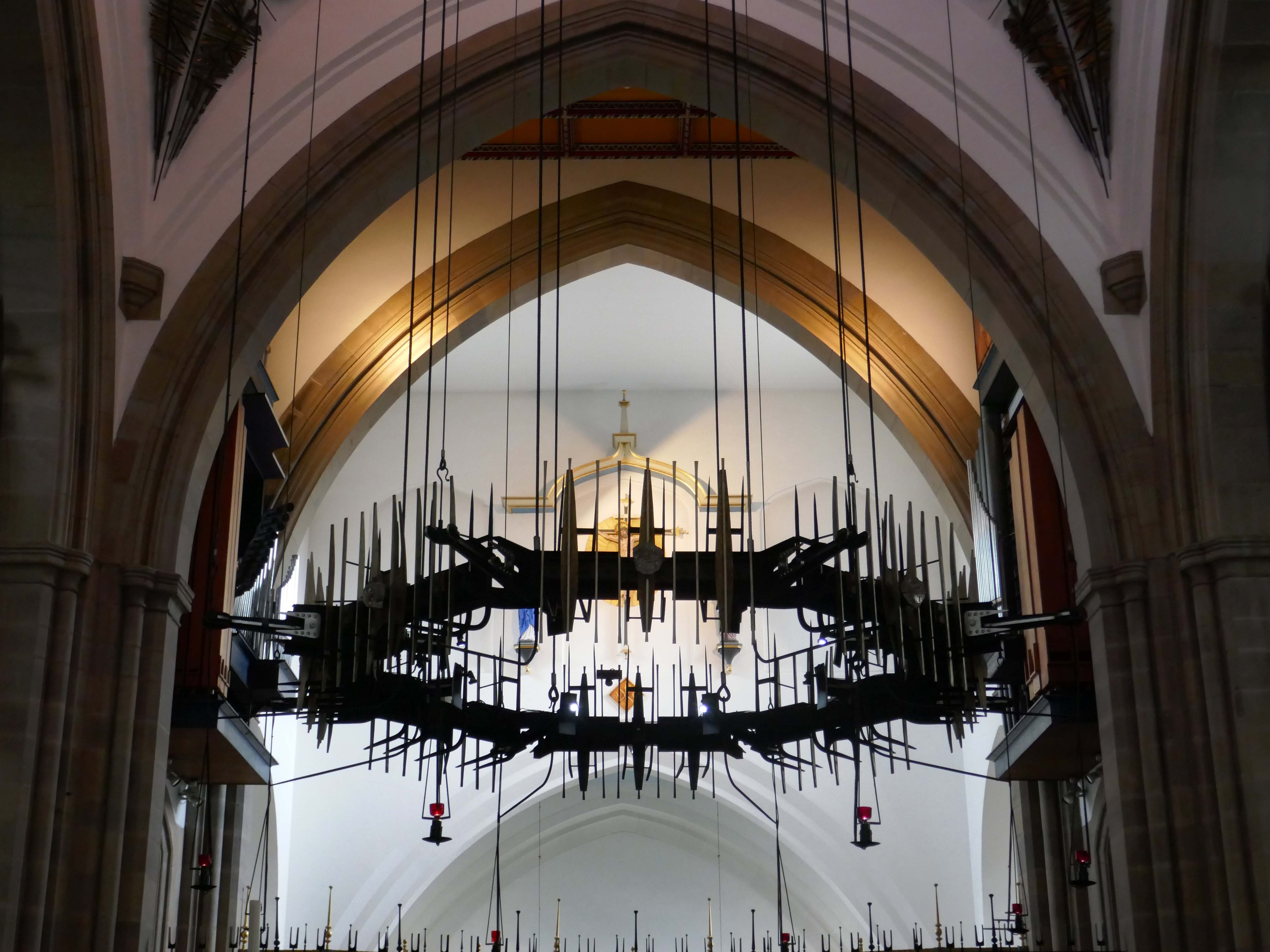
Crown of Thorns by John Hayward.
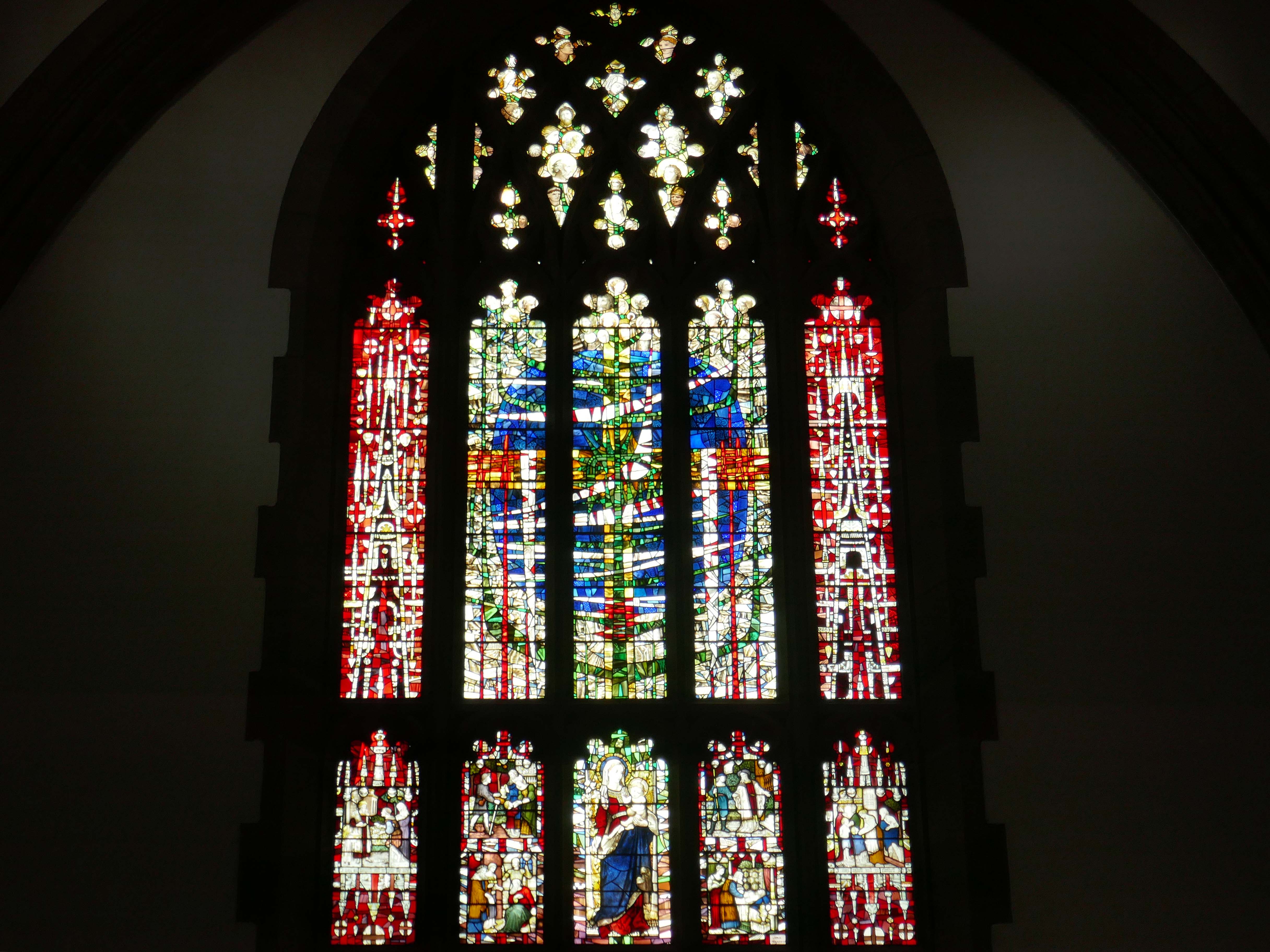
Lantern stained glass 1999 by Linda Hadfield, formerly Walton.
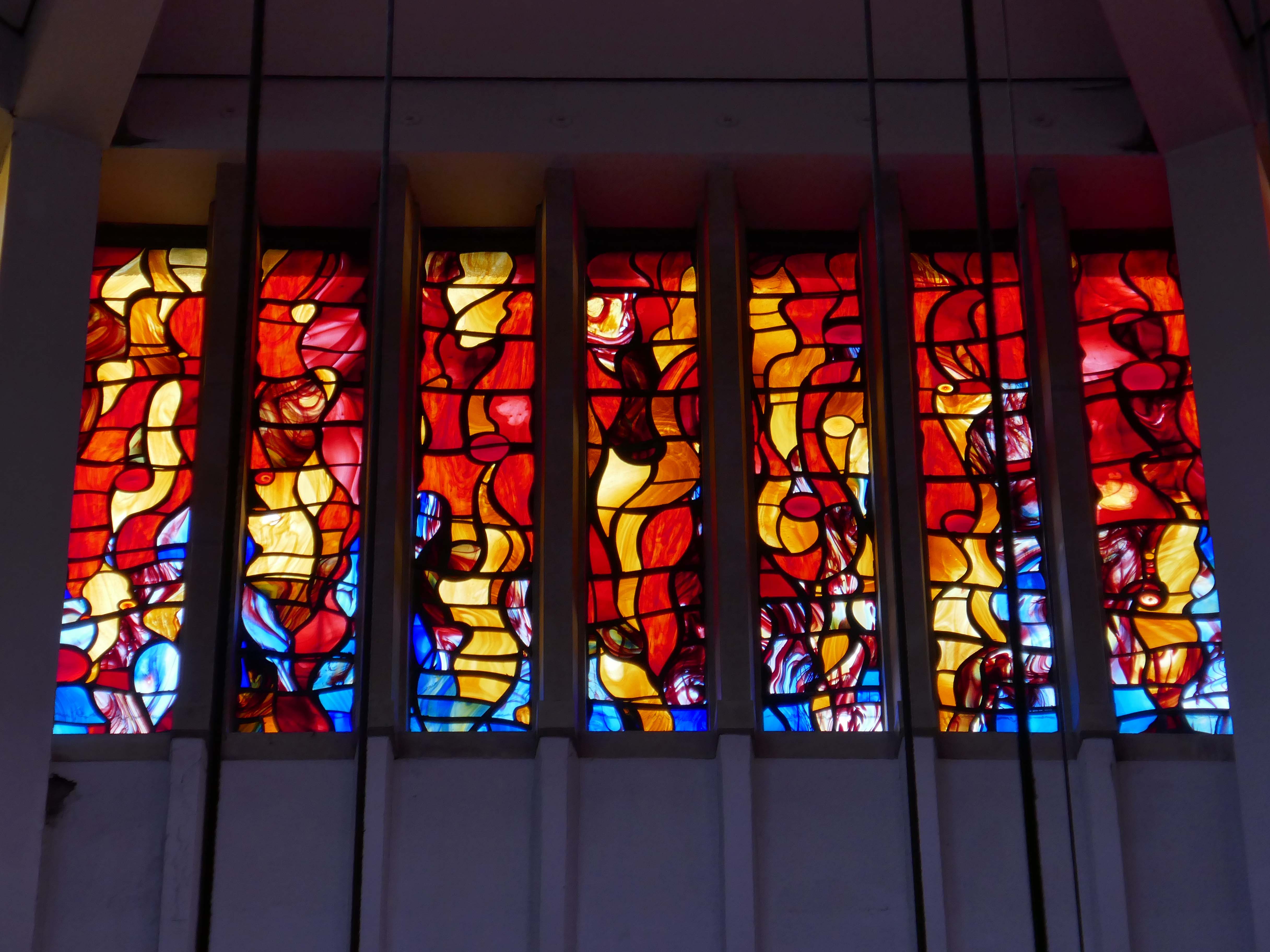
Further work by John Hayward.
Josefina de Vasconcellos

Shrewsbury Walk

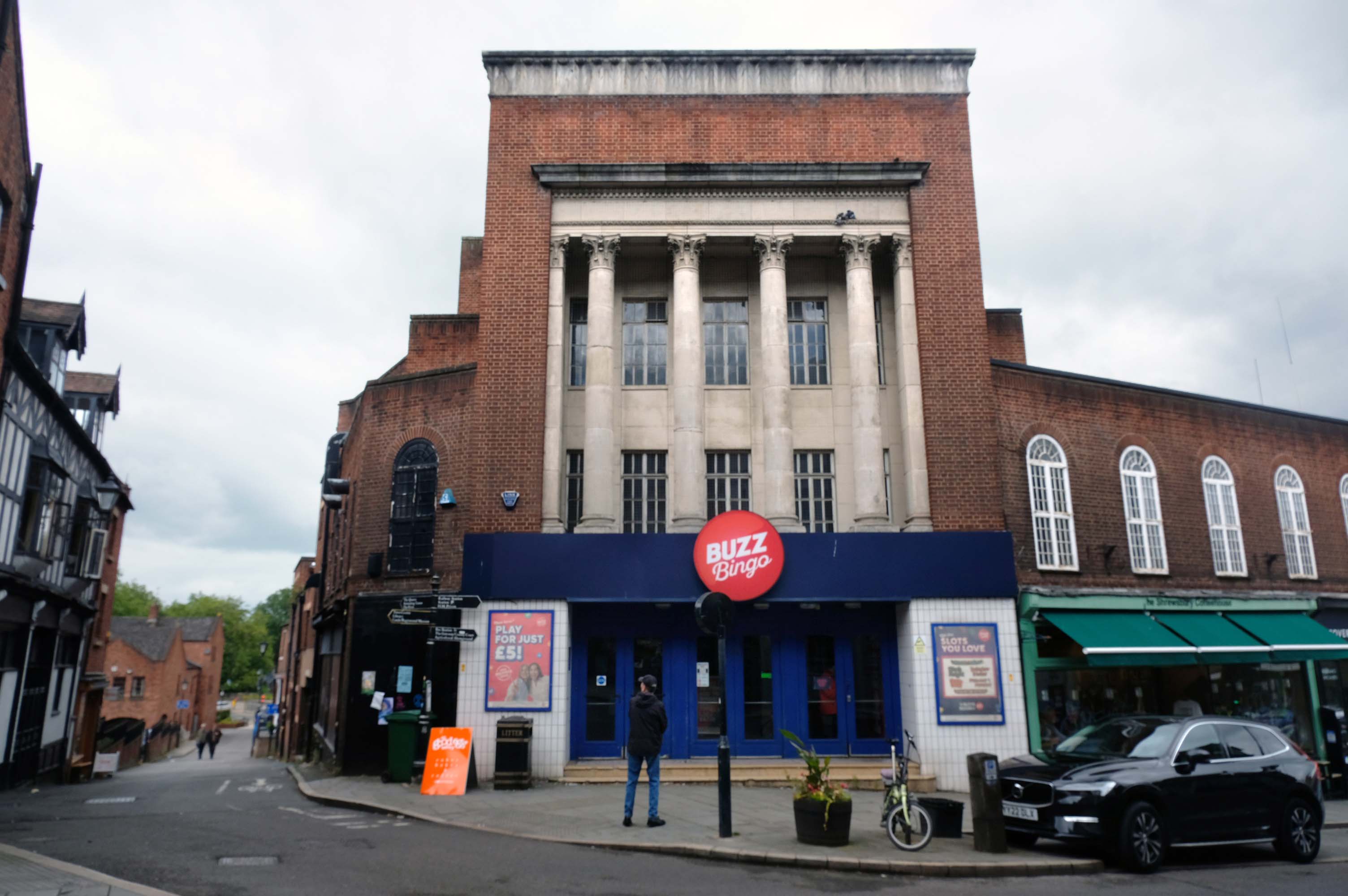
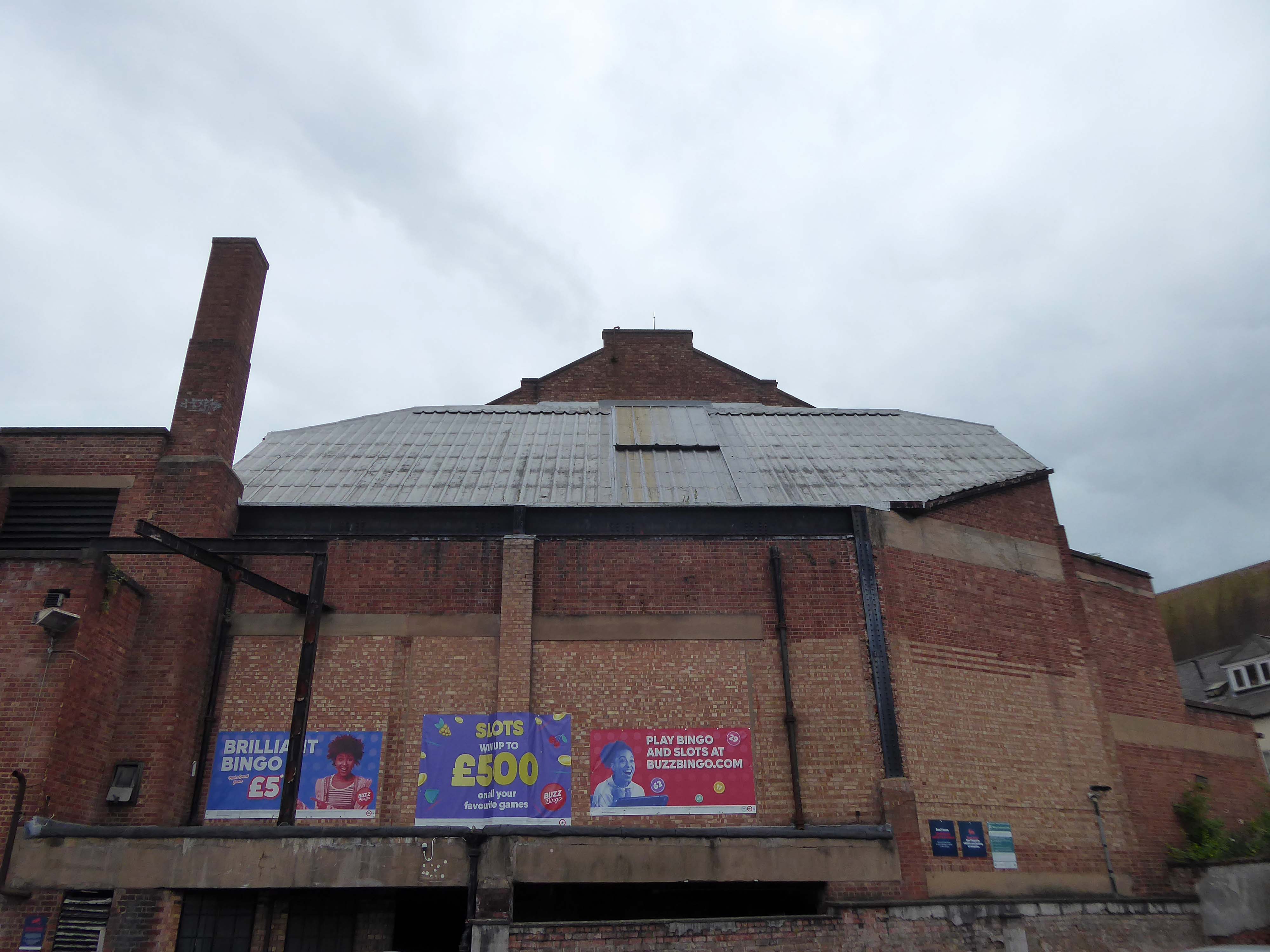
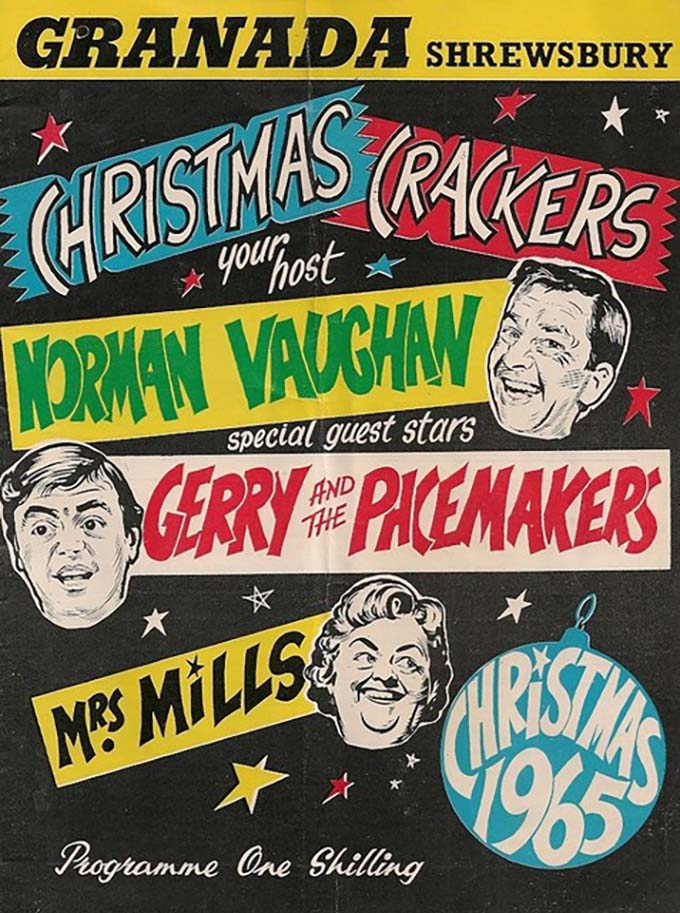
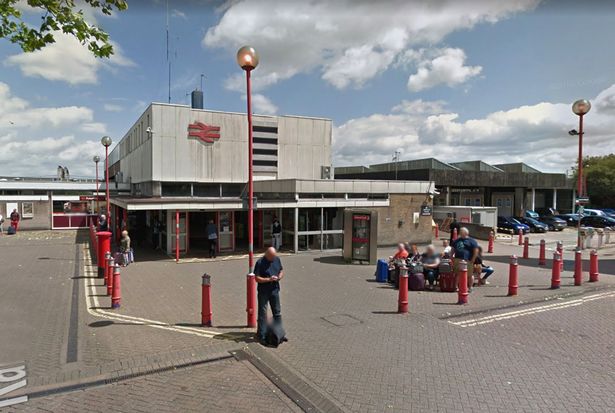
On leaving the front of the railway station – we see the former Granada Cinema.

Architects: Cecil Aubrey Masey

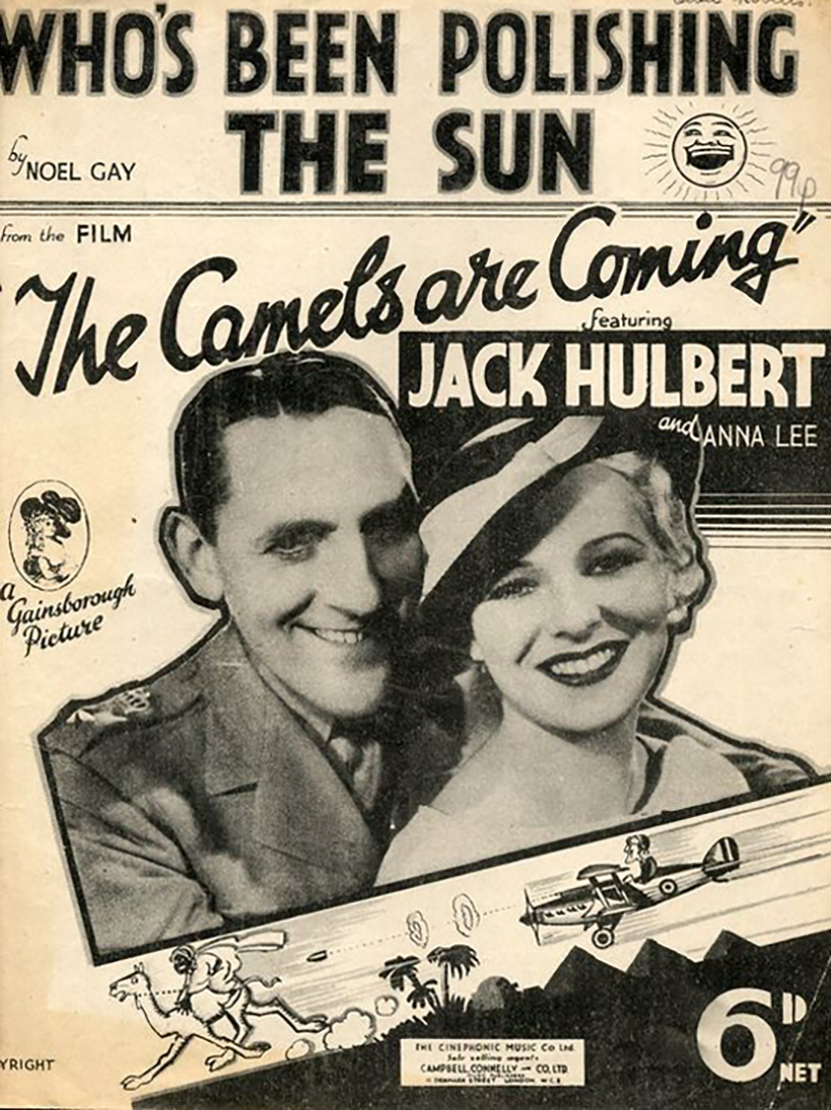
Built and operated by Shrewsbury Empires Ltd, the Granada Theatre opened on 14th November 1934 with Jack Hulbert in The Camels Are Coming.

It closed as a cinema on 31st March 1973 with Charles Bronson in The Valachi Papers and Anatomy of a Pin-Up.

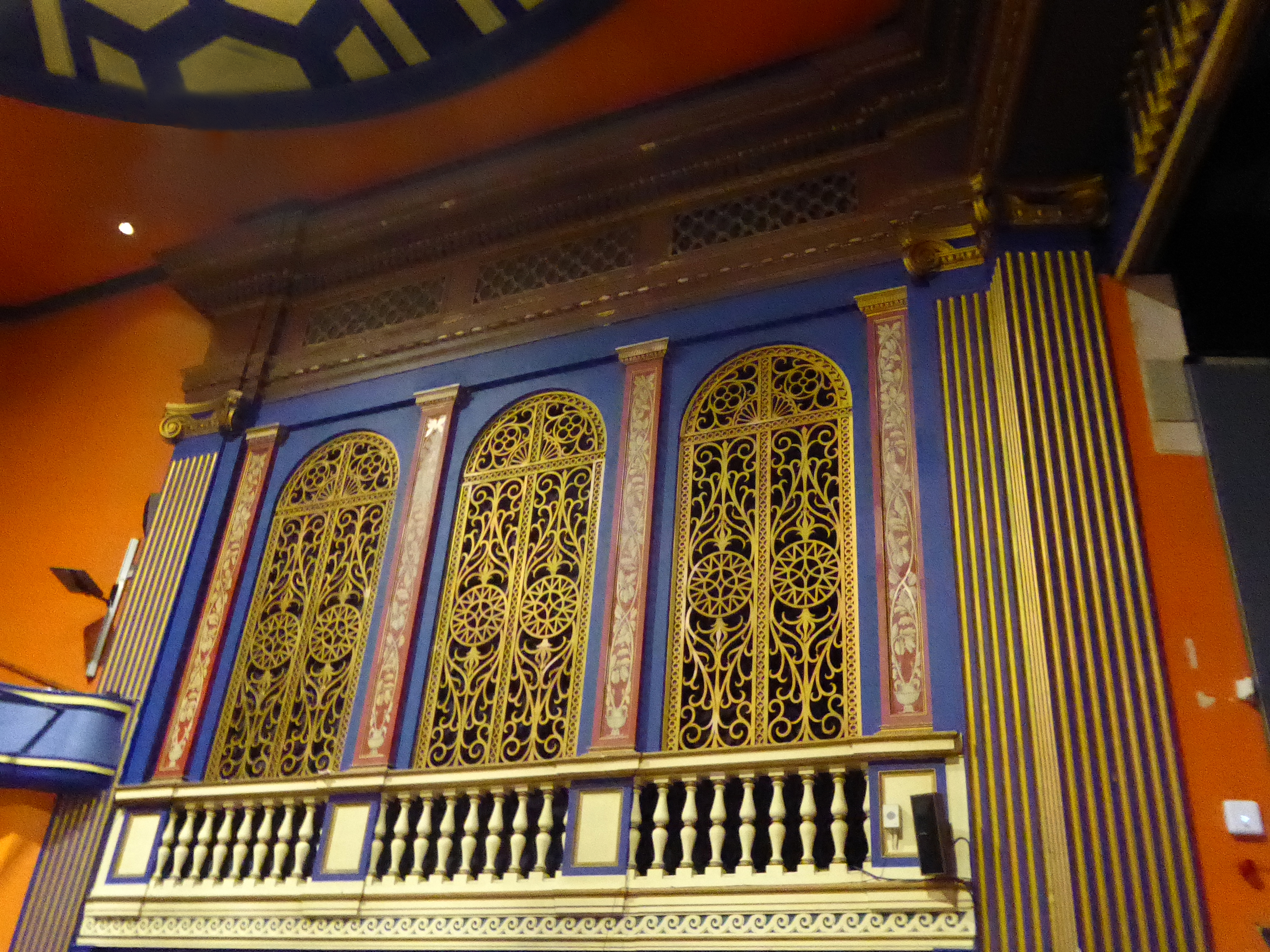
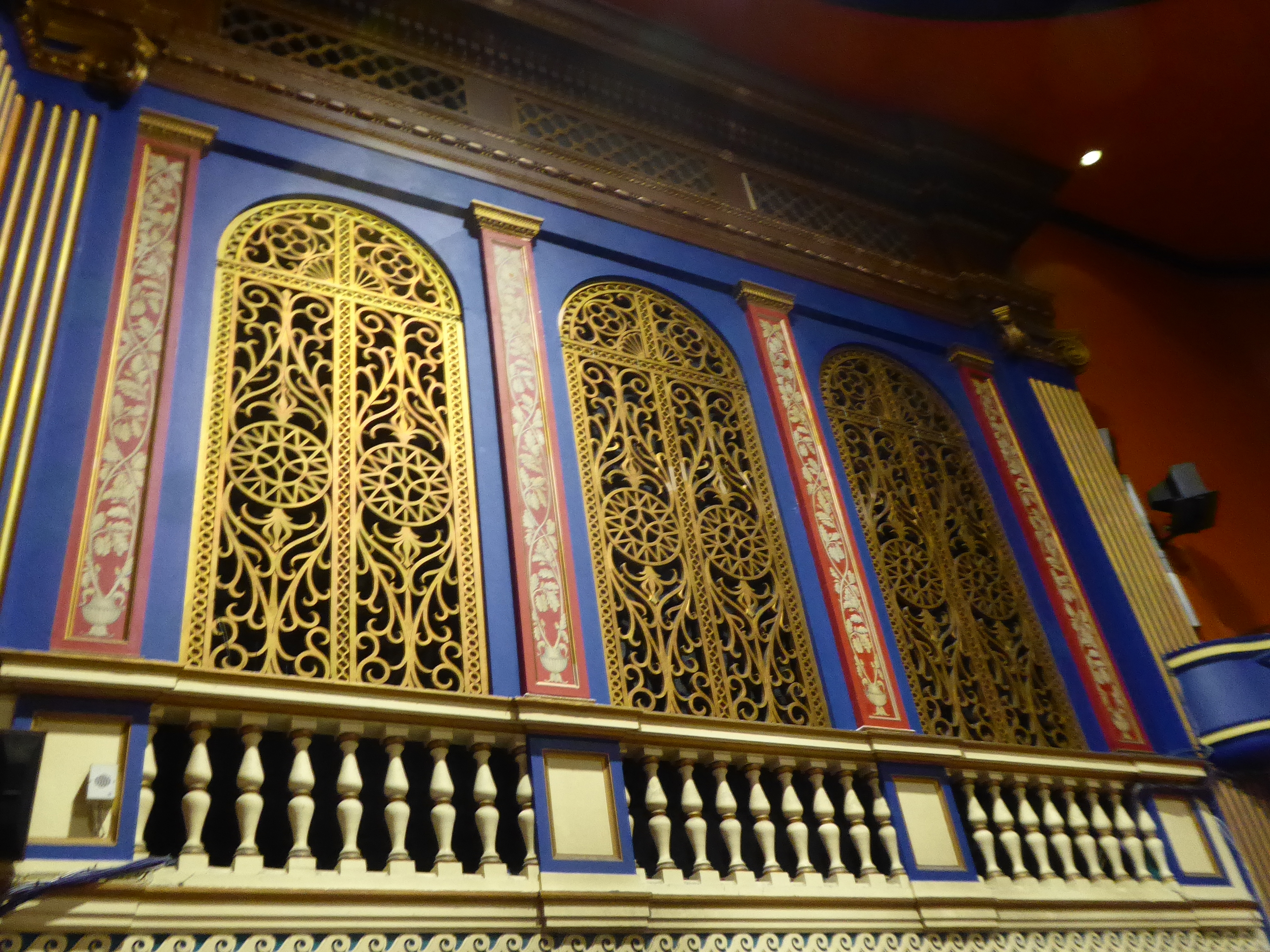
The Granada circuit was famous for its lavishly decorated interiors created by a Russian émigré called Theodore Komisarjevsky, the most famous examples of which are at Woolwich and Tooting – both now operate as bingo halls. The Shrewsbury Granada was by far the best cinema in the area, and in addition to Komisjarevsky, the scheme was designed by Cecil Massey, with some work being carried out by a local architect called Arthur Williams. The architecture of the Shrewsbury hall is often referred to as being a “standard” Granada, and the interior was very similar to the Granadas at Bedford now demolished and Maidstone which wasdestroyed by sub-division. There were less than 20 theatres built for the circuit, of which Shrewsbury was number five, although many existing cinemas were taken over and renamed, making the Granada Theatres an important group, although in numbers they were far behind Odeon and ABC.

Ian Grundy

On 17th November 1995, the Granada Theatre was designated a Grade II Listed building by English Heritage.

Many thanks to the staff of Buzz Bingo for allowing us access.

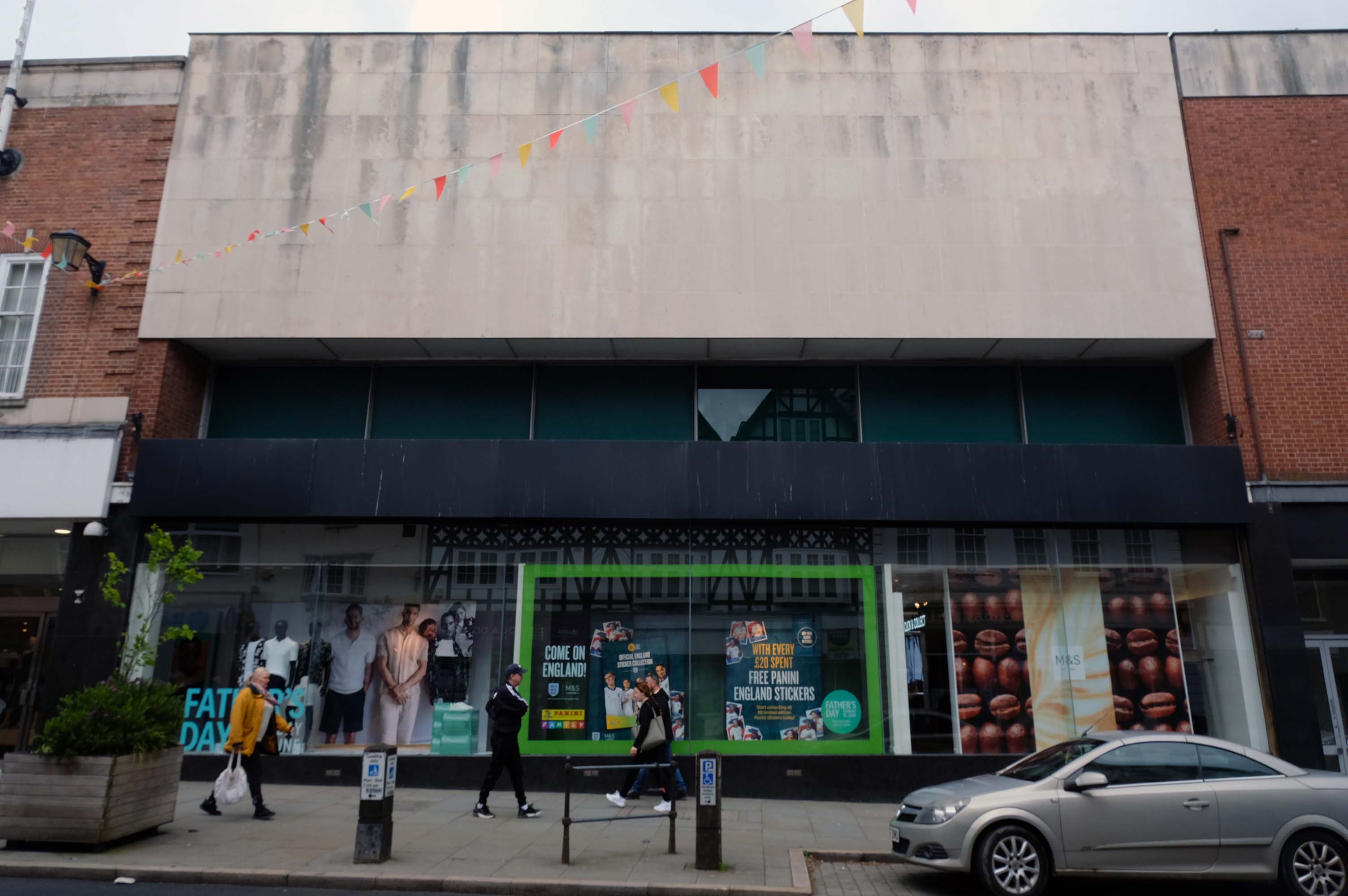
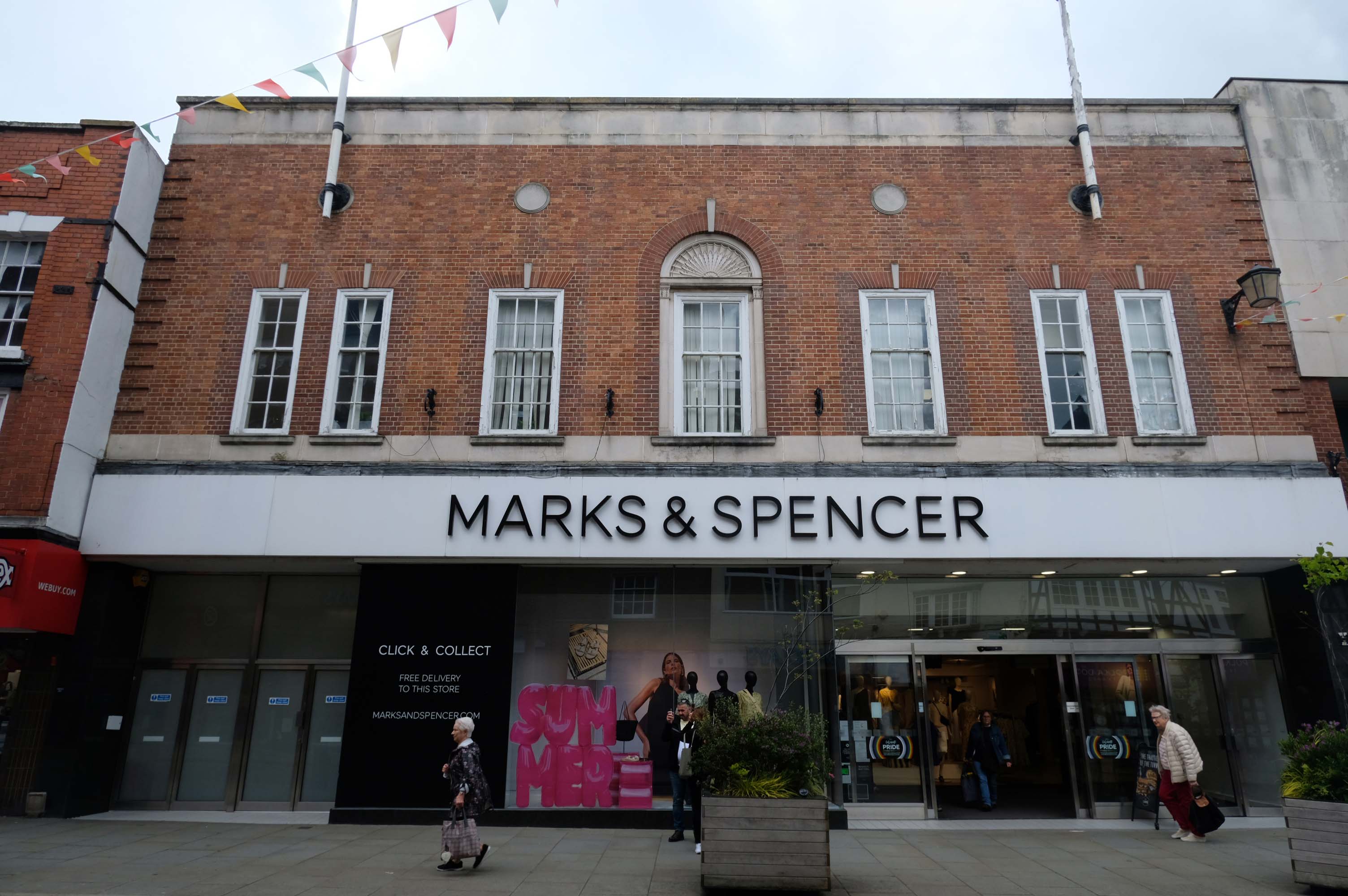
Next up is a Marks & Spencers store very much a shop of two halves – marrying post-war Brutalism with interwar Classicism, unified by a glazed ground floor.

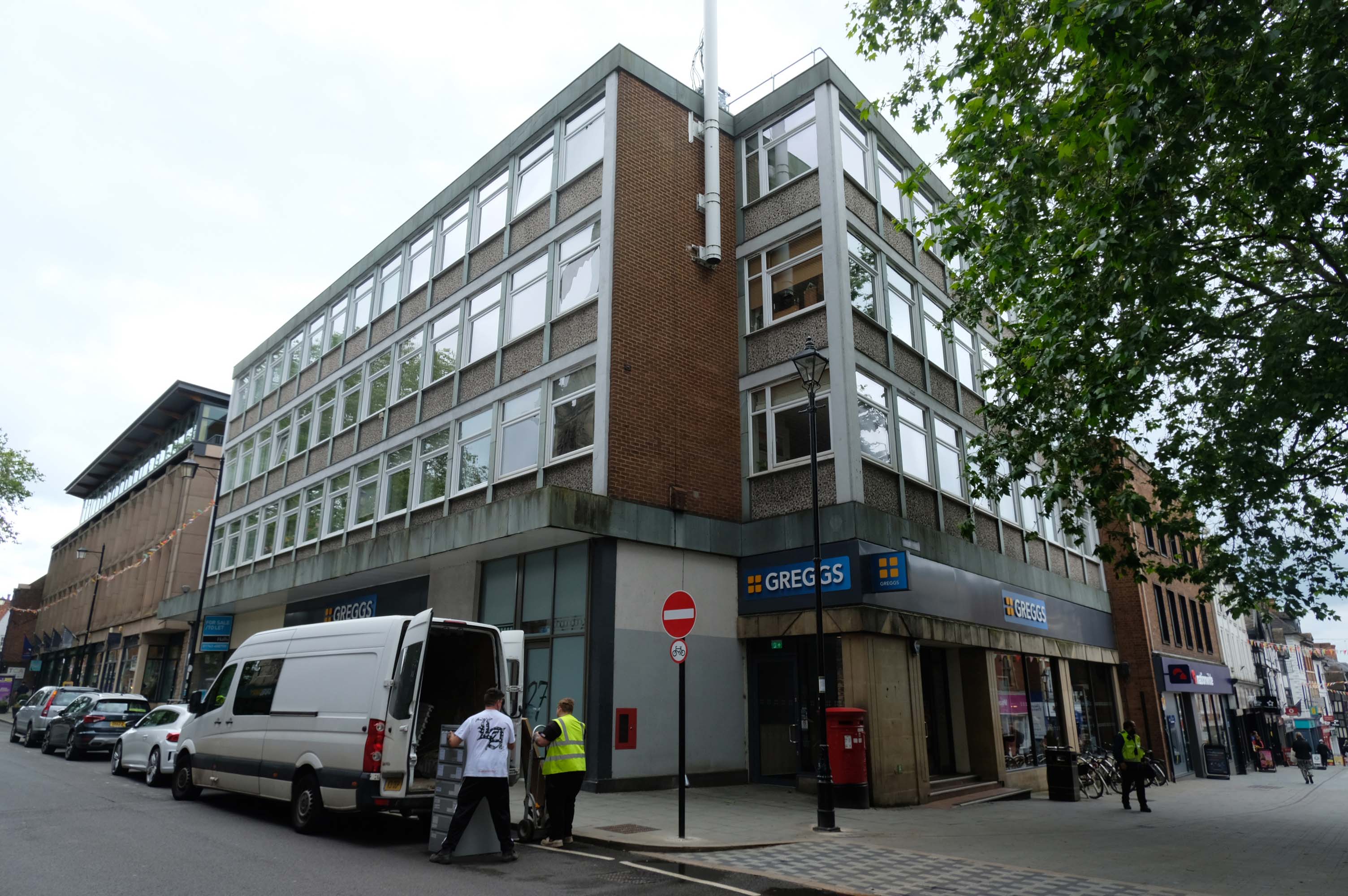
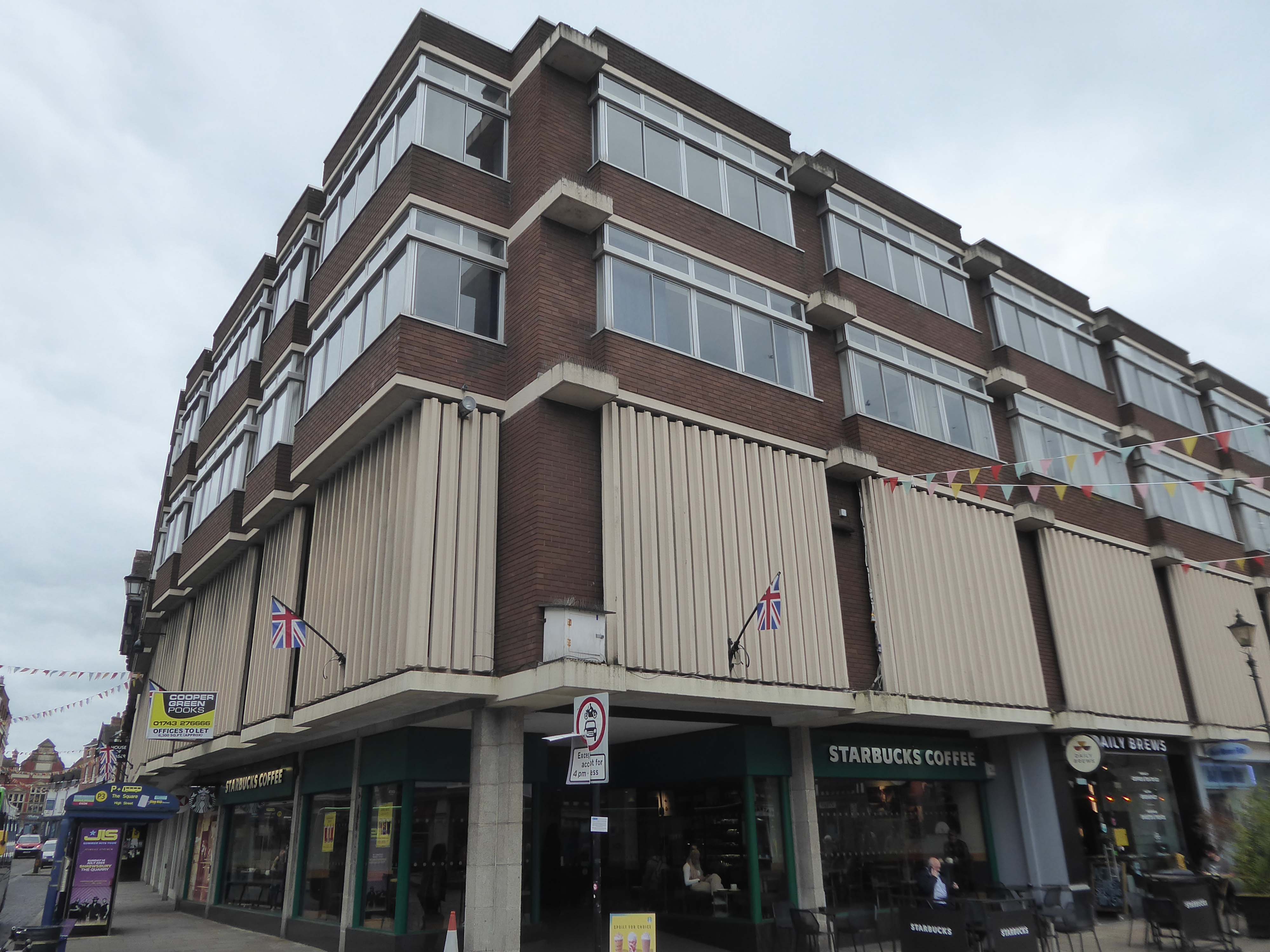
Across the way, a 60s corner site development, with a dual-entry Greggs.

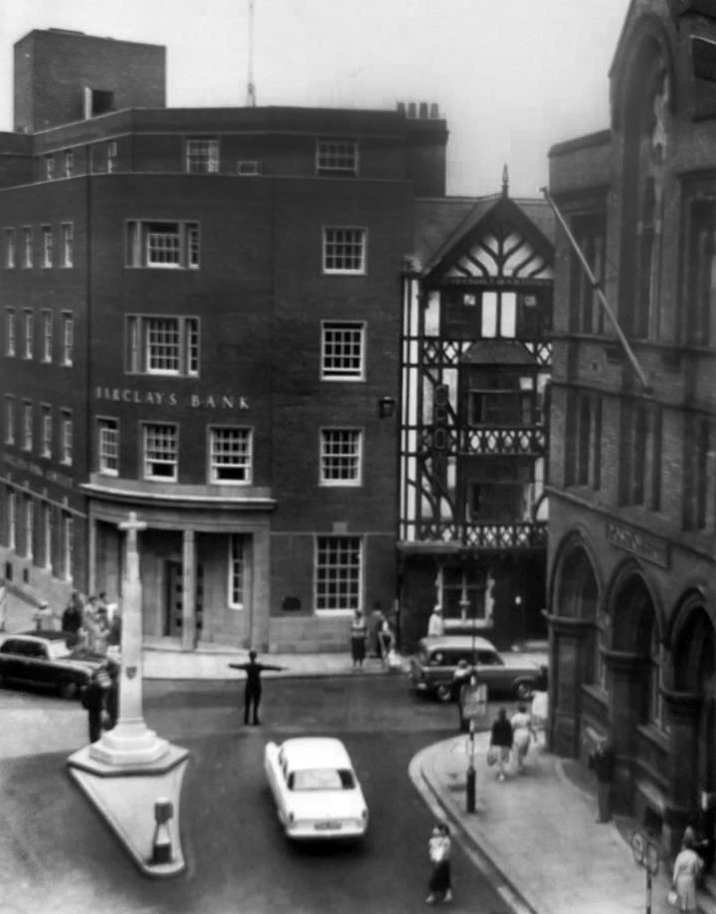
Formerly the site of the Post Office – demolished in 1959, and next to the Barclays bank the long gone Crown Hotel.

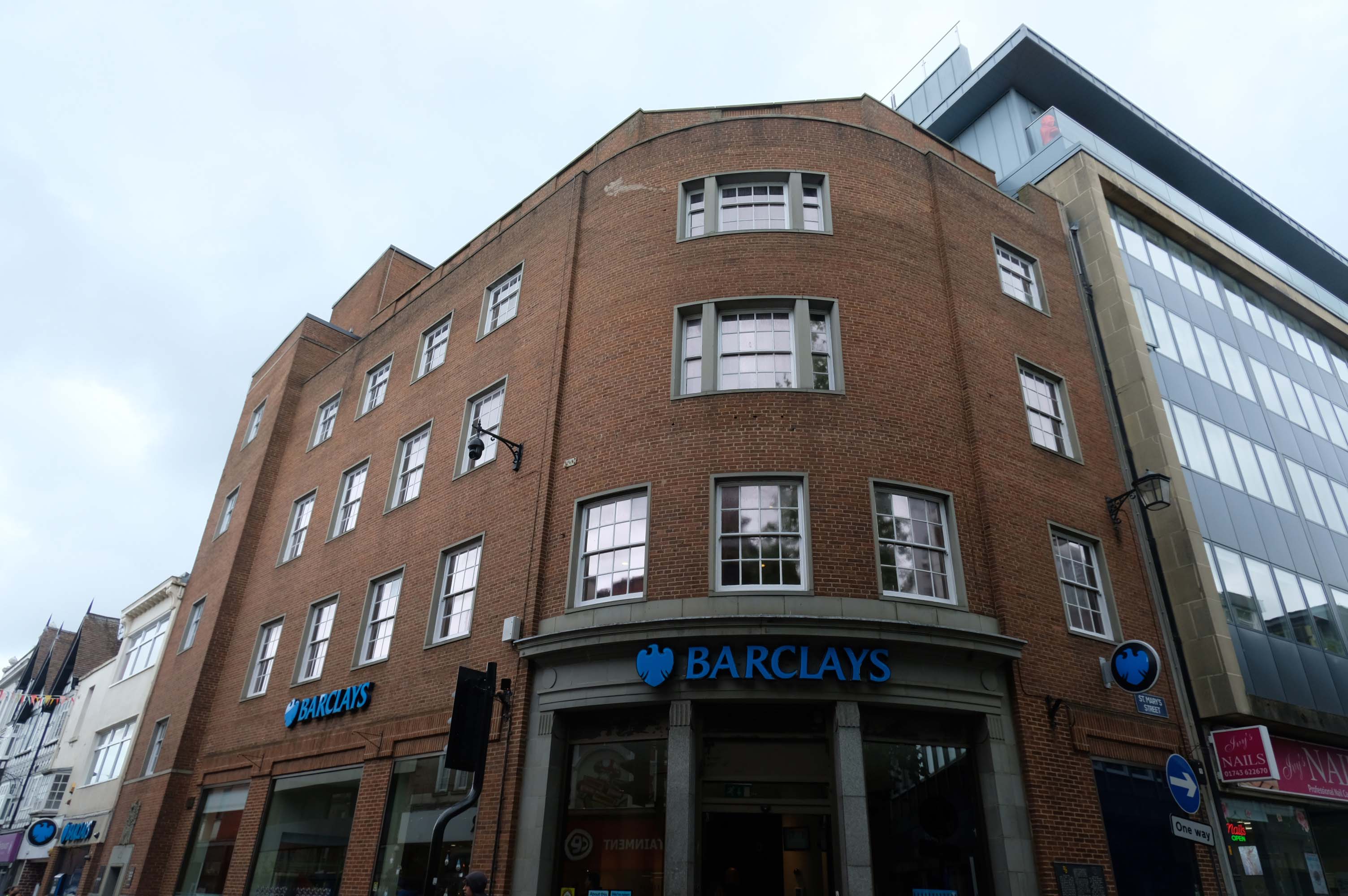
On the adjacent corner a curvaceous Barclays Bank, built in the post war Ministry of Works manner.

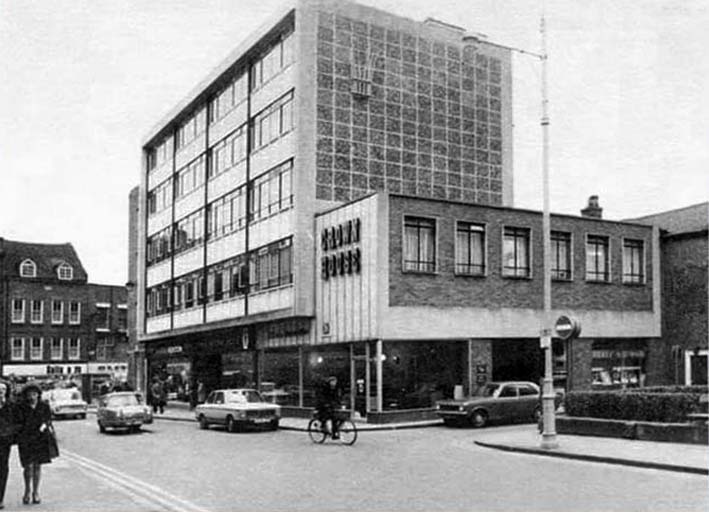
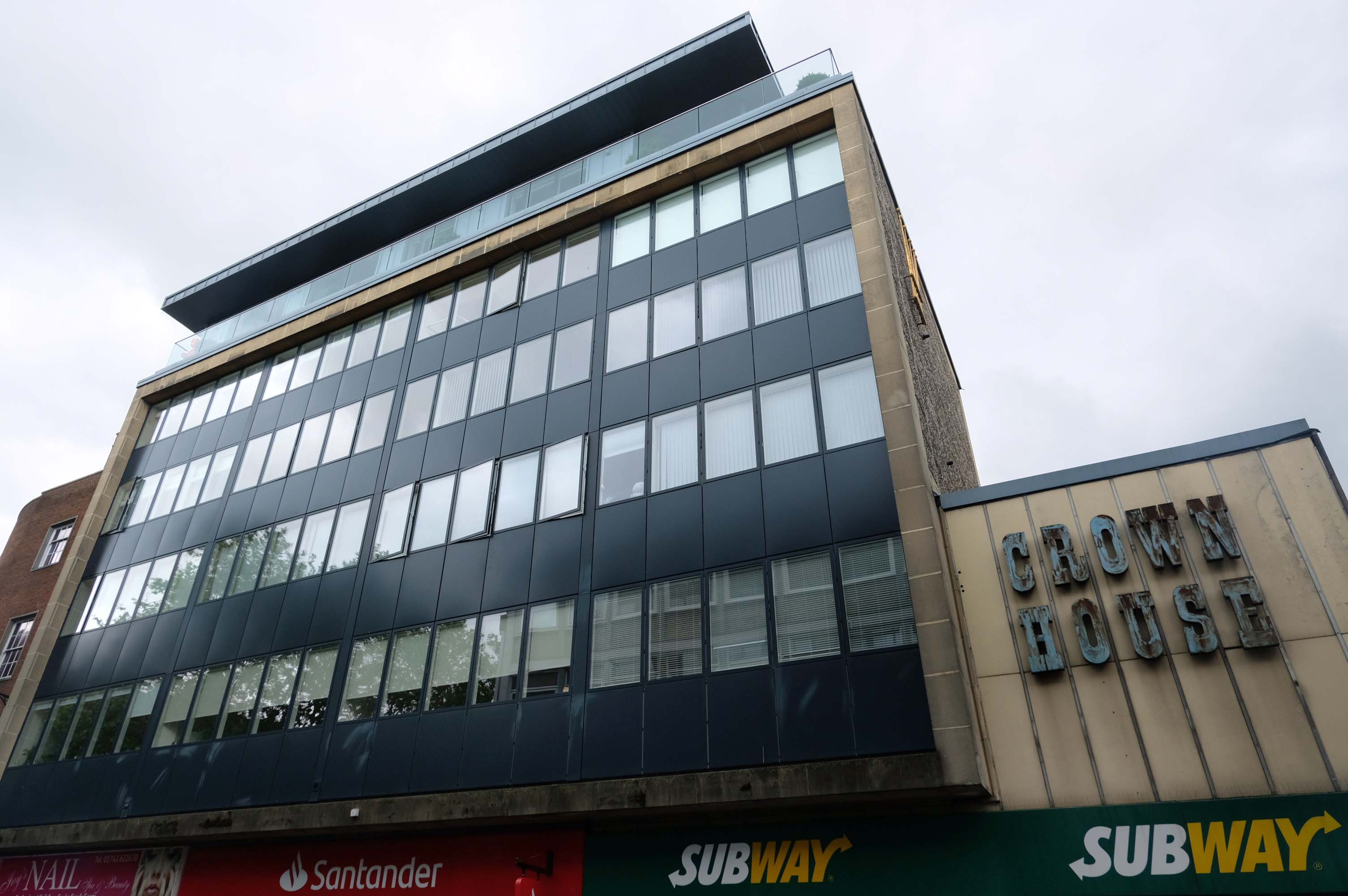
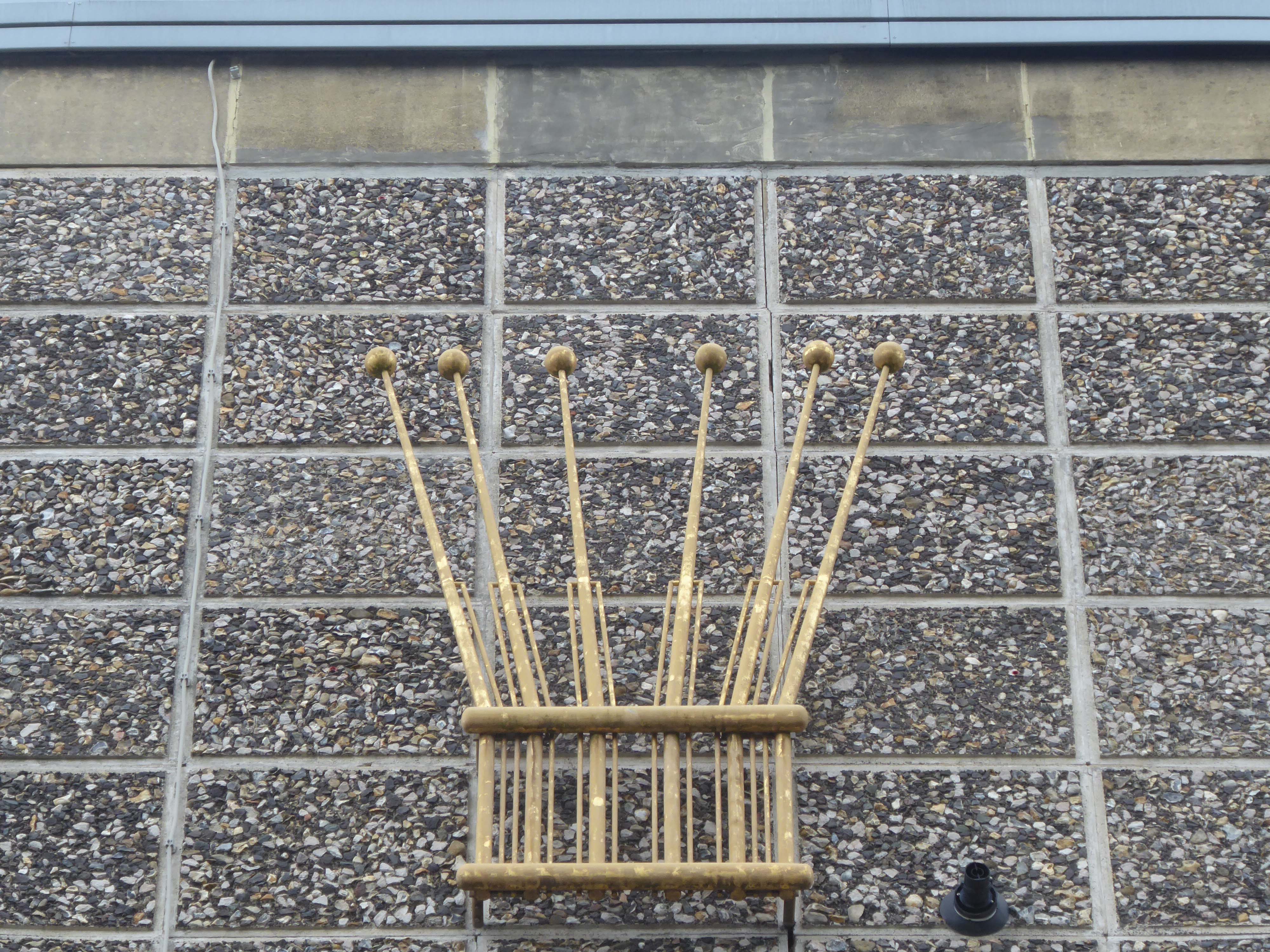
Next door is Crown House – refurbished but with it’s architectural type intact.

One of Marshall Structures’ biggest projects to date was the conversion of Crown House from a tired office block to a complex featuring 14 luxury apartments, providing a much-needed improvement to the site. The work involved in this project included large amounts of steel work and timber design.

The biggest challenge faced during the completion of this project was trying to fit an additional storey without loading quite an old existing structure. To do this, the new storey was designed out of a lightweight timber frame. By doing this, the client’s brief could be met while also ensuring that the existing 1950s building wasn’t overloaded in the process.

Marshall Structures

Directly across the road, this retail and office development.

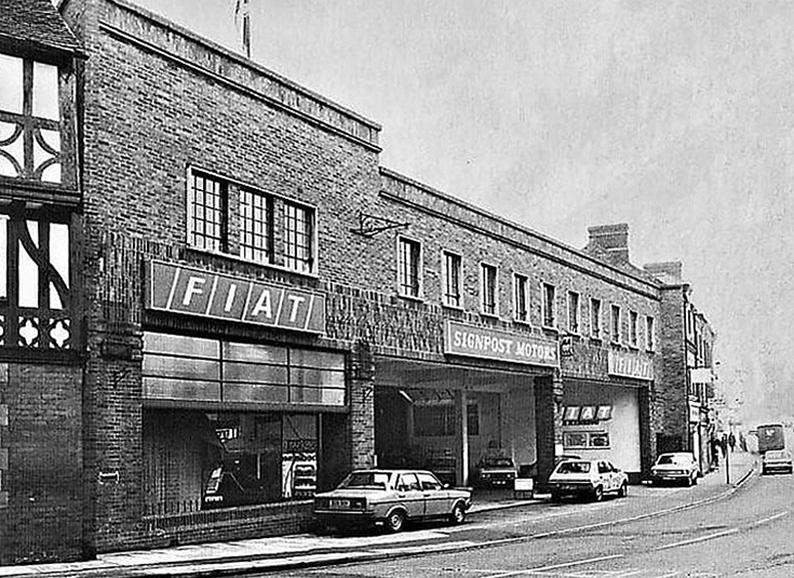
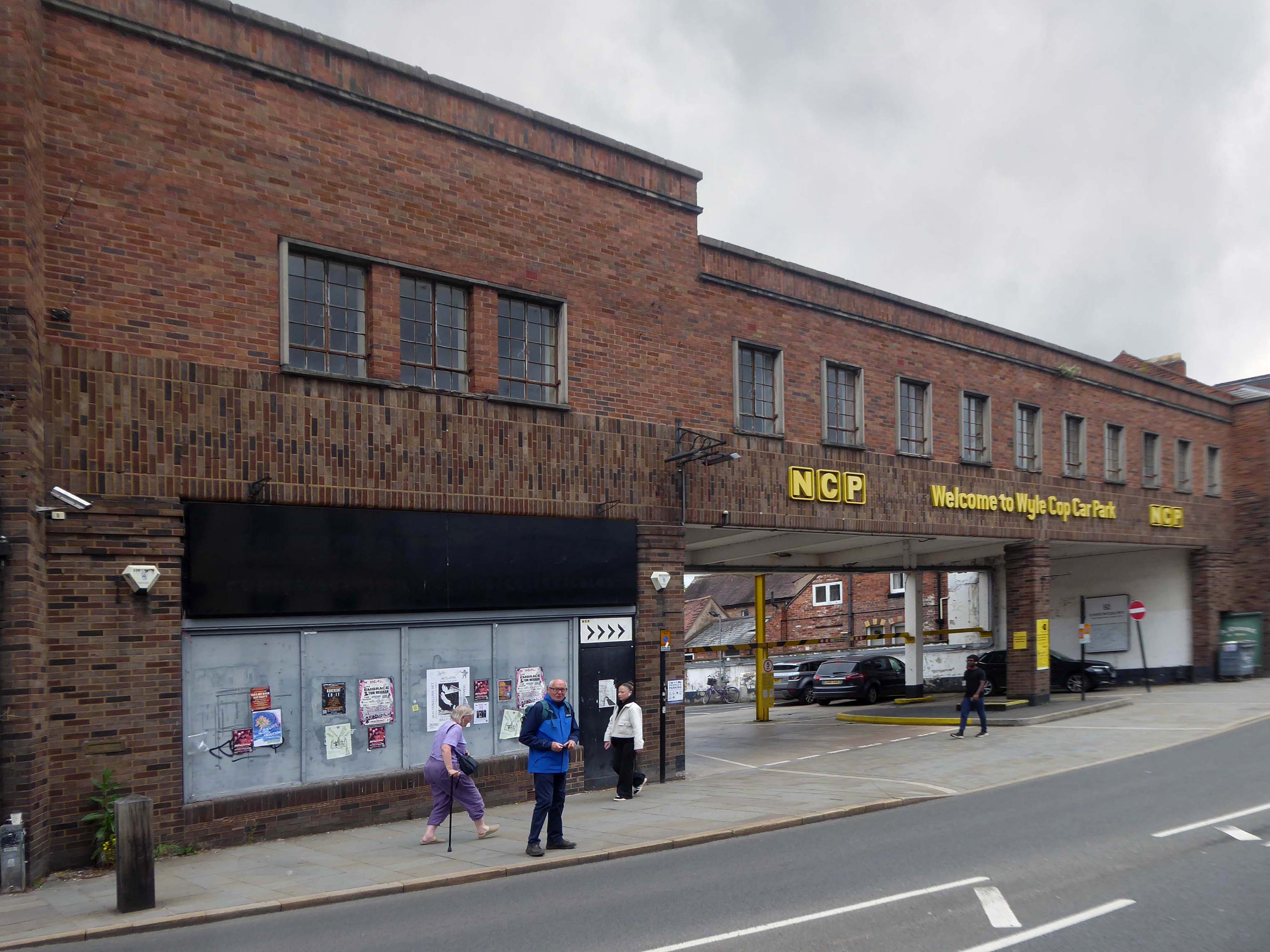
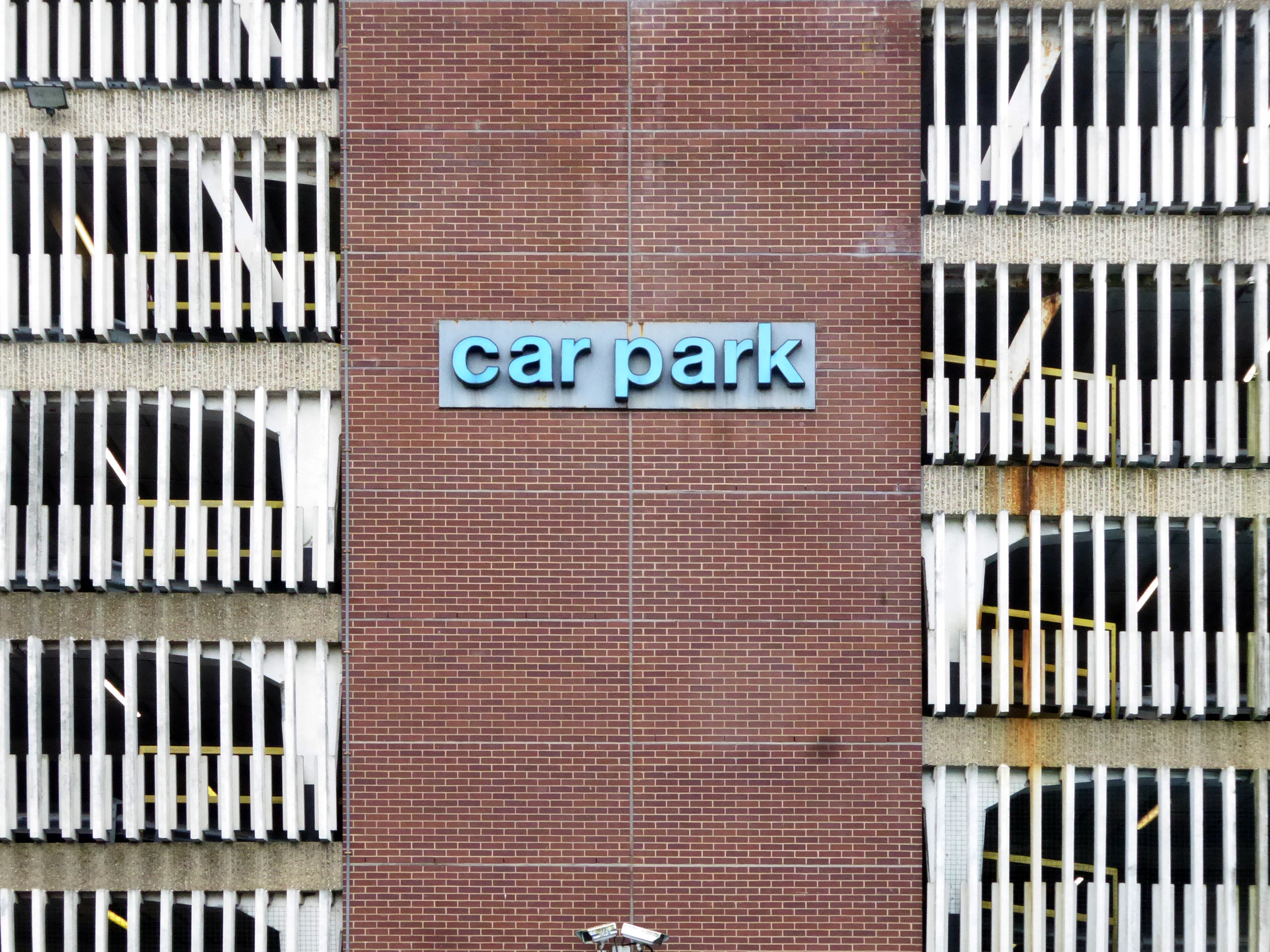
Next up some tricky brickwork on the Wyle Cop Car Park.

Formerly Kennings latterly Signpost Motors Fiat dealer.

Very badly run carpark, one machine broken, other not taking cards or cash.

Great place with a lot of parking space.

Onwards onwards across the river toward Shirehall.

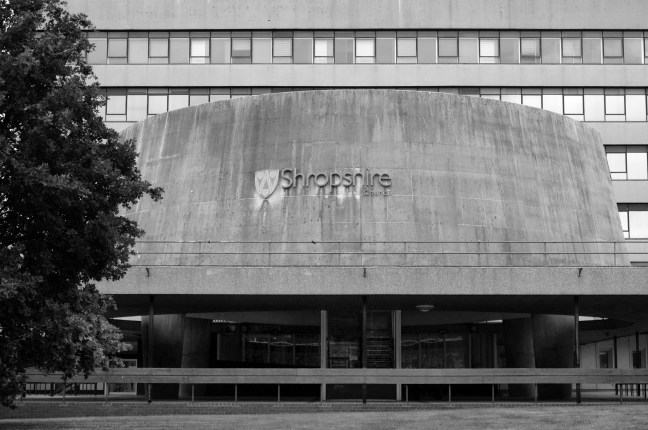
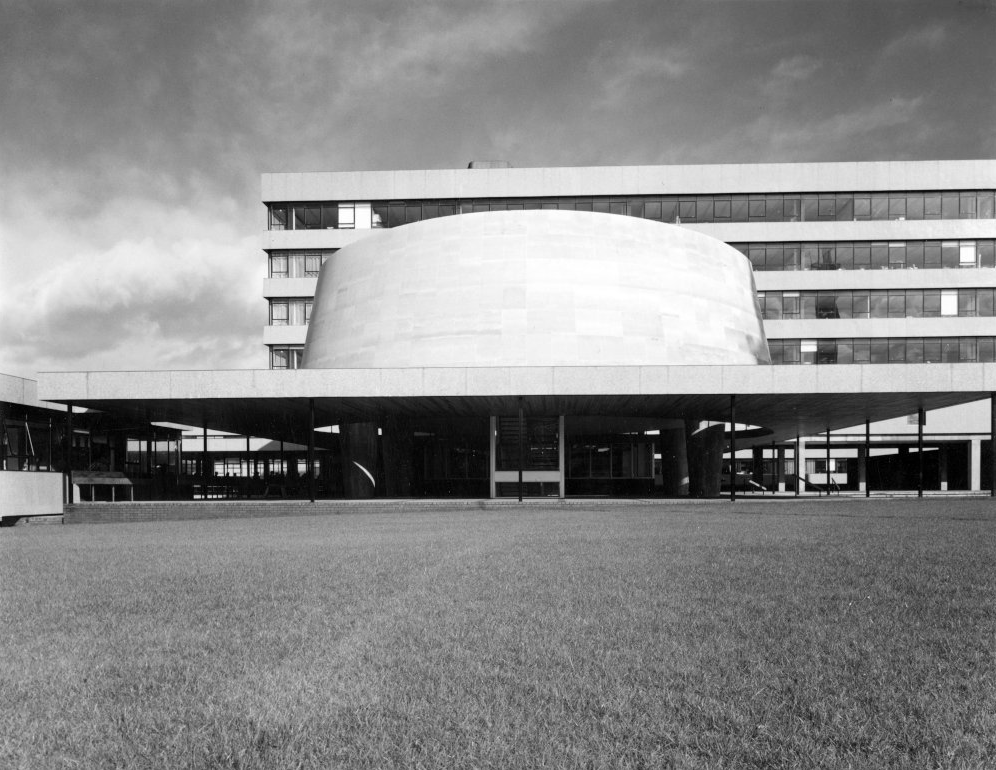
Architect: Ralph Vernon Crowe – 1966

Ribapix 1967

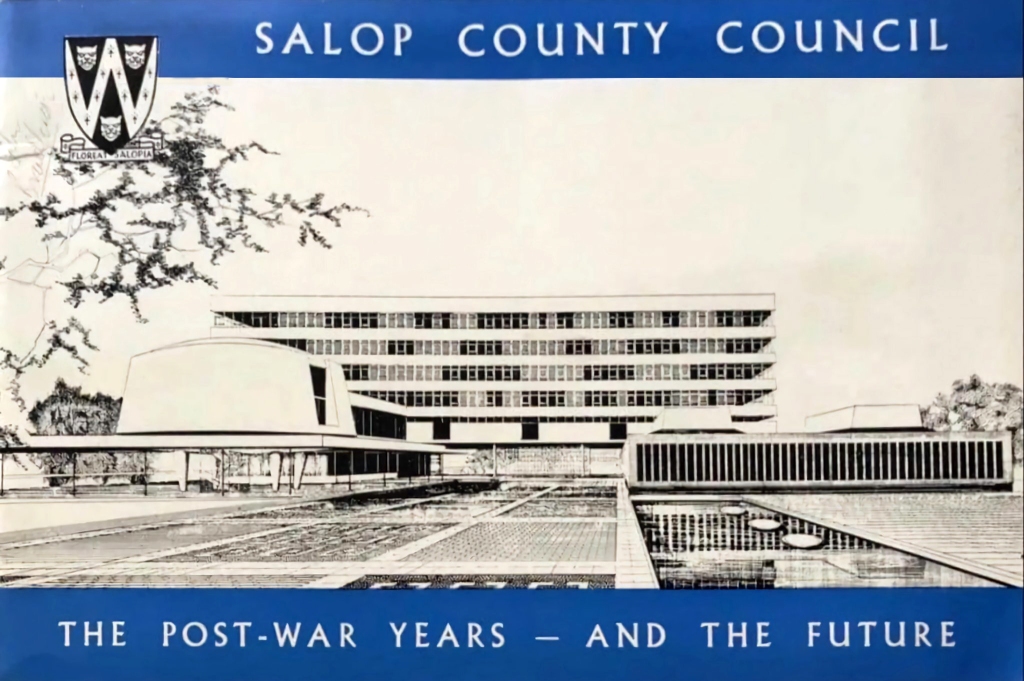
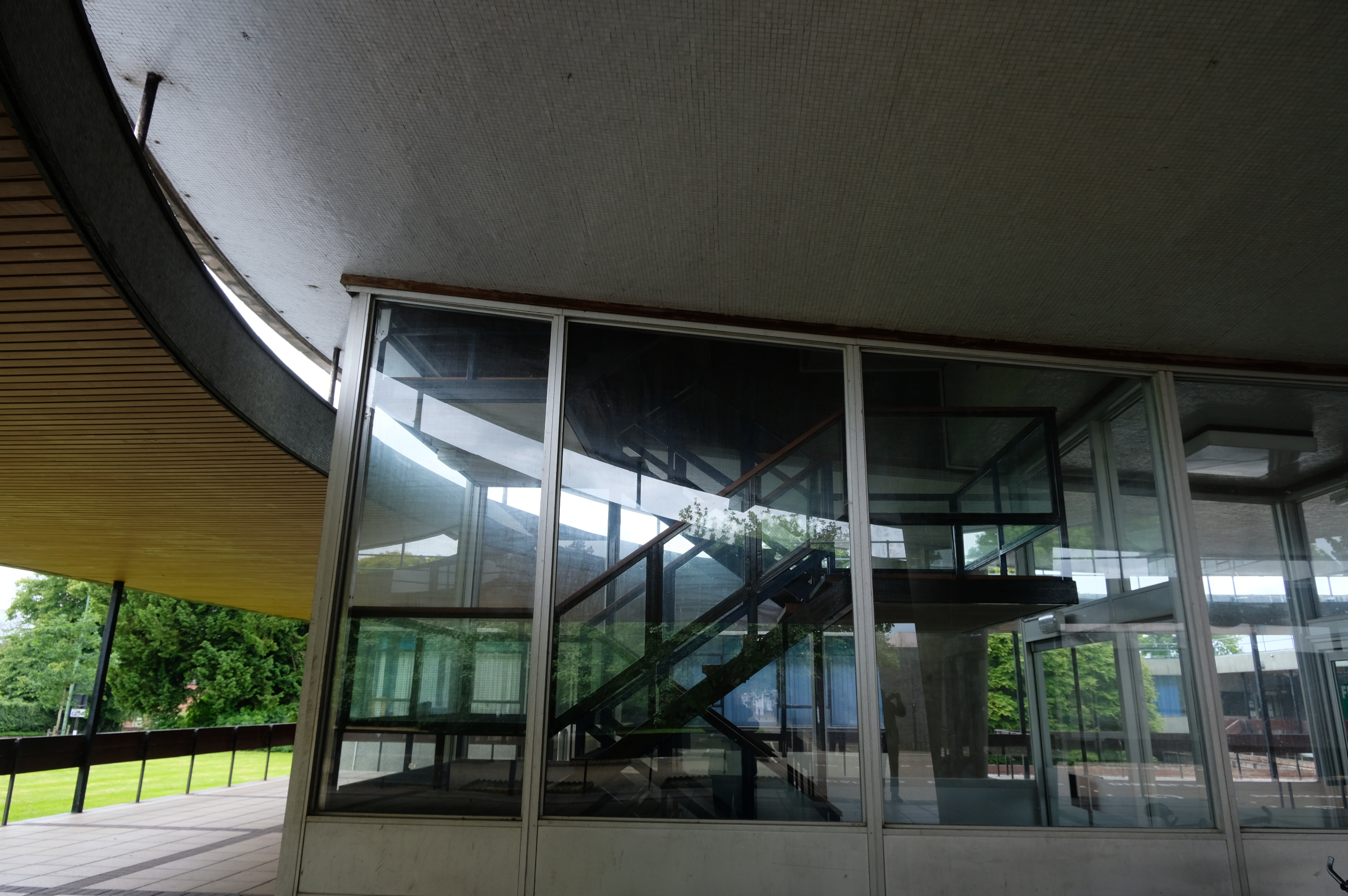
The foundation stone for the new building was laid by Sir Offley Wakeman, a former chairman of the county council, on 25 July 1964. It was designed by Ralph Crowe, the County Architect, in the Modernist style, built at a cost of £1.8 million and was completed in April 1966.

Pevsner described the building as – the major monument to post-war modernism in the county.

The Shrewsbury Civic Society is fighting hard to prevent the demolition.

There are archive photographs of the interior here.

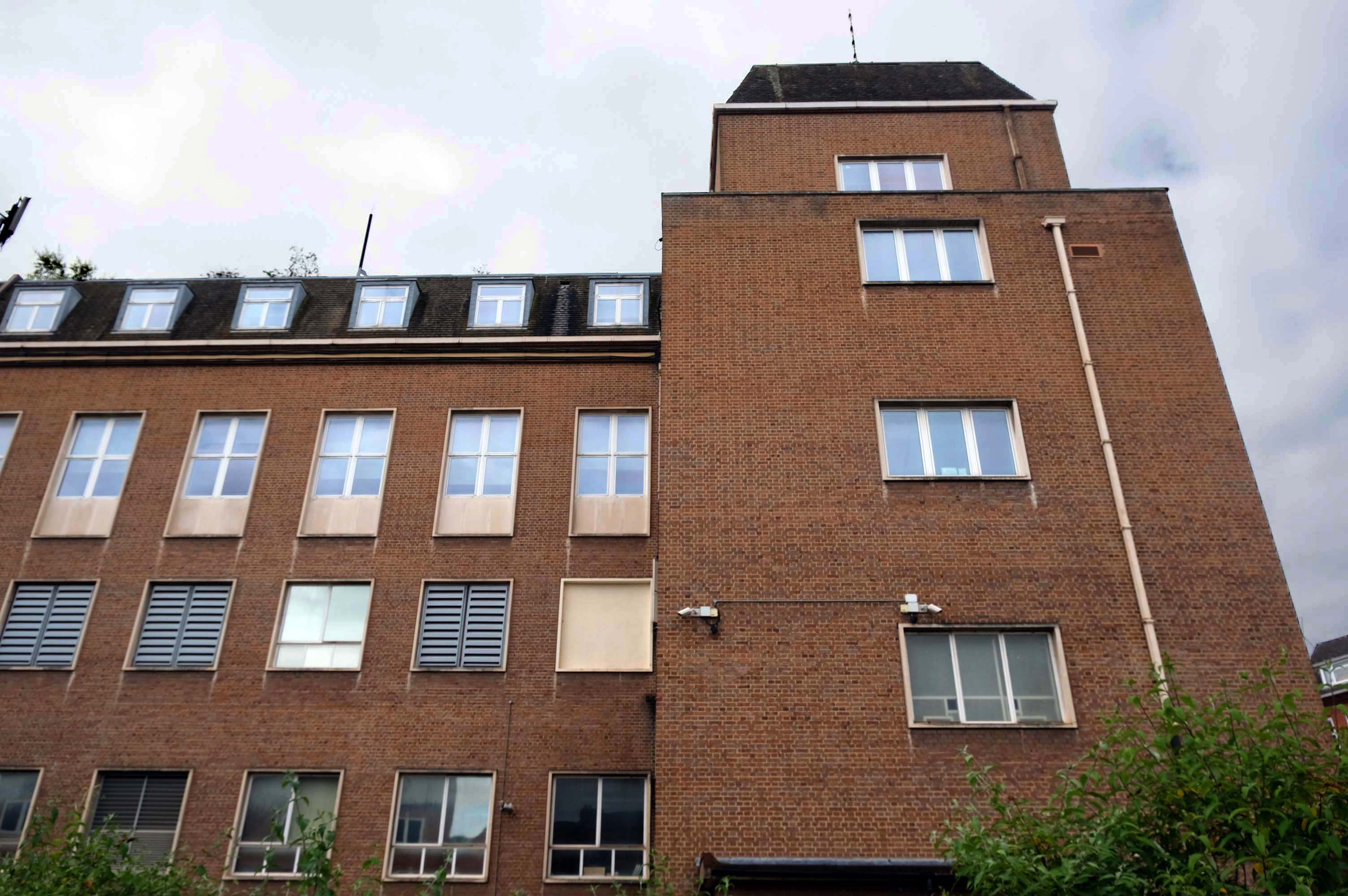
Back into town to take a look at the Telephone Exchange.

Next to the Market Hall.

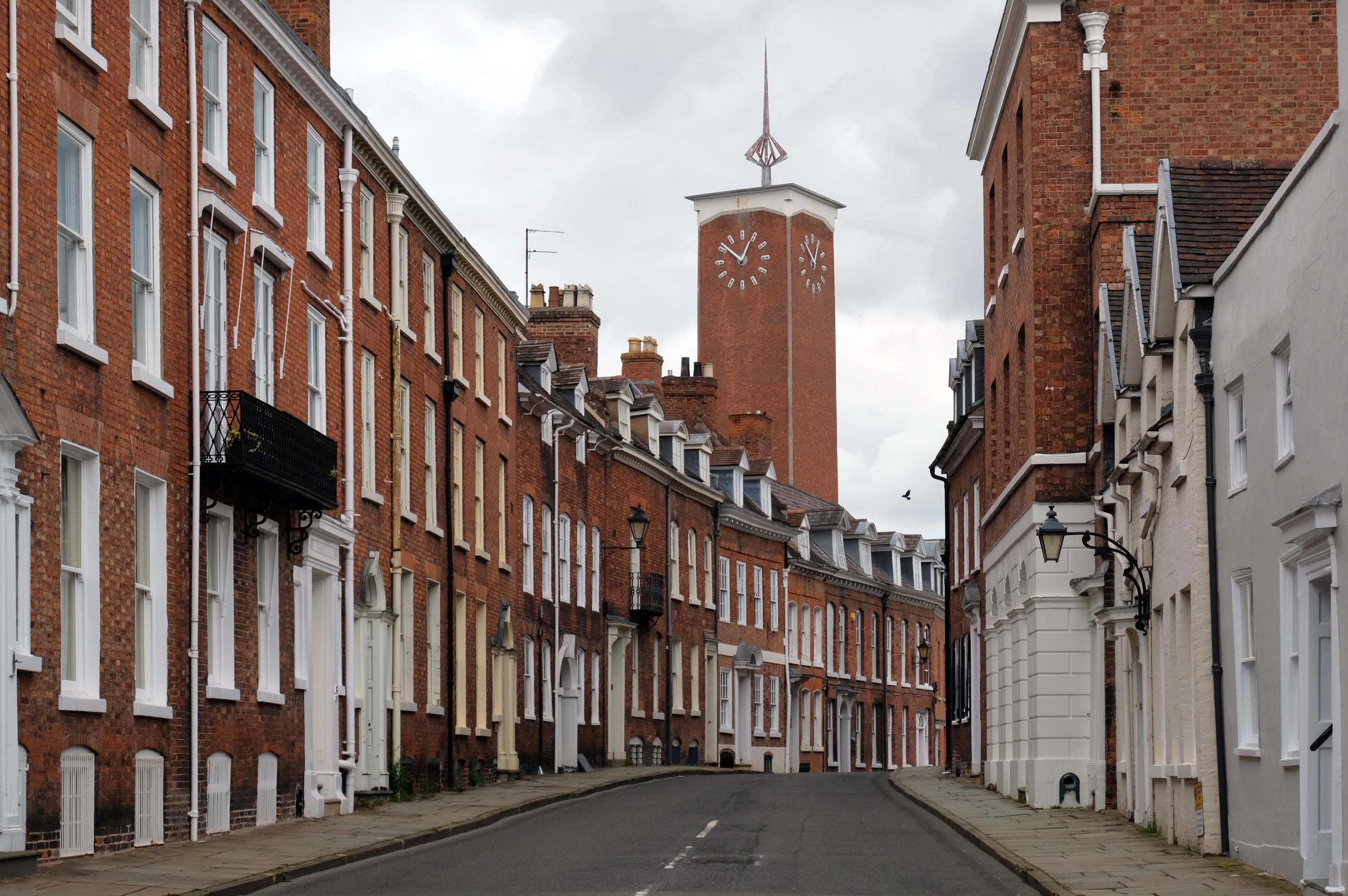
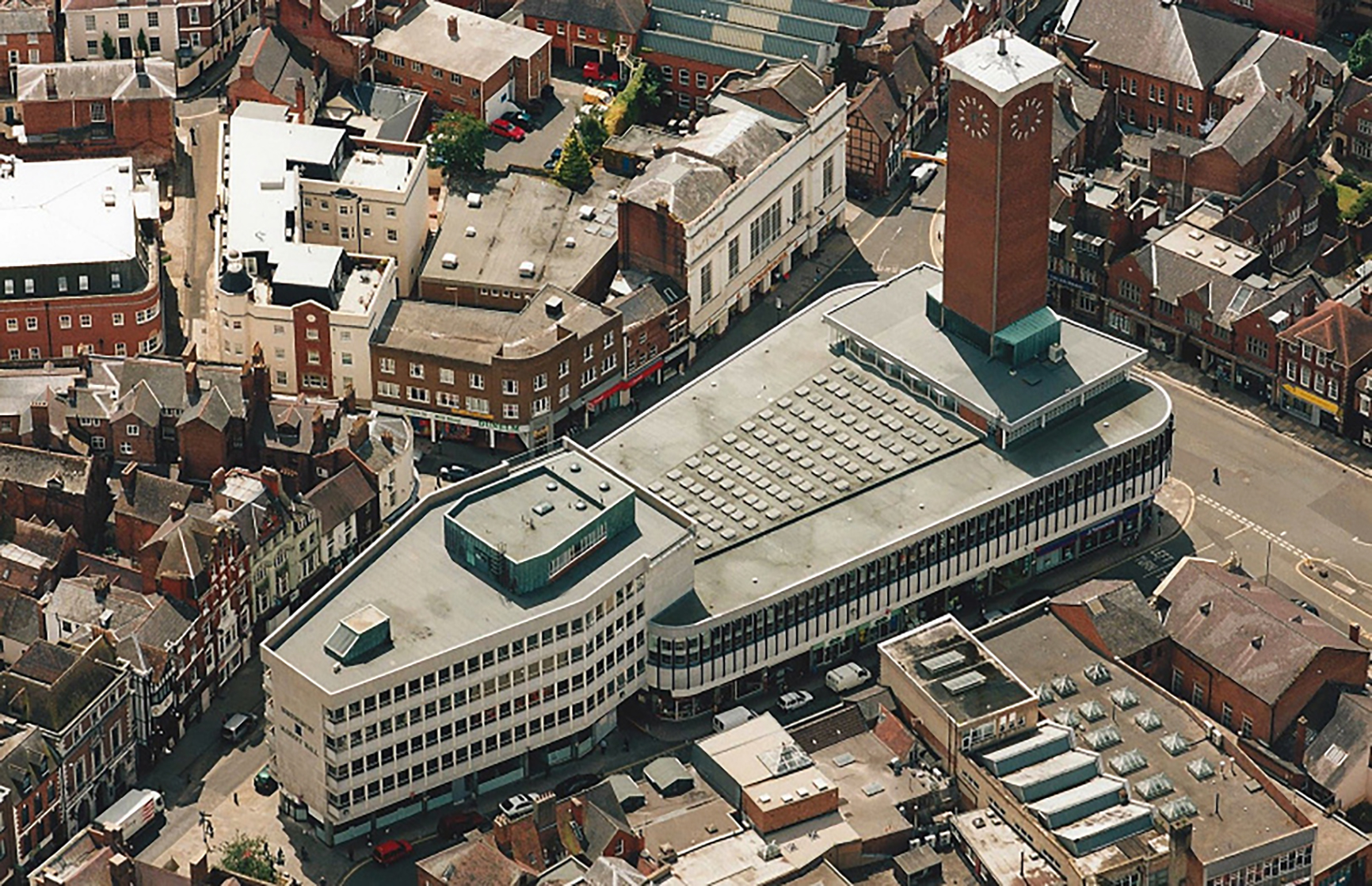
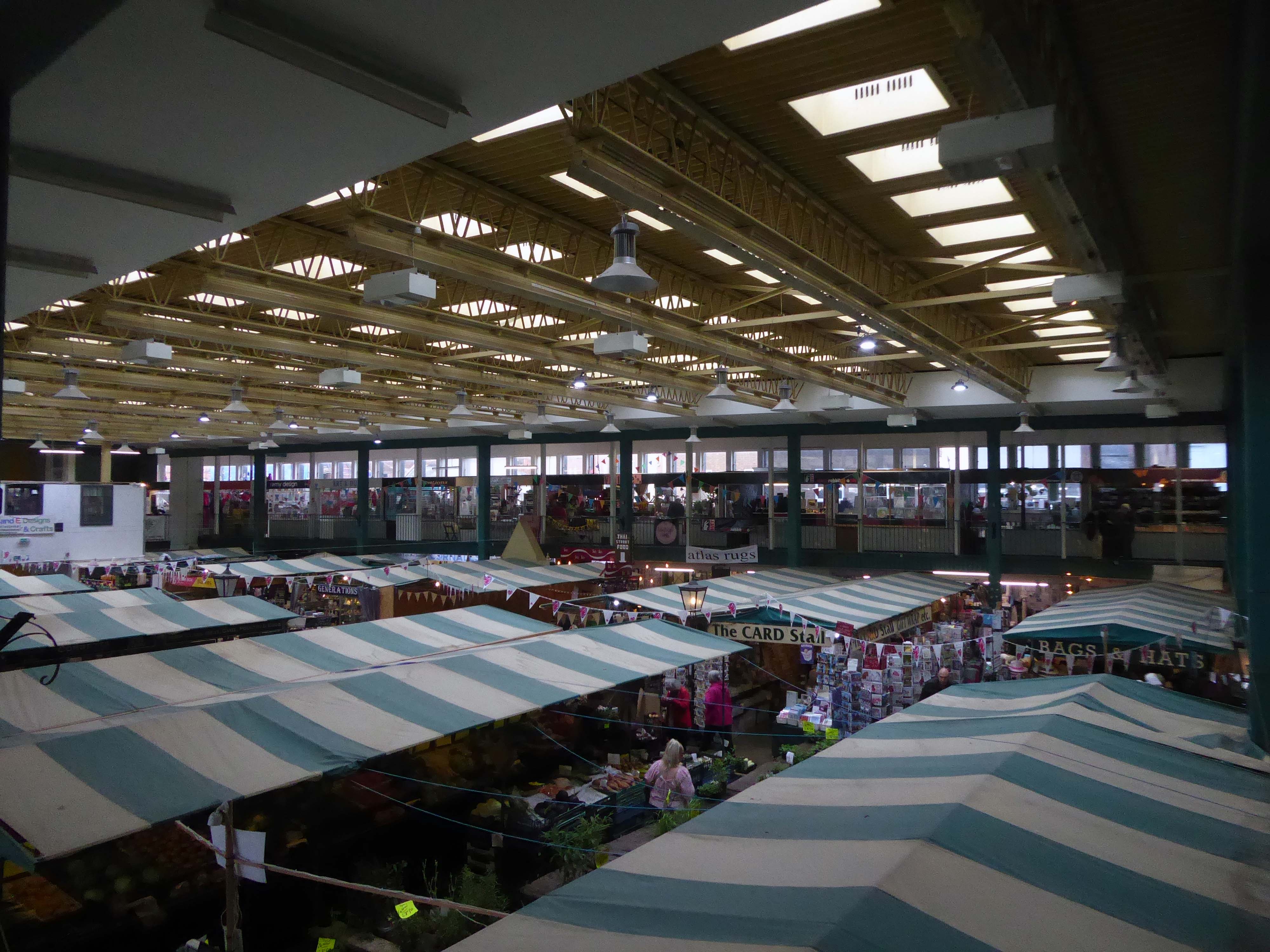
The Market Hall, which includes the town’s 240ft clock tower, an indoor market and a ground-floor shopping centre, was hailed the most modern building in Shropshire when it opened in September 1965.

Developed by the Second Covent Garden Property Company Ltd to replace an ailing Victorian market hall, it cost £1 million to build and was designed by award-winning architect David du Roi Aberdeen who also famously designed the Trade Union Congress headquarters, Congress House, in London, and the Swiss Centre in Leicester Square. 

Today the Market Hall’s 1960’s architecture might not be to everyone’s taste, but its indoor market is thriving with over 70 small businesses ranging from popular contemporary cafes and gift retailers to artisan producers and traditional market stalls selling fresh produce.

Shropshire Live

More of the Market Hall here.

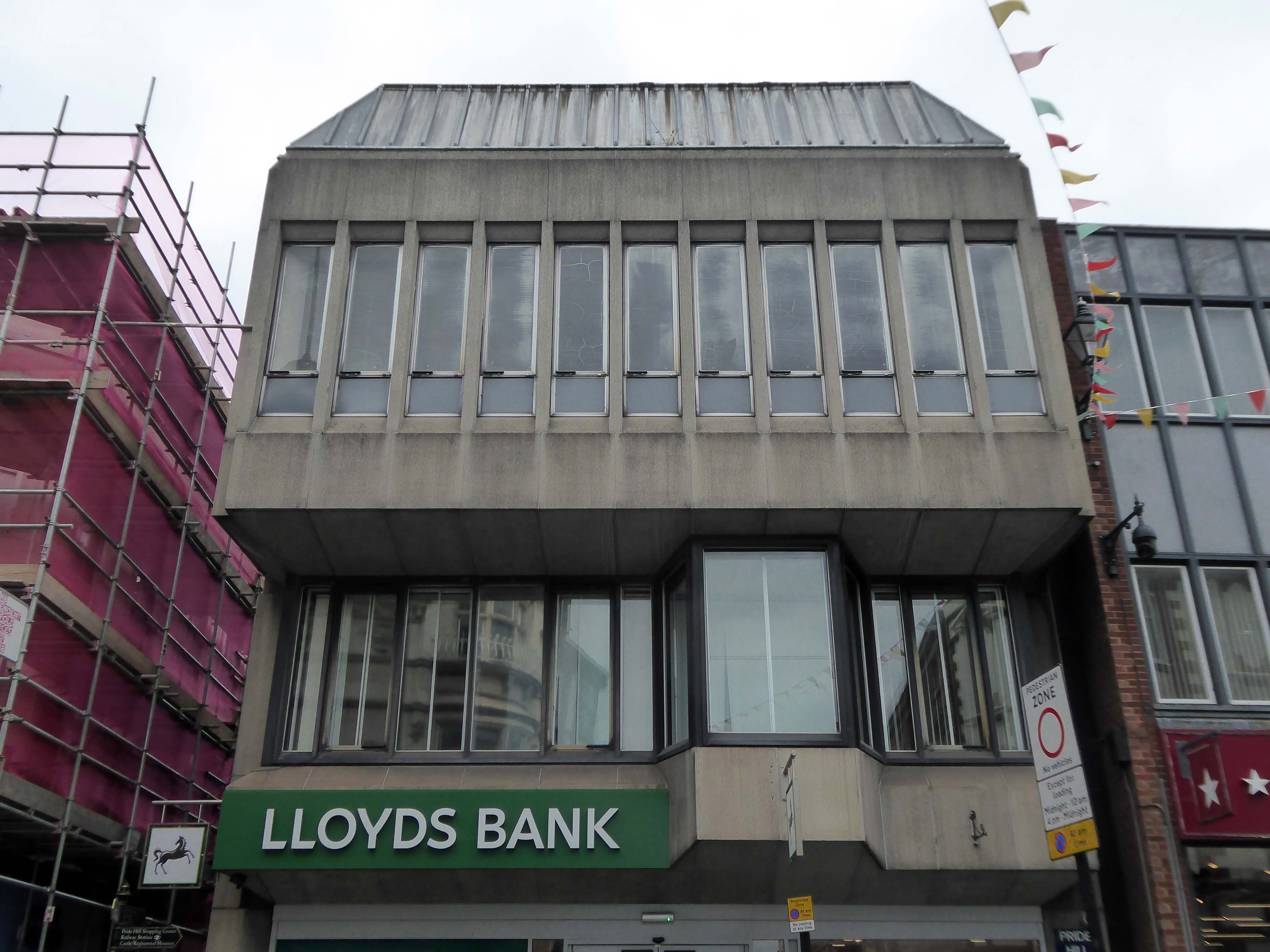
Bobbing toward the centre – a striking Lloyds Bank.

A conscious effort to reflect the nearby Tudor architecture of Ireland’s Mansion and Pride Hill. Lloyds Bank is considered a good example of Brutalist architecture, and proof that bold modern buildings can be successfully slotted into traditional historic streets.

Original Shrewsbury

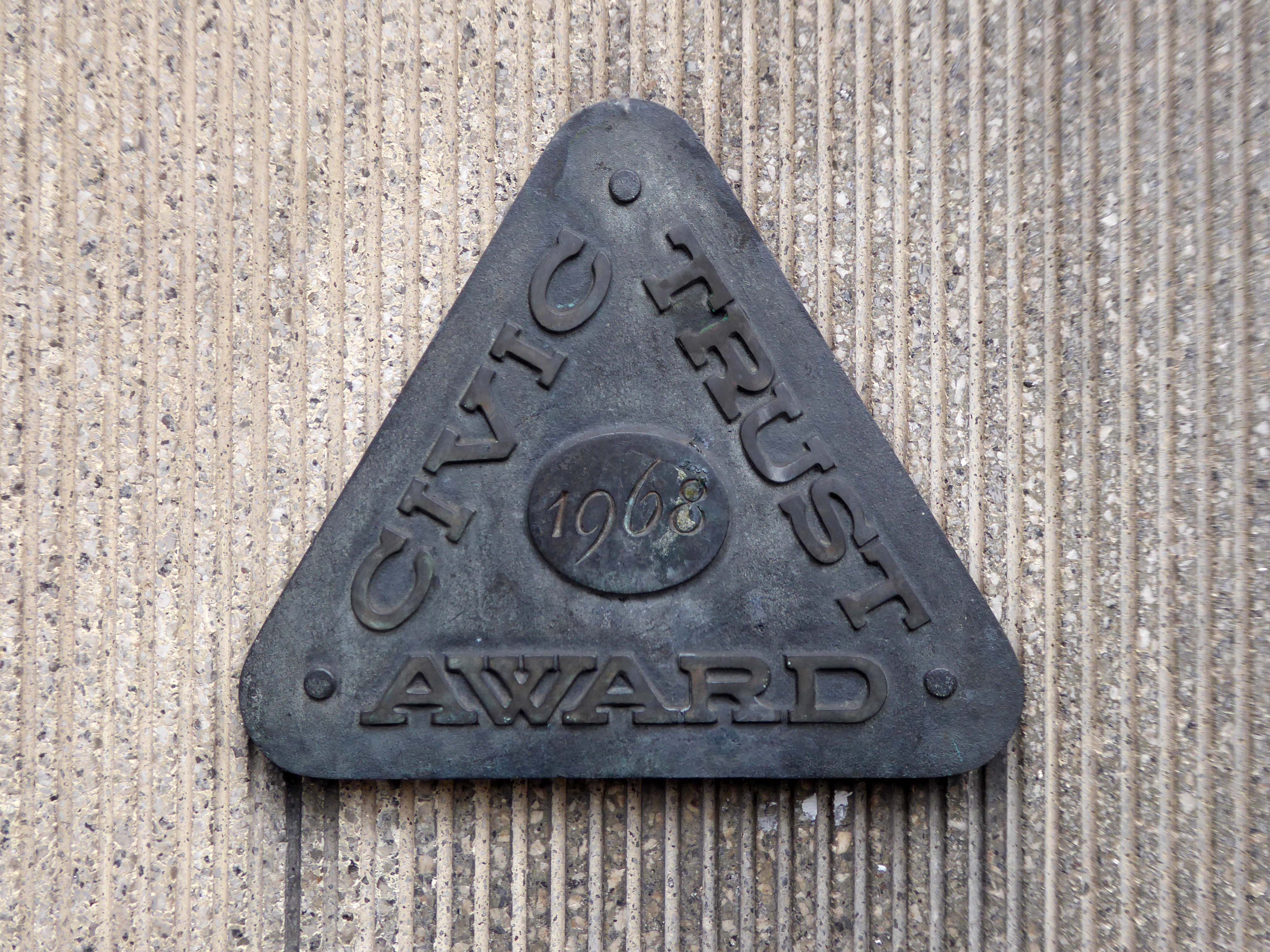
Possibly Shrewsbury’s finest post-war building, but of course it has its detractors. It was well received by critics of the period including the assessors for the Civic Trust who bestowed an award in 1968. They noted the quandary that the architects faced of building in such a historic setting and terminating the vista along one of the town centre’s main streets. In their opinion the architects ‘faced the problem squarely and their building, brave in its conception and immaculate in its detail’ and that it was ‘uncompromisingly of today but beautifully sympathetic to the great buildings it rests with’. Pevsner’s original assessment of it being the ‘boldest modern response to the town’s half-timbering’ was not shared by the authors who revised the Shropshire edition and viewed it as an ‘aggressive display of exposed and textured concrete’.

It was also shortlisted for the European Cement Association awards, one of only two British buildings to make the grade. Opting to draw on the Tudor traditions of the town, partner W Marsden, working with project architect W Allan Clark and assistants Malcolm Lovibond and Keith Maplestone, used cantilevered floors, vertical structural and sub-structural members, oriel windows and a black and white tonal palette deploying anodized aluminium window frames against finely ribbed concrete panels. The standing seam zinc roof adopted the town’s norm of pitched roofs without gables in order to blend with the street scene. Concrete Quarterly referred to it as ‘a skilful bridging of the centuries in a way that would not offend a purist’ . The main contractor was Henry Willcock and Company Limited.
Mainstream Modern

Nearby more modern infill sits alongside the historic half timbered heritage.
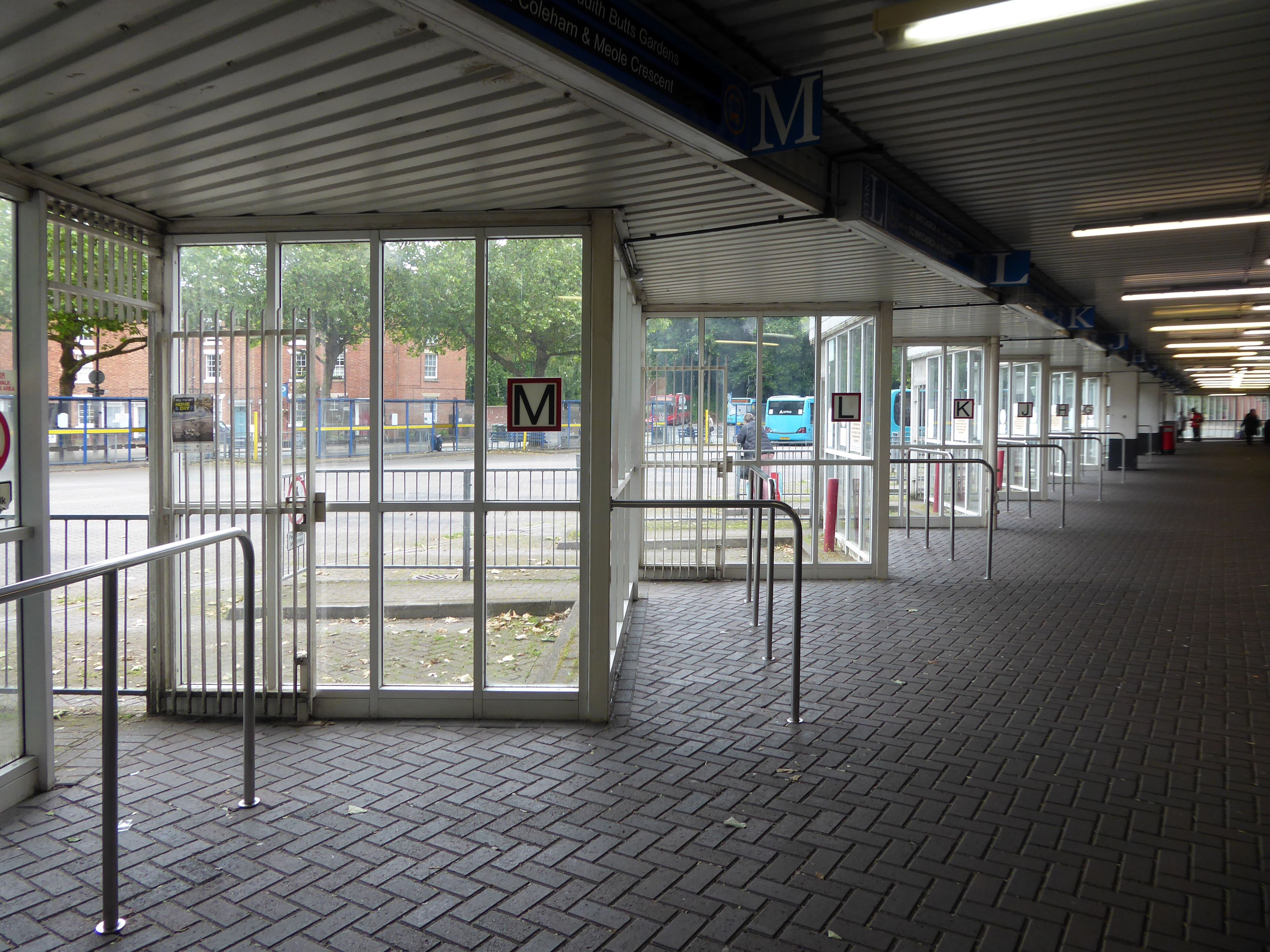
Next down Raven Meadows to the Raven Meadows Car Park, built by Truscon Ltd in 1969.

Which also houses the Bus Station.

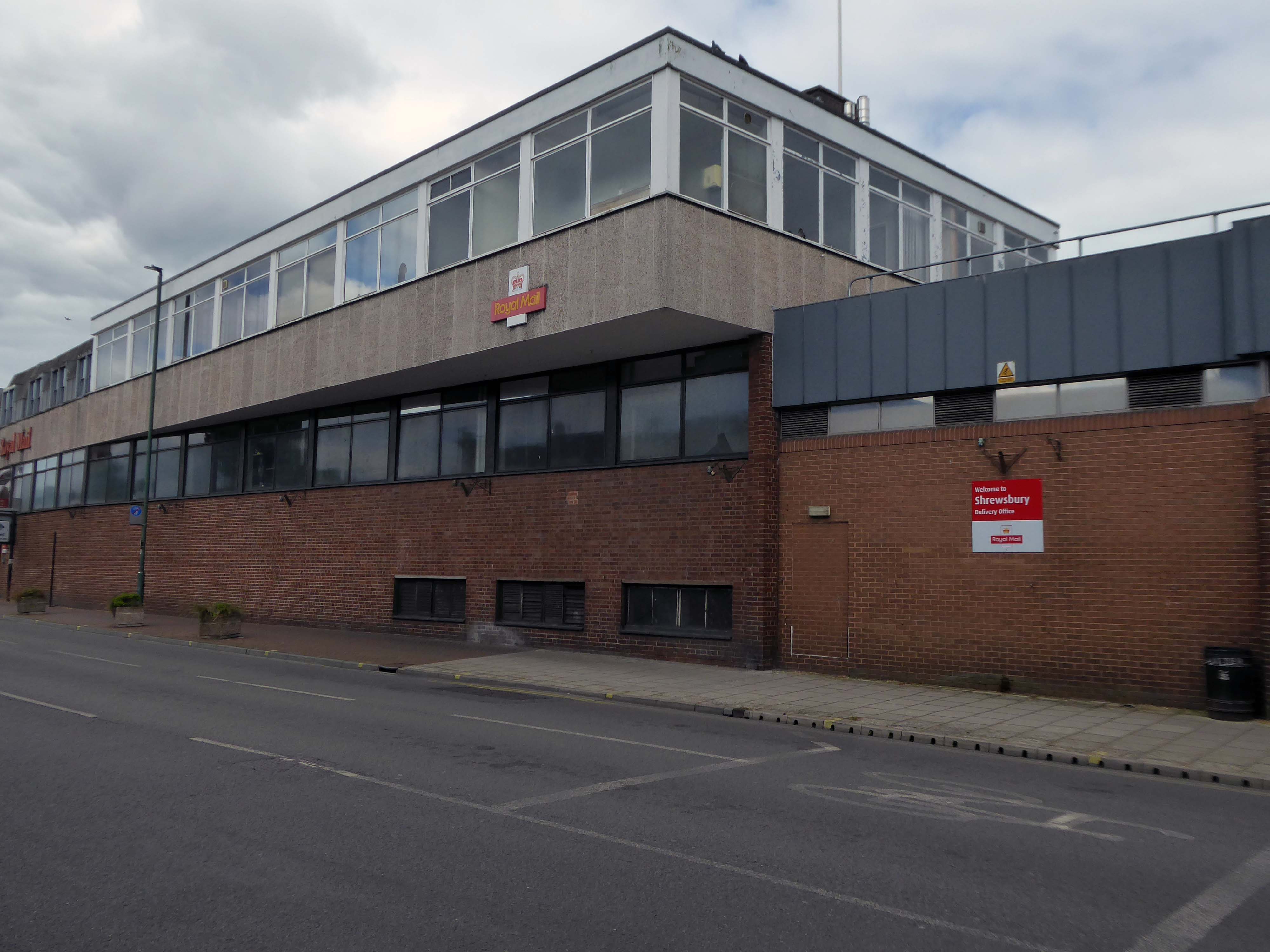
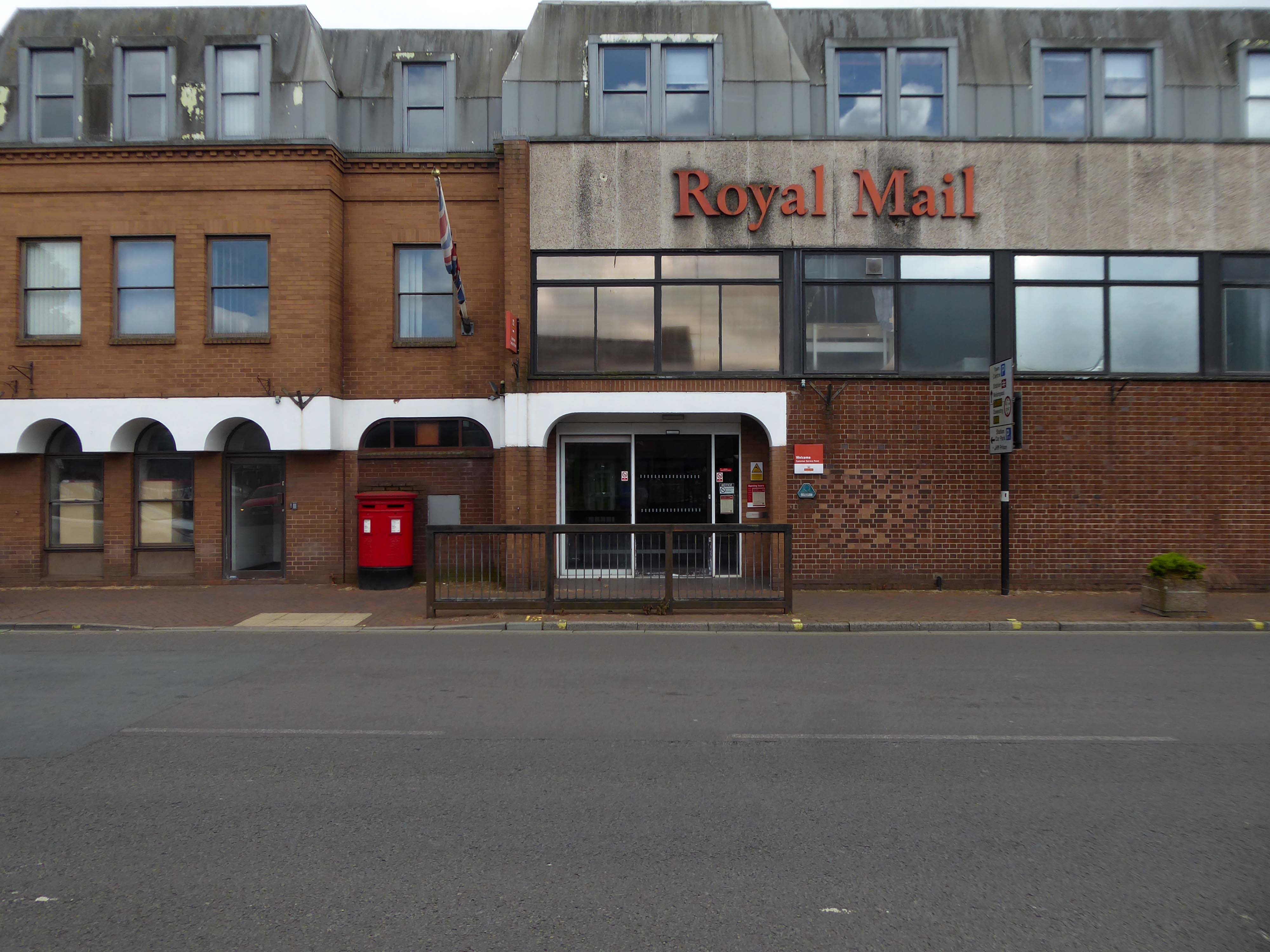
Back now toward the station under the railway to the Royal Mail.

Wolverhampton Walk

Architects: Austin Smith Lord

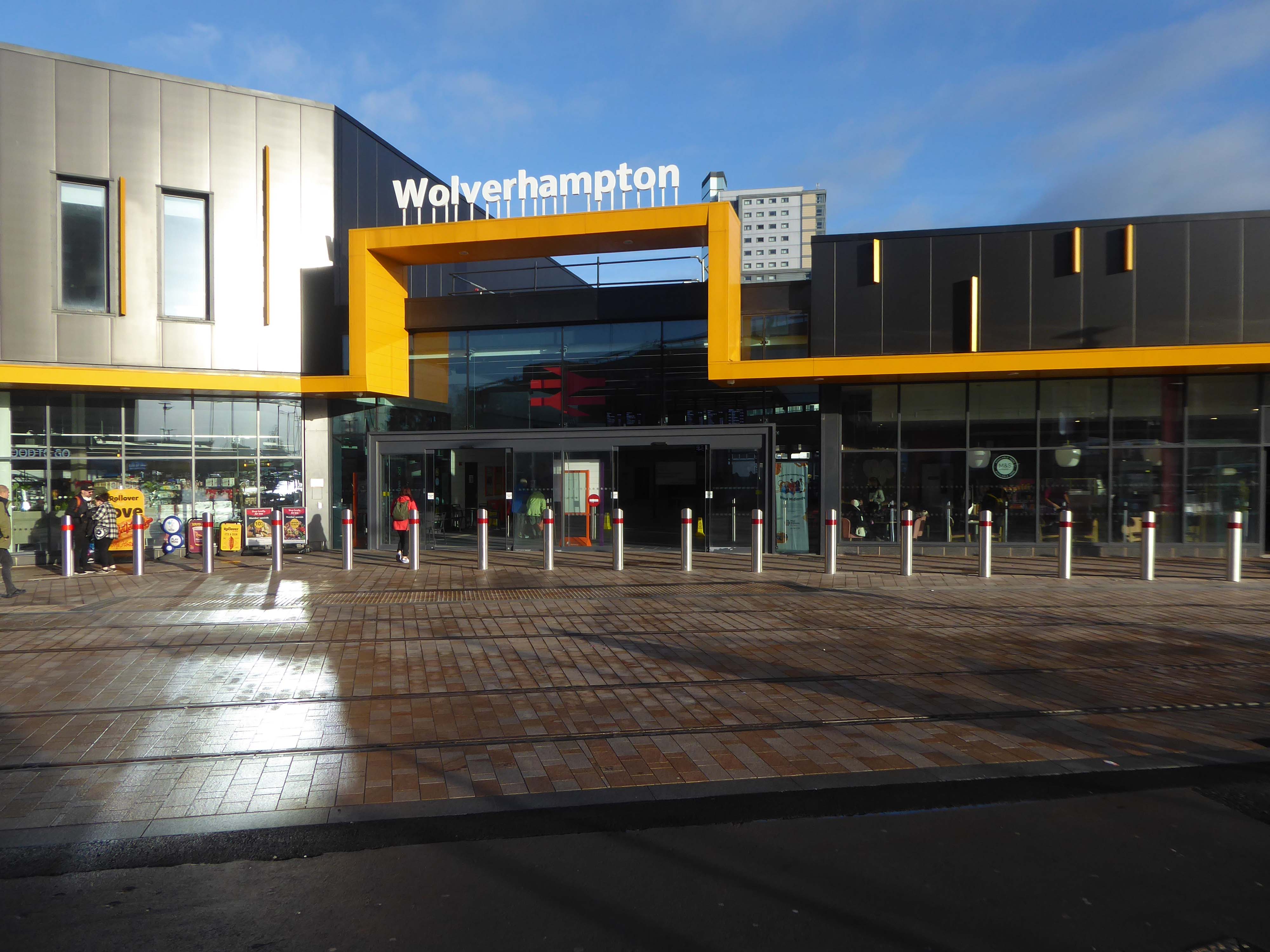
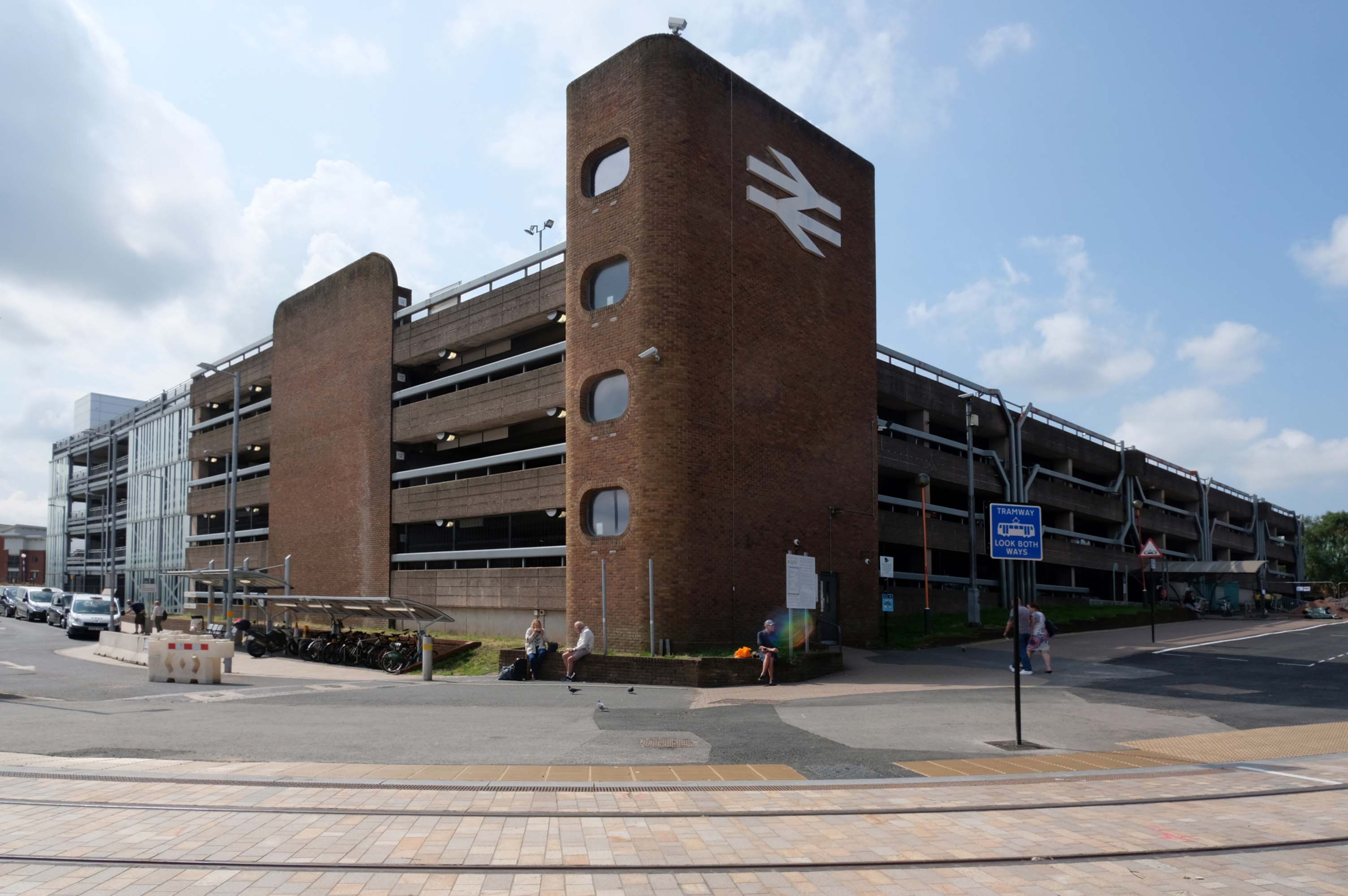
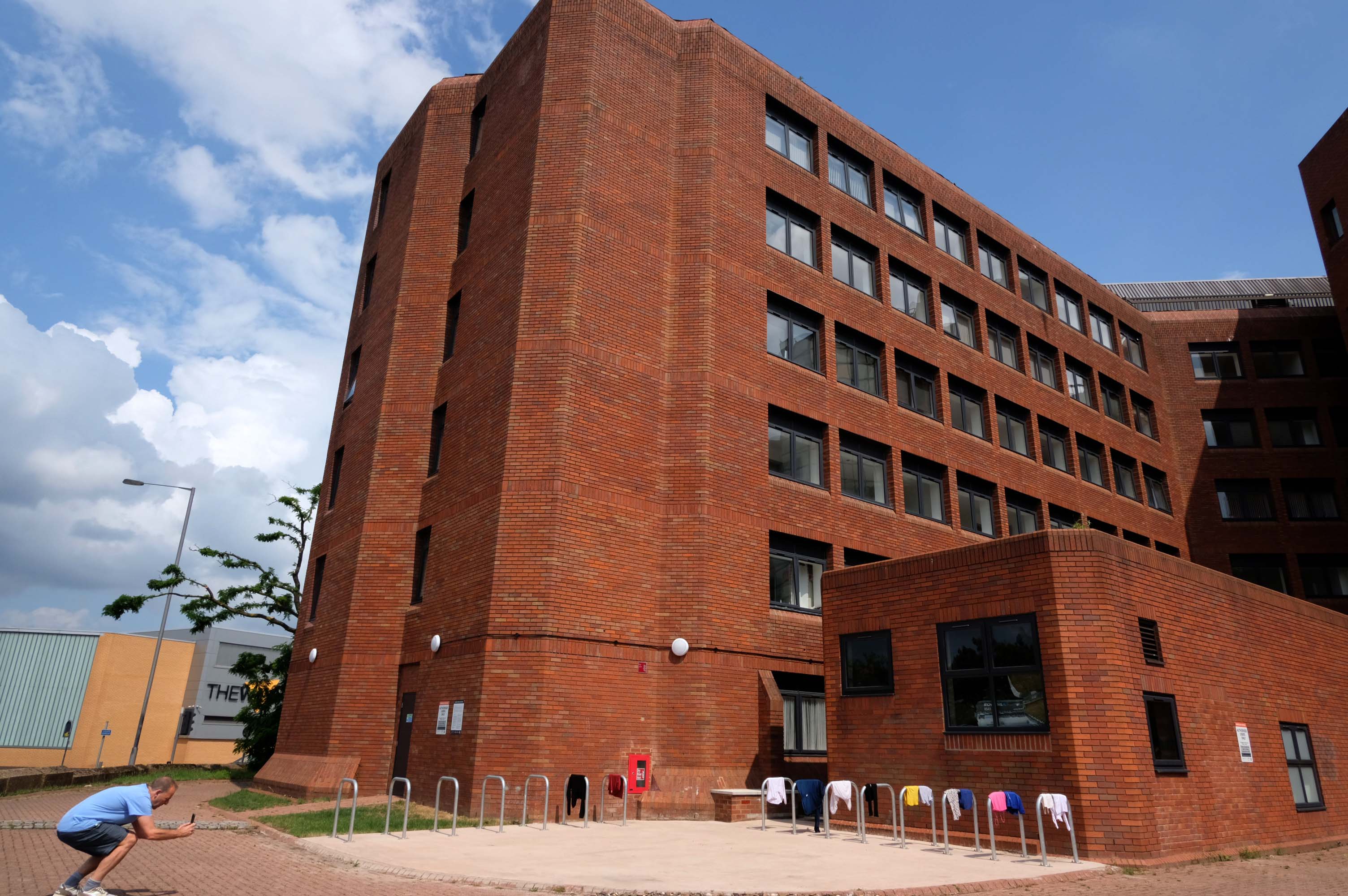
We begin at the Railway Station – recently refurbished, overwriting its 60s iteration – completely rebuilt by the architect Ray Moorcroft as part of the modernisation programme which saw the West Coast Main Line electrified.
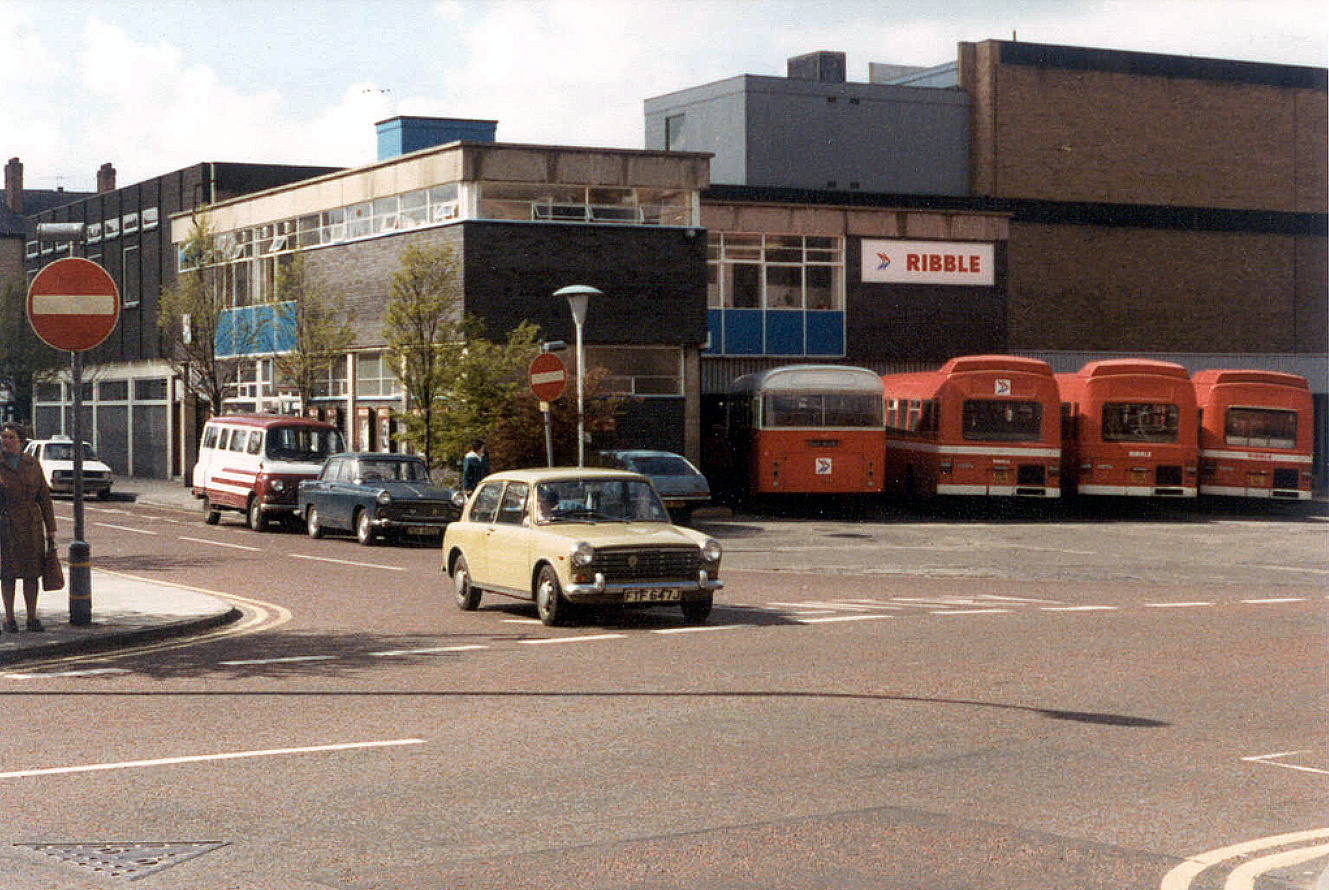
Across the way an enormous brick clad multi-storey car park – skirted by the lines for the tram, which travels to and from Birmingham.
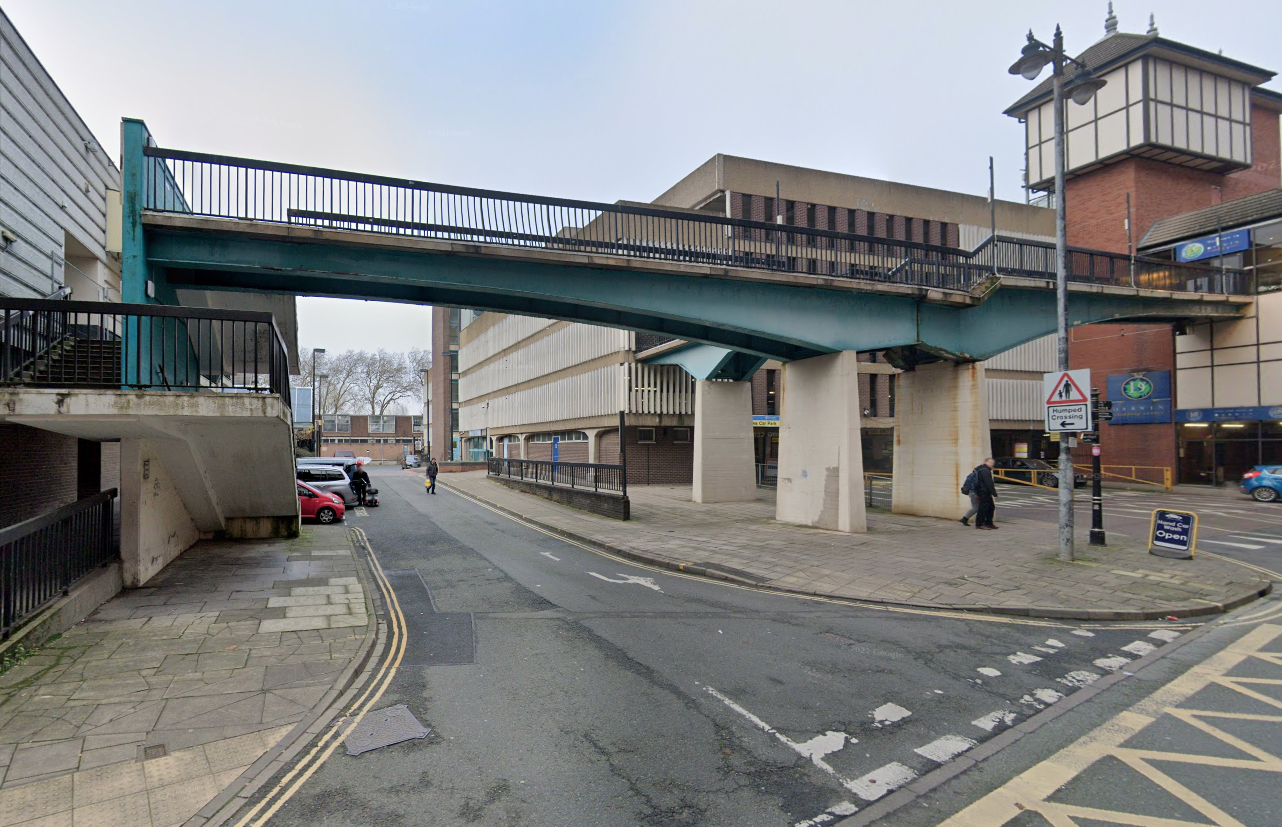
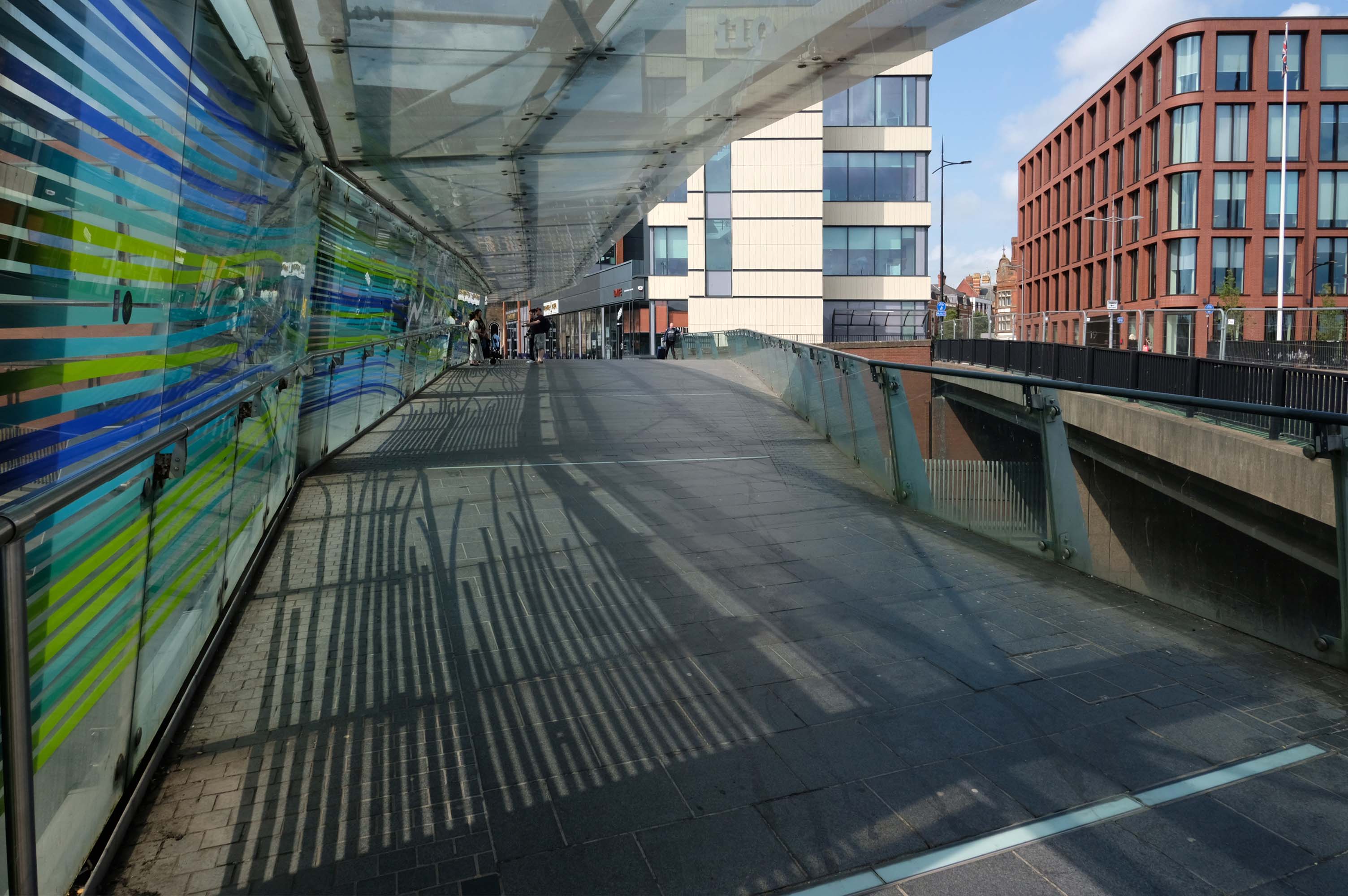
Walk across the brand new pedestrian footbridge over the ring road.

Architectural glass artist Kate Maestri was commissioned to produce the artwork design which features glass with blue and green strips of colour running through it.

BBC

Architects: Austin Smith Lord

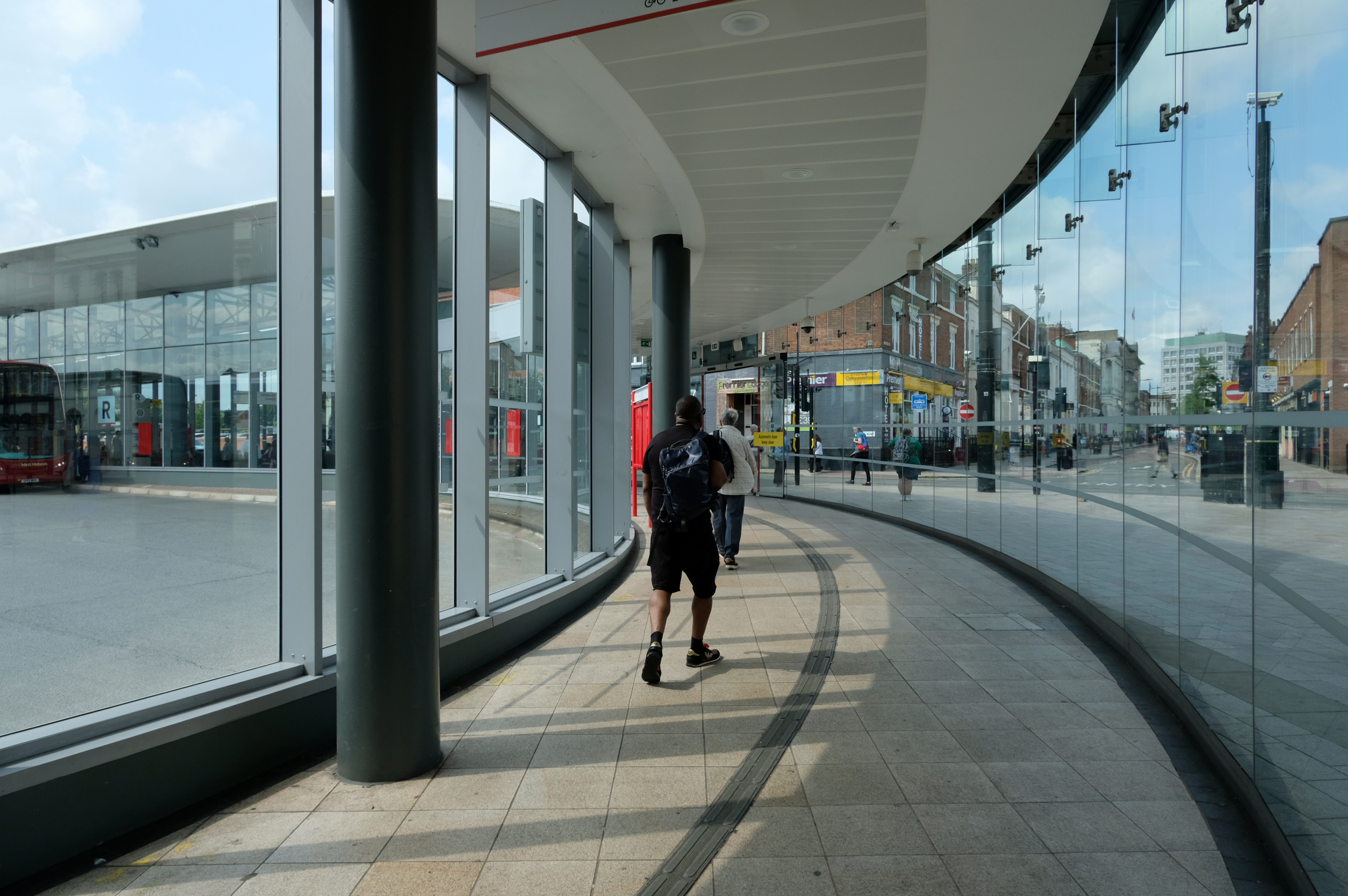
Linking the Rail Station with the brand new Bus Station.

The normal practice of the Wolverhampton Bus Service is to have dirty, smelly buses, that are cramped and extremely hot in the summer and freezing cold in winter. They offer no announcements apologizing for delays they know about and don’t appear to care how long passengers wait with no idea of how or when they’ll be getting a bus.

The best thing you can do is learn to drive as quickly as possible and get your own vehicle or car pool.

Sandra Anderson

Architects: Austin Smith Lord

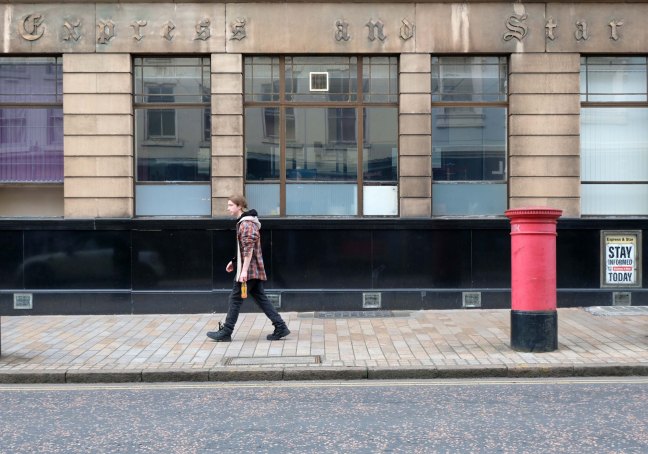
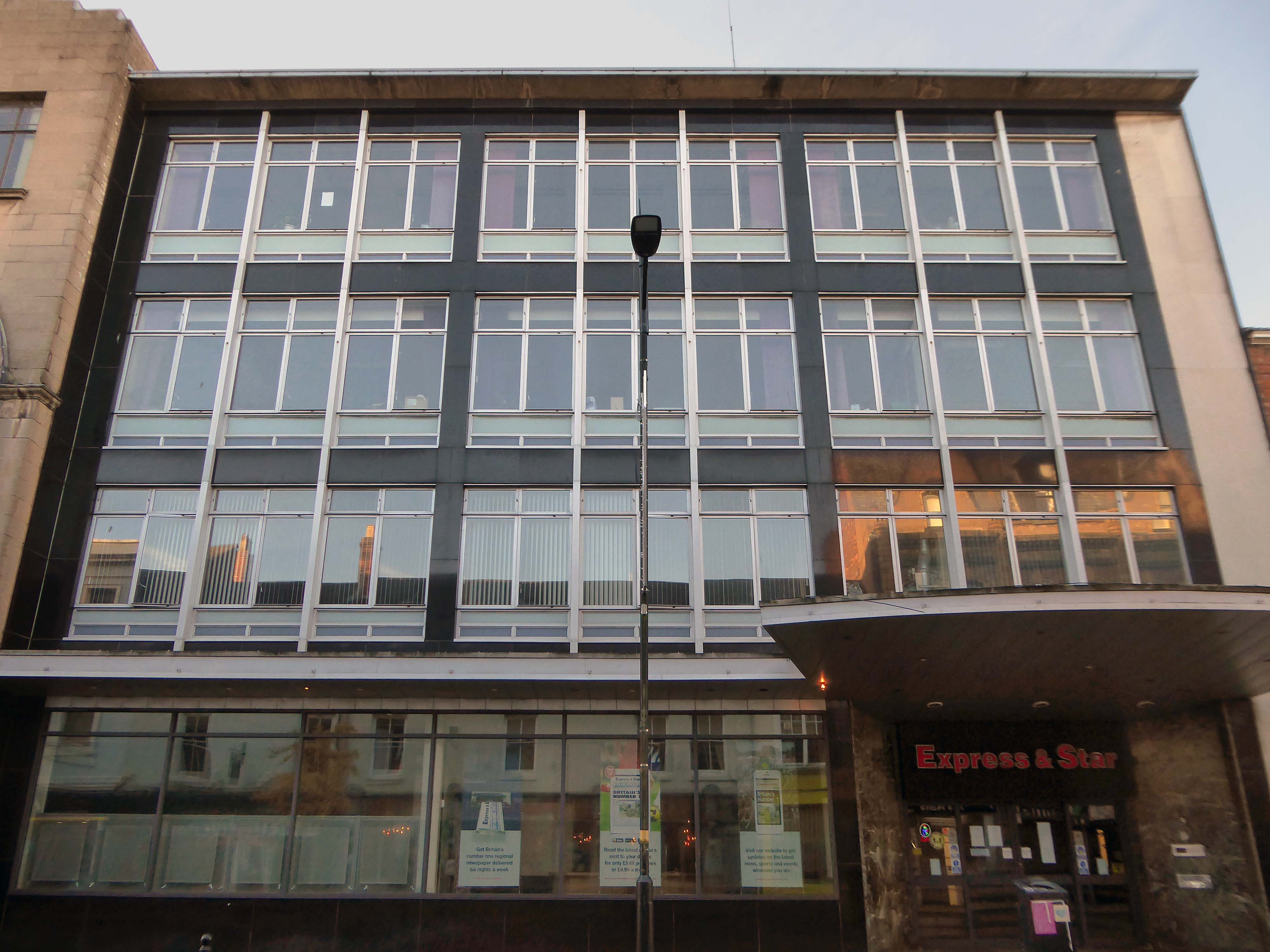
Onward now to the Express and Star Building – Grade II listed.

Architect: Marcus Brown 1934.

The building is faced in a reconstituted Hollington stone called Vinculum, produced by another local firm, Tarmac.

A plaque commemorates RJ Emerson, art teacher and sculptor who sculpted Mercury in 1932.

Wolverhampton History and Heritage Society

Midland News Association managing director Matt Ross confirmed the company is now looking at the building’s future.

For a number of years we have been exploring opportunities surrounding our historic Express & Star offices in the heart of Wolverhampton.

After removing the printing presses from the site and restructuring our departments we now have significant spare capacity available and so are looking at the various options available to us, be that redeveloping the current site or exiting the building altogether.

Hold the front page

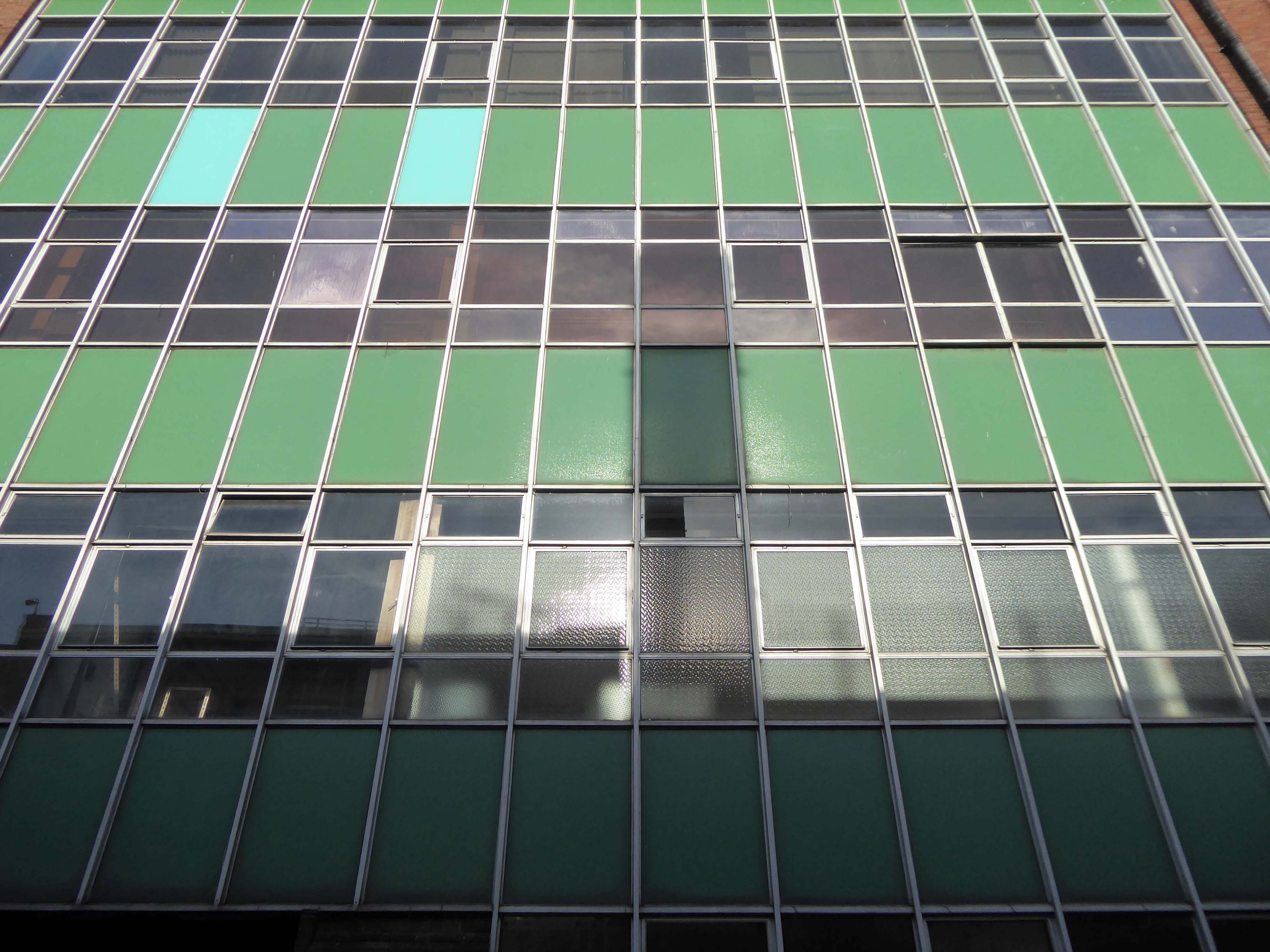
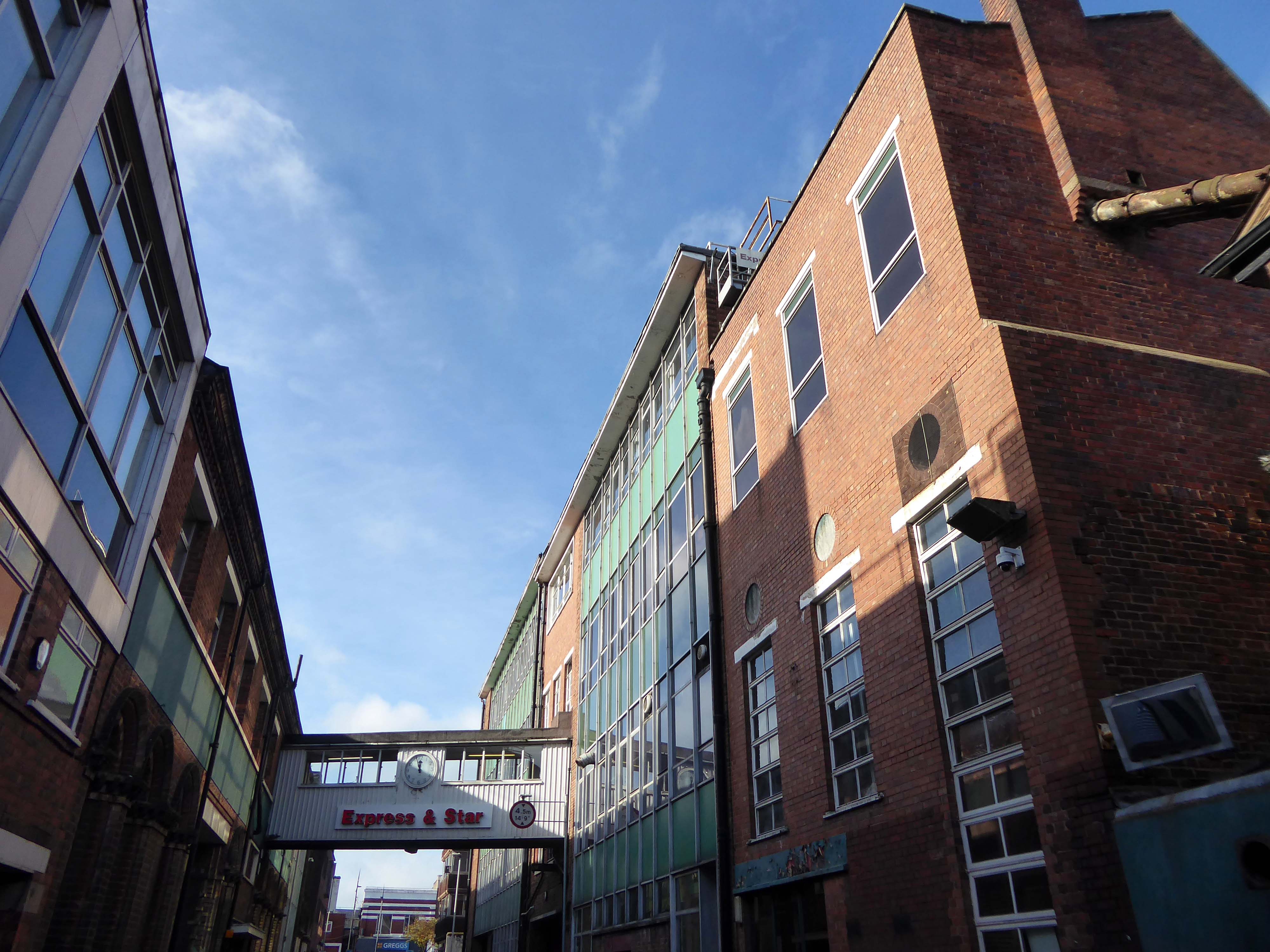
Extension is by architects: H Marcus Brown & Lewis 1965

With further work at the rear.

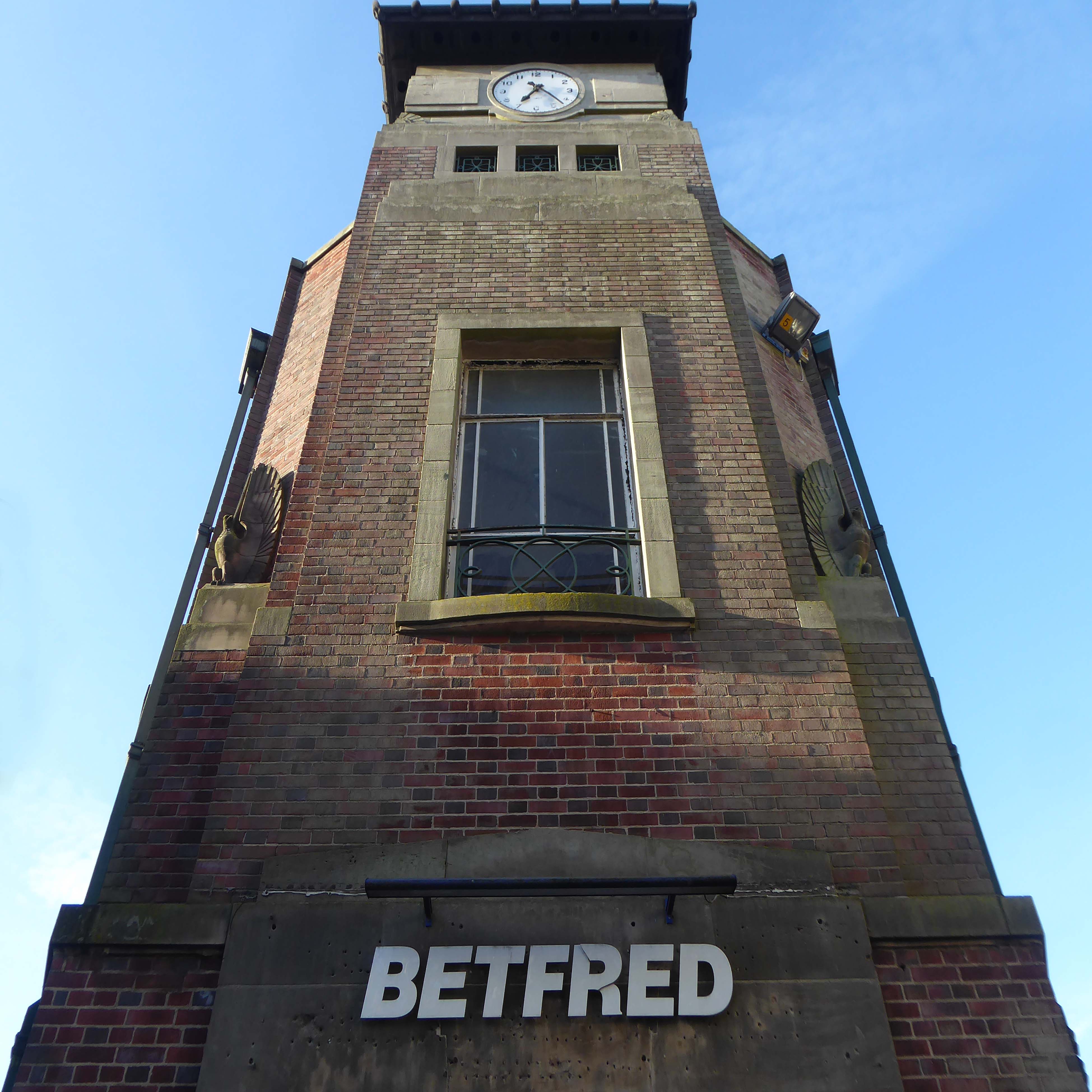
Along Princess Street this corner group, with an impressive clock tower – originally HQ for the South Staffordshire Building Society

Architects: George A Boswell of Glasgow 1932.

On to the Mander Centre – opened on 6th March 1968, refurbished 1987, 2003 and 2016-17.

The Mander Shopping Centre in the heart Wolverhampton is your one-stop shopping destination for all things fashion, home, beauty, food and technology.

Architects: James A Roberts principal architect Stanley Sellers.

Developed by Manders Holdings Plc, the paint, inks and property conglomerate, between 1968 and 1974. The site occupies four and a half acres comprising the old Georgian works and offices of the Mander family firm, founded in 1773, as well as the site of the former Queens Arcade.

Wikipedia

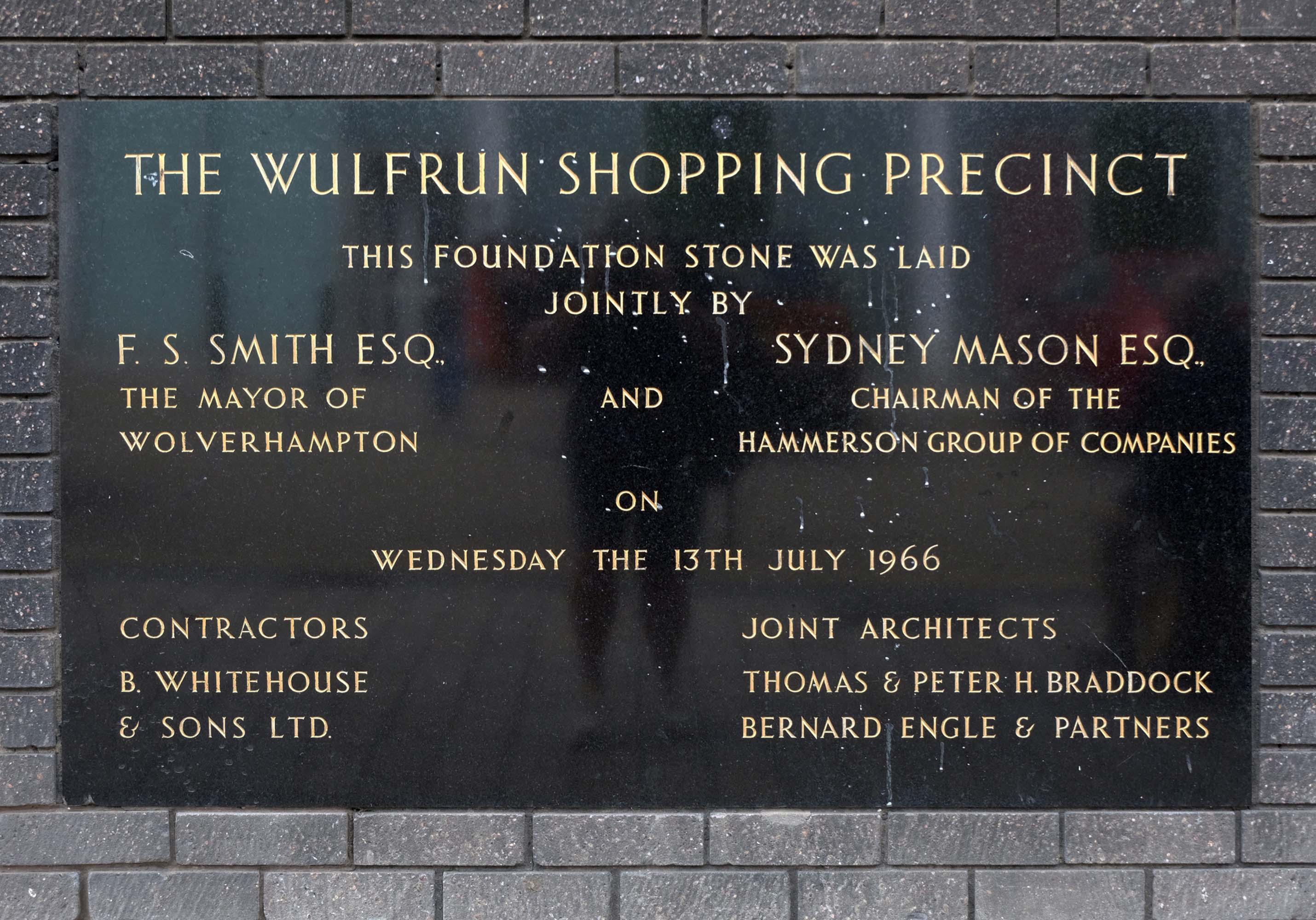
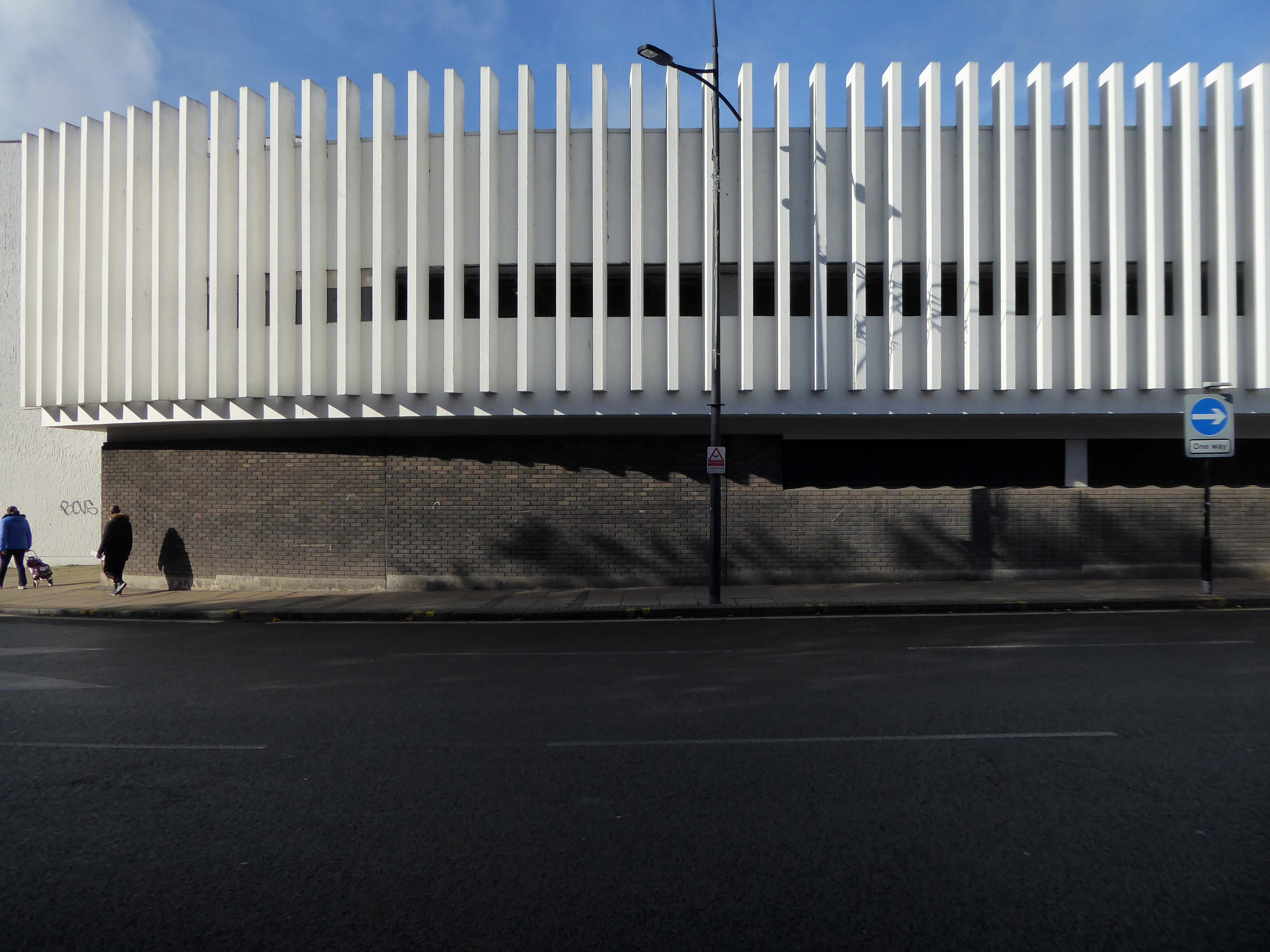
The Wulfrun Shopping Centre is an adjacent companion to the Manders development.

The Wulfrun Centre was built as a result of a joint project between Wolverhampton Council and the Hammerson Groupopen for business in October 1969.

History and Heritage Society

Piazza postcard 1970.

Architects: T & PH Braddock and also Bernard Engle & Partners.

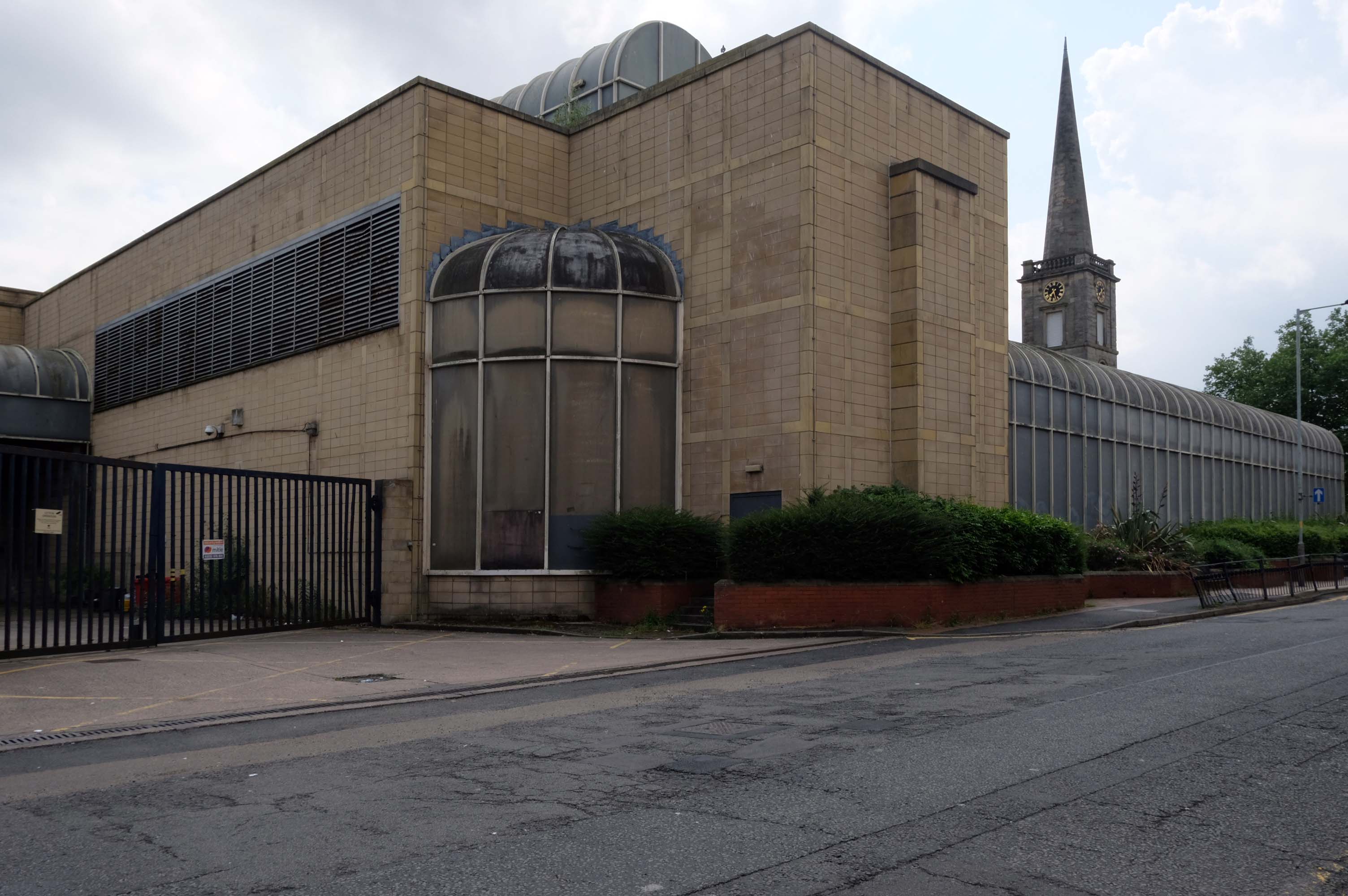
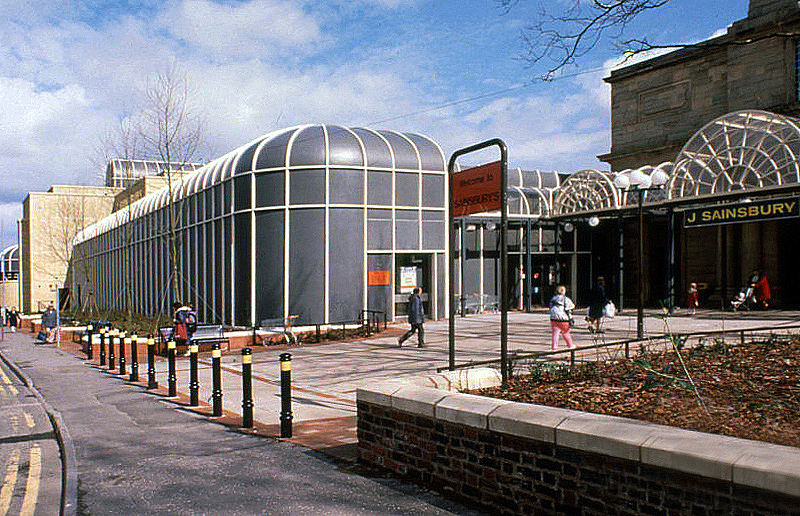
Along St Georges Parade, an abandoned Sainsbury’s church combo – store designed by J Sainsbury’s Architects Department opened 1988.

The church was built between 1828 and 1830 – architect: James Morgan, at a cost of £10,268. It was consecrated on Thursday 2 September 1830 by the Bishop of Lichfield, it was made redundant in 1978.

Sainsbury Archive

The site is currently under lease to Sainsbury’s for a further three years and will come forward on a phased basis subject to their lease concluding. The council is in active dialogue with prospective development partners on the redevelopment of this site and in wider consultation with Homes England.

Express & Star

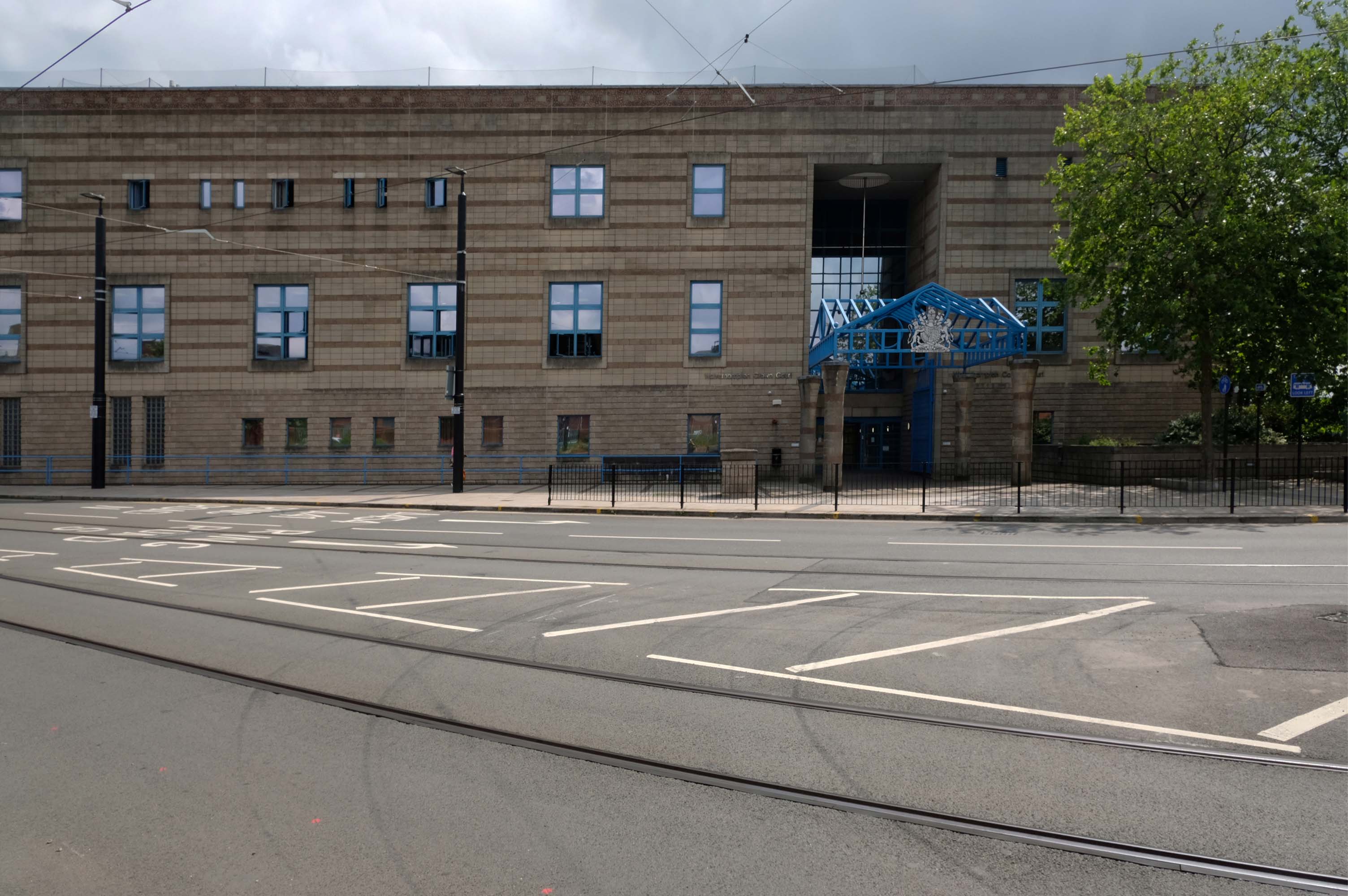
Back tracking to the Combined Court Centre.

Architects: Norman and Dawbarn 1990

Notable cases included trial and conviction of four members of The Stone Roses, in October 1990, for criminal damage to the offices of their former record company.

Wikipedia

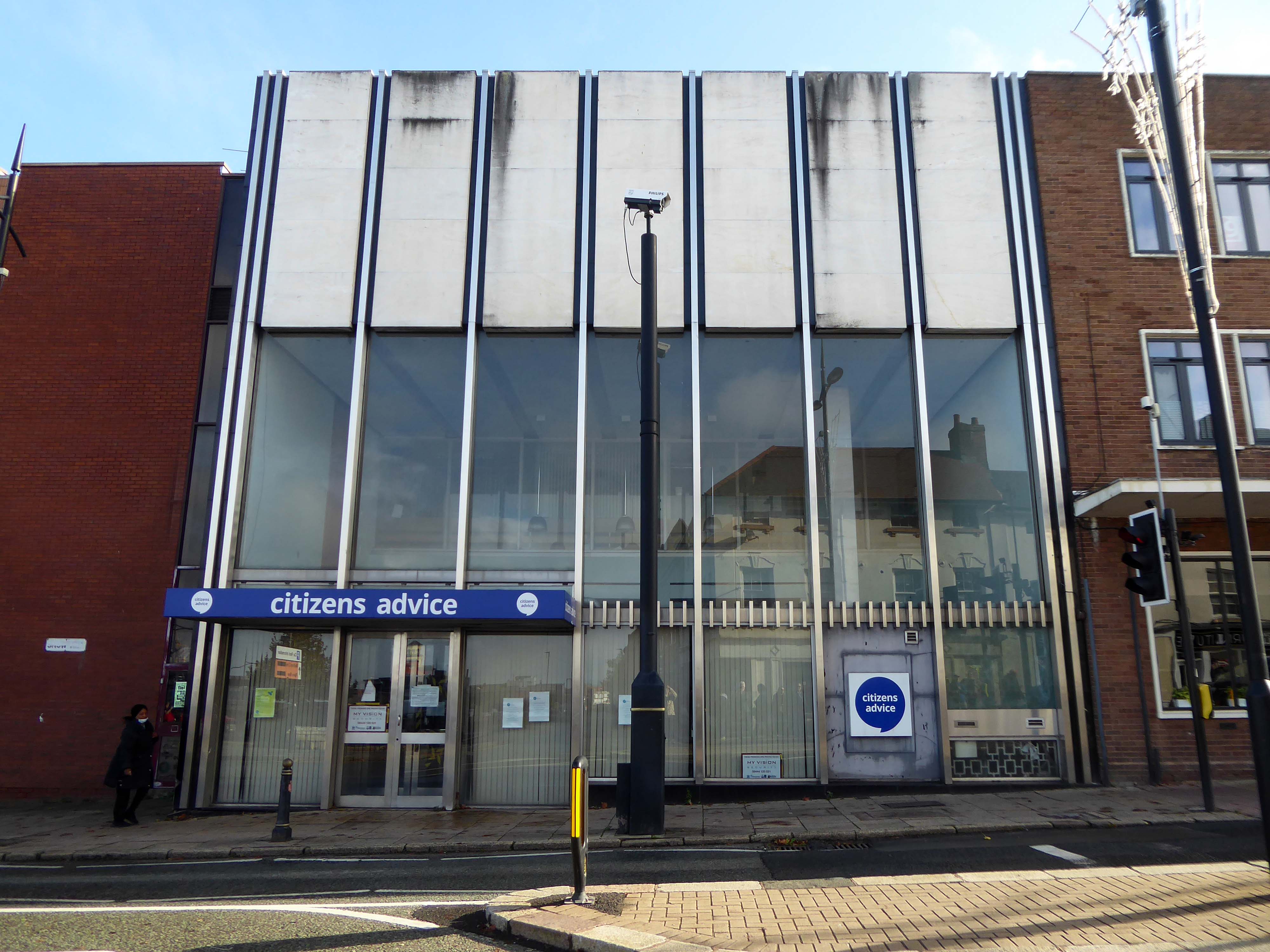
Thence up Snow Hill to the former Citizens Advice former Barclays Bank currently empty.

Architects: John HD Madin & Partners 1969

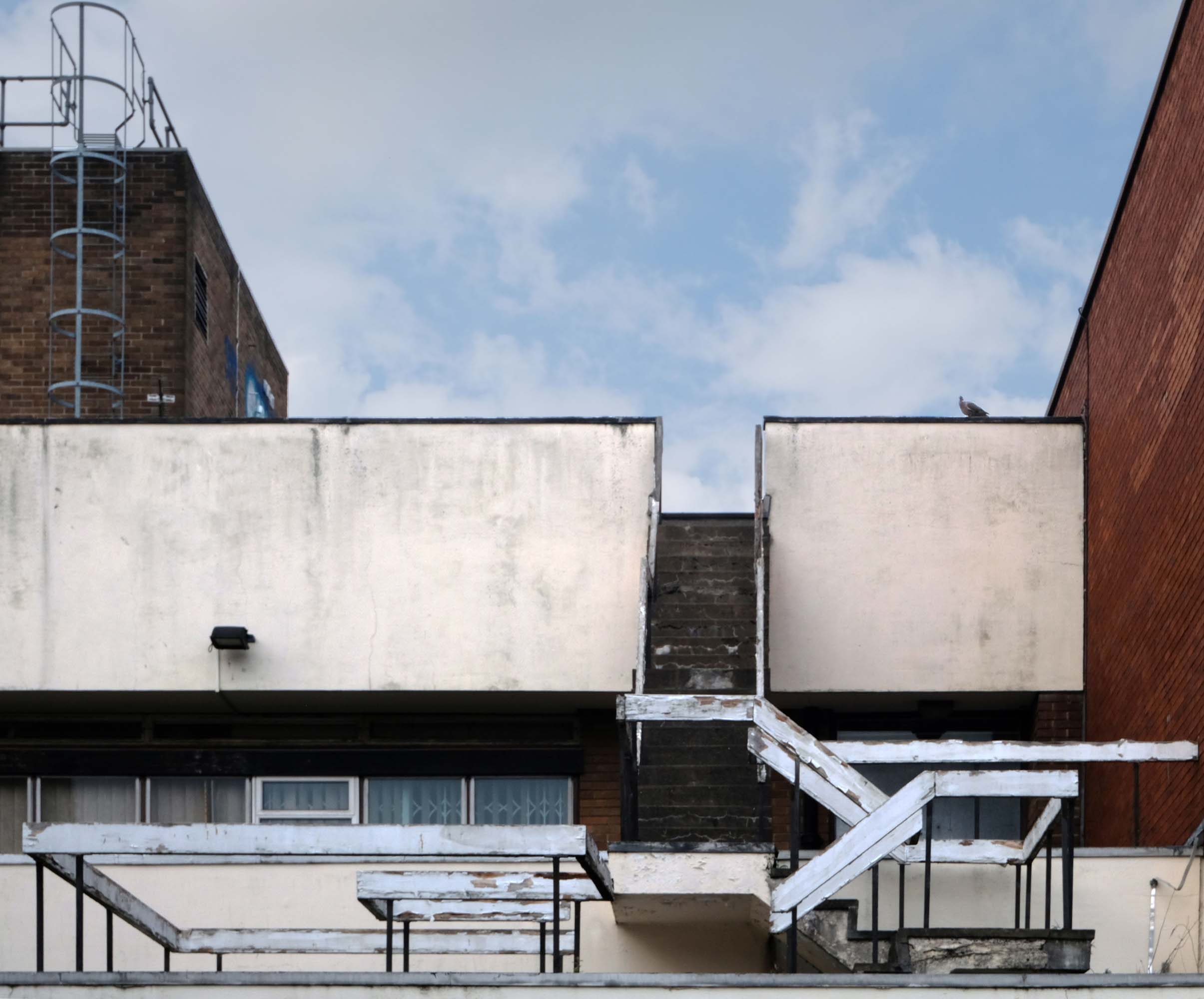
Take time to have a look around the back.

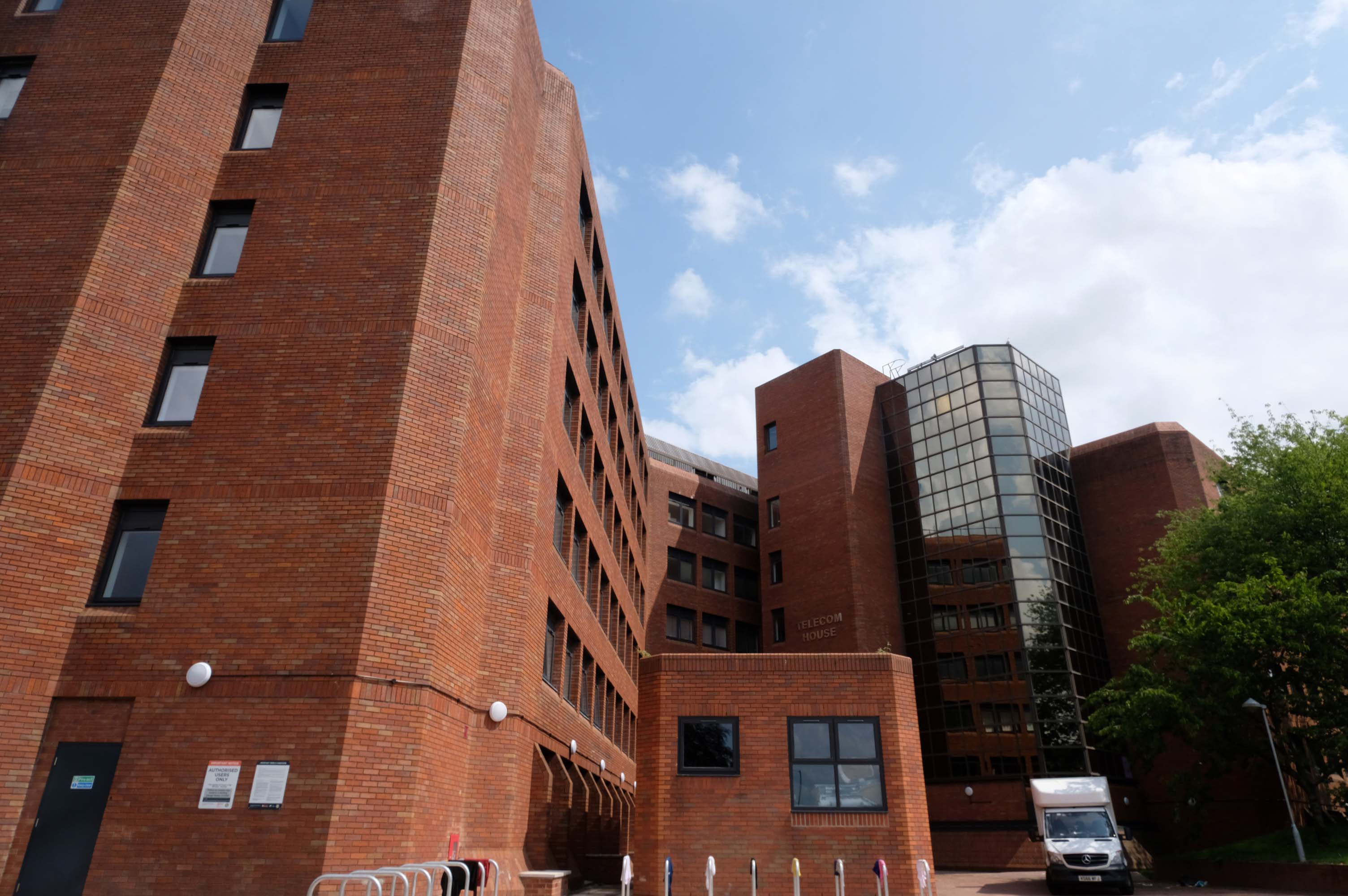
Off to Church Street and Telecom House

Sold for £4.25 million to Empire Property in 2022.

It had previously been sold for more than £3m in July 2018, also for use for apartments, to Inspired Asset Management which later went into receivership.

Express & Star

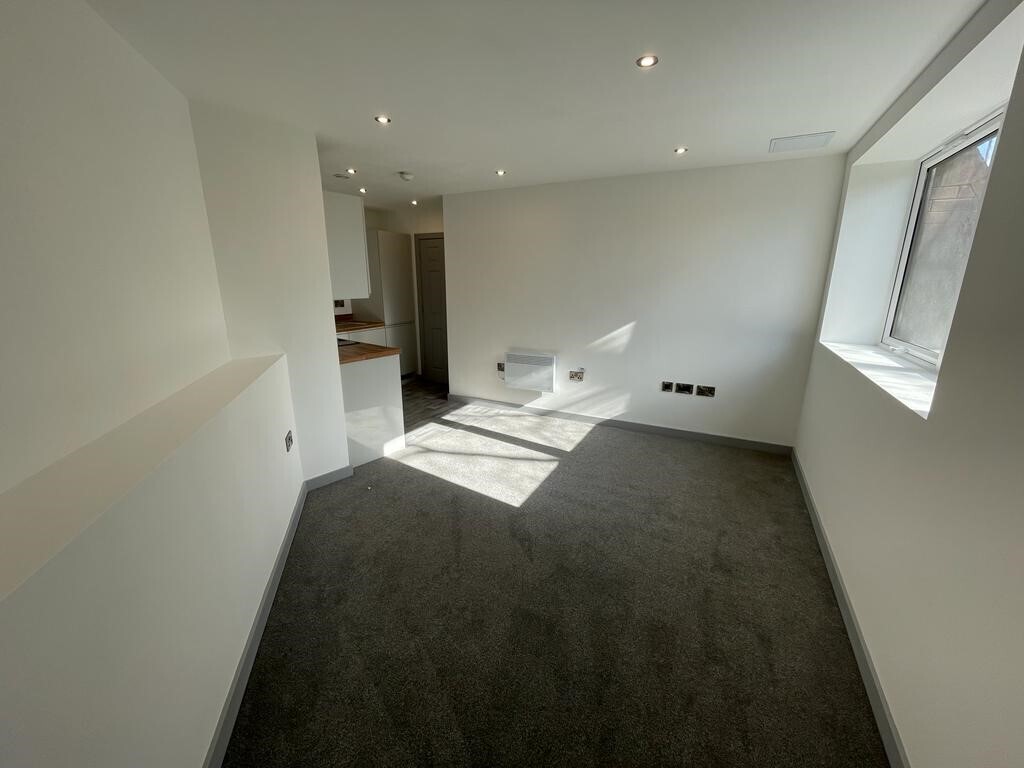
Located on a popular apartment block on Church street in the Wolverhampton centre, this 1 bedroom property has been newly renovated throughout and compromises an entrance hallway, open plan lounge/kitchen with in built appliances, shower room and double bedroom.

£650 PCM – Connells

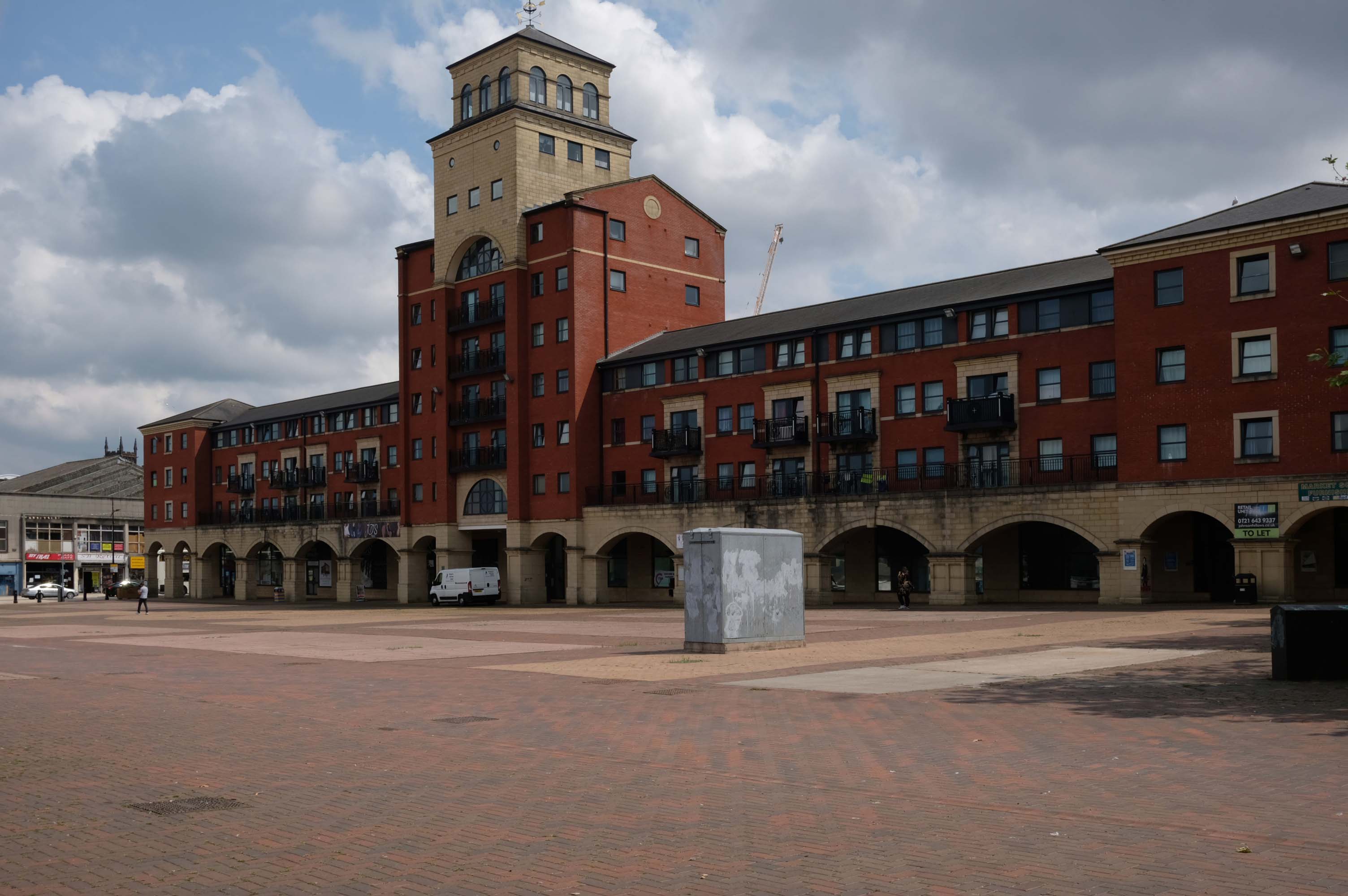
Next to this modern piazza New Market Square – Architects: Nicol Thomas from a concept by head of planning Costas Georghiou.

Formed from the former Market Square, a mix of flats and shops opened in 2004, in an Italianate version of the modish school of streaky bacon.

In 2021 the Coca-Cola Christmas Truck visit to the Midlands was cancelled.

It was meant to arrive at Market Square in Wolverhampton at 11am today but failed to show up.

One fan had waited since 7am this morning to see the Coca-Cola truck.

While schoolchildren were left gutted when the truck didn’t turn up – and one boy had been so excited his mother said he had been talking about the red truck all morning.

Birmingham Mail

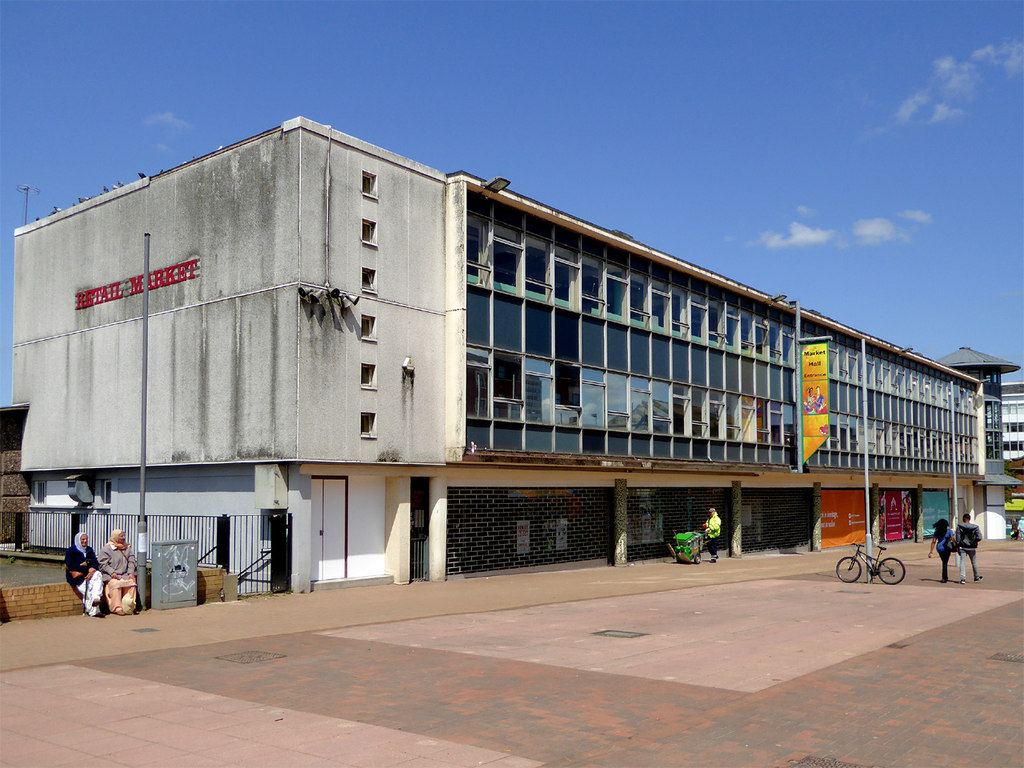
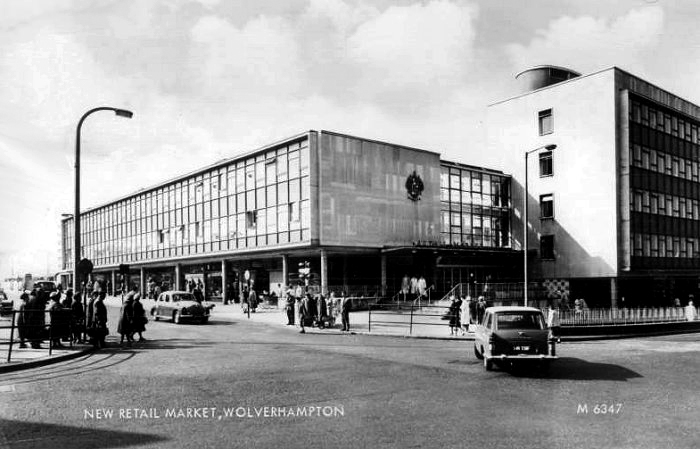
Retail Market – Late 1950s market hall and offices above. 

Architects: Borough Surveyor. 

Excellent example of the Festival of Britain style of architecture, won Civic Trust Award 1960.

Locally Listed March 2000.

demolished January 2017.

Photo: Roger Kidd

This development that wraps itself around Salop, Skinner and School Streets appears to be of a similar period to the Retail Market – and sports a Lady Wulfrun in relief.

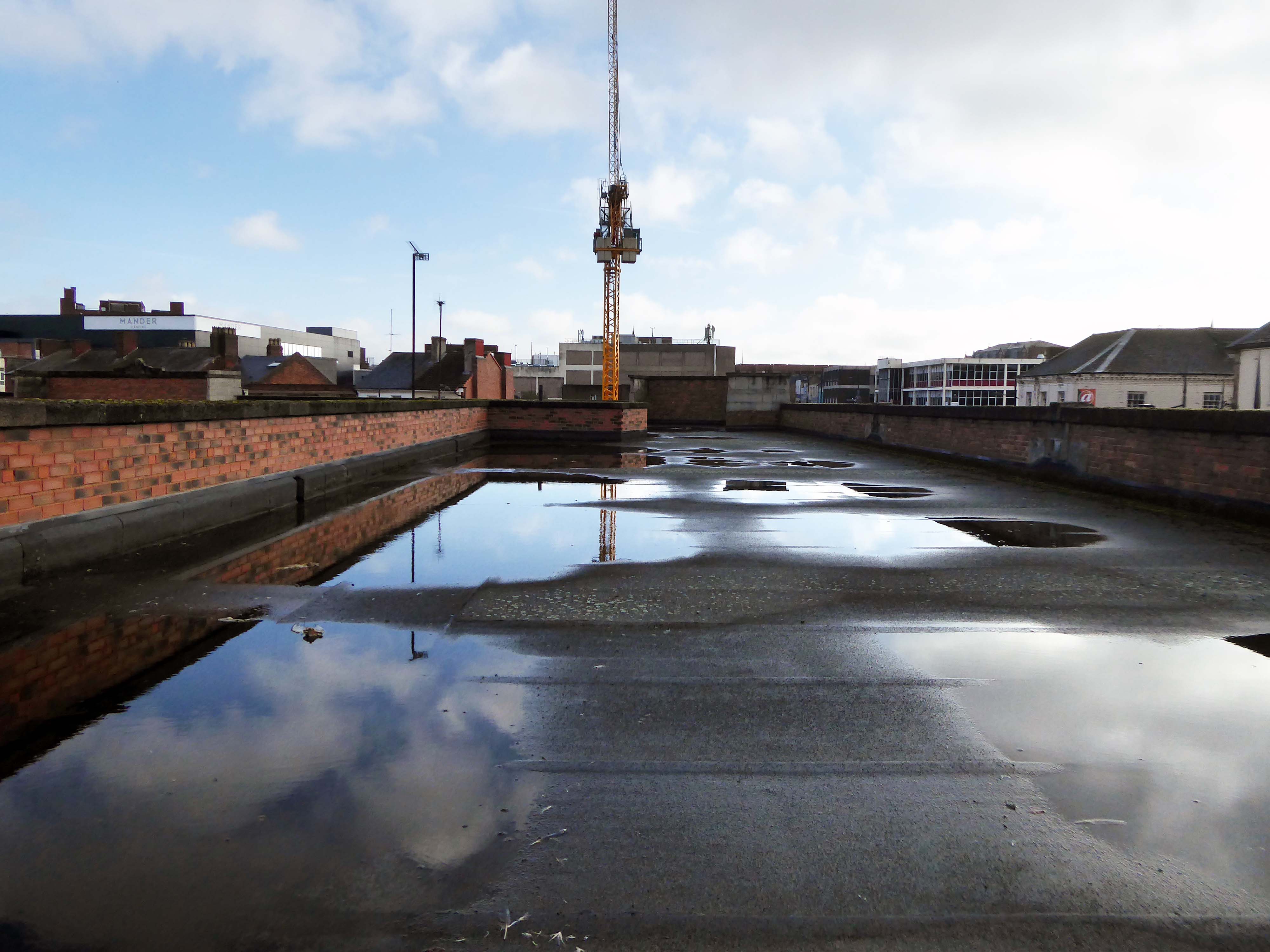
There is access to its roof top car park.

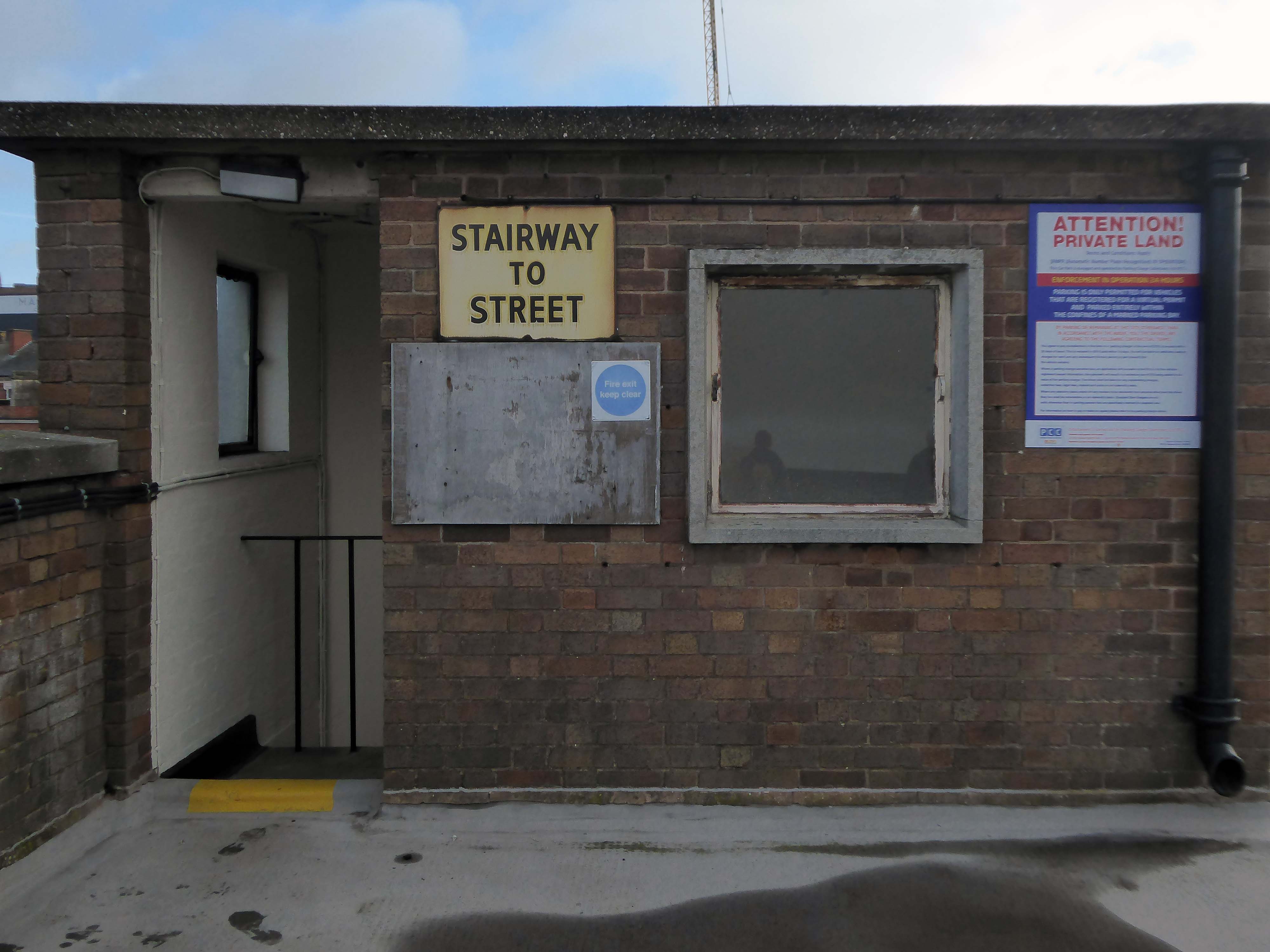
And also an exit back to street level.

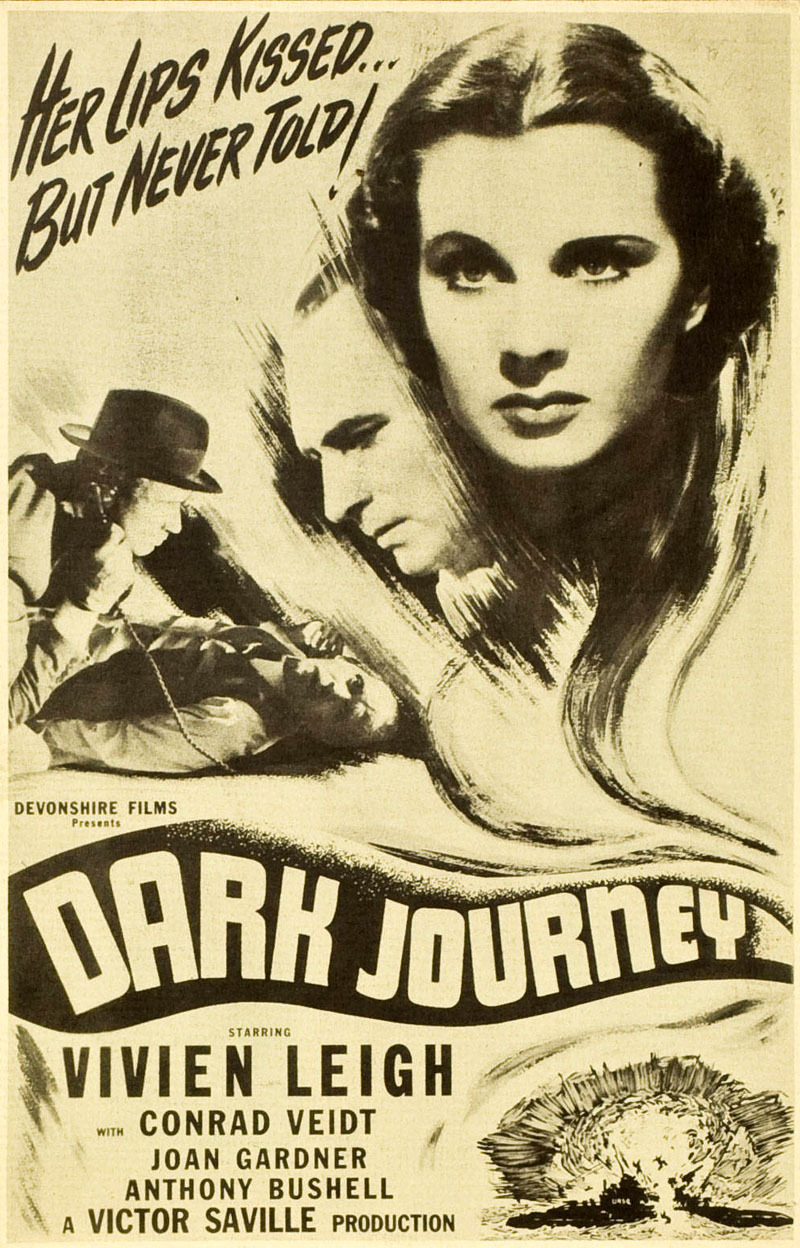
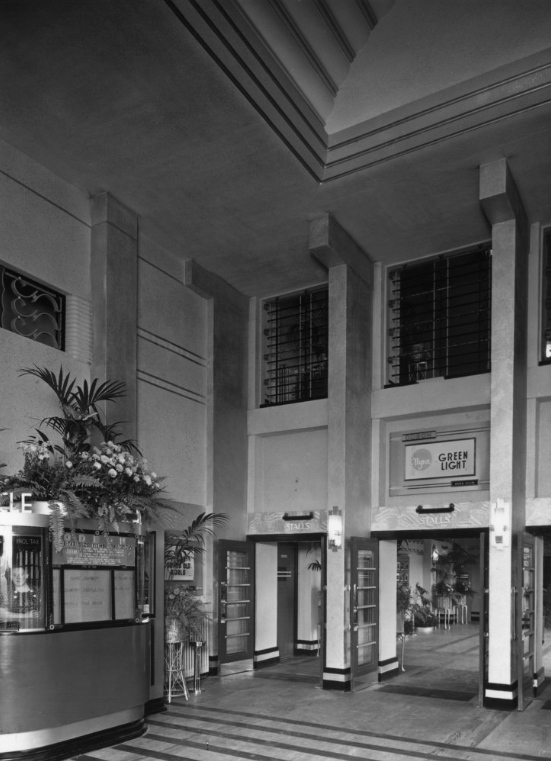
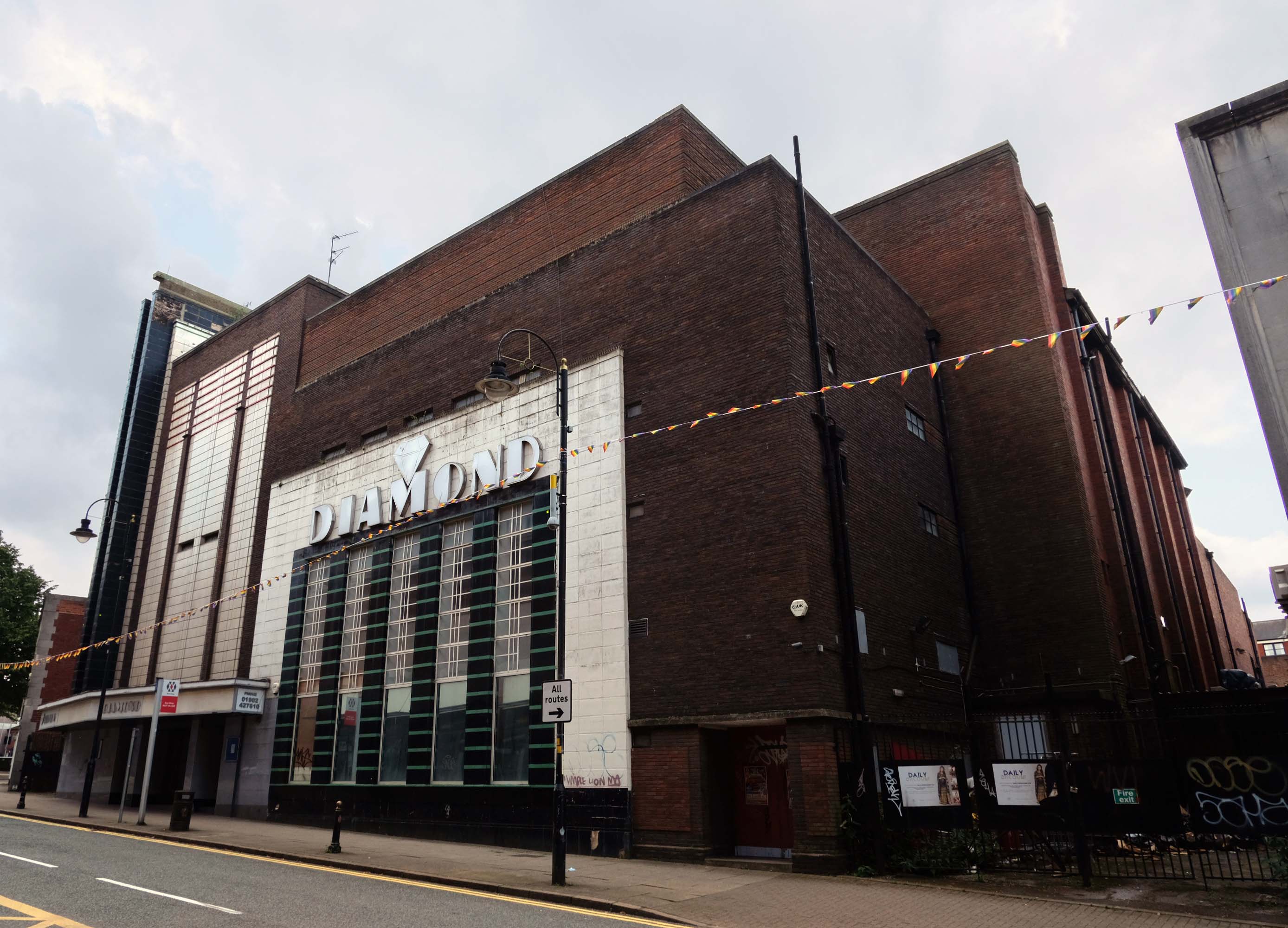
Where we find at street level the former Odeon Cinema, opened on 11th September 1937 with Conrad Veidt in Dark Journey.

Architects: PJ Price and Harry W Weedon.

In October 2000, the former Odeon was designated a Grade II Listed building by English Heritage.

RIBA pix

In recent years it was a Mecca Bingo Club, but this was closed in March 2007 In October 2009, it had been refurbished and re-opened as the Diamond Banqueting Suite. In April 2021 police raided the vacant building to discover an illegal cannabis farm operating in the building.

Four men were arrested.

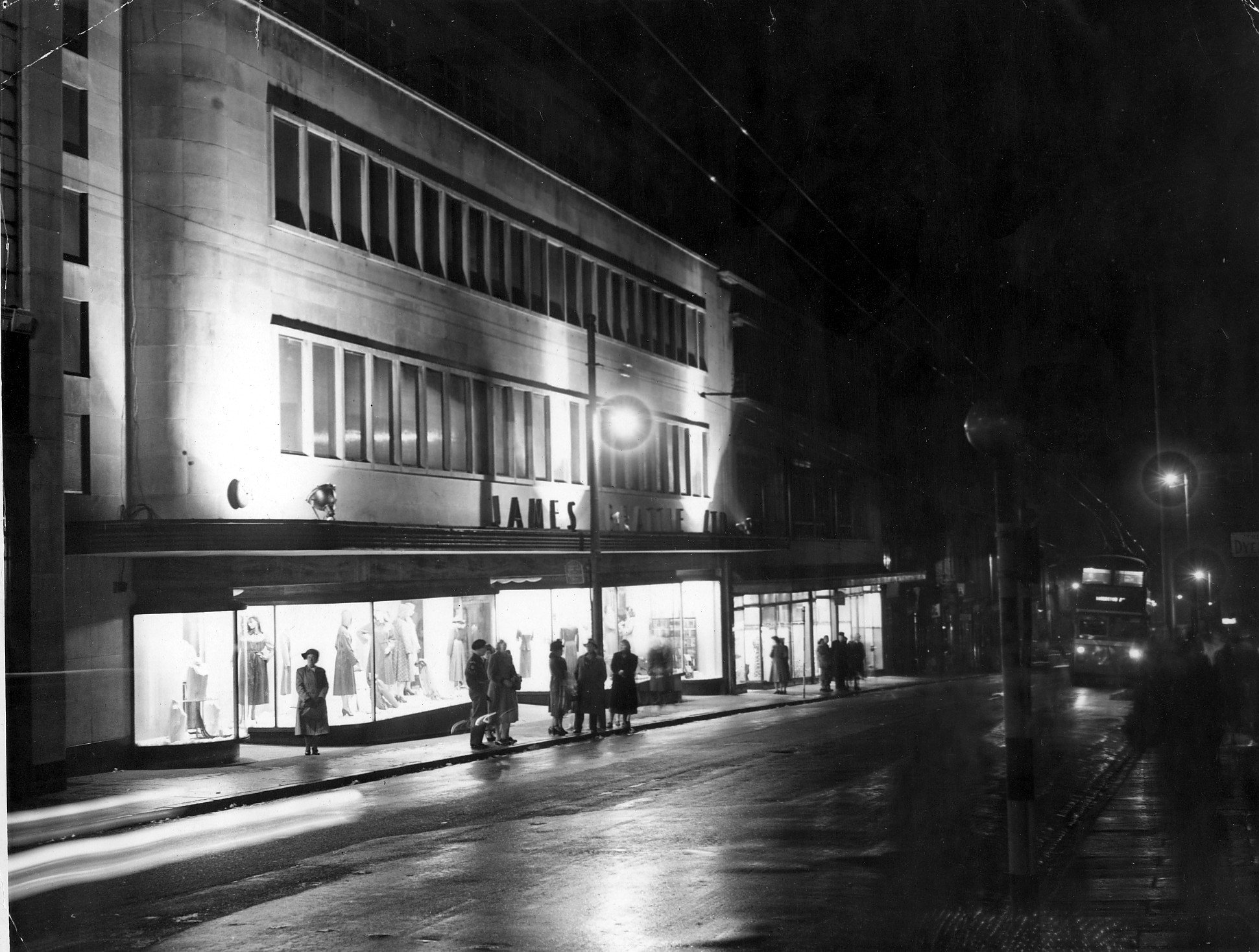
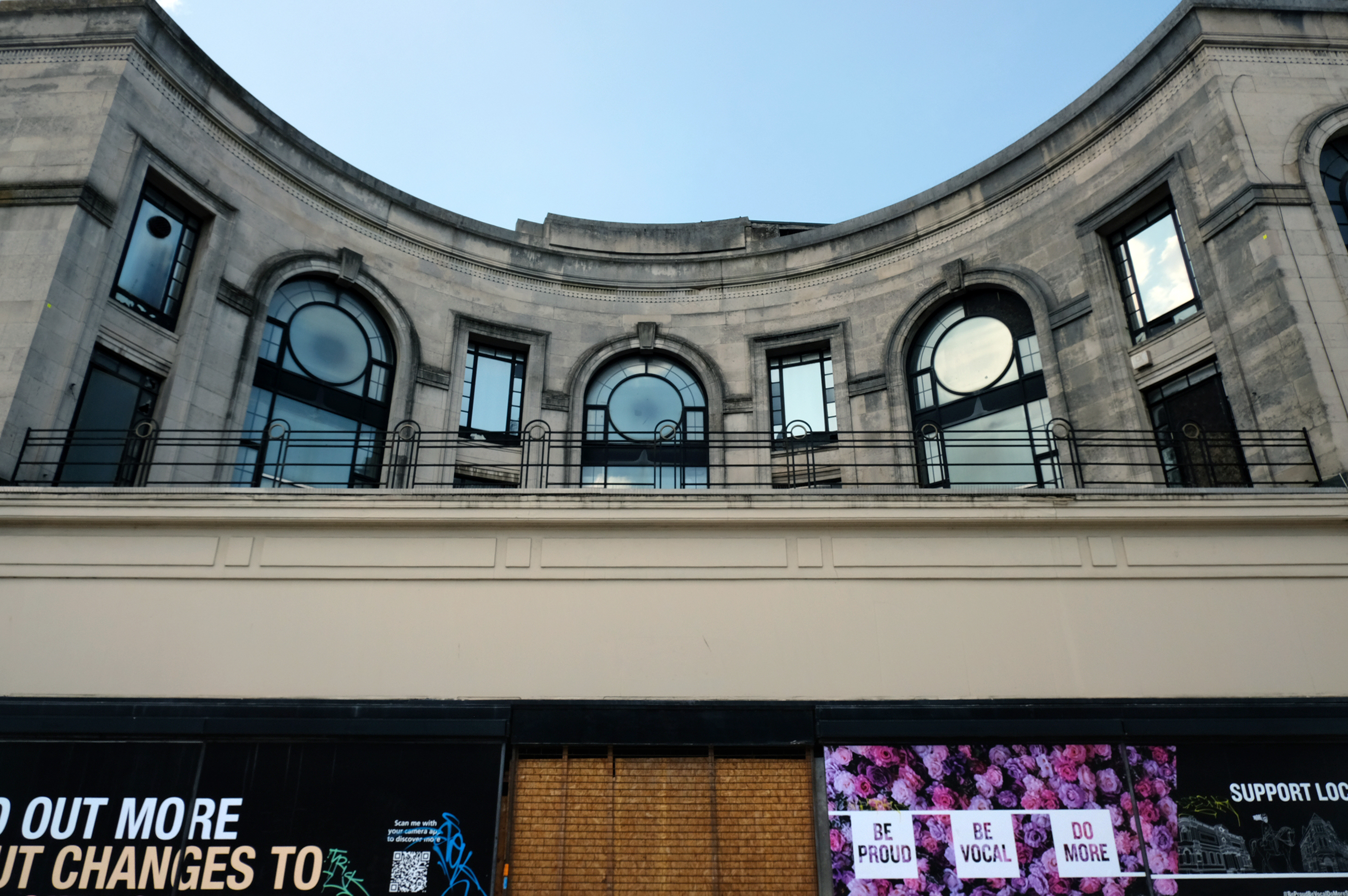
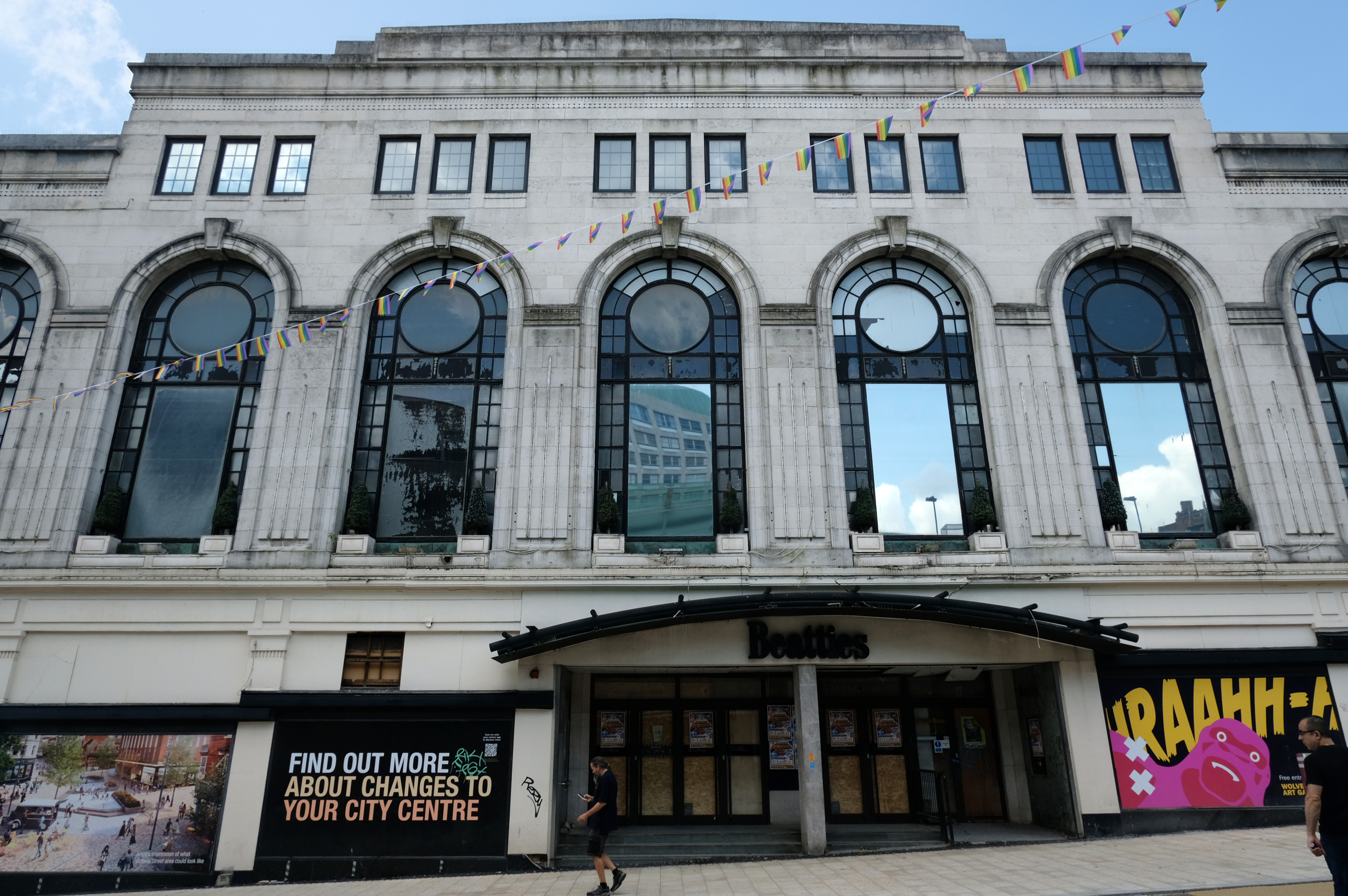
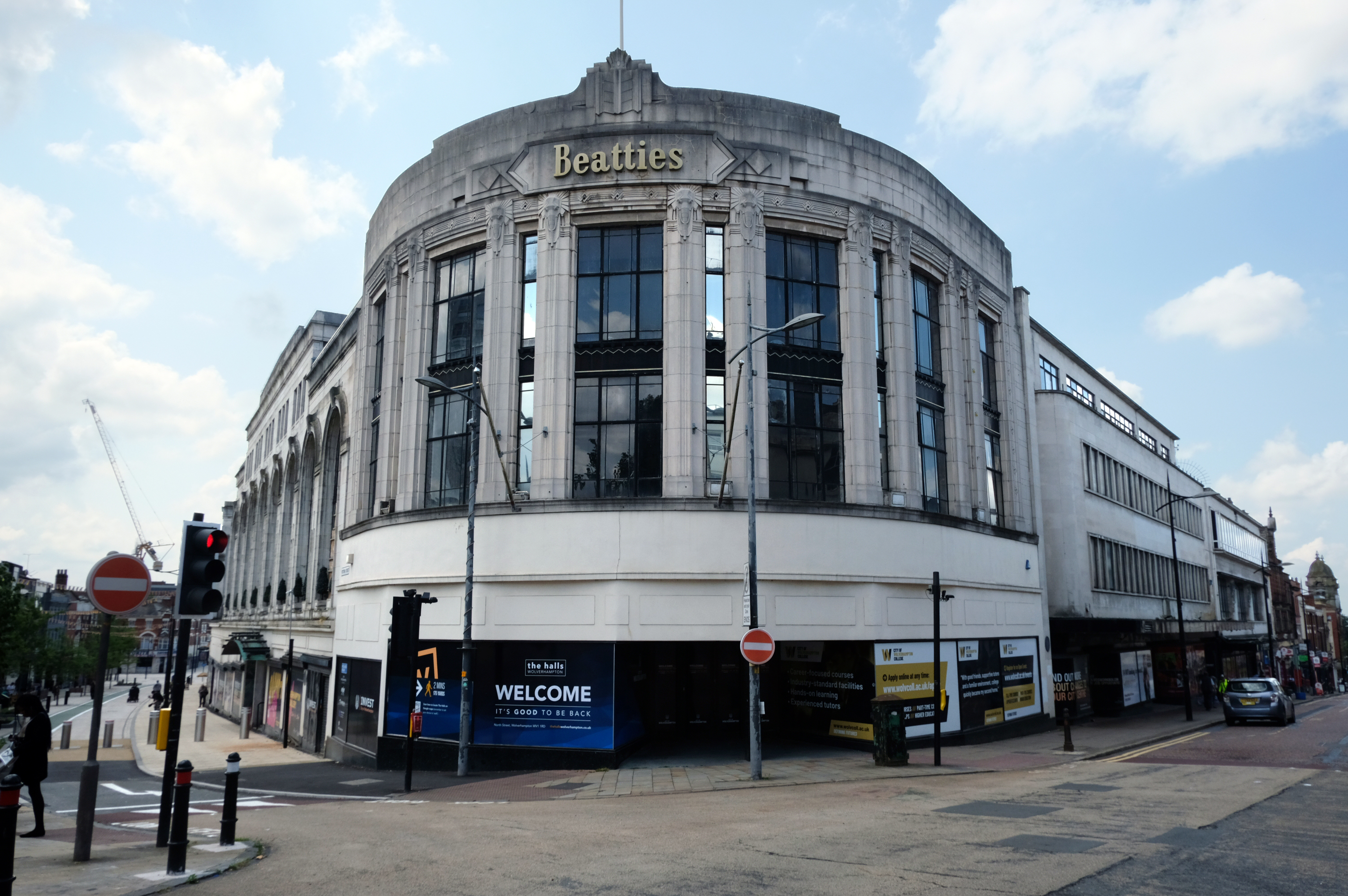
Let’s take a turn around the corner to Victoria Street where we find the complex of Beatties Buildings.

Architects: Lavender, Twentyman and Percy 1920’s – 30’s

The C20 Beatties store is a multi-period site developed first in the 1920s-30s. A Burton’s men’s clothes shop was built on a curved corner site at Victoria St/Darlington St and Beatties themselves replaced their existing Victoria St store in the 1930s with a building by local architects Lavender, Twentyman and Percy. Beatties later acquired and incorporated the Burton’s shop into their store. These two buildings form the locally listed building to which were added a mid-C20 extension along Darlington St and a late-C20 development to the rear at Skinner St.

c20 Society

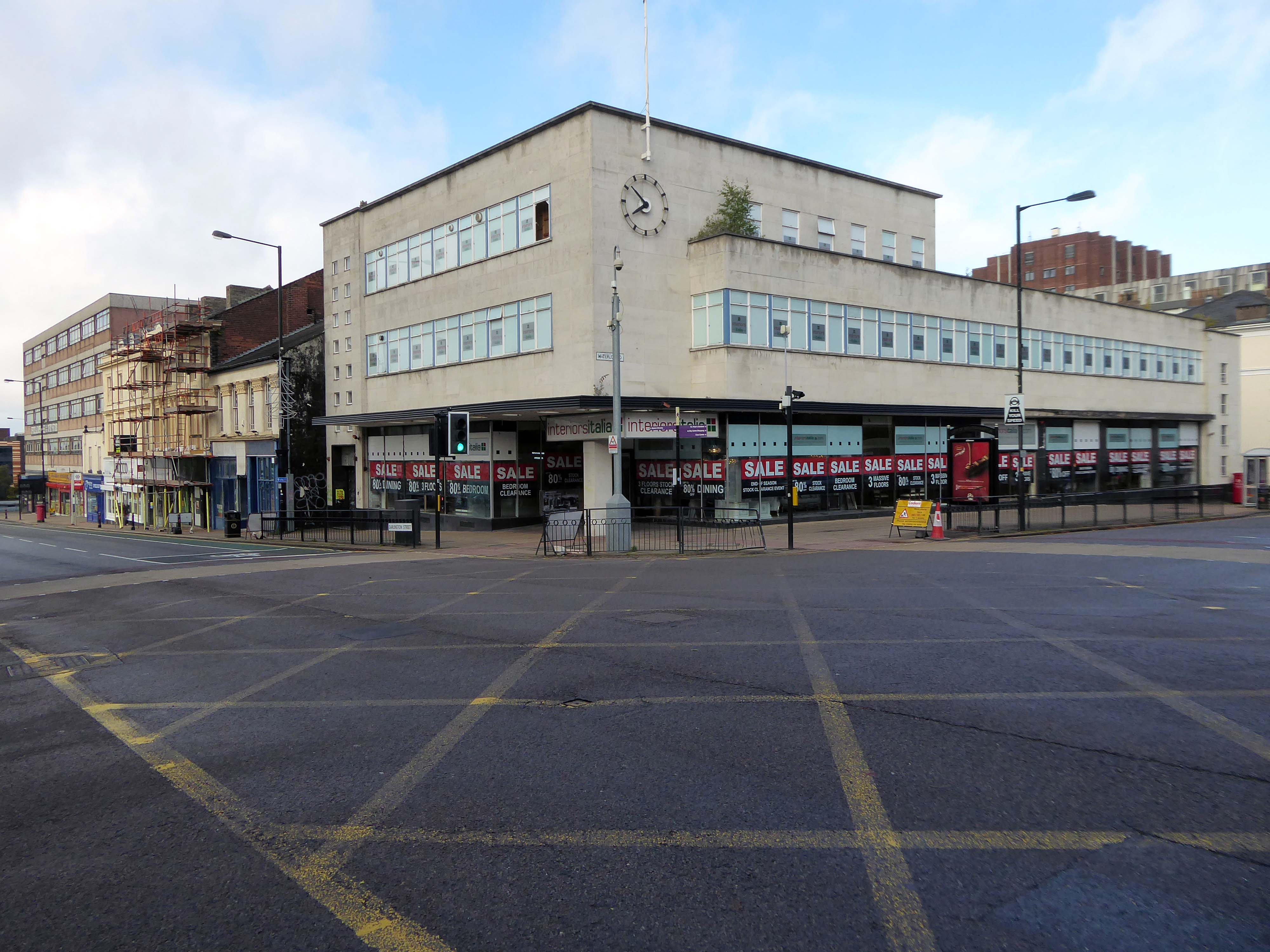
An imperious Portland stone clad mixed us block on Waterloo Road, with a delightful clock.

Formerly the Gas Showrooms then Sun Alliance & London Insurance offices – aka Clock Chambers

The showroom in Darlington Street was also the centre of a radio network that controlled a fleet of service vans. This enabled customers to receive service within minutes of making a telephone call. Demonstrations of cookery, washing and refrigeration were given by the Gas Board’s Home Service Advisers and a number of the company’s engineers, who specialised in designing gas equipment for industrial processes operated an advisory service for manufacturers. 

Architects: Richard Twentyman 1939.

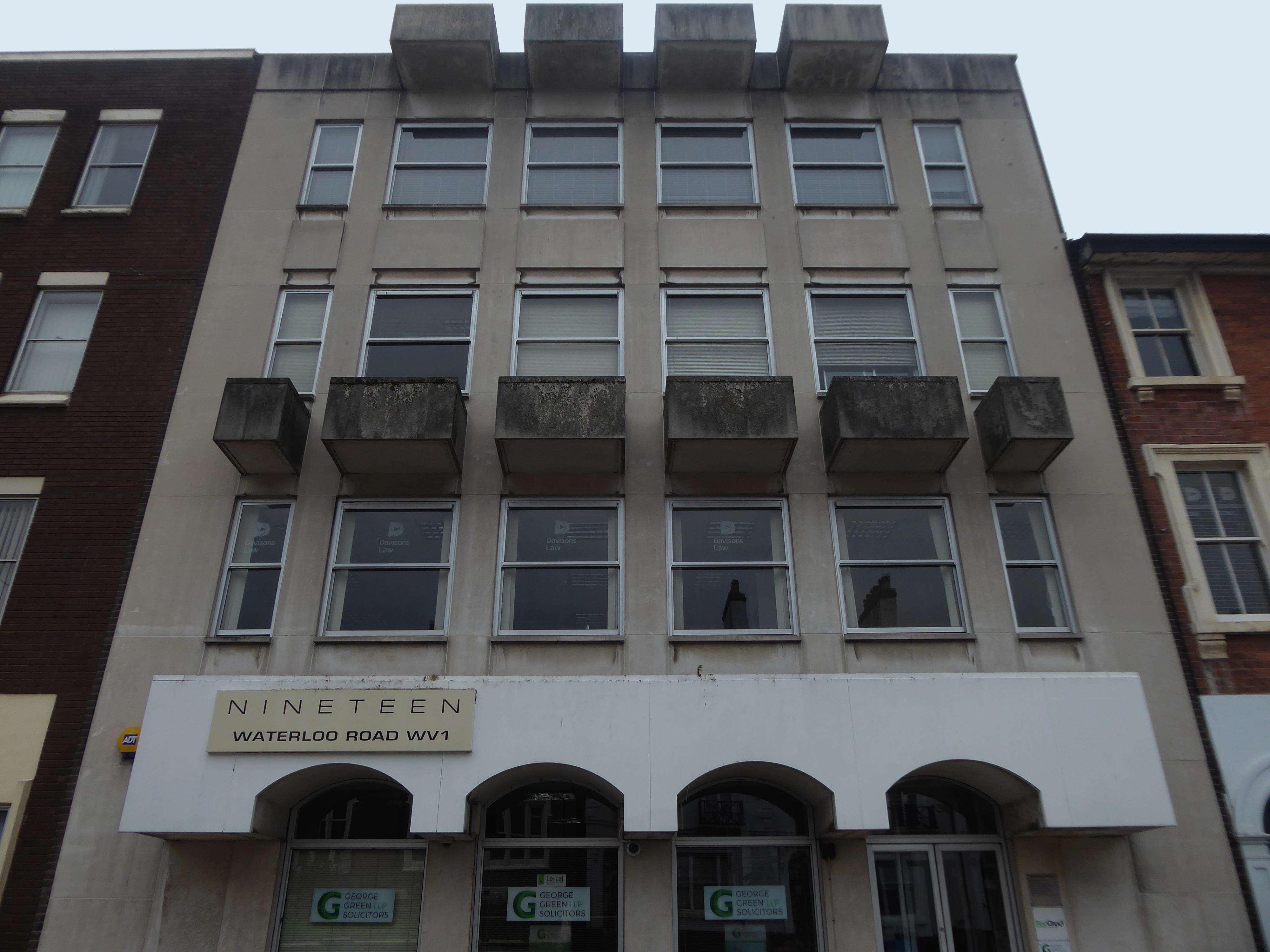
Nineteen Waterloo Road latterly First City House formerly home to Eagle Star Insurance 1970

8-10 Waterloo Road architects: Richard Twentyman 1959 extended 1966.

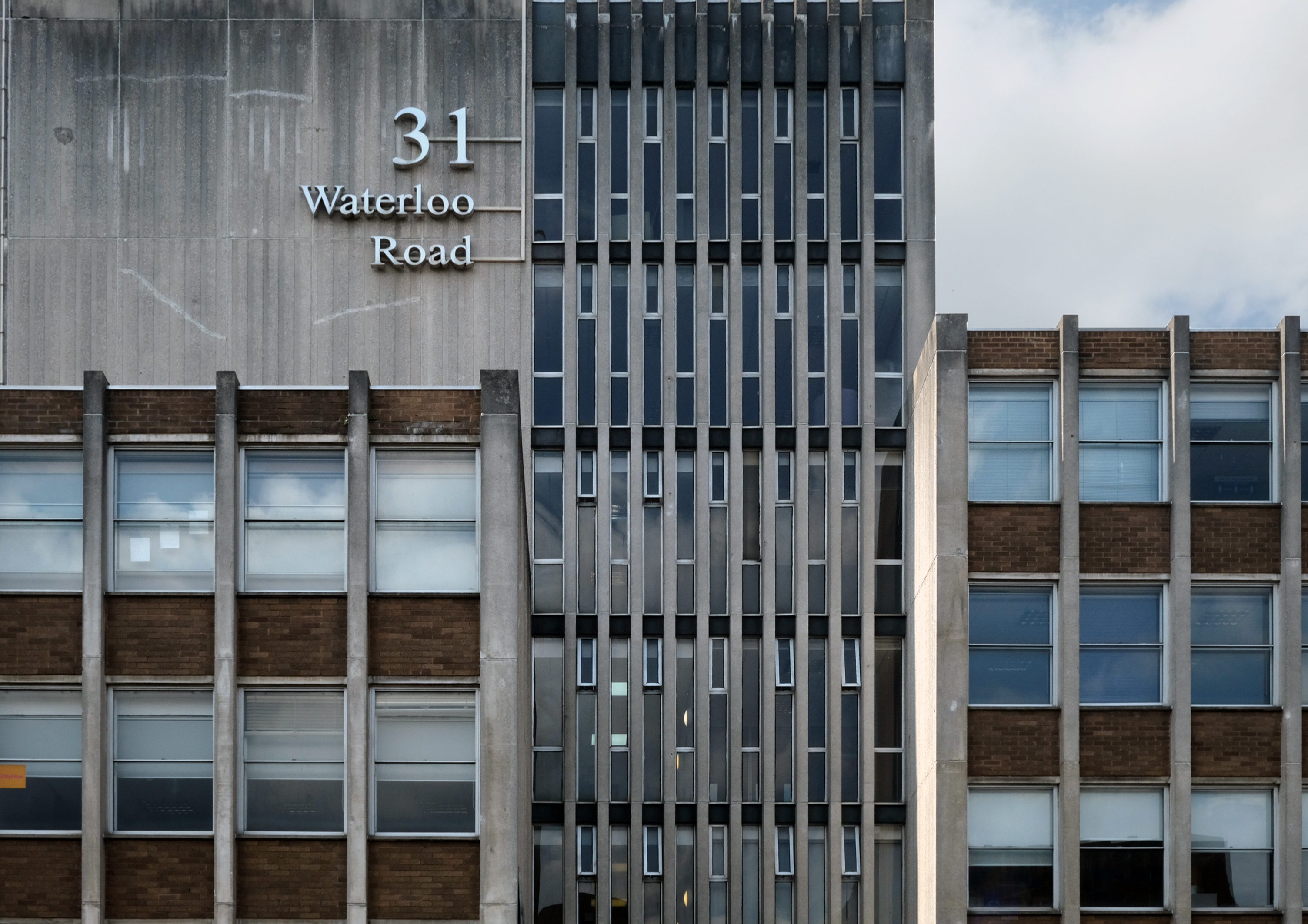
31 Waterloo Road – Waterloo Court architects: Kenneth Wakeford, Jerram & Harris 1972

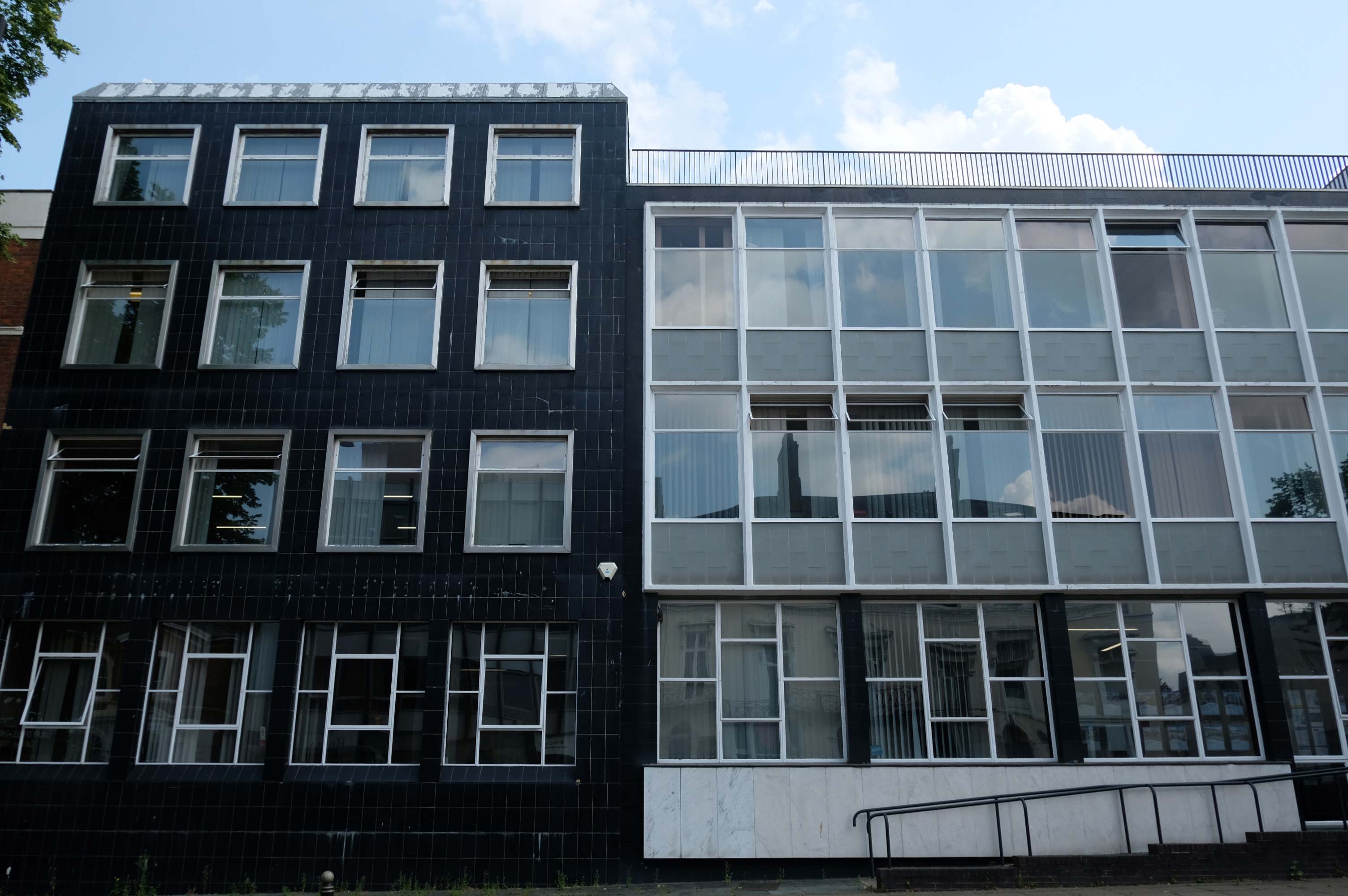
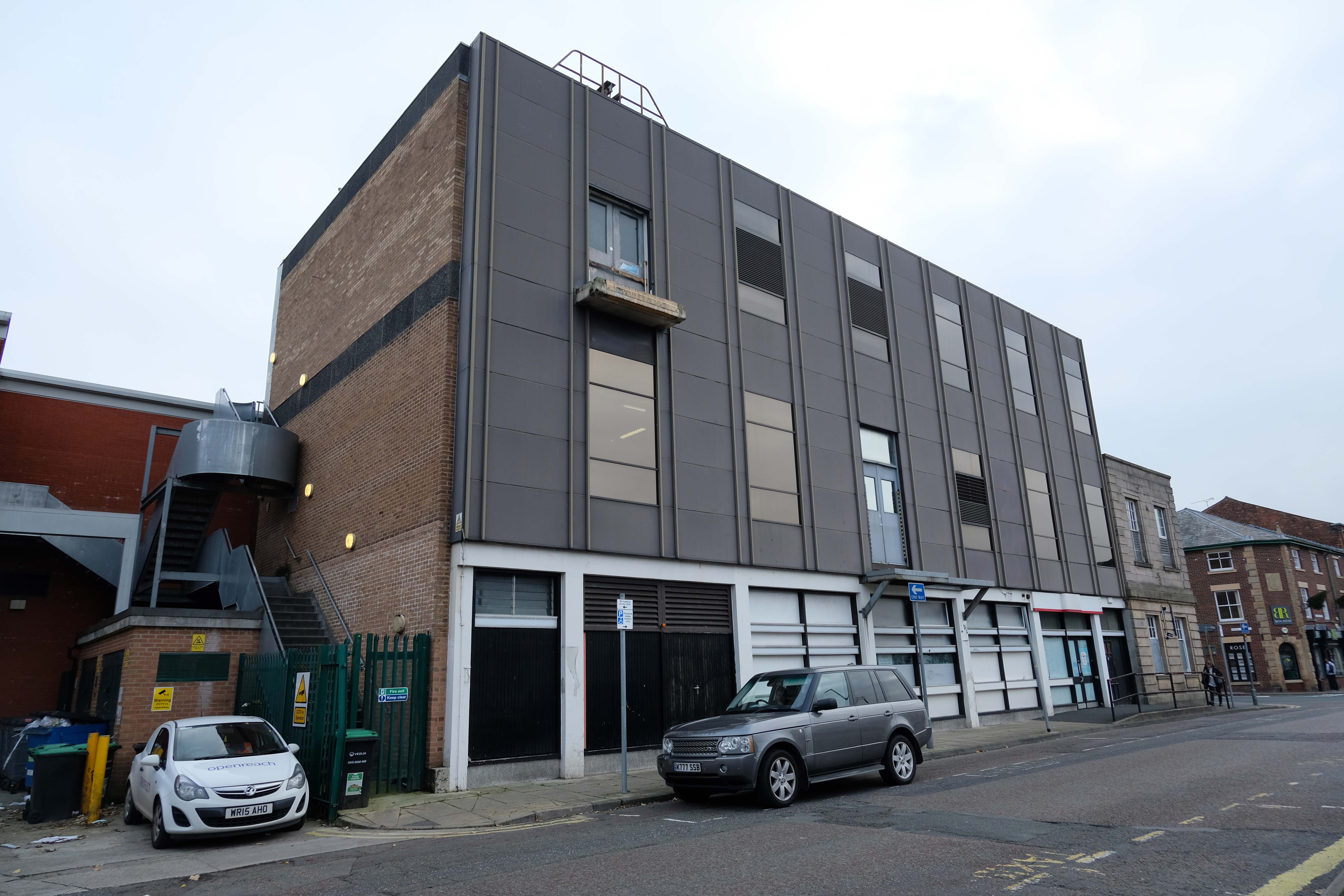
Right turn to the Telephone Exchange

Architects: NHA Gallagher of the Ministry of Public Buildings and Works and Clifford Culpin & Partners job architect Leslie Parrett 1971.

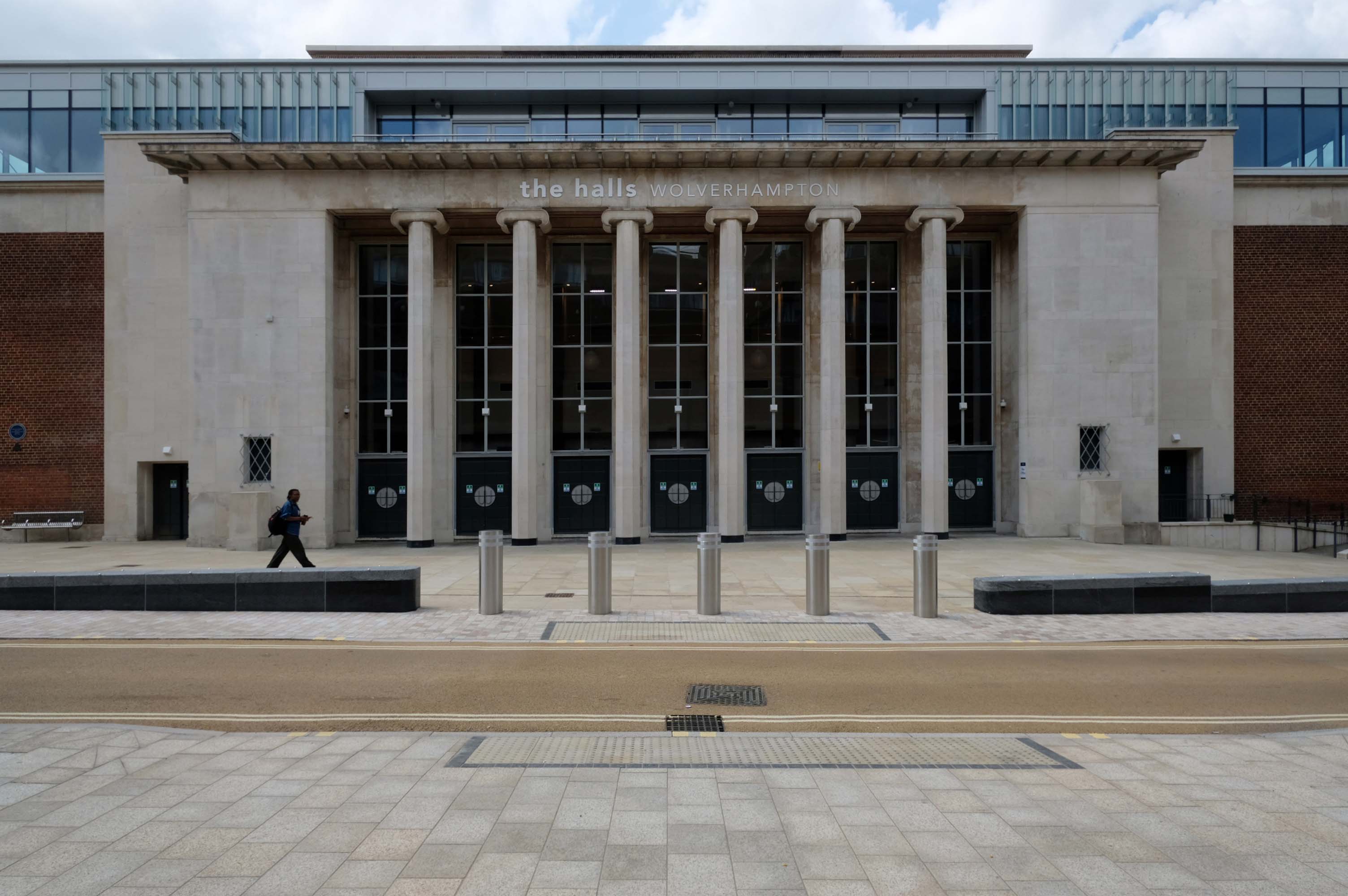
Around the bend to The Halls – once the Civic Halls.

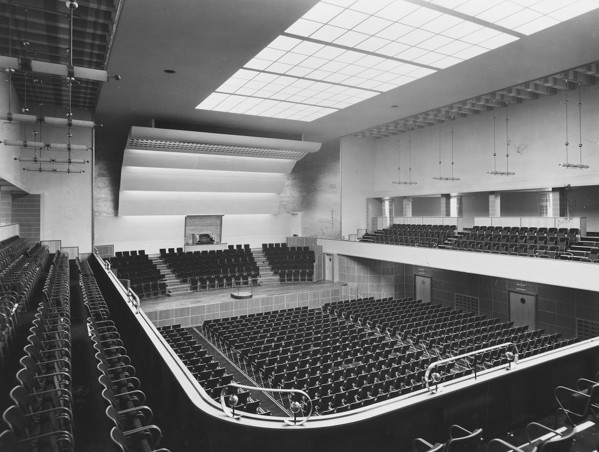
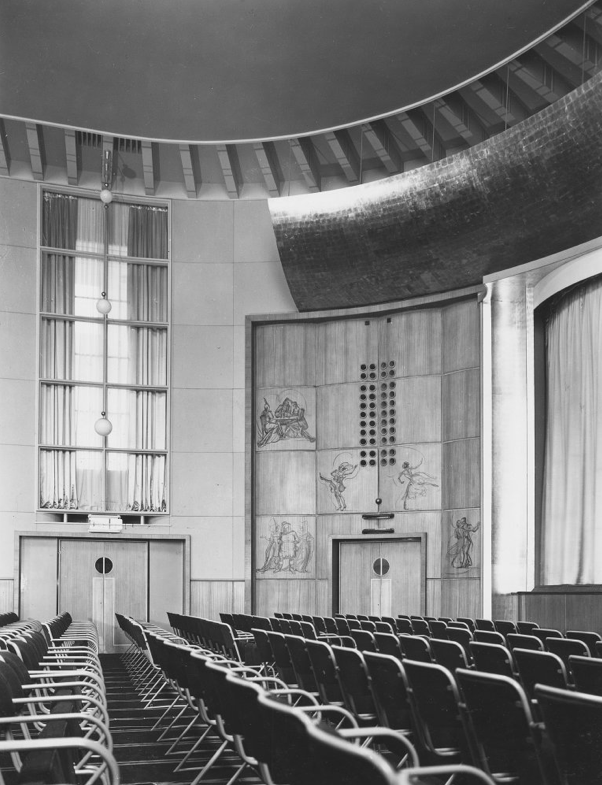
Architects: Lyons and Israel 1936-38

Refurbished 2003 by Penoyre & Presad with more alterations in 2021 by Jacobs consulting engineers.

RIBA pix – 1939

Over the road to the Civic Centre.

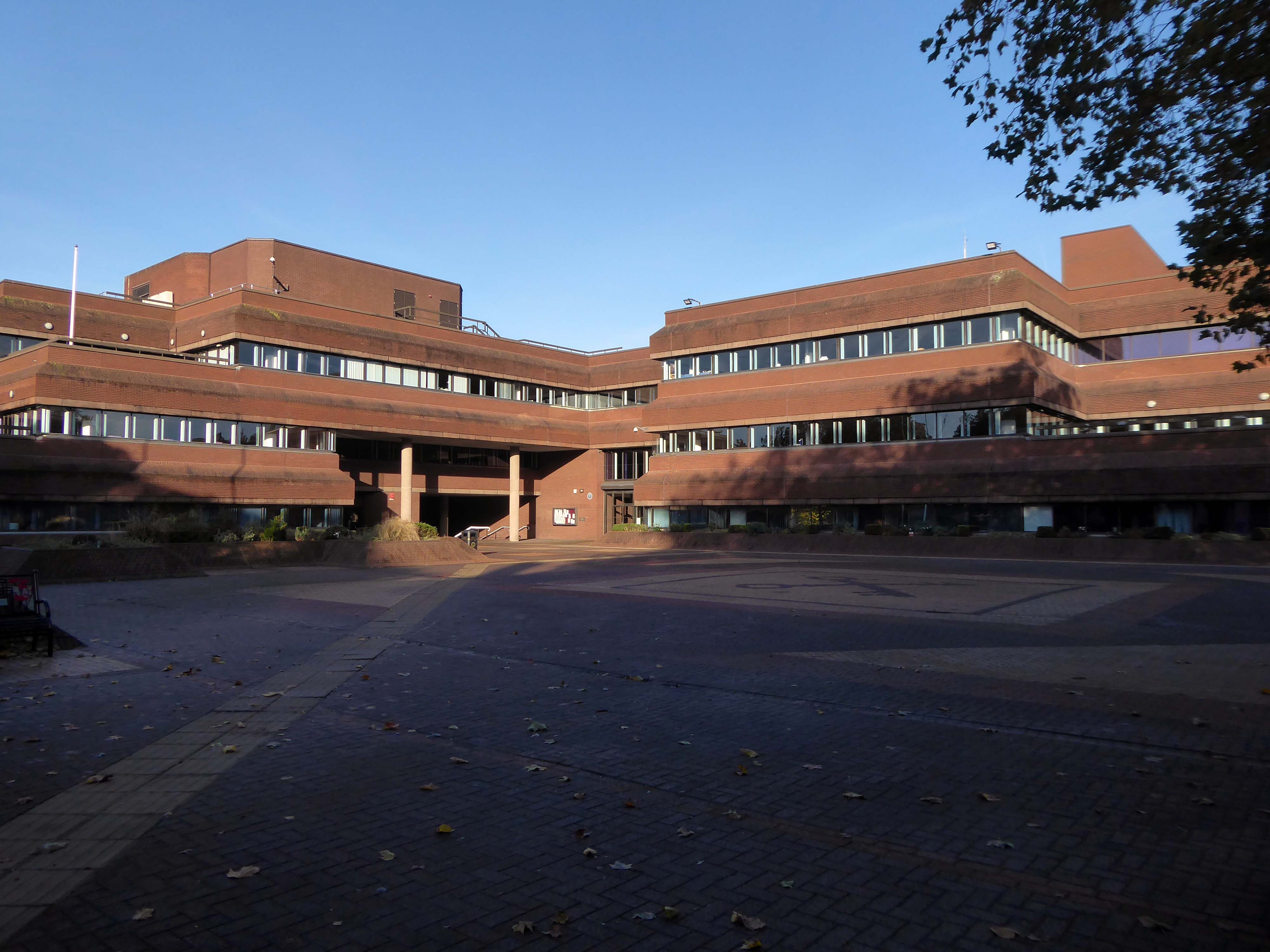
Architects: Clifford Culpin & Partners 1974-79.

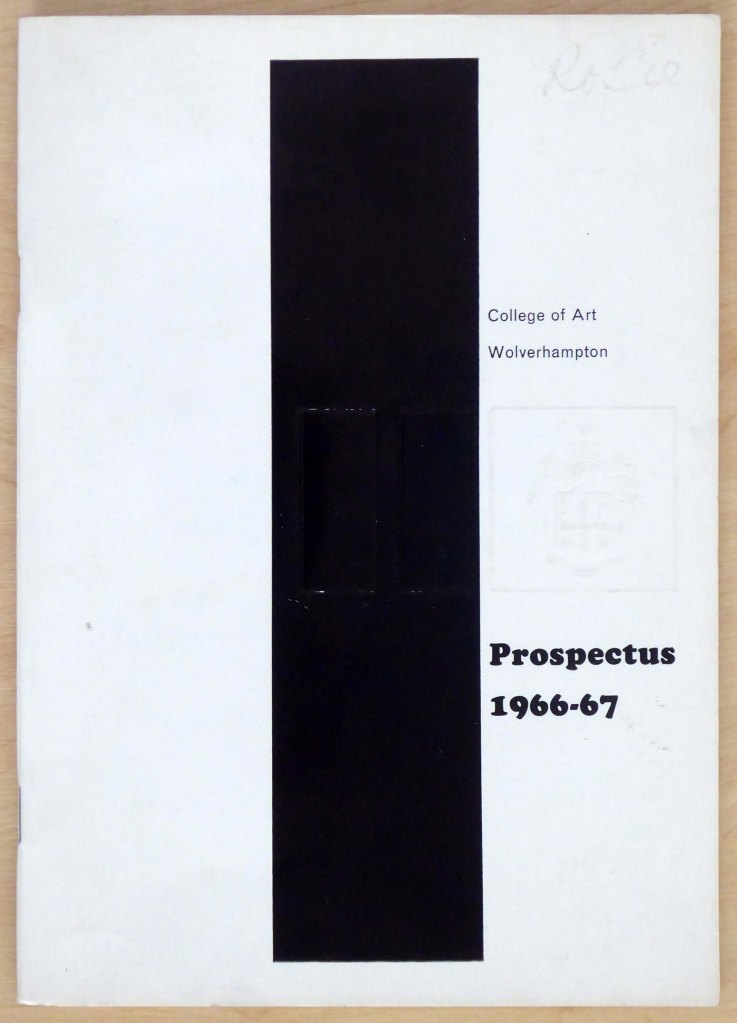
We end our Wolverhampton wander at the College of Art and Design

Architects: Diamond Redfern and Partners with A Chapman Borough Architect 1969

Huge thanks to Tom Hicks aka Black Country Type for his invaluable assistance.

Chorley Walk

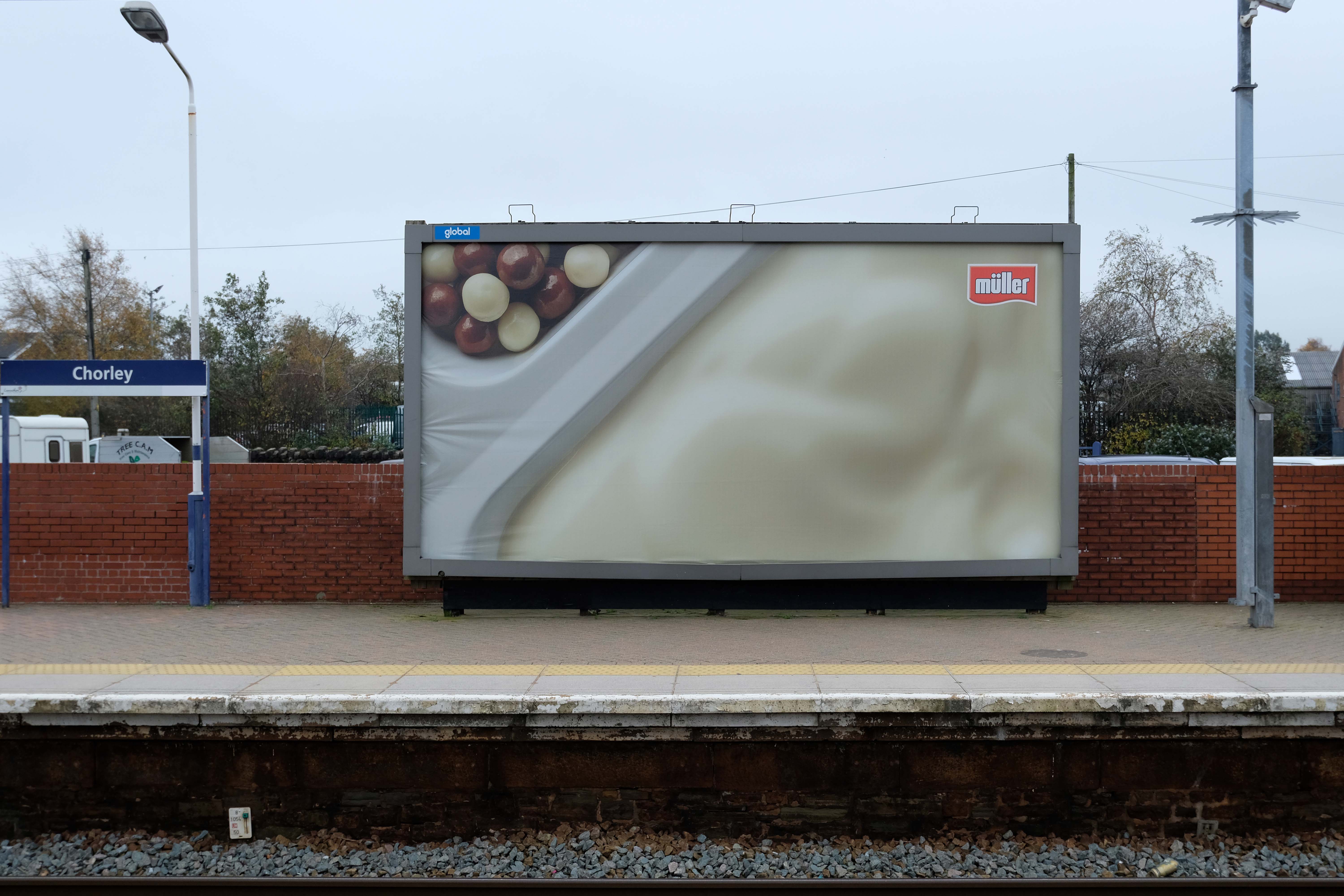
I arrived at Chorley Railway Station.

The current railway station is a modern version from the 1980s that was built on top of the original station. The level of the old platforms can be seen under the existing station’s two platforms which are connected by underpass. The initial station was opened on 22 December 1841 by the Bolton and Preston Railway – which later became part of the Lancashire and Yorkshire Railway and was subsequently served by the Lancashire Union Railway between St Helens, Wigan North Western and Blackburn from 1869.

Passenger trains over this route between Blackburn & Wigan were however withdrawn in January 1960. Further work was done in 2016 and 2017 in connection with the electrification of the line between Euxton Junction and Manchester.

Wikipedia

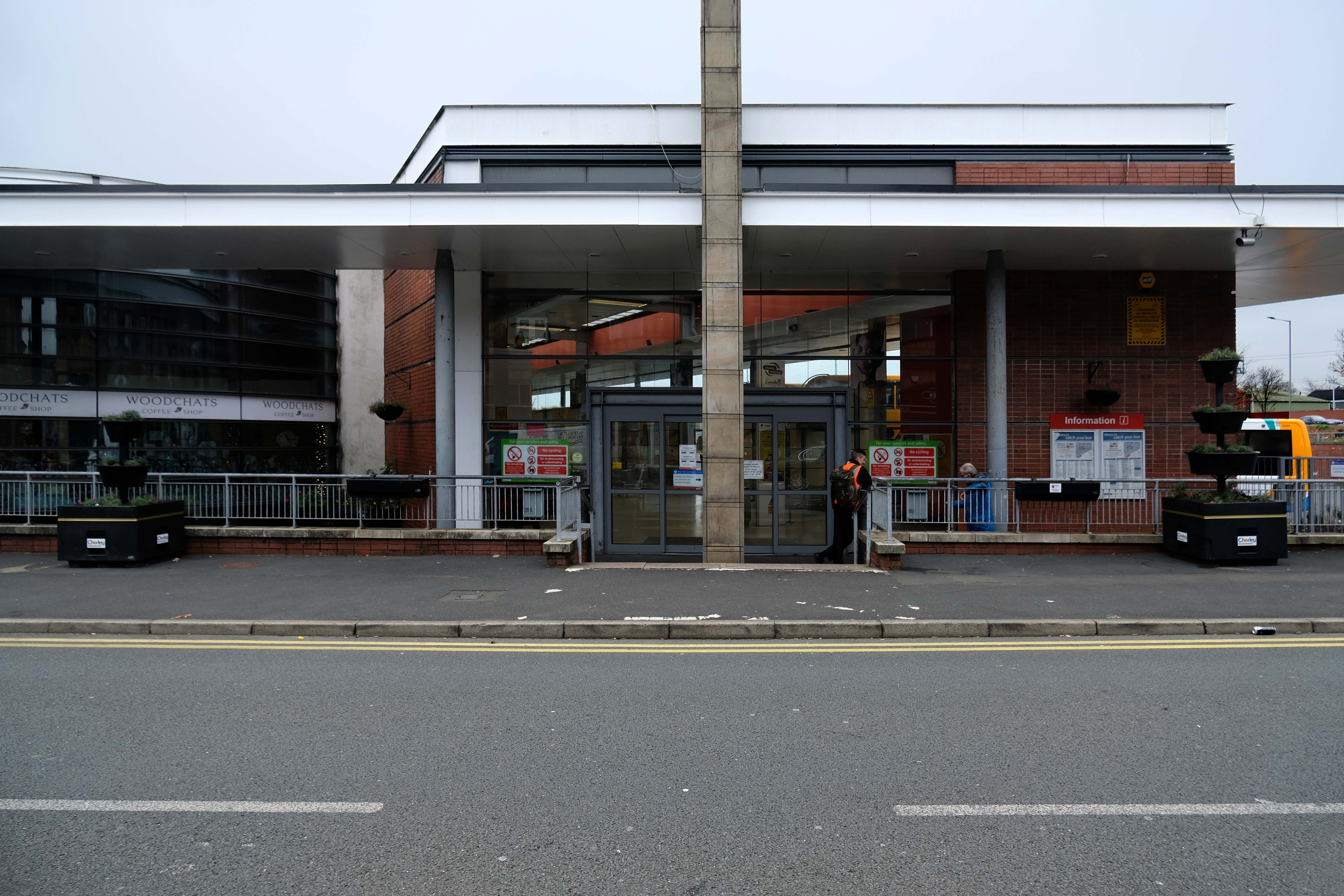
Crossed over to the Interchange – which was formerly a humble bus station, opened in February 2003 replacing the previous structure.

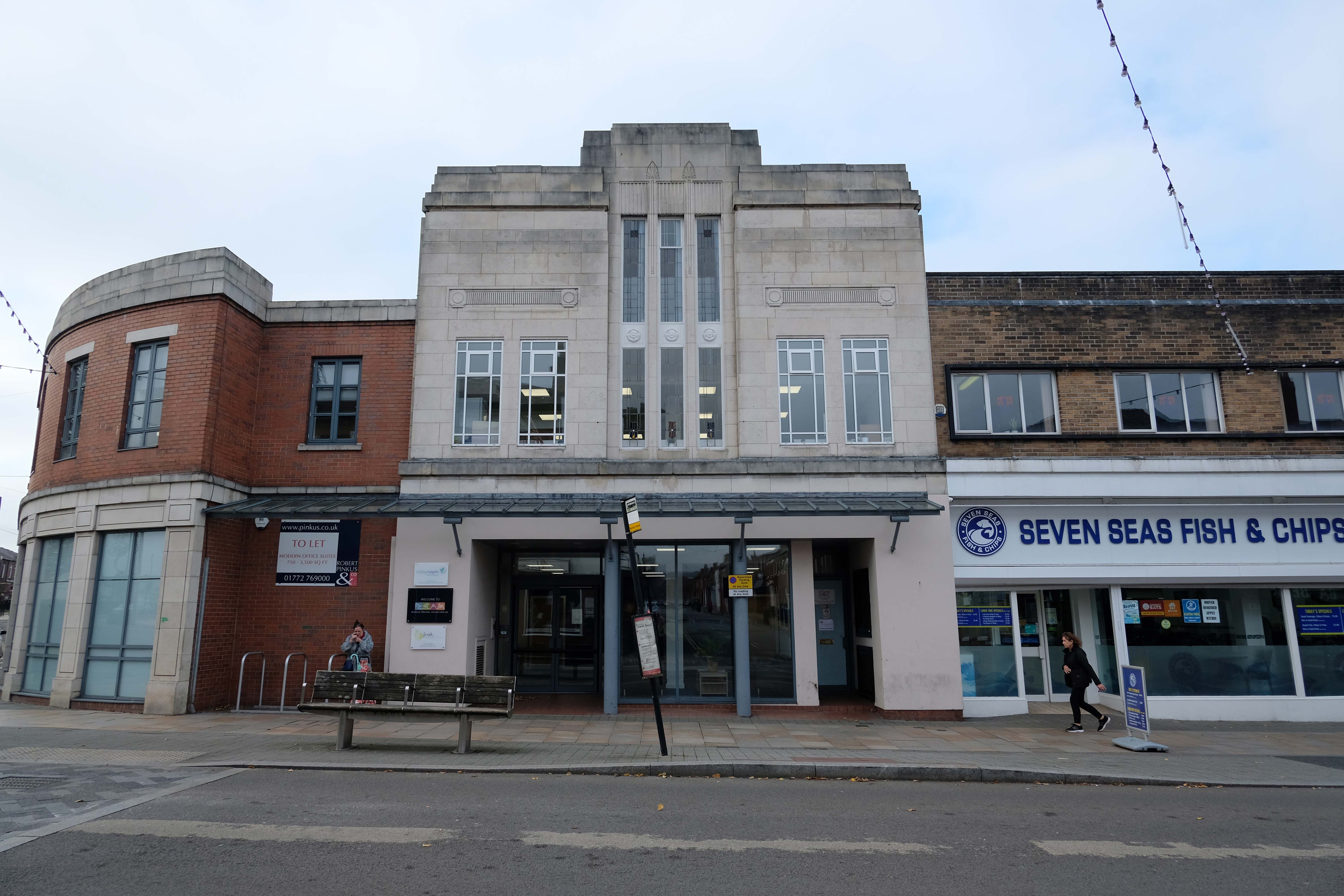
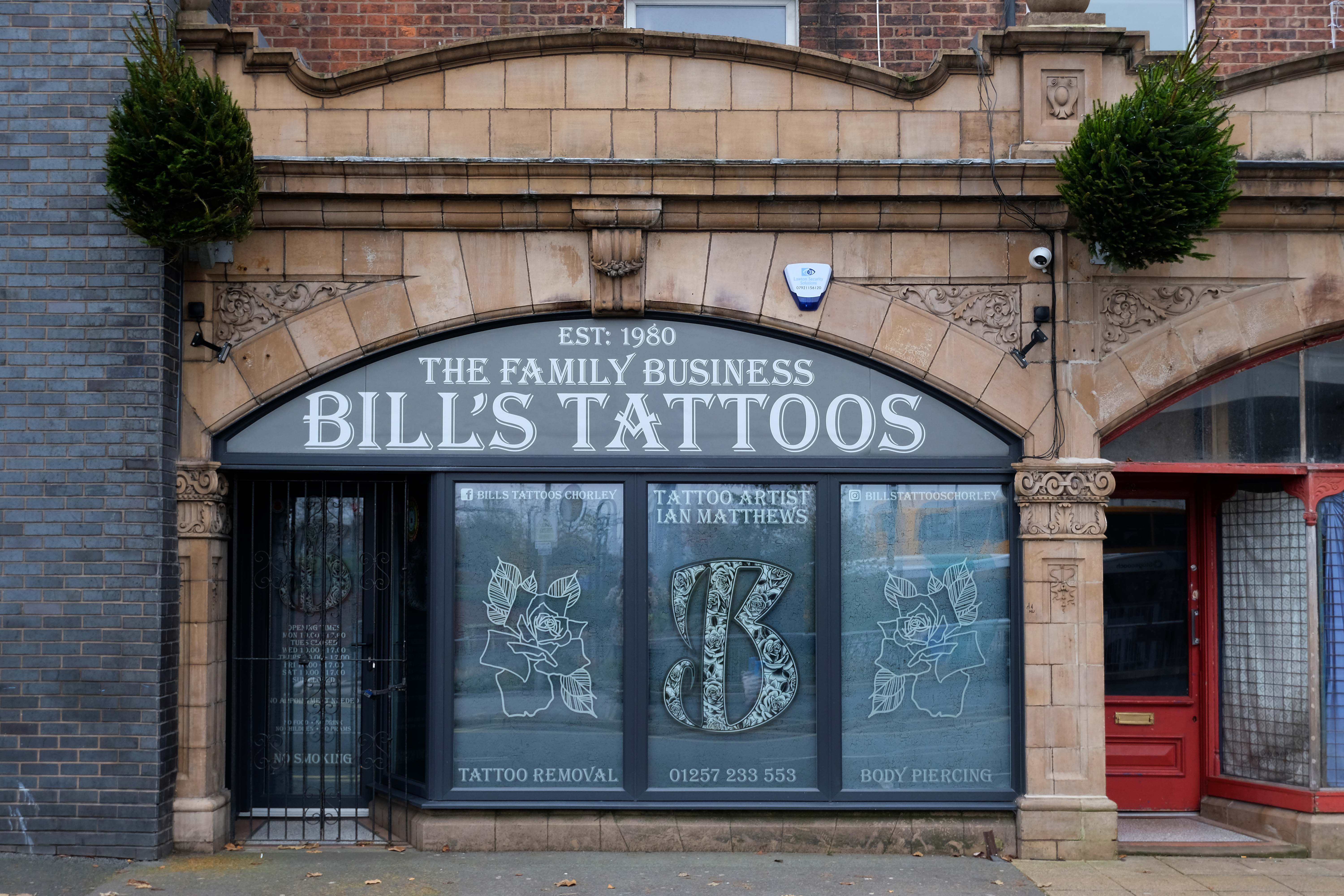
Across the way a stand of shops with distinctive faience fascias.

Further along the Shepherds’ Victoria Hall – once home to the Jubilee of the Ancient Order of Shepherds’ Friendly Society which was quite prominent in Chorley in the late 1800’s and early 1900’s

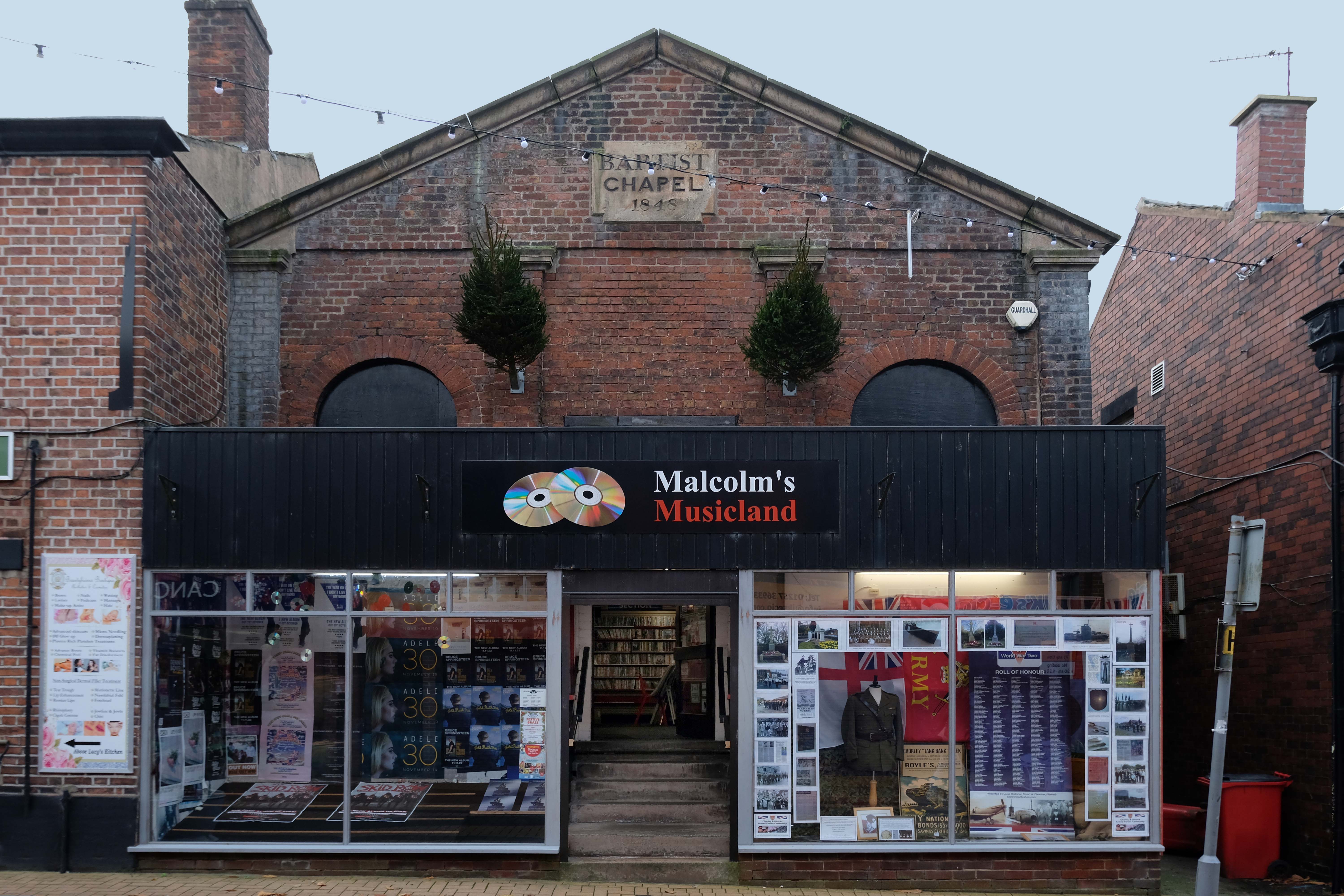
Down the way a ways a Baptist Chapel of 1845 on Chapel Street – currently trading as Malcolm’s Musicland.

Next door the Chorley Town Cafe with some excellent stained glass.

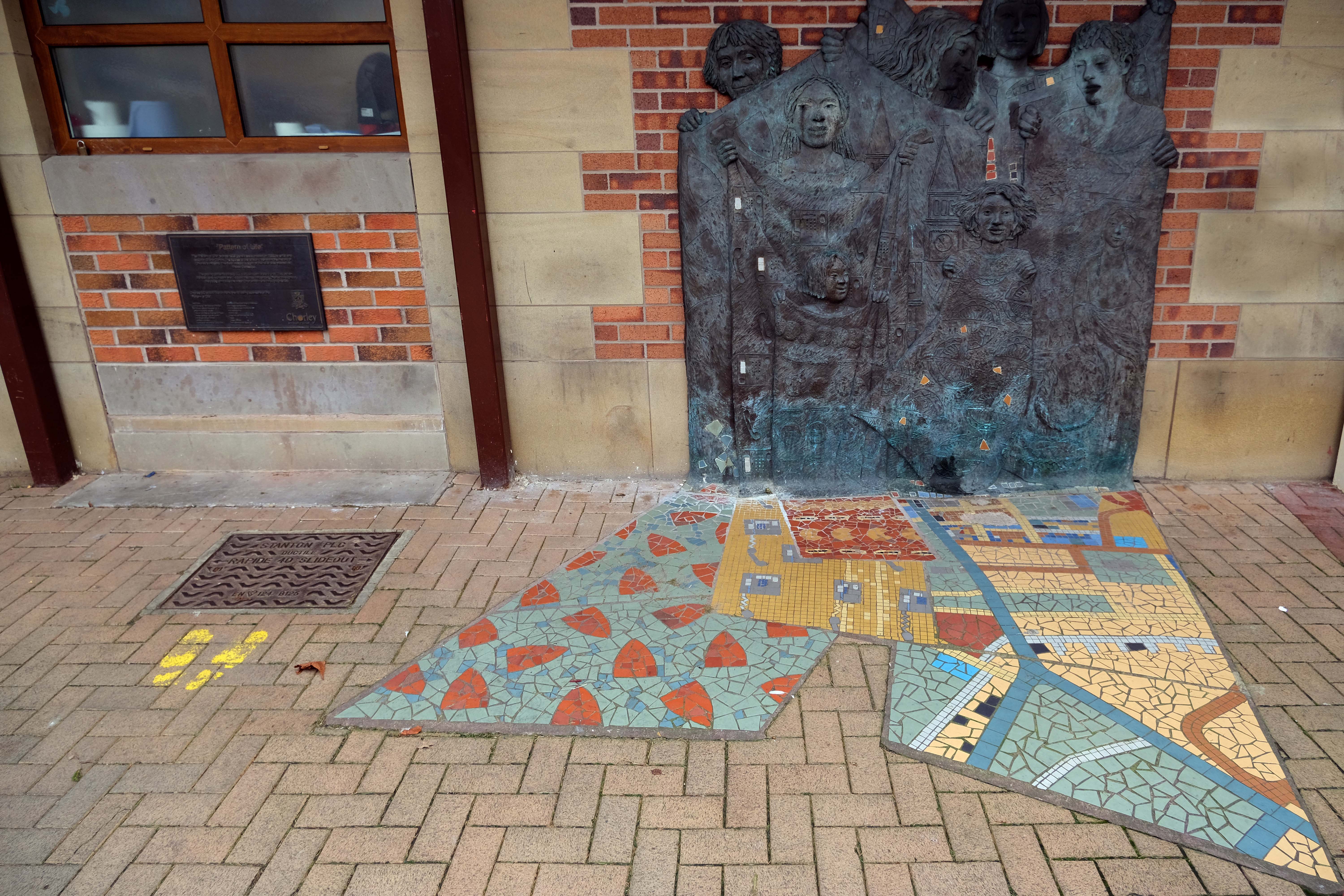
Hang a sharp right to the Market – where there is this newish piece of public art Pattern of Life a bronze relief by Diane Gorvin and mosaic work by Tracey Cartledge

This piece involves an innovative combination of cast bronze and ceramic mosaic. Two bronze relief panels display female figures holding out rolls of fabric, each decorated with patterns and images that are particular to the town of Chorley. Payphones, for example were invented and manufactured in Chorley, the crested newt is protected here and you might also notice the famous Chorley Cakes. As the fabrics tumble down, the designs are translated from bronze relief on the wall surface into 2D mosaic in the pavement.

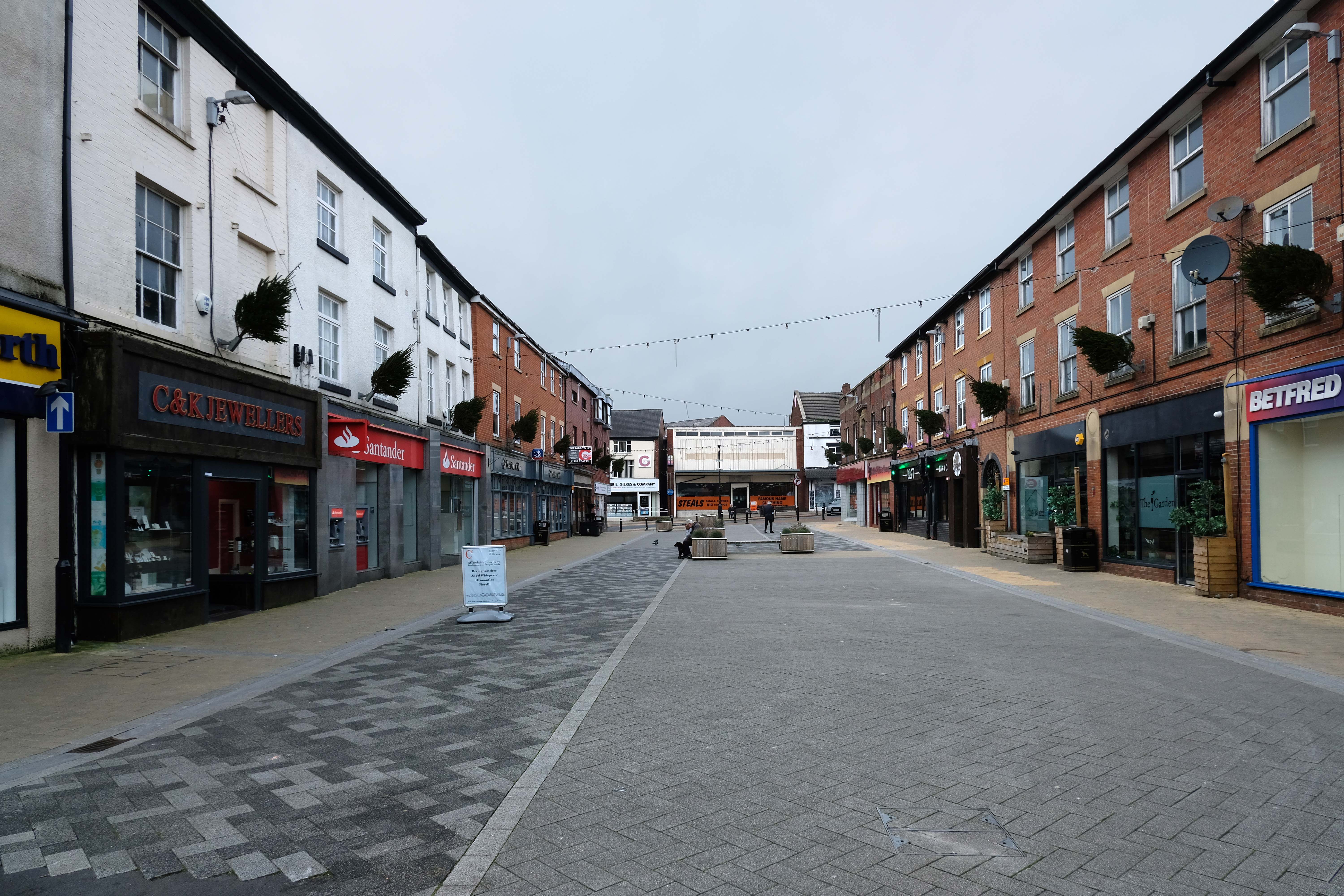
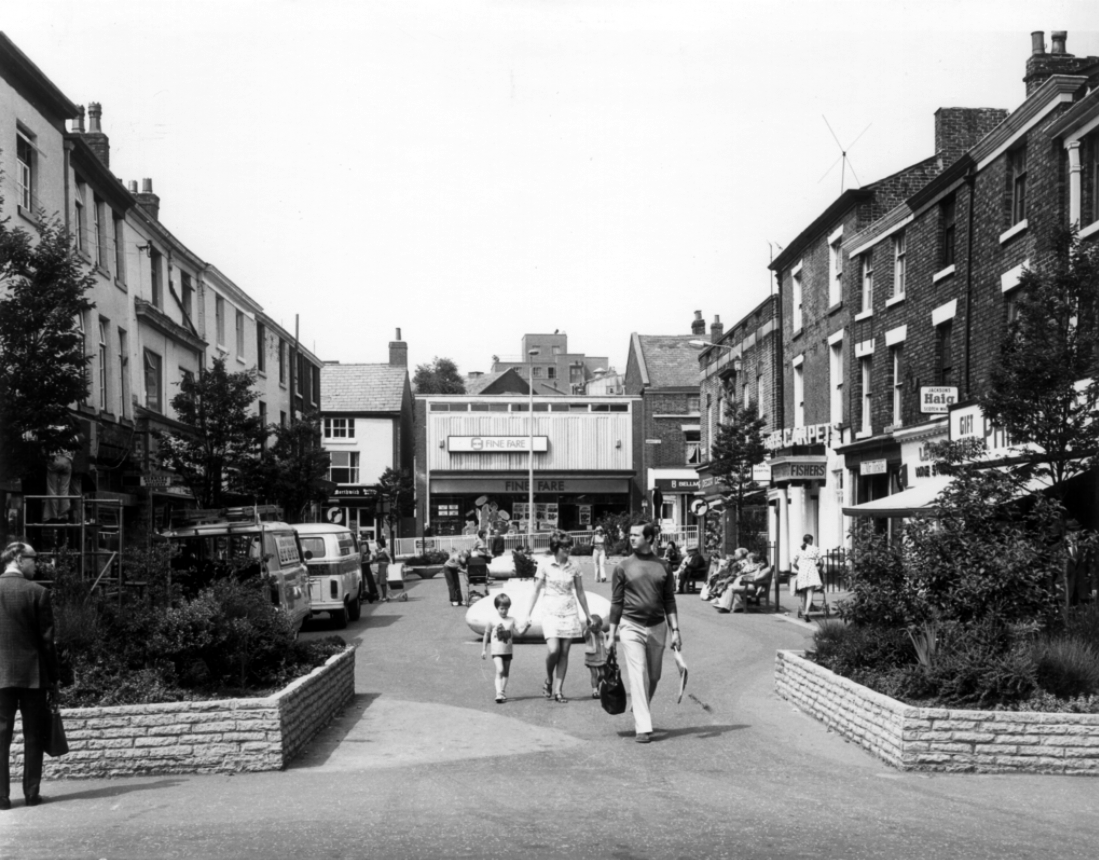
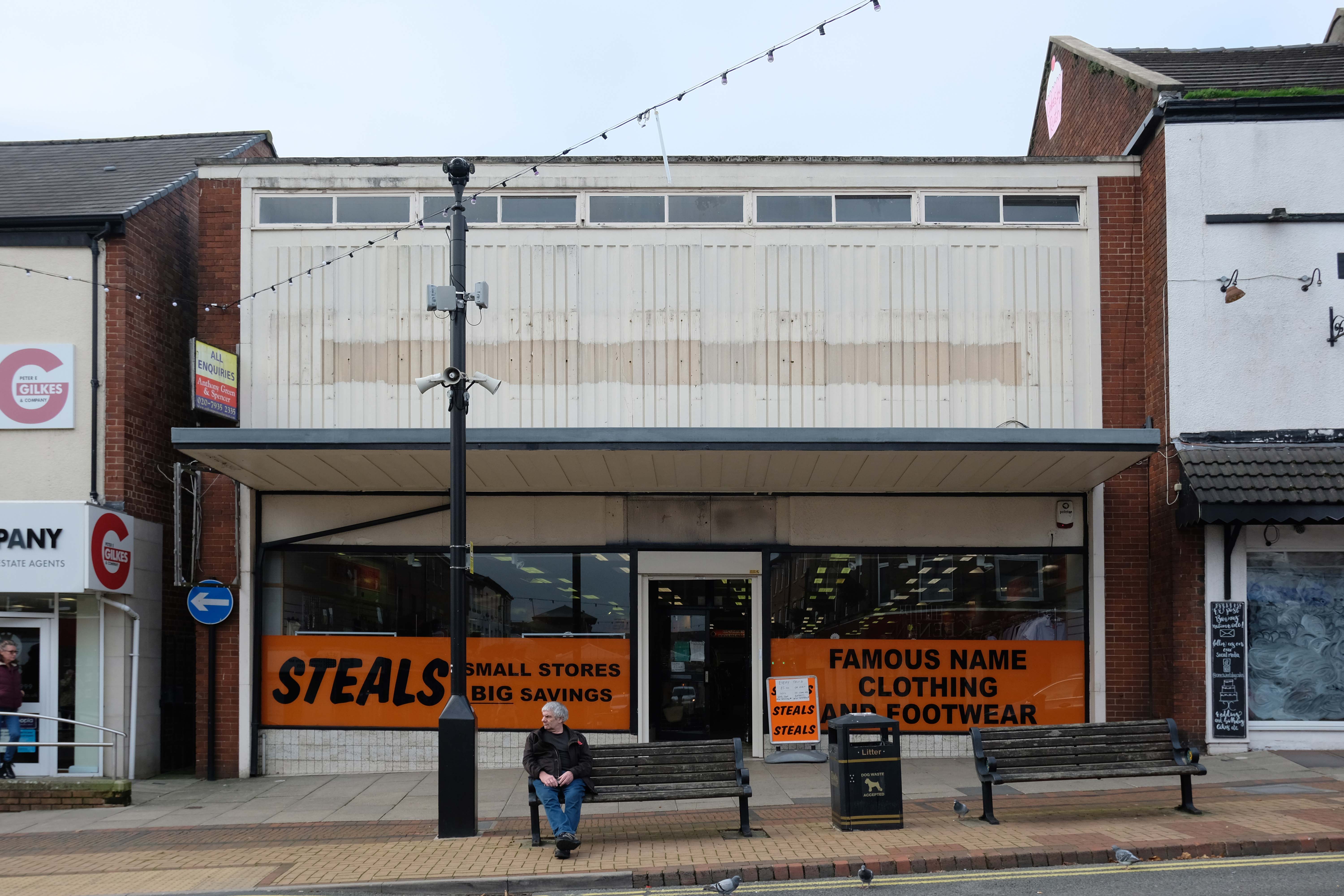
Looking down Fazakerley Street to where Fine Fare once was.

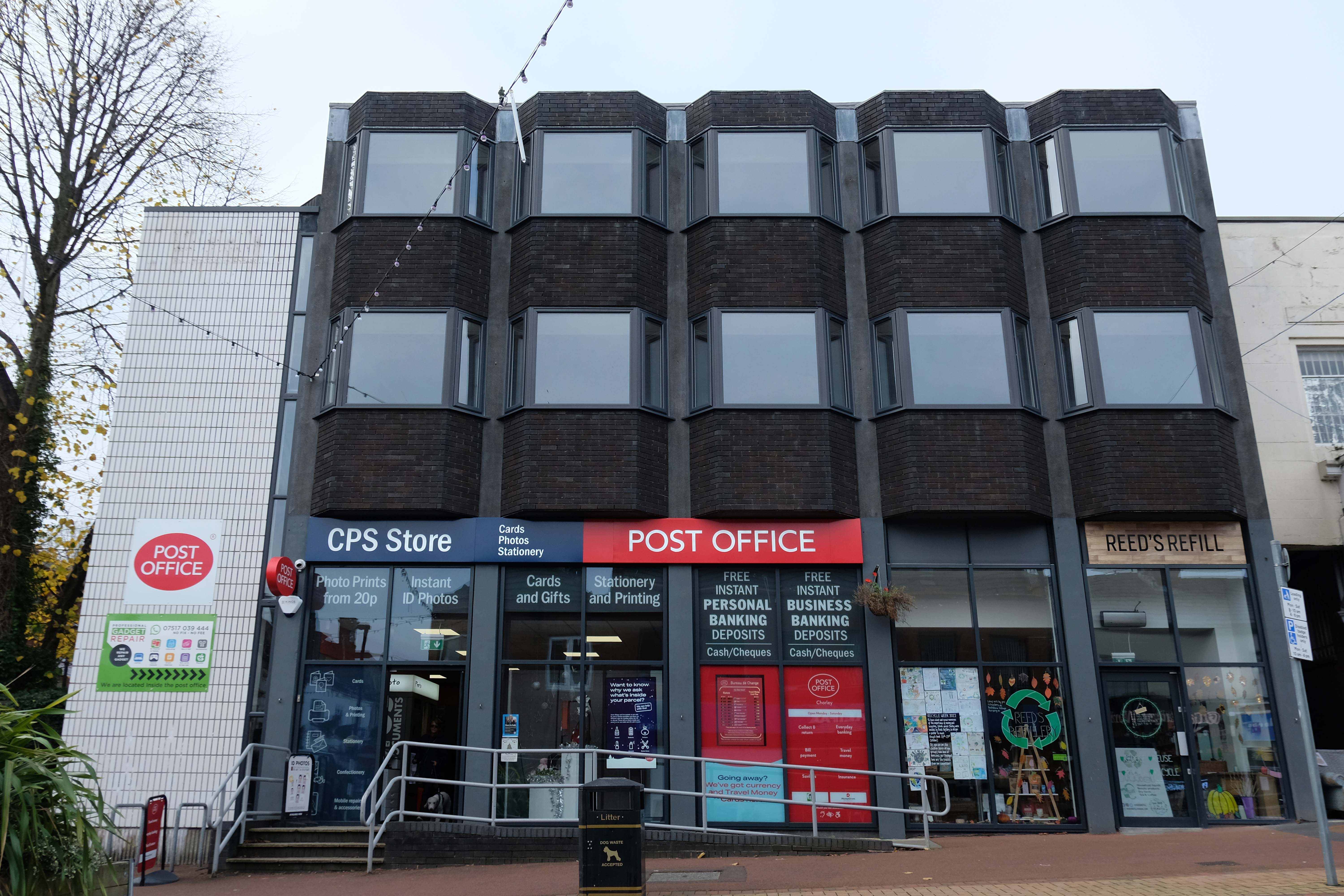
We’ll return to such matters in a moment – we have to get to the Post Office – which is no longer a Post Office.

Architect Charles Wilkinson.

It was a Post Office in 1935 – it also has a later extension.

The local list declares that the post office dates from 1935. This is almost certainly erroneous since the contract documents date from 1924, and from contract to completion the average construction and fitting-out time was about 18 months.

British Post Office Buildings

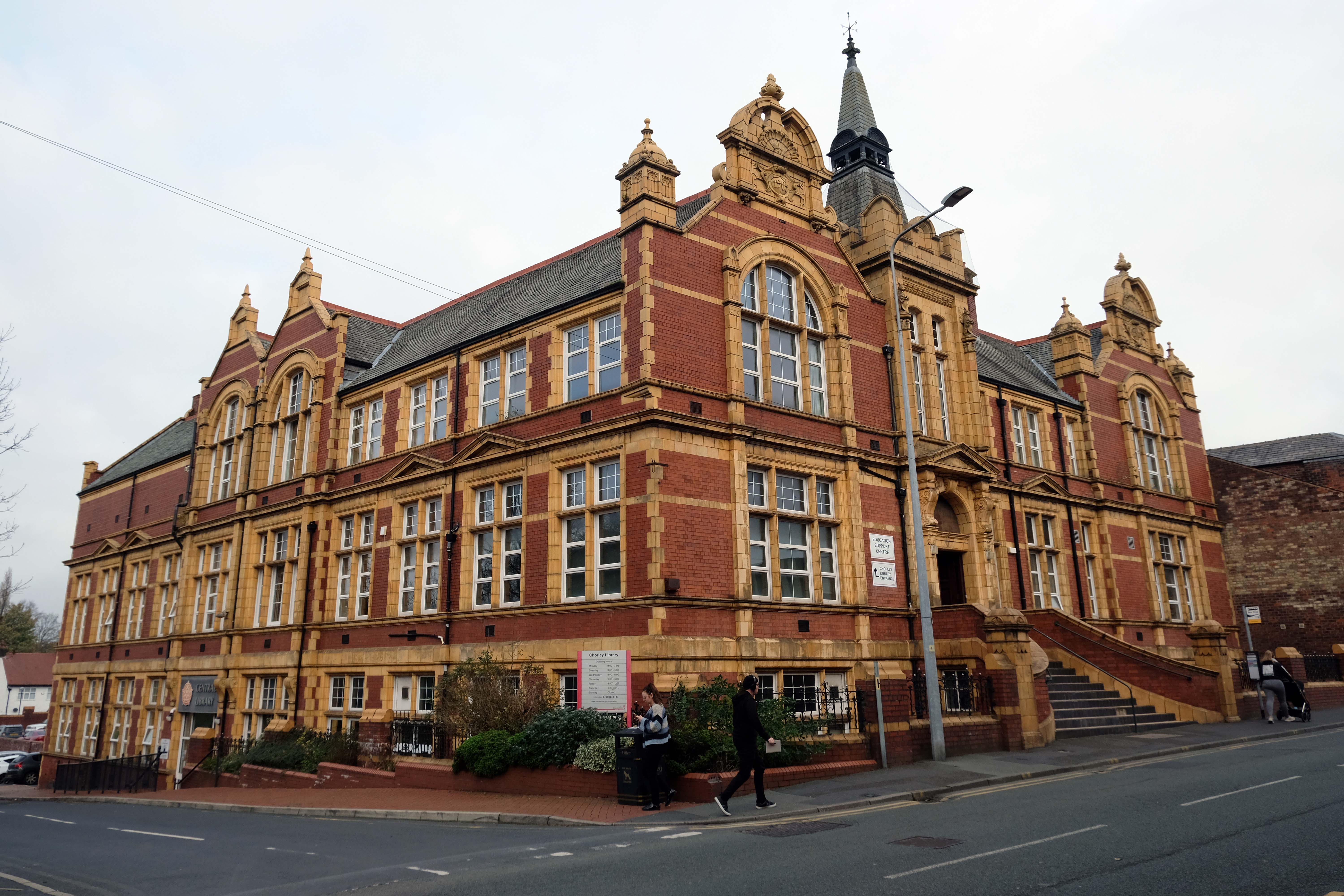
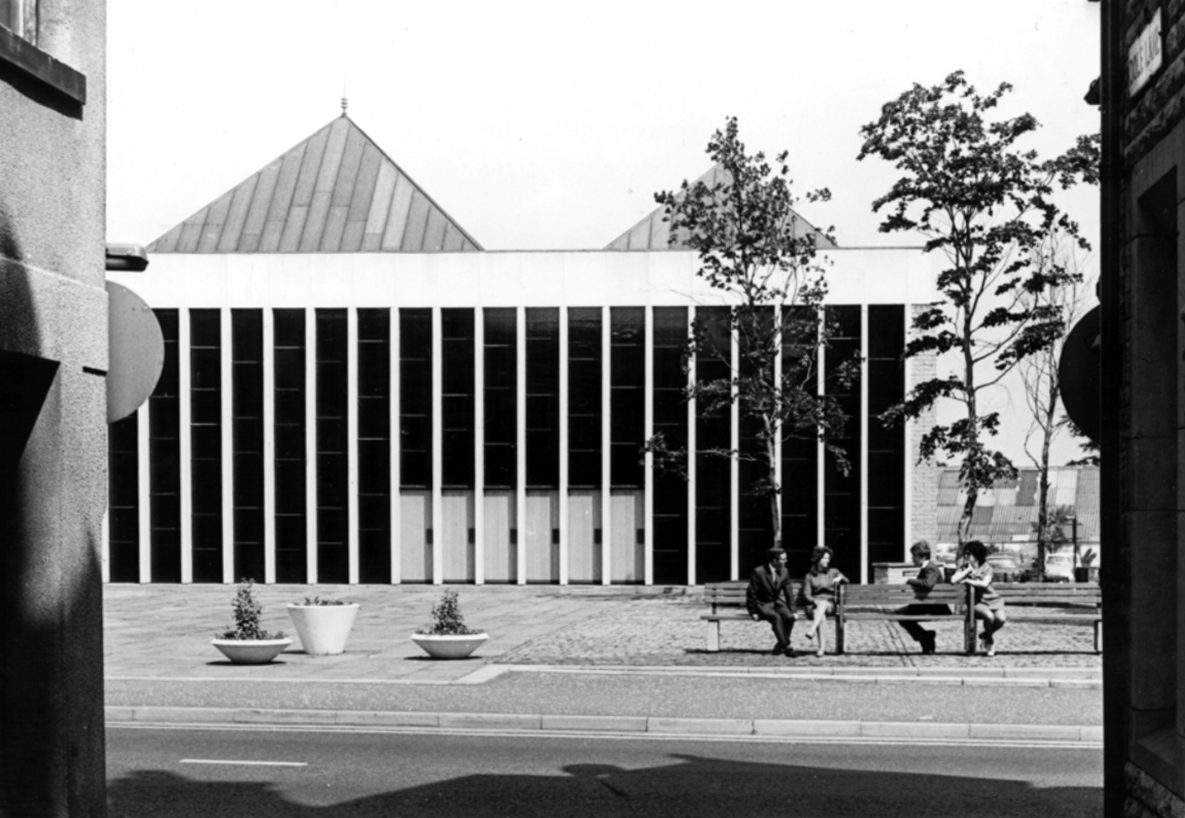
Happily, the Library is still a library.

Plans supplied by the Architects Messrs. Cheers & Smith of Blackburn which were approved by the Education Committee on the 18th August 1904design proposals for the new Technical School entitled Light and Air.

The considerable task of erecting the school was given to the local builder Mr. William Hampson of Pall Mall.

Surely the envy of his trade, the total contract was worth a mouth- watering £10,041 15s. 9d. – approx. £720,000 today.

The building was officially opened by the 16th Earl of Derby on September 24th 1906.

Chorley History Society

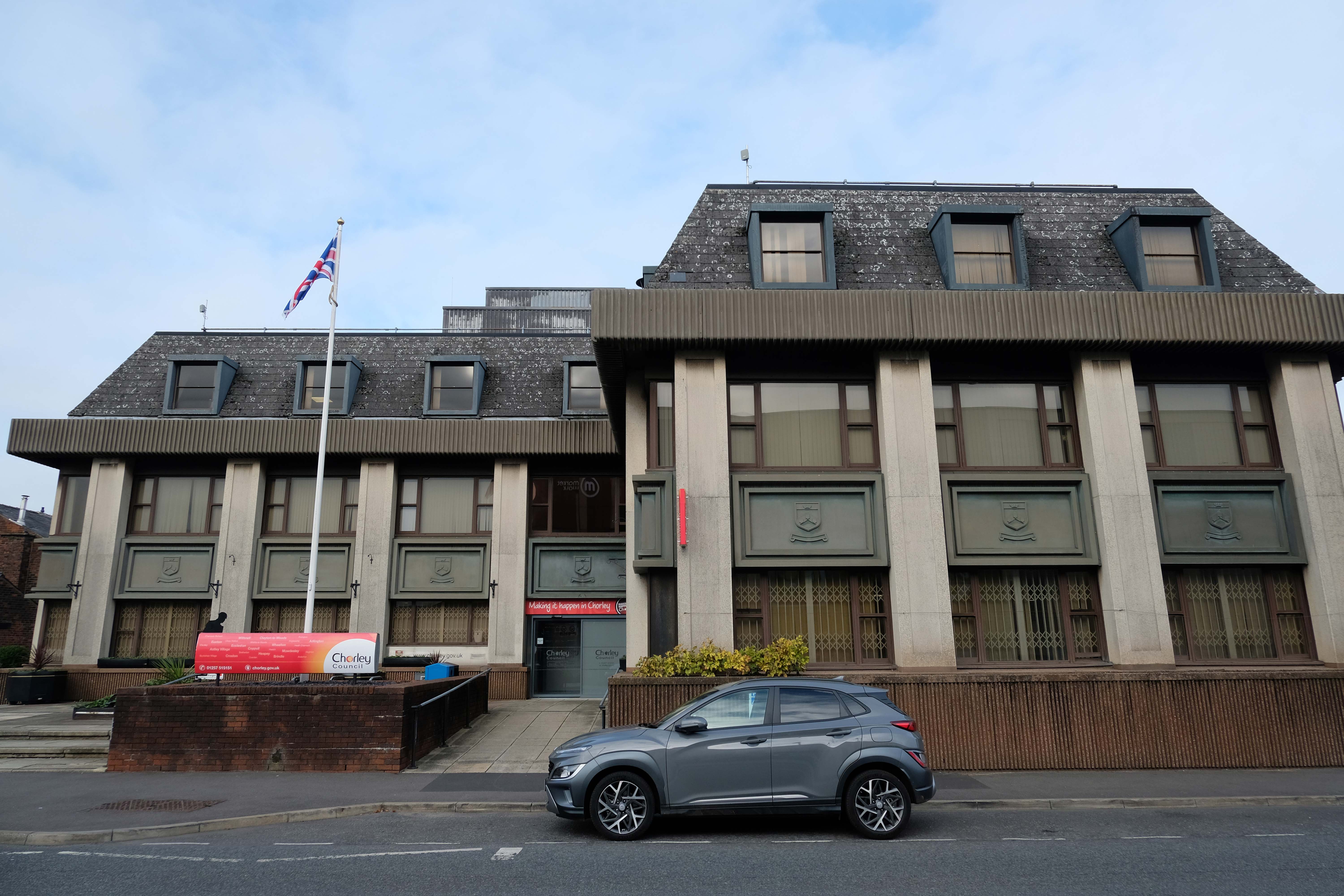
Heading to the Council Offices.

Over the road the town’s newest retail development Market Walk – the work of AEW Architects.

Chorley Council bought the shopping centre from Orchard Street Investments for £23m in 2013 and commenced a large-scale regeneration scheme in 2018 involving a £15m, 79,000 sq ft retail and leisure extension led by main contractor Eric Wright Group and designed by AEW Architects. Here, Conrad Heald of Chorley Council tells his interviewer, AEW director Phil Hepworth, how the scheme came to fruition and has rejuvenated the town centre.

Place North West

The memorial re-sited in 2018 commemorates the Chorley Pals.

In less than 20 minutes, 235 of the 720 men from the 11th East Lancs. were killed. Another 350 were wounded, of which 17 would eventually succumb to their wounds. Many of the Battalion died where they fell, in No Man’s Land.

As a result of the attack on the morning of the 1st July, the Chorley Pals – Y Company, had 31 men killed and three died within a month of their wounds received on that day. 21 have no known graves and their names are transcribed on the Thiepval memorial to the Missing on the Somme battlefield. A further 59 were wounded, making a total of 93 casualties out of approximately 175 men from Chorley who went over the top that morning.

Landscaping of the public realm by CW Studio.

Reversing now to the former Barclays Bank – which closed earlier in 2022.

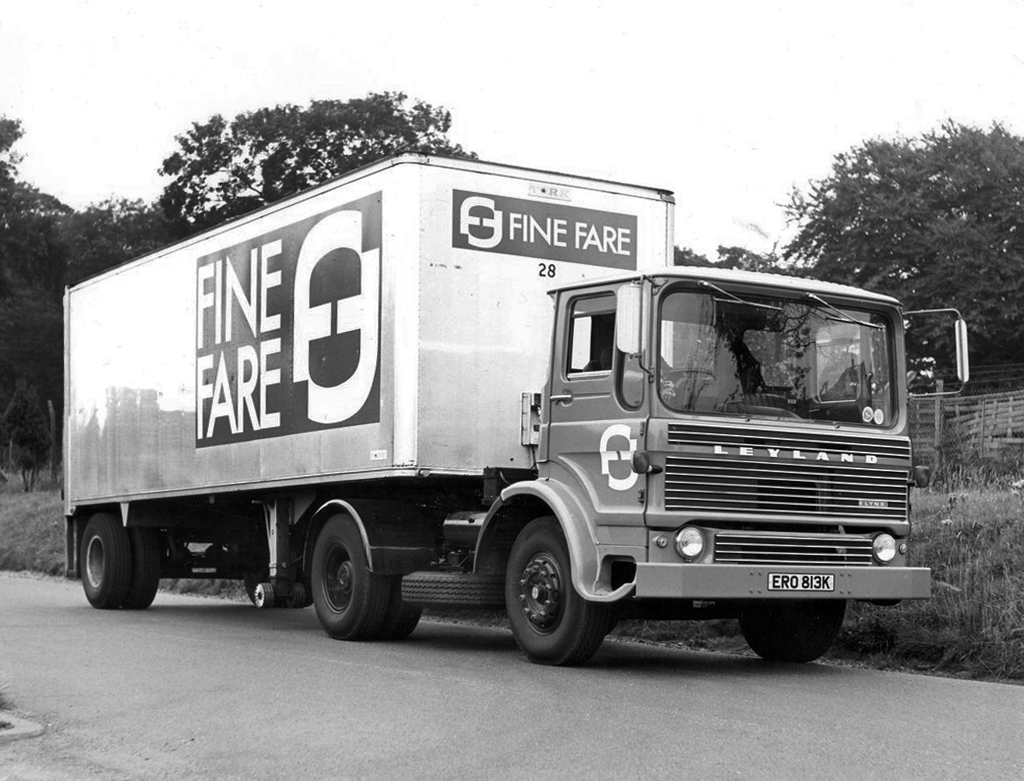
We return now to the former Fine Fare.

The company began as one single supermarket in Welwyn Garden City in 1951, as an offshoot of the Welwyn Department Store, owned by Howardsgate Holdings, the company of Ebenezer Howard, the founder of the garden city movement.

Wikipedia

Now here’s a thing a bank which is a bank NatWest not gone west.

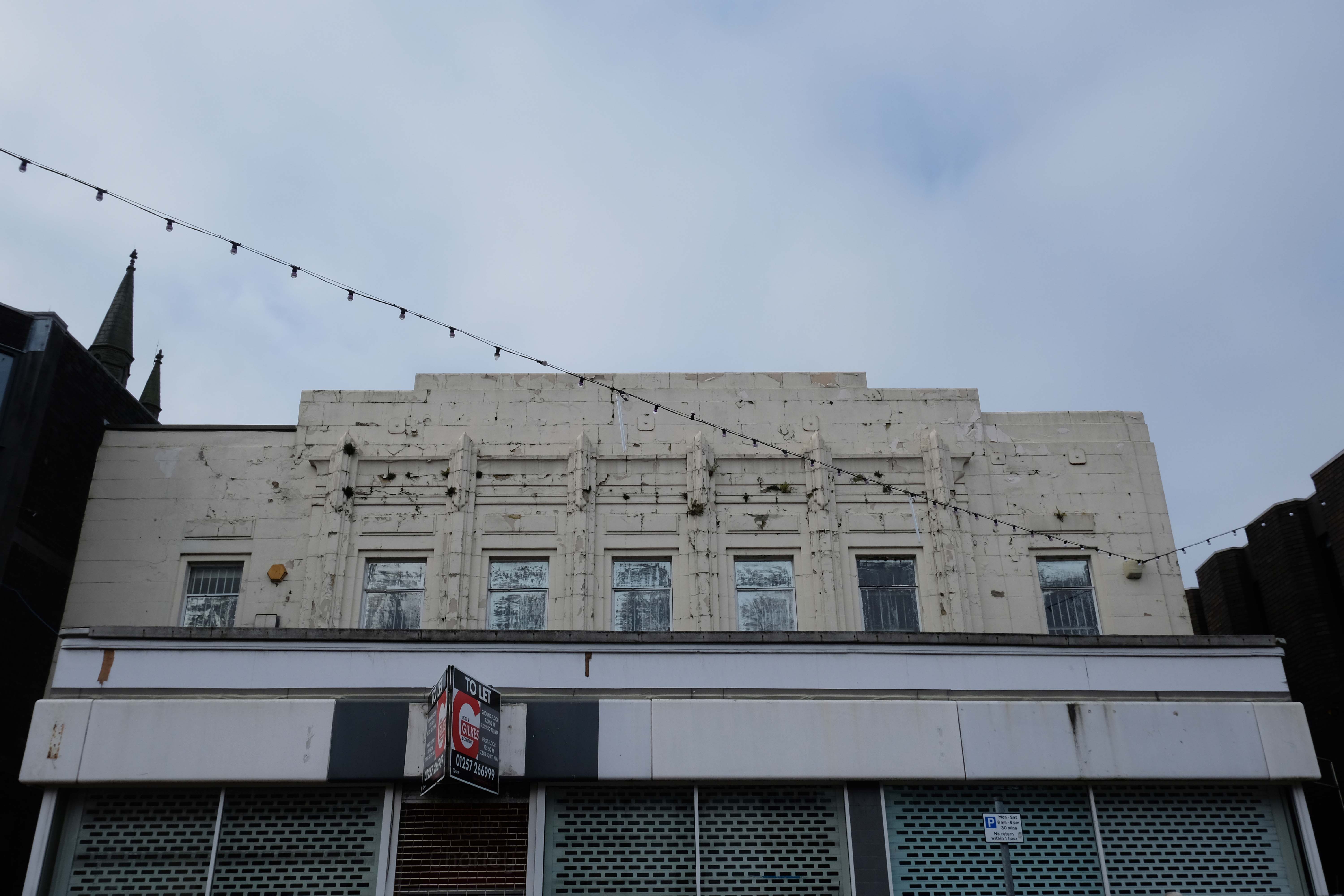
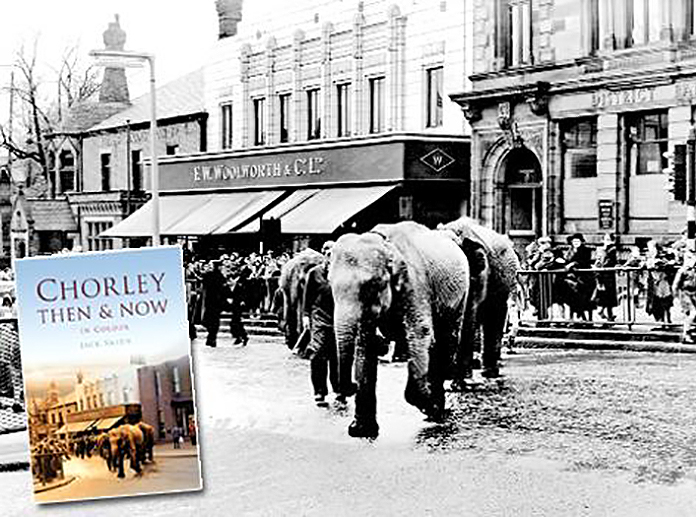
Next to the former Woolworths, opened in Chorley in 1930 on Market Street, with its pale Deco faience fascia.

They traded from this building for sixty five years, before closing in March 1995 in order to move to a new store on Market Walk – it became an Argos, then it didn’t.

Woolies Buildings

Here we are now at a Post Office that is a Post Office but was an RBS Bank.

The new location is at the former Royal Bank of Scotland on Market Street in the town centre.

Since the Post Office that was based at WH Smith on New Market Street came to an end, when that store closed in January, it relocated to a temporary unit in Market Walk until a permanent solution could be found.

The unit, which had been provided by the postmaster from Burscough Bridge Post Office, closed on Tuesday.

Kenny Lamont, Post Office Network Provision Manager, said a Post Office is important to a community.

Lancashire Post

This had been a Methodist Church – then, it became the HQ of the Lancashire Electric Power Company.

The Lancashire Electric Power Company was one of the largest private electricity companies in the UK. It was established in 1900 and generated and supplied electricity to 1,200 squares miles of Lancashire from 1905 until its abolition under nationalisation in 1948.

Wikipedia

Time to back track to the Cop Shop – the work of County Architect Roger Booth and crew.

The Magistrates’ Courts are closed and up for sale.

Next door the White Hart once upon a time the Snooty Fox, a pub with an up and down trajectory – currently open and described online as plush.

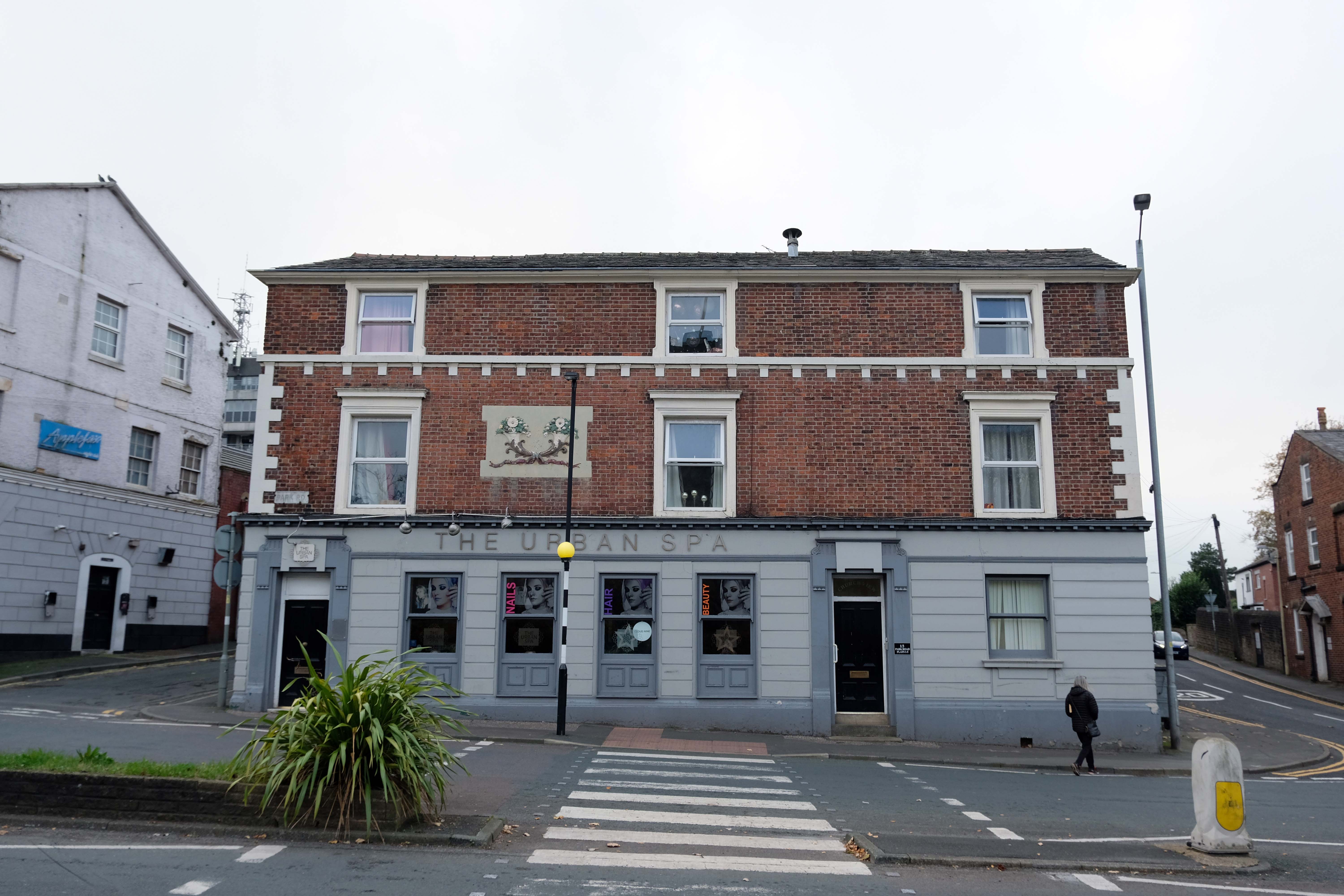
Down the road a pub no longer a pub but an Urban Spa.

We offer you a full range of professional treatments tailored to your own personal needs. We treat every client as an individual and offer an extensive range of treatments and professional products making your visit one to remember.

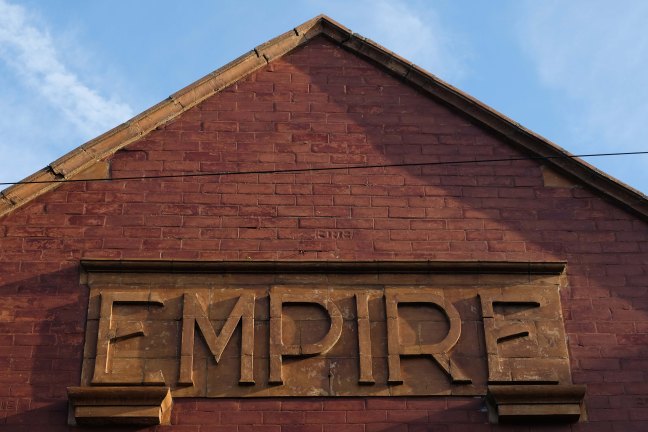
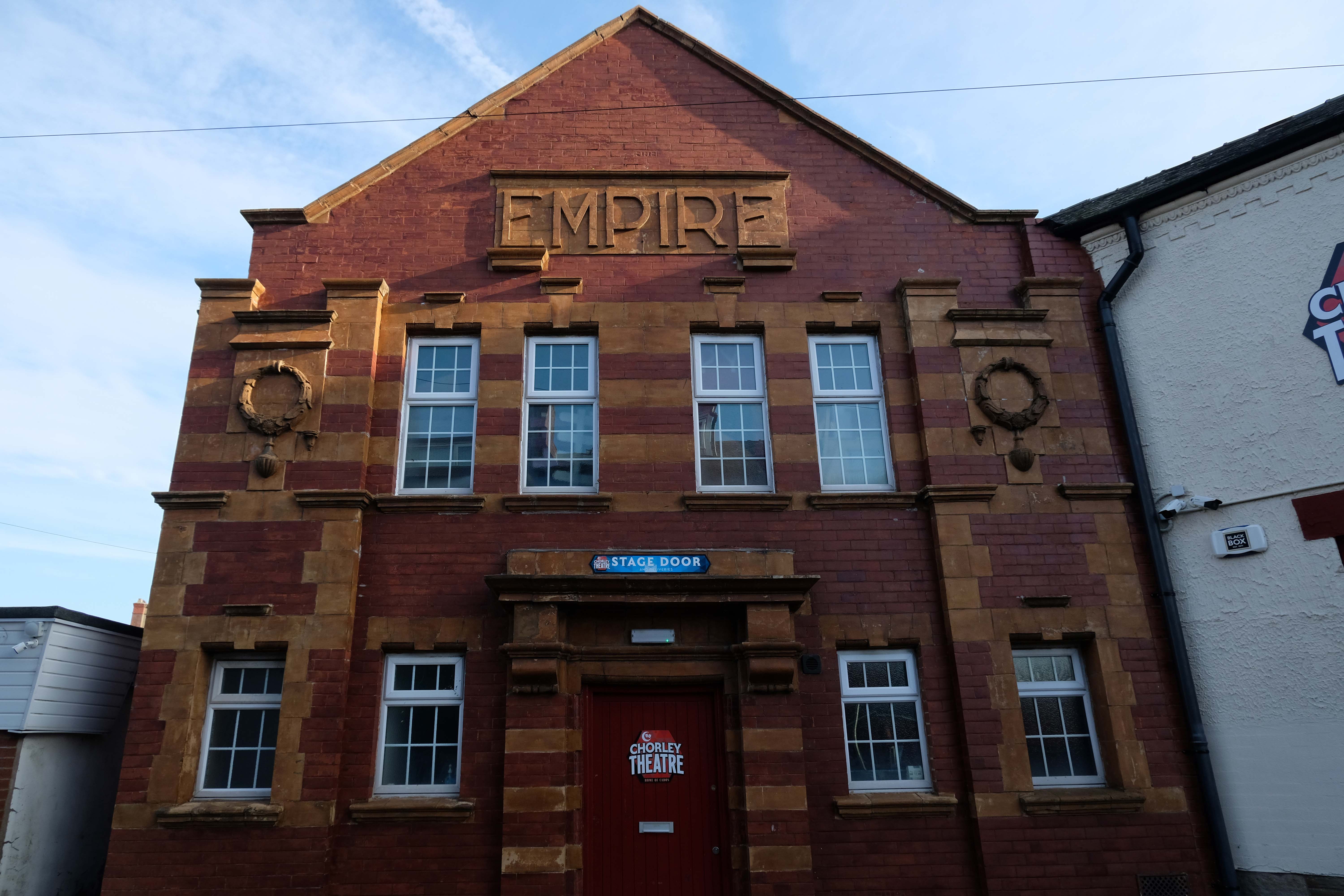
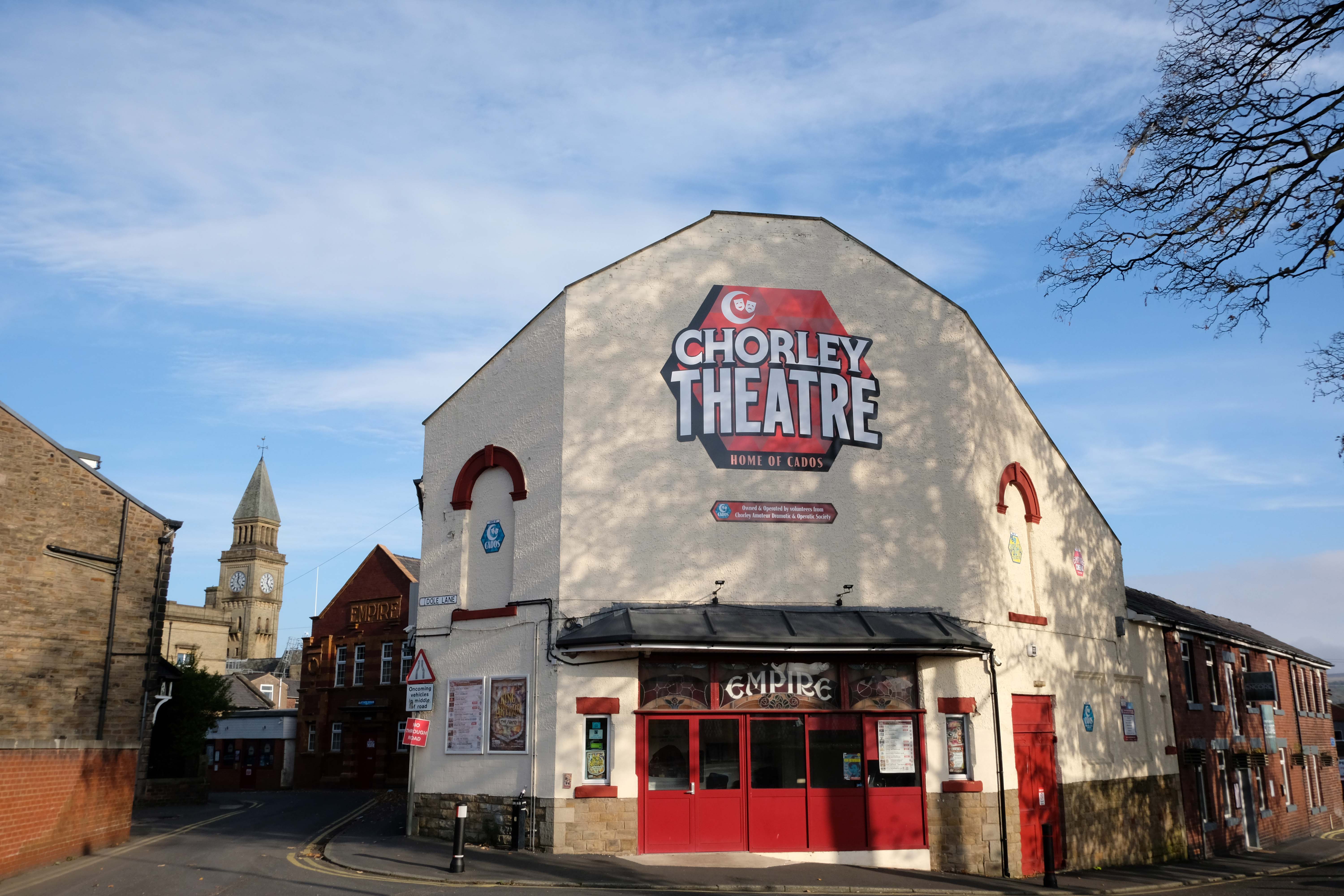
Let’s go to the theatre – The Empire tucked away at the back of town.

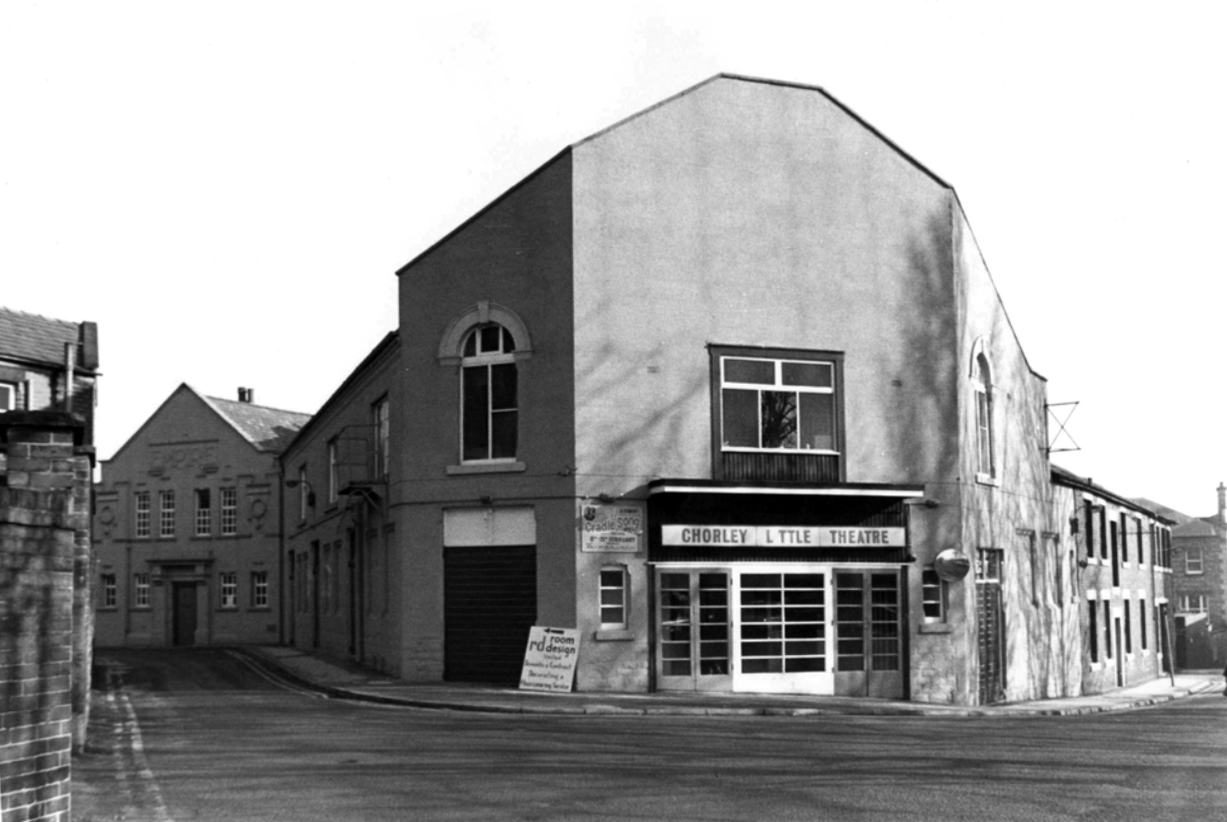
The Empire Electric Theatre opened, as the town’s first purpose-built cinema, on 3rd September 1910. In 1912 Archie Hooley began his connection with the cinema business at the Empire Electric Theatre. By 1927 it had been re-named Empire Cinema and by 1930 it was equipped with a Western Electricsound system and was operated by the Perfecto Filmograph Co. Ltd. By 1939 it was operated by the Snape & Ward chain. According to the Kine Year Books, in 1940 the seating was for 800, while by 1952 it had been reduced to 679 – still a far cry from today’s 236 seats. 3D films were shown in the early-1950’s. Archie had died in 1944; his son Selwyn closed the cinema in 1957, apparently “because of the taxes”.

1959

Wrestling took over for a while before Chorley Amateur Dramatic and Operatic Society – CADOS acquired the building and renamed it the Chorley Little Theatre. Since 1960 CADOS have been putting on high-quality productions, presenting at least six productions per season – from September to July. It is also the home of the award-winning Chorley Youth Theatre who meet every Saturday, putting on shows throughout the year; and Chorley Empire Community Cinema who present the cinema experience on their 21ft wide screen with 8-Speaker Surround Sound. Run entirely by volunteers the theatre has state-of-the-art sound systems and a full range of lighting equipment. There are two spacious dressing rooms, space for costumes and props and the Empire Bar. The building has disabled access throughout the public area, including a toilet, and the auditorium is fitted with a hearing loop. There are three spaces for wheelchairs in the auditorium. It was re-named Chorley Empire Cinema at Chorley Theatre in October 2019 and films are still part of the programming.

Cinema Treasures

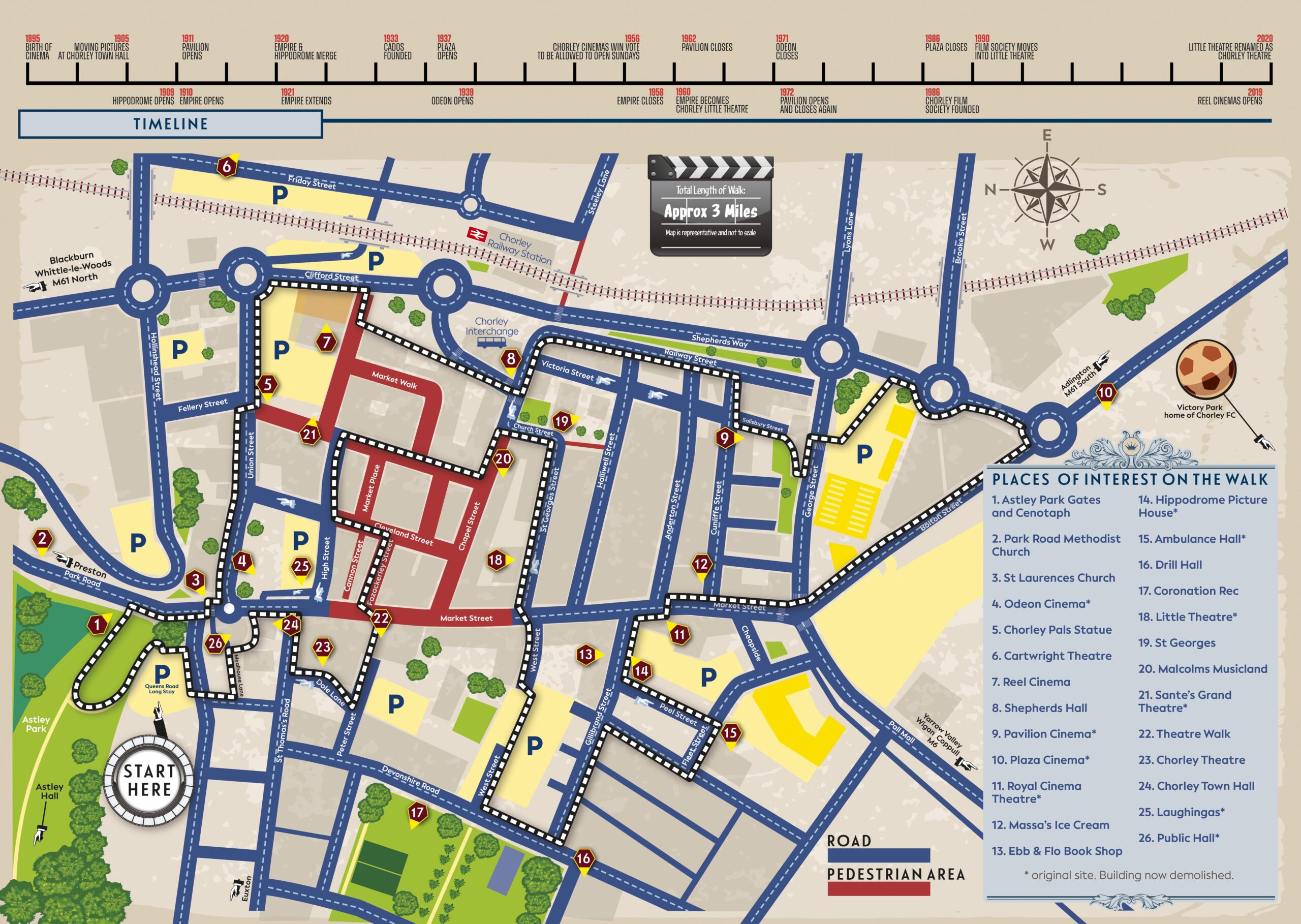
Spare a thought for the town’s lost cinemas:

The Odeon Market Street was built for and operated by Oscar Deutsch’s Odeon Theatres Ltd. chain, it opened on 21st February 1938 with Jack Buchanan in The Sky’s the Limit.

Architect Harry Weedon was assisted by PJ Price.

It was closed by the Rank Organisation on 6th February 1971 with George Lazenby in “On Her Majesty’s Secret Service”. After laying closed and un-used for over two years it was sold to an independent bingo operator and re-opened on 9th August 1973 as a Tudor Bingo Club. It later became a Gala Bingo Club which was renamed Buzz Bingo Club in June 2018. It was closed on March 21, 2020 due to the Covid-19 Pandemic. On 15th July 2020 it was announced that the closure would be permanent.

The building was handed over to Chorley Council who decided that asbestos removal would be too costly and the building was demolished in August 2021.

Located on Salisbury Street, off Cunliffe Street, built in 1888 as a military warehouse, it was converted into a roller skating rink around 1909. It opened as the Pavilion Picture Palace on 14th September 1911, operated by George Testo Sante, a music hall strong man, who also operated the Grand Theatre as a cinema. By 1915, music hall acts were also part of the programme. After the end of World War I, the flat floor of the cinema was raked, allowing for better viewing of the screen. The proscenium was 30ft wide, the stage was 16 feet deep and there were two dressing rooms.

The Pavilion Cinema was the first in town to screen ‘talkies, when an Electrochord sound system was installed in 1929. It was taken over by the J.F. Emery Circuit in 1932 and they operated it until the end of 1933. The sound system was upgraded to a British Talking Pictures sound system. In 1954 it was the first cinema in town to be fitted with CinemaScope and the proscenium was widened to 36 feet.

The Pavilion Cinema was closed by 1962 and converted into a bingo club. In 1972 it was re-opened as a cinema again, but due to Star Cinemas chain barring it from showing first run features – they operated the Plaza Cinema, it was closed after 5 months of operation. It was later demolished and the area was redeveloped for housing.

Cinema Treasures

No trace of The Hippodrome Theatre on Gillibrand Street, which was built and opened in 1909, or the Theatre Royal, opened on 30th September 1911, It was demolished in 1959.

A supermarket was built on the site which later became a McDonalds, which is now a Pizza Hut.

Last but not least – located on the Flat Iron Parade, aka Cattle Market, The Grand Theatre was a wooden building built in 1885, which presented melodramas and plays. In June 1909 it was taken over by George Testo Santo, who had been a music hall strongman, and his family. It went over to operating as a Picture Palace for a short season.

By 1914 it was operating as a full time cinema, but was destroyed by fire in 1914.

Chorley Theatre Cinema History Map

This was a splendid day out – there is much more to see, these have been some of the less obvious landmarks.

Go see for y’self!