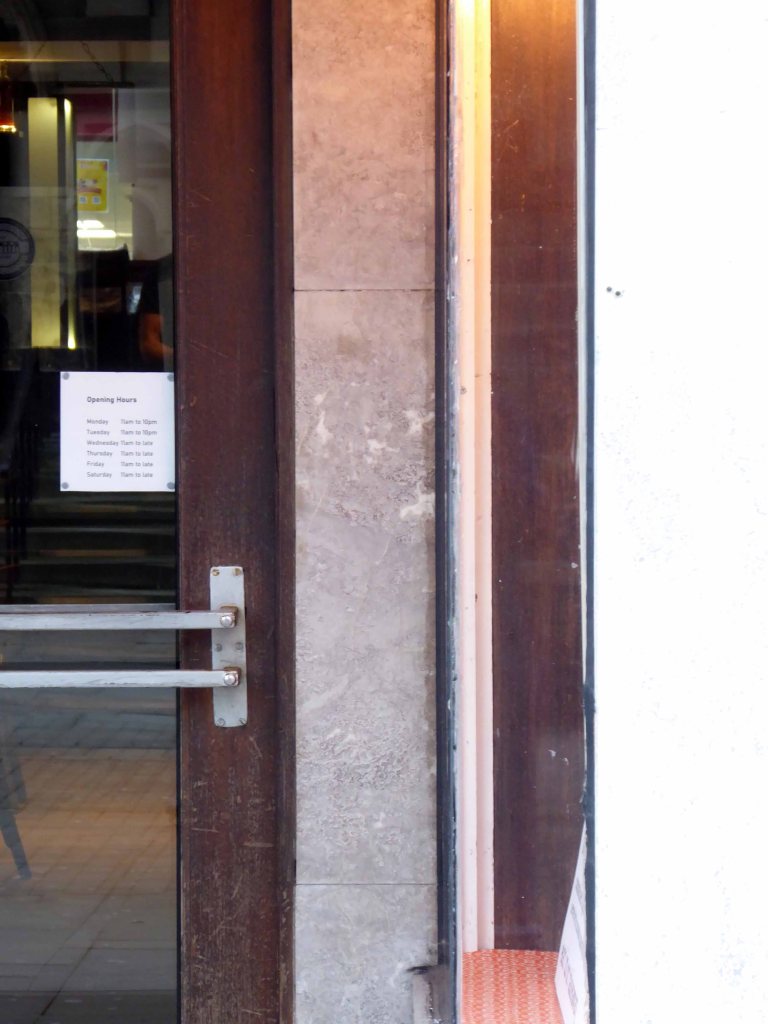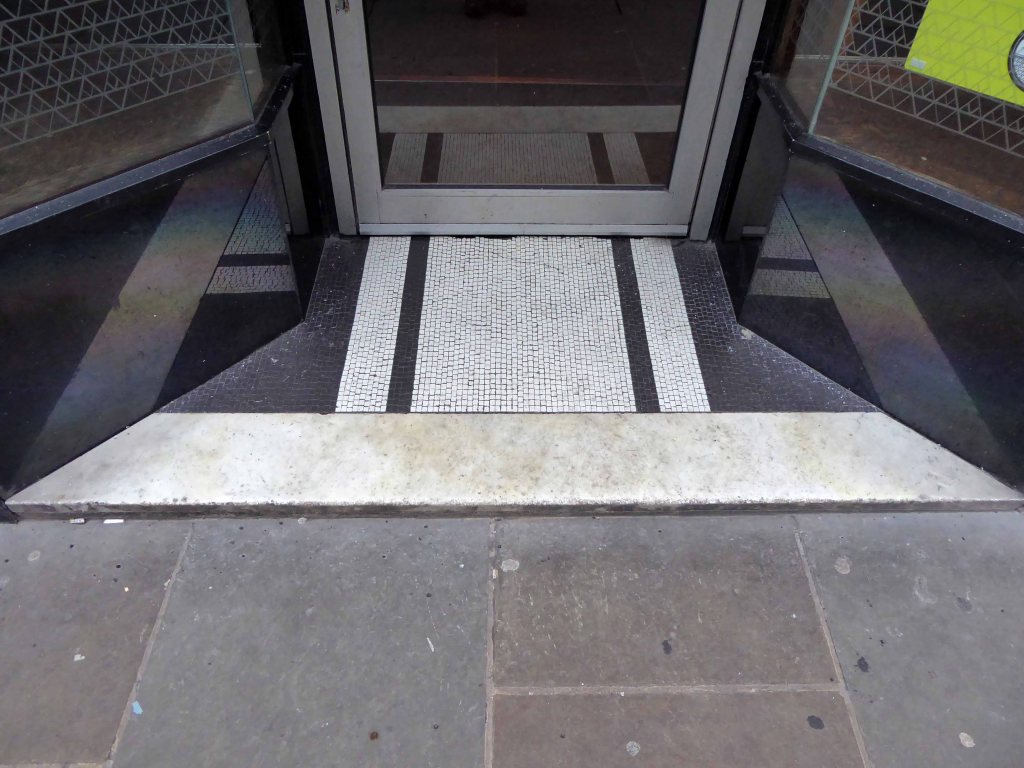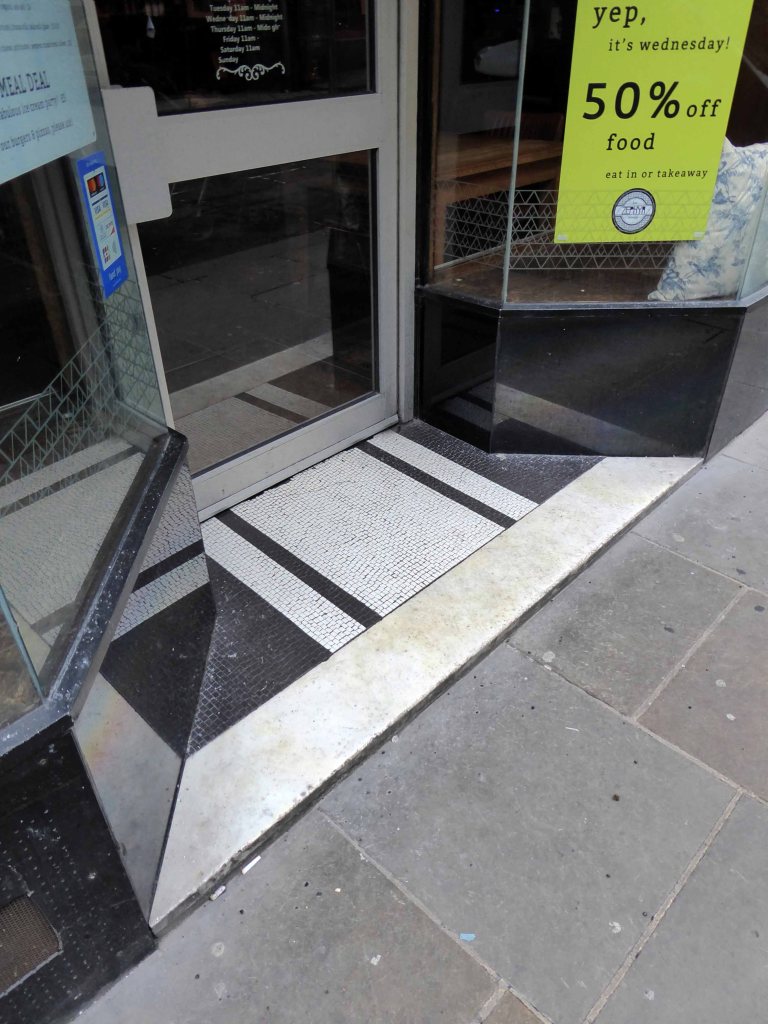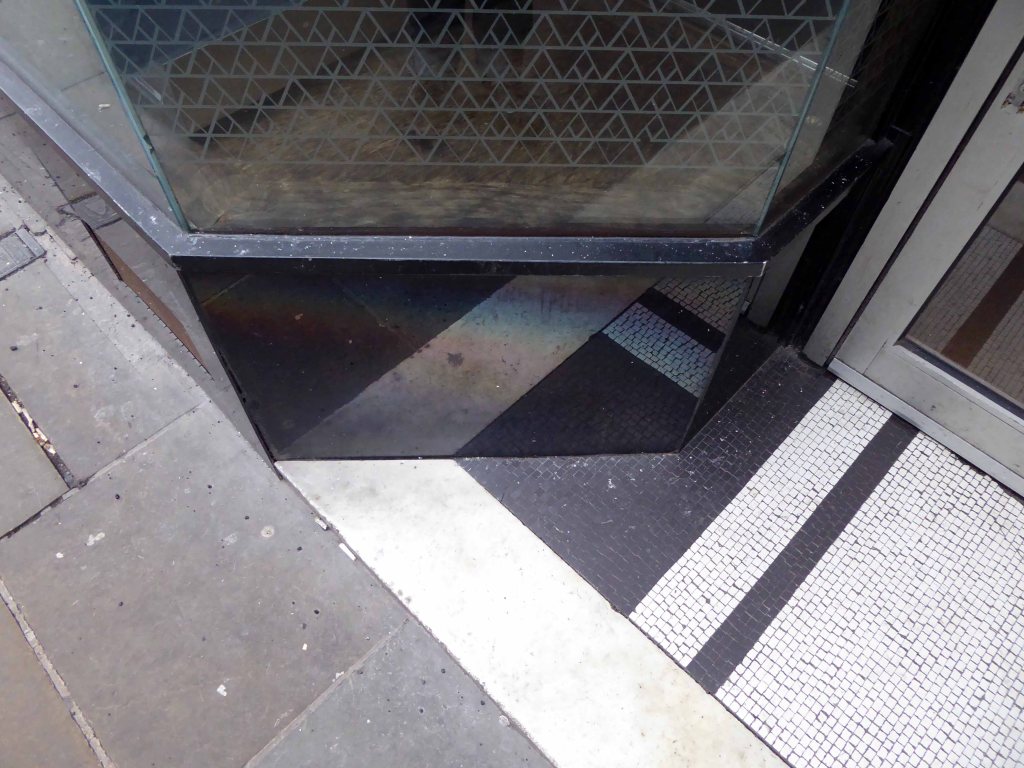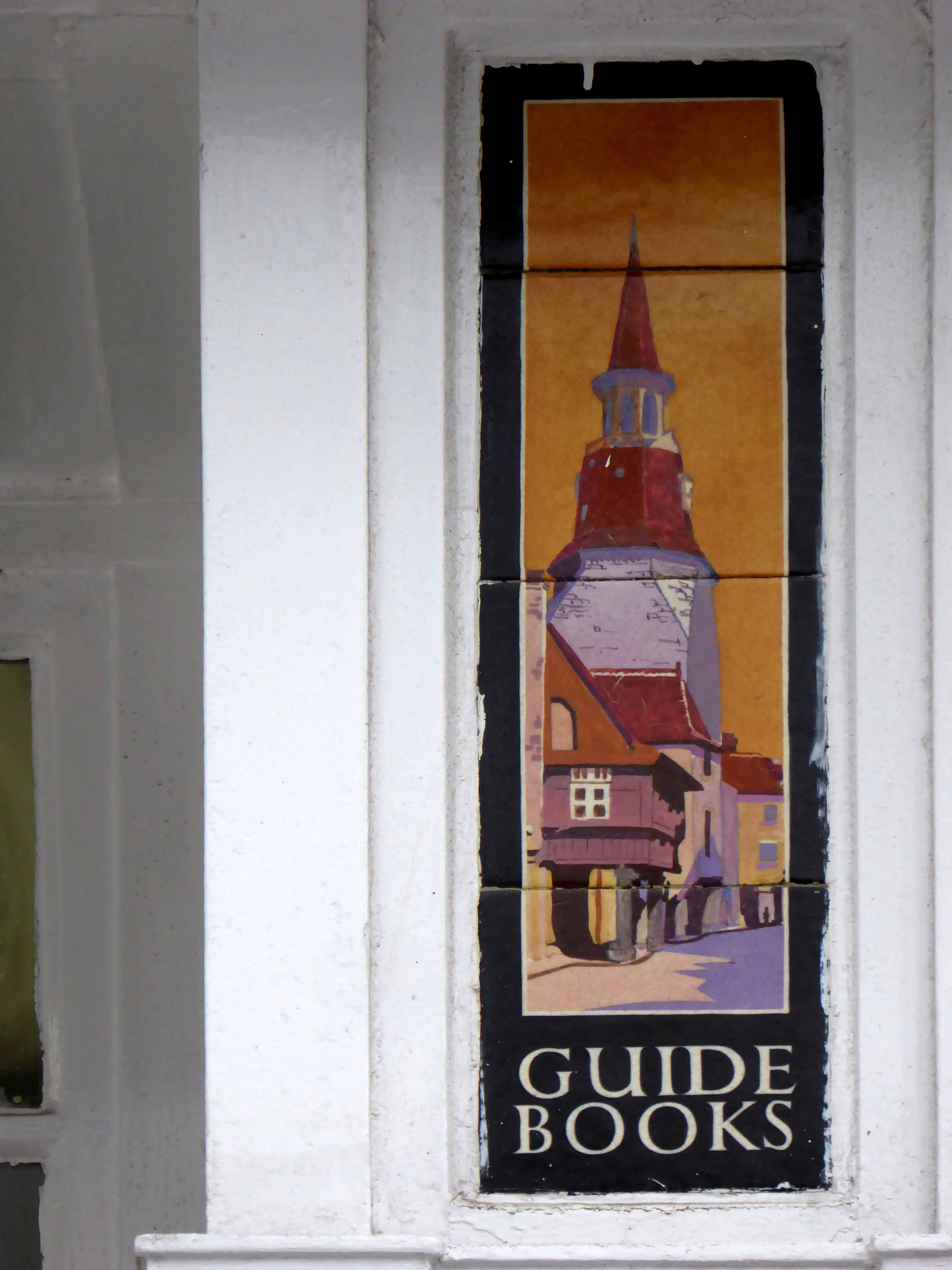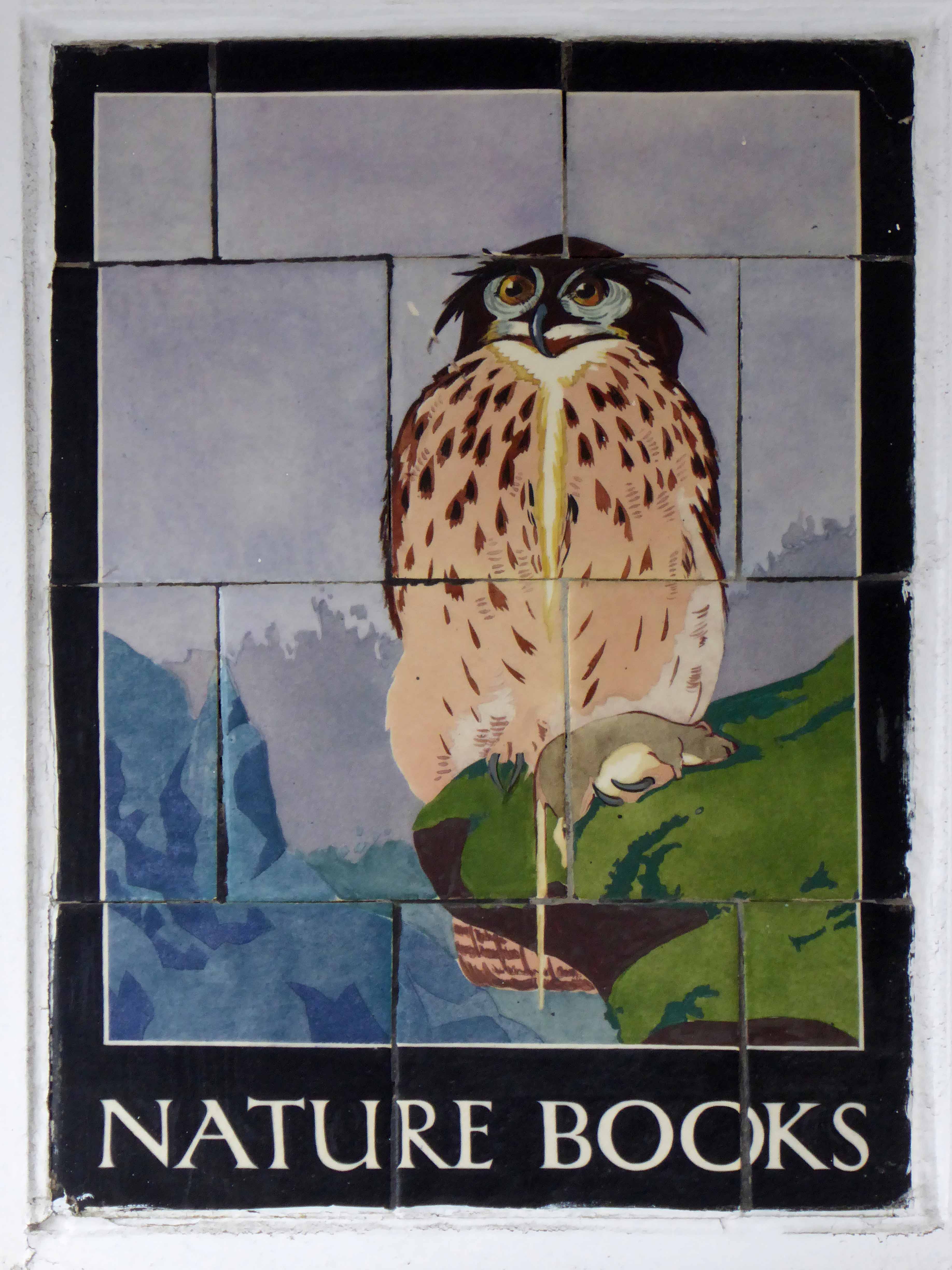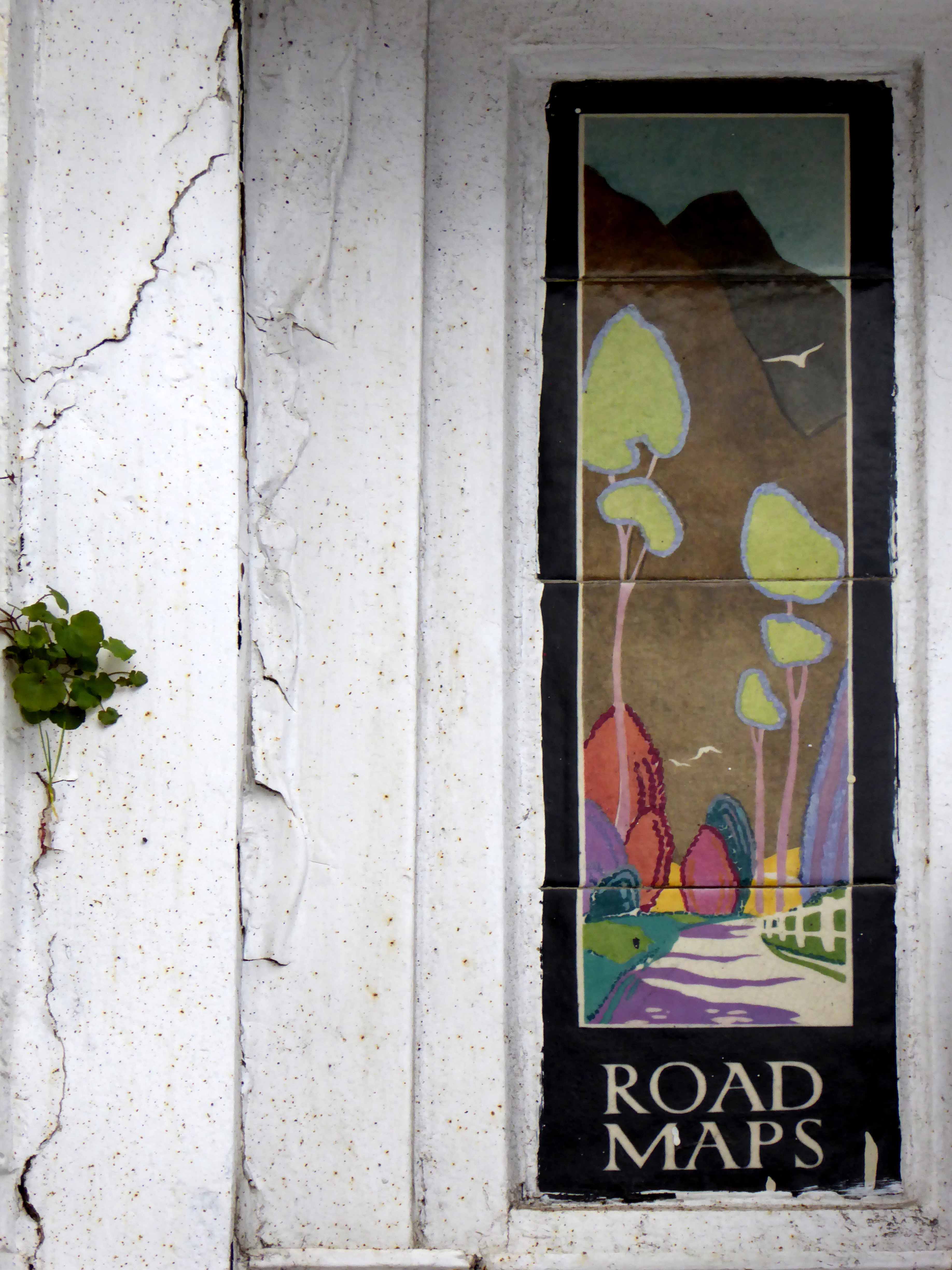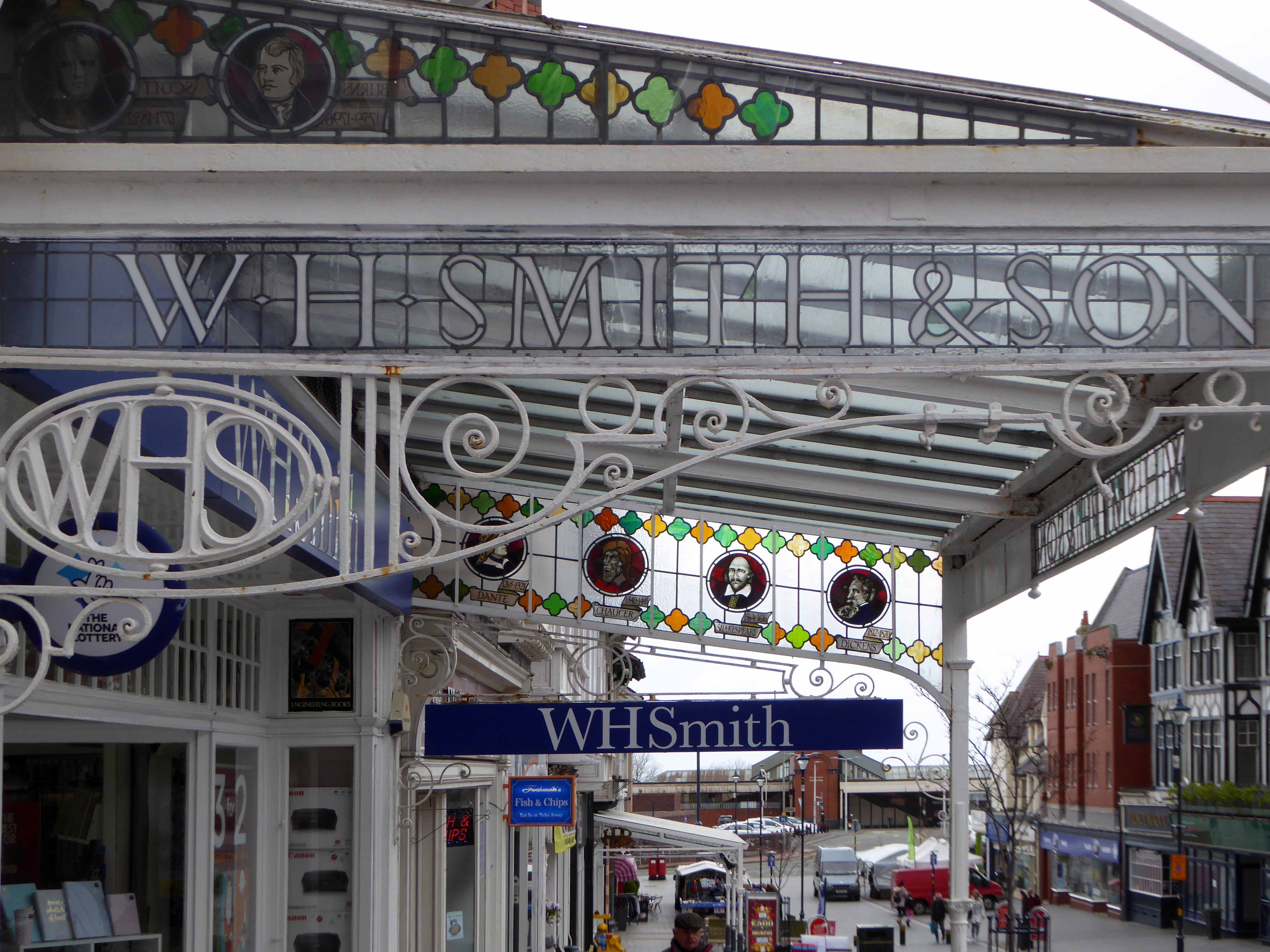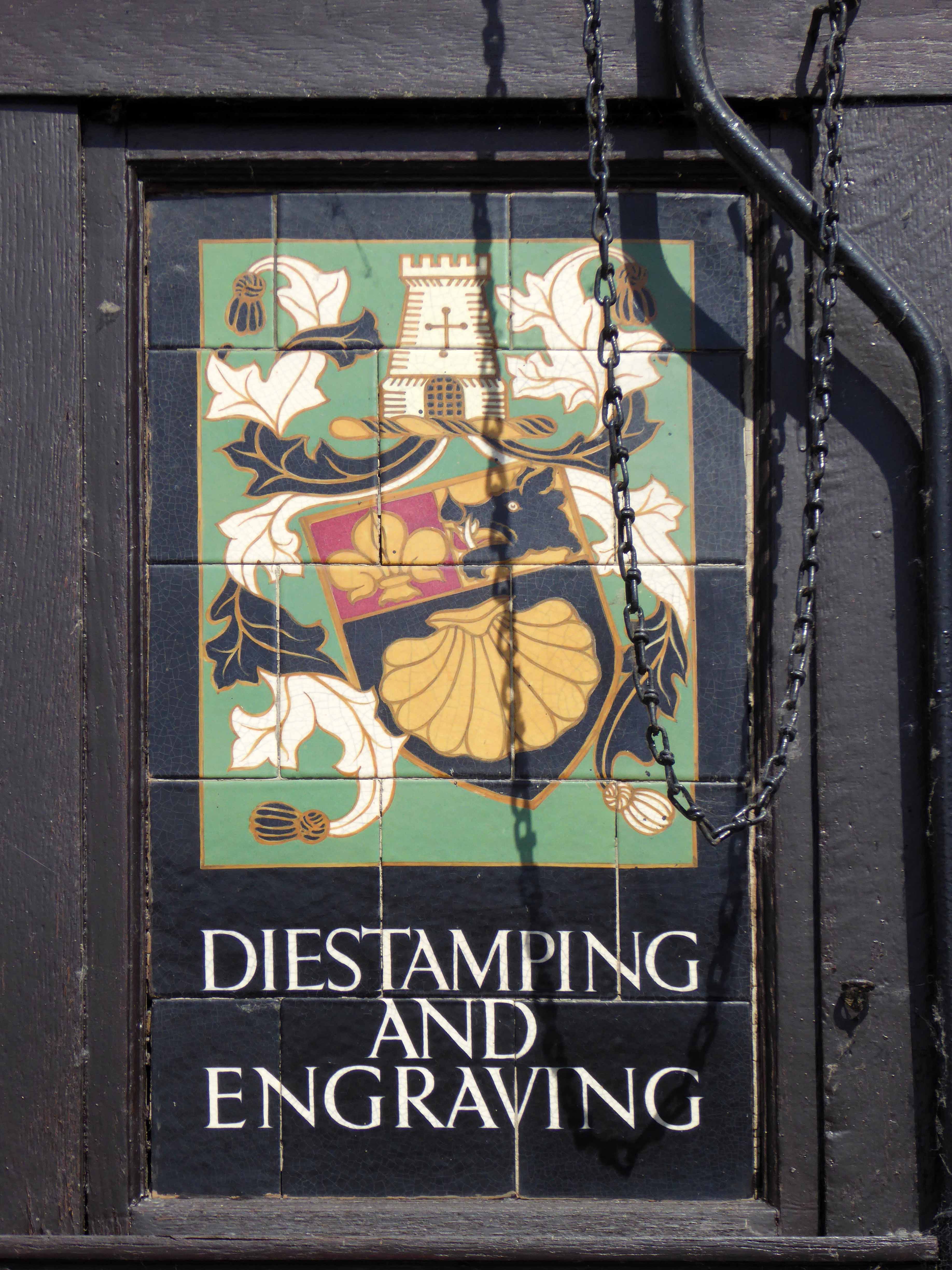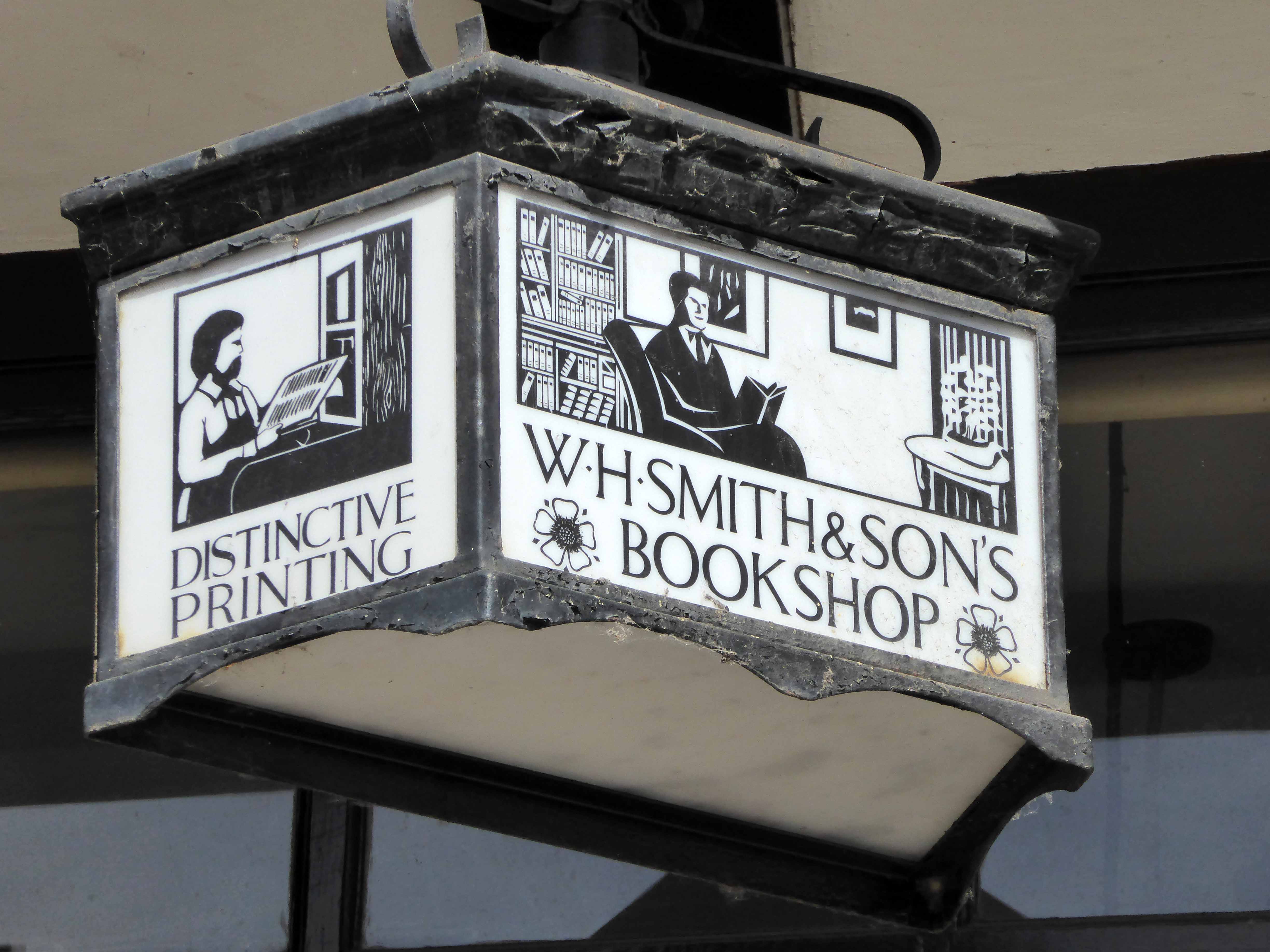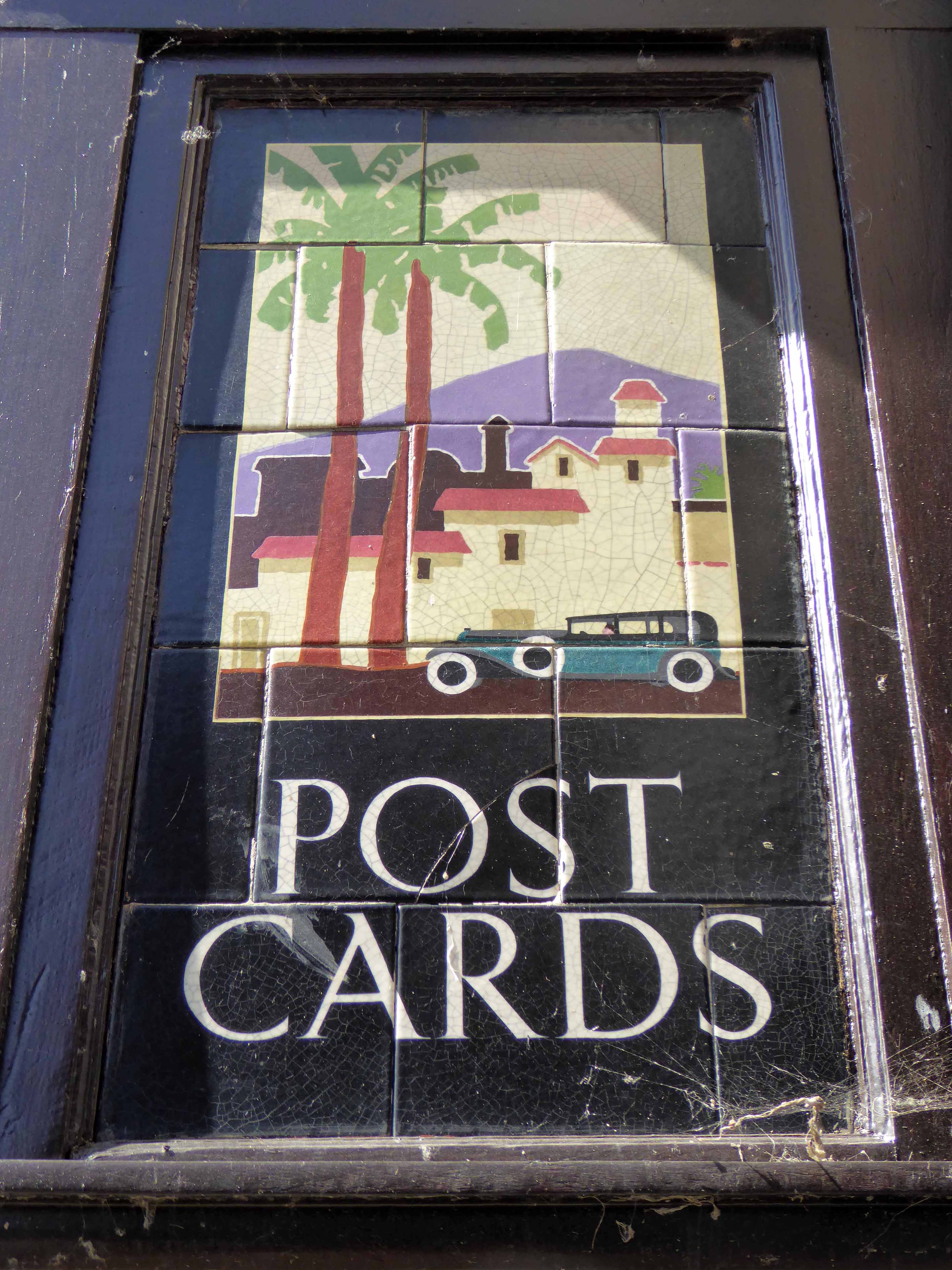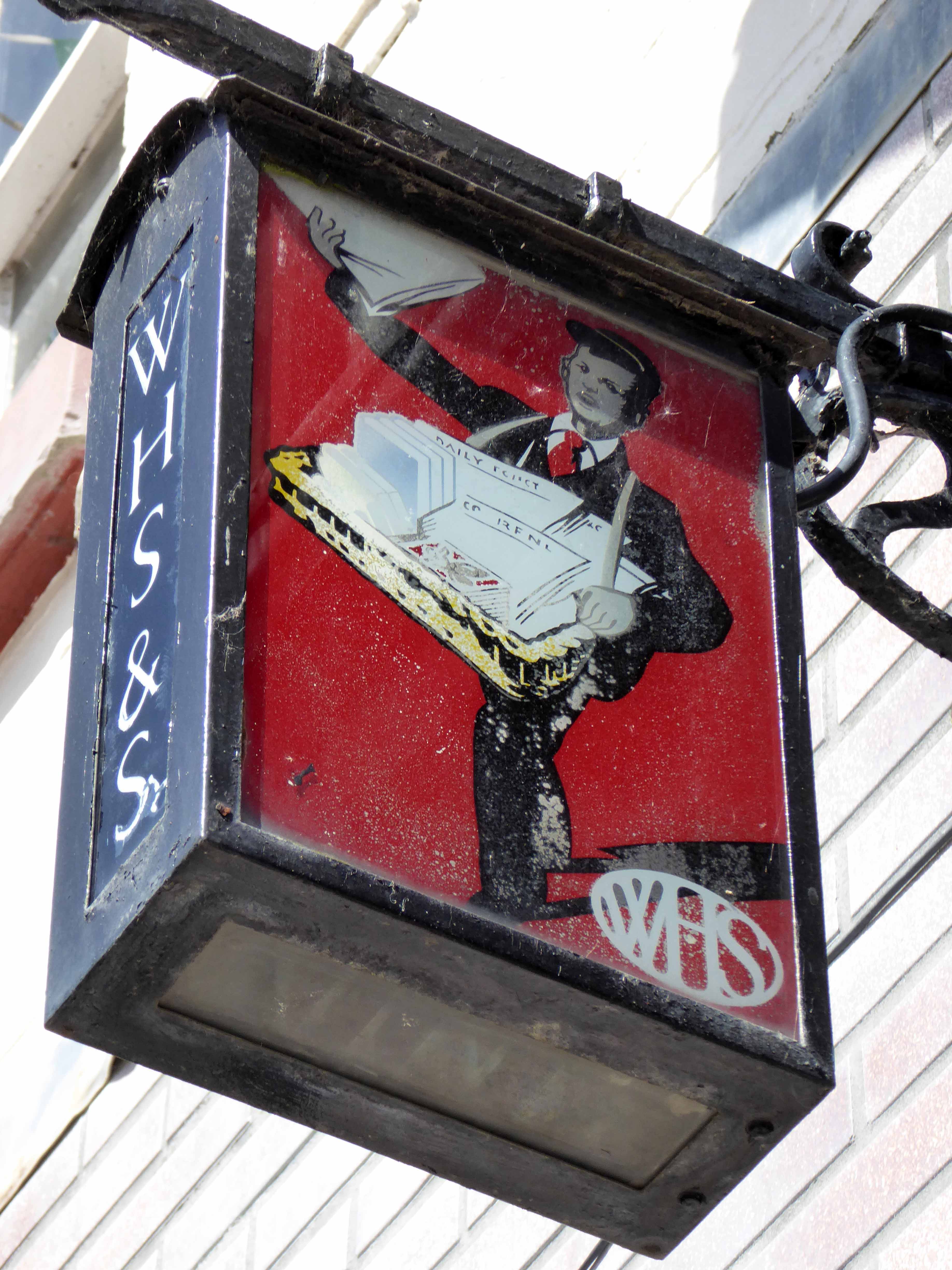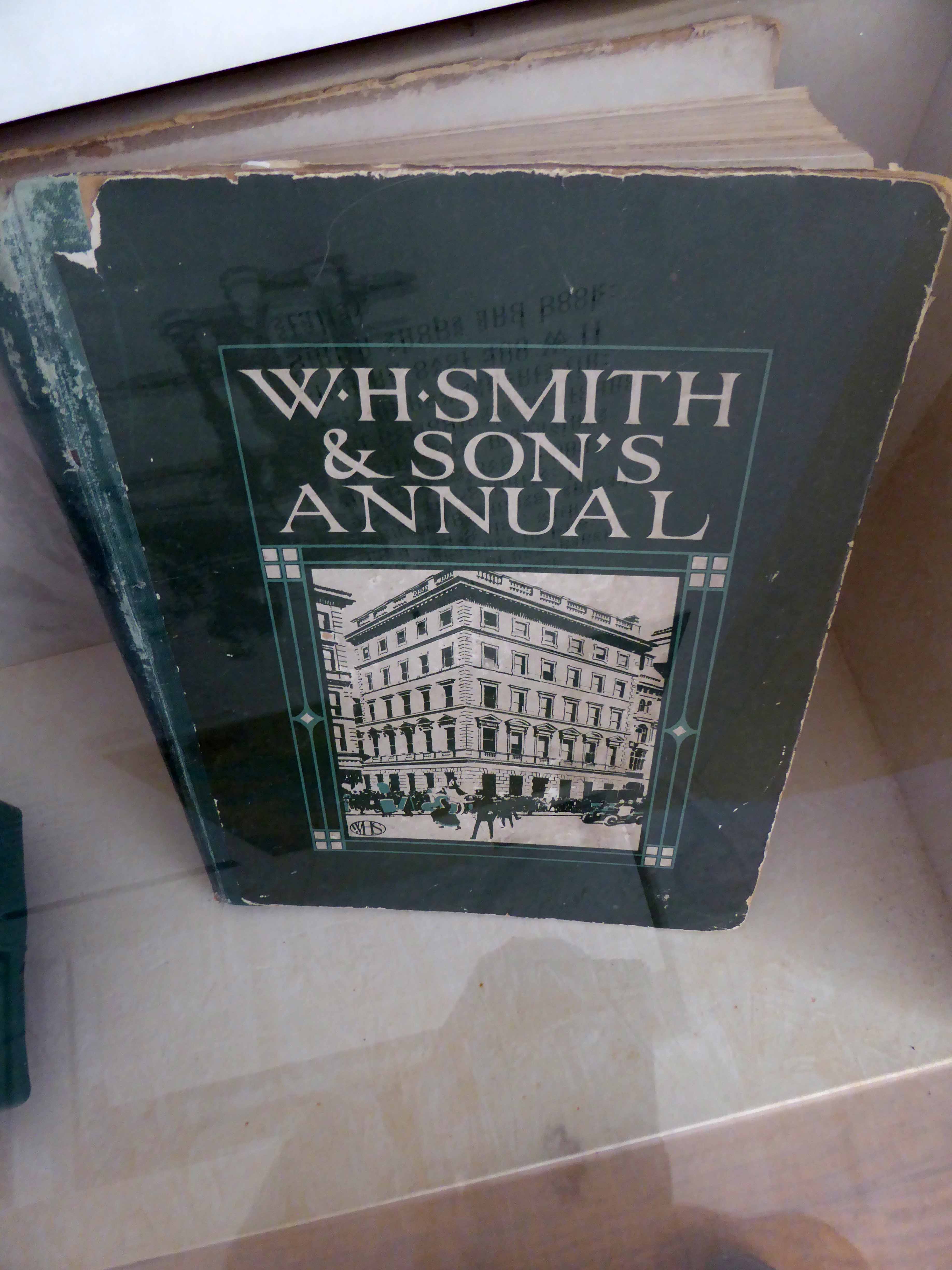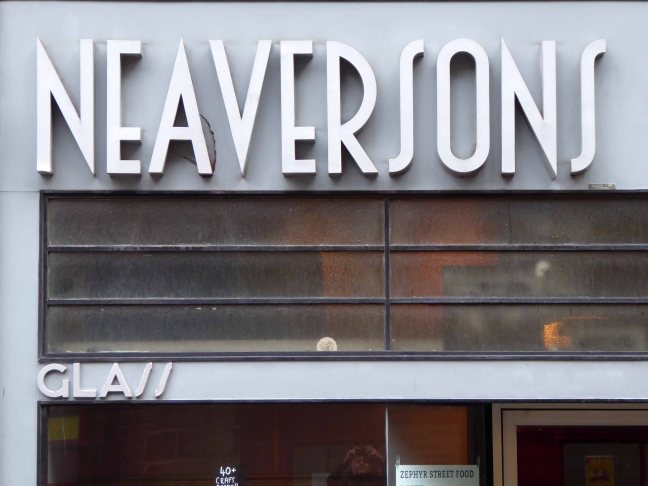
WH Smiths – Colwyn Bay

I have been here before.

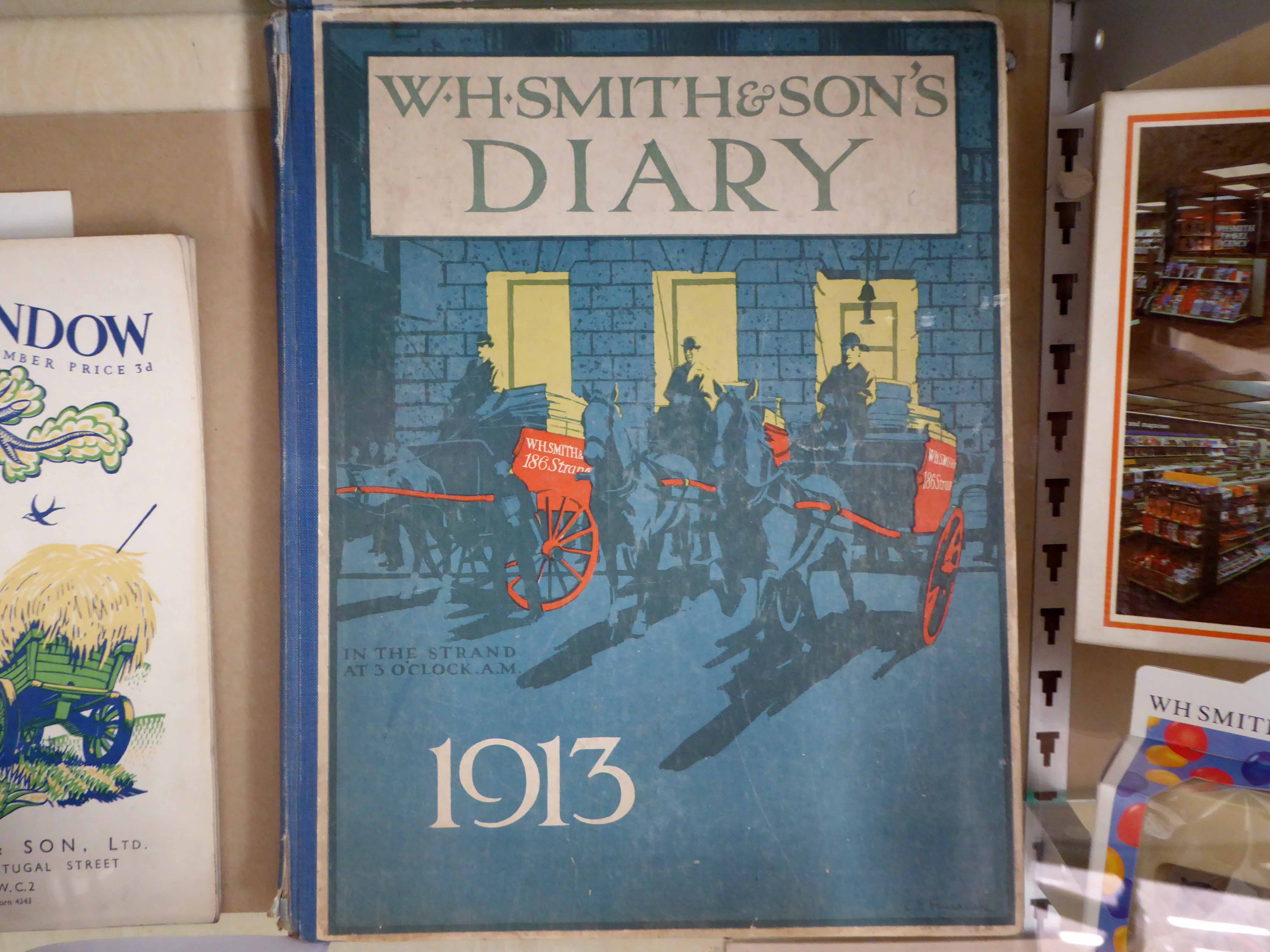
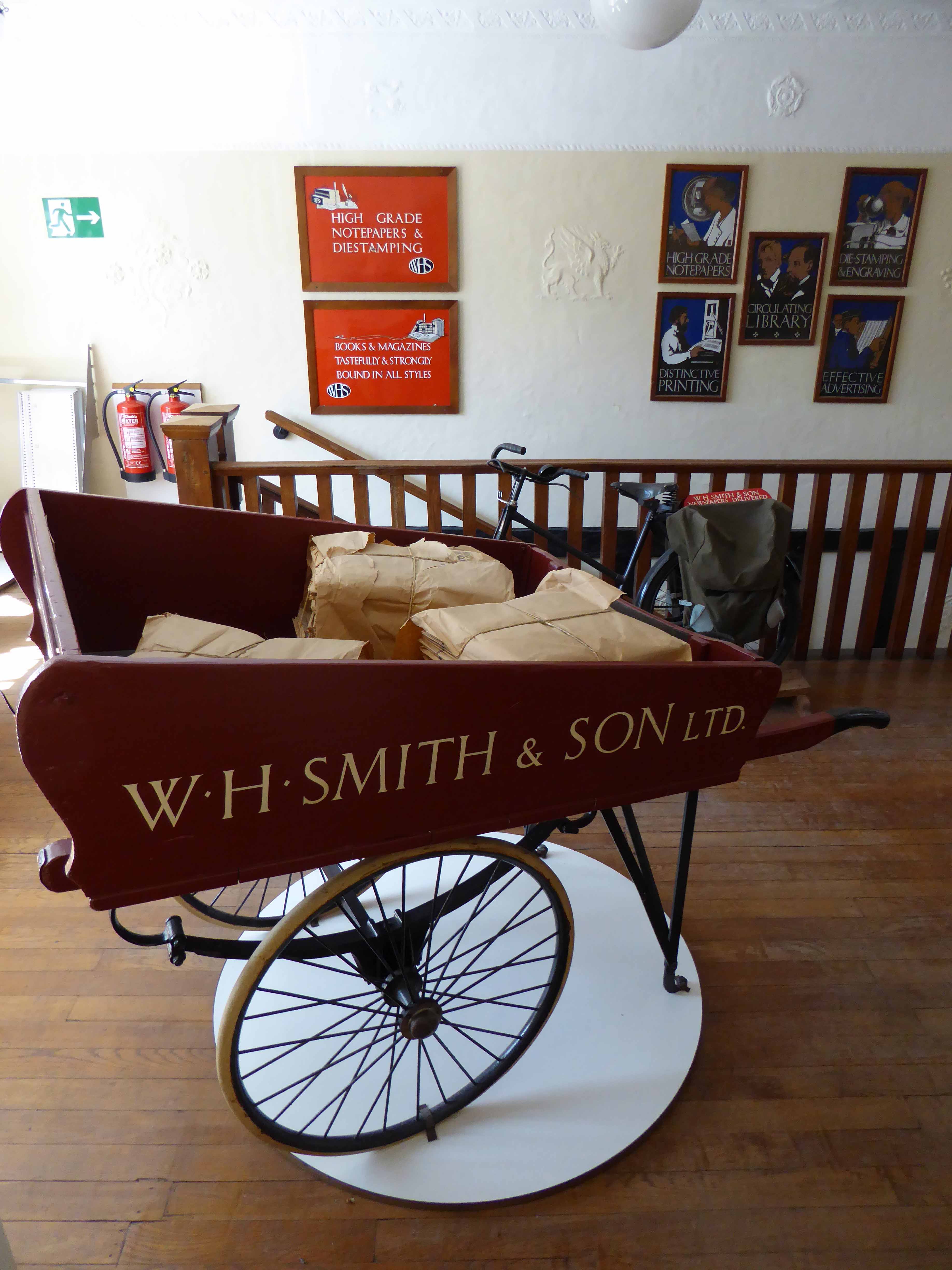
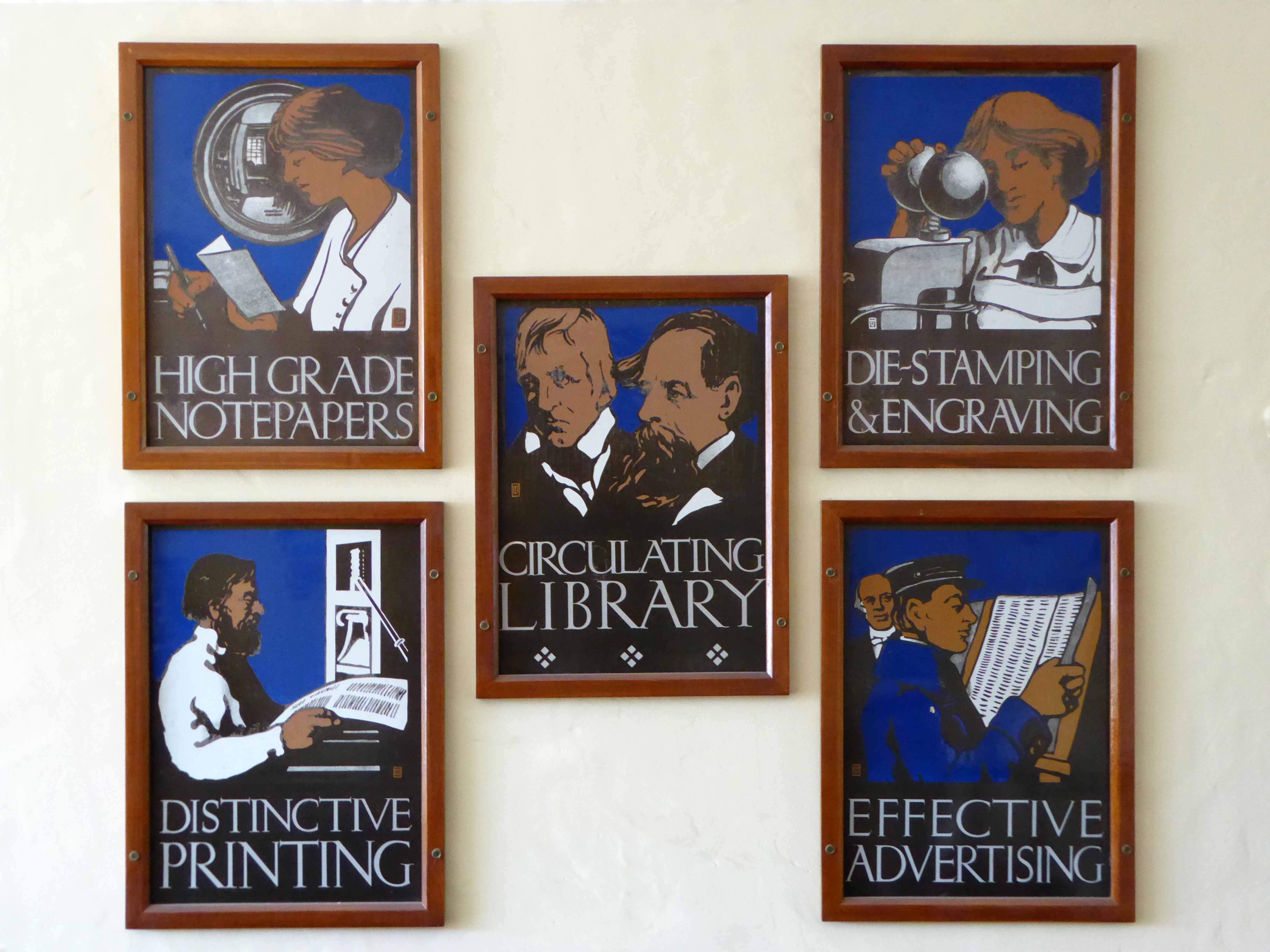
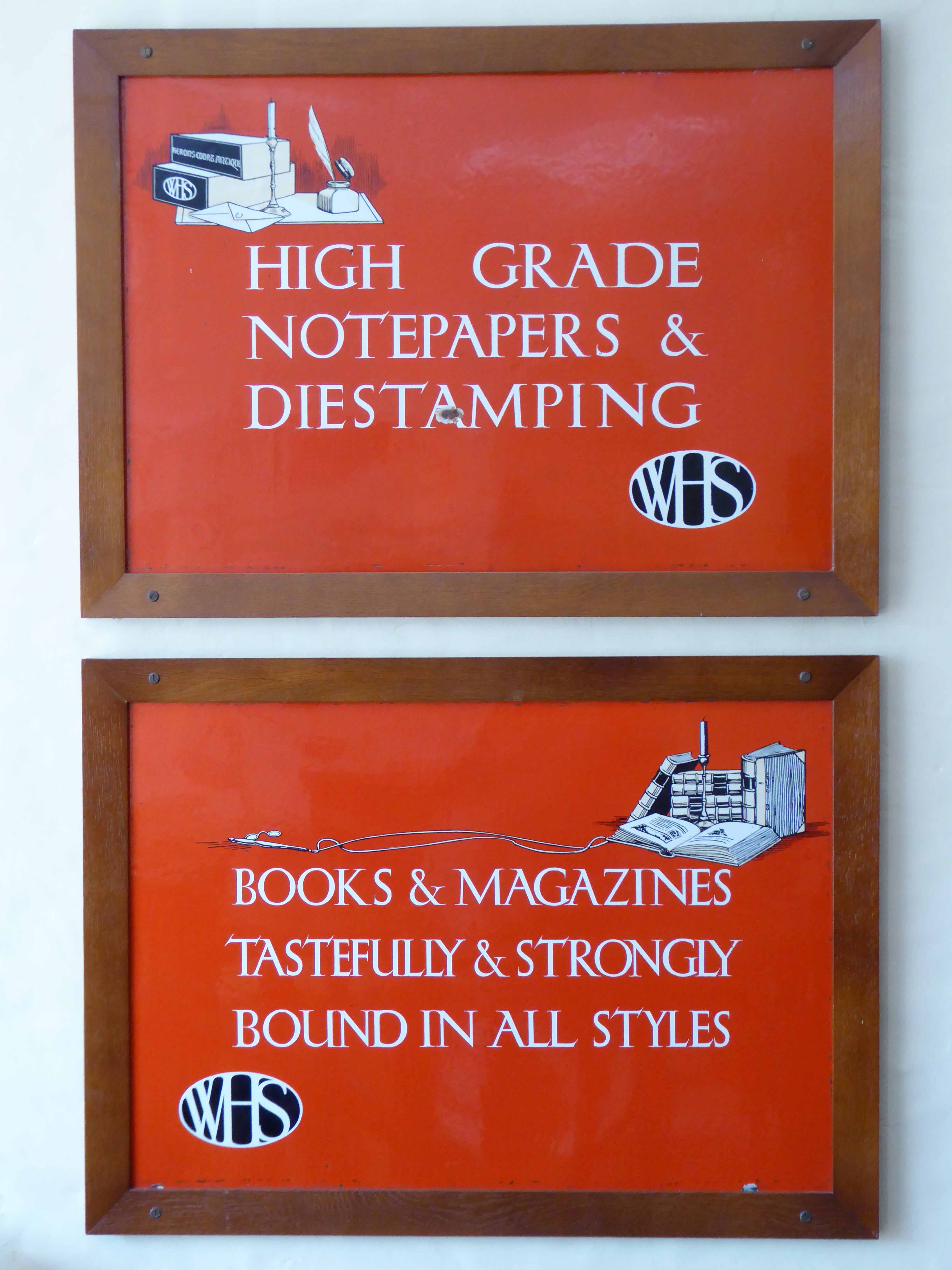
I’ve been there too – Newton Powys home to the WH Smiths Museum

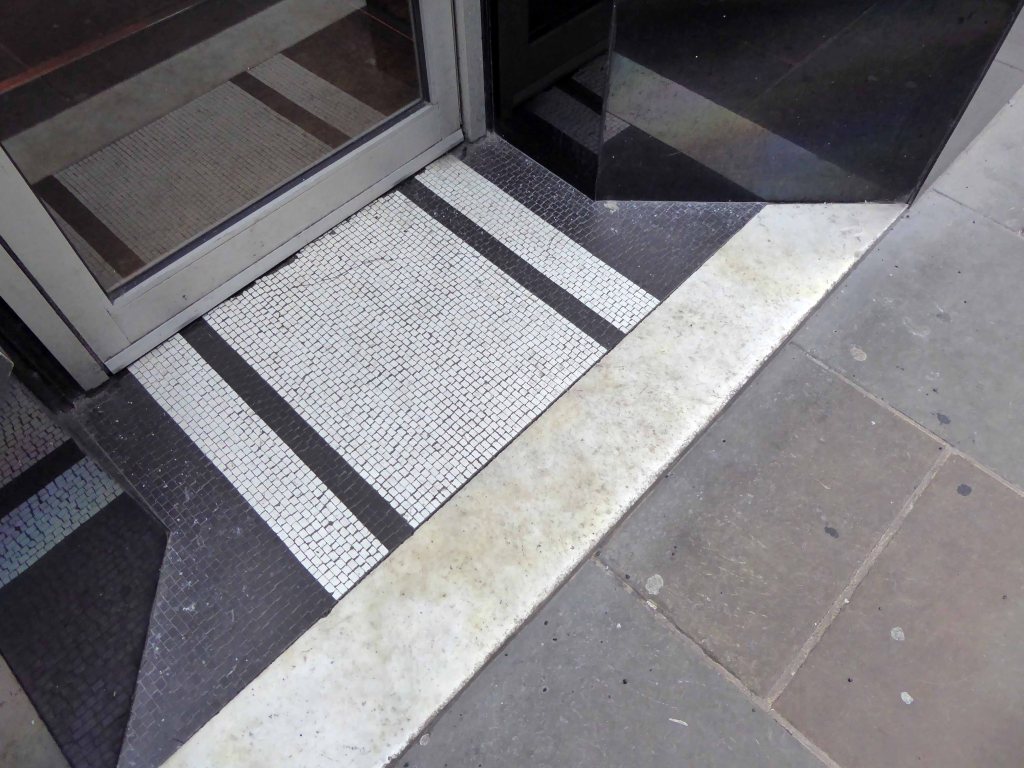
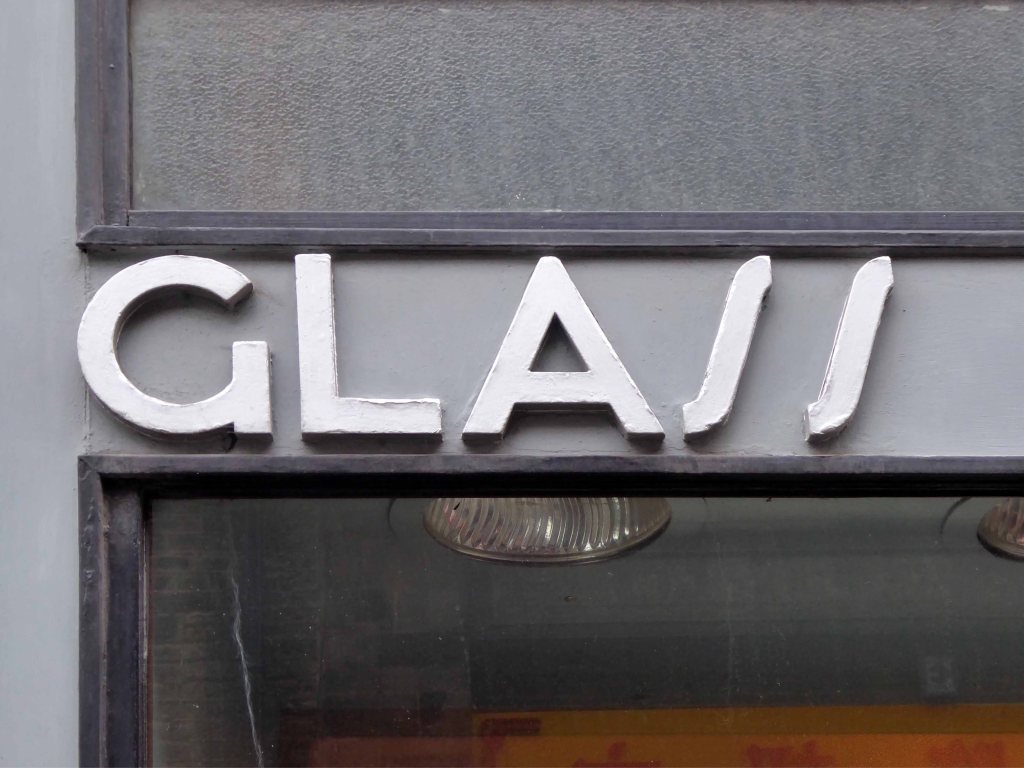
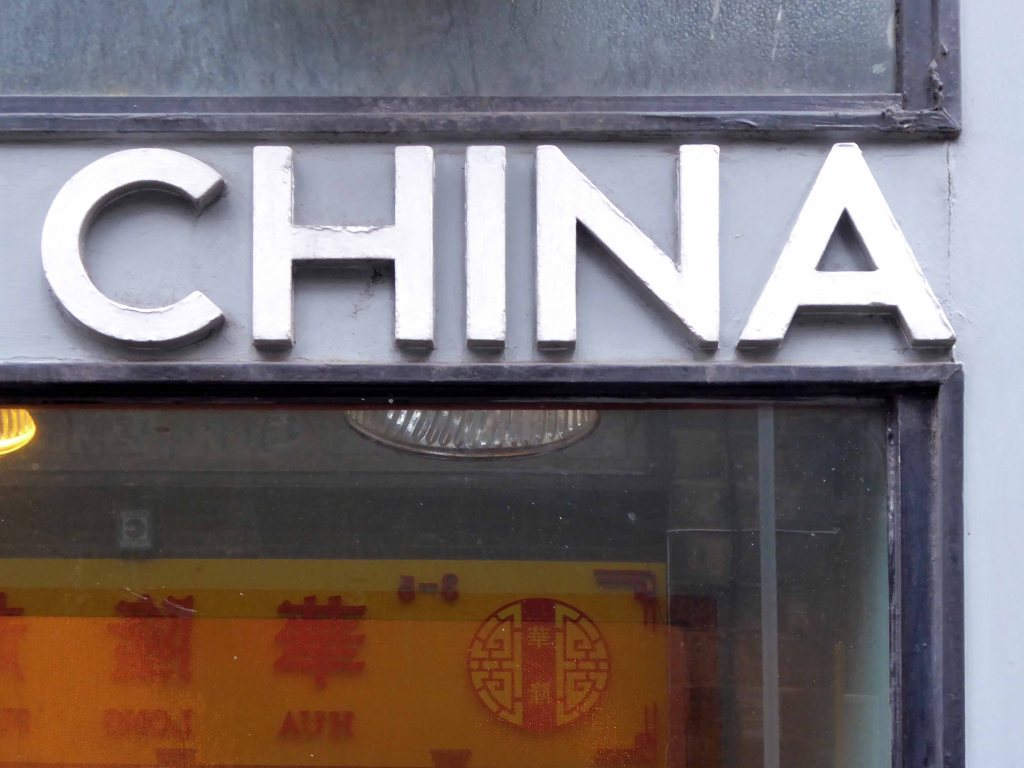
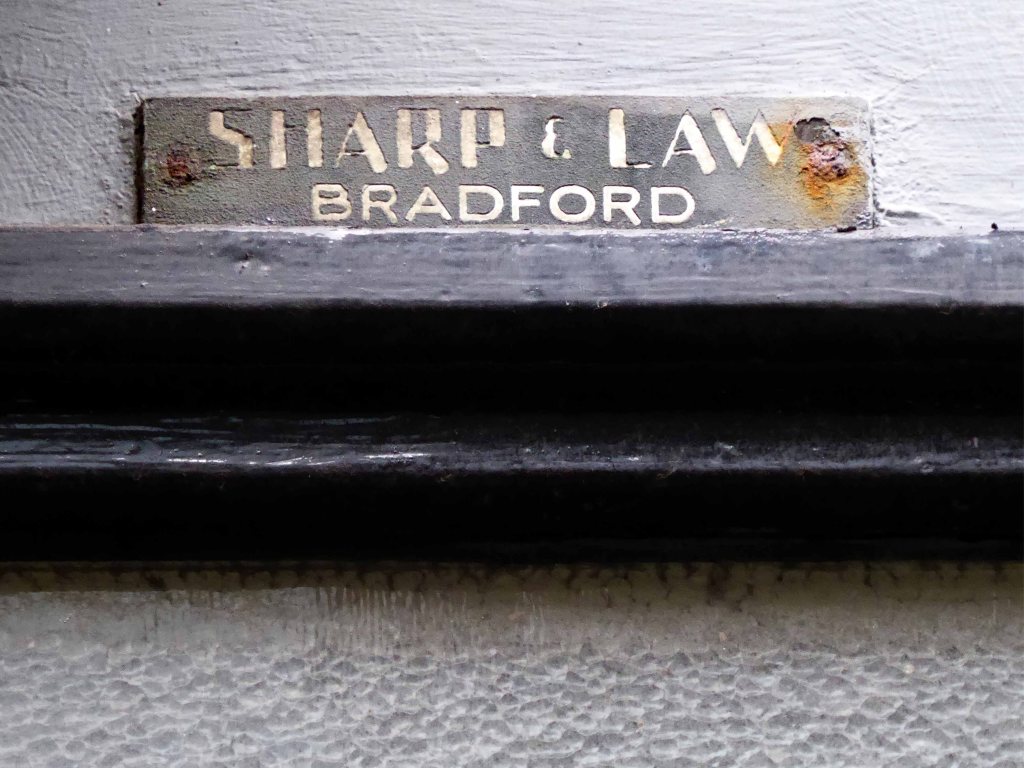
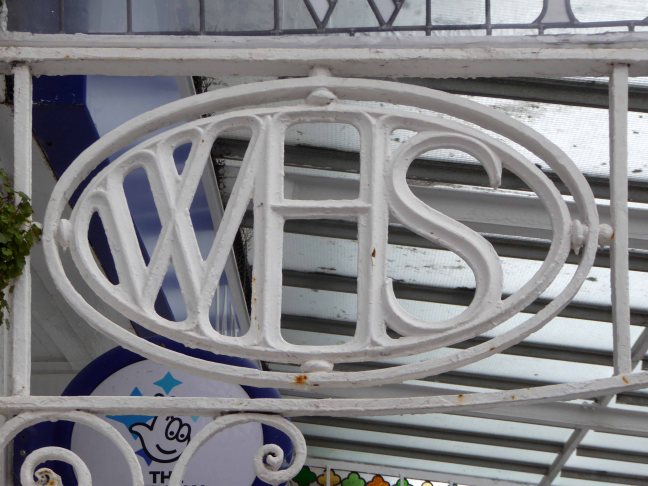
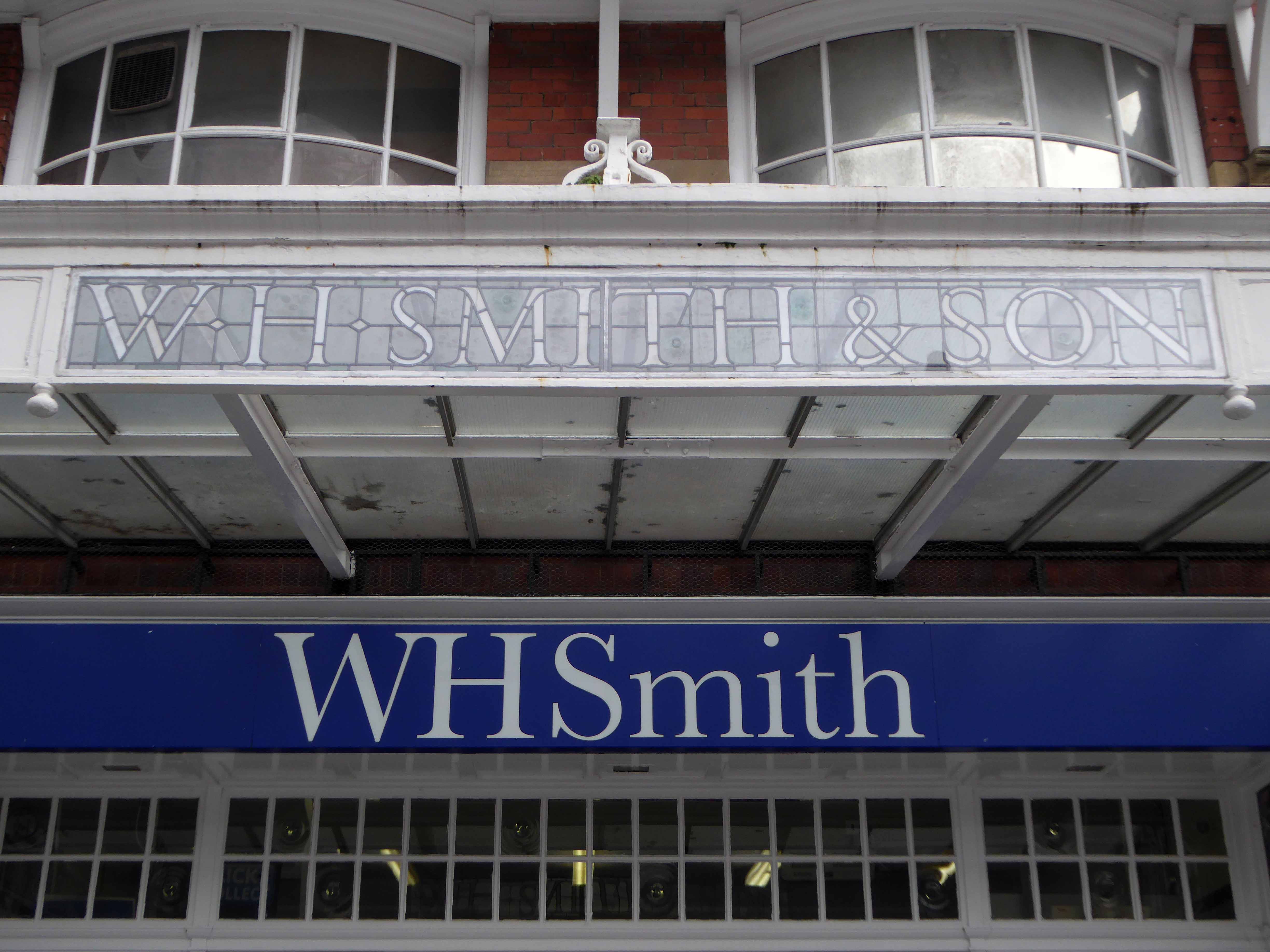
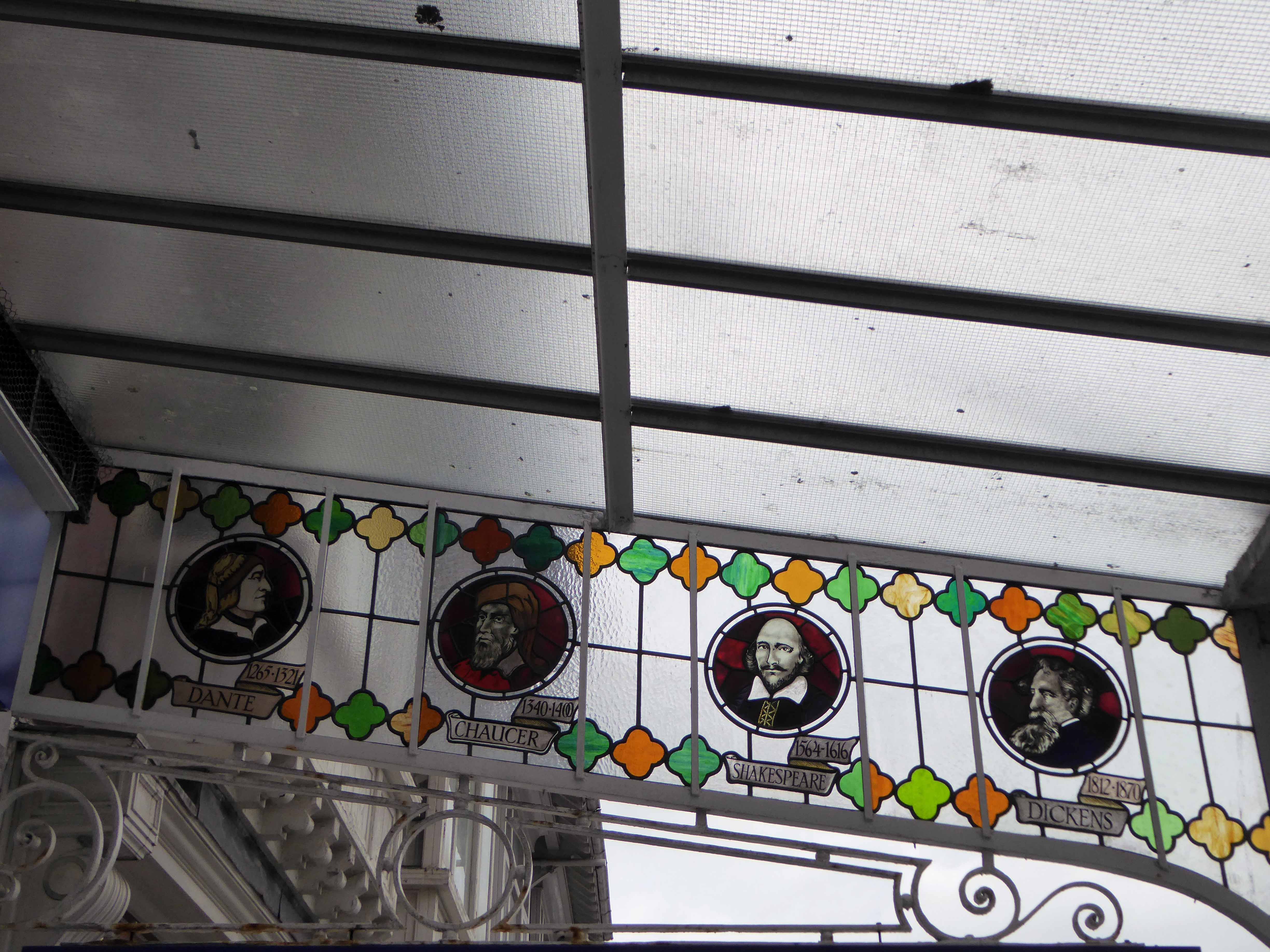
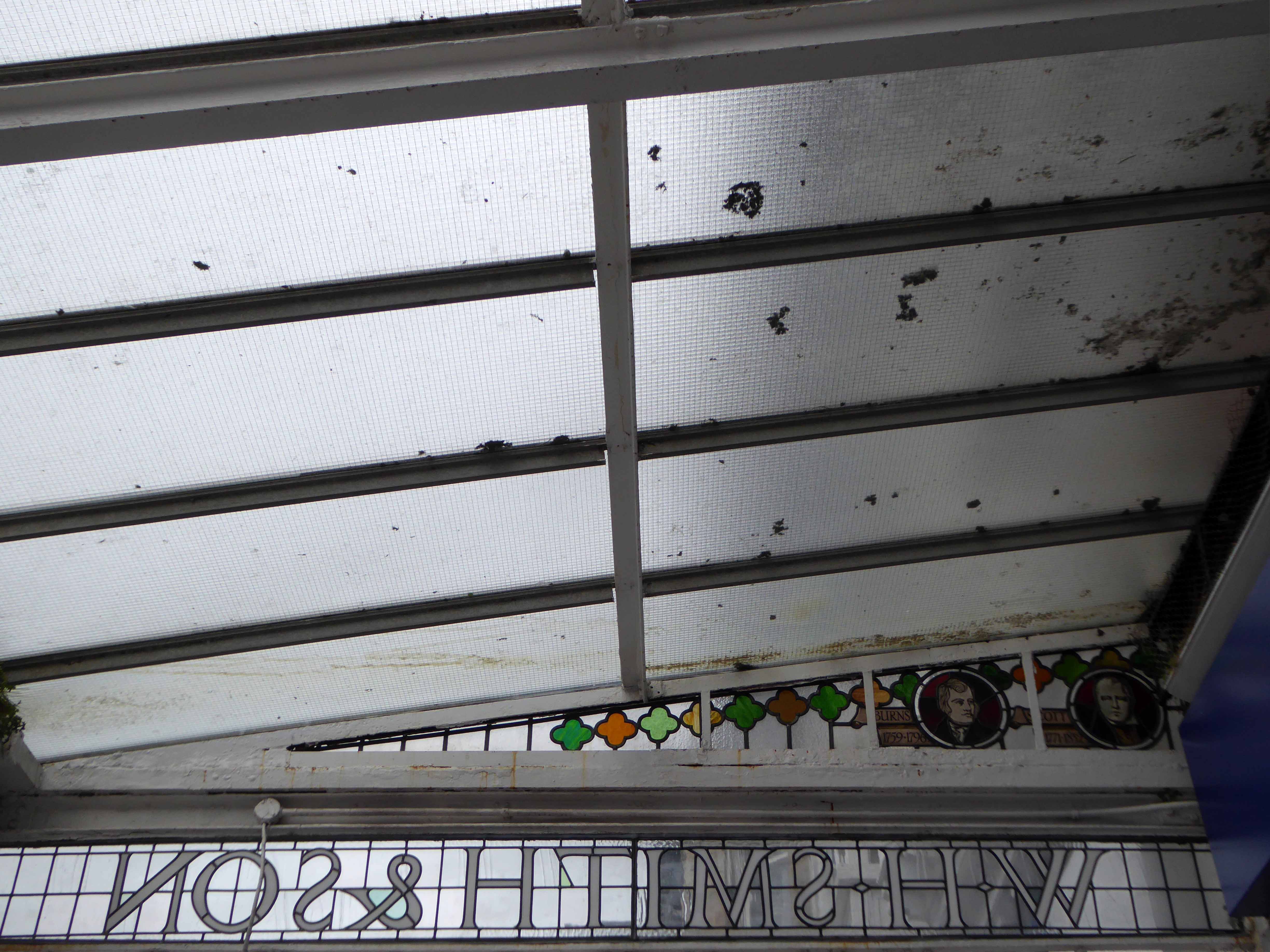
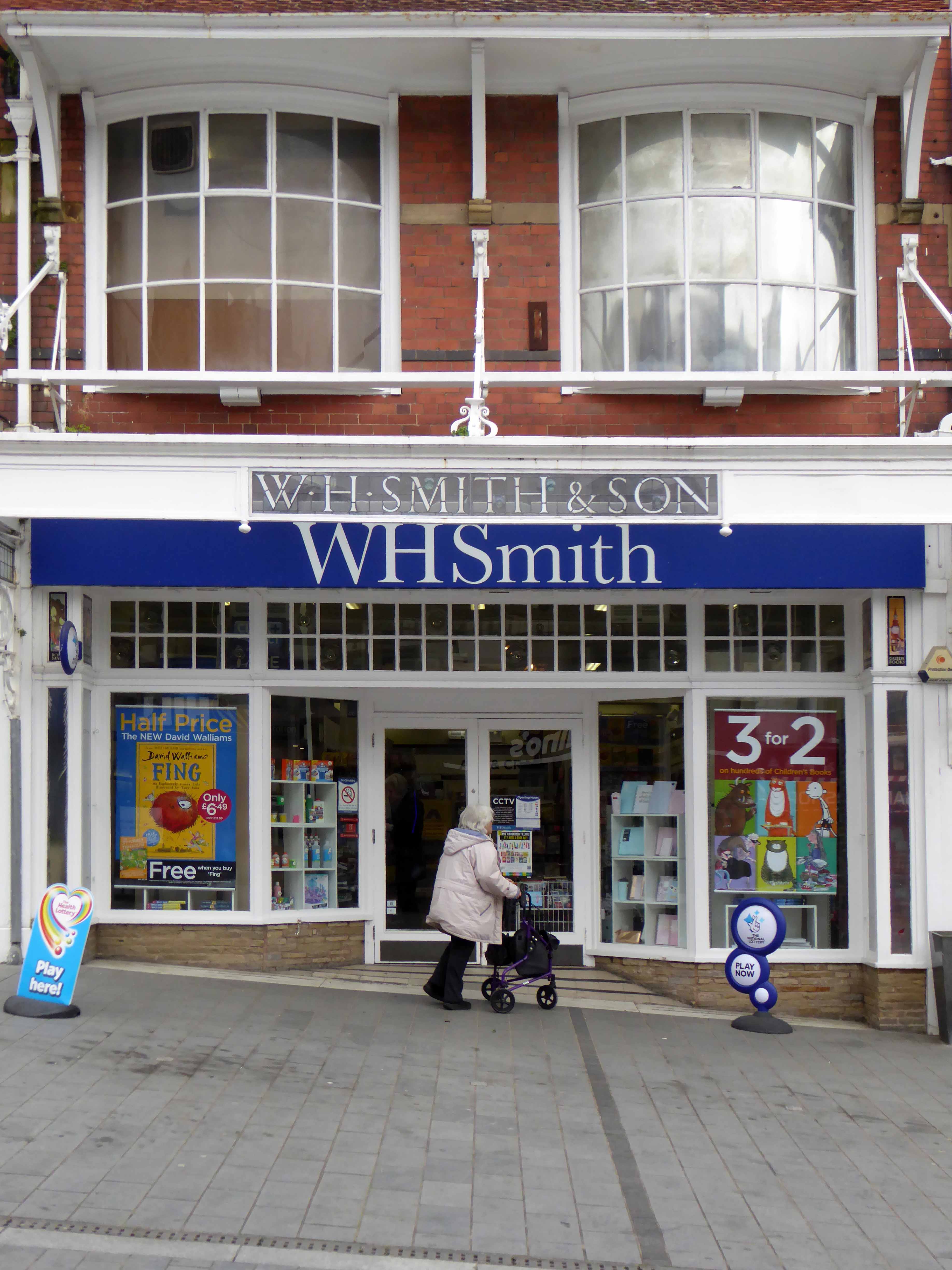
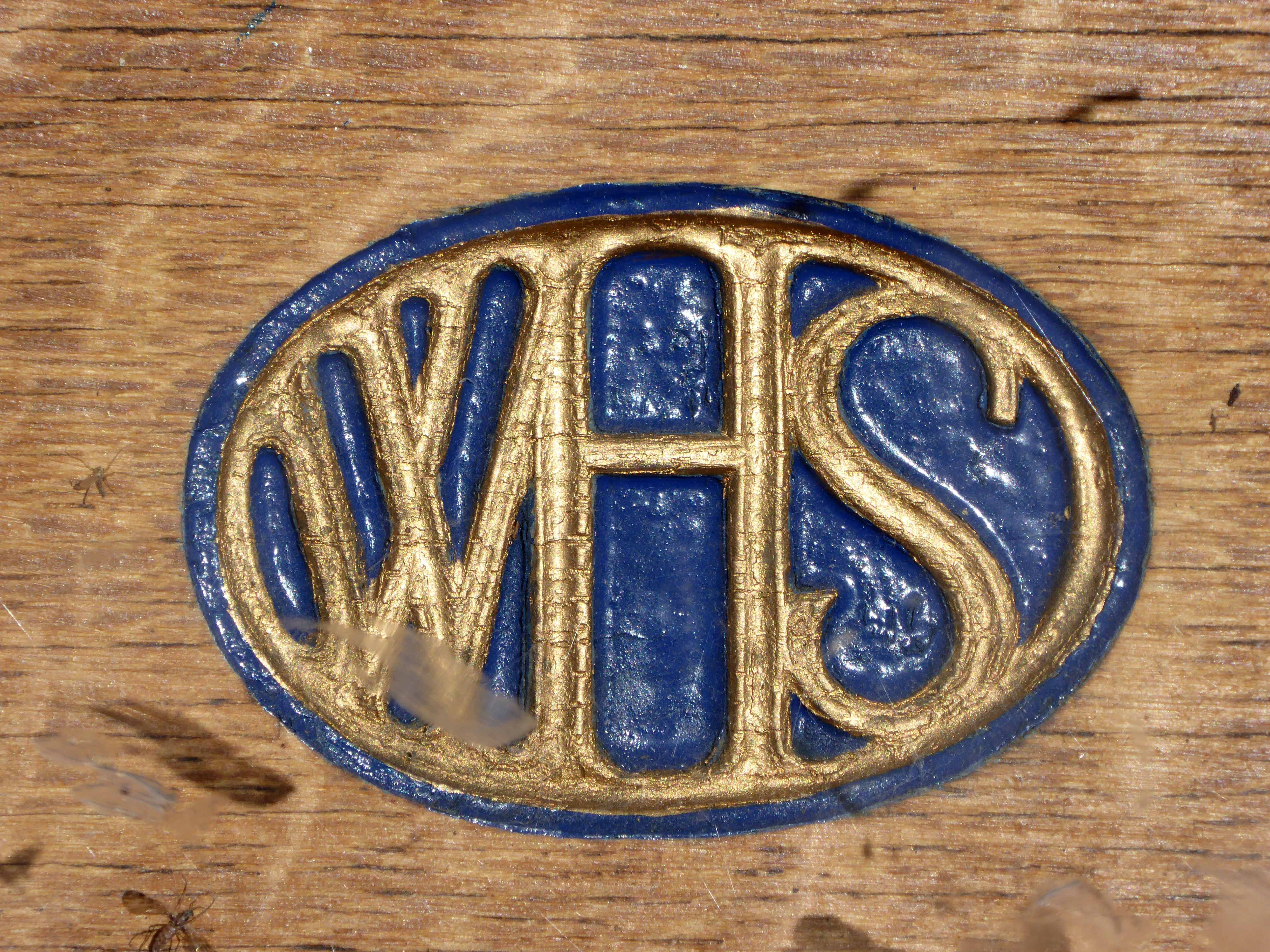
Now here I am in Colwyn Bay generally minding my own and everybody else’s business, when all of a sudden I noticed a cast iron glazed awning.

Proudly announcing the proprietors – sadly supported by a distressing modern addition – now I’m not one to decry and debunk the rising tide of modernity, I’m all in favour of unisex clothing and central heating.

But the unchecked encroachment of vacuous vinyl really is the limit.

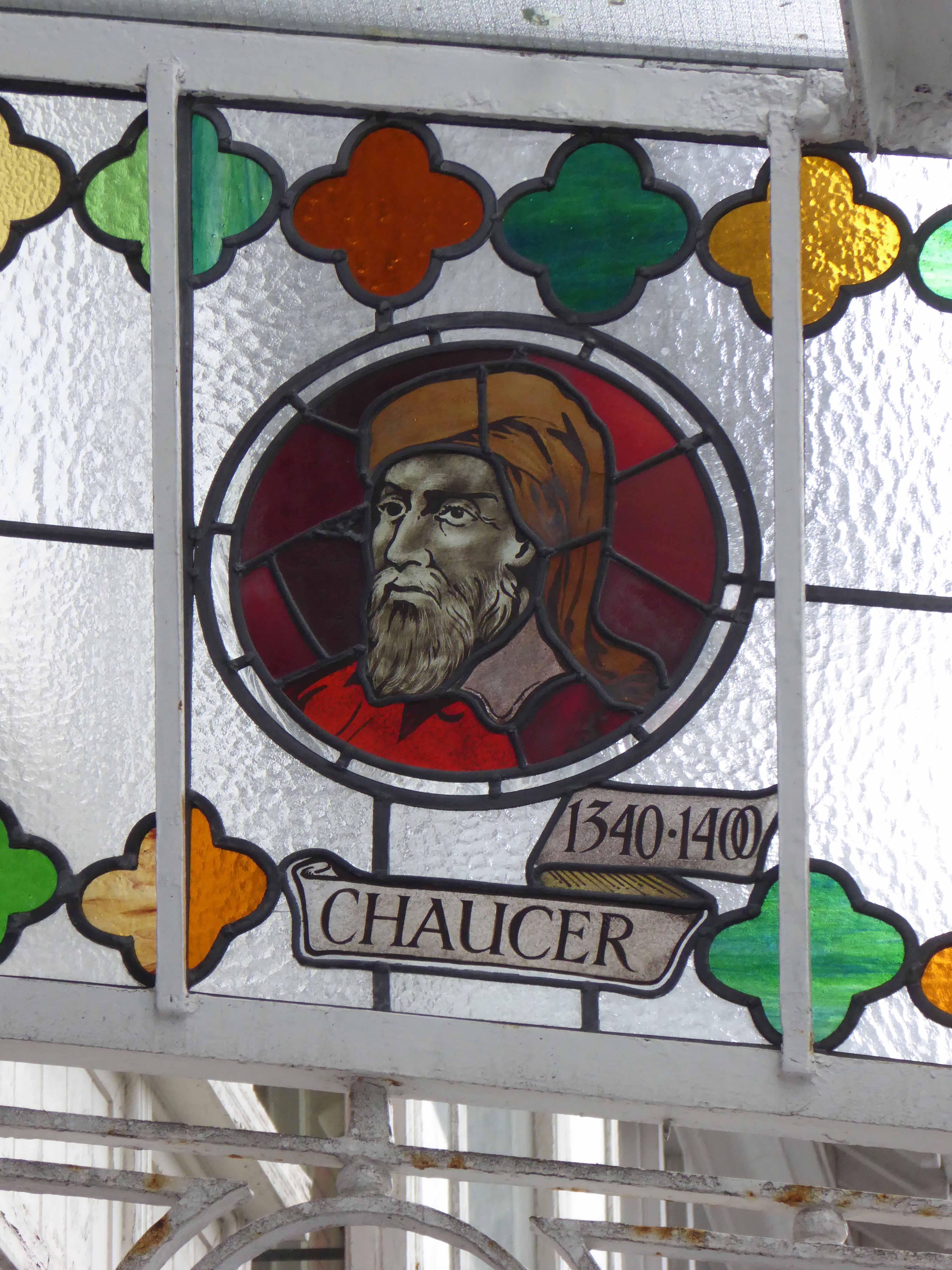
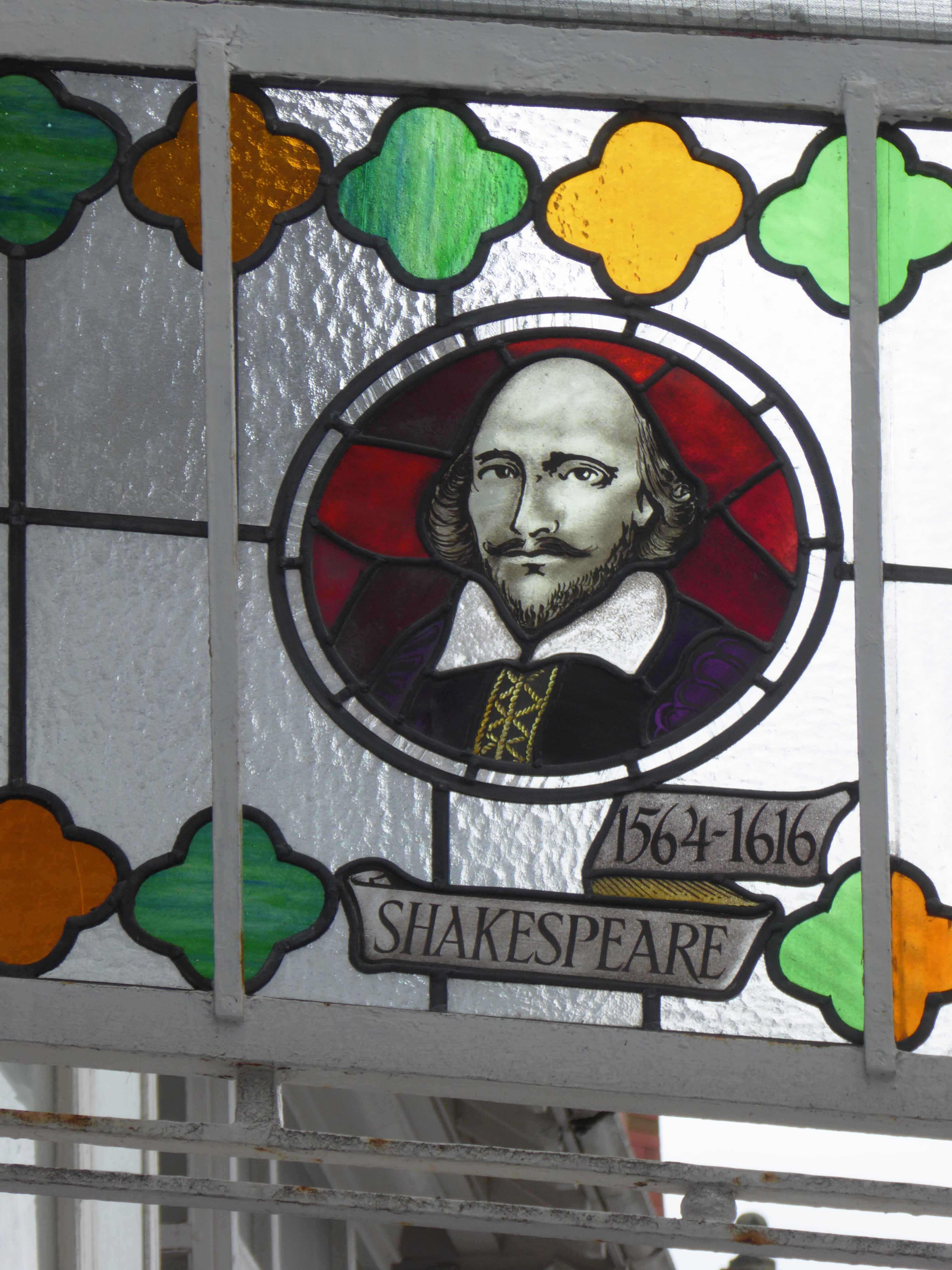
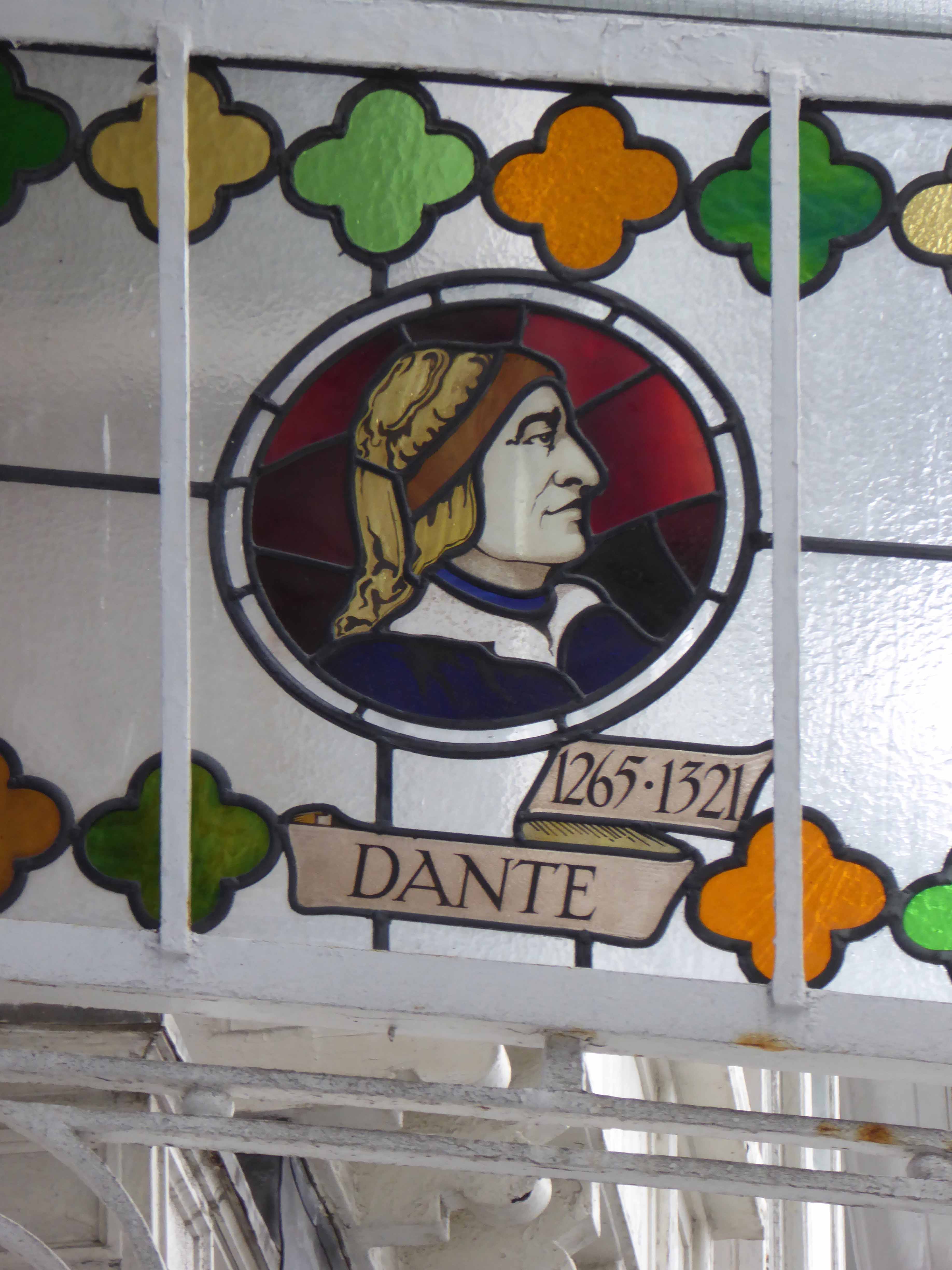
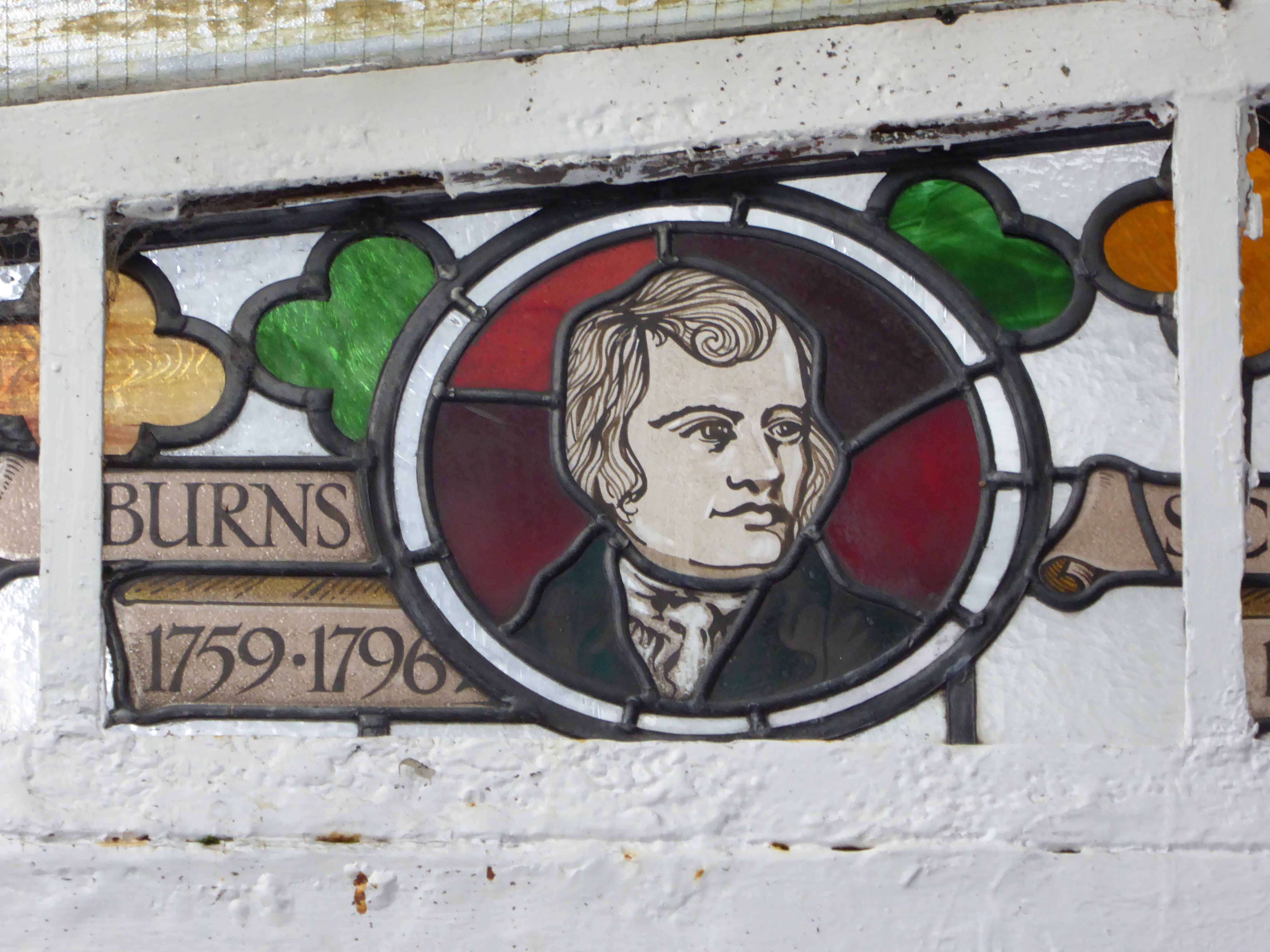
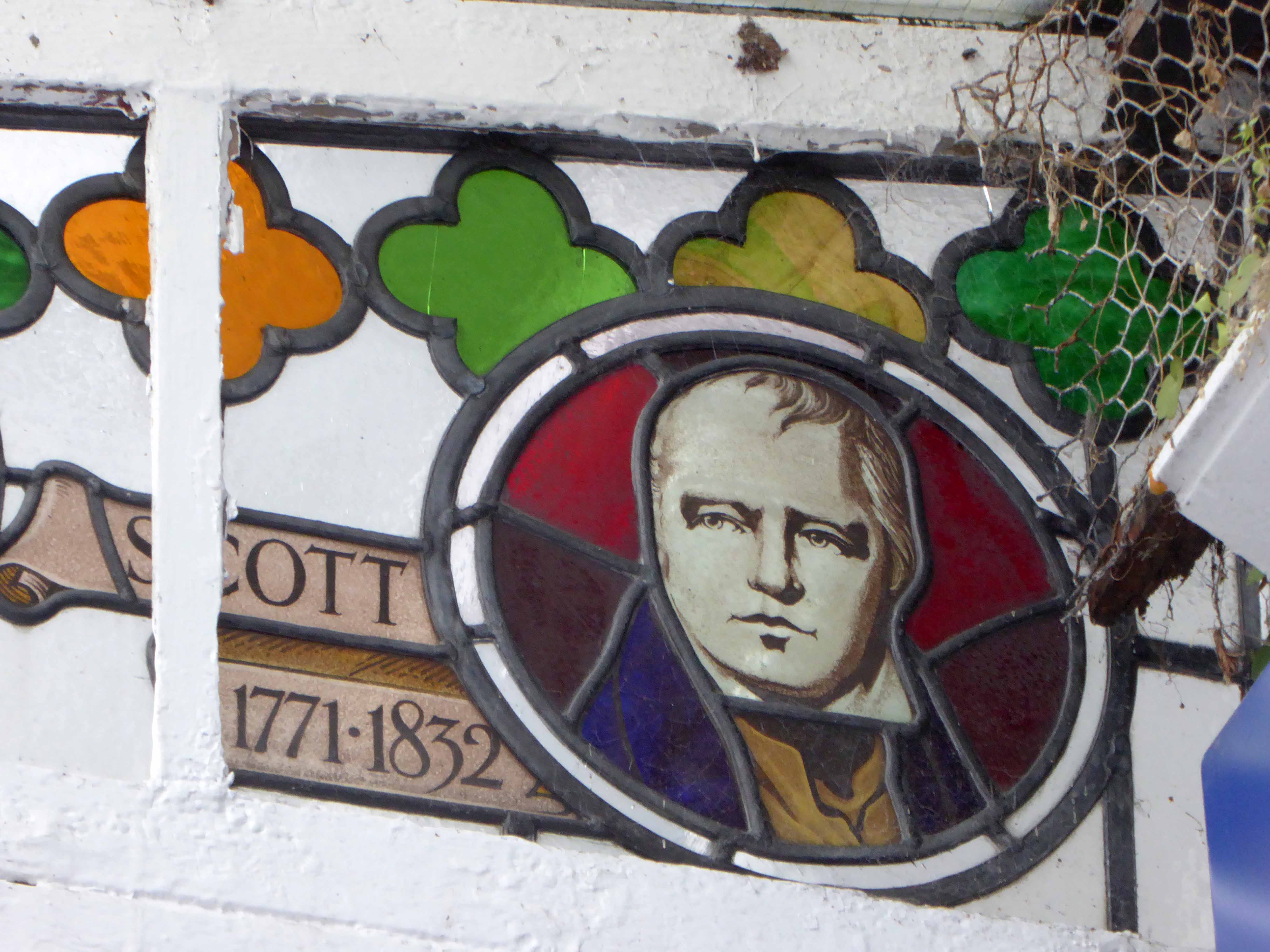
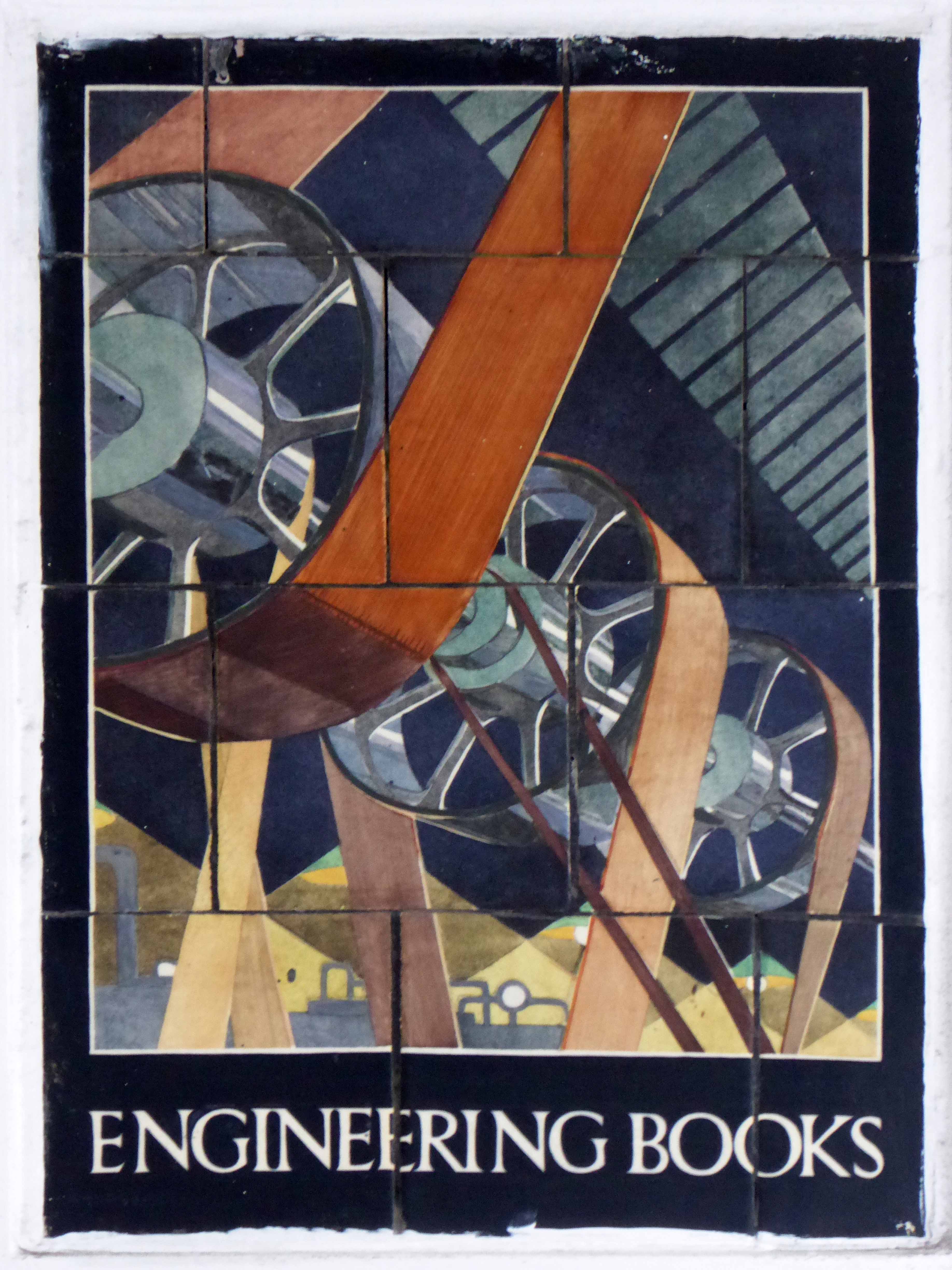
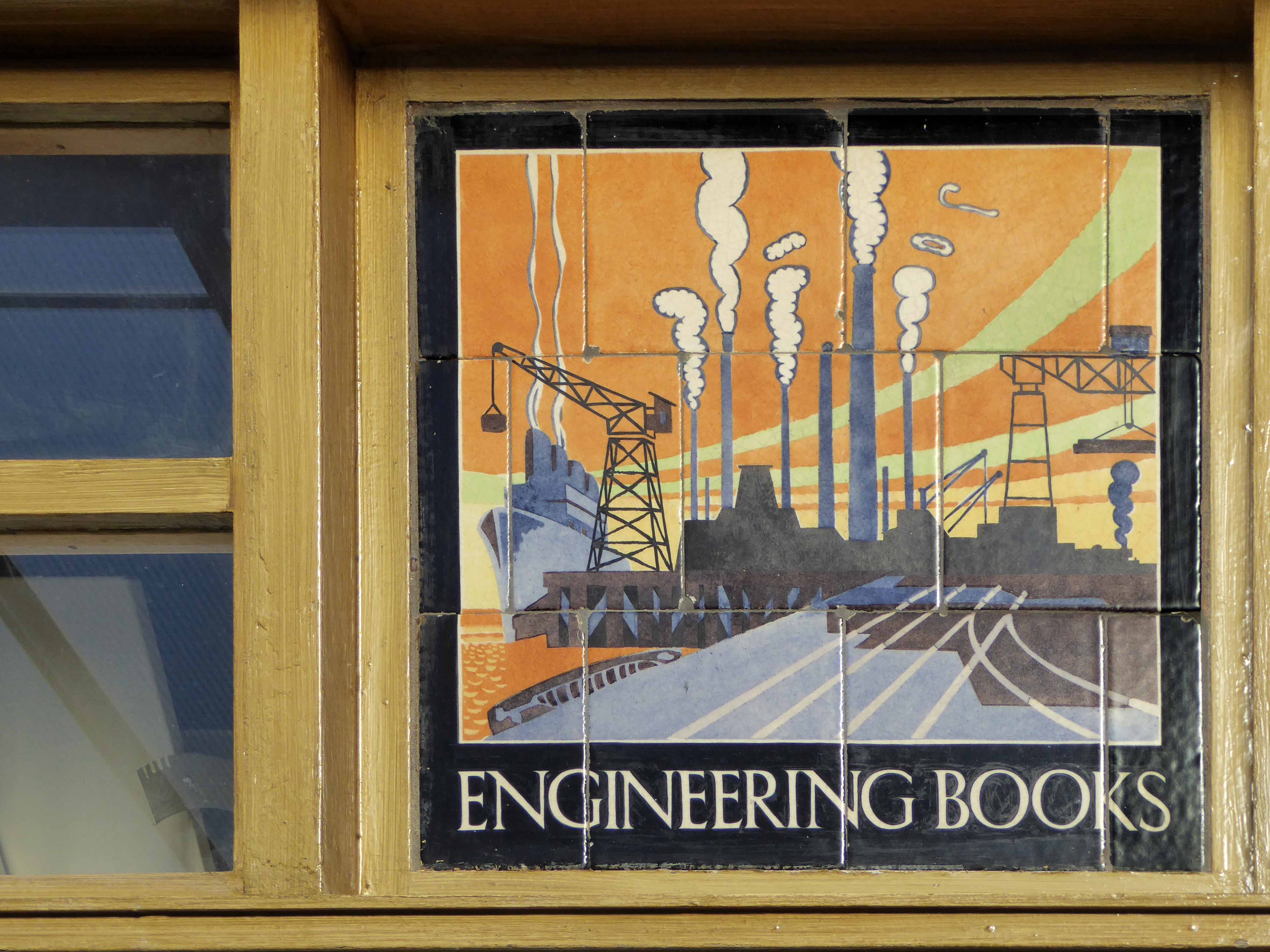
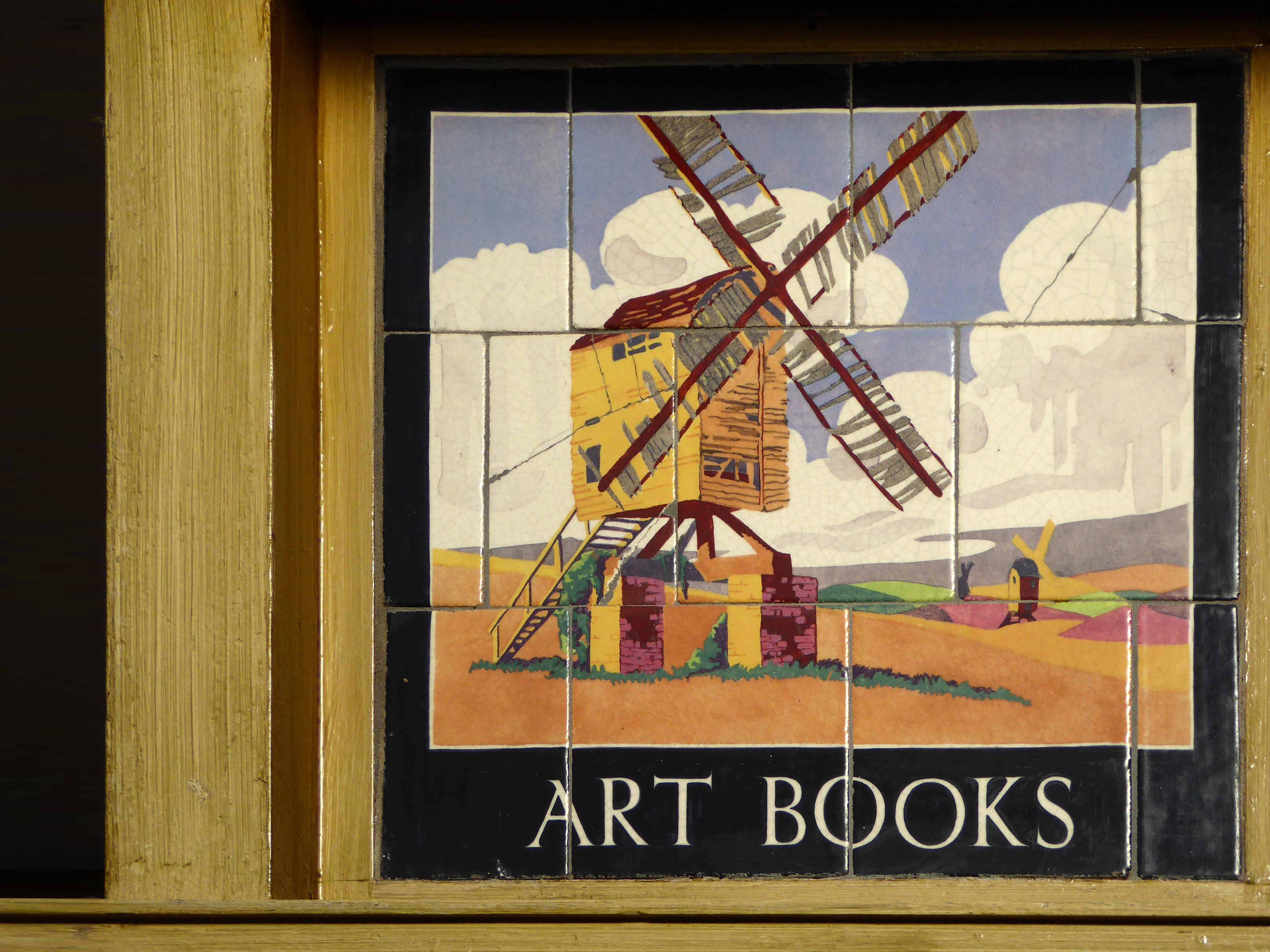
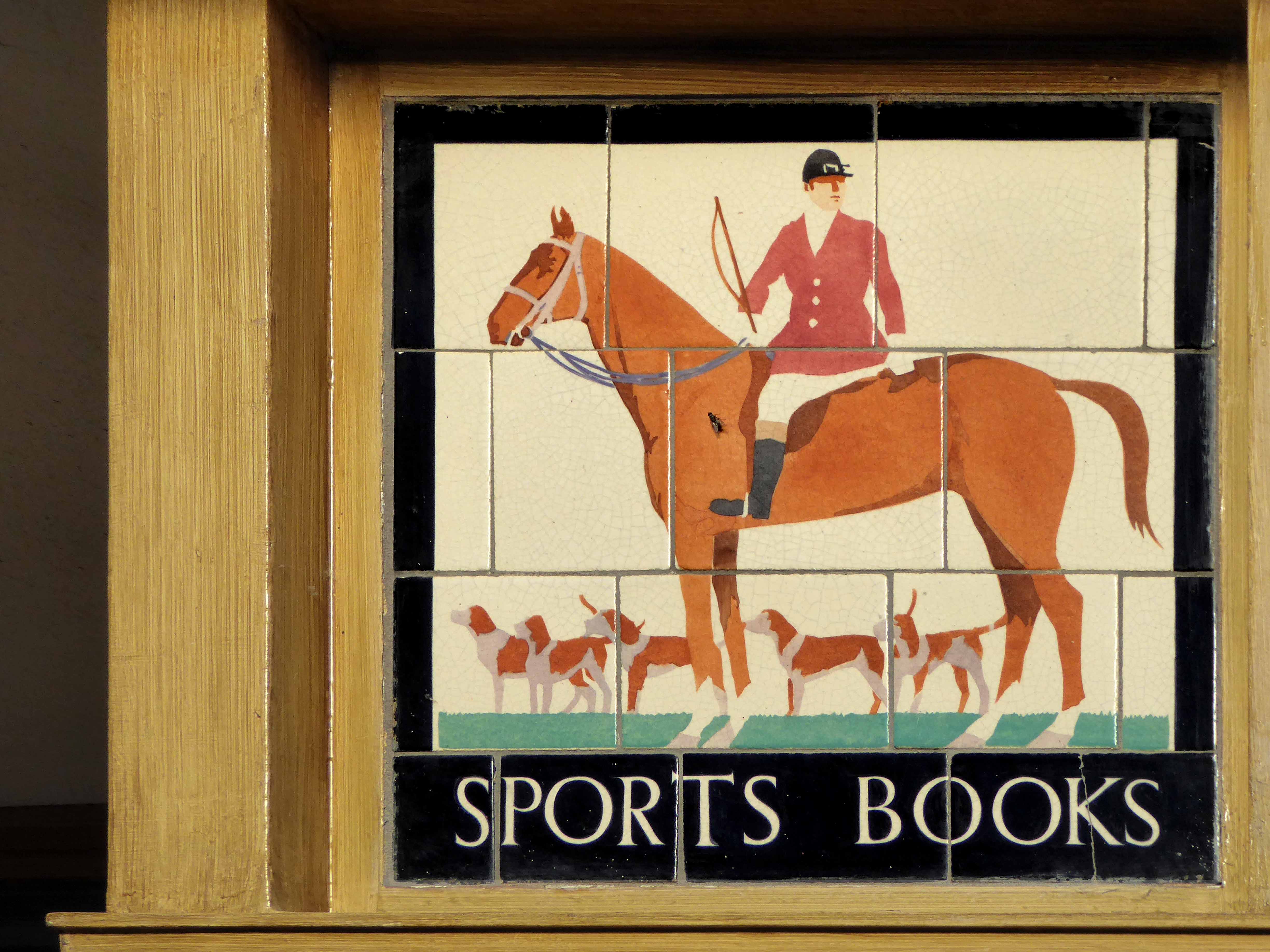
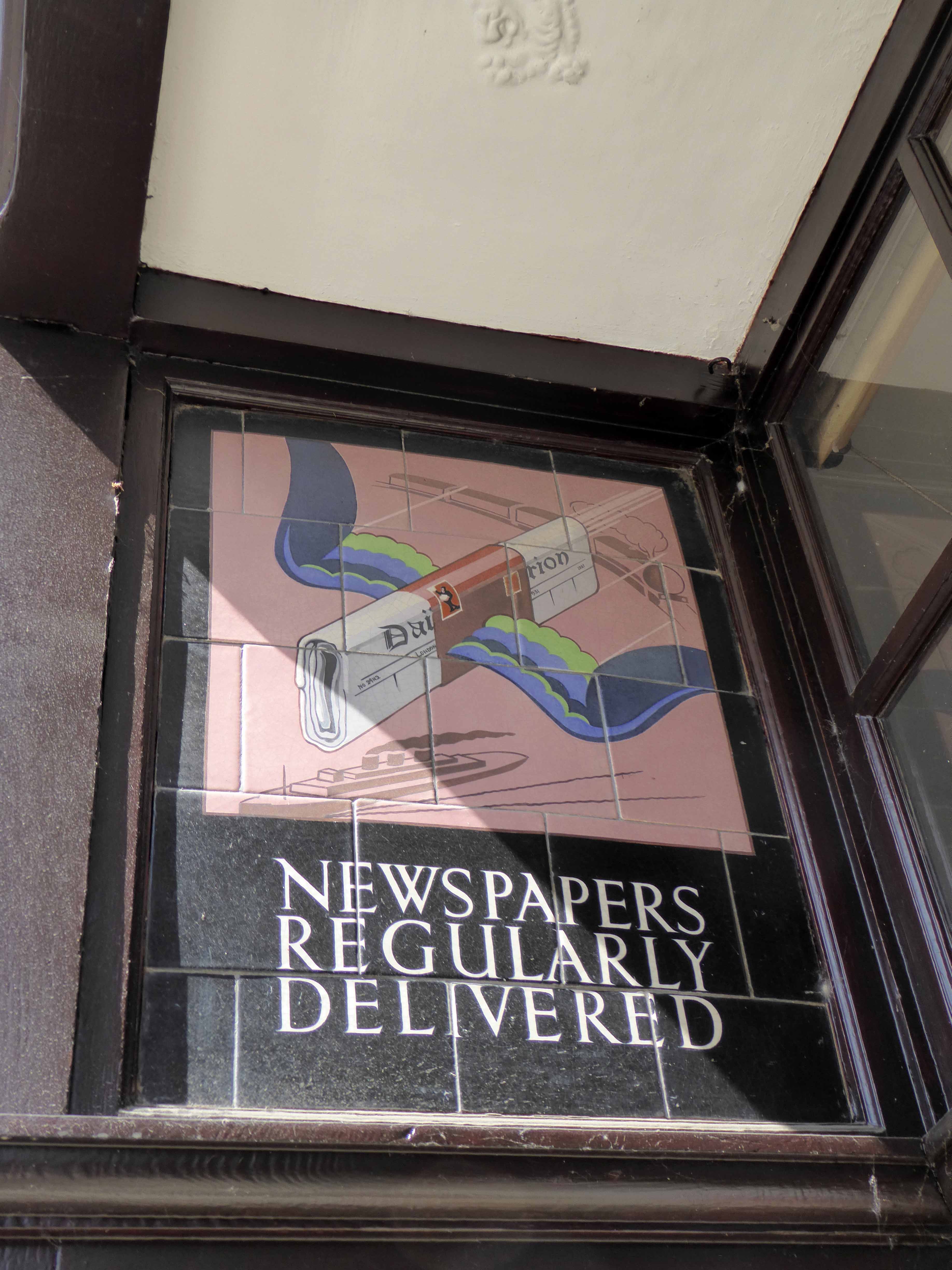
Businesses displayed a degree of dignified permanence unknown to the current high street trader. So here it is writ larger than life in stained glass and Carter’s Tiles.

Loud and proud.

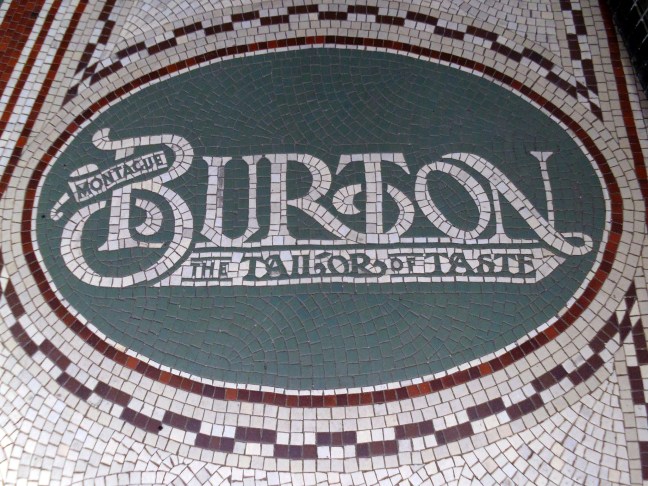
And as an addendum here are the delightful tiles from the Llandudno branch, snapped two years previously.

Burton’s Moderne – Ashton and Beyond

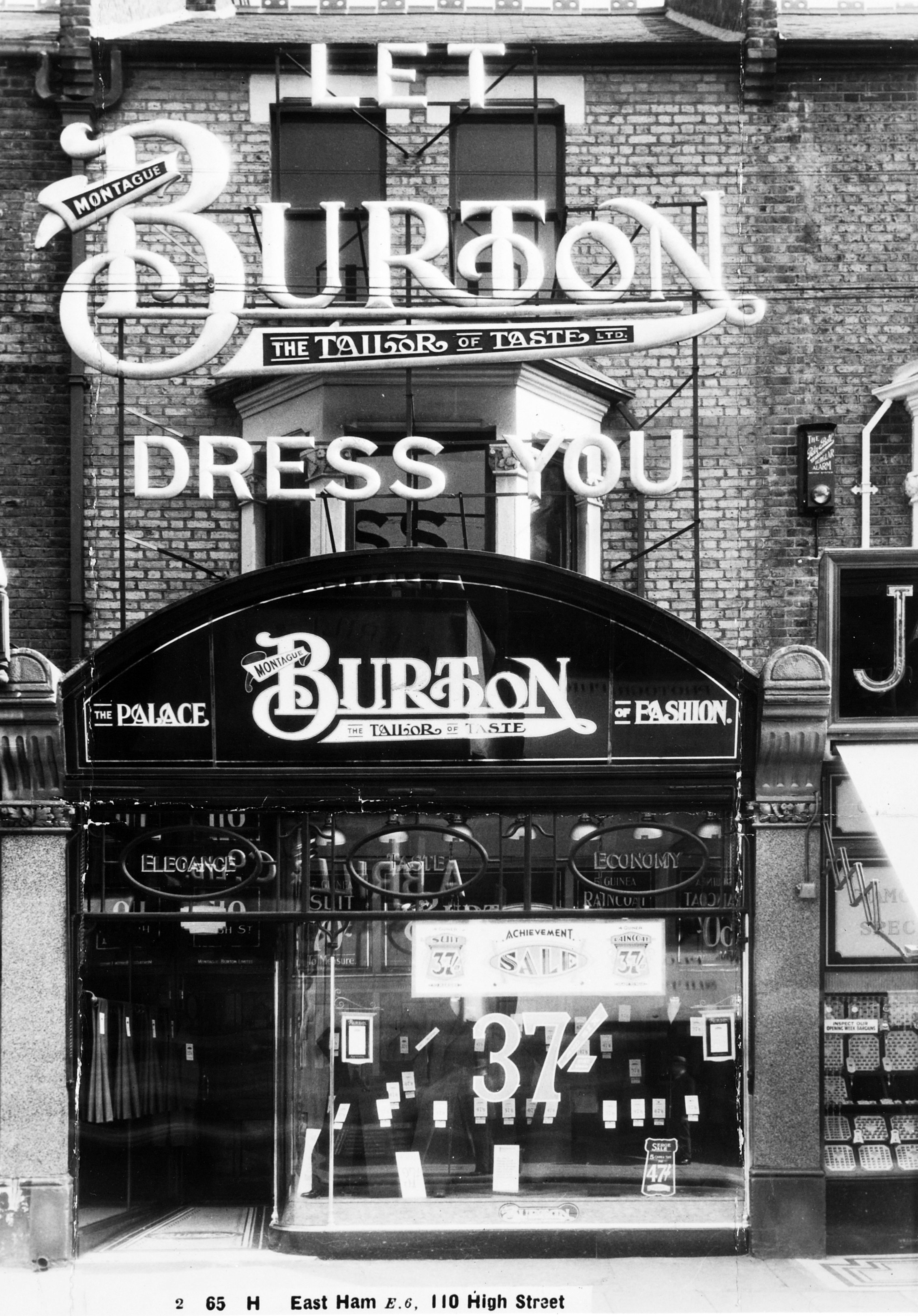
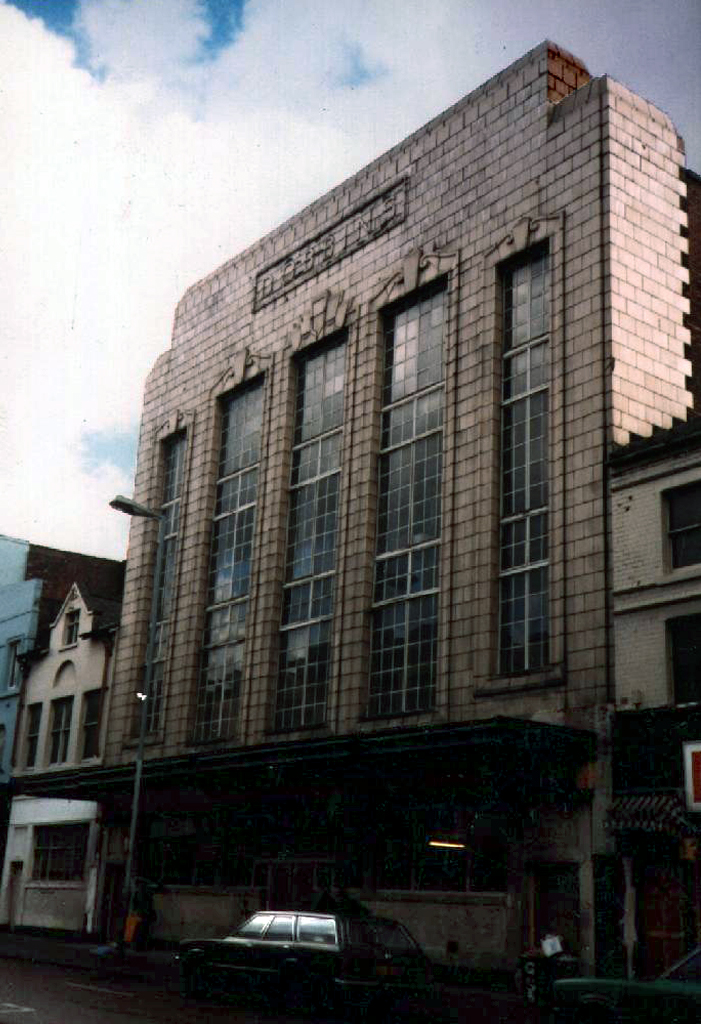
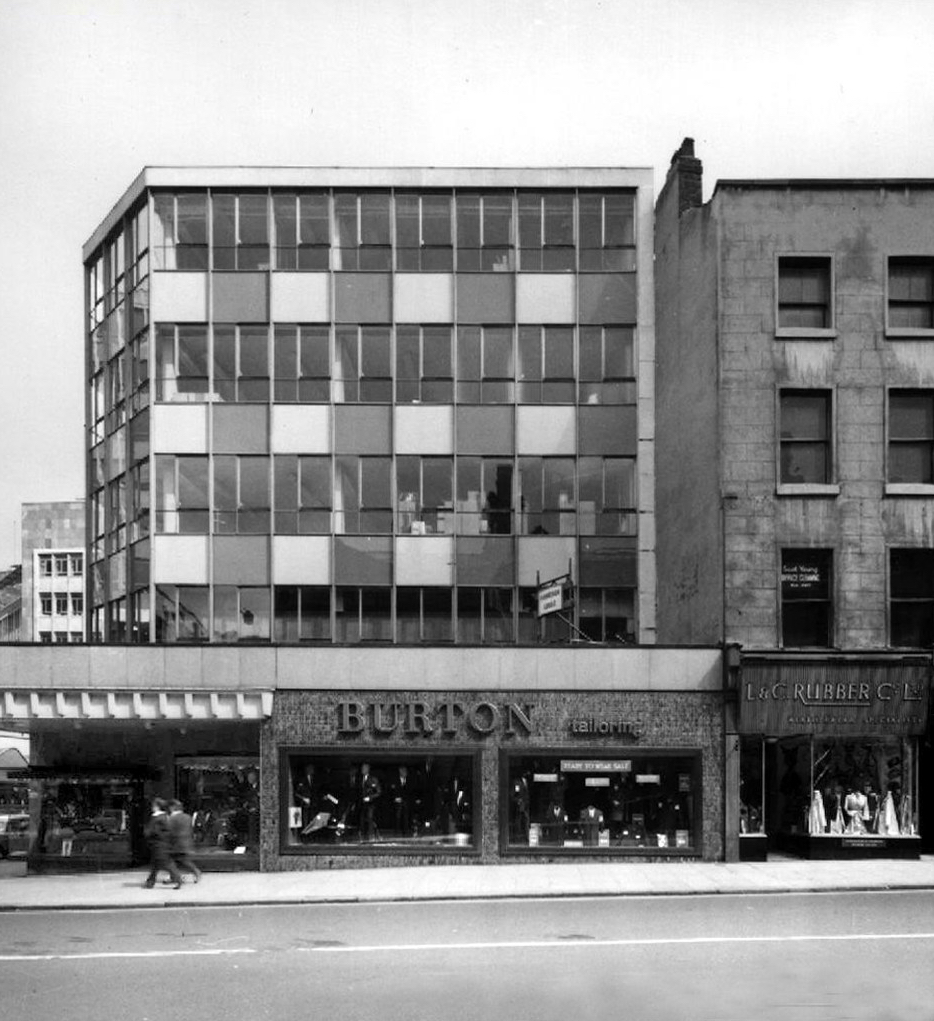
In almost every town or city worth its salt stood a modern white tiled tailor’s shop, almost every man or boy wore a Burton’s suit.

Harry Wilson had become the company architect by the early 1920s, and was responsible for developing Burton’s house style. Montague Burton, however, maintained a close personal interest. The company’s in-house Architects Department was set up around 1932 under Wilson. He was followed as chief architect around 1937 by Nathaniel Martin, who was still in post in the early 1950s. The architects worked hand-in-hand with Burton’s Shopfitting and Building Departments, who coordinated the work of selected contractors. Throughout the late 1920s and 1930s they were kept phenomenally busy: by 1939 many of Burton’s 595 stores were purpose-built.

The very first made to measure gear I owned came from Burton’s in Ashton under Lyne – mini-mod aged fourteen in a three button, waisted, light woollen dark brown jacket, four slanted and flapped side pockets and an eighteen inch centre vent.

Just the job for a night out at the Birdcage, Moon or Bower Club

The story of the stores begins in the province of Kovno in modern Lithuania – Meshe David Osinsky (1885-1952), came to England where he initially took the name Maurice Burton. 

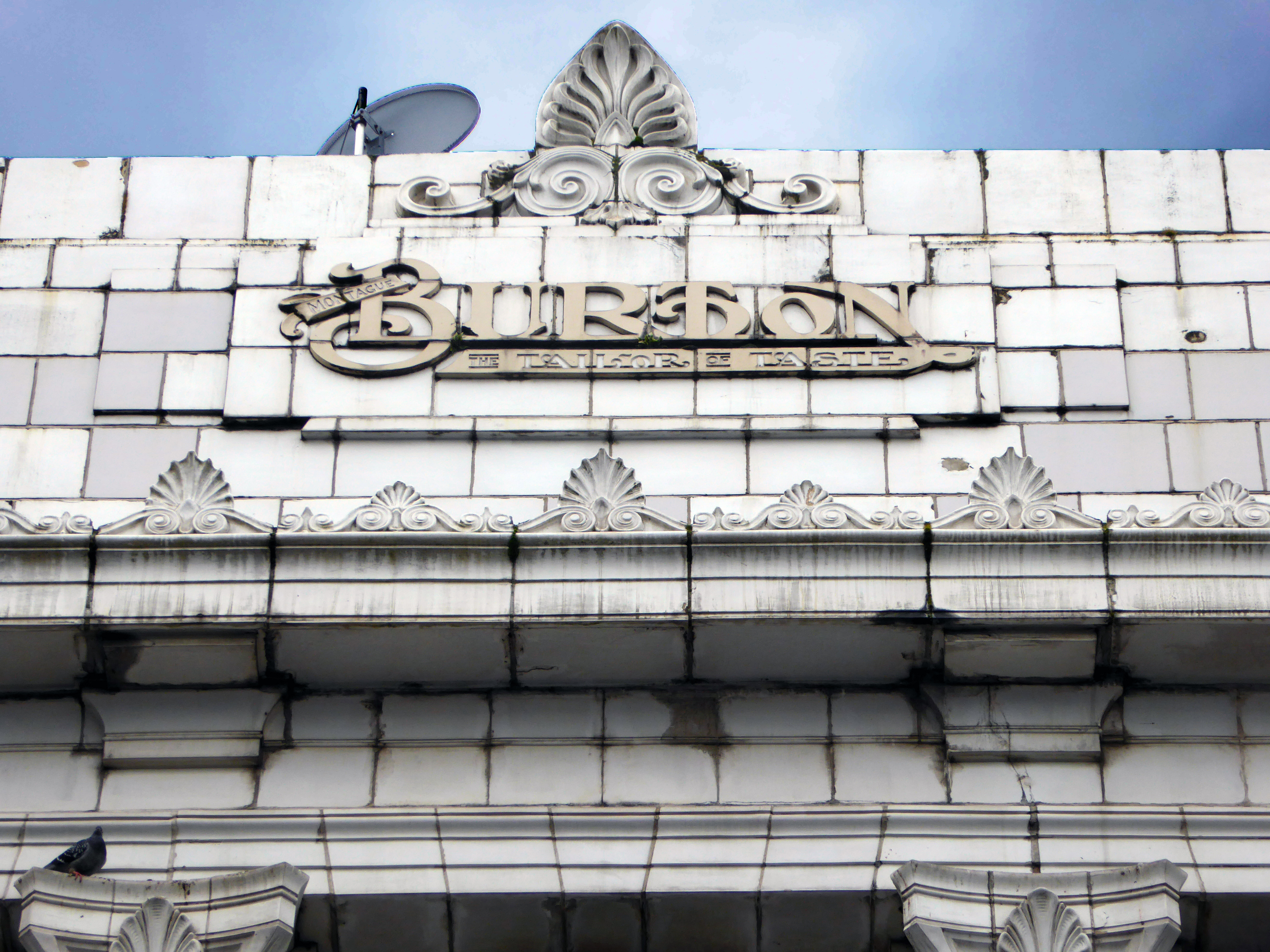
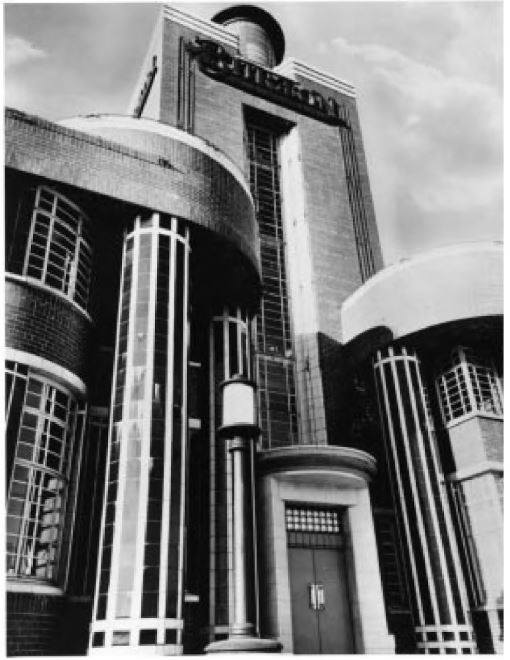
The distinctive architecture stood out on the high street, Art Deco motifs and details abound – elephants chevrons and fans.

Topped off with the company’s distinctive logotype.

This example in Doncaster is one of the few remaining examples many having been removed – as the stores have changed ownership and usage.

This Neo-Classical Burnley branch is a rare example of a Burton’s which hasn’t gone for a Burton.

The group maintained a distinctive graphic style in labelling signage and advertisements.

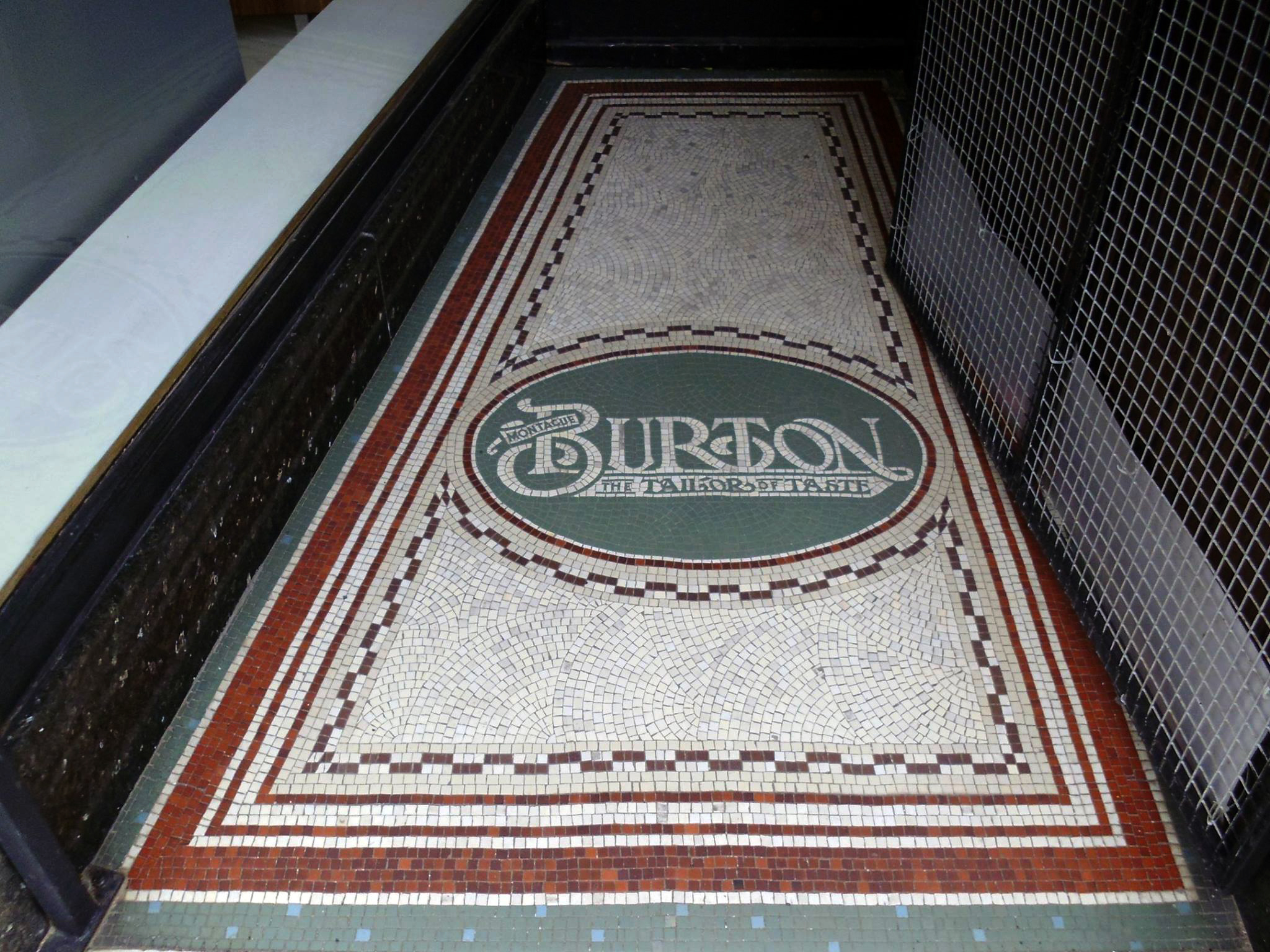
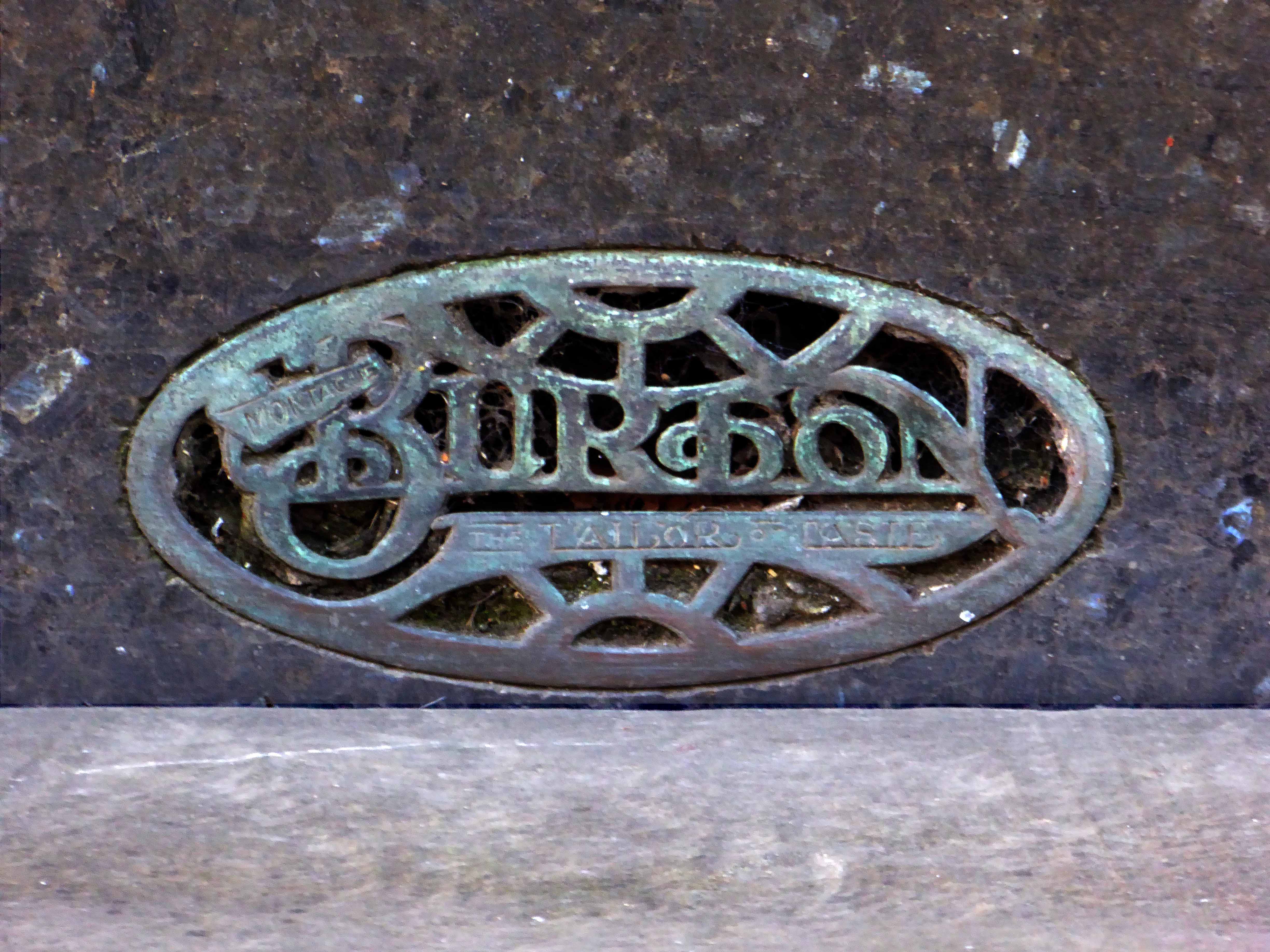
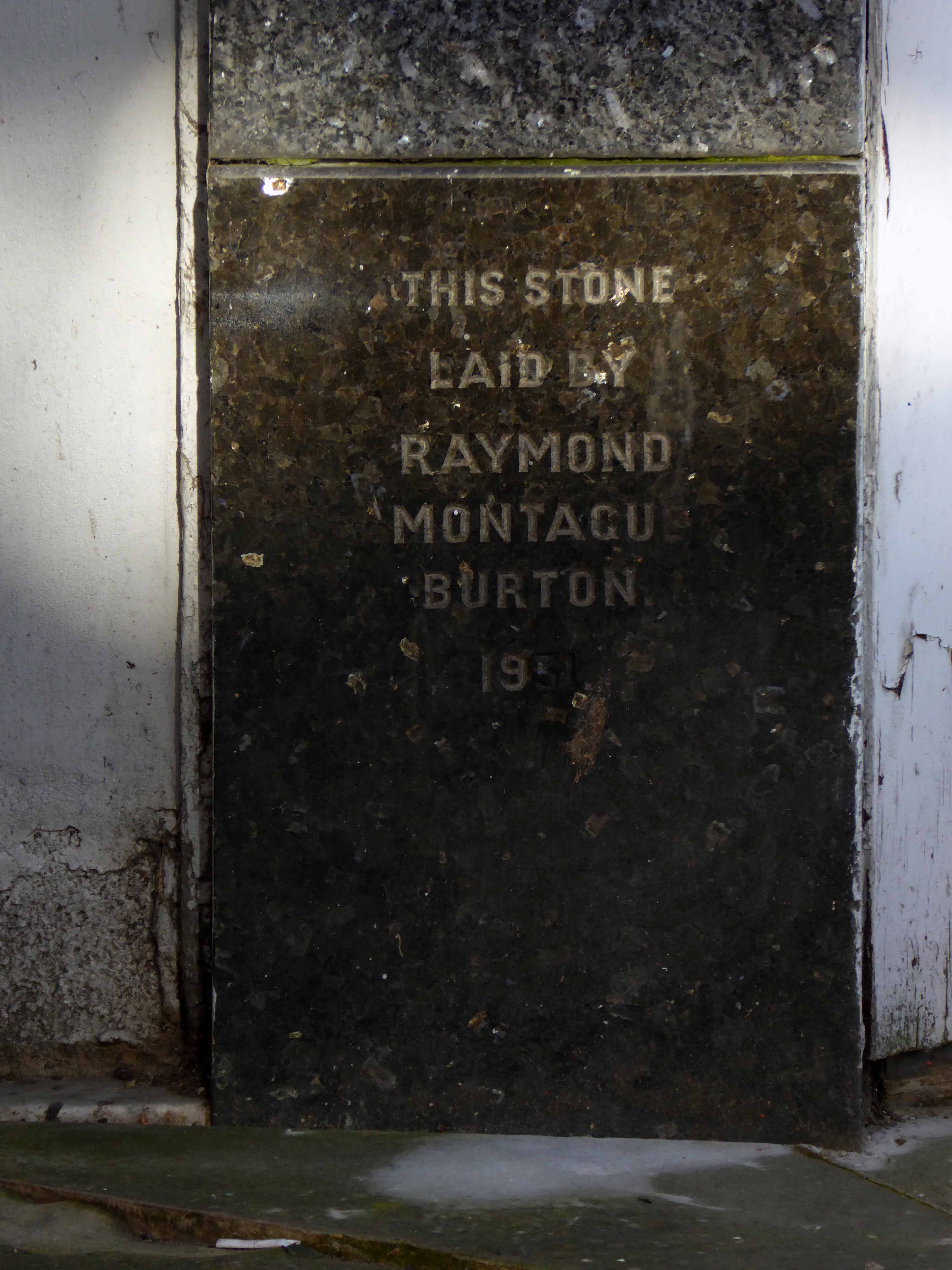
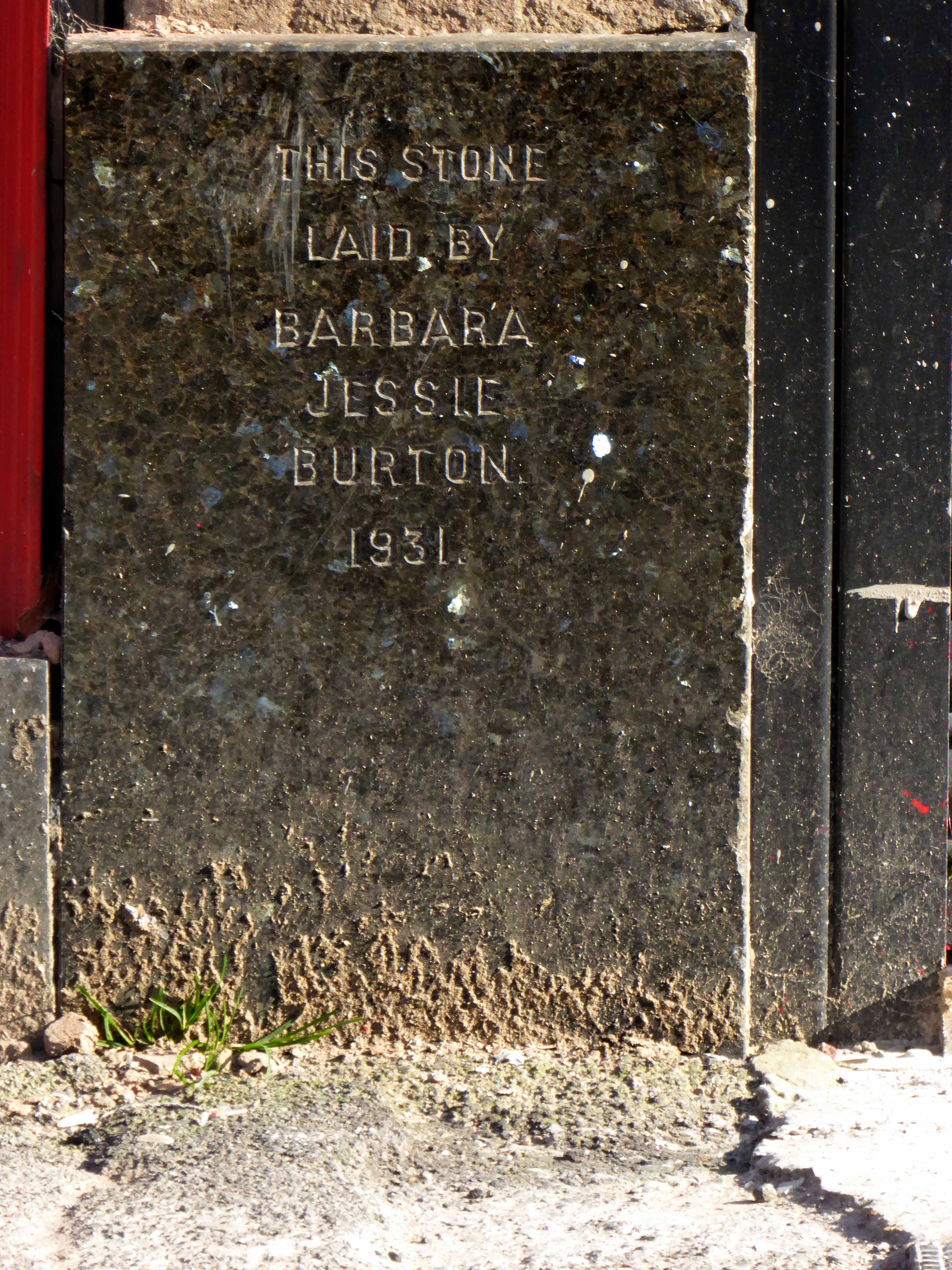
Often including ornate mosaic entrances, ventilation covers and obligatory dated foundation stones – as seen in this Ashton under Lyne branch.

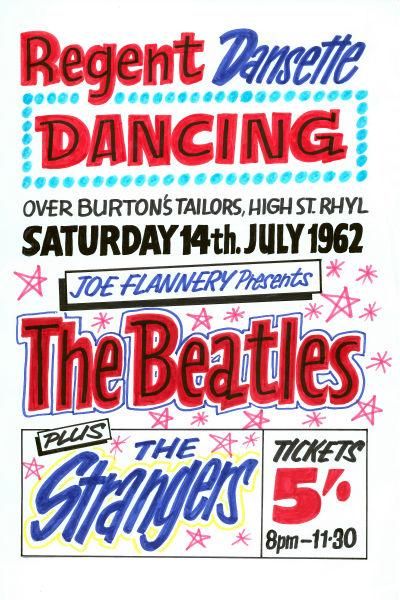
Stores often housed dance halls or other social spaces.

In 1937 Burton’s architect, Nathaniel Martin, collaborated with the architects Wallis Gilbert & Partners on a subsidiary clothing works on the Great Lancashire Road at Worsley, near Manchester. Conceived as a Garden Factory and built in a modern style, this was dubbed ‘Burtonville Clothing Works’. It opened in October 1938 .

Where machinists worked on Ashton built Jones equipment.

Time changes everything and the inception of off the wall unisex disco clothing saw the made to measure suit fall into a chasm of loon pants and skinny rib grandad vests.

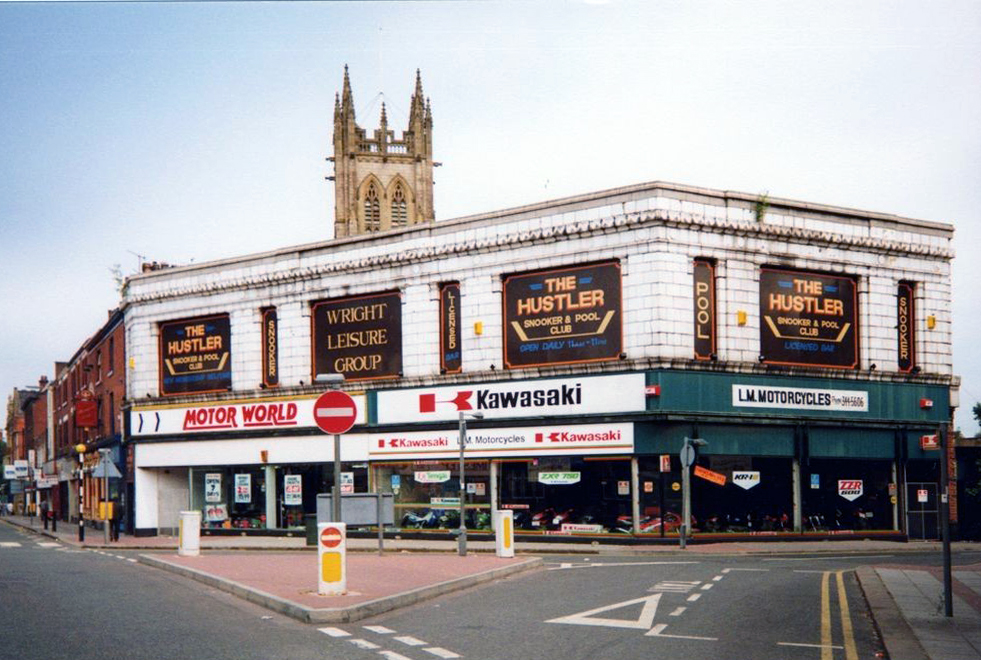
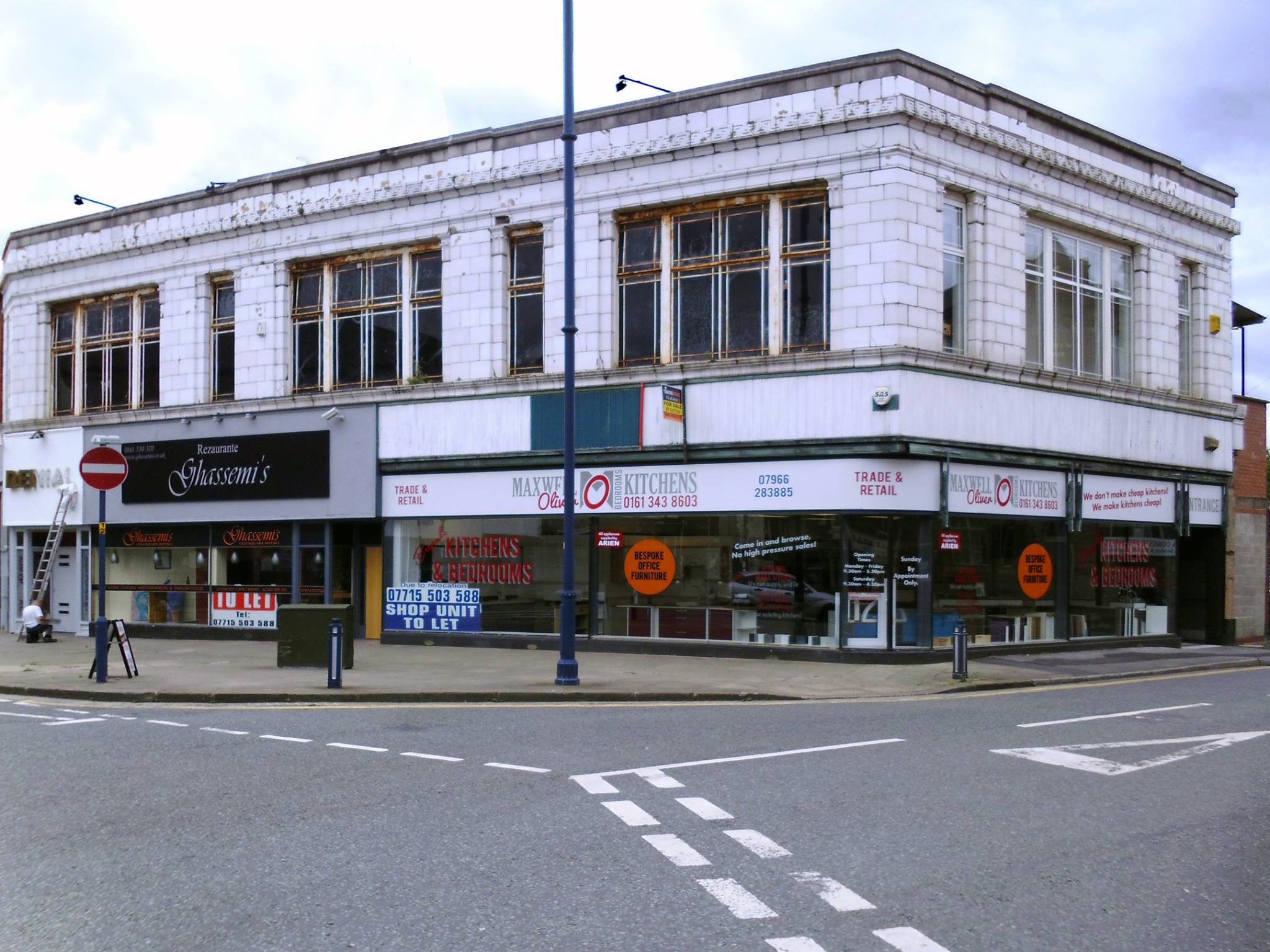
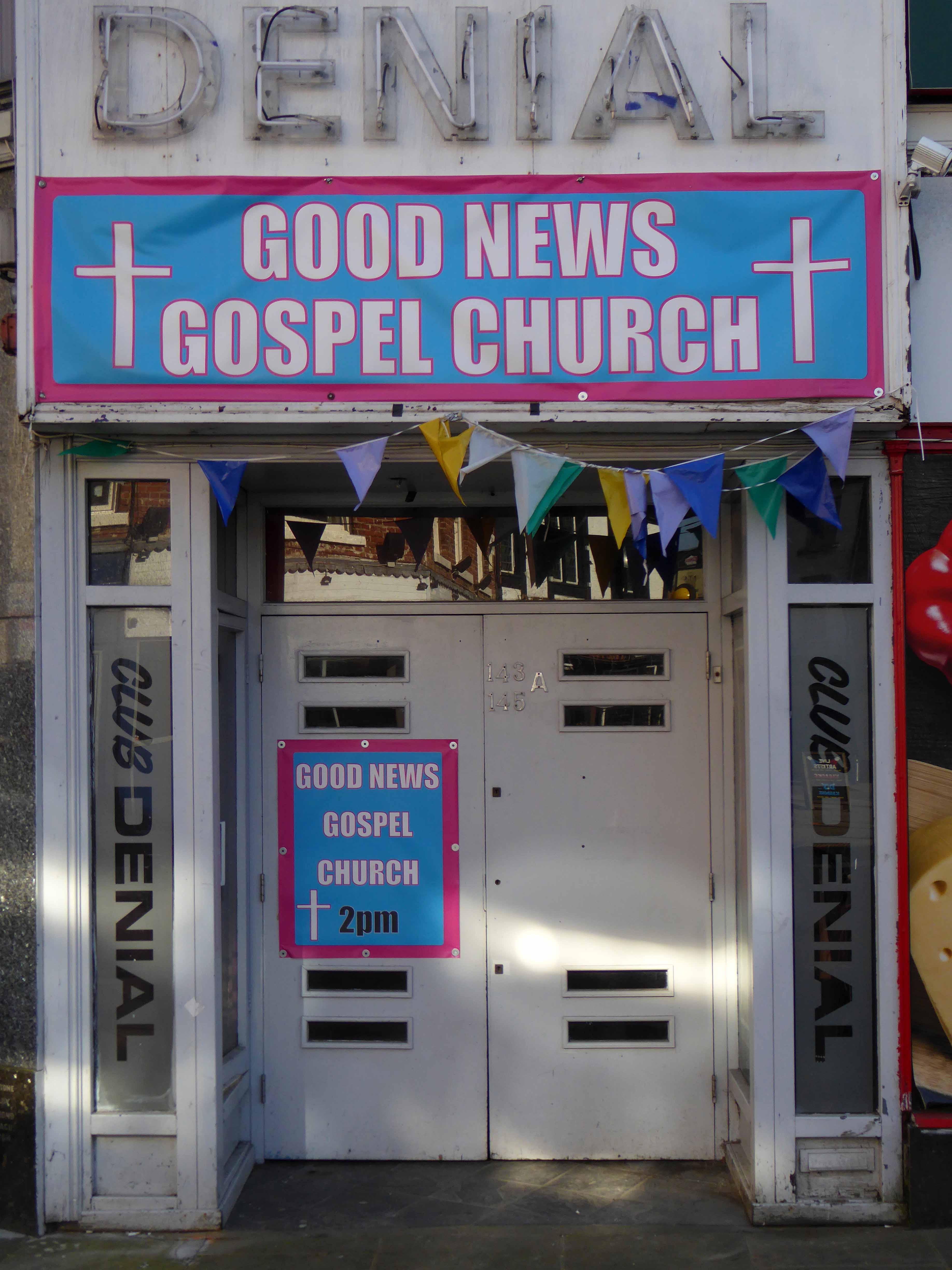
The Ashton branch becomes a motorcycle then fitted kitchen showroom, topped off with a succession of clubs and various other modern day leisure facilities.

Currently home to the Warsaw Delicatessen and Good News Gospel Church

Formerly Club Denial.

This is the tale of the modern high street grand ideas, architectural grandeur, entrepreneurial immigrants, style and fashion – disappearing in a cloud of vinyl signage and fly by night operations. Though if you look carefully the pale white shadows of Burton’s are still there in one form or another, however ghostly.

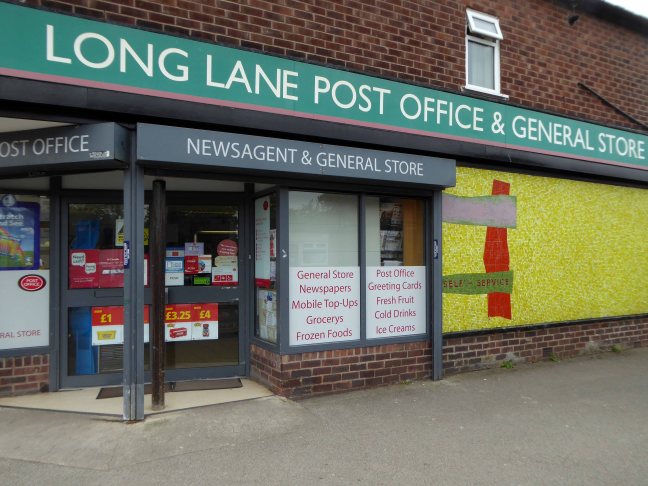
Long Lane Post Office – Heald Green

Screen Shot 2018-05-30 at 14.09.16

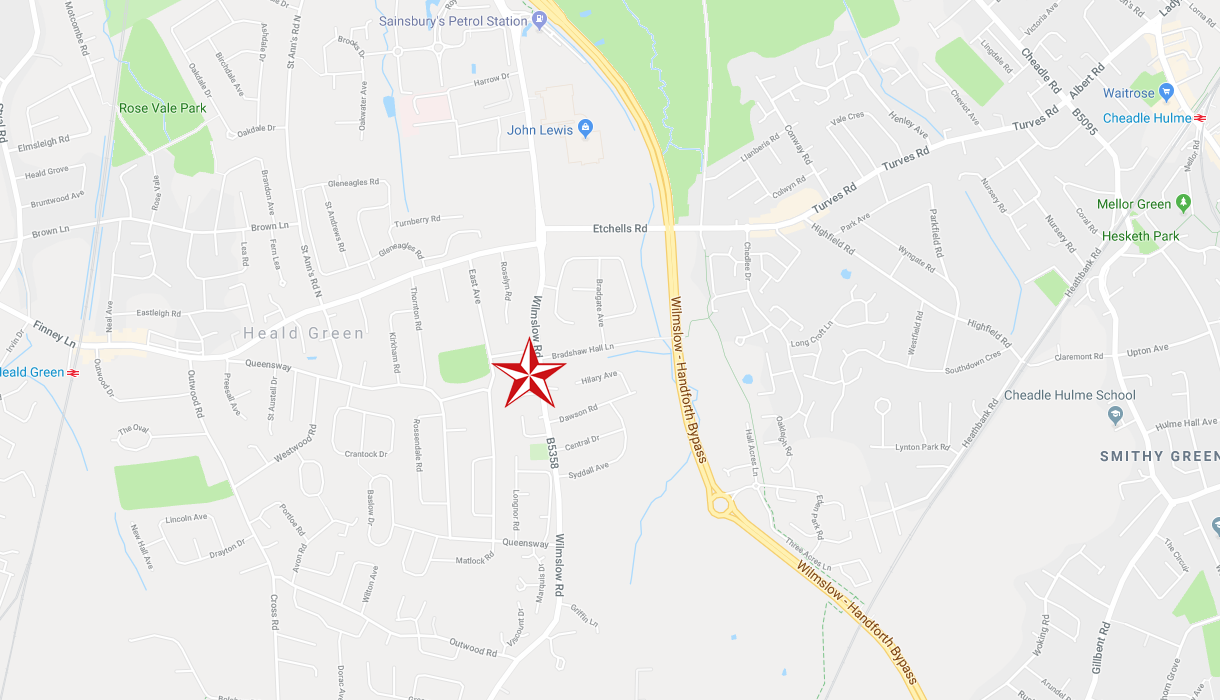
190 Wilmslow Rd, Heald Green, Cheadle SK8 3BH

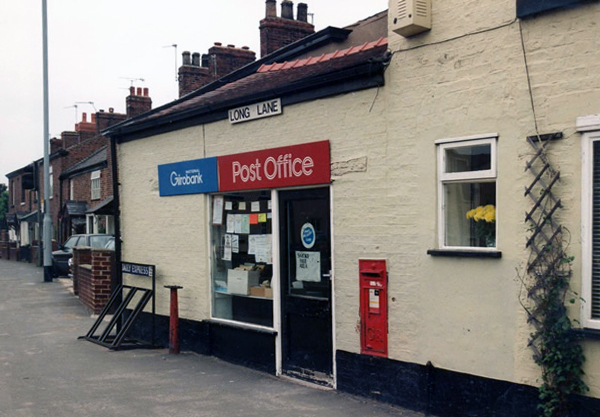
The original Long Lane Post Office is still there but not here:

40249

However – I digress.

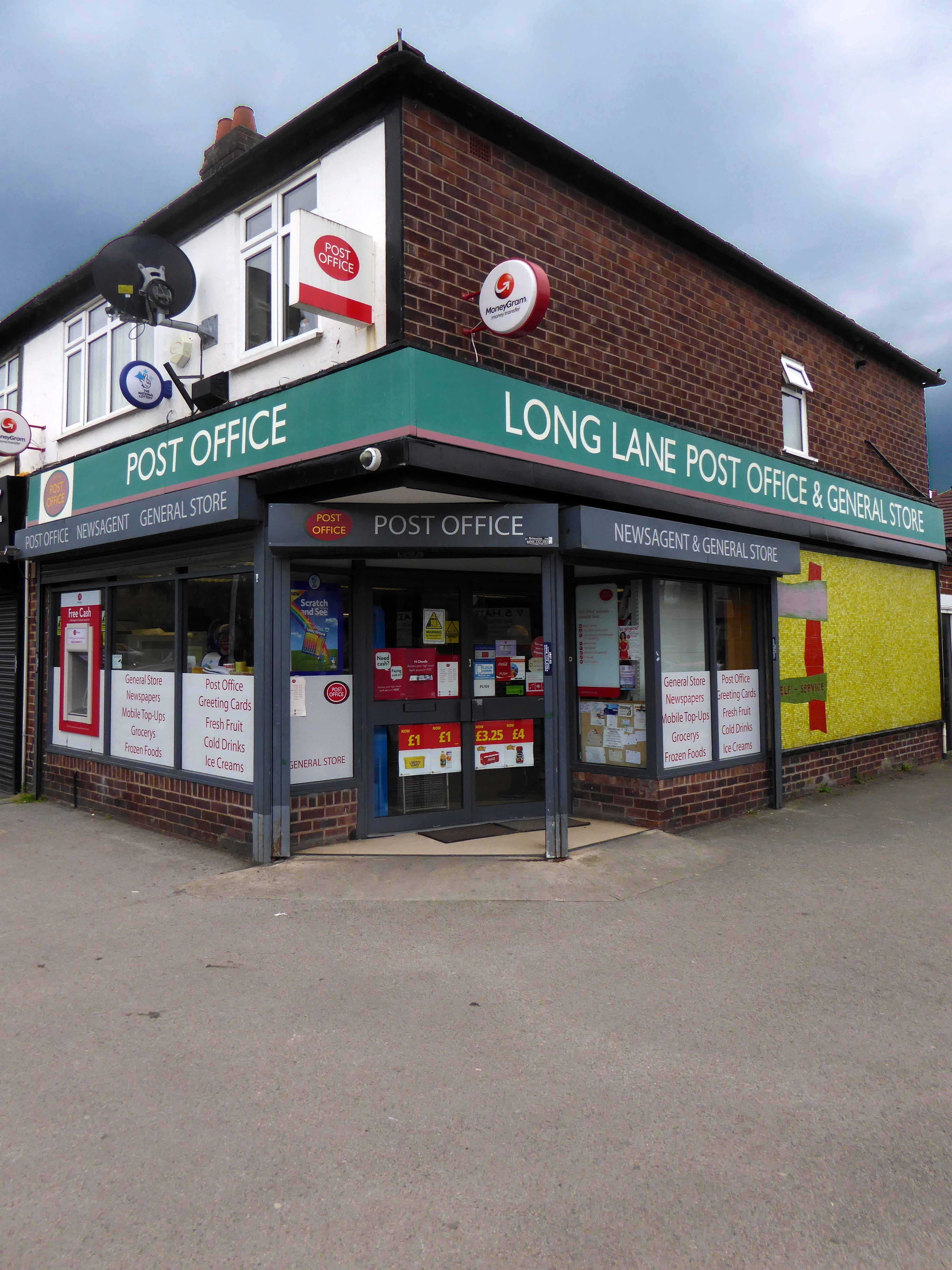
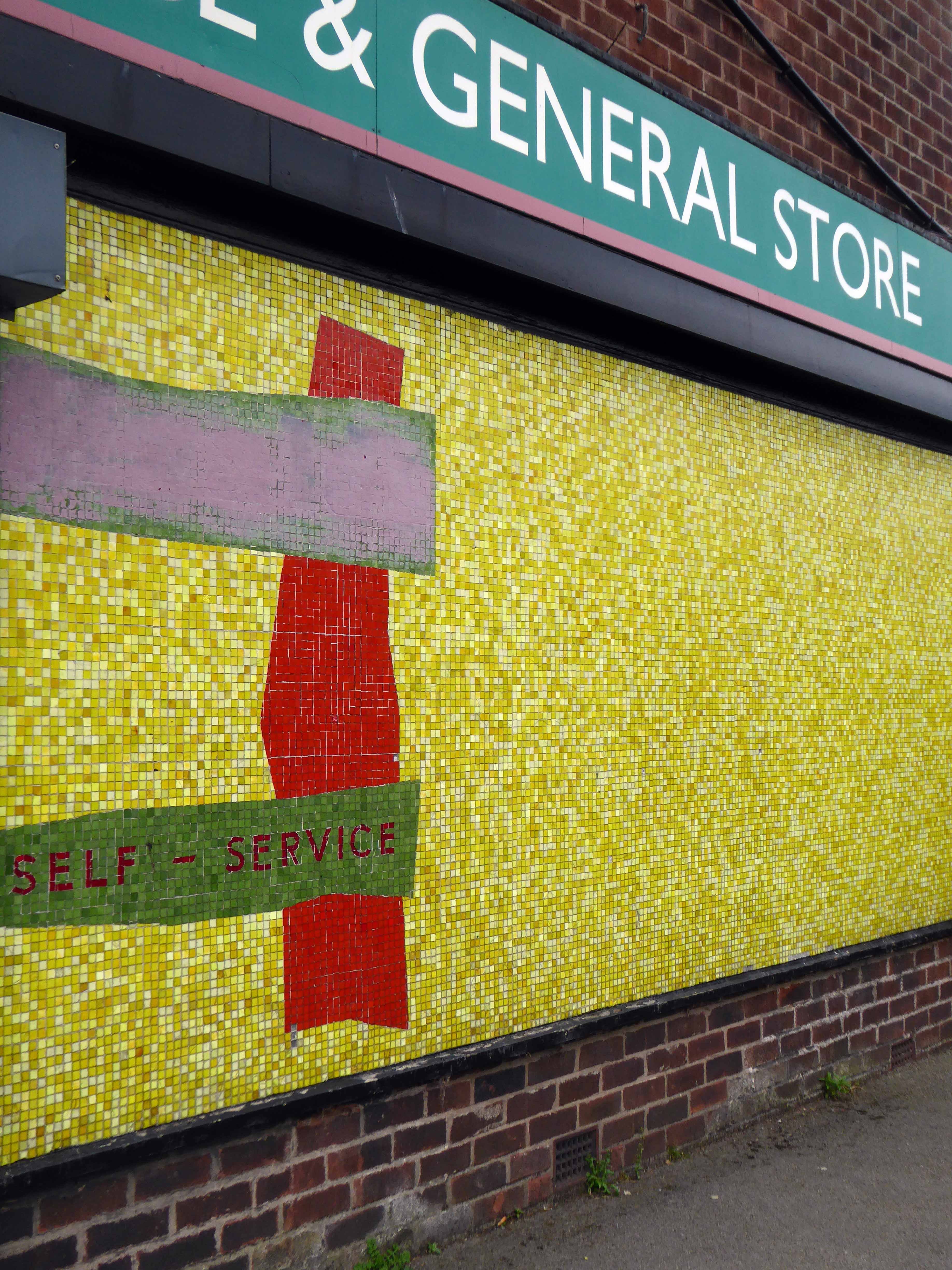
One fine day, some time ago there popped into my consciousness a Sixties retail mosaic in the Heald Green area – I tracked down its precise whereabouts online, in the modern manner.

Thinks – one fine day, just you wait and see I’ll pay a visit to the Heald Green area.

So today I did, it started off fine and finished up less so.

Jumped the 368 from Stockport Bus Station alighted at The Griffin.

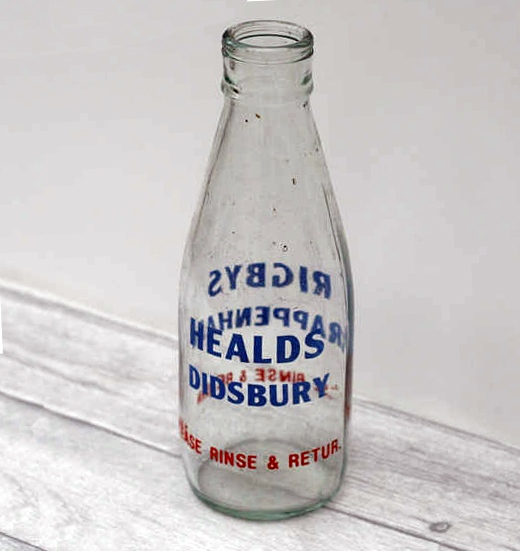
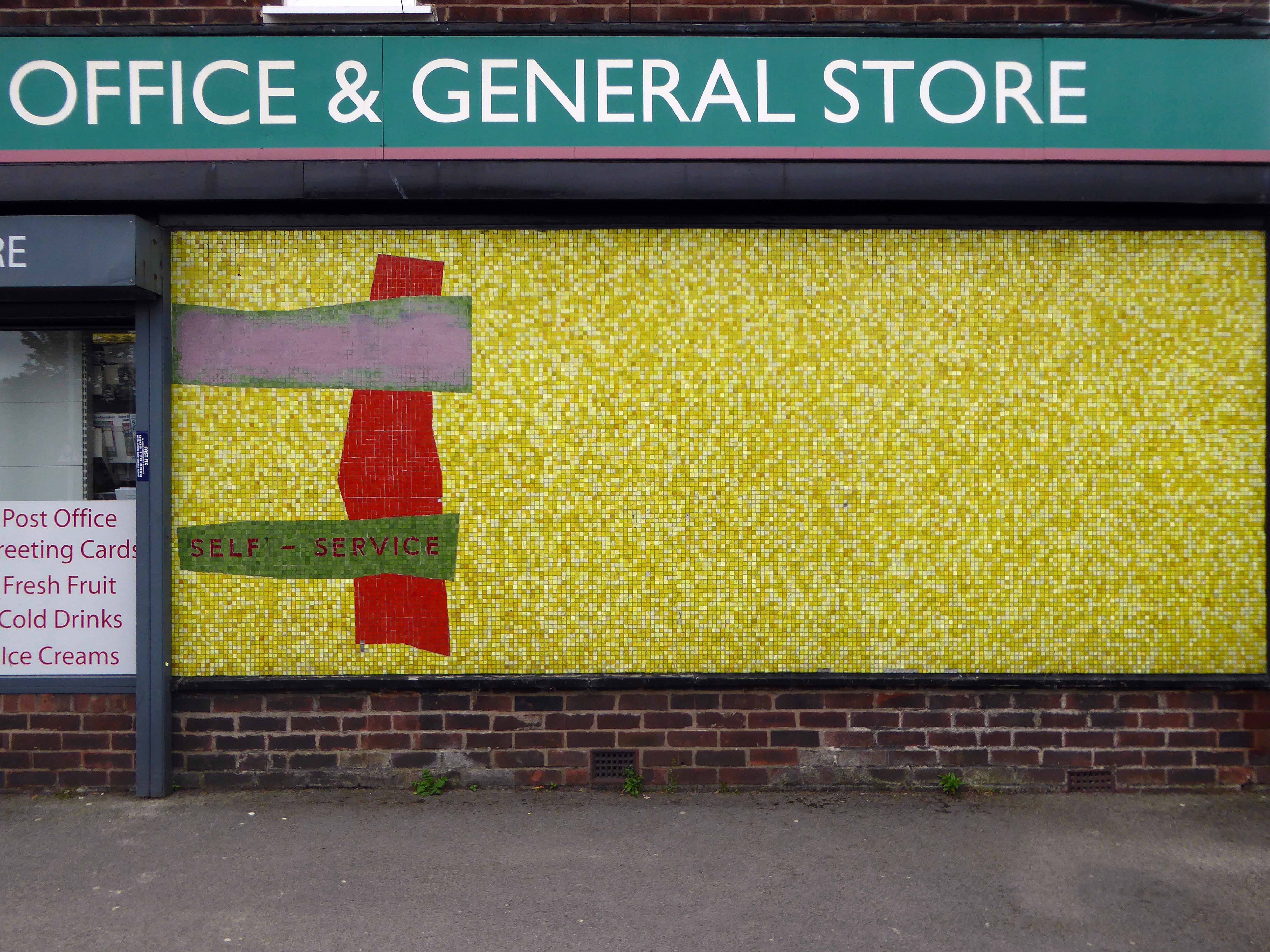
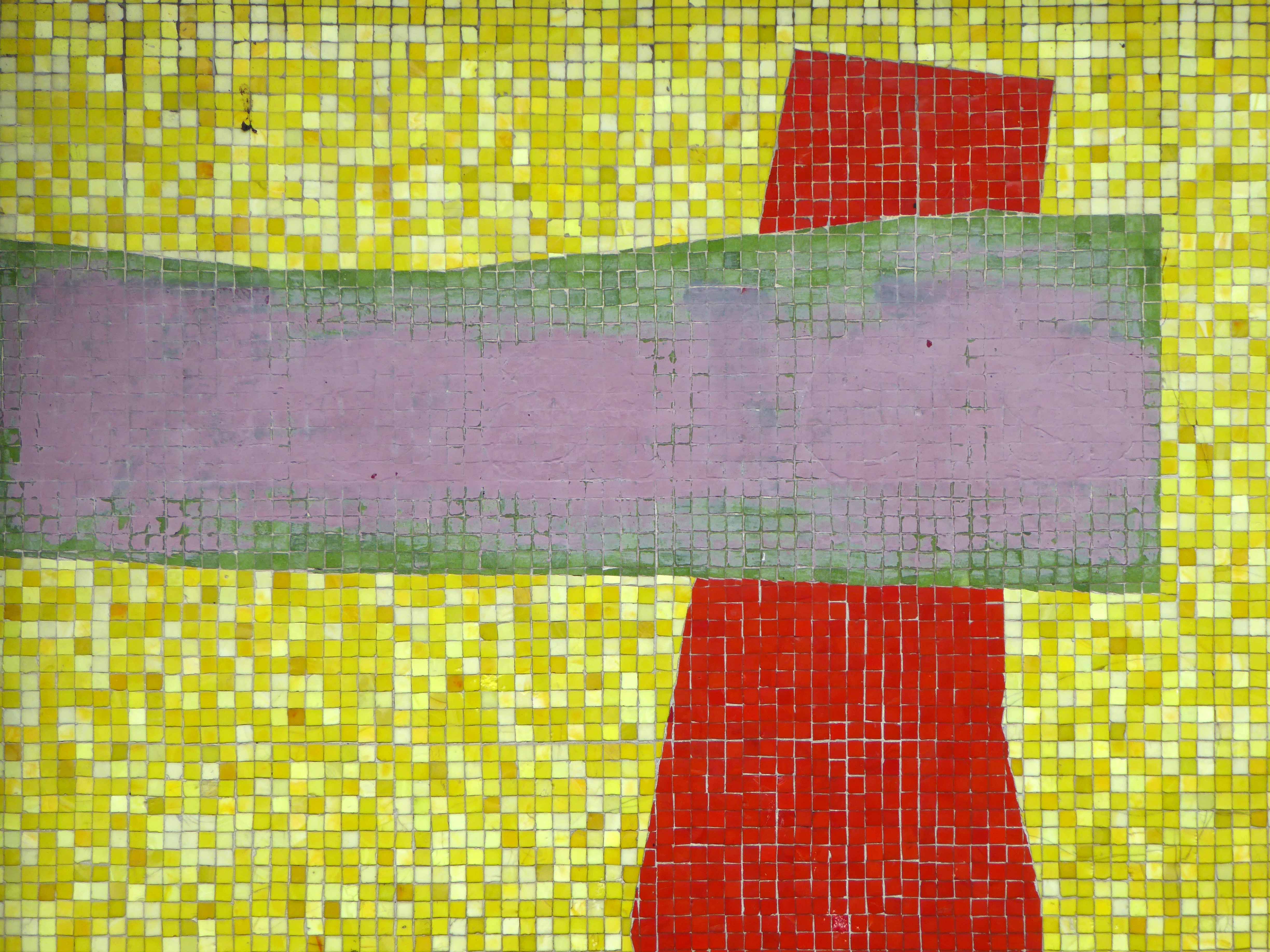
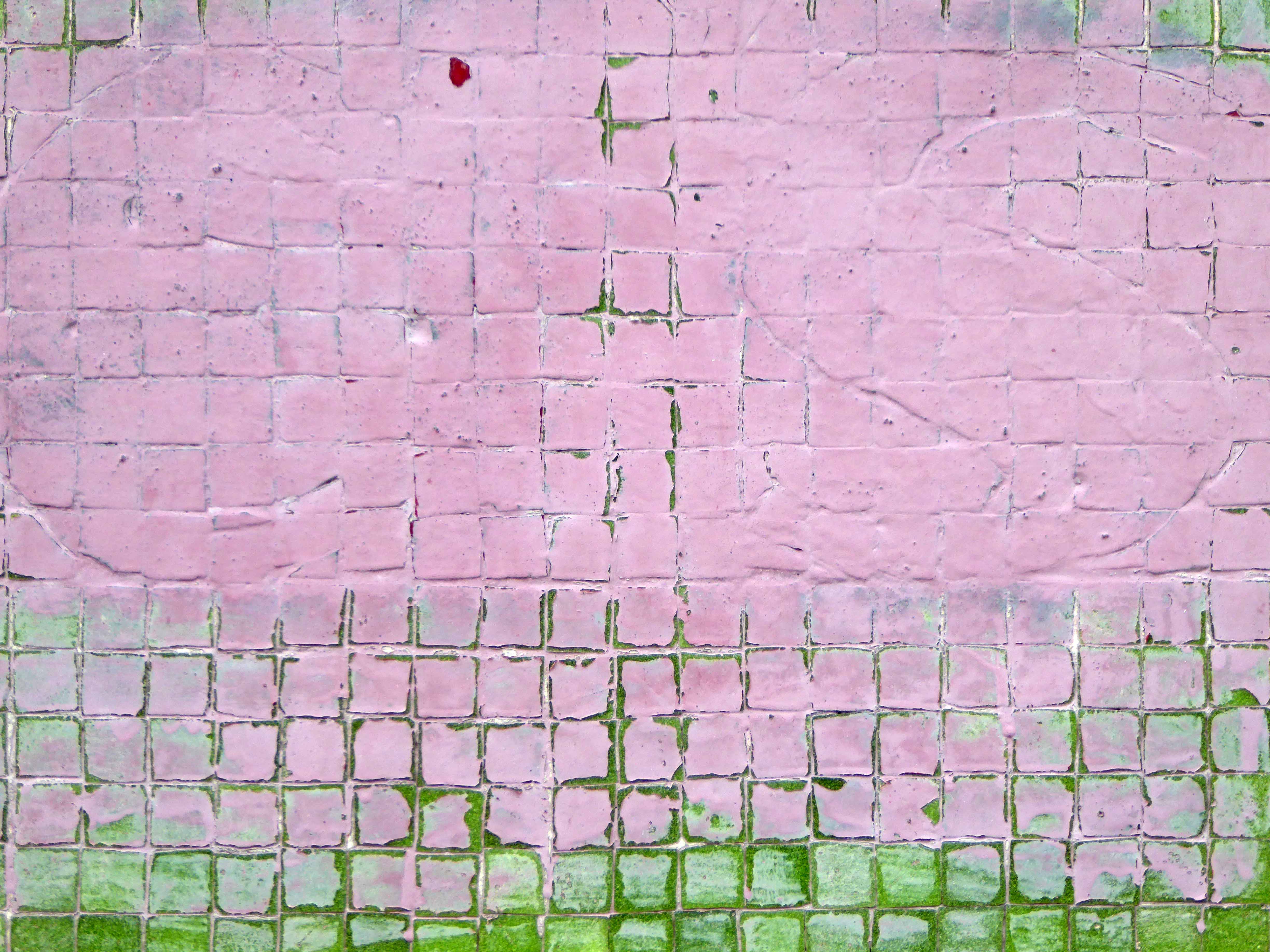
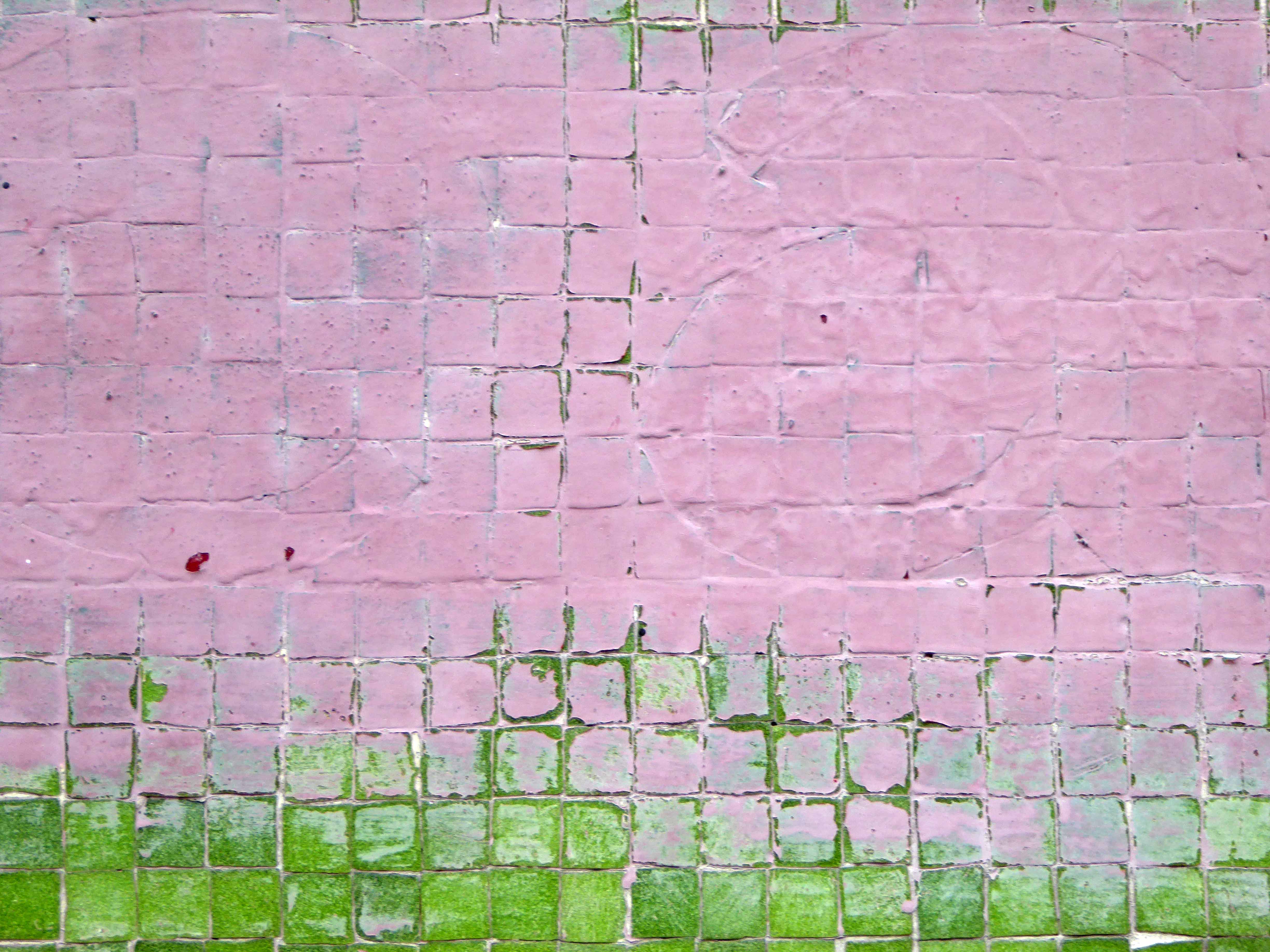
Walked aways up the road and there it was, almost intact – it’s original name obliterated with lilac exterior emulsion – did it once read healds?

Why of course it did – the local dairy and retailers were the shop’s original owners.

il_570xN.1484313889_n91e

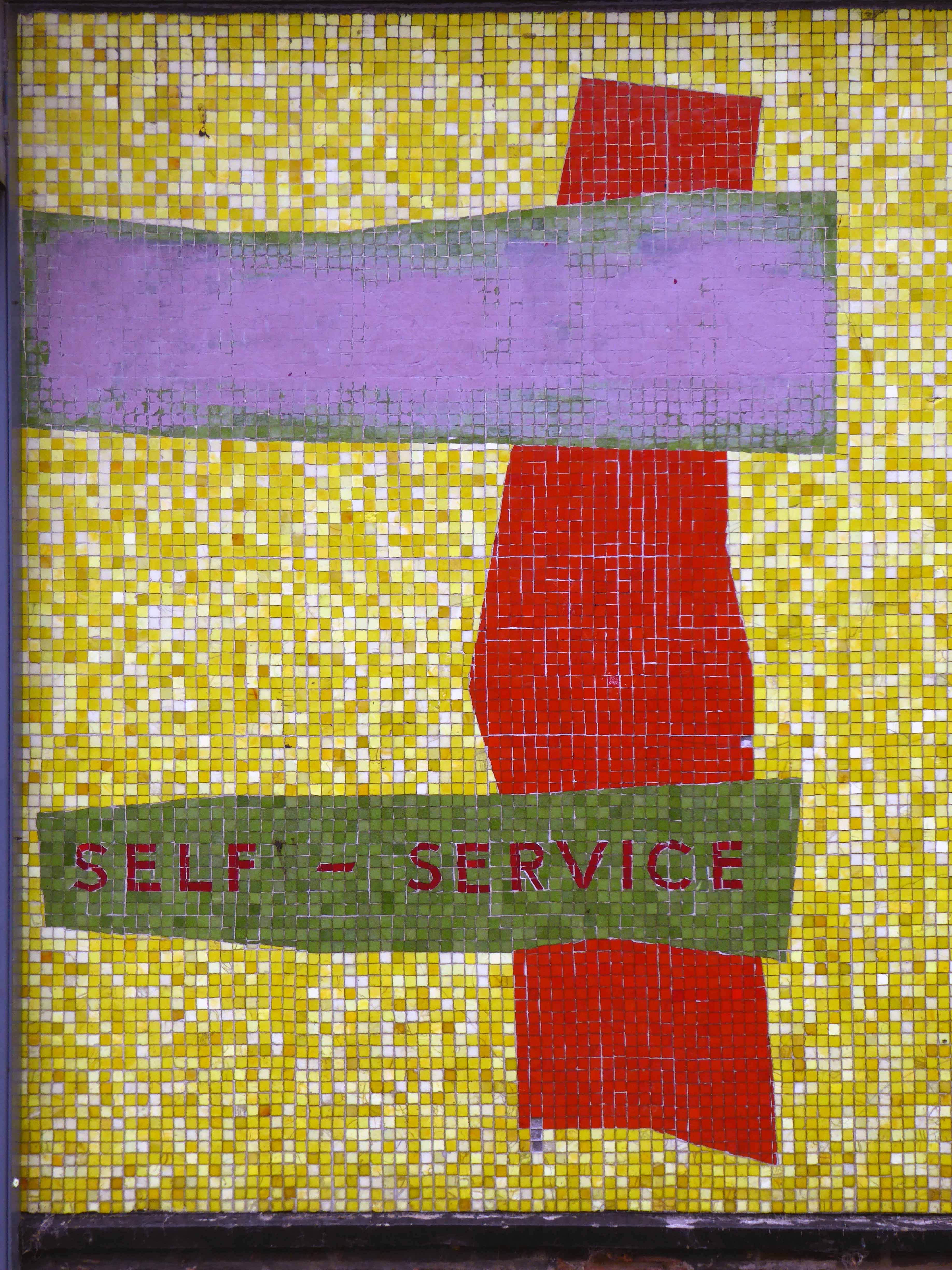
A few tesserae are missing otherwise the piece is as was – a wobbly jumble of text, shape and colour.

Self service – at your service.

P1250715

P1250711

P1250712

P1250713

P1250714


P1250717

P1250718

P1250719

P1250720

P1250721

P1250722

P1250723

P1250724

P1250725


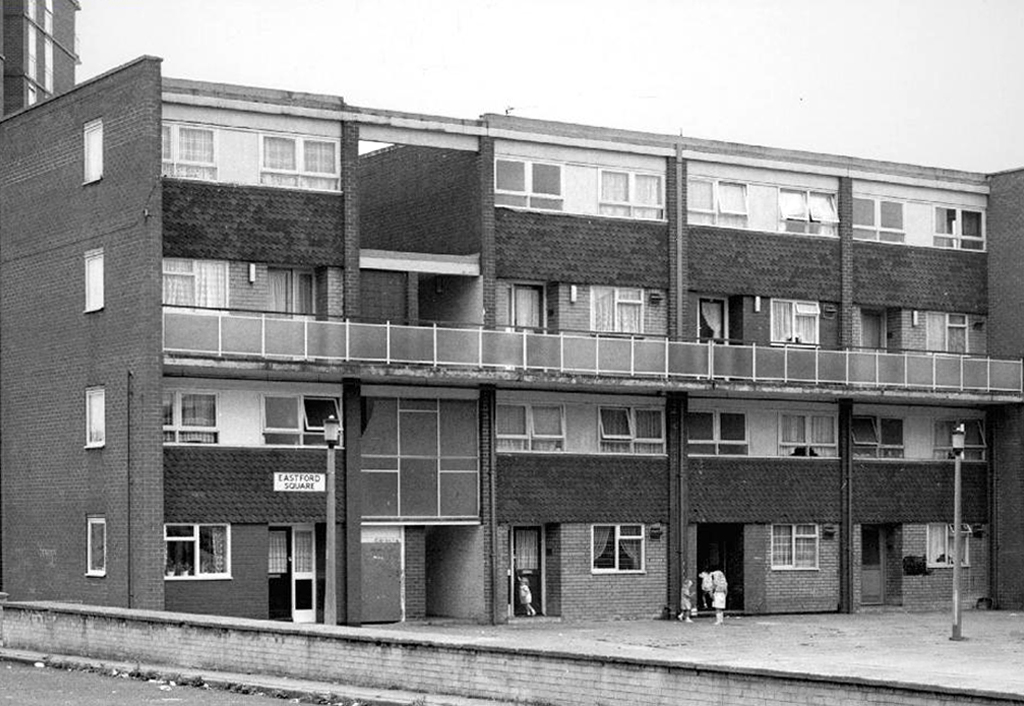
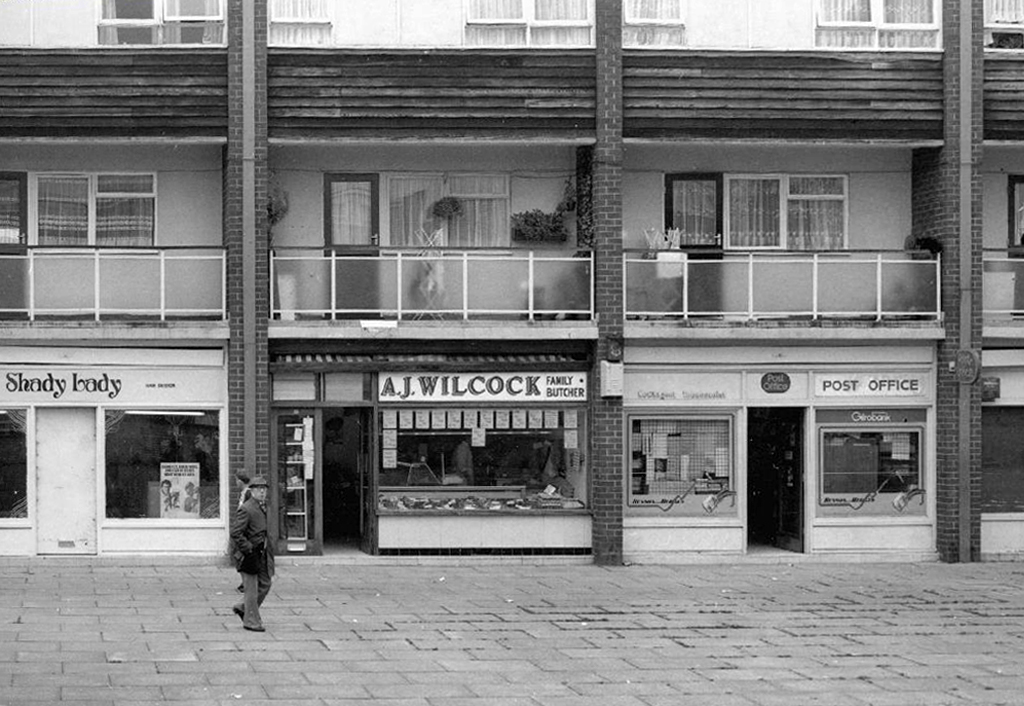
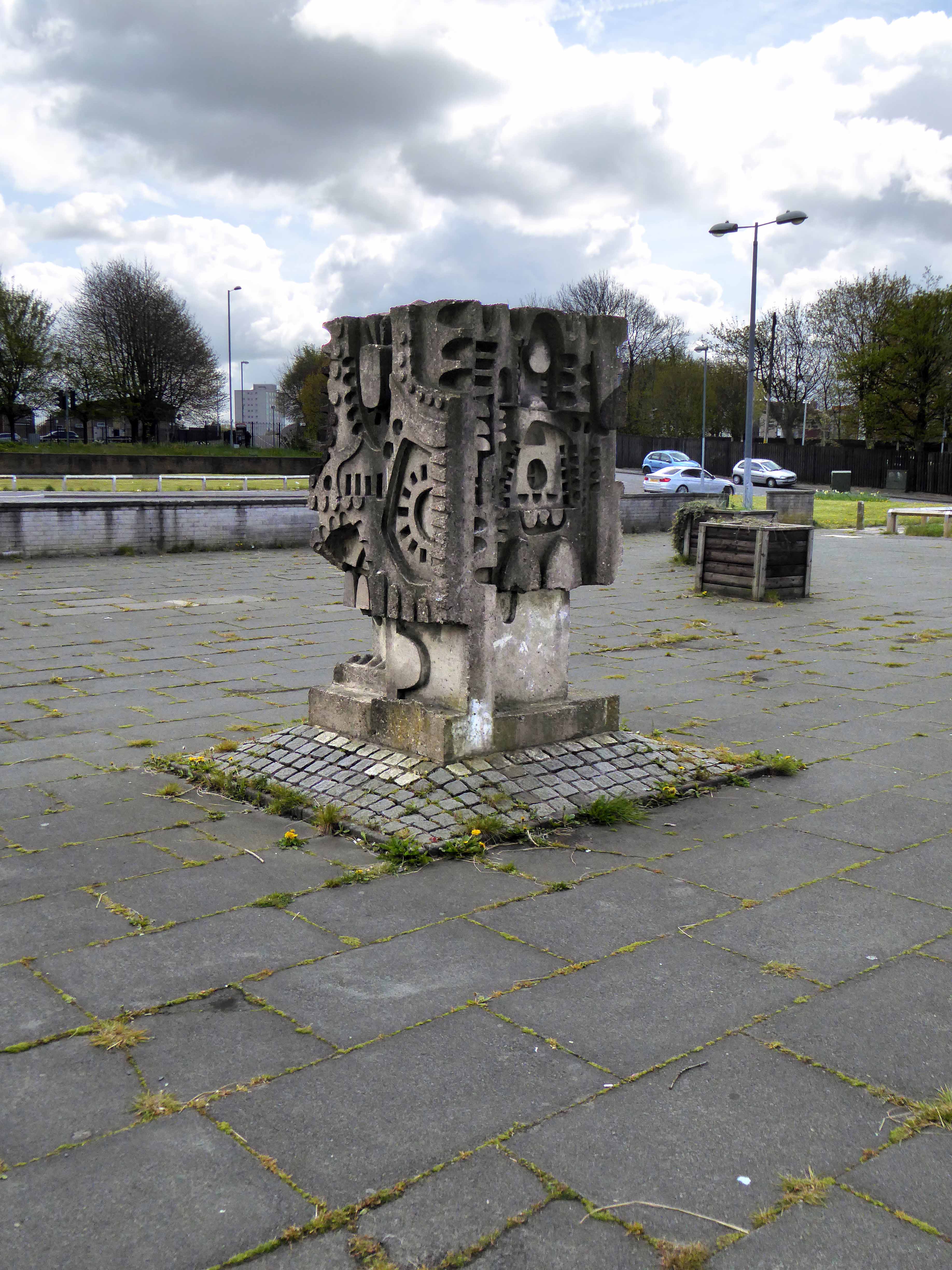
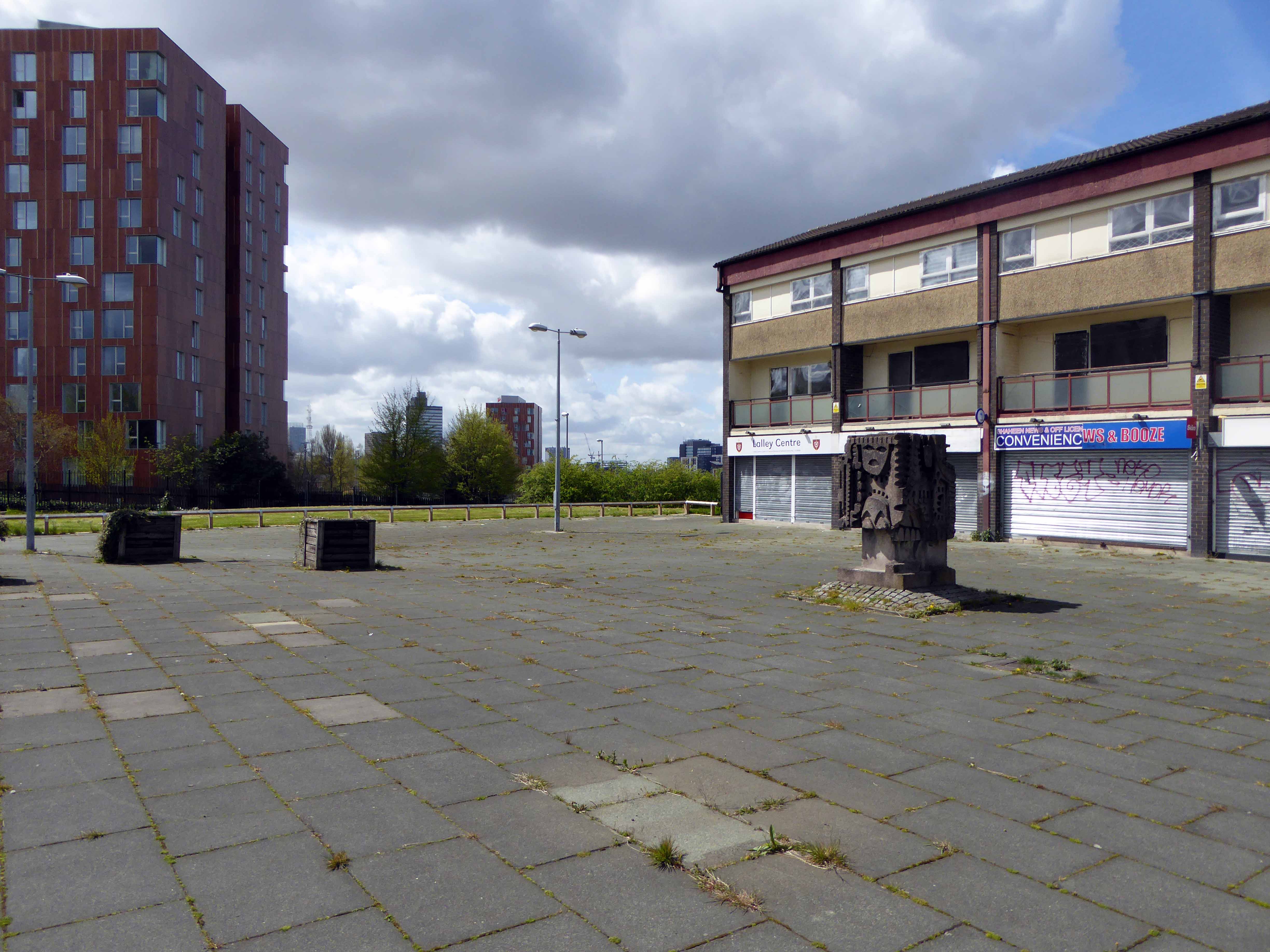
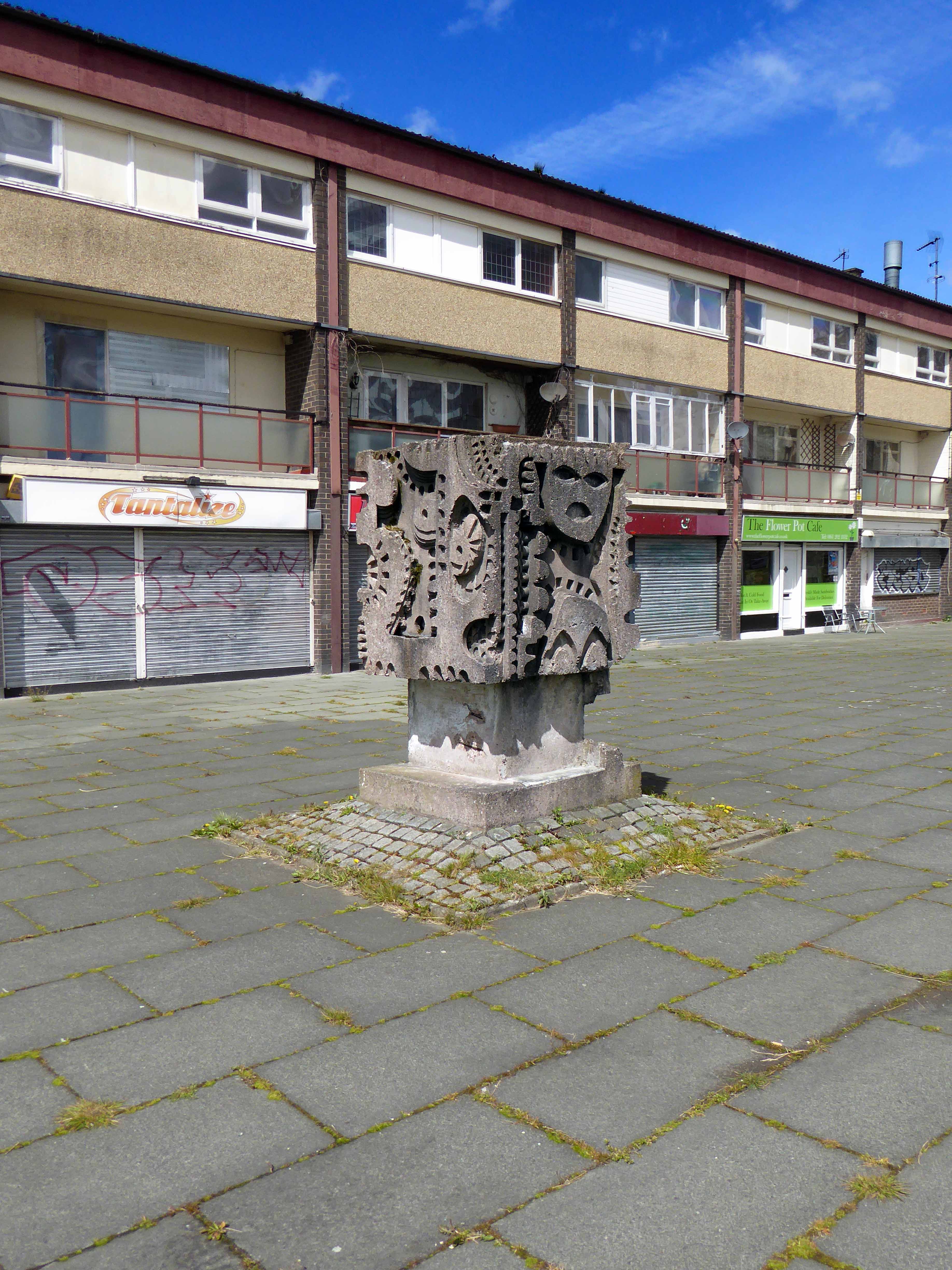
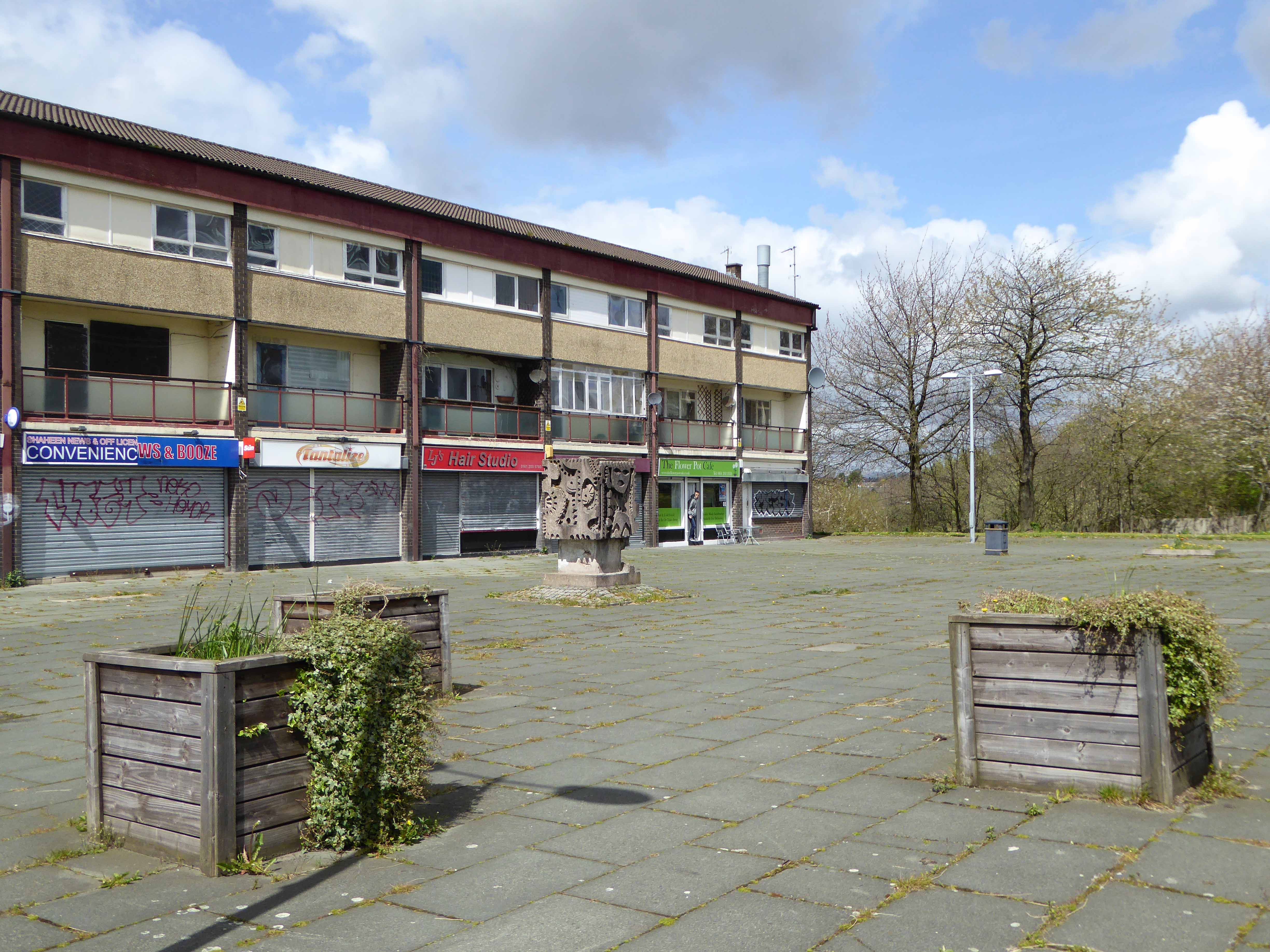
Eastford Square Collyhurst – Slight Return

I’ve been here before and after.

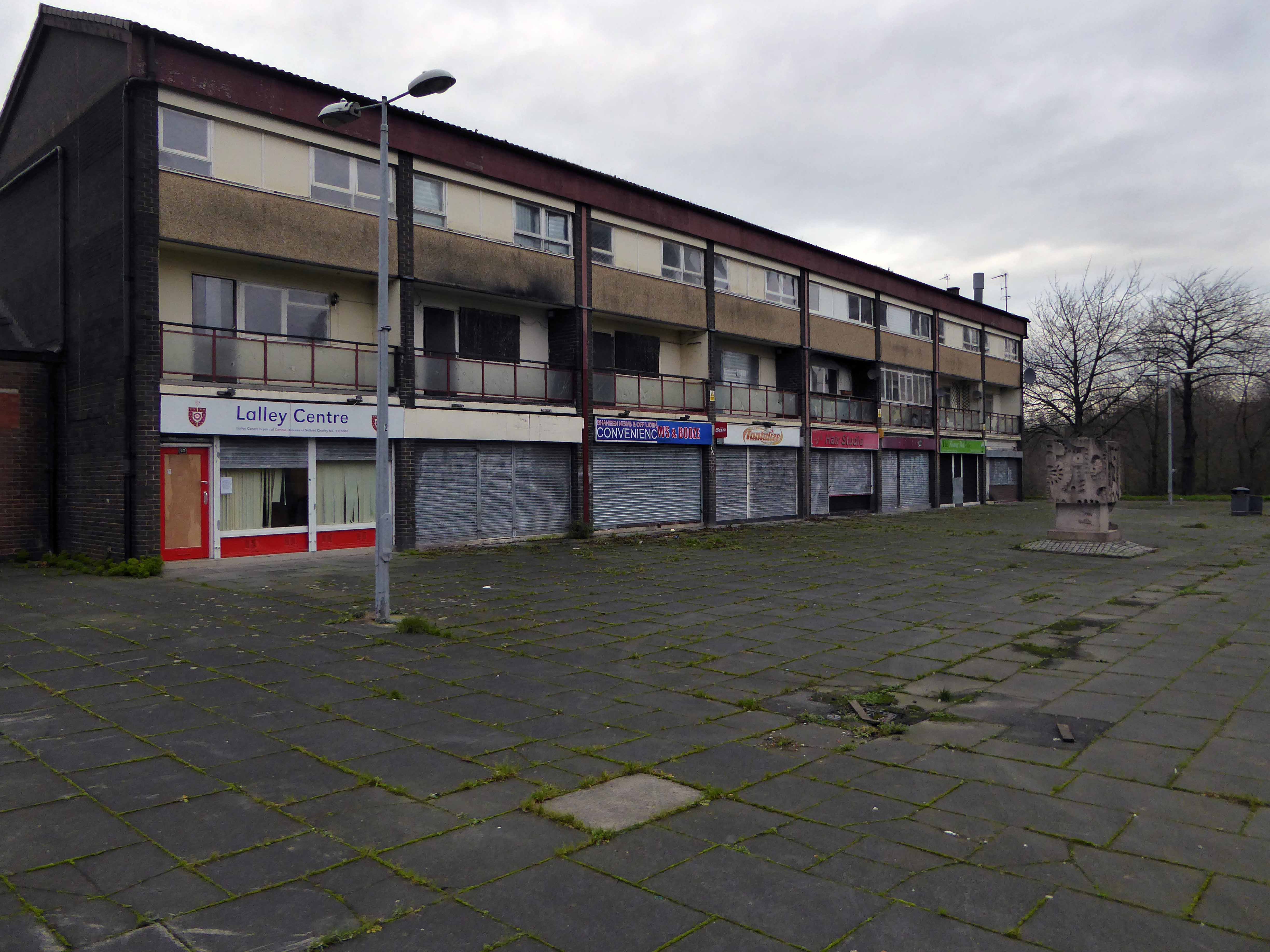
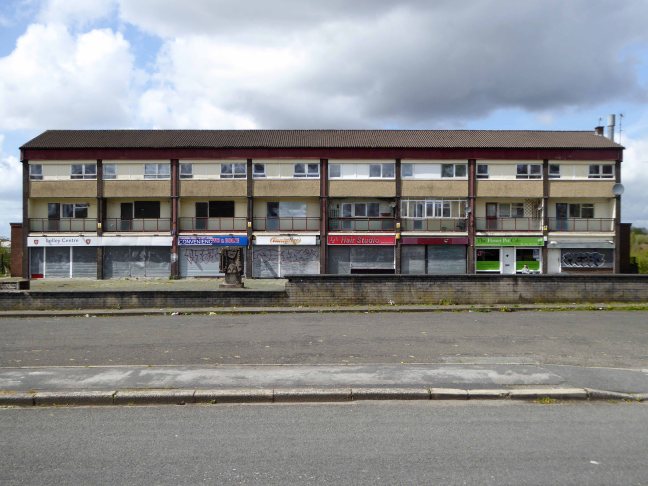
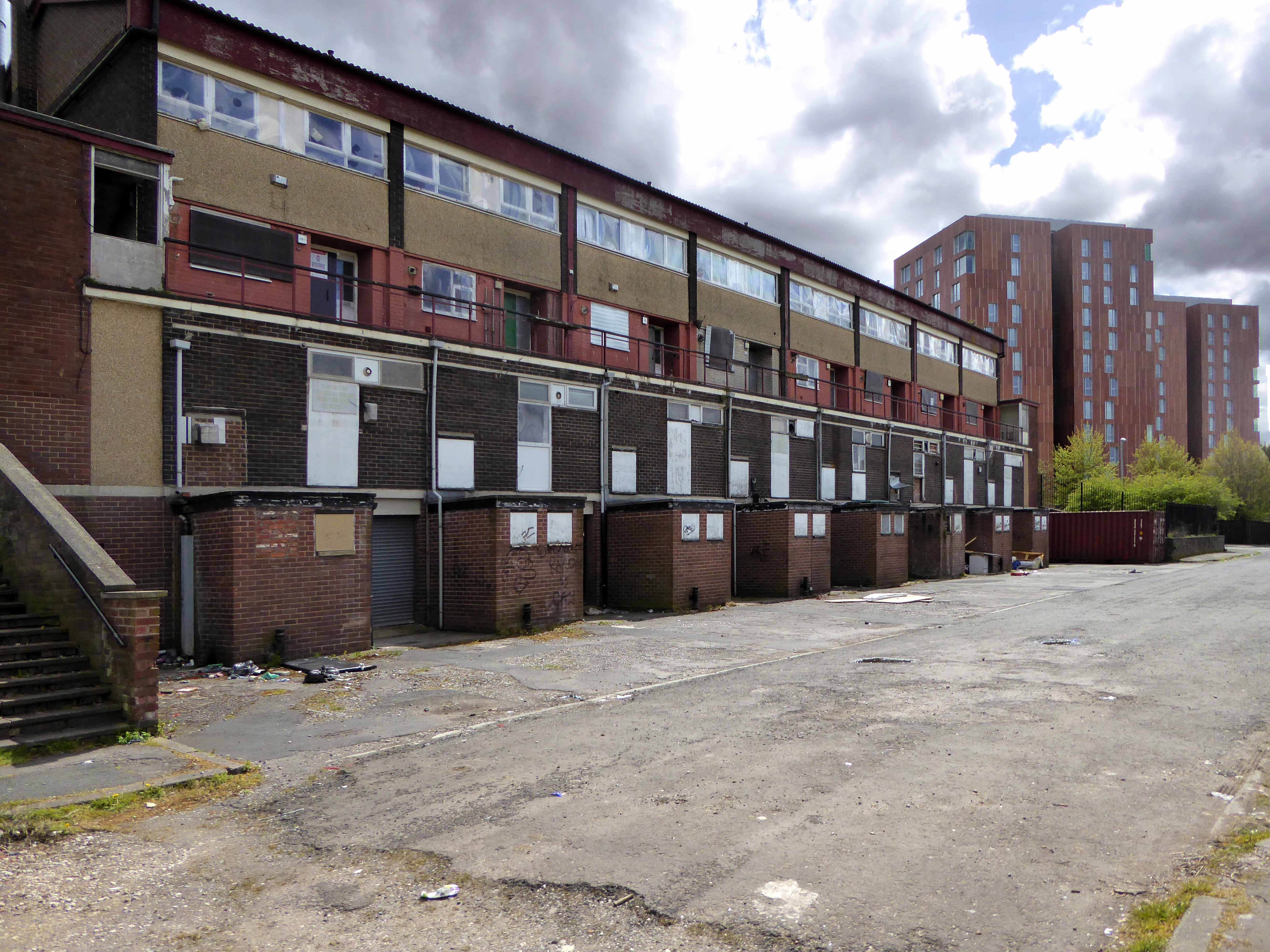
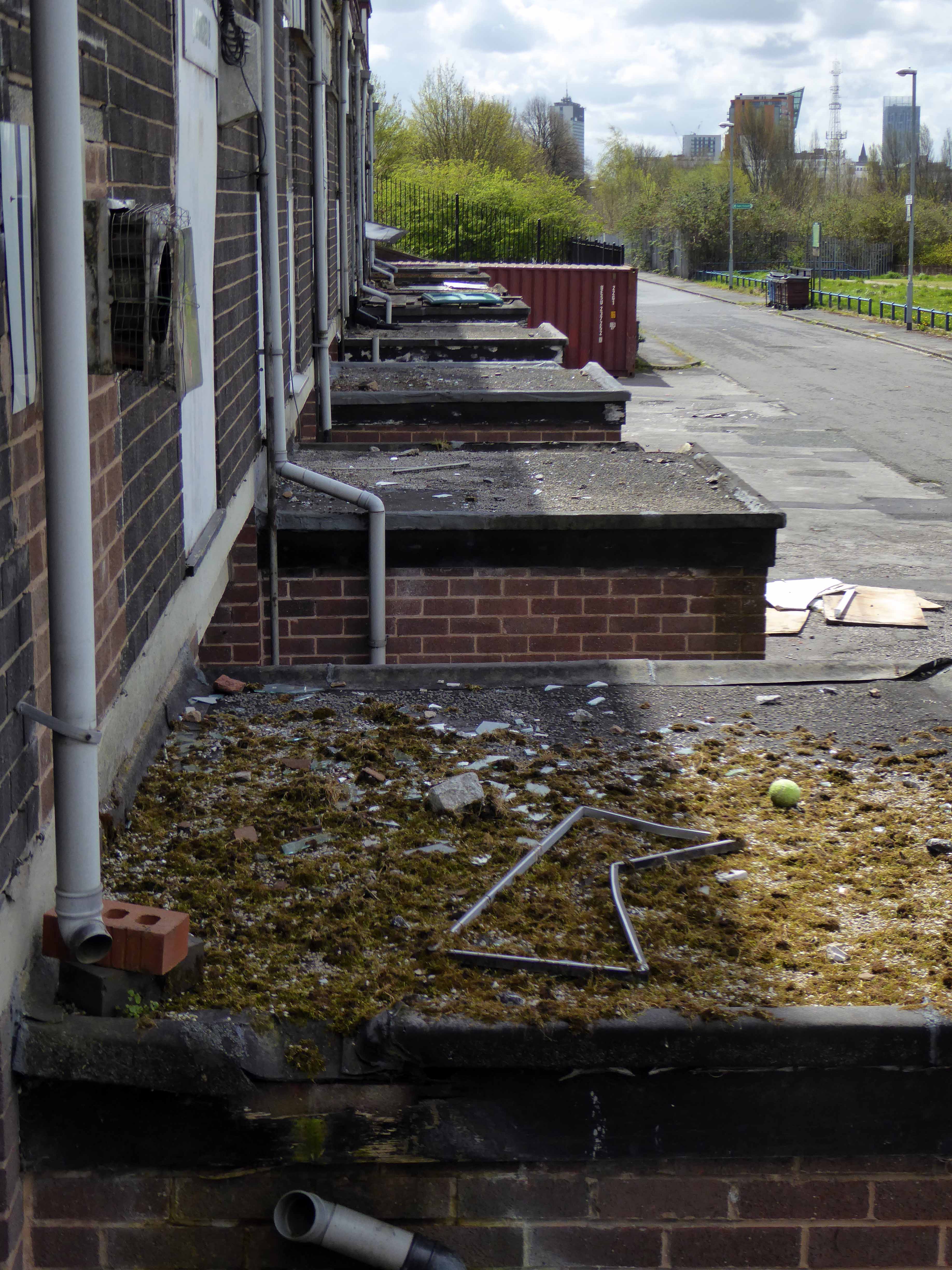
After now seems further away, forever awaiting redevelopment – waiting.

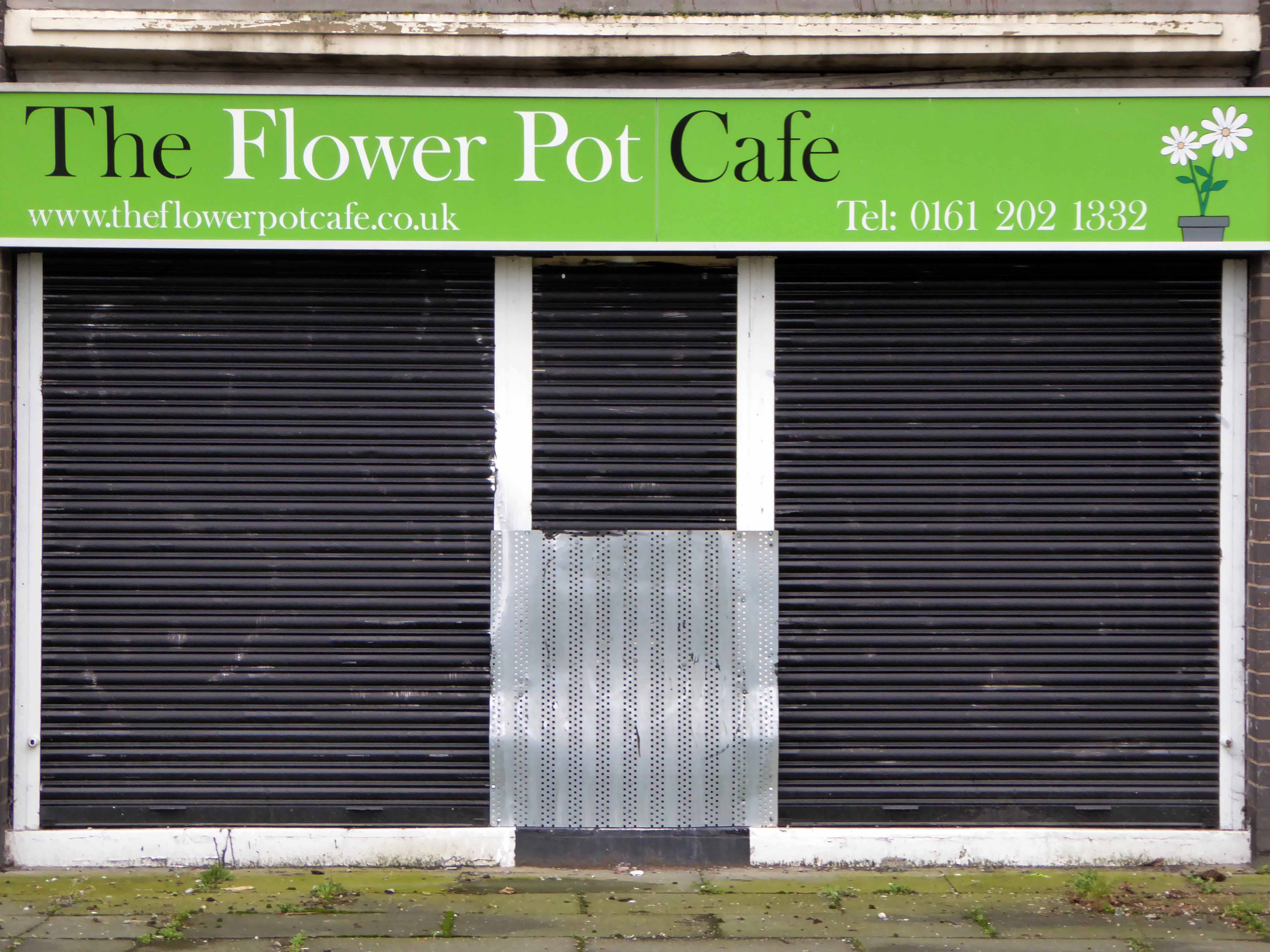
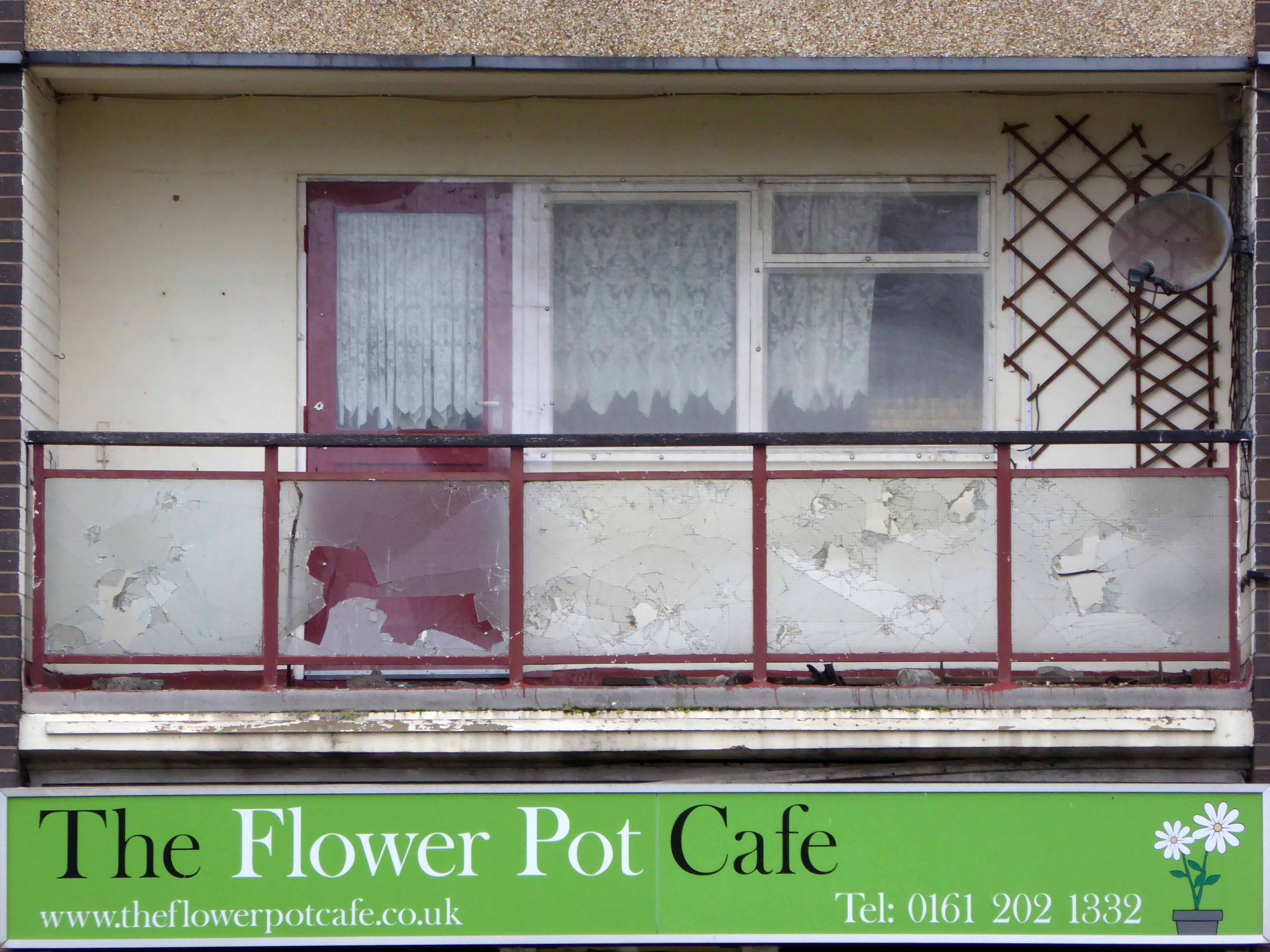
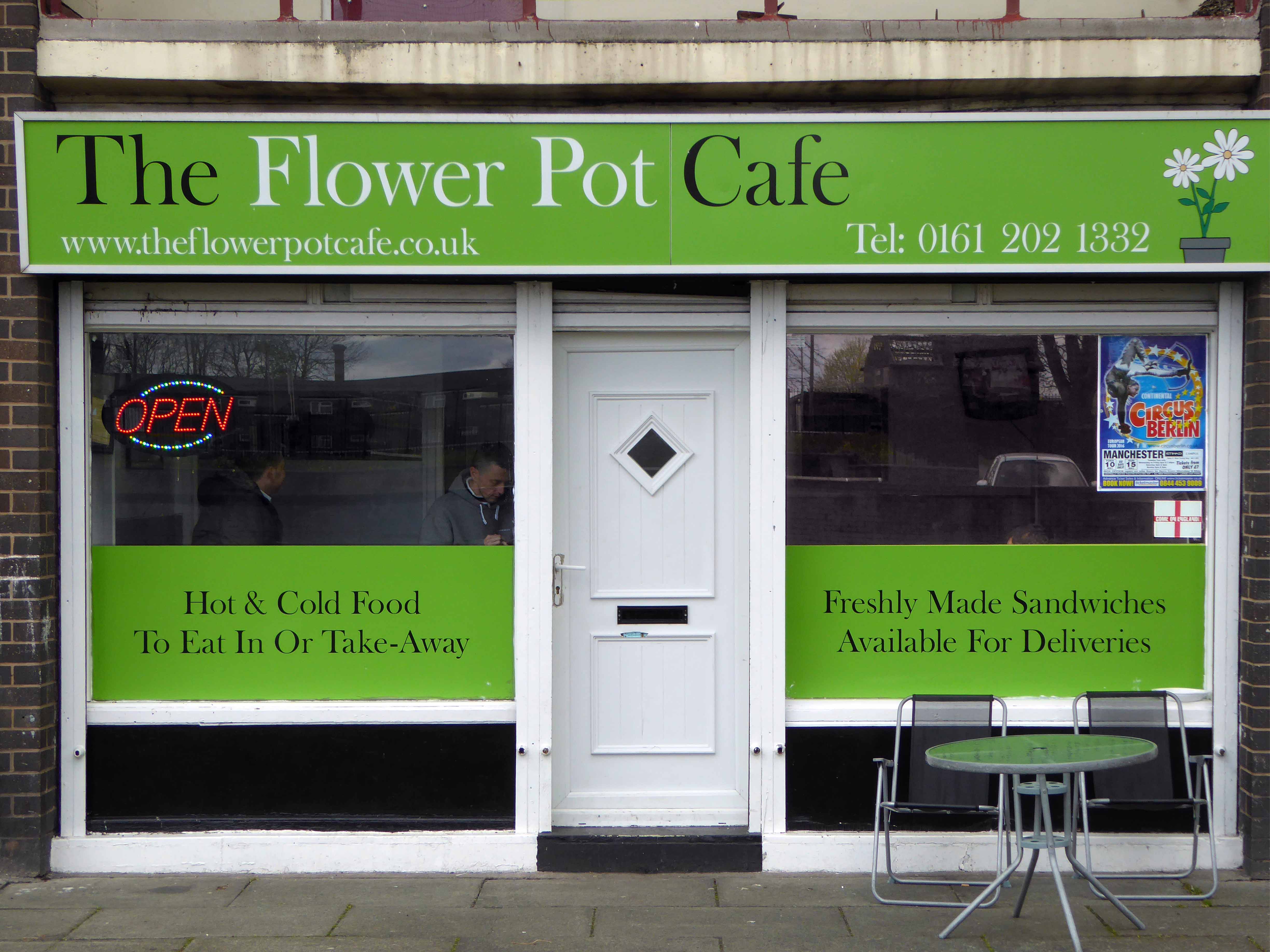
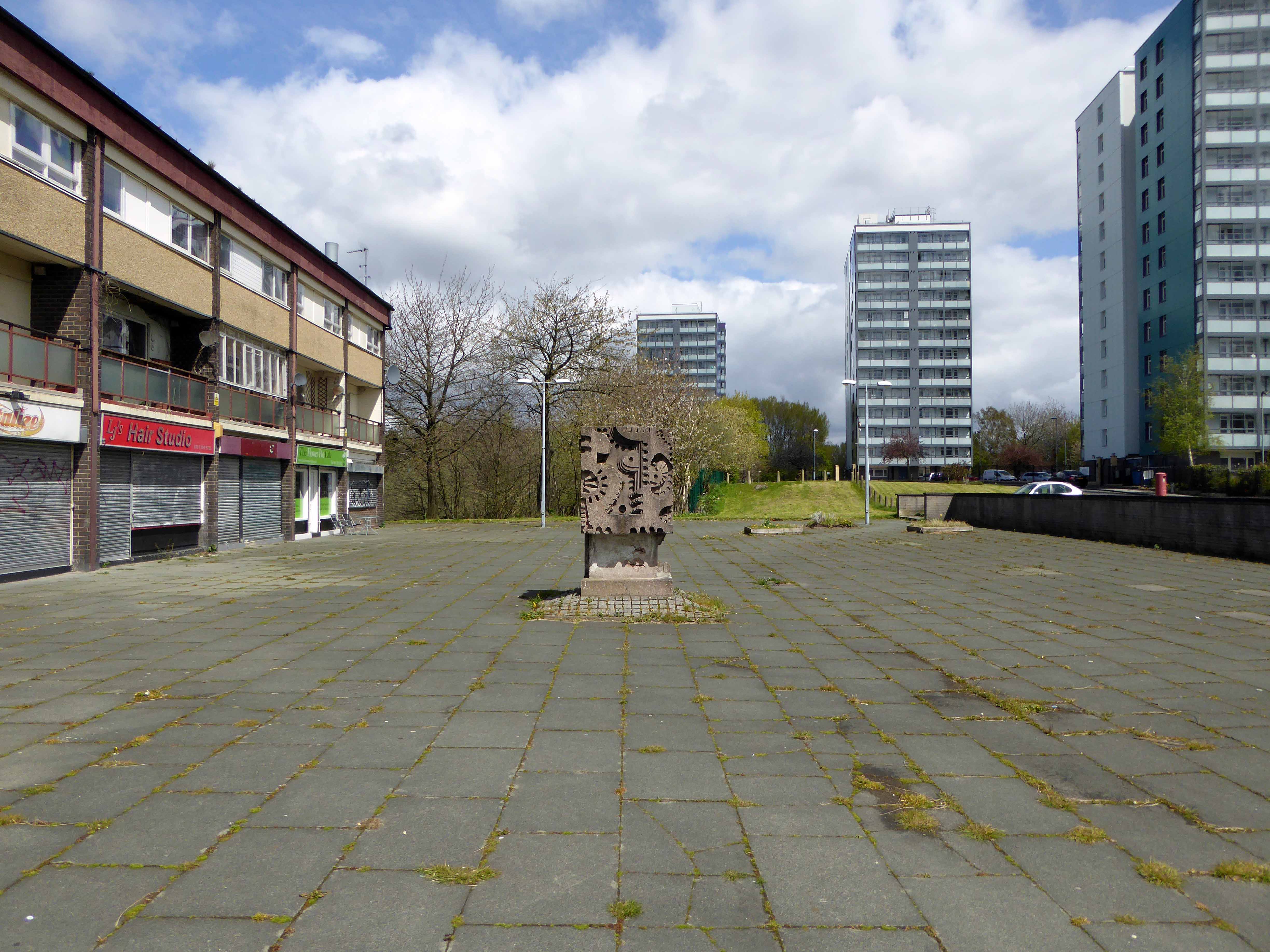
No more Flower Pot Café and a warm welcome from Lee and the lads.

P1220206 copy

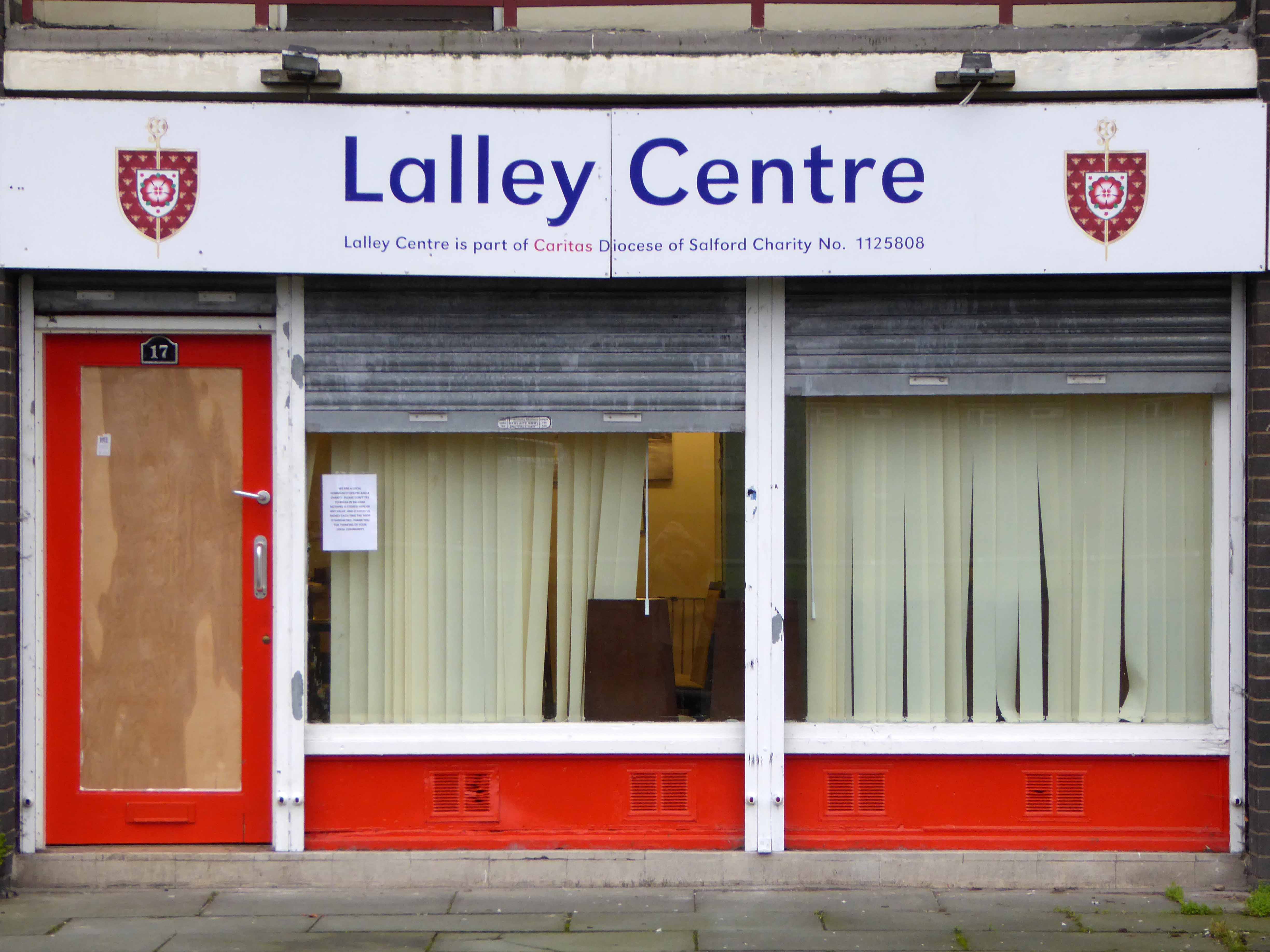
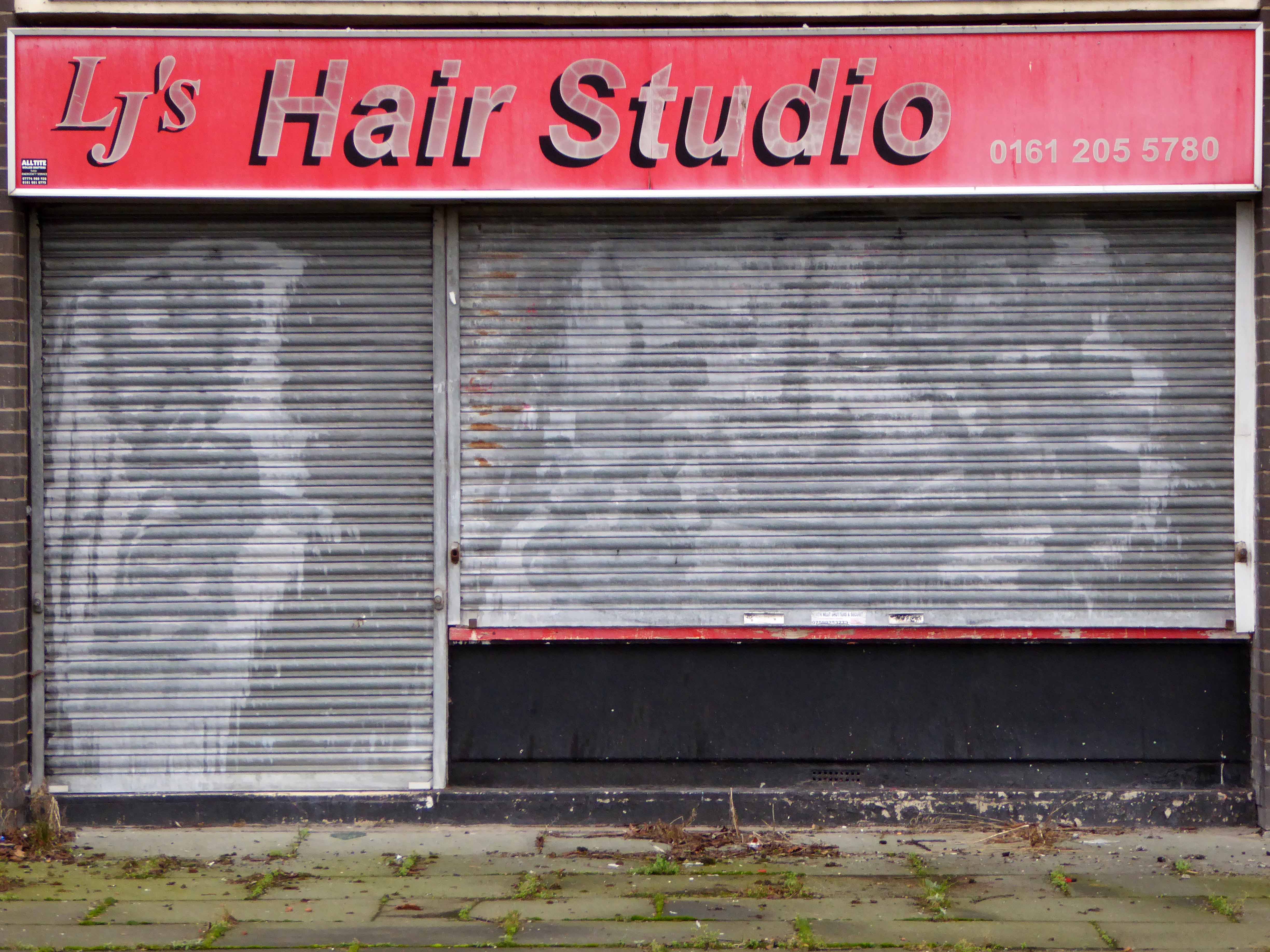
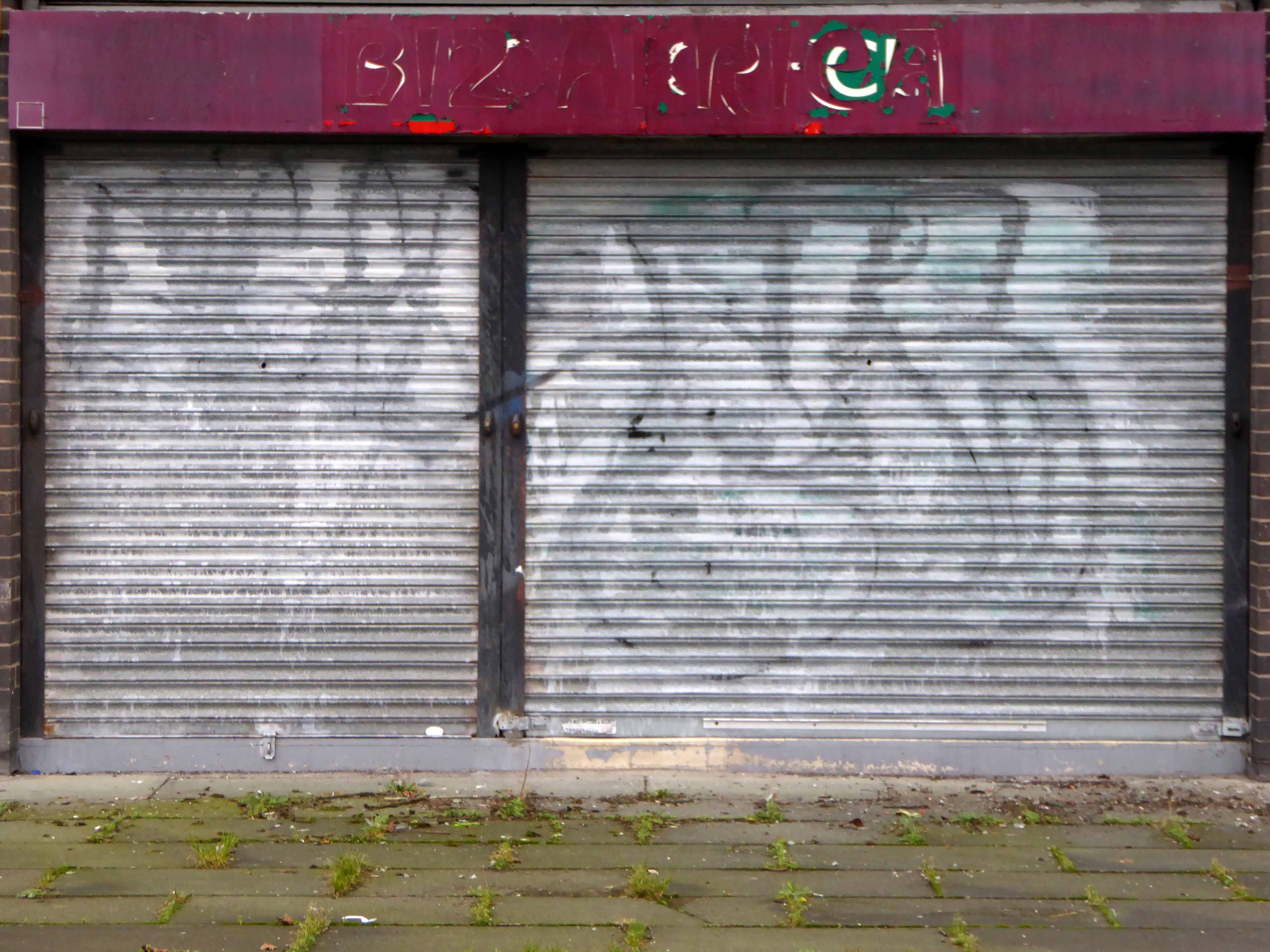
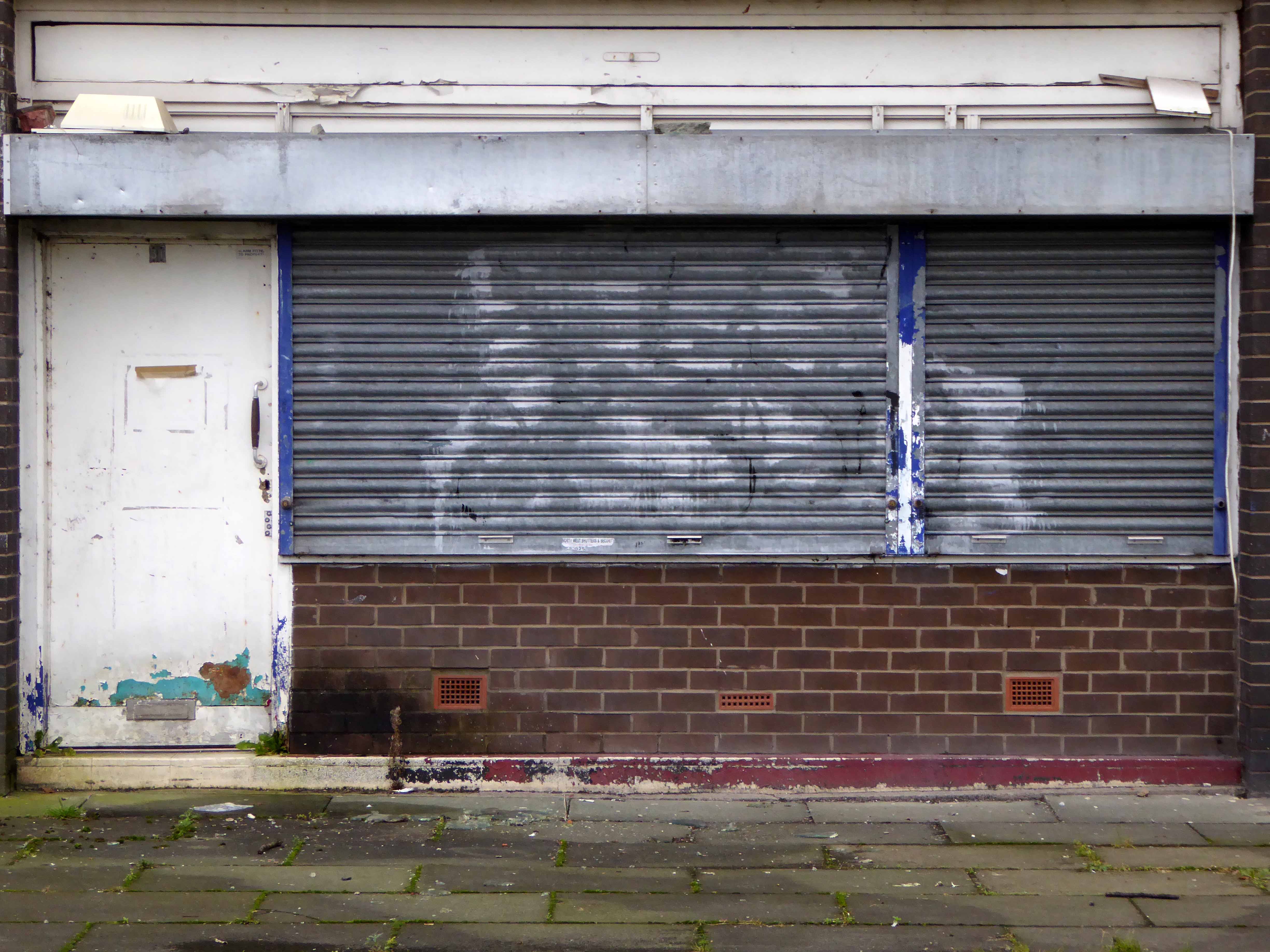
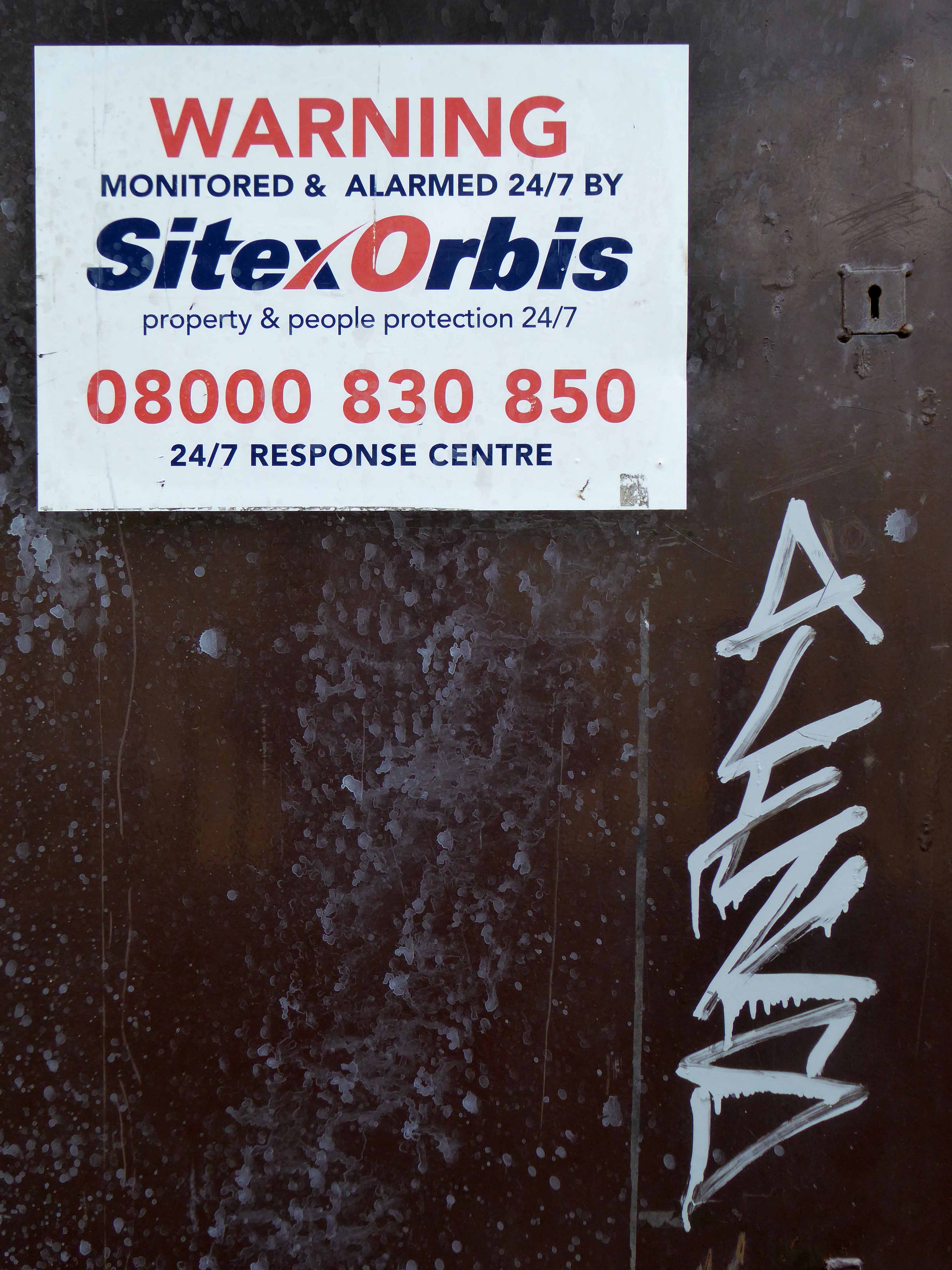
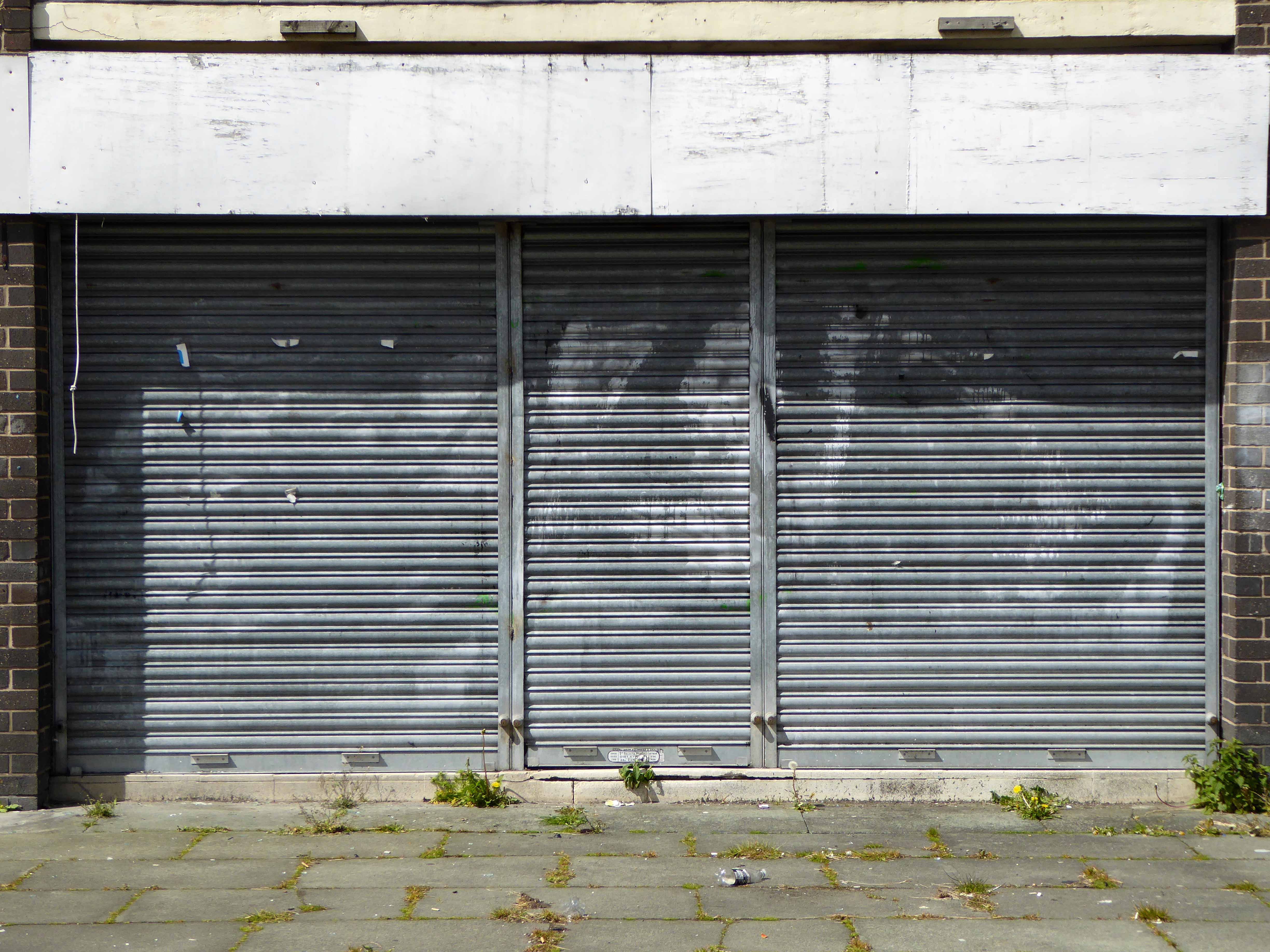
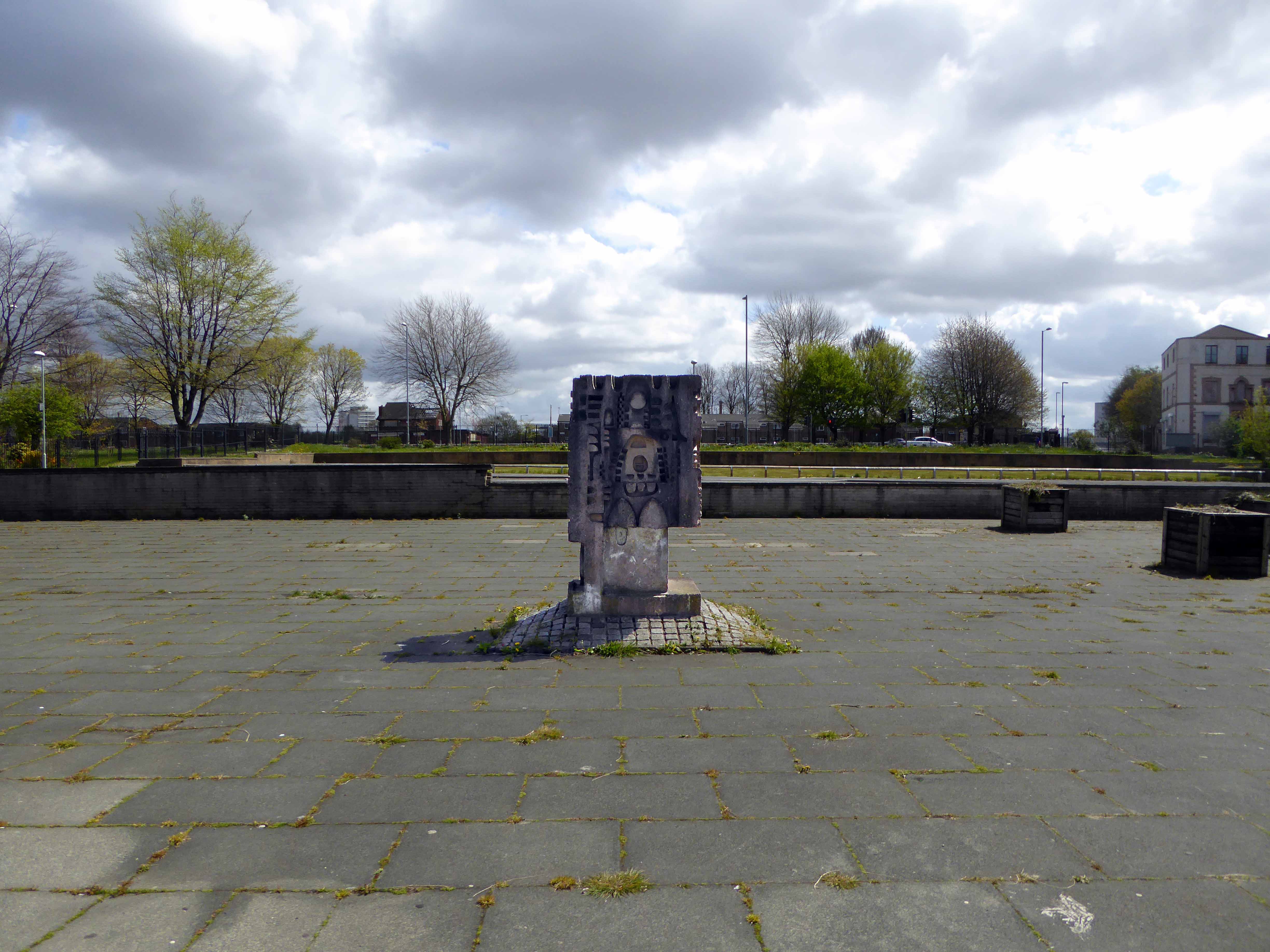
Nearly nine years on – the shutters are down and nobody is home, save for the Lalley Centre – offering food, support and care to the community.

JS79308197

Though Sister Rita Lee has now move on to pastures new.

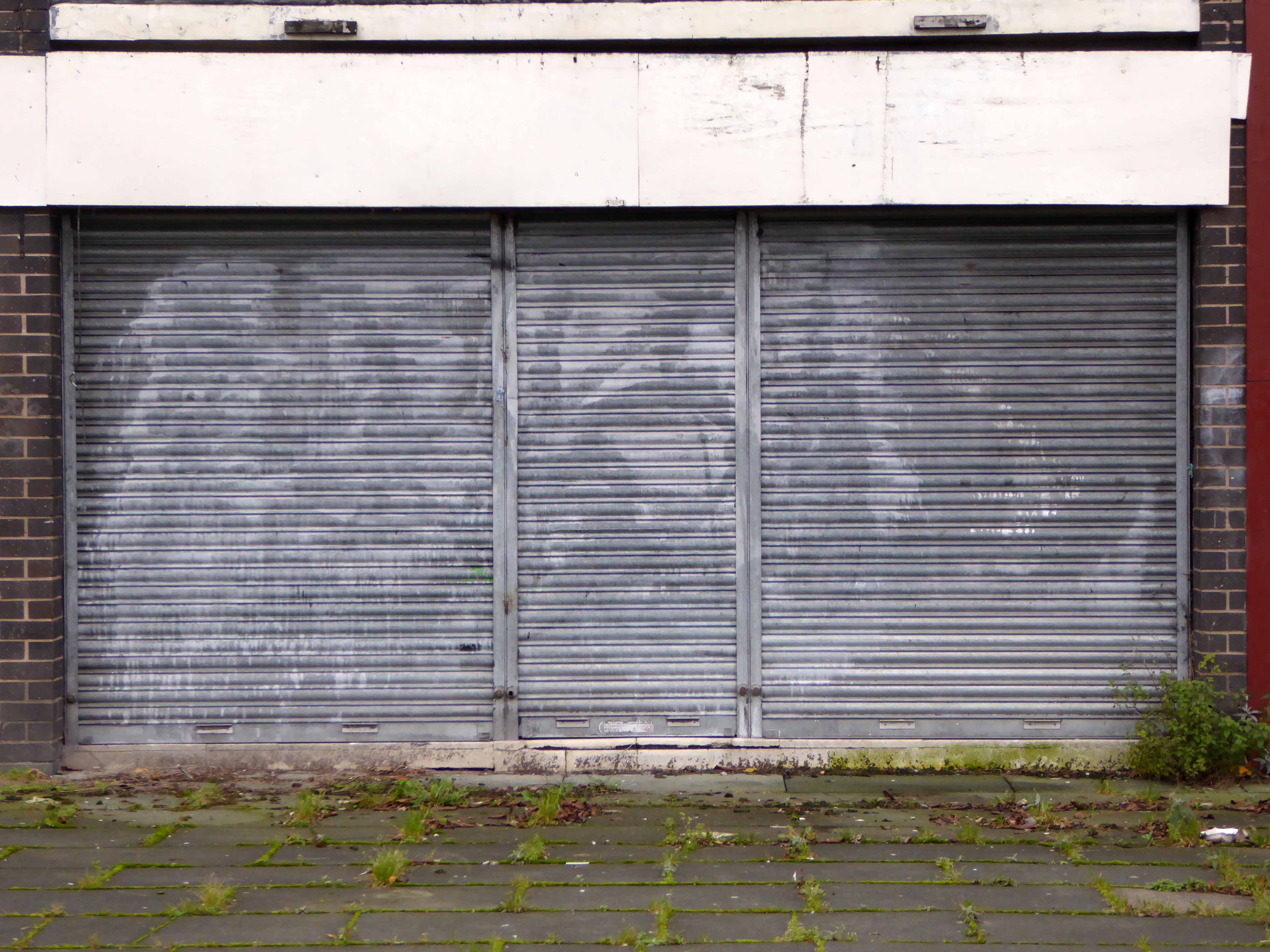
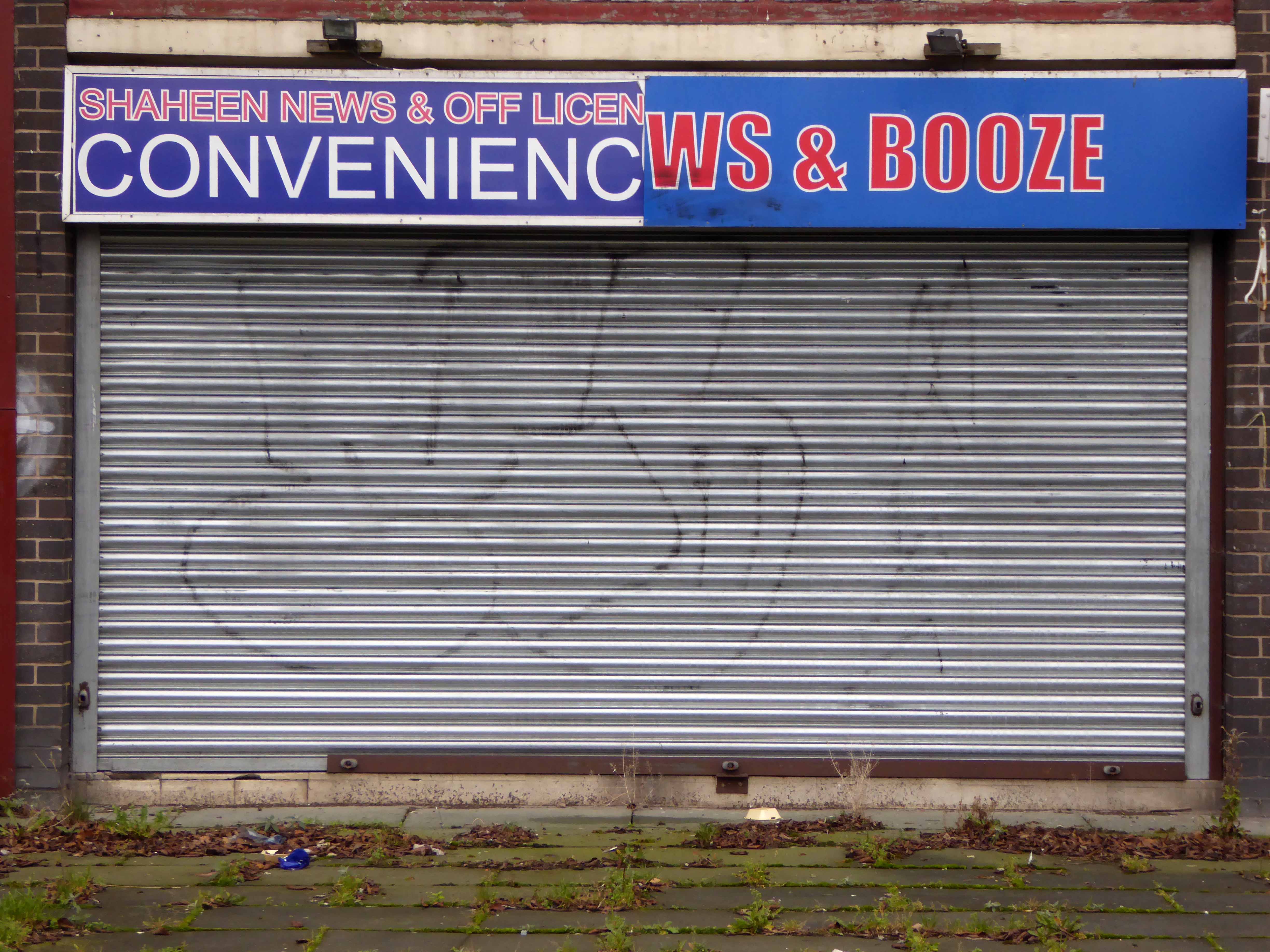
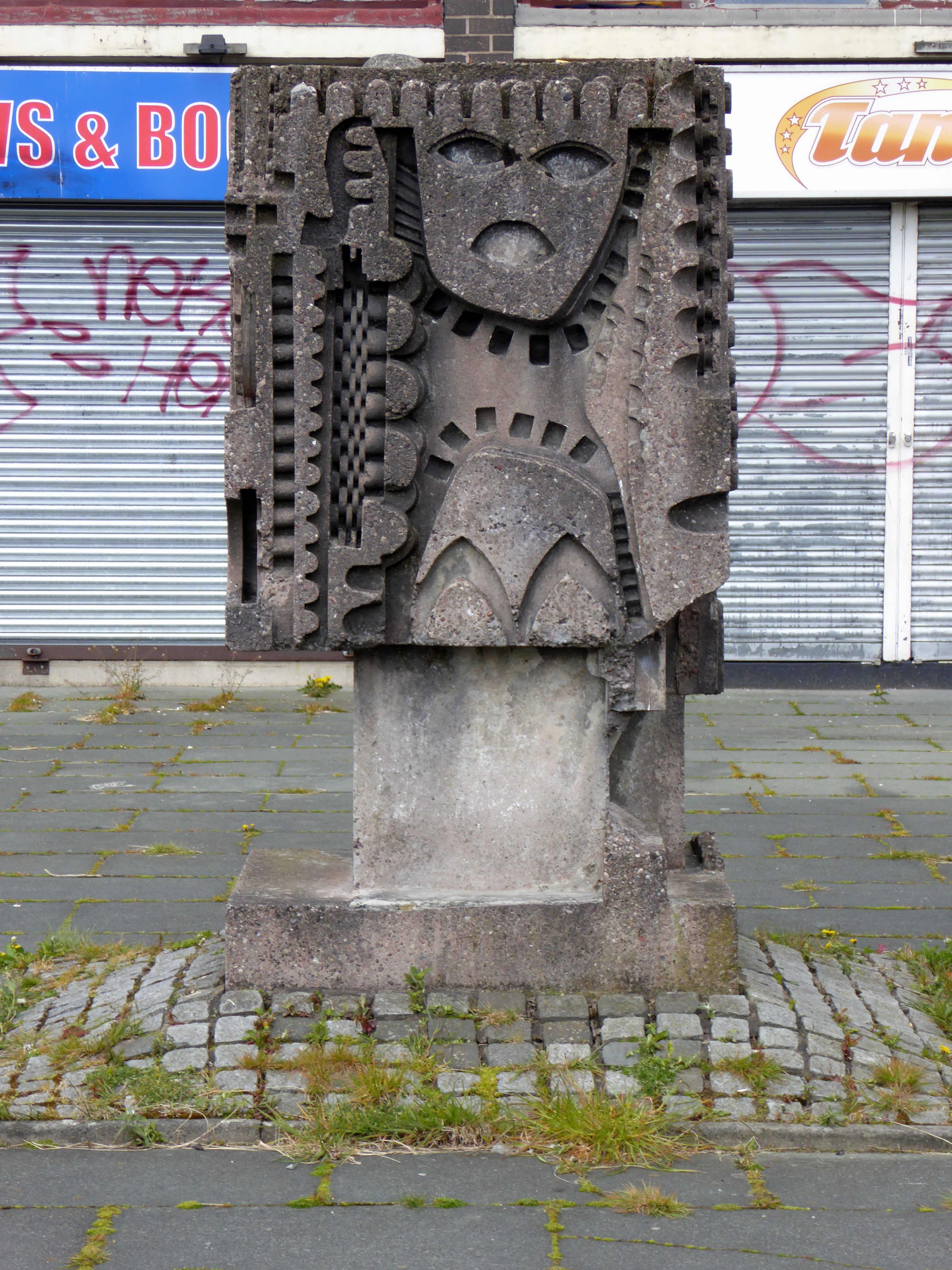
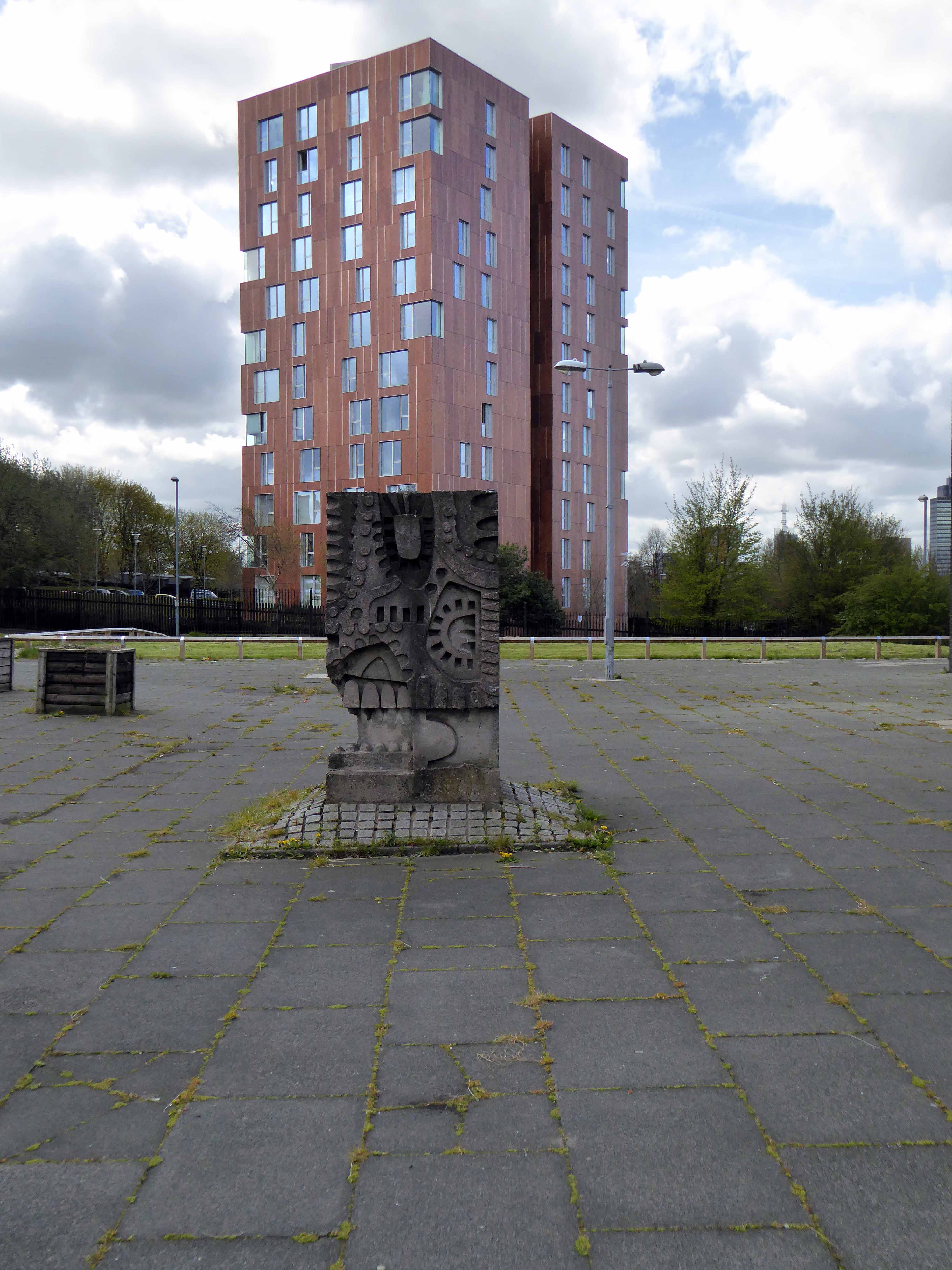
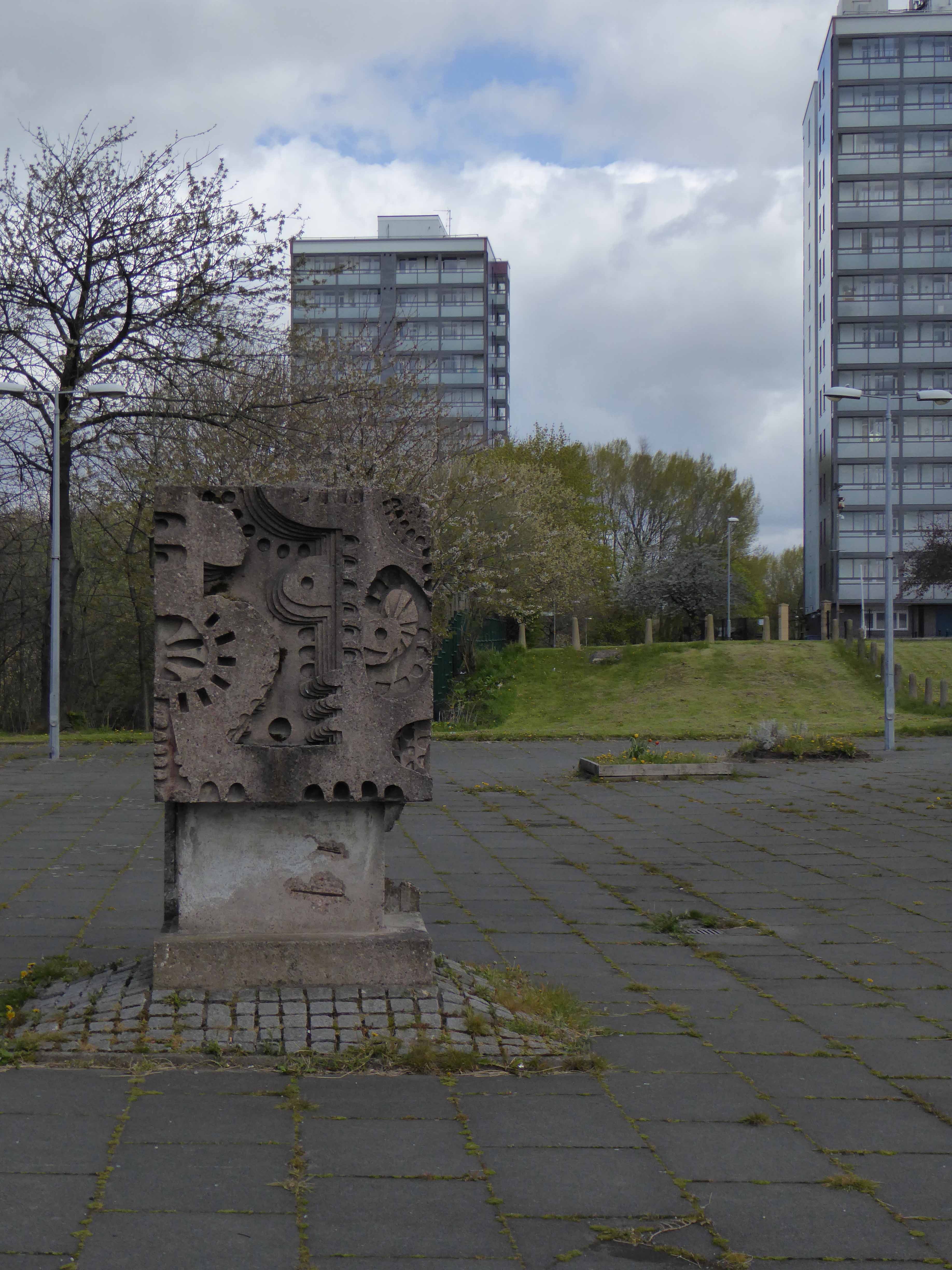
The homes and shops remain resolutely shut, un-lived in and unloved, though the City plans to re-site the resident sculpture, the residents remain absent without leaving.

P1220207 copy

P1220208 copy

P1220209 copy

P1220212 copy

P1220213 copy

P1220214 copy

P1220215 copyP1220216 copy

P1220217 copy

P1220218 copy

P1220219 copy

P1220220 copy

P1220221 copy

P1220222 copy

P1220223 copy


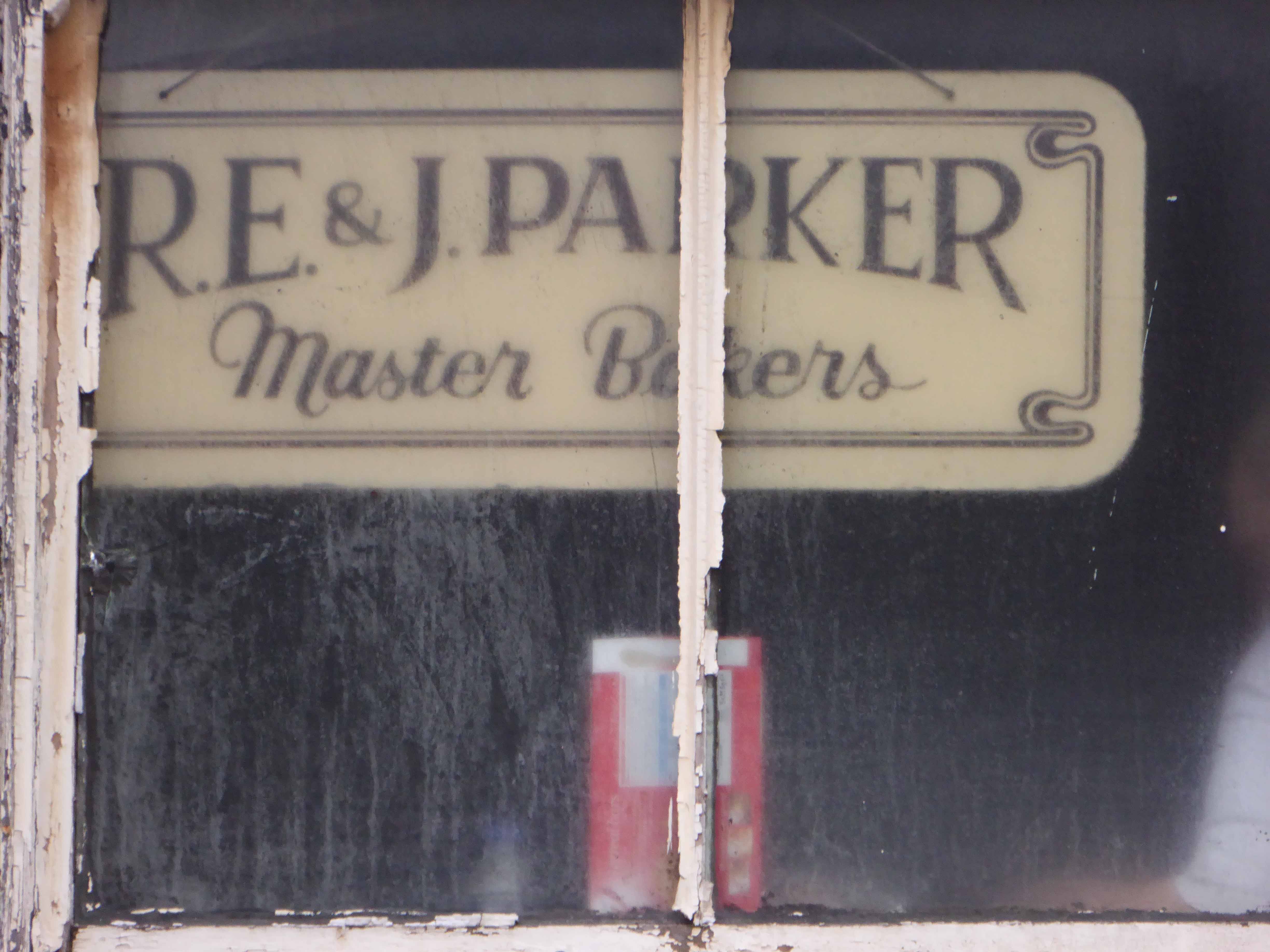
R.E & J. Parker Bakers – Leigh

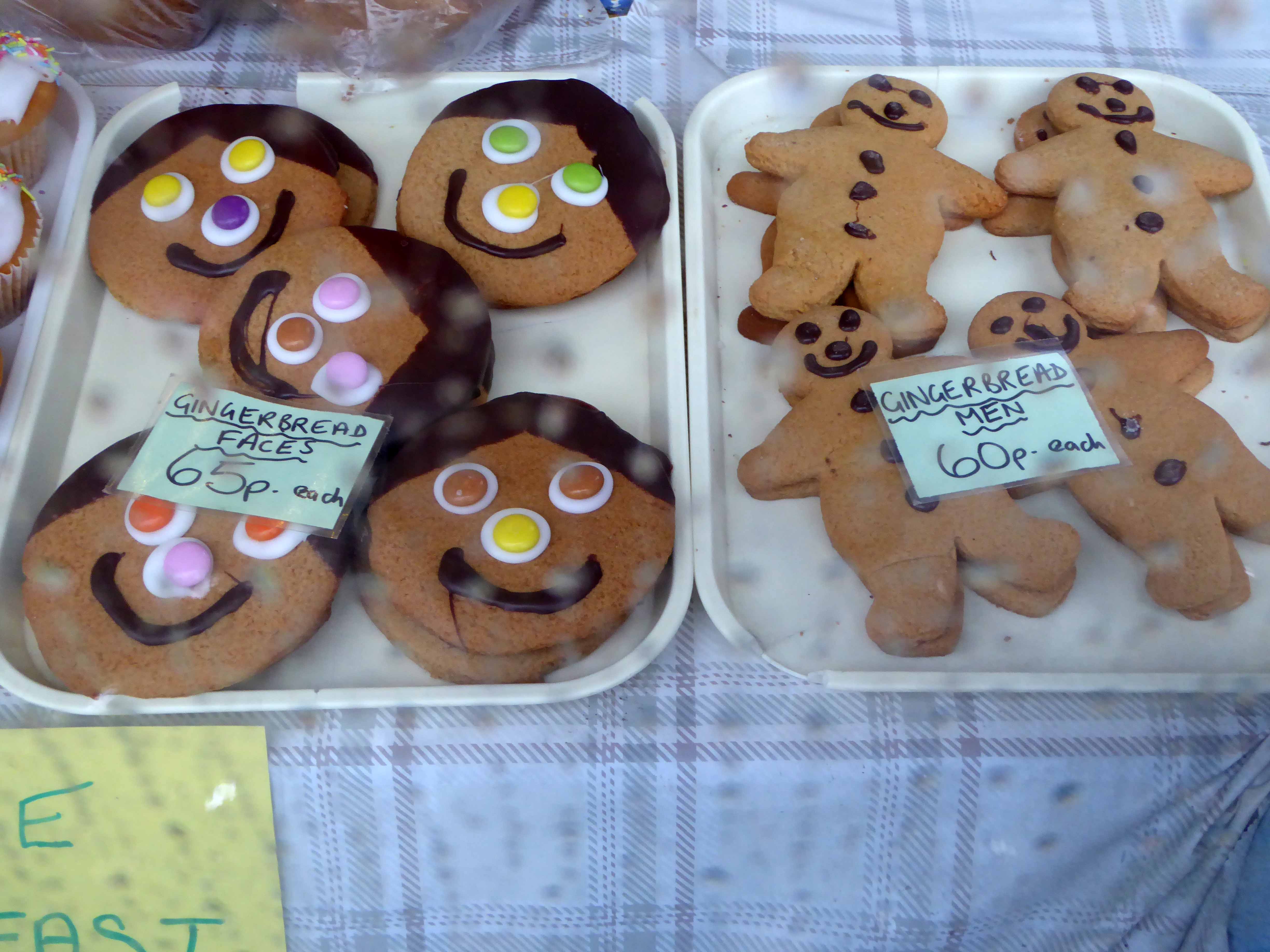
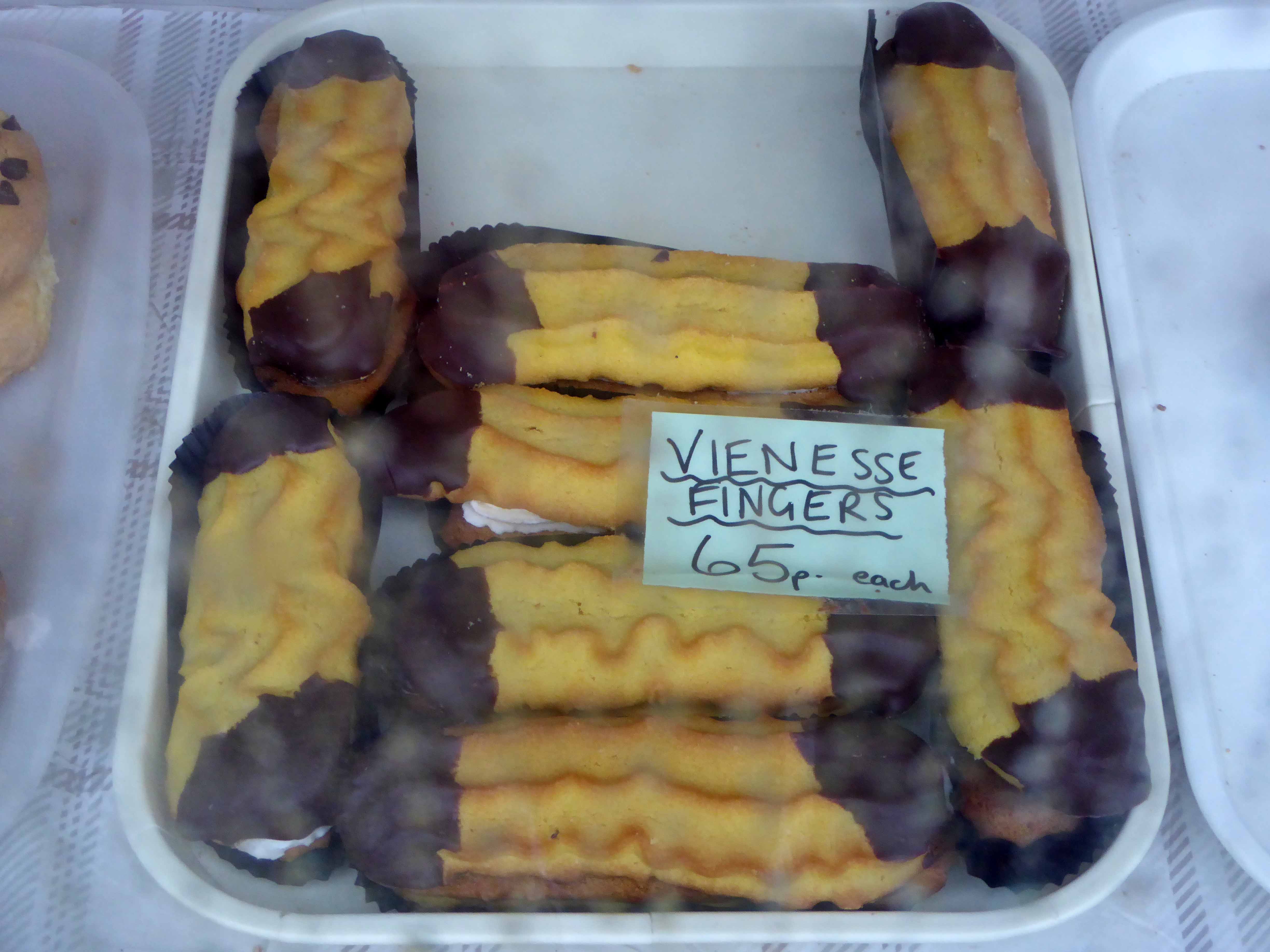
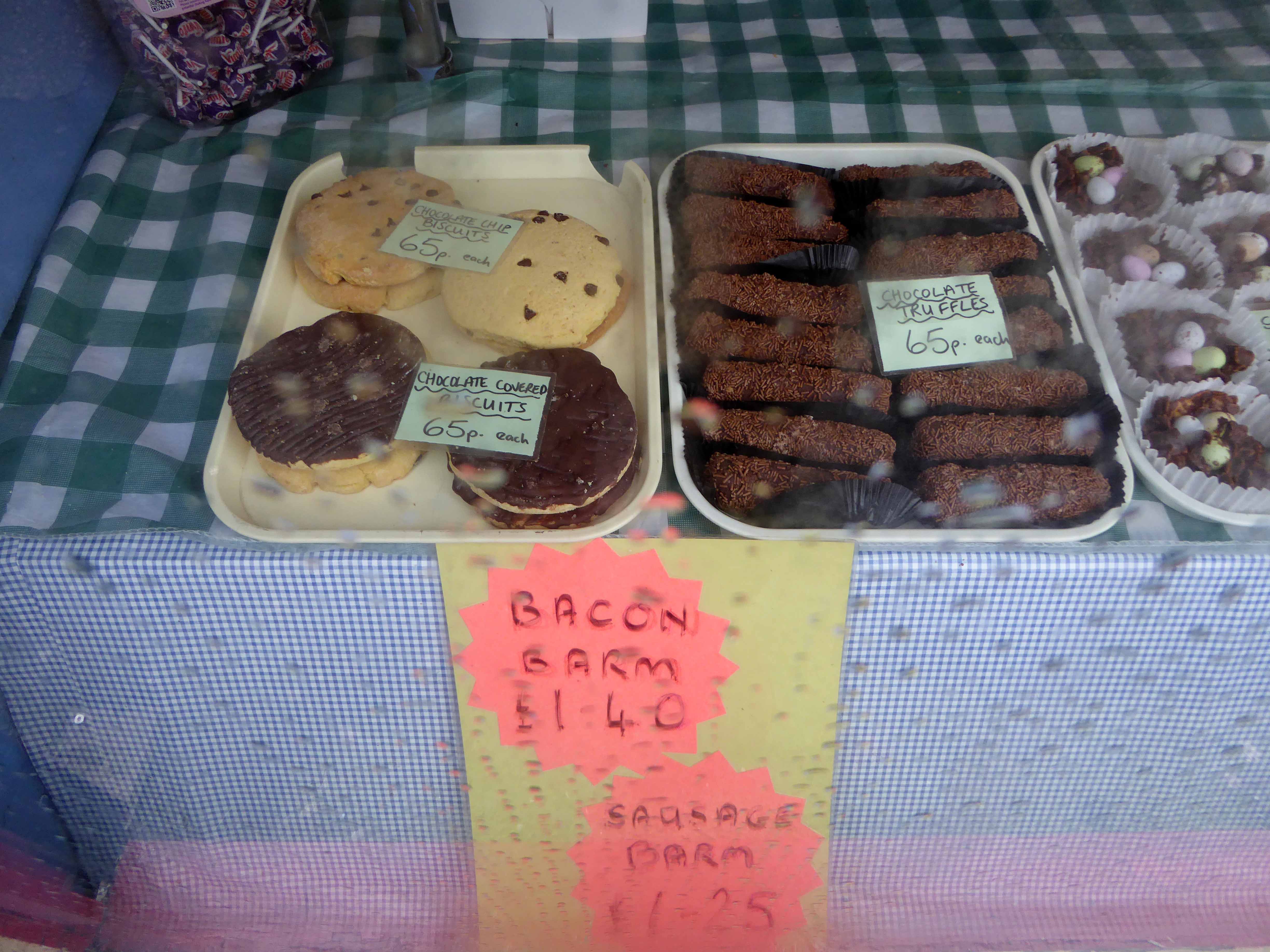
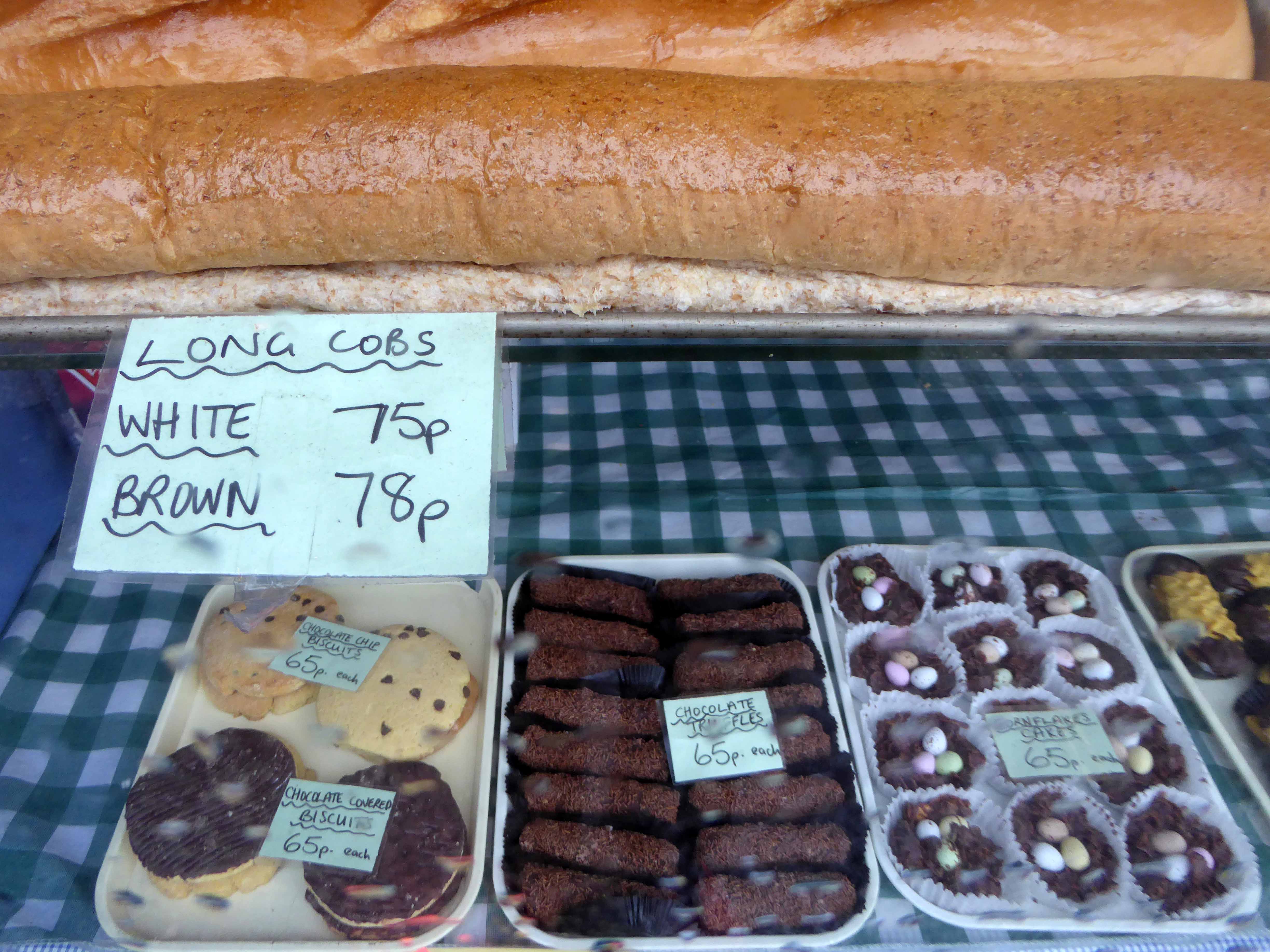
I do have a particular penchant for pâtisserie – though close in spirit to their Euro equivalents, the vernacular bakers of the North are by comparison, sadly now a seldom seen, rare and precious breed.

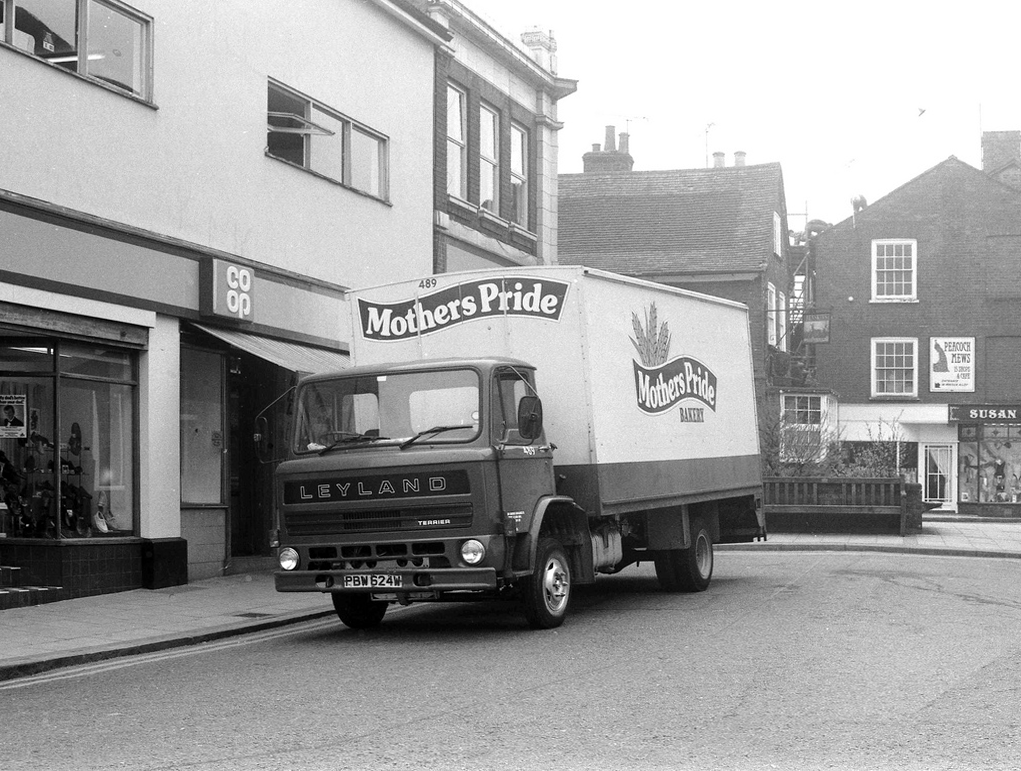
My dad’s three sisters Alice, Jenny and Lydia all trained as confectioners, and he himself was a van man for Mother’s Pride. In my turn I worked as a van lad at their Old Trafford base.

Screen Shot 2018-01-16 at 11.21.08


Flour, eggs, sugar and fat are in my blood.

In their way the growth of the mass-market bakers, along with the motor car and supermarket hegemony sealed the fate of the local bread, cake and pie shop, along with the demise of the associated skills and attendant early morning work patterns. When I visited Cochrane’s in Audenshaw, it was clear that their youngsters no longer wished to take on the family baking business. So the once unremarkable sight of remarkable rows of fancies, growlers and tarts, is now a thing of familiar folk memory, rather than a sweet and savoury reality.

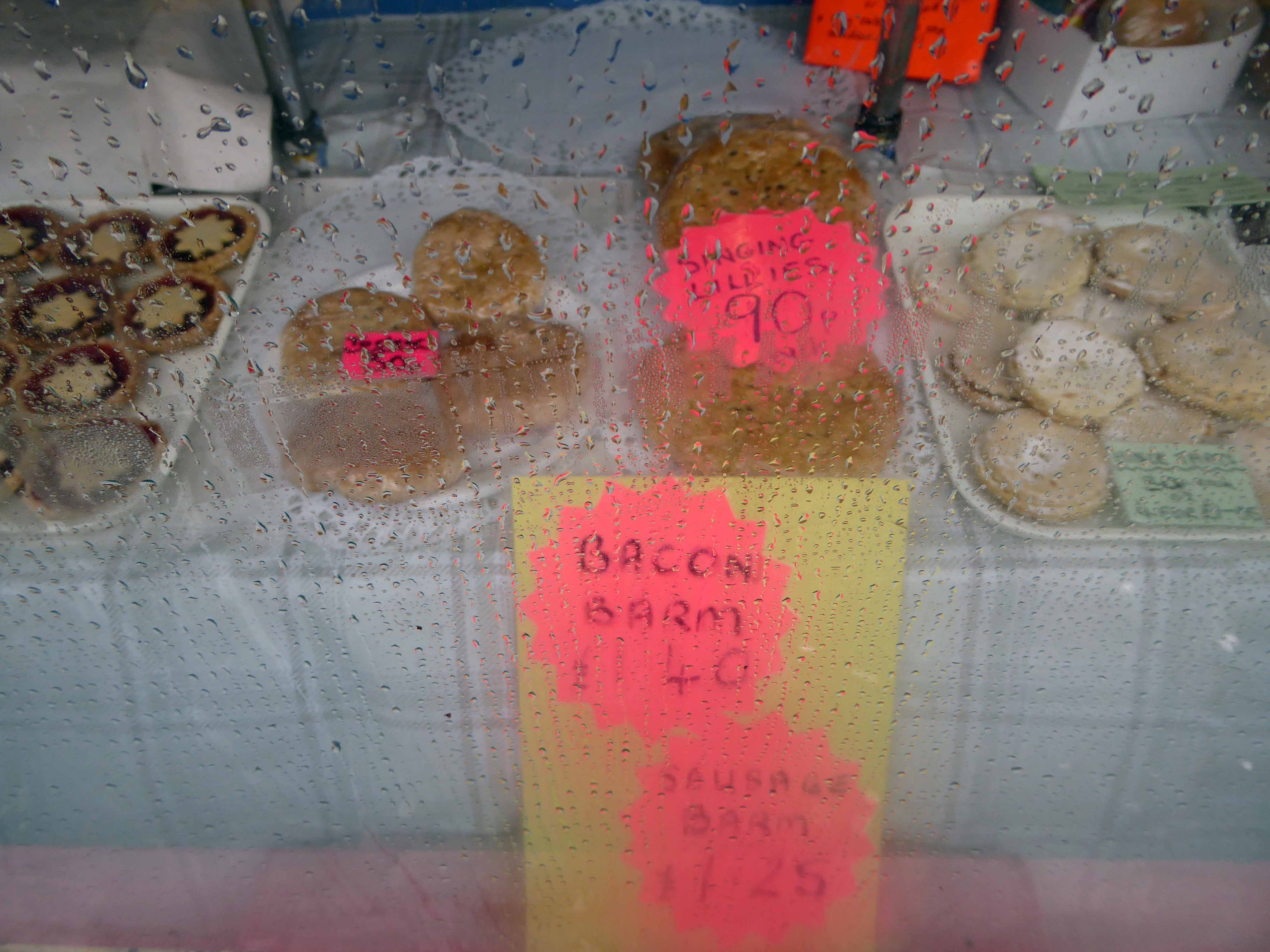
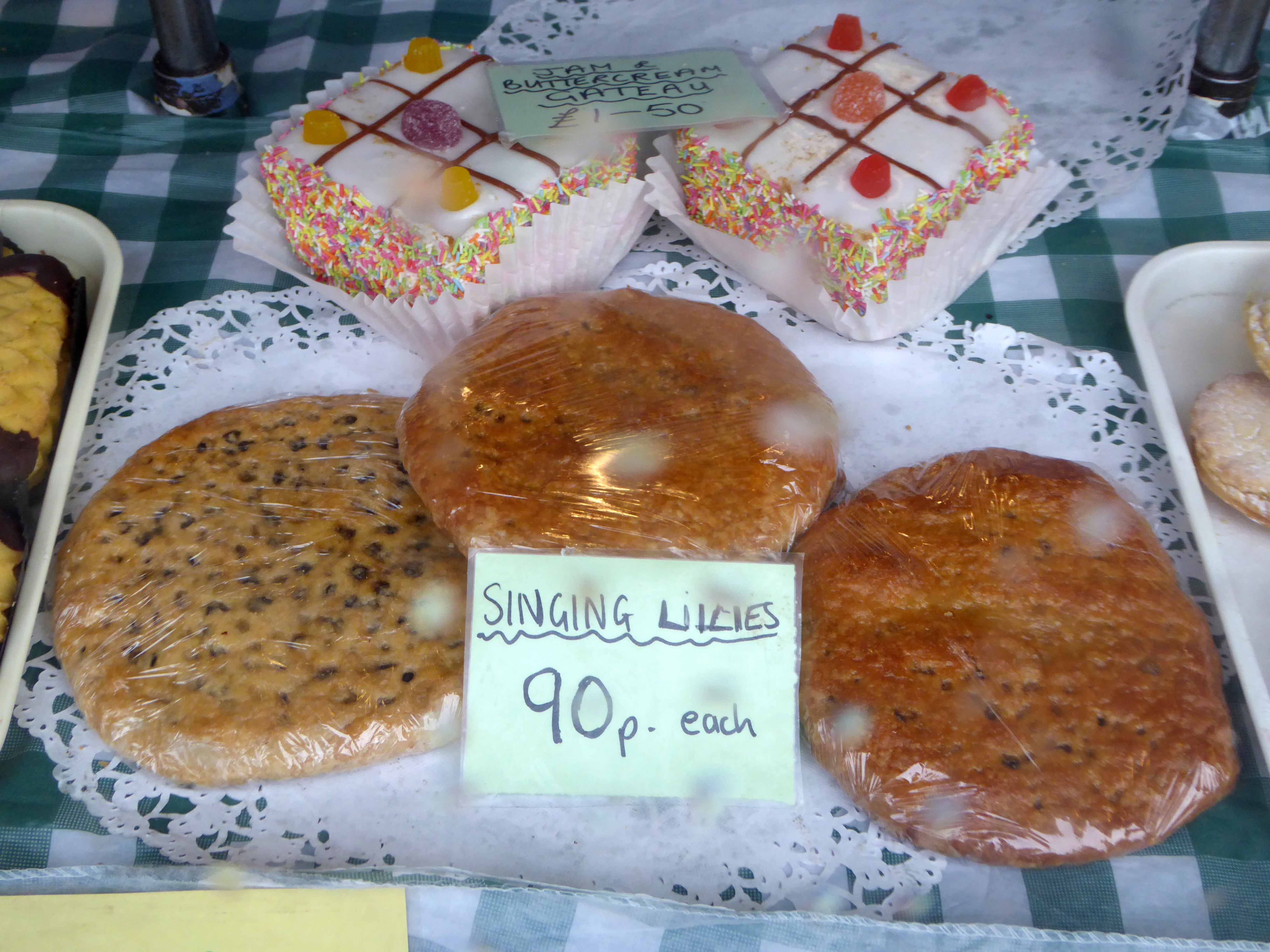
On both of my visits to Leigh I have passed Parker’s – the windows warm from the freshly baked confectionery – including the almost unique Singing Lily – sweet double crust pies, a large circle of shortcrust pastry folded over dried fruit and rolled until the fruit is visible, sugared and baked.

Next time I’ll go in and try one or two treats – get it while you can.

P1120865 copy

P1120868 copy

P1120869 copy

P1120870 copy

P1120871 copy

P1220700

P1220701

P1220702

P1220703

P1220704

P1220705

P1220706


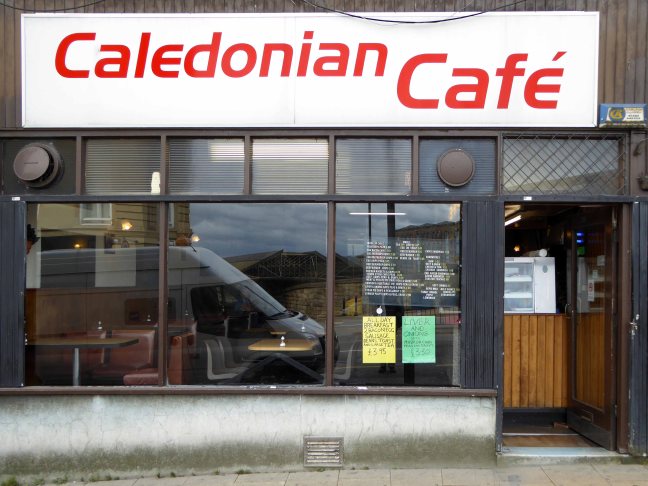
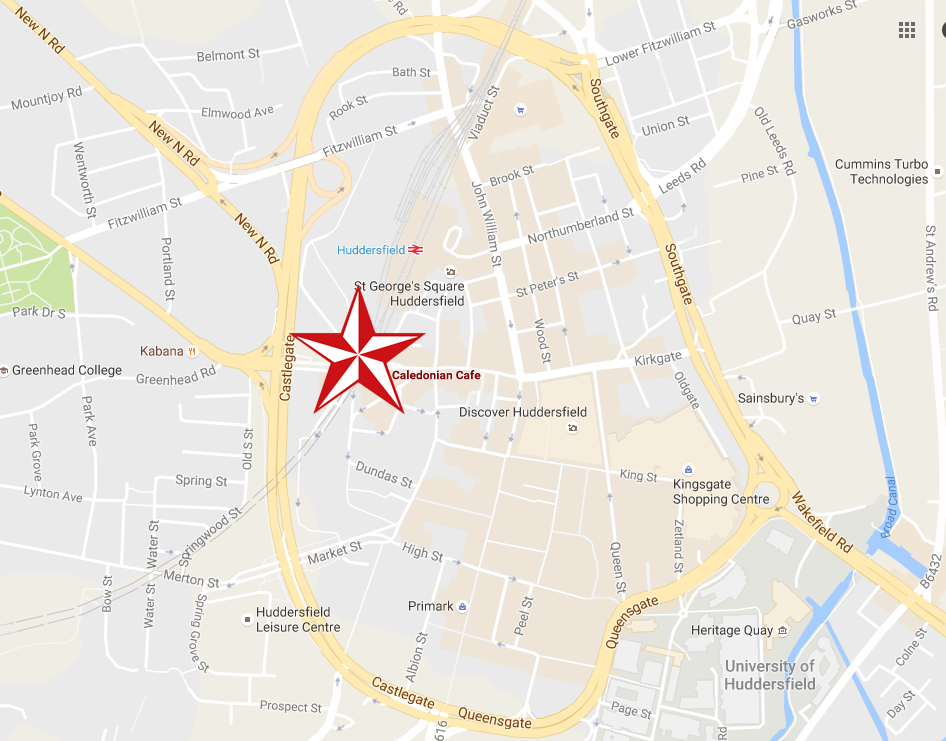
Caledonian Café – Huddersfield

screen-shot-2016-09-11-at-14-47-39

I often visit Huddersfield, and I often discover something new, exciting and different.

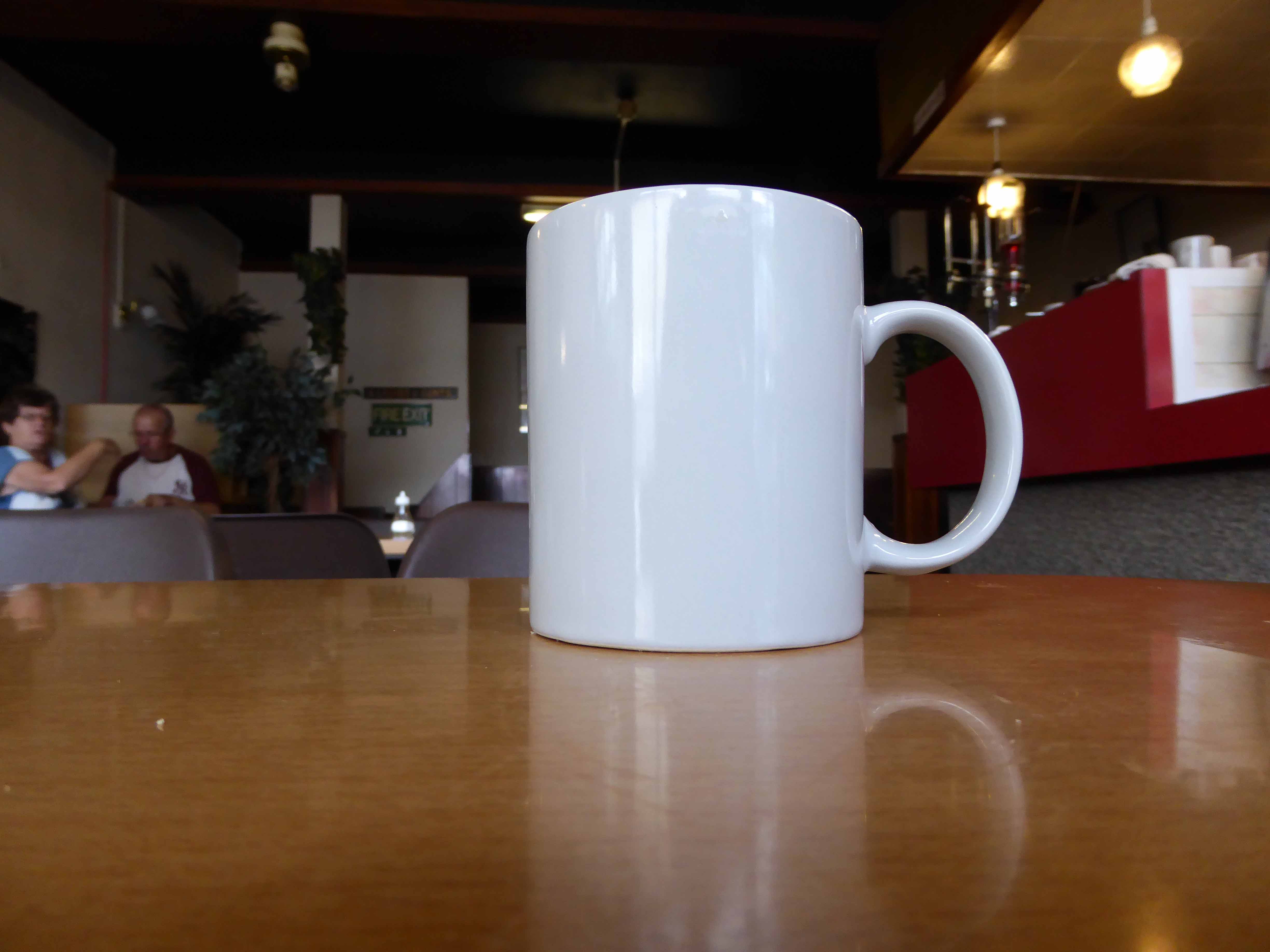
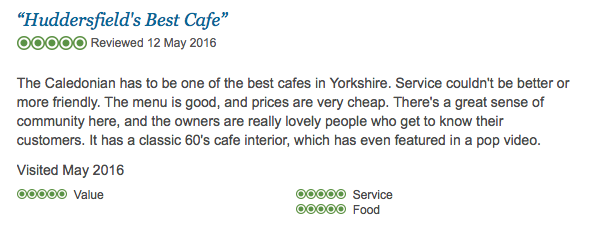
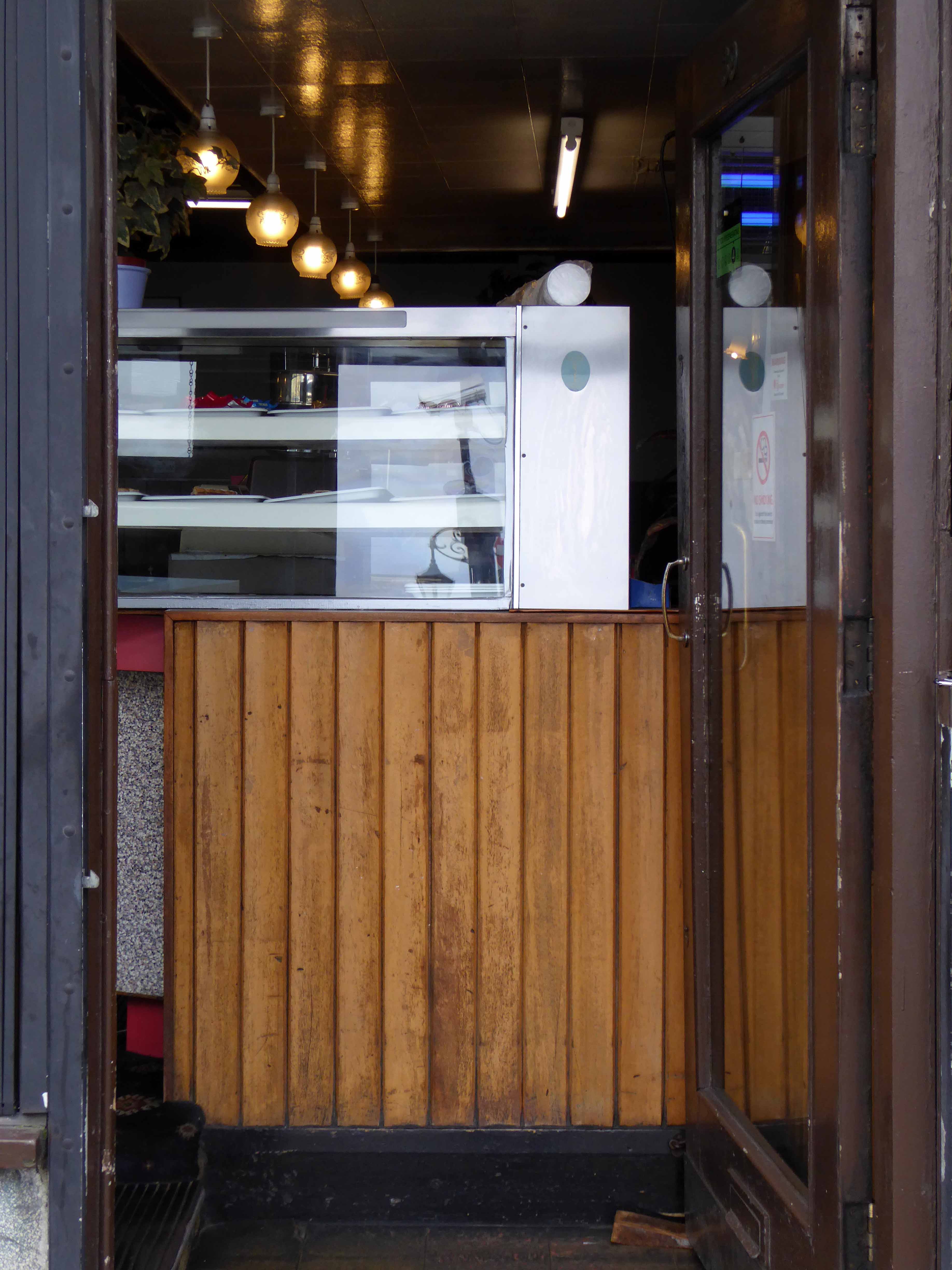
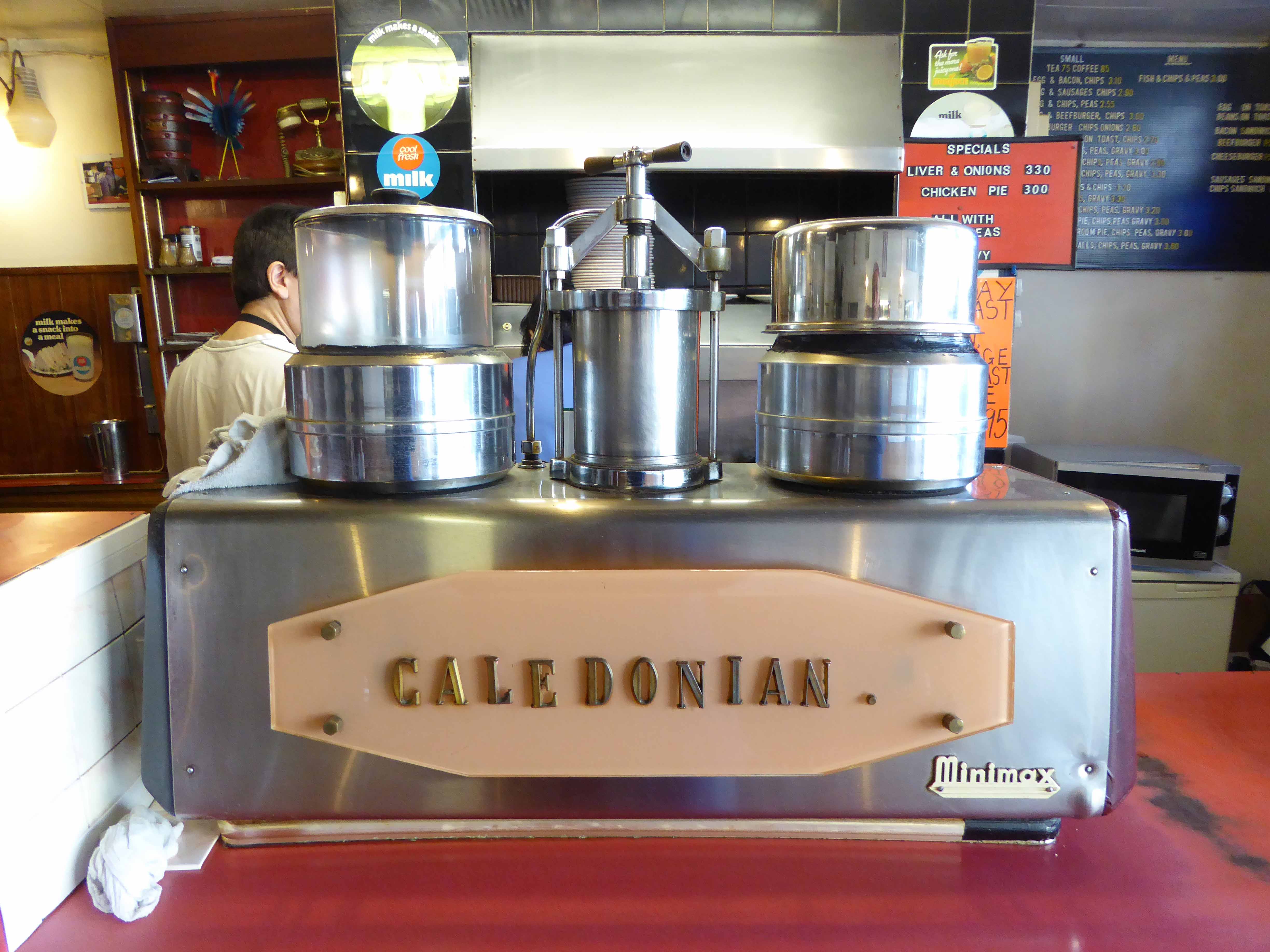
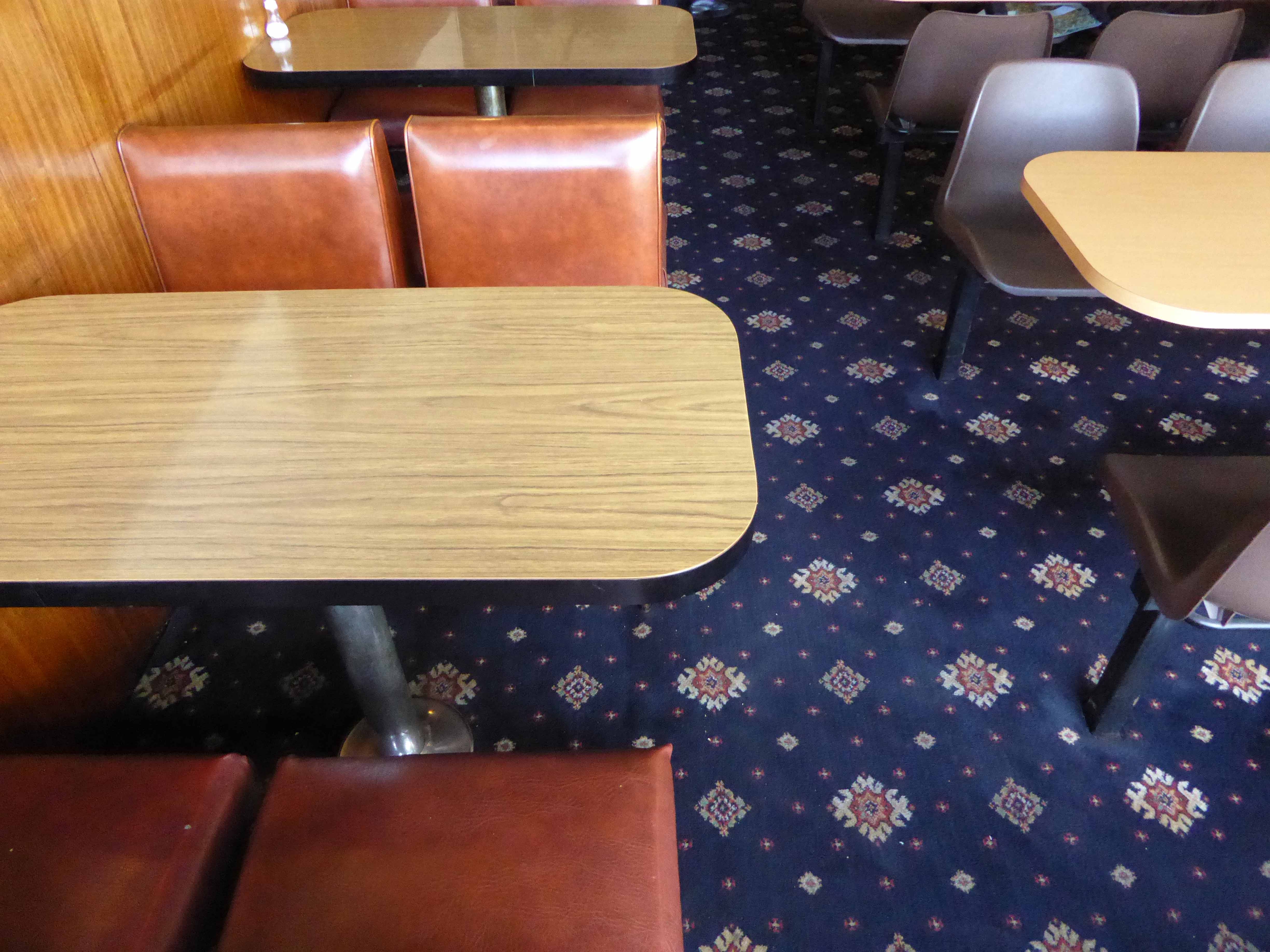
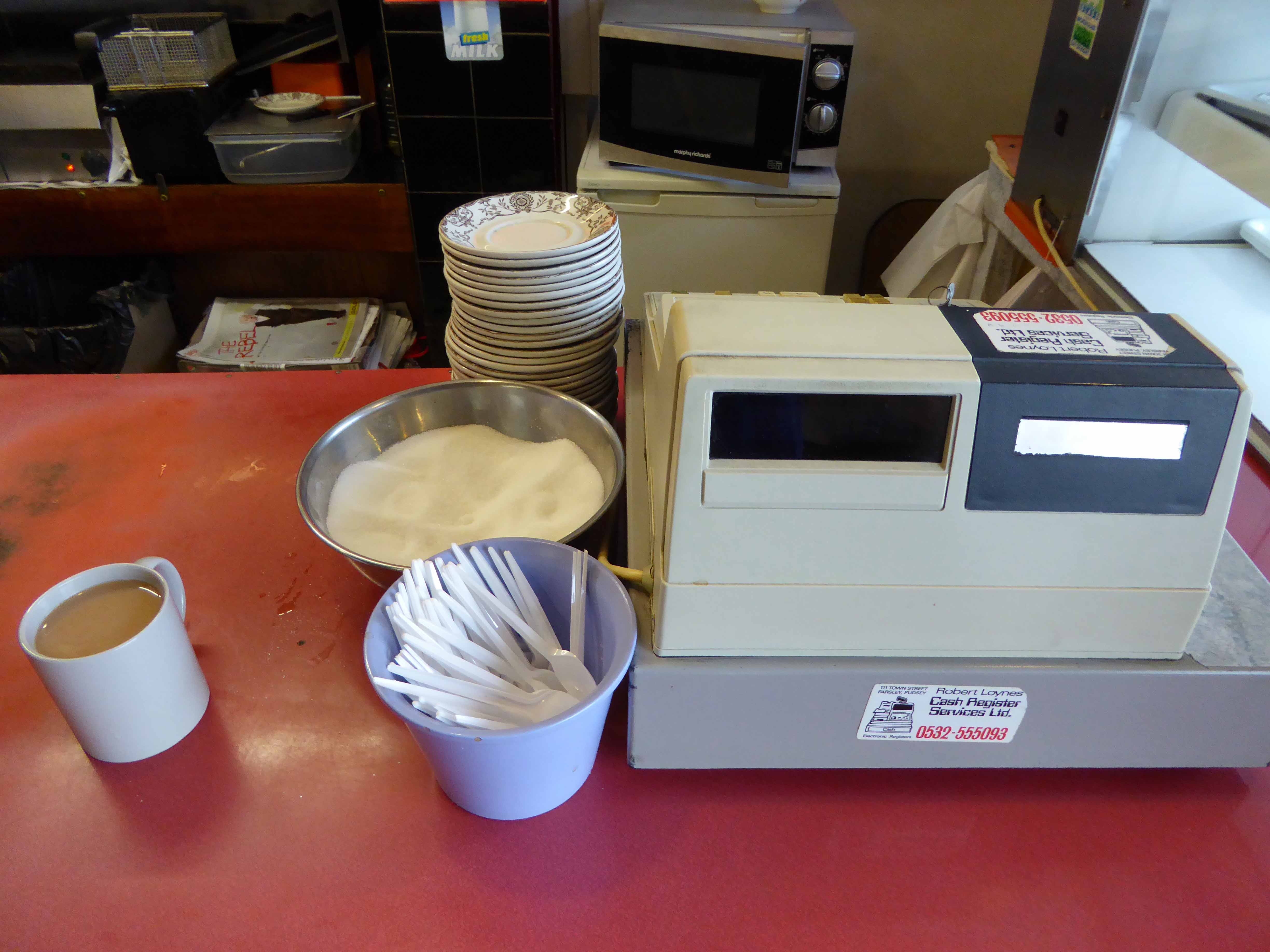
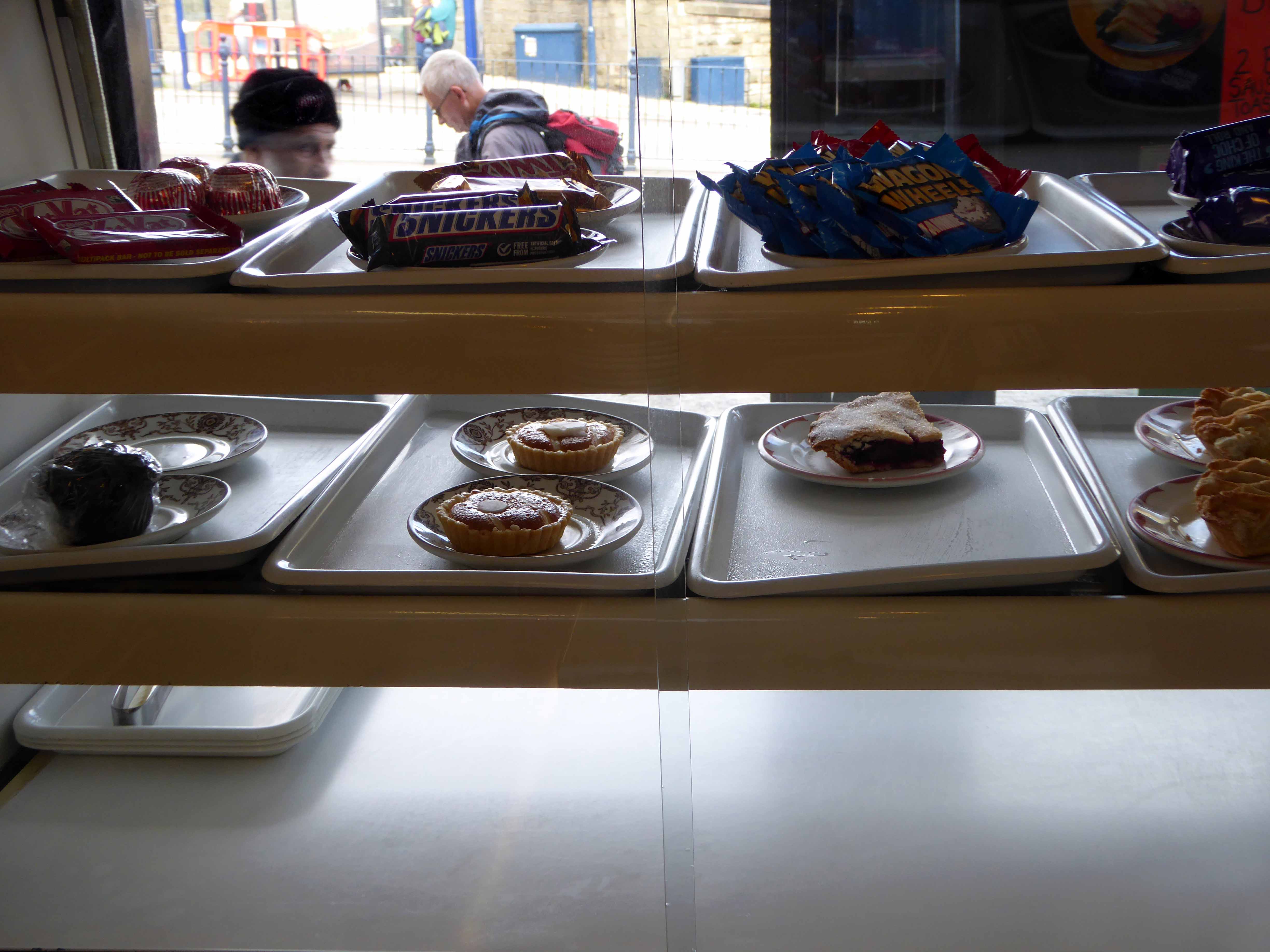
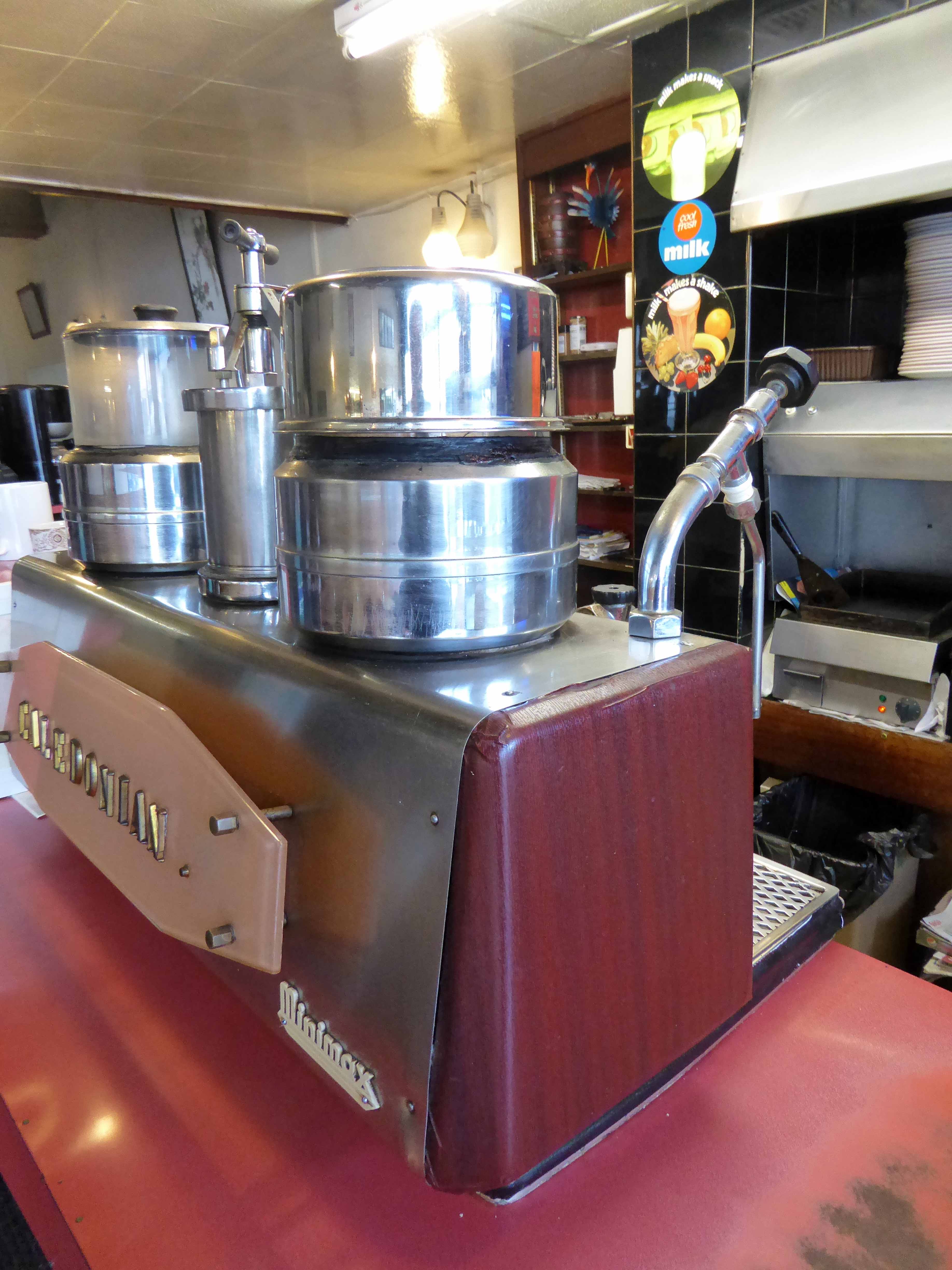
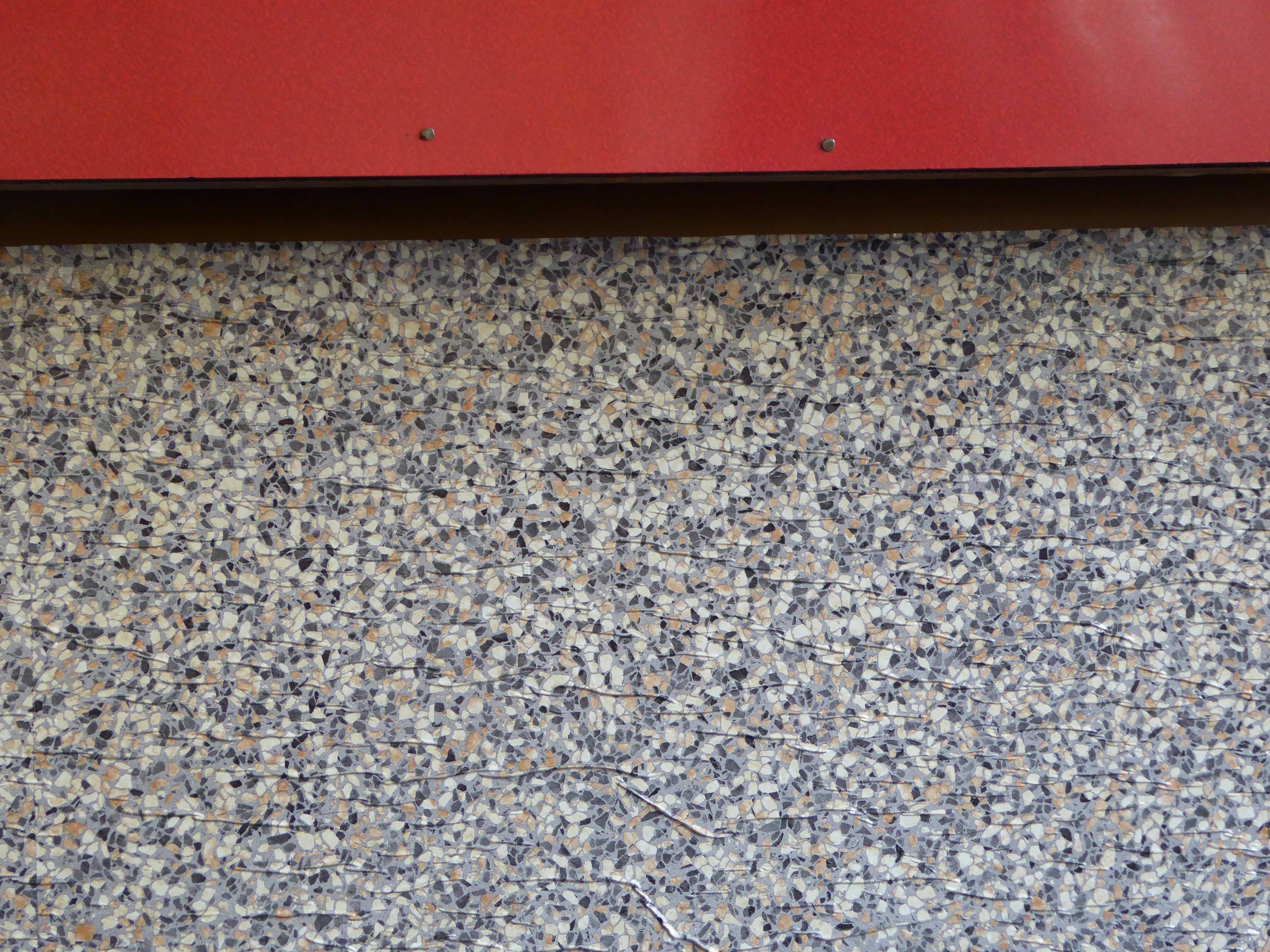
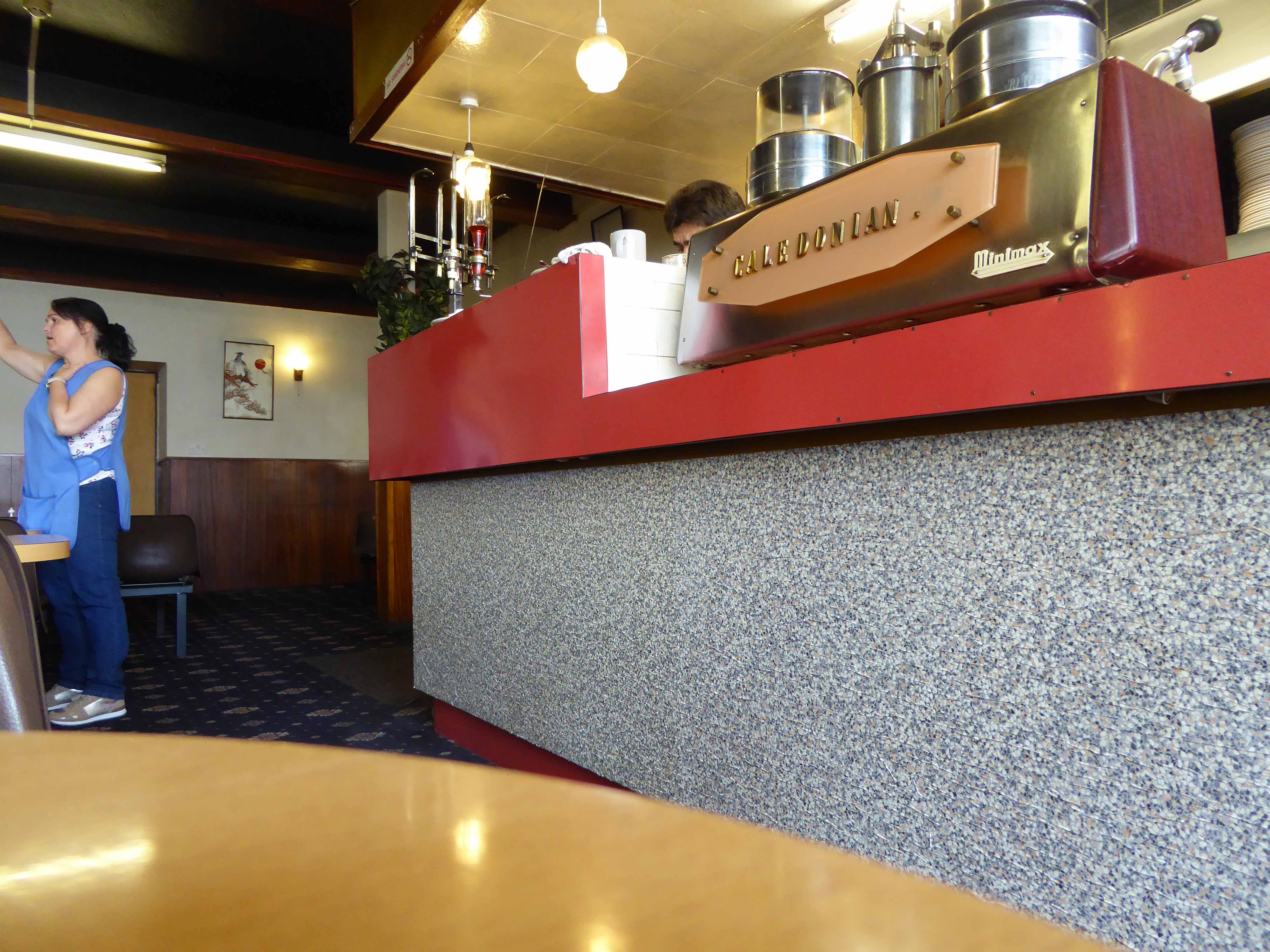
The Caledonian Café is everything that it isn’t, it’s the slow accretion of time, personal taste and accoutrements. Not frozen but slowly evolving, warm and welcoming. Owners Tony and Claire were more than happy to offer their company, tea and sympathy.

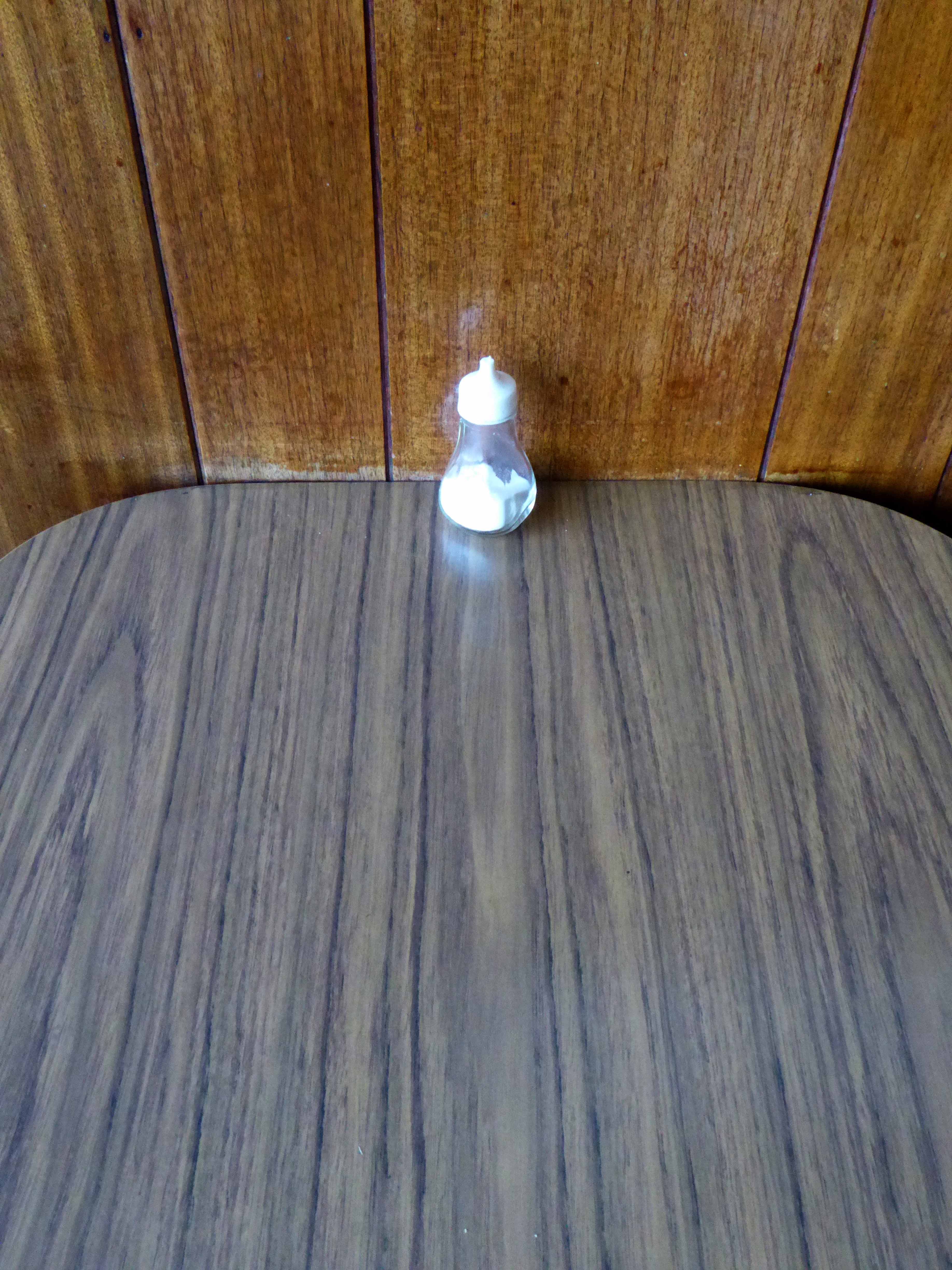
“The students come in to do their projects, sometimes they just ask to photograph the salt pots.”

I was more than happy to oblige and comply.

p1080592-copy

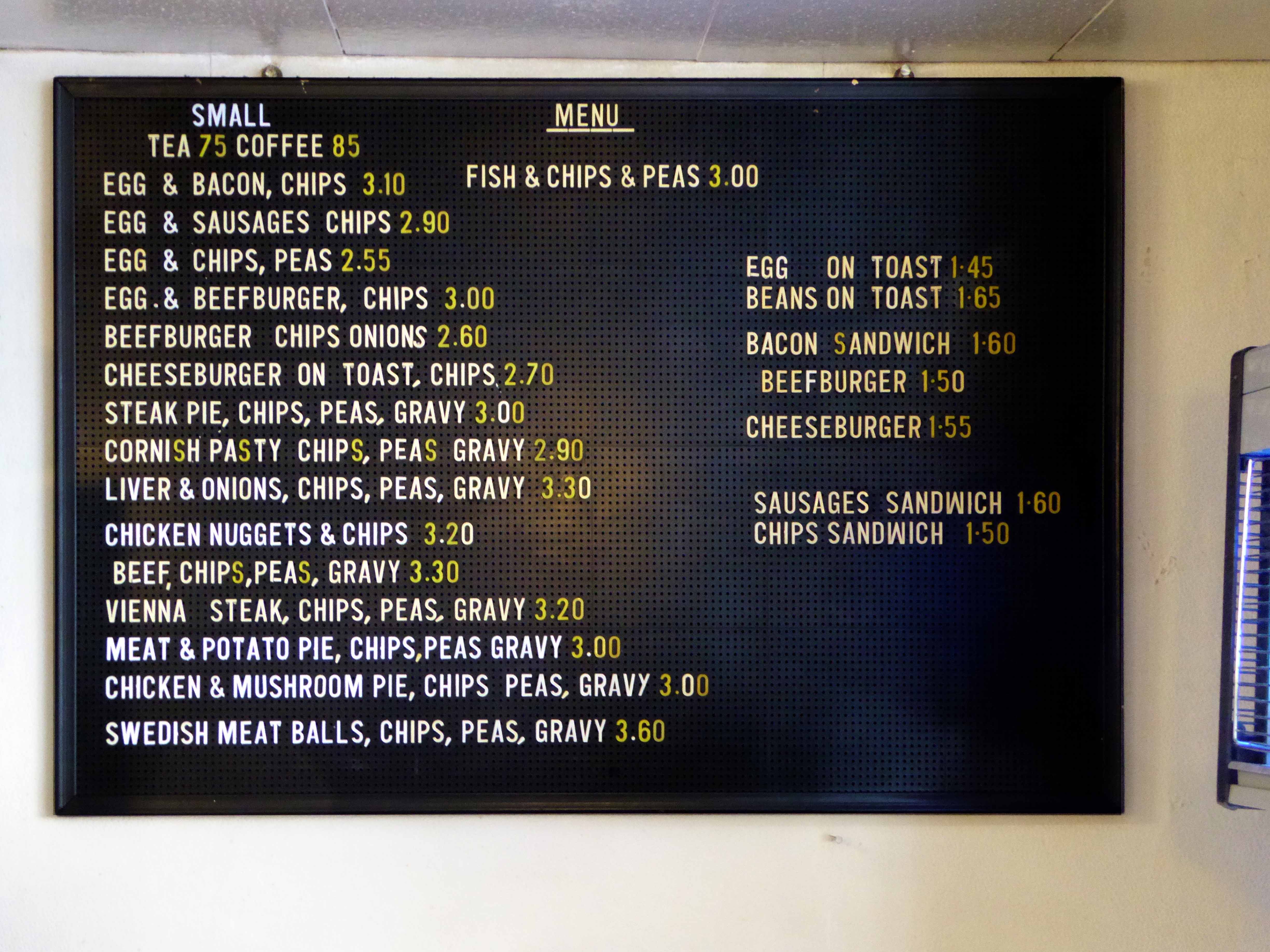
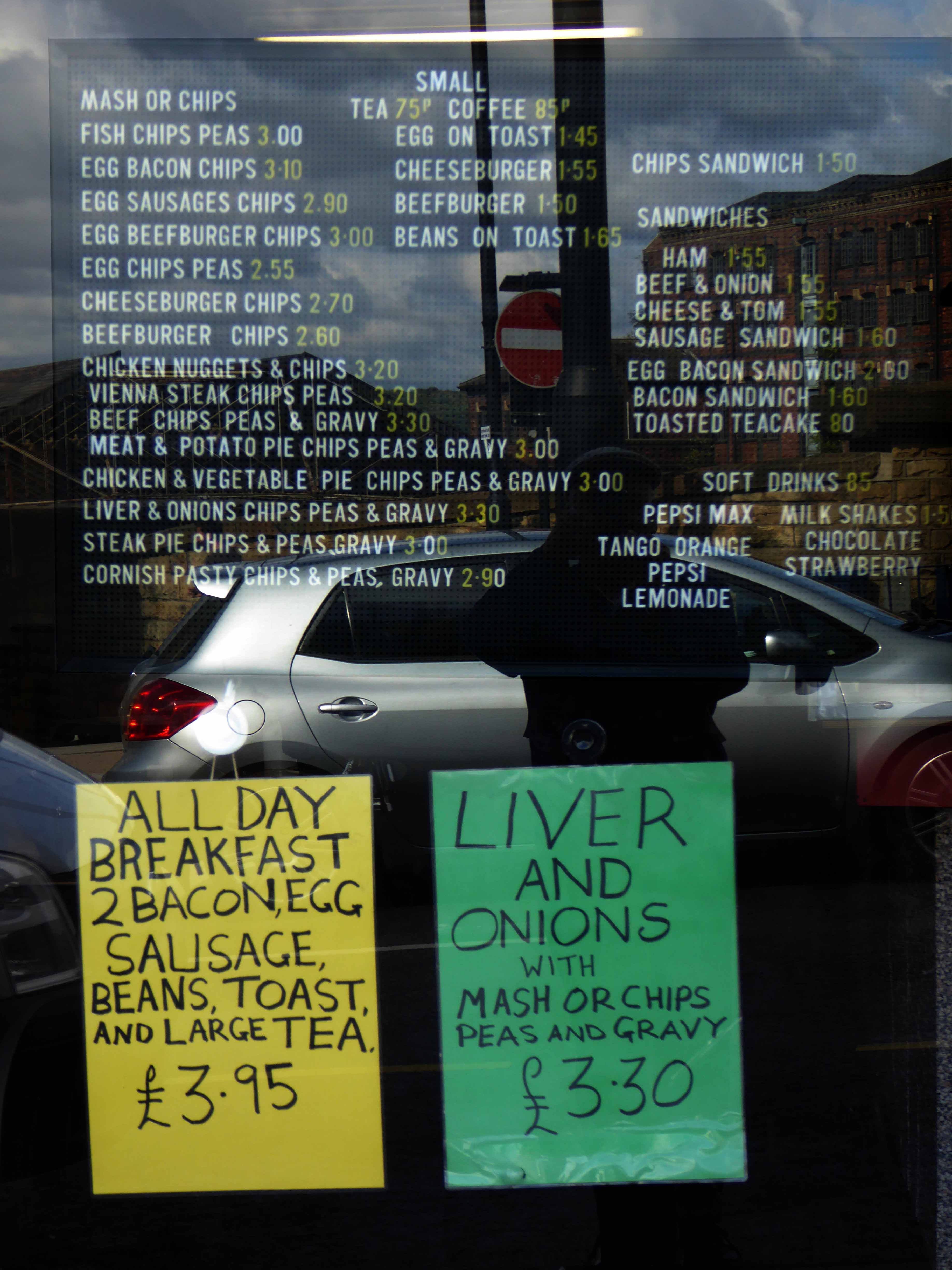
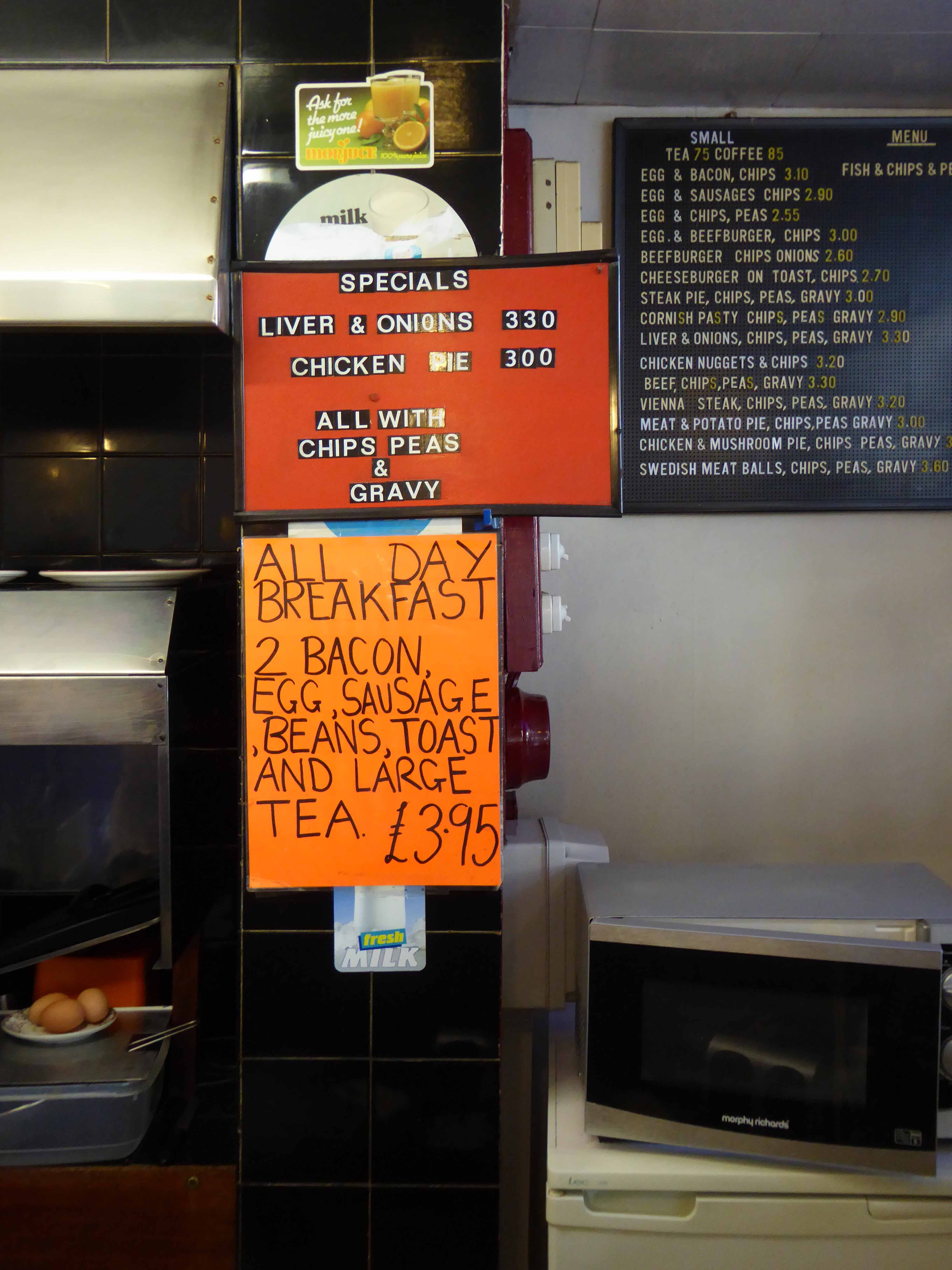
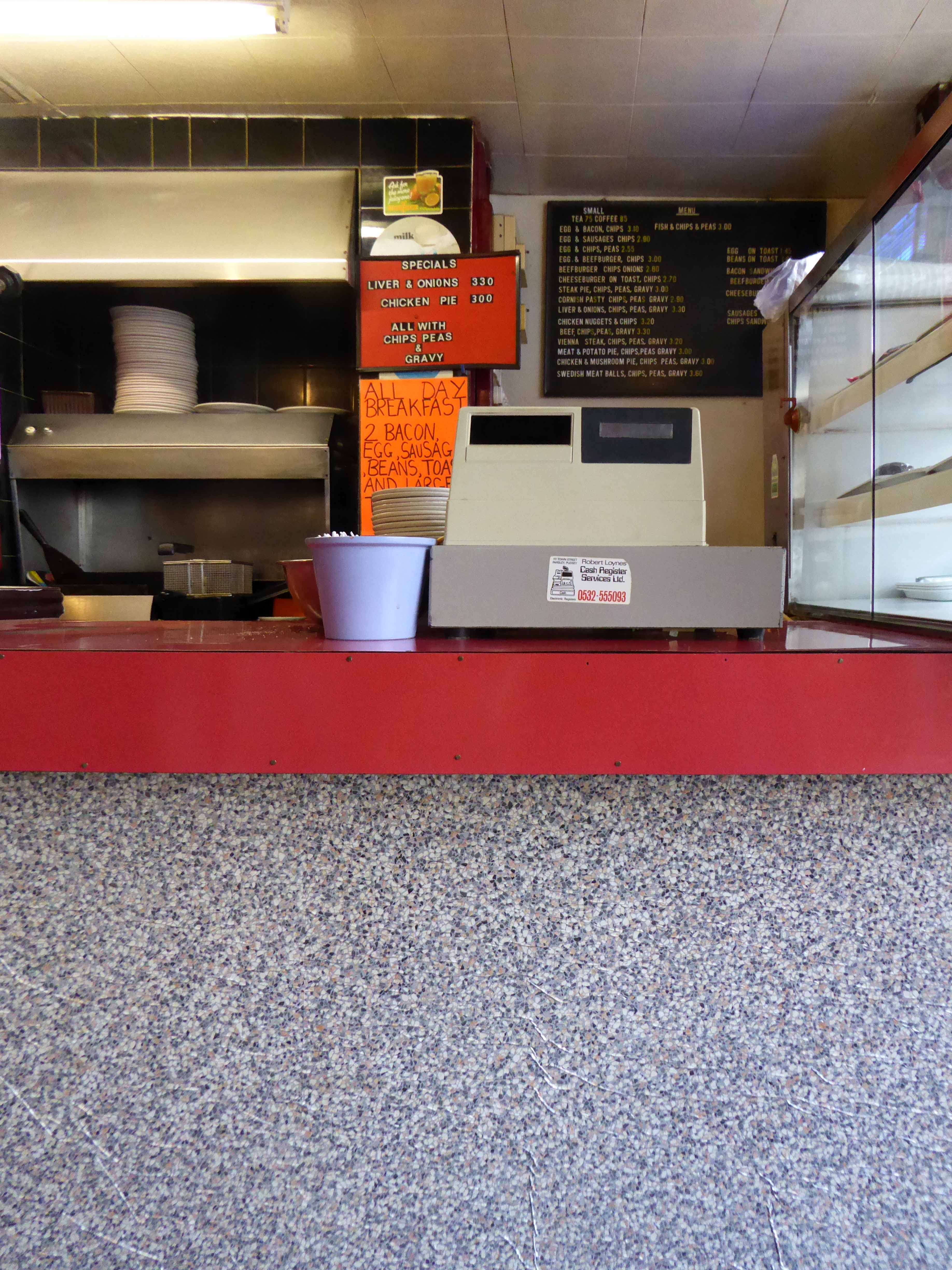
The prices are more than reasonable, and Tony goes out of his way to accommodate his customers.

” The families don’t always have a lot, so I give them two plates and split the burger and chips for the two kiddies.”

p1080584-copy

It was still early for me so I settled on a large tea, but I’ll be back before long for a bite to eat.

p1080623-copy

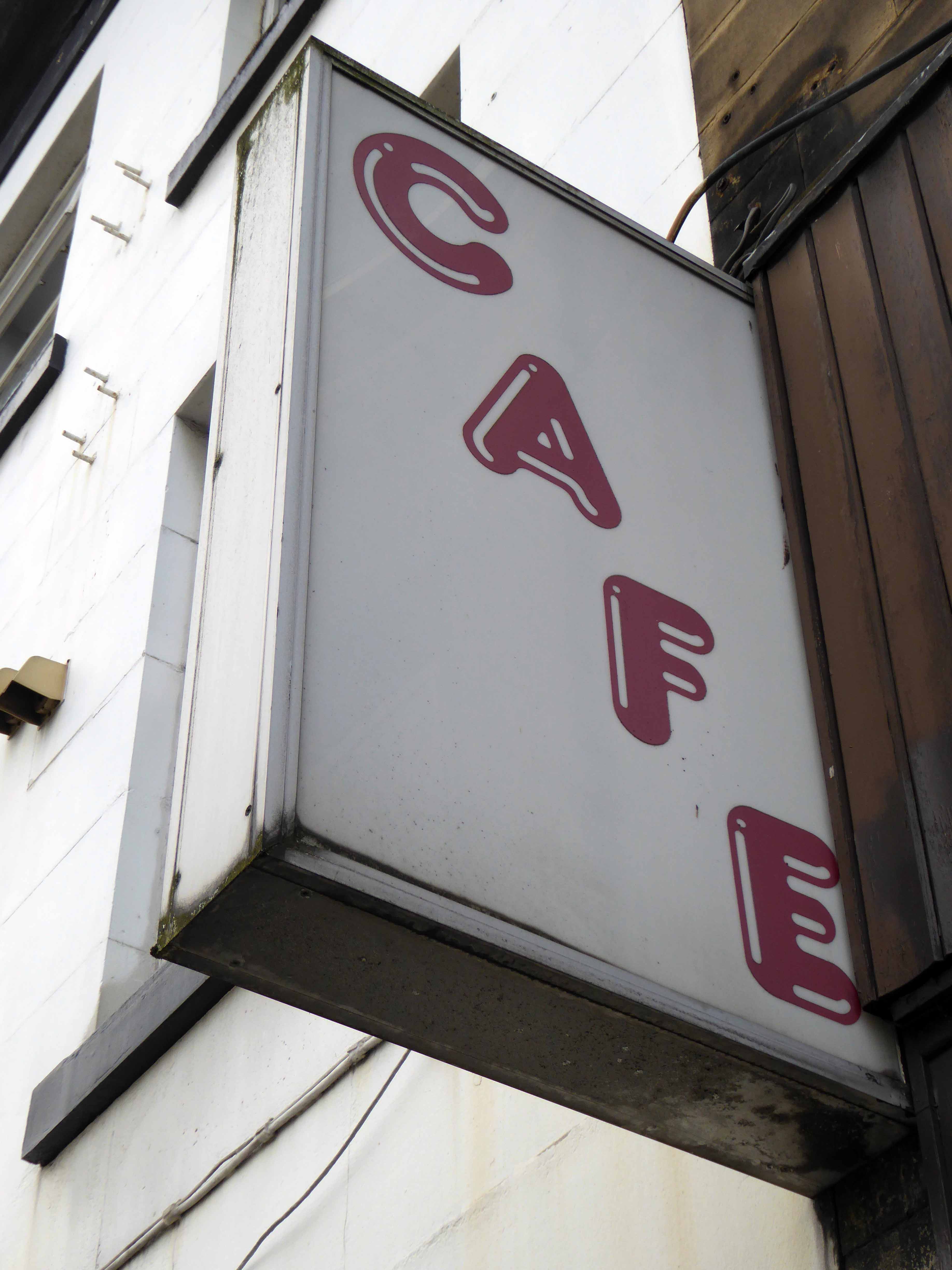
So best foot forward, get yourself down to the Caledonian, you won’t be disappointed.

screen-shot-2016-09-11-at-14-46-57

p1080640-copy

p1080583-copy

p1080643-copy

p1080585-copy

p1080586-copy

p1080591-copy

p1080594-copy

p1080595-copy

p1080596-copy

p1080597-copy

p1080599-copy

p1080600-copy

p1080601-copy

p1080603-copy

p1080605-copy

p1080608-copy

p1080613-copy

p1080614-copy

p1080615-copy

p1080617-copy

p1080618-copy

p1080621-copy

p1080622-copy

p1080624-copy

p1080625-copy

p1080627-copy

p1080630-copy

p1080631-copy

p1080634-copy

p1080635-copy

p1080637-copy

p1080638-copy

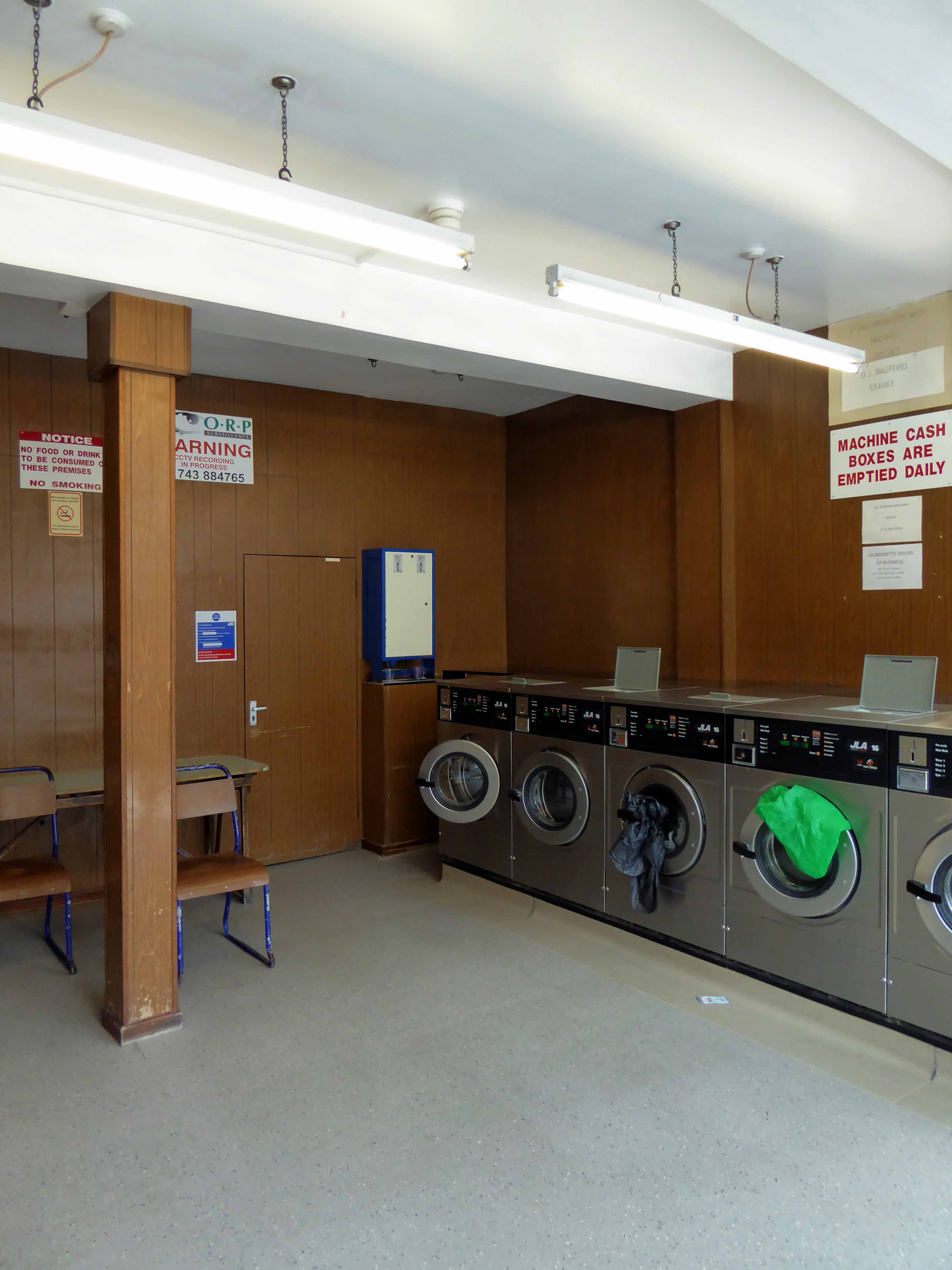
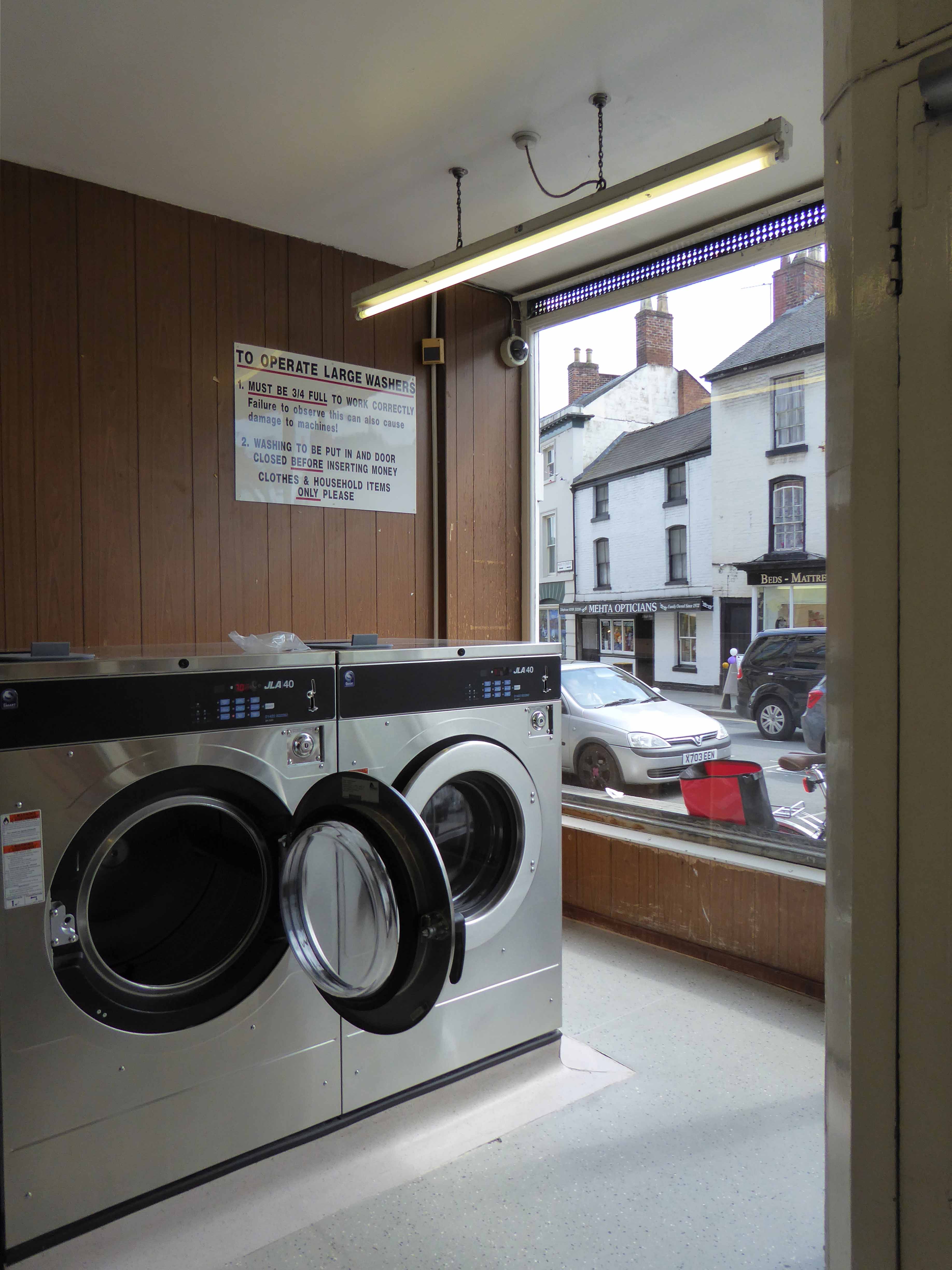
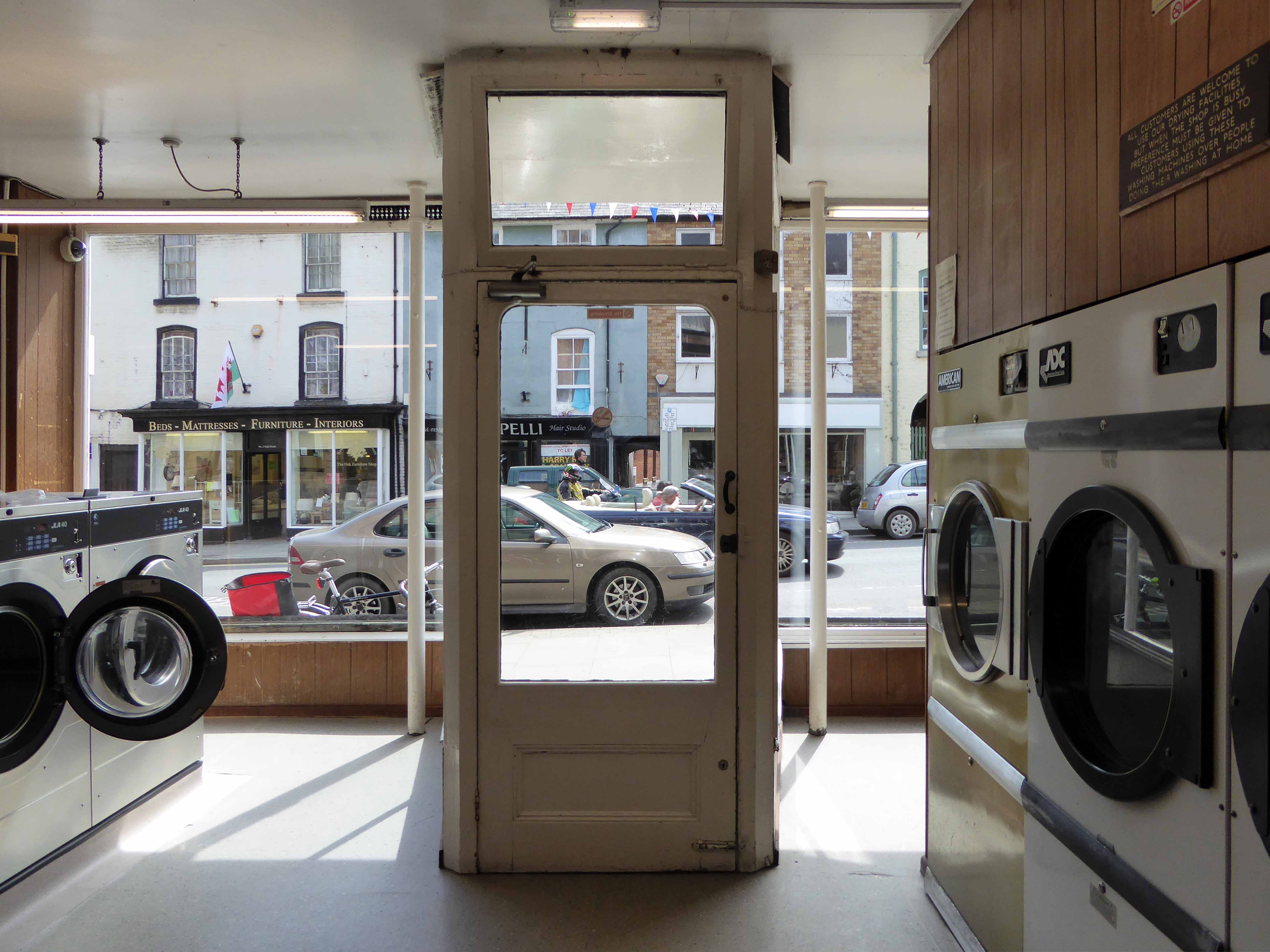
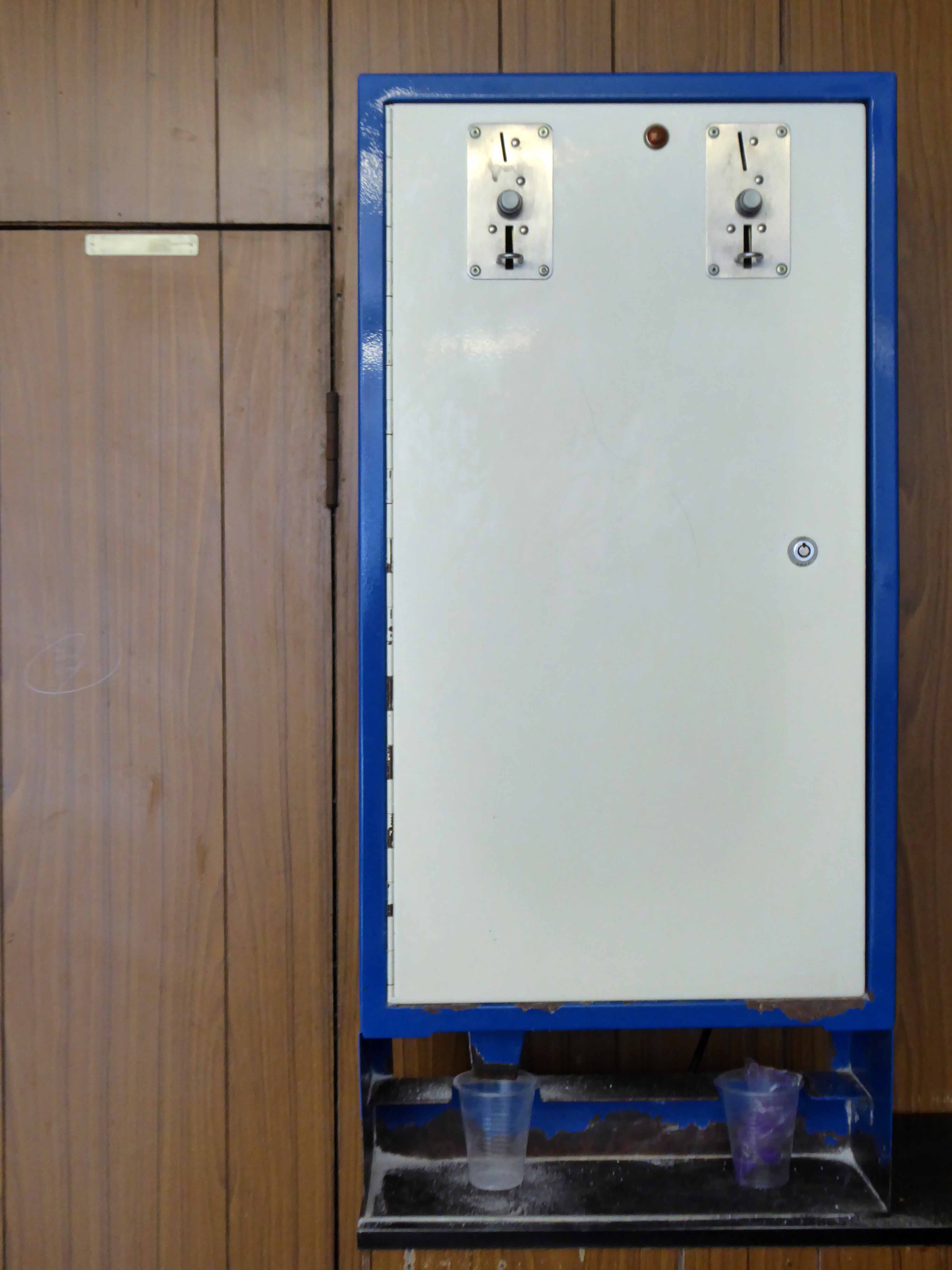
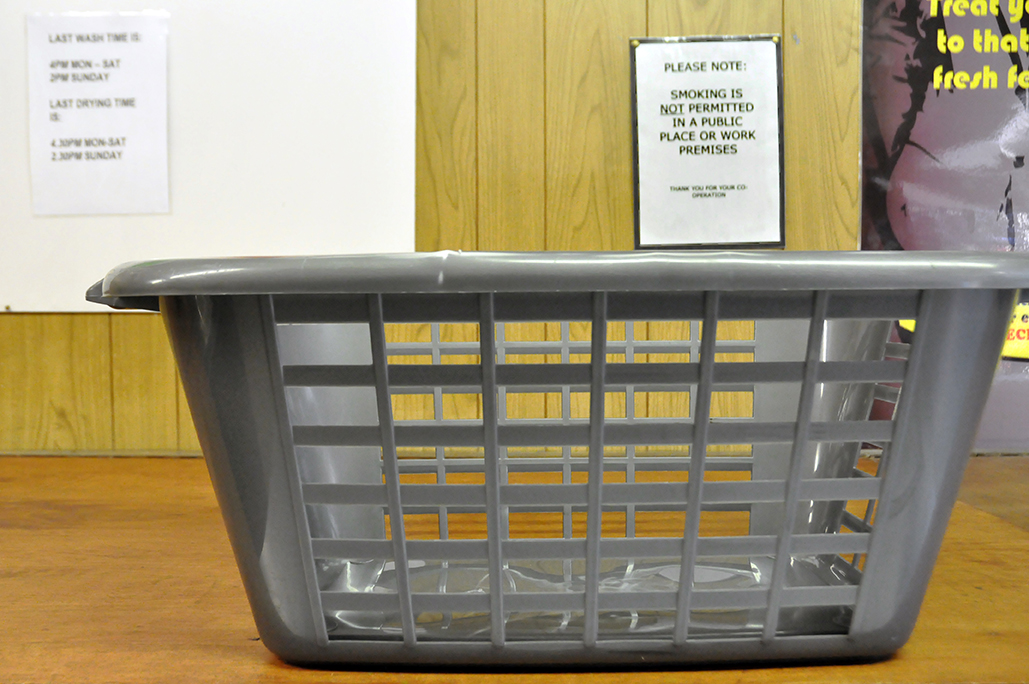
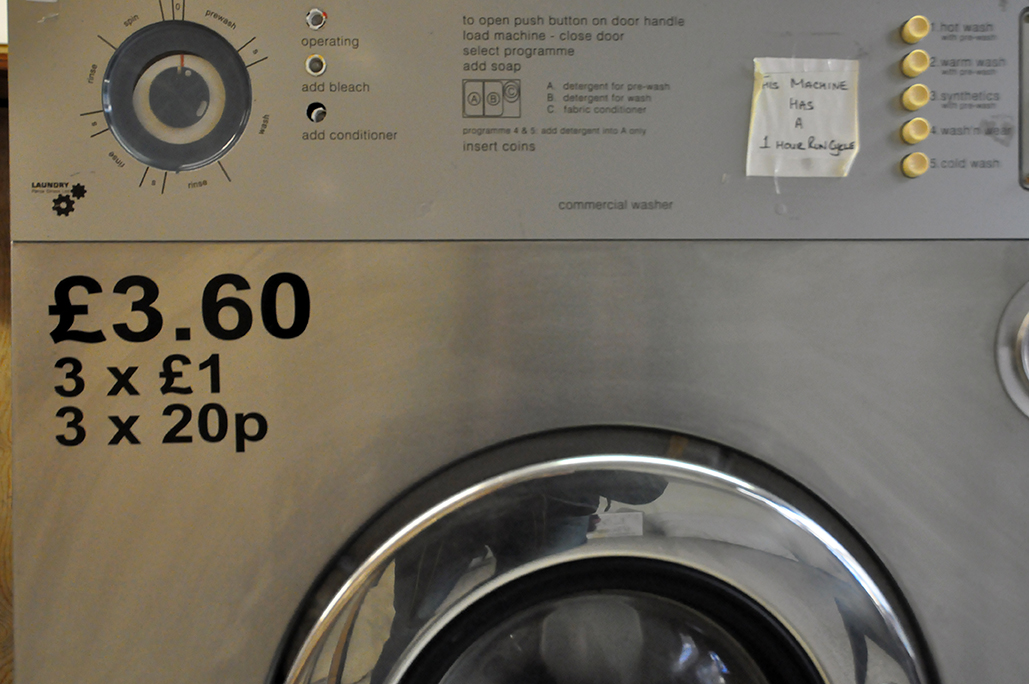
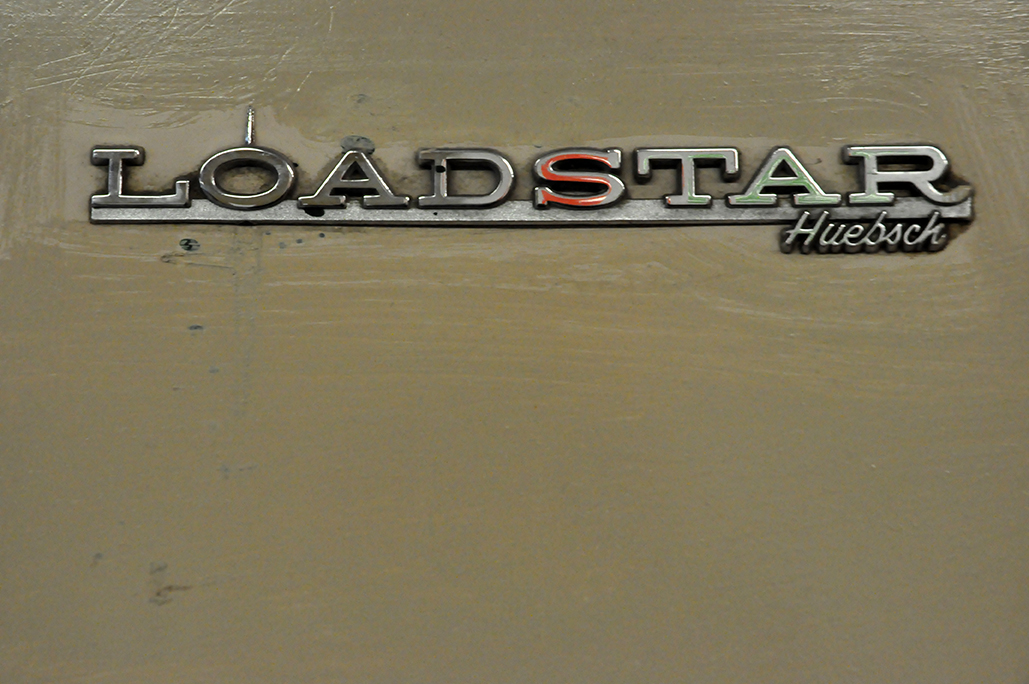
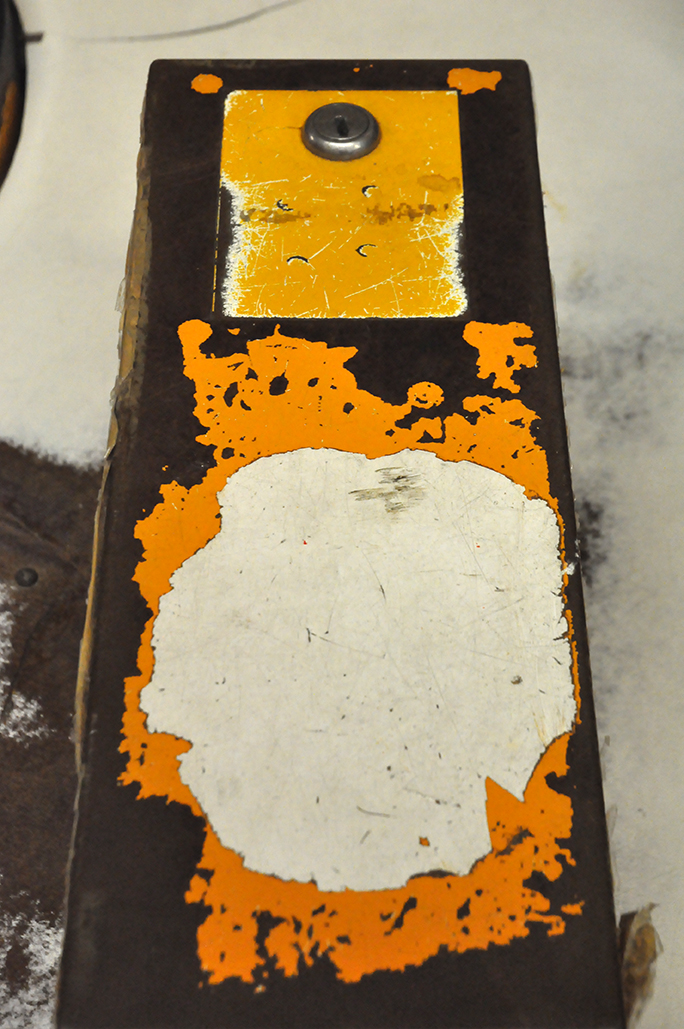
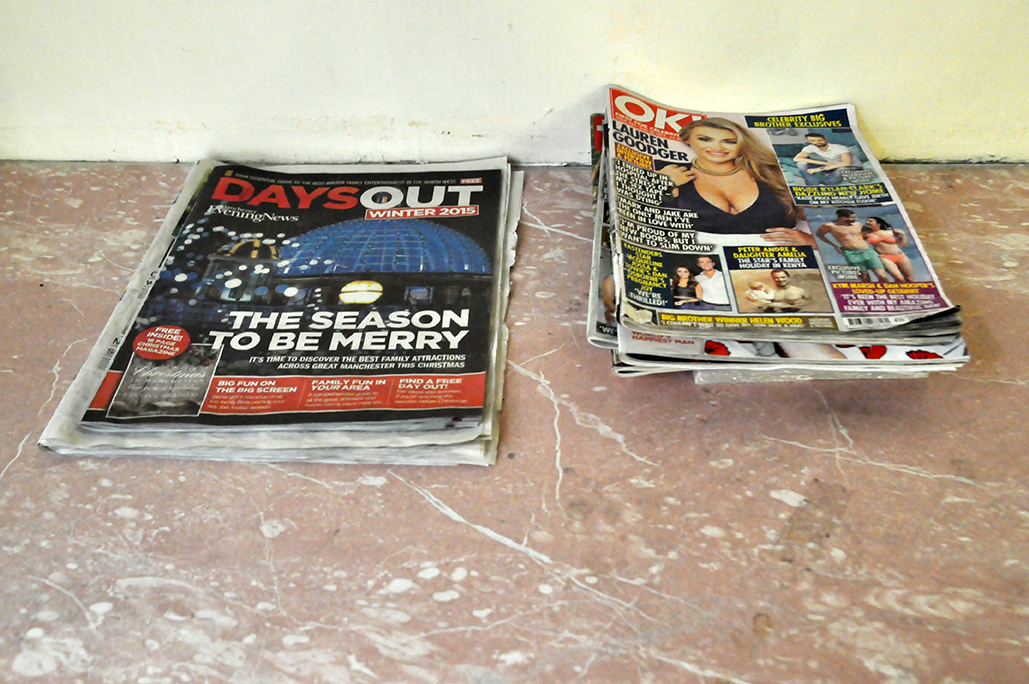
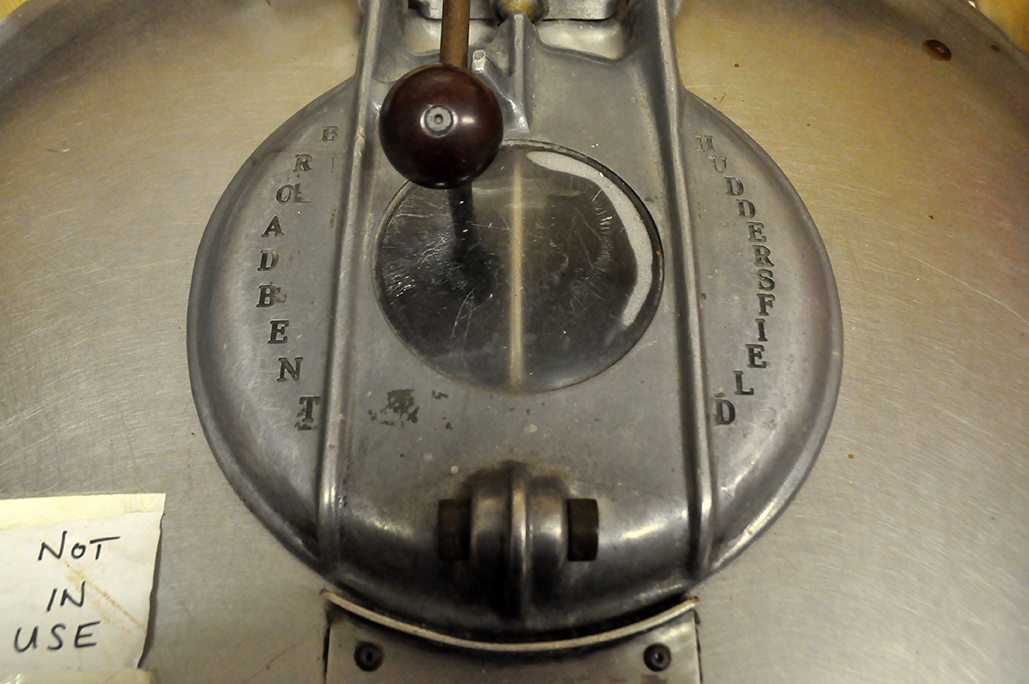
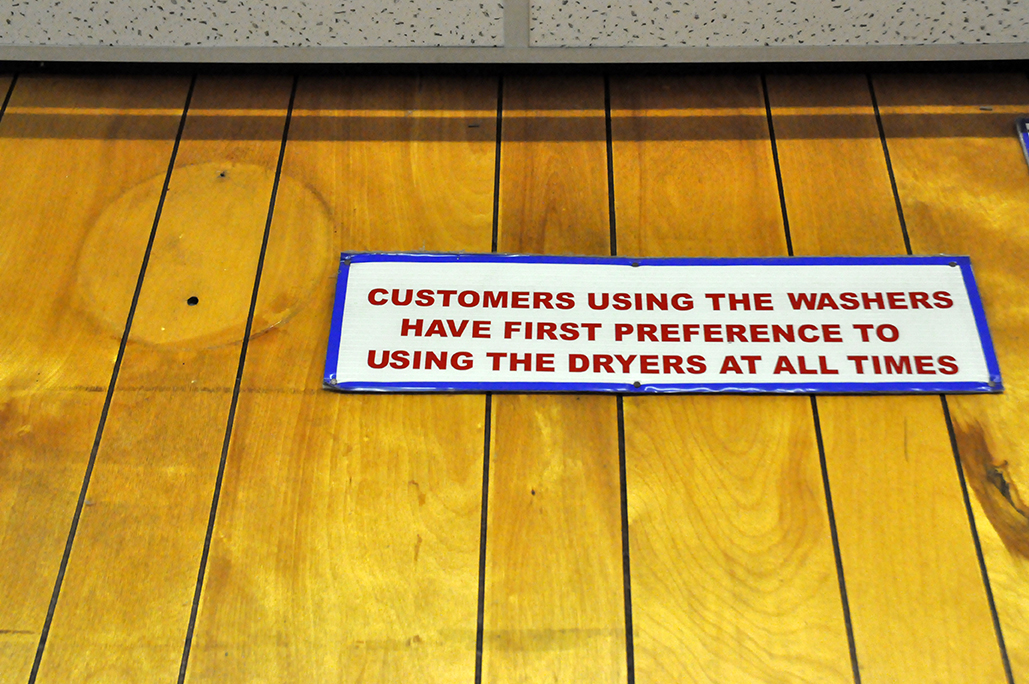
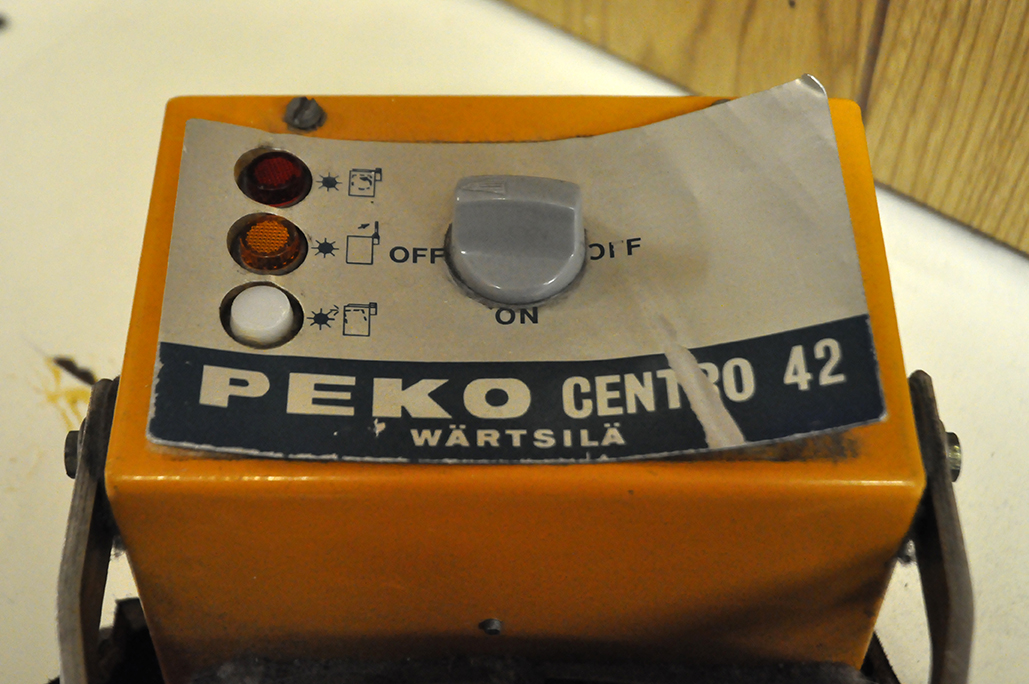
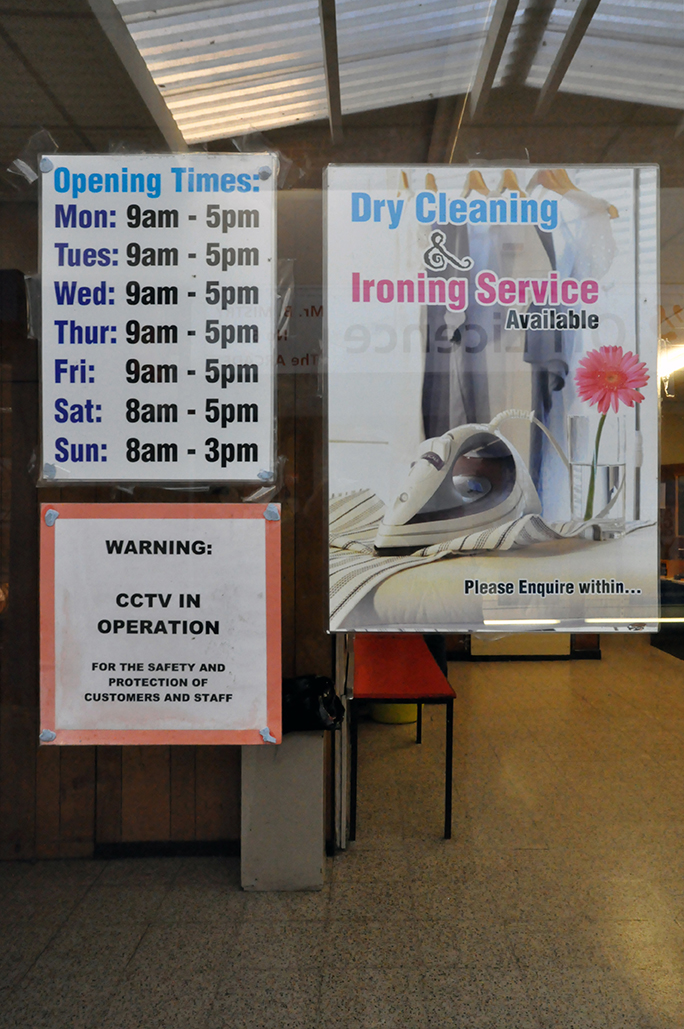
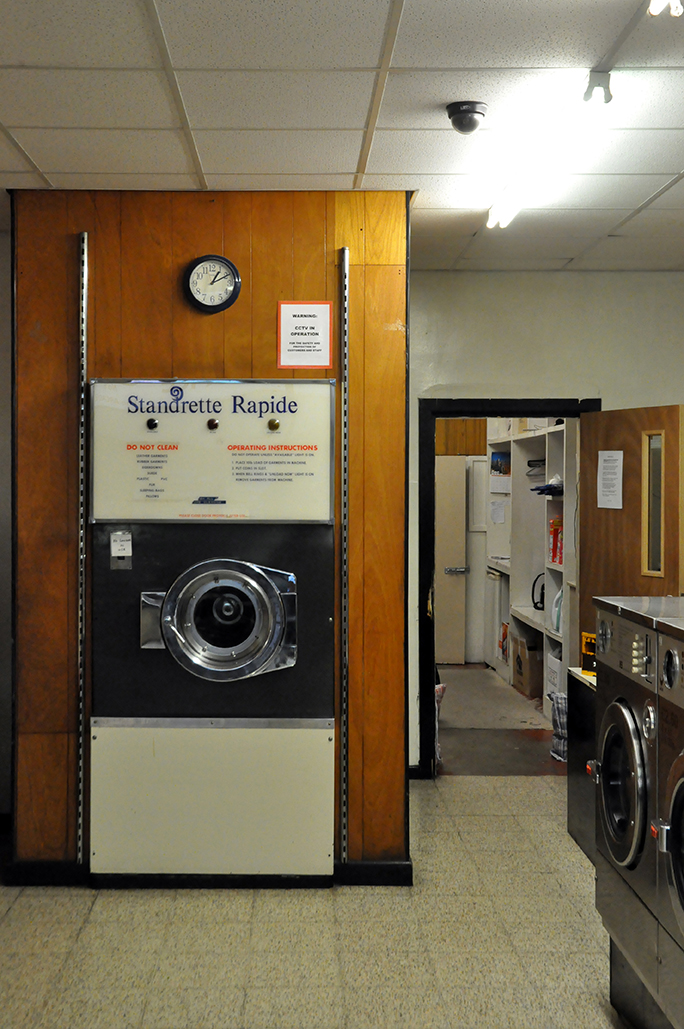
Laundrette – Welshpool

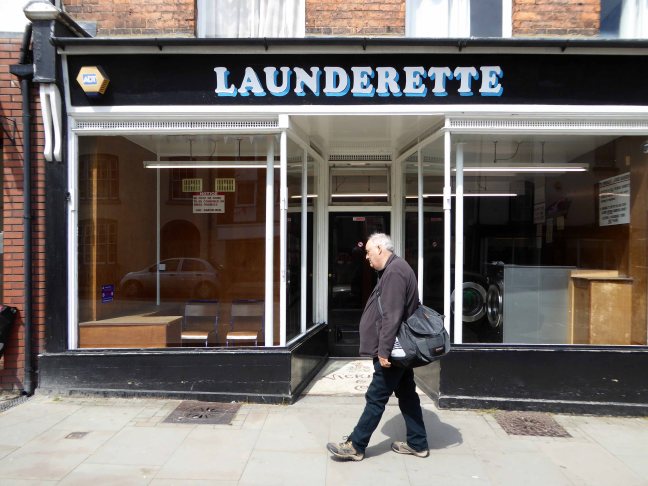
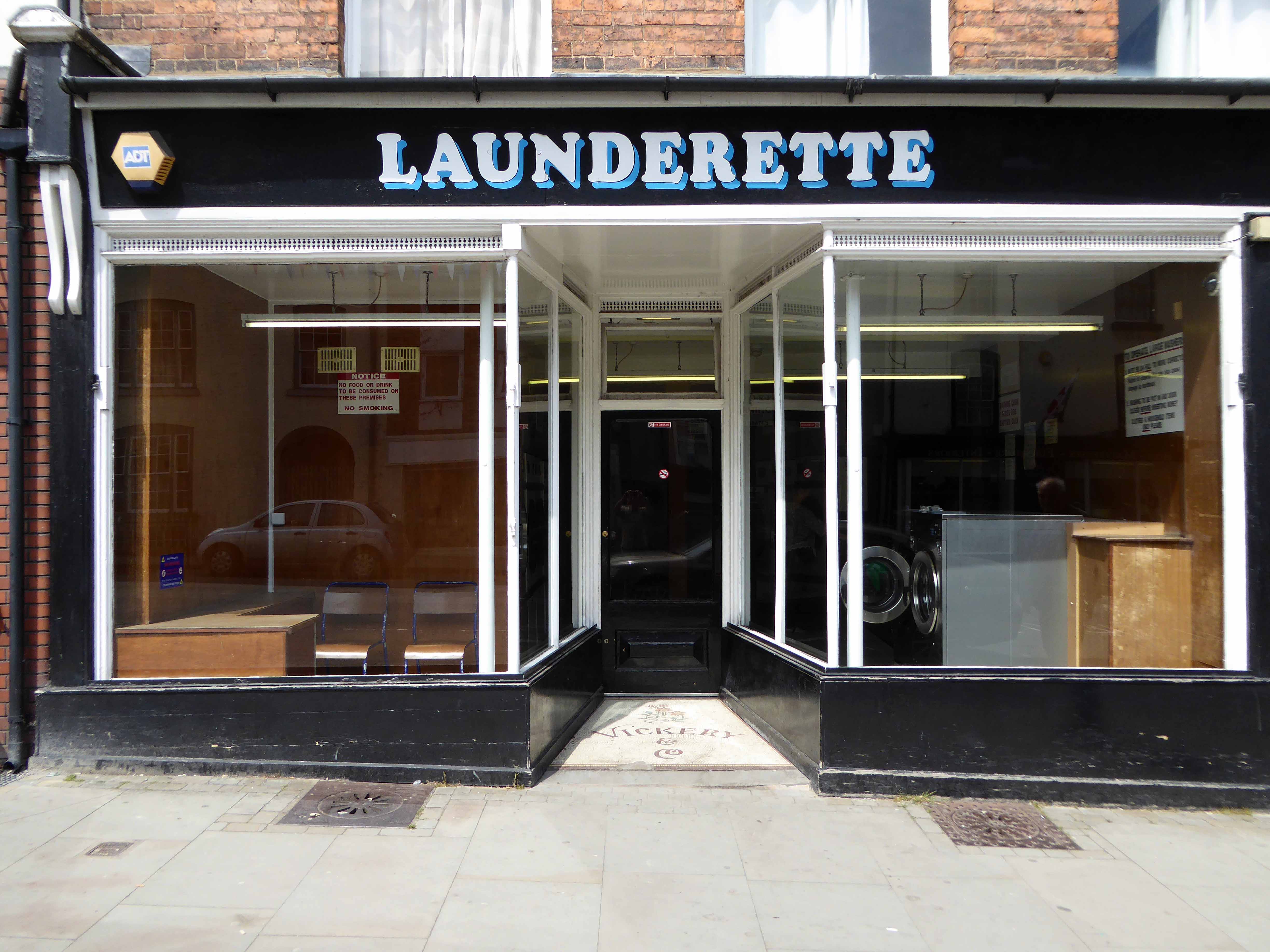
When walking the streets of Welshpool, one often finds oneself outside.

Outside a launderette.

I paused.

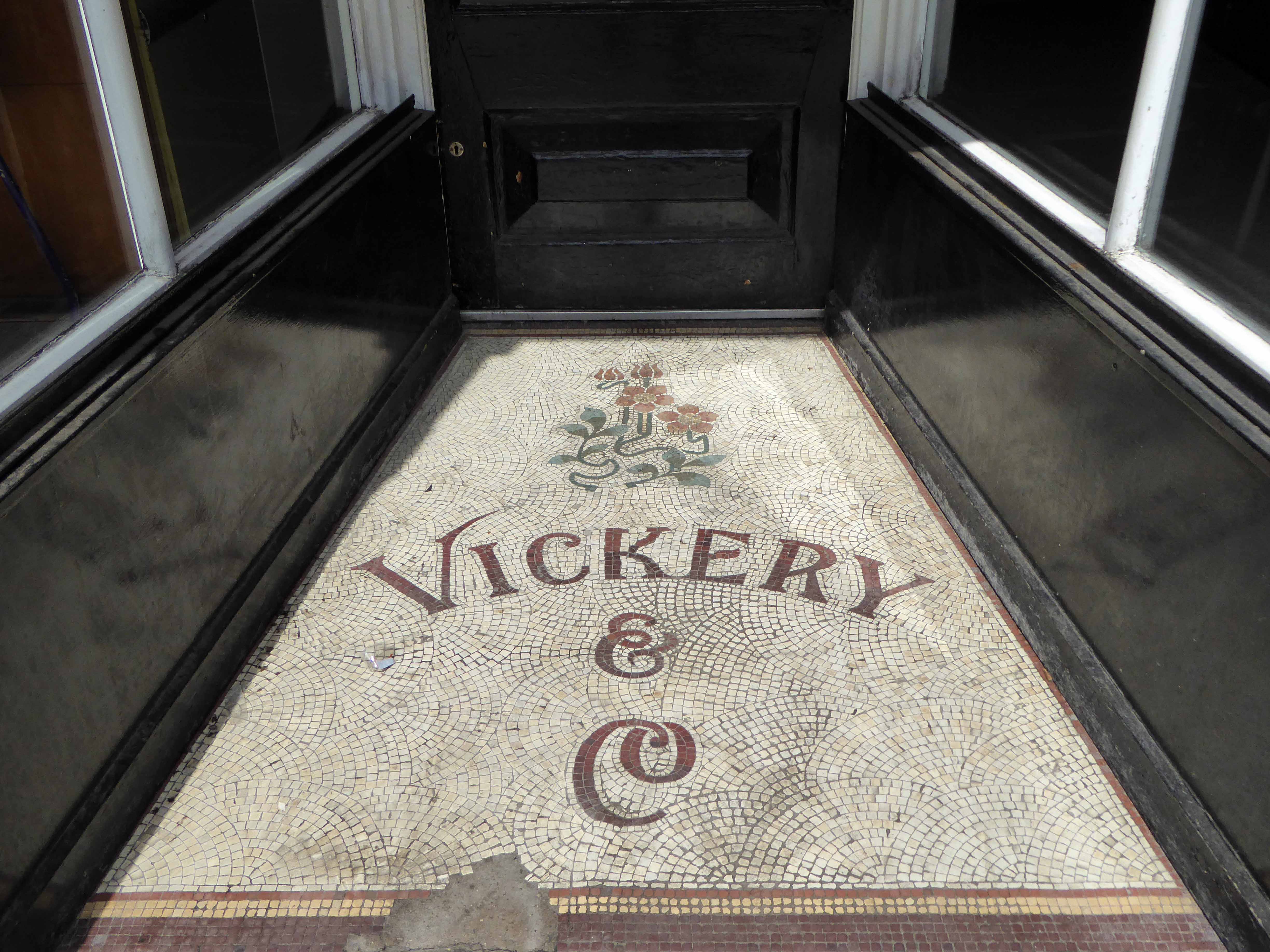
The porch was decorated by the most enchanting mosaic, Vickery and Co.

Hosiers, Hatters and Outfitters.

Politely, ever so politely, I asked the two local lads if they would step aside from their porch perch one moment, I snapped.

And walked on.

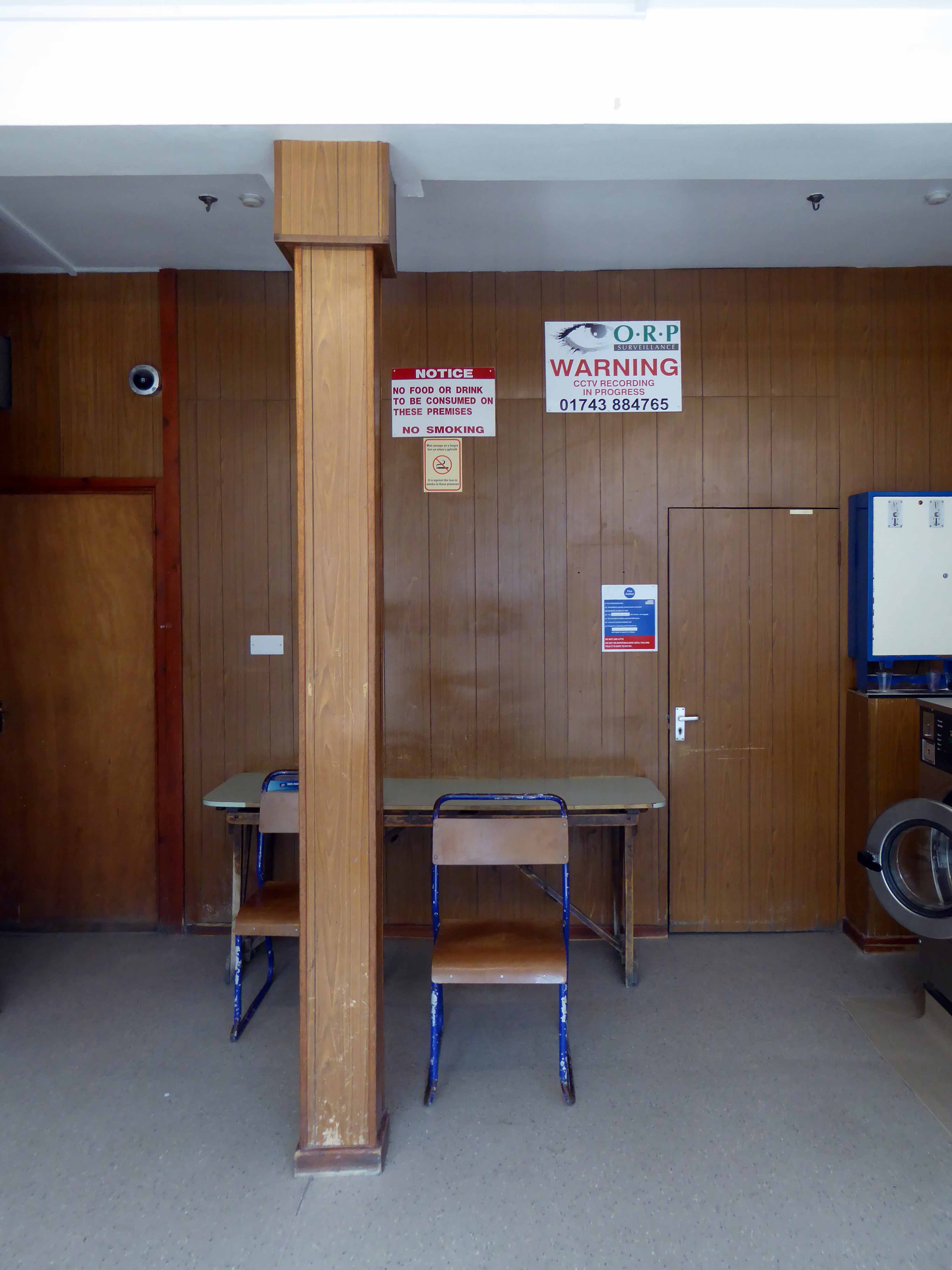
Upon my return, nobody was here, I hurriedly occupied the vacant space, with the expansive volume of my incurable curiosity.

Here is what I found.

P1050847 copy

P1050848 copy

P1050849 copy

P1050850 copy

P1050851 copy

P1050852 copy

P1050853 copy

P1050854 copy

P1050855 copy

P1050856 copy

P1050858 copy

P1050859 copy

P1050860 copy

P1050861 copy

P1050862 copy

P1050863 copy

P1050864 copy

P1050865 copy

P1050866 copy

P1050867 copy


WH Smiths – Newtown Powys

Life is full of tiny delights.

Newtown, a town of tiny delights, my journey through Wales by bike took me there.

None more delightful and surprising than the branch of WH Smiths, its exterior adorned with the most beautiful of signs, tiles and lamps.

P1050808 copy

P1050802 copy

P1050804 copy

P1050807 copy

P1050811 copy

P1050805 copy

P1050834 copy

P1050803 copy

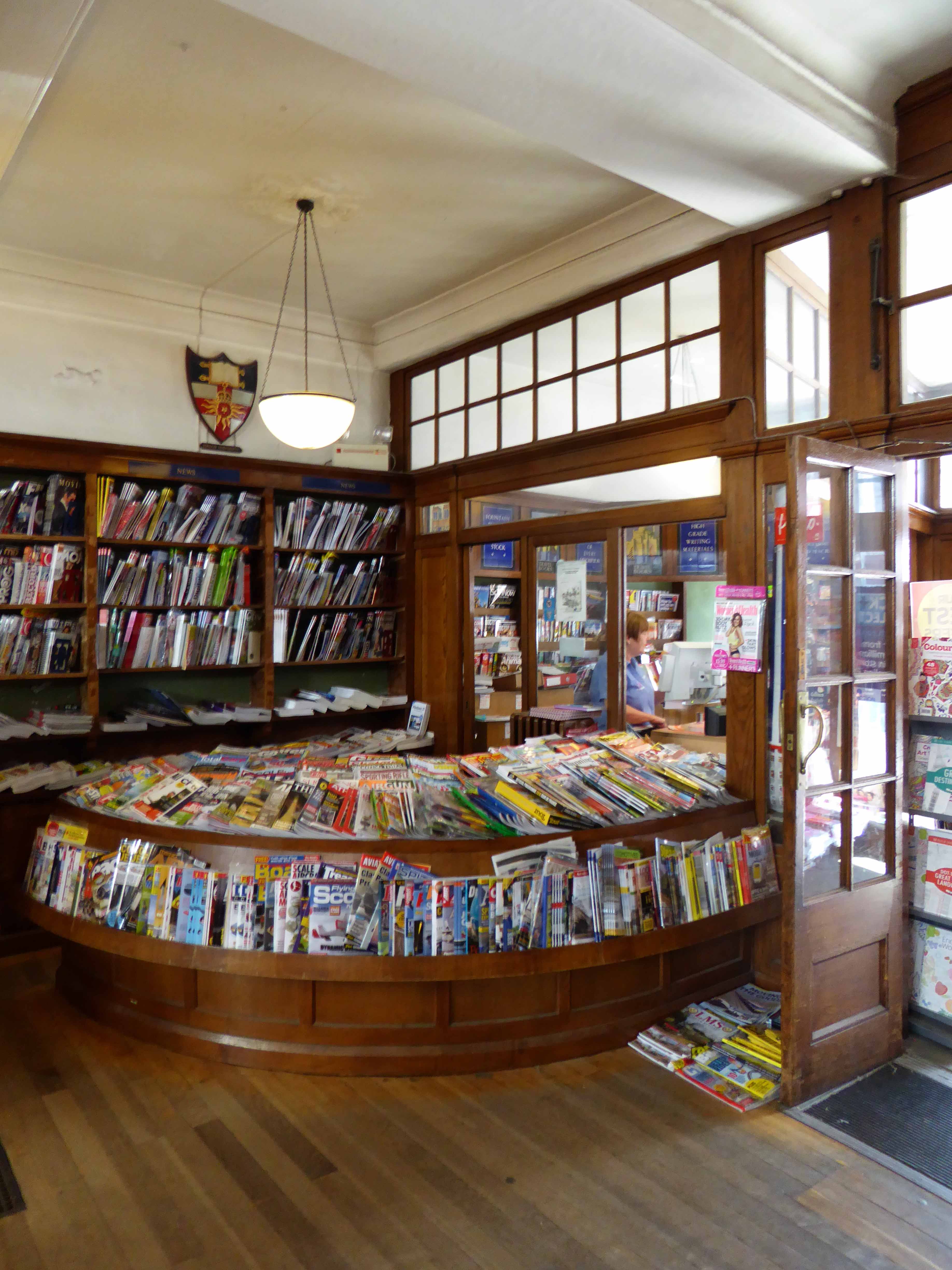
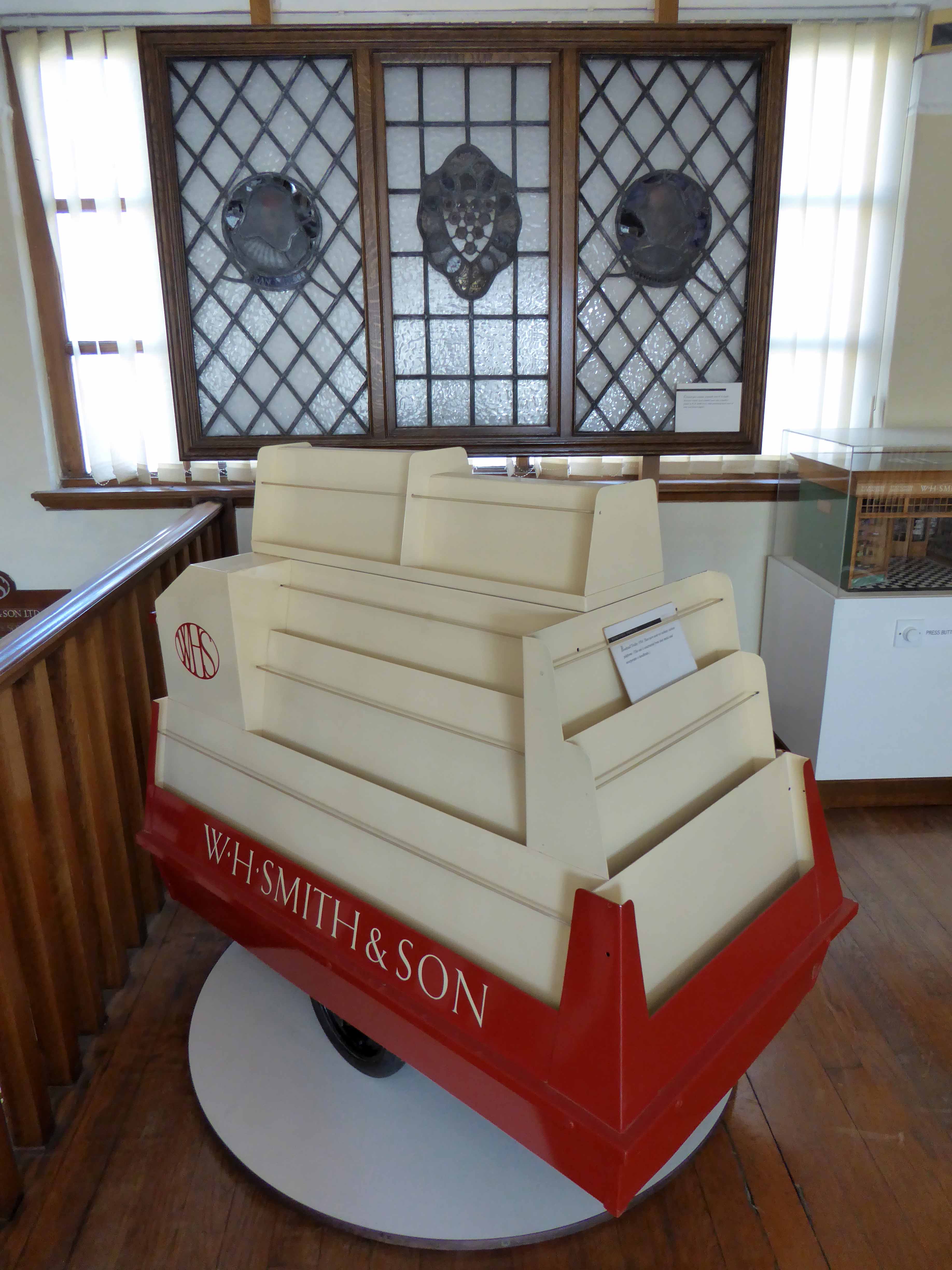
Curious, curiously I  explored further, the porch housed a newspaper and magazine stall with further tiled images.

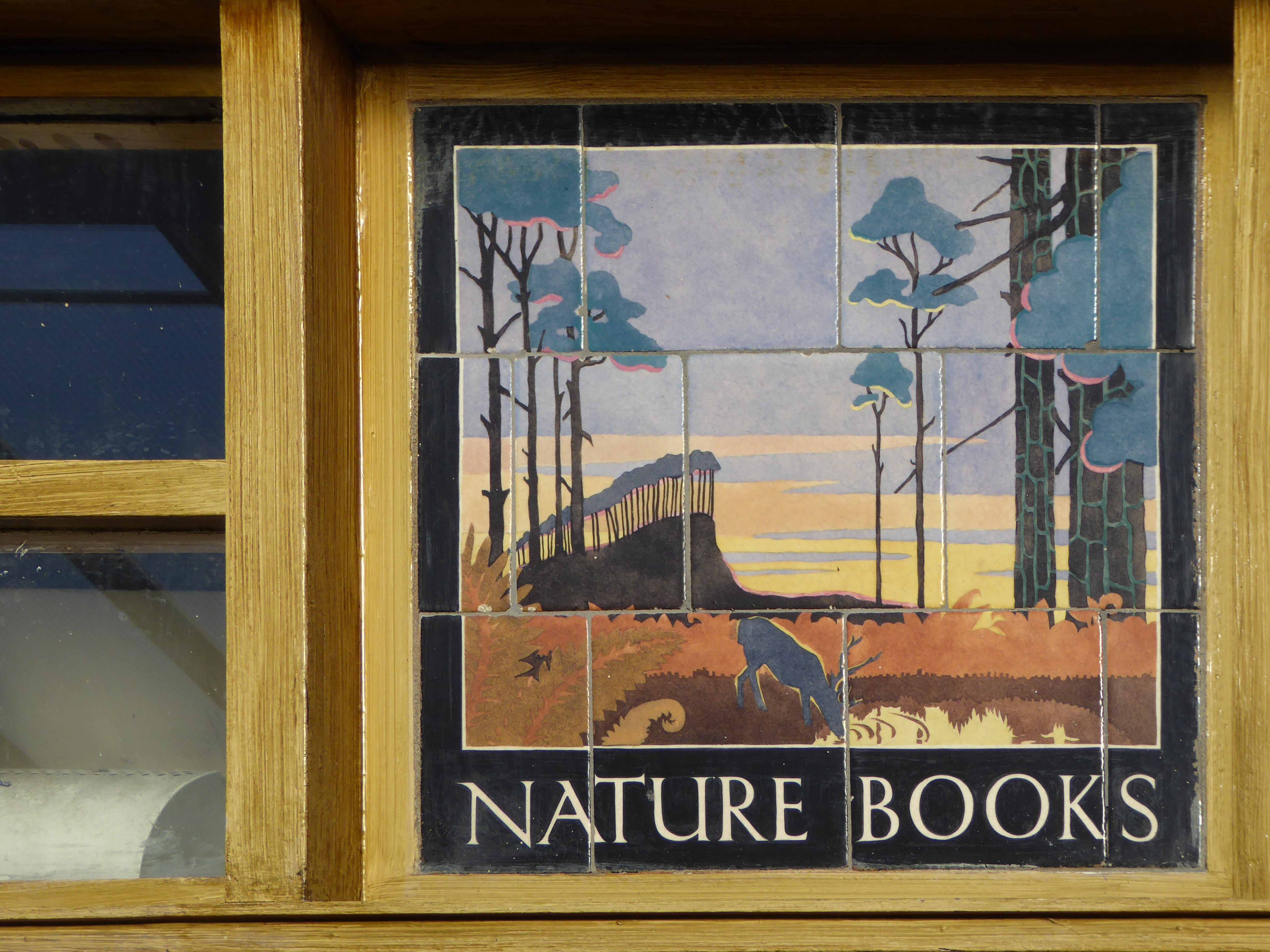
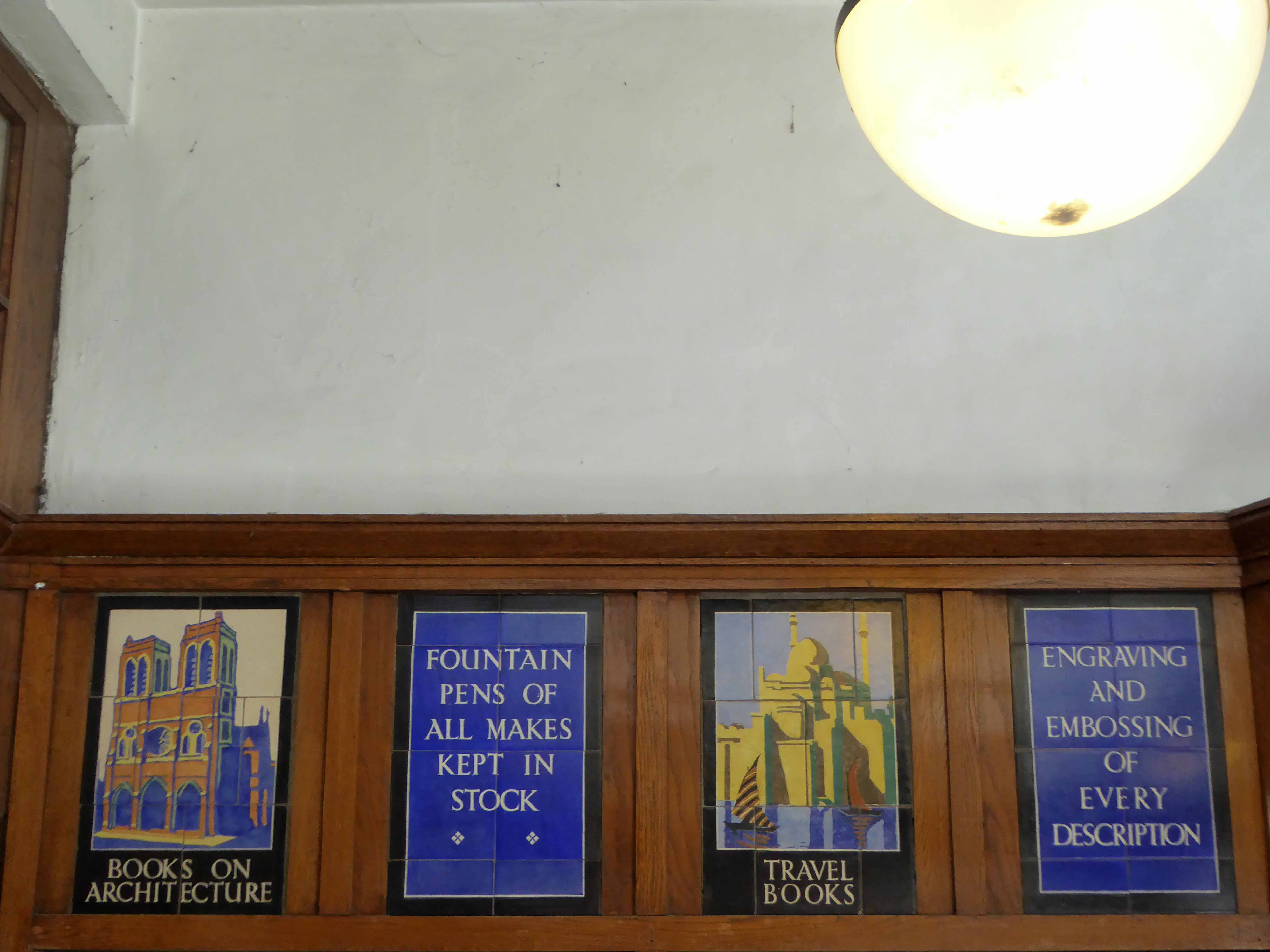
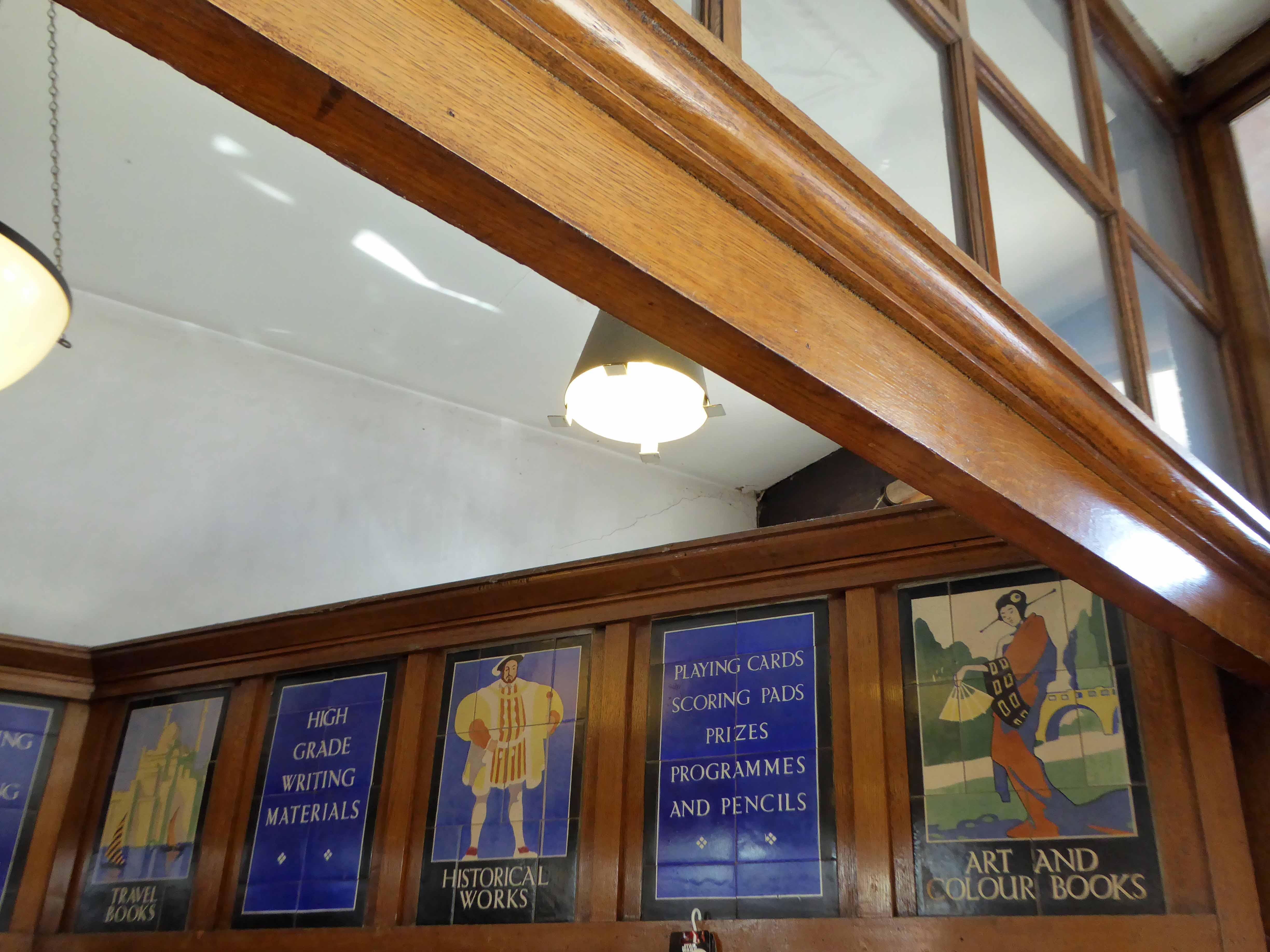
These tiles were made by Carter & Co. at their pottery works in Poole, Dorset in the 1920s. Commissioned by the retailer, they were installed in the entrance ways of a number of its branches. They were intended to advertise the wide selection of books and other items on sale, however their distinctive Art Deco style and the scenes depicted also expose a great deal about society at that time.

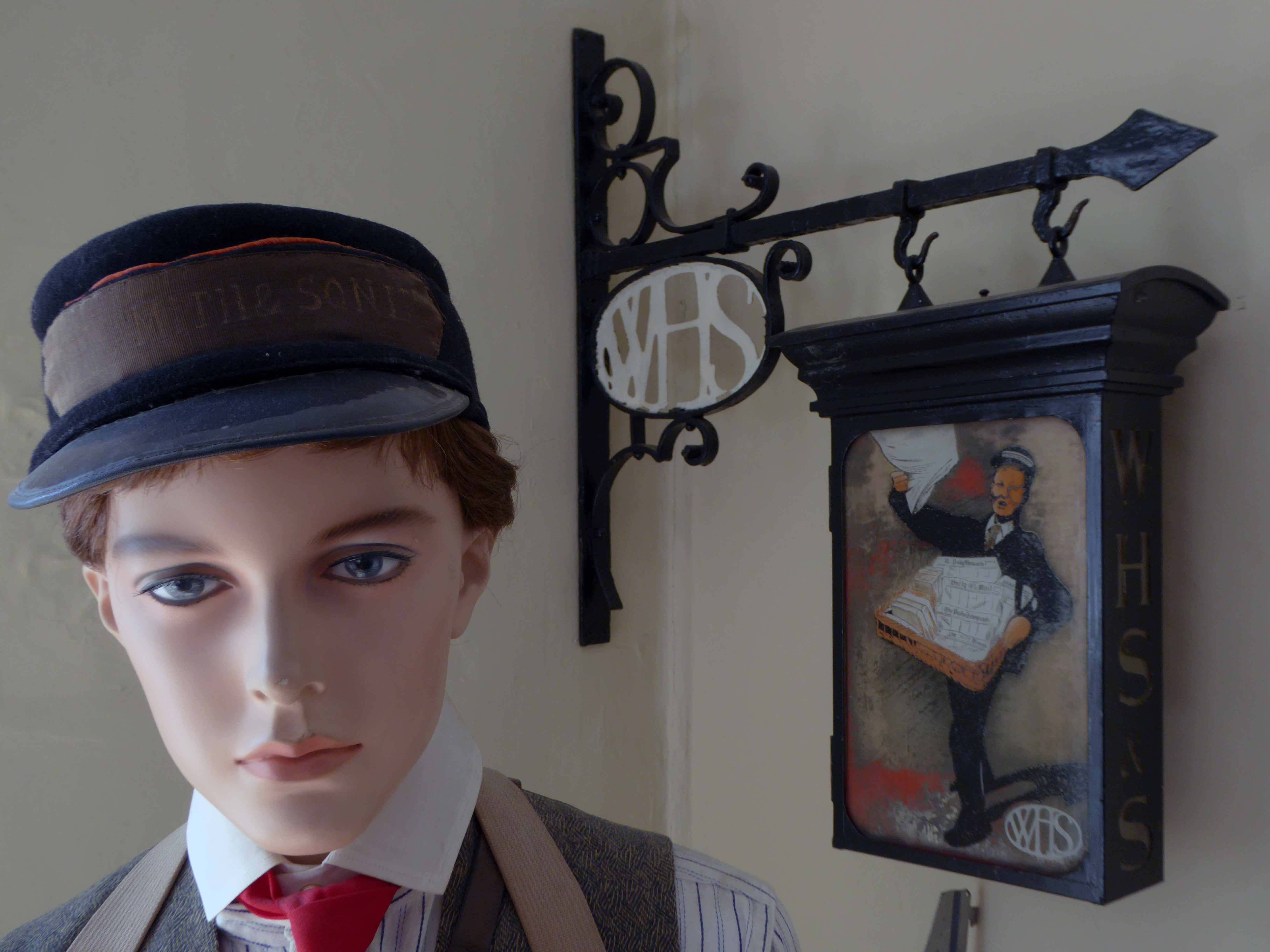
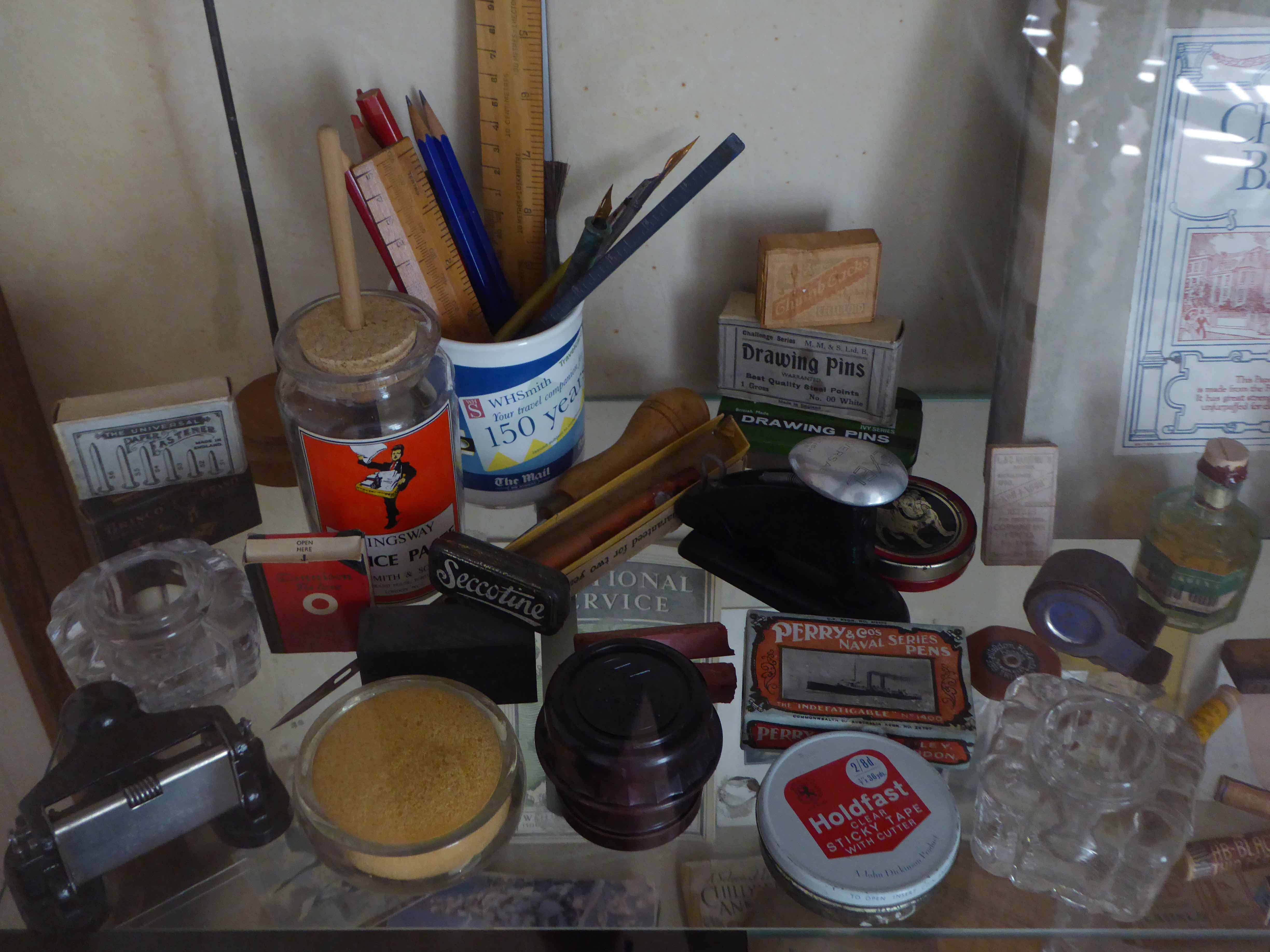
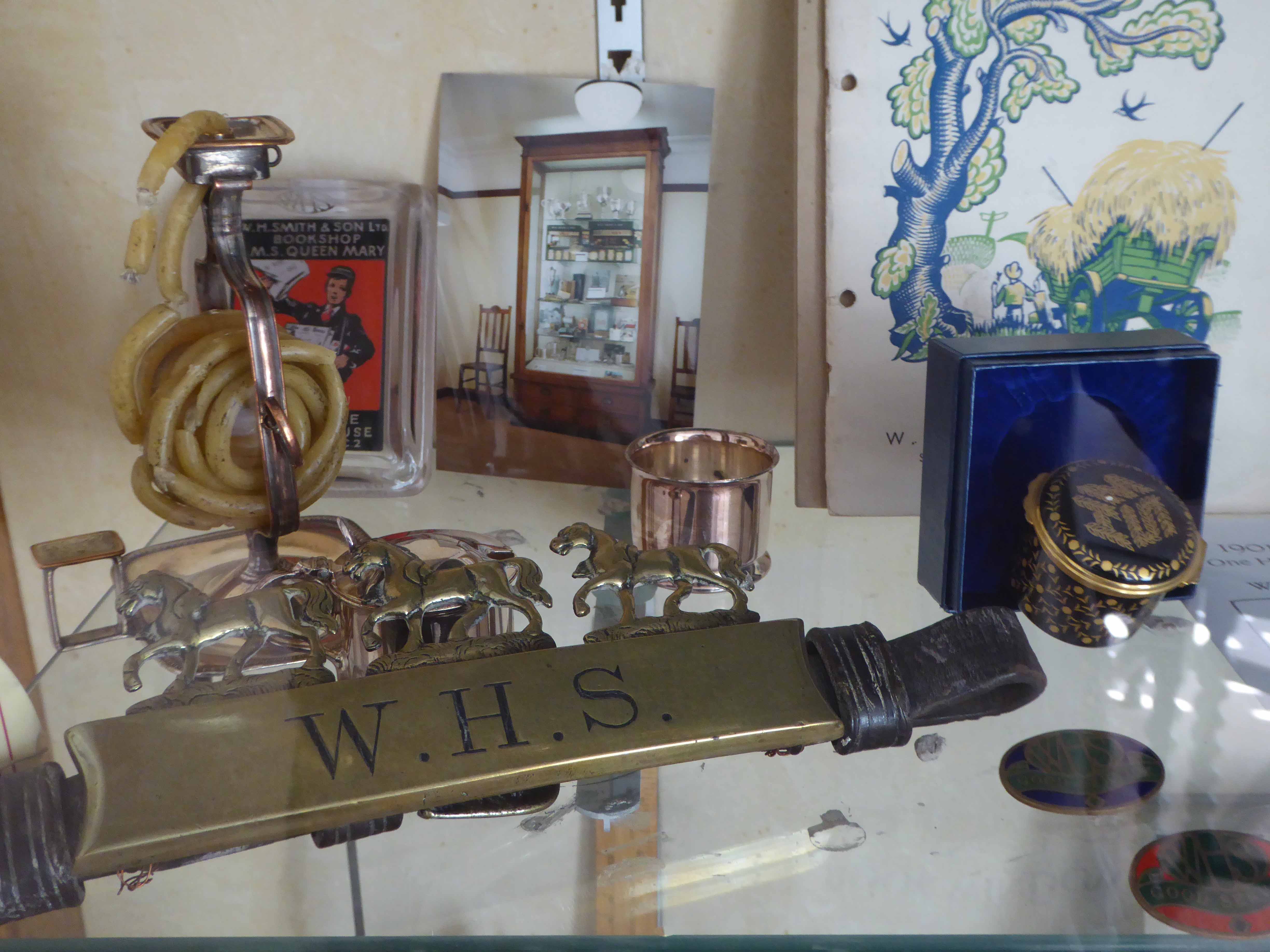
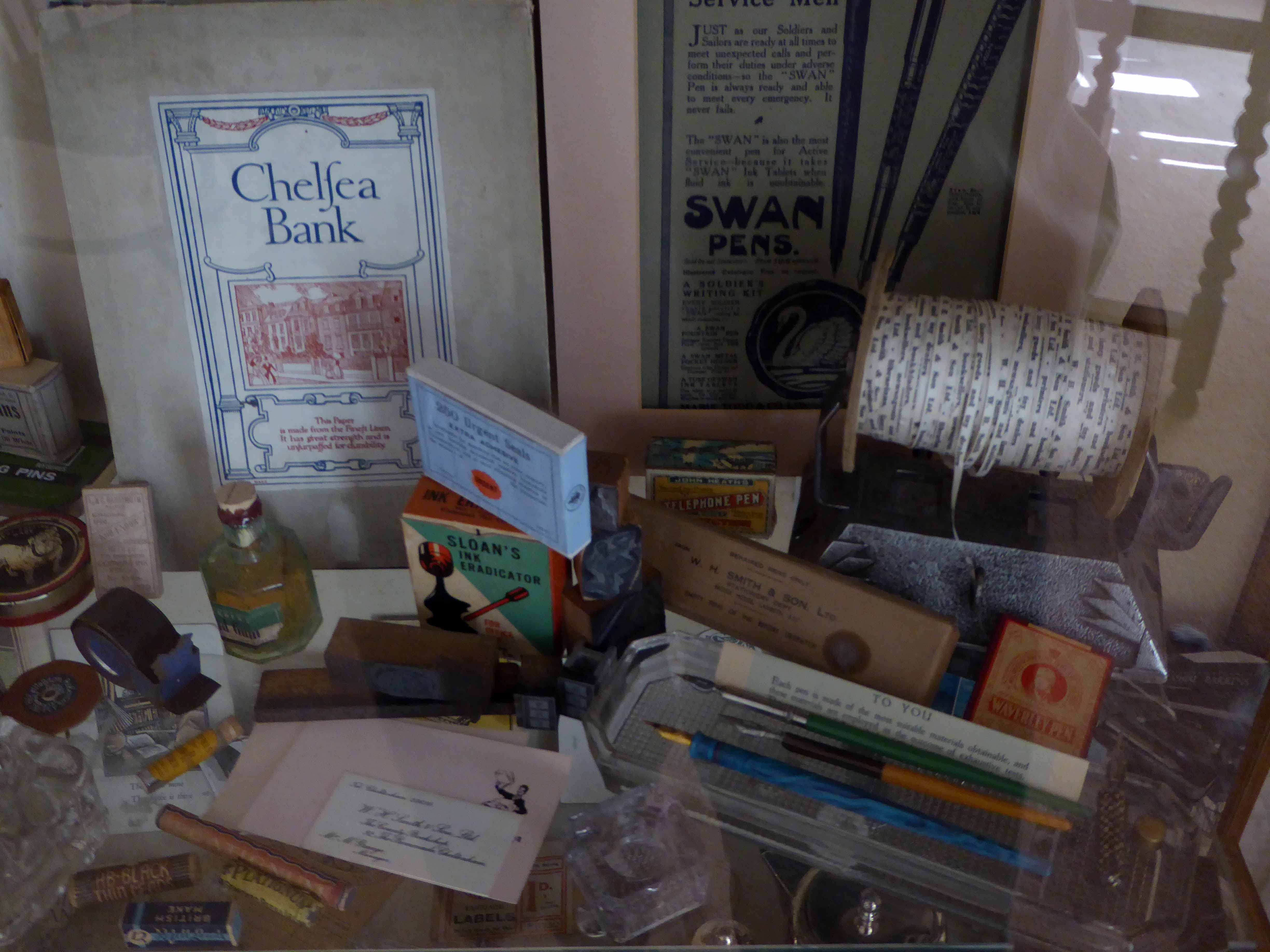
In subsequent decades, particularly during periods of refurbishment from the 1960s, many shops lost their decorative panels, either being removed or covered over. Only seven branches of WHSmith are known to have their tile panels intact, with a few surviving in private collections. Many tiles were rescued by WHSmith and these can now be seen in a museum housed in the Newtown branch in Powys. 

Further information

P1050813 copy

P1050814 copy

P1050832 copy

The staff were typically helpful and accommodating – directing me to the Museum upstairs – just pull the rope to one side.

Go take a look 

P1050820 copy

P1050822 copy

P1050823 copy

P1050824 copy

P1050825 copy

P1050826 copy

P1050827 copy

P1050828 copy

P1050829 copy

P1050830 copy

Eastford Square – Collyhurst

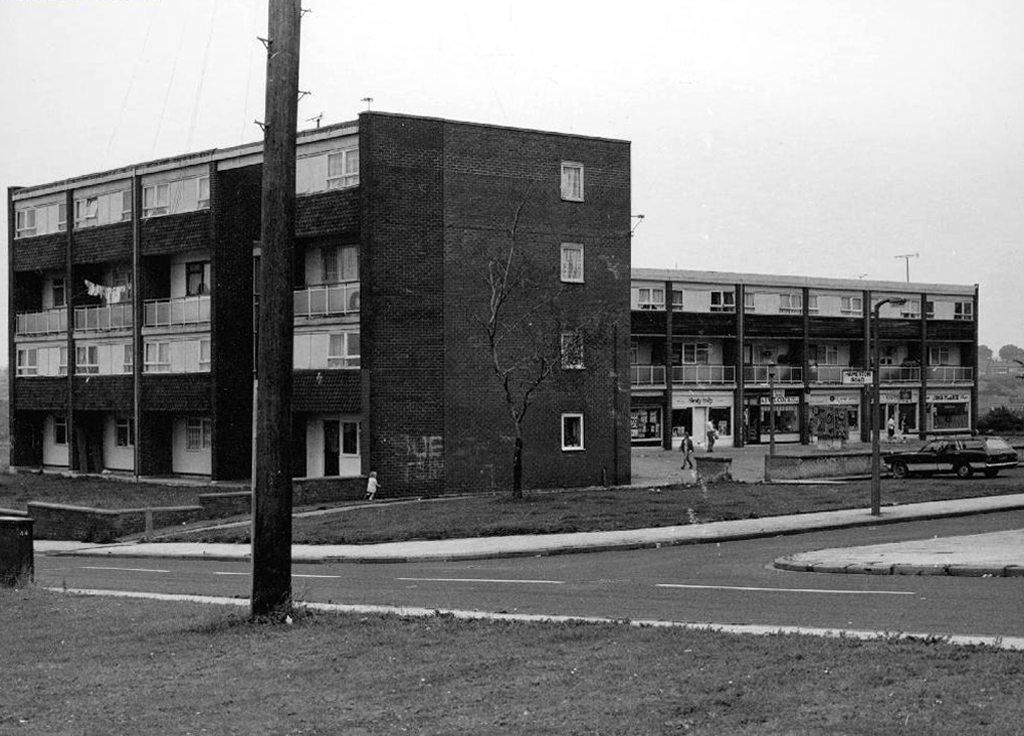
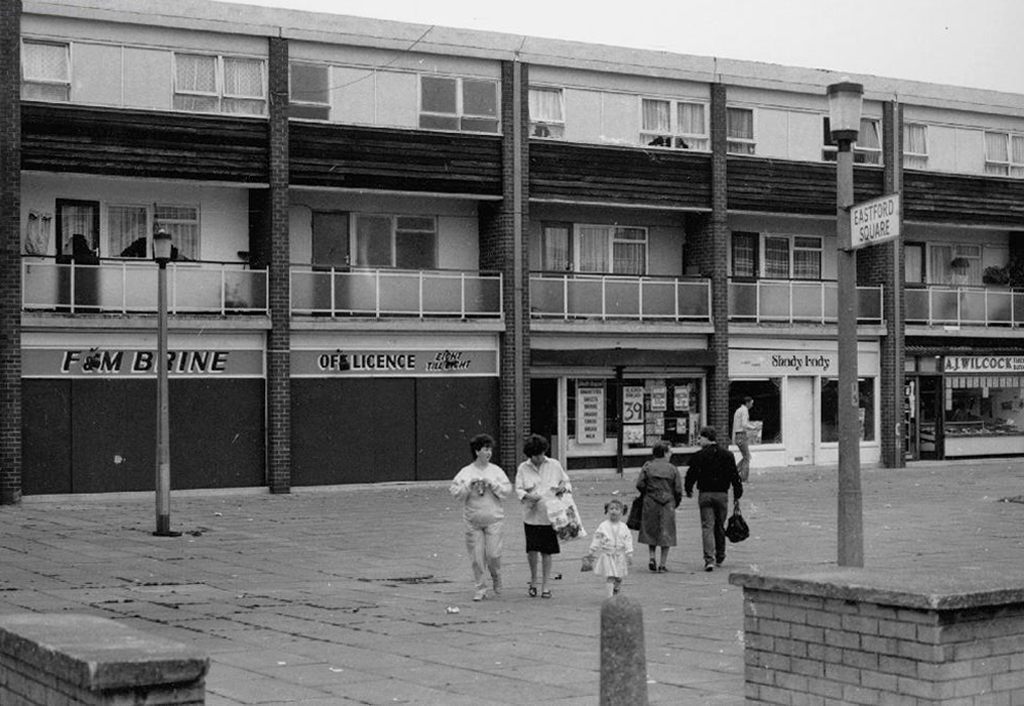
Once there were homes, postwar social housing.

Once there were jobs, a measure of prosperity.

A settled community.

webmedia-1.php
webmedia-4.php
webmedia-2.php
webmedia-3.php

Time has not been kind to North Manchester, successive slumps, double-dip depressions, economic downturns, and centrally imposed recession hurts.

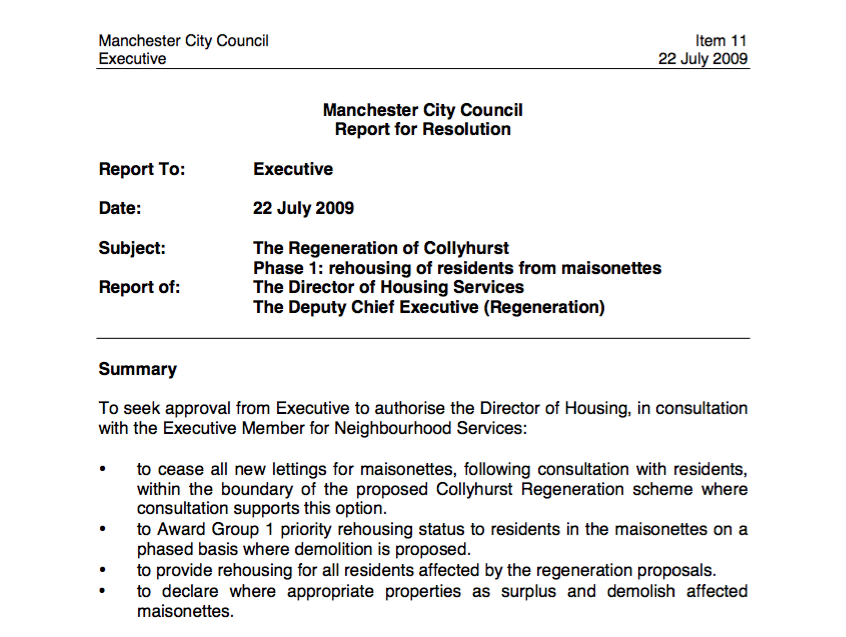
The local authority steps in, from 2009 the fate of Eastford Square is sealed.

Regeneration.Screen Shot 2016-05-06 at 16.39.43

Spells demolition.

One wing is already gone, the maisonettes are tinned up.

P1040328 copy
P1040330 copy
P1040310 copy
P1040340 copy
P1040333 copy
P1040327 copy
P1040329 copy

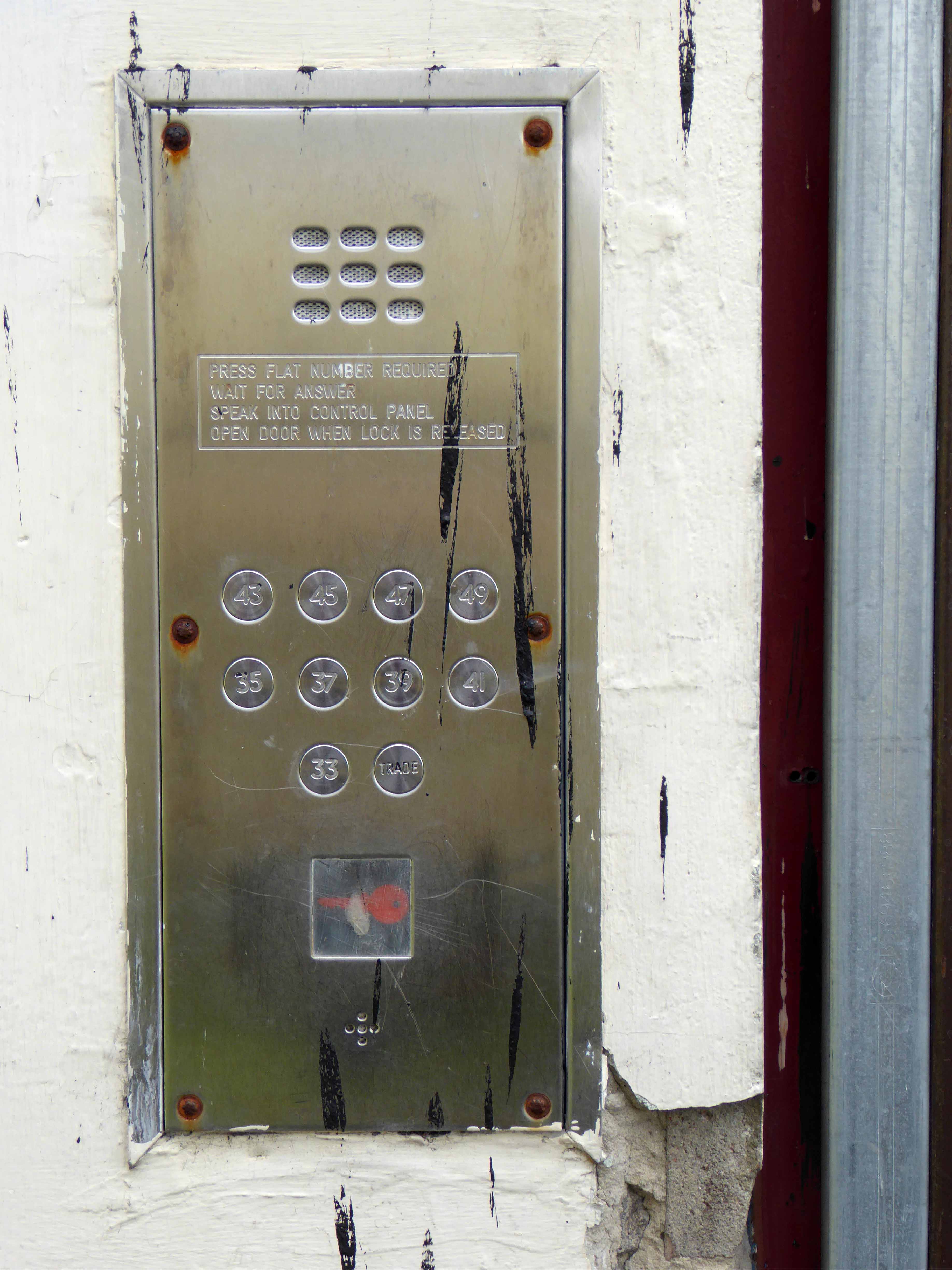
The Flower Pot Café, still fully functional, fed me well for £2, Lee the proprietor is living on borrowed time though, hoping for relocation within the new development.

P1040316 copy

Other businesses have not survived the transition, awaiting CPO and who knows what.

P1040308 copy
P1040307 copy
P1040306 copy
P1040305 copy
P1040314 copy

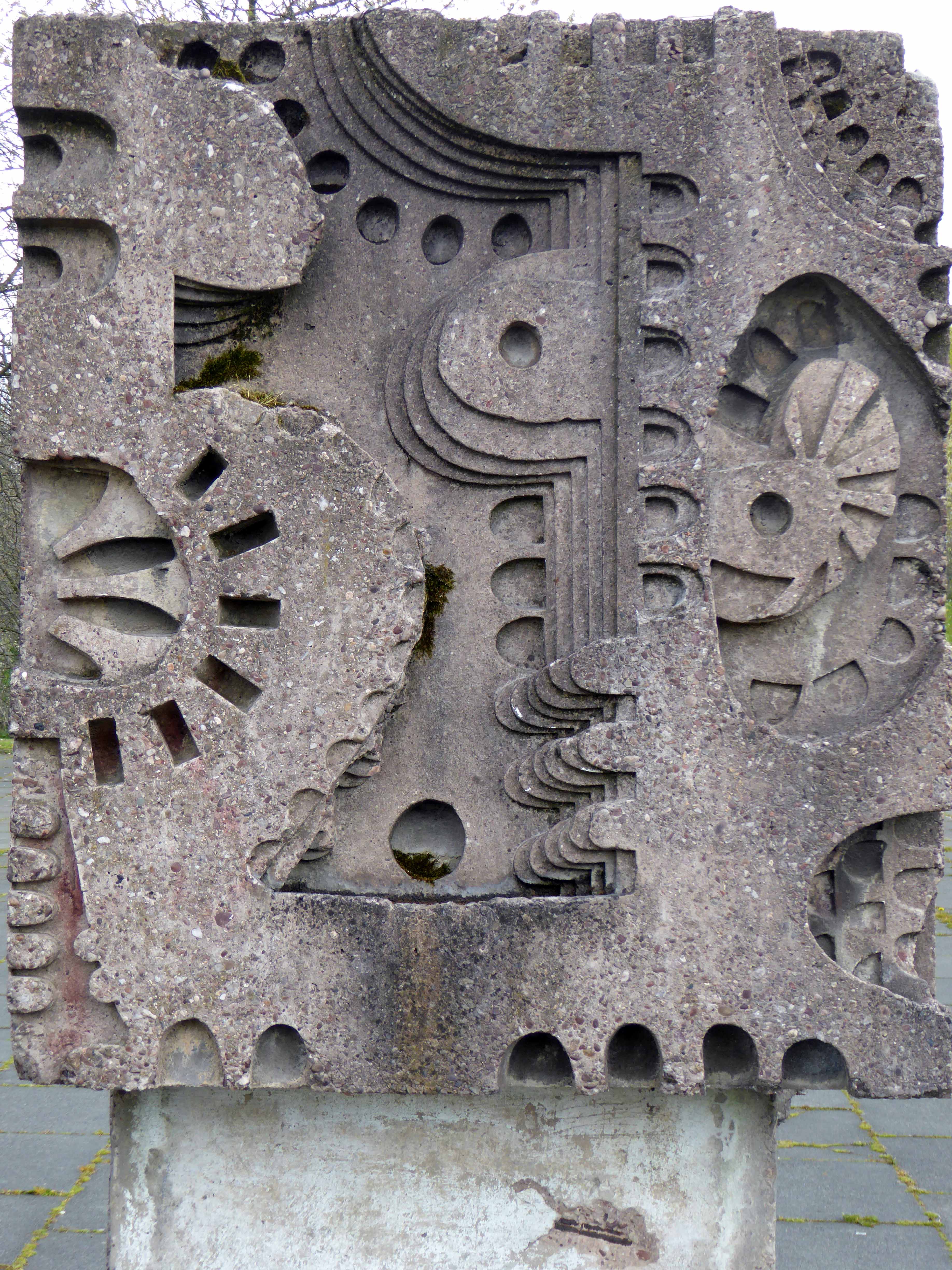
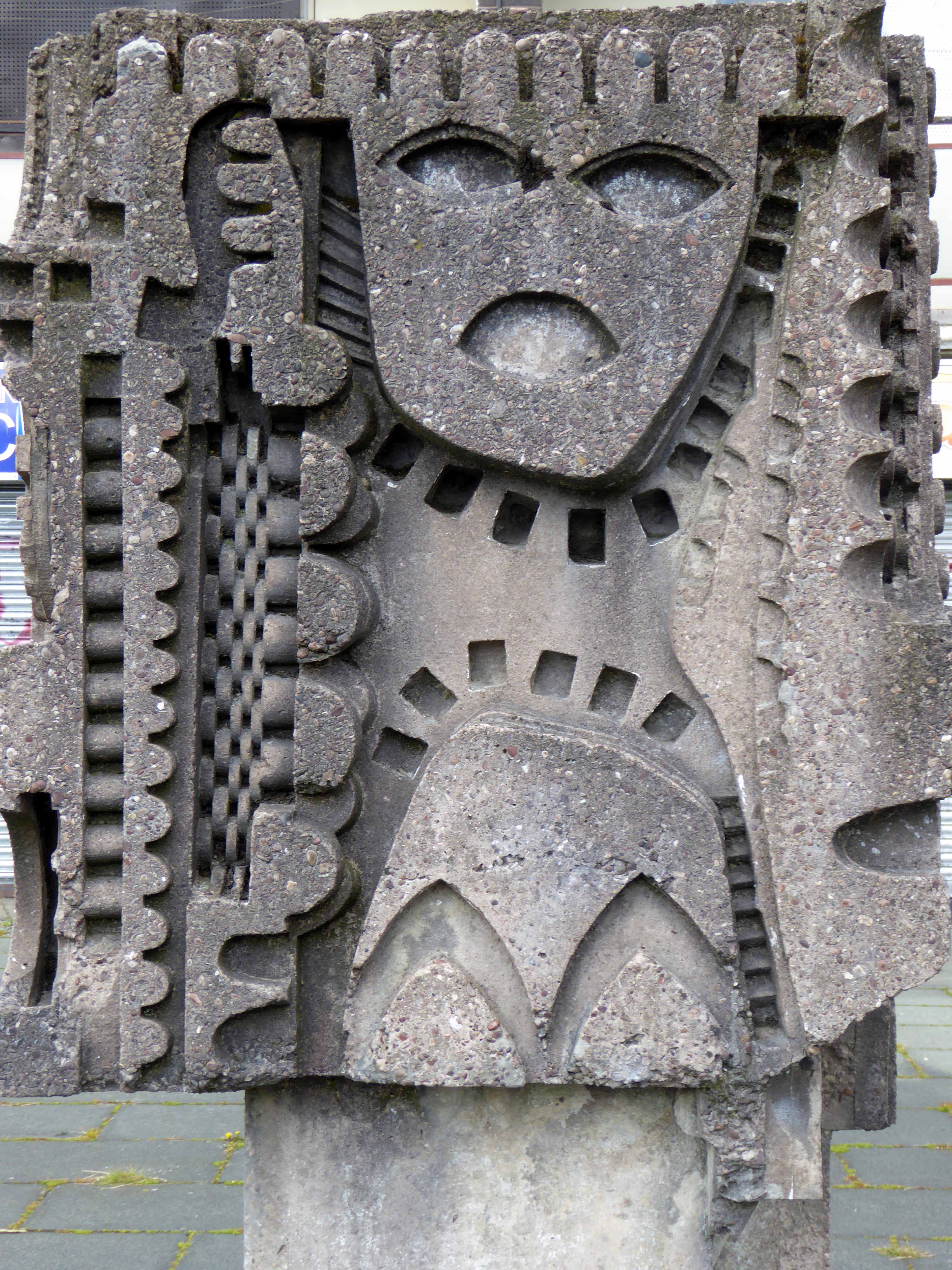
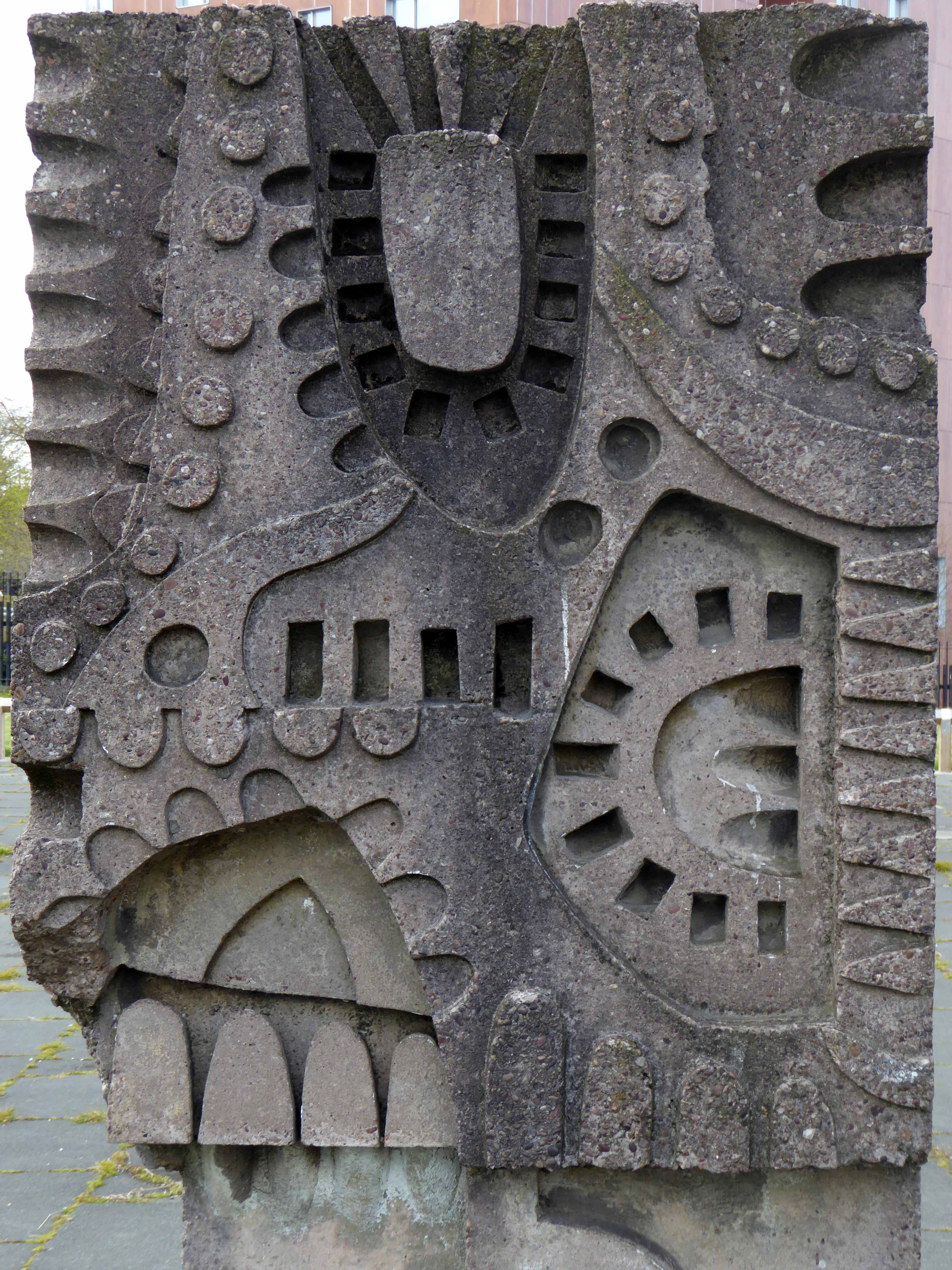
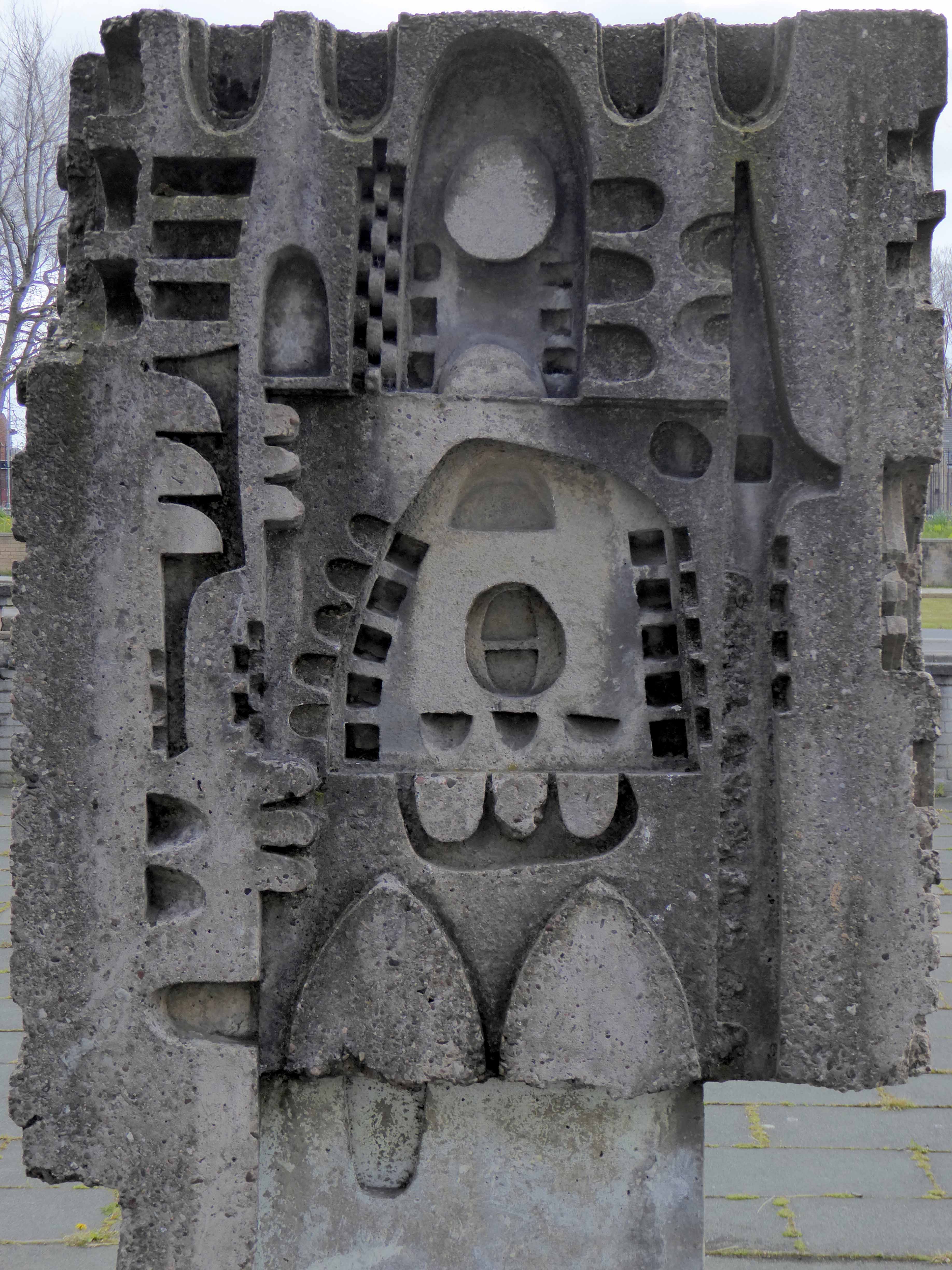
The square is blessed with a concrete sculpture, whose fate I hope is secured, somehow.

P1040294 copy
P1040293 copy
P1040296 copy
P1040295 copy

Possibly by William Mitchell – possibly not.

P1040297 copy
P1040304 copy
P1040303 copy
P1040321 copy
P1040292 copy
P1040313 copy
P1040298 copy
P1040301 copy
P1040300 copy

This as ever, is a time of change, I hope that the area and its current inhabitants live to tell the tale, rather than fall victim to the tide of gentrification, forcing them further afield.

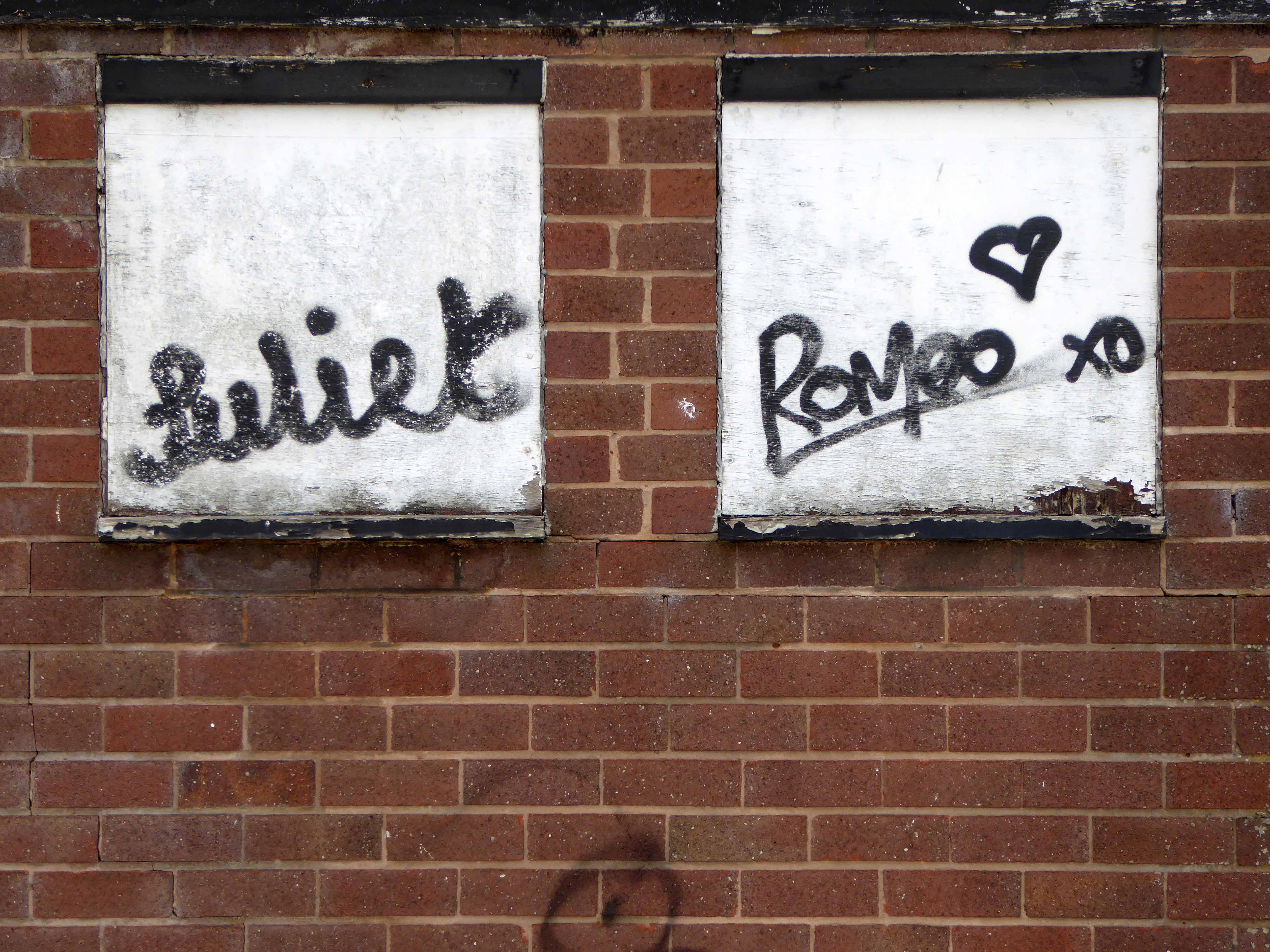
O Romeo Romeo, wherefore art thou Romeo?

P1040335 copy

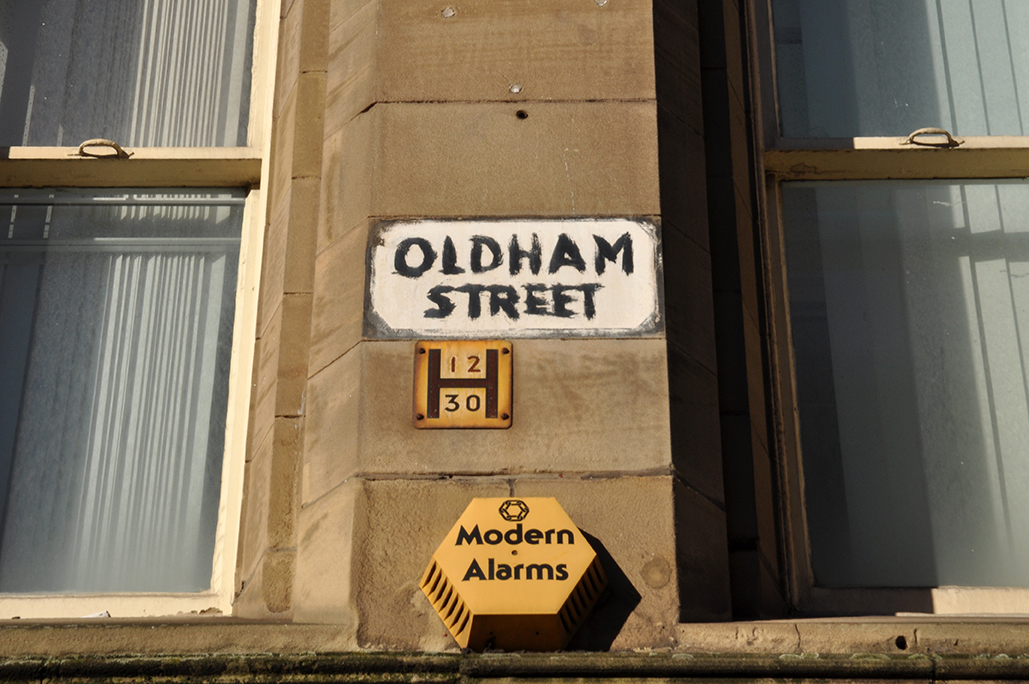
Oldham Street – Manchester 2016

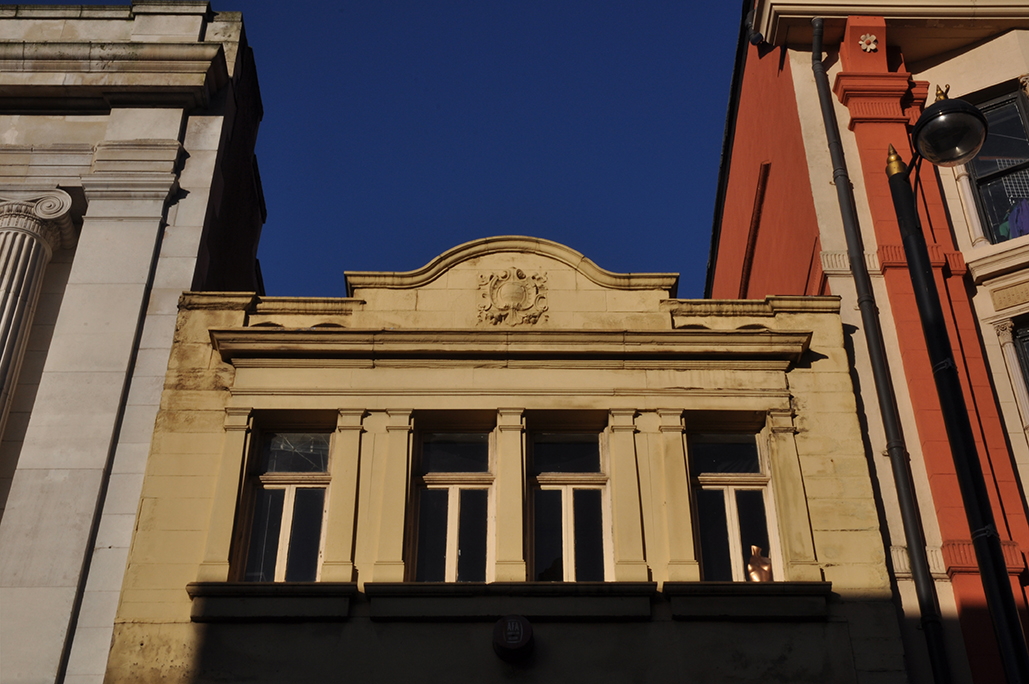
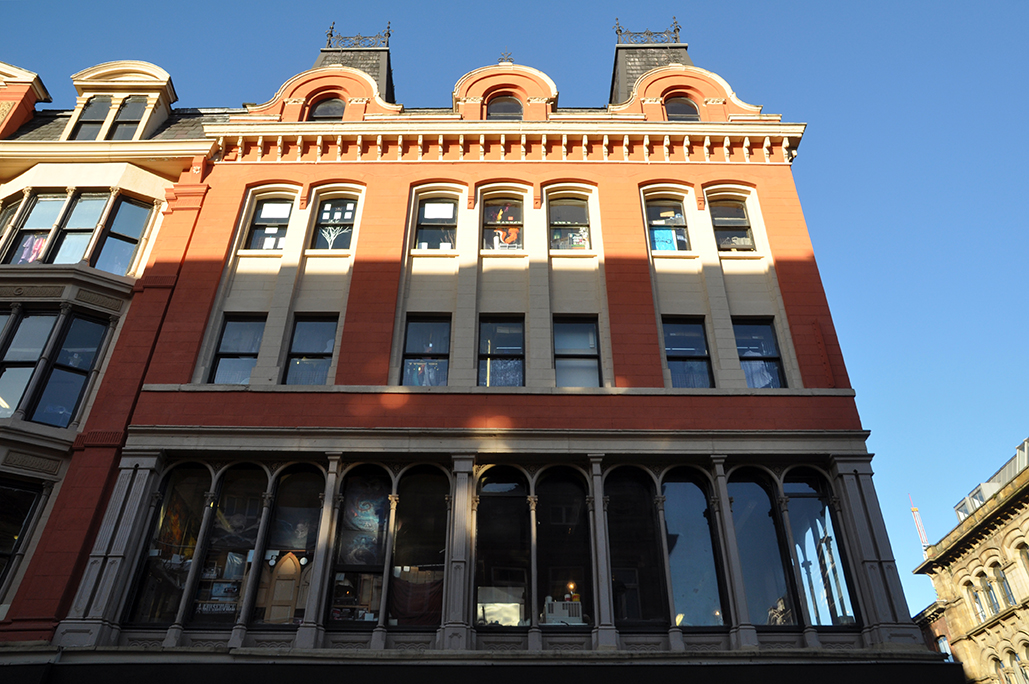
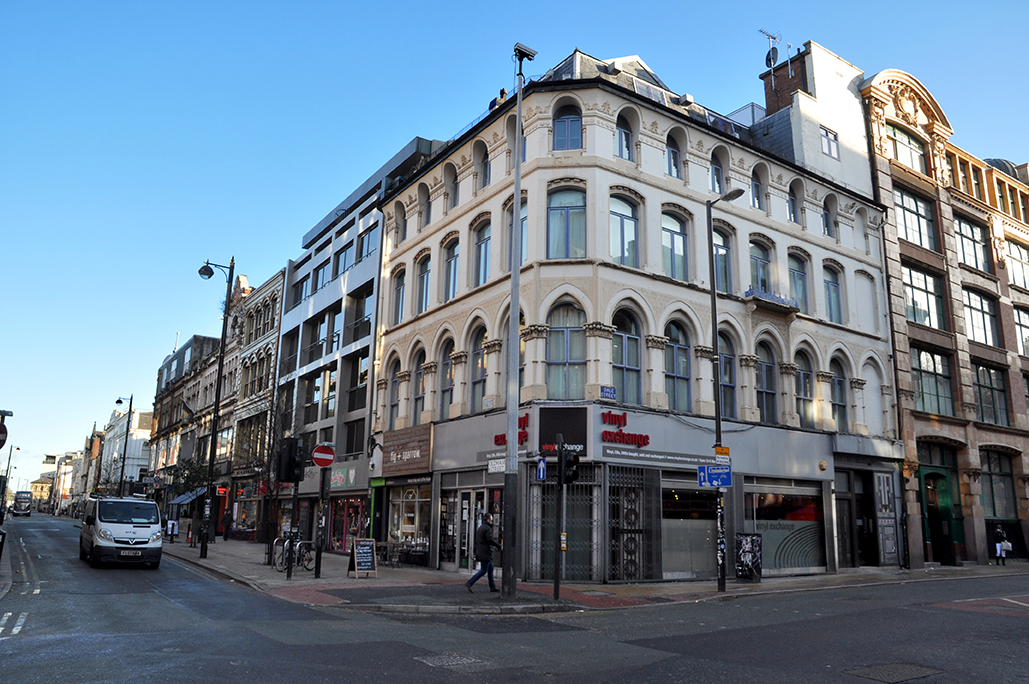
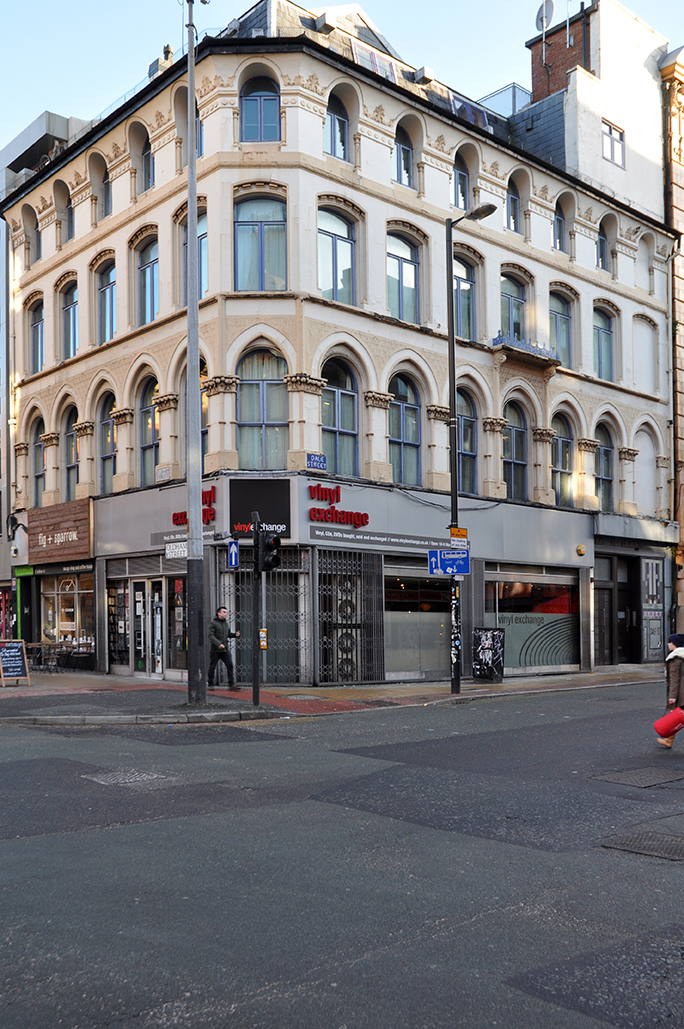
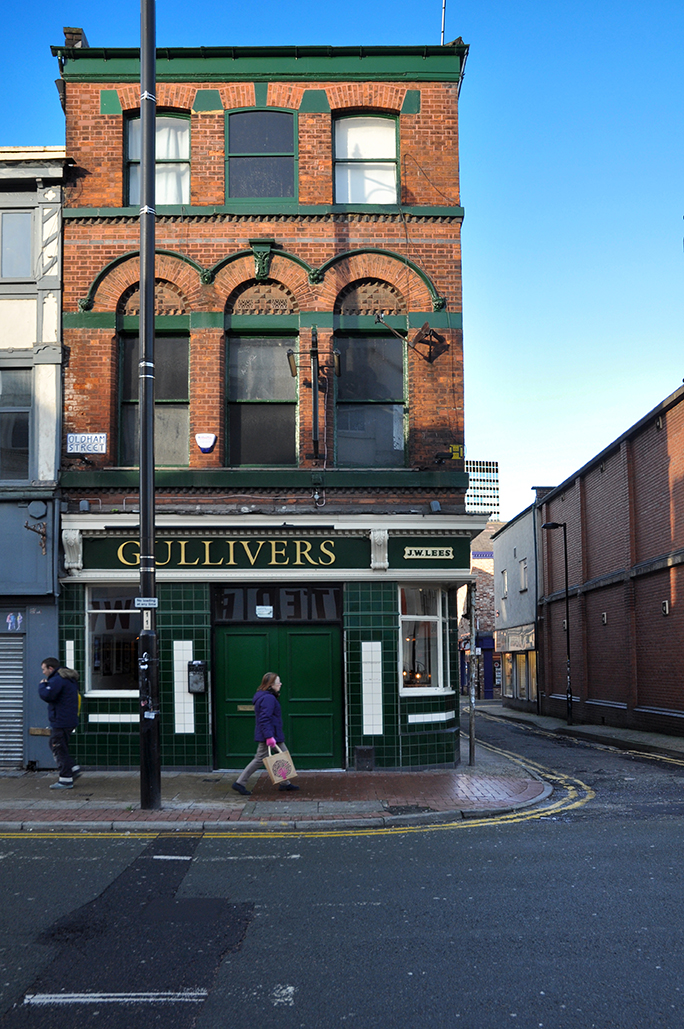
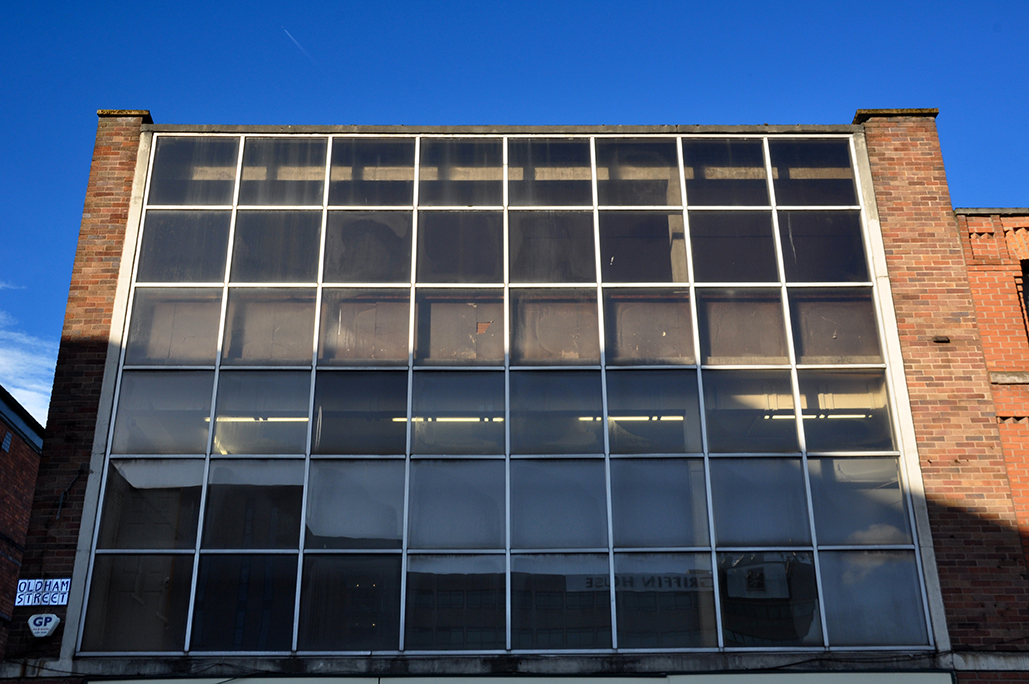
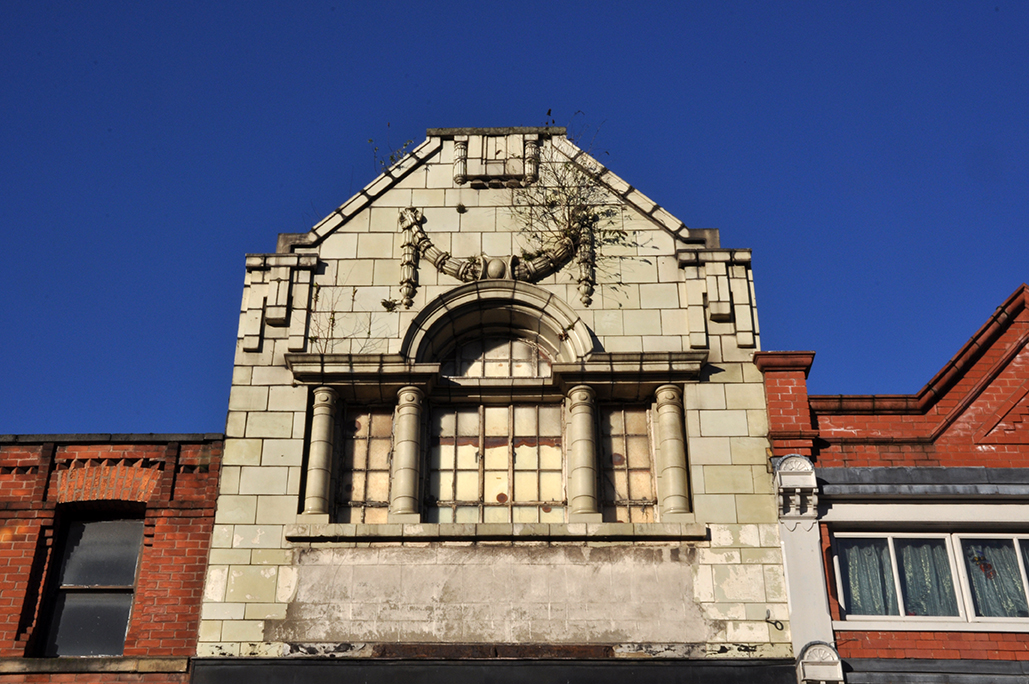
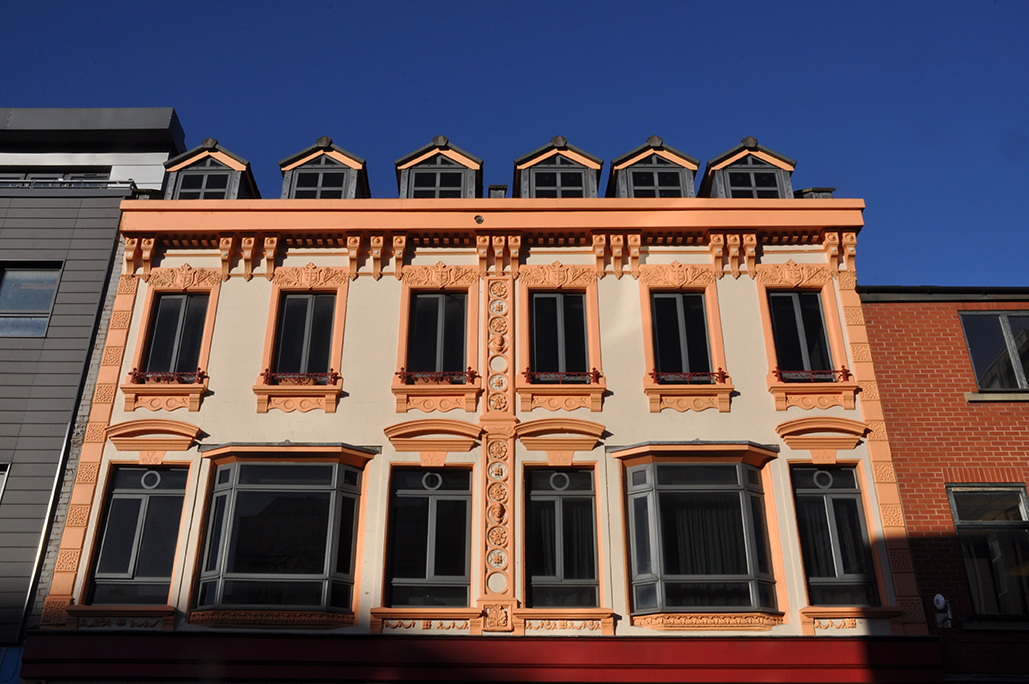
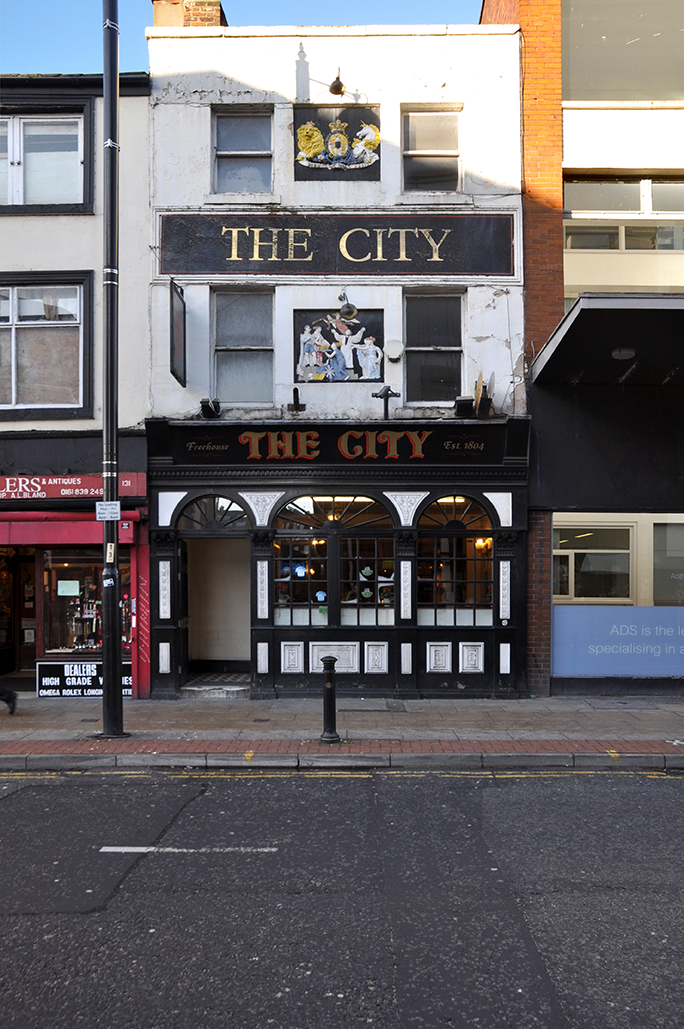
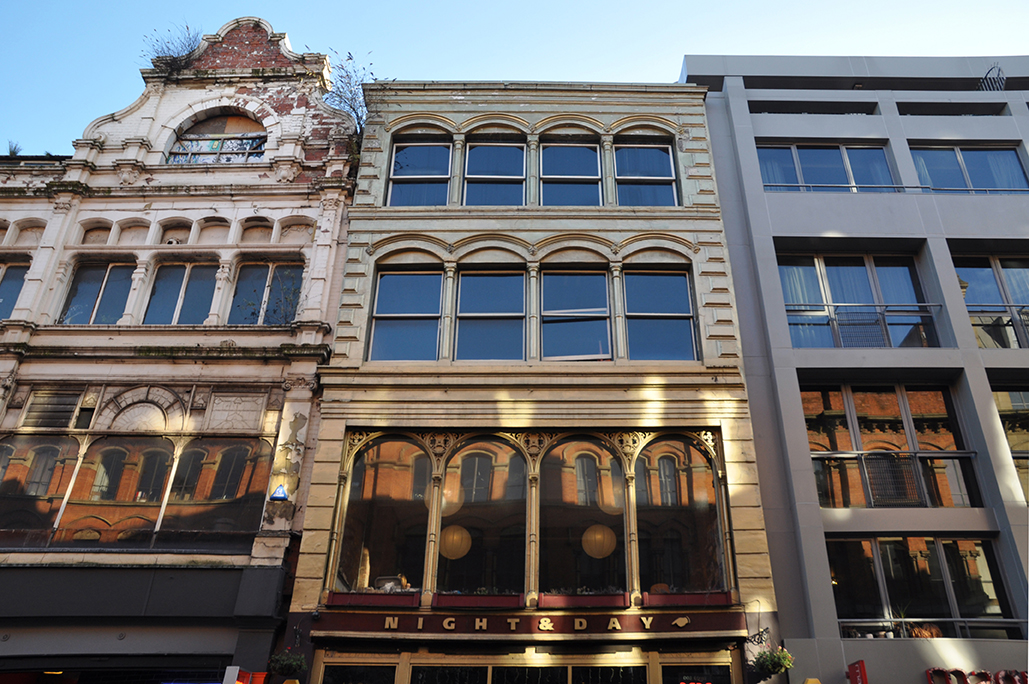
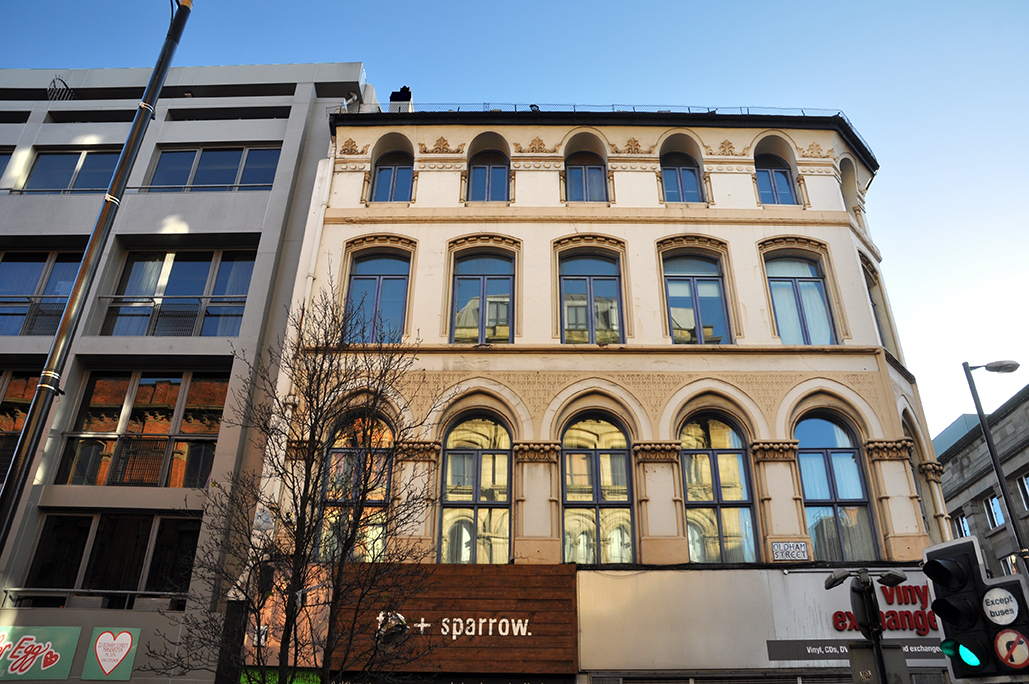
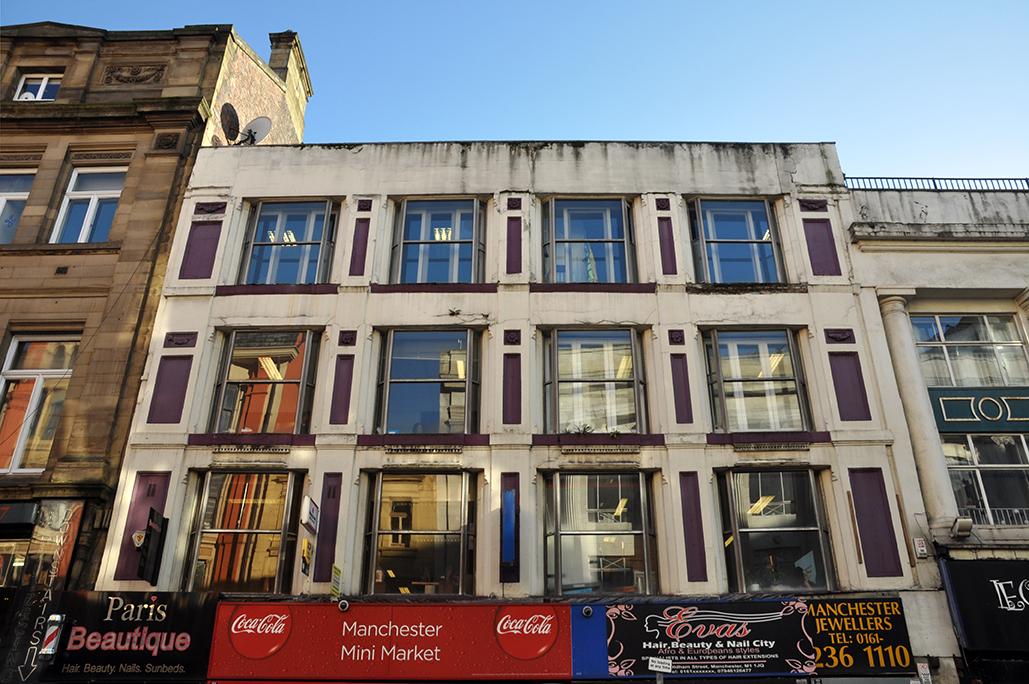
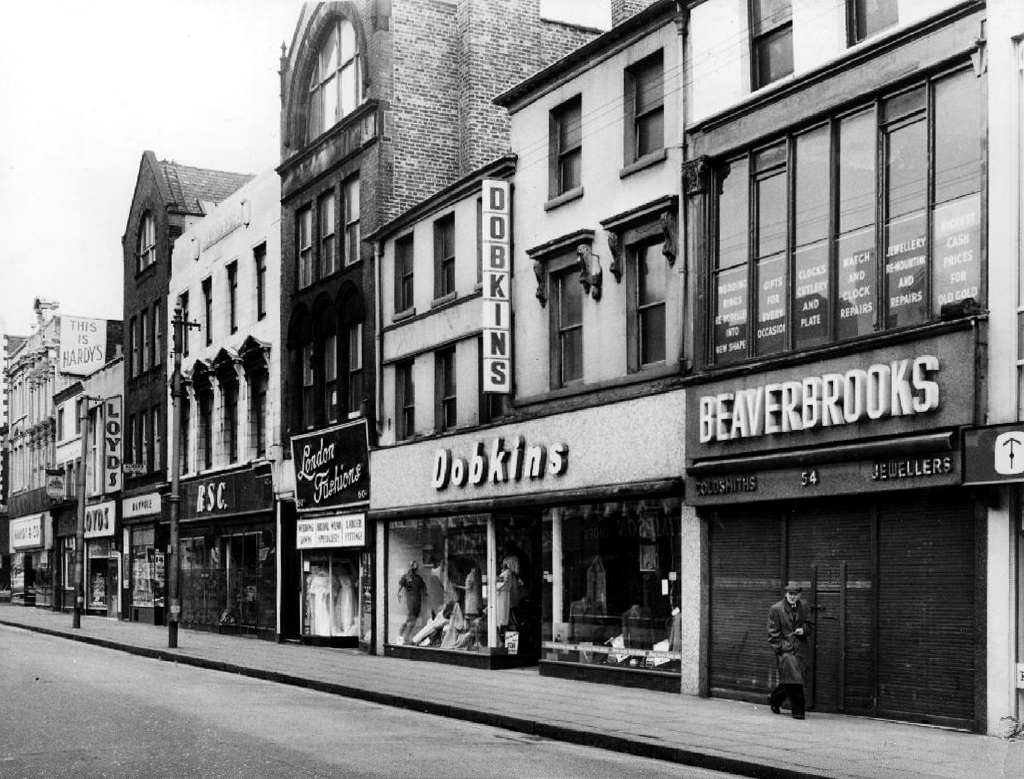
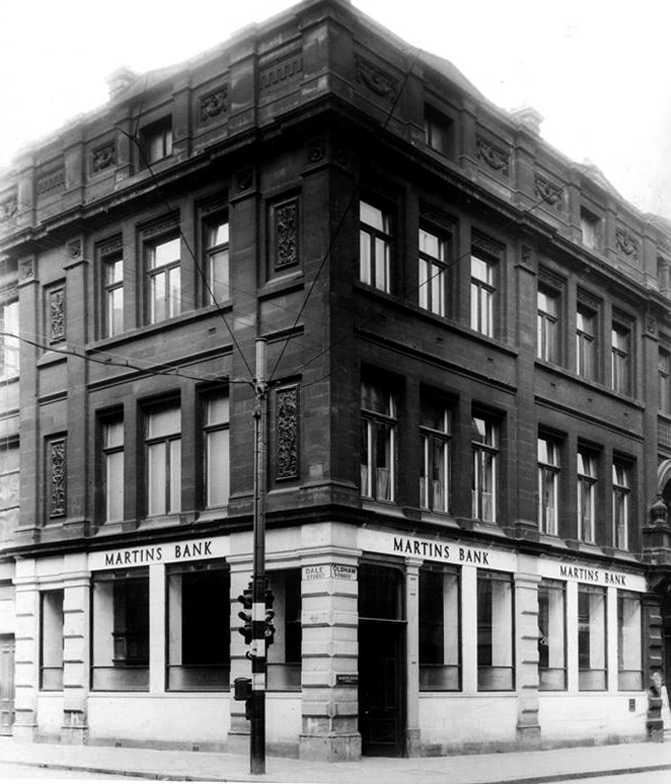
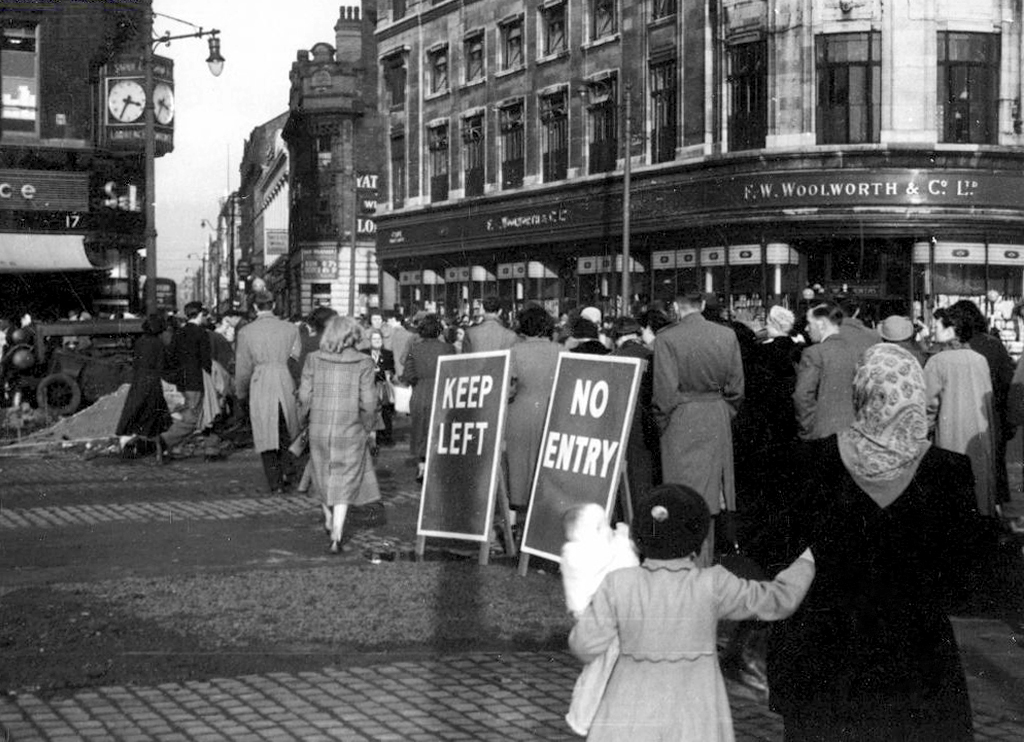
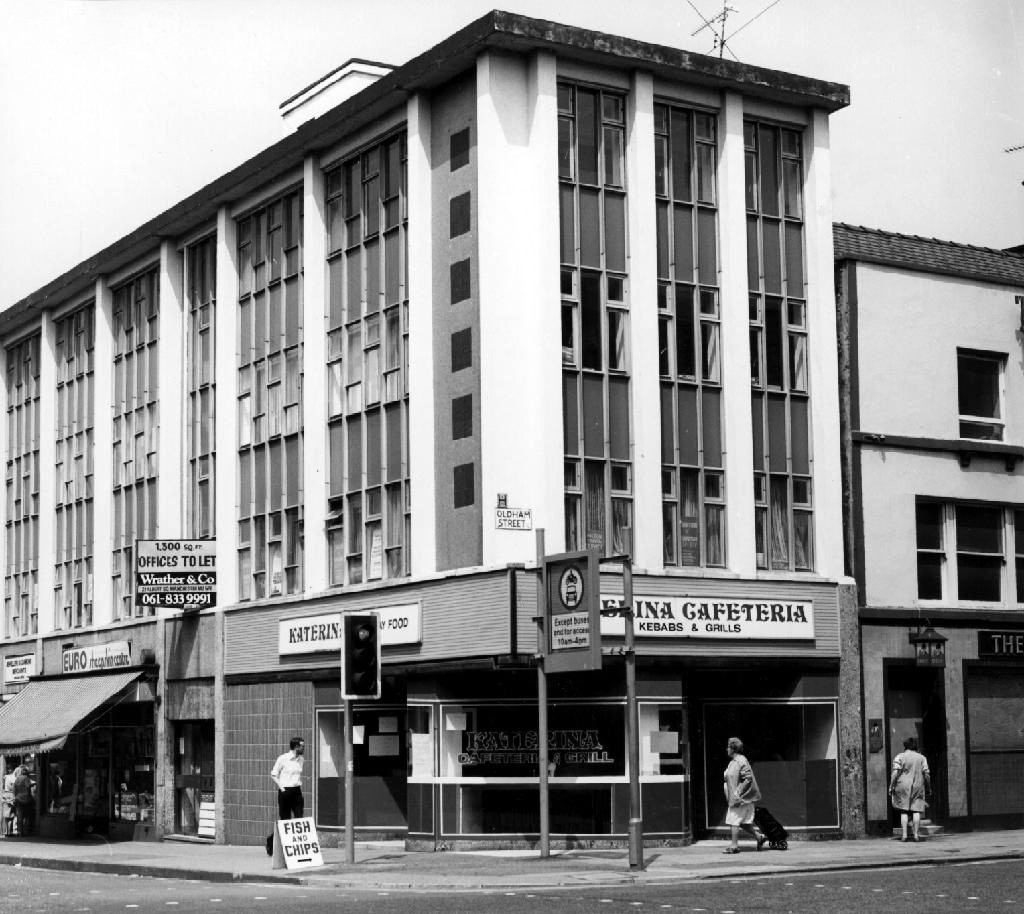
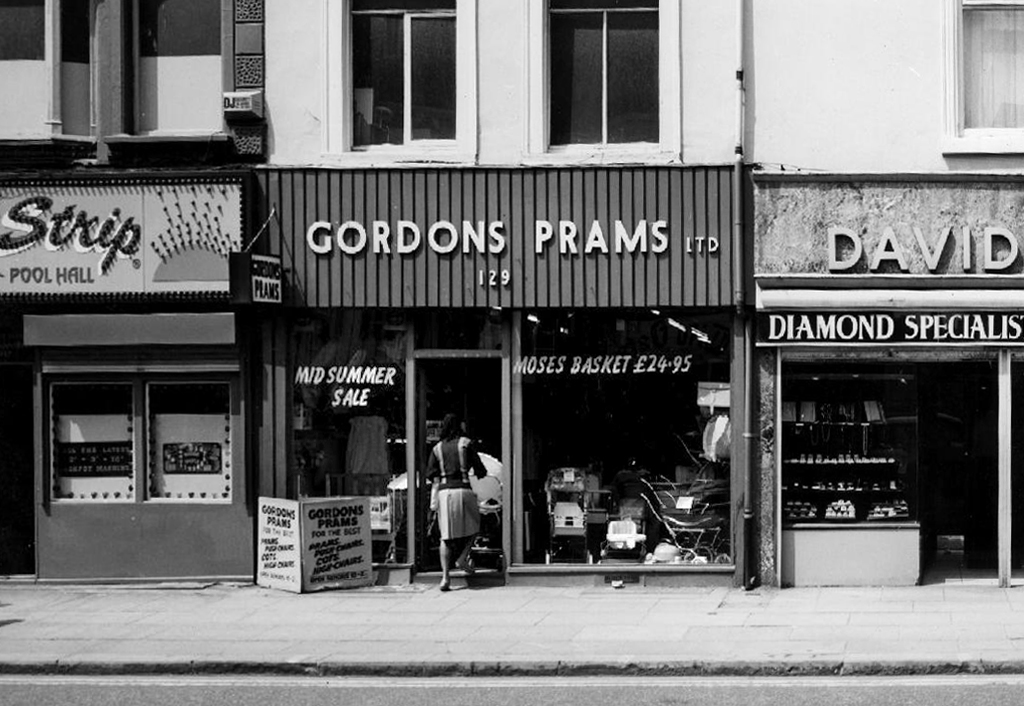
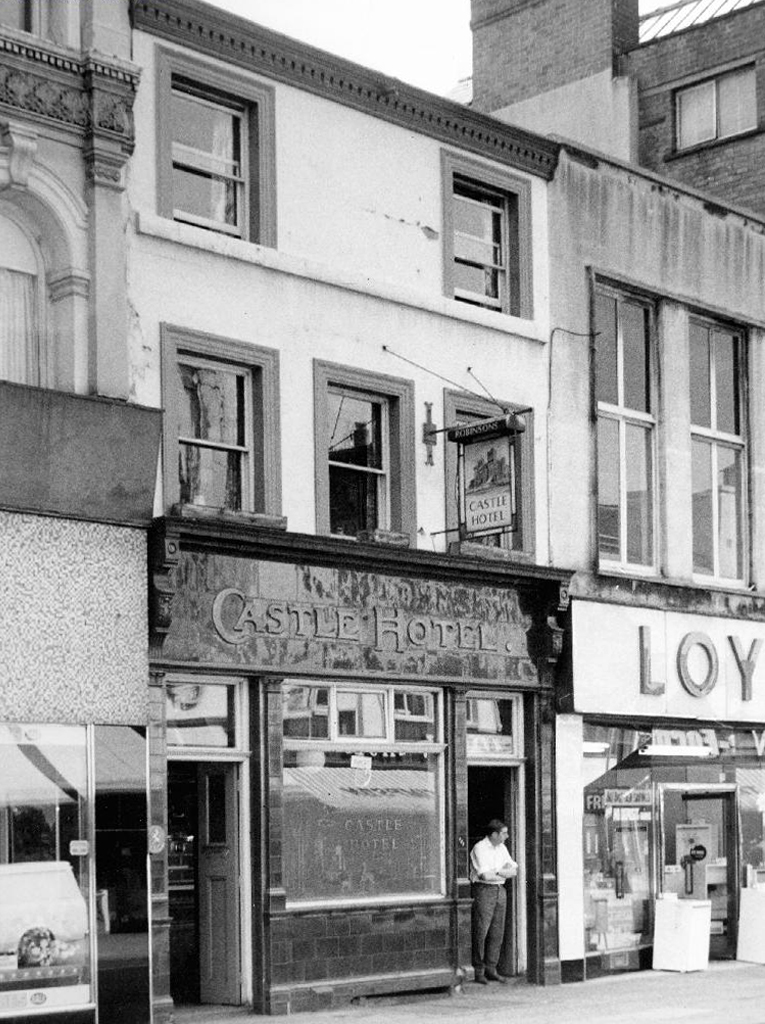
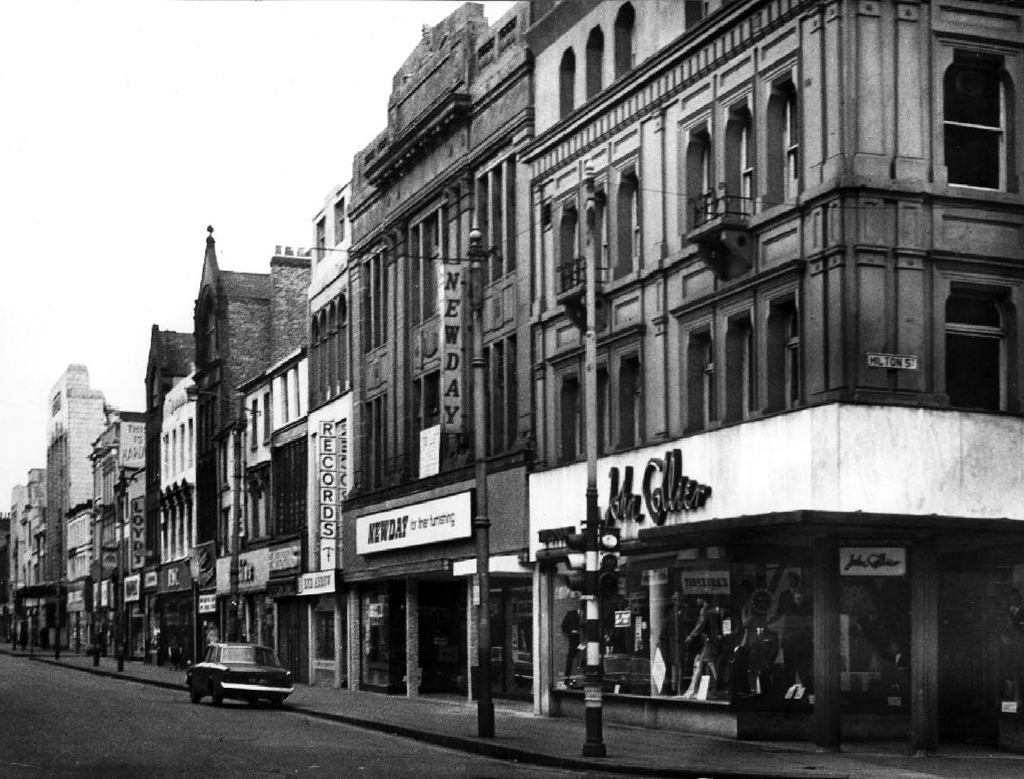
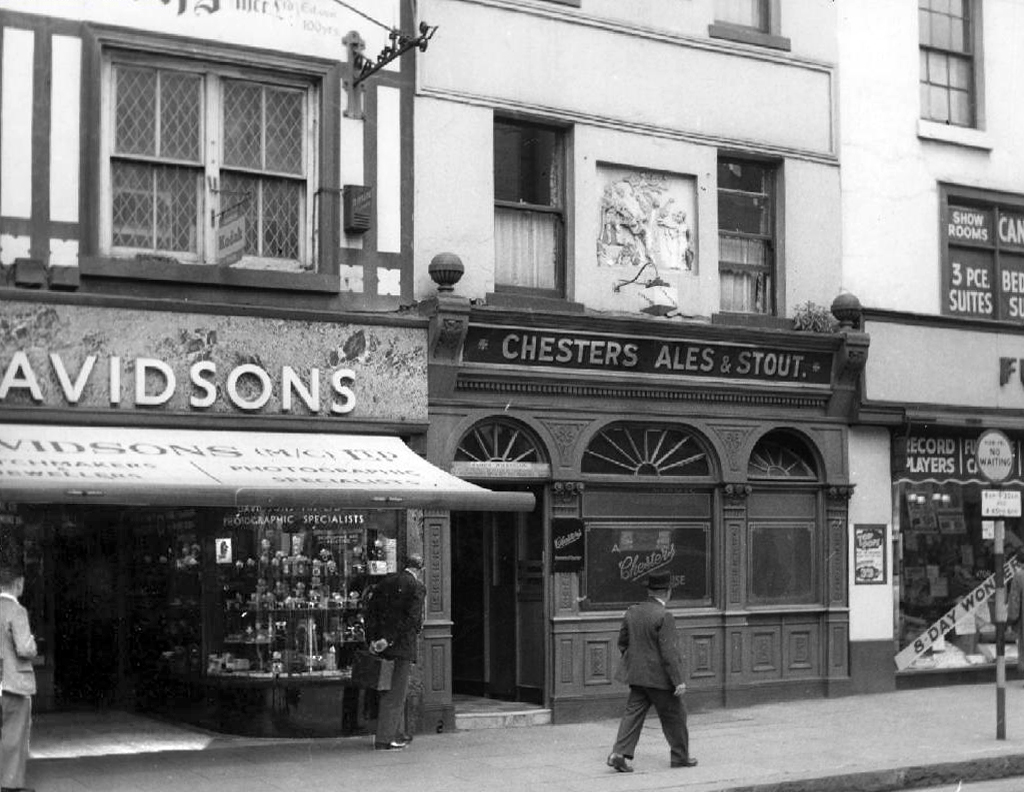
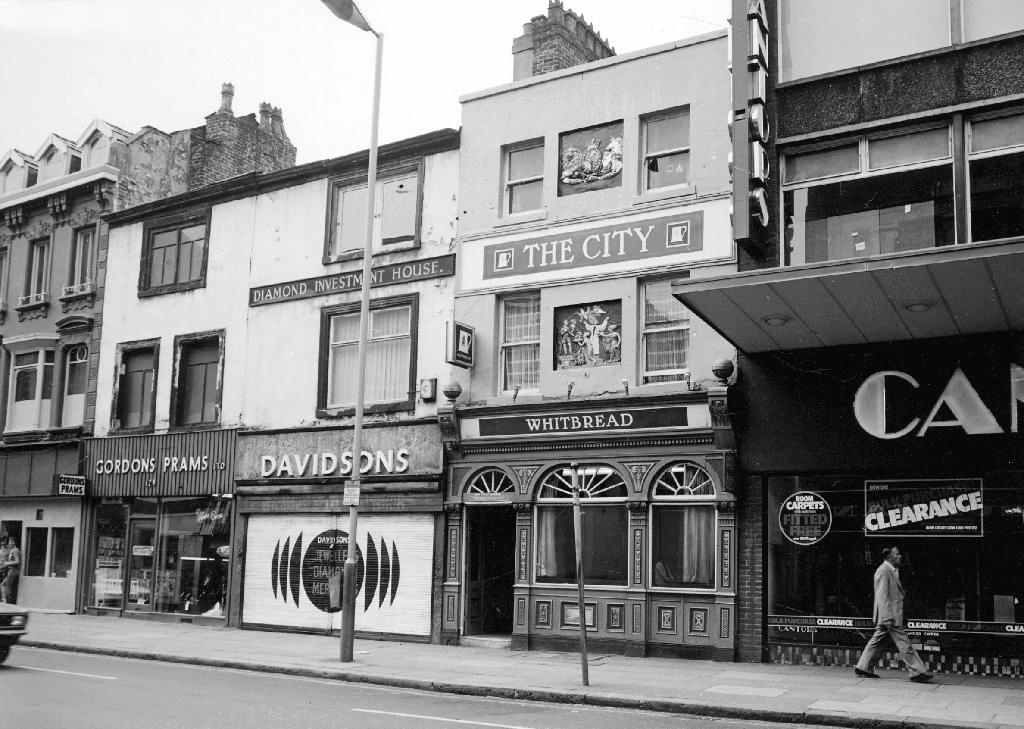
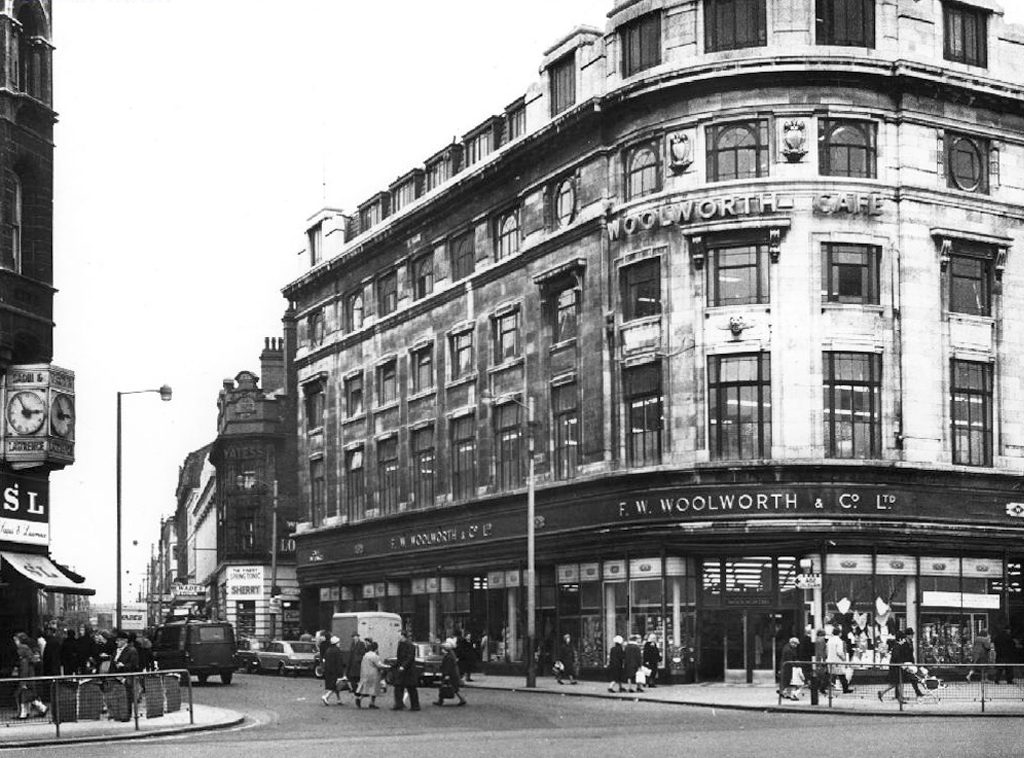
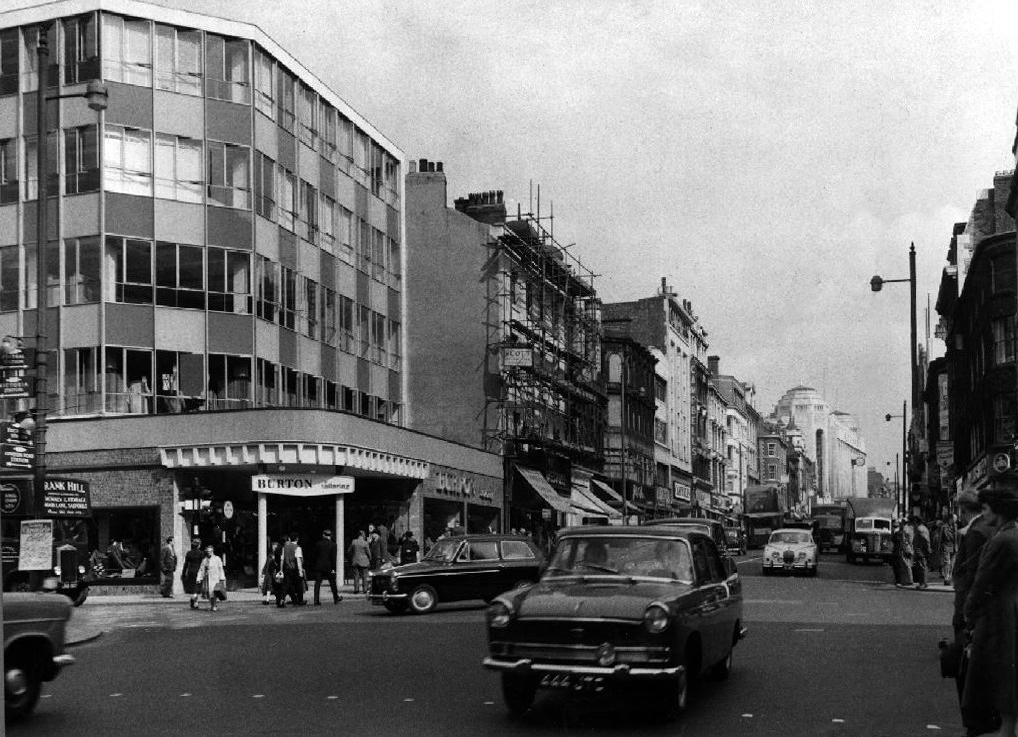
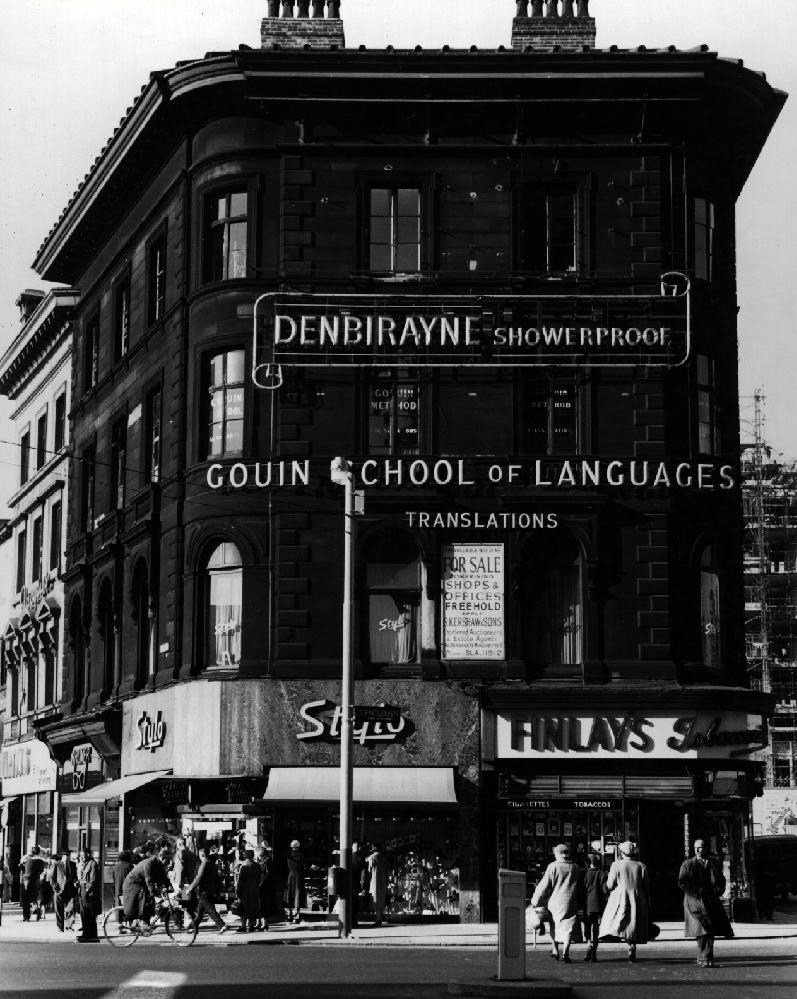
Following my previous post of archival images of Oldham Street, I took a walk along its length a week ago, to record what remained of the post war past.

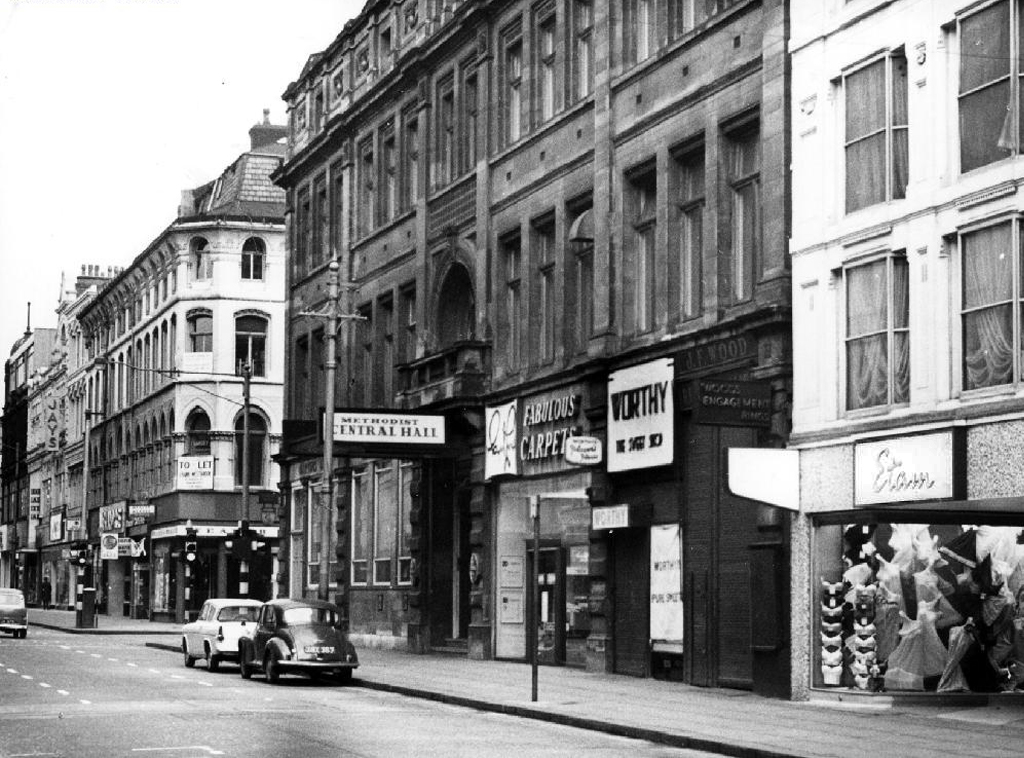
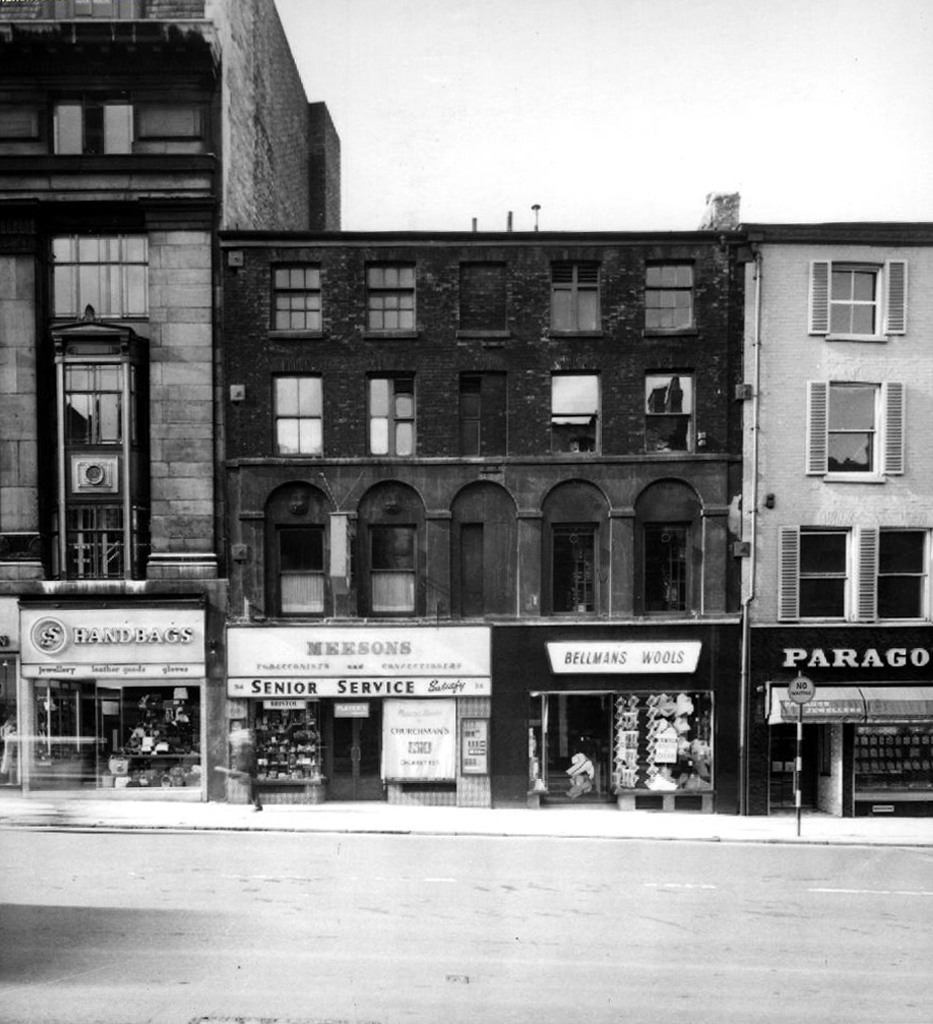
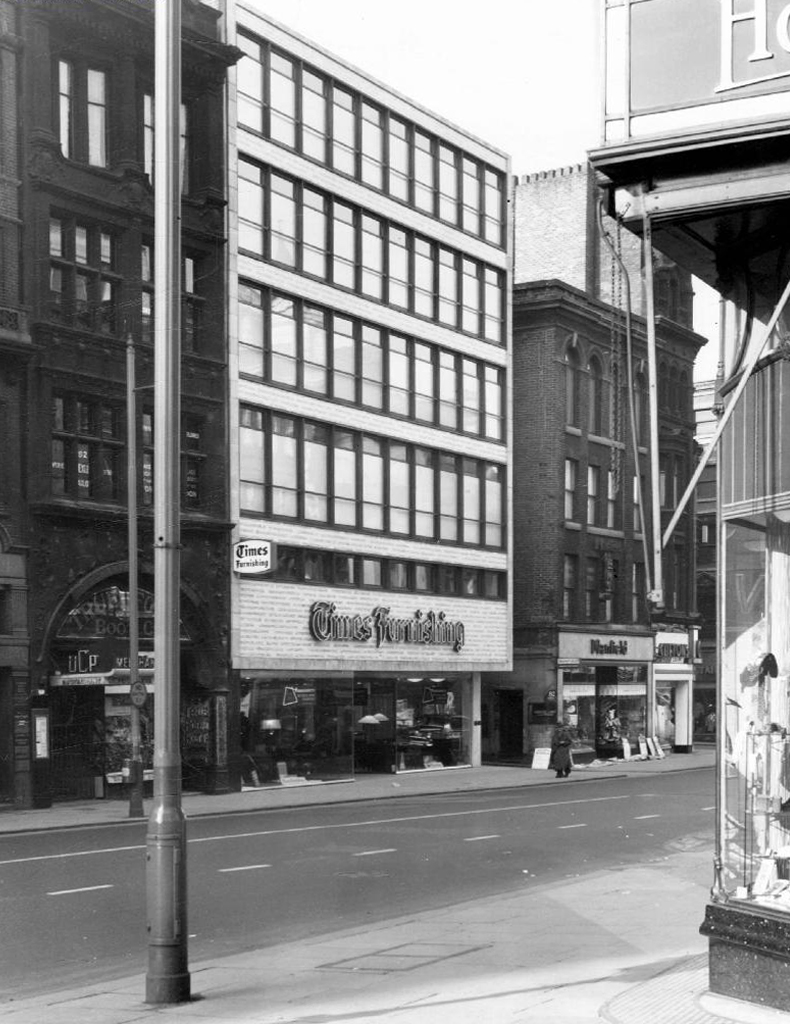
Gone again the blackened façades, exuberant and differentiated signage.

Woolworth’s burnt out long ago, never to return, exit also C&A, don’t forget your coat and hat.

Affleck’s – same name different place.

Yates’s three down none to go, the last all-in is all out.

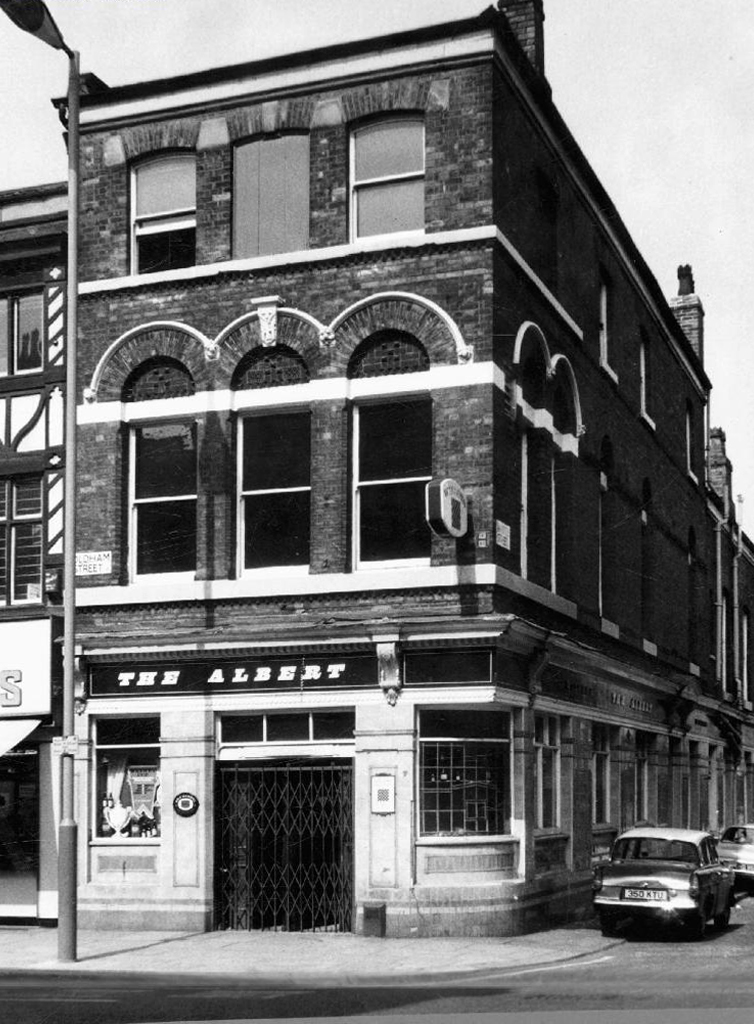
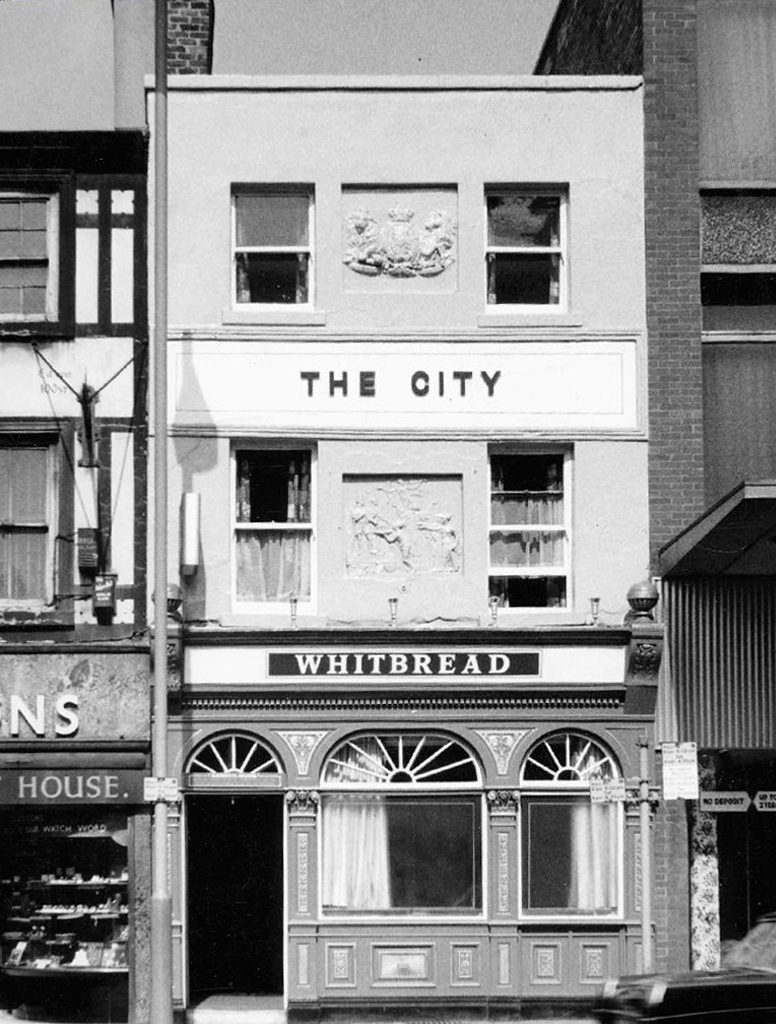
Three pubs prevail, some serving craft ale to the not so crafty.

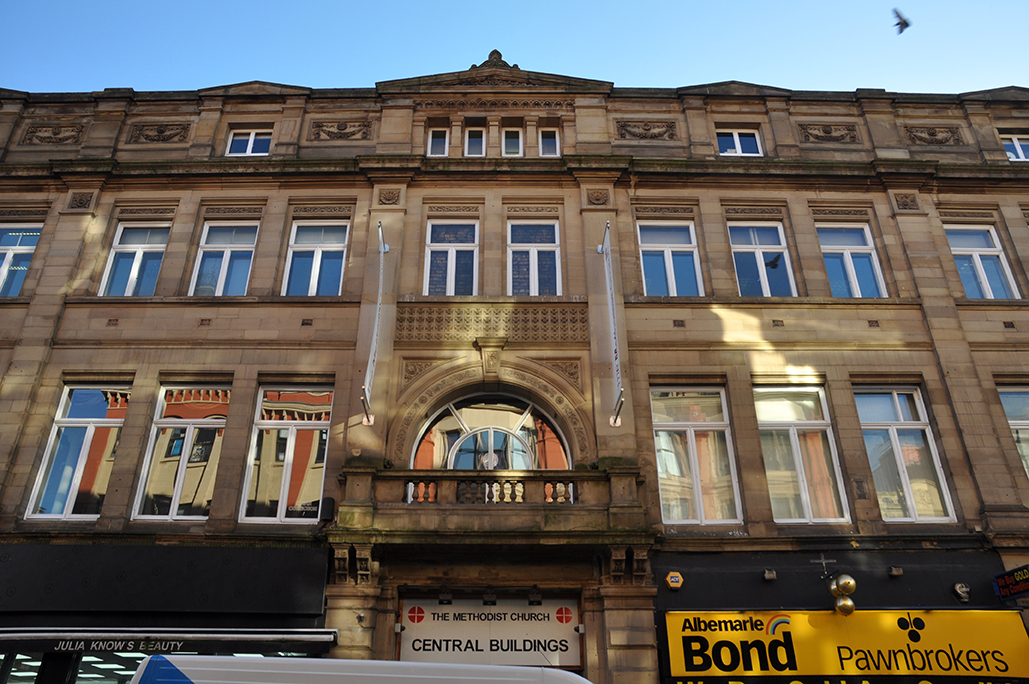
Methodist Main Hall is mainly well-used and well, loved.

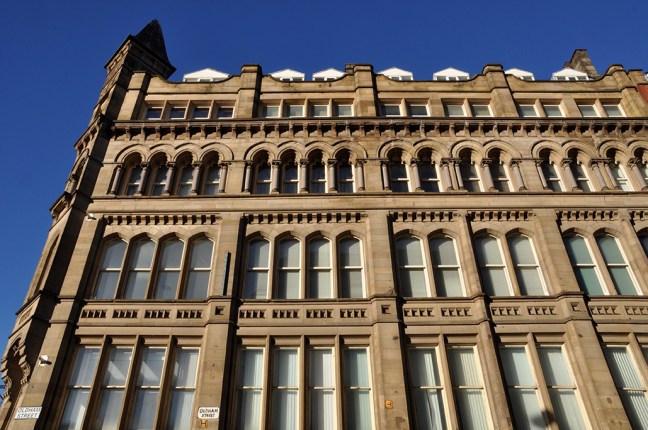
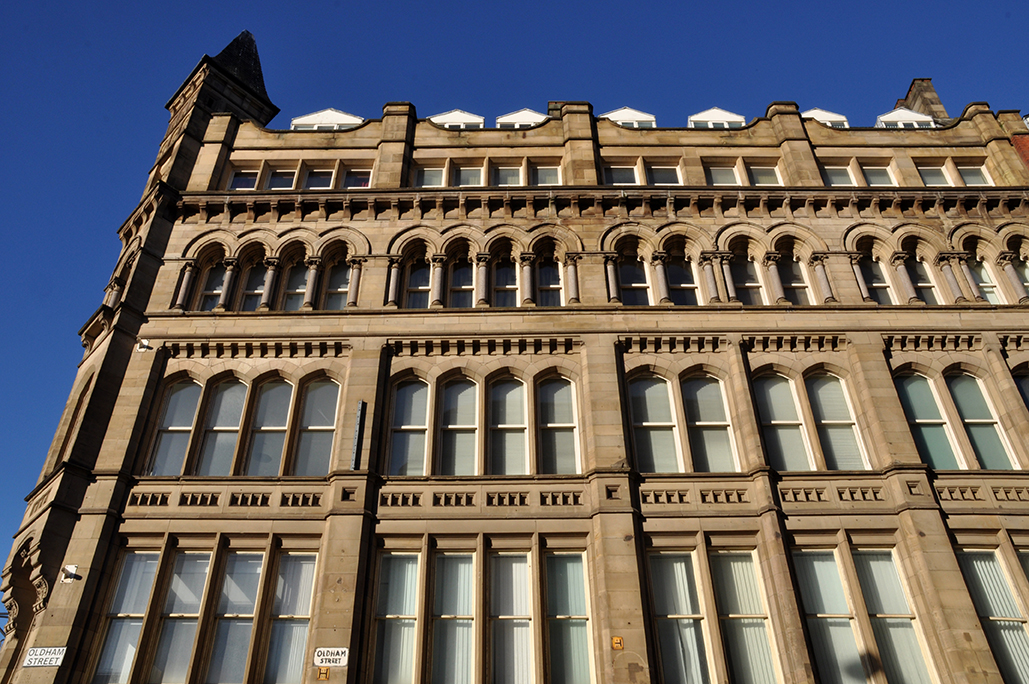
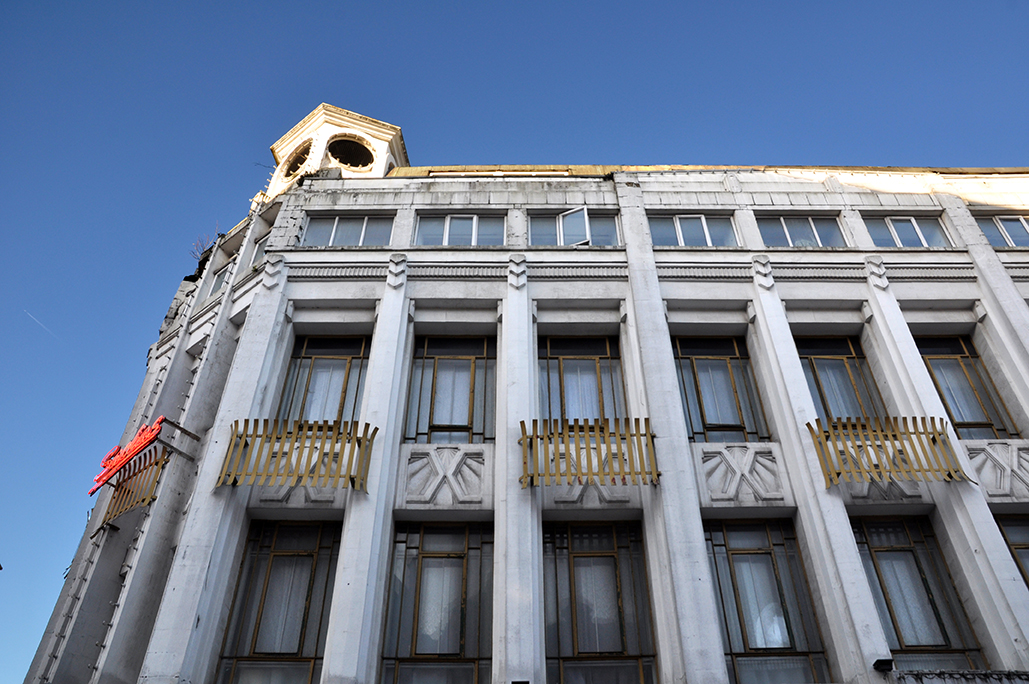
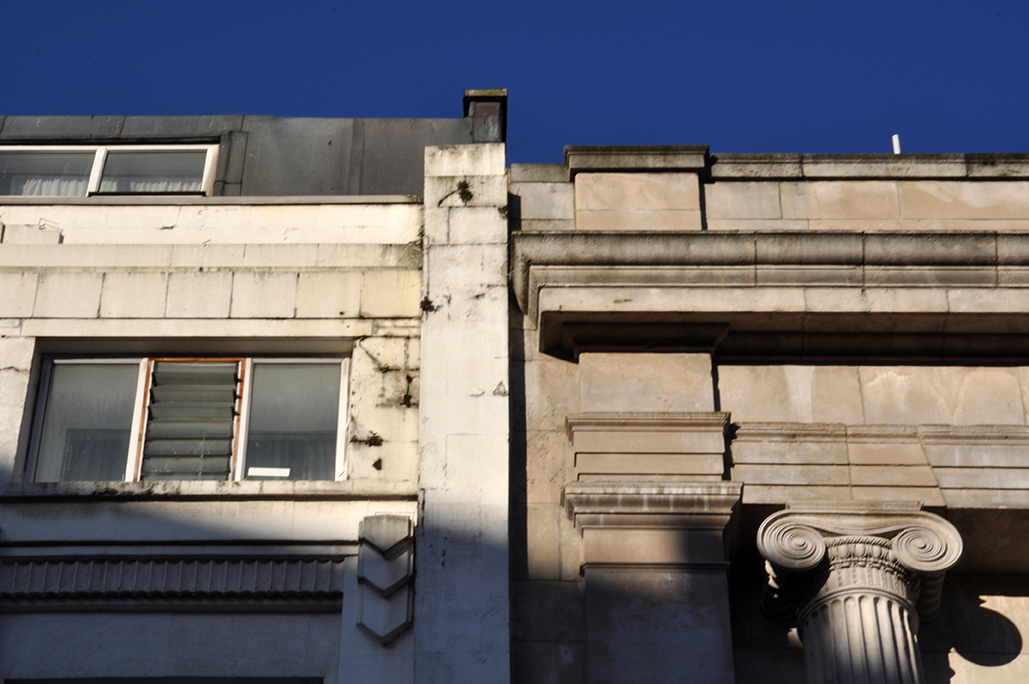
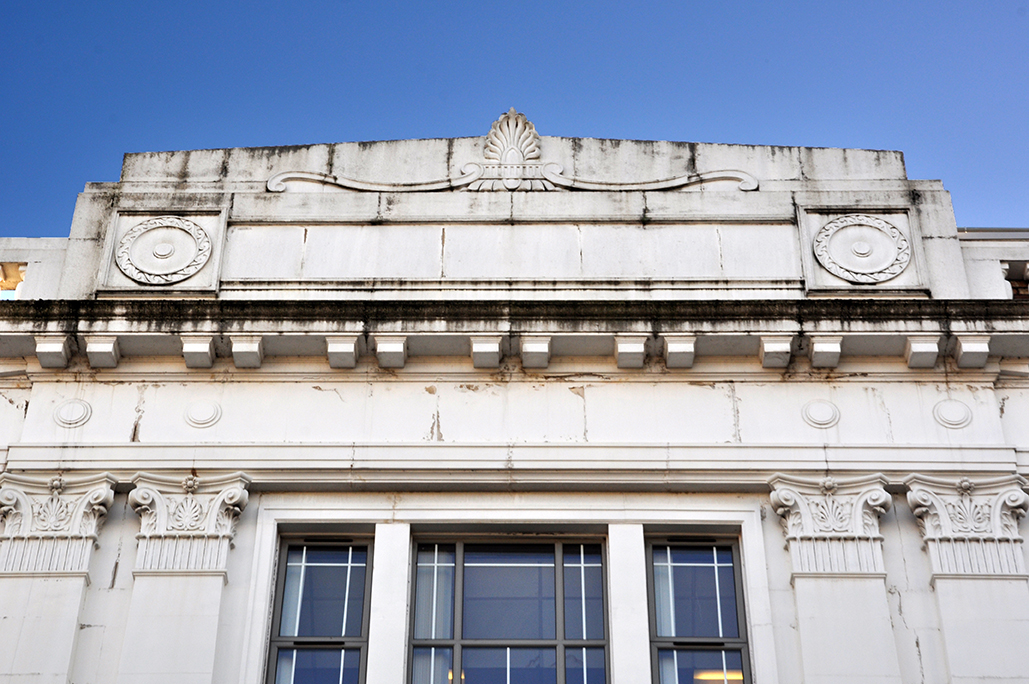
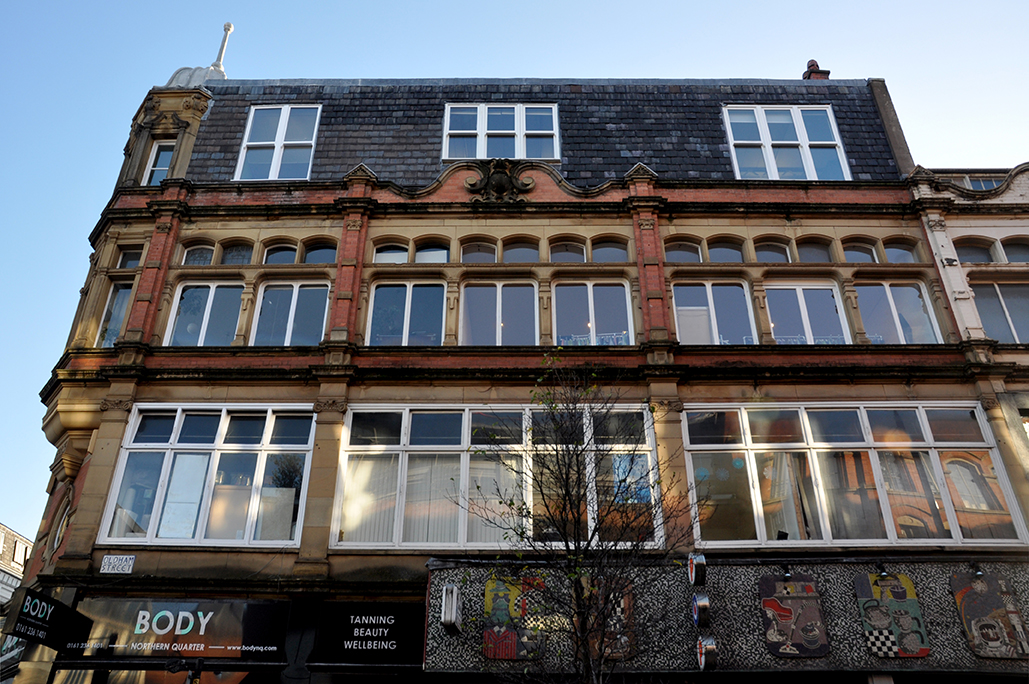
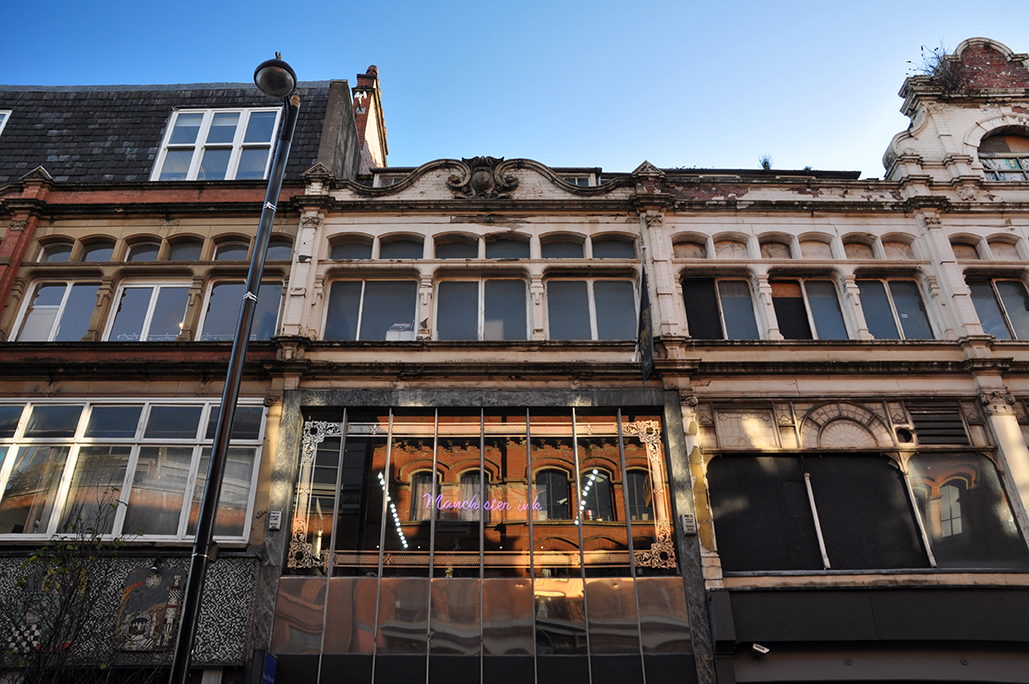
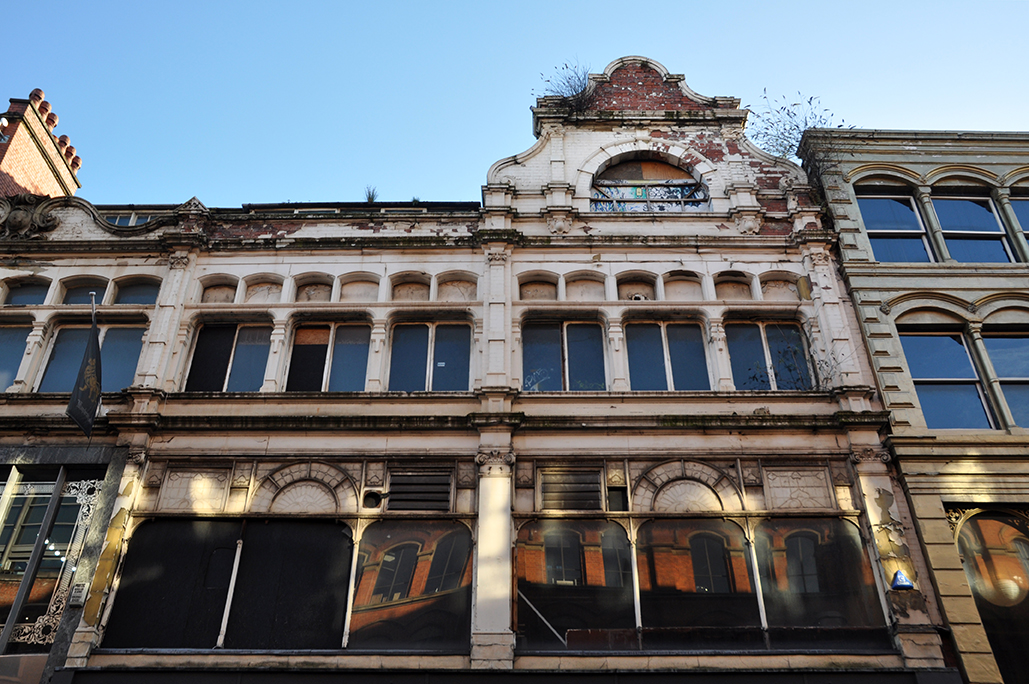
In low Winter light the upper floors dance in shadow and sun-glow, against a brighter than bright blue sky.

A crazy range of saw-toothed roof tops colliding.

Oldham Street survives.


Oldham Street – Manchester

In the early 18th century, Oldham Street was apparently:

“An ill-kept muddy lane, held in place on one of its sides by wild hedgerows”.

In 1772, a privately owned track which is now known as Oldham Street was given to the public. The road took its name from Adam Oldham rather than from the place name. He was an acquaintance of John Wesley, the founder of Methodism, which could account for the Oldham street location of the Methodist Chapel, opened by Wesley in 1781. Central Hall replaced the Chapel in 1885.

The area around Oldham Street became more affluent, with warehouses and shops, many of whose merchants lived within their shop premises. This is described by Isabella Varley, Mrs. Linnaeus Banks, a resident of Oldham Street, in her book The Manchester Man.

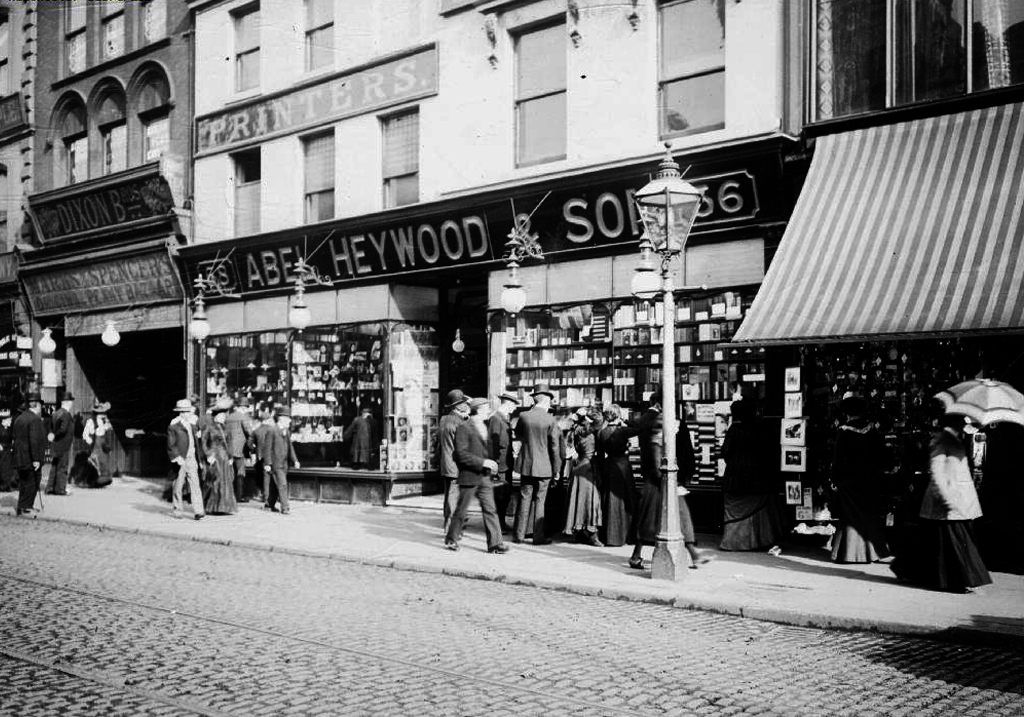
One Oldham Street shopowner mentioned by a number of writers is Abel Heywood, who spearheaded the mass distribution of books, supplying the whole country not only with penny novels, but also with educational books and political pamphlets. Heywood went on to become Mayor of Manchester.

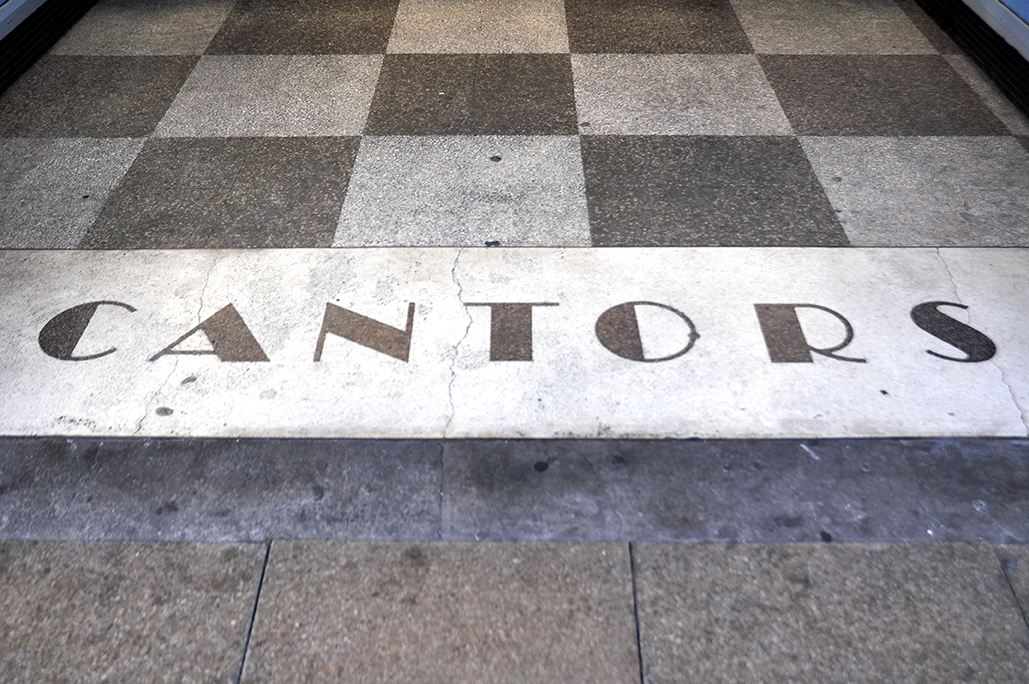
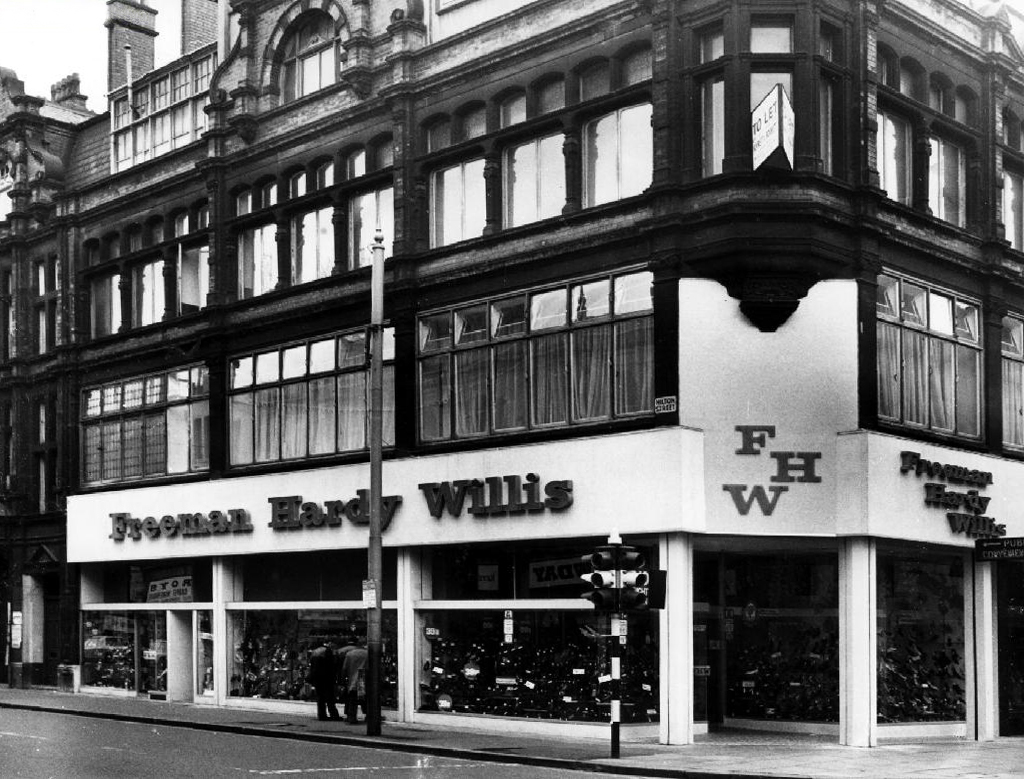
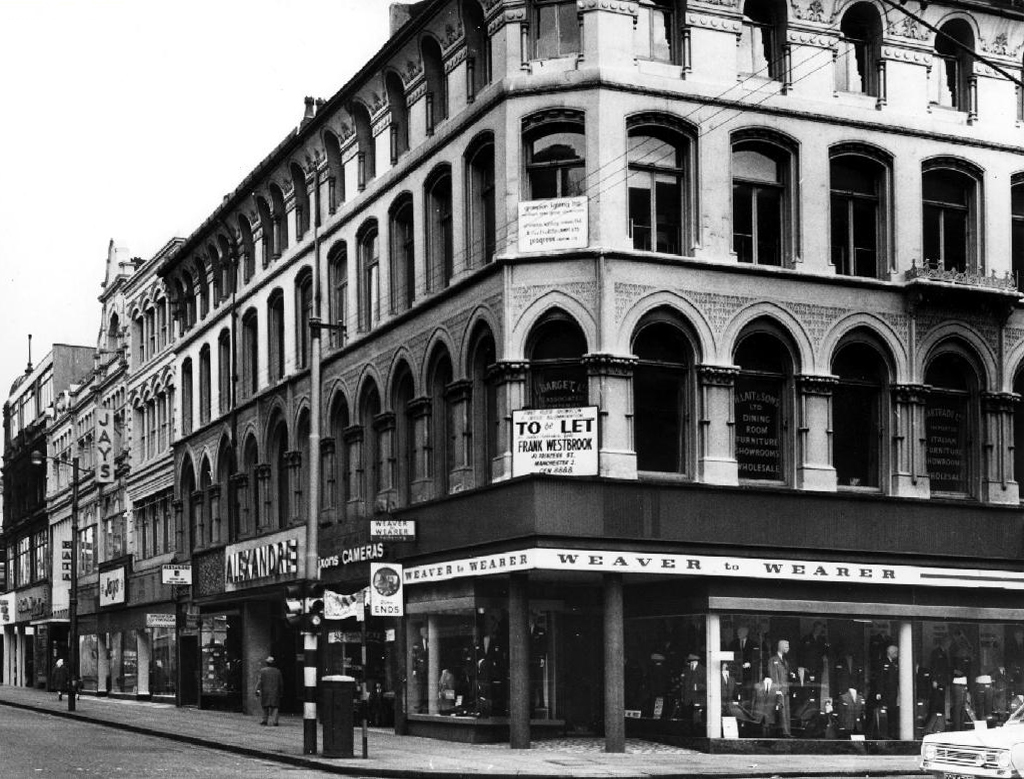
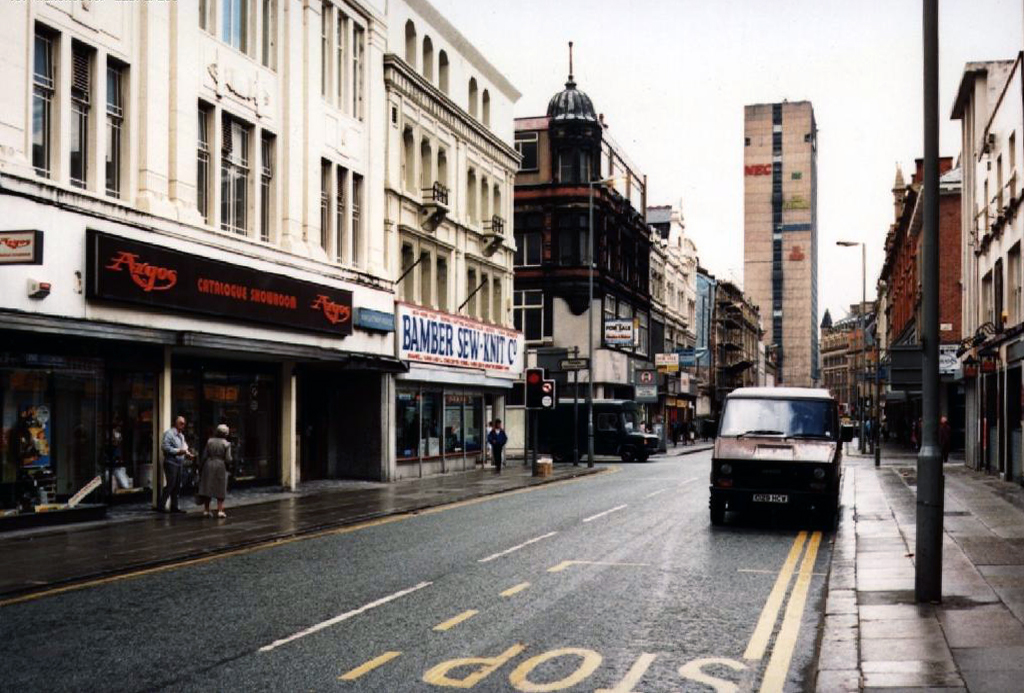
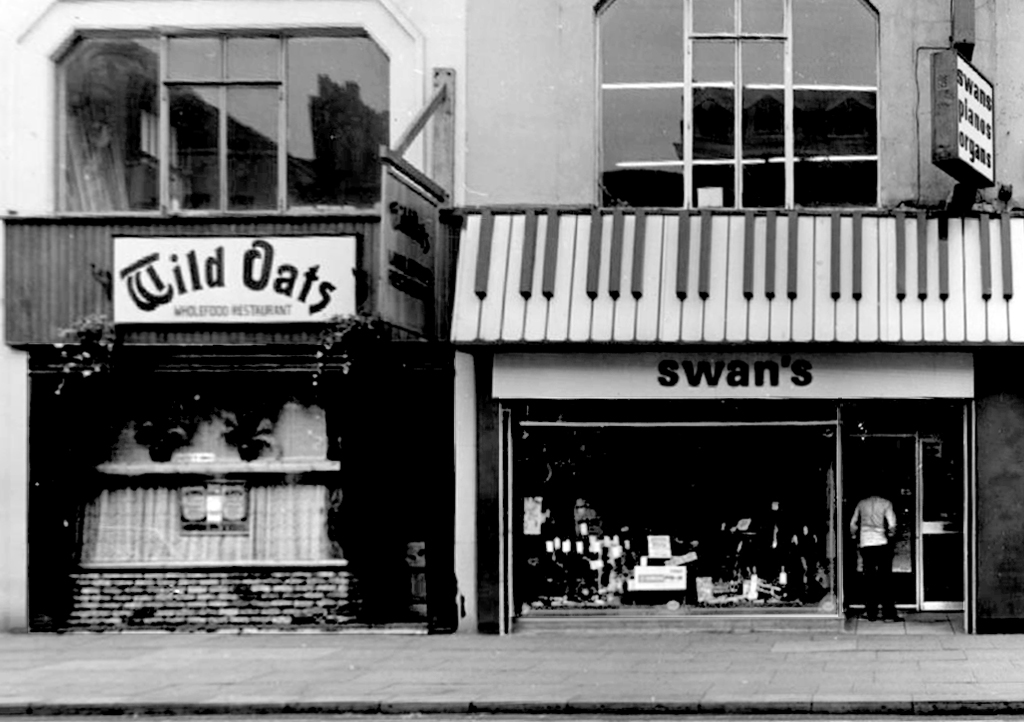
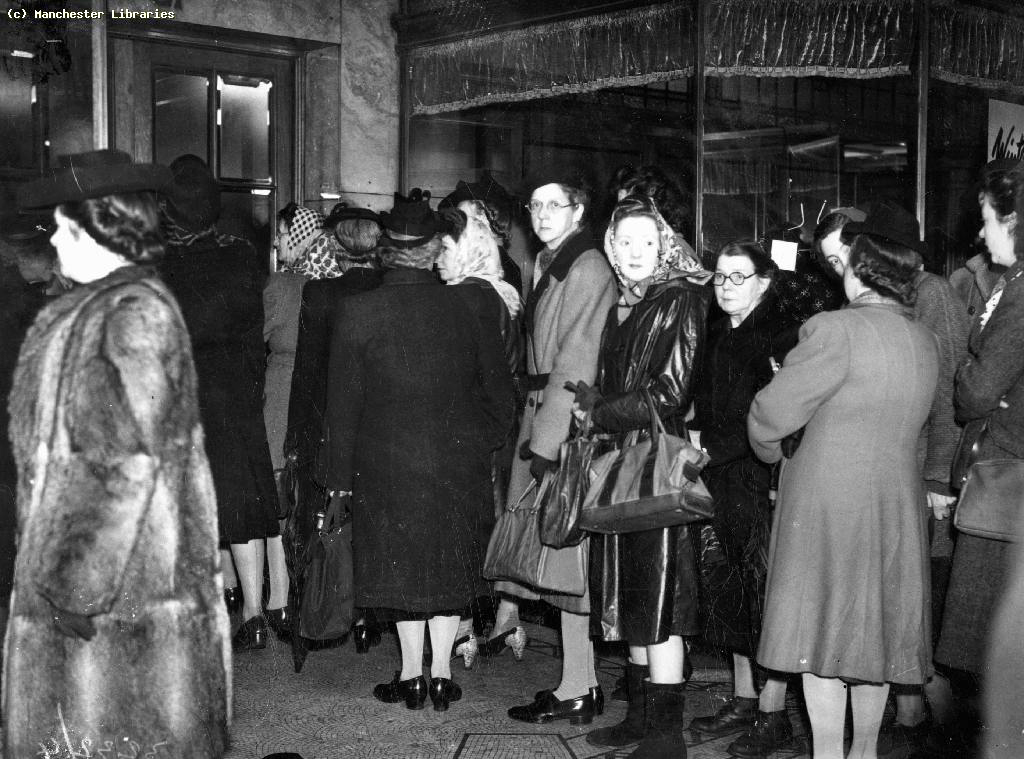
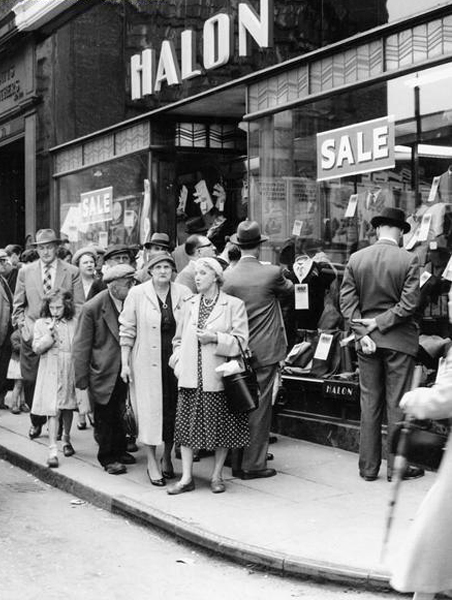
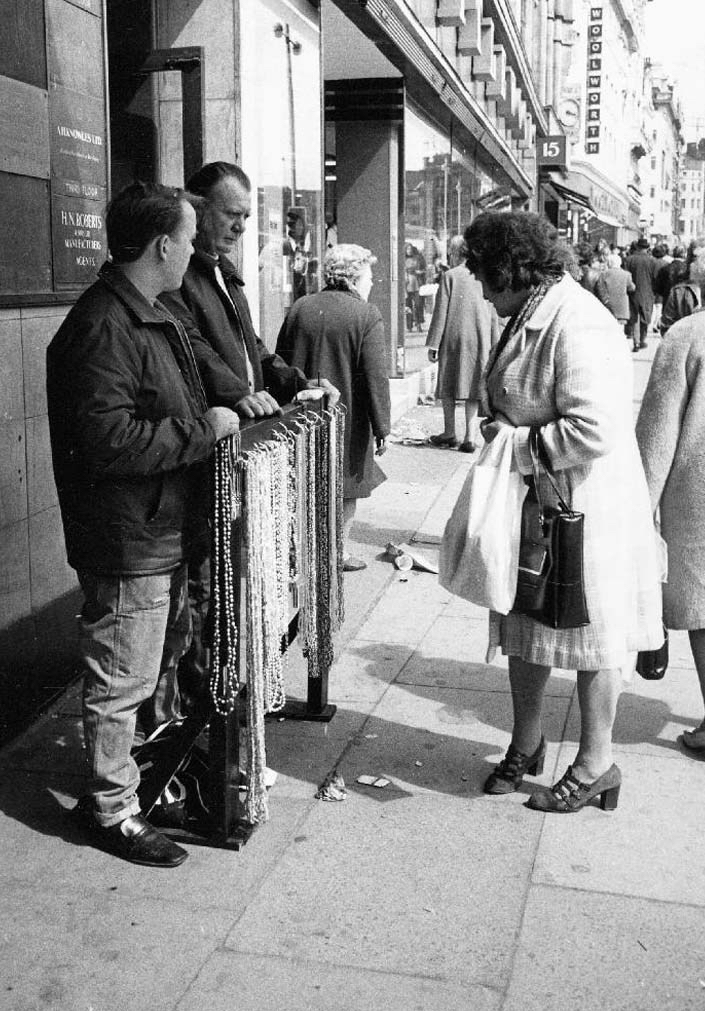
The general well to do, mix of hustle and bustle, pubs, warehousing, grand stores, smaller specialist shops and services continued into the 1970’s. Woolworths, C&A, Affleck and Browns, Cantors, Dobbins attracted a steady flow of happy shoppers, I loved the mongrel nature of the mixed use architecture.

The focus if the city centre then slipped away to the newly built Arndale and pedestrianised Market Street.

Oldham Street awaited a new sense of place and purpose.

With thanks to http://www.manchester.gov.uk/info/448/archives_and_local_history/326/historical_photographs_of_manchester


24

webmedia-8.php

22

18

image011

21

webmedia-5.php

webmedia.php

13

20

webmedia-12.php

16

17

webmedia-4.php

14

webmedia-2.php

webmedia-7.php

19

15

webmedia-9.php

webmedia-3.php

webmedia-6.php

webmedia-11.php

webmedia-10.php


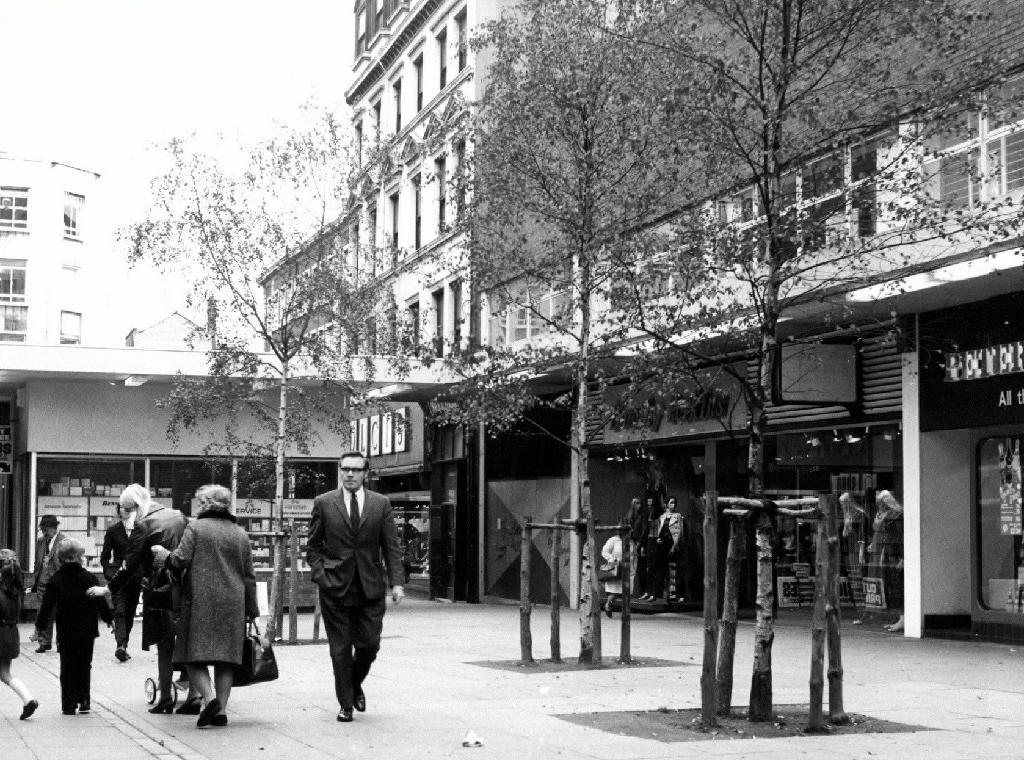
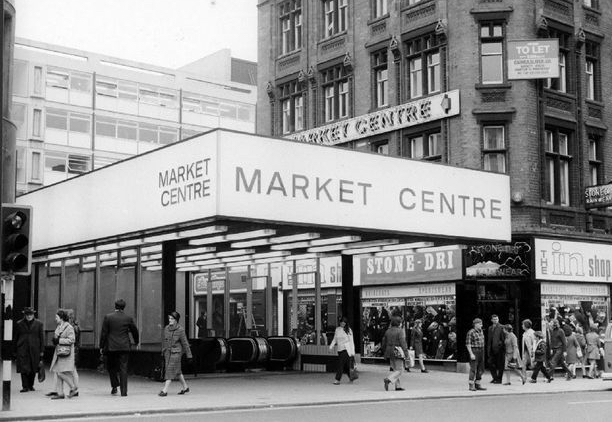
Market Street – Manchester

cinephone2

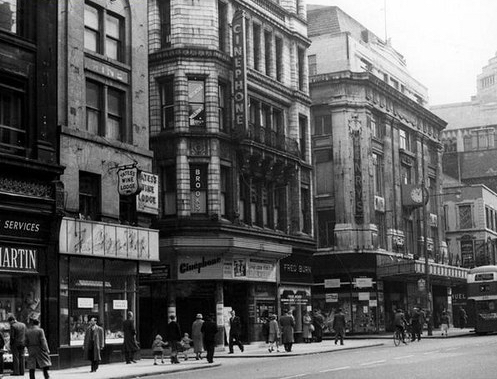
City streets are by their nature subject to movement and change, things literally come and go – in milliseconds, days and decades. People and places are shaped by the forces of function and fashion, economics and history.

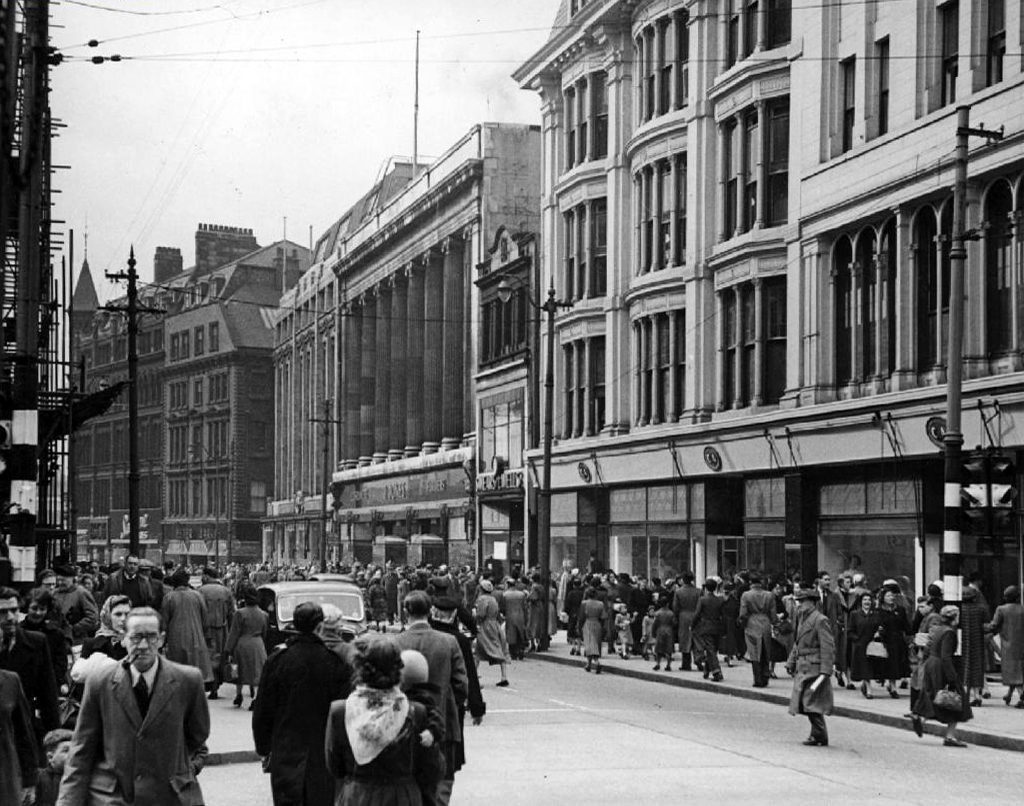
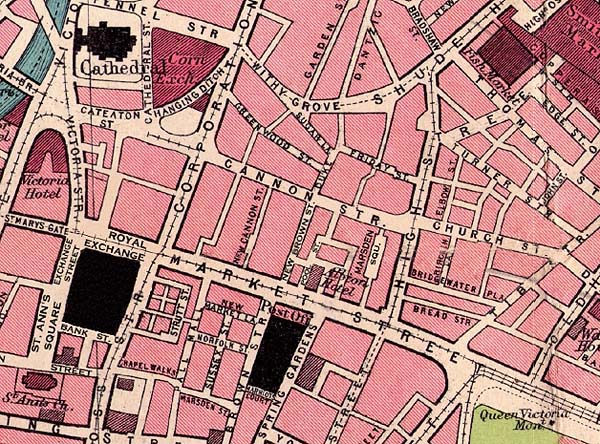
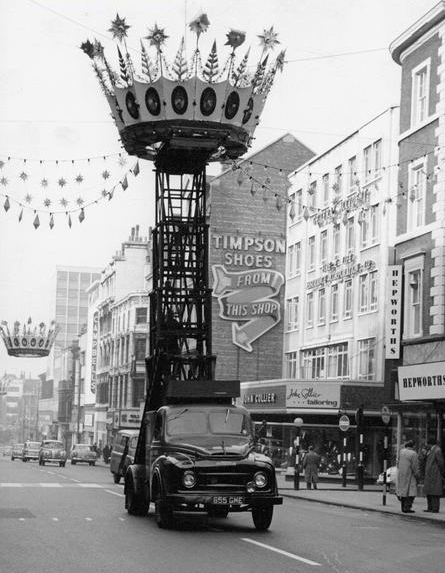
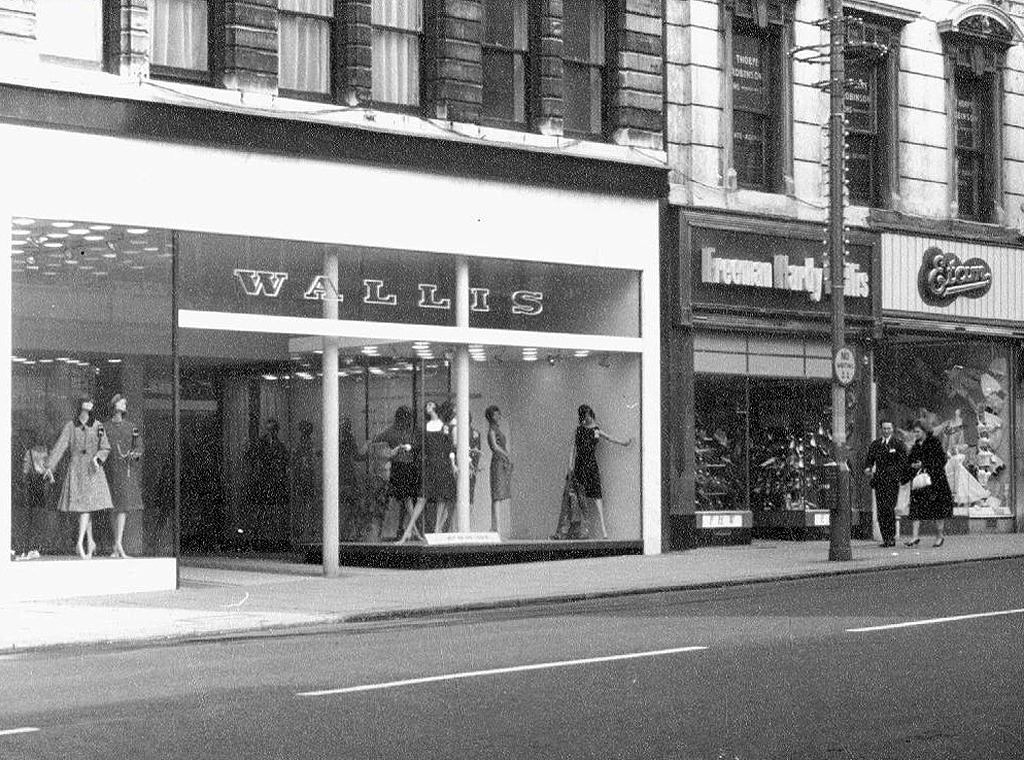
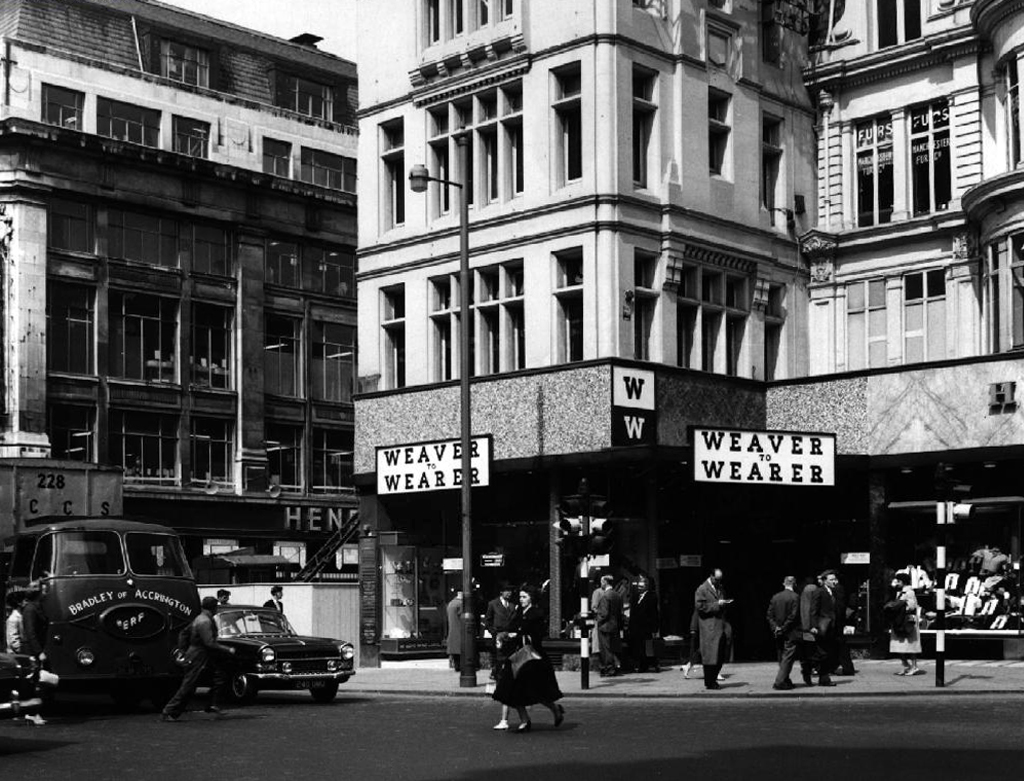
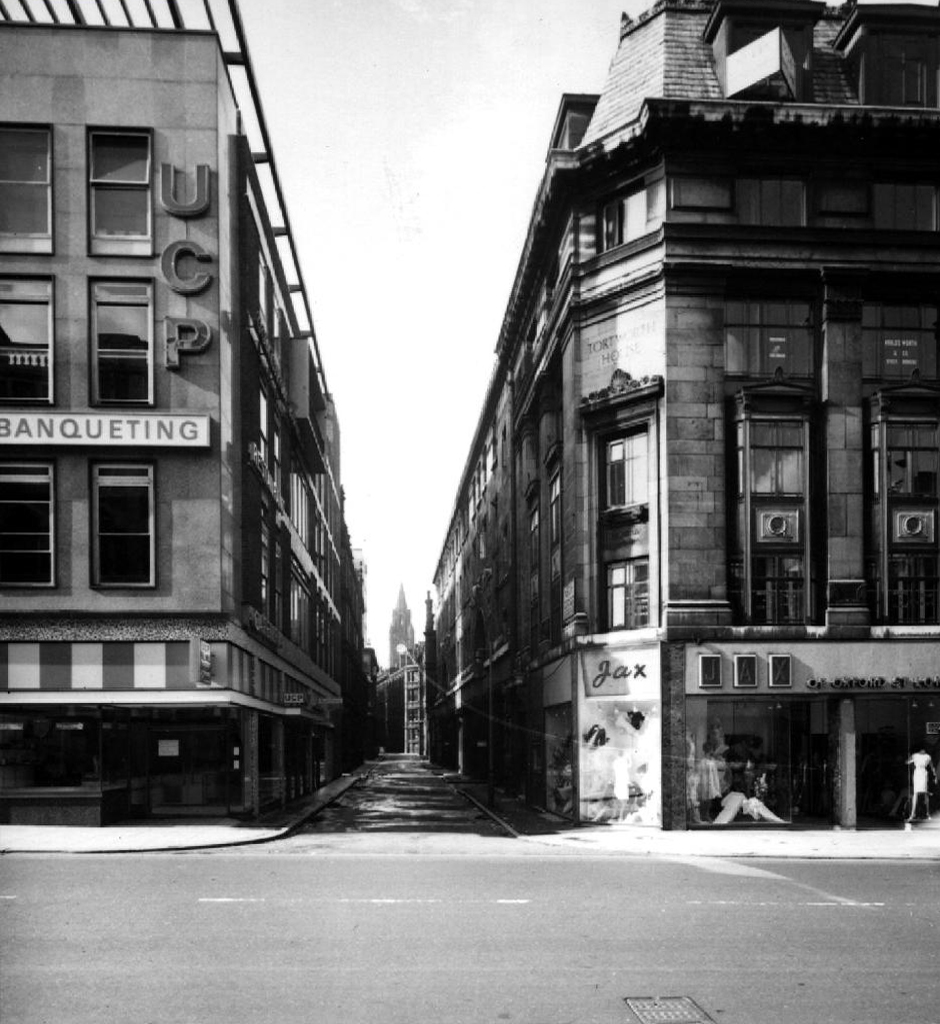
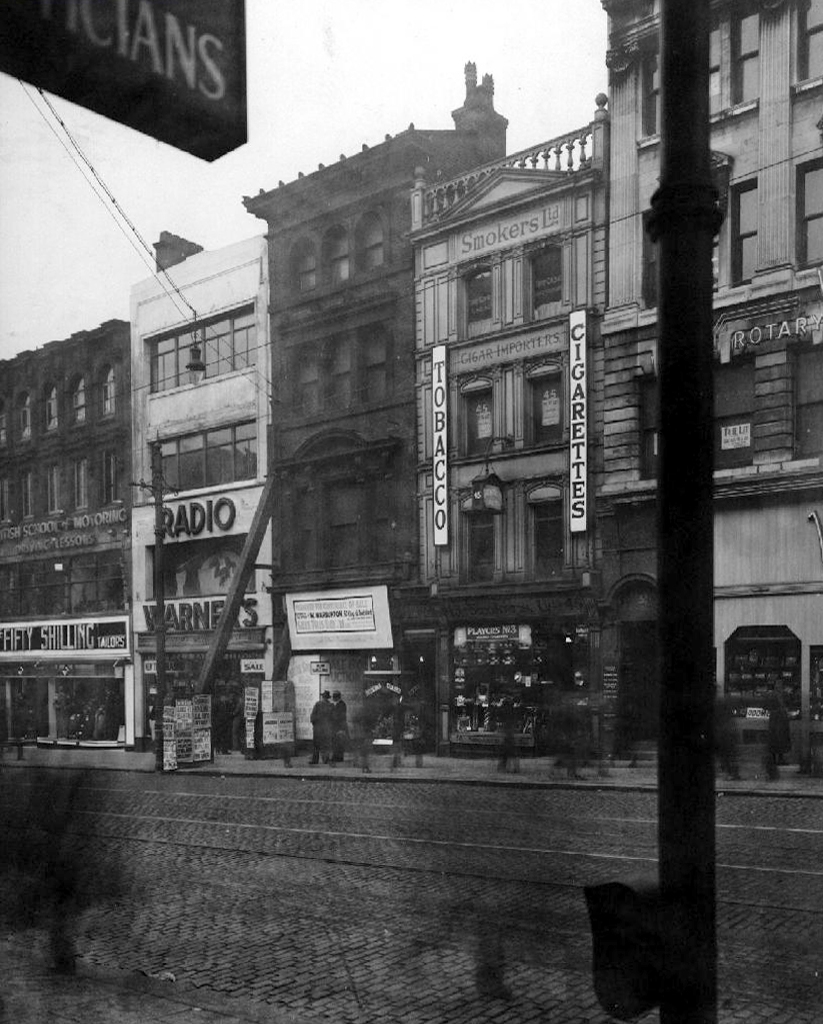
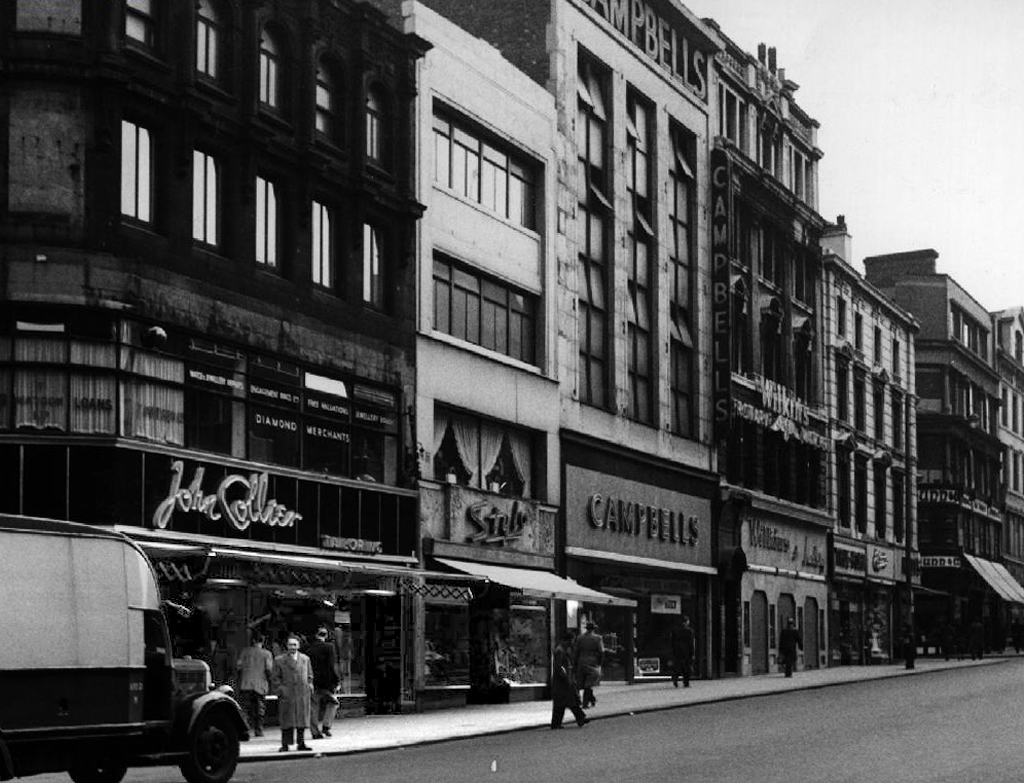
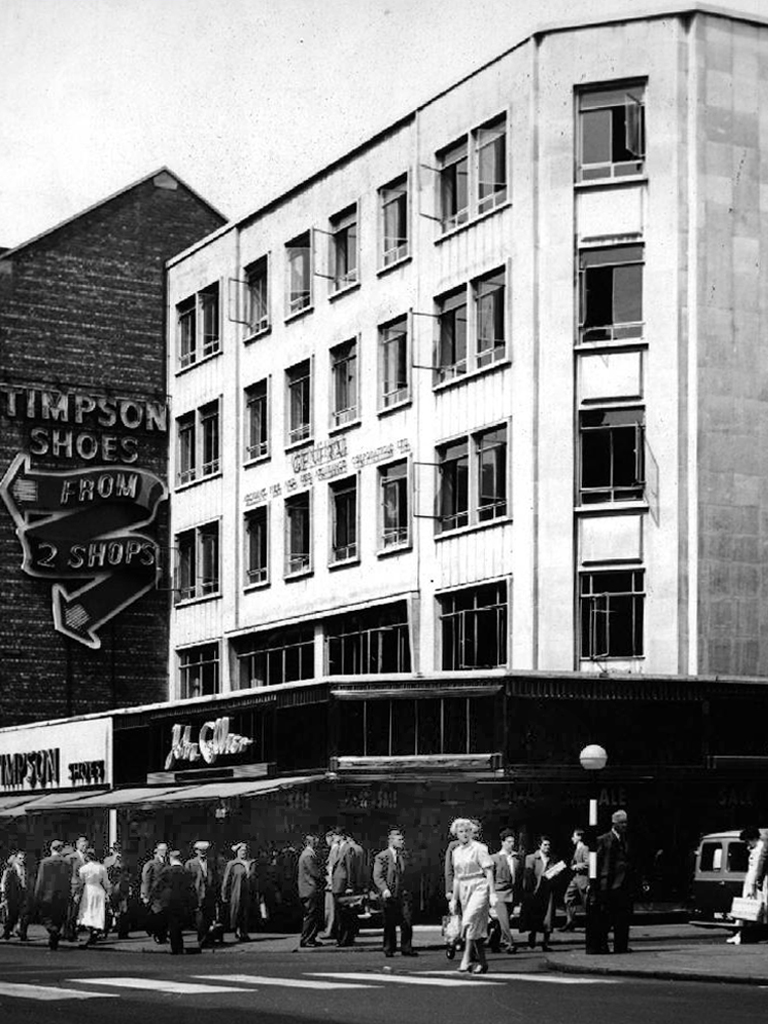
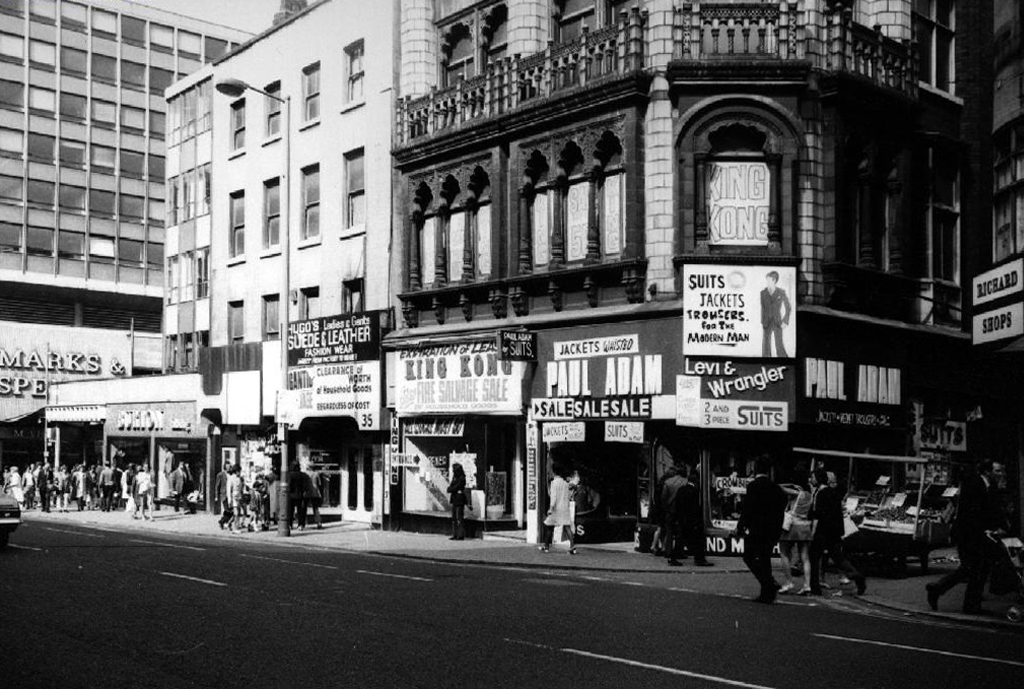
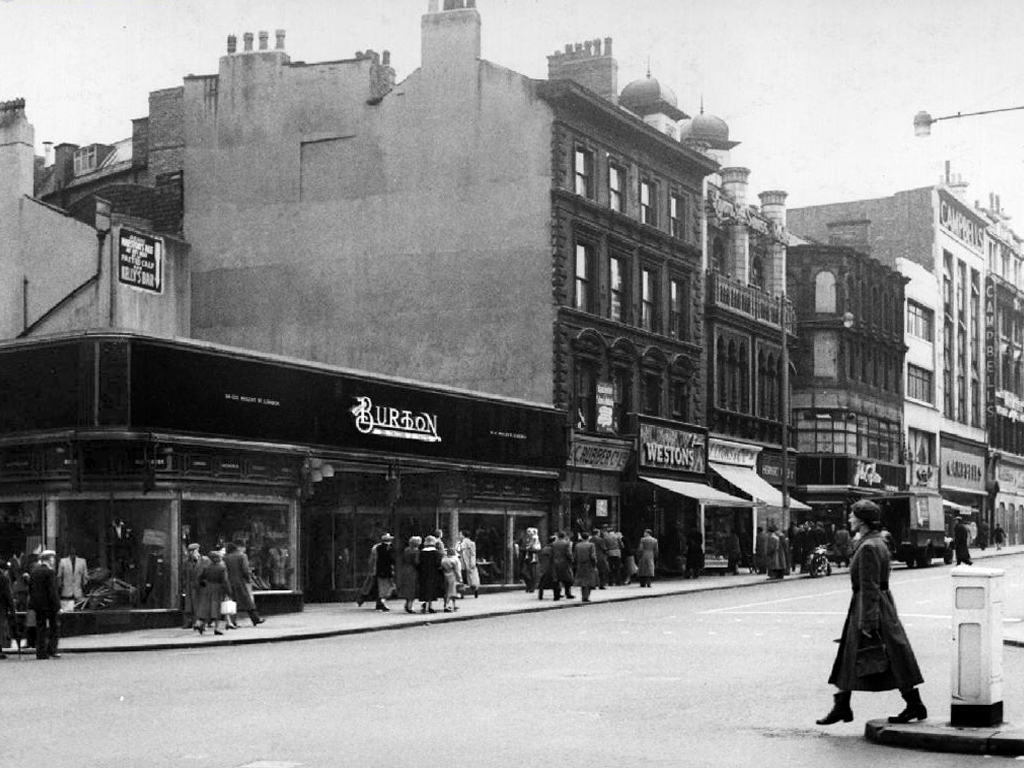
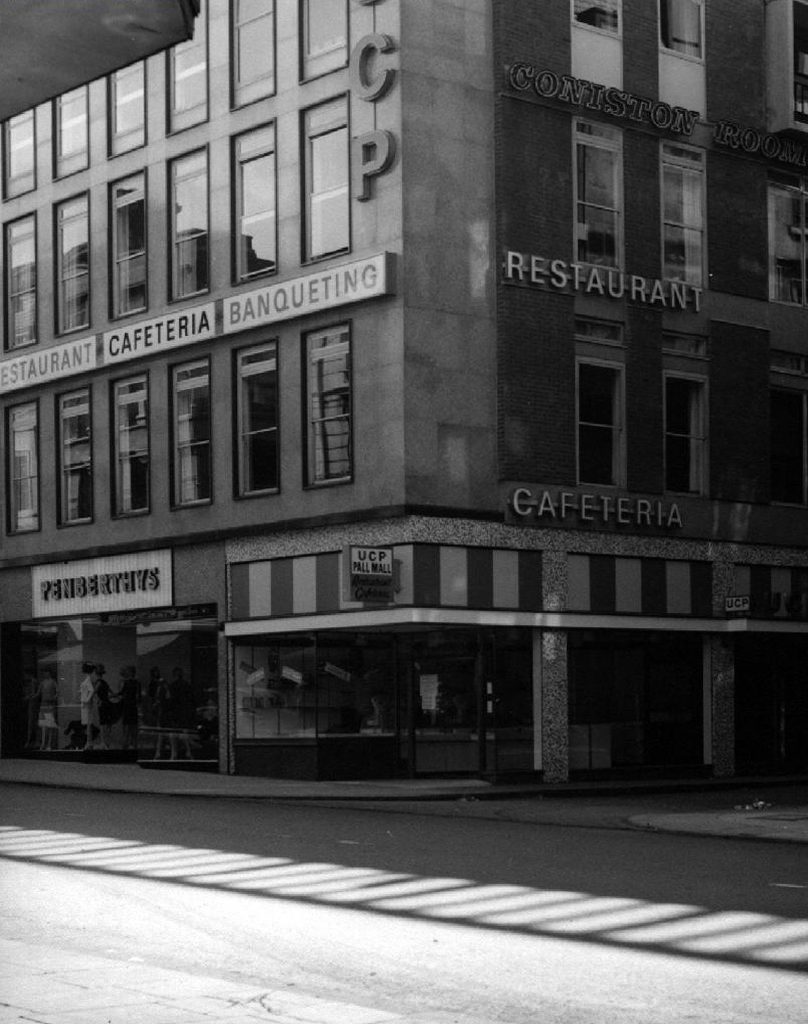
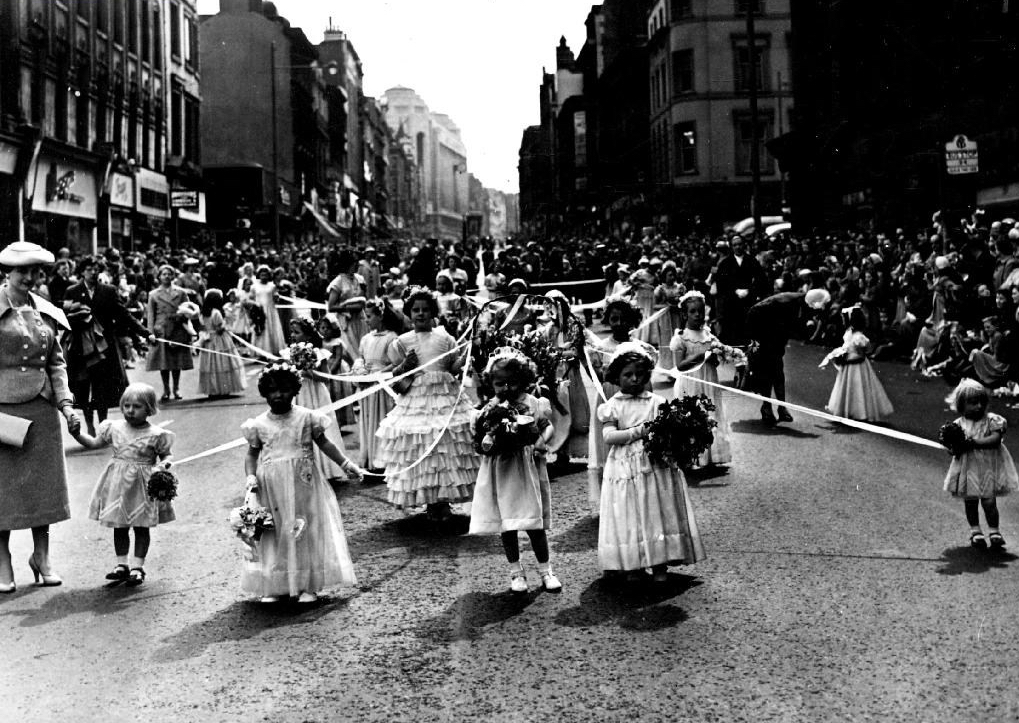
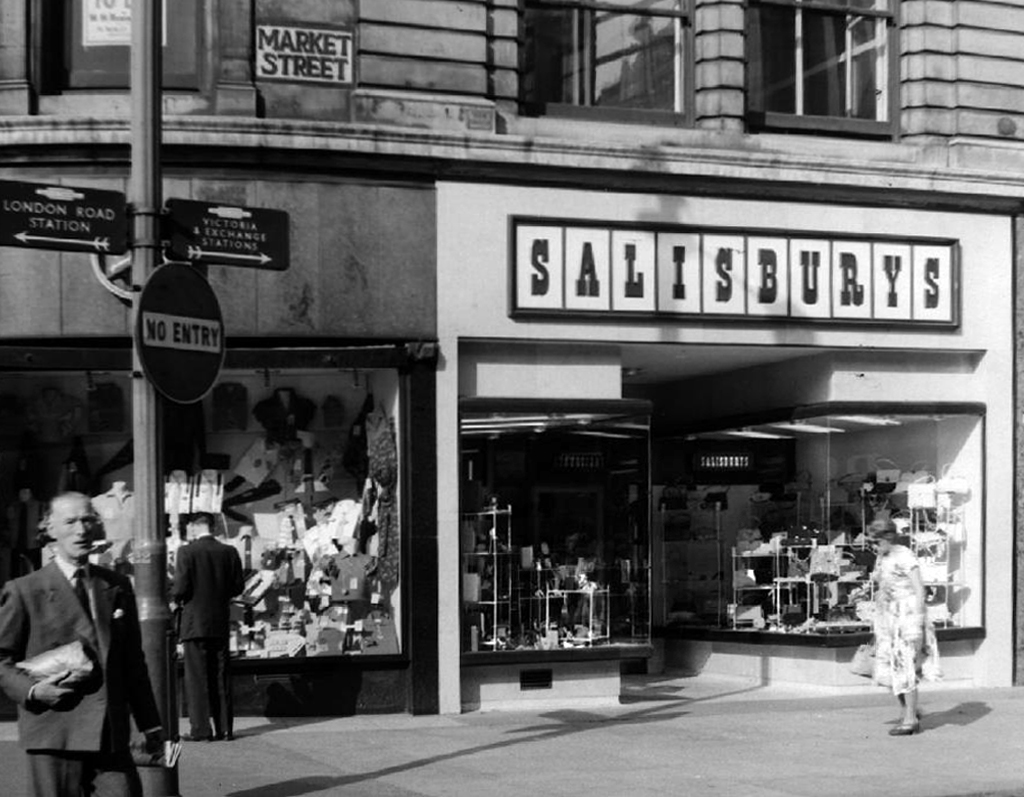
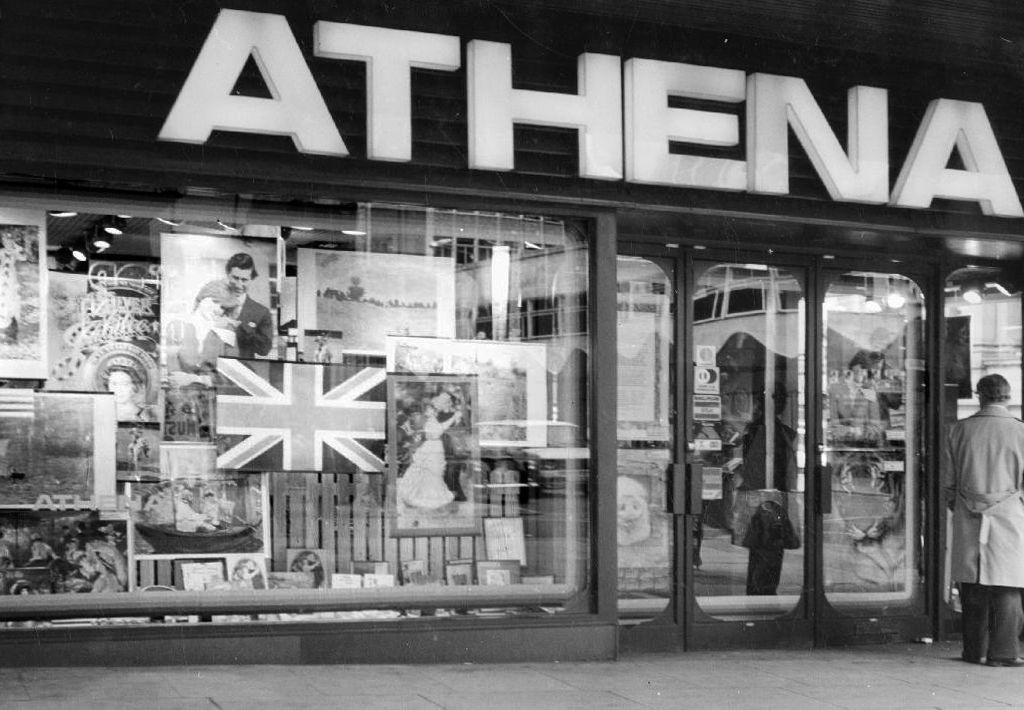
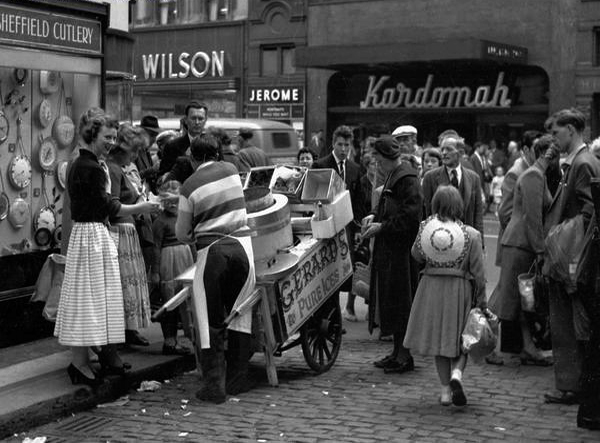
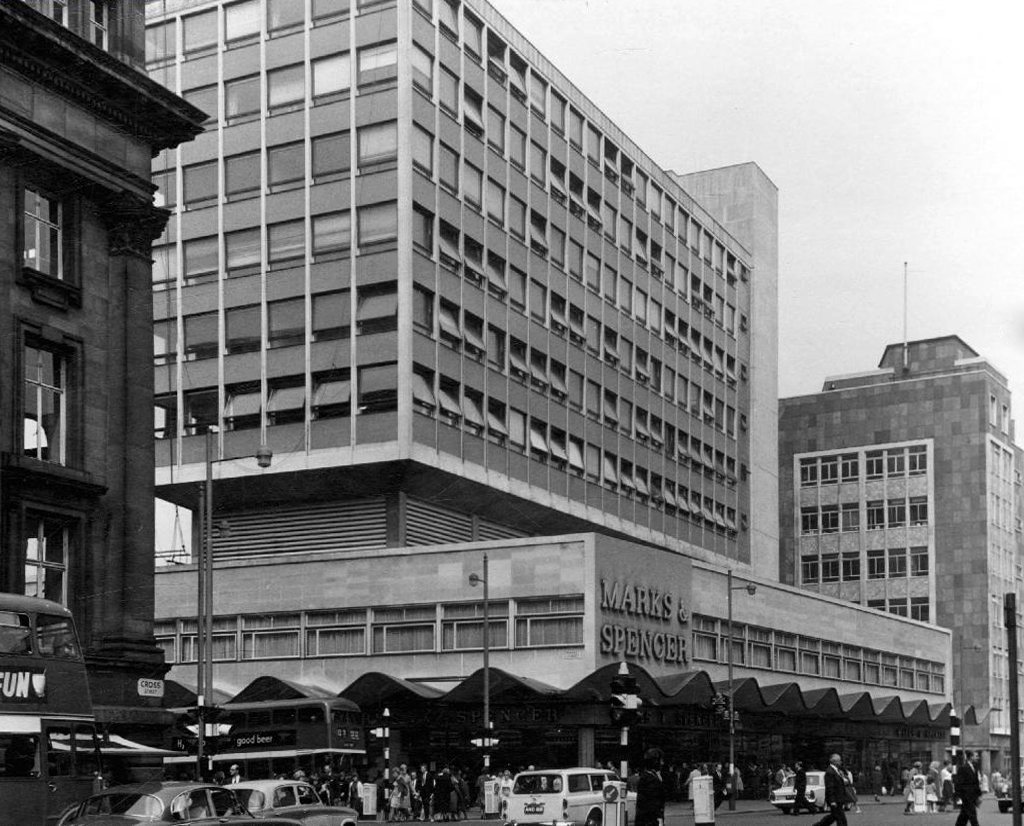
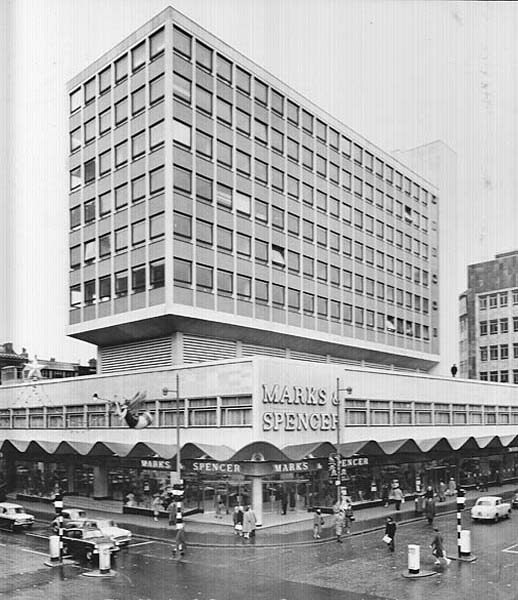
Before the Arndale,  pre-pedestrianisation, Market Street, from the Fifties until the Seventies, was one of Manchester’s key arterial, retail thoroughfares. Mixing mixed traffic, shops, cafés and restaurants, bars, cinemas, offices and administration.

The architectural skyline, had the raggedy silhouette, of a century of build and rebuild.

Lower your eyes, there’s Classical, Gothic, Baroque, local Rococo, Deco, Moderne and Modern – that’s right Madam no two the same, four for a pound, get it while you can.

Lower still, things are still never still, a riot of colour in black and white Vitrolite.

Neon abounds, the names are never changed to protect the innocent.

Local traders are slowly replaced by national and international multinationals.

You have nothing to lose but but your chain-store now.


ront-page-from-henry-s-stores-catalogue.-398-p

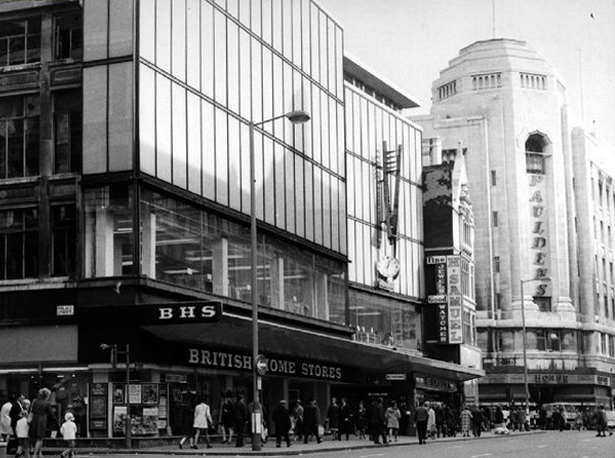
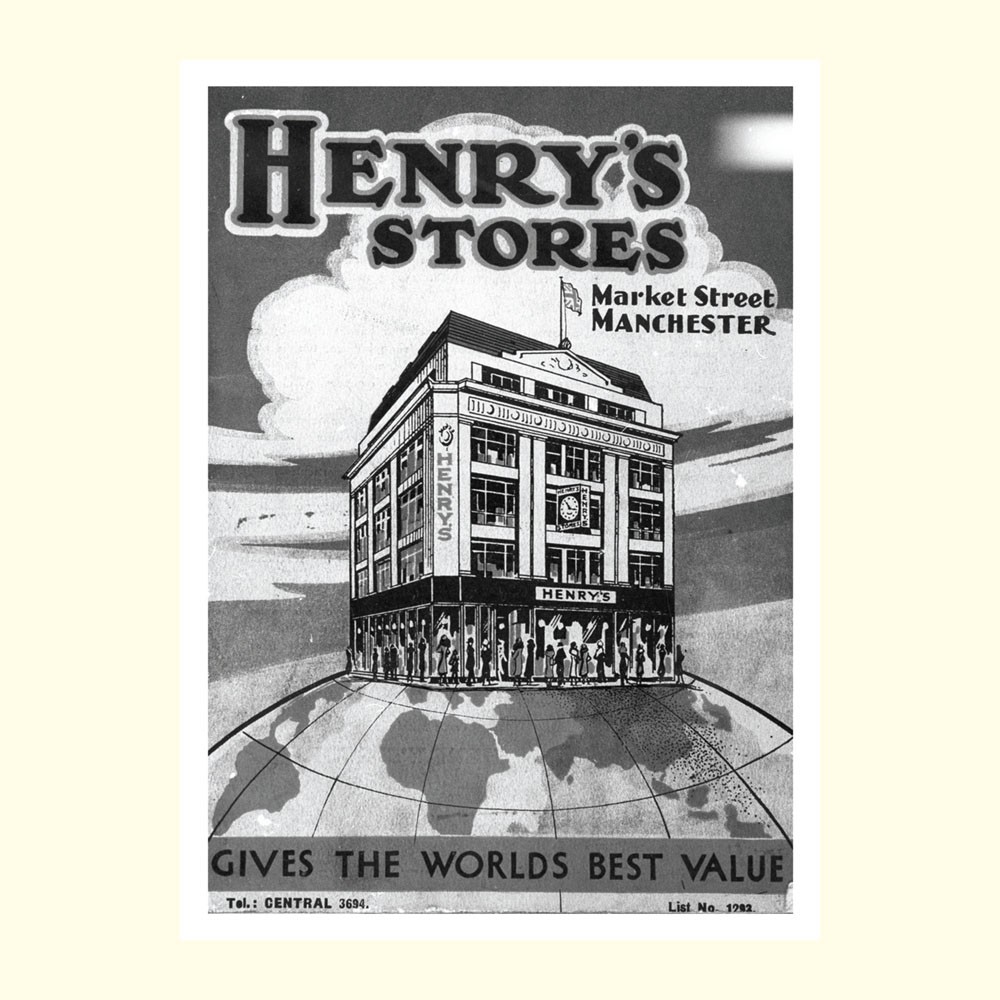
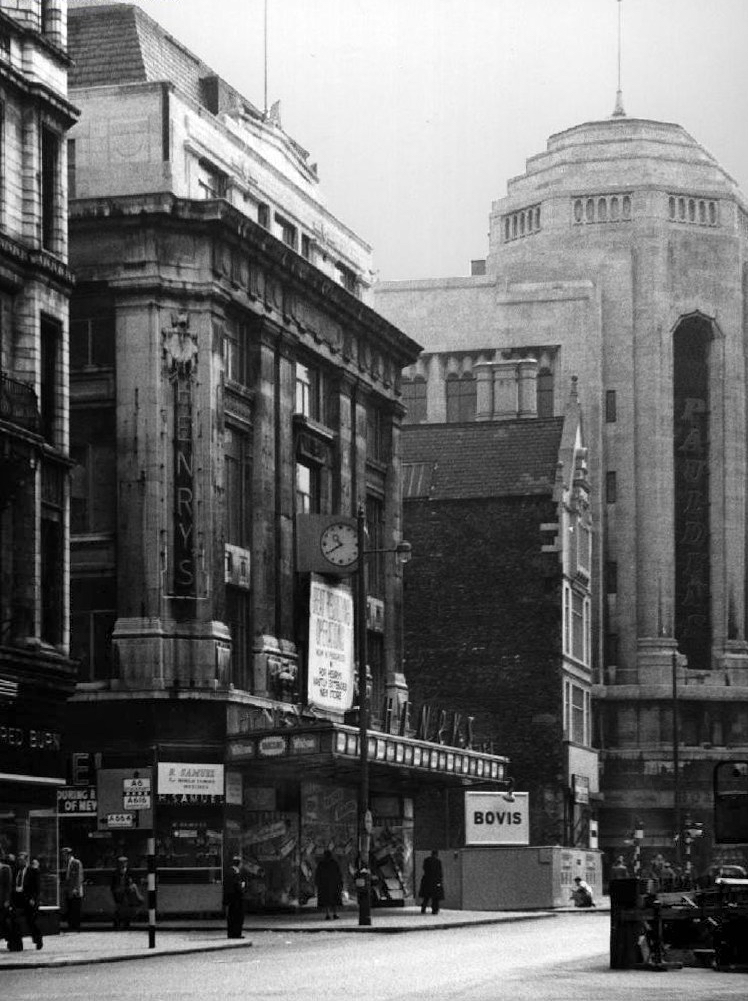
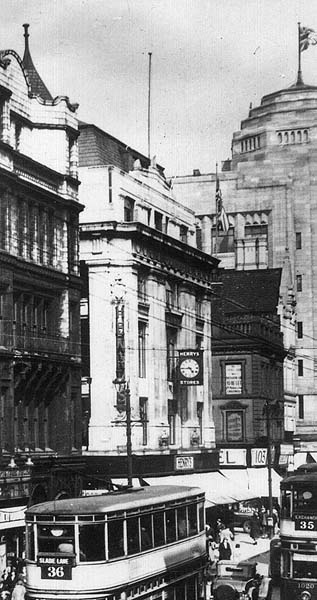
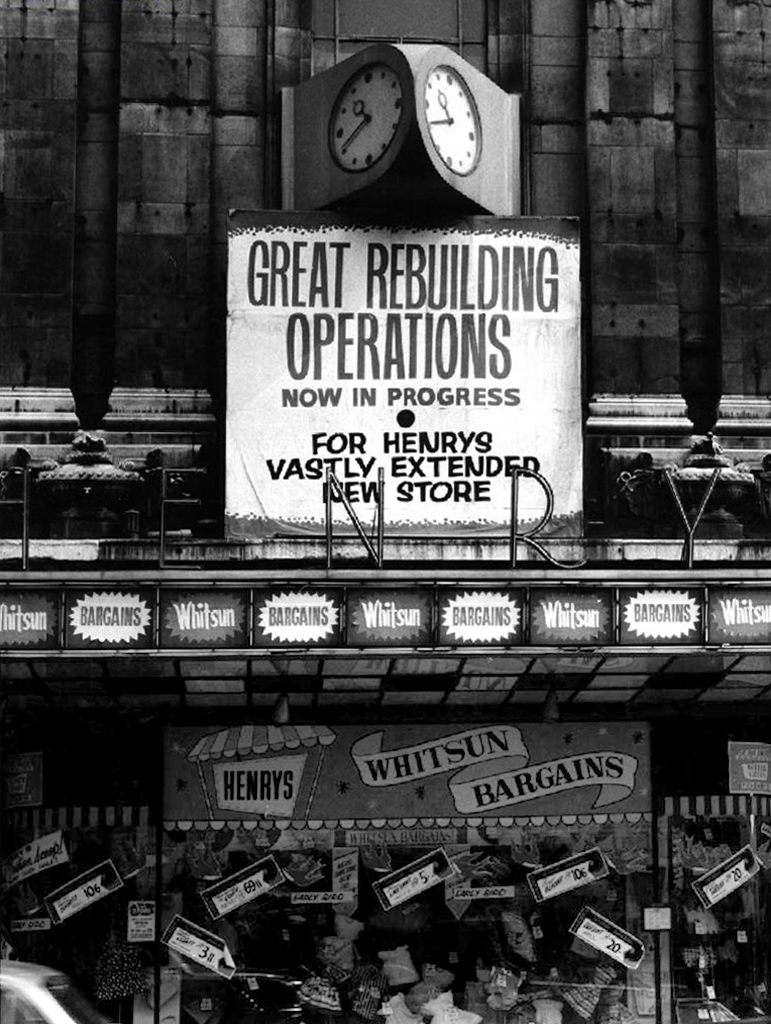
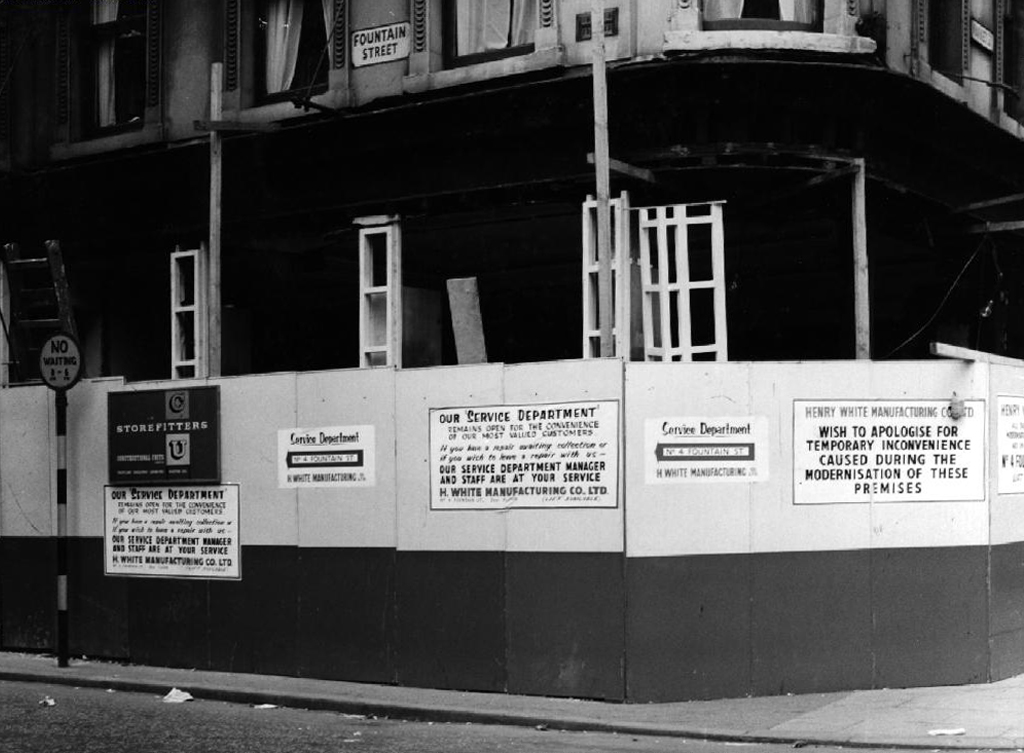
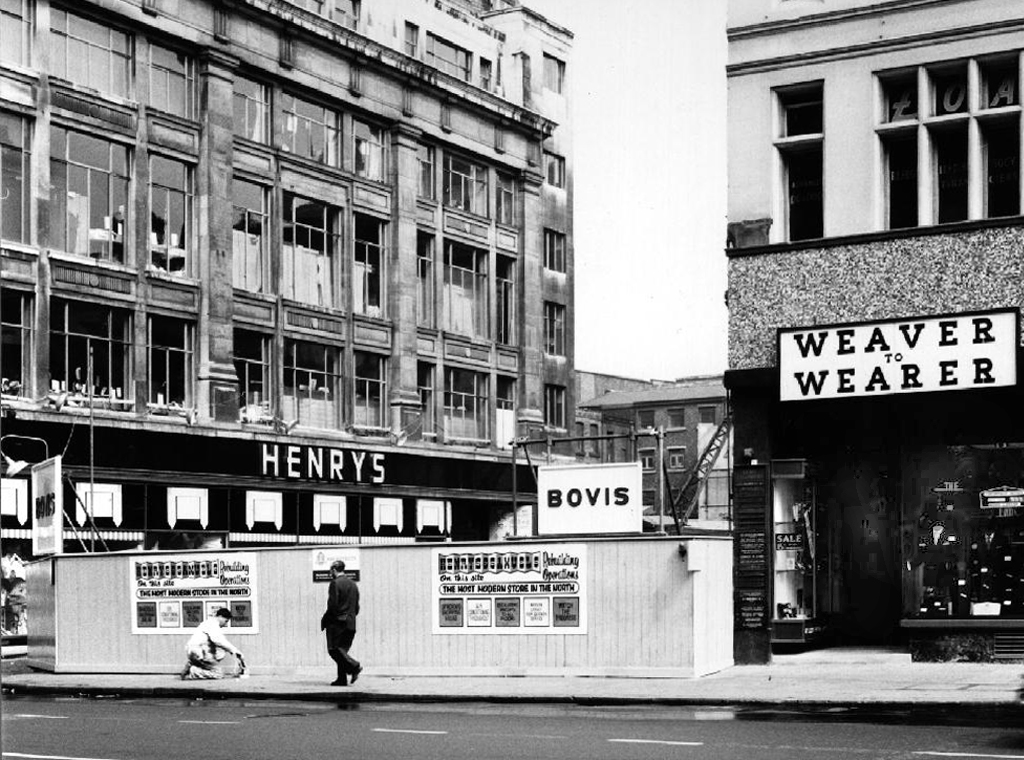
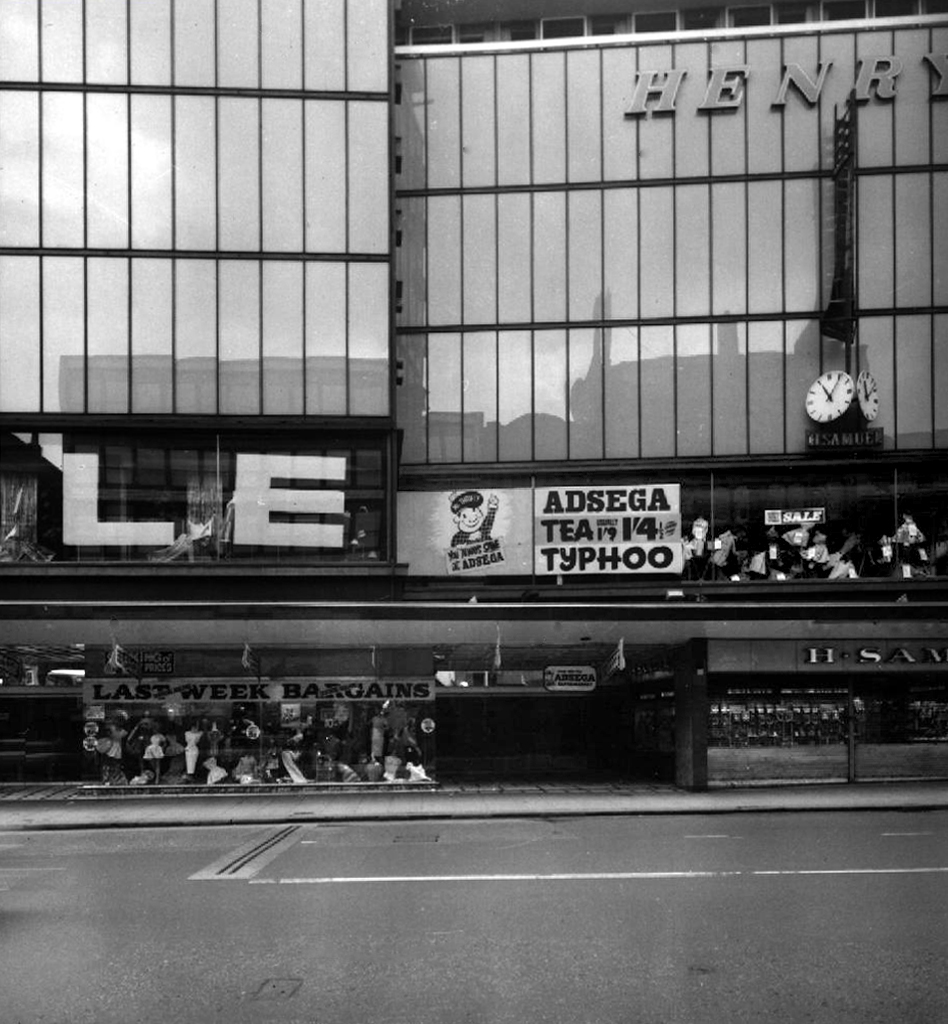
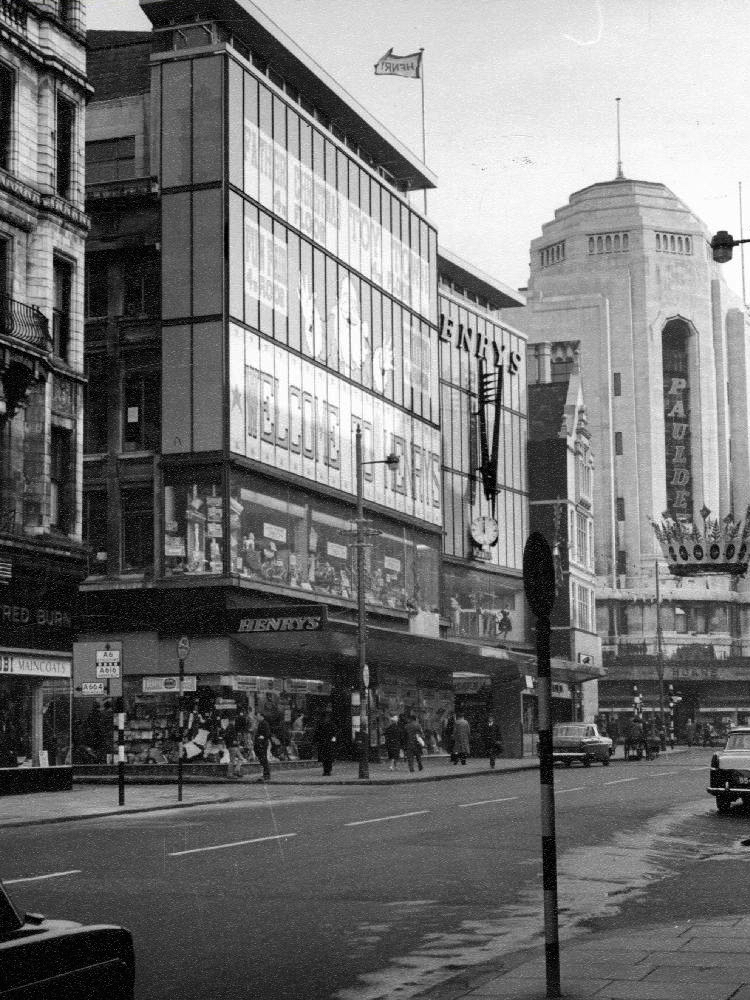
Henry Cohen came to Manchester around 1880. In 1910 he opened a men’s clothing outlet at the corner of Market Street called the Smart Outfitting Company. Having turned down a chance to join Marks and Spencer, he eventually built his department store in Market Street which opened in 1923. Henry’s Stores was redeveloped in the early 60’s acquiring an extension and a unifying Modernist façade, the site and store was acquired by BHS in the mid 60’s.

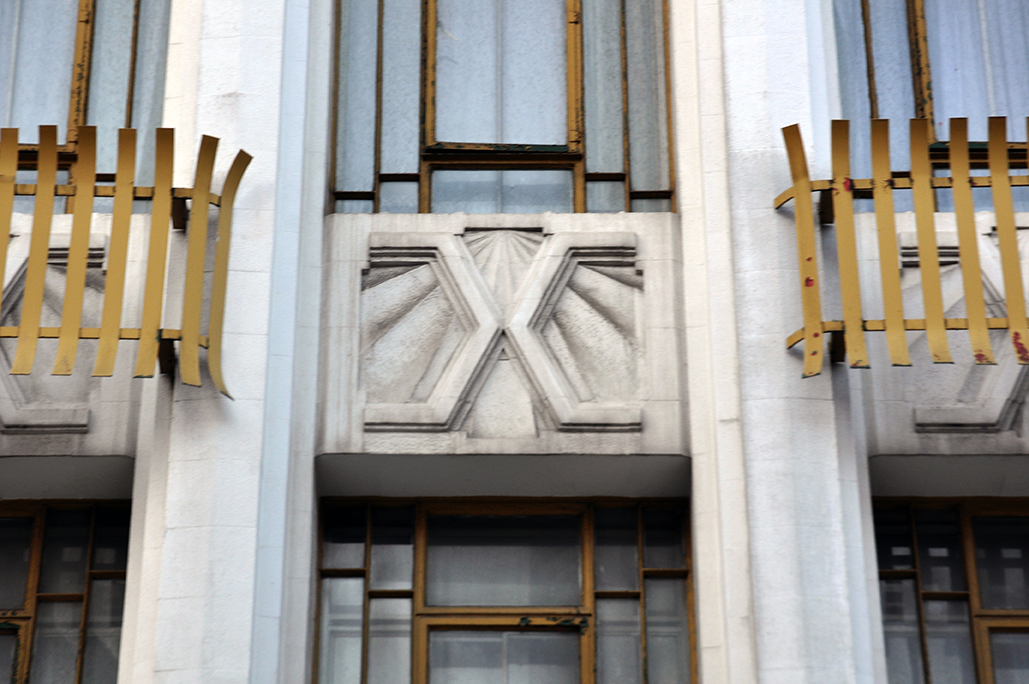
Rylands Building is a Grade II listed building in the building was originally built as a warehouse by the Rylands textile company which was founded by John Rylands. The building was designed by the eminent Manchester architects, Fairhursts, in an Art Deco style. It is clad in Portland stone and features a decorative corner tower and eclectic ‘zig zag’ window lintels.

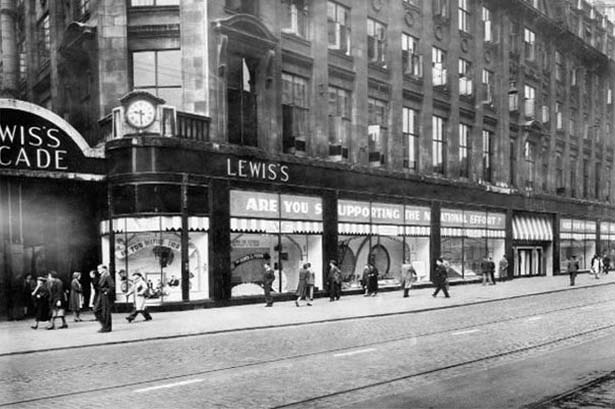
Following a fire, in 1957, which totally destroyed the premises of Paulden’s Department Store, in All Saints, the company acquired the Rylands warehouse building and converted it to a store. This was then a direct rival to the Lewis’s store, on the opposite side of Market Street. In 1973 Debenhams, the owner of Pauldens rebranded the store in their name. Since that time it has remained Debenhams.

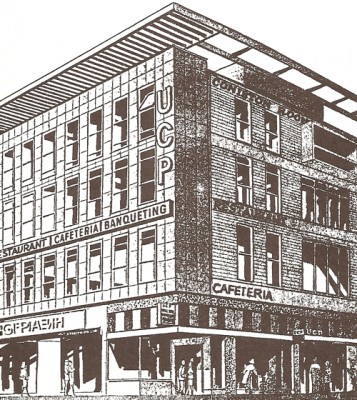
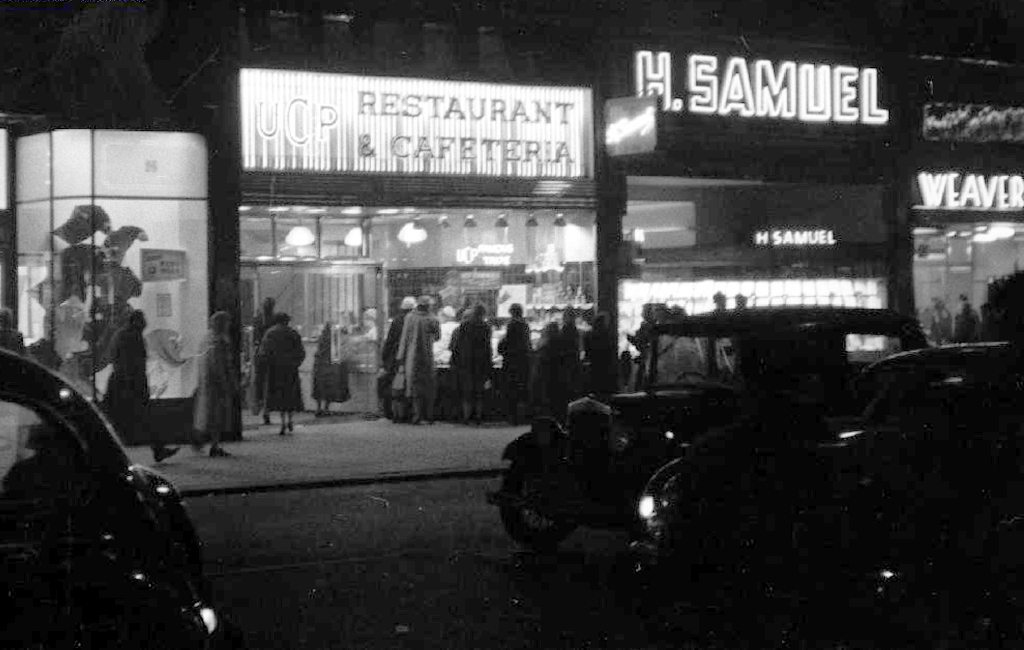
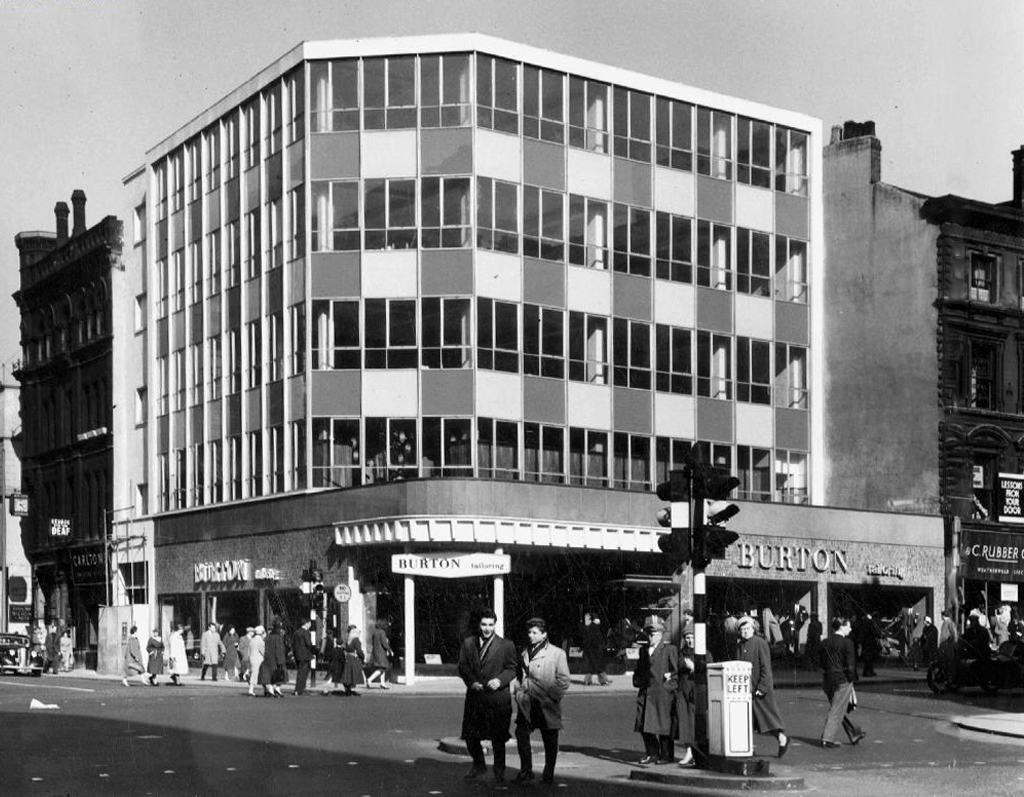
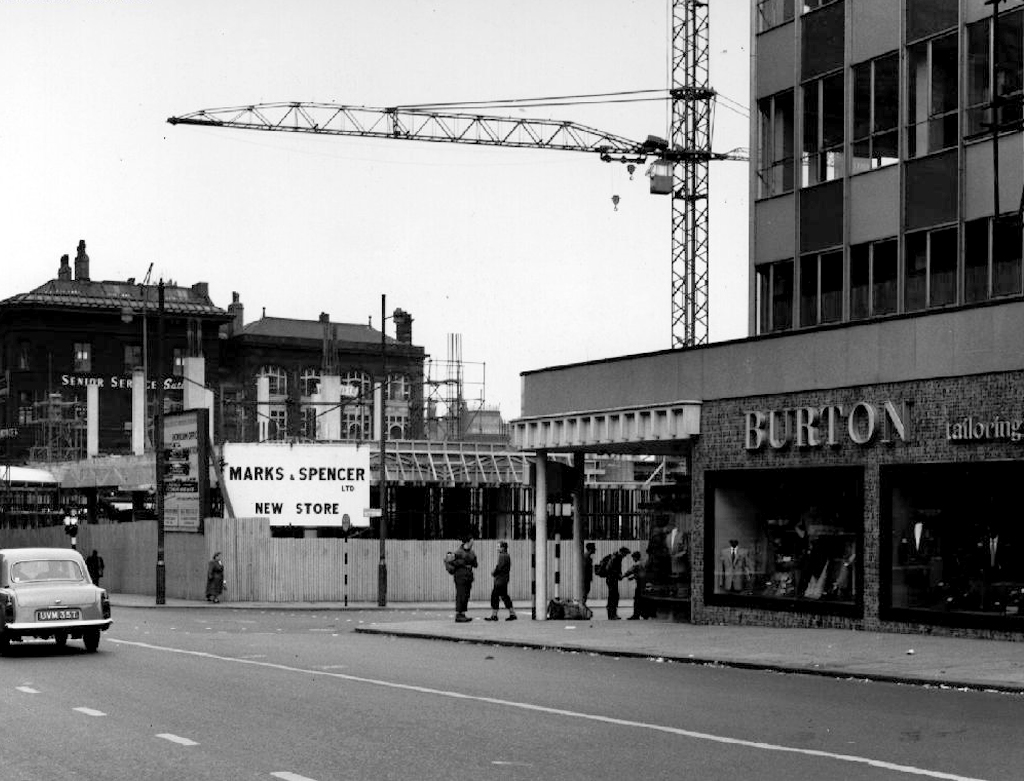
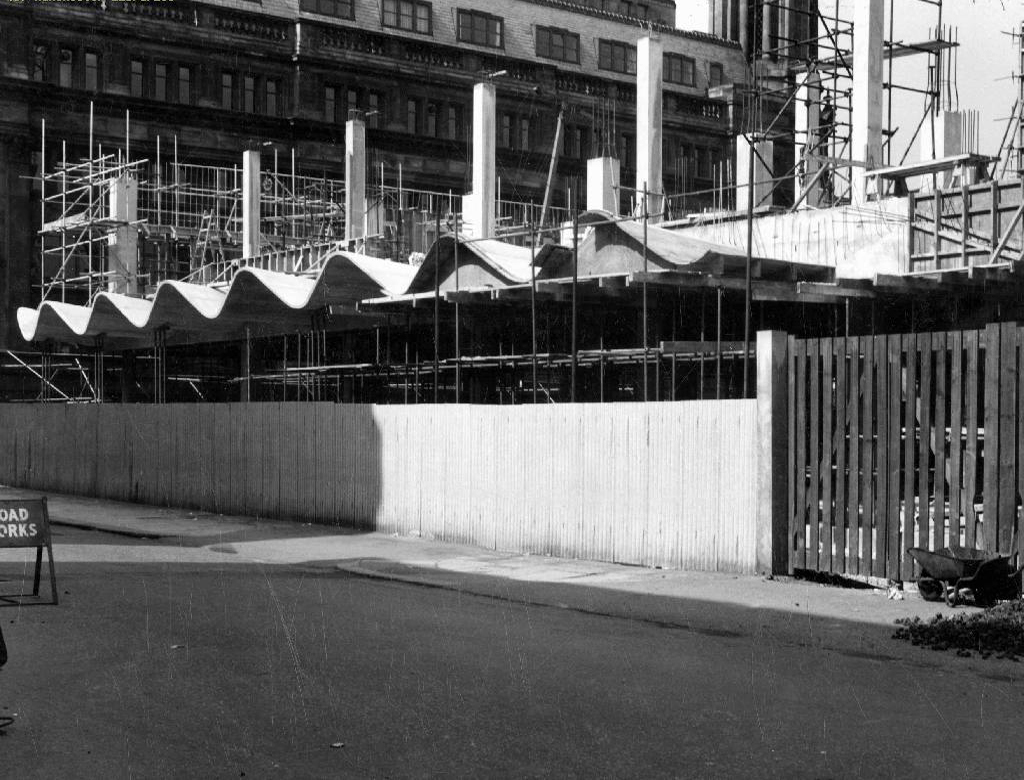
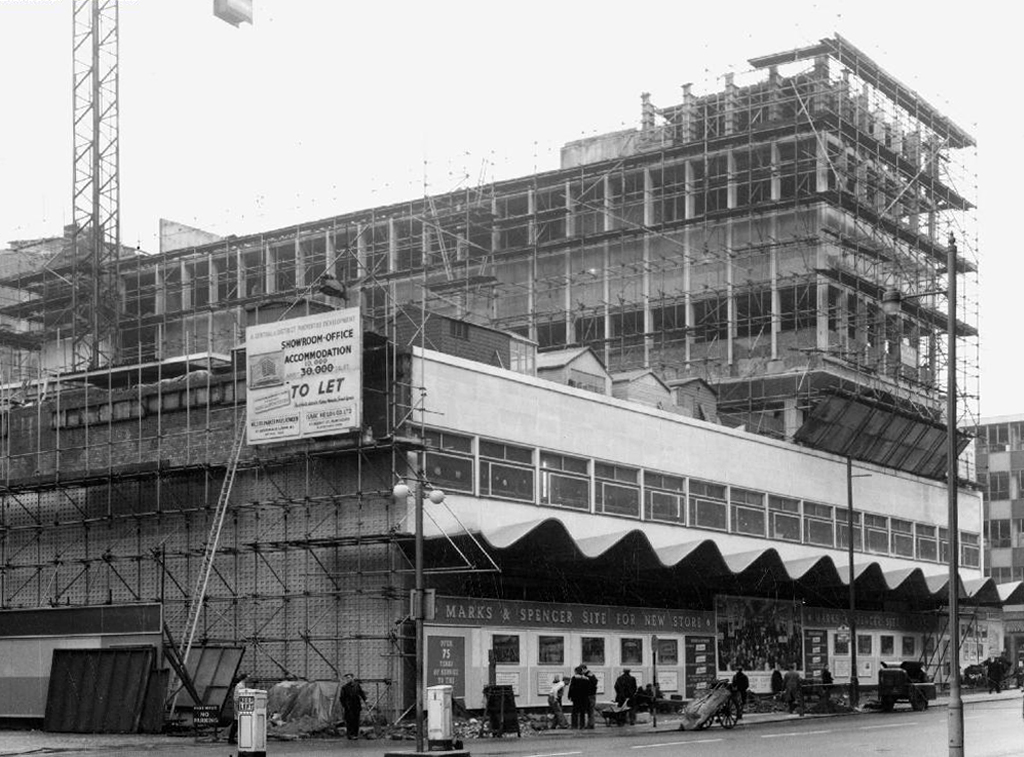
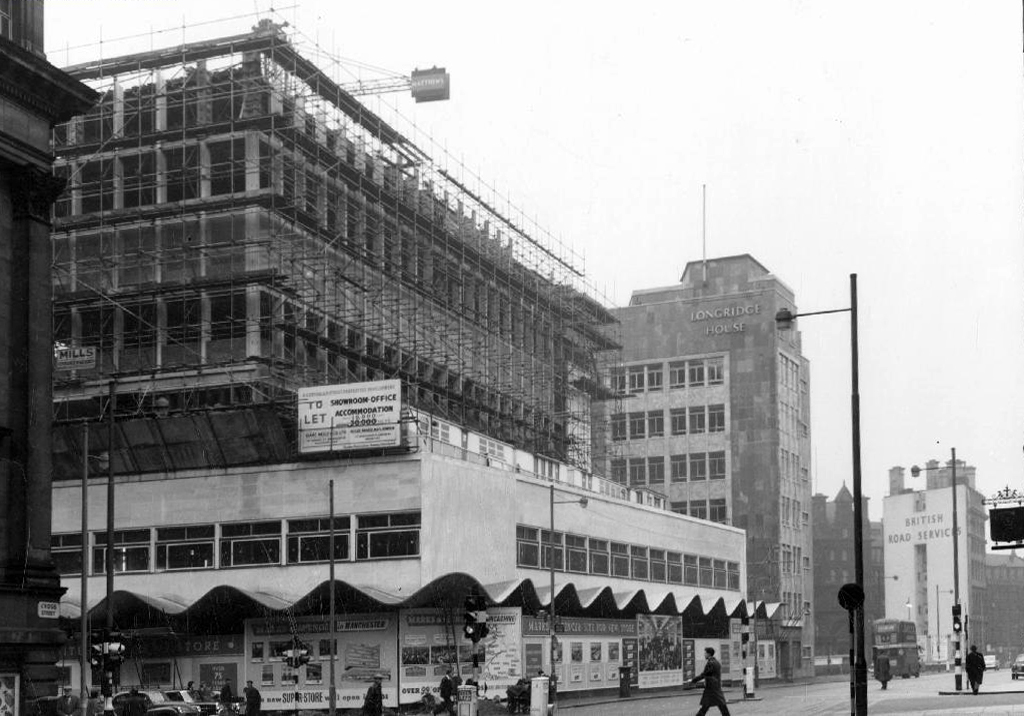
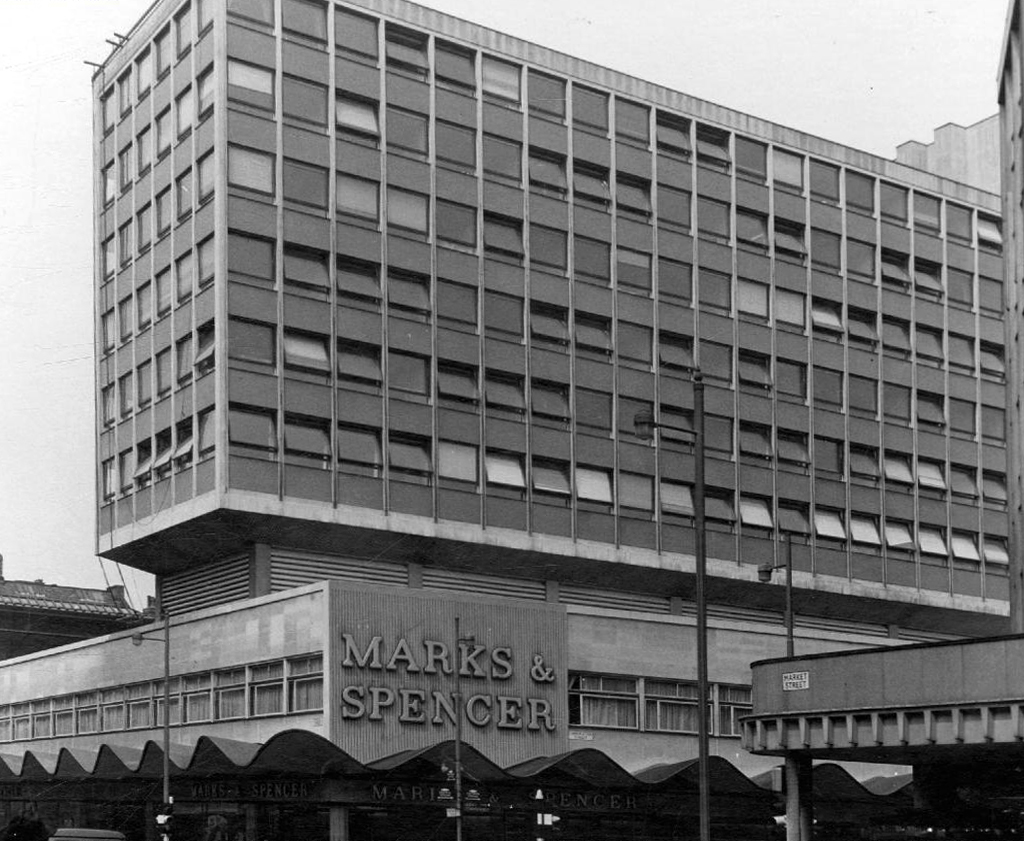
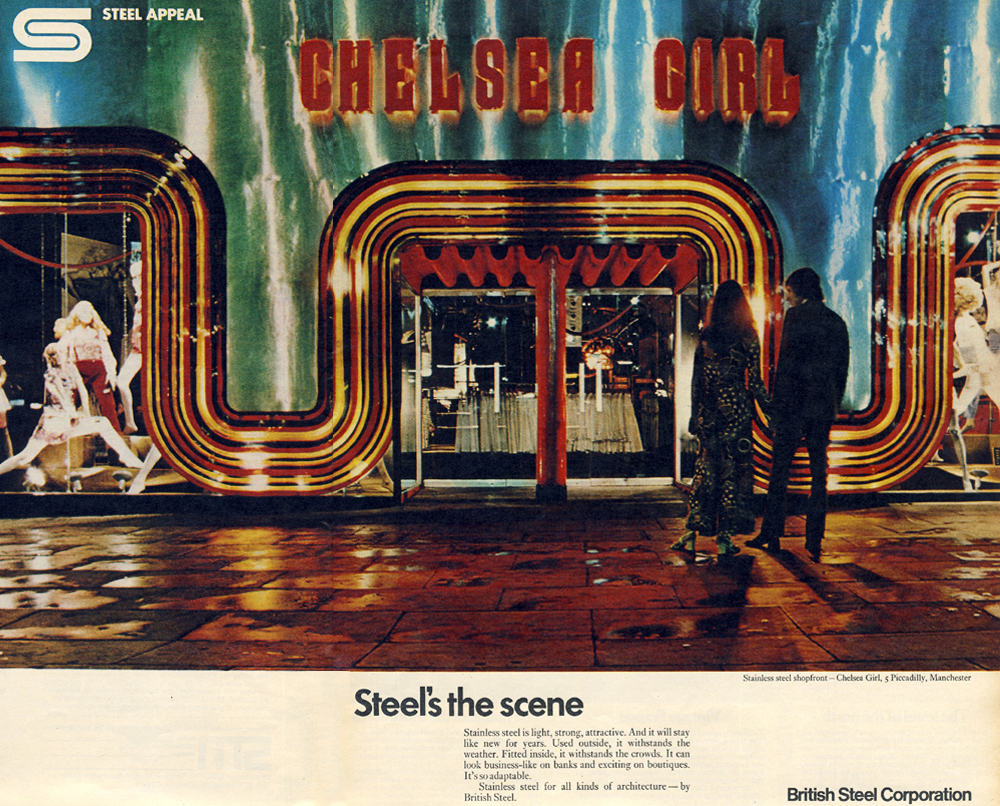
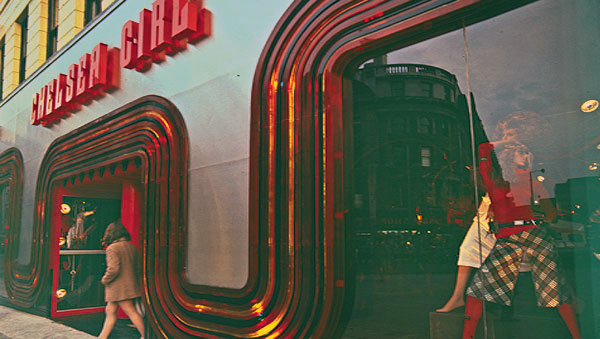
Marks and Spencers and Burton’s both undertook extensive Modernist building in the early 60’s on on the Corporation Street site, neither have survived. The Chelsea Girl steel frontageUCP Restaurant beloved of the Manchester Modernists, Kardomah Café and countless other landmarks are long gone. Lewis’s has become Primark.

The double indignity of the Arndale and a bomb have changed things forever.

Nothing stands still – this is Market Street.

With thanks to http://images.manchester.gov.uk/index.php?session=pass

lewis-1940

8.jpeg

henry's

7

10

9

3

webmedia-4-php.jpeg

a-z

14

webmedia-23-php.jpeg

webmedia-6.php

webmedia-26.php

16

webmedia-9.php

18

5

webmedia-10.php

webmedia-7.php

webmedia-1.php

2.jpeg

4.jpeg

webmedia-11.php

webmedia-3.php

13

webmedia-8.php

webmedia-12.php

15

webmedia-13.php

webmedia-15-php.jpeg

6

webmedia-2.php

1.jpeg

19

webmedia.php

20.jpeg

webmedia-5.php

webmedia-22-php.jpeg

webmedia-24-php.jpeg

5220807822_fcafda48e6.jpg

11

webmedia-17.php

webmedia-18.php

webmedia-19.php

webmedia-20.php

Marksandspencer1962

webmedia-21.php

12

17

webmedia-9.jpg

steels-the-scene-chelsea-girl

Chelsea Girl

p_00484389


Precinct – Stalybridge

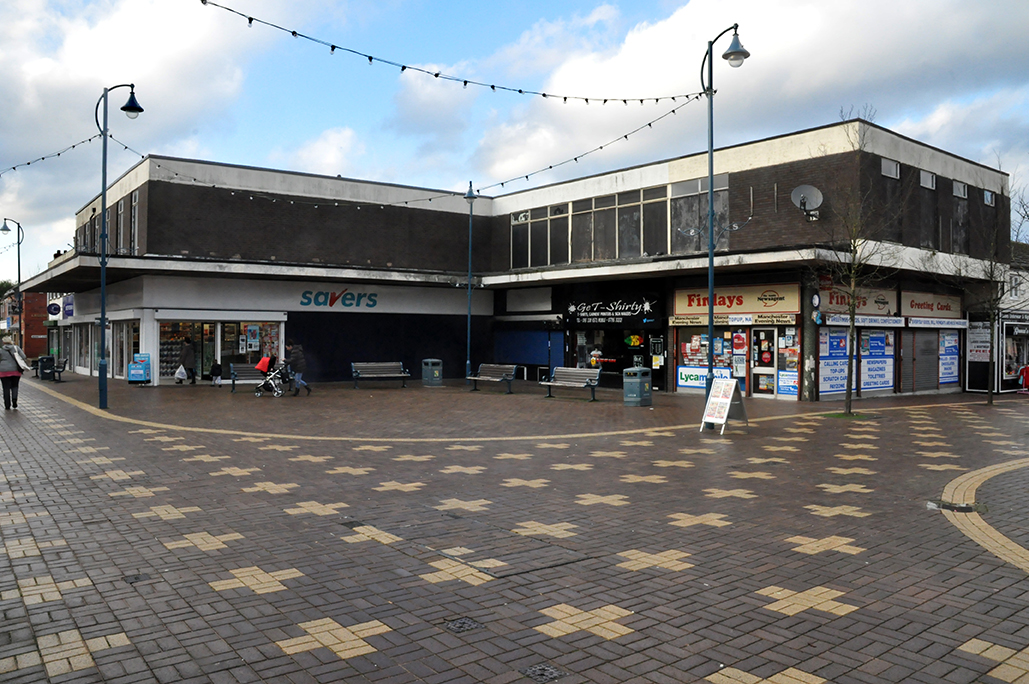
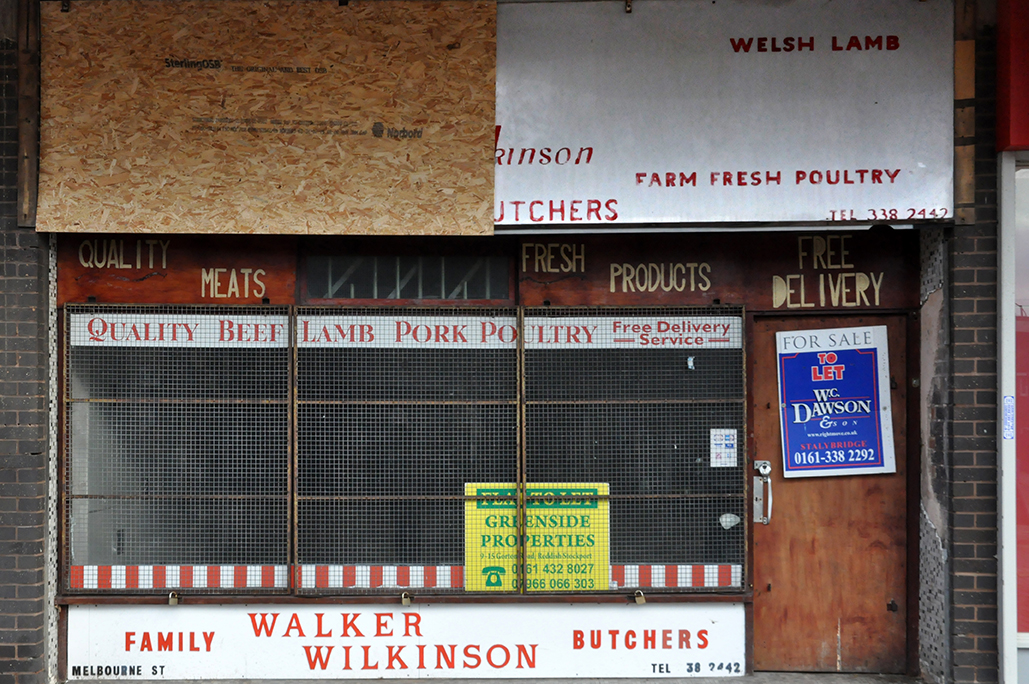
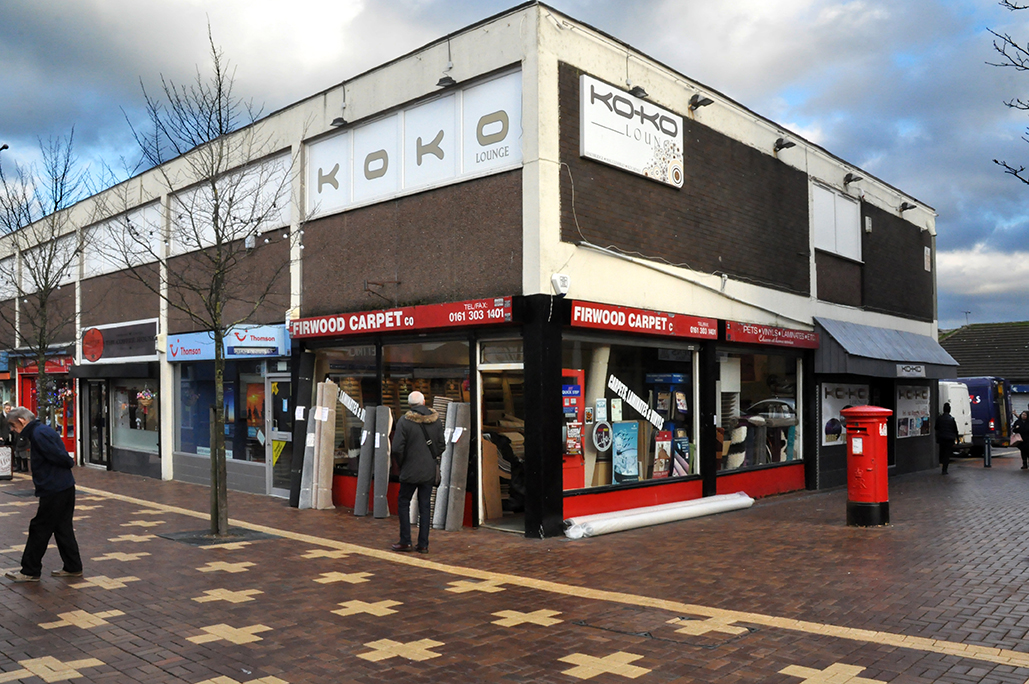
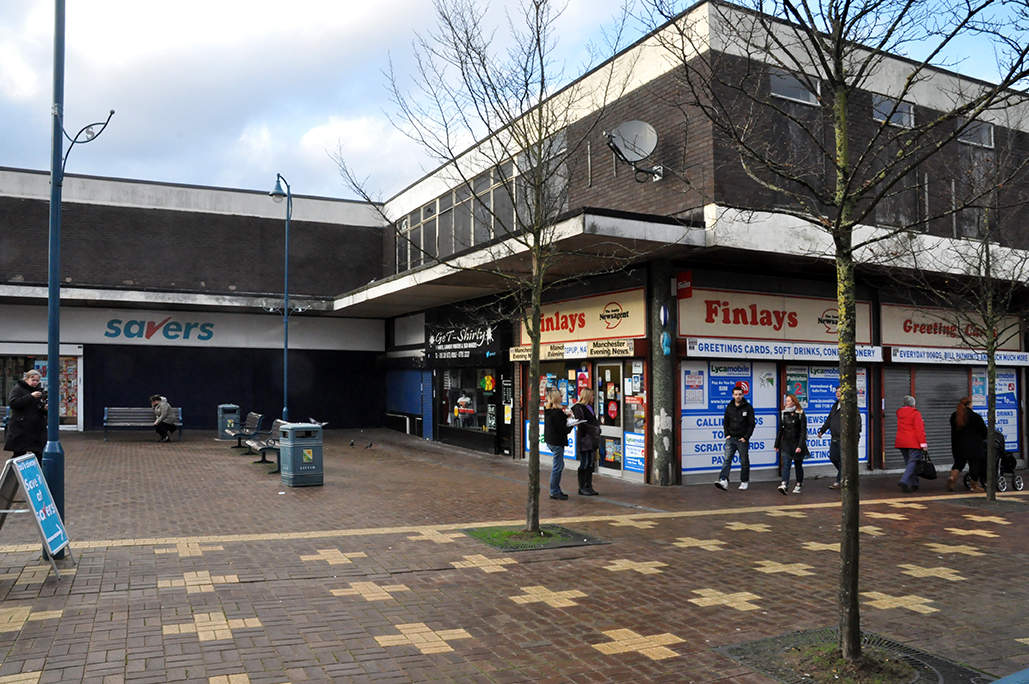
The dissipated filling, in an Aldi and Tesco sandwich, a flat roofed, concrete and brick sixties shopping development, a precinct.

Small towns typically comprise of several retail developments, of various vintages, chasing diminishing returns, in ever expanding rectangles.

Stalybridge is no exception, once a bustling mill town, it sought salvation in a hedonistic mini-break by the River Tame, party industry.

Stalyvegas.

The bright lights of the society of the spectacle, now extinguished, burnt brightly in Bar Liquid, Club Rififi, H2O and Amber Lounge.

Walking the streets today, a meagre spread of shoppers, hardened daytime drinkers and lost souls.

Bids were made for a Portas Pilot, Mary contrarily resisted.

The Northern Powerhouse hits the buffers.

The Buffet prevails.

DSC_0119 copy

DSC_0118 copy

DSC_0121 copy

DSC_0126 copy

DSC_0127 copy

DSC_0120 copy

DSC_0122 copy

DSC_0123 copy

DSC_0125 copy

DSC_0124 copy


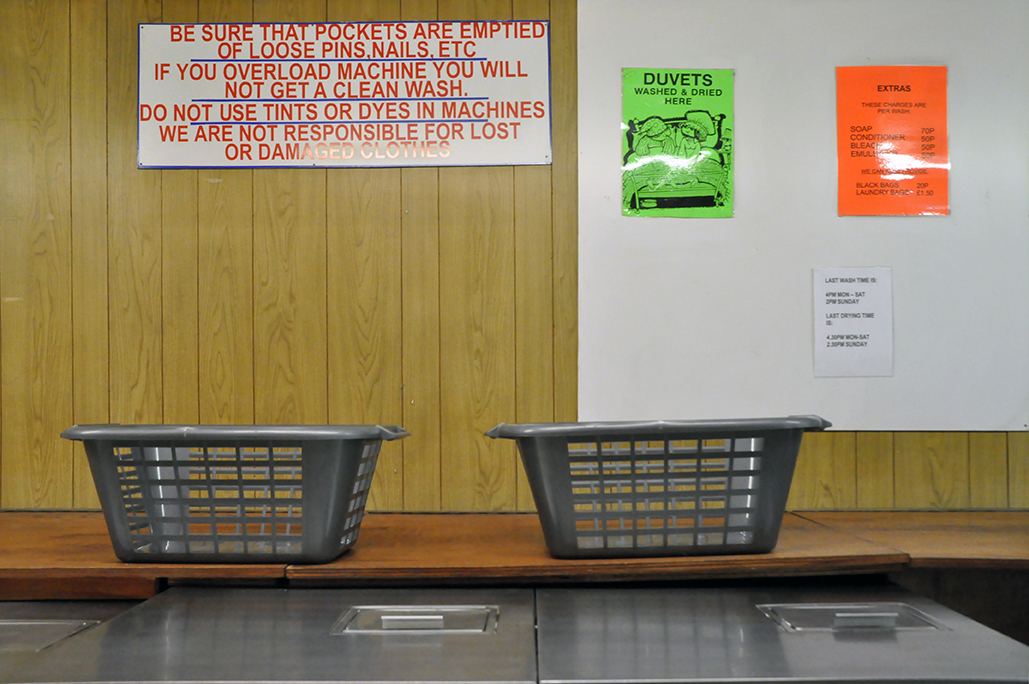
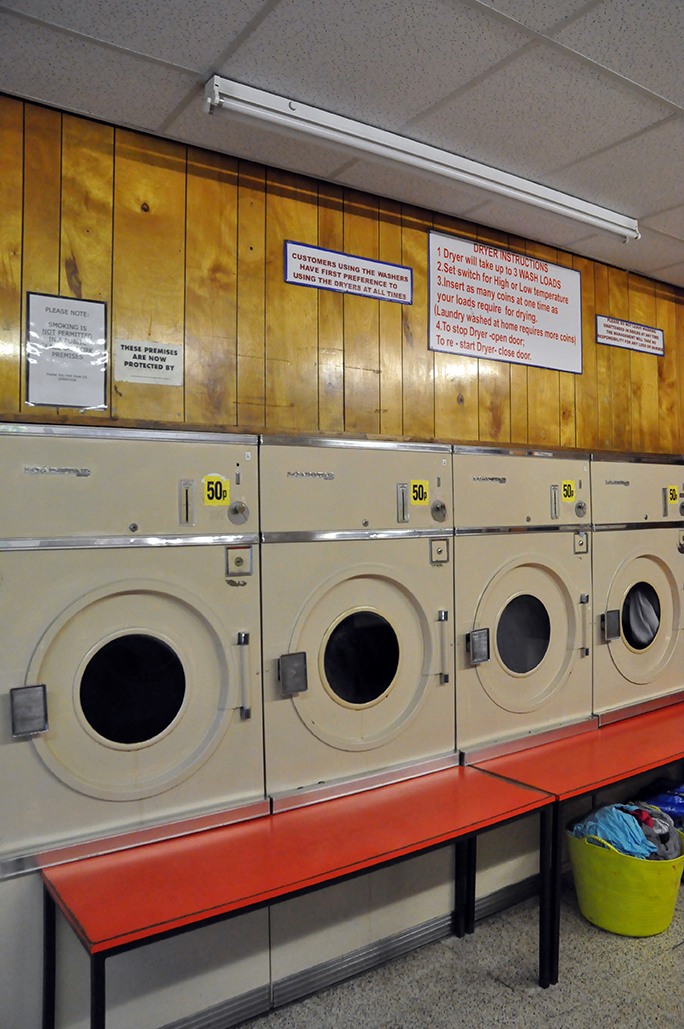
Launderette – Stalybridge

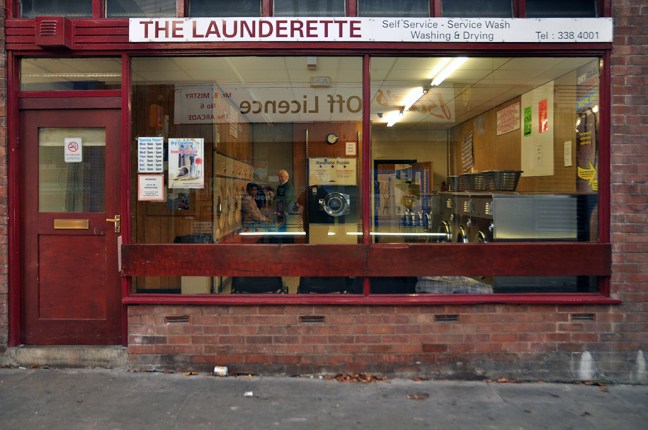
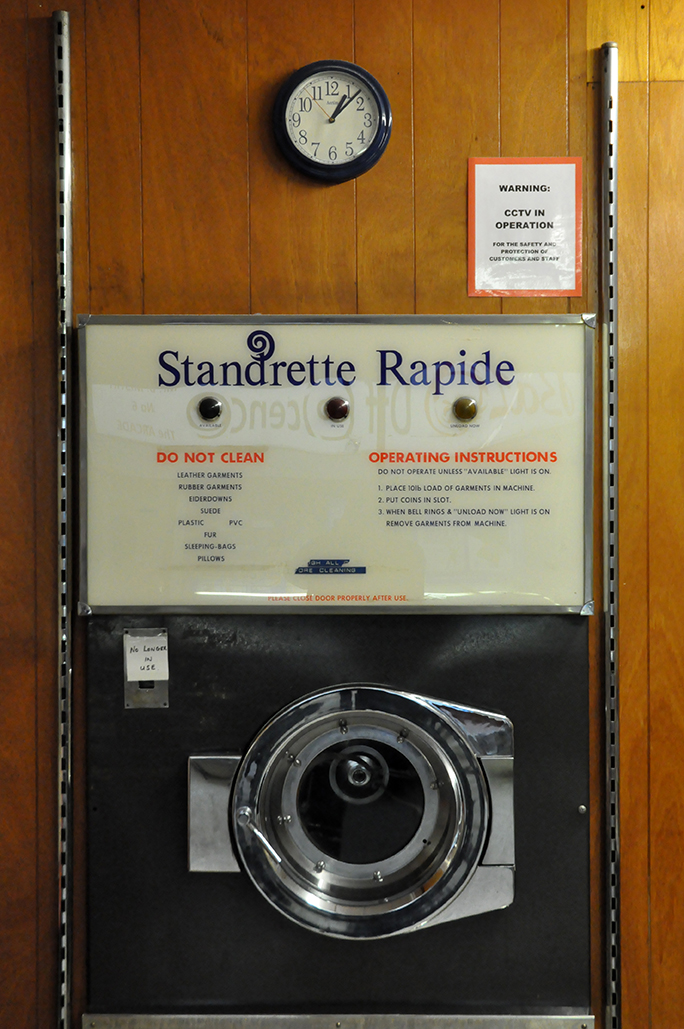
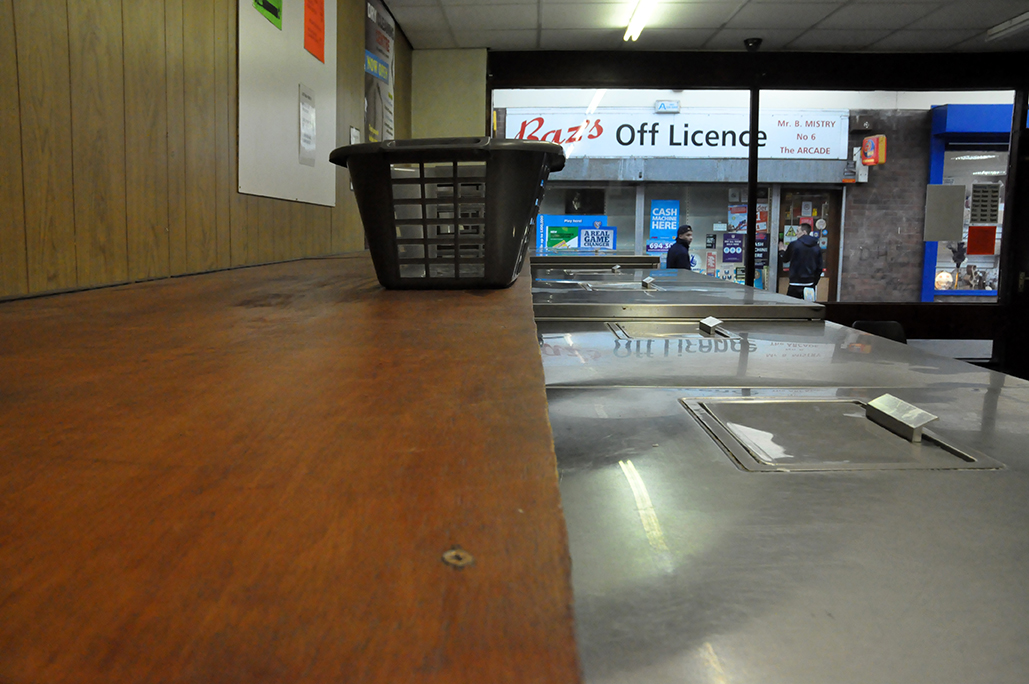
Tucked away in an arcade, far from Arcadian – not far from Baz’s Off Licence.

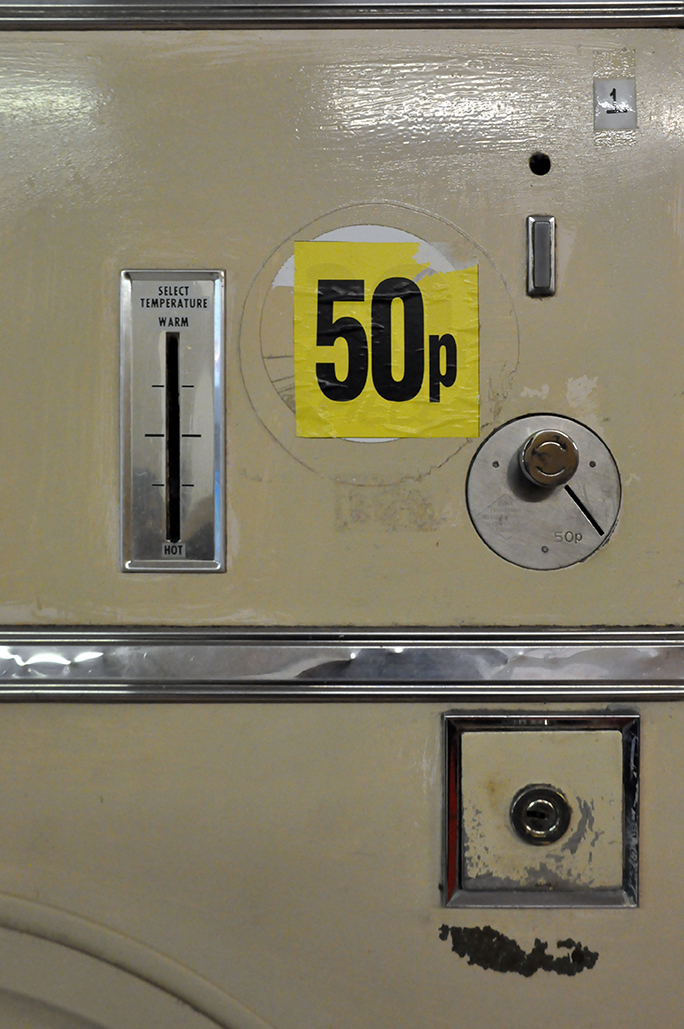
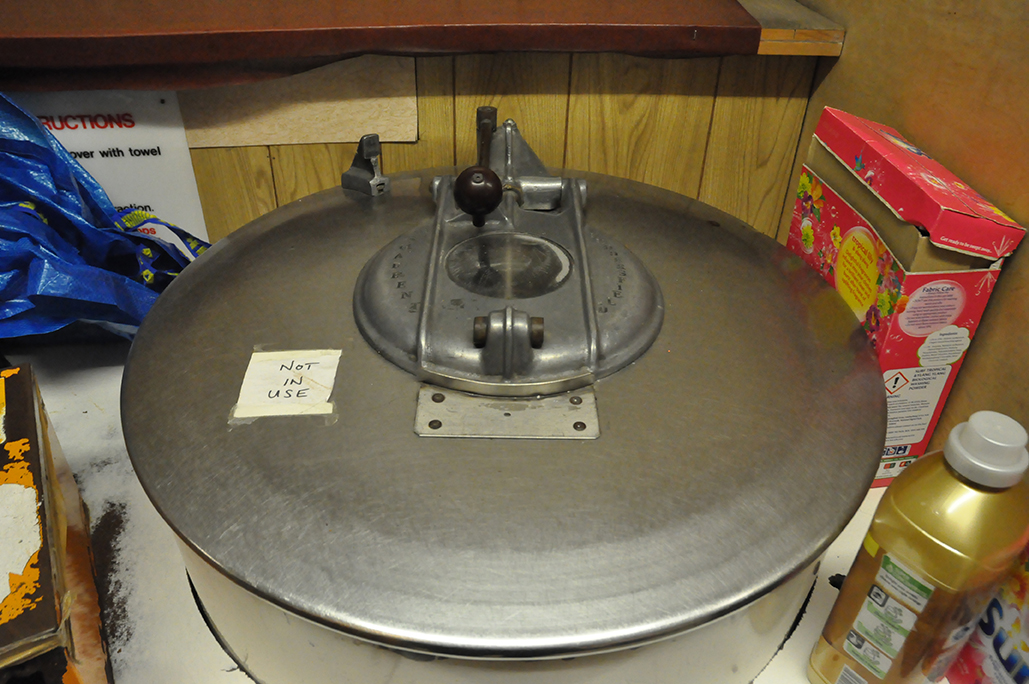
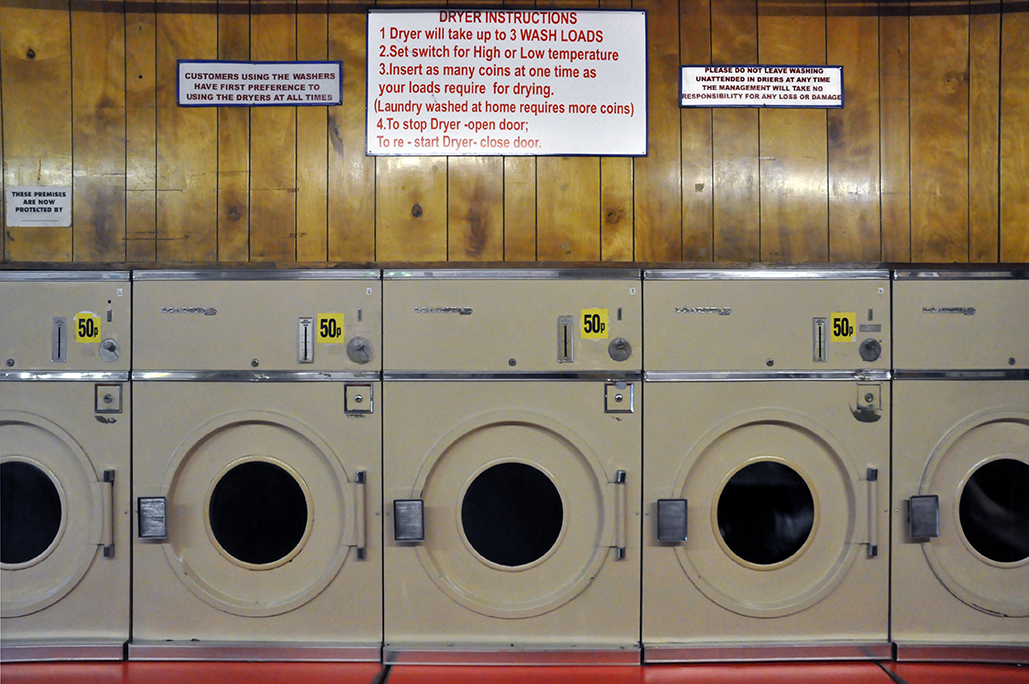
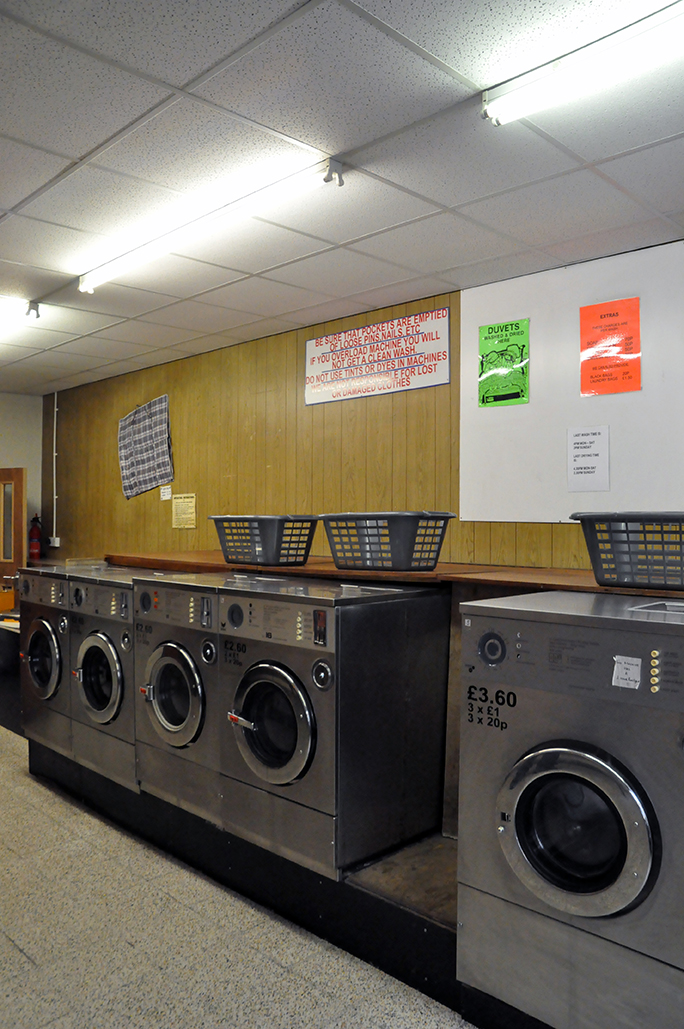
The launderette.

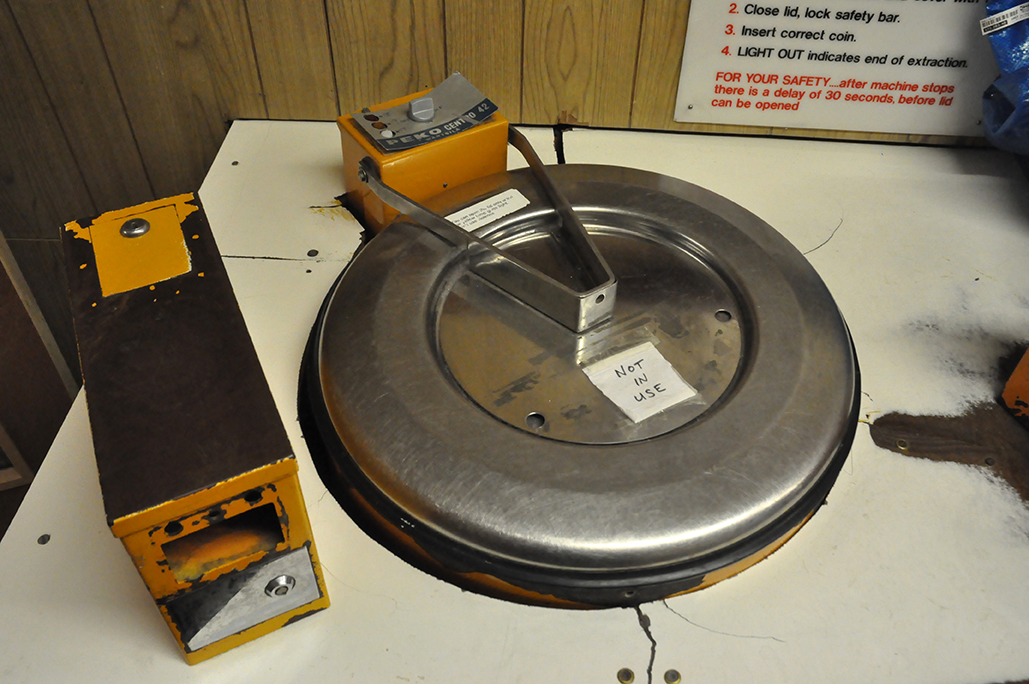
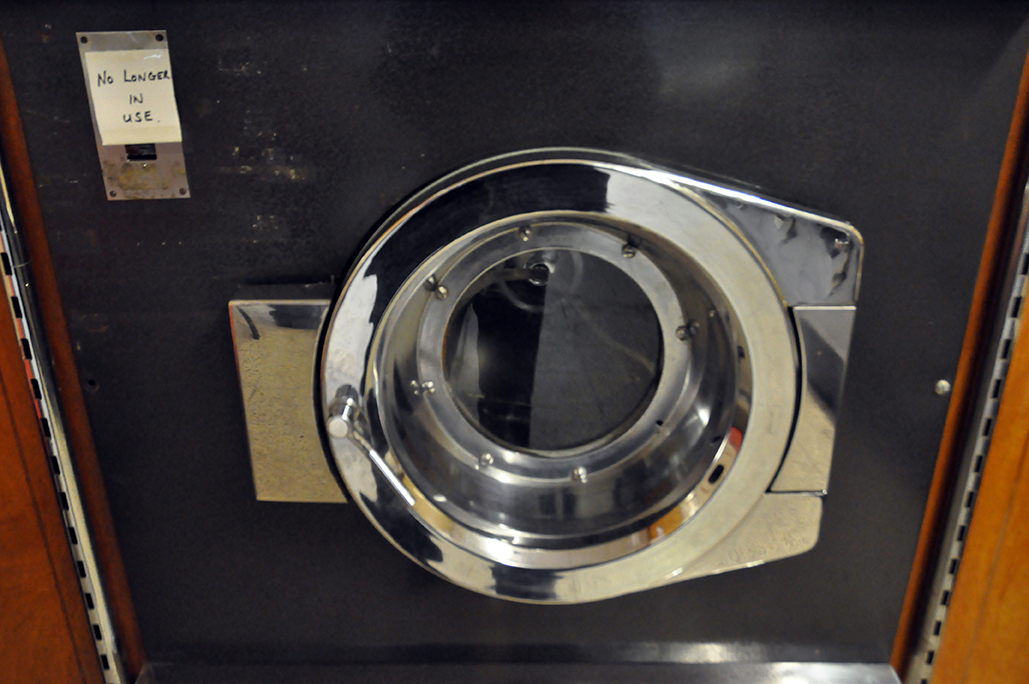
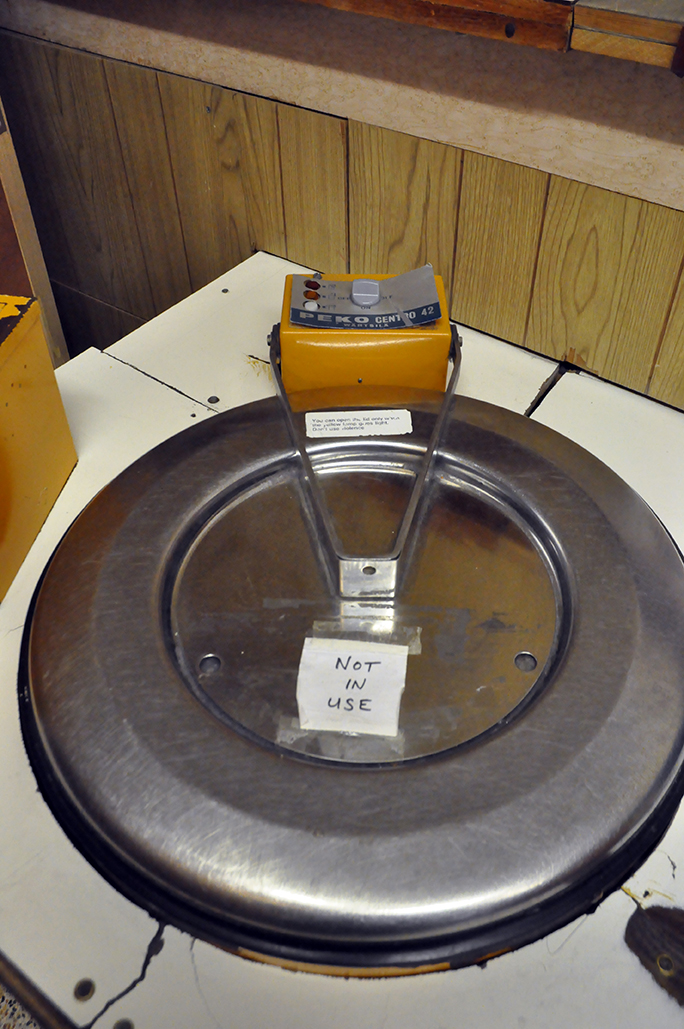
Yet another testament to the partial persistence of industrial technology.

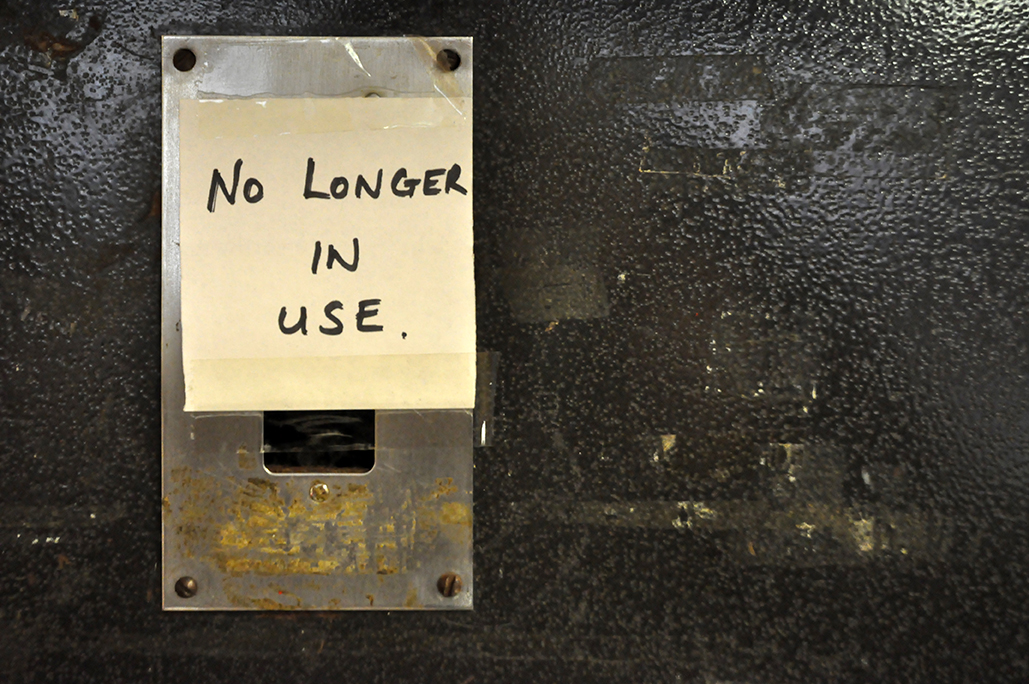
No Longer in Use.

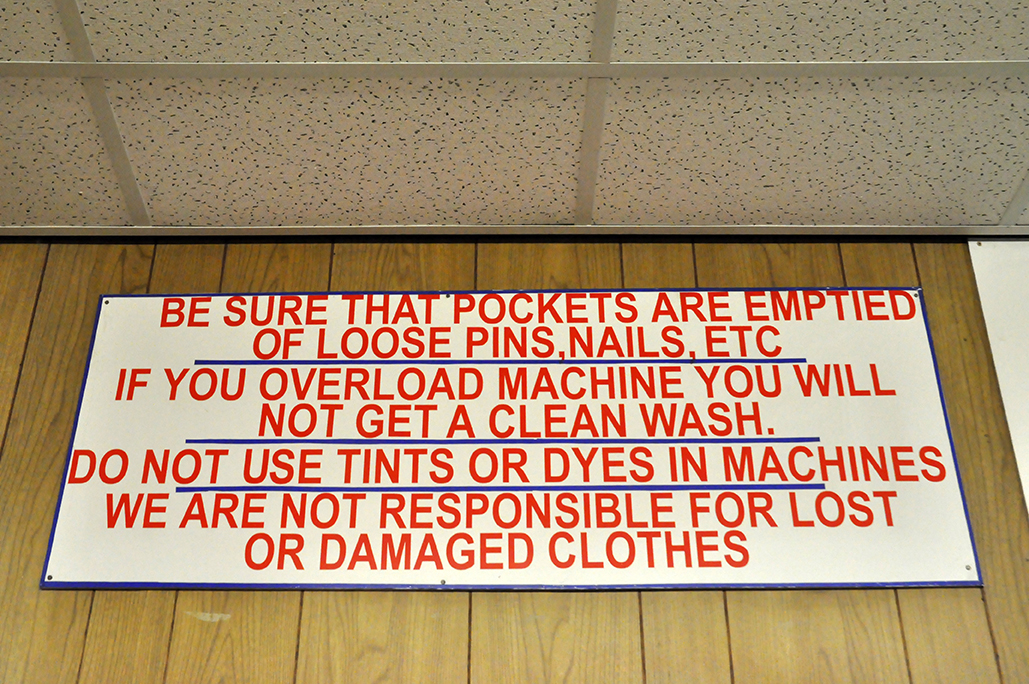
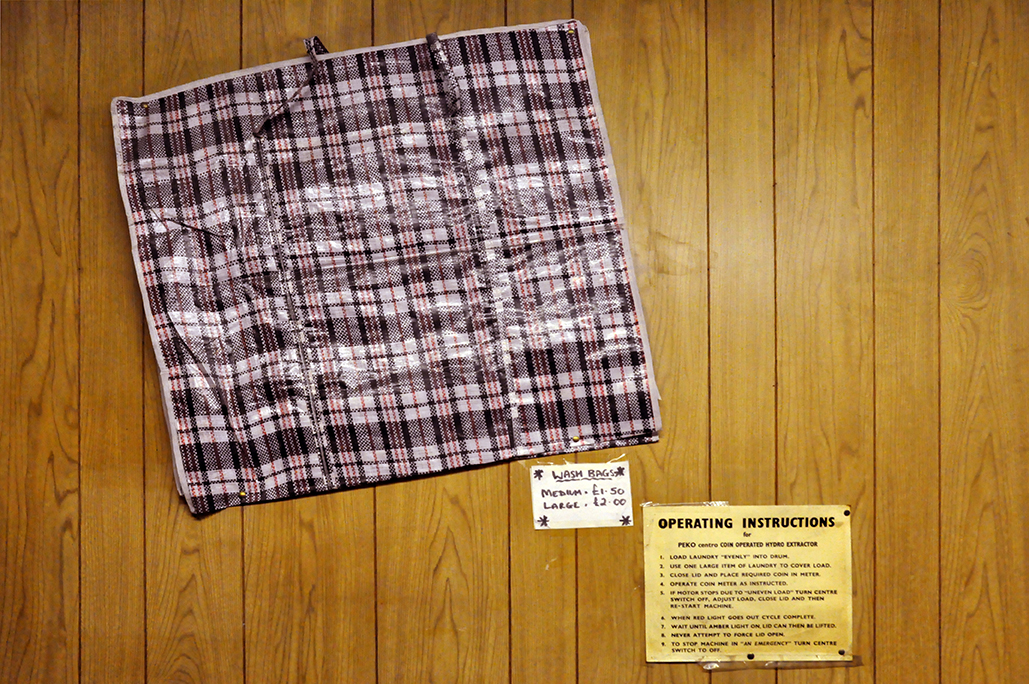
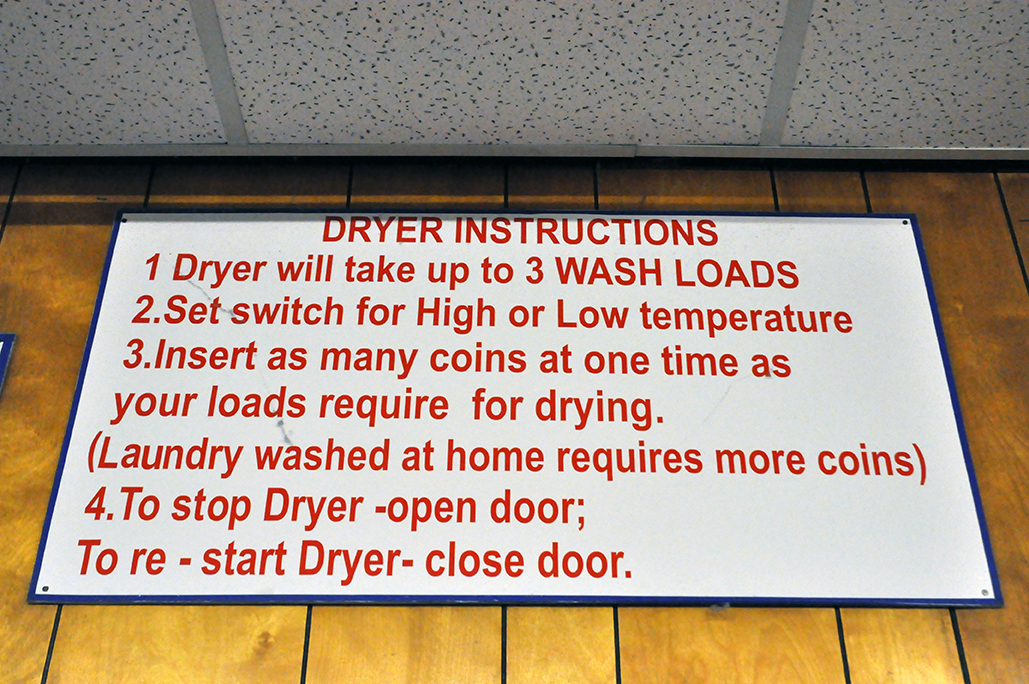
A happy hotch-potch of signs, surfaces and sixties design.

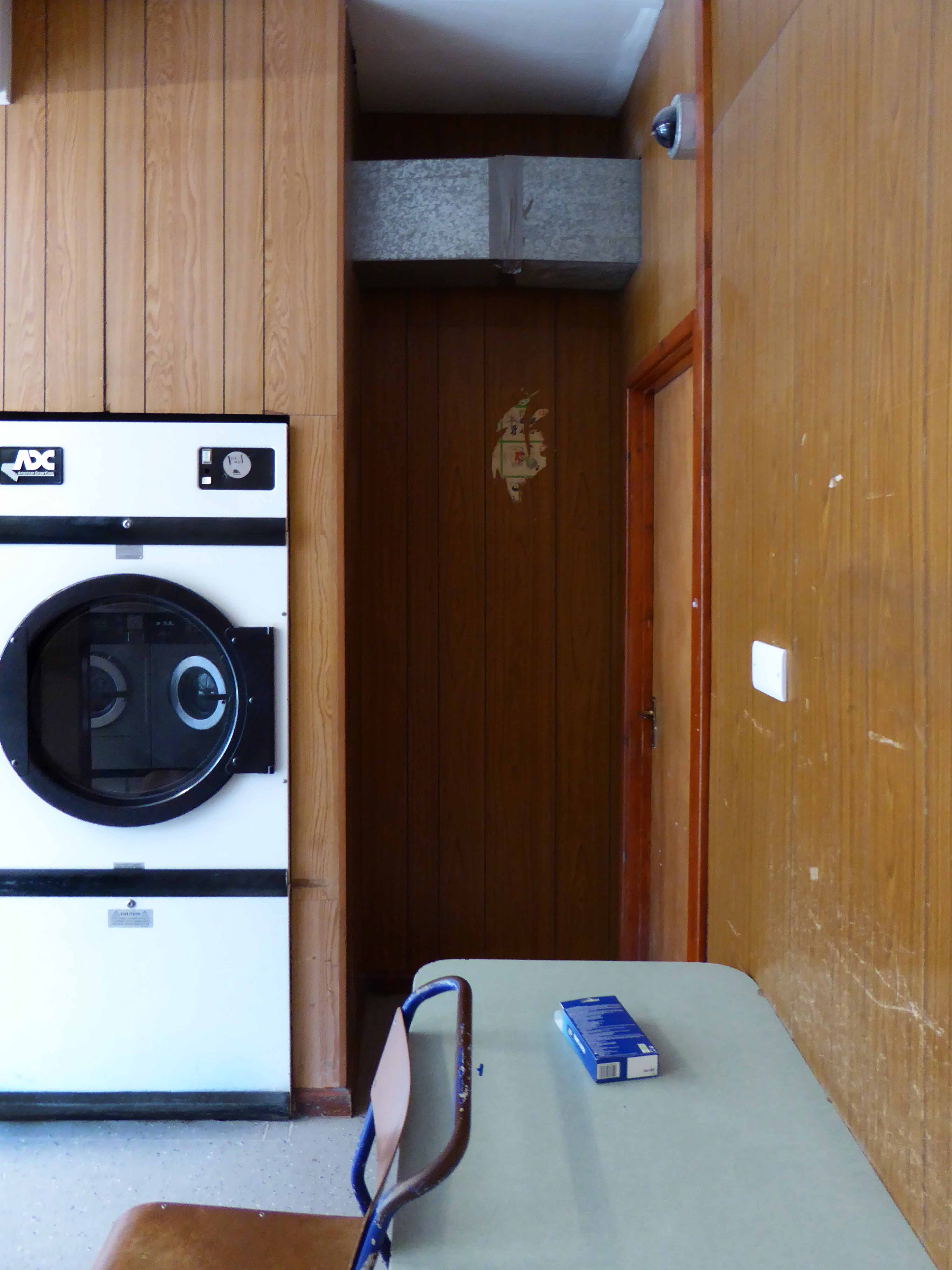
Informal formica, stripped bare strip lighting, wobbly laminate walls.

Watch and wait, whilst the World and your washing whirl.


DSC_0073 copy

DSC_0074 copy

DSC_0075 copy

DSC_0072 copy

DSC_0098 copy

DSC_0084 copy

DSC_0076 copy

DSC_0091 copy

DSC_0089 copy

DSC_0096 copy

DSC_0088 copy

DSC_0078 copy

DSC_0086 copy

DSC_0080 copy

DSC_0094 copy

DSC_0082 copy

DSC_0081 copy

DSC_0097 copy

DSC_0083 copy

DSC_0077 copy

DSC_0101 copy

DSC_0100 copy

DSC_0085 copy

DSC_0079 copy

DSC_0092 copy

DSC_0090 copy

DSC_0093 copy

DSC_0102 copy


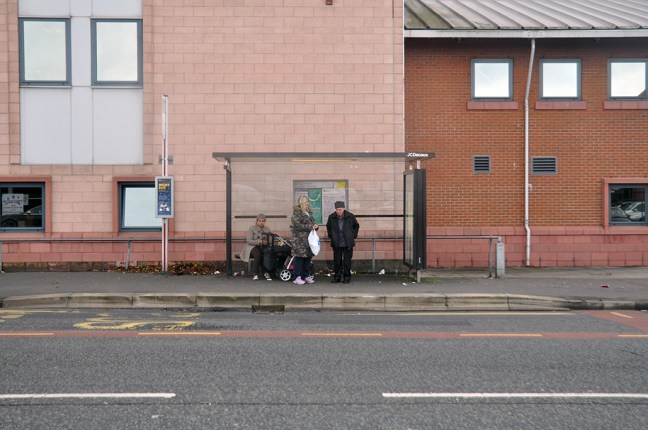
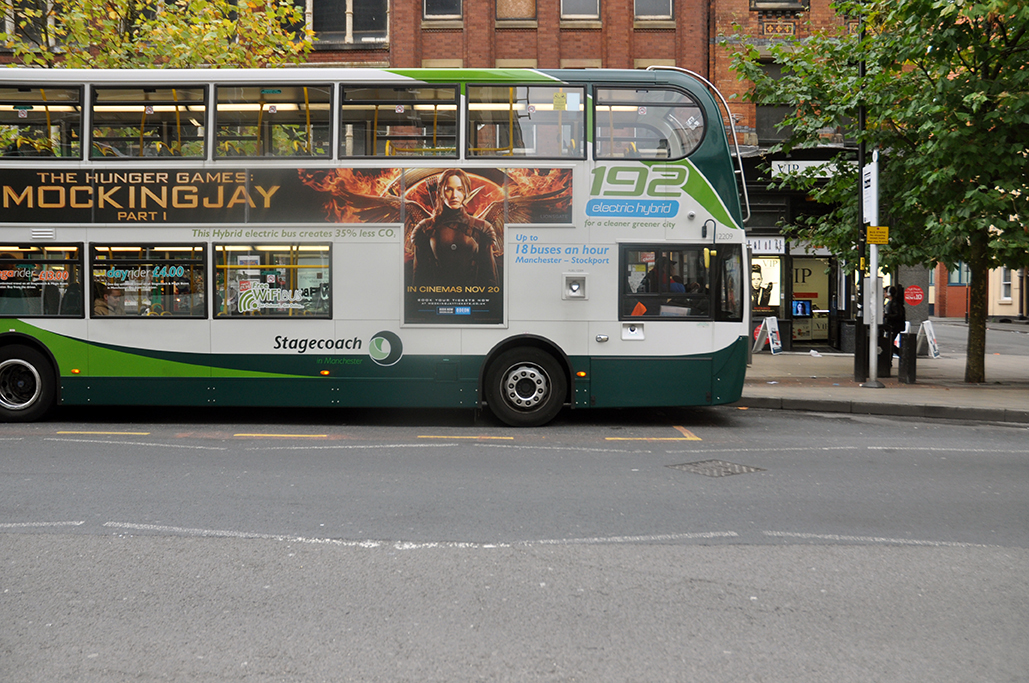
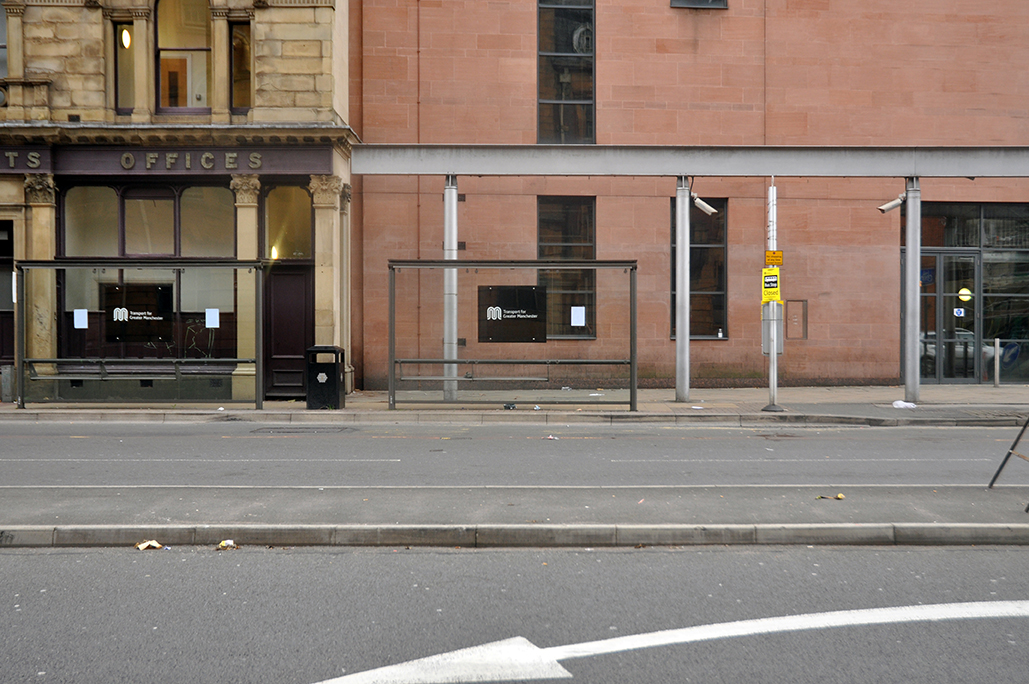
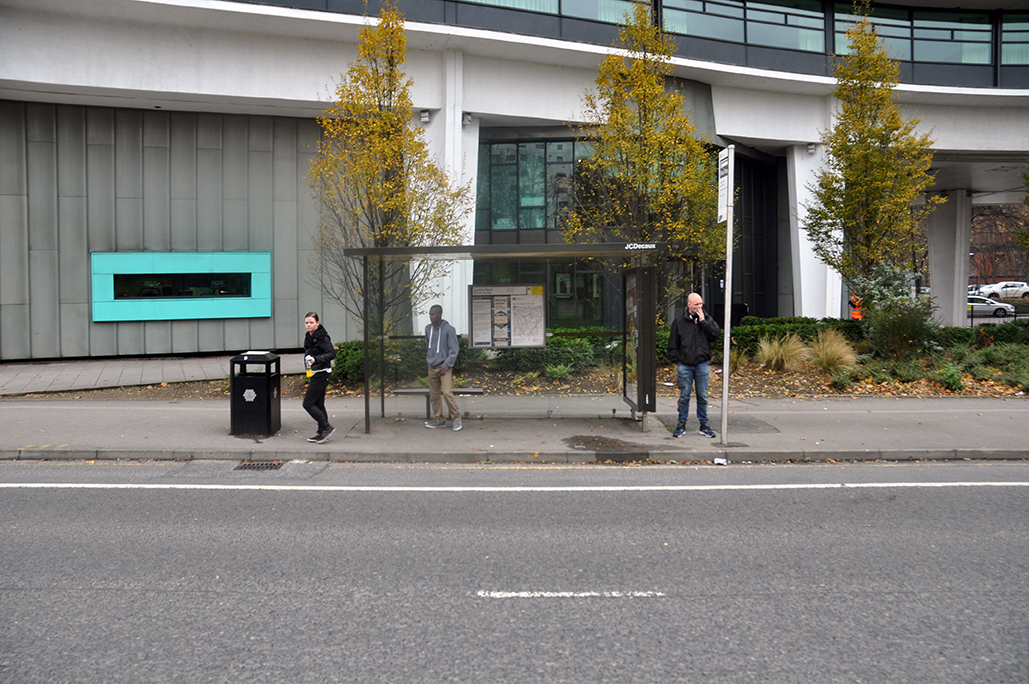
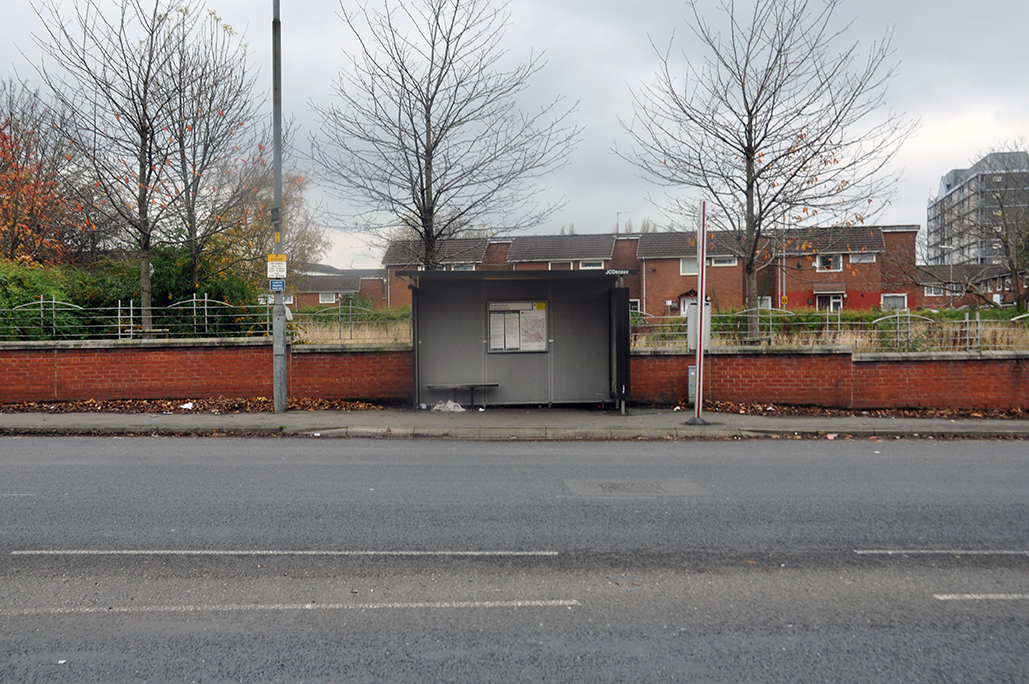
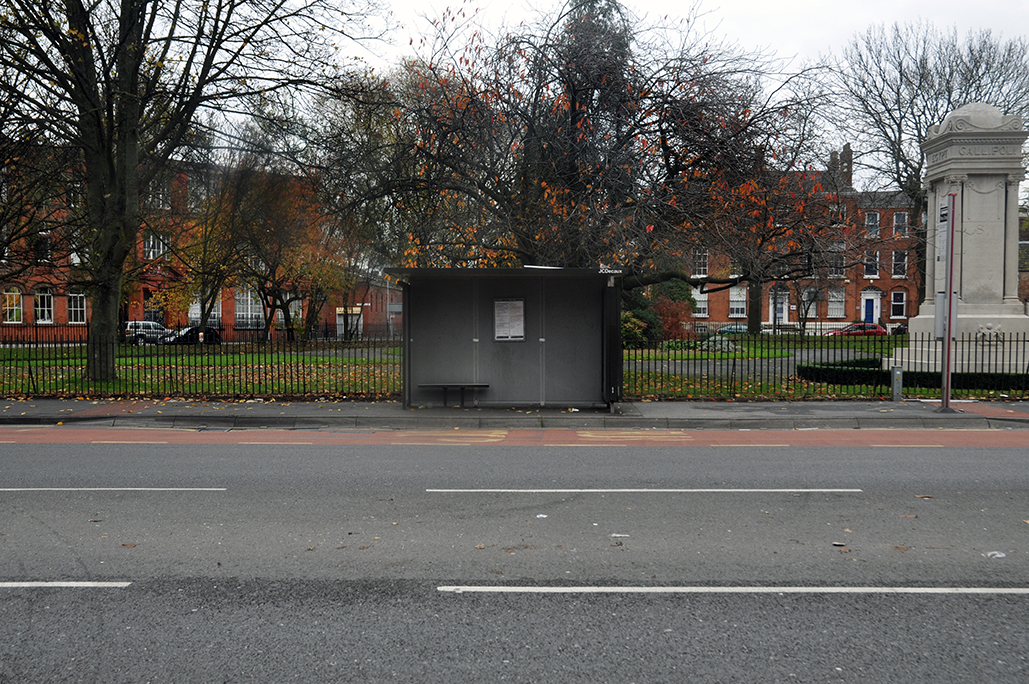
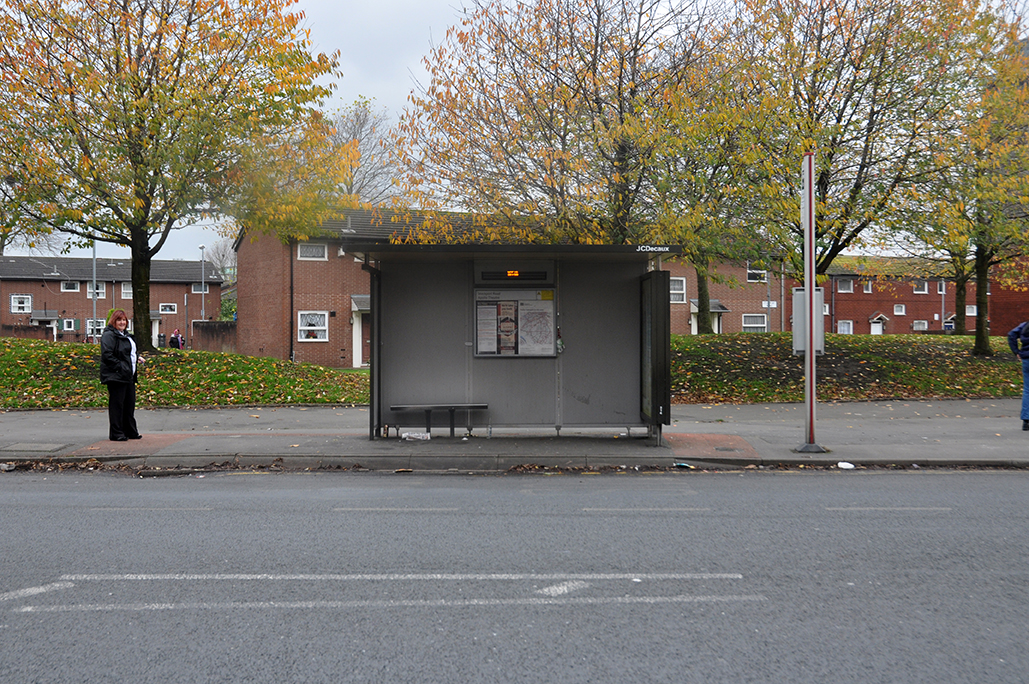
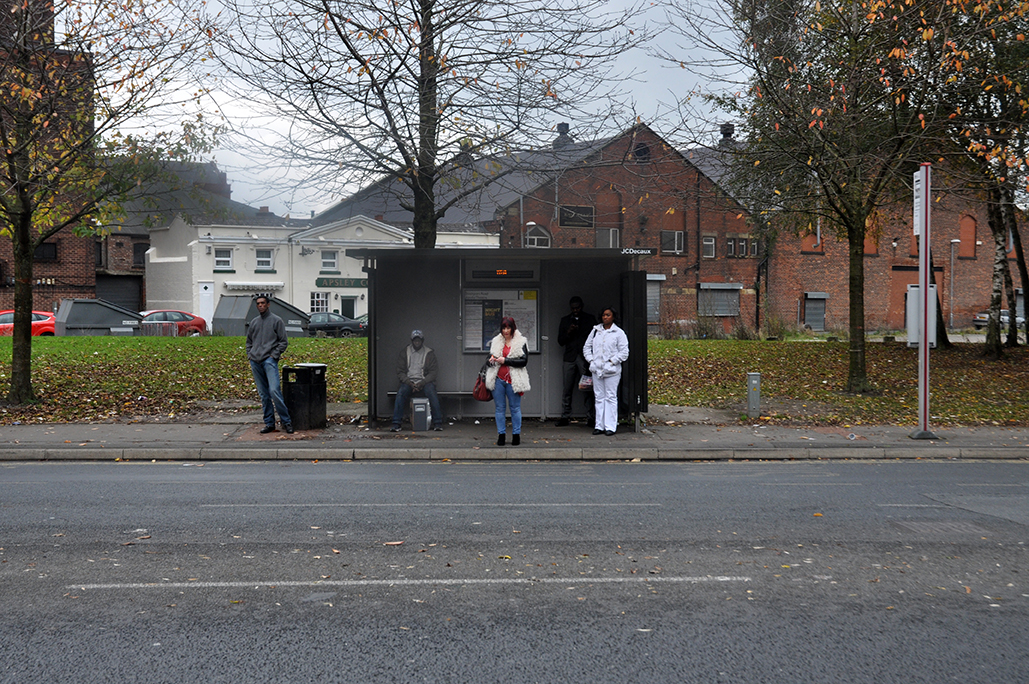
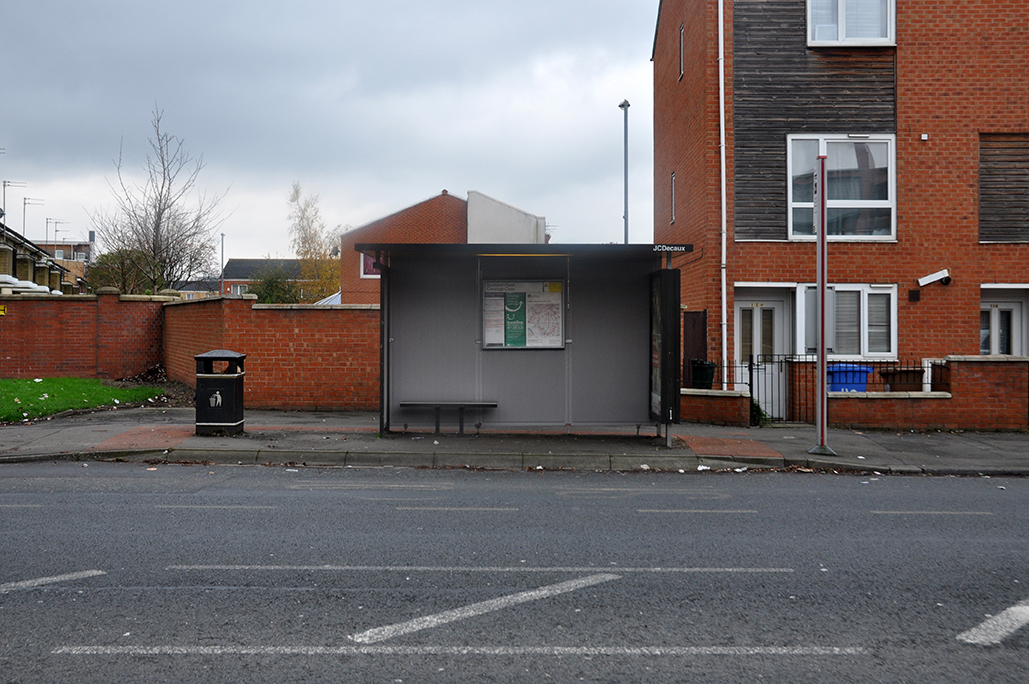
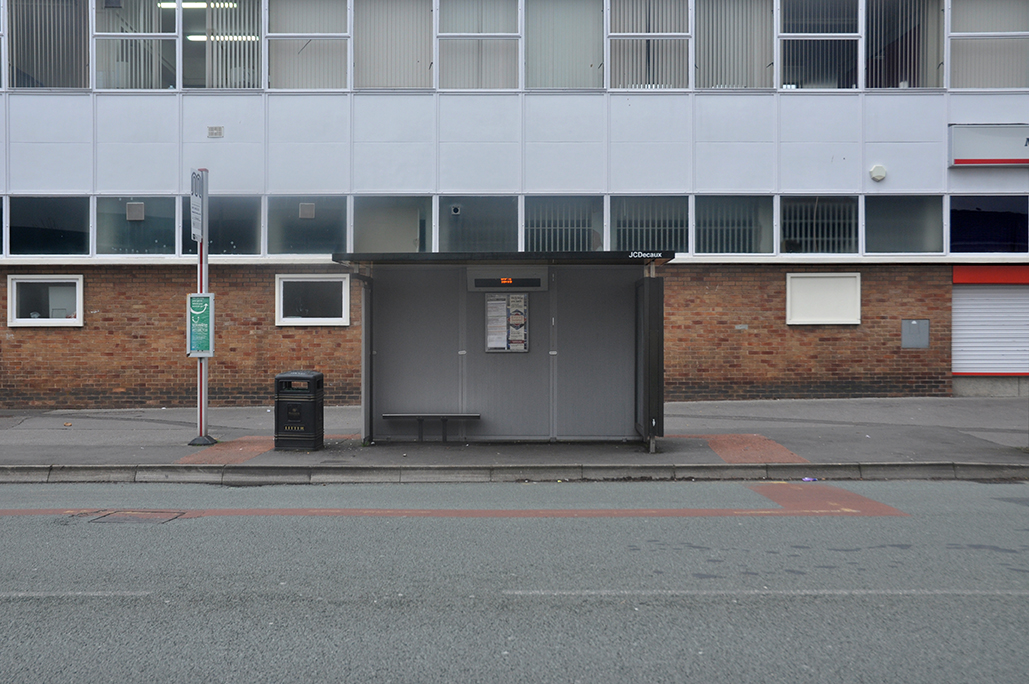
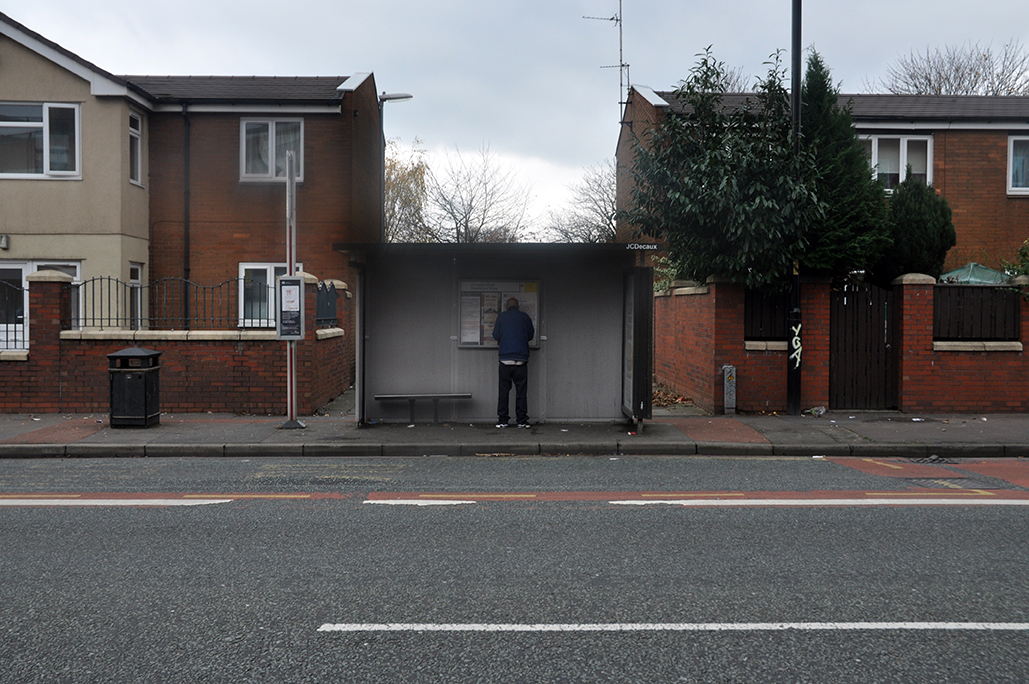
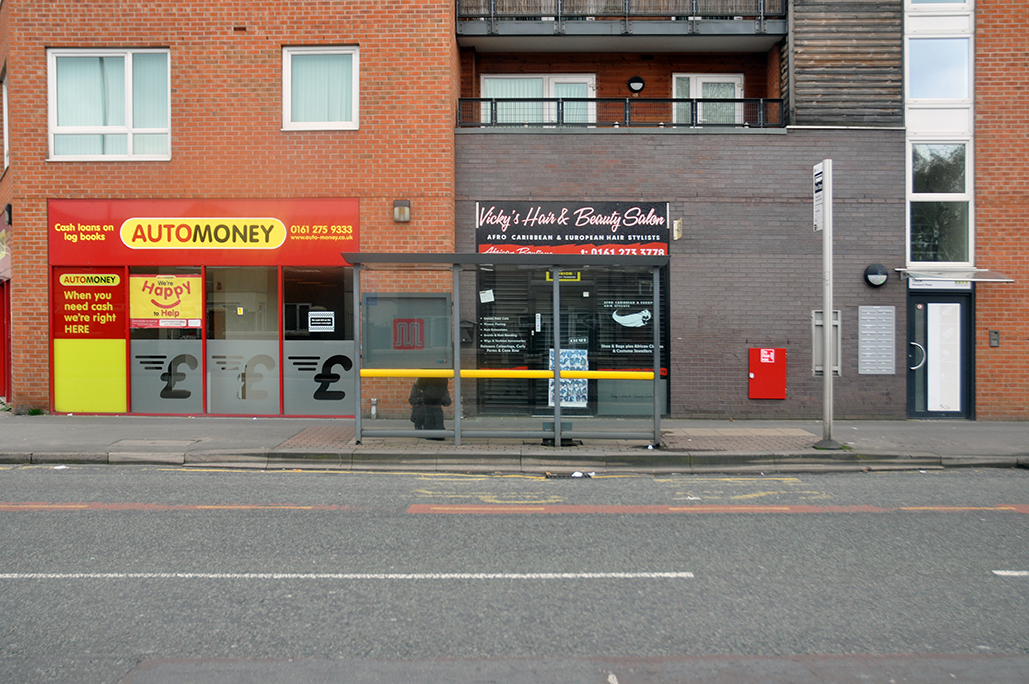
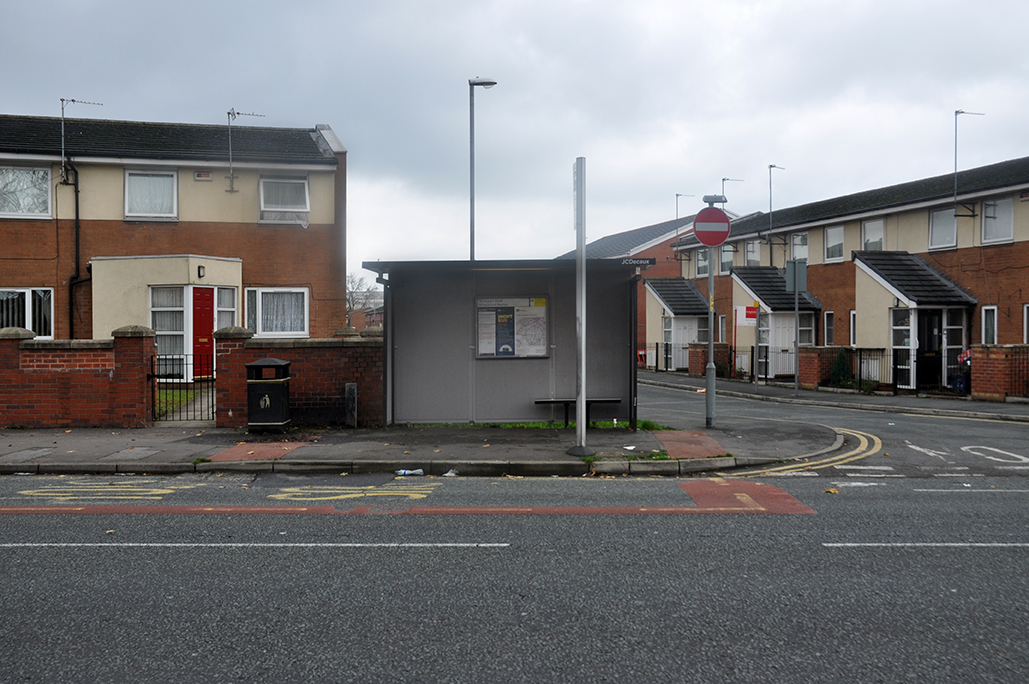
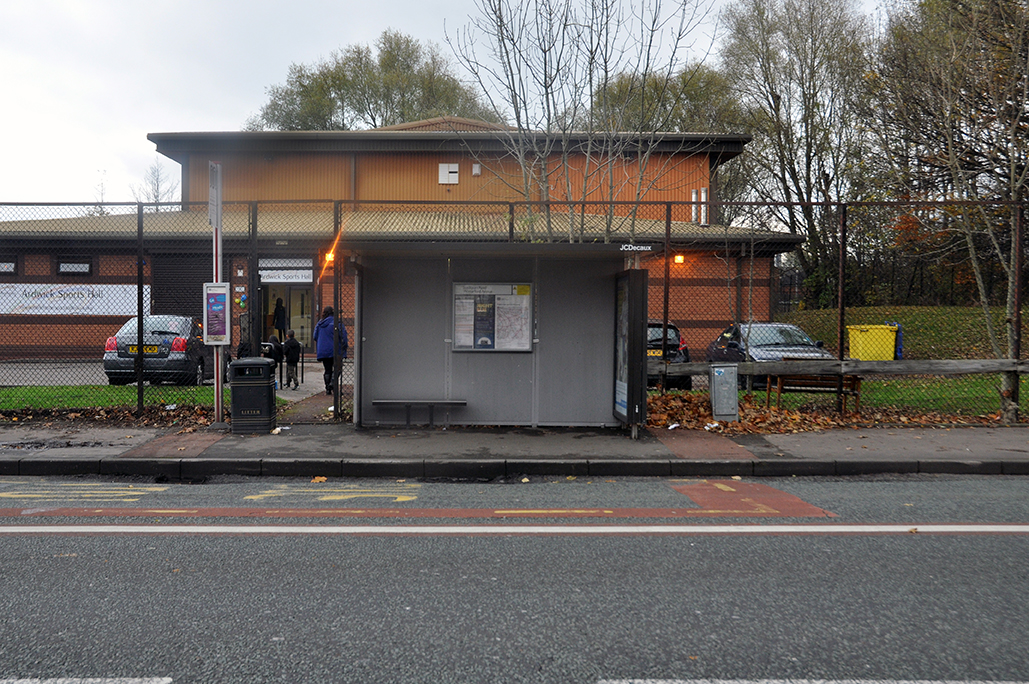
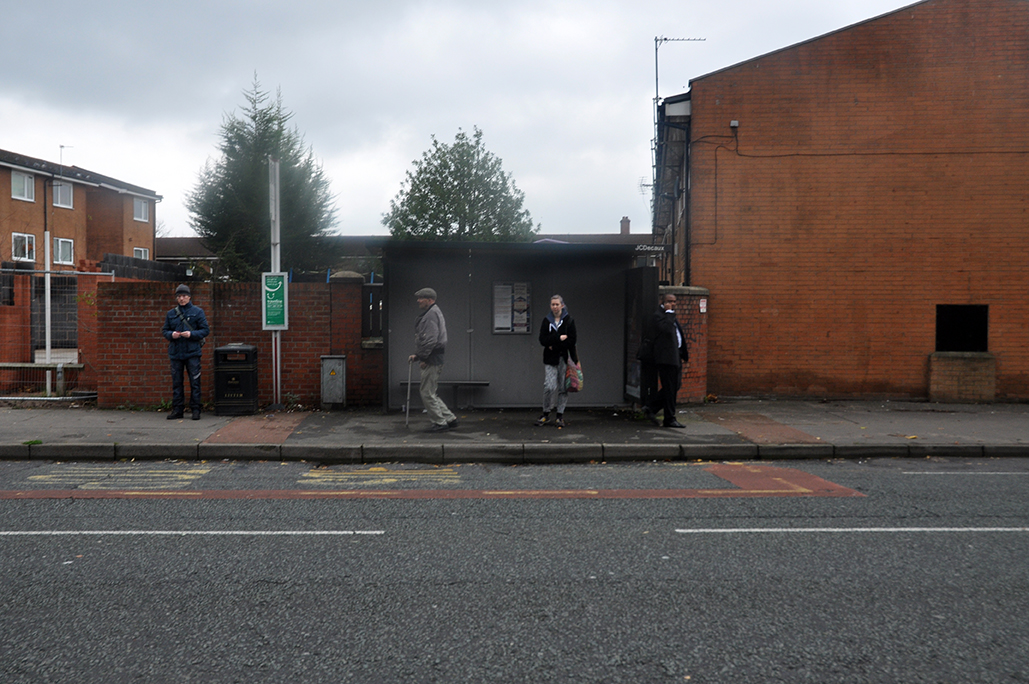
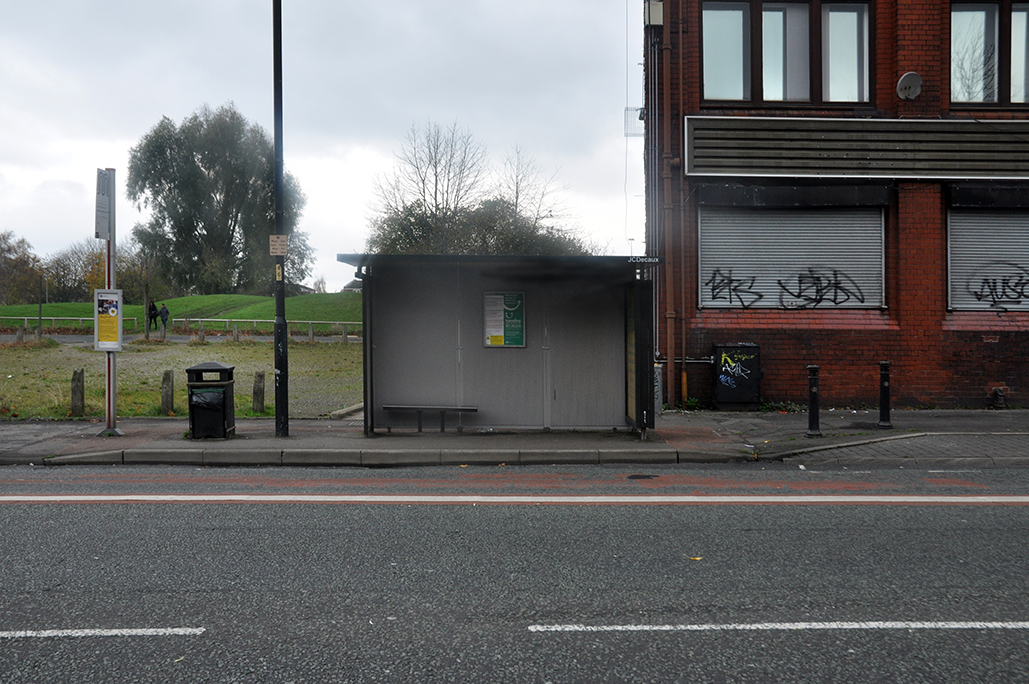
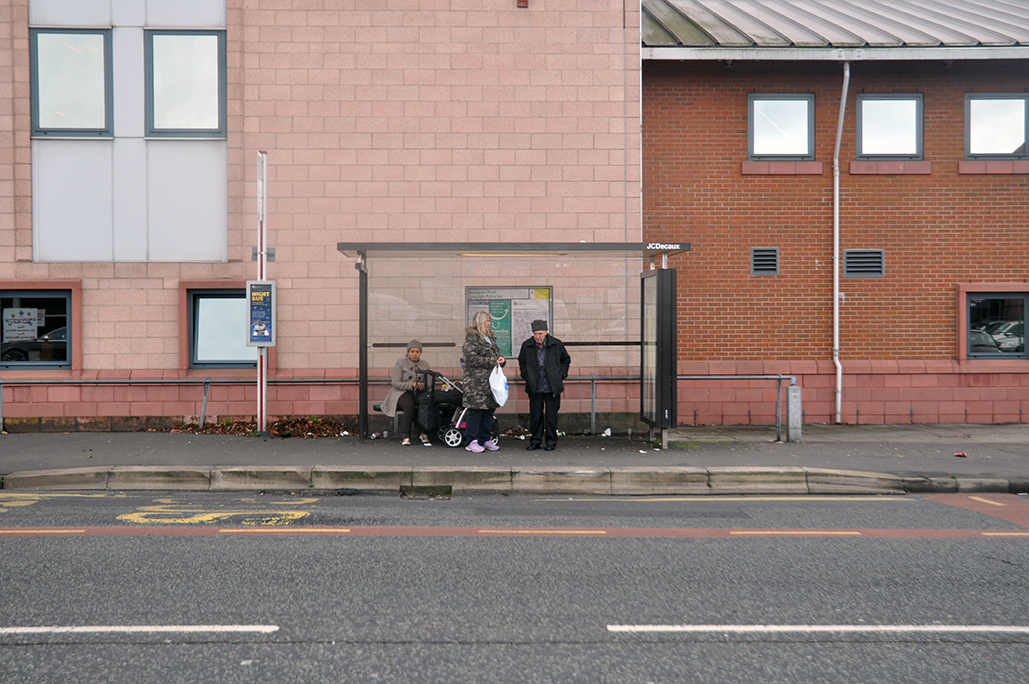
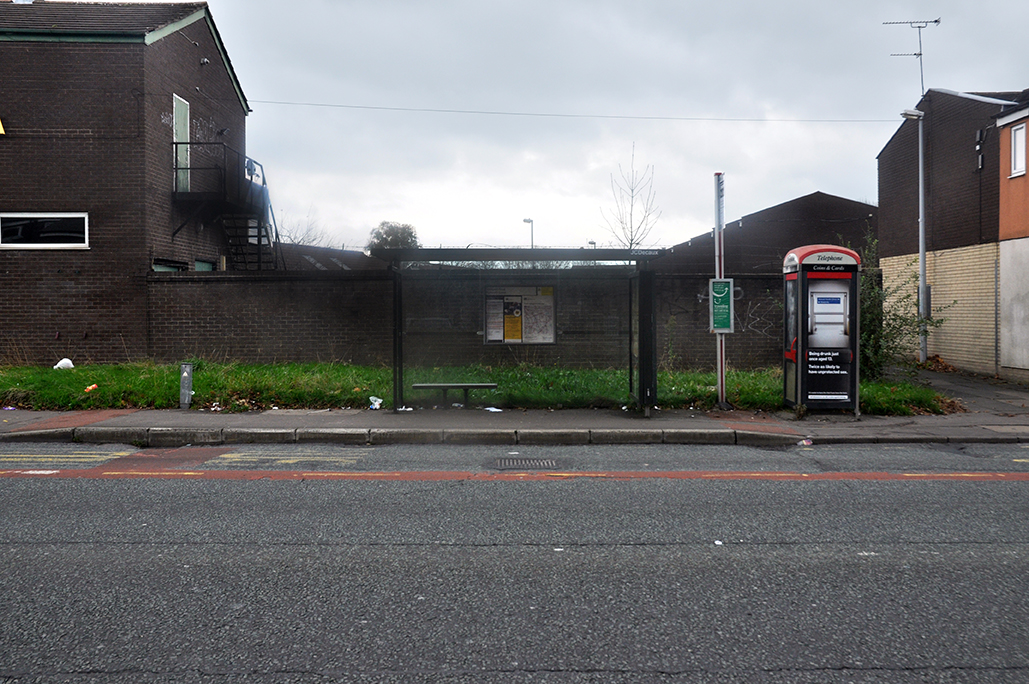
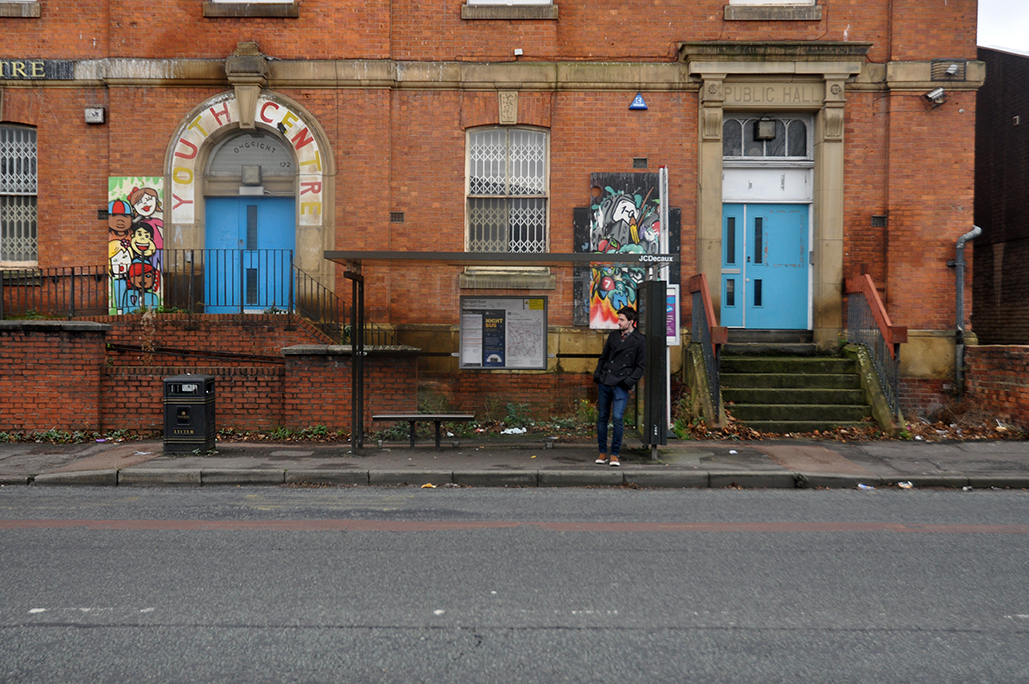
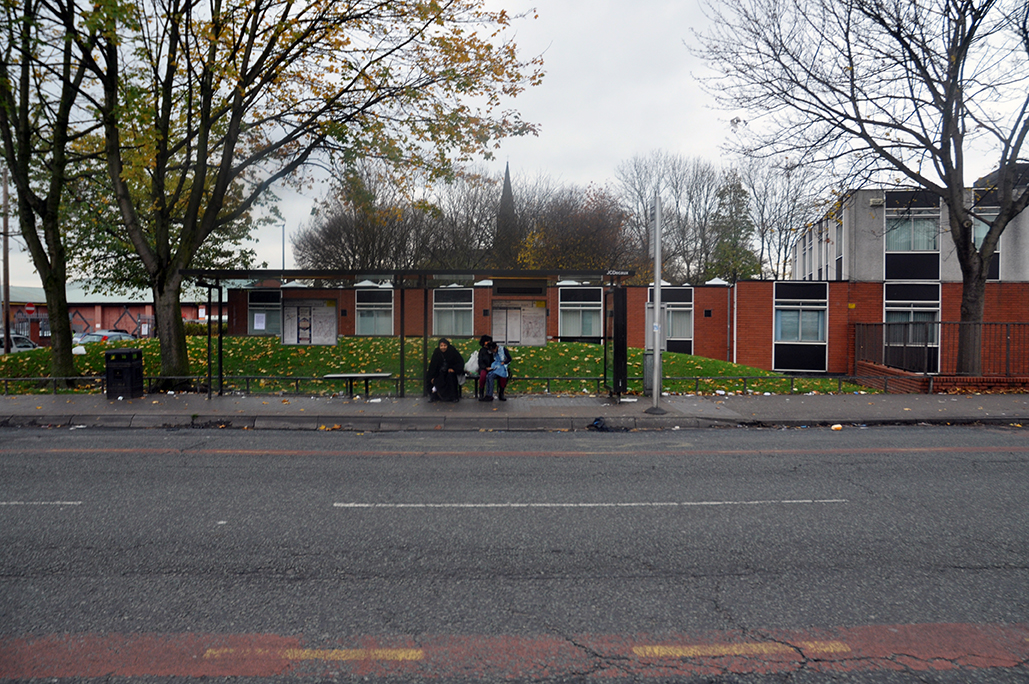
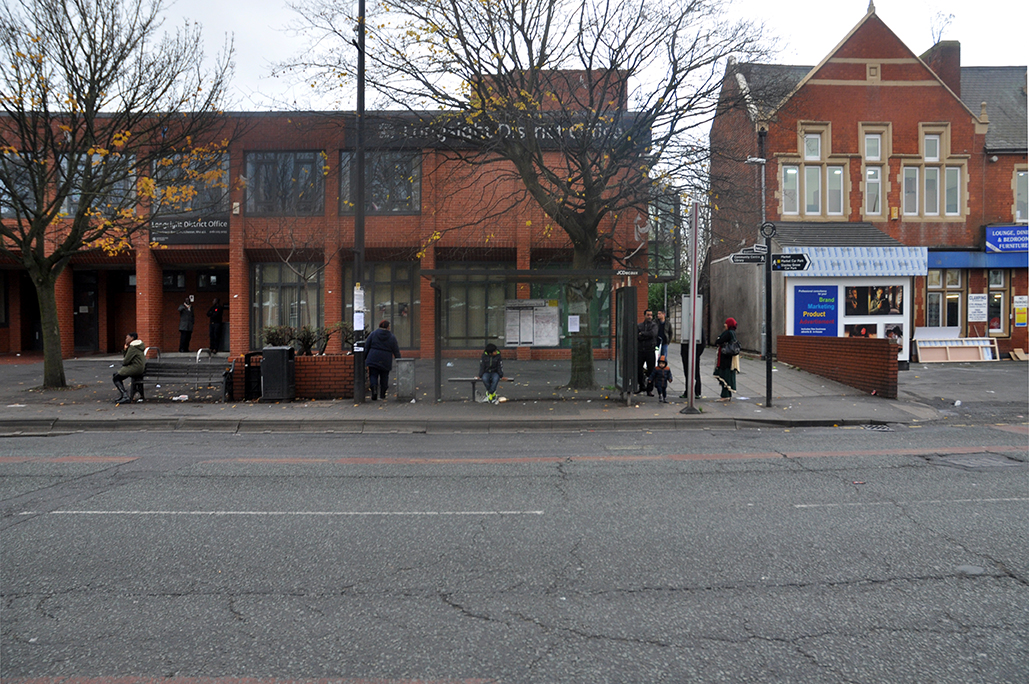
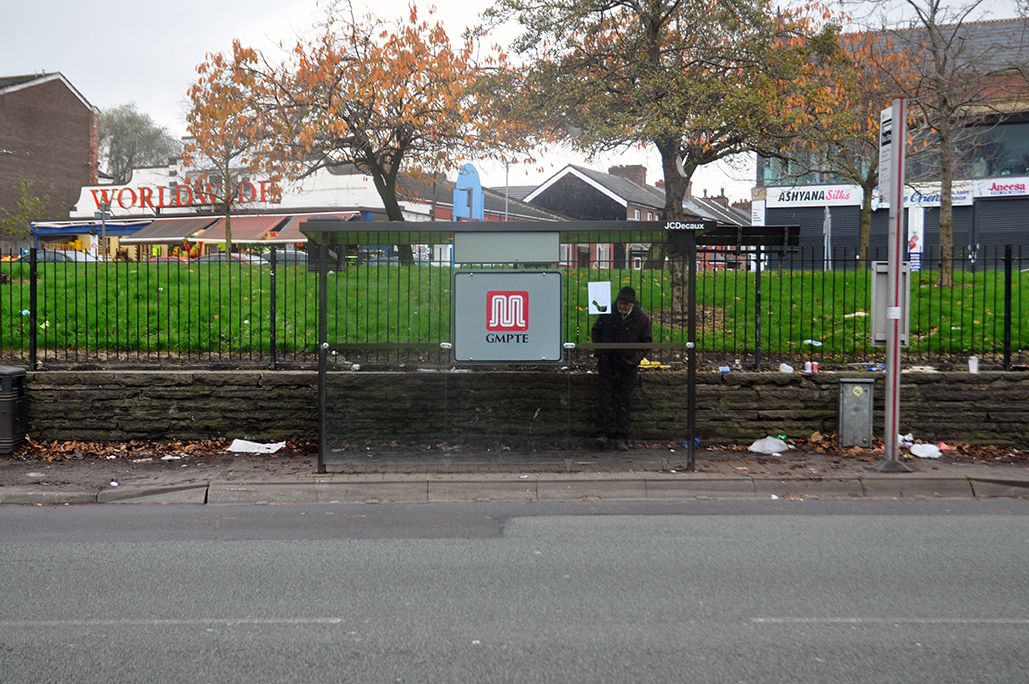
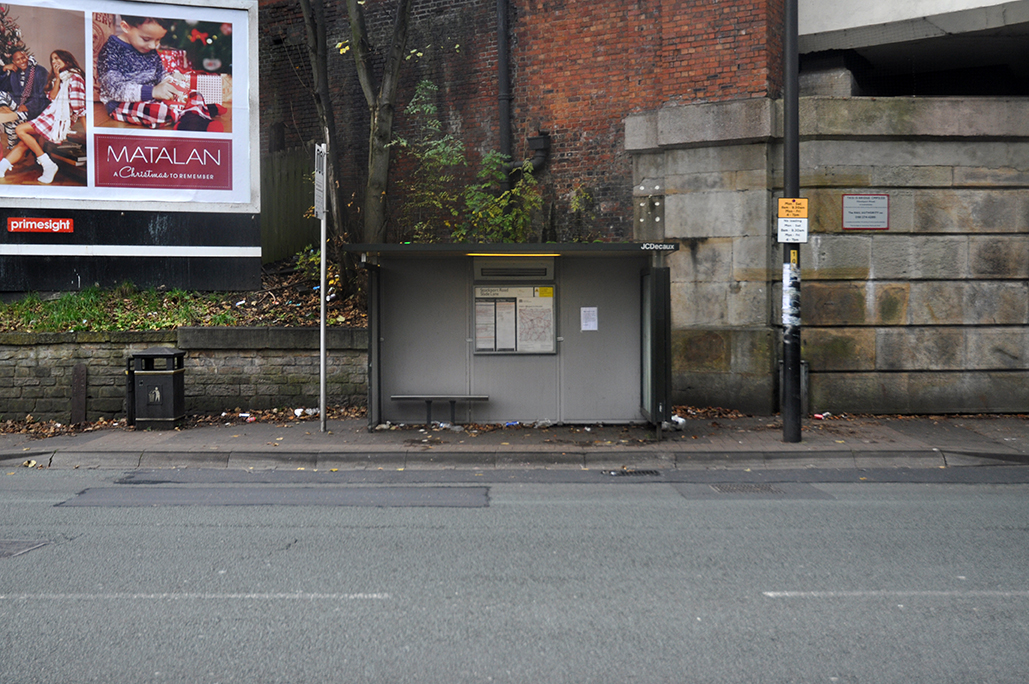
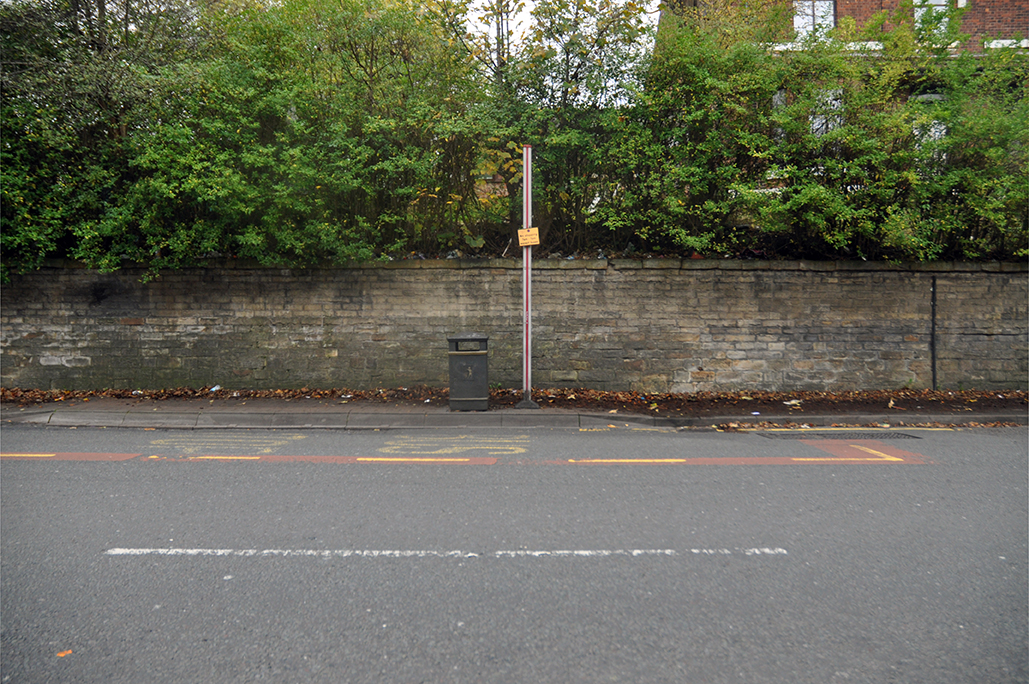
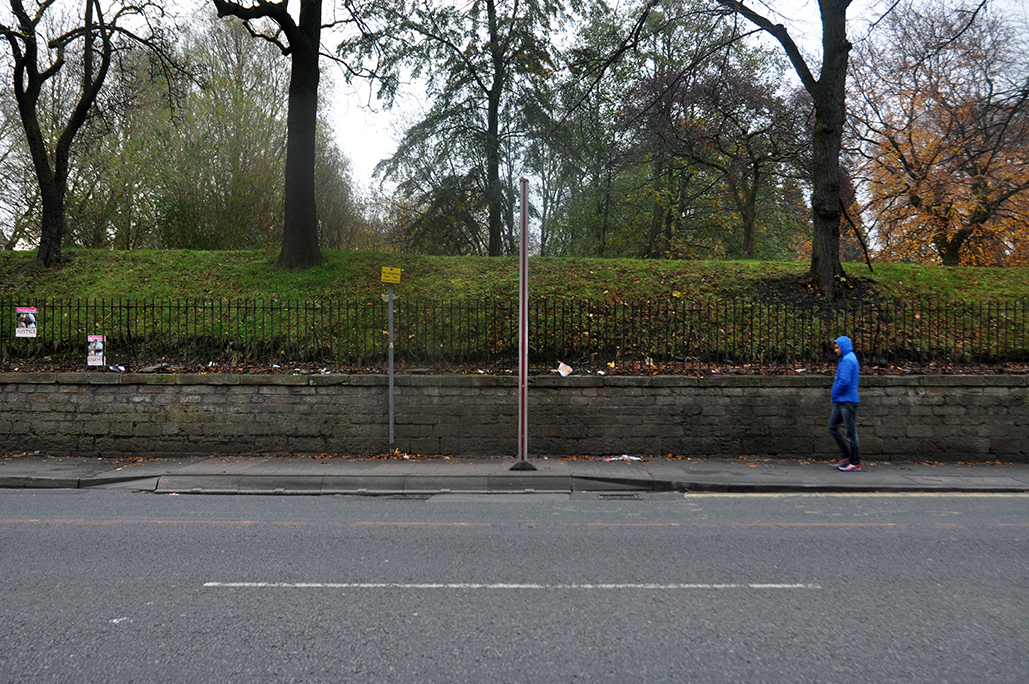
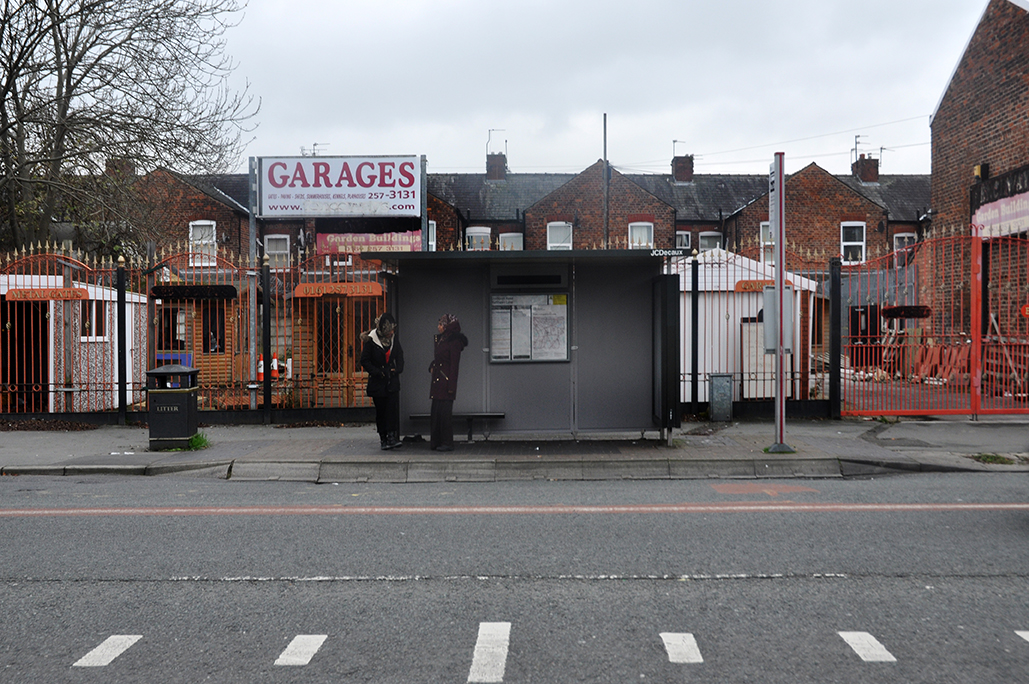
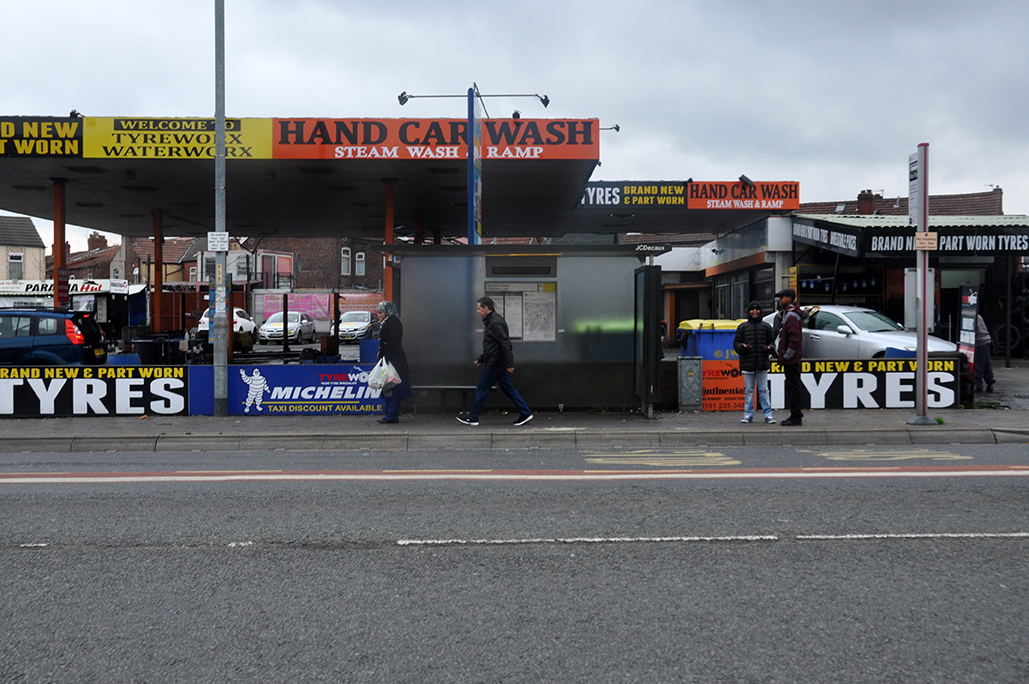
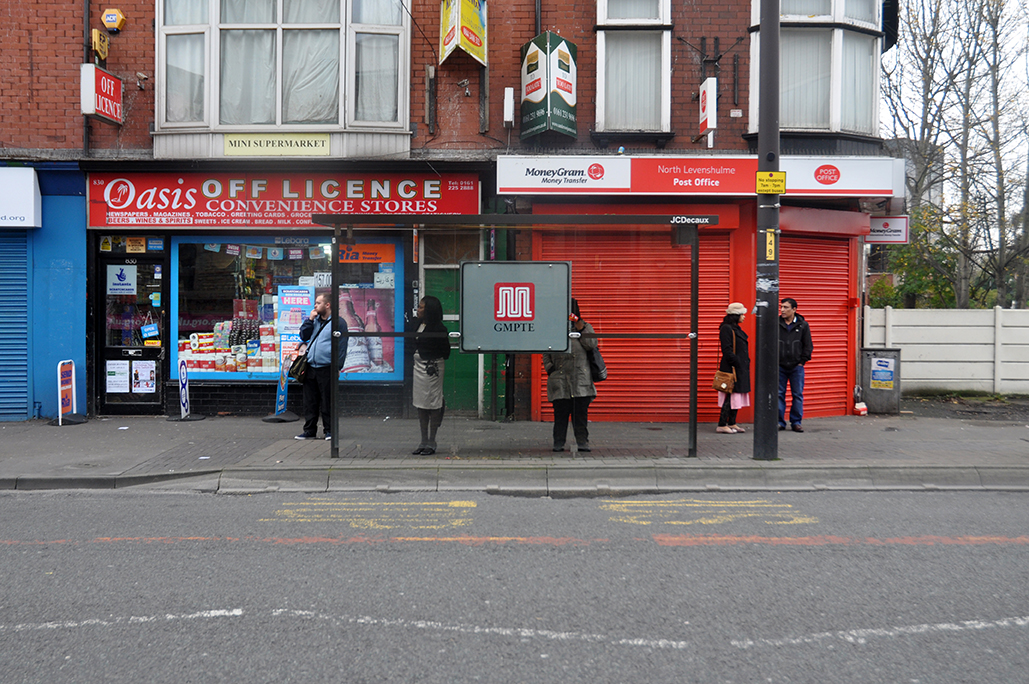
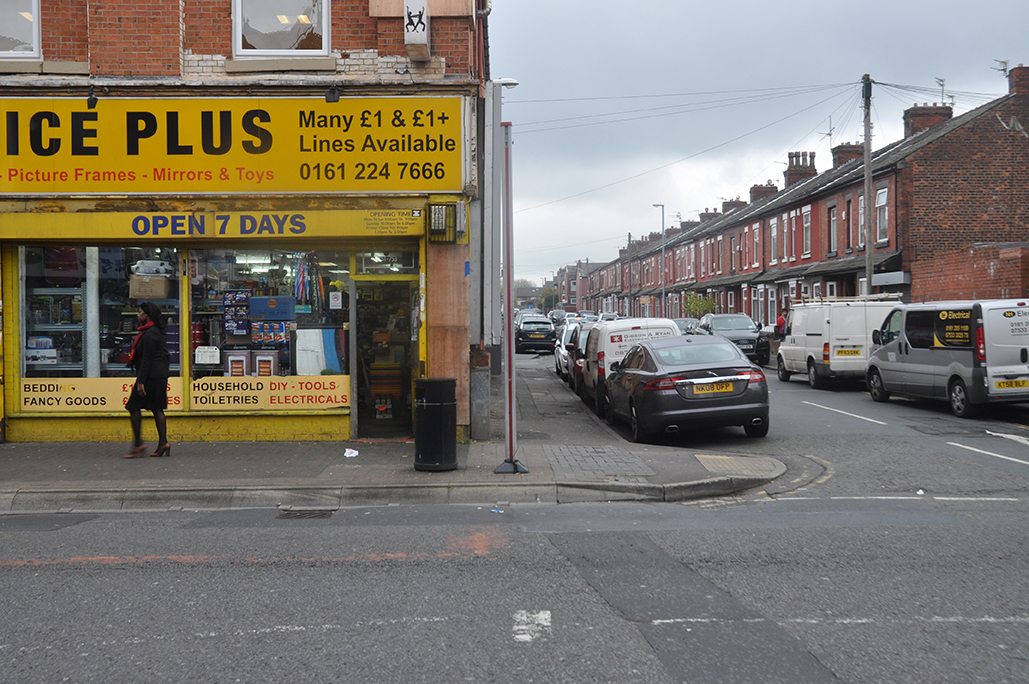
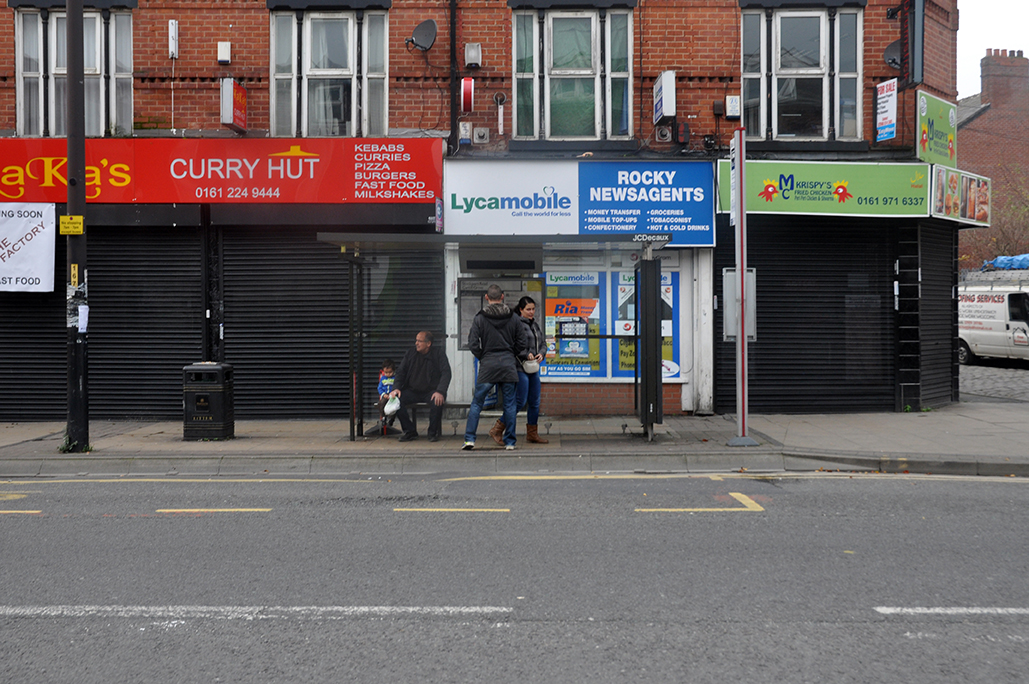
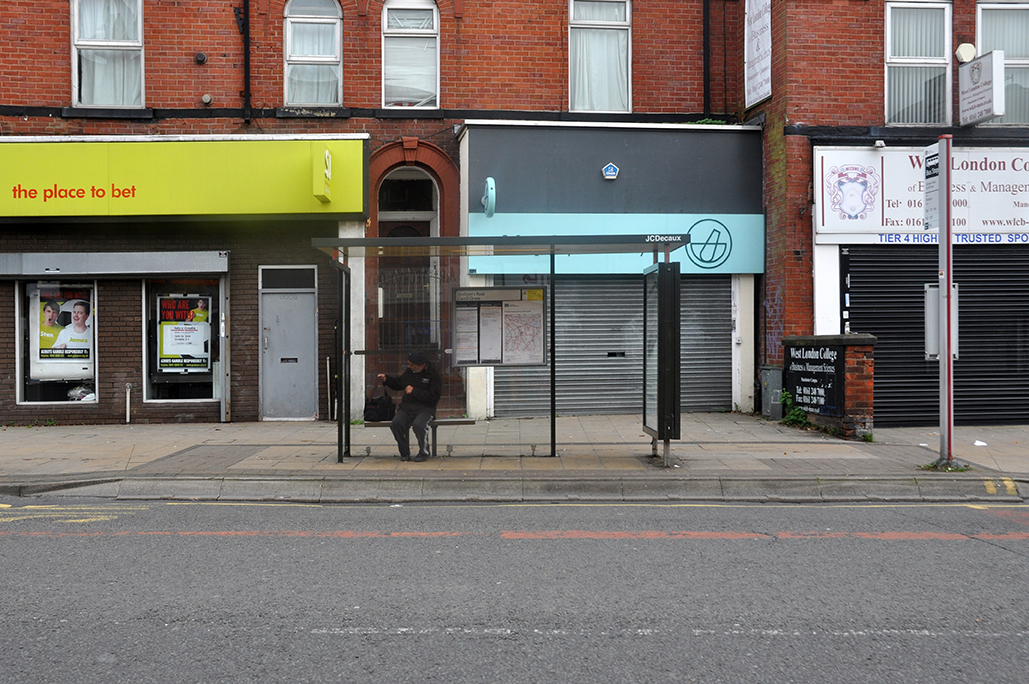
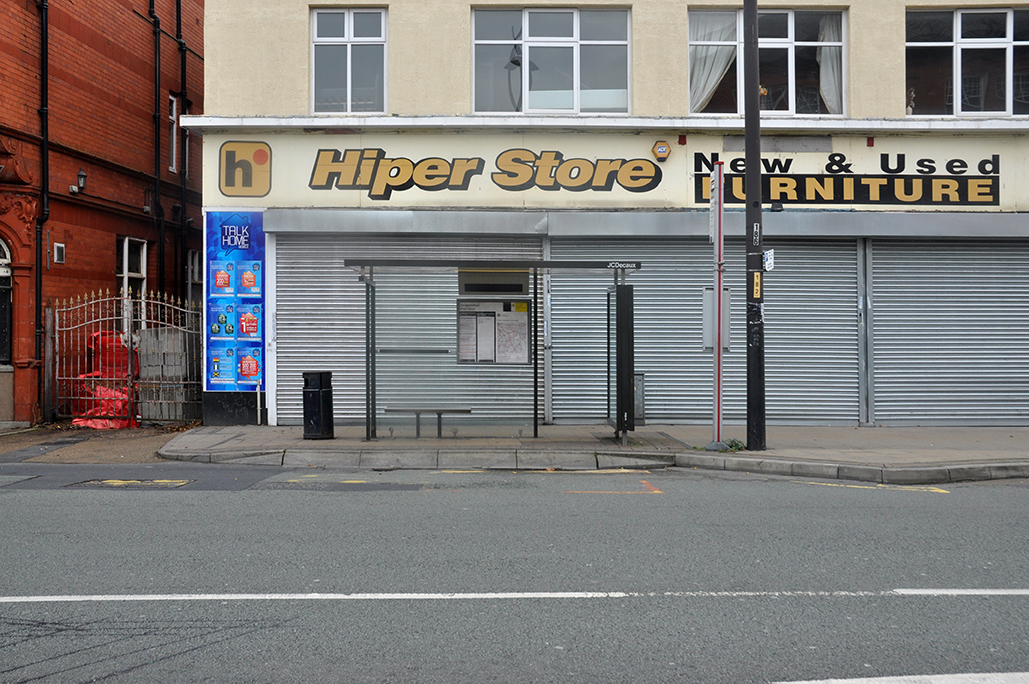
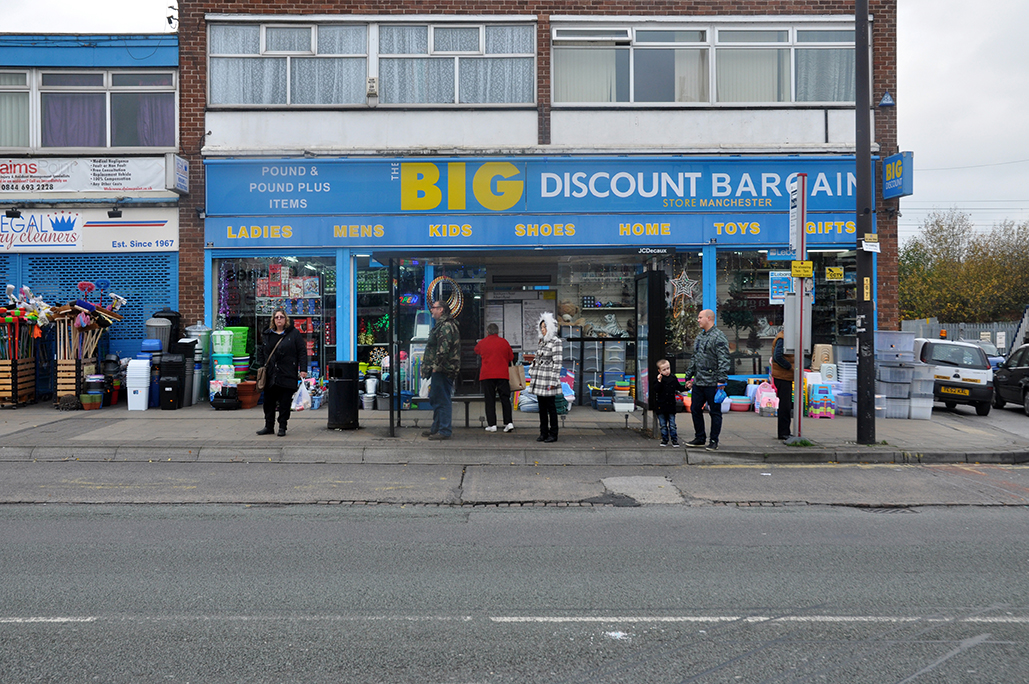
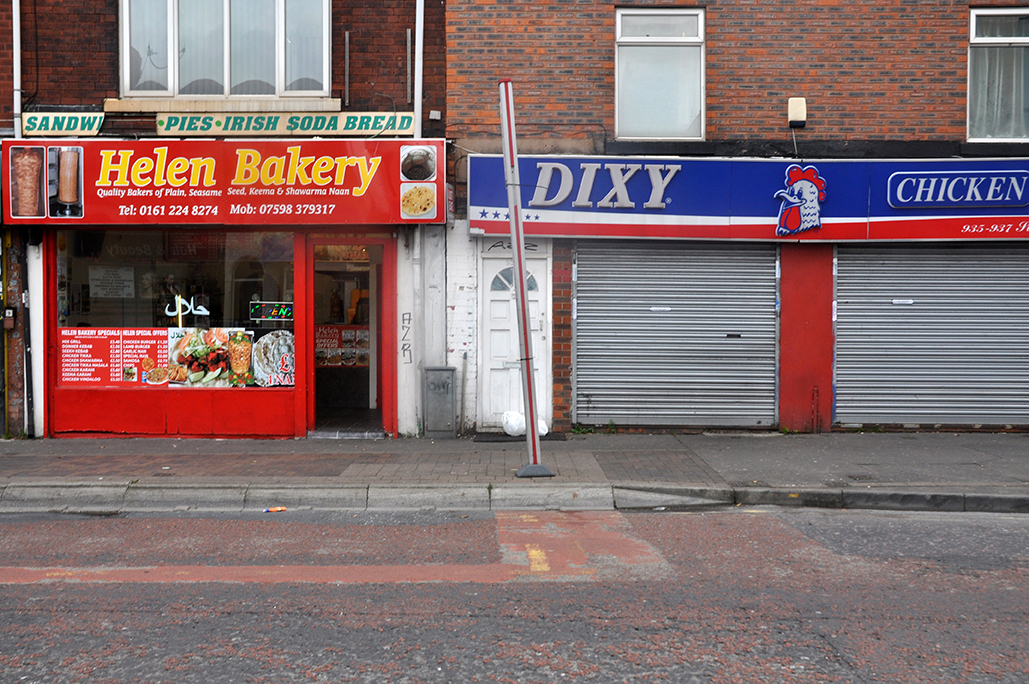
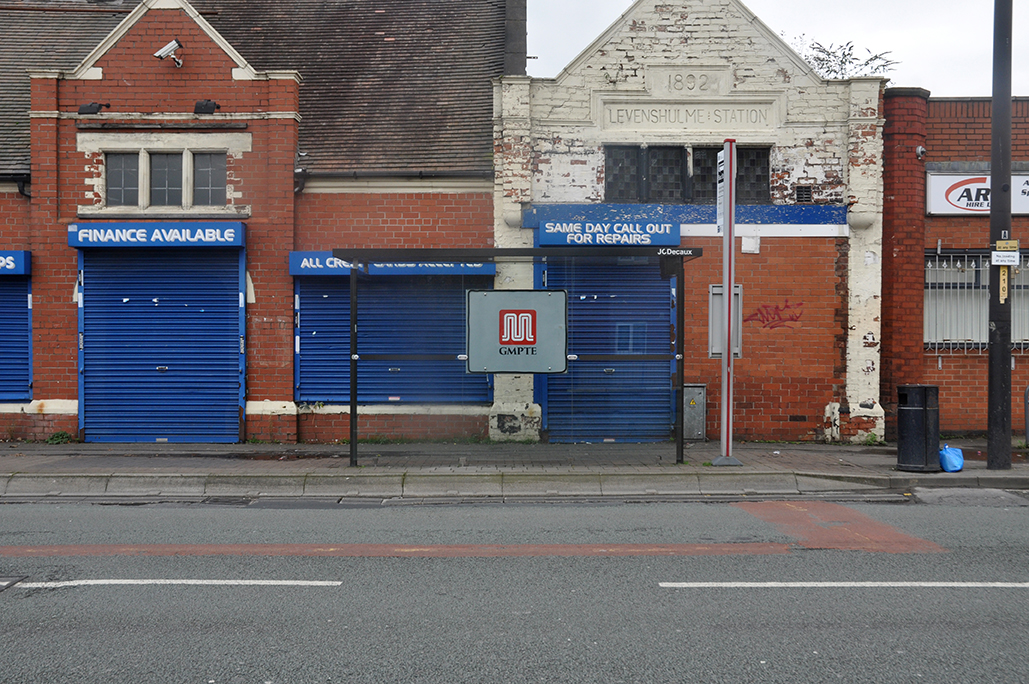
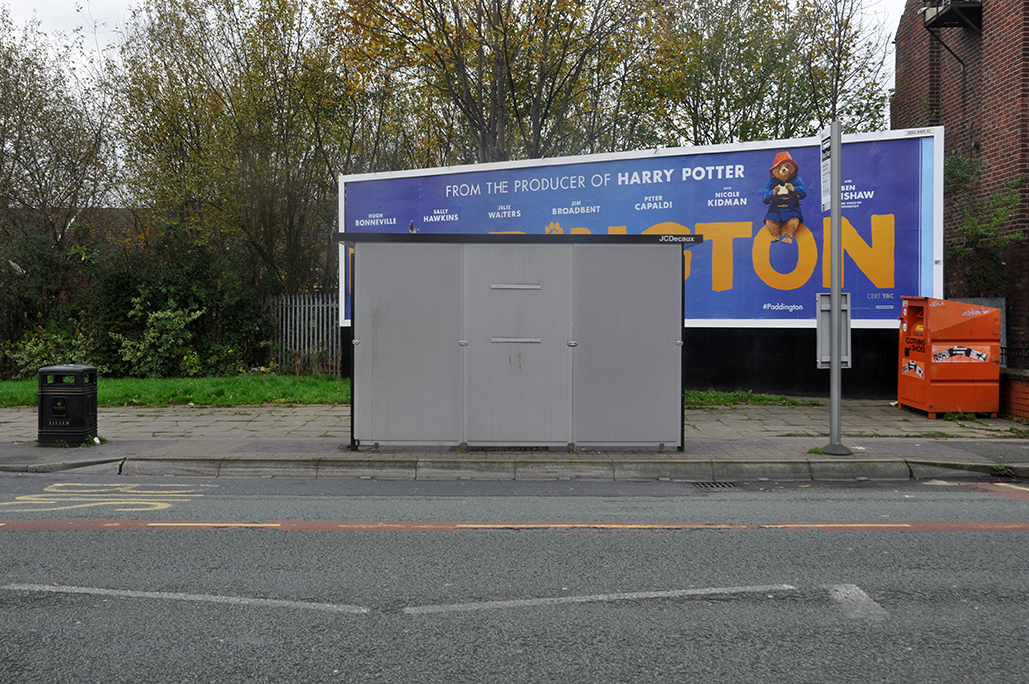
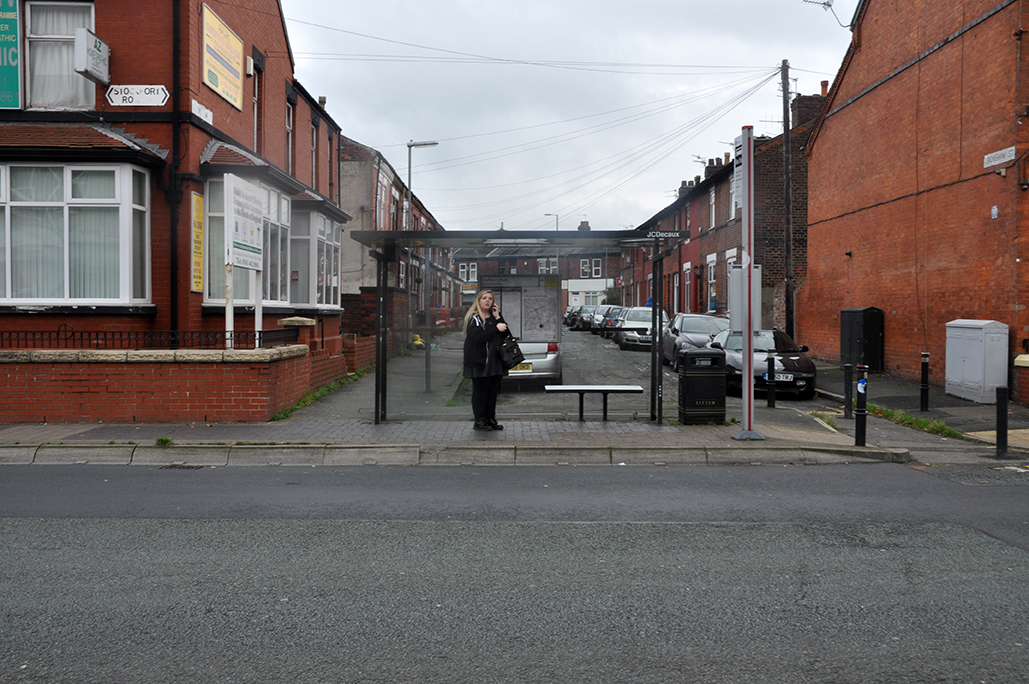
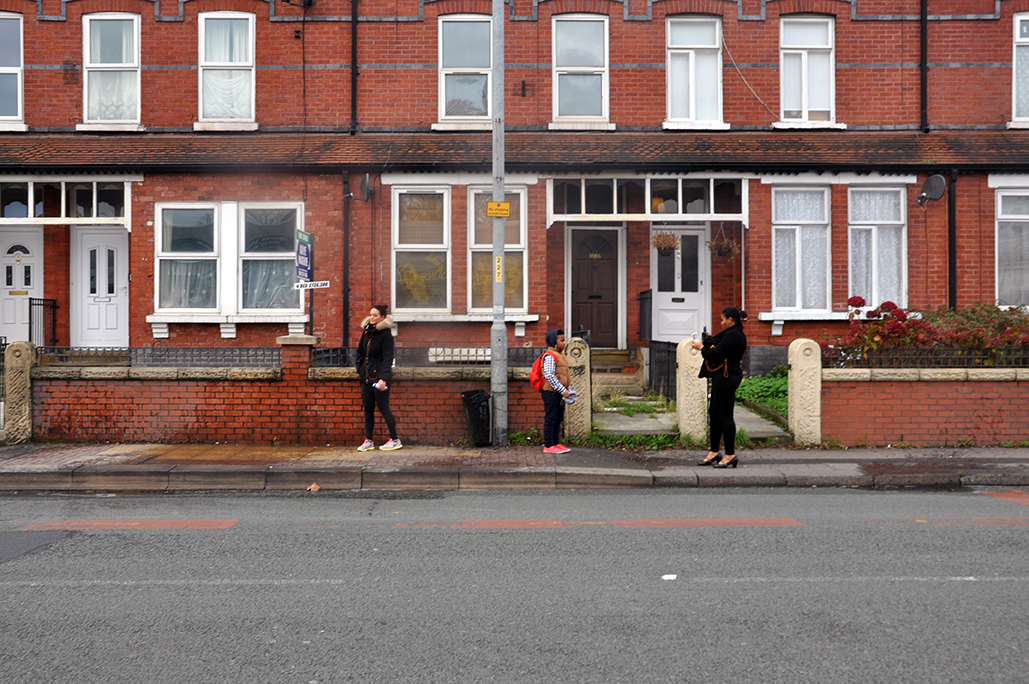
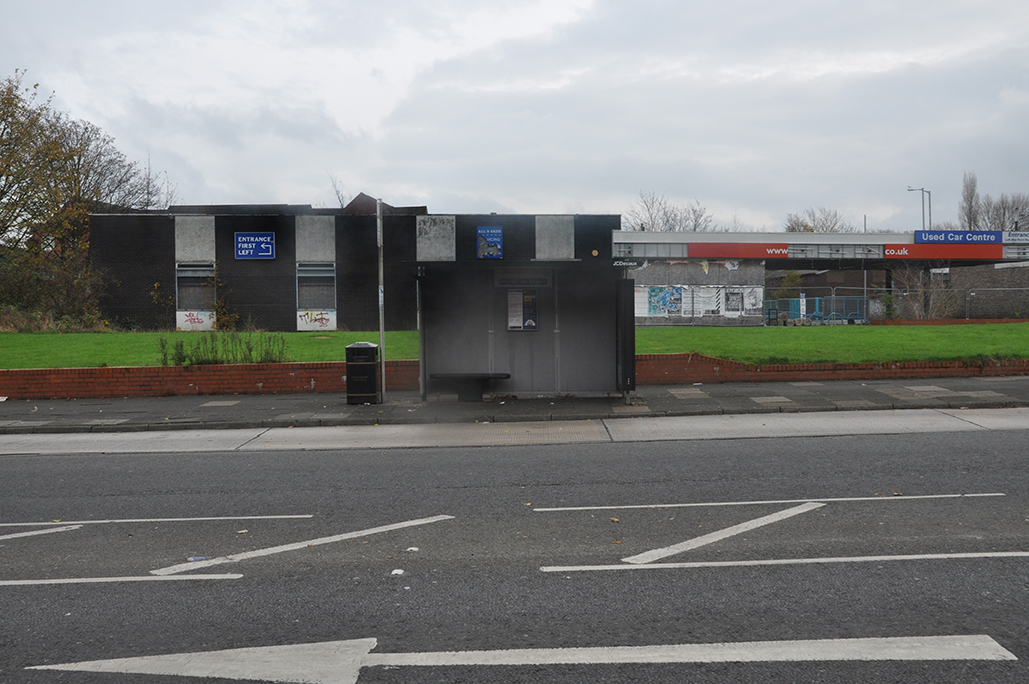
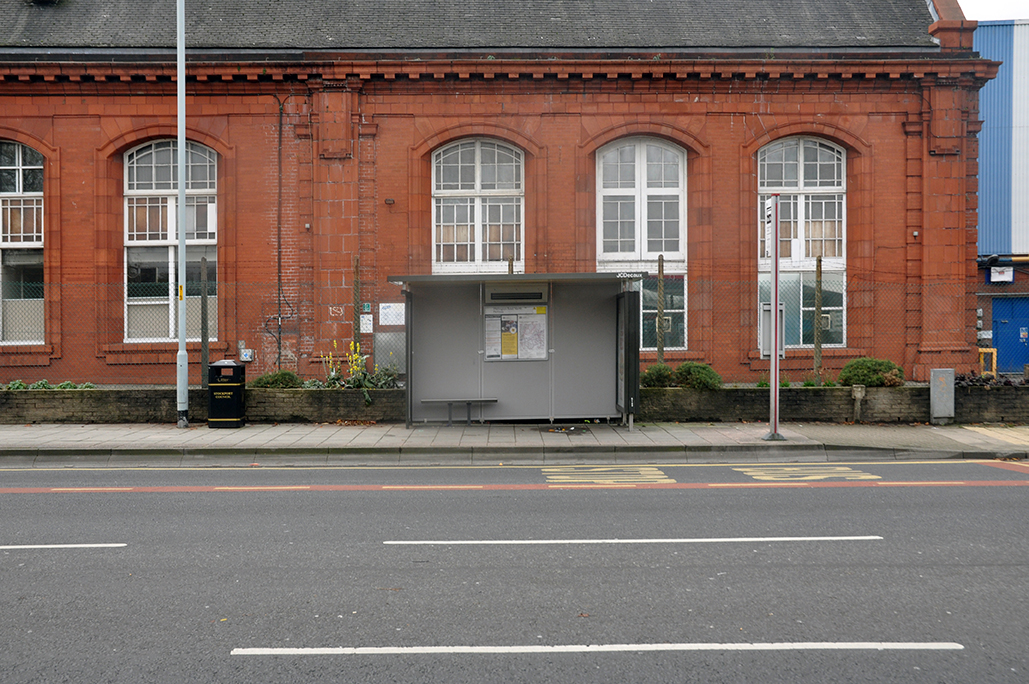
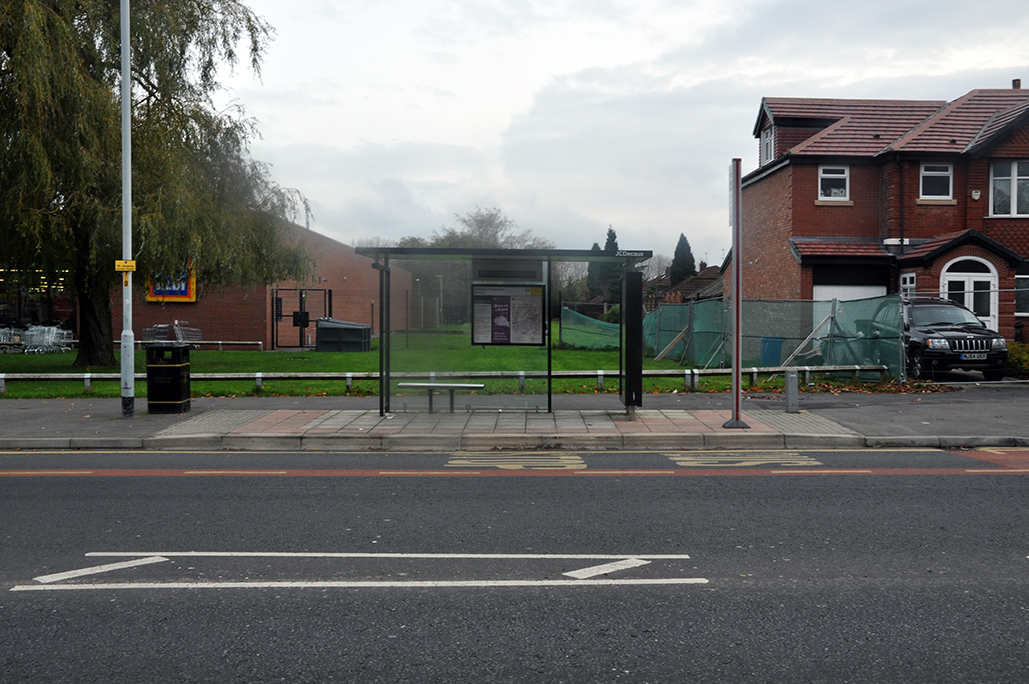
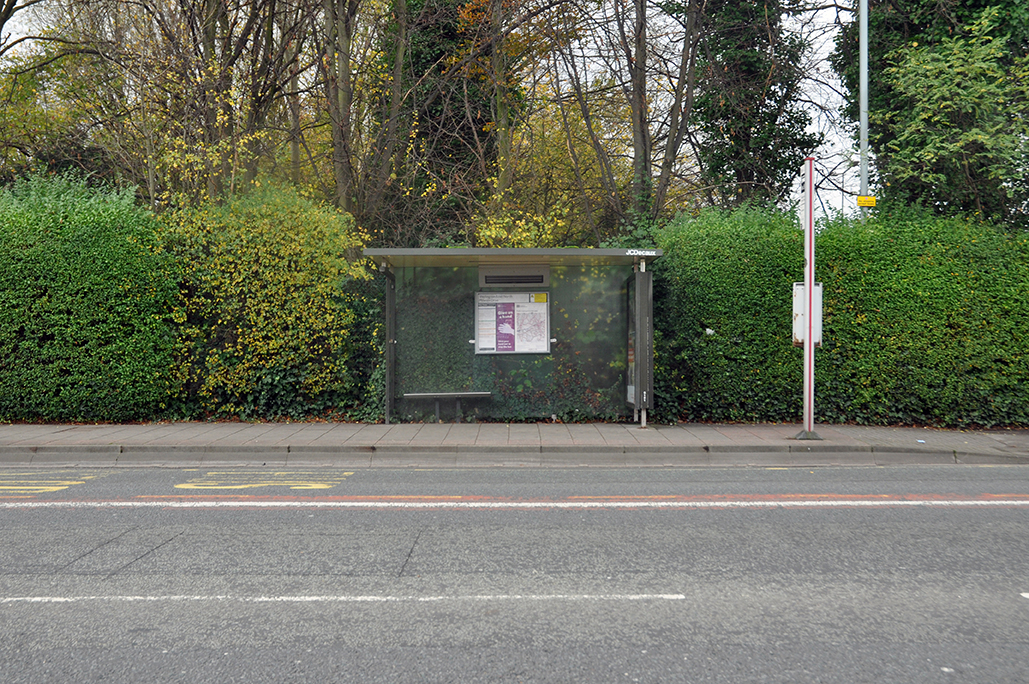
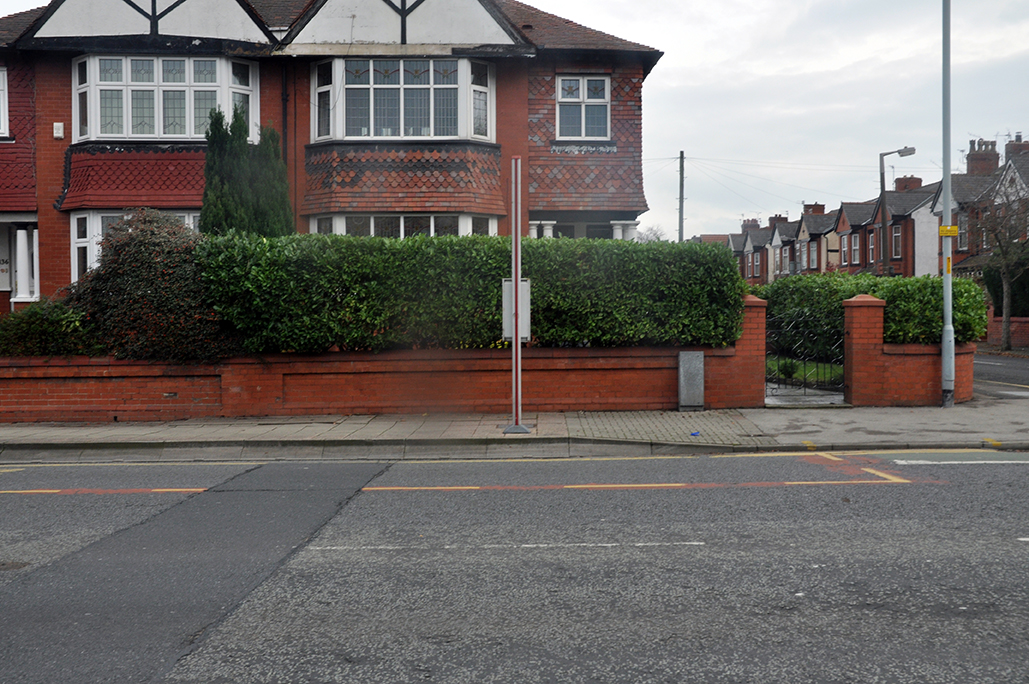
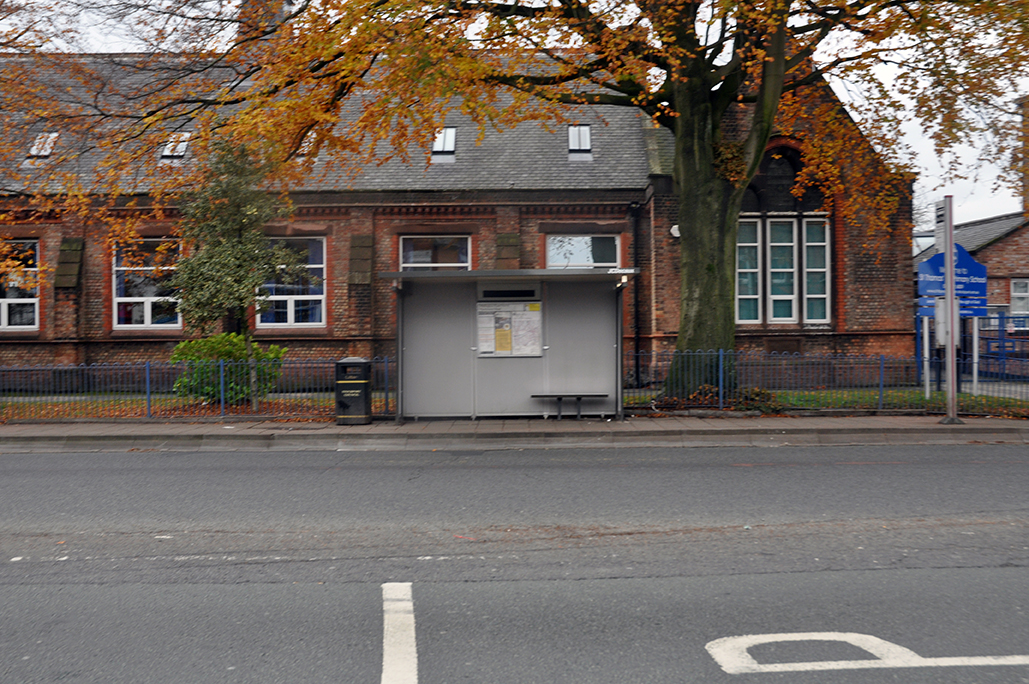
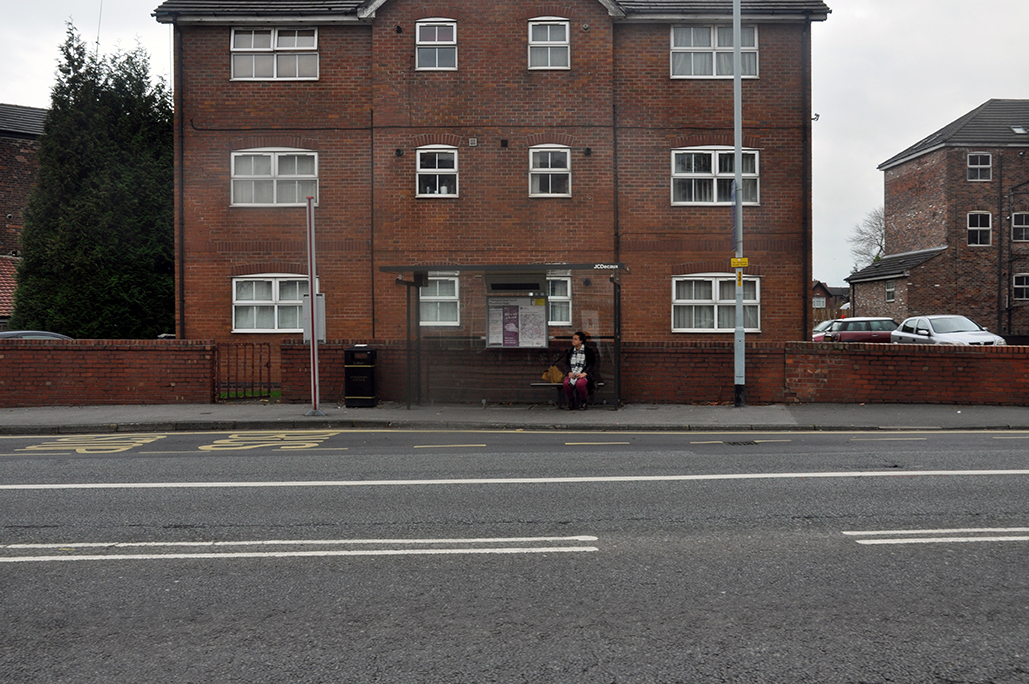
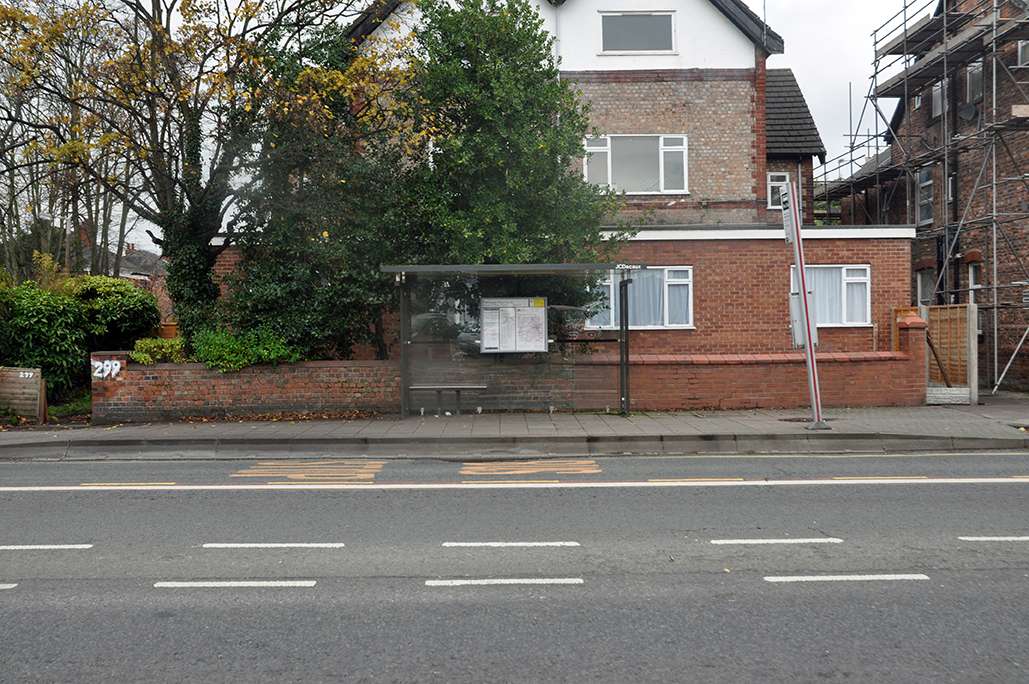
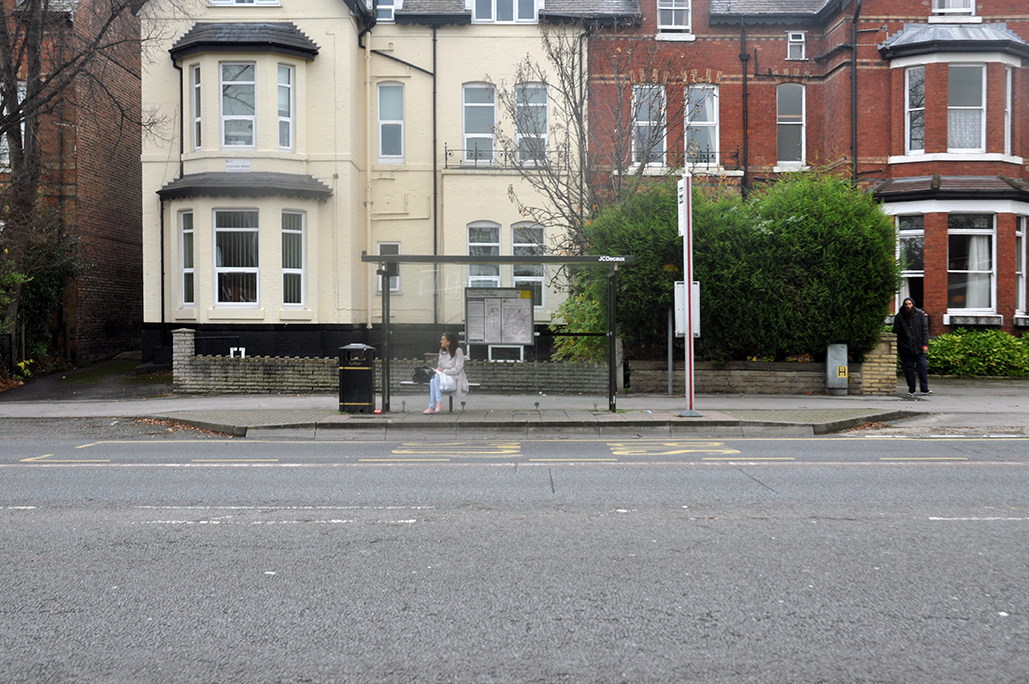
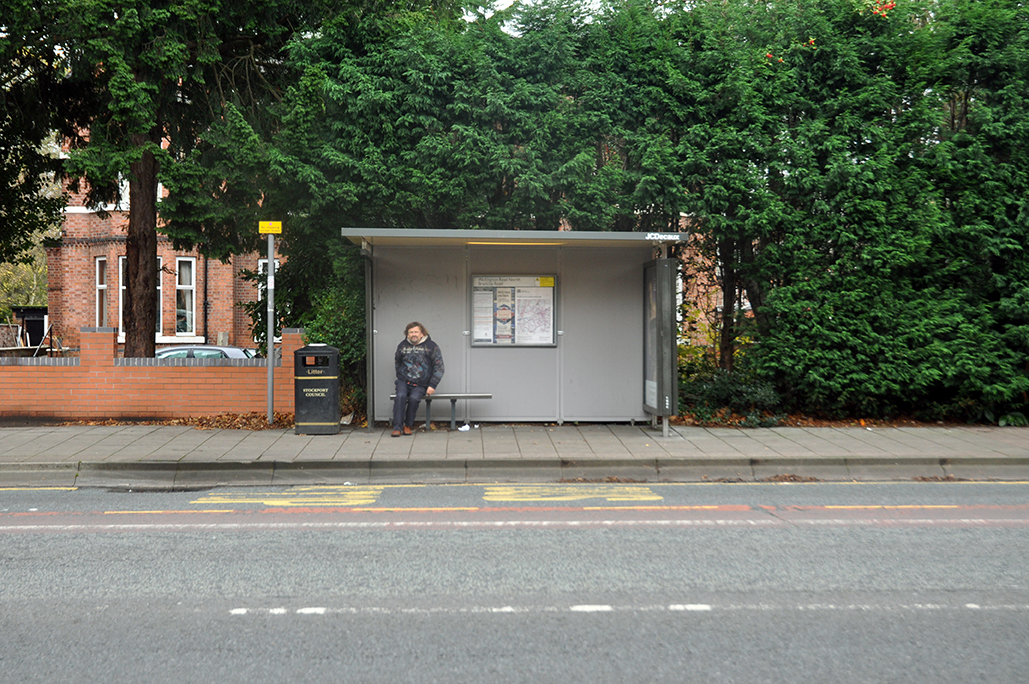
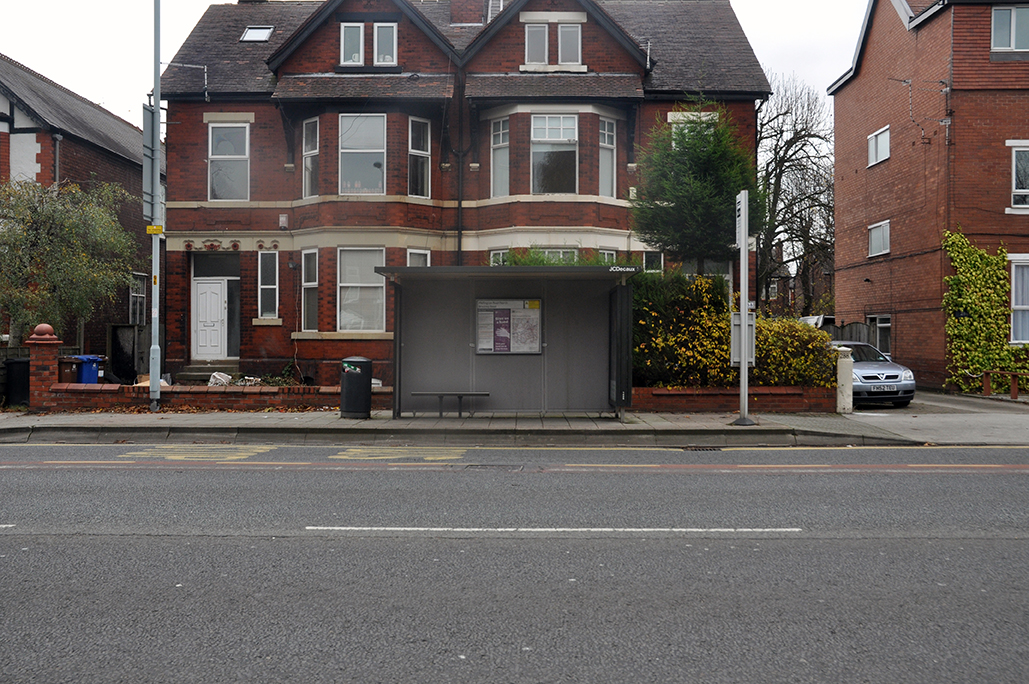
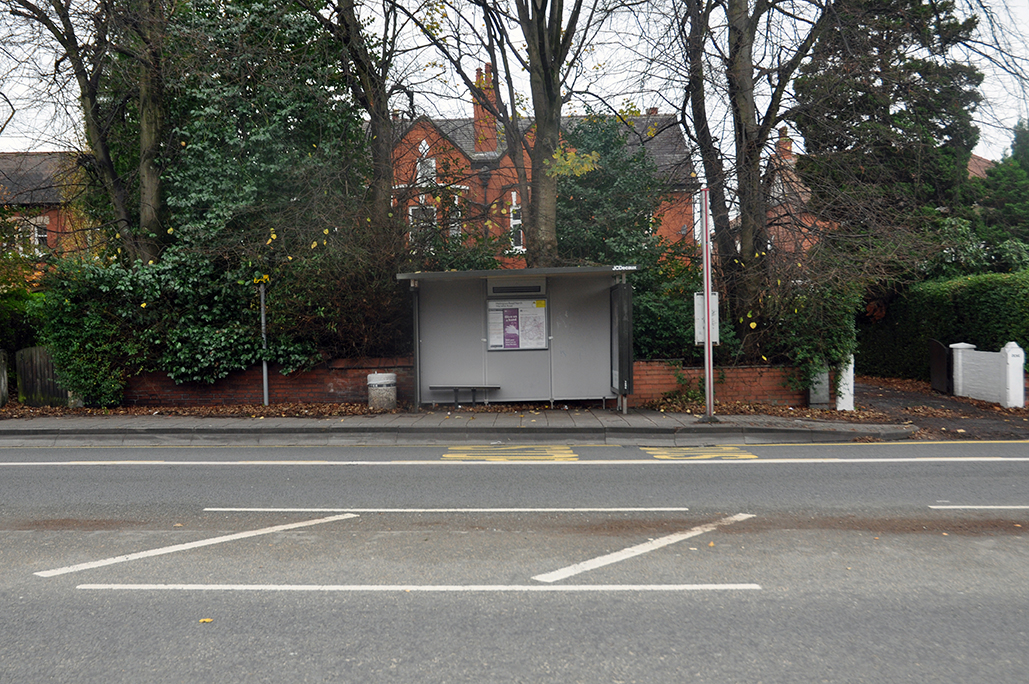
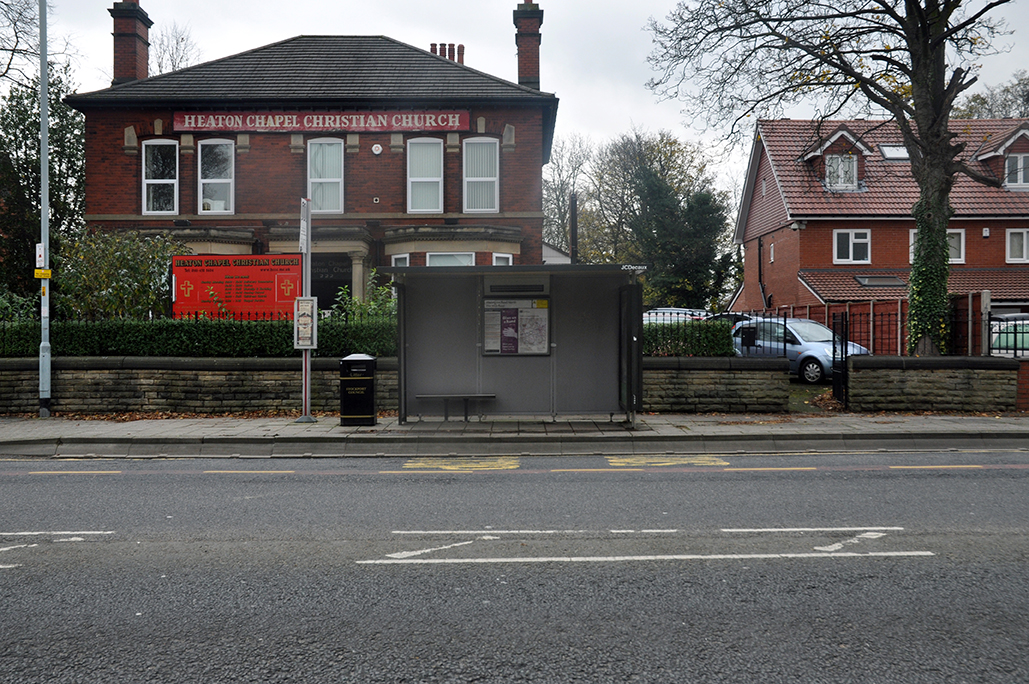
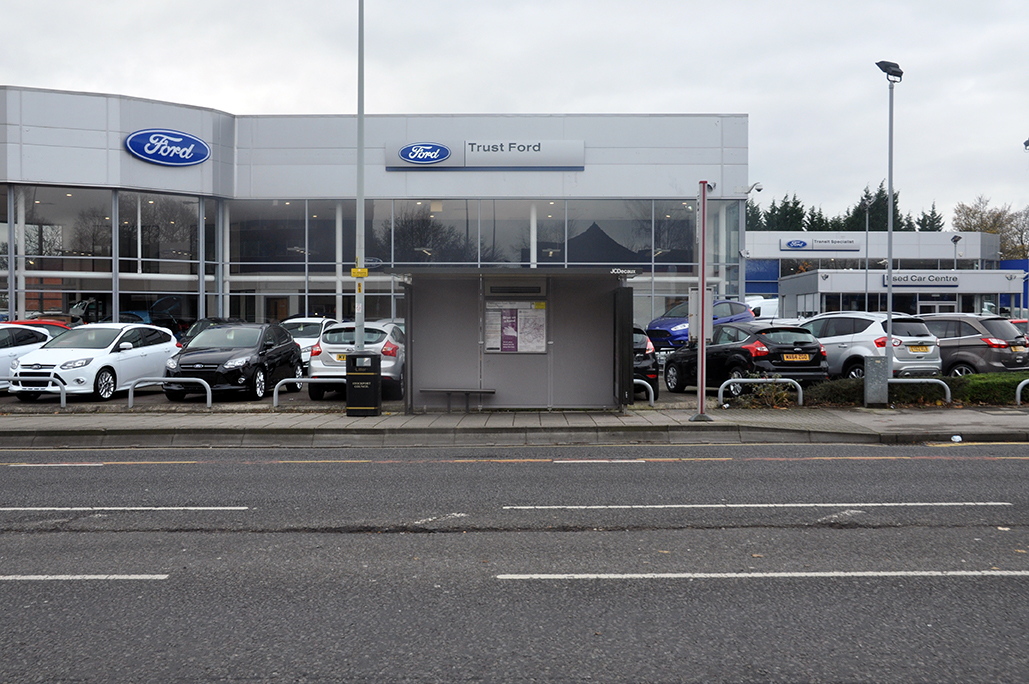
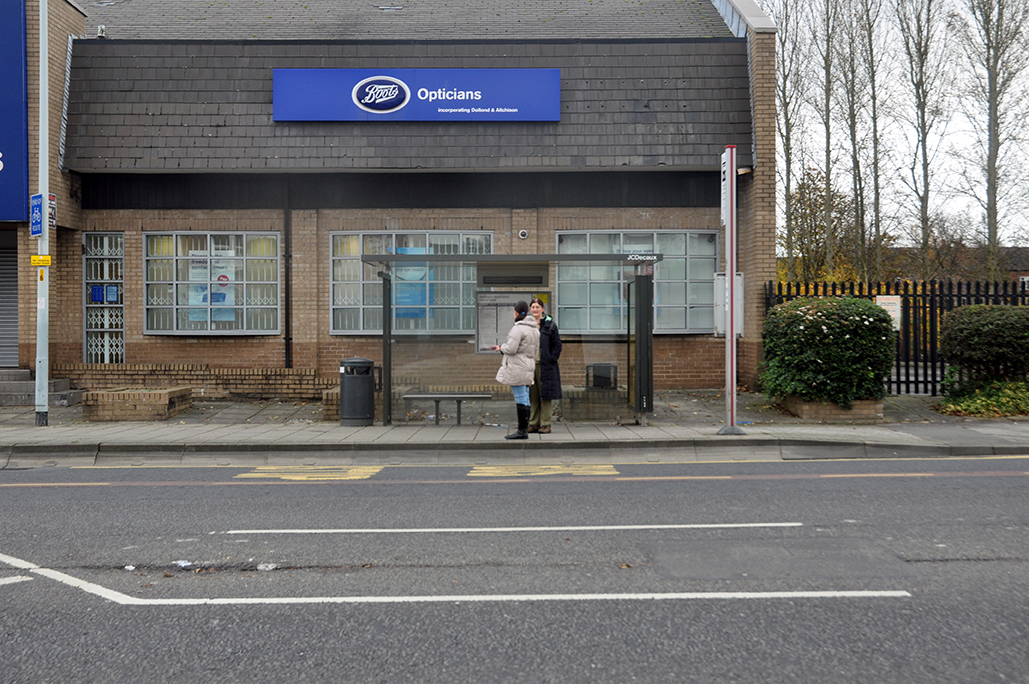
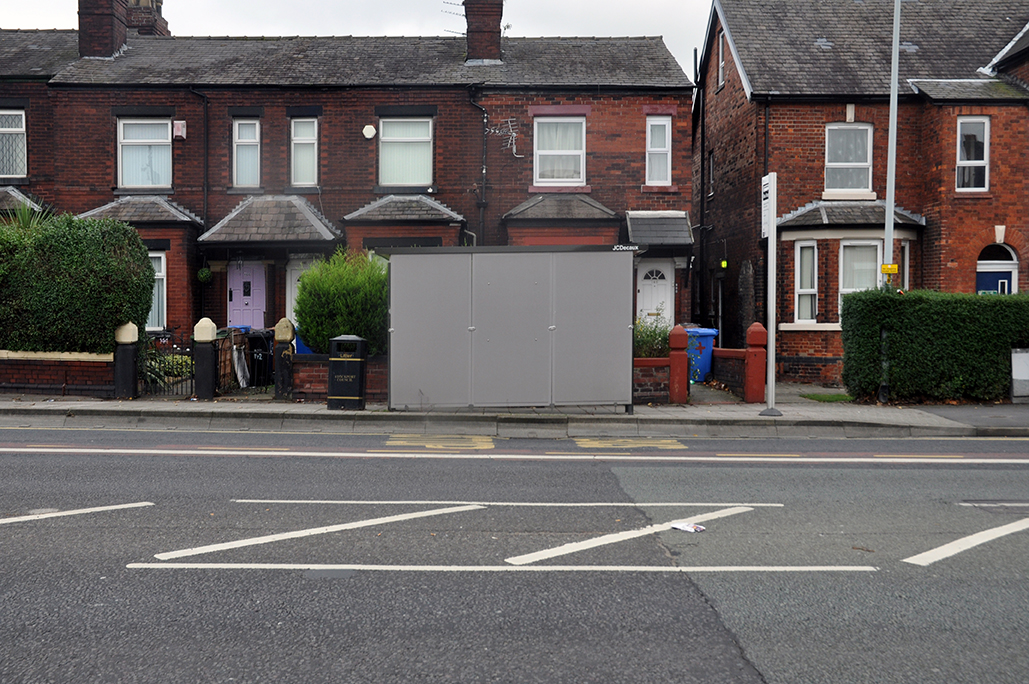
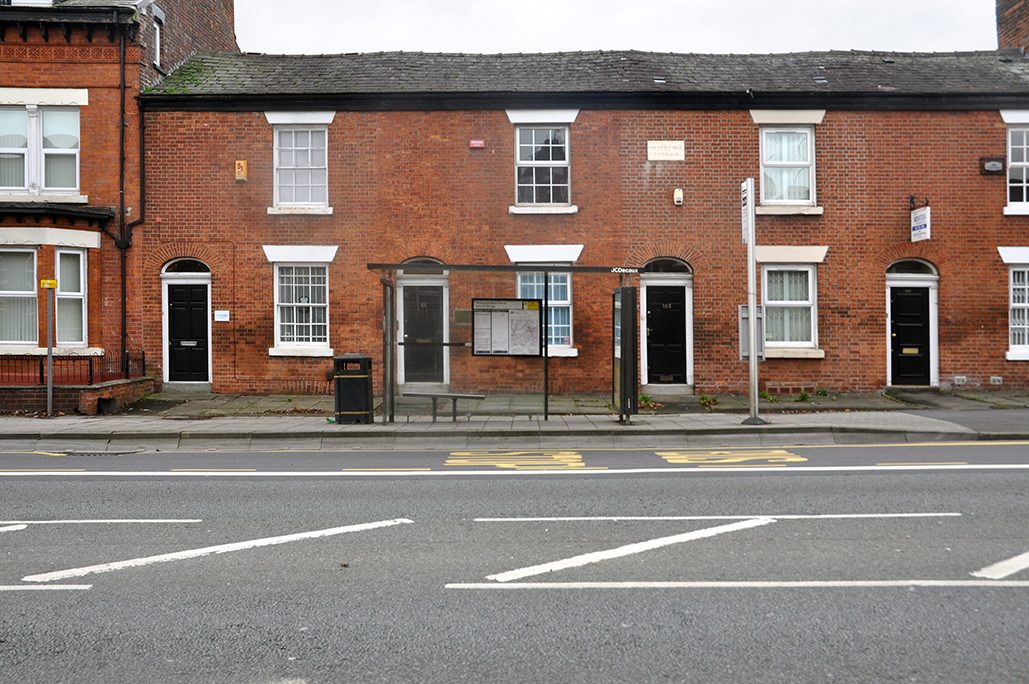
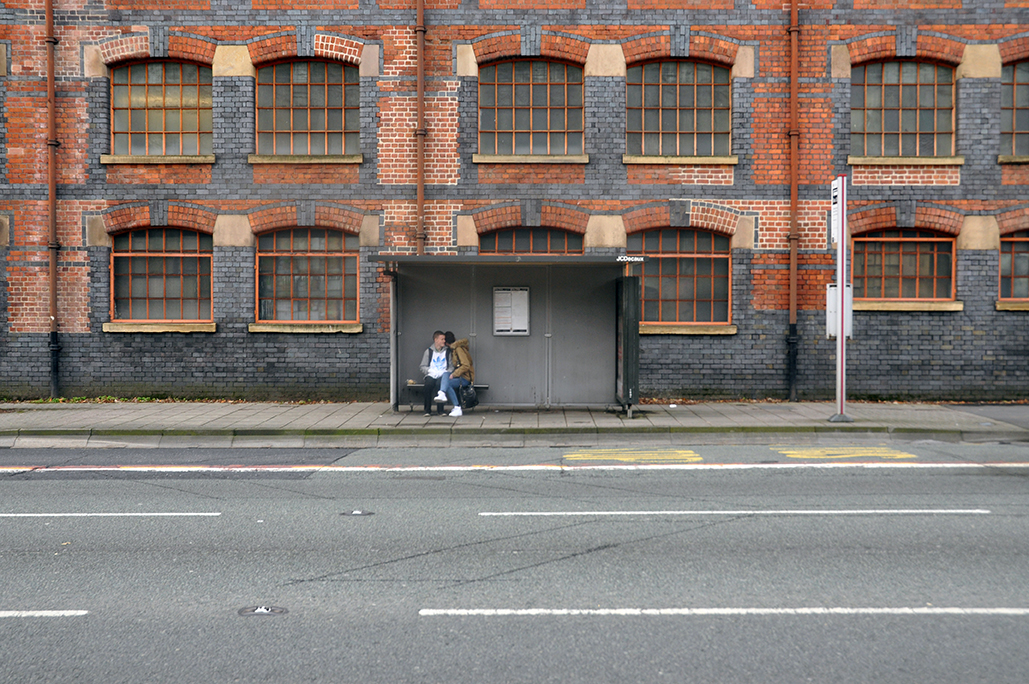
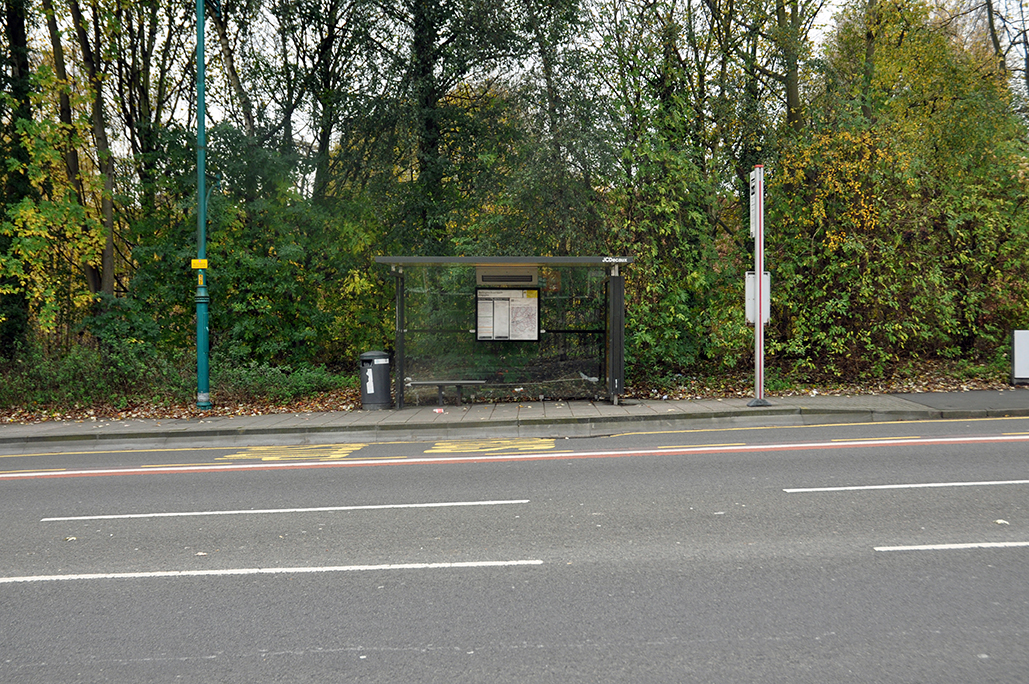
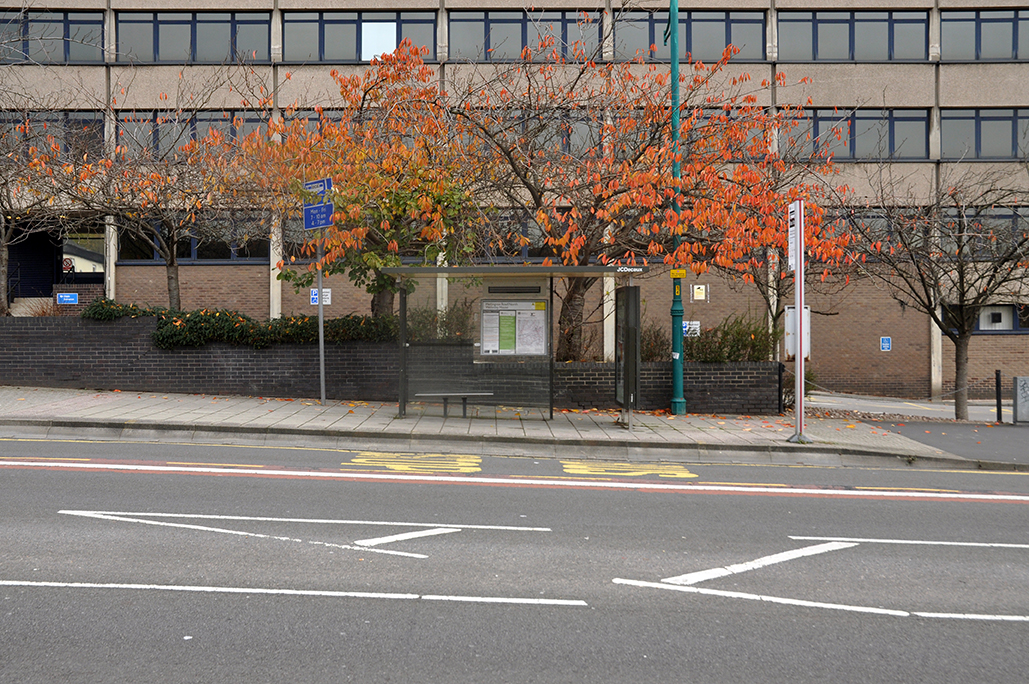
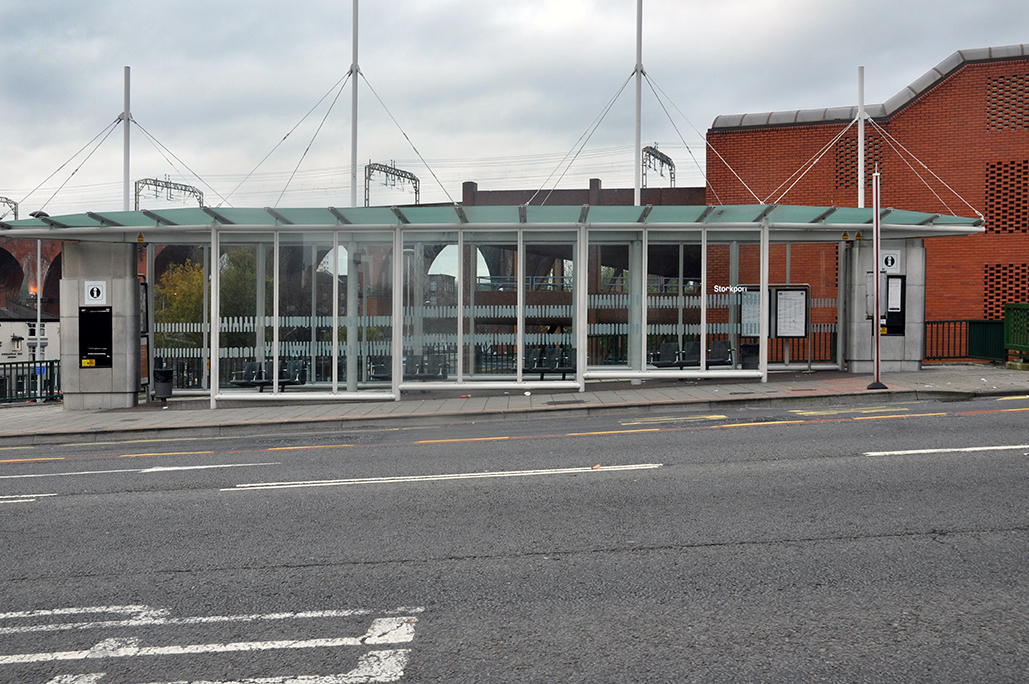
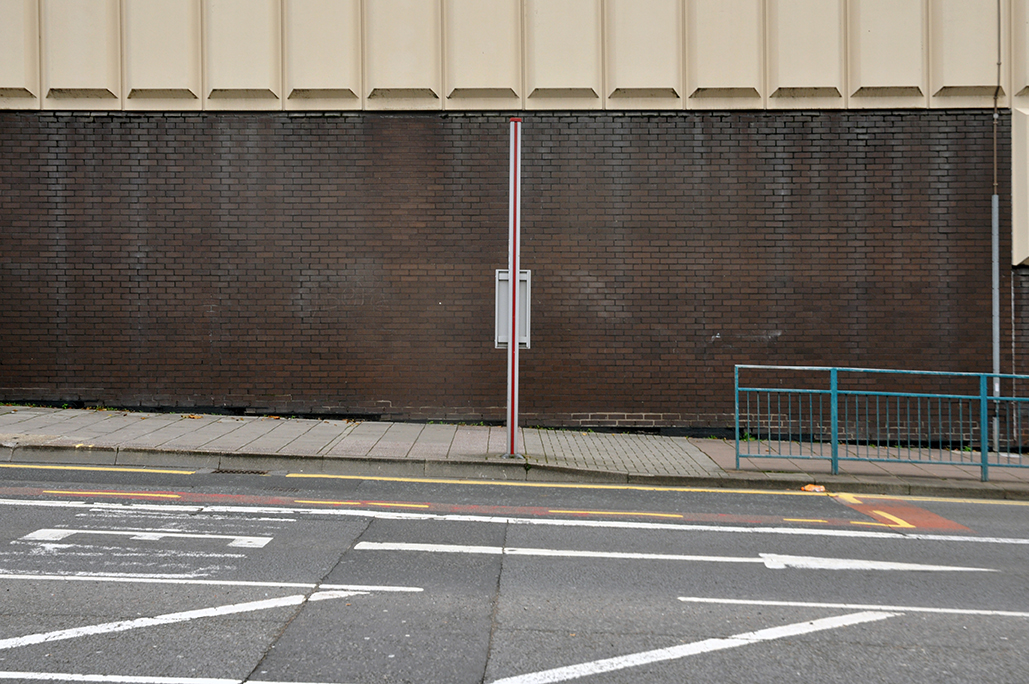
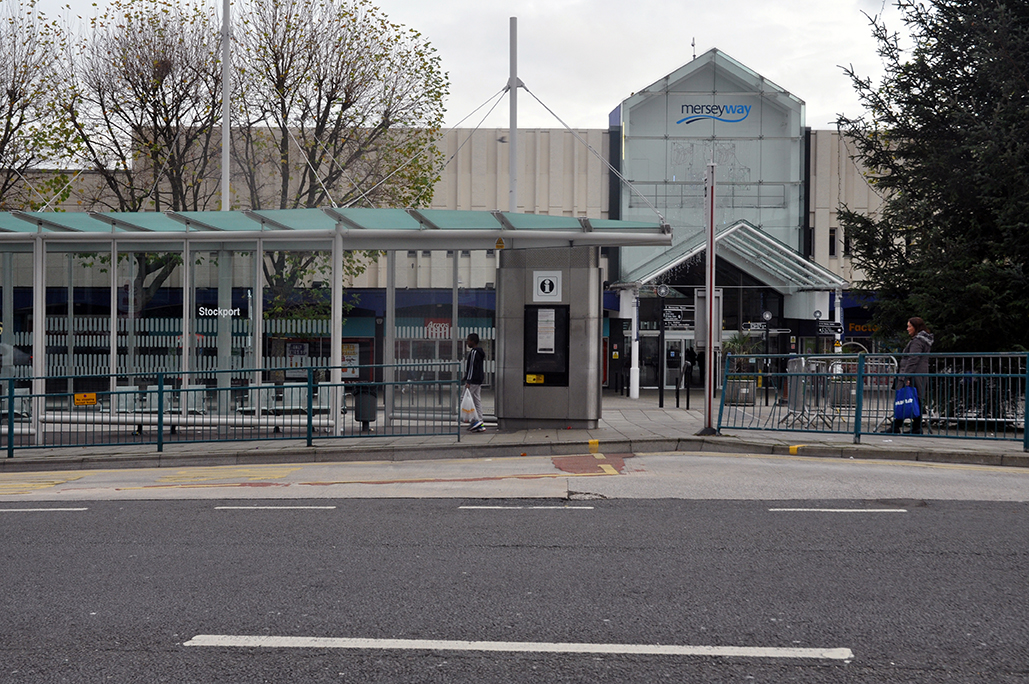
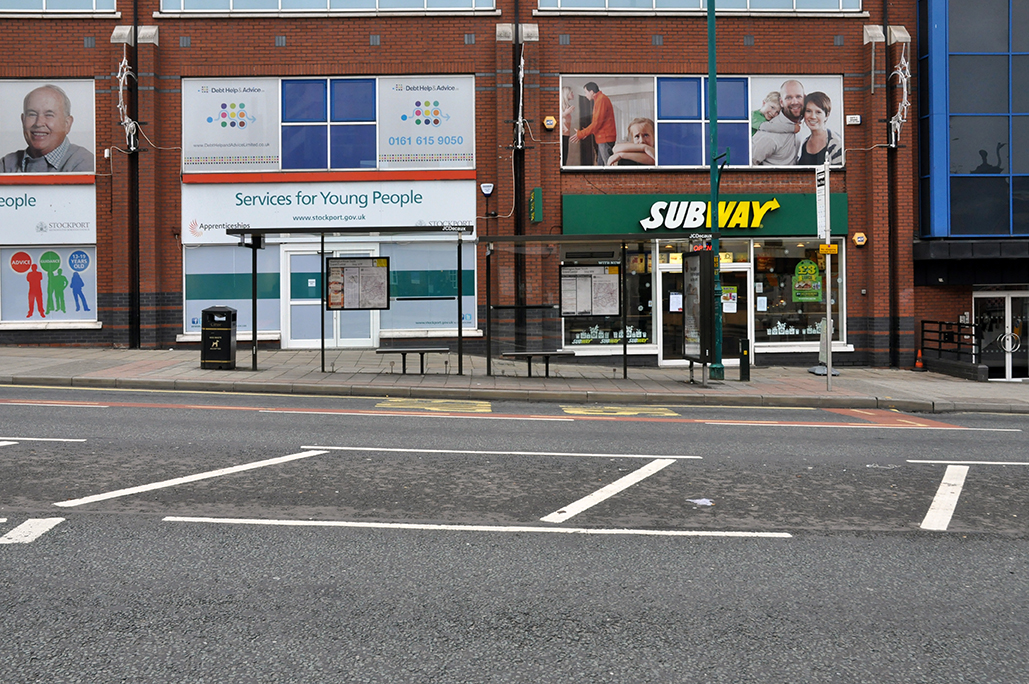
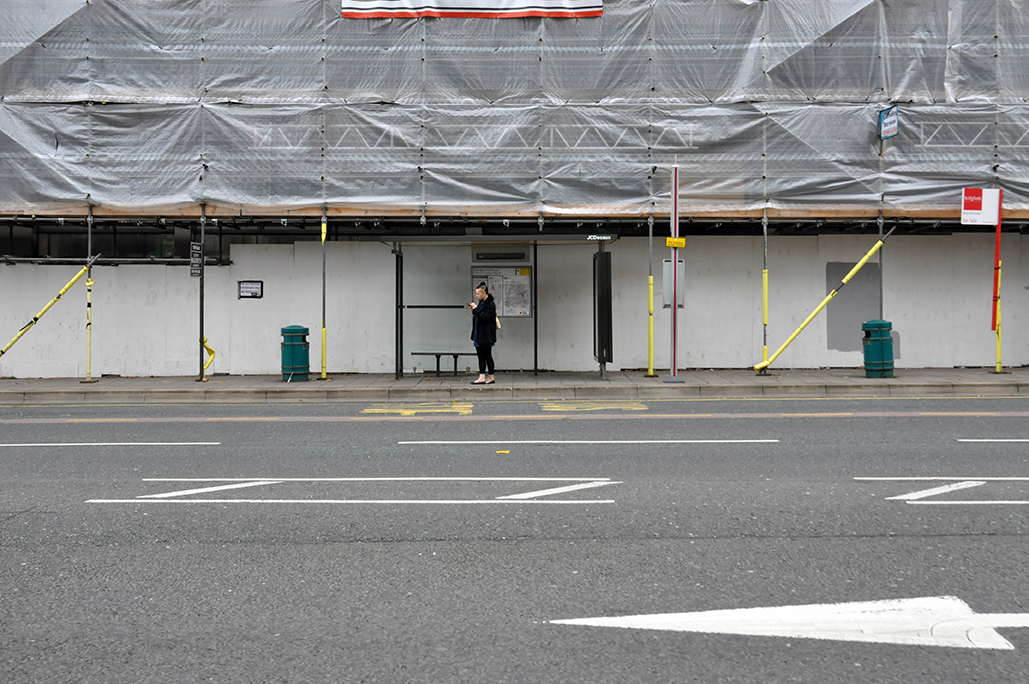
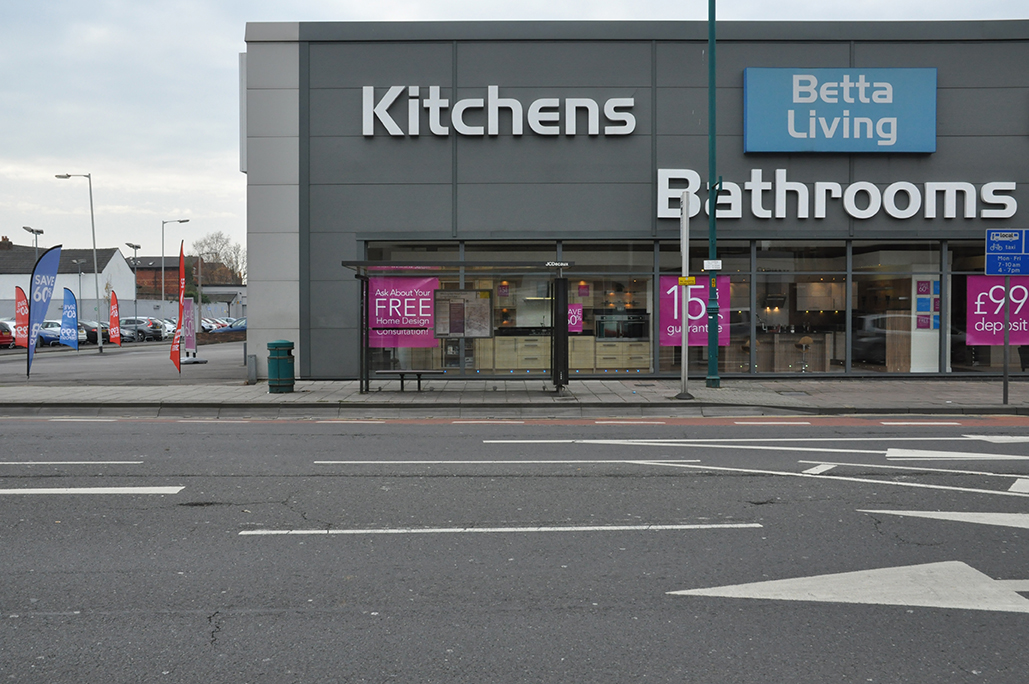
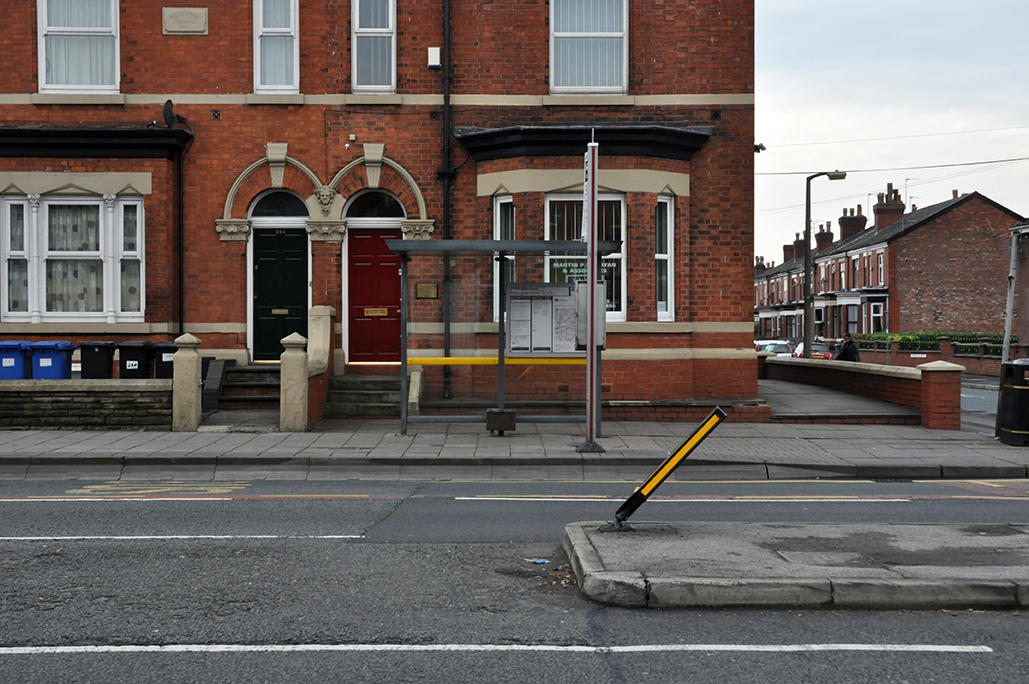
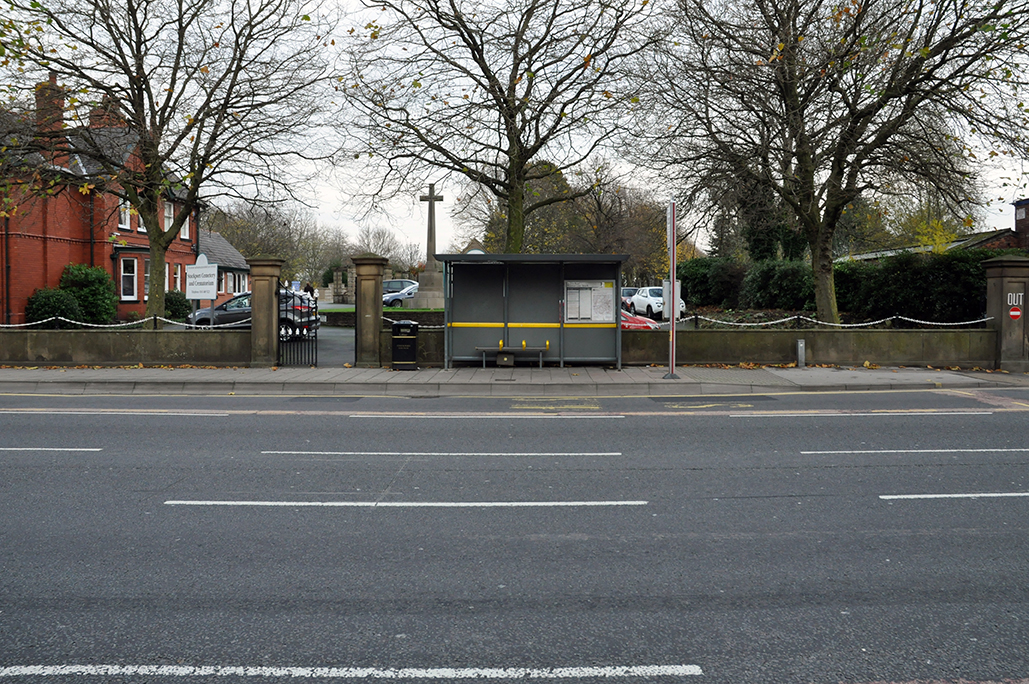
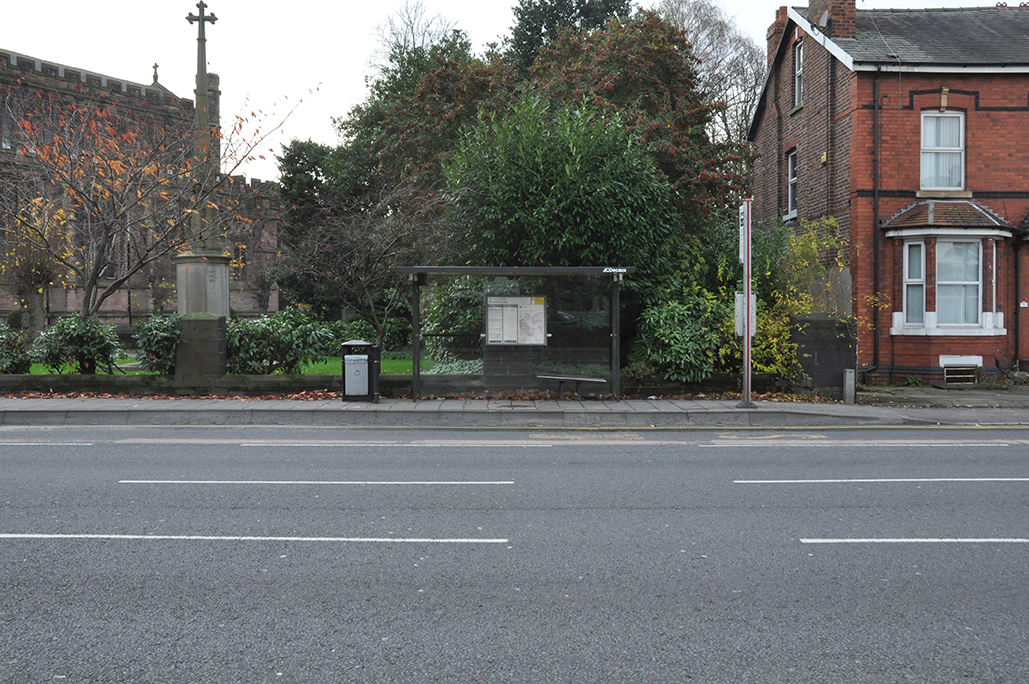
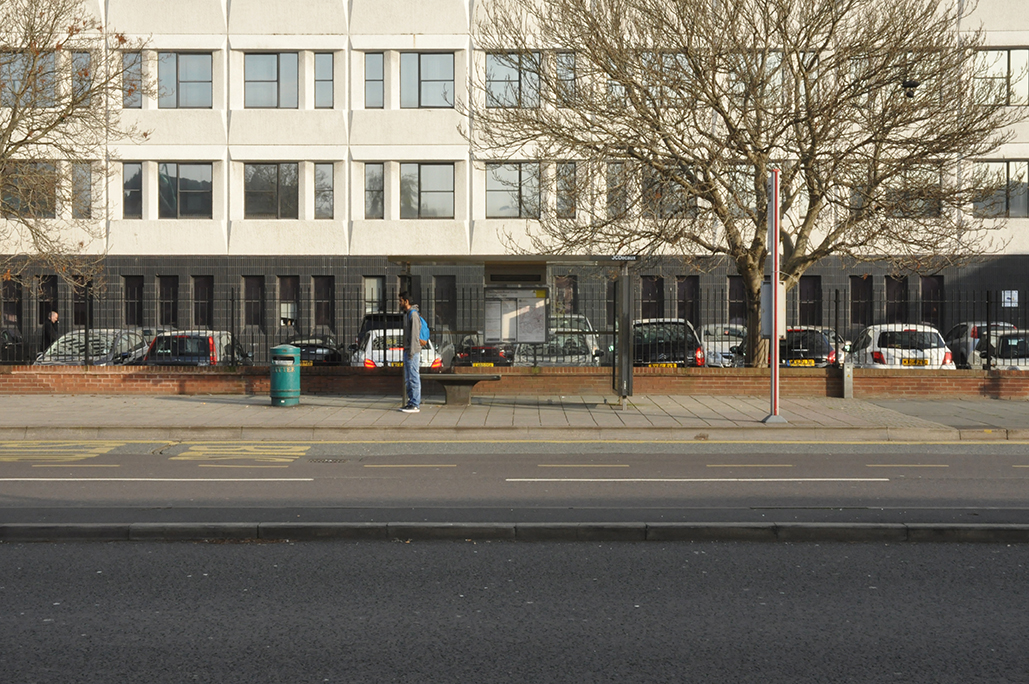
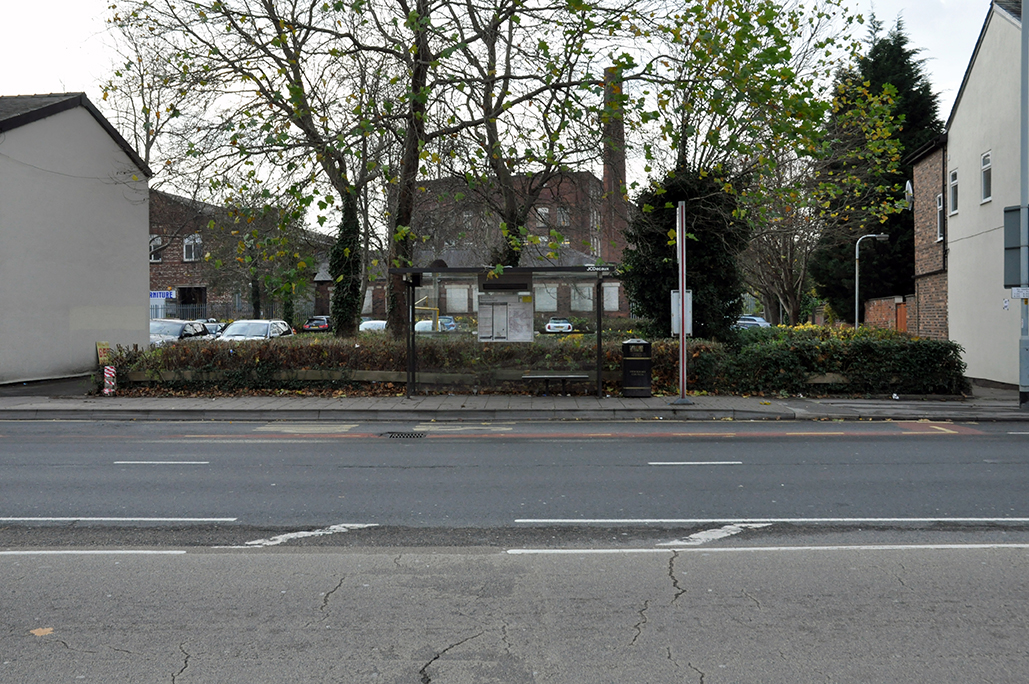
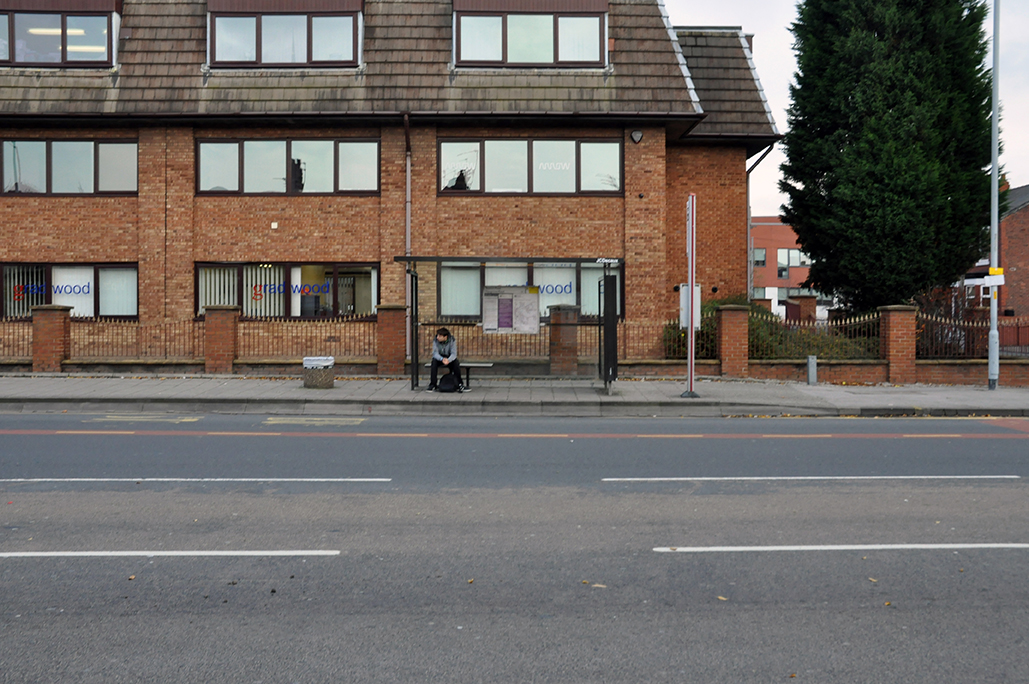
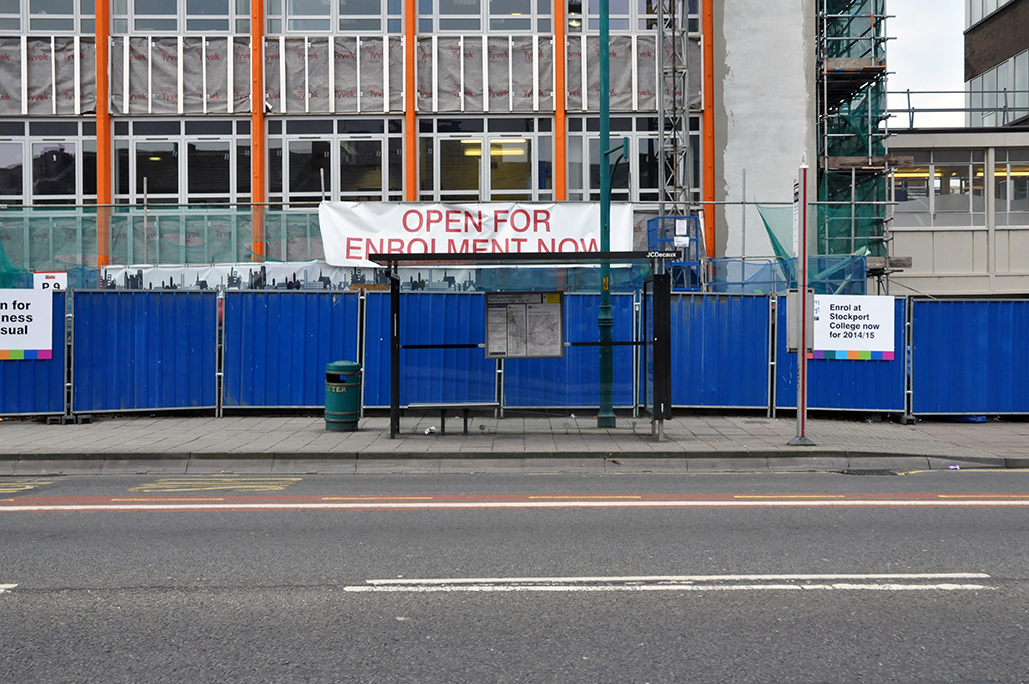
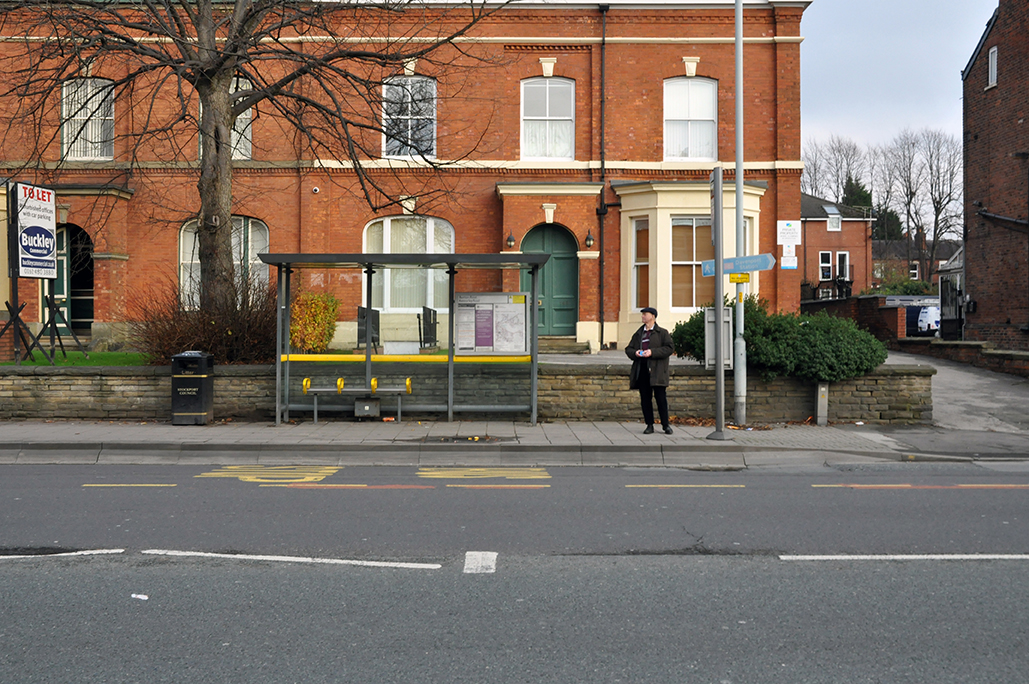
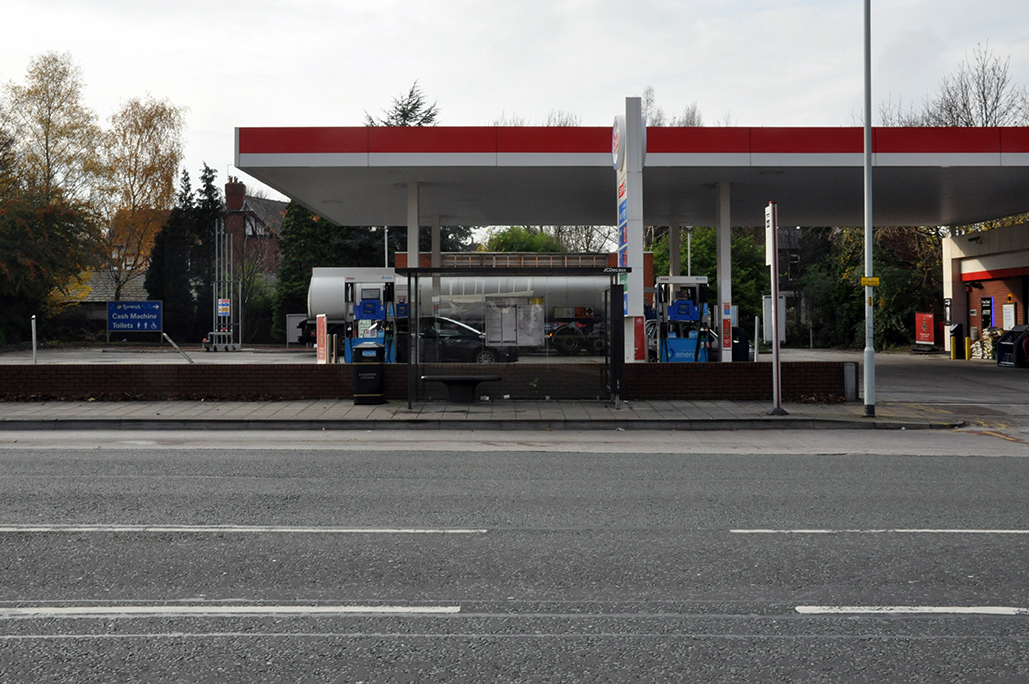
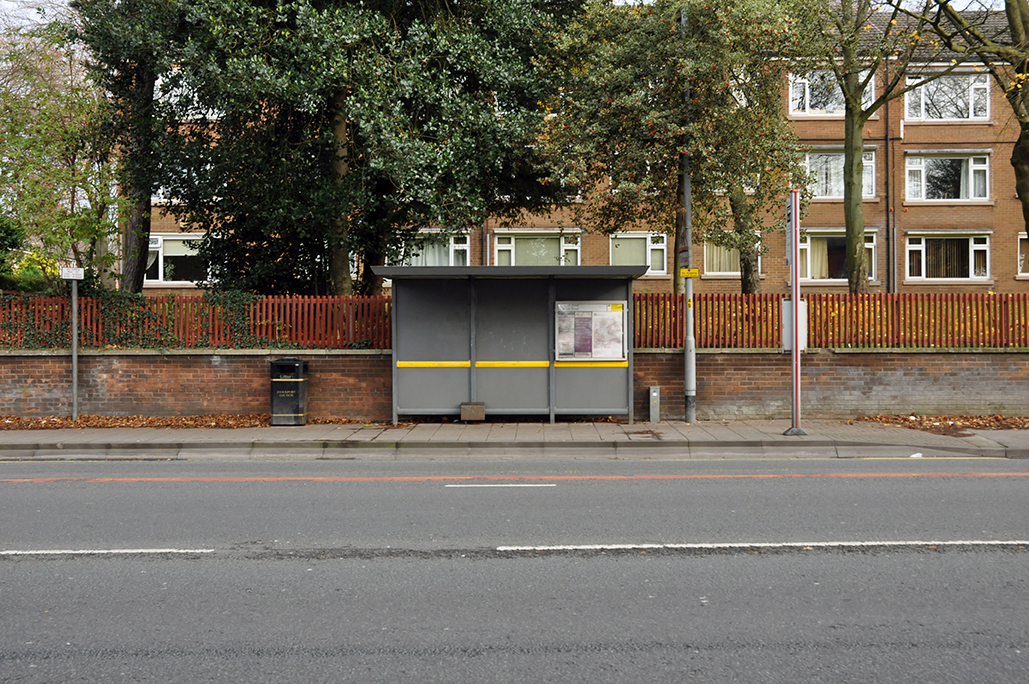
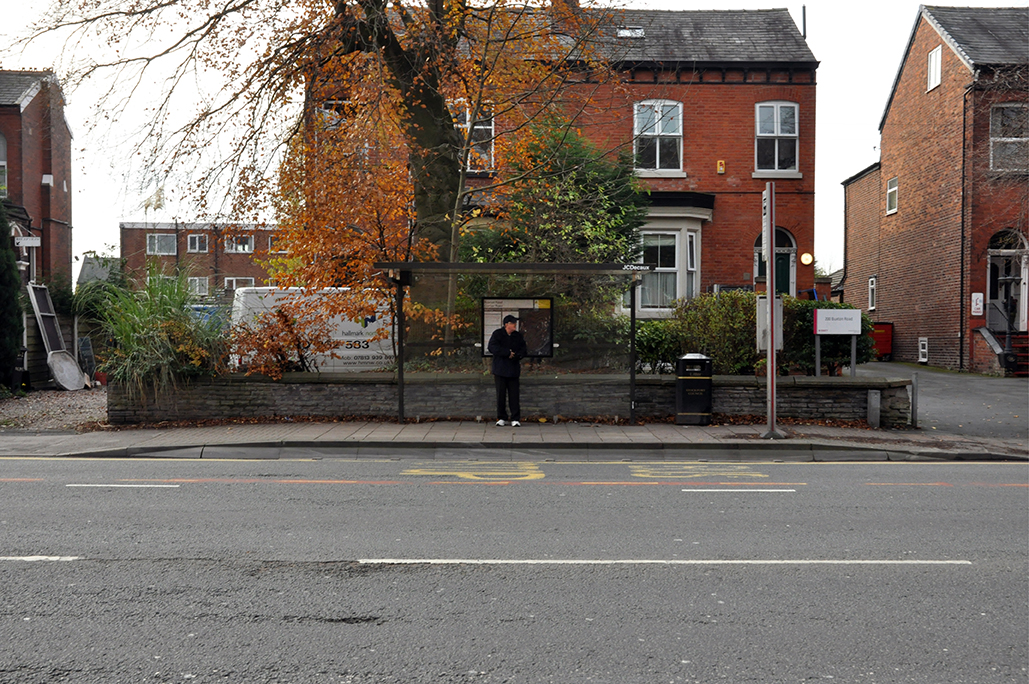
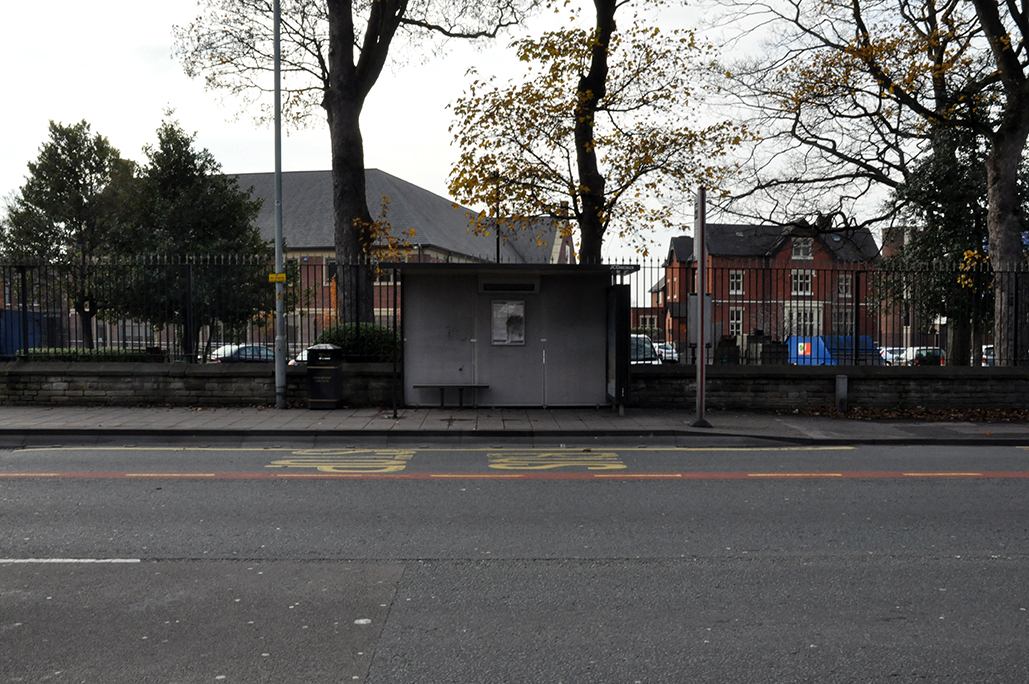
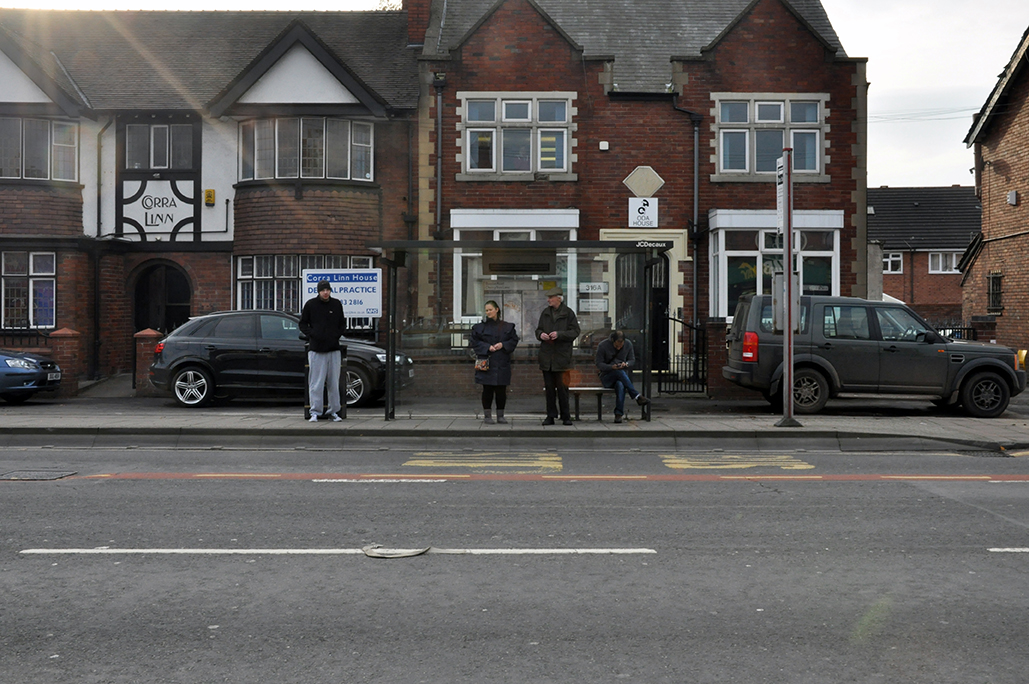
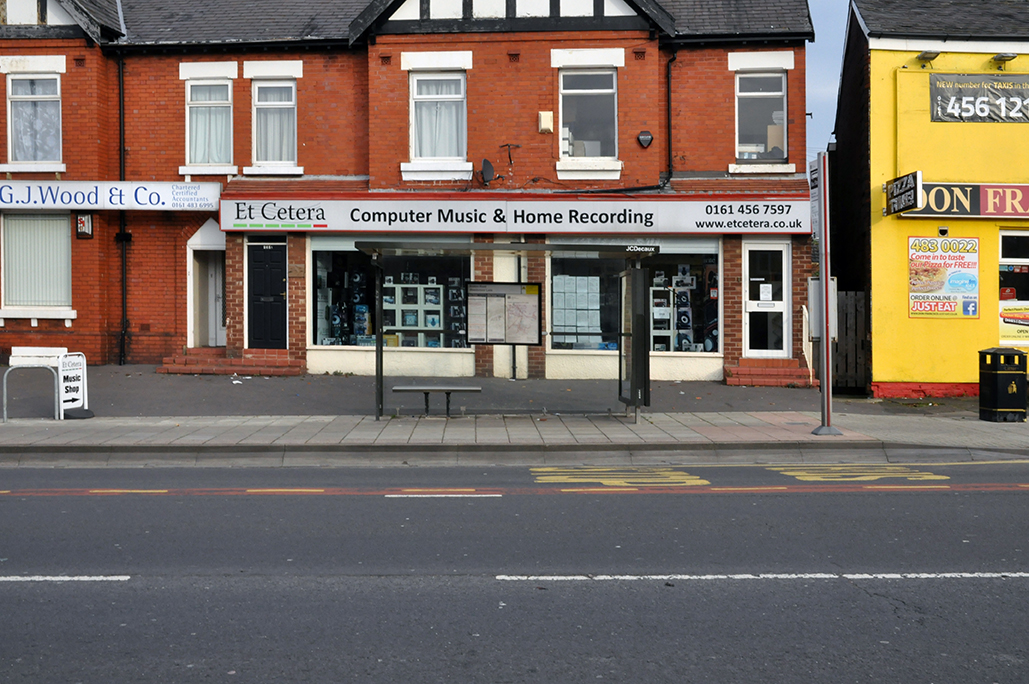
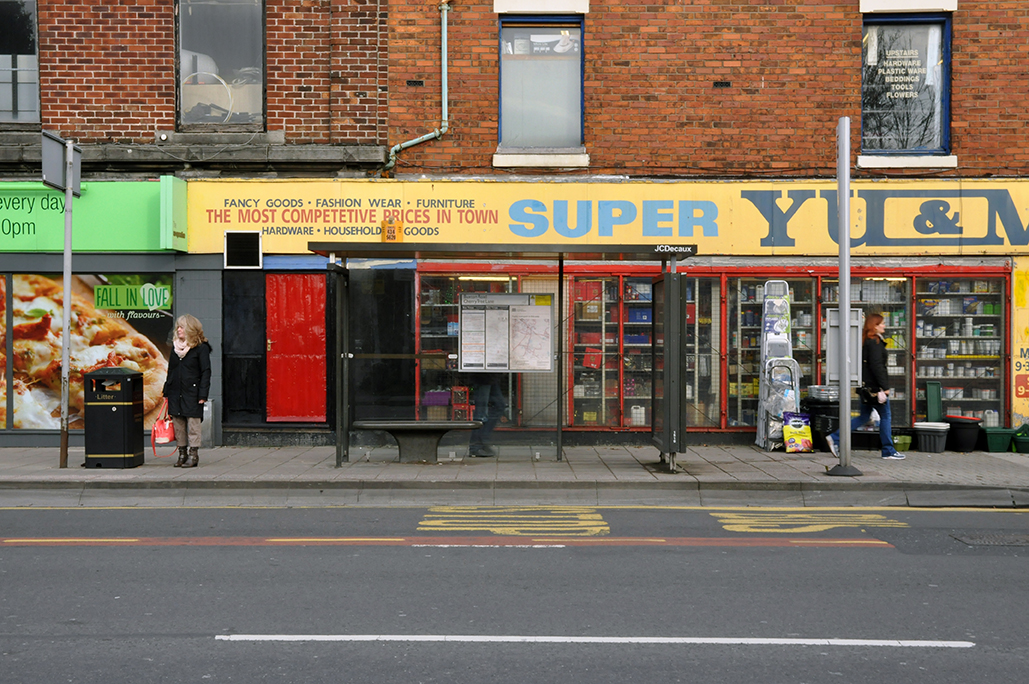
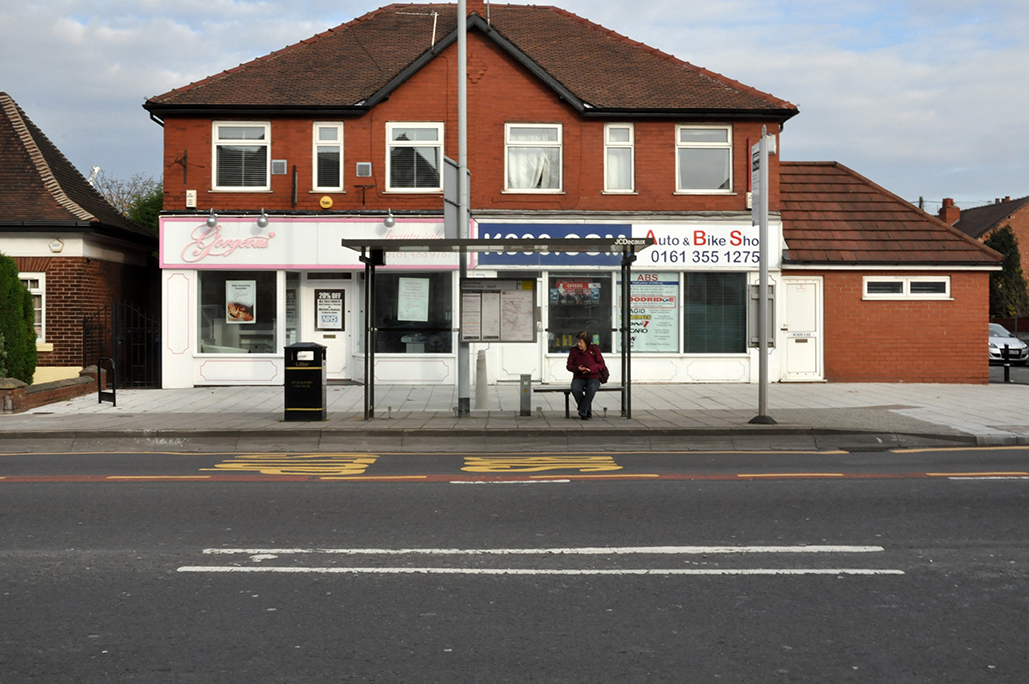
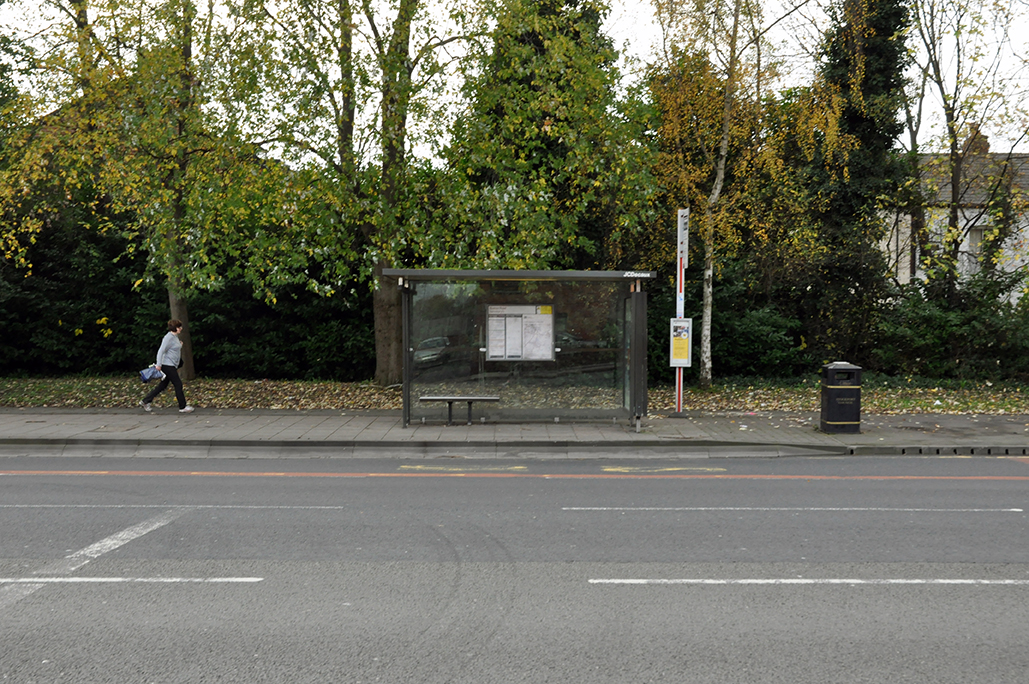
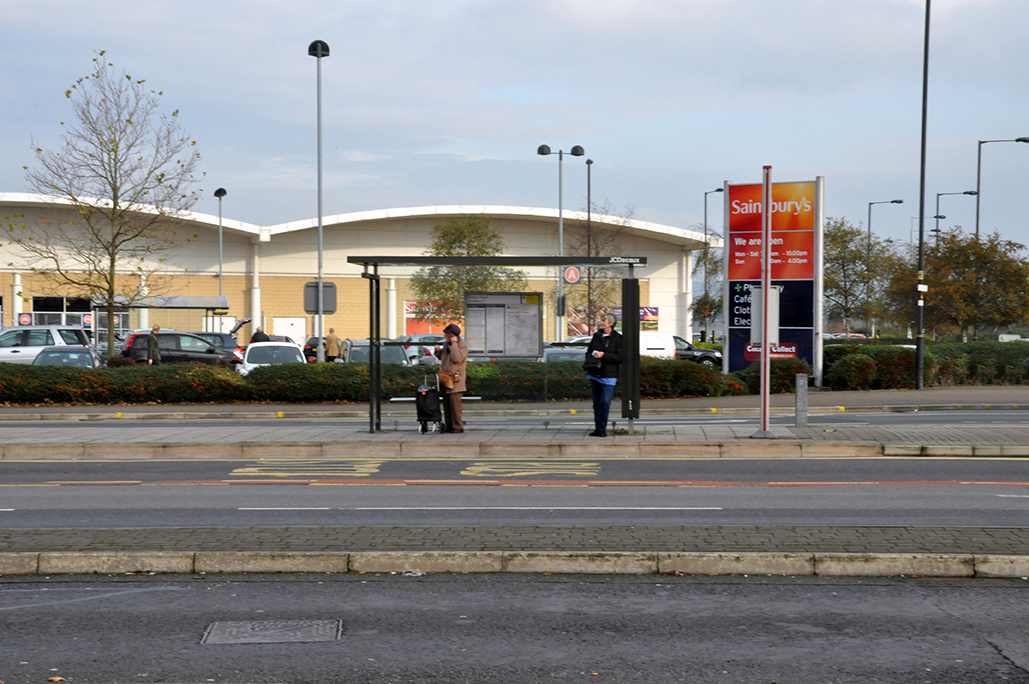
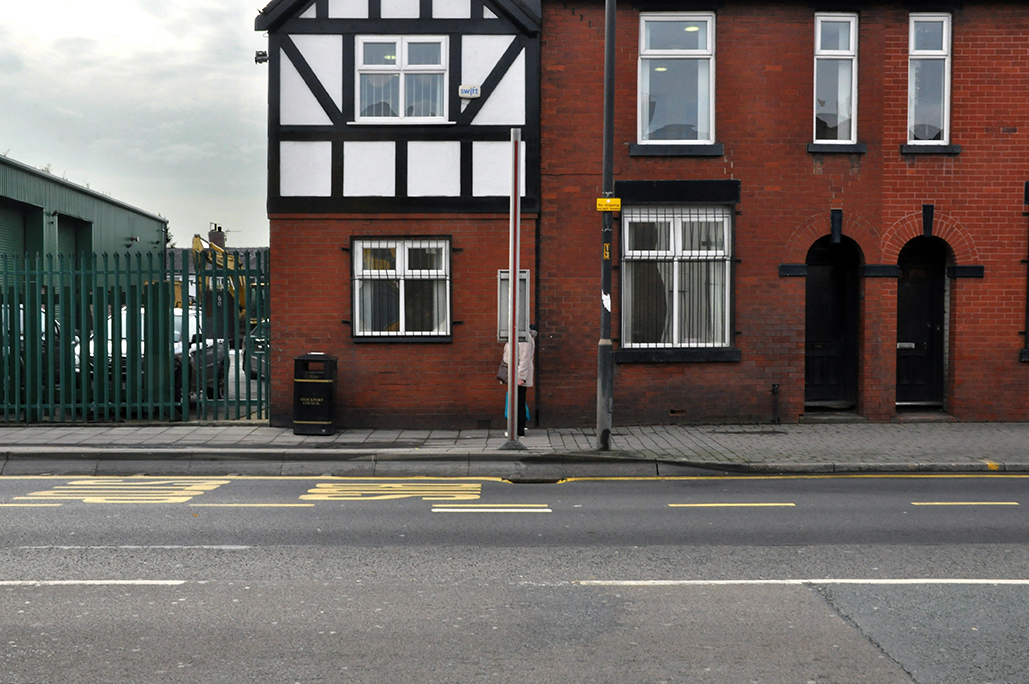
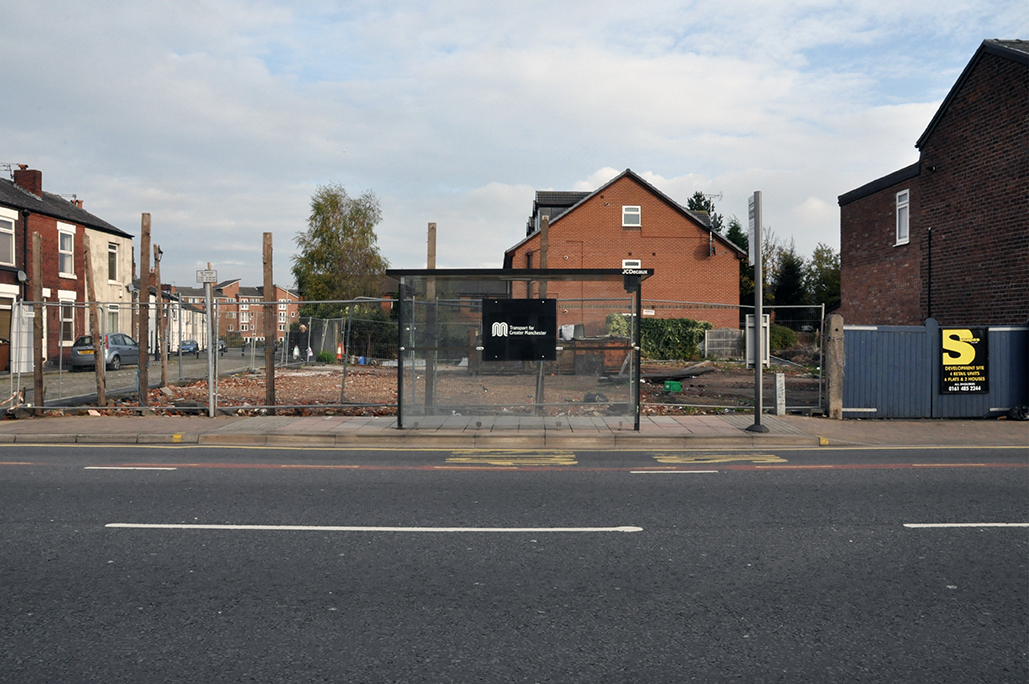
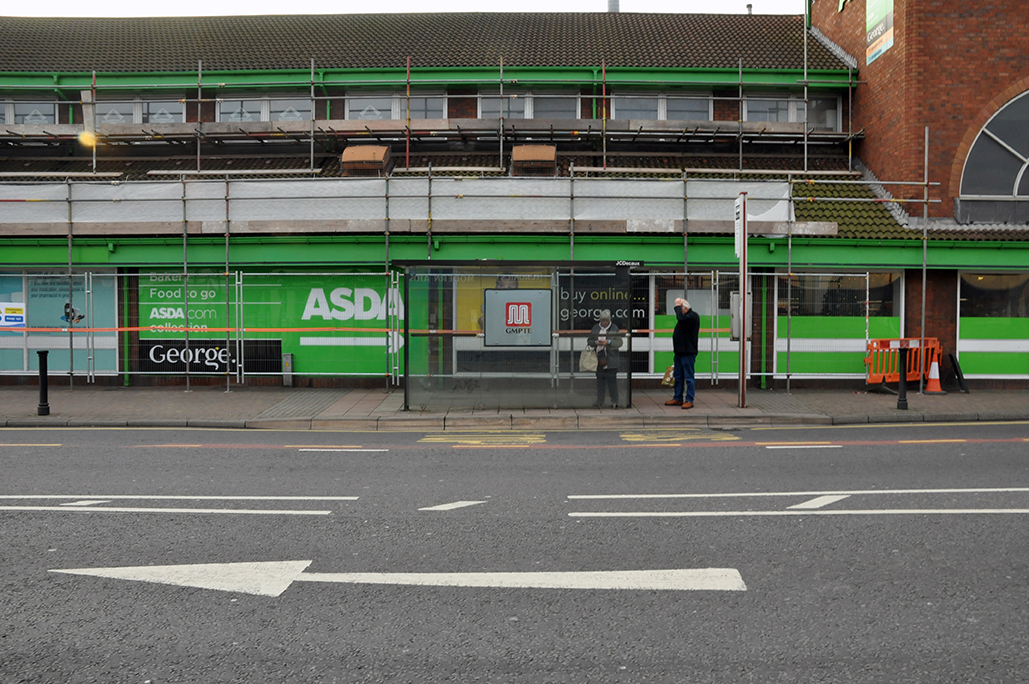
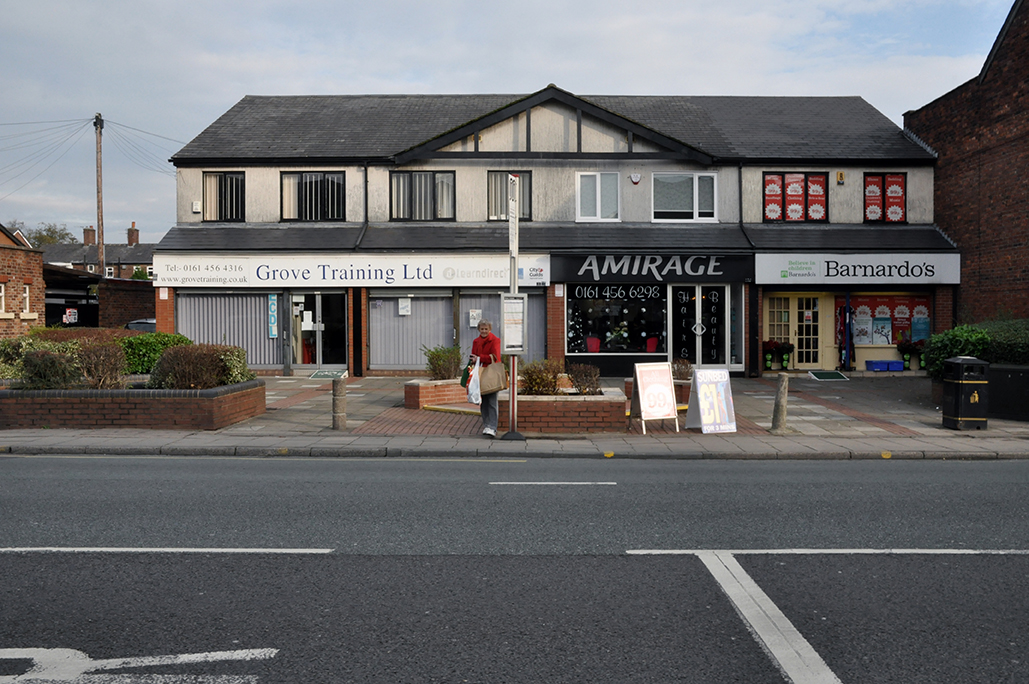
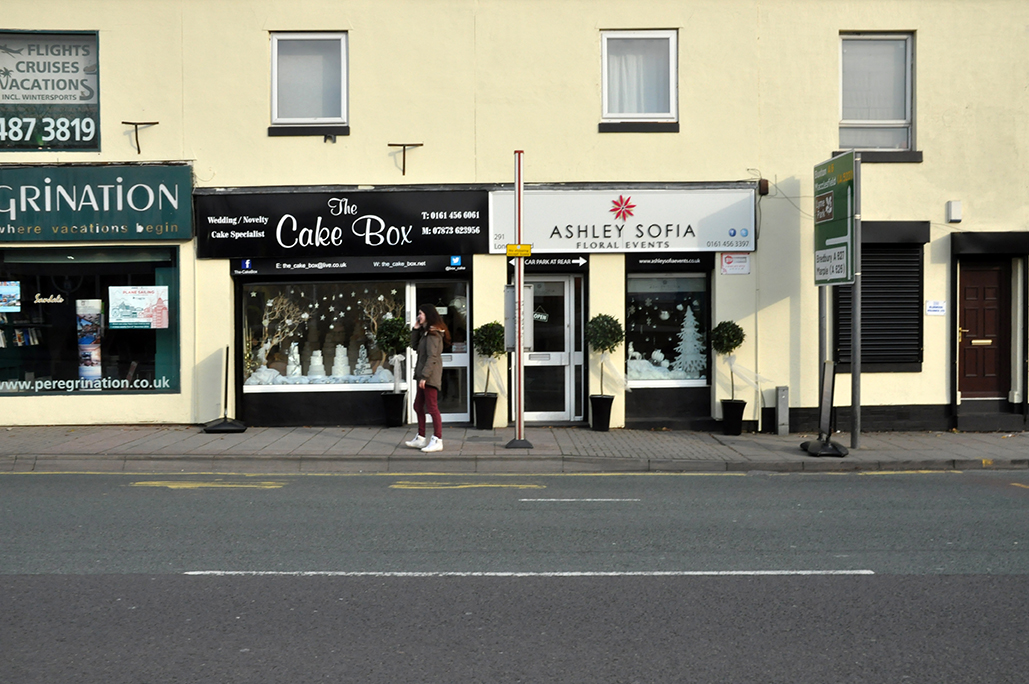
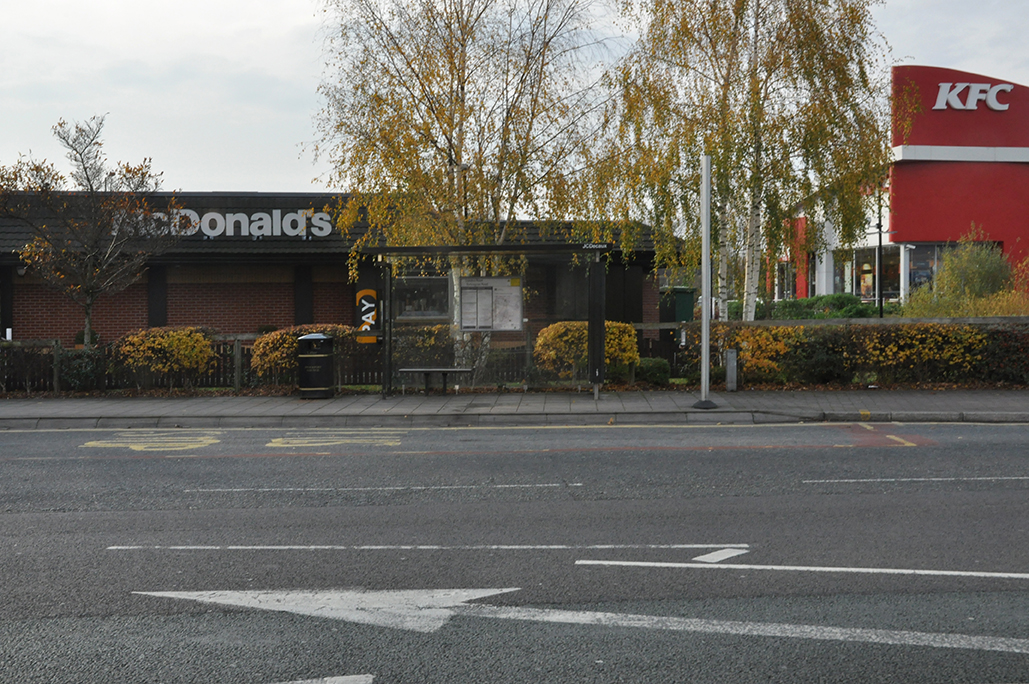
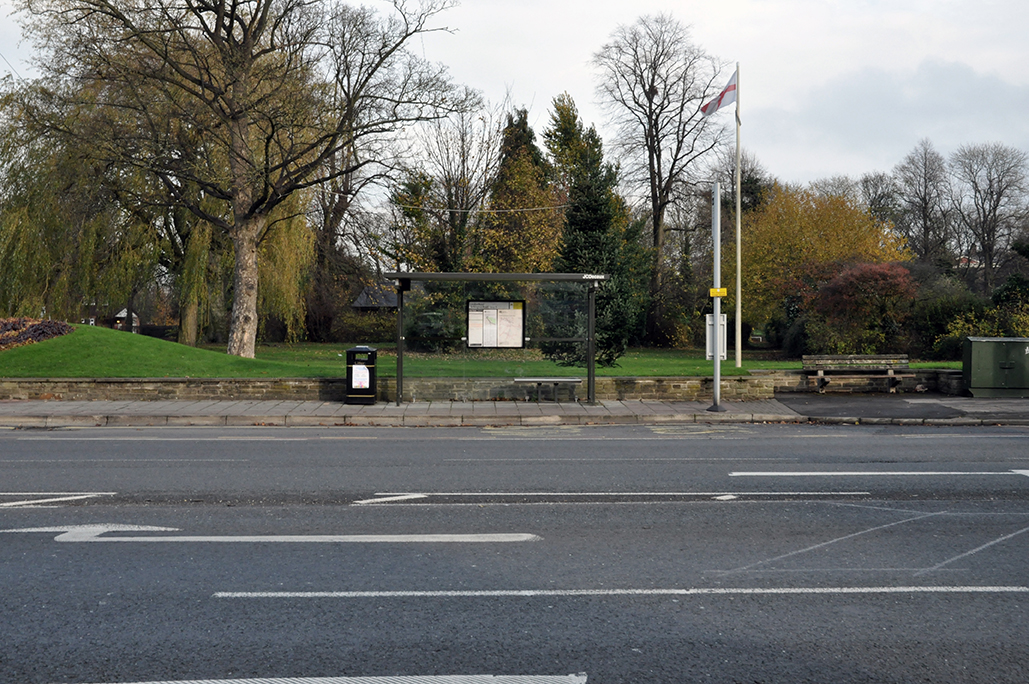
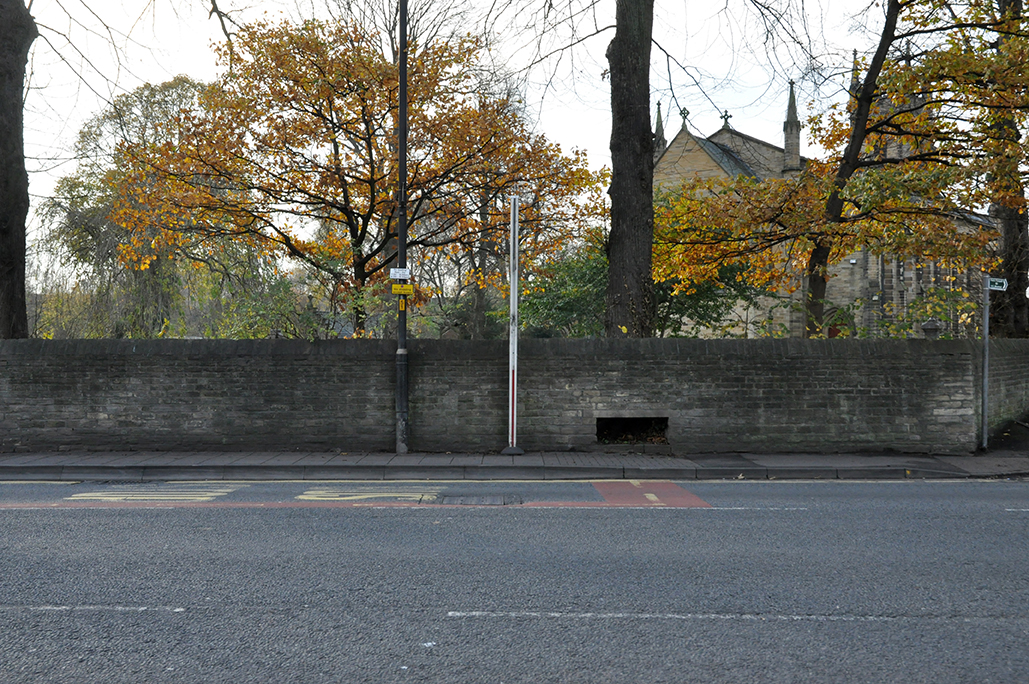
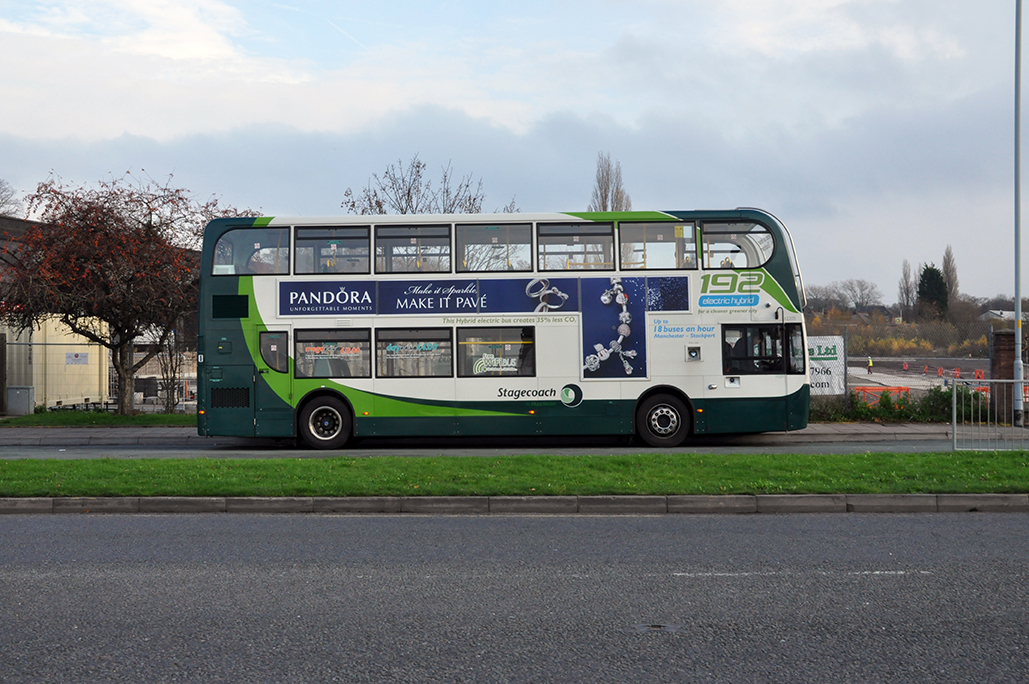
All 98 #192 Bus Stops

There there are 98 stops on the 192  route, between Manchester and Hazel Grove.

– I know because I walked them all.

Sunday morning roads relatively free of traffic.

Some stops peopled some not.

Zigzagging the A6 to record a consistent sequence.

The bus stops here.

Castle House – Sheffield

I want it.

Historic England want it.

Hopefully you and the people of Sheffield want it,

– anyway it’s listed.

http://www.historicengland.org.uk/listing/the-list/list-entry/1393220

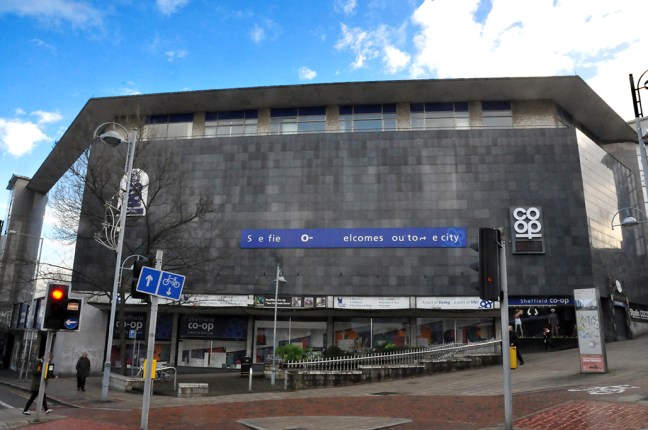
“1964 by George S Hay, Chief Architect for CWS, with interior design by Stanley Layland, interior designer for CWS. Reinforced concrete with Blue Pearl granite tiles and veneers, grey granite tiles and veneers, buff granite blocks, glass, and brick.”

The Liberal Democrat Council objected,  saying

“It could be a major barrier to regenerating Castlegate.”

http://www.sheffieldtelegraph.co.uk/what-s-on/saving-castle-house-controversial-listing-call-defended-1-453913#ixzz3sL3p5RAP

There is now the possibility of redevelopment as a creative hub.

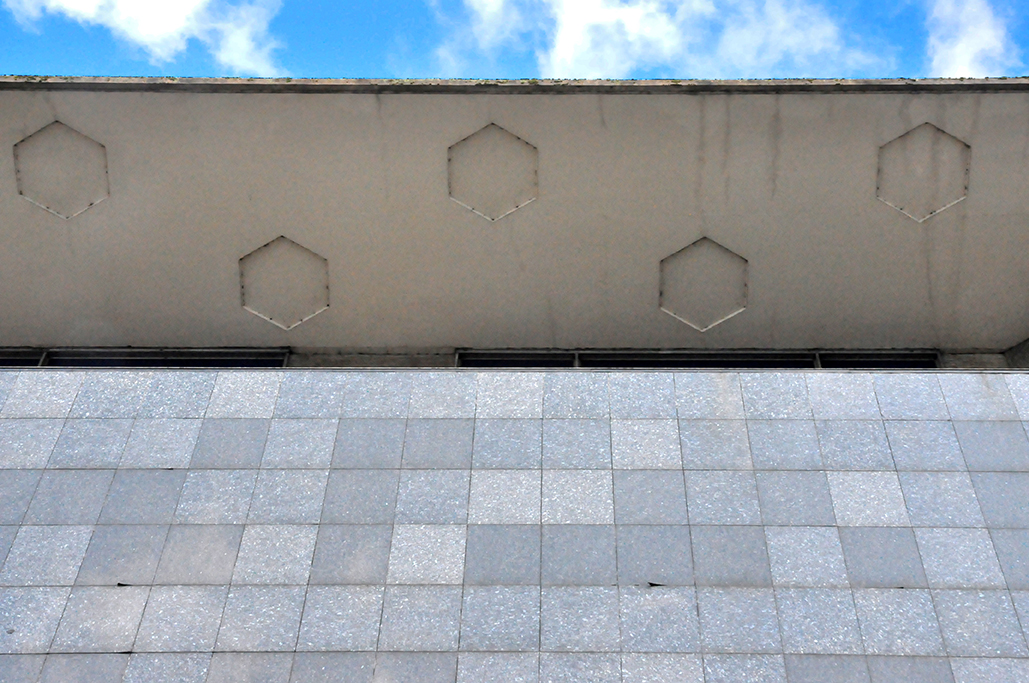
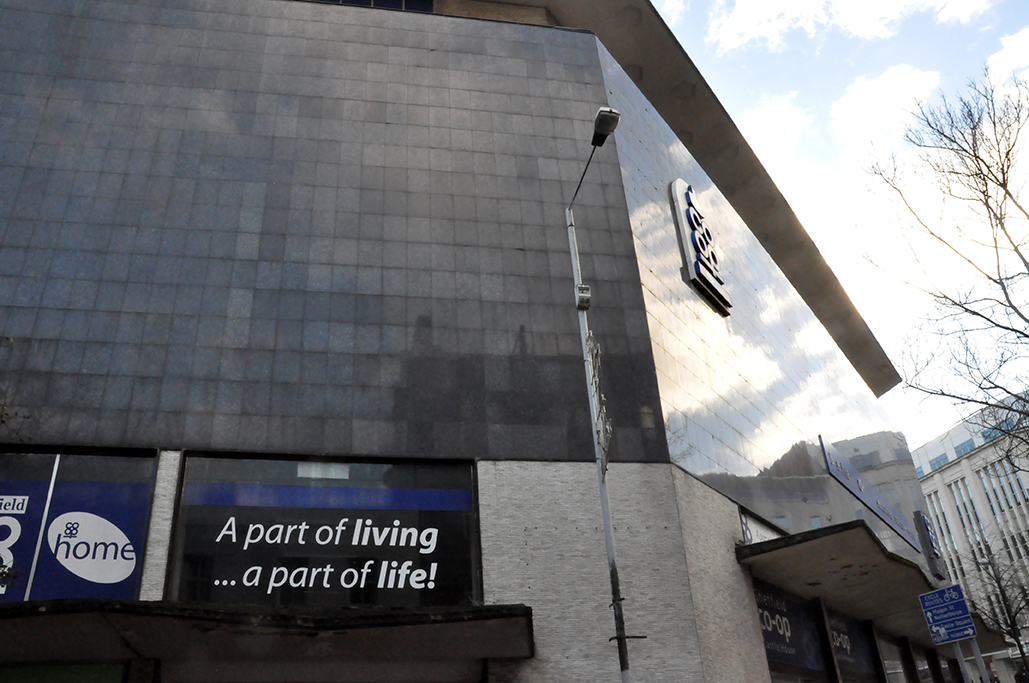
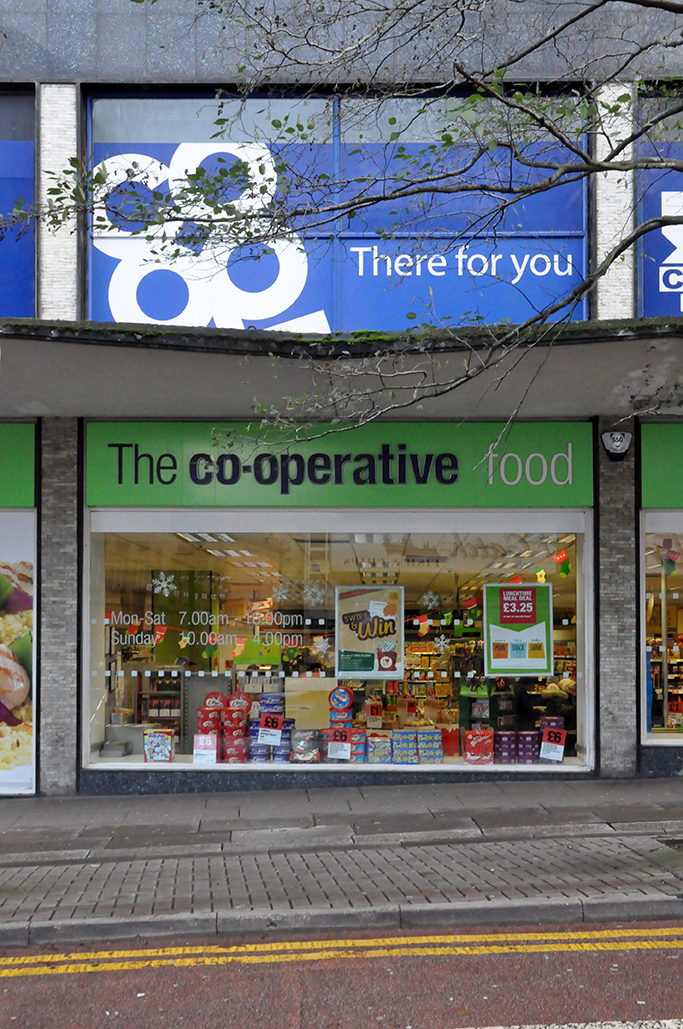
It was a Co-op on the grandest of scales.

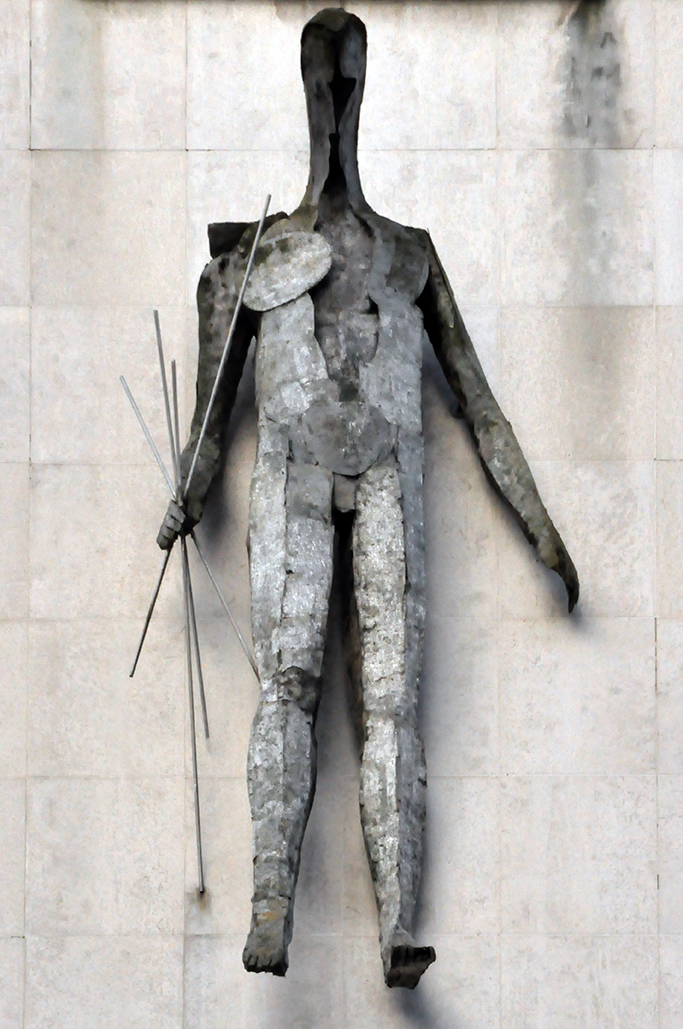
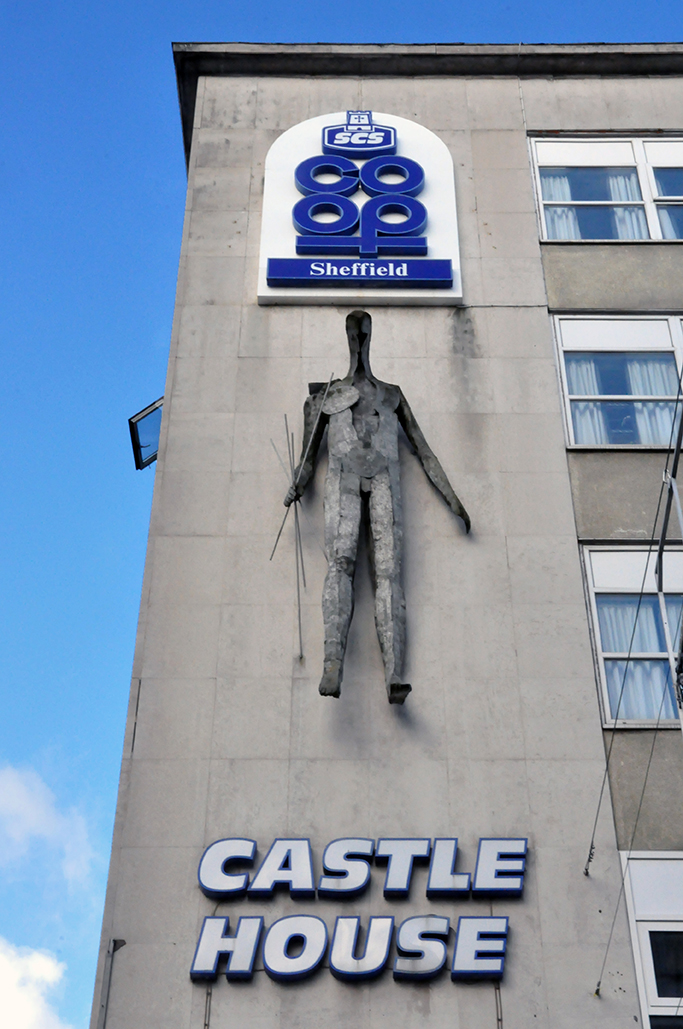
It has it all, public art, monolithic proportions and finish, bags of detail and scale in abundance. A fascinating building to explore and certainly one that fills my little heart with joy in superabundance

A building of period distinction, it deserves its preservation.

We do not require another patch of steel and wilfully wayward clad nowheresville non- architecture, replete with aspirational retail agogo.

Go see it soon!

Hastings – Arthur Green’s

Facing happily out to sea, hard by Hastings promenade, sits Arthur Green’s, former menswear shop of some considerable distinction. Currently operating as an antiques centre, the whole of the perfectly preserved, period interior is now listed by English Heritage.

A mosaic porch and glass lined vestibule, invite you into a palace of dark hardwood fittings, capacious drawers, glass fronted cabinets, and an ornately carved cashiers booth, all topped off and lit by crystal chandeliers.

Few such example still exist intact, their contents usually ripped out, ripped off and reinstalled in chi-chi overpriced, cosmopolitan boutiques – suits you sir?

I think not!

My thanks to the helpful and patient staff who informed and facilitated my mooching.

Take a walk along the front – pop in.

P1020506 copy

P1020523 copy

P1020510 copy

P1020521 copy

P1020522 copy

P1020526 copy

P1020512 copy

P1020511 copy

P1020520 copy

P1020508 copy

P1020529 copy

P1020518 copy

P1020509 copy

P1020530 copy

P1020505 copy

P1020515 copy

P1020507 copy

P1020516 copy

P1020514 copy

P1020513 copy

P1020528 copy

The Wash Inn – Hastings

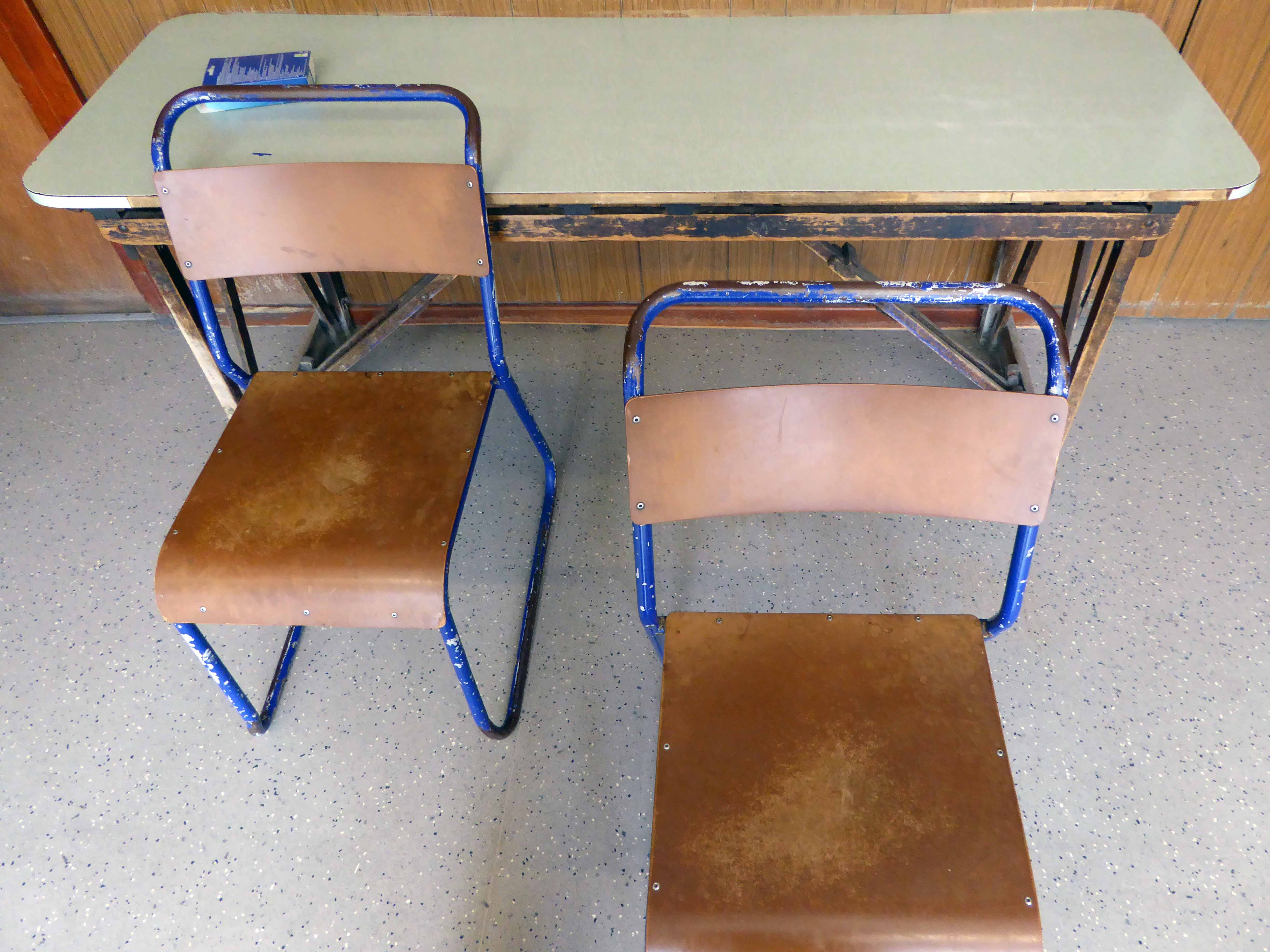
Standing alone in an unattended laundrette can be a chilling experience, a heightened state of awareness abounds, accentuating that all pervasive absence of presence.

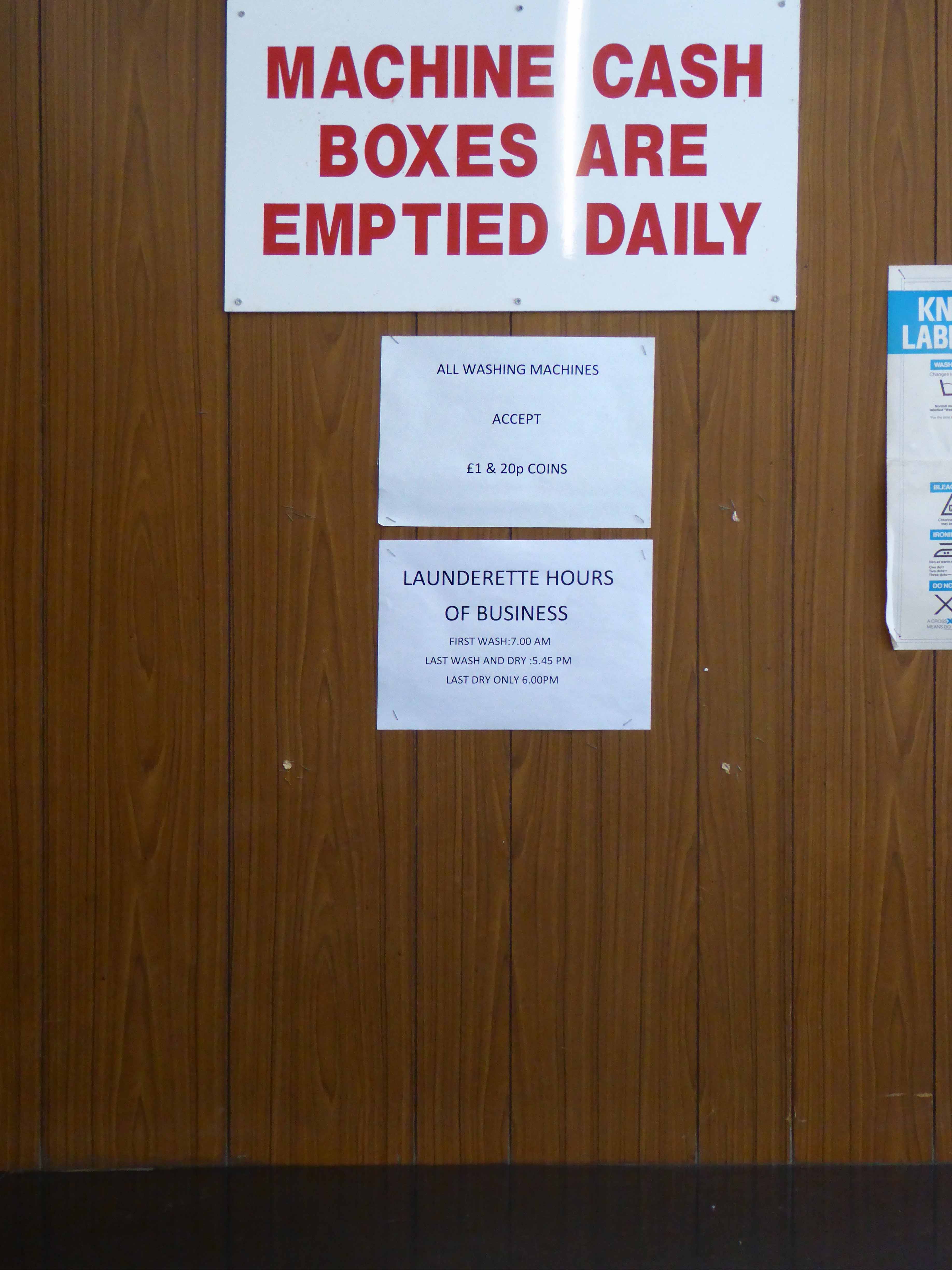
The unseen hand, that write the notes, that speak to you in emphatic hurried caps, pinned or taped precisely on the walls.

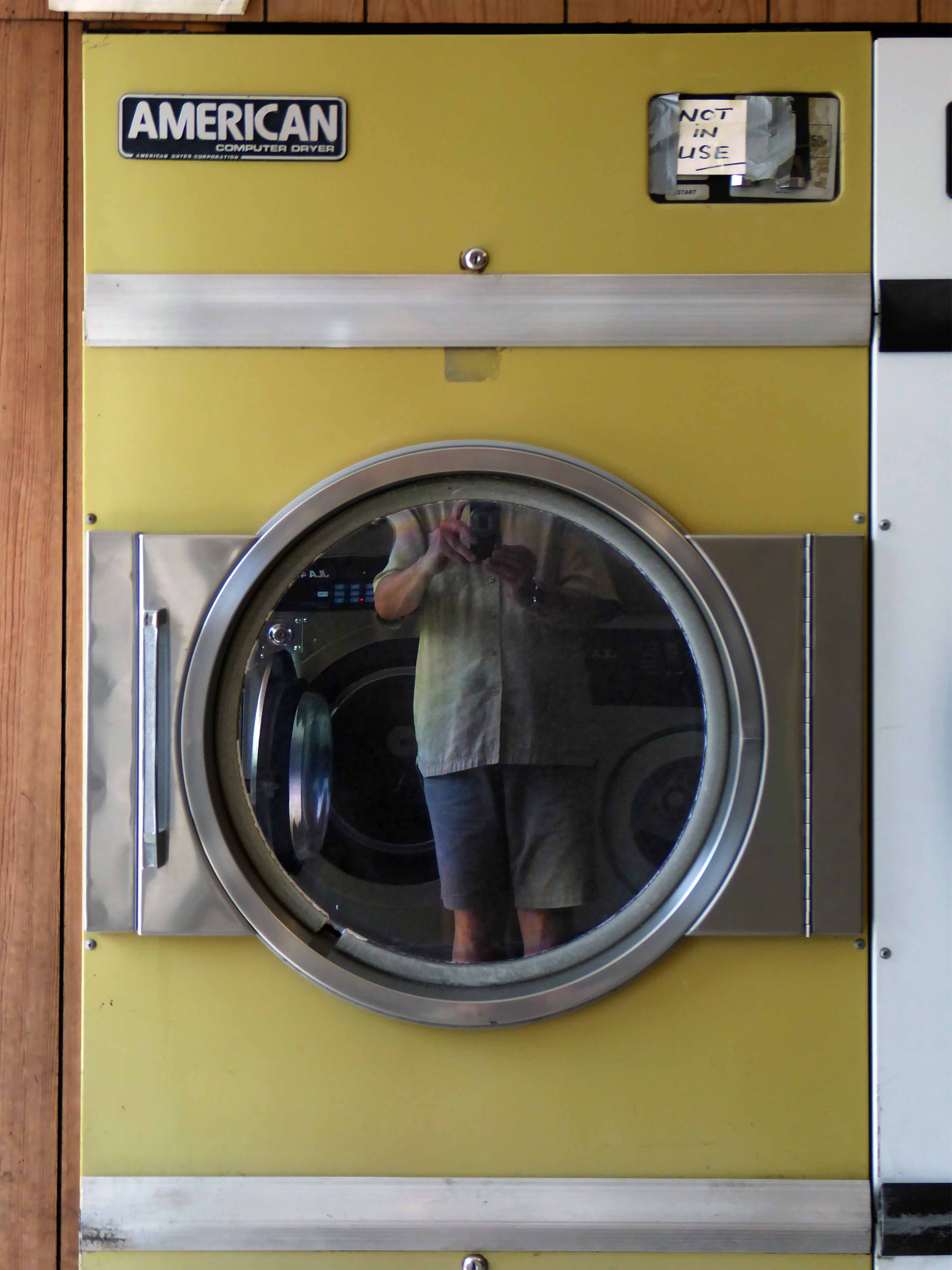
The ghosts of clothes, still warm, now gone.

A Proust defying amalgam of aromas, that almost fills the air.

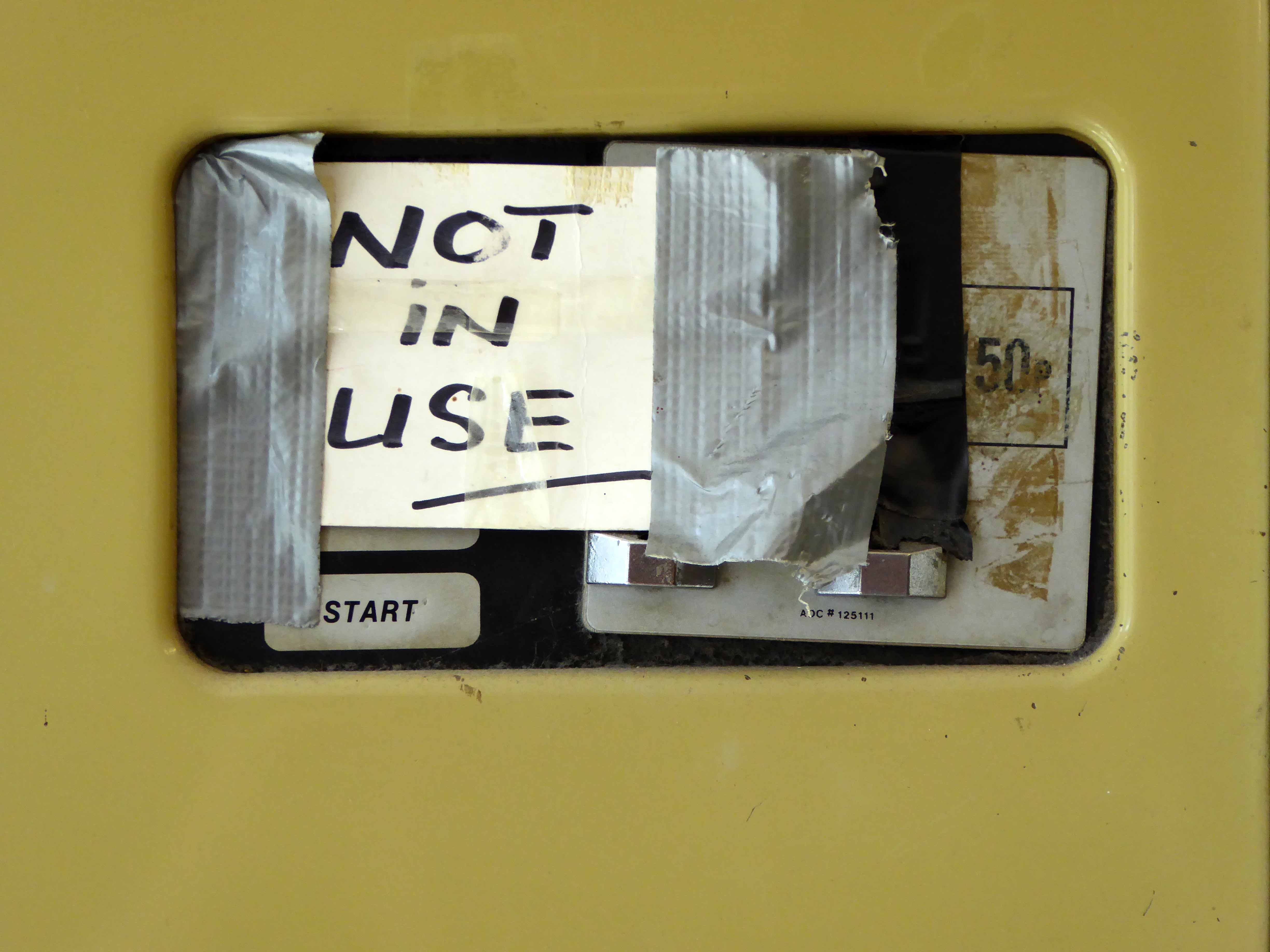
Just you and a series of slots, demotic instructions, care worn utilitarian surfaces and time.

Wash Inn get out.

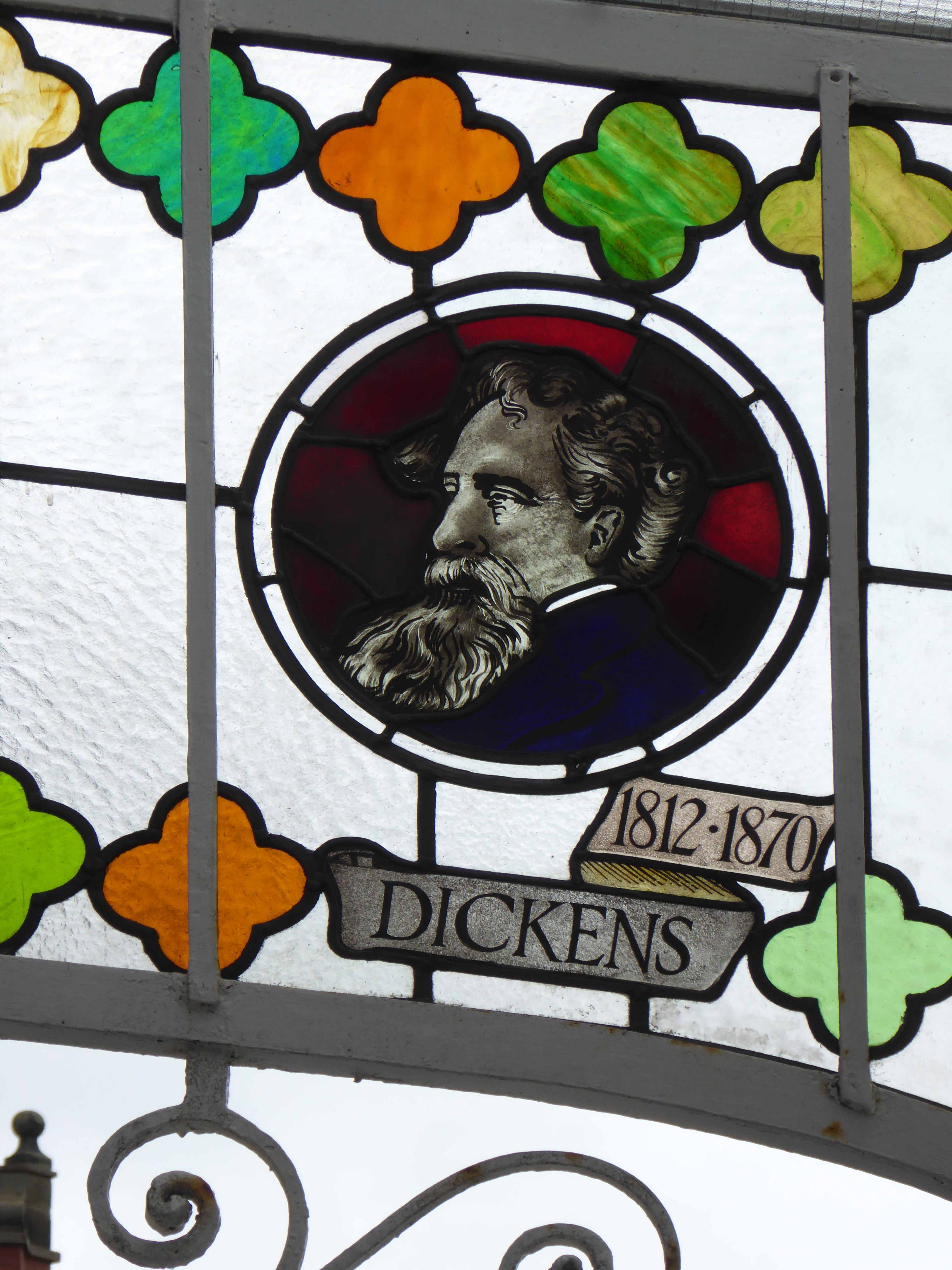
Llanidloes – Shopfronts

In the heart of Wales, former centre of the flannel industry, stands Llanidloes.

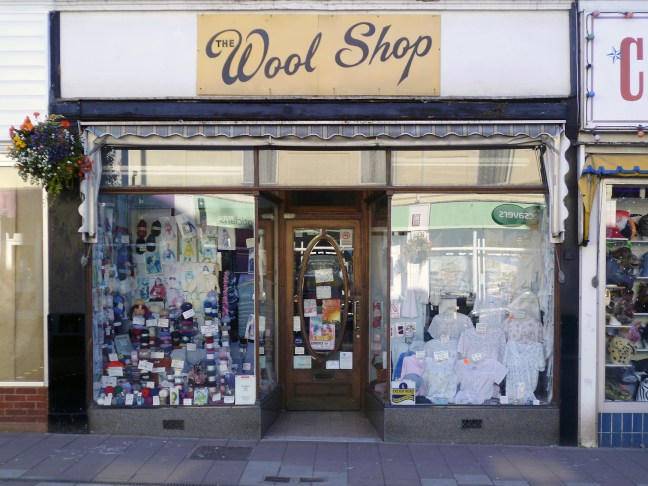
Through civic pride, love and local doggedness, the decorative shopfront prevails unabashed.

The finest selection of carved and moulded wooden filigree, hand painted signs, large open panes, tile work and the odd suspended folk-art sheep, adorn substantial Victorian properties, rich in the market town tradition of controlled opulence. A varied typology, the majority continuing to trade, the odd domestic conversion retaining its retail characteristics, whilst maintaining its modesty, behind tightly drawn net curtains.

Go take a look.
P1070185 copy

P1070187 copy

P1070188 copy

P1070190 copy

P1070197 copy

P1070198 copy

P1070199 copy

P1070205 copy

P1070206 copy

P1070207 copy

P1070208 copy

P1070224 copy

P1070225 copy

P1070227 copy

P1070228 copy

P1070229 copy

P1070230 copy

P1070231 copy

P1070232 copy

P1070233 copy

P1070234 copy

P1070235 copy

P1070236 copy

P1070238 copy

P1070239 copy

P1070240 copy

P1070241 copy

P1070242 copy

P1070243 copy