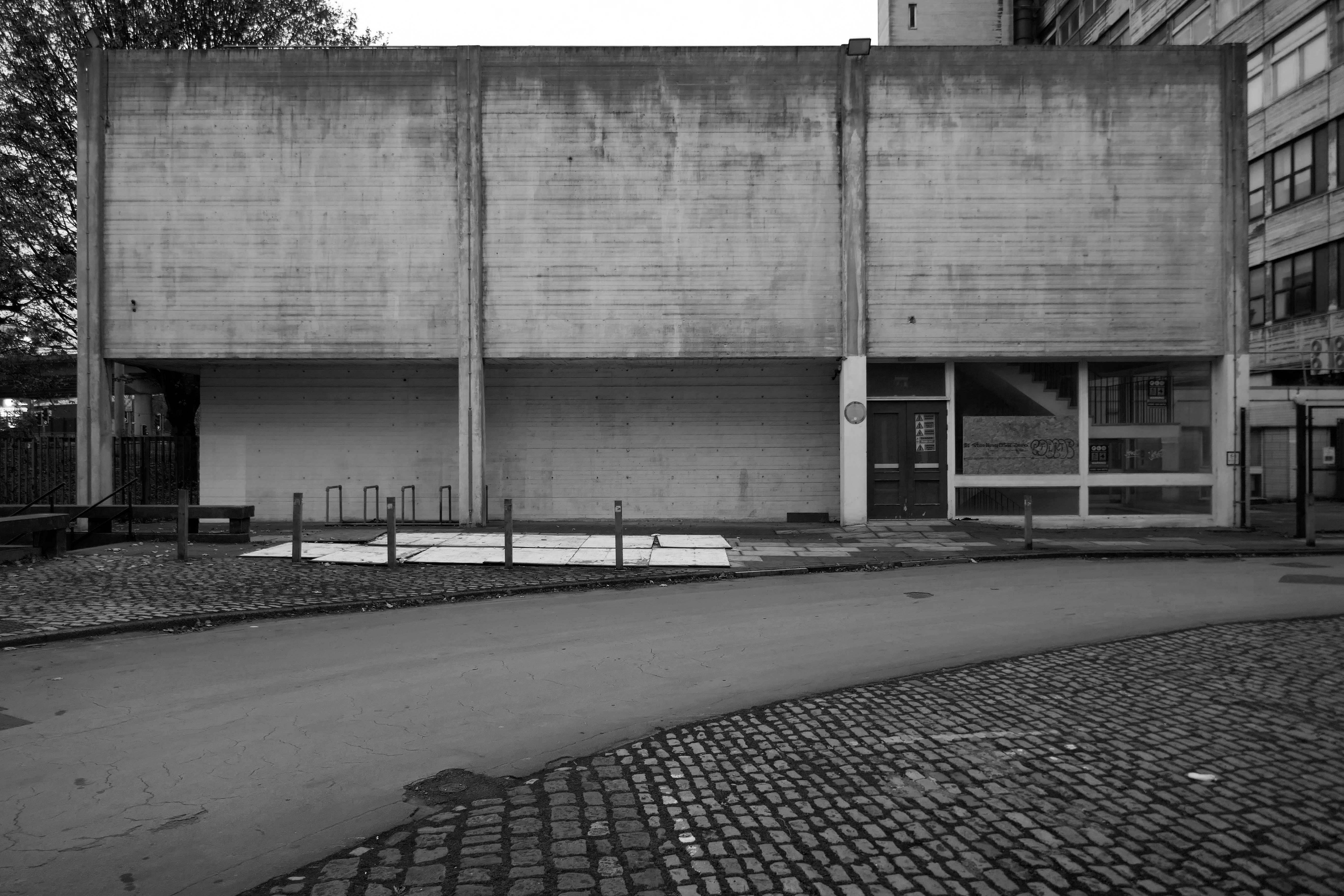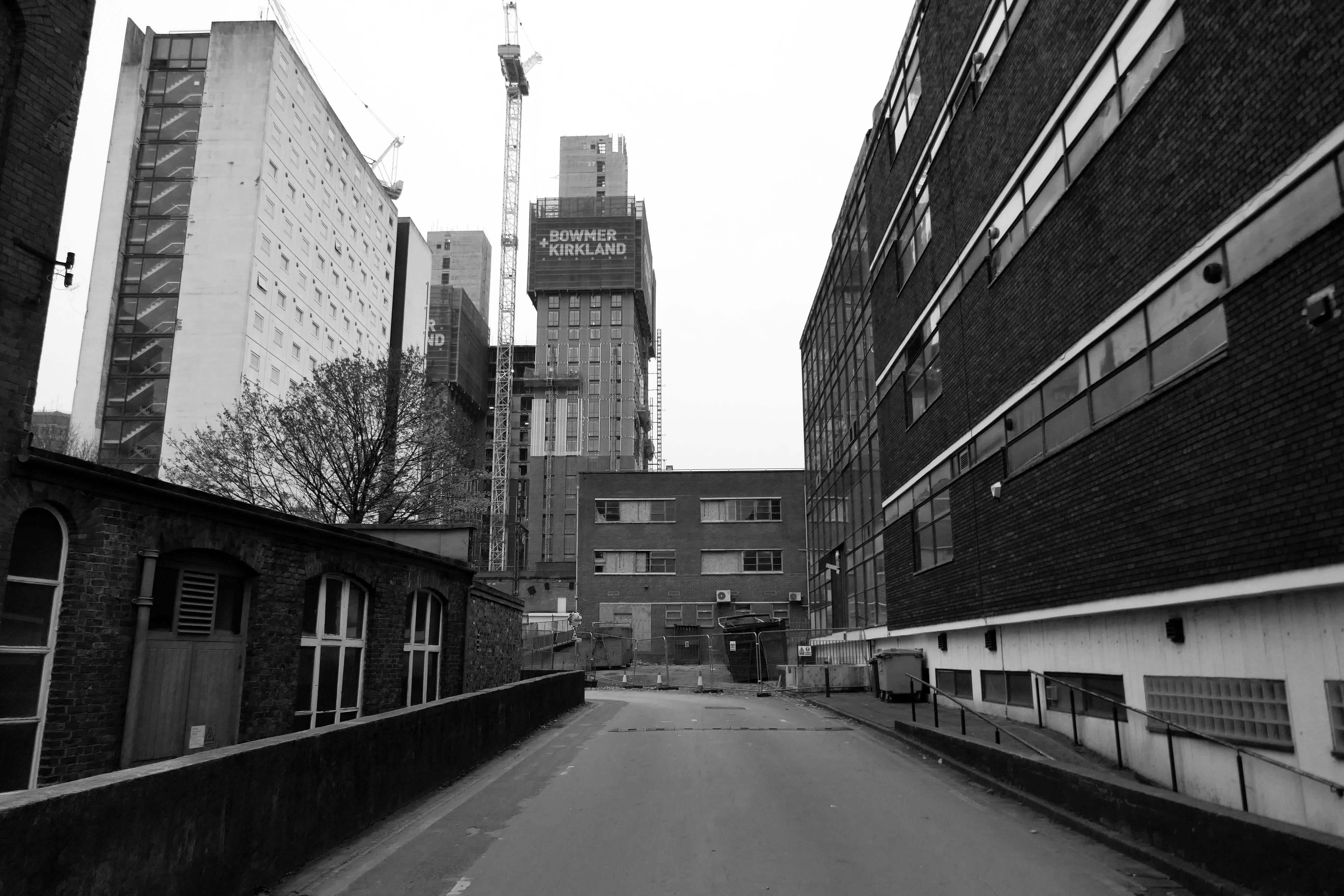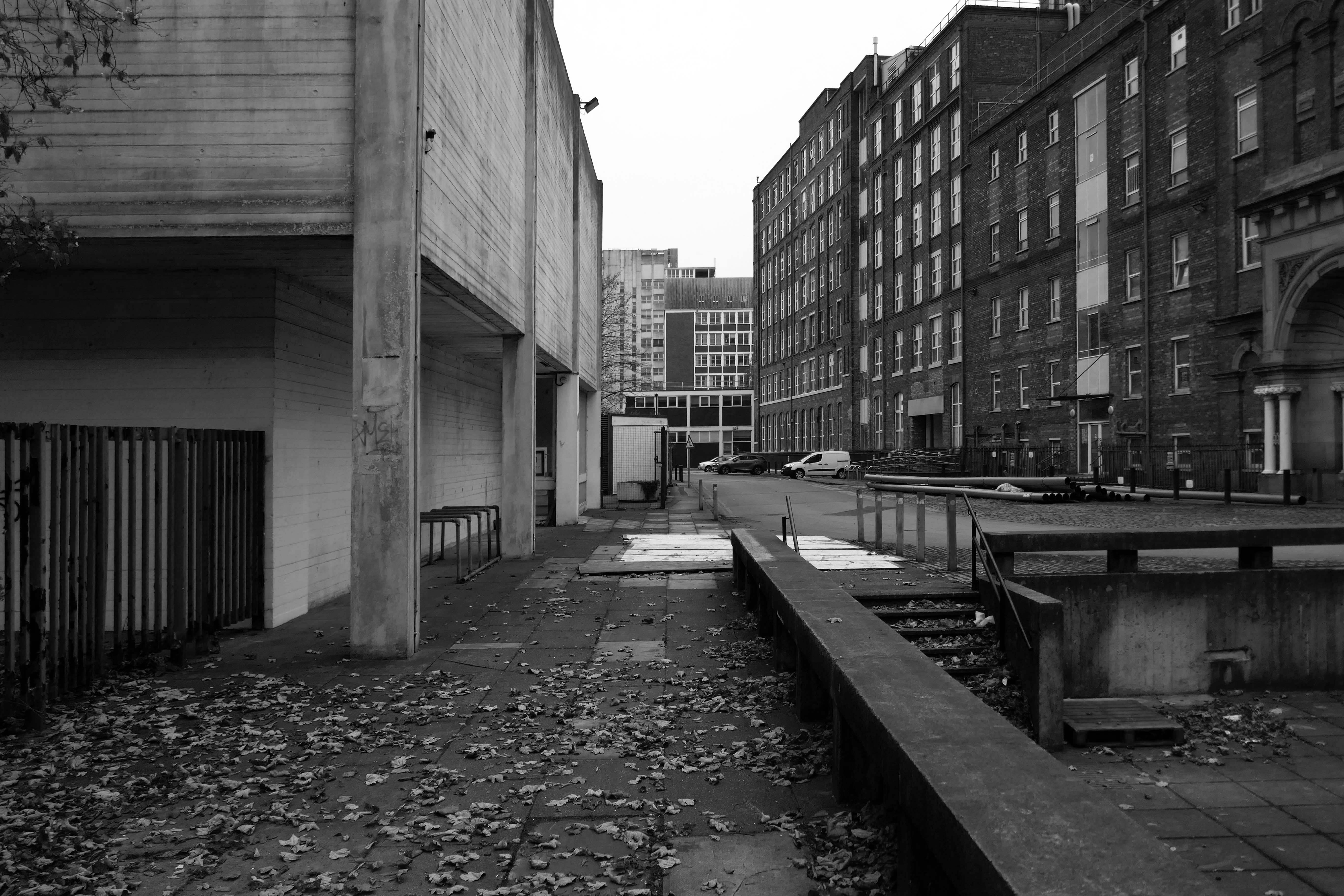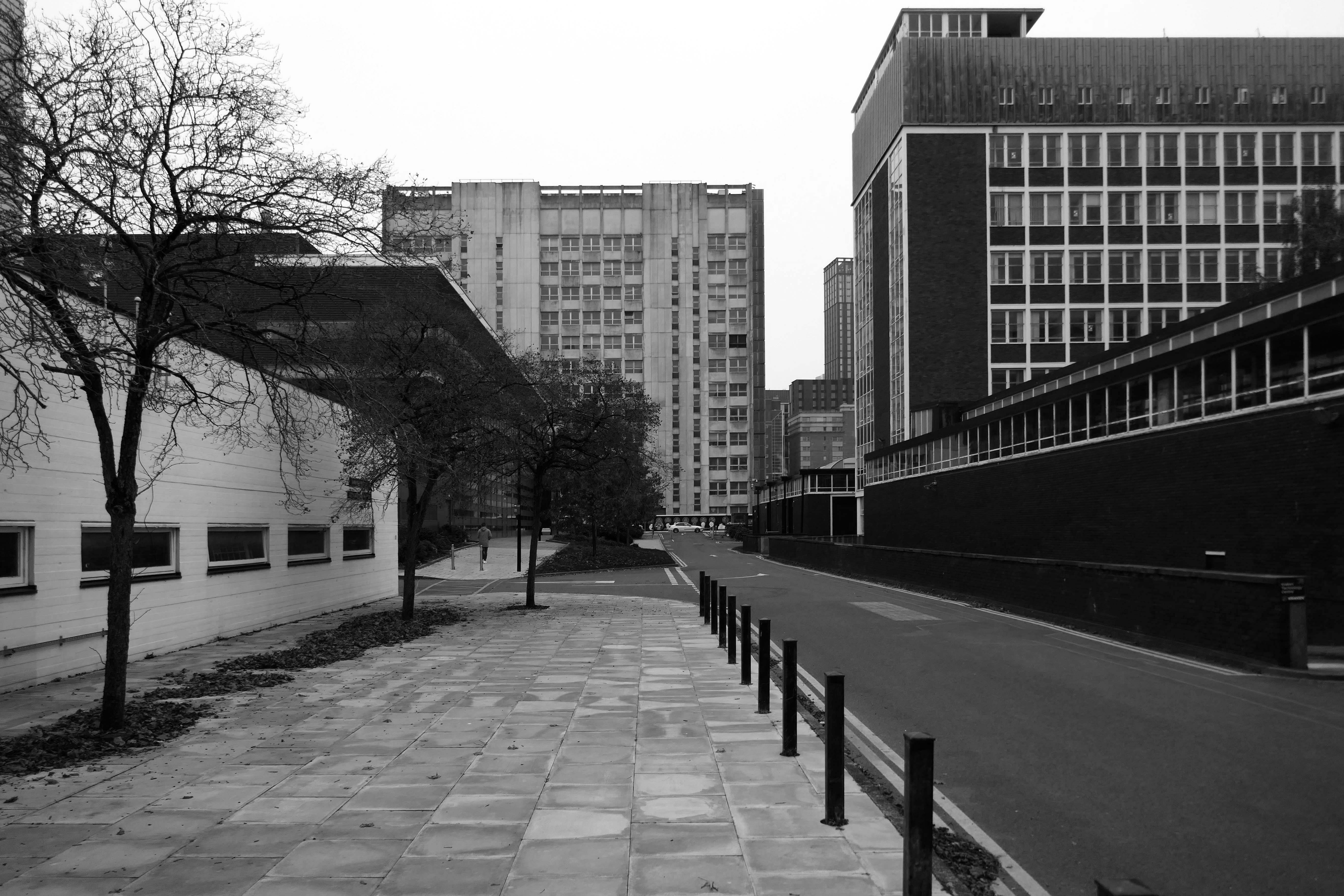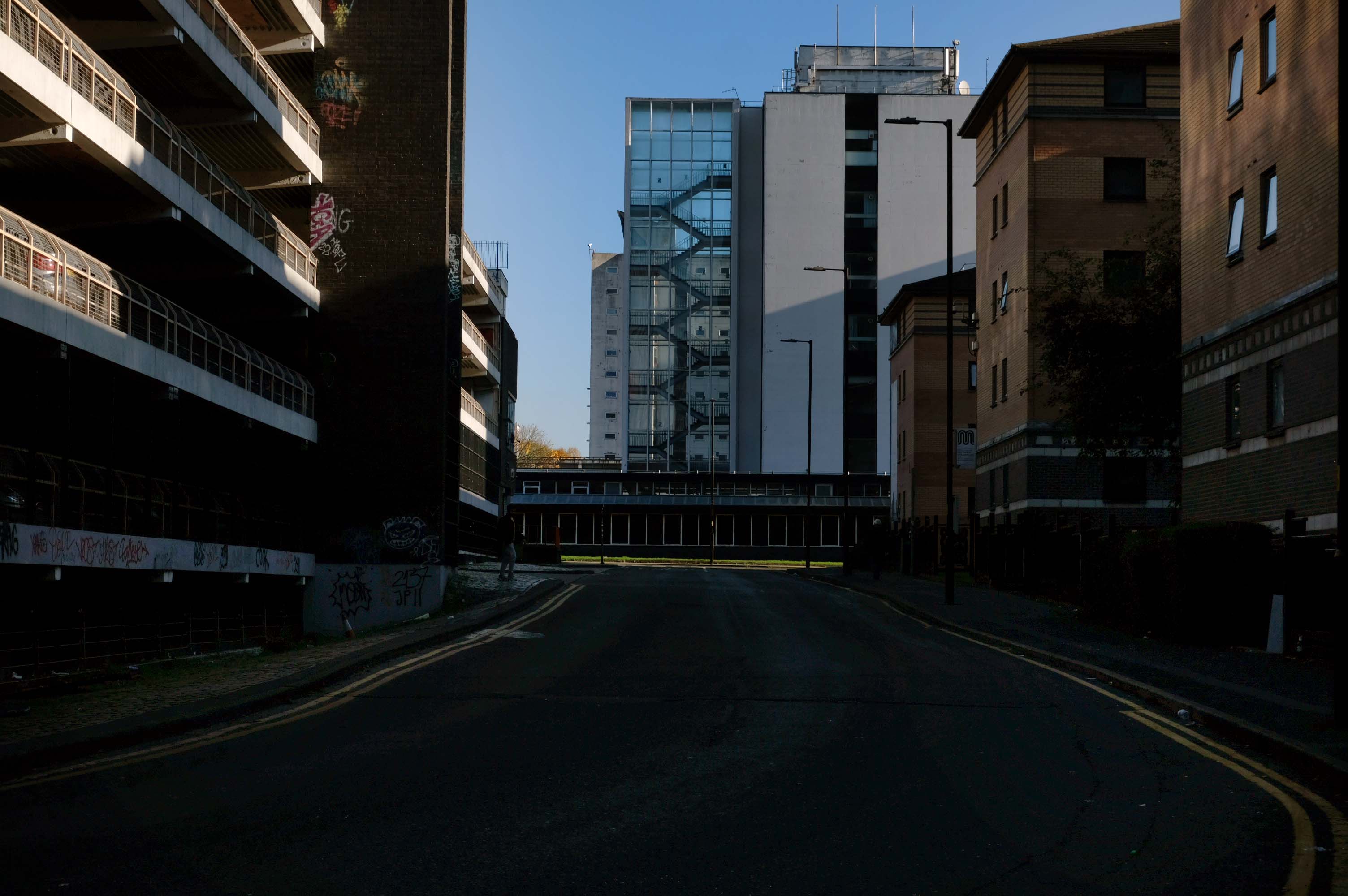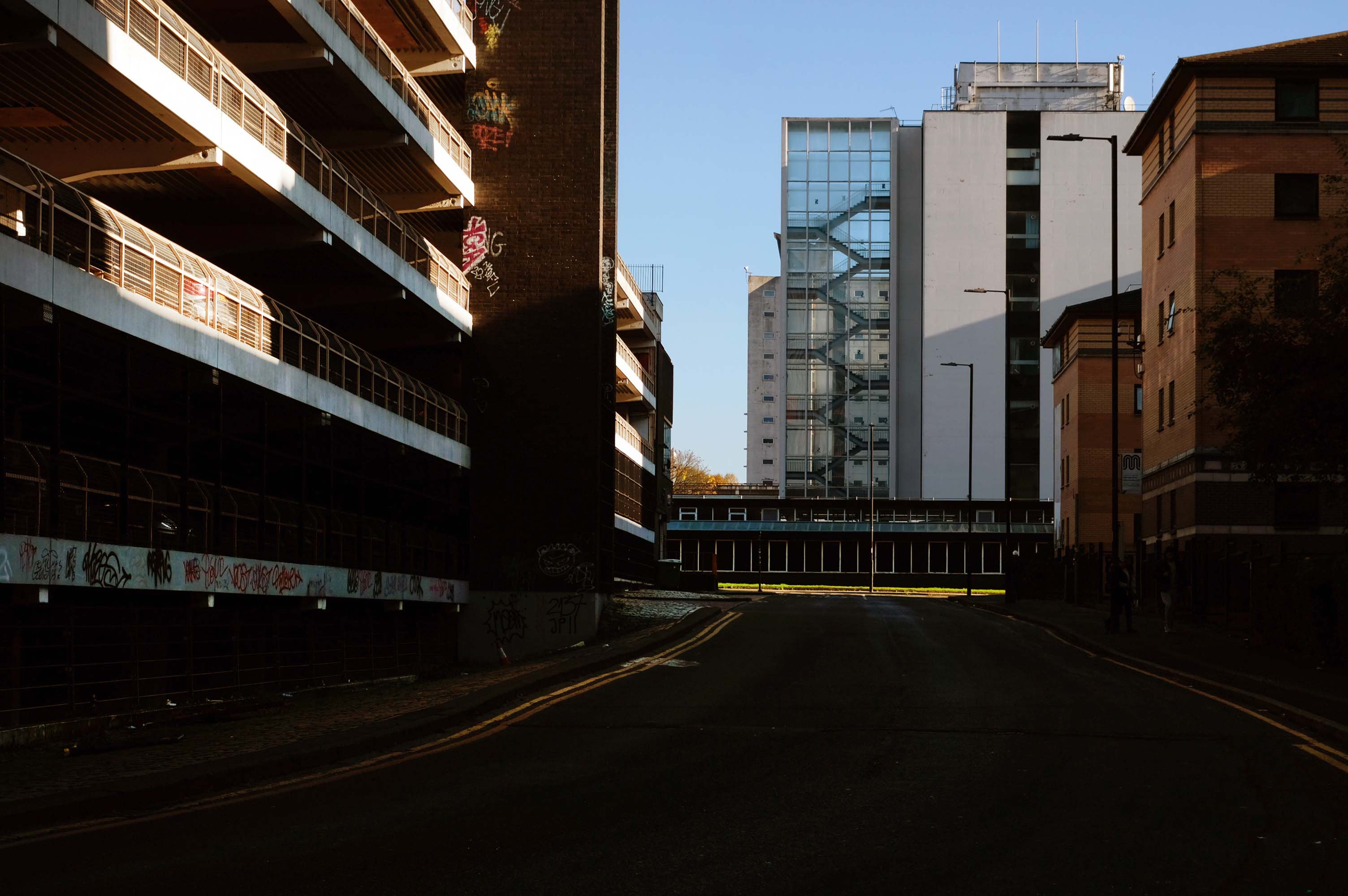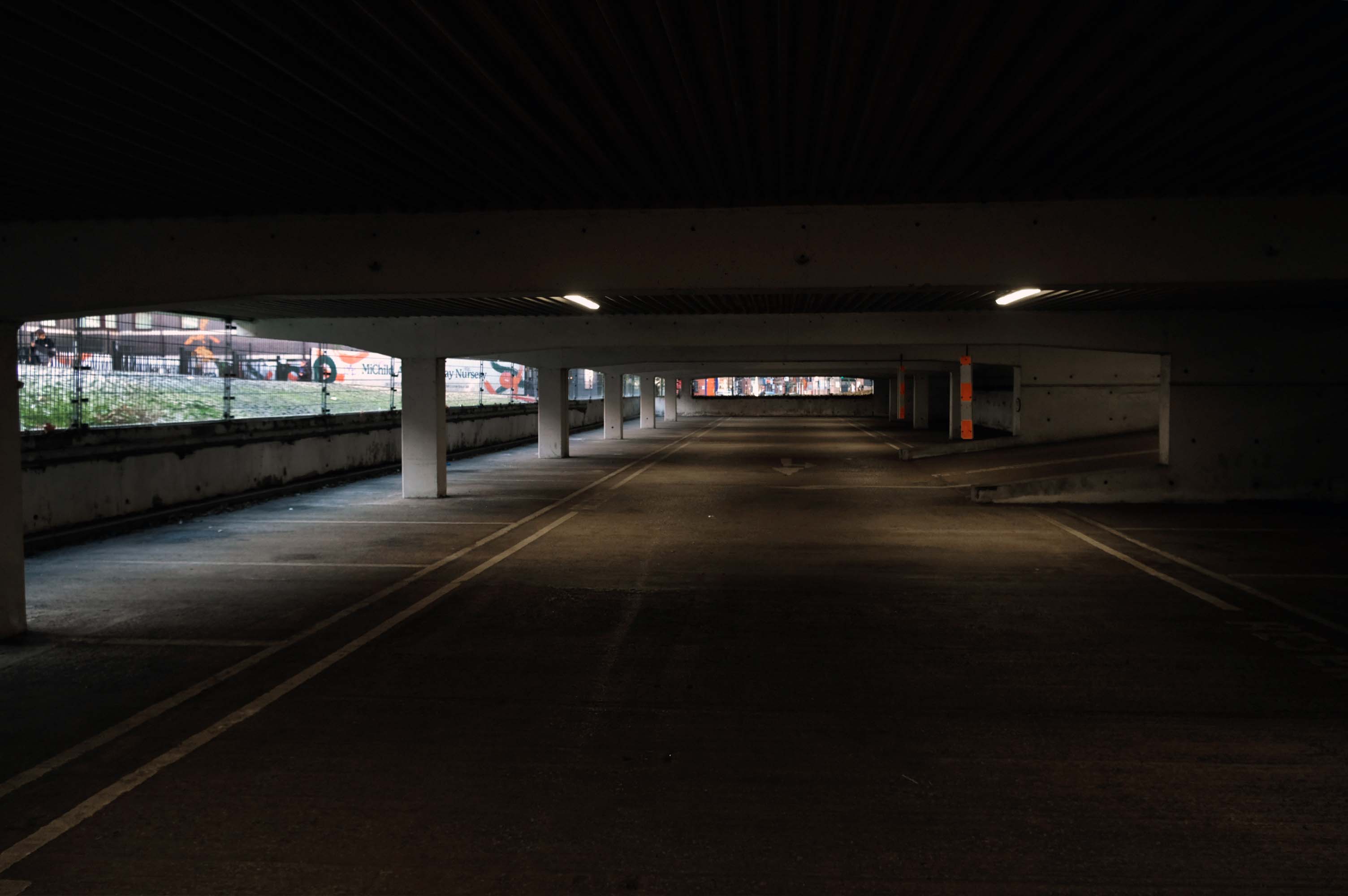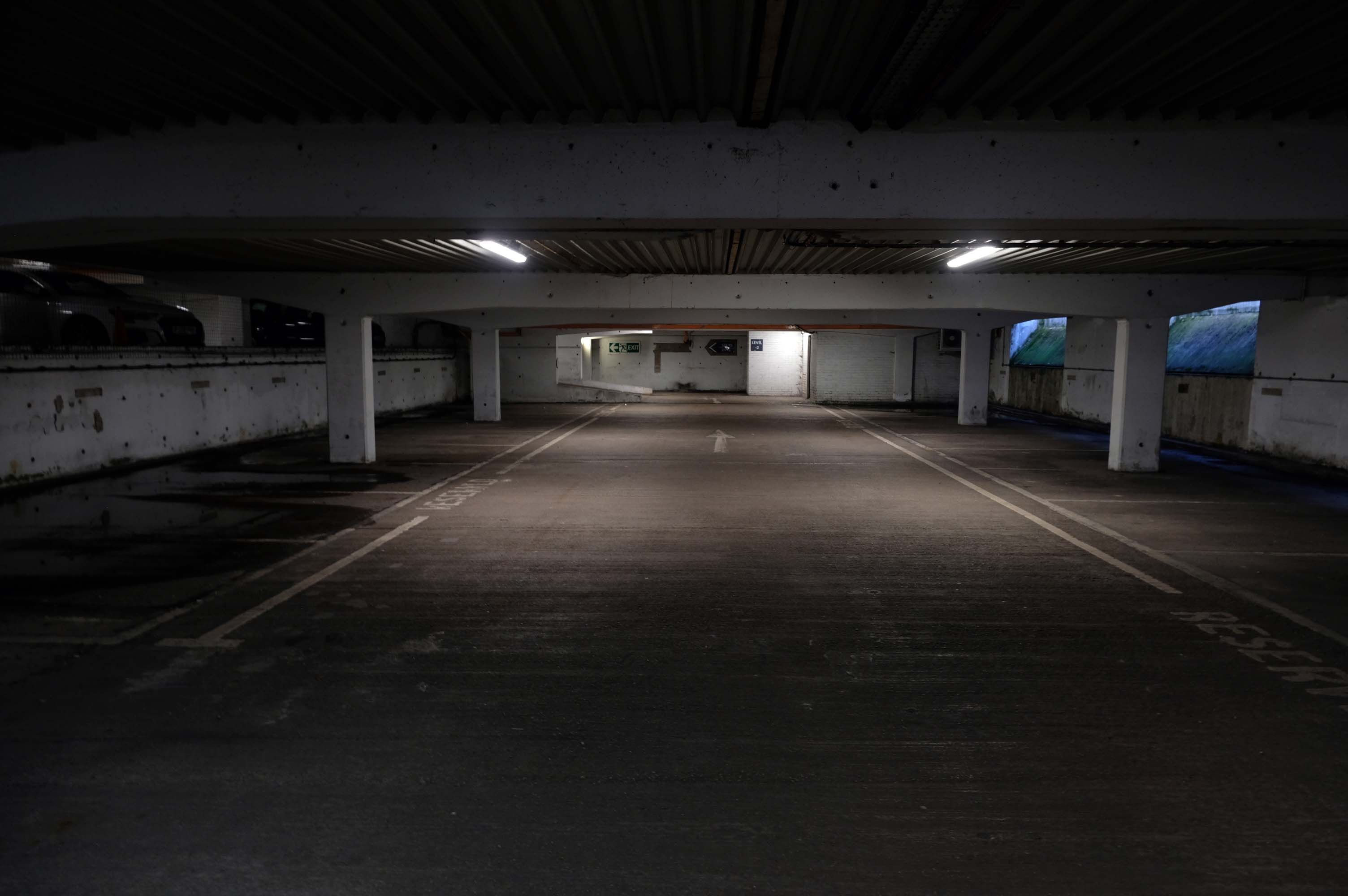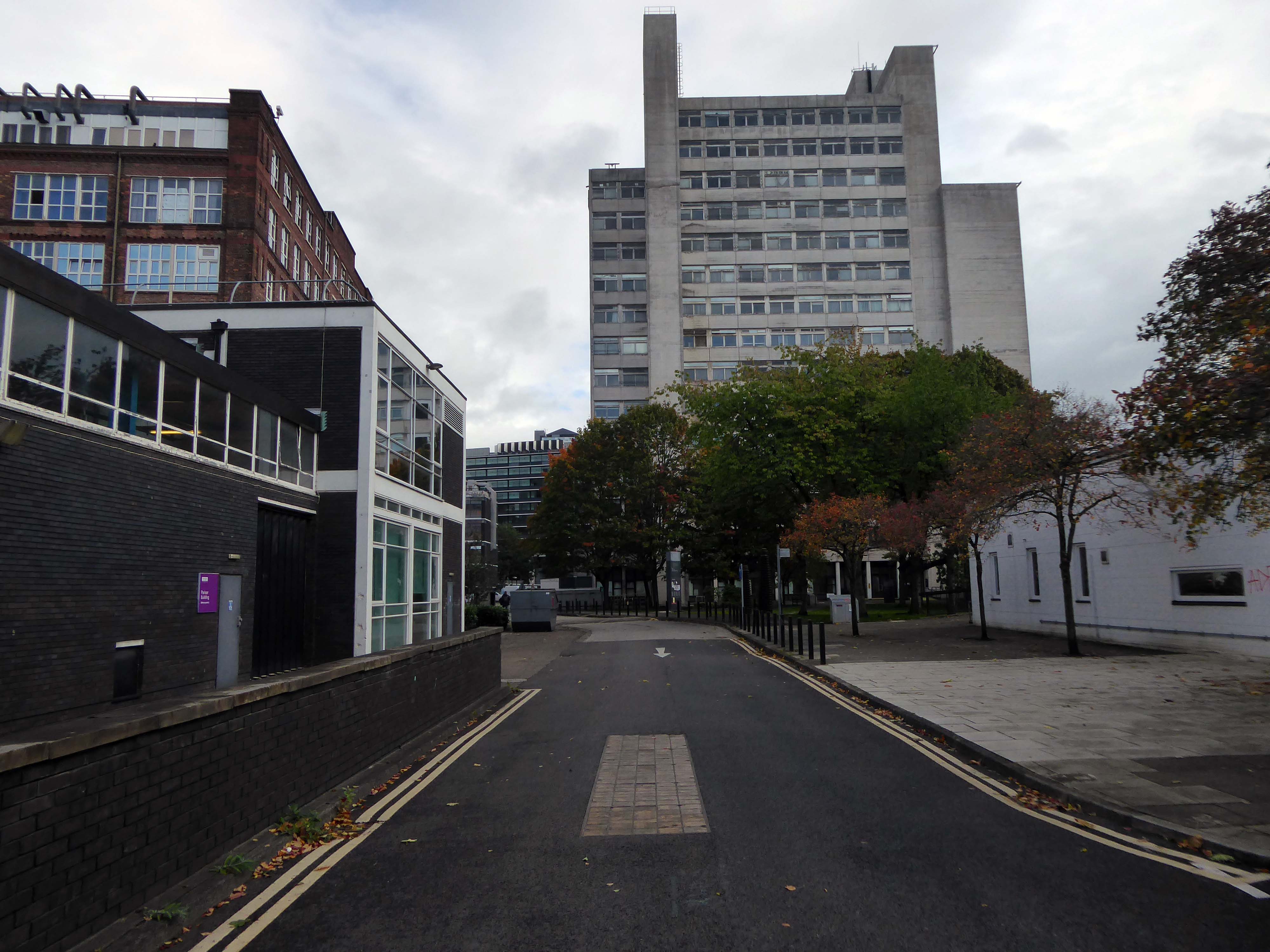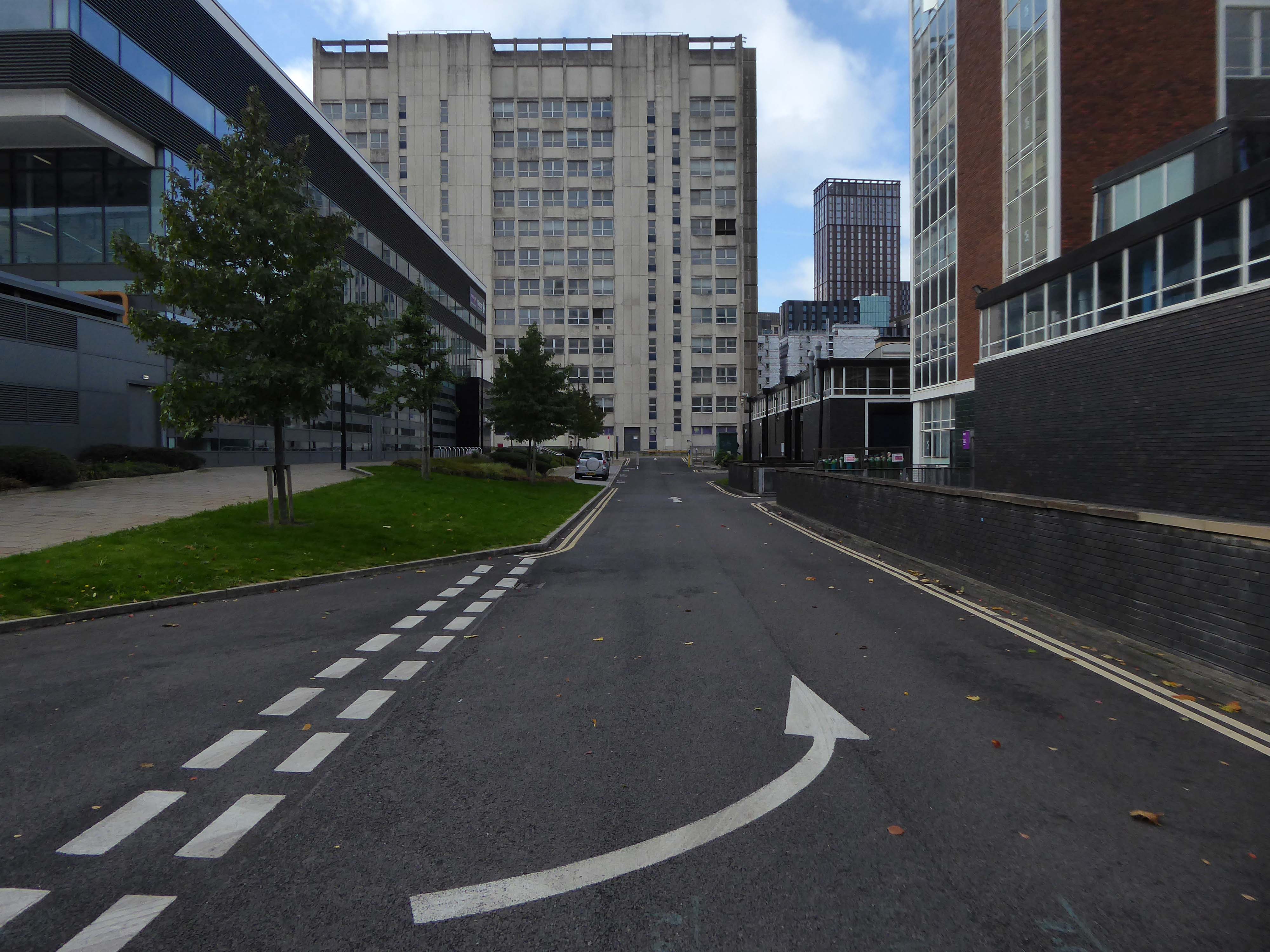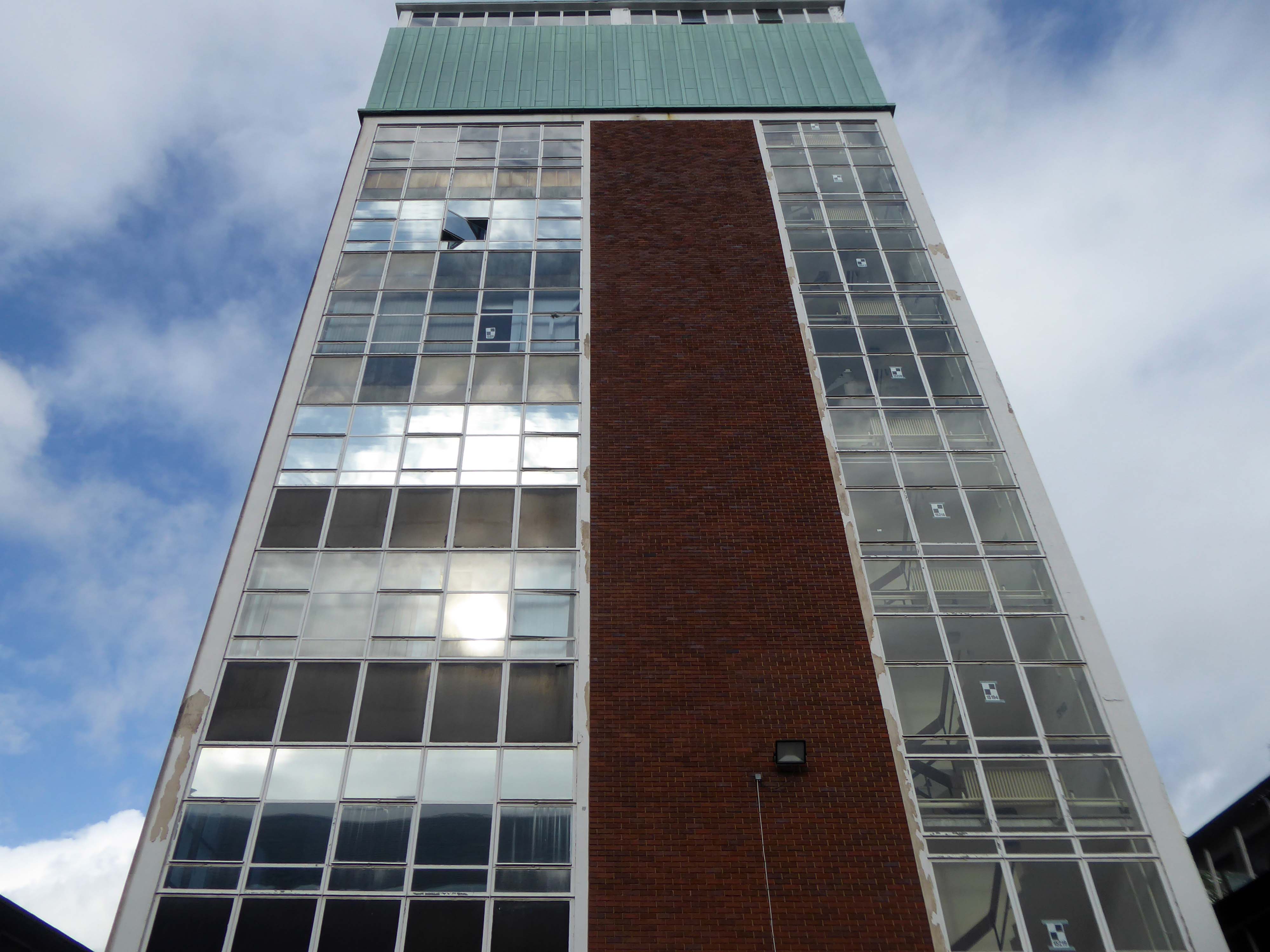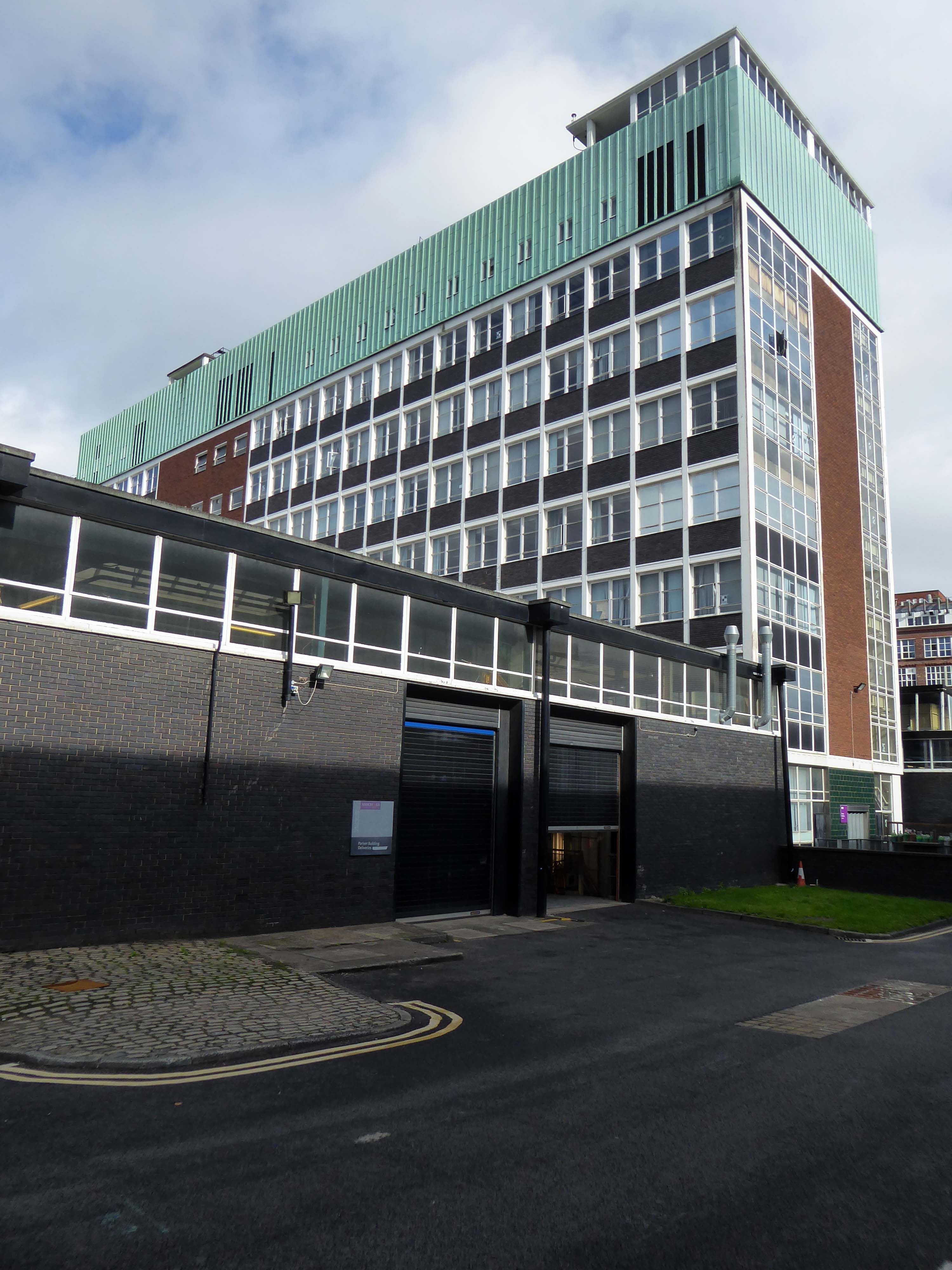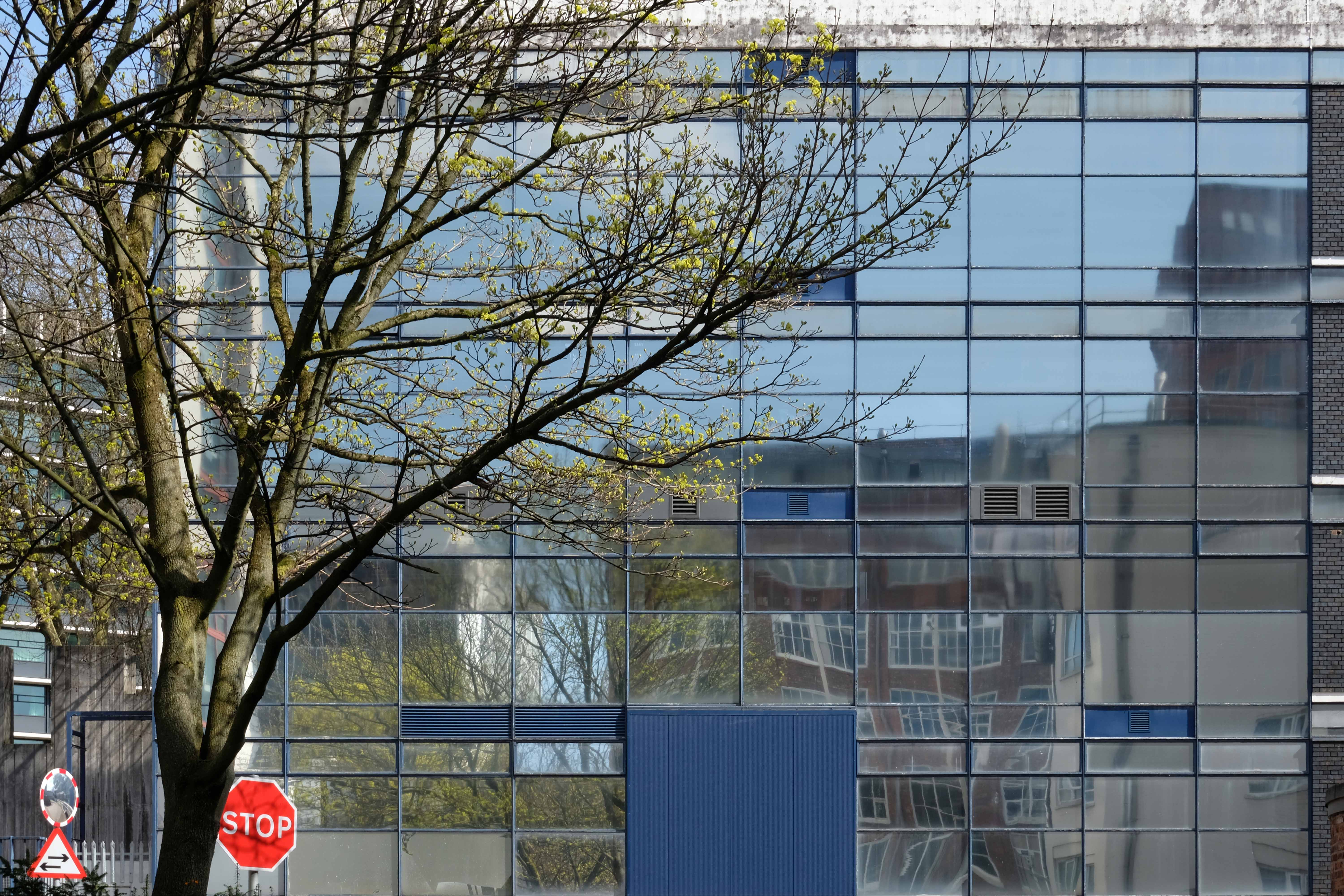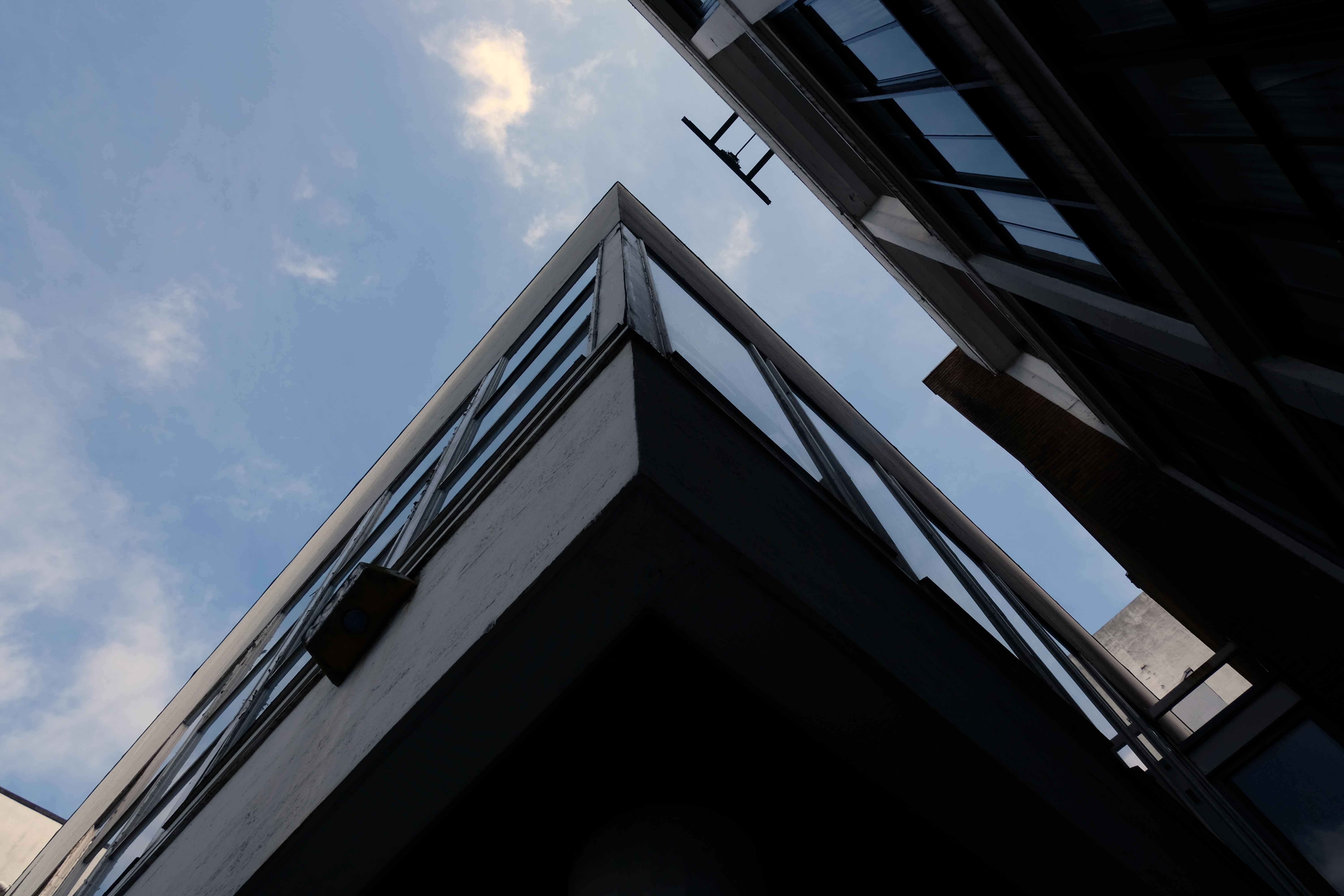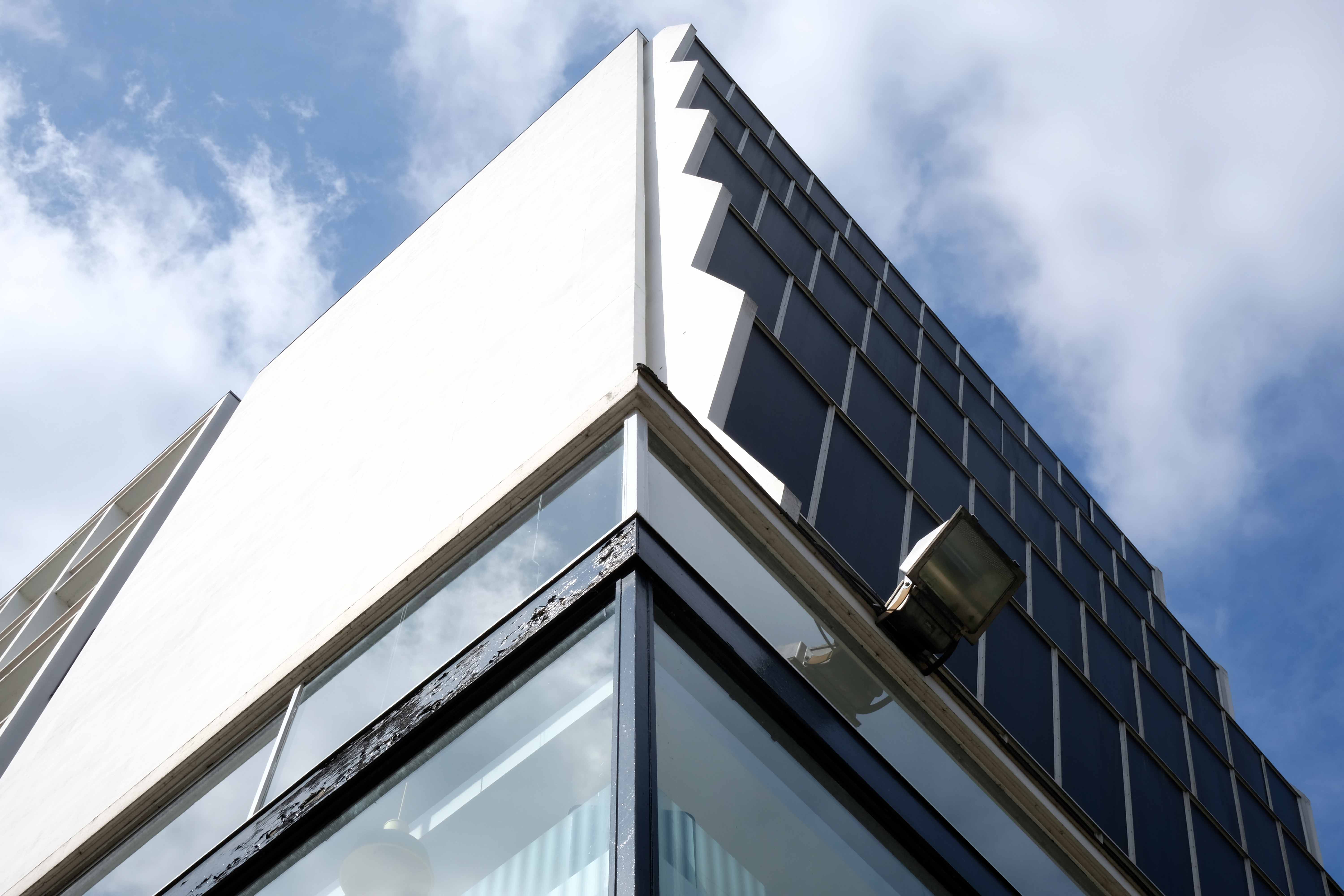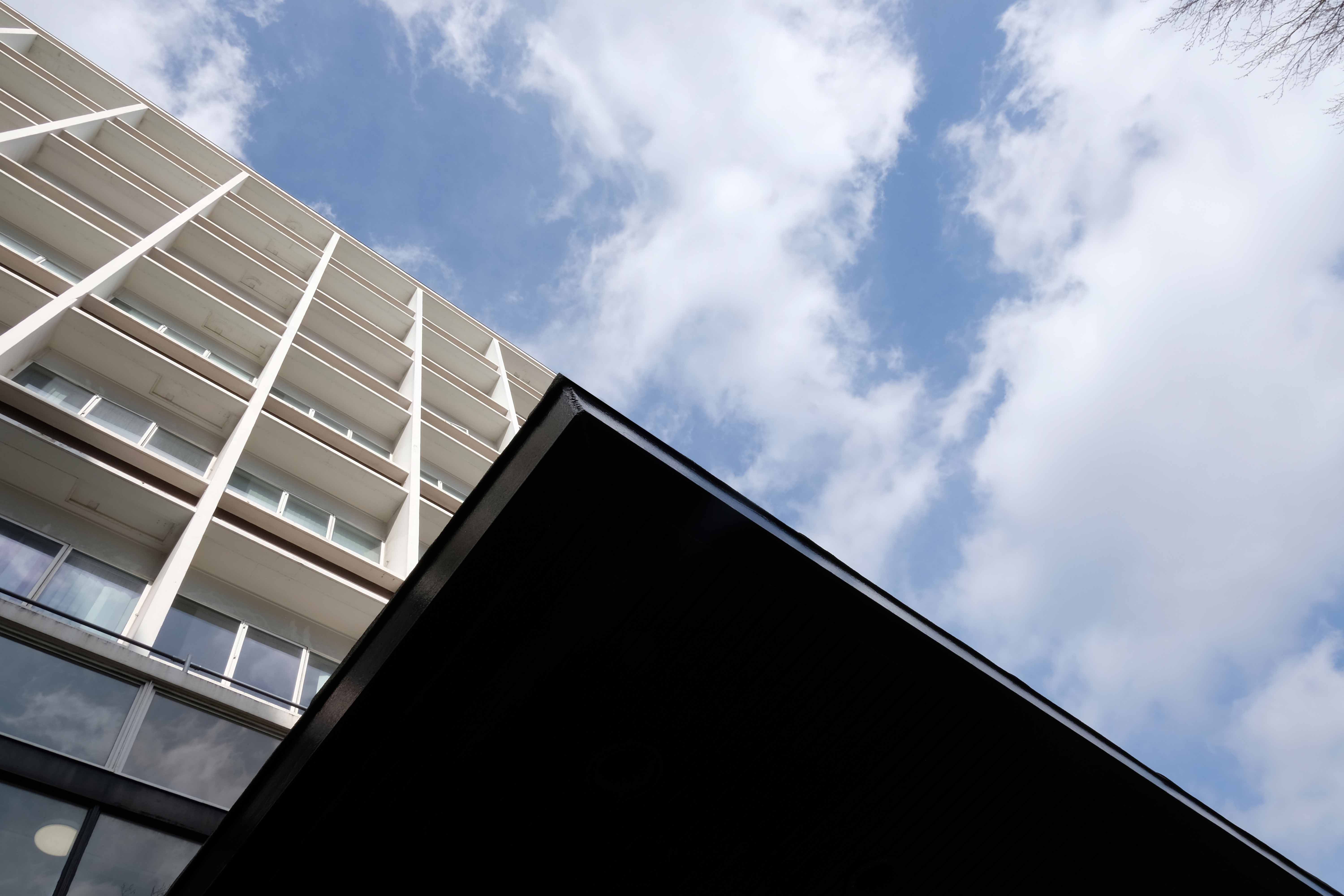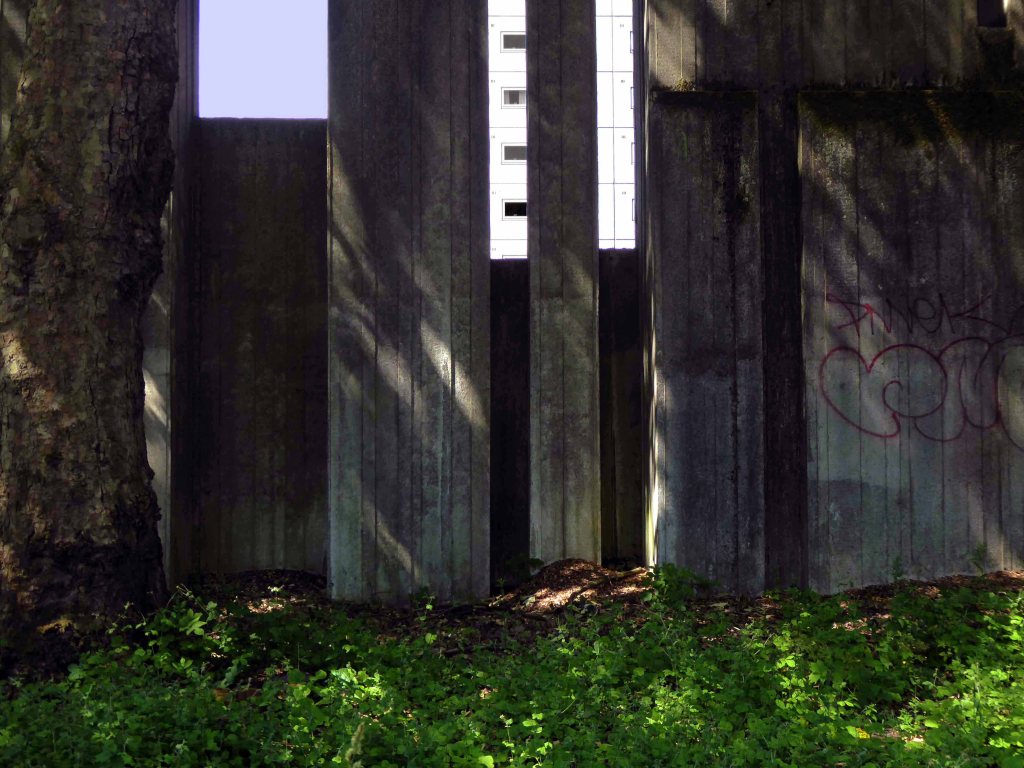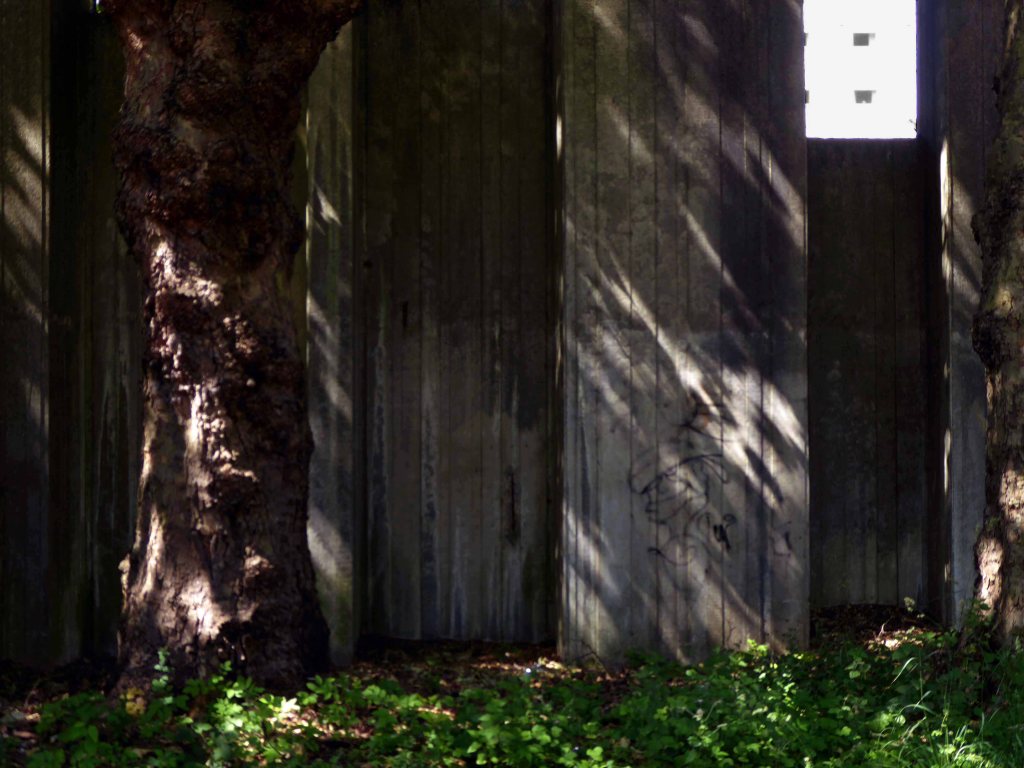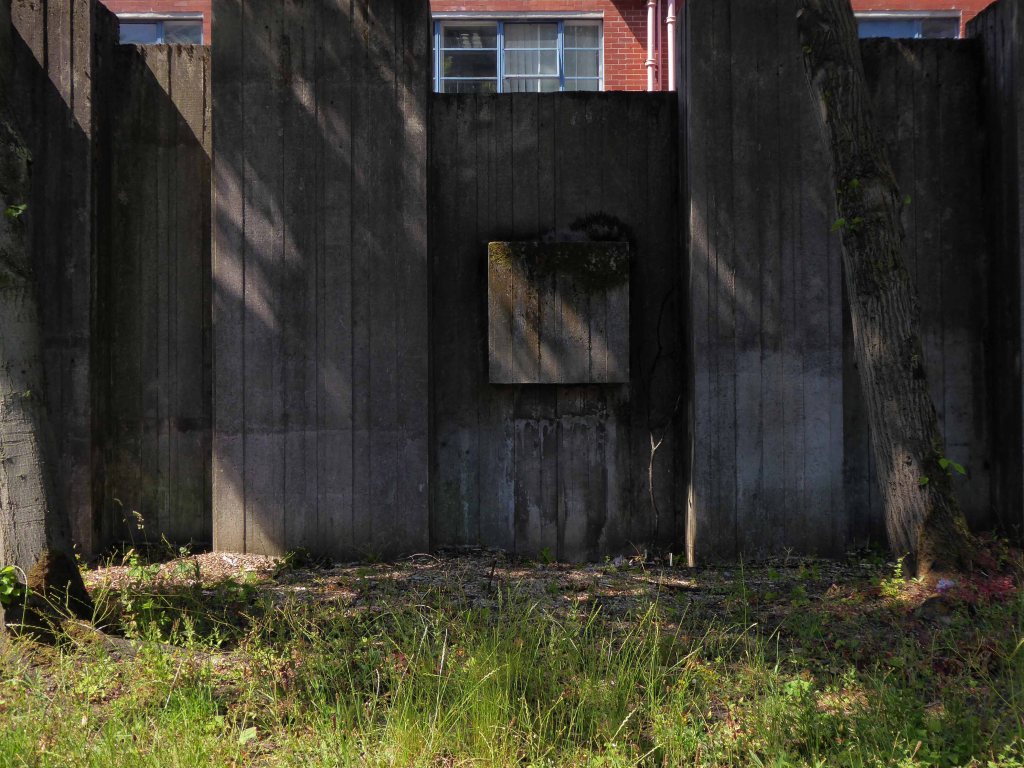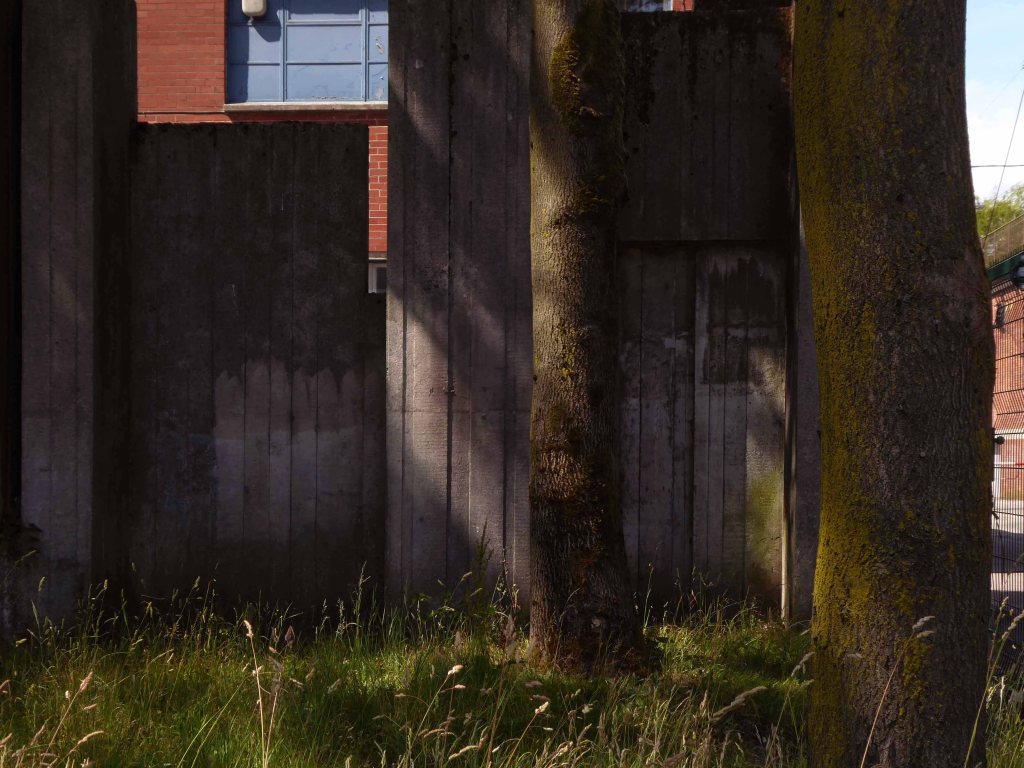
Brunswick Estate – History

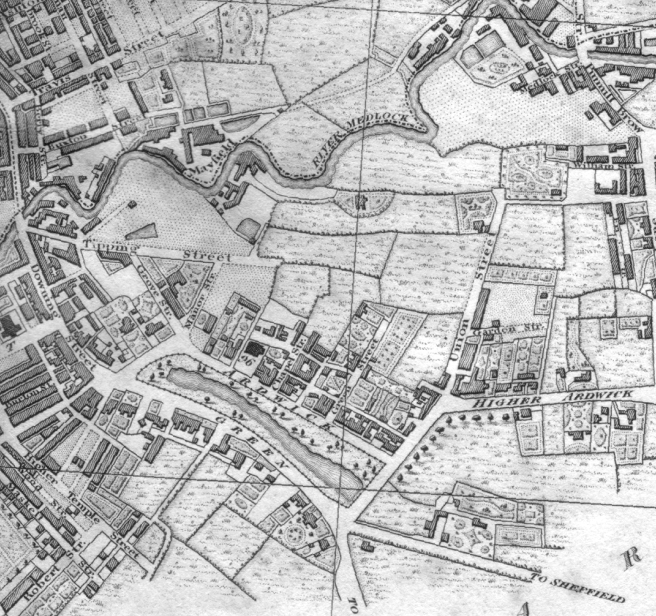
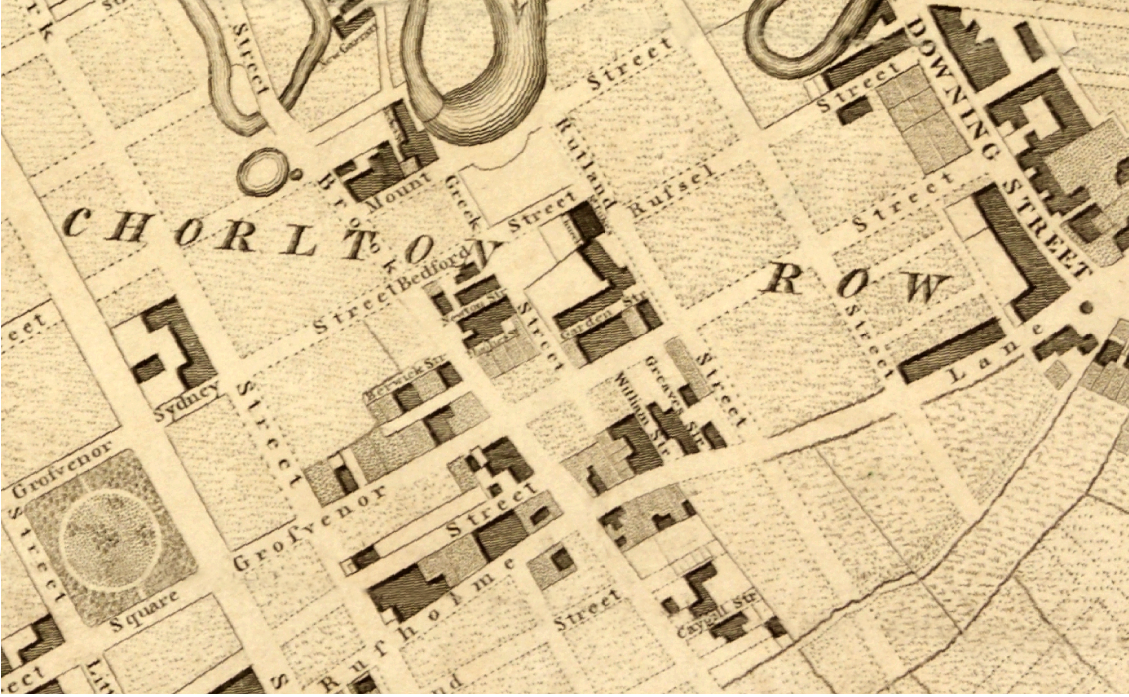
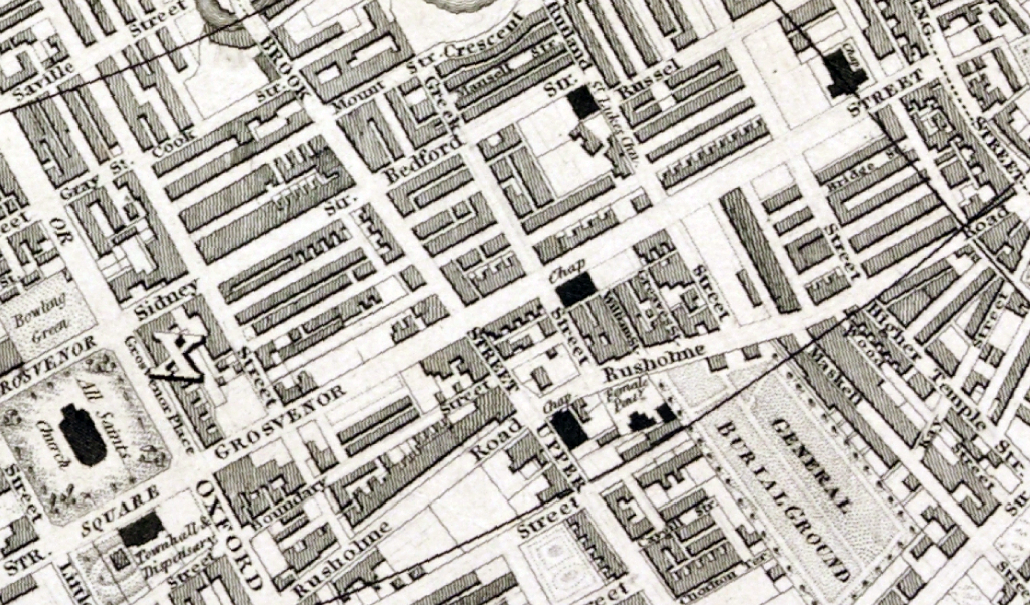
1813

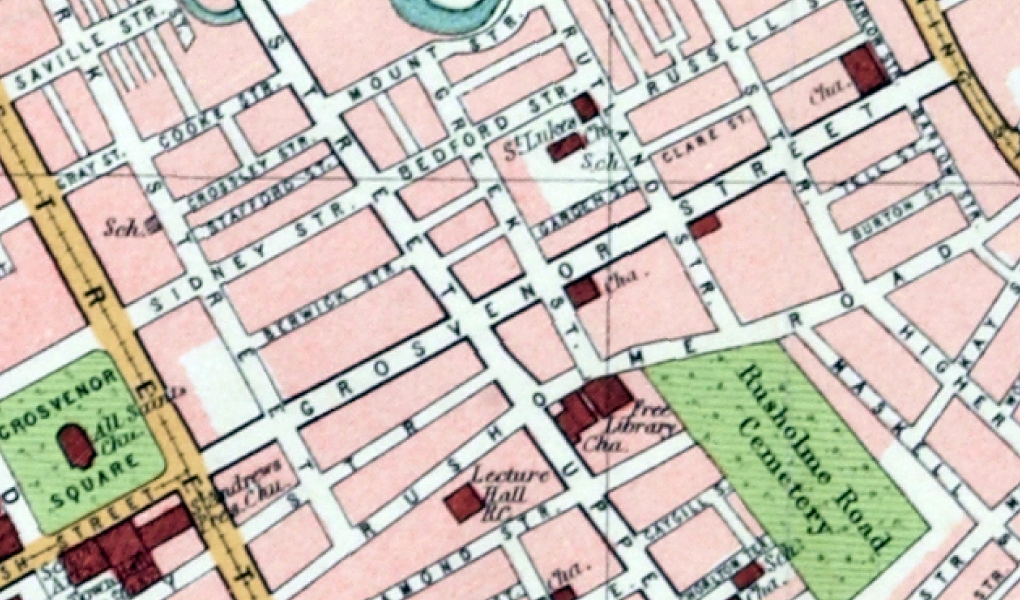
1836

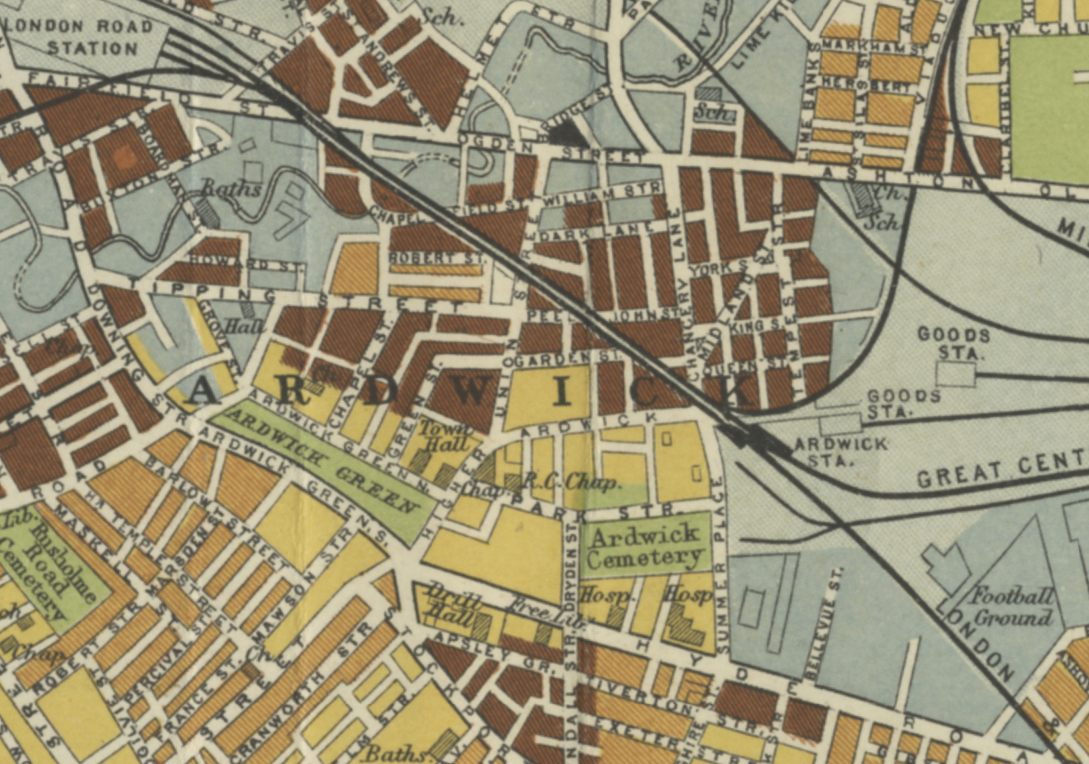
1900

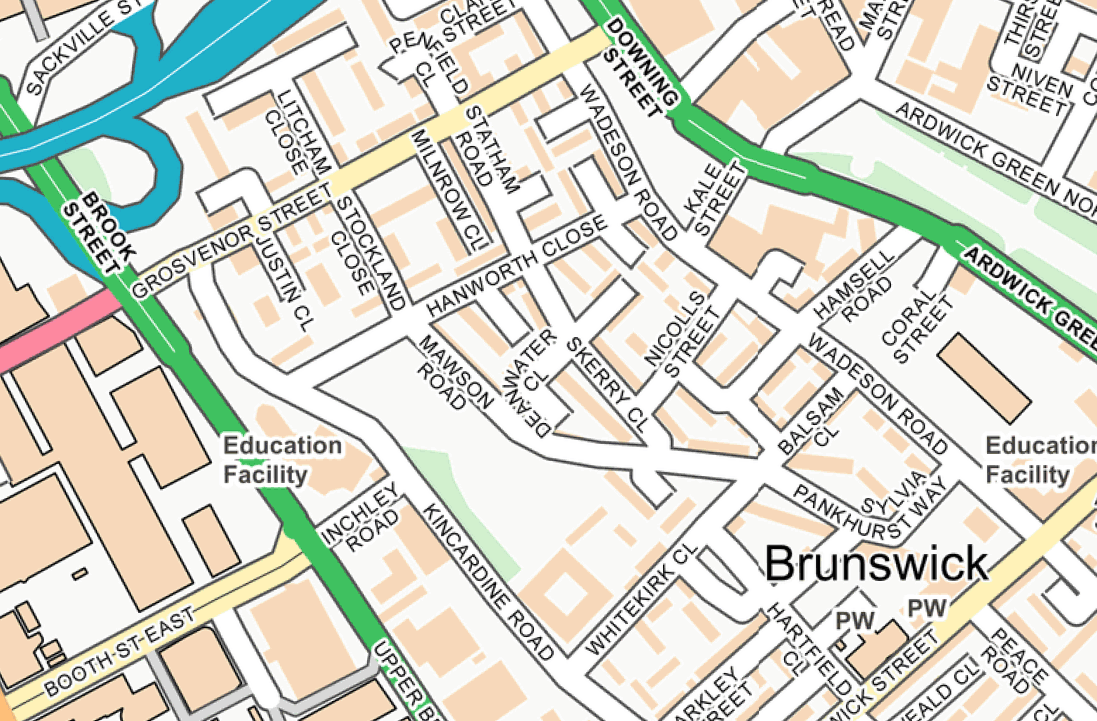
2025
Manchester Historical Maps

I was walking around town, with a view to updating my Ardwick Walk.

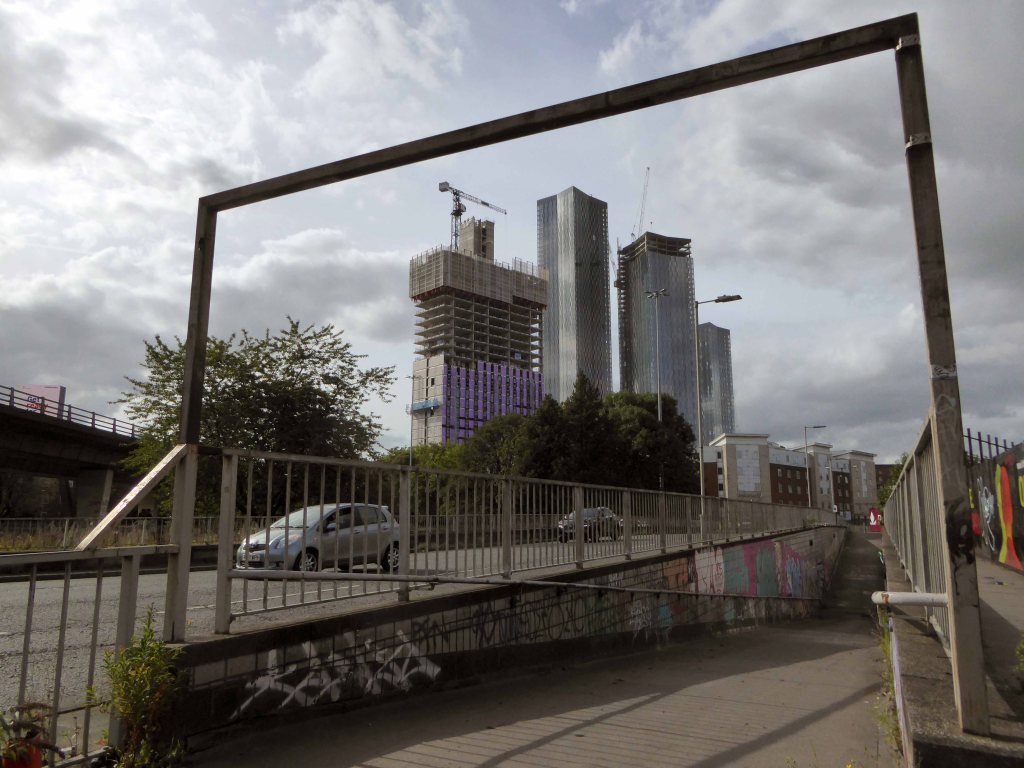
Idle curiosity took me toward the Brunswick Estate – that pocket of housing nestle twixt the Mancunian Way/River Medlock, Ardwick Green, Brunswick Street and Upper Brook Street.

A subset of the greater set of Chorlton on Medlock.

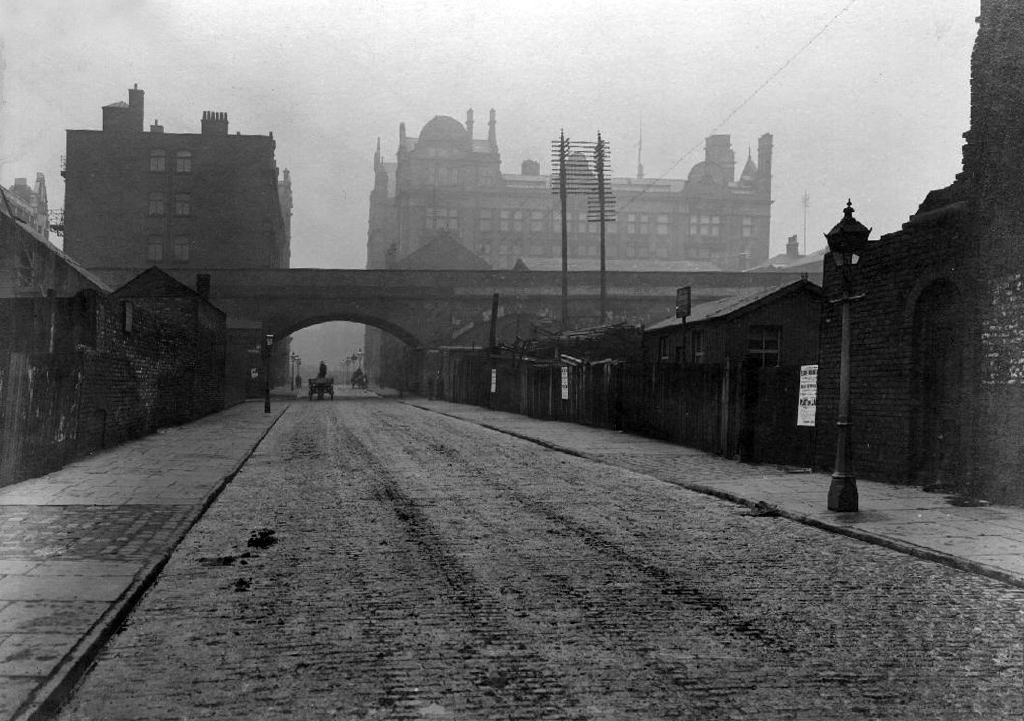
Back in 1813, a web of streets and enclosed fields, and more fields, along with small groups of higher status housing, but by the early 20th century it was very much a working class district, within which industry began to grow.

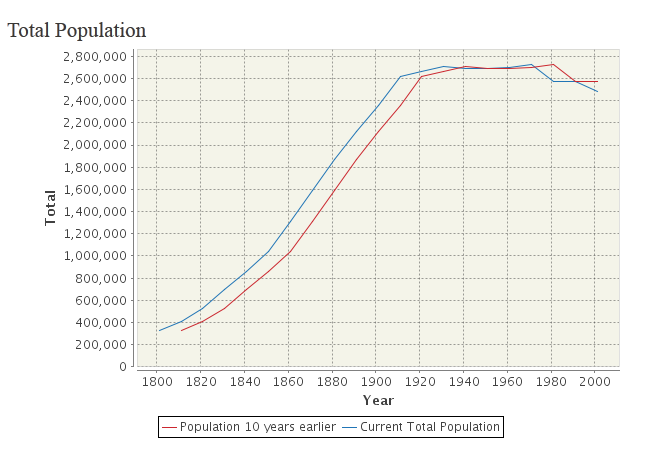
The population of Manchester expanded unstoppably throughout the nineteenth century.
Here’s a personal and insightful family history of the area, along with a broader history from the Evening News.

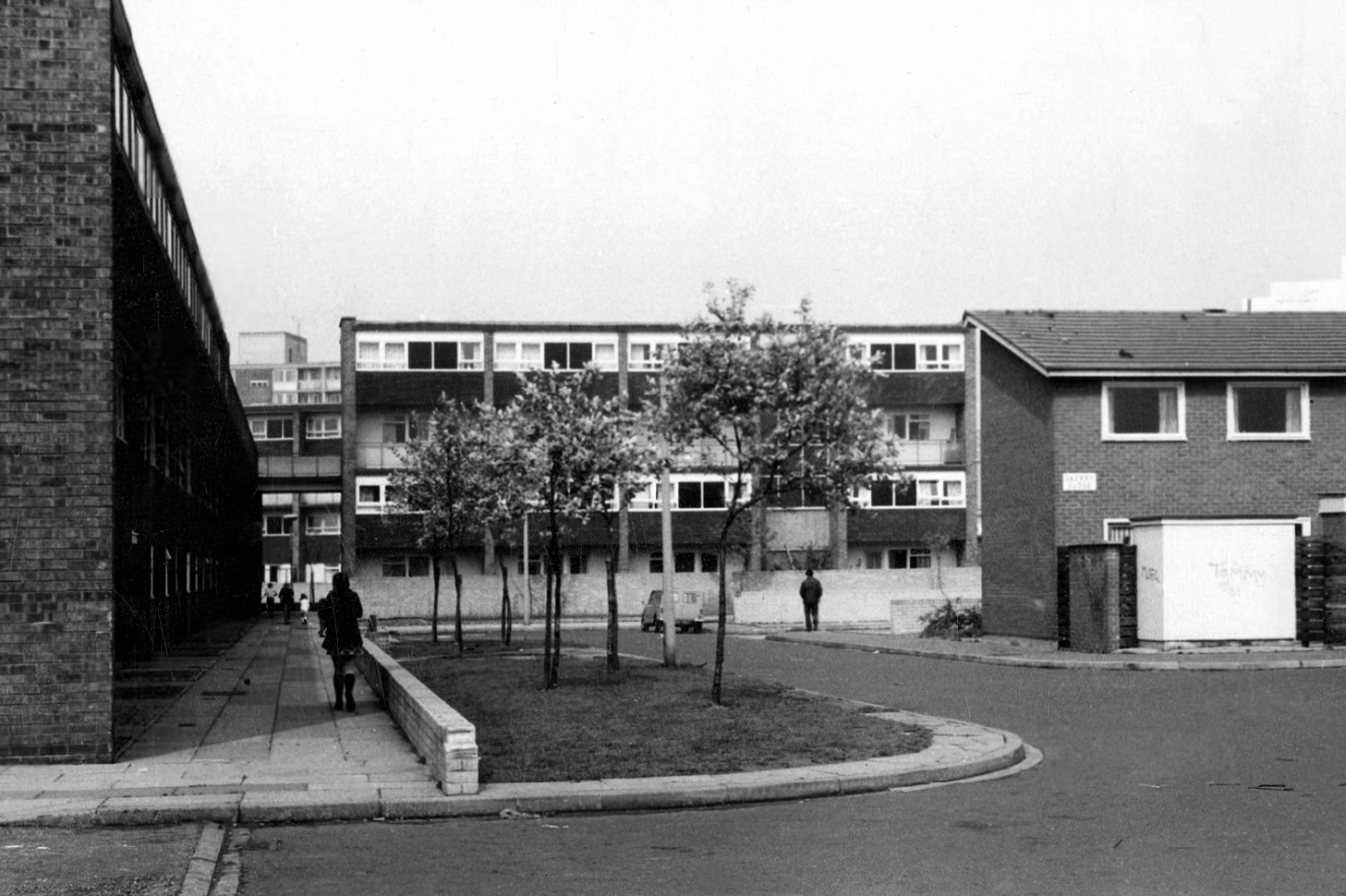
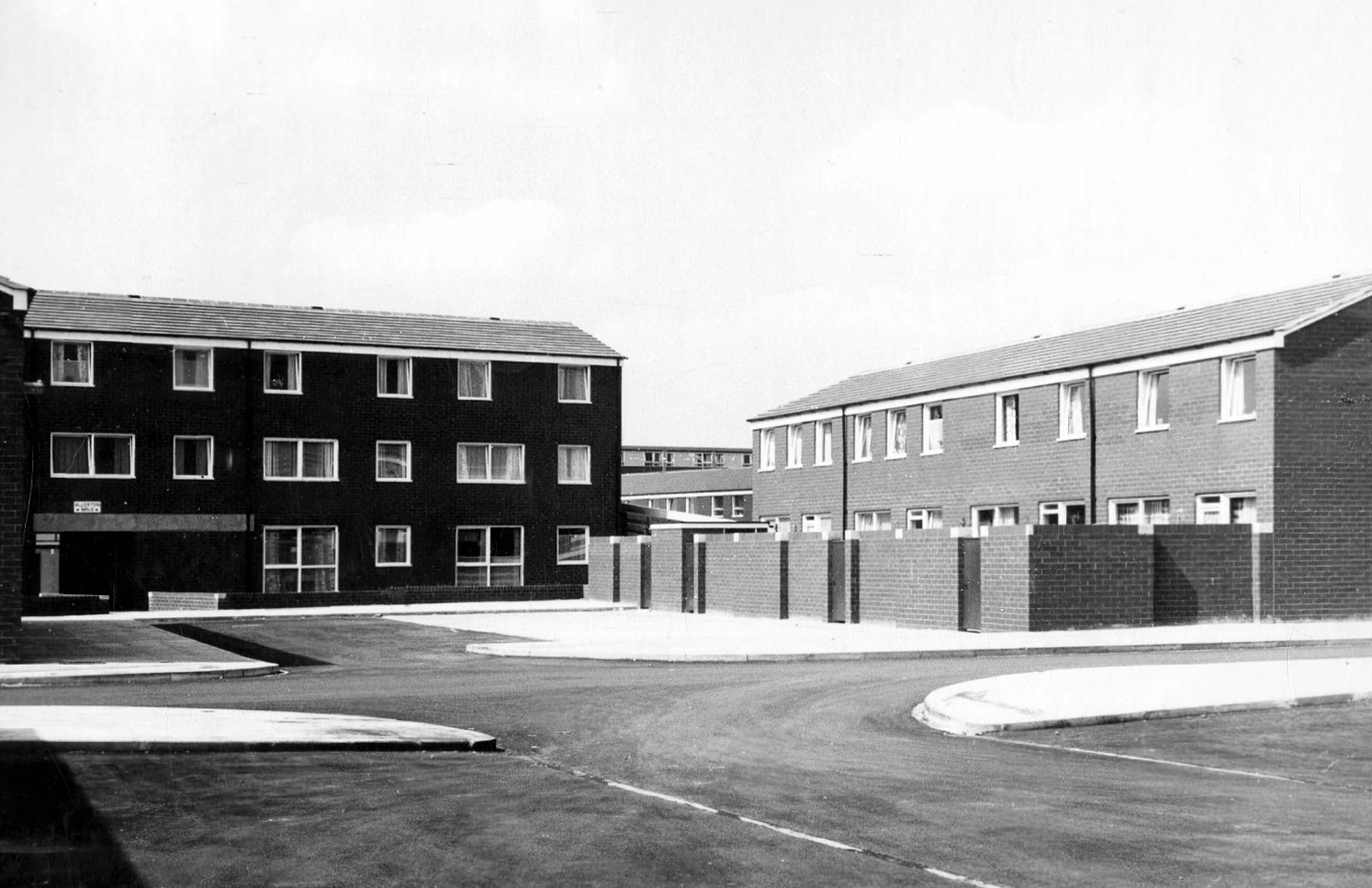
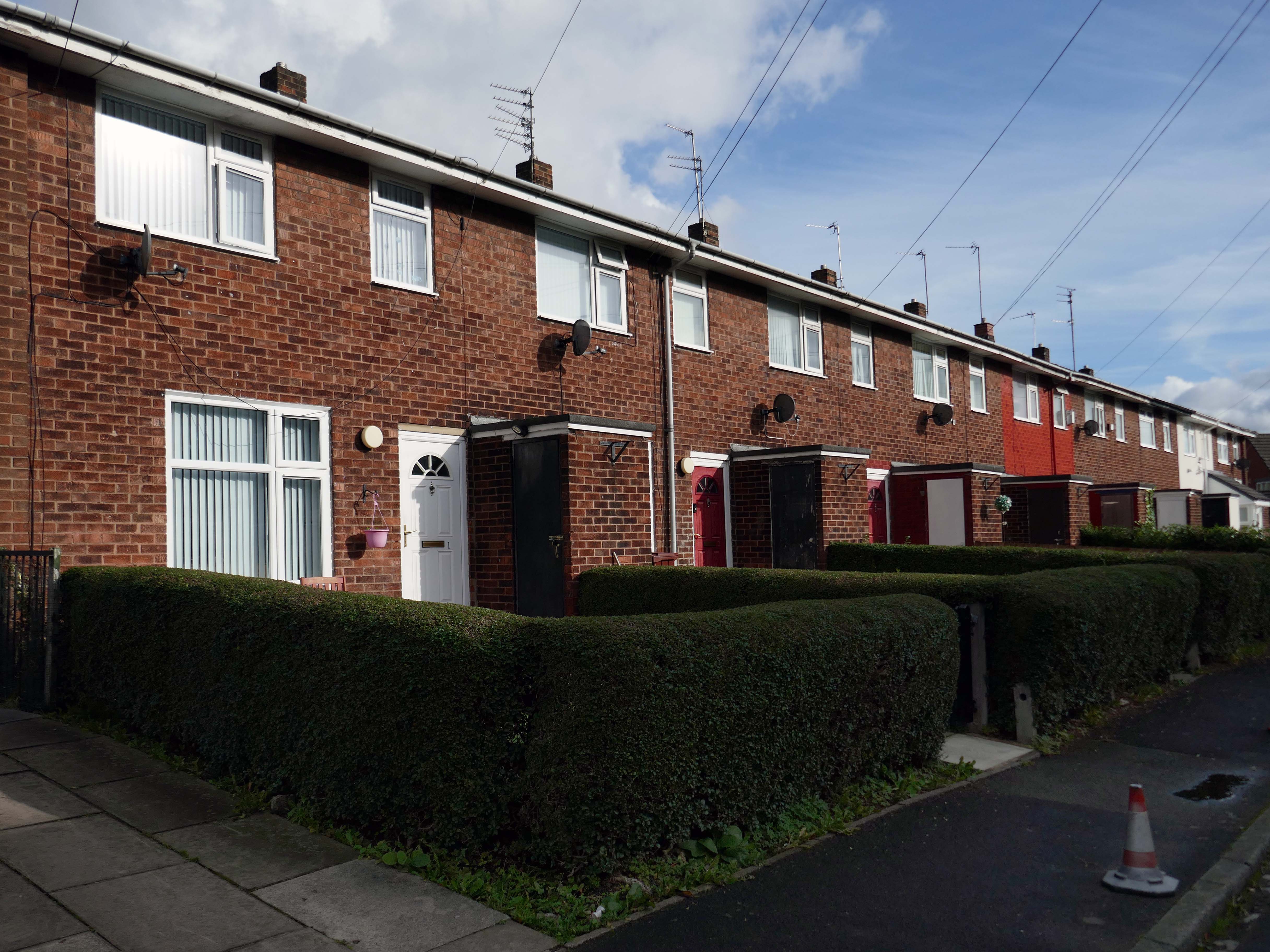
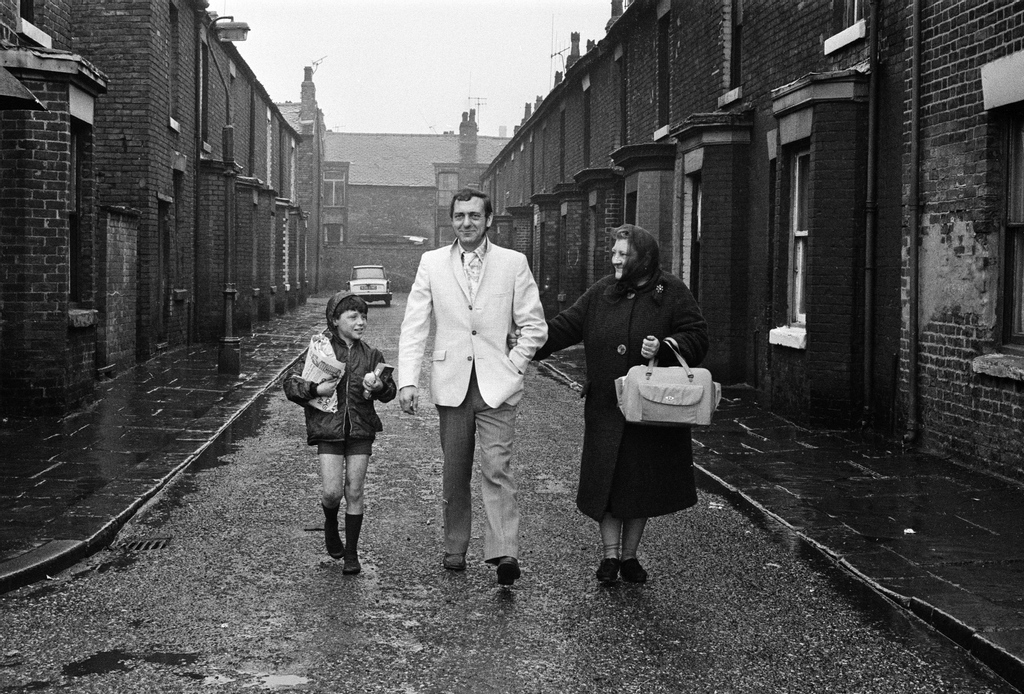
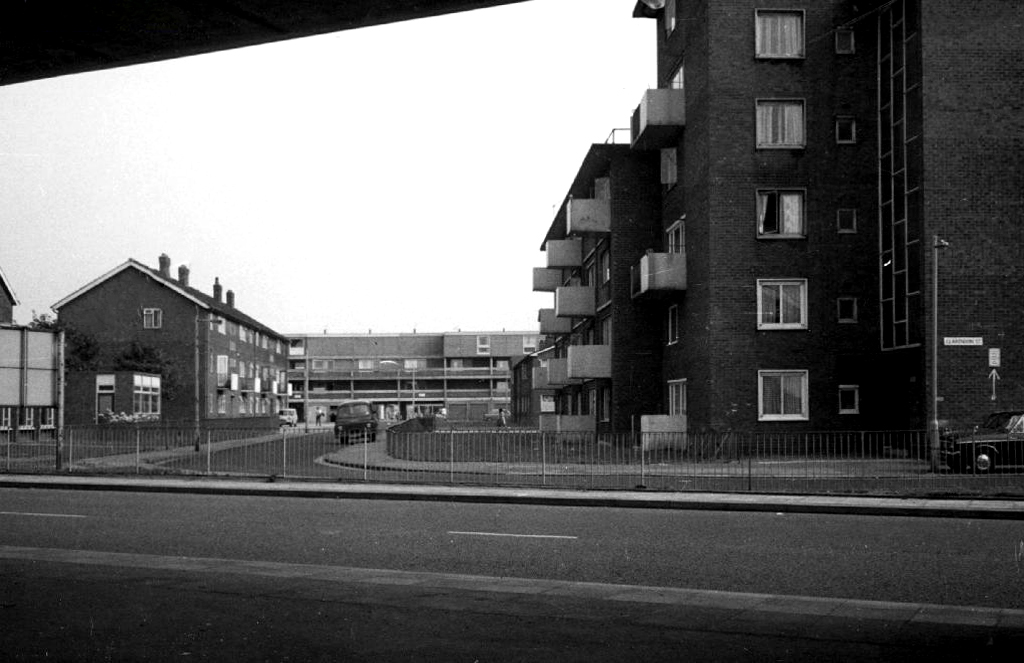
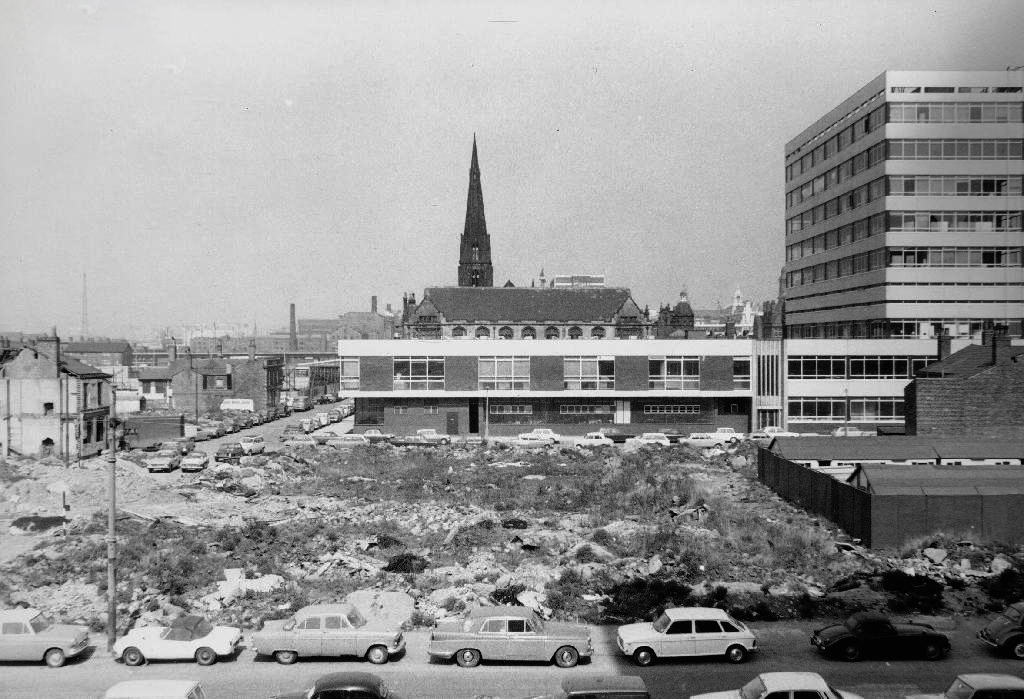
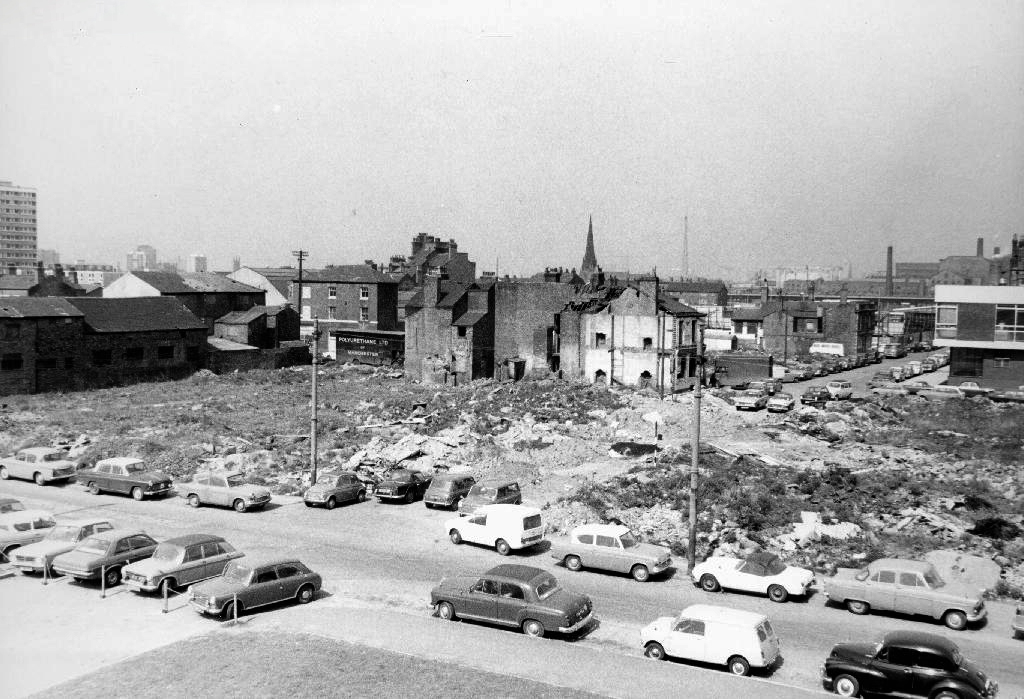
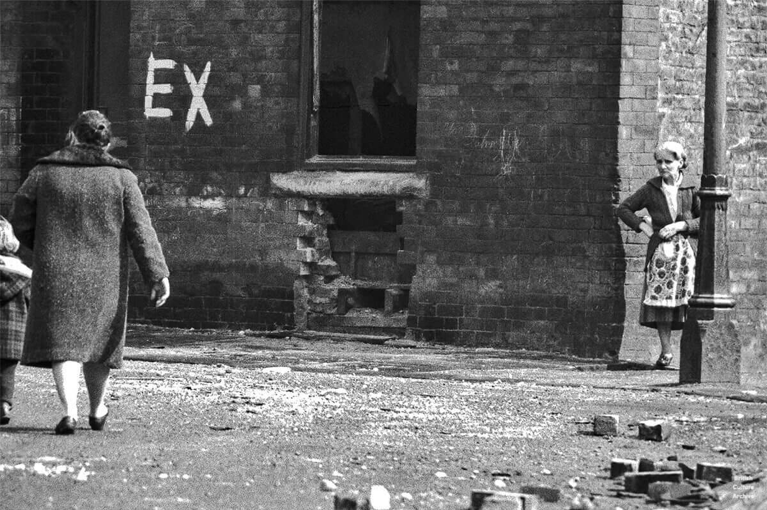
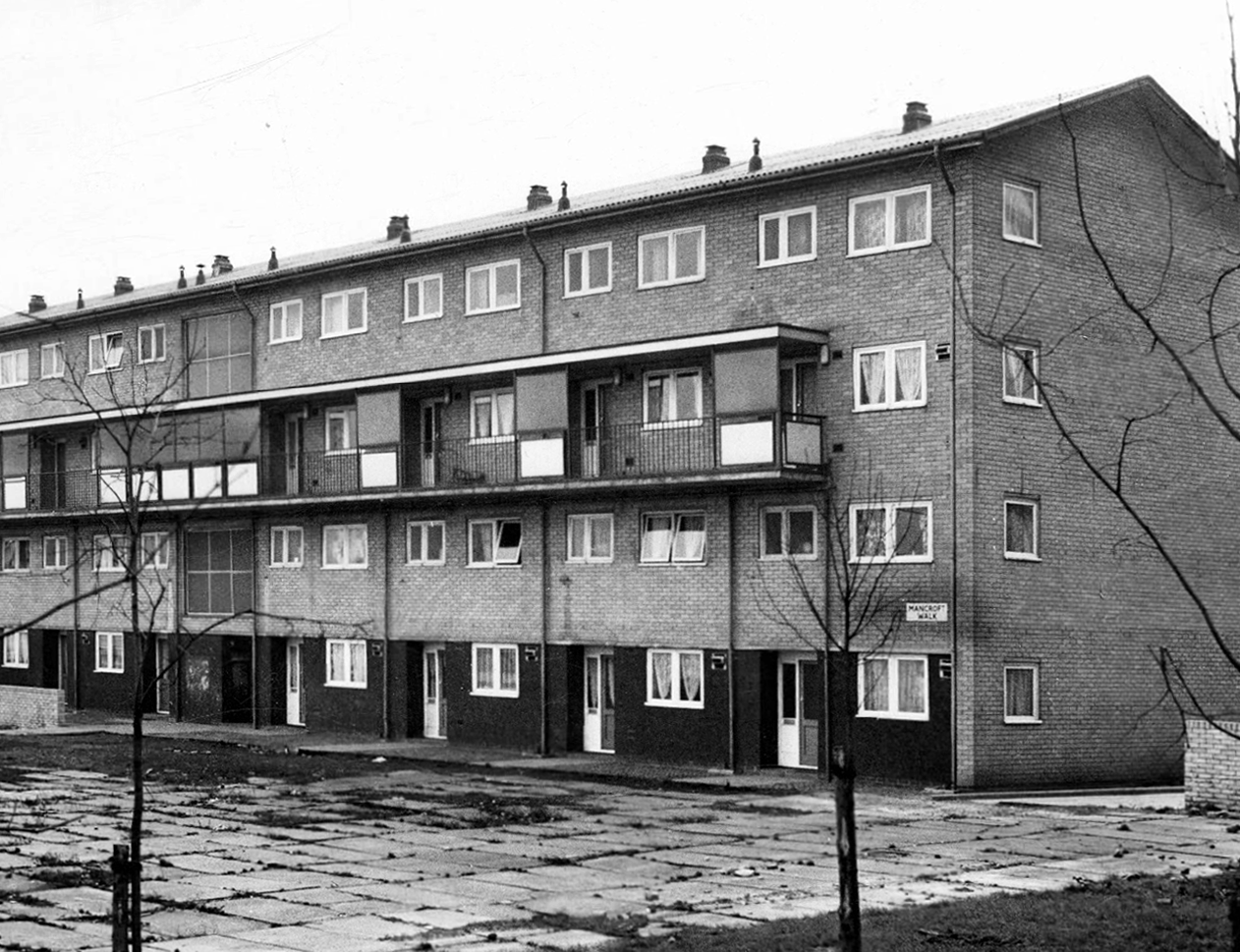
Extensive slum clearance in the nineteen sixties saw the area and its street names change, some erased forever in the new build.

In Manchester, in a vast belt immediately outside the central area of the city, there still exist all too many remnants of a planless, knotted chaos of dark, dismal and crumbling homes. Many of these crossed the verge of uninhabit-ableness long before their most elderly inhabitants were born.

Alfred Morris MP 1965

As recorded by photographer Roger Shelley.
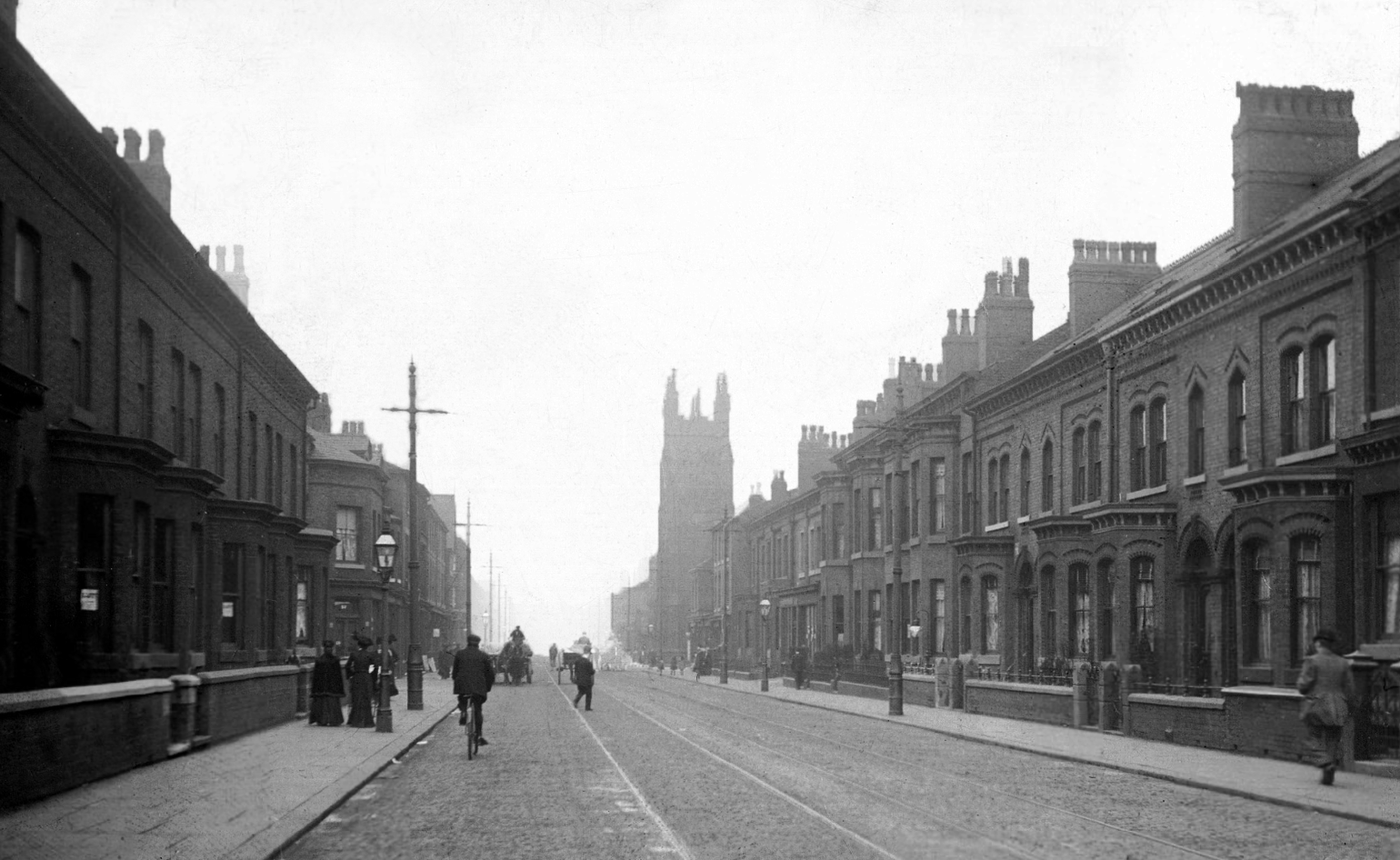
Brunswick Street 1904.
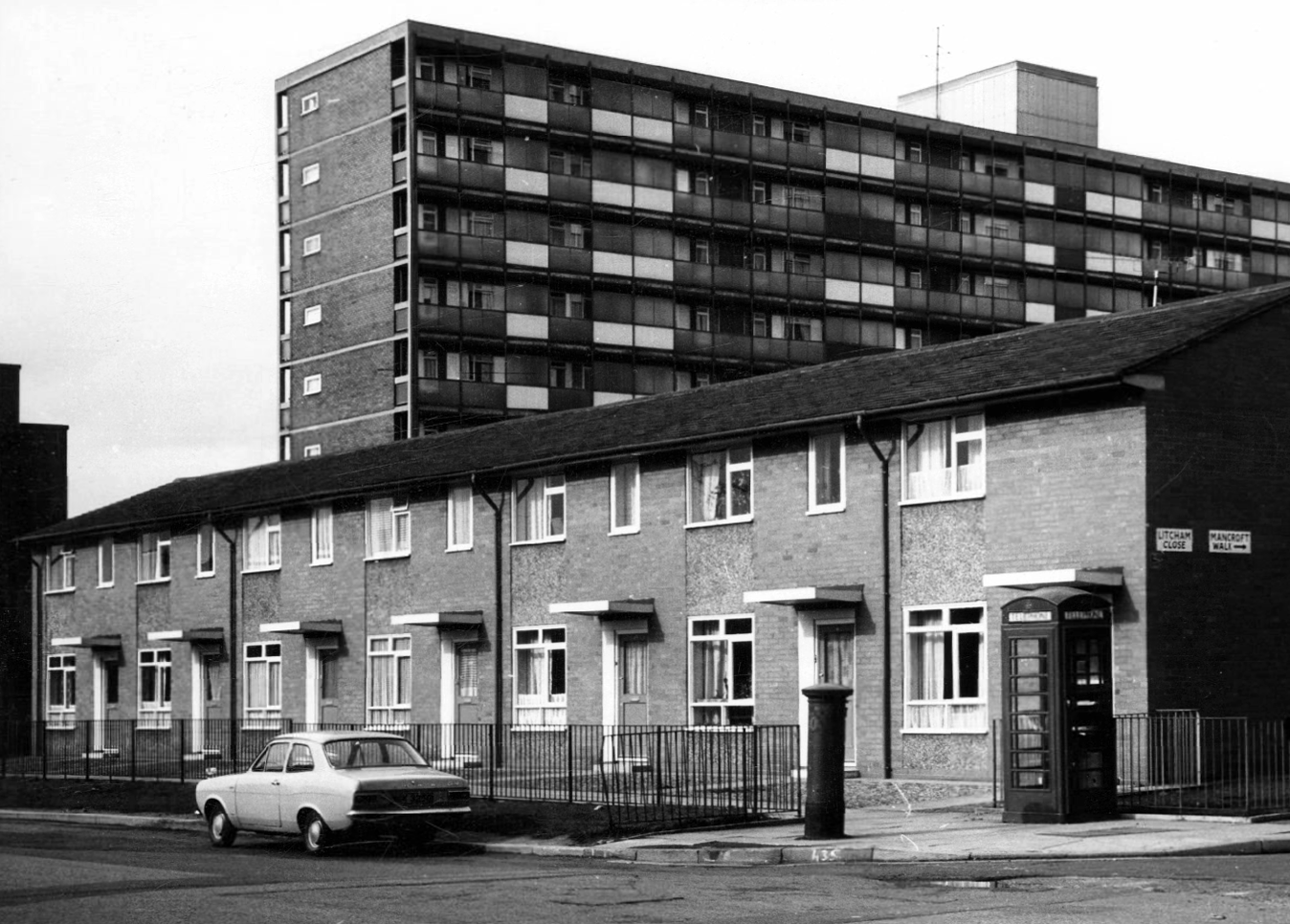
Mancroft Walk W Higham 1969
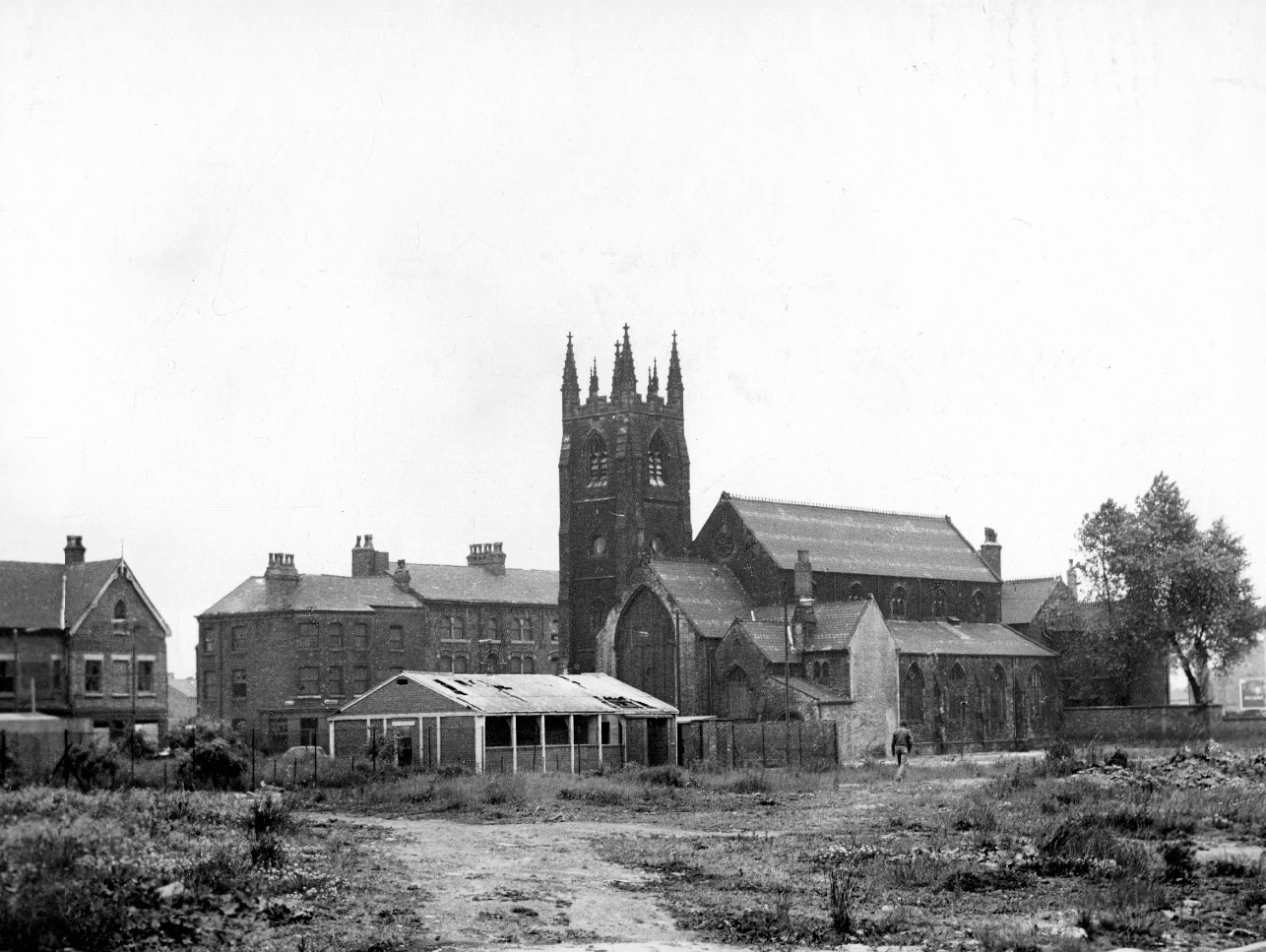
St Paul’s and St Luke’s Brunswick Street W Higham 1970
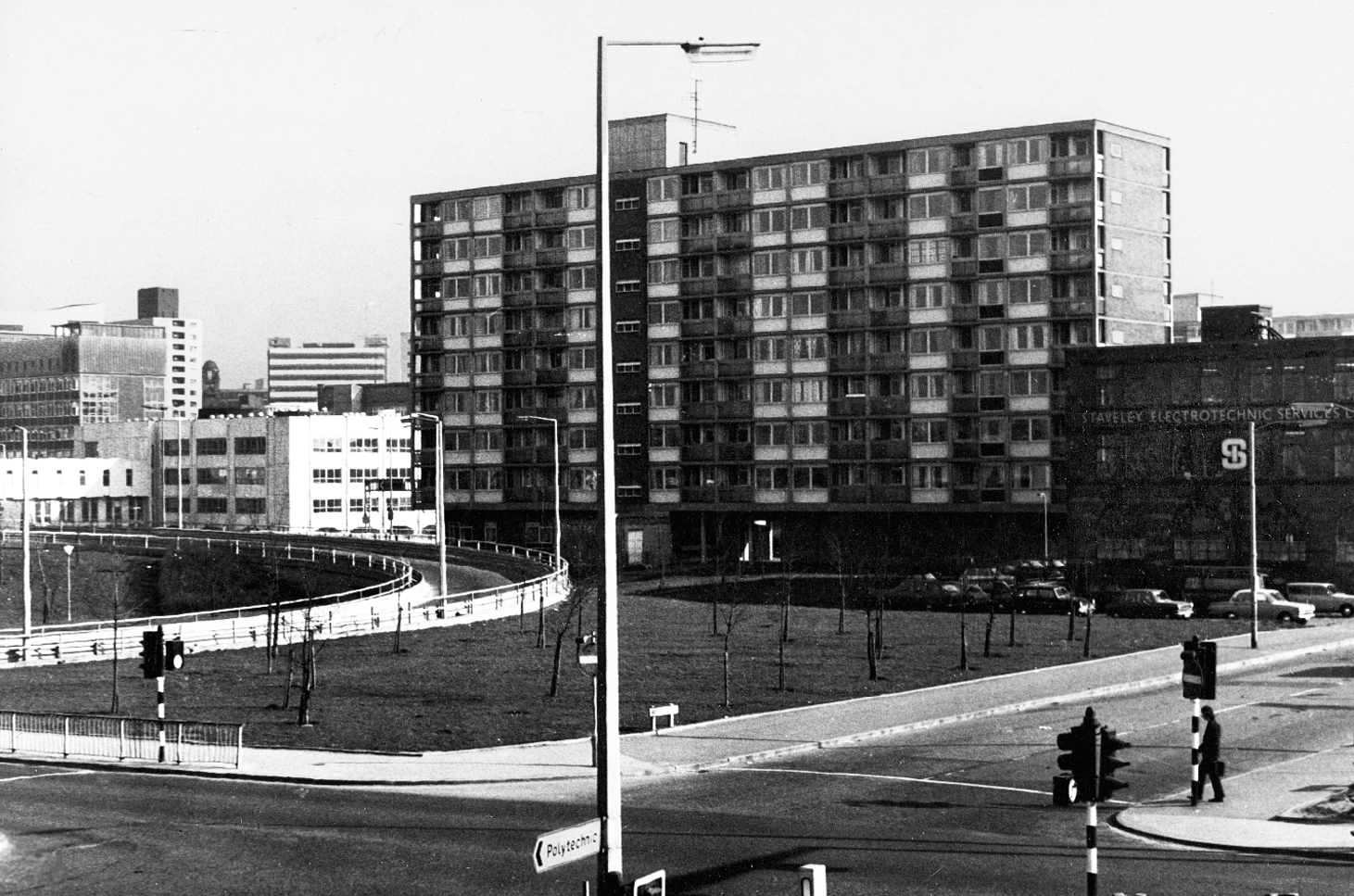
Lamport Court W Higham 1970

One of three nine-storey blocks, containing two hundred and nineteen dwellings; also including Silkin Court and Lockton Court.
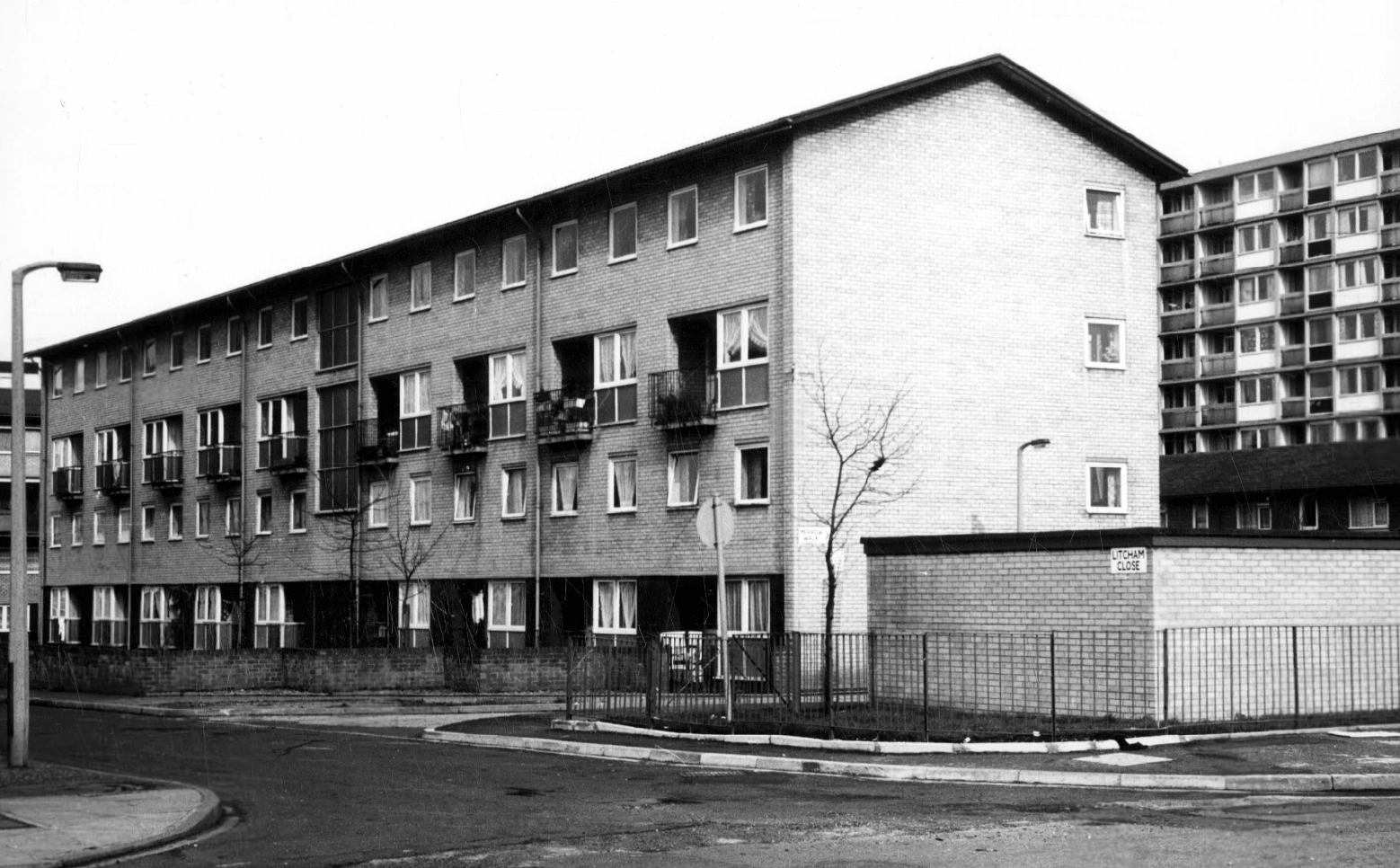
Litcham Close W Higham 1970
Harry Milligan 1903 – 1986 worked as the photographer at Manchester Central Library until his retirement in around 1968. He was instrumental in setting up the Manchester Region Industrial Archaeology Society in 1965. He volunteered at the North Western Museum of Science and Industry from 1968, assisting with reprographics requests. His knowledge of the history of photography in Manchester and the UK led to him taking on the role of Honorary Curator of Photography at the museum.

These are his photographs taken from the Manchester Local Image Collection.

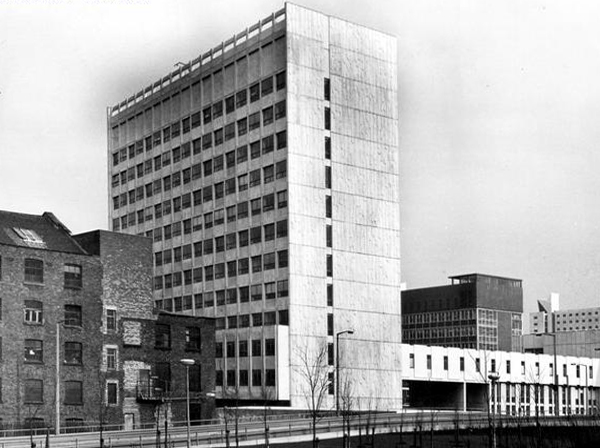
Panorama of Brunswick with UMIST in the background.
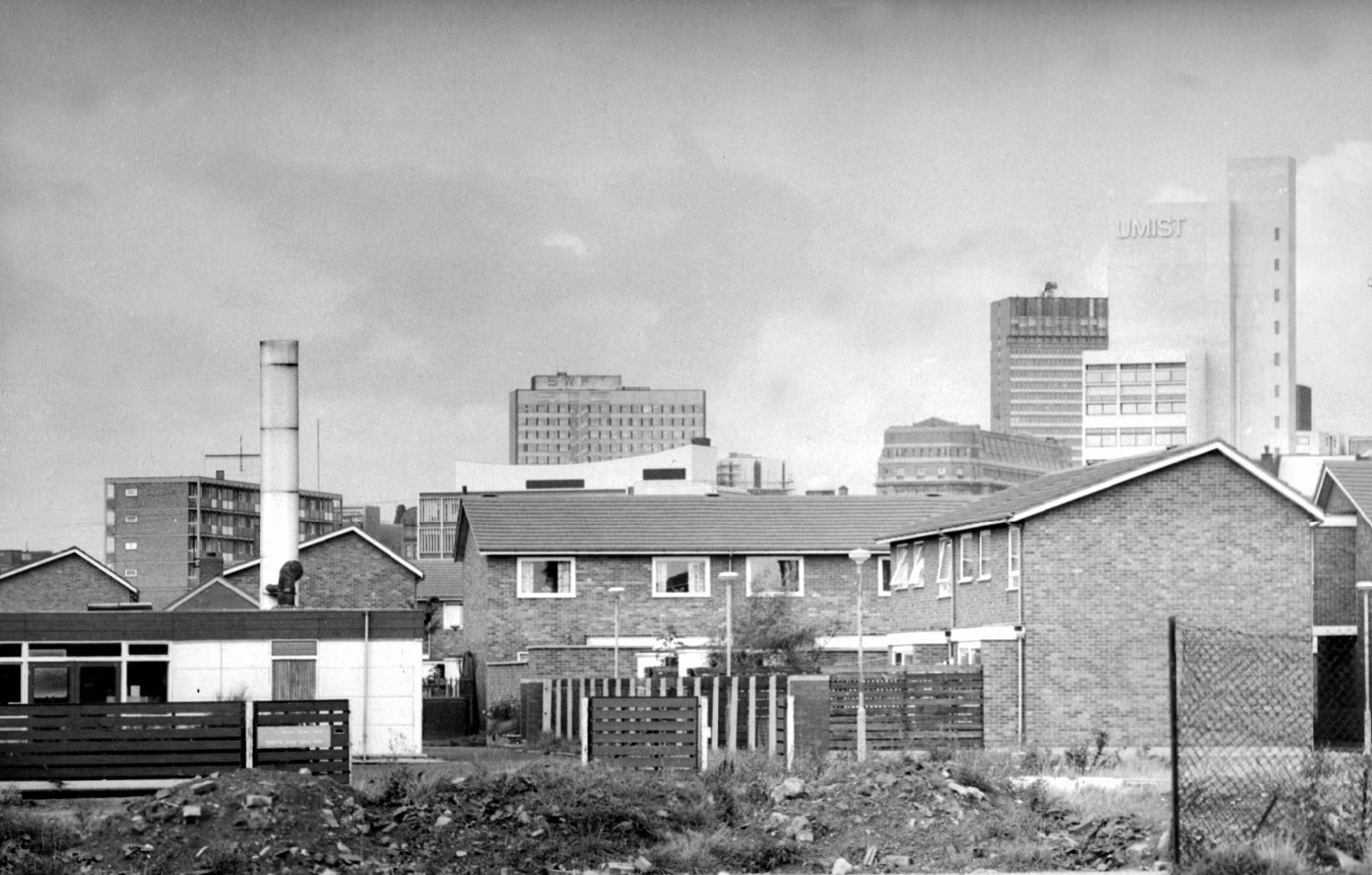
Hanworth Close area terraced housing and flats 1972.
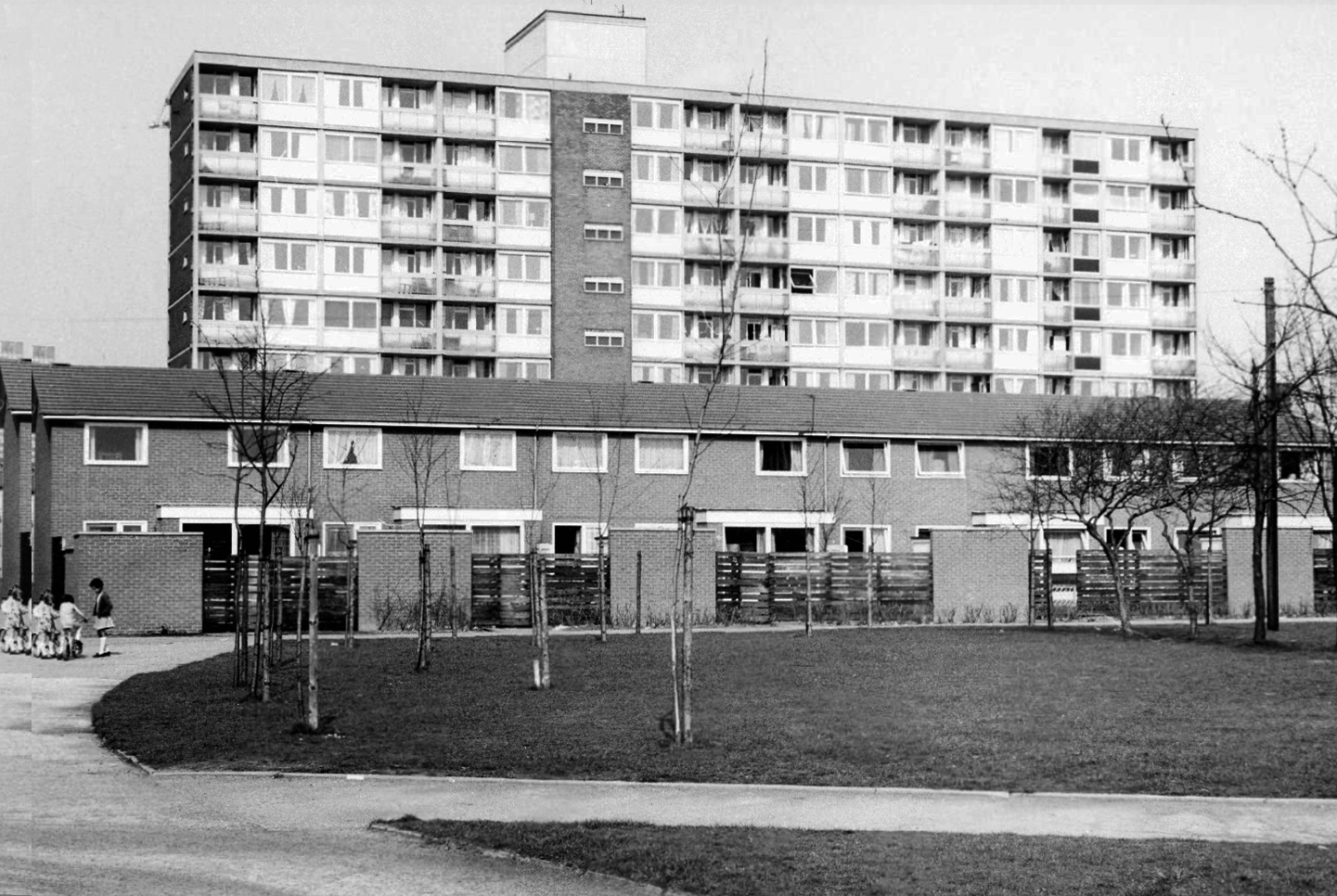
Staverton Close
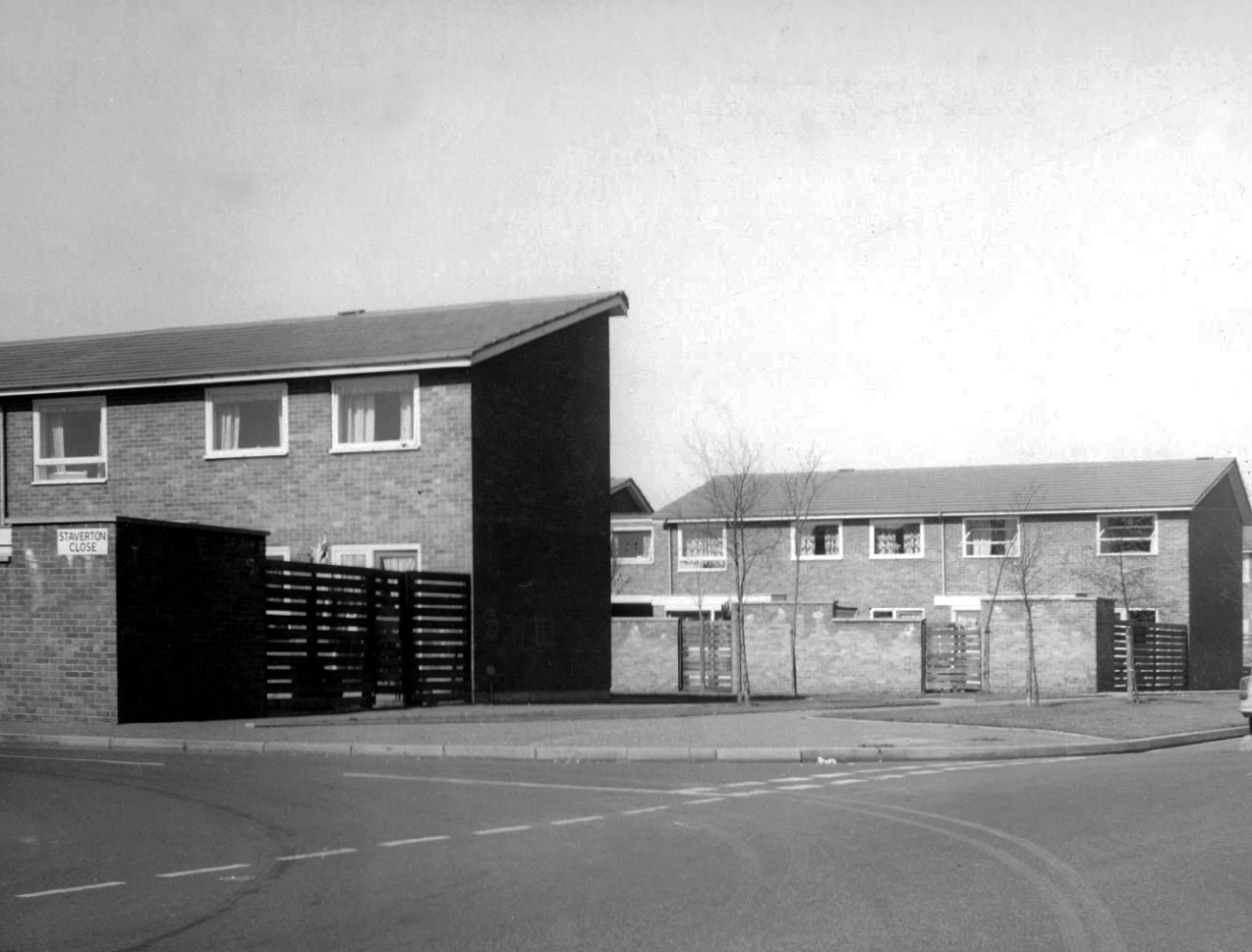
Melcroft Close
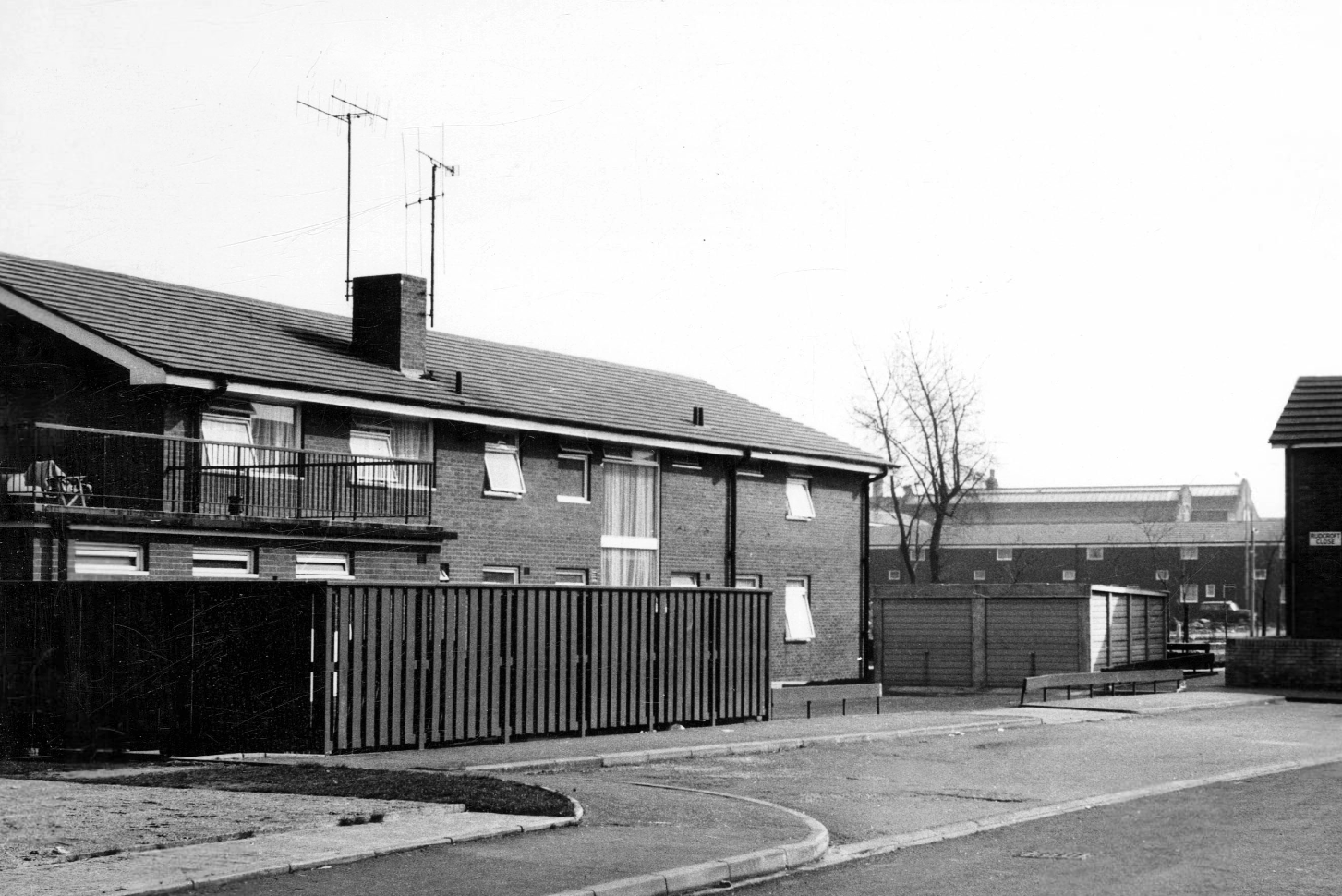
Wadeson Road
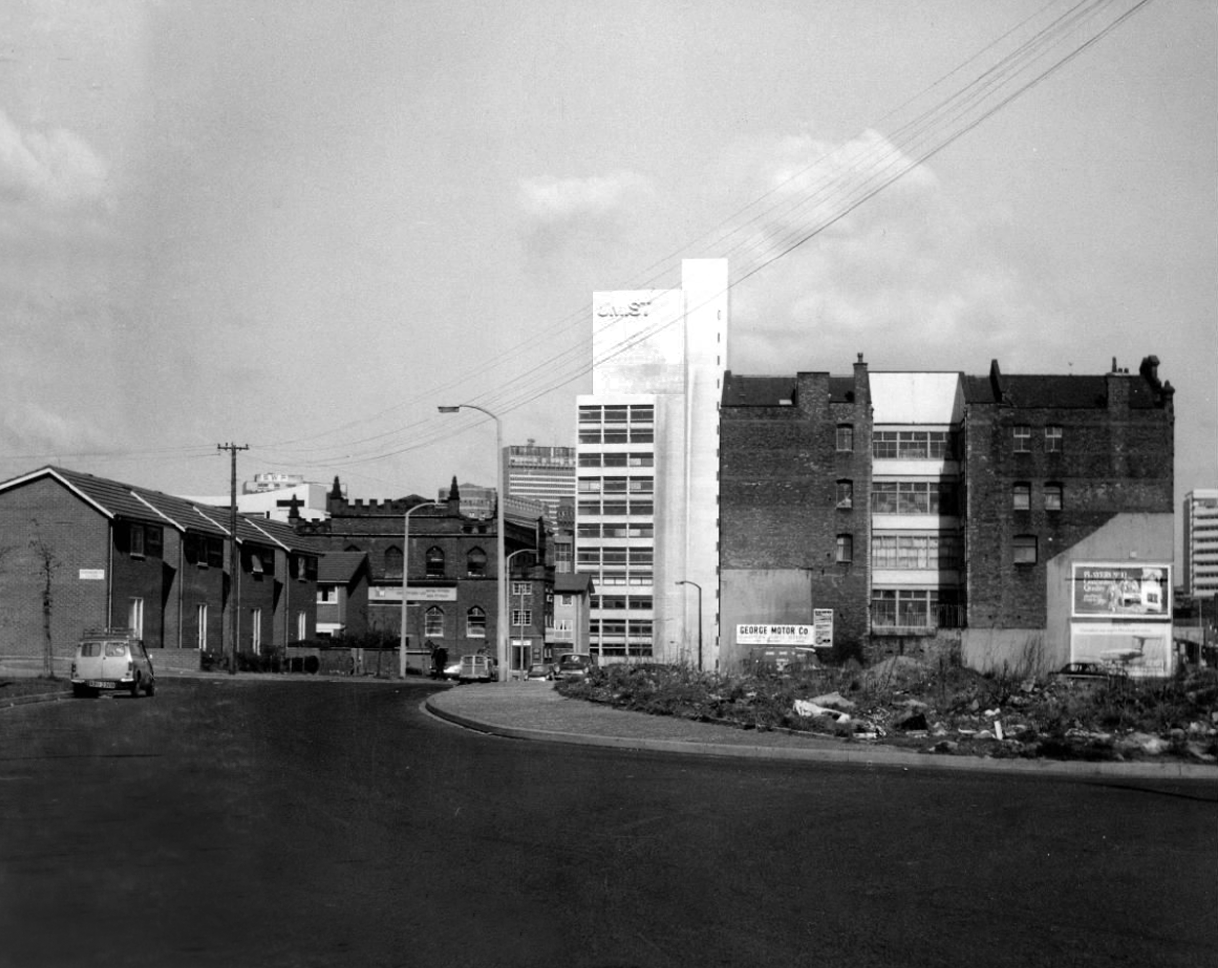
Helmshore WalkSkerry Close

Cherryton Walk

Cray Walk
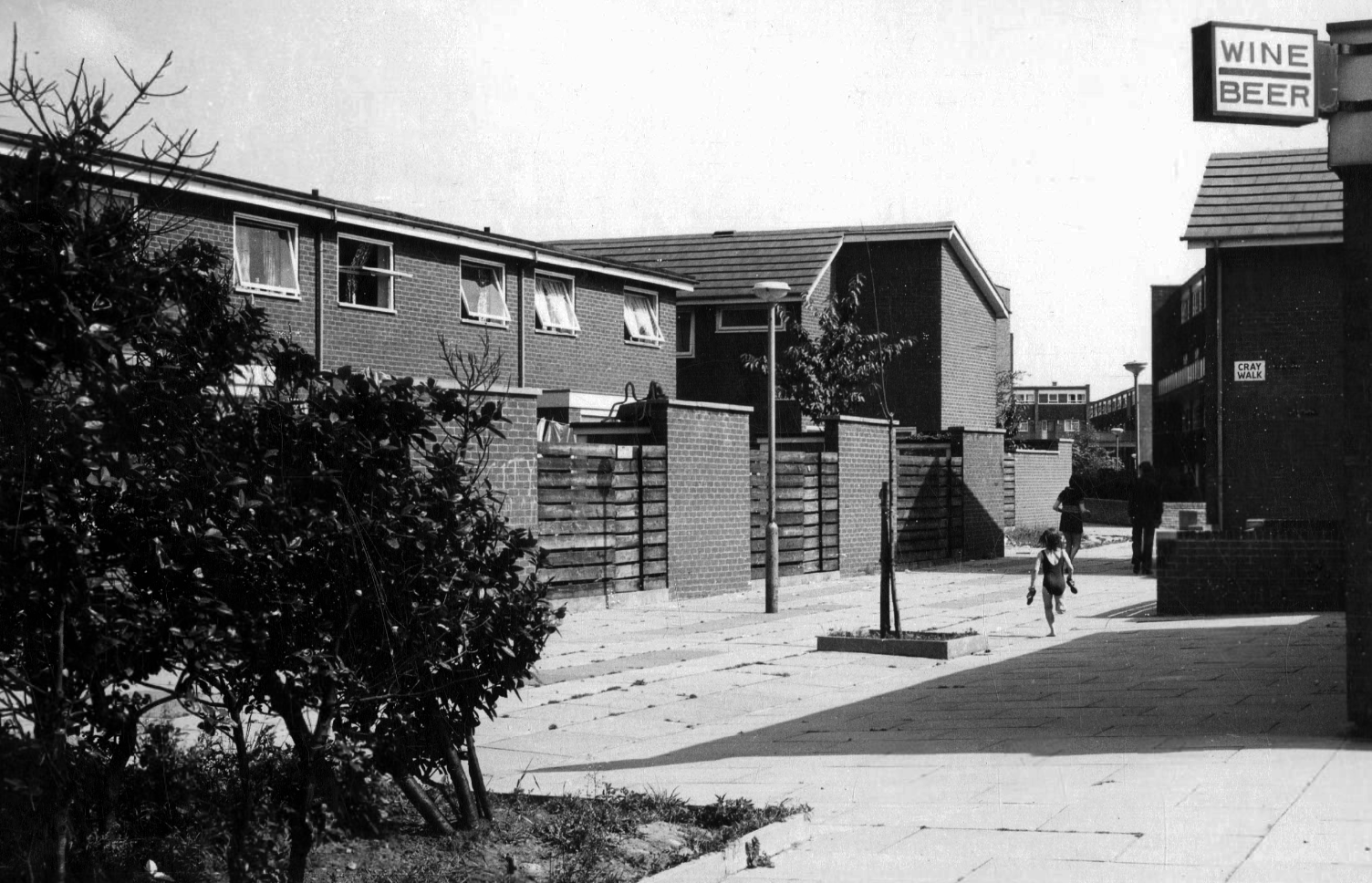
Wadeson Road
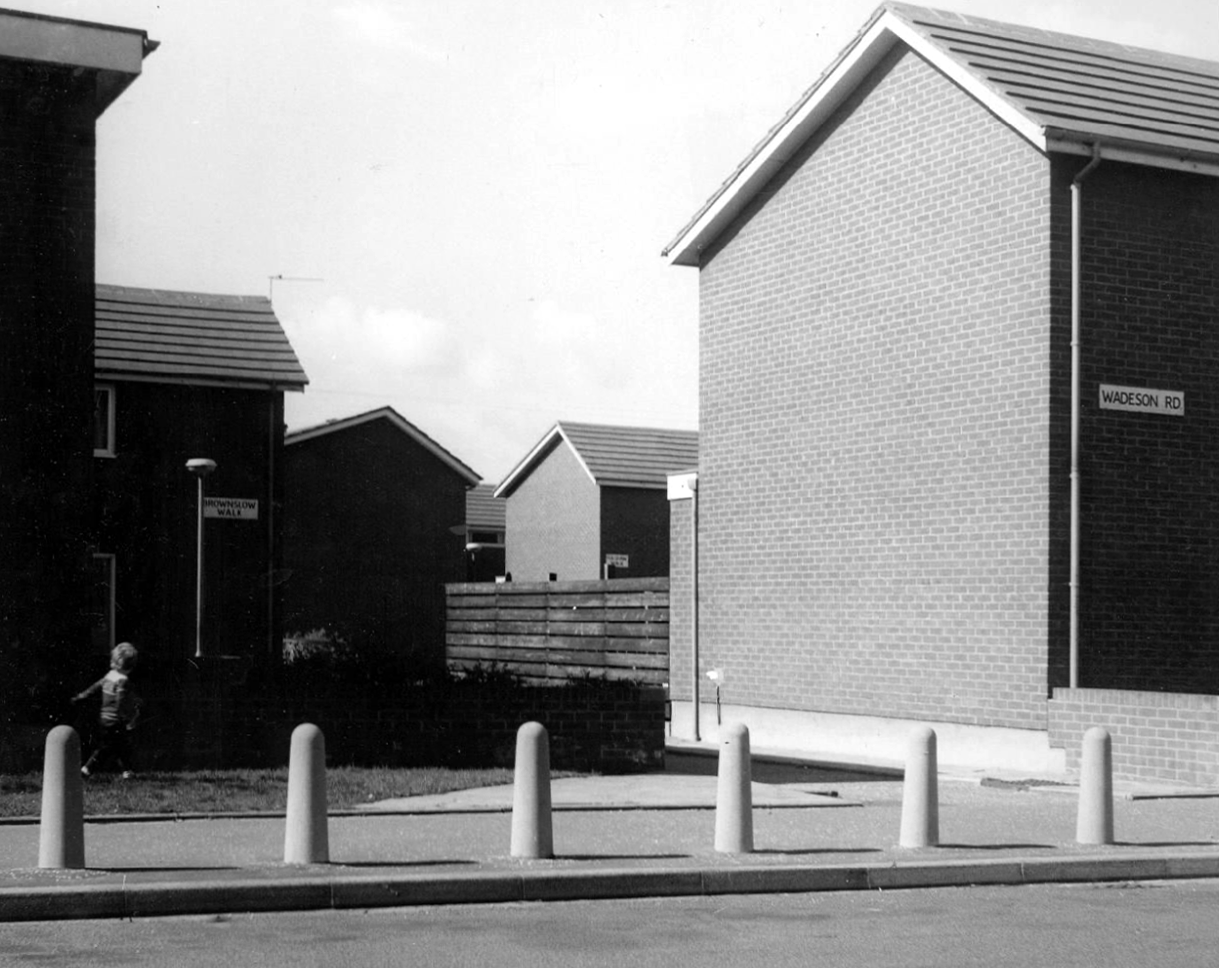
Hanworth Close
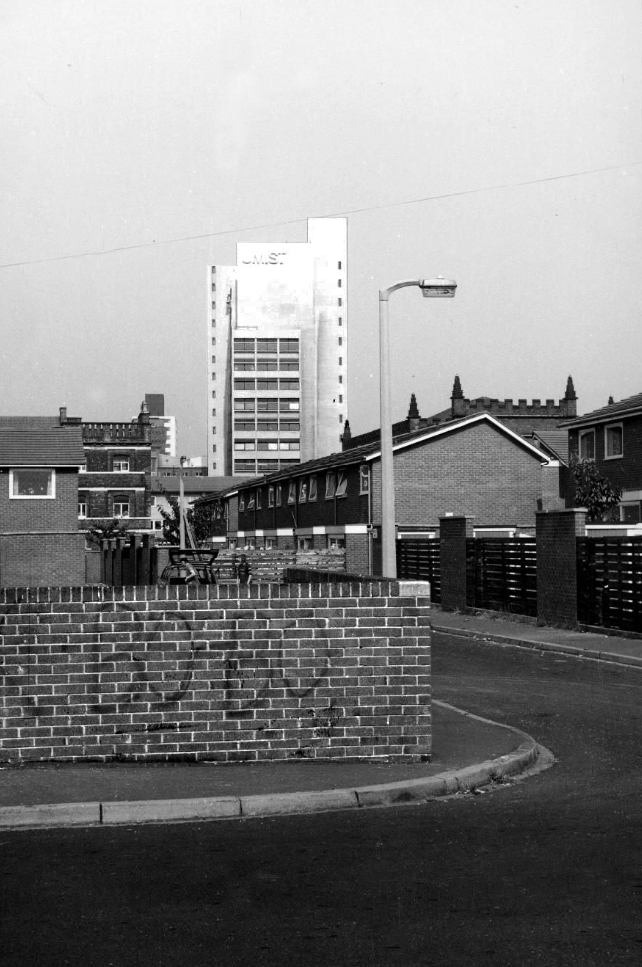
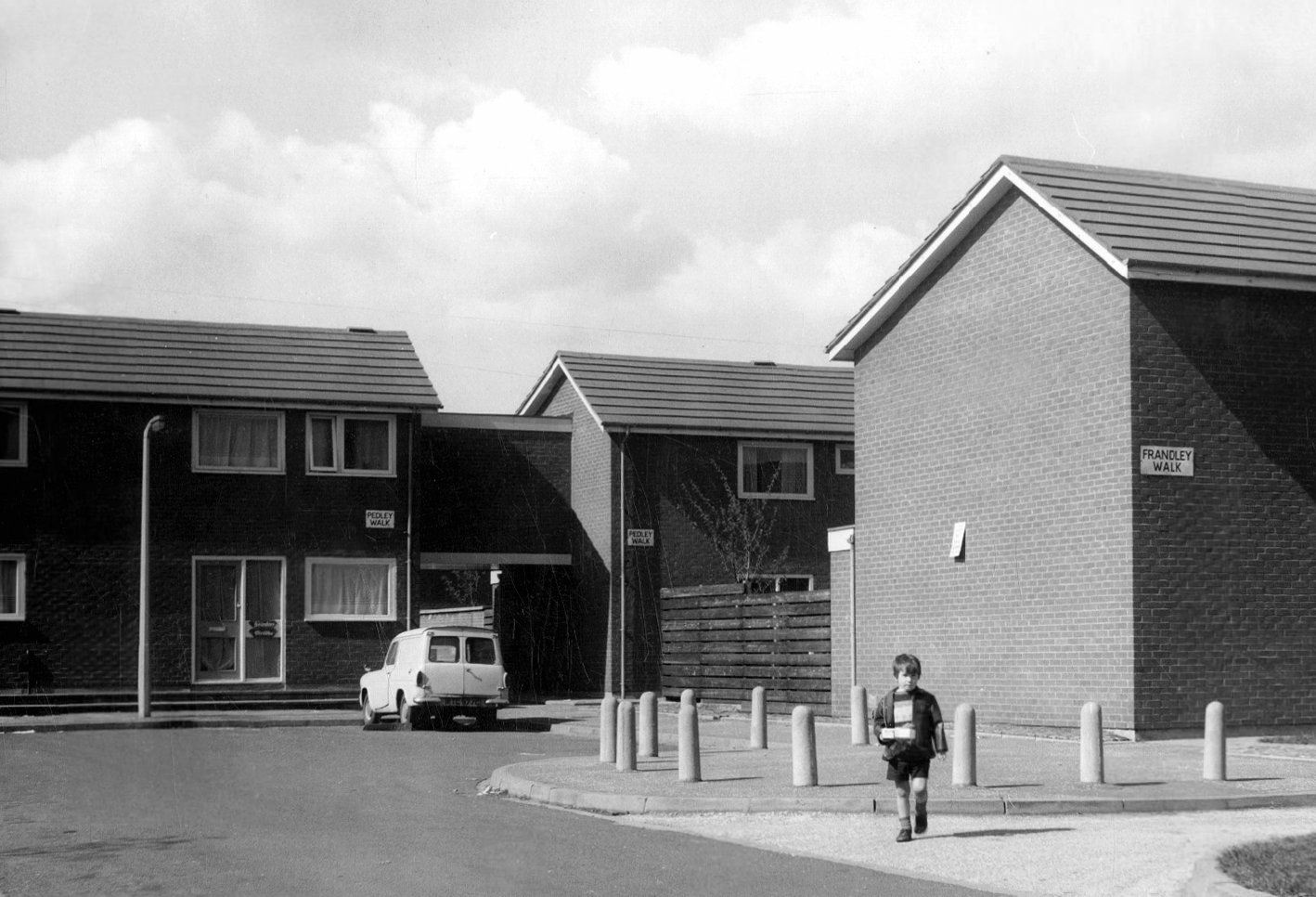
Pedley Walk
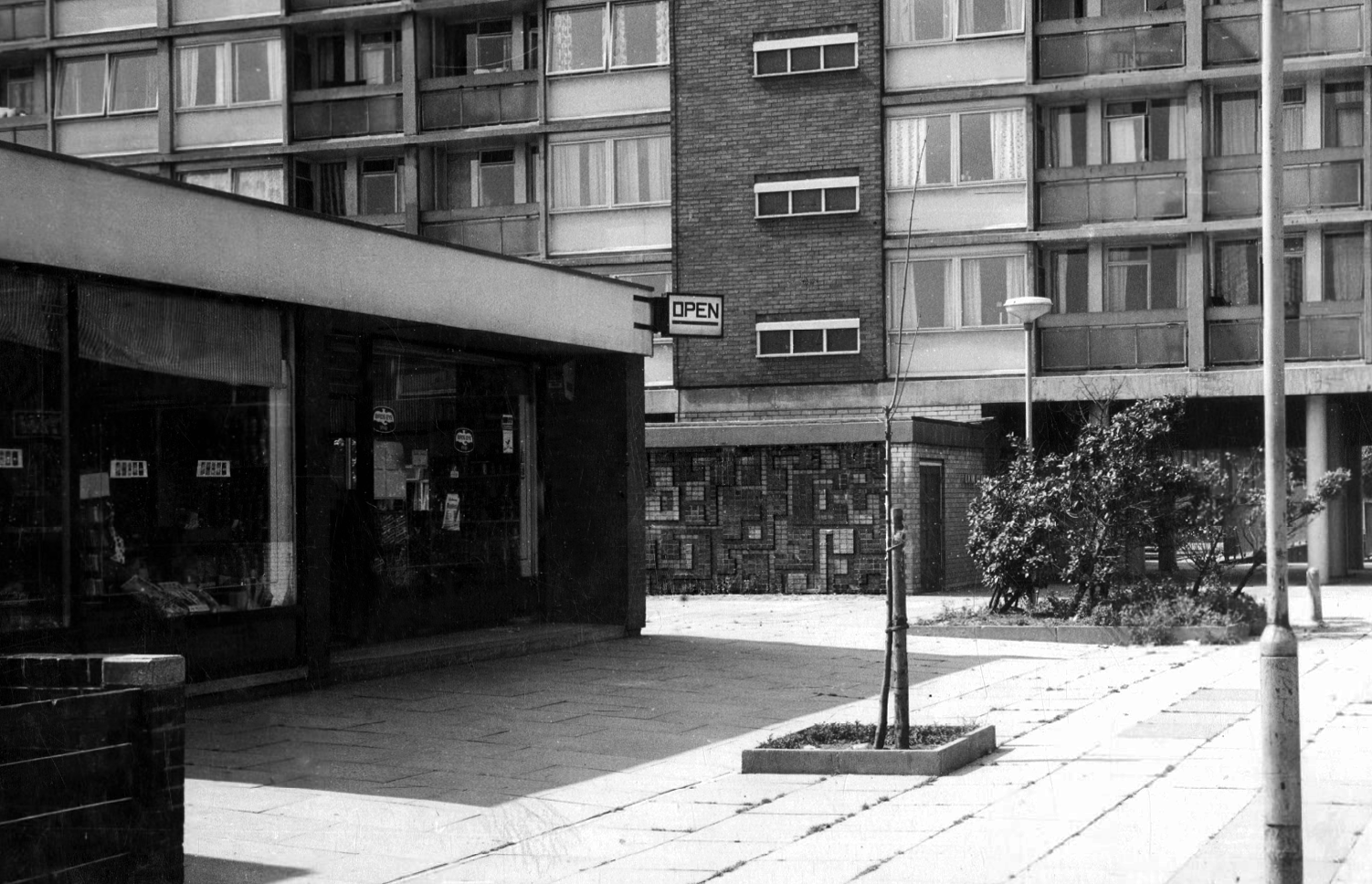
Cray Walk – note the decorative brick relief
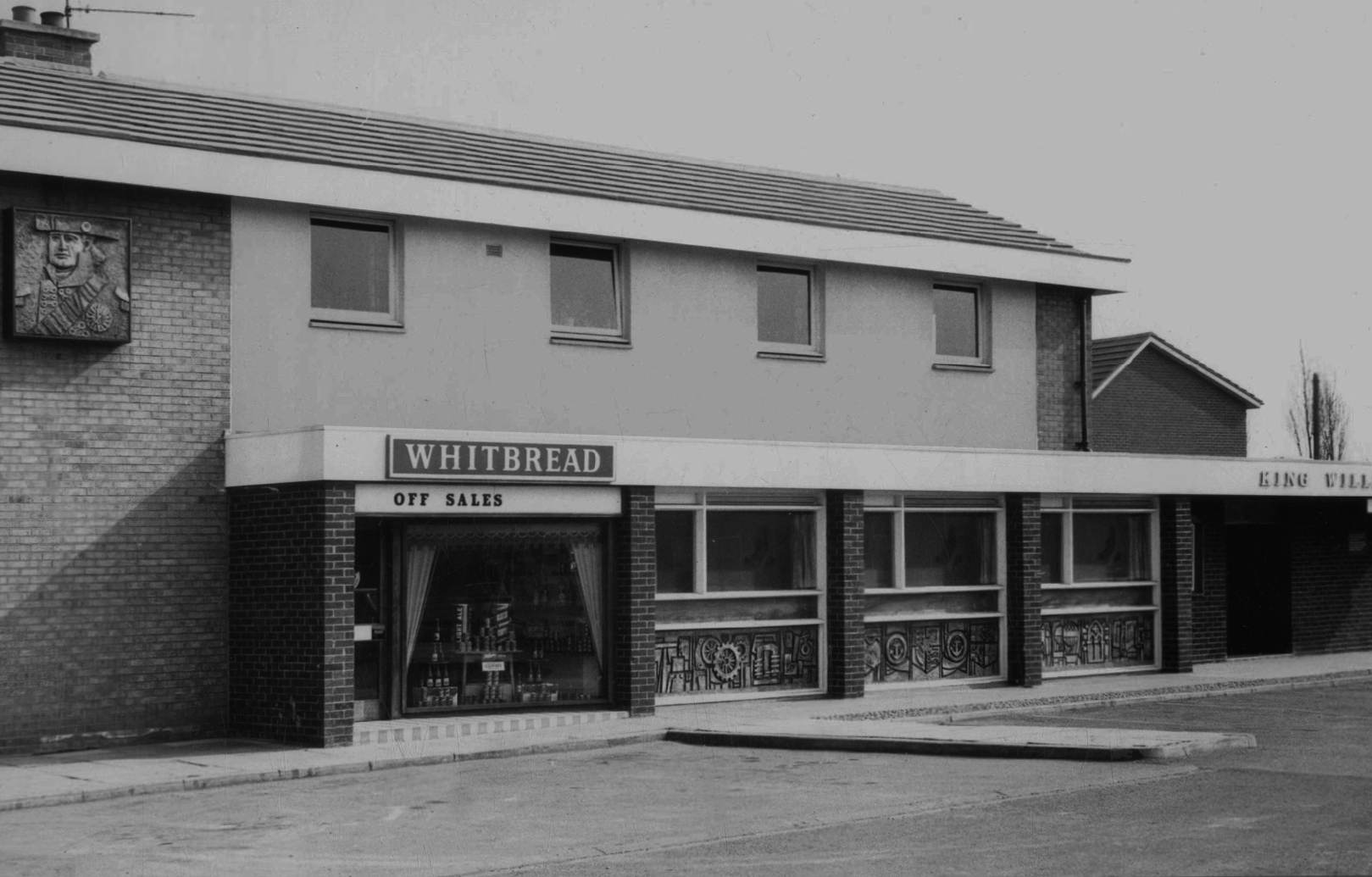
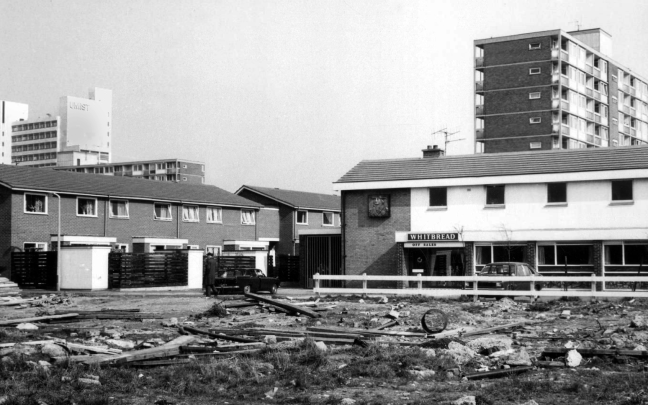
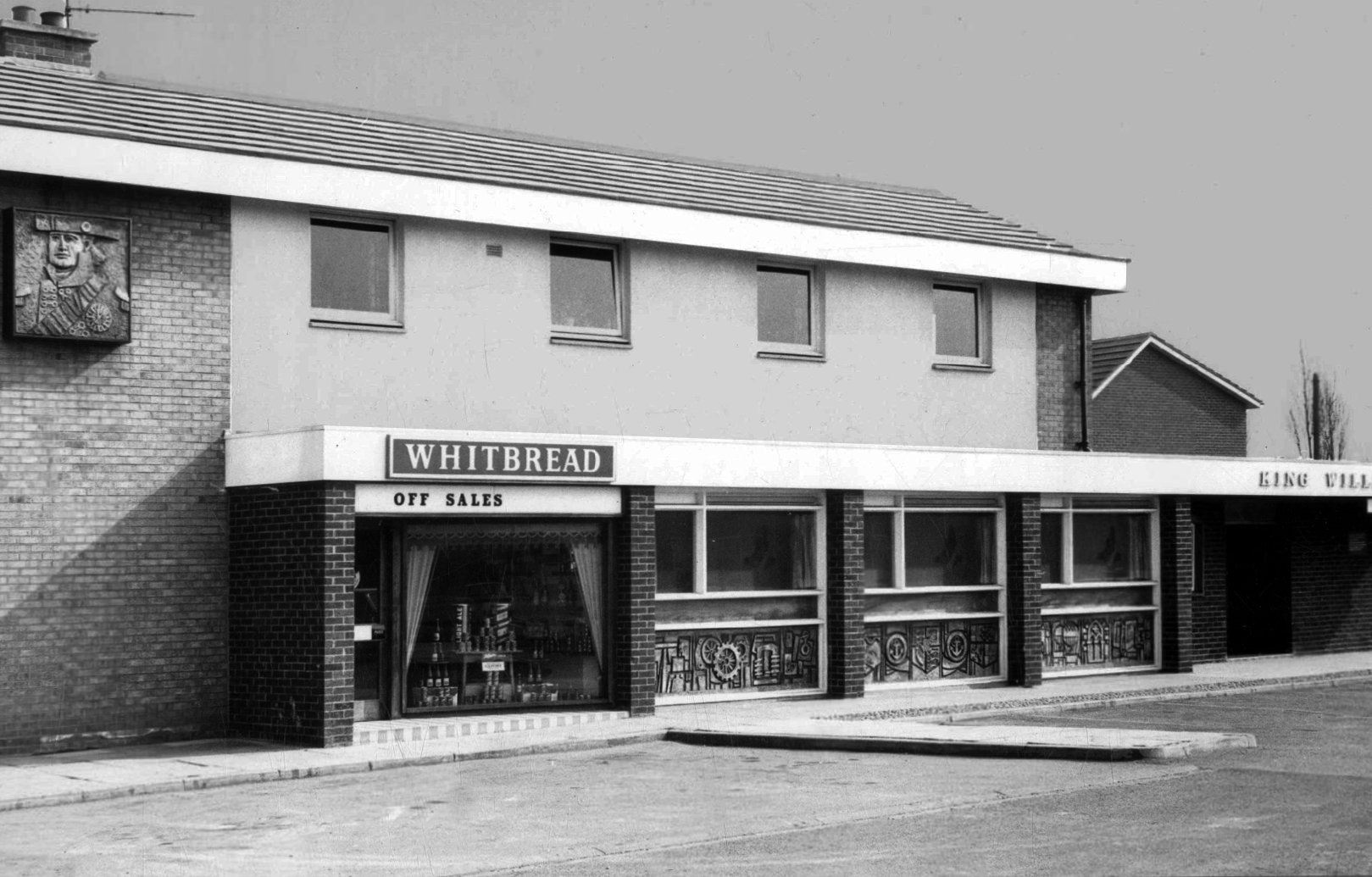
King William IV

Former Chesters then Whitbread estate pub was built in 1967. Closed in 1996 when it was converted to residential property. It had a brief spell 1991 to 1995 as brewery premises for the Dobbin’s West Coast Brewery, during this period the interior was stripped out to accommodate the brewery paraphernalia.
As a companion to the radical reshaping of Manchester see also All Saints, plus look around Brunswick Parish Church, close by the lost terrace of Hartfield Close.

In addition the Brunswick Street Launderette.

Ardwick Walk Again

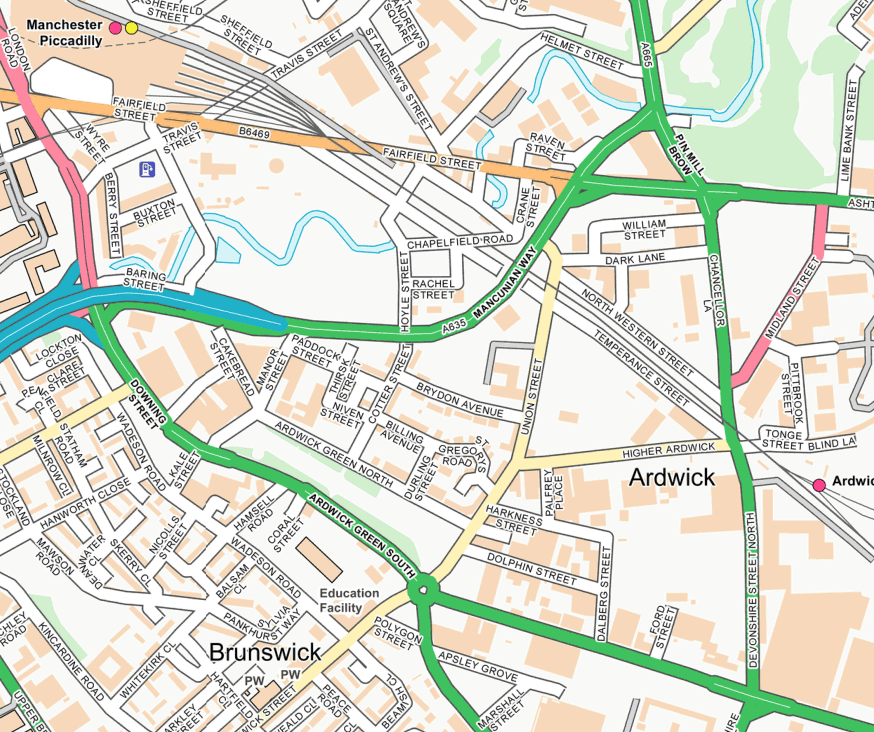
1824

1904

2025

Previously in February 2022 I walked the fair streets of Ardwick.

Three and a bit years on it was time to see what had been coming and going on.

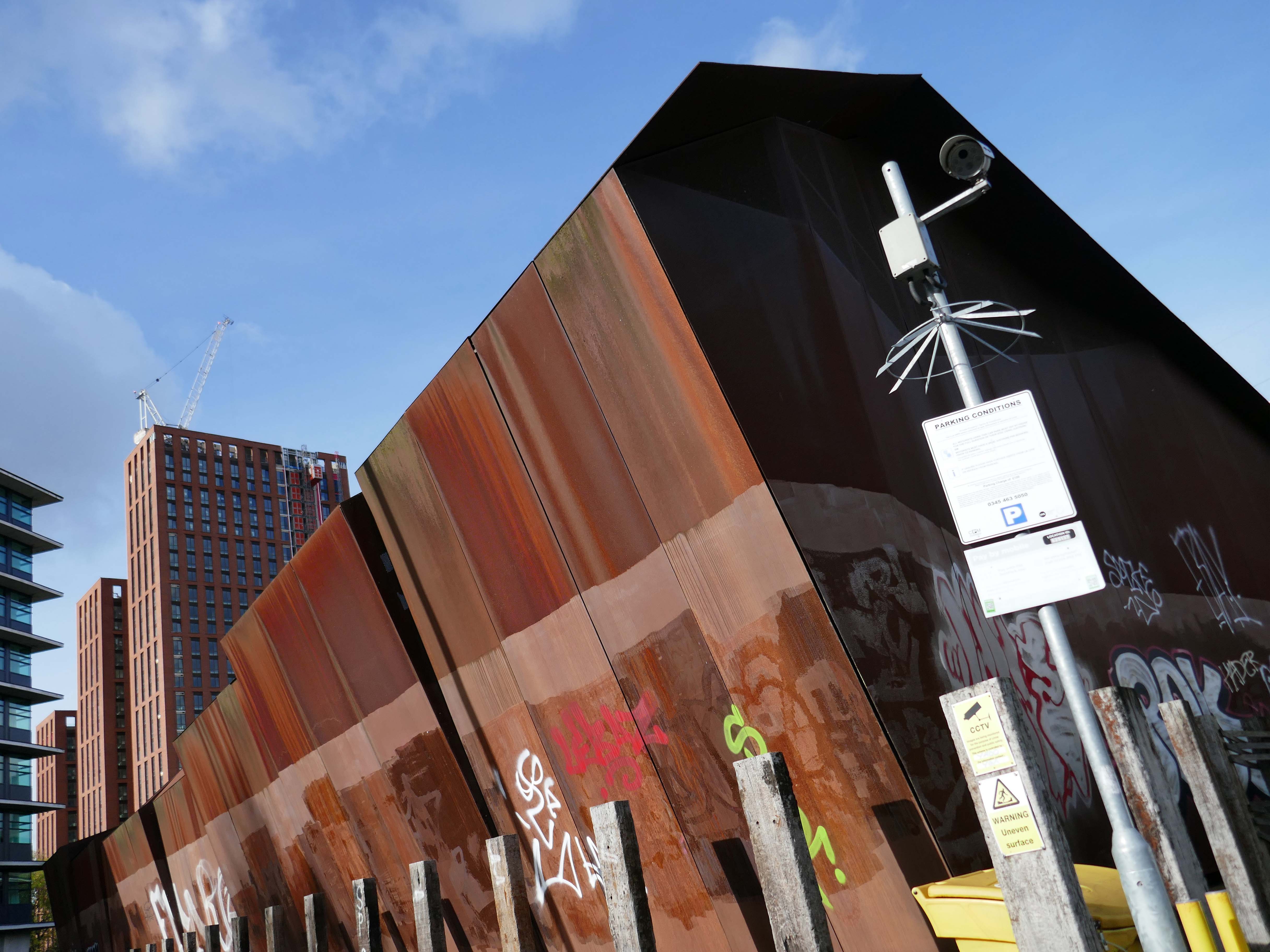
The Central Manchester Primary Substation on Travis Street is still there.

The building was cladded with a COR-TEN® steel envelope, the nature of which was relatively complex.

Corten steel sets itself apart due to the inclusion of unique alloying elements: chromium, nickel, copper and added phosphorous which gives the steel its self-protecting properties.

Architect: Walker Simpson

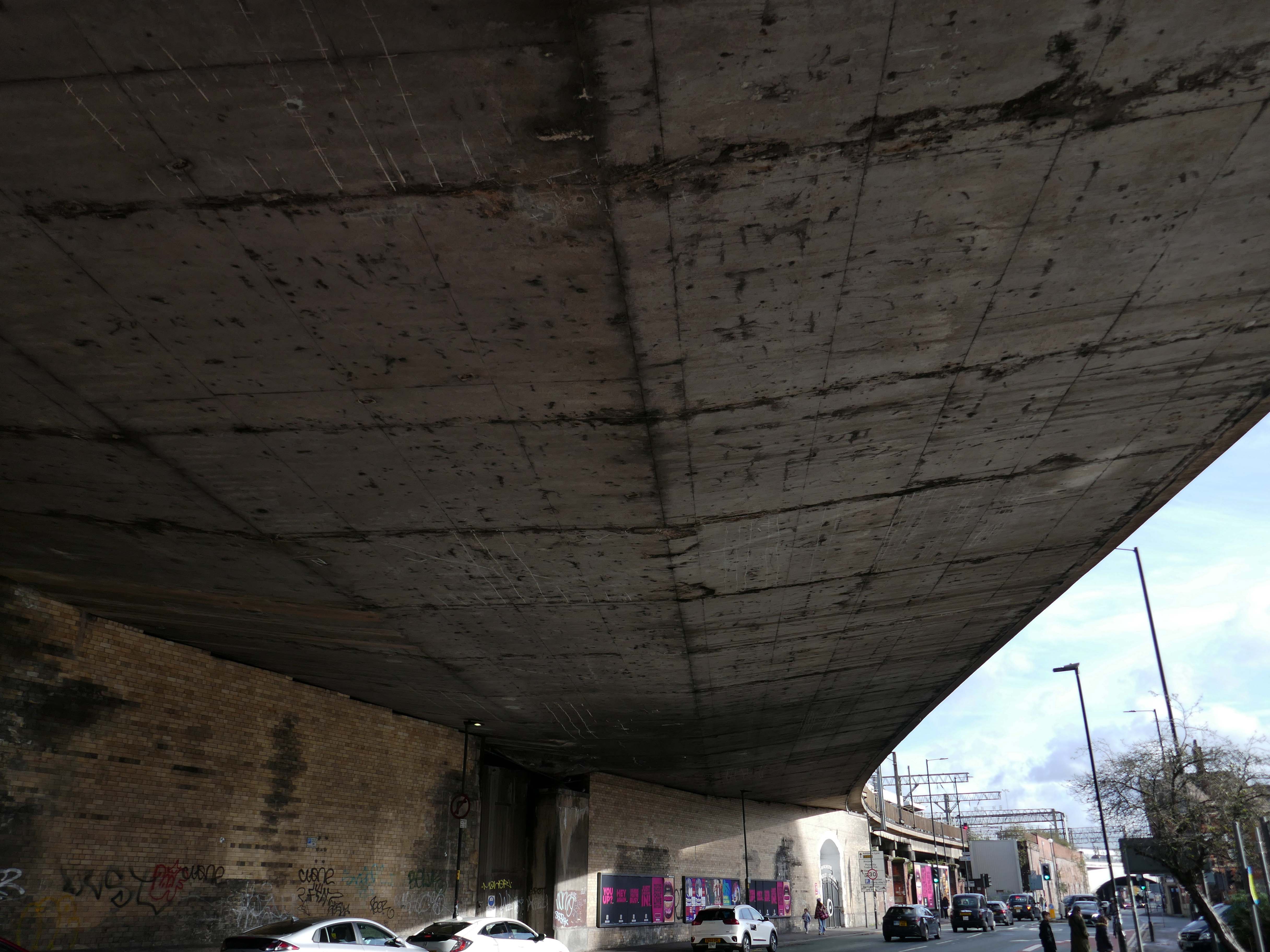
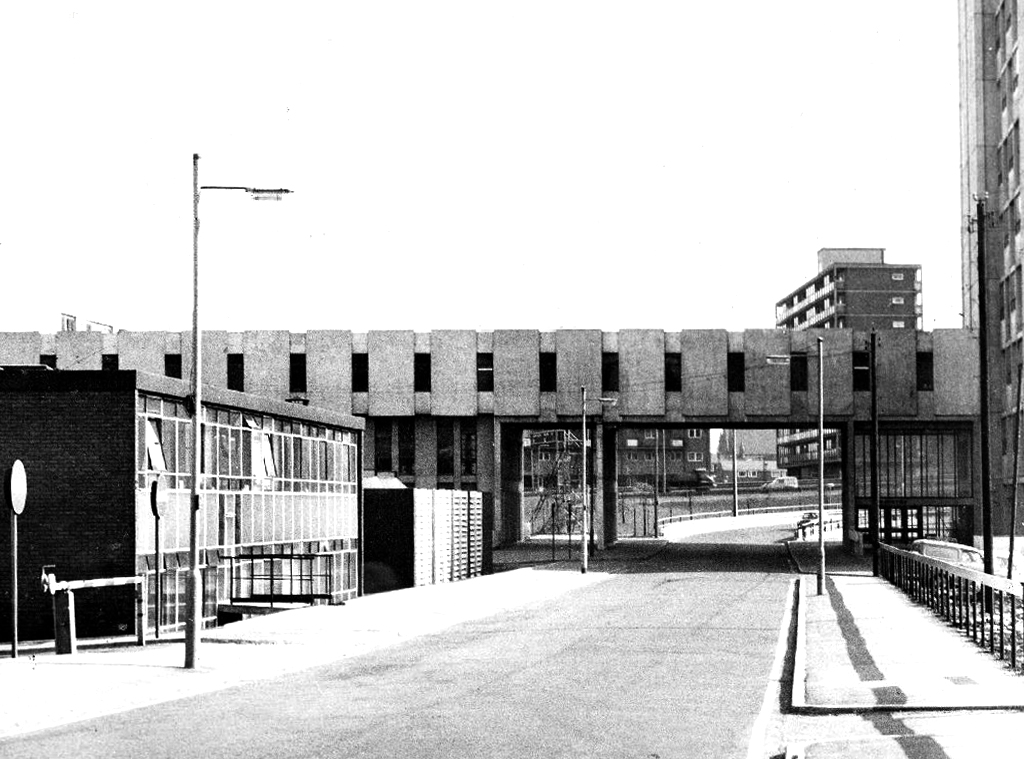
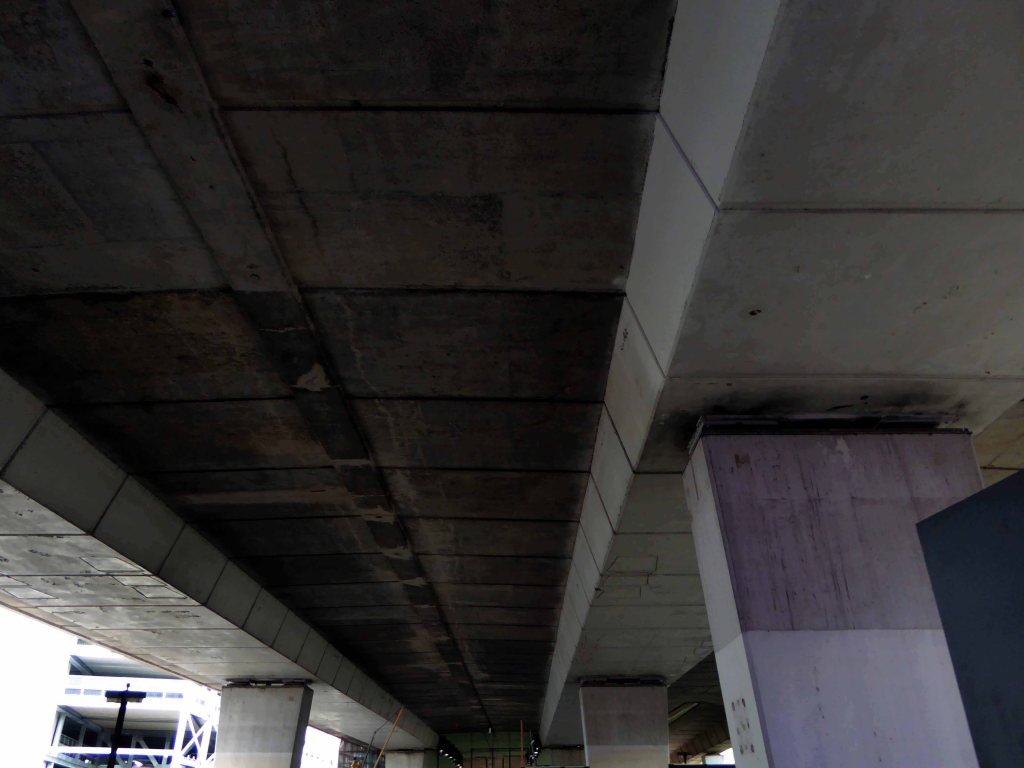
Immediately adjacent are Platforms Thirteen and Fourteen, bridged over the roadway by this vast concrete construction.

Platform 14 is primitive, I understand totally from an infrastructure standpoint because it’s on a bypass line on a bridge, but it gets too overcrowded and is windswept. The rest of the station is ok. Platforms 13/14 have not changed in 40 years, grim.

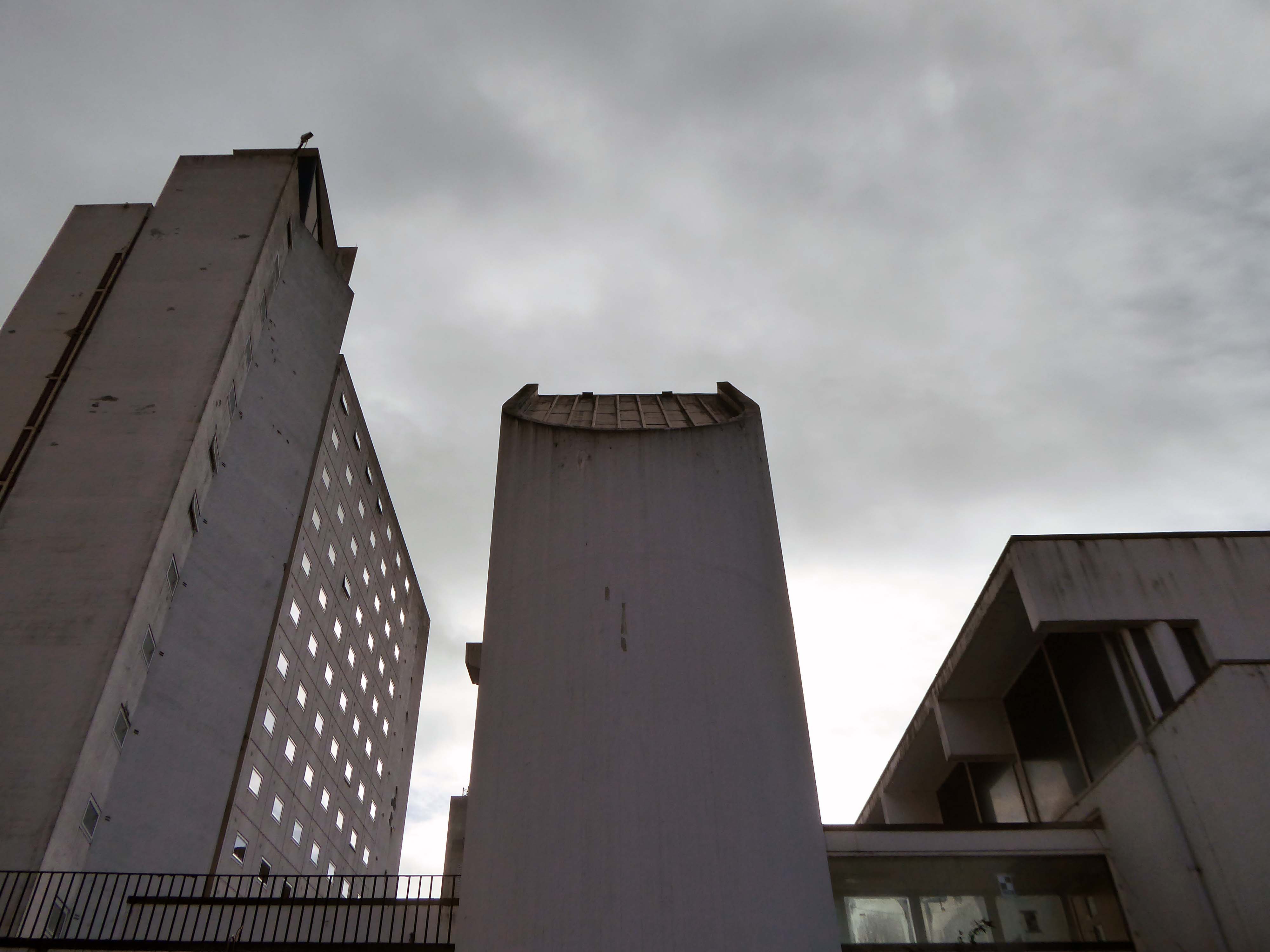
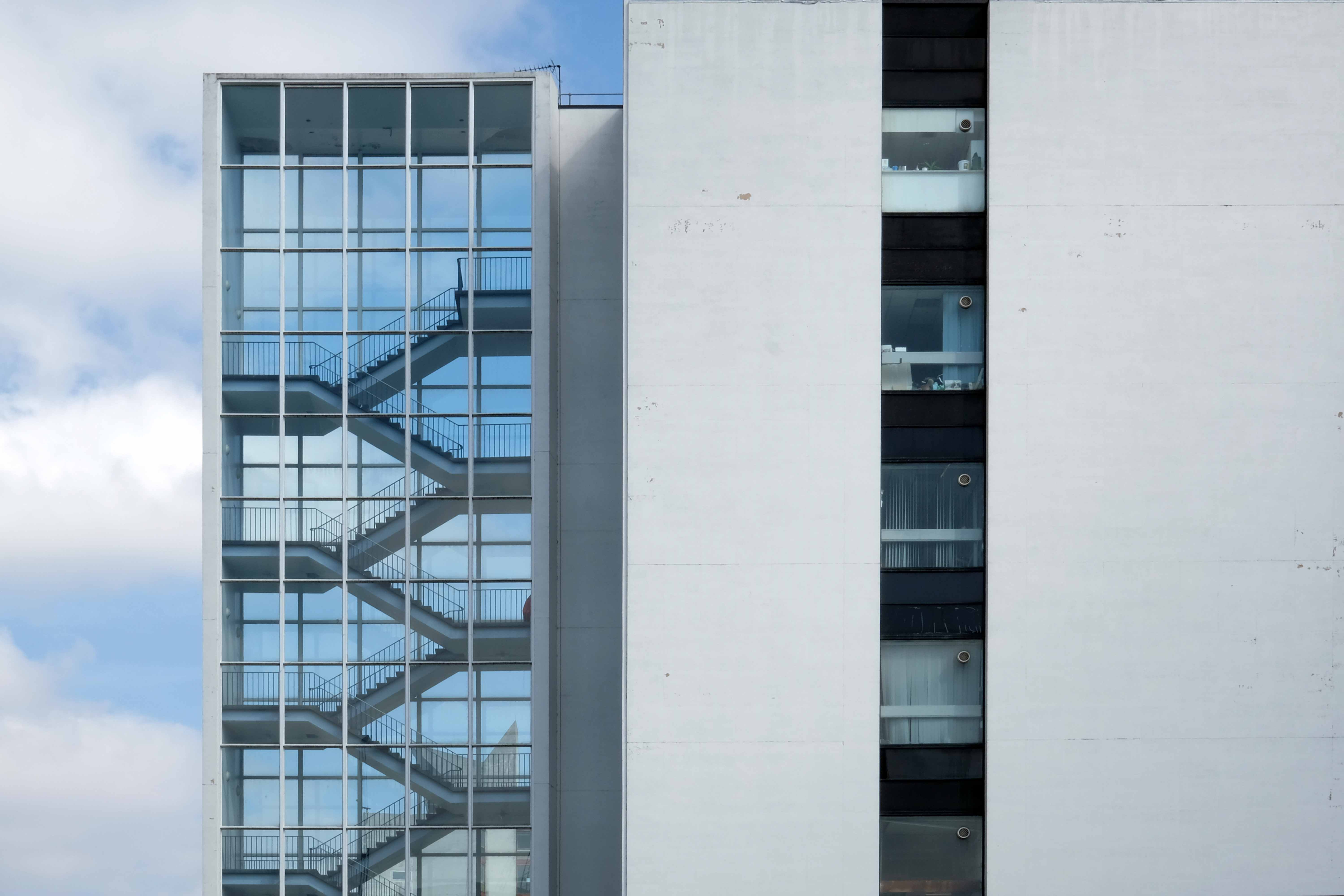
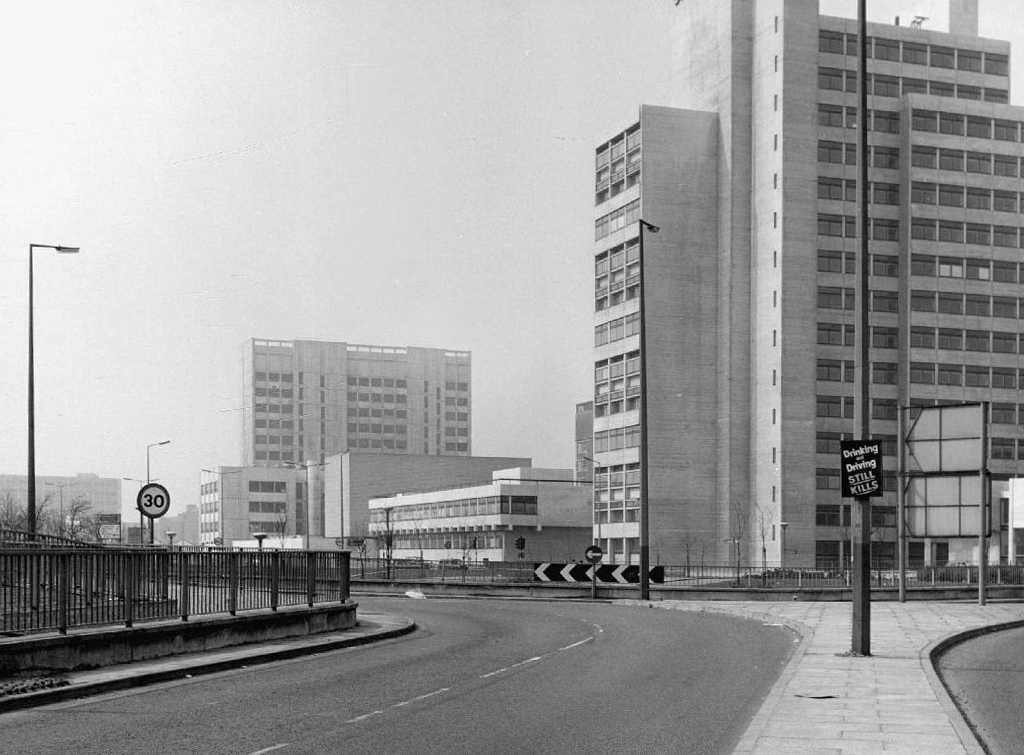
We the pass to the former BT Building – architects JW Hammond 1973.

Originally conceived as a hotel, there were no takers at the time, so it became the BT HQ.

Currently Marriot Hotel Piccadilly

Comprising 338 rooms, Manchester Marriott Hotel Piccadilly is near a shopping district, a 10-minute ride from Etihad Stadium. Offering a location right in the centre of a beautiful neighbourhood, this comfortable hotel boasts a lounge bar along with city views.

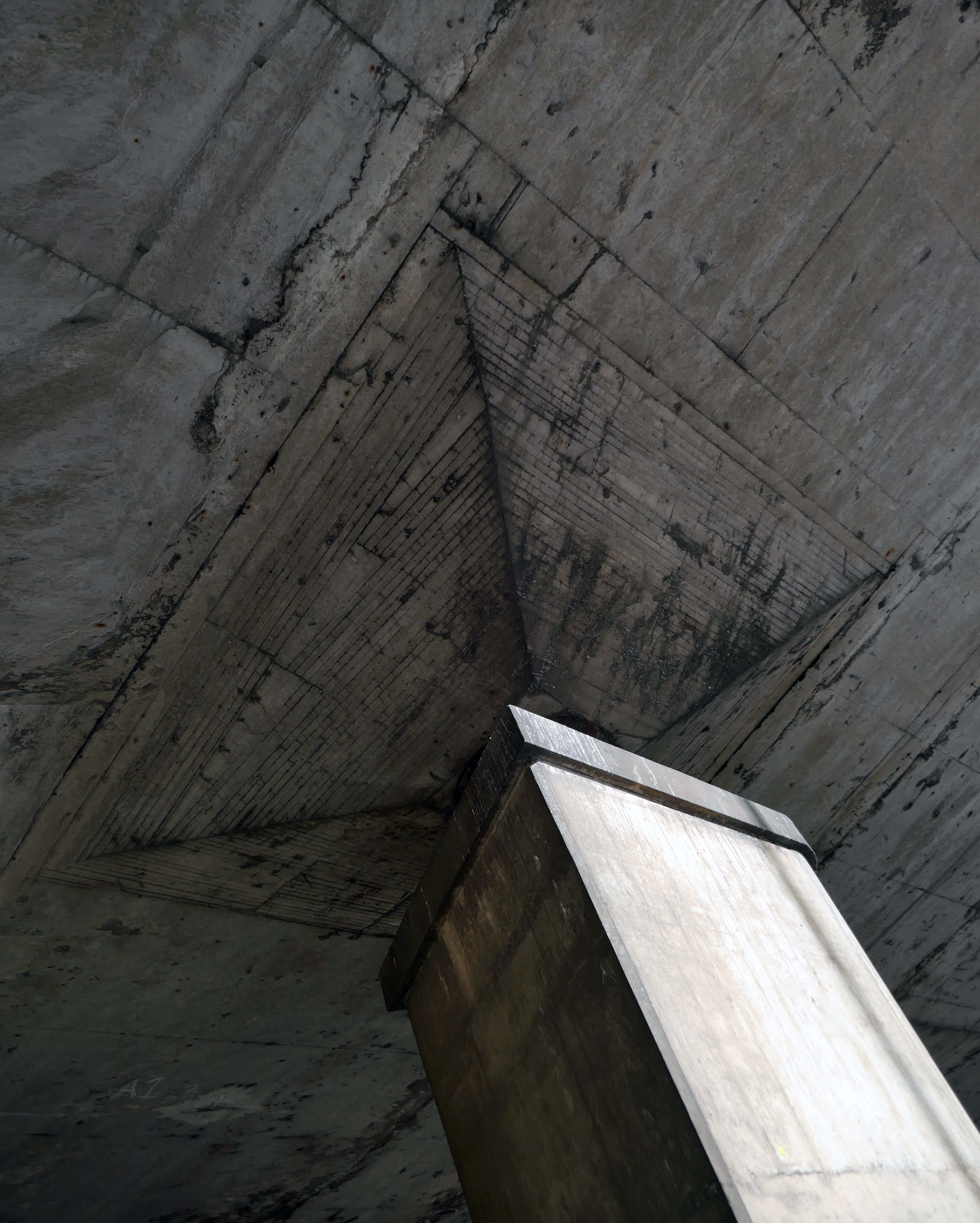
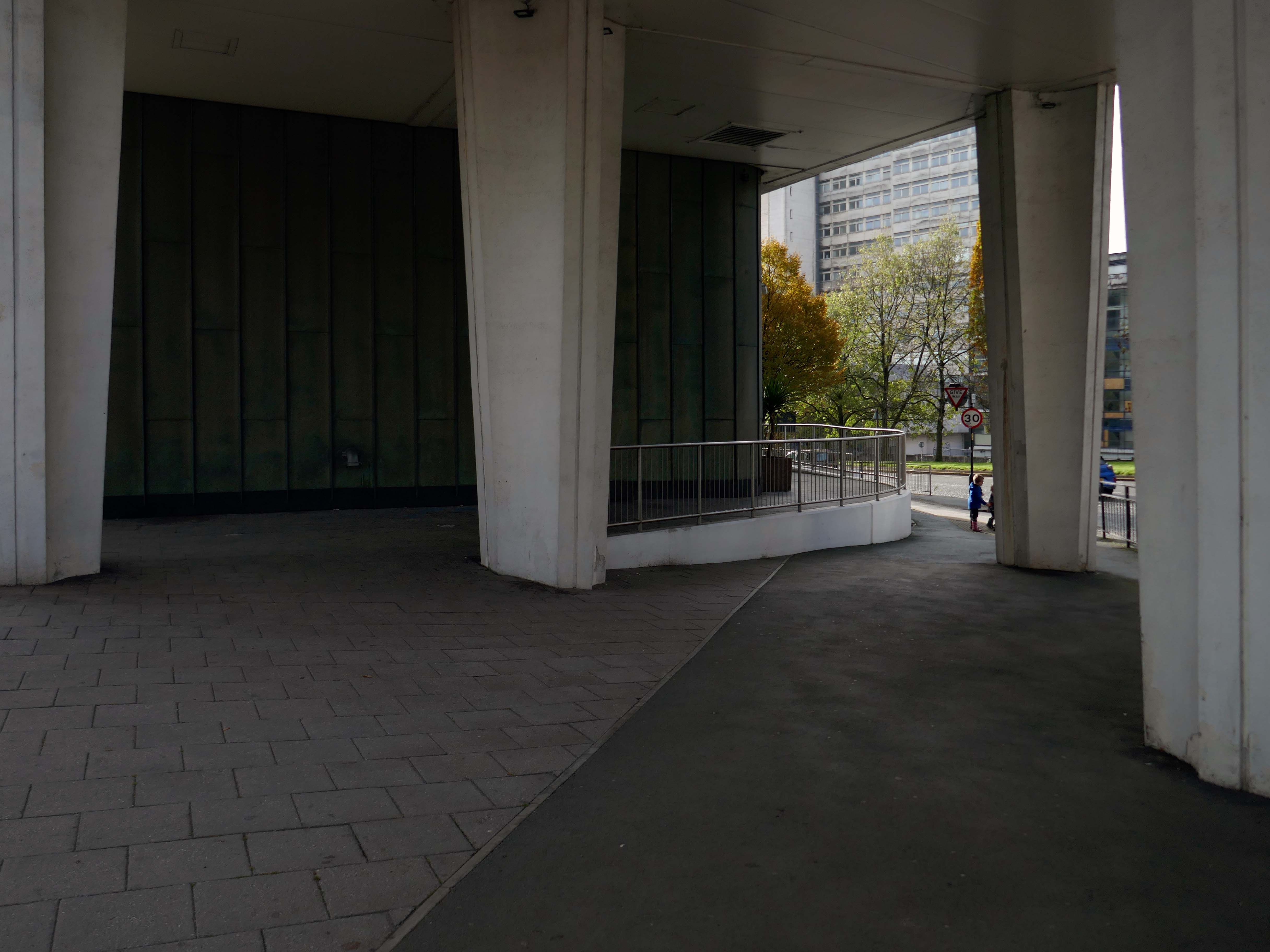
It is supported on the most magnificent piloti.

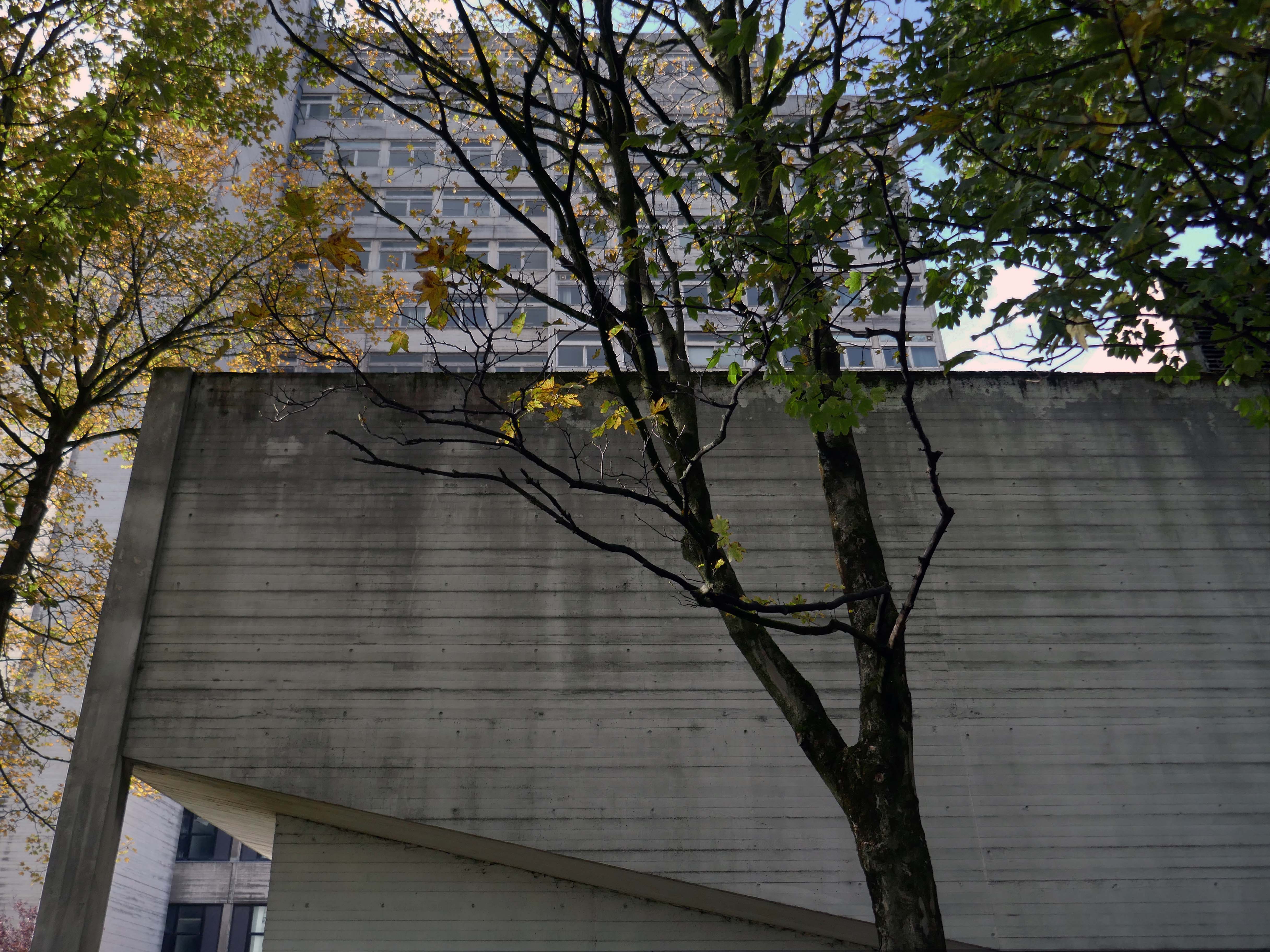
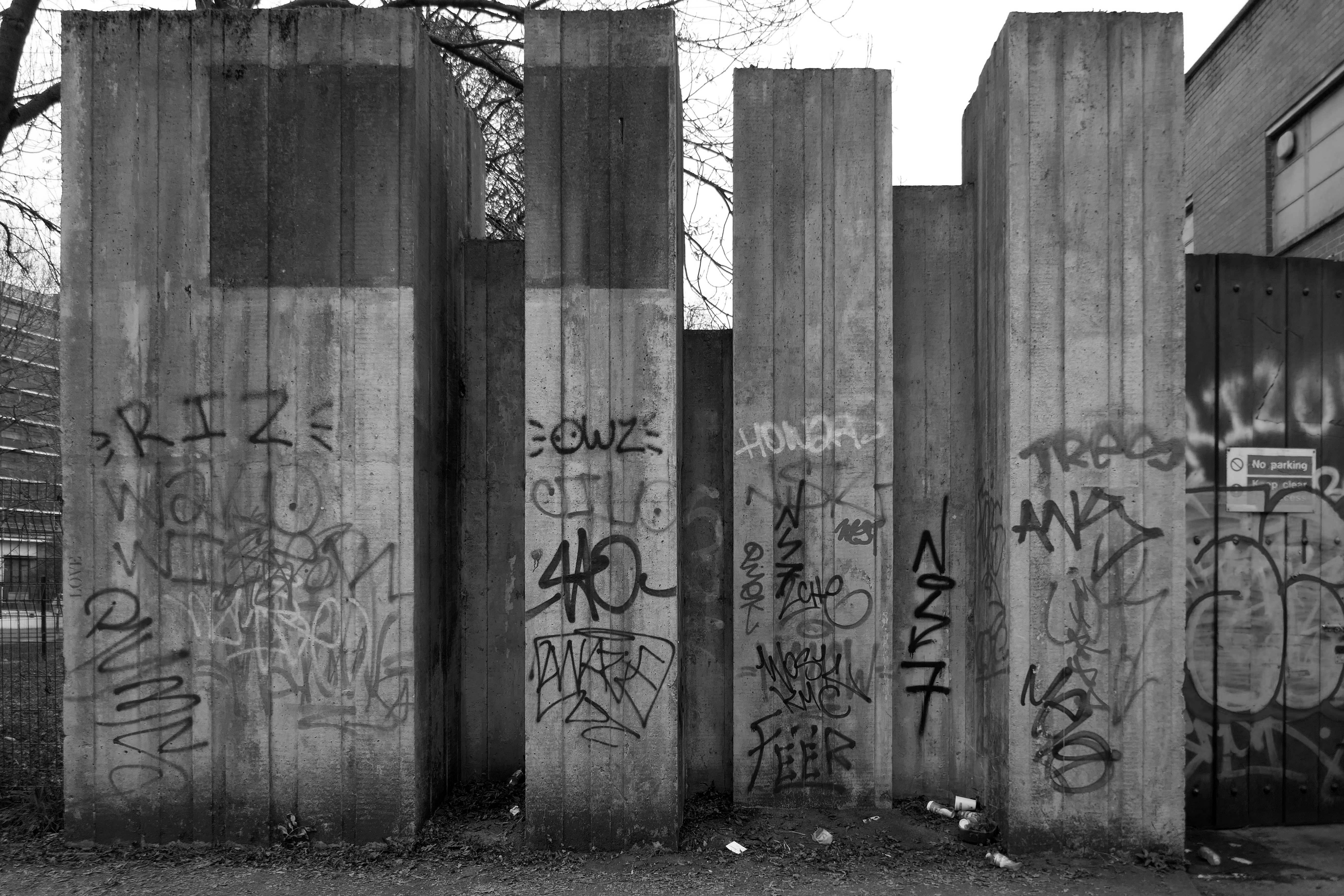
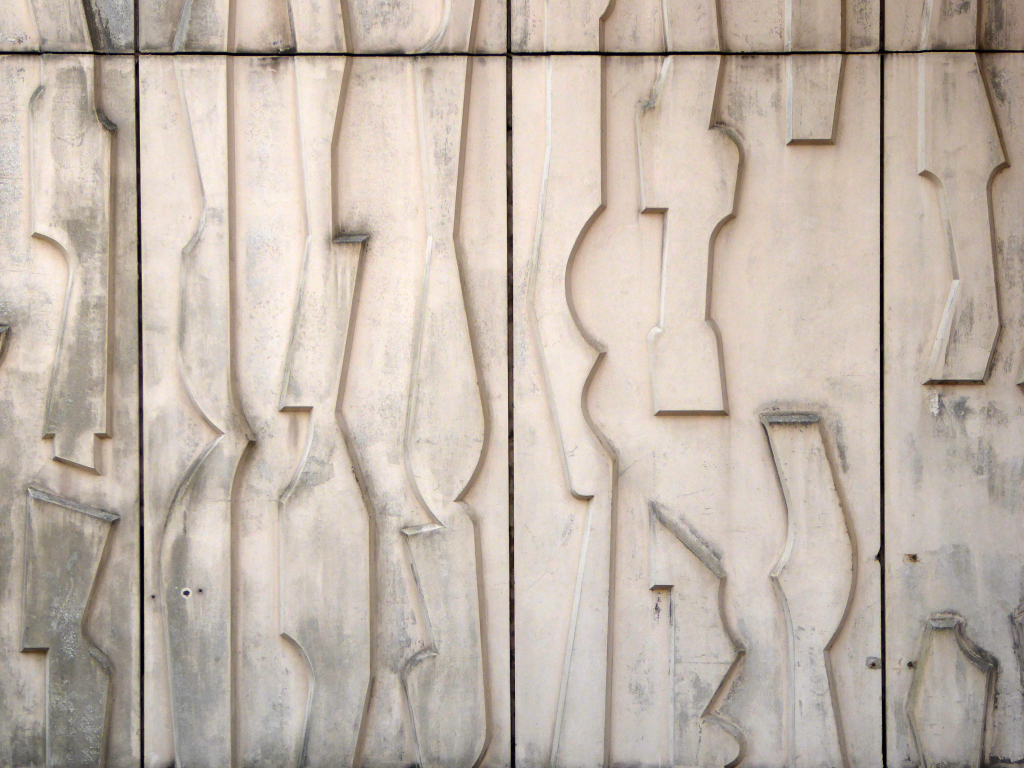
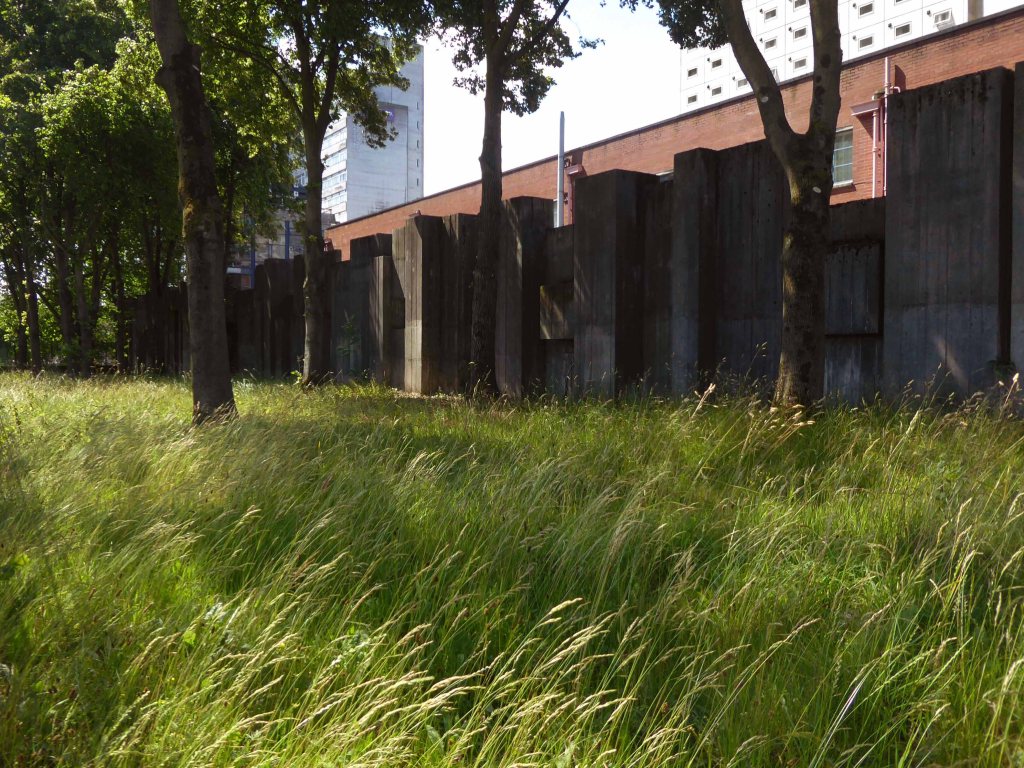
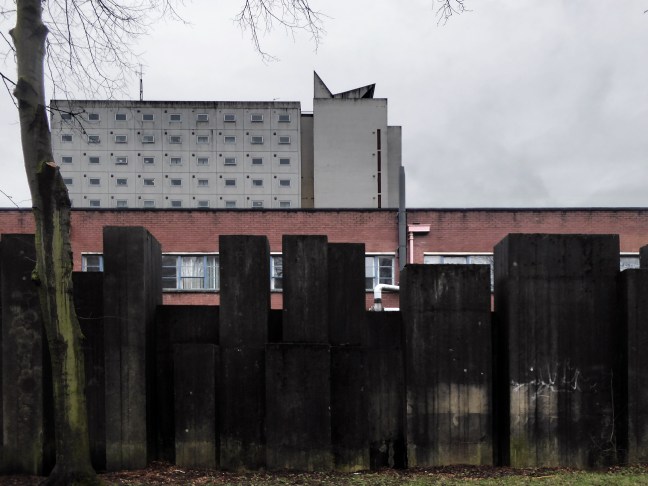
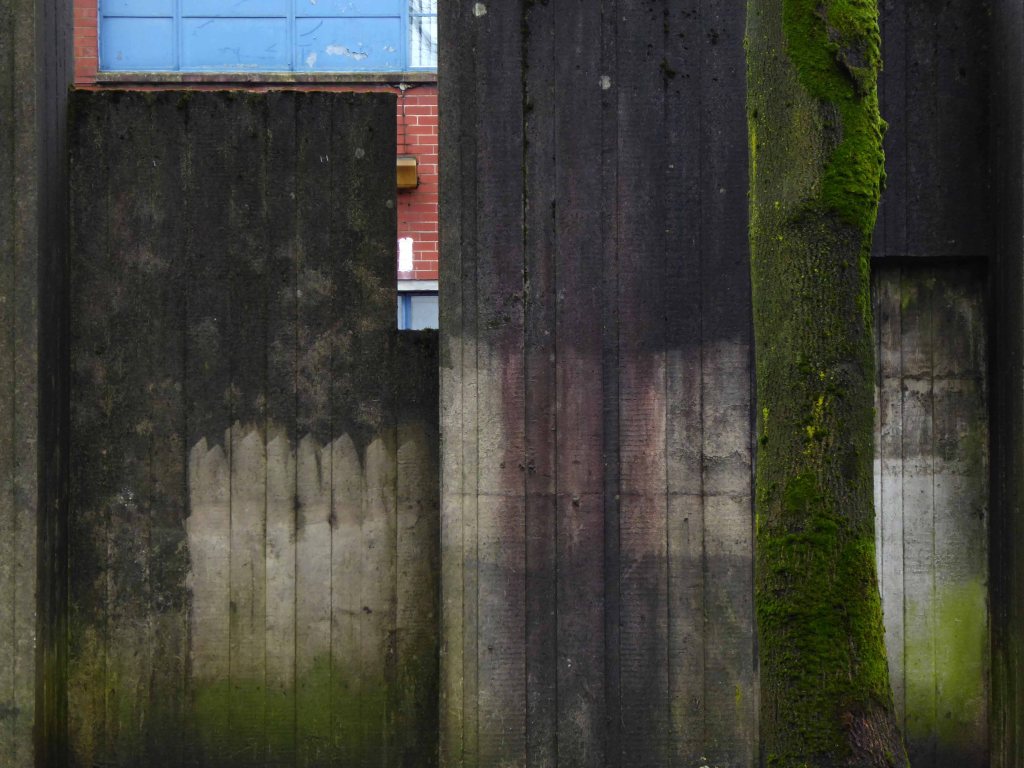
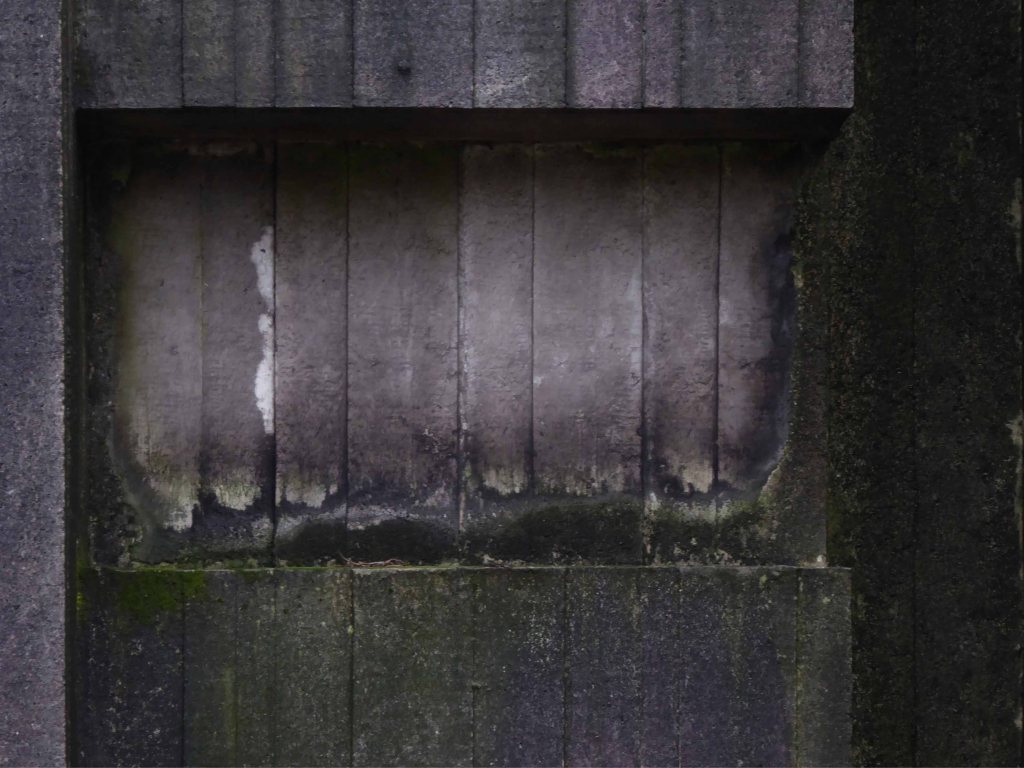
Over the road the Holloway Wall 1968 – Grade II listed but its remodelling is in the air.

The developer’s architects now propose to ‘reimagine’ the artwork and incorporate it into the foyer of the new office building. However, this ‘reimagining’ requires large sections of the artwork to be removed by cutting away and ‘folding’ around 30% of the sculpture.

Modernist

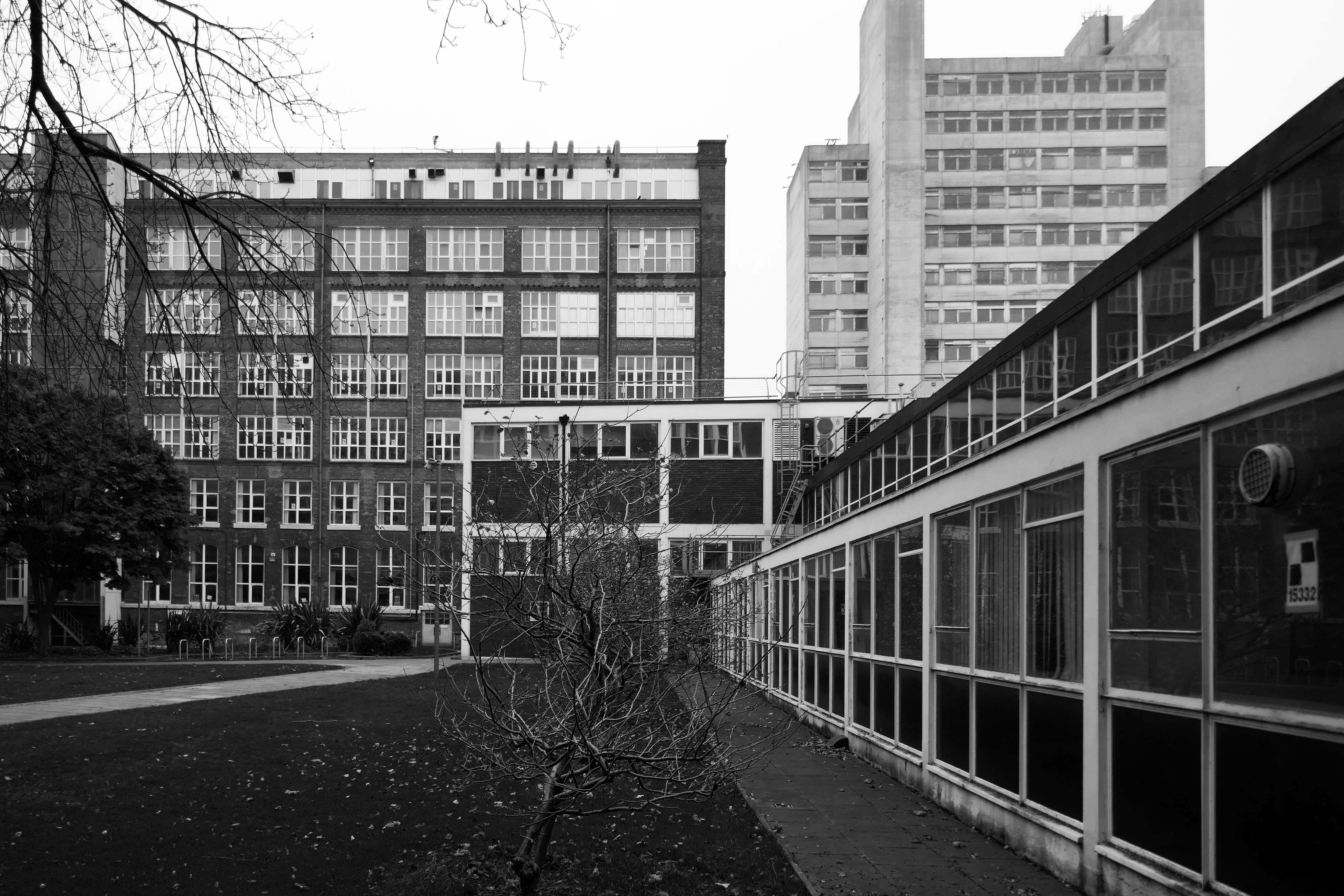
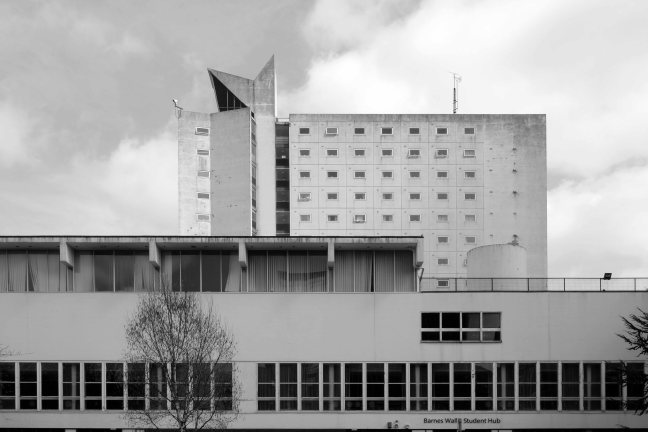
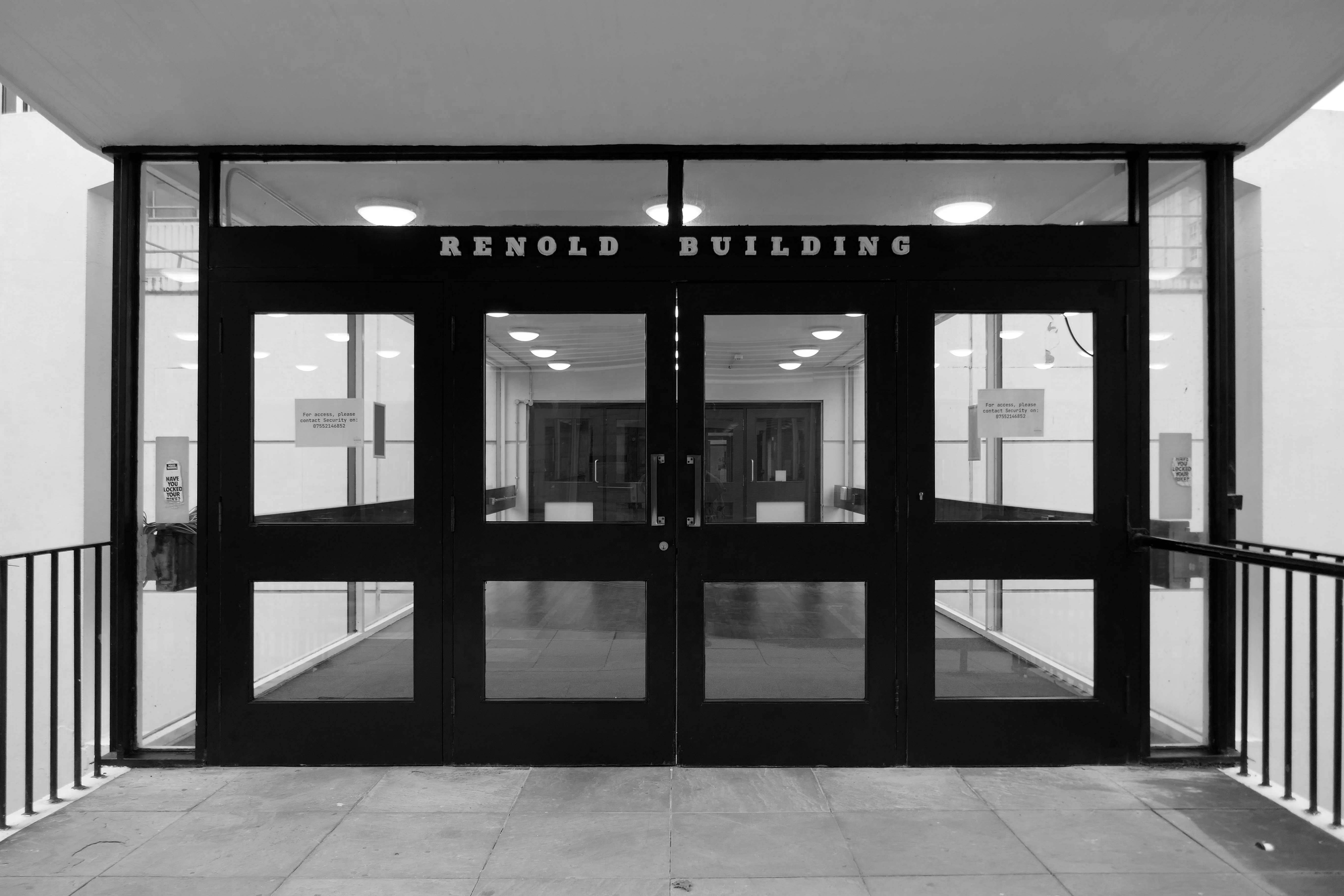
The remainder of the UMIST site is also under threat – only the Renold Building is listed and to be retained intact.

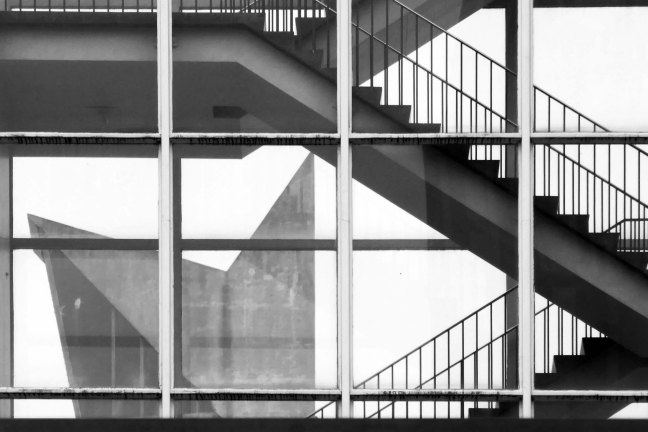
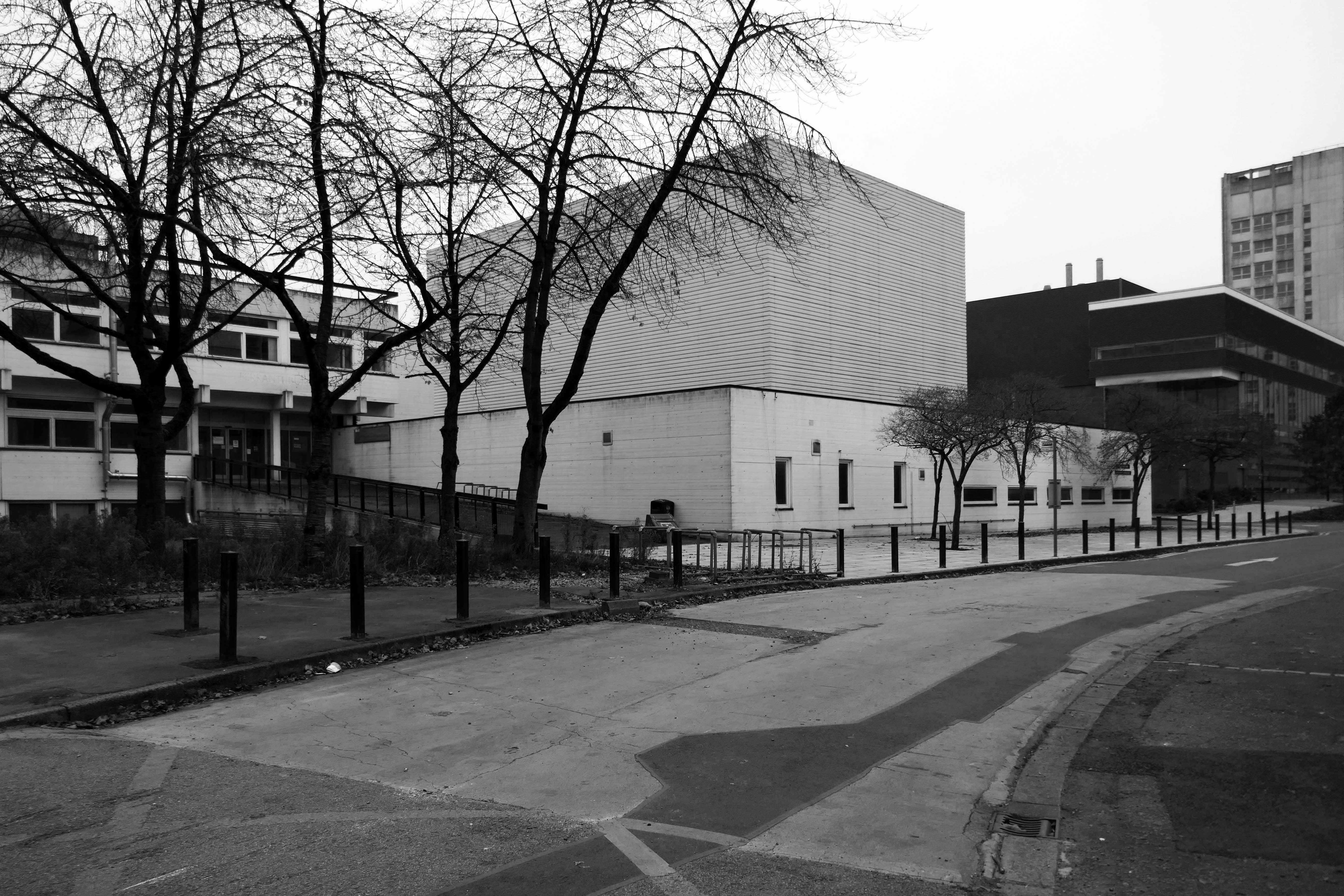
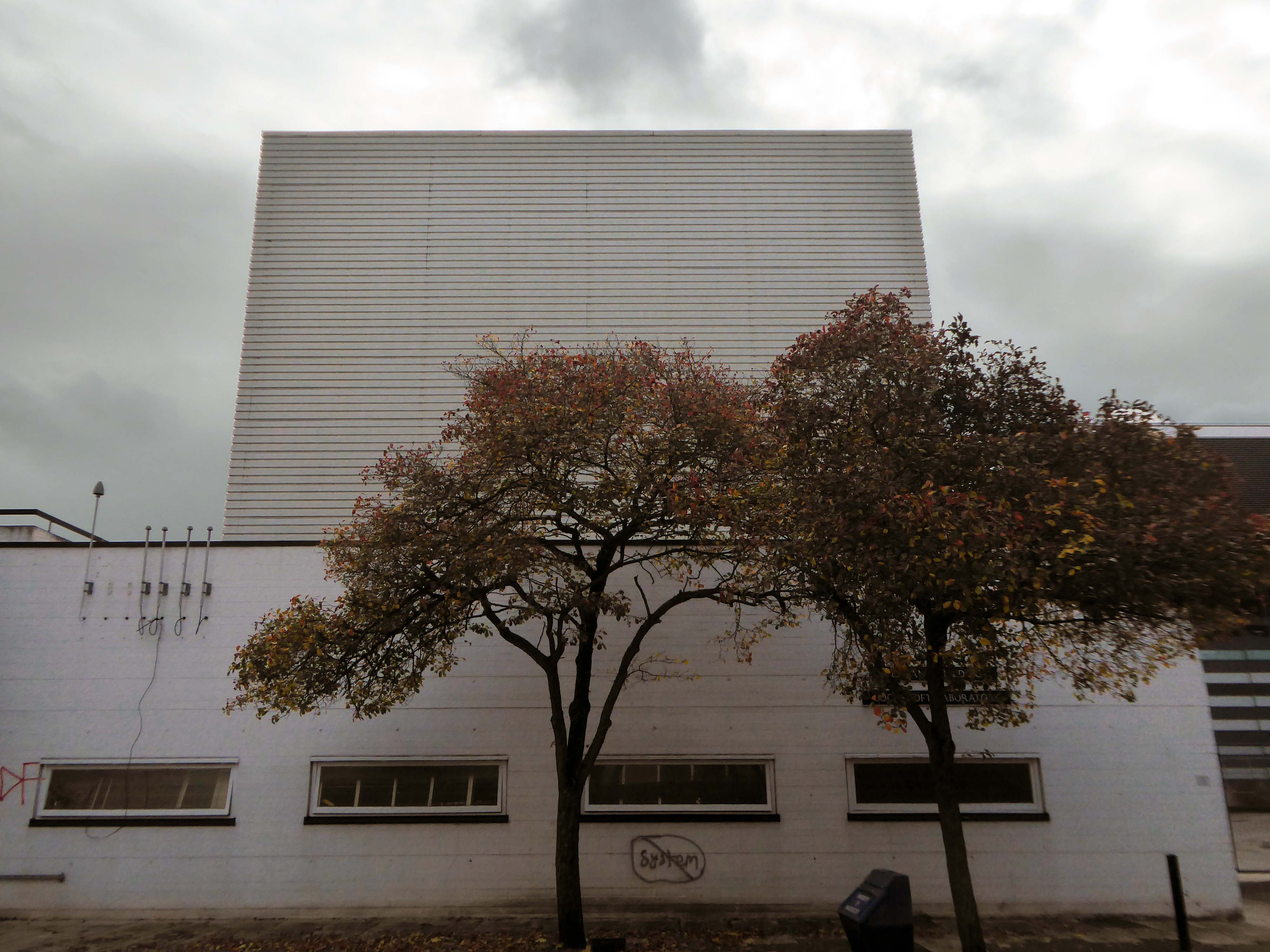
Lecture Theatre, along with the Maths and Sciences Building.

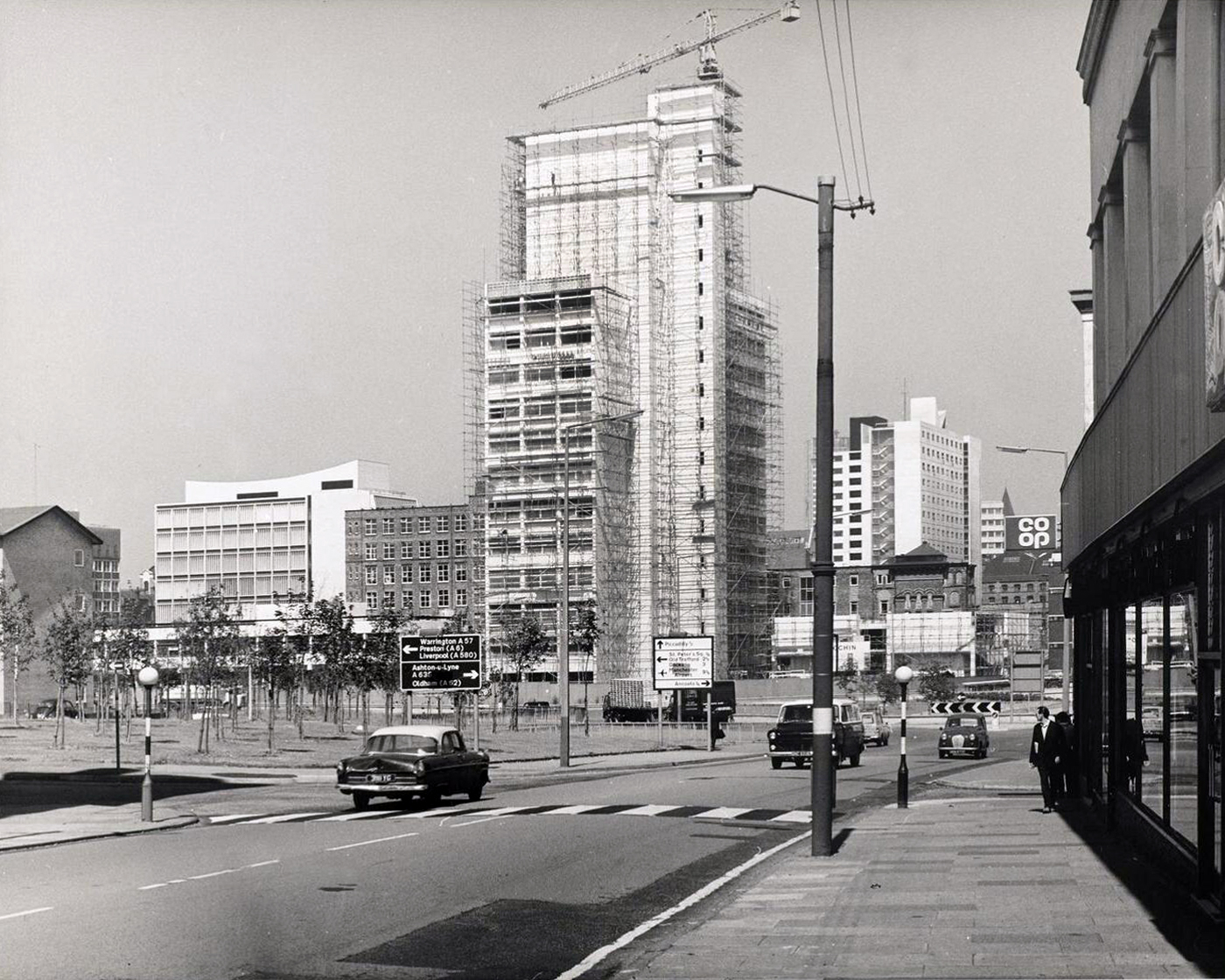
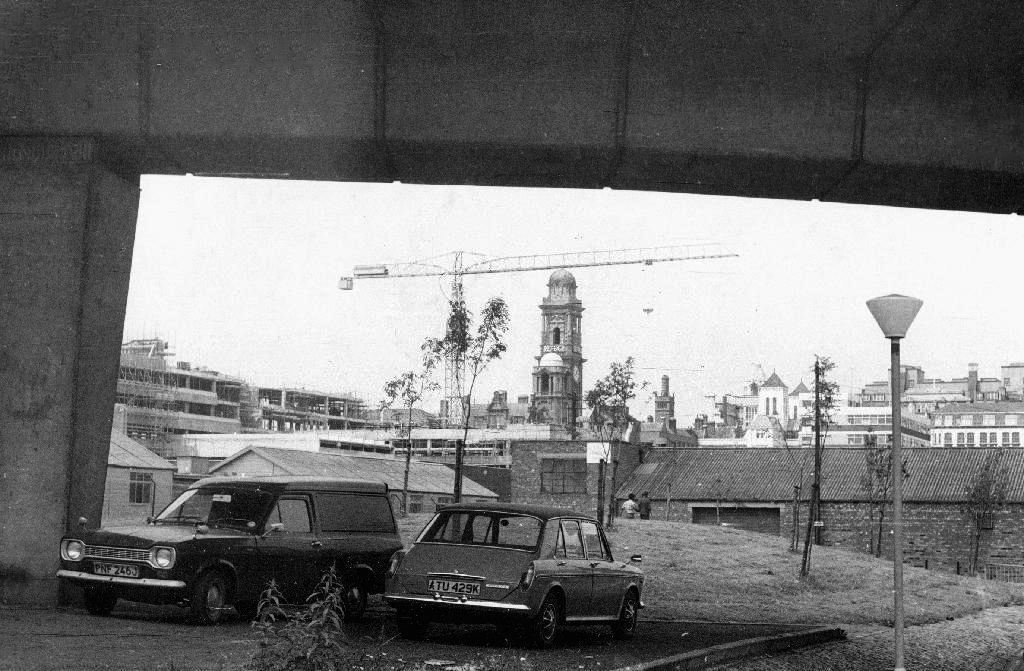
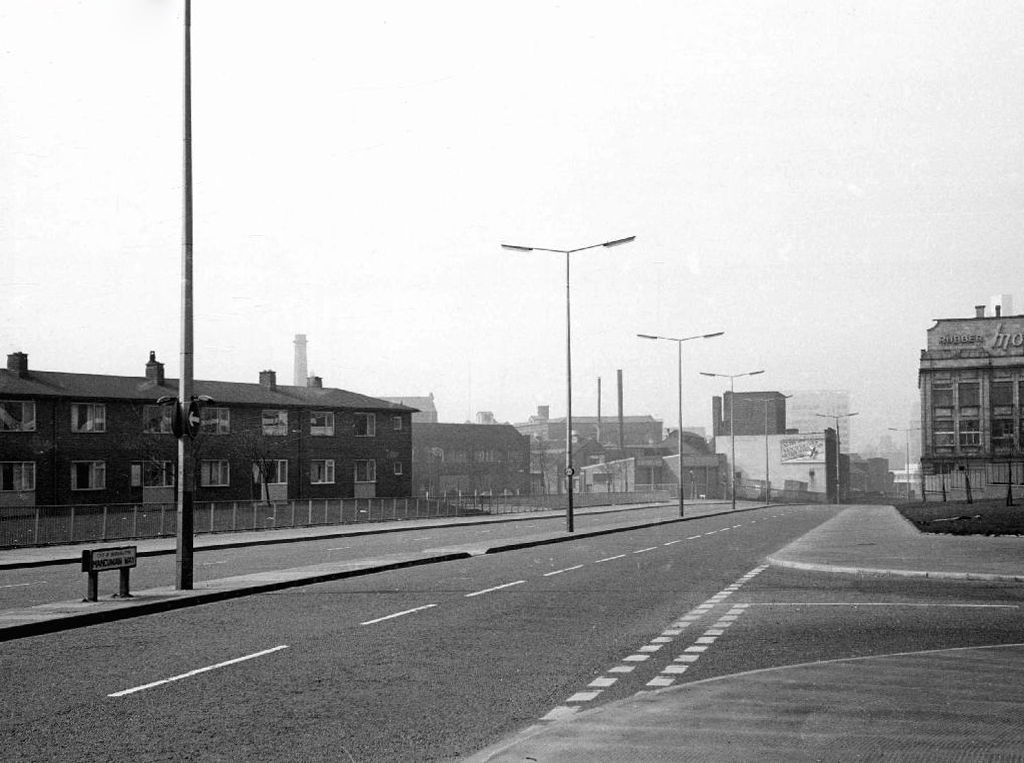
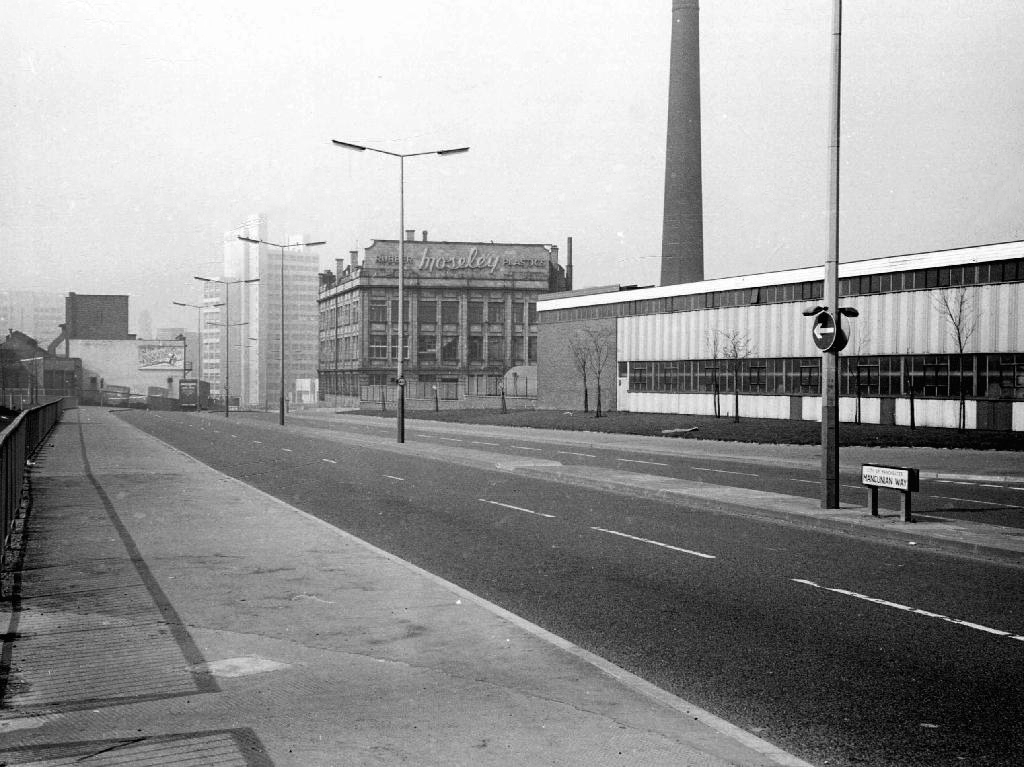
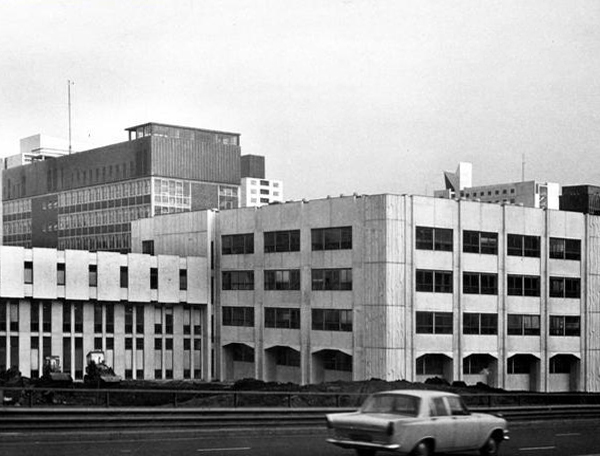
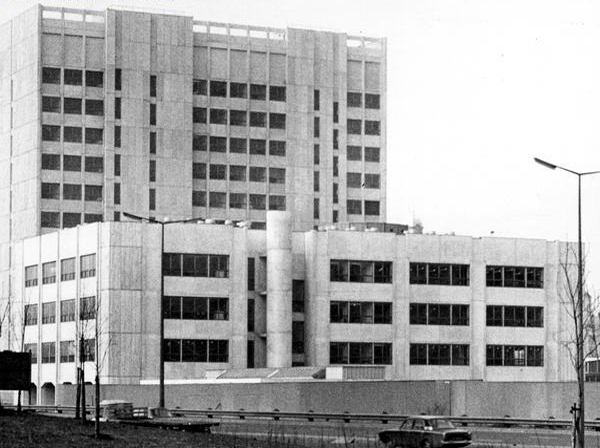
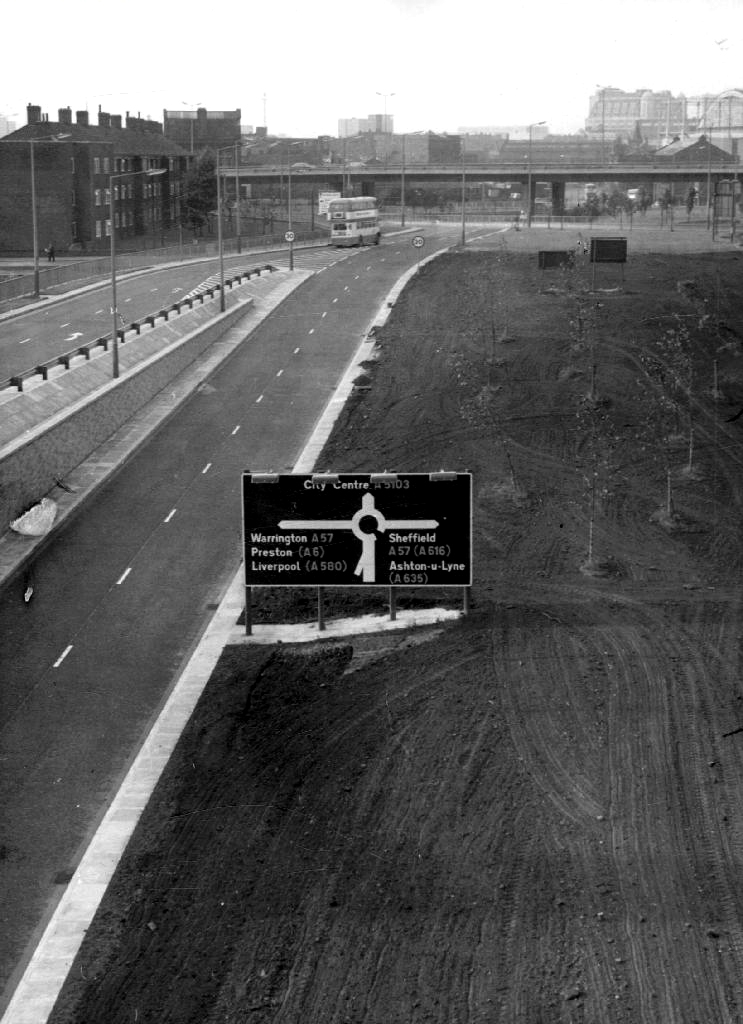
Seen here under construction before the arrival of the Mancunian Way extension.

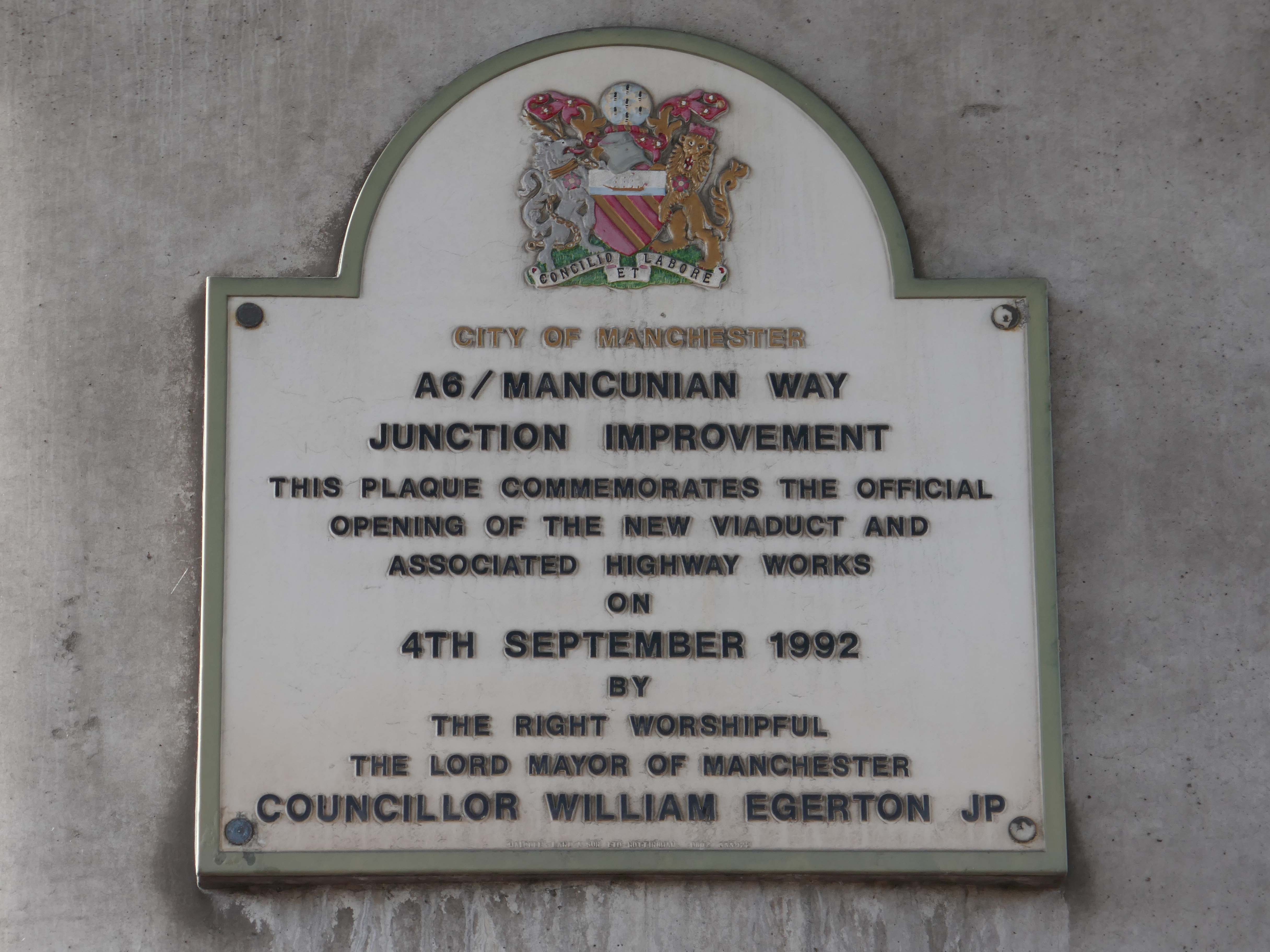
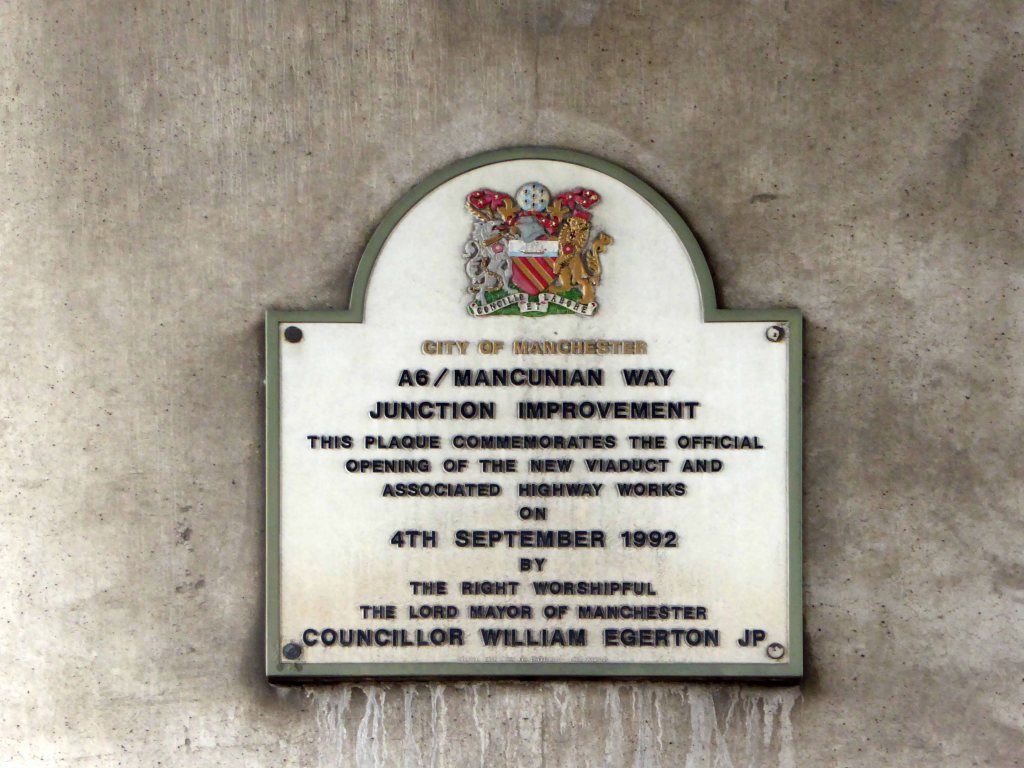
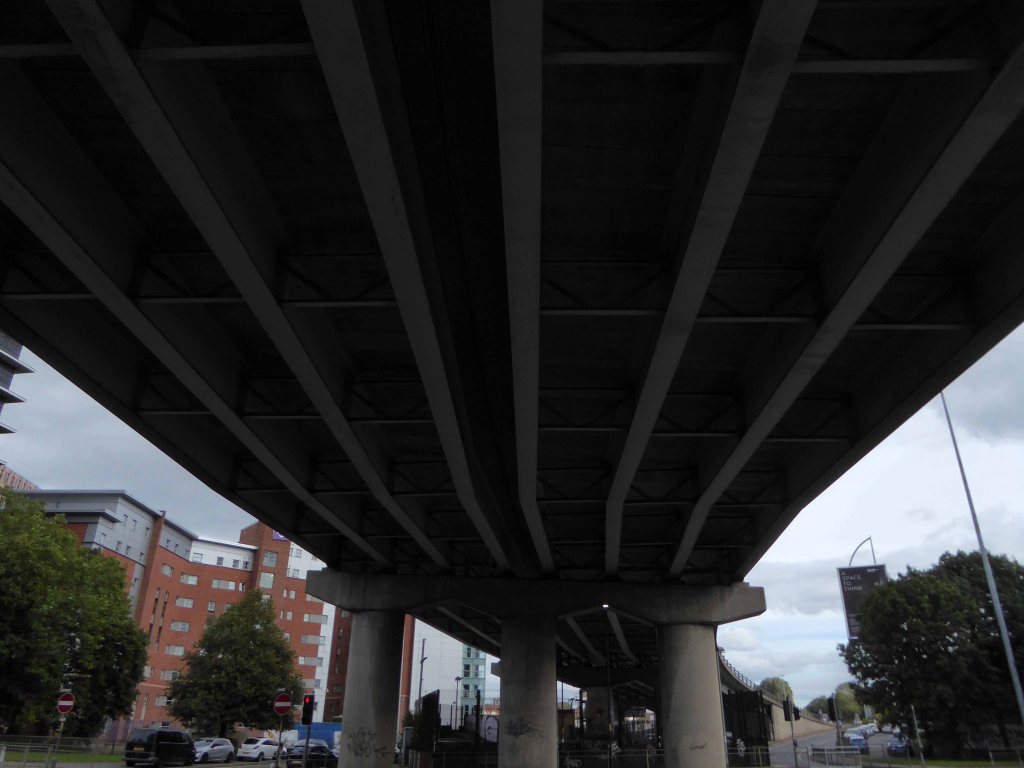
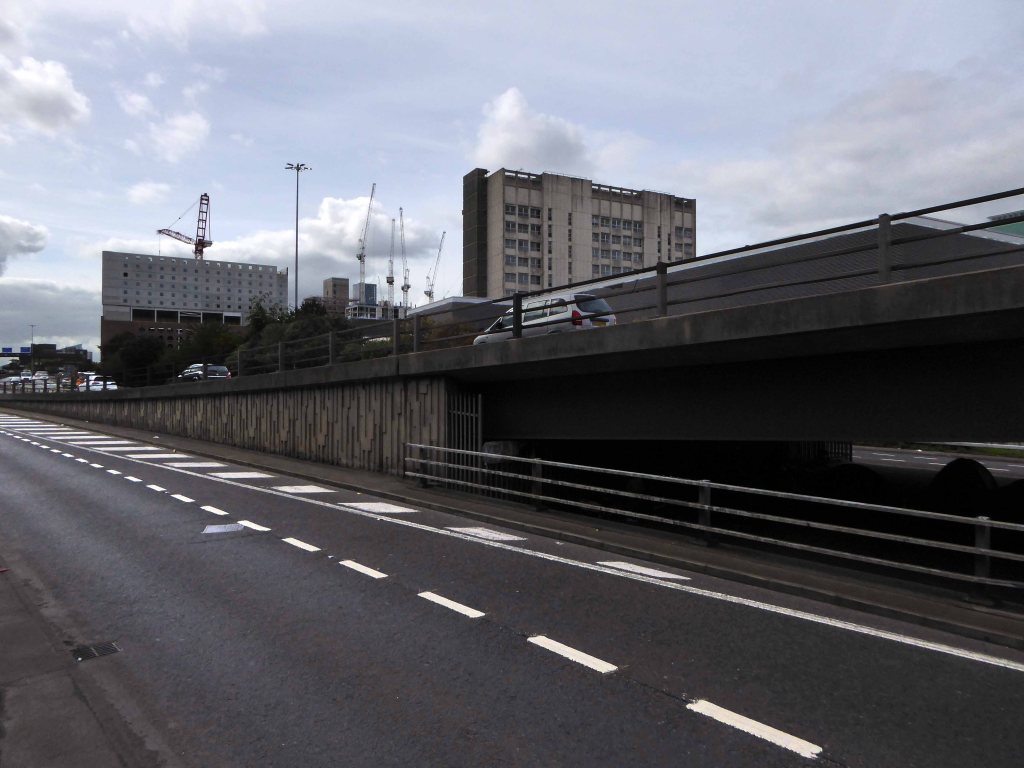
The Mancunian Way extension opened in 1992.

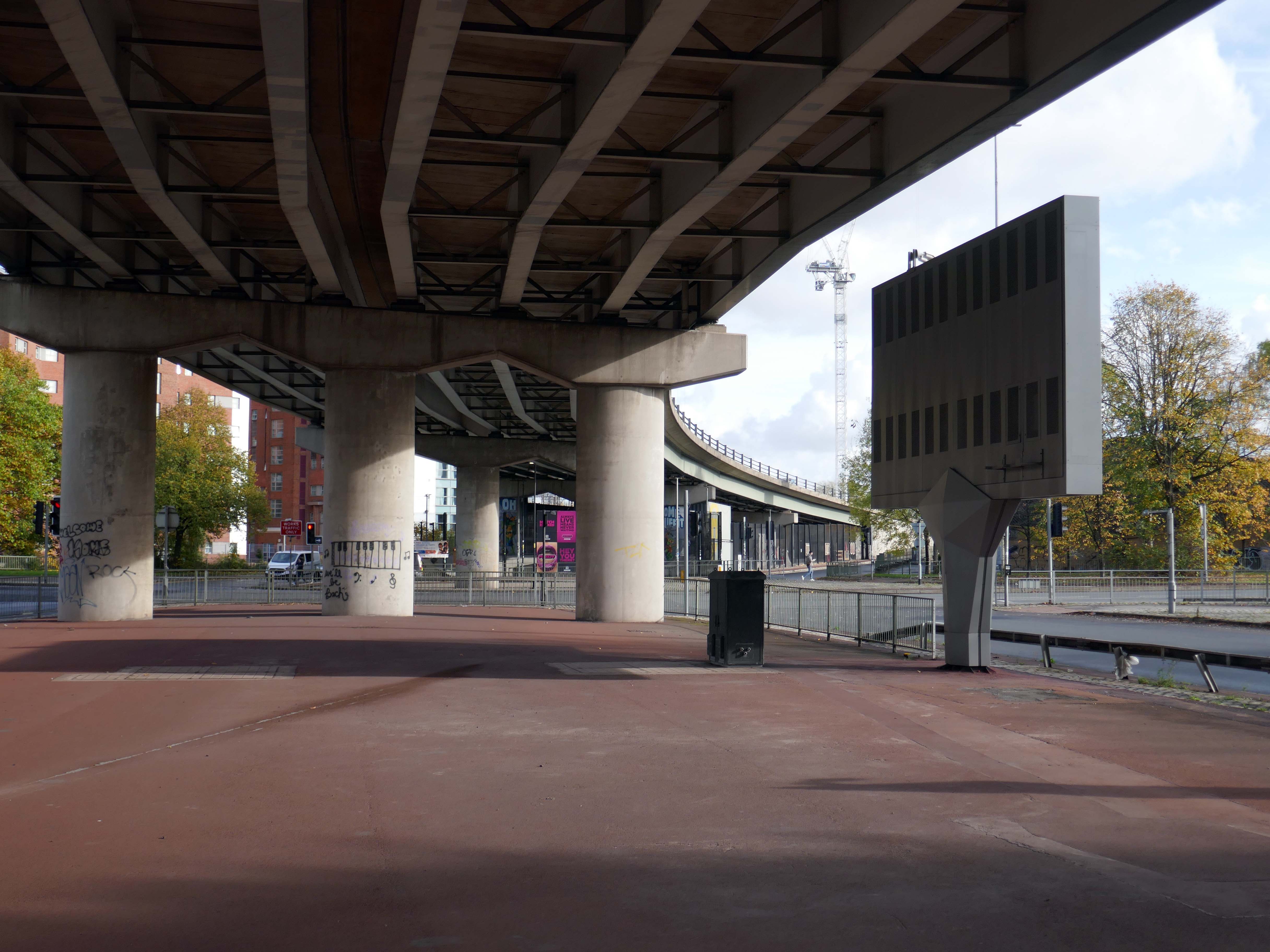
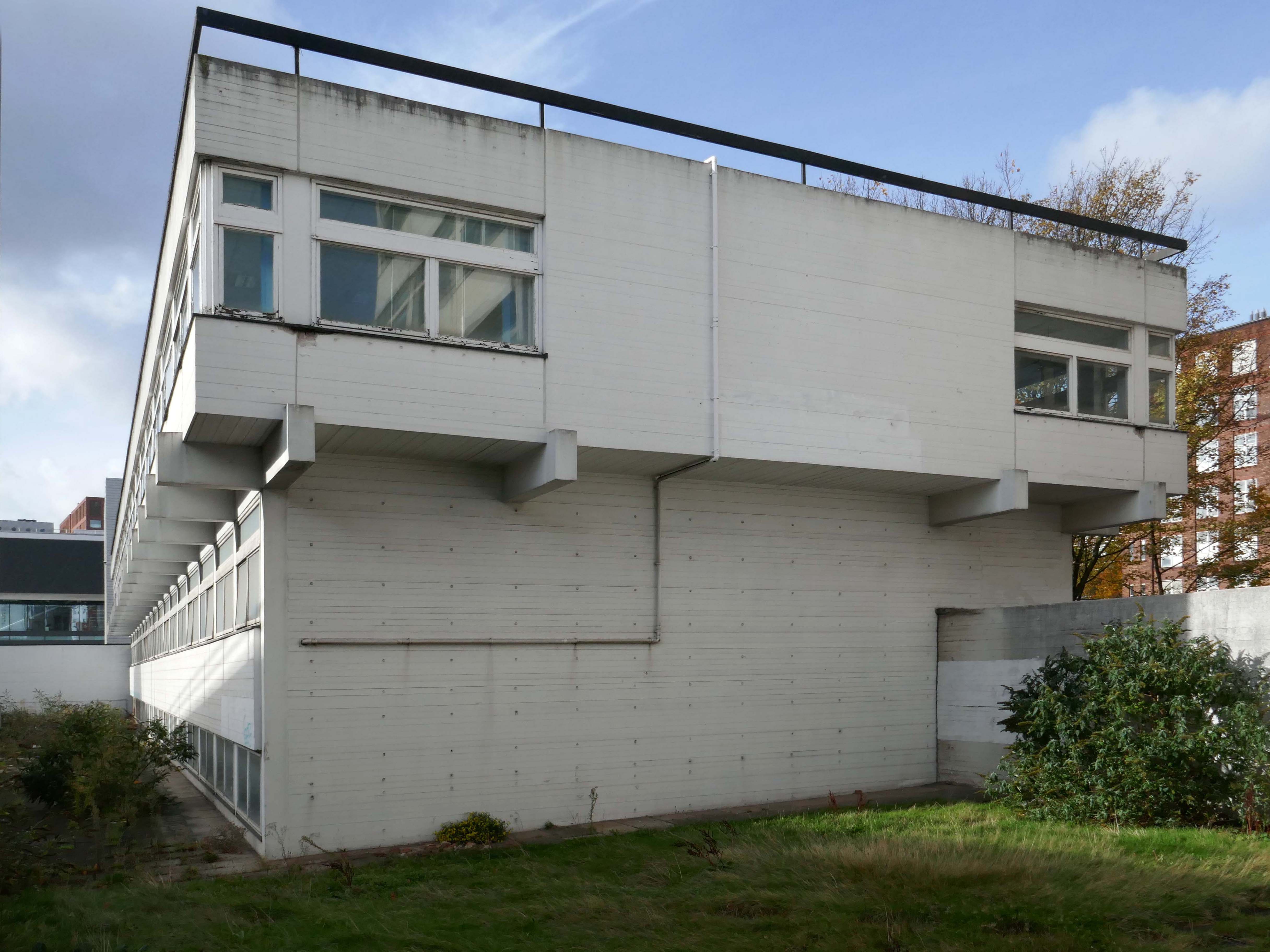
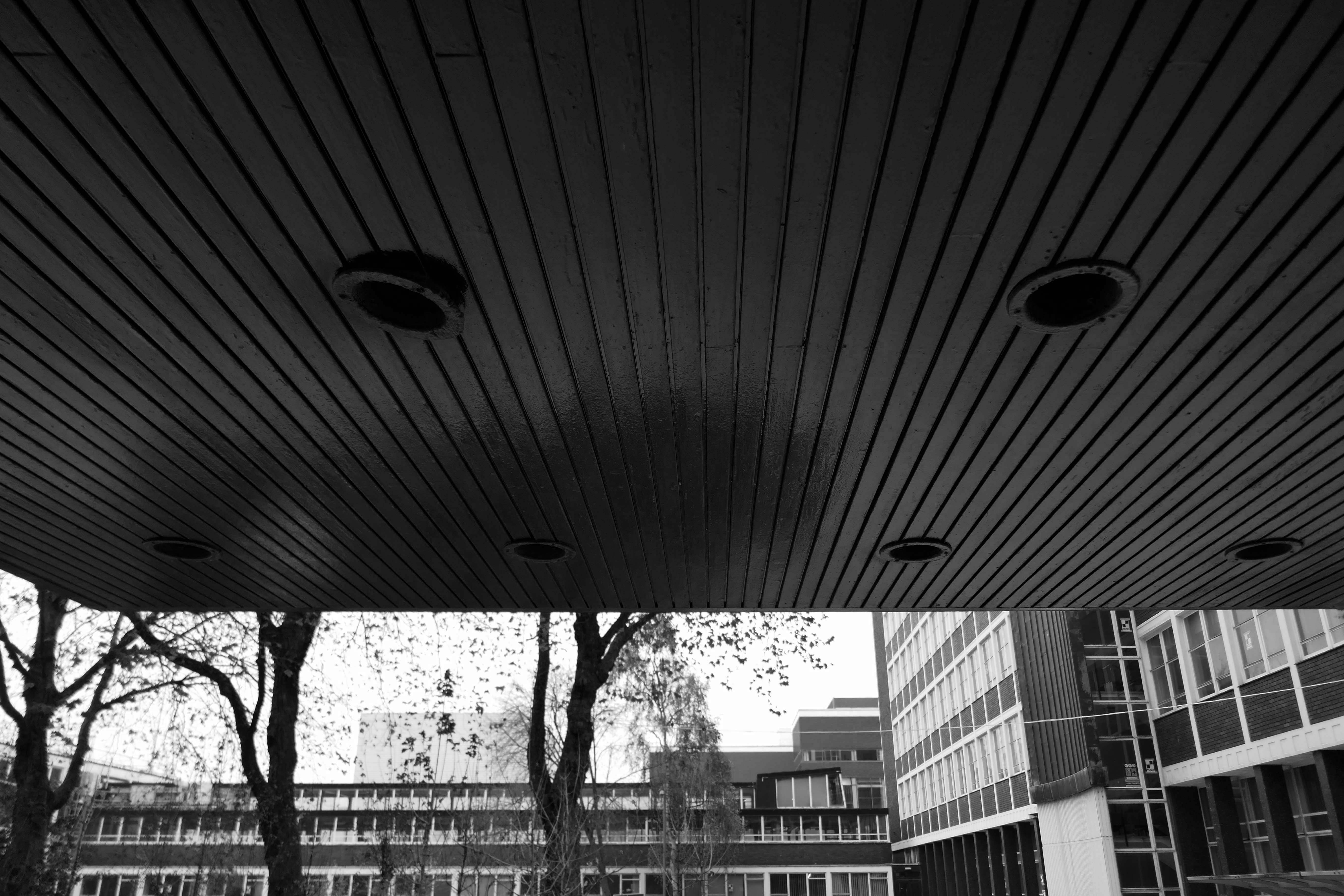
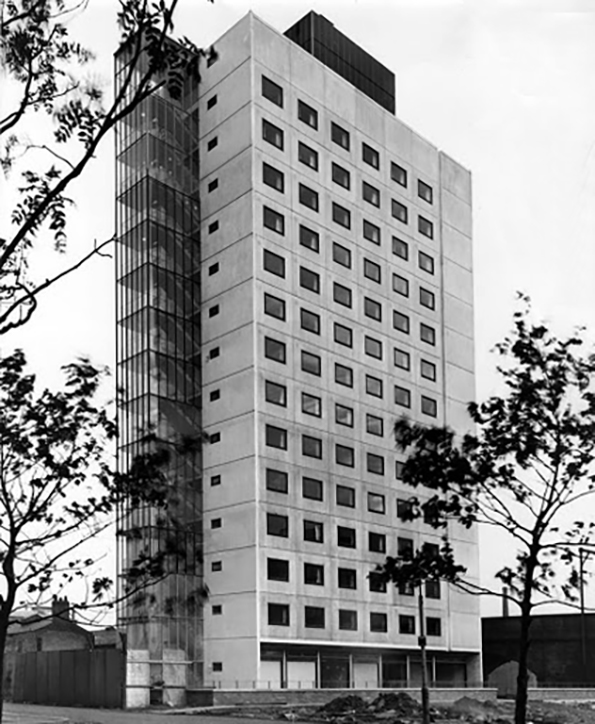
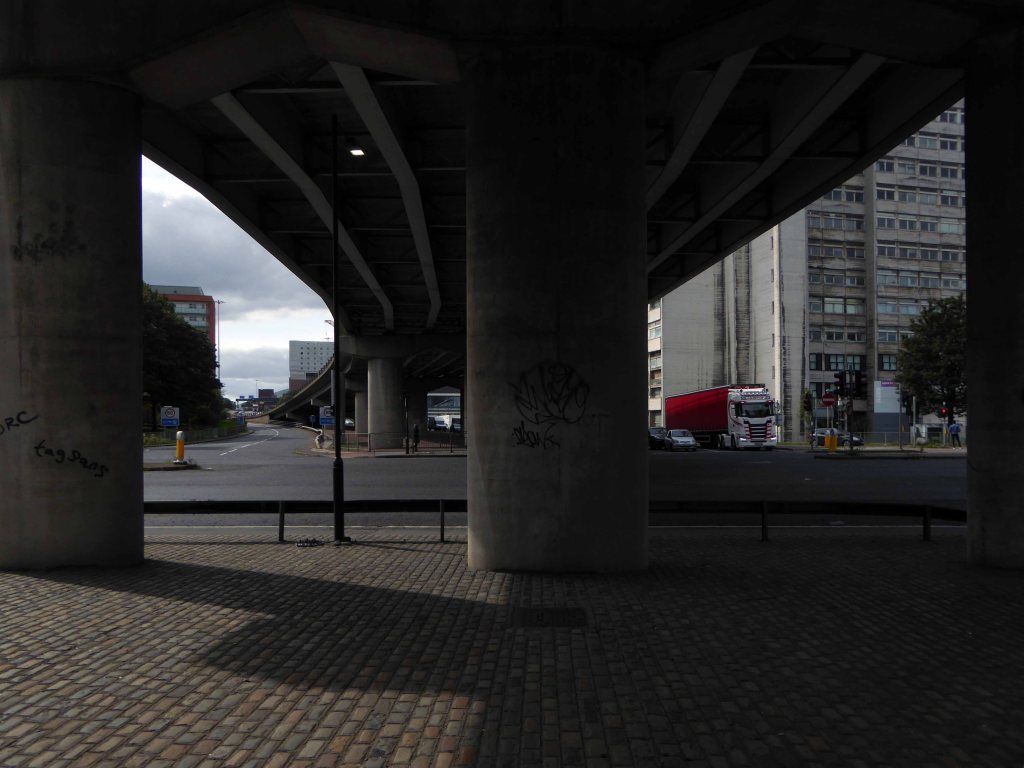
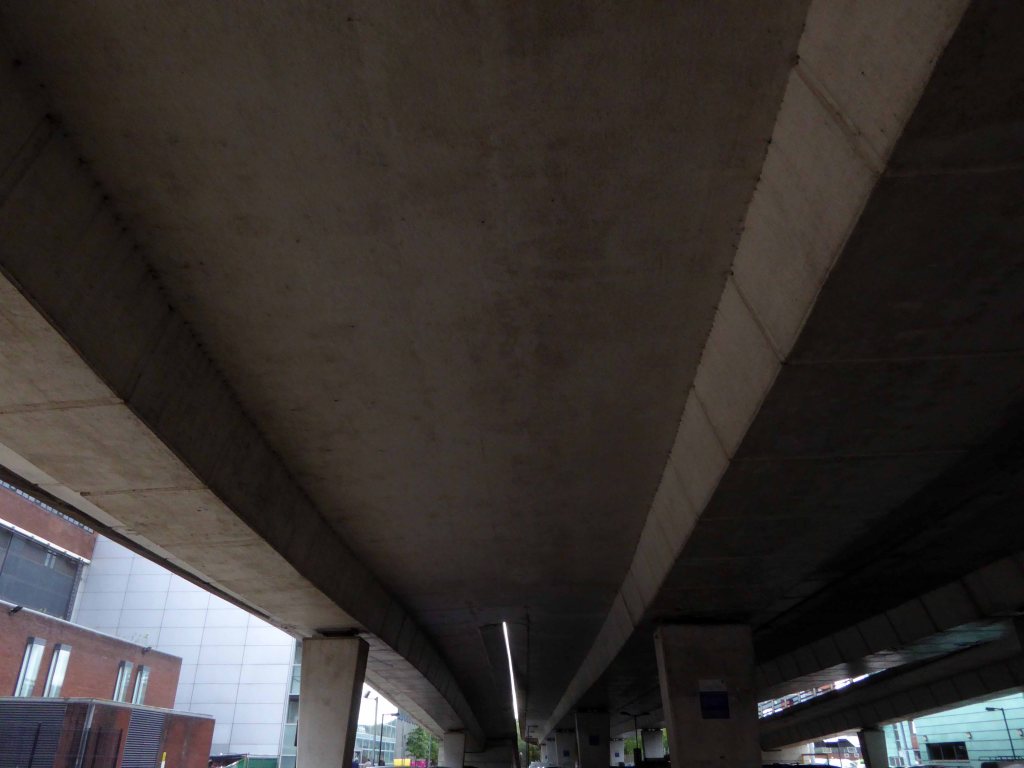
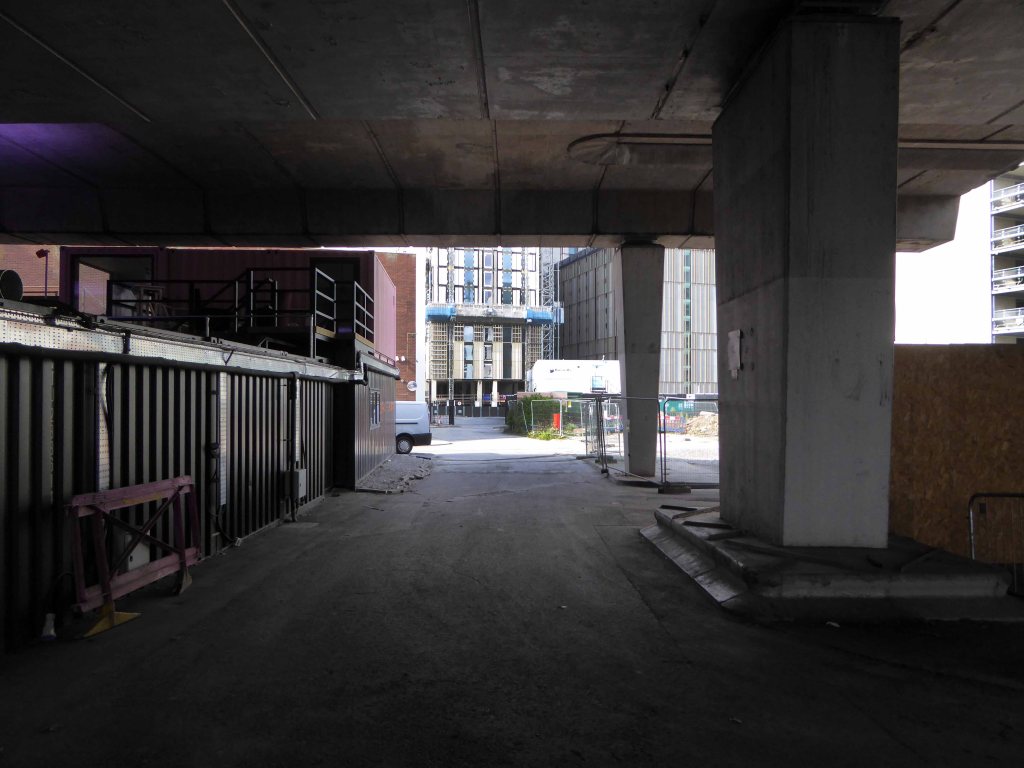
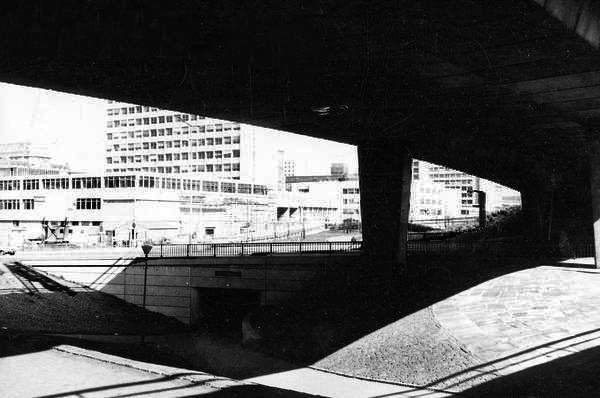
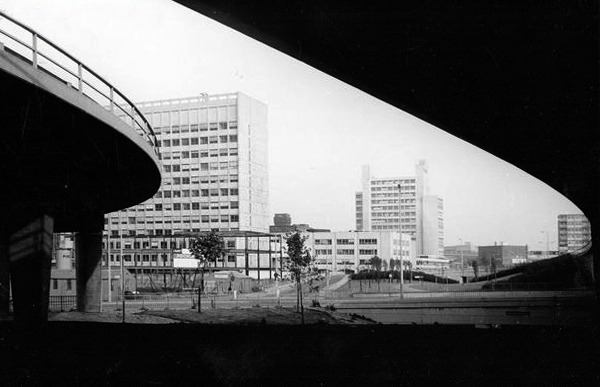
From beneath the roadway we can see the Ferranti Building.

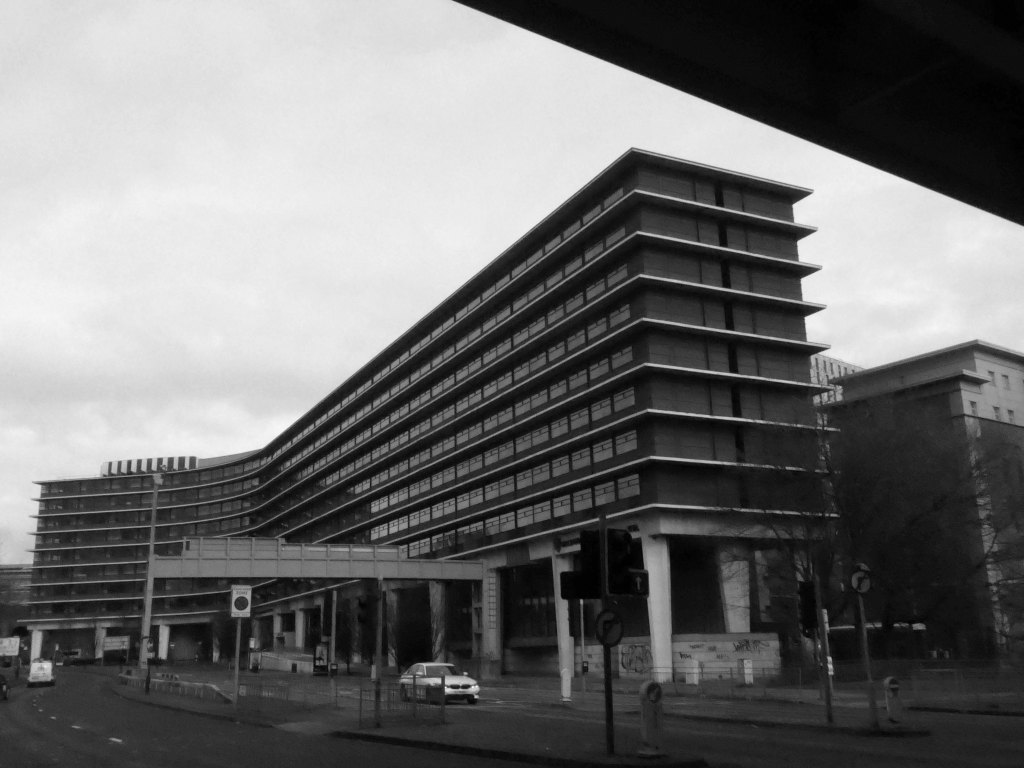
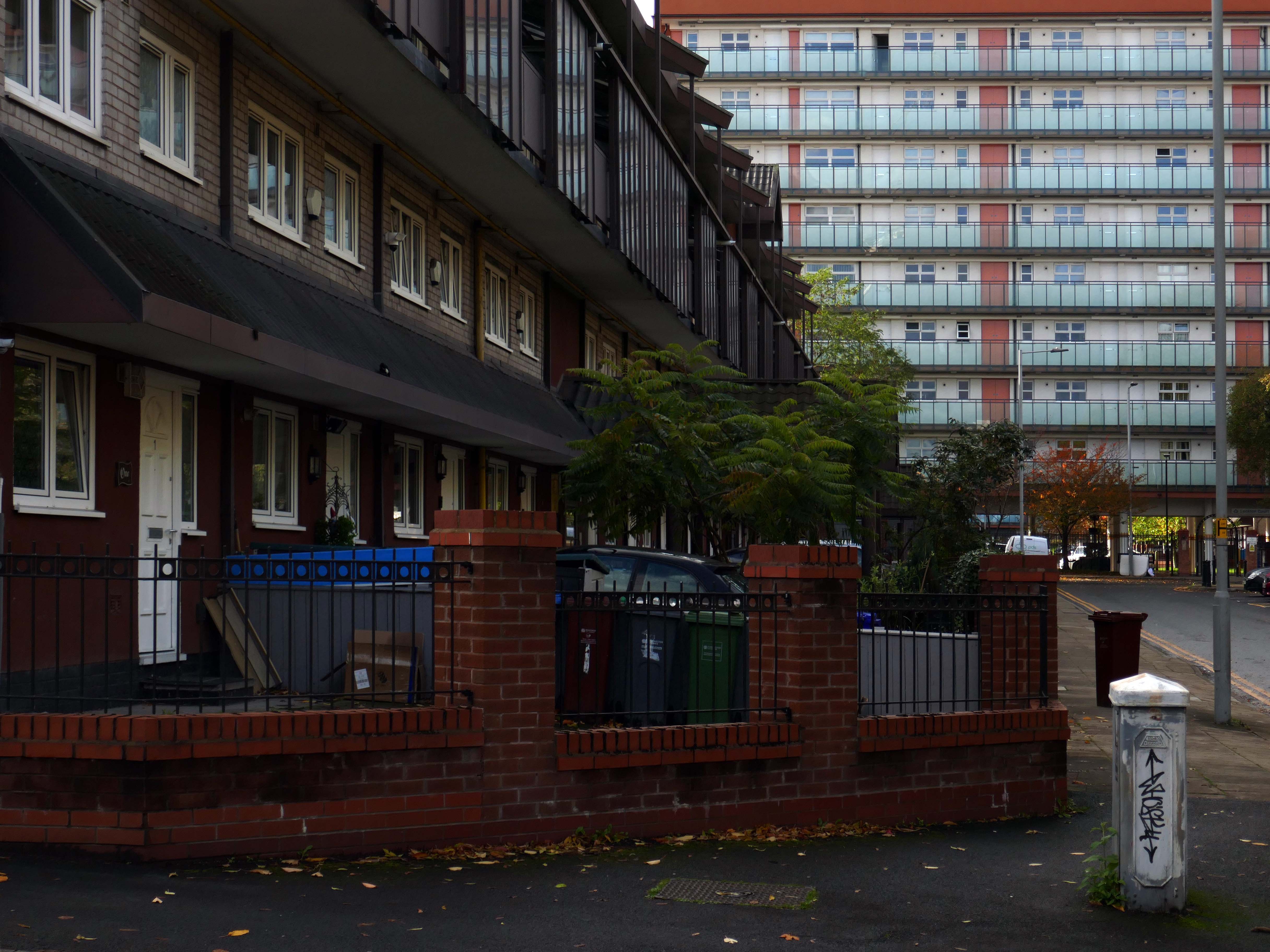
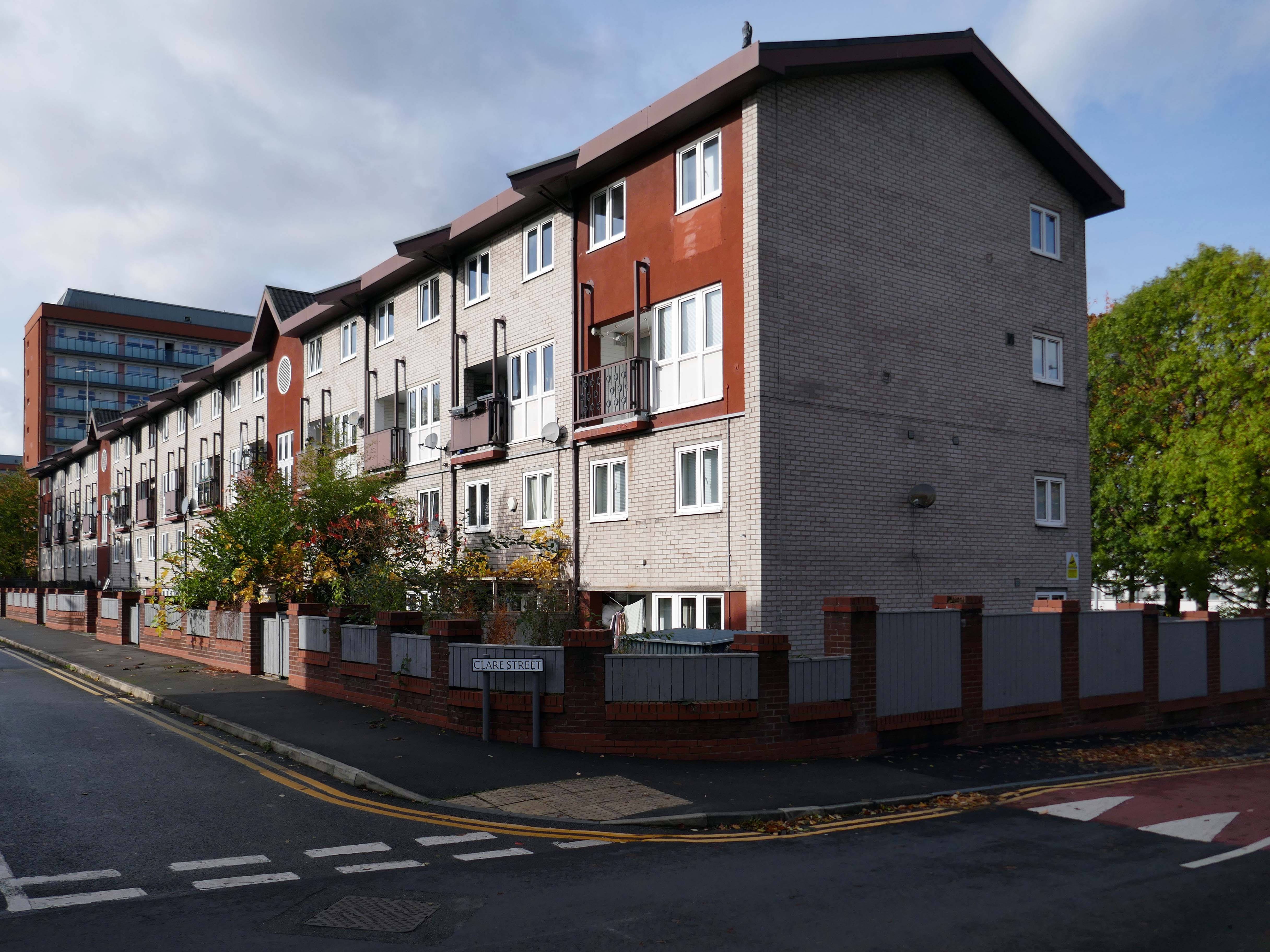
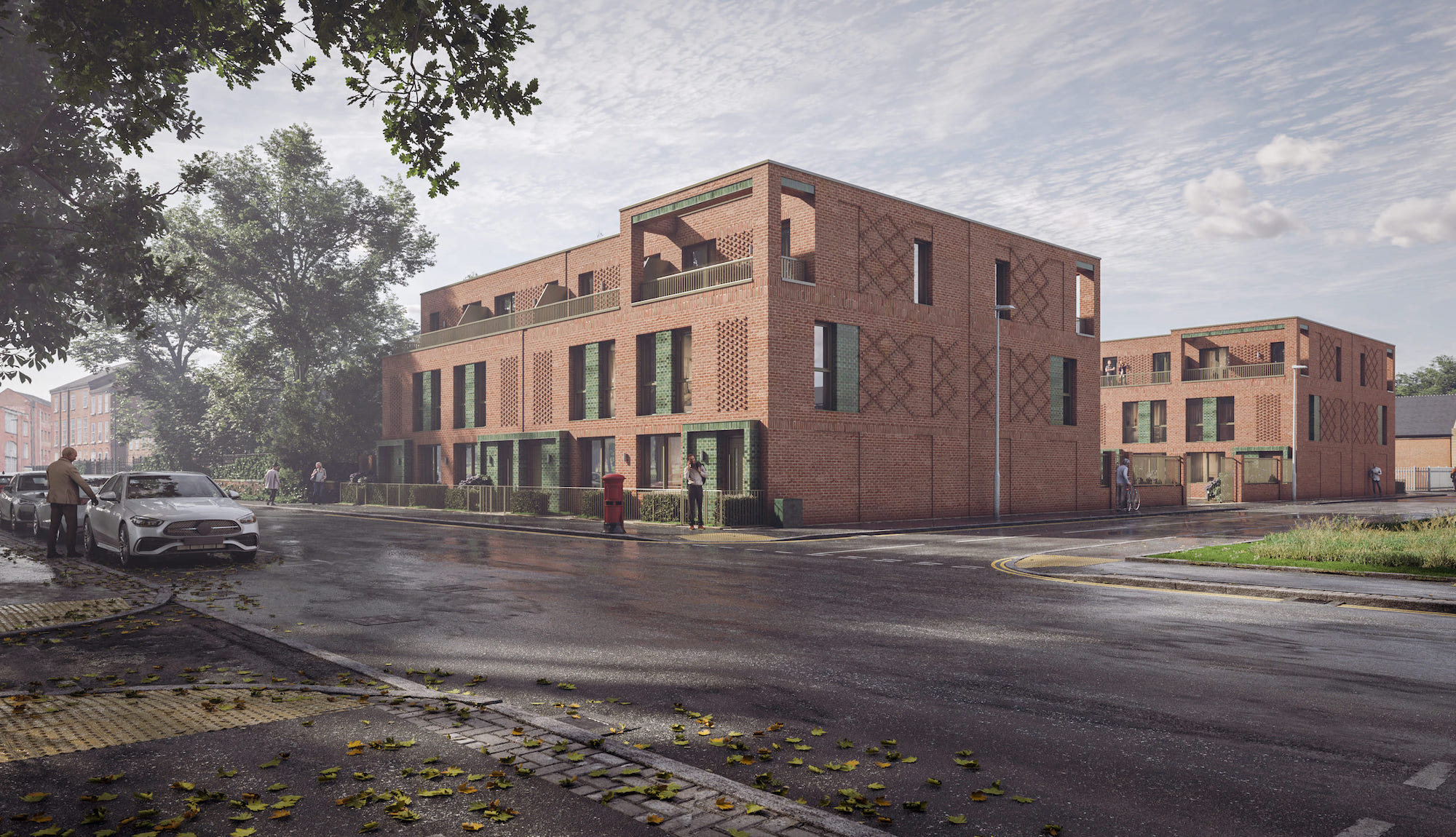
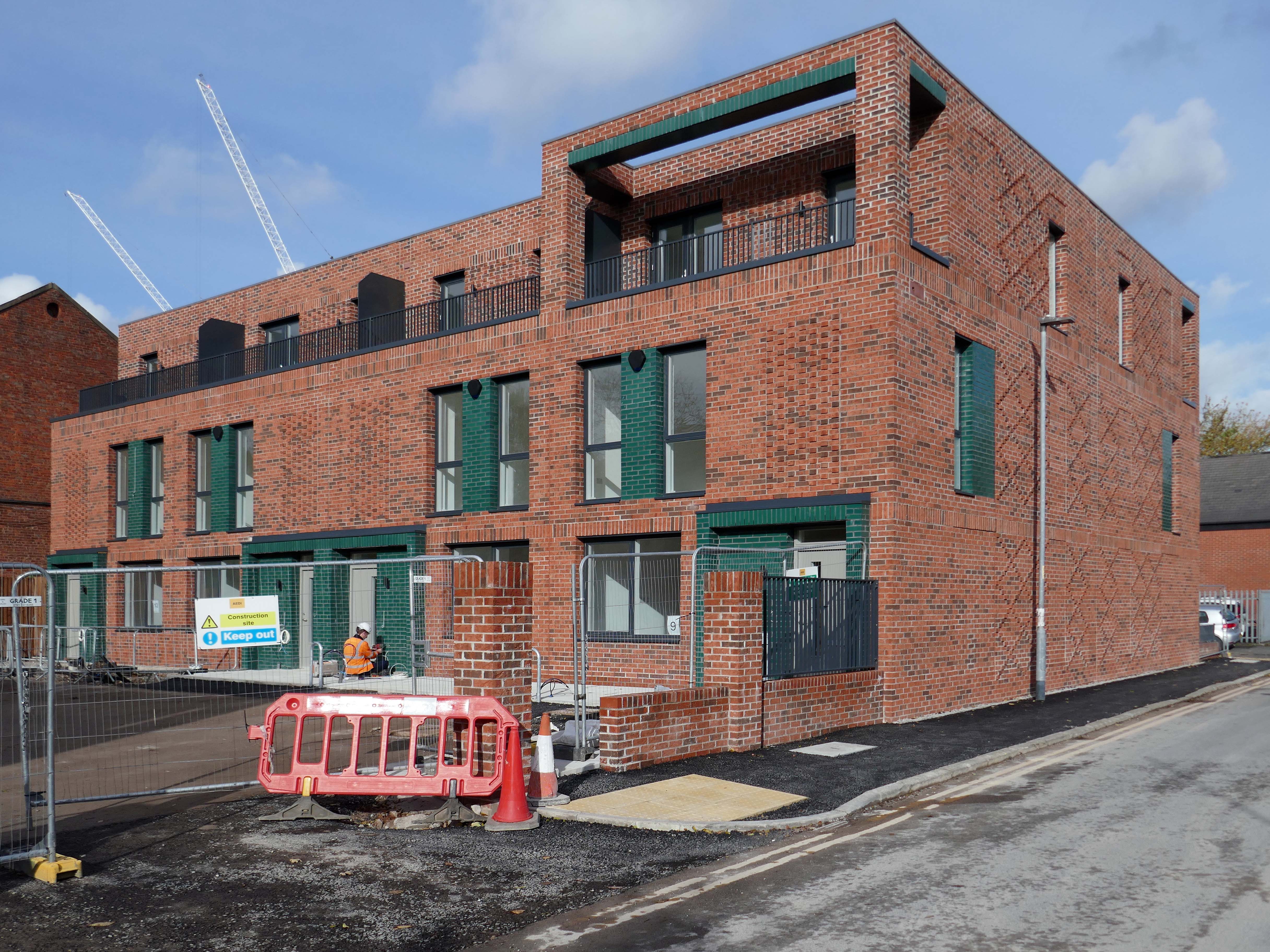
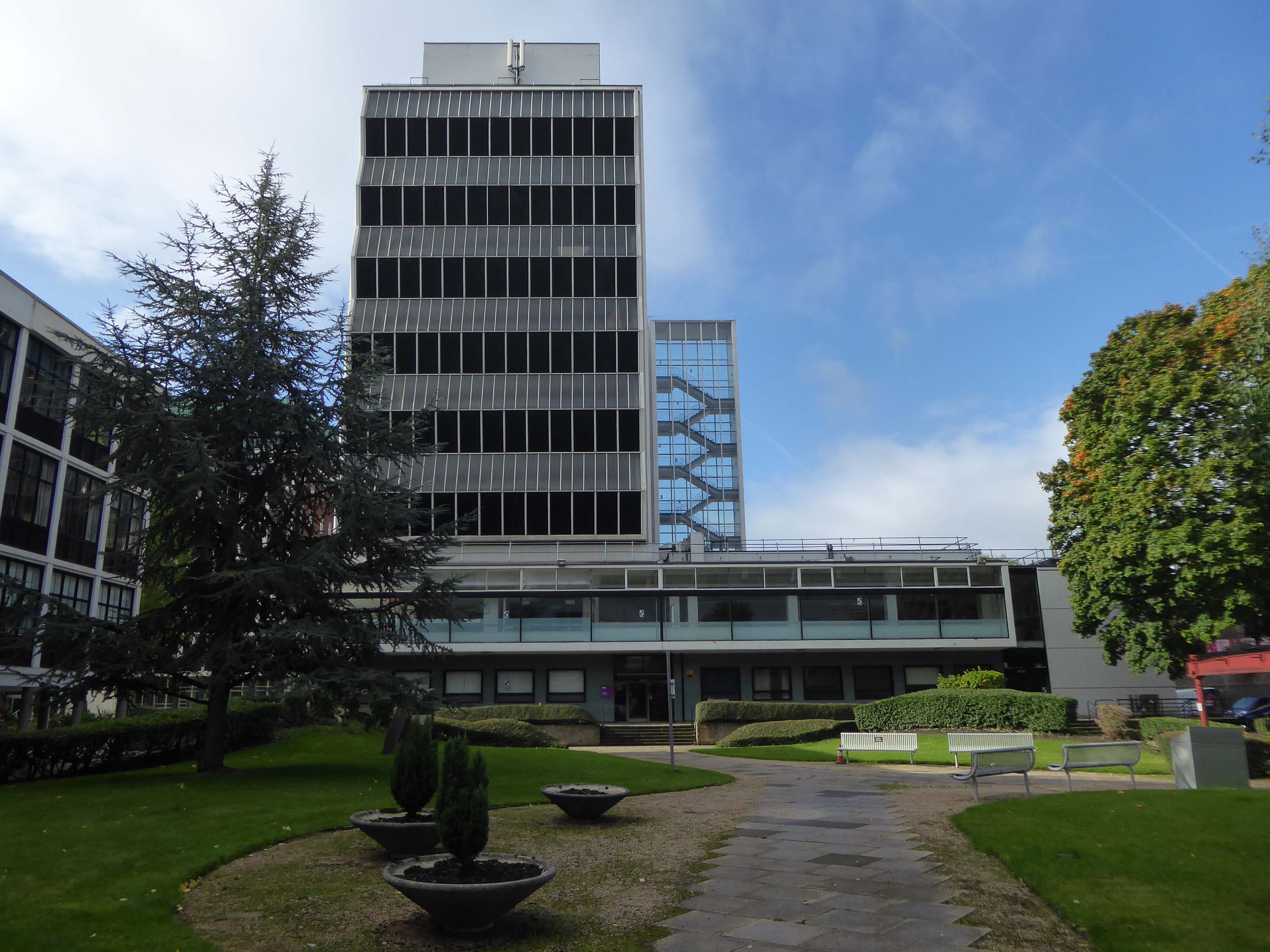
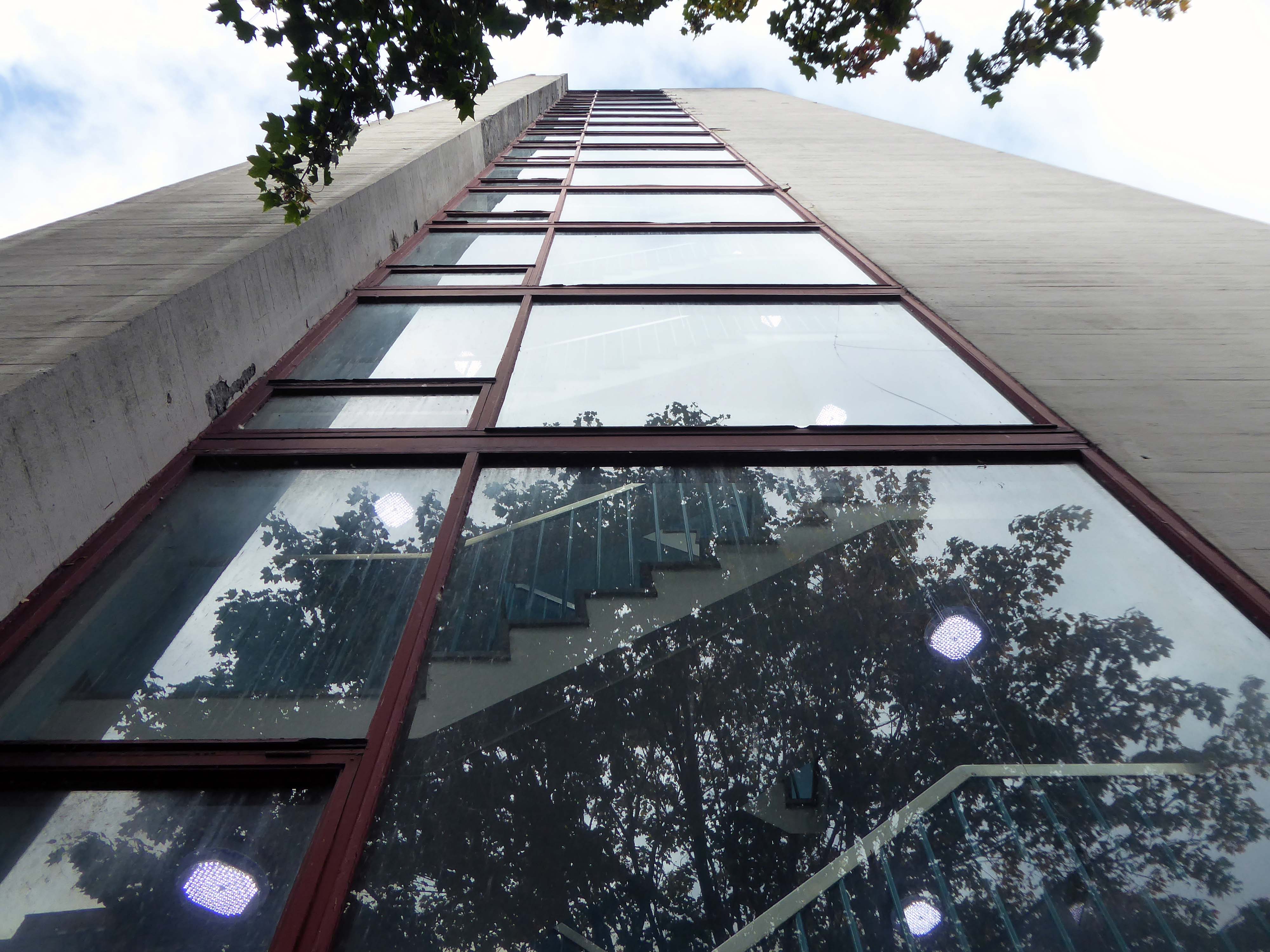
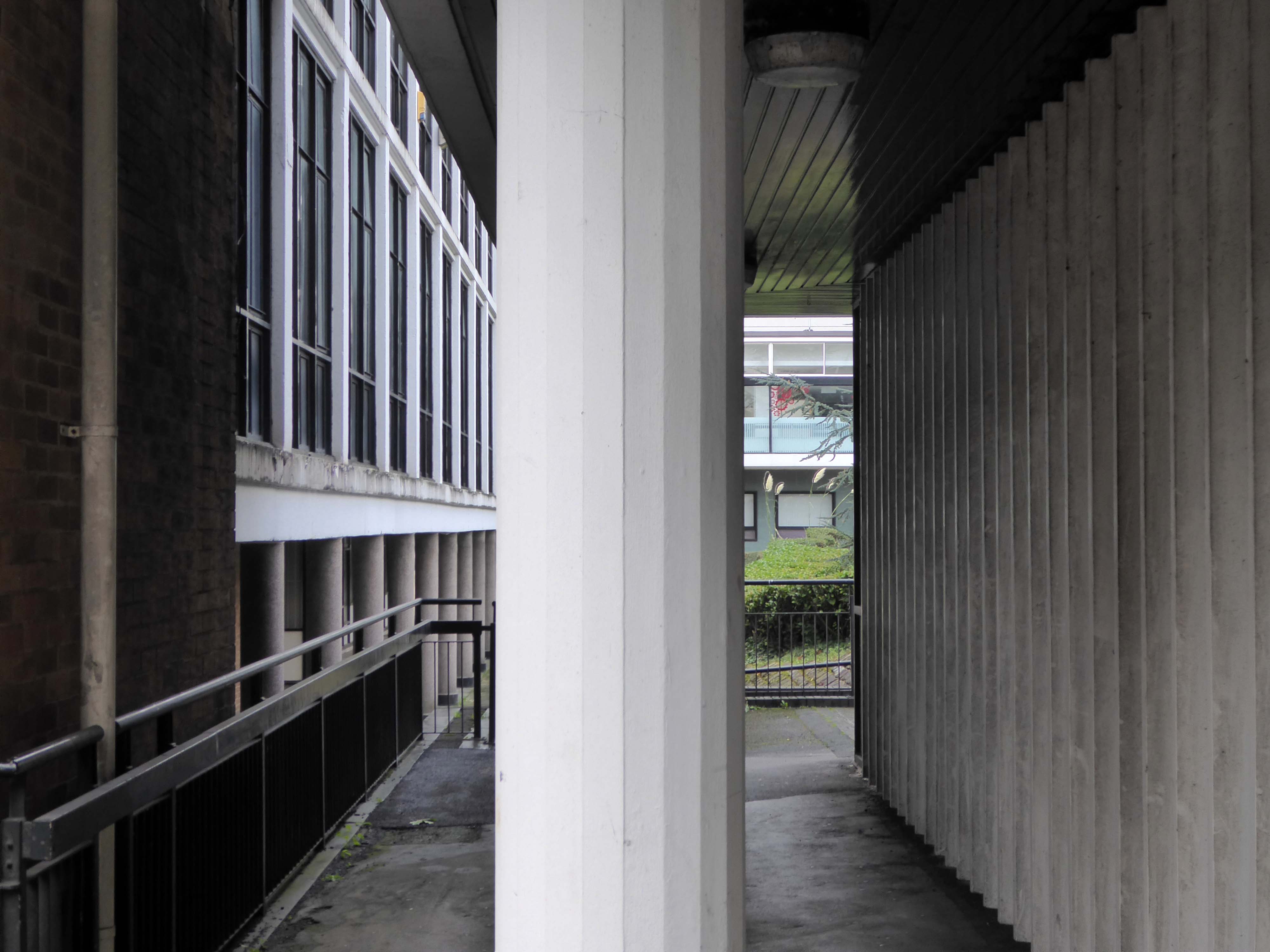
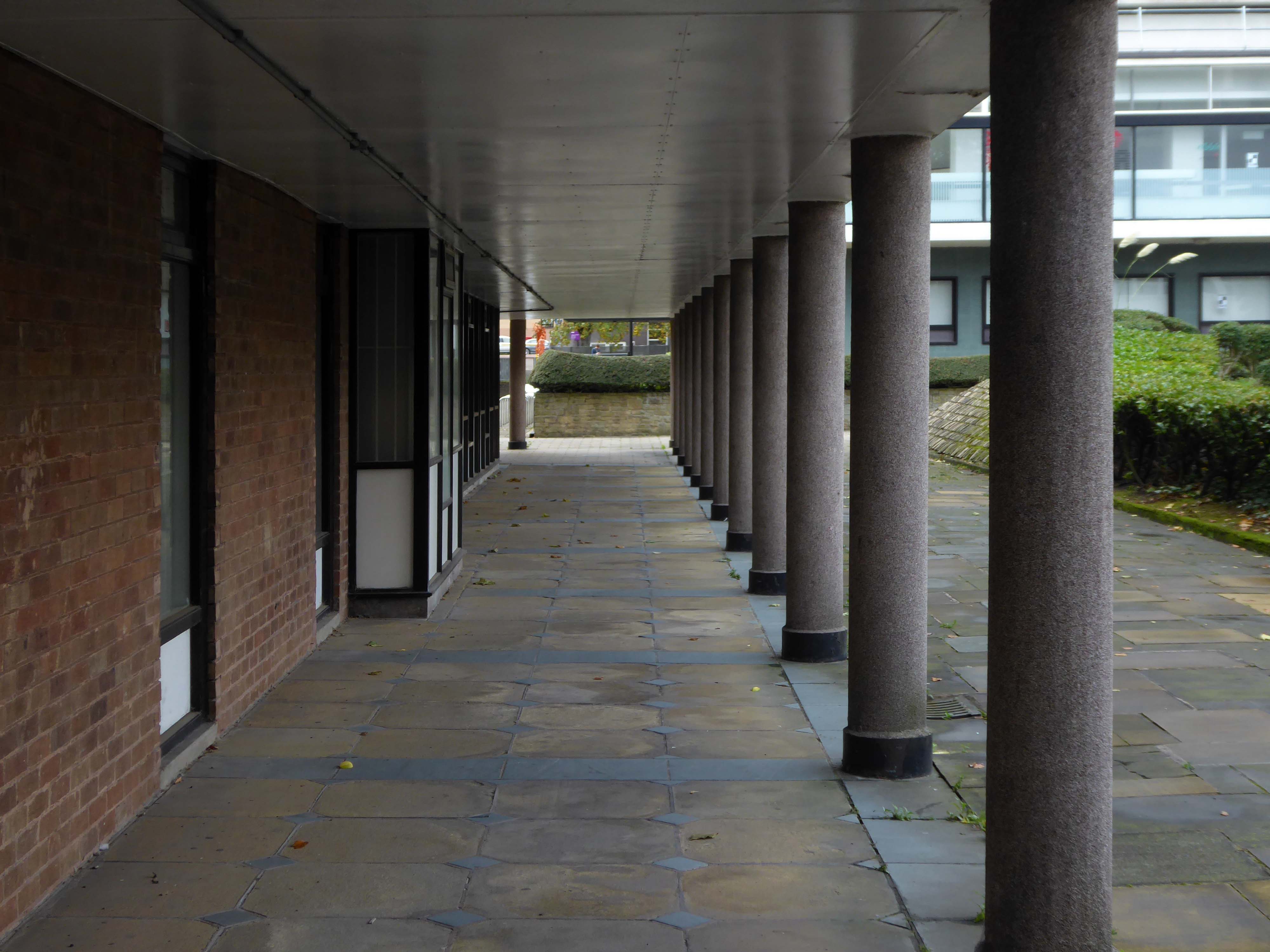
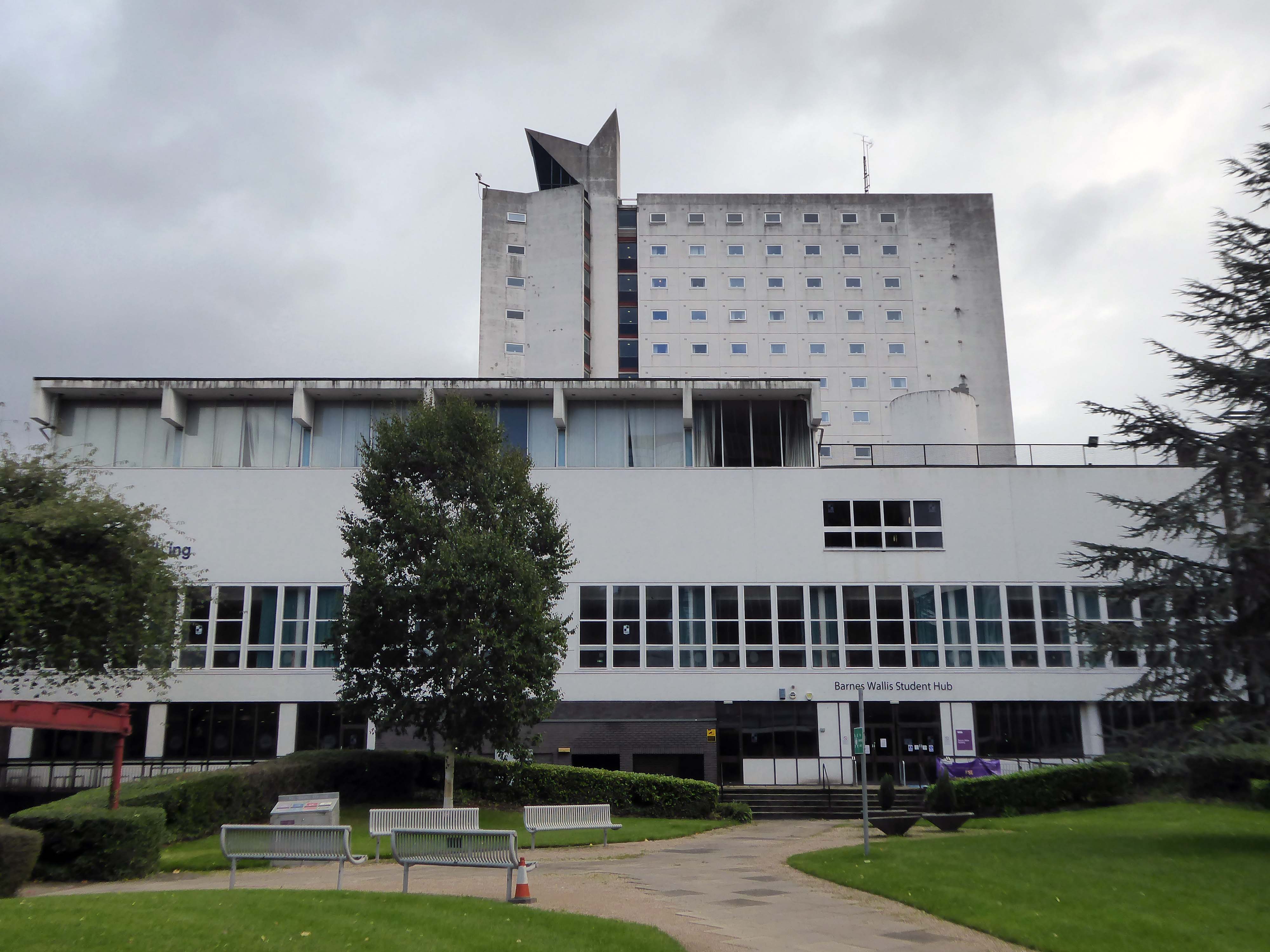
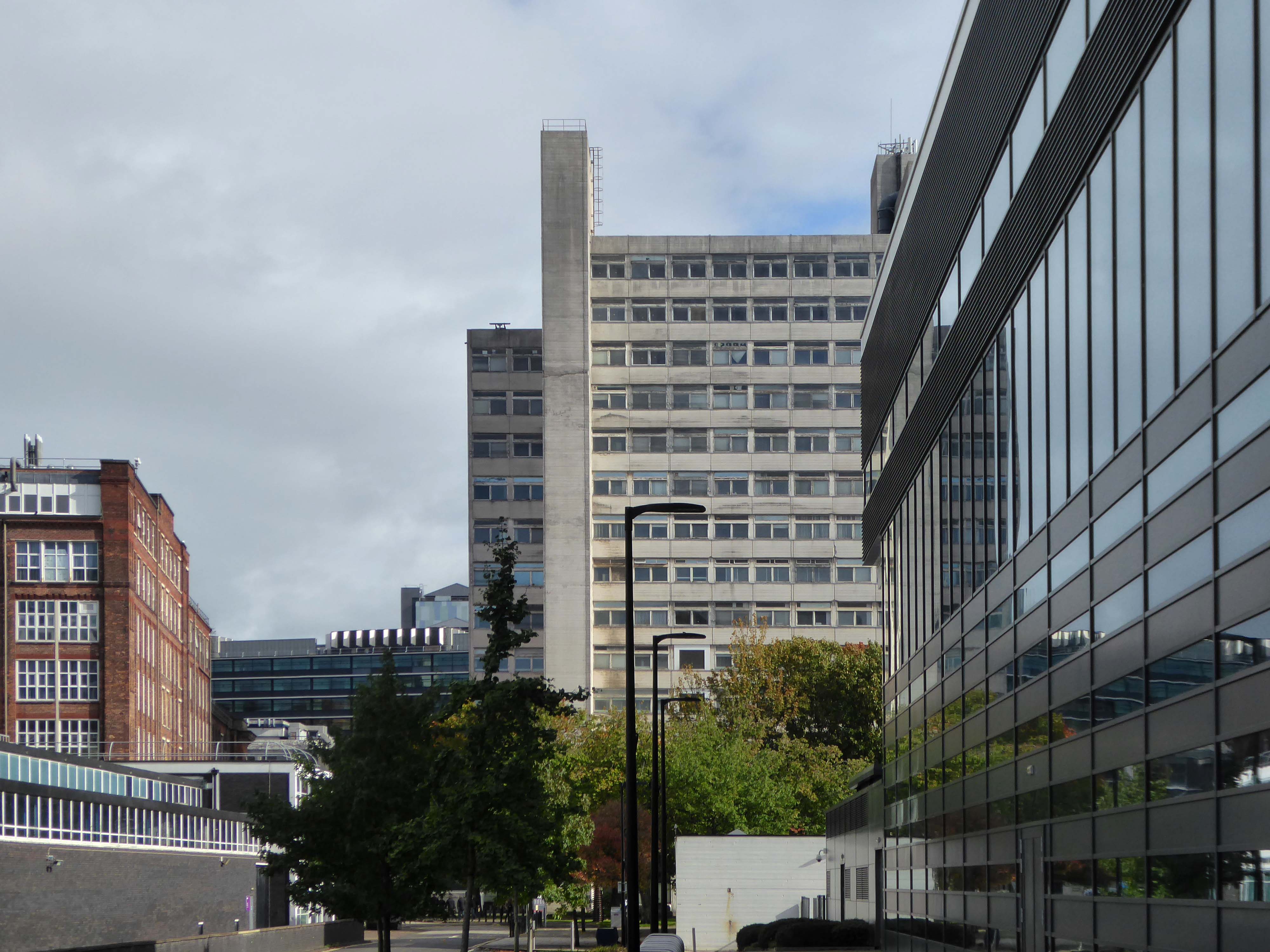
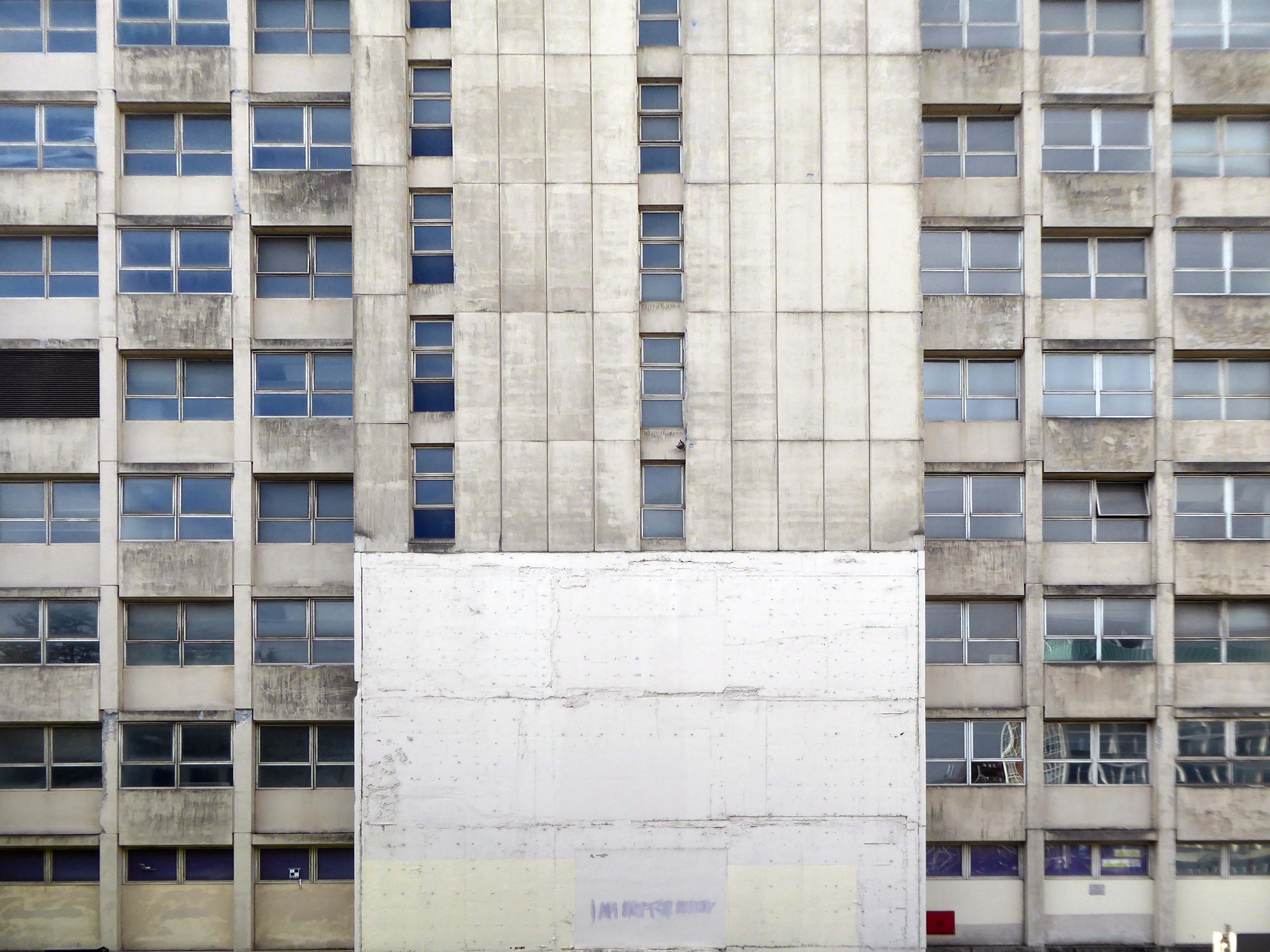
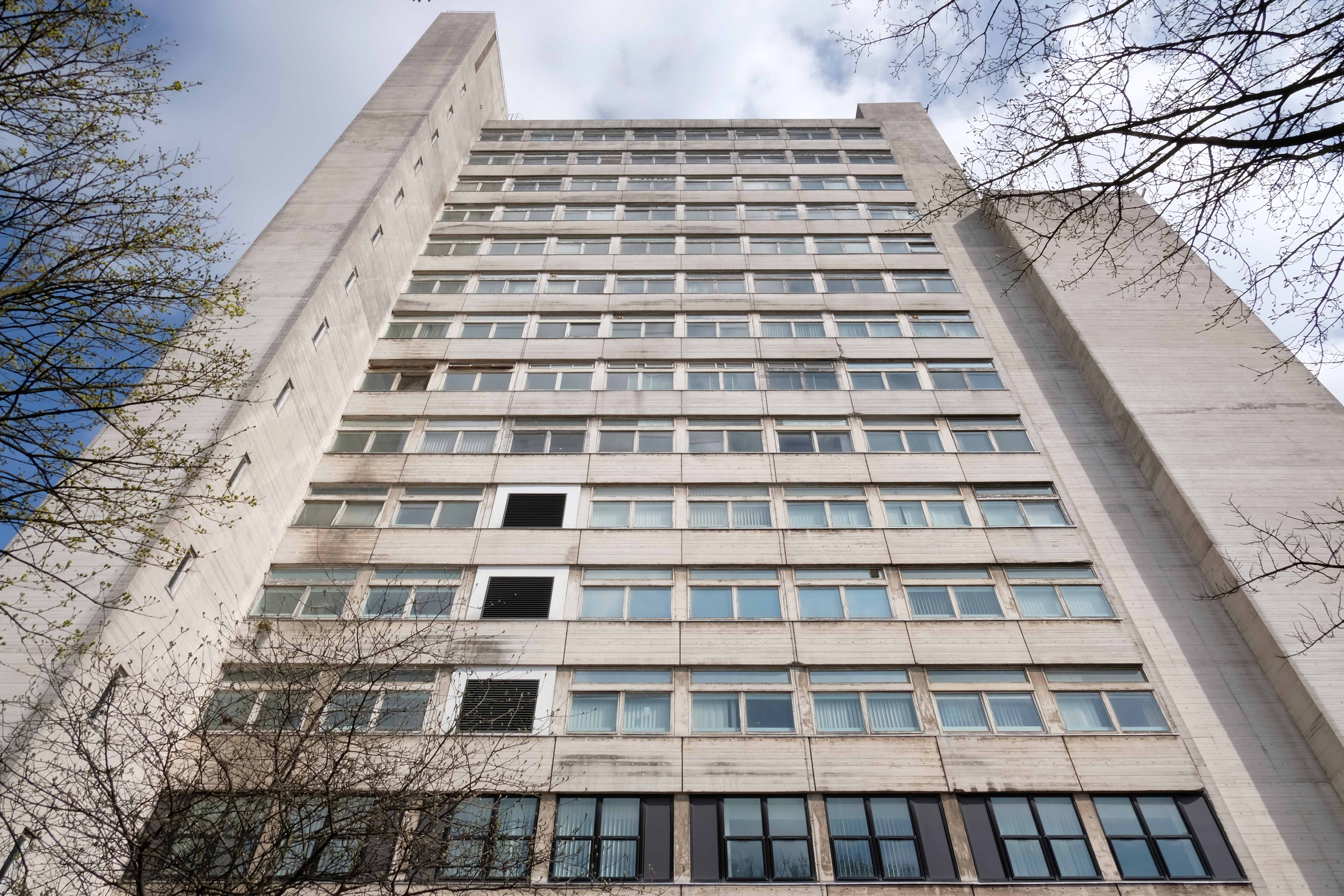
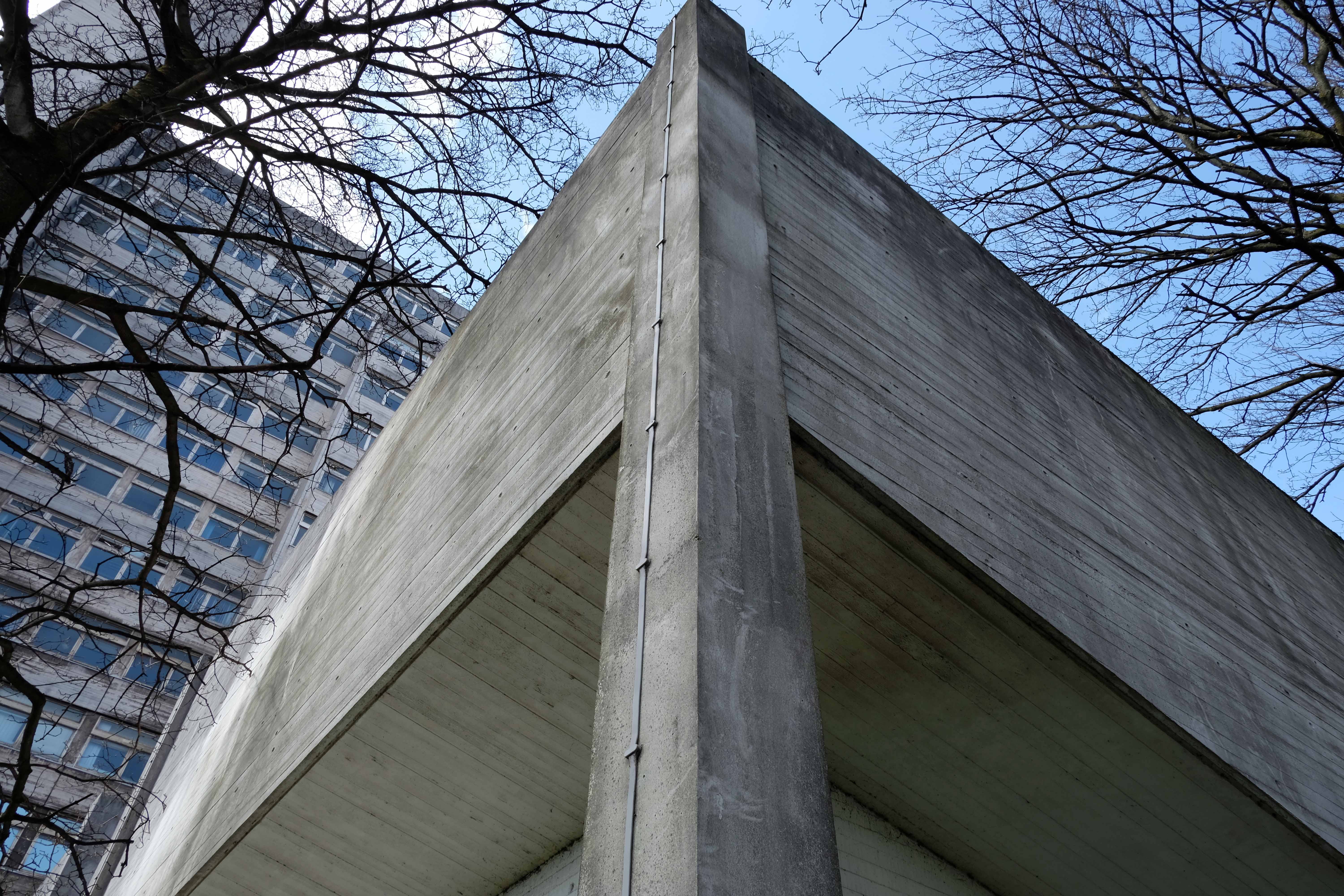
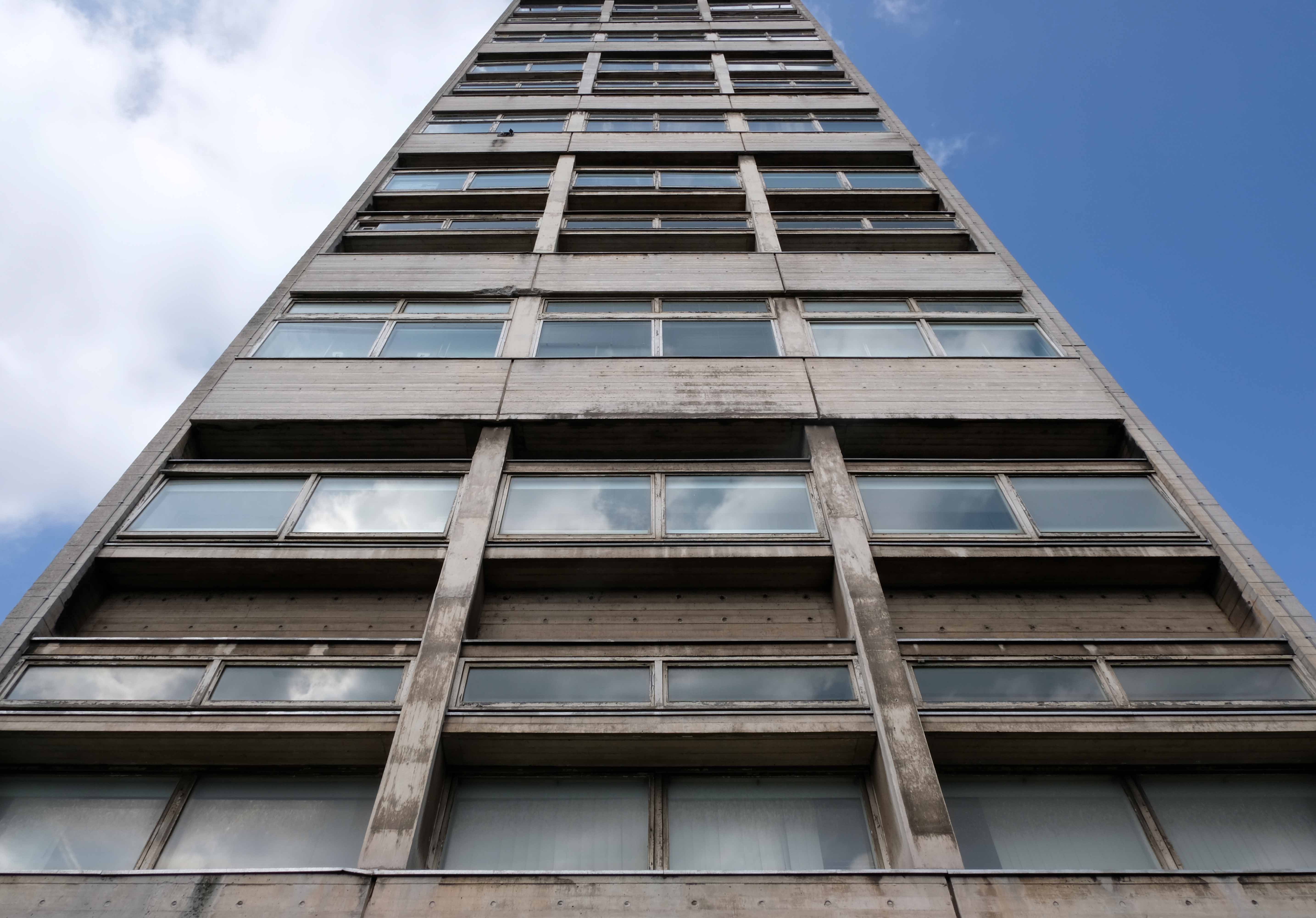
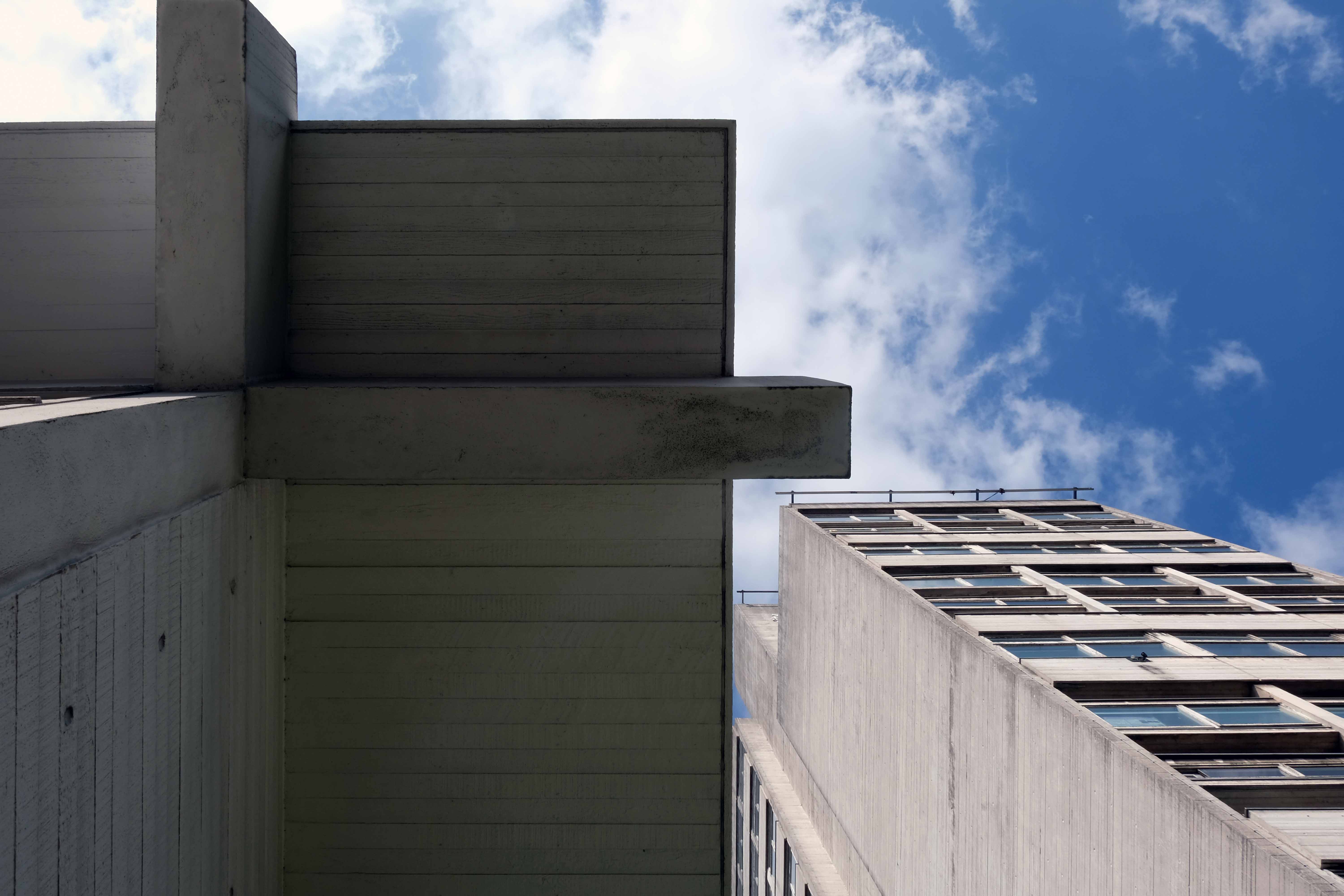
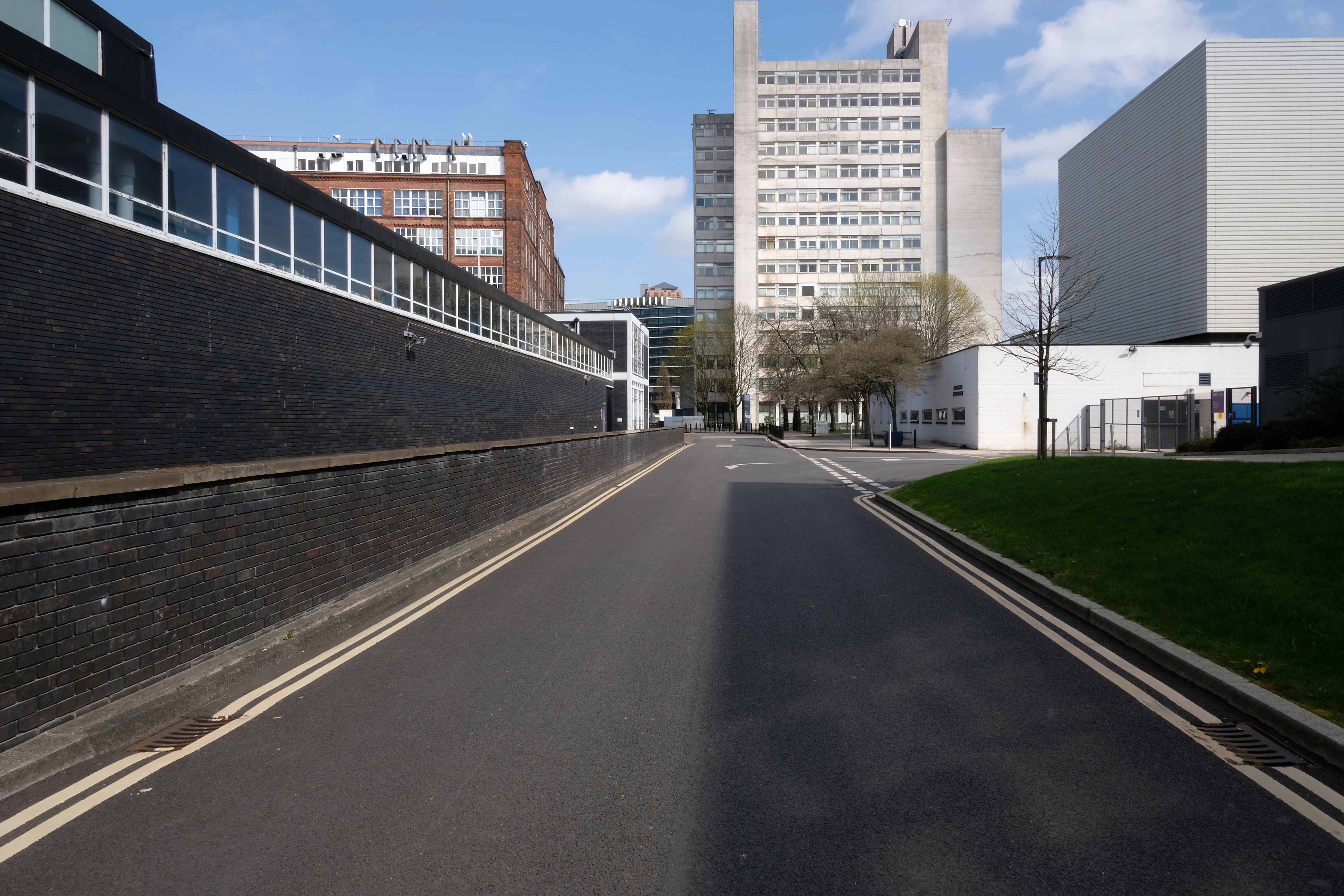
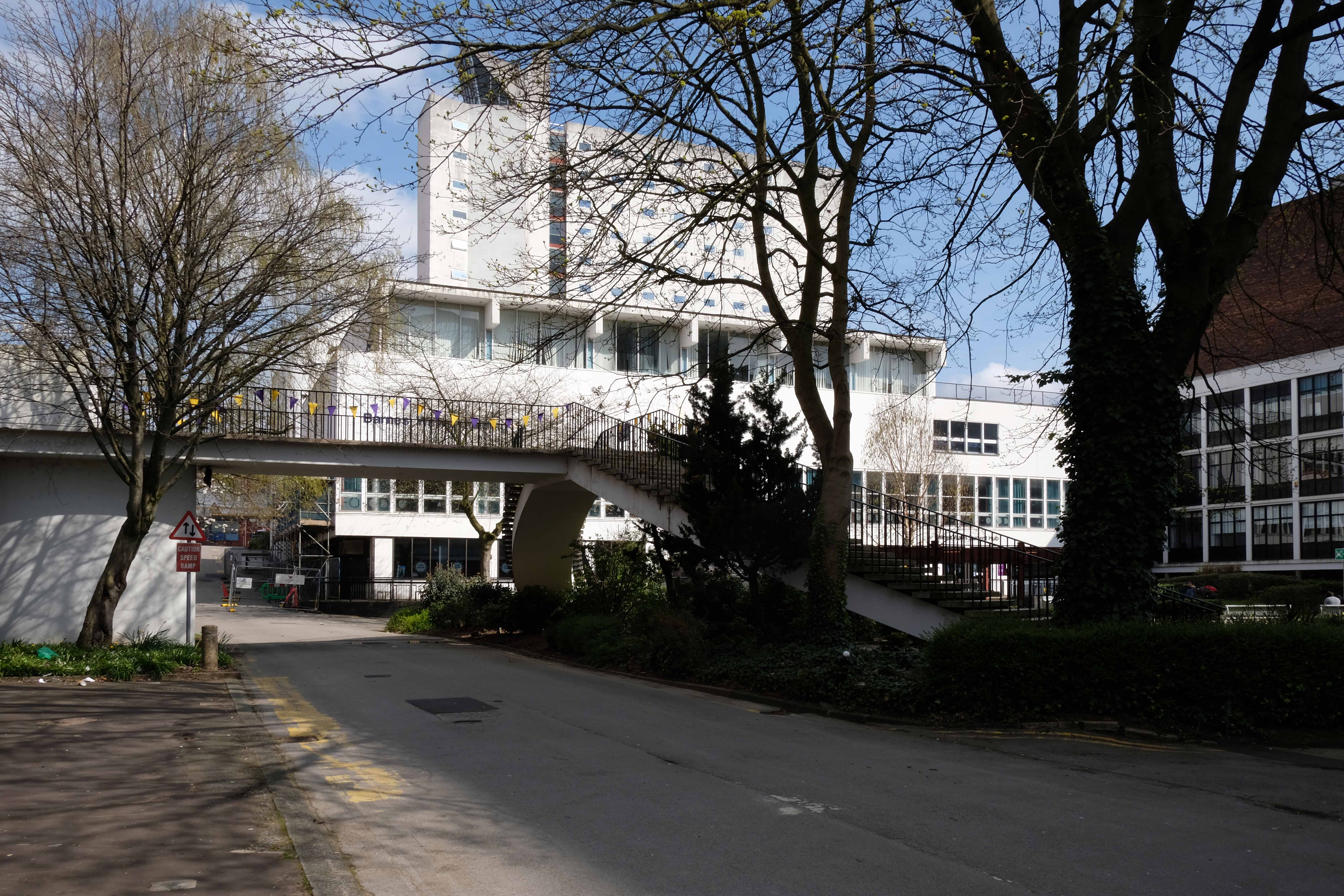
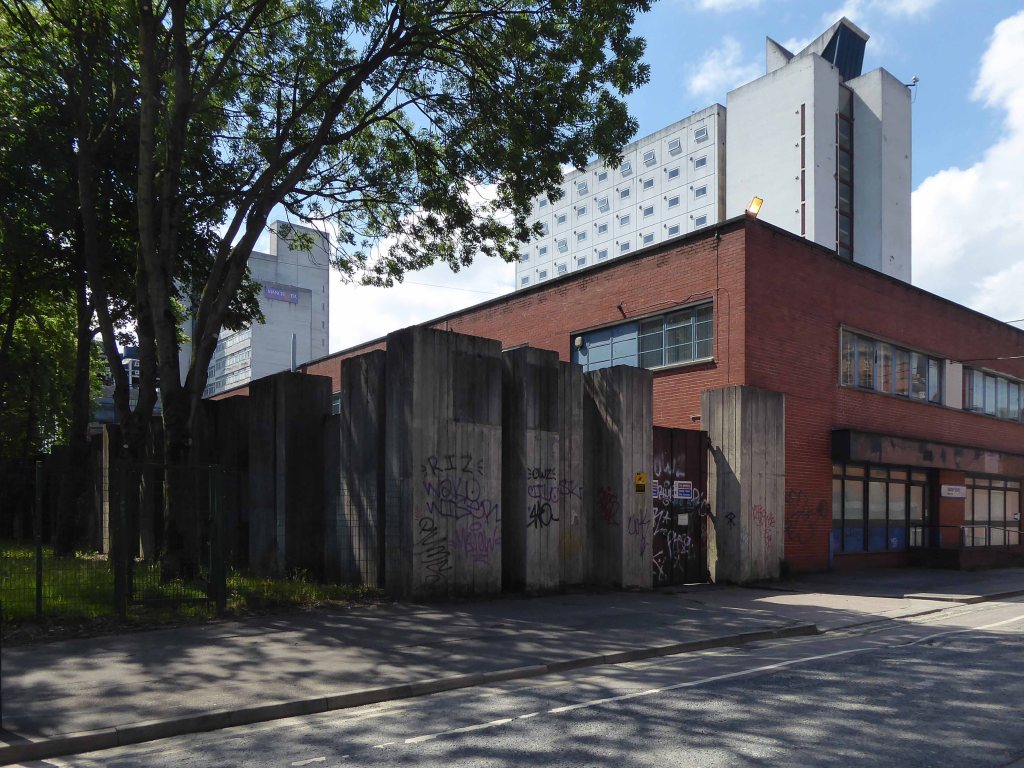
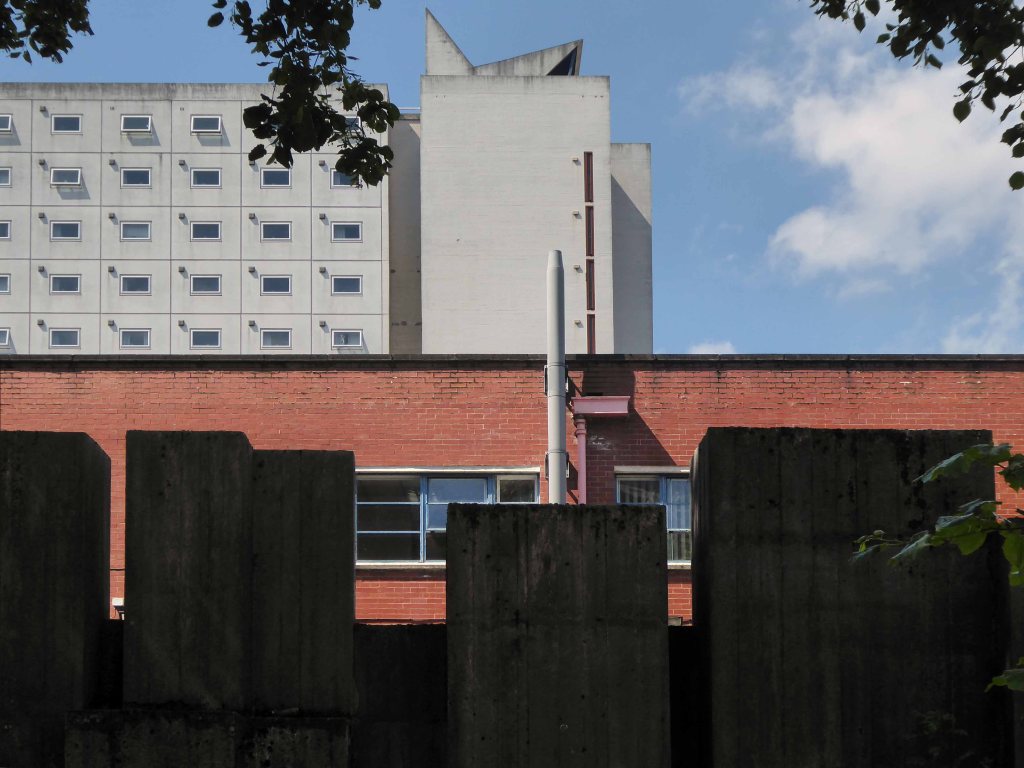
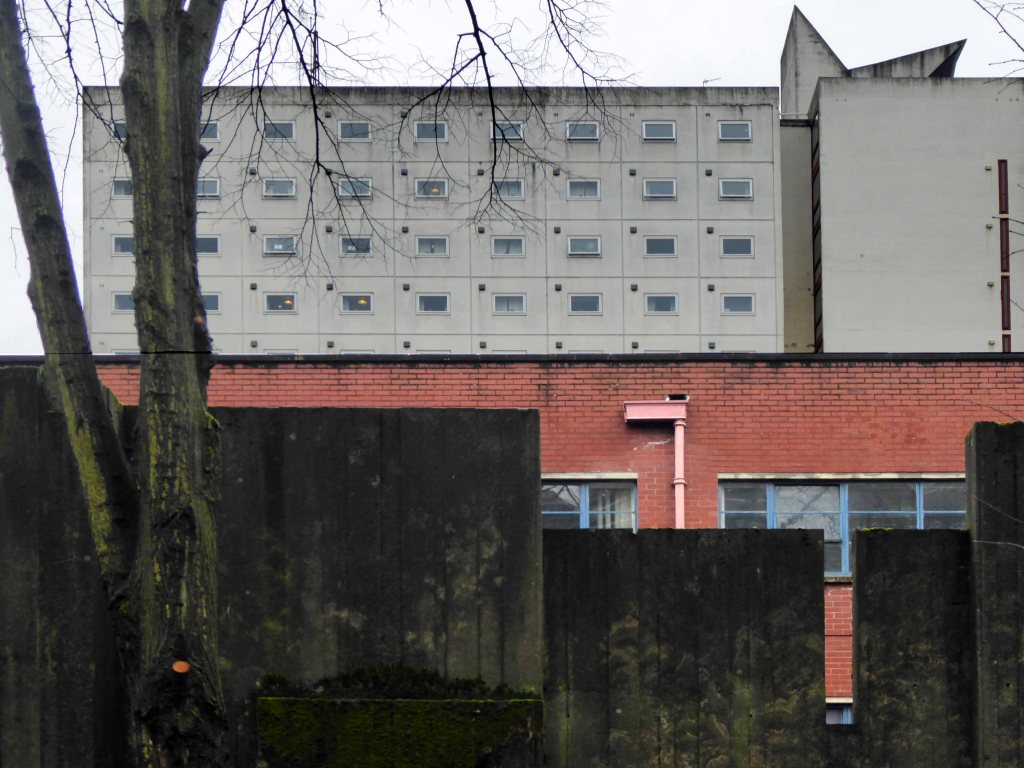
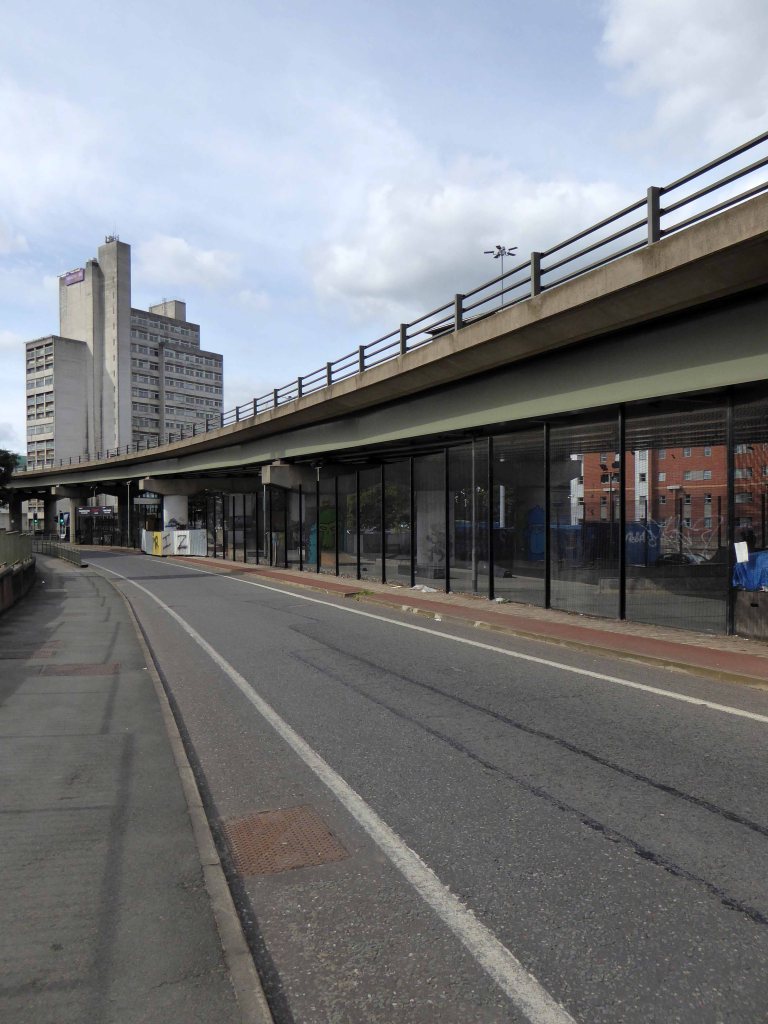
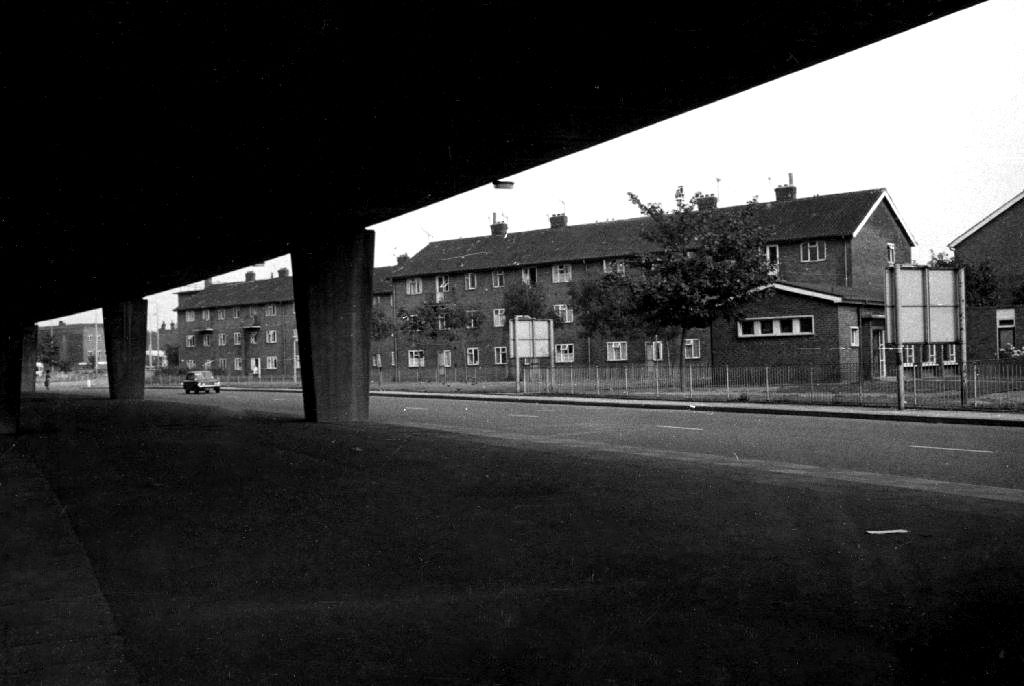
Crossing over to see the Brunswick Estate, built in the Sixties and Seventies and recently refurbished.

S4B is a partnership leading the £106m regeneration of Brunswick, Manchester. The Brunswick Regeneration PFI is a combination of government funding, private investment and expertise that will revitalise Brunswick. Improvements will include council home refurbishments, new homes for sale and to rent and an improved neighbourhood design.

Pro Manchester

Long gone lost estate pub from the estate – King William IV a former Chesters then Whitbread estate pub was built in 1967. Closed in 1996 when it was converted to residential property. It had a brief spell 1991 to 1995 as brewery premises for the Dobbin’s West Coast Brewery, during this period the interior was stripped out to accommodate the brewery paraphernalia.

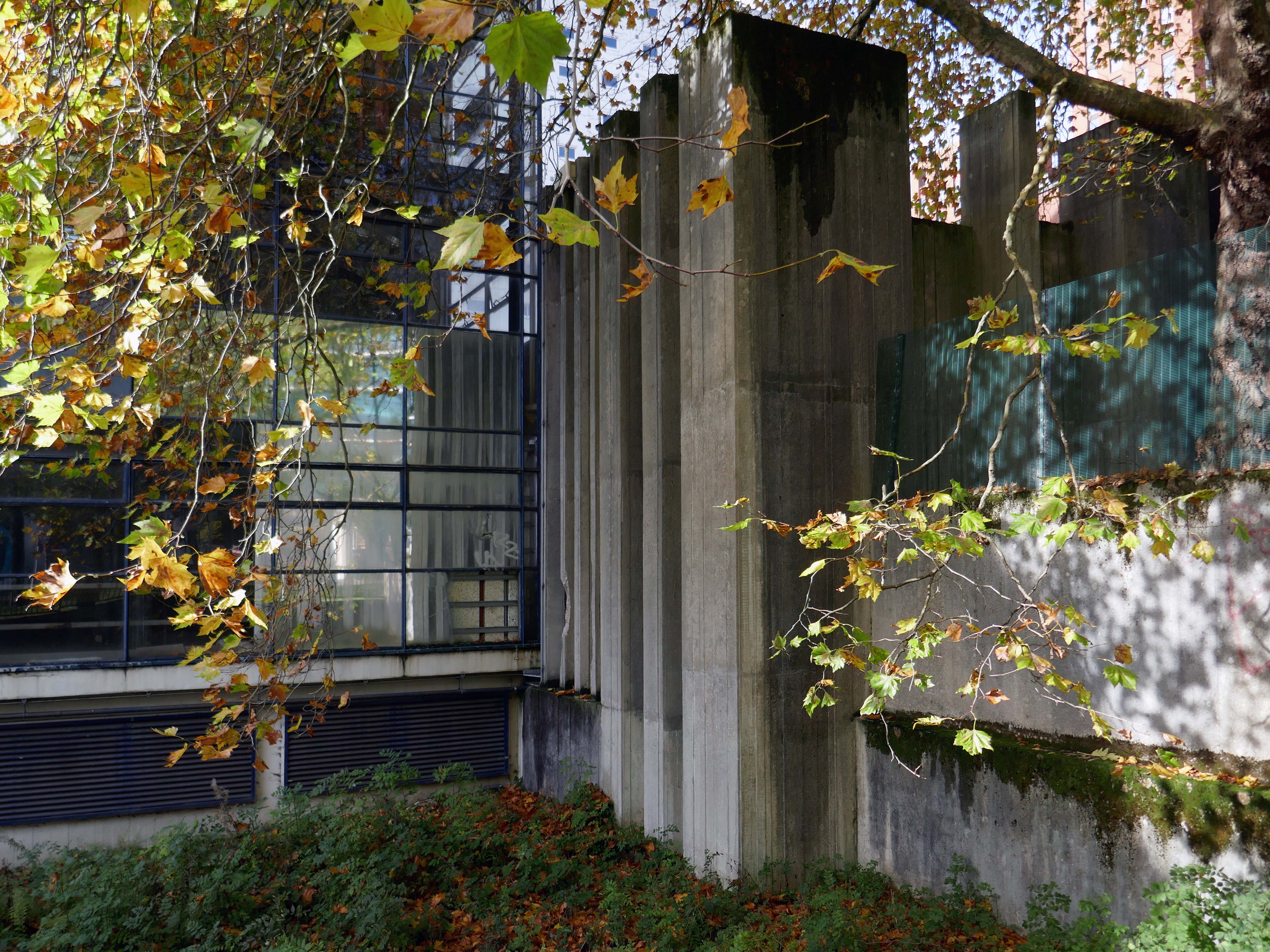
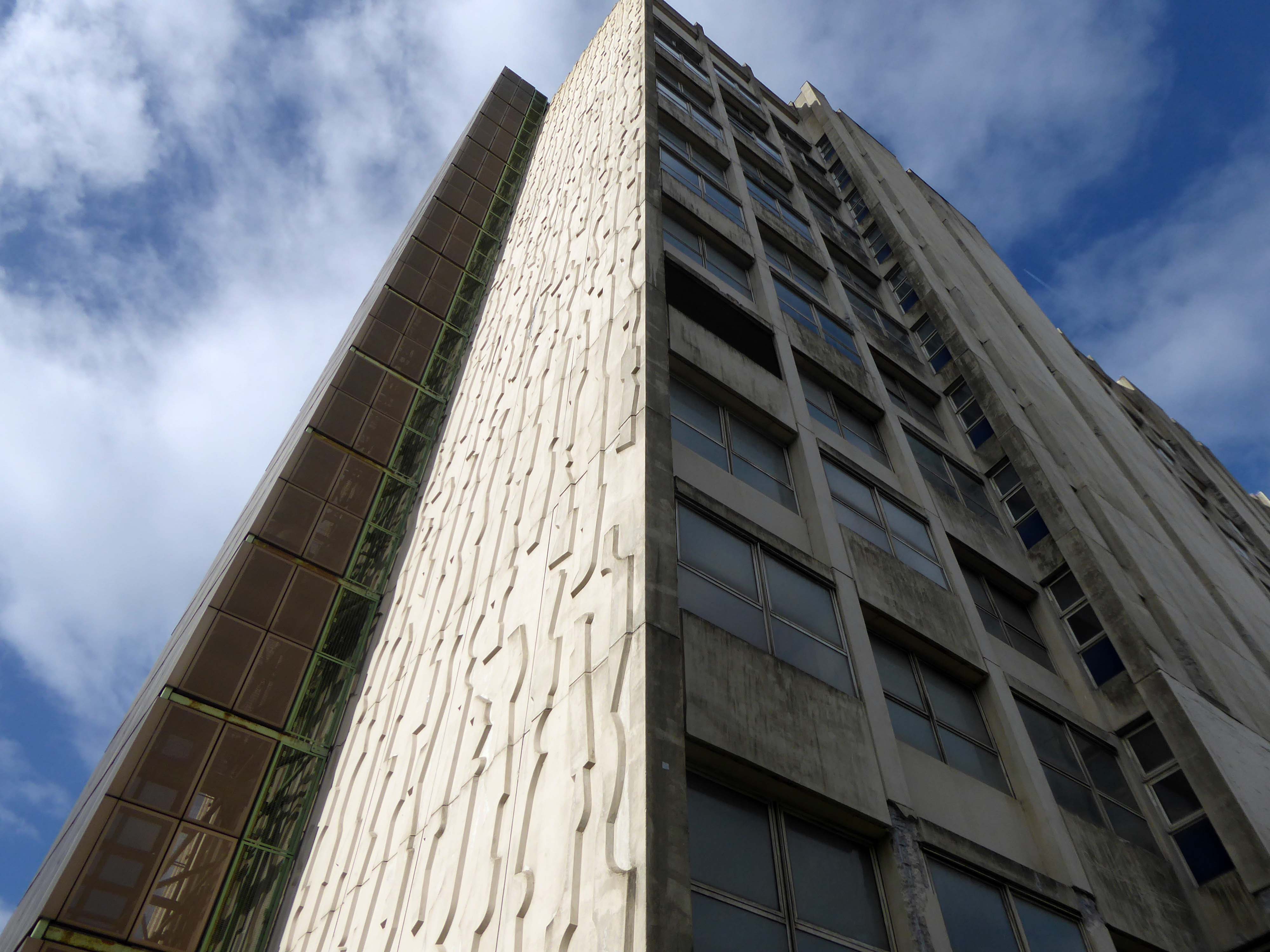
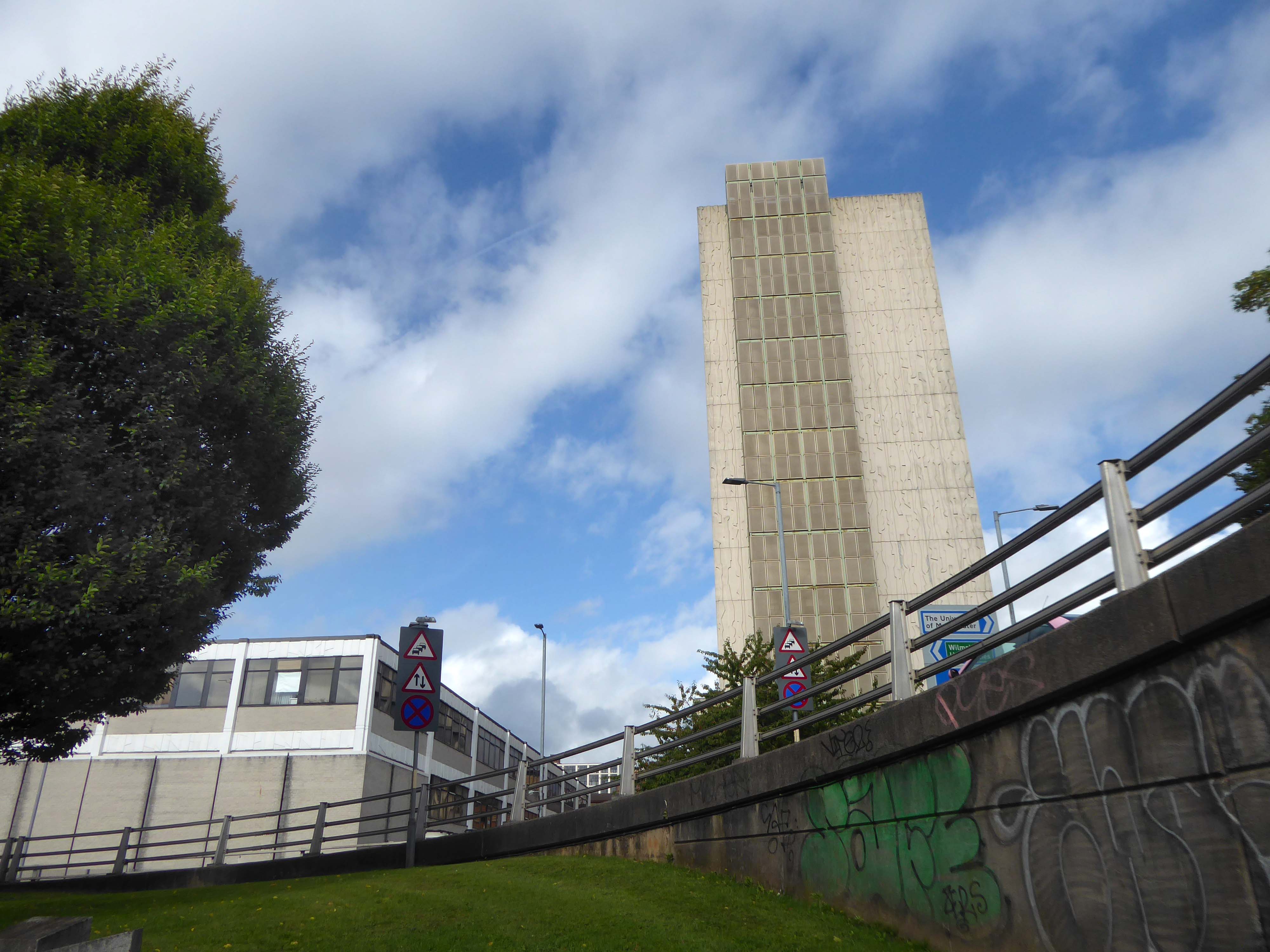
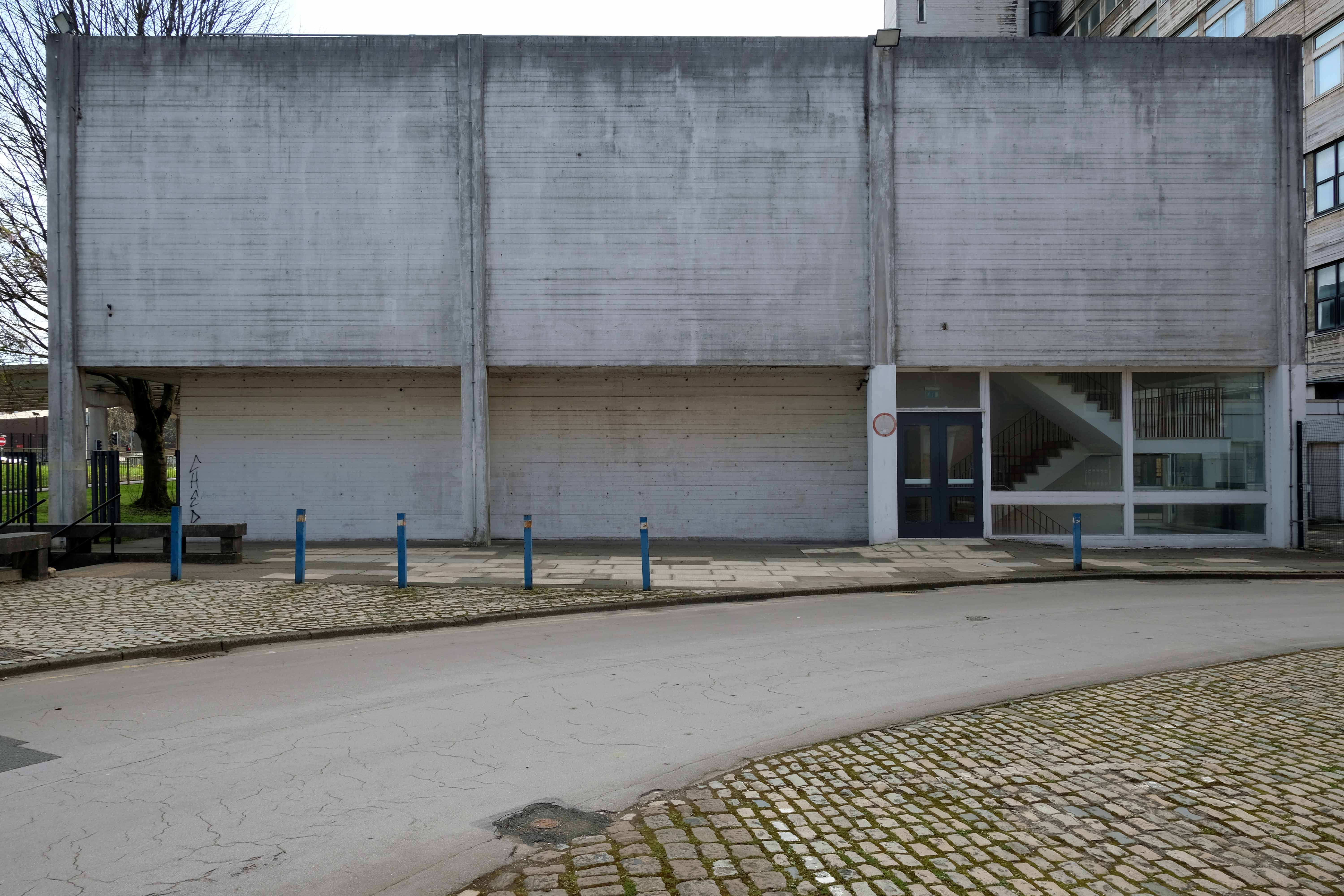
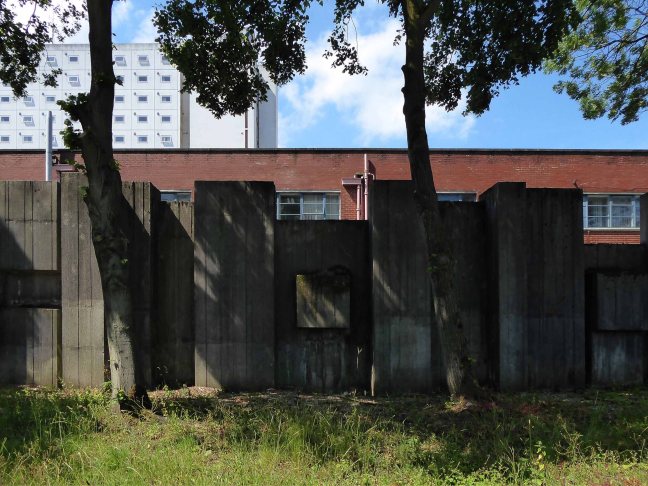
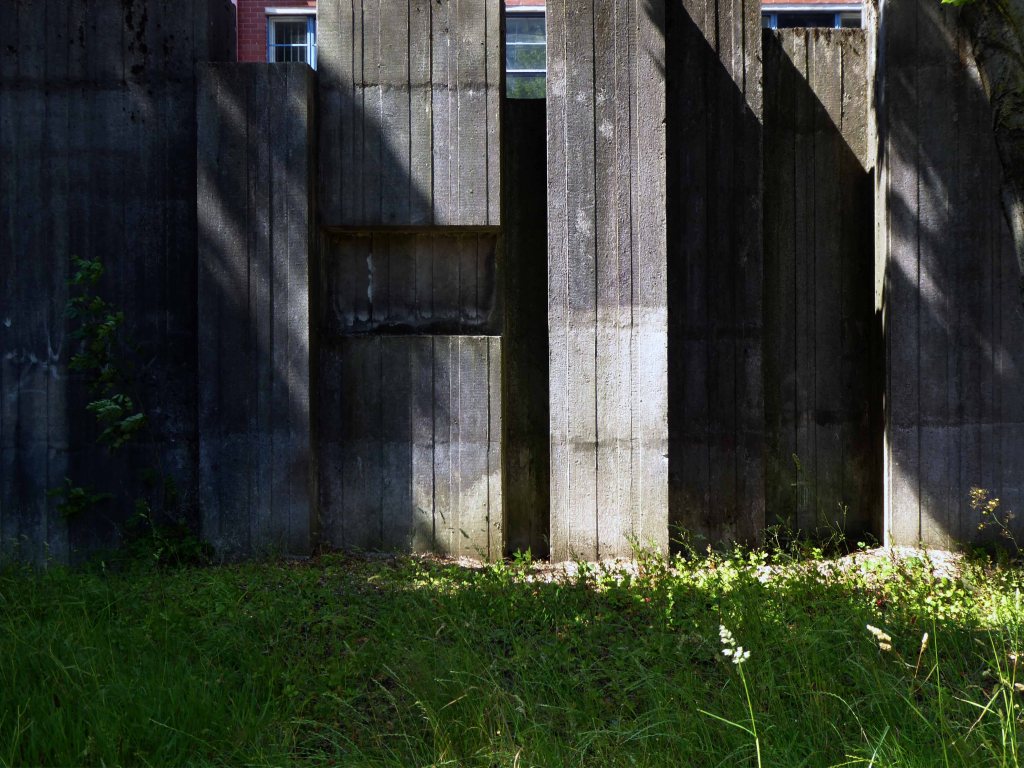
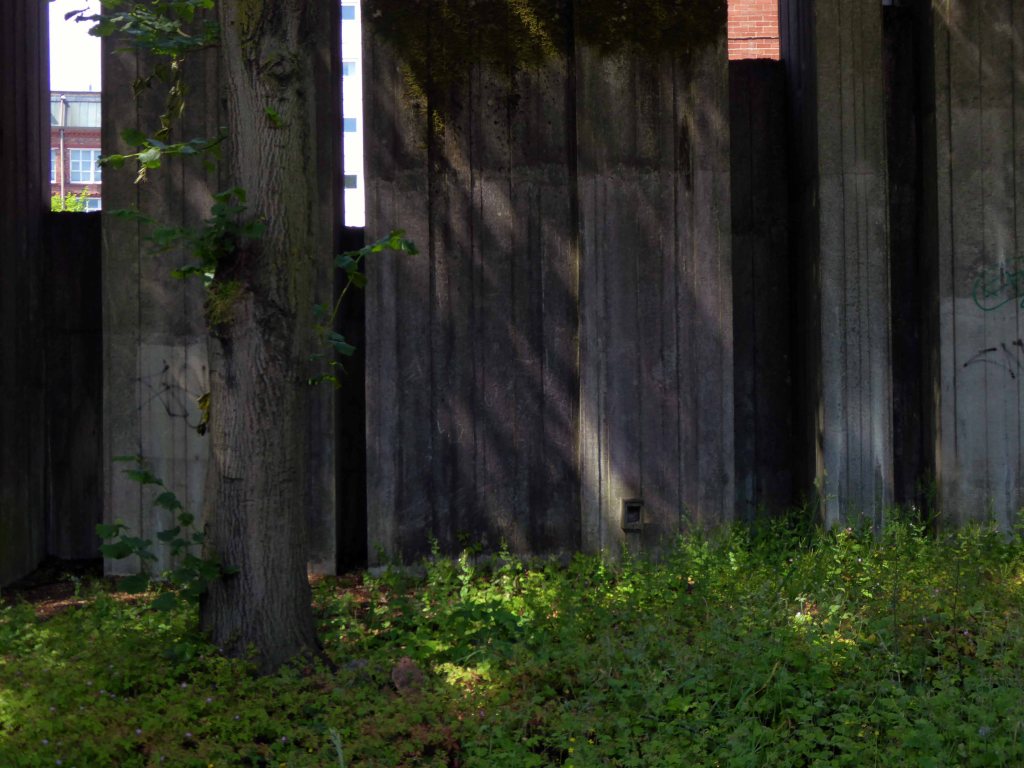
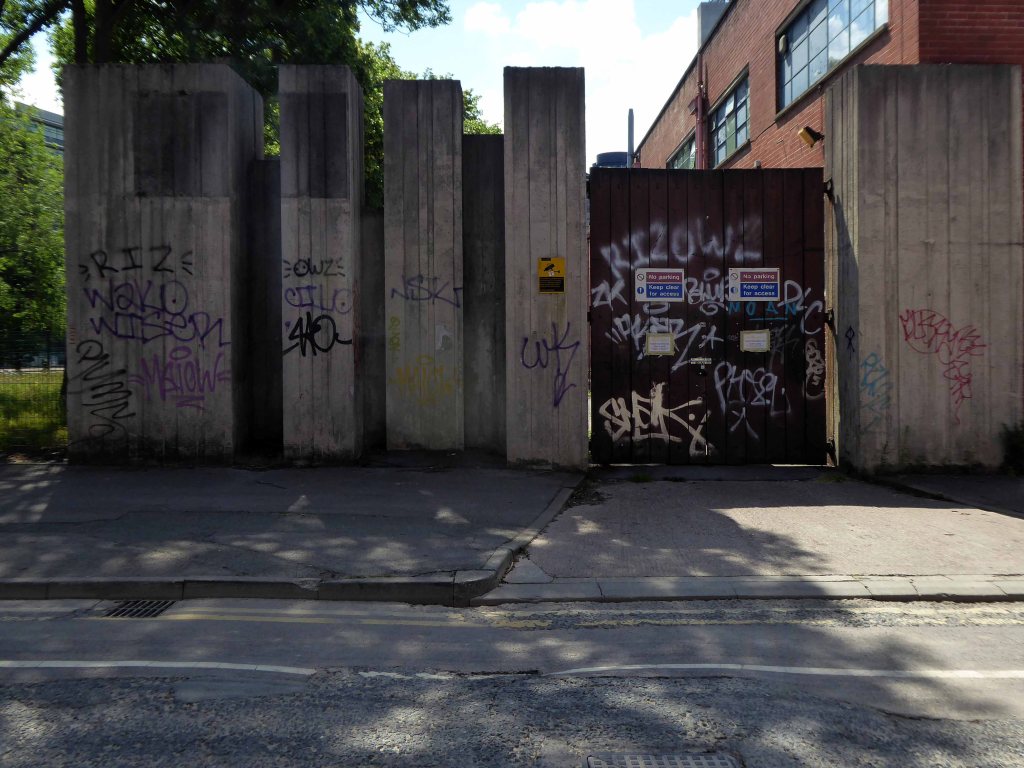
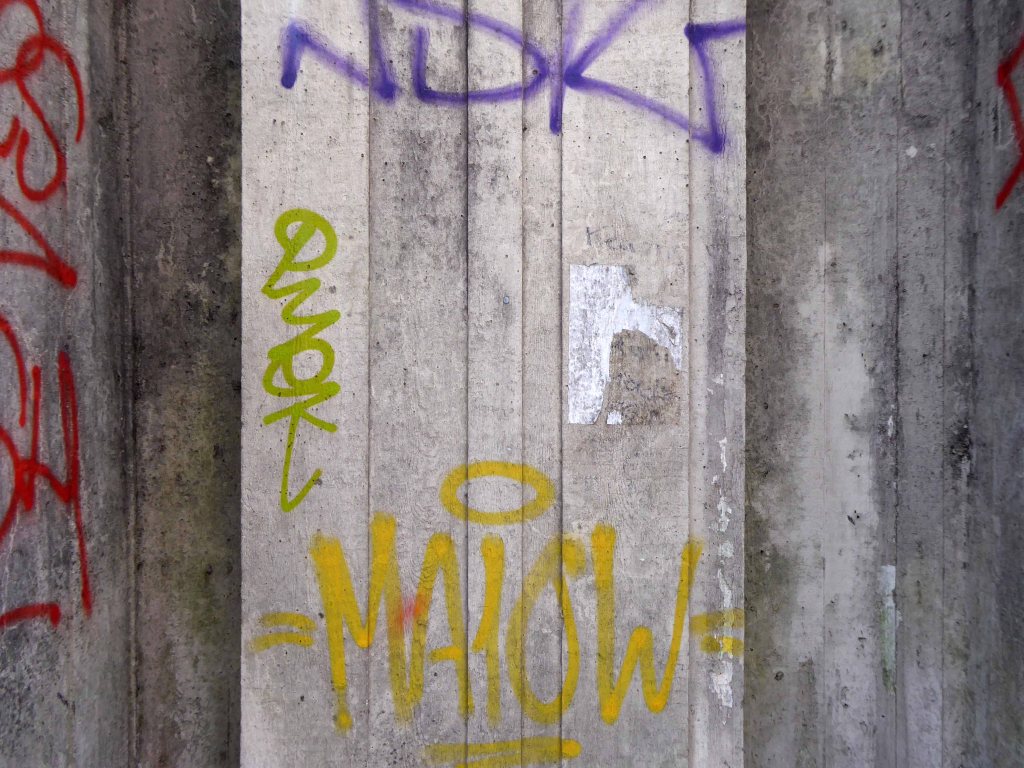
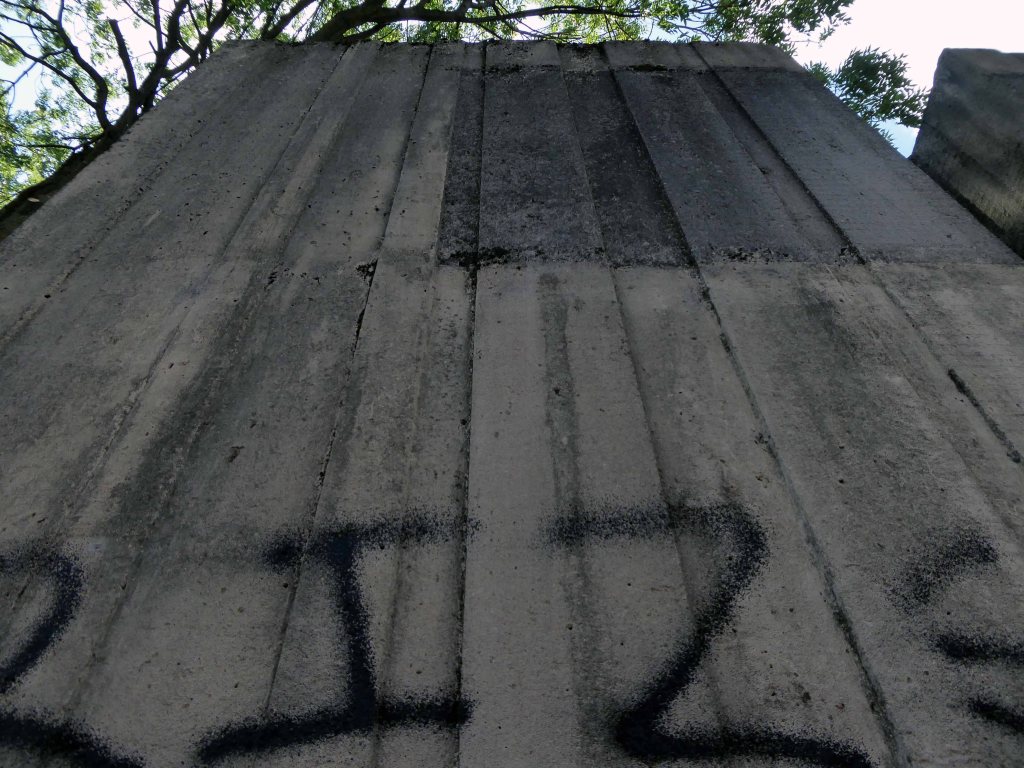
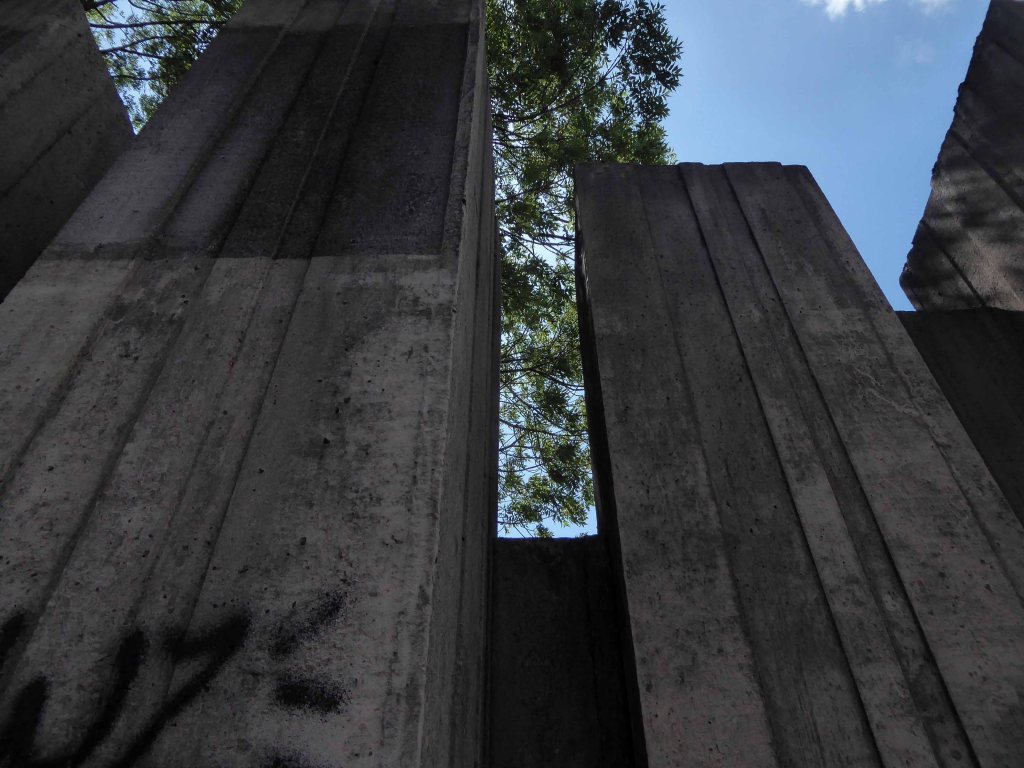
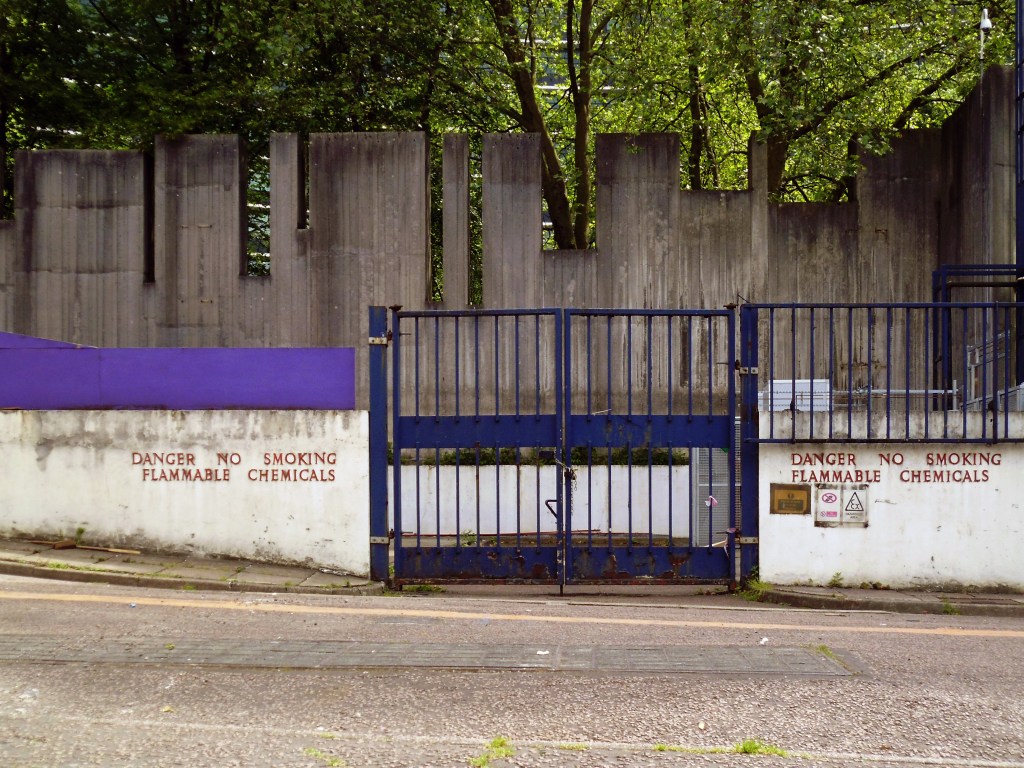
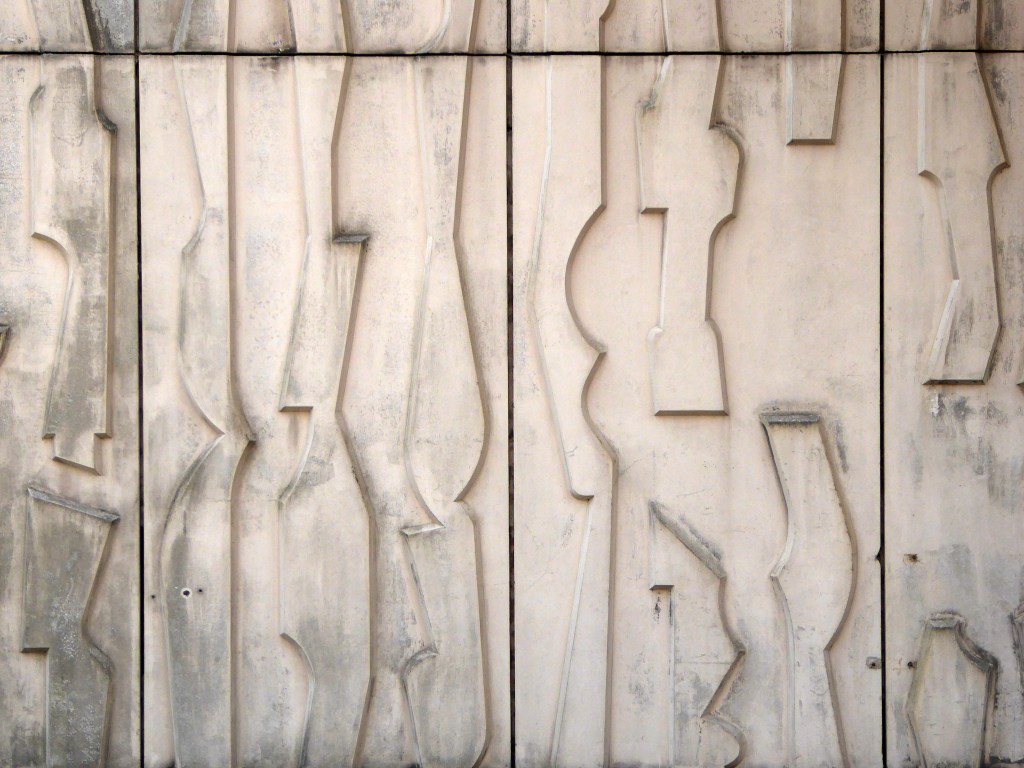
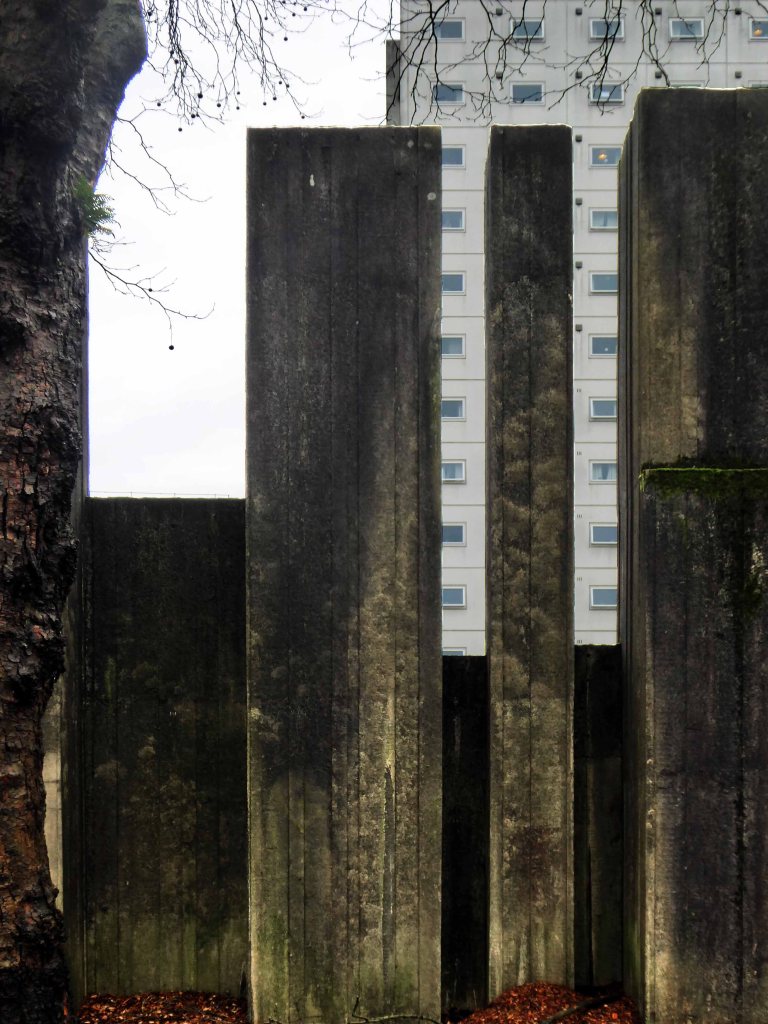
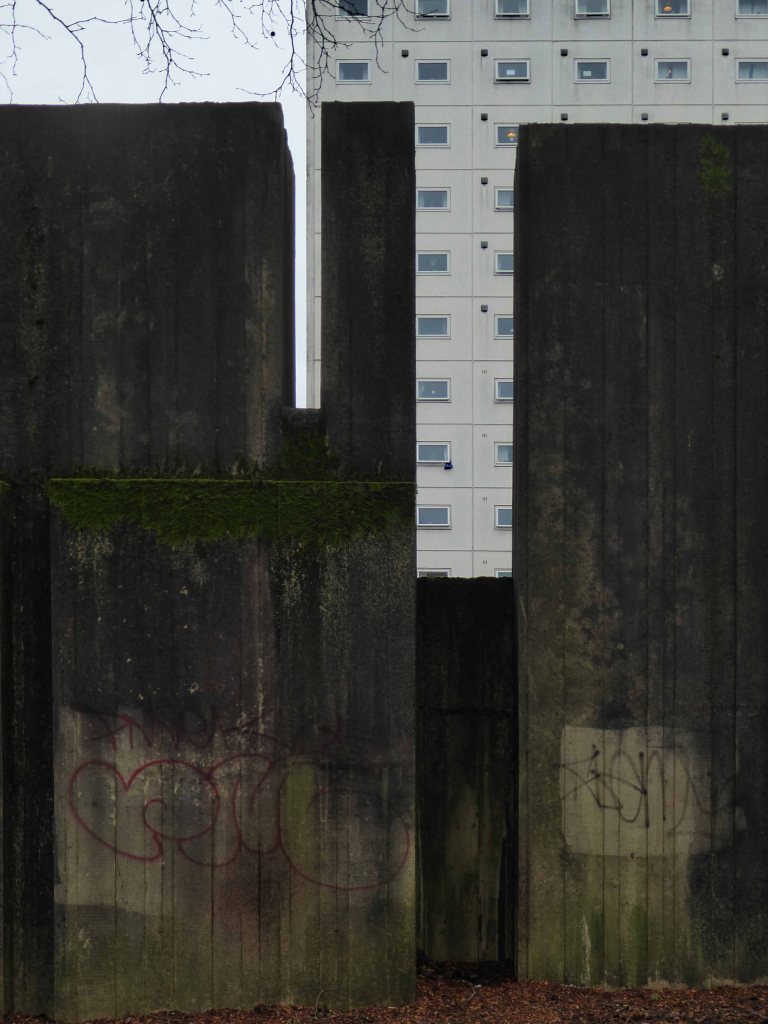
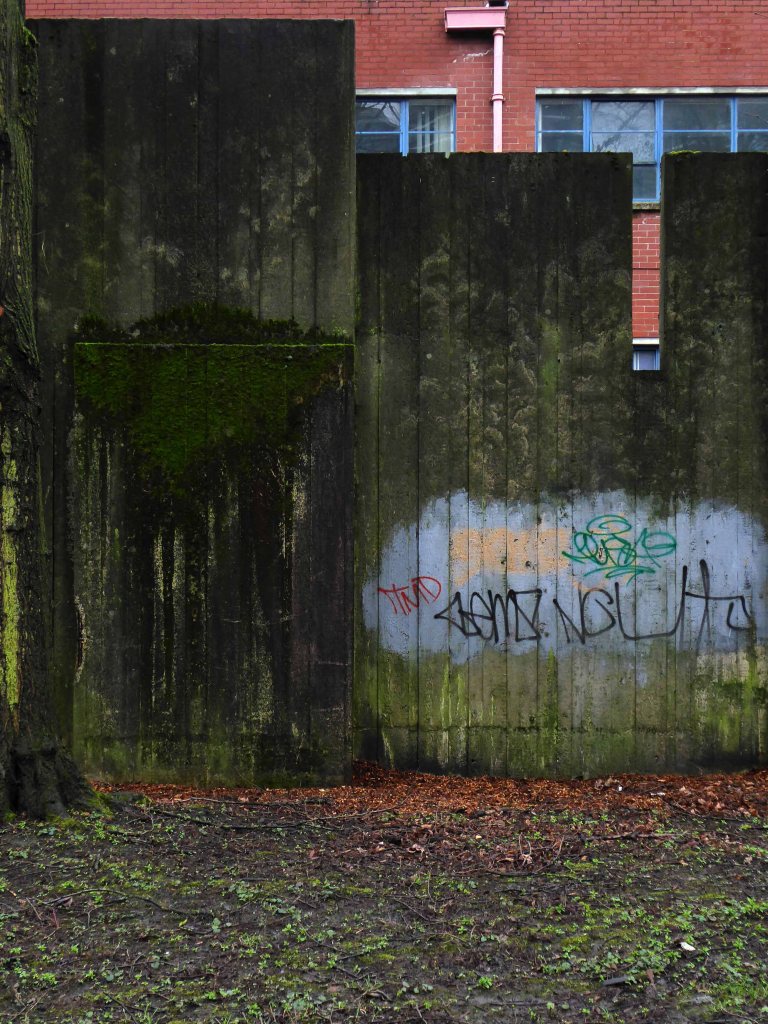
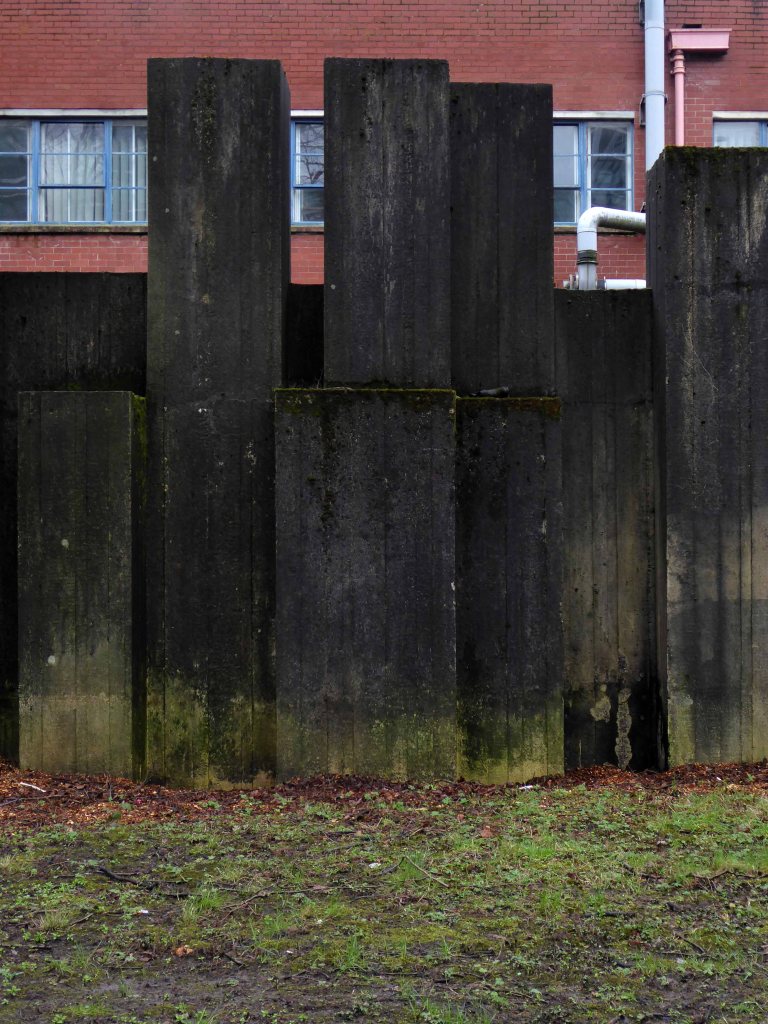
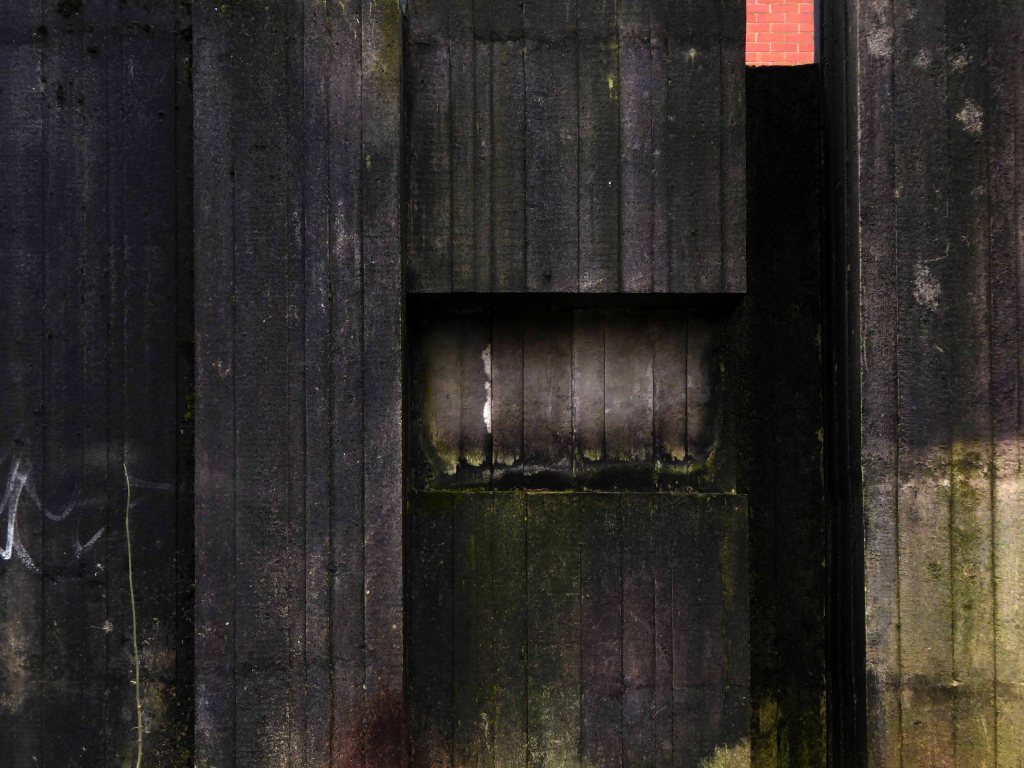
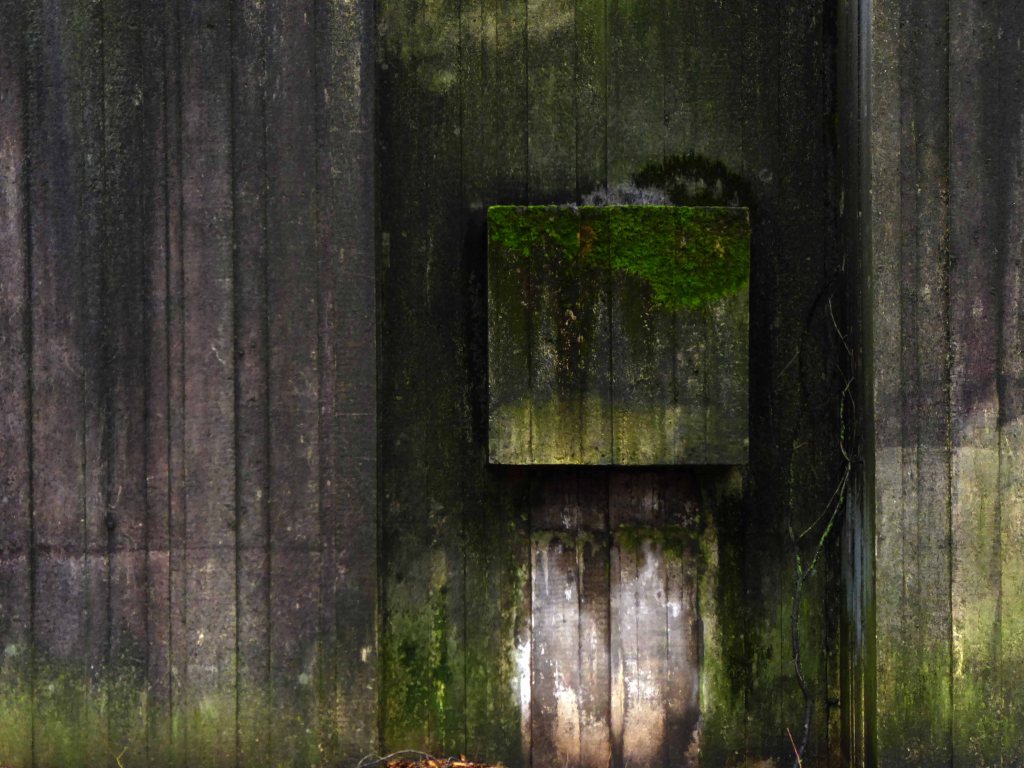
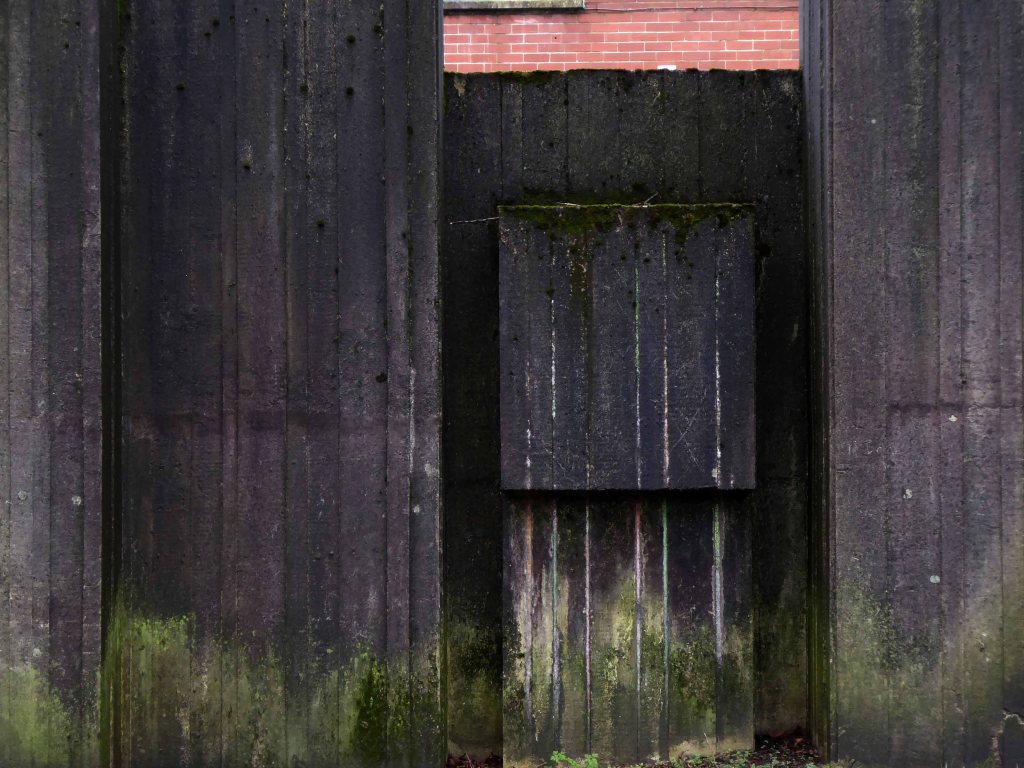
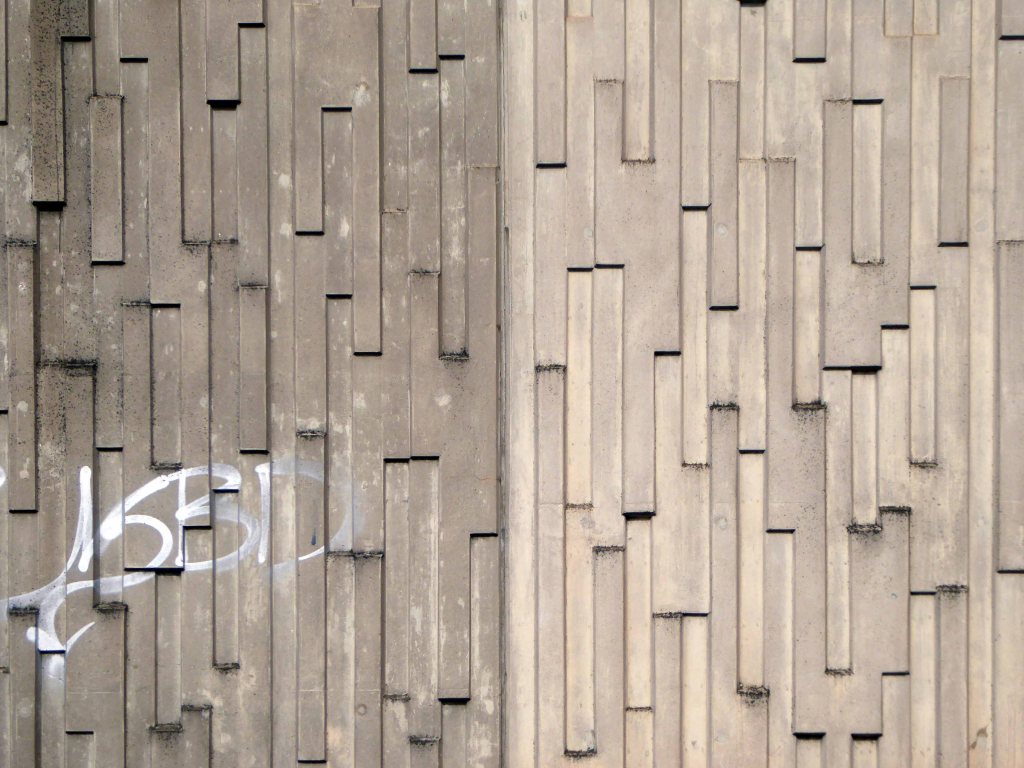
We take a jog around the block to see the concrete relief that clads the road ramp.

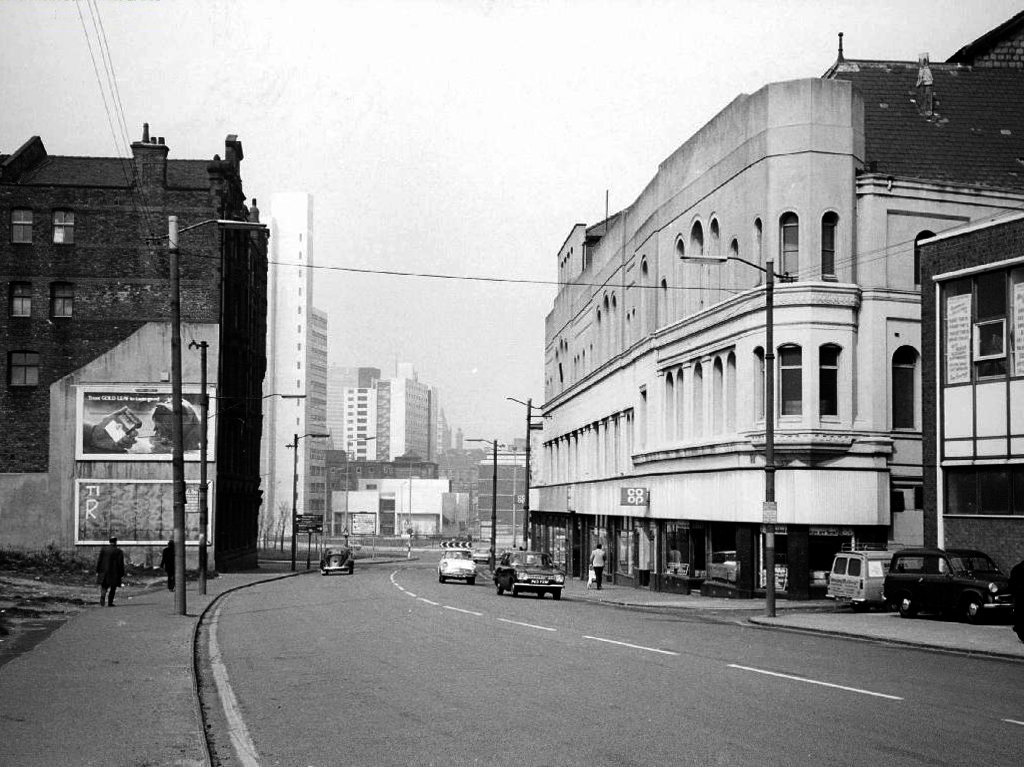
Where there was once a giant Cooperative Store there is now a light industrial and retail estate.
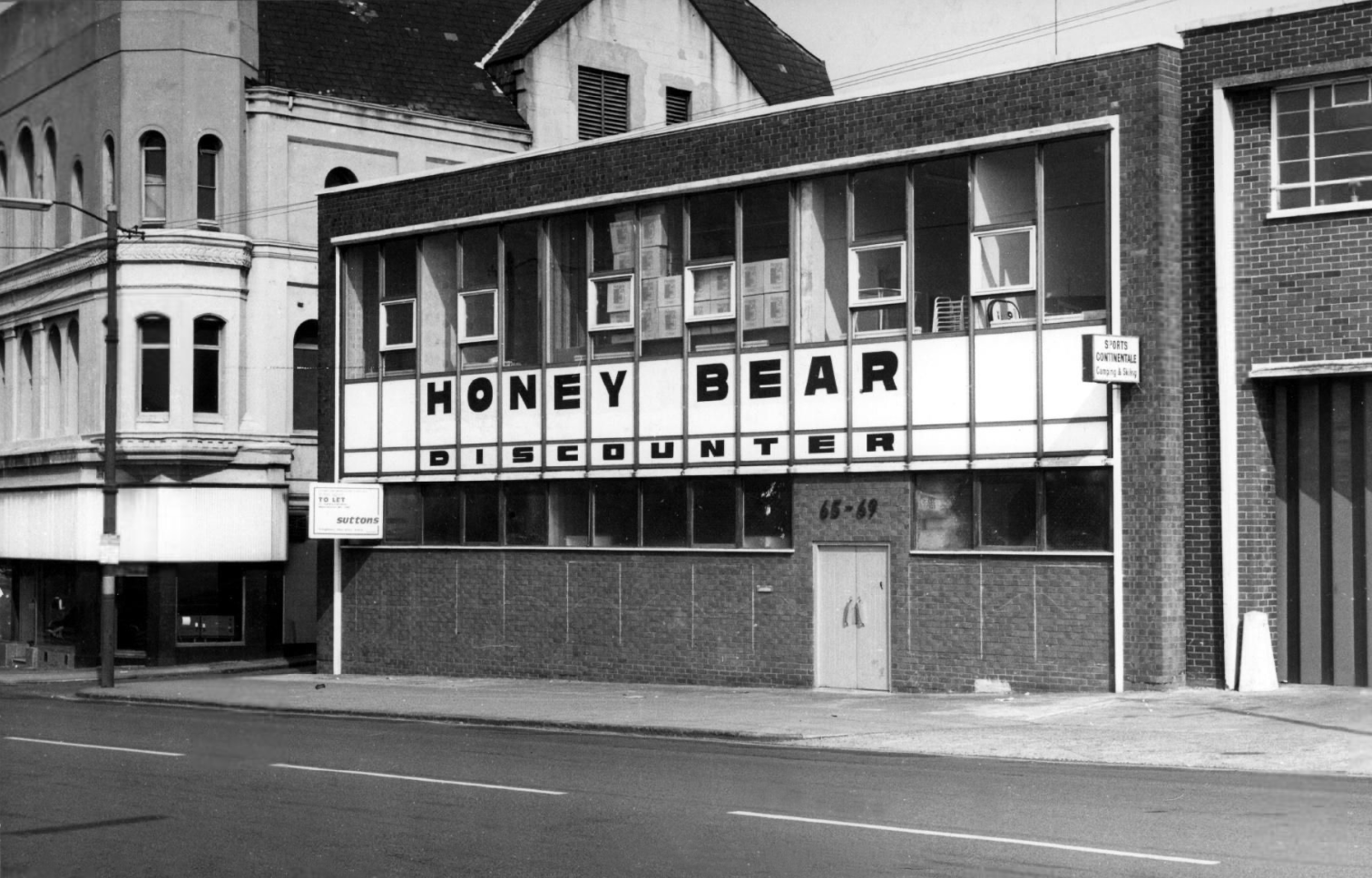
And the Honey Bear Discounter has become Spirit Studios.

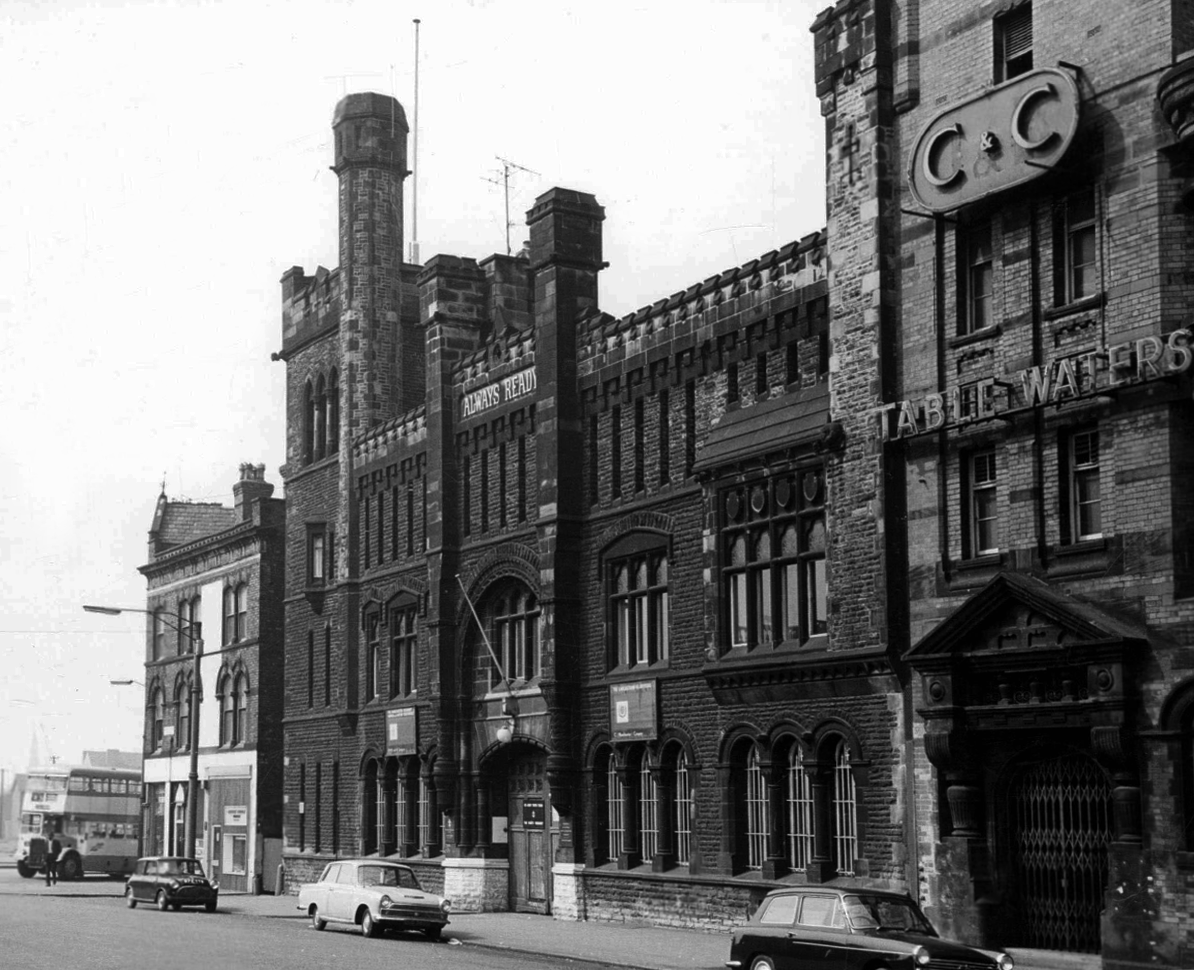
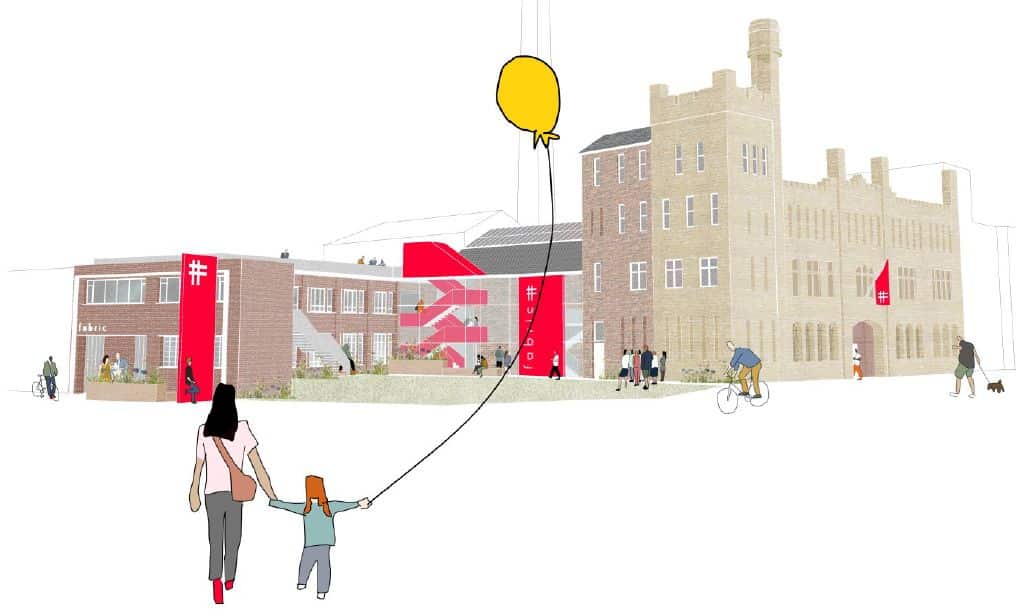
And the Barracks has become the Fabric Church.

The Diocese of Manchester has been working in partnership with the Church Revitalisation Trust to open Fabric Church and refurbish the building, following a successful bid to the Church of England’s Strategic Mission and Ministry Investment Board.

We’re excited to be working alongside Fabric Church on the transformation of the Grade II listed former Ardwick Barracks in Manchester. This ambitious refurbishment project will see the historic site reimagined as a vibrant community hub, featuring a new worship hall, community café, offices, meeting spaces, and more.
Hexaconsulting

Alongside Ardwick Green Park there are new housing developments nearing completion.
Ardwick Green combines contemporary design with great light infused spaces, offering stylish homes with a modern twist, private parking, outdoor spaces and a welcoming community atmosphere an urban retreat that truly feels like home.

With the city just moments away, living at Ardwick Green will give homeowners easy access to Manchester City Centre and beyond with its vibrant social scene, bustling business landscape and extensive transport network on your doorstep. 

Step Places

The area is home to a mixed and mongrel bunch of homes.

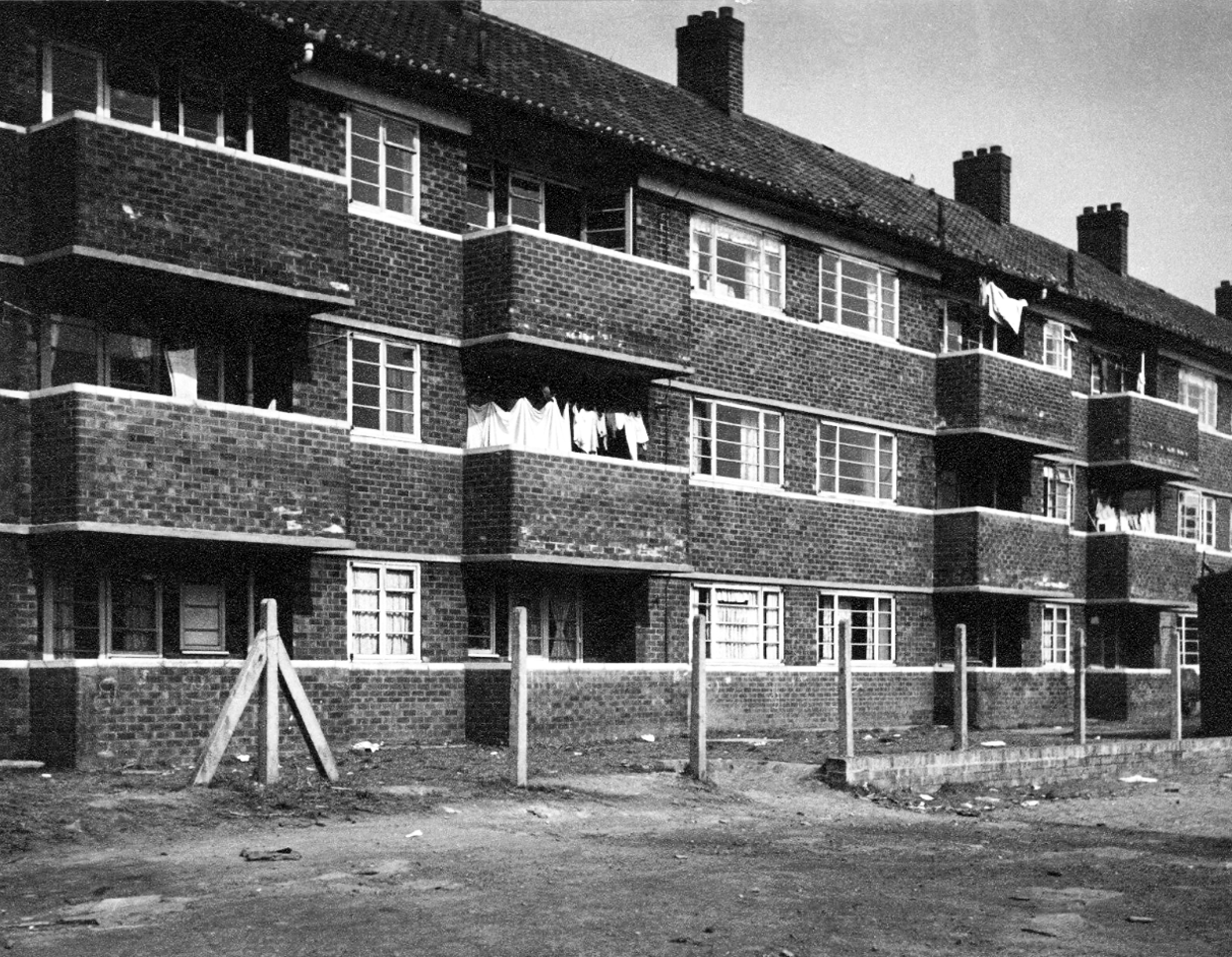
Though these interwar flats, seen here in 1956, are now long gone.

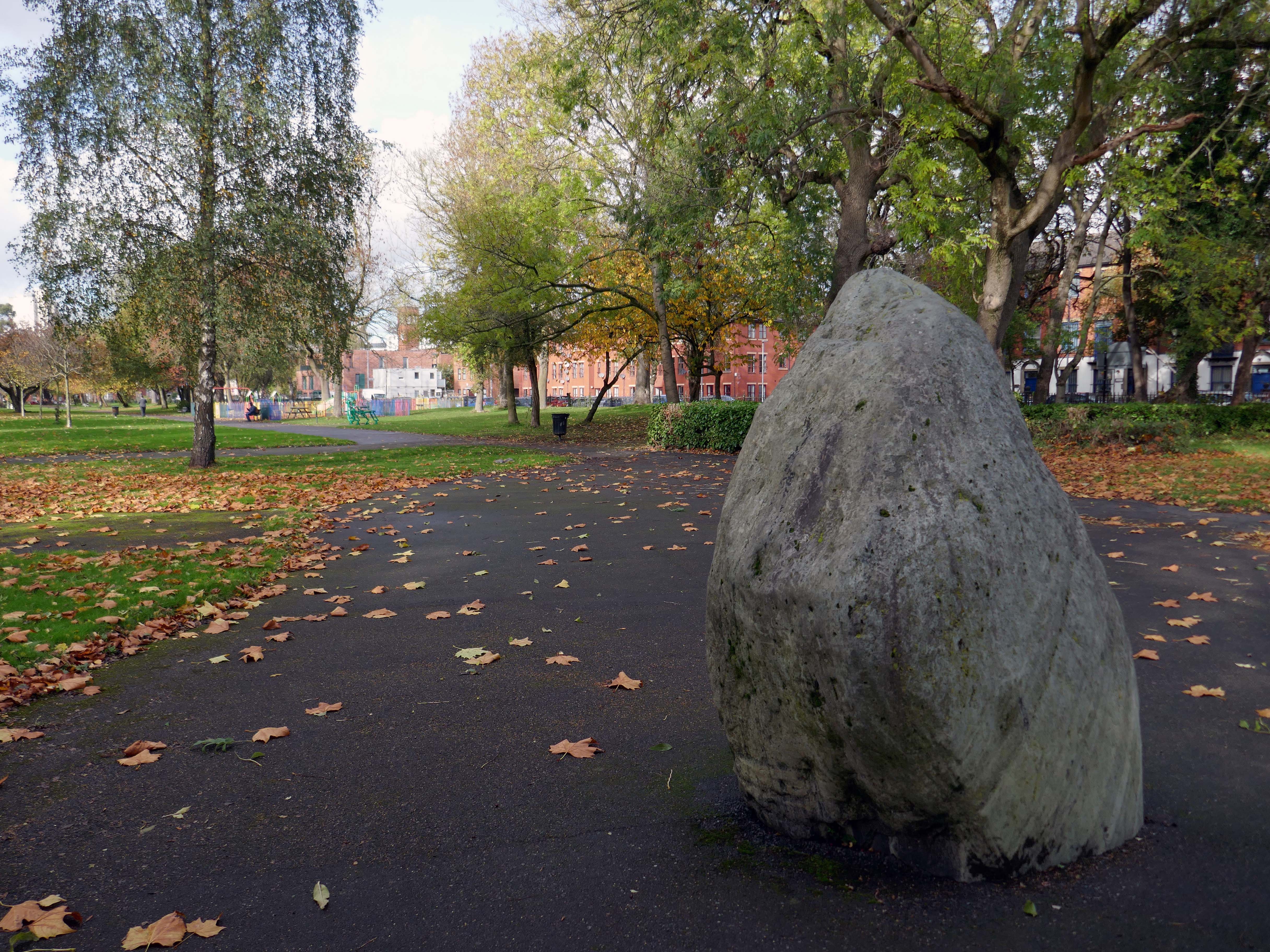
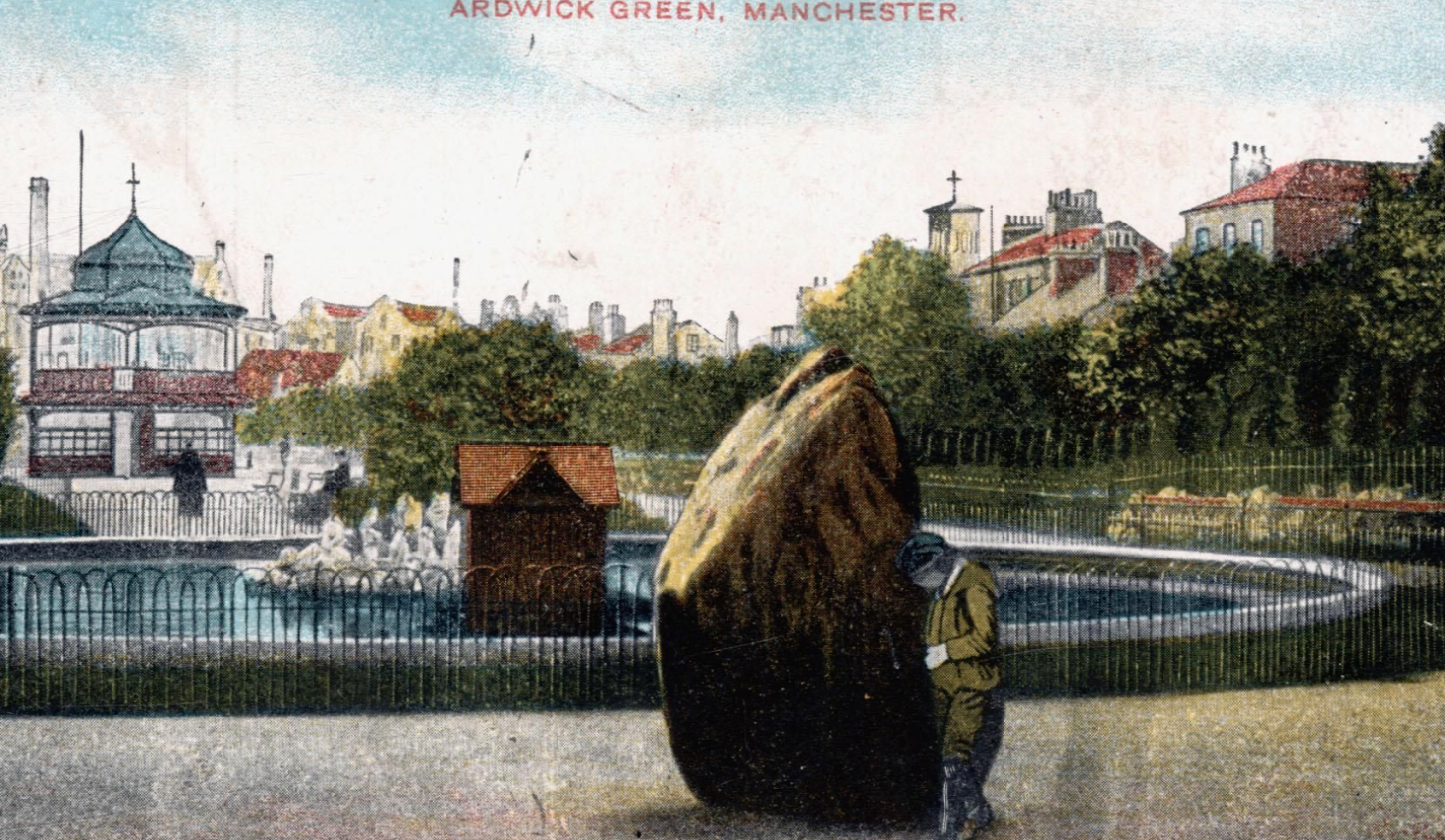
Within the park is a glacial erratic, which arrived following the Last Glacial Period .

Without which much of what we understand as the modern age would possibly not now exist.

It appears to be green slate from the Lake District, the native underlying rock in this part of Manchester is a red sandstone.

Postcard of 1906

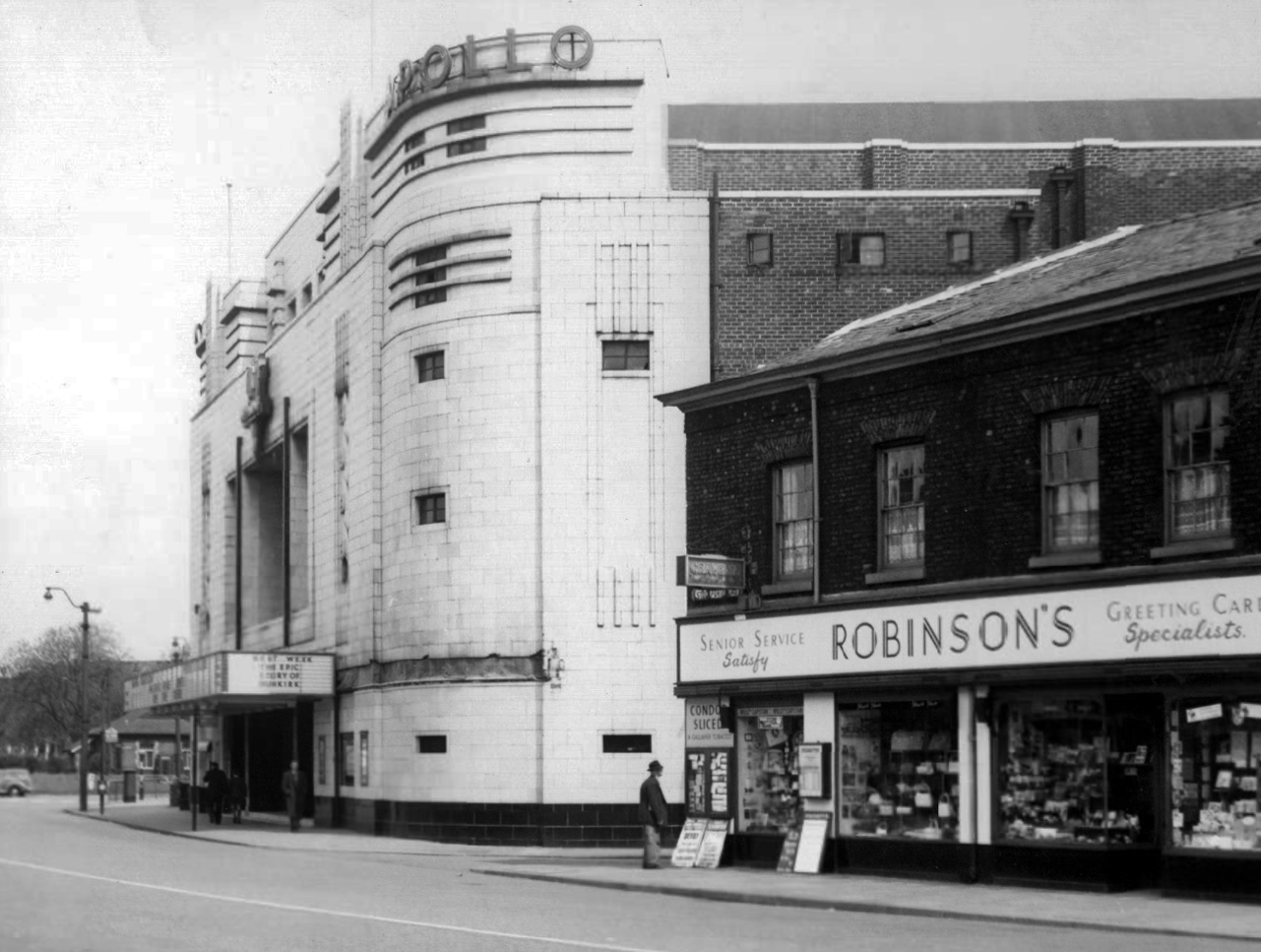
The Apollo of course prevails. – seen here in 1958

Architects: Peter Cummings Alex M Irvine

Opened on 29th August 1938 the interior decorations were carried out by noted interior designers Mollo & Egan with the Holophane lighting designed by R Gillespie Williams.

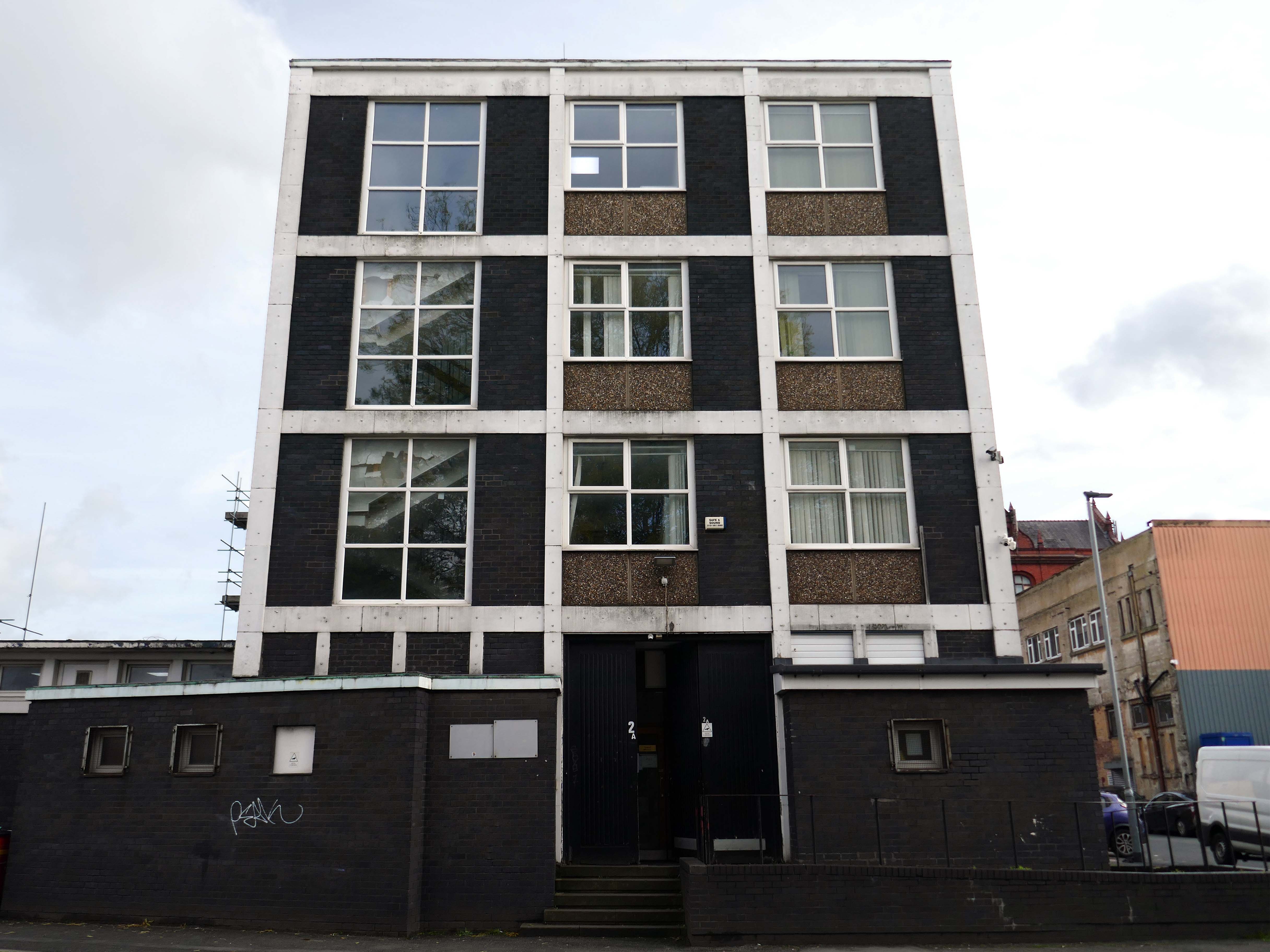
This Sixties municipal building remains a mystery.

Actor Harry H Corbett visiting his childhood area in 1969, he lived on Earl Street and later in Wythenshawe.

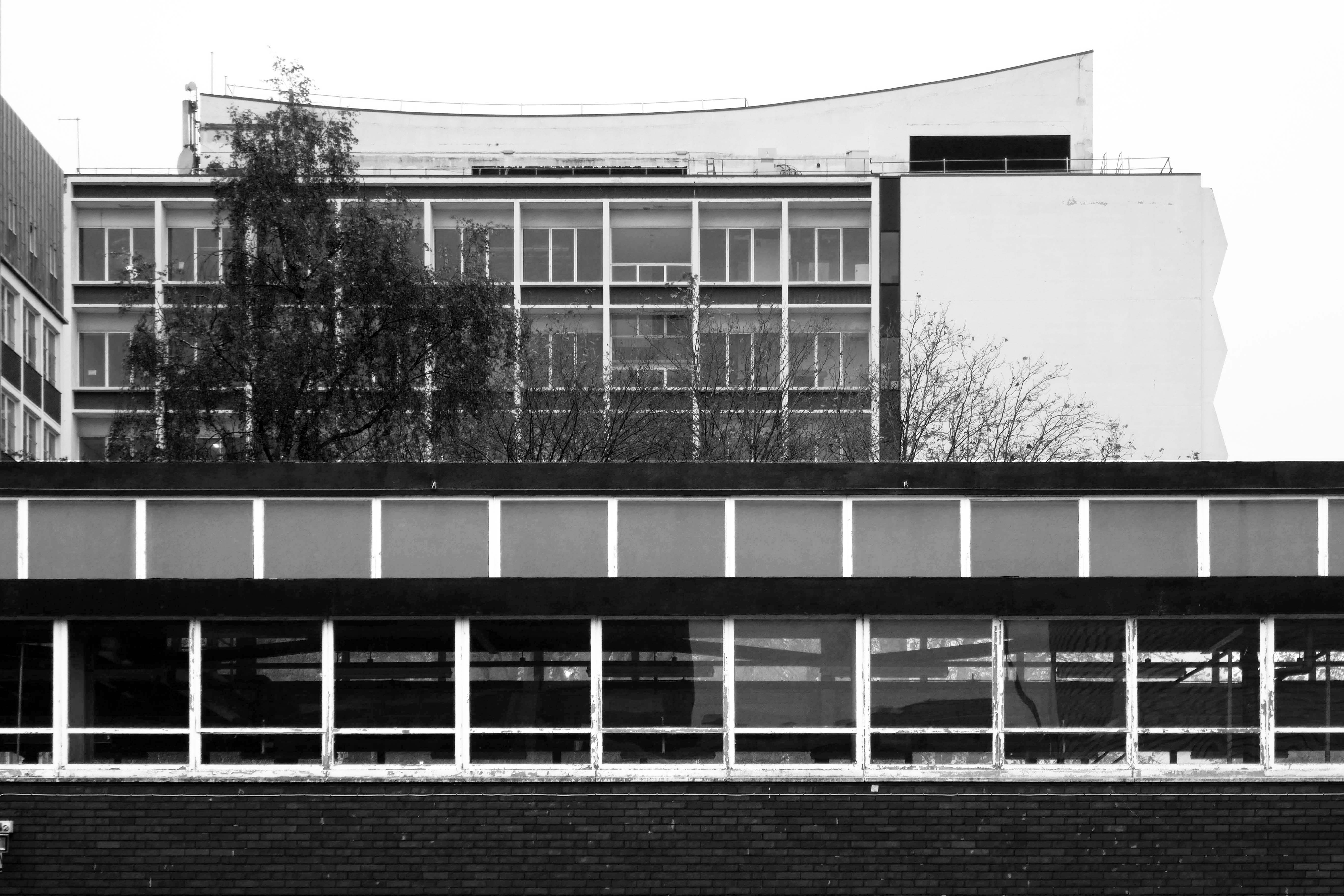
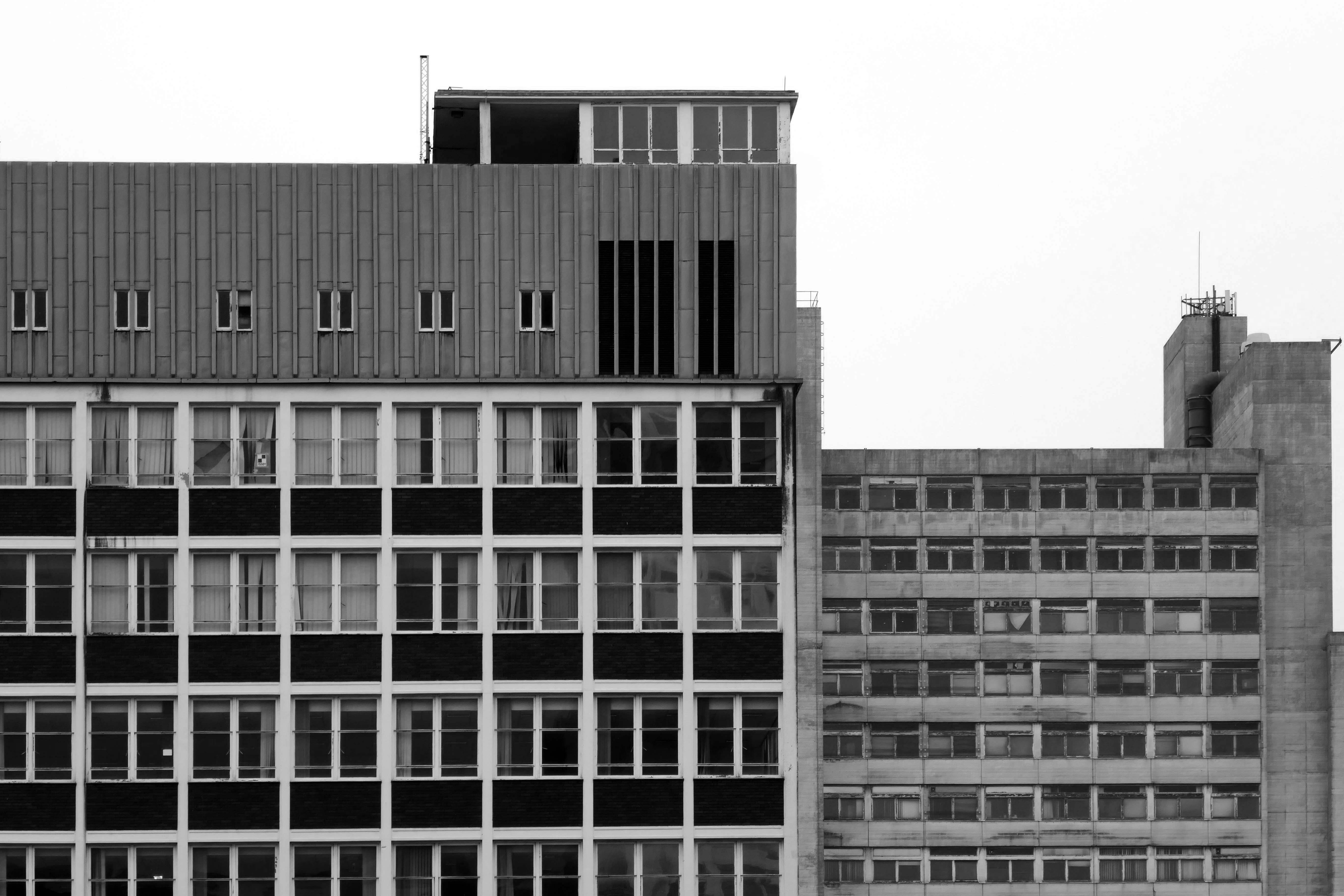
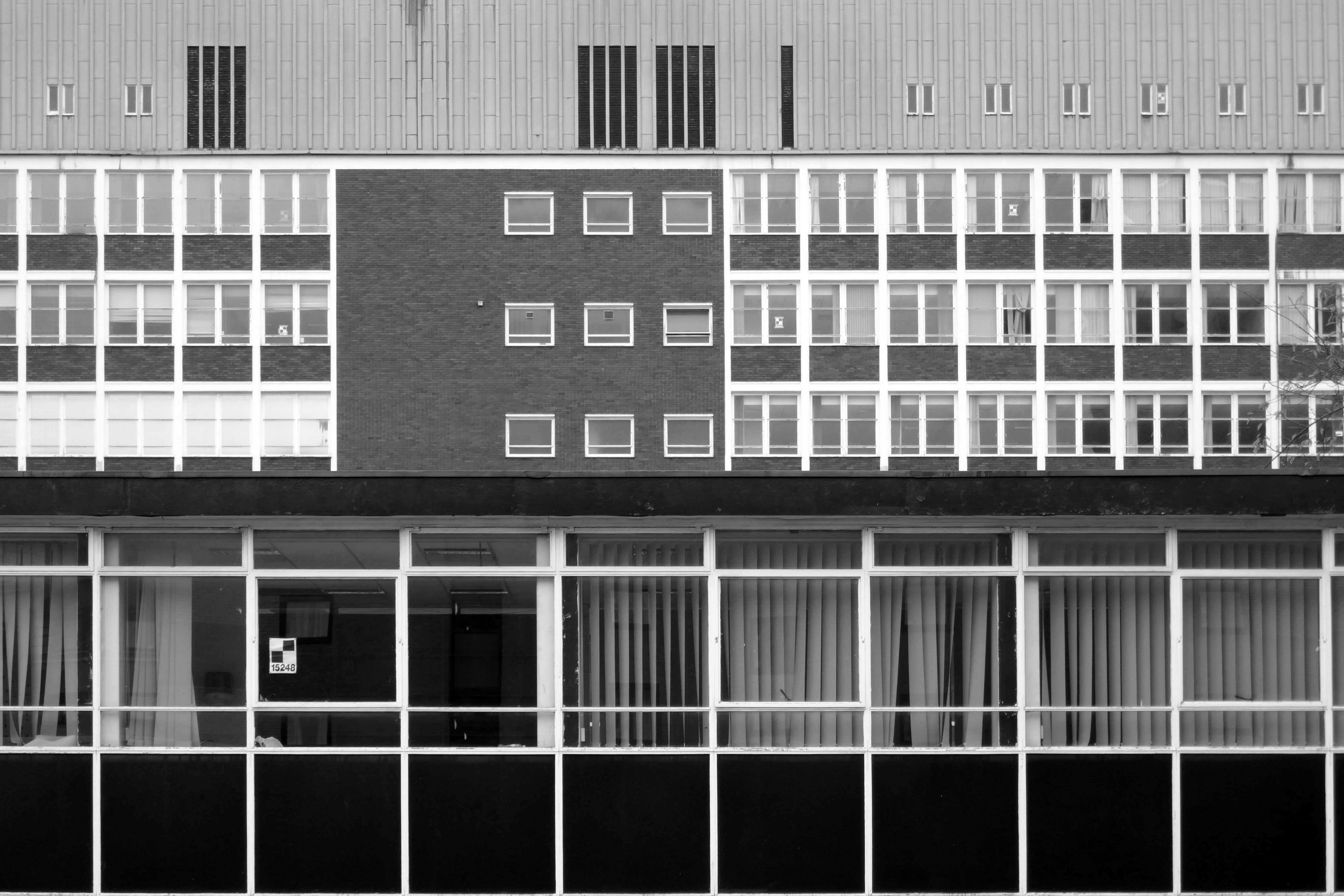
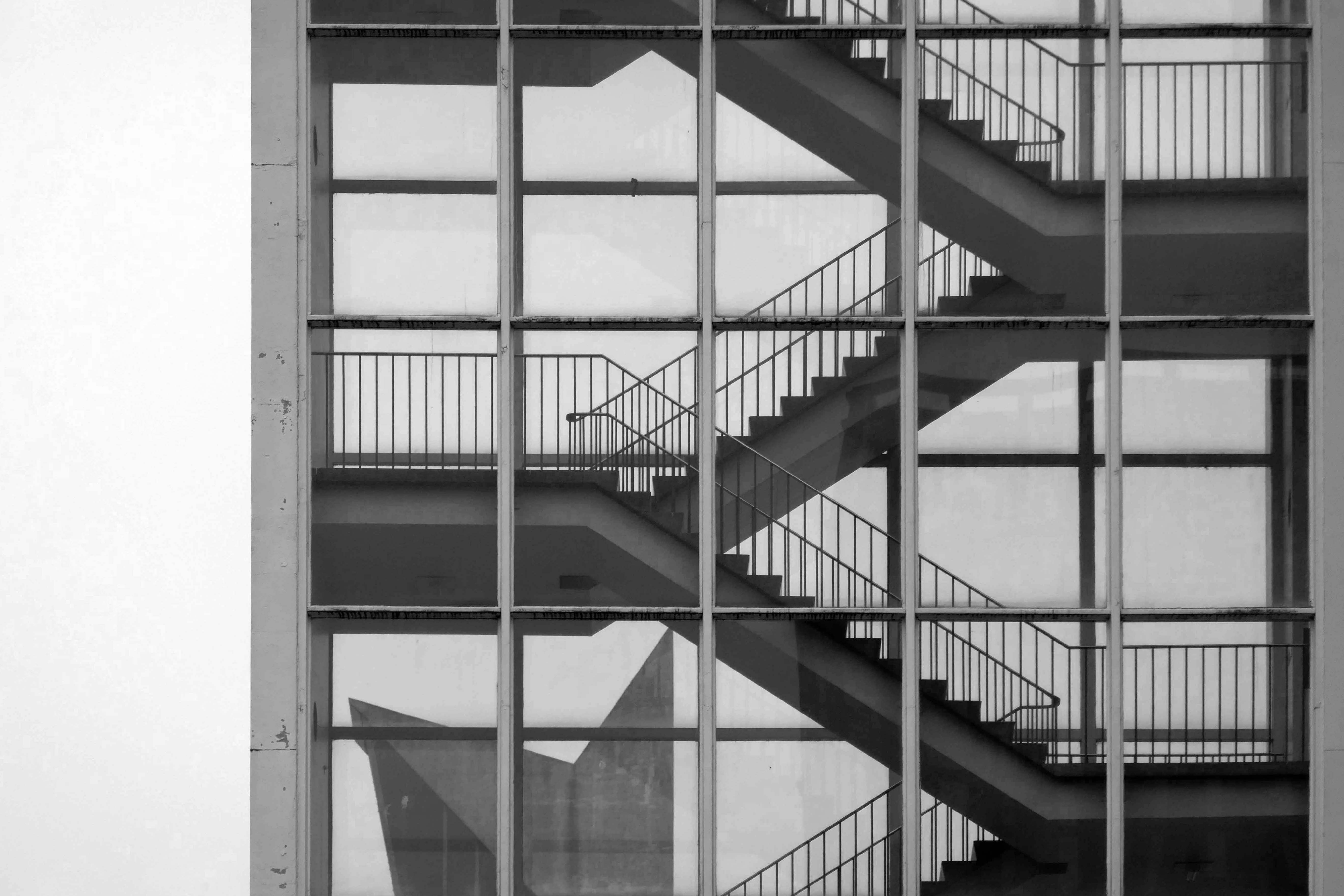
UMIST 2024 – Manchester

This may be the last time, may be the last time, I don’t know.

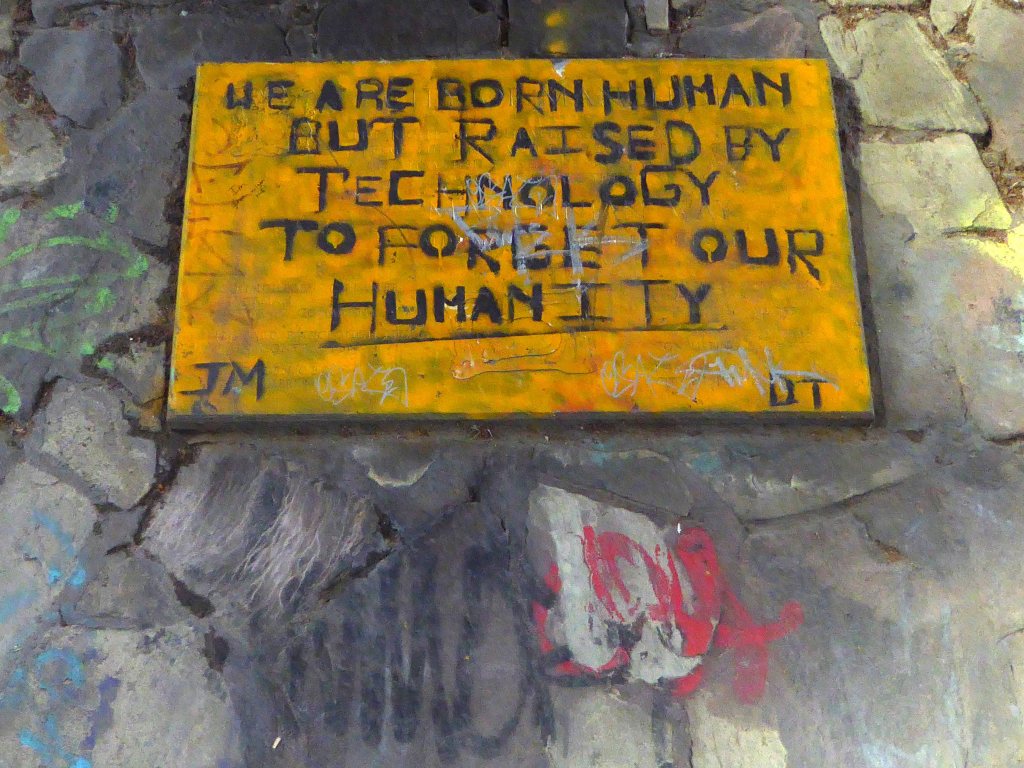
I’ve been taking a look around for several years now, but now the writing is now on the wall.

Anthony Holloway’s wall – the only listed structure on the site.
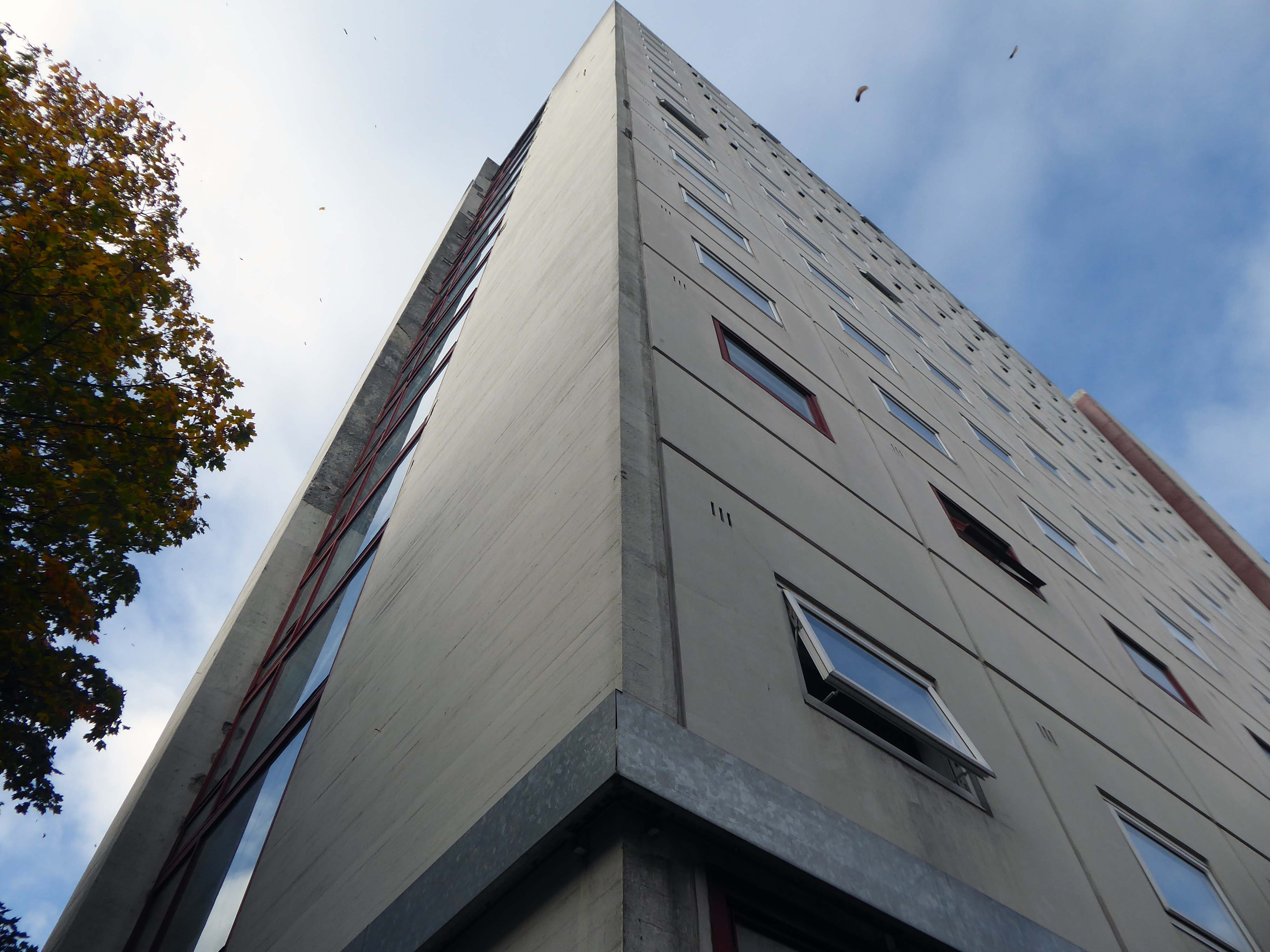
The site is sold, the contractors have arrived, stripping out the buildings earmarked for demolition.

The site is to be contracted – despite all efforts to have its integrity preserved.

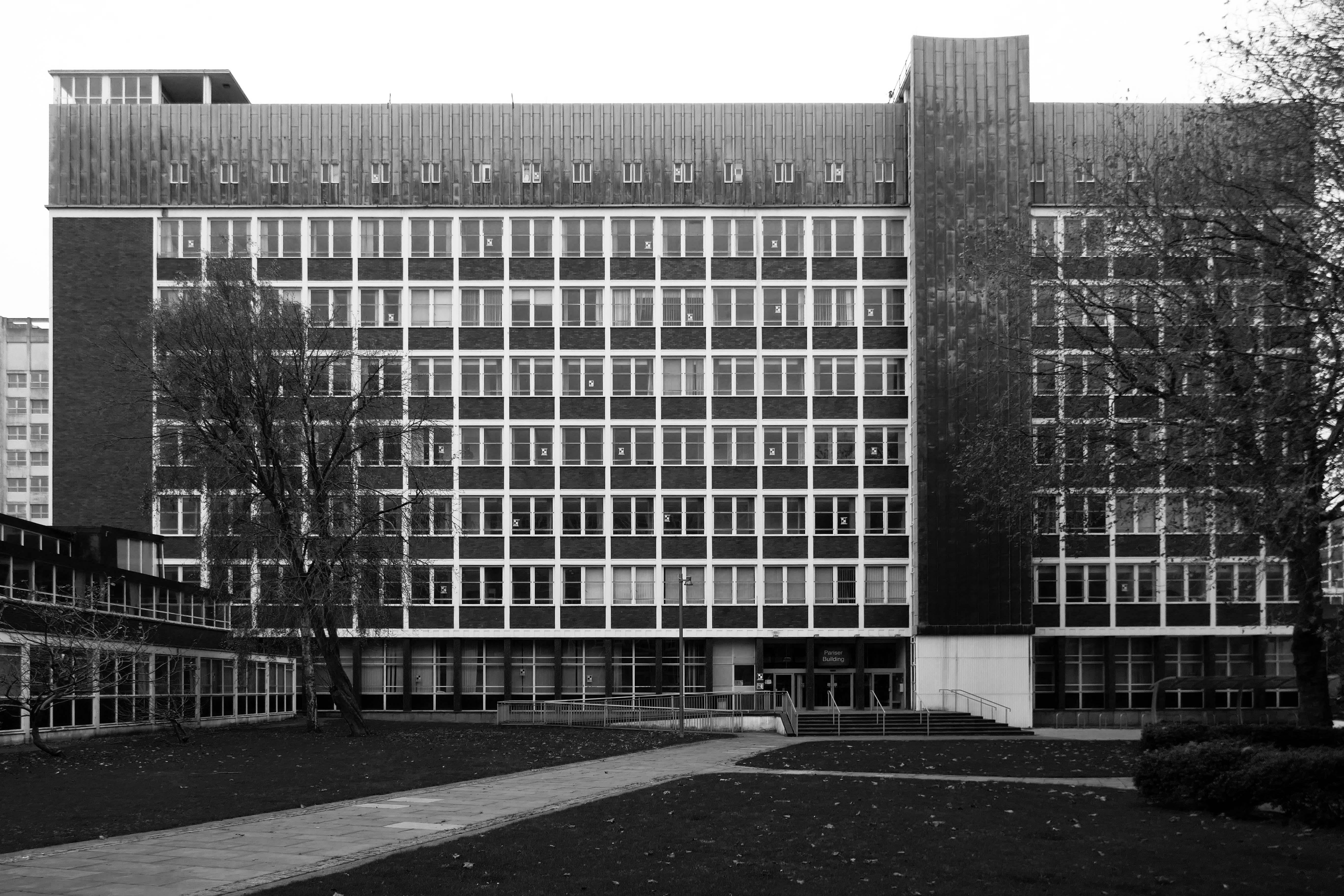
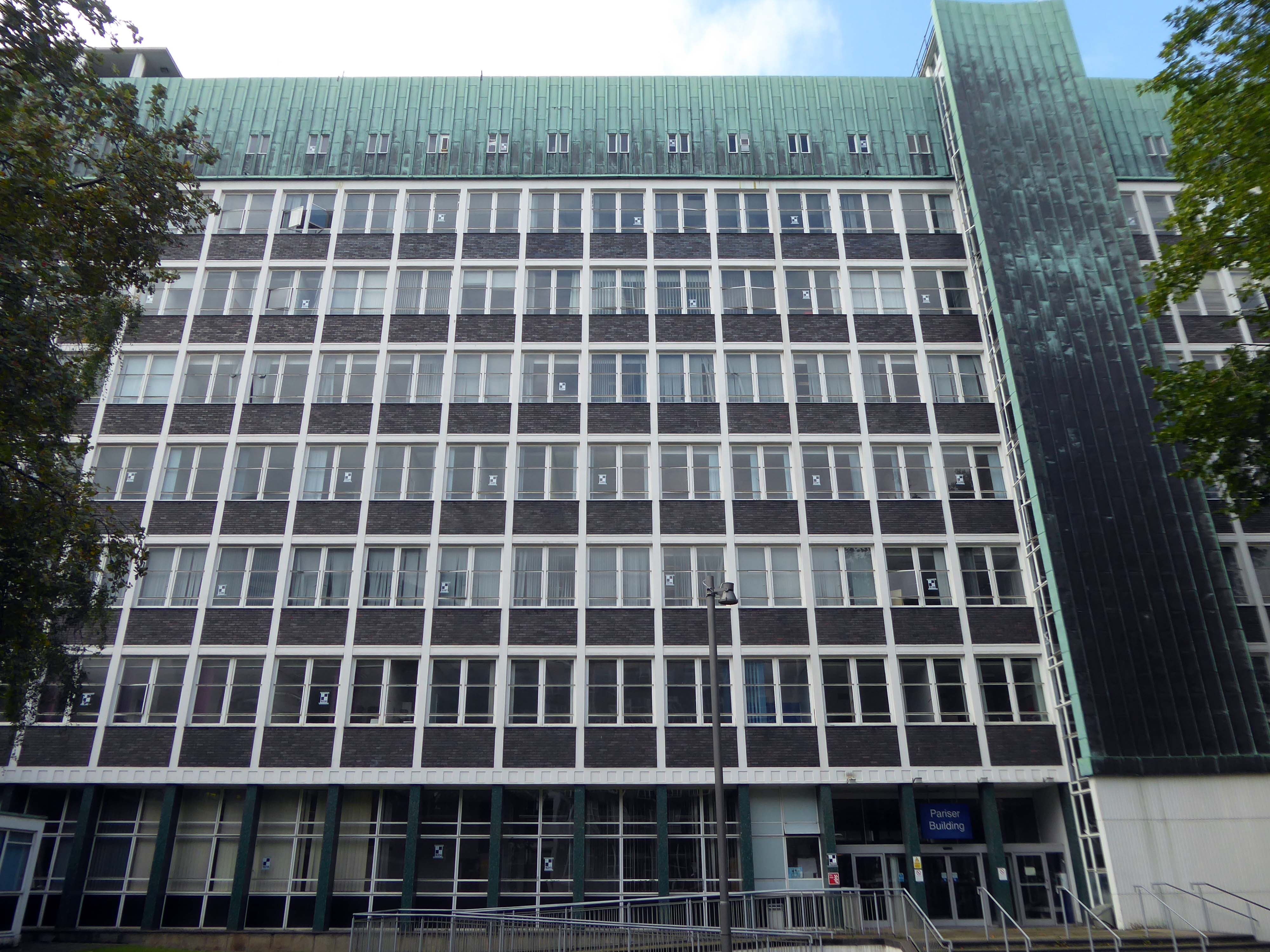
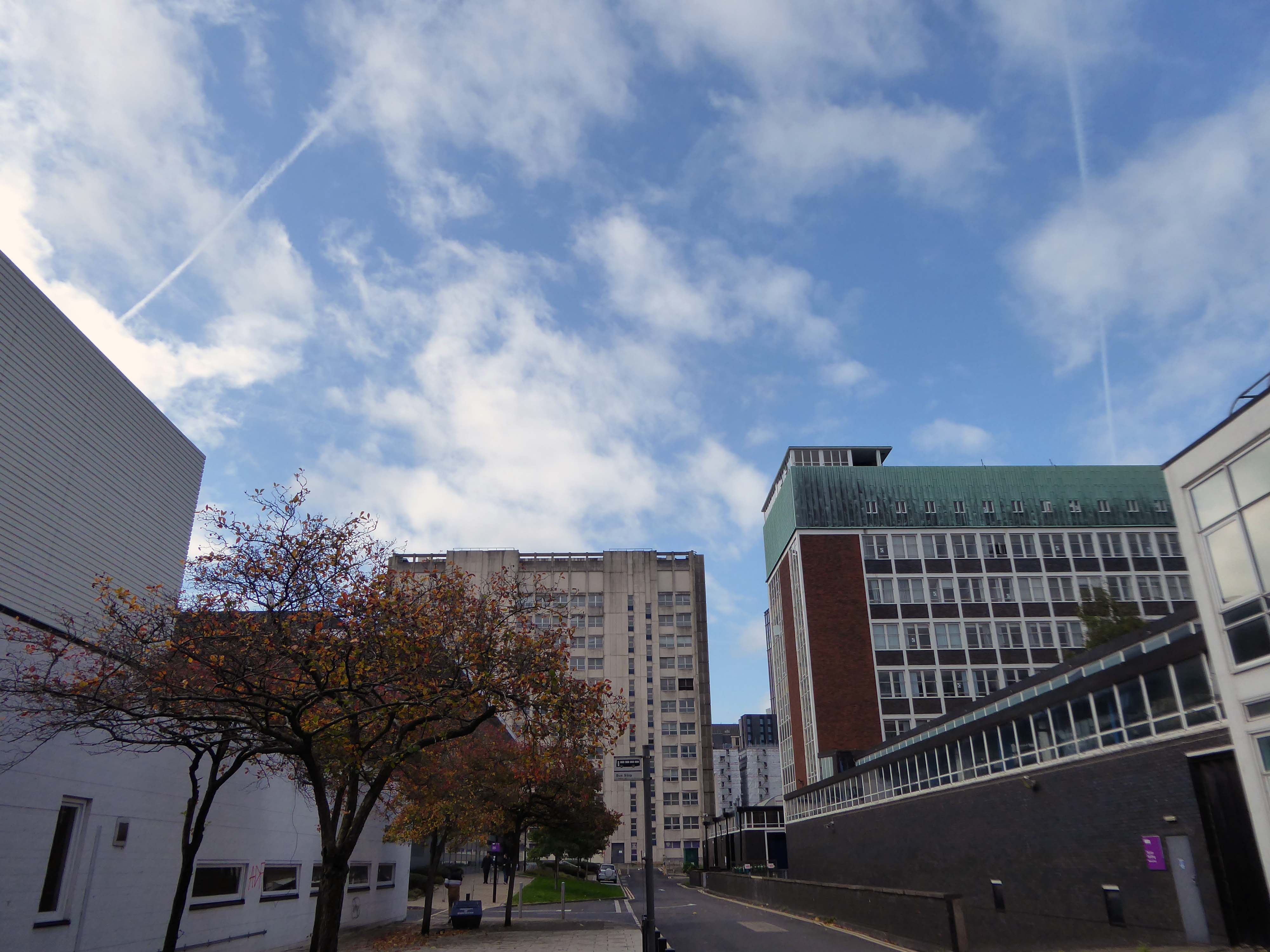
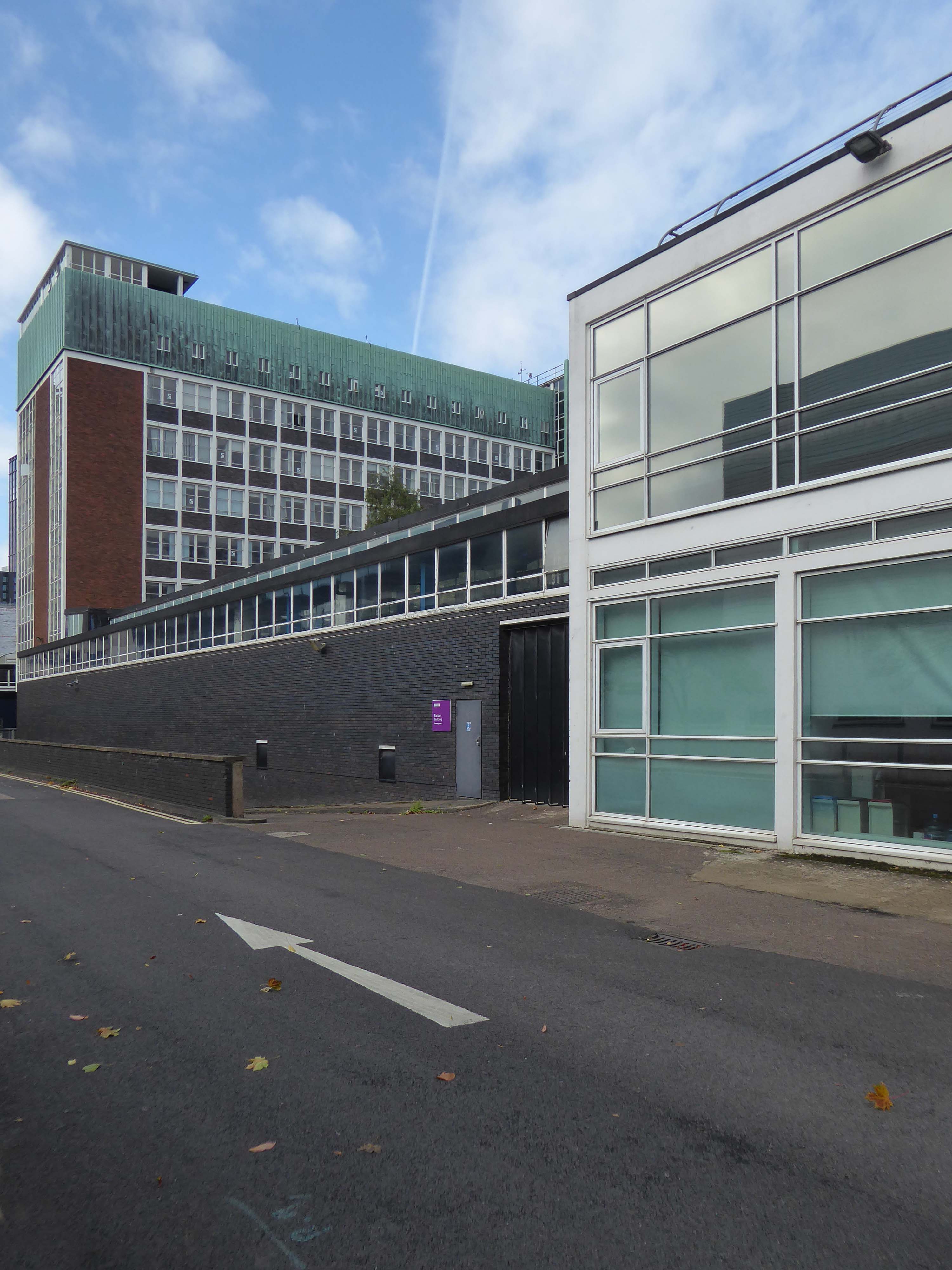
The Pariser Building is to be retained.

Along with the Renold Building – which is already home to start up tech businesses.

The city council has approved Bruntwood SciTech’s change of use bid to transform the 110,000 sq ft Renold building into a tech and science hub.

In a joint venture with the University of Manchester, Bruntwood will create 42,000 sq ft coworking and business incubator spaces for businesses in the sector at the Altrincham Street building.

Place Northwest

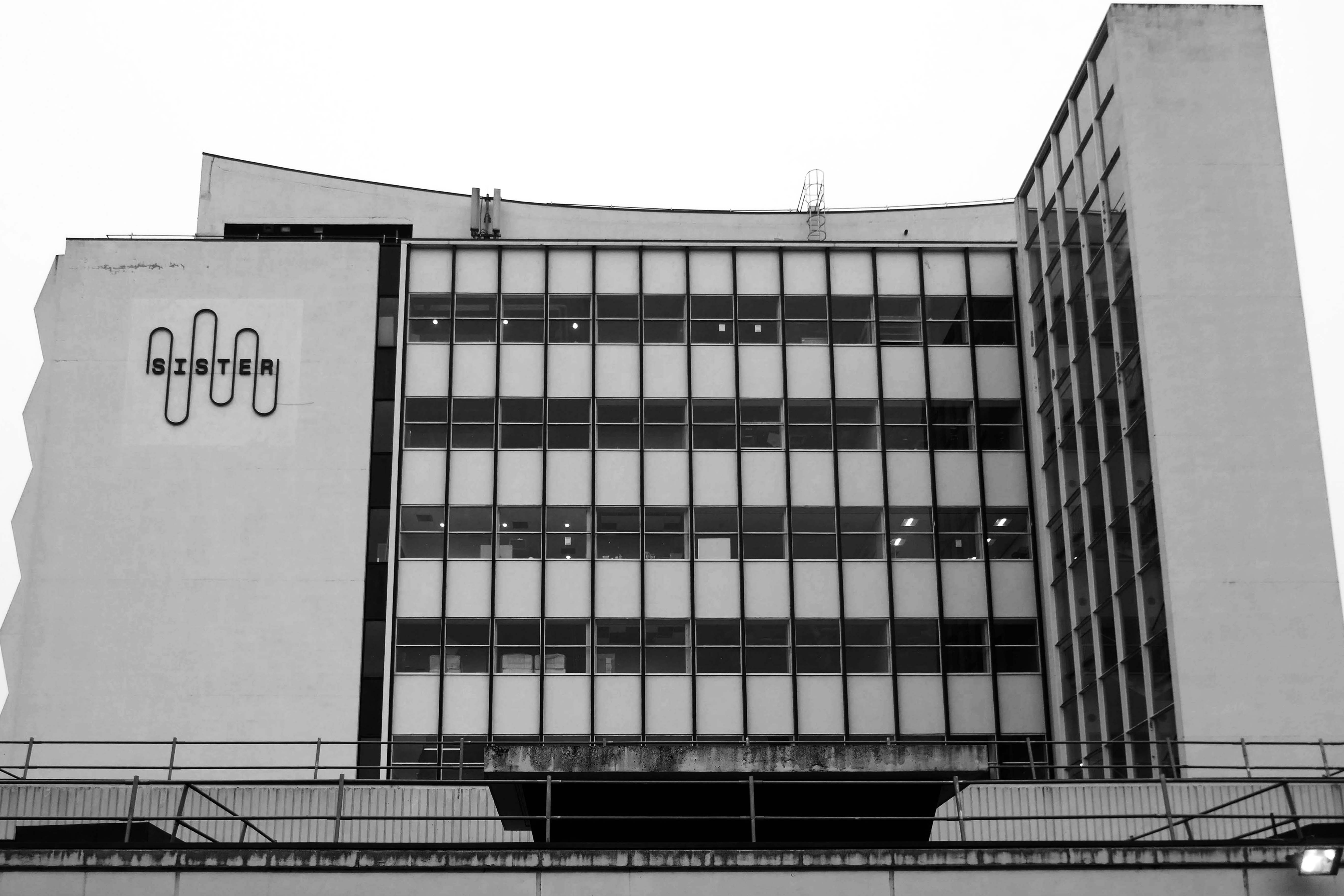
Sister is Manchester’s new innovation district. A £1.7bn investment into the city, its setting – the former University of Manchester North Campus and UMIST site – is steeped in science and engineering history. Home to the UK’s most exciting new ideas and disruptive technologies, Sister is a worldclass innovation platform in the heart of one of the most exciting global cities. It stands as the city’s symbol of a new era of discovery that promises progress against humanity’s greatest challenges.

Sister Manchester

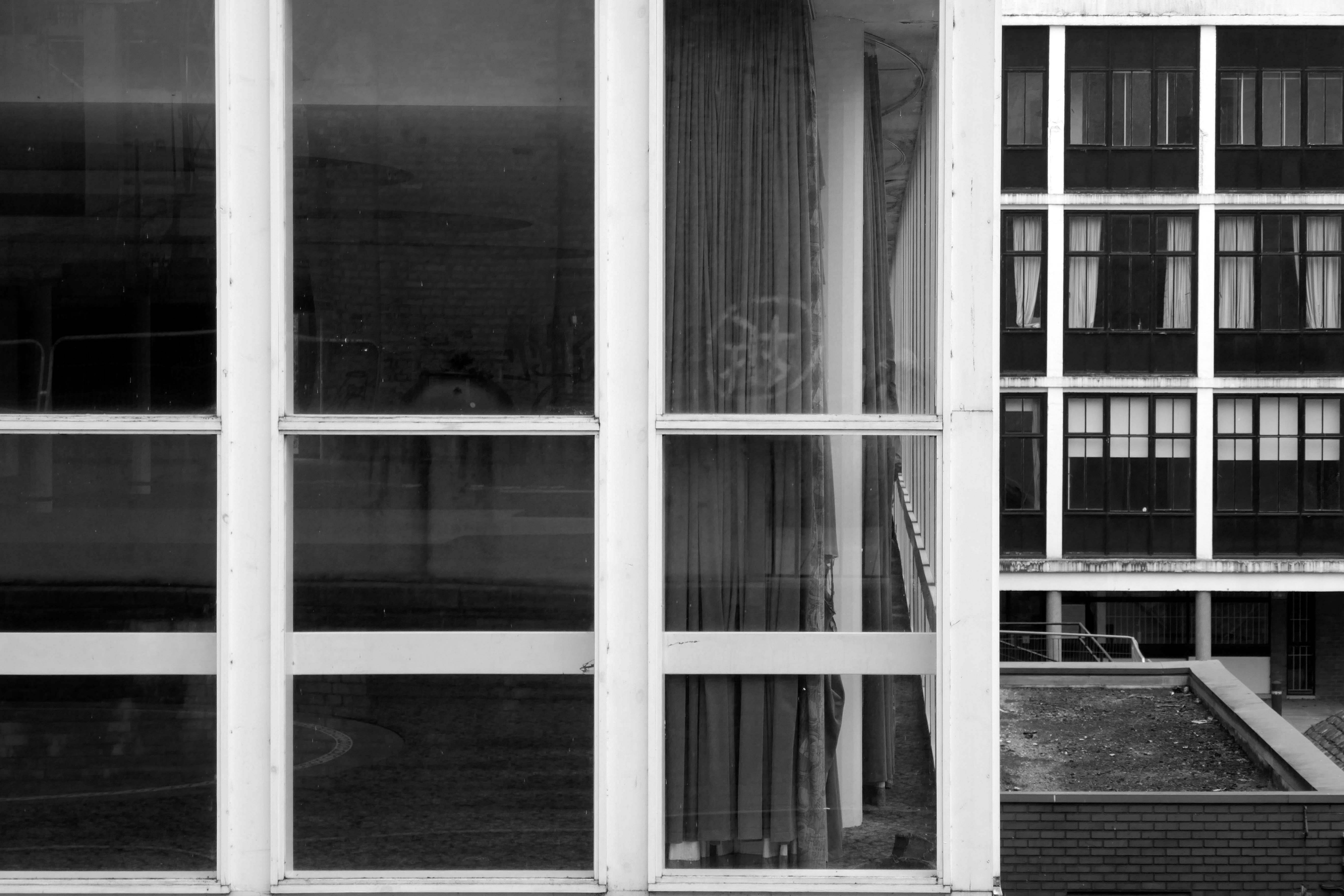
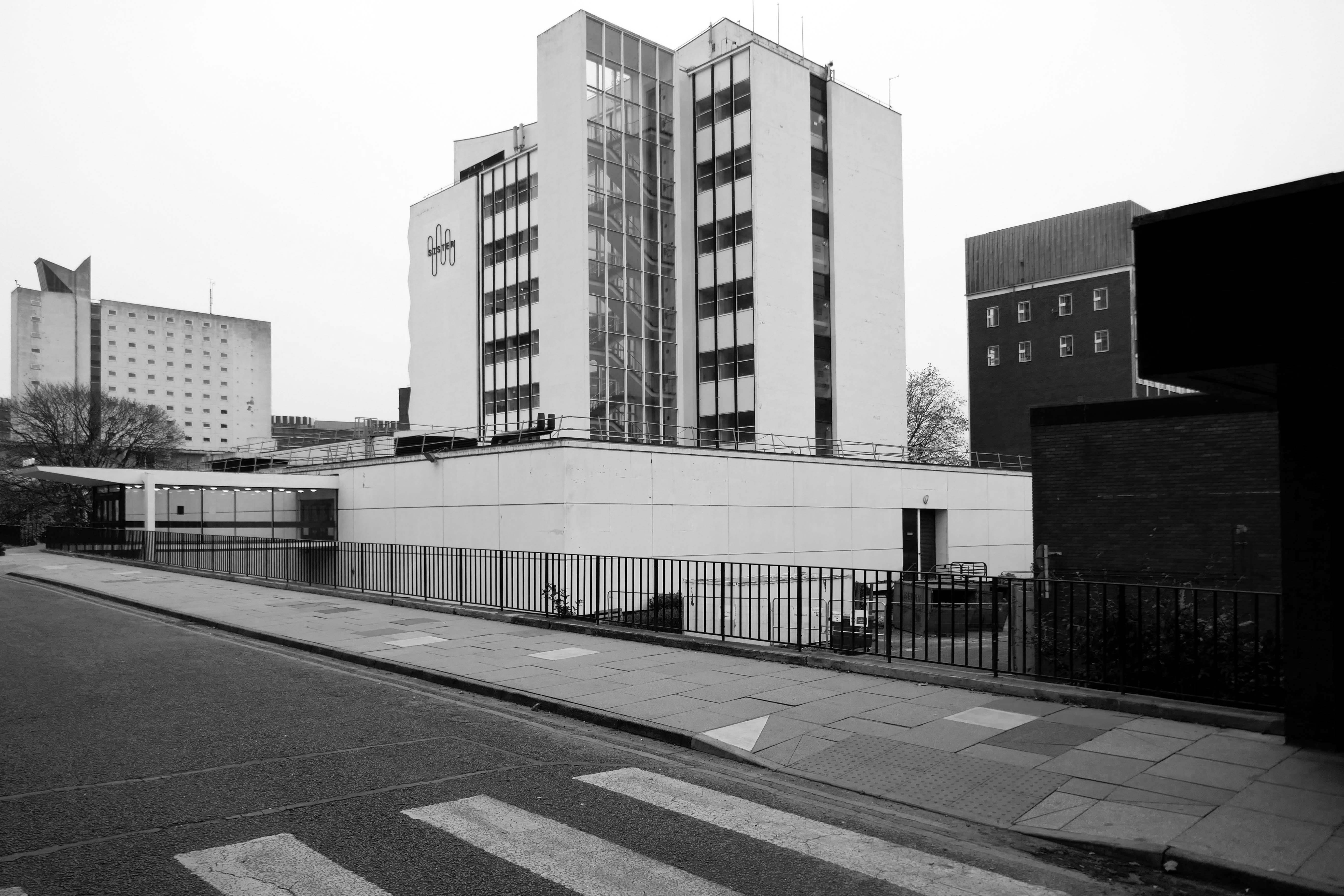
So it is with a bitter sweet feeling that I took a group of Modernist Moochers around the site this Saturday – a number of whom had been students there.
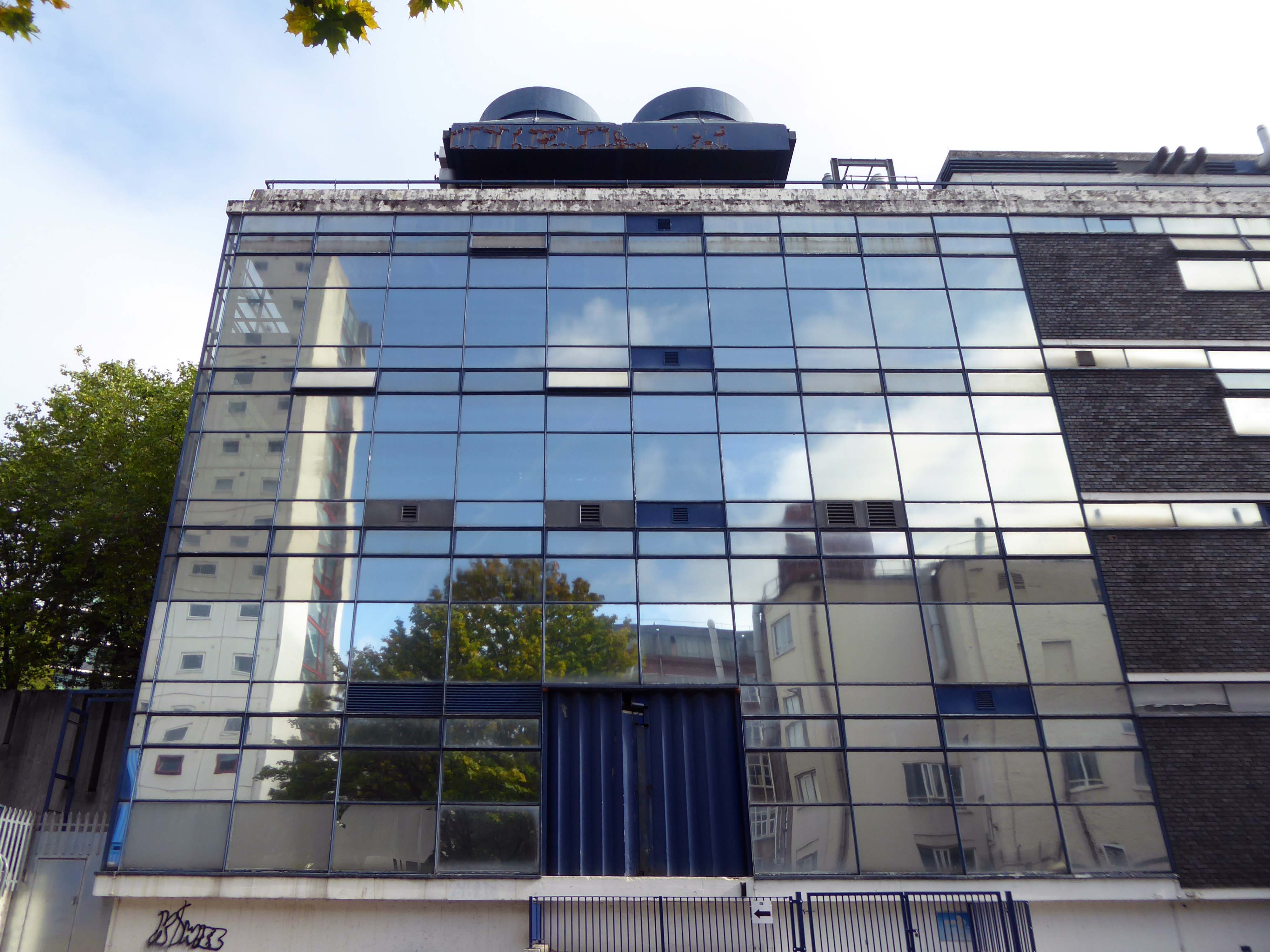
As a former UMIST student 1990-1997, I had a wander round the old site recently, sad to see it so empty and run-down.
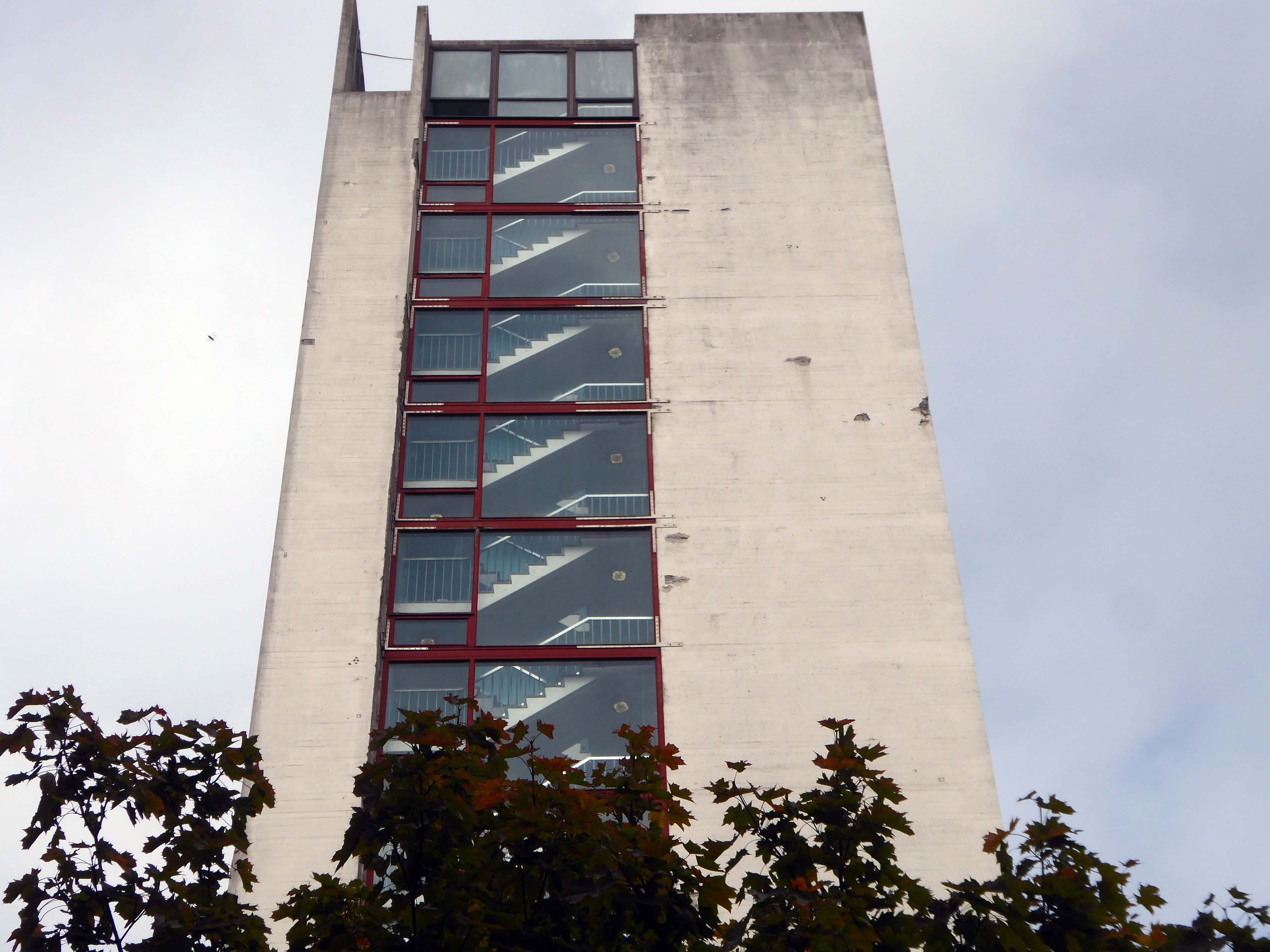
So let’s take a look at the current state of affairs.


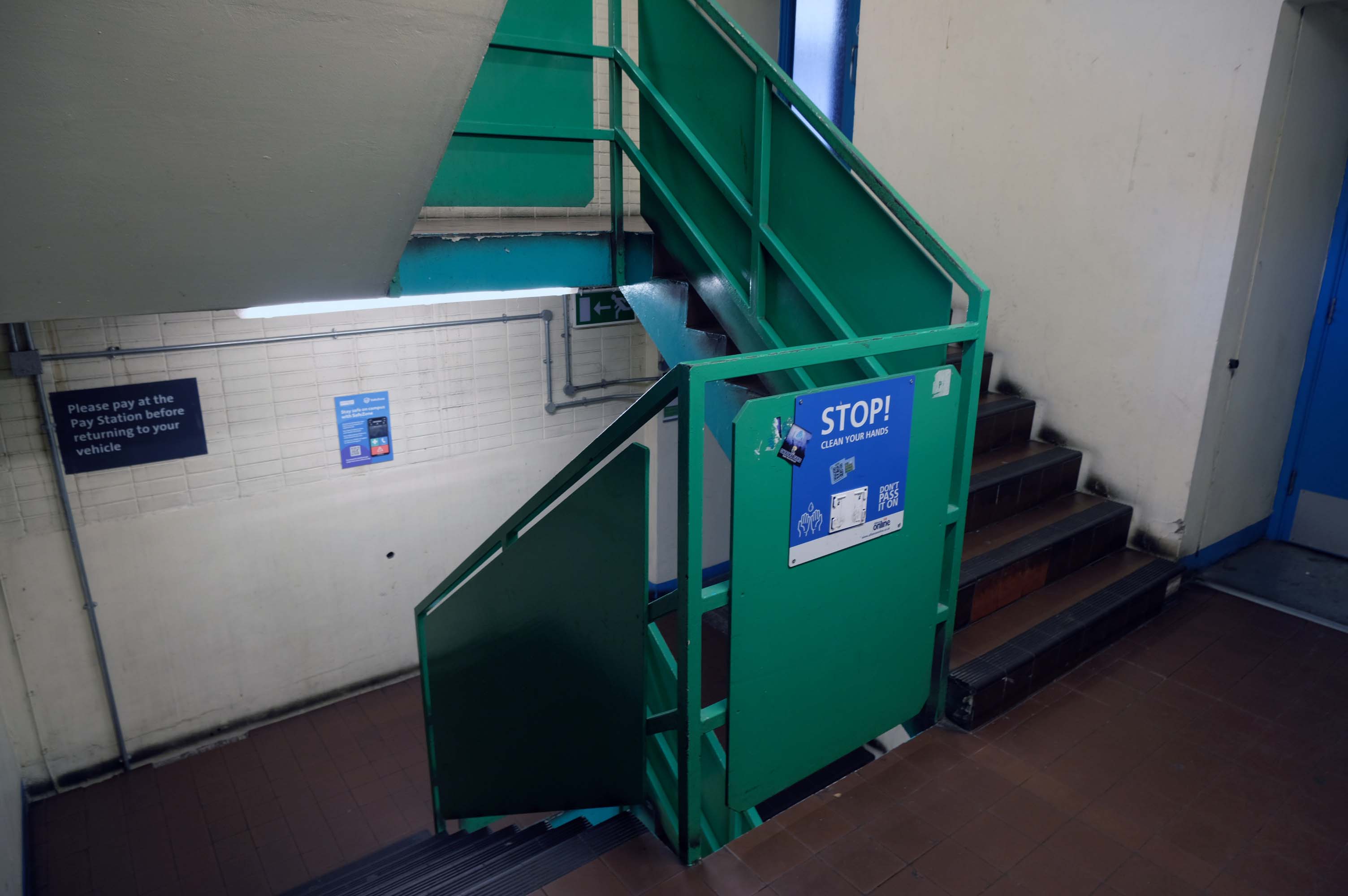
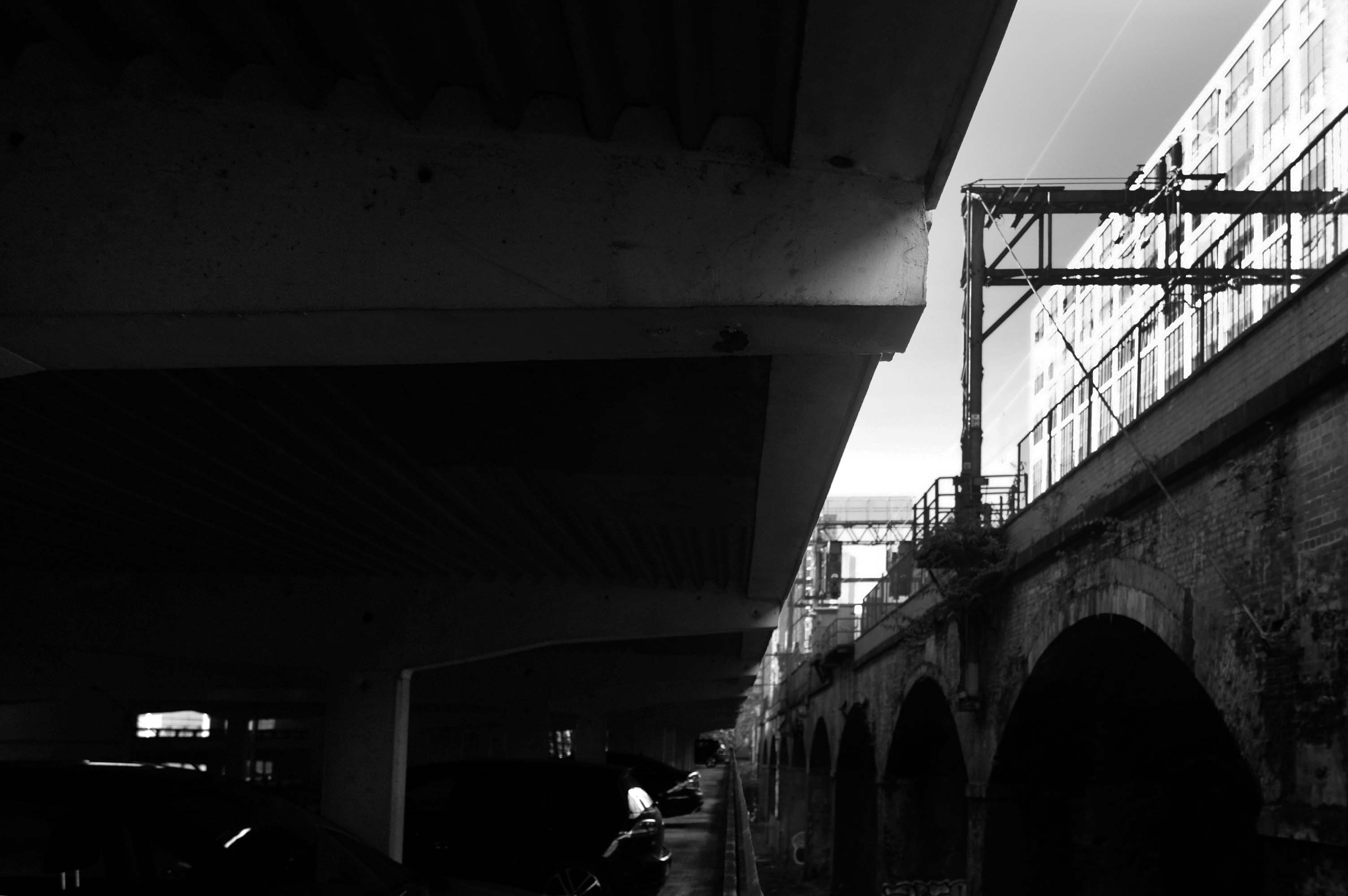
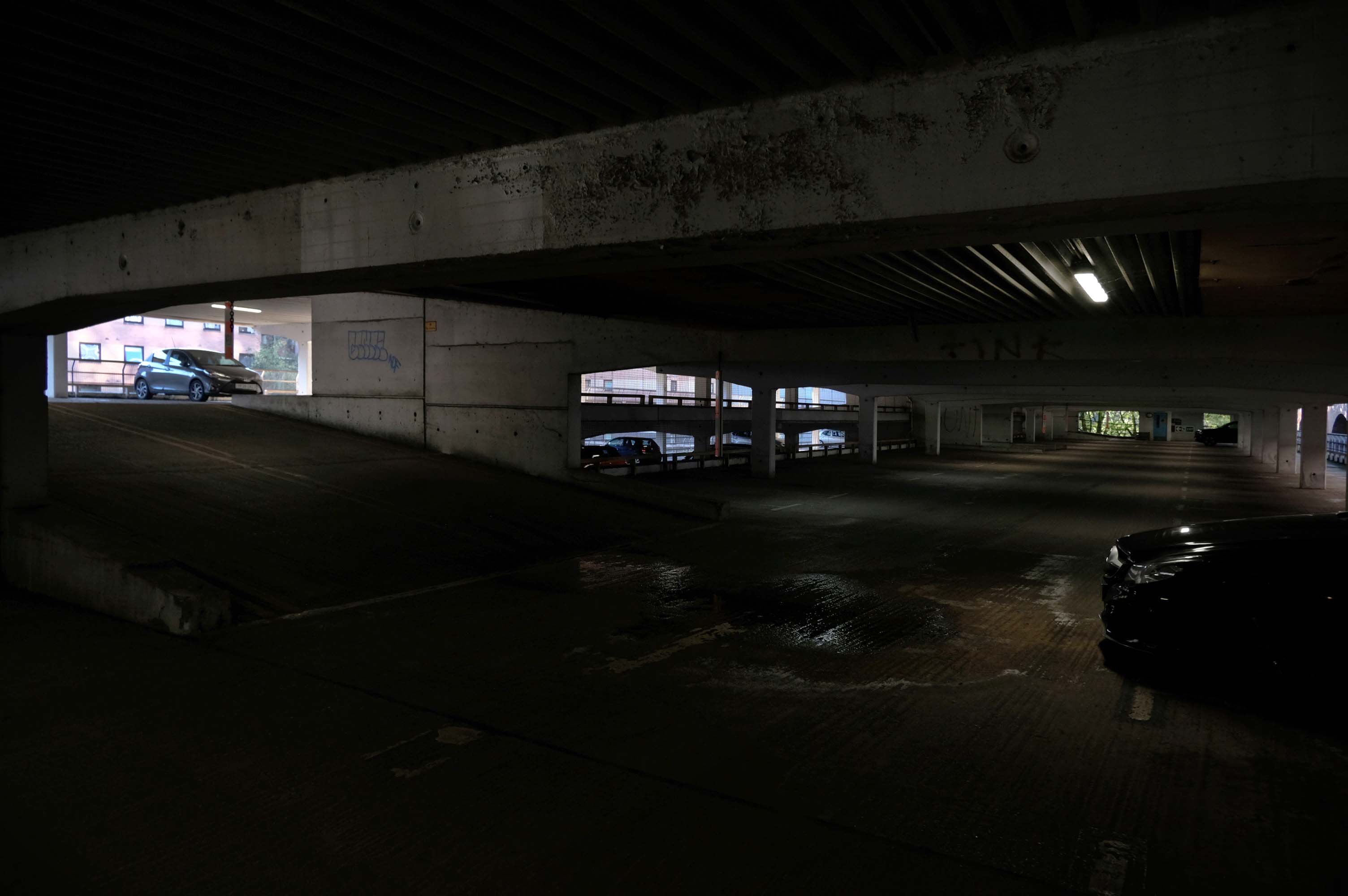
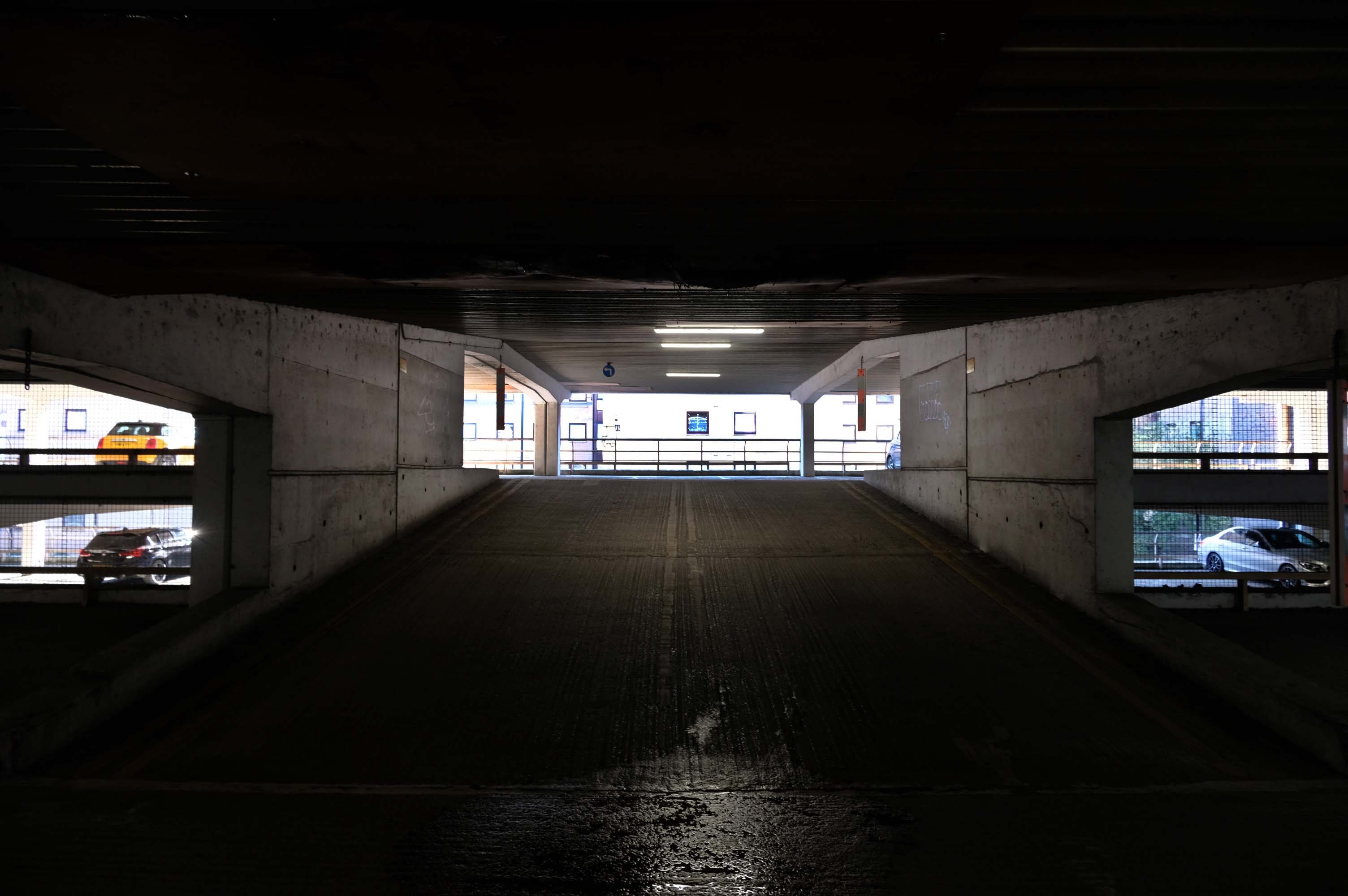
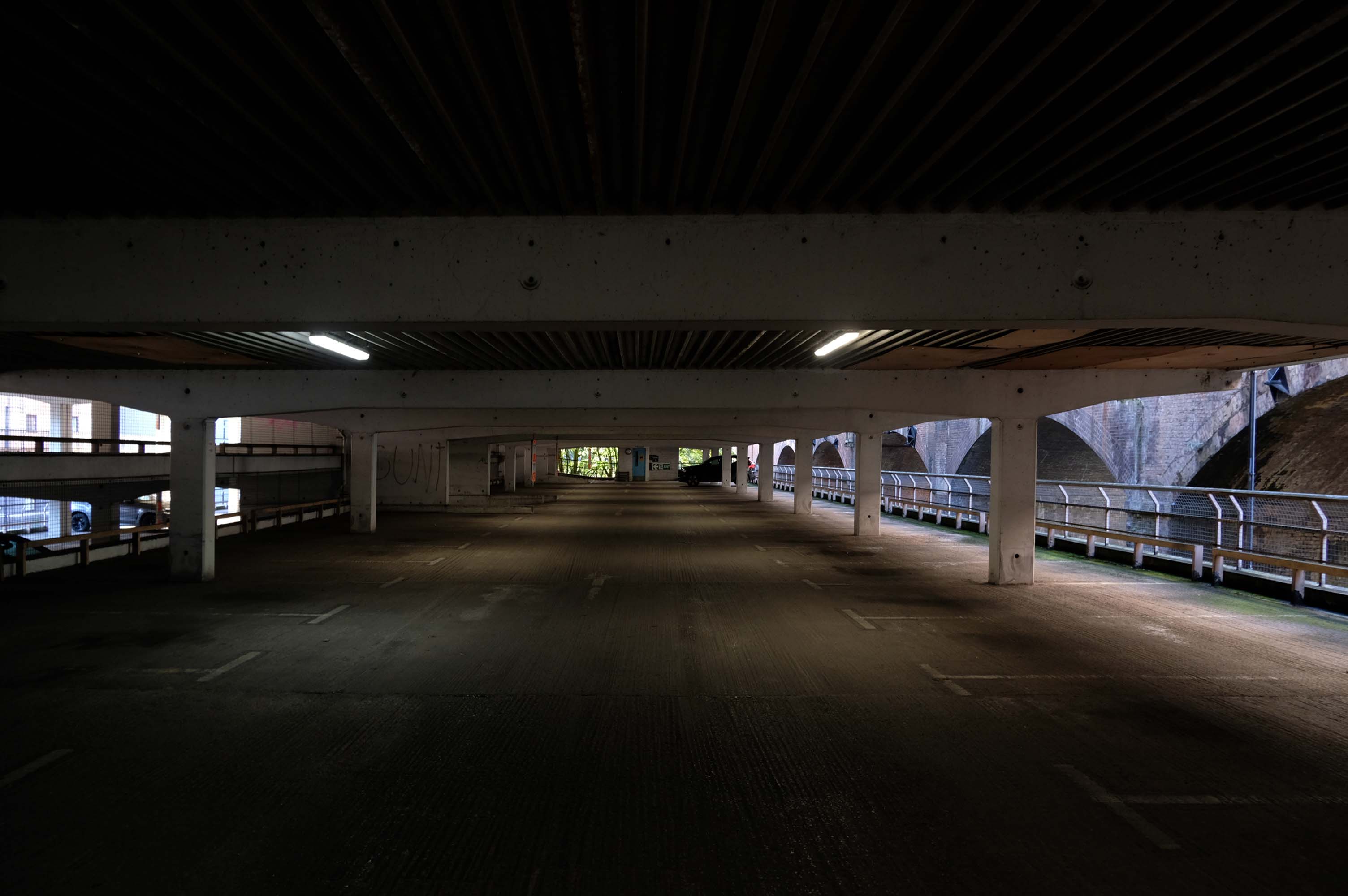
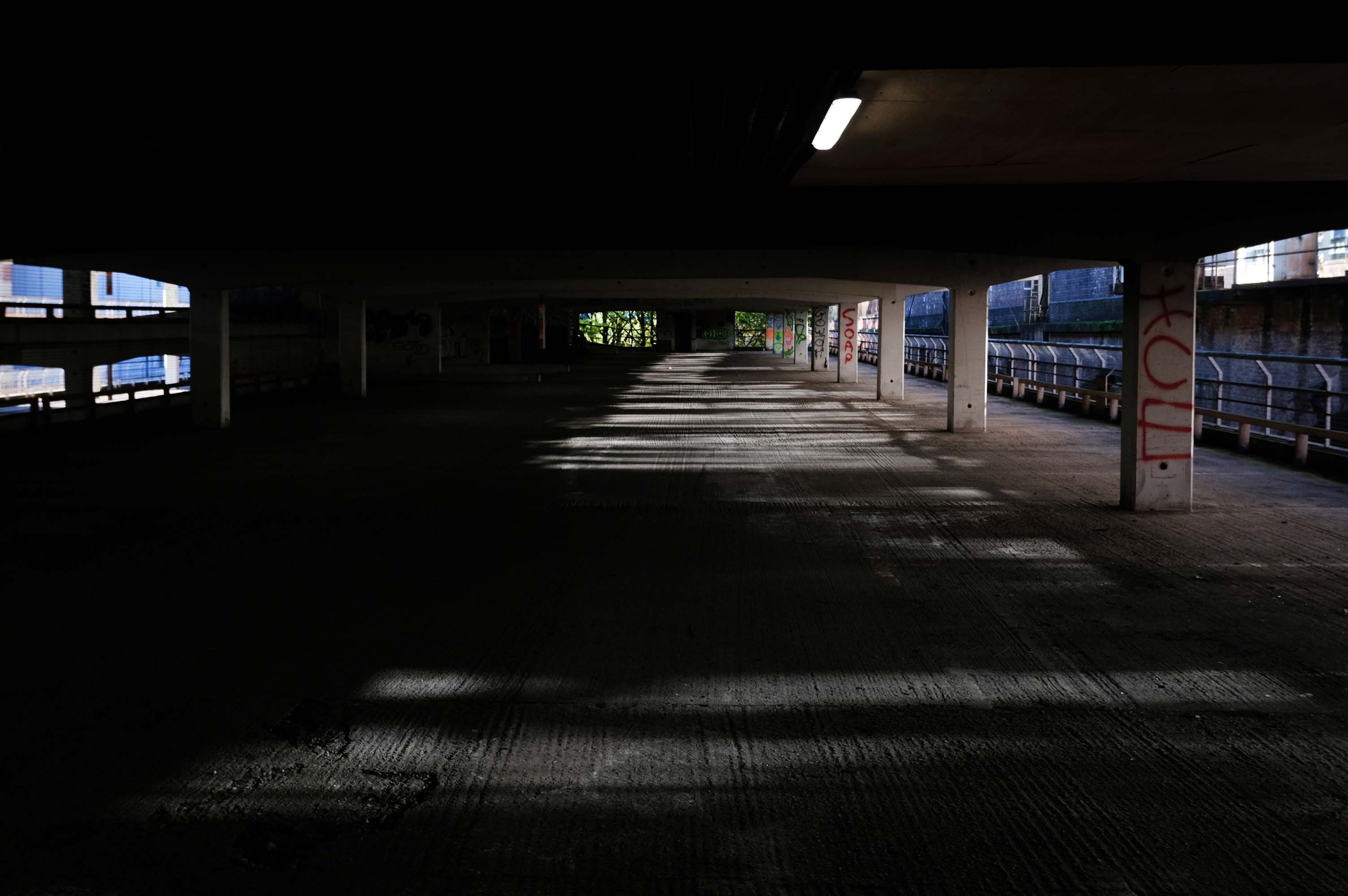
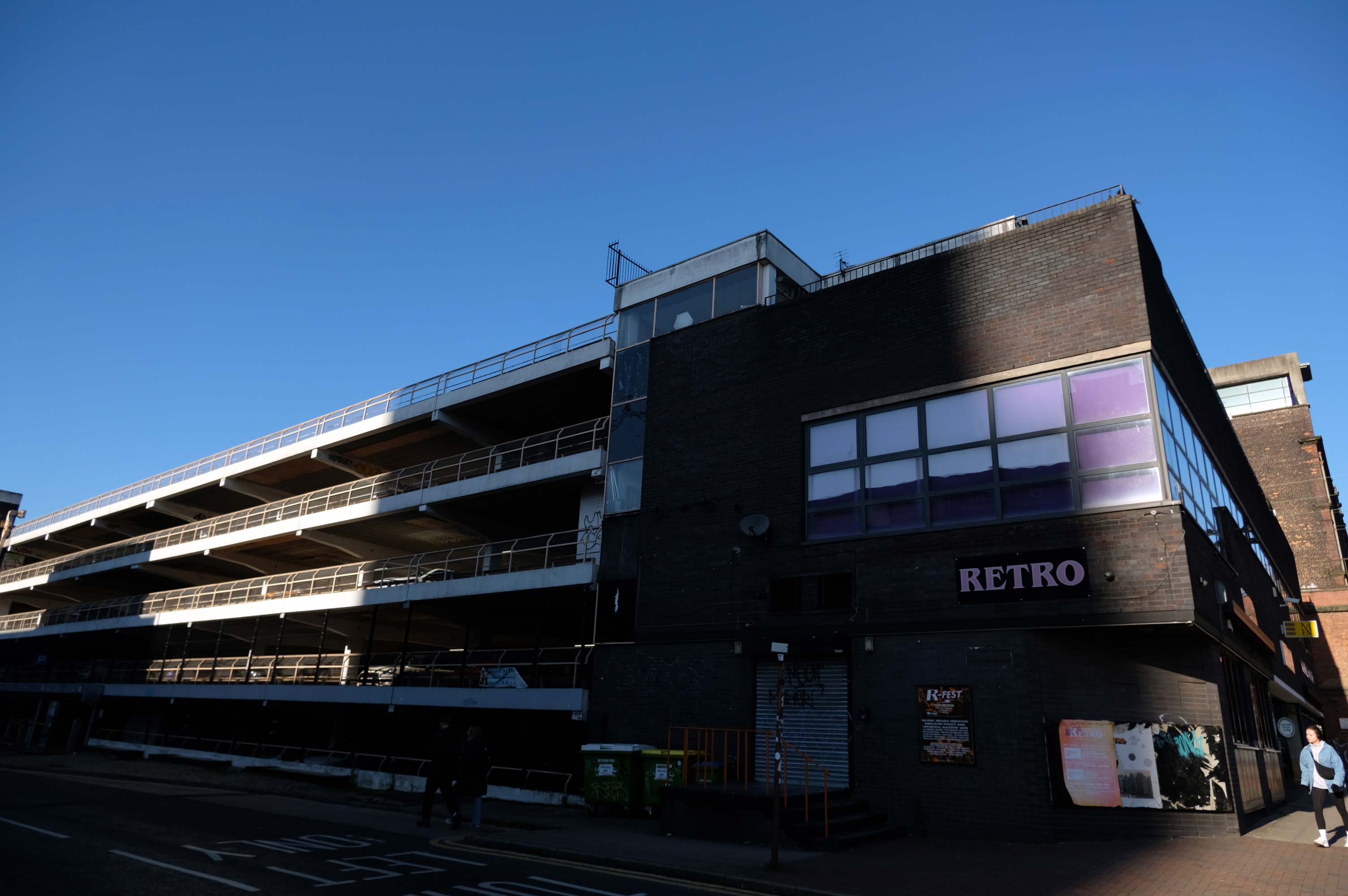
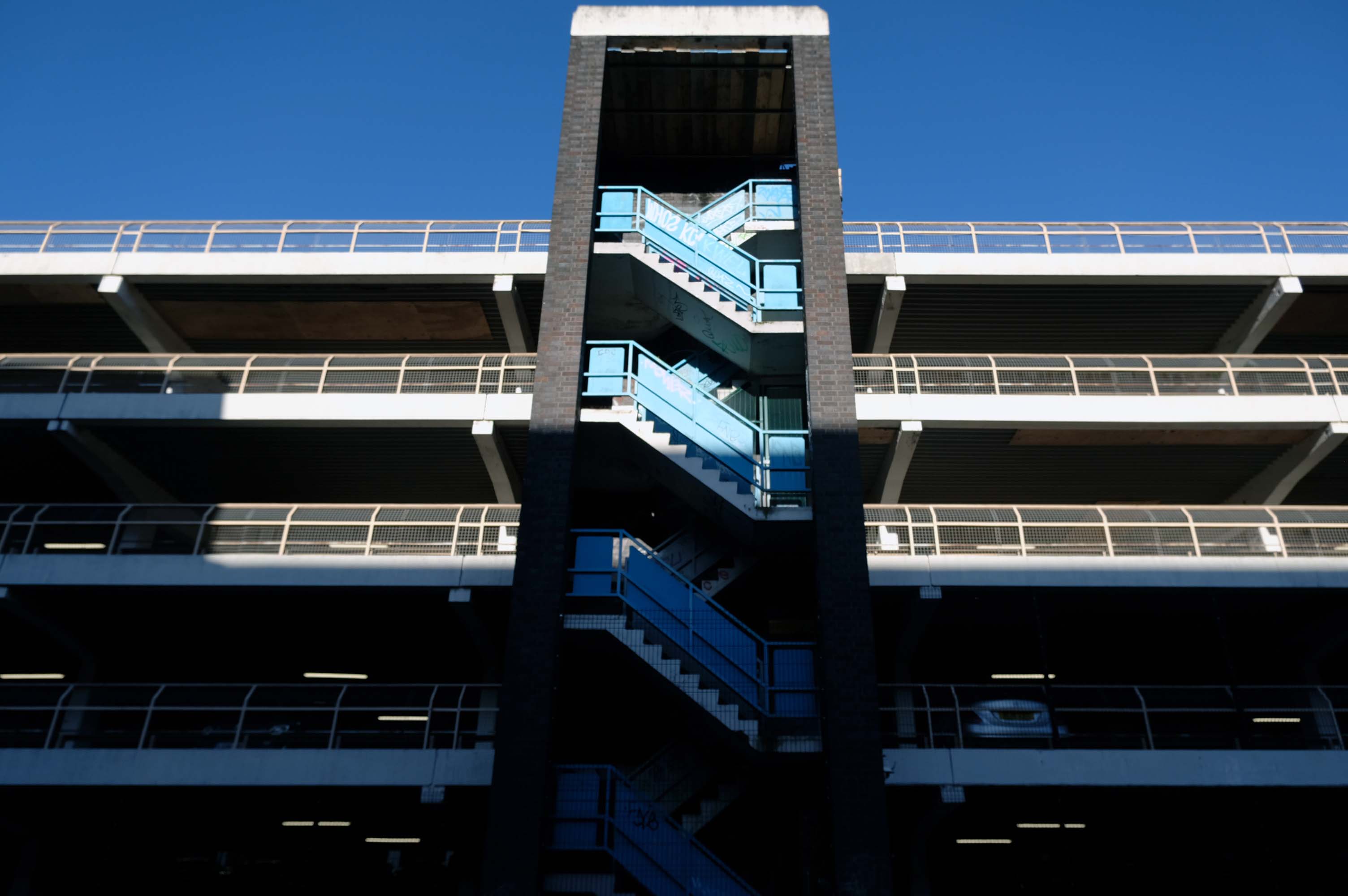
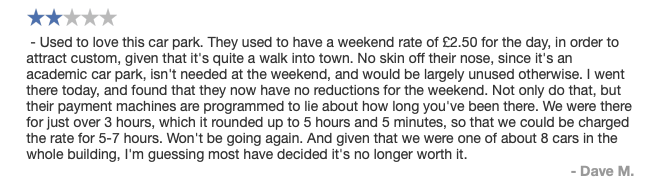
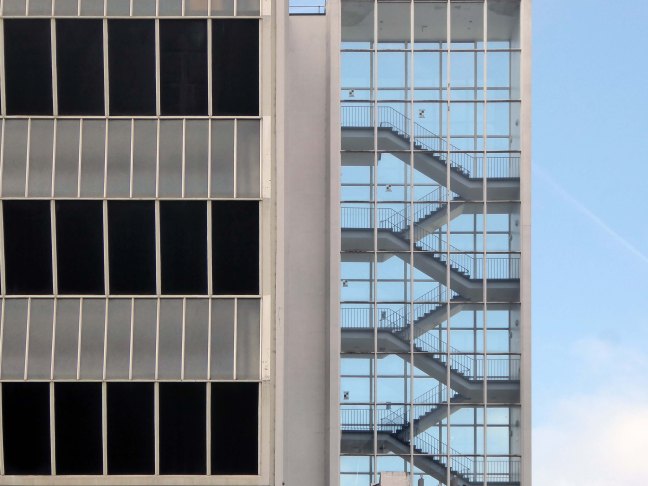
Charles Street Car Park – Manchester

Charles Street Car Park – M1 3BB

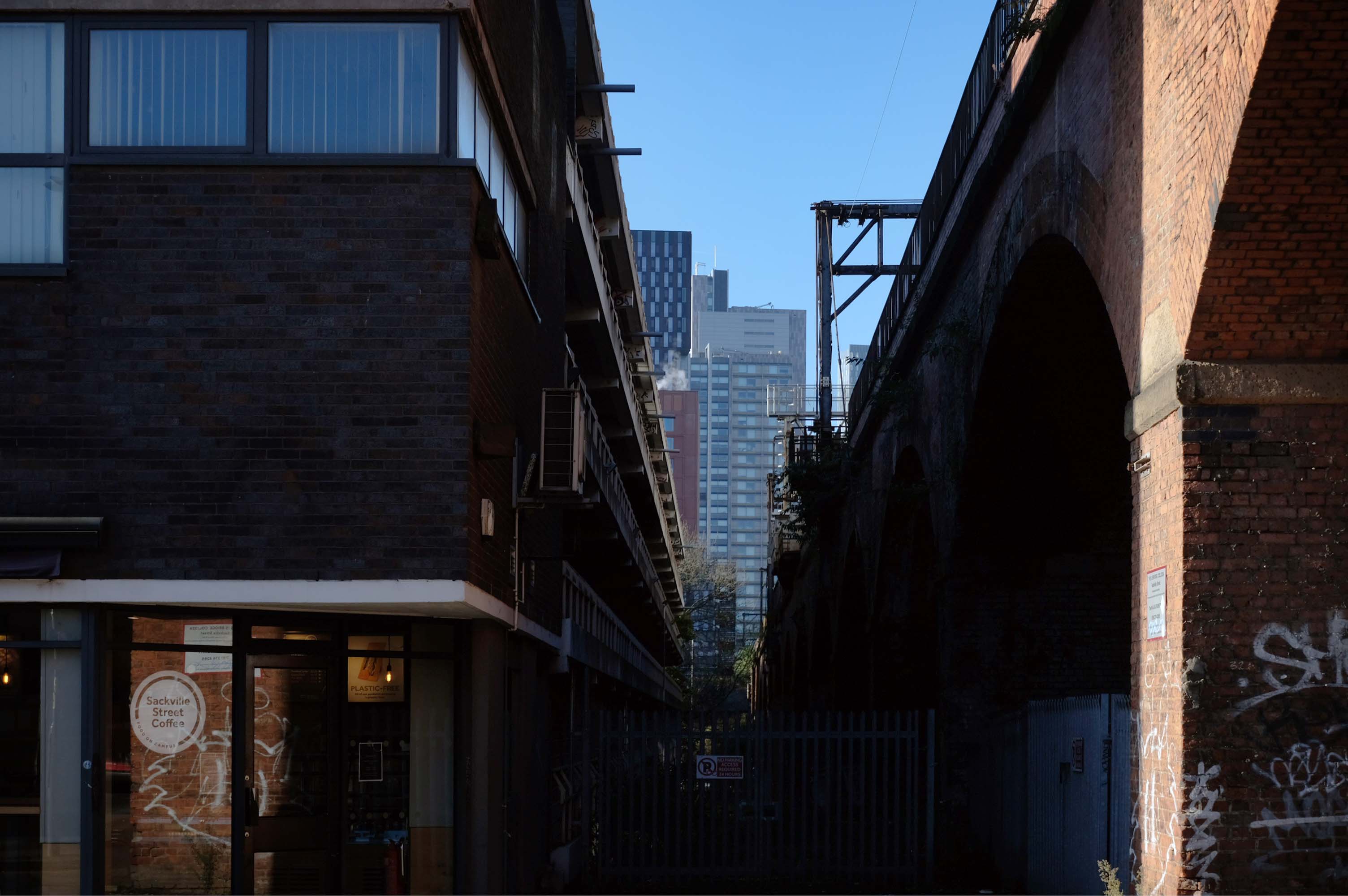
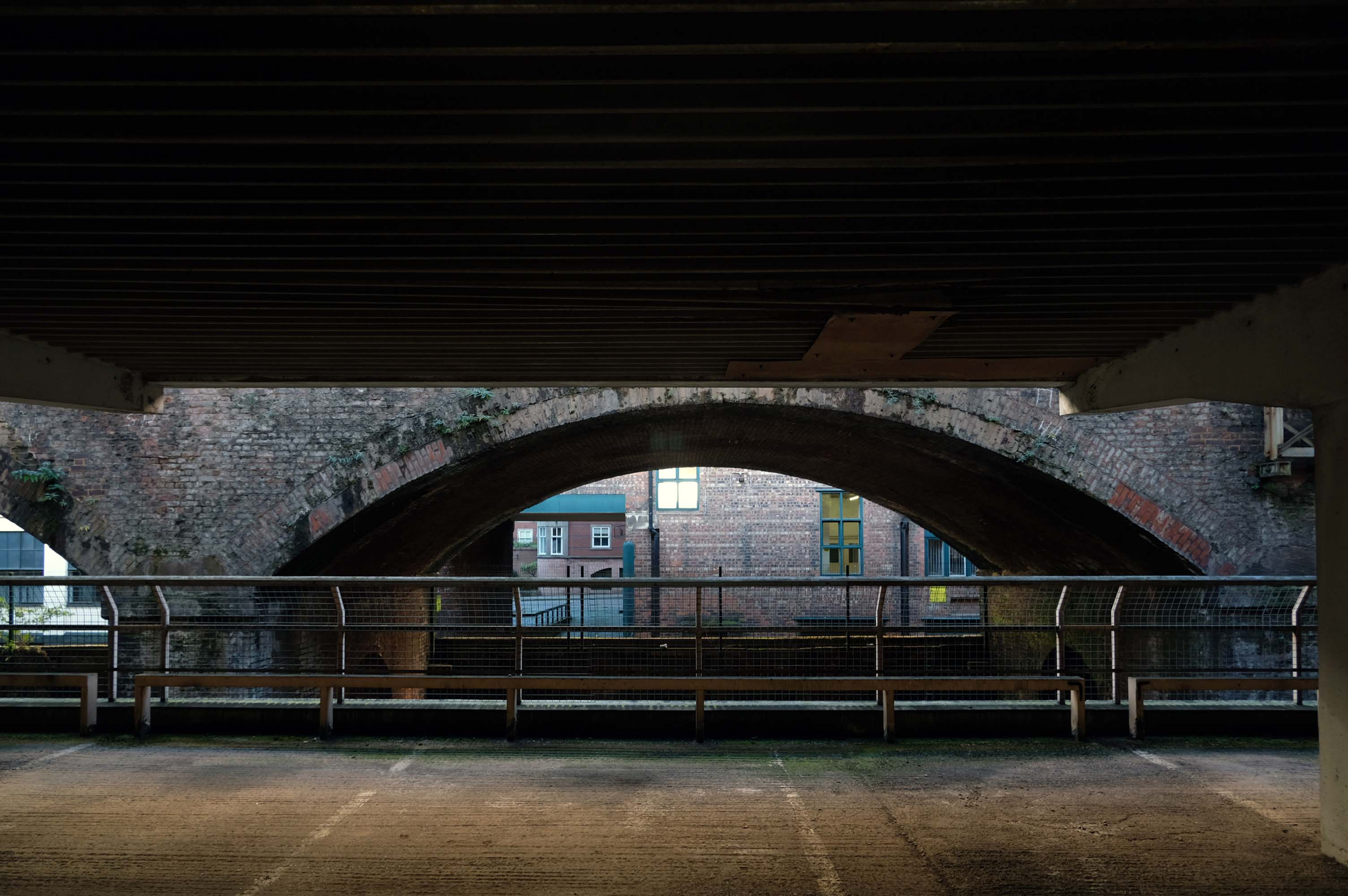
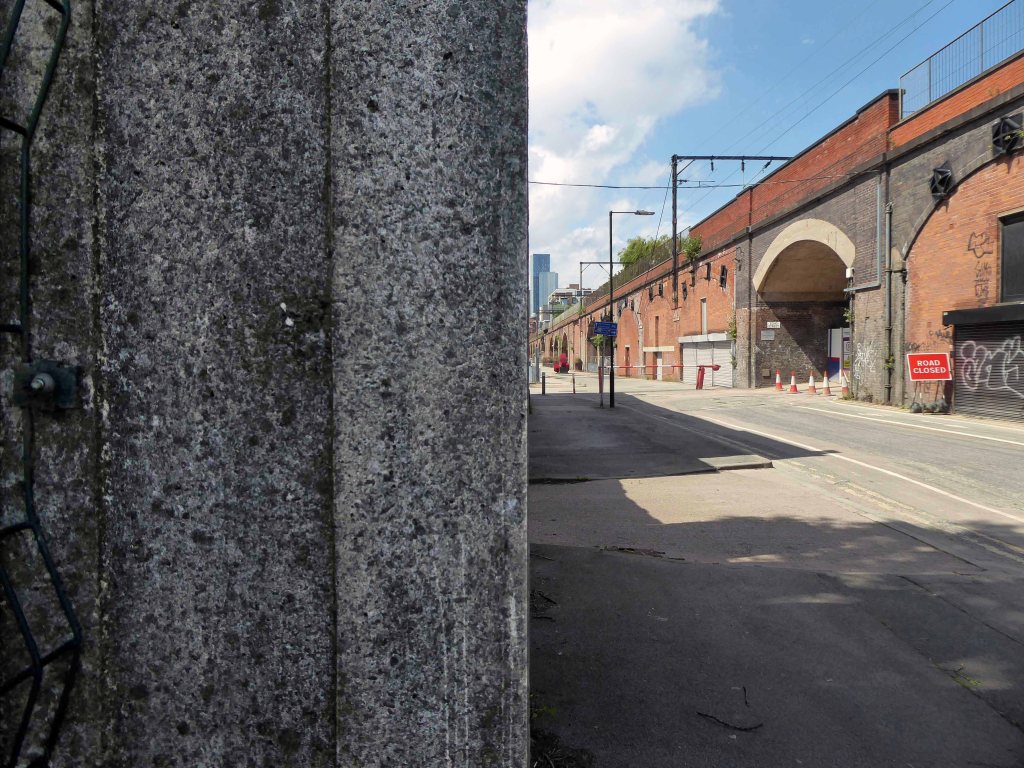
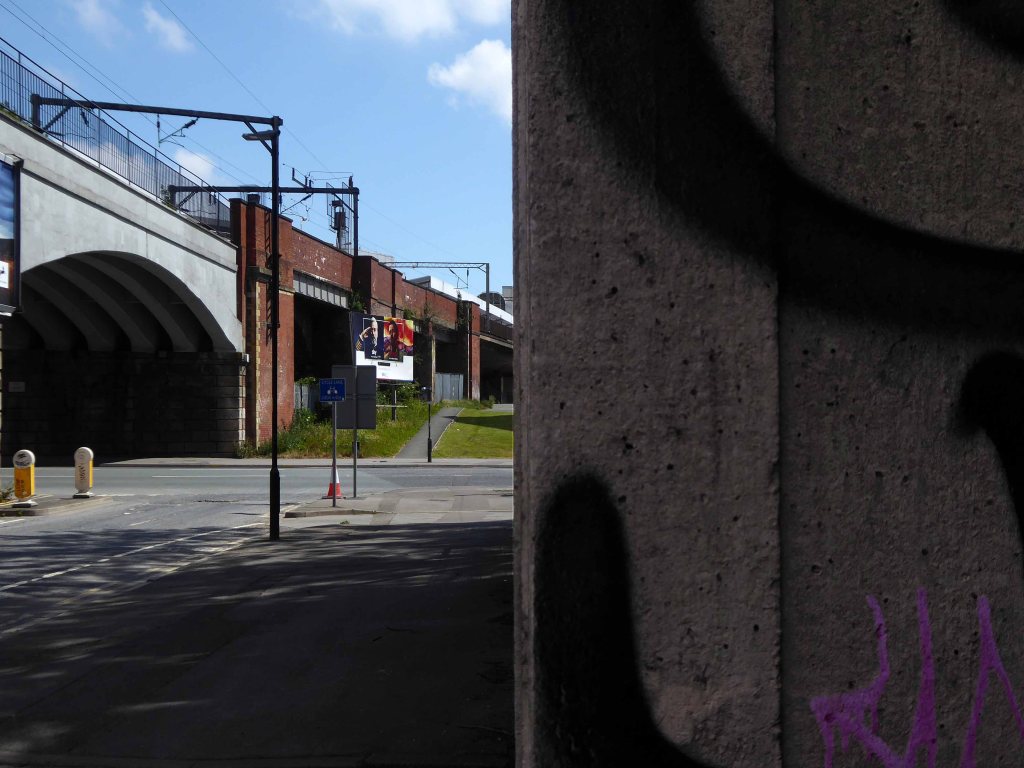
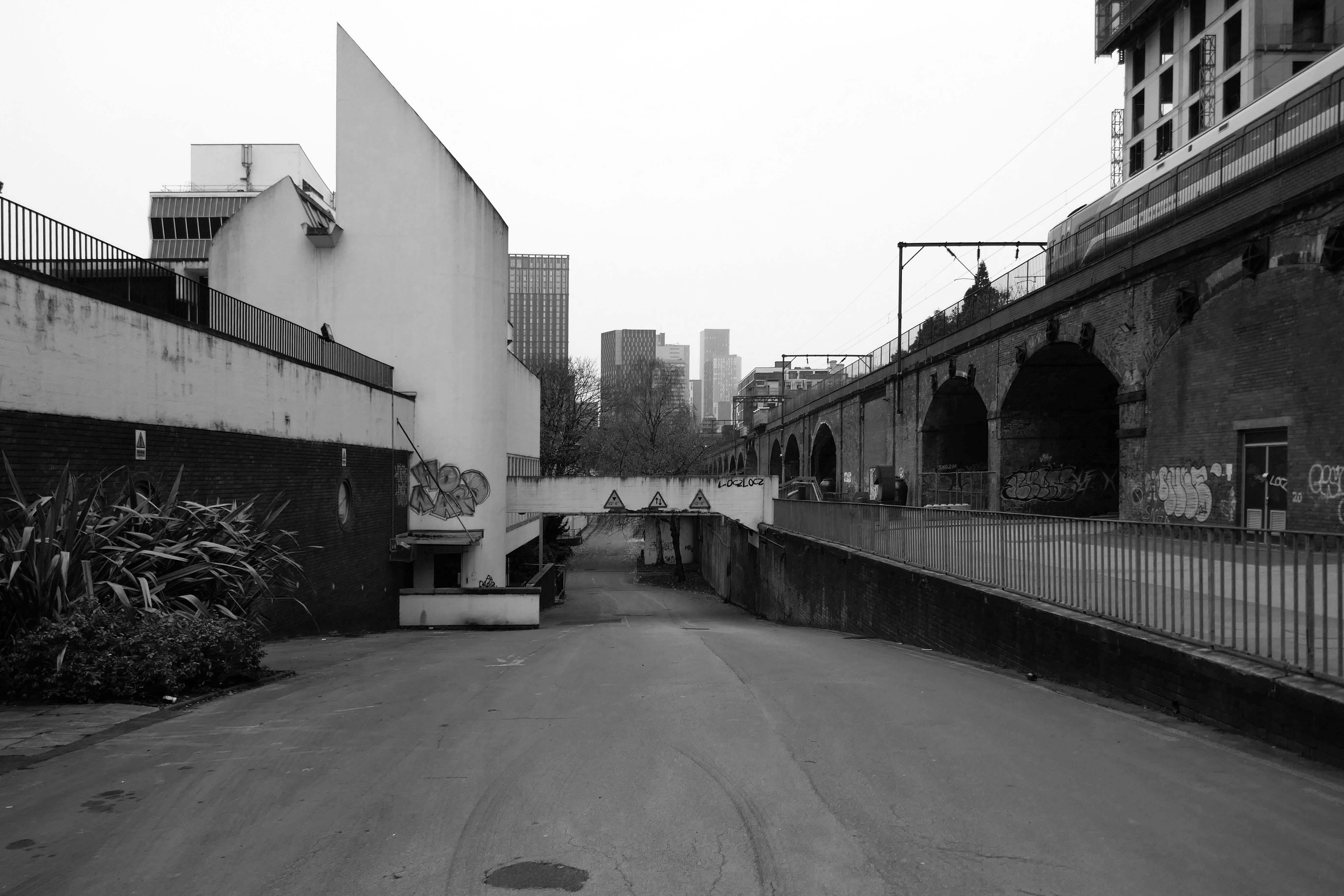
Hugging the railway viaduct twixt Oxford Road and Piccadilly stations, approximate to UMIST.

The entrance is extremely narrow so watch out for your alloys when you turn in. Ridiculous size for a modern car park – just terrible.

This car park has served me well on many occasions!

It is truly wonderful as car parks go.

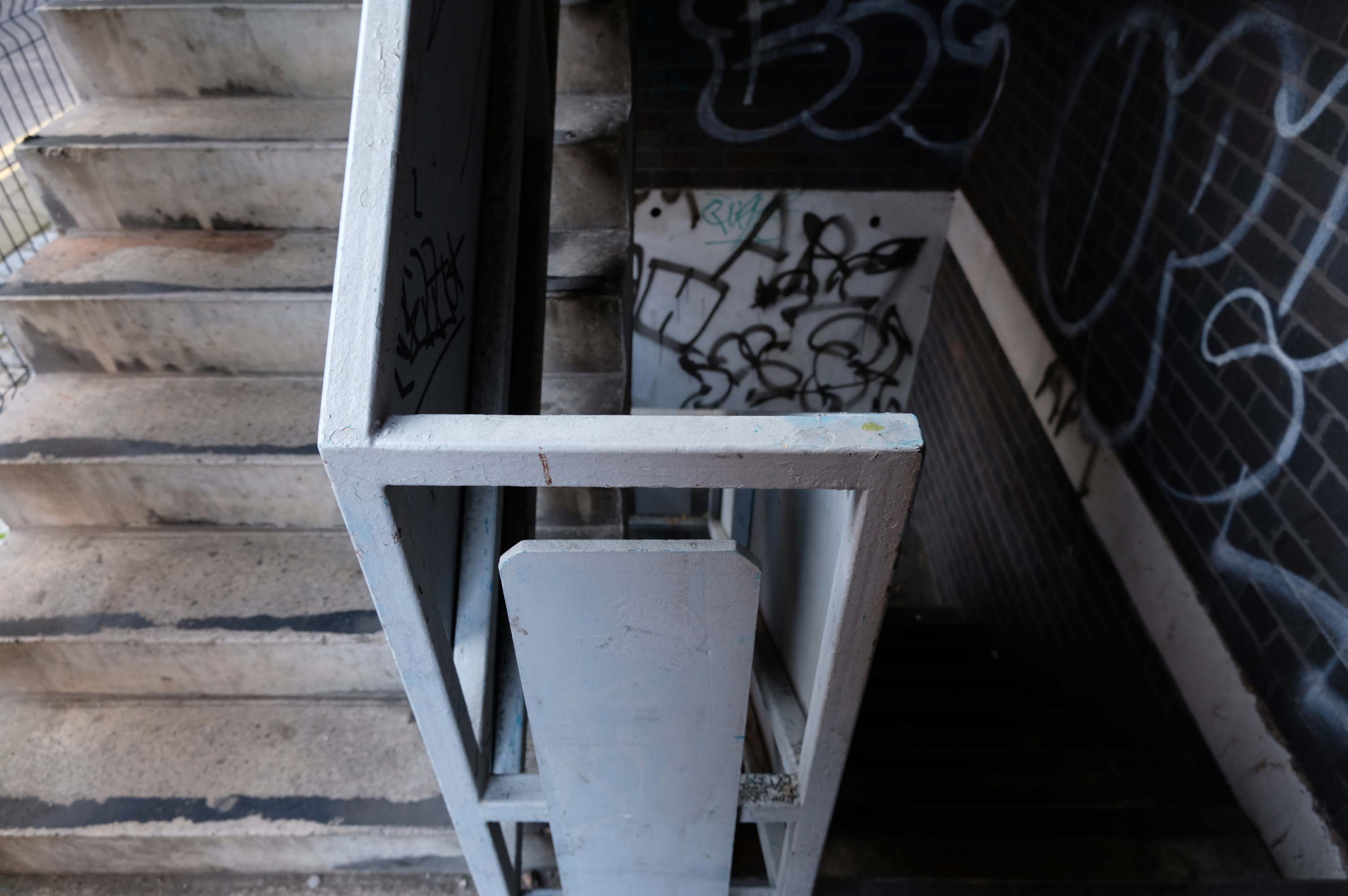
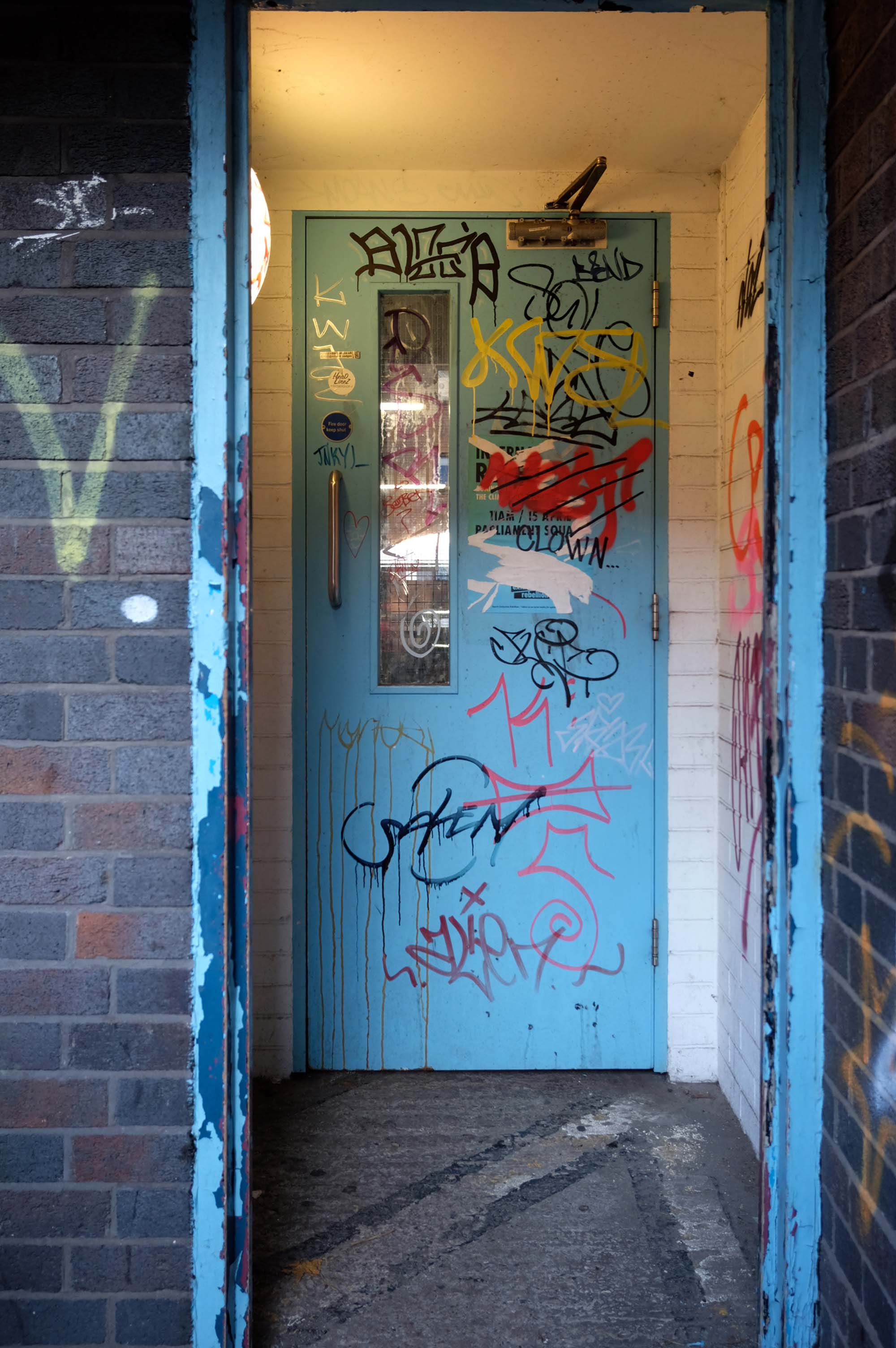
Terribly maintained, regularly find human faeces and worse in the stairwell.

The pedestrian in a car park is taking you as high as is humanly possible – the upper tiers are now locked off.

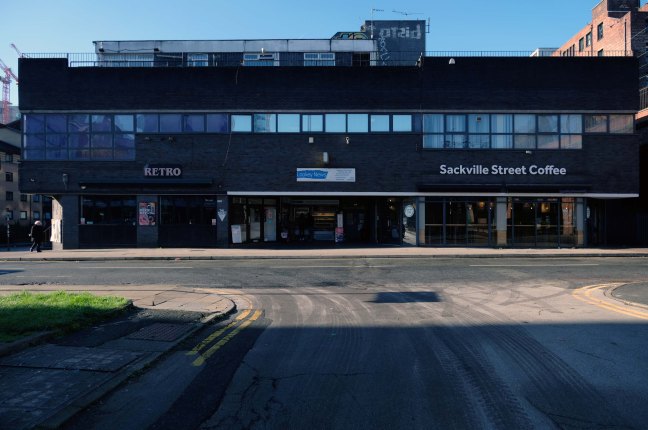
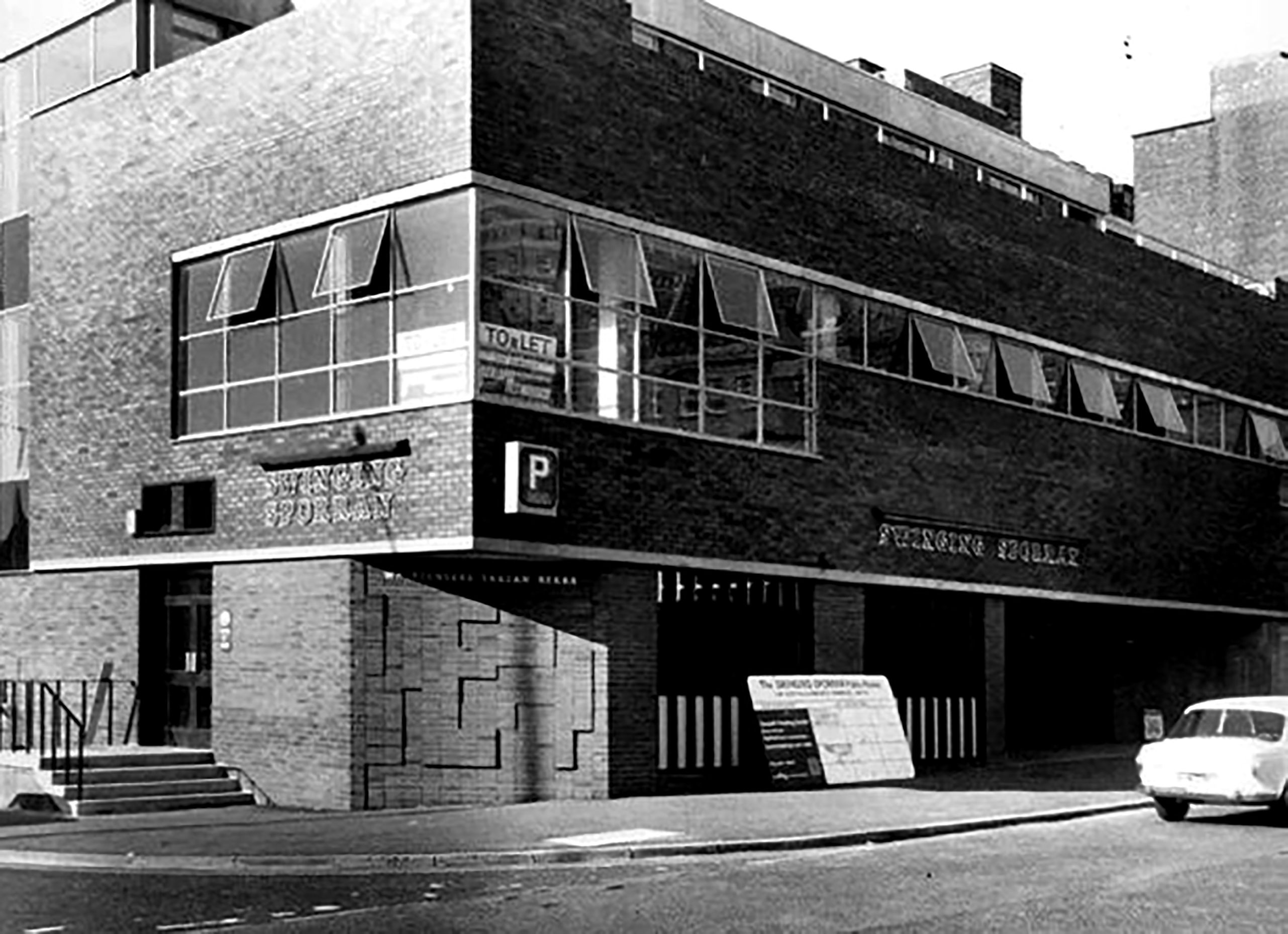
Though it does remain a car park with a pub- the former Swinging Sporran now trading as Retro Bar.

Sackville Street 1902

UMIST Missed

Whilst Oxford Road echoes to the sound of Freshers fleet of foot.

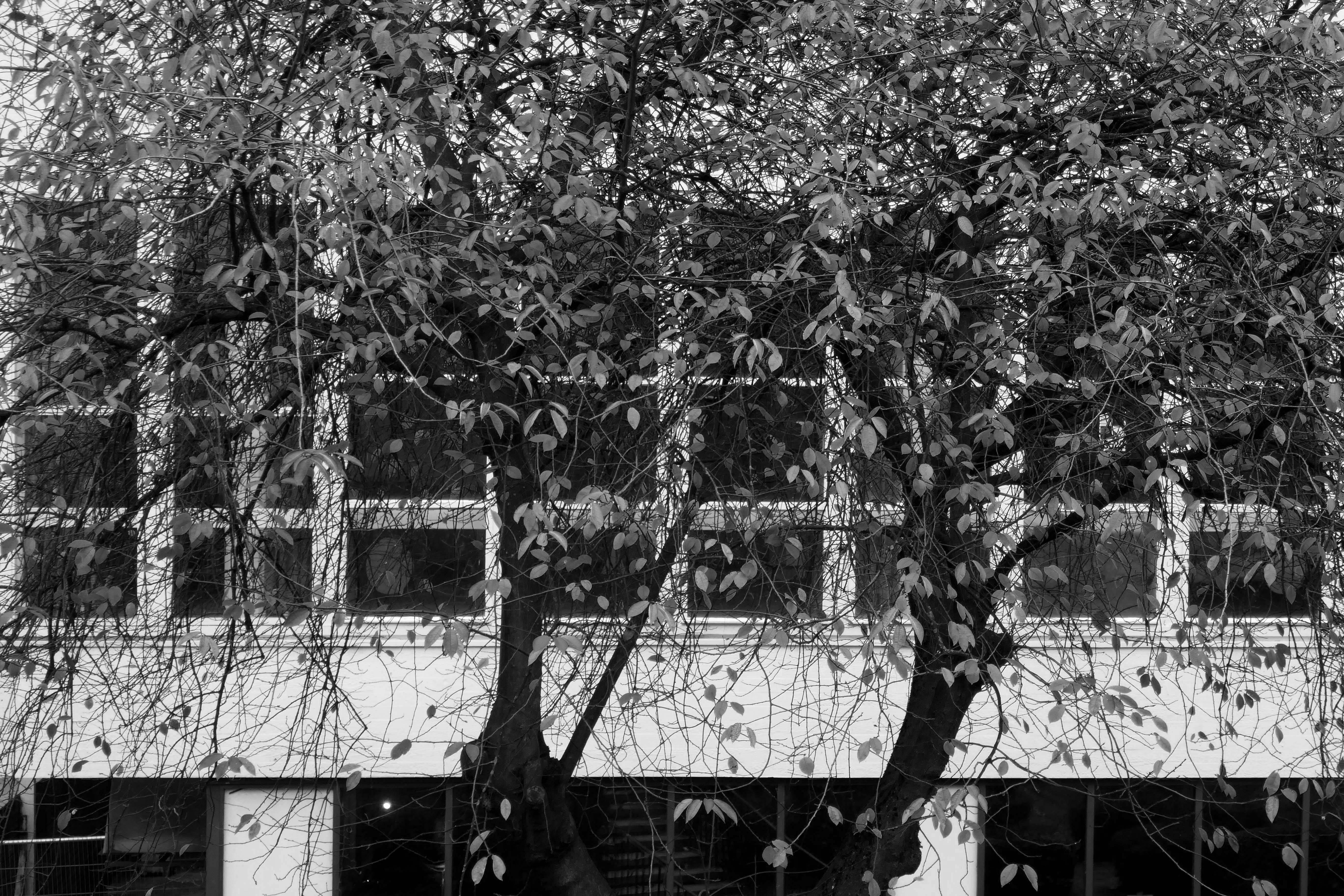
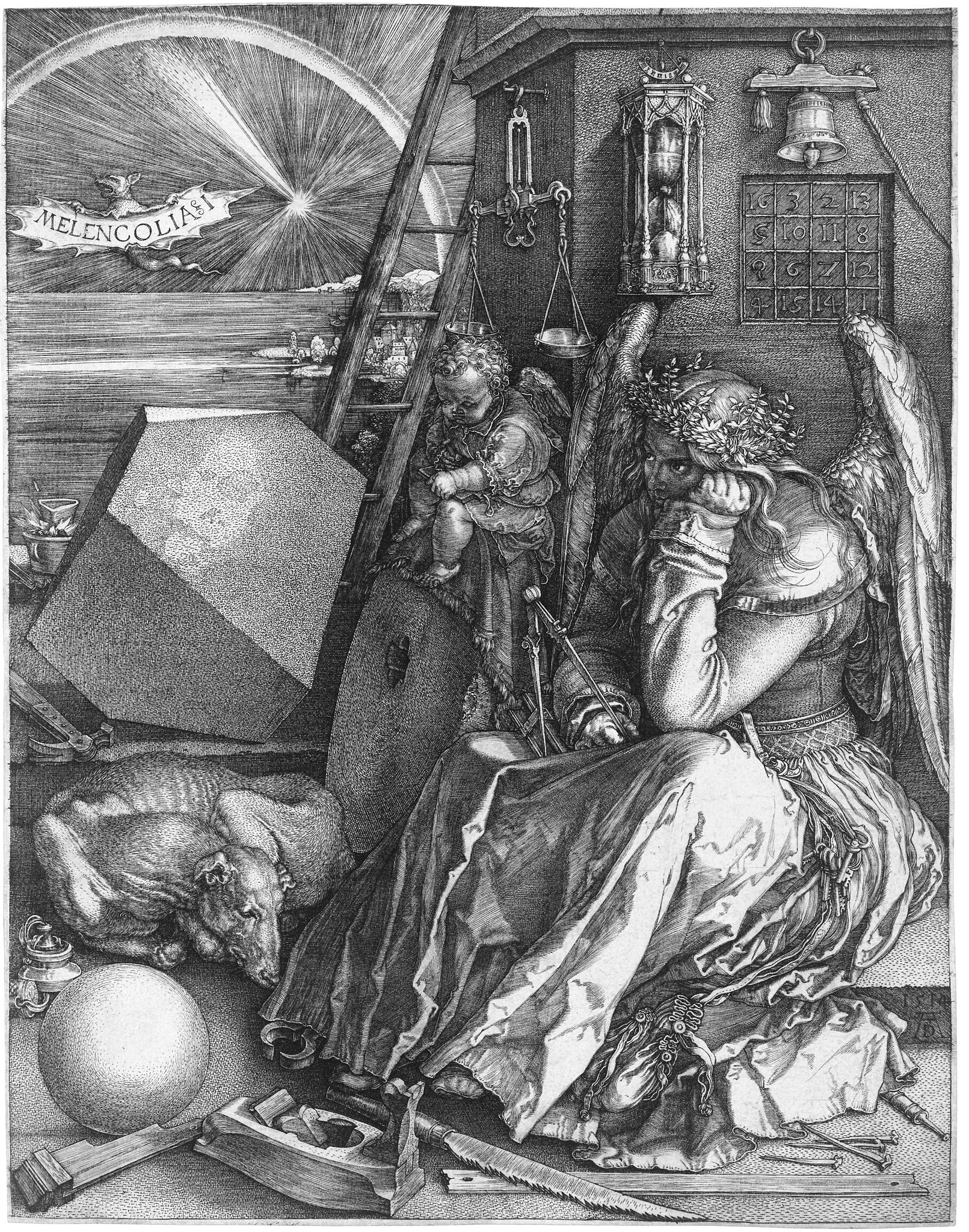
UMIST is only home to fallen leaves and a palpable air of melancholia.

The last of the students have left and a crew of hi-vis workers are busy stripping the remains of days long gone.

We have all walked on by before and will again – though with heavier heart, into an all too uncertain future – for only the Holloway Wall is listed.

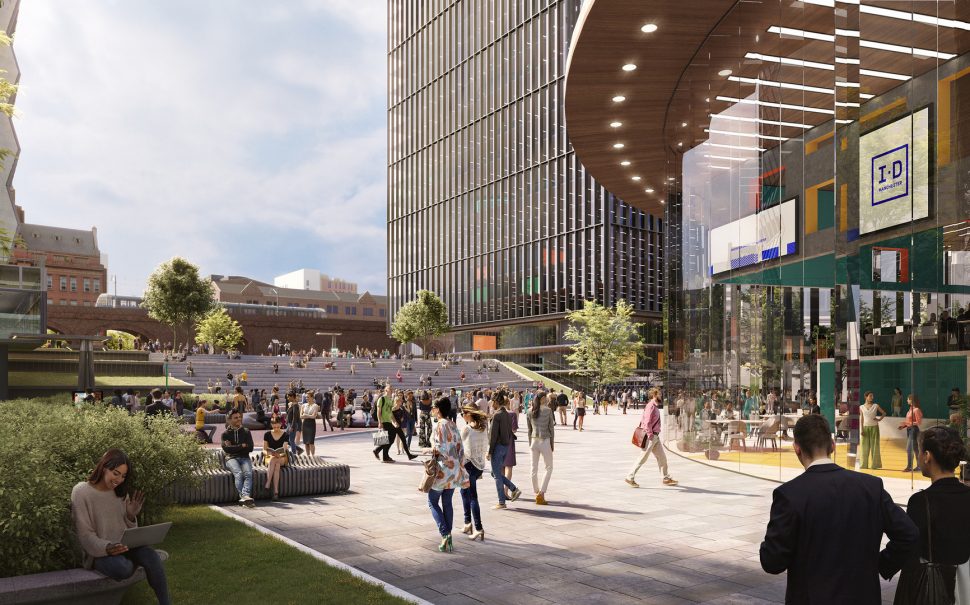
Now a grand redevelopment project has been unveiled to tend to that. According to the developer’s website, the plan promises to accelerate growth, partnership and collaboration.

Christened ID Manchester, the plans could see the area hacked into a glass maze of ultra-modern offices, apartments and hotels. 

Mancunian Matters 2021

UMIST – Manchester

Every now and then, I get the yen to come back here again.

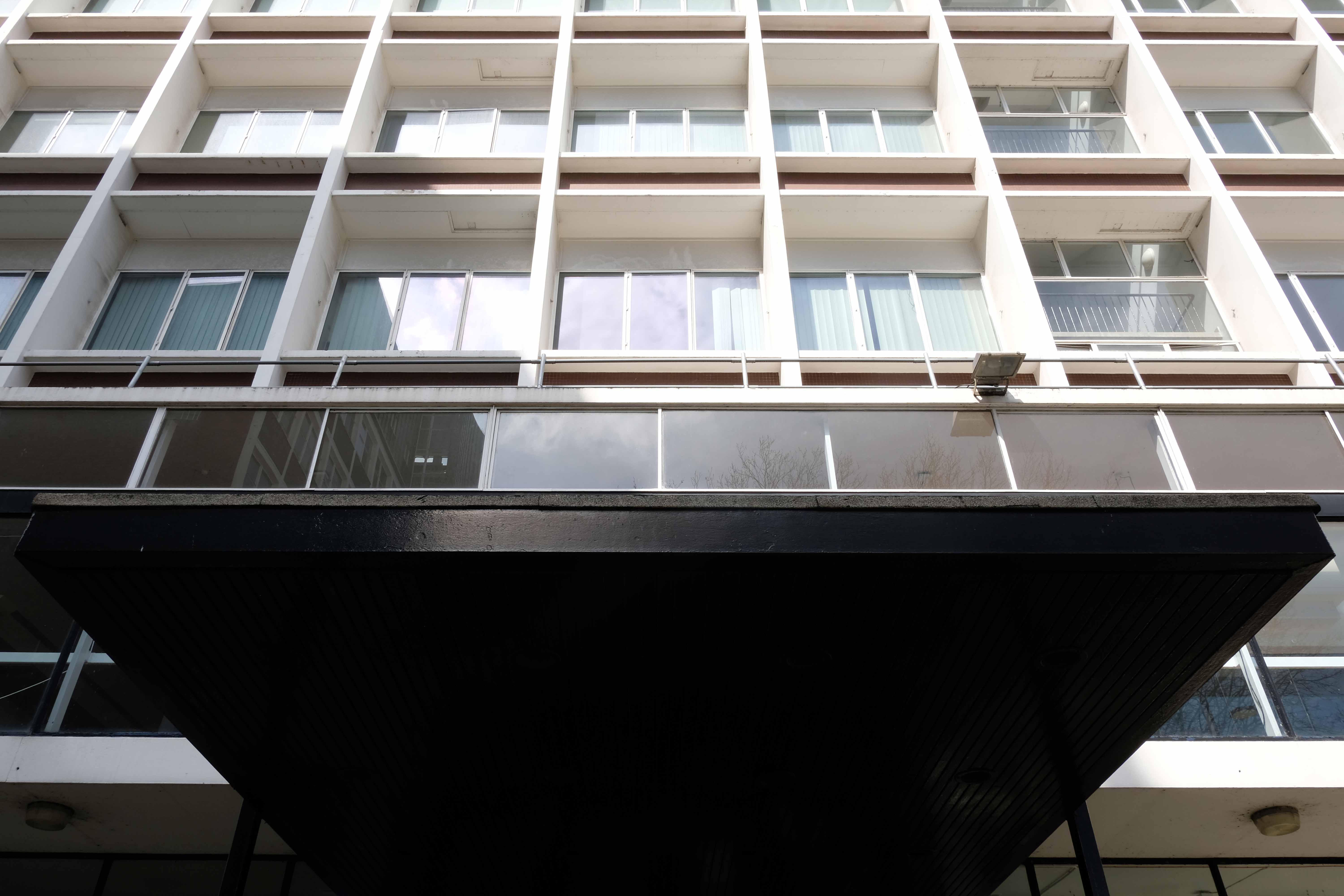
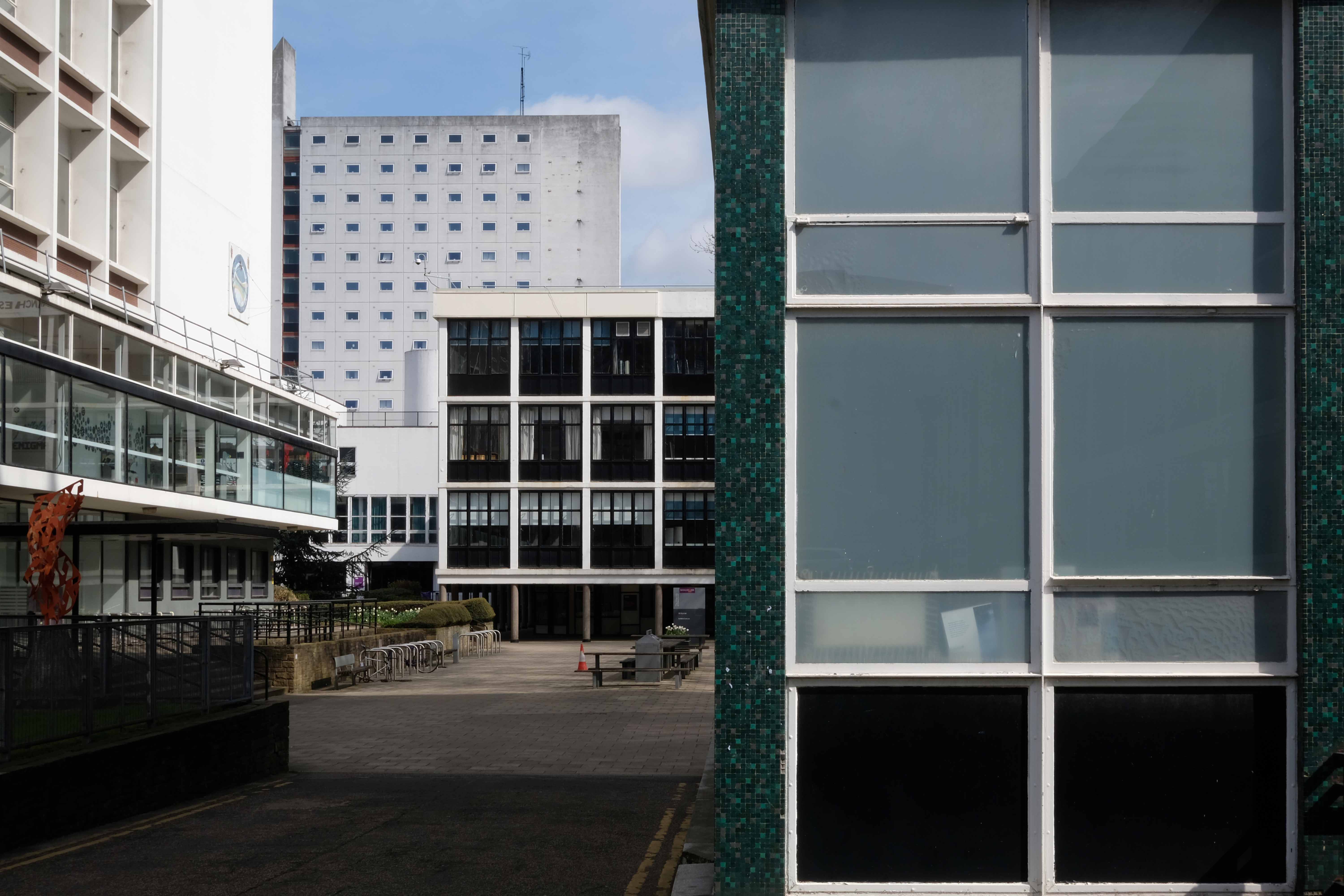
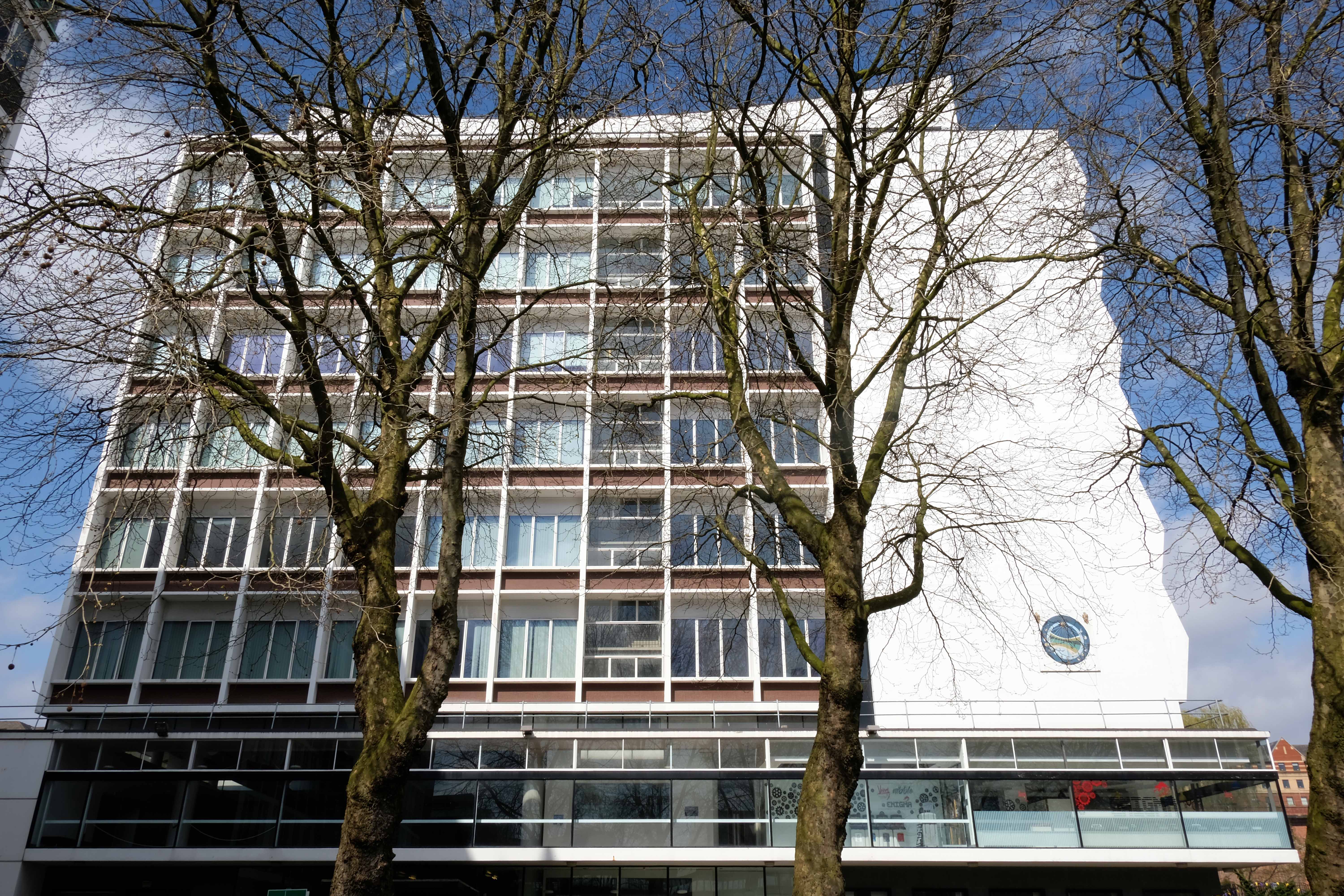
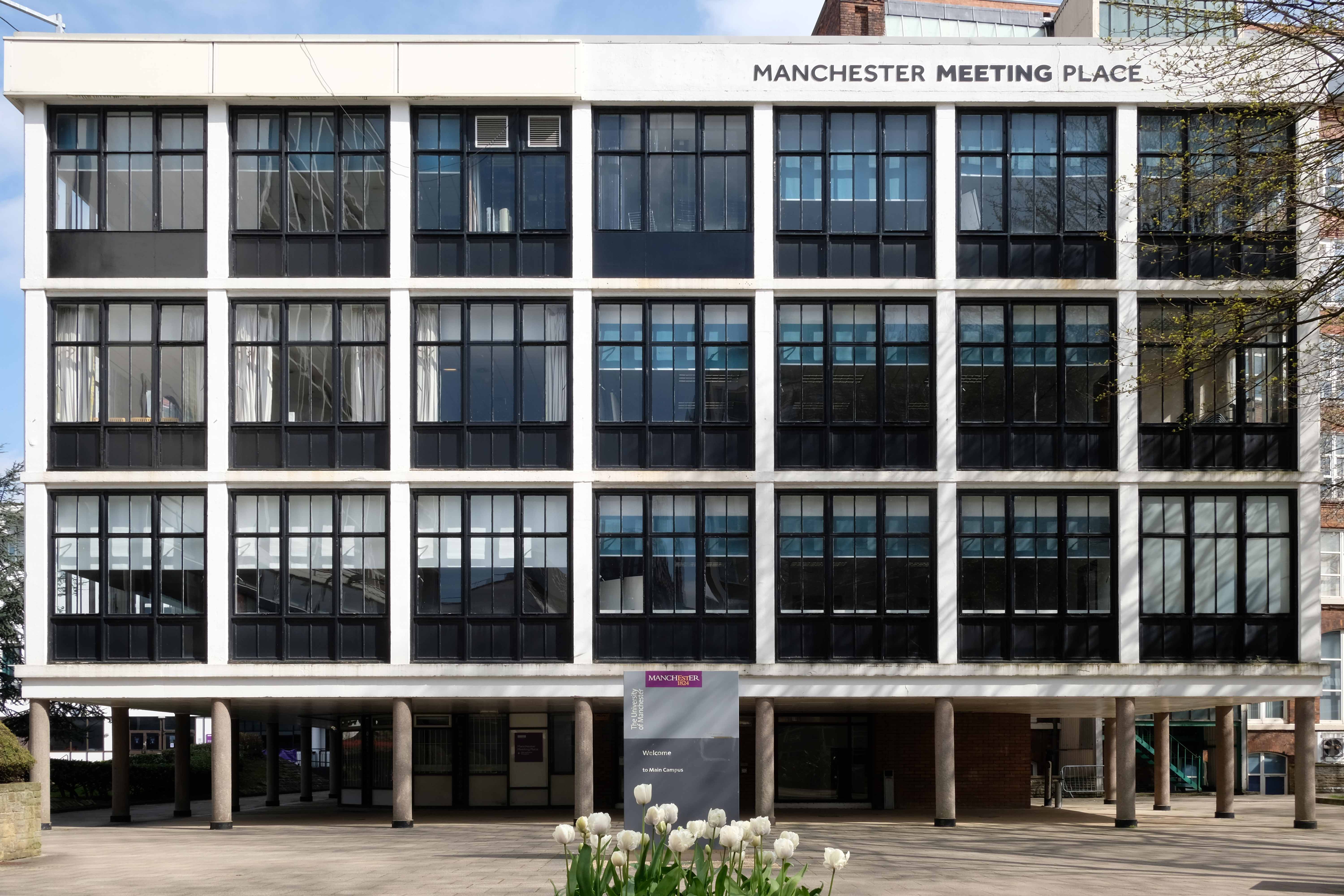
Having included the site on one of my Manchester Modernist Walks, I pop by protectively just to make sure everything’s still there.

The custodians The University of Manchester may well be averse to listing and have already removed Chandos Hall.

Forever.

In addition, a whole block and a walkway have been subtracted.

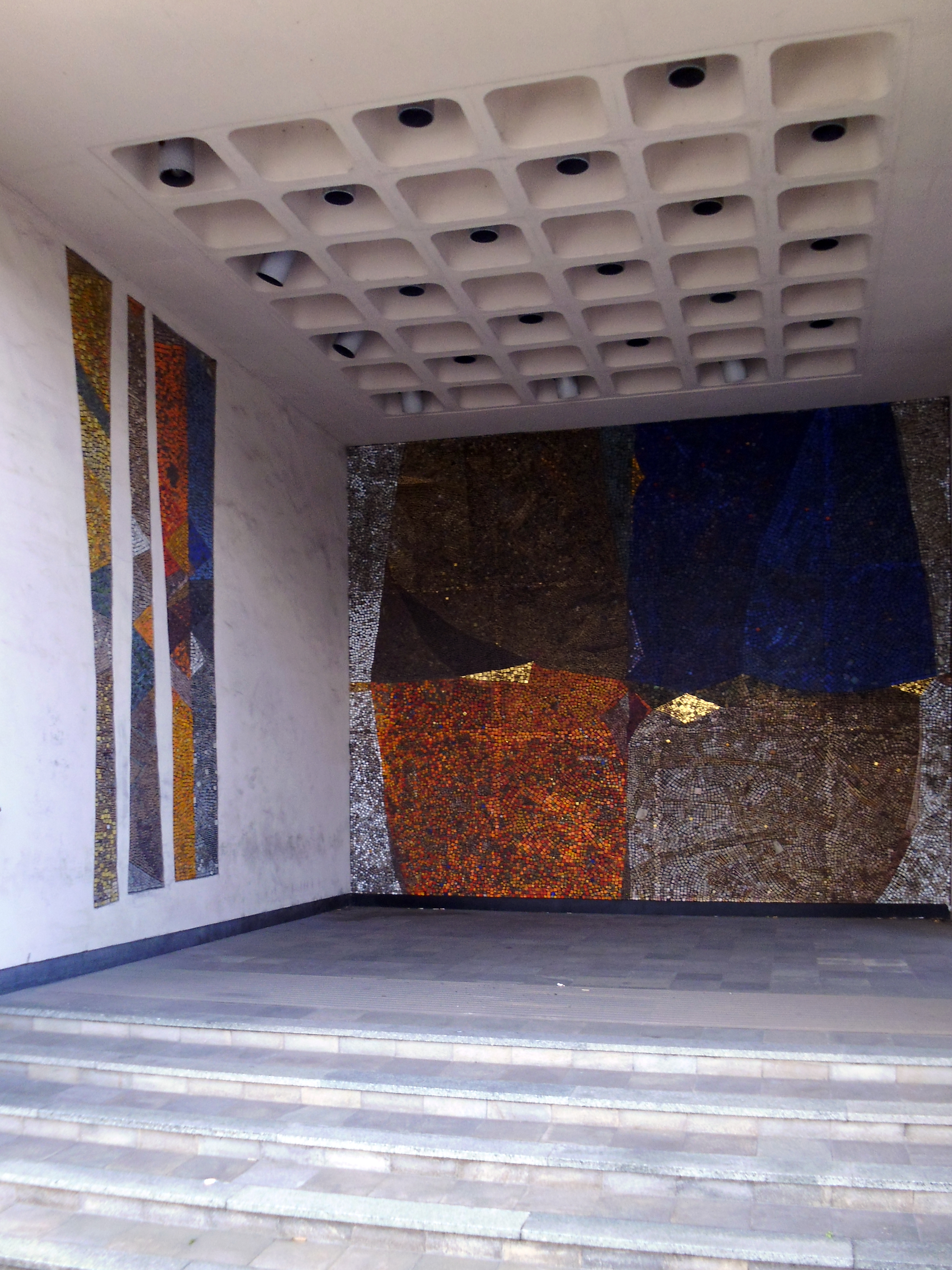
Thereby placing the Hans Tisdall mosaics: The Alchemist’s Elements in jeopardy – currently held in storage, who knows what fate awaits them?

Discussions have taken place pre-lockdown, another year on and possibly the possibility of a positive resolution.

Consequently I always approach the site with a slight sense of foreboding, it’s Easter and there’s nobody about.

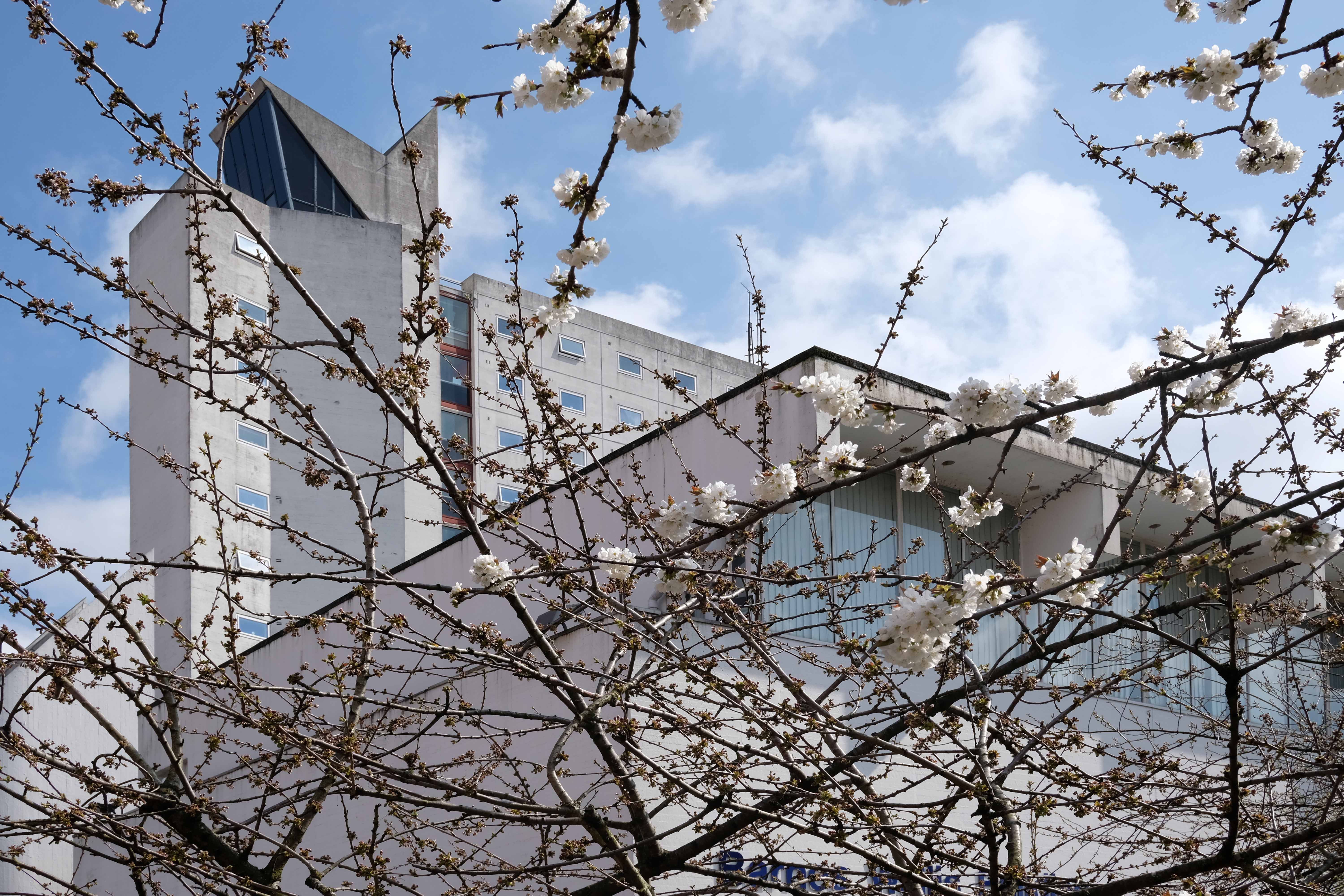
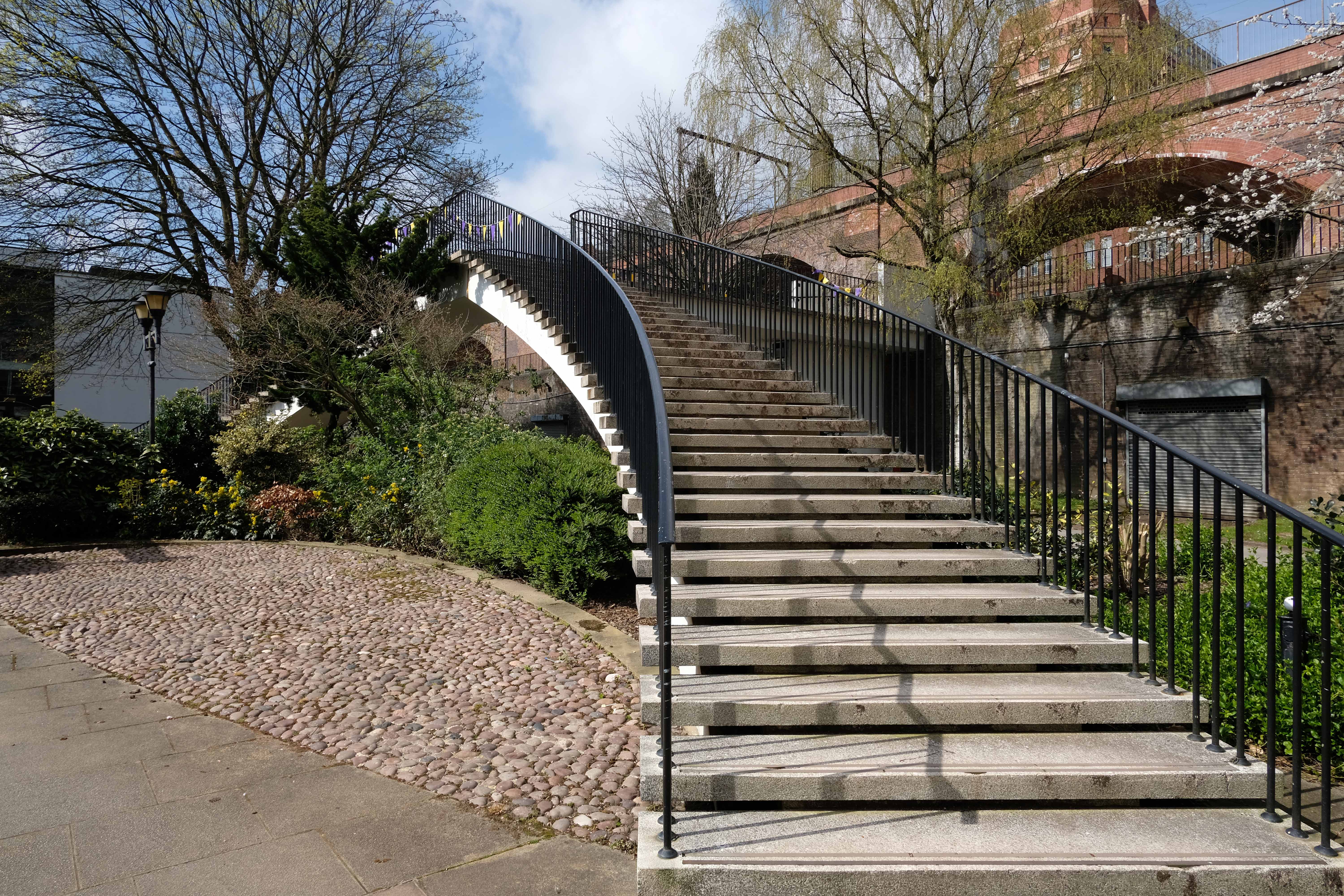
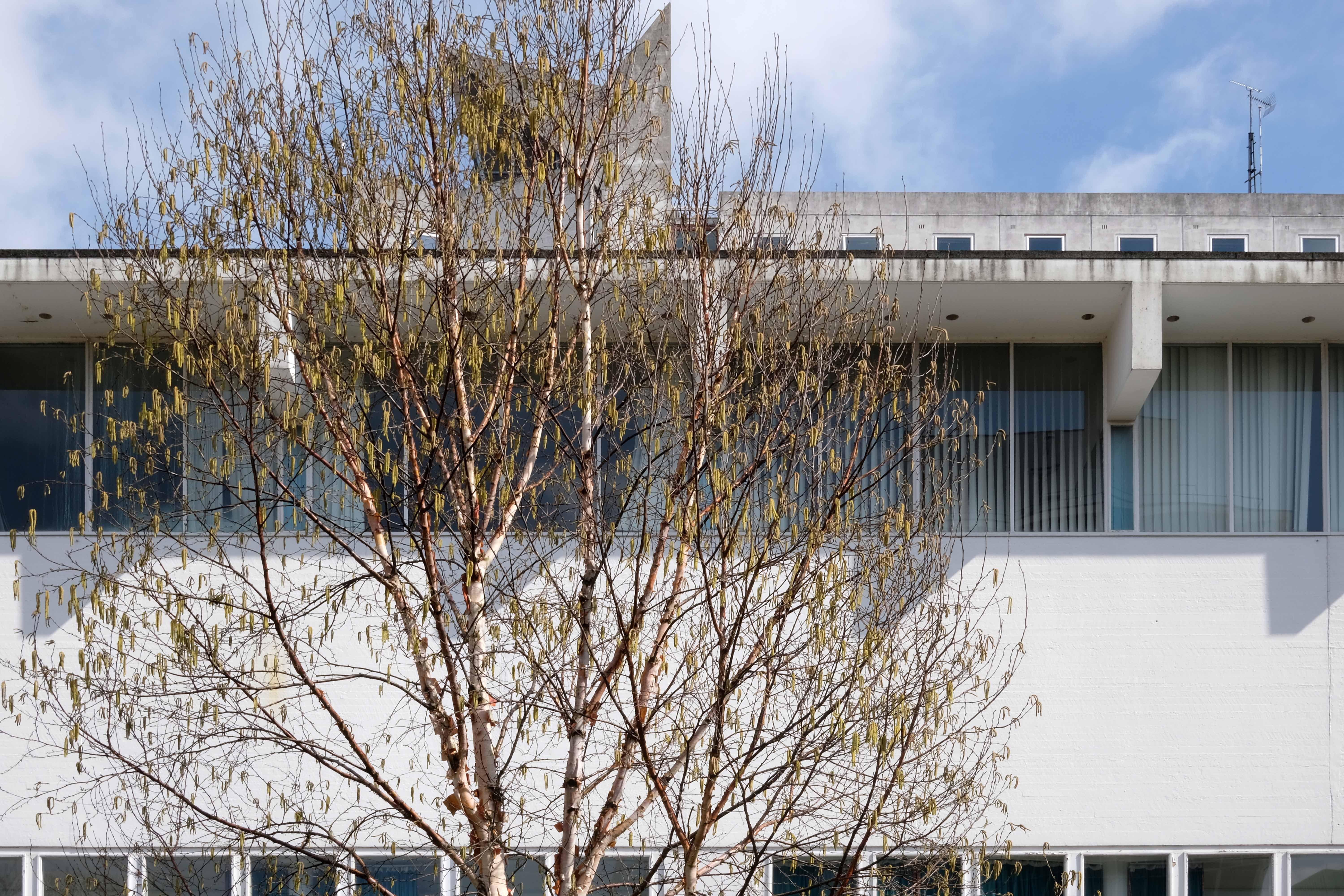
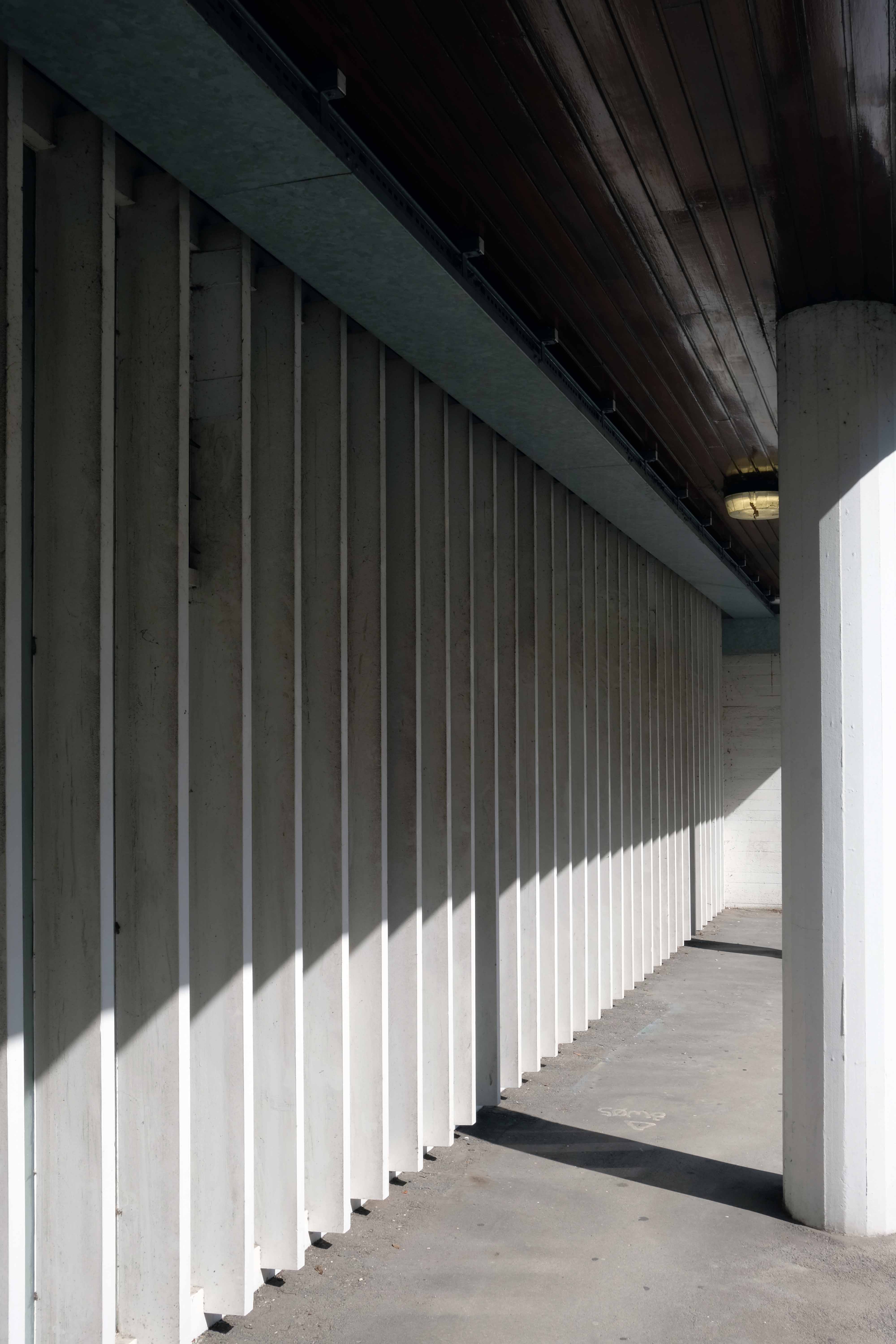
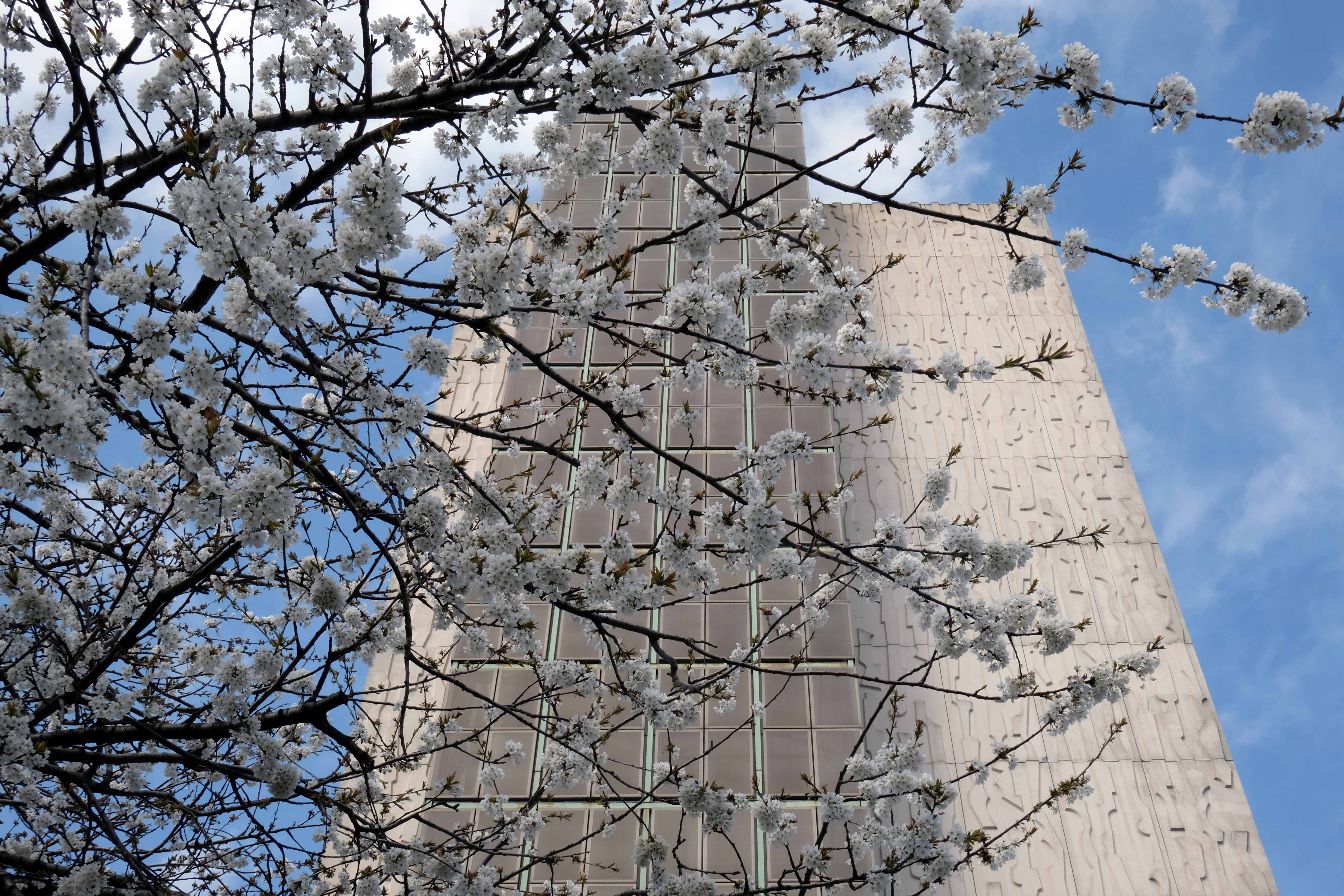
The trees are just about to burst into leaf, there are bright bursts of cherry blossom on the bough.

The sun shines down from a big blue sky, strewn with wisps of cloud.

Let’s have a look around – it’s springtime for UMIST and Modernity!

Holloway Wall – 2020

Of course I’ve been here before – and you may have as well.

And I’ve been to Huyton too.

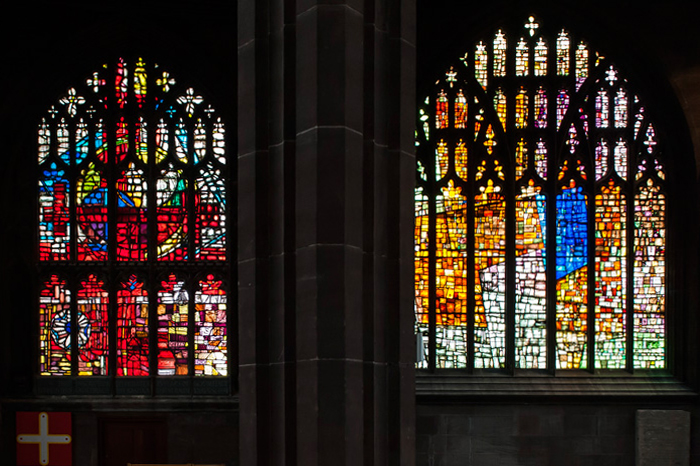
Tony Holloway’s work also illuminates the windows of Manchester Cathedral.

As well as the panels of the Faraday Tower, just the other side of UMIST.

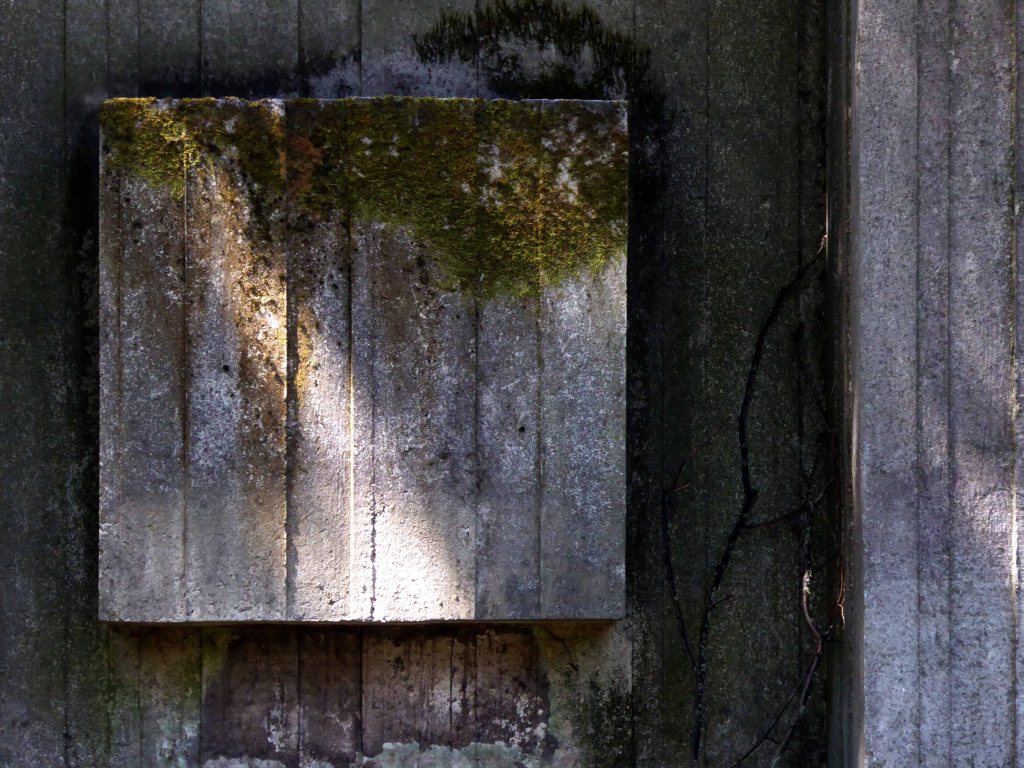
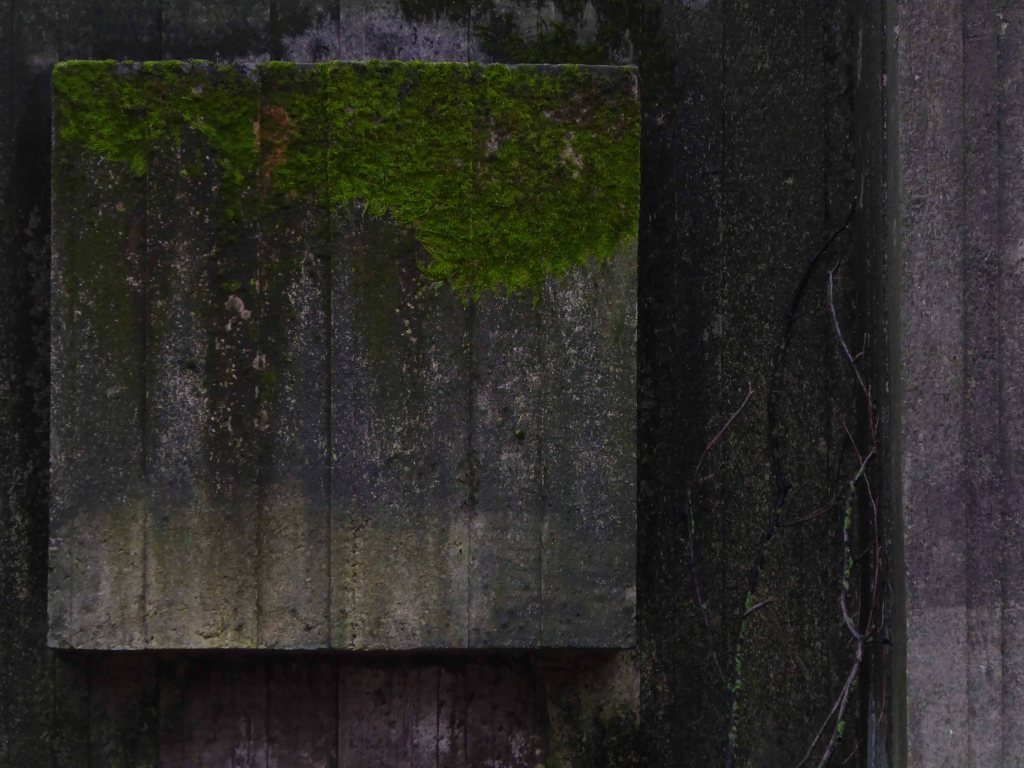
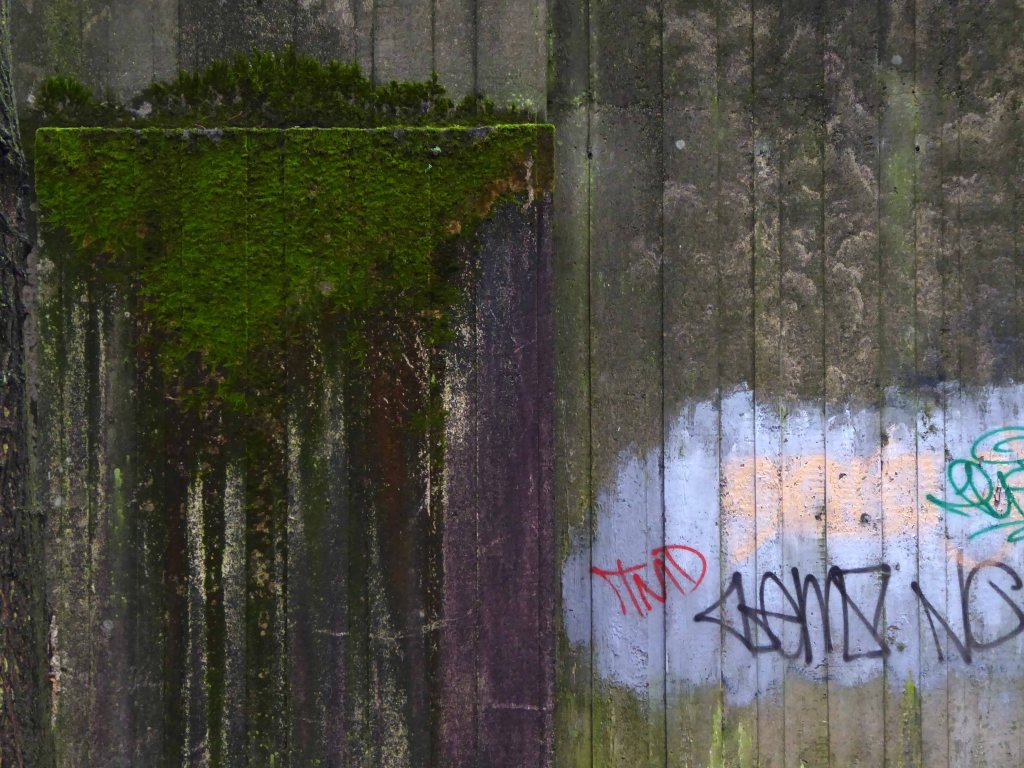
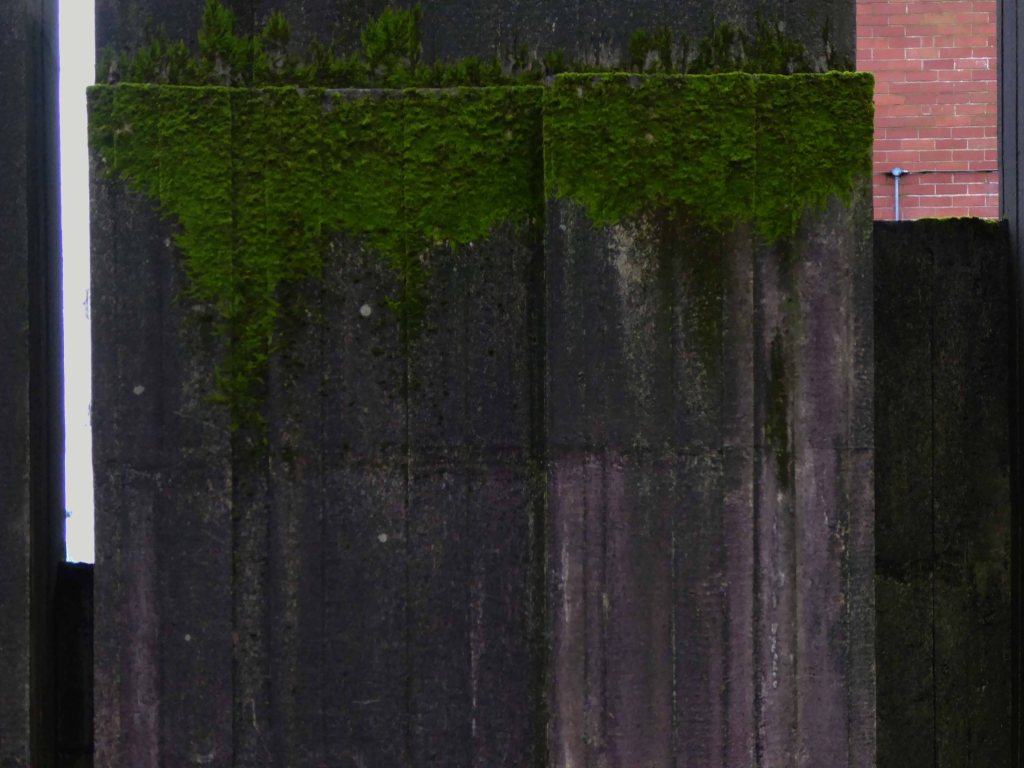
The wall is listed, fenced and obscured by the gradual incursion of assorted greenery.

It’s beginning to attract moss, amongst other things – just not like a rolling stone.

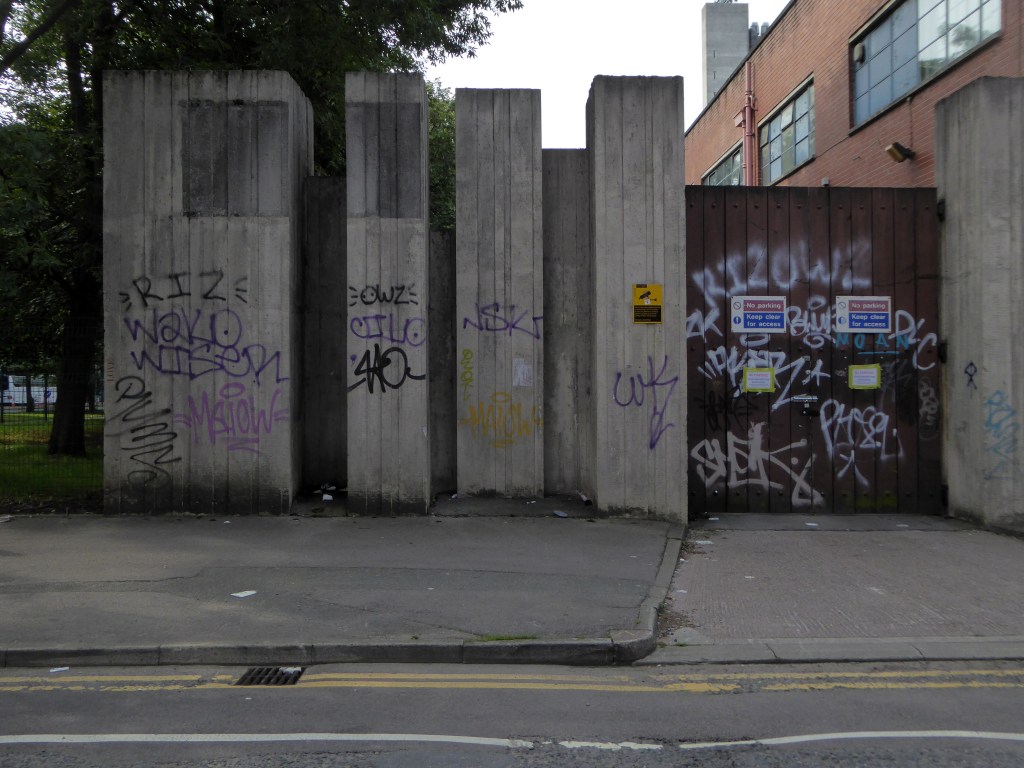
Like nearly everything else, it looks different each time you pass by, more or less light, new tags and signs – so here it is as of Saturday 13th June 2020.

Locked in during the lockdown.

Tony Holloway Sculptural Wall – Manchester

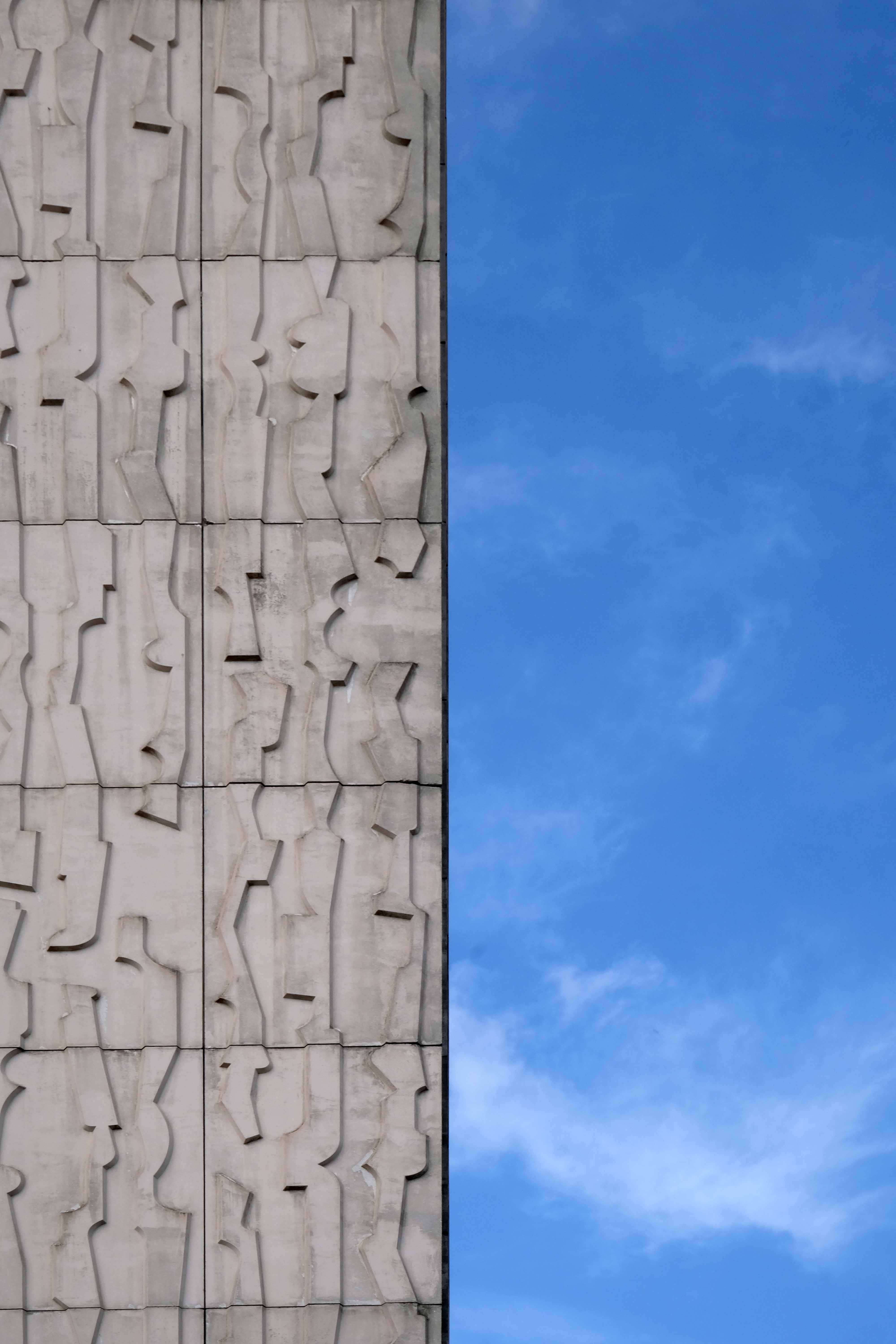
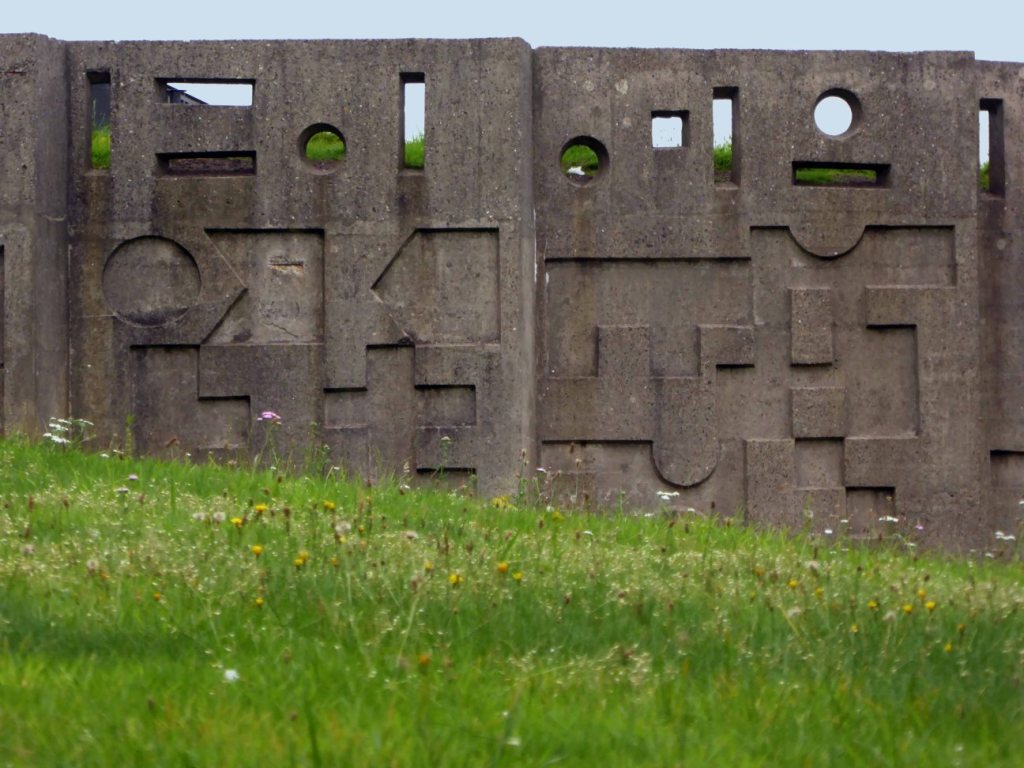
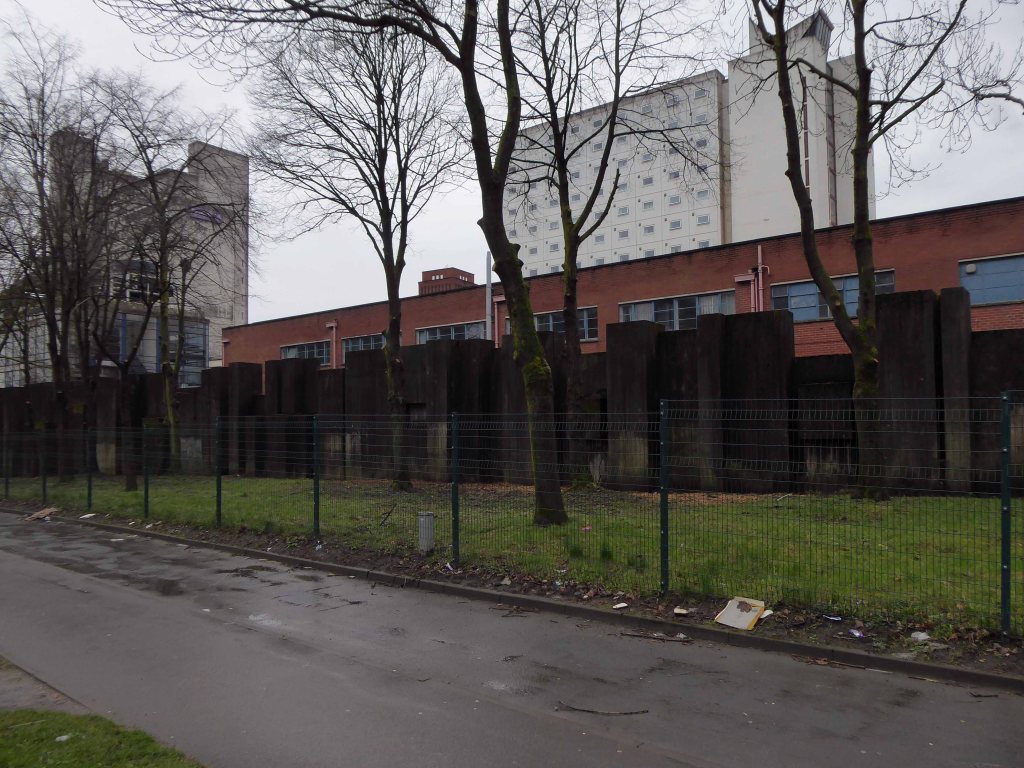
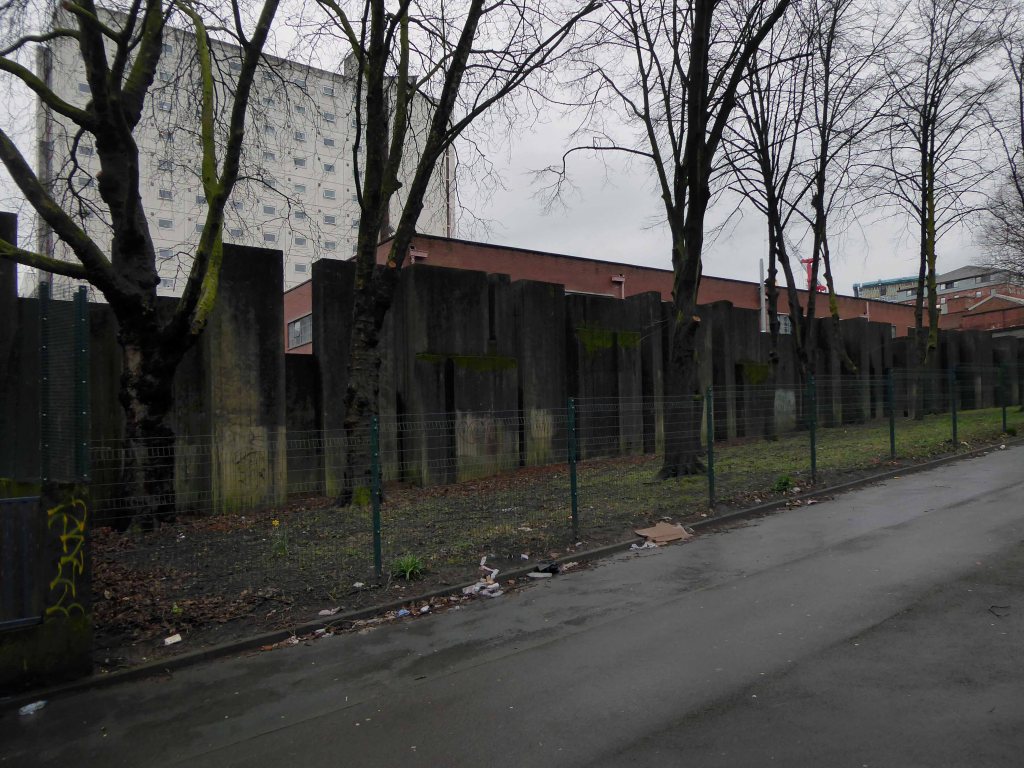
Sculptural wall and sound buffer – 1968 by Antony Holloway in collaboration with architect Harry M Fairhurst.

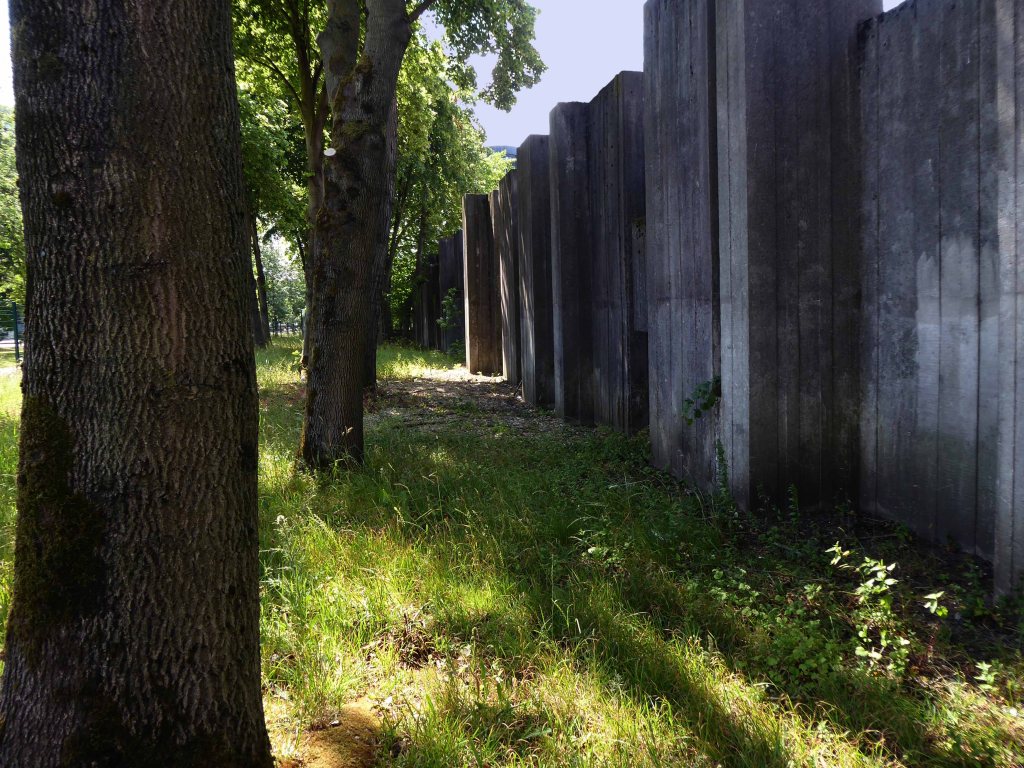
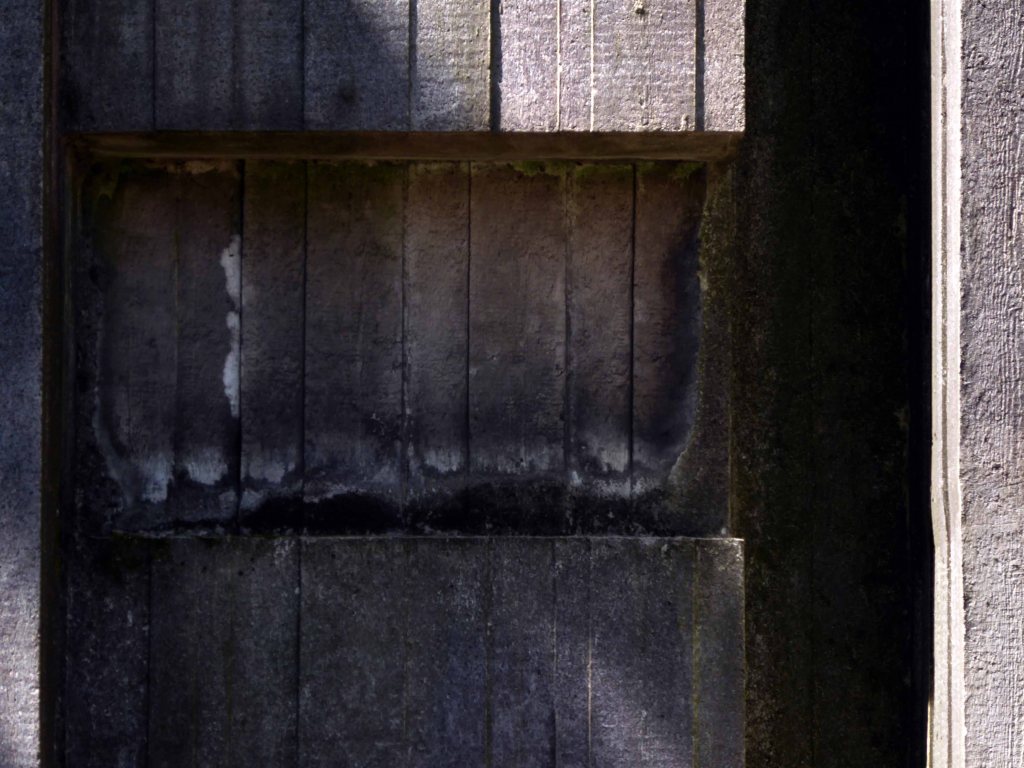
Concrete approximately 68 metres long and between 4.5 and 6 metres high – Brutalist style.

Grade II Listed June 10th 2011 – Historic England

The only structure on the former UMIST site, now part of the extensive University of Manchester estate.

Regularly visited on our Manchester Modernist walks, along with his nearby architectural panels.

I have even ventured as far afield as Huyton in search of other exemplars.

This is work of the highest order and importance.

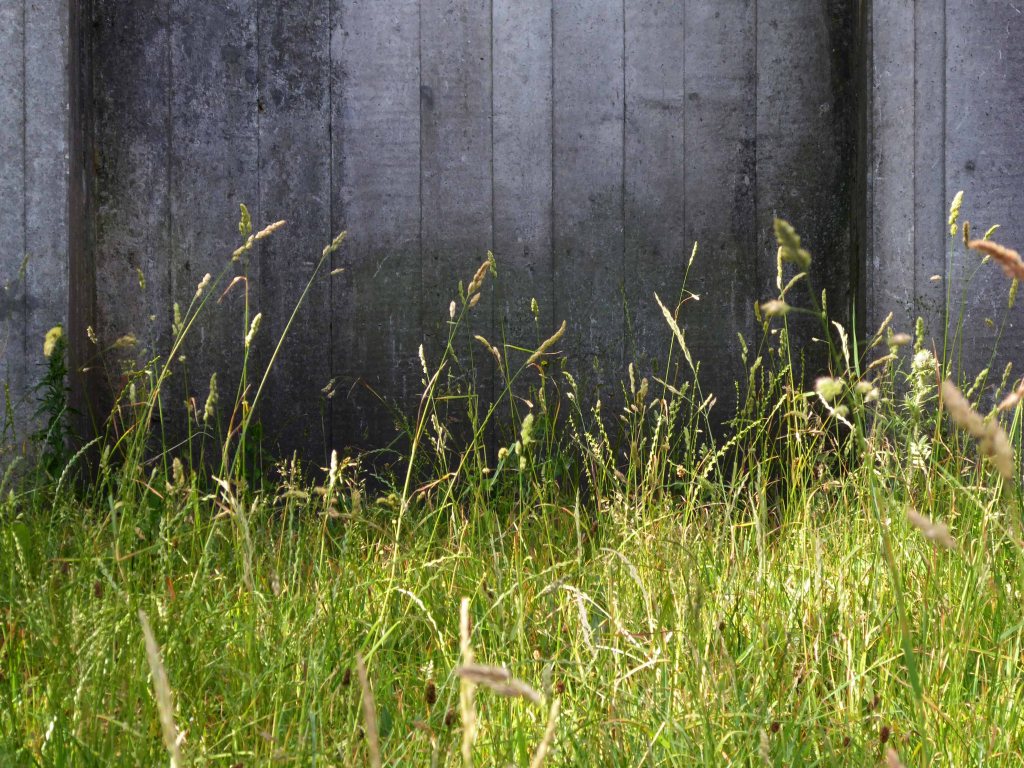
It sits by a busy London Road, behind an intrusive green steel fence, slowly acquiring a green patina – as moss and lichen attach themselves to the well weathered concrete.

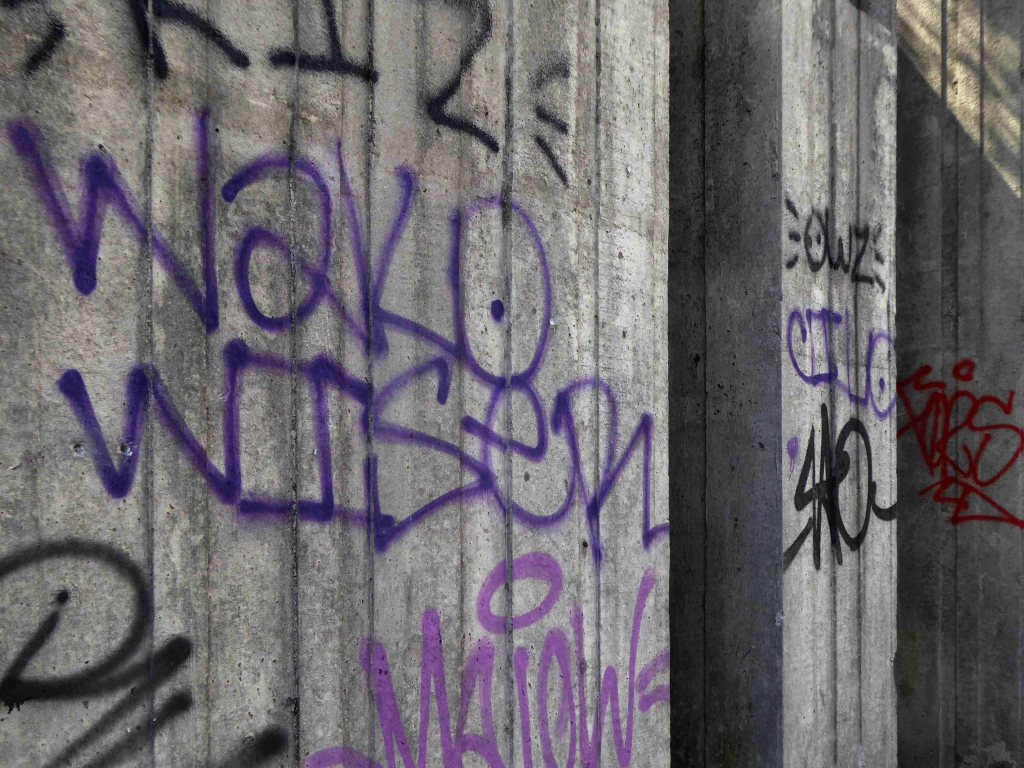
Receiving occasional visits from the errant urban tagger.

It deserves much better – a lush grassed apron, discrete public seating, regular tree maintenance – respect.

We do not suffer from a surfeit of significant mid-century public art – its guardians should straighten up and fly right.

Right?

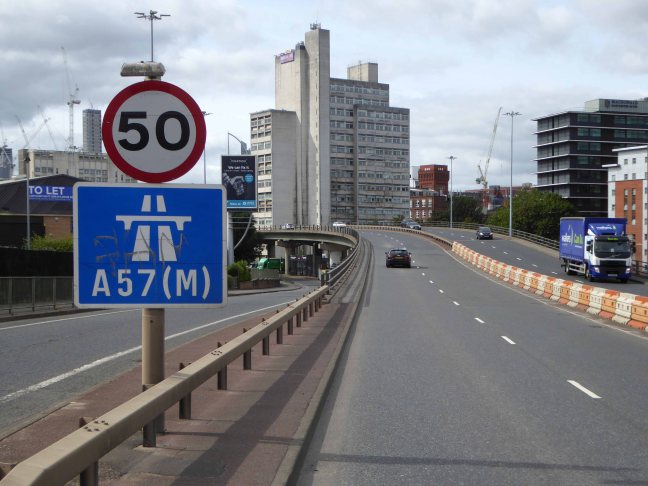
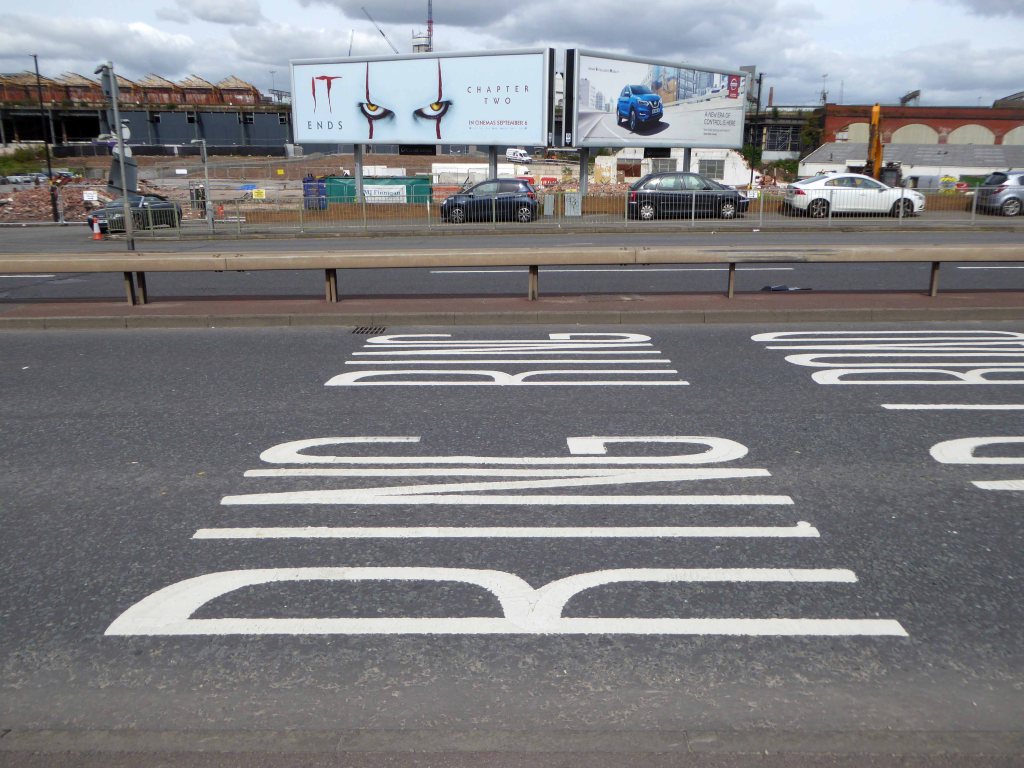
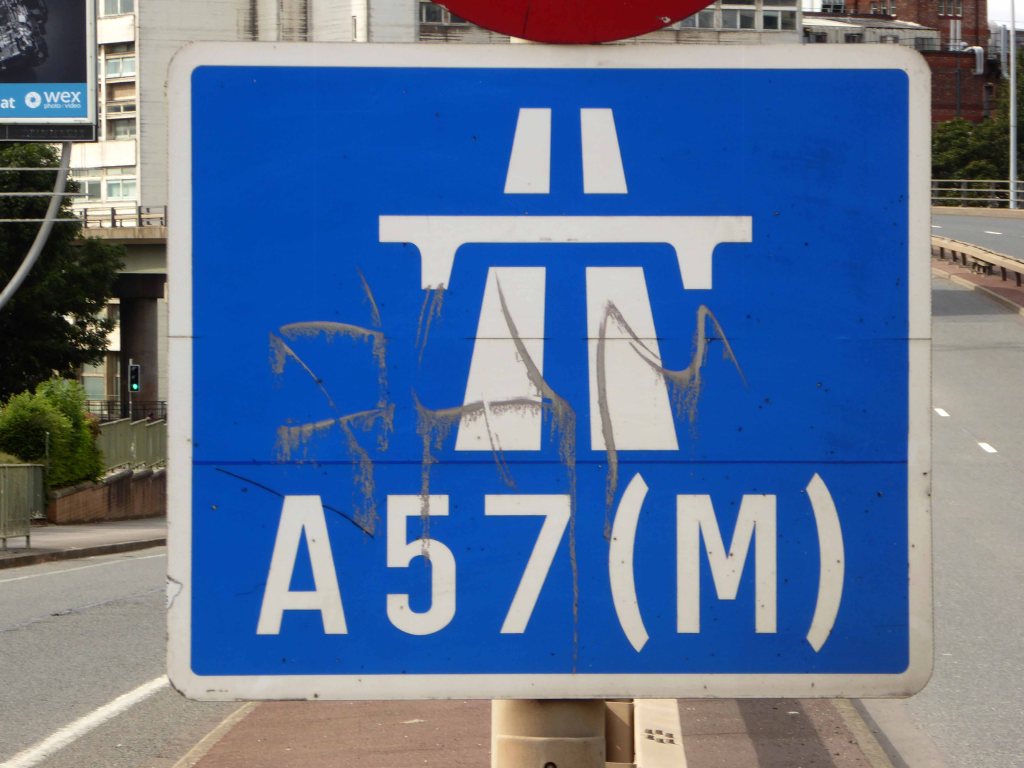
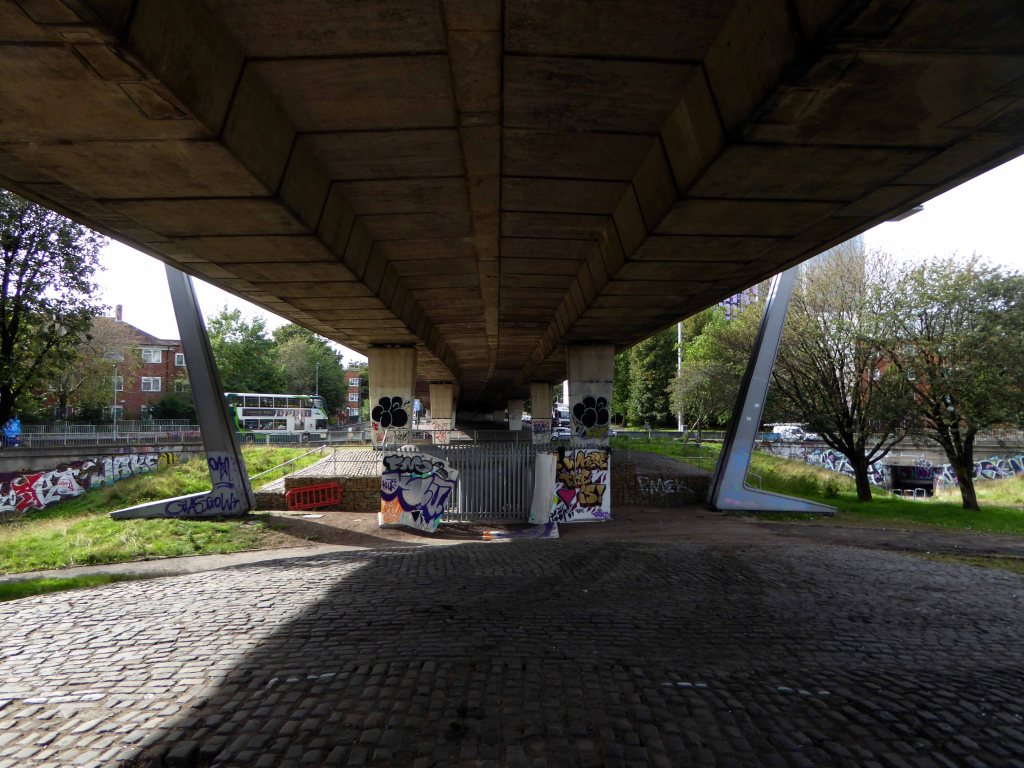
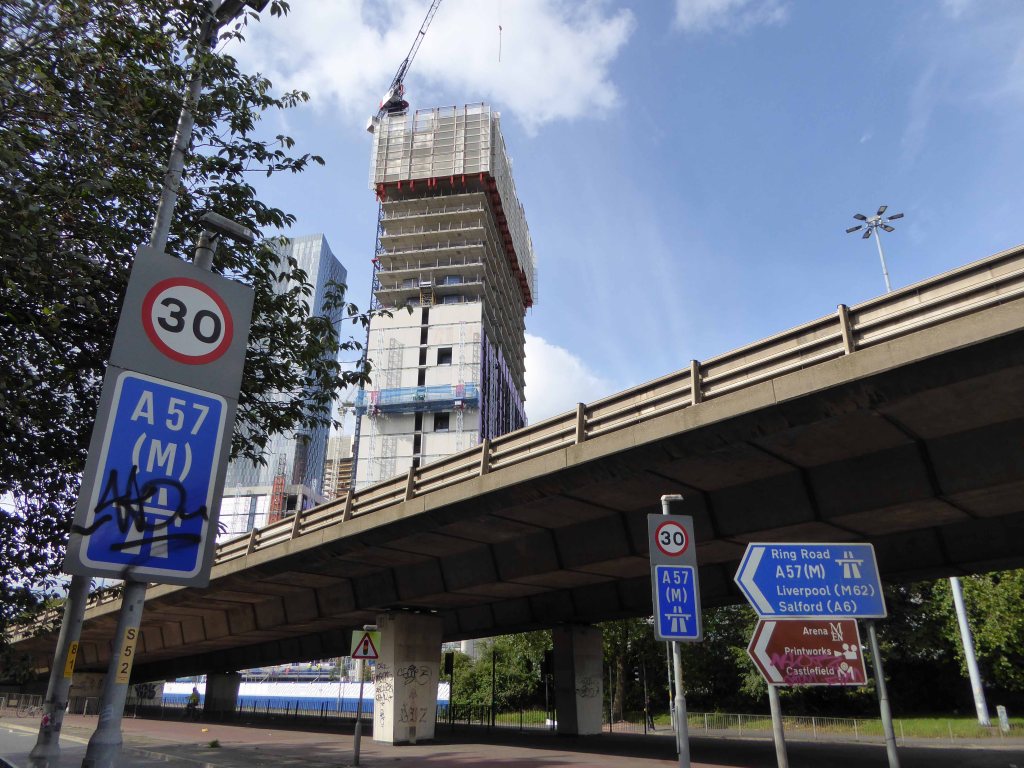
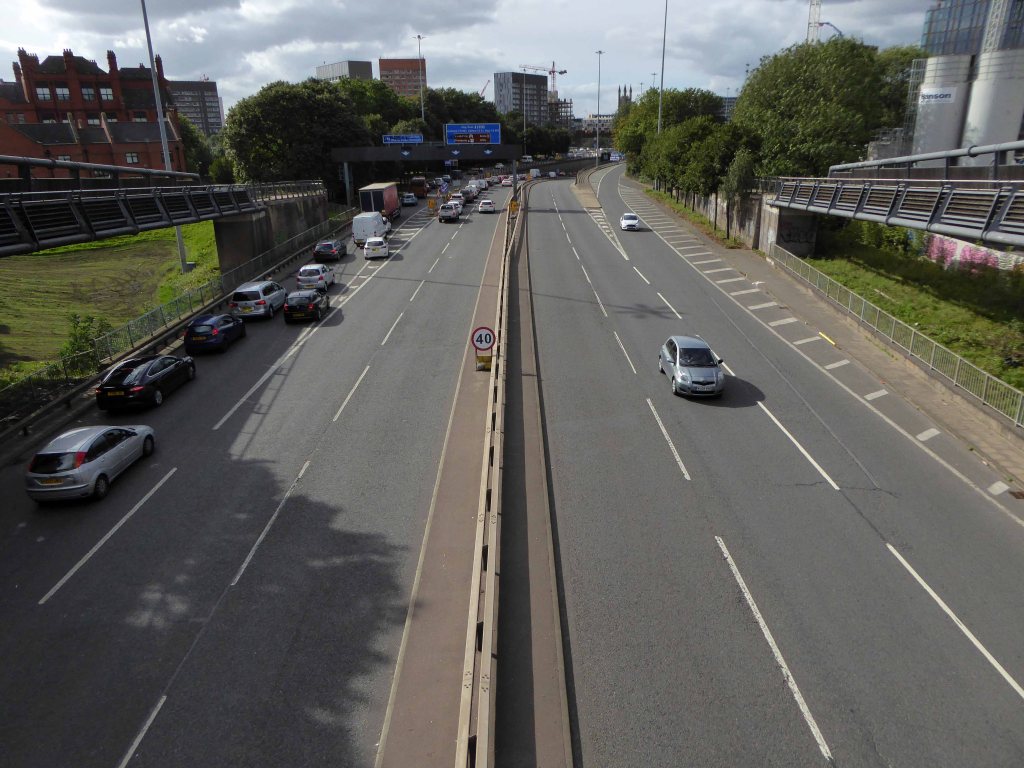
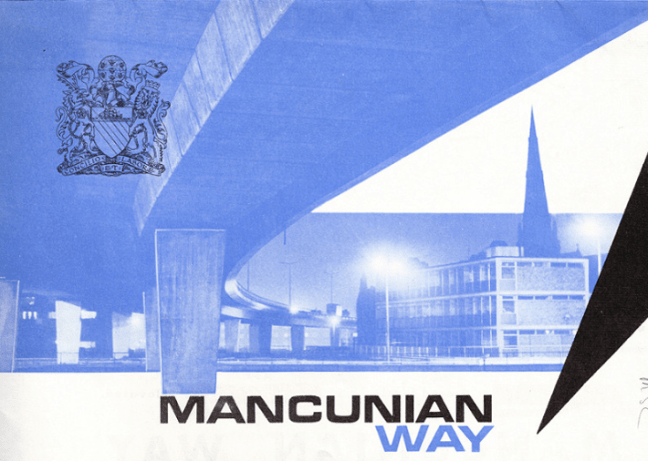
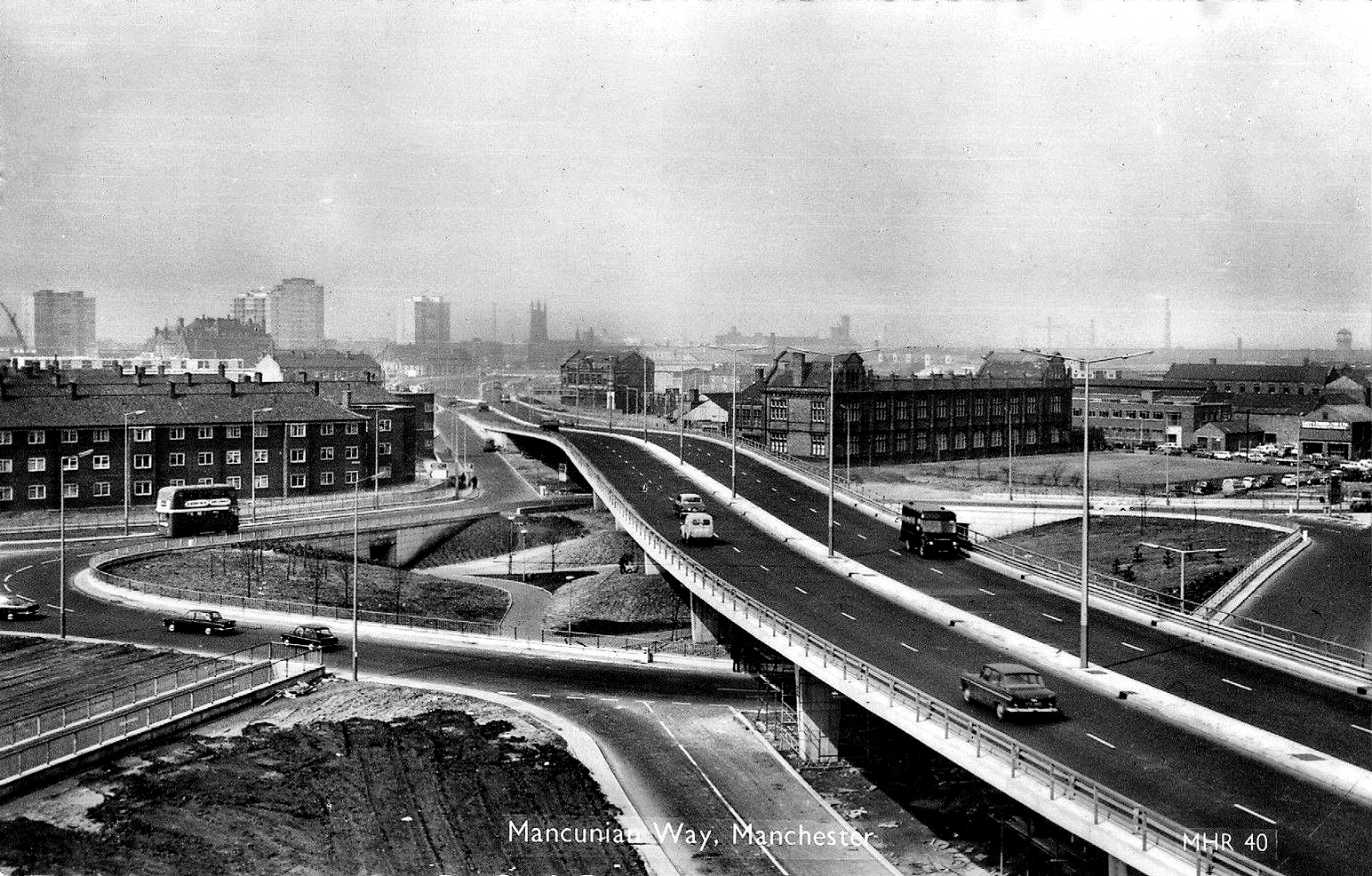
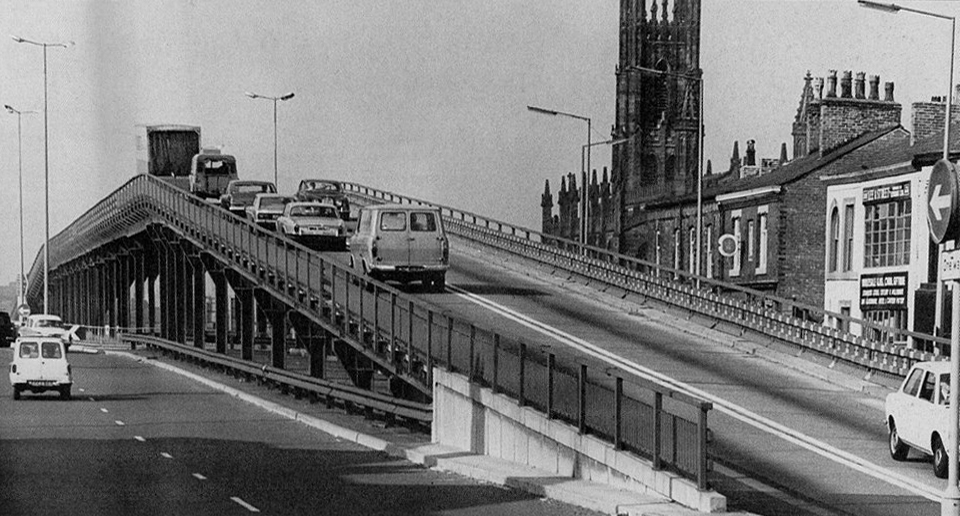
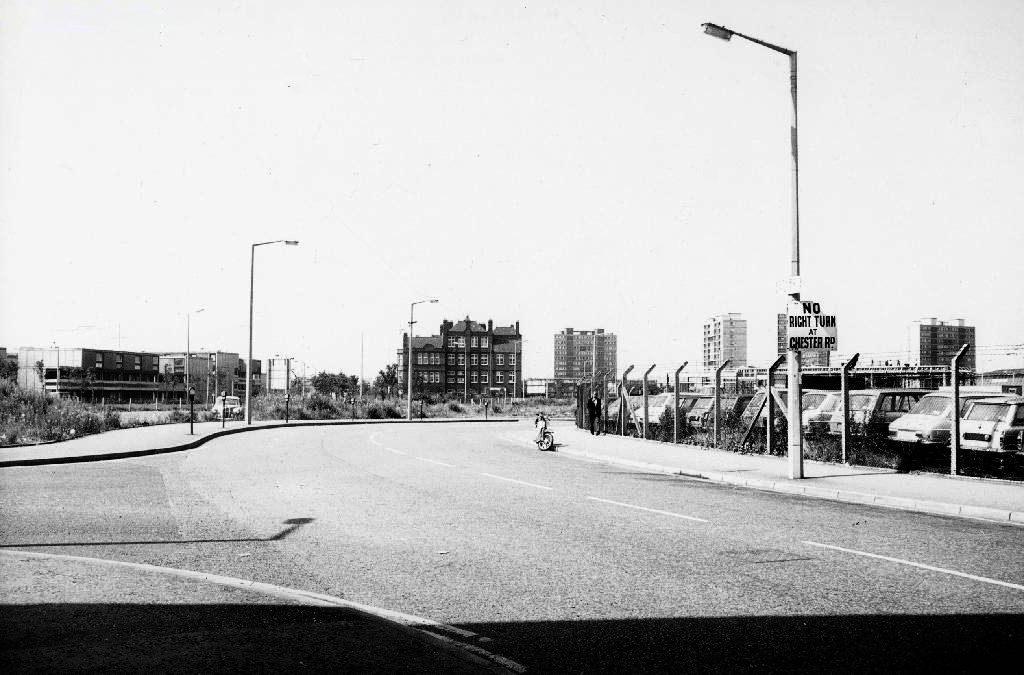
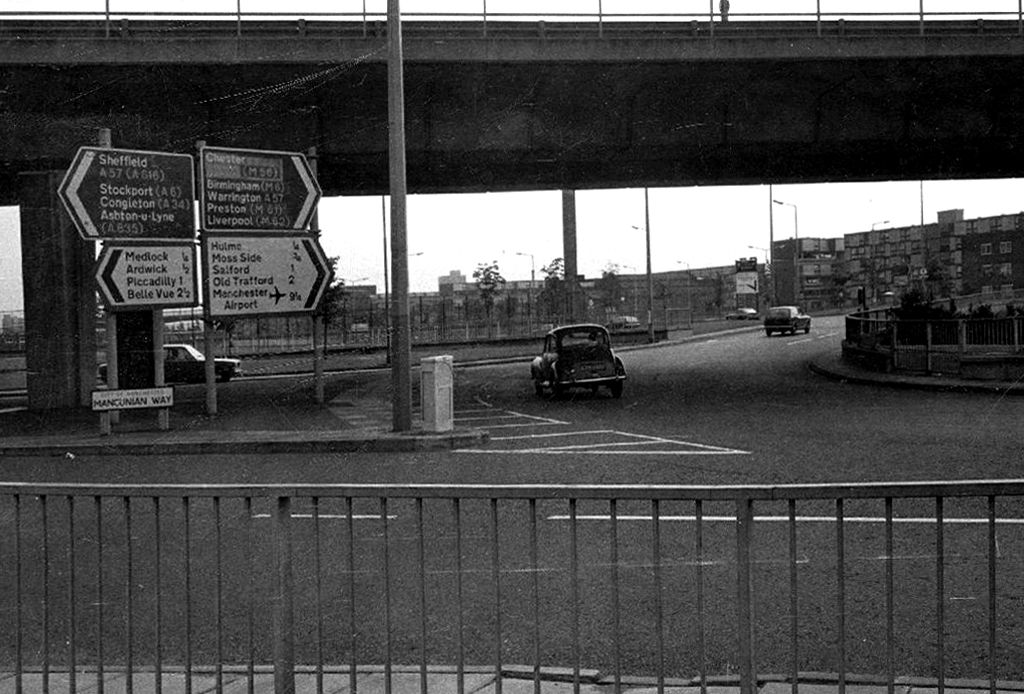
The Mancunian Way – A57(M)

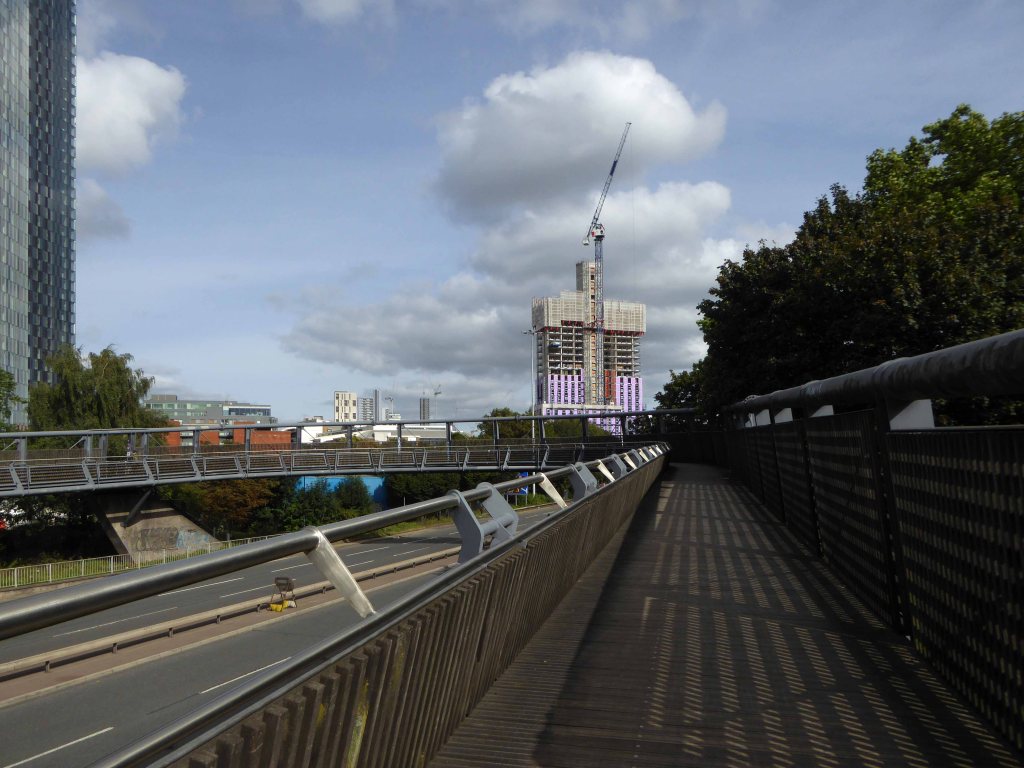
I’m walking, yes indeed I’m walking – I’m walking the Mancunian Way.

Previously posted as historical journey – this, as they say, is the real deal, one foot after another, one sunny afternoon in September.

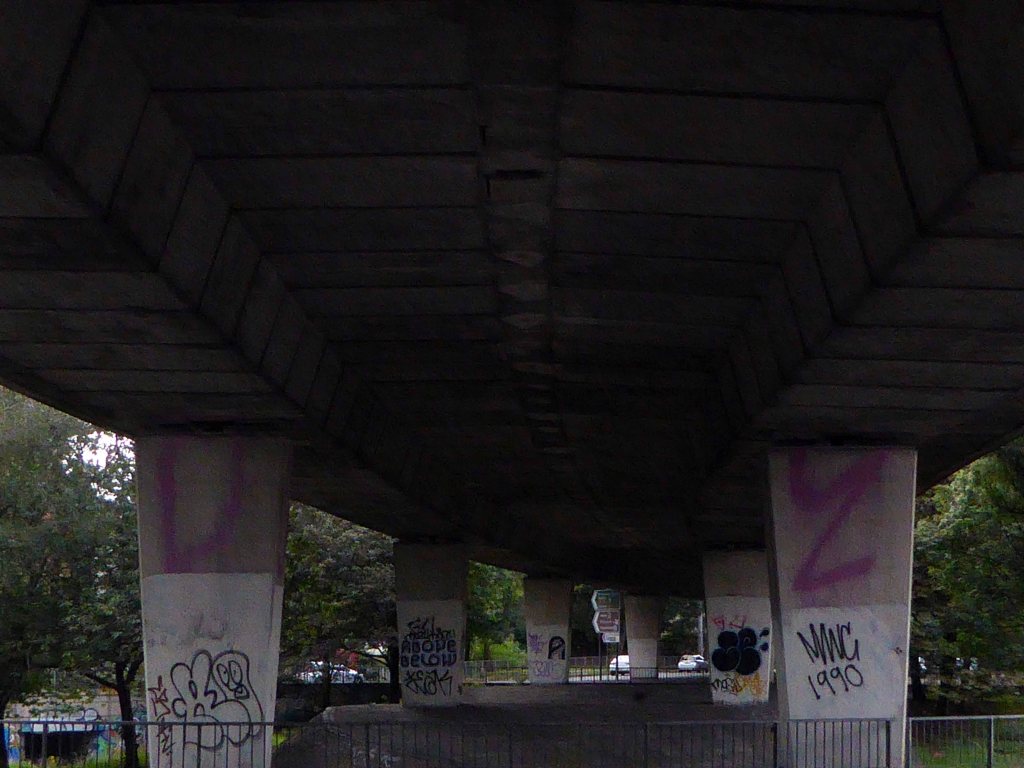
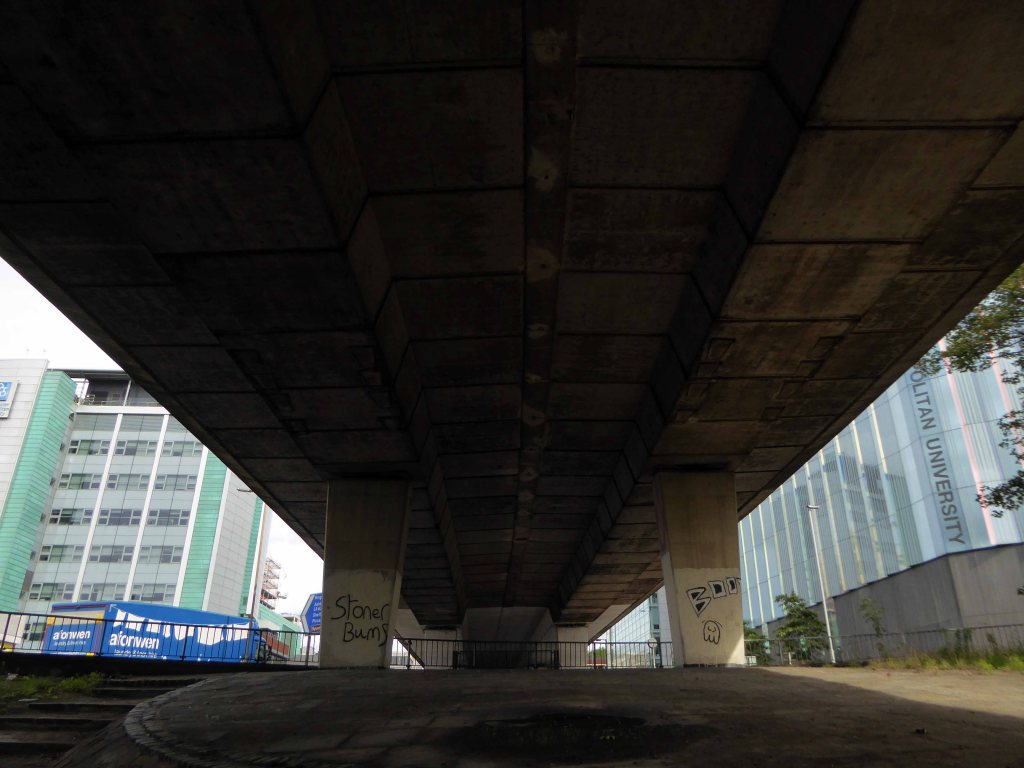
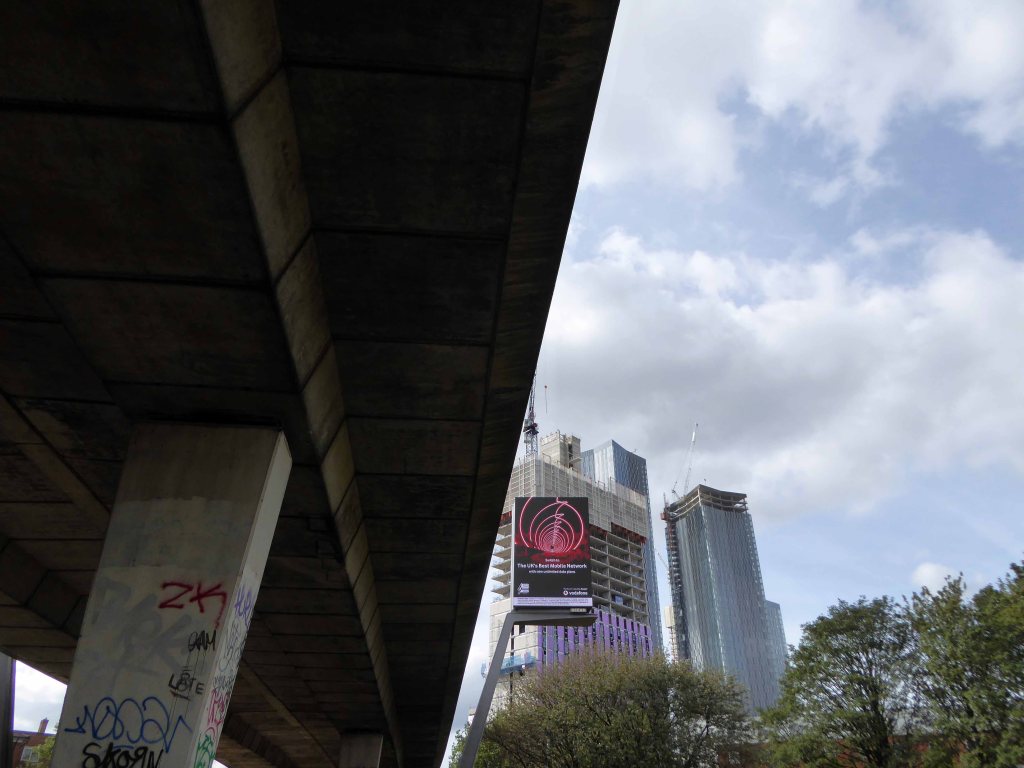
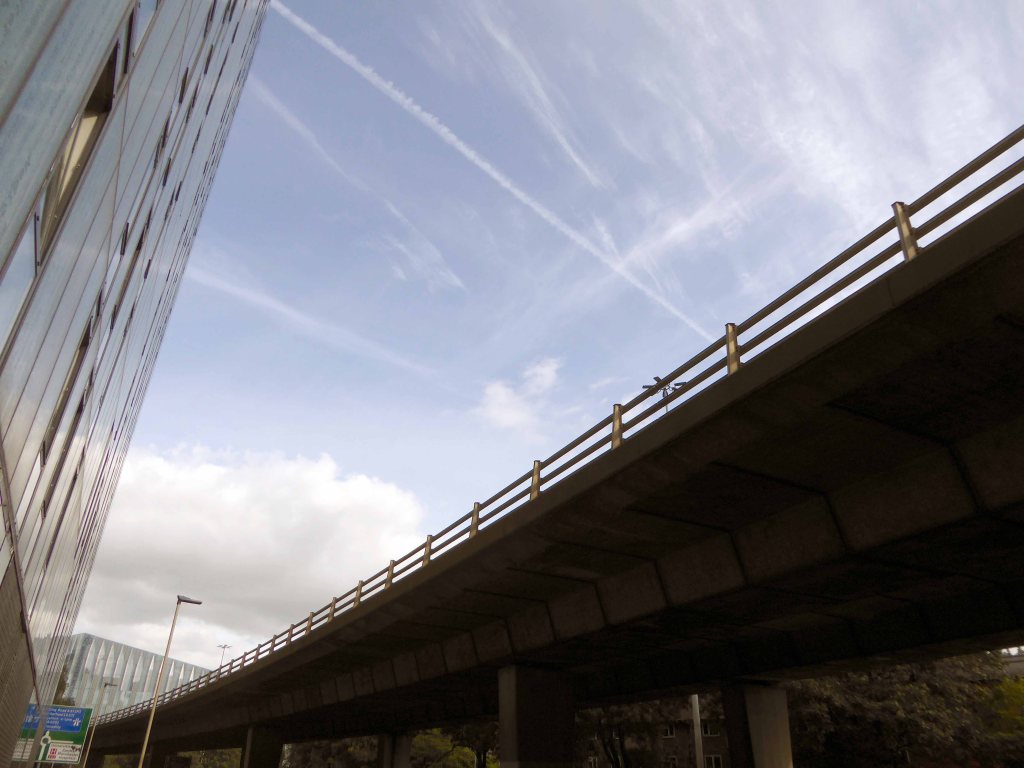
From east to west and back again – in or on, under and around our very own Highway in the Sky.

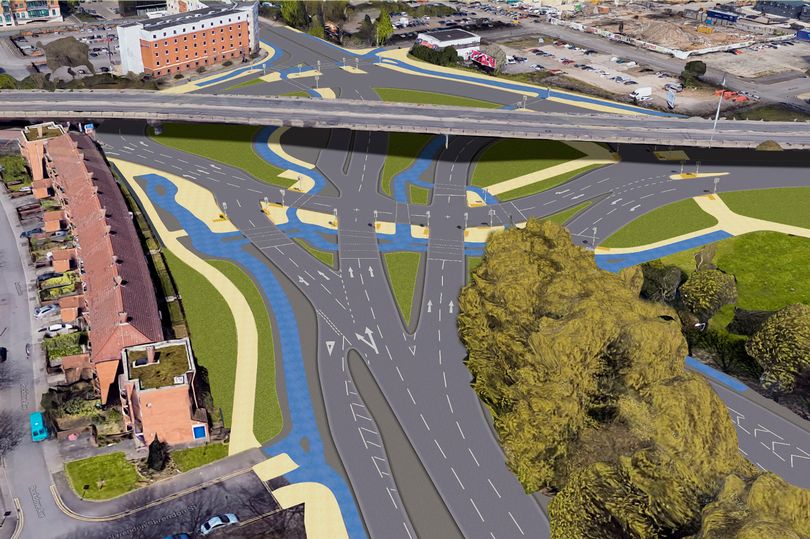
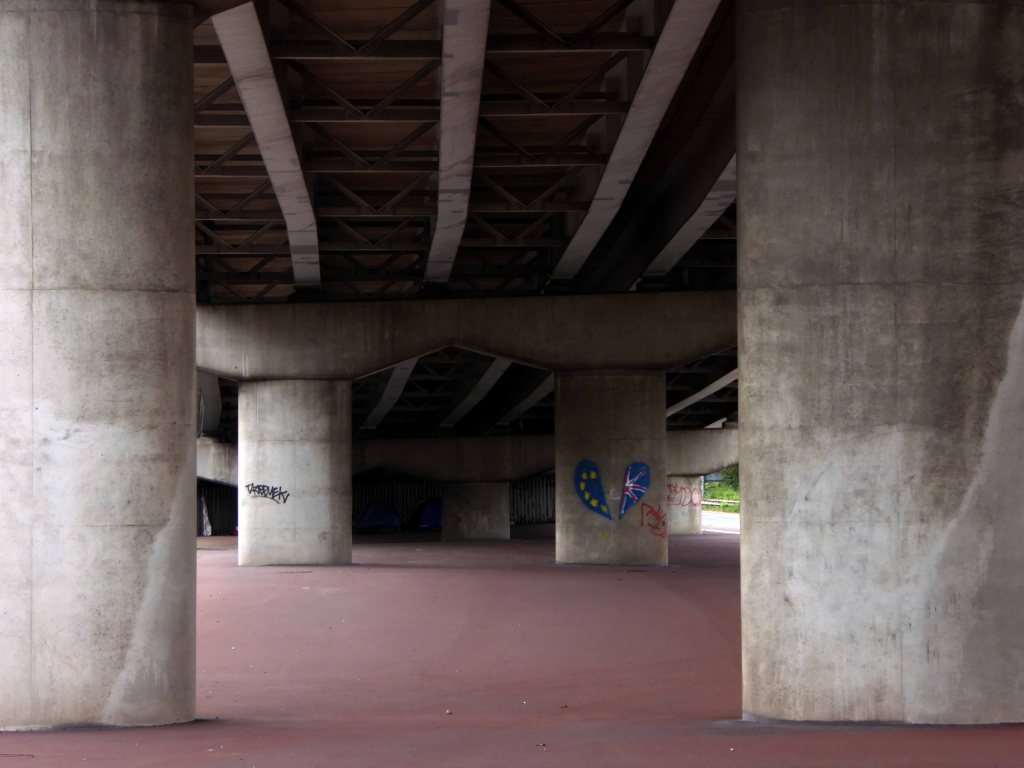
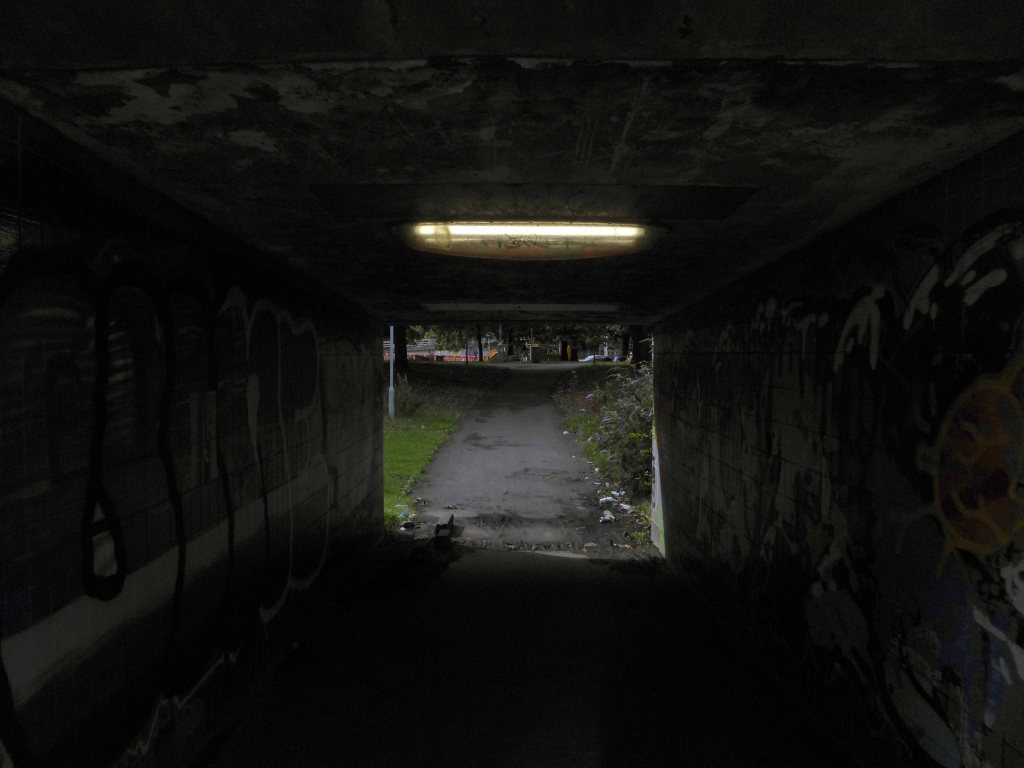
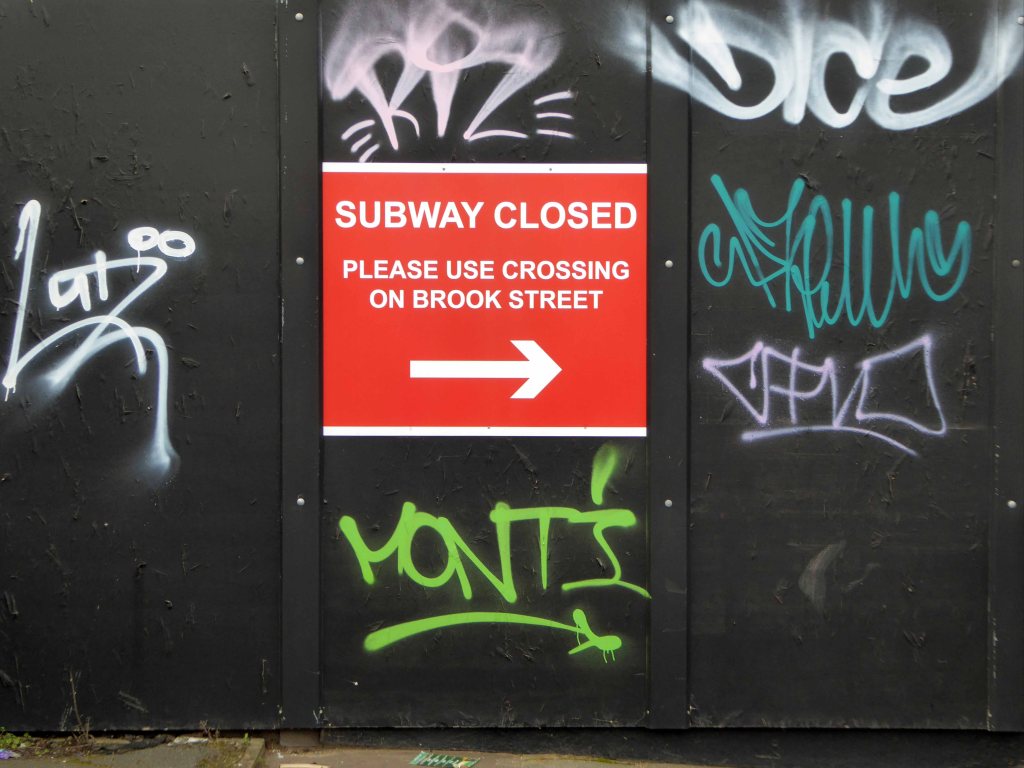
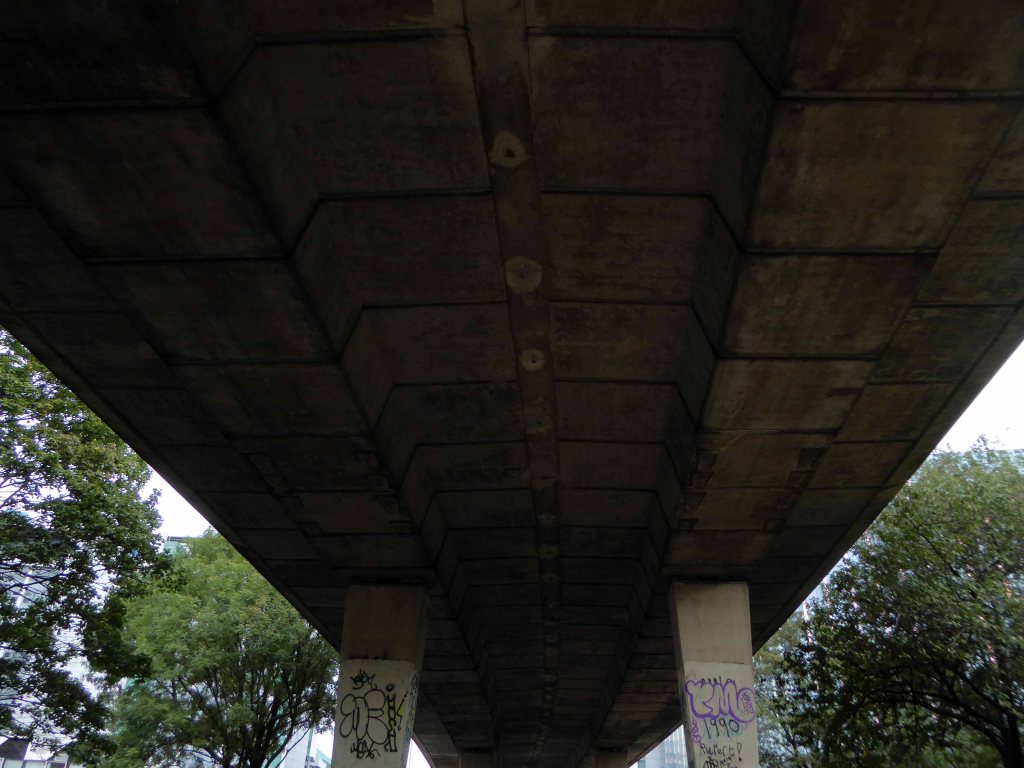
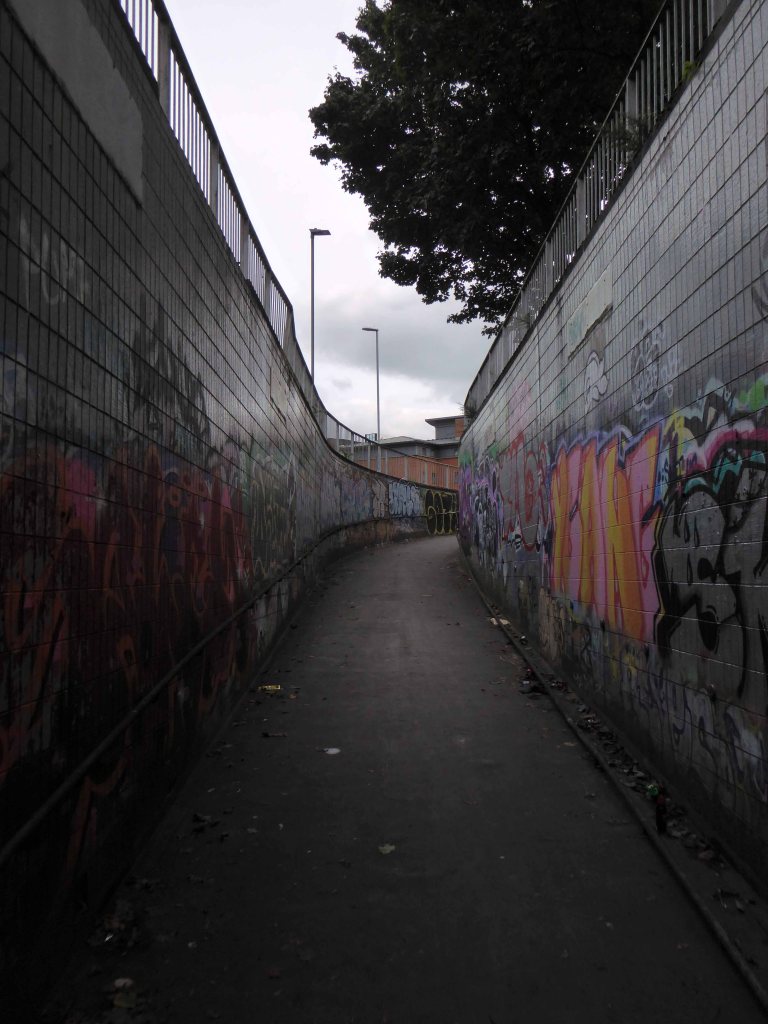
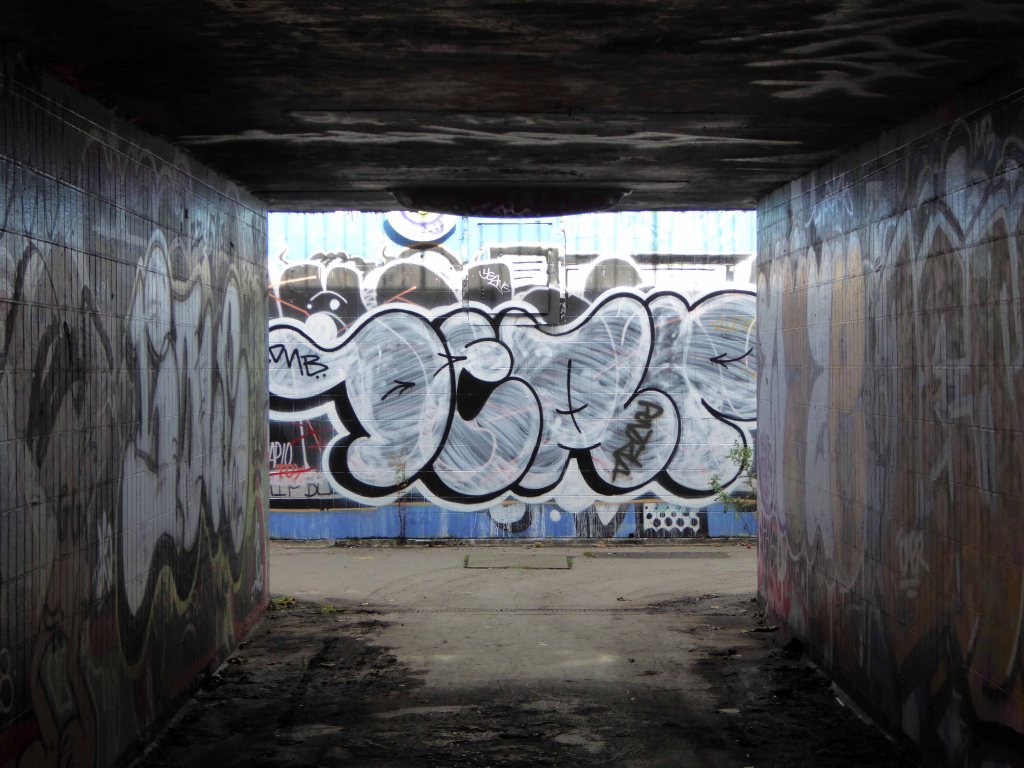
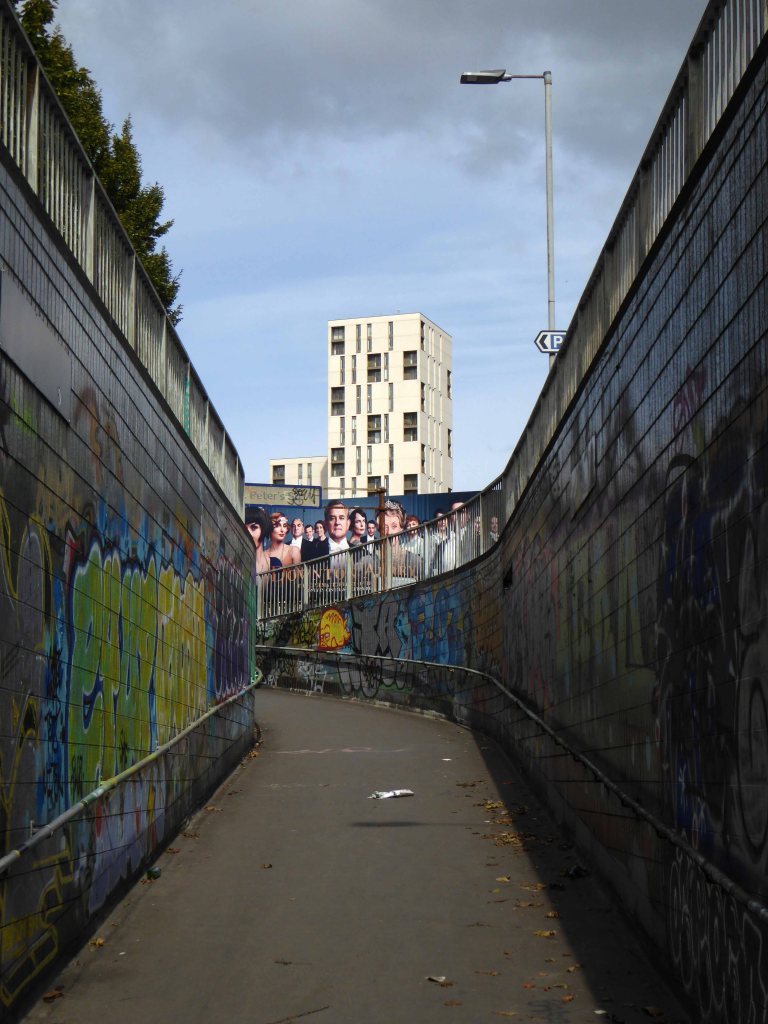
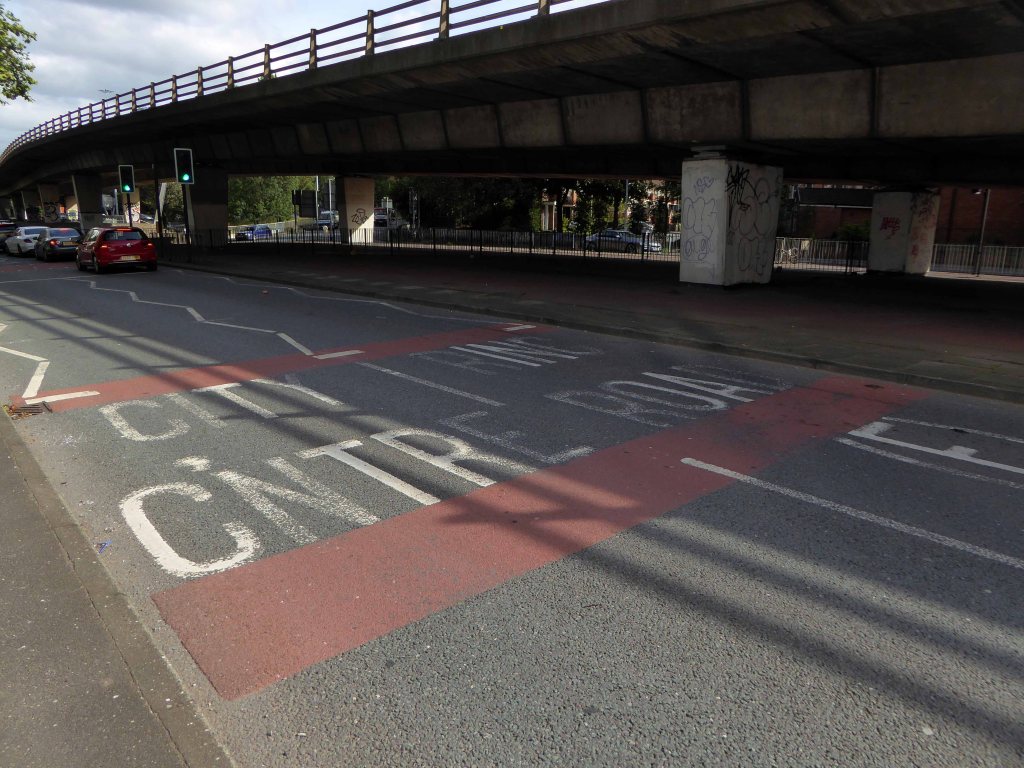
Part of the ever changing patchwork of demolition and development which defines the modern city. The carriageway prevails, whilst the pervasive rise and fall continues apace, its forlorn pedestrian underpasses may soon be superseded by wider walkways.

Manchester City Council is spending around £10million to make major changes to the junction where Princess Road meets the Mancunian Way and Medlock Street.

Much to the chagrin of local residents, who value the solace of their sole soulful green space and the frequent users, passing under the constant waves of sooty traffic.

What you see is what you get today, tomorrow is another kettle of concrete, trees, traffic and steel.

The Mancunian Way

The burnt out carcasses of cars are now hastily improvised cloches, following the annual cataclysmic courgette shortage.

Almost everything is made of Graphene, and a robot has taken your job.

The lucky ones are comfortably ensconced in custom built eco-pods, watching implanted Tarkovsky flicks around the clock and eating tasteless gloop.

Or Ultra-HD projections from the past.

Turn on.

Tune in.

Drop off.

Walk the Mancunian way – history buffs and tech heads can take a look here.

Photographs from the Manchester Image Archive

16463426_10212141901922228_700052626864377295_o

tumblr_nm6lpv4wwg1rr41pto1_1280

webmedia-1-php

webmedia-2-php

webmedia-3-php

webmedia-4-php

webmedia-7-php

webmedia-5-php

webmedia-6-php

webmedia-8-php

webmedia-9-php

webmedia-10-php

webmedia-11-php

webmedia-12-php

webmedia-13-php

webmedia-14-php

webmedia-15-php

webmedia-php