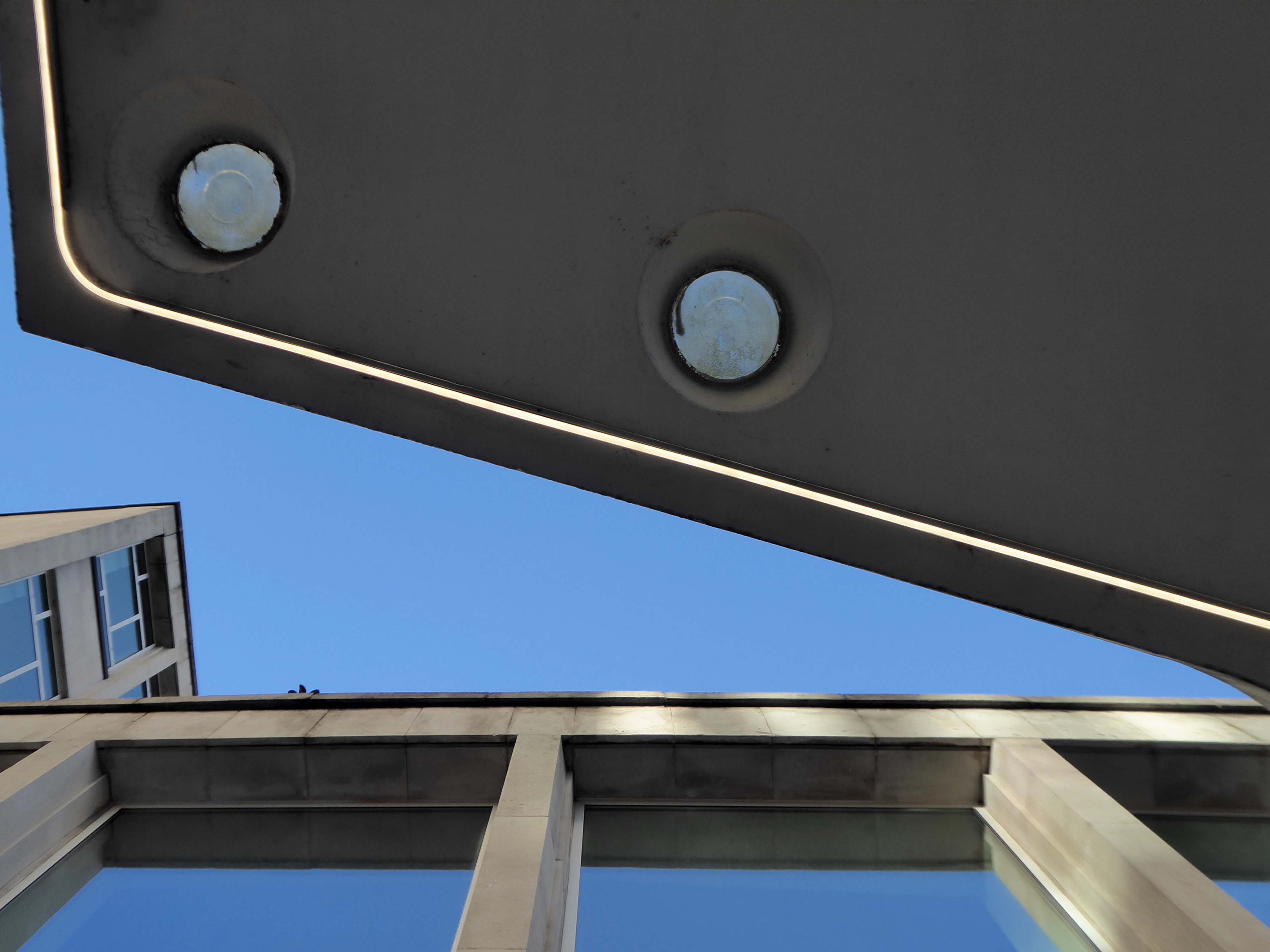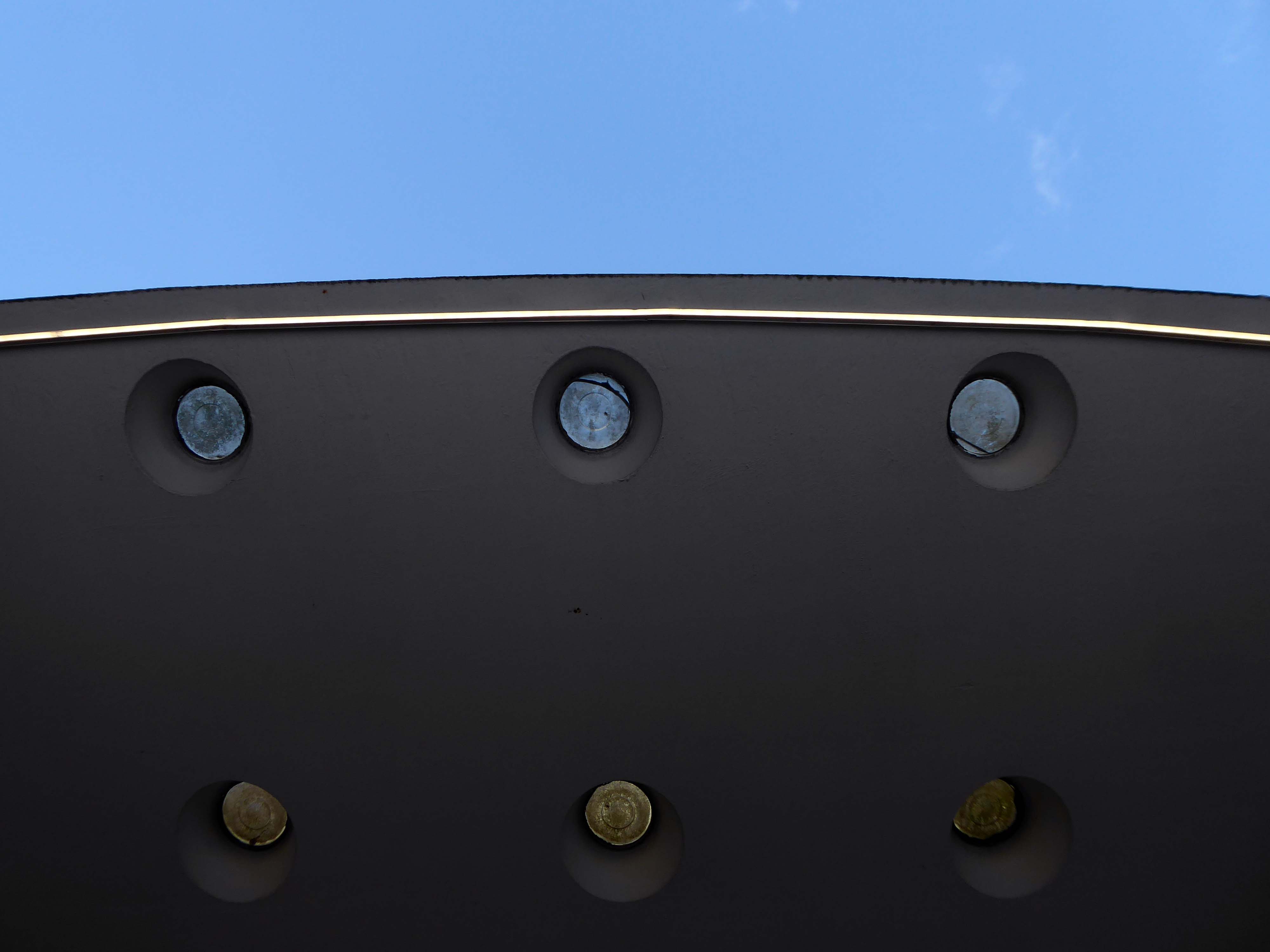
Blackburn Walk

Arriving at the Railway Station

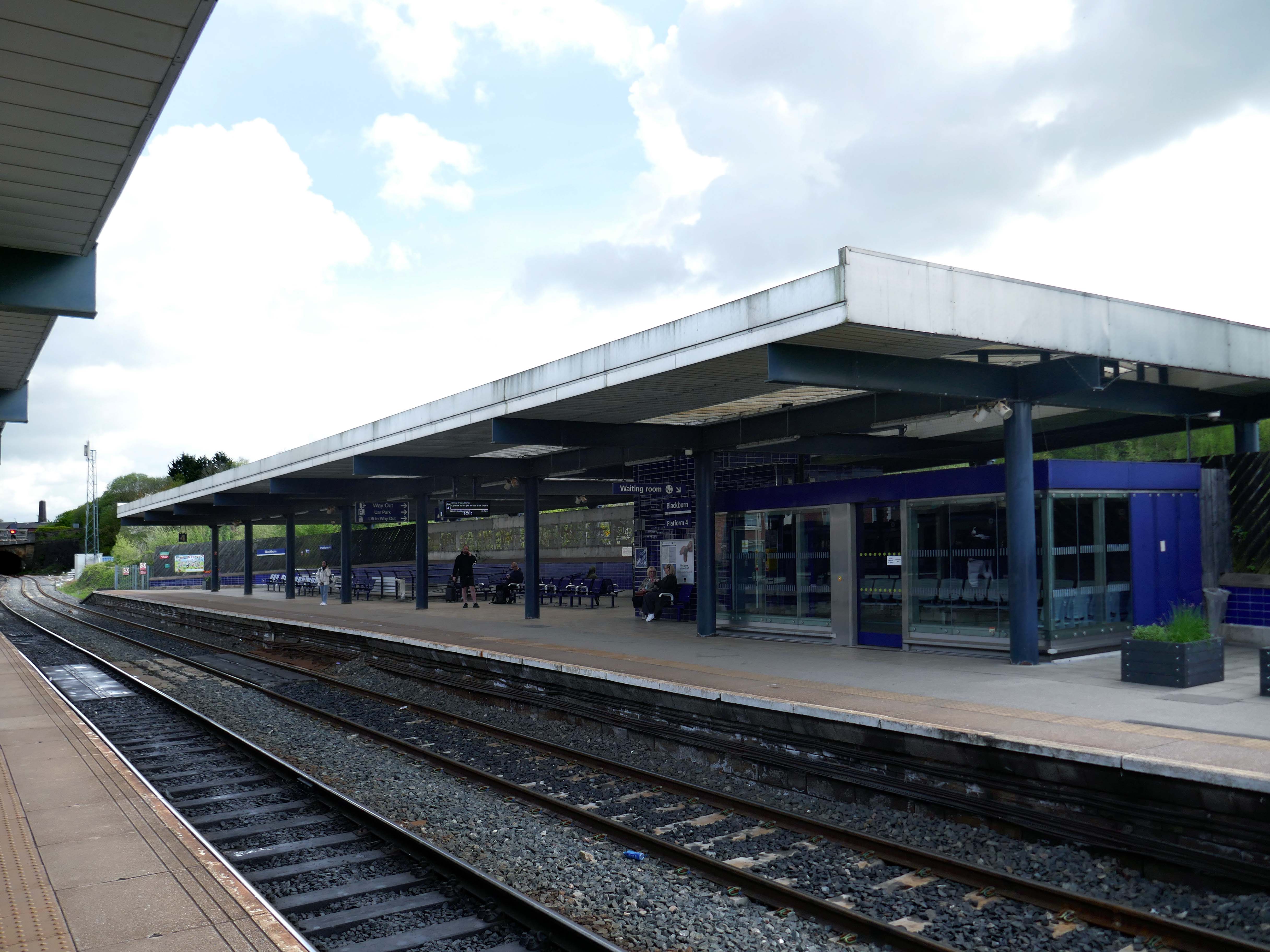
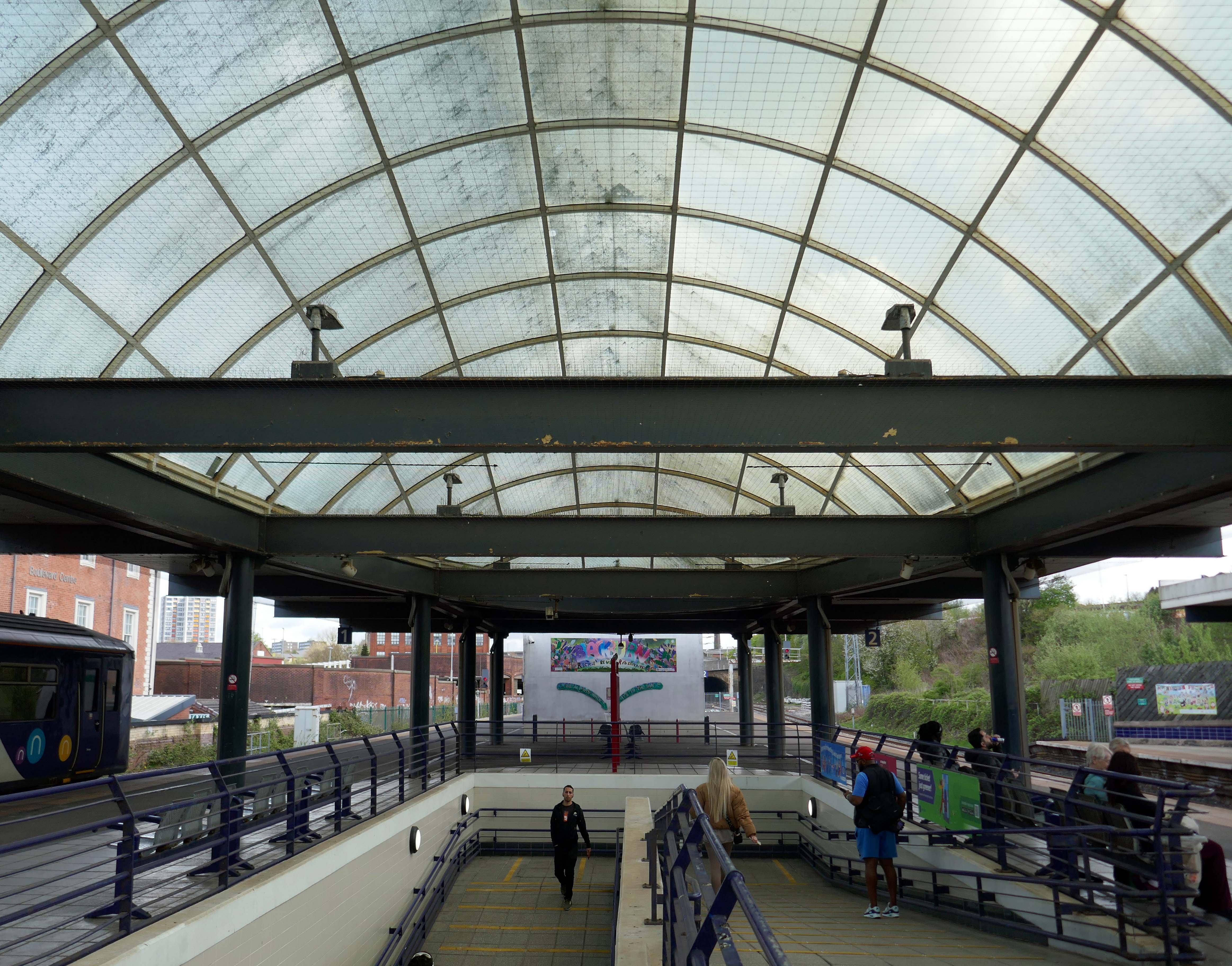
The station was covered by twin train sheds, an architecturally detailed canopy that covered all platforms. In 2000, due to its decaying state, it was removed, changing the nature of the station in a £35 million regeneration project. A new building was built on the main island platform. The Grade II listed original entrance built in the 1880s,including the station buffet and former booking hall, was retained and refurbished.
Wikipedia

Facing the station the 2015 development of hotel and office space.

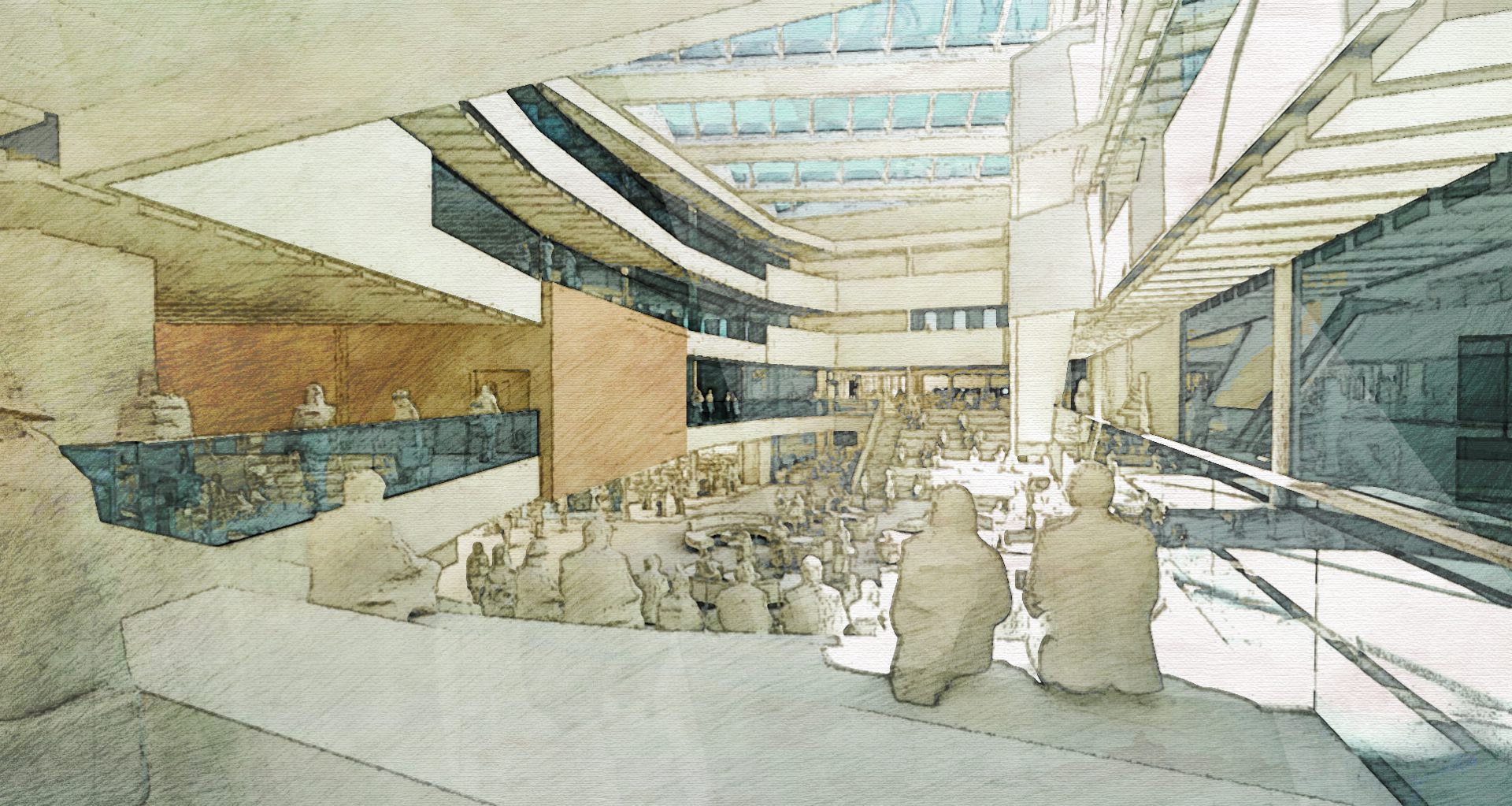
Arriving by train into Blackburn Rail Station, visitors get the full impact of this carefully planned but ambitious regeneration project. Maple Grove’s aspiration was to offer something befitting of a city centre in one of the region’s largest towns.  Cathedral Square comprises a six storey BREEAM Excellent office building, designed by BDP, a Premier Inn Hotel, restaurants and cafes positioned around a new public square that acts as a link between the rail station, cathedral and beyond to the shopping centre.
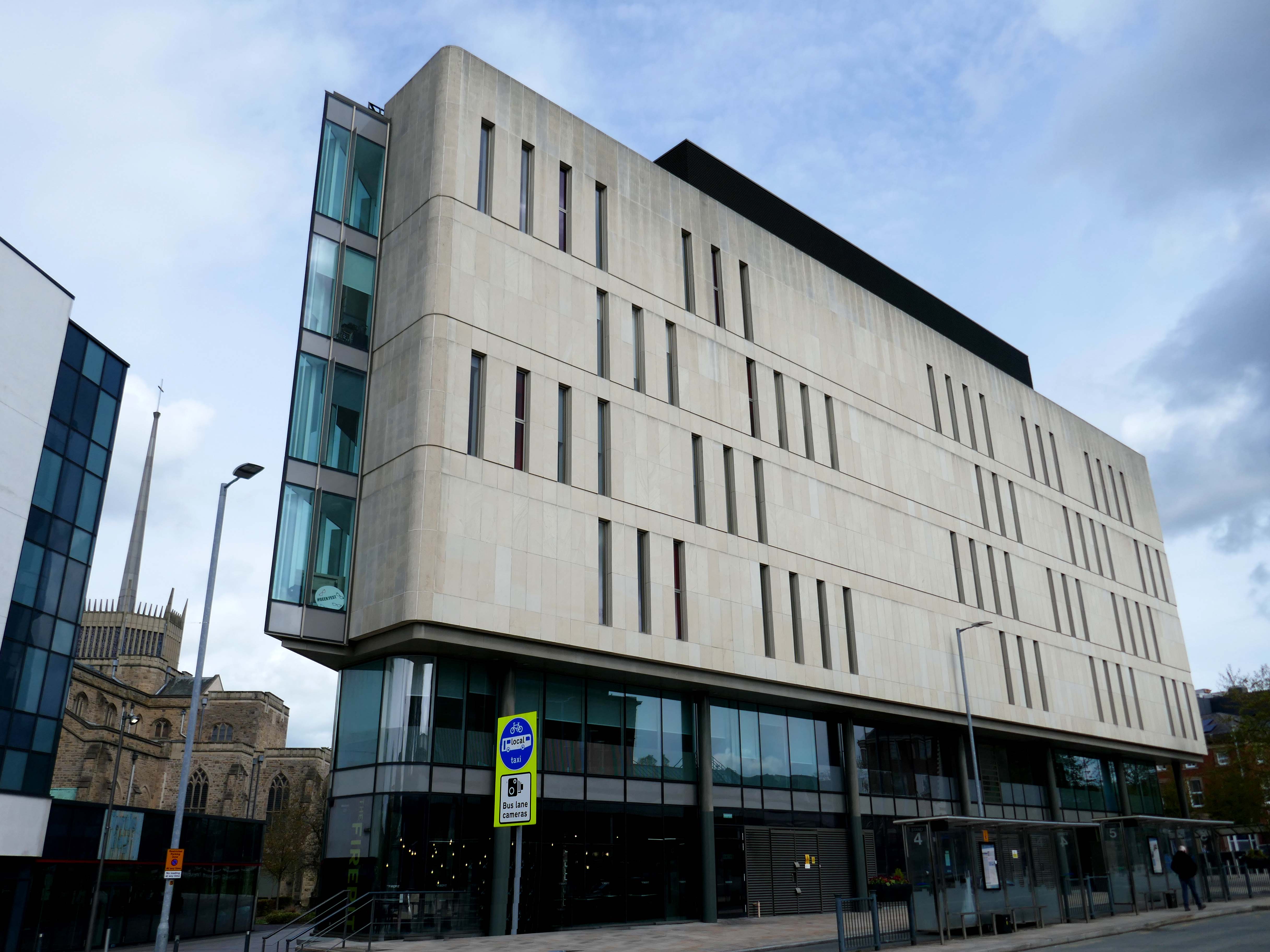
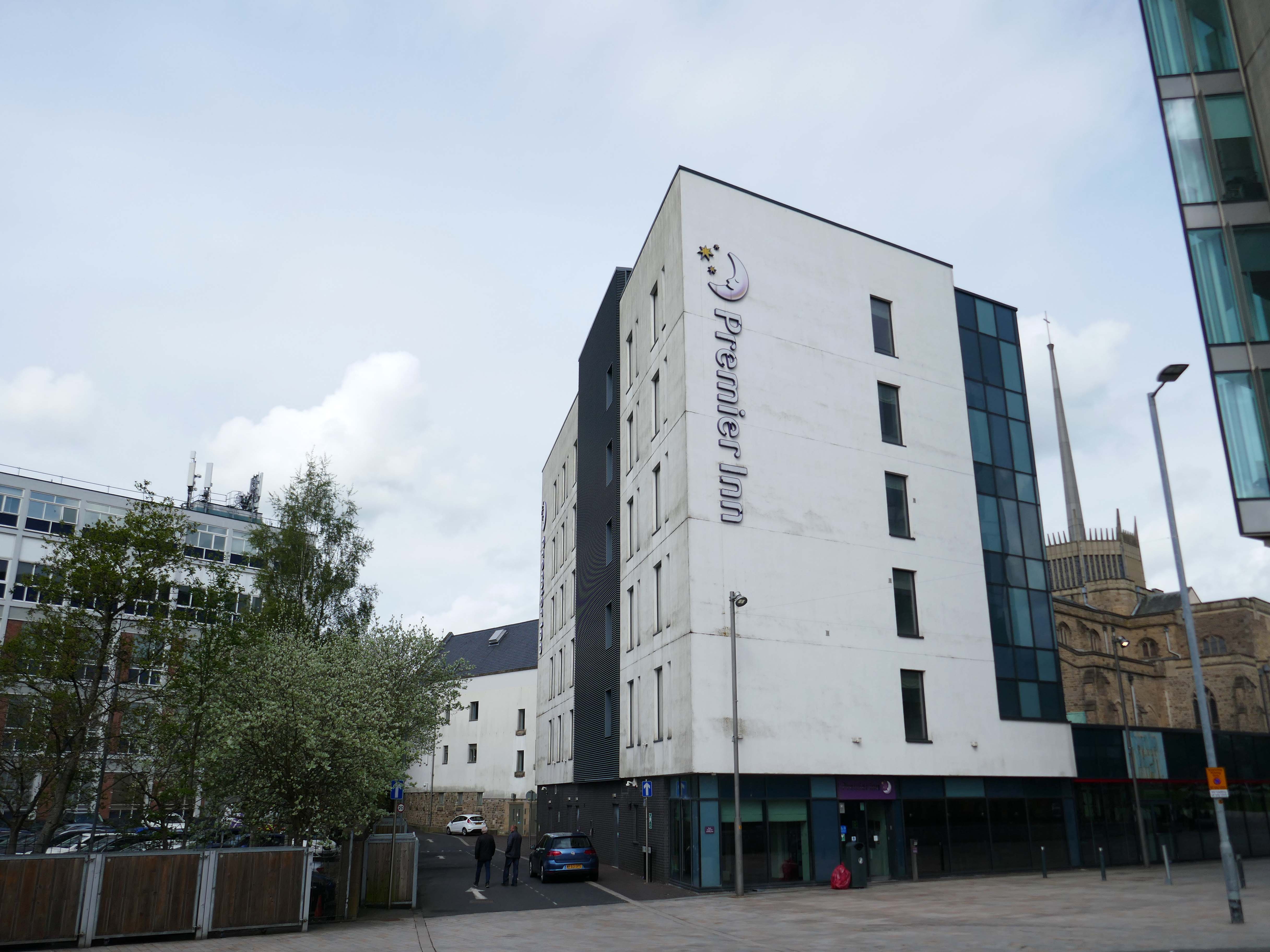
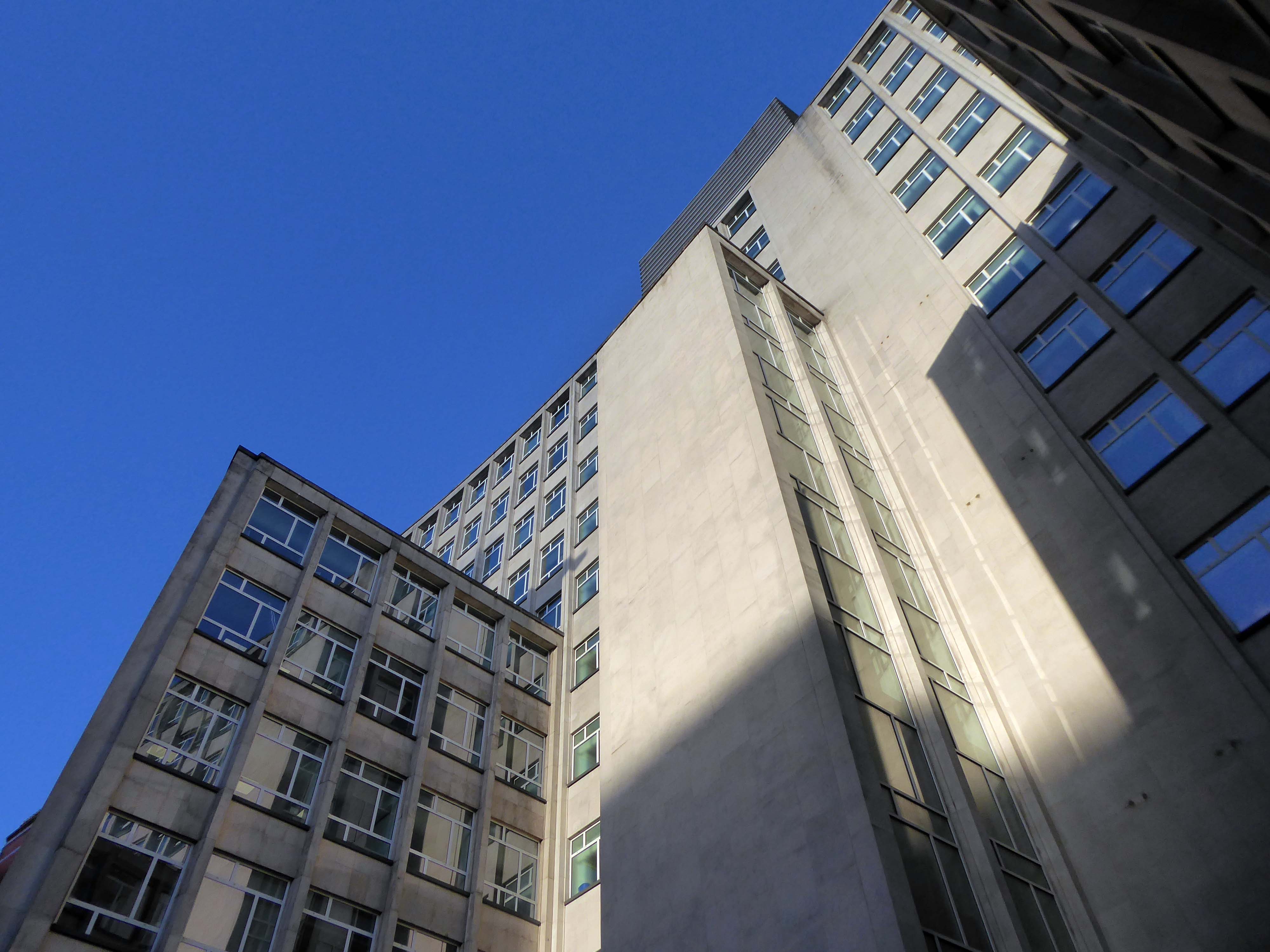
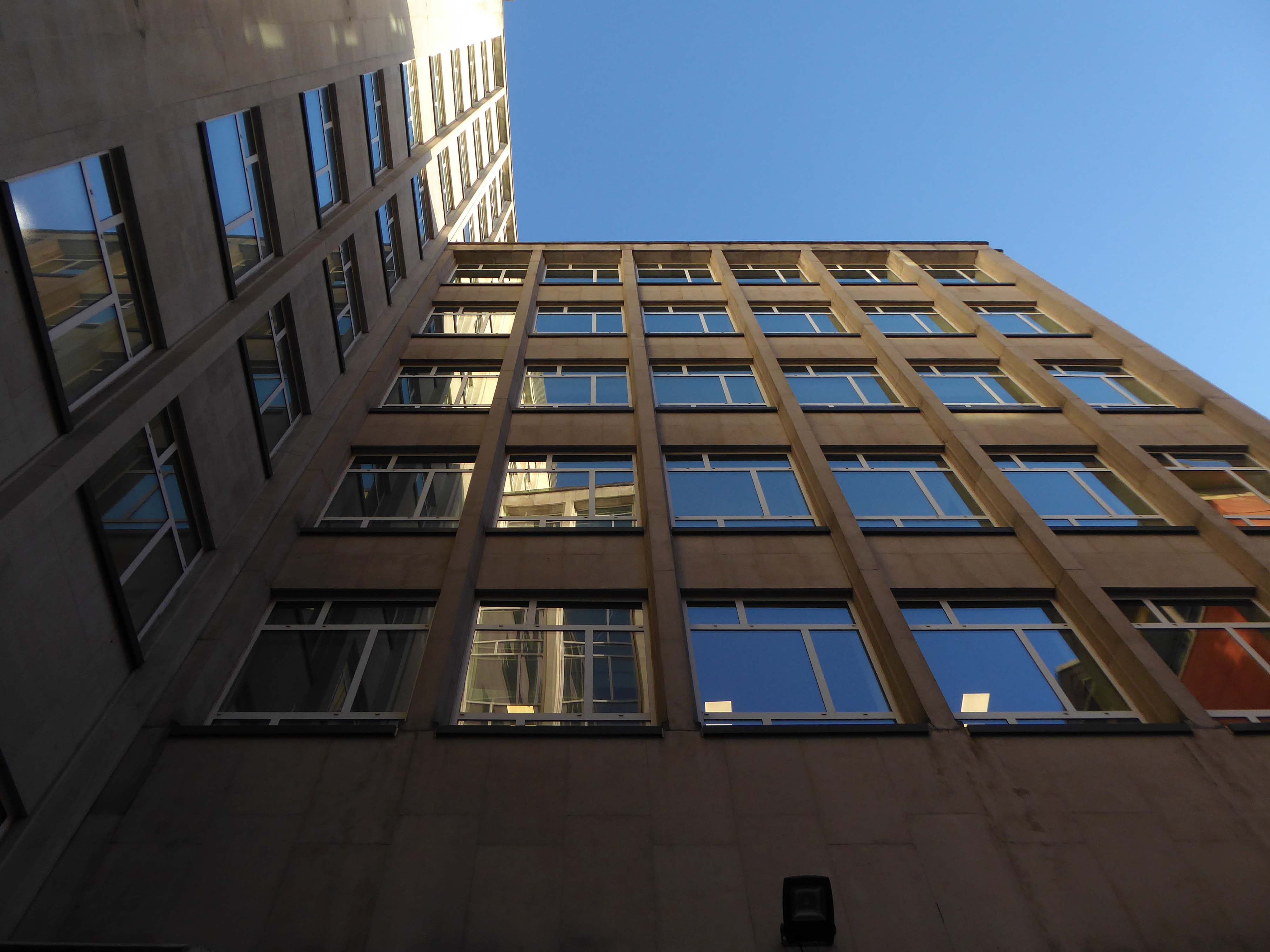
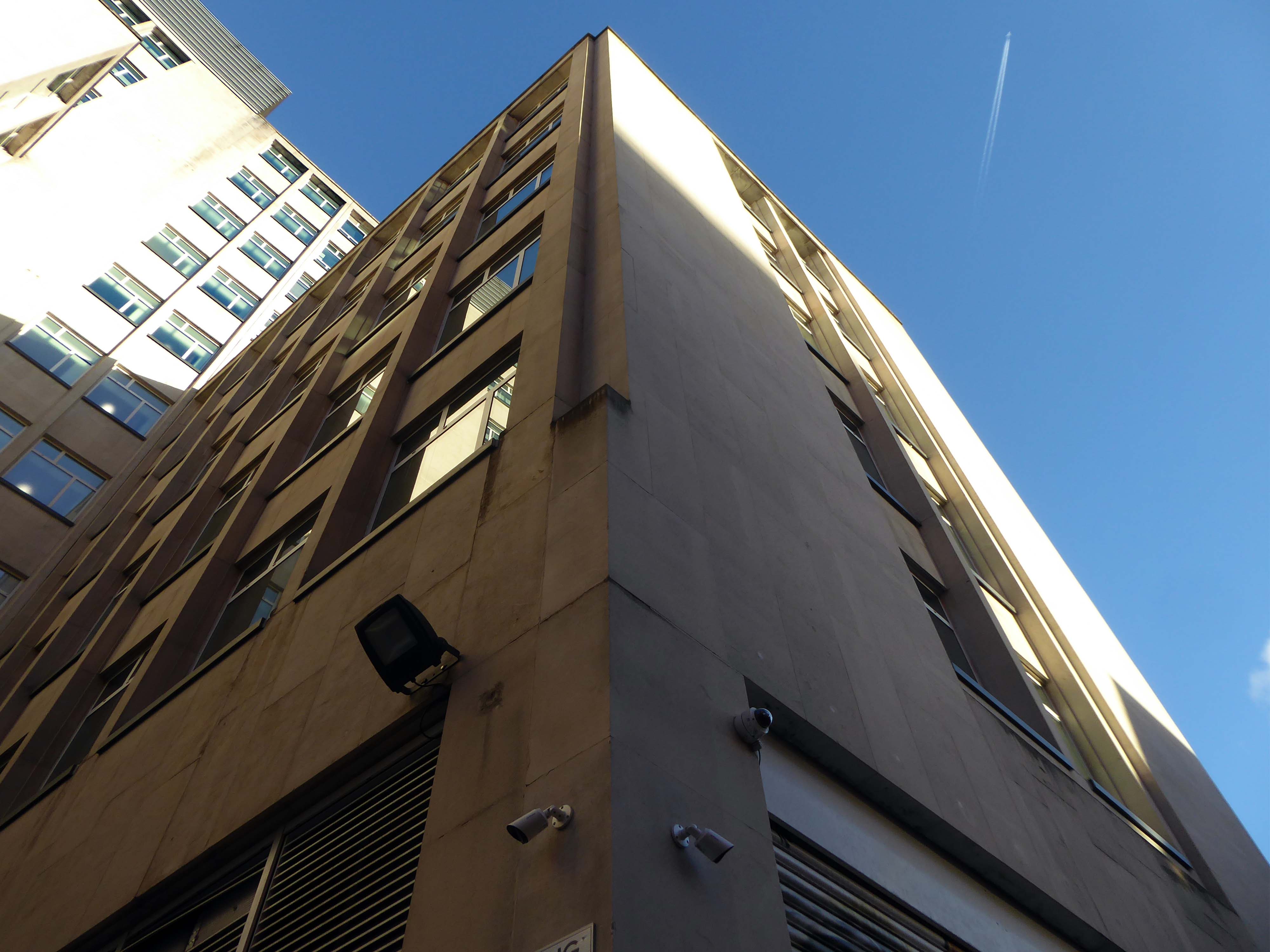
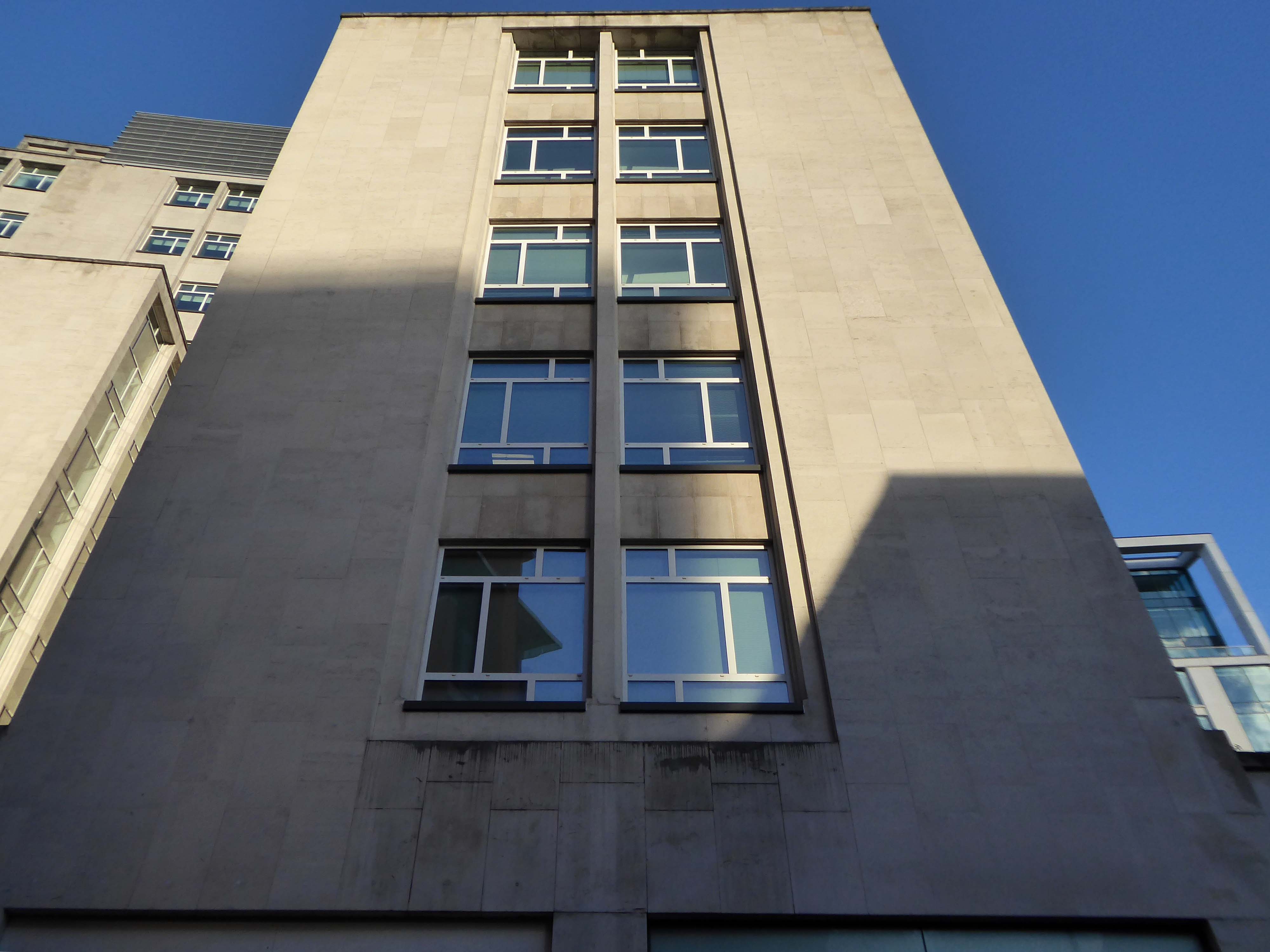
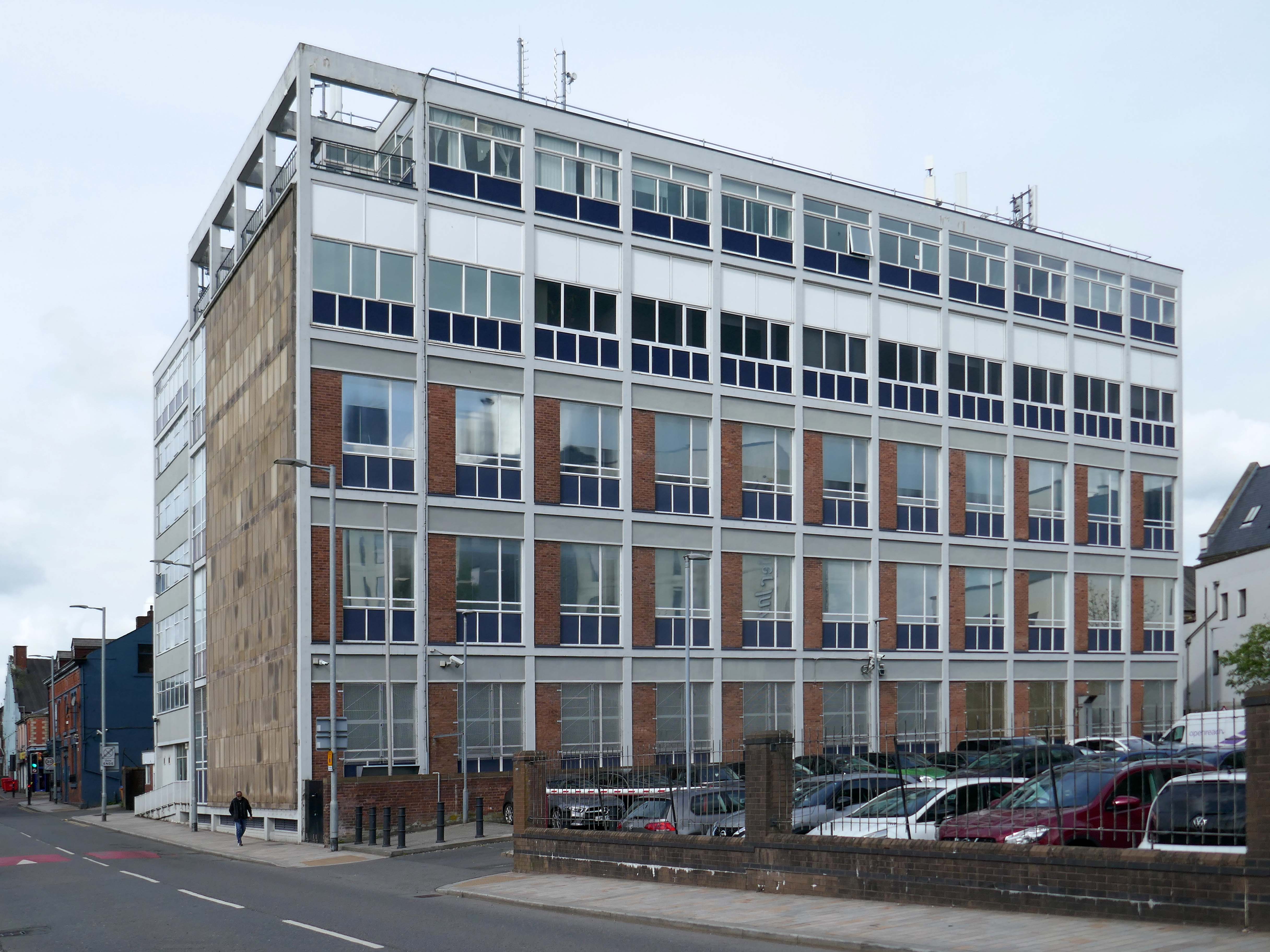
Left onto Jubilee Street where we find the Telephone Exchange.
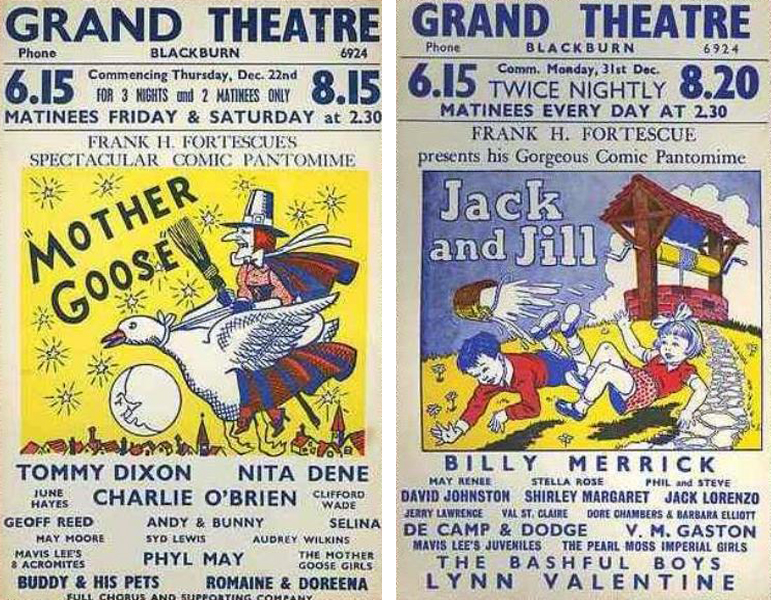
The site was formerly occupied by the Grand Theatre – in the 1950’s, Blackburn had no fewer than fourteen cinemas.  The Grand carried on being a live venue until its closure in 1956, before finally being demolished in 1958.
Blackburn Past

Further down the road the rear of another former cinema – The Olympia
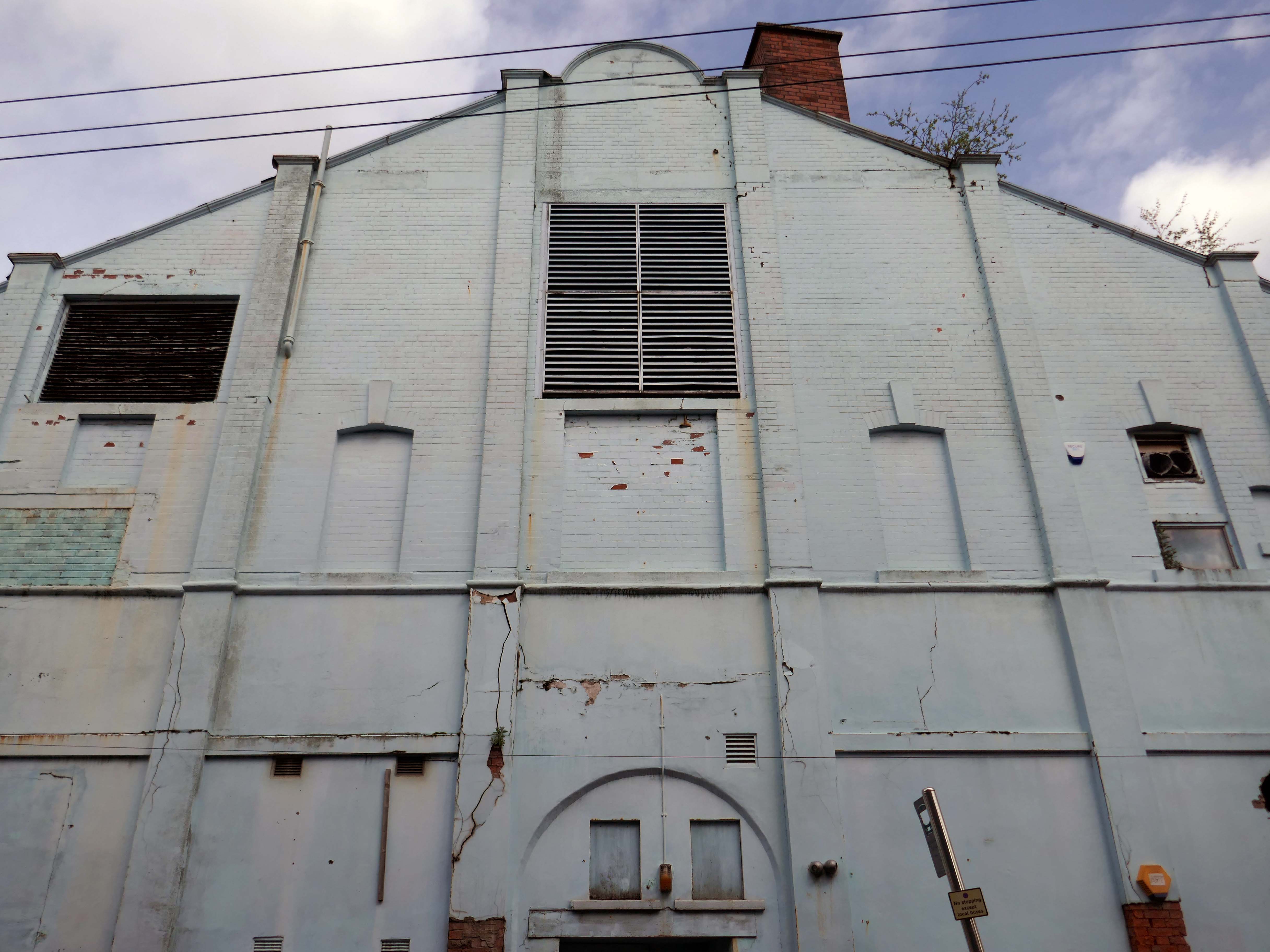
The Olympia was opened on 19th May 1909 as a roller skating rink. It was a short lived venture and closed in November 1911. It was converted into the Olympia Theatre, presenting music hall/variety, opening on 12th December 1911. Seating was provided for 2,000, many on long wooden benches. The proscenium was 32 feet wide and the stage 50 feet deep. It was soon screening films as part of the programme.

It was converted into a full time cinema in 1921, although there were still some variety acts on the programme. All the original wooden benches used for seating in the theatre were removed and replaced by regular tip-up seats, reducing the seating capacity to 1,360. During the 1940’s, the Olympia Cinema boasted a café for the convenience of its patrons and it was operated by Jacksons’ Amusements, Ltd.

The Olympia Cinema was mainly independently operated, and closed in 1957. It stood empty for two years, then in 1959, it was taken over by Mecca Ltd, and converted into the Locarno Ballroom, later becoming a Mecca Bingo Club. It later became the Golden Palms Nightclub, Jumpin’ Jax, and since 2009 it operated as a trendy nightclub named Liquid & Envy.
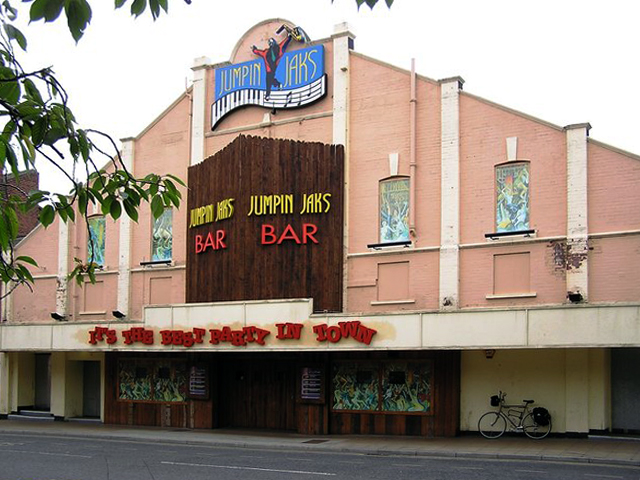
Cinema Treasures

By July 2018 it was known as Switch.

Across the way The Central Hall.

Previous to 1900 the site at the corner of Mincing Lane and Mill Lane had housed a temporary circus, known as Ohmy’s Circus. The New Central Hall was built and opened in April 1900, and was used as a roller skating rink until November 1909, when it was converted into the 1,000-seat Central Hall Cinema.

Altered and enlarged to 1,372 seats in 1923, it was re-named New Central Hall Cinema. The proscenium was 20 feet wide, later enlarged to 22 feet.

The Central Cinema was closed in January 1957. Then in 1974, it was renovated and was converted into a Walkers Bingo Club, which remained open until at least 1995. It recently operated as a Riley’s American Pool and Snooker Club until early 2009. In November 2009 after a refurbishment, it re-opened as the VIP Snooker Club.
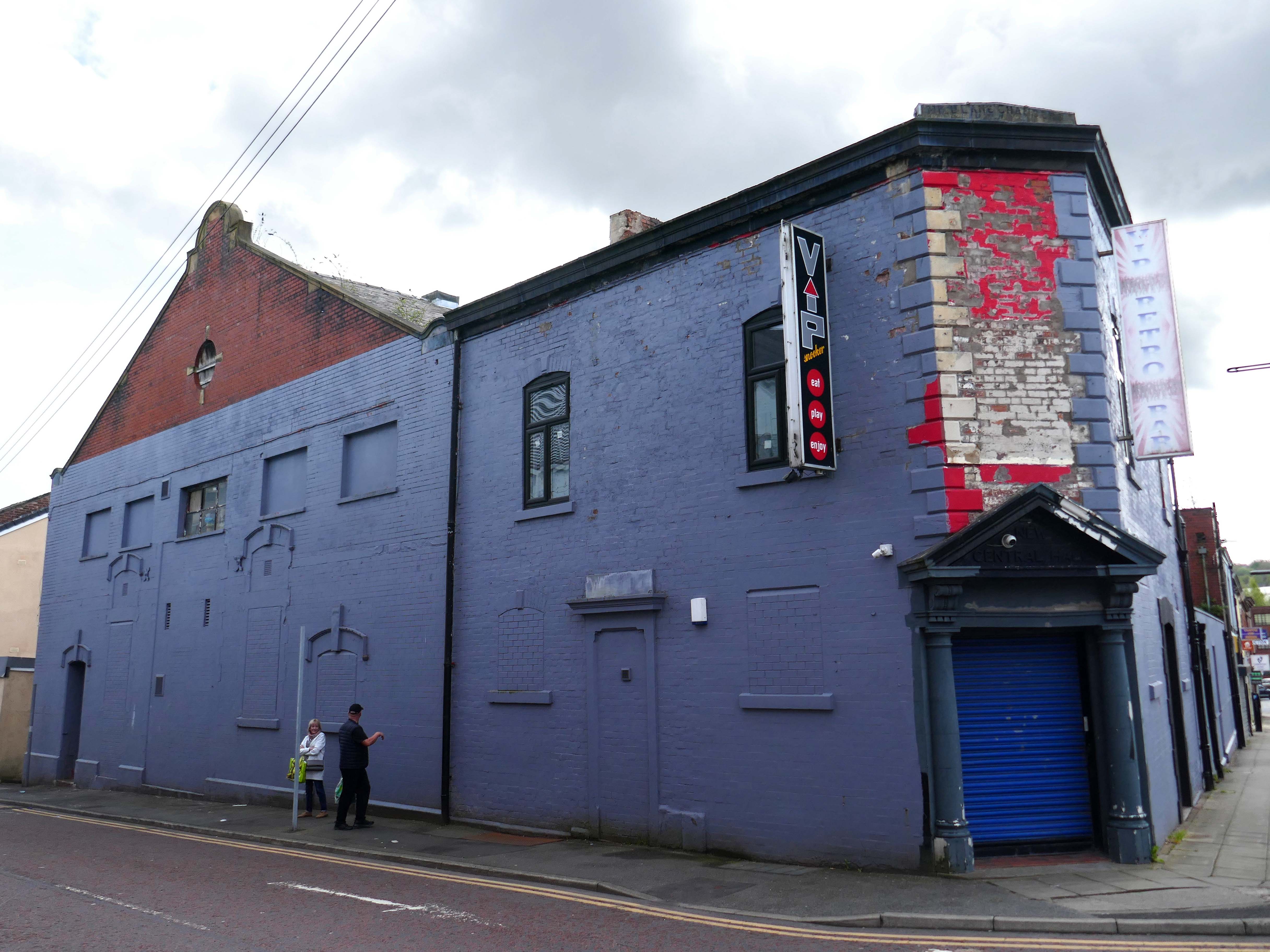
Cinema Treasures

Turn right into Darwen Street along to the former Barclays Bank.
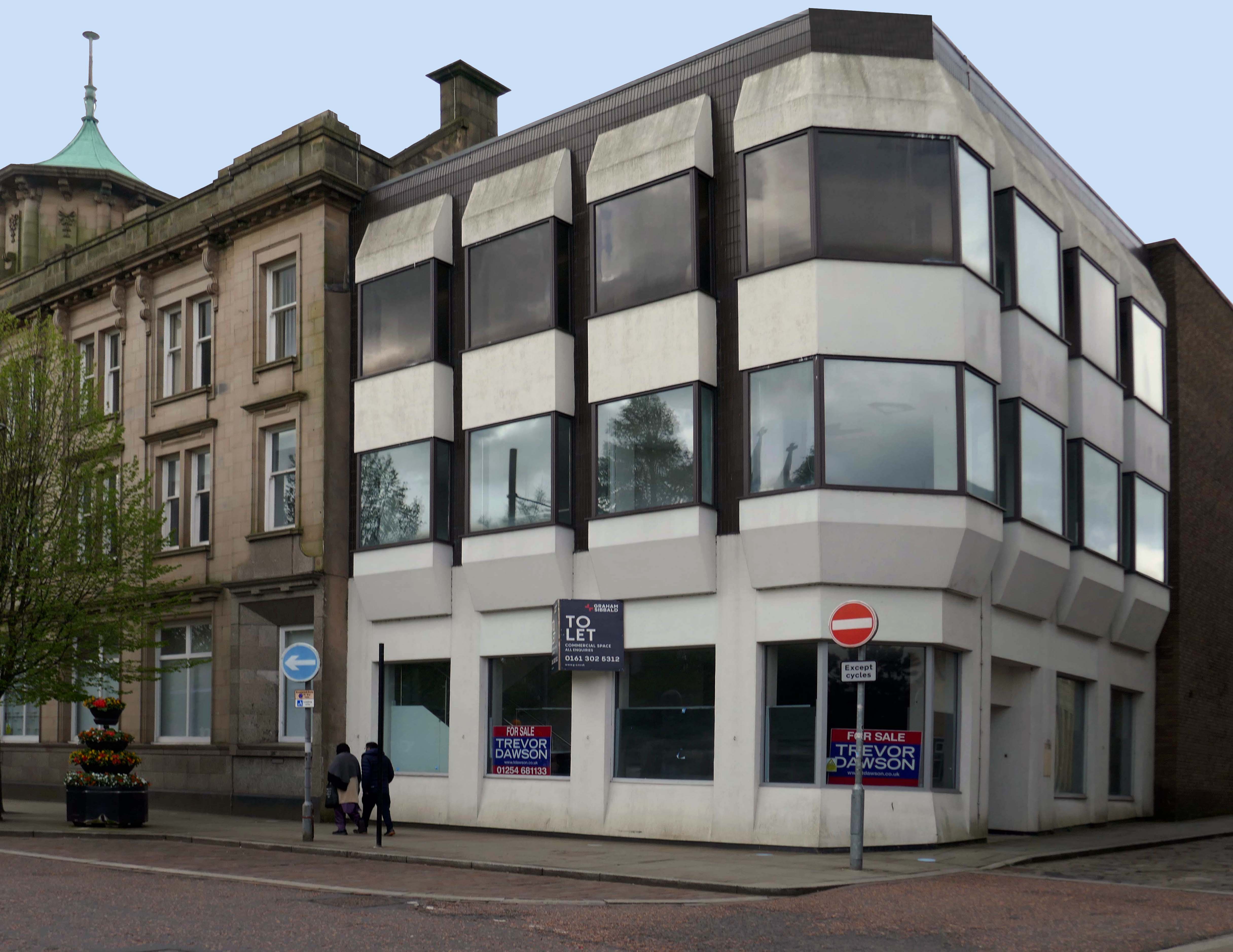
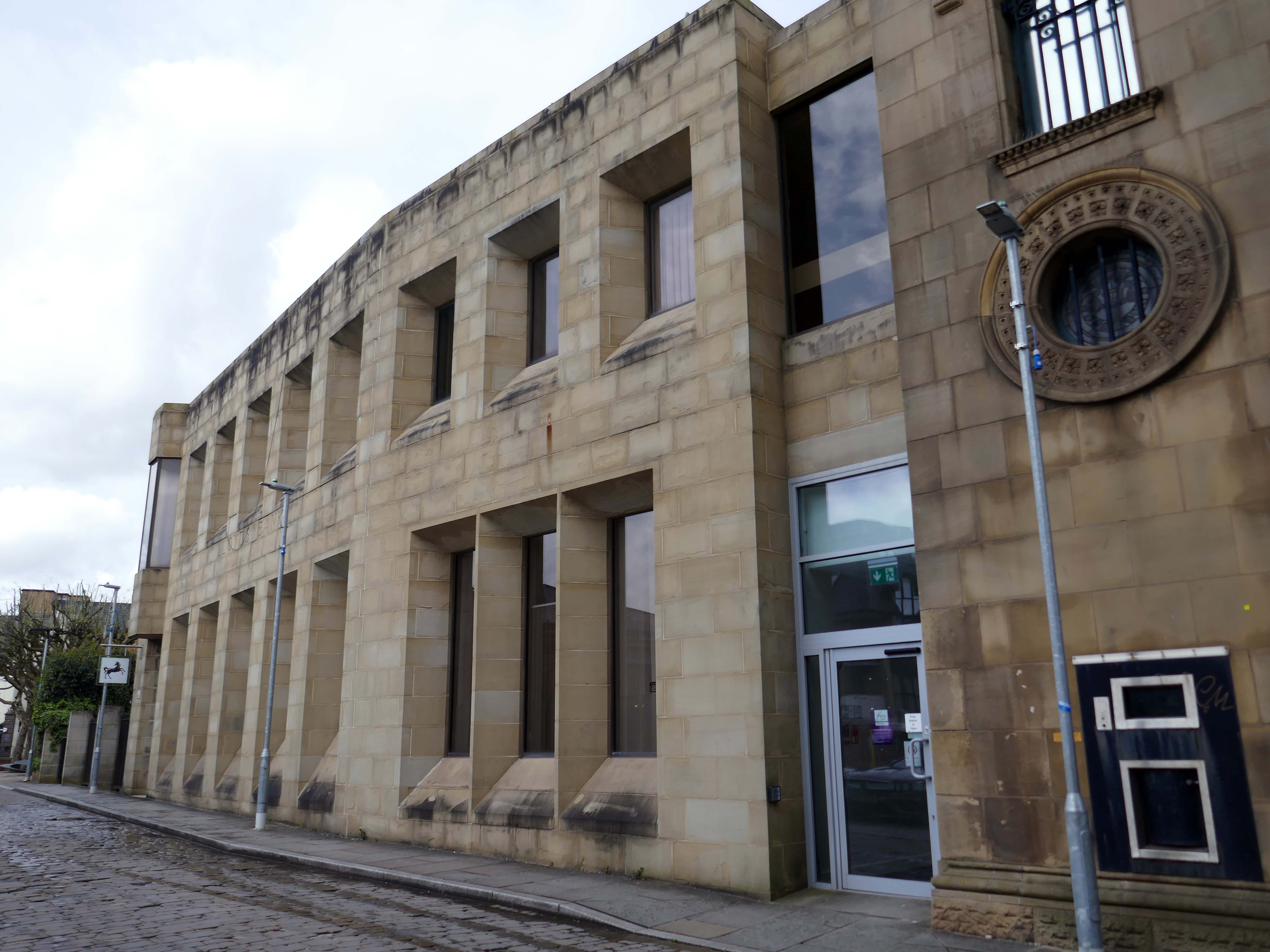
Next door Lloyd’s Bank extension.
On Astley Gate the brown tiled remains of the Shopping Centre now known as The Mall.
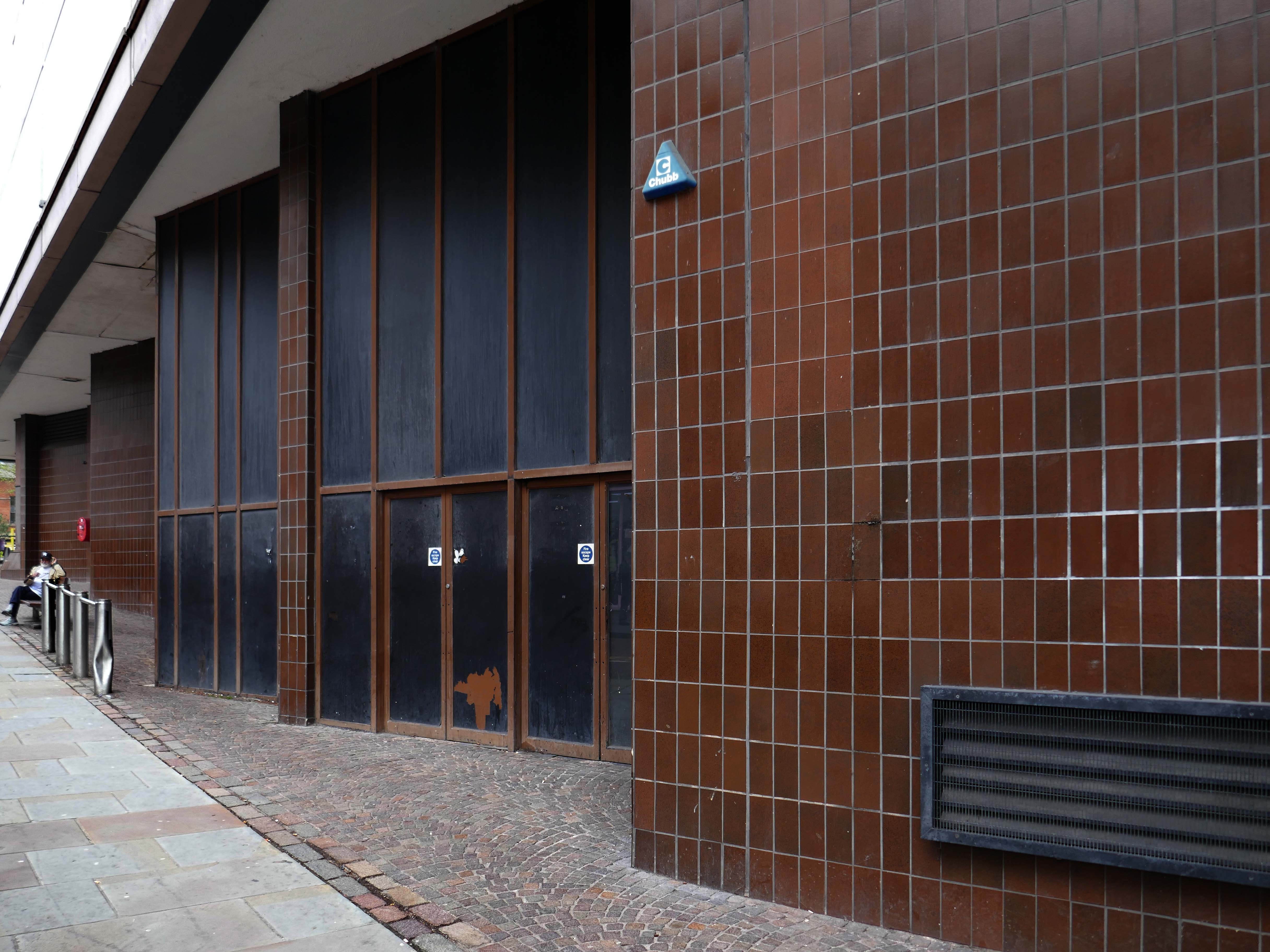
The shopping centre was built in three phases, with the final phase opening in 1979. The centre was refurbished in 1995, during which the lower floor of the former Co-Operative Department Store was transformed into the Ainsworth Mall.

The centre was bought by Standard Life in 1993 and its name was subsequently changed to Blackburn Shopping Centre. Standard Life sold the centre in 2003 to Reit Asset Management.

In 2004, Reit Asset Management sold the centre to The Mall Fund. The centre was sold again in 2022 to the Adhan Group from The Mall Fund for £40 million.

Wikipedia

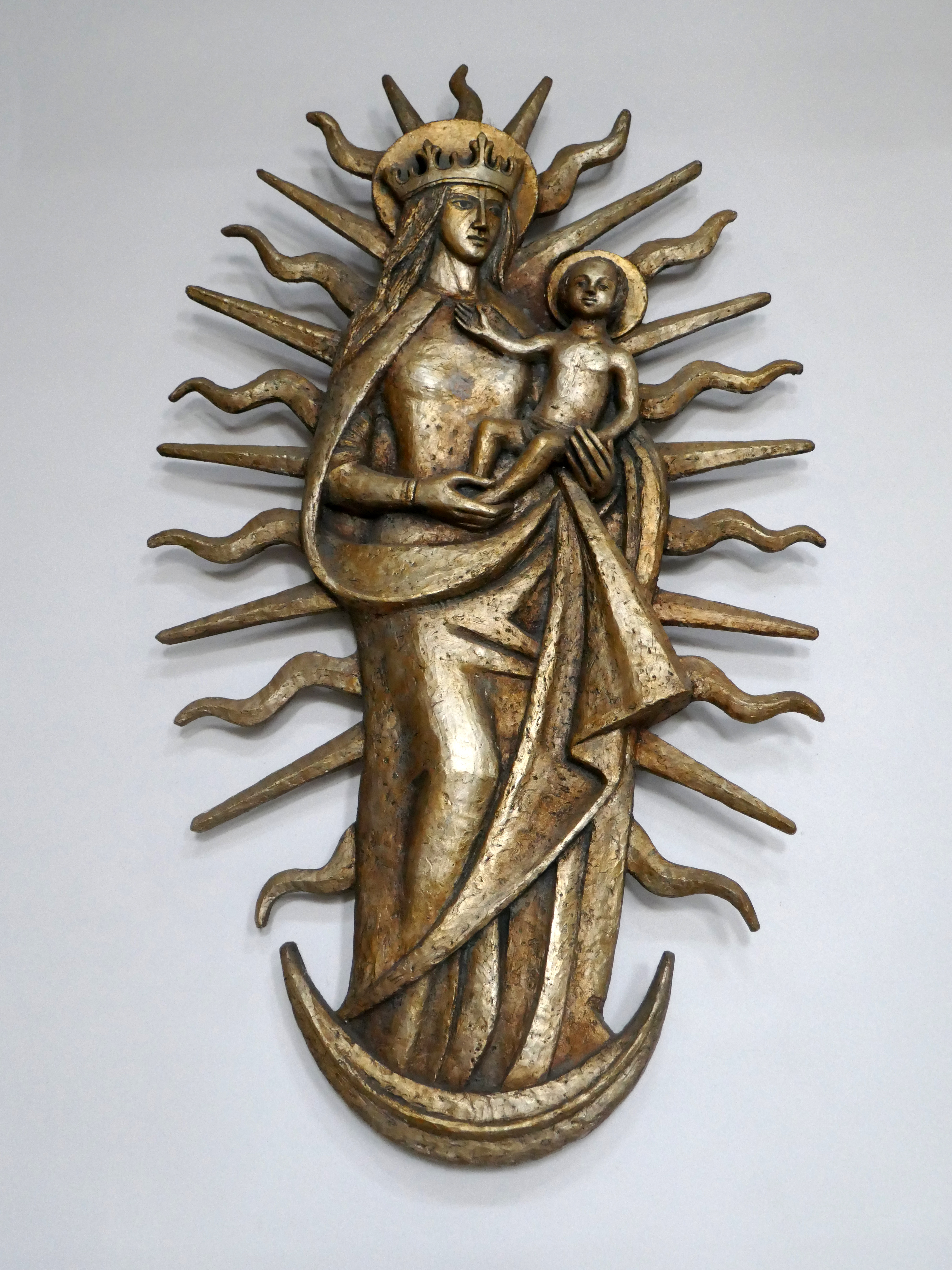
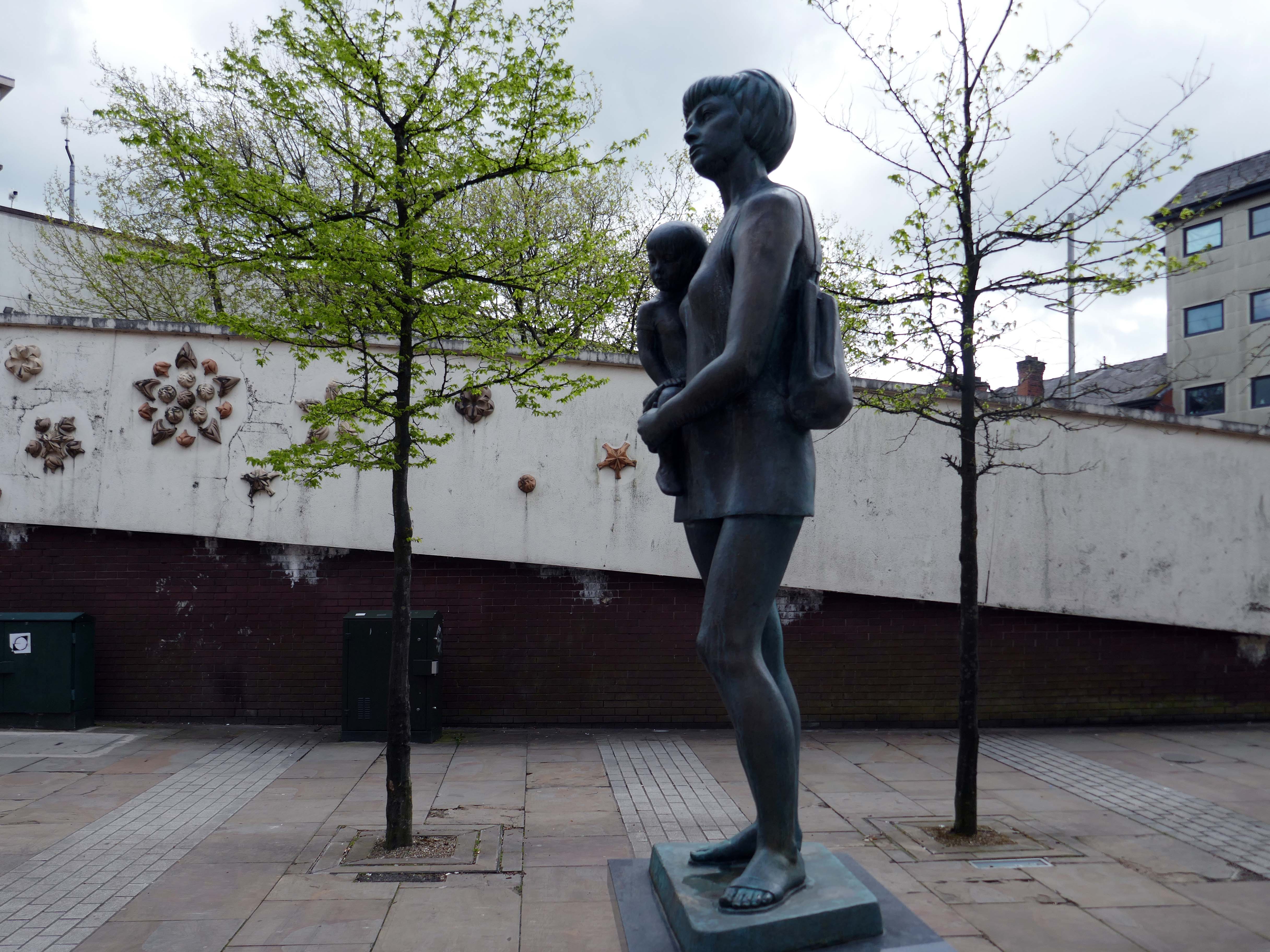
Around the corner the Mother and Child monument, created by Welsh sculptor Robert Thomas in 1974, who used his wife and child as models.

In 1974 the statue was placed in Lord Square, removed in 2007 and placed in storage, it was placed in Cardwell Place in 2012.
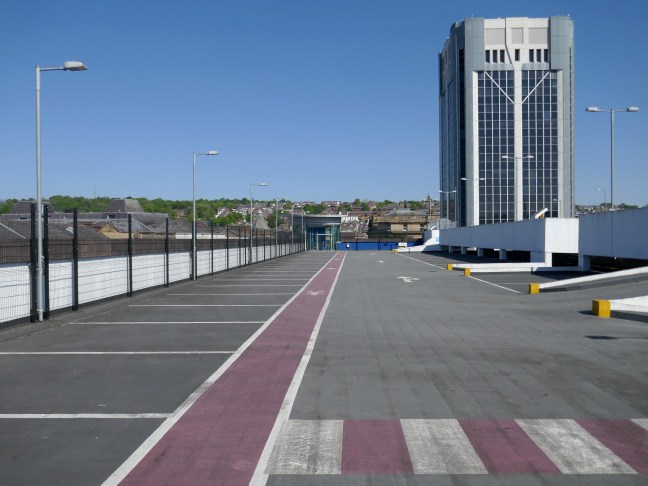
The Mall has been significantly remodelled, along with the adjacent Tower Block.
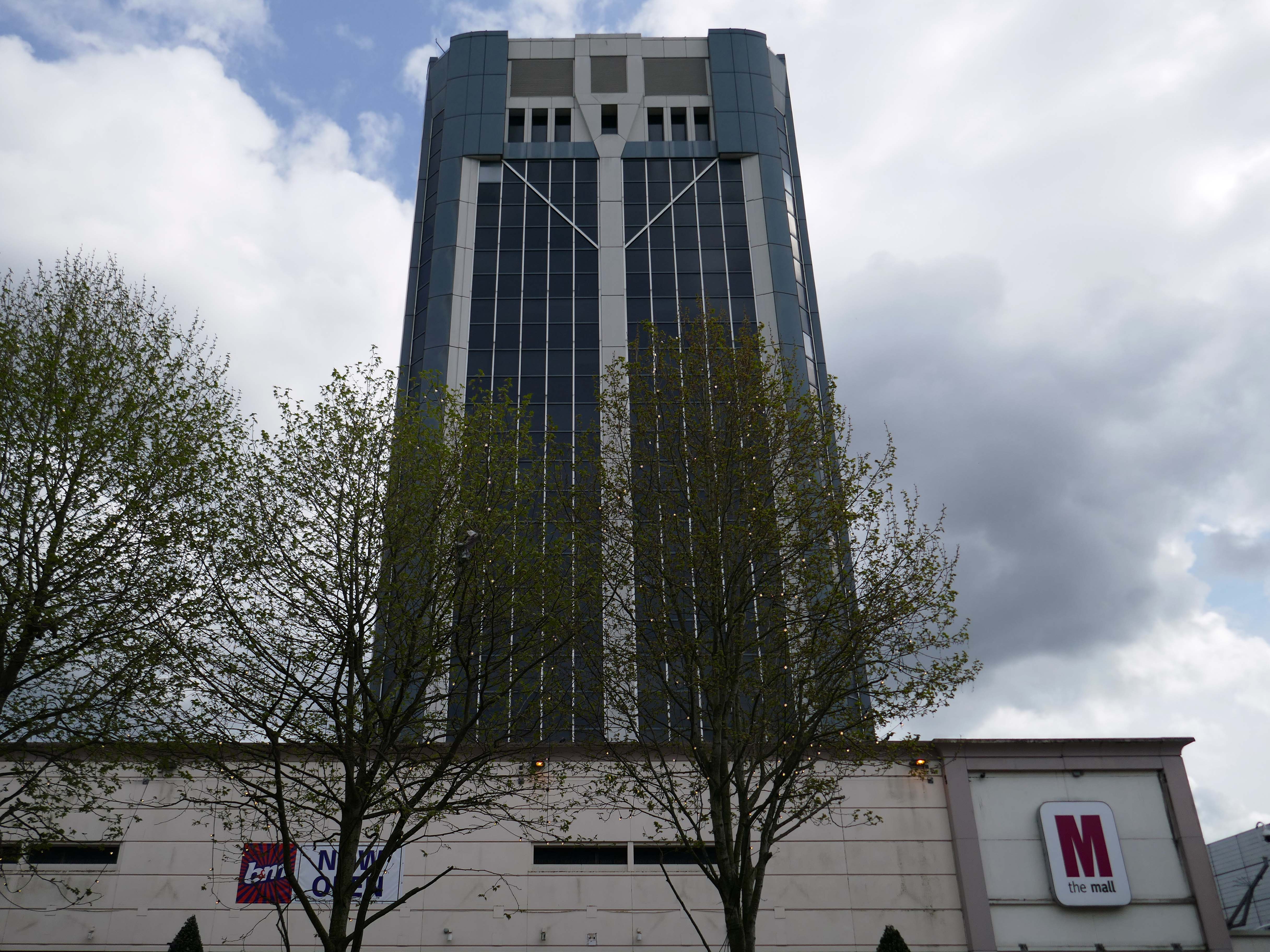
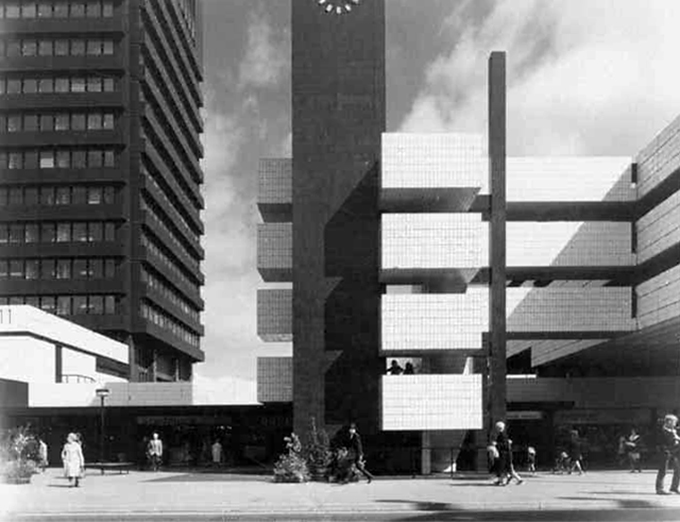
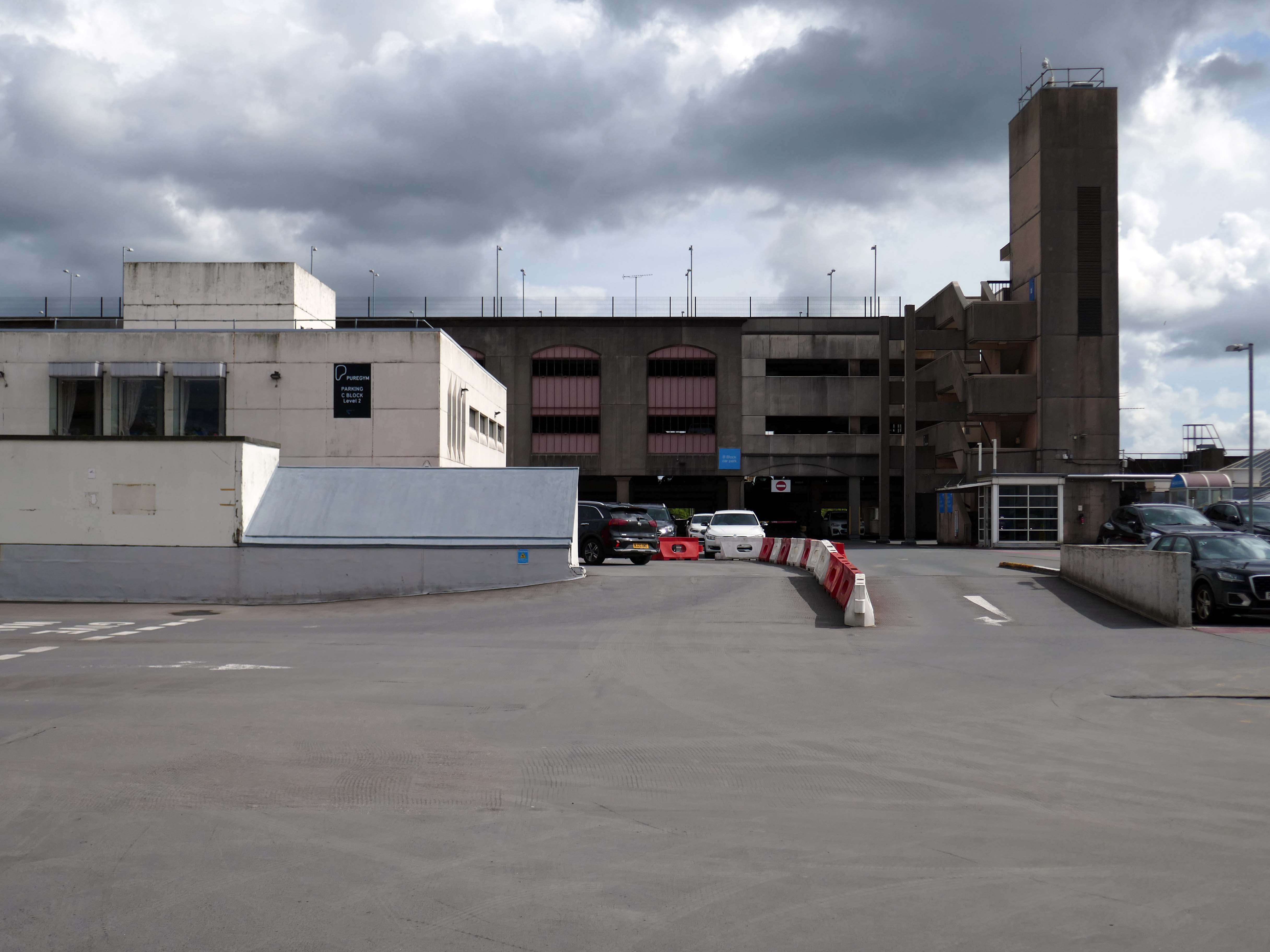
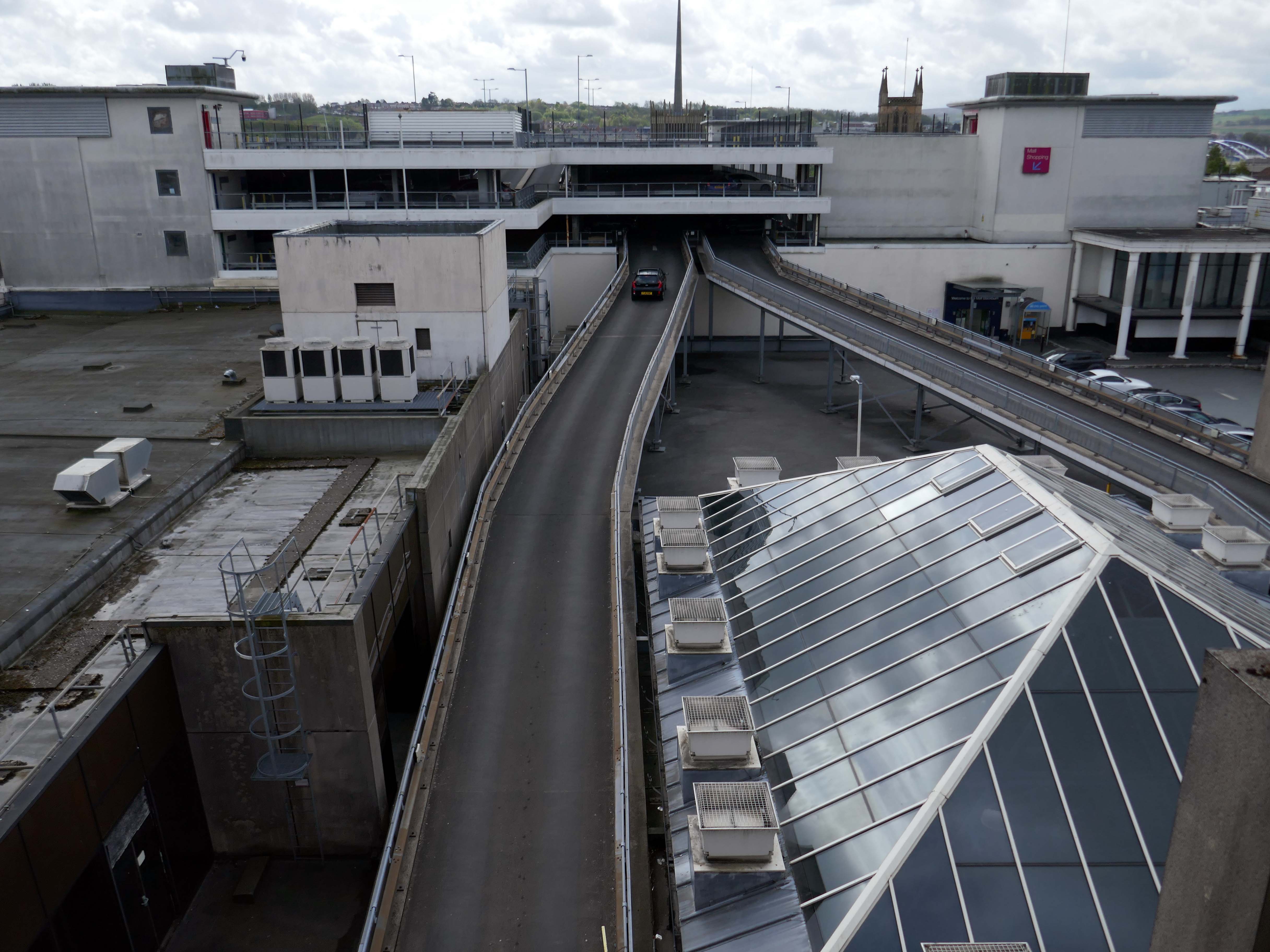
Above the Mall is a dizzying array of multi storey car parks – reflecting the various stages of development.
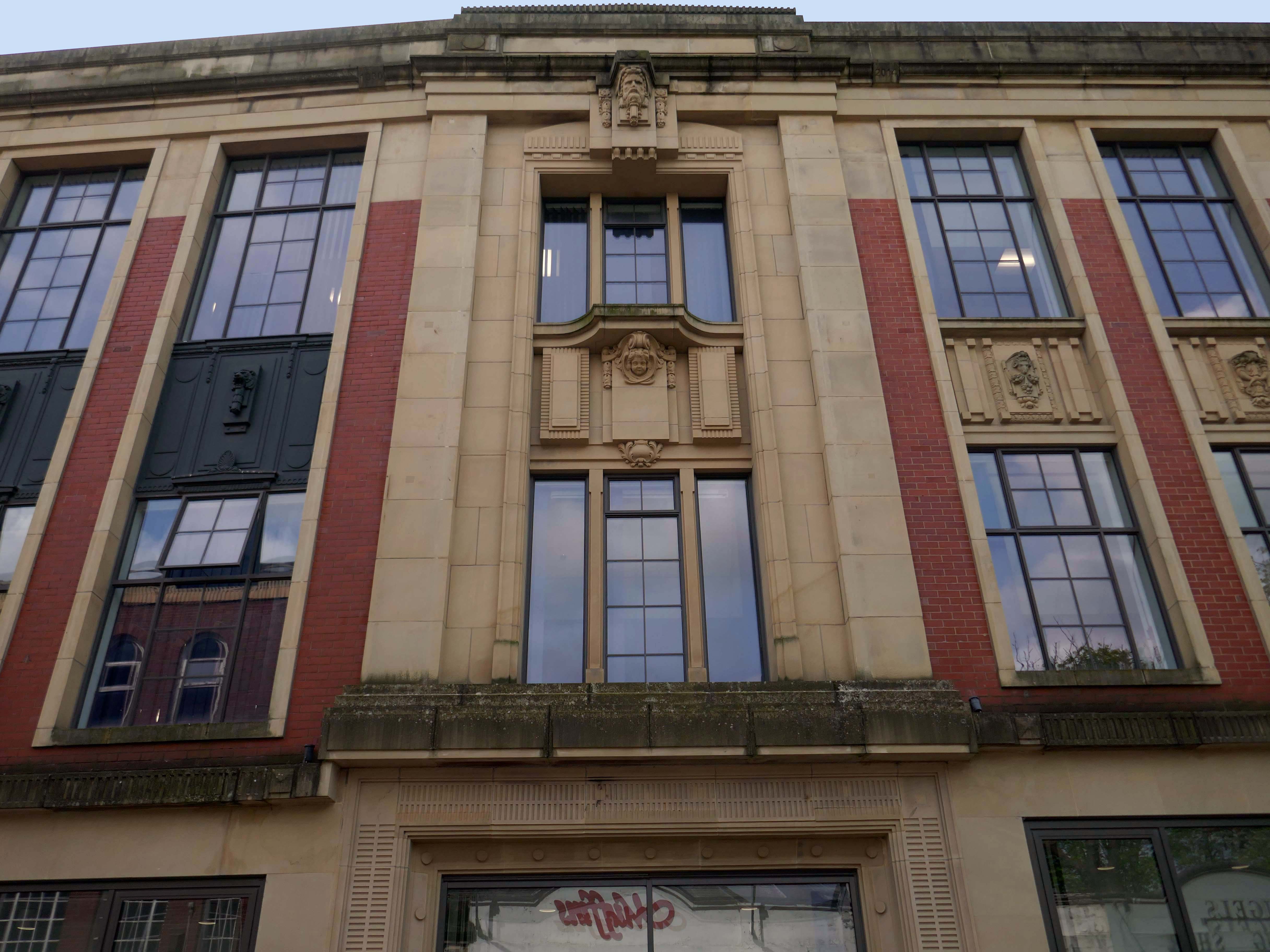
Next to the Central Library, the former Co-op Emporium by Walter Stirrup in Town Hall Street, opened in 1930, was converted into a £1m library by BDP, it opened on September 1st 1975.
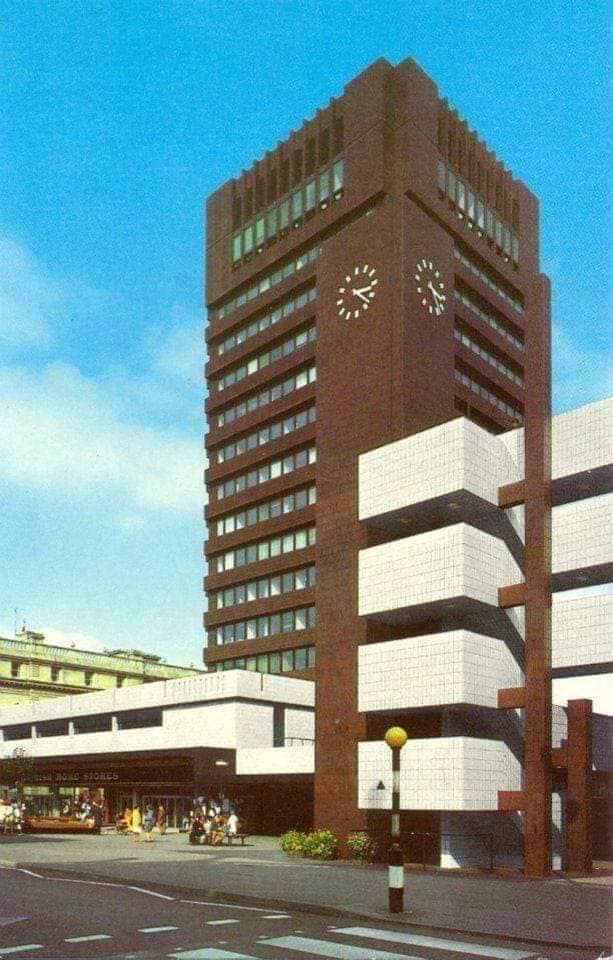
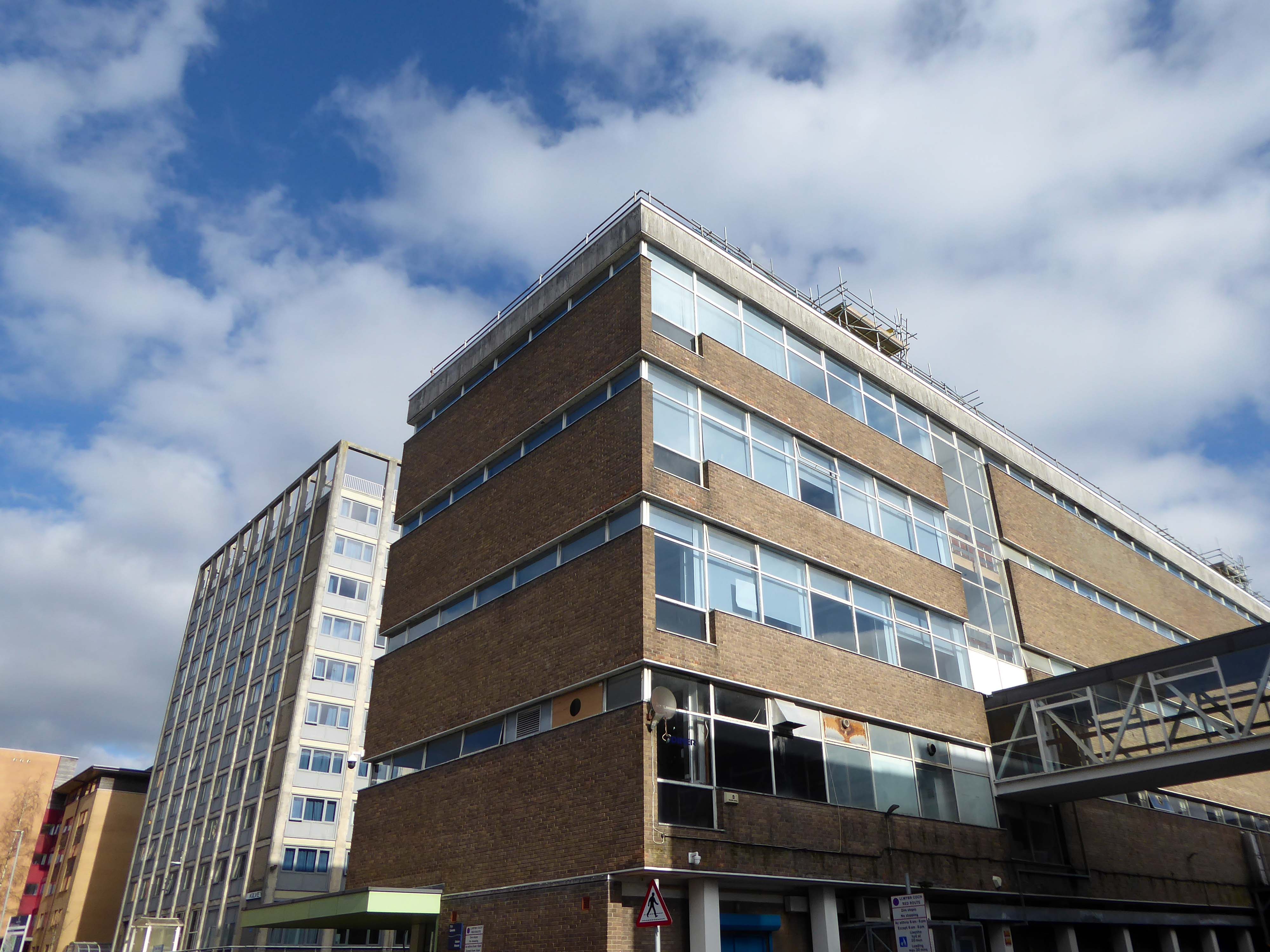
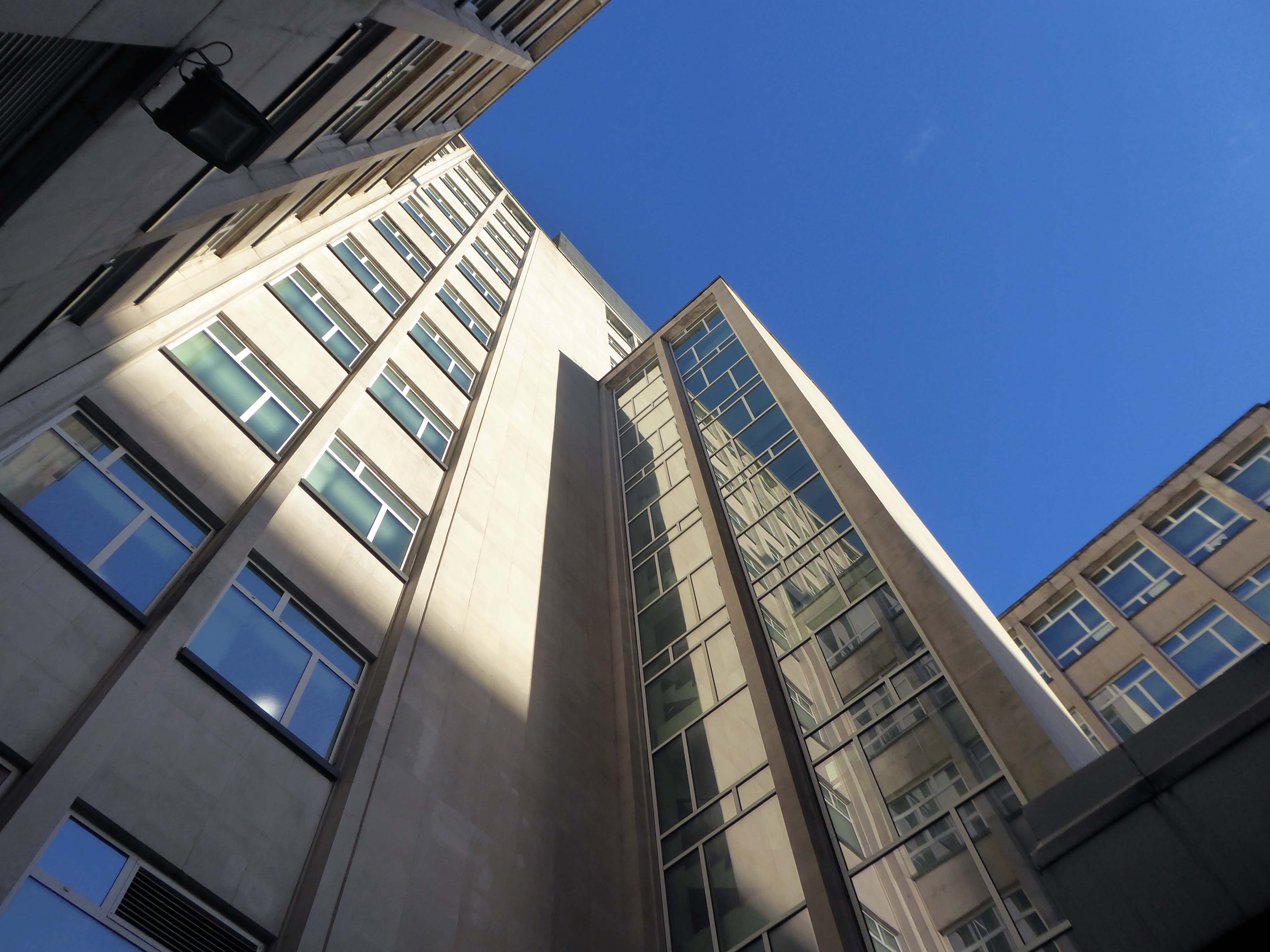
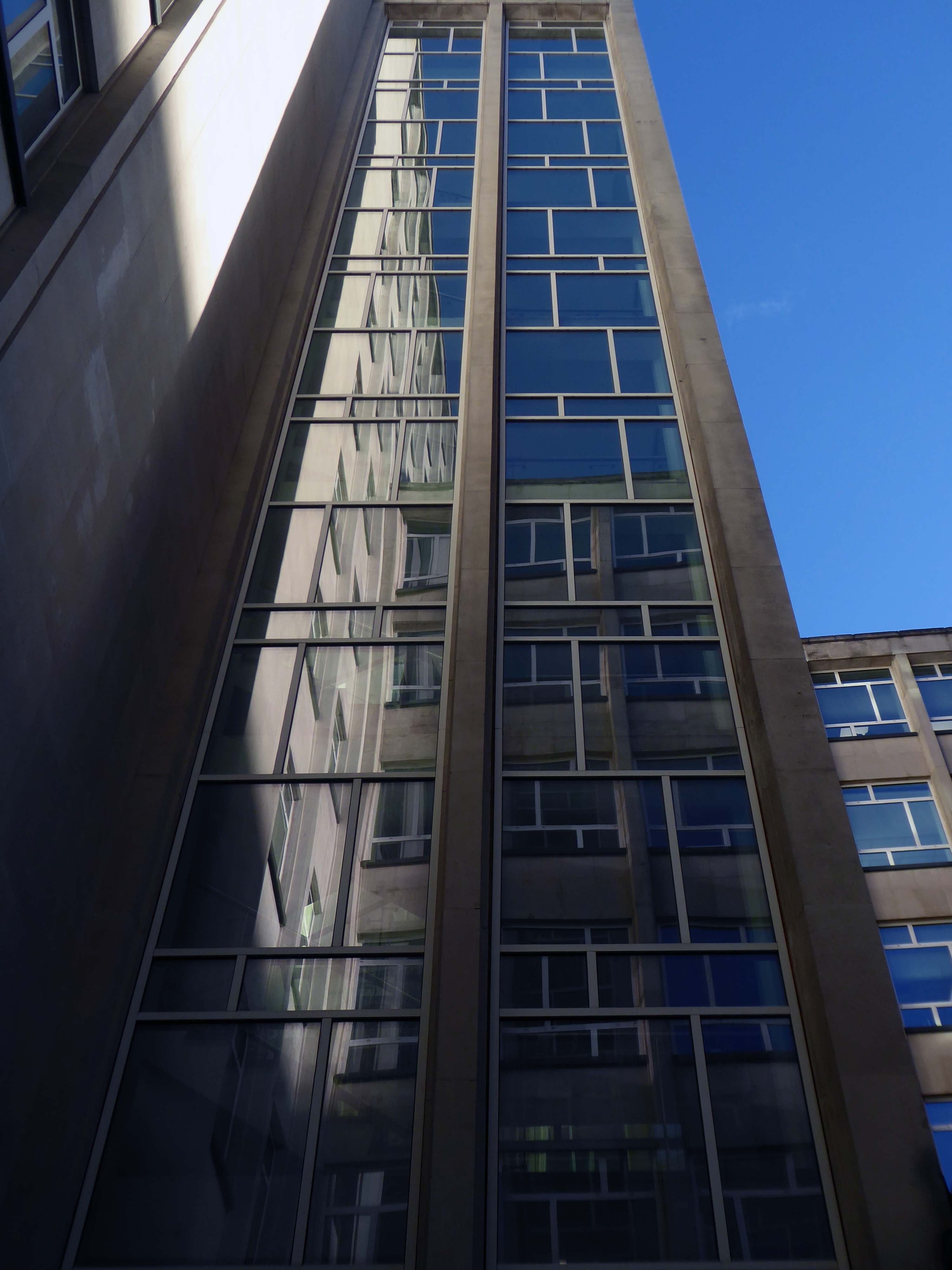
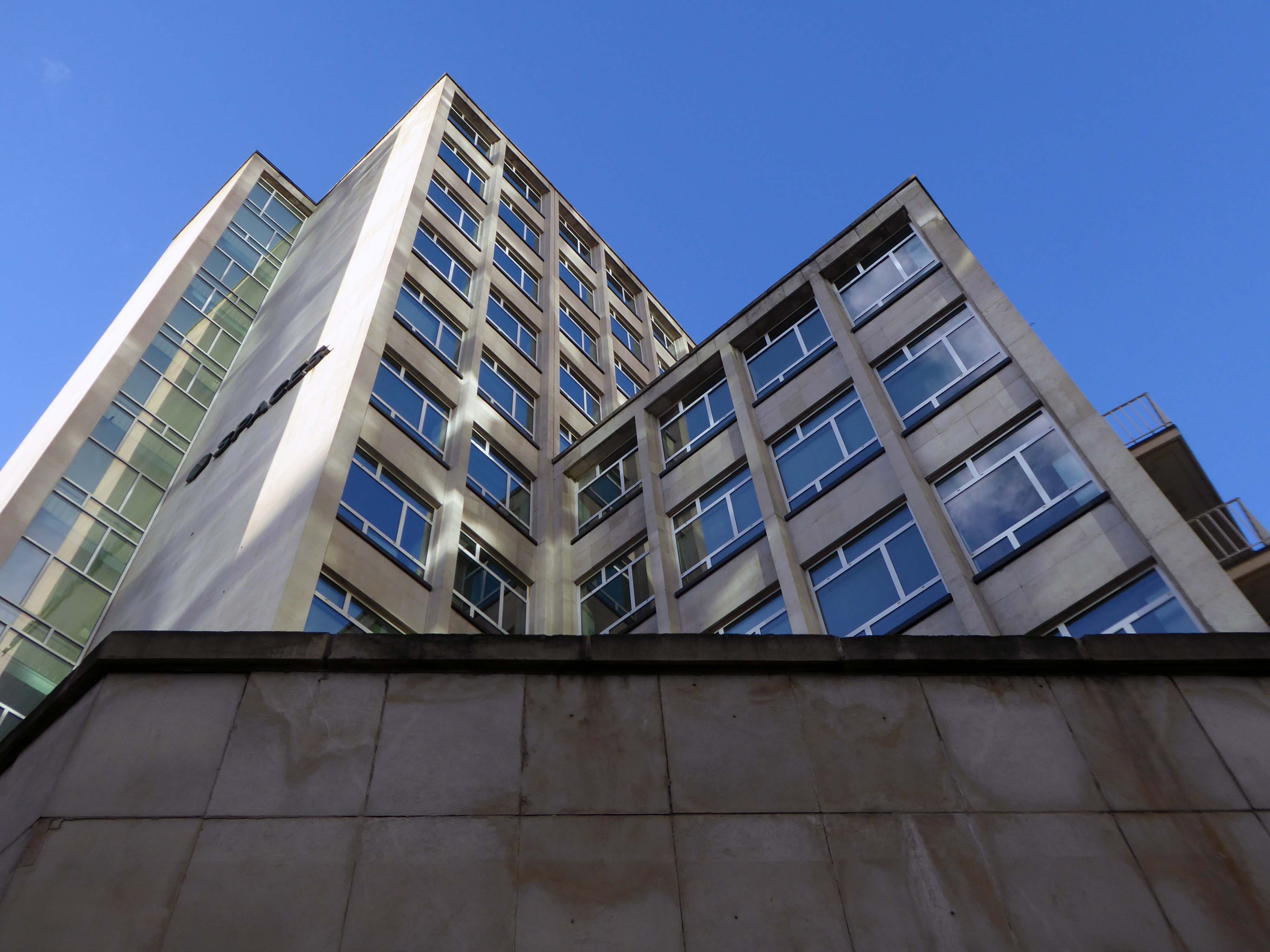
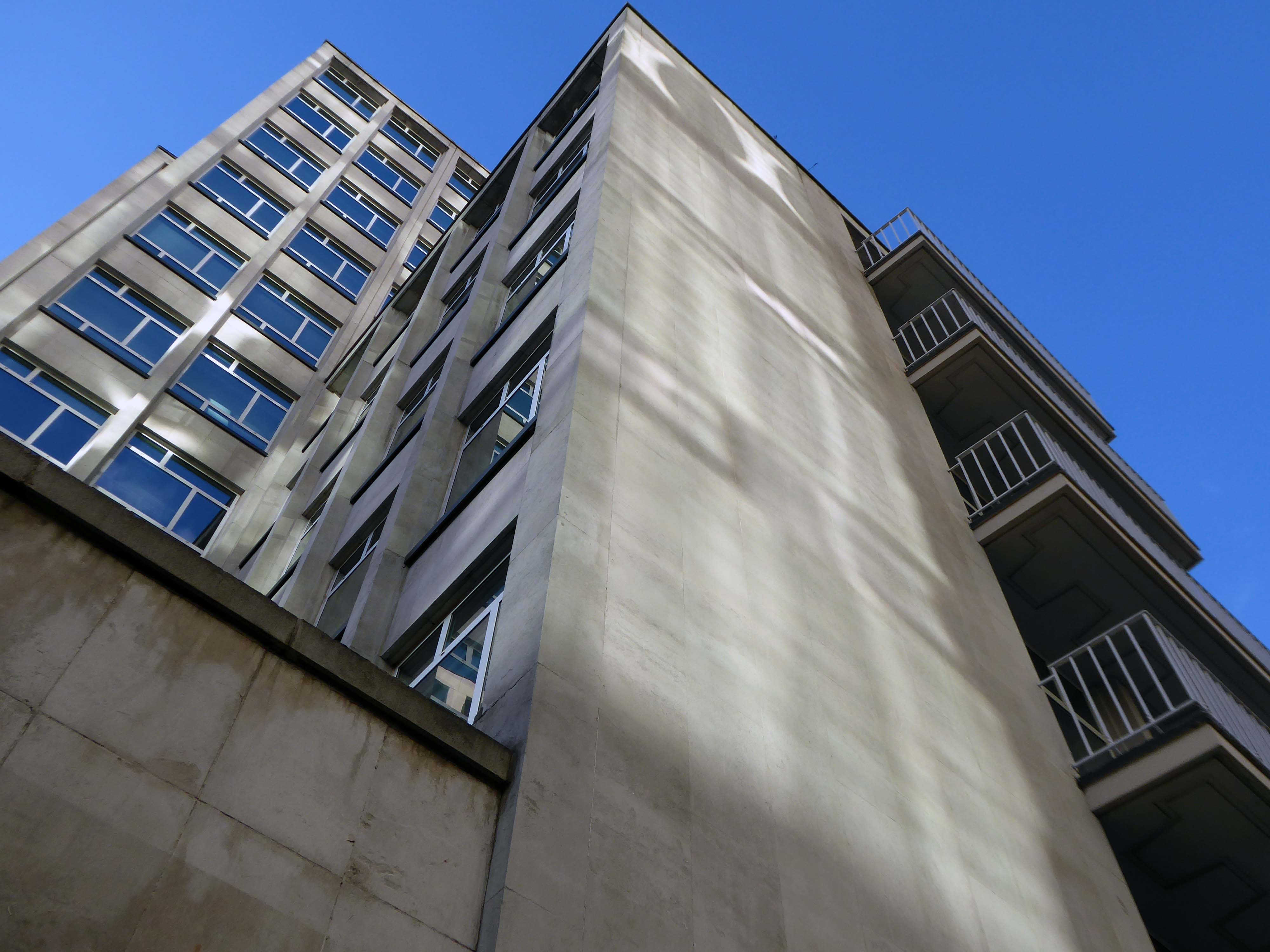
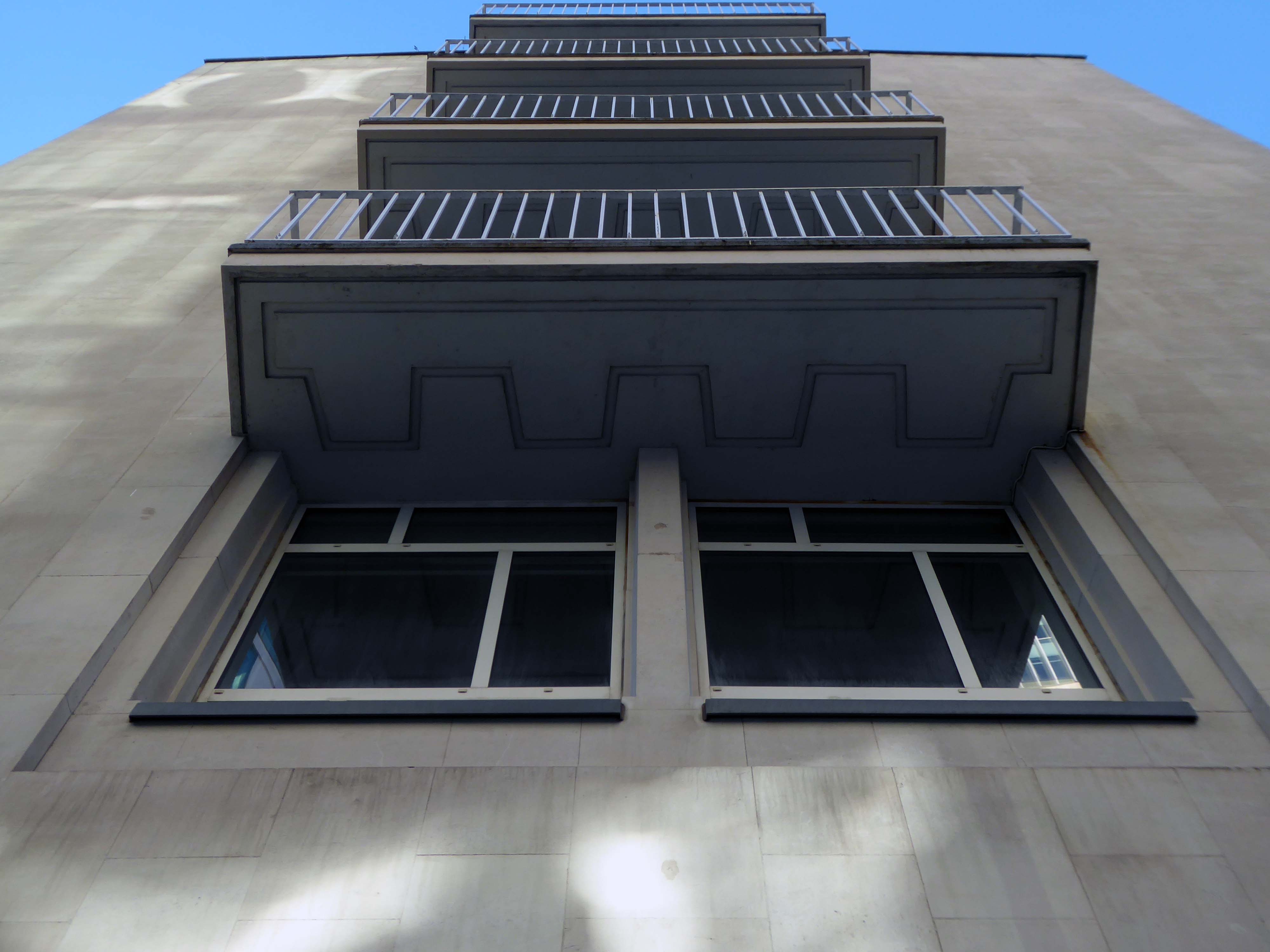
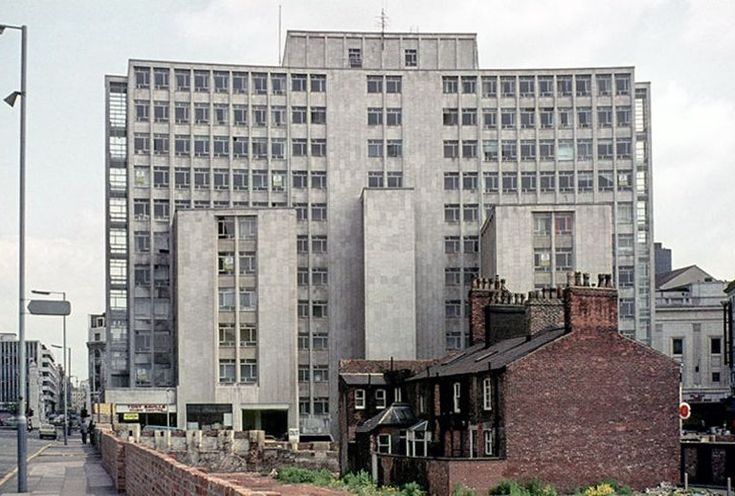
Onward to 10 Duke Street – home to council offices and the NHS, the Tower Block is now no longer in use.

Blackburn’s former town hall tower block has over the years become one of our most recognisable buildings.  Sadly it is now starting to be given derogatory names, such as the ‘Big Empty’ and ‘Mothballed Monolith’.  But compared to how it looked some years ago, before being reclad in today’s design, it still impresses many visitors to our town.  Wouldn’t it be great if Blackburn’s ‘Big Empty’ could become full again.
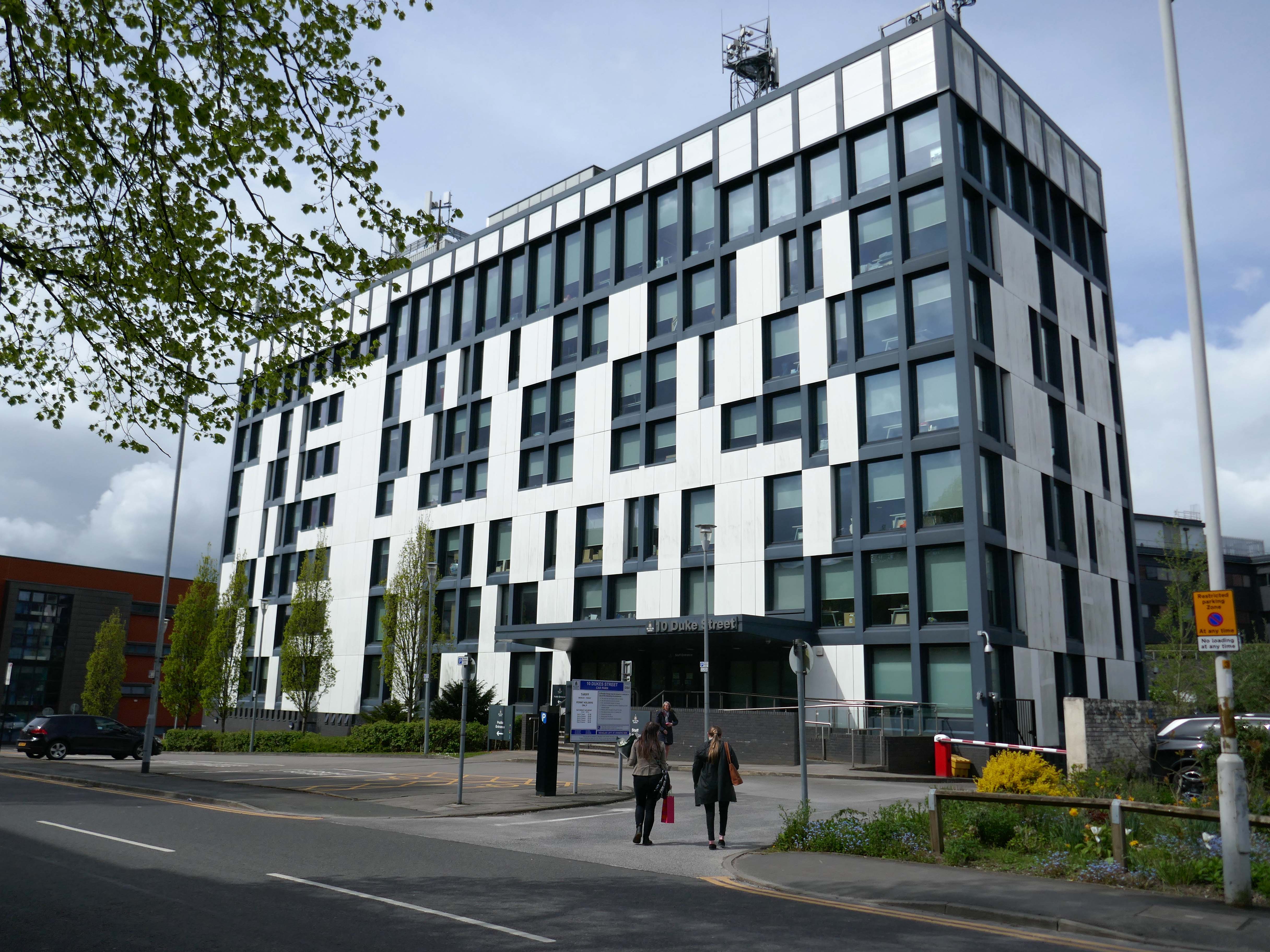
Roving Mick

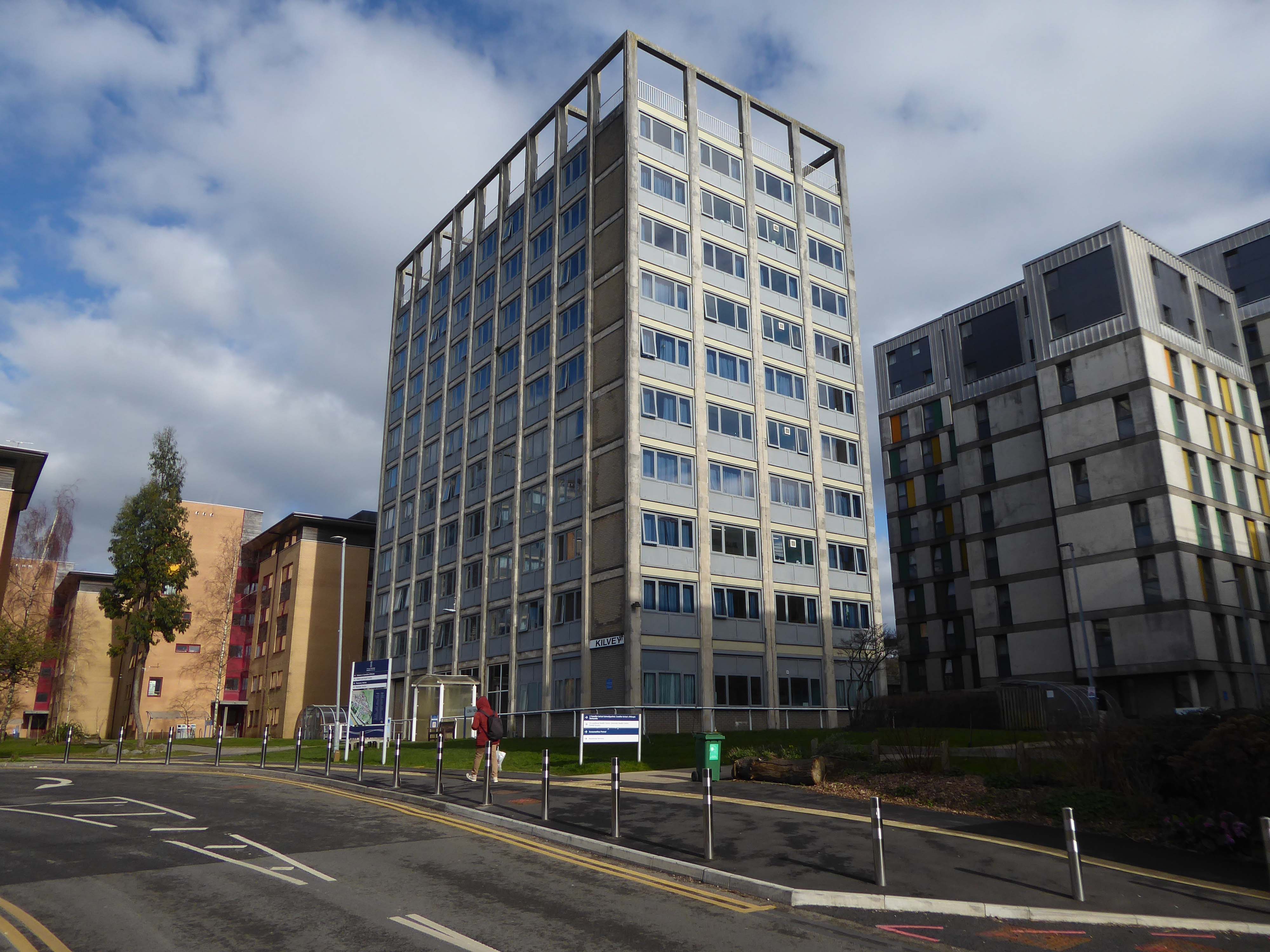
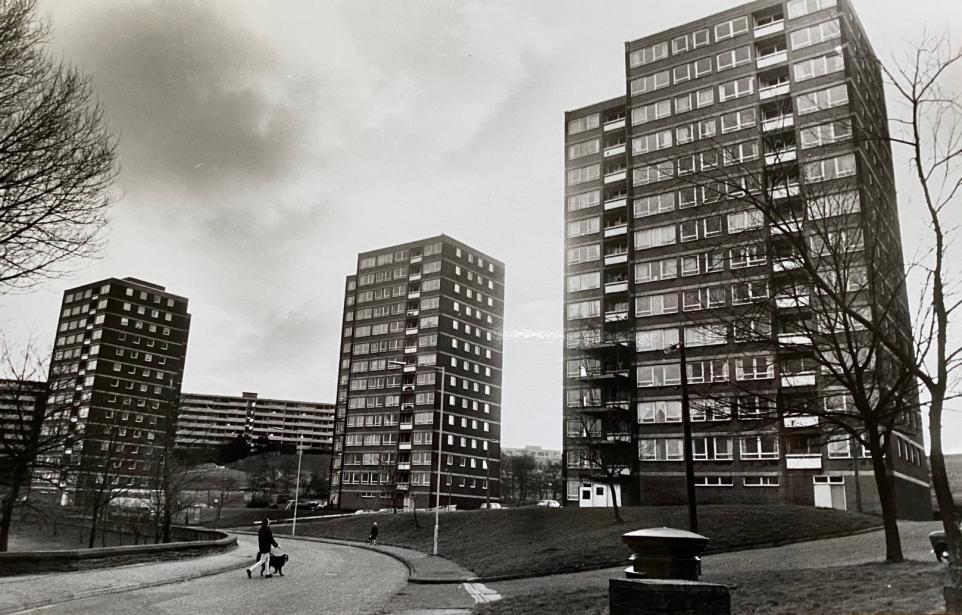
These tower blocks were the flats at Queens Park and in the background you can see the co-called ‘deck-access’ flats at Shadsworth.
Bowland House was one of three tower blocks built in 1963 and the only one still standing after the others, Ribble and Pendle, were torn down in 2001 to be replaced by homes.

In 2022 Bowland House was refurbished.
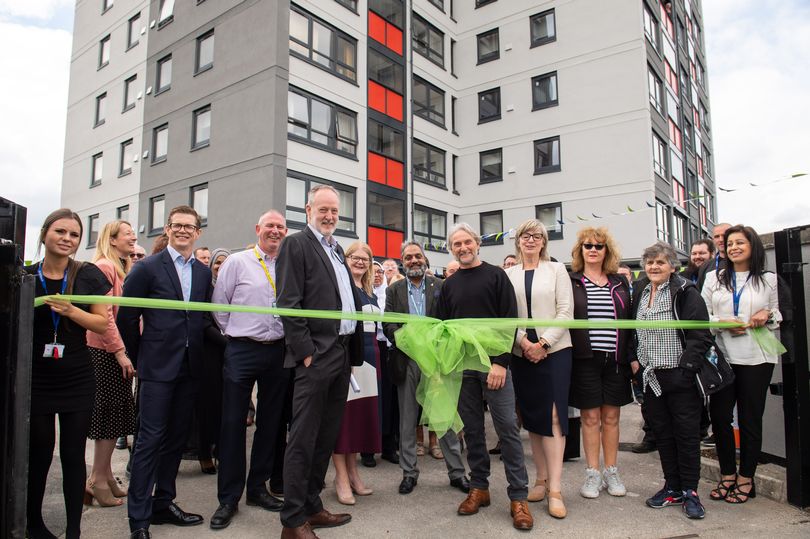
Former four-time World Superbike champion Carl Fogarty was the guest of honour as Great Places’ Bowland House in Blackburn was officially unveiled.

Lancs Live

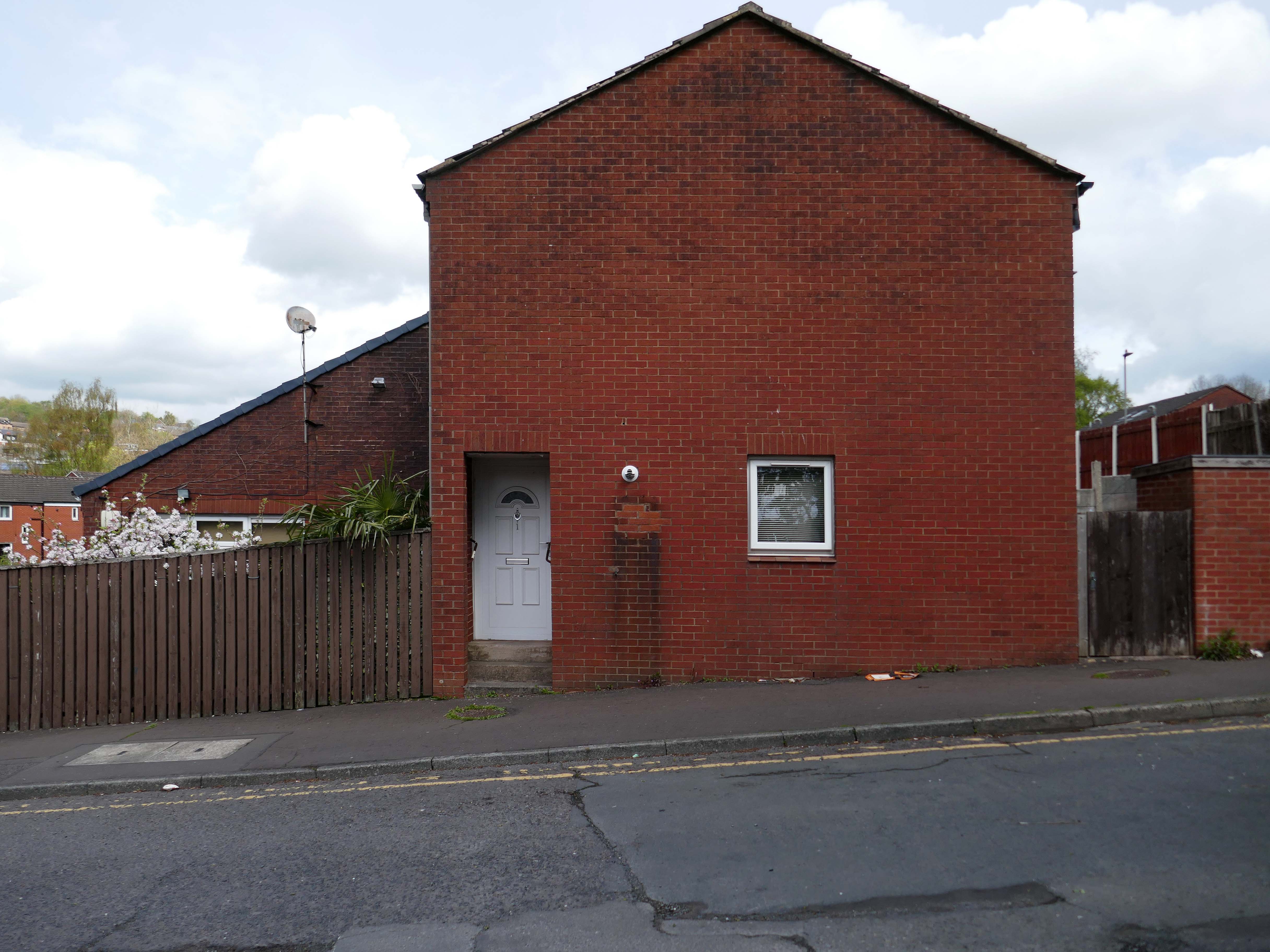
On the approach to Birley Street we walk through a mixed development of low rise housing, set in grassed and pedestrianised areas.
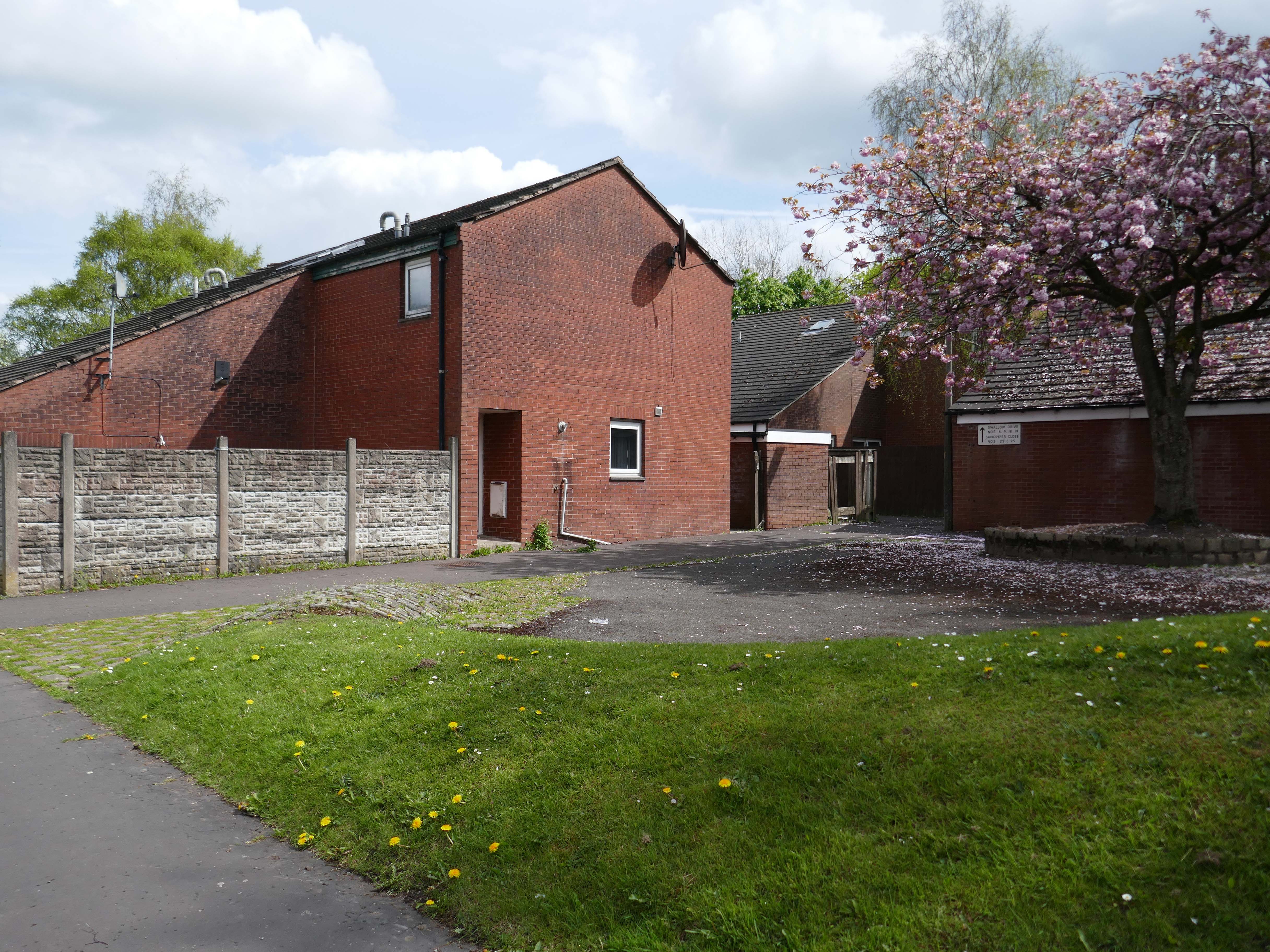
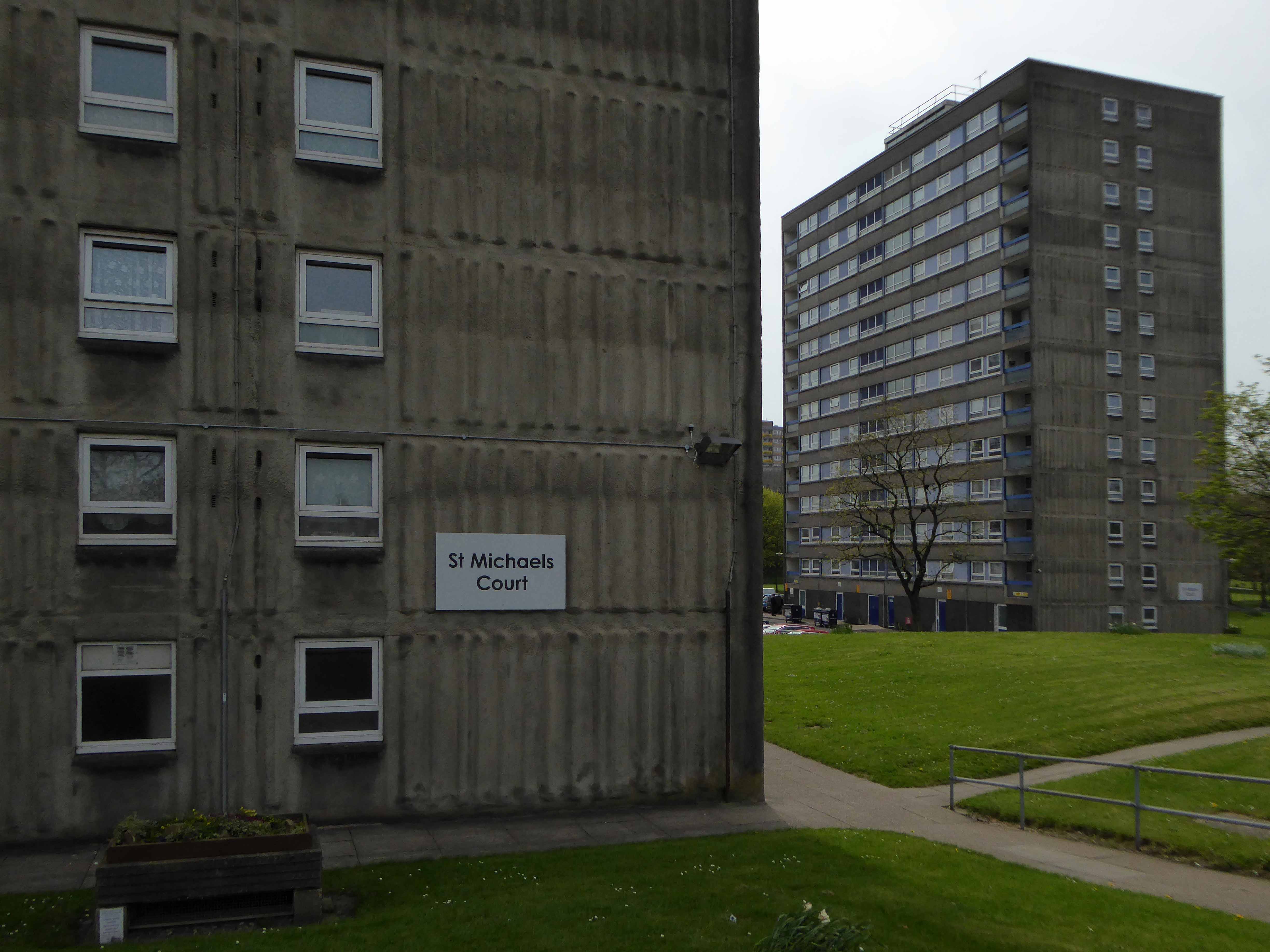
Birley Street Tower Blocks

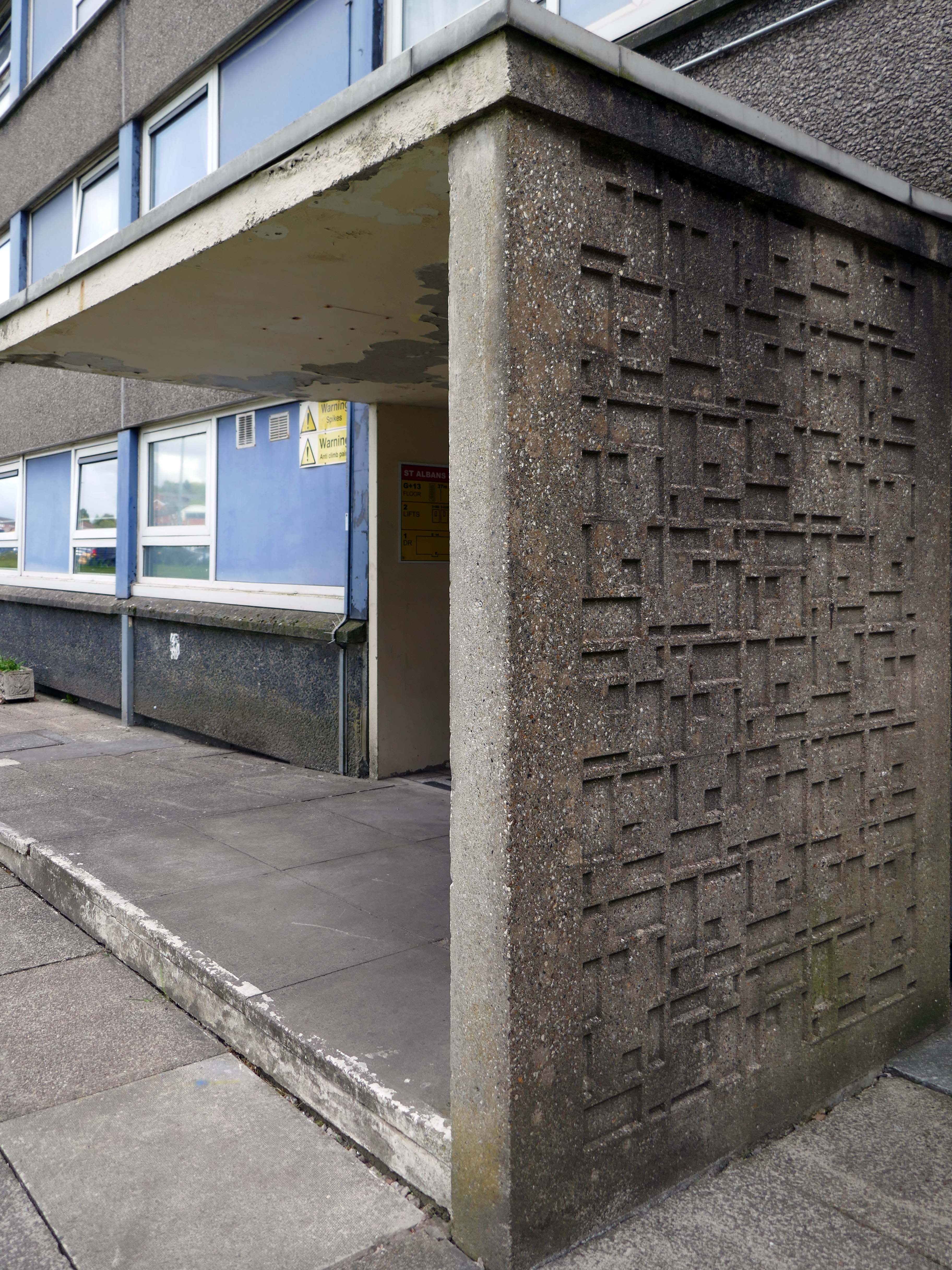
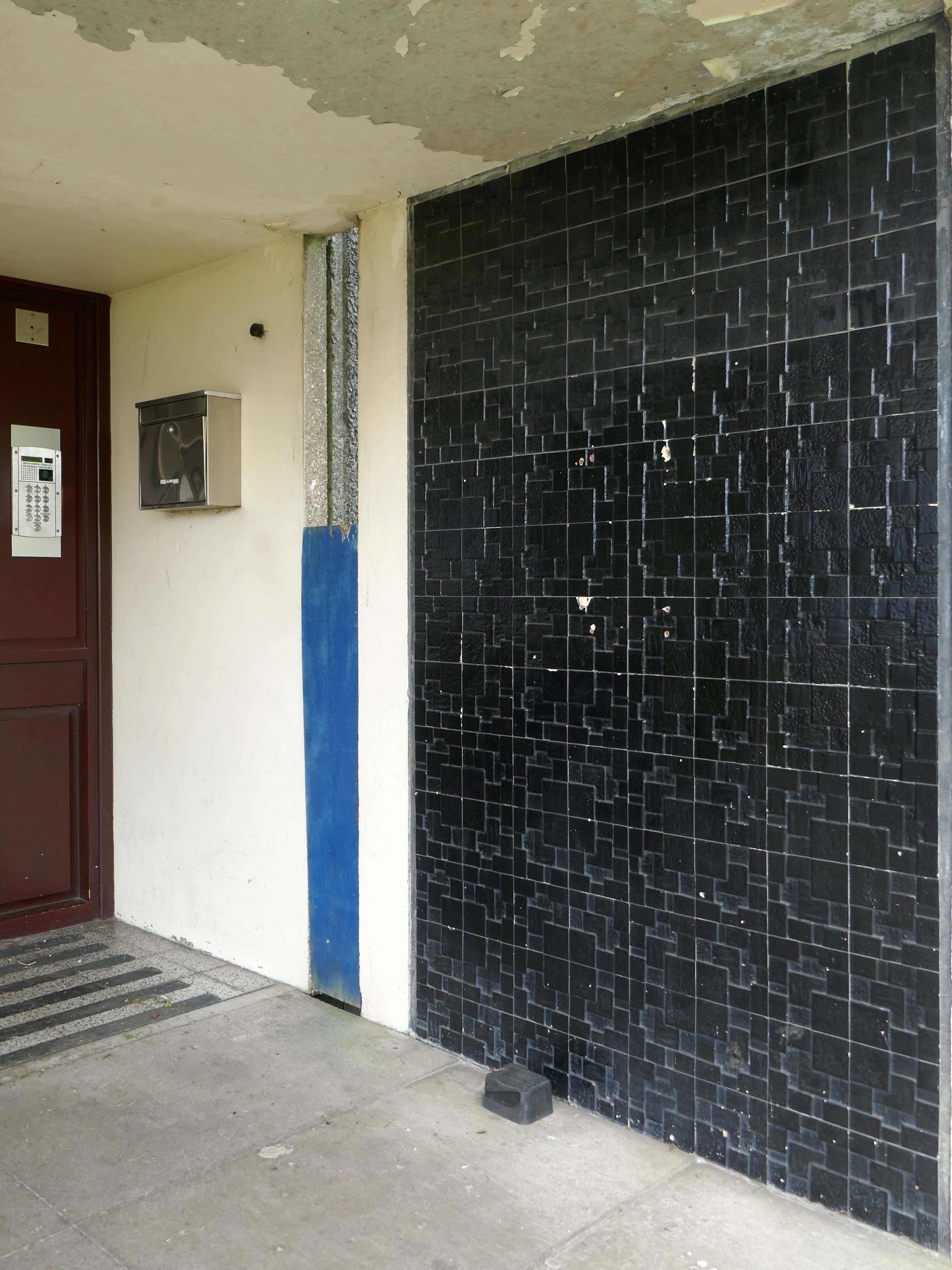
Three thirteen-storey slab blocks built as public housing using the Sectra industrialised building system. The blocks contain 183 dwellings in total, consisting of 72 one-bedroom flats and 111 two-bedroom flats. The blocks are of storiform construction clad with precast concrete panels. The panels are faced with exposed white Cornish aggregate. Spandrel panels set with black Shap granite aggregate are used under the gable kitchen windows. The blocks were designed by the Borough architect in association with Sydney Greenwood. Construction was approved by committee in 1966.
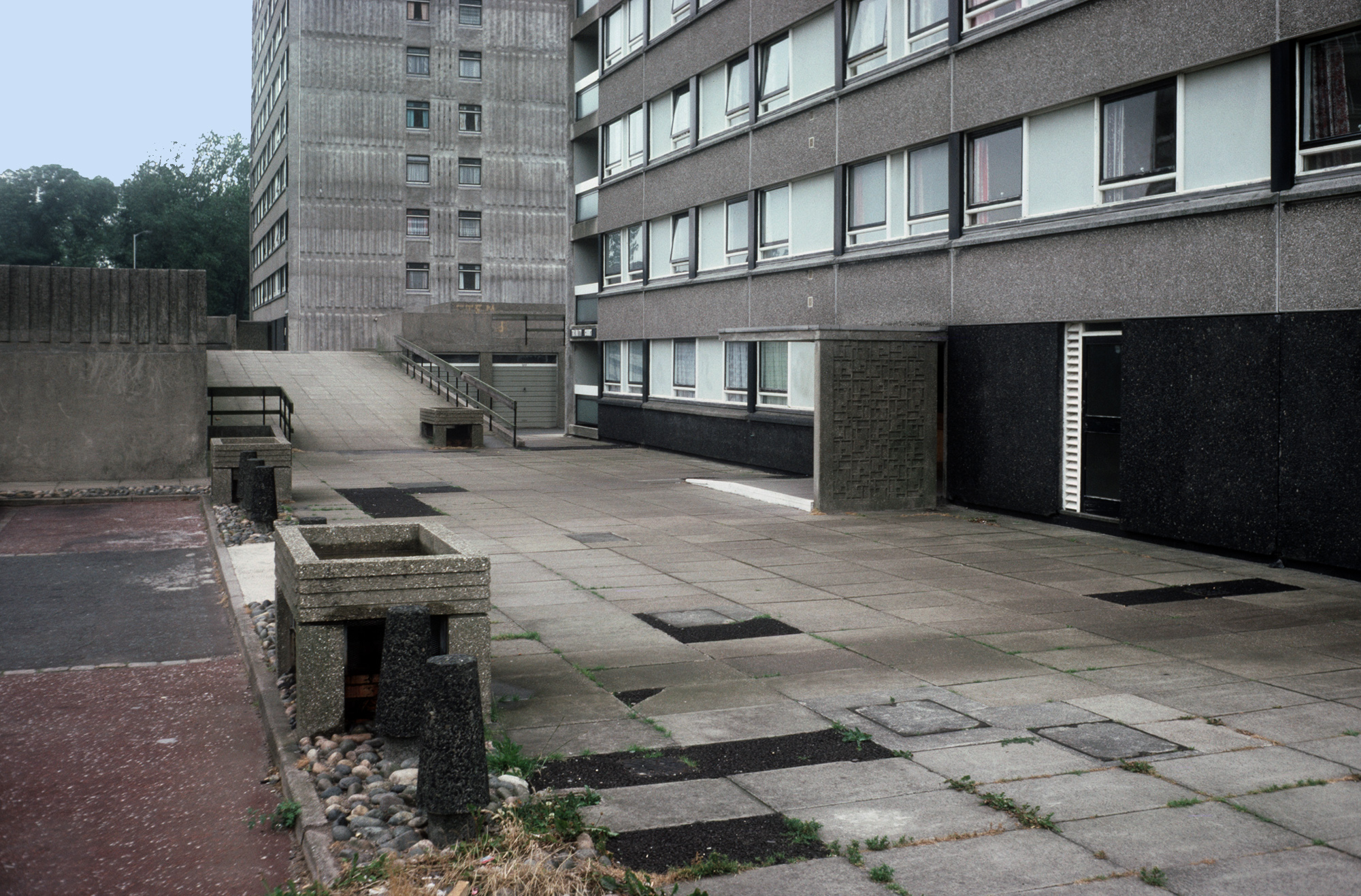
Pastscape

1987 view of Birley Street development, with Trinity Court in the foreground: Tower Block
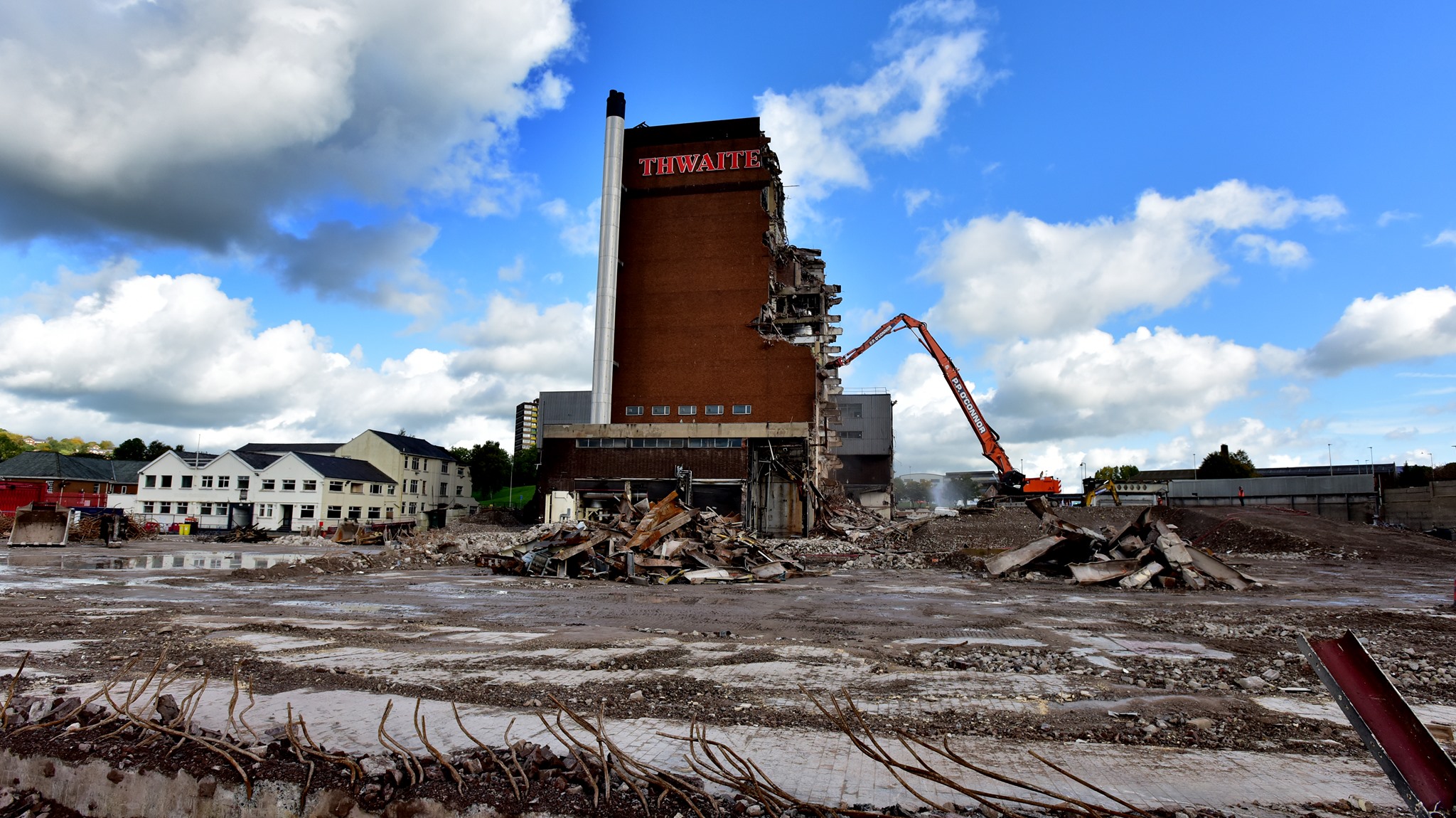
Back now into the centre – passing the now empty site of Thwaites Brewery, demolished in 2019.
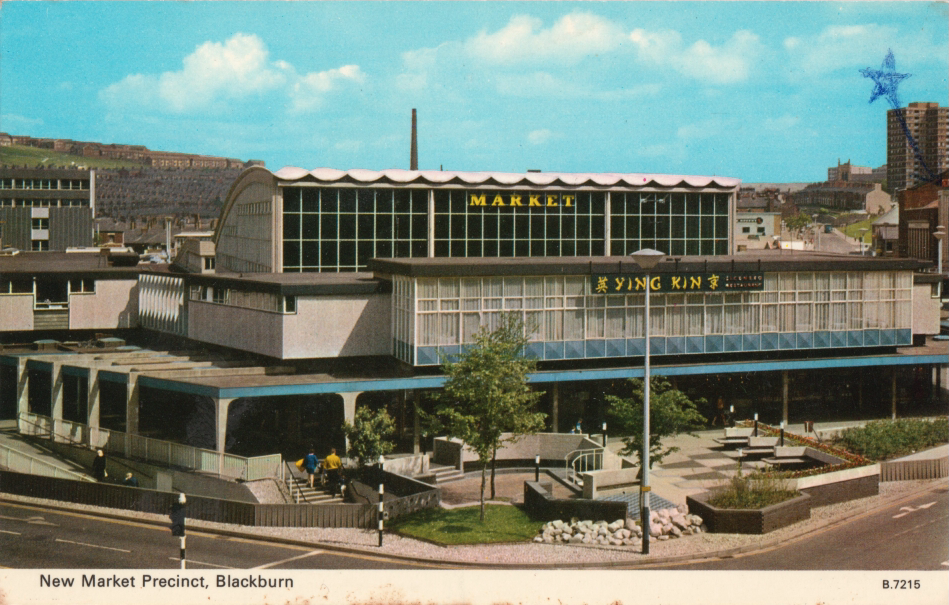
Also missing in action is the 1960’s Market Hall – architect Tom Brennan.
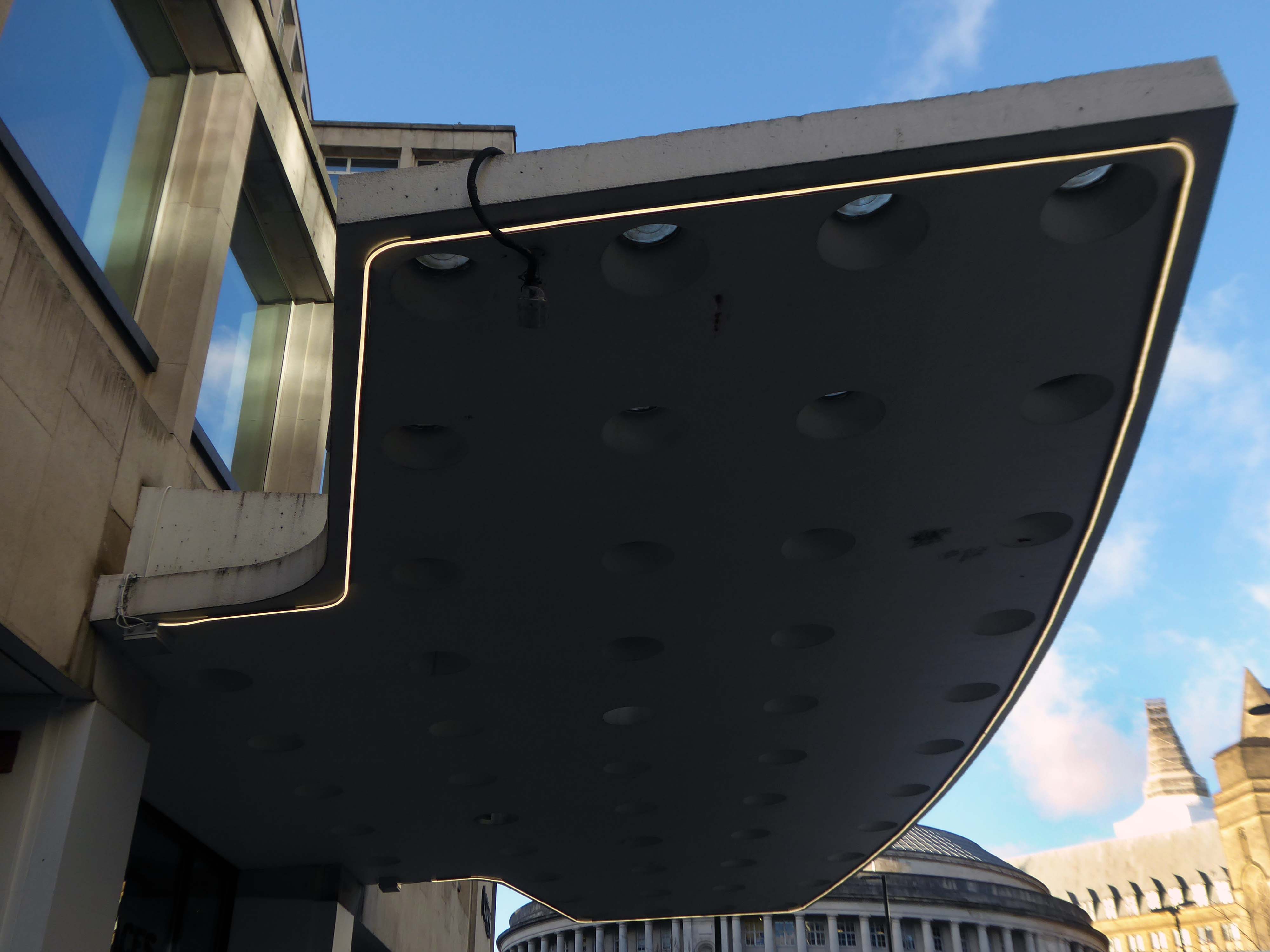
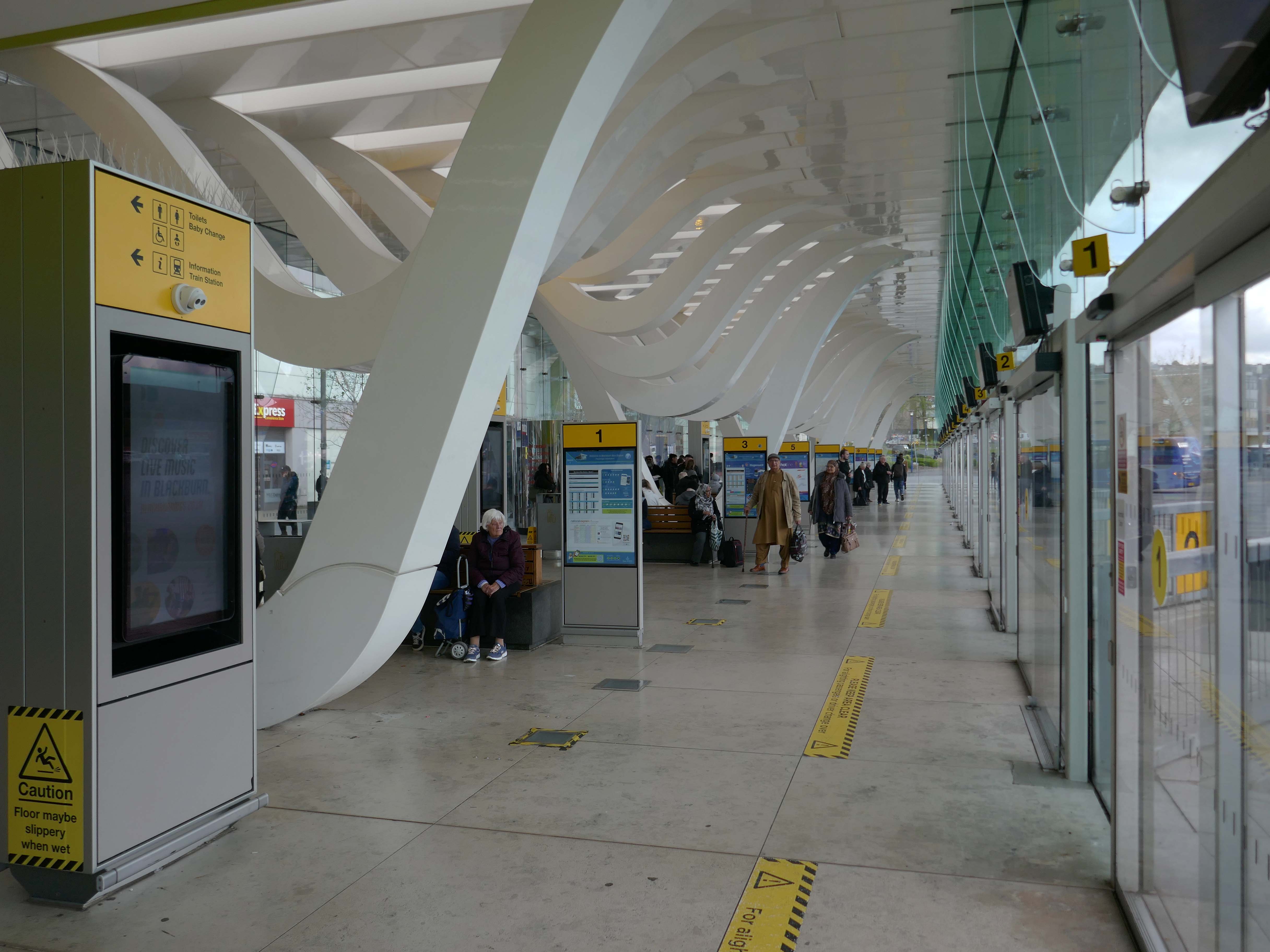
The new Bus Station designed by Capita Symonds – replacing the old bus station.

The outward facing elements of the building are flat and orthogonal. In contrast, the underside of the canopy is free flowing and consists of a number of glazed slots cut in the canopy to allow daylight to penetrate onto the concourse area. Directly below each of the slots is a hanging loop which appears to be pulled down from the canopy to reveal a glazed opening. The composition of these draws inspiration from the cotton weaving looms, and drying cotton bundles, a reference to the town’s industrial past.

There are four loop types (A, B, C & D) which are arranged to alter the scale of the concourse and create a rhythm of peaks and troughs along its length. Loop A is designed to provide support to the whole canopy allowing the canopy to appear as one floating unified element.
Archello

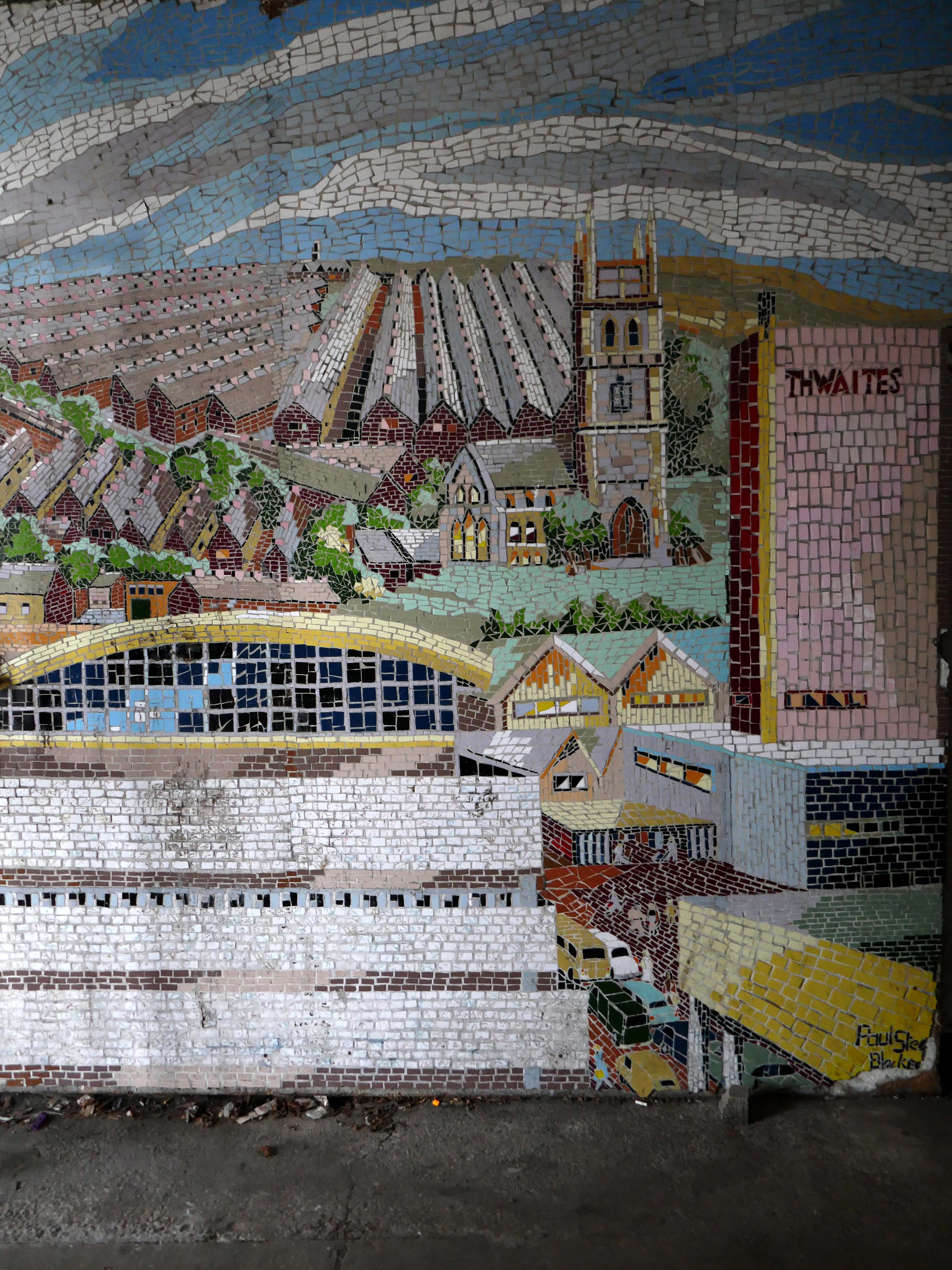
Tucked away this mosaic panorama of the town.
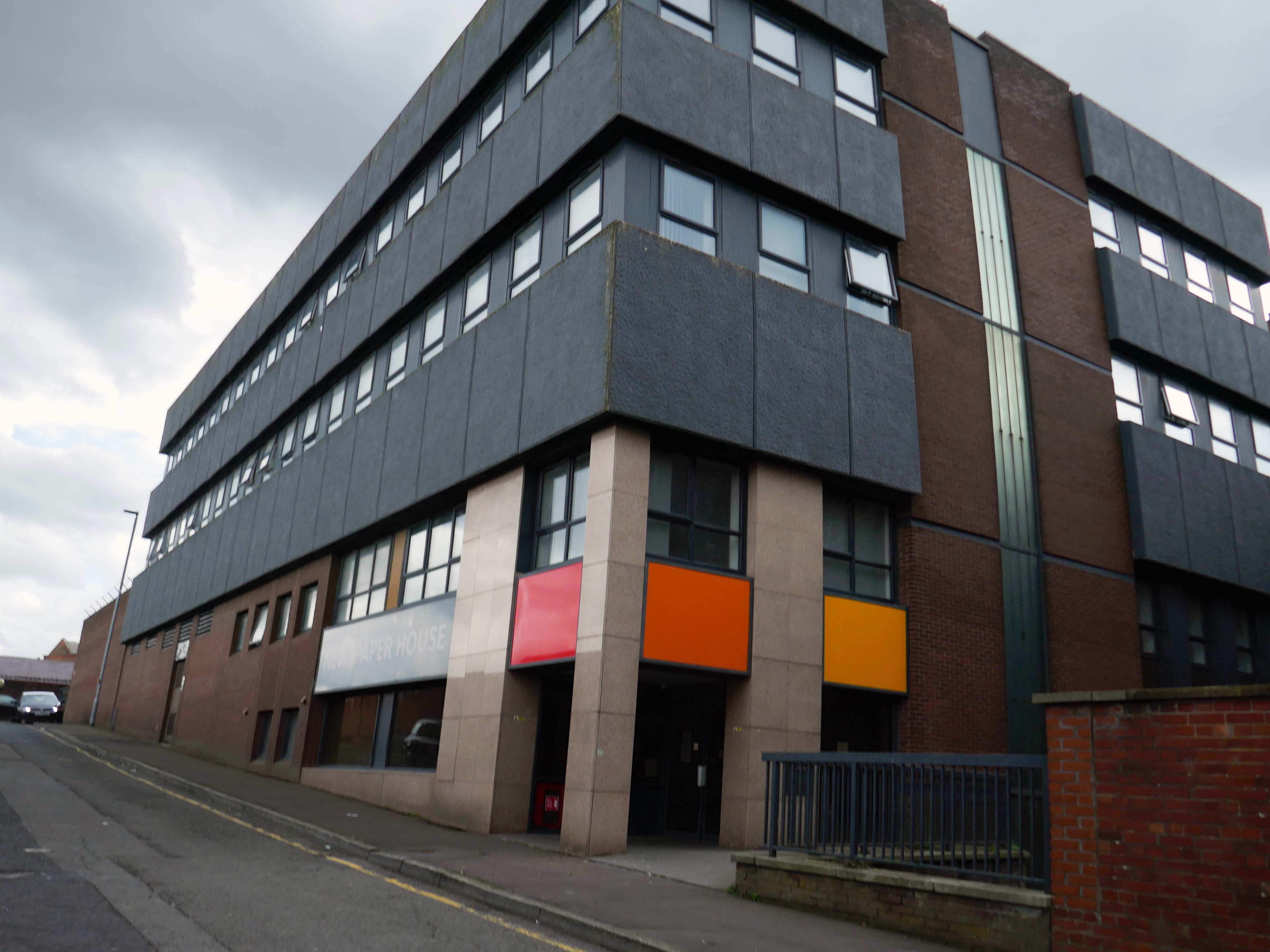
Newspaper House – once the home to the Lancashire Telegraph, converted to apartments in 2017.
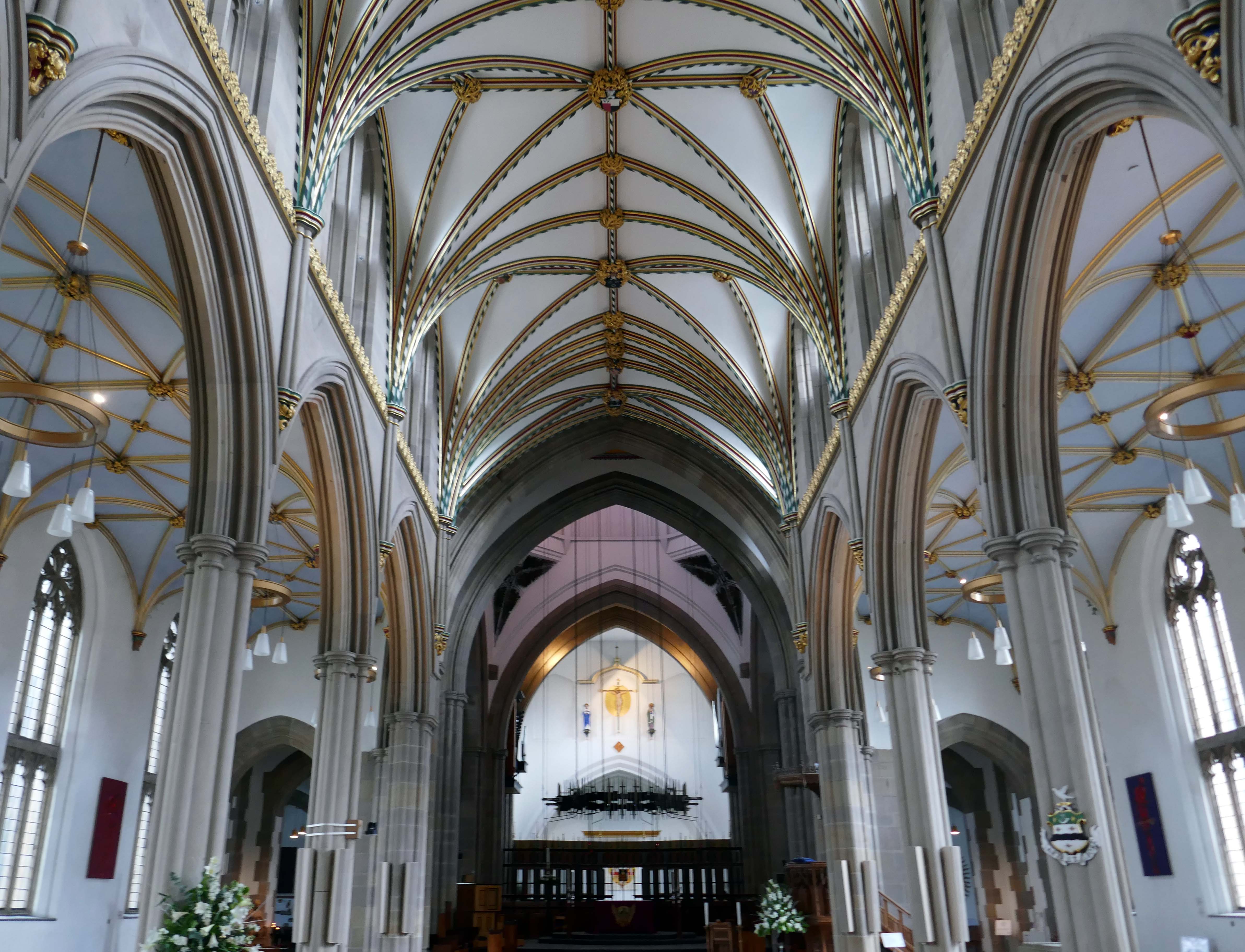
Finally to the Garde II* listed Blackburn Cathedral church – since 1926, formerly parish church, 1820-6 by John Palmer of Manchester.

Central concrete corona by Lawrence King 1961 – it was rebuilt in stone by Brian Lowe in 1998.
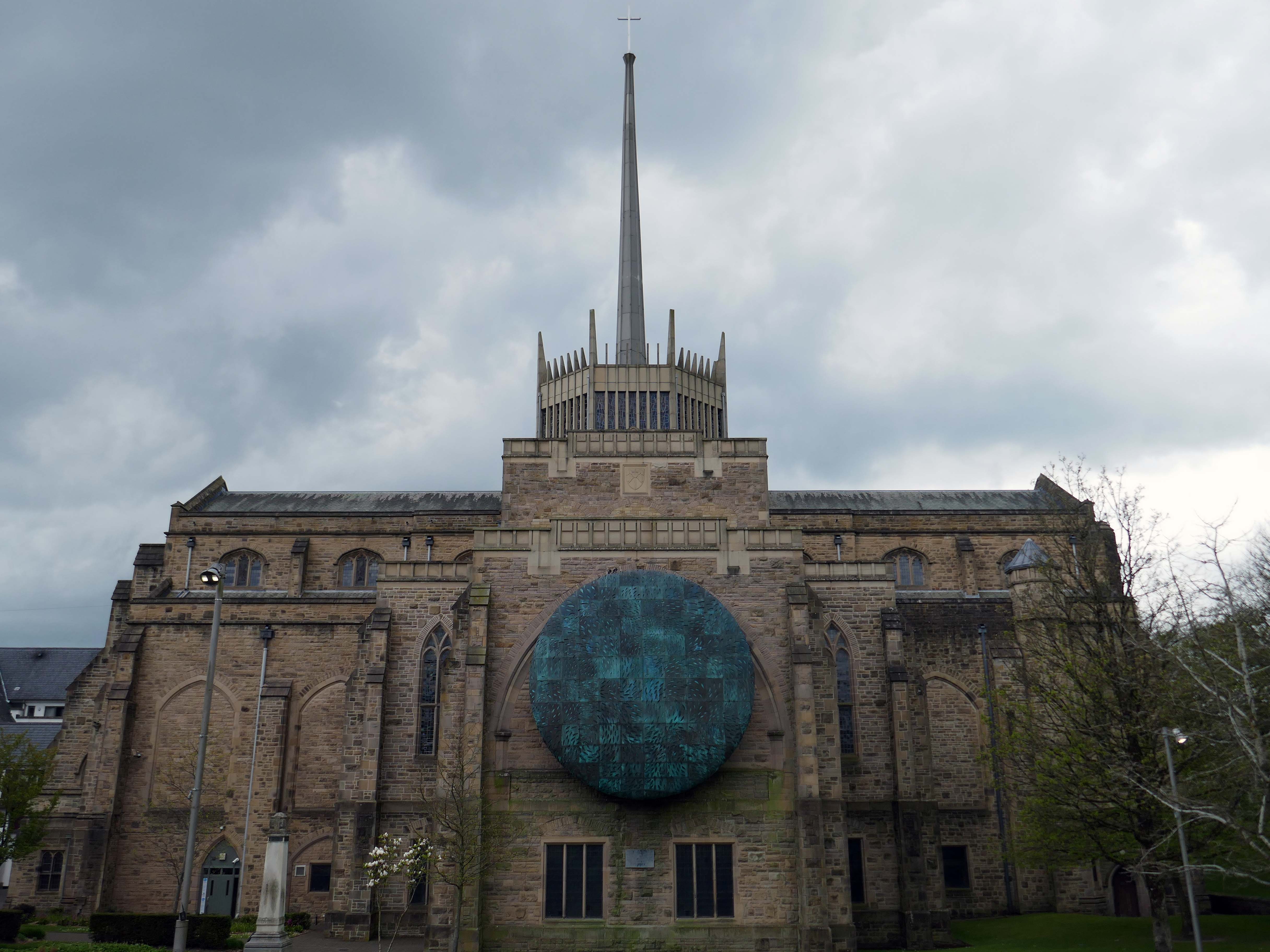
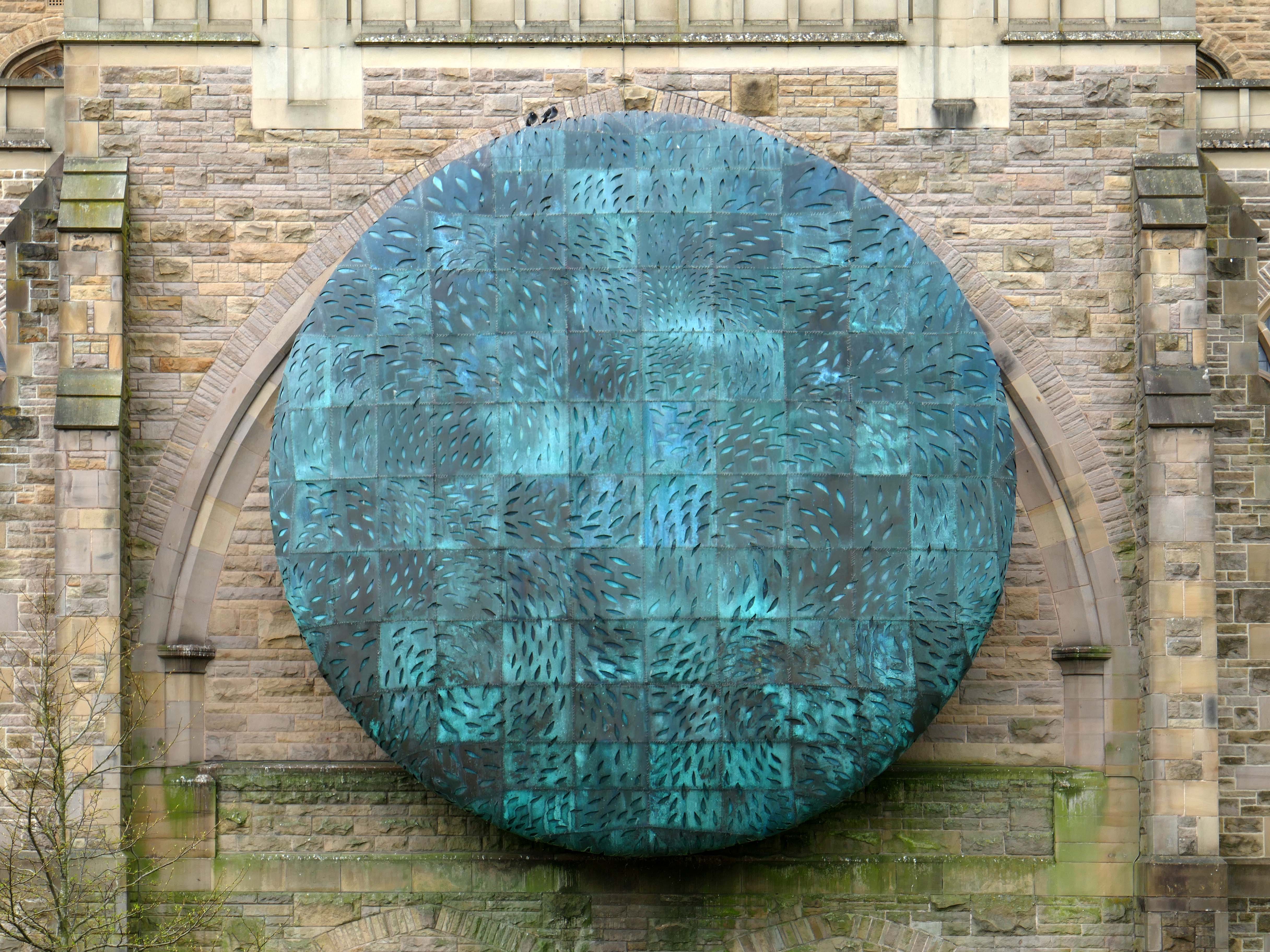
The Healing of Nations in steel and copper by Mark Jalland 2001.

It is a reflection on the opening of chapter 22 of the book of Revelation, new Jerusalem, and ‘the leaves of the tree are for the healing of the nations’.

Traditionally a stained-glass window at the east end of a cathedral would reflect a spectrum of light into the building but this sculpture projects the light out in a kaleidoscope of colour reminding us of Jesus the light of the world and the hope that we have in him. 
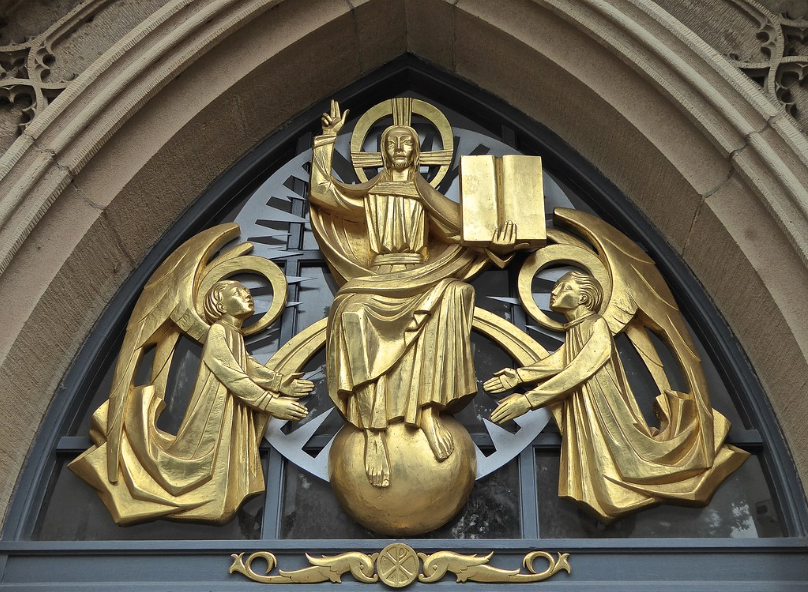
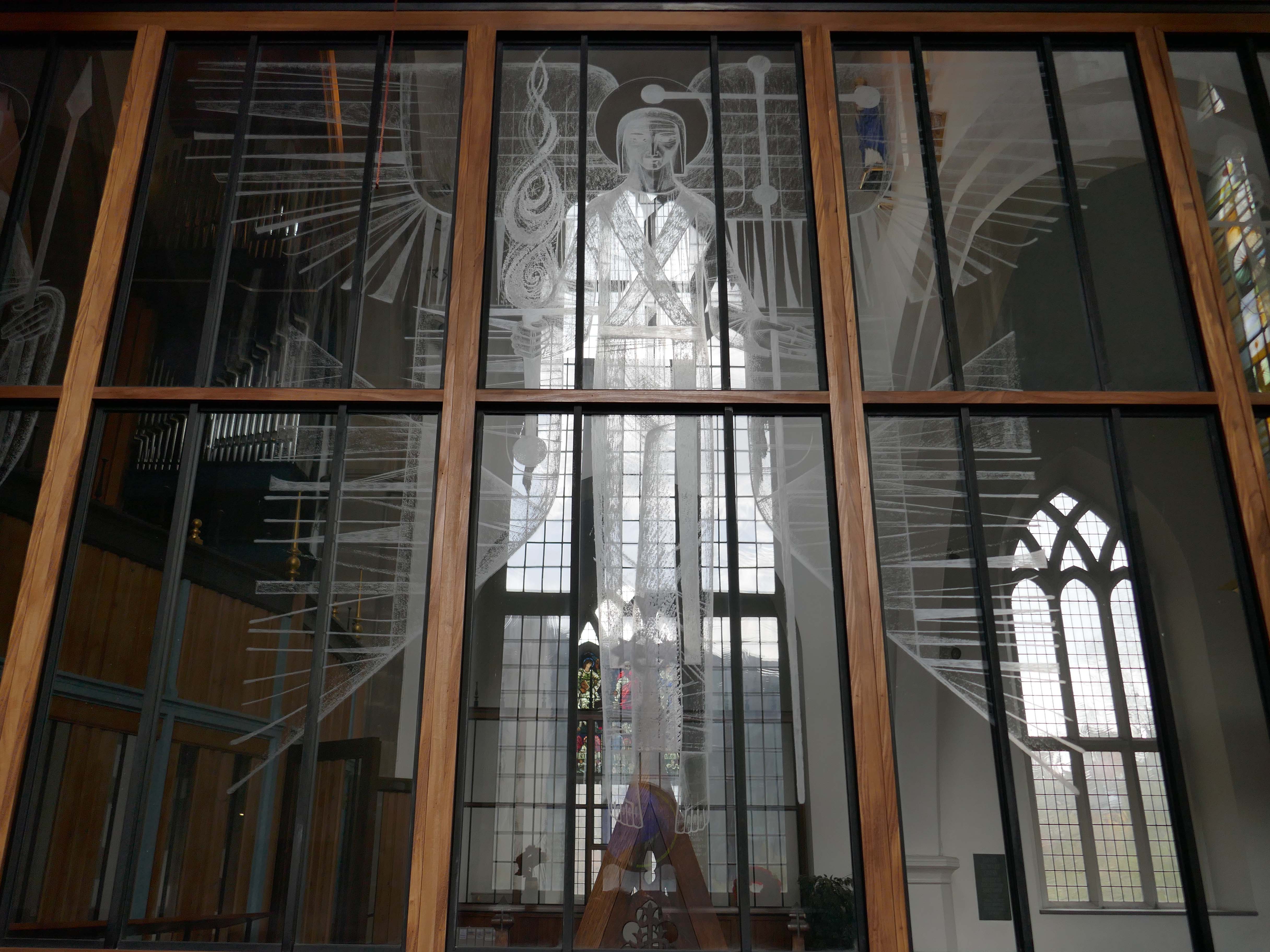
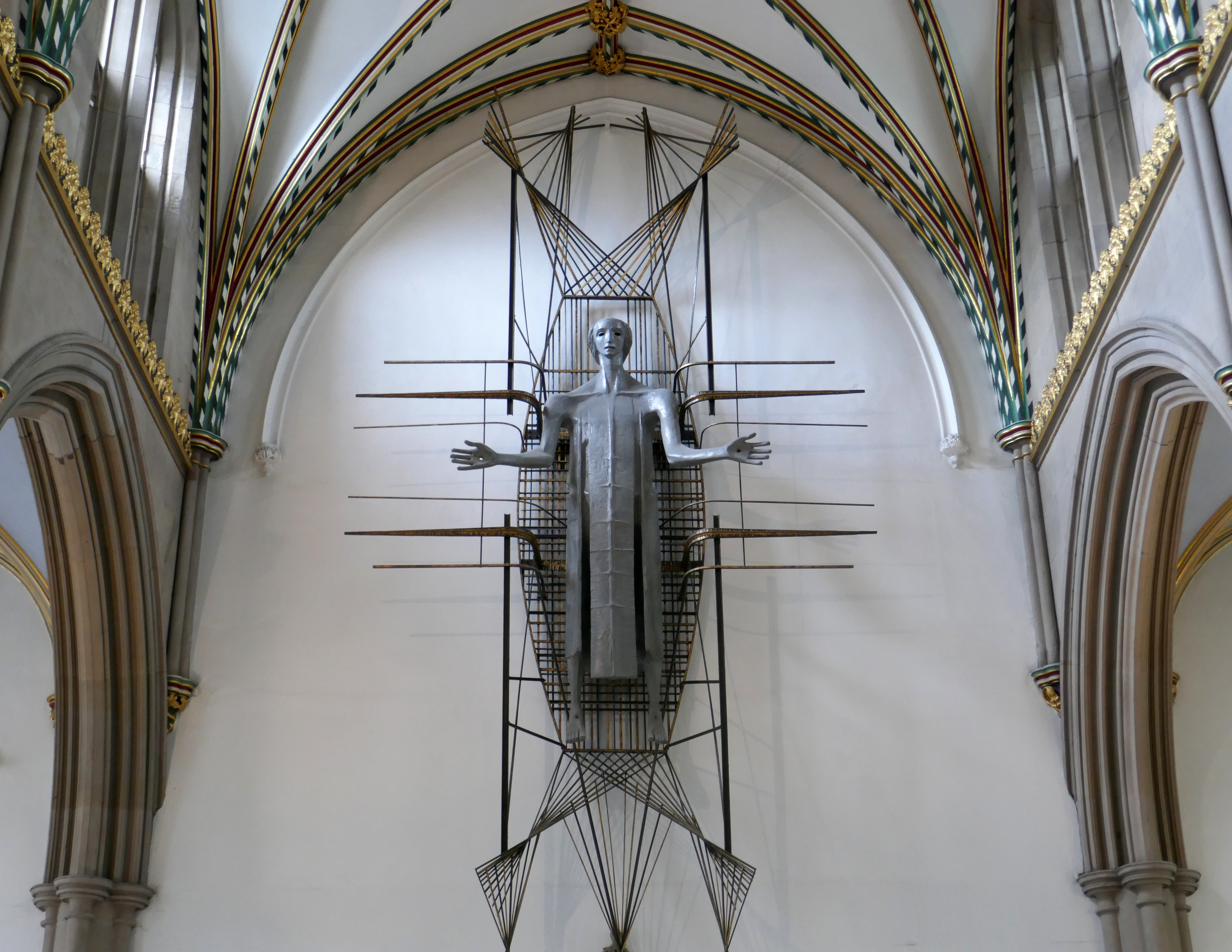
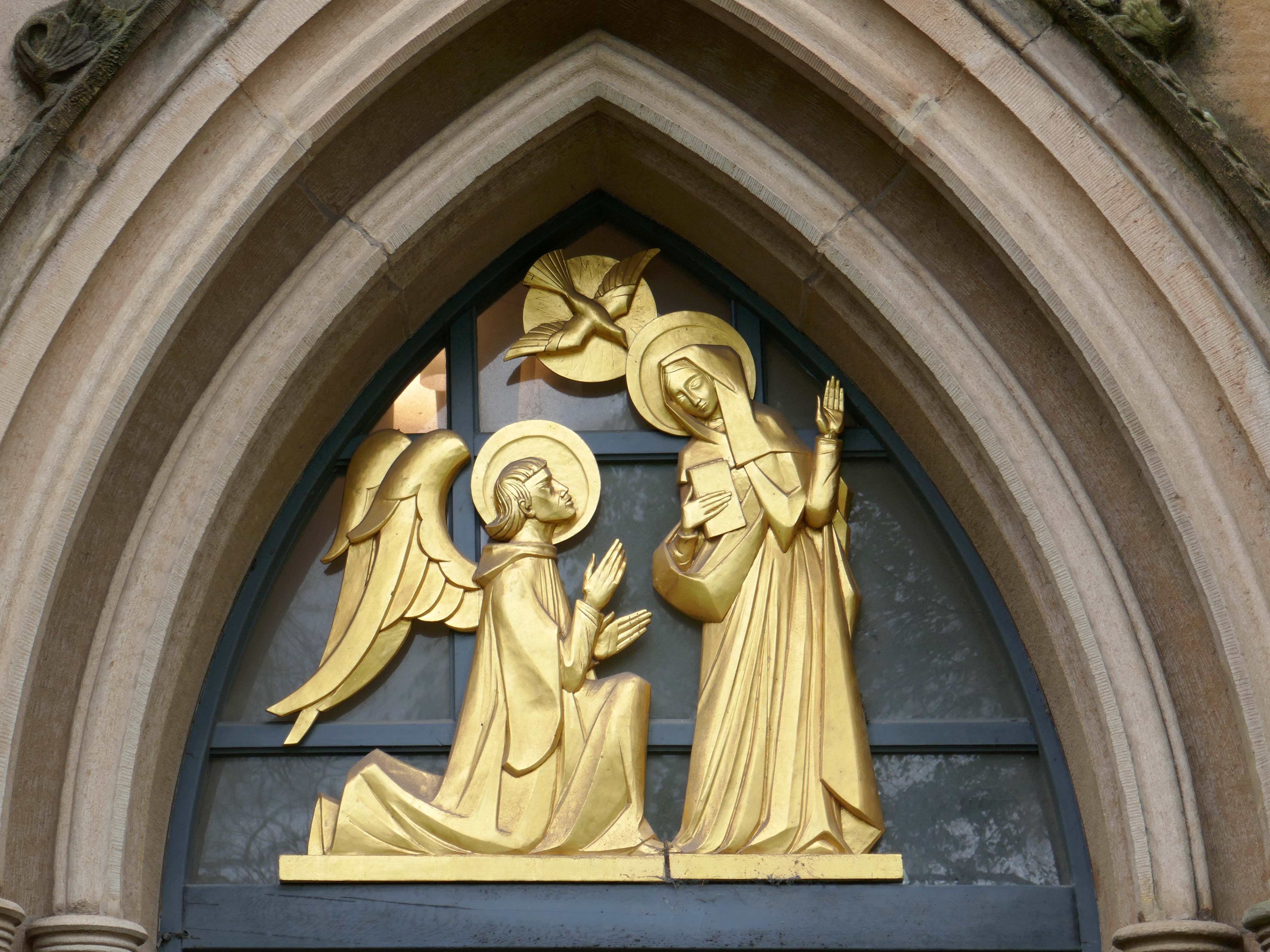
Annunciation and Christ in Majesty sculptures by Siegfried Pietsch 1965.
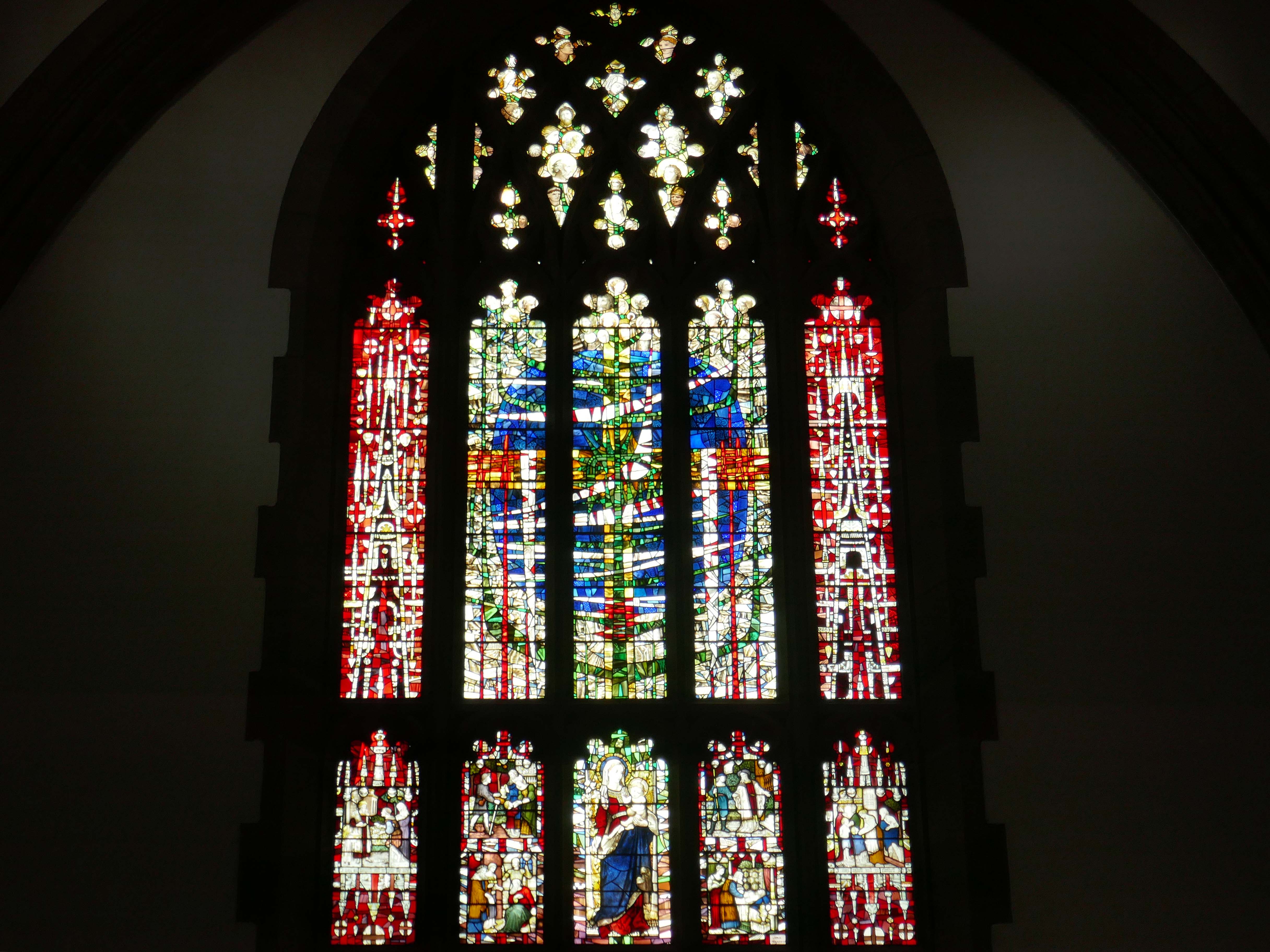
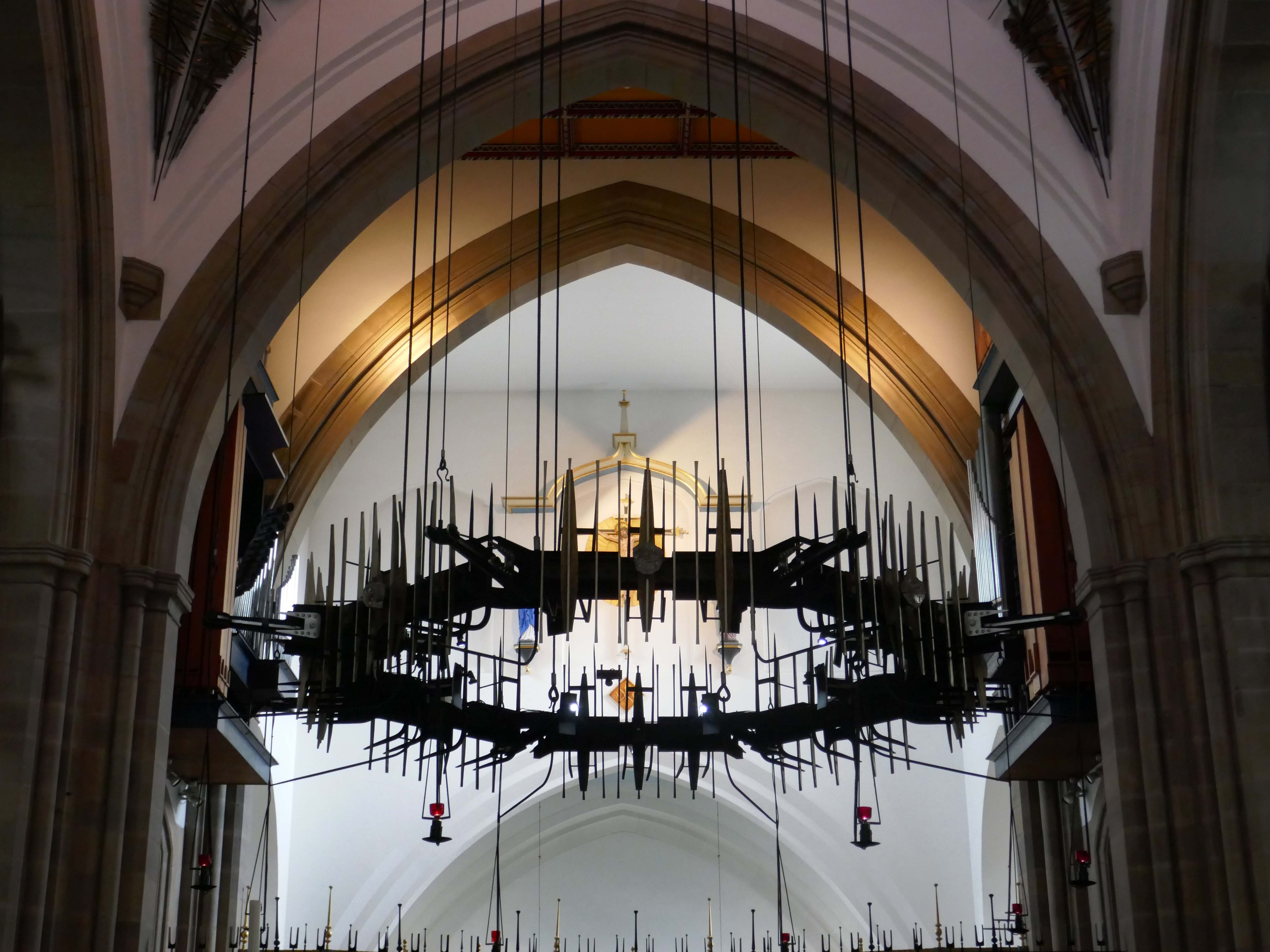
Crown of Thorns by John Hayward.
Lantern stained glass 1999 by Linda Hadfield, formerly Walton.
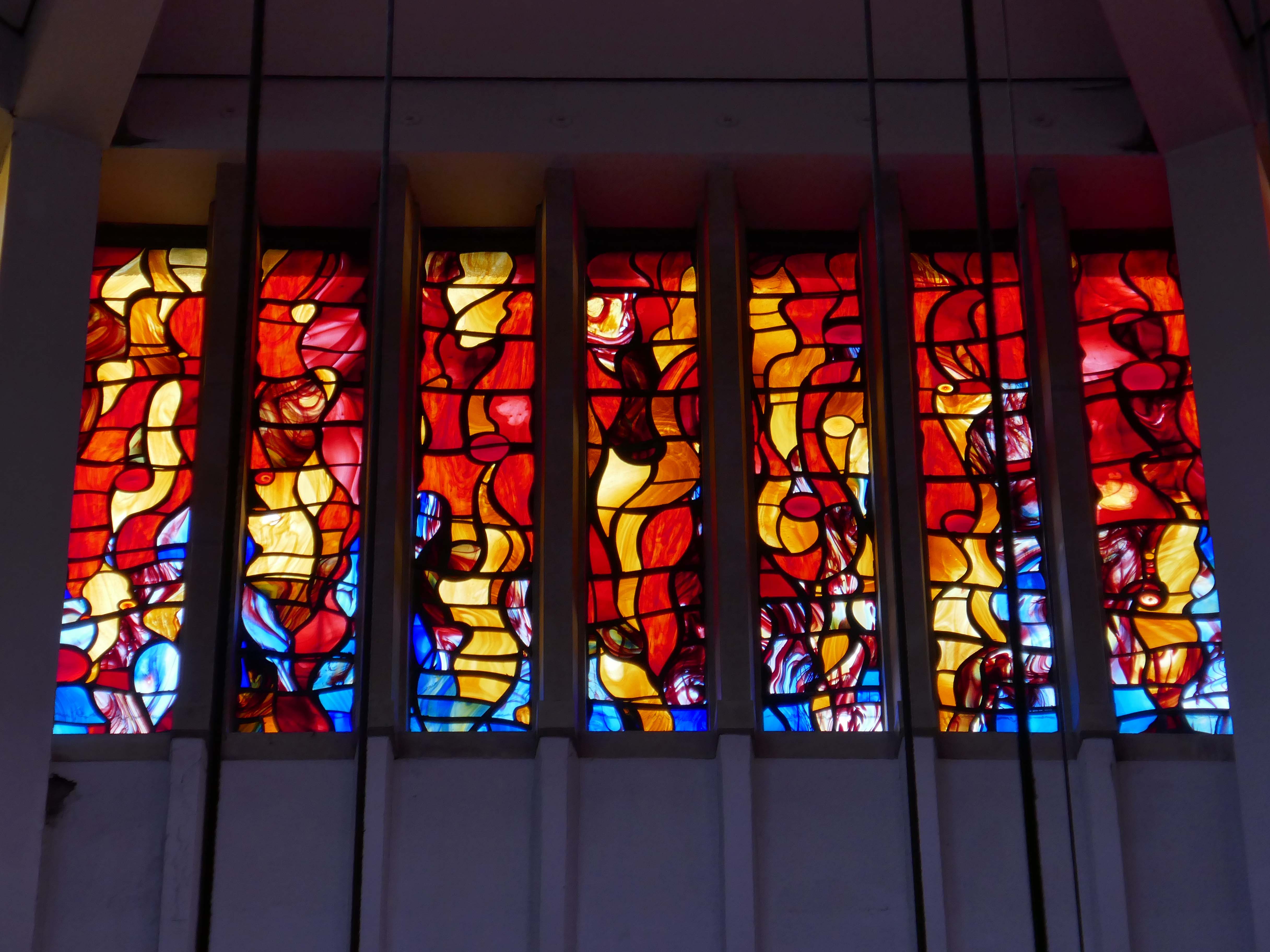
Further work by John Hayward.
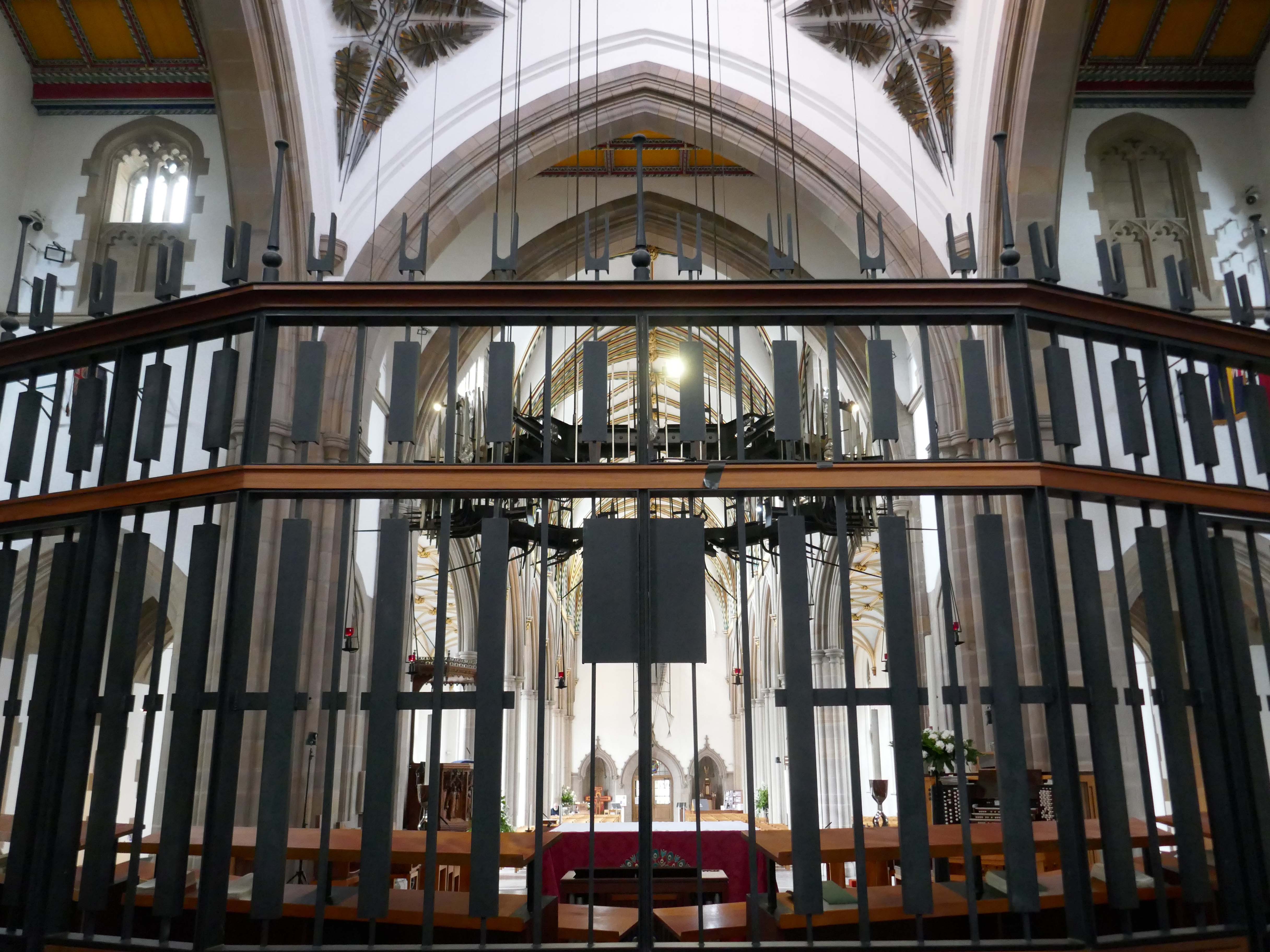
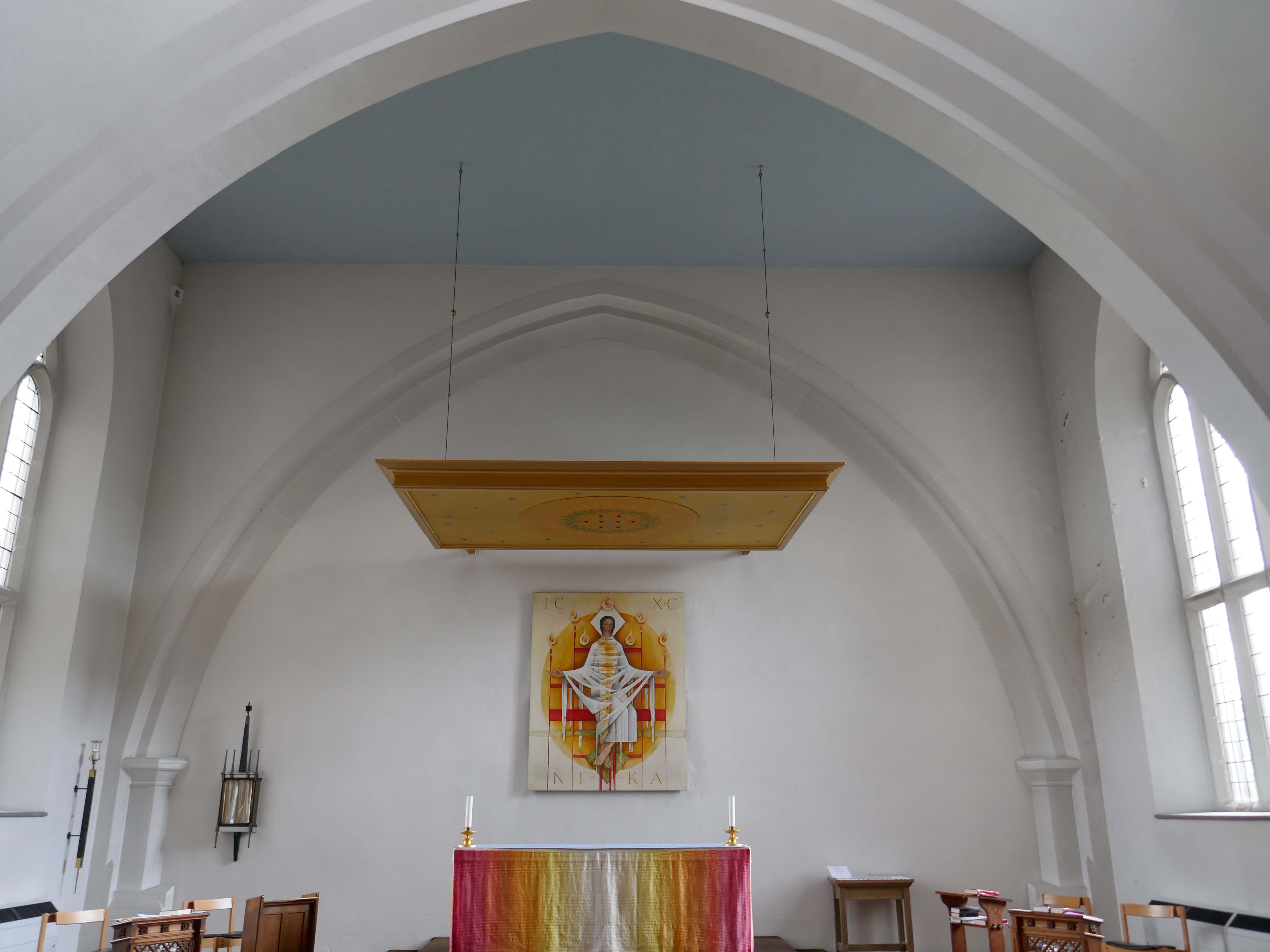
Josefina de Vasconcellos

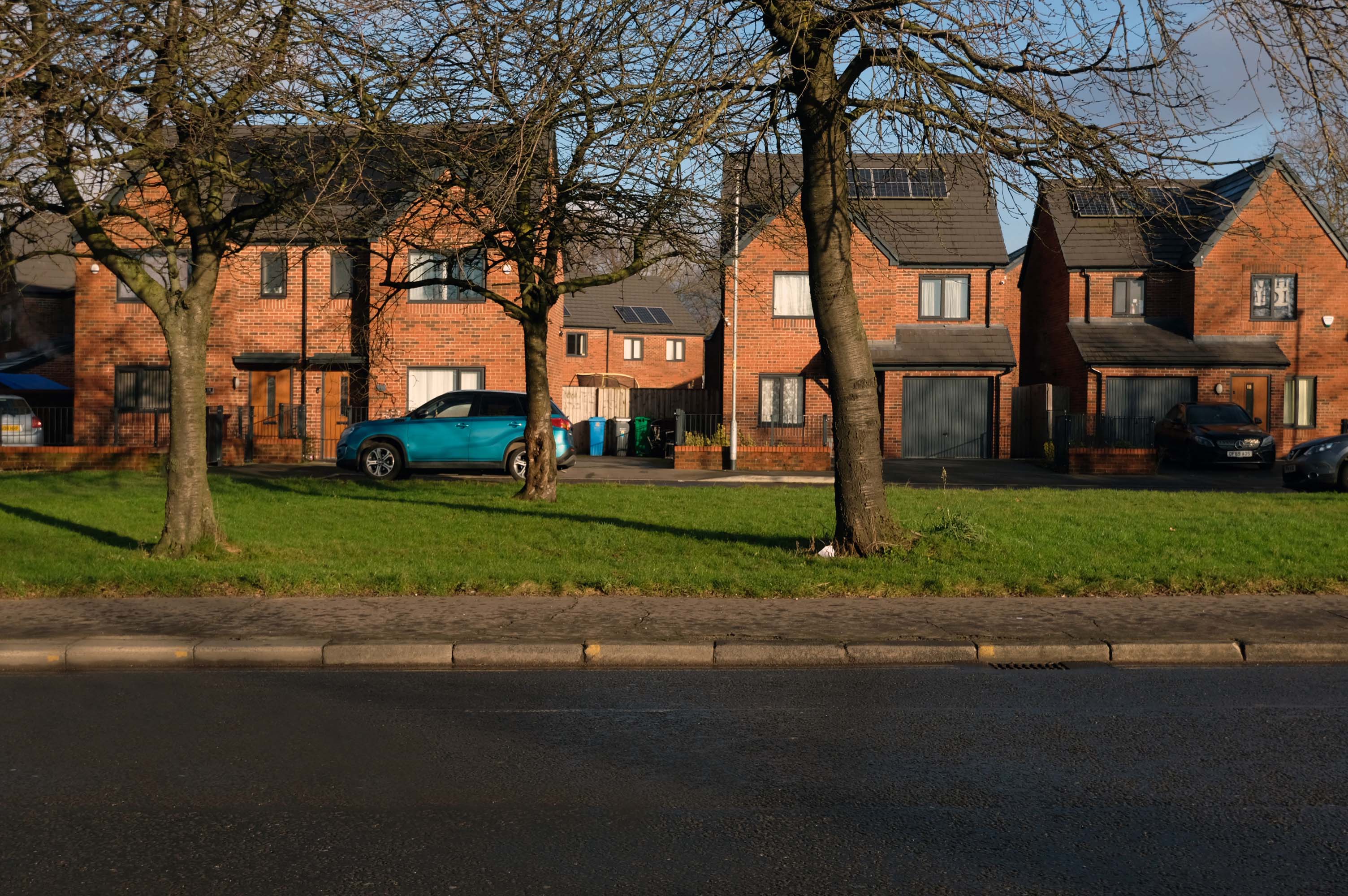
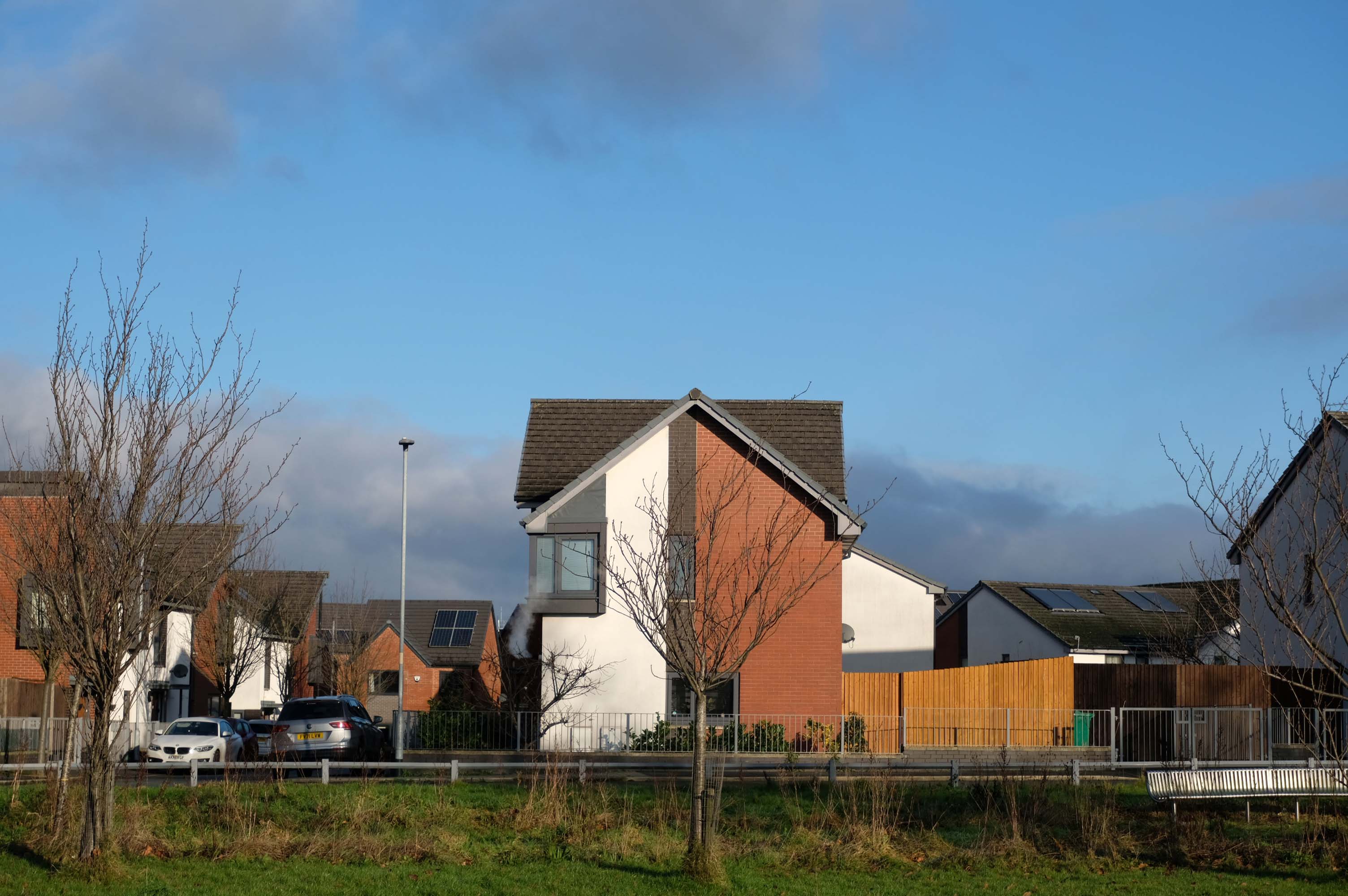
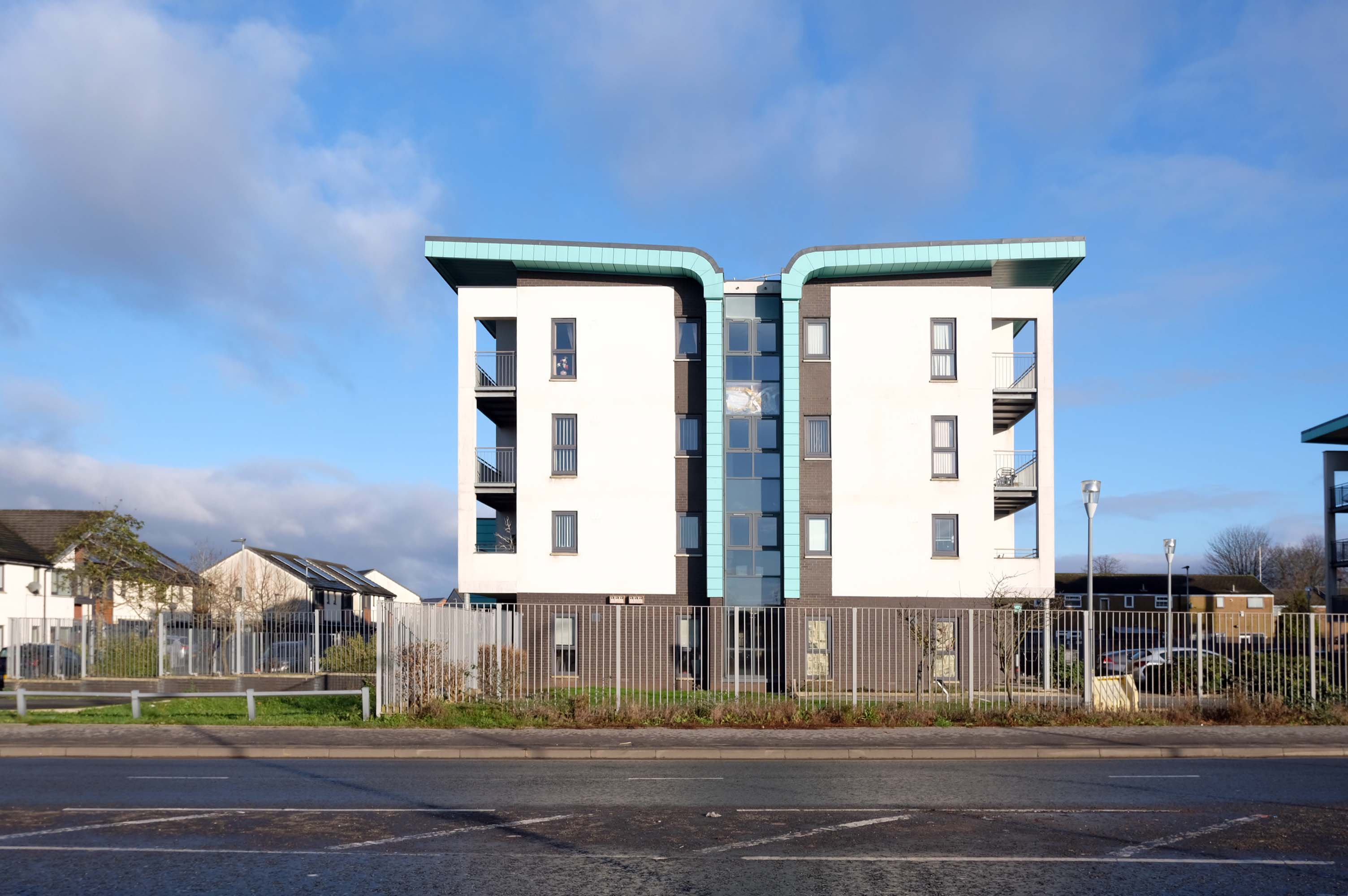
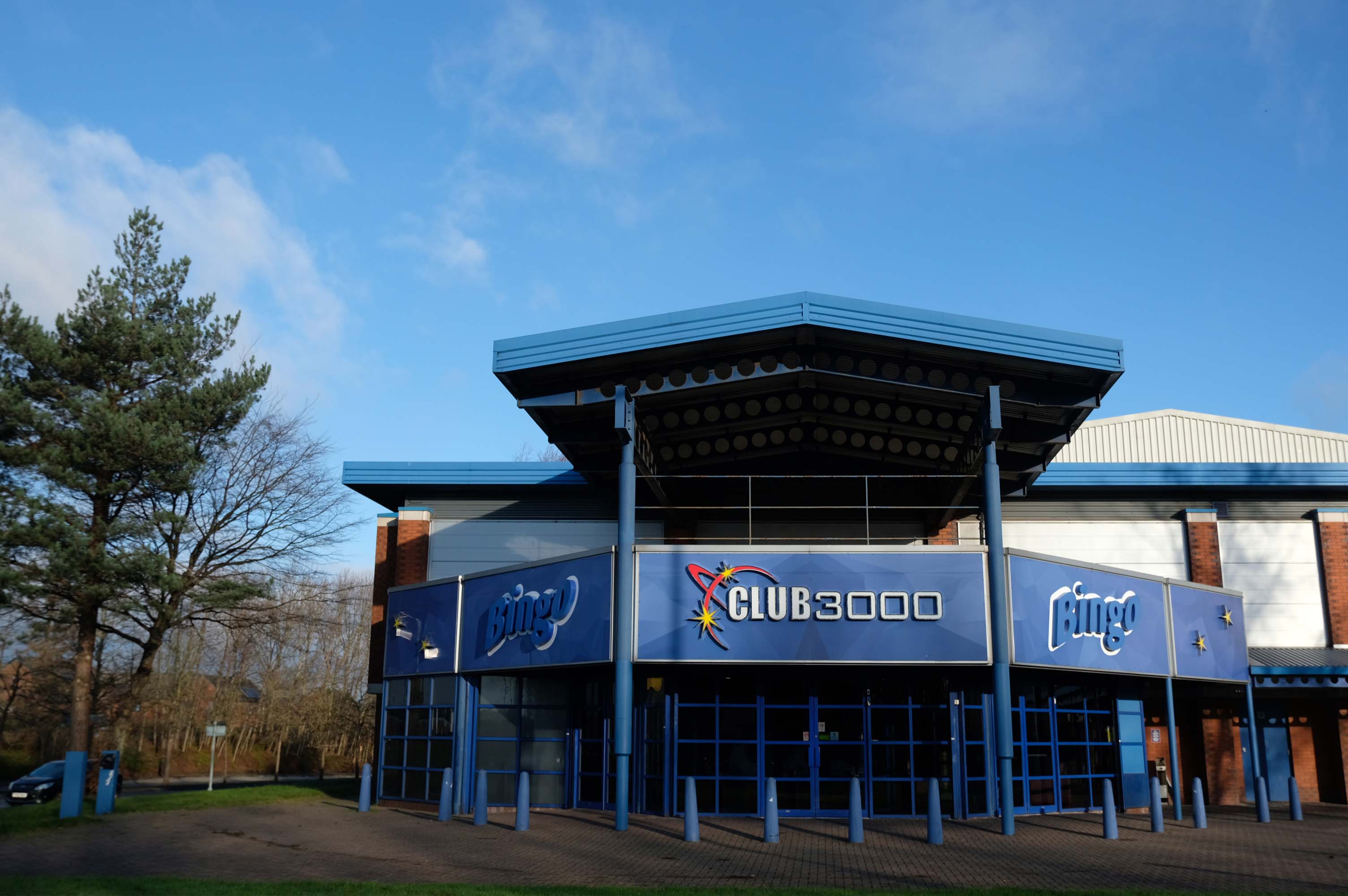
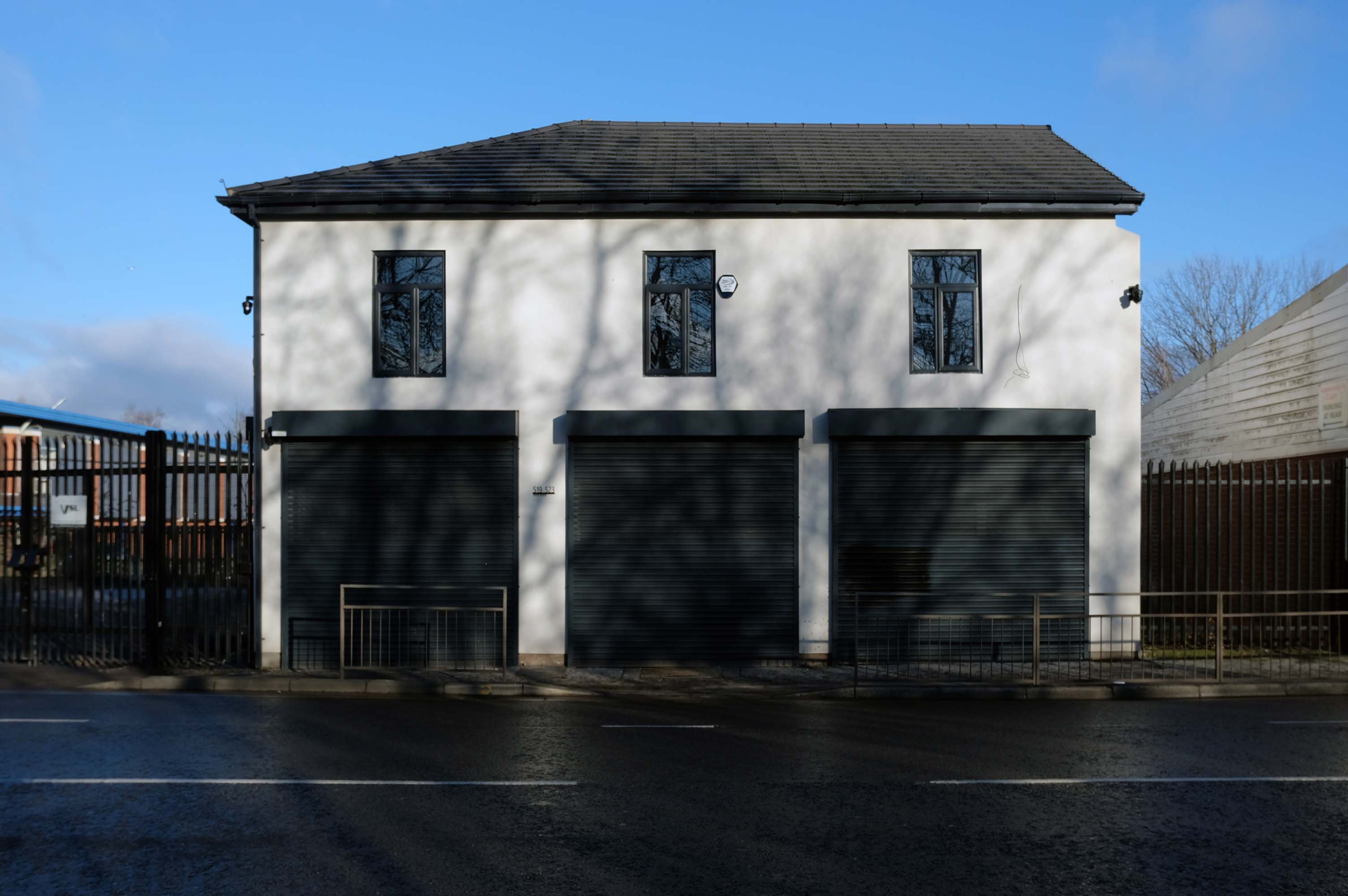
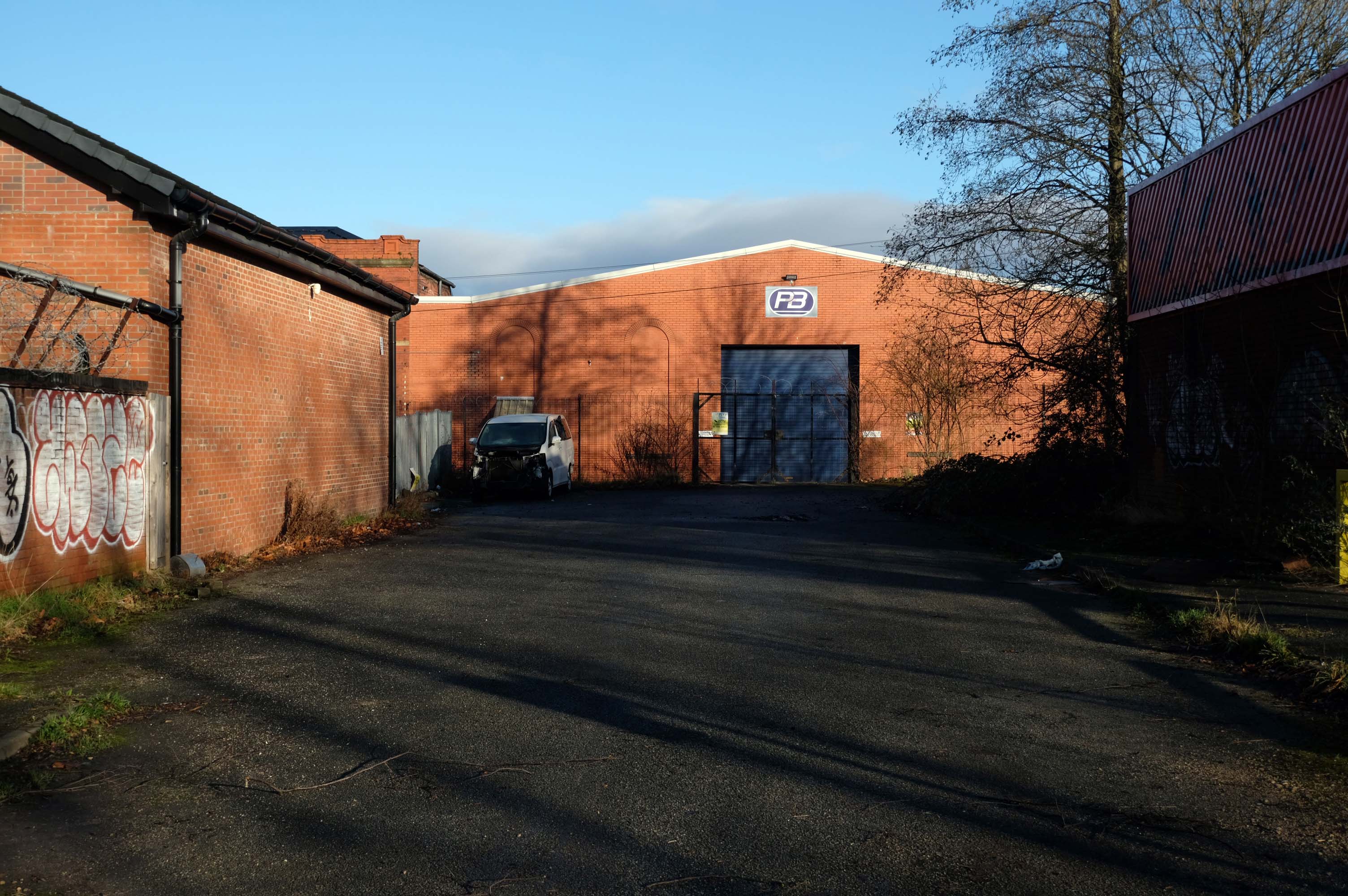
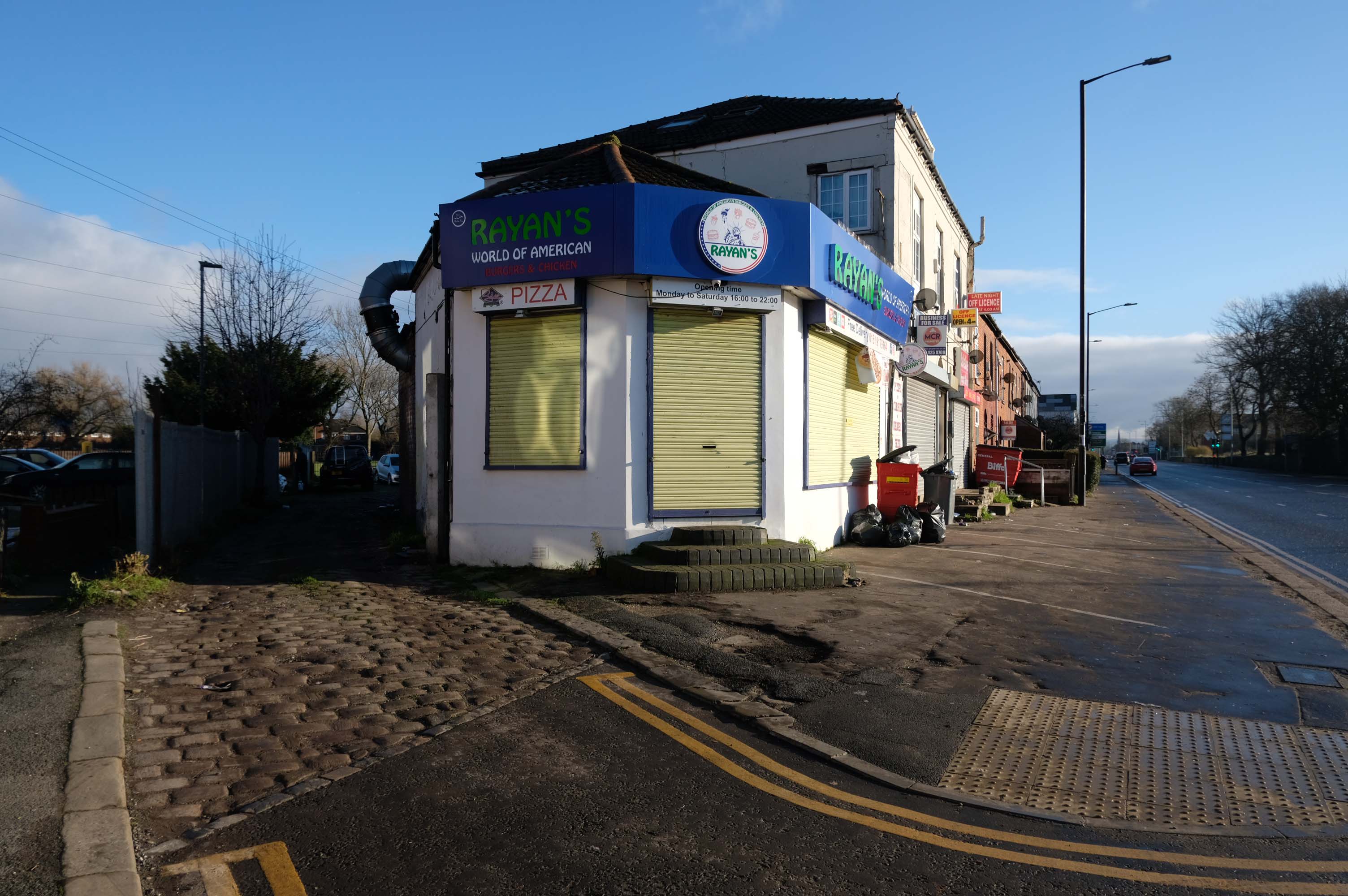
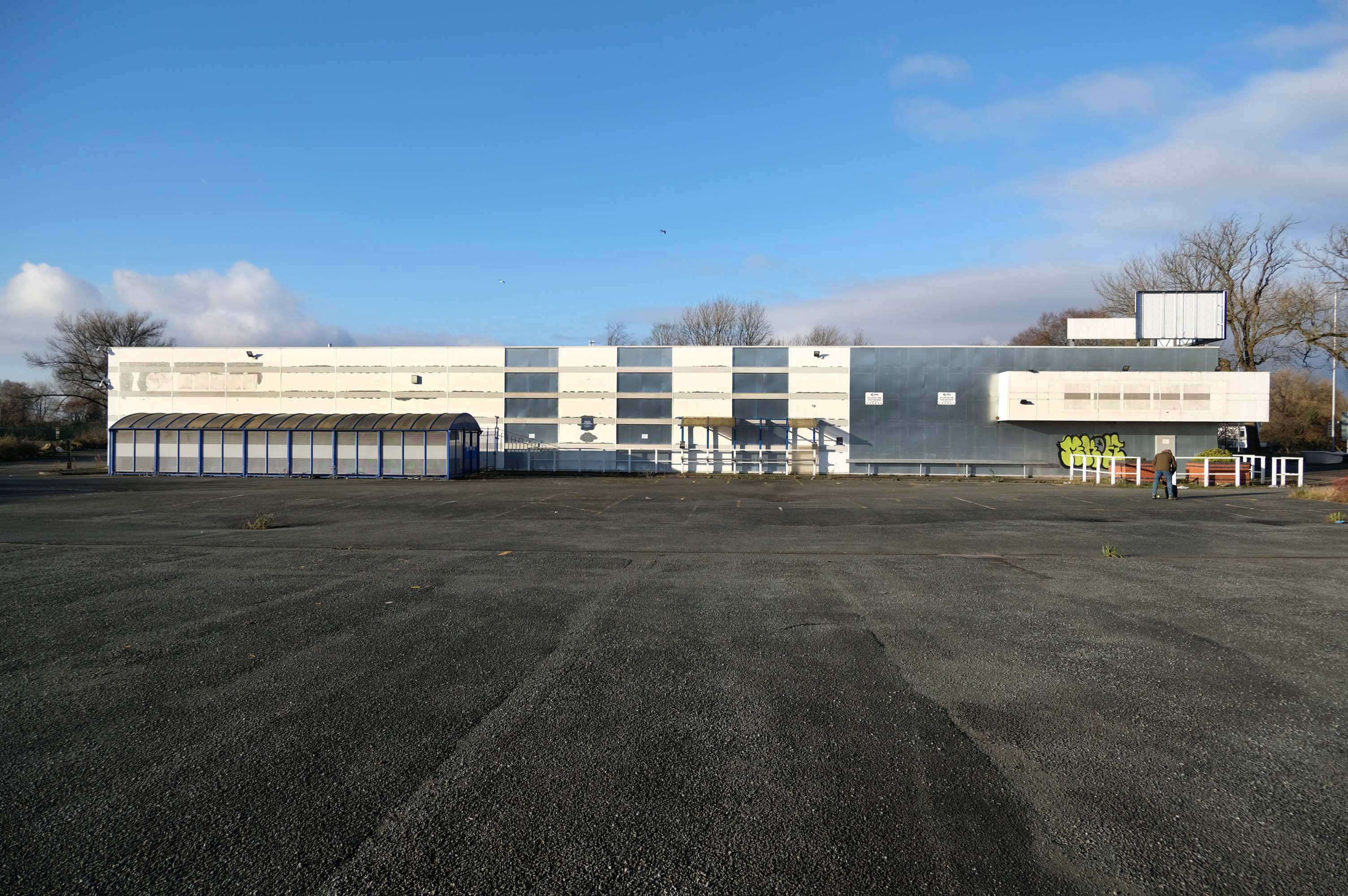
Manchester Arterial 2024 – A57

Having photographed the arterial roads of Manchester in 2014, I have resolved to return to the task in 2024.

Some things seem to have changed, some things seem to have stayed the same.

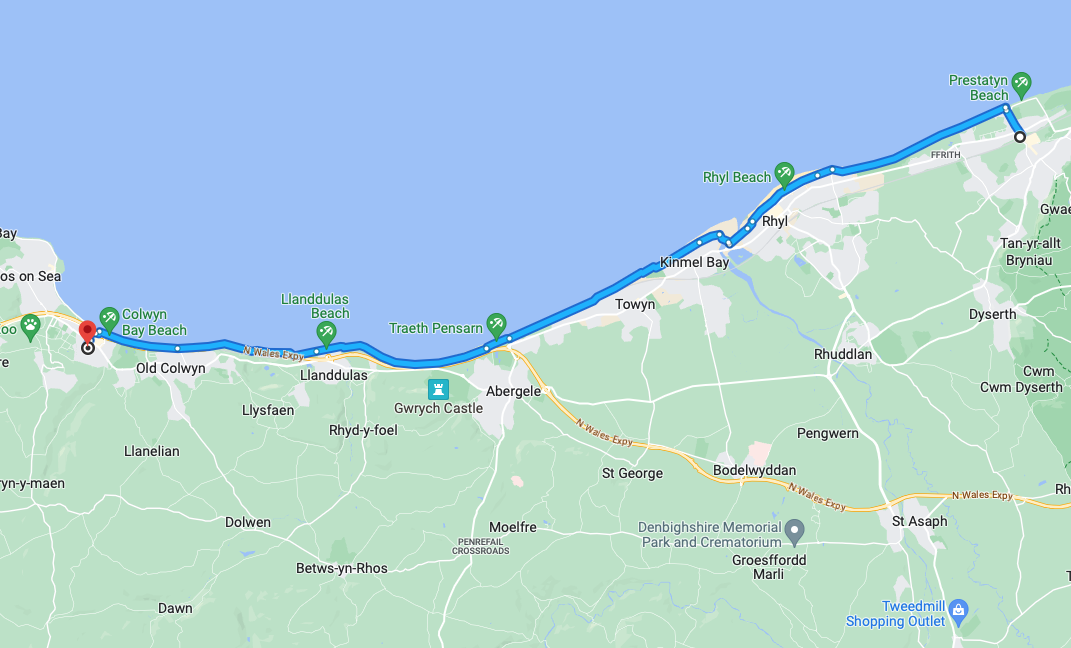
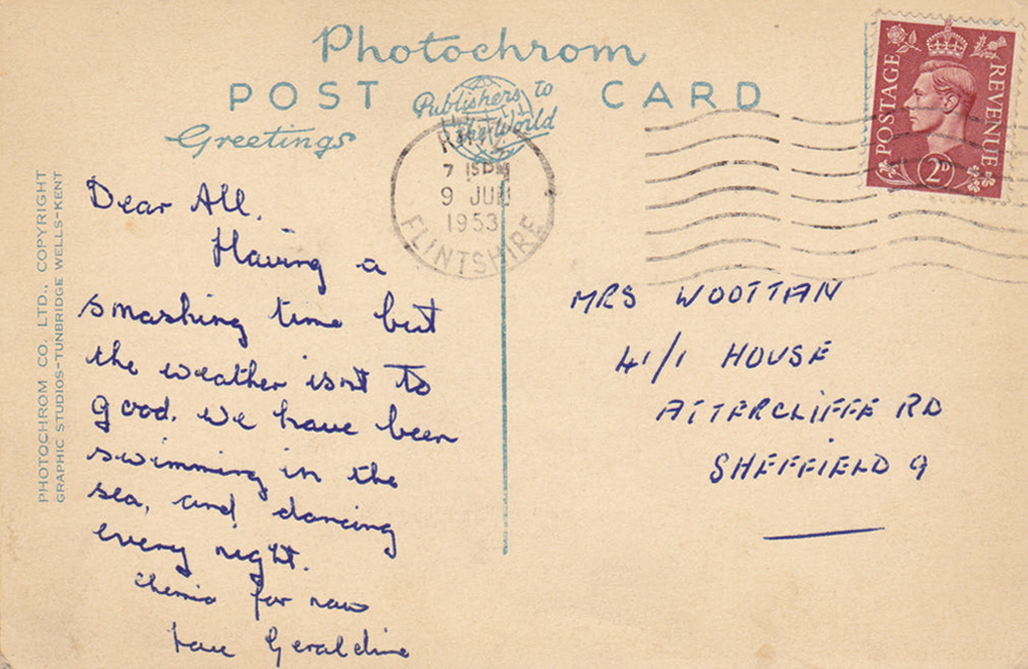
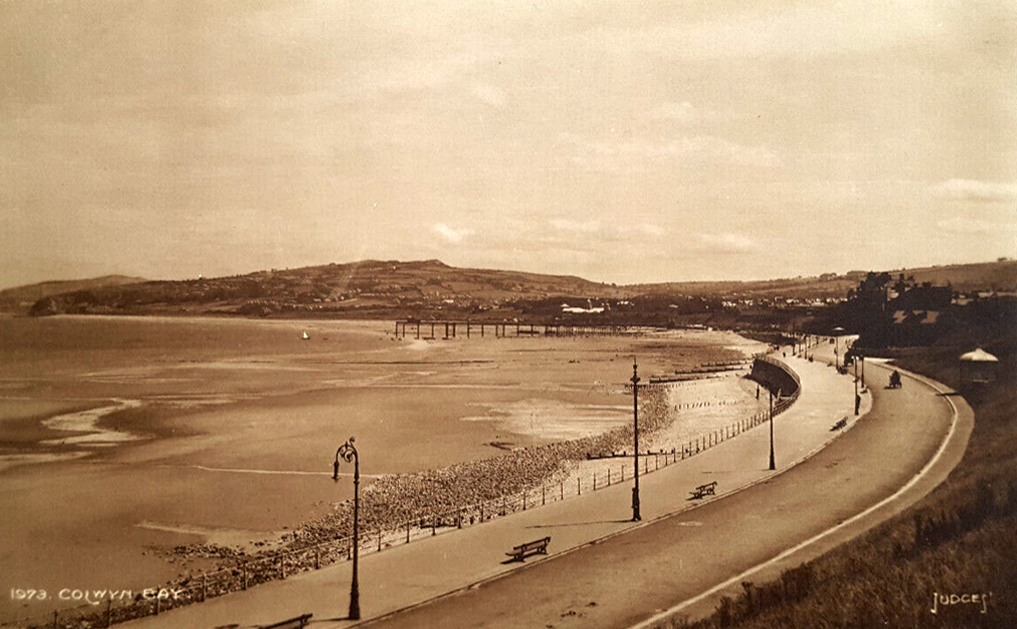
Prestatyn to Colwyn Bay

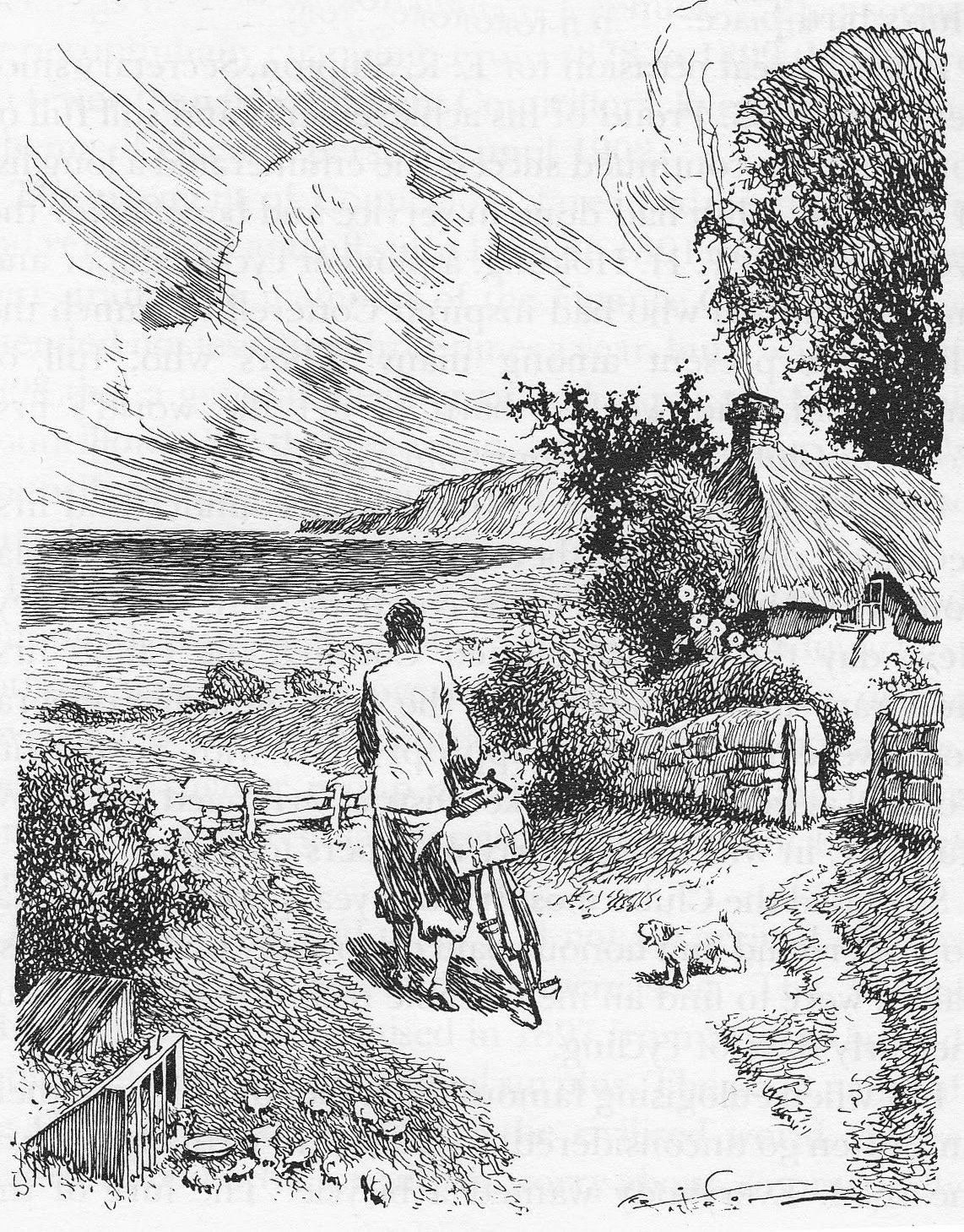
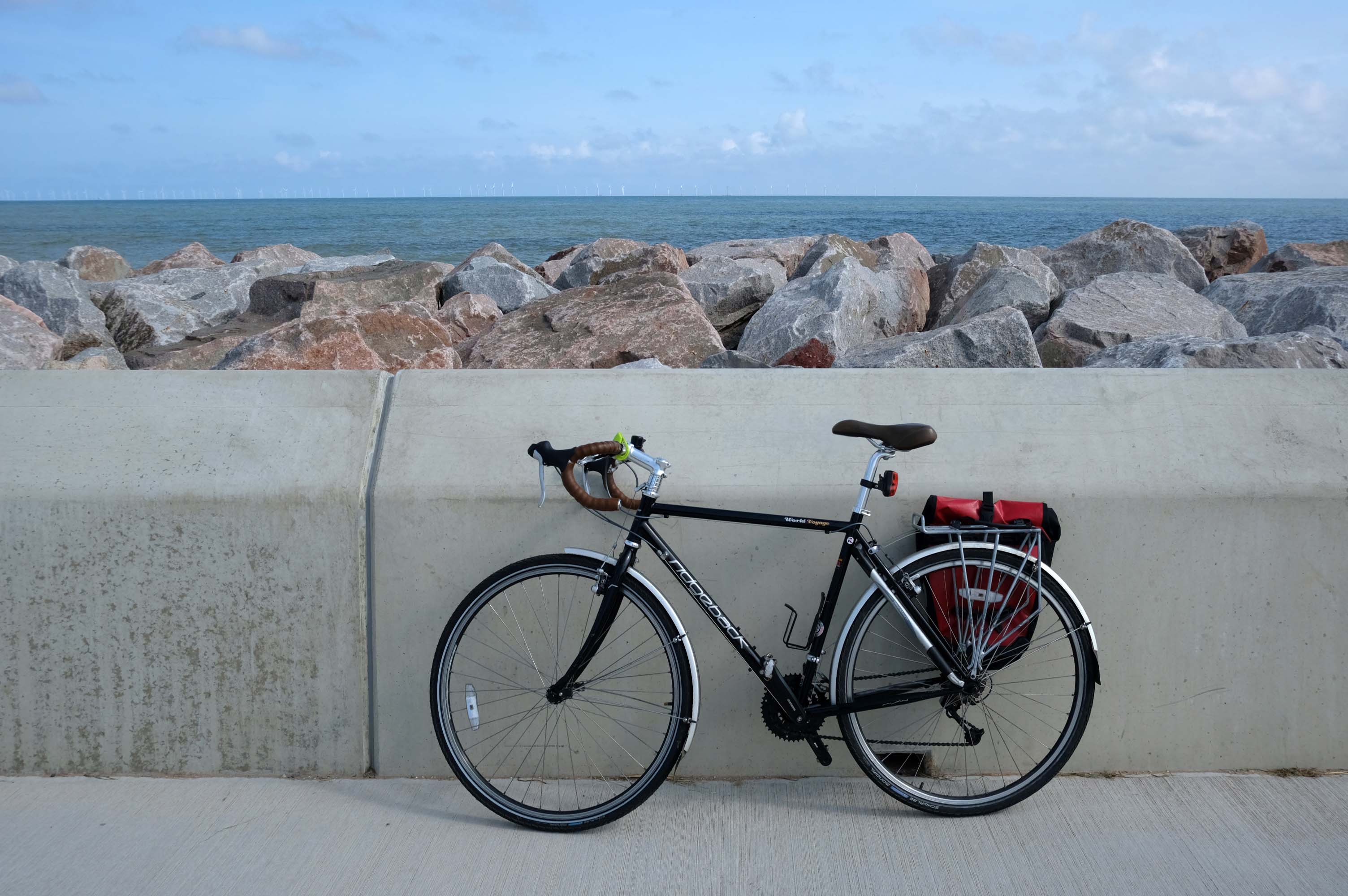
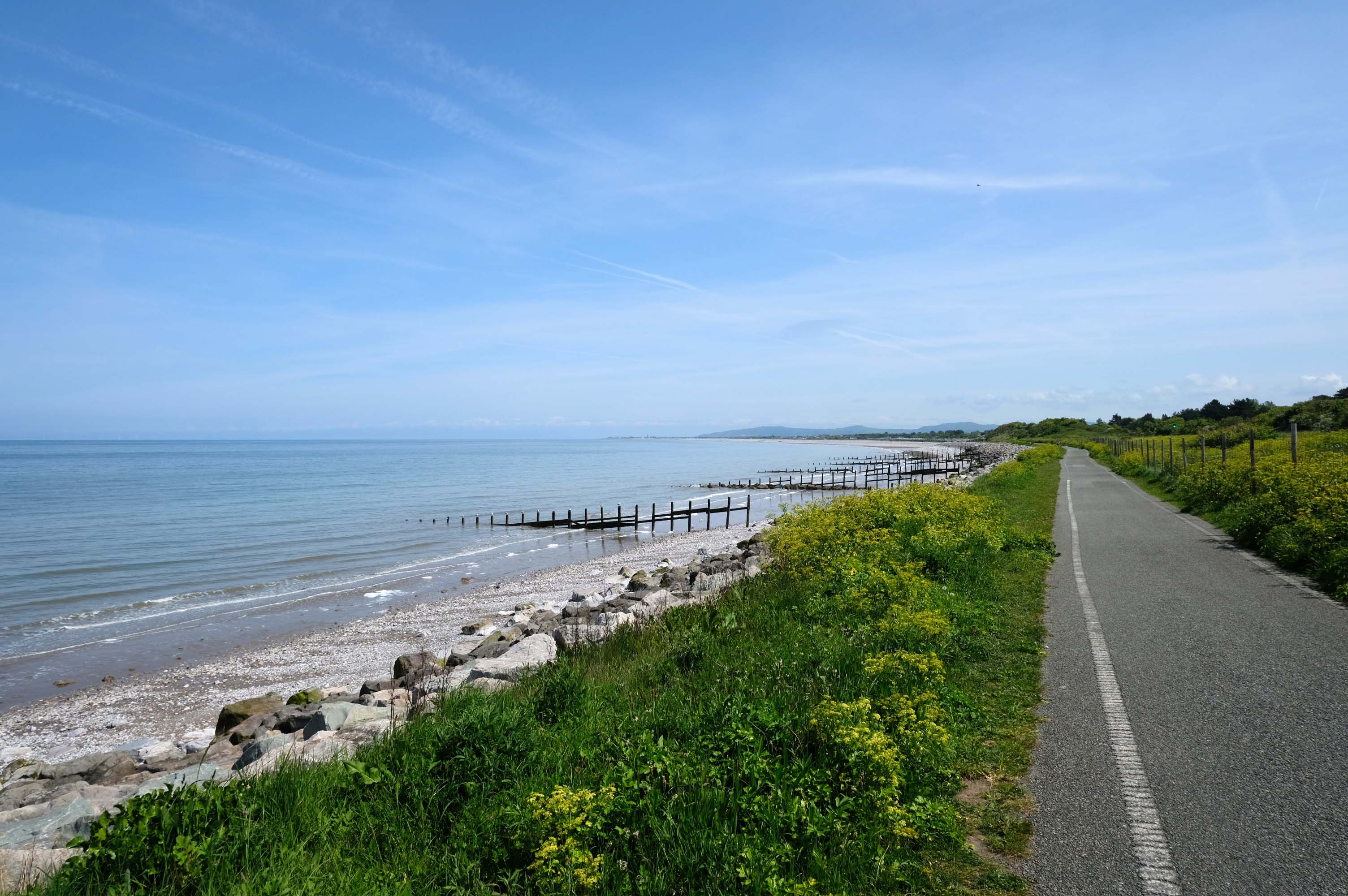
15.1 miles of National Cycle Route 5 – almost constantly, closely cuddling the coast.

Frank Patterson

Prestatyn

There is evidence that the current town location has been occupied since prehistoric times. Prehistoric tools found in the caves of Graig Fawr, in the nearby village of Meliden, have revealed the existence of early human habitation in the area.

“Sunny Prestatyn” became famous for its beach, clean seas and promenade entertainers, and visiting for a bathe was considered very healthy by city-dwelling Victorians.

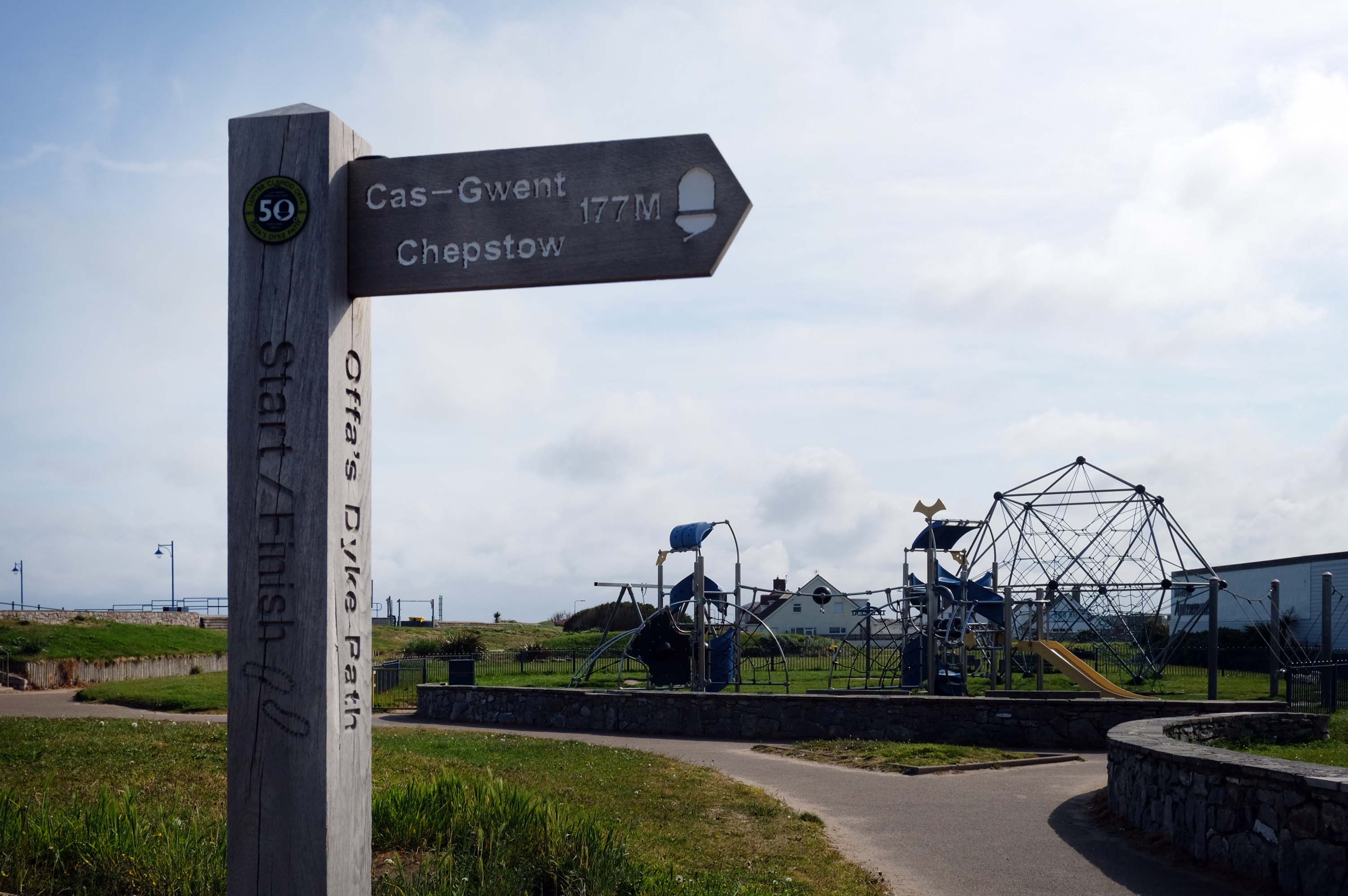
The town is at the northern end of the Offa’s Dyke Path, although not on Offa’s Dyke itself.

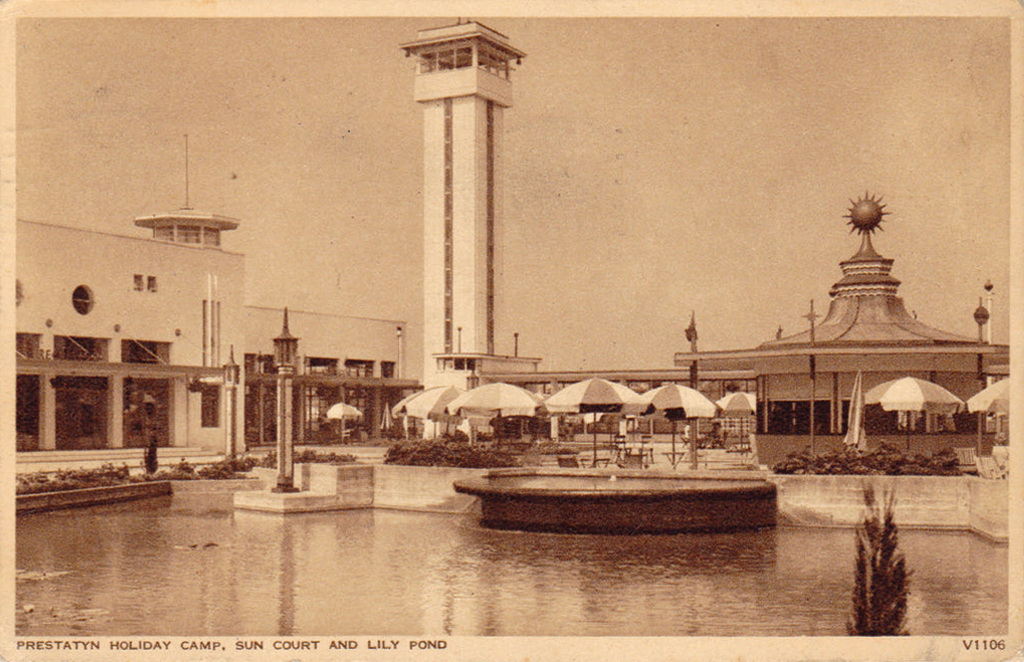
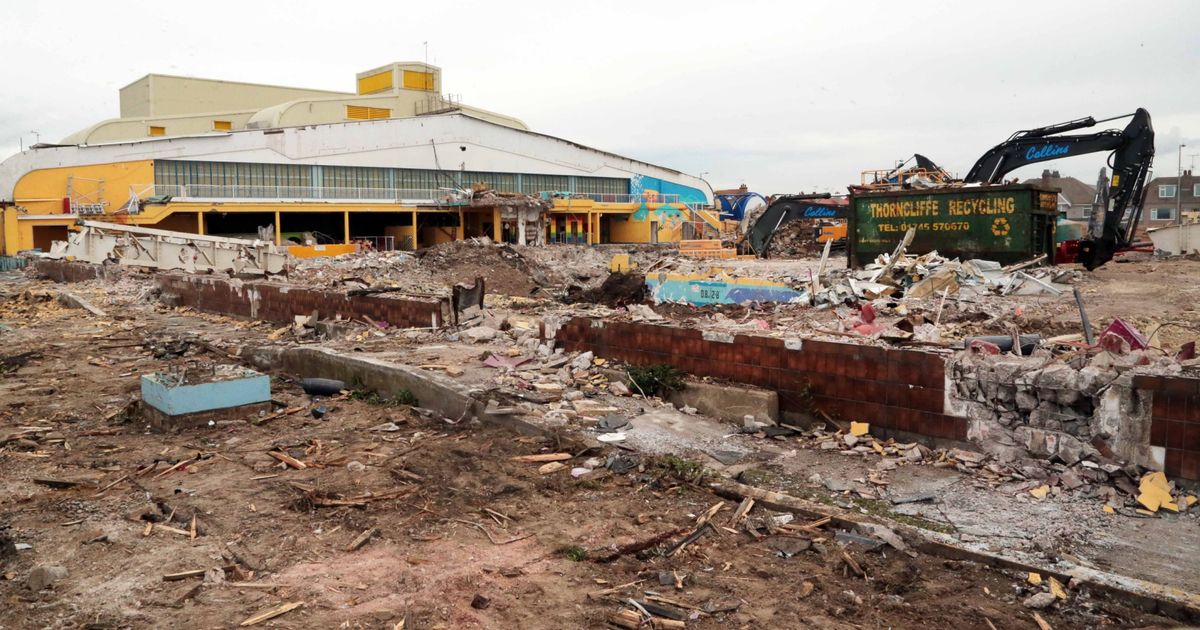
The holiday camp in Prestatyn was built by the London Midland and Scottish Railway Co. in 1939. The main buildings were in classic 1930s style, featuring rounded building ends, steel framed windows and porthole windows. Chalets showed an early form of sectionalised building method.

Requisitioned as a military camp until after the Second World War, it reopened as a holiday camp in the early 1950s. The site was demolished and cleared between February and March 2001.

Coflein

The camp was sold in 1975 and taken over by Pontins, but it closed in 1985.

After that, it was used by the police for riot control training.

In 1973 the camp took a starring role in the comedy movie Holiday on the Buses.

The refurbished Pontin’s now trades as Prestatyn Sands.

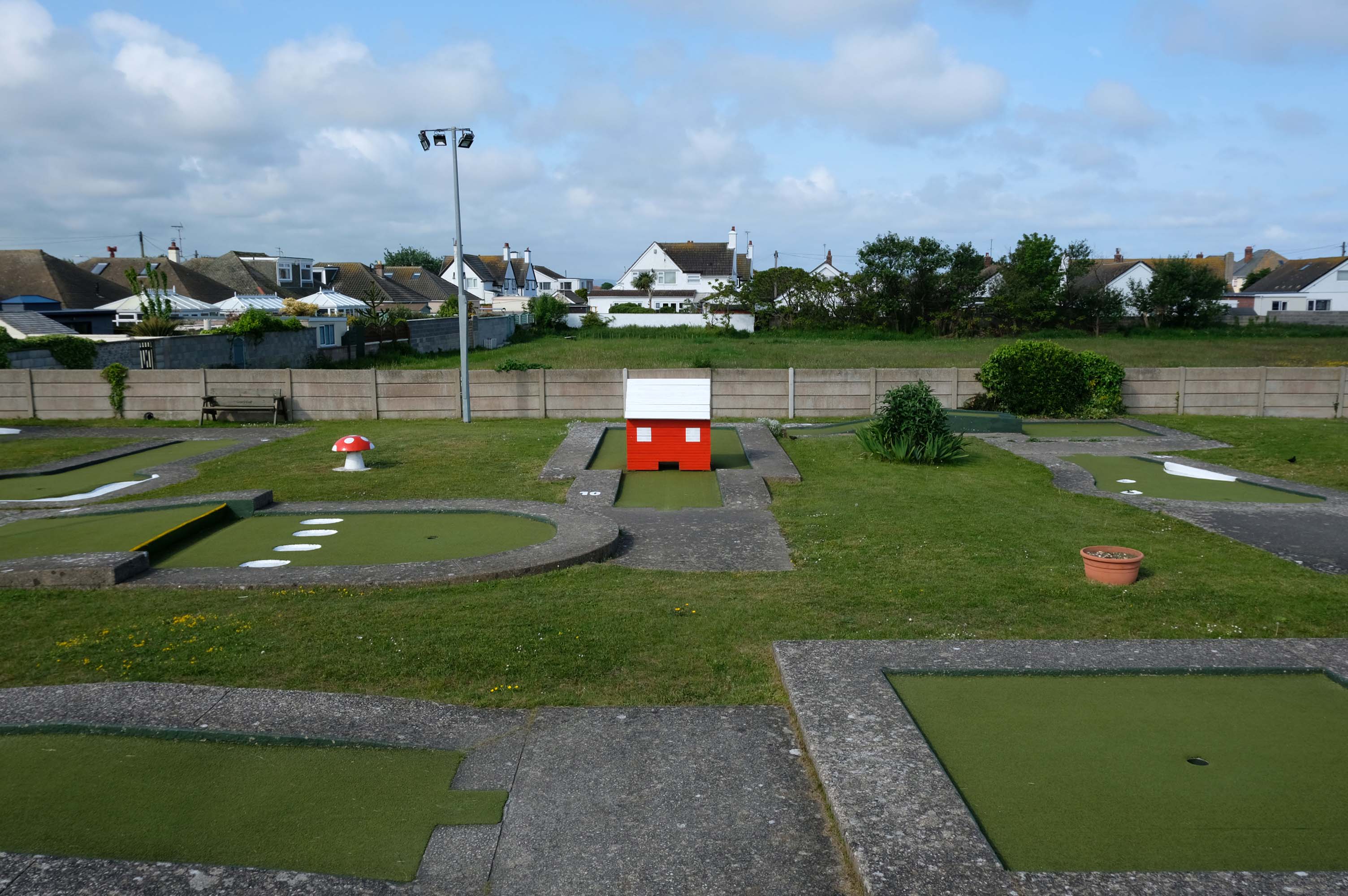
Prestatyn offers the opportunity to engage in an impromptu game of Crazy Golf – though the facility was closed on the morning of my visit.

The crazy golf was fantastic the kids didn’t want to leave plus the lady was so helpful plus the price were very reasonable – would highly recommended.

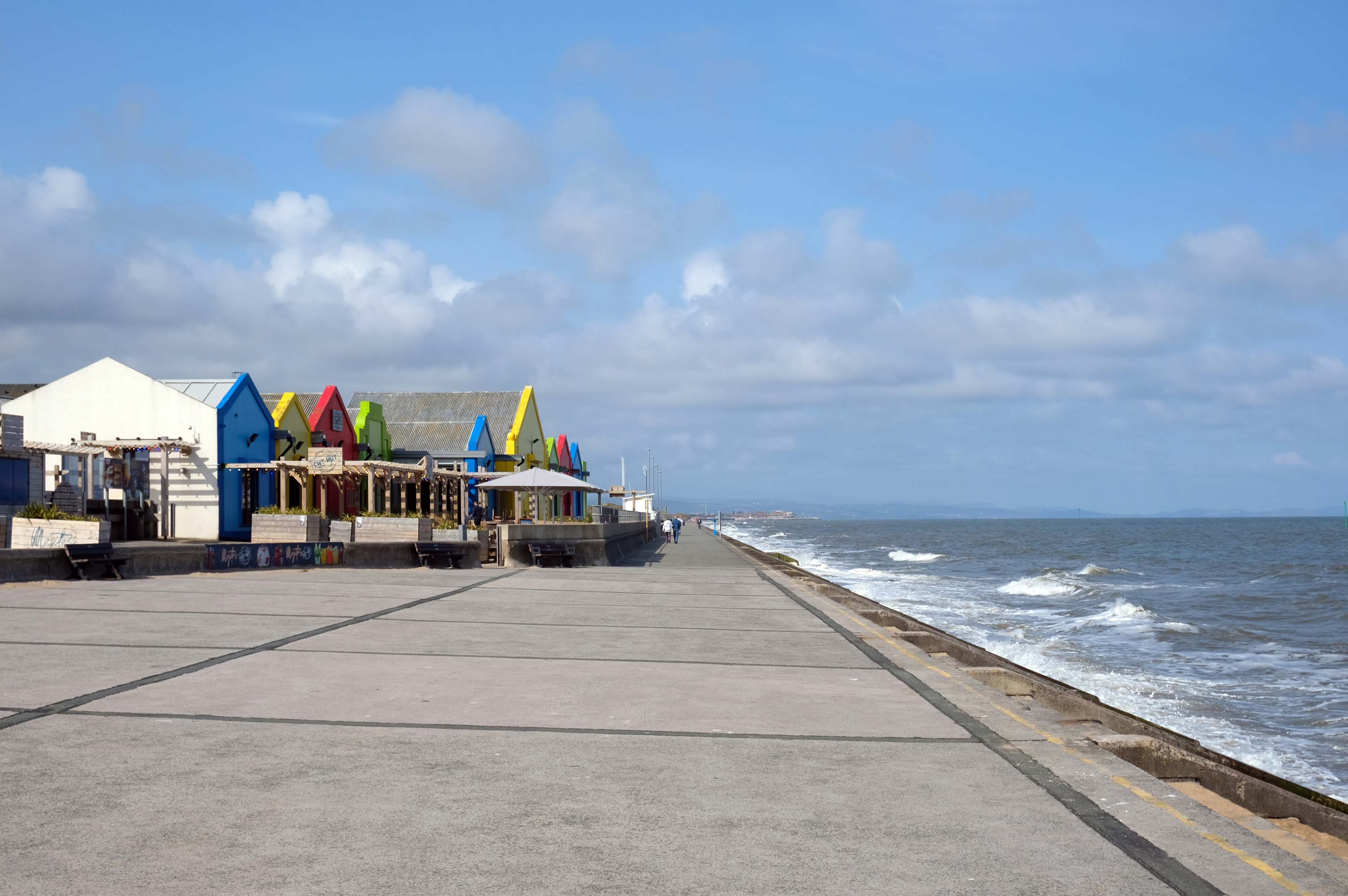
The promenade is dominated by a tight knit group of modern leisure facilities.

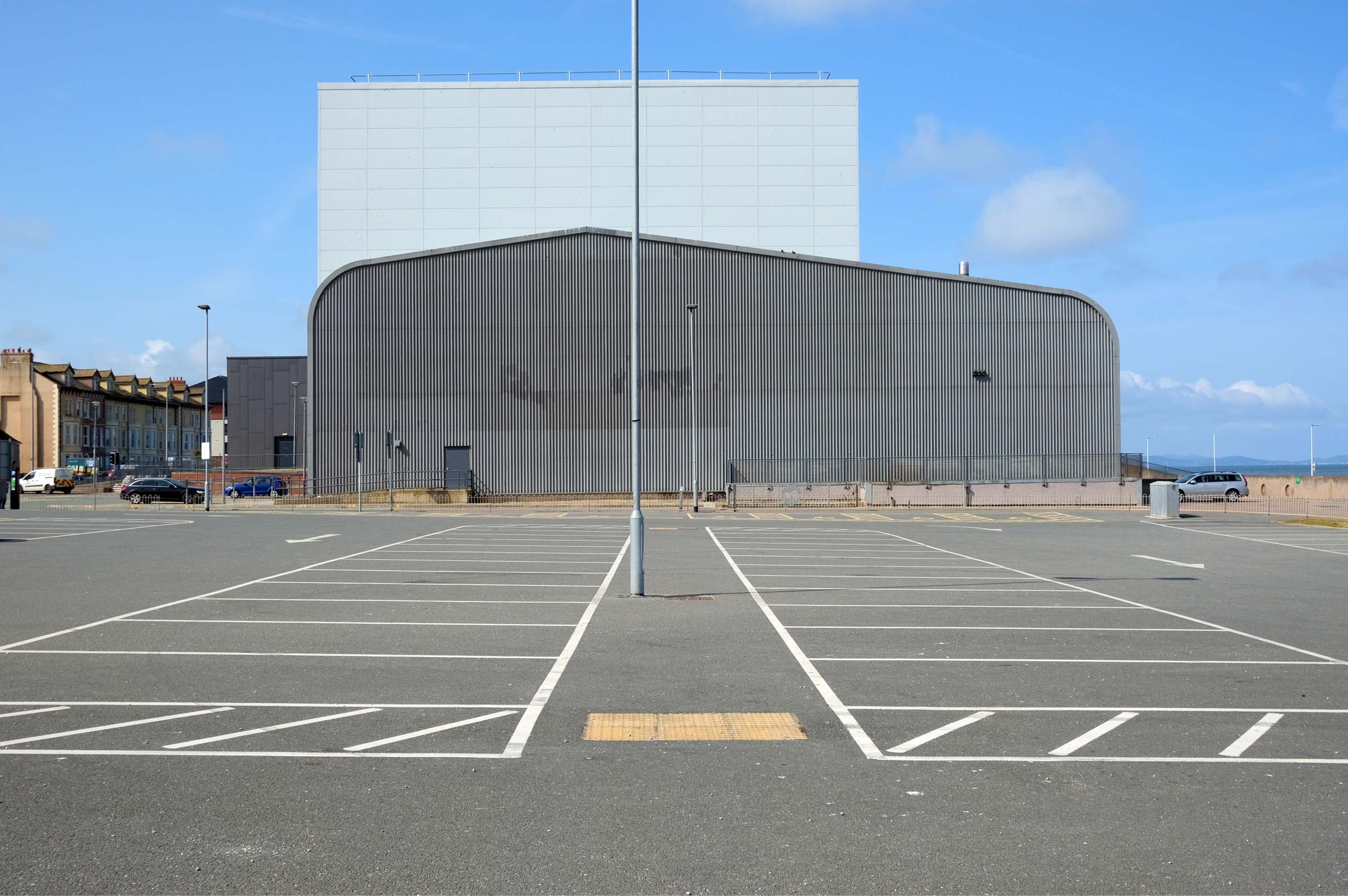
An expansive car park fronts directly onto the seafront.

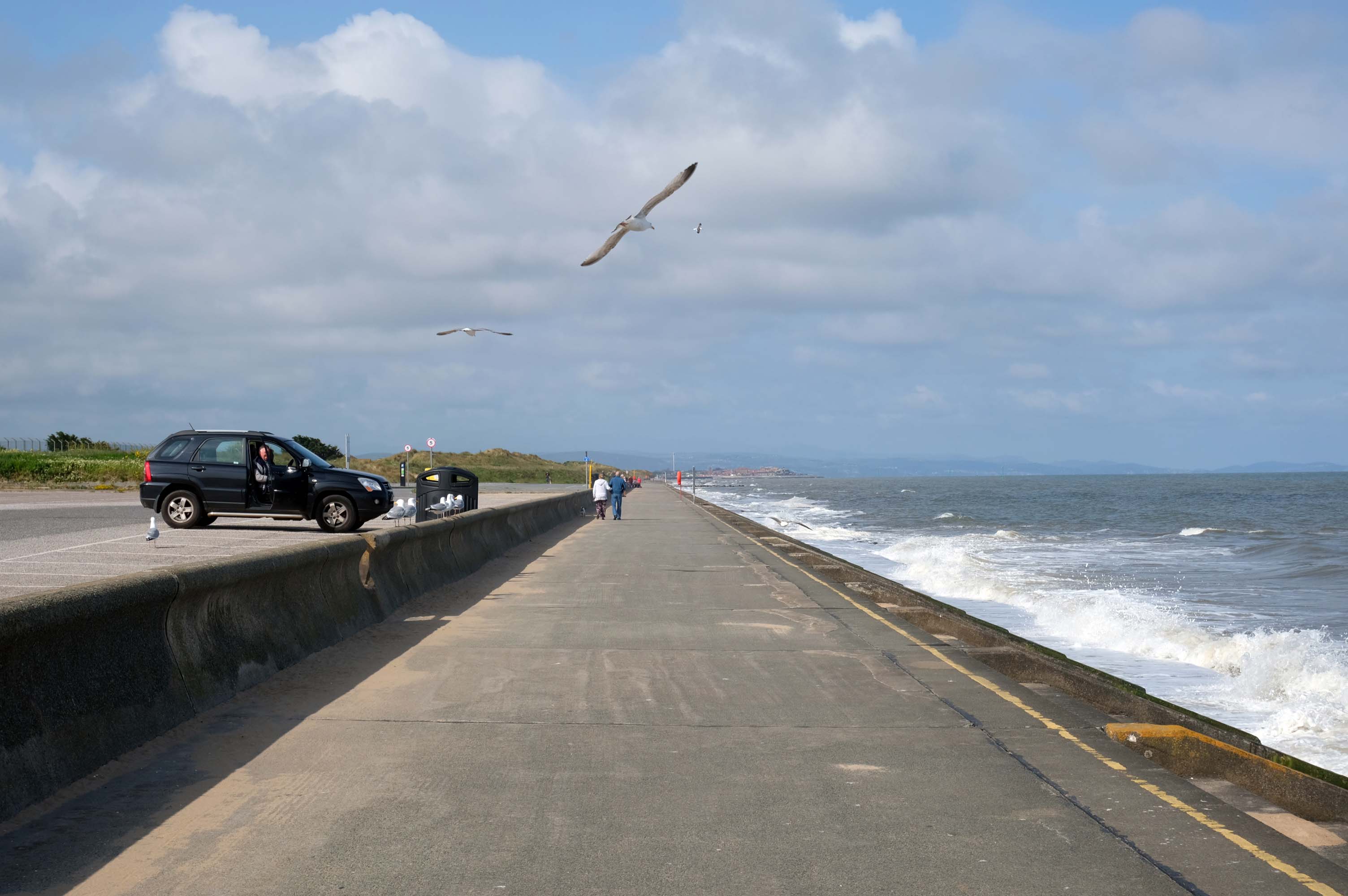
There have been serious reinforcements made to the seawalls – ensuring that the passing cyclist will not be washed away, by the crashing waves of the incoming tide.

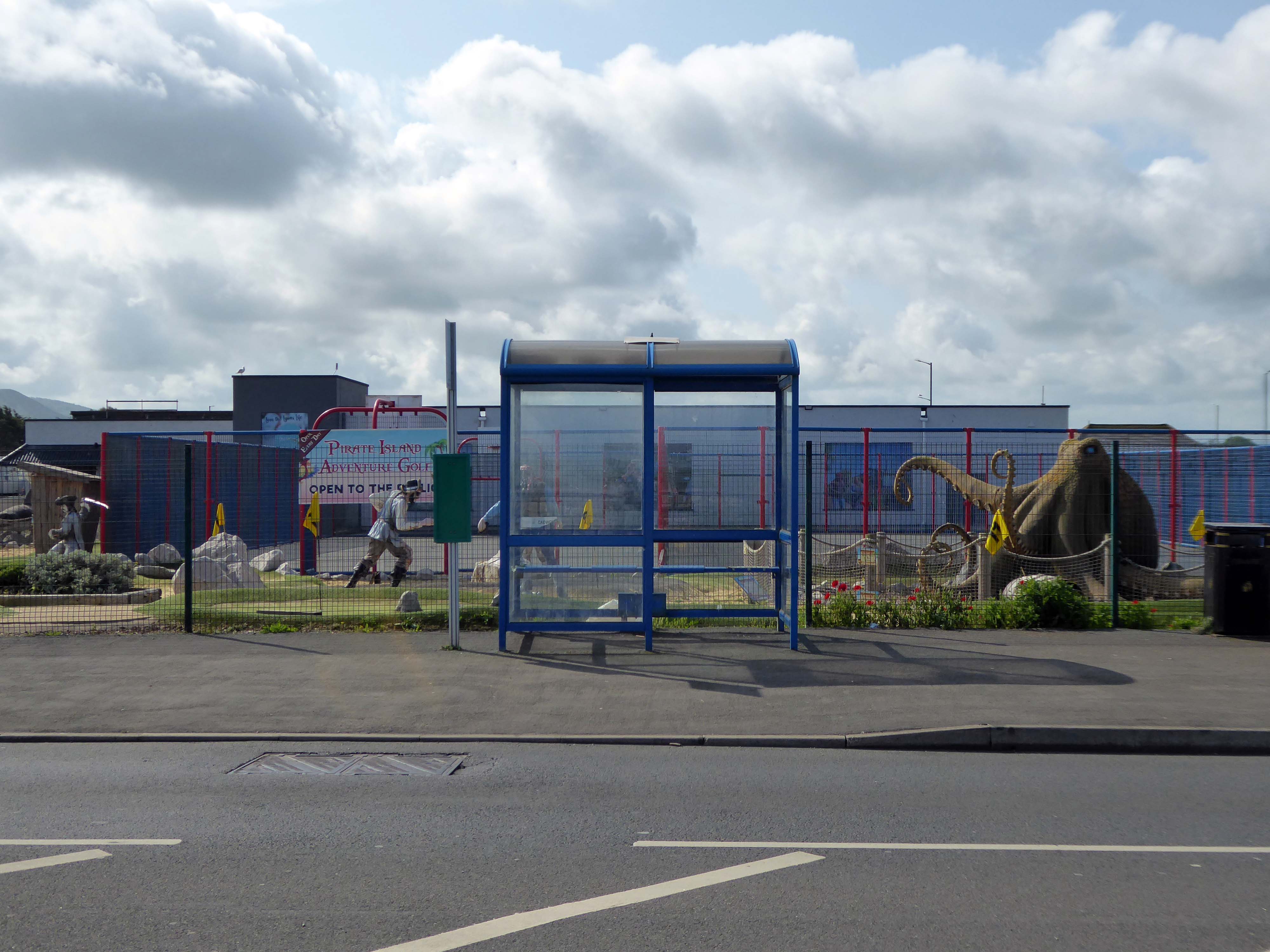
The reinforcement work demands that we temporarily detour onto the Rhyl Coast Road, where we encounter Pirate Island Adventure Golf.

Uncover hidden treasure on the North Welsh Coast at Pirate Island Adventure Golf at Lyons Robin Hood Holiday Park.

Make friends with the great white shark, octopus, and the resident pirates who guard the Island.

This 18-hole course is a fun and crazy challenge for all the family, with stunning views of Rhyl seafront to boot. Plus, it’s located just a stone’s throw away from Sherwoods Sports Bar where refreshments are served.

Rhyl

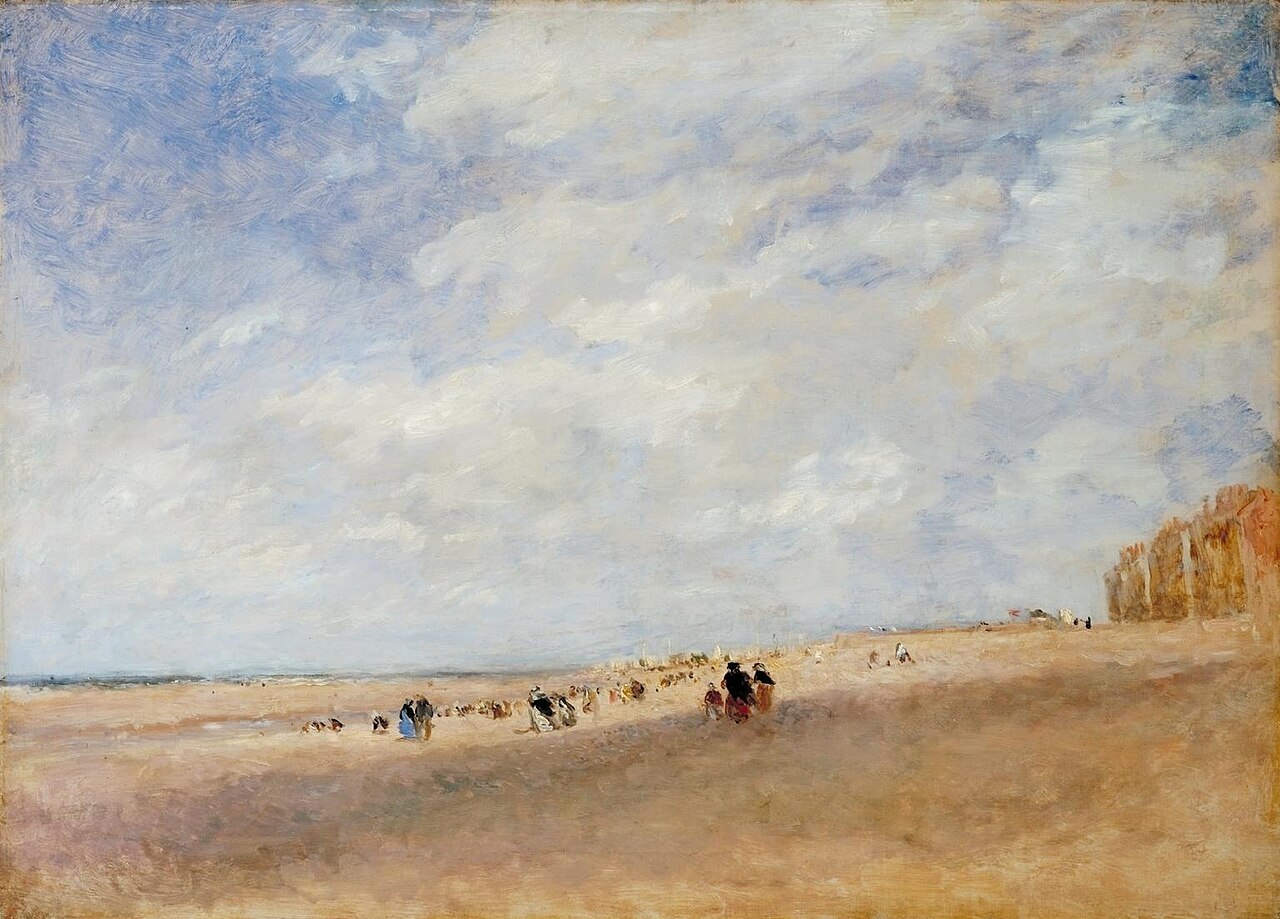
Rhyl Sands: David Cox 1854

The Welsh orthography has proved difficult for English writers to transliterate as Rhyl’s opening voiceless alveolar trill is uncommon in the English language.

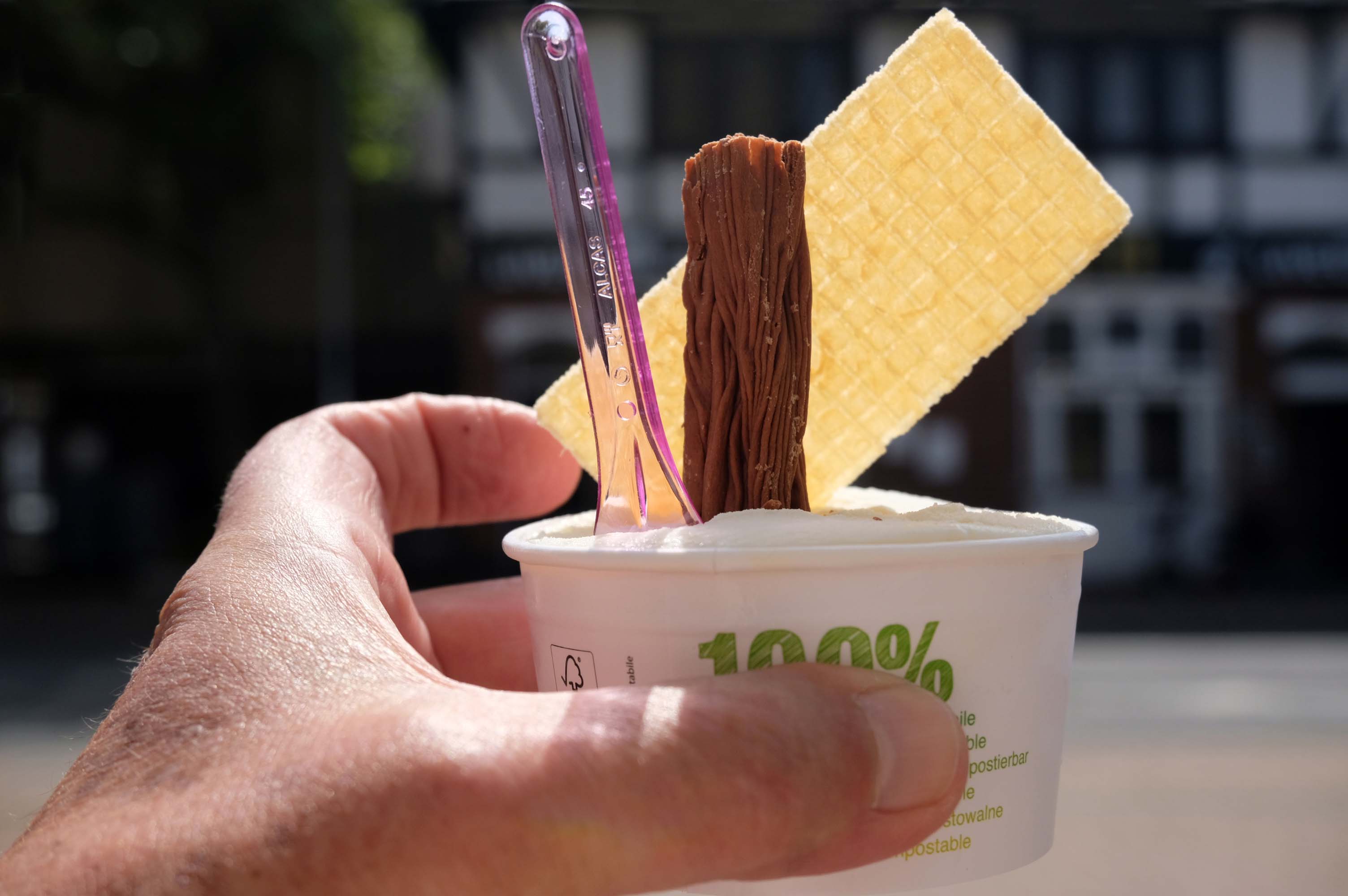
I nipped into town for a tub from Sidoli’s – £1.83 well spent.

The promenade is home to a series of entertainments including the Rhyl Pavilion Theatre

The theatre, owned and operated by Denbighshire Council, has also been re-clad as part of the project, designed by architects Space & Place.

It forms part of a wider redevelopment of Rhyl’s seafront, which includes the demolition of the Sun Centre and the construction of a £15m water park.

Place North West 2019

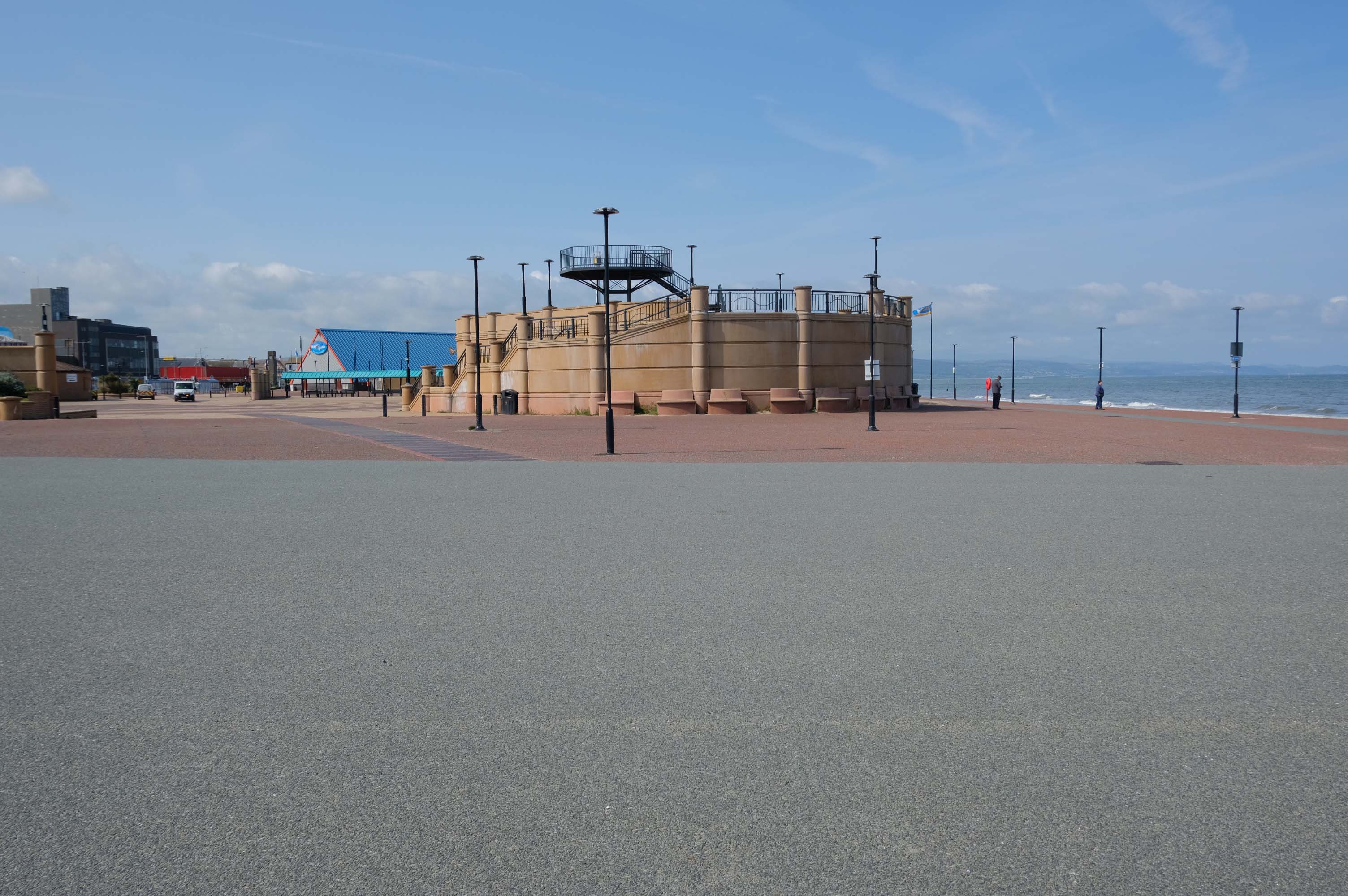
There is a also a becalmed Post Modernist Piazza – named Rhyl Events Arena.

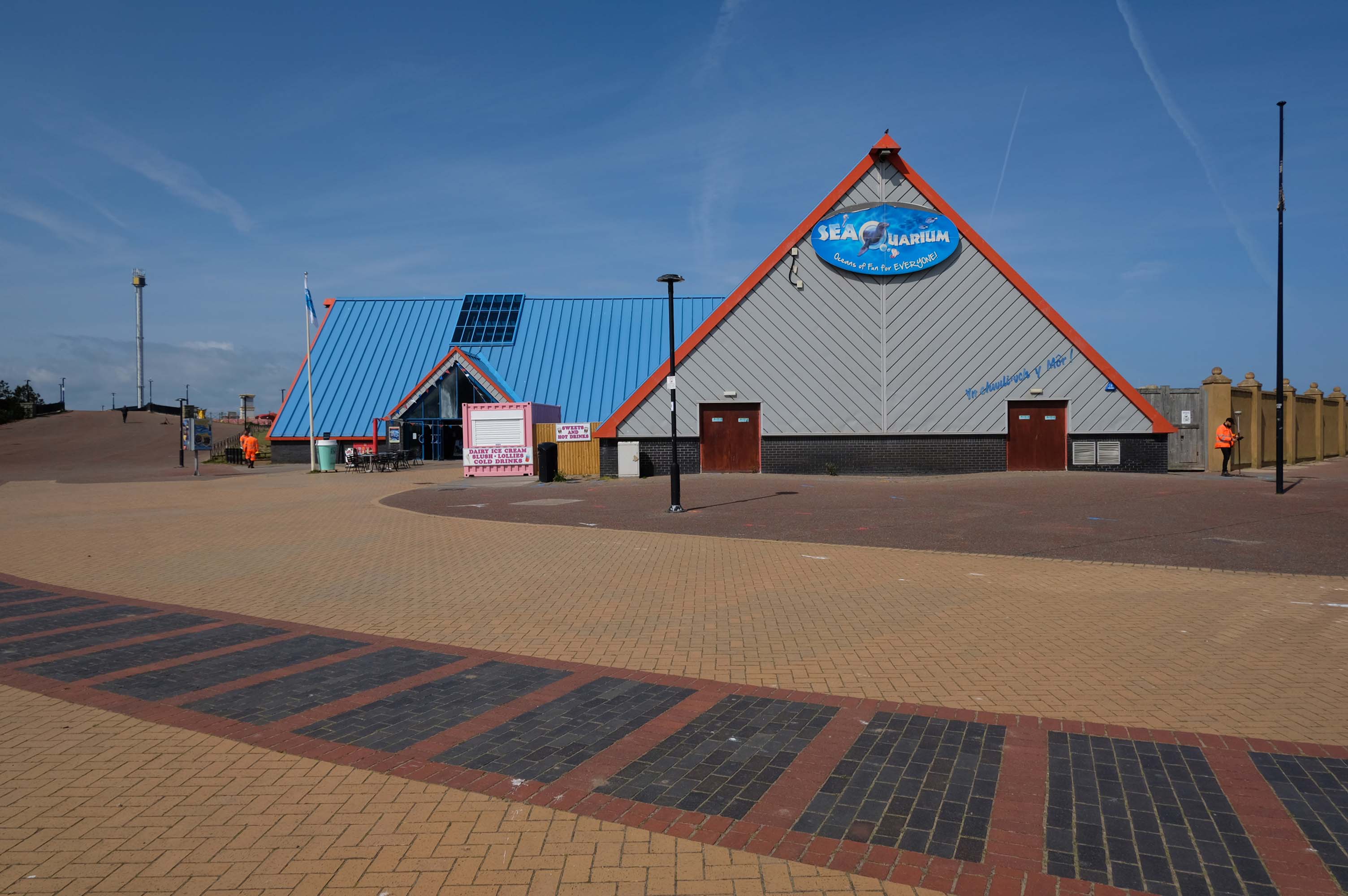
The playful nursery geometry of the SeaQuarium.

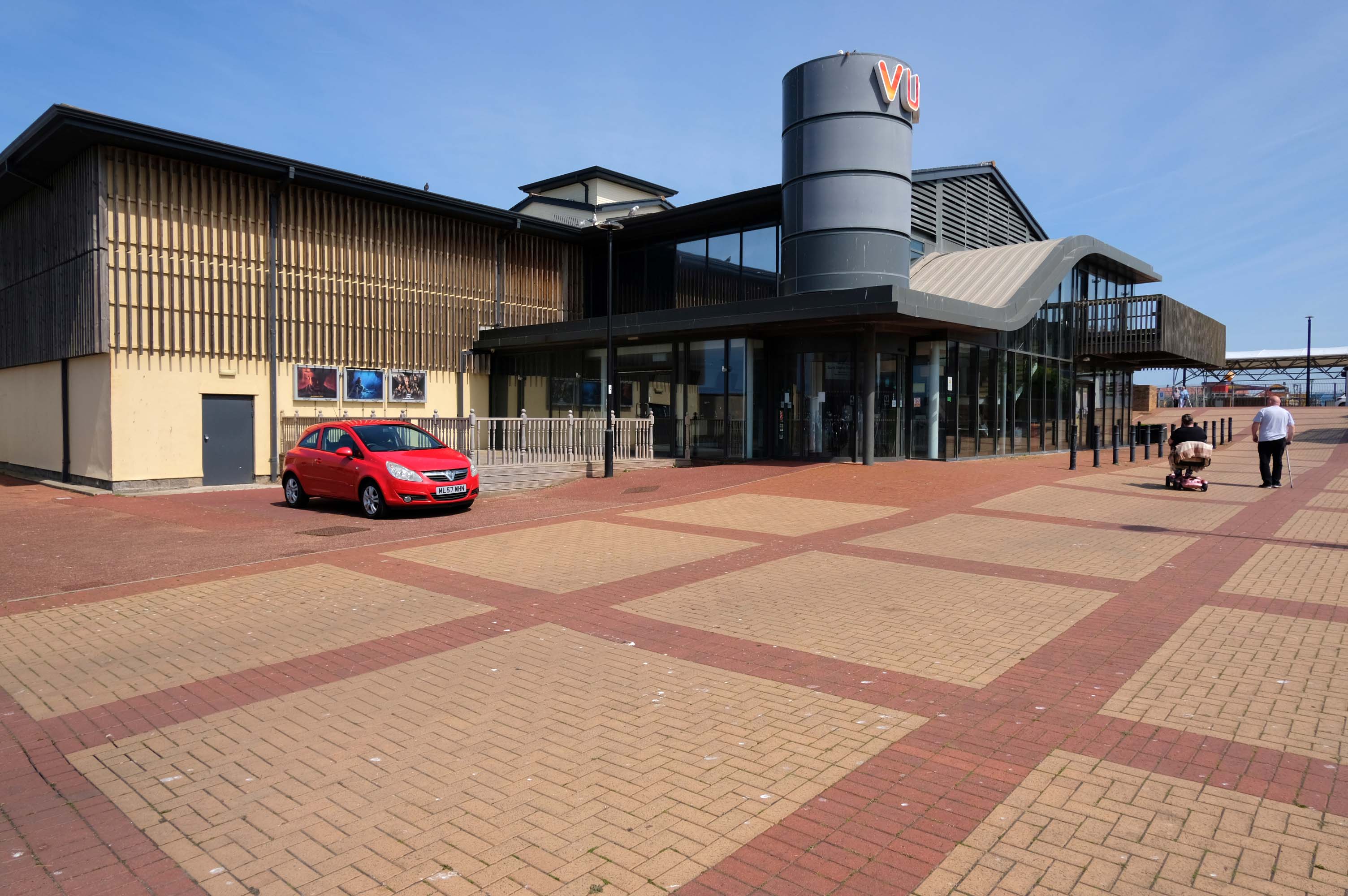
The functionalist Vue Cinema.

Tickets were £5.99 for a standard seat, the staff said not to bother upgrading as the premium seats were rubbish, sound was okay and picture quality was okay. 

Food price was expensive so it maybe cheap to get in, but £16.99 for a large popcorn and drink ups the price, would go again if in the area.

Joanne H – Bingley UK

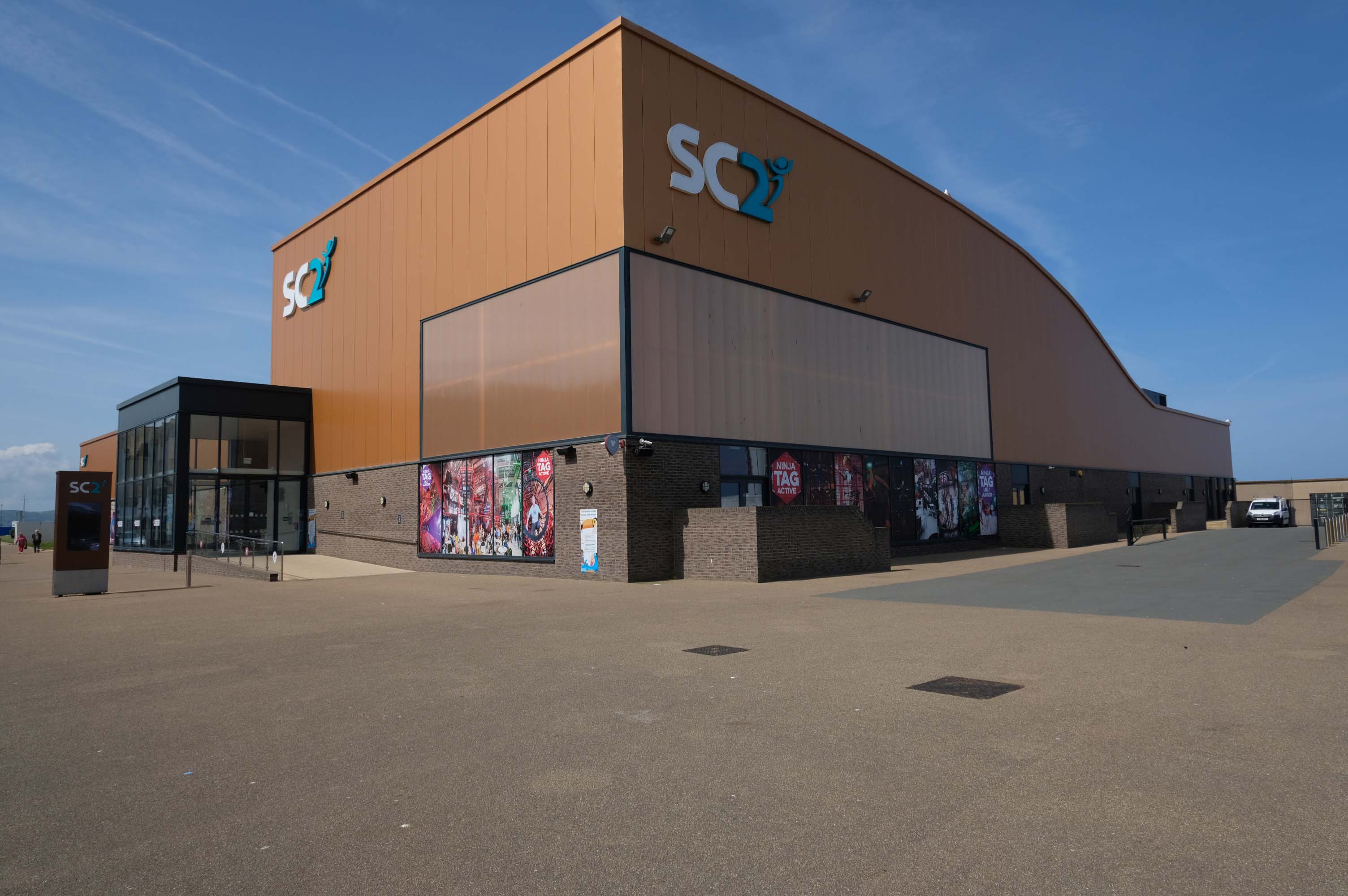
The slightly off-brown behemoth SC2 designed by architect Space & Place.

The former Sun Centre having been demolished.

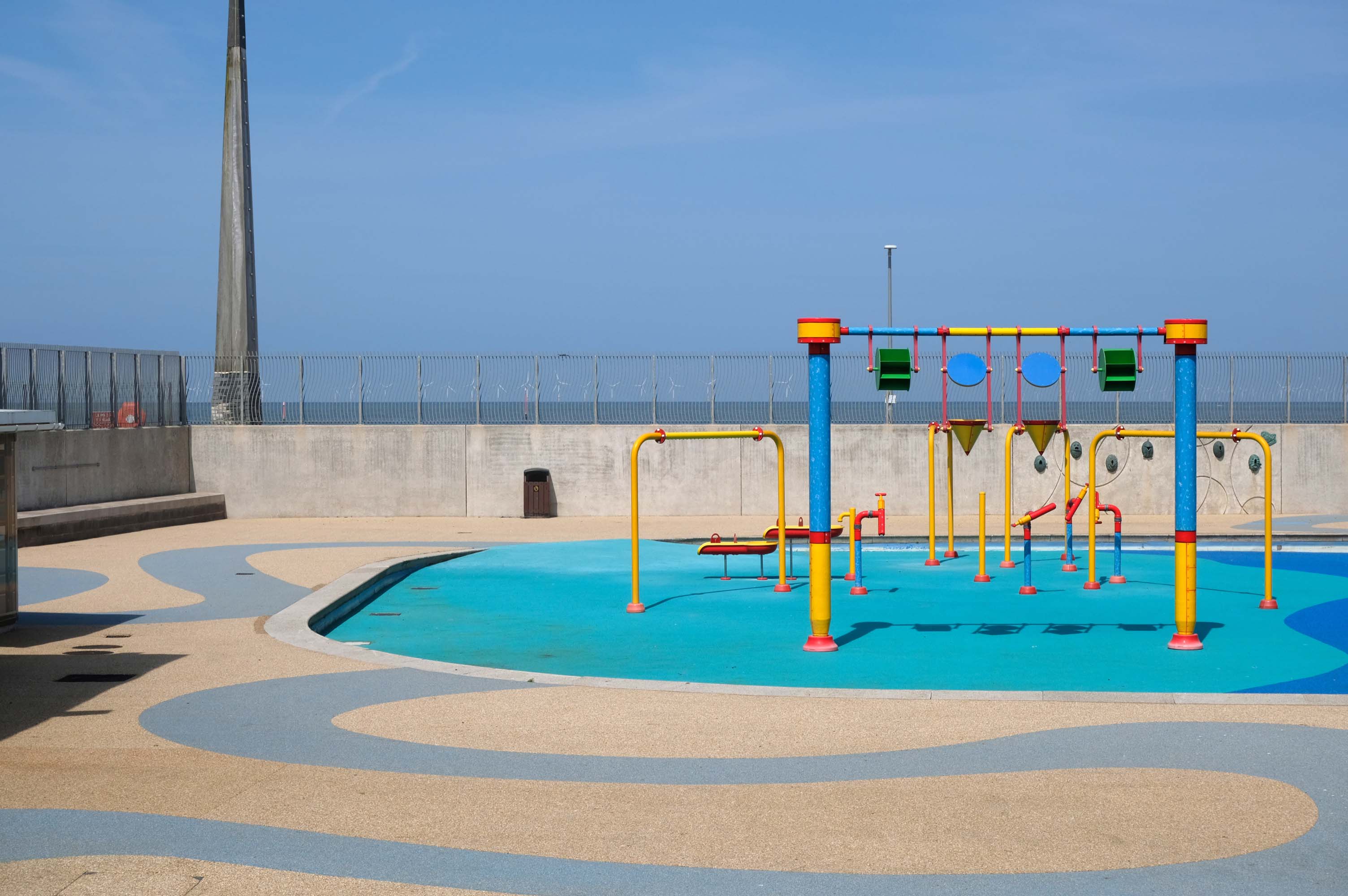
The outdoor play area has a distinctive Ettore Sottsass theme.

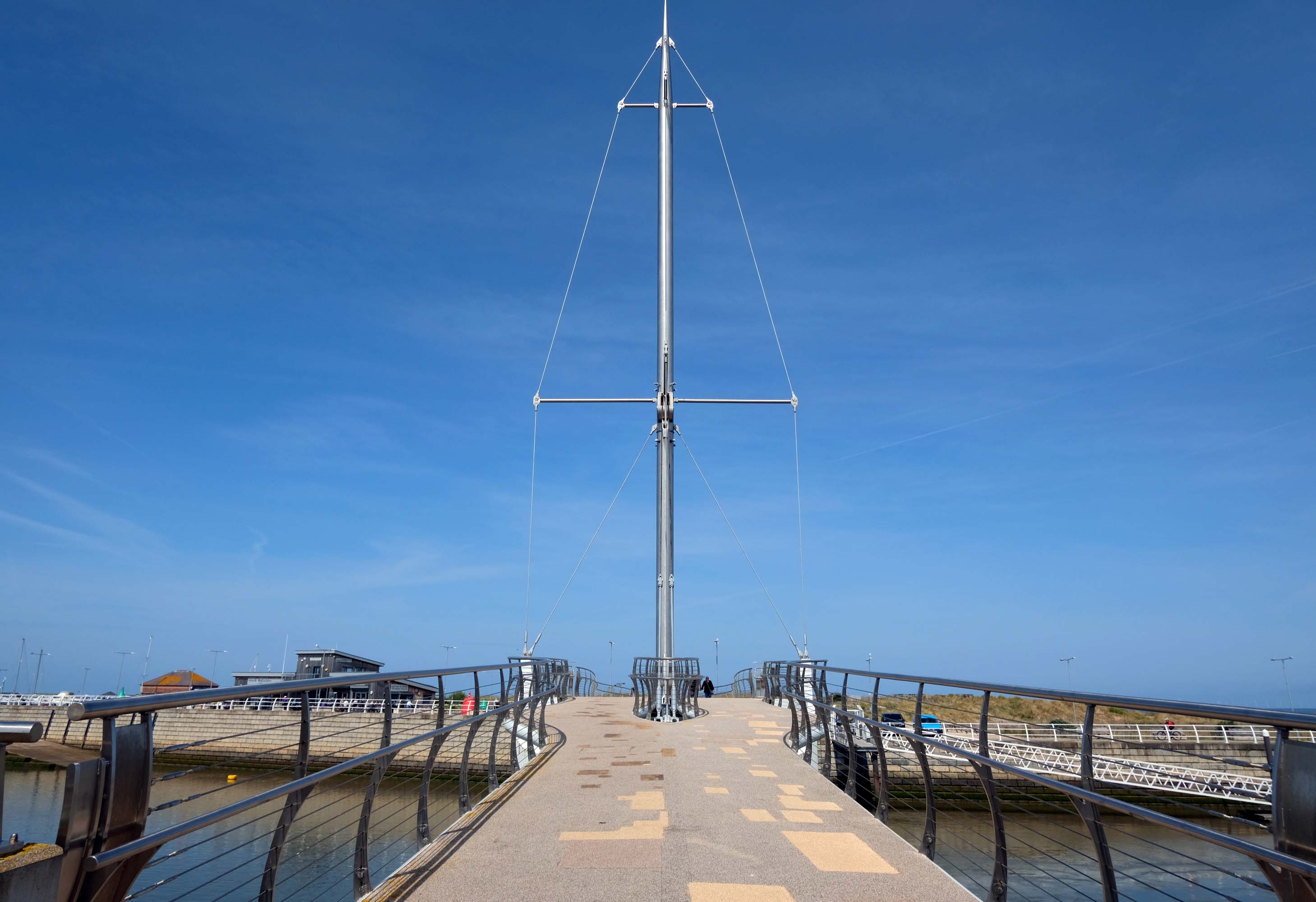
Crossing the harbour by way of the brand new Pont y Ddraig Bridge opened in October 2013.

The bridge was designed by Gifford – now part of Ramboll and built by Dawnus, fabrication of the two bascule decks was by AM Structures.

Happy Pontist

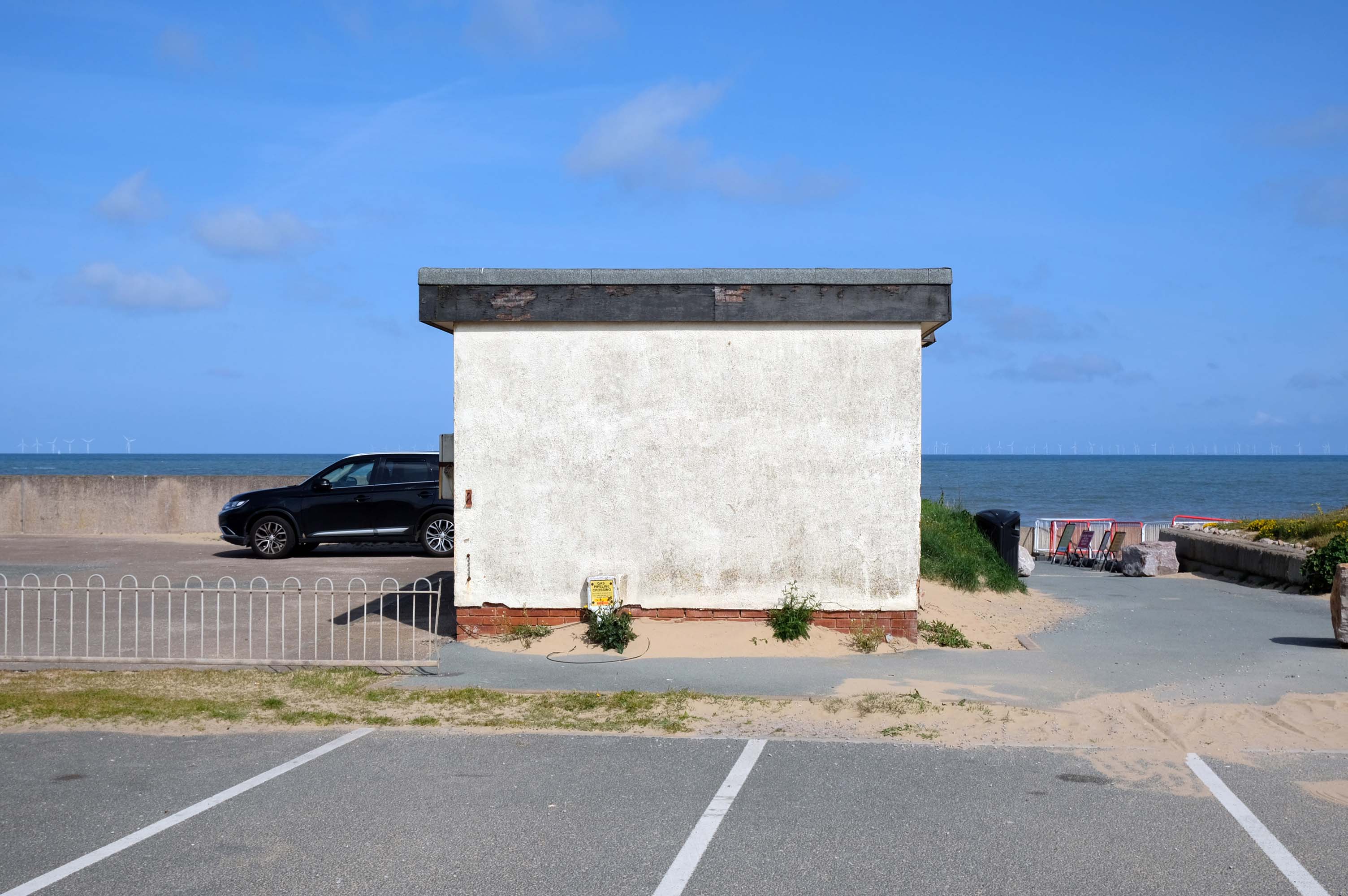
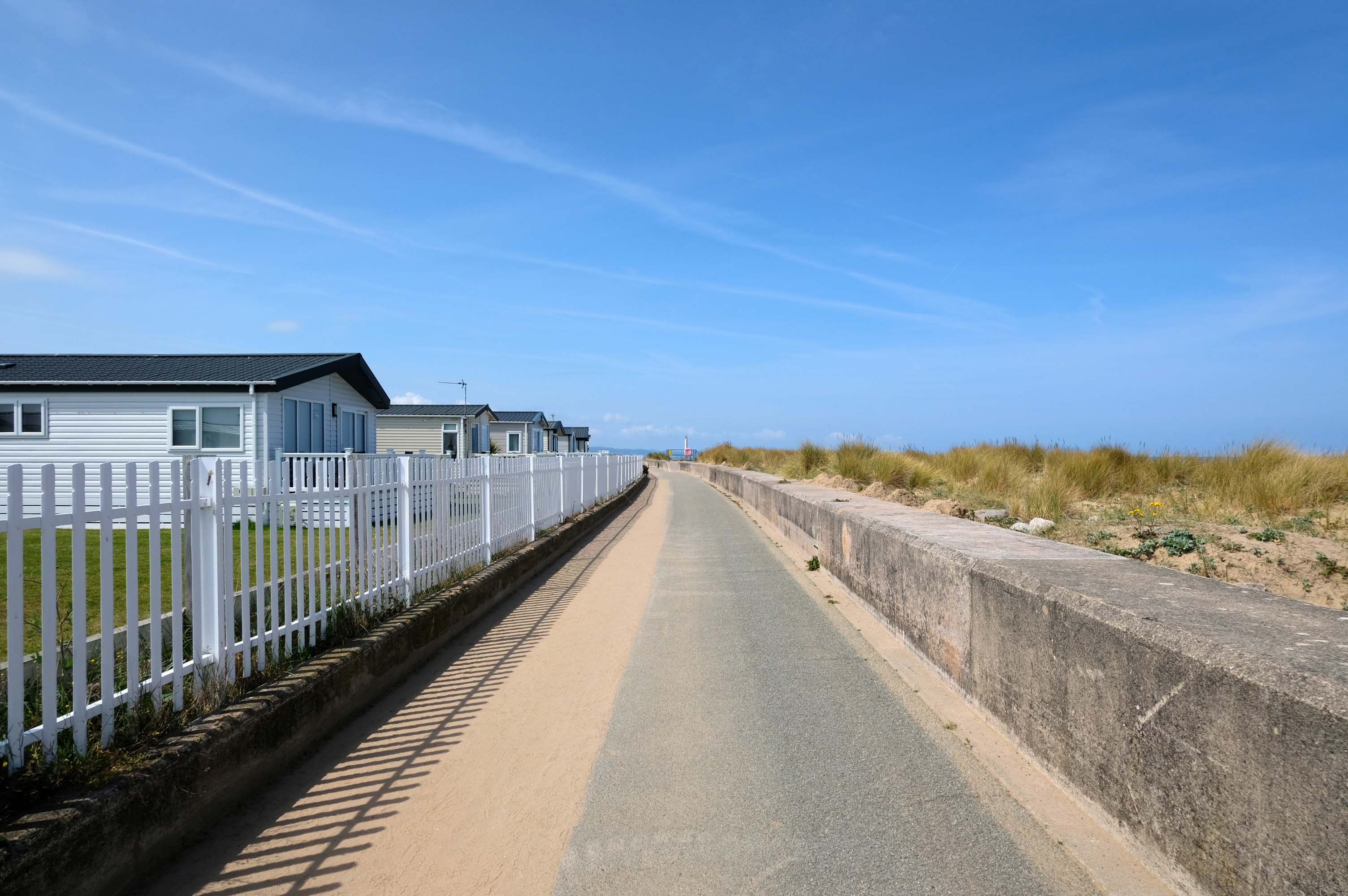
Much of the coast is fringed with chalets and static caravans.

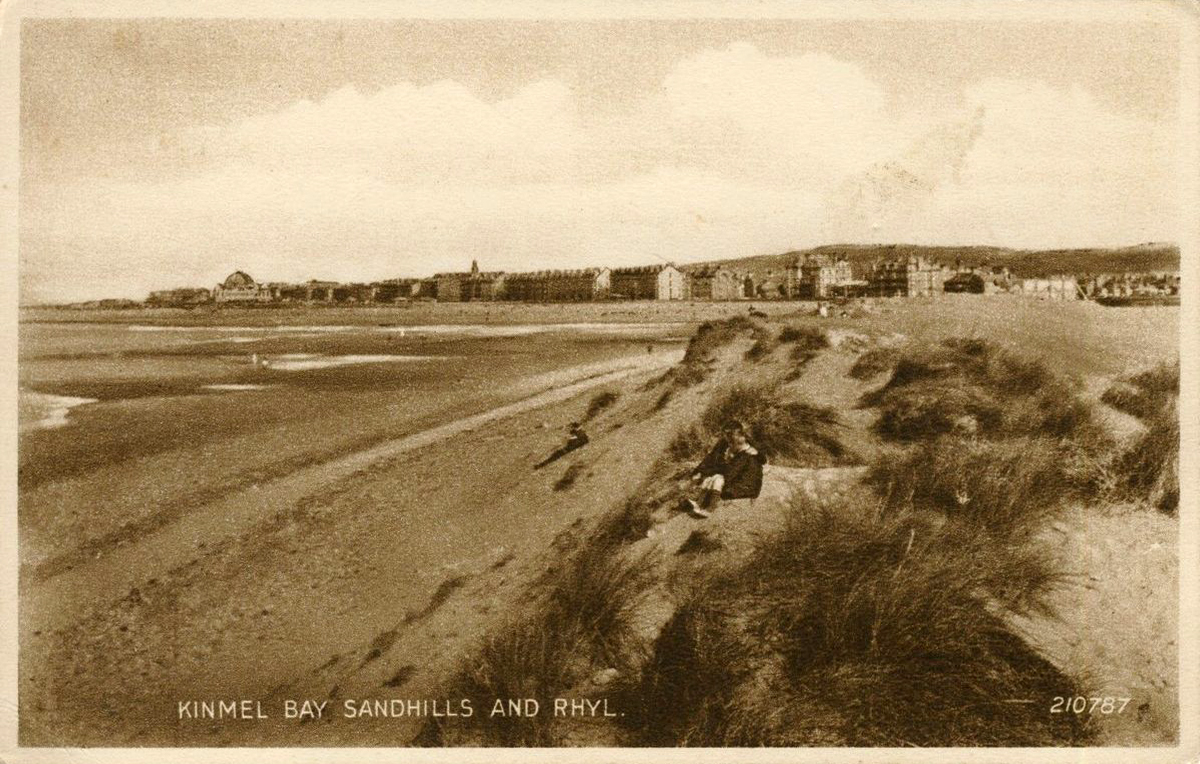
Kinmel Bay

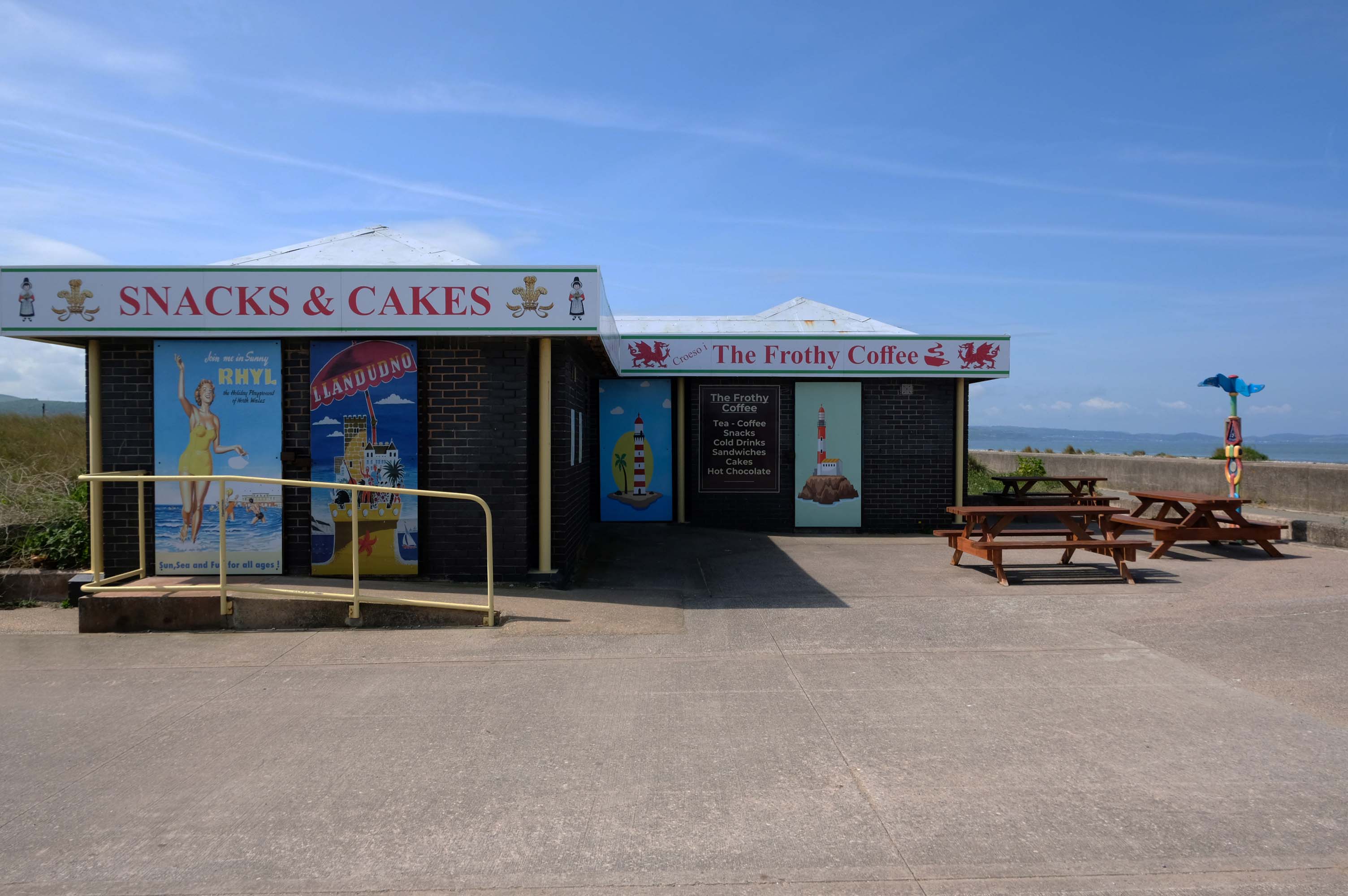
Home to The Frothy Coffee.

There aren’t enough food, service, value or atmosphere ratings for The Frothy Coffee, yet – be one of the first to write a review!

Kinmel Bay beach is popular with tourists and the local population. In addition to various small shops and takeaway outlets, there is also an Asda superstore that opened in 1981, which includes a large petrol filling station.

Wikipedia

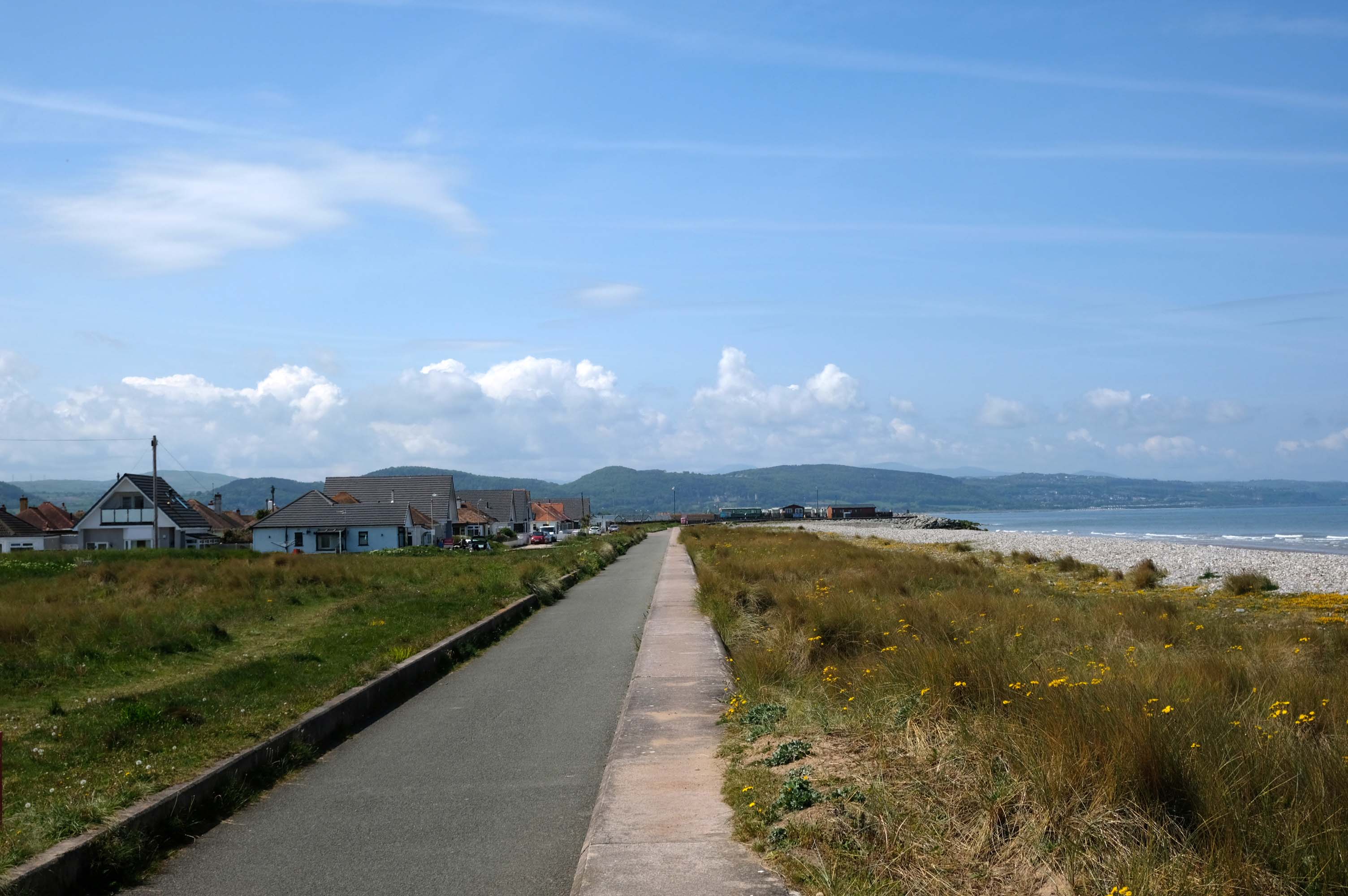
The concrete shore is softened by grasses and wild flowers – with views of the mountains beyond.

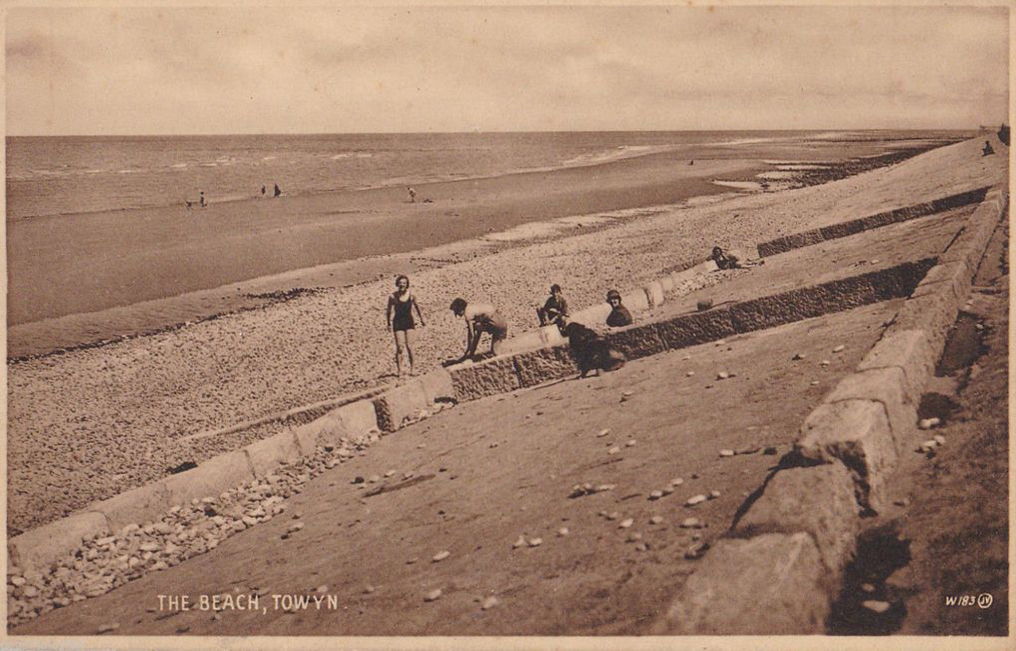
Here we are in Towyn

The town made national headlines in 1990 when a combination of gale-force winds, a high tide and rough seas caused Towyn’s flood defences to be breached at about 11.00am on 26 February. Four square miles of land was flooded, affecting 2,800 properties and causing areas of the resort to be evacuated. Further flooding occurred later the same week, on 1 March, shortly after the site of the disaster was visited by Prince Charles and Princess Diana.

Scientific experts also believe that the silt left behind from the flooding had left the town with a higher concentration of radioactivity, over ten times the governmental safety limits, most likely originating from the nuclear processing plant at Sellafield which had been dispersed into the Irish Sea over many years since its construction.

Wikipedia

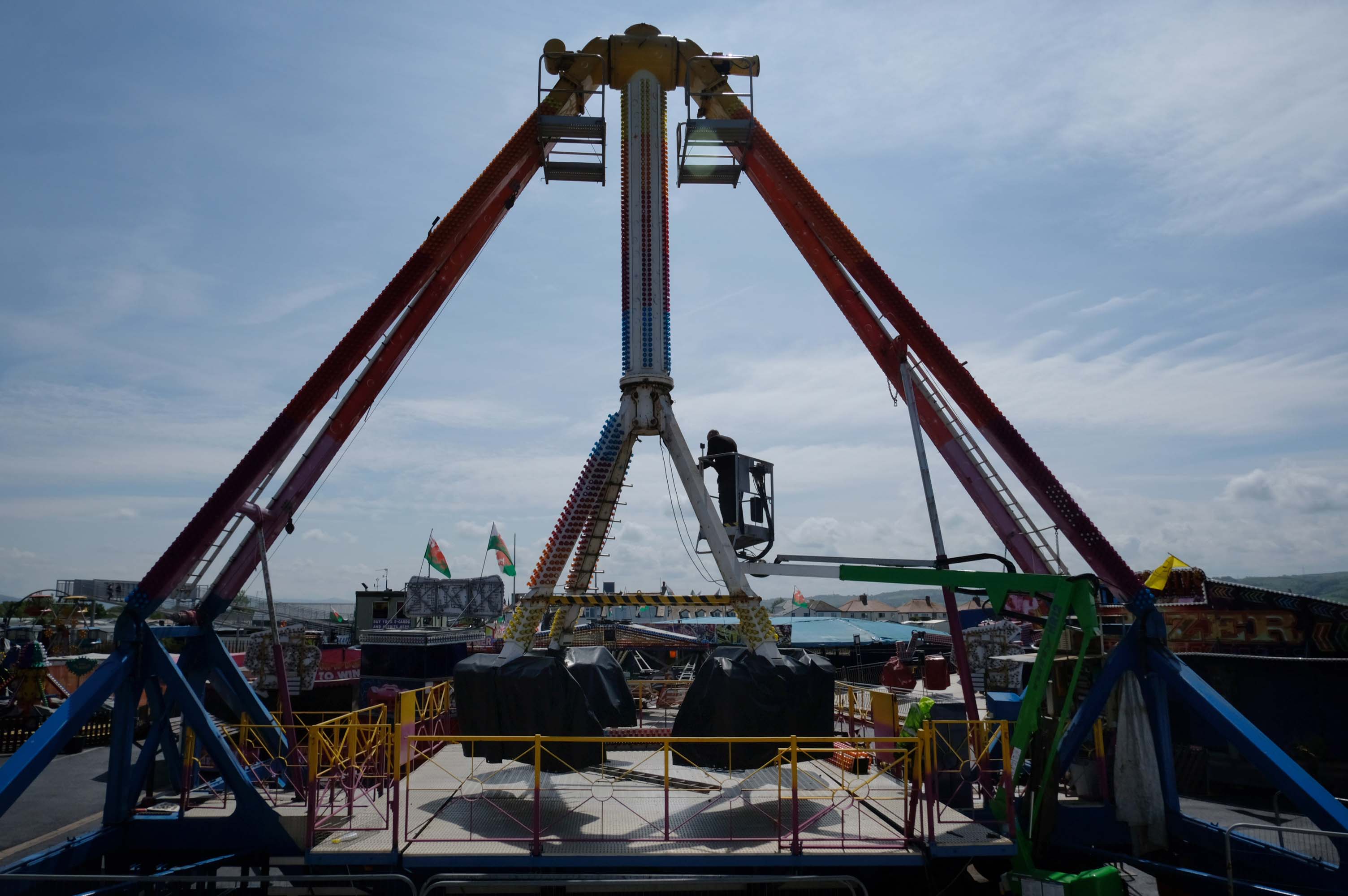
Excitements galore, await at the well maintained funfair.

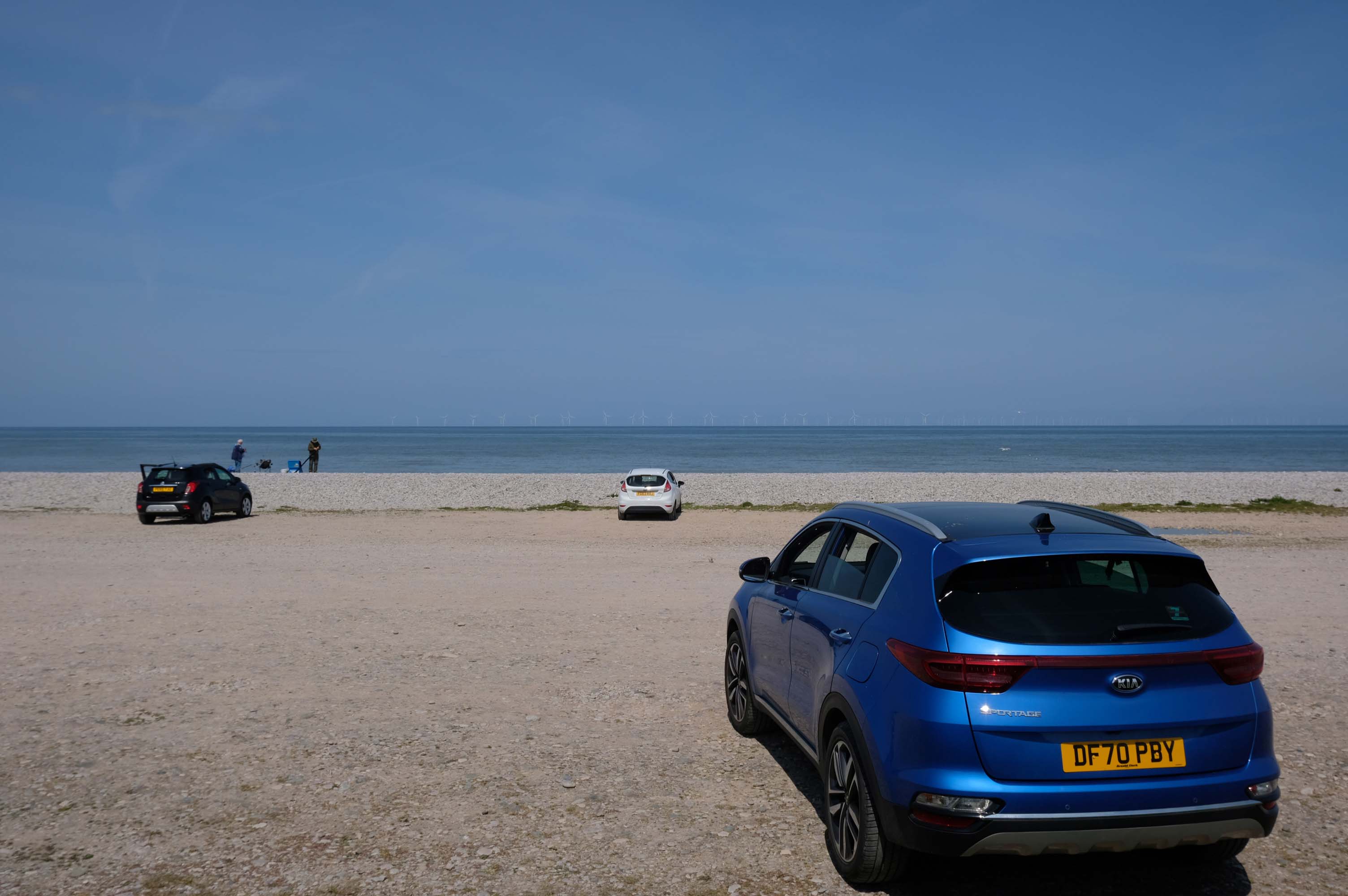
Motor cars to the fore, as the intrepid sea-anglers prepare for a day of sea-angling.

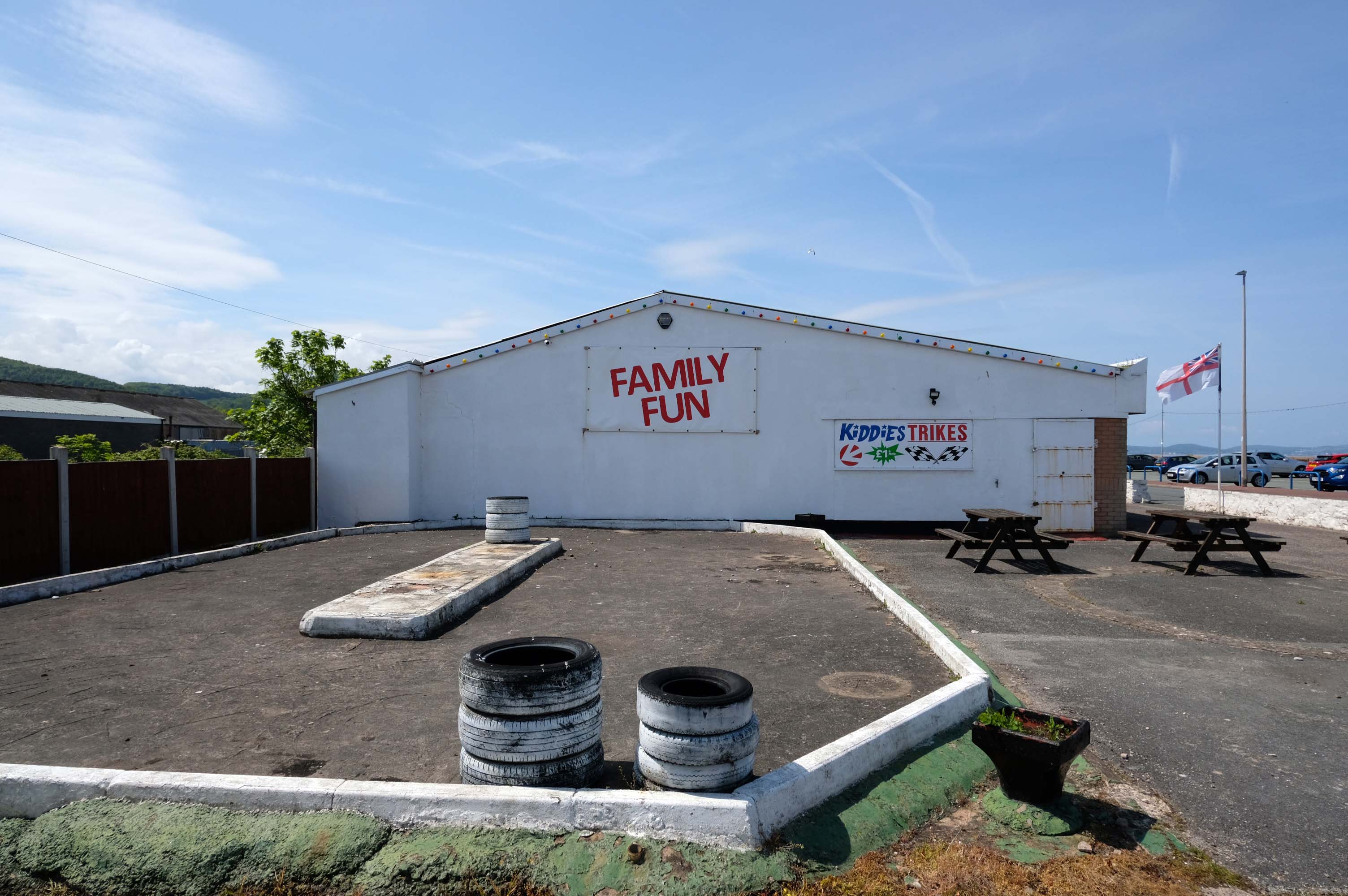
Abergele where Family Fun can be found in the form of Kiddies Karts.

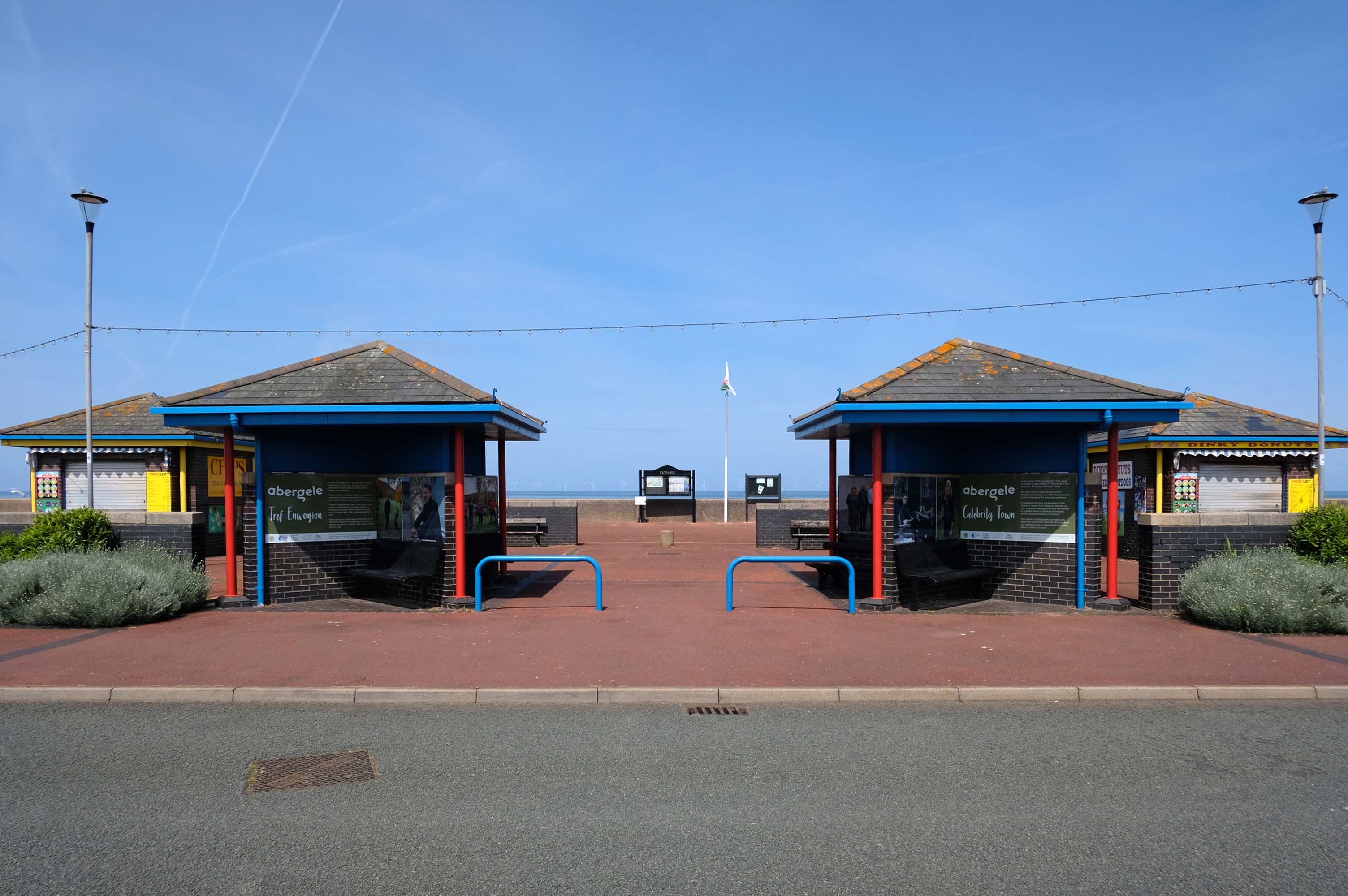
In 2020/21 Abergele hosted the 20th and 21st editions of I’m a Celebrity Get Me Out of Here! at Gwrych Castle, due to the Covid pandemic restrictions in Australia.

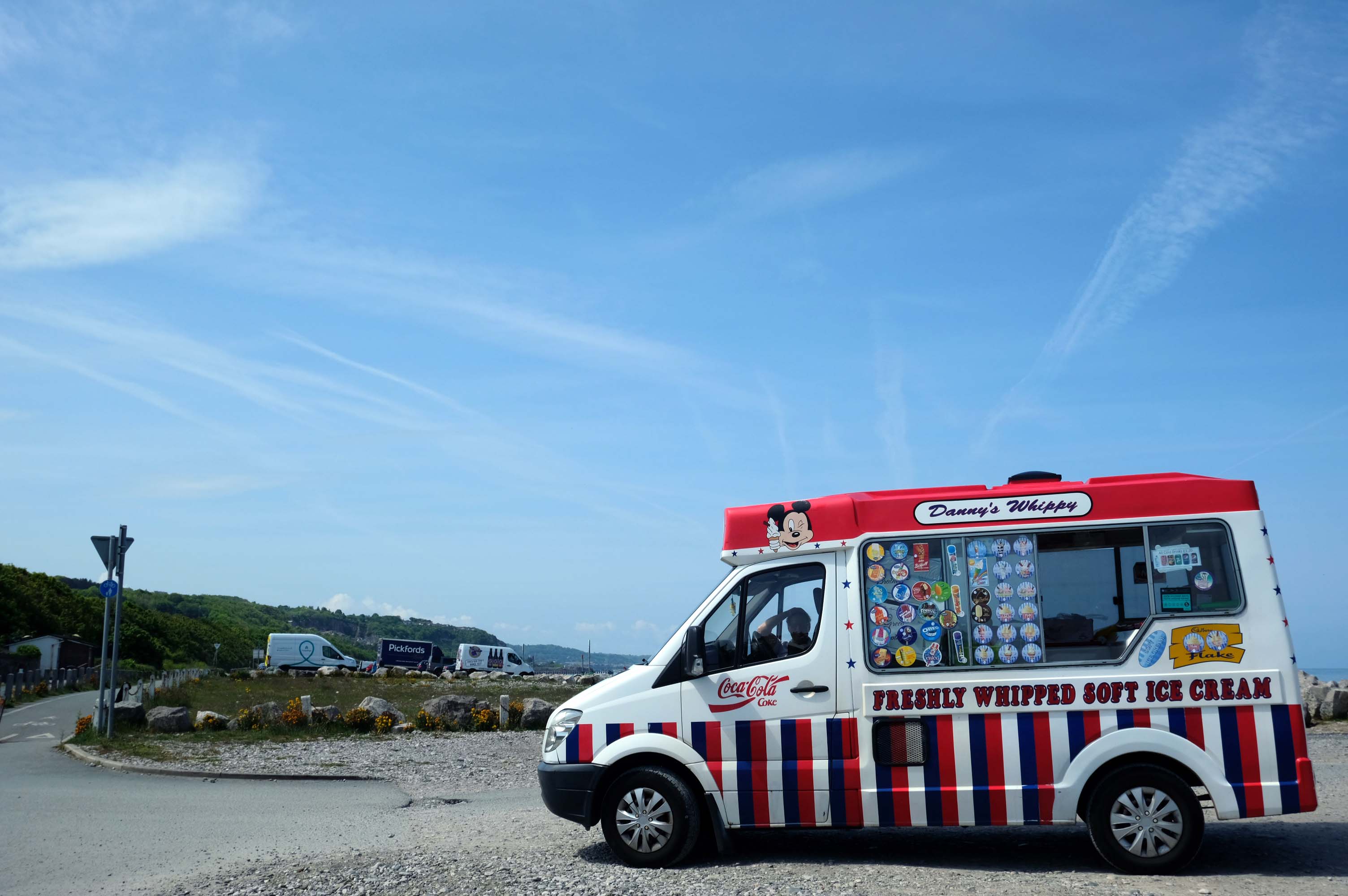
I failed to avail myself with a chilly treat courtesy of Danny’s Whippy, having already had my 99 tub, from Sidoli’s in Rhyl.

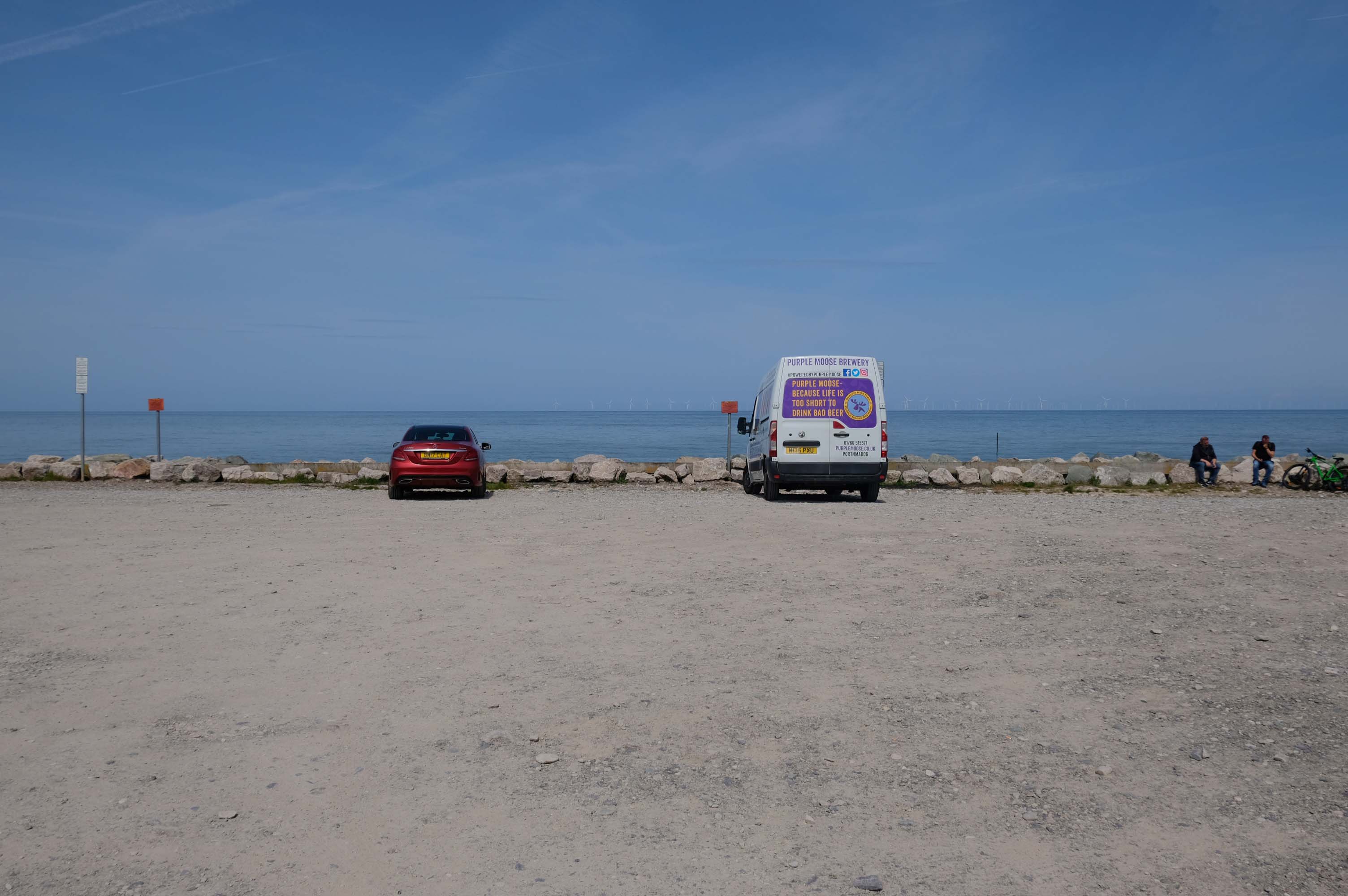
Local brewery Purple Moose’s delivery van driver takes a timely break, whilst fellow cyclists stop for a cig and a chat.

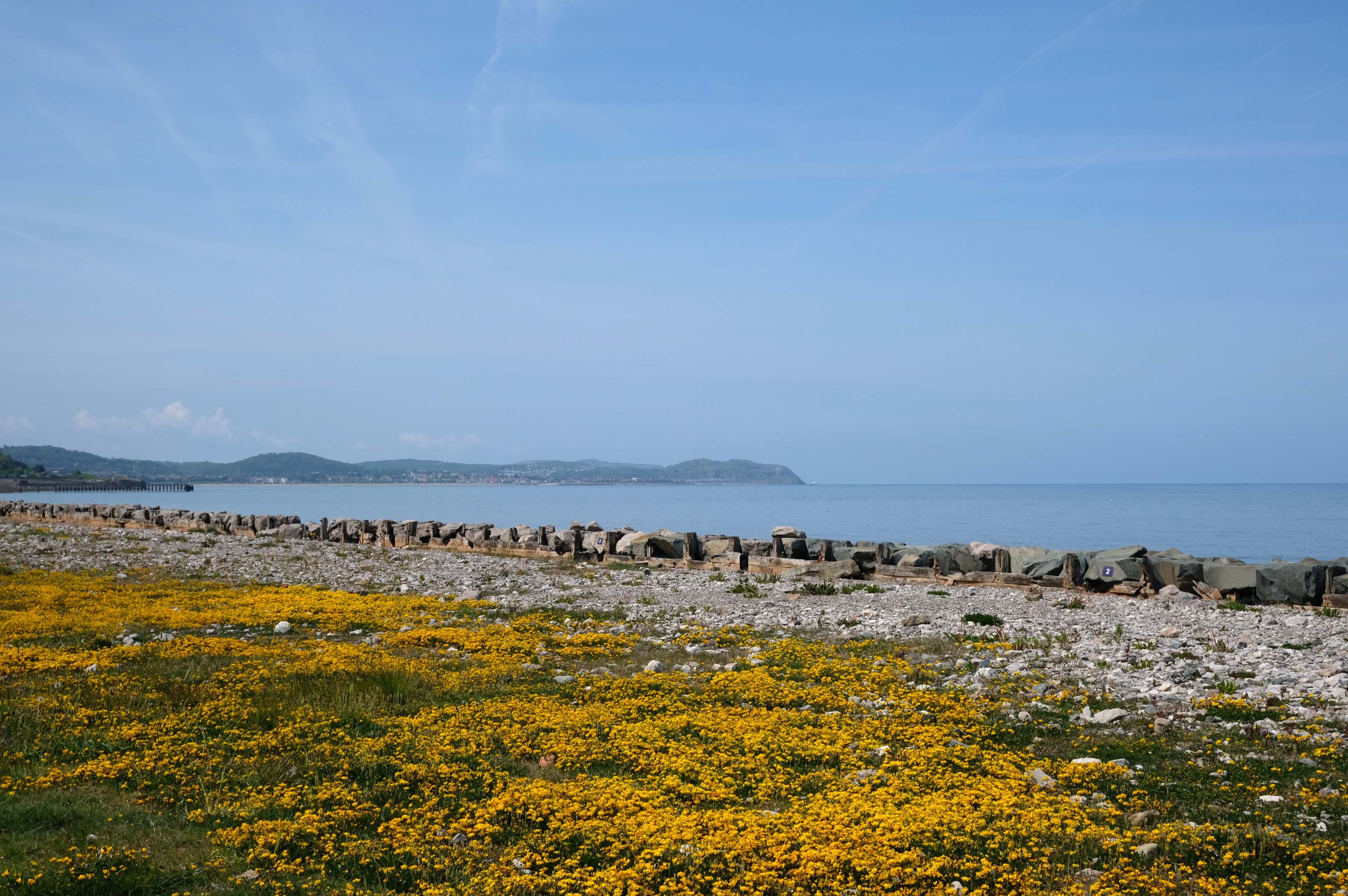
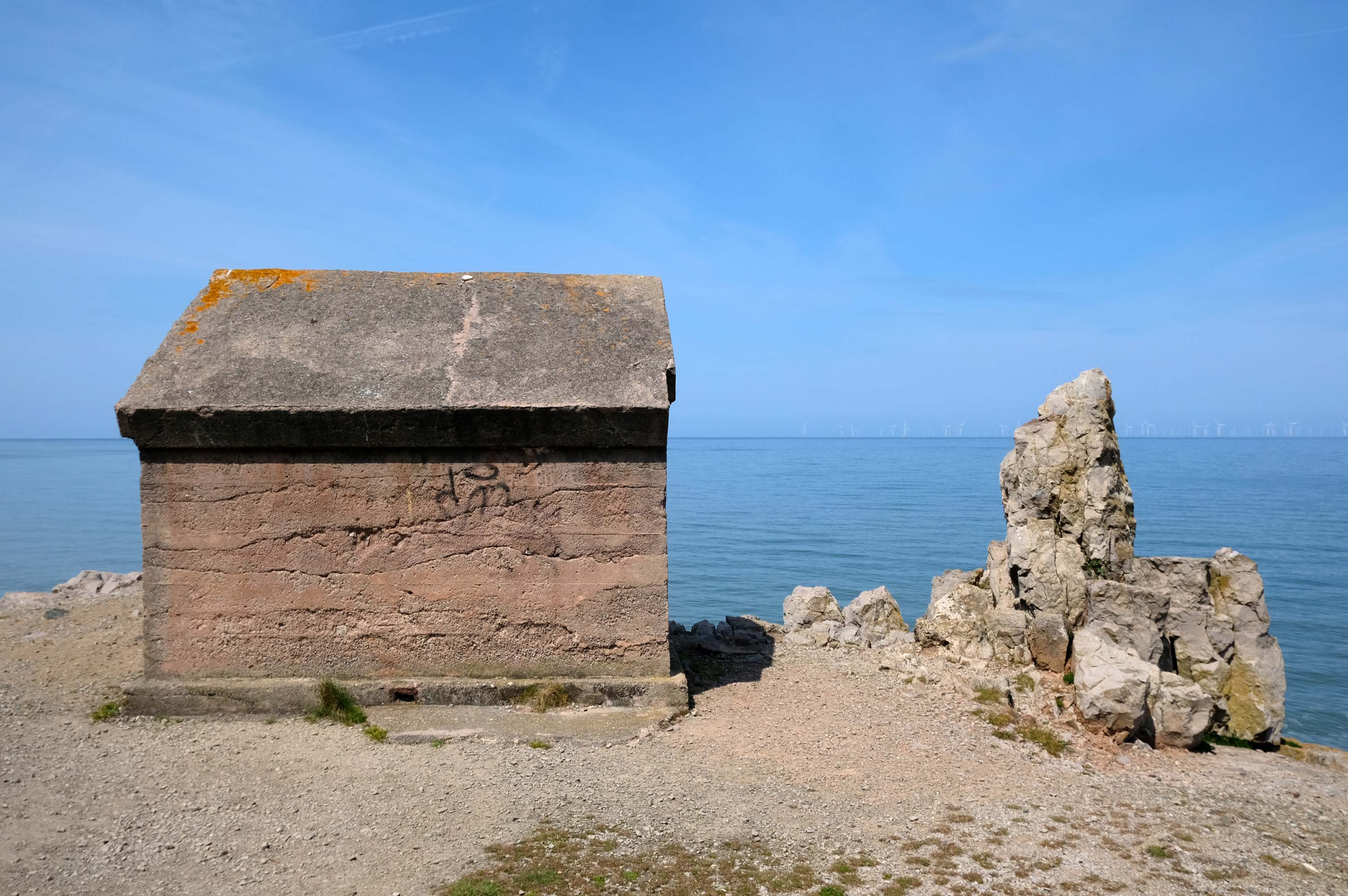
Rugged rocks, sadly lacking ragged rascals, as the Little Orme comes into view.

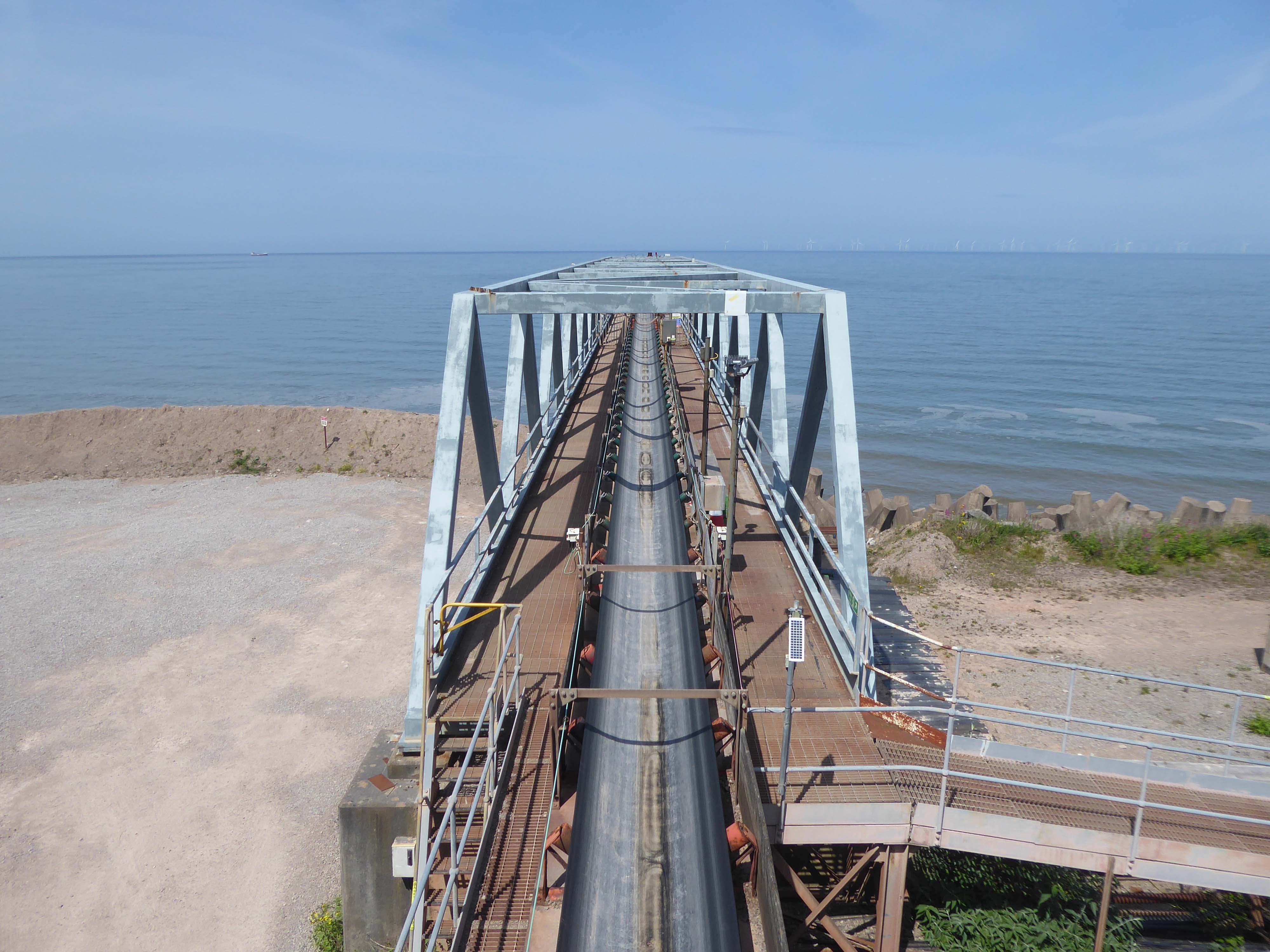
Cast concrete defences, and Raynes Quarry jetty at Llandulas.

The quarry was originally known as Llysfaen Limeworks, being close to Llysfaen railway station. James Trevelyan Raynes of Rock Ferry, Birkenhead, took over the quarry in the 1870s, adding large new limekilns. Lime from the quarry was shipped to various alkali works. Alkali was used for soap, textiles and many other goods.

Quarrying in this area has also produced porcelain-like limestone for high quality architectural uses. St Margaret’s Church – also known as the Marble Church in Bodelwyddan, was built with limestone from Llanddulas.

In November 2011 one of the freighters, MV Swanland, sank in stormy weather on the Irish Sea after collecting 3,000 tons of stone from Raynes jetty bound for the Isle of Wight.

Two crewmen were rescued but five, all Russian, were lost.

History Points

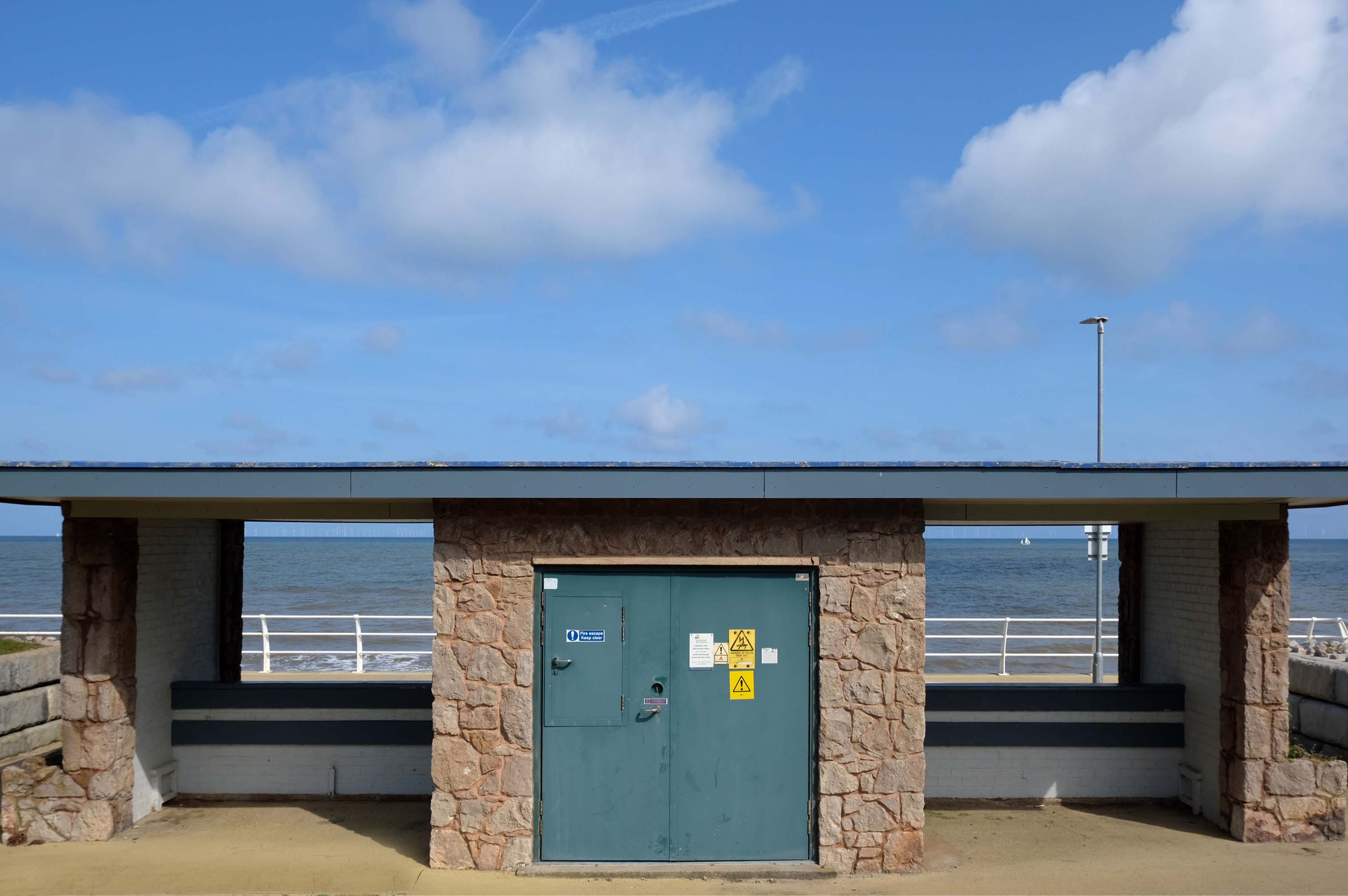
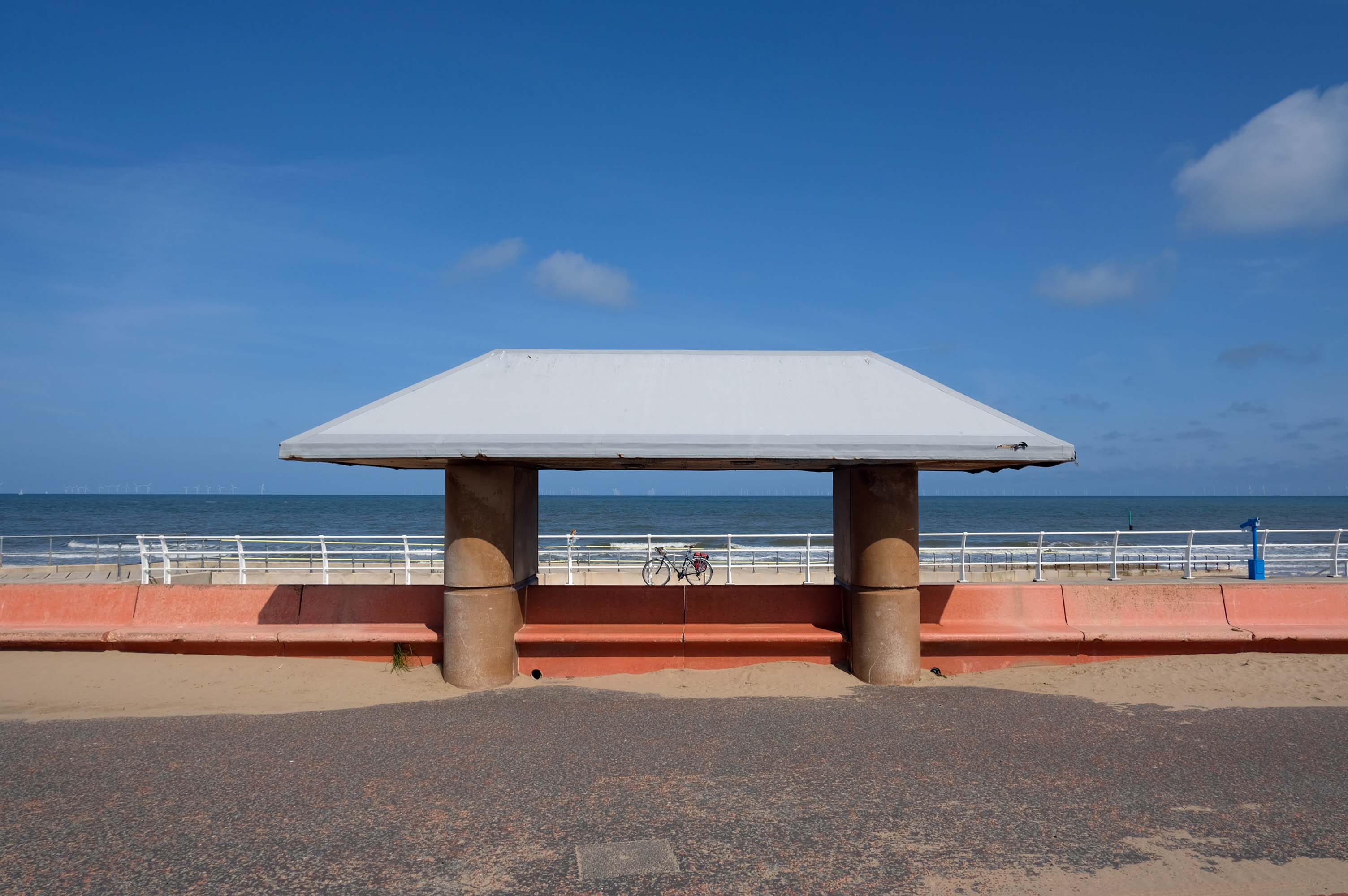
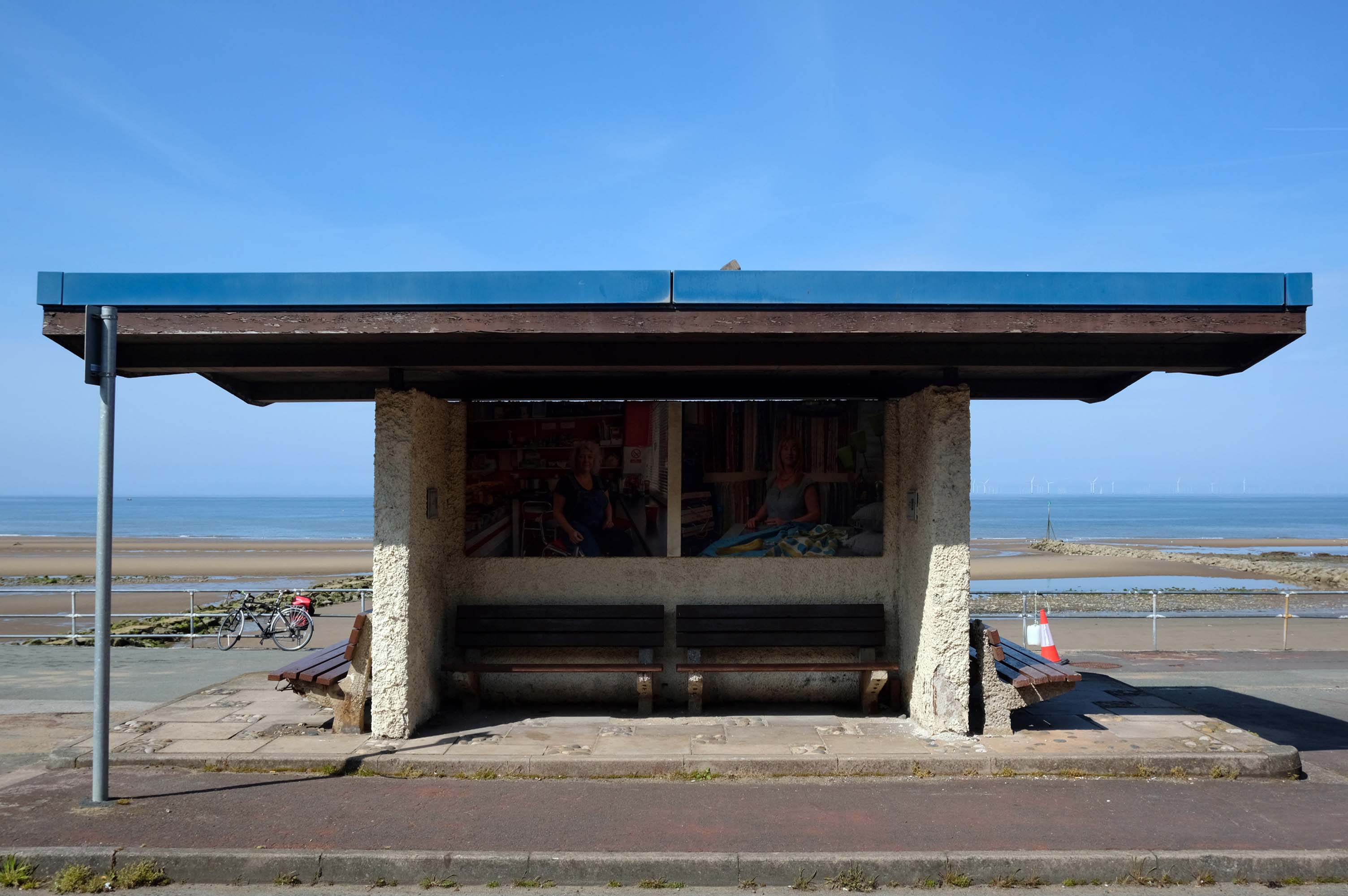
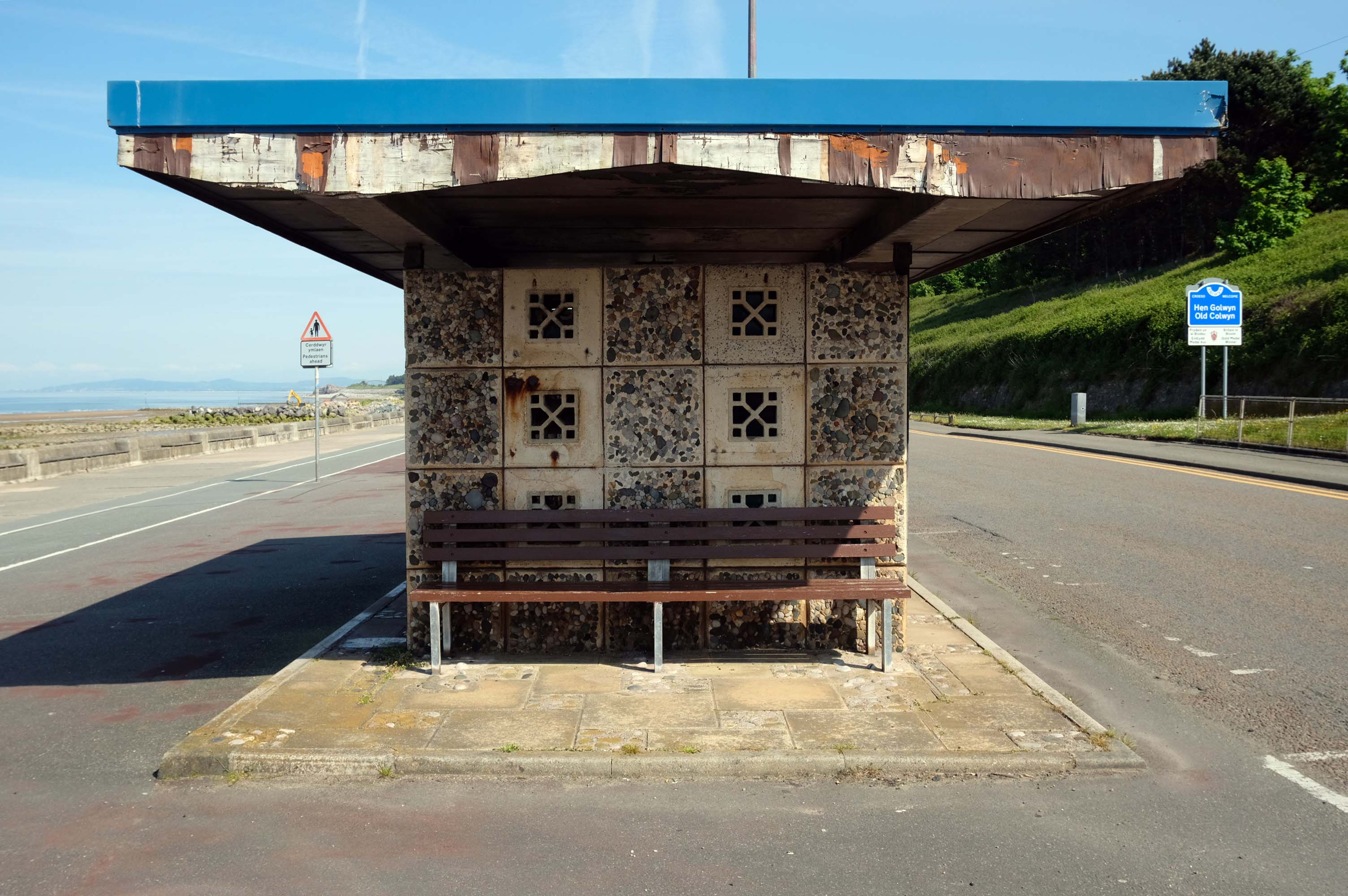
Almost the end of the line here in Old Colwyn – where there are the last of a series of shelters.

Formerly lining the prom all the way to Rhos on Sea

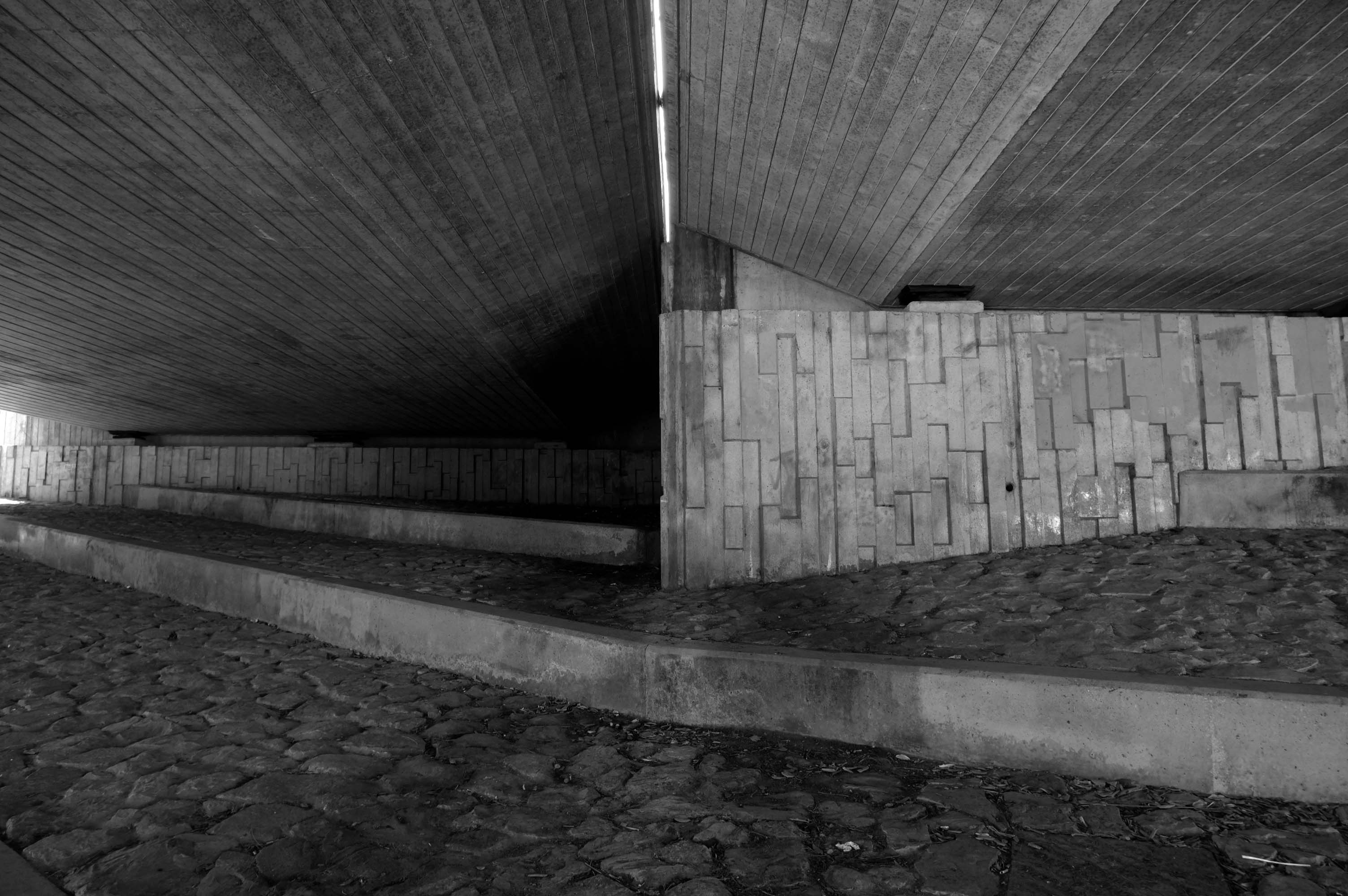
Cutting under the A55 Expressway to Colwyn Bay.

During World War II the Colwyn Bay Hotel, Marine Road – now demolished, was the headquarters of the Ministry of Food. This also housed the Cocoa & Chocolate division and was the communications hub for the ministry, they continued to use the hotel until 1953.

Wikipedia

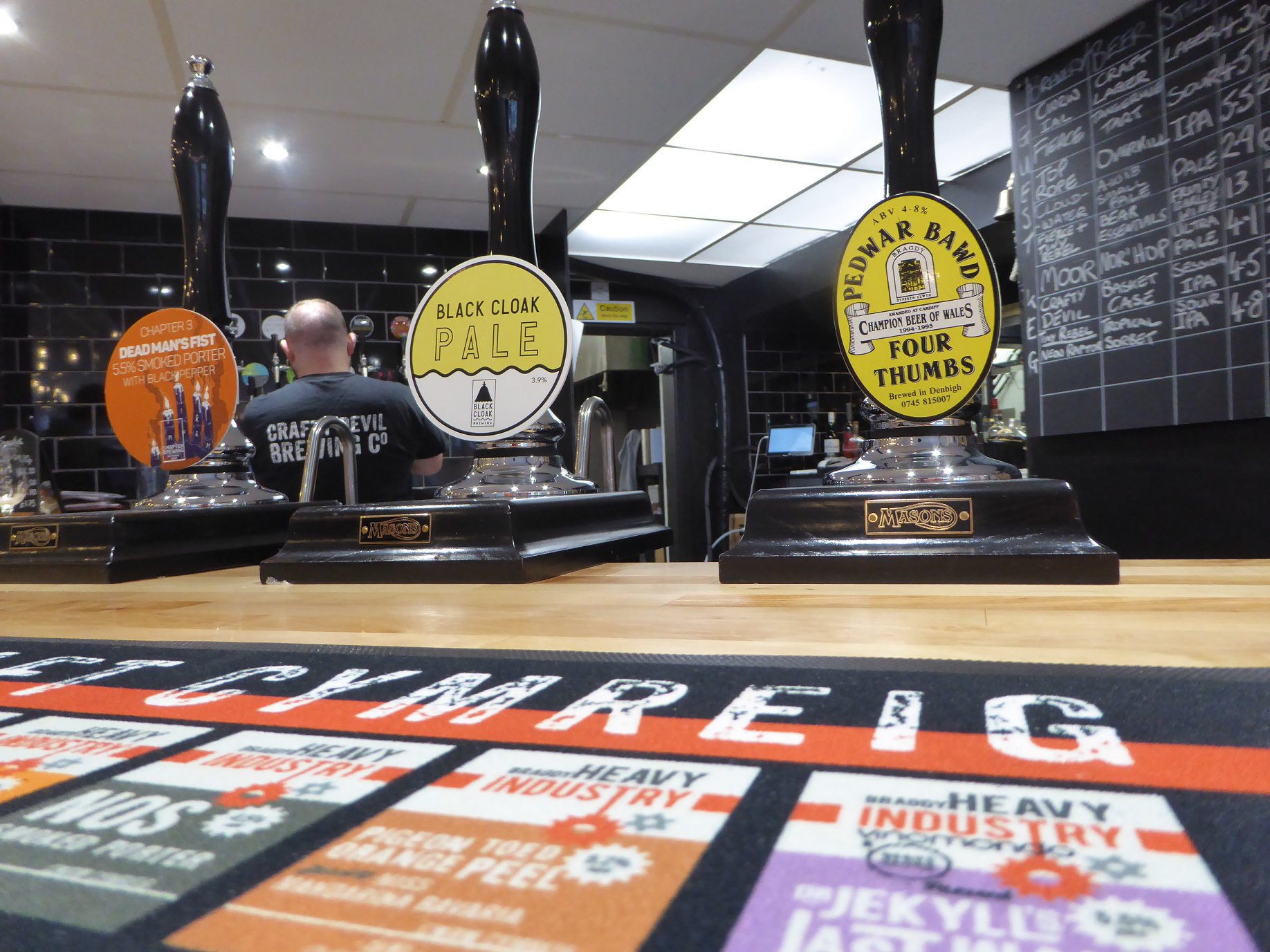
Just in time for the 4.00 opening of Black Cloak Brewery & Taproom.

A fine and fitting end to a sunny day cycling along the North Wales Coastal Cycle Route.

Time for the train home to Stockport – but you can bet I’ll be back.

Prifysgol Abertawe – Swansea University

Campws Parc Singleton – Singleton Park campus

Whilst visiting the city for the launch of the Swansea Modernist’s book Abertawe Fodernaidd – it seemed only fitting to visit some Swansea Modernism.

Two weeks previously I had found myself at Aberystwyth University.

So I walked along the edge of the bay and cut up through the park to the University.

Singleton Park, and the Abbey, in which the university sits, were given to the borough of Swansea by John Henry Vivian, the 19th century Swansea copper magnate. The abbey was given to the university in 1923, but other campus developments, by and large, had to wait until after WW2, when a significant building programme was undertaken

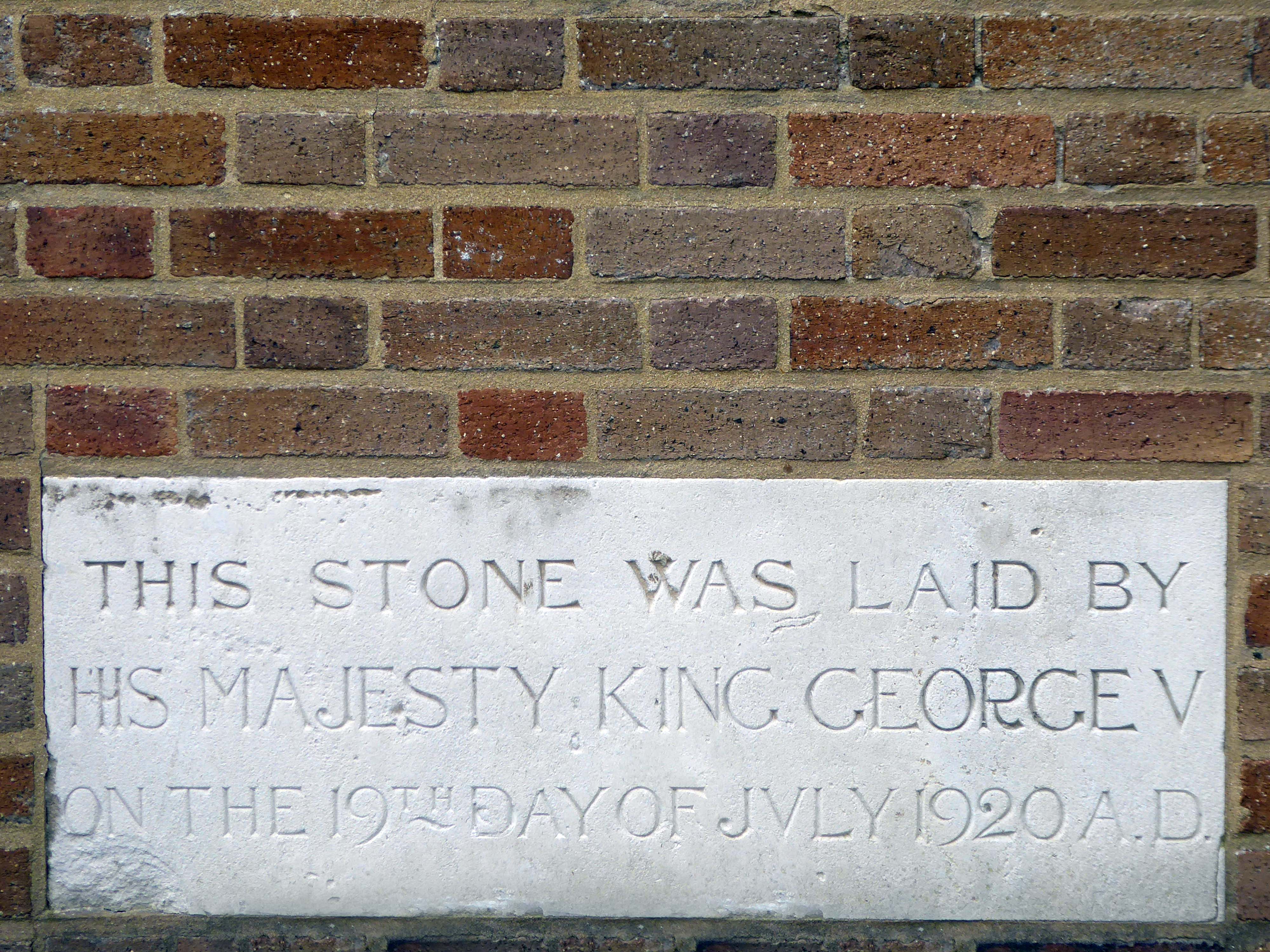
The University’s foundation stone was laid by King George V on 19 July 1920 and 89 students (including eight female students) enrolled that same year. By September 1939, there were 65 staff and 485 students.

In 1947 there were just two permanent buildings on campus: Singleton Abbey and the library. The Principal, J S Fulton, recognised the need to expand the estate and had a vision of a self-contained community, with residential, social and academic facilities on a single site. His vision was to become the first university campus in the UK.

By 1960 a large-scale development programme was underway that would see the construction of new halls of residence, the Maths and Science Tower, and College House – later renamed Fulton House. The 1960s also saw the development of the “finite element method” by Professor Olek Zienkiewicz. His technique revolutionised the design and engineering of manufactured products, and Swansea was starting to stake its claim as an institution that demanded to be taken seriously.

Work began on the student village at Hendrefoelan in 1971, the South Wales Miners’ Library was established in 1973 and the Taliesin Arts Centre opened on campus in 1984. The Regional Schools of Nursing transferred to Swansea in 1992, and the College of Medicine opened in 2001. Technium Digital was completed in 2005 and, barely two years later, the University opened its Institute of Life Science, which commercialises the results of research undertaken in the Swansea University Medical School. Work commenced on a second Institute of Life Science in 2009.

In 2012 we began an ambitious campus expansion and development project, including the opening of our Bay Campus in 2015; which is home to the College of Engineering and the School of Management. In 2018 we opened the doors to two further projects, The College; Swansea University’s joint venture with Navitas (The International College Wales Swansea, ICWS) and the Computational Foundry; the home of the College of Science’s departments of Computer Science and Mathematics. 

Swansea.ac.uk

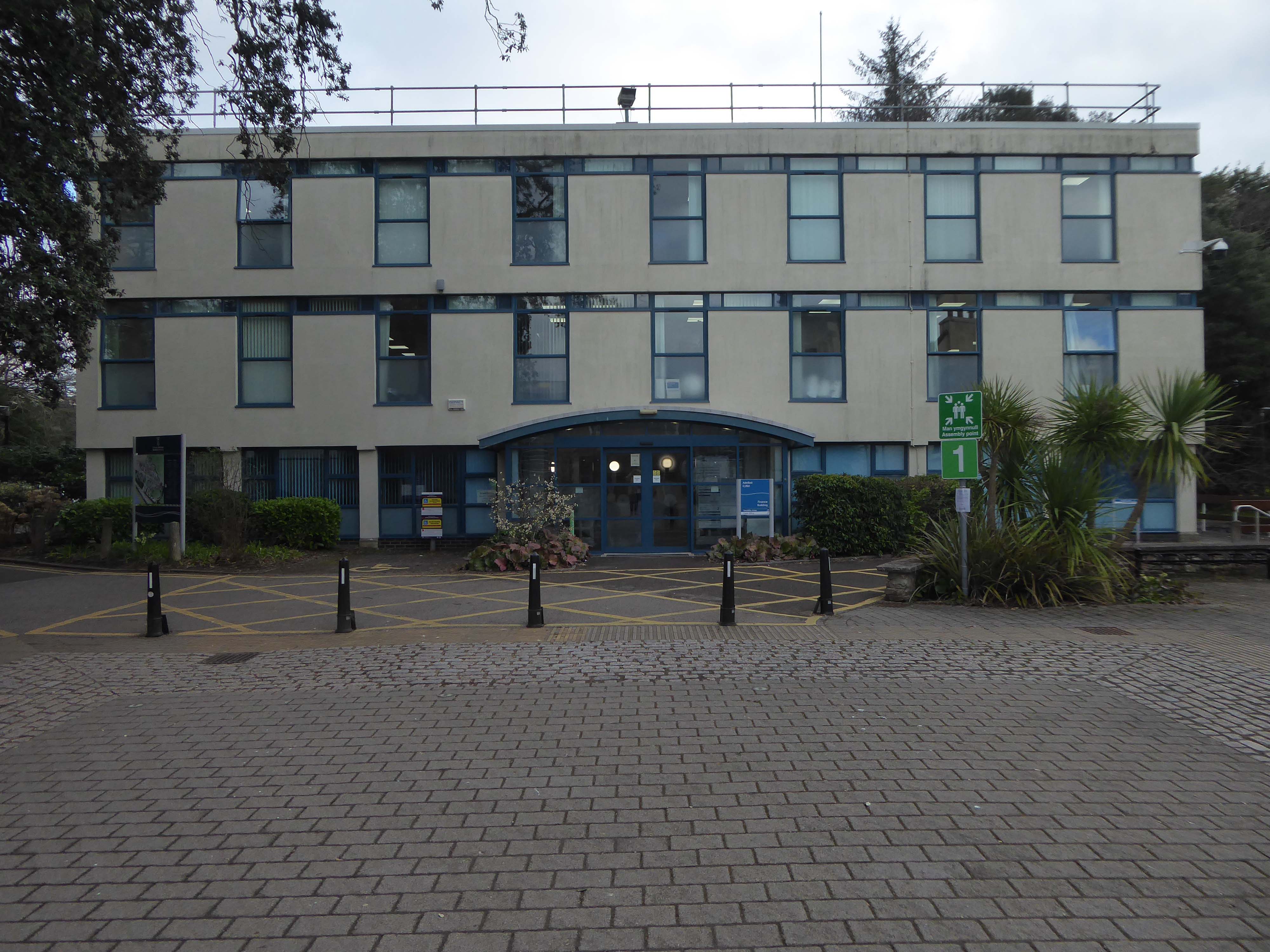
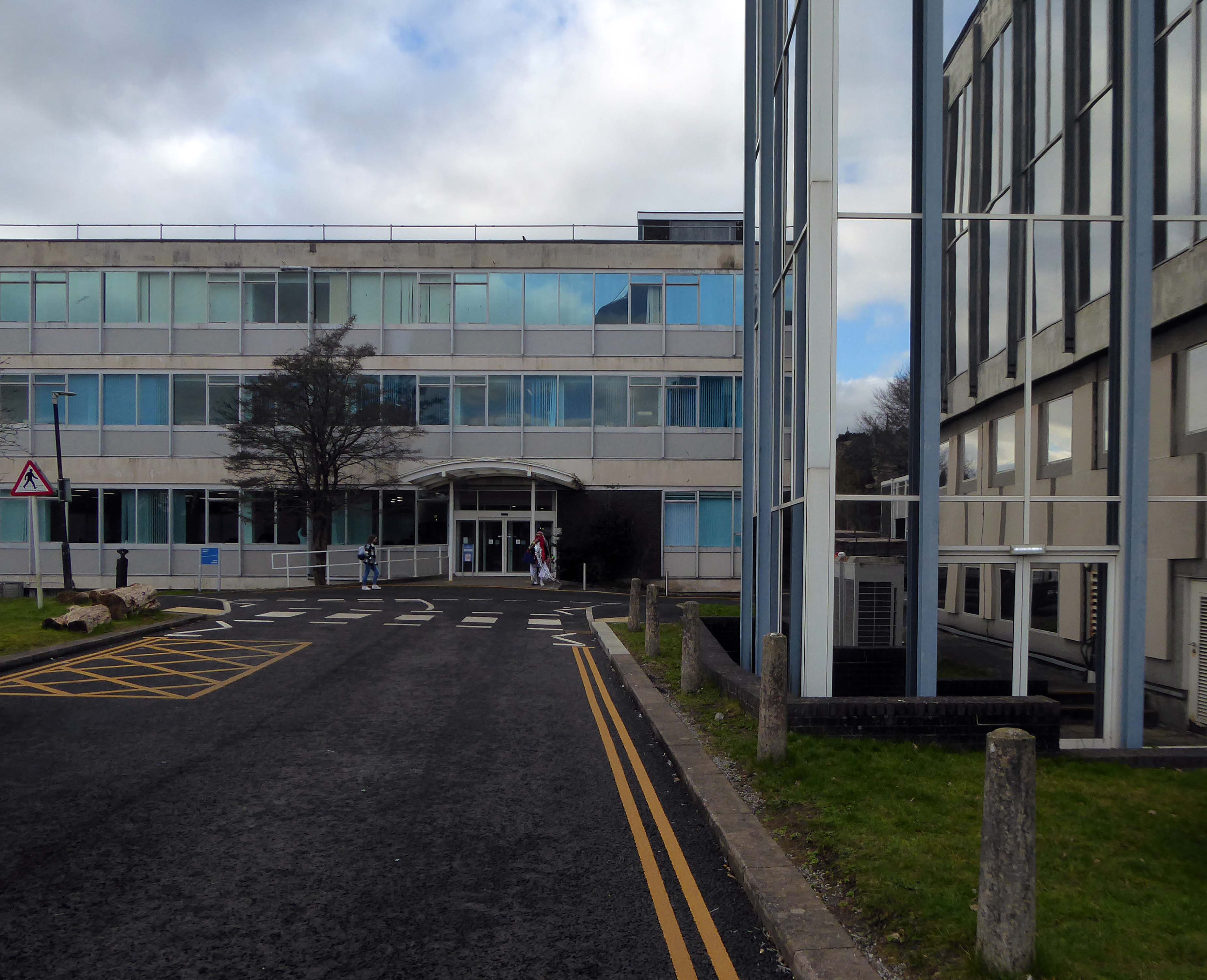
Before we get to the academic buildings here’s the Finance Building.

Formerly the School of Social Studies Building – Architects: Percy Thomas & Son 1960

RIBApix

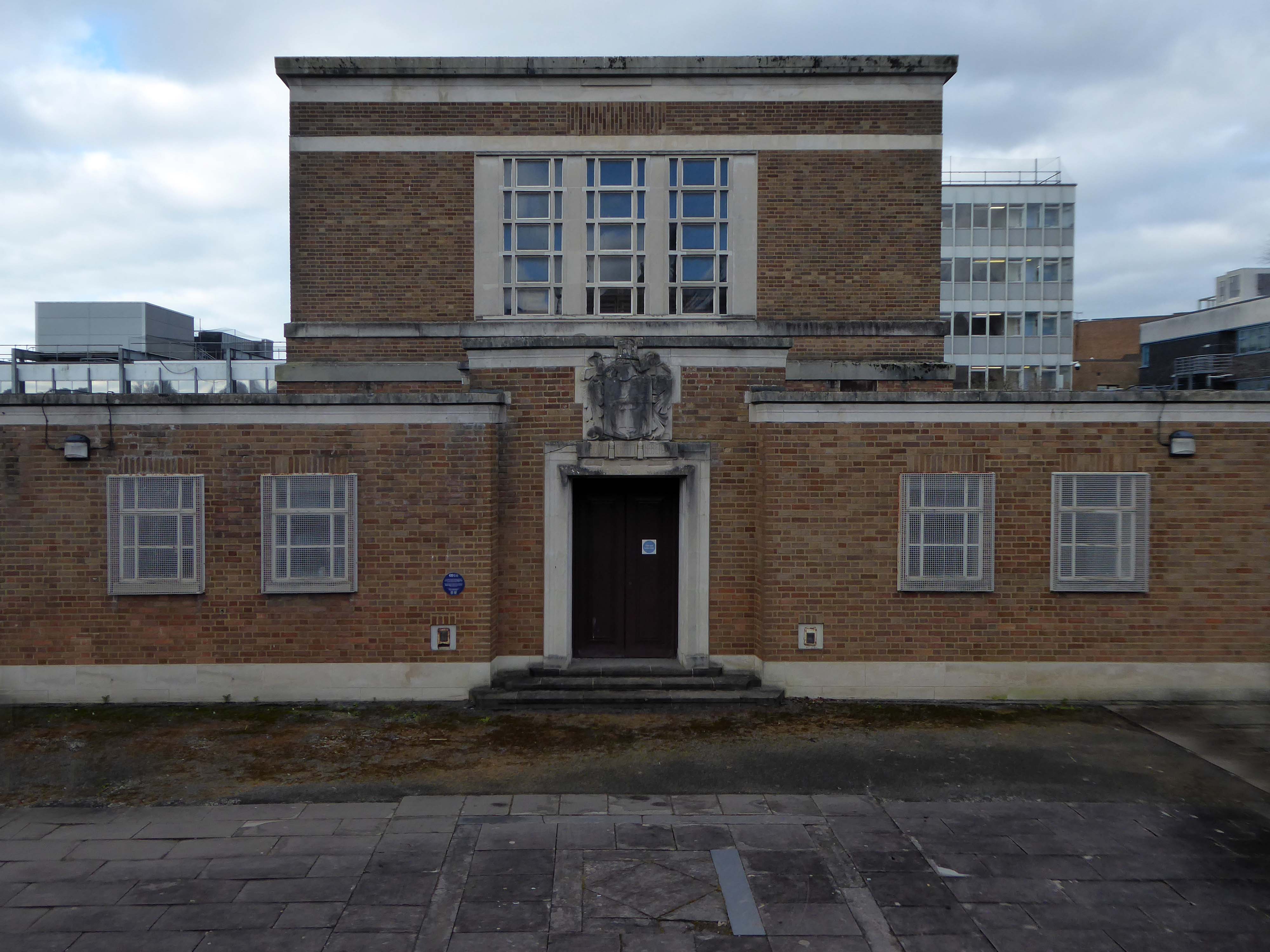
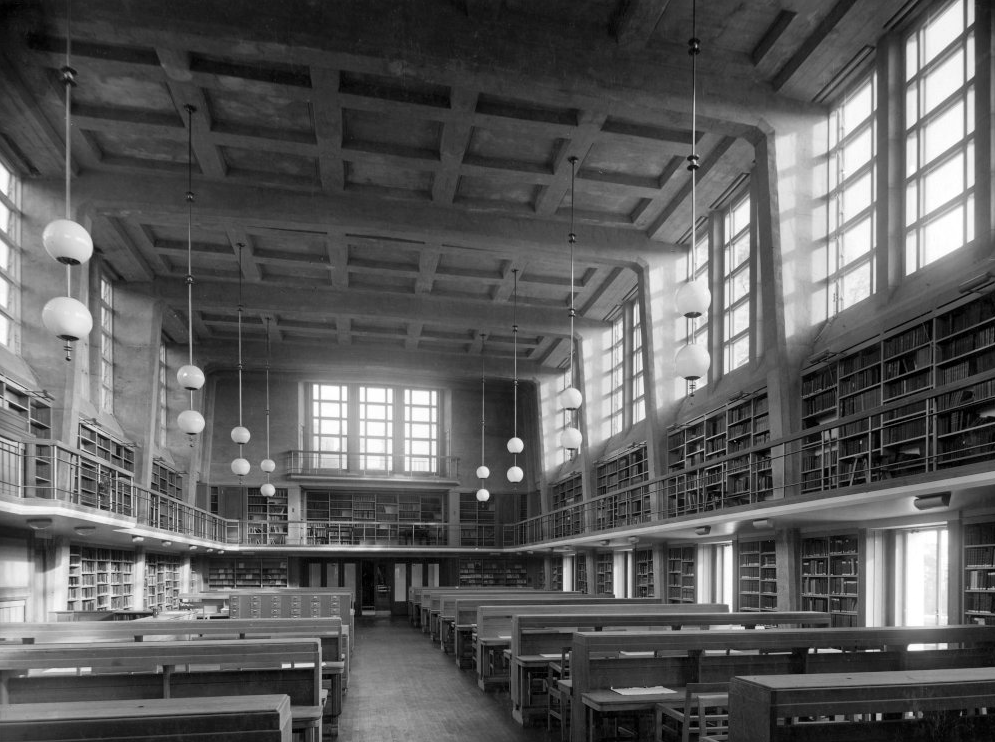
Having been gifted the Singleton Abbey – the 1937 Library was the first new build on the site.

A competition was held in 1934 to find an architect to design a new library building.

The winner was Verner Owen Rees, a London architect with Welsh heritage. The Library opened in the autumn of 1937 and was known as the ‘New Library’, and has later become known as the ‘1937’ or ‘Law’ Library.  Miss Olive Busby, who had been the University’s librarian since 1920, moved to this new building and was famous for patrolling it for the next twenty years, ensuring everyone was being quiet!

Swansea.ac.uk

RIBApix

Around the corner is the building is The Mosque.

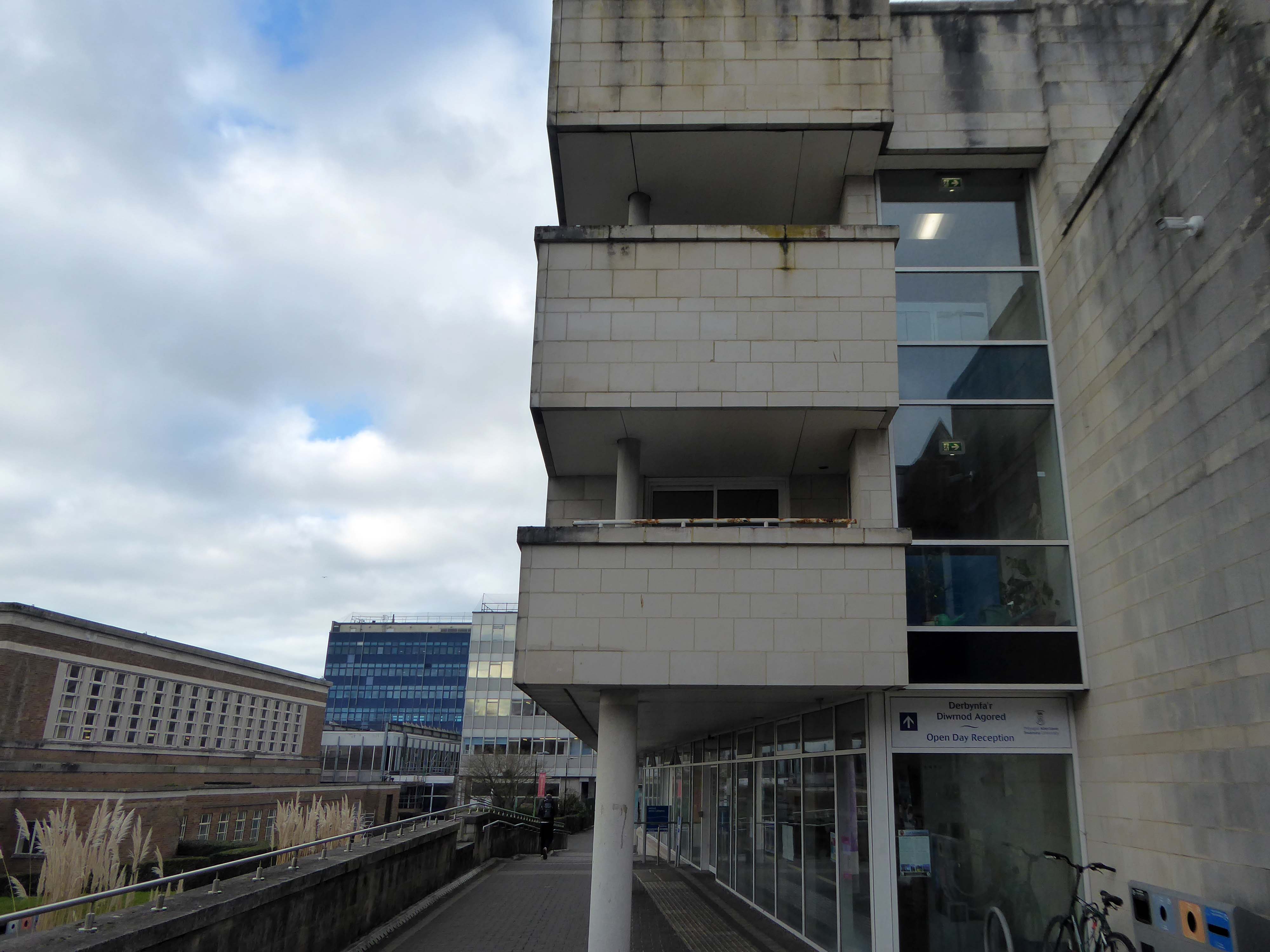
Next we encounter the Library and Information Building – Architects: Sir Percy Thomas & Son 1963

RIBApix

Onward to the Talbot Building

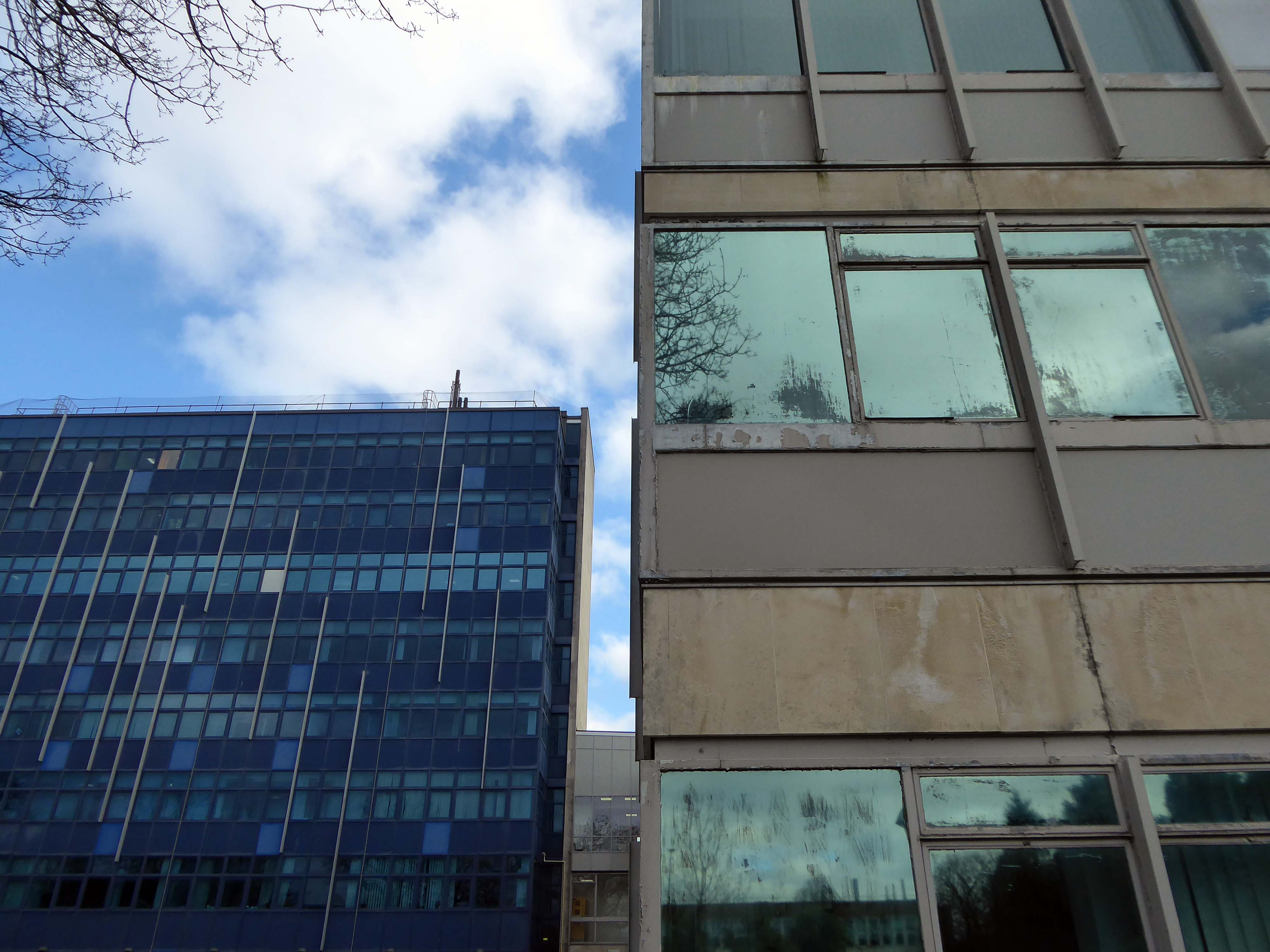
Then a swift right into the lea of the Faraday Building.

Walking beneath the Faraday Tower and looking back.

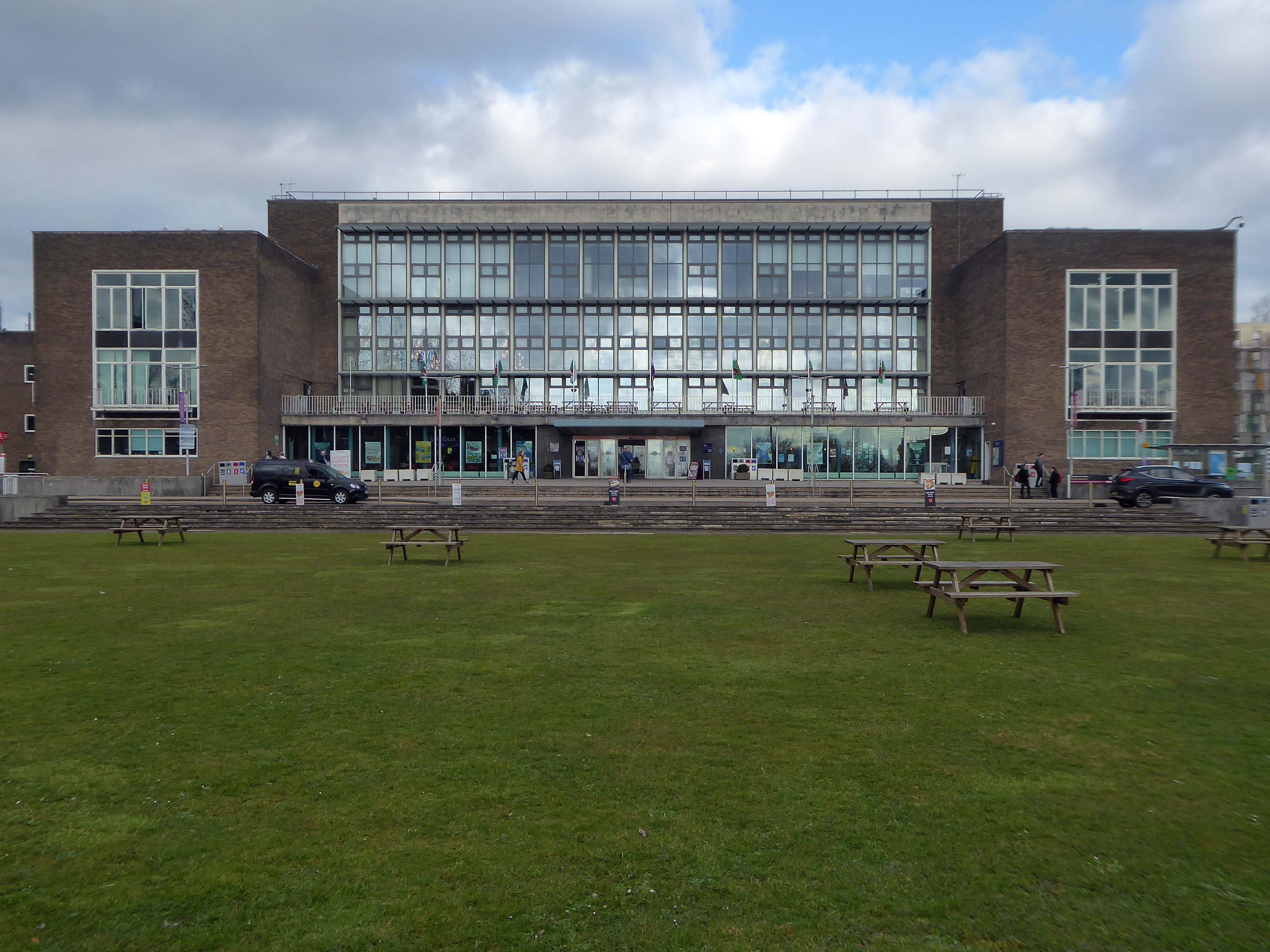
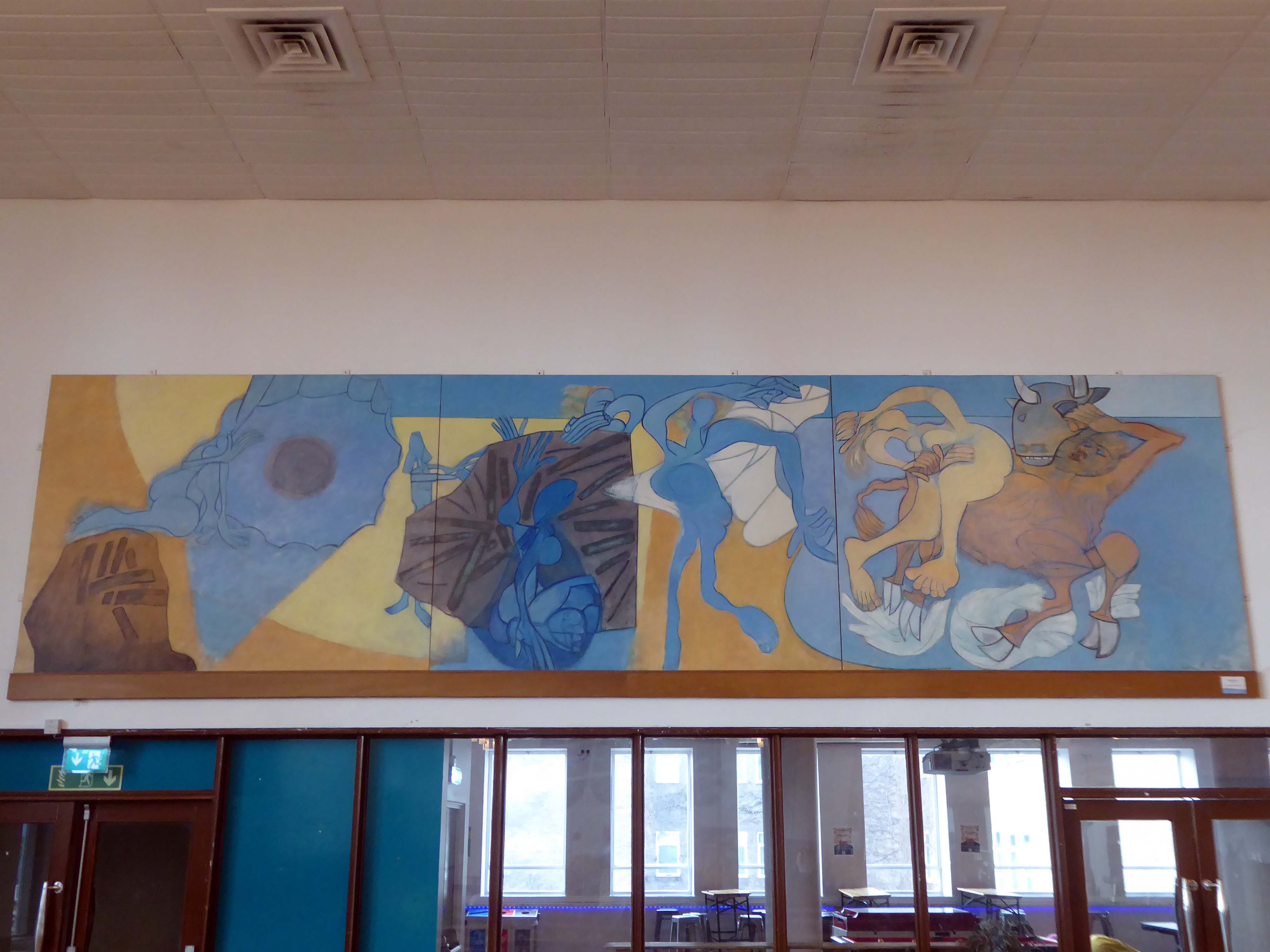
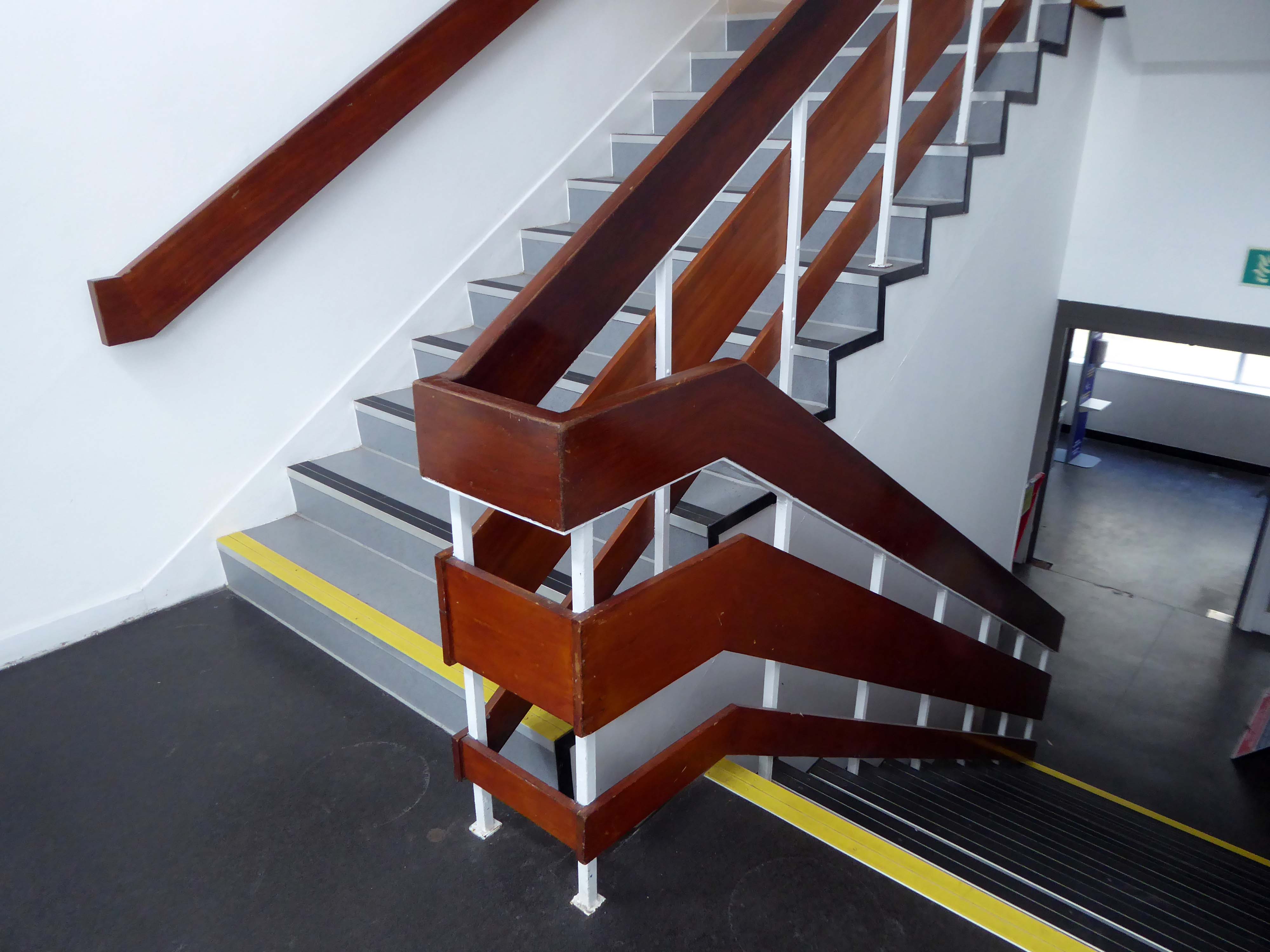
To our right Fulton House – This was built 1958-62 by Sir Percy Thomas & Son – design partner Norman Thomas. The decorative scheme in the main hall is by Misha Black; the panels of The Rape of Europa by Ceri Richards are an addition of 1970.

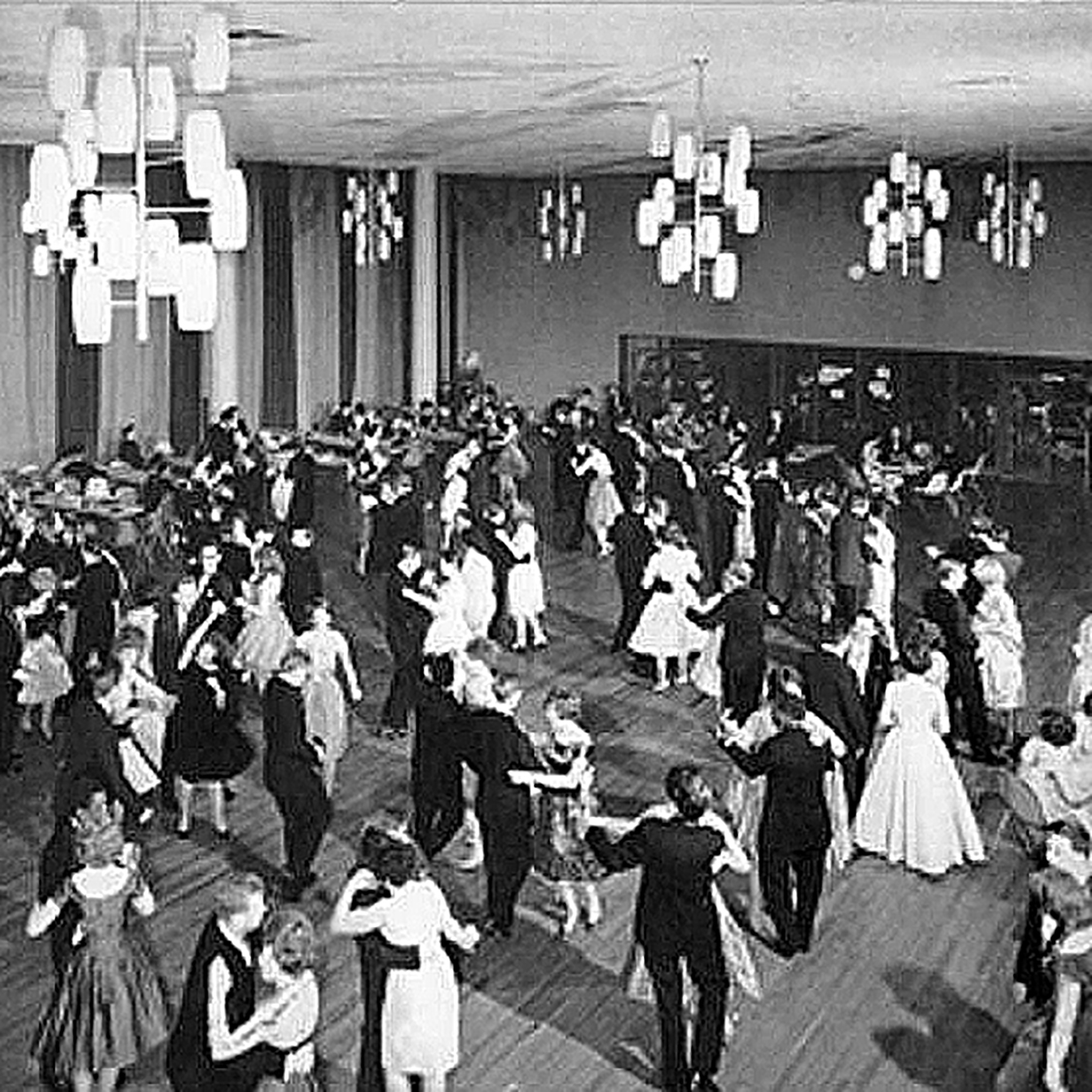
Fulton House, which was called College House from when it first opened in 1961 until 1986, is one of the most historically significant buildings on the Singleton Campus. Throughout the early 1950s, extensive plans were put in place to expand the Singleton site. At the core of this vision was a large building that could act as a meeting place, and a social and academic hub. This is what it became after 1961. The building contained common rooms, a music room, a coffee lounge, an extra library, a book shop and a barber’s shop.

Swansea.ac.uk

Photo: John Maltby

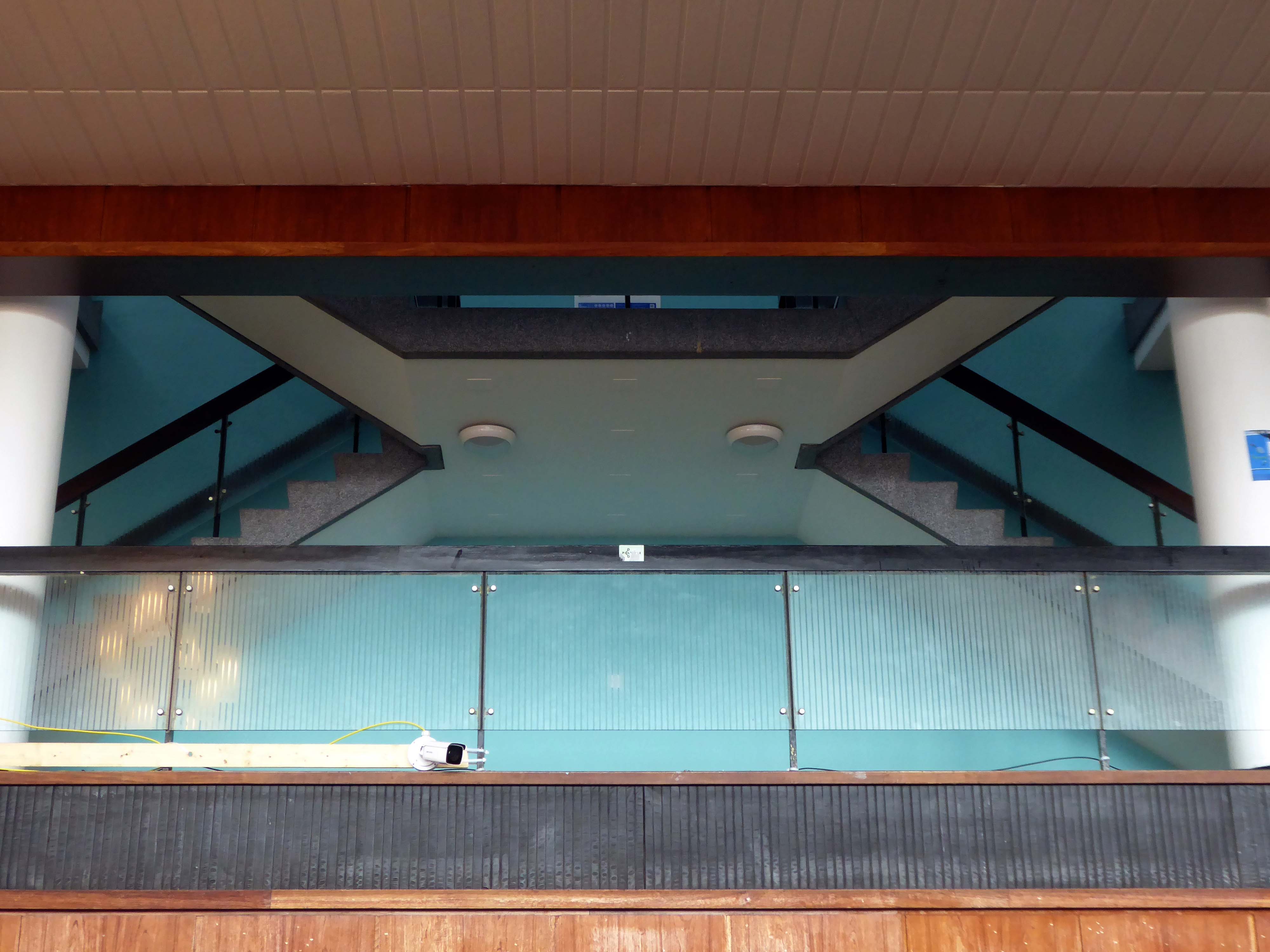
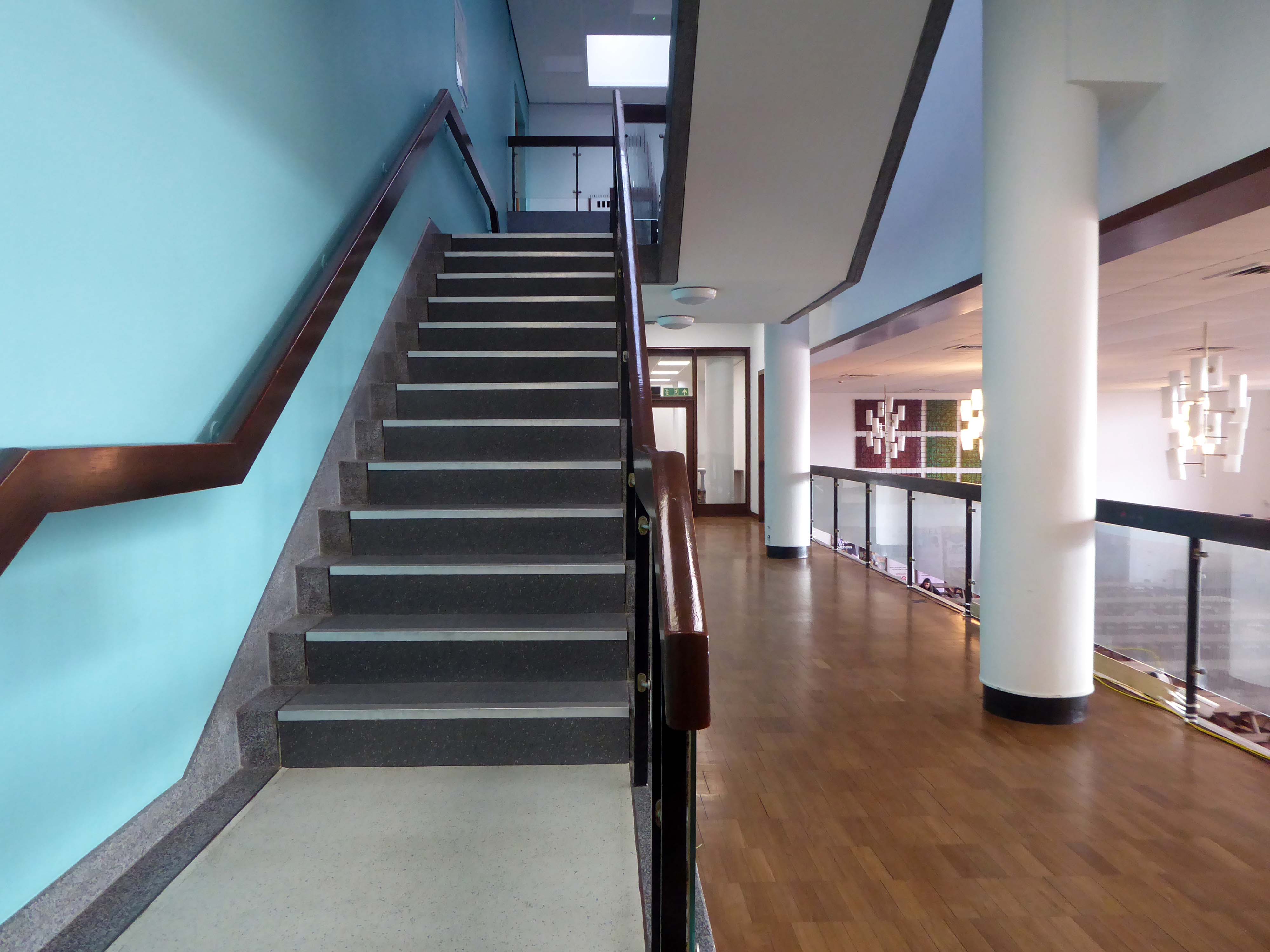
The building has a fine array of stairways.

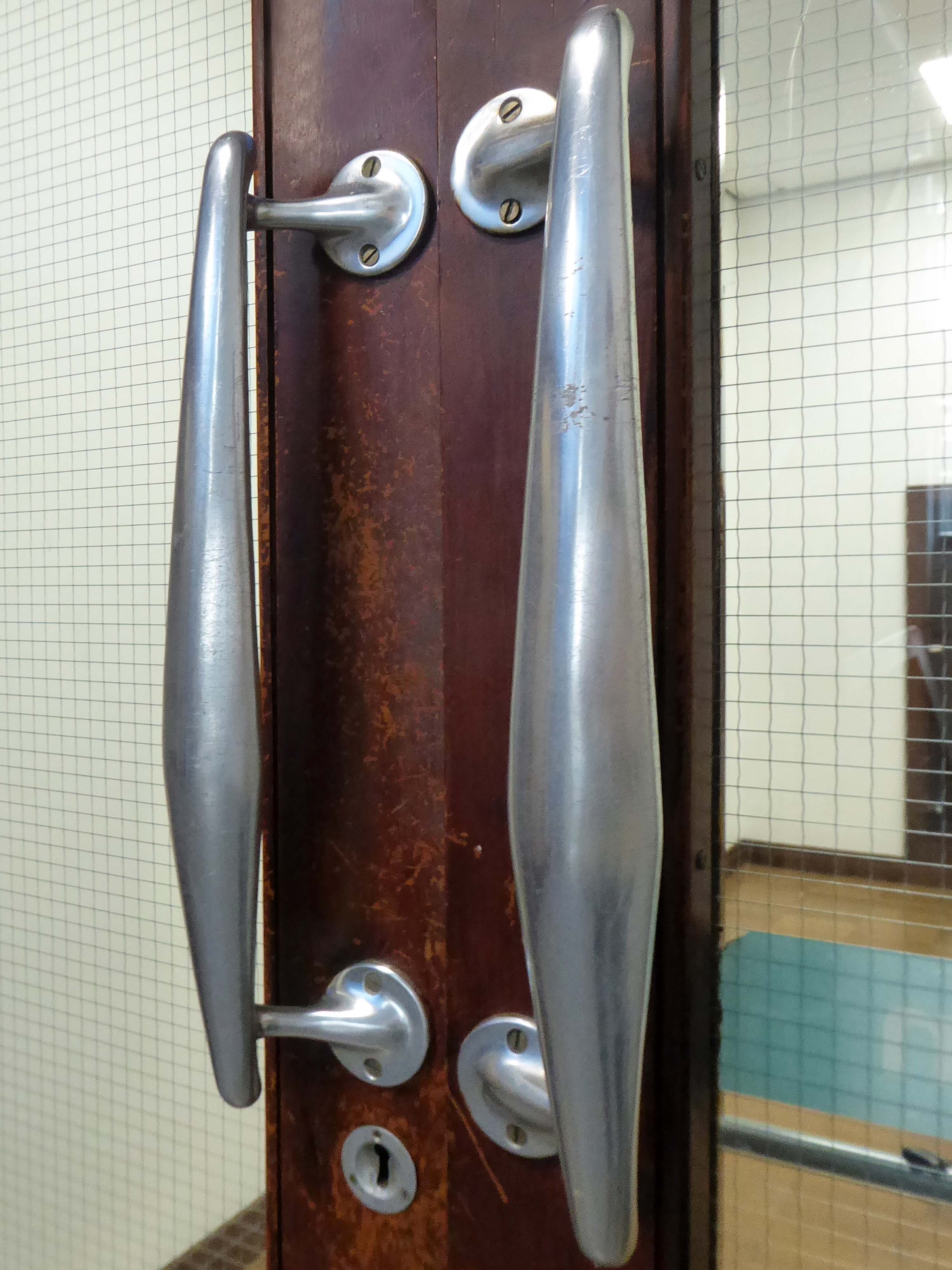
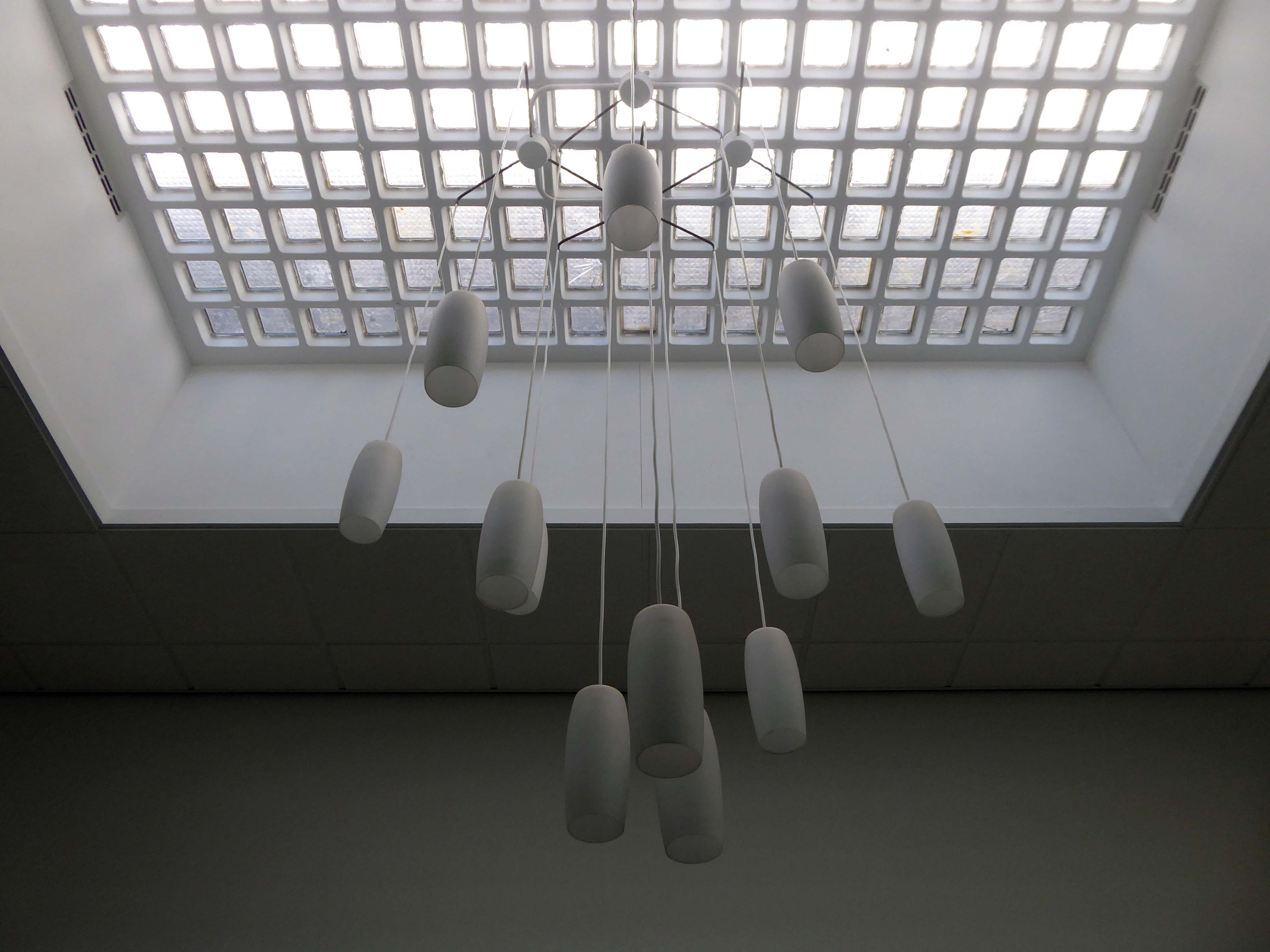
And decorative details.

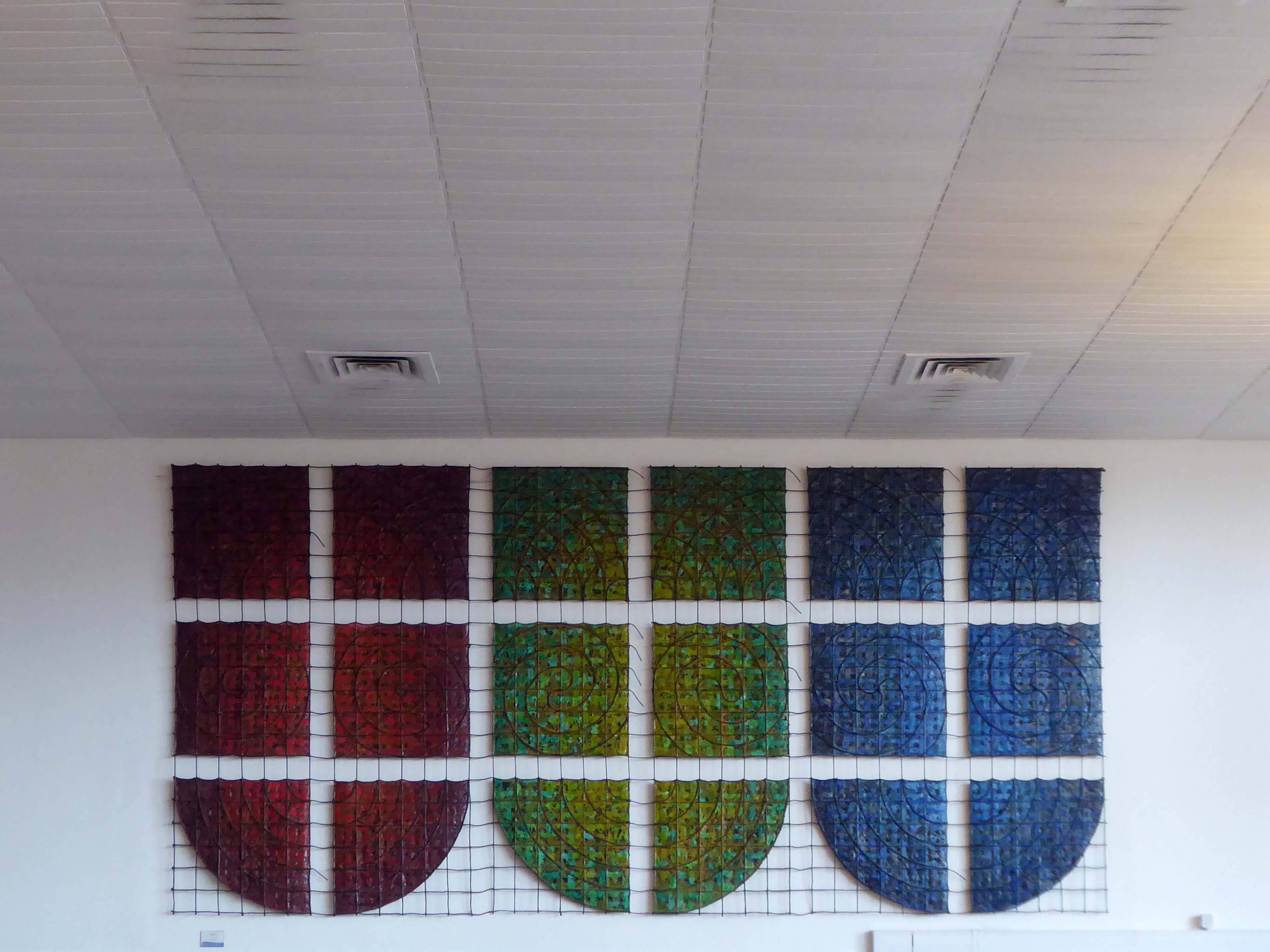
A recent addition Lifelines by Glyn Jones 1979.

This large wall hanging measuring H305cm x W620cm hangs on the wall opposite the Ceri Richards paintings. The hangings were very dusty and the nails holding the piece up were rusty. We were able to interview the artist to find out more about how the hanging was made. Glyn Jones used a blow torch to apply pitch and PVA medium to canvas and skrim fabric that he then attached to a geometric rope structure. Gouache paint was used and a solvent fixative spray allowed the colours to become imbibed into the PVA film. The hanging was made in six panels and then the horizontal rope ends glued together on site. These glued attachments had failed several times in the past and Jones had fixed them. With his permission we decided to come up with a new approach to these fixings. After cleaning the panels, we adhered magnets into the ends of the ropes so that they would click together easily. We reinforced the vertical ropes between the sections with nylon thread. Strong polyester was attached to the back of the top edge allowing a new hanging system where the strips were screwed into the wooden fixing battens. The hanging now looks much brighter and more colourful and detaching rope problem has been permanently resolved.

International Fine Art Conservation Studios

This generously spaced mural in the form of three splendid green, red, and blue shields in glazed plastic material and black cording is a creation in which the artist, Mr Glyn Jones symbolically portrays the Holy Trinity 

The centre shield, in green, represents God the Father as creator and sustainer.

On the right of the centre shield, that is on the right hand of God the Father, is the red shield which represents our Lord and Saviour.

On the left of the centre shield, that is, on the left hand of God the Father, is the blue shield which represents the Holy Spirit.

In other ways the mural is modern in its abstract technique. Its basic symbolism is simple: a shield is for protection and green fertility sustains all life. Mr Glyn Jones is to be congratulated on a study which appealingly and joyfully presents the Holy Trinity as a protective and creative life-force that is yet associated with the Cross. His is a new and attractive achievement in the artistic tradition of Celtic Christianity.

Steve Williams

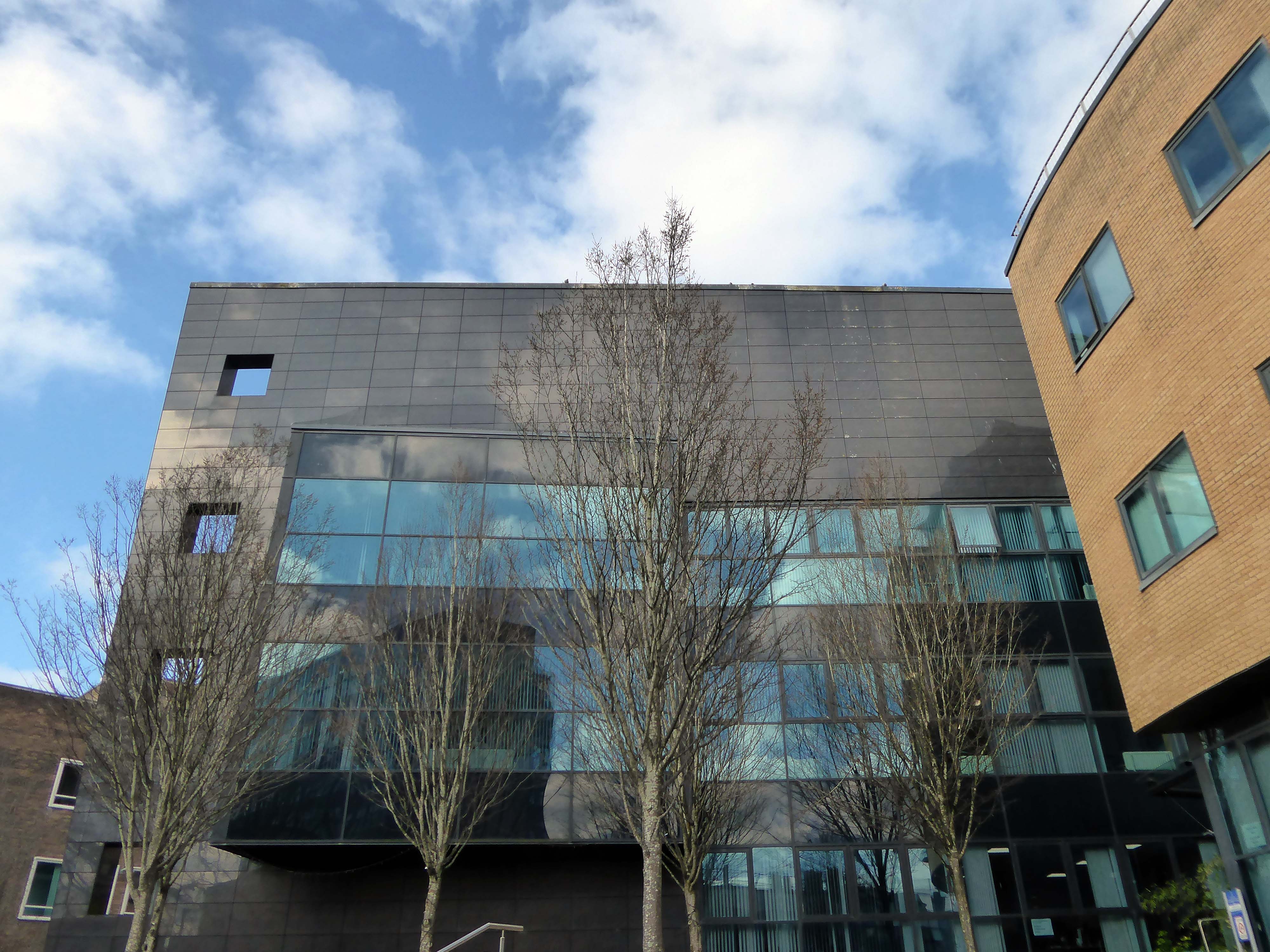
Cutting back to the Digital Technium

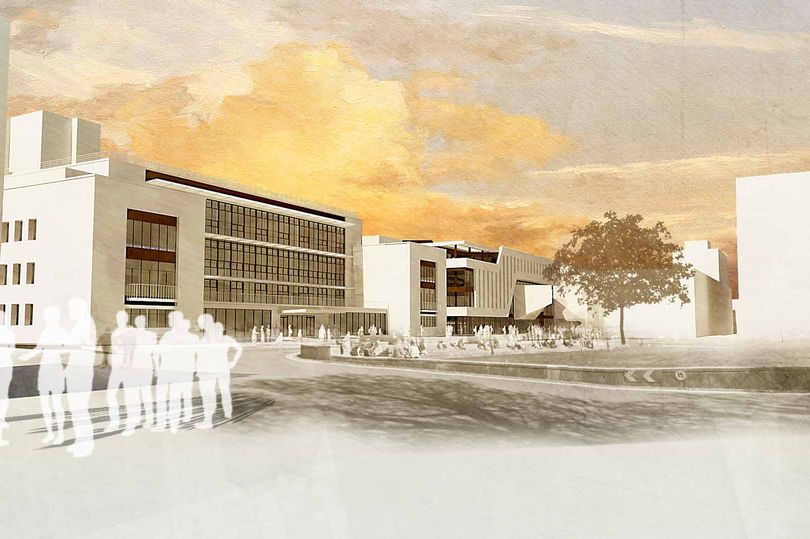
Controversially plans for a £30 million Student Activity Centre at Swansea University’s Singleton campus have been revealed.

Bosses say the centre will form part of a new Student Precinct and, subject to planning permission, will replace the former Digital Technium building which was built in 2003 at a cost of £9.5million.

The scheme will replace the existing Digital Technium building and will be linked to the adjacent Grade II listed Fulton House, which will also be refurbished. Together, they will form the core of the new Student Precinct. Designs to resolve the surrounding streetscape and provide new access routes across the campus are also included.

Stridetreglown

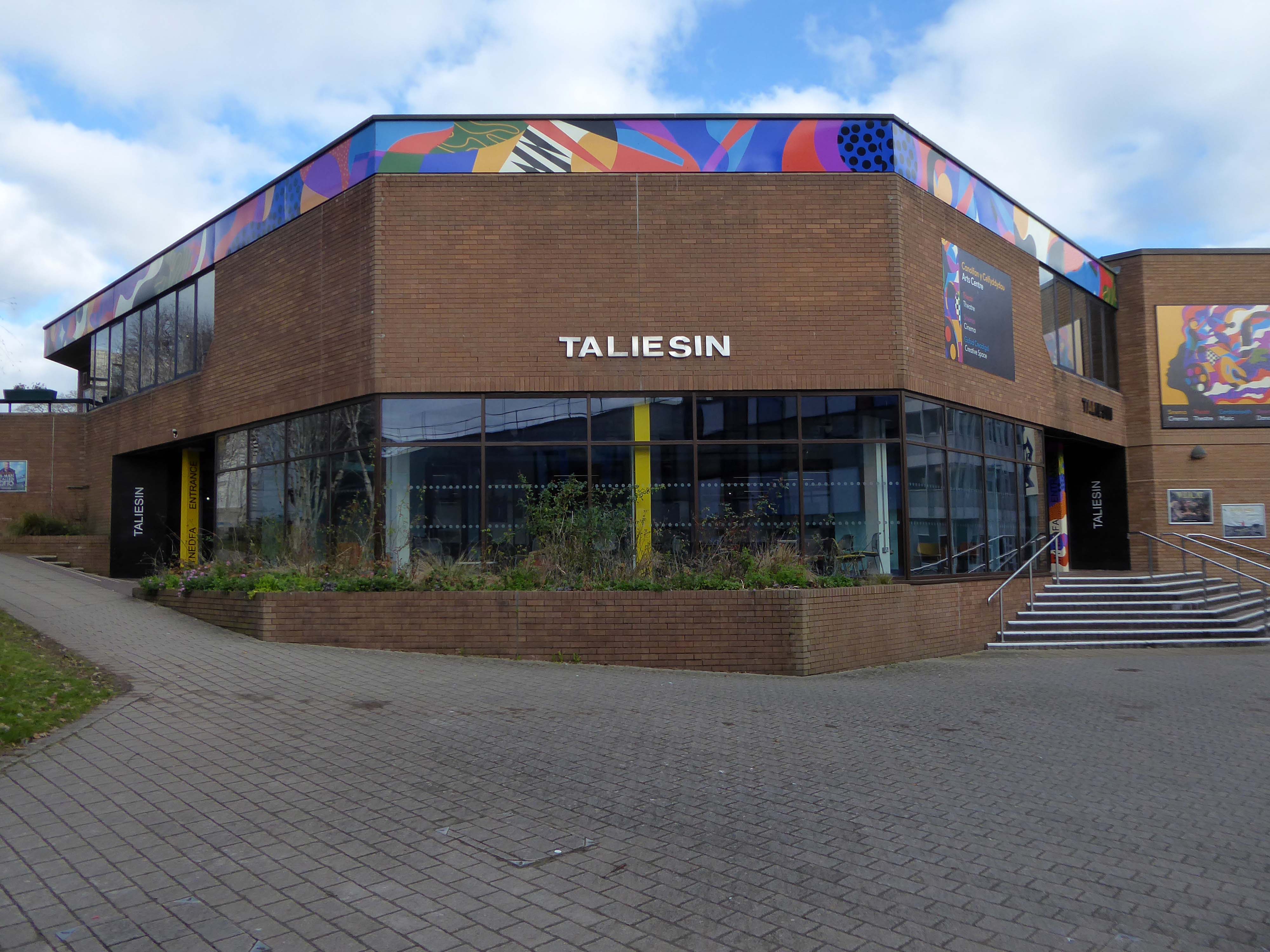
Next to the Taliesin Arts Centre Architects: The Peter Moro Partnership 1984

Peter Moro is the forgotten co-designer of the Royal Festival Hall. A German émigré who had worked with Berthold Lubetkin’s famed practice, Tecton, in the 1930s, Moro was drafted in to help realise the Festival Hall in just two short years, in time for the Festival of Britain in 1951. With a team of his former students, he created many of the interiors we see today. For Moro, the Festival Hall was a stepping-stone to a career designing many of Britain’s finest post-war theatres, particularly Nottingham Playhouse, Plymouth Theatre Royal, and the renovated Bristol Old Vic. He and his colleagues also designed some exceptional one-off houses, as well as exhibitions, university buildings, schools, and council housing, collaborating with leading talents such as the designer Robin Day.

docomomo

Also notably the Gulbenkian Theatre at the University of Hull

Set in the heart of Swansea University’s Singleton campus we exist to enrich the cultural lives of individuals and communities across the region,  presenting arts experiences for audiences in our spaces and on the streets of Swansea.

Recently reshaped internally by Rio Architects.

Carl Cozier aka Holy Moly has added decorative details to the site.

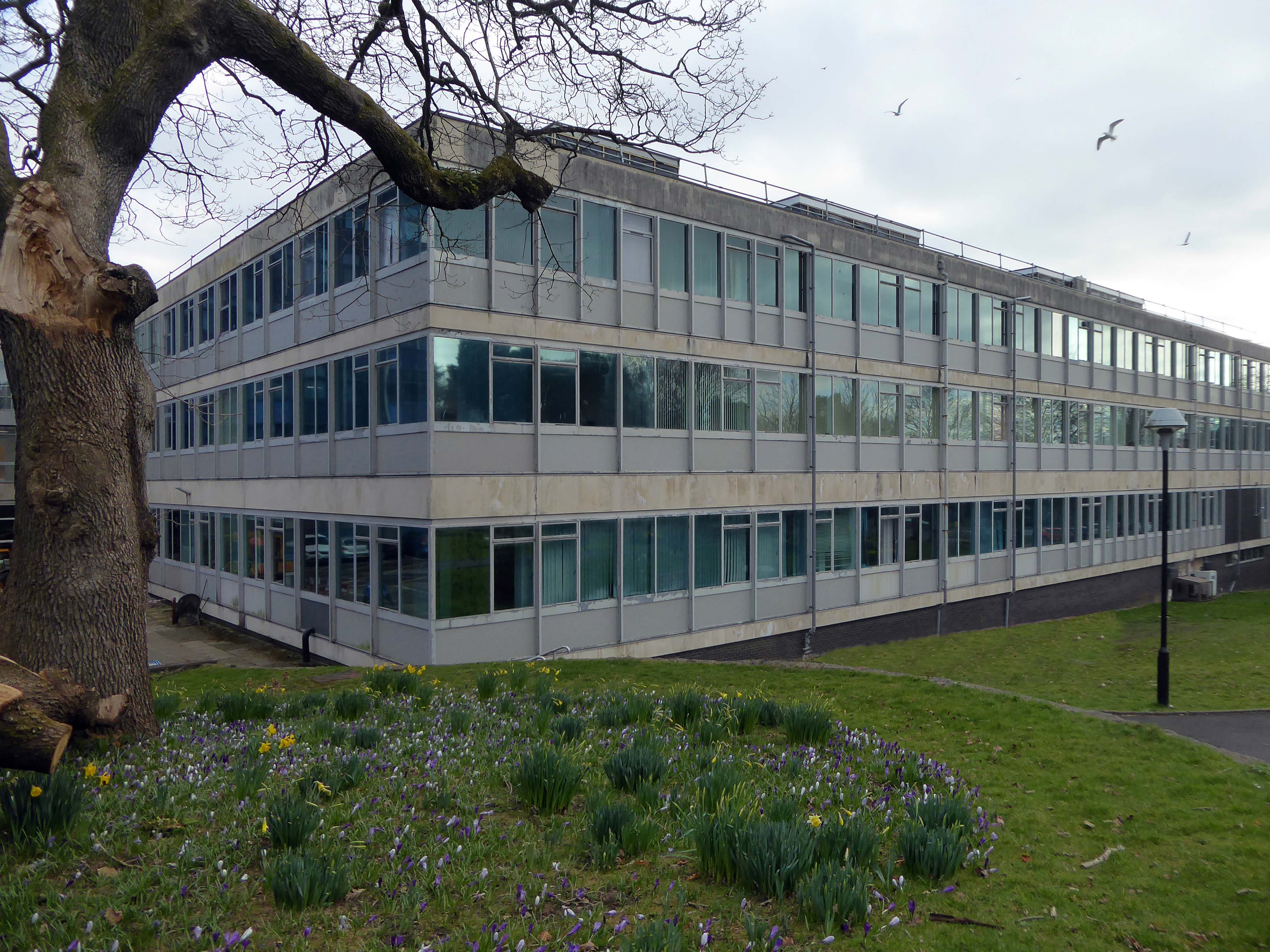
Next door the Keir Hardie Building and its Neighbour the James Callaghan Building.

Heading back on ourselves toward the Wallace Building.

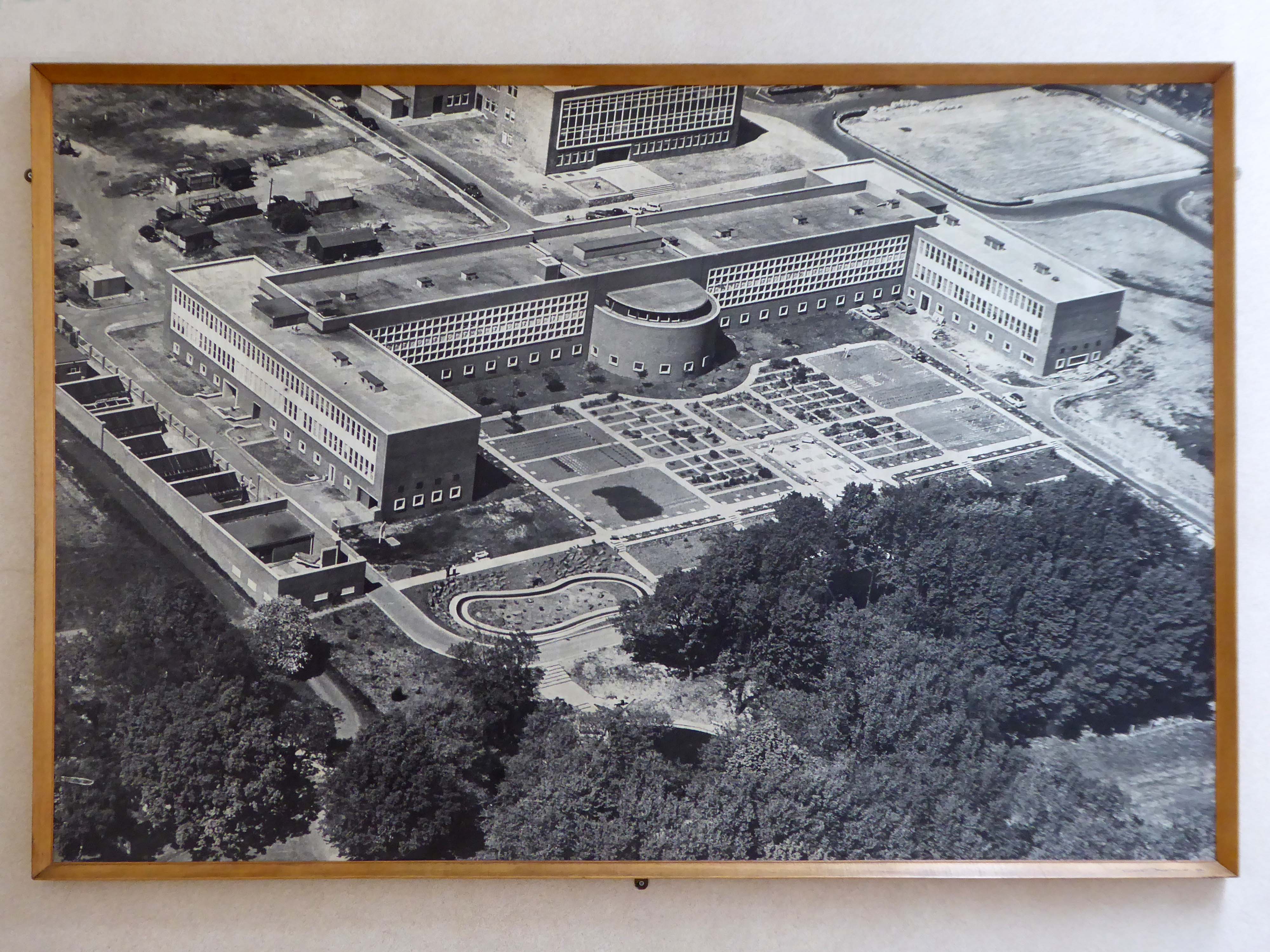
Percy Thomas was commissioned to design new buildings for science and engineering, but these plans were thwarted by cost constraints. However, following the appointment of John Fulton as principal in 1947, Thomas was re-engaged to prepare a new development plan.

British Listed Buildings

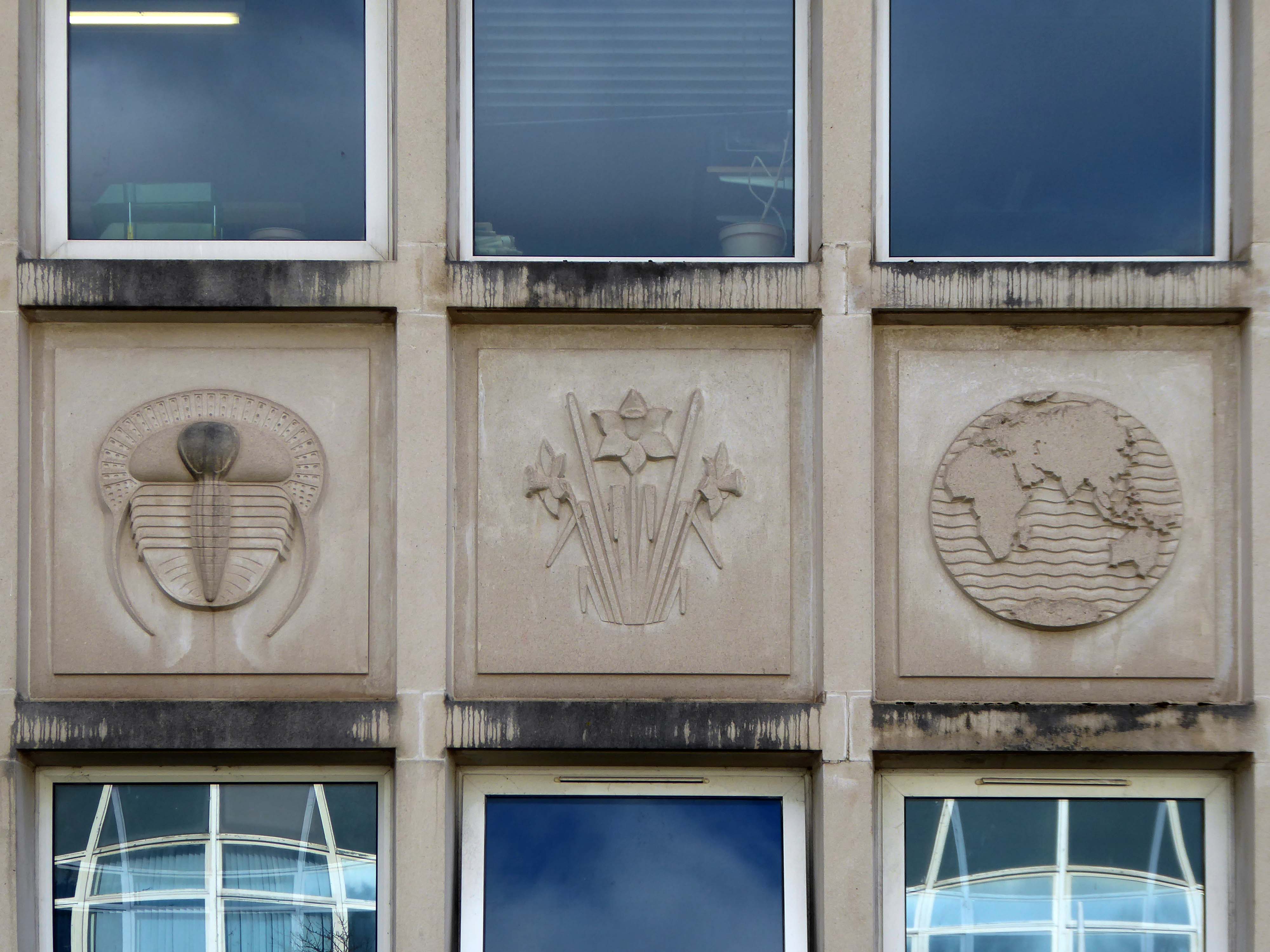
Of particular note are the cast panels forming a horizontal band along the elevation.

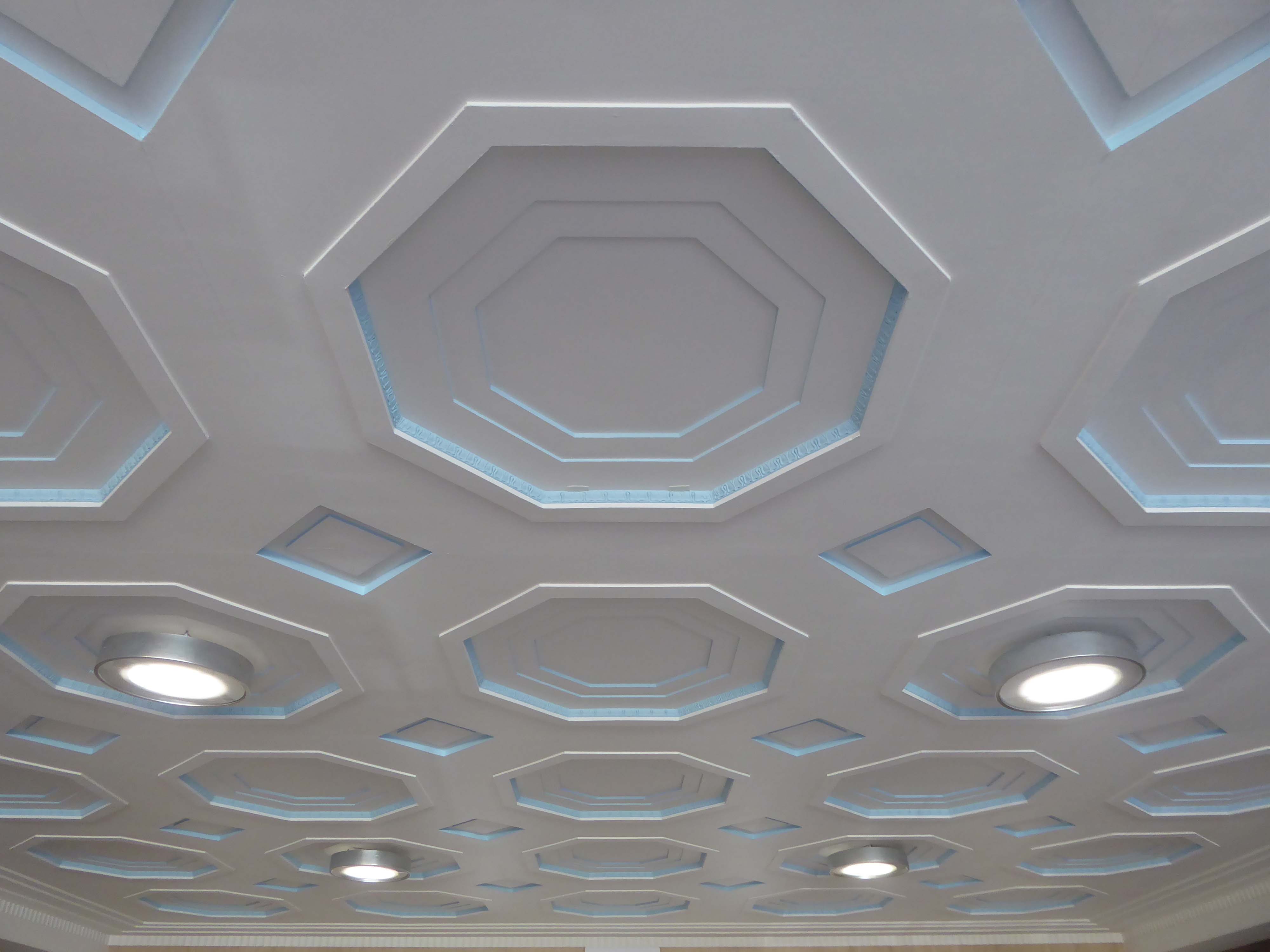
The entrance porch has a fine ceiling.

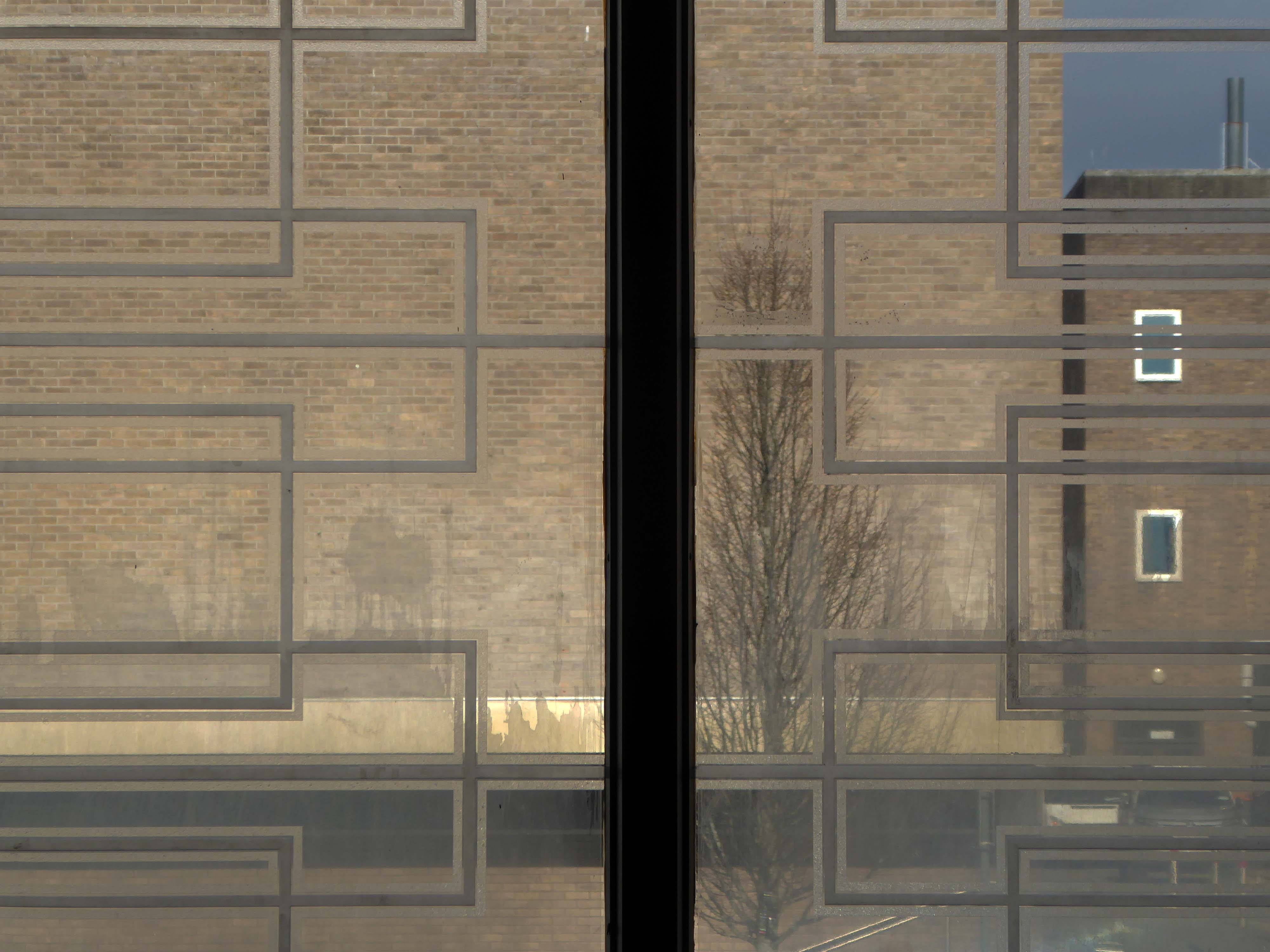
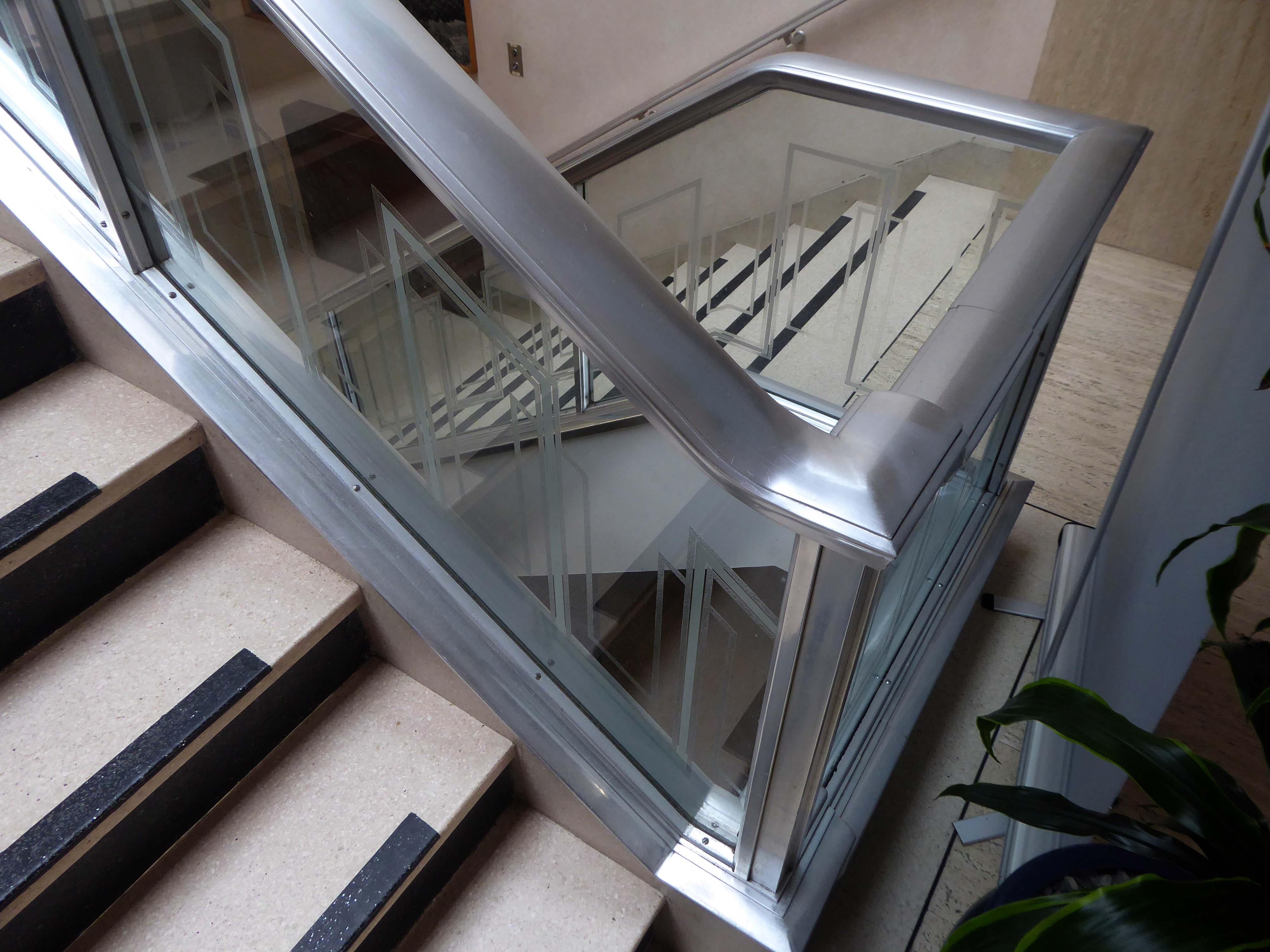
Along with etched glass window detailing.

Echoed in the stairway’s glass infill.

Opposite we find the Grove Building.

Alongside the Glyndŵr Building.

Heading now to the student residences the rear of Fulton House to the right

Swansea University Alumni Network

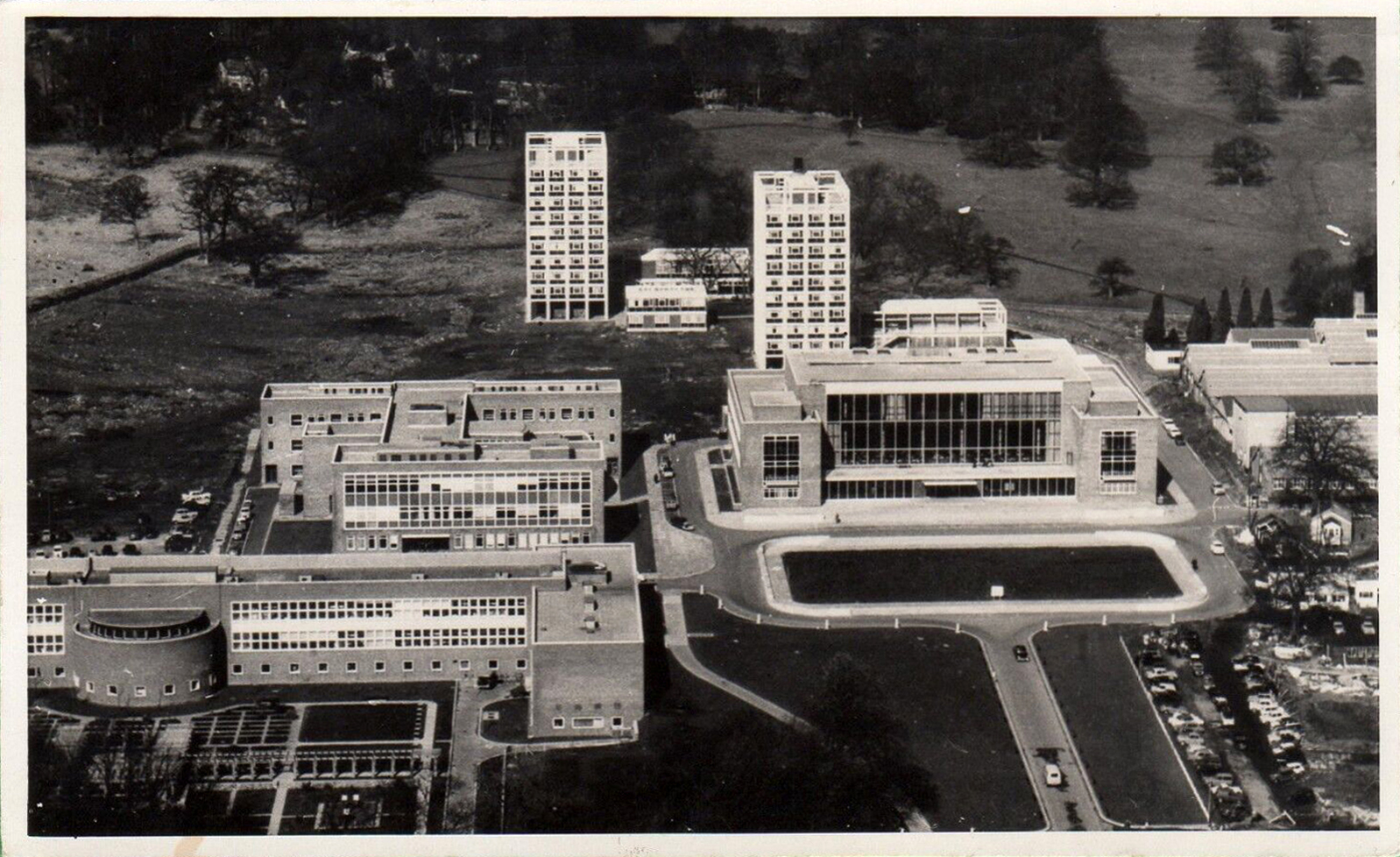
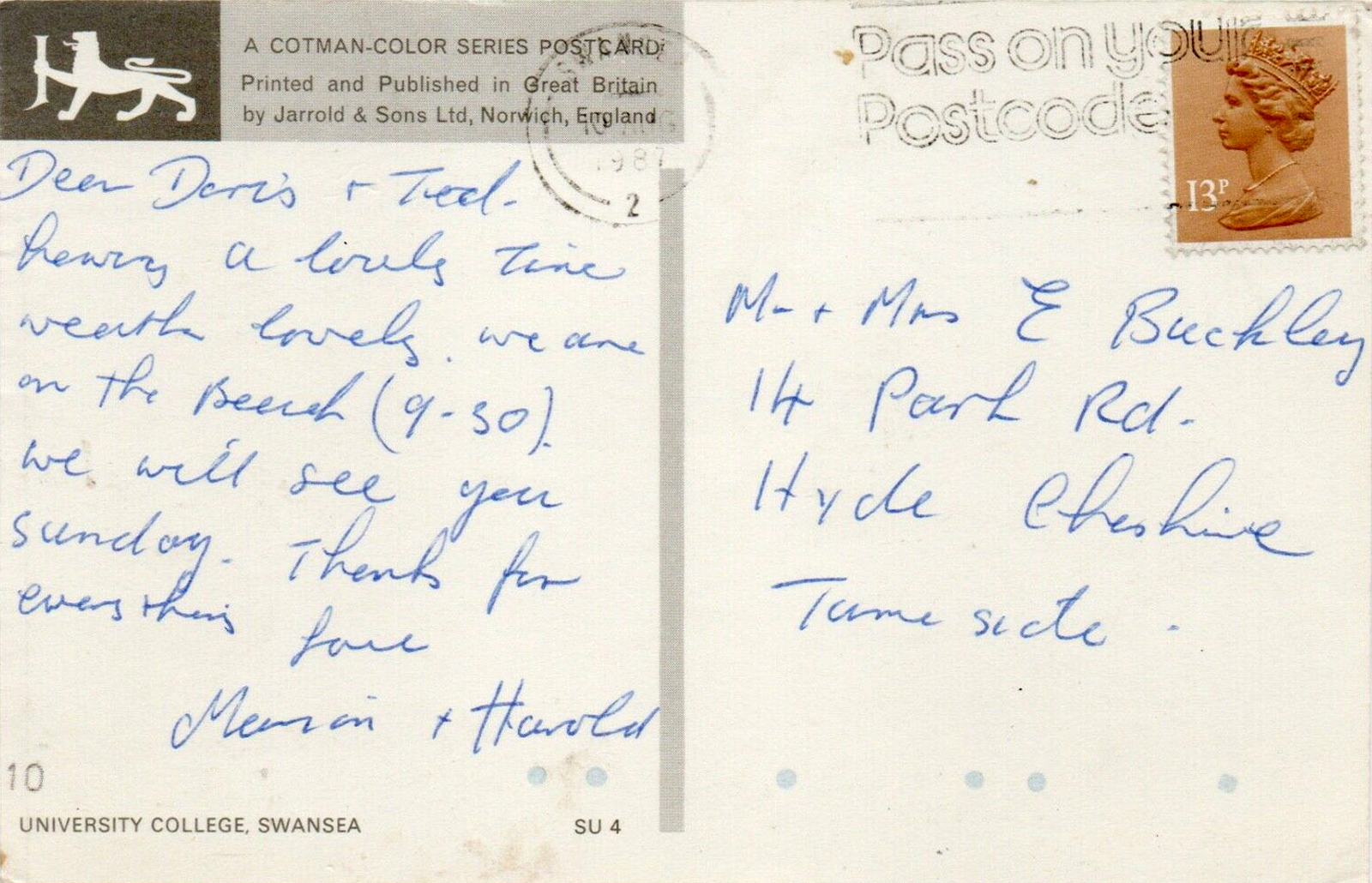
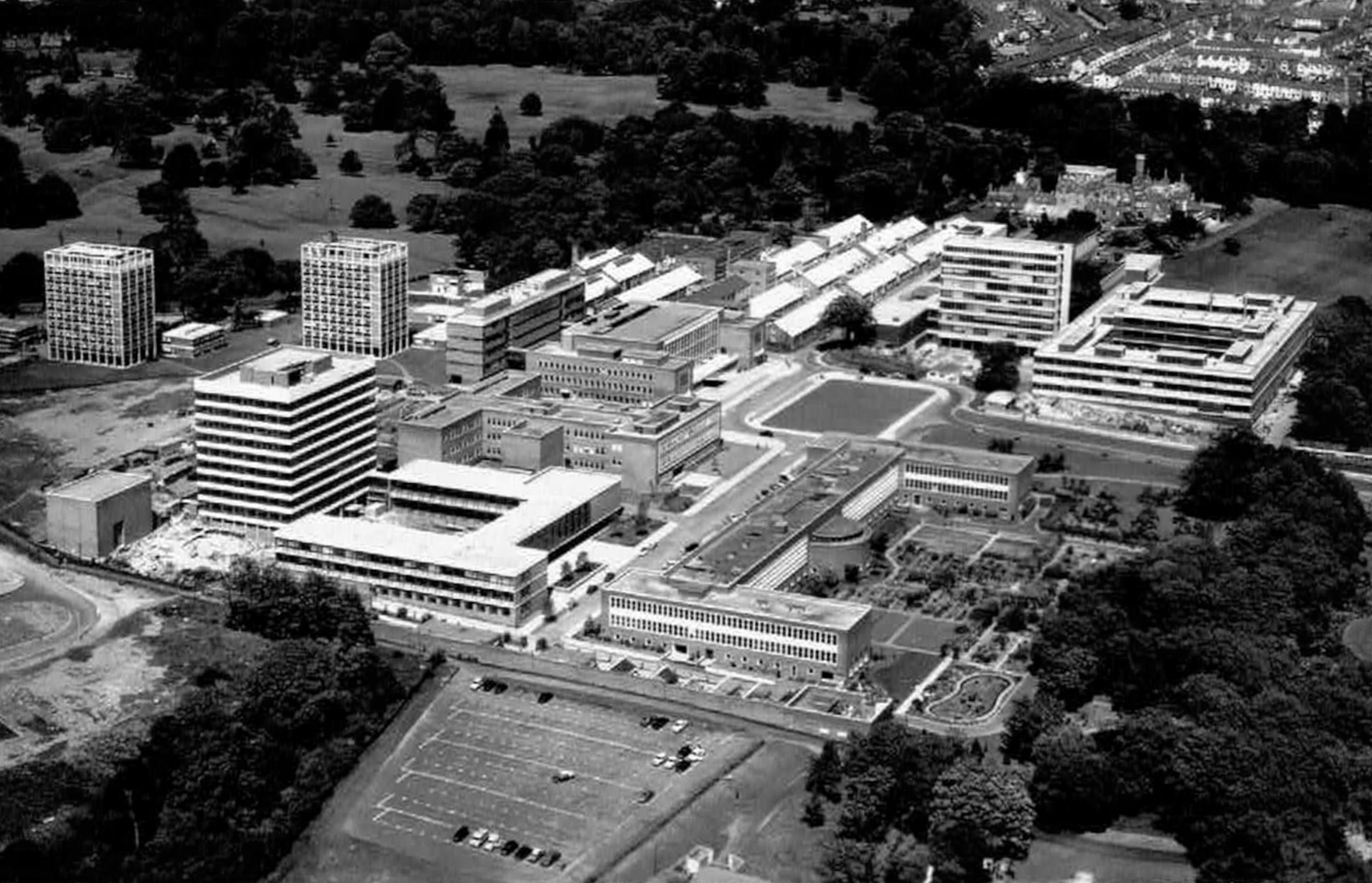
The earliest halls can be seen at the centre of this postcard.
Also to the left of this later postcard.

This card shows the Singleton campus of Swansea University. Top right, the abbey which was the university’s original building; beyond that the houses around St Helens – the sports ground where in August 1968 Sir Gary Sobers scored six sixes in an over for Nottinghamshire against Glamorgan.

wonkhe

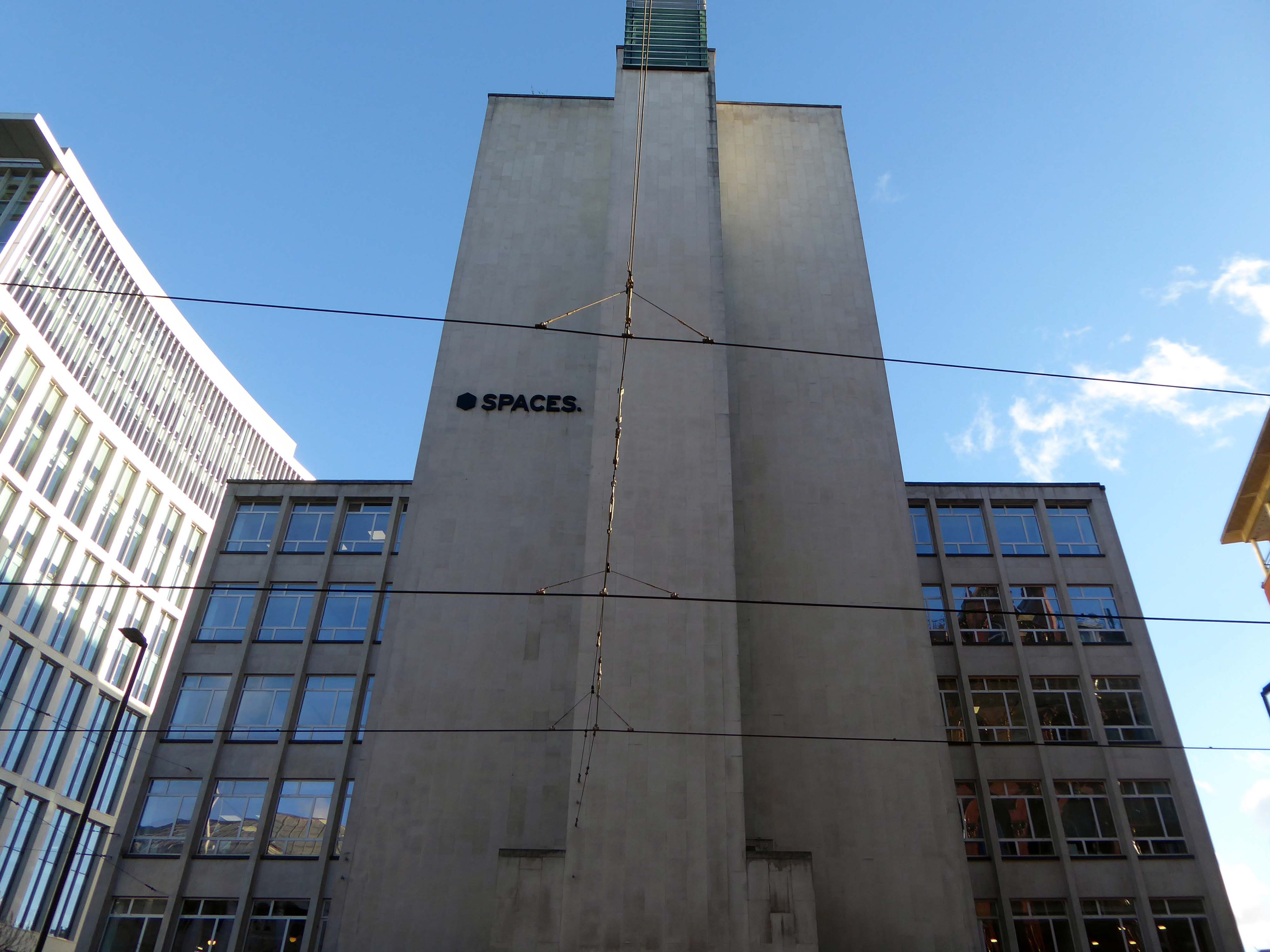
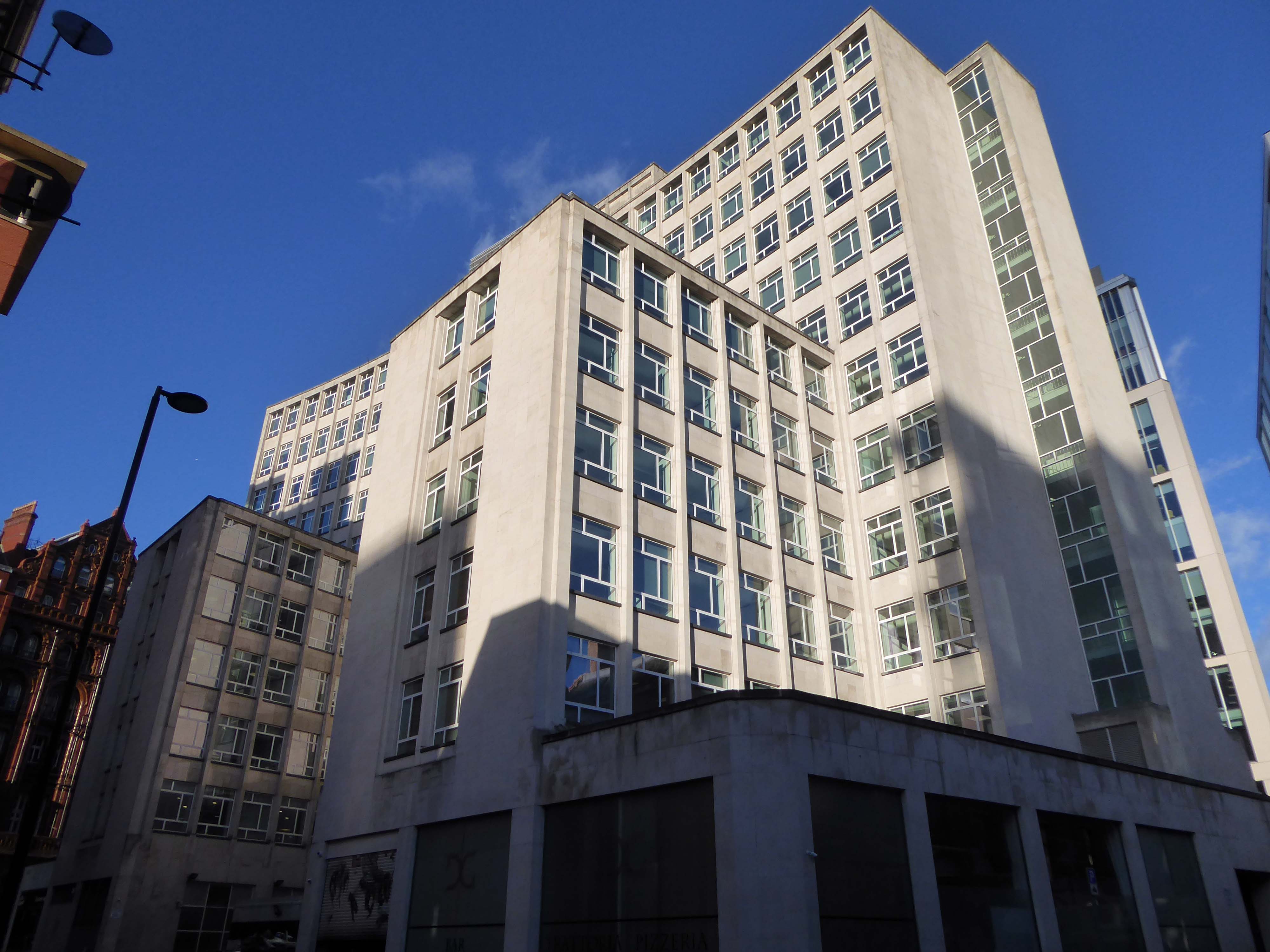
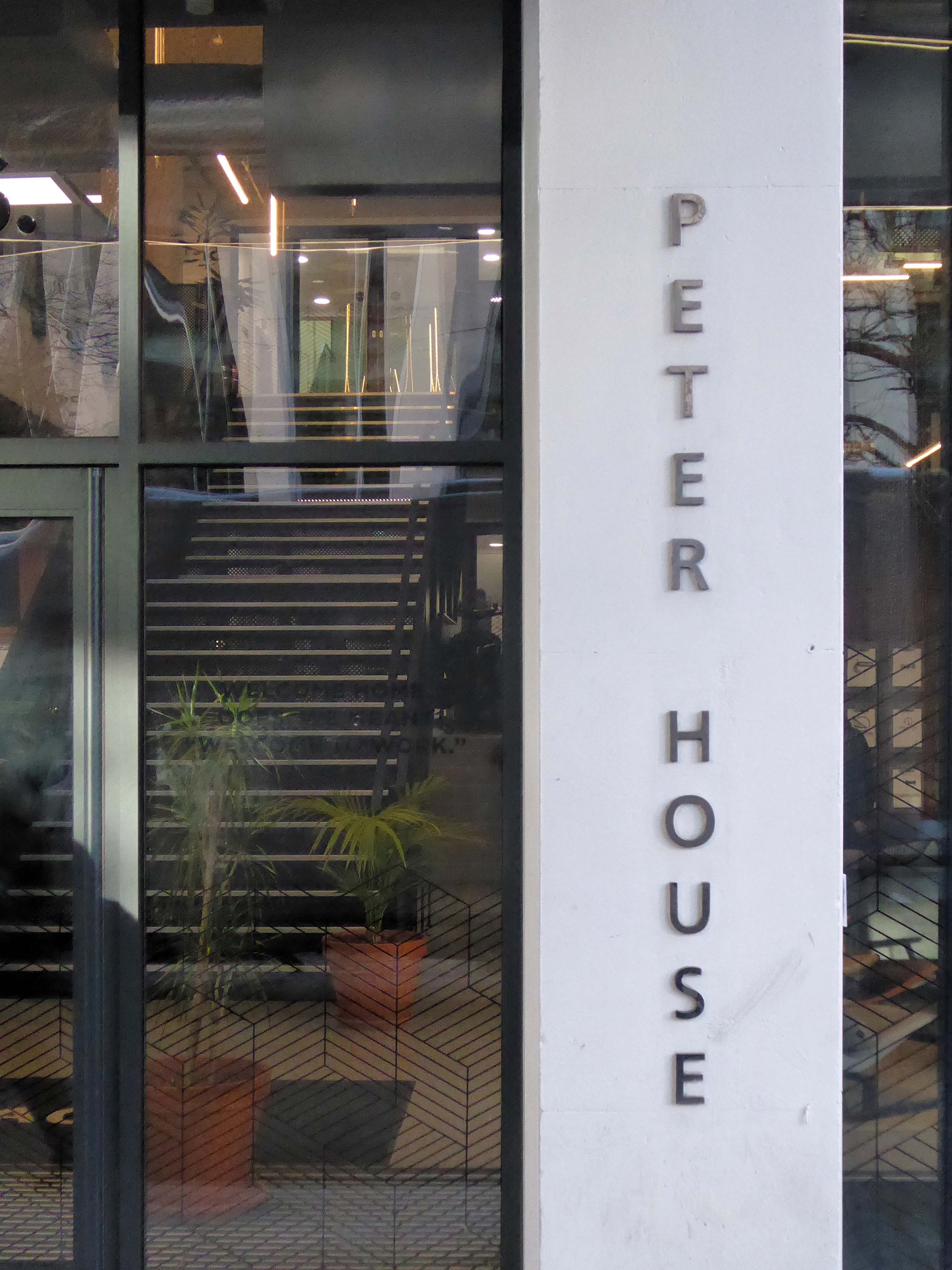
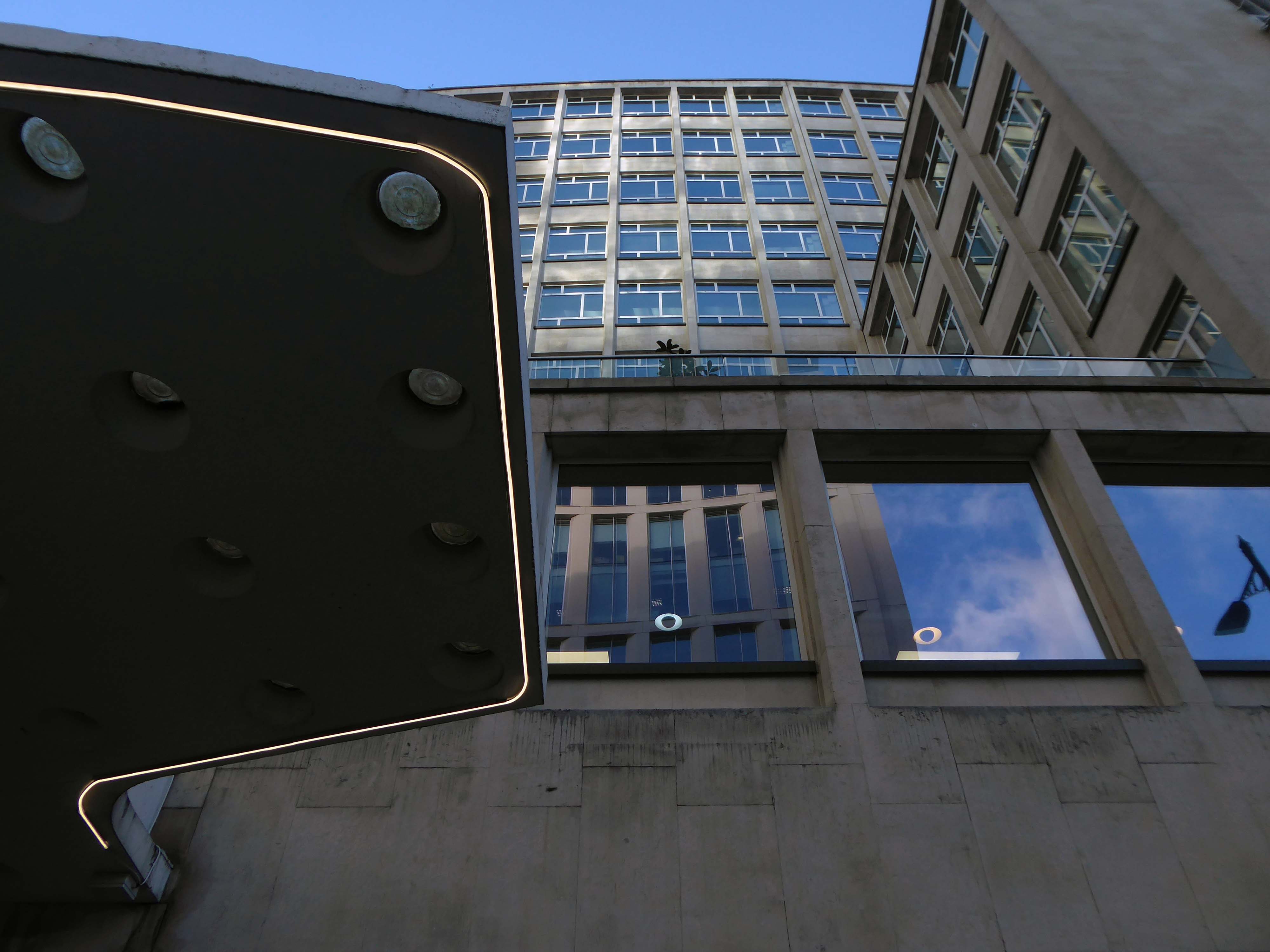
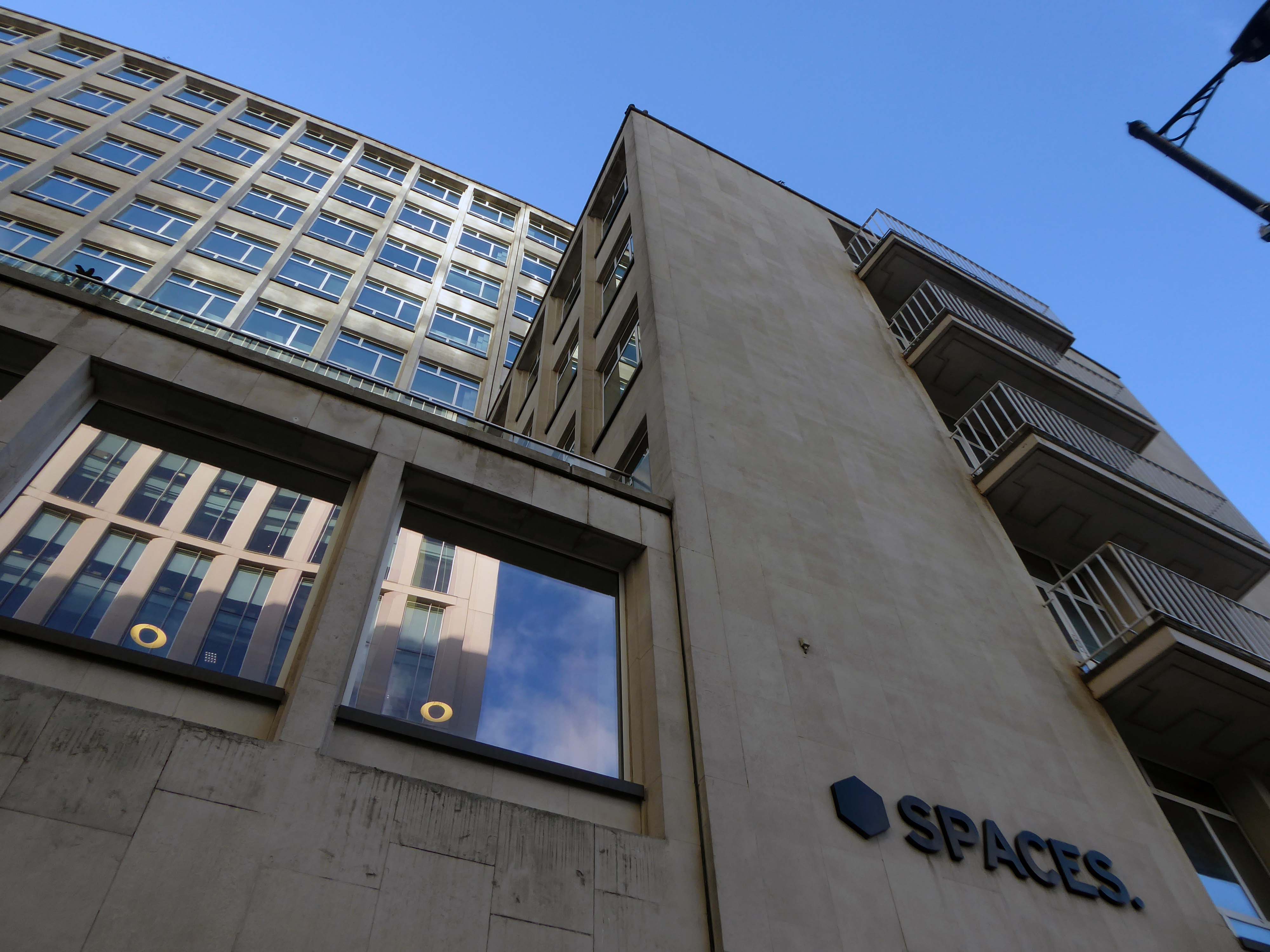
Peter House – Manchester

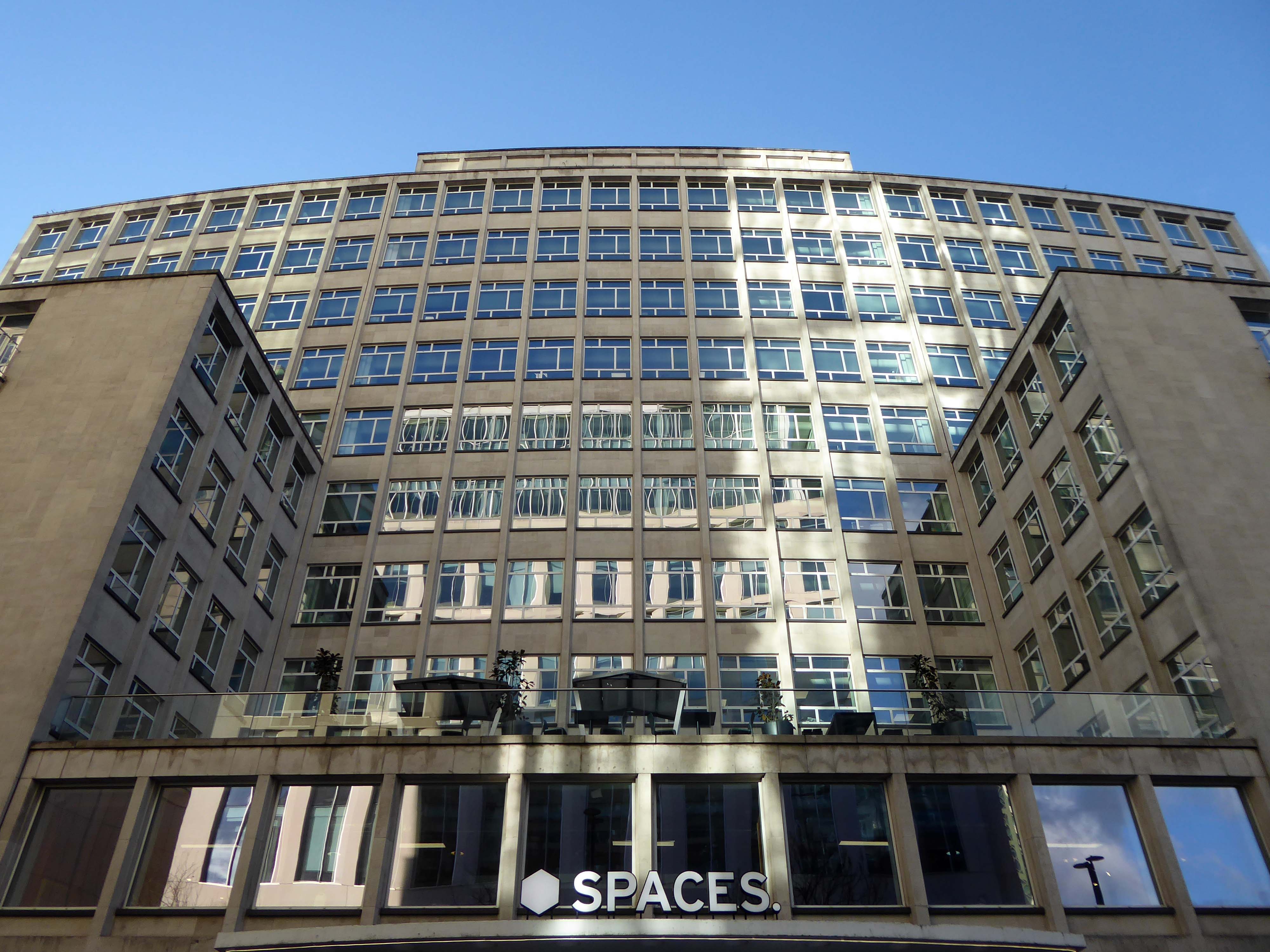
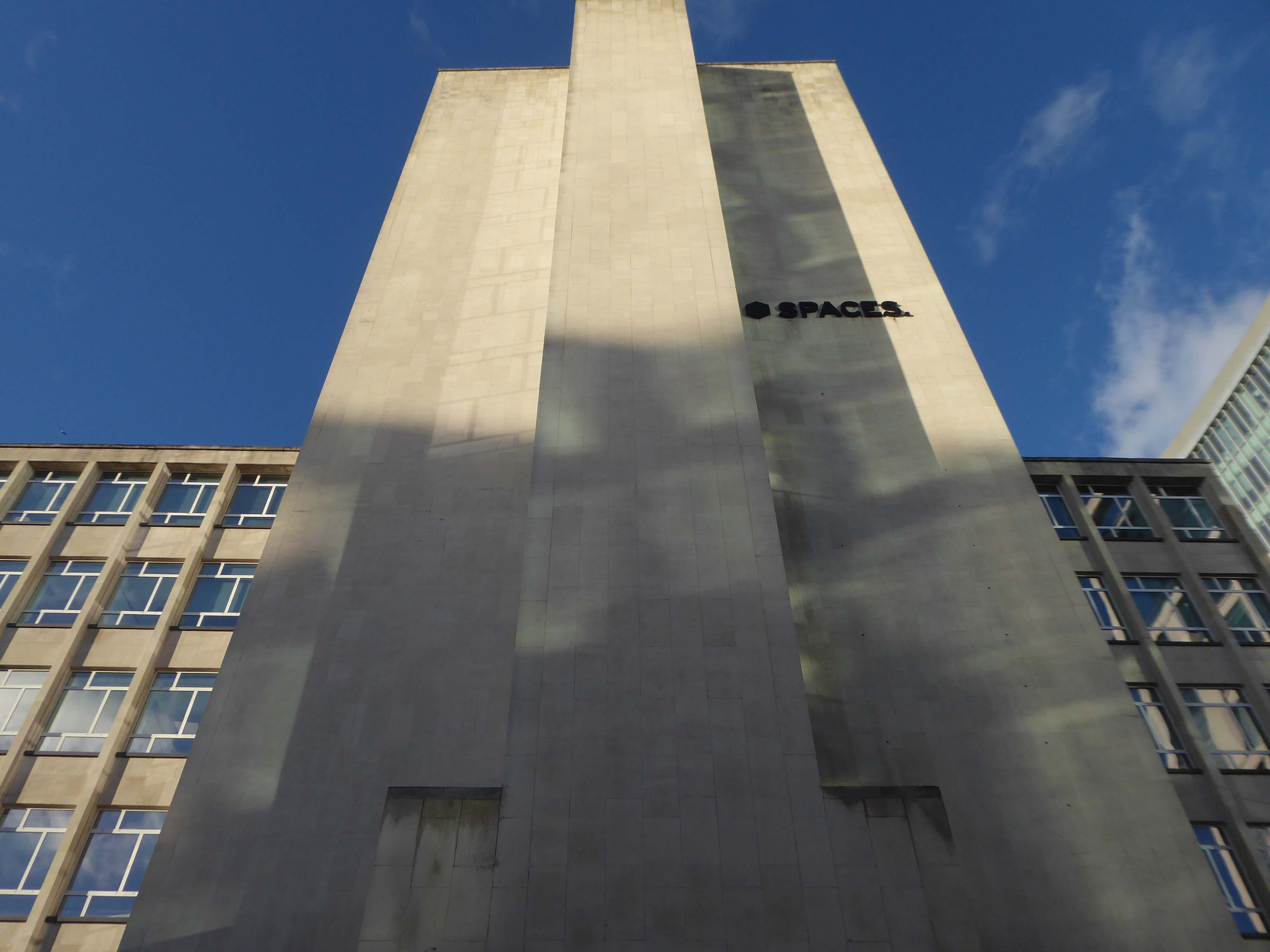
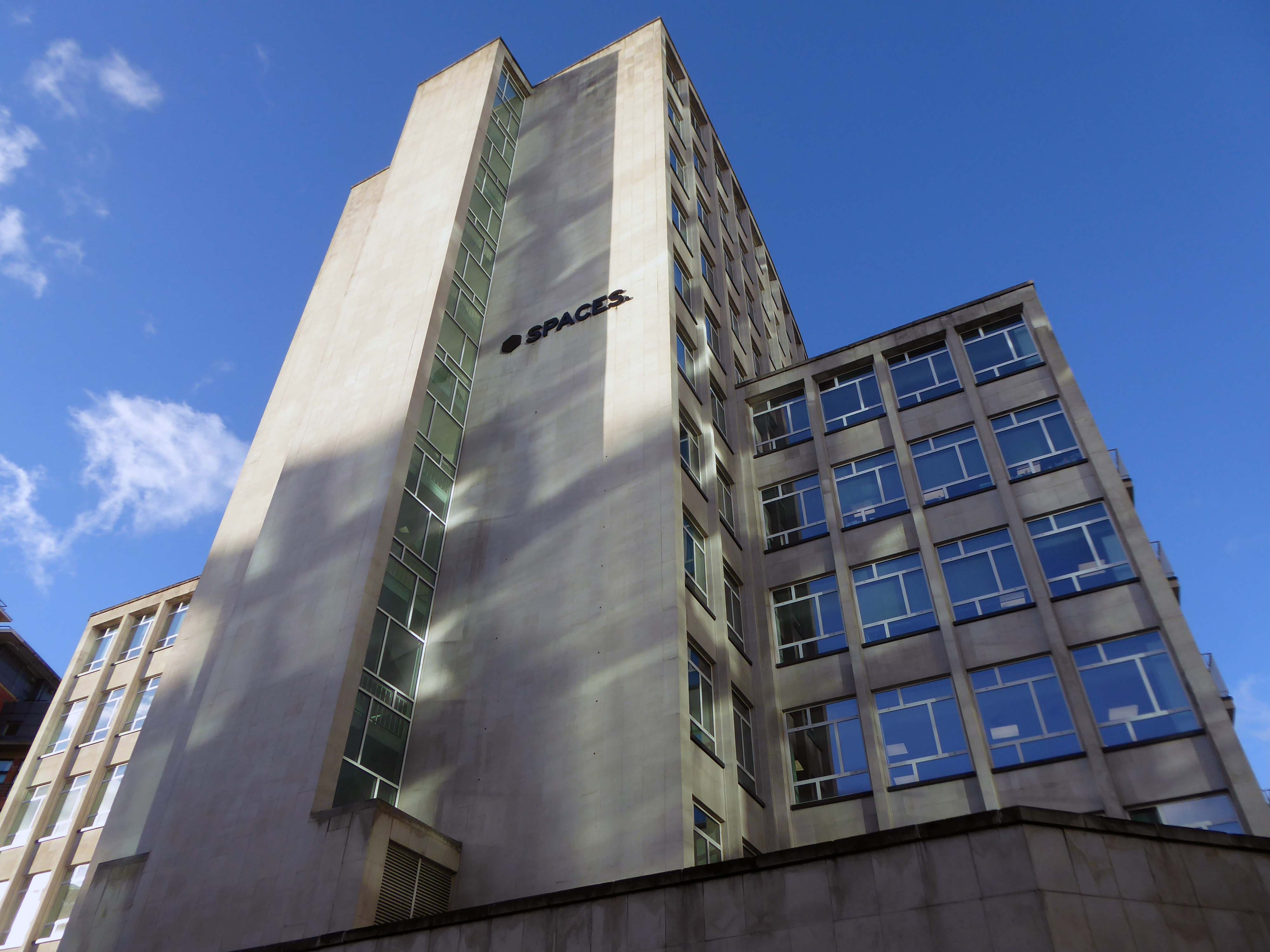
Currently trading as Spaces.

Take in all the best that Manchester’s creative scene has to offer and let your imagination go wild.
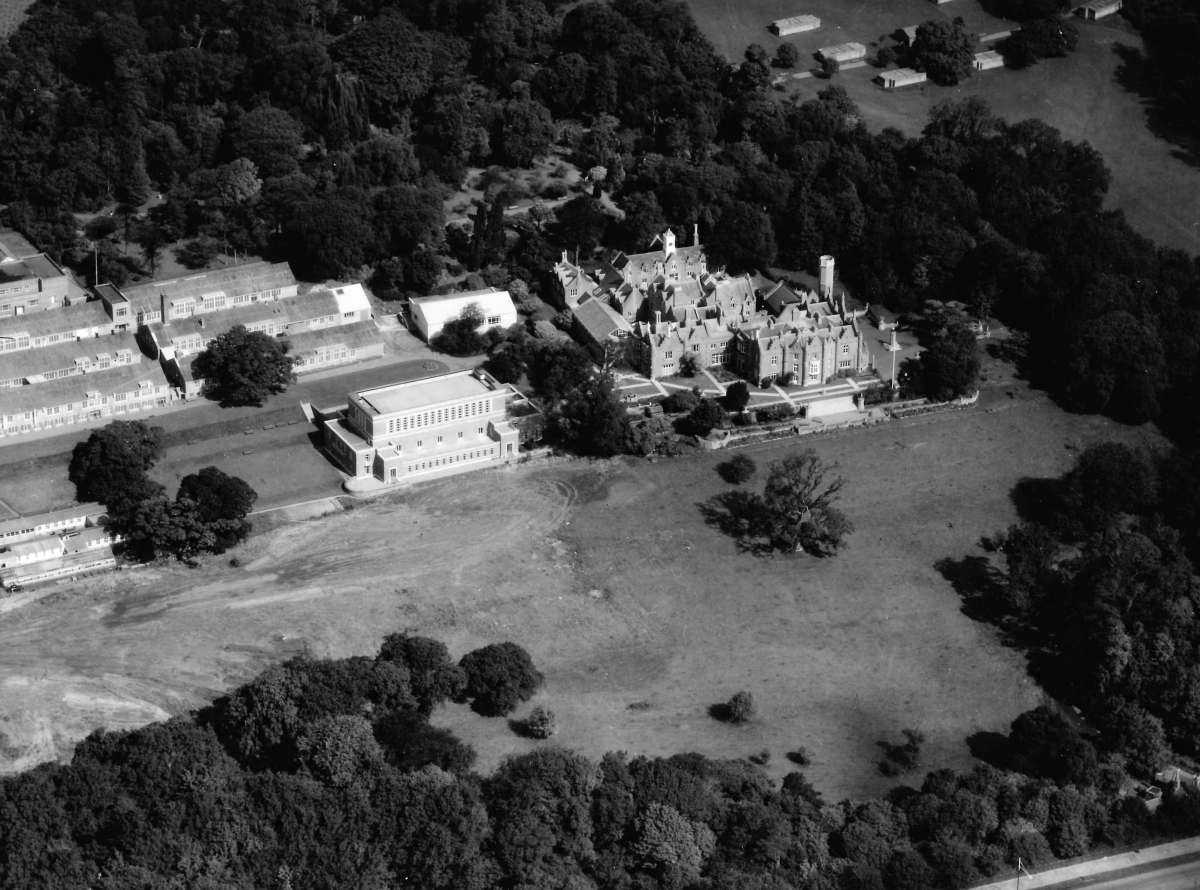
In 1807 you really had to use your imagination to discover the creative scene.

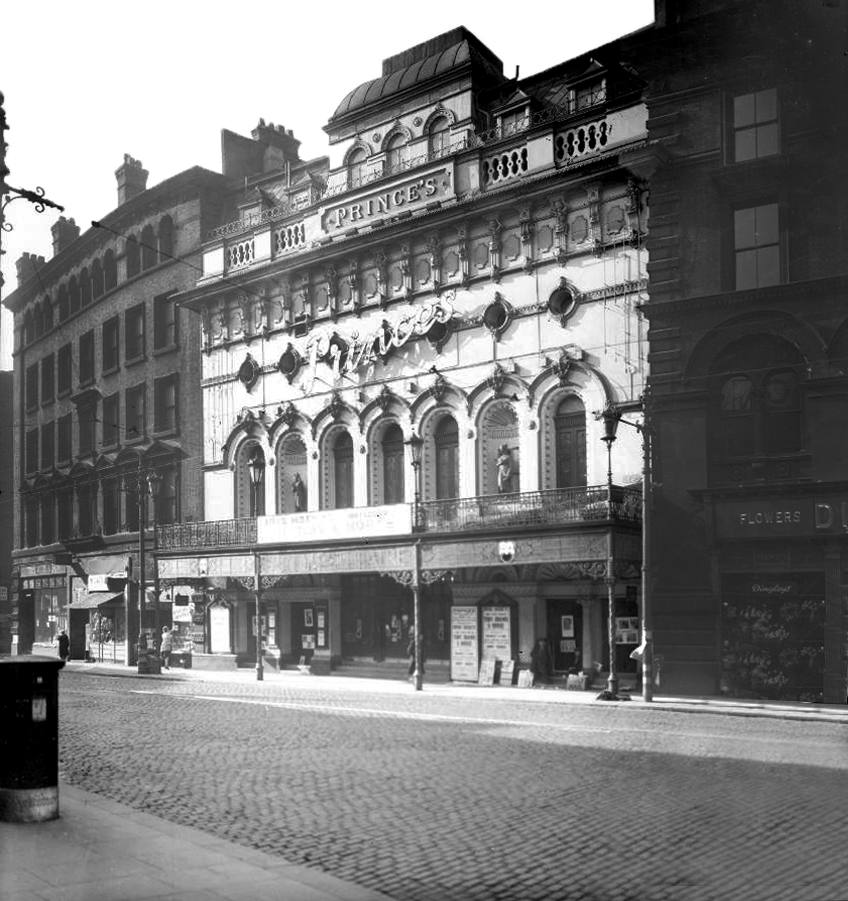
The site was home to the Prince’s Theatre:

Constructed by Metcalf and Waterson at a cost of £20,000, and designed by the architect Edward Salomons. The Theatre, which had seating for 1,590, opened with a production of Shakespeare’s ‘The Tempest’ on Saturday, October the 15th 1864, under the management of Charles Calvert.

Arthur Lloyd

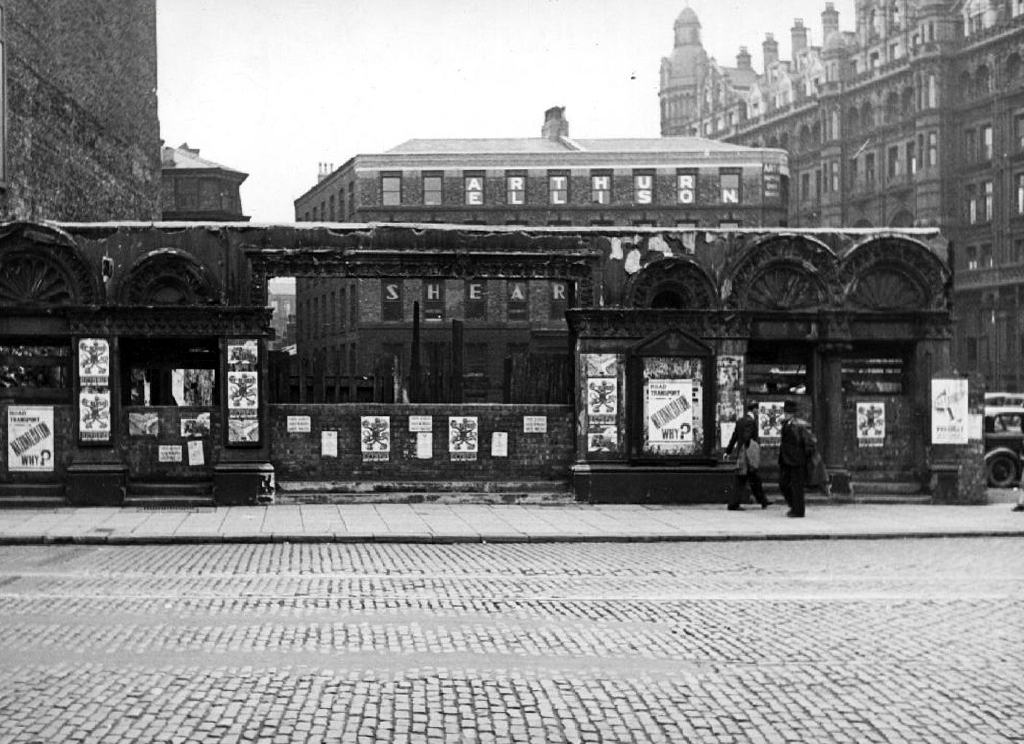
Sadly the Prince’s Theatre was closed in April 1940 when it was sold to ABC Cinemas who planned to build a new Cinema complex on the site, the Theatre was subsequently demolished but because of the war – the new Cinema was never built

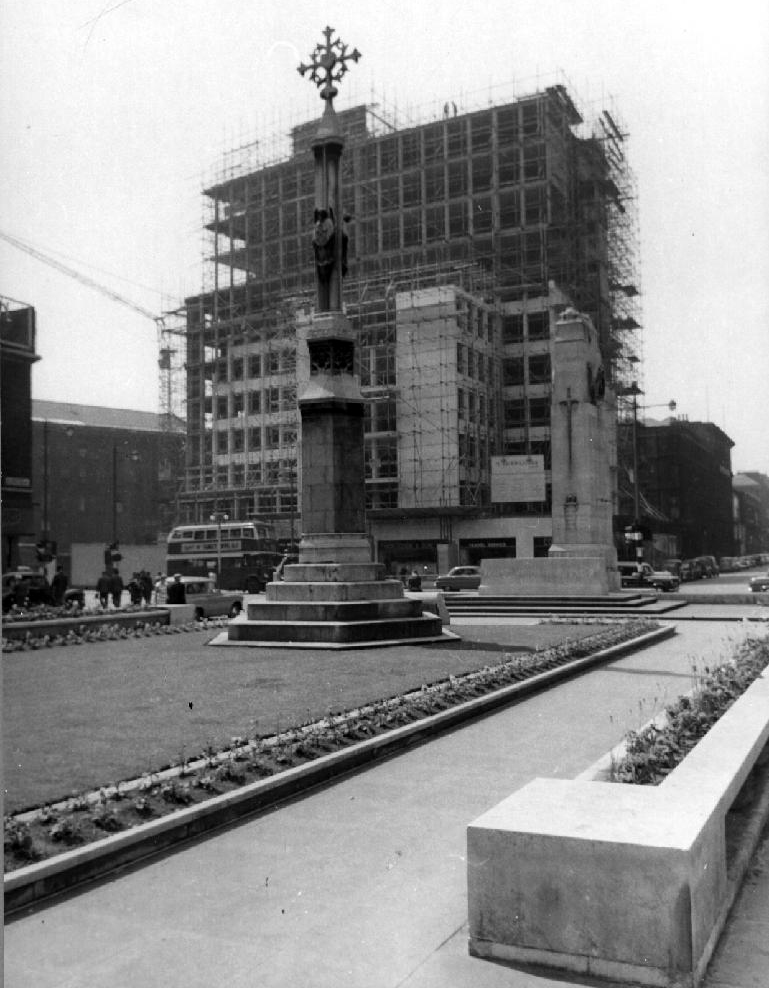
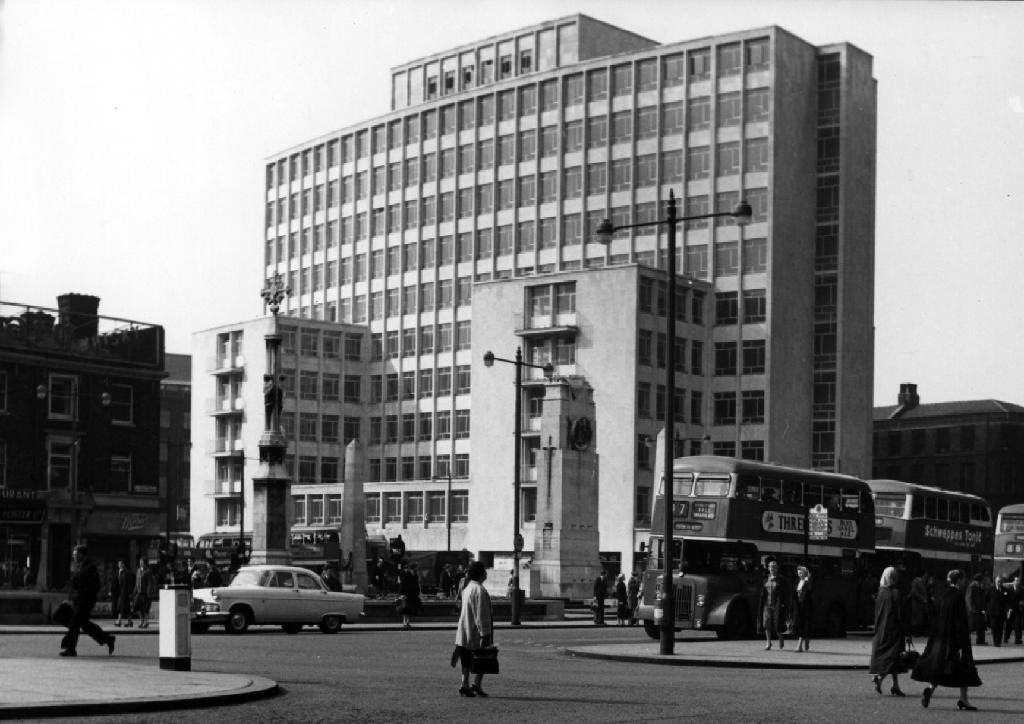
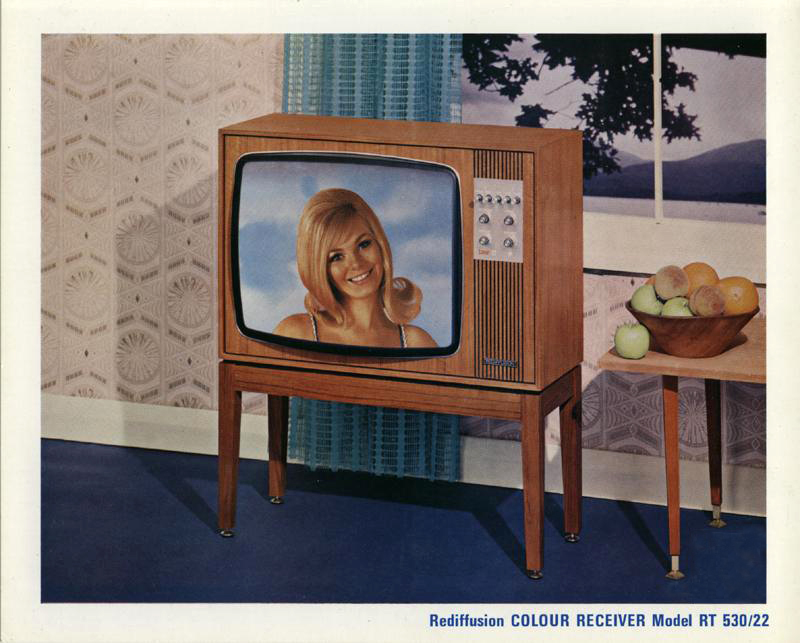
It was replaced by Rediffusion House – later Peter House architects Ansell & Bailey.

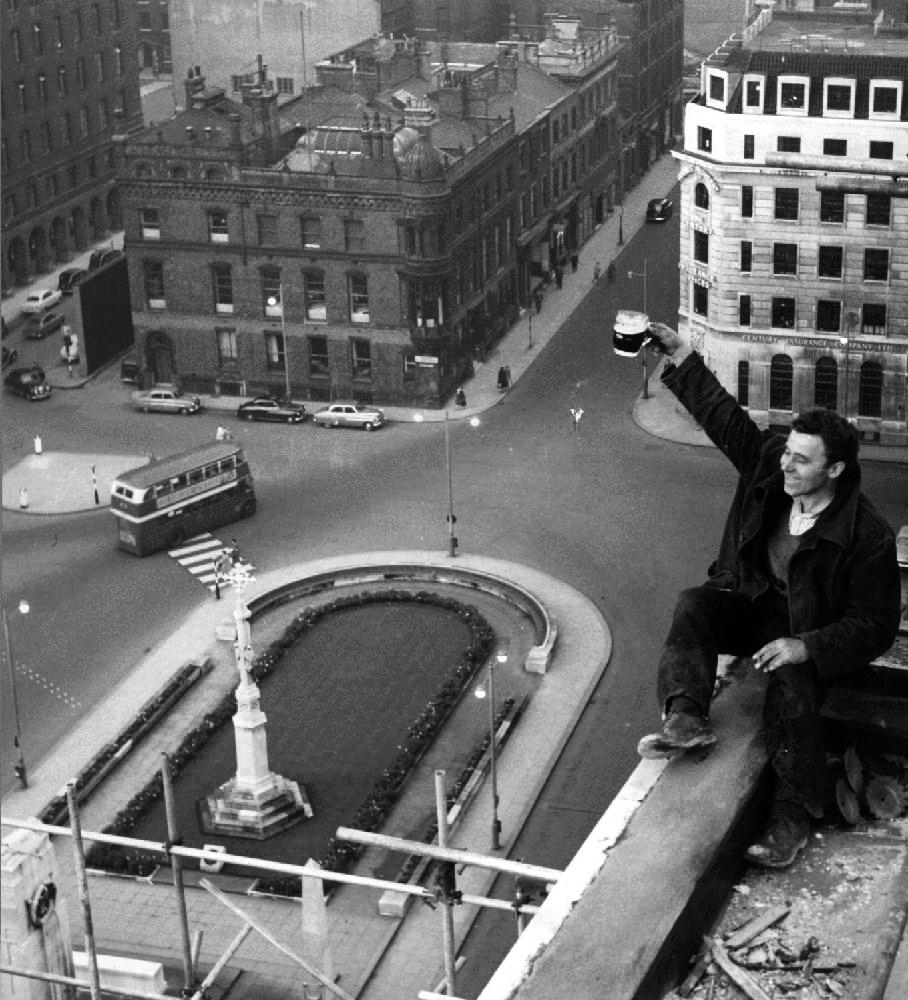
Topped out in 1957 with a pint of Chester’s Mild.

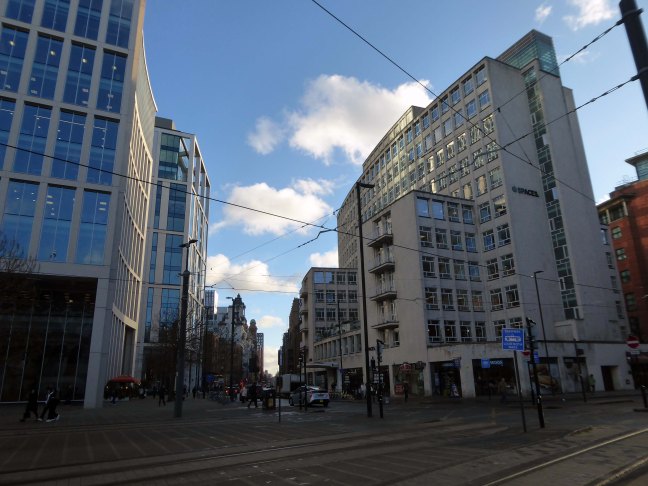
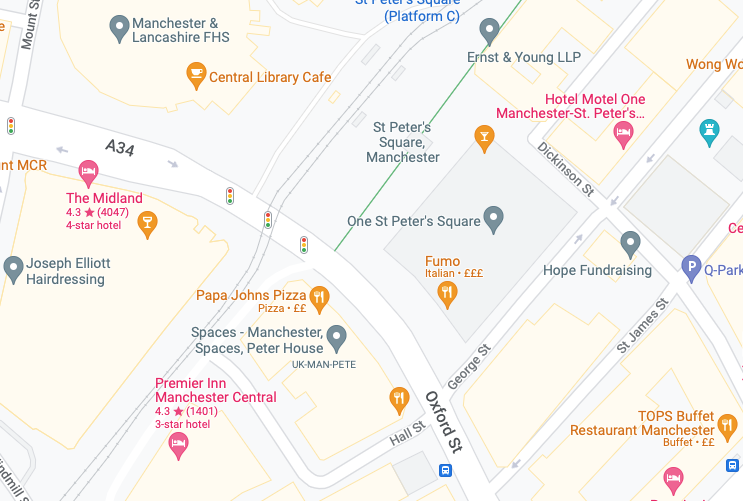
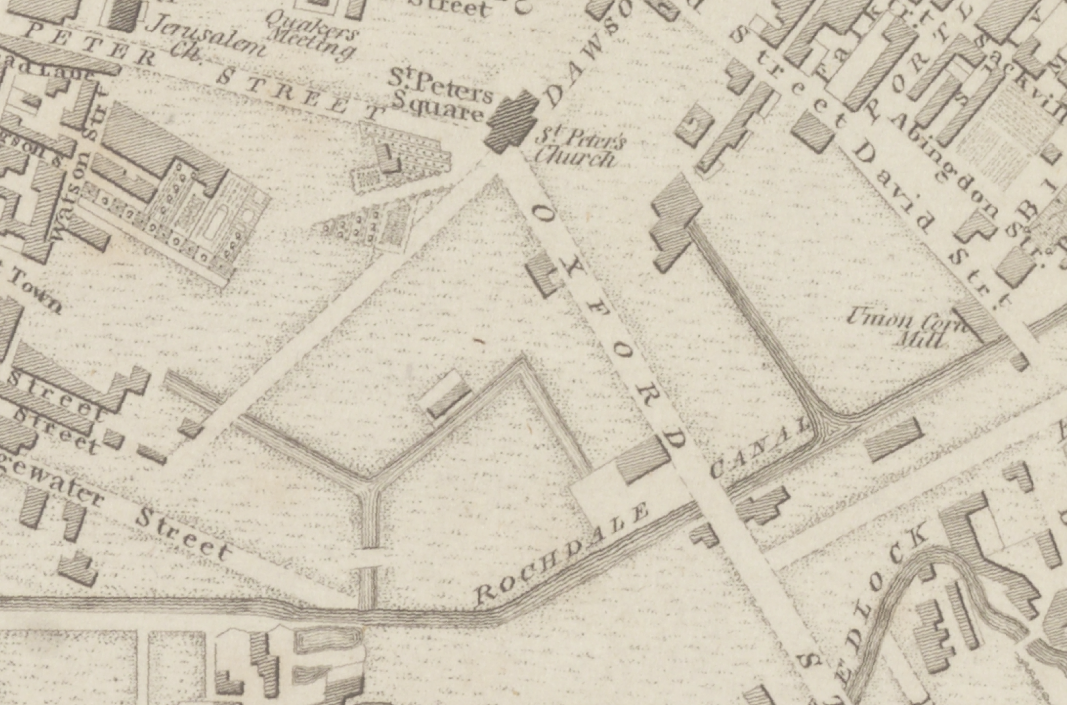
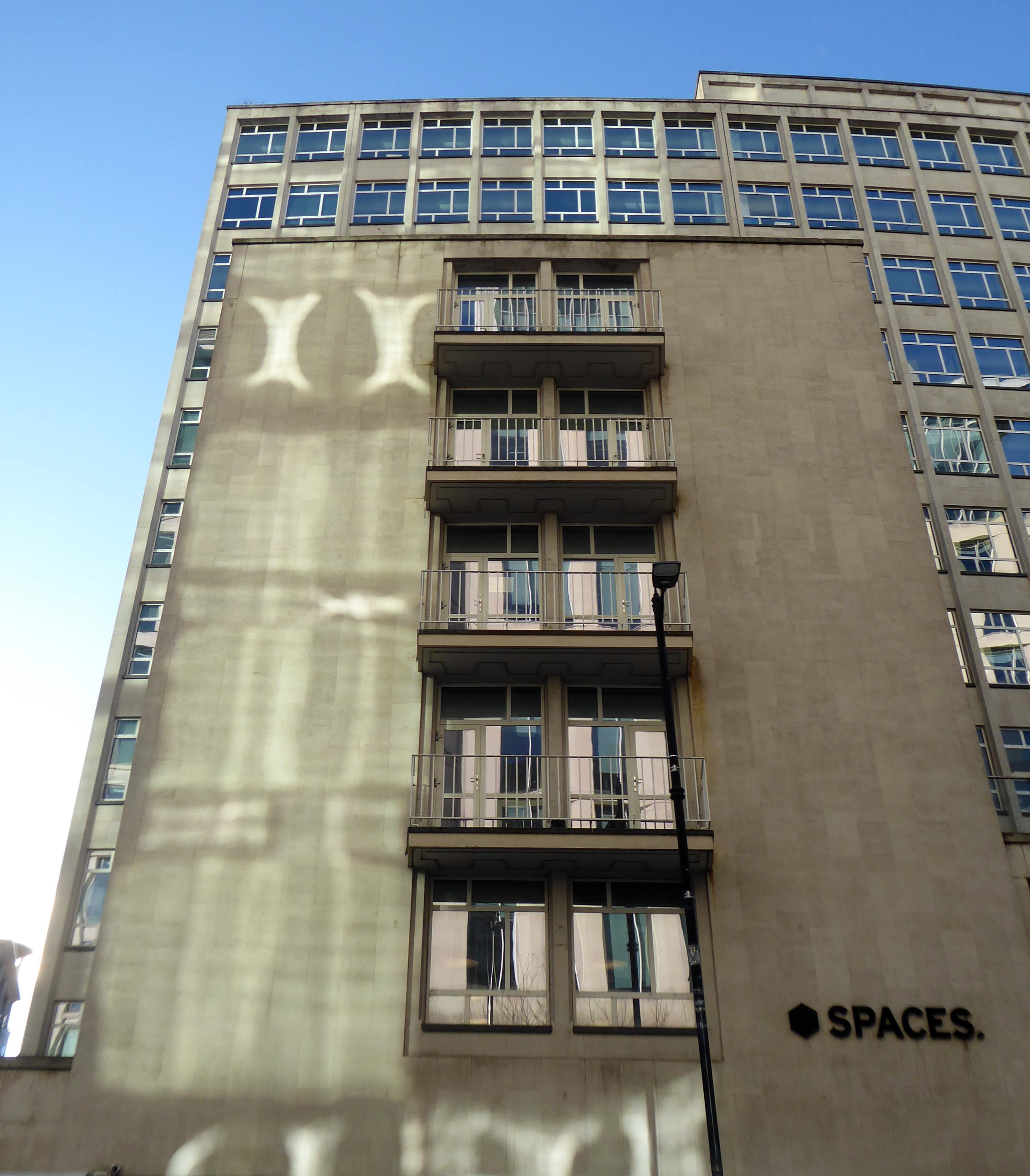
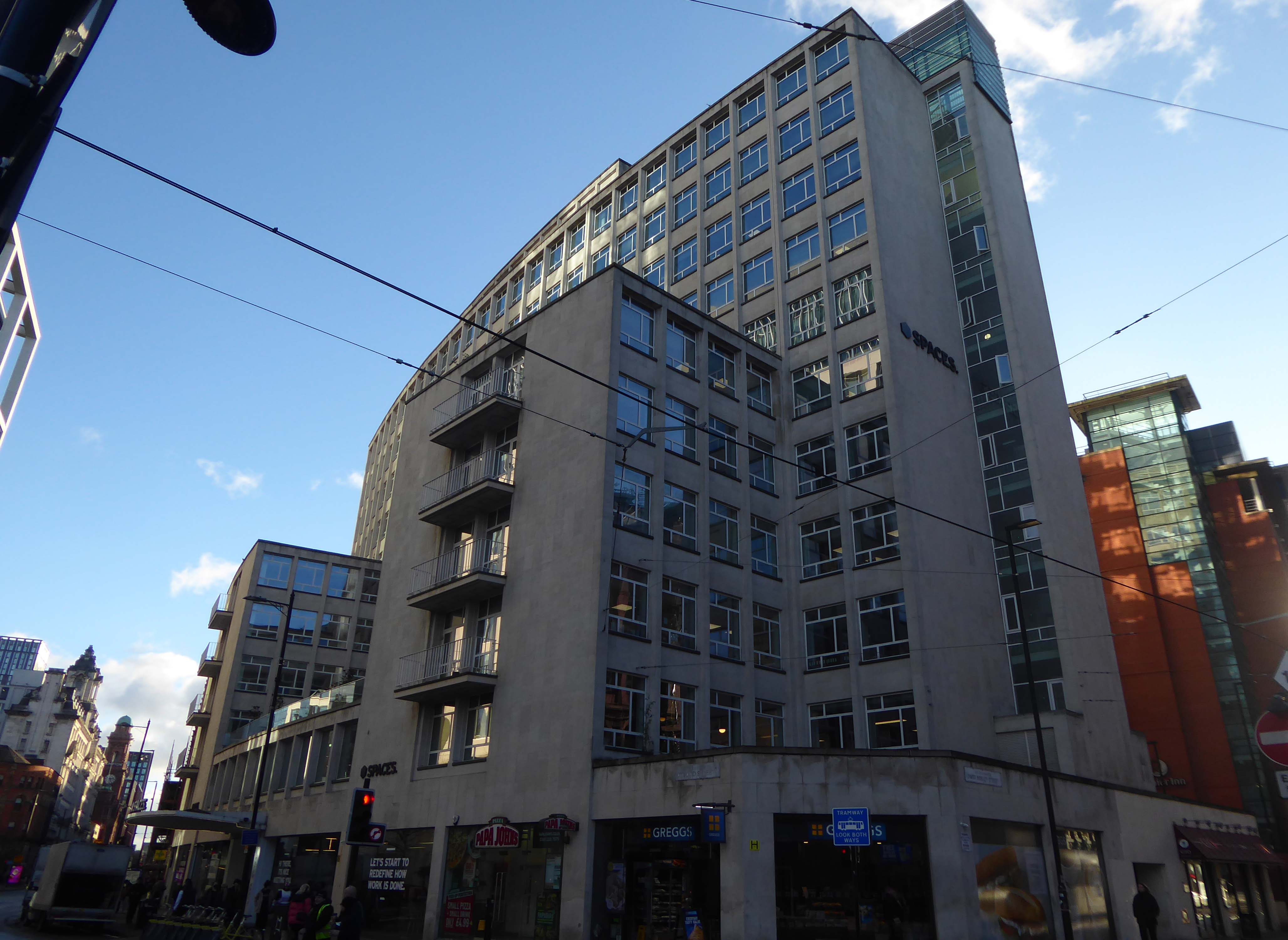
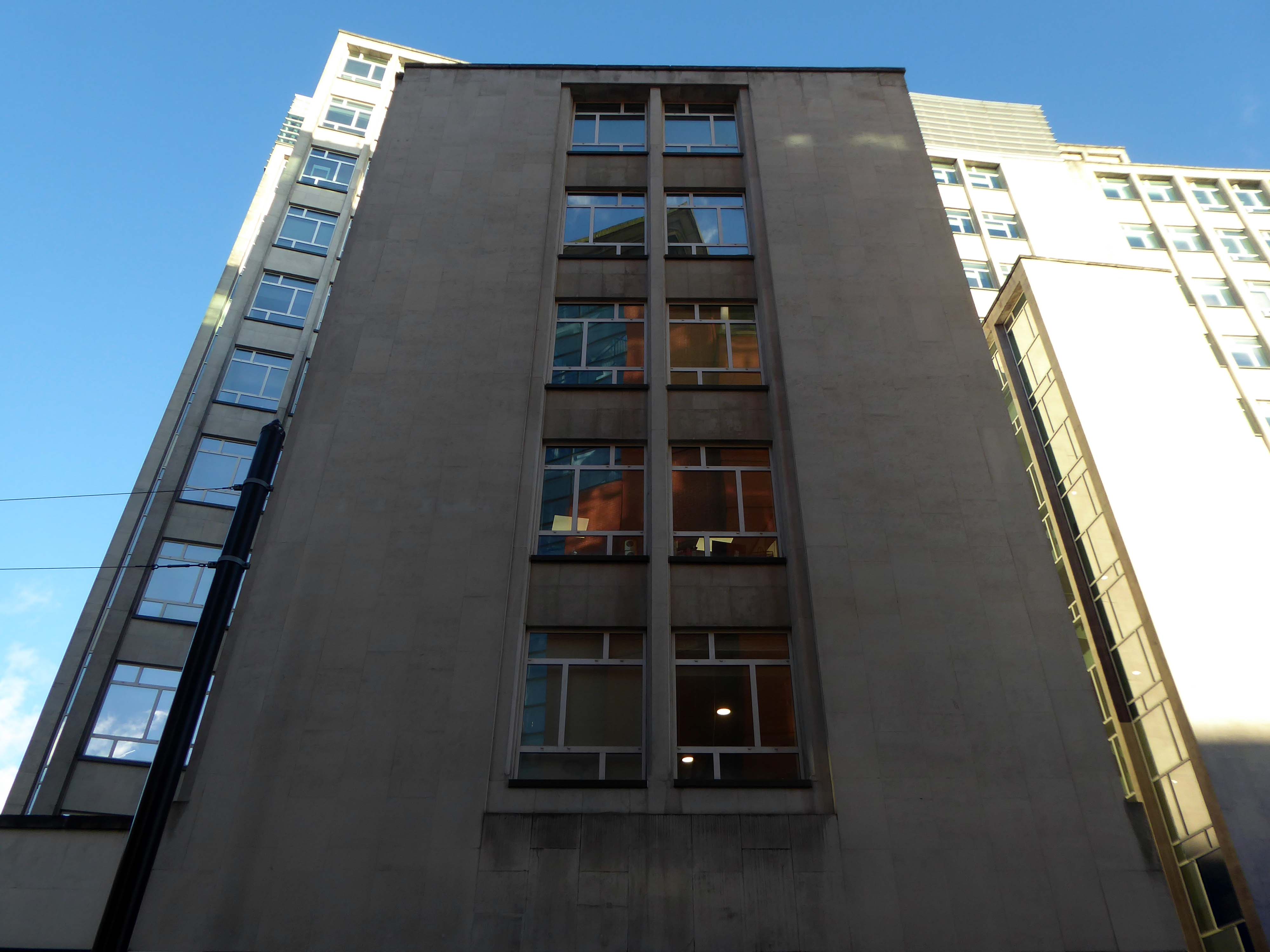
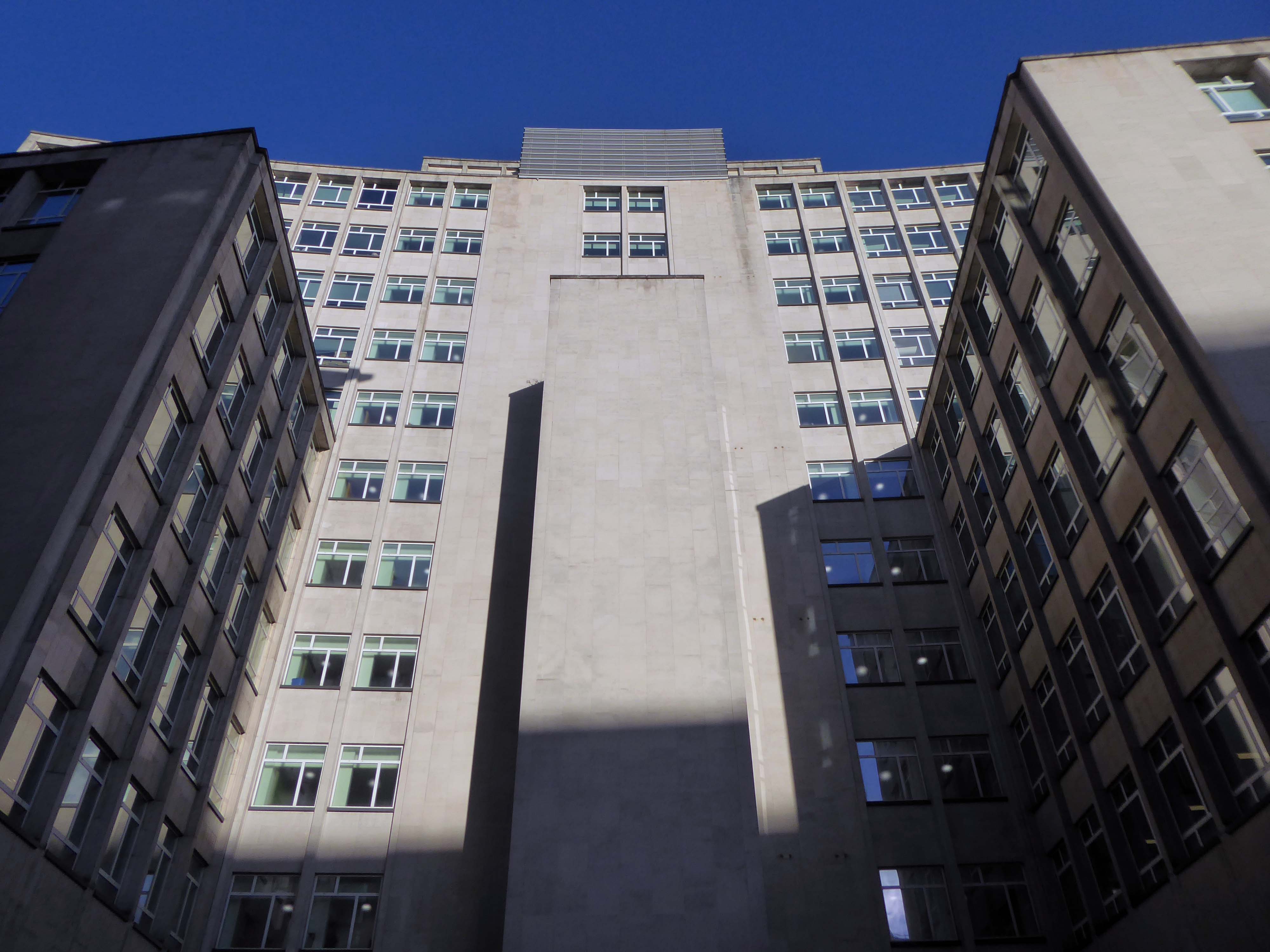
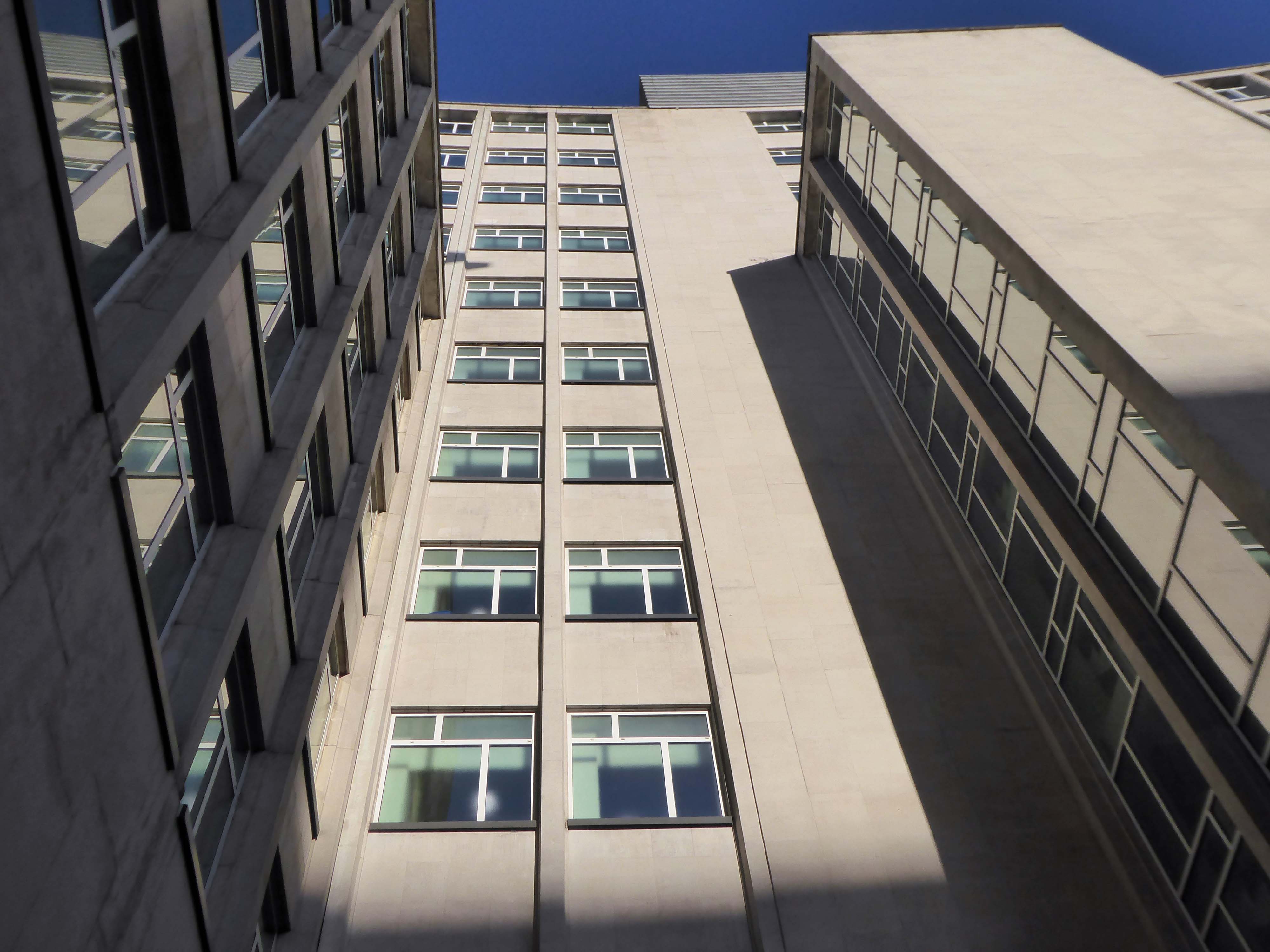
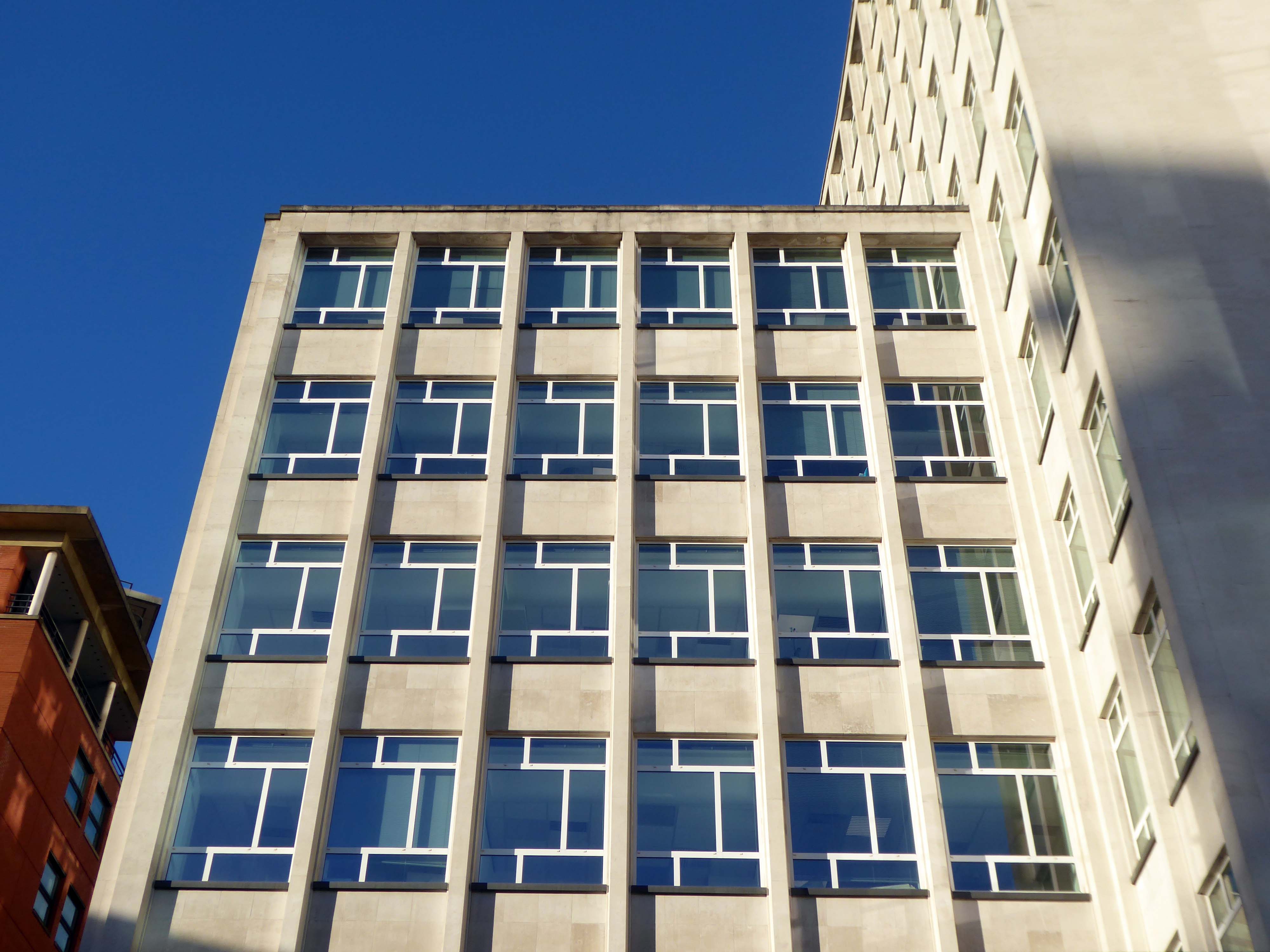
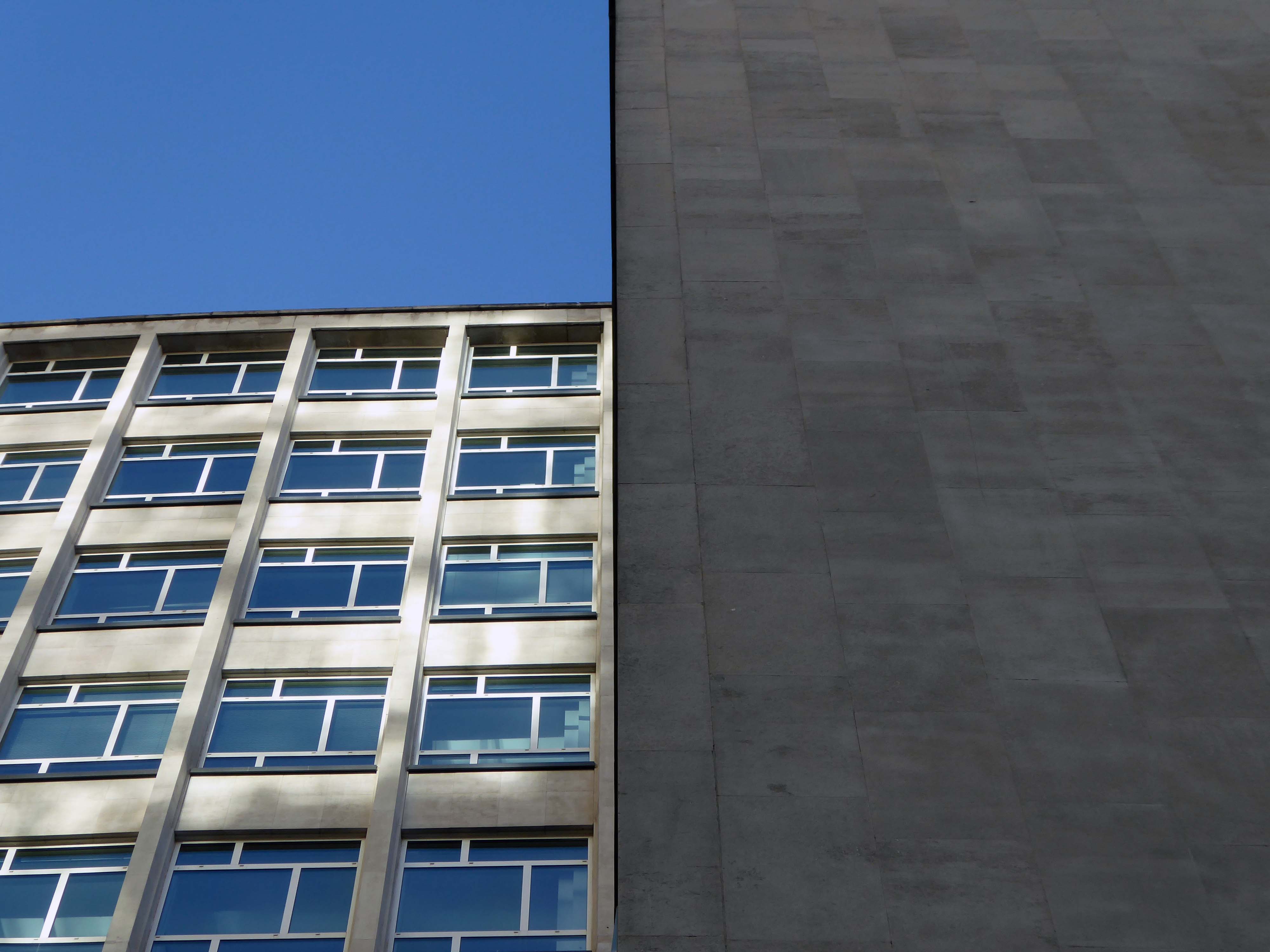
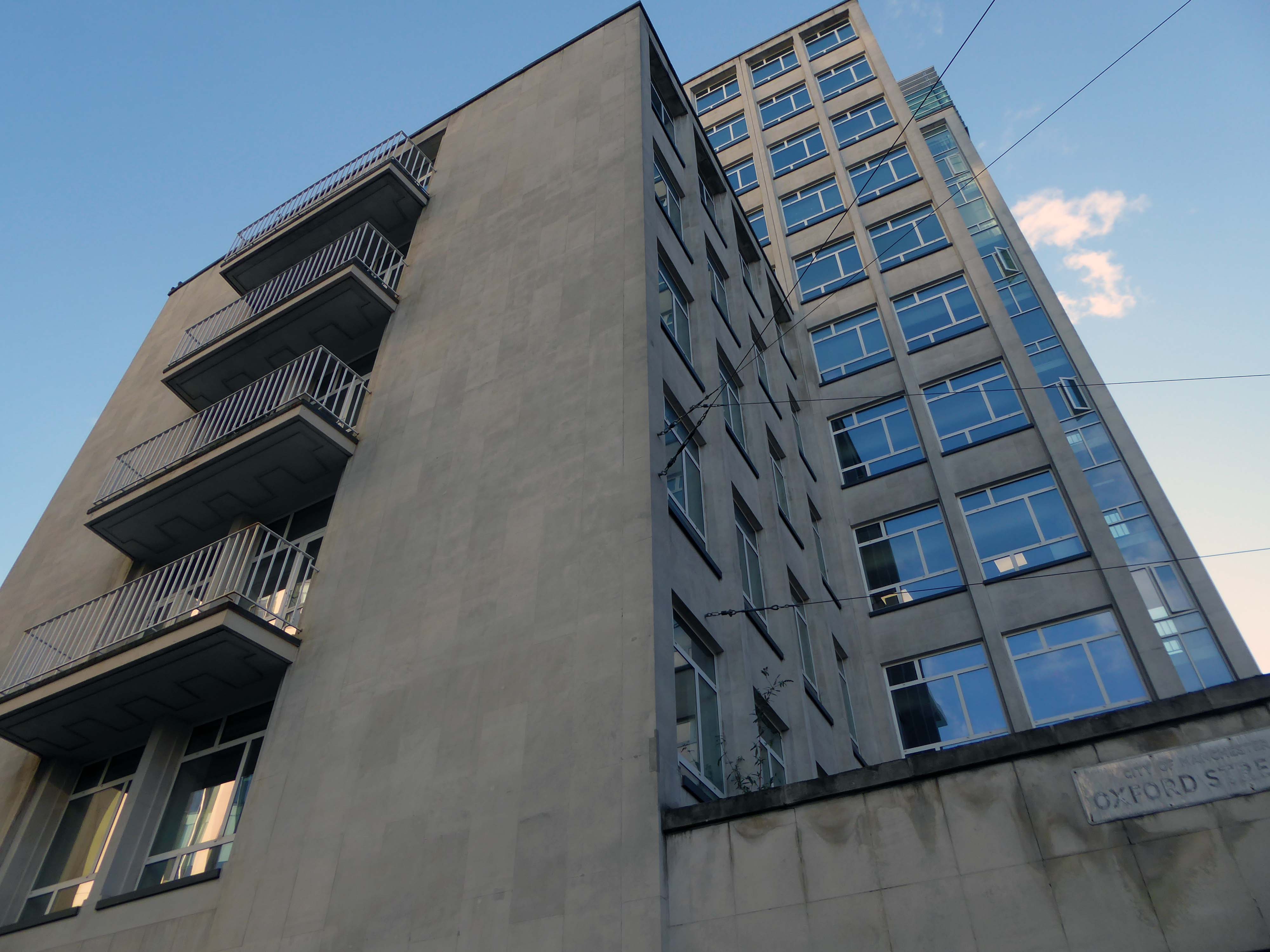
Peter House gracefully hugs the curve of Oxford Street as it leads into St. Peter’s Square. This was one of the earliest commercial buildings to be completed post-war, which demonstrates the slow economic recovery of the region. Built on a site that had been bombed, the Portland stone seemed to marry with the material narrative established by JW Beaumont and LC Howitt in their buildings of the 1950’s and following earlier interwar commercial buildings. This scheme has more panache than the rather serious facades of the Student Union building or the Law Courts though.
The stepped massing and the articulation of the wings of the building preclude the accepted commercial norm of developing to the edge of the site and instead promote a satisfying formal interplay between the six and eleven storey elements. The building has been sensitively modified despite a lack of any listed status and remains commercially viable as offices and as retail. The continued success may be attributed to the air of quality afforded by the stone, certainly it has ensured the longevity, particularly when one considers the fate that befell the easement hugging concrete of Elizabeth House – Cruickshank & Seward, 1971 across the road; it was demolished in 2012.

Mainstream Modern

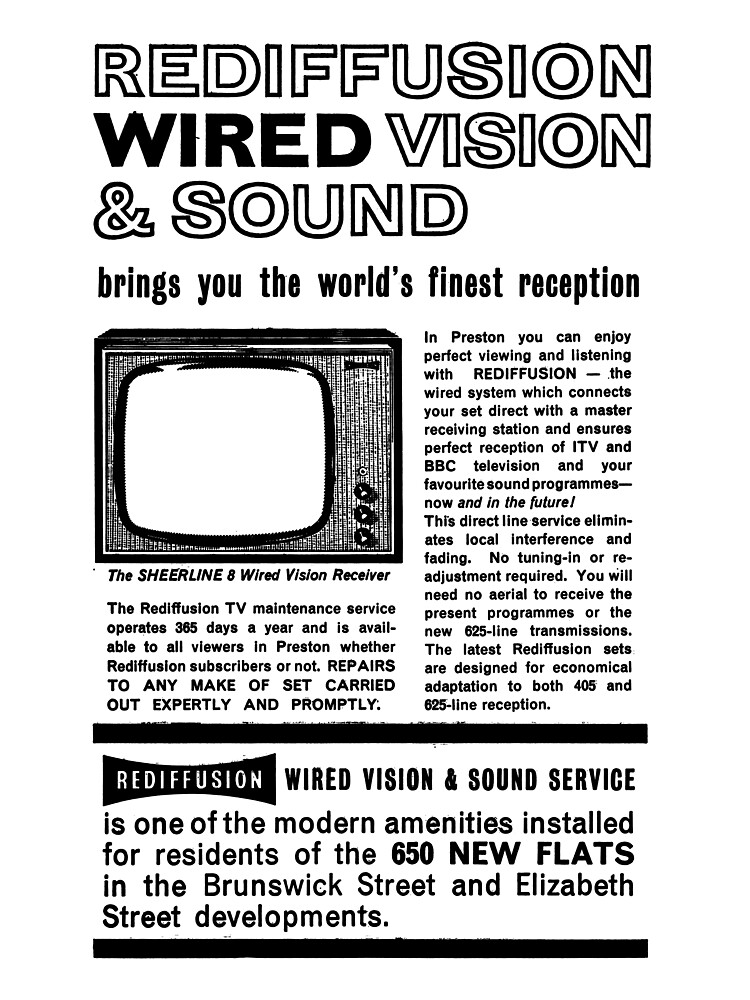
Rediffusion was the first independent commercial TV franchisee, in 1956 Associated-Rediffusion struck a very lucrative deal with Granada Television, the franchise holder for weekday broadcasts in the North of England.

The company offered a low-bandwidth cable TV and radio distribution system, provided in most United Kingdom towns. Selection of TV or radio station was by means of a rotary switch, usually mounted on a wall or window frame close to the point of entry of the cable into the home.

The Rediffusion retail chain, renting and servicing TVs, radios, VCRs and hi-fi systems, was common on high streets until it was bought by Granada Rentals in 1984.

The days of the monolithic mono-culture of the sole occupant are in decline – we live in the age of the co-working space and homes of multi-use creative scene.

Peter House prevails a pale white Portland Stone embodiment of different days and different ways.

Let’s take a walk around.

As a footnote – once in the shadow of Peter House, Tommy Ducks was demolished overnight.

Apparently, its supporters managed to arrange a preservation order for the building but, according to the excellent Pubs of Manchester website, that order expired at midnight on February 12, 1993, and the pub was literally reduced to rubble before anyone could seek a renewal on February 13th.

Carlton Theatre – Hull

470-476 Anlaby Rd Hull HU3 6SH

Opened on 9th September 1928 with the silent film Lonesome Ladies.

The Carlton Picture Theatre in Anlaby Road was designed by the firm of Blackmore & Sykes and was built by Messrs. Greenwood and Sons.

It was run by Hull Picture Playhouse Ltd.

This was a lavish suburban cinema, with an elaborate green and gold sliding dome utilising Venetian glass and housing hundreds of concealled lights. Roman marble mosaics and painted plaster panels on the walls added to the sense of occasion engendered by a trip to the flicks.

A Fitton & Haley organ was installed, but this was later removed to the more central Cecil Theatre and was destroyed when that theatre was bombed during WW II.

The cinema had two entrances, one in each of the two towers on the front corners of the building. Above the proscenium was the inscription, rather inapt given how soon talkies arrived :

“A Picture is a poem without words”.

There was a single balcony and, for its date, a surprisingly large car park.

It continued unaltered, save for minor war damage, until its closure in April 1967, after which it was simply converted to bingo usage which continued as a Mecca Bingo Club until 2008.

Cinema Treasures

This is an immense and noble building, a once great single screen cinema.

Unluckily closed for some thirteen years, now looking neglected and forlorn.

Tinned up and awaiting an uncertain future, planning was applied for conversion to apartments, it was refused.

It is unlisted and unloved in need of friends and funds, who could operate a cinema and theatre in the manner of The Plaza in my hometown of Stockport.

The interior has been recorded by 28 Days Later.

We all deserve better.

The number of cinemas in Hull peaked at thirty six in 1938.

British film making flourished during the war years and cinema attendances were much higher, but by the end of the Second World War there were only twenty five – several had been bombed.

In 1964 competition from radio and television, and latterly bingo, reduced the number of cinemas to ten.

Now there are four.

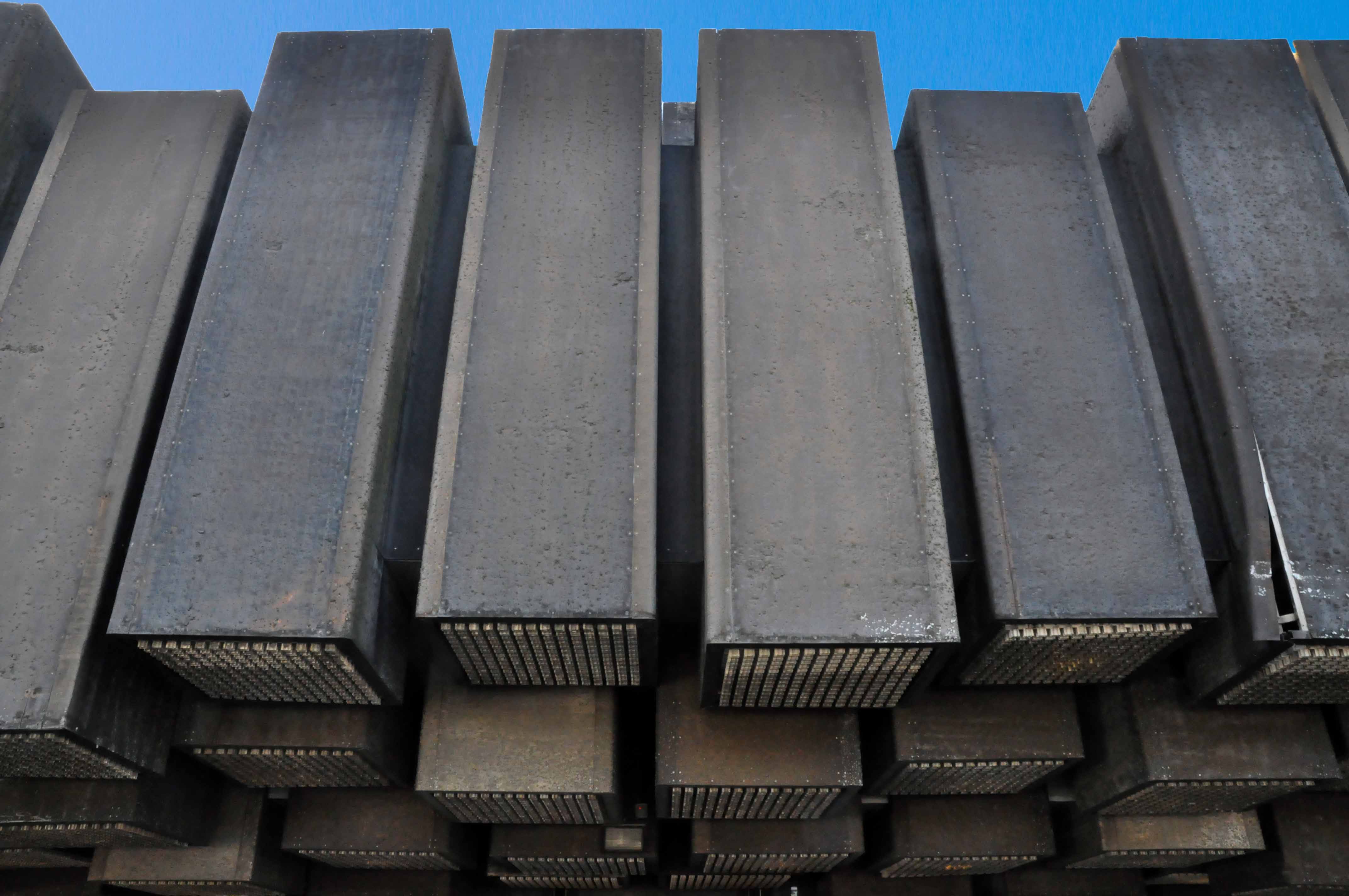
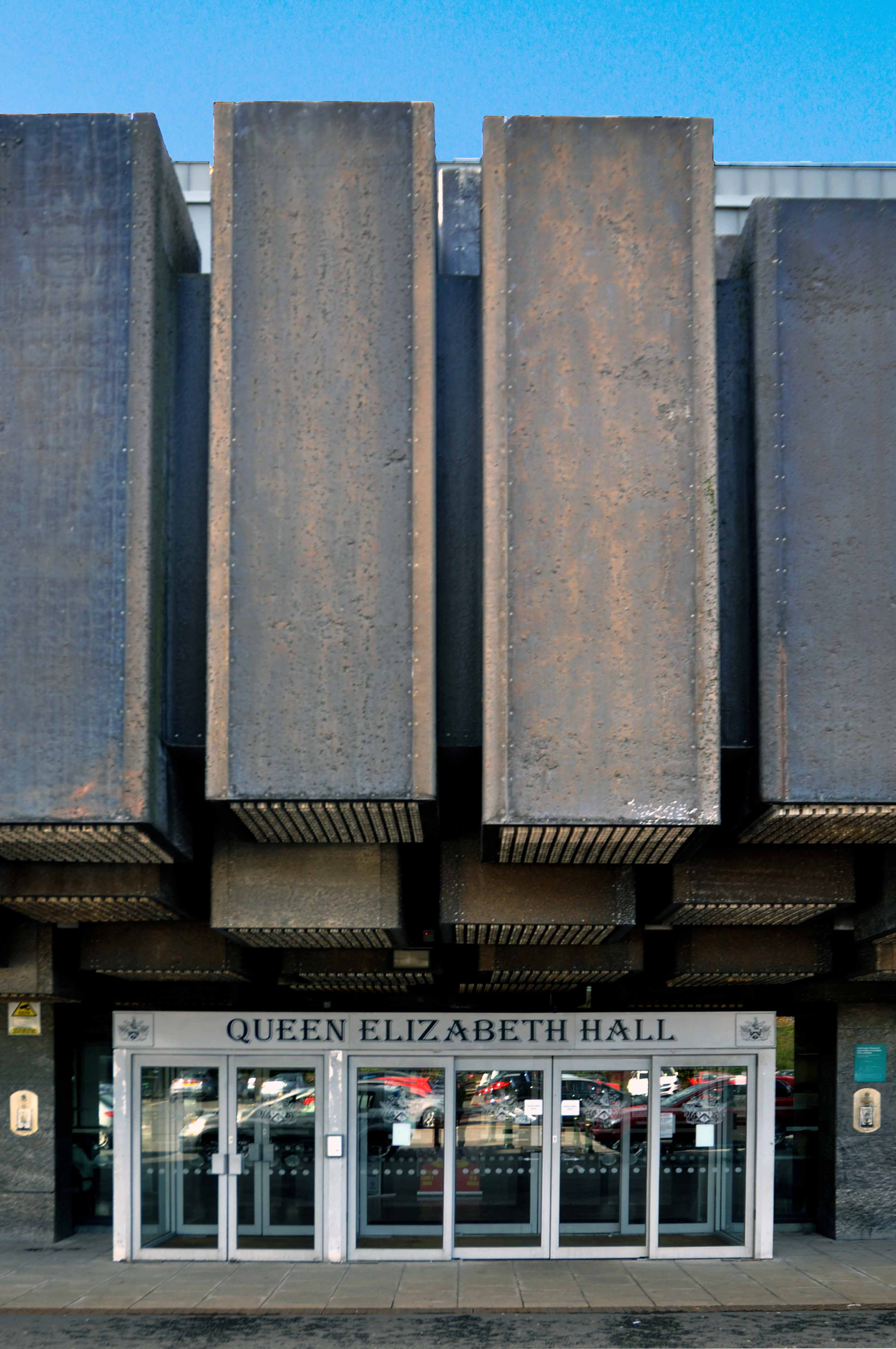
Queen Elizabeth Hall – Oldham

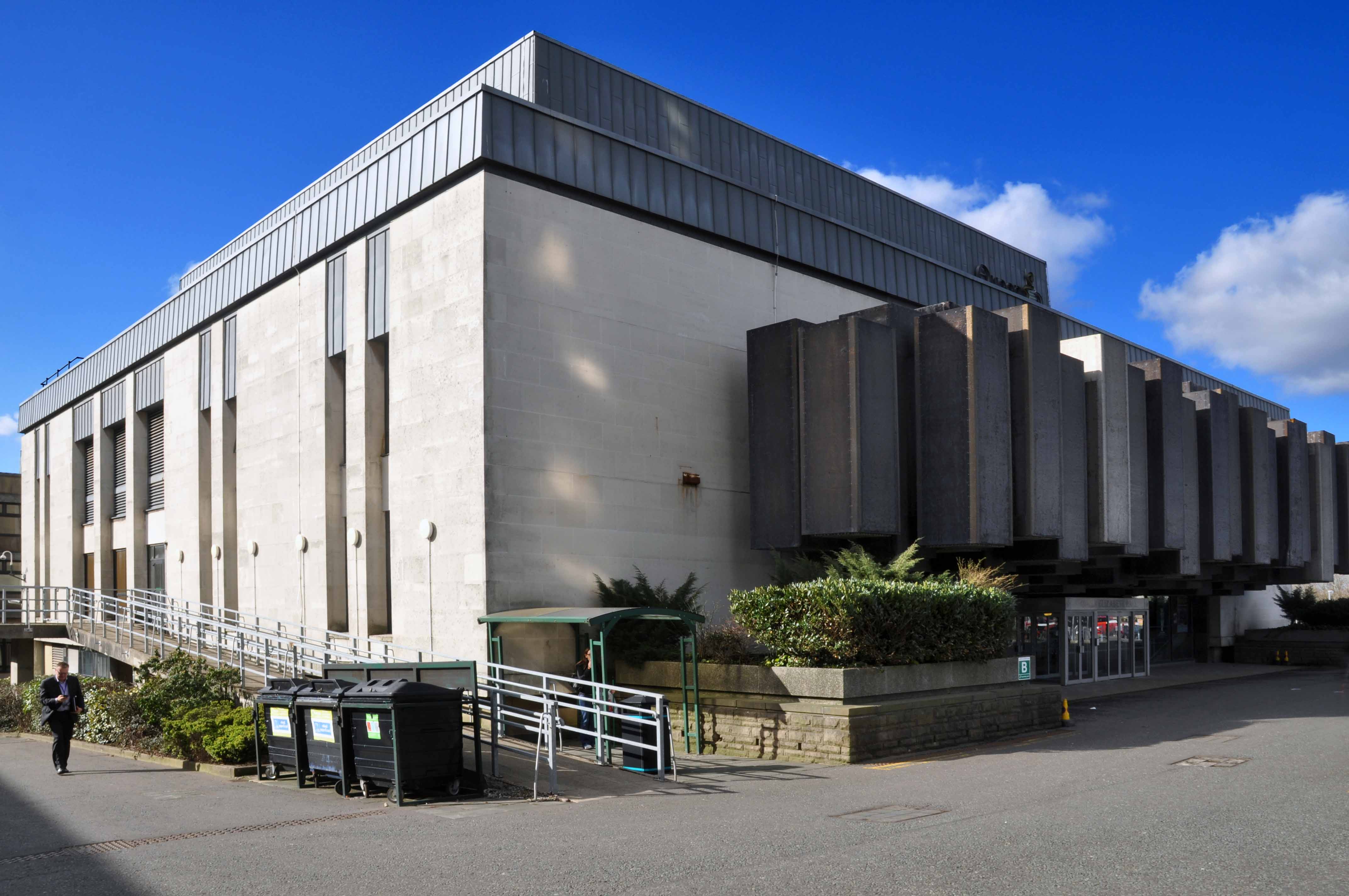
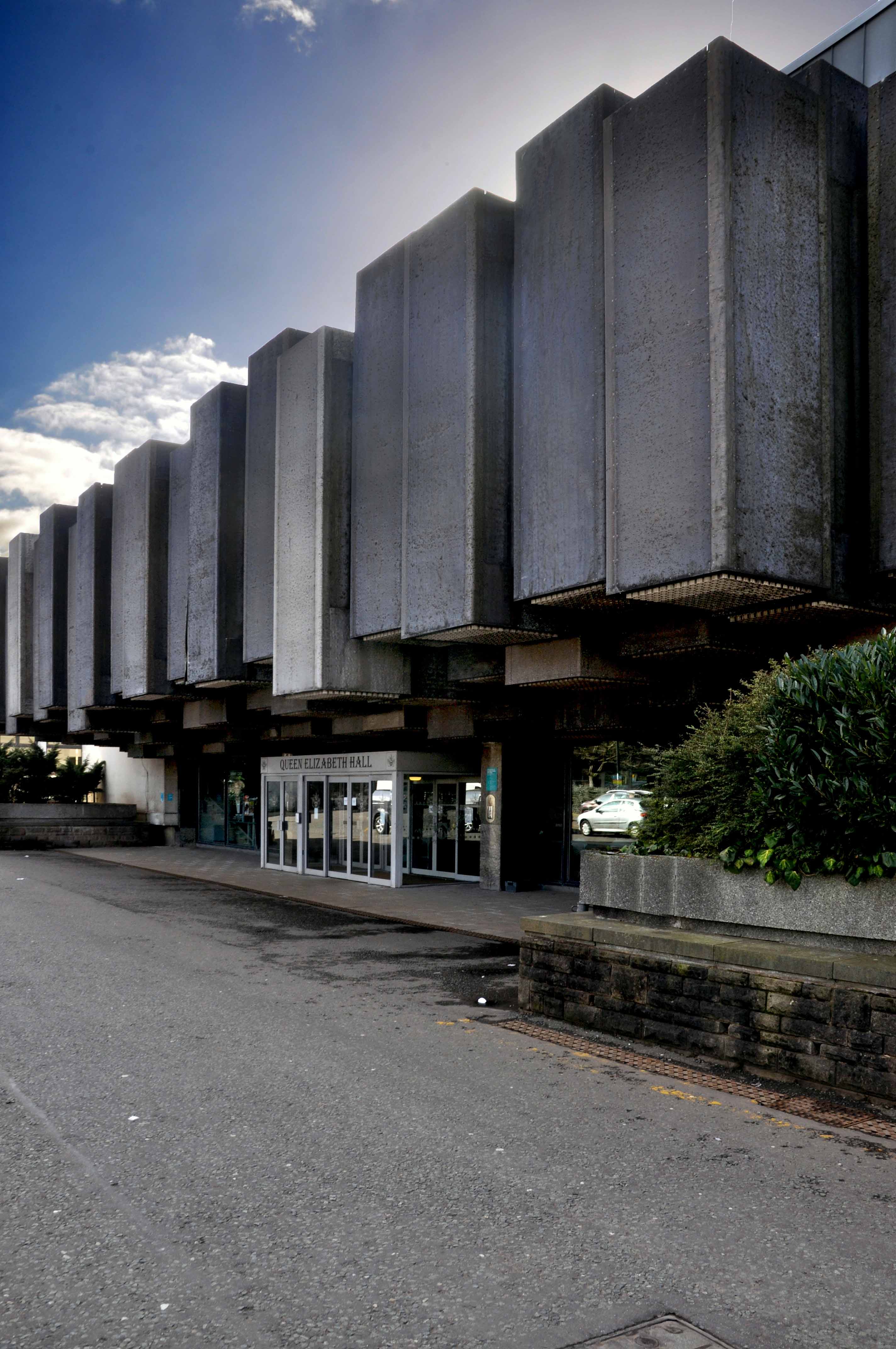
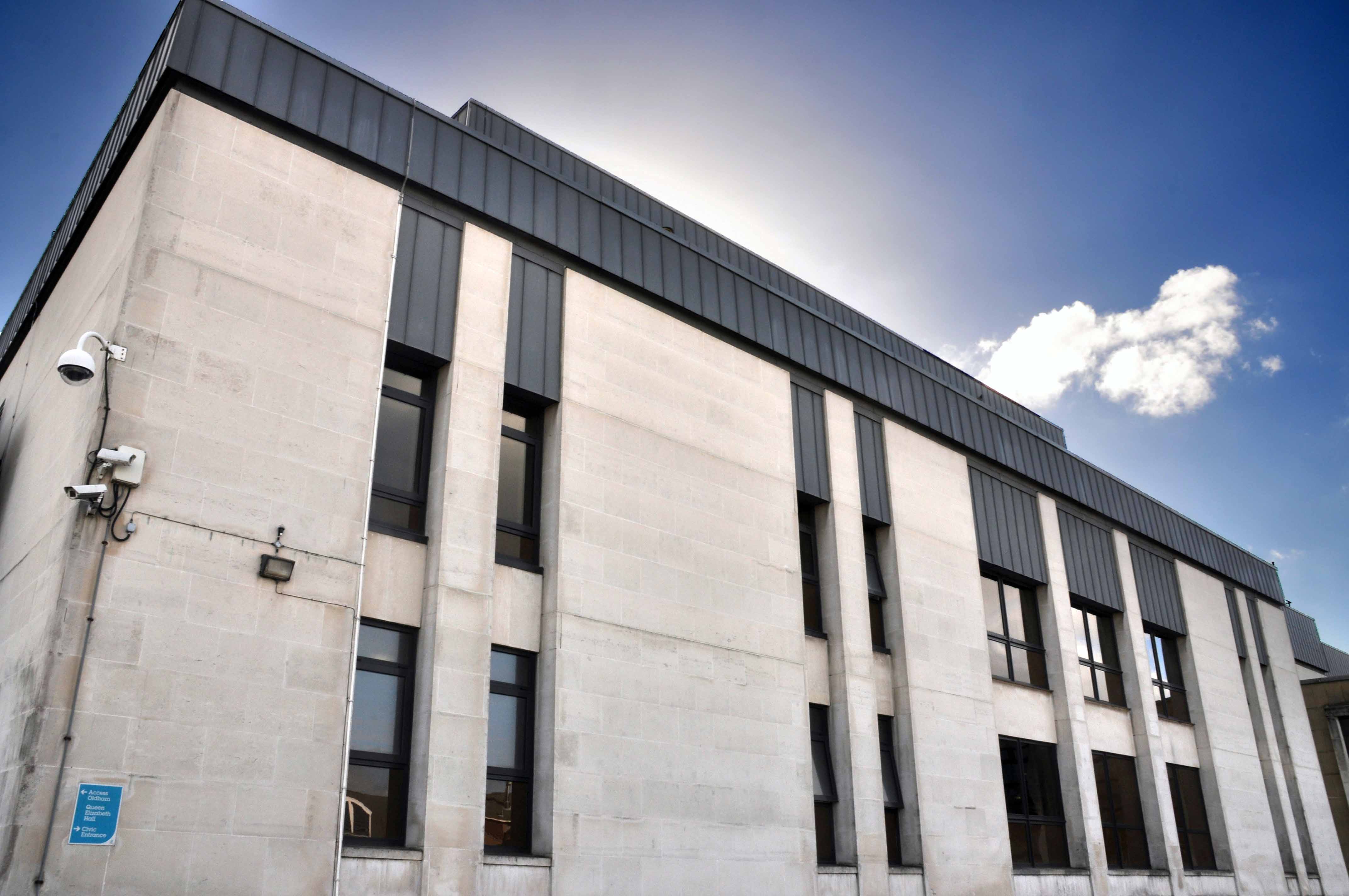
Attached to the Civic Centre, developed and opened in 1977, to commemorate the Queen’s Silver Jubilee, she ain’t no human being, she’s a building.

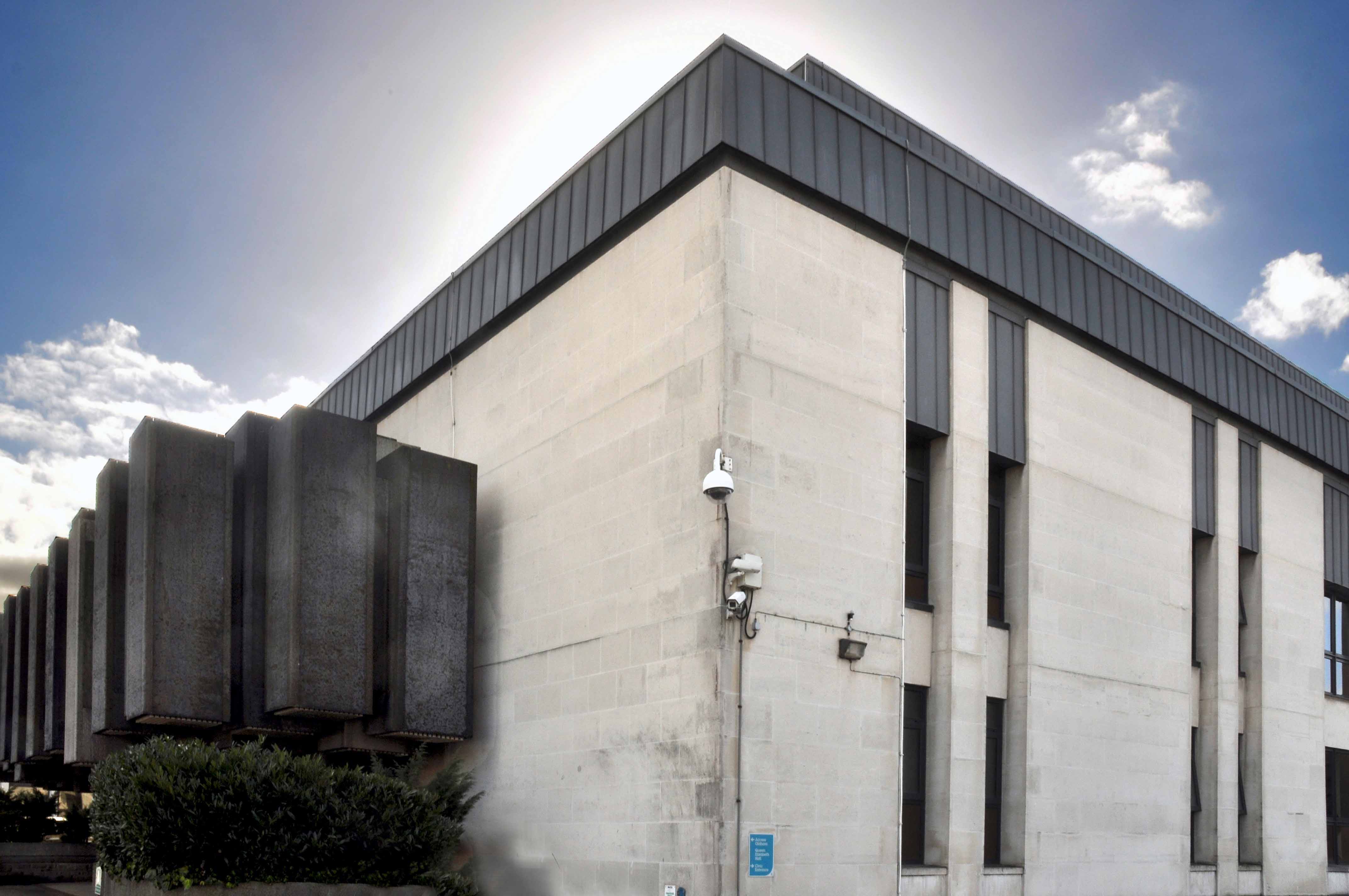
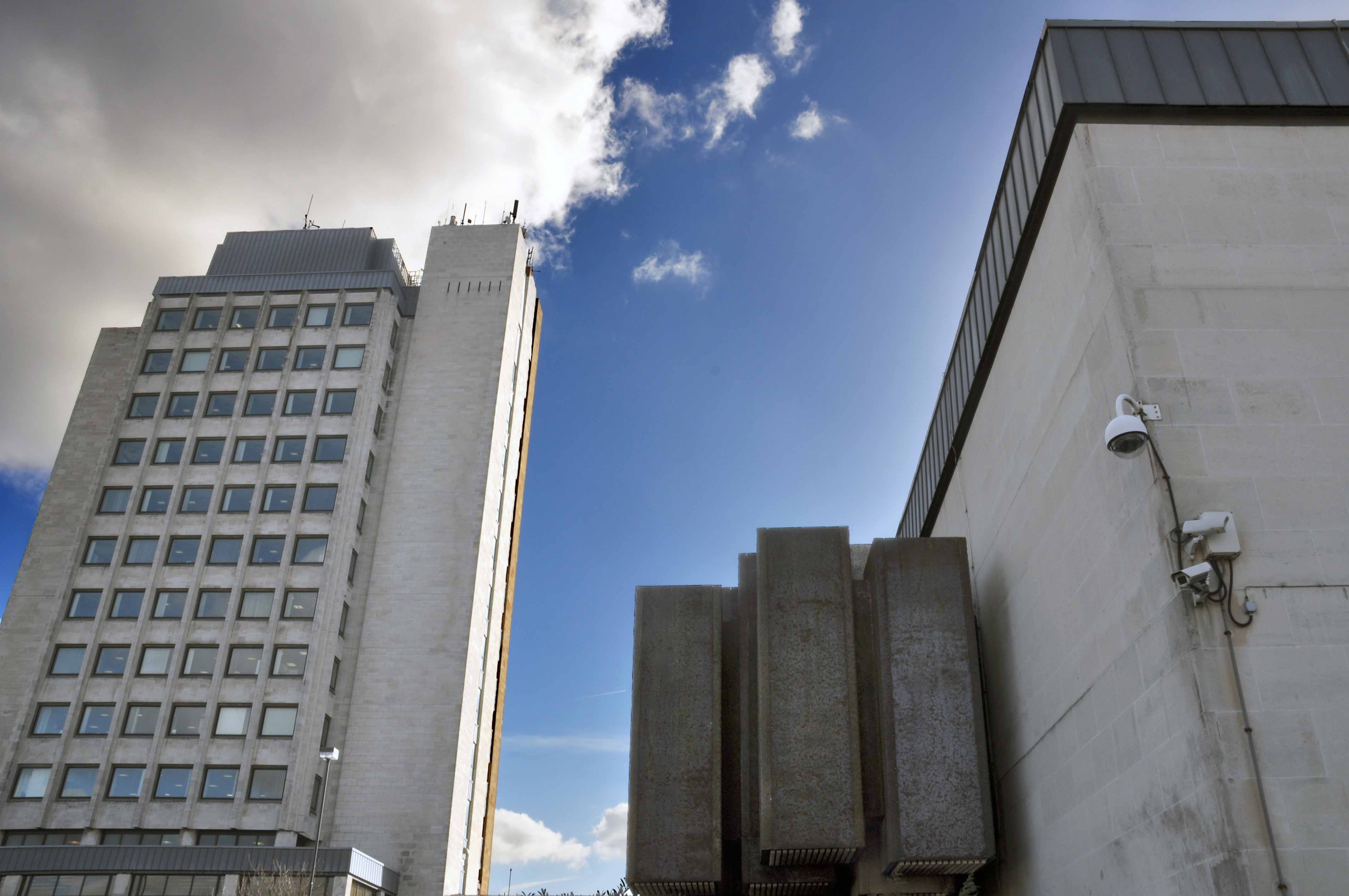
An low exterior slab of classical municipal modernism, with a series of wonderful and surprising new attachments, ideal for all occasions!

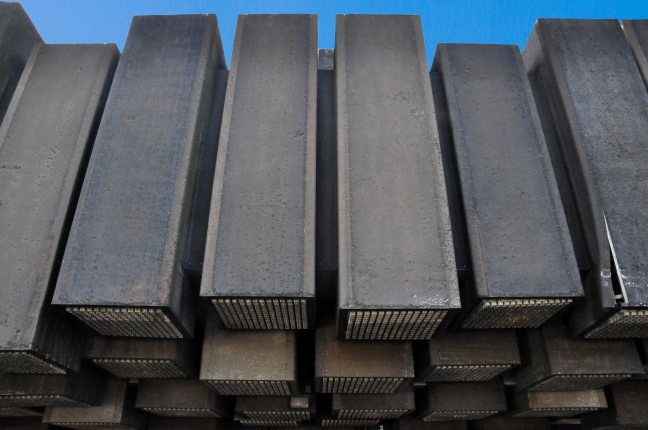
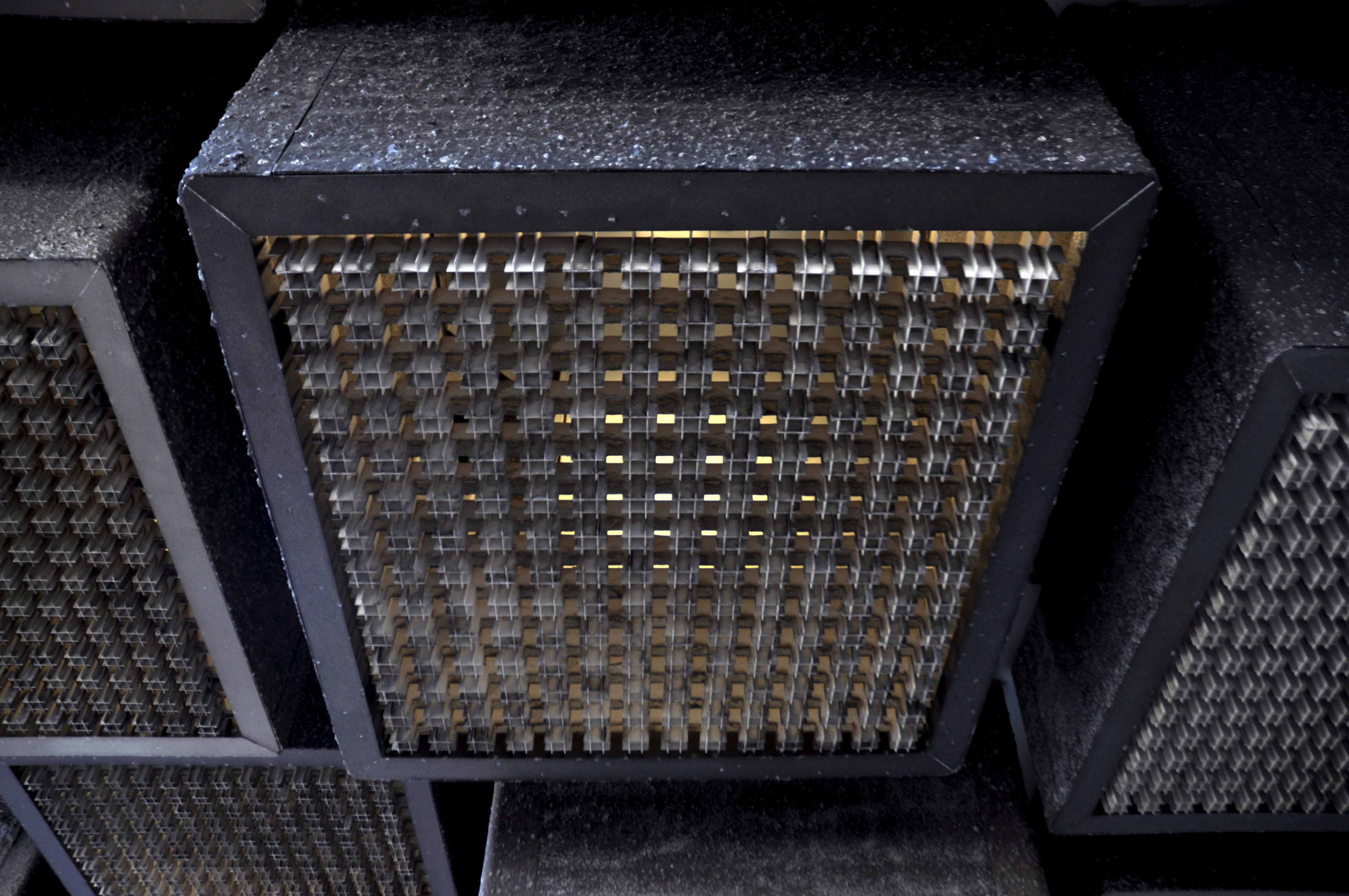
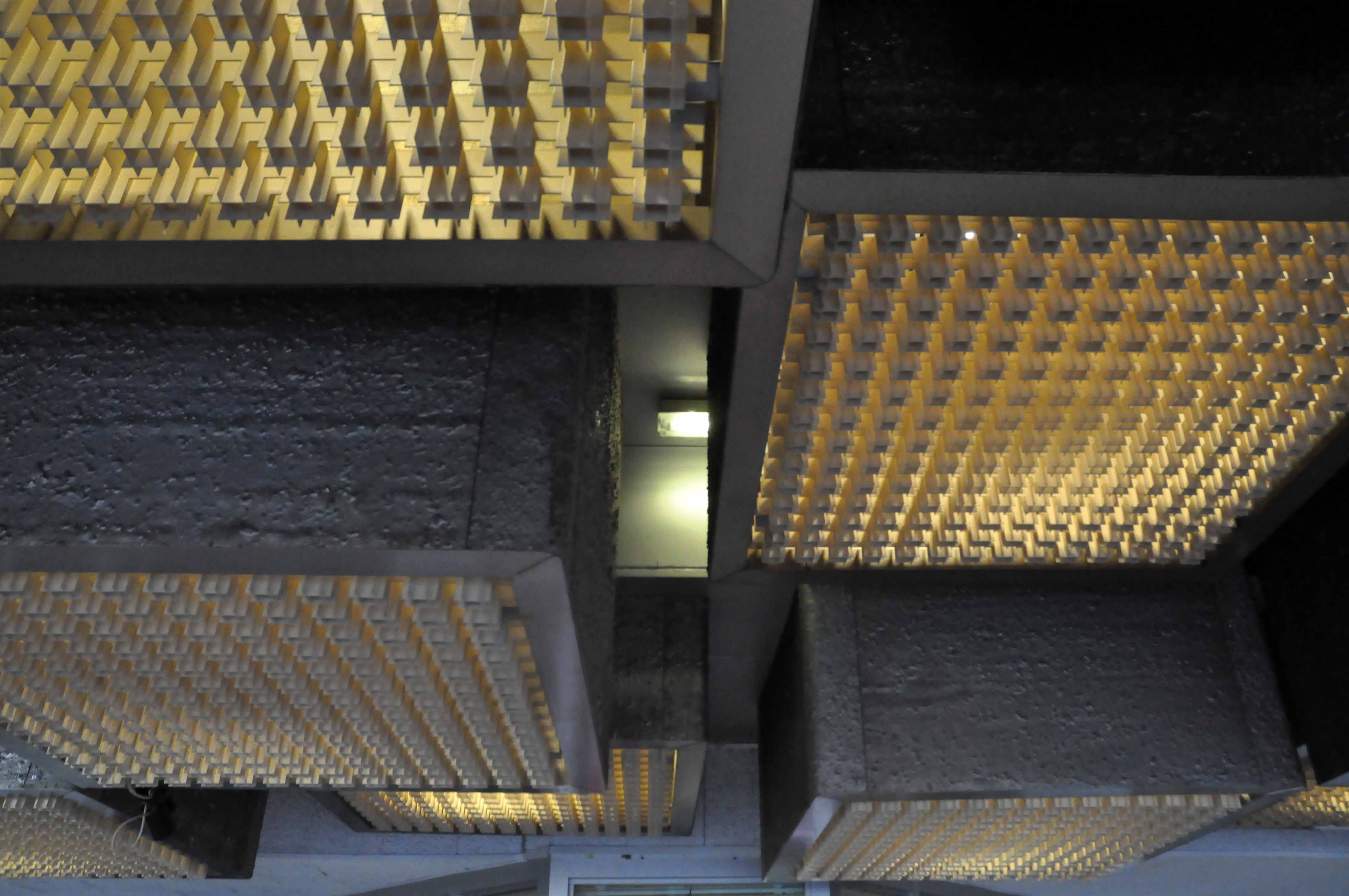
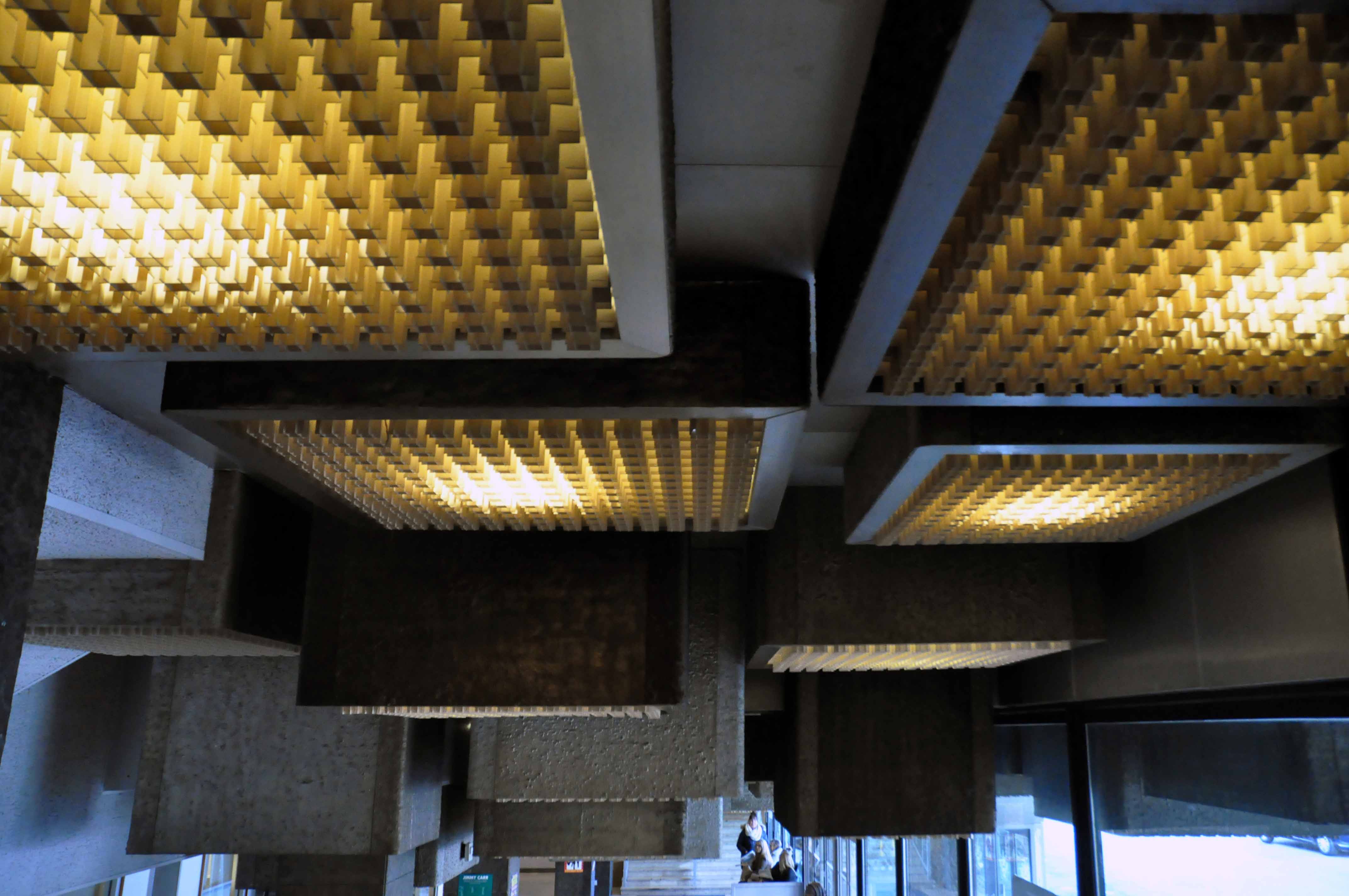
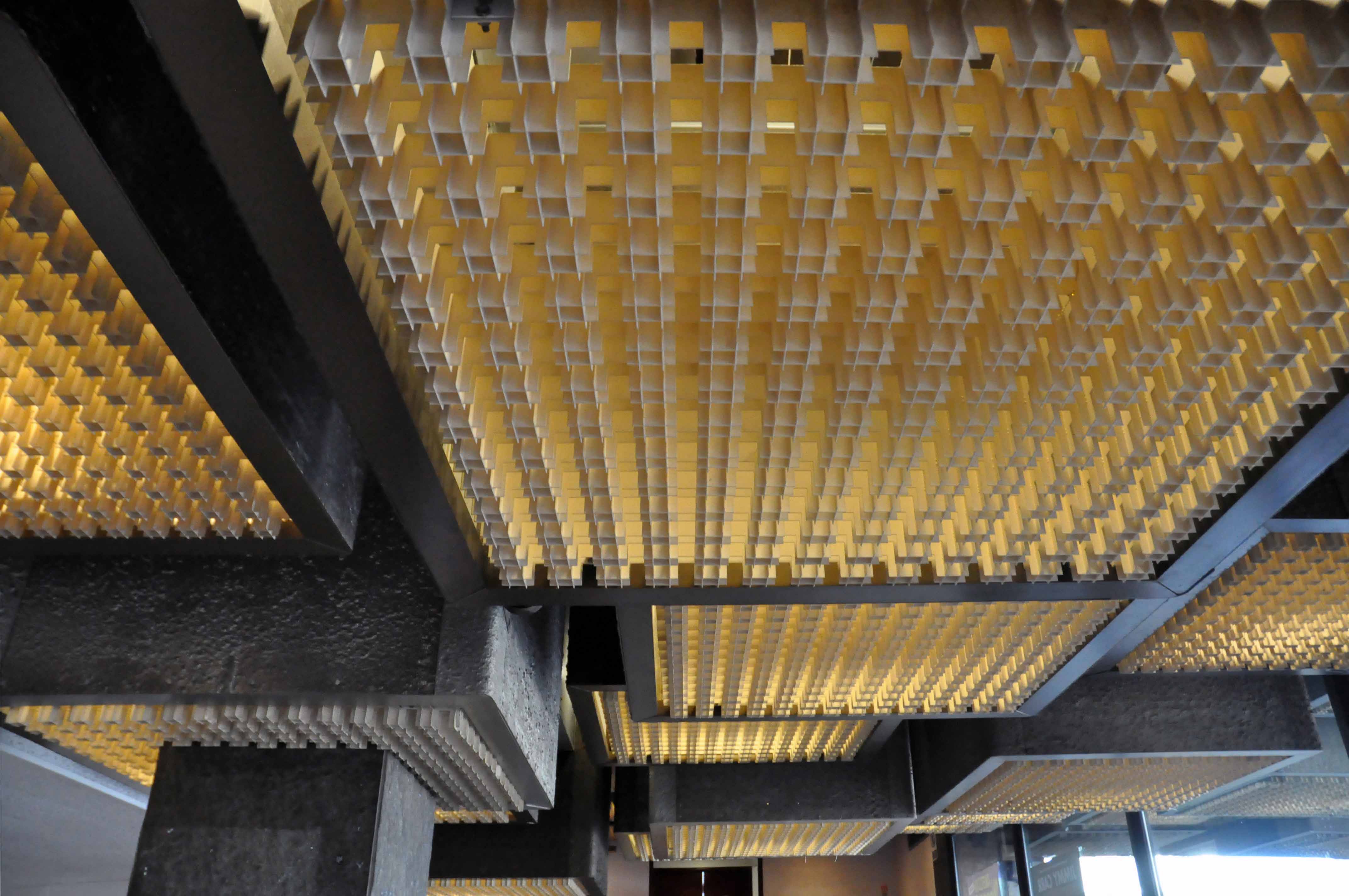
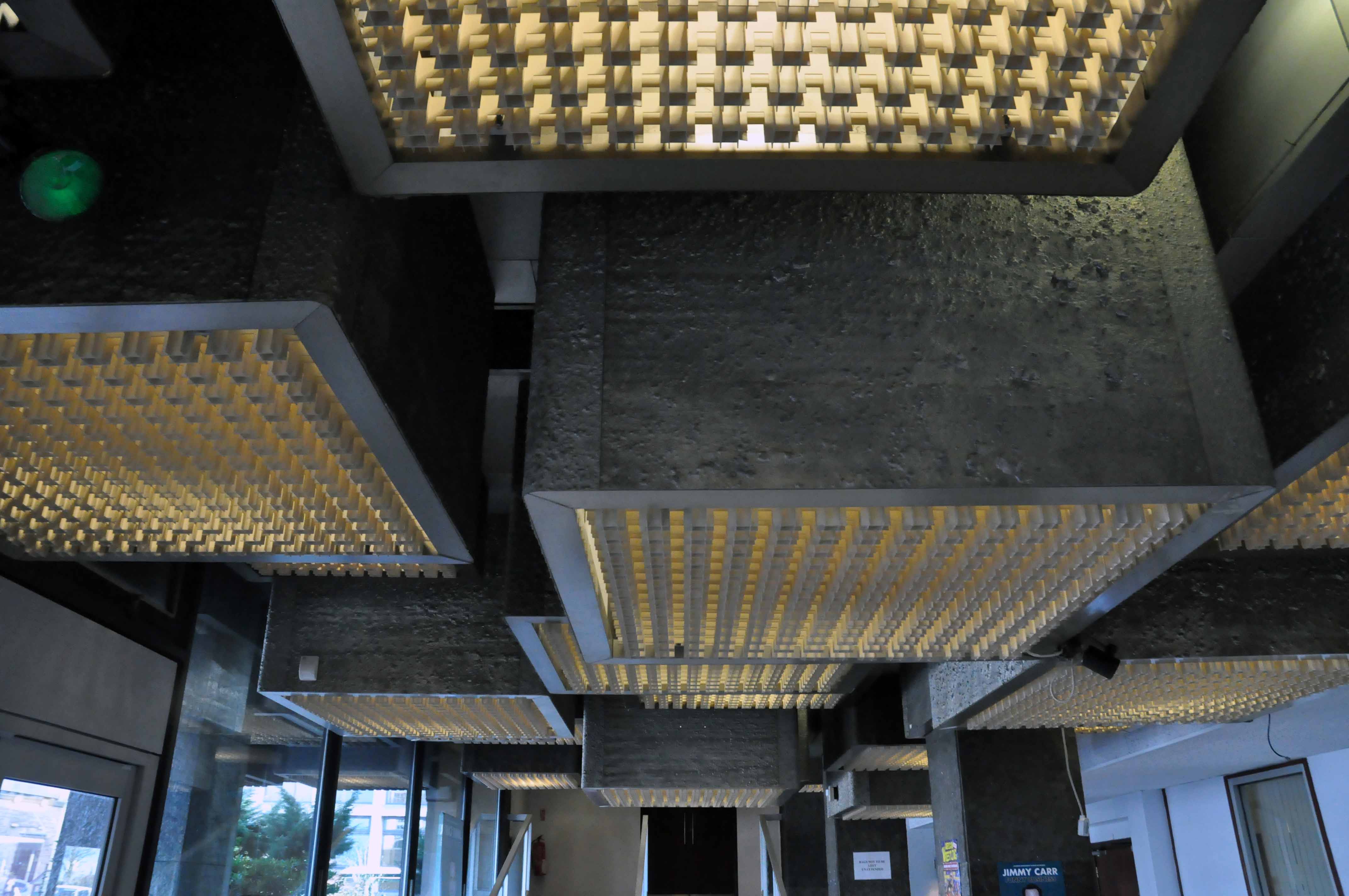
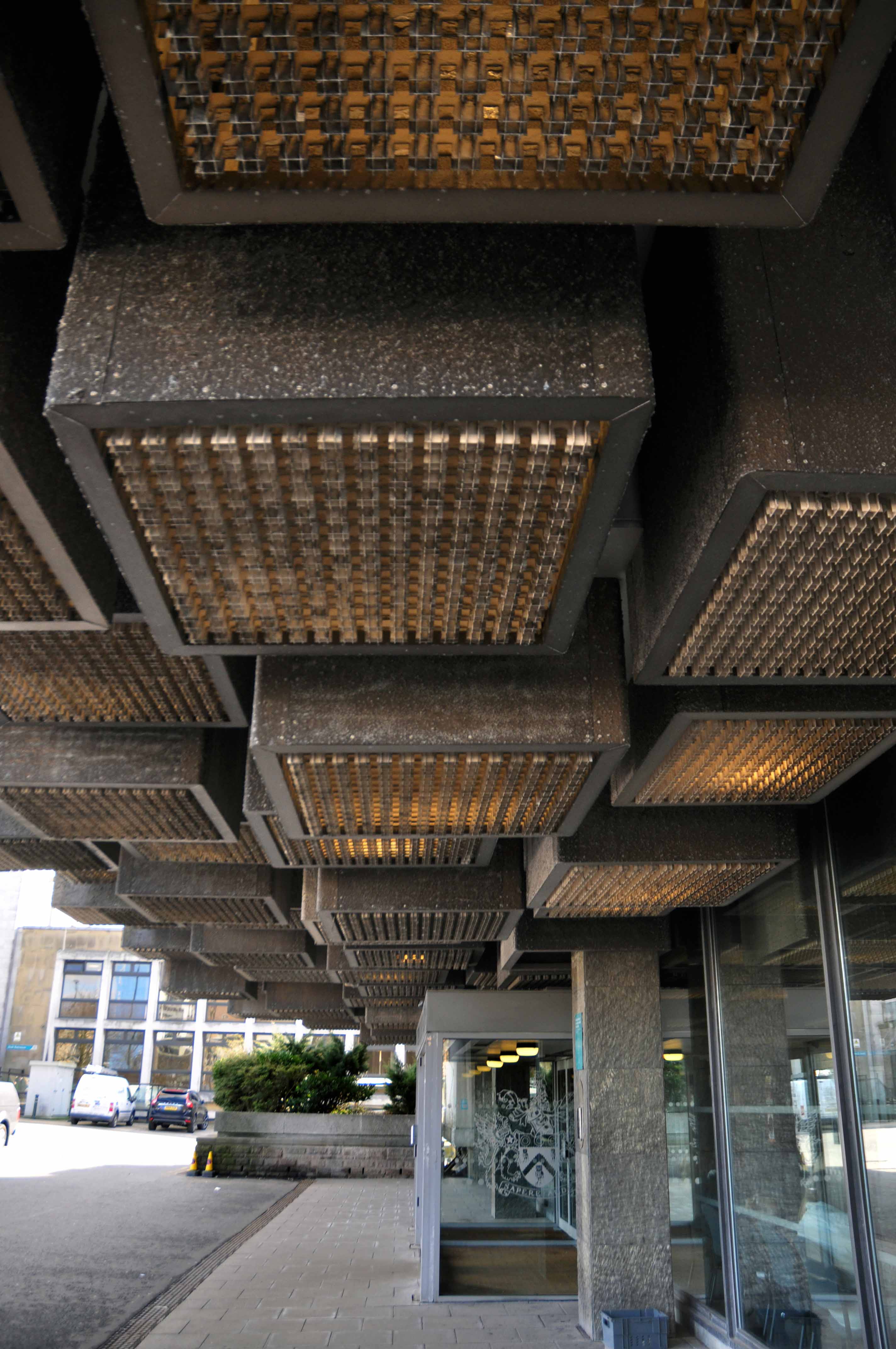
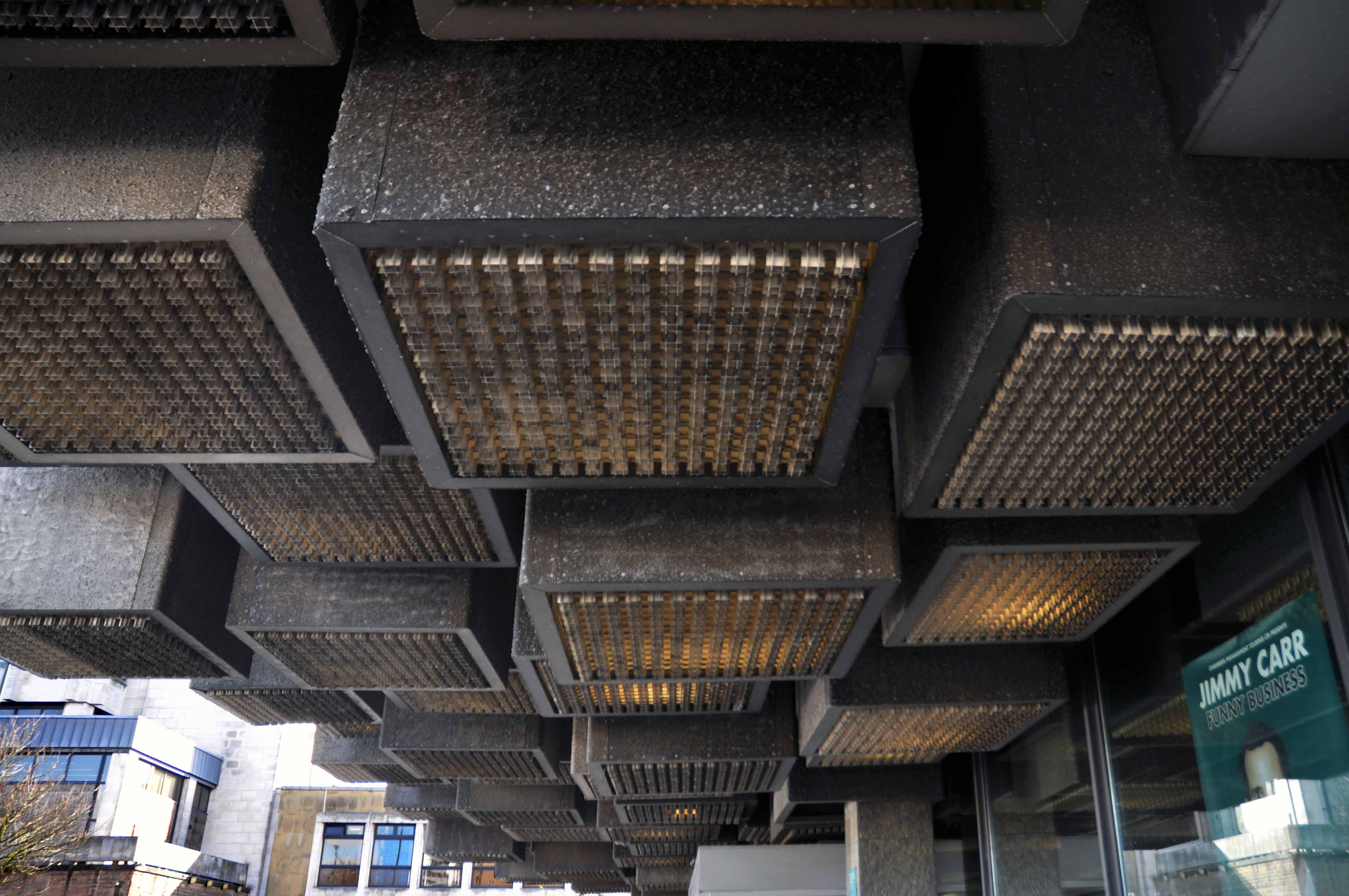
The most amazing set of heavily patinated, square sectioned, inorganic pipes which are precipitously cantilevered  onto the front elevation.

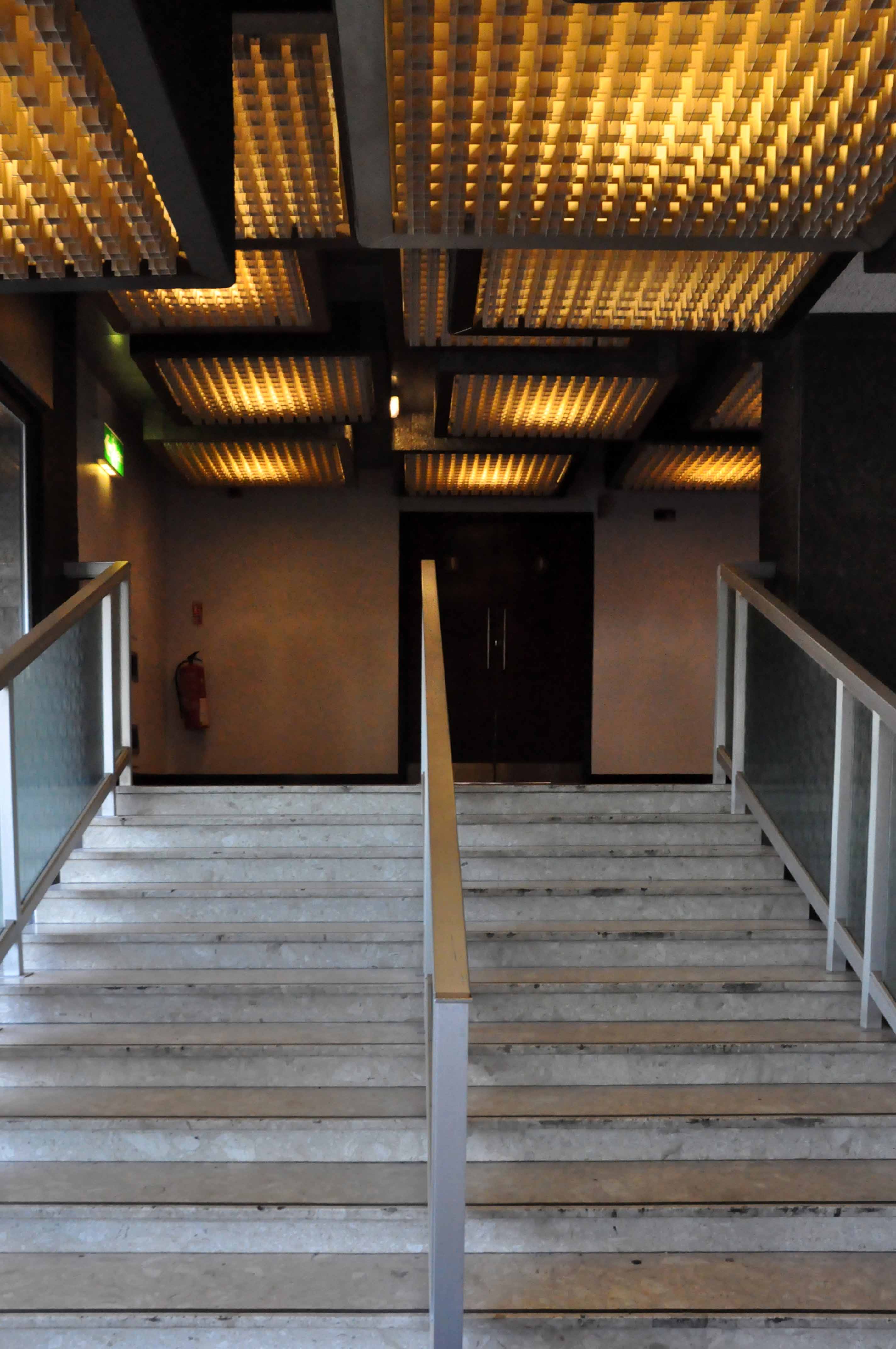
Illuminating!

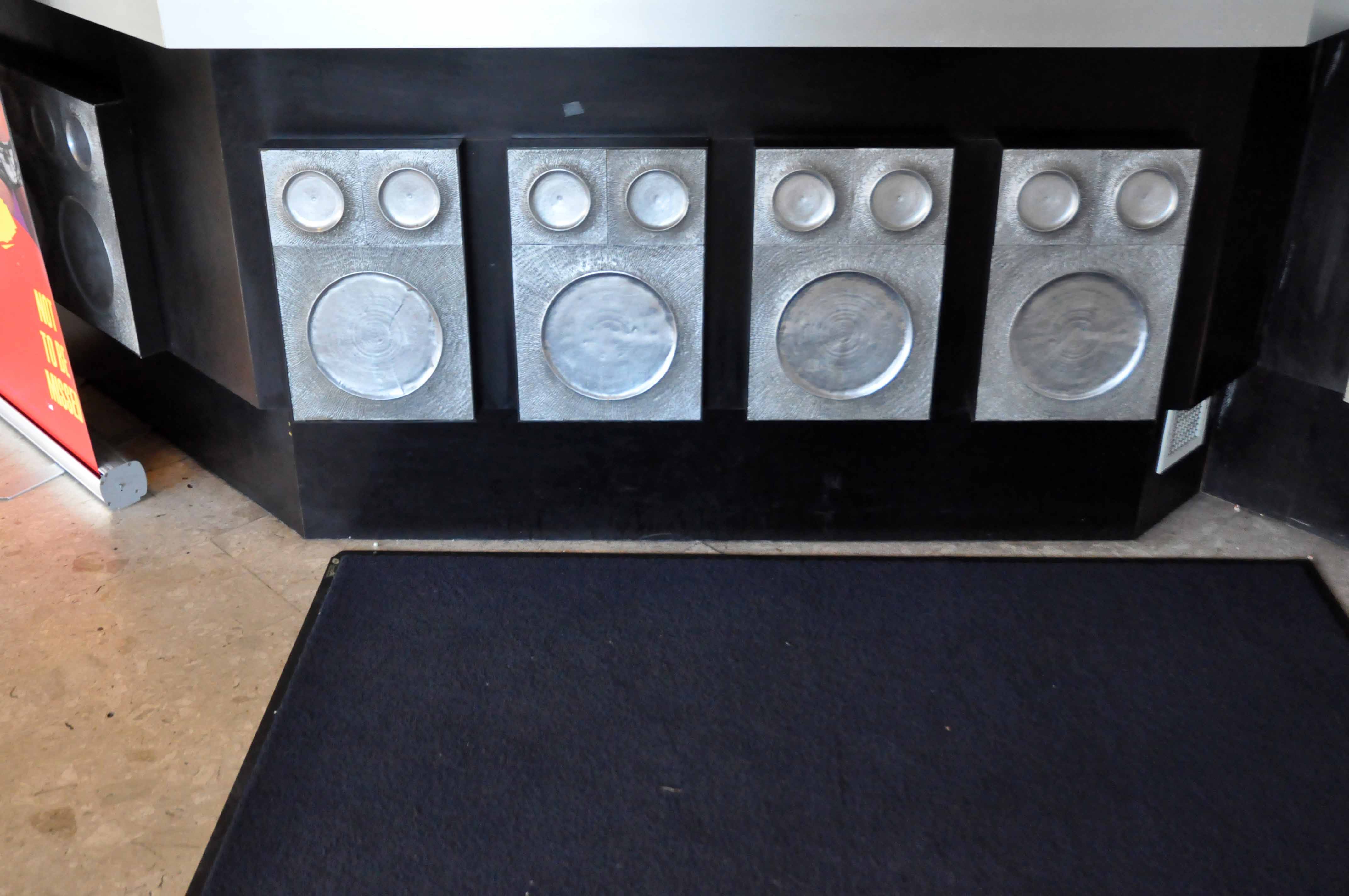
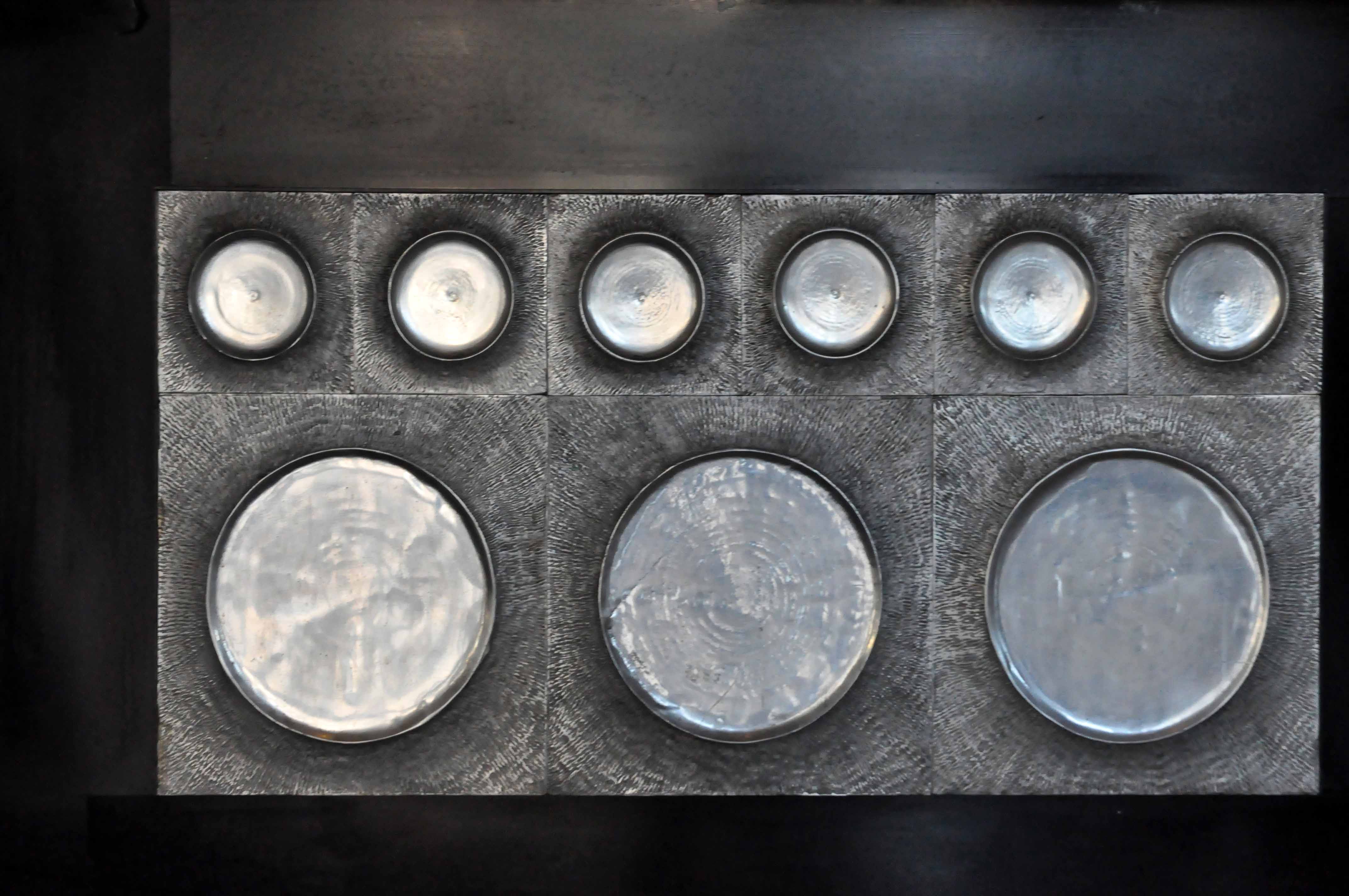
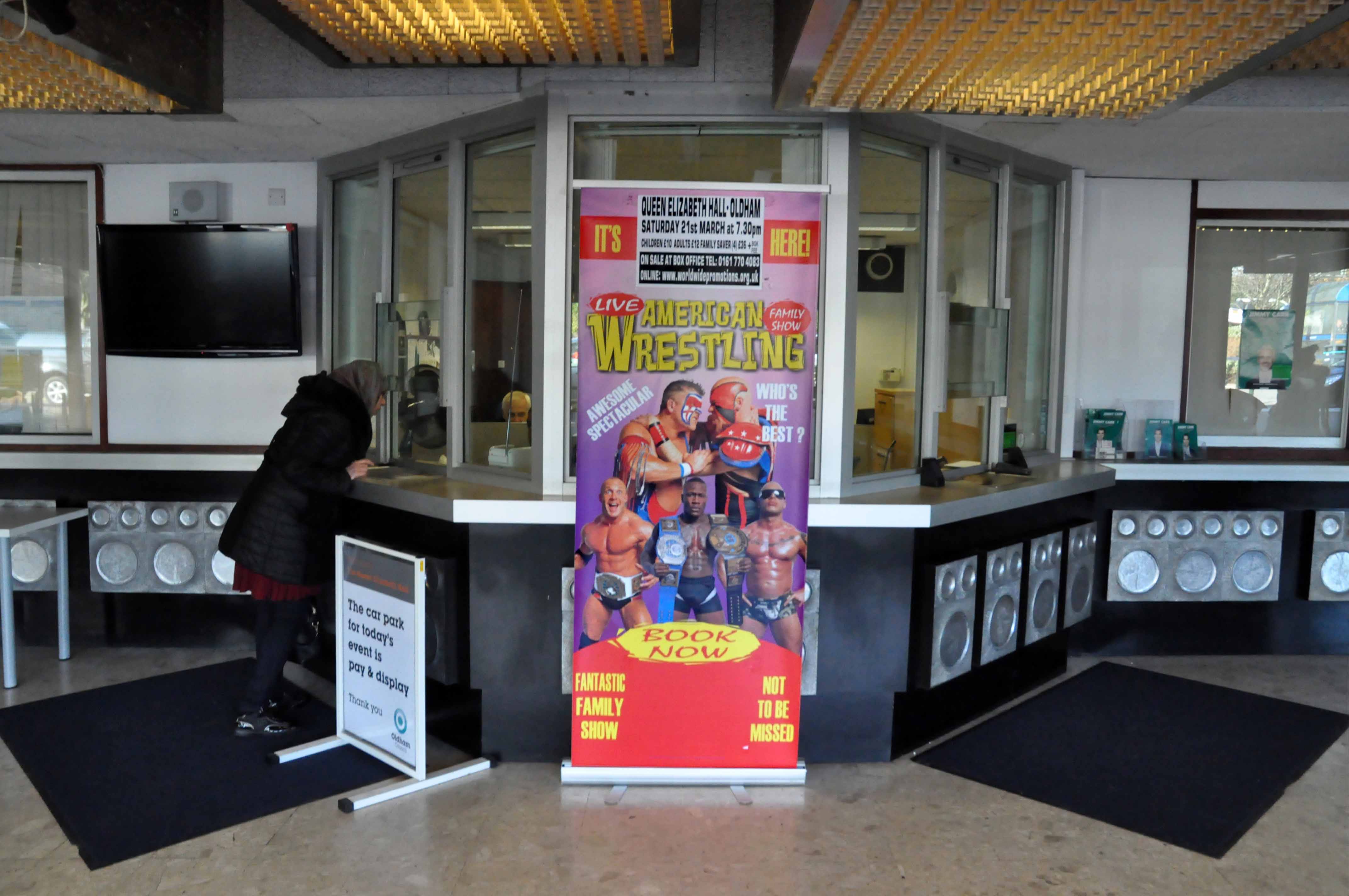
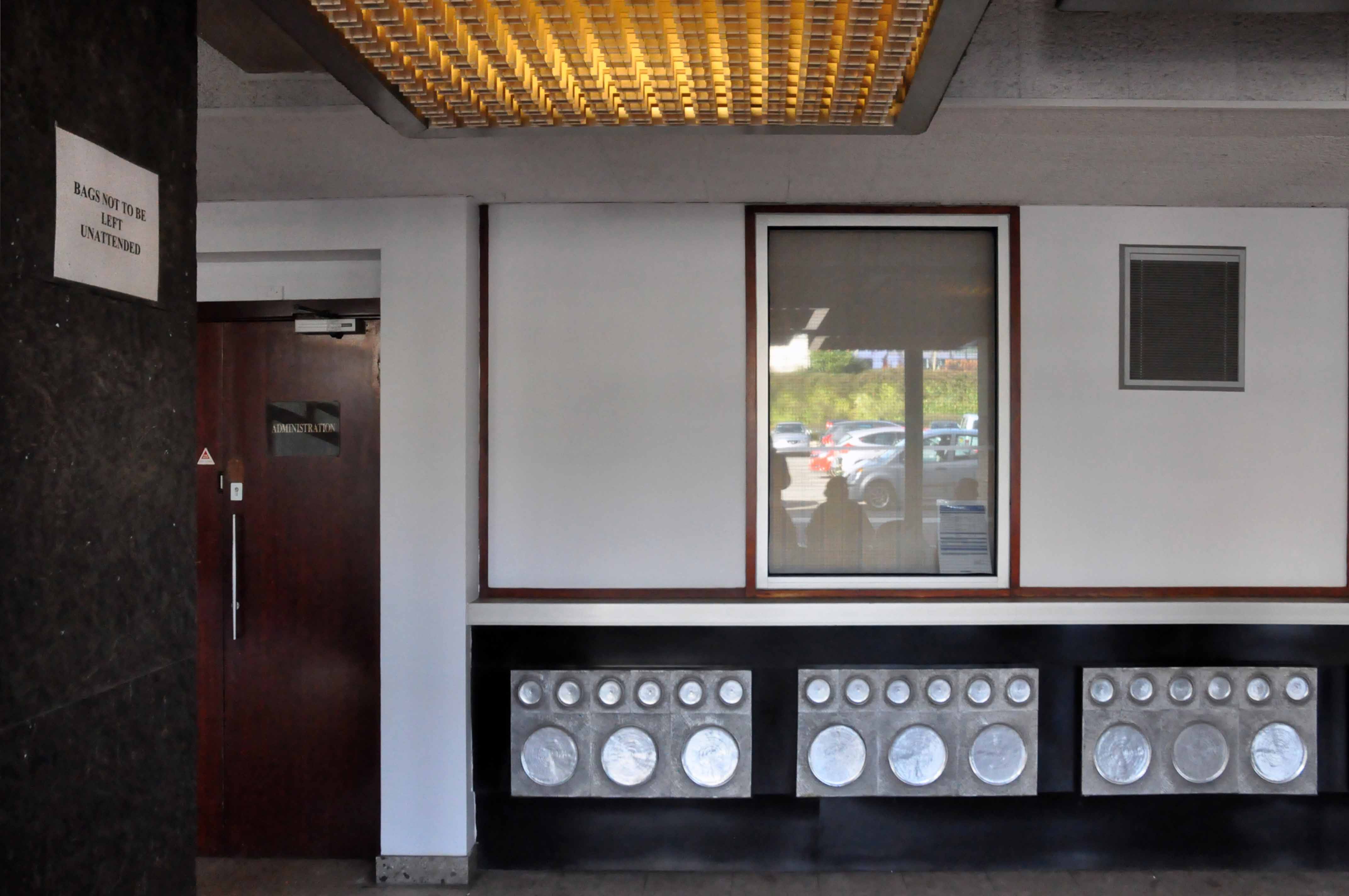
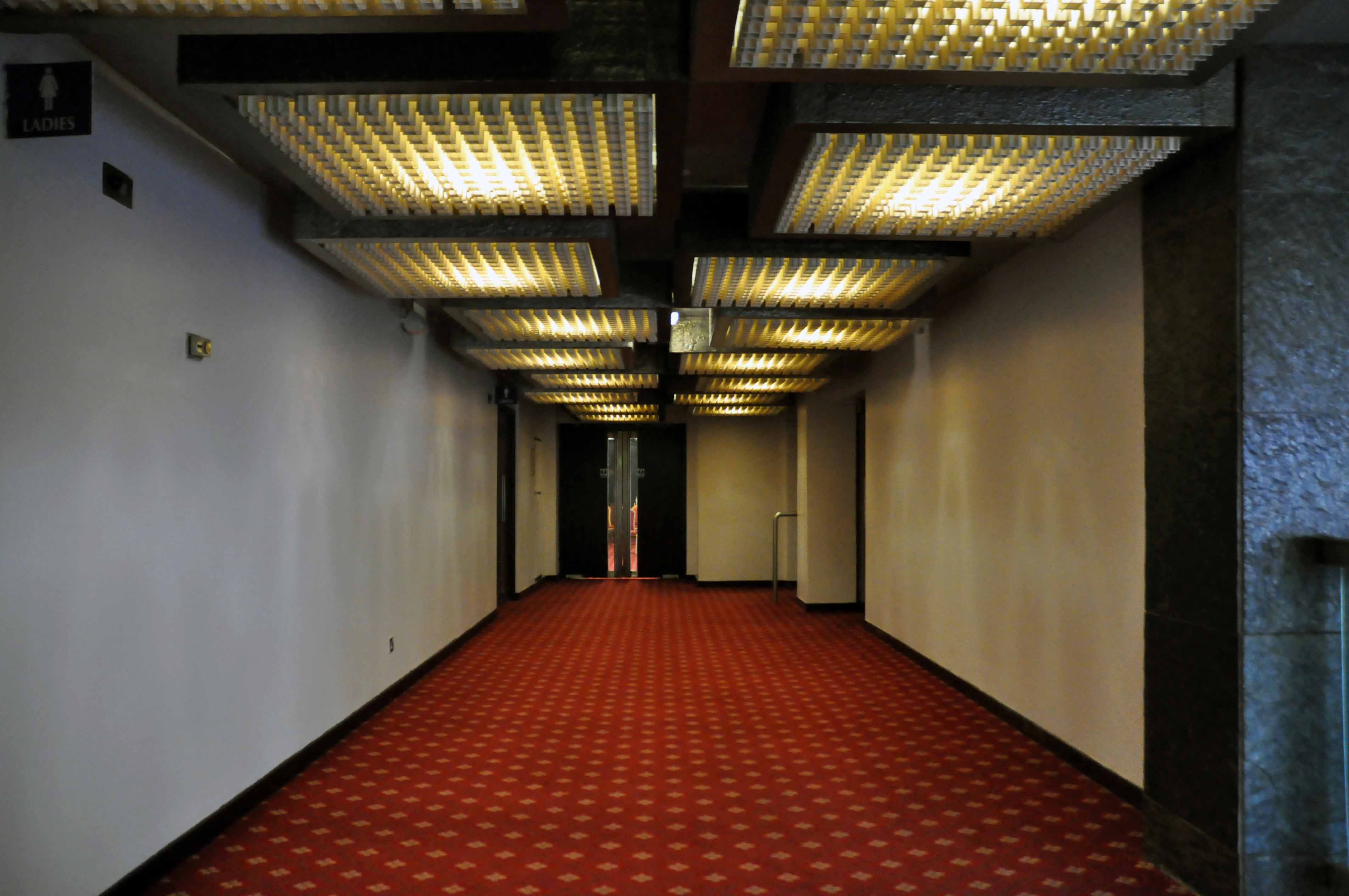
The lobby boasts further exotic lighting, this time on the ceiling, and applied metal reliefs attached to the back wall and booking office.

I’ve never been in the main auditorium, yet – but life is full of little surprises.

Others have – boxers, boozers, bands, concerts, carousers, dancers, thespians – the lot.

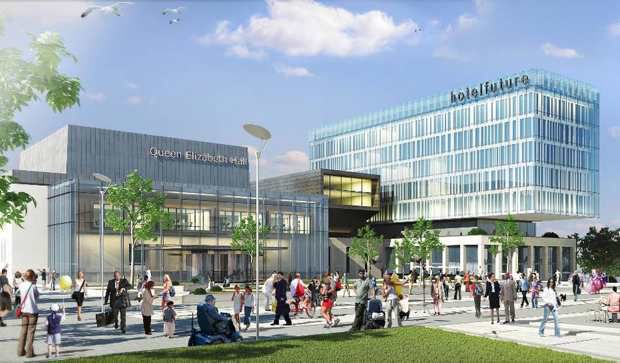
The council have a mind to put a stop to all this wayward architecture and replace it something new, shiny and anonymous.

C_71_article_1488157_image_list_image_list_item_0_image

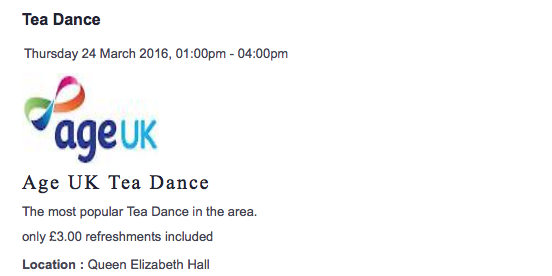
But they’re having to wait for the Men from the Ministry to cough up the cash – which may or may not be tied up in a nearby Northern Powerhouse, Mr Osborne may just have to be lead up the A62 by the nose, with a promise of the most popular Tea Dance in the area.

Screen Shot 2016-03-11 at 15.59.07

I do advise you to go and have a look before you can’t.

DSC_0680

DSC_0667

DSC_0670

DSC_0662

DSC_0660

DSC_0671

DSC_0674

DSC_0664

DSC_0677

DSC_0669

DSC_0673

DSC_0672

DSC_0679

DSC_0666

DSC_0678

DSC_0675

DSC_0663

DSC_0665

DSC_0668

DSC_0676