
Having photographed the arterial roads of Manchester in 2014 I have resolved to return to the task in 2024.
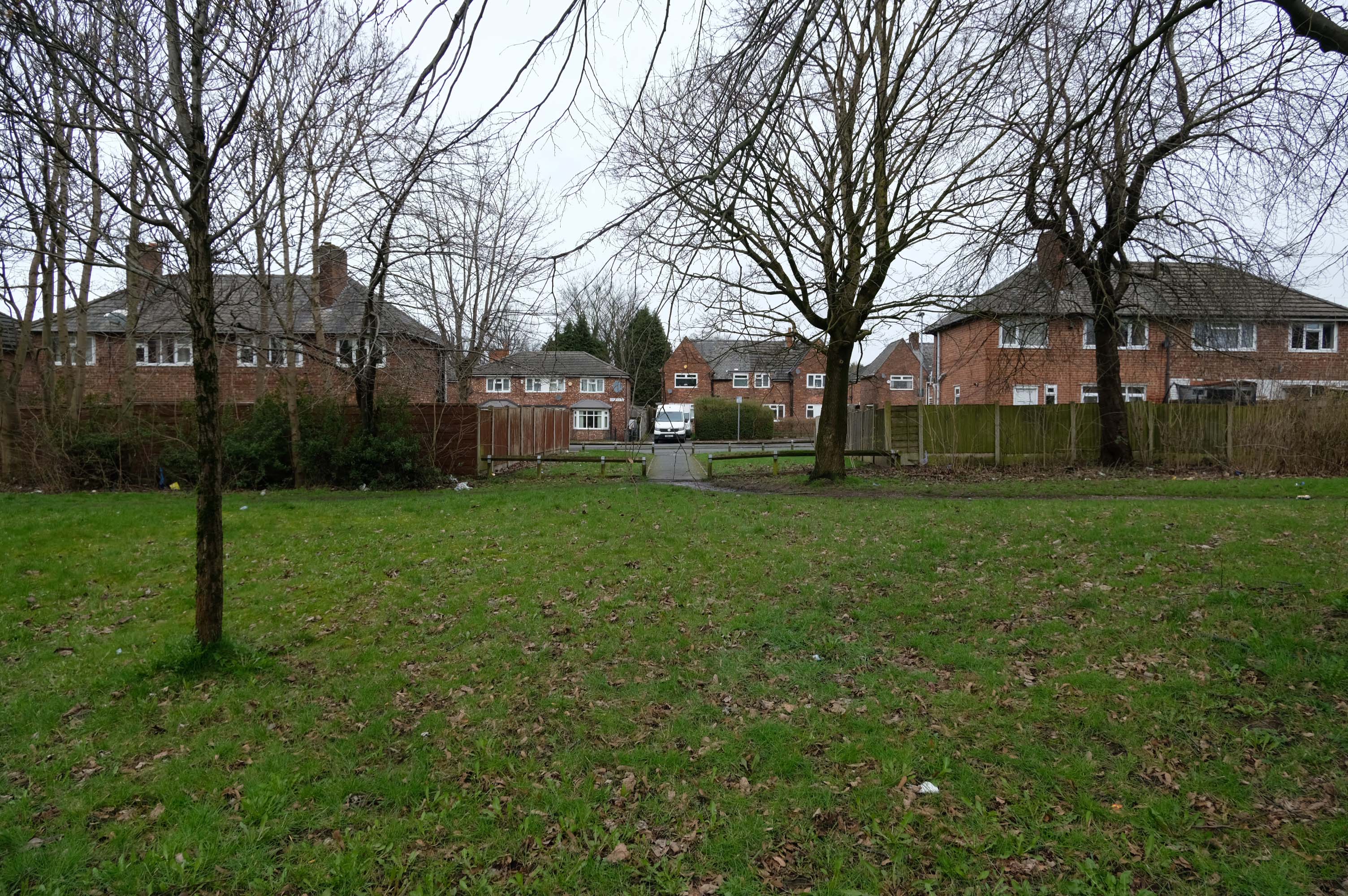
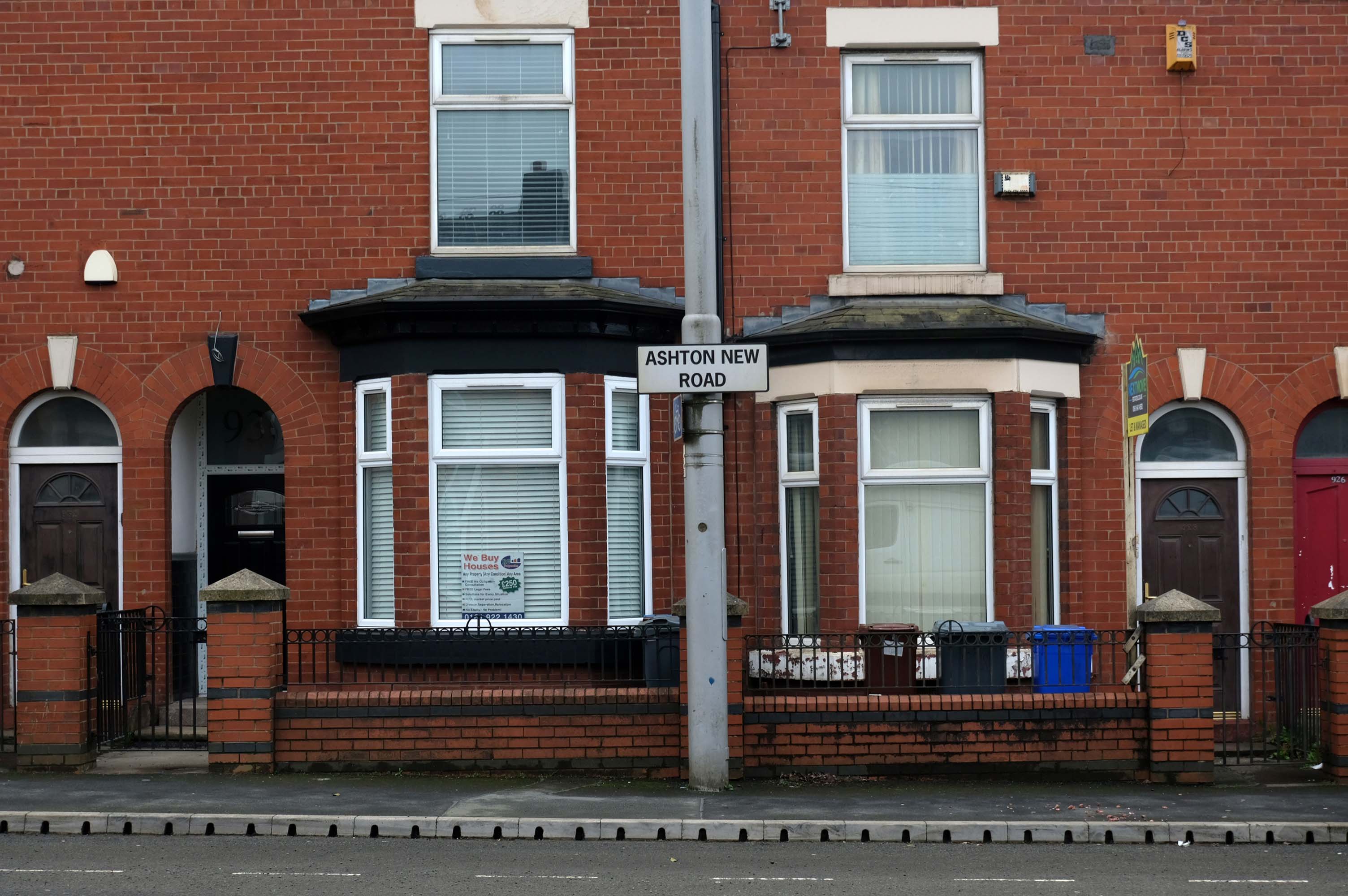
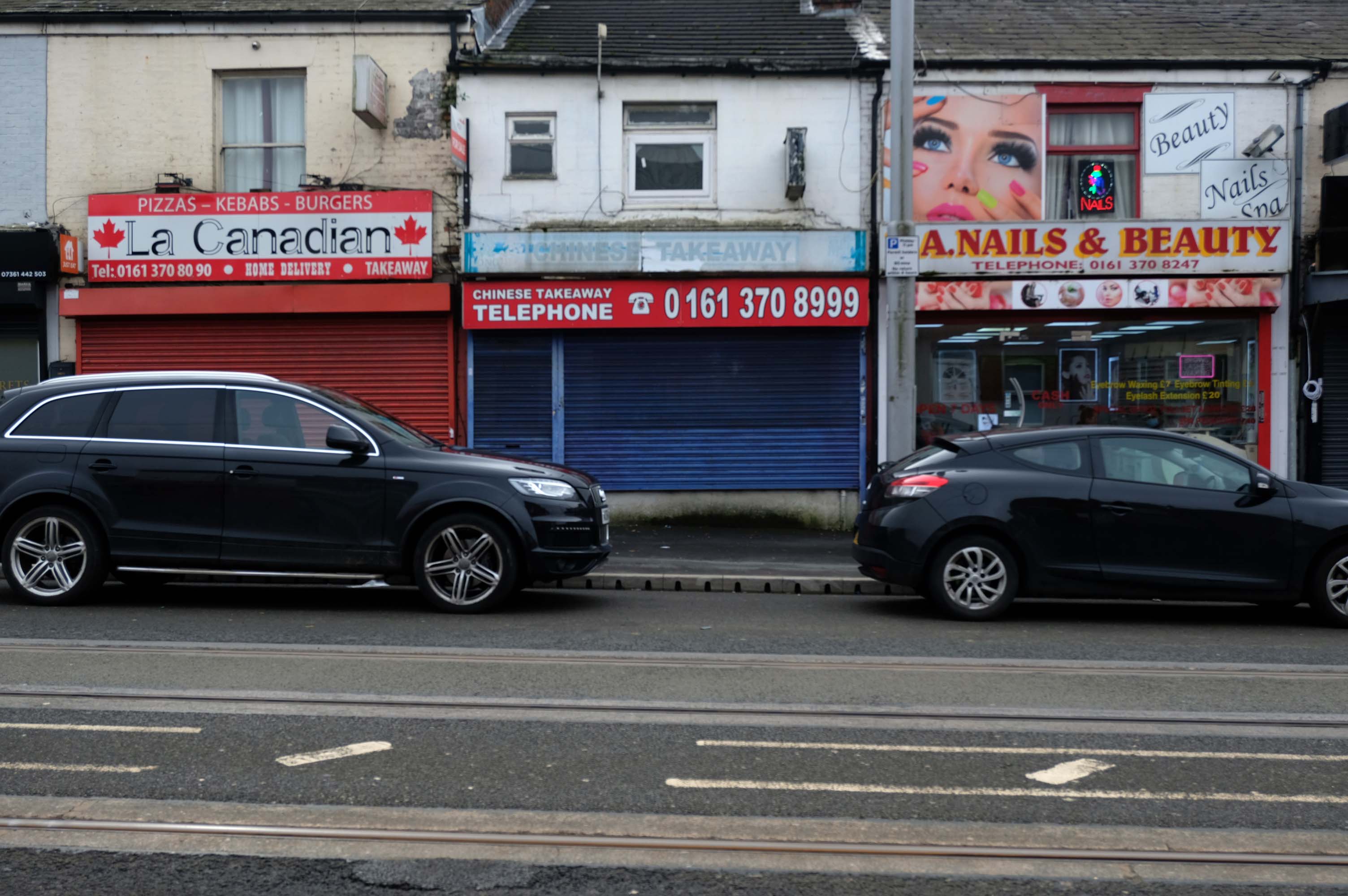
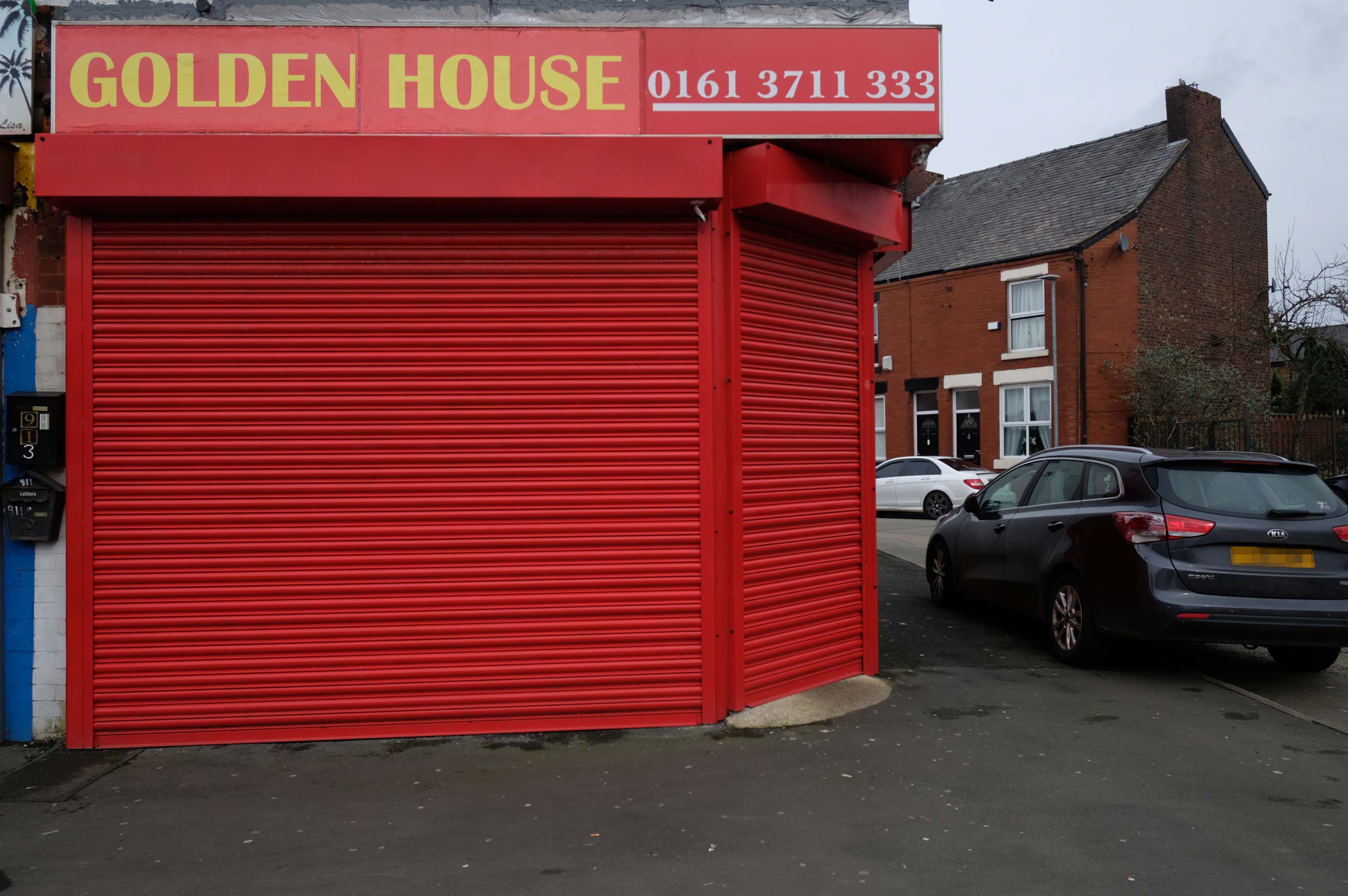
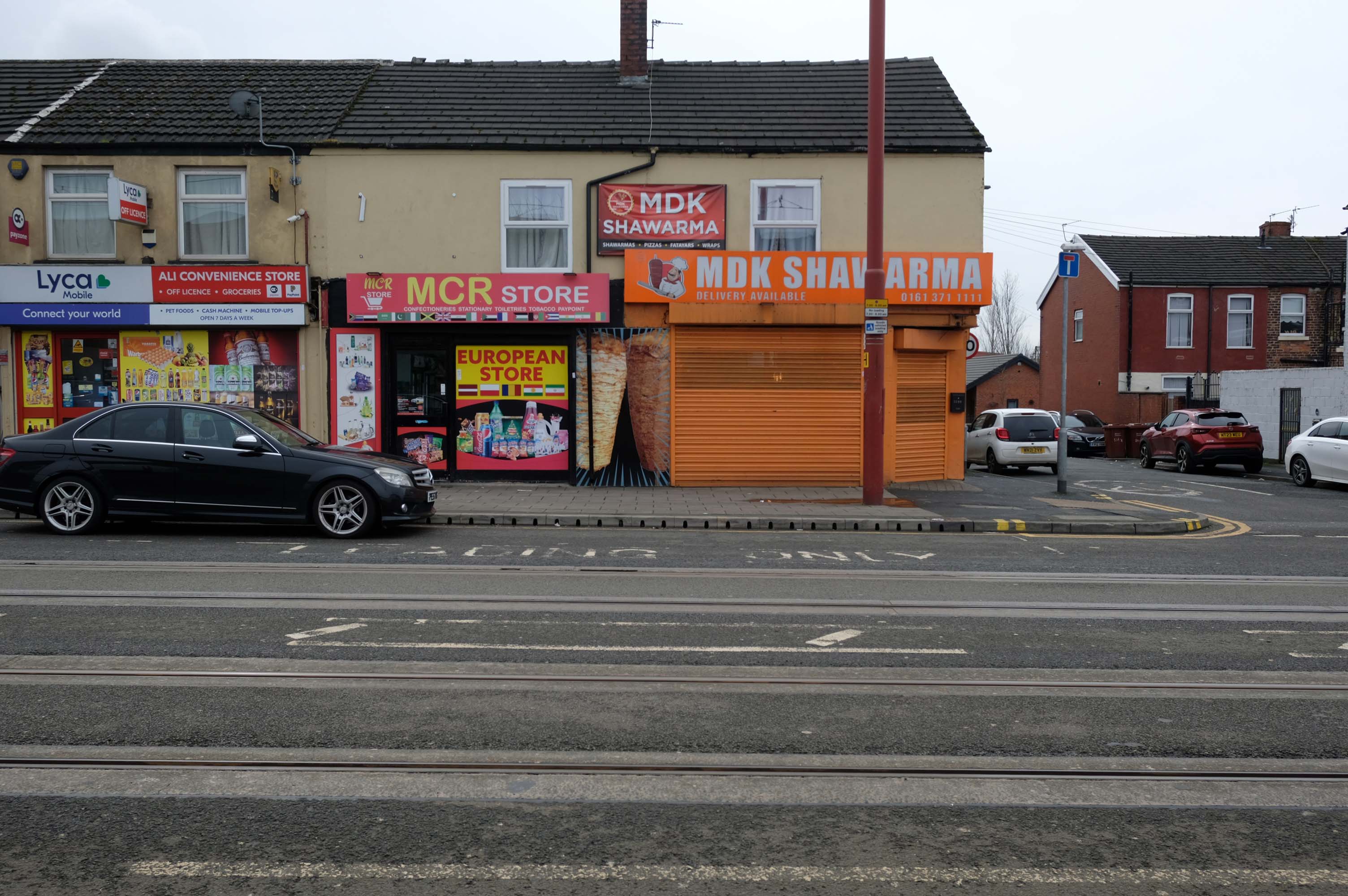
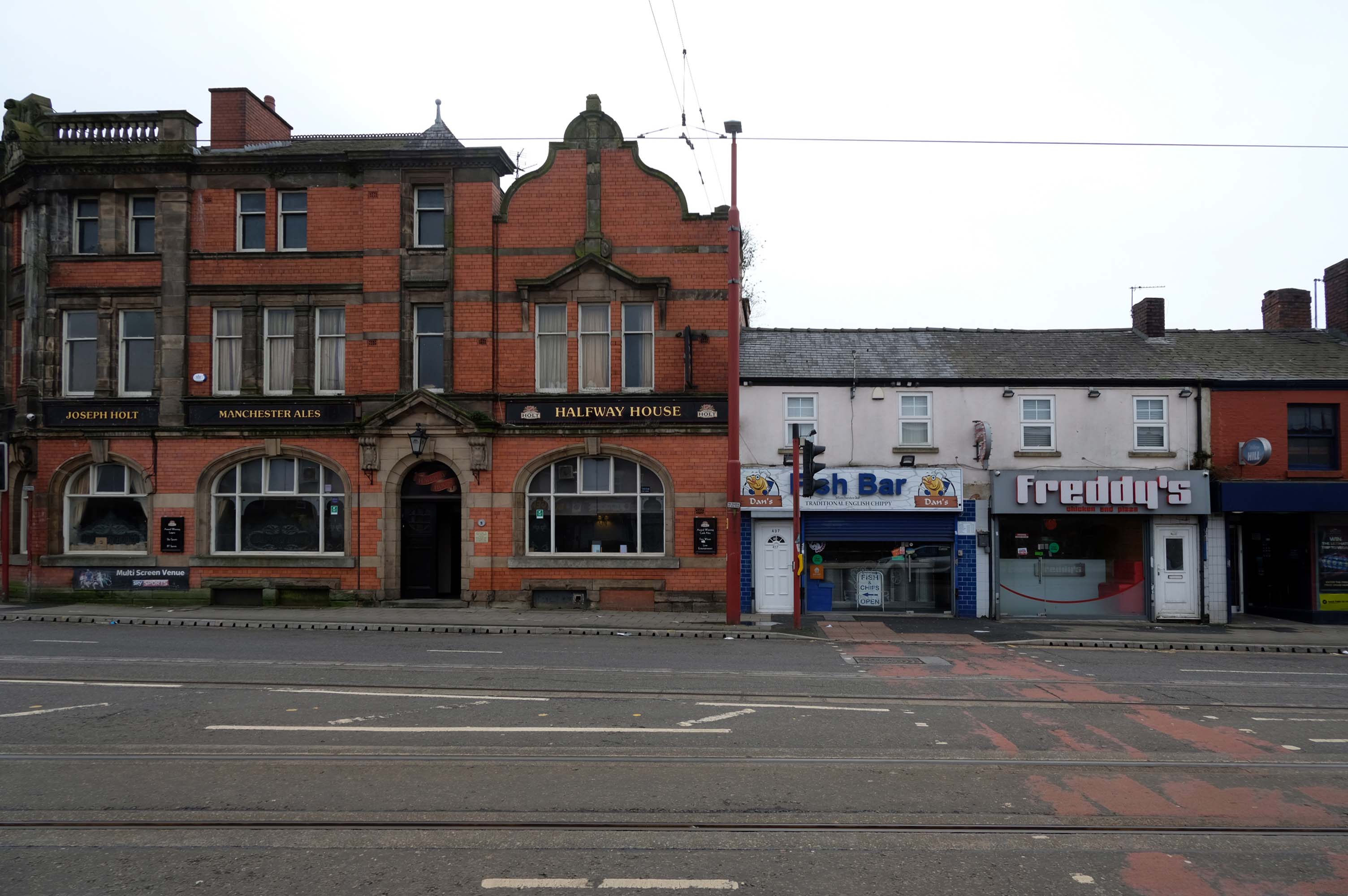
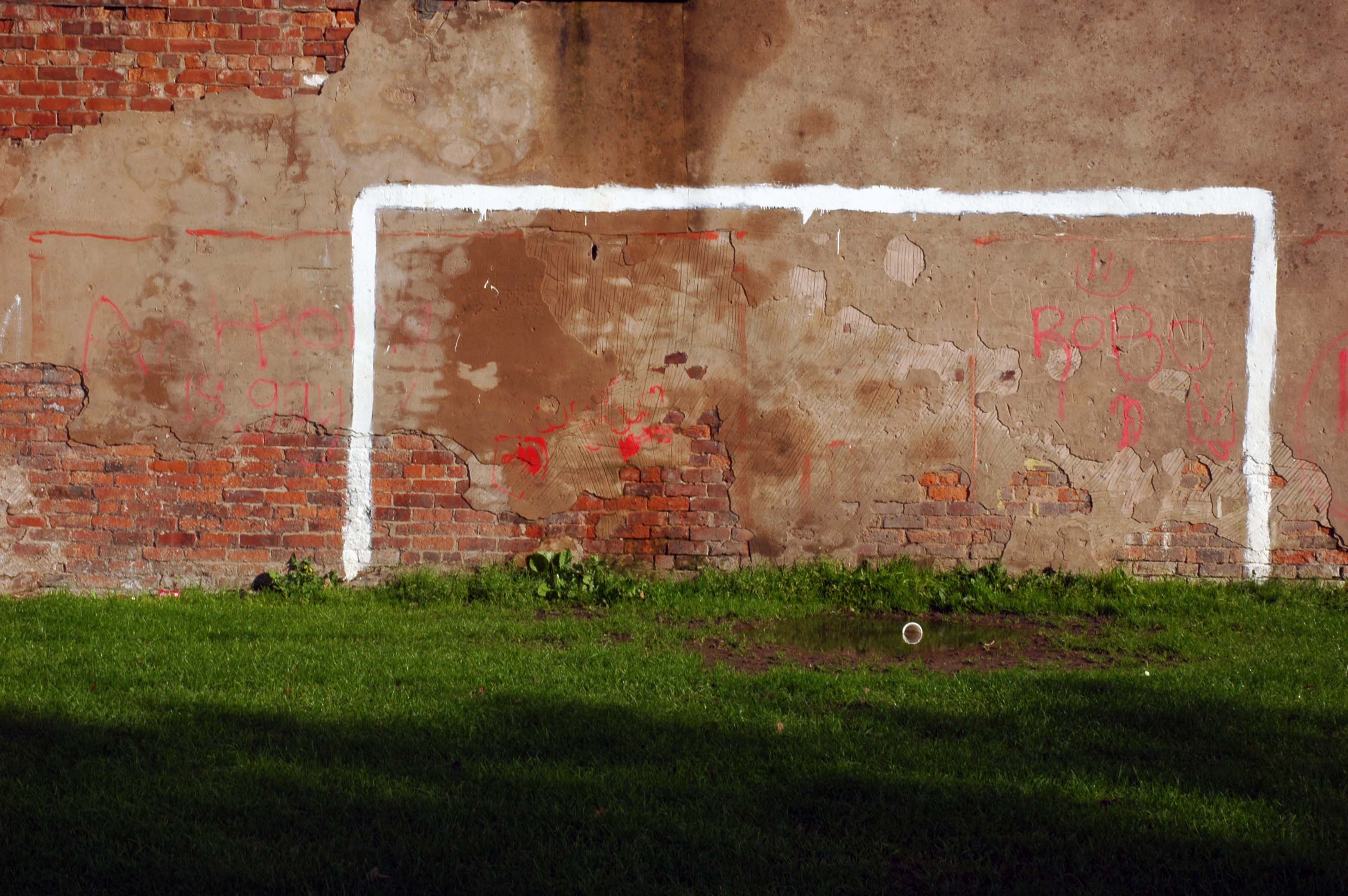
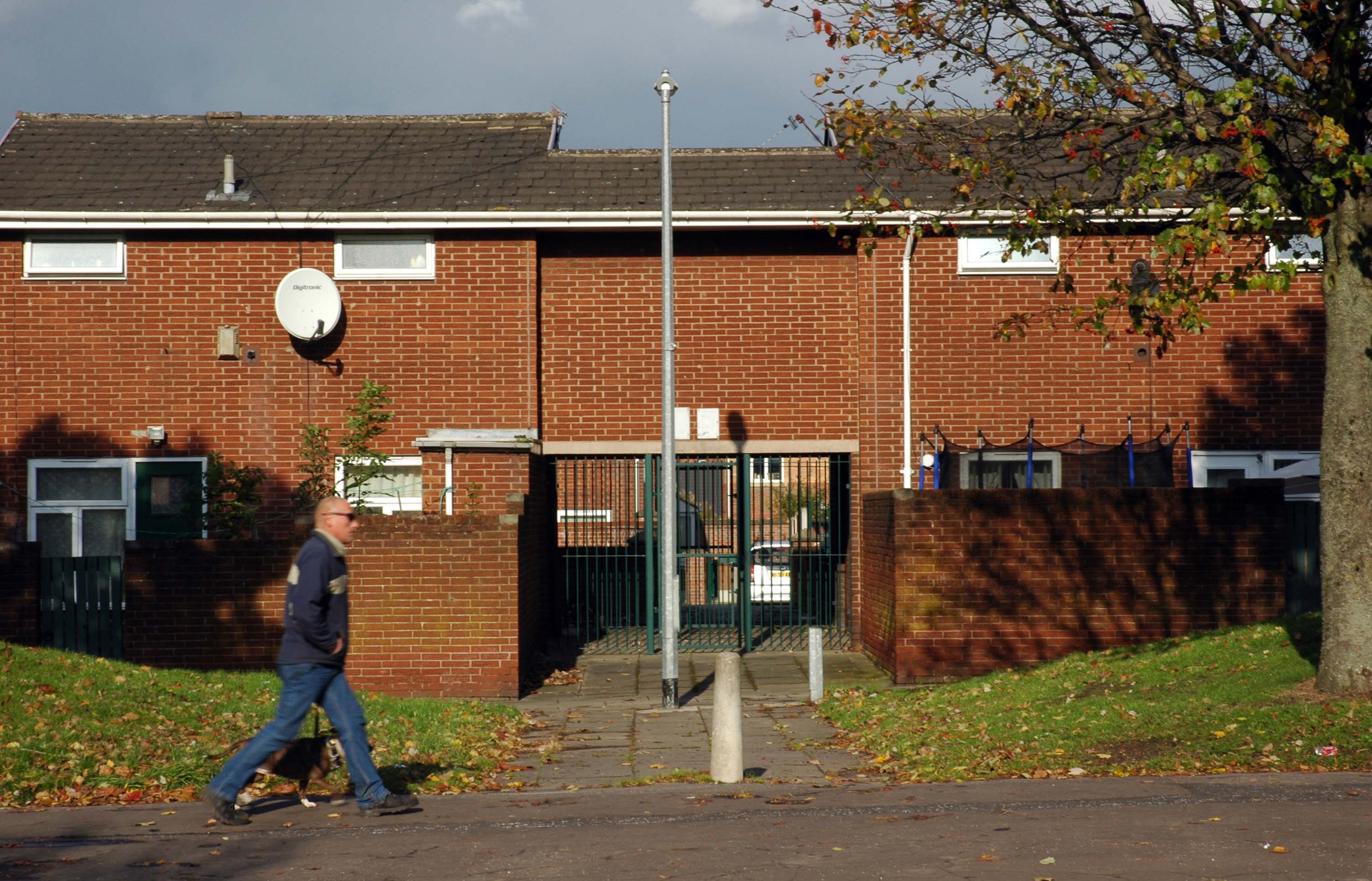
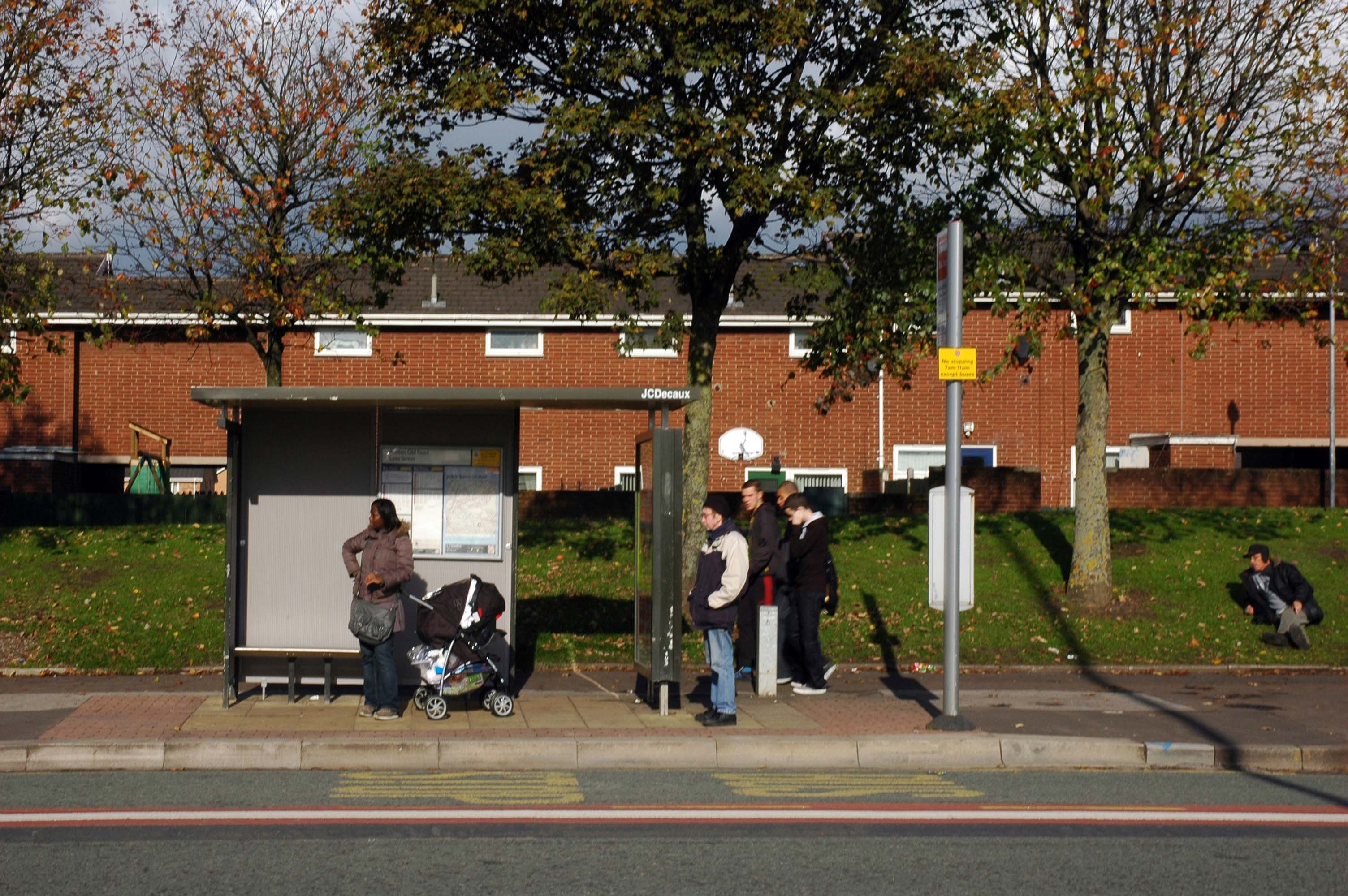
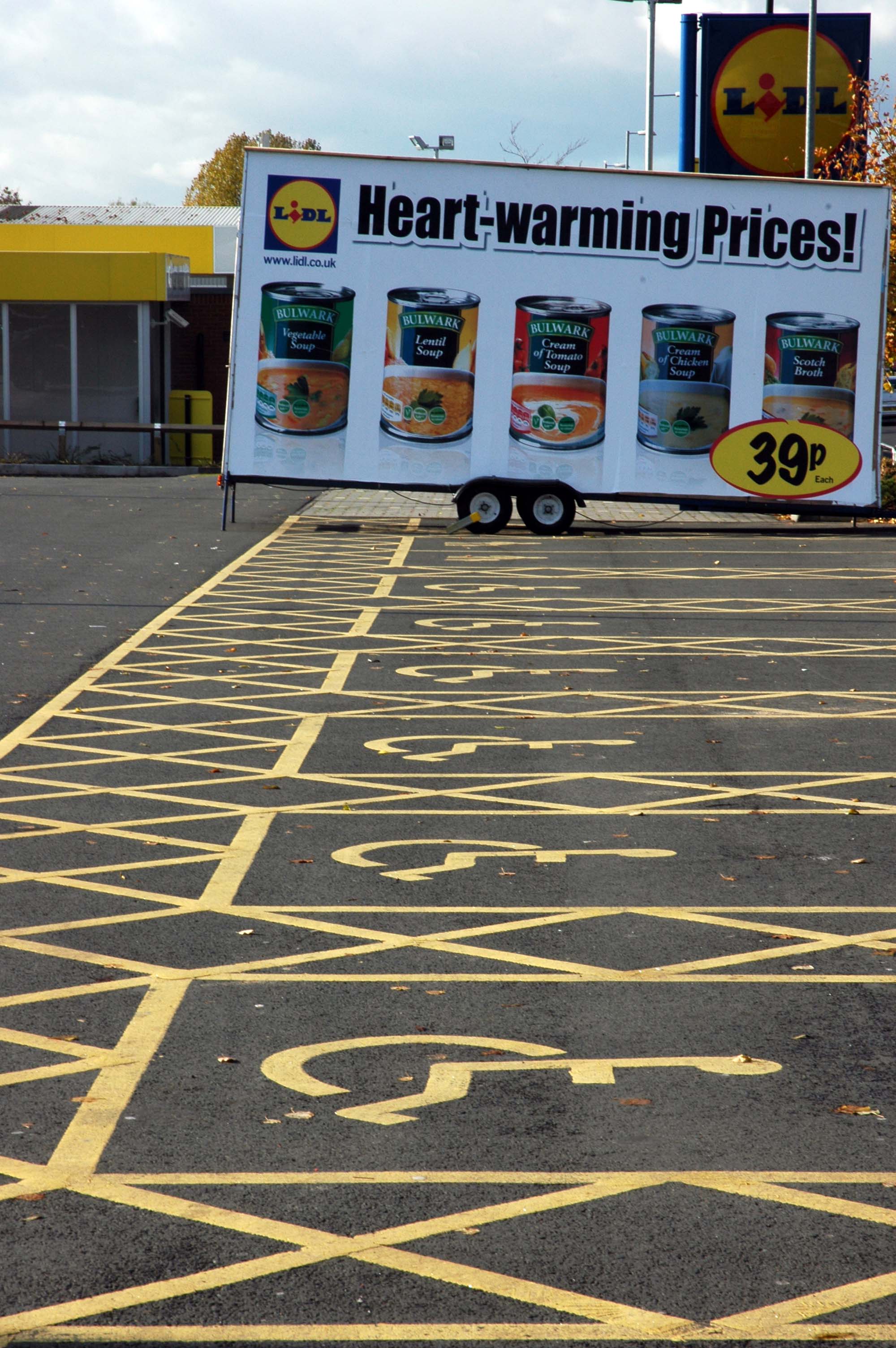
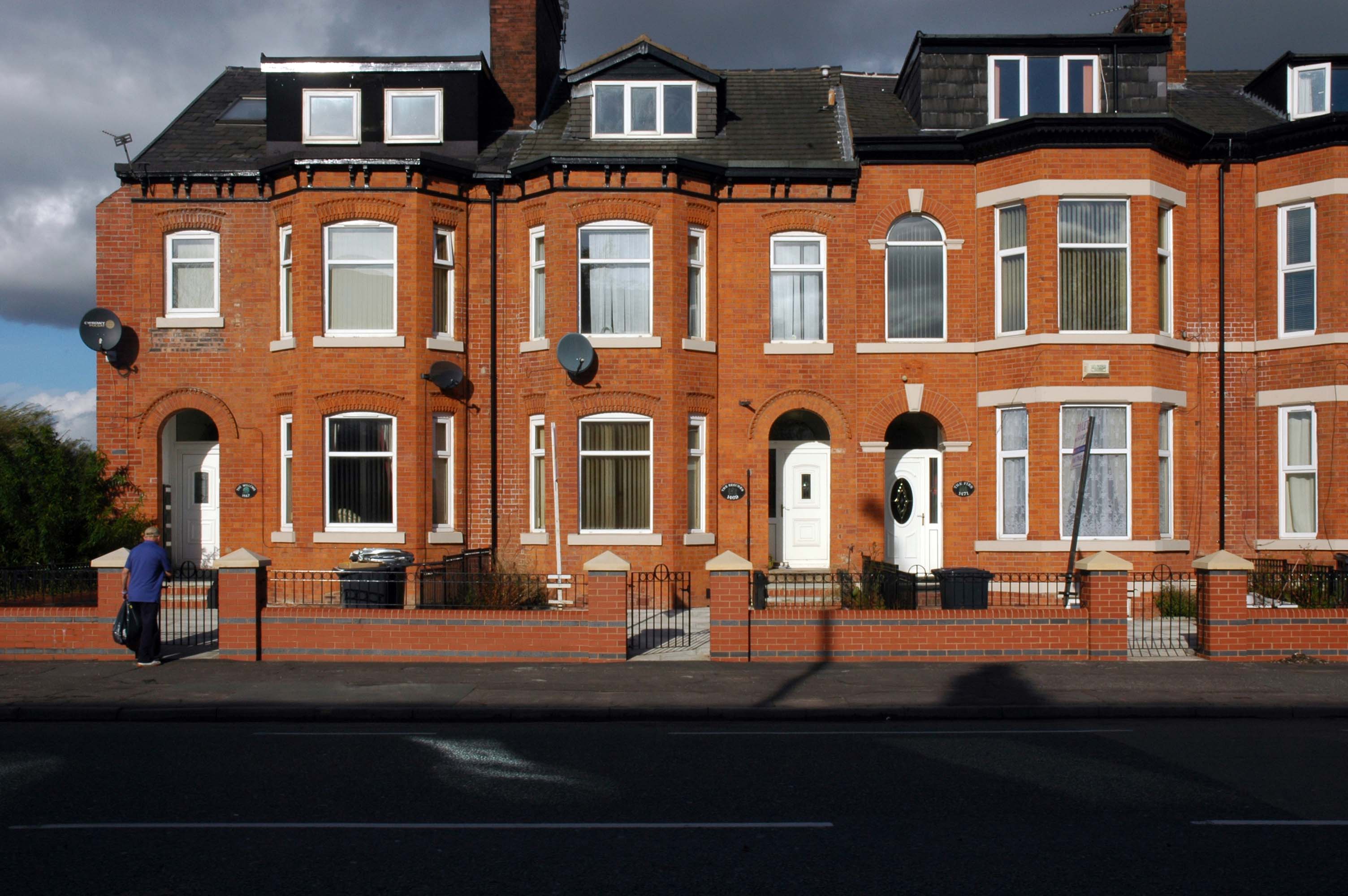
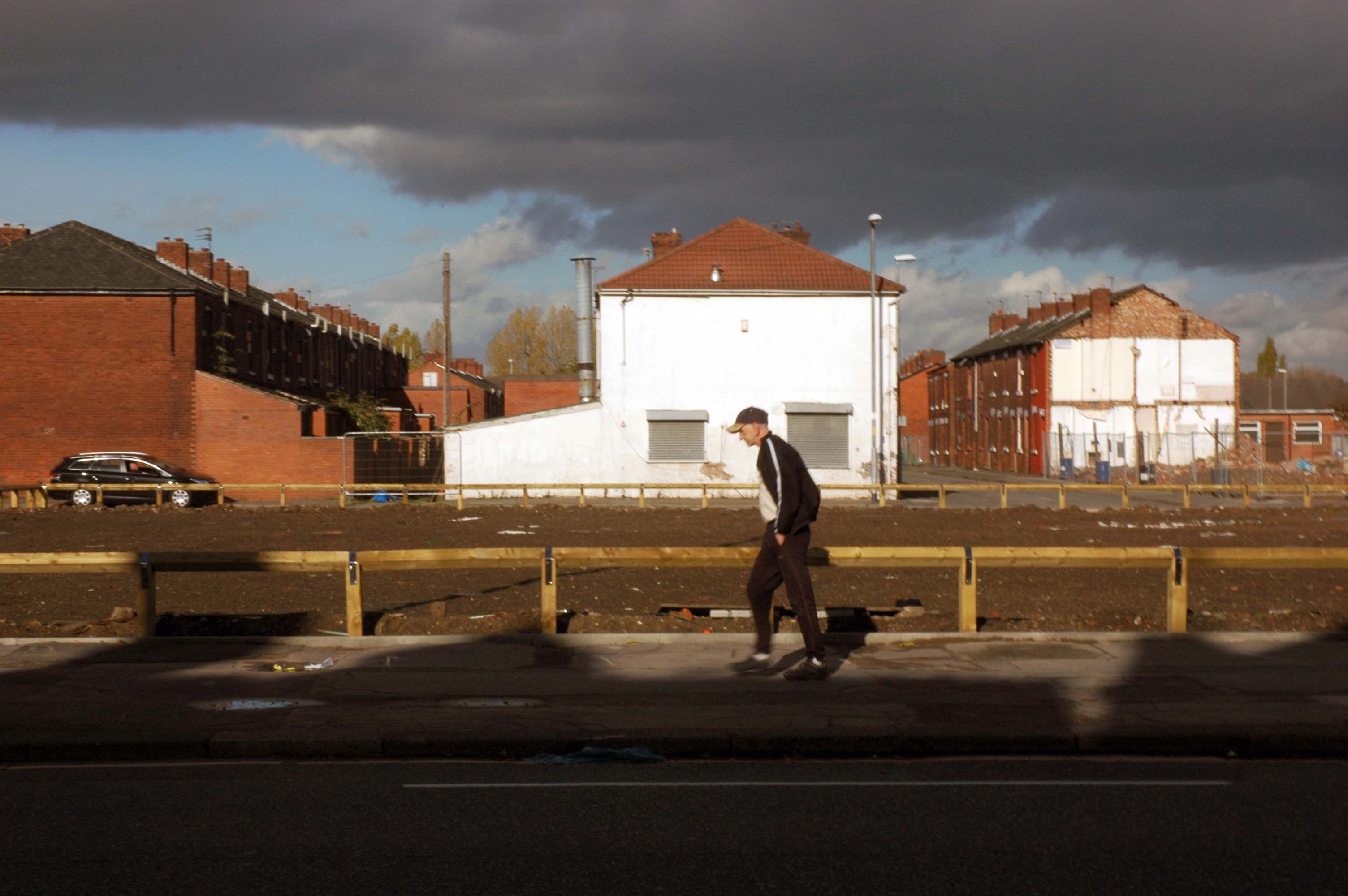
Some things seem to have changed, some things seem to have stayed the same on Ashton New Road.





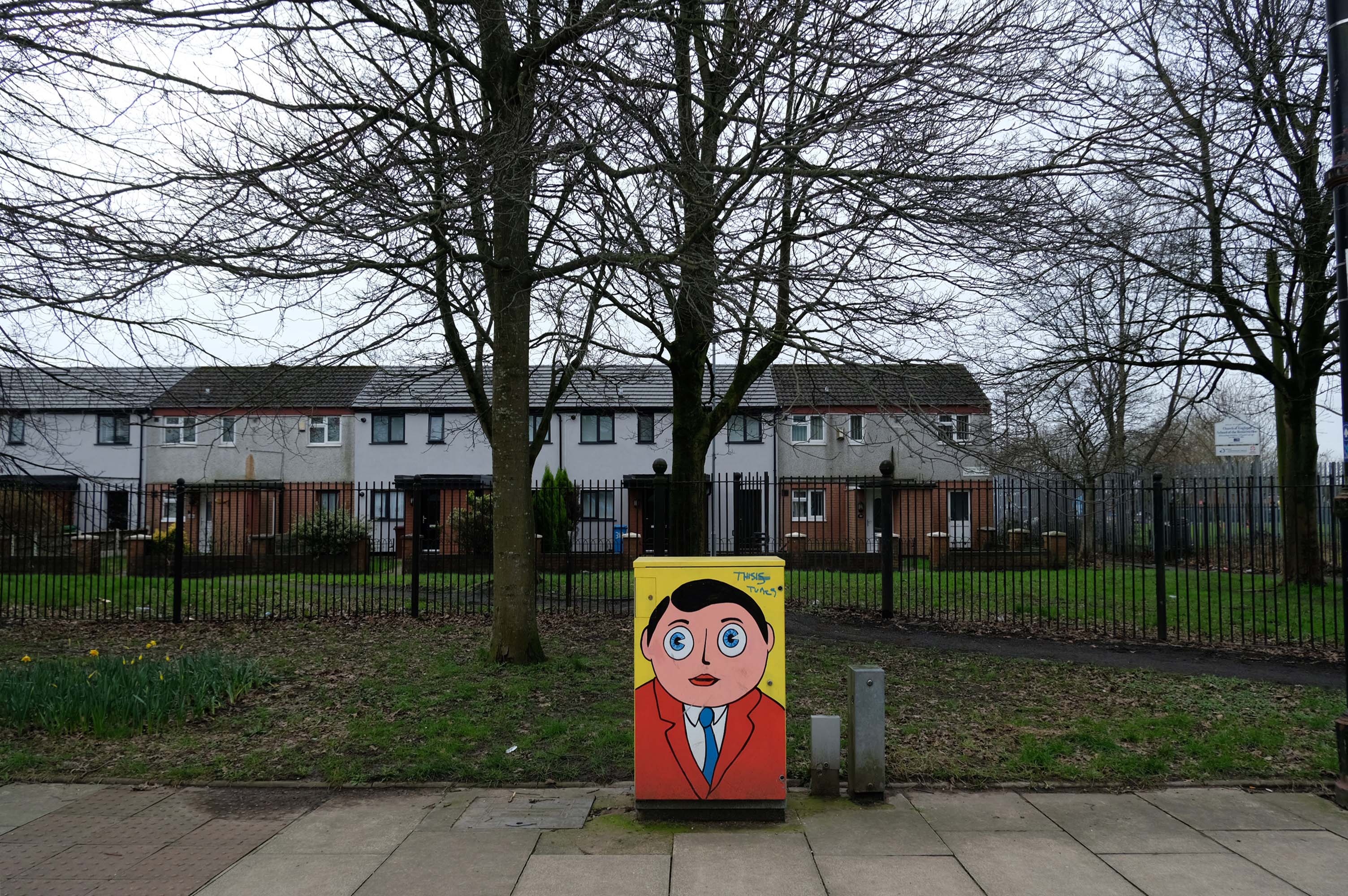
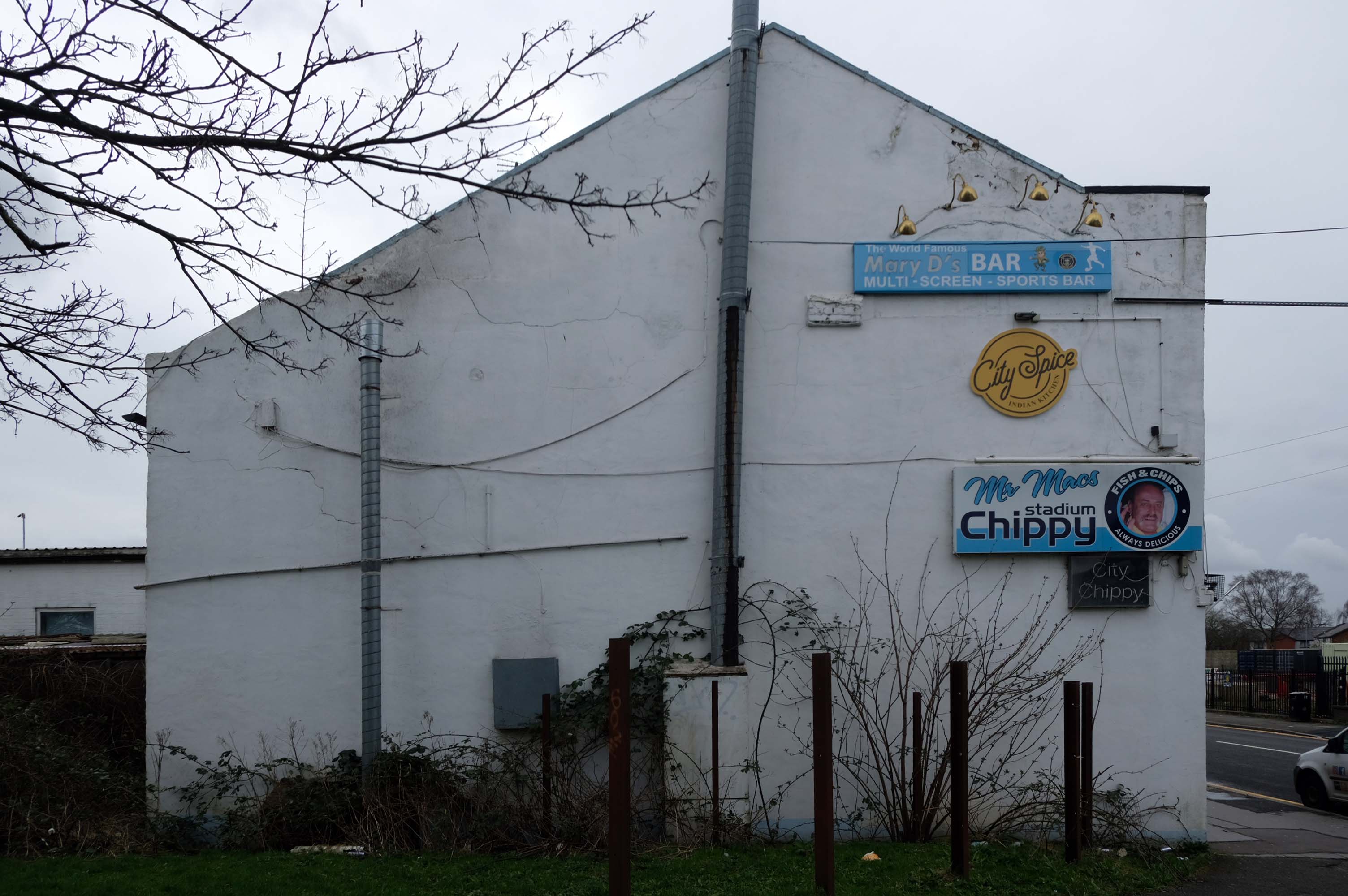
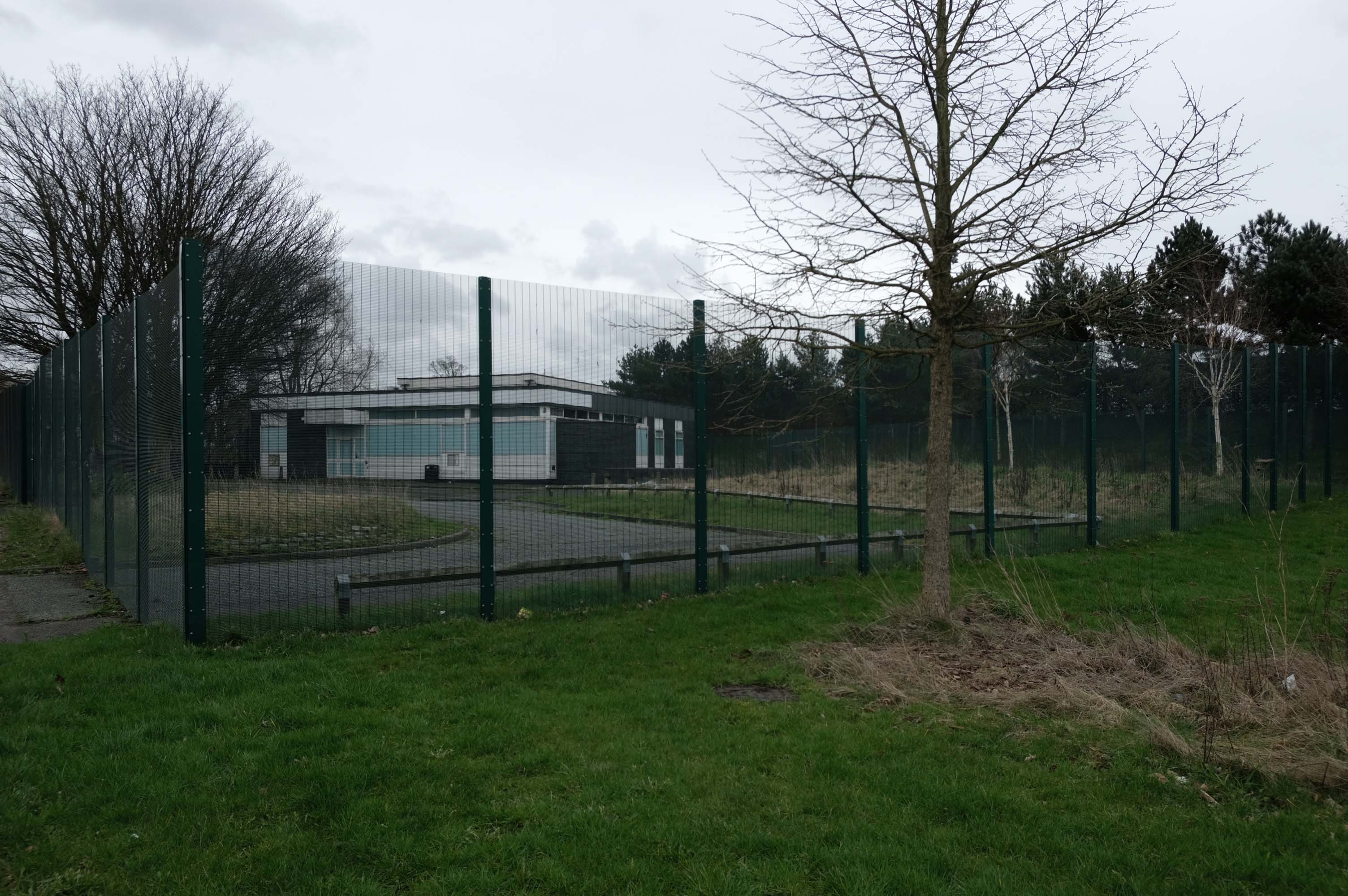
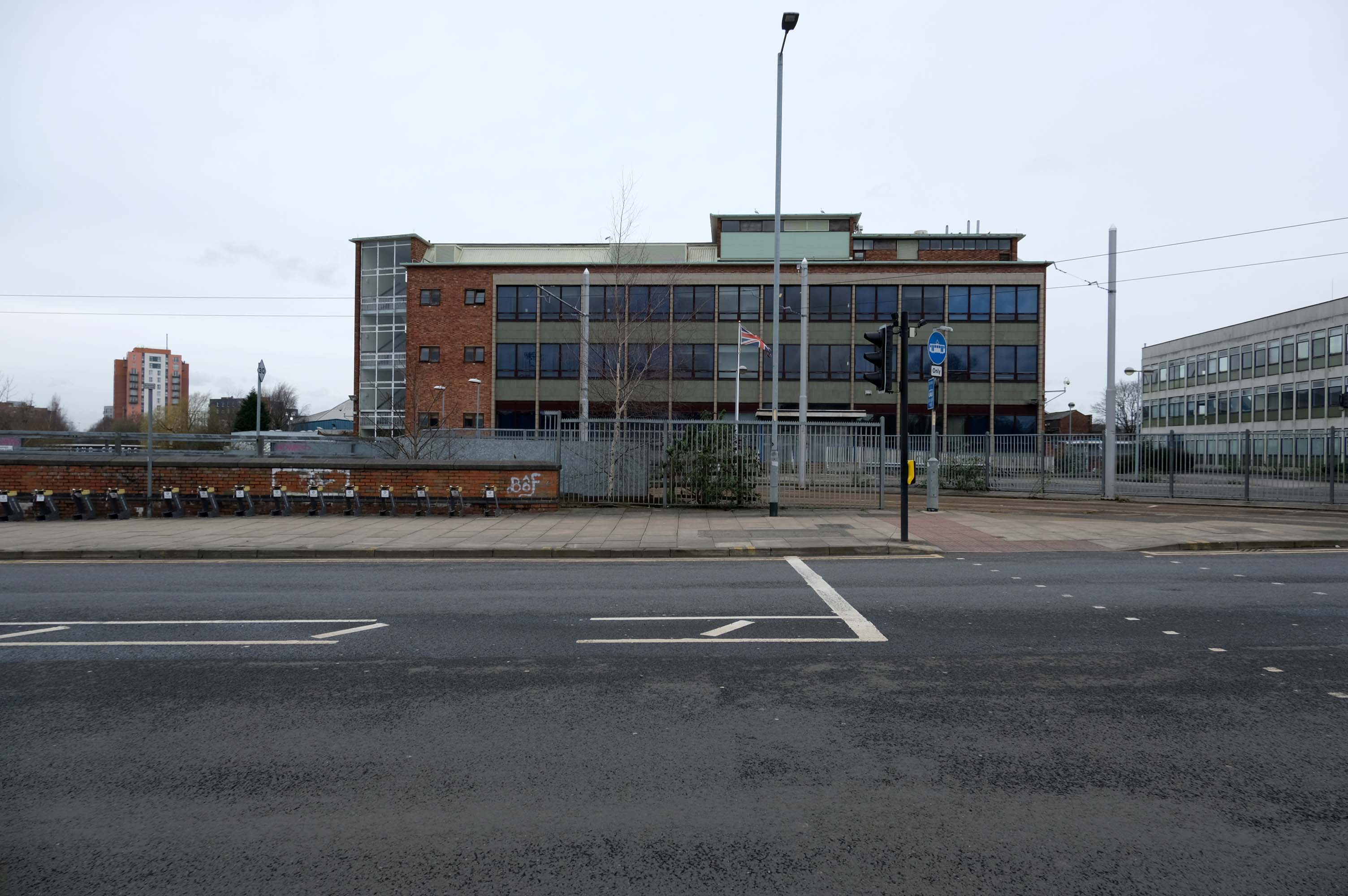
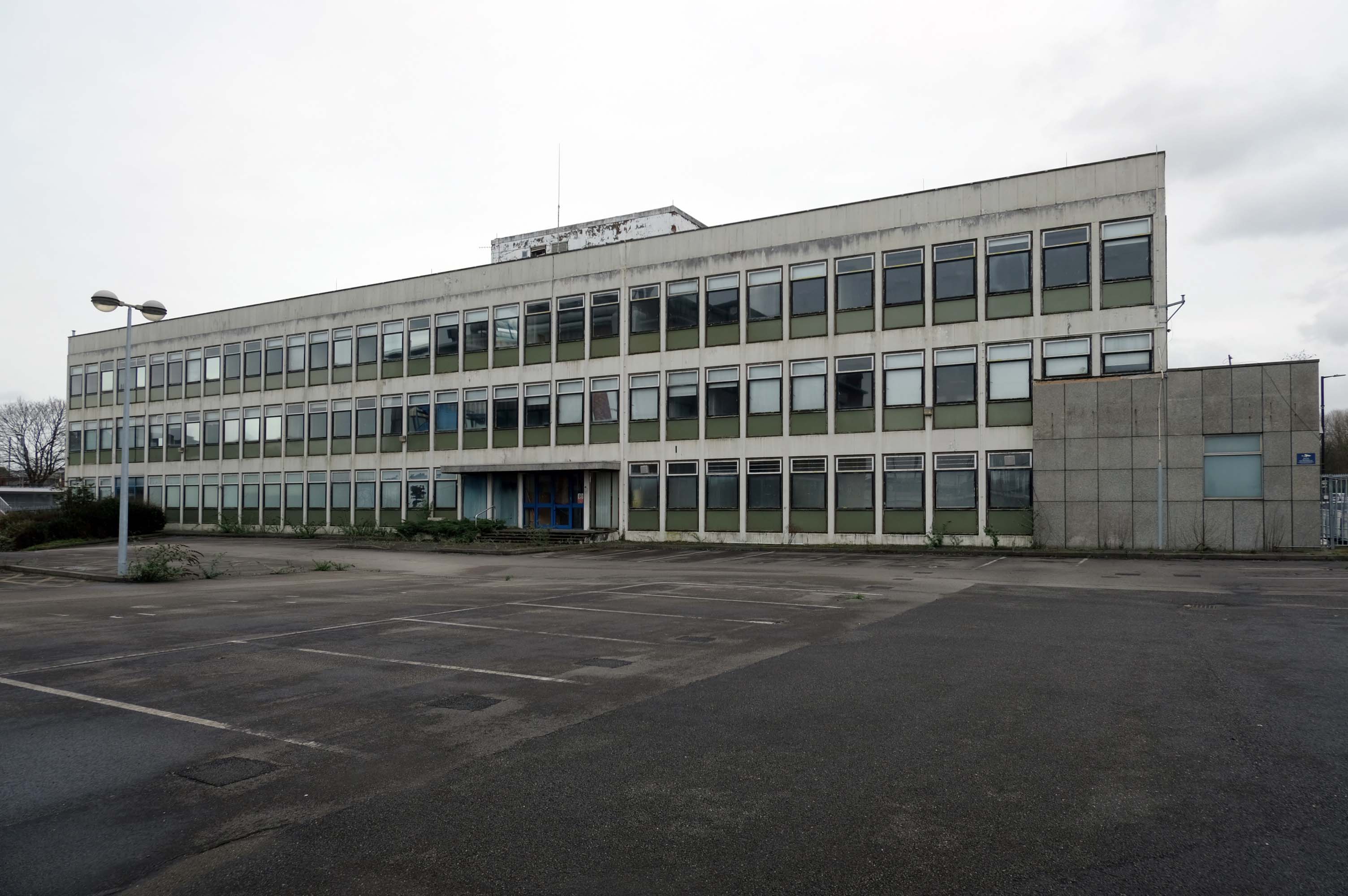

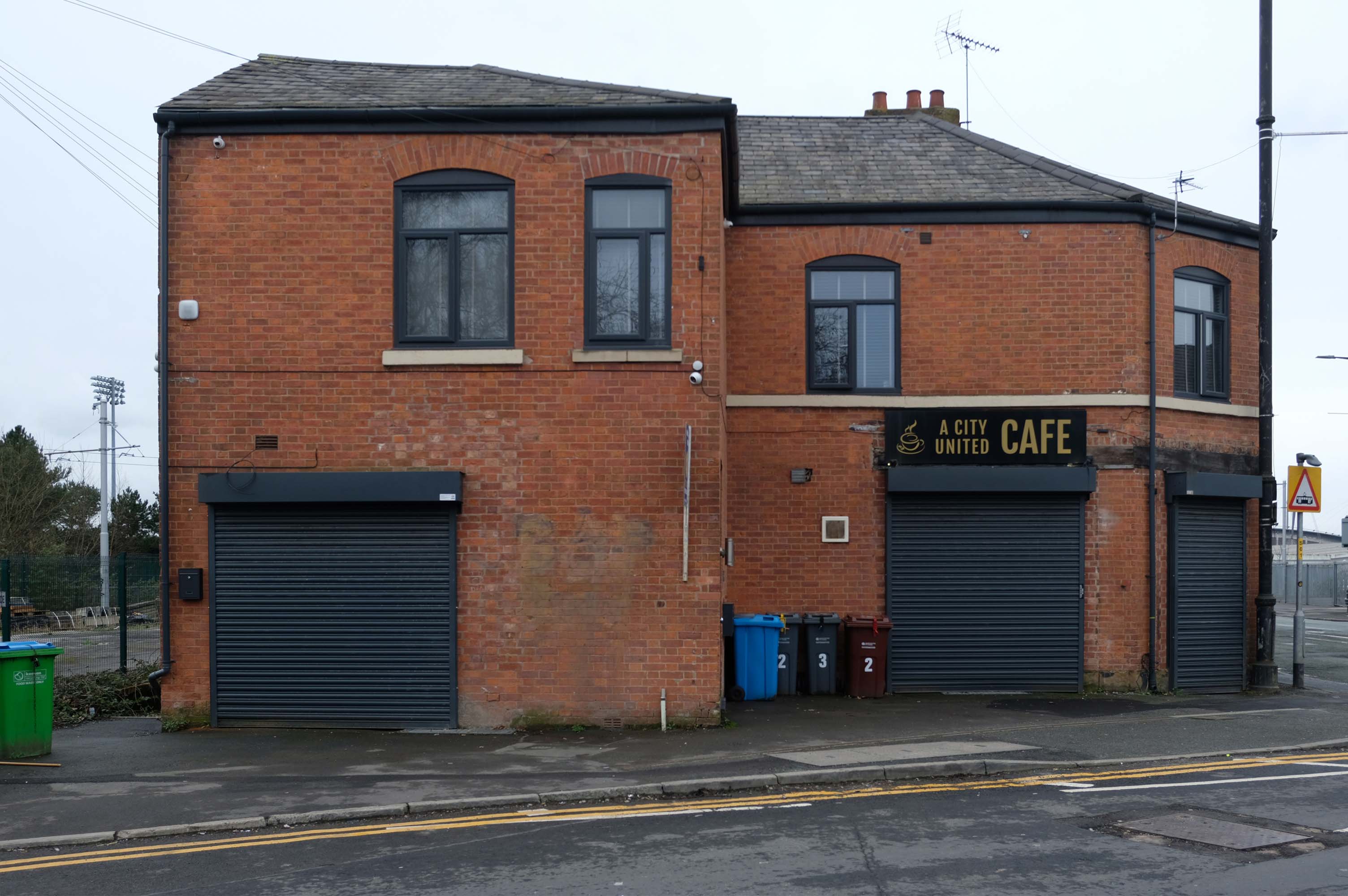
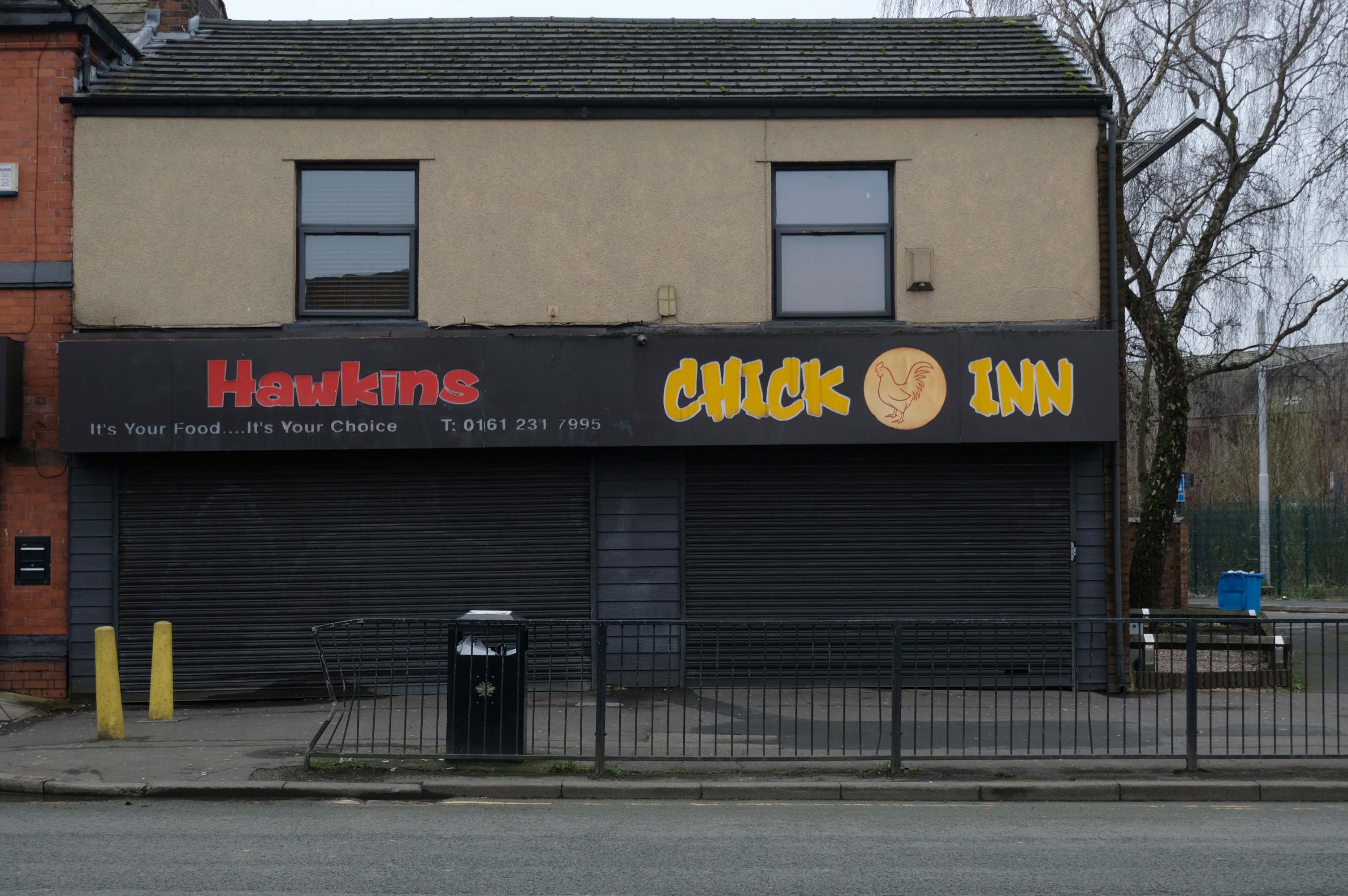


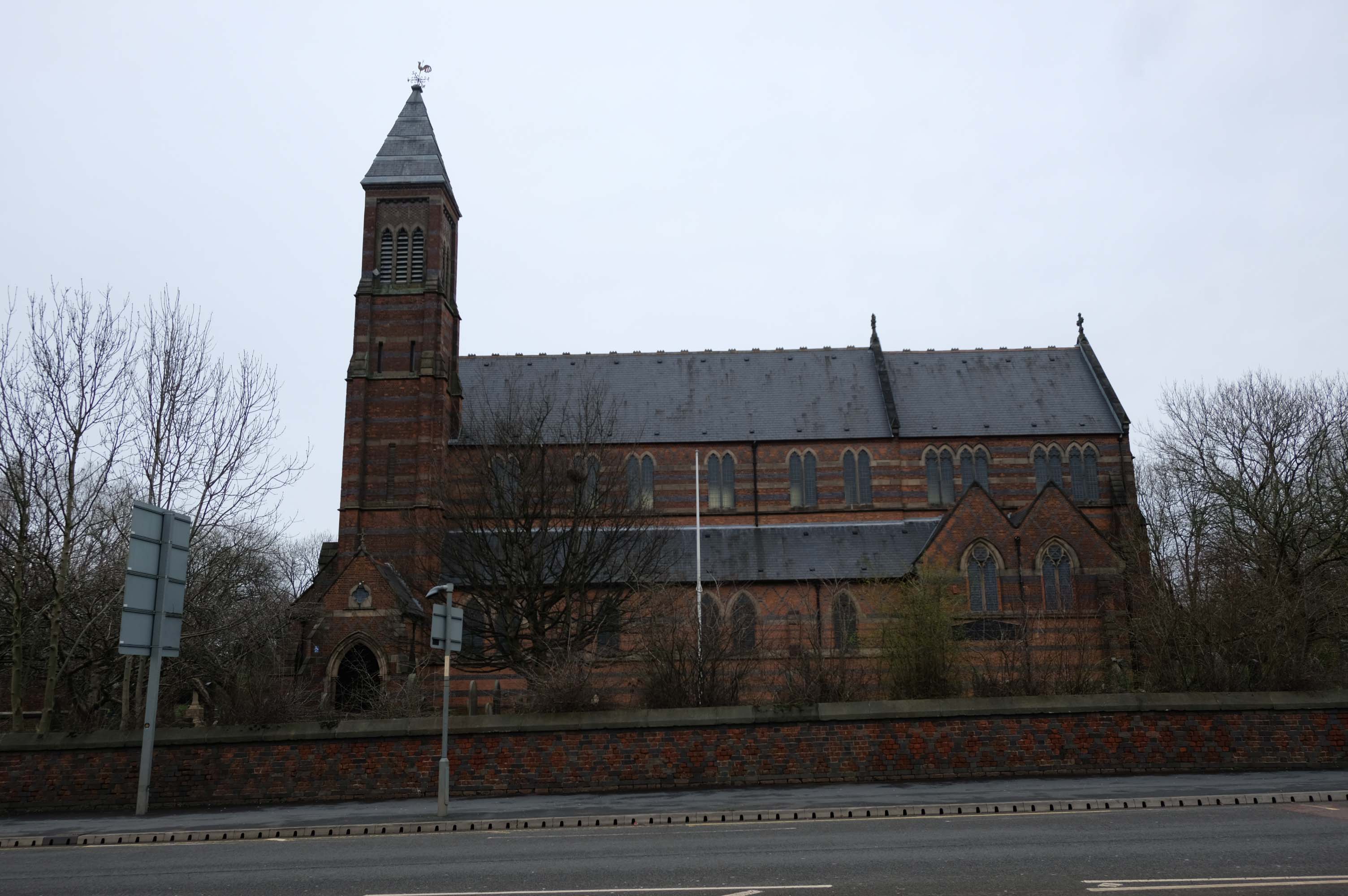





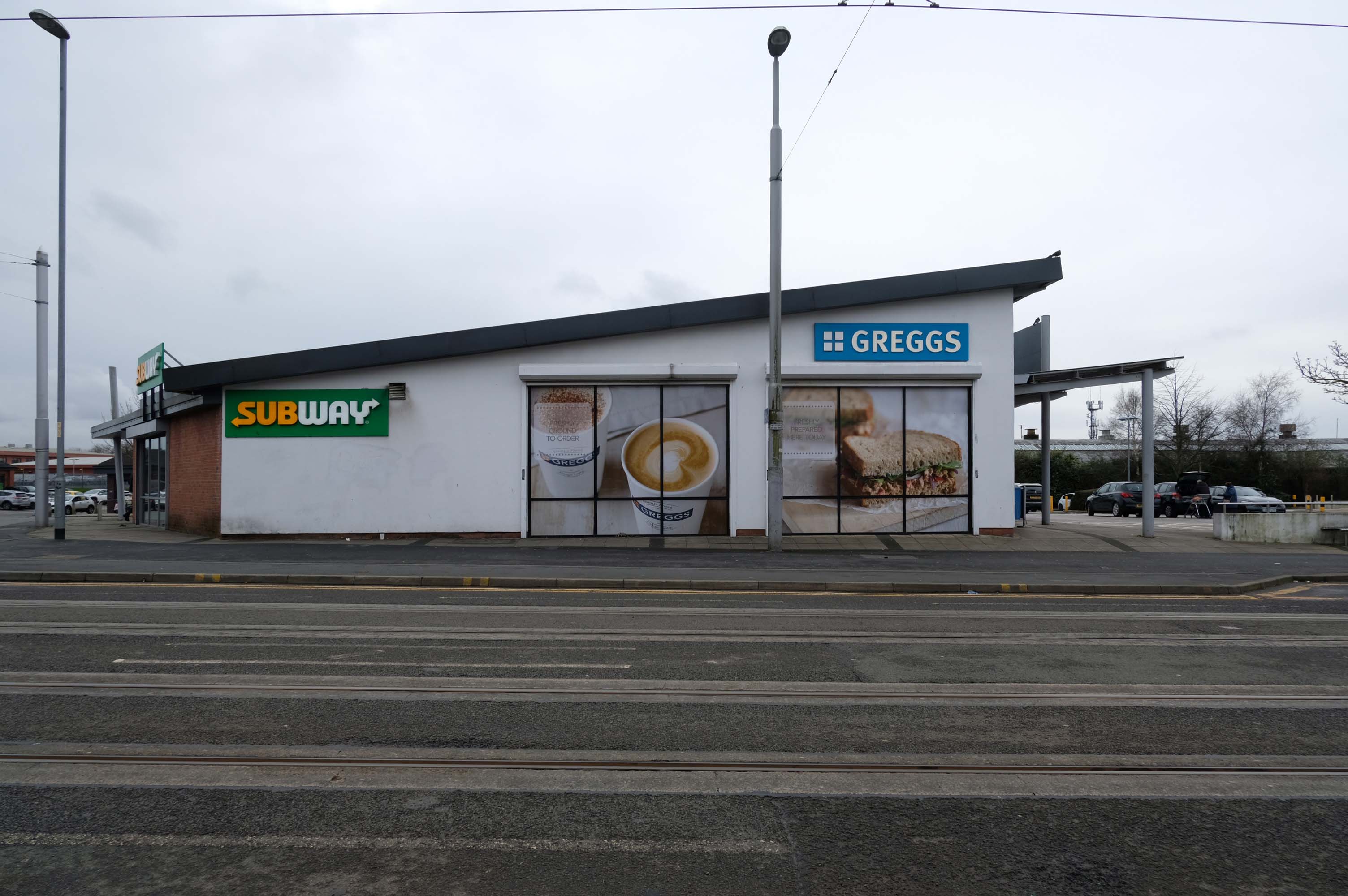
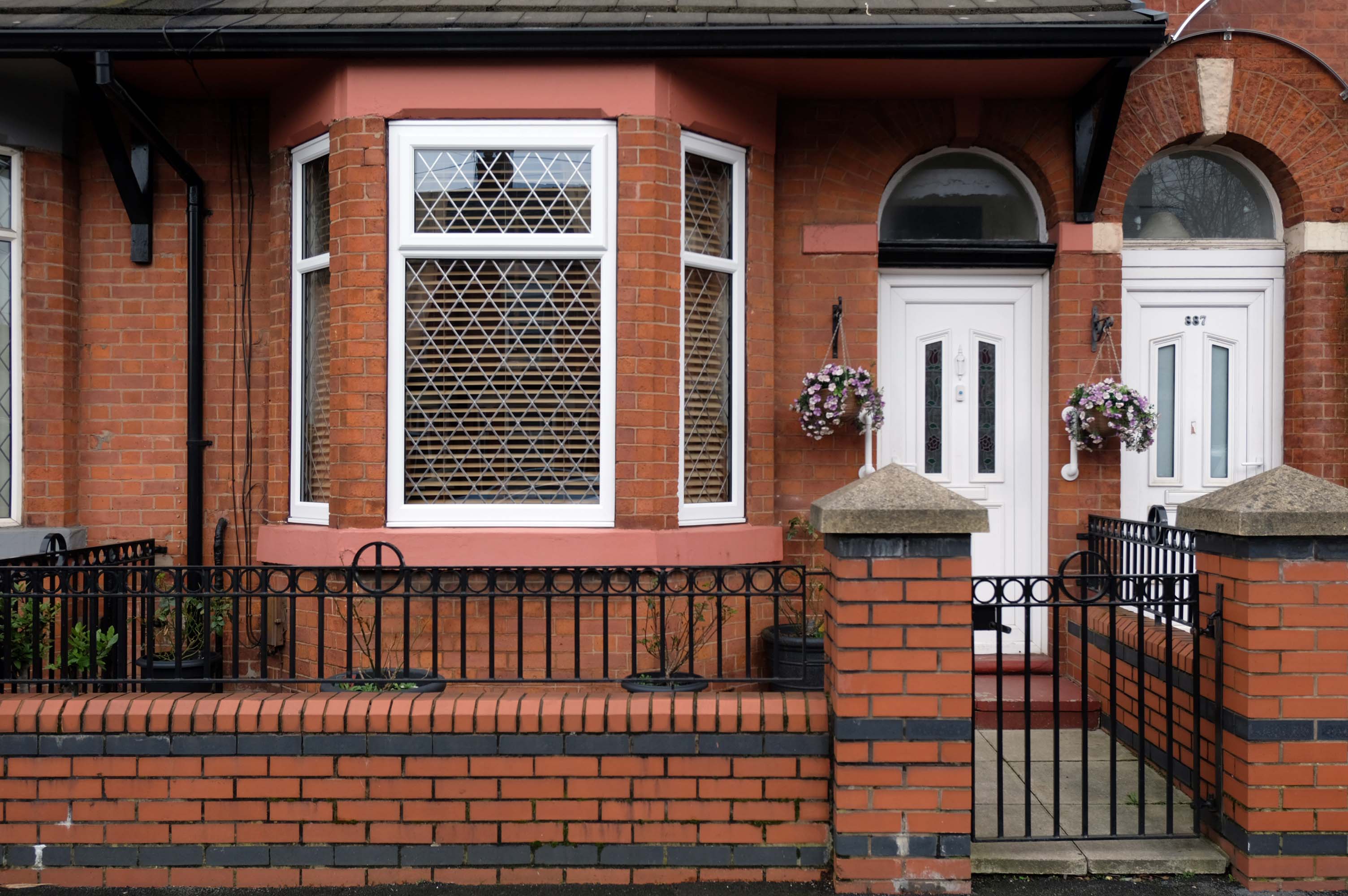
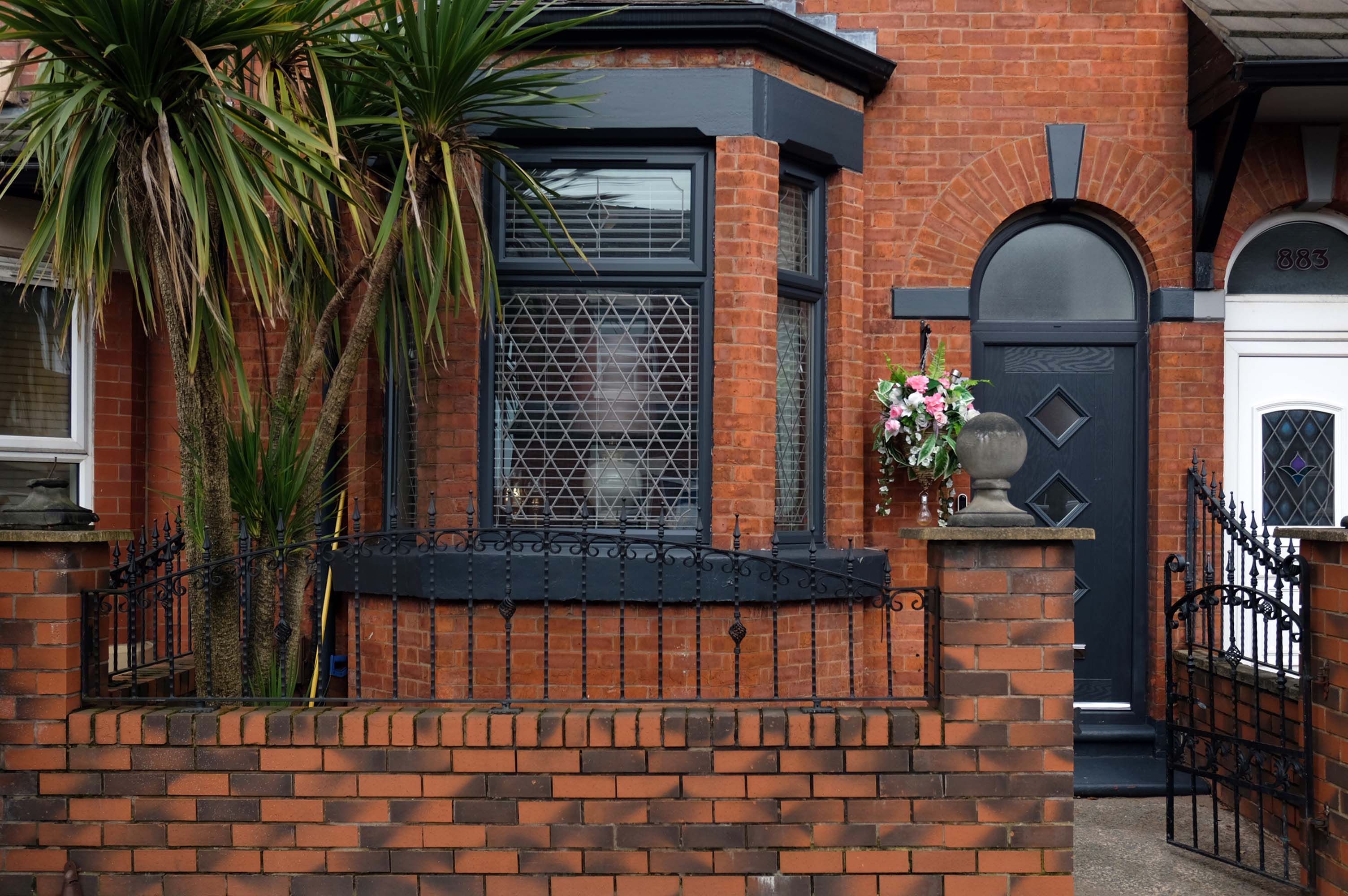
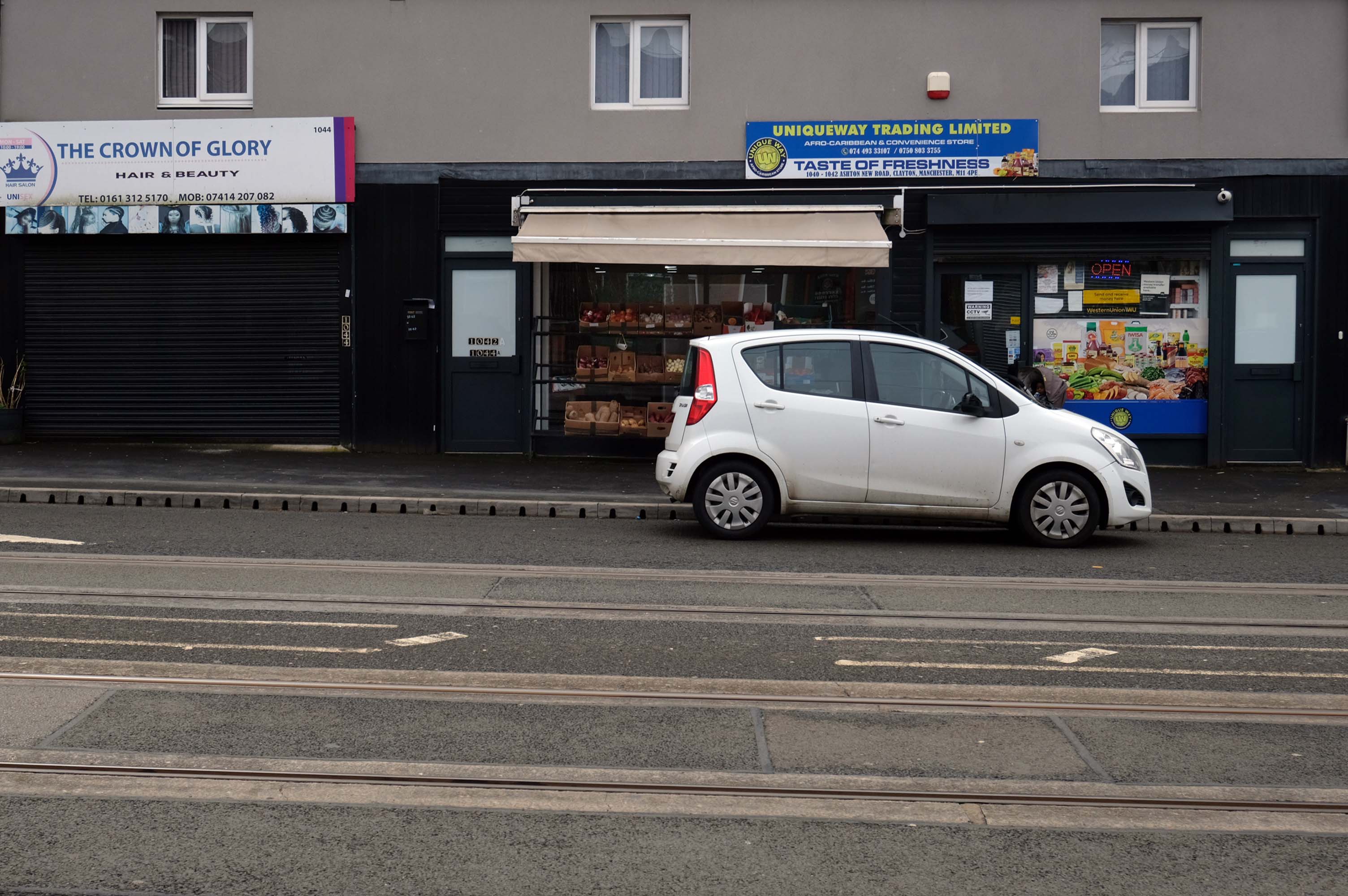

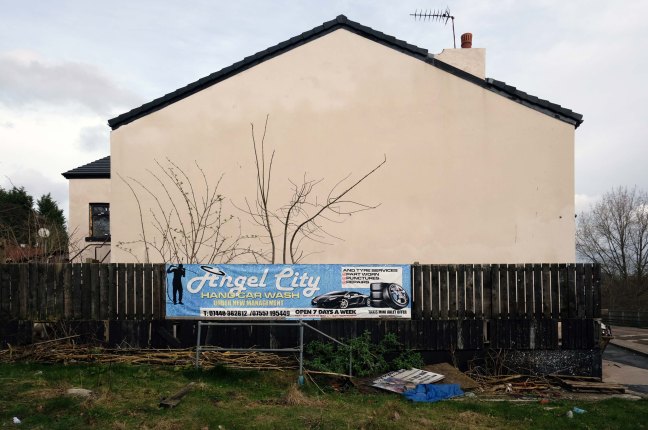
Having photographed the arterial roads of Manchester in 2014 I have resolved to return to the task in 2024.
Some things seem to have changed, some things seem to have stayed the same on Ashton New Road.

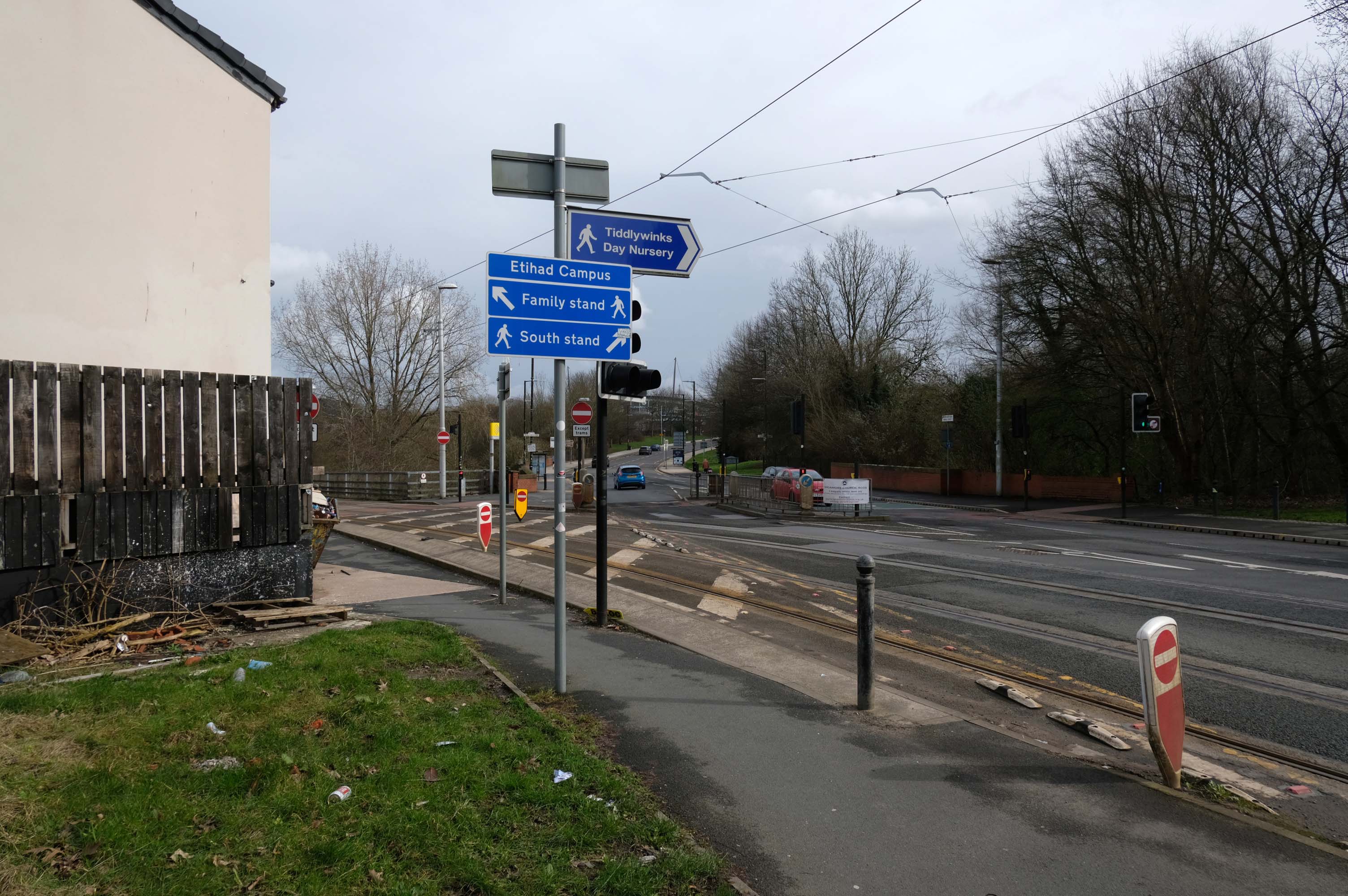
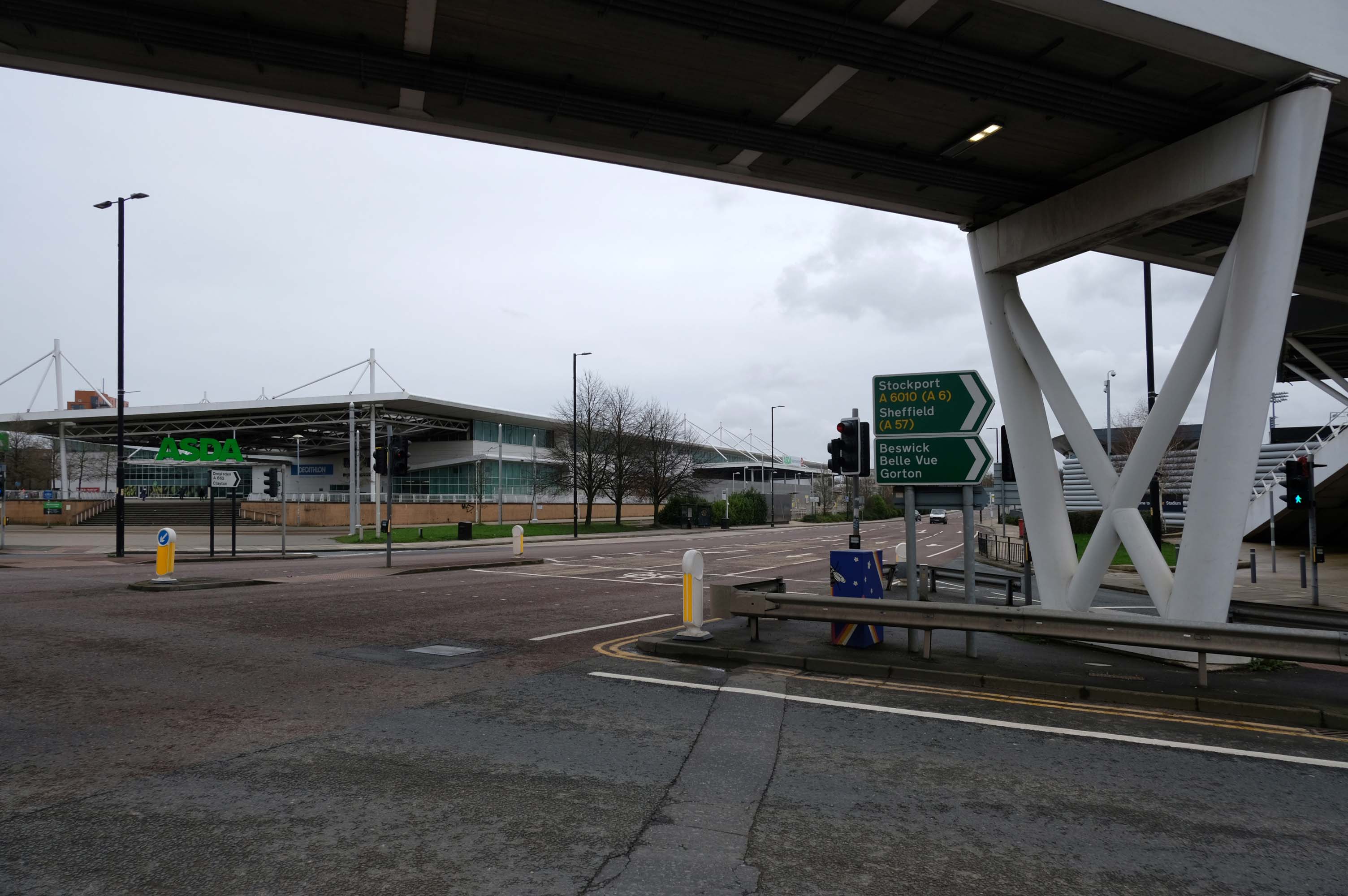
The road now begins slightly further south than it used to. Instead of starting on Fairfield Street in Manchester city centre, it begins immediately as the Mancunian Way ends, which at this point is the unsigned A635(M). The motorway flows directly into our route. There’s a TOTSO right at a set of lights, and we pick up the old alignment, which now starts as the B6469.
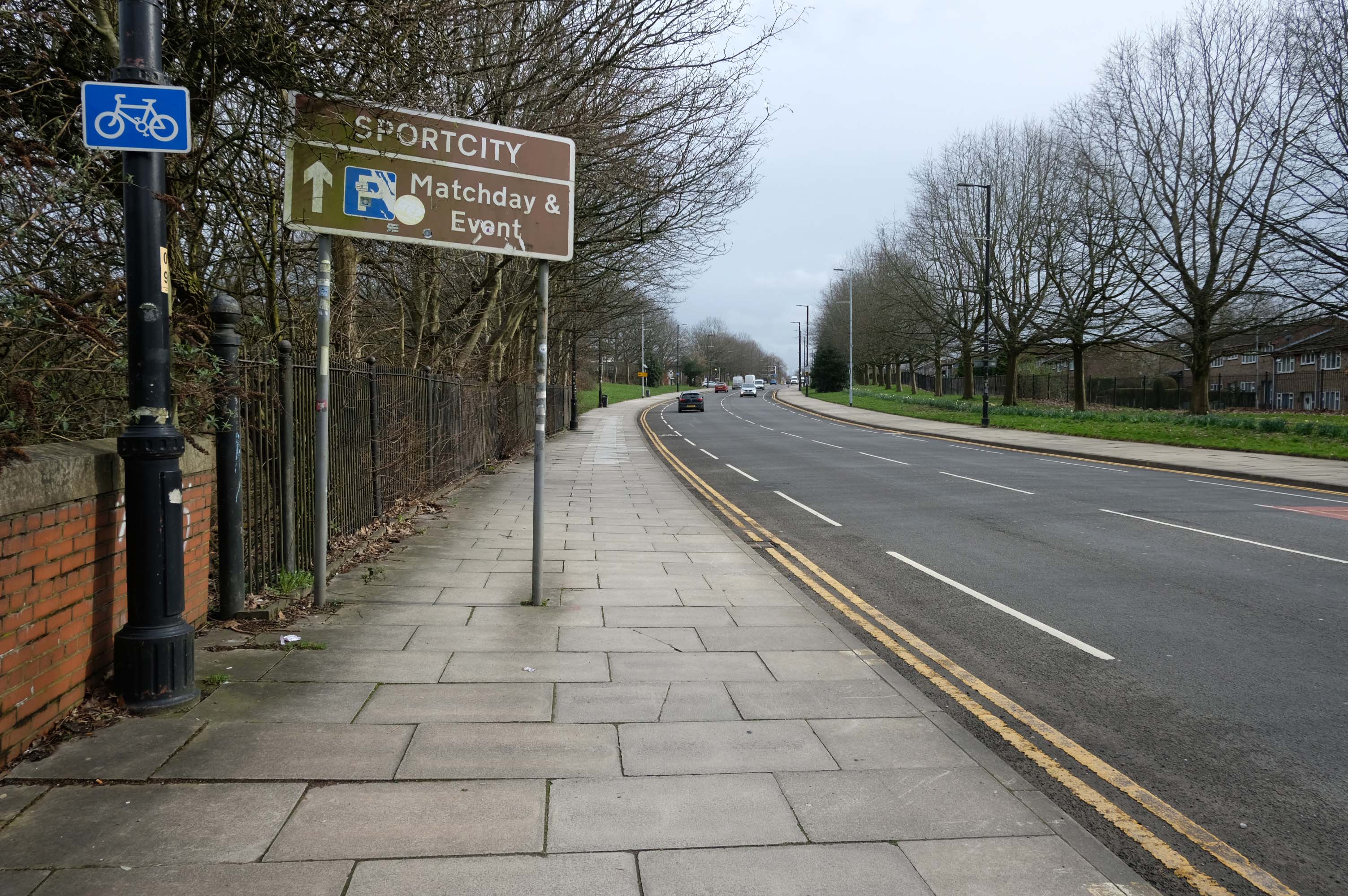
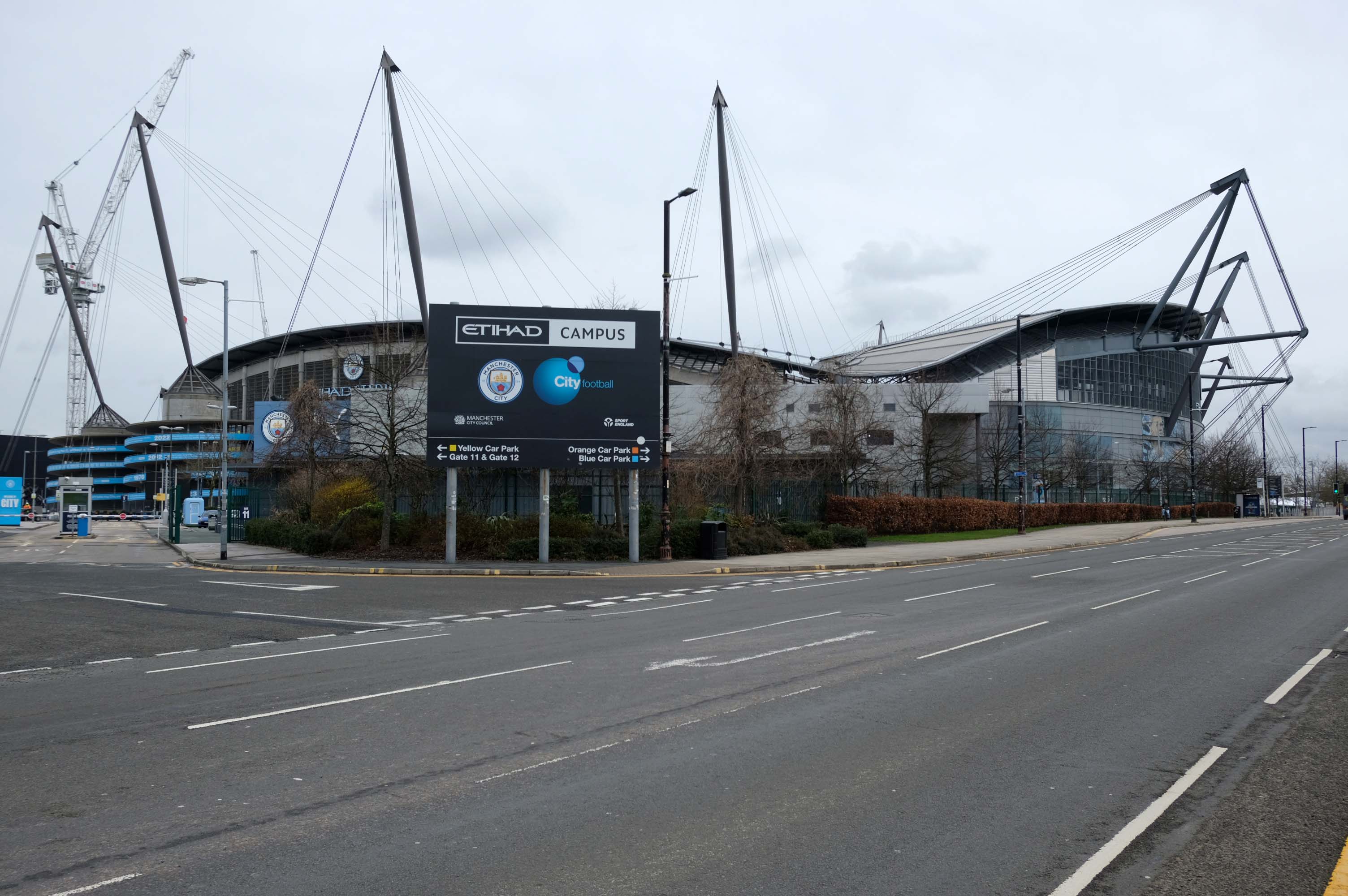
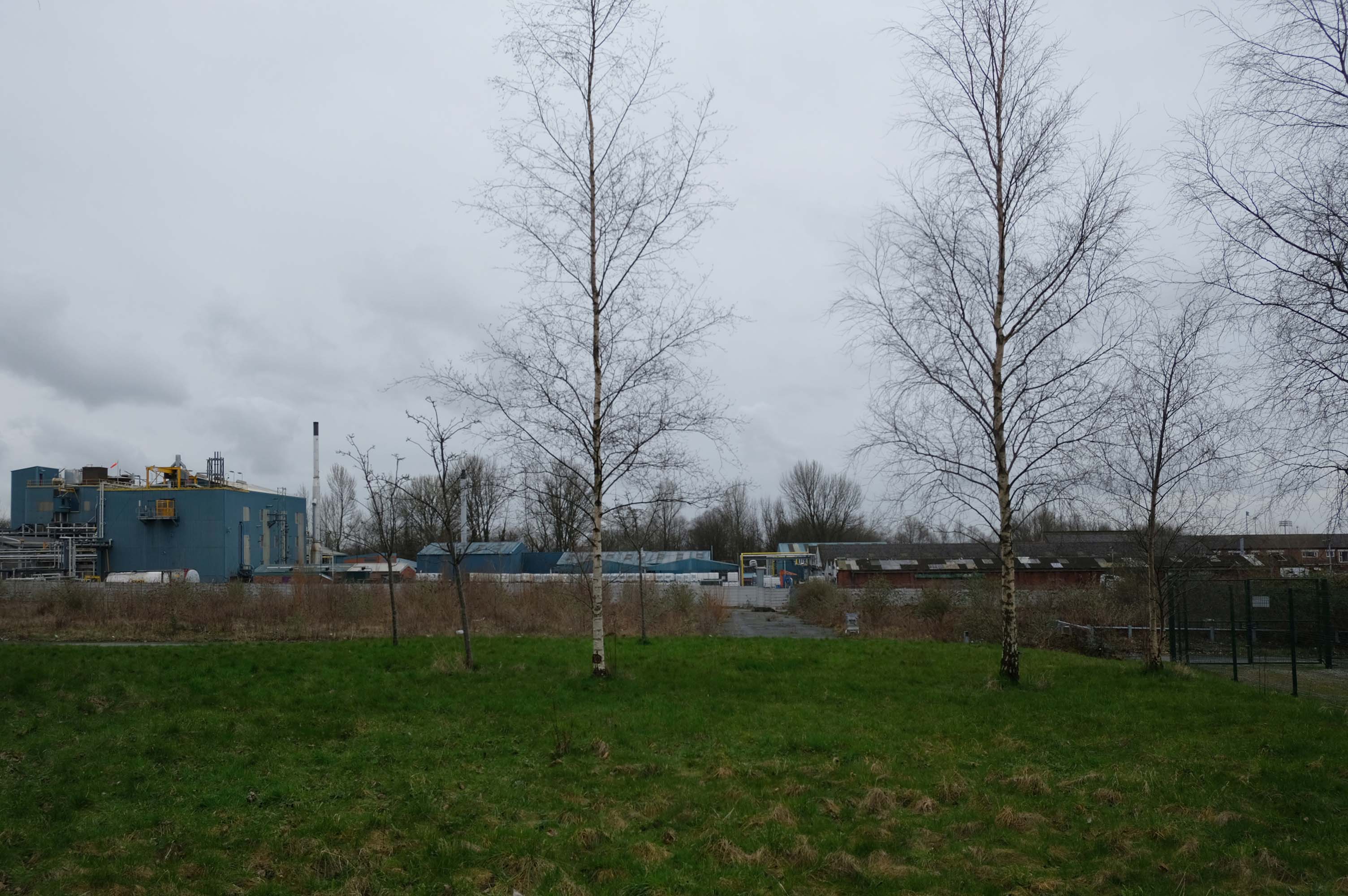
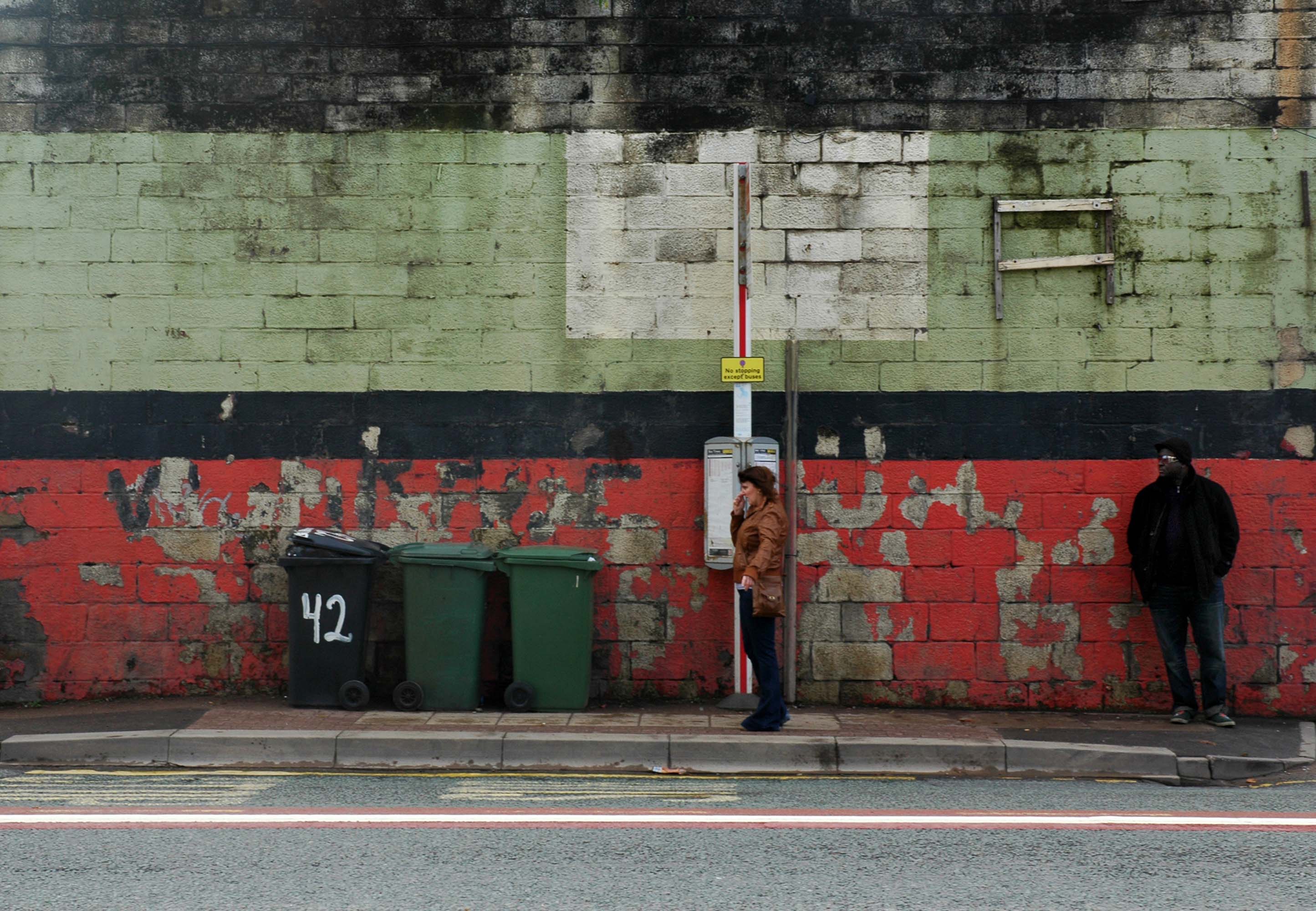
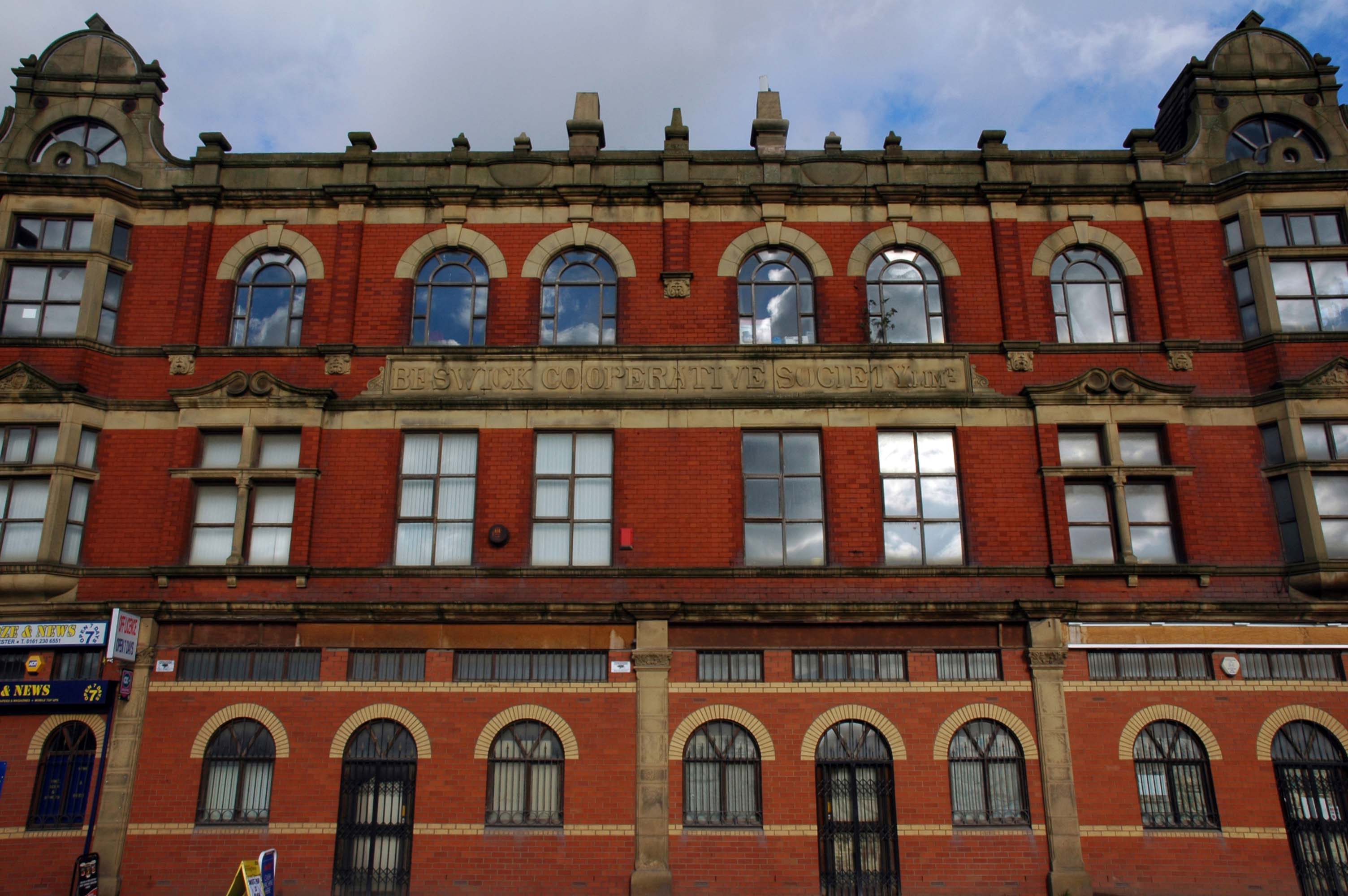
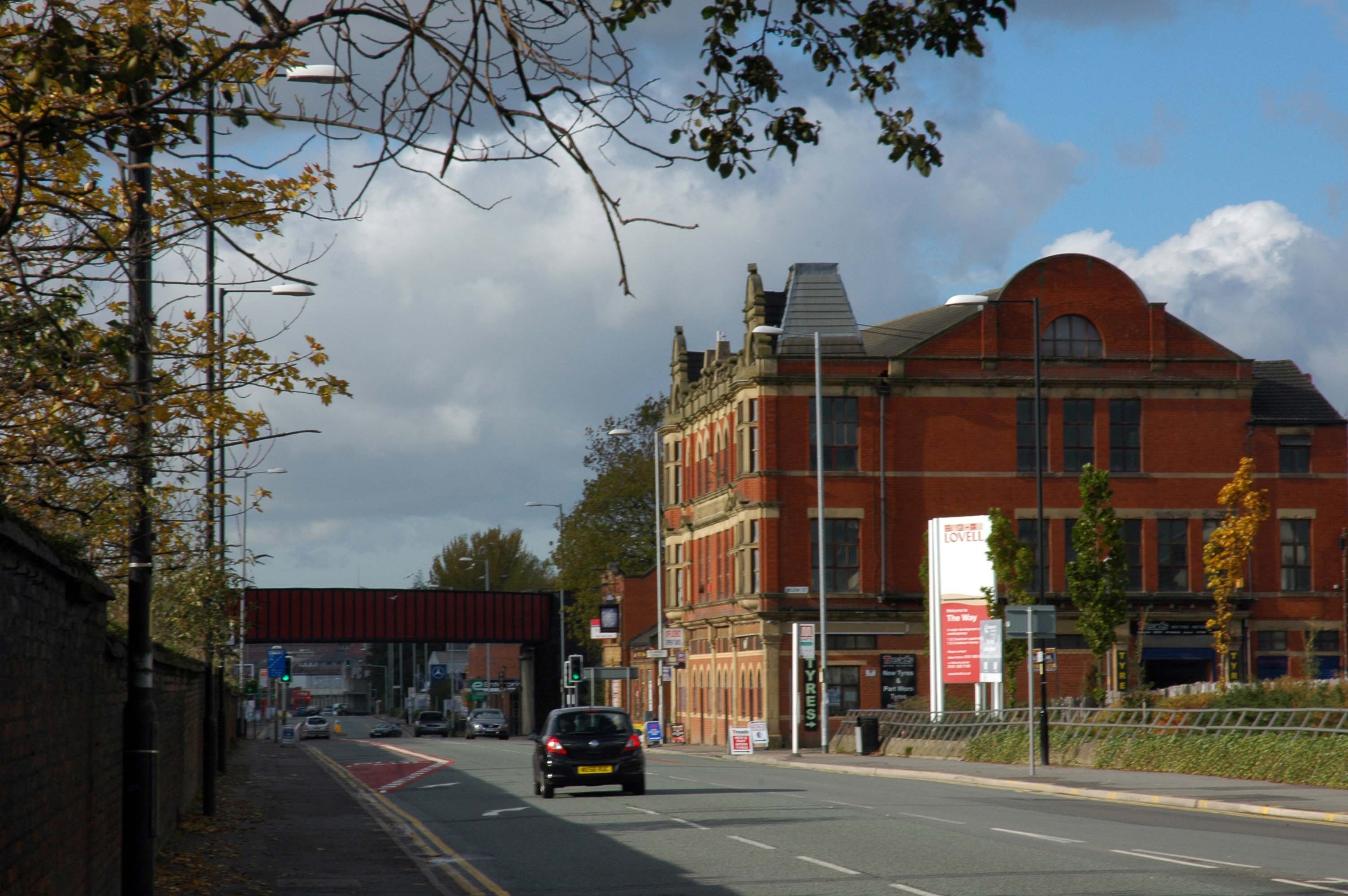
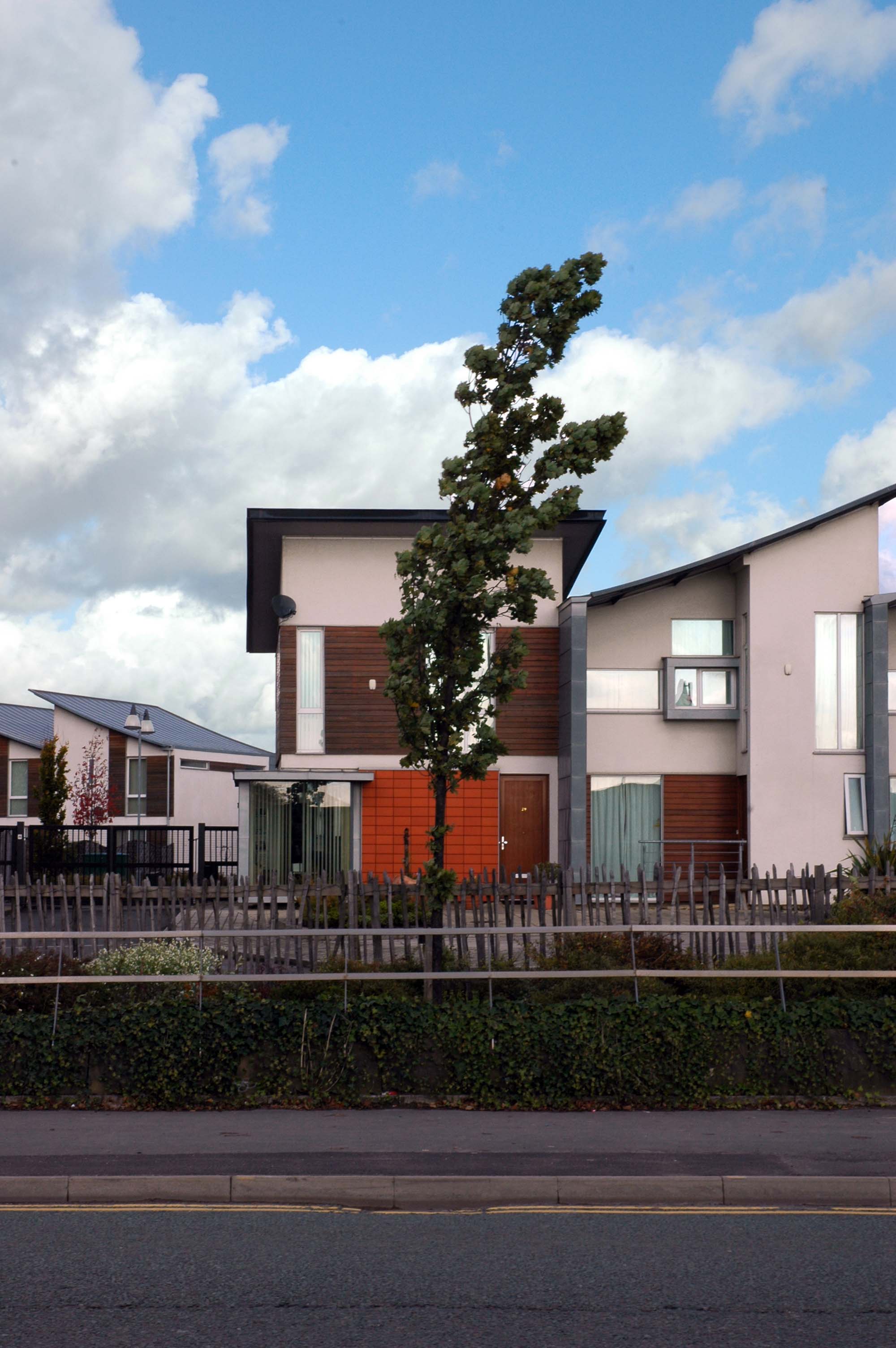
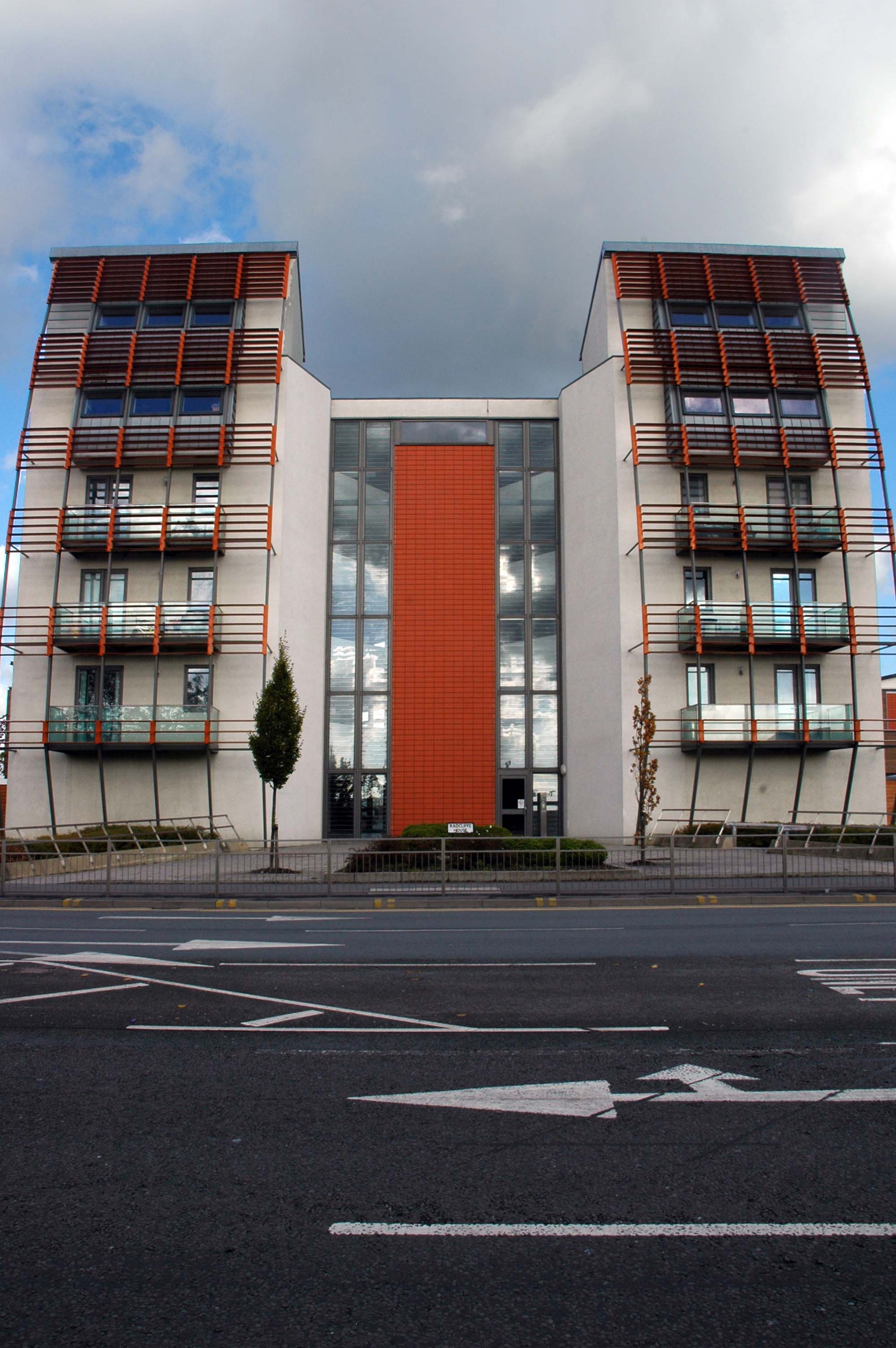
We can see the new City of Manchester Stadium on the left, site of the 2002 Commonwealth Games and now home to Manchester City FC. The road switches between S2 and S4 as it passes through the rather run-down urban areas of Ardwick and Gorton. A short one-way system at a triangular-shaped junction with the A662 leads onto a wider stretch as we near the M60 junction. This area is set to see significant industrial growth, with whole swathes of land either side of the now D3 road cleared and ready for development.
In 2014, having taken early retirement from teaching photography, I embarked on a series of walks along the arterial roads of Manchester.







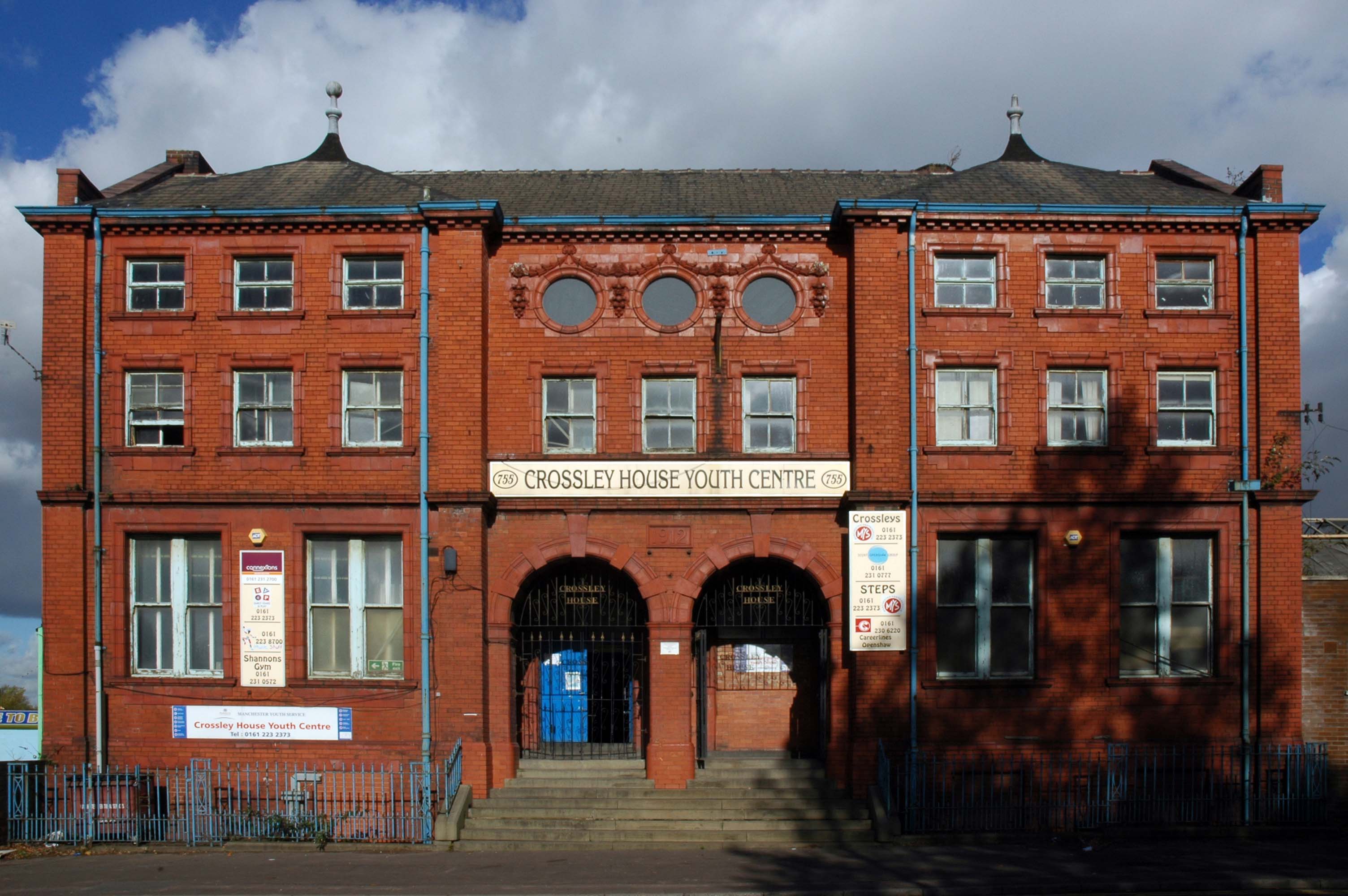

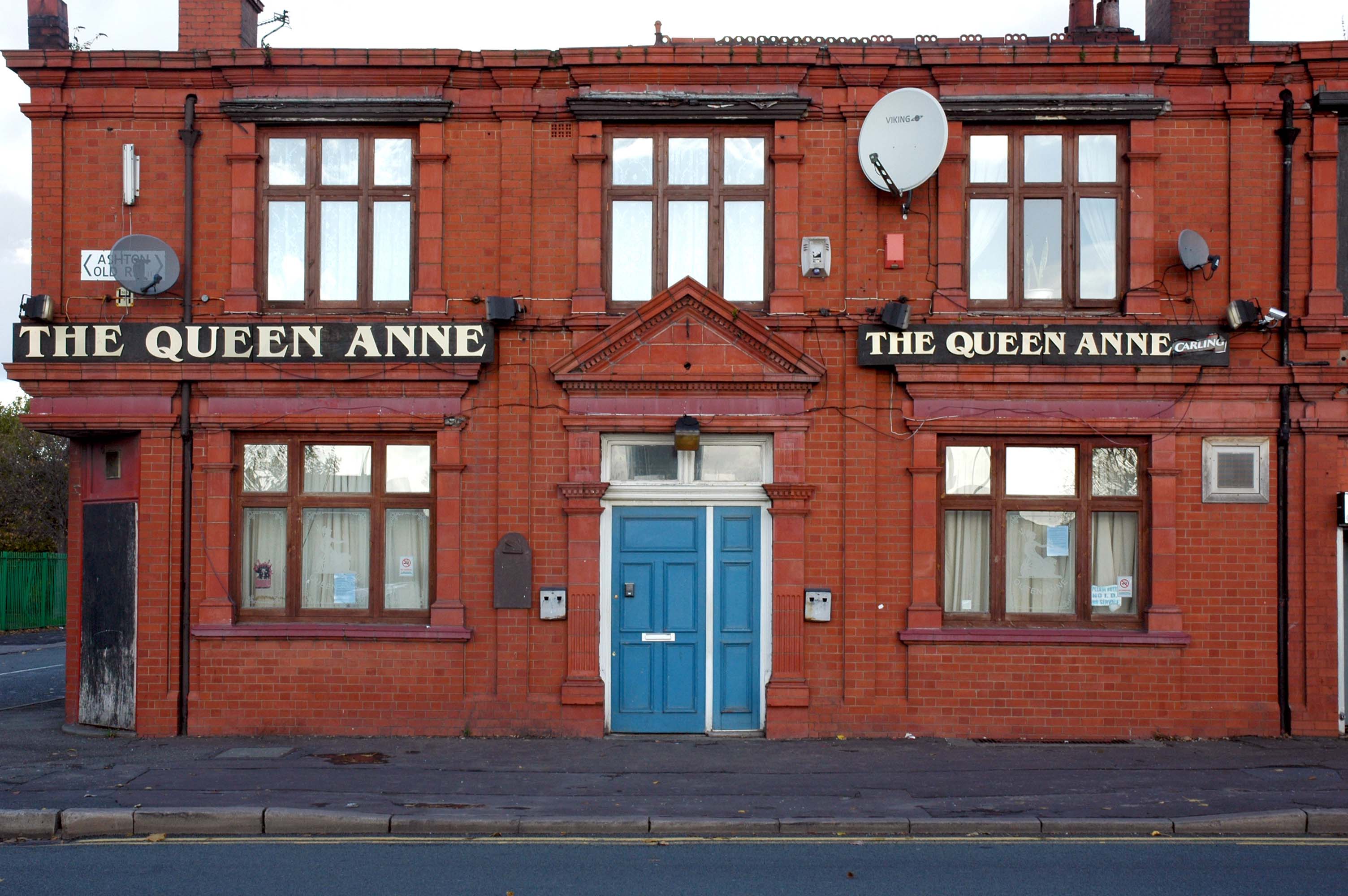

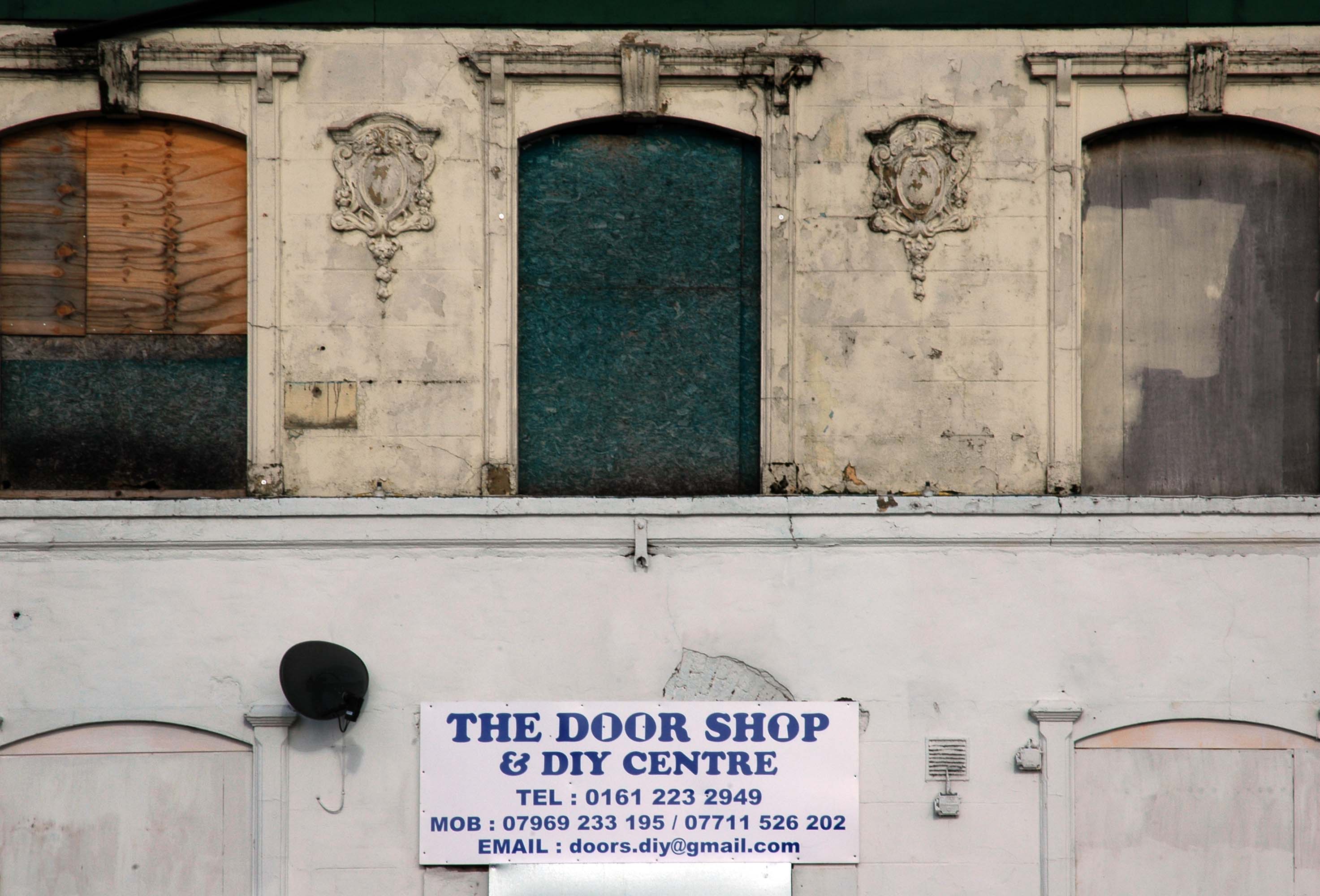
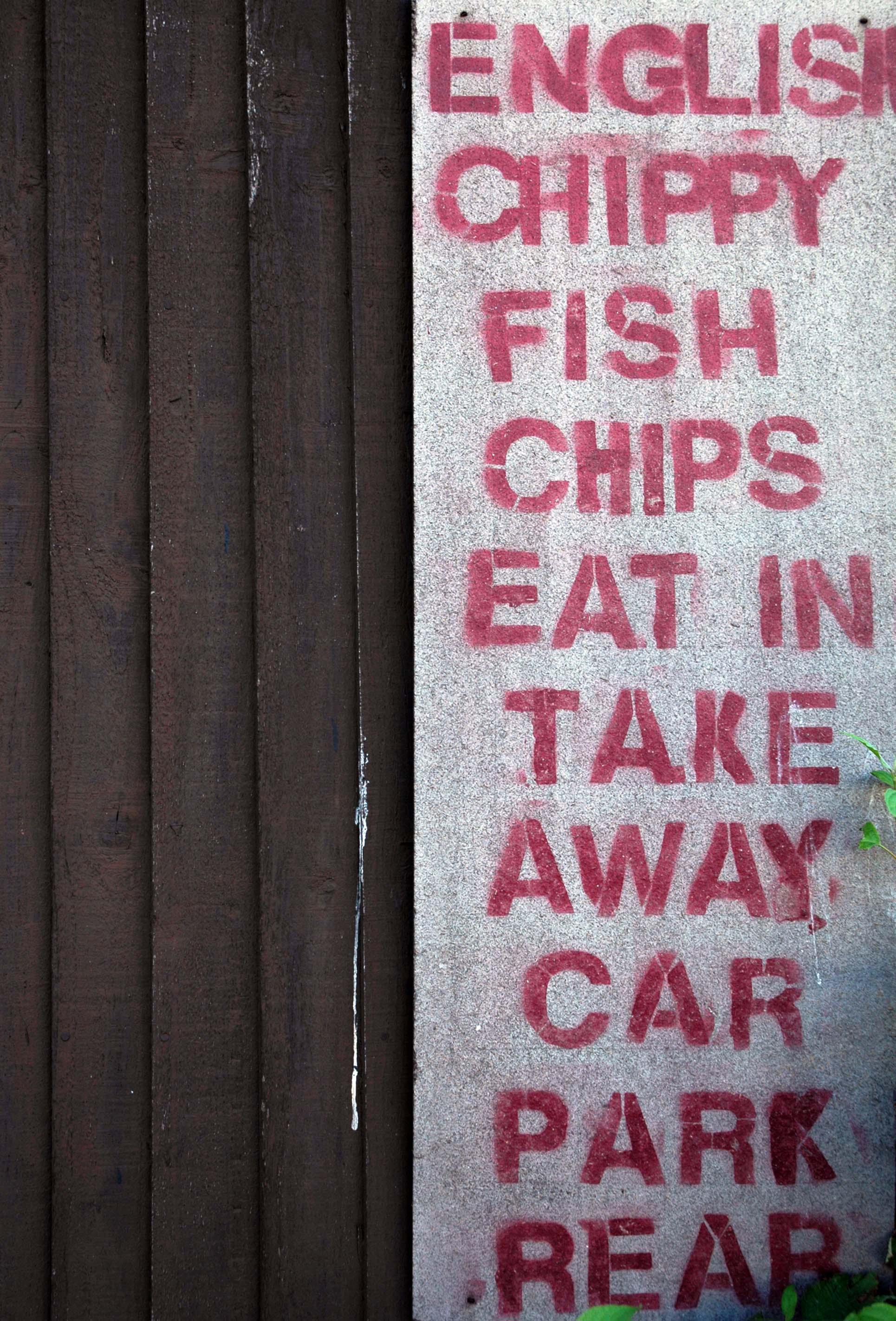
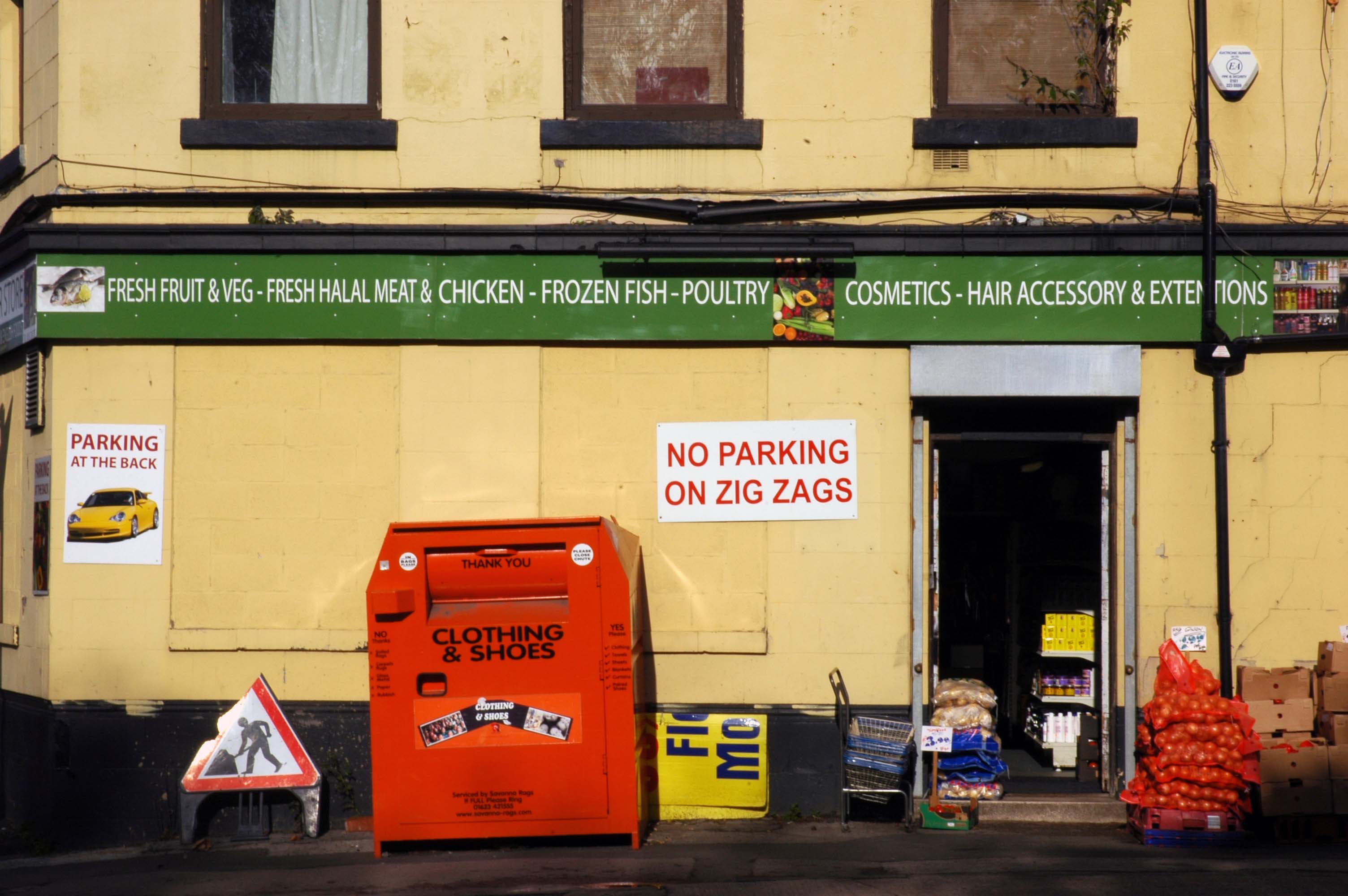

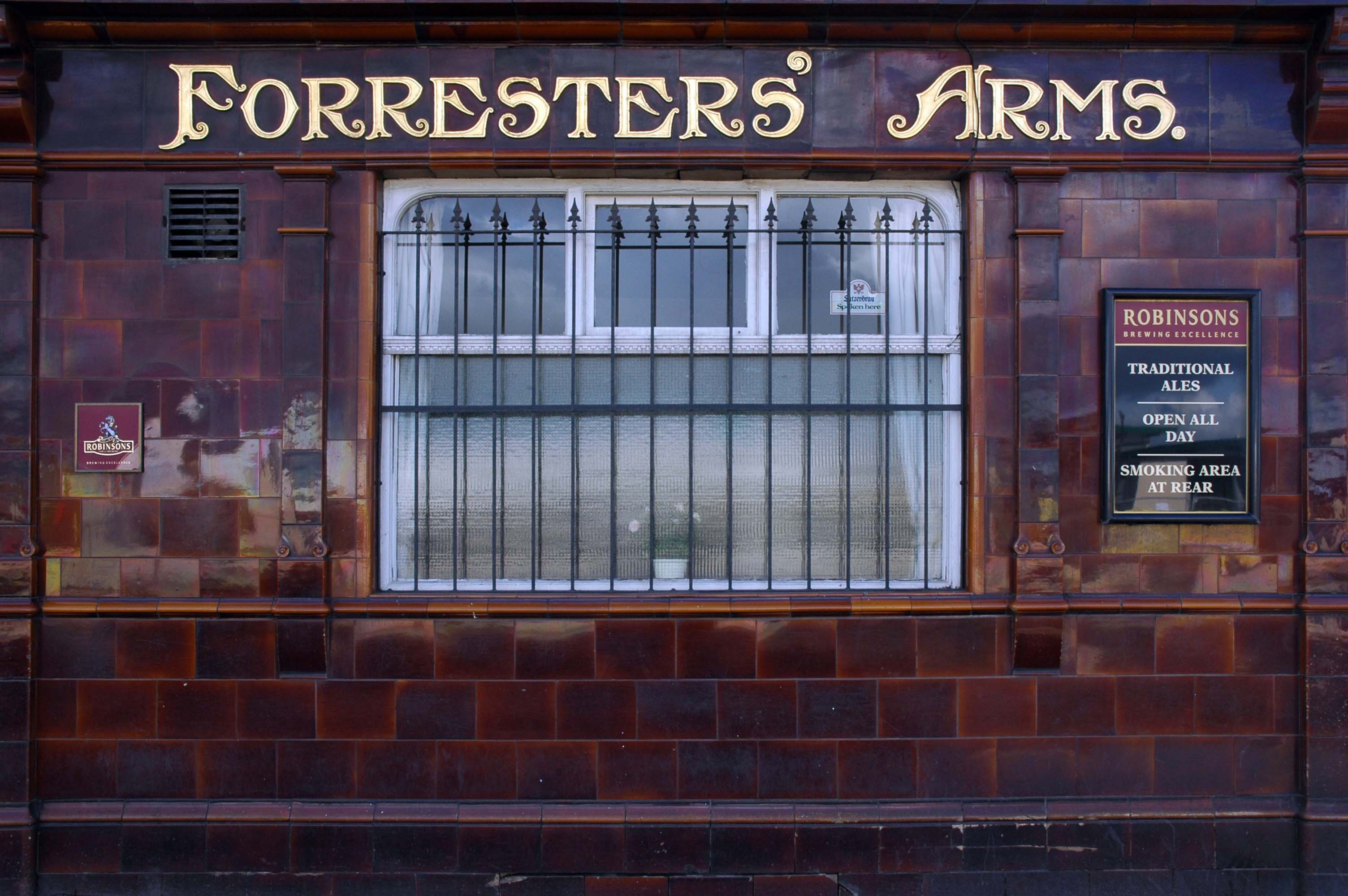
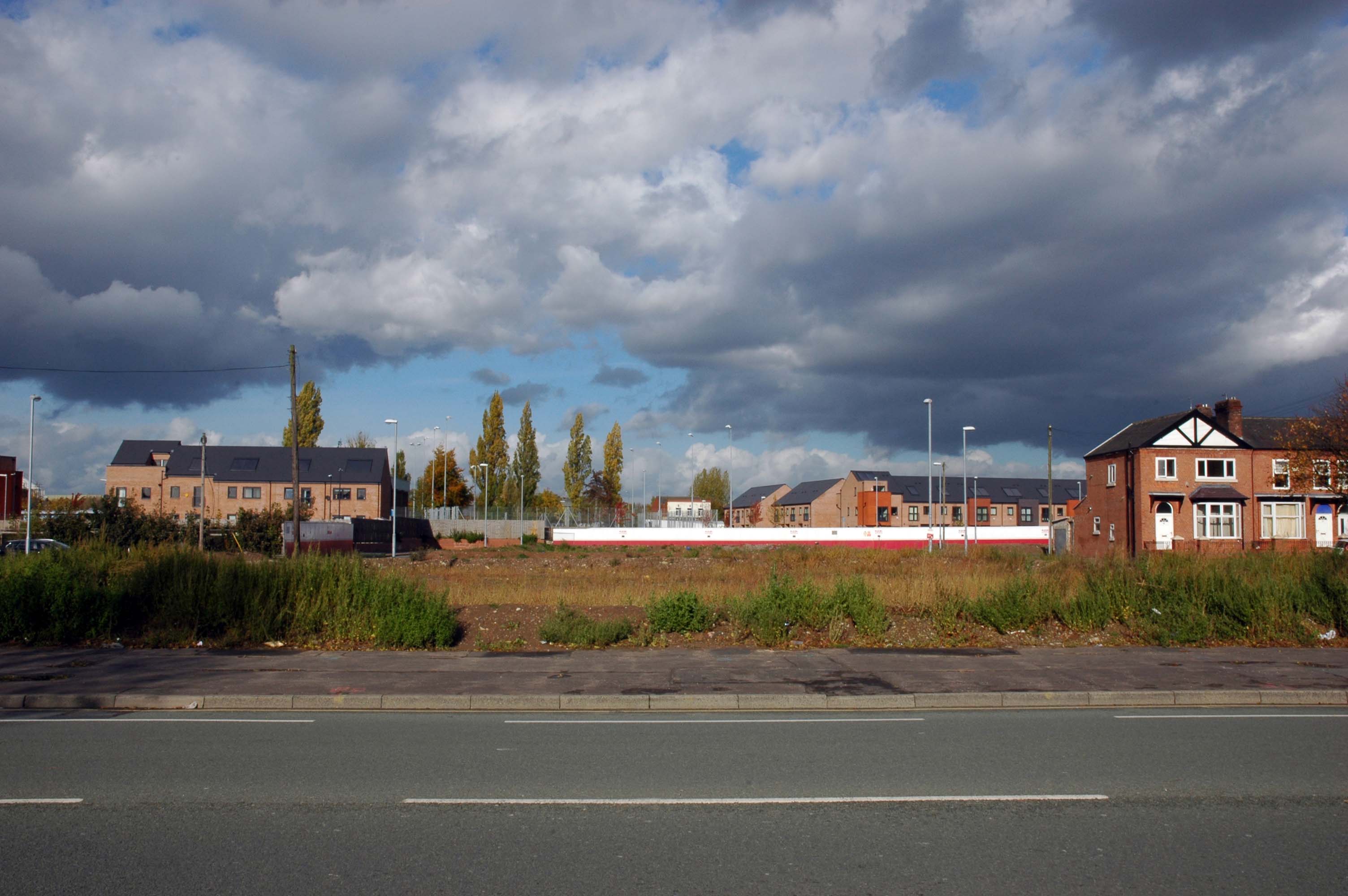

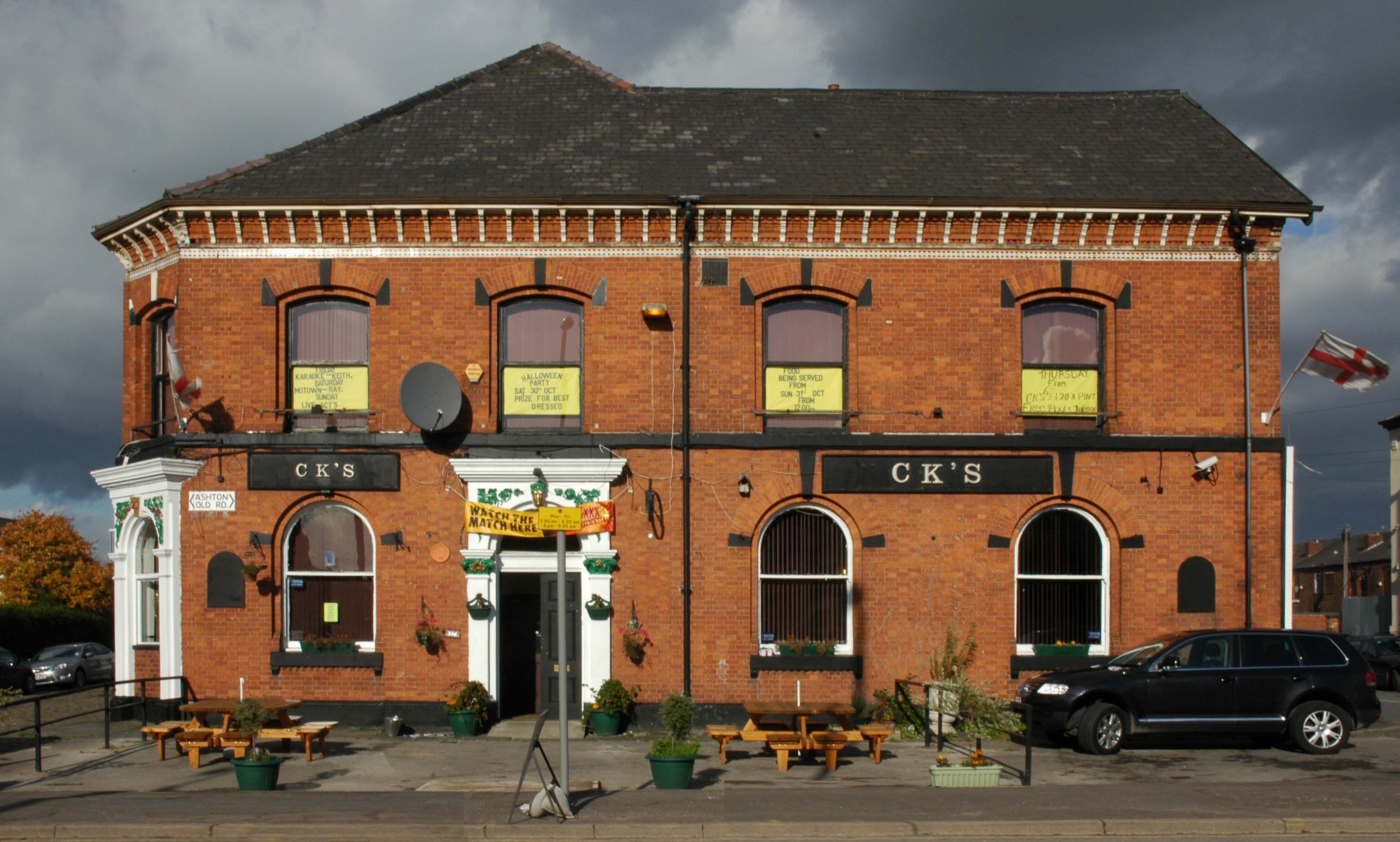
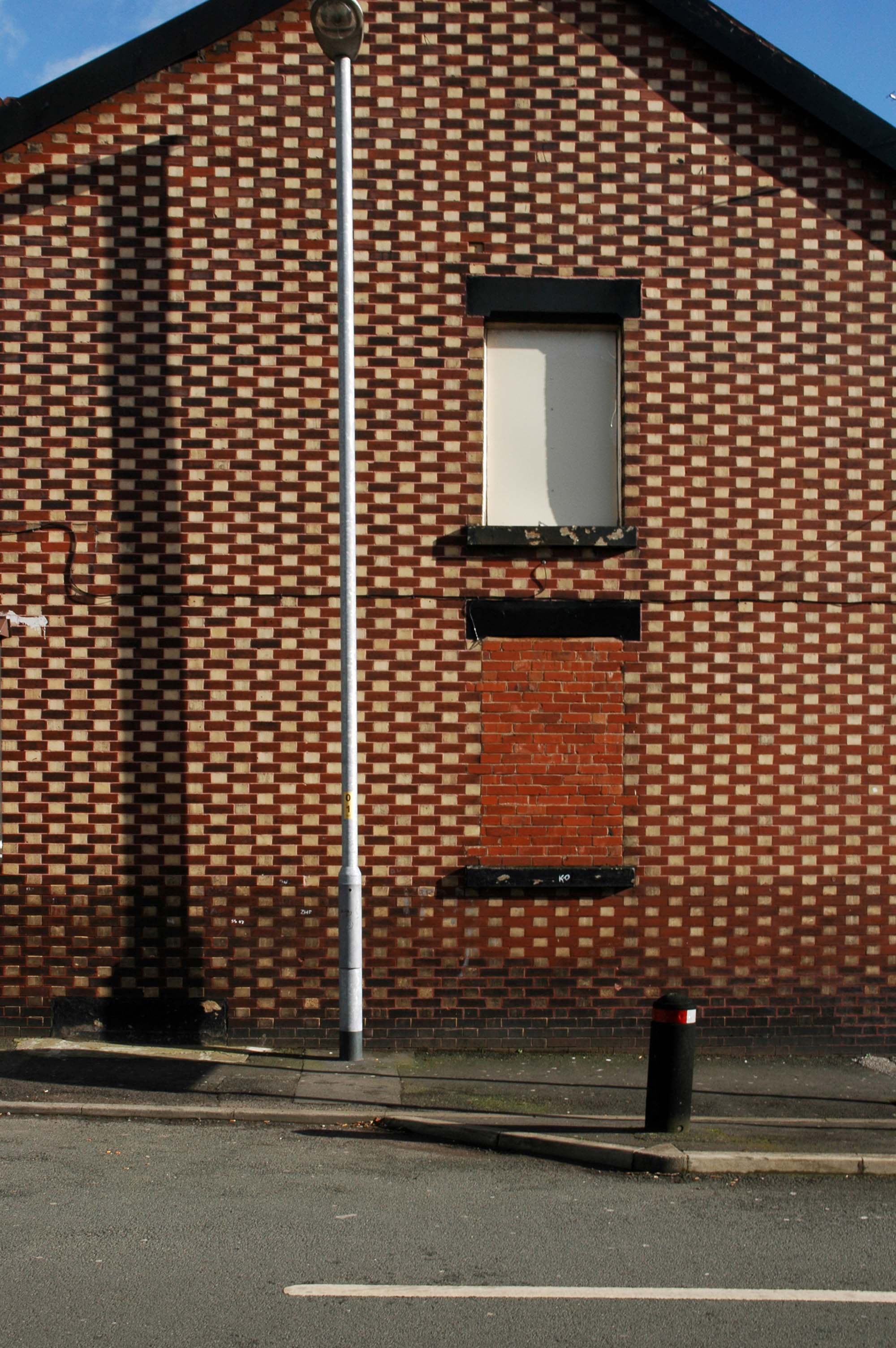
See also Bury New Road and Cheetham Hill Road and Rochdale Road and Oldham Road and Ashton New Road
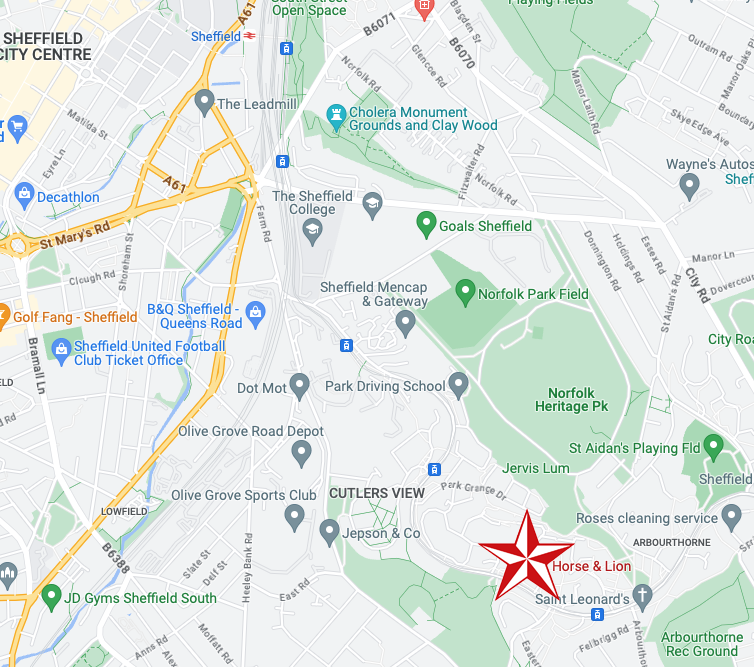
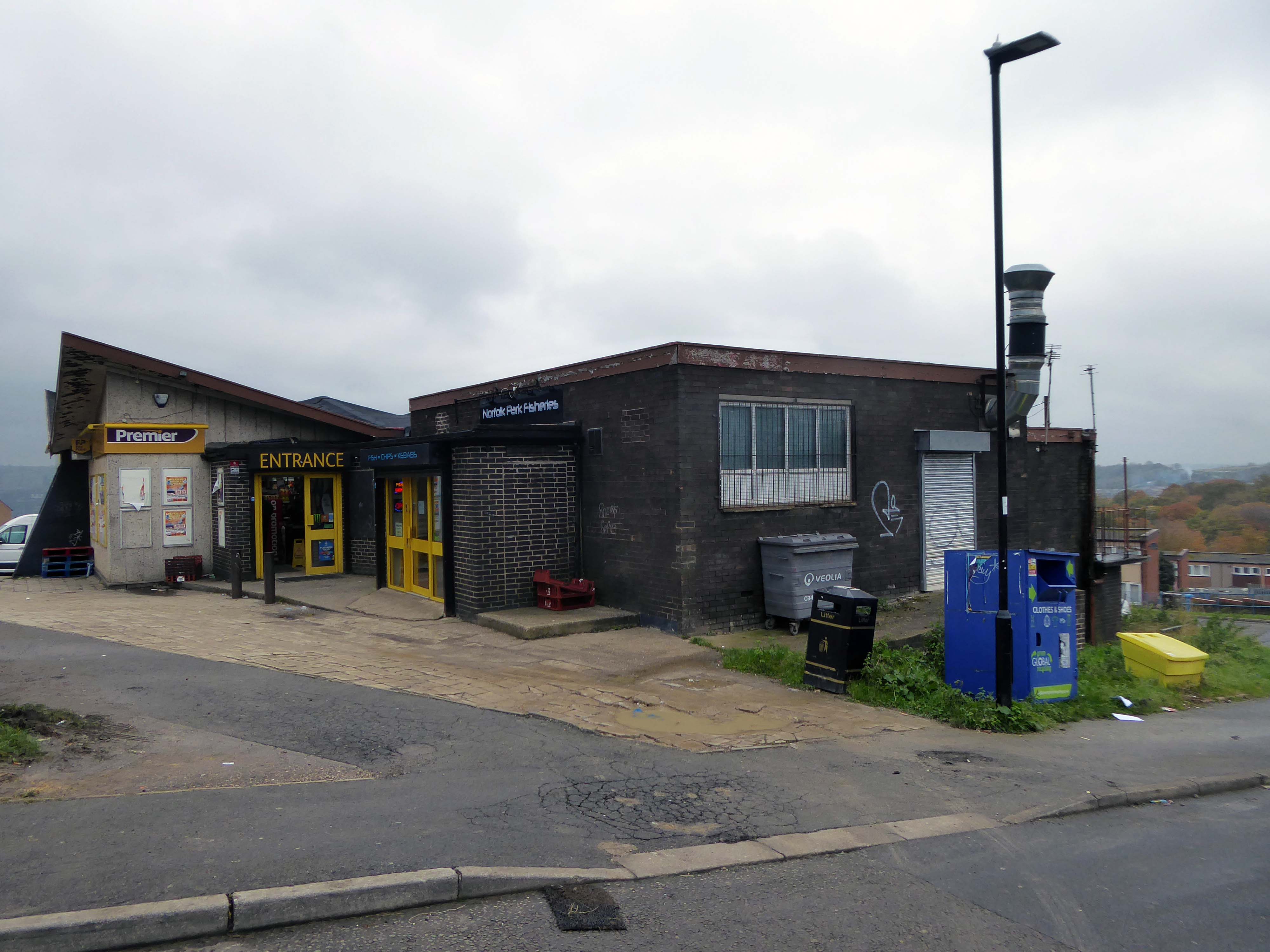
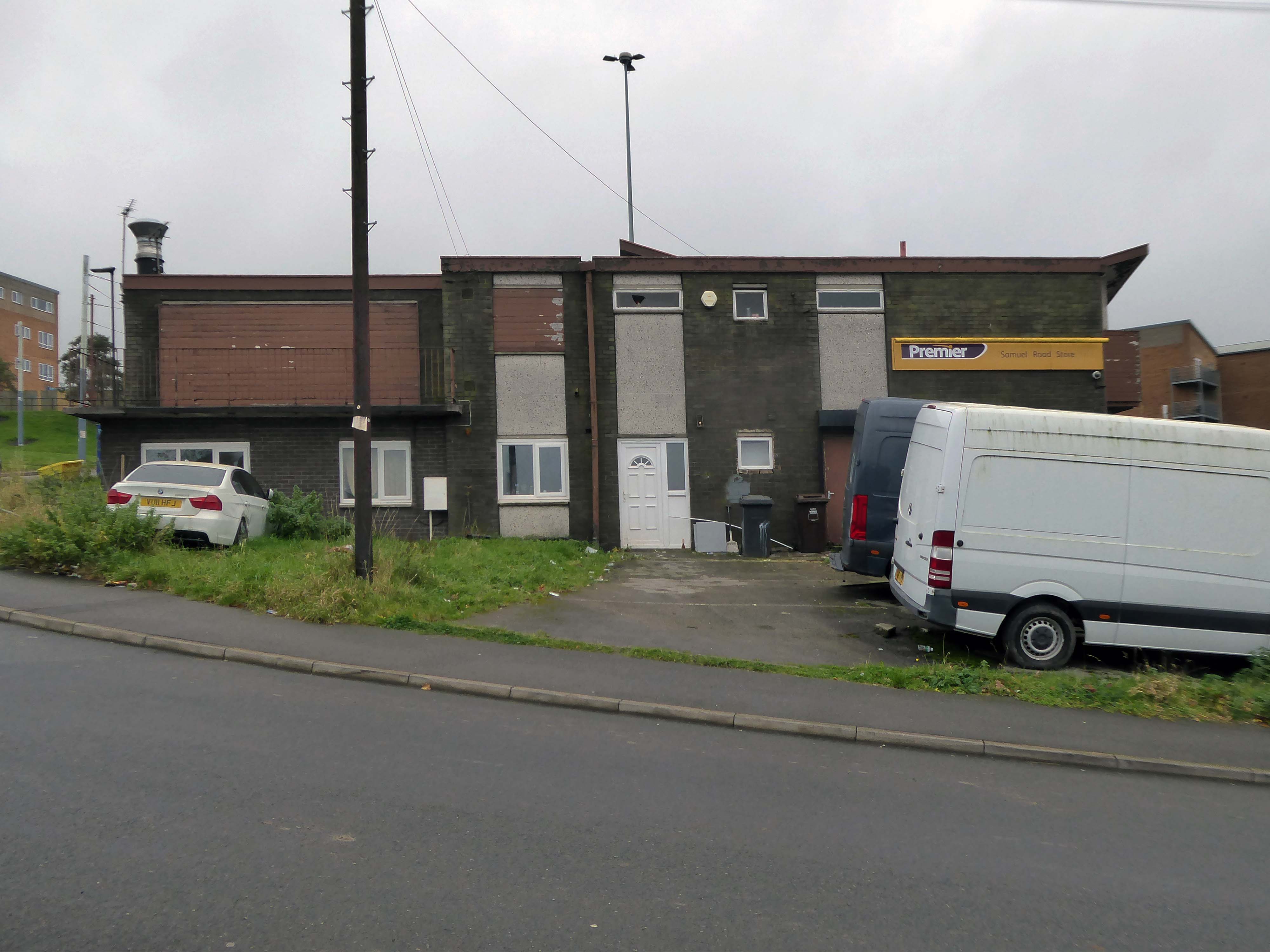
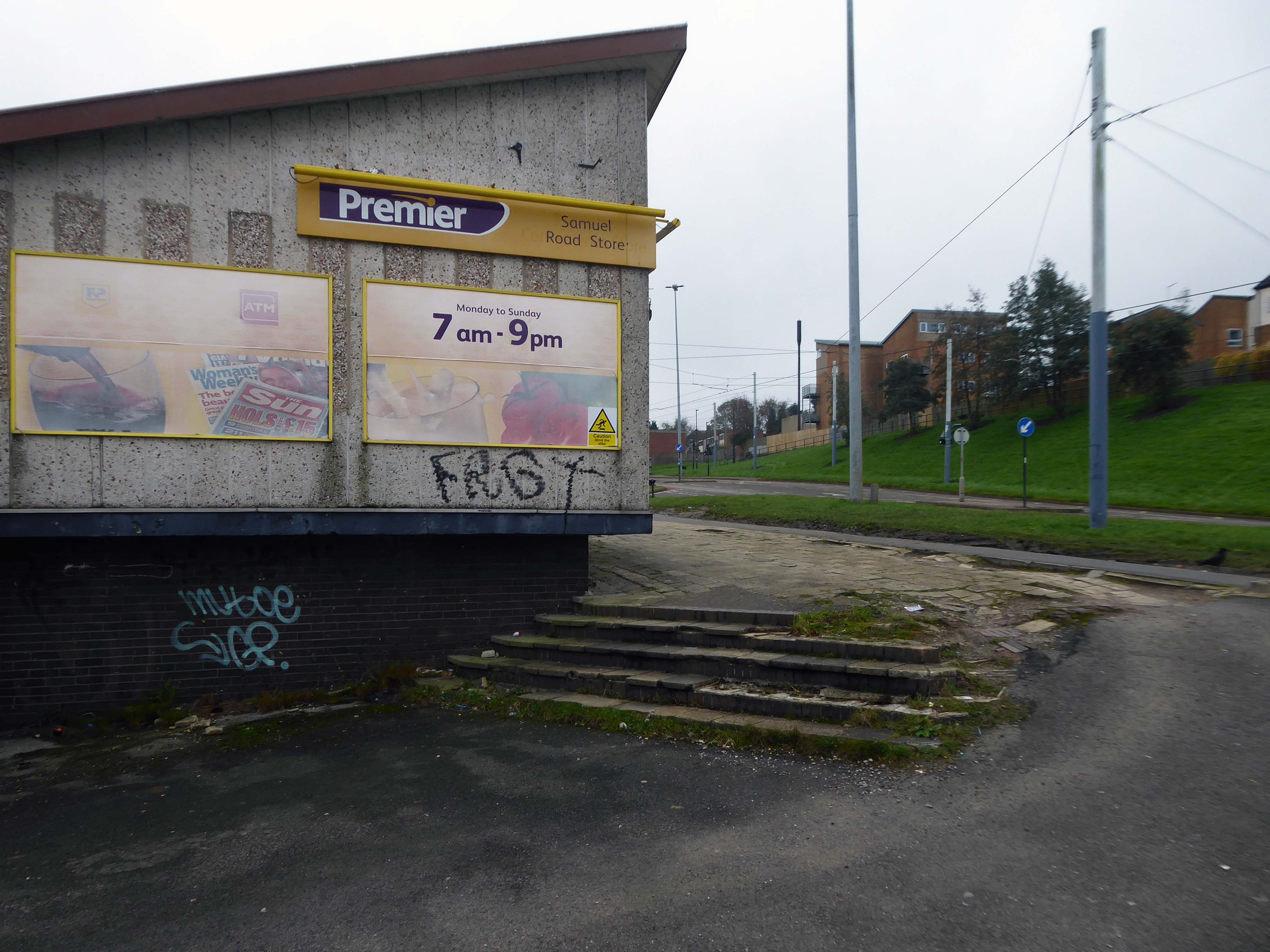
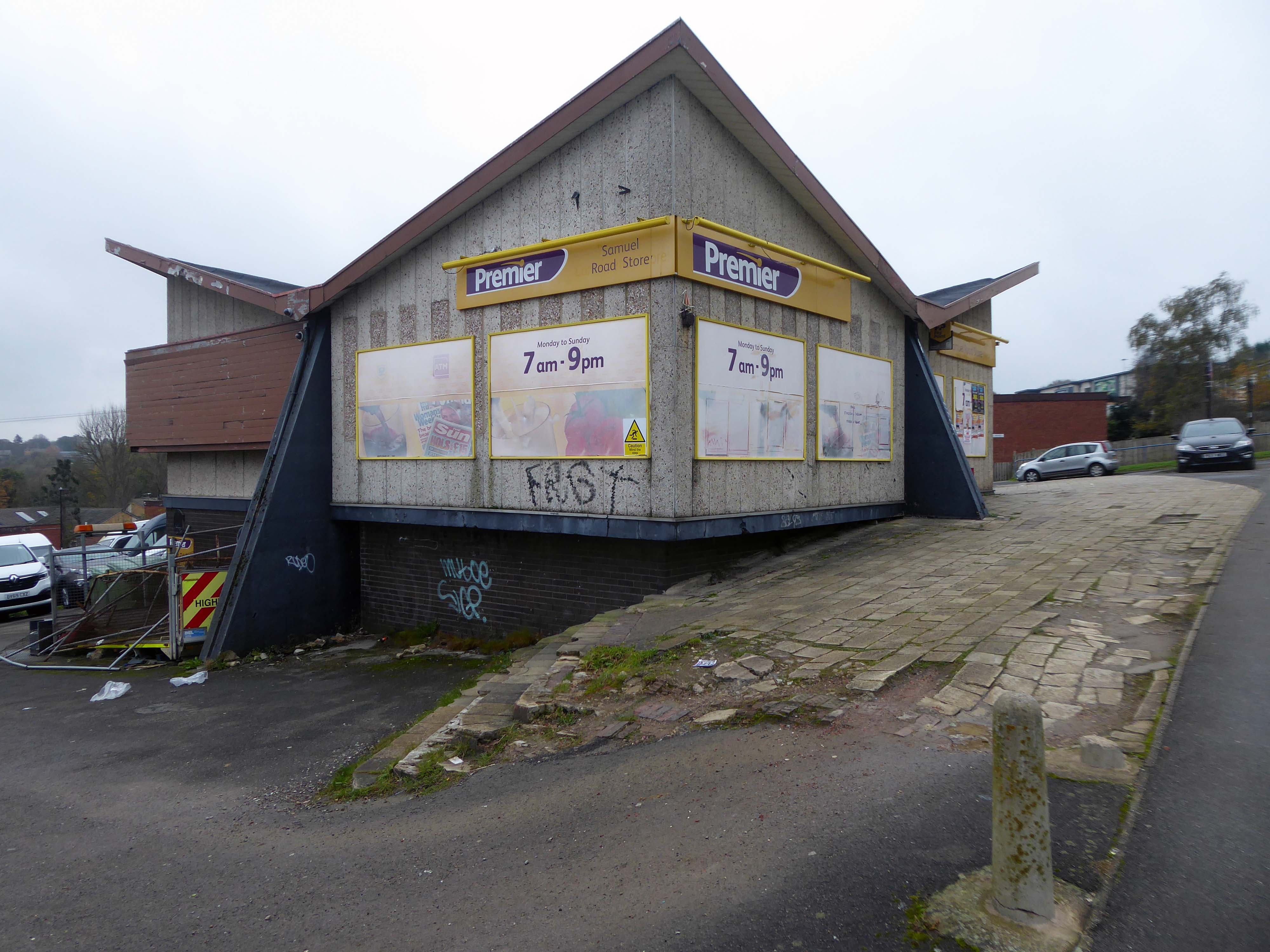
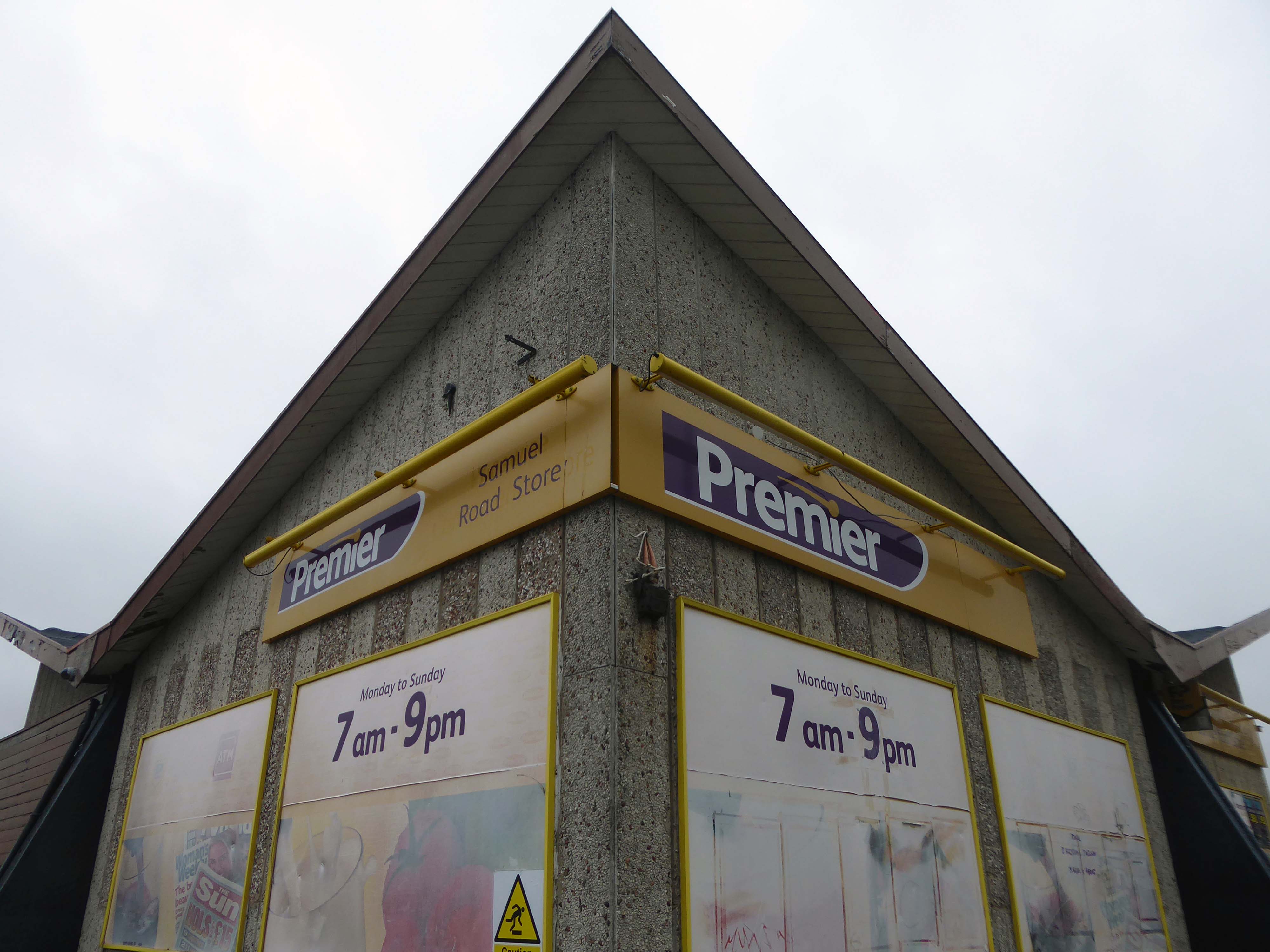
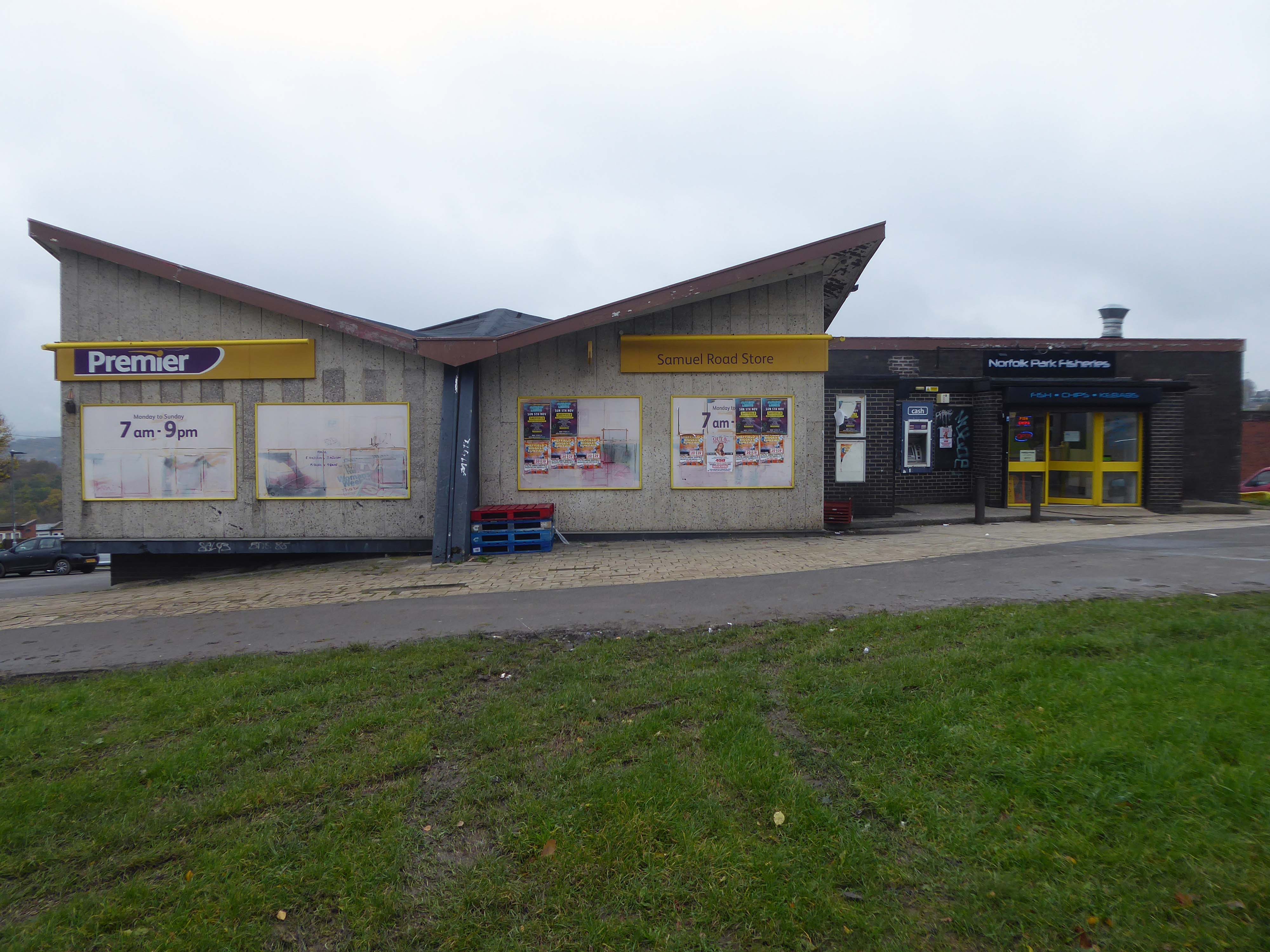
1 Samuel Rd Sheffield S2 3UA
I jumped the tram at Sheffield Station and headed out to Arbourthorne.
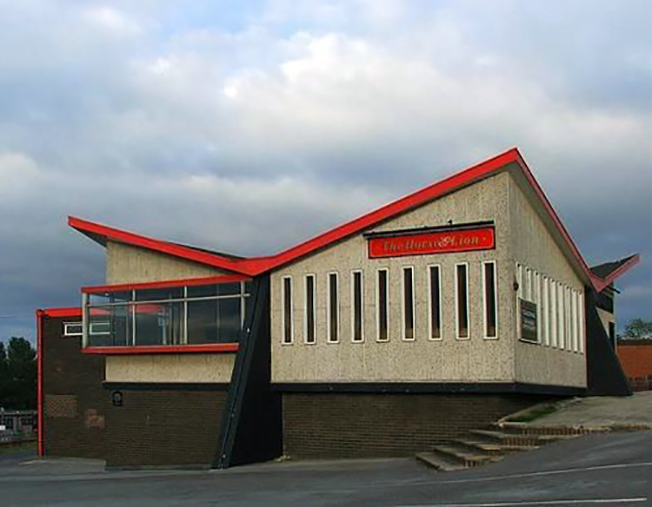
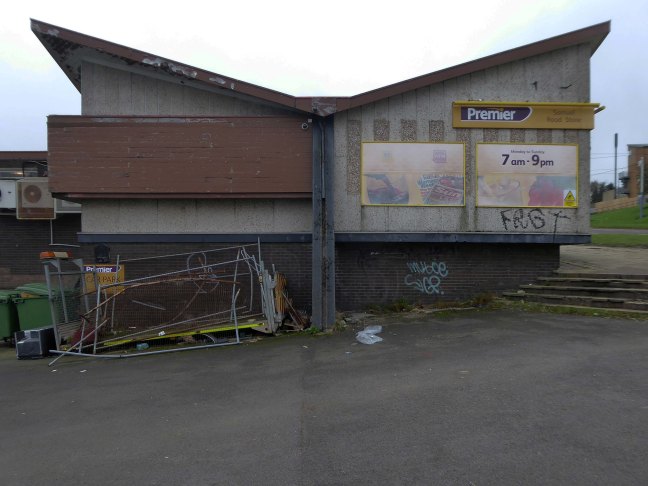
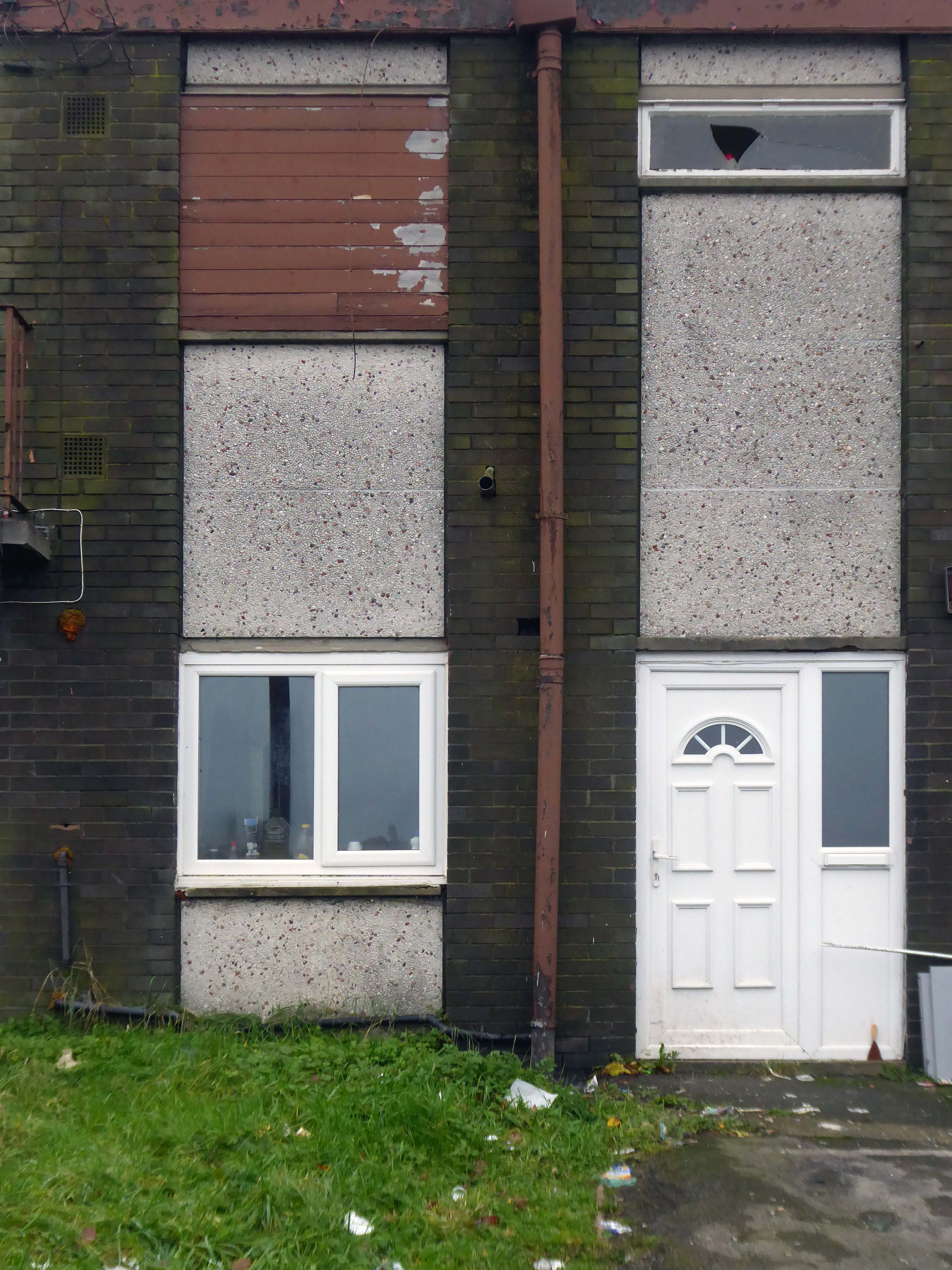
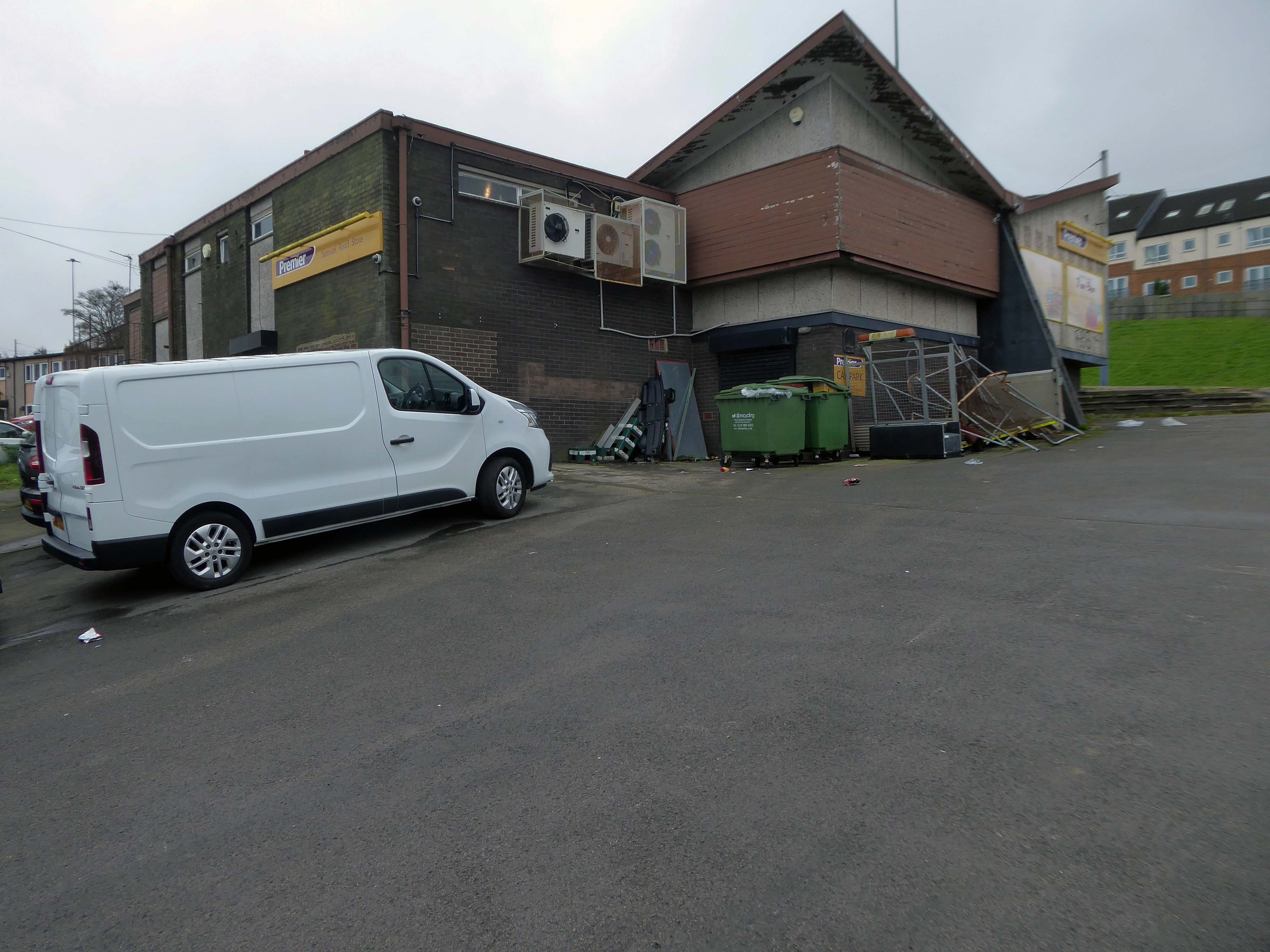
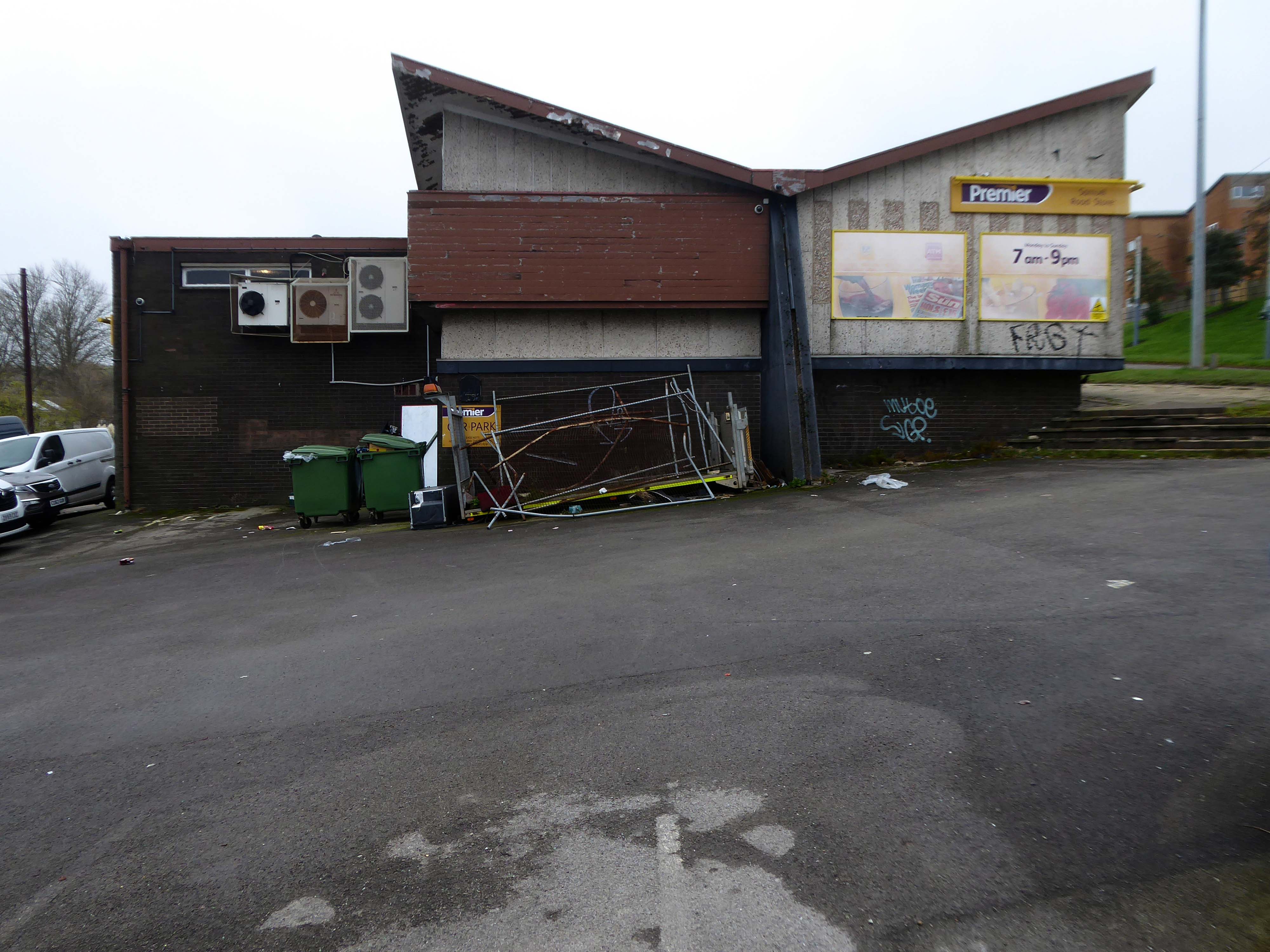
Looking for a pub that is no longer a pub, it closed in 2007 – it’s now a convenience store and chippy.
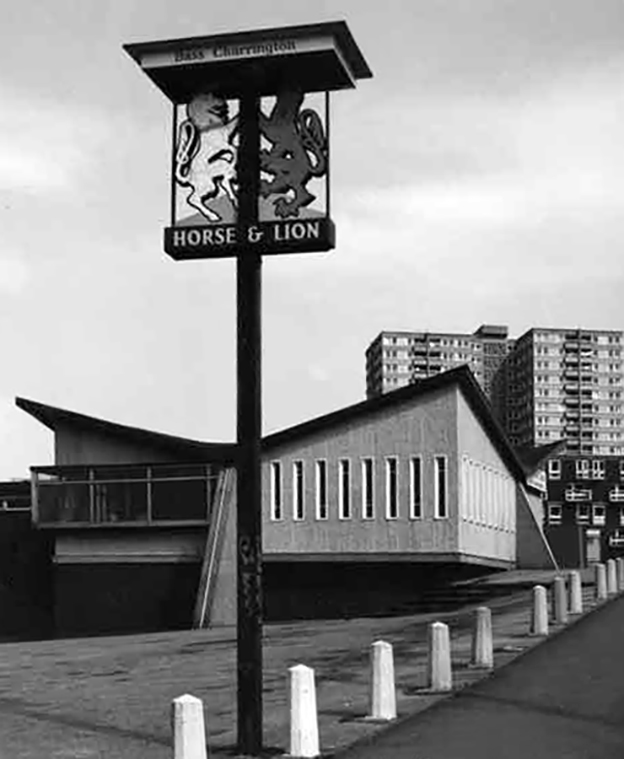
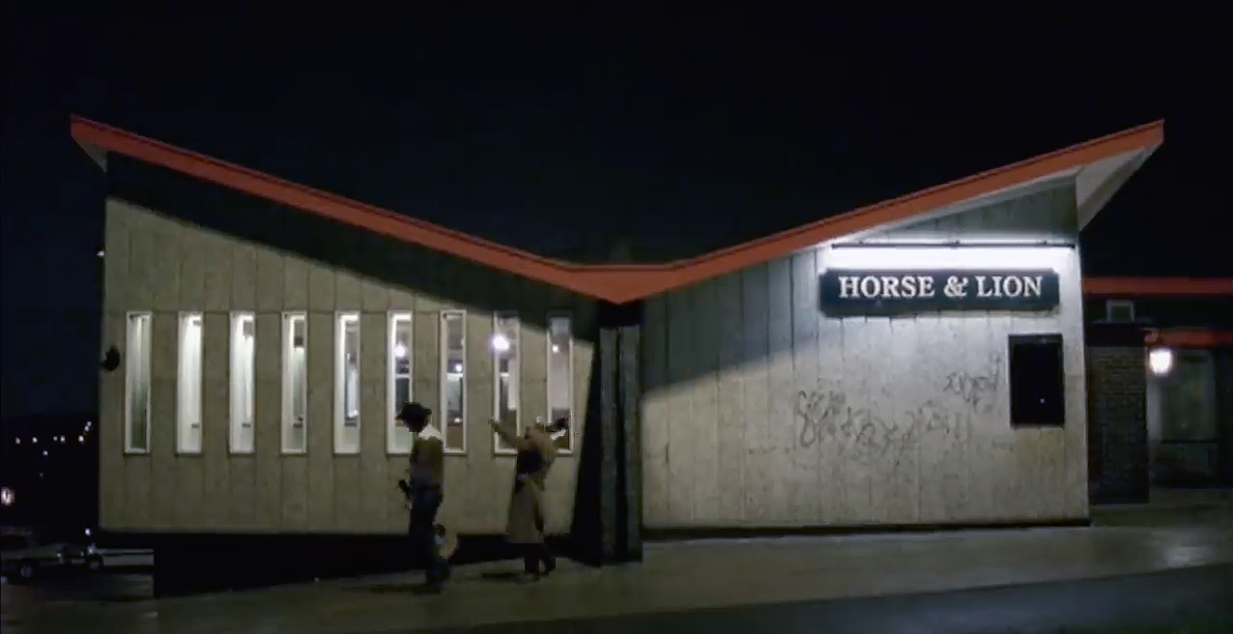
It was once the star of an Arctic Monkey’s promo video When the Sun Goes Down at 1’21”.
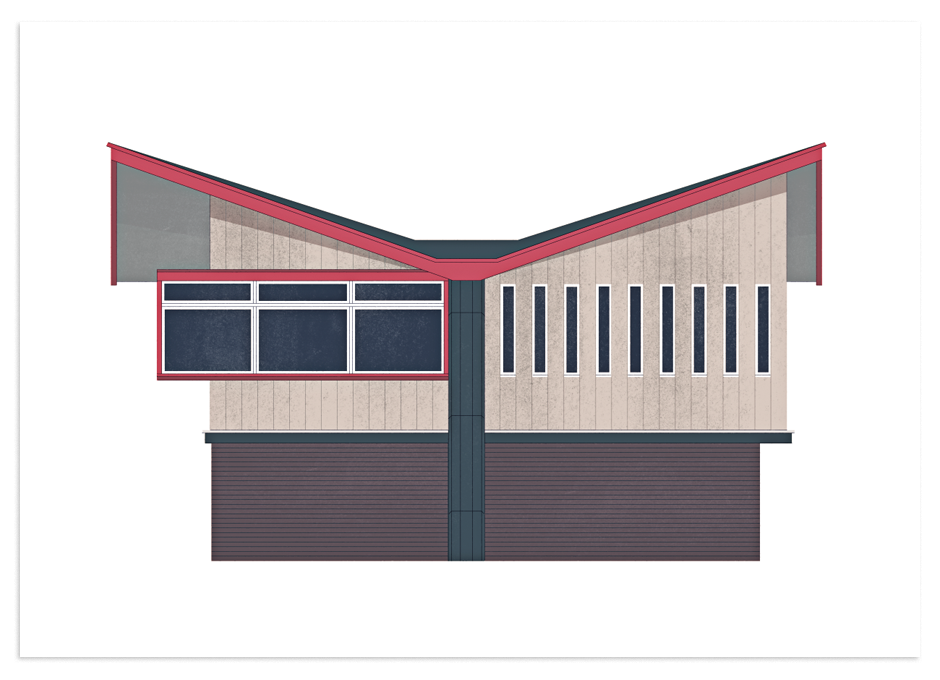
It has become a print by Johnathan Wilkinson.
Oh how I loved this place my family drunk in here for years and years, I remember waiting outside on a weekend with a packet of crisps and a glass of coke, waiting for them to come out. I think it was the first place I had my first legal drink, loved the place hate to go past now and see it as a Premier. Anyone seen Dave and Ann lately once upon a time landlord and landlady, does anyone know how they are doing?
Sunday afternoons karaoke and everyone sat outside in the summer – oh the memories.
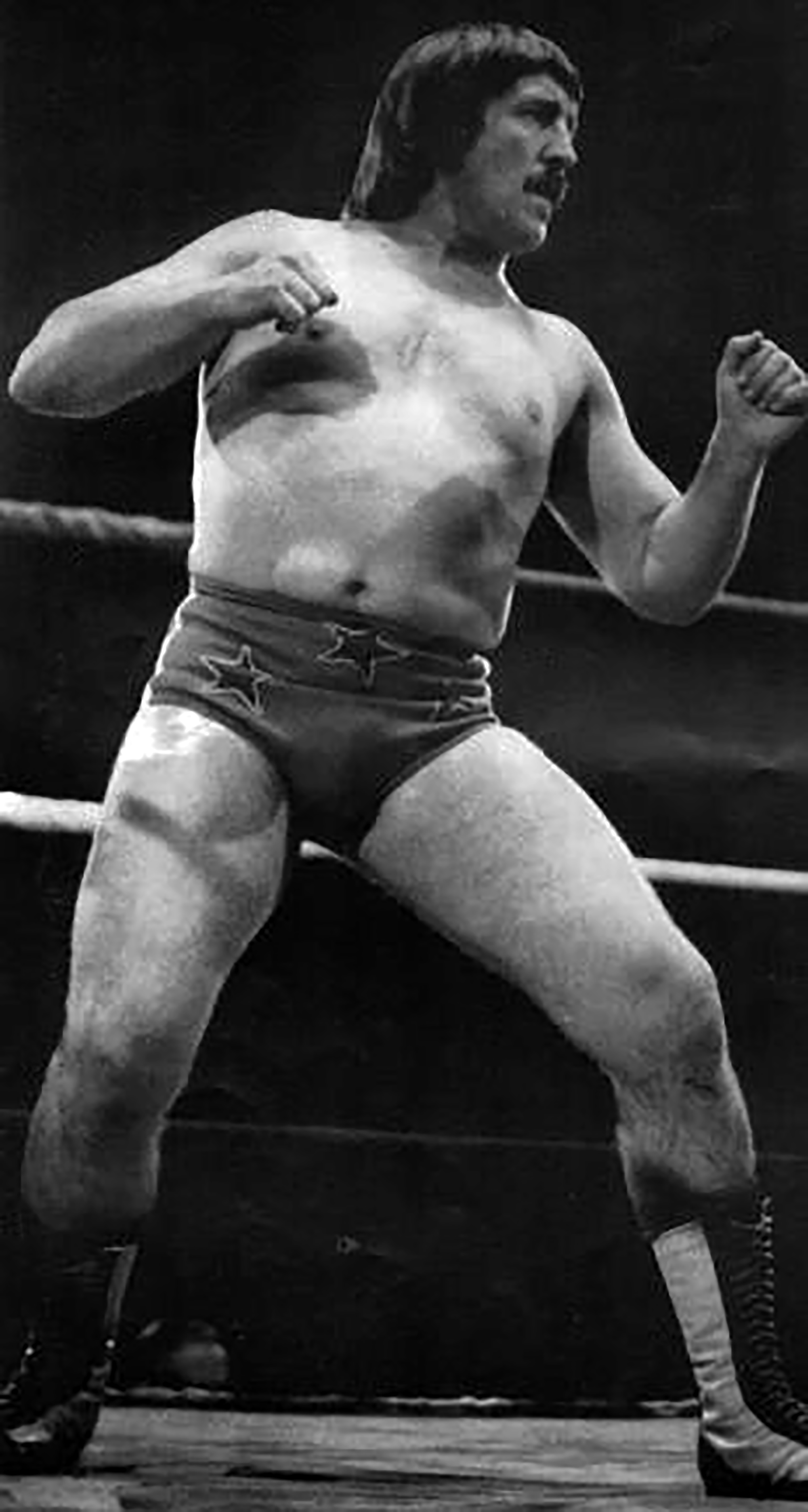
I used to Drink in there around 1975/76, it was OK in those days, a local wrestler used to drink in there, his name was Alan Kilby, I saw him fight on TV a few times.
The former pub’s striking roof is still striking – sadly the last orders bell stopped striking long, long ago.
The shop was busy and the chips from the chippy were just the job on a cold damp November day.
Changes in the demographics of the area, social trends and the general economic malaise, have ensured that many estate pubs are no longer able to thrive and prosper.
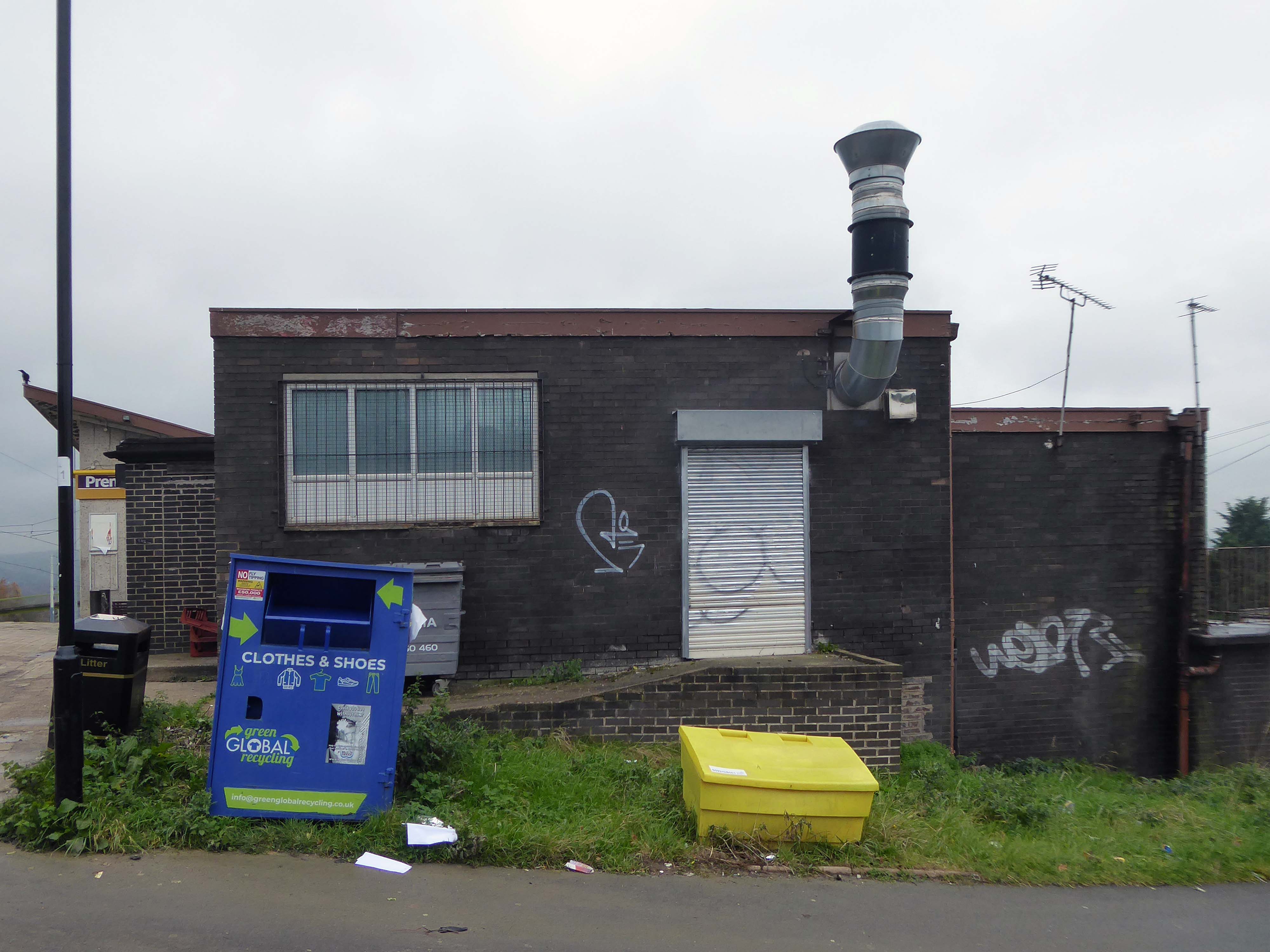
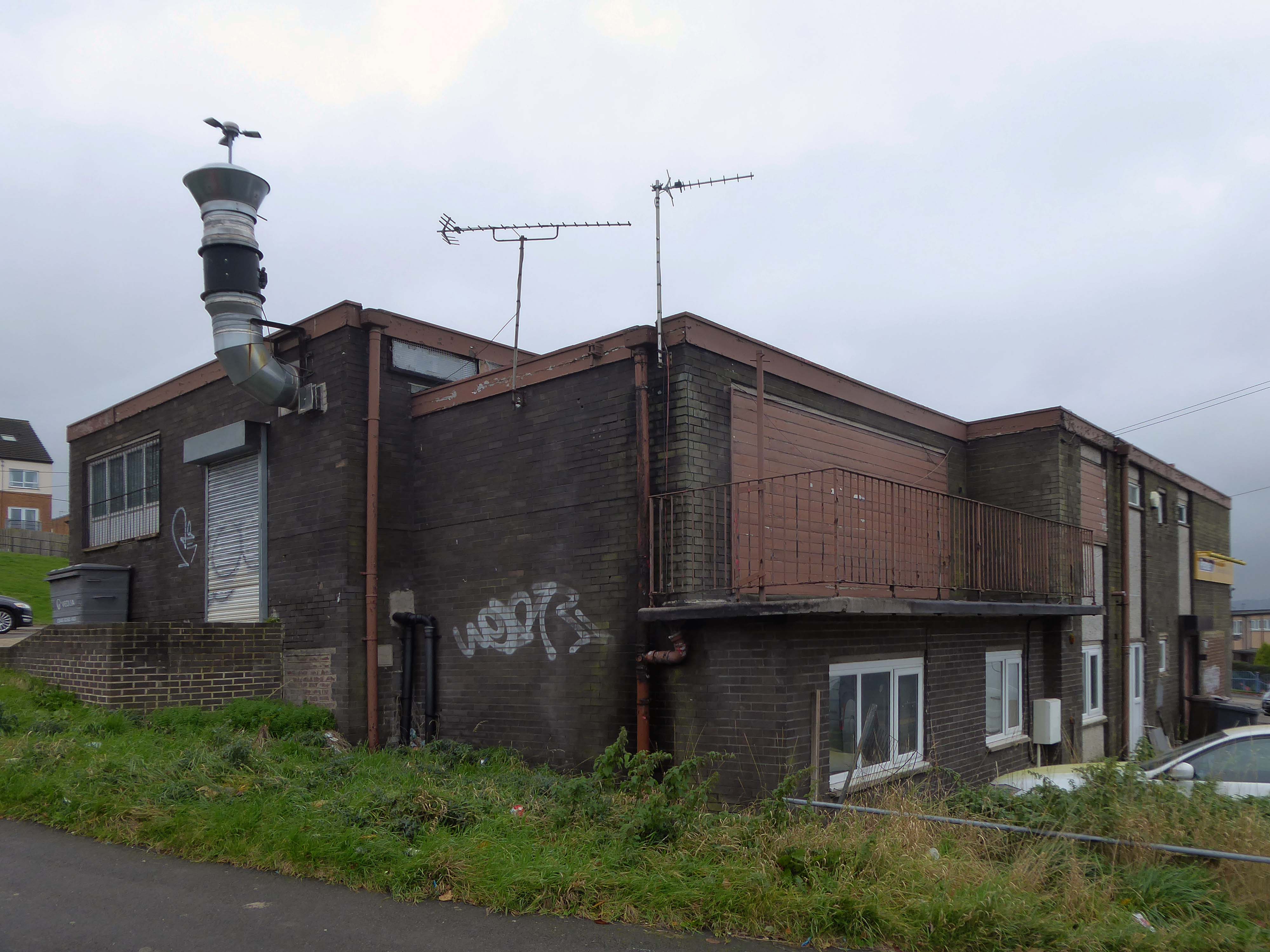
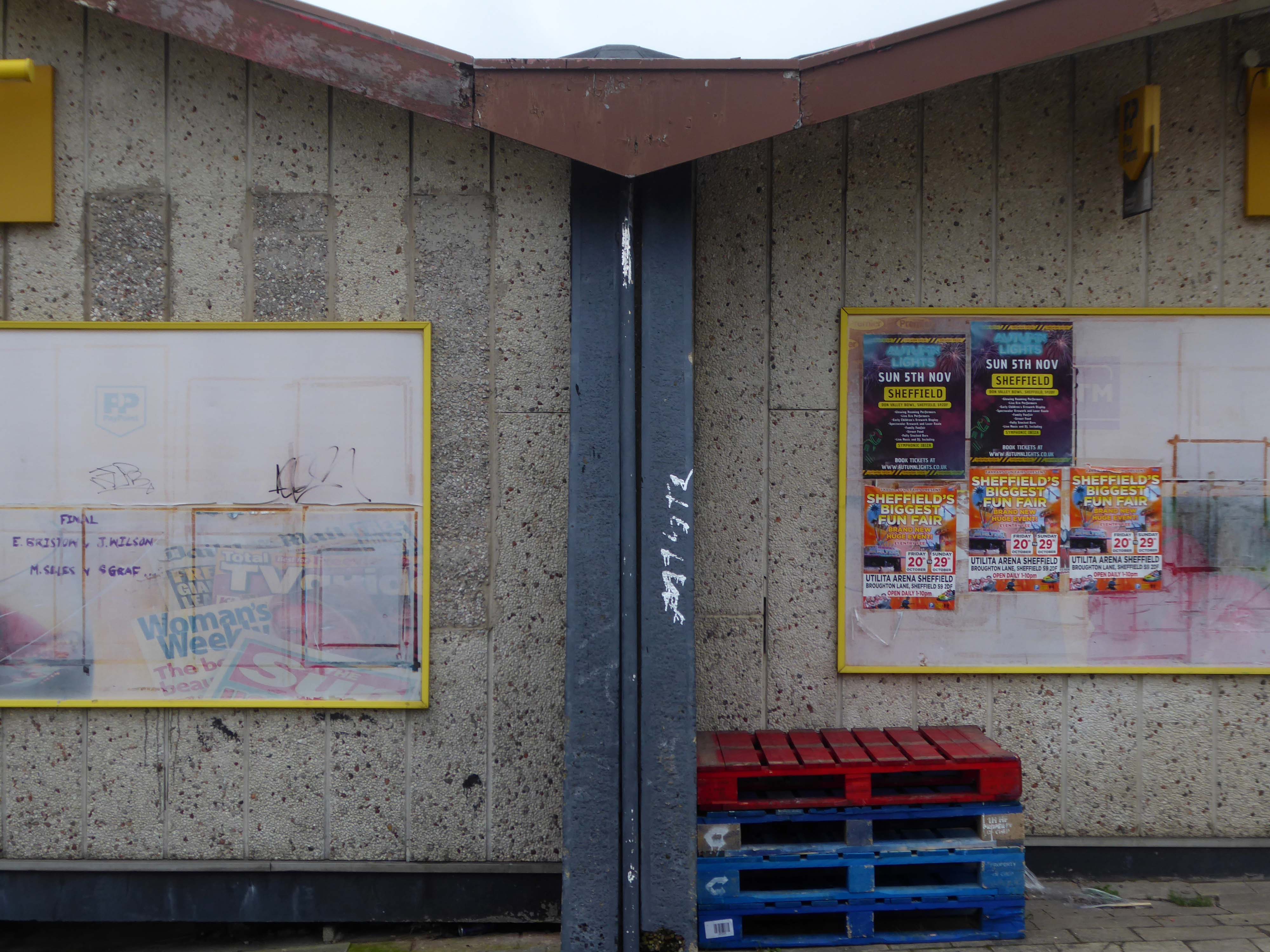
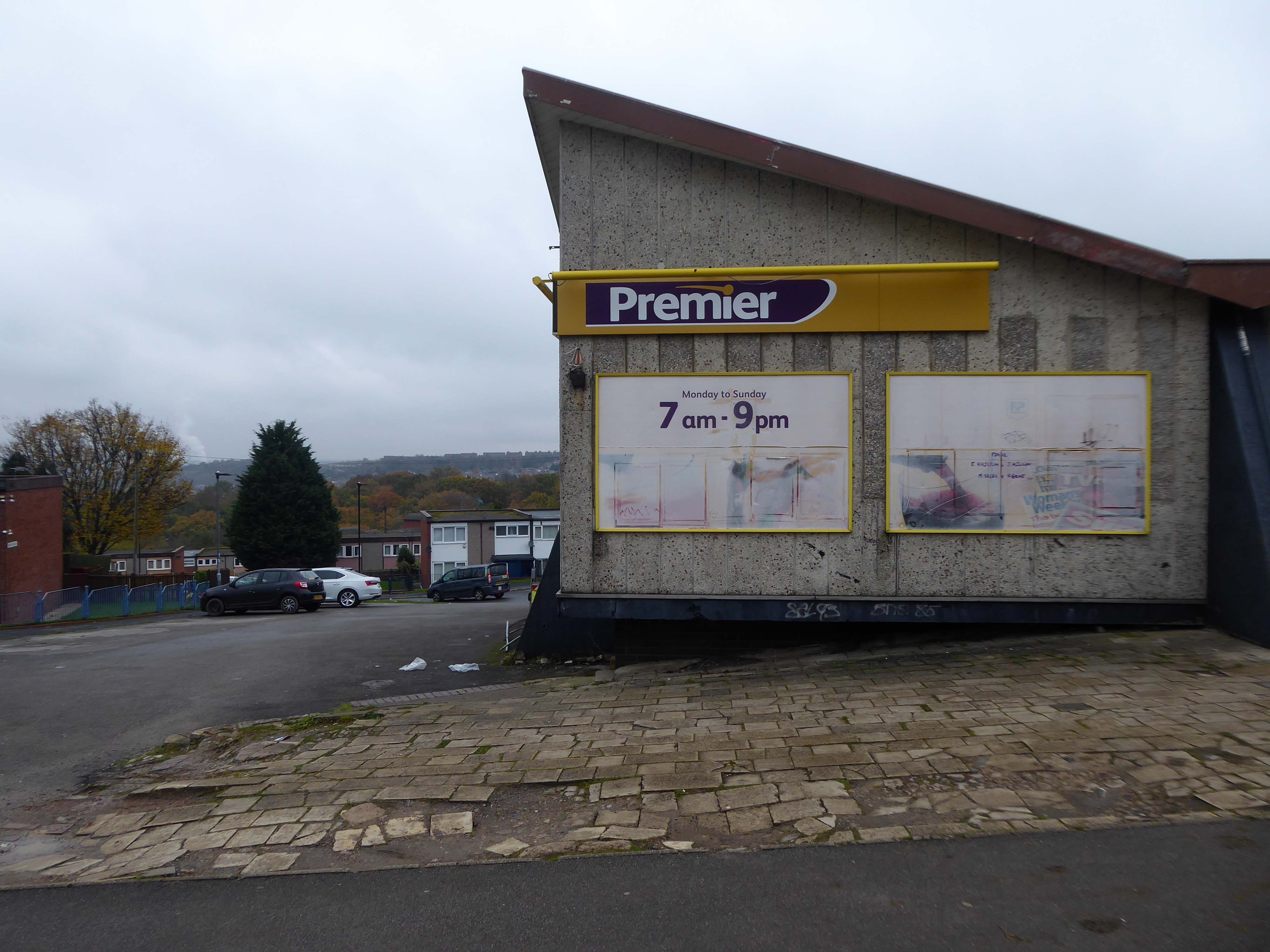
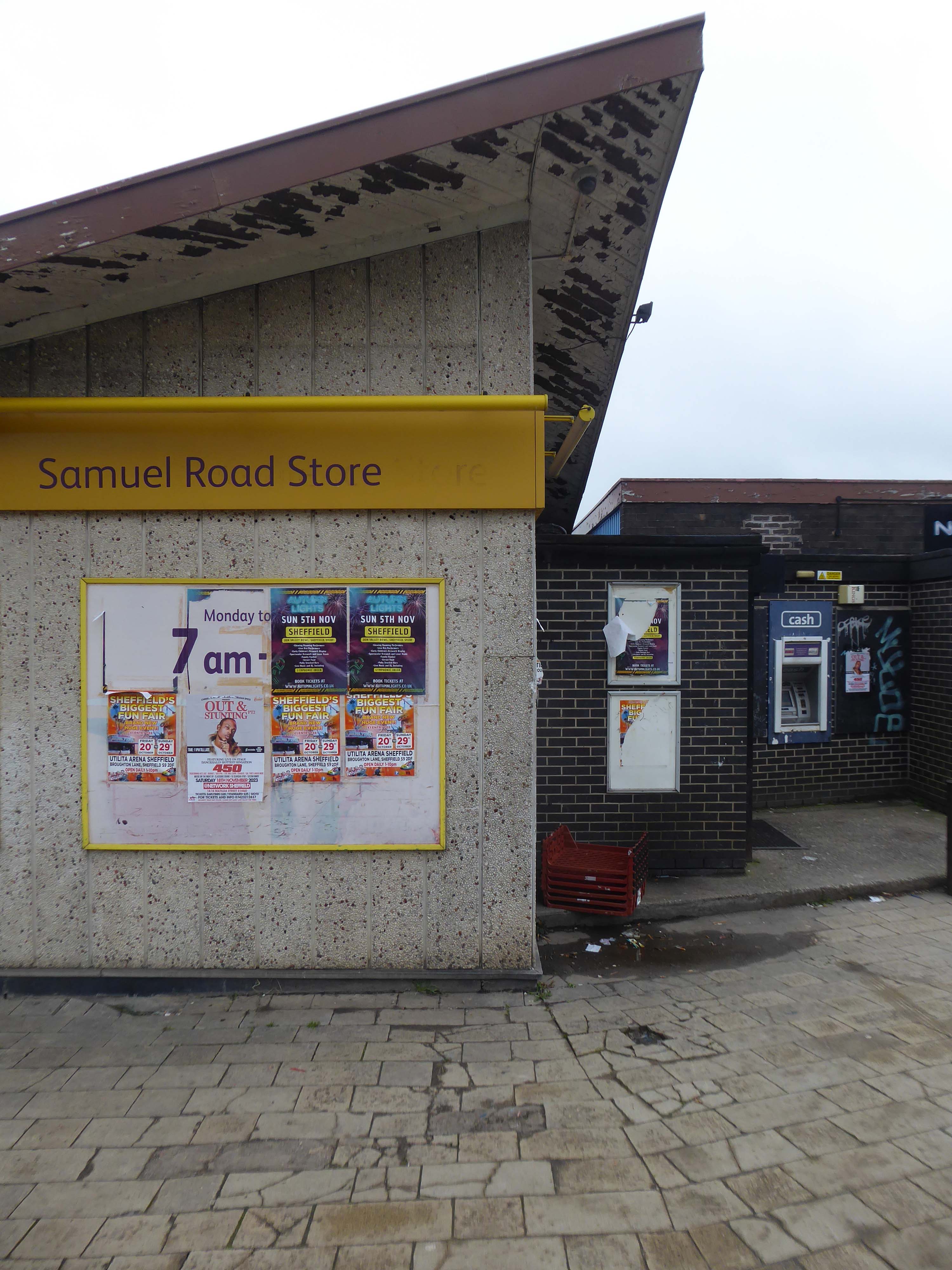
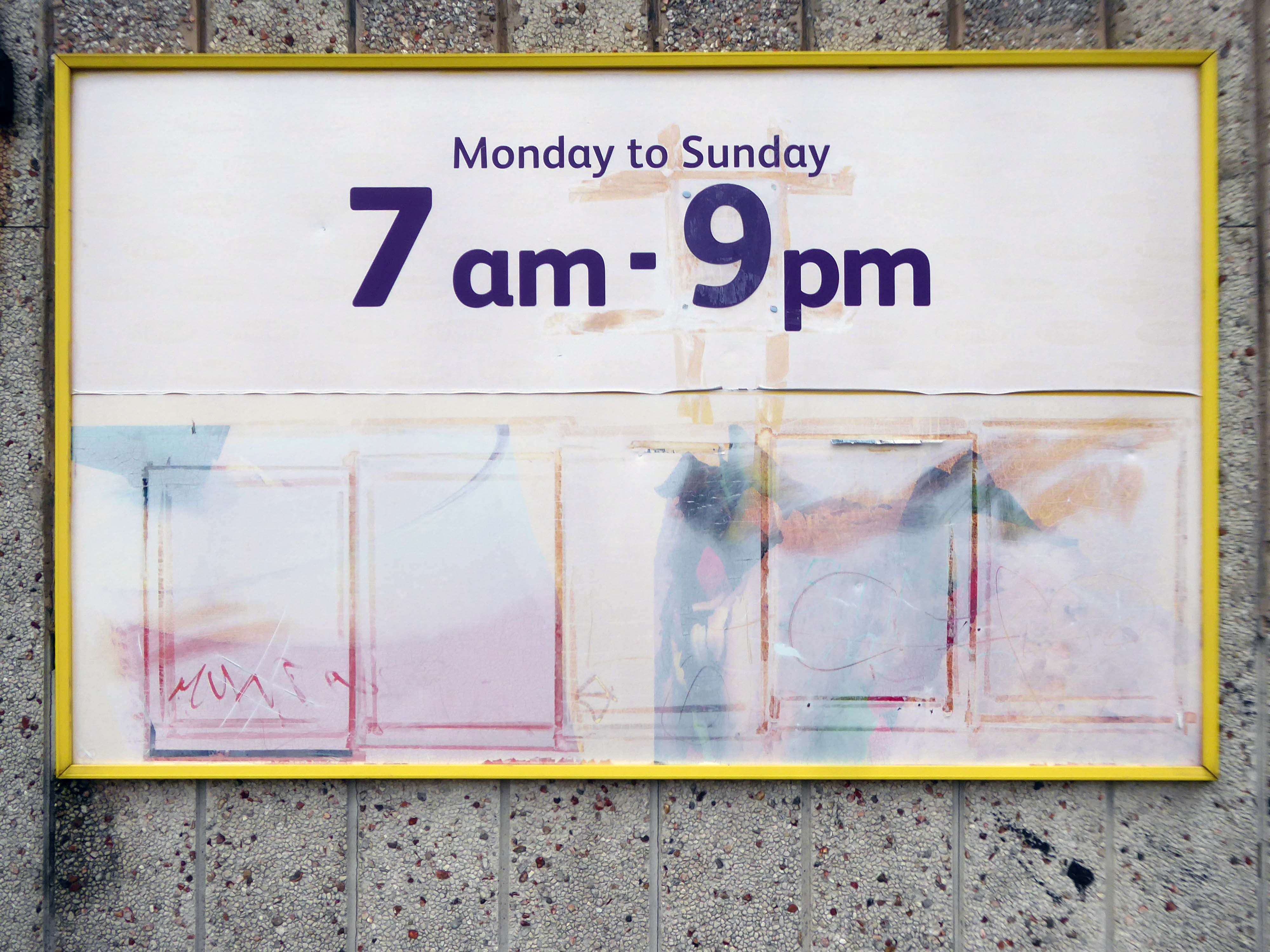
Finally and puzzlingly.
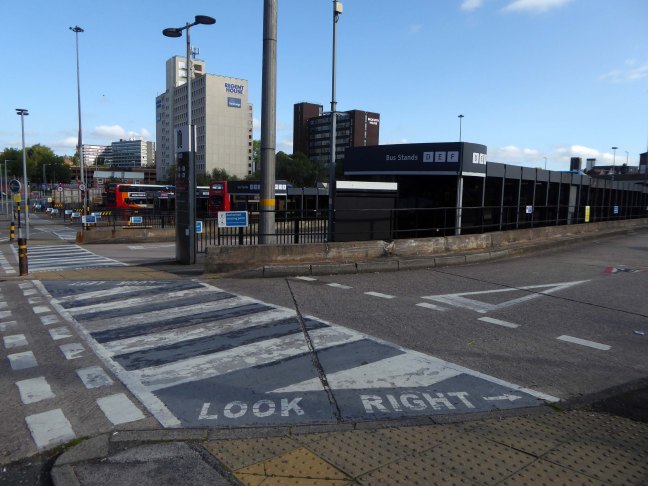
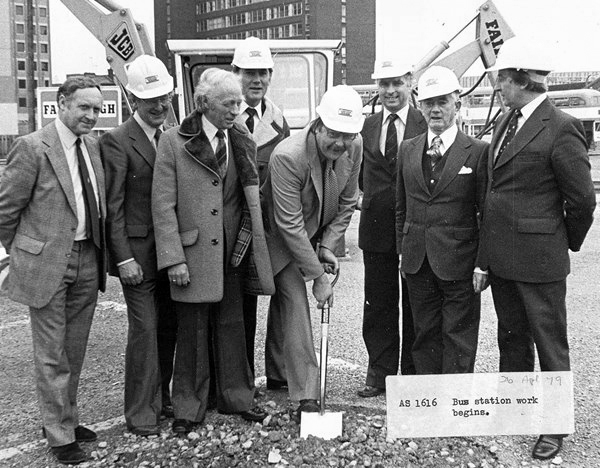
April 1979 work begins.
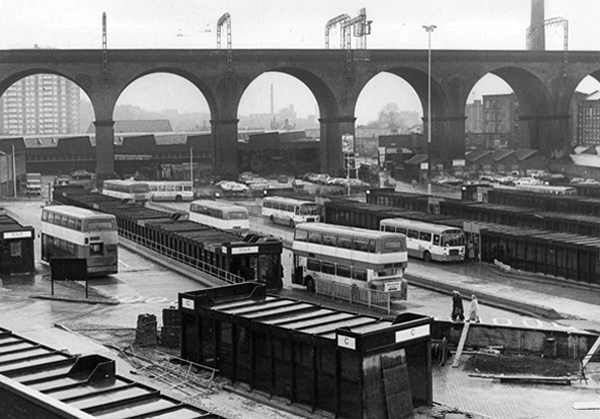
Opening on March 2nd 1982.
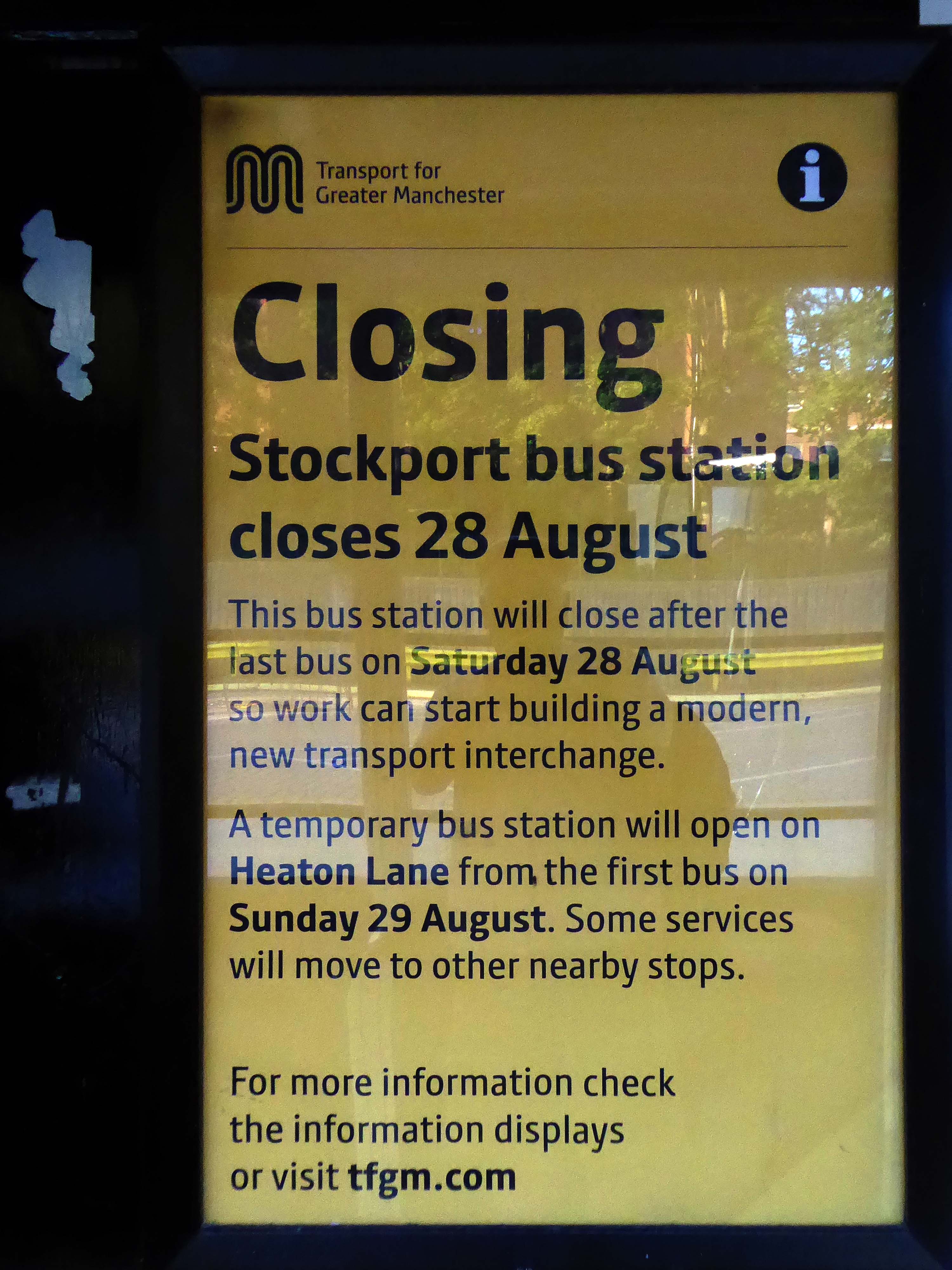
I have been in in and out of here for some forty odd years, writing of its history and recording its decline.
No more cold damp shelters, no more cavernous and grimy public conveniences, no more chips and shop.
Bye bus station.
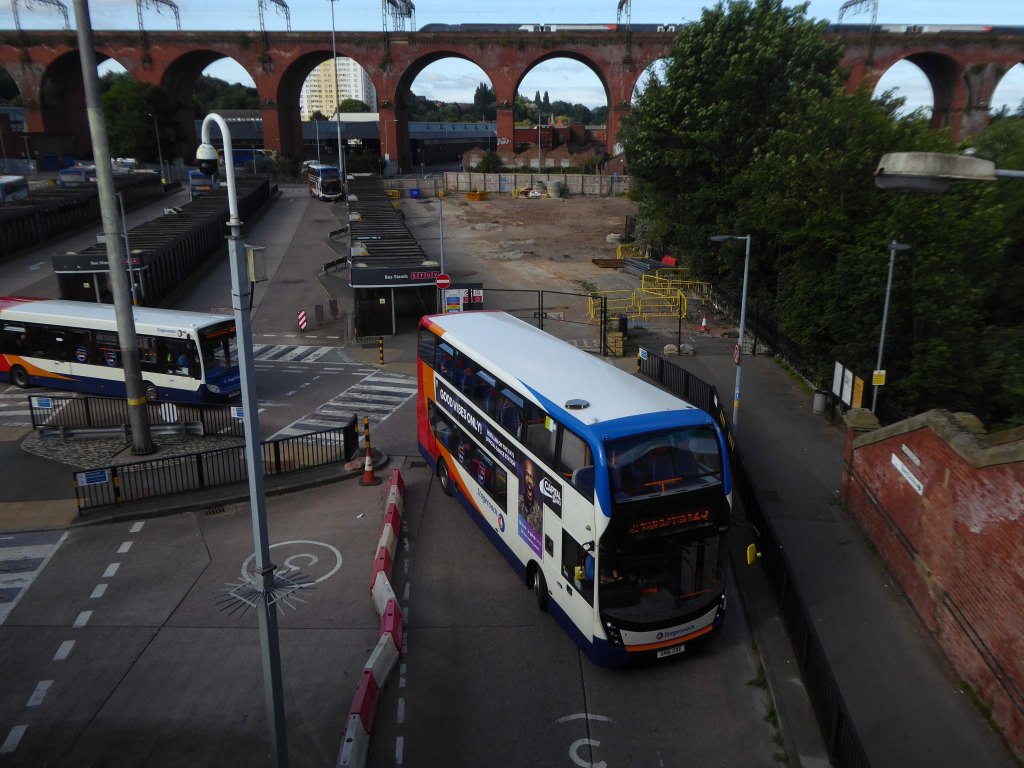
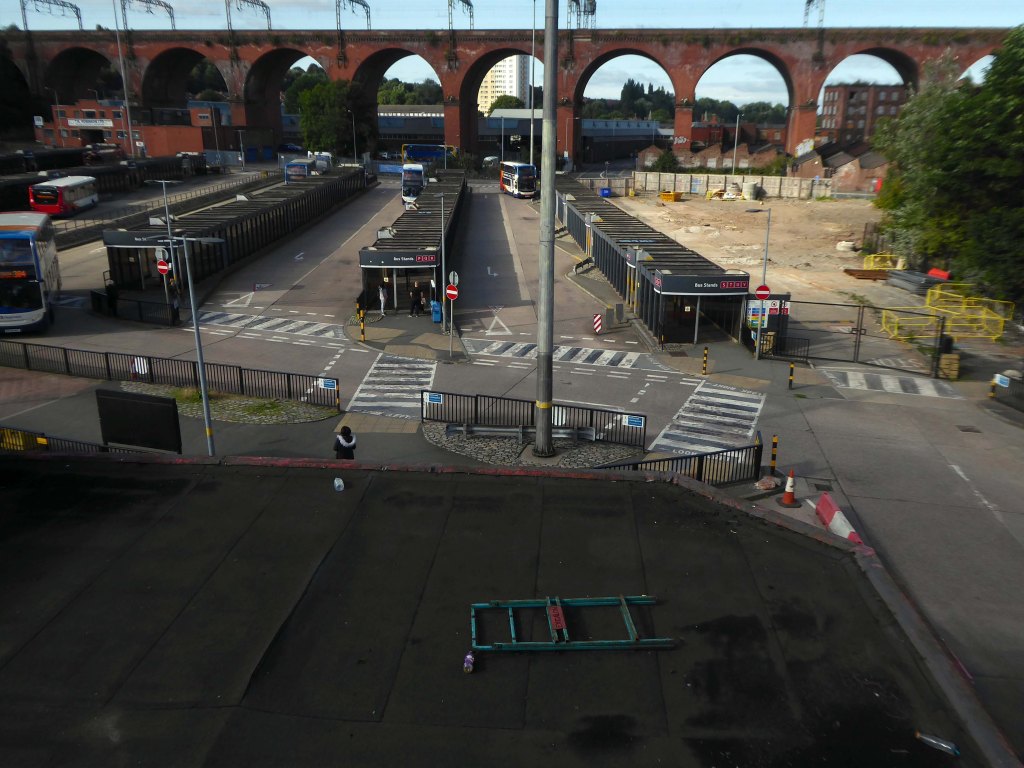
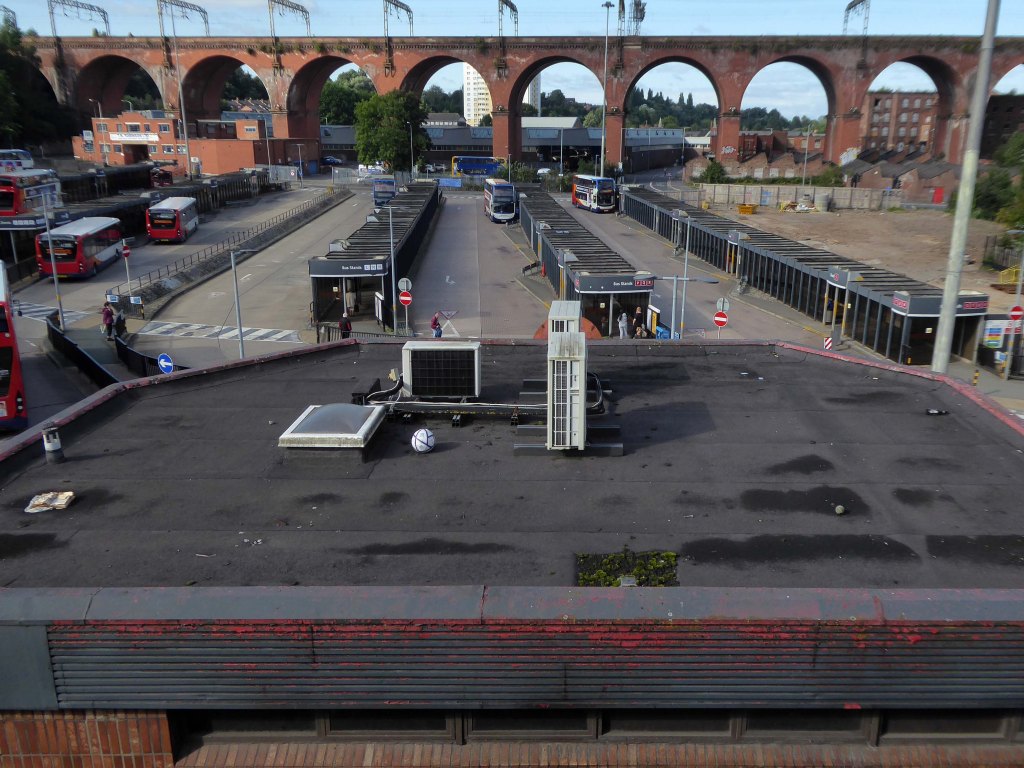
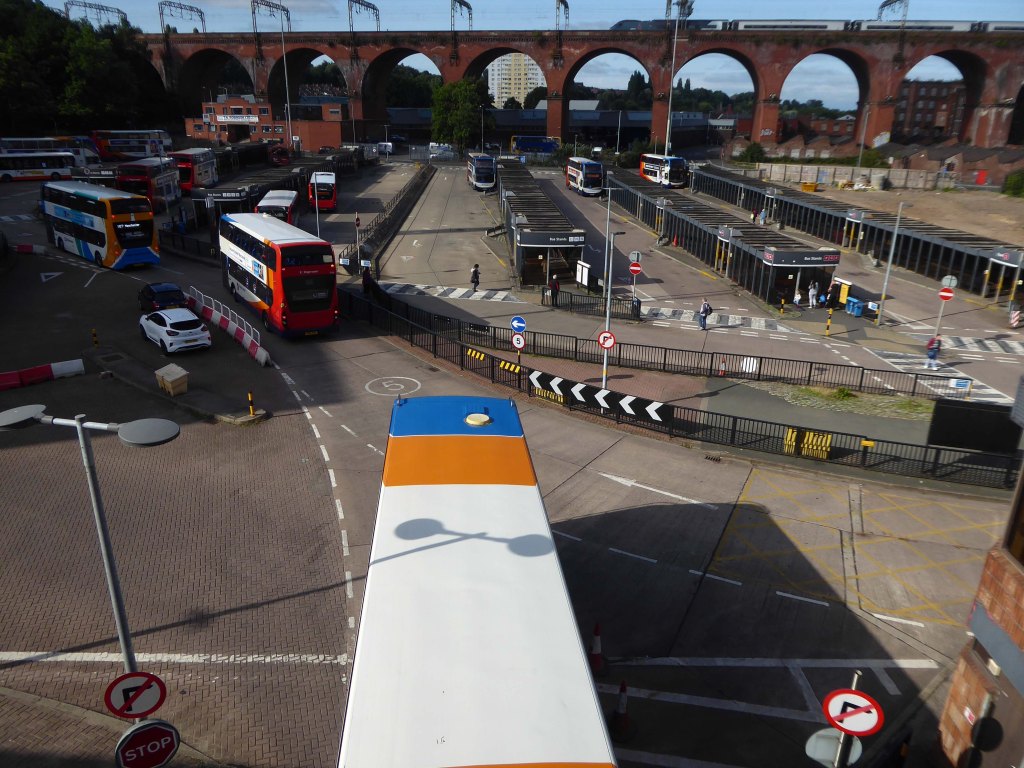
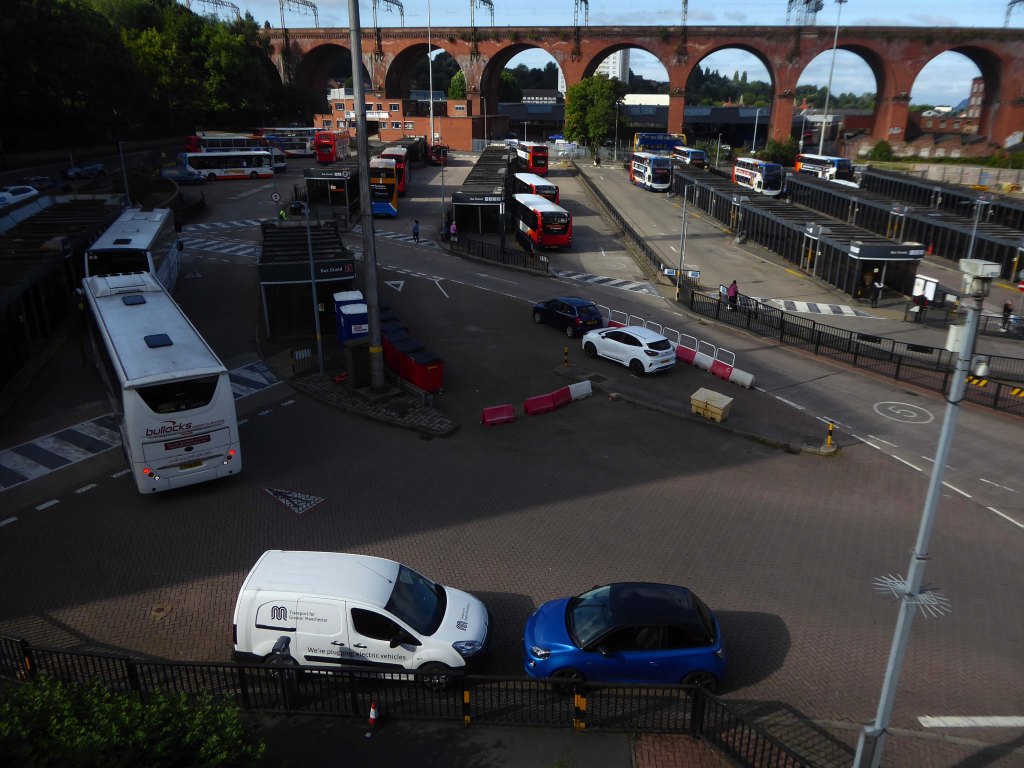
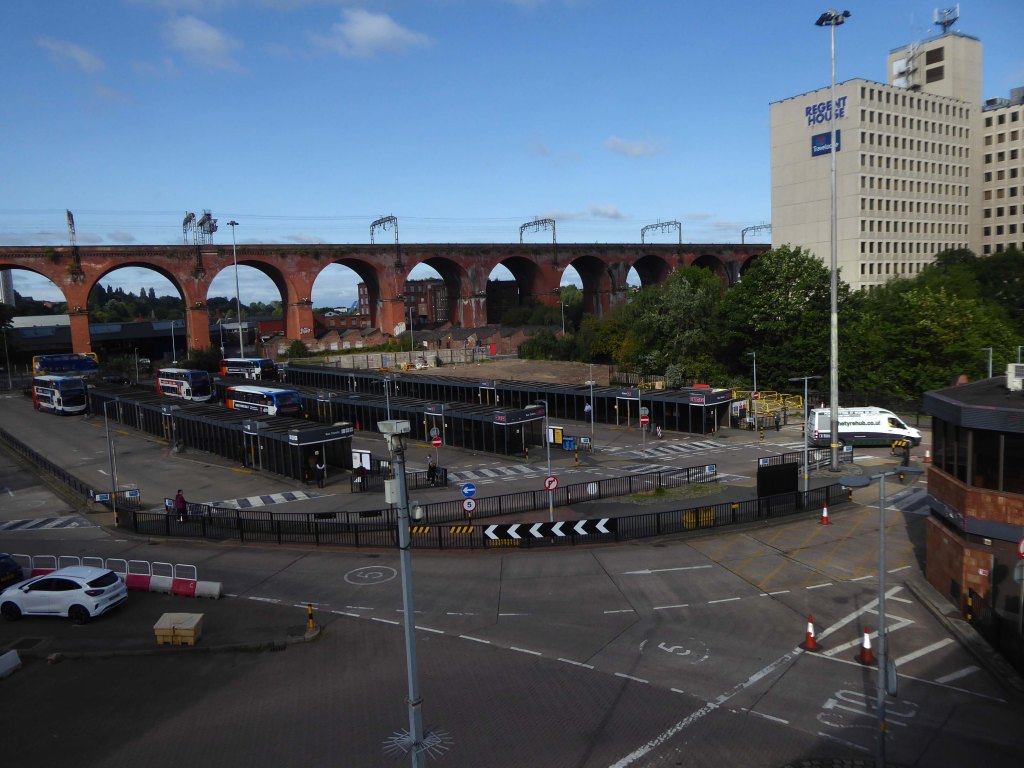
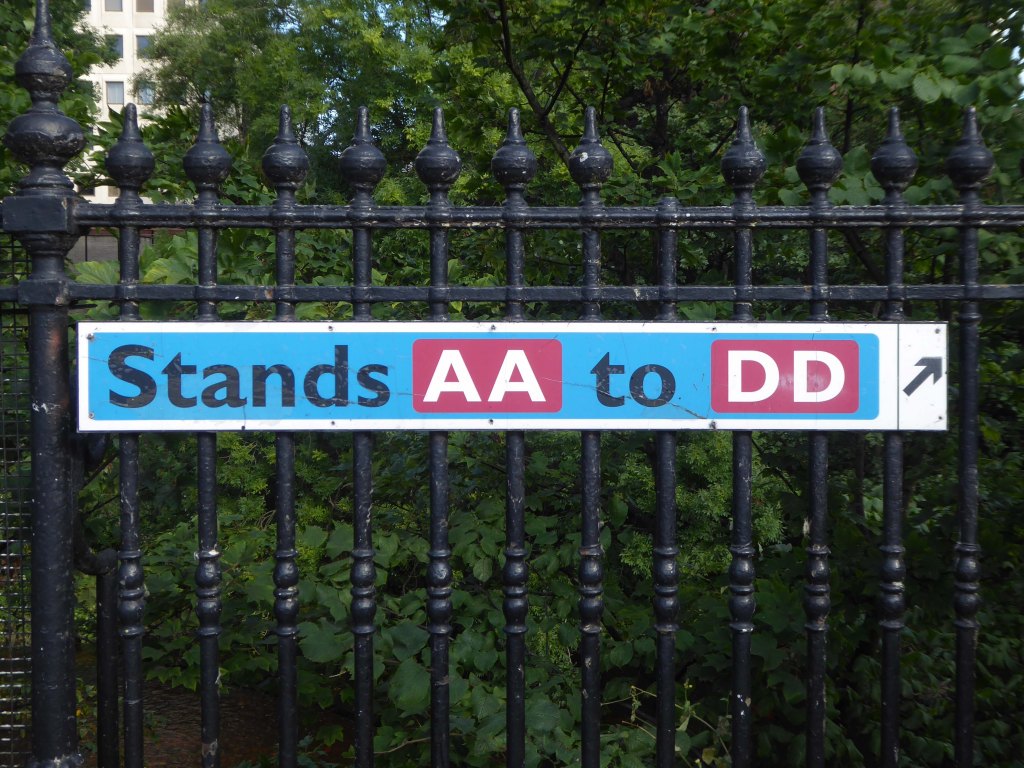
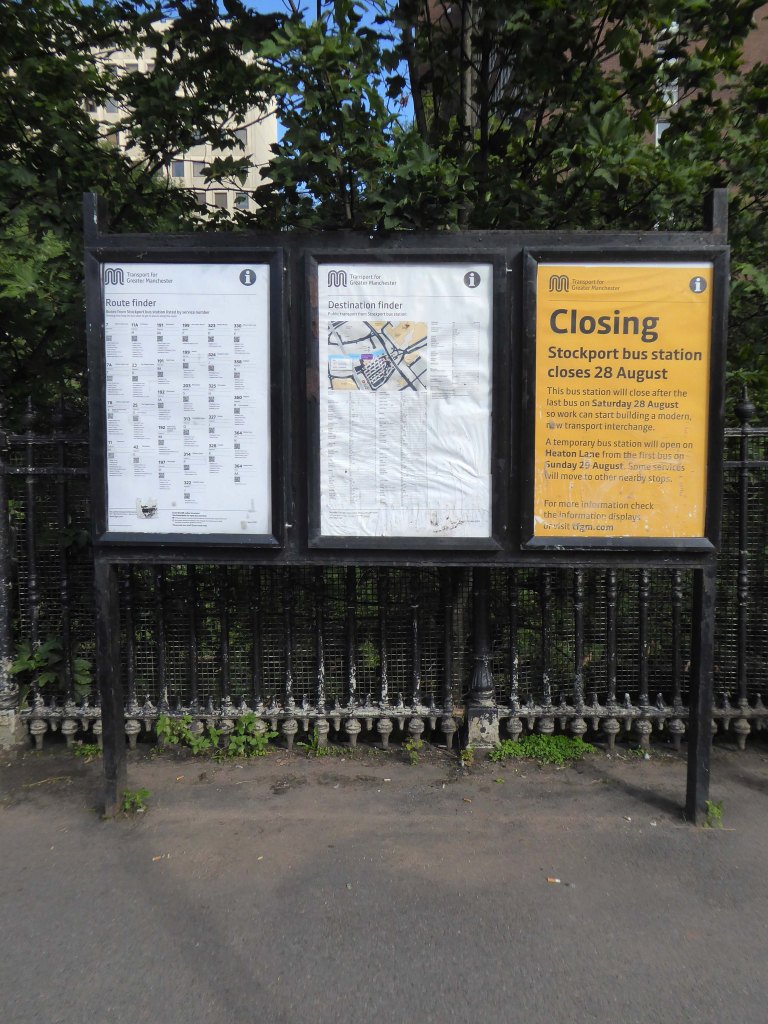
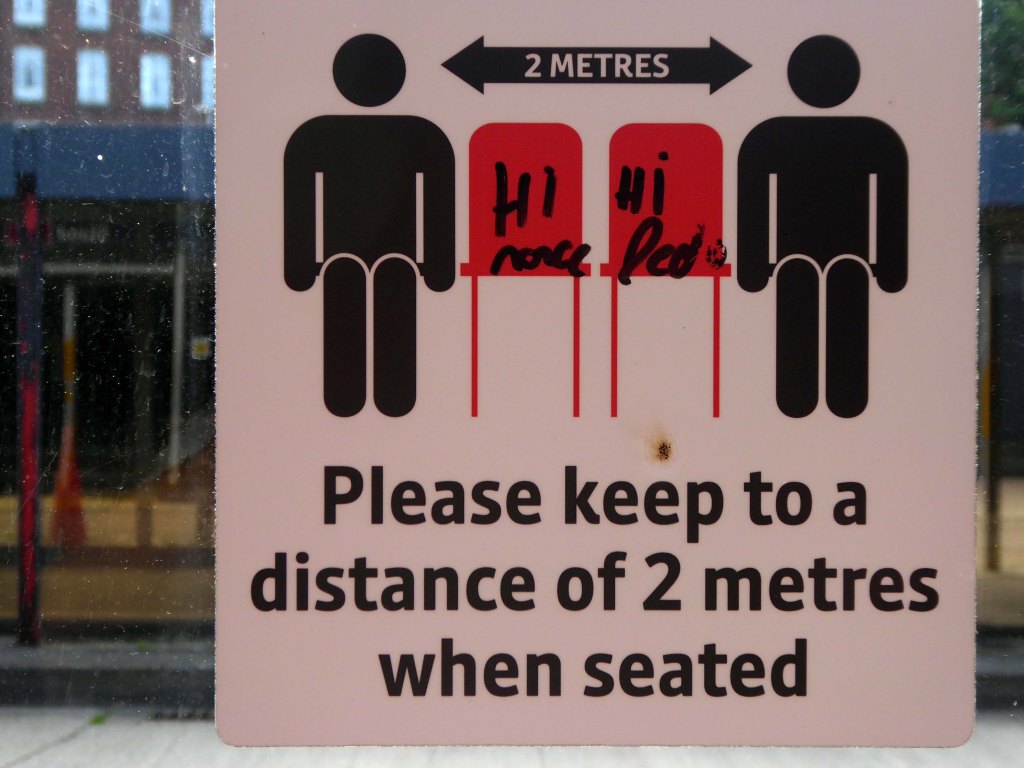
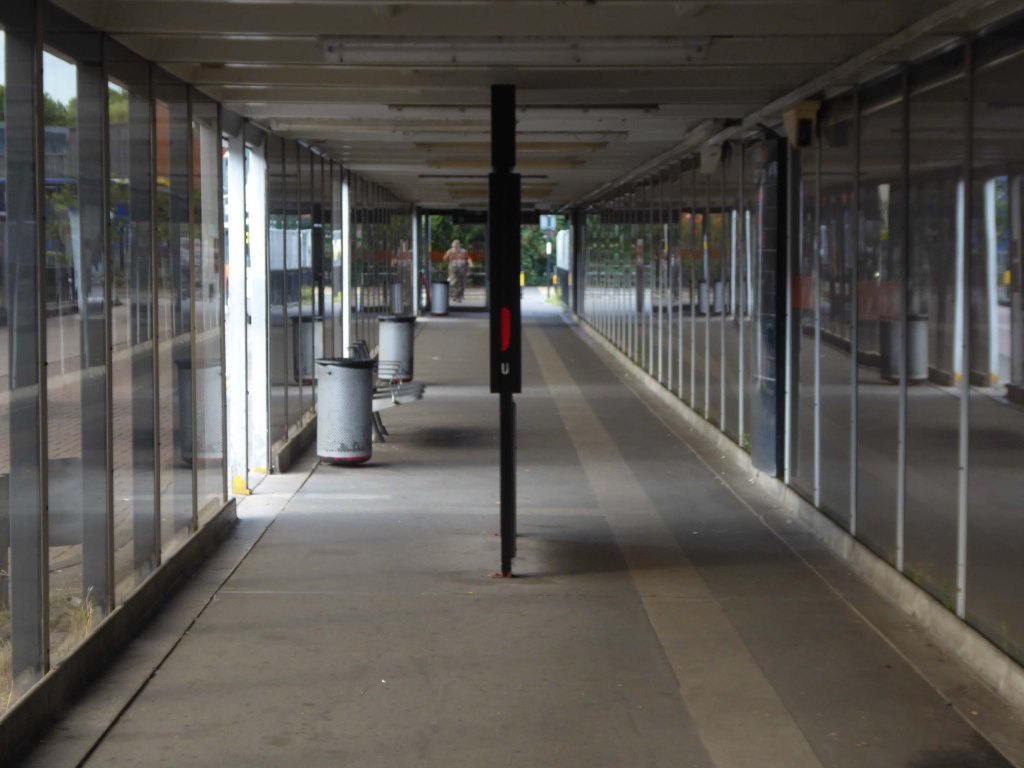
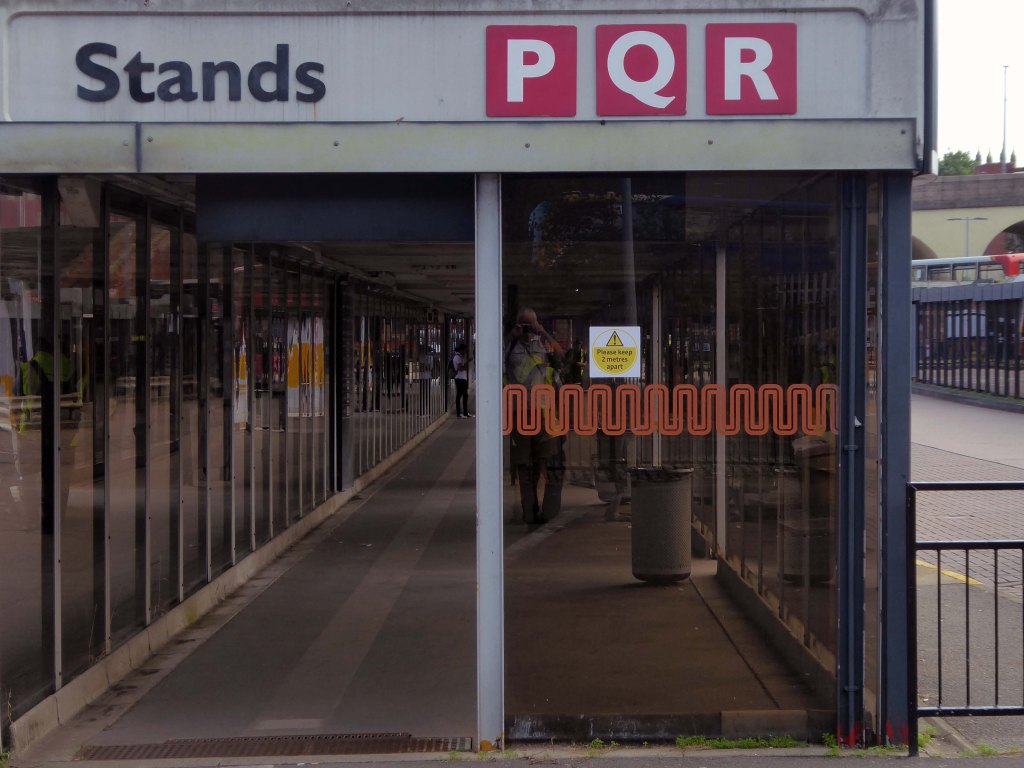
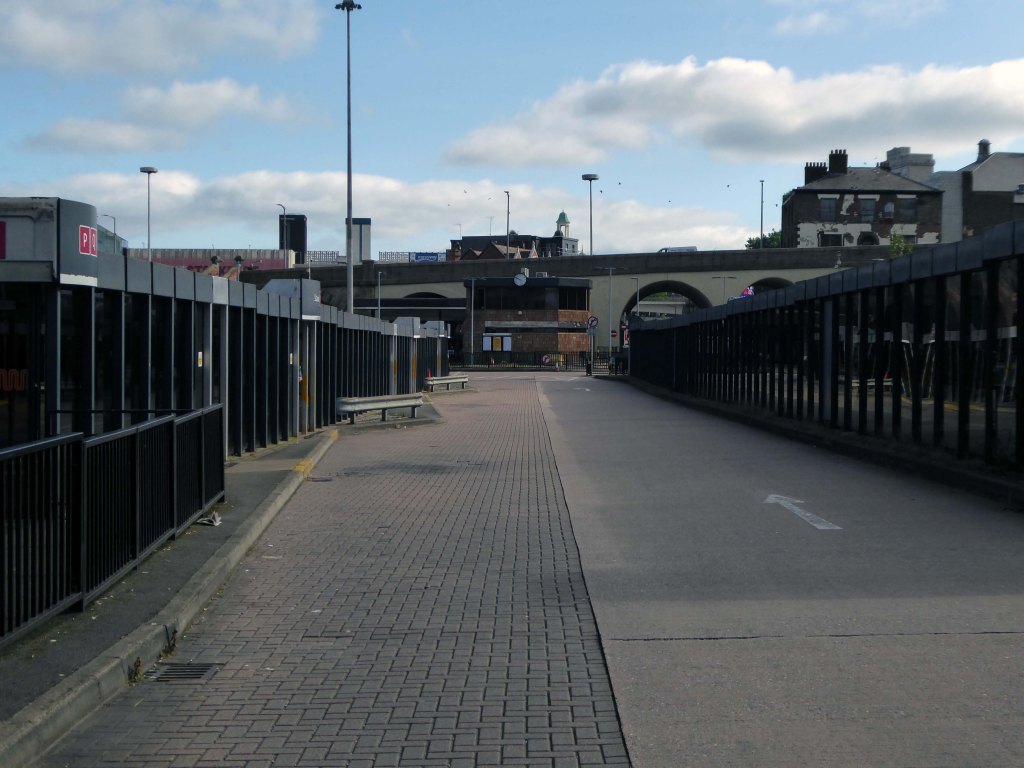
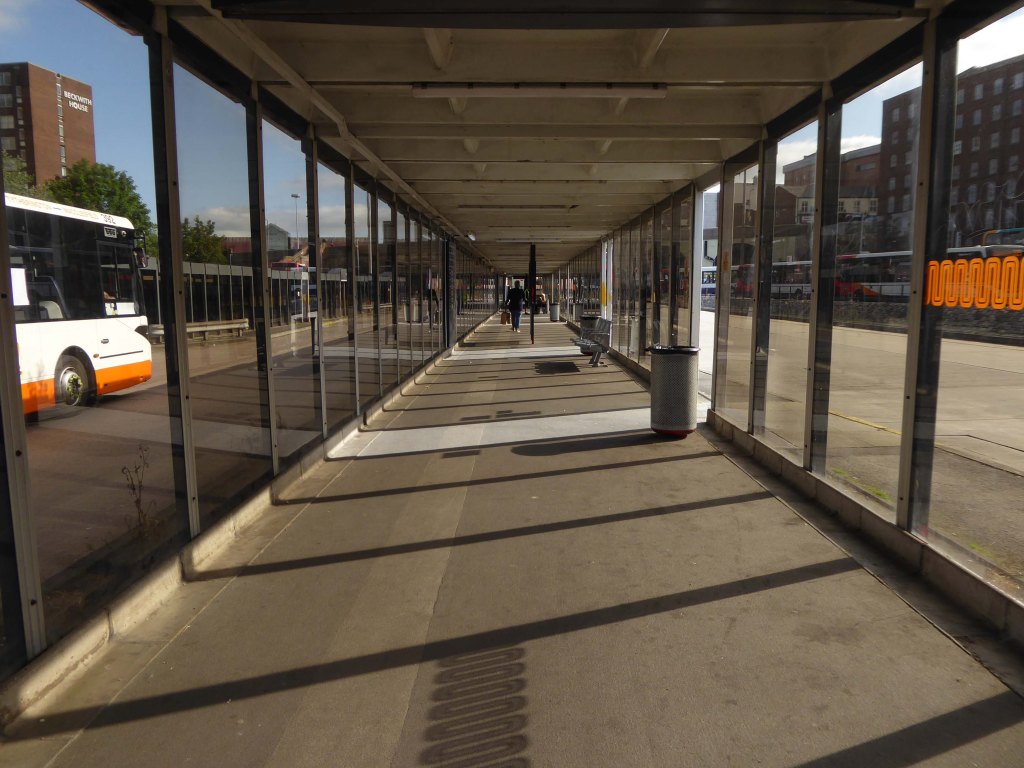
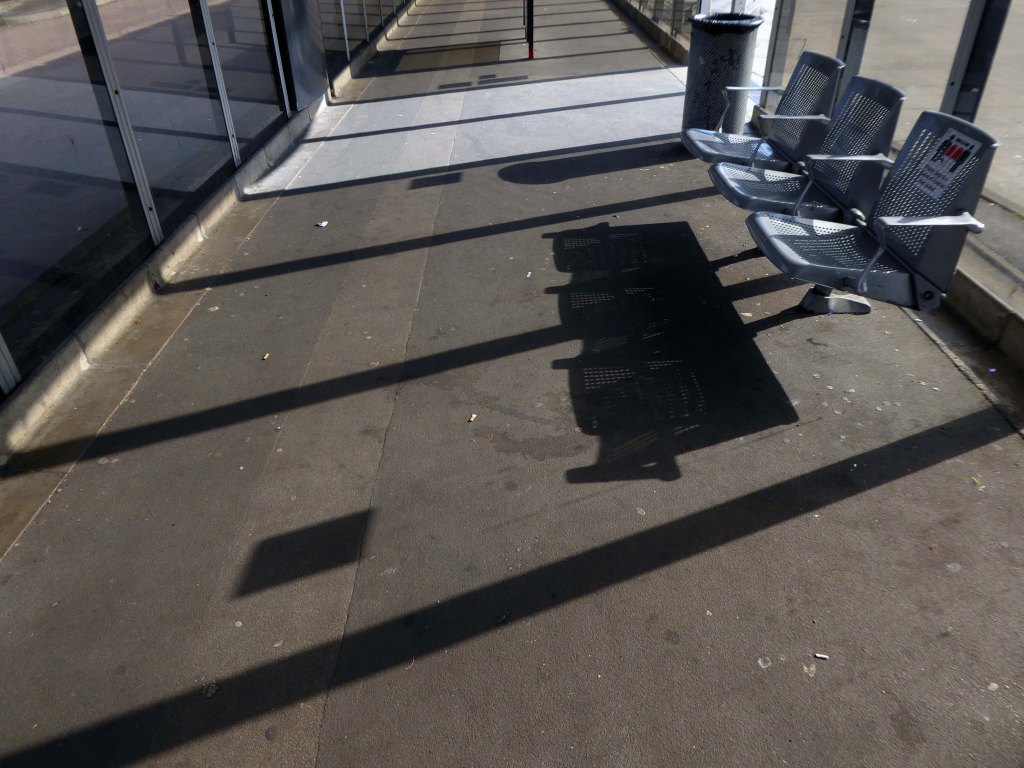
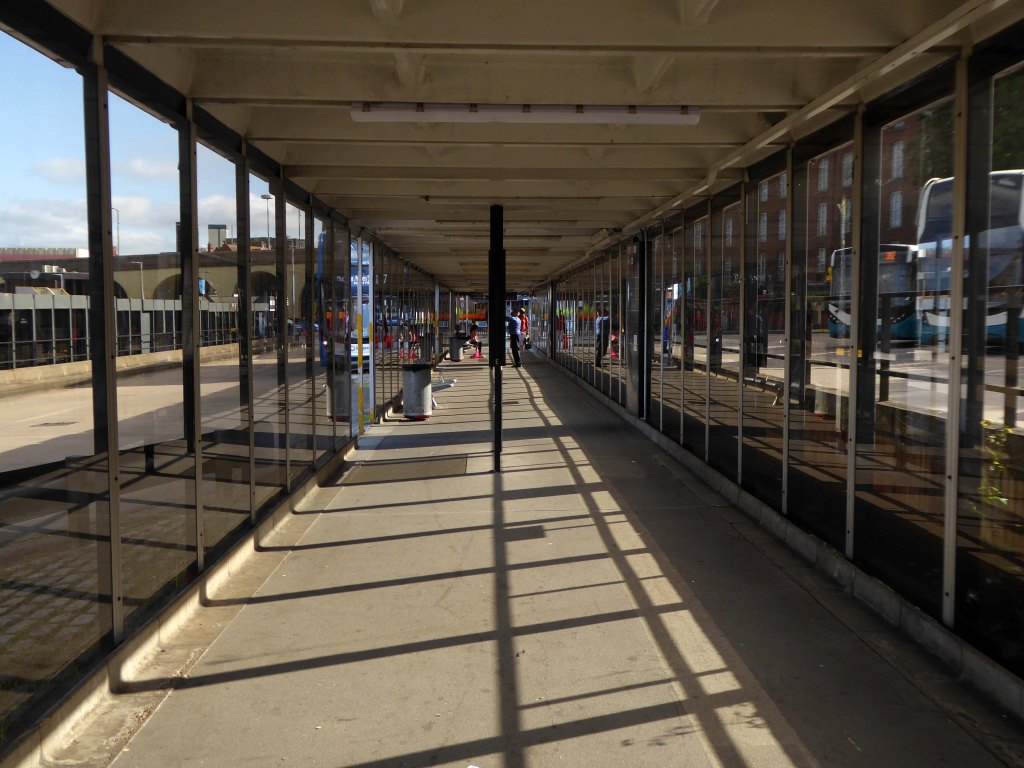
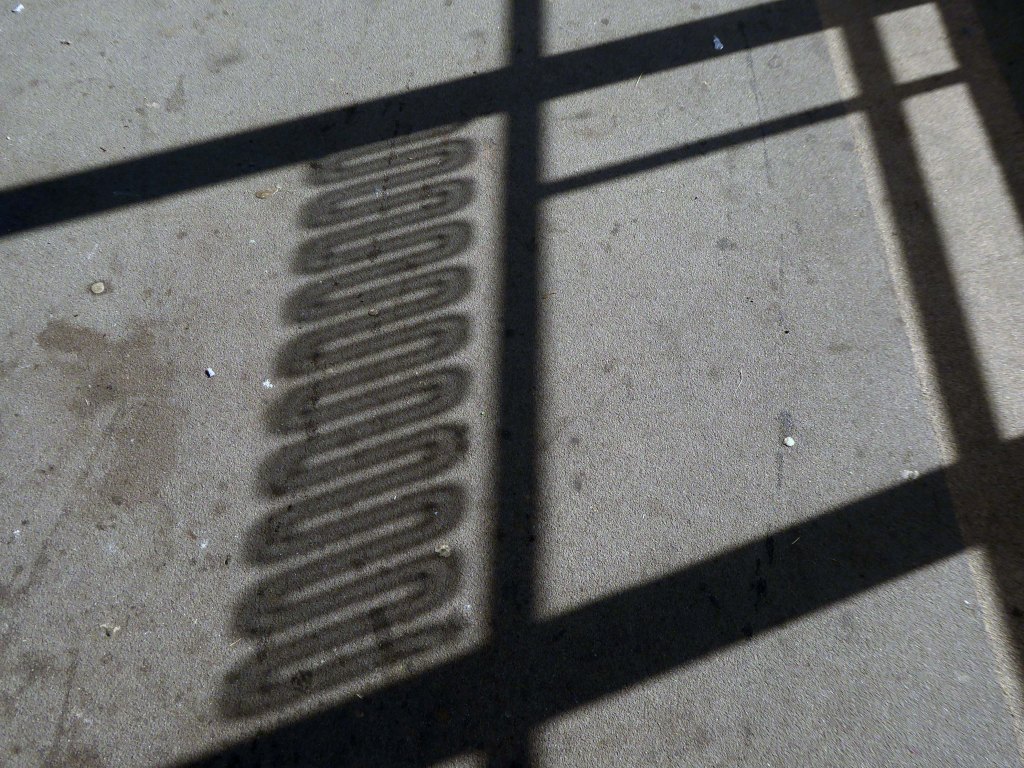
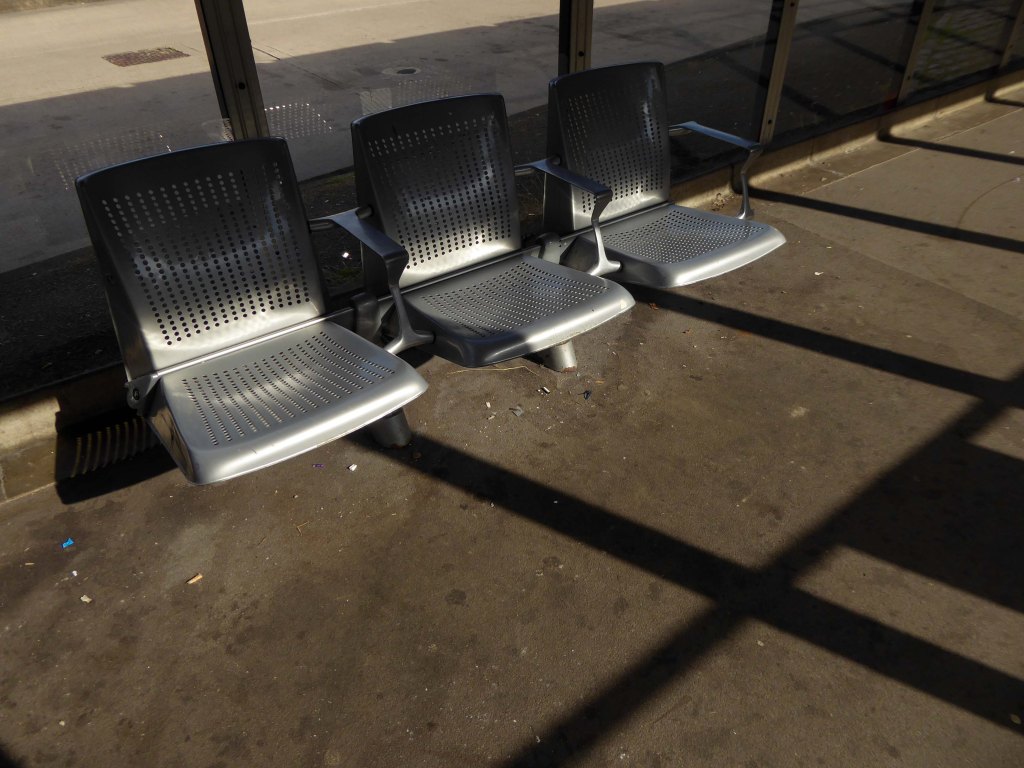
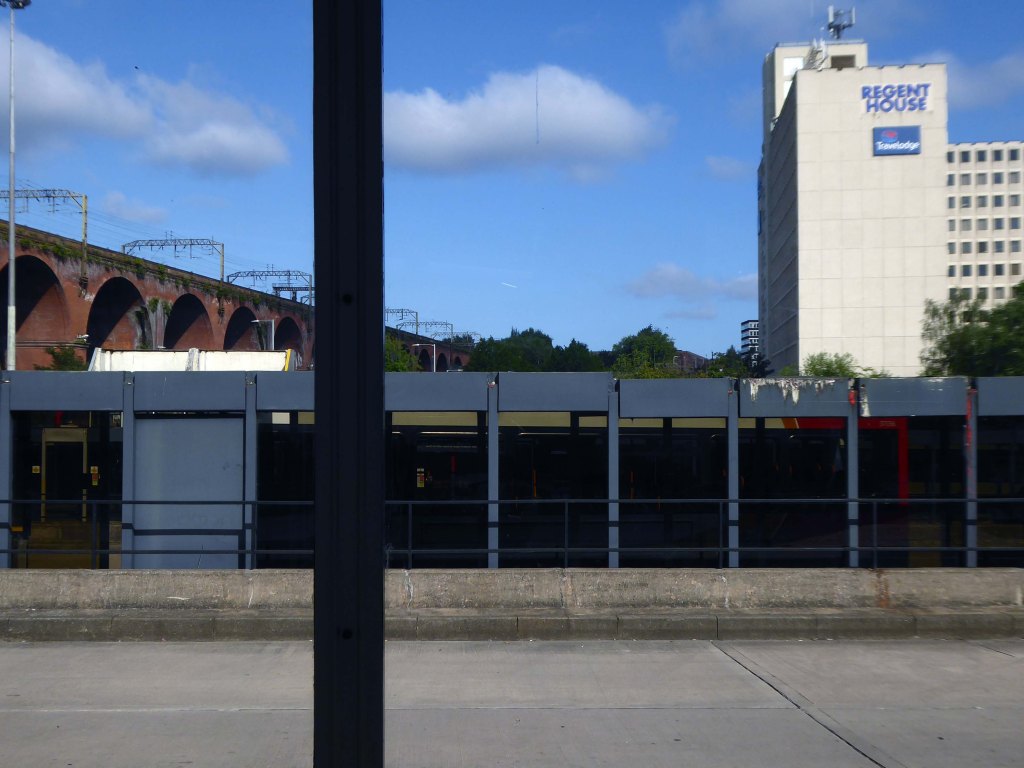
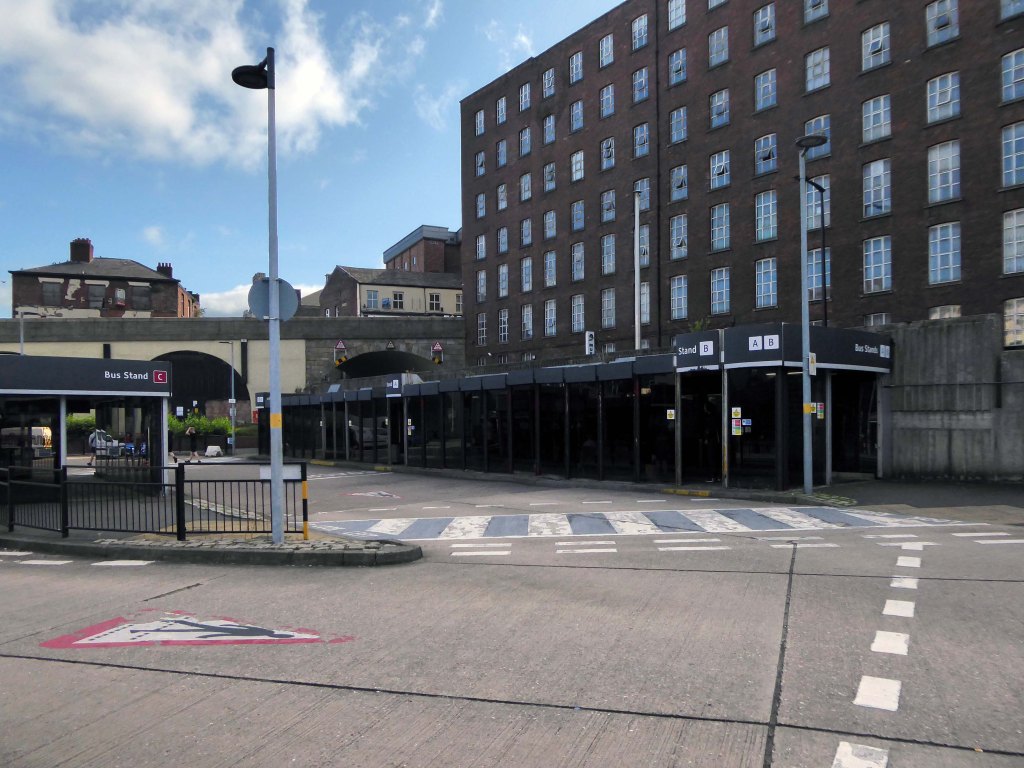
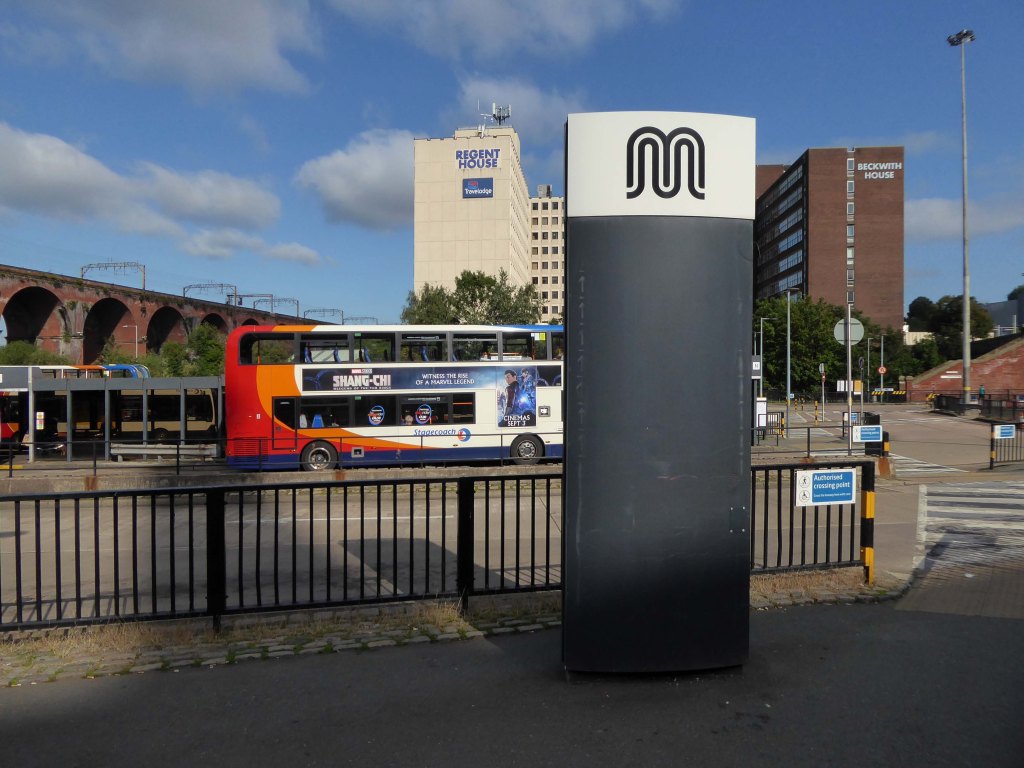
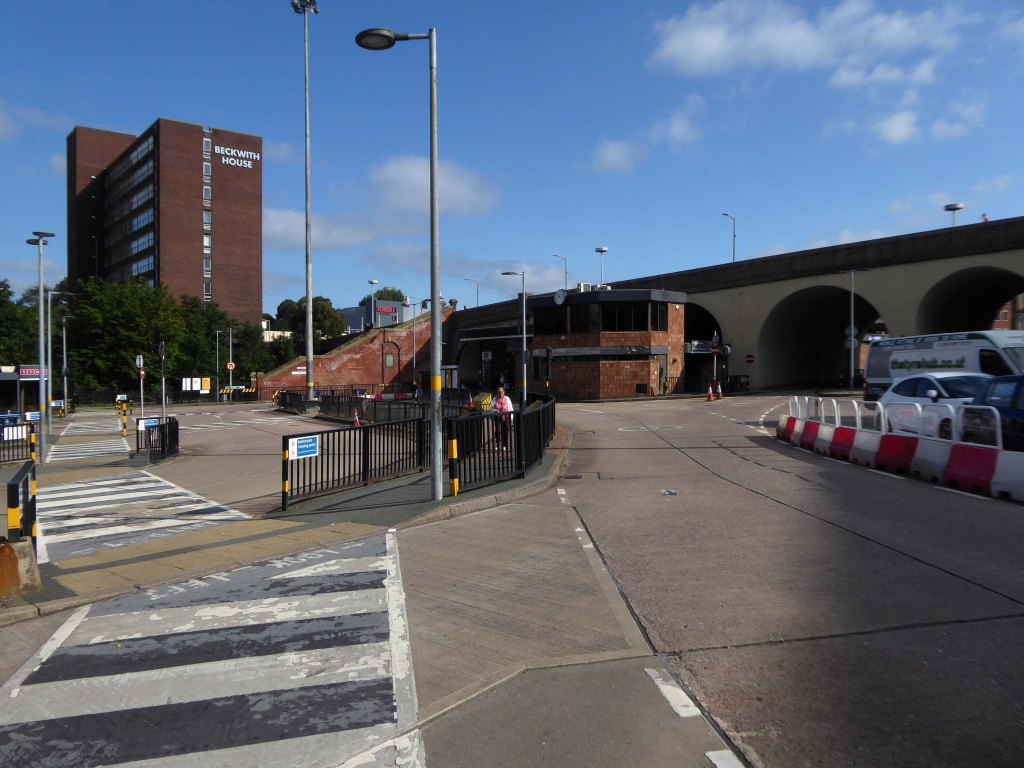
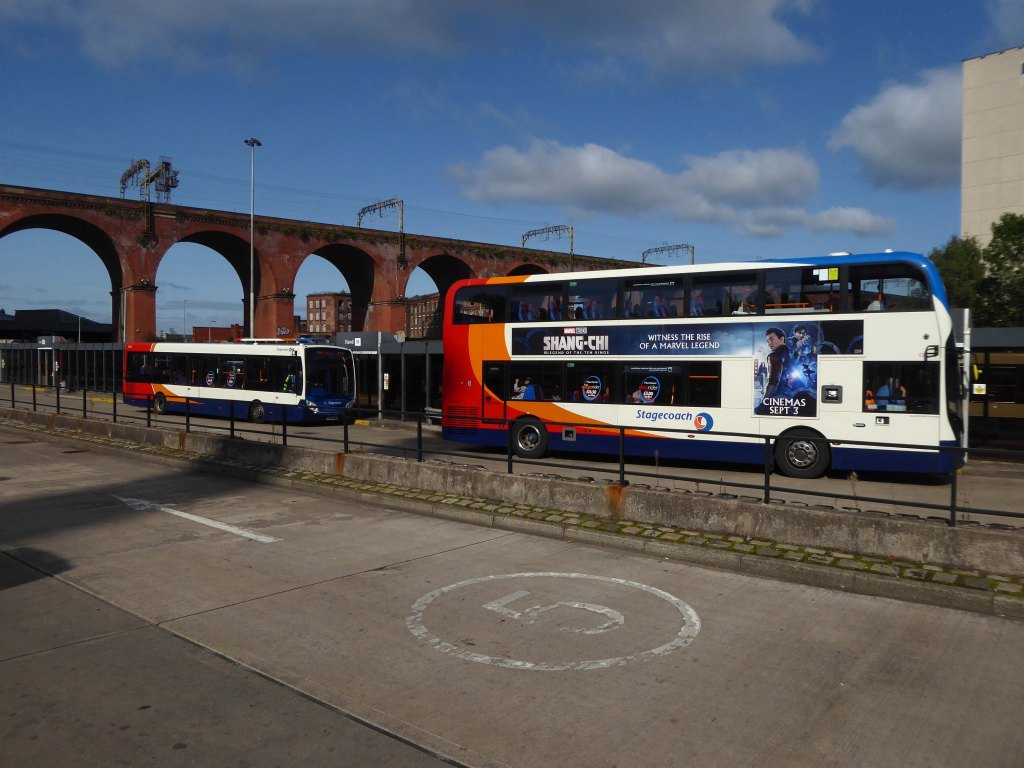
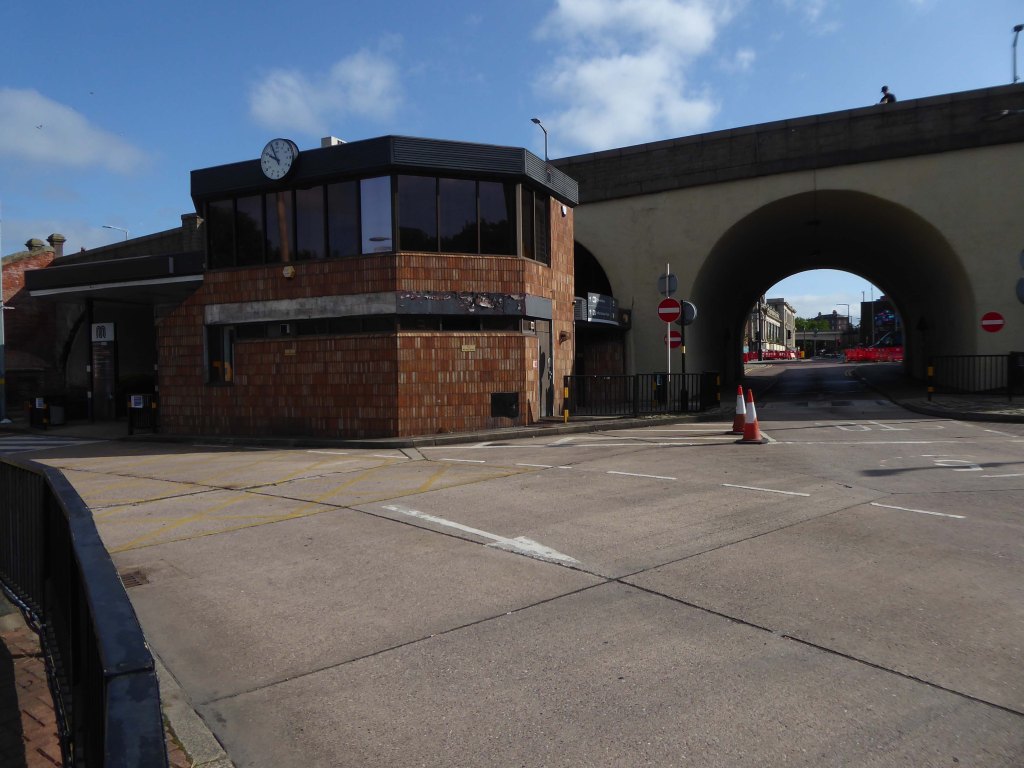
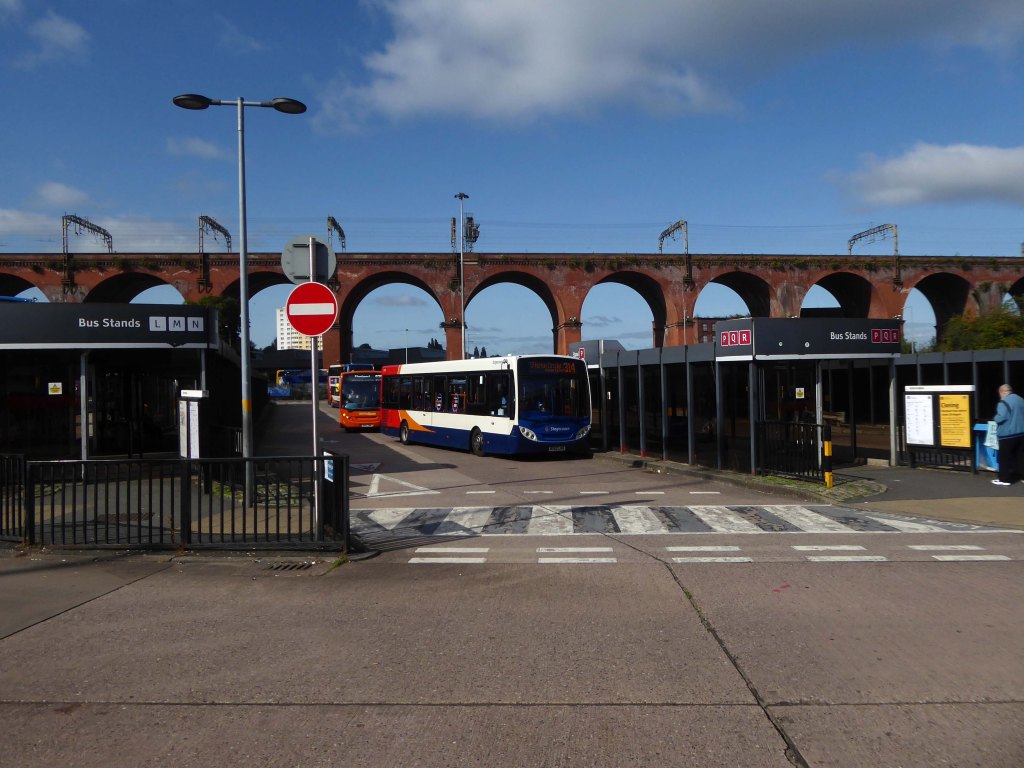

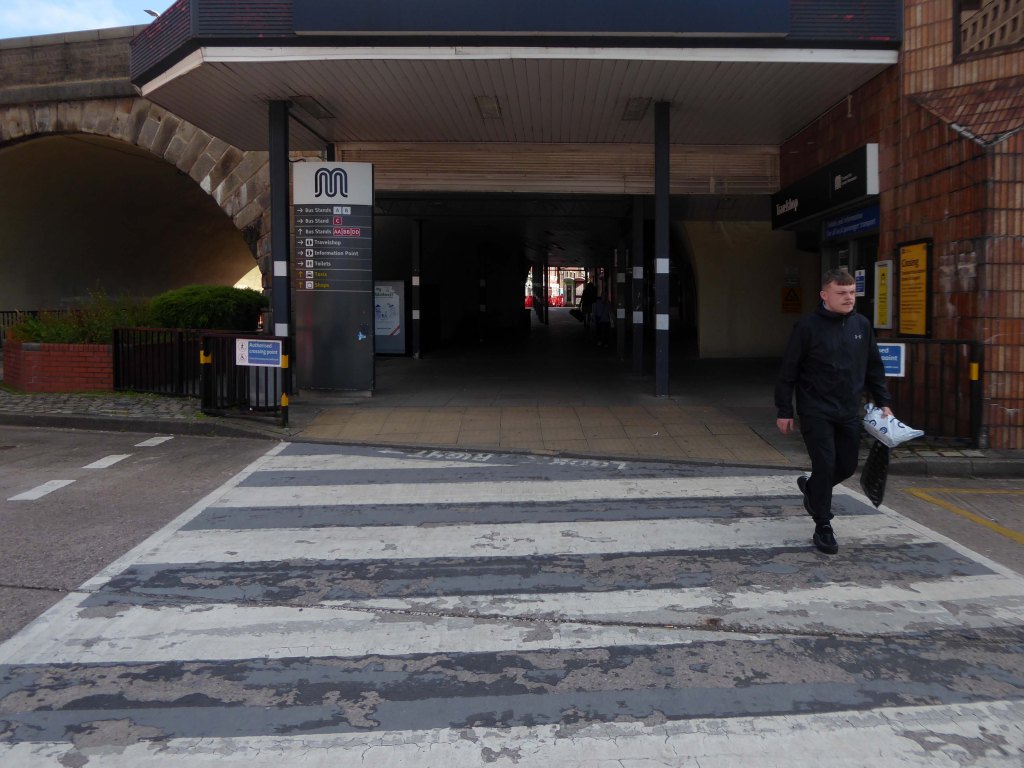
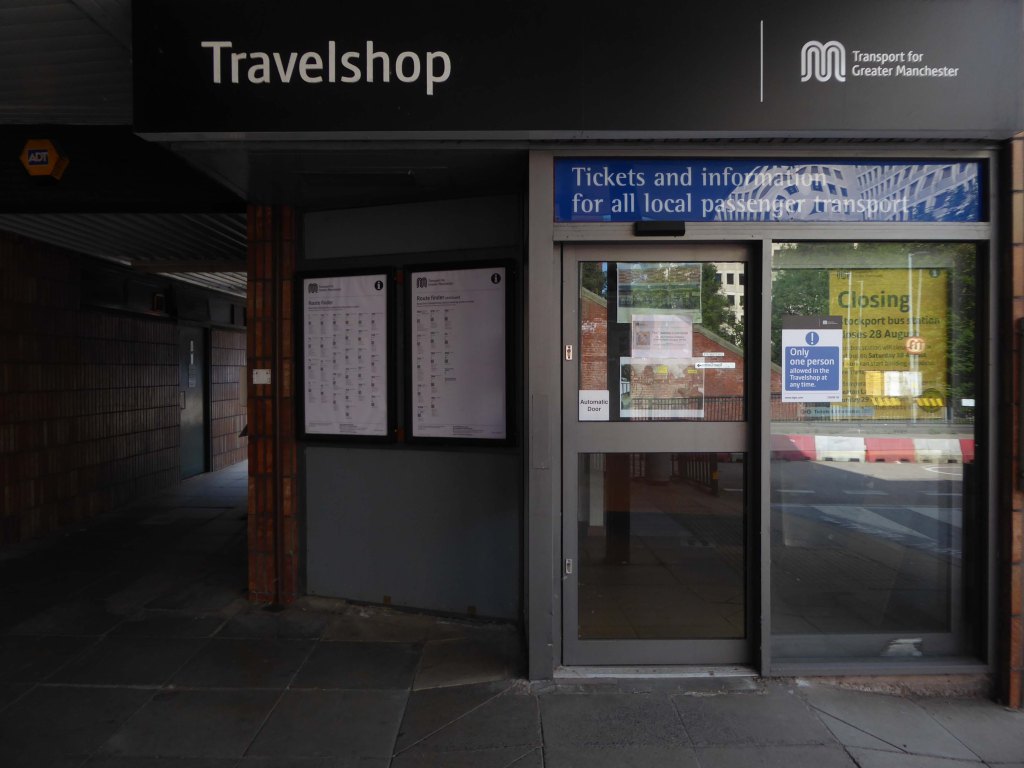
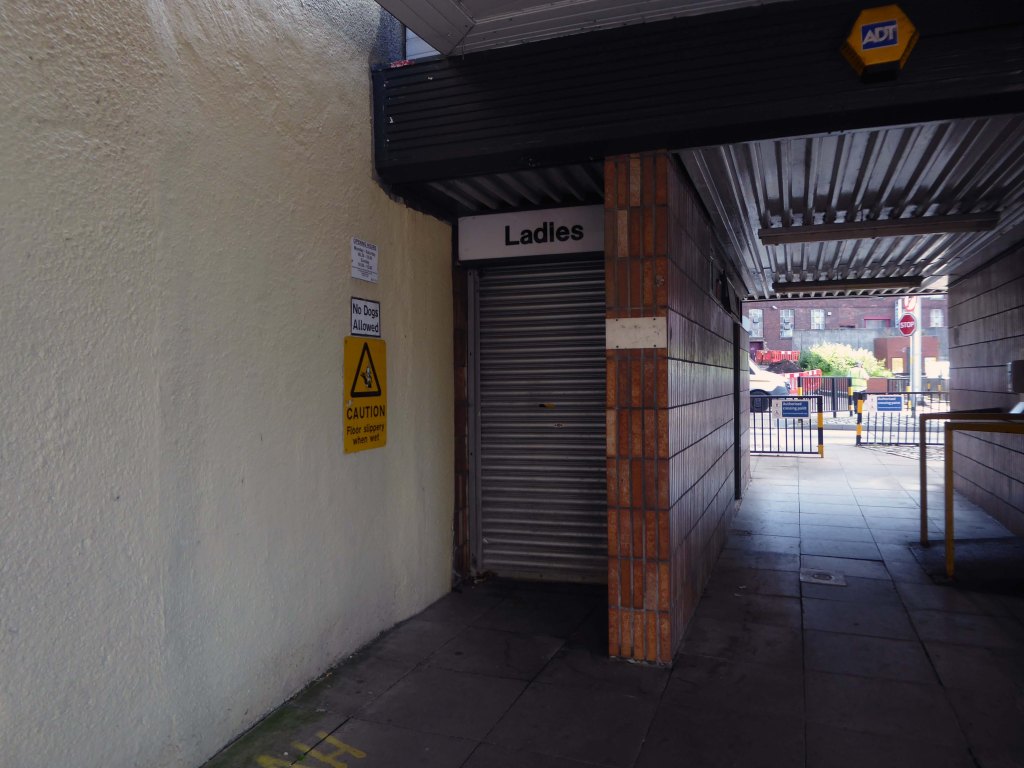
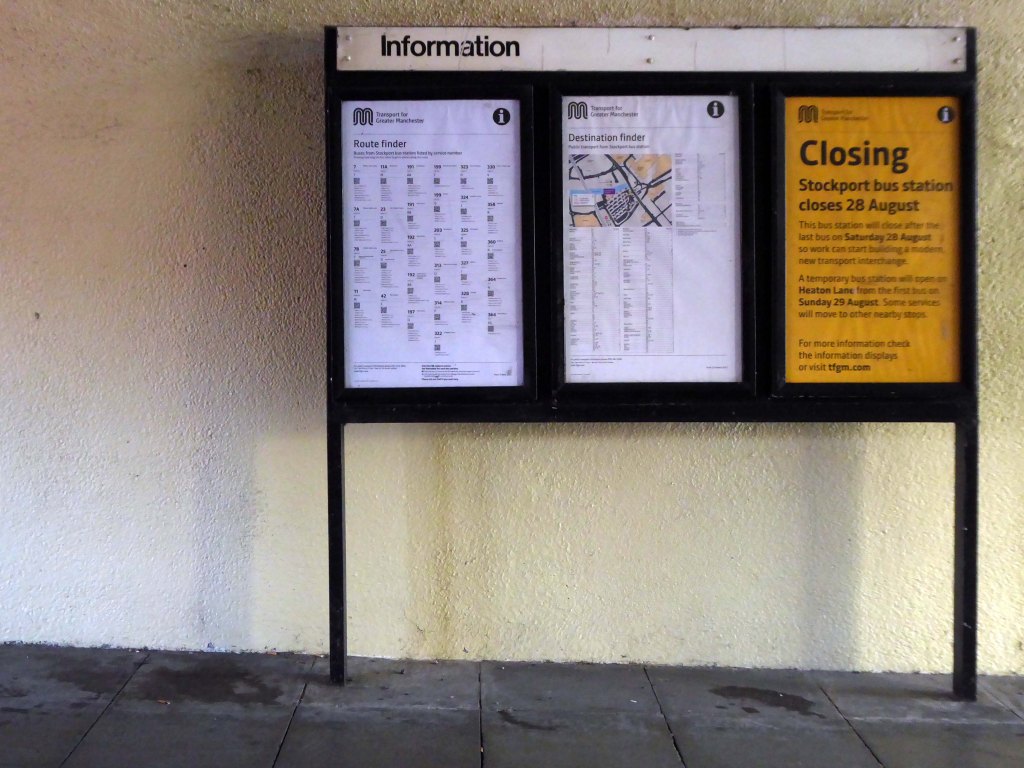
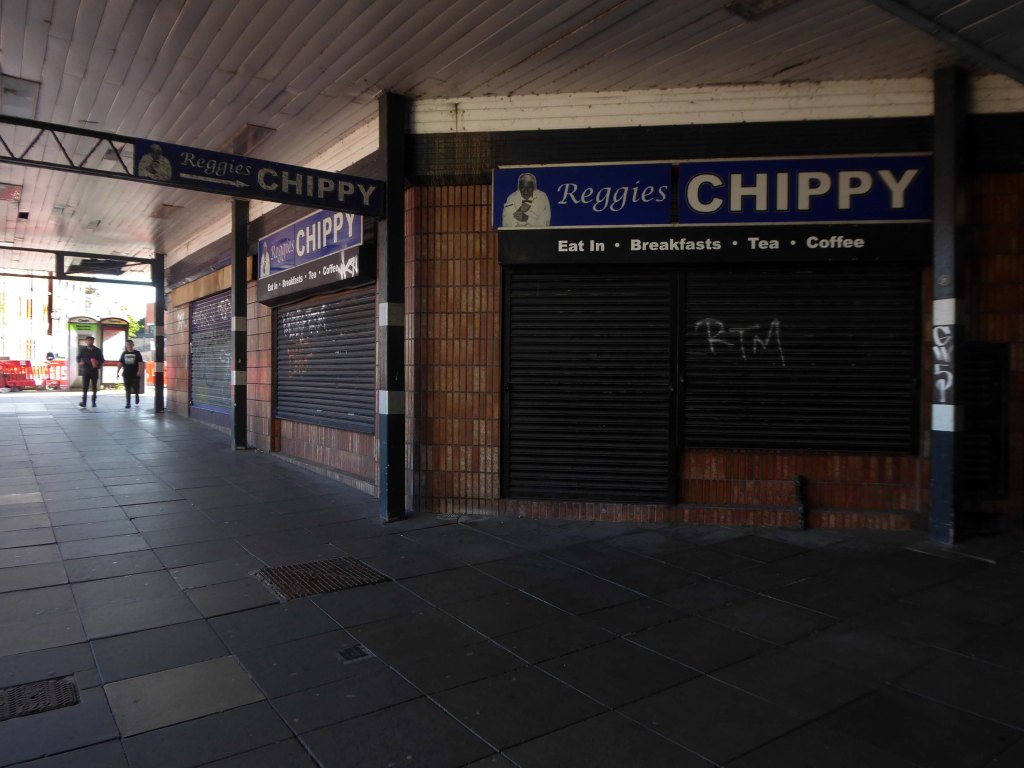
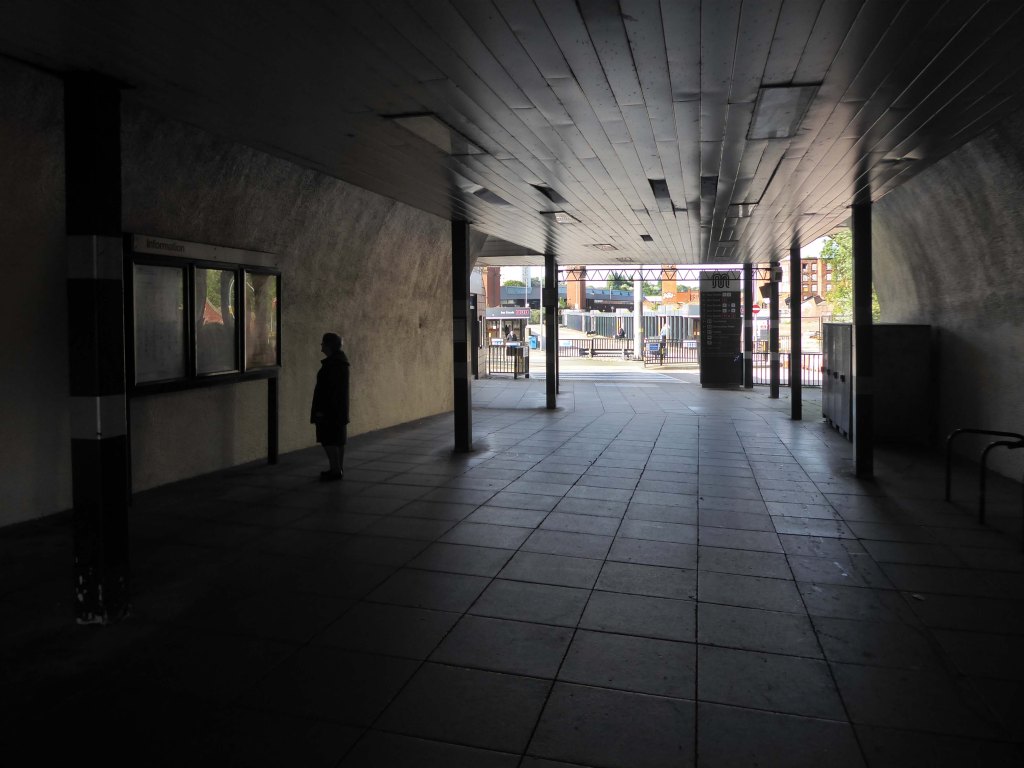
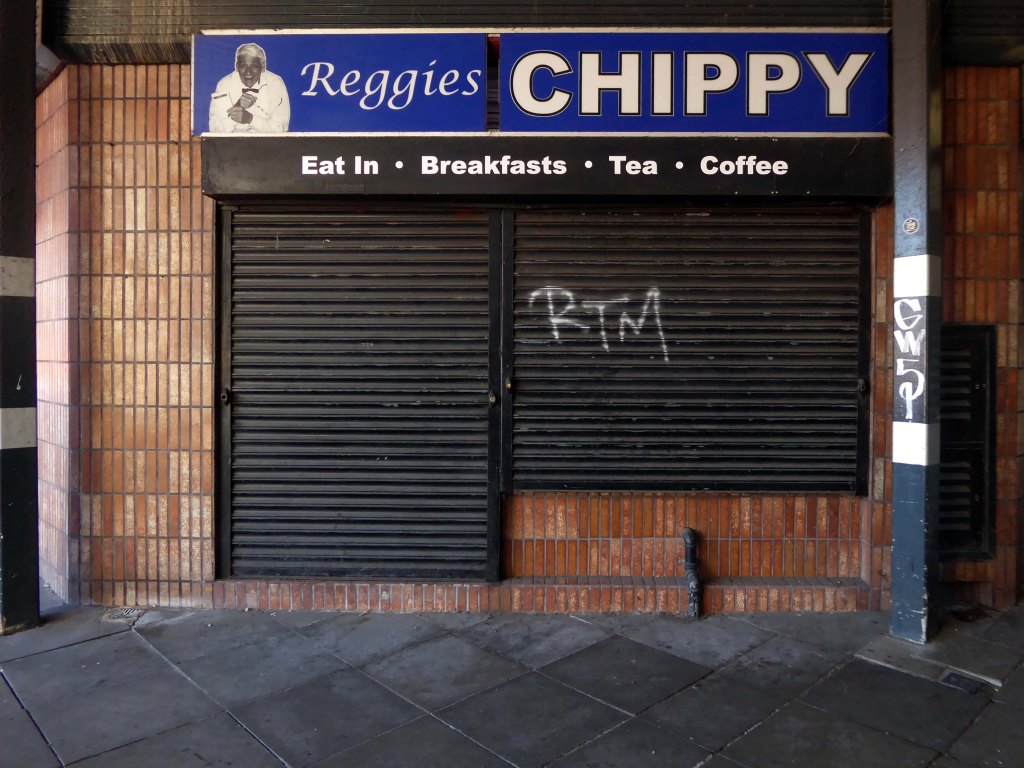
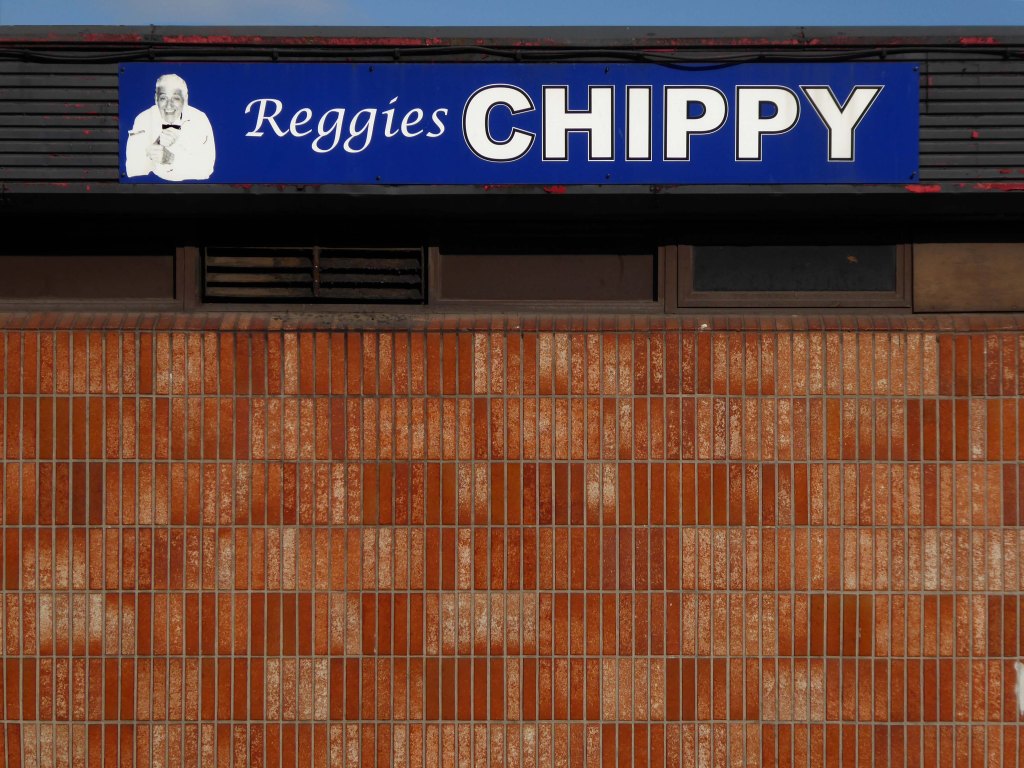
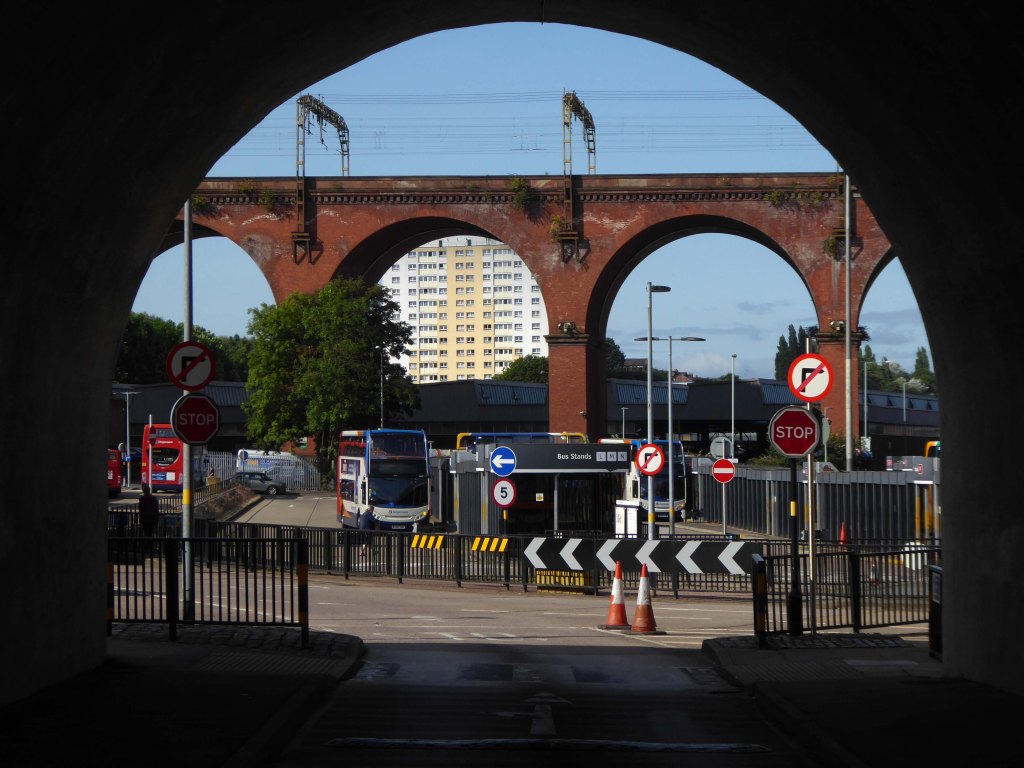
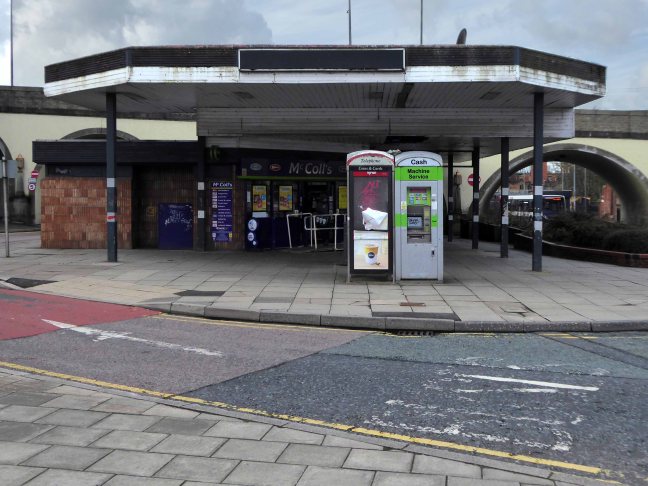
Your days are numbered, work has begun at the temporary site on Heaton Lane.
You are to be demolished, no more in, no more out.
I have tracked your history and slow decline.
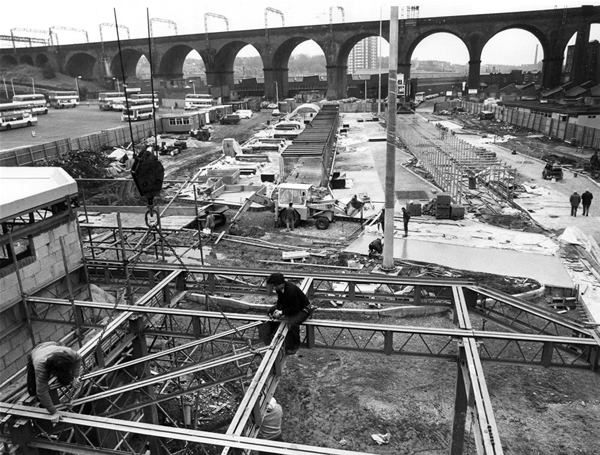
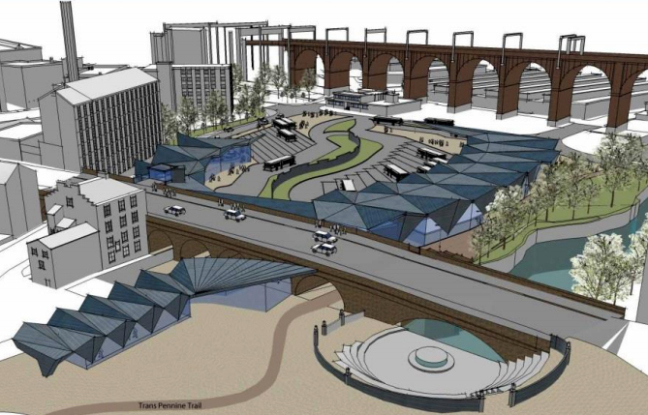
You are to become a transport interchange.
So here’s a record of your lost chippy, closed lavatories, control centre, relocated information office, slowly ticking clock, soon to tick no longer.
Say hello and wave goodbye to RS McColl’s kiosk.
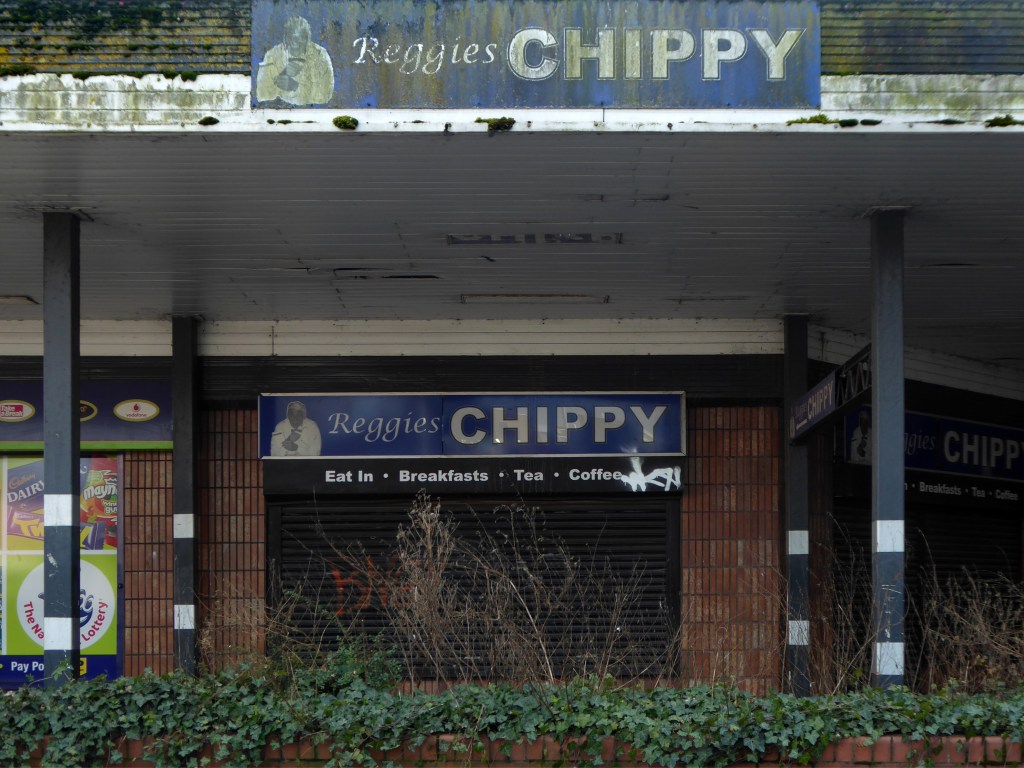
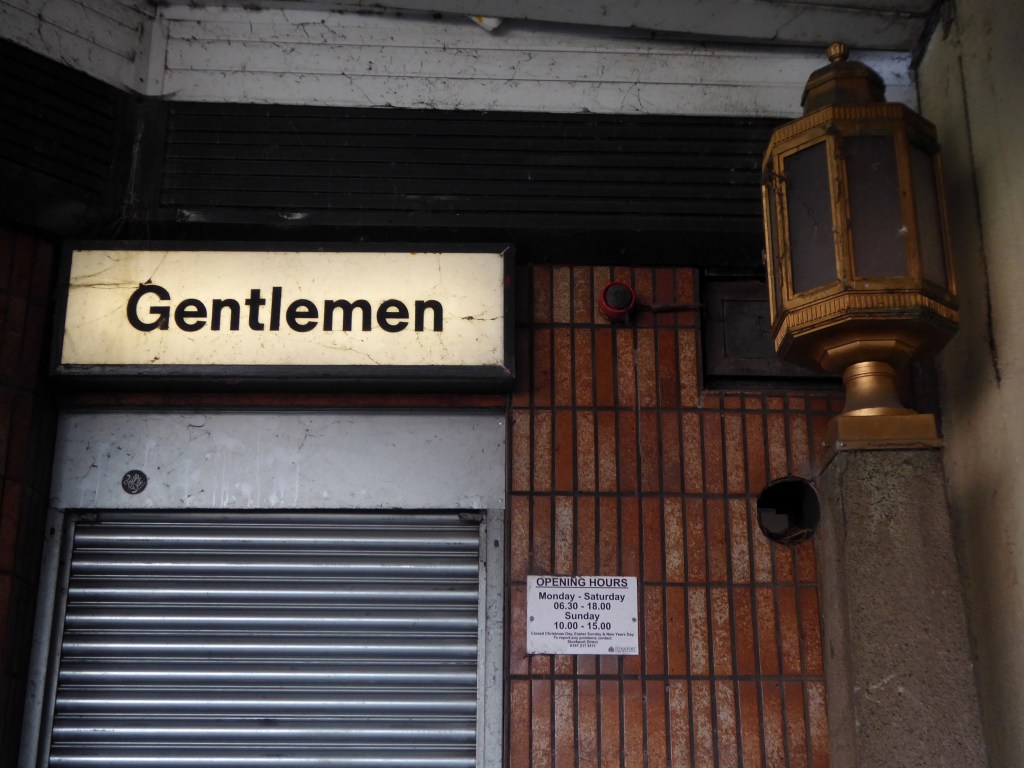
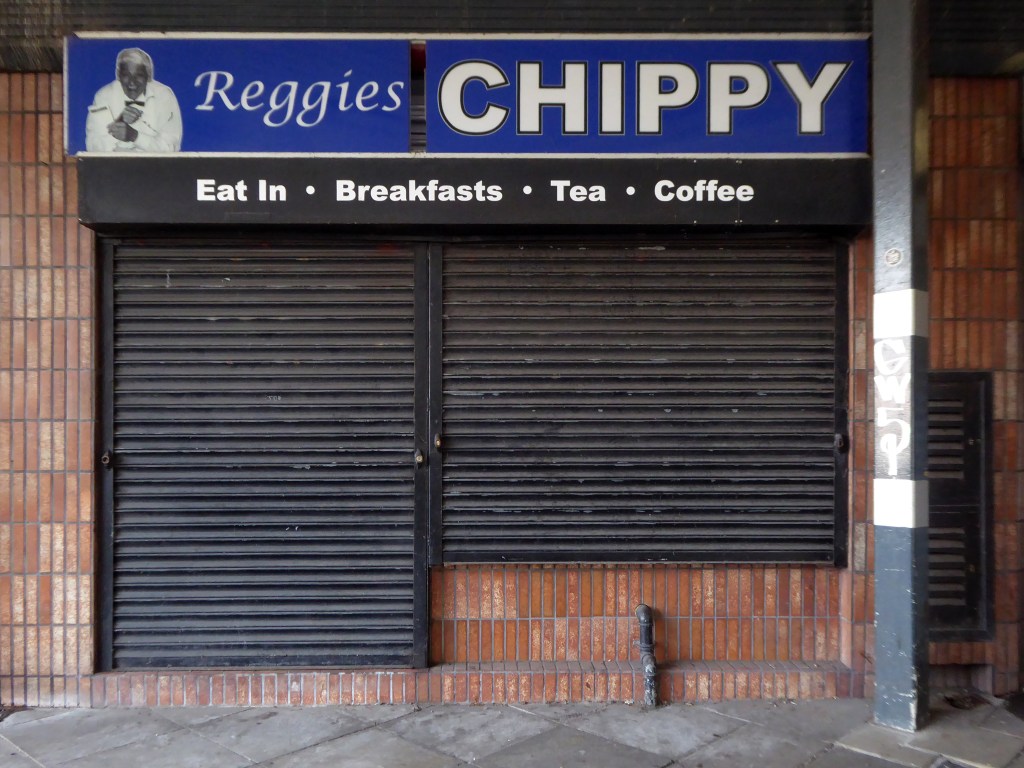
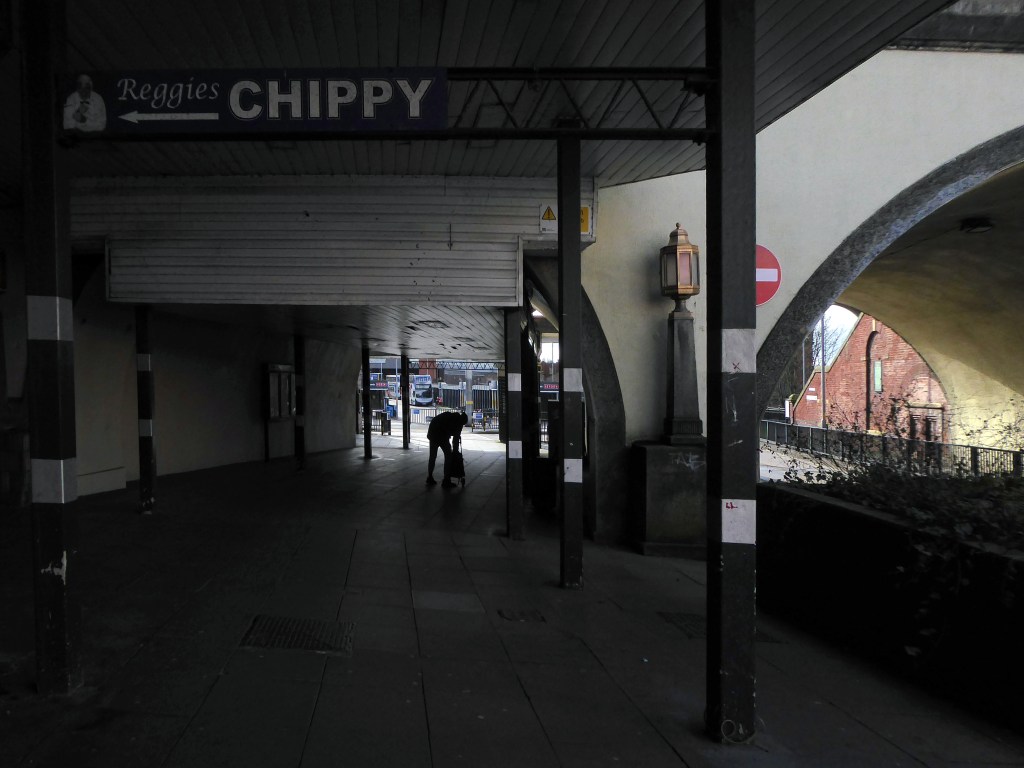
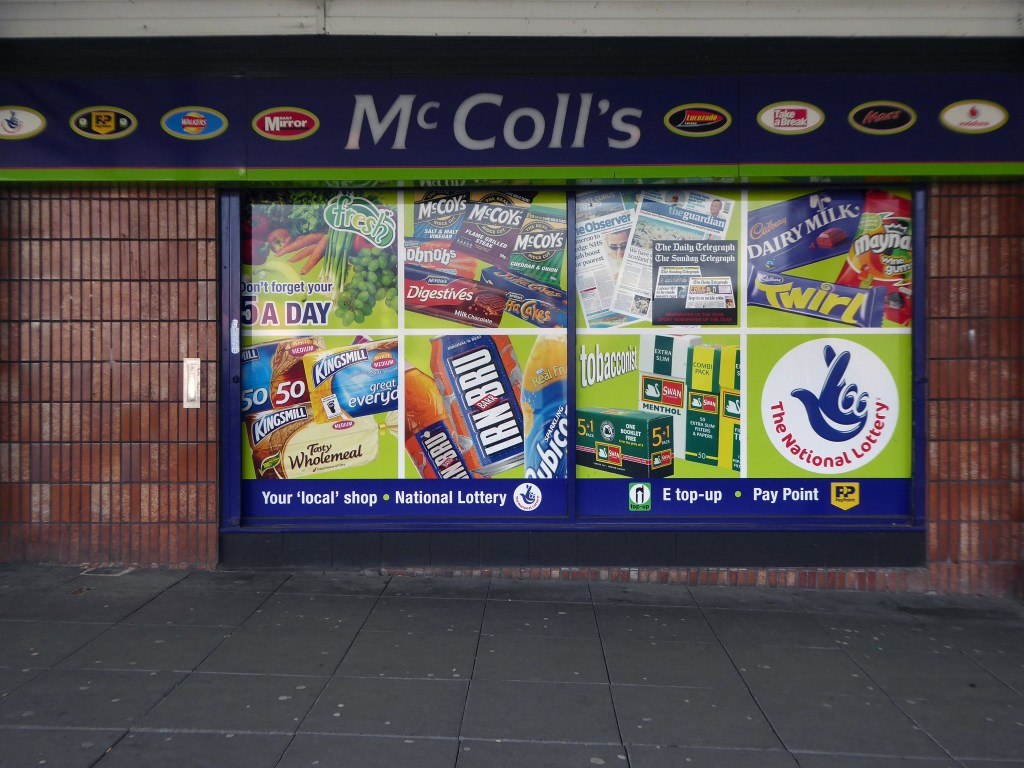
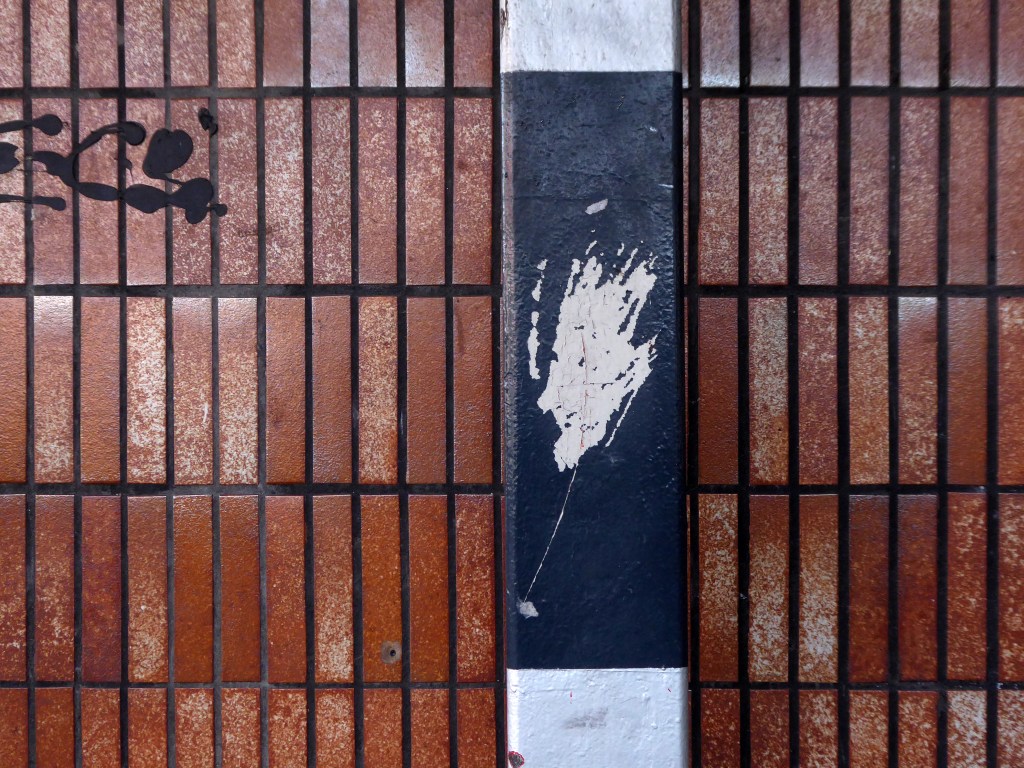
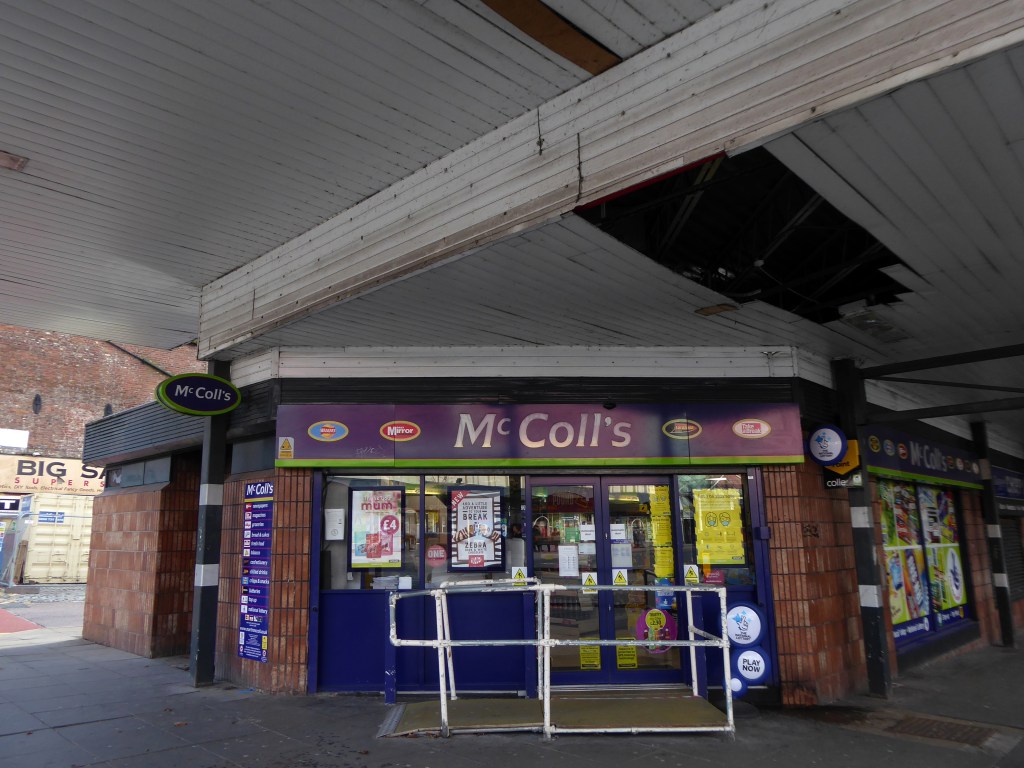
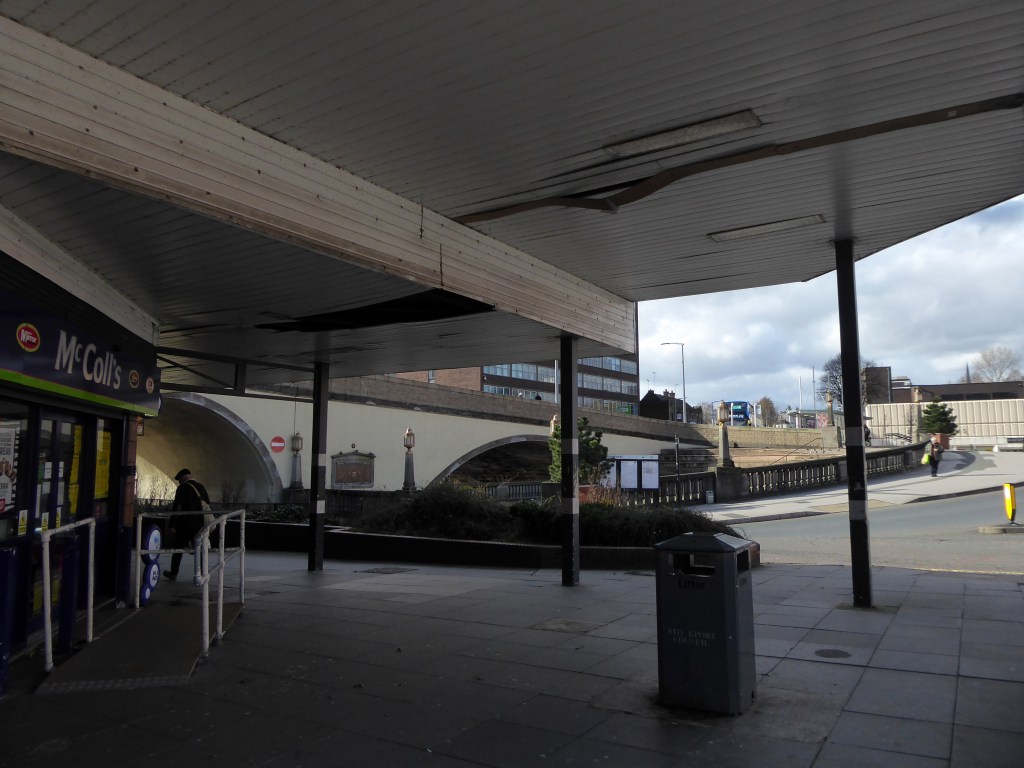
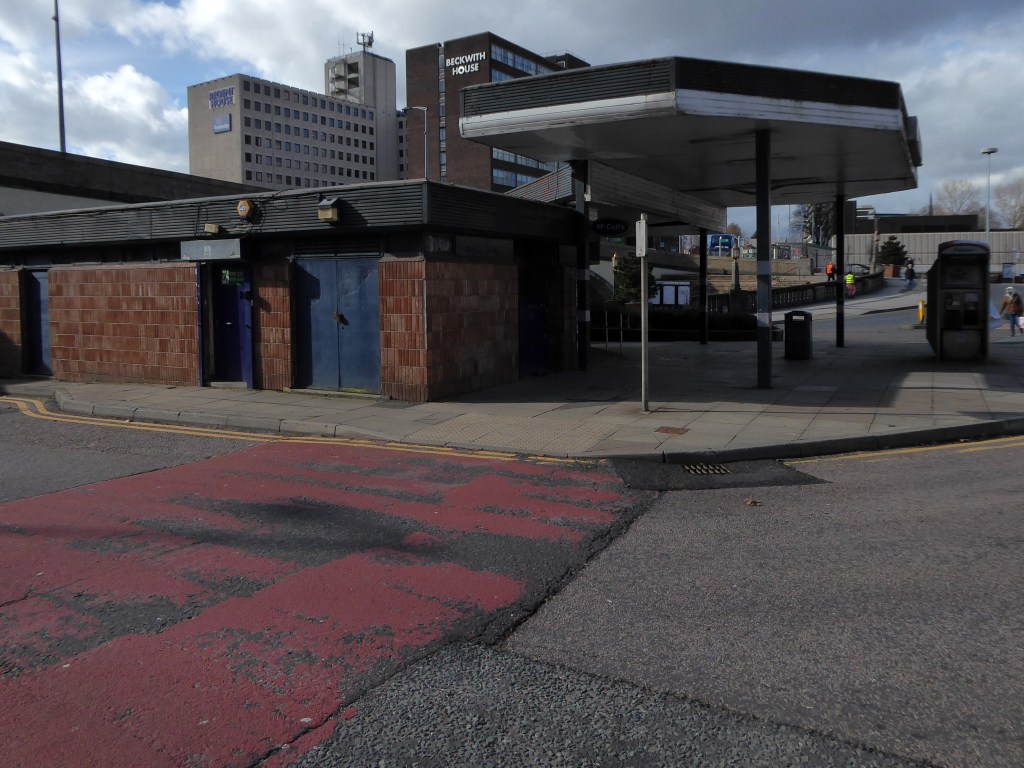
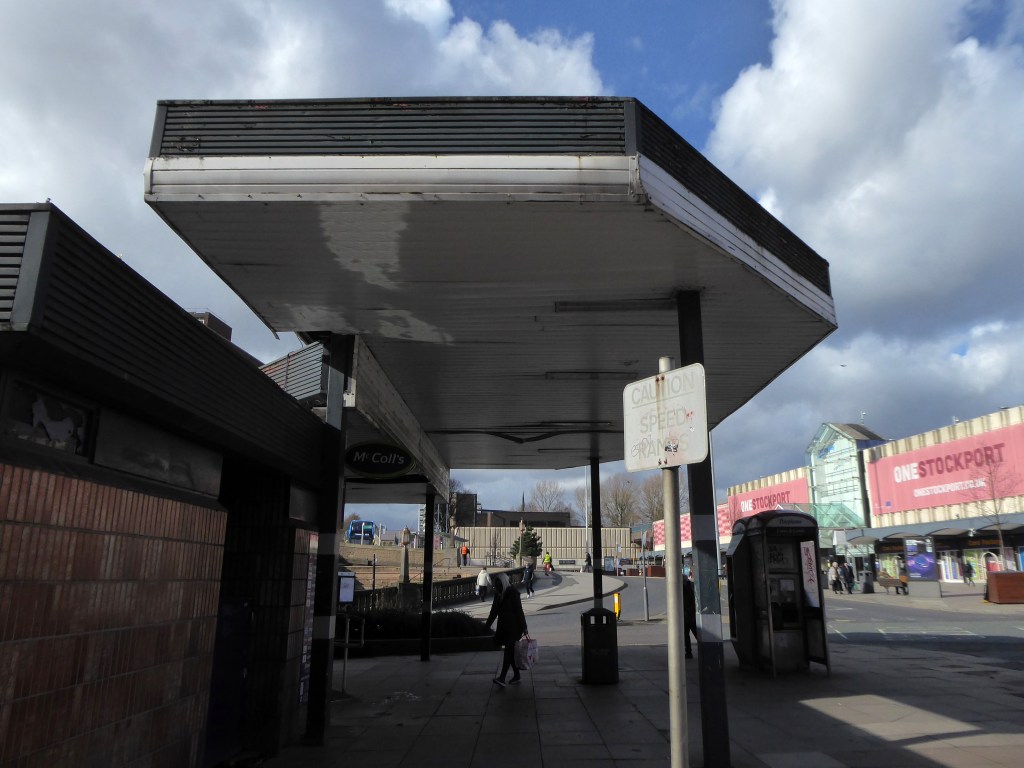
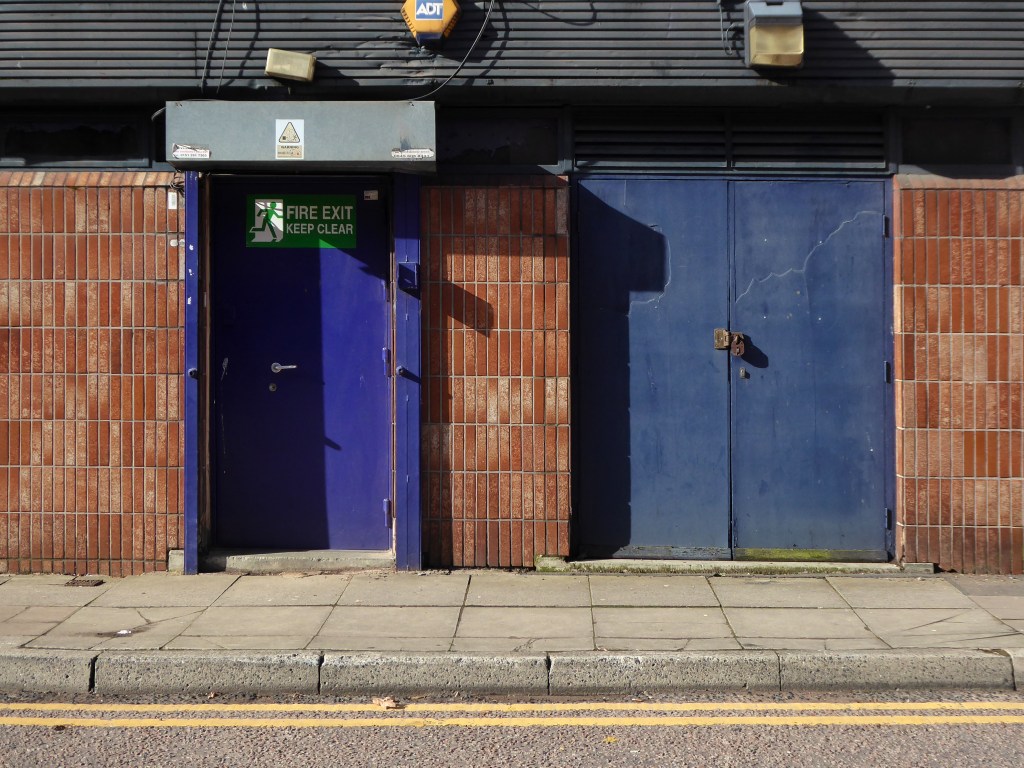
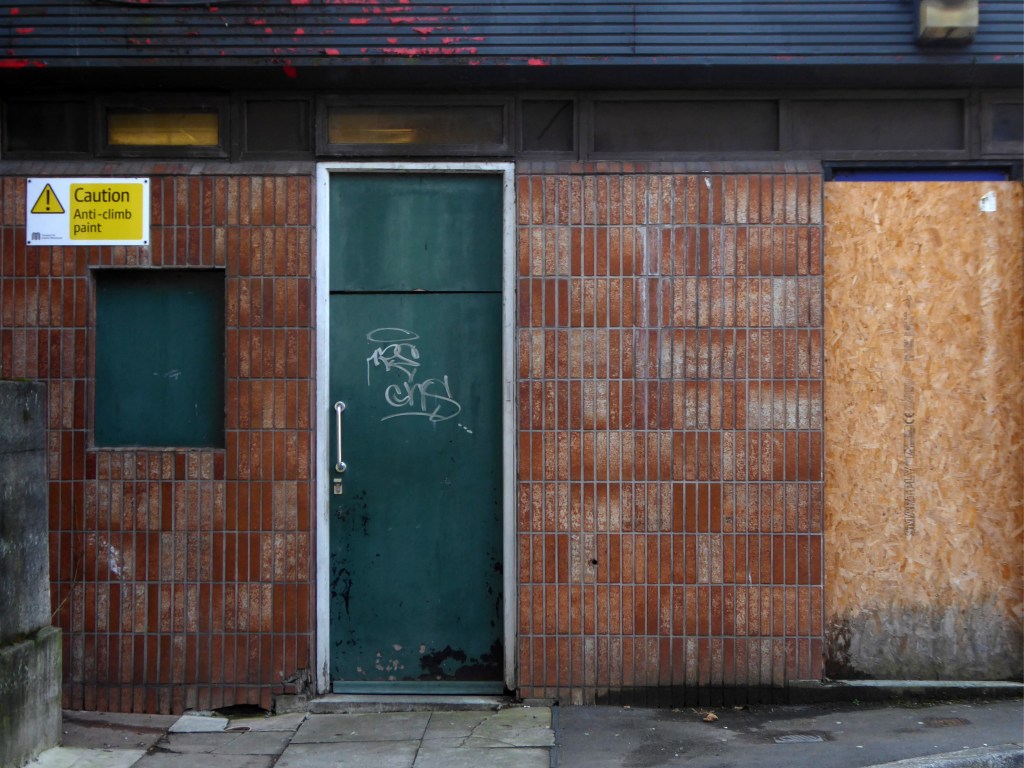
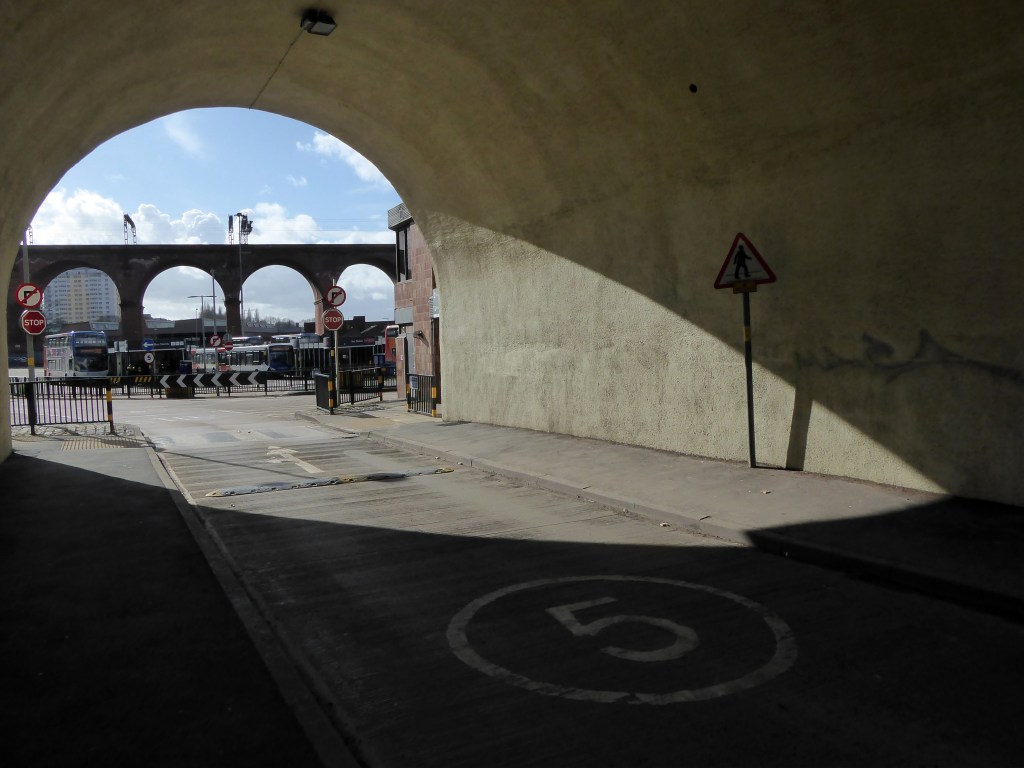
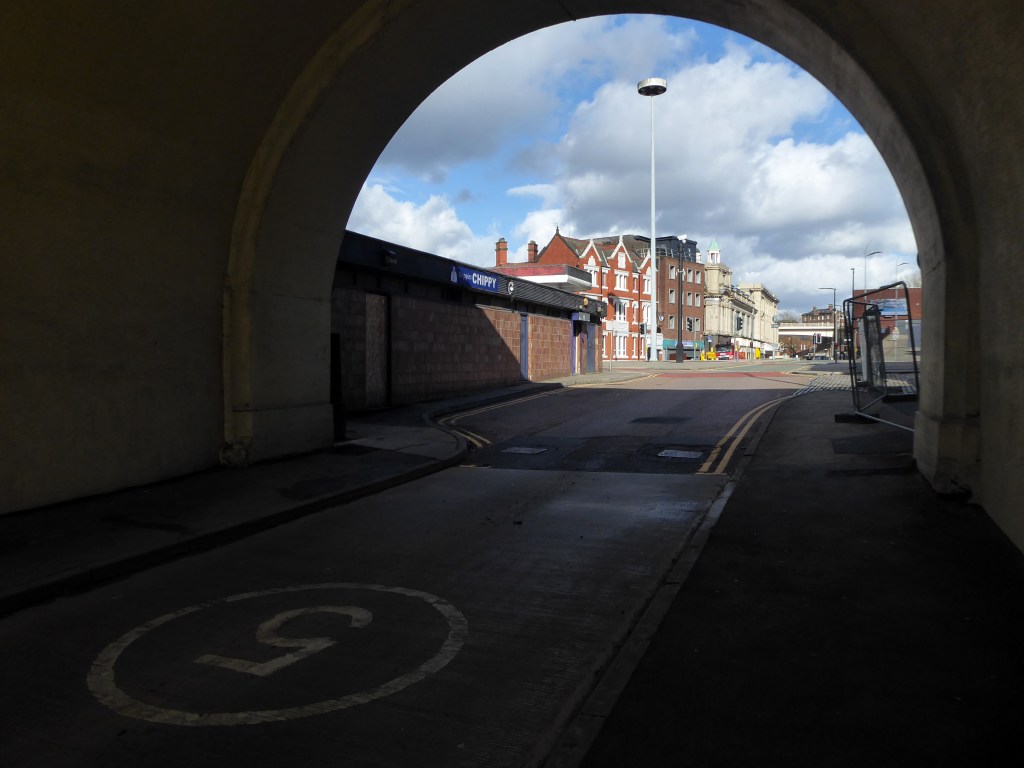
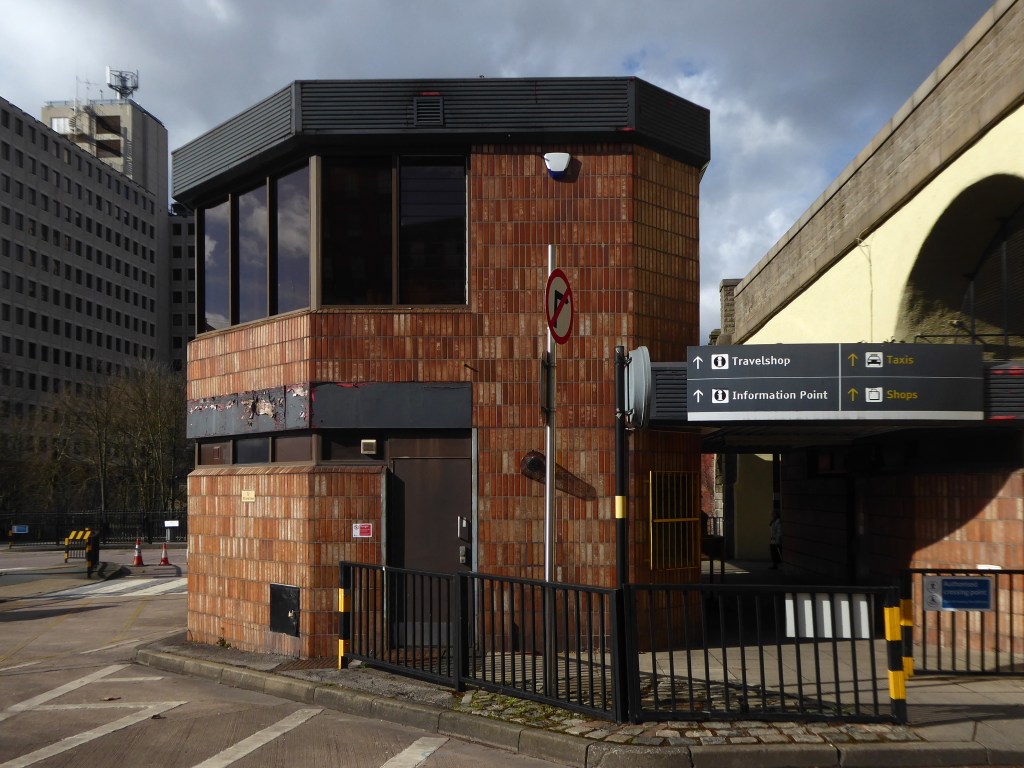
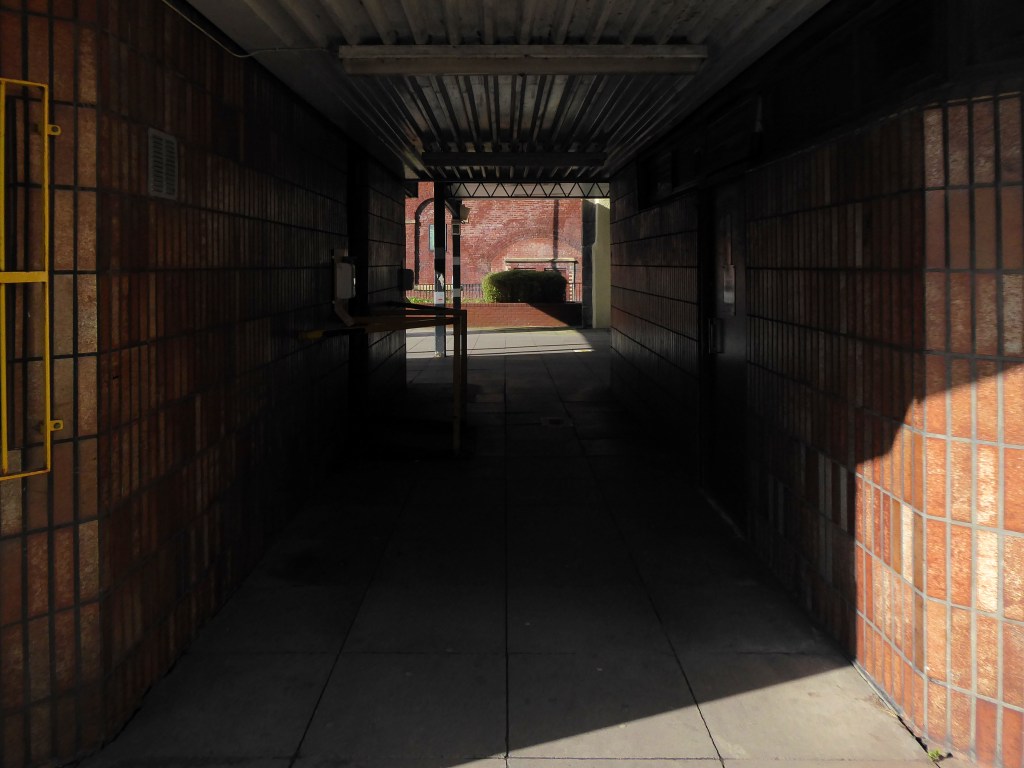
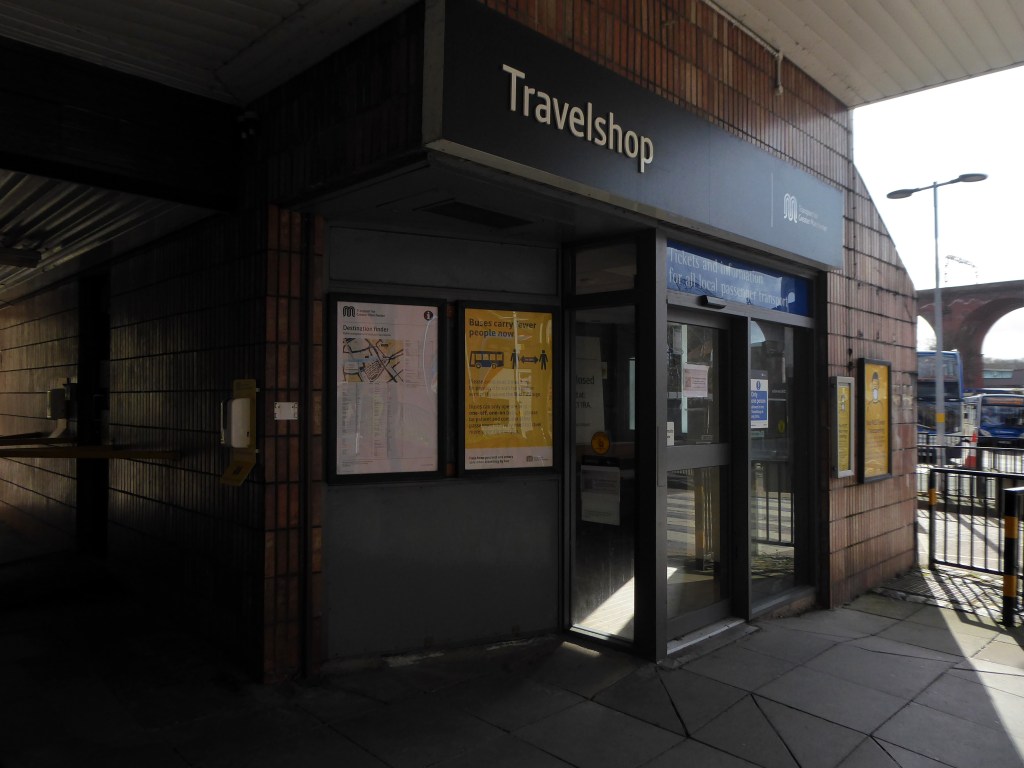

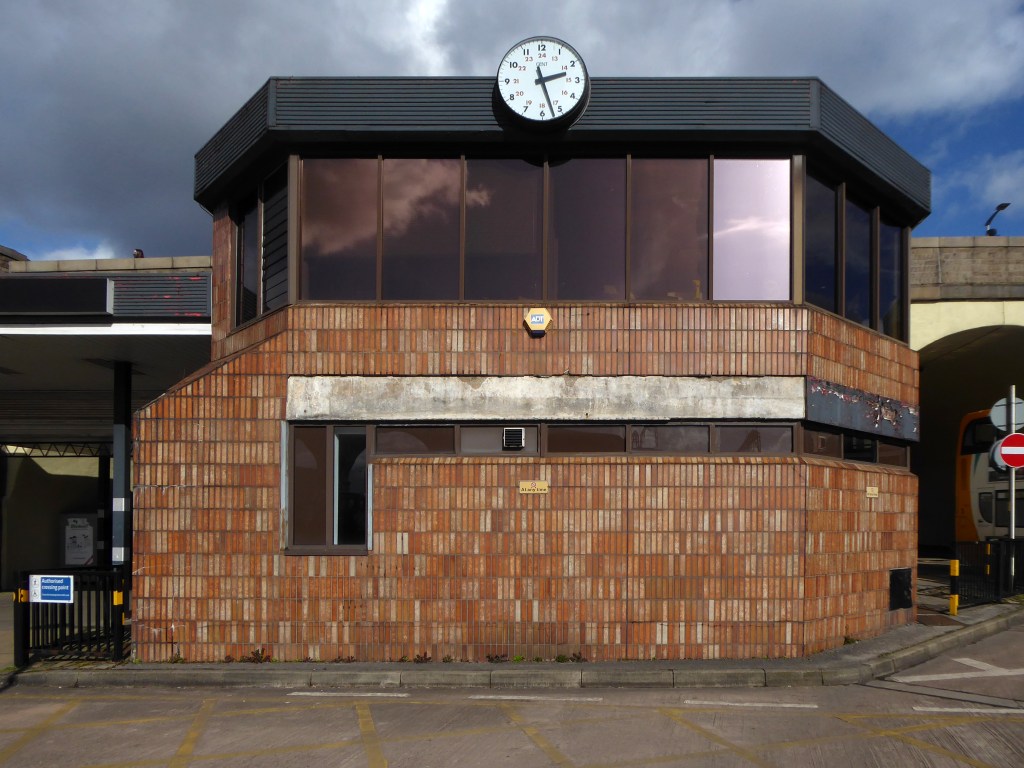
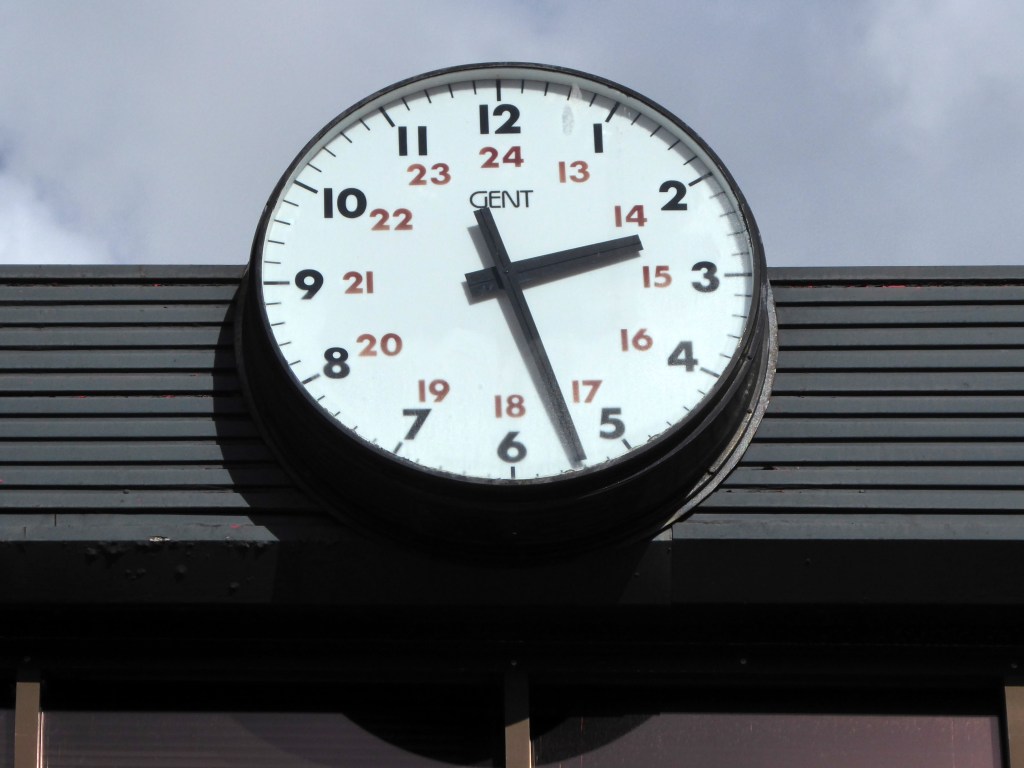
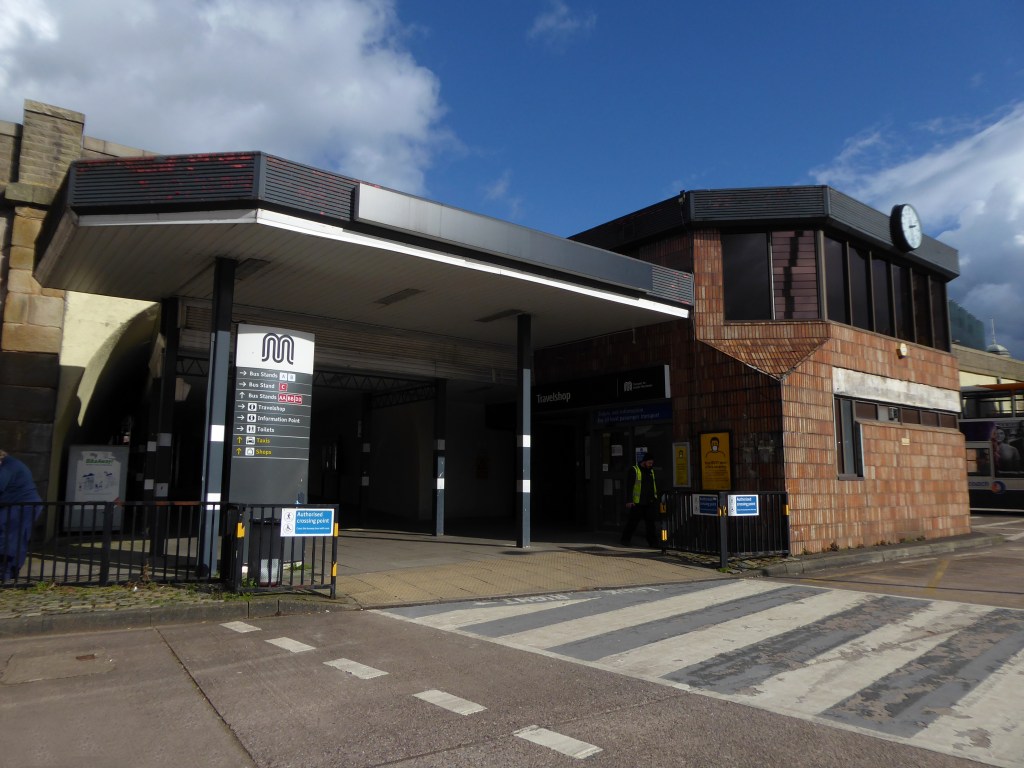
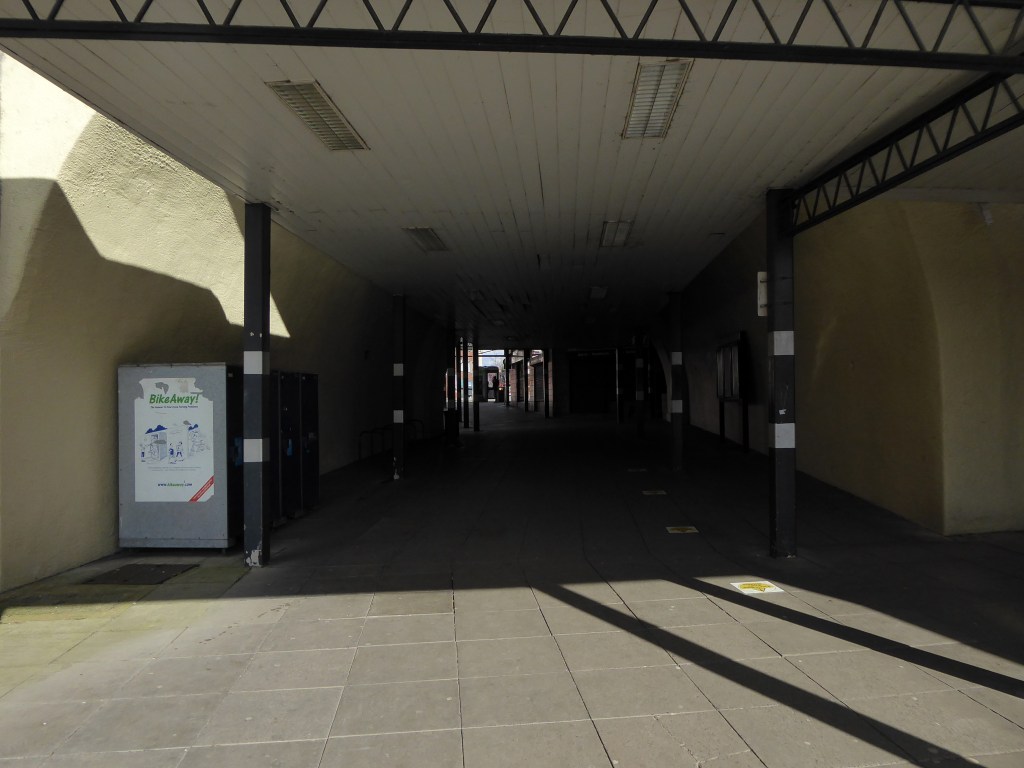
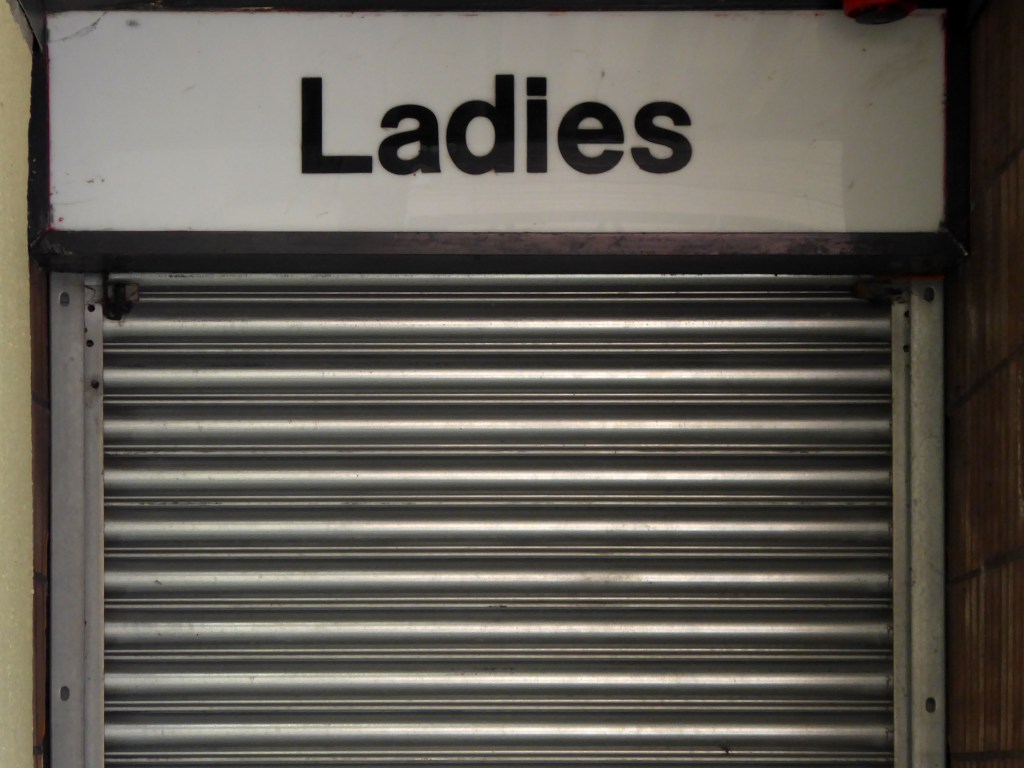
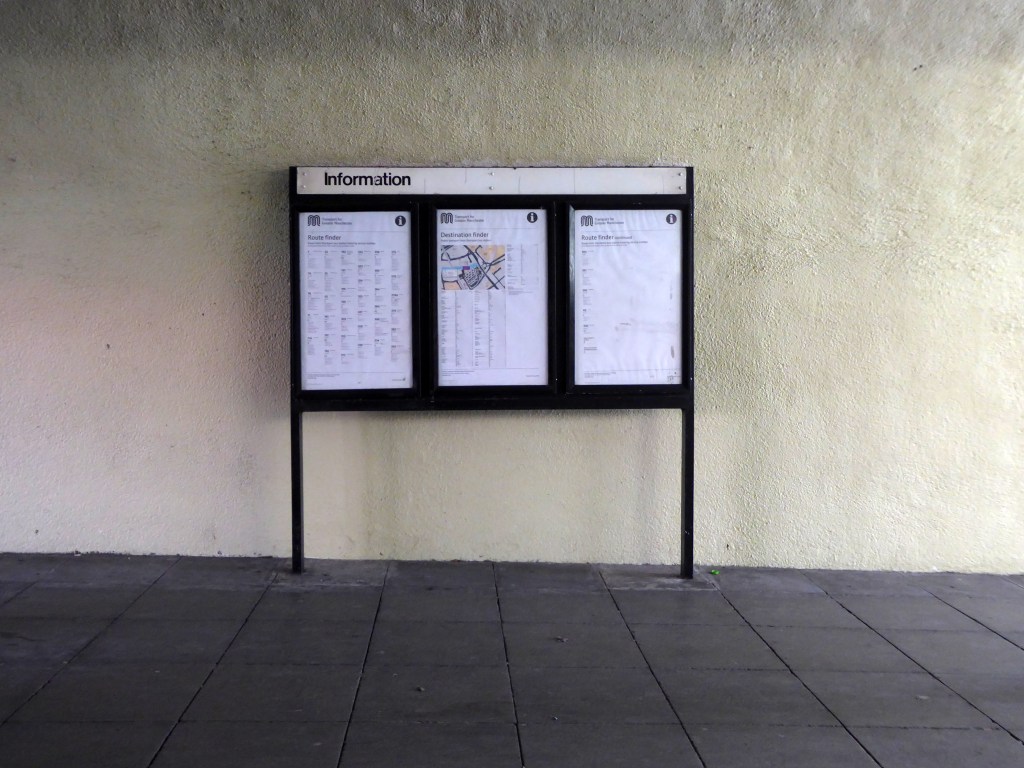
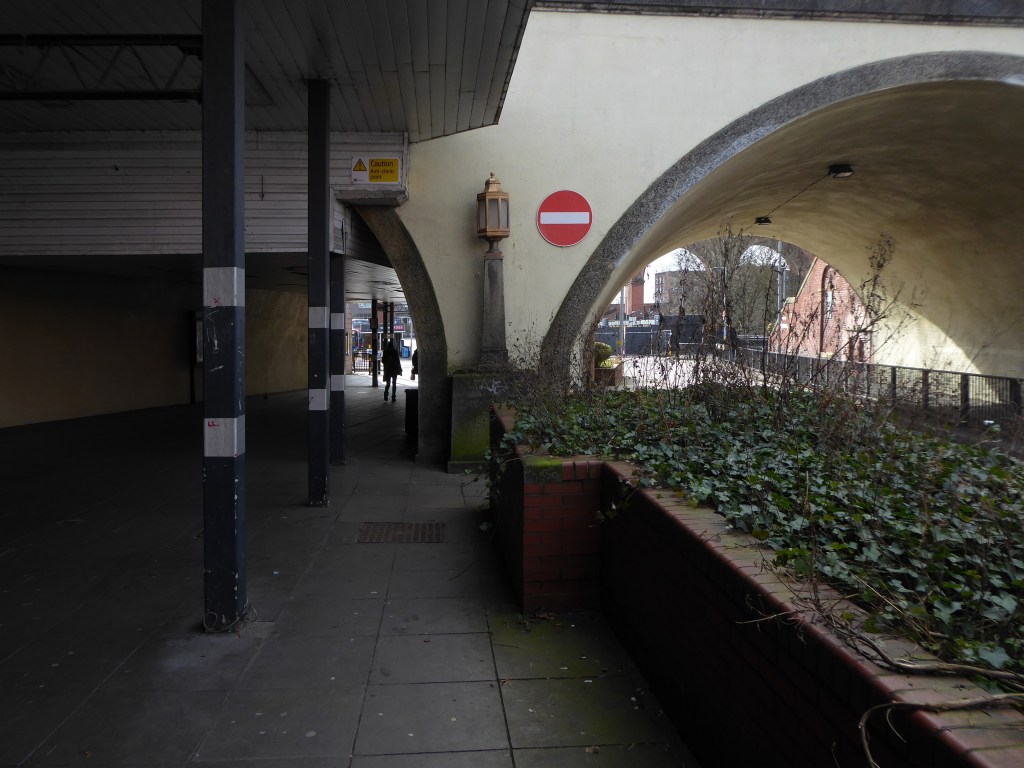
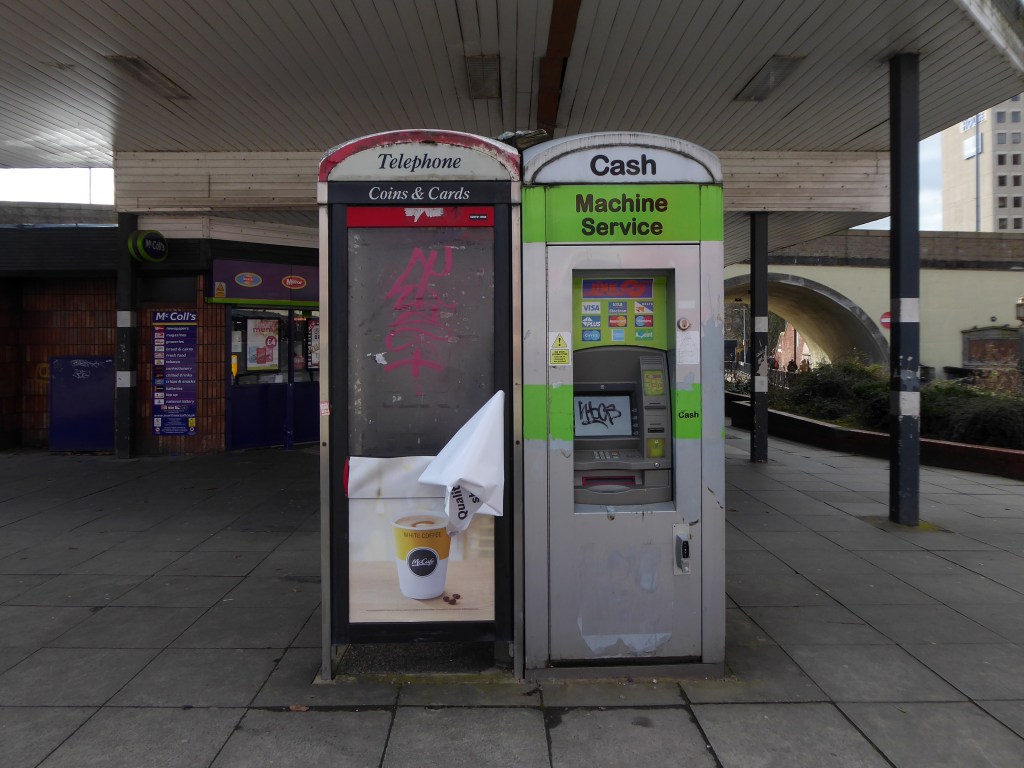
So so long my draughty, cold, deserted old pal.
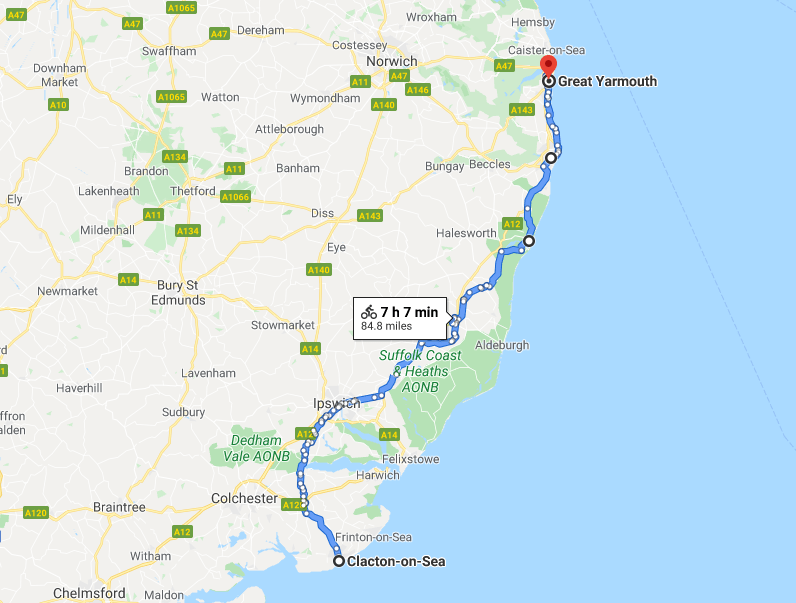
Day four Thursday 4th September 2014 – leaving Clacton on Sea for Frinton on Sea is the equivalent of crossing continents, time zones, aesthetic and social sensibilities.
Leaving the razzle-dazzle, frantic fish and chip frazzle, for the sedate repose of germ free Frinton.
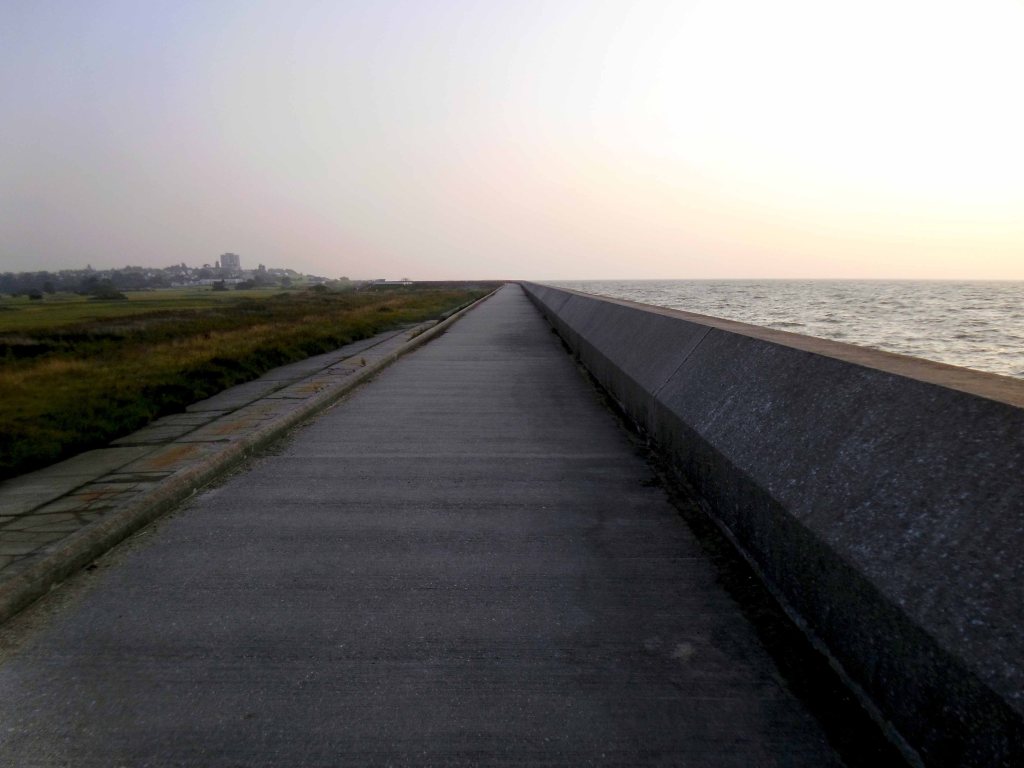
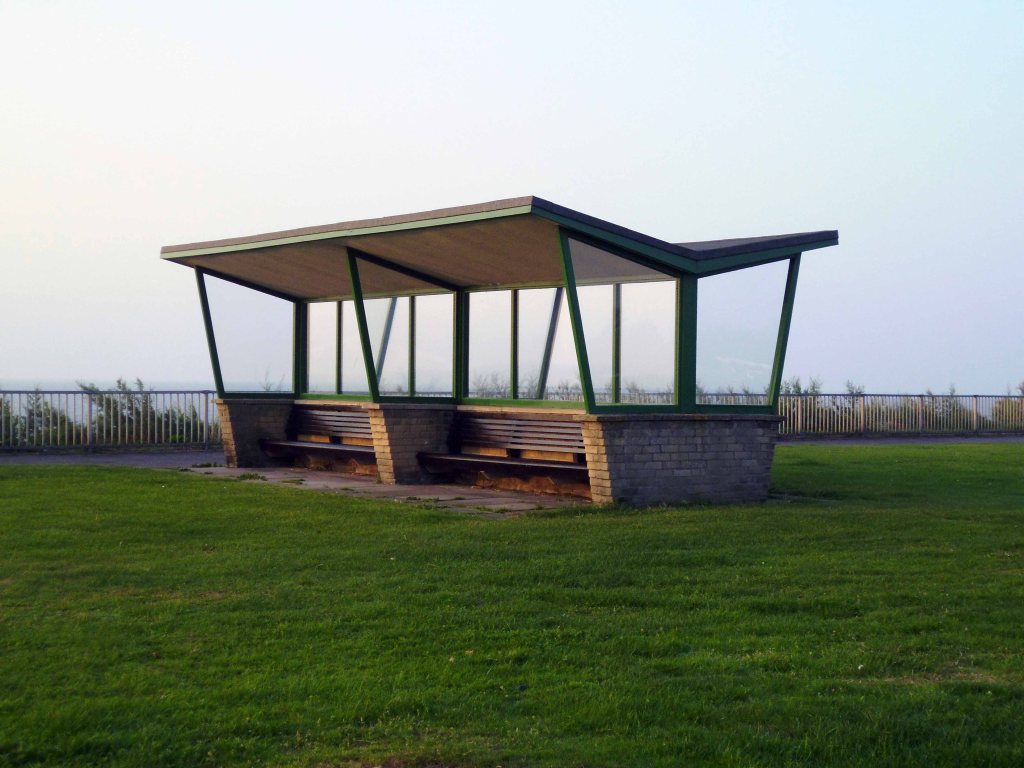
Green sward and restrained modernist shelters adorn the foreshore.
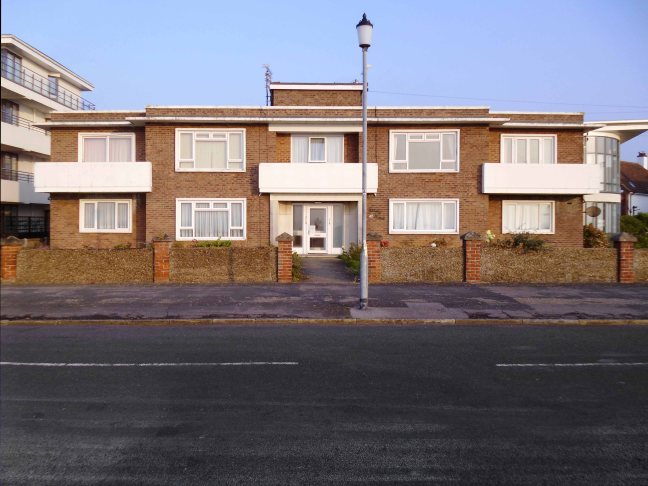
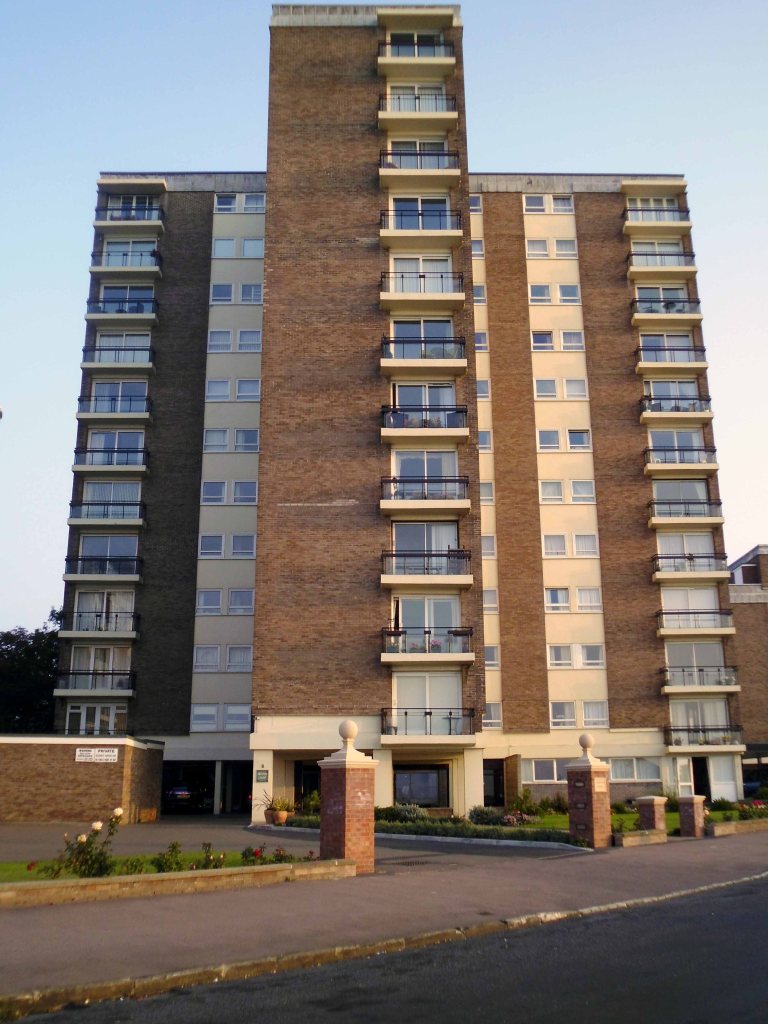
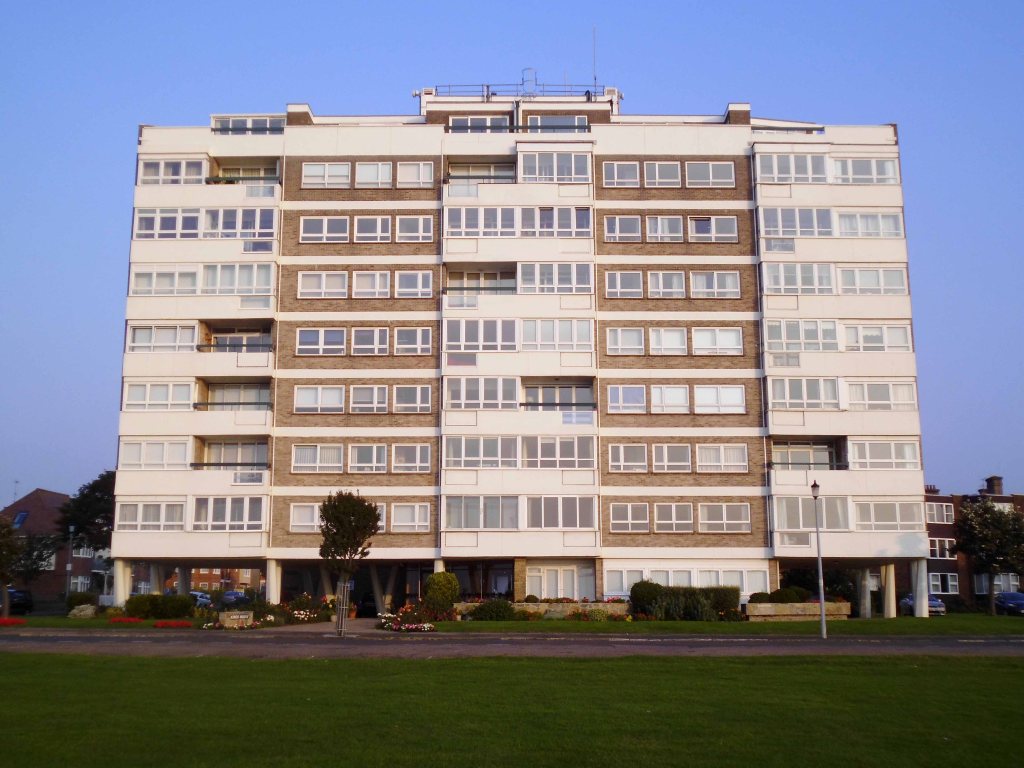
I love the bold optimism of Maritime Moderne – the bright eyed, forward looking window grid of these fine flats.
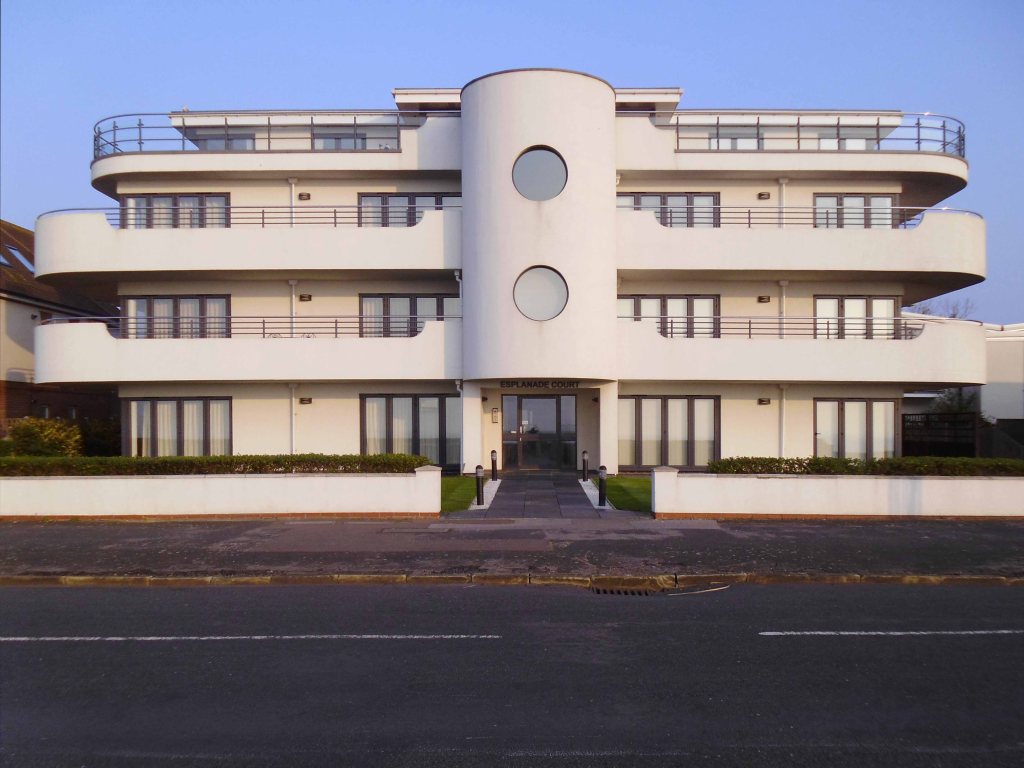
I have a cautious admiration for the faux Deco newcomers.
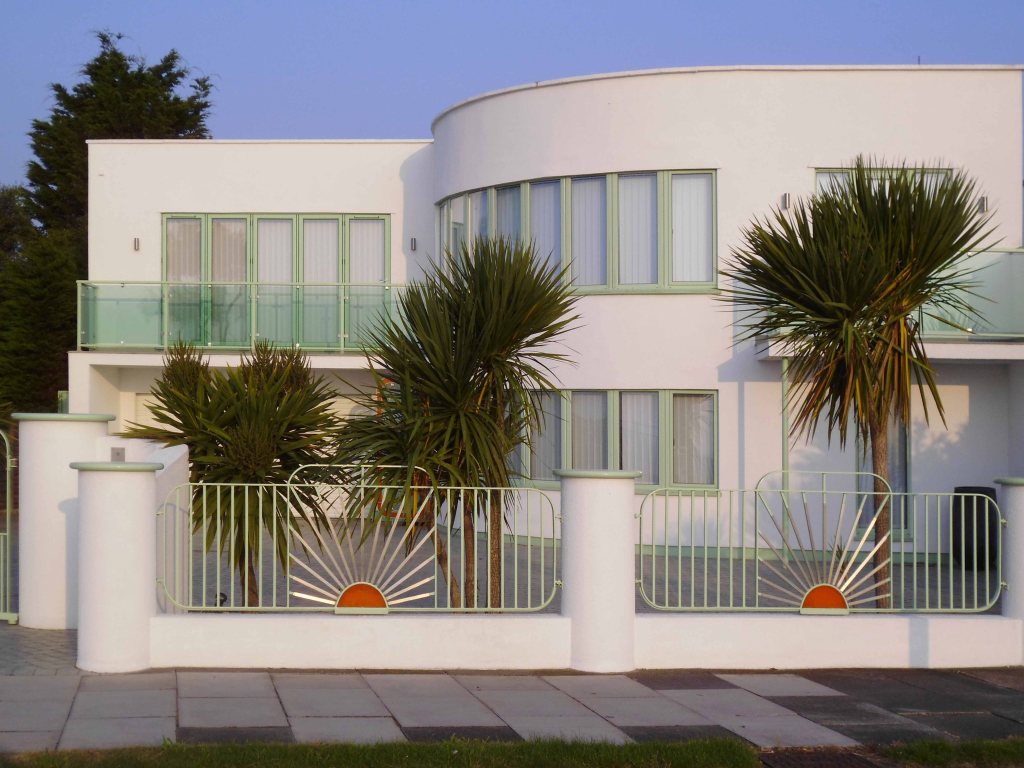
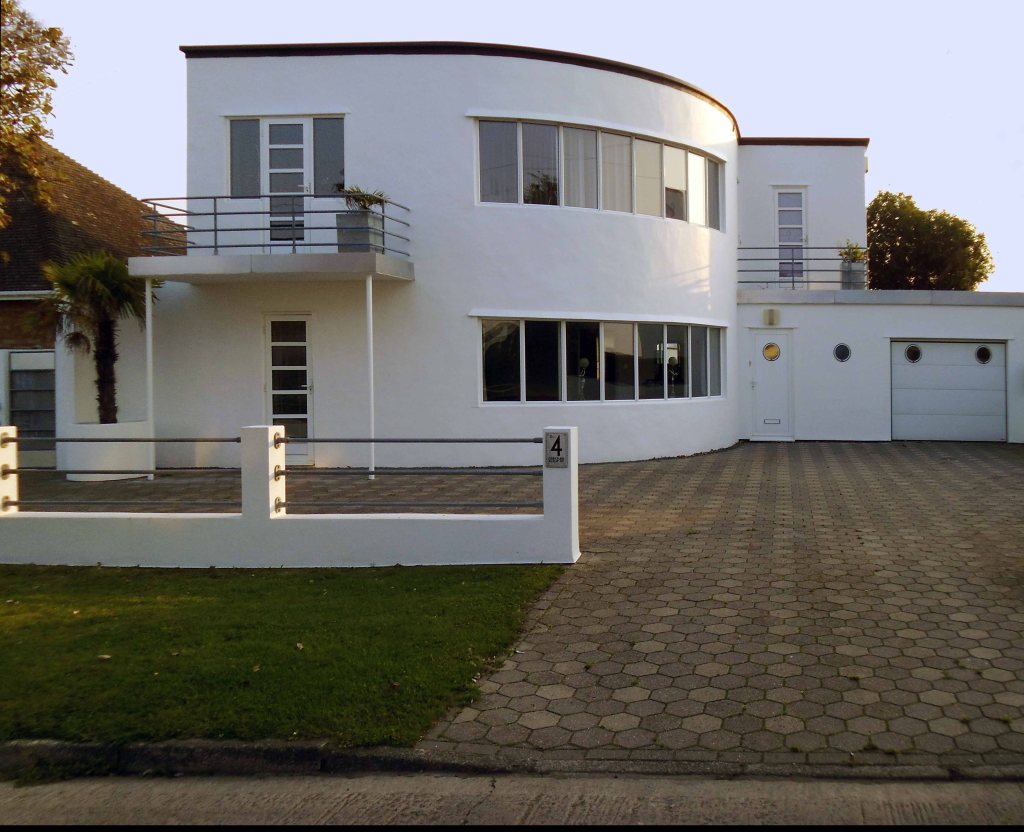
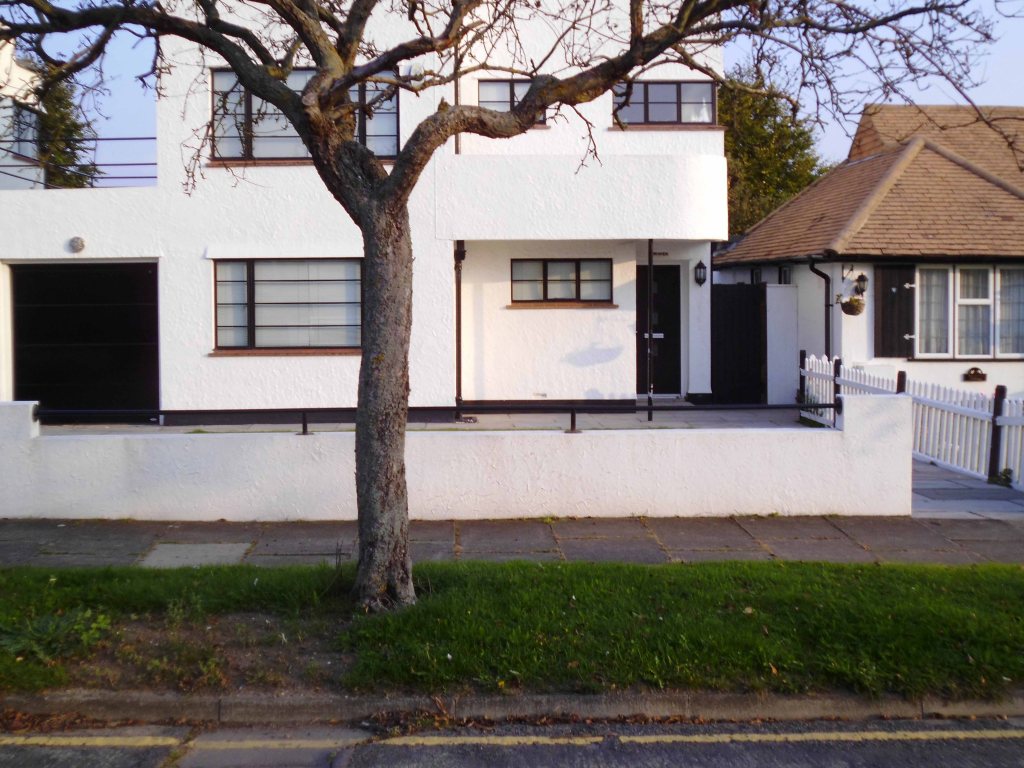
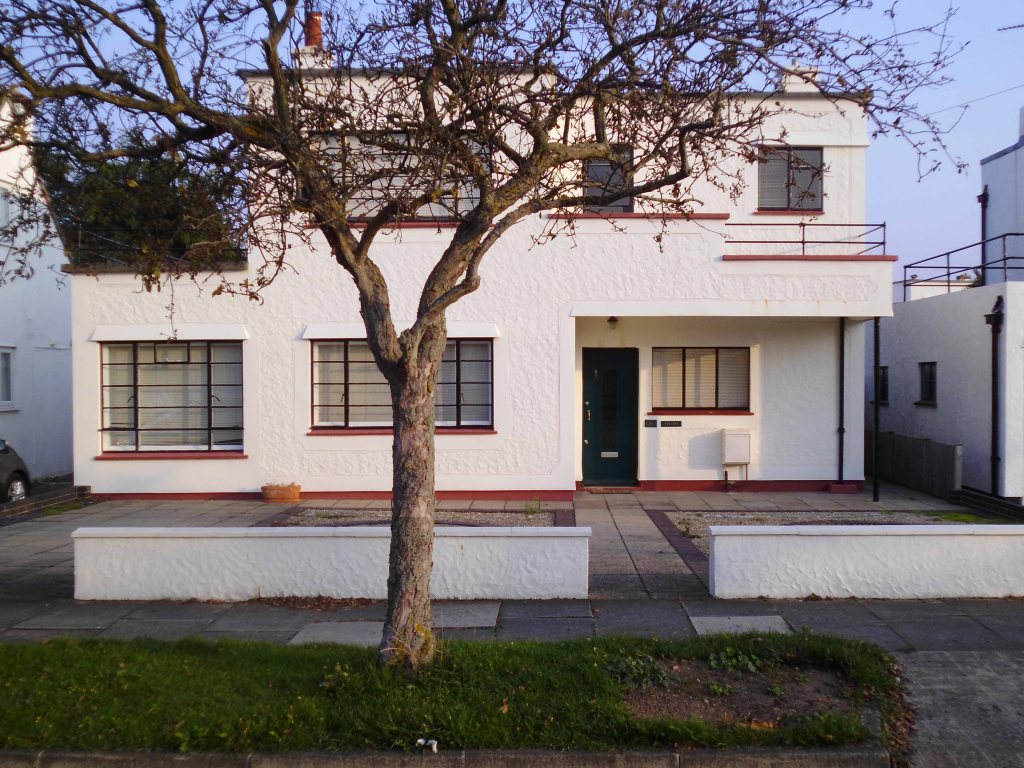
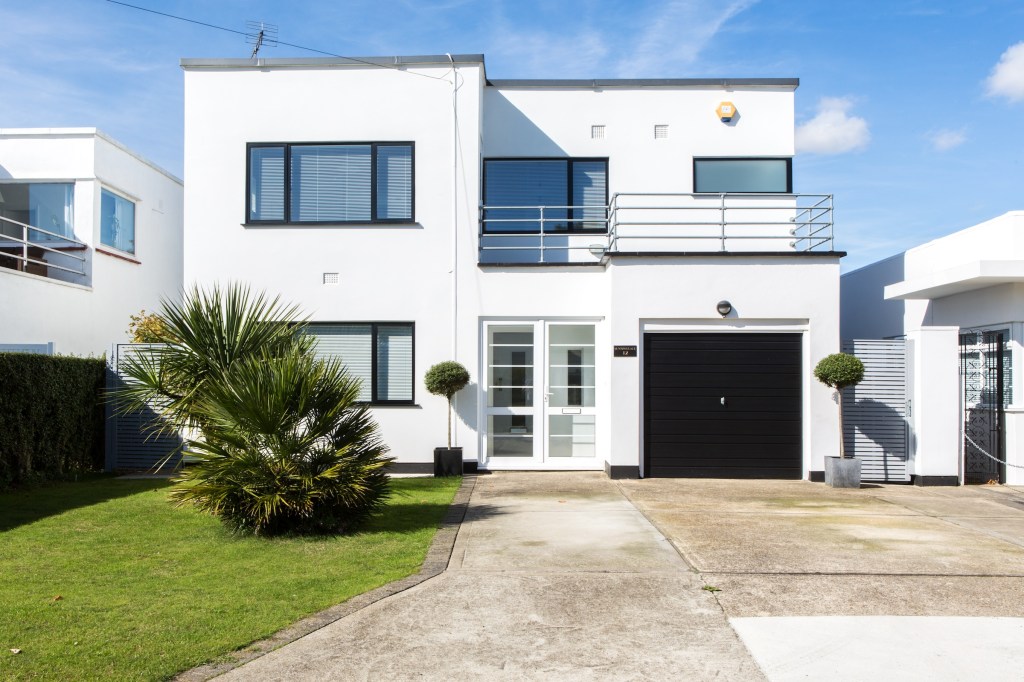
The modernist estate was attempted many times in the interwar years; visions of rows of fashionable white walled, flat roofed houses filled developers eyes. In practice the idea was less popular with potential house buyers. In the Metro-Land suburbs of London, estates were attempted in Ruislip and Stanmore, with a dozen houses at most being built. One estate that produced more modernist houses than most, albeit less than planned, was the Frinton Park estate at Frinton-on-Sea on the Essex coast.
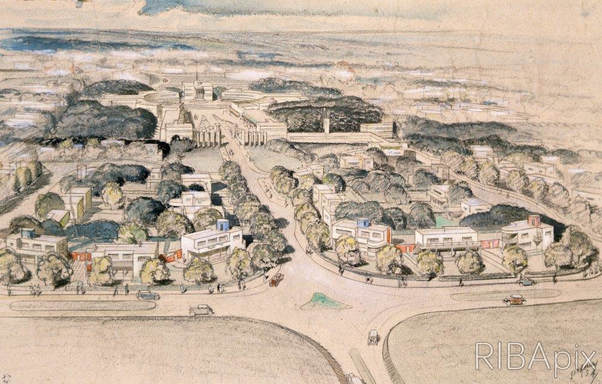
Oliver Hill was known for his house designs, which spanned styles from Arts and Crafts to Modernist. Hill was to draw up a plan for 1100 homes, as well as a shopping centre, luxury hotel and offices. The plan was for prospective buyers to buy a plot and then engage architects to design their new house from a list of designers drawn up by Hill. The list featured some of the best modernist architects working in Britain at the time; Maxwell Fry, Wells Coates, F.R.S. Yorke and Connell, Ward & Lucas.
As wonderful as this sounds today, the buying public of 1935 did not quite agree. The majority of potential buyers were apparently put off by the Estates insistence on flat roofs and modernist designs. Plan B was to build a number of show homes to seduce the public into buying the modernist dream. Of 50 planned show homes, around 25 were built, with about 15 more houses built to order. The majority of these were designed by J.T. Shelton, the estates resident architect, with a number designed by other architects like Hill, Frederick Etchells, RA Duncan and Marshall Sisson.
One million four hundred thousand pounds later
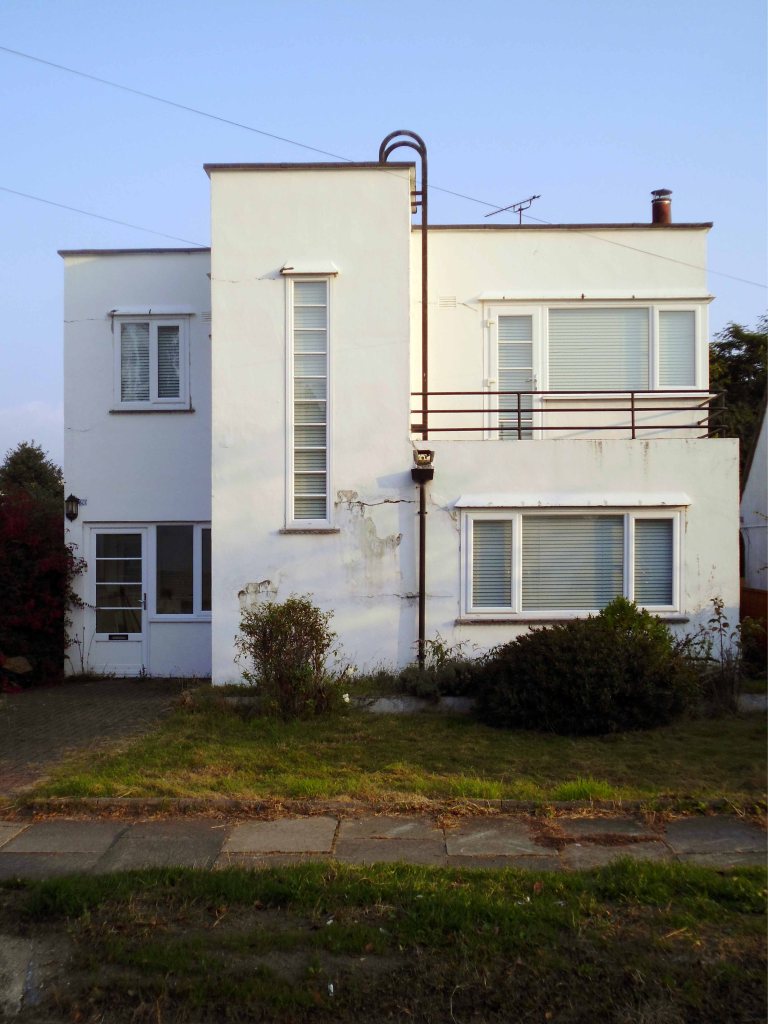
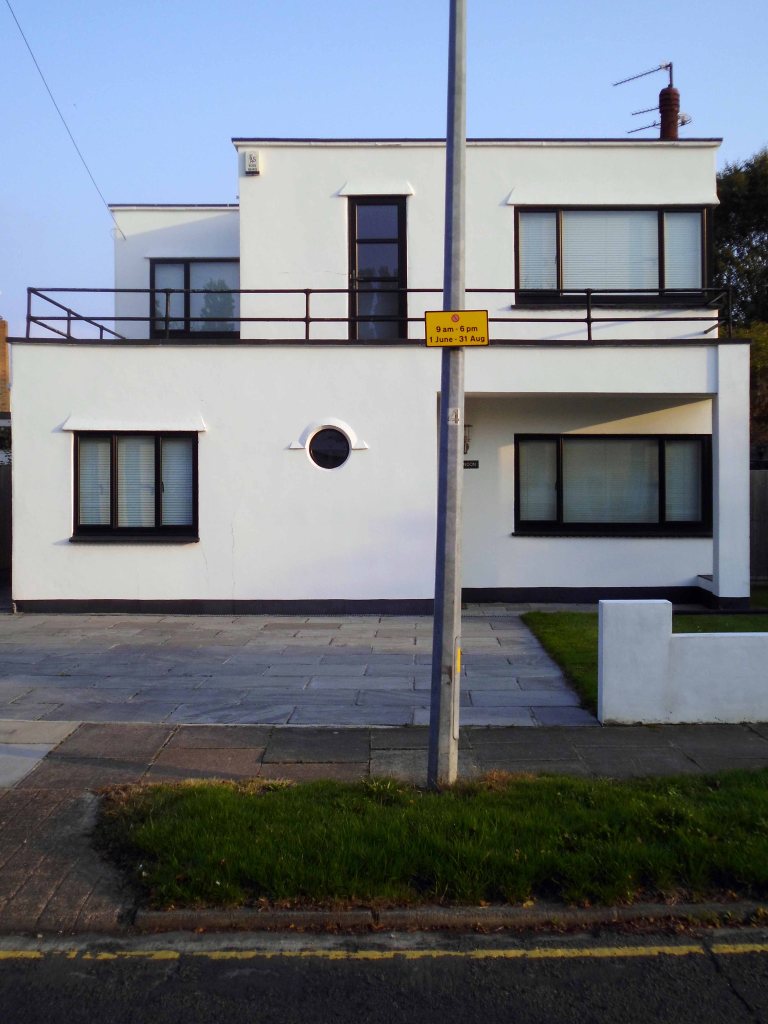
Nine hundred and fifty thousand pounds
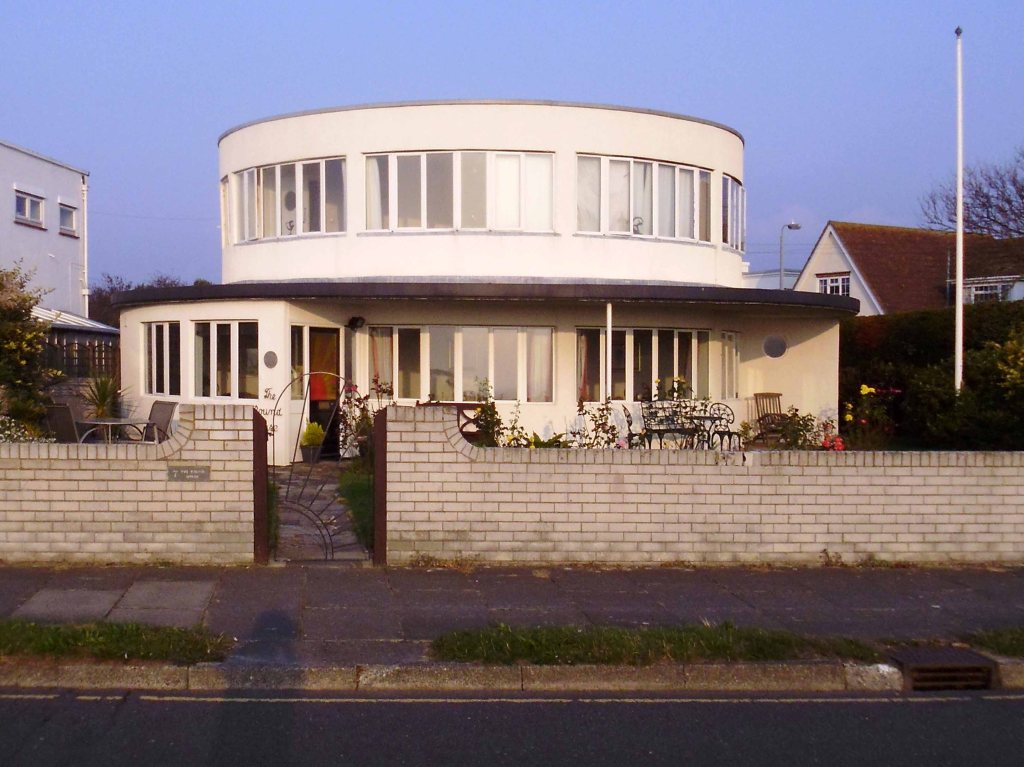
These survivors are now much sought after residences.
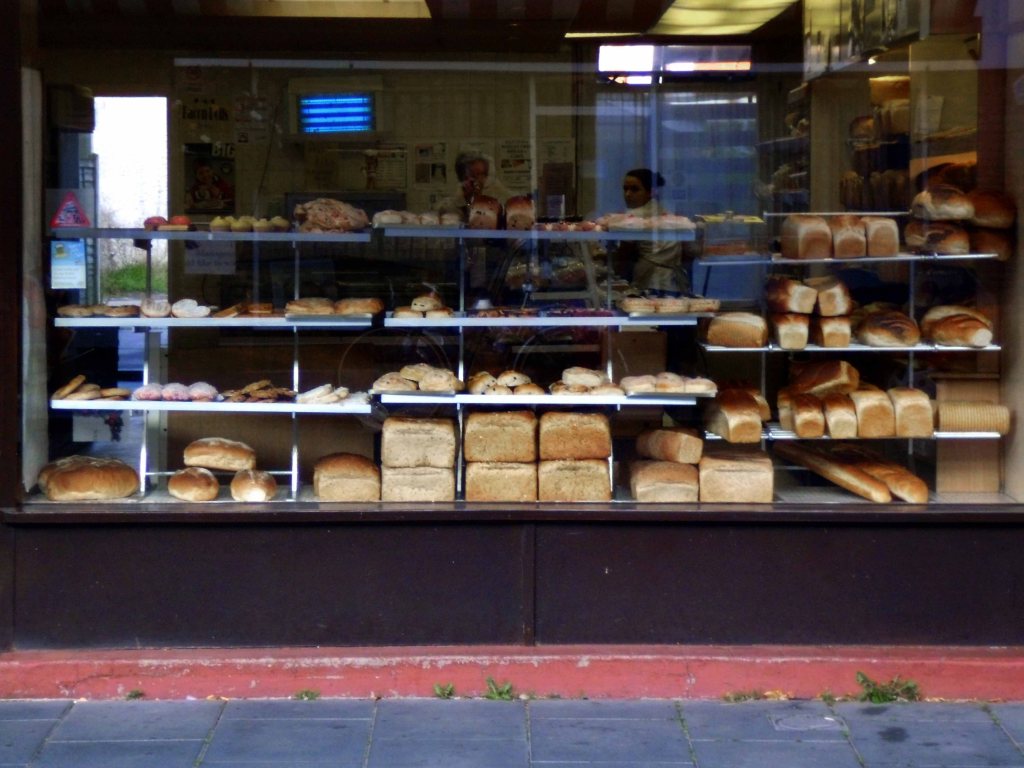
The town is also home to this traditional confectioners – Lilley’s Bakery.
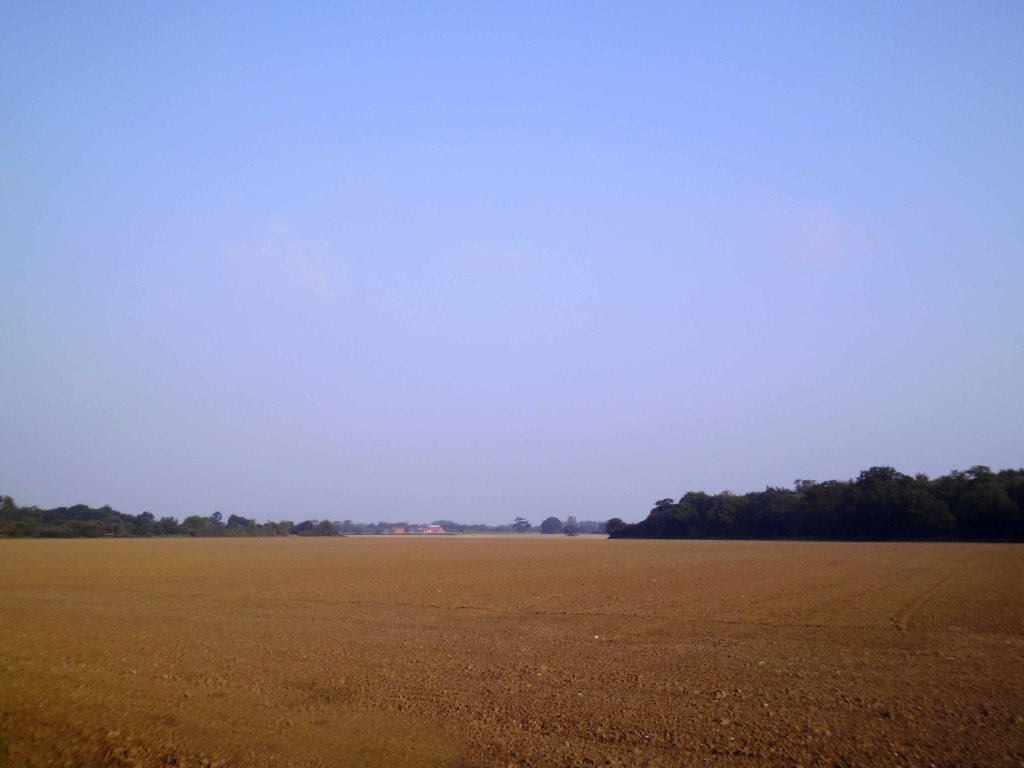
Leaving the coast for pastures new – well, a ploughed field actually.
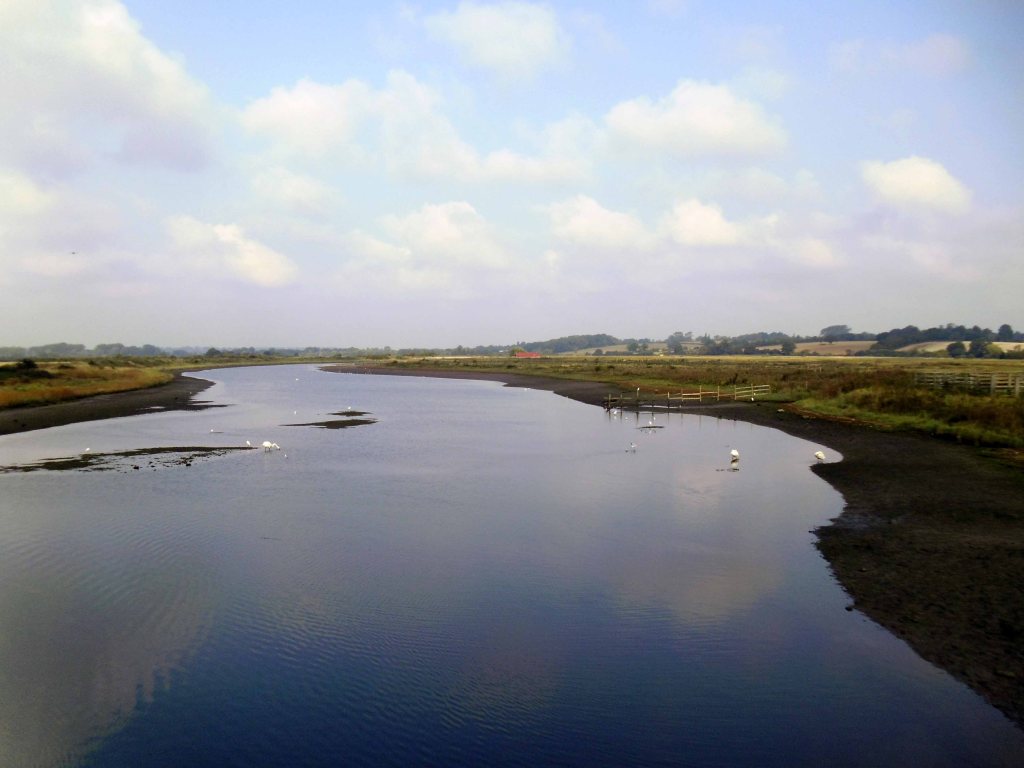
Crossing the River Orwell over the Orwell Bridge on my way to Ipswich.
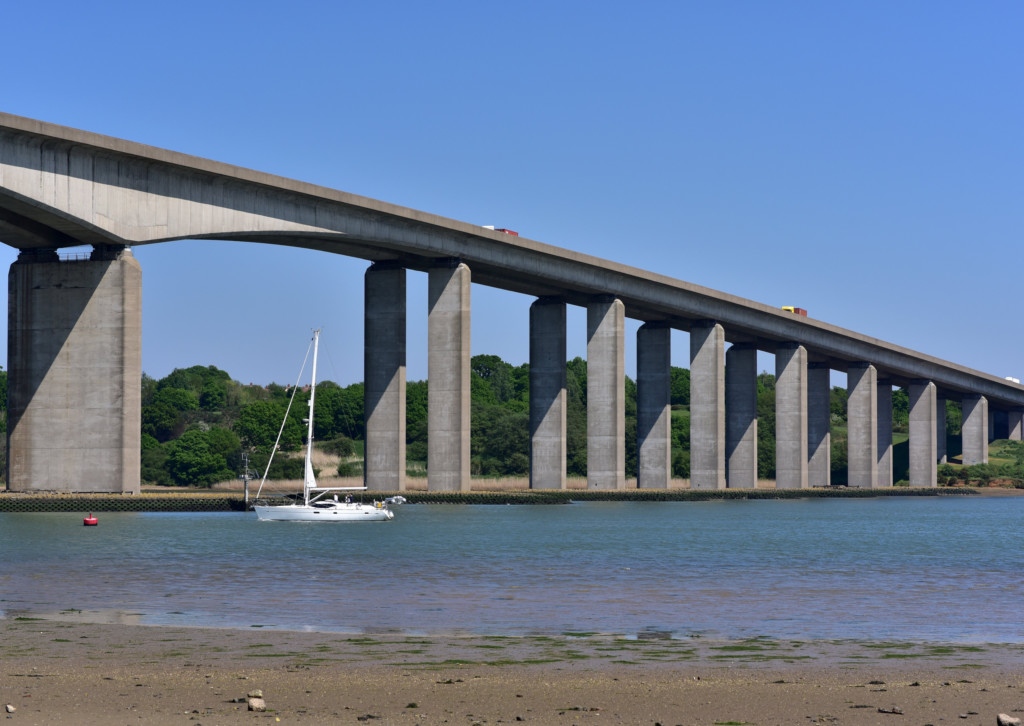
The main span is 190 metres which, at the time of its construction, was the longest pre-stressed concrete span in use in the UK. The two spans adjacent to the main span are 106m, known as anchor spans. Most of the other spans are 59m. The total length is 1,287 metres from Wherstead to the site of the former Ipswich Airport. The width is 24 metres with an air draft of 43 metres; the bridge had to be at least 41 metres high. The approach roads were designed by CH Dobbie & Partners of Cardiff.
The bridge is constructed of a pair of continuous concrete box girders with expansion joints that allow for expansion and contraction. The girders are hollow, allowing for easier inspection, as well as providing access for services, including telecom, power, and a 711mm water main from the nearby Alton Water reservoir.
The bridge appears in the 1987 Cold War drama The Fourth Protocol, in which two RAF helicopters are shown flying under it, and at the end of the 2013 film The Numbers Station.
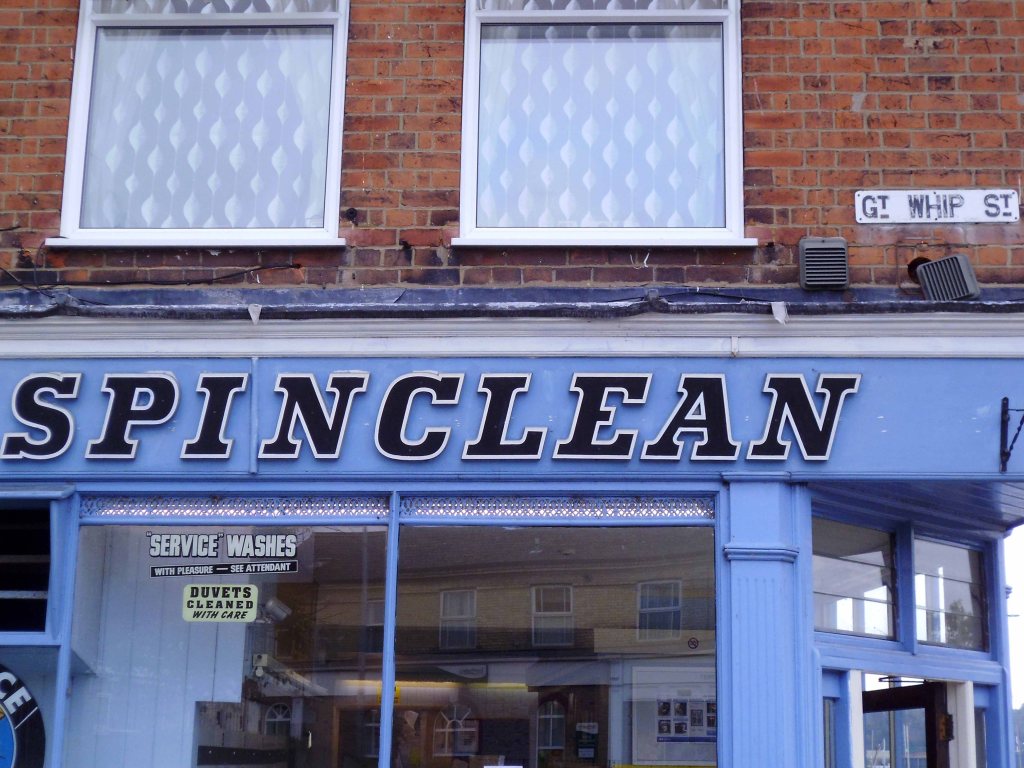
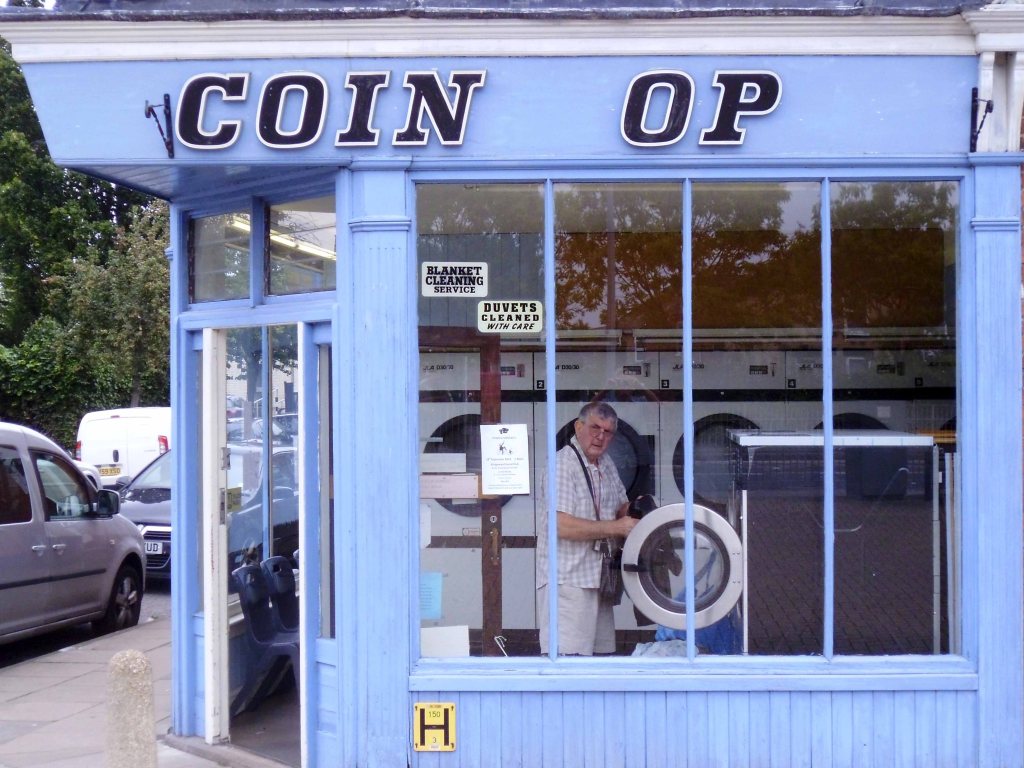
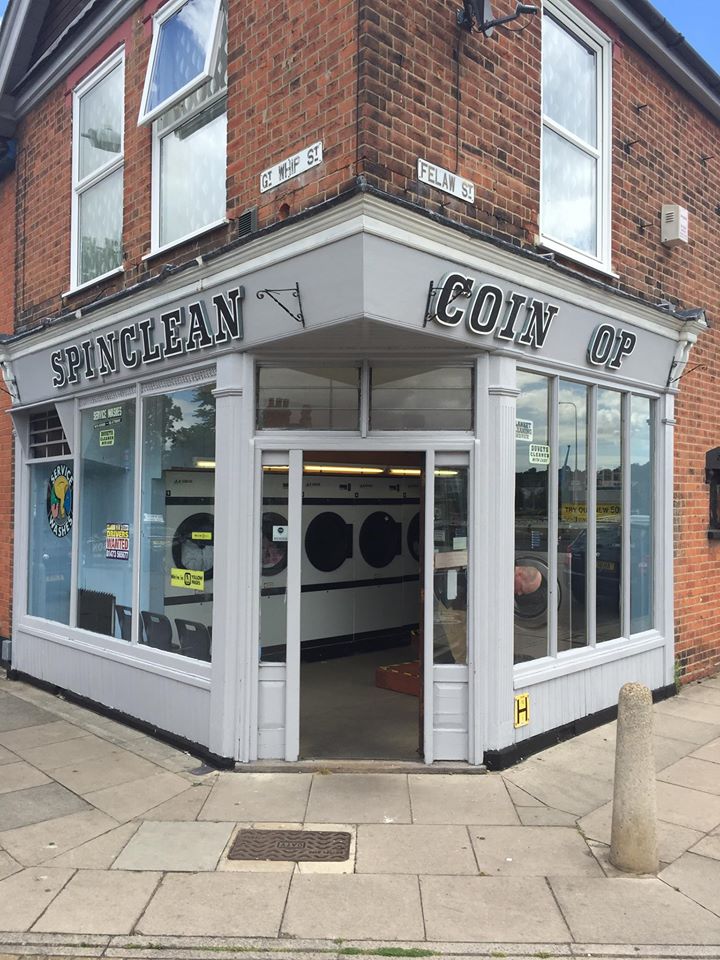
Time for a Stymie Bold Italic stop – much to the obvious consternation of an over cautious customer.
It seems to still be extant – but with a tasteful coat of subdued grey paint according to its Facebook page.
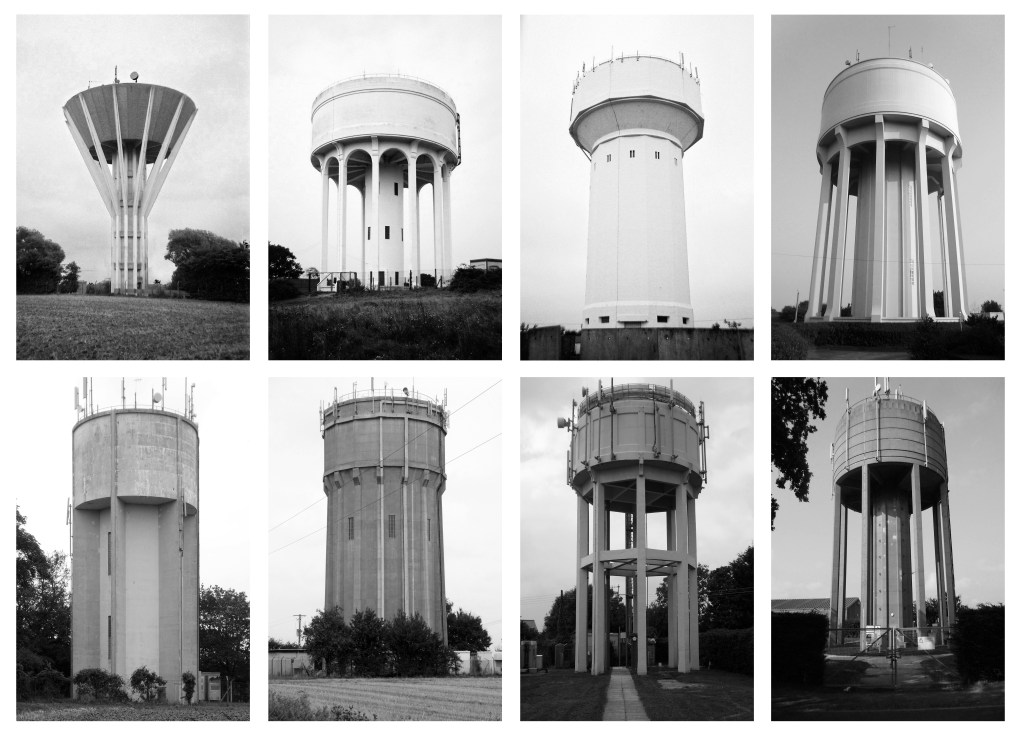
Having completed this journey in 2016, then reacquainting myself in 2020, I have little recollection of visiting Ipswich, but I did, yet there are no snaps.
I photographed this and several other water towers, precisely where, I could not honestly say.
Suffice to say that it is somewhere – as is everything else.
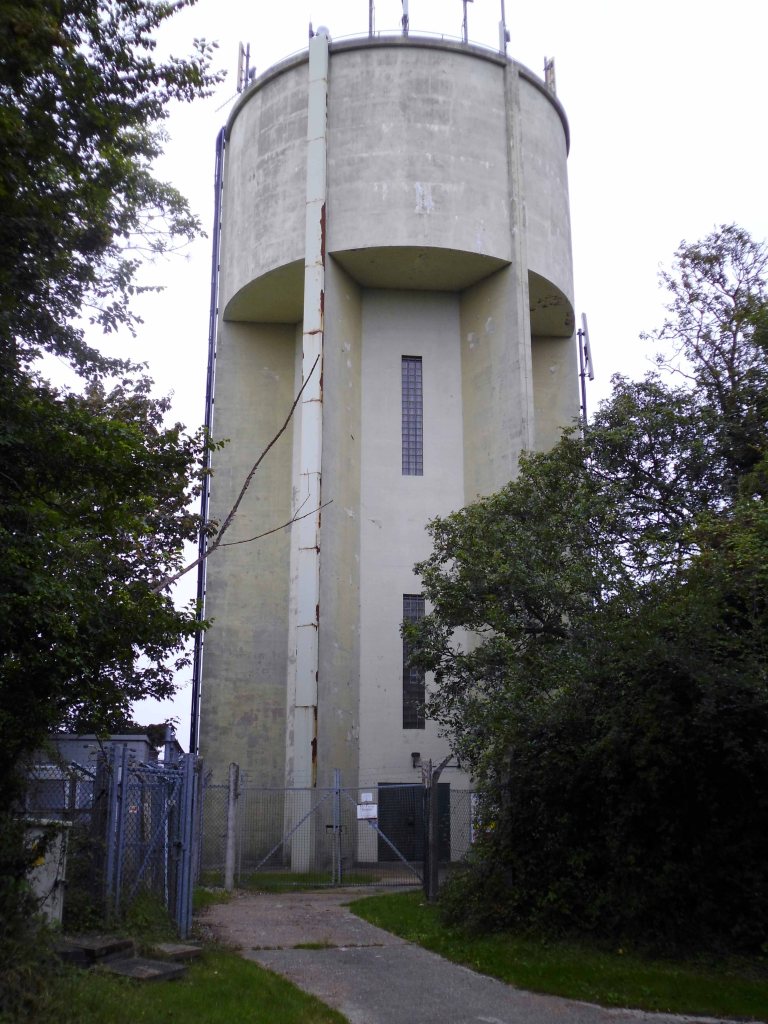
An admiring nod to Bernd and Hilla Becher.
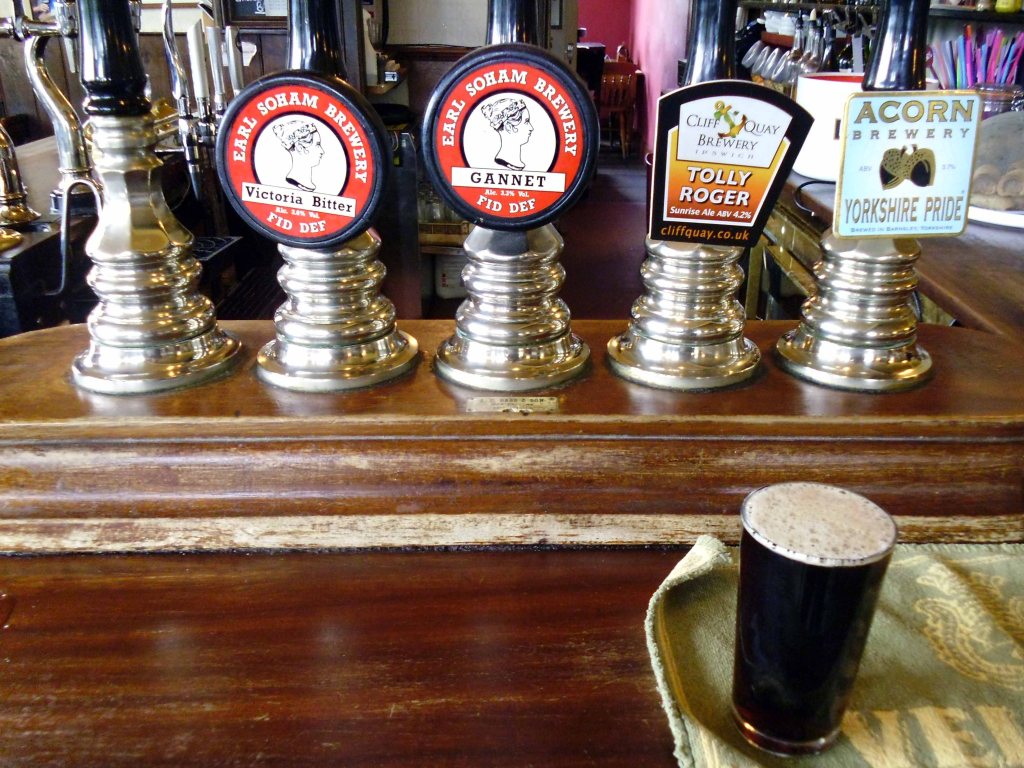
This the only time that I chose to have a glass of beer whilst awheel, normally waiting until the evening – I couldn’t resist this charming looking brew pub in Framlingham.
Earl Soham is a village close by, on the A1120. The Earl Soham Brewery beers started out in life being brewed in local man Maurice’s old chicken shed. You may be pleased to hear they have a slightly more sophisticated set-up now, without forgetting their humble roots.
If you haven’t tasted them before, we think you’ll be as delighted with them as our regulars, and you can be guaranteed of a warm welcome if you come to try them out.
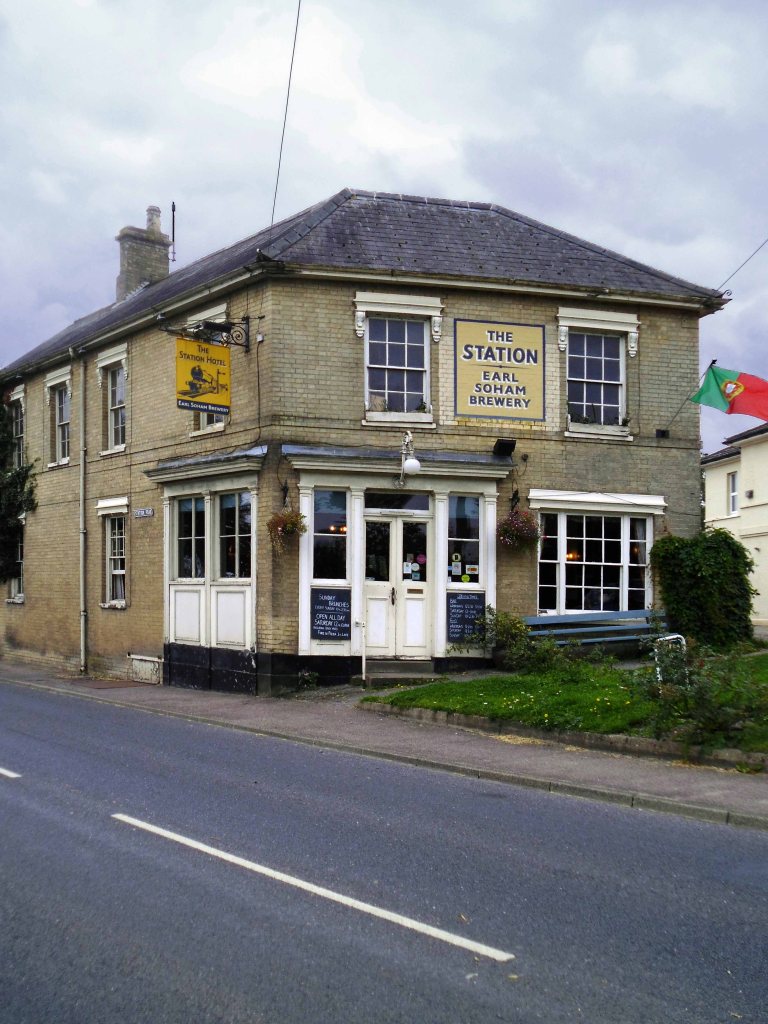
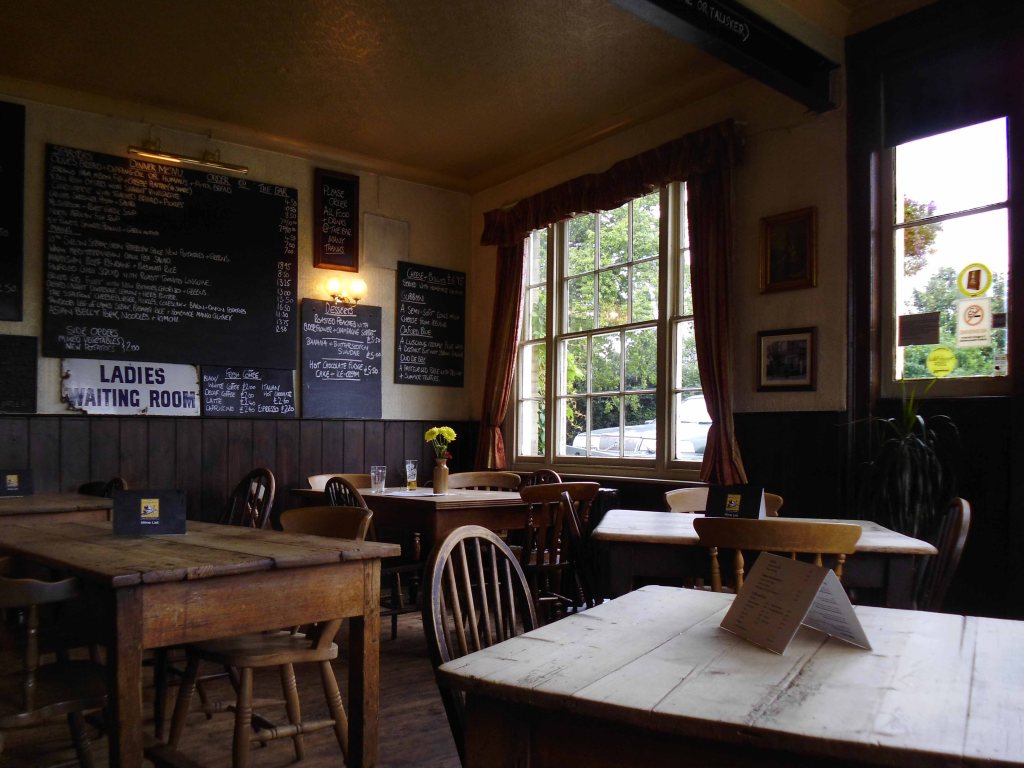
The sort of wayside boozer where I could have easily idled away an hour or two – hopefully I’ll pass by again some time and linger longer.
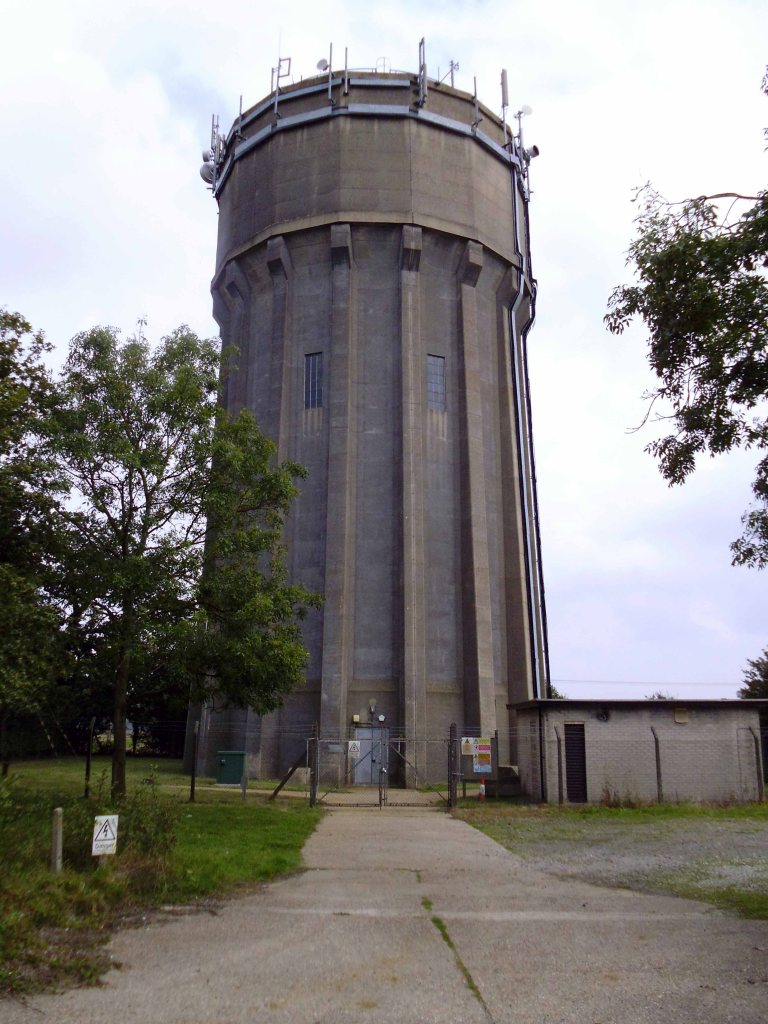
Another water tower – somewhere.
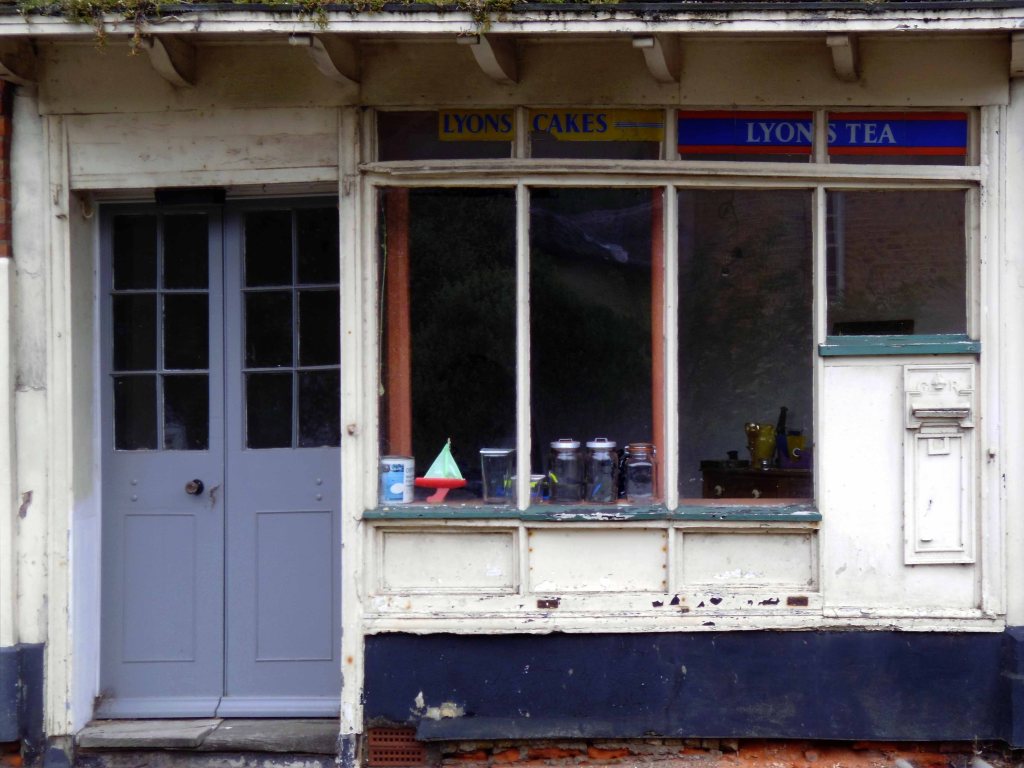
The most enchanting of shop fascias.
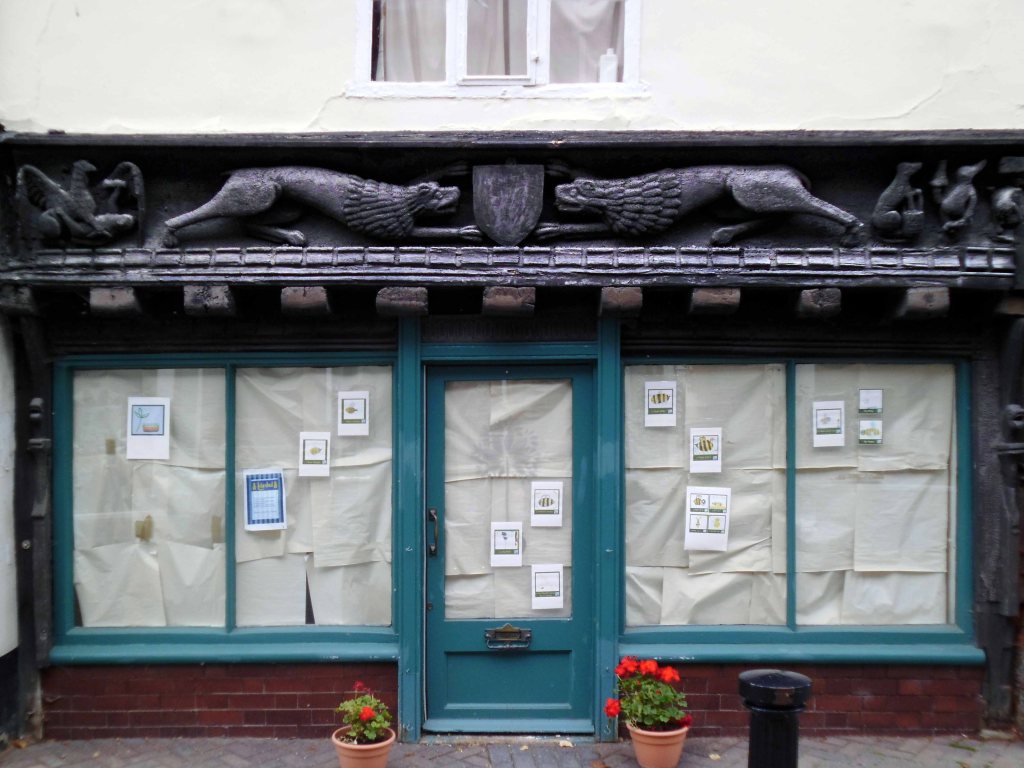
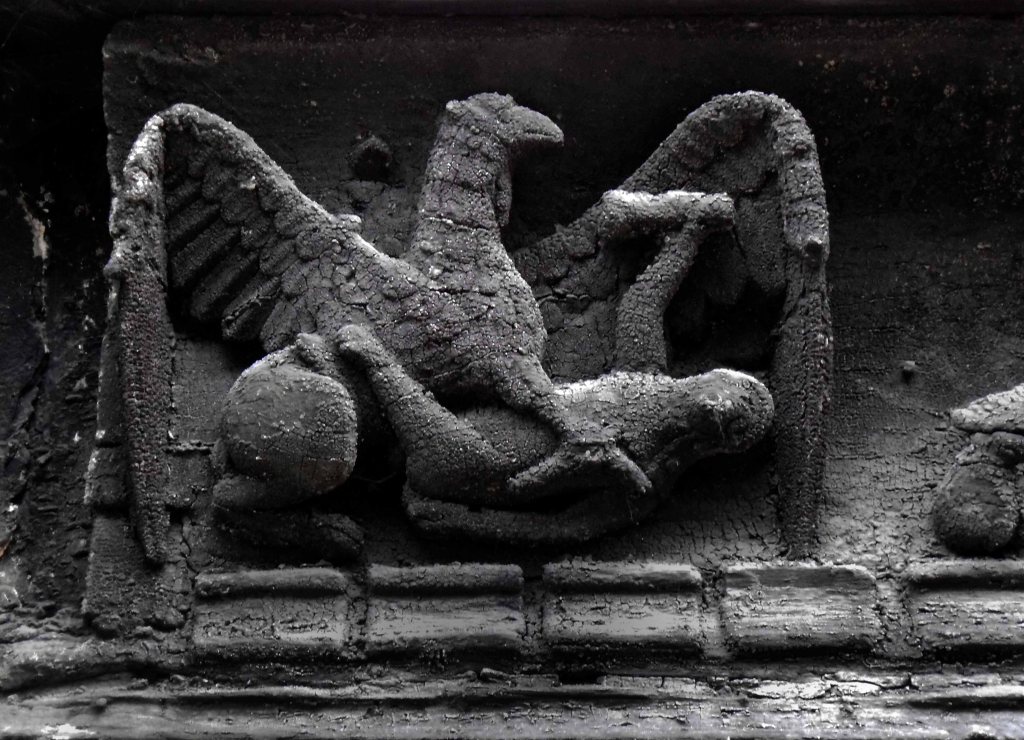
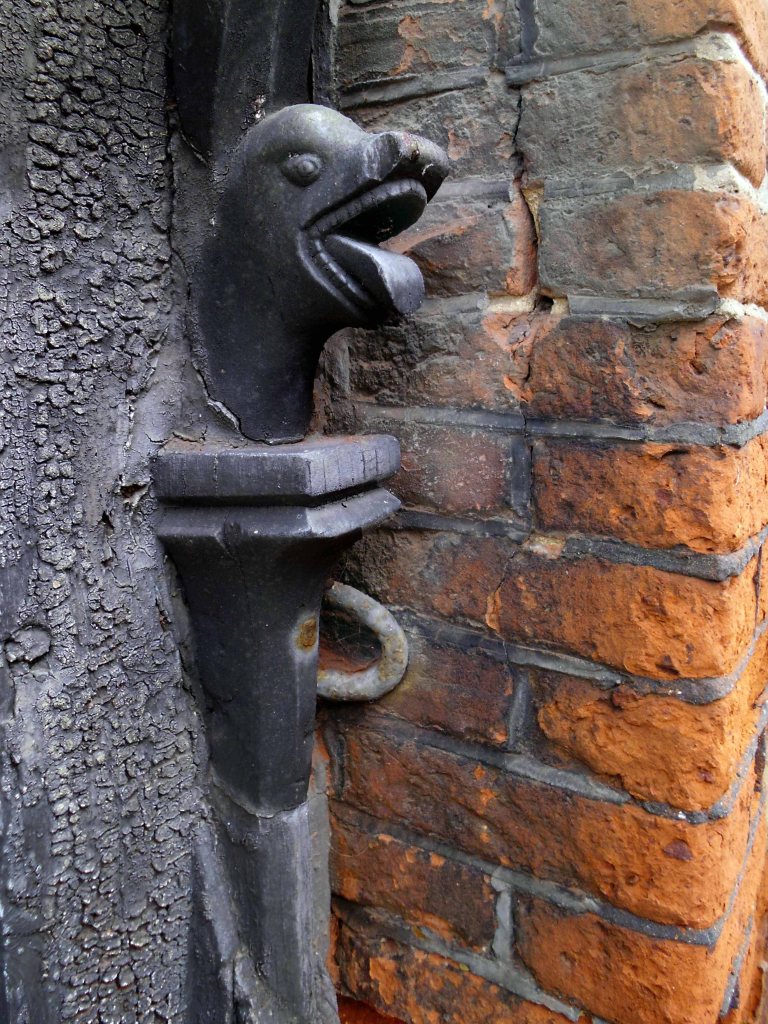
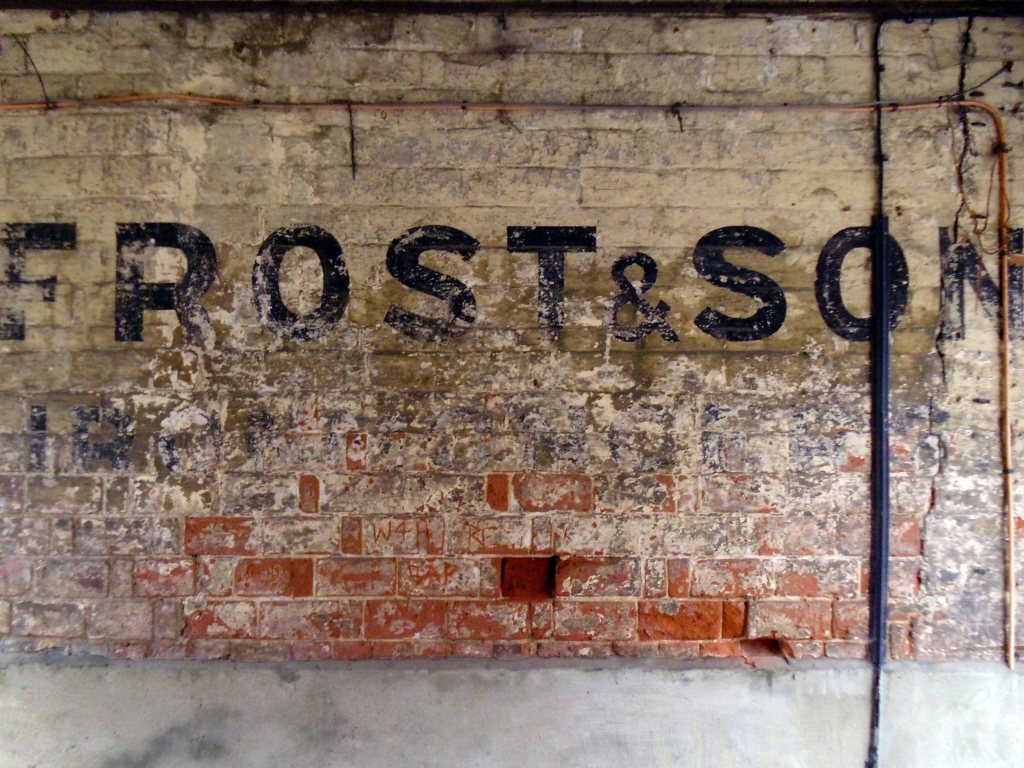
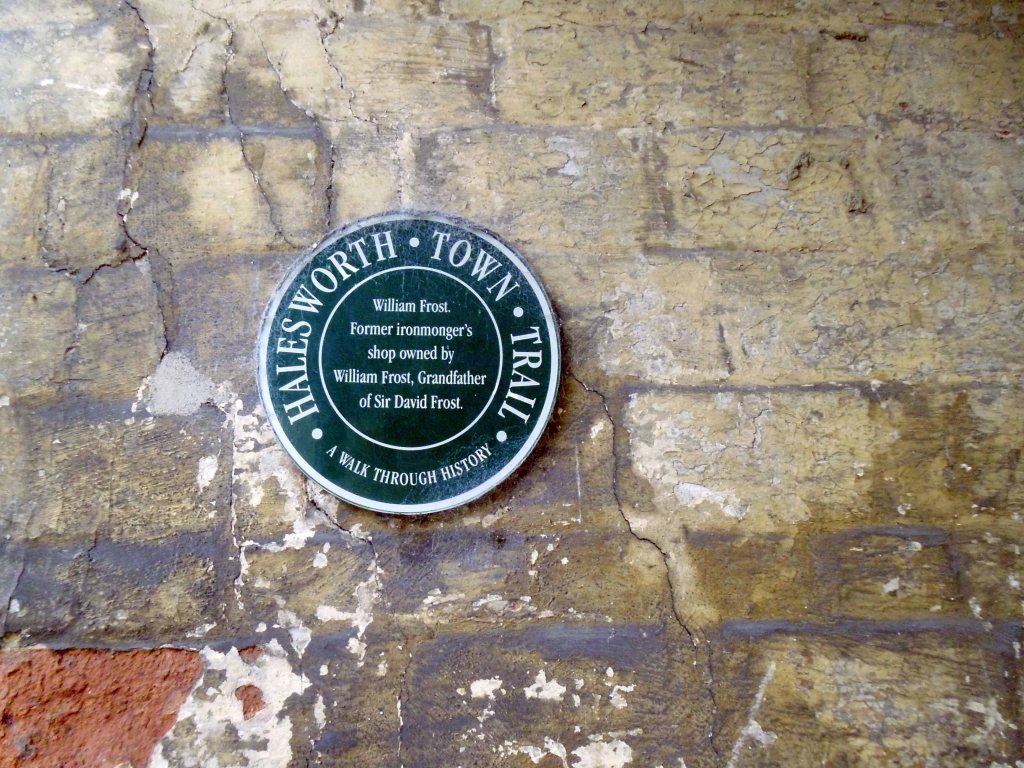
Something of a curiosity – David Frost’s father’s ironmongers in Halesworth – and the Ancient House with its ancient carving.
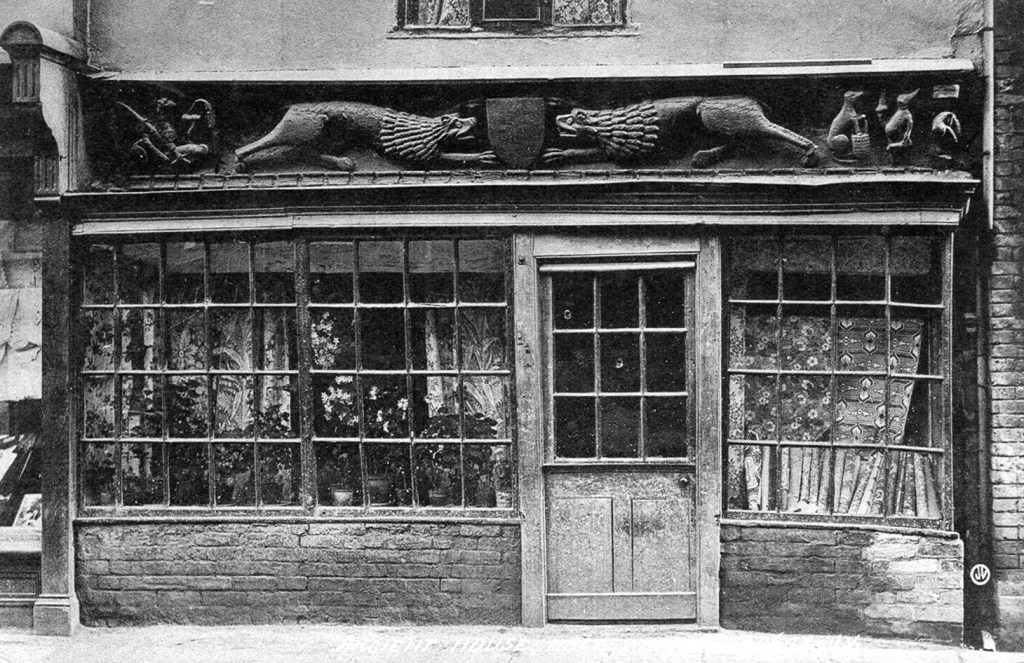
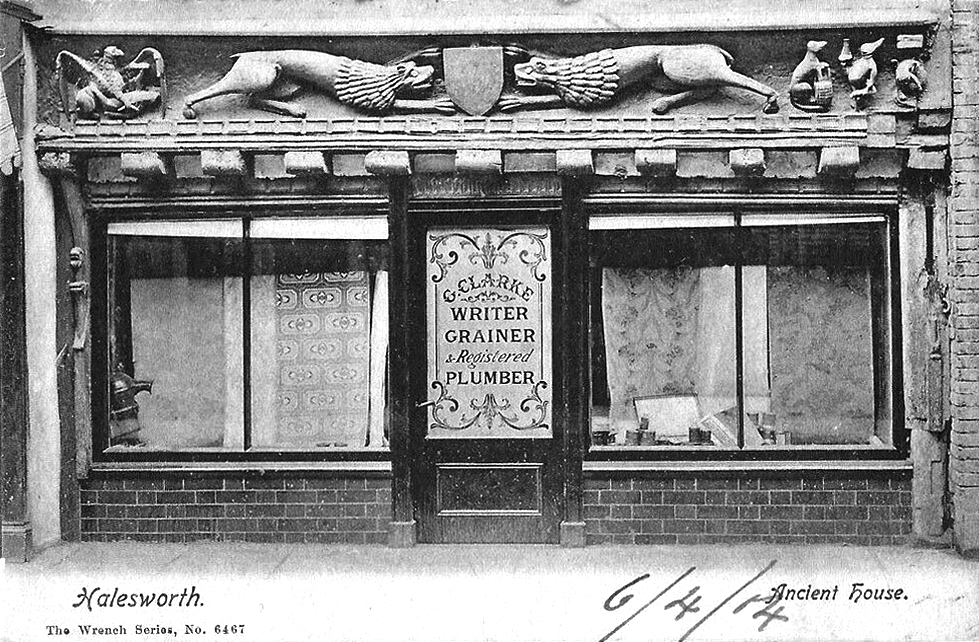
The bressumer beam at the front of the is linked with Margaret de Argentein in the late 14th and 15th century, it is believed t it could have been a manor or toll house.
Currently trading as a Bistro with paranormal problems;
Things in the window were swaying the other day and when we went to stop them they almost fought back.
I’ve seen two ghosts in the kitchen. One was clearly a man, the other was when I thought my daughter was over my shoulder but when I looked around she wasn’t there, and we were the only two in the building.
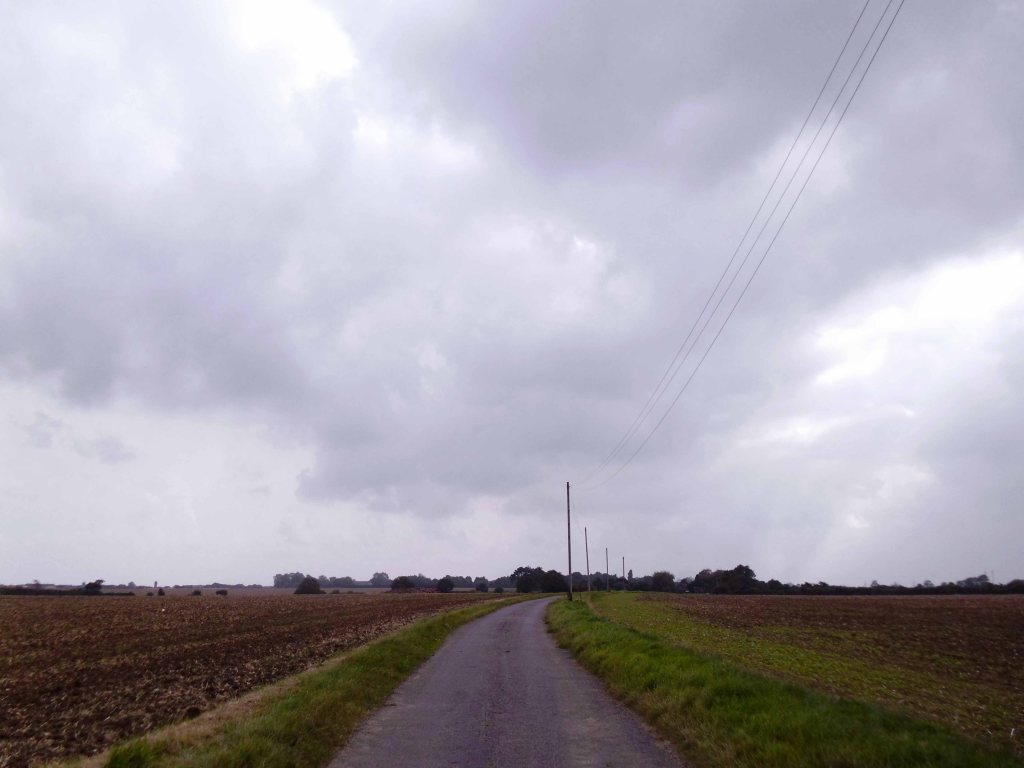
The long and ever so slightly winding road of the lowlands, sad eyed.
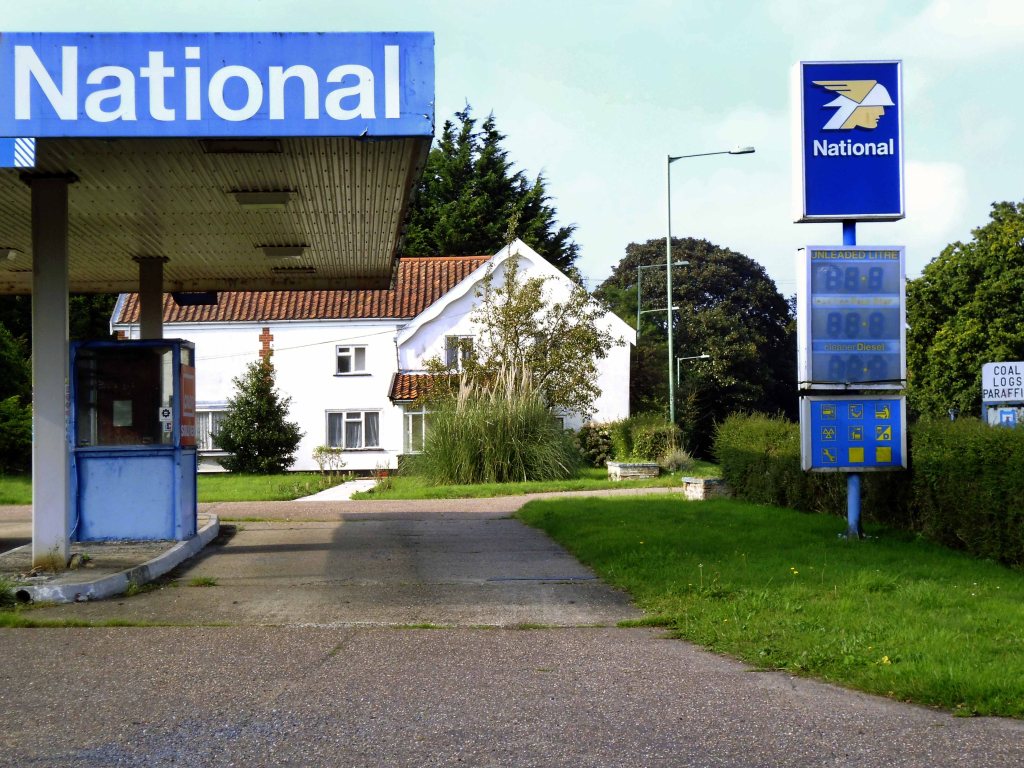
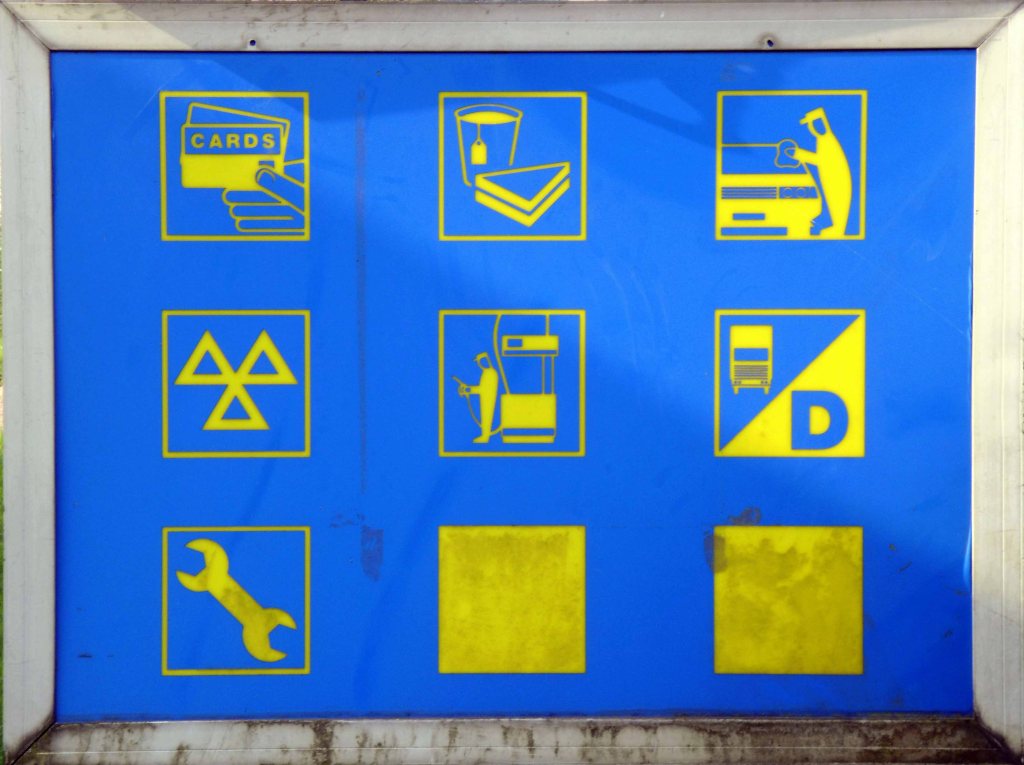
Service station highlight of the tour – with its National graphic identity intact.
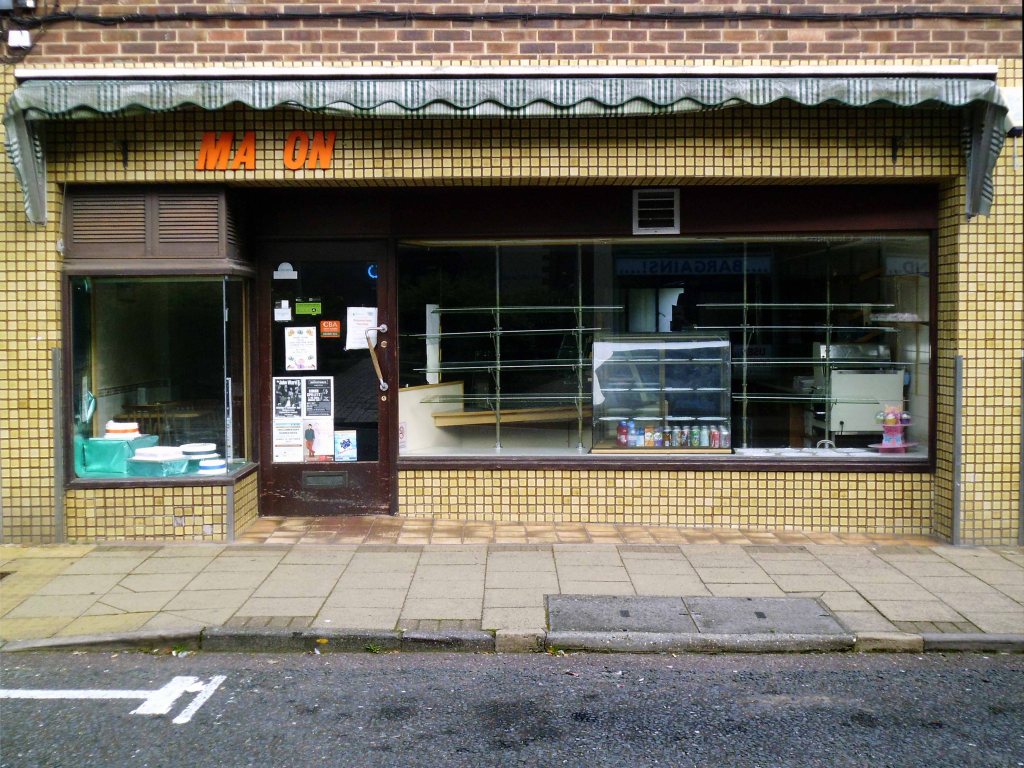
A no longer a bakers bakery.
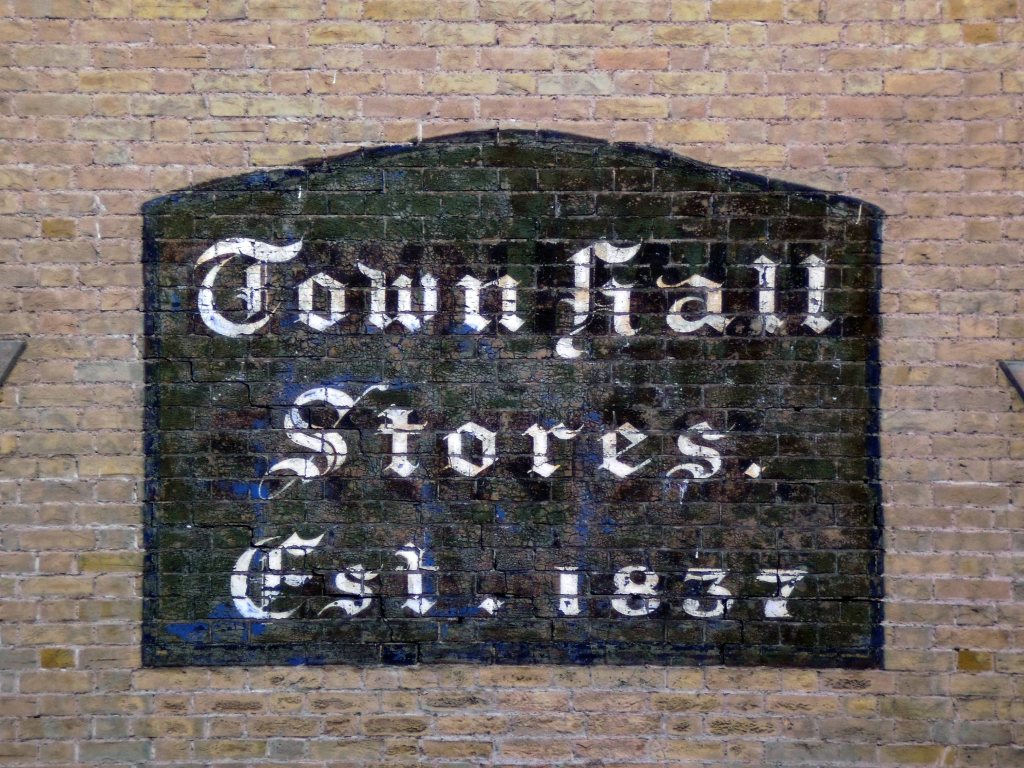
Ghost sign.
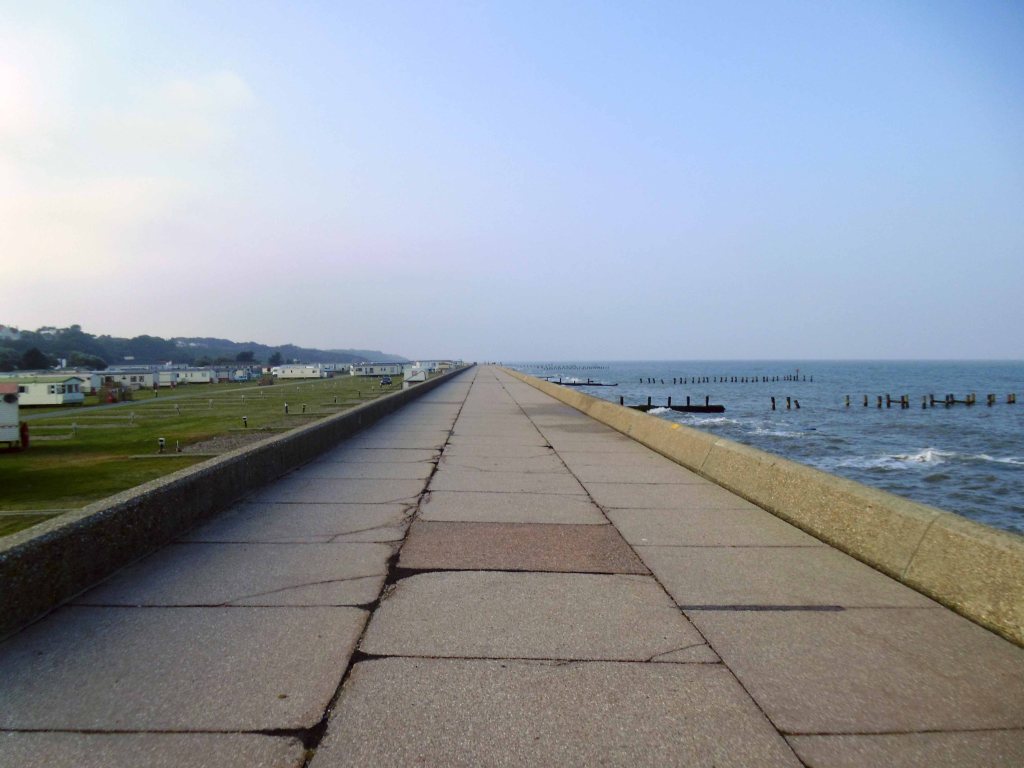
All at sea again – caravans to the left of us, sea to the right of us, onwards onwards.

The eternal puzzle of the paddling pool.
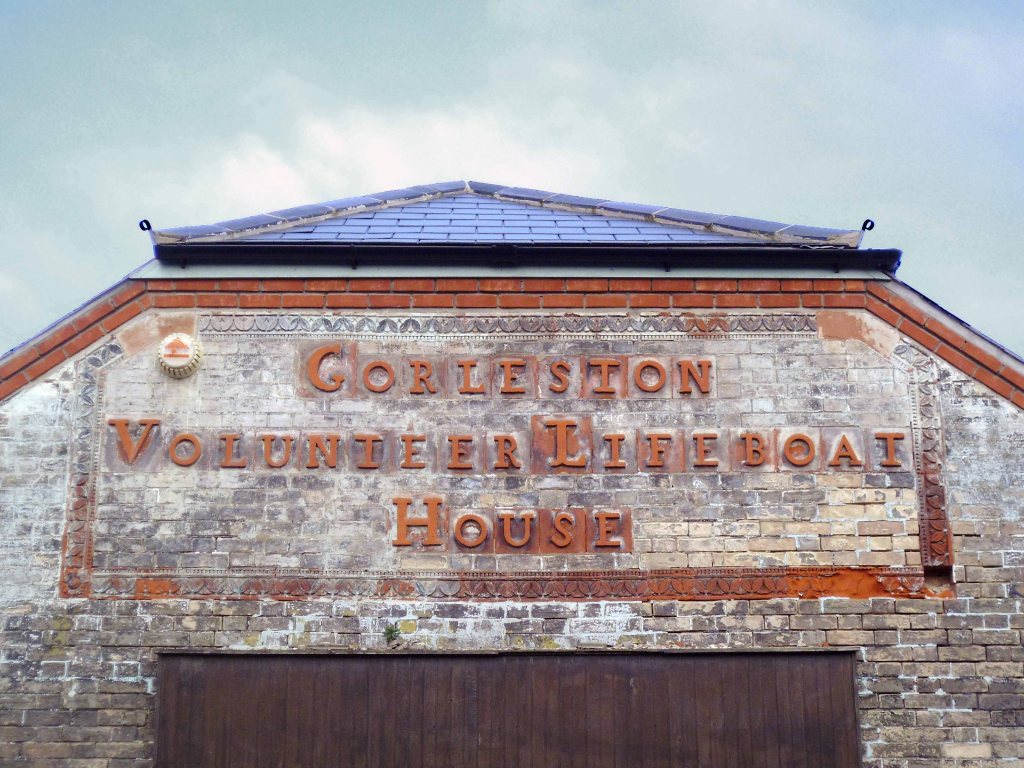
Terracotta tiling on the Lifeboat House.
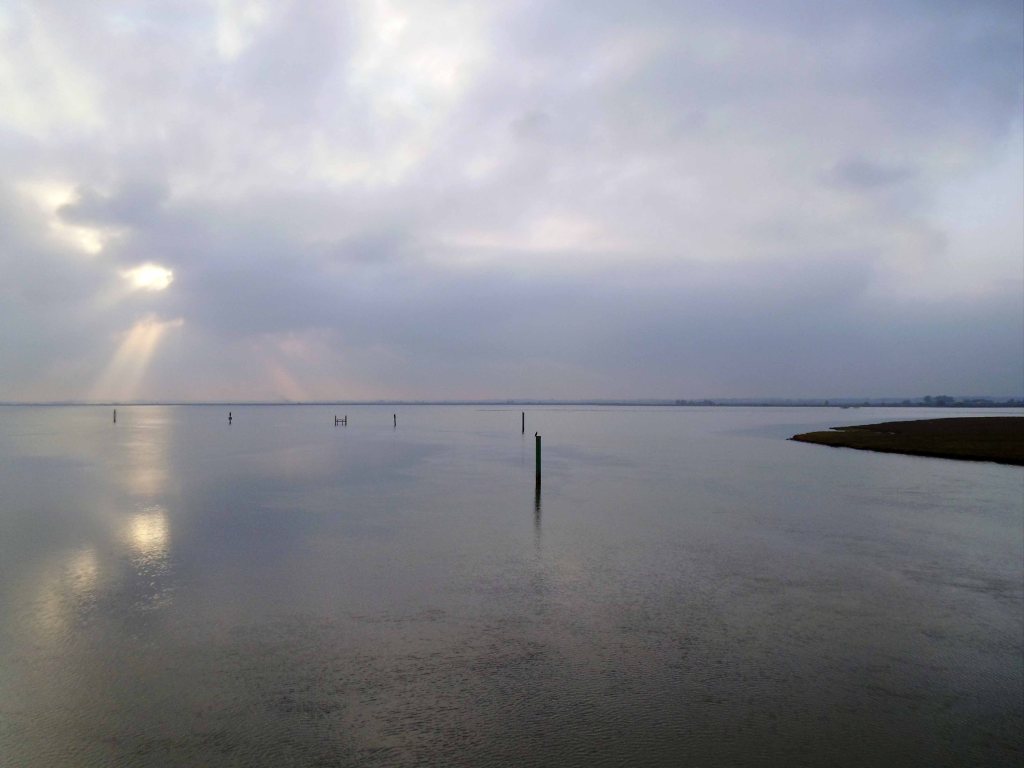
Crossing the estuary of the River Yare – yeah, yeah!
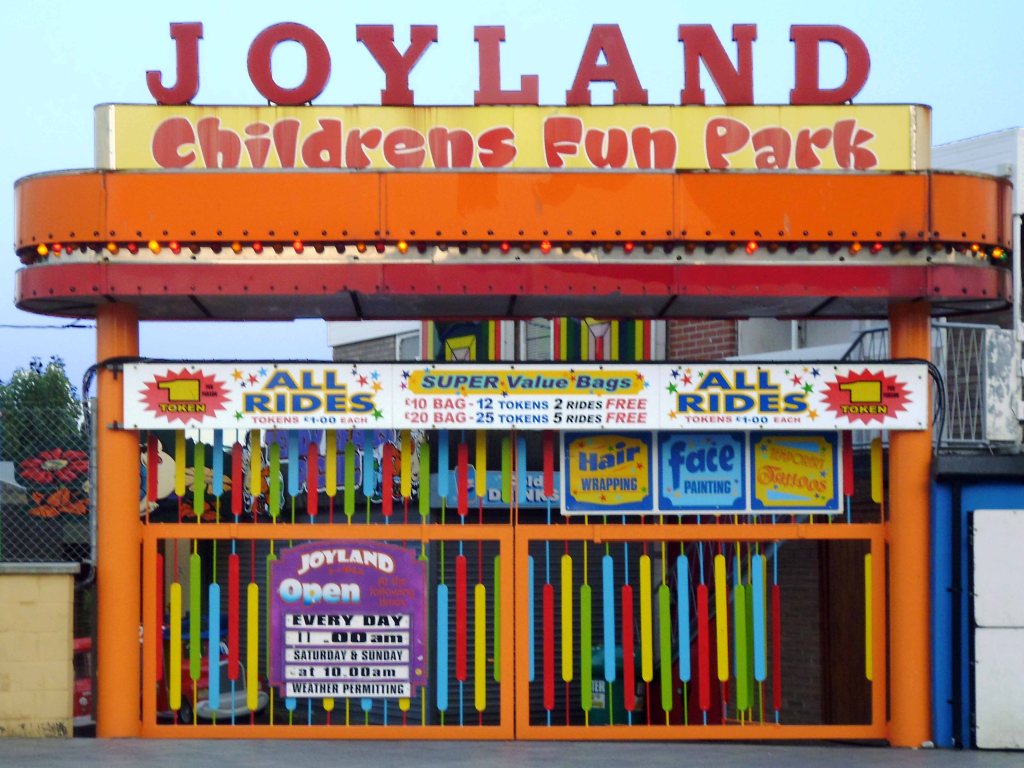
Finally arriving in Joyland.
Rides include the world famous Snails and Tyrolean Tub Twist.
A huge toy town mountain incorporates the Spook Express kiddie coaster, Jet Cars and Neptune’s Kingdom undersea fantasy ride, Pirate Ship, Major Orbit, Balloon Wheel and Skydiver complete the rest of the rides.
Hungry – why not grab a bite at the American Diner.
I actually went to the Wetherspoons.
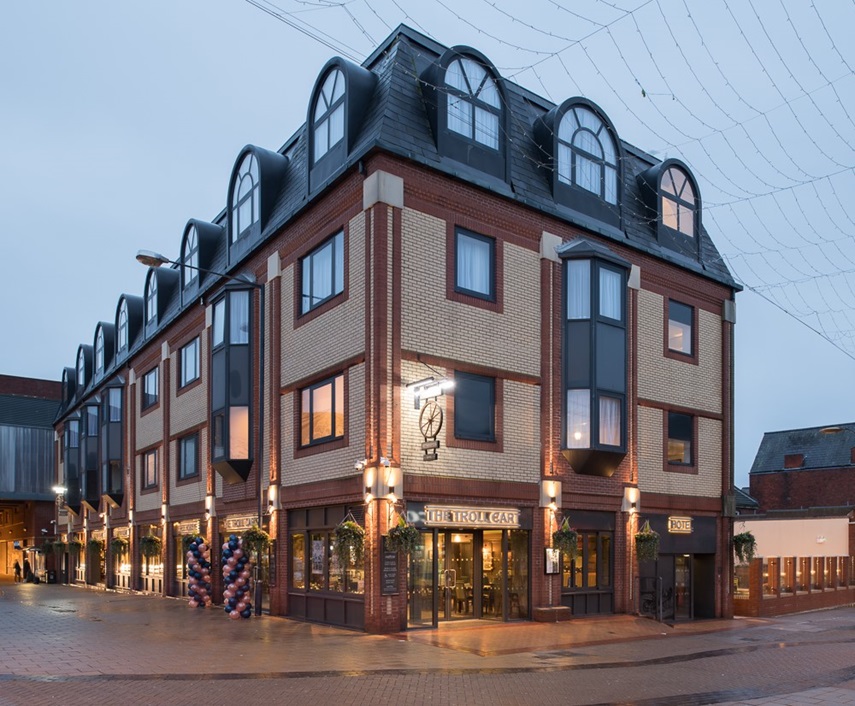
Though the town is full of tiny pubs.
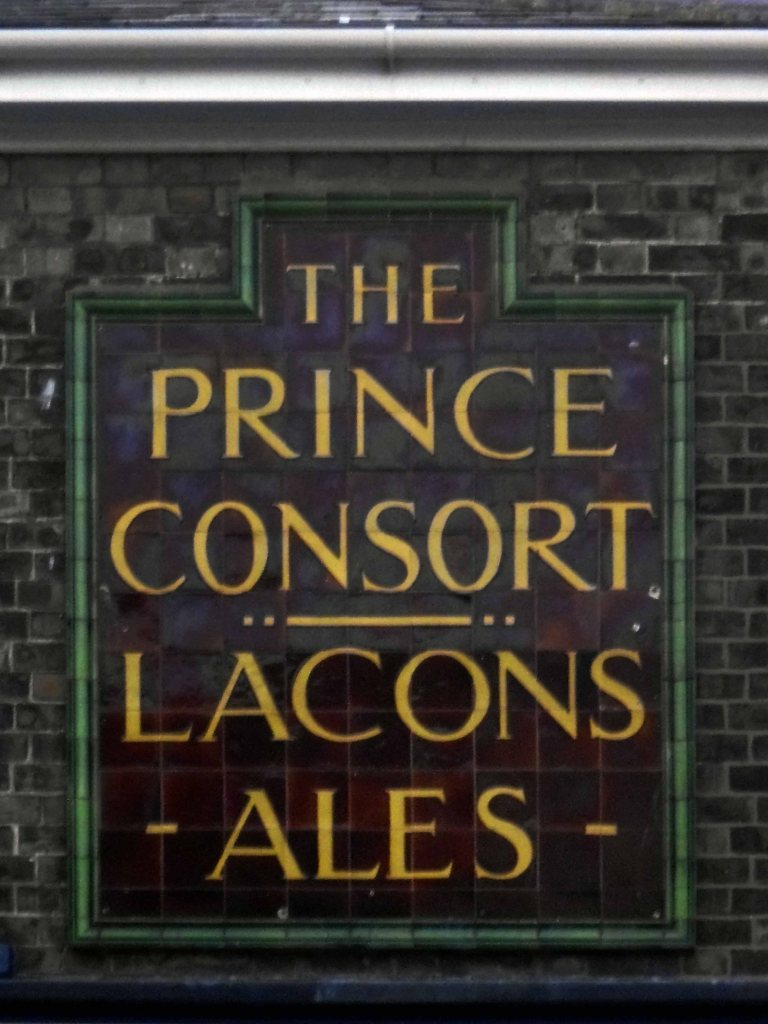
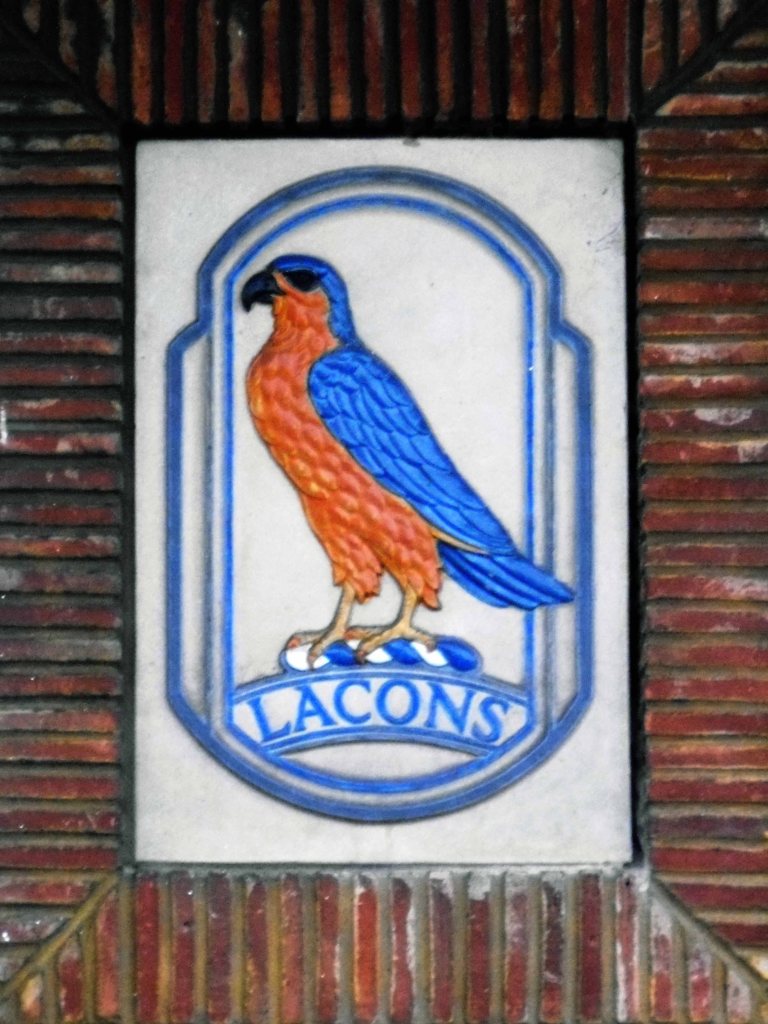
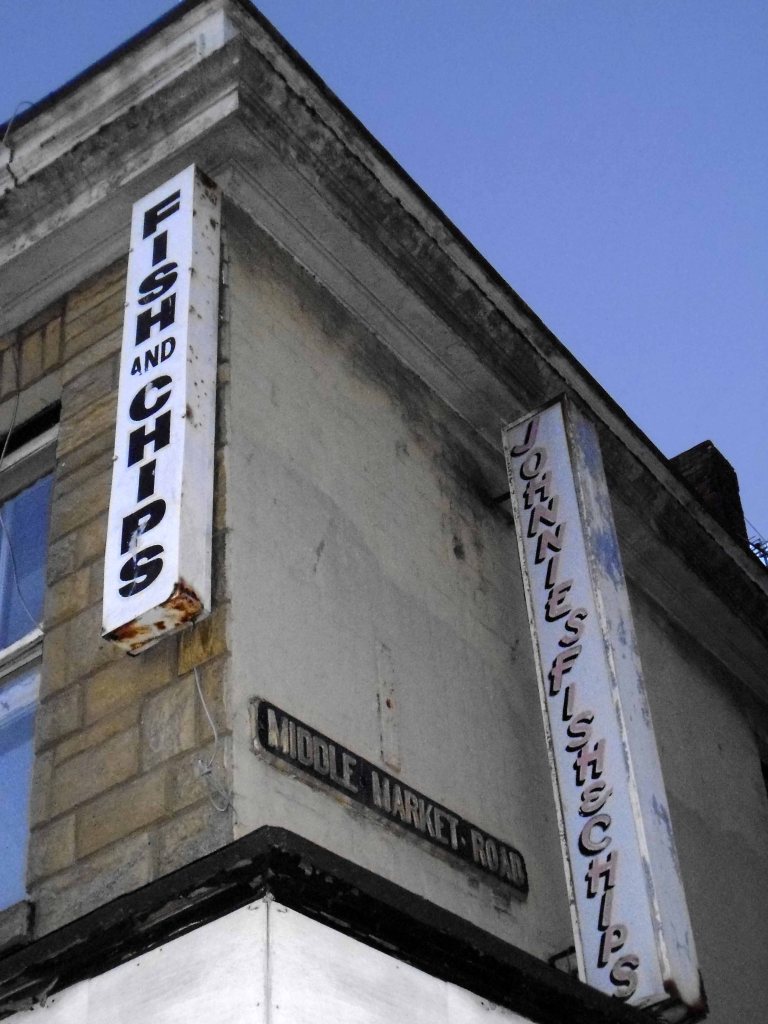
And a chippy.
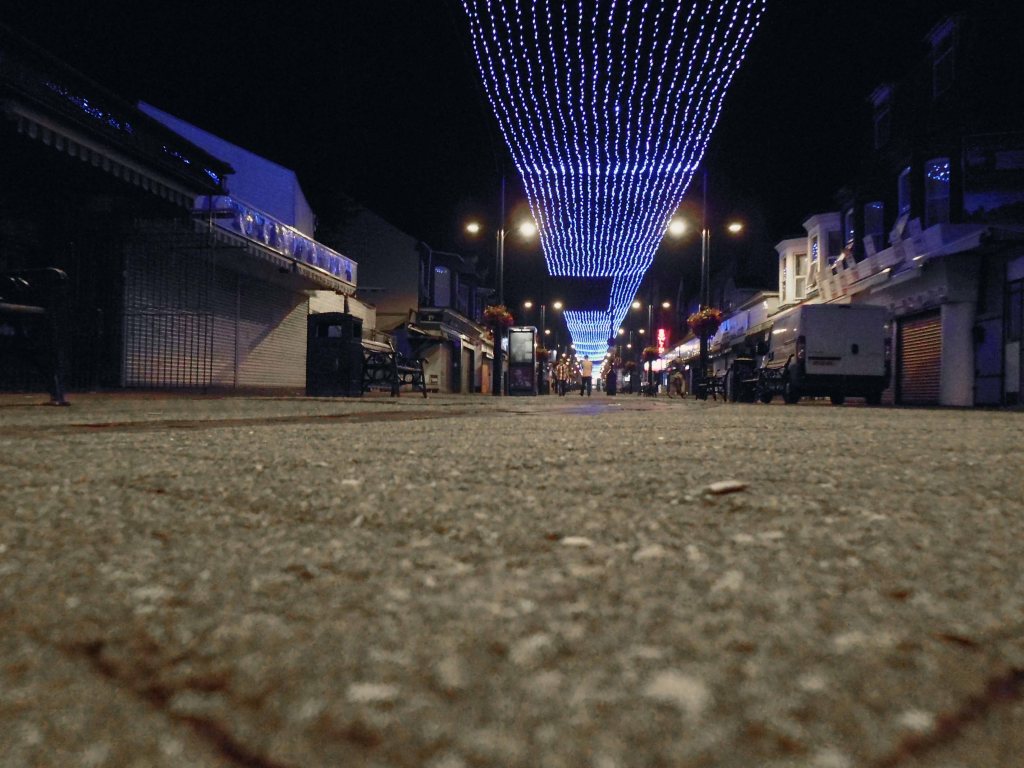
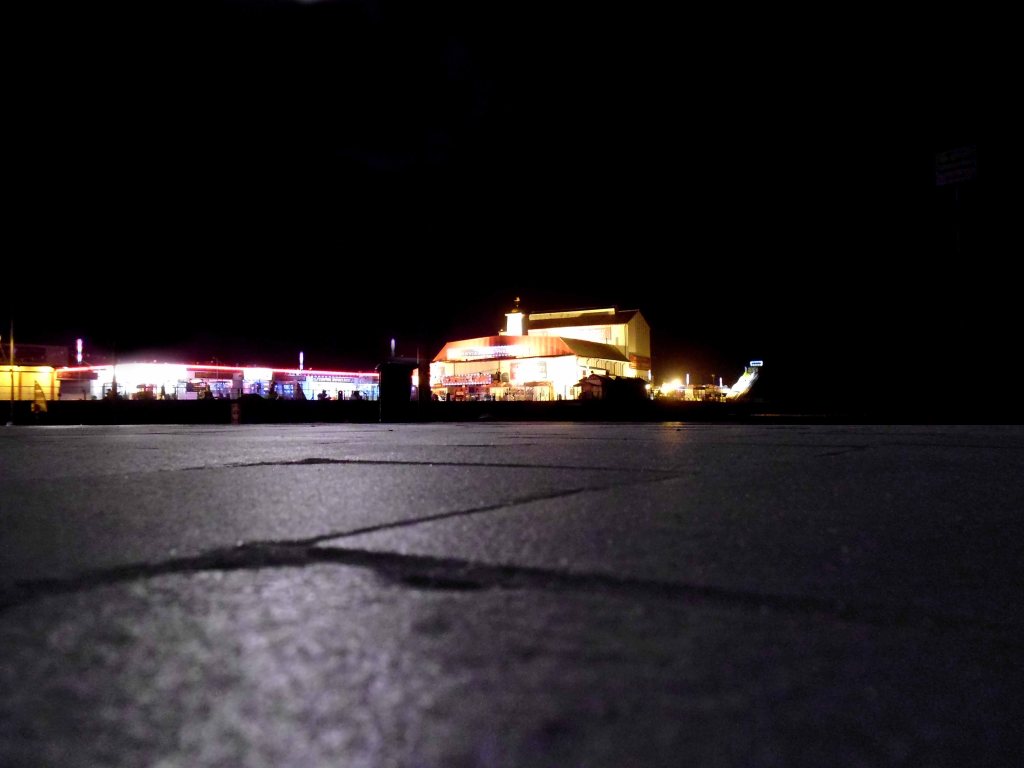
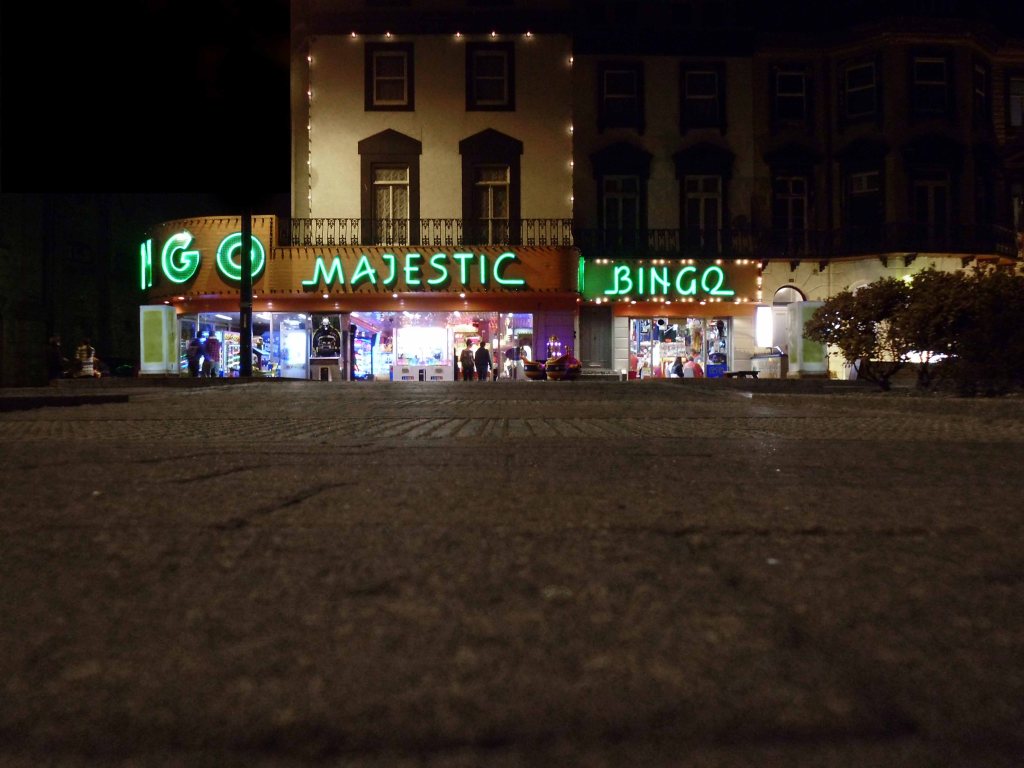
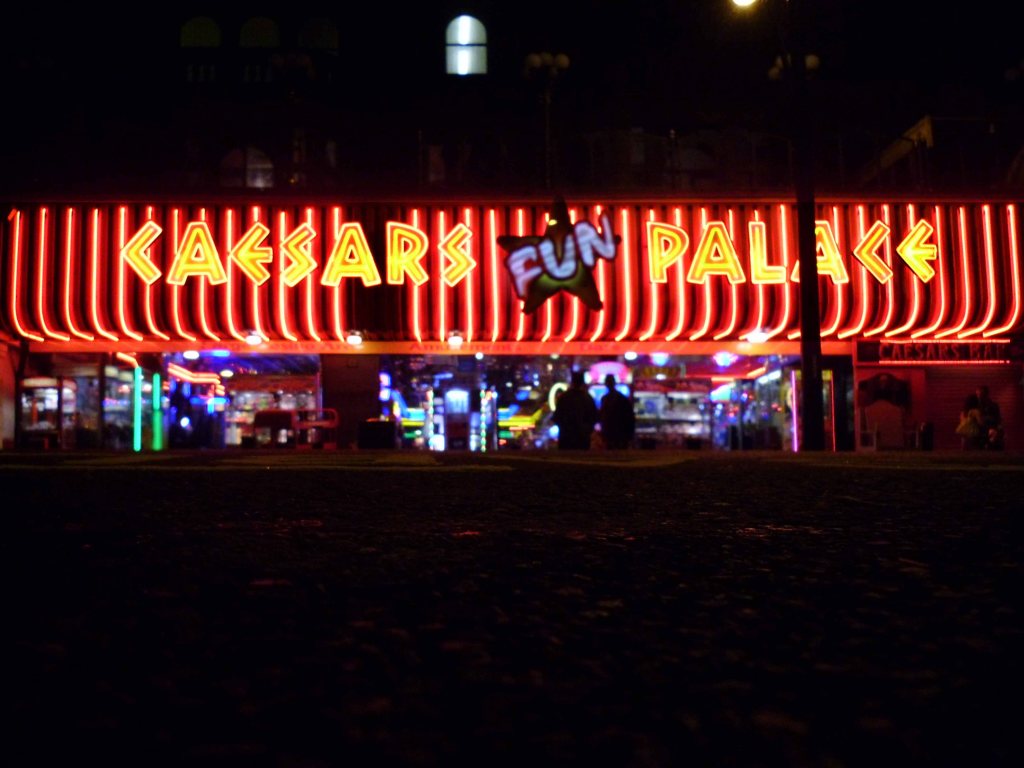
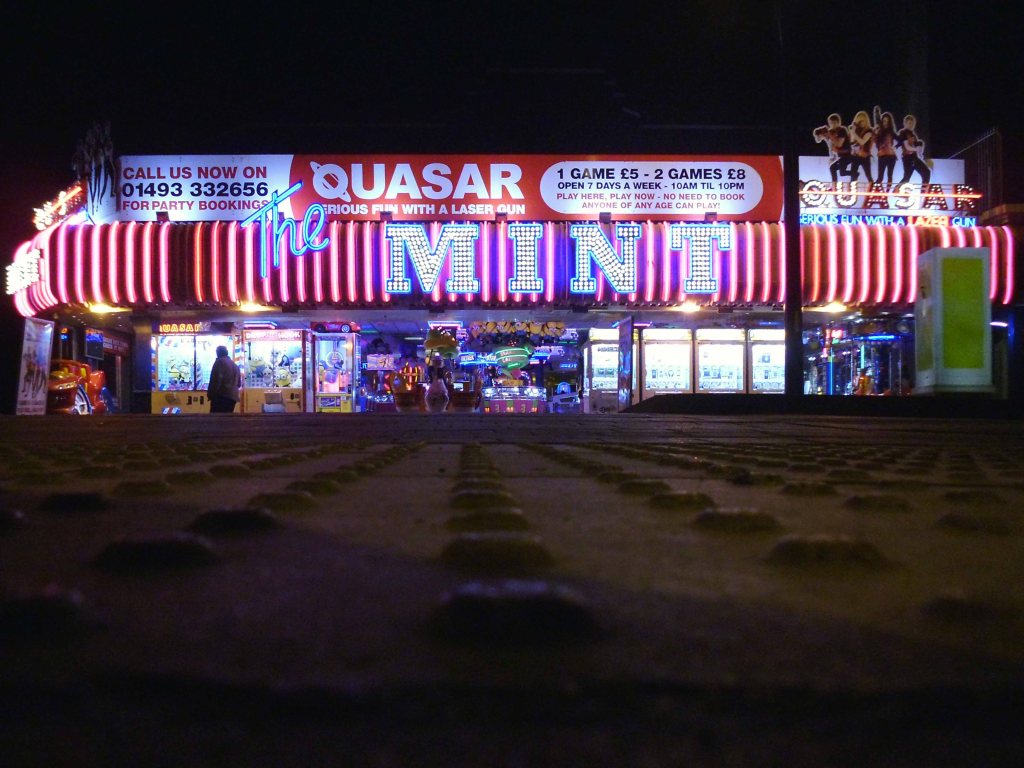
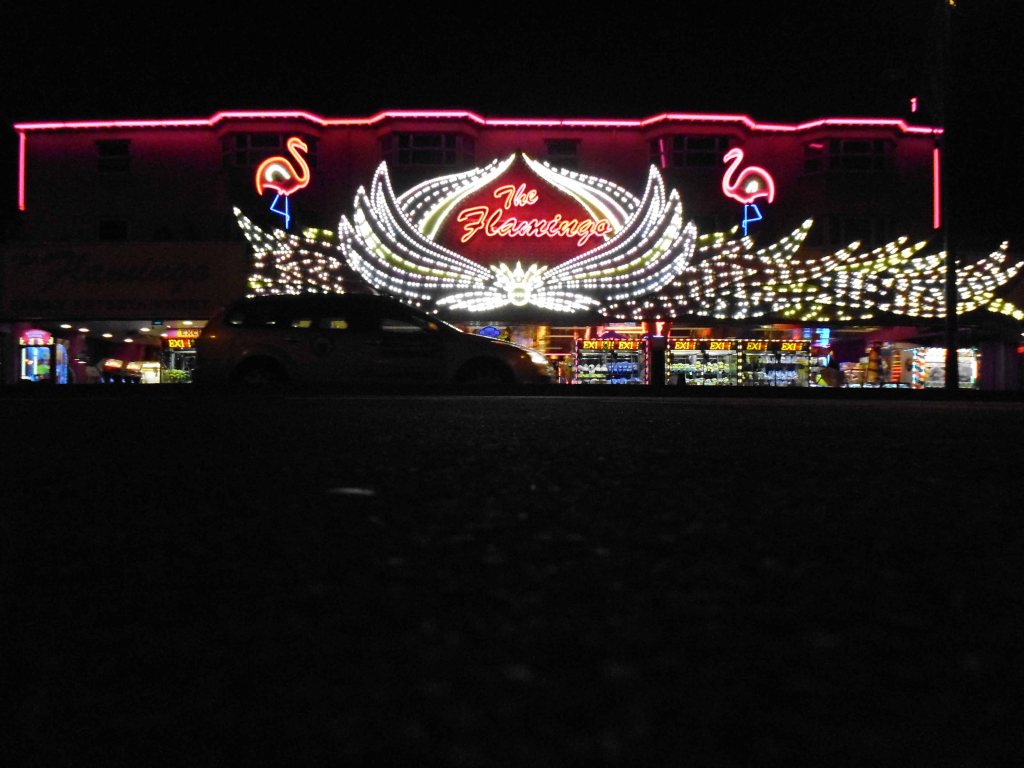
I wandered the highway byways and promenade of Great Yarmouth, all alone in a neon nightmare!
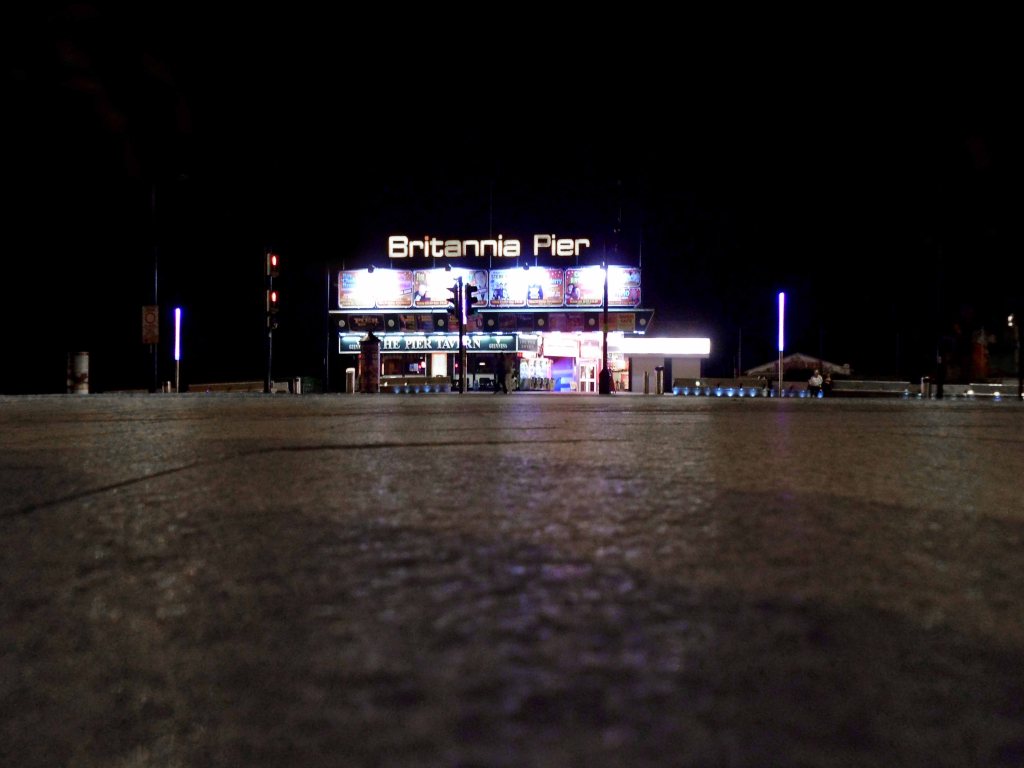

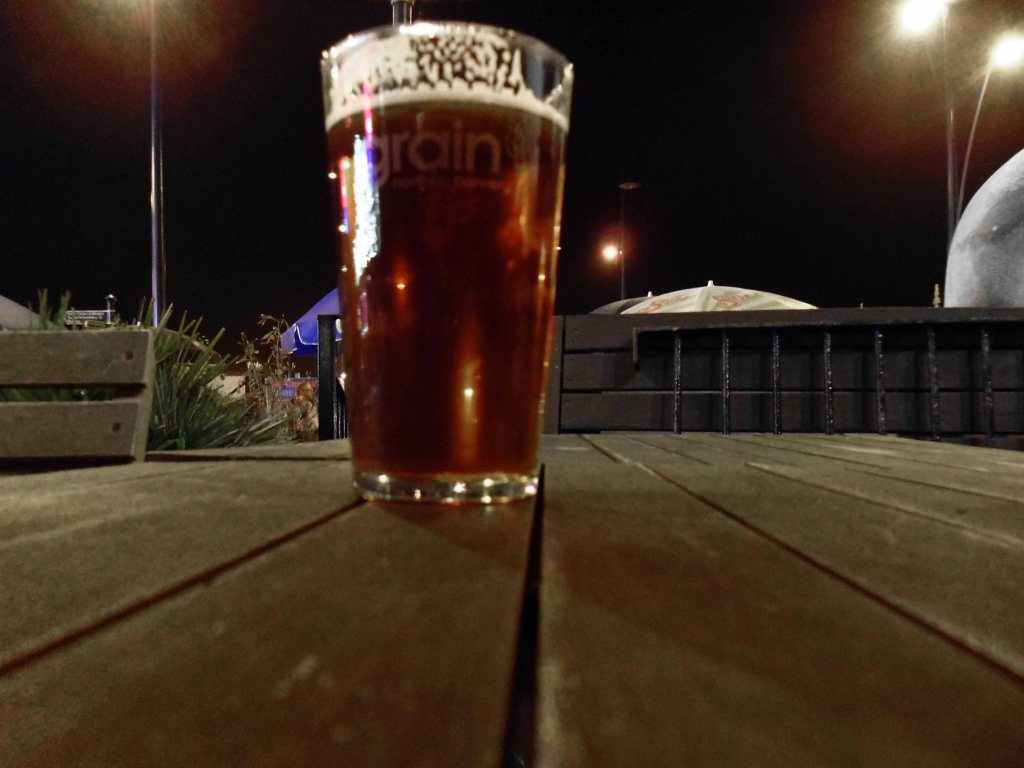
Finally settling down for a pint or two – again.
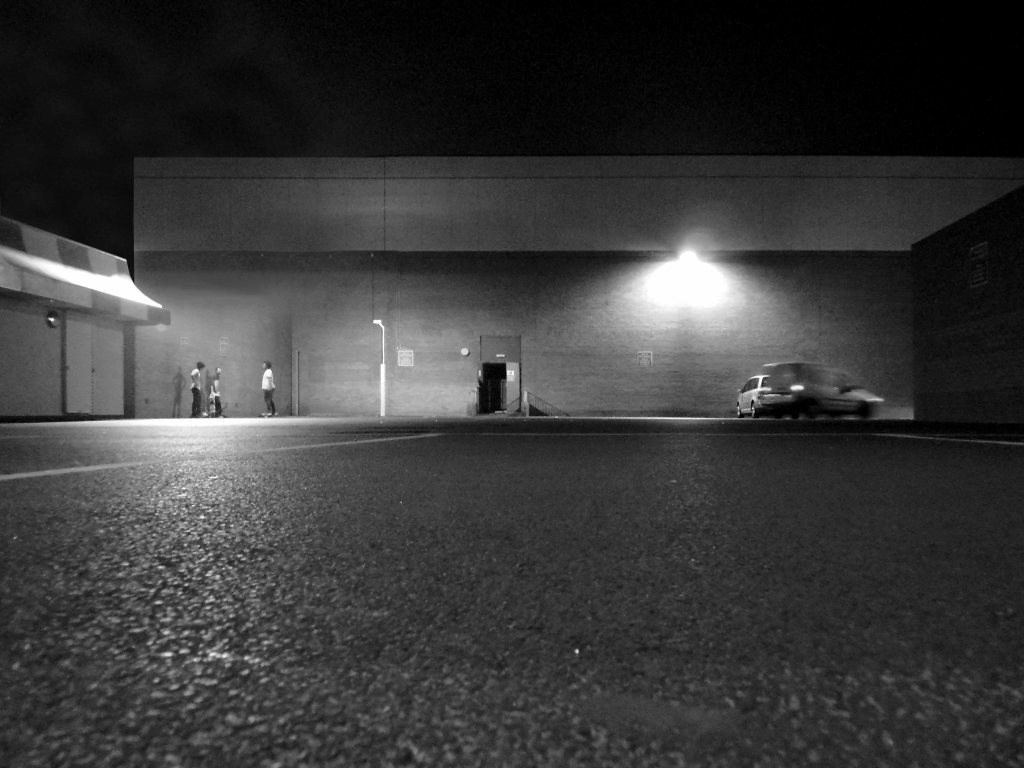
Lastly encountering the late night skaters.
Night night.
 Modern Mooch