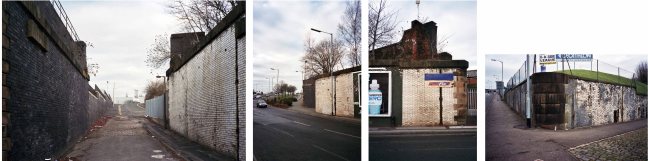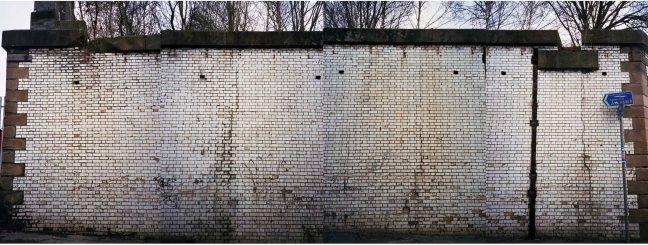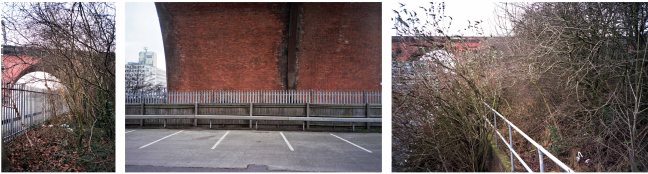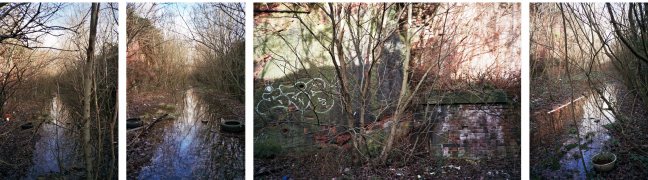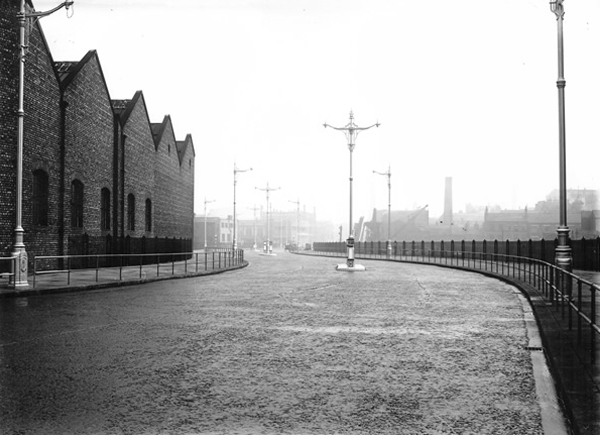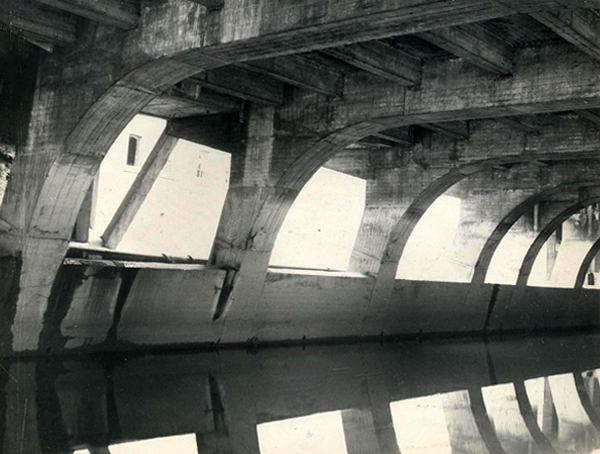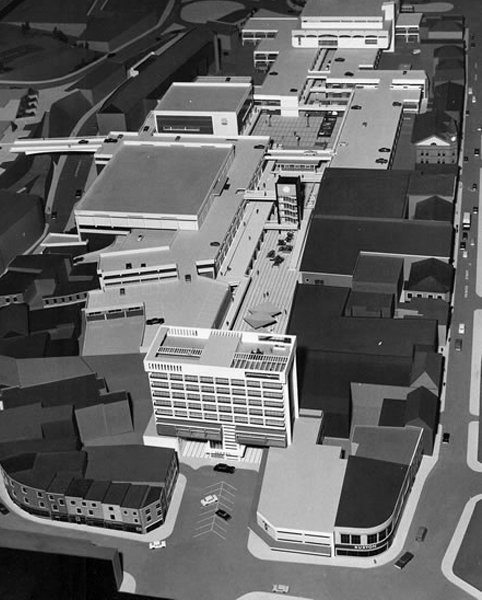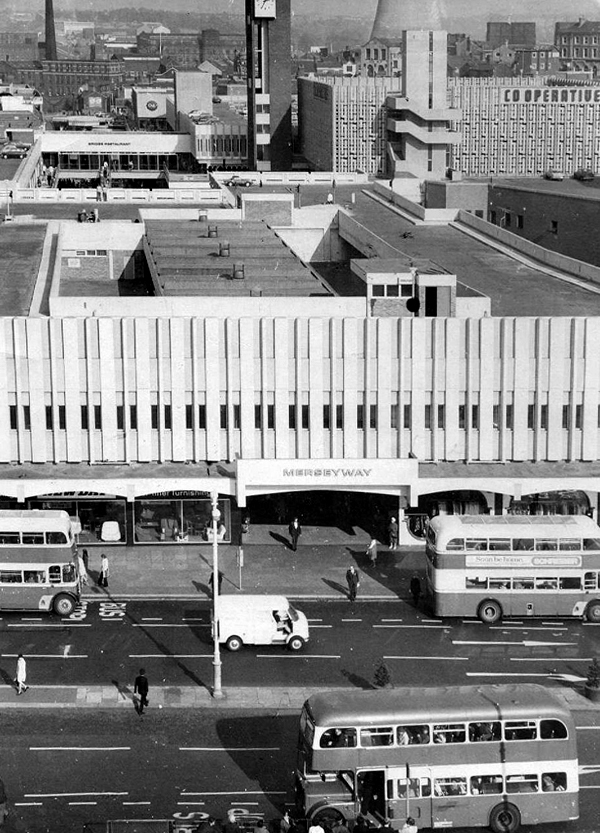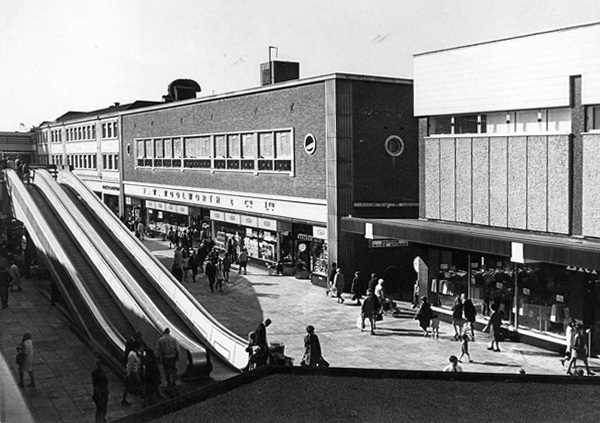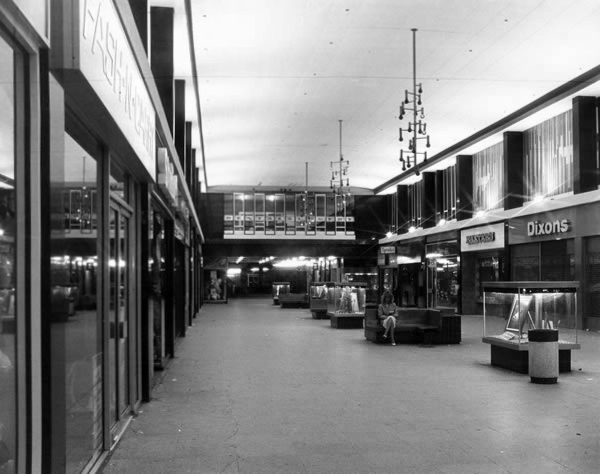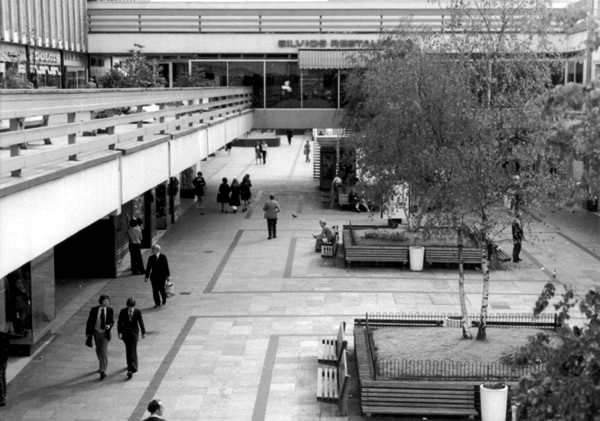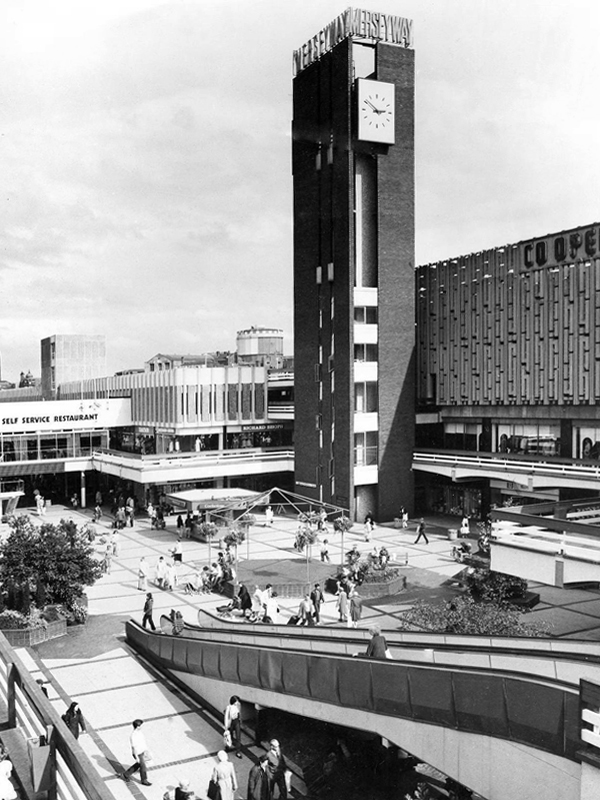
Lost and Found – Portwood

Ὁ βίος βραχύς,ἡ δὲ τέχνη μακρή,ὁ δὲ καιρὸς ὀξύς,ἡ δὲ πεῖρα σφαλερή,ἡ δὲ κρίσις χαλεπή.

30cc0c813d69ba409723f2b3d9bc5dd0

I have no wish to take issue, with the finer thoughts and feelings of Deborah A. Ten Brink.

However.

There is a sense that our earthly endeavours, may serve to assist us in avoiding the void, the cold dark inevitability of eternity, that everyday here today, gone tomorrow feeling.

However.

Nothing lasts forever, except forever and nothing.

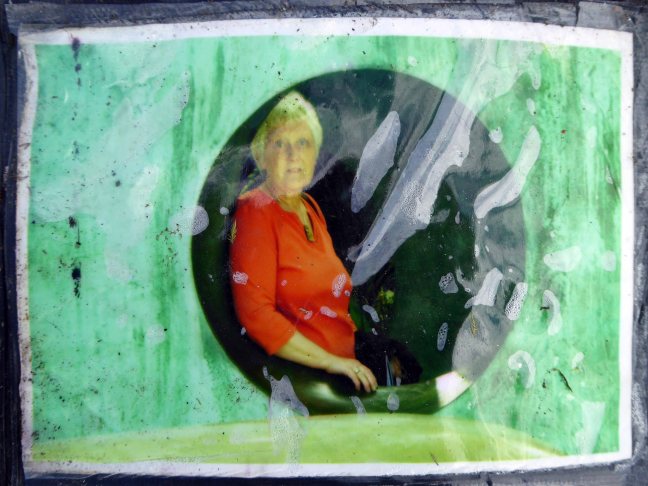
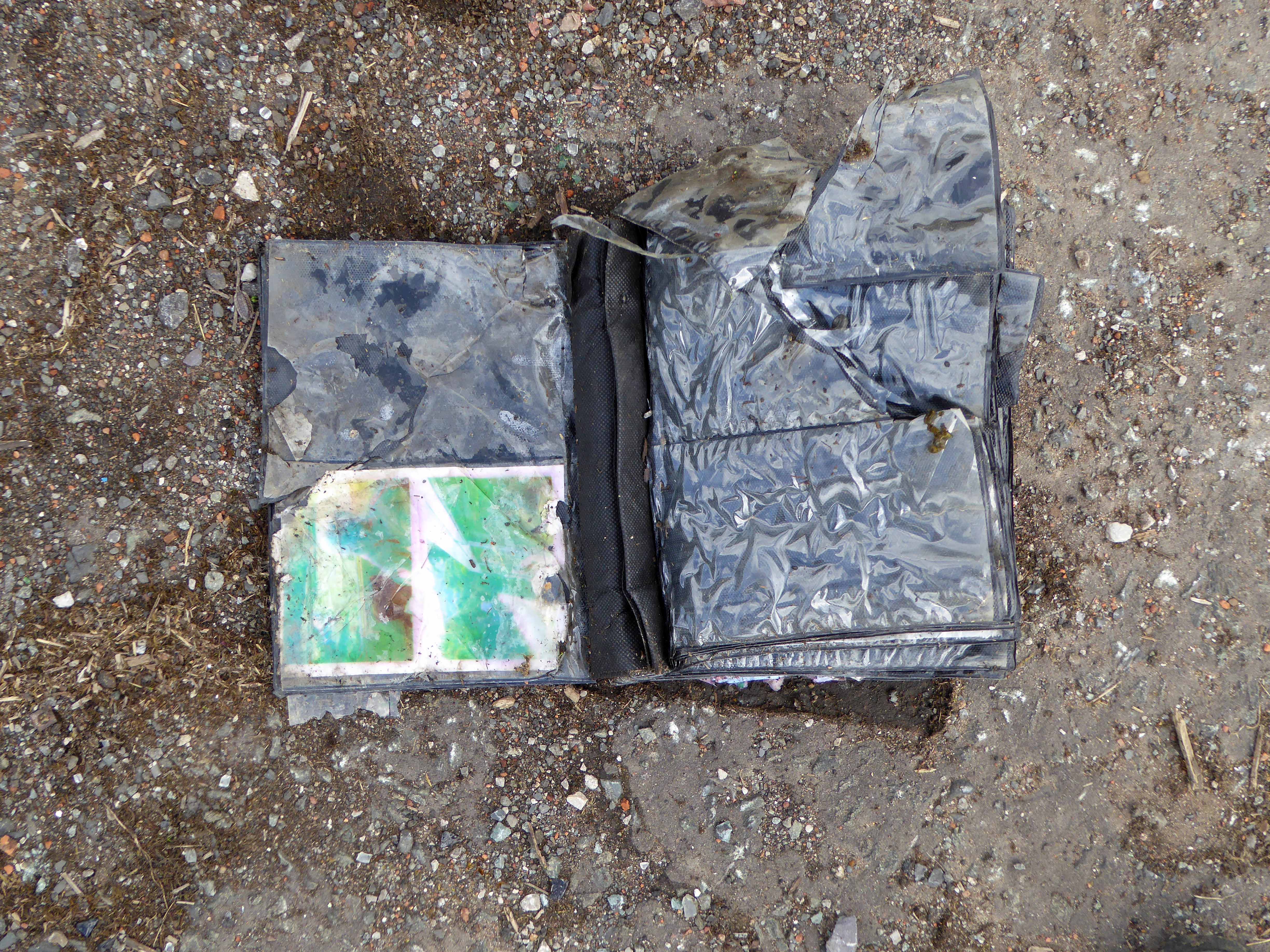
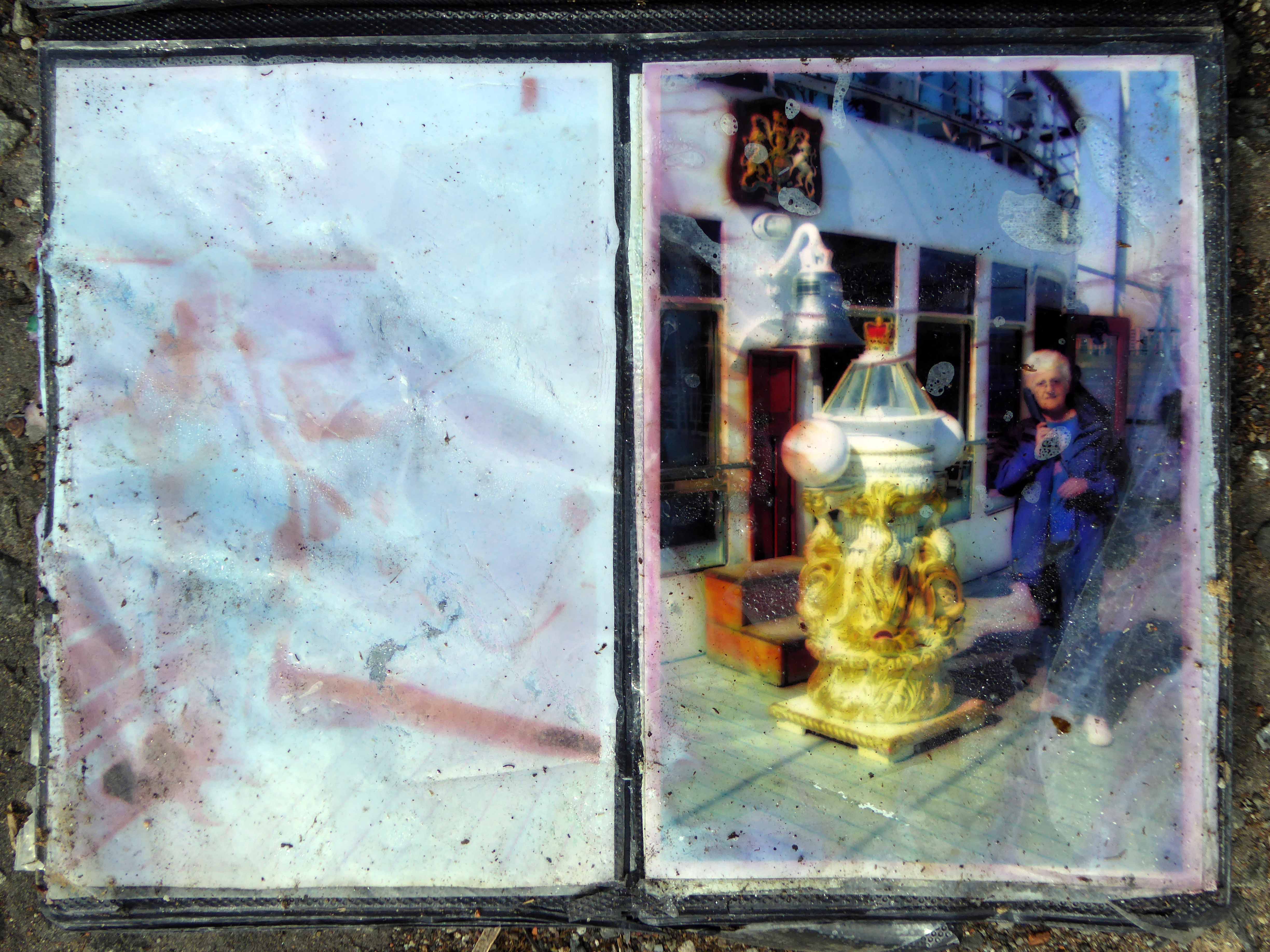
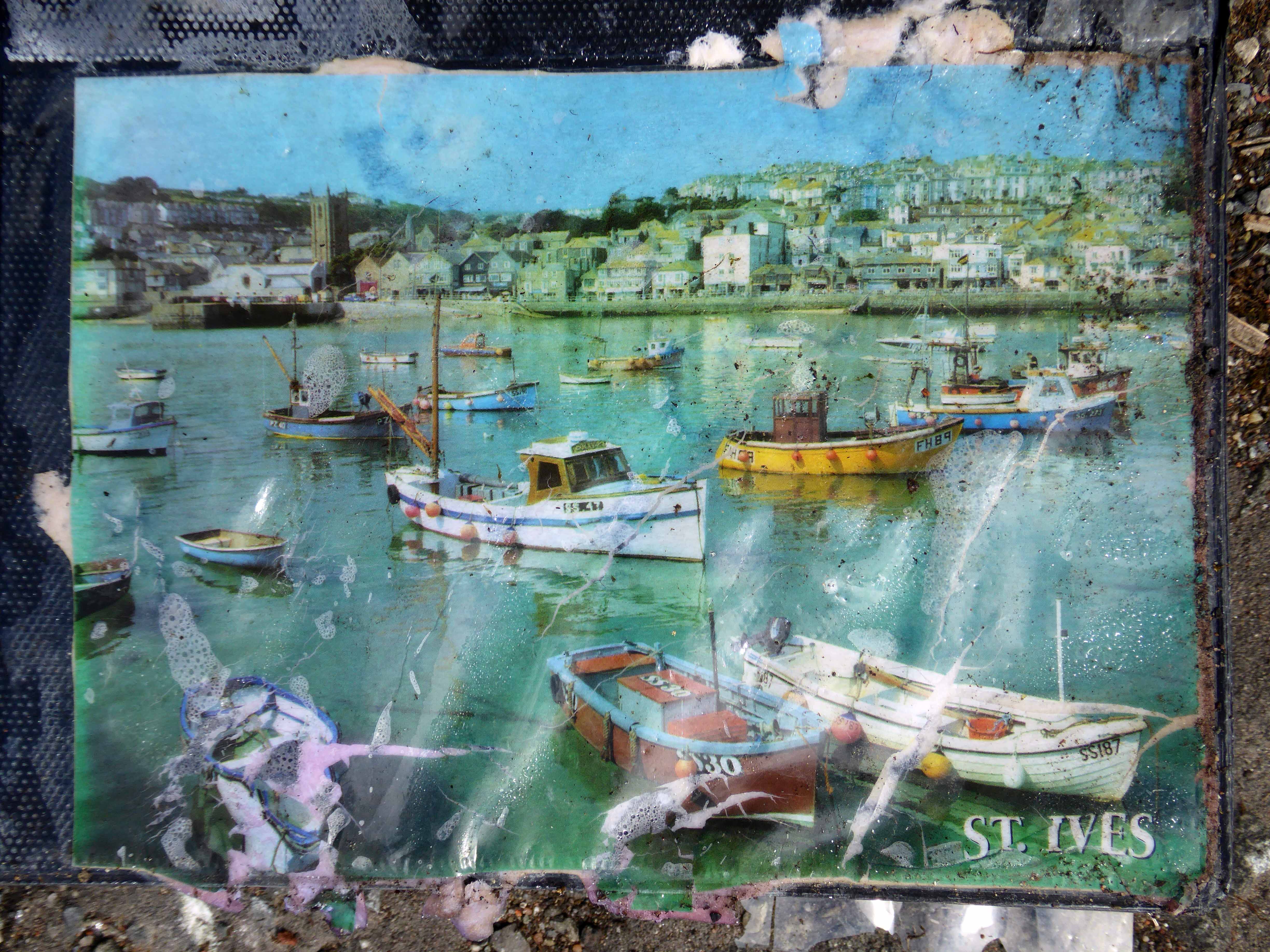
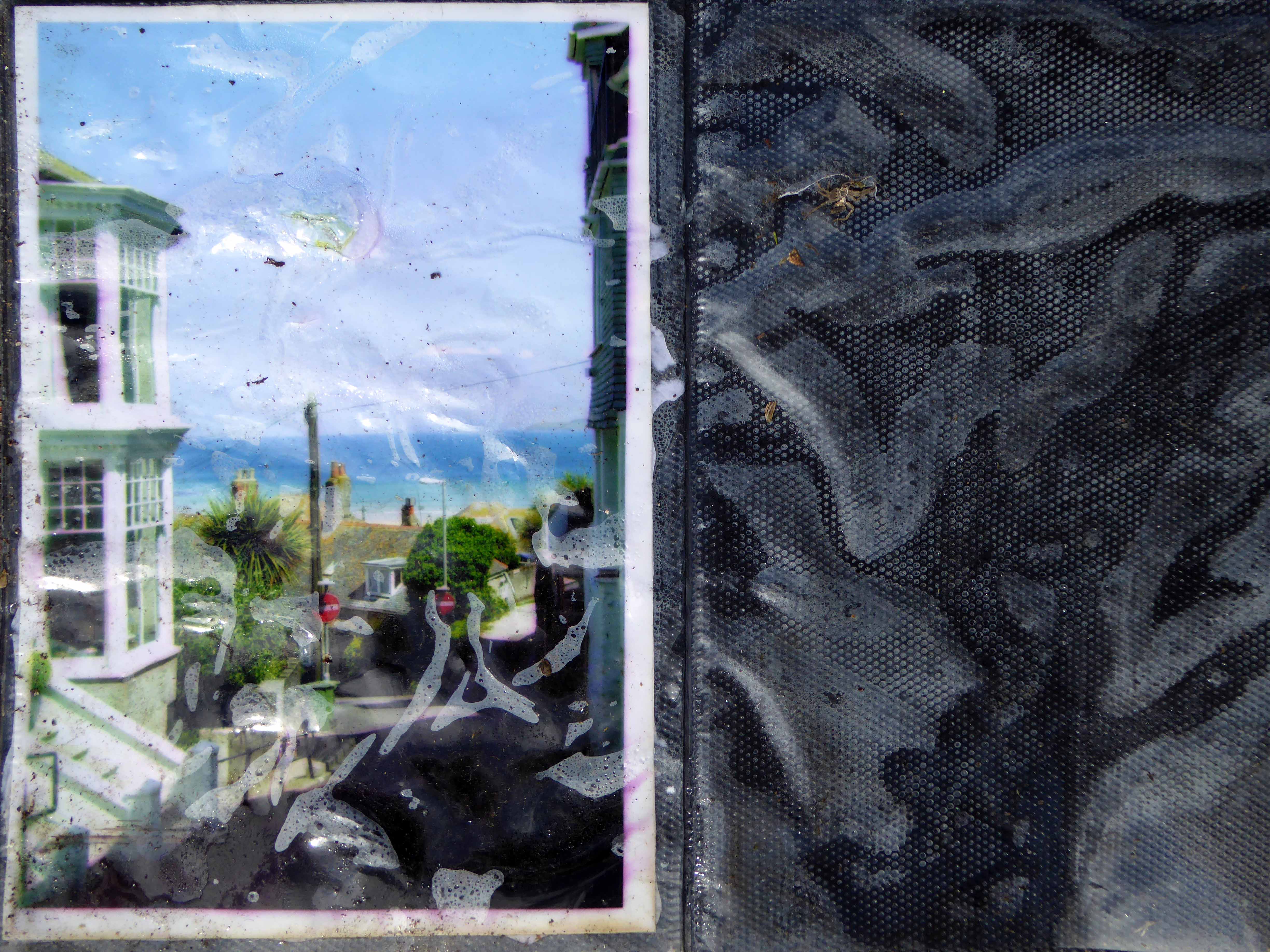
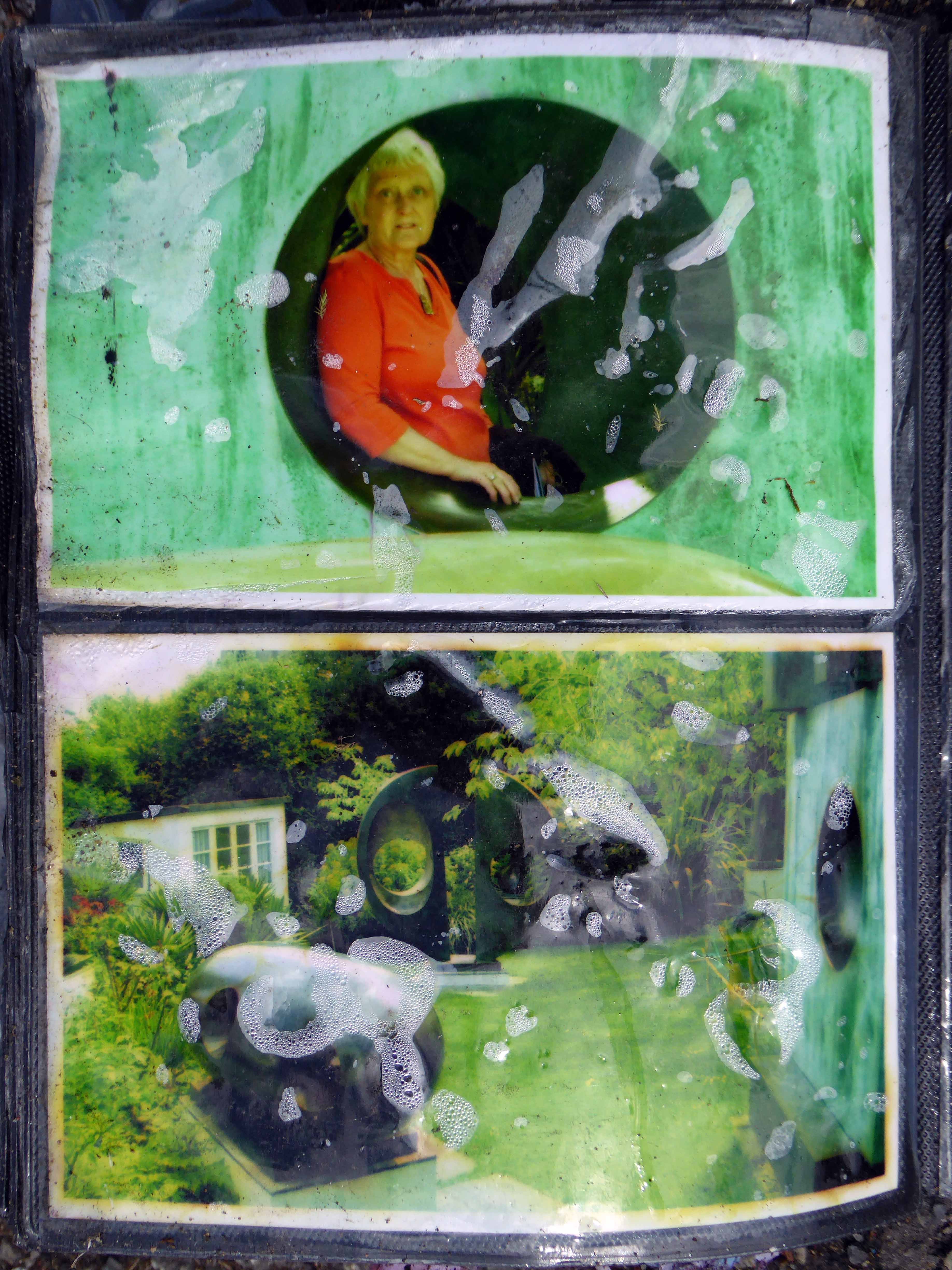
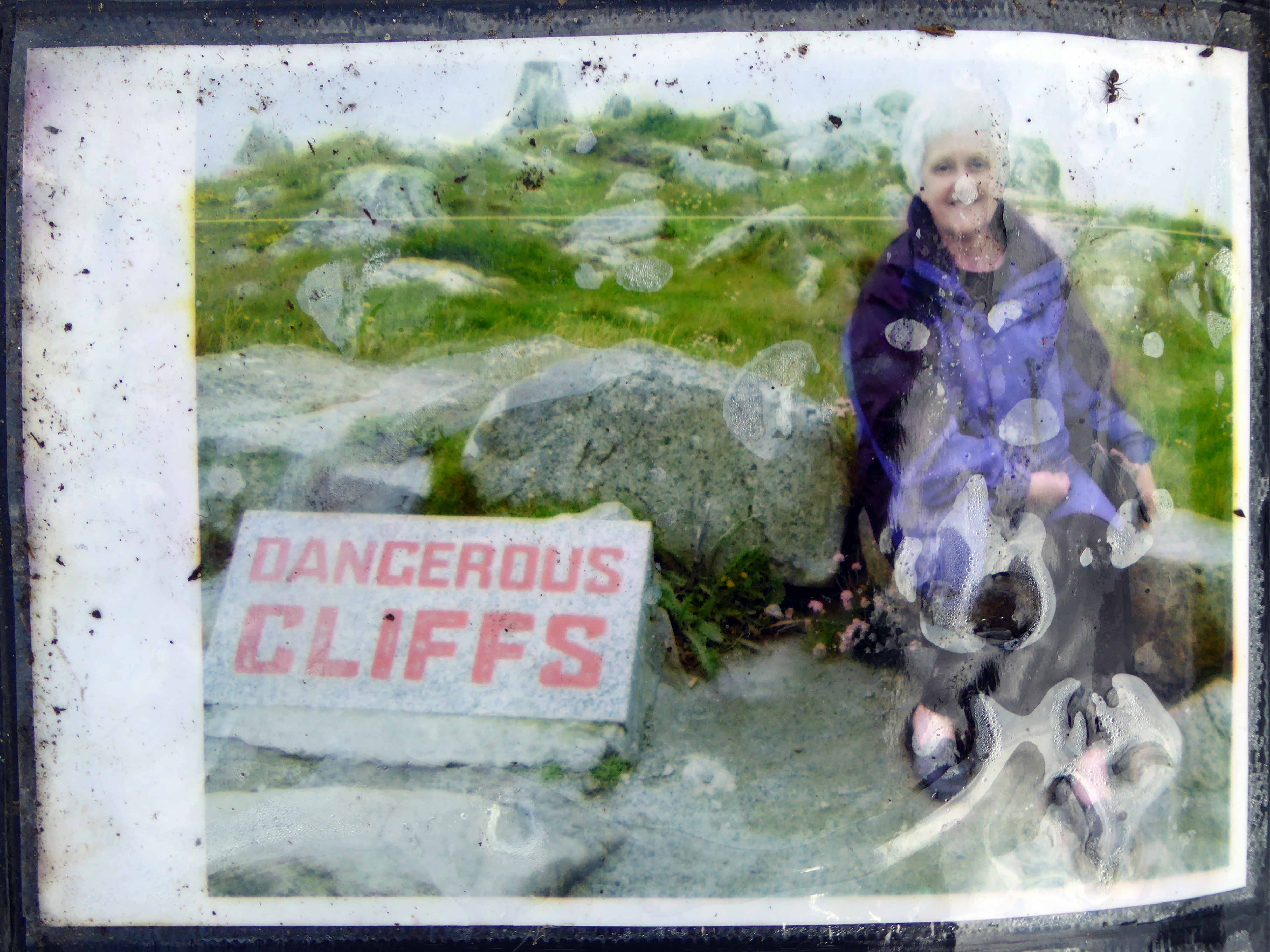
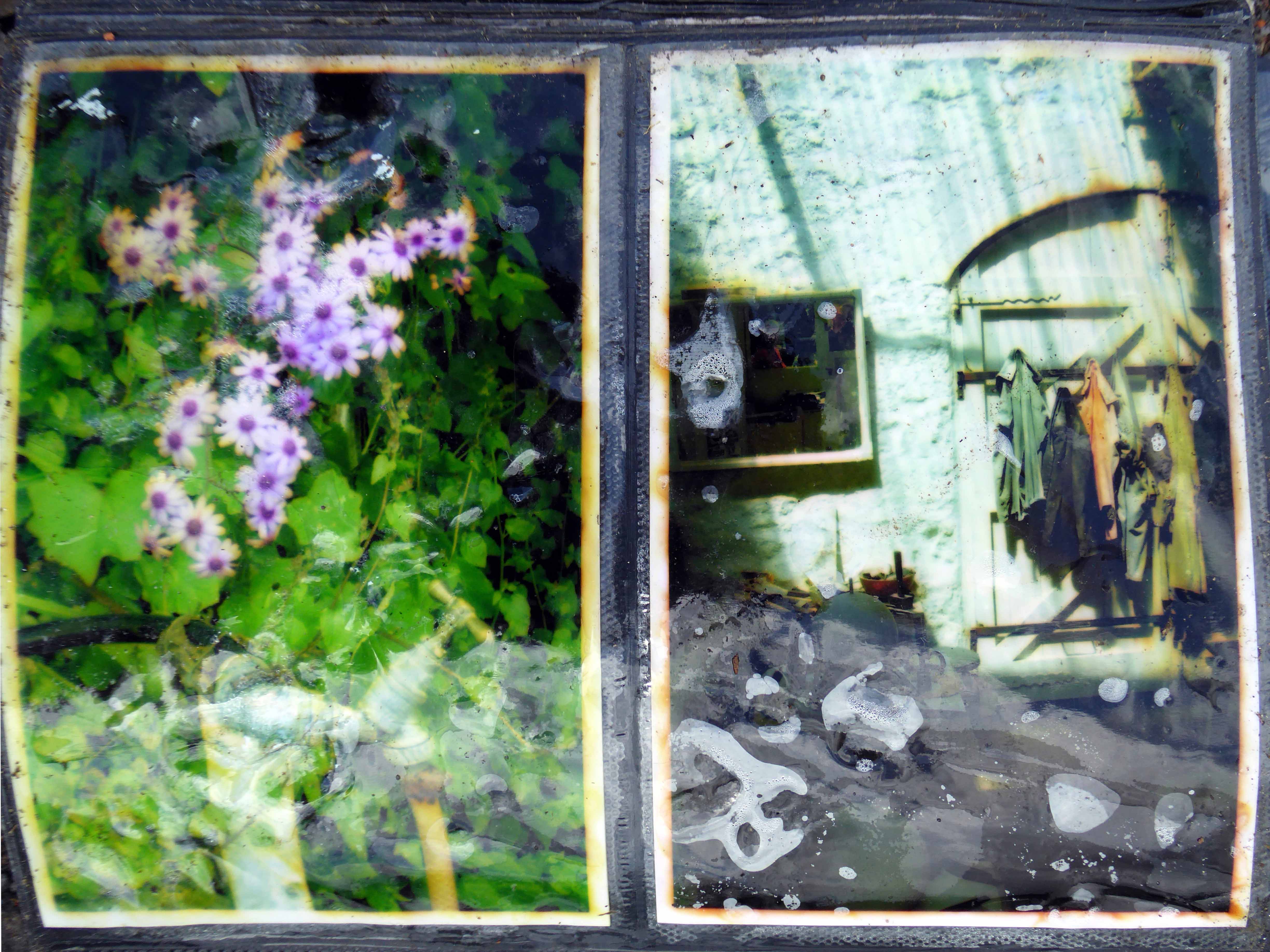
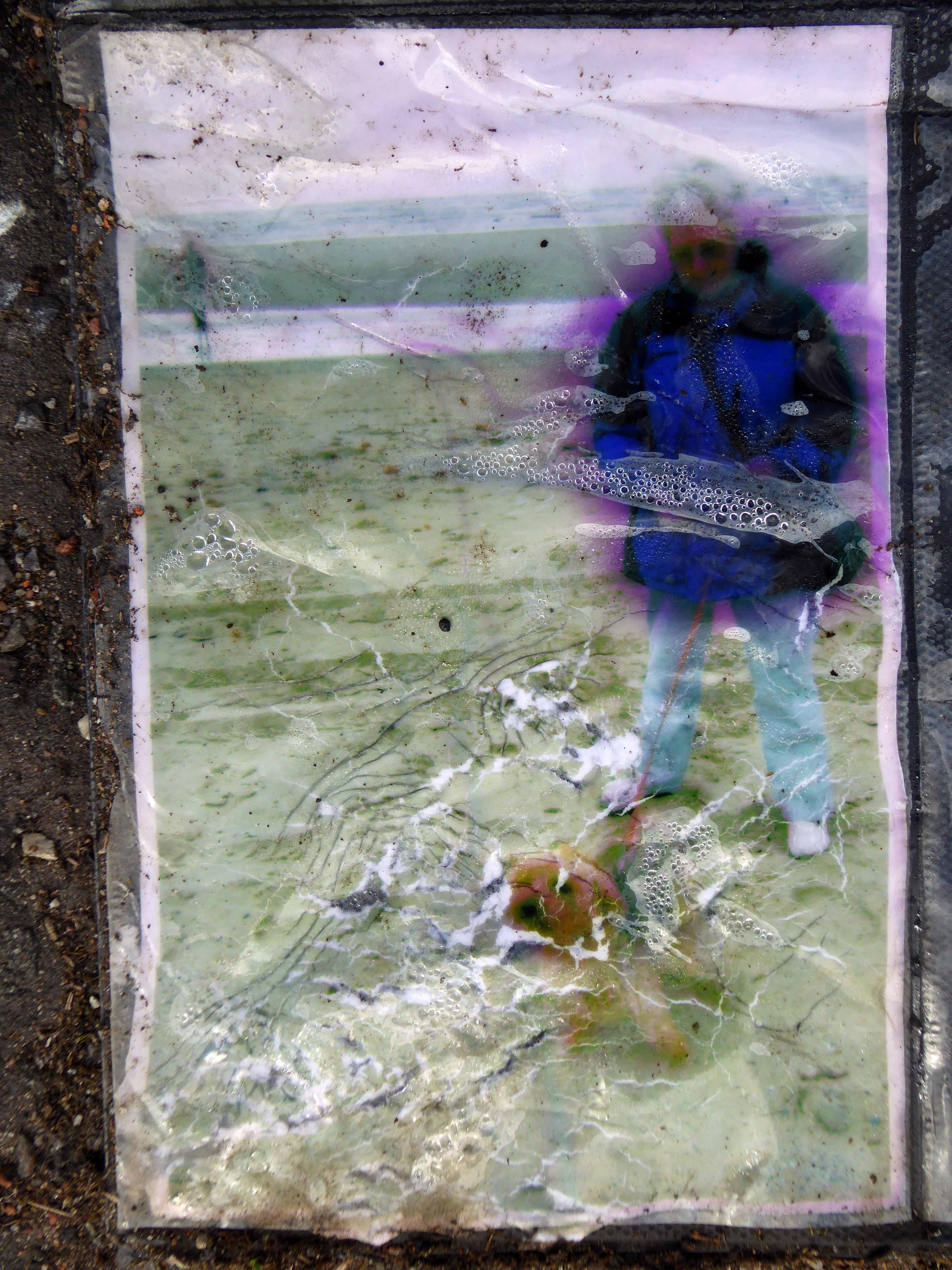
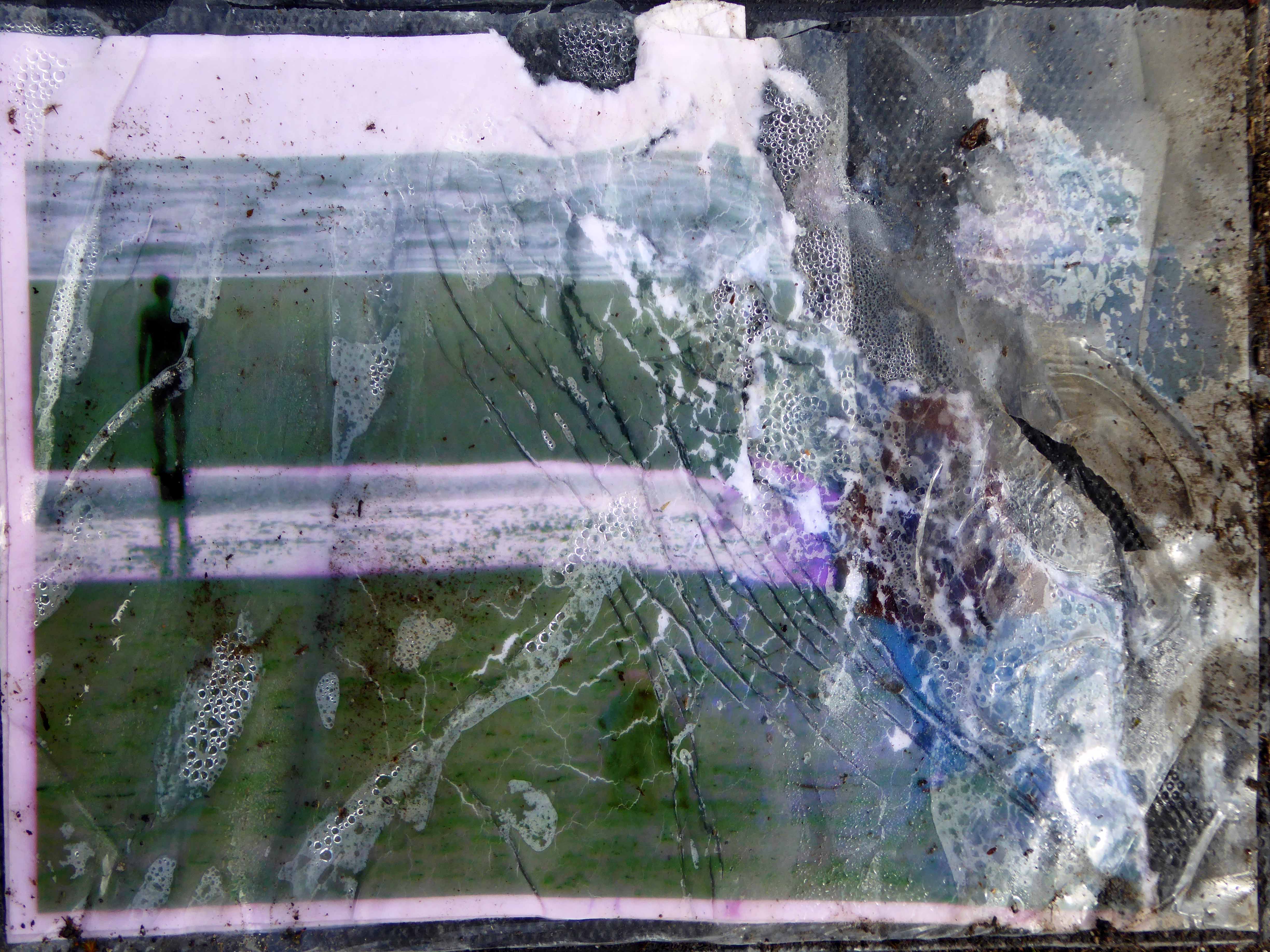
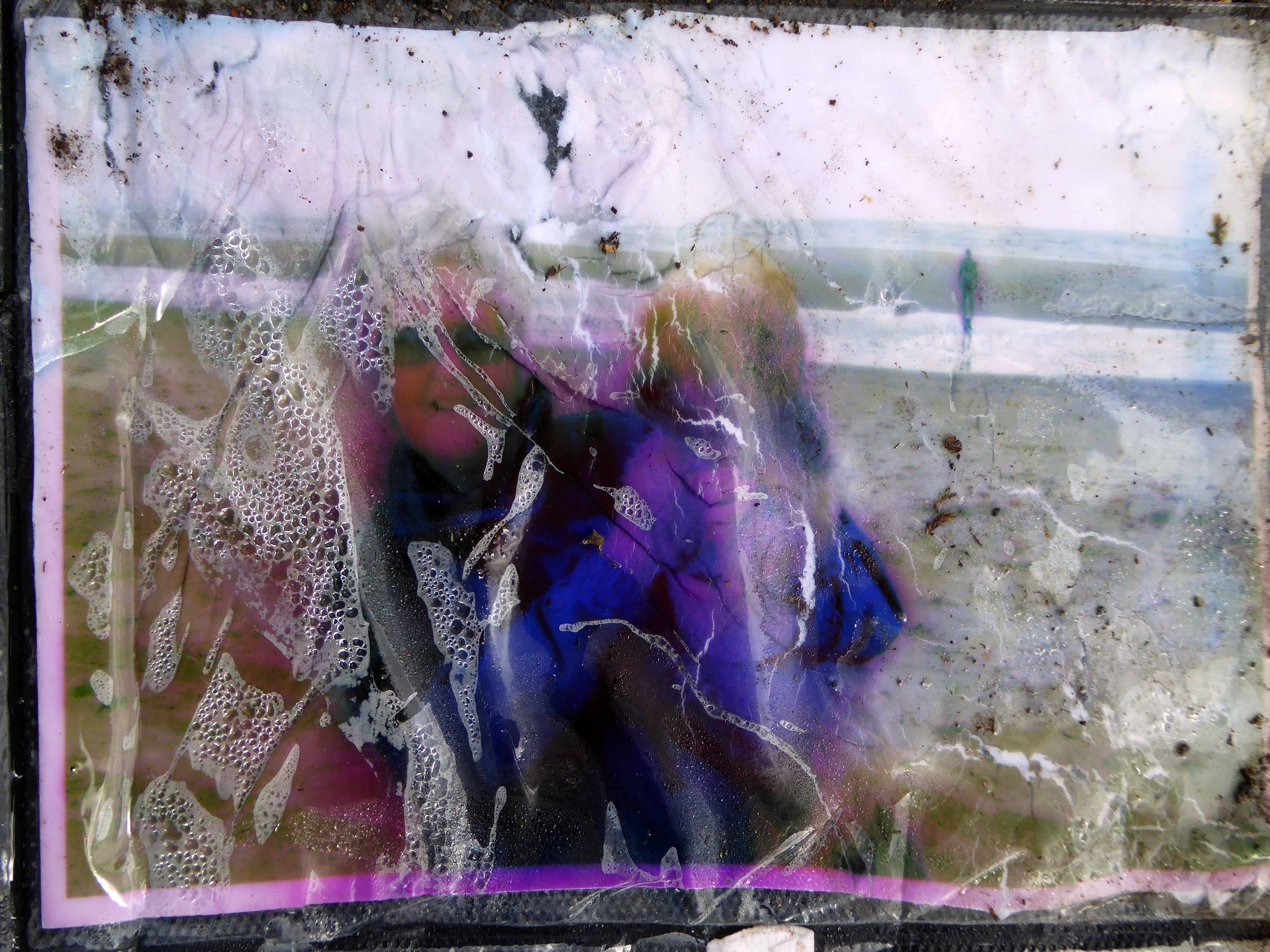
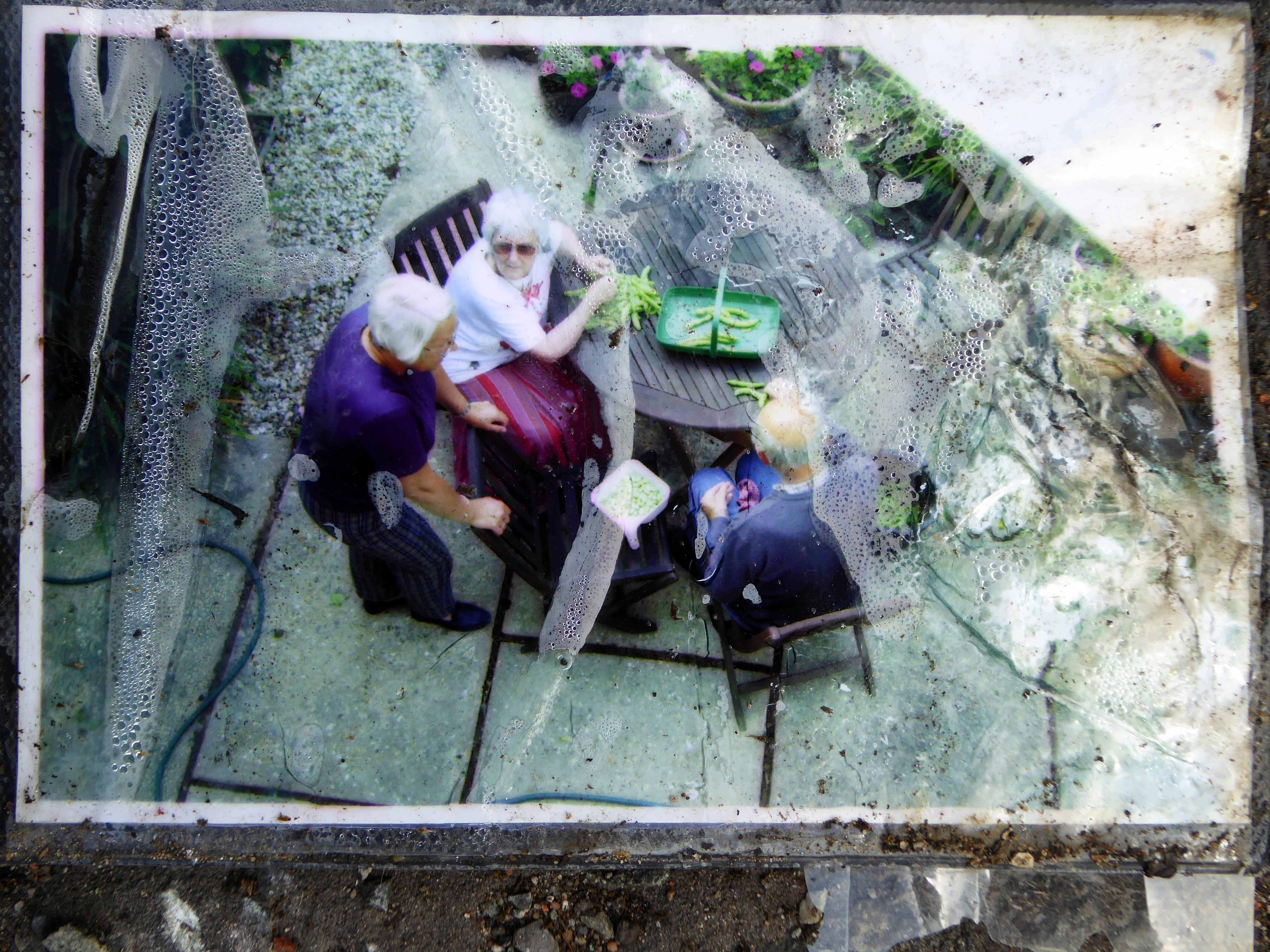
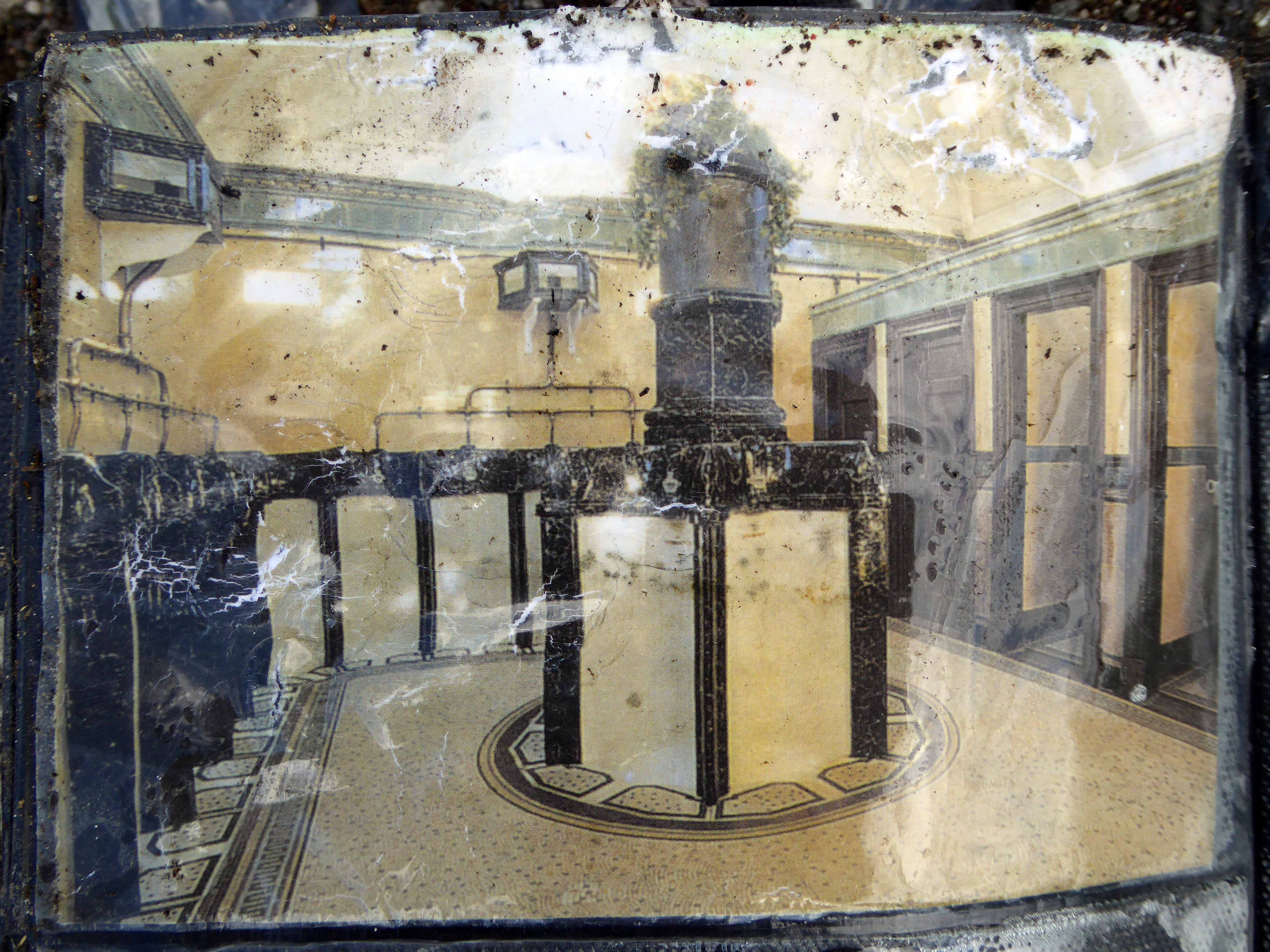
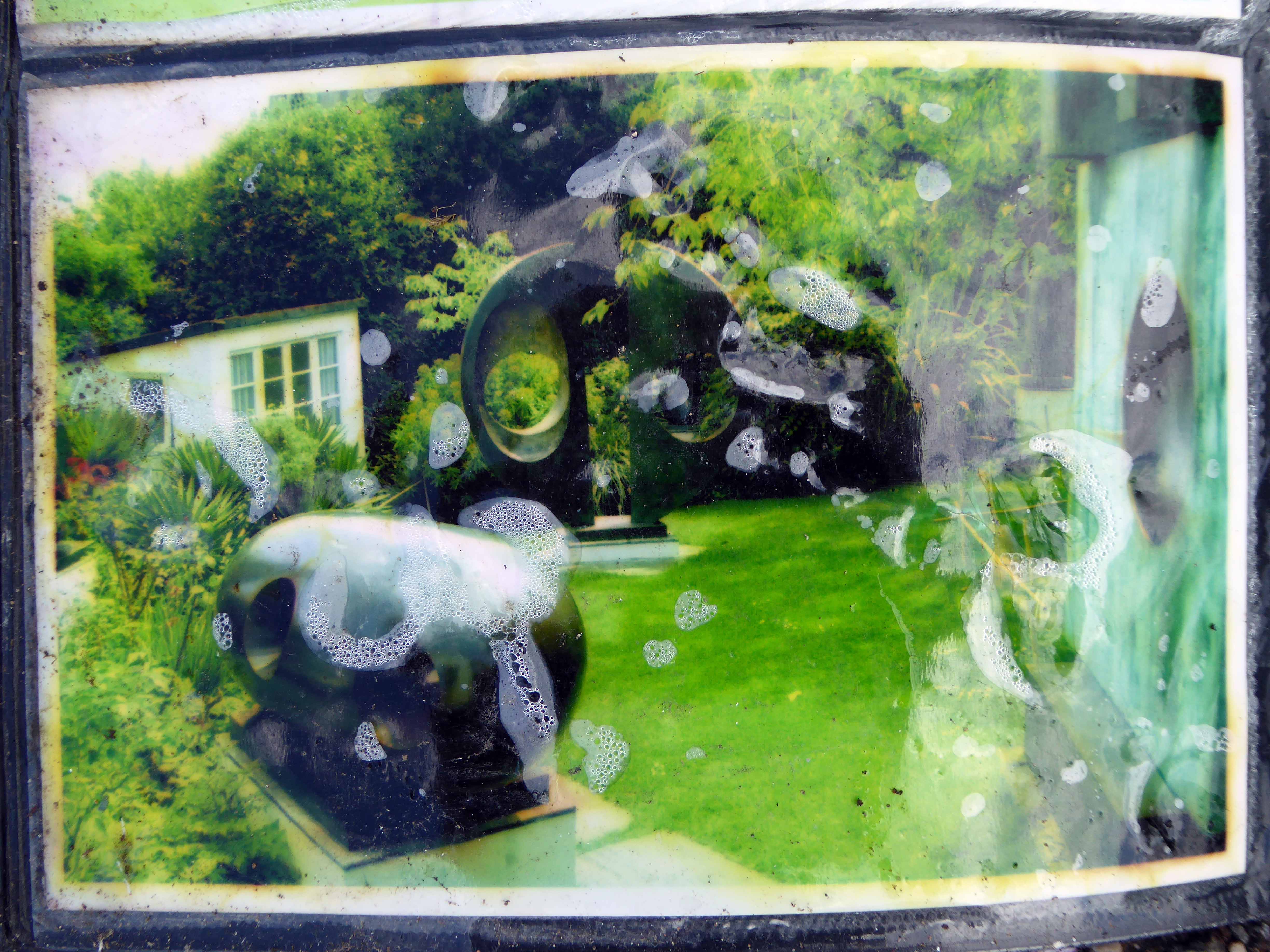
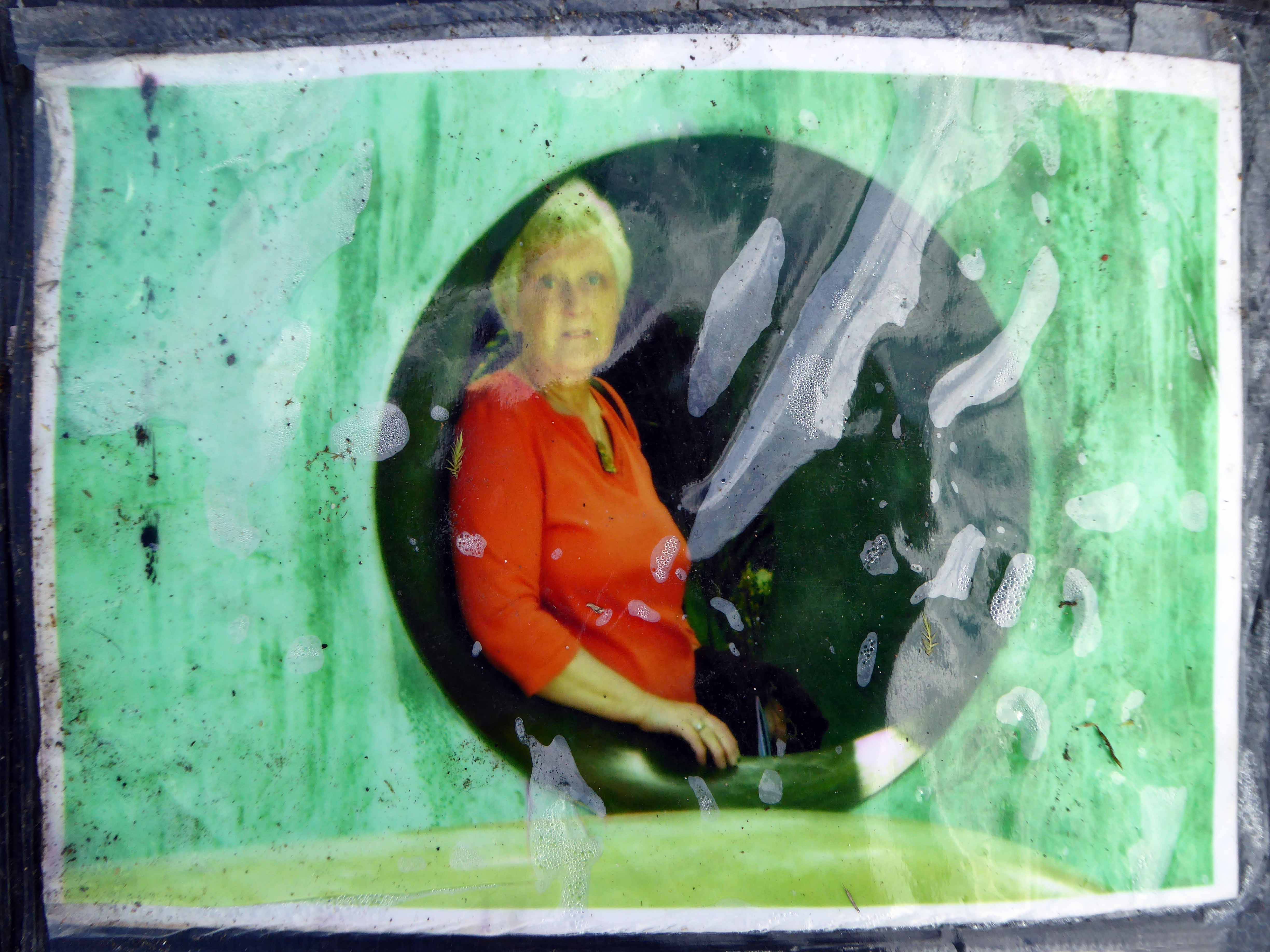
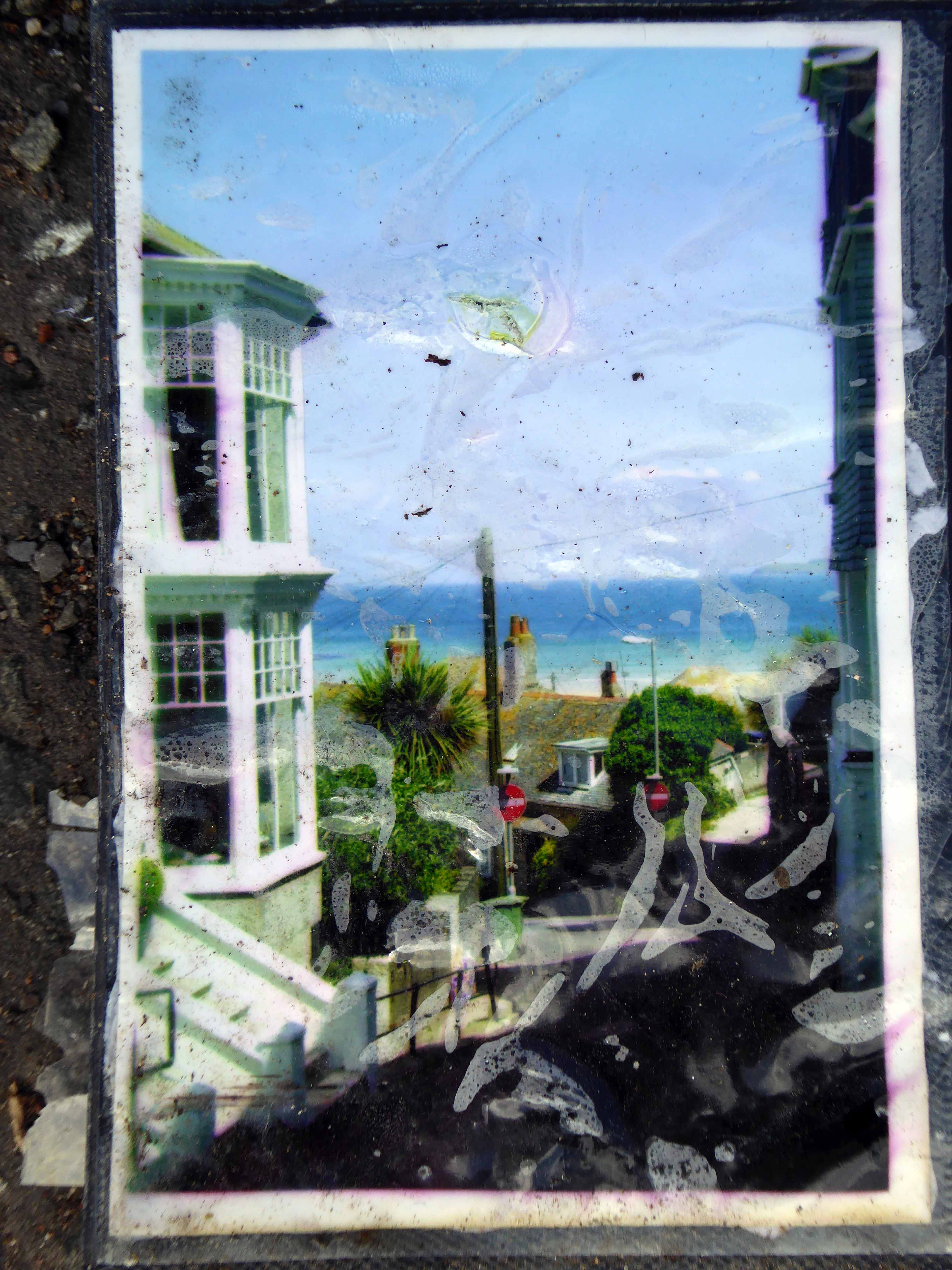
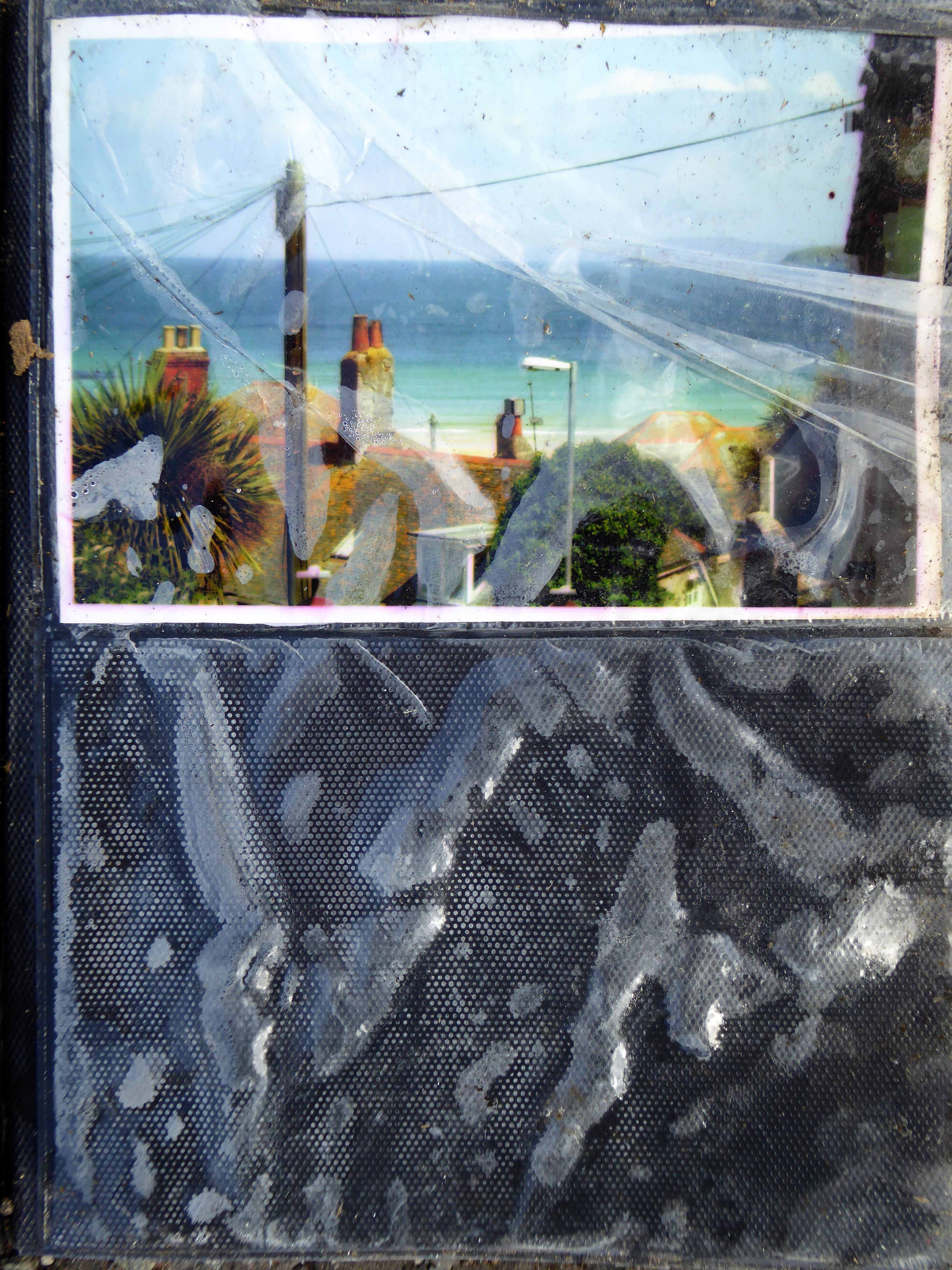
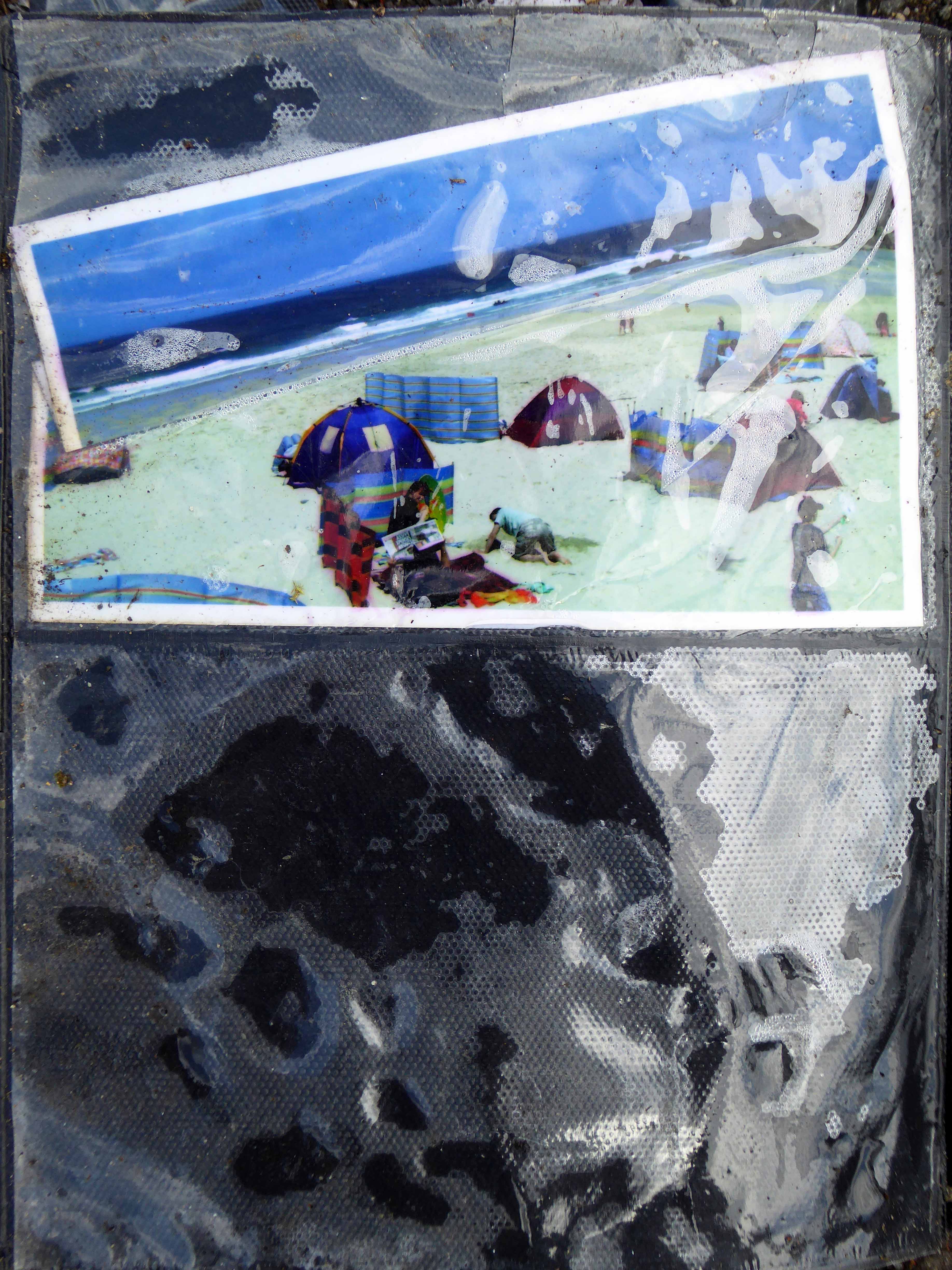
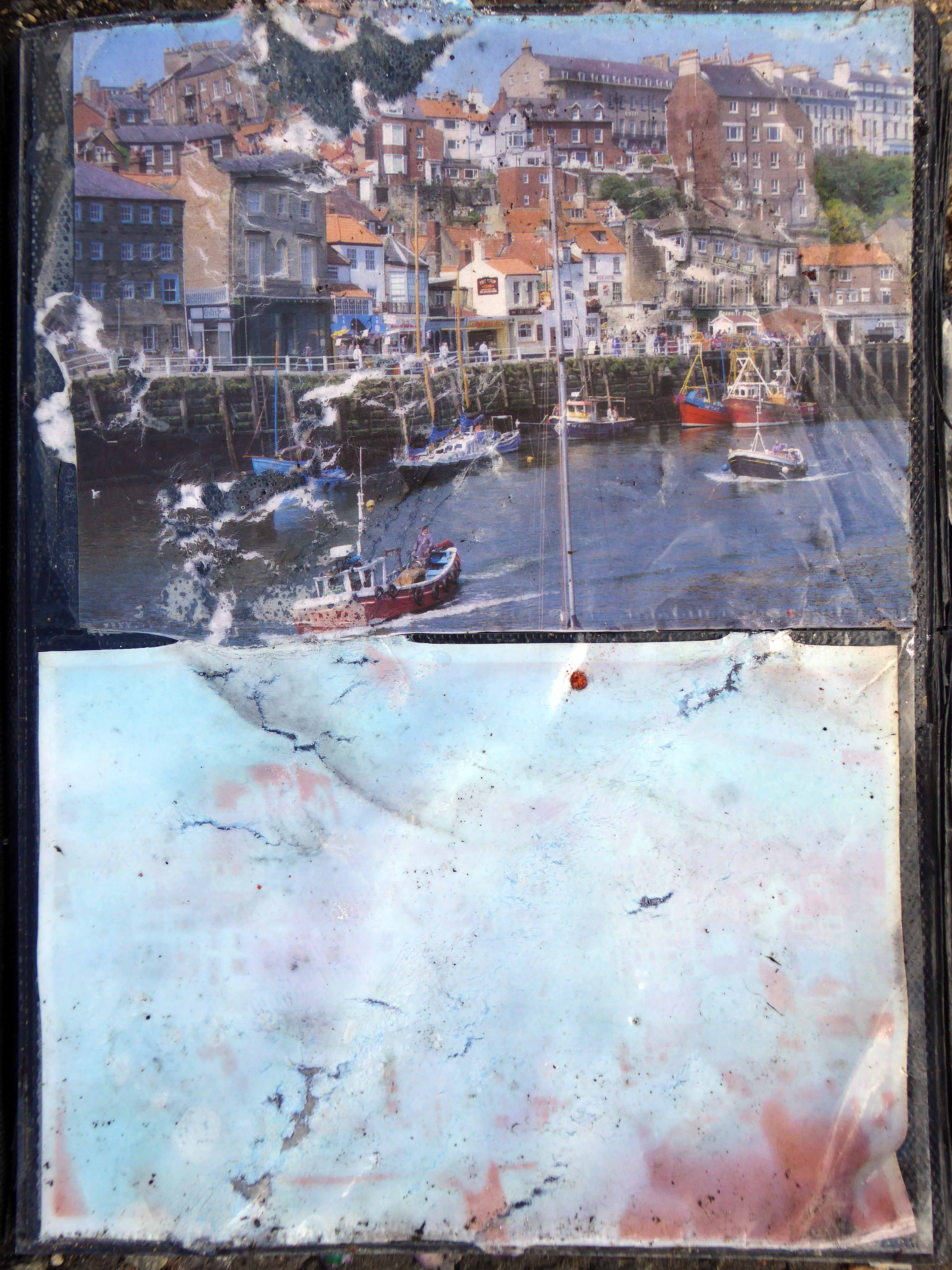
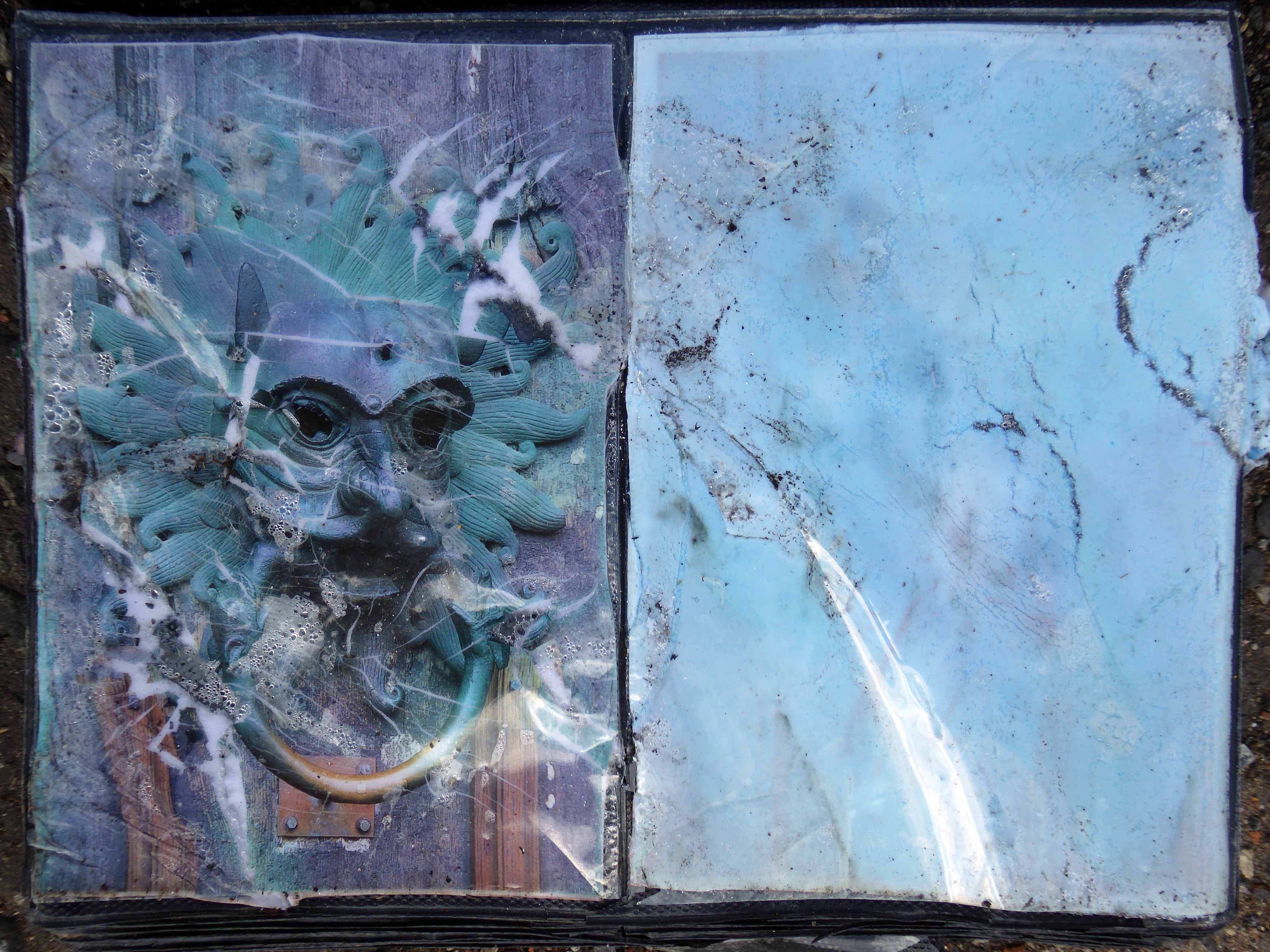
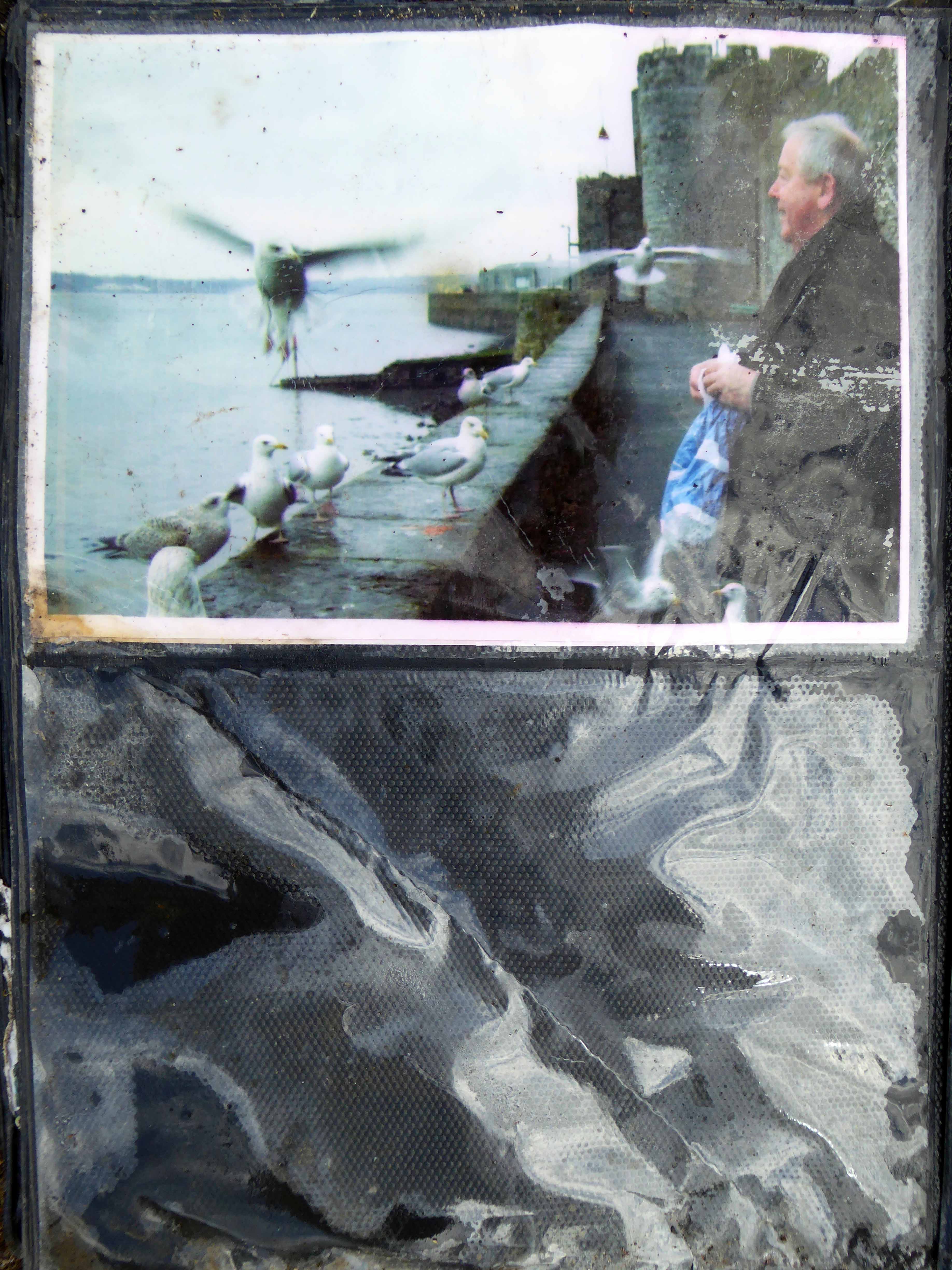
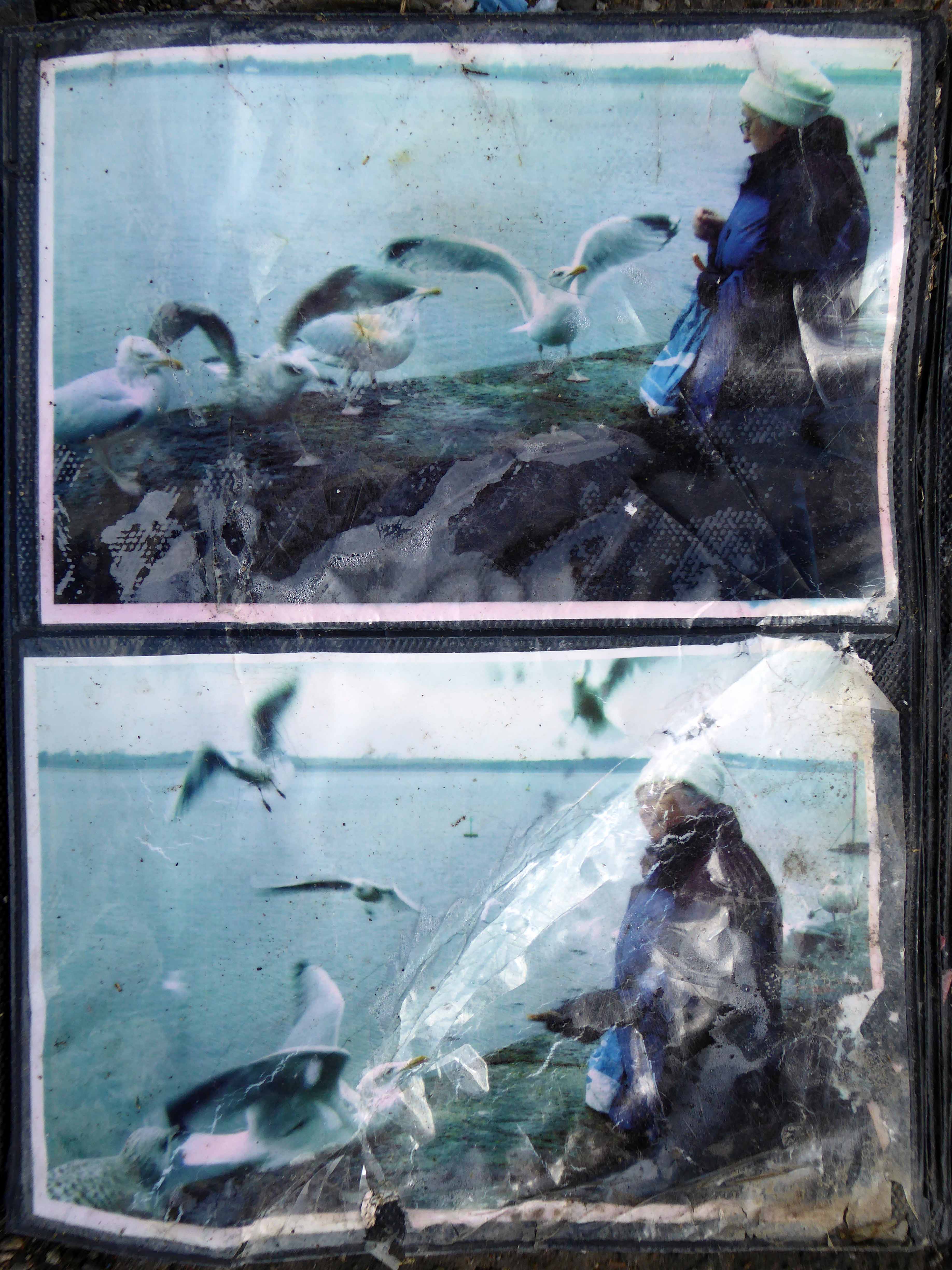
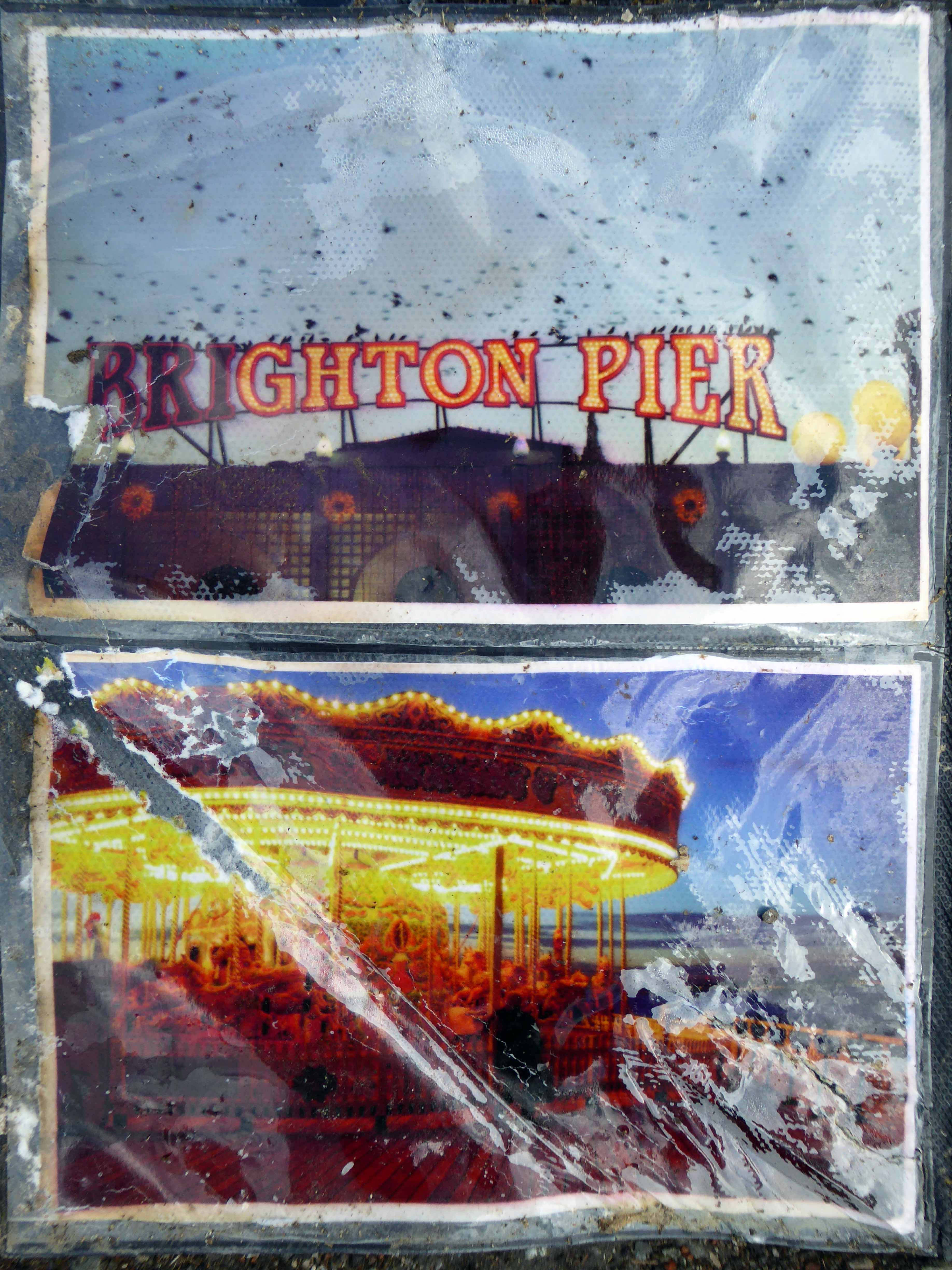
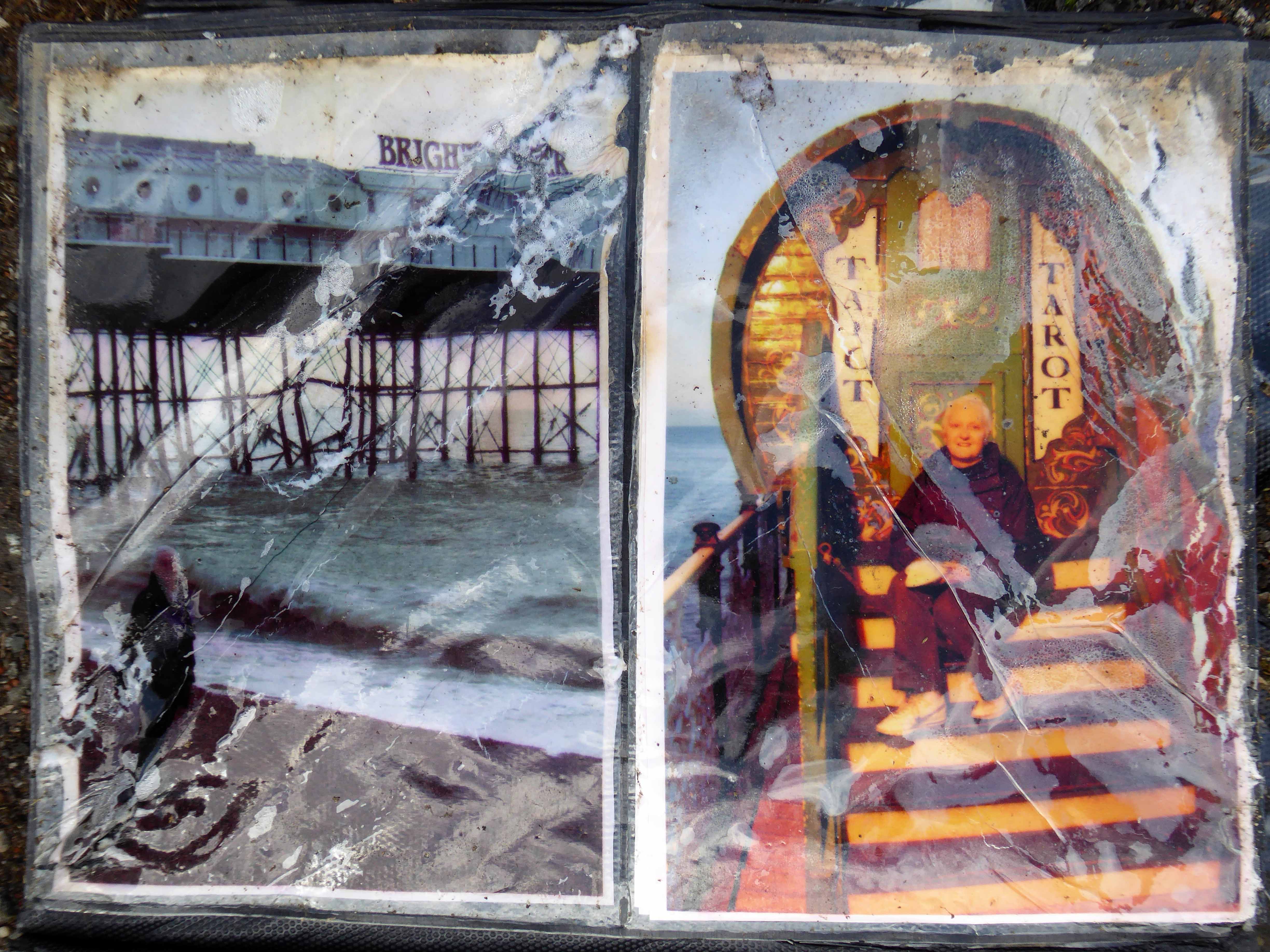
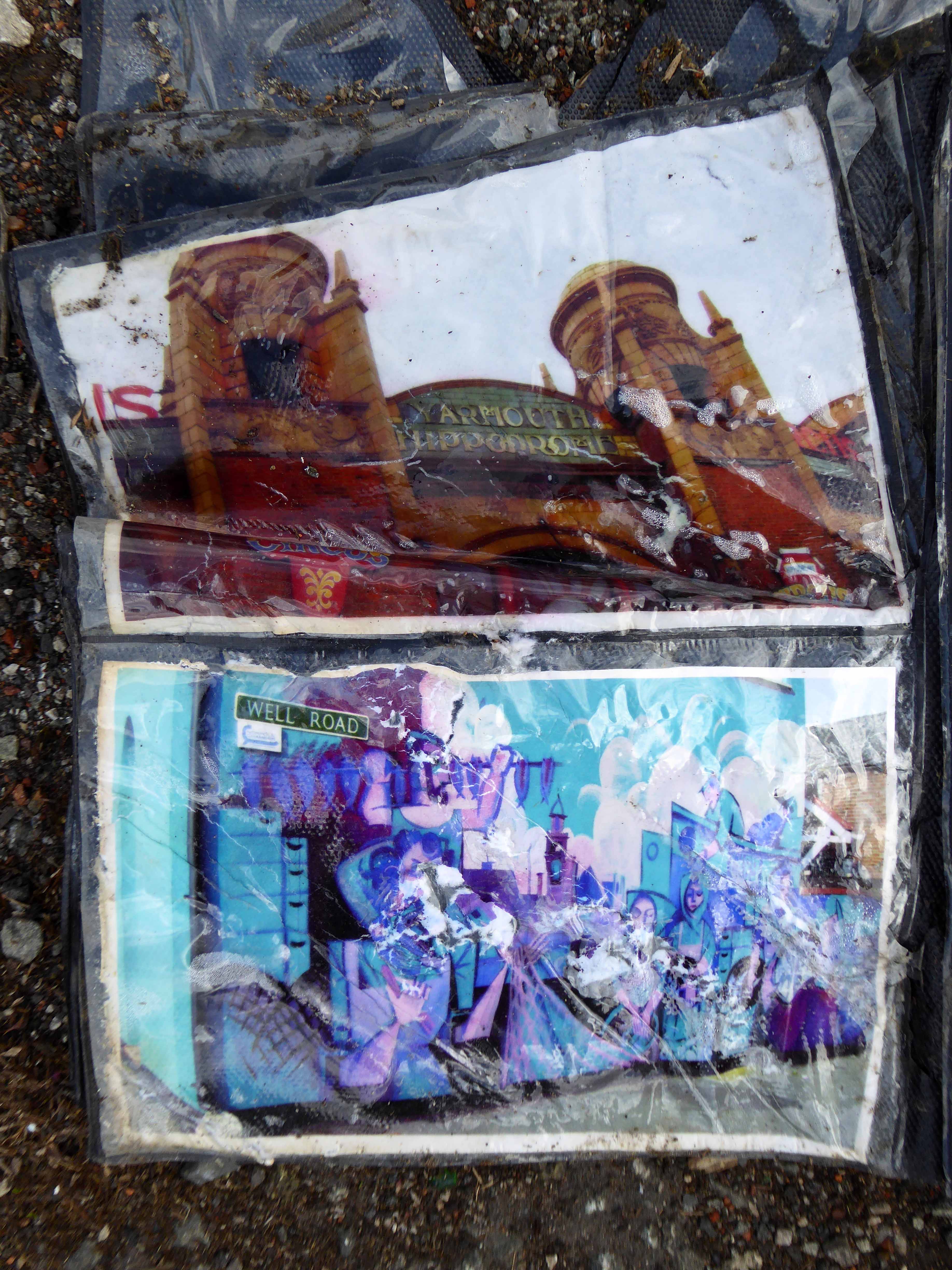
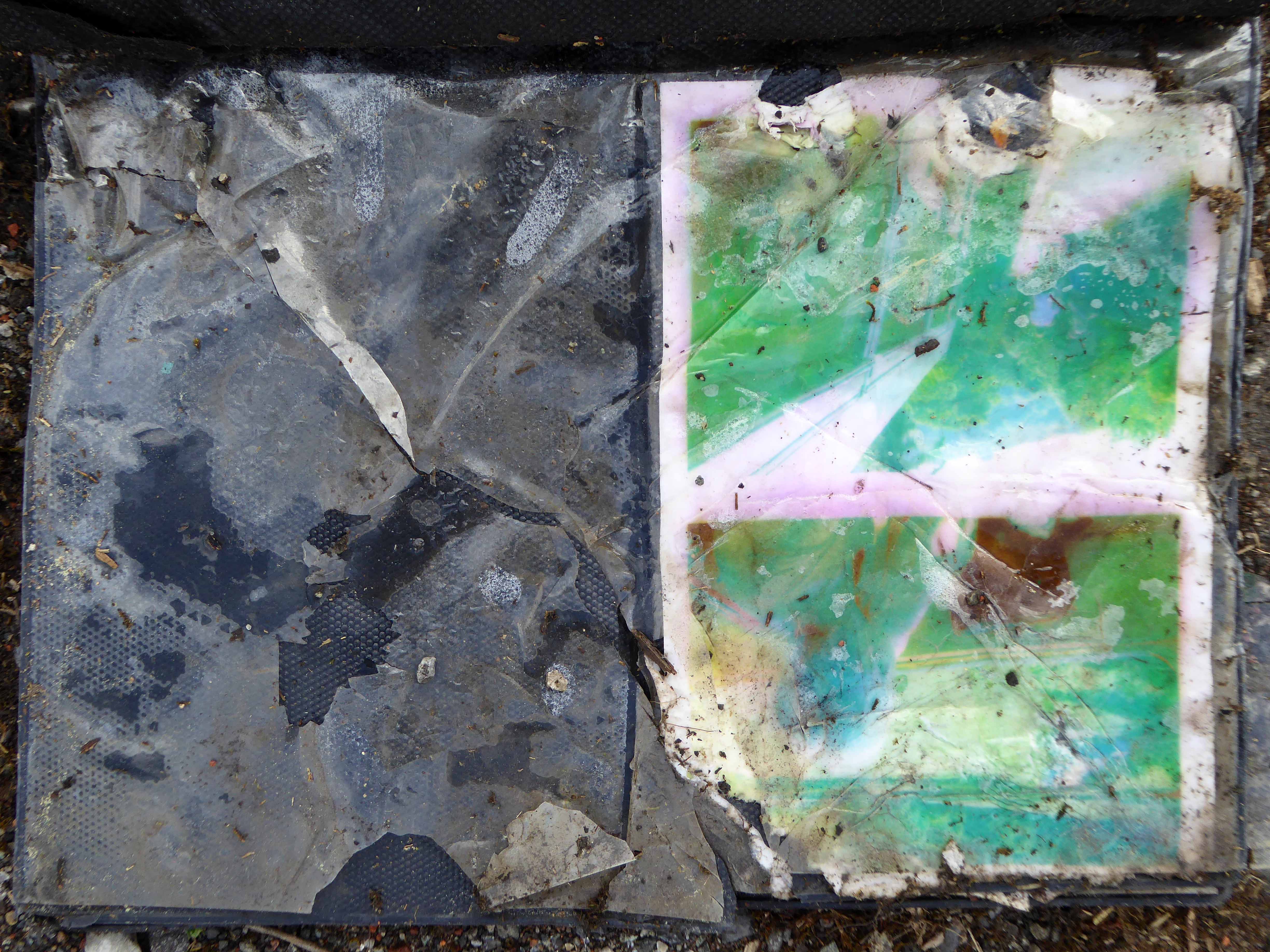
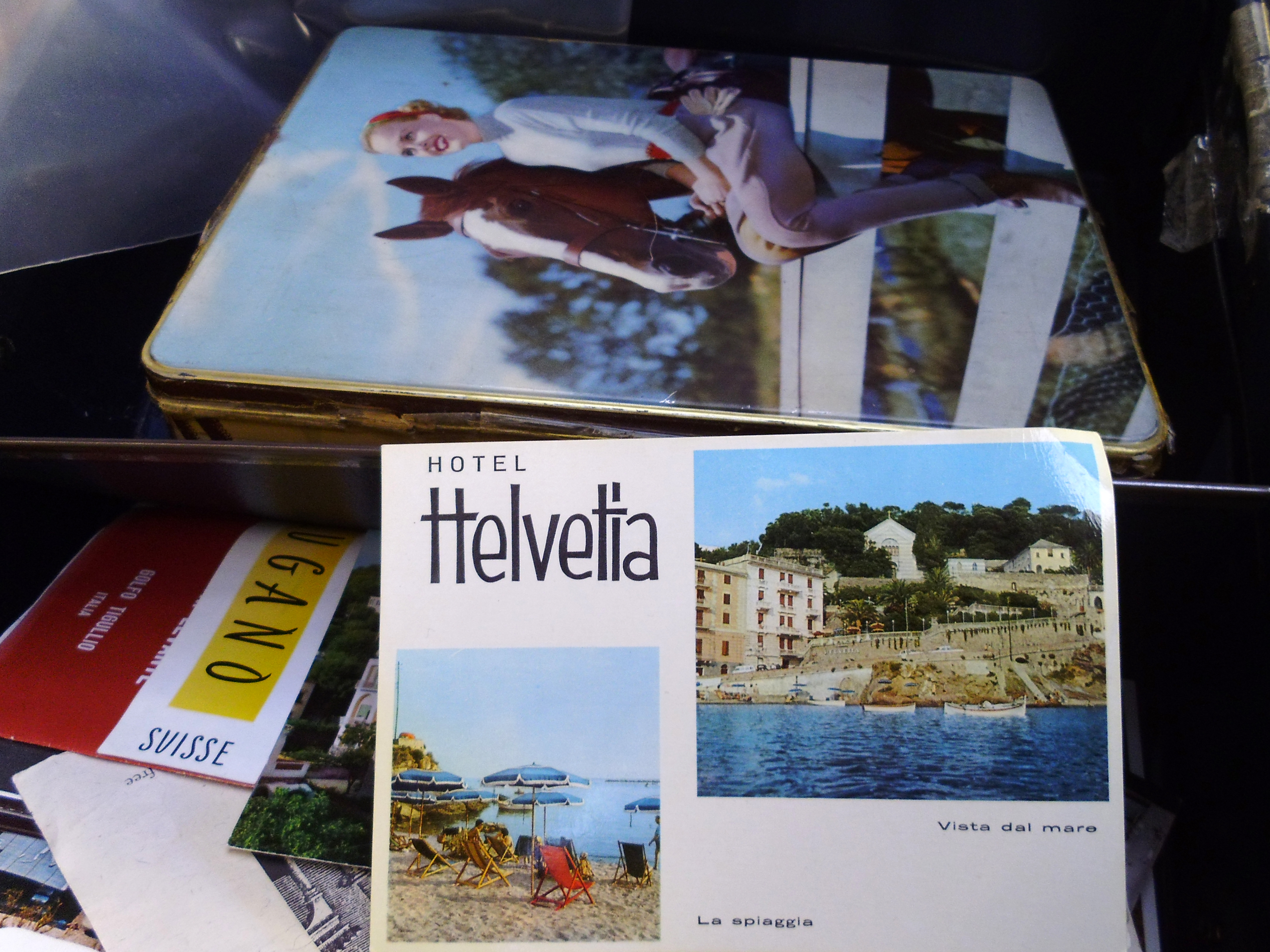
The cherished memories, condensed in a fraction of a second, rendered corporeal in photographic emulsion, carefully stored in family albums.

Are but a trick of light, a slight of hand, heart and mind.

Blink and they’re gone.

Blink again and you’re gone.

P1050559 copy

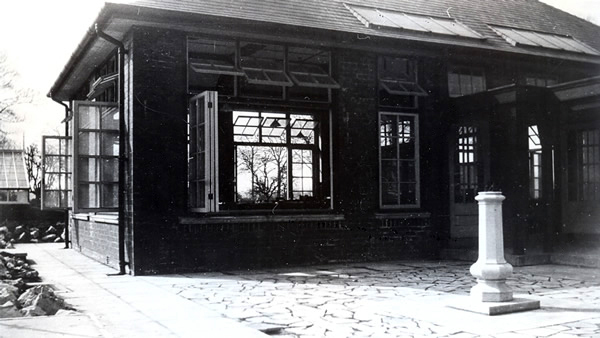
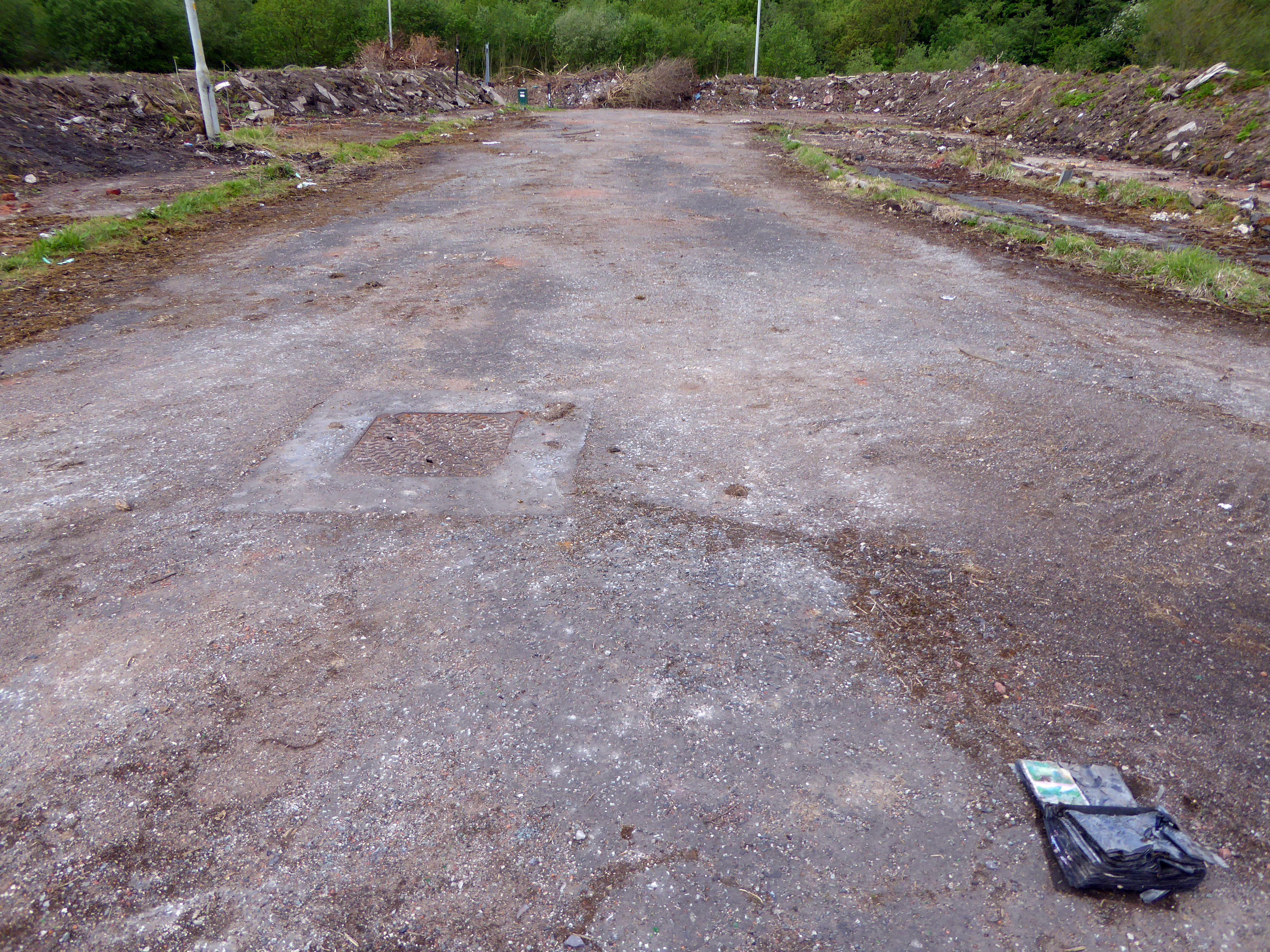
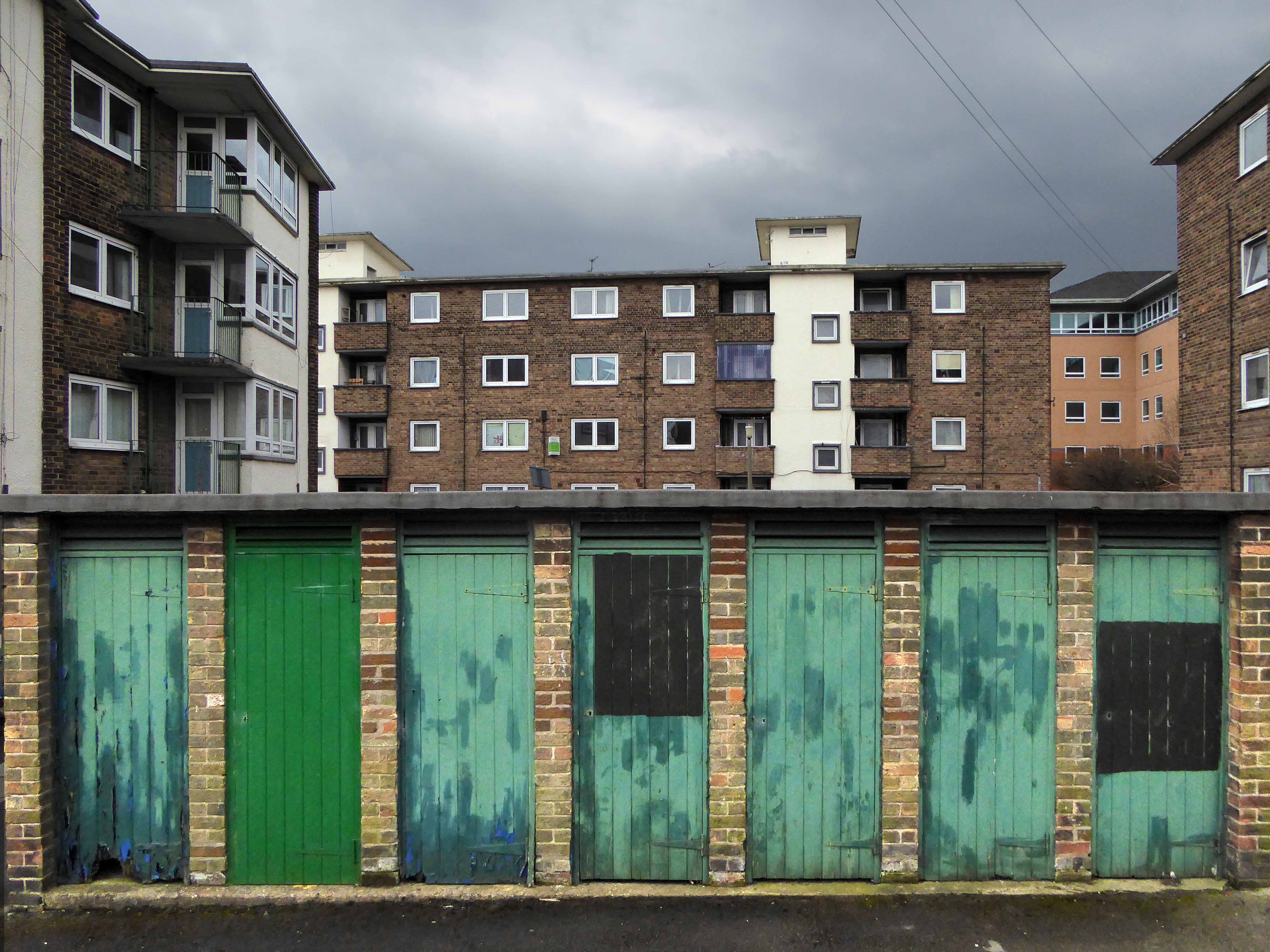
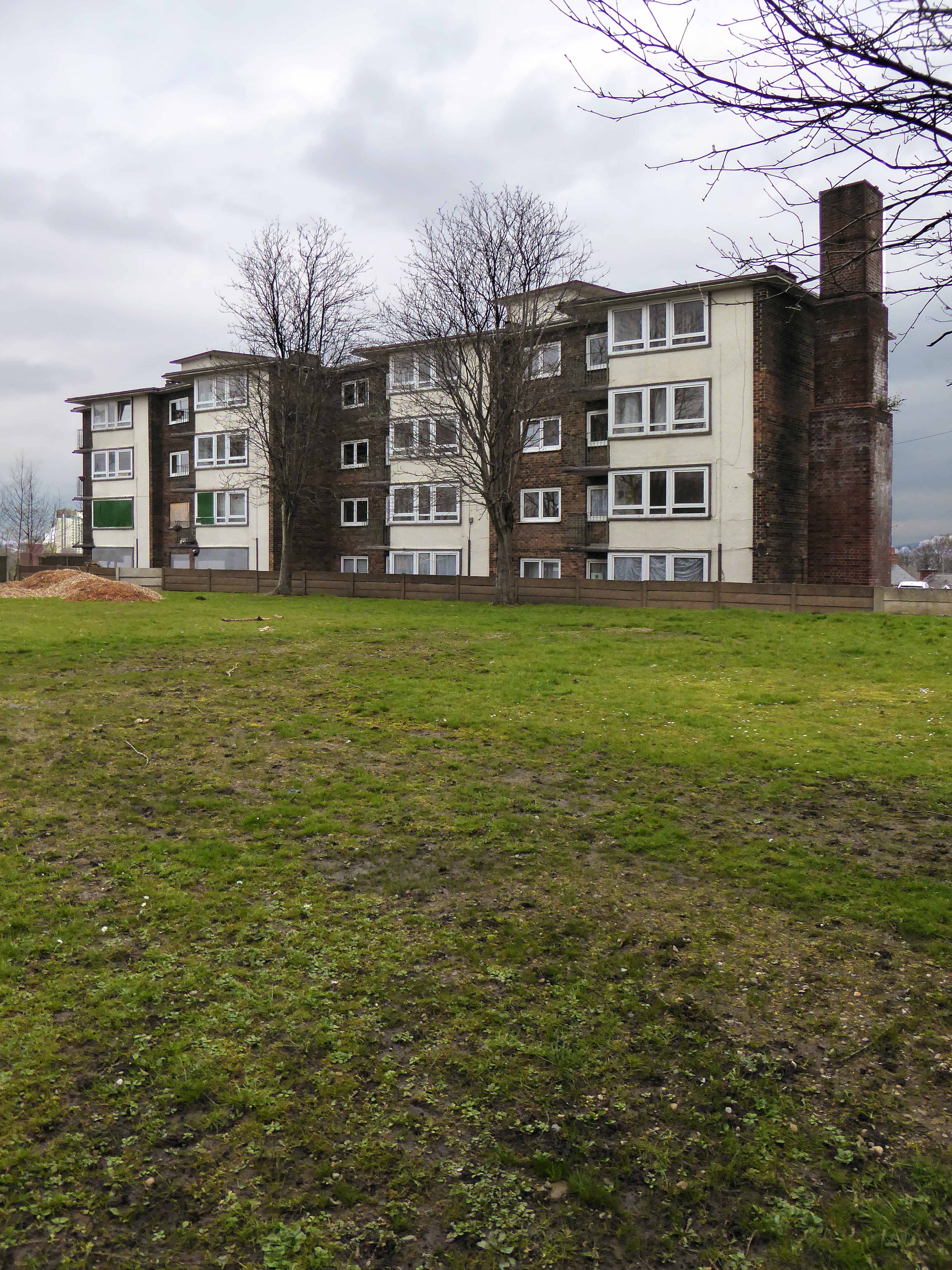
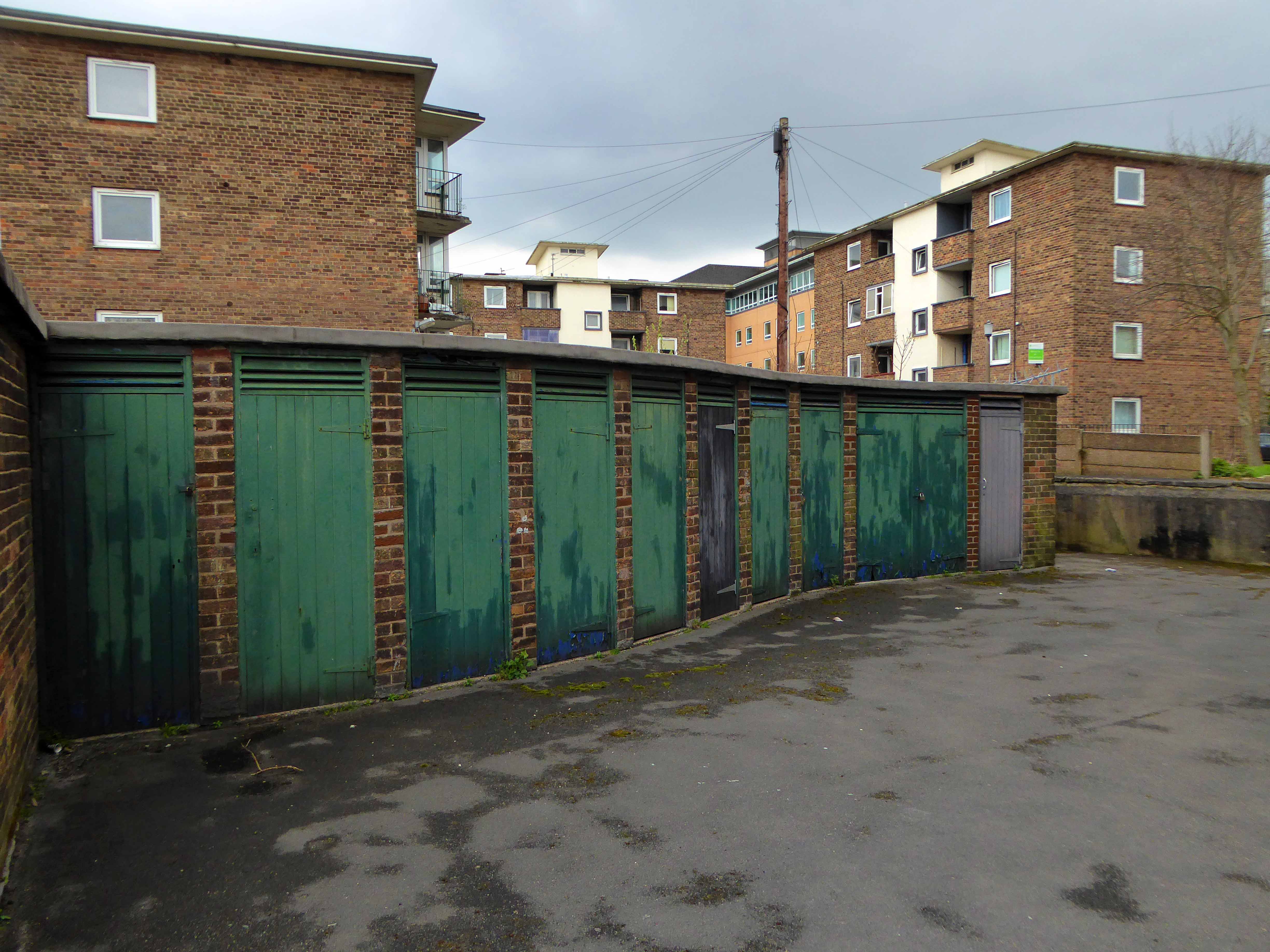
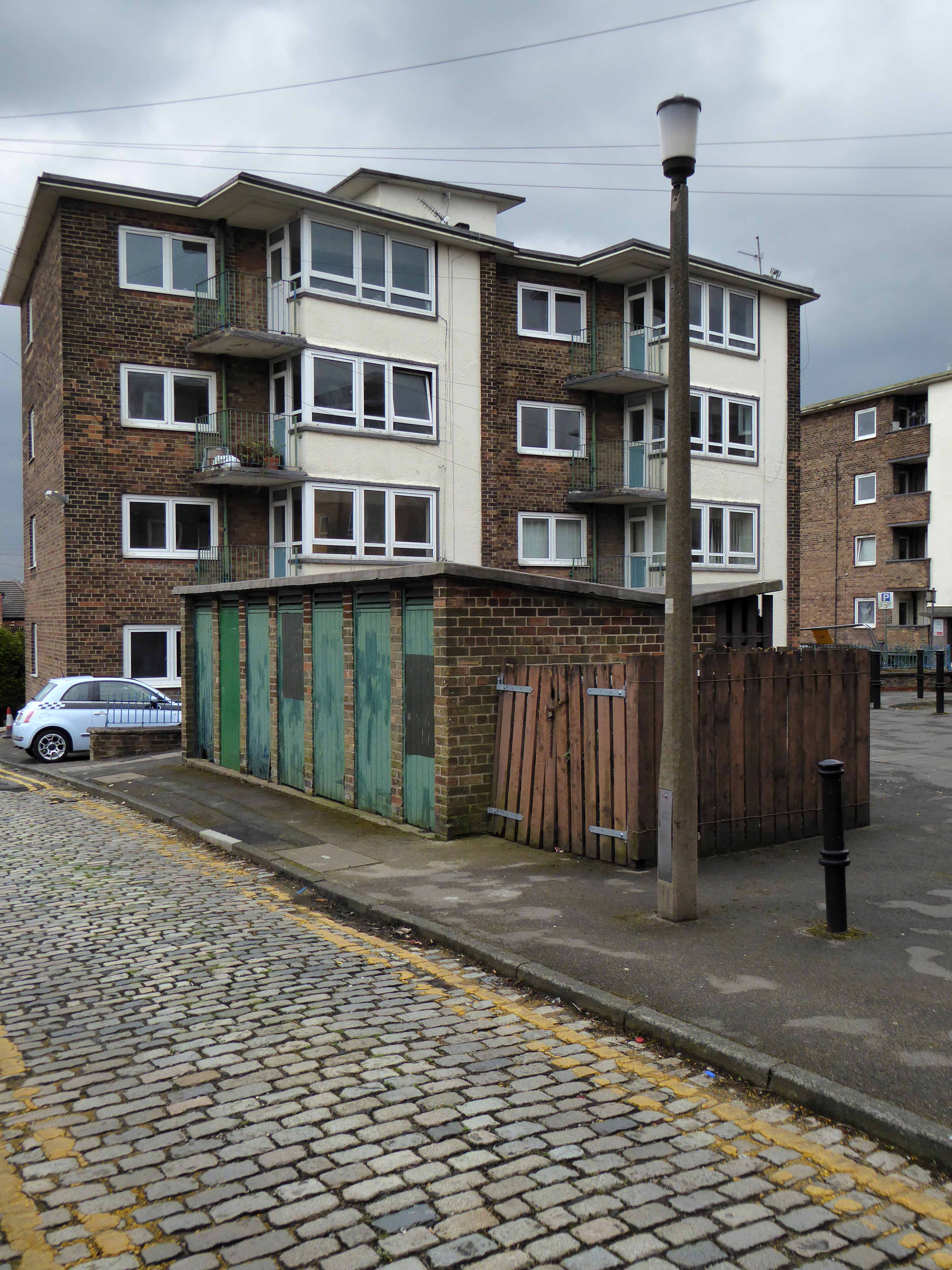
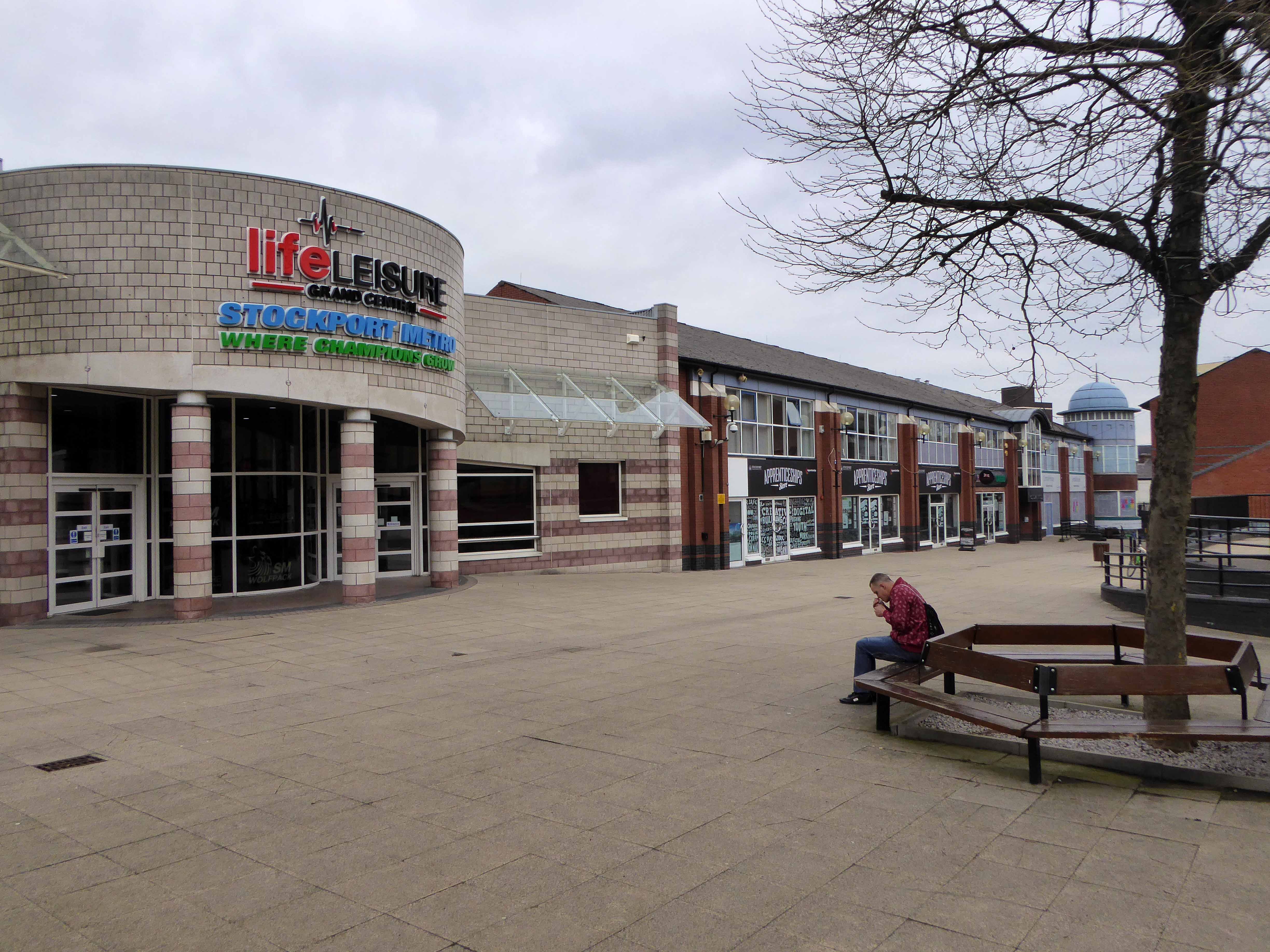
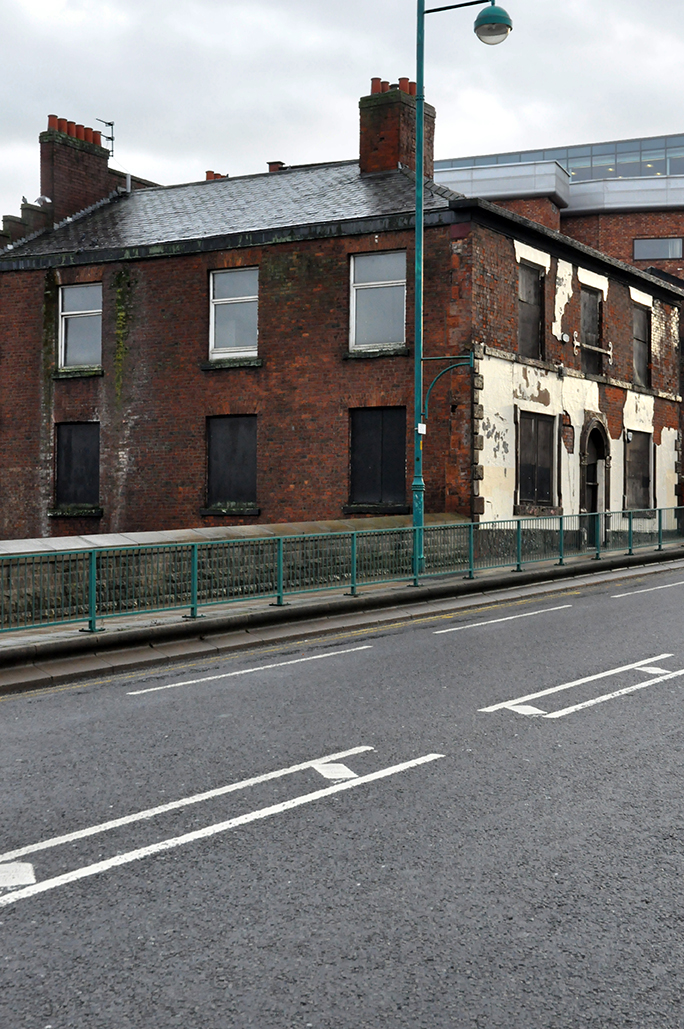
Here they were.

P1050558 copy

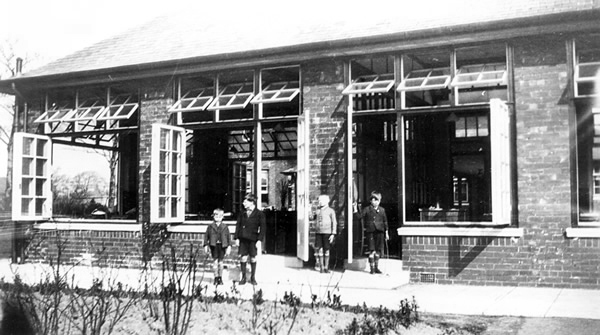
Here they are.

P1050525 copy

P1050526 copy

P1050527 copy

P1050528 copy

P1050530 copy

P1050531 copy

P1050532 copy

P1050533 copy

P1050534 copy

P1050535 copy

P1050536 copy

P1050537 copy

P1050538 copy

P1050539 copy

P1050541 copy

P1050542 copy

P1050543 copy

P1050544 copy

P1050545 copy

P1050546 copy

P1050547 copy

P1050548 copy

P1050549 copy

P1050550 copy

P1050551 copy

P1050552 copy

P1050553 copy

P1050554 copy

P1050555 copy

P1050556 copy

P1050557 copy


Stockport – Stopford House

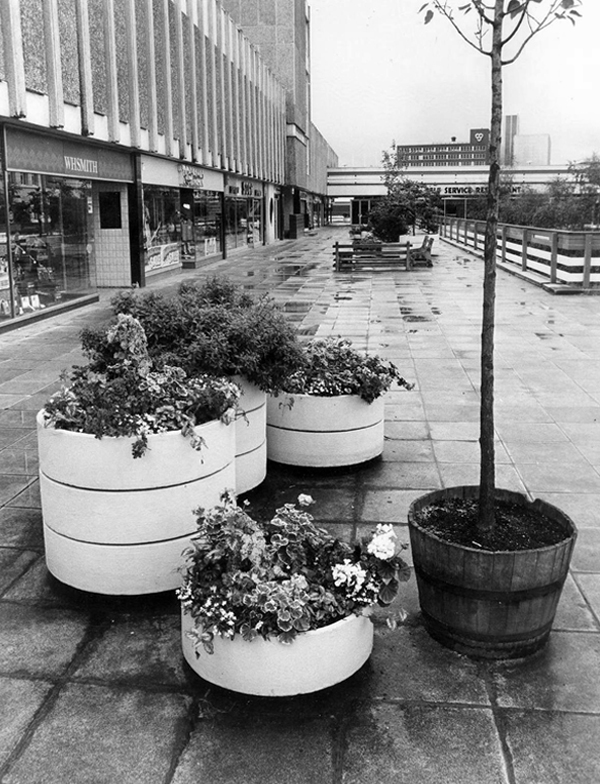
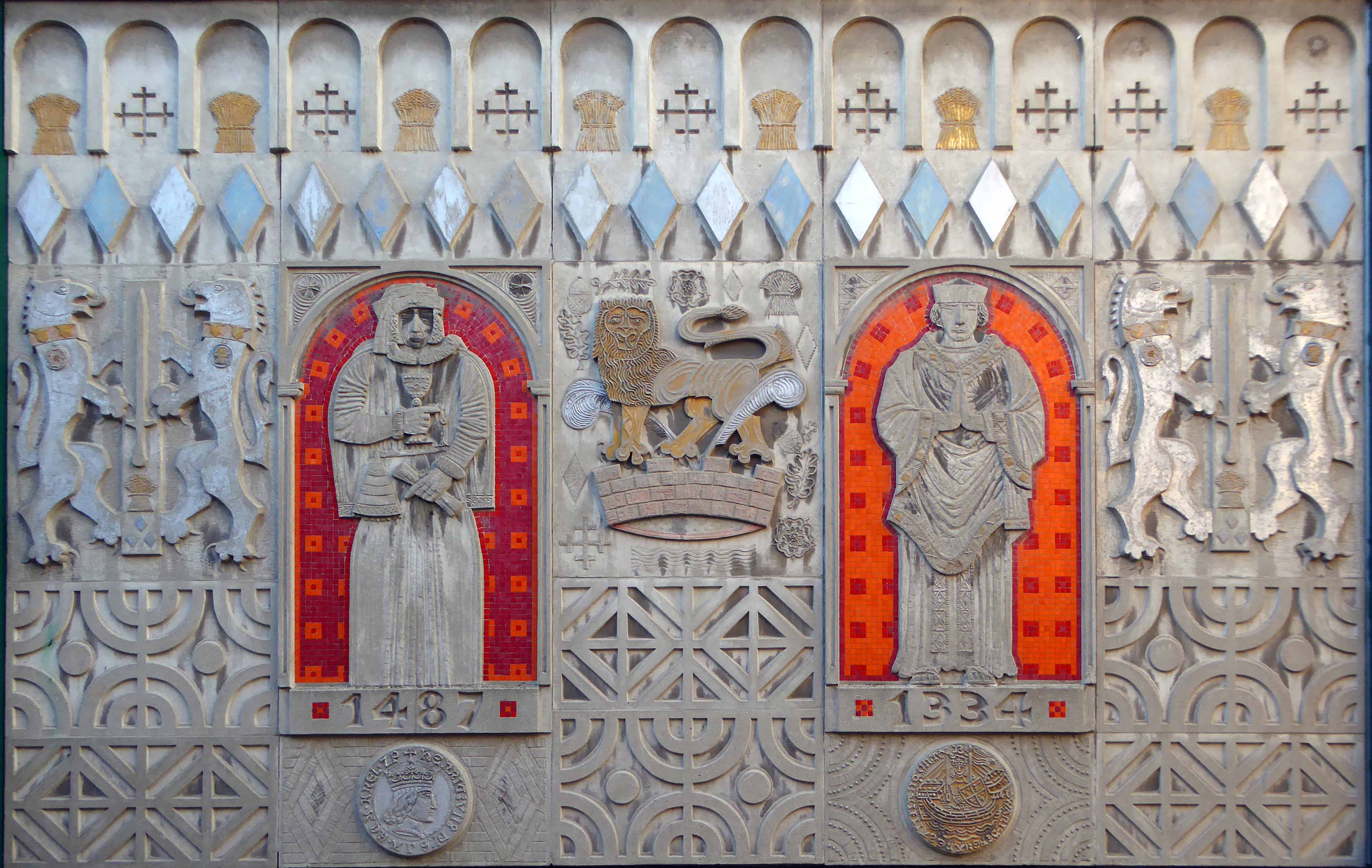
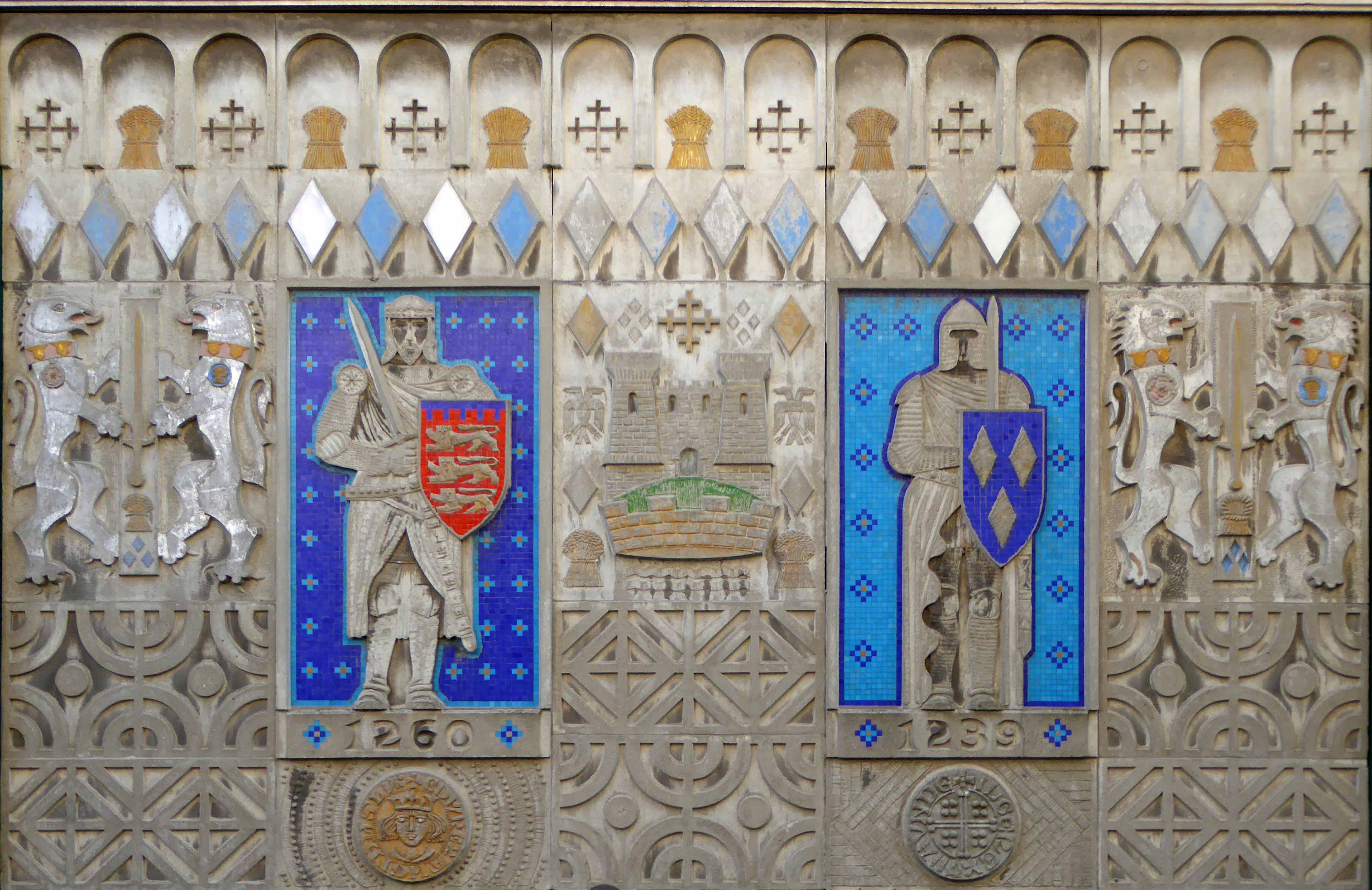
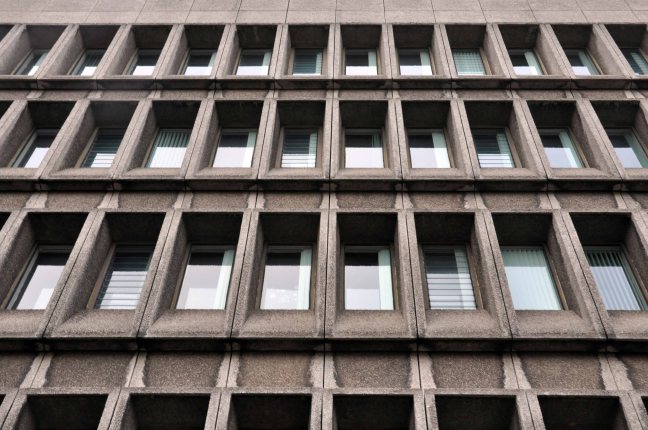
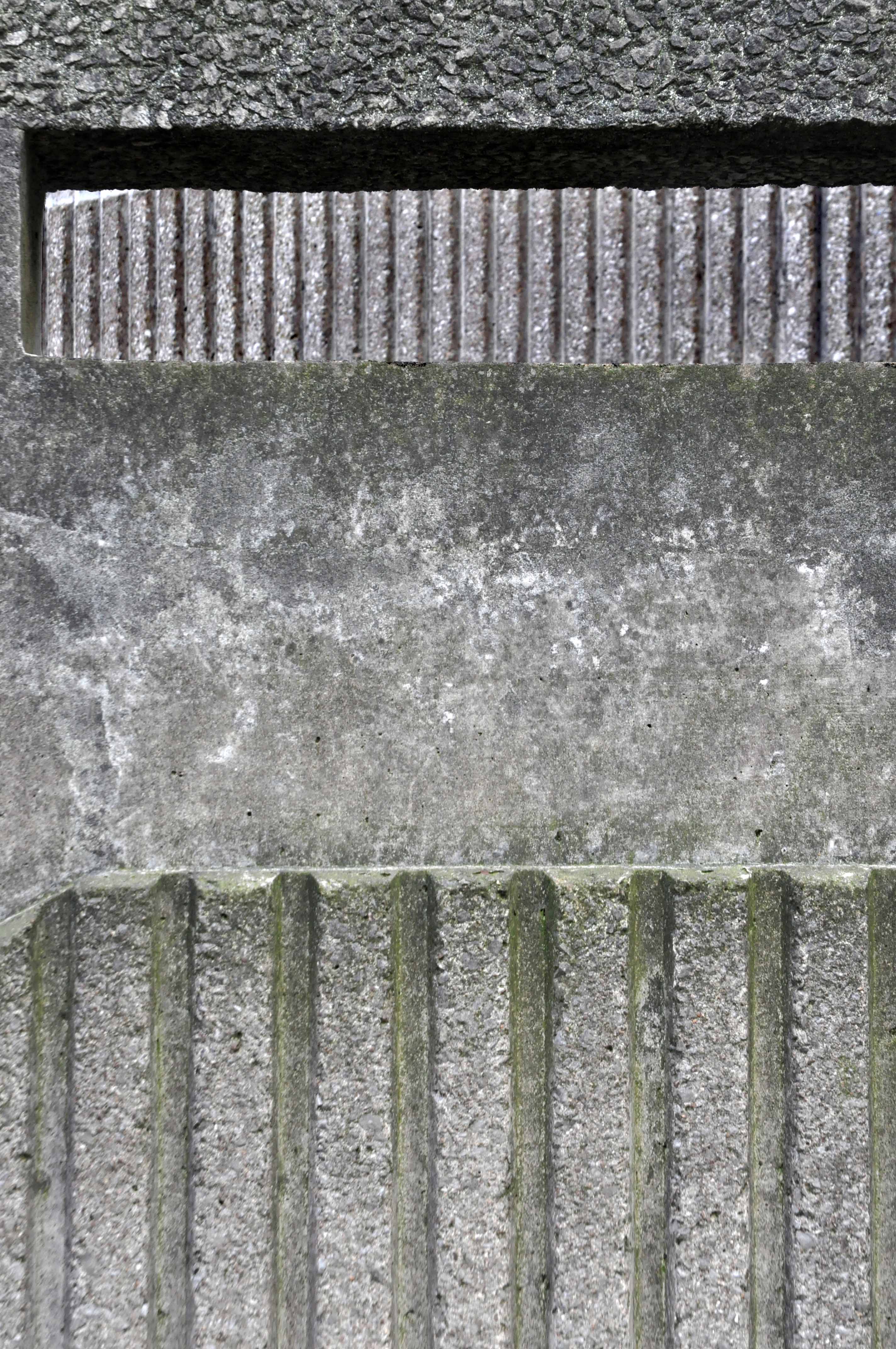
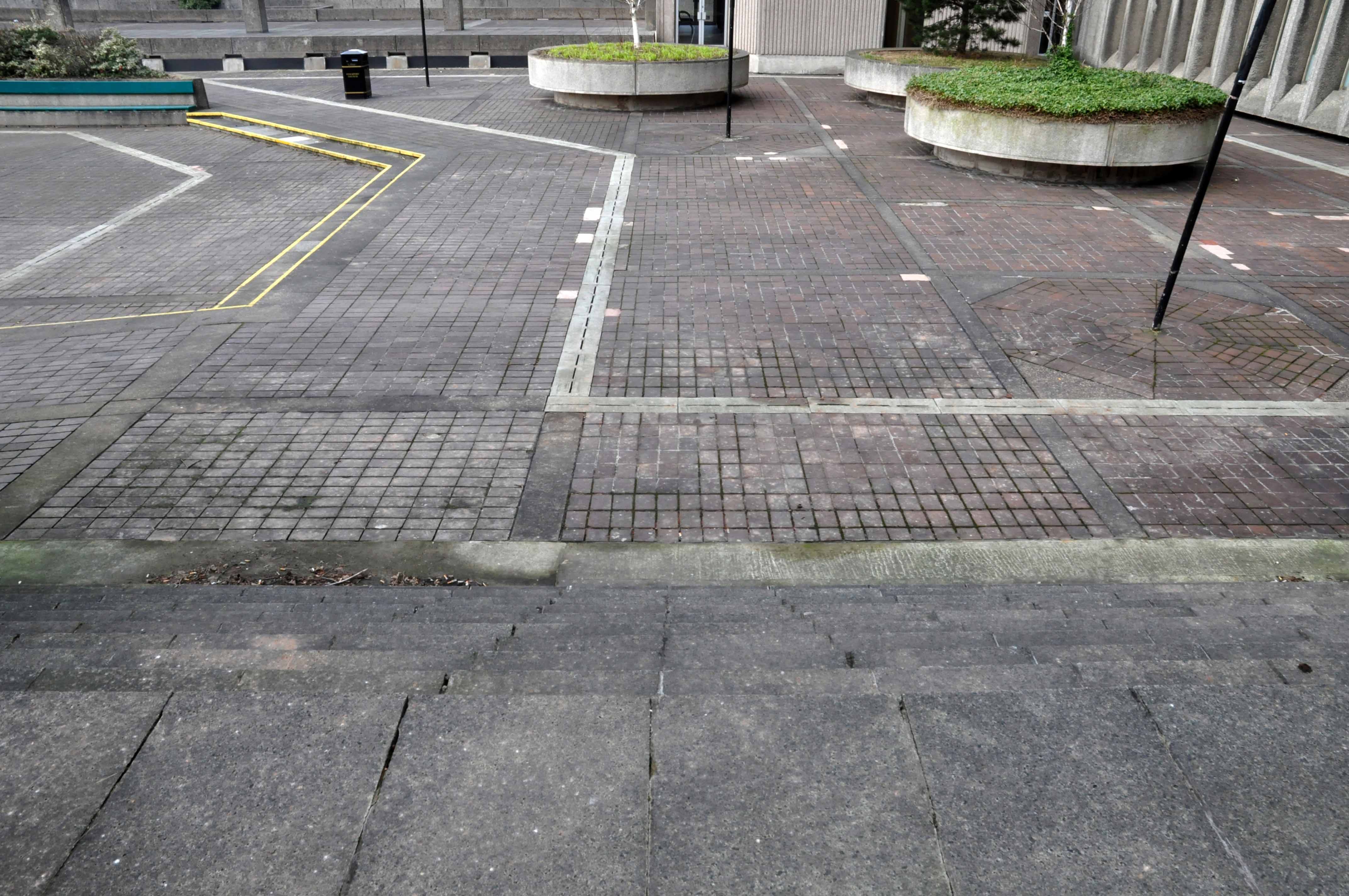
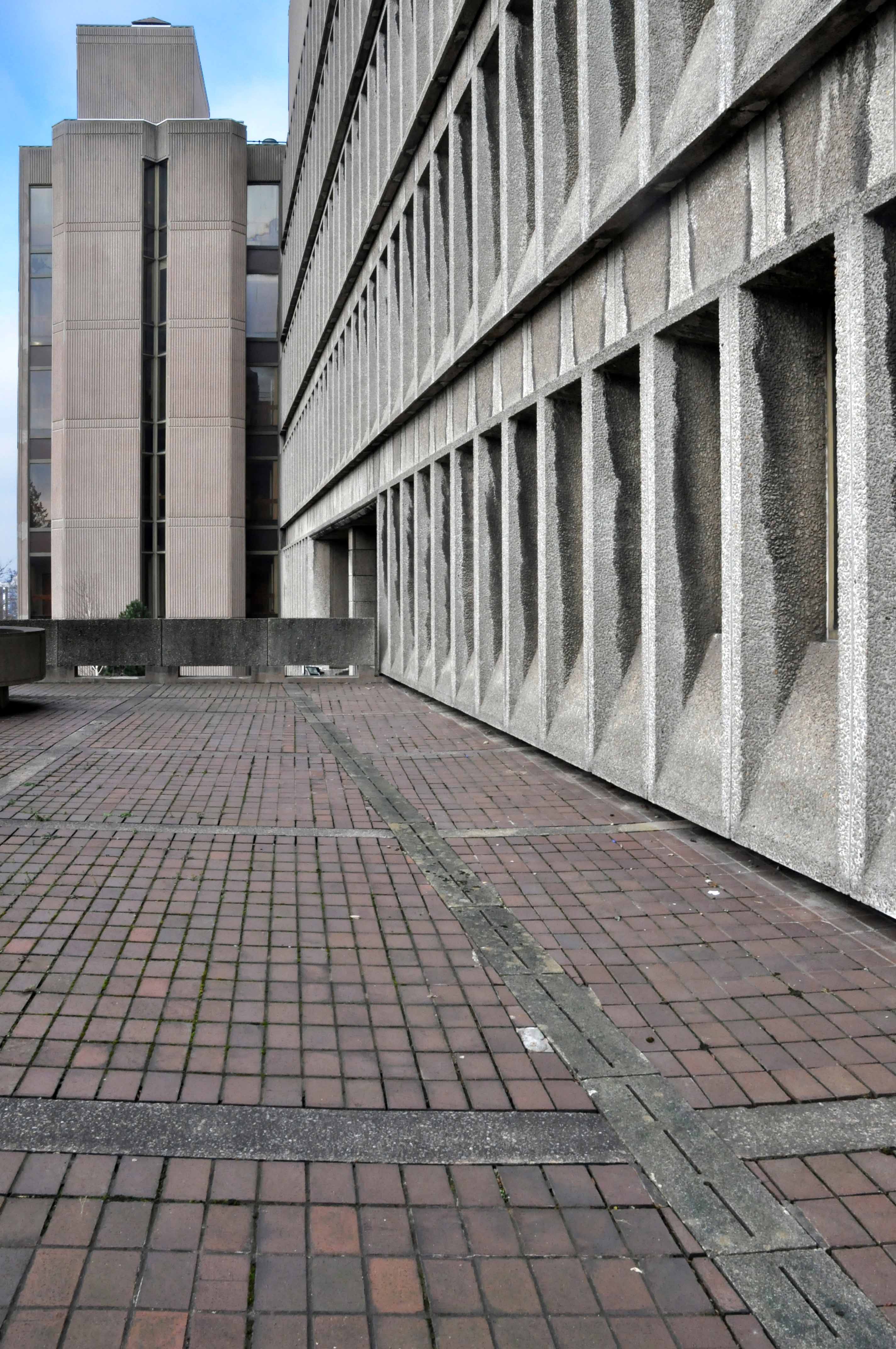
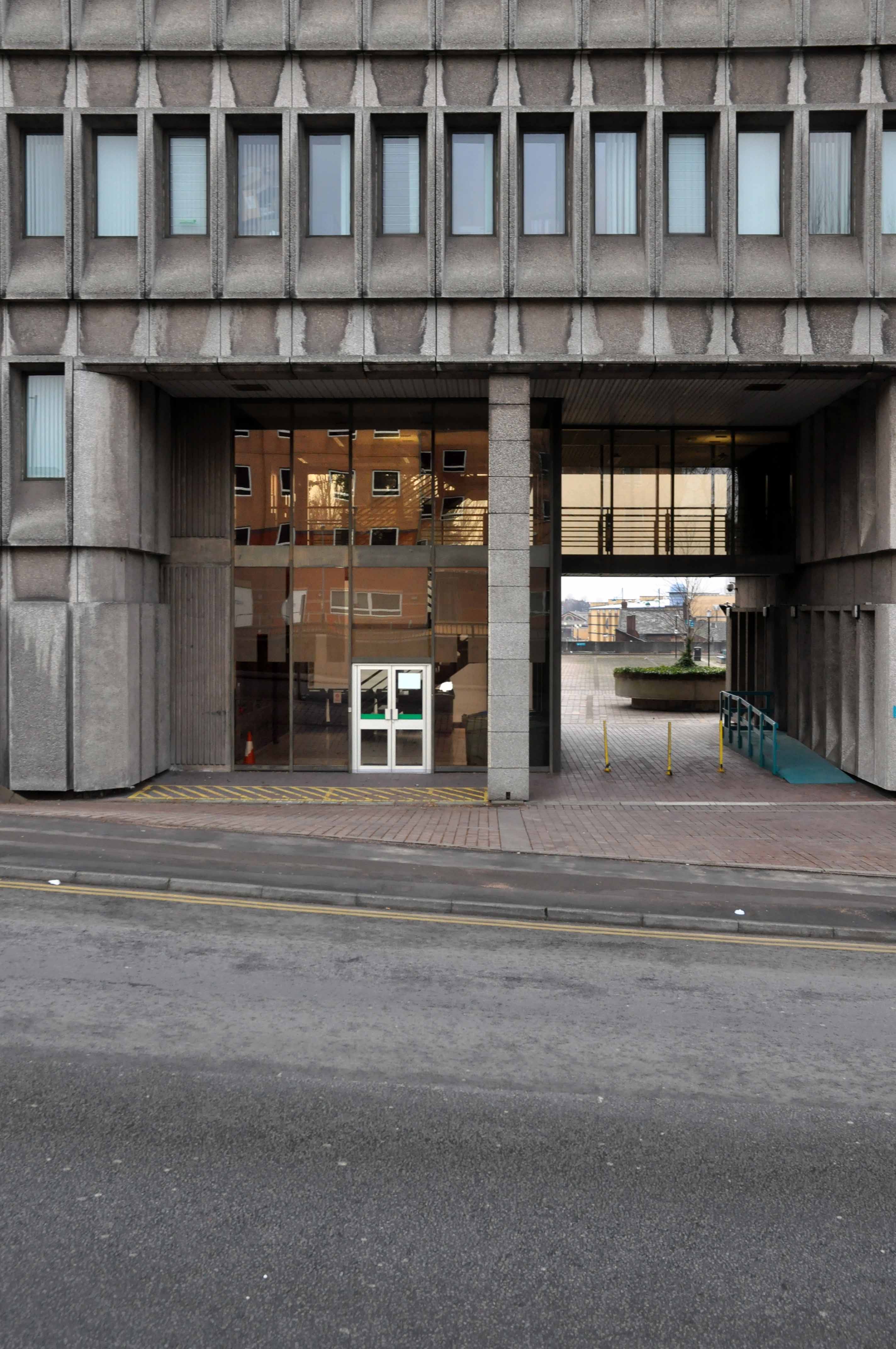
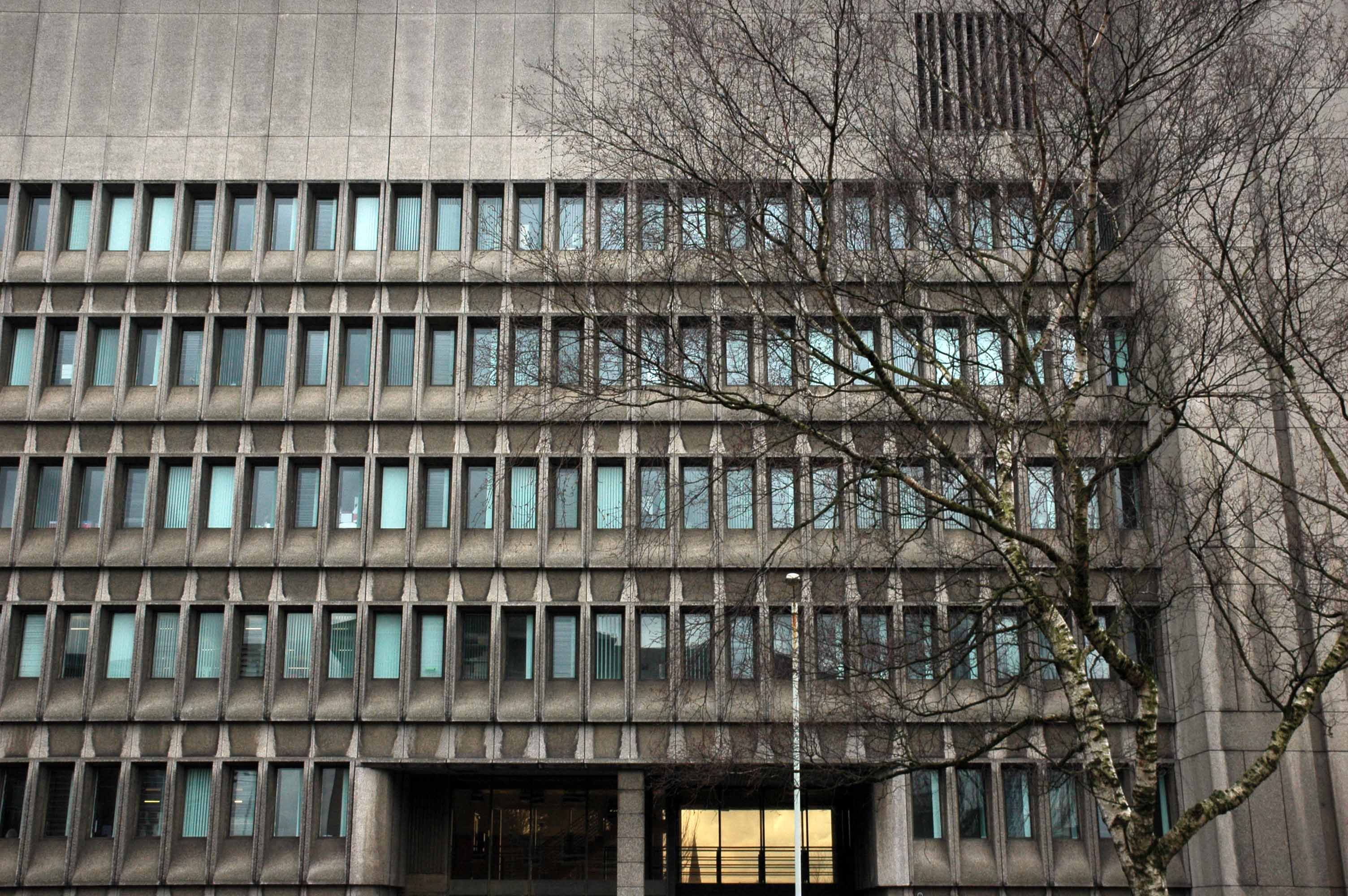
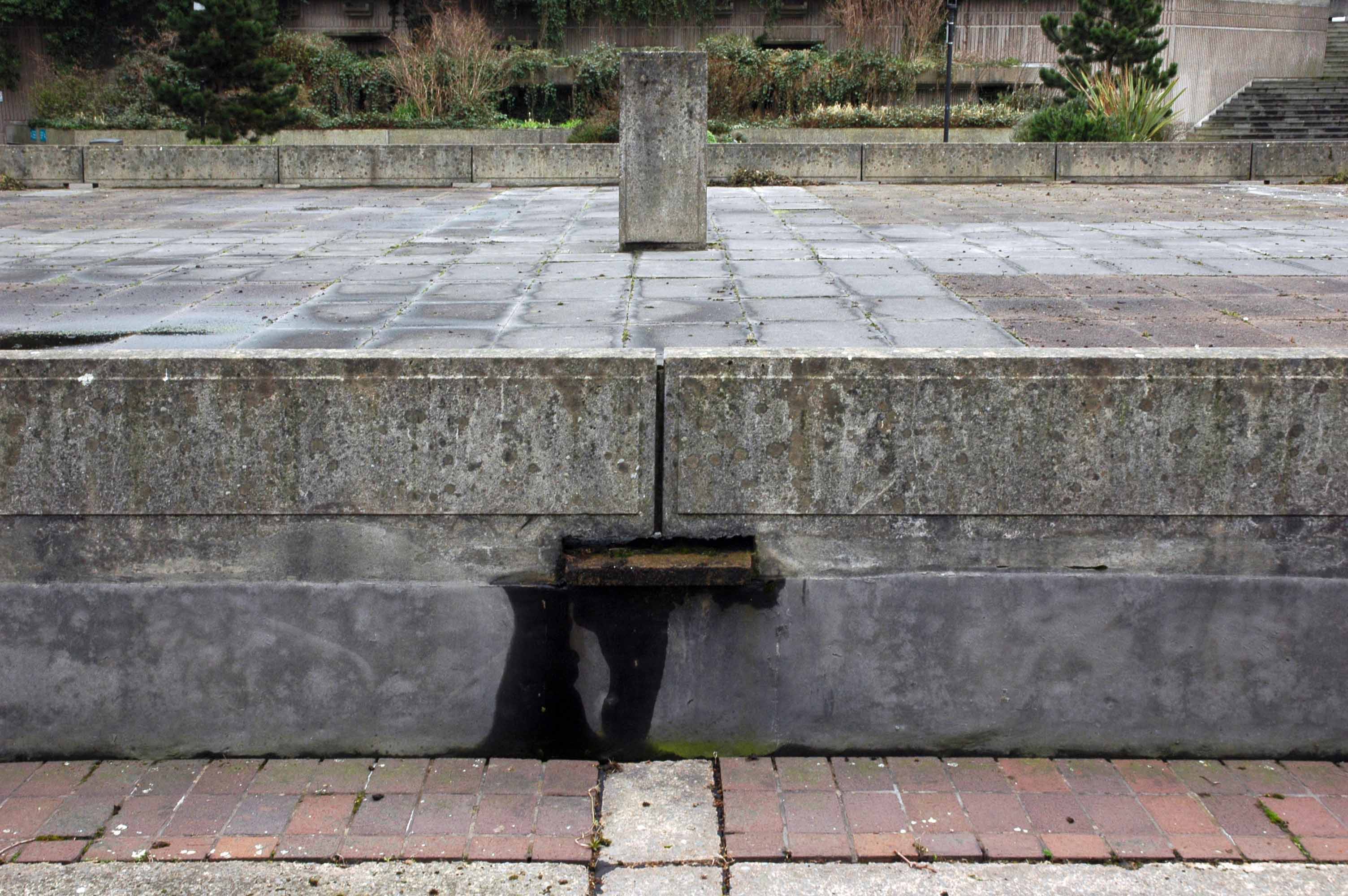
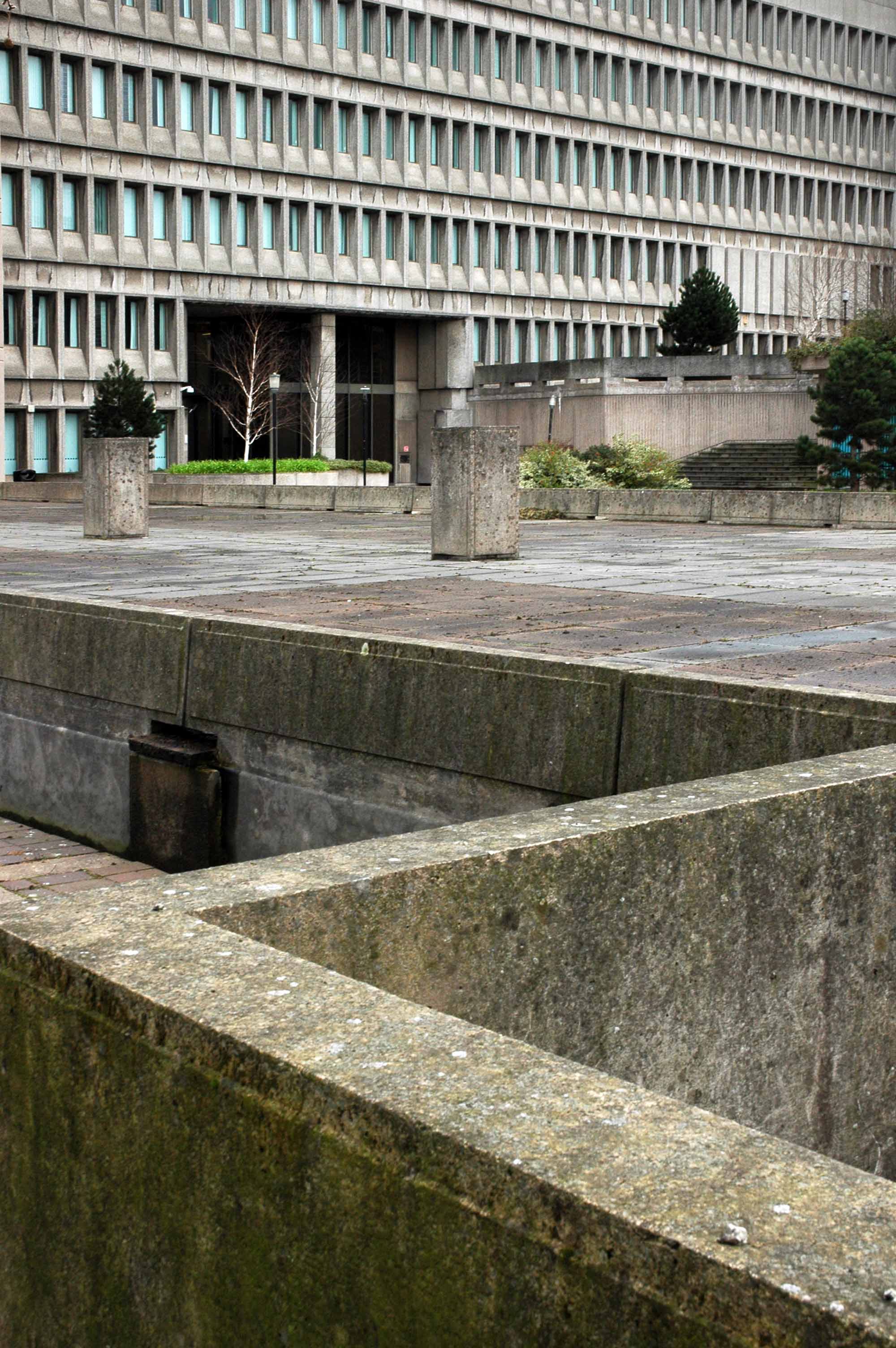
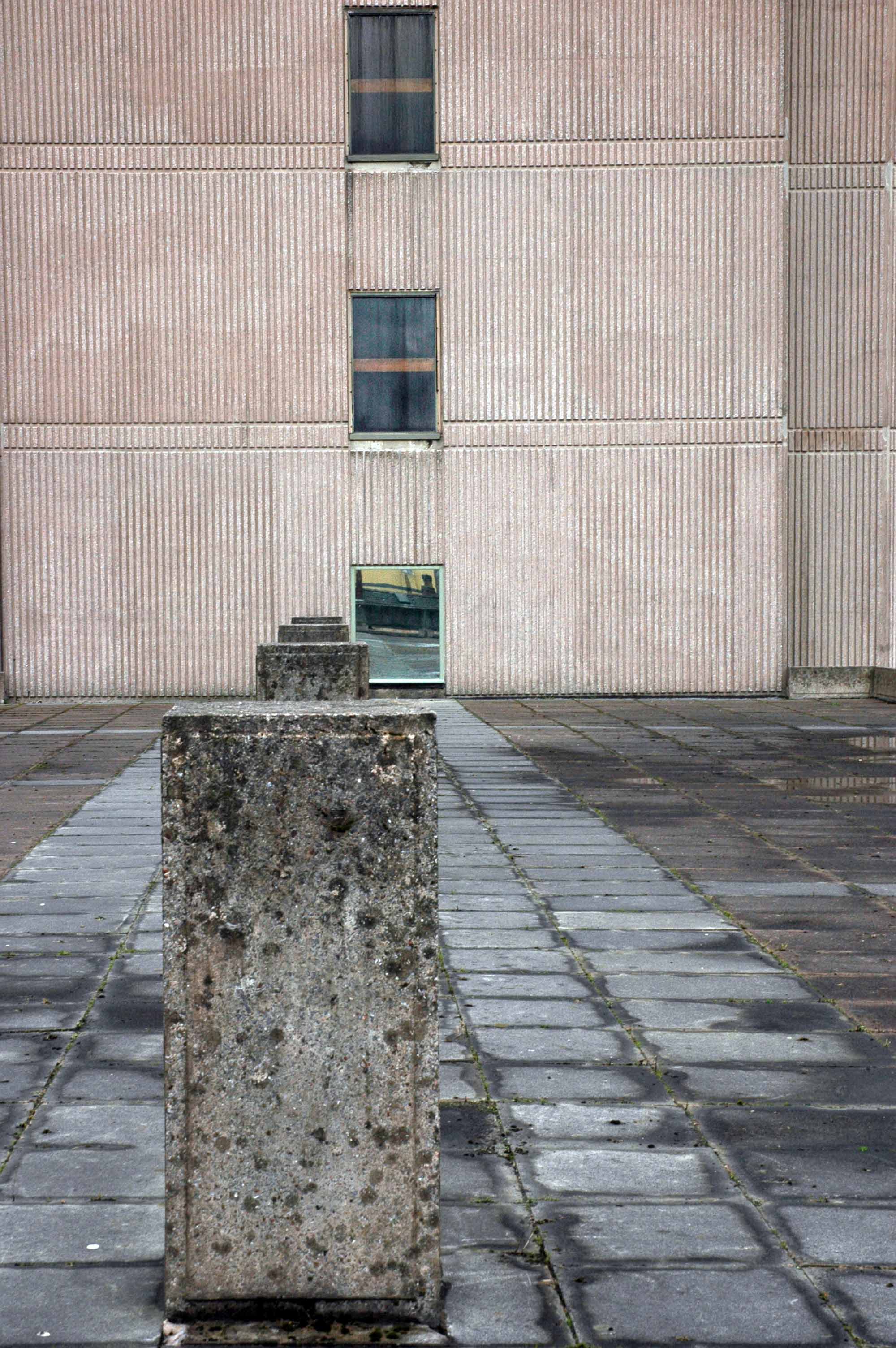
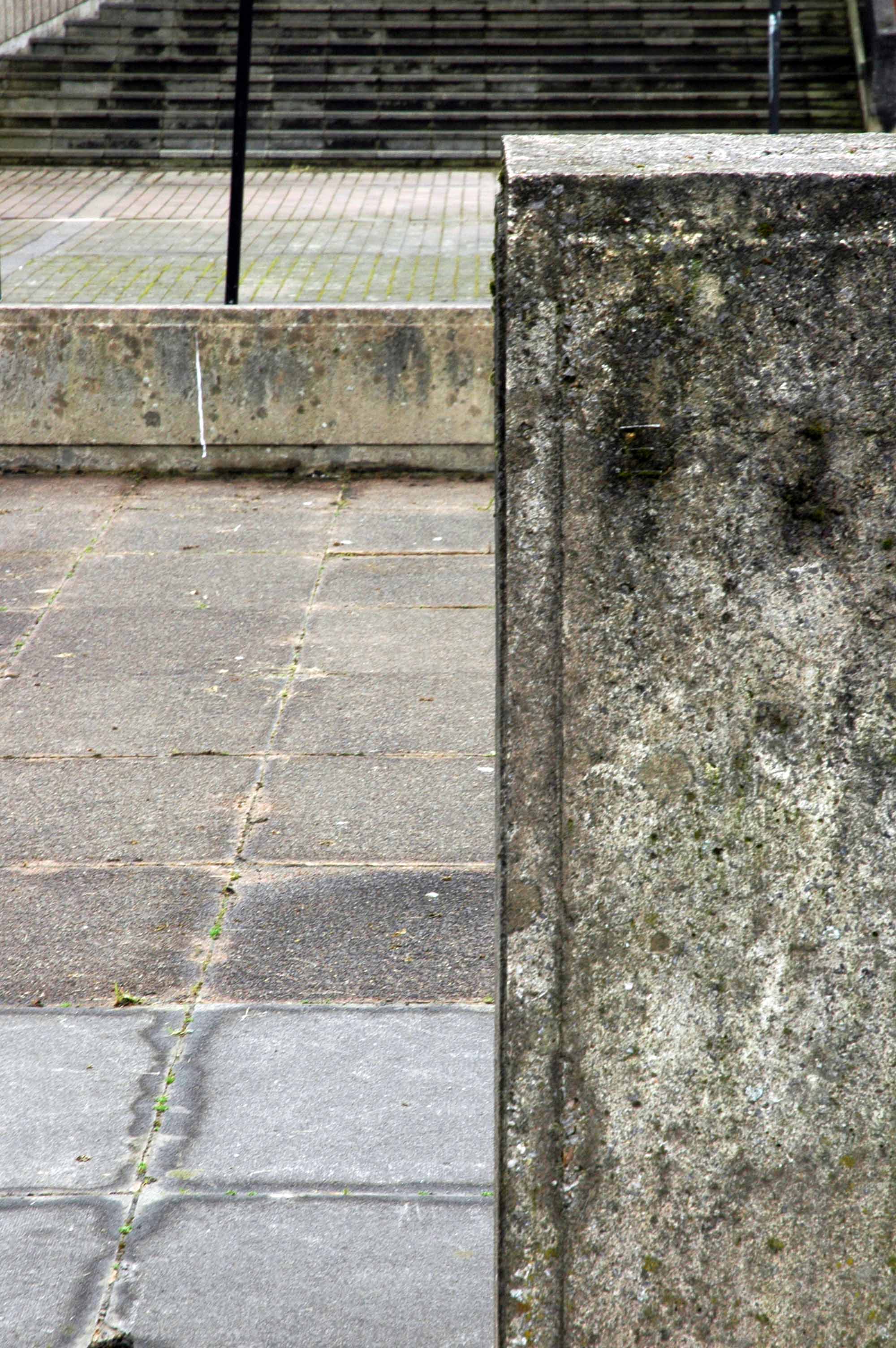
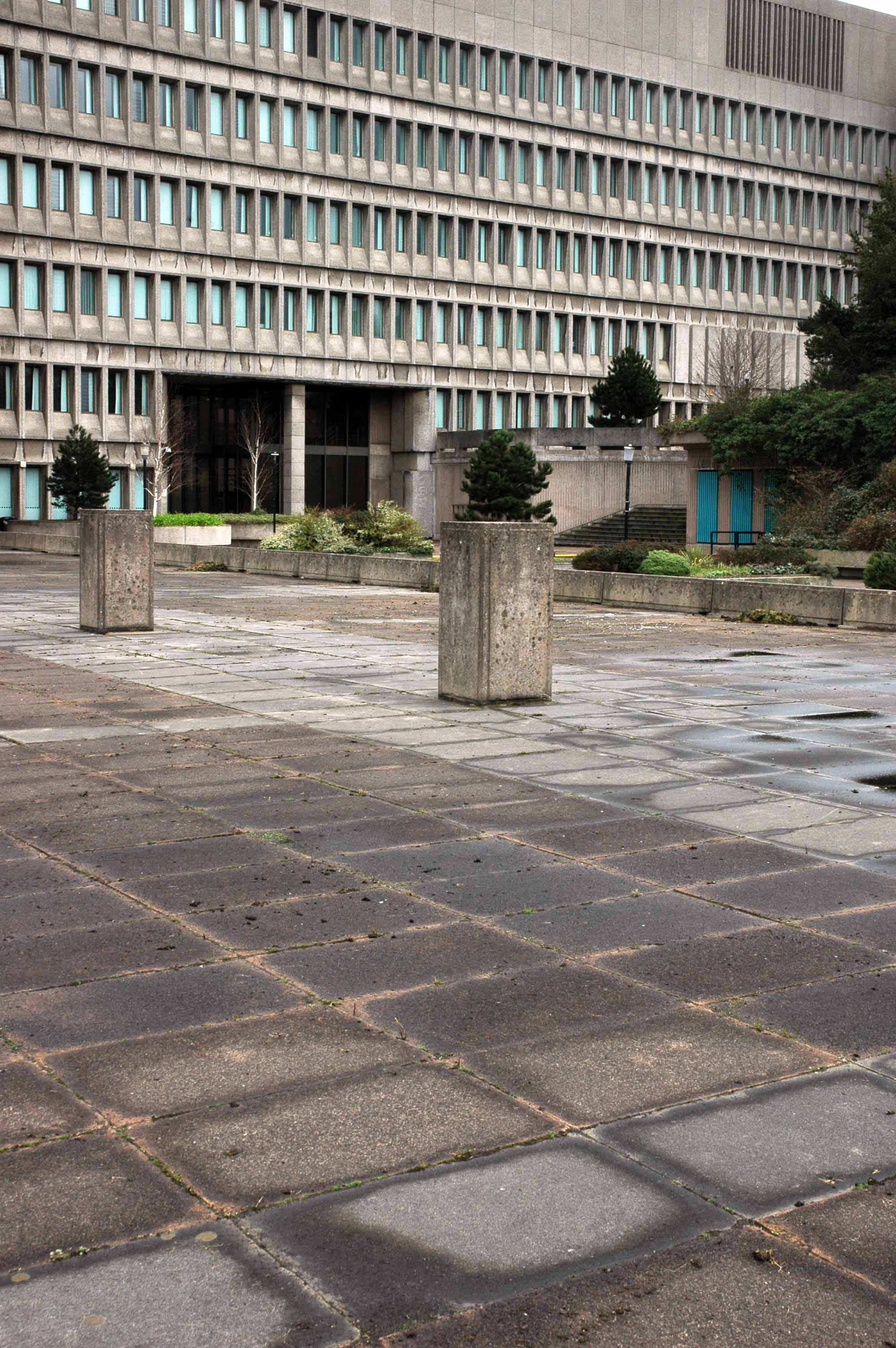
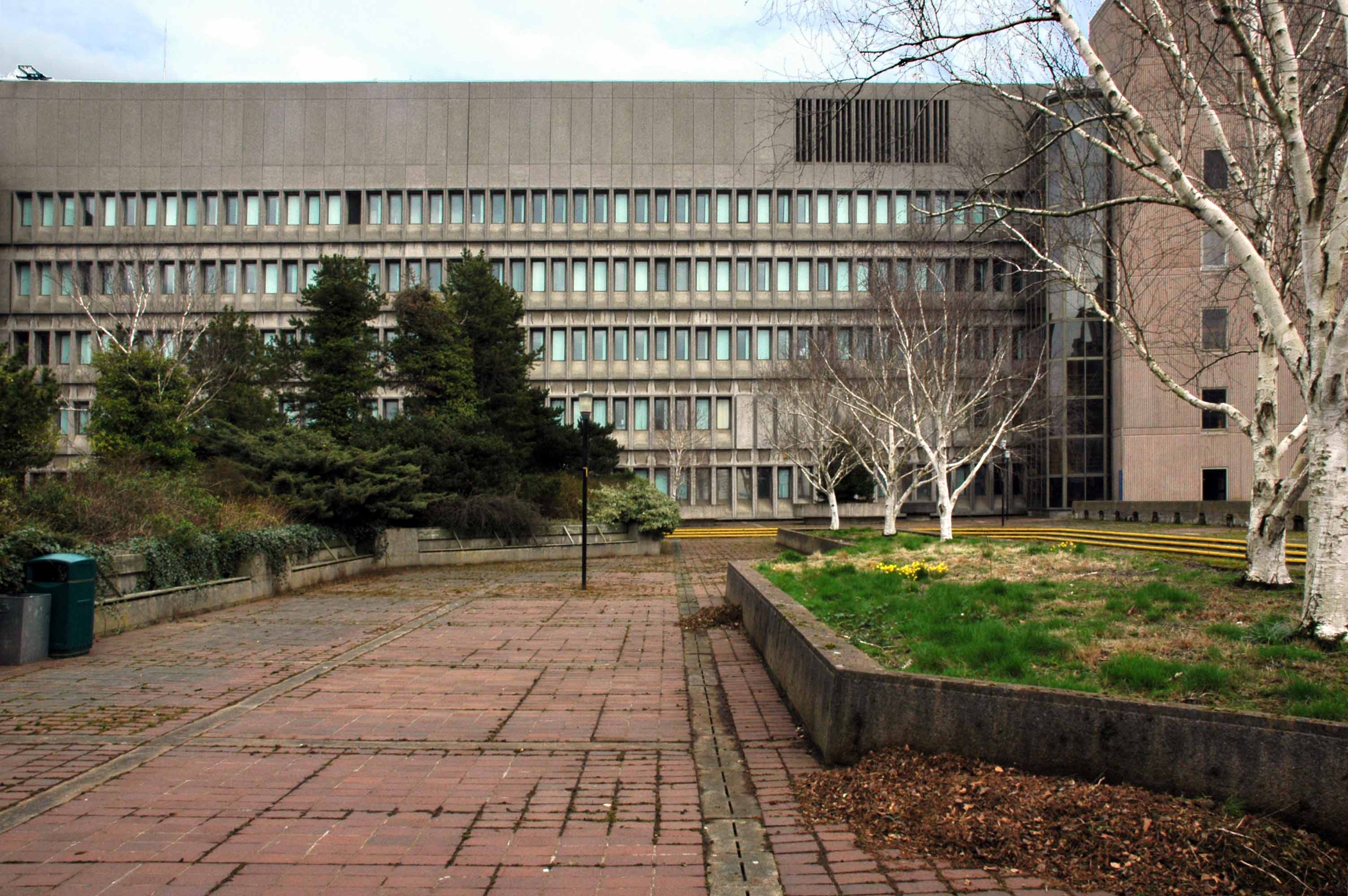
Famed as an imaginary TV police station, this civic building is a civic building I simply can’t resist. I return on a regular basis to wander and snap. This is an open public space that seems little loved and has few visitors.

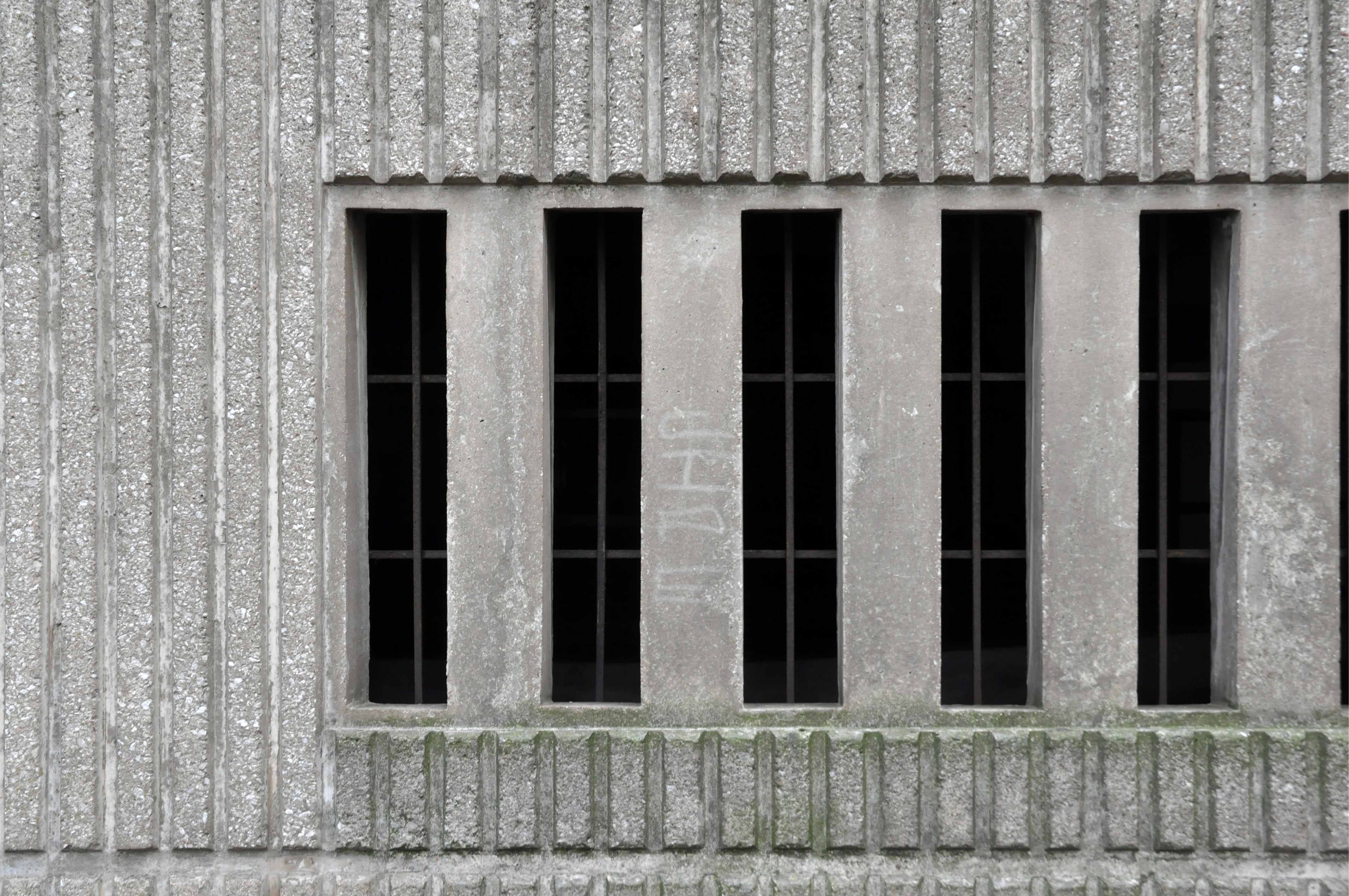
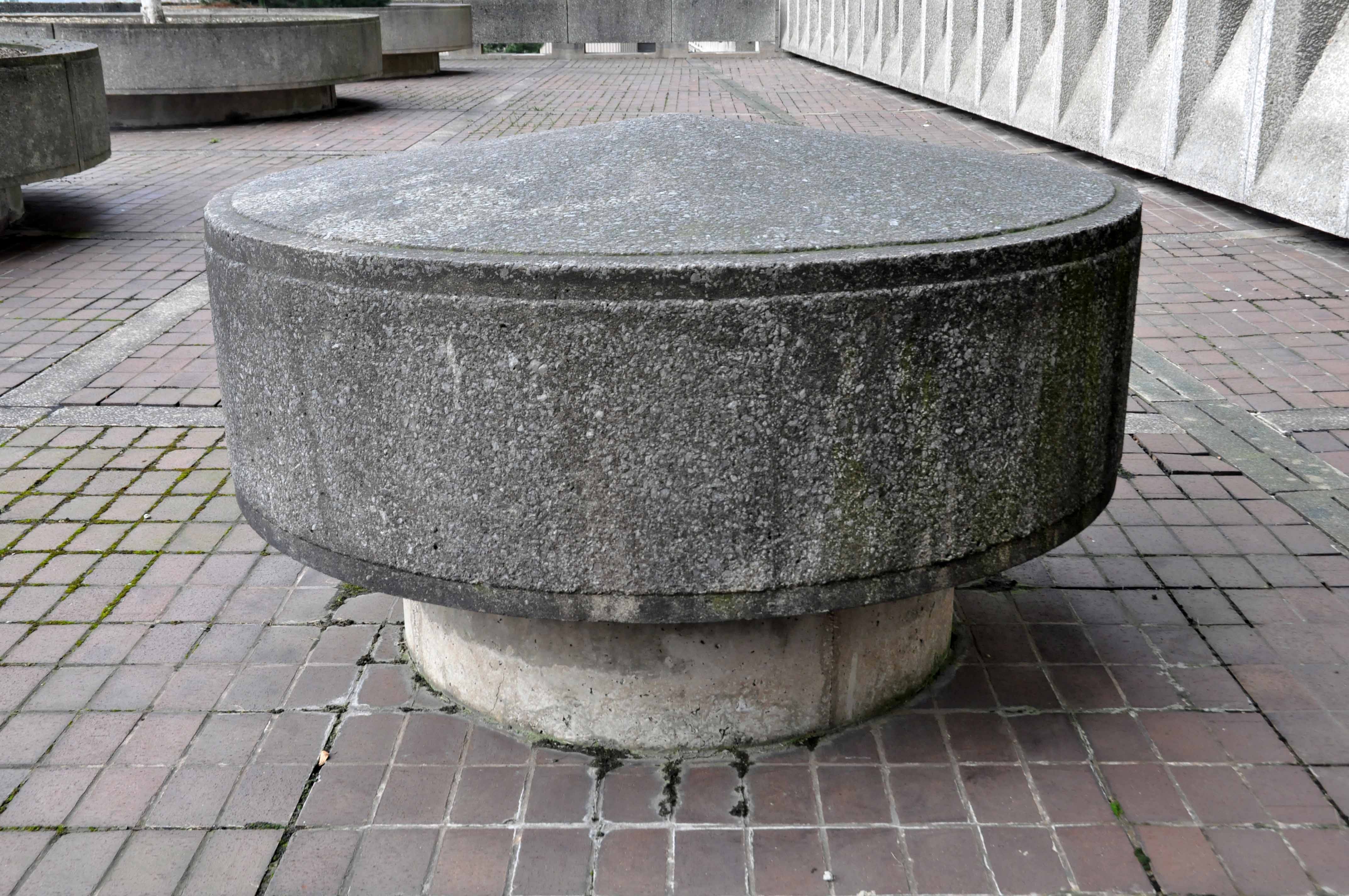
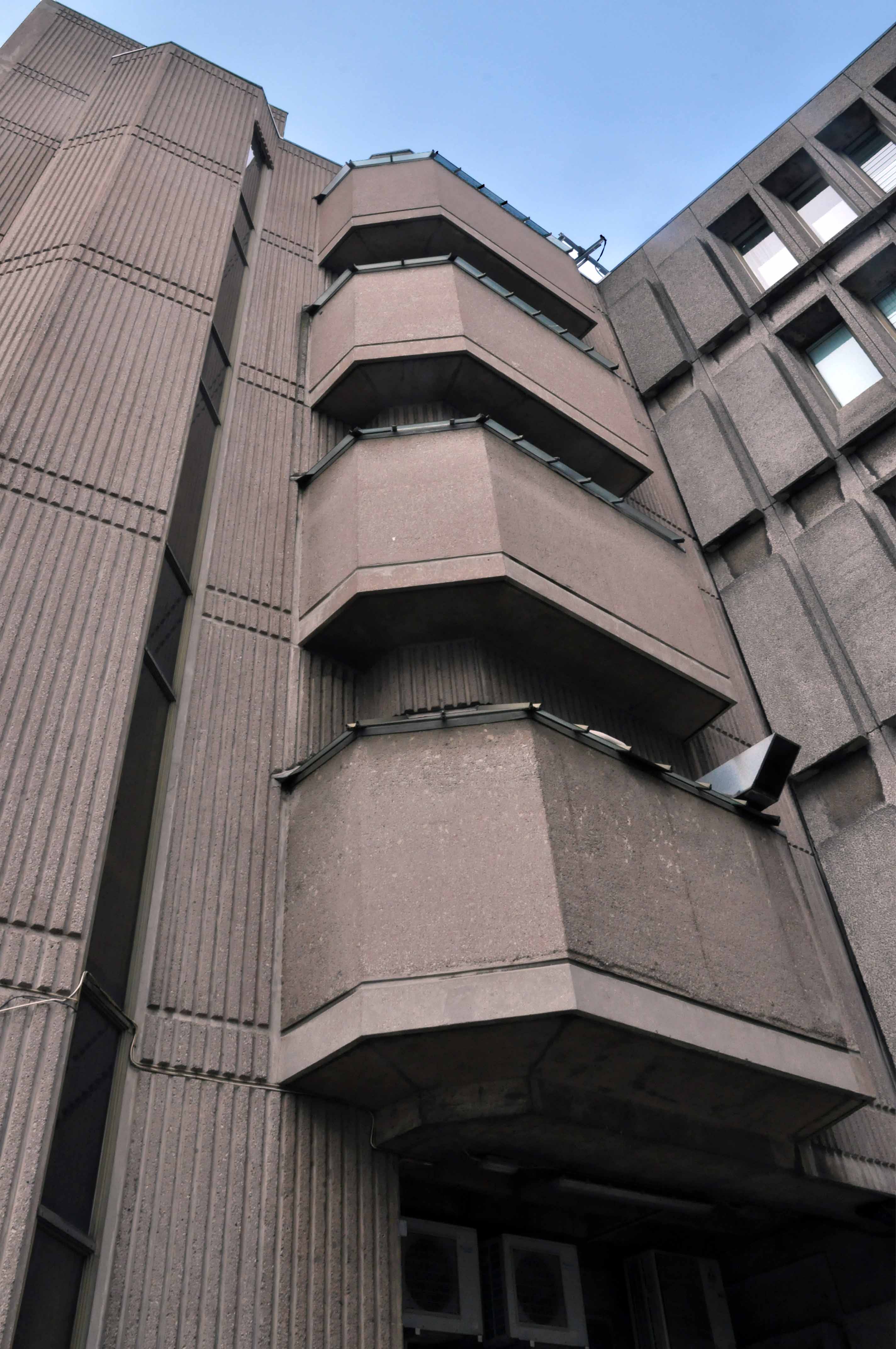
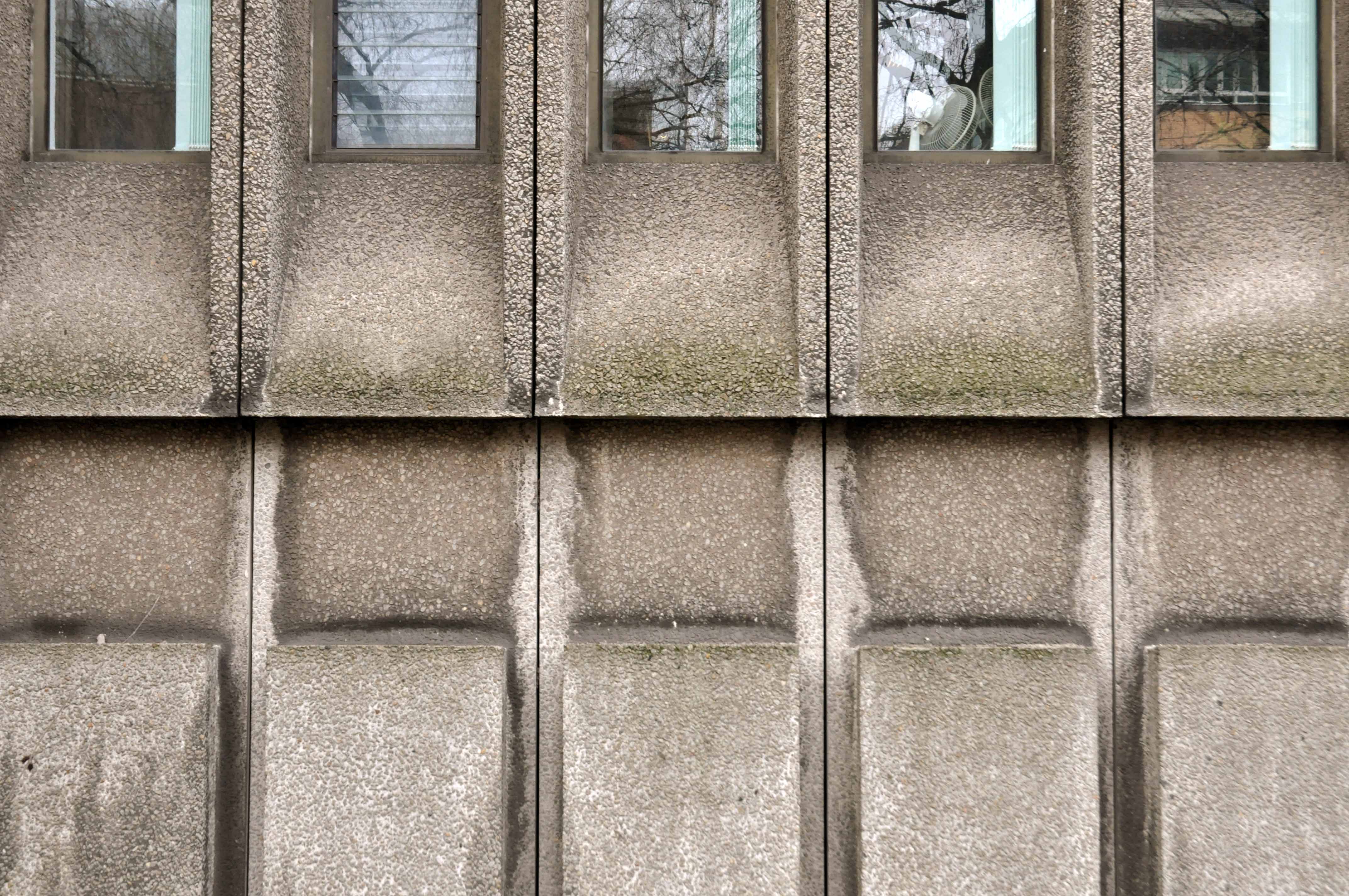
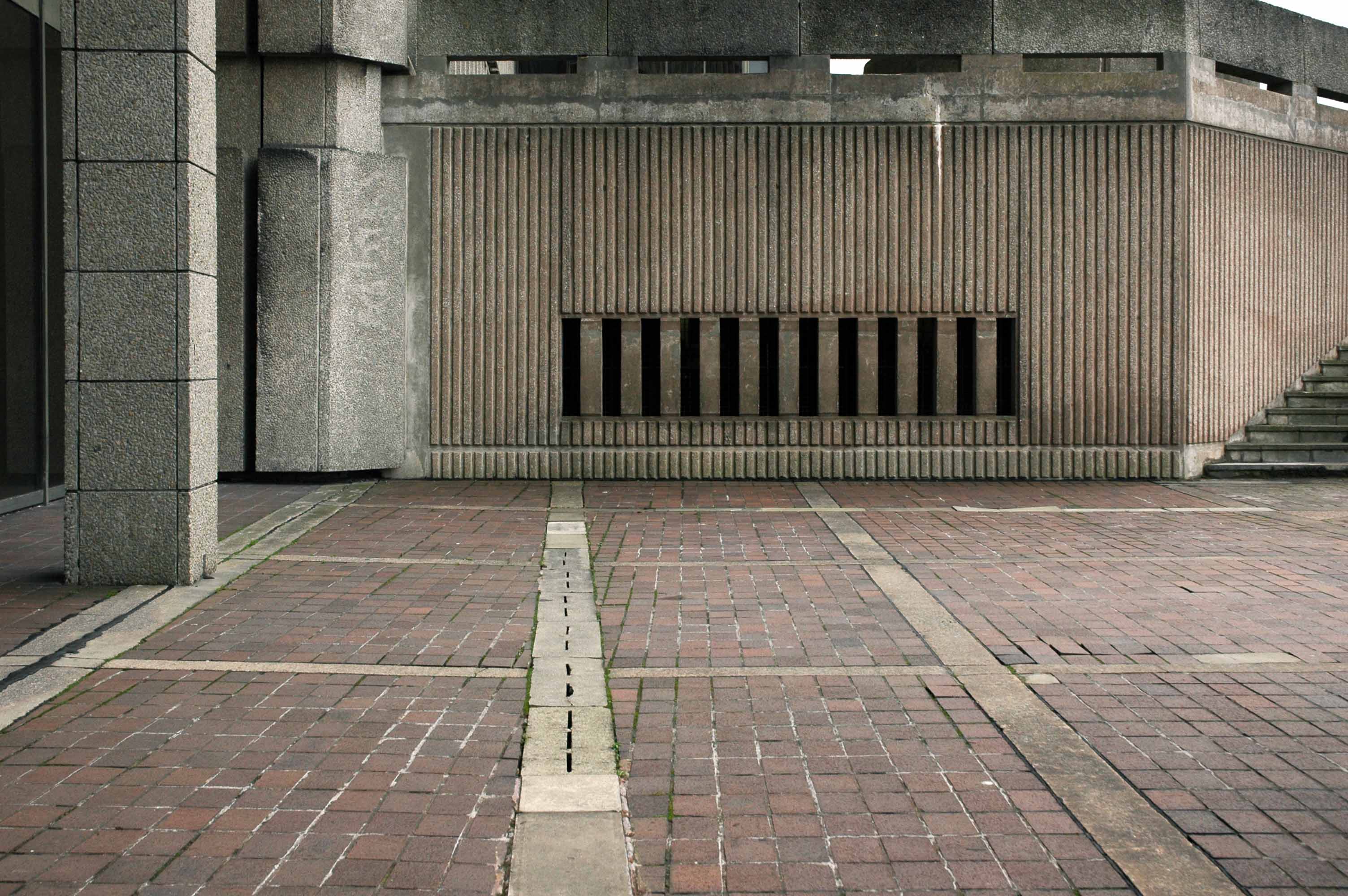
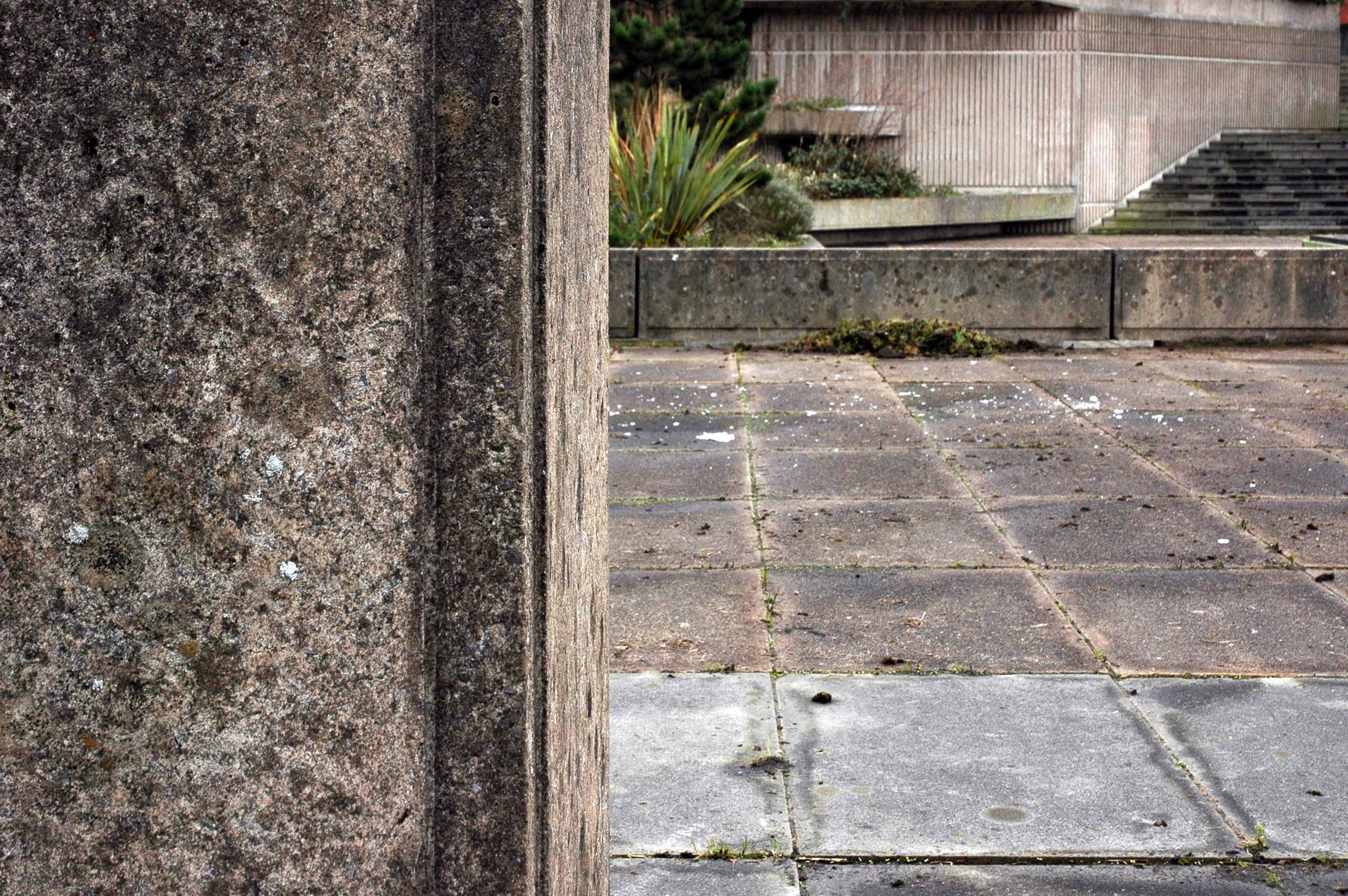
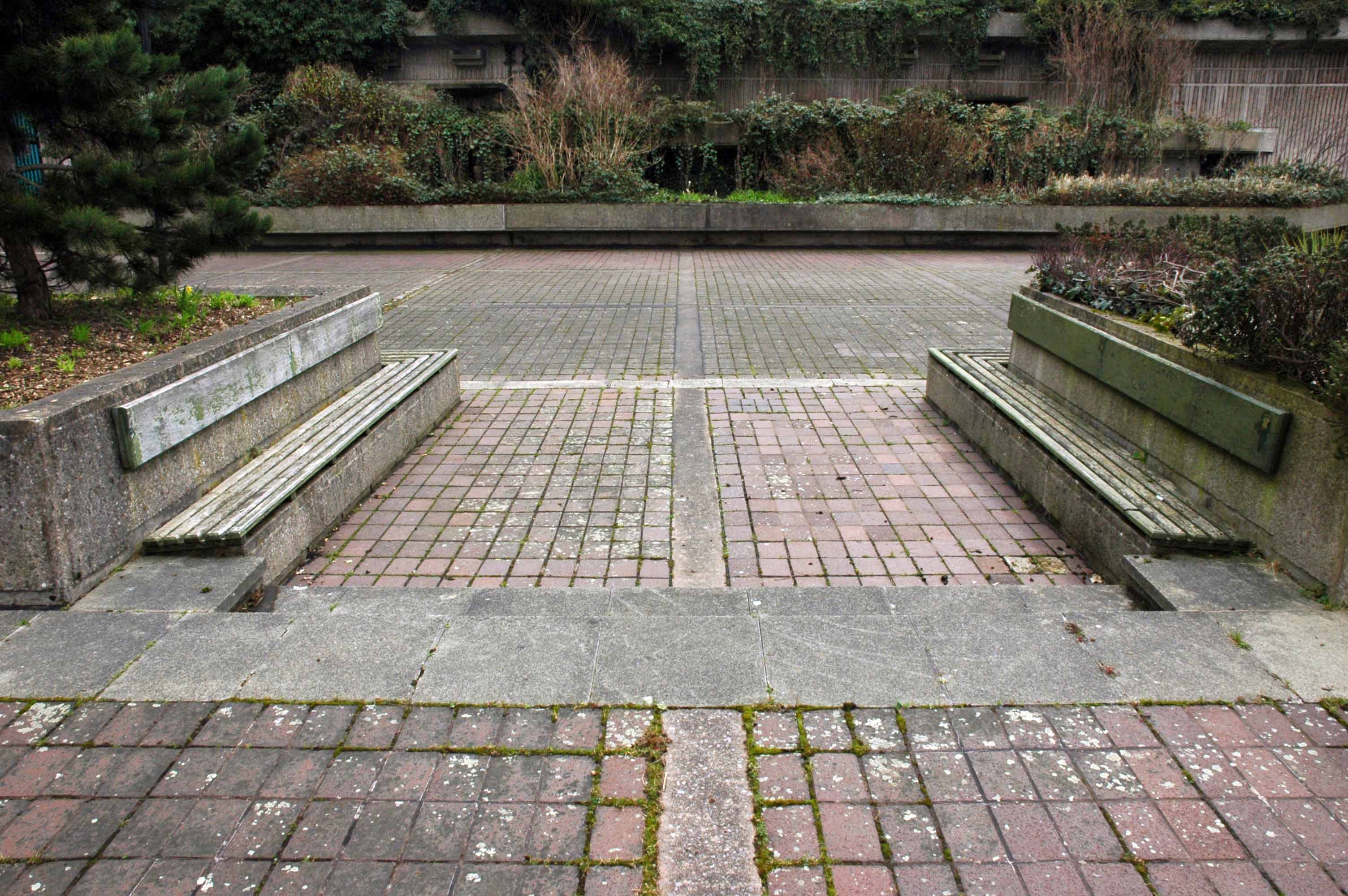
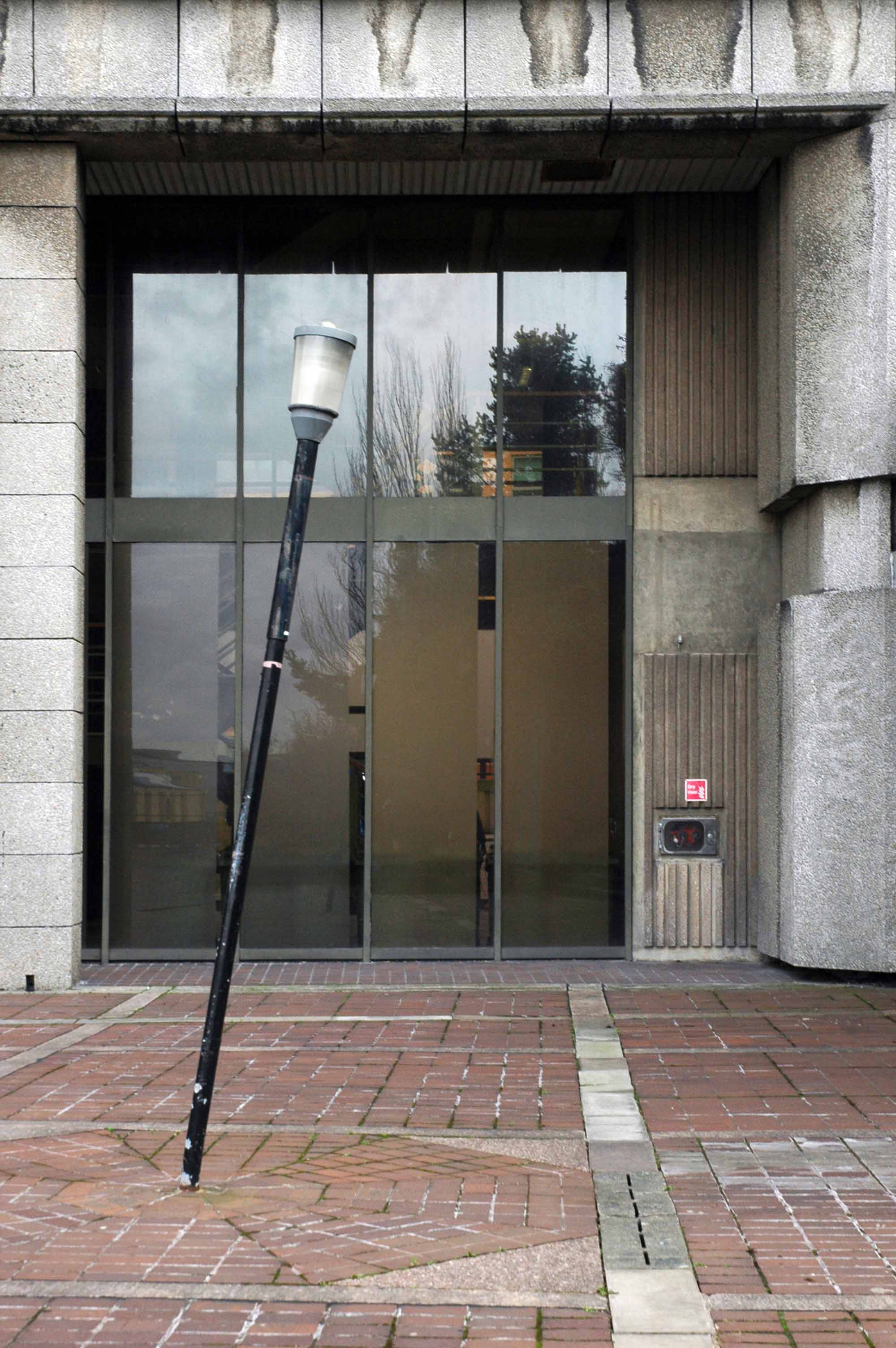
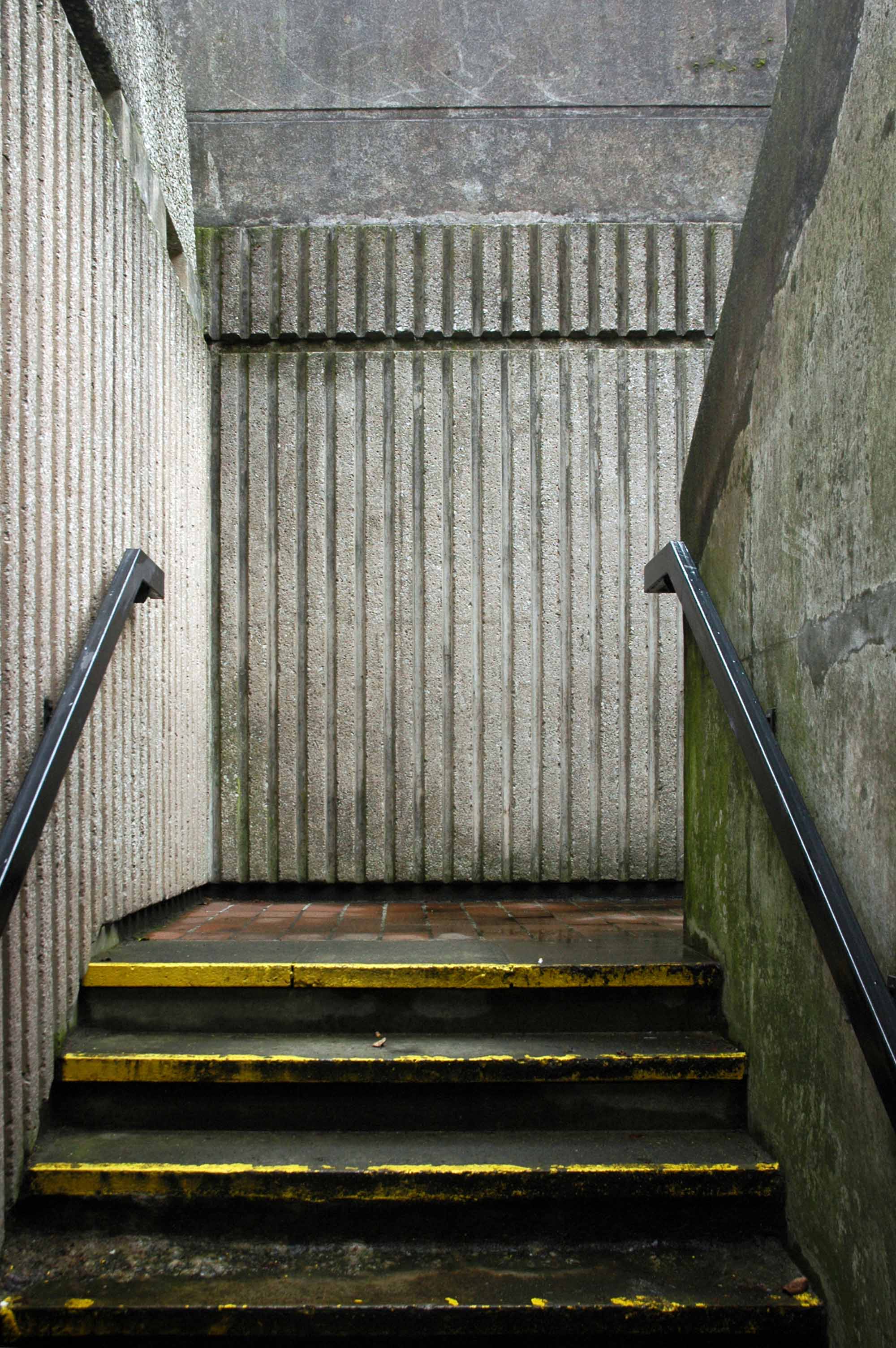
It is quite literally concrete poetry incarnate, a careful collision of form, tone, texture and line, softened with sympathetic planting.

There had been proposals to extend the Town Hall provison since 1945, which were finally realised in 1975. Built at a cost of £1,500,000 – to provide additional office provision for the Local Authority. A further two blocks were planned but never built.

Stopford House was built 1975 and designed by JS Rank OBE, Director of Development & Town Planning, Stockport Council.

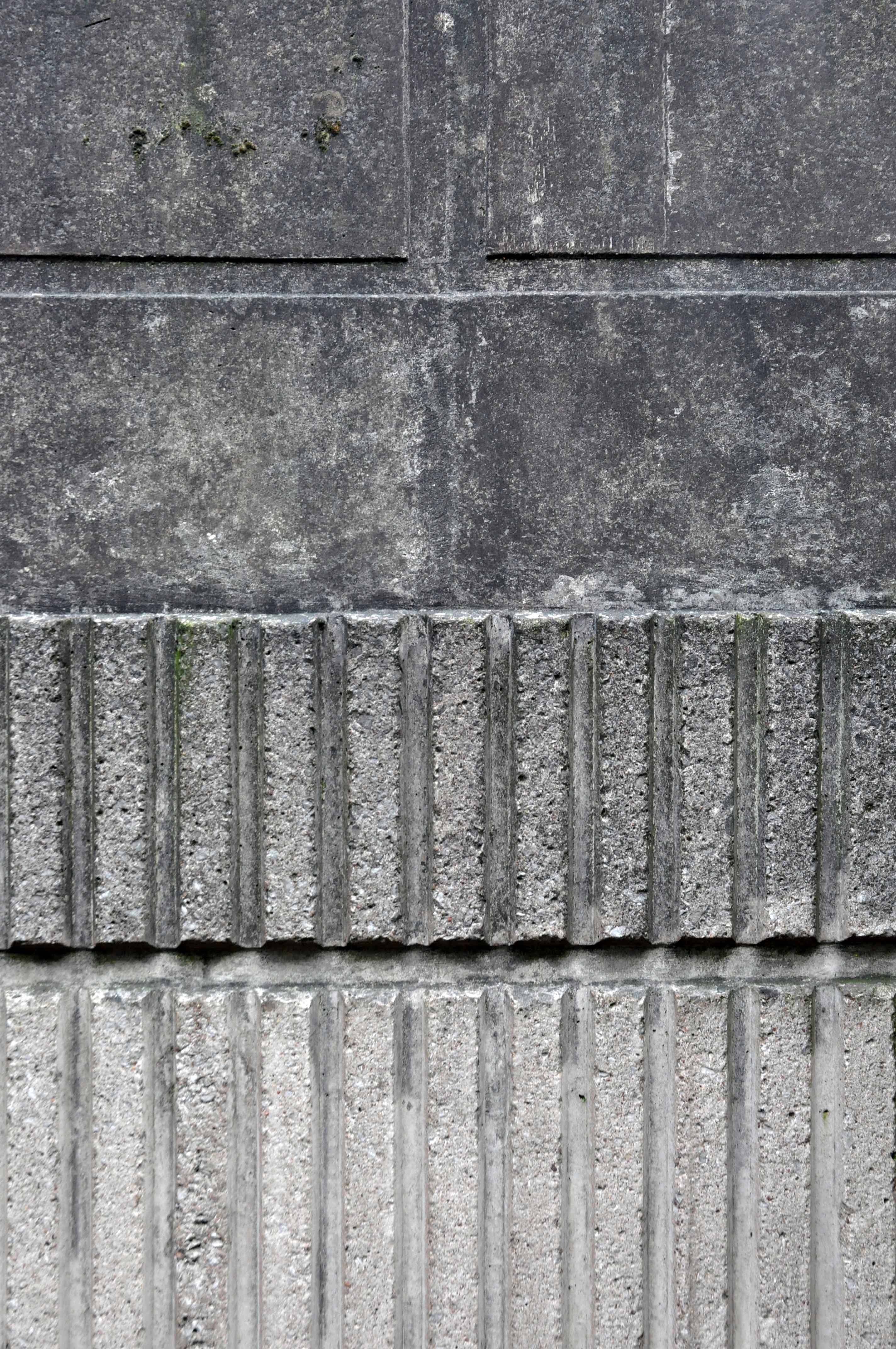
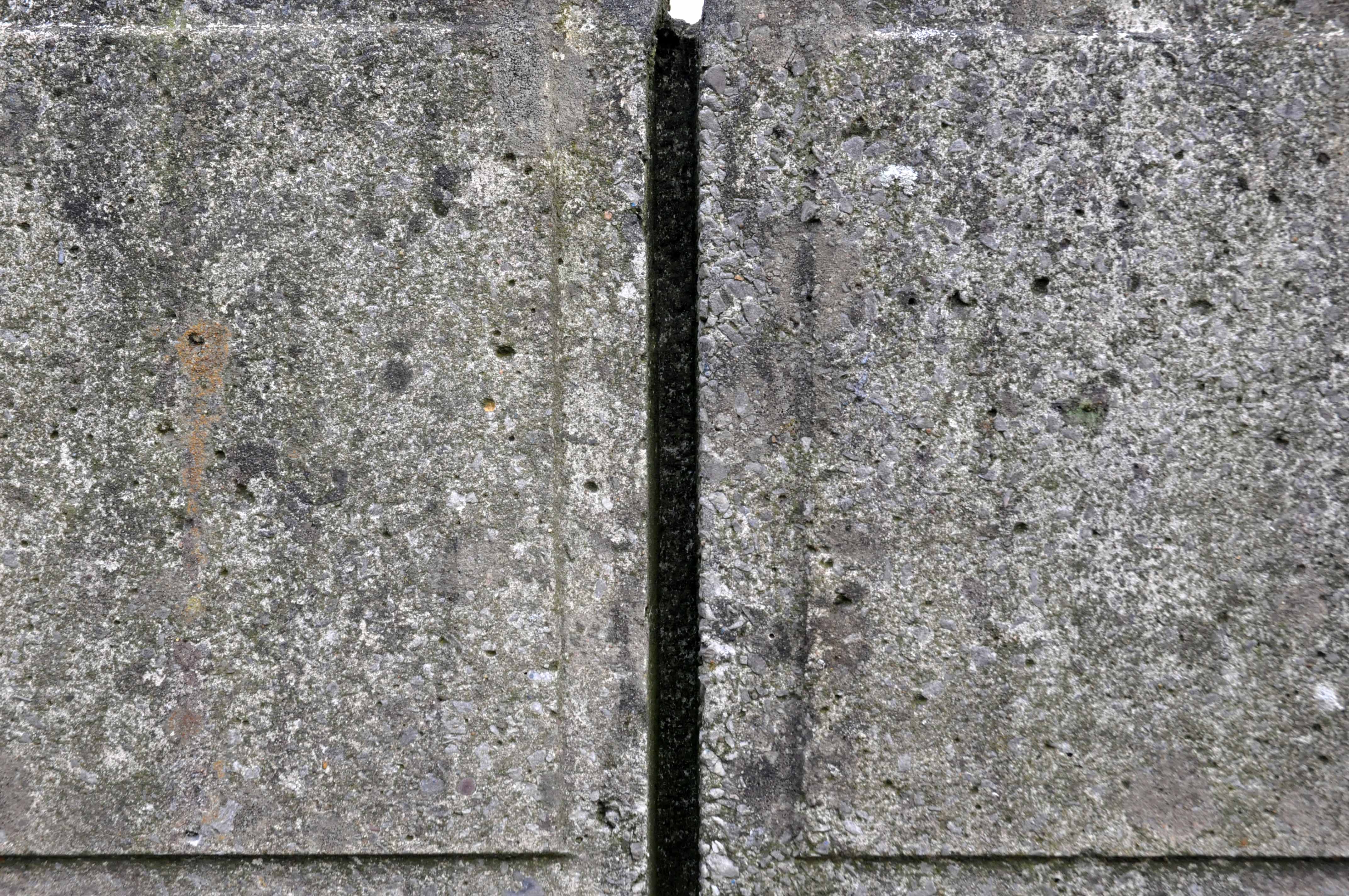
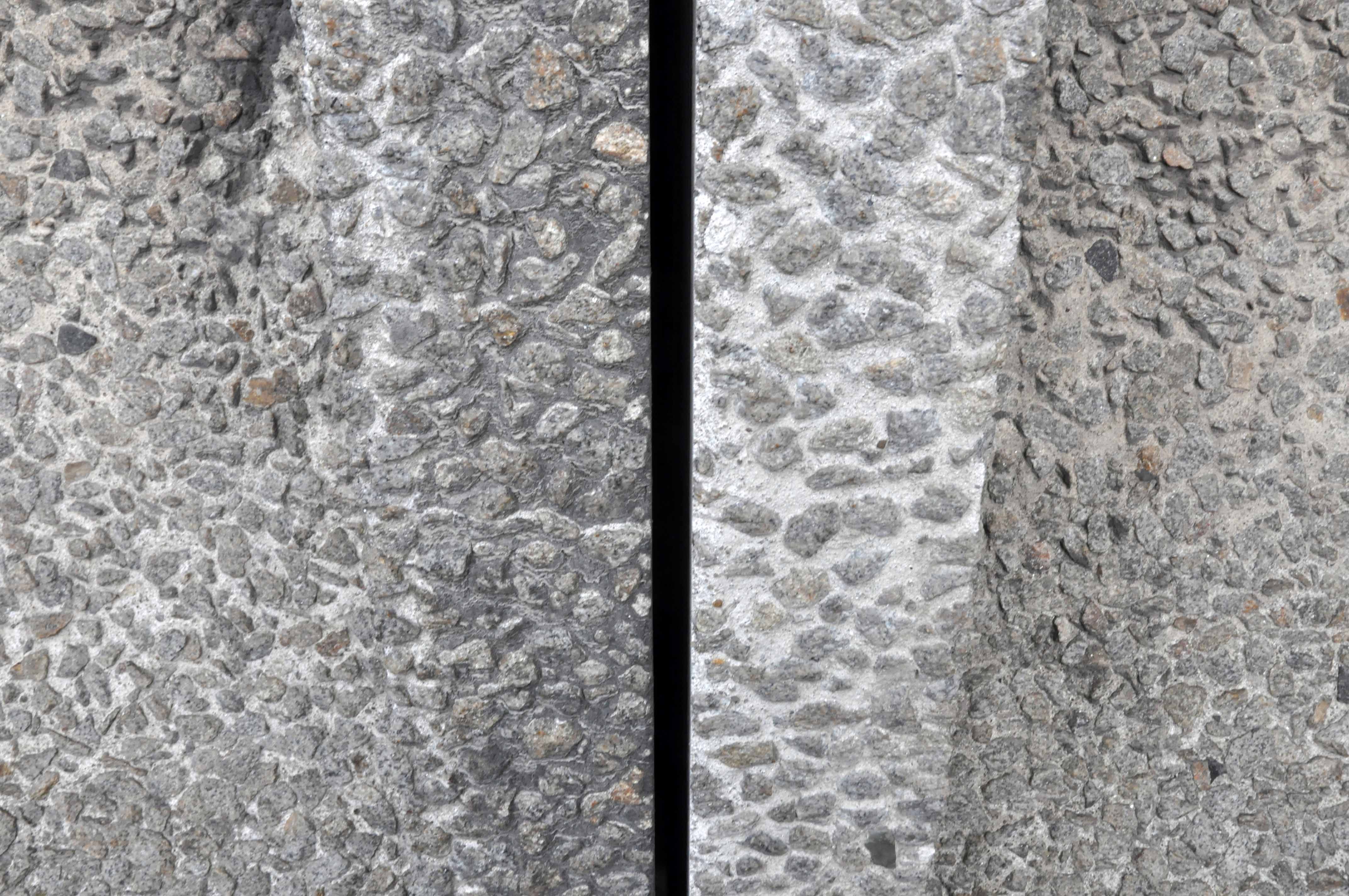
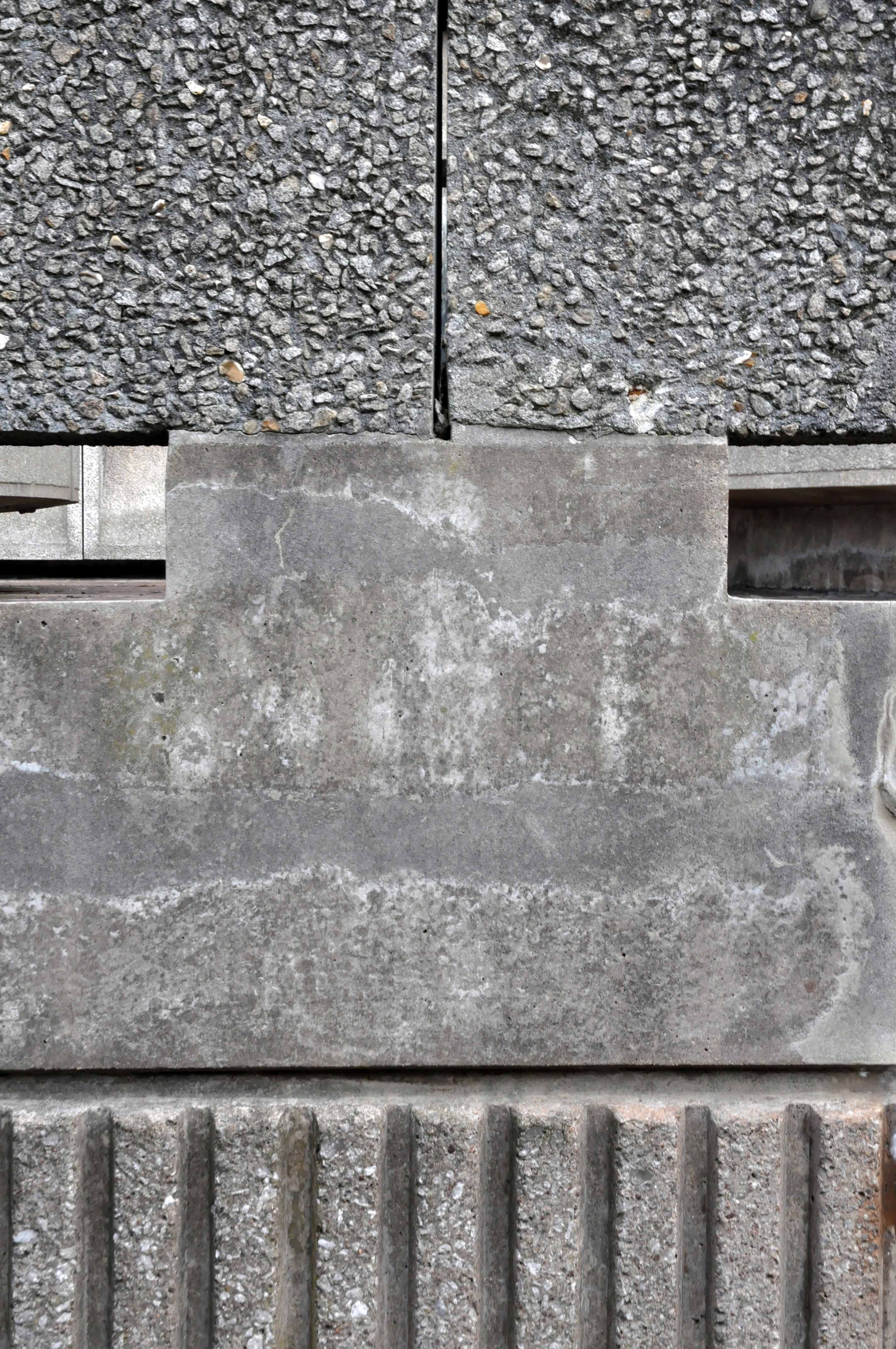
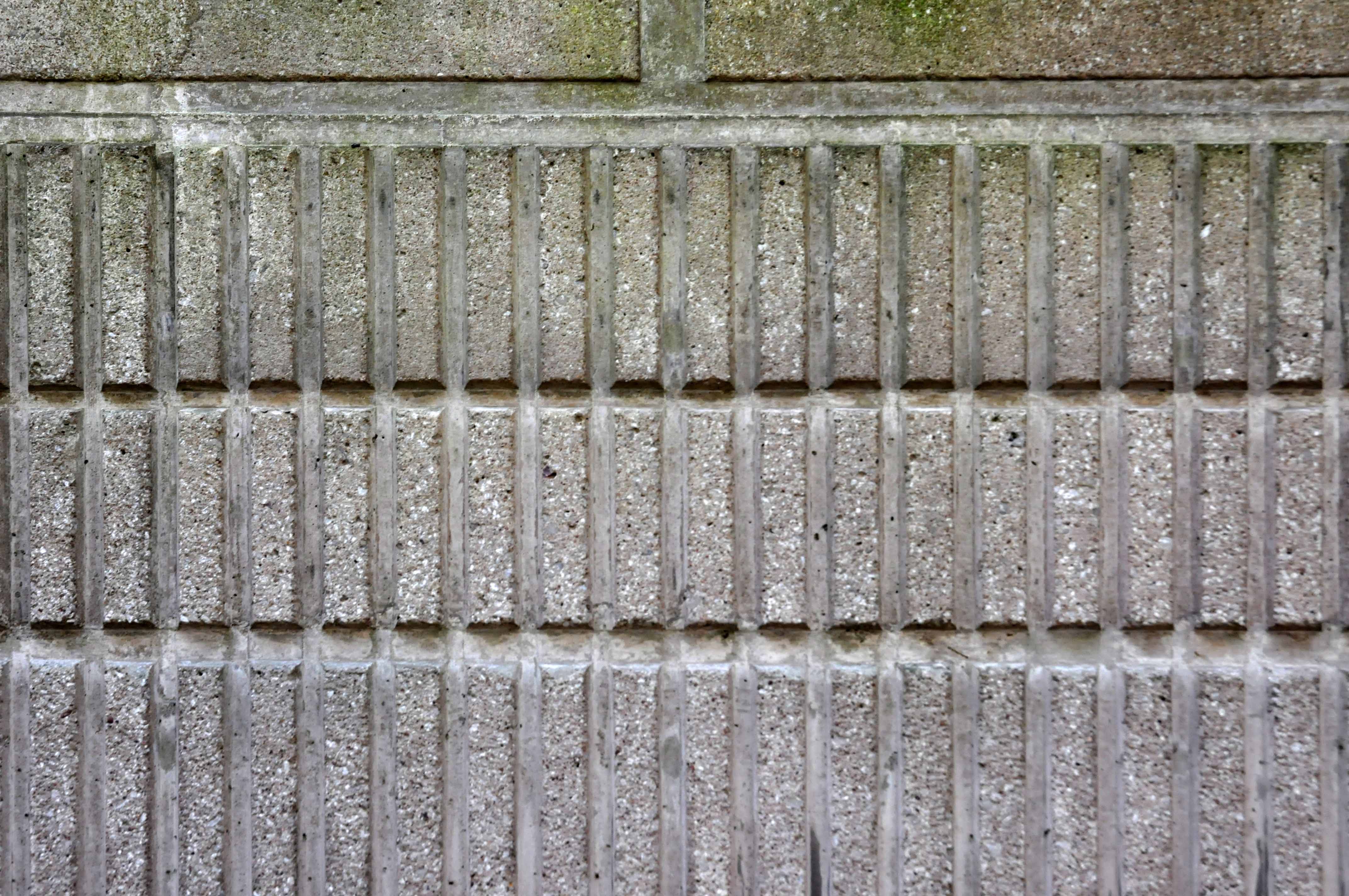
The main block is clad in 1400 exposed aggregate precast panels and the link blocks have ribbed walls constructed with in situ concrete, bush hammered to expose the limestone aggregate. The precast panels were carefully matched in order to harmonize with the existing Town Hall, the mix contained coarse aggregate from the Scottish Granite Company of Creetown, a fine Leemoor sand from the Fordamin Company, together with white cement.

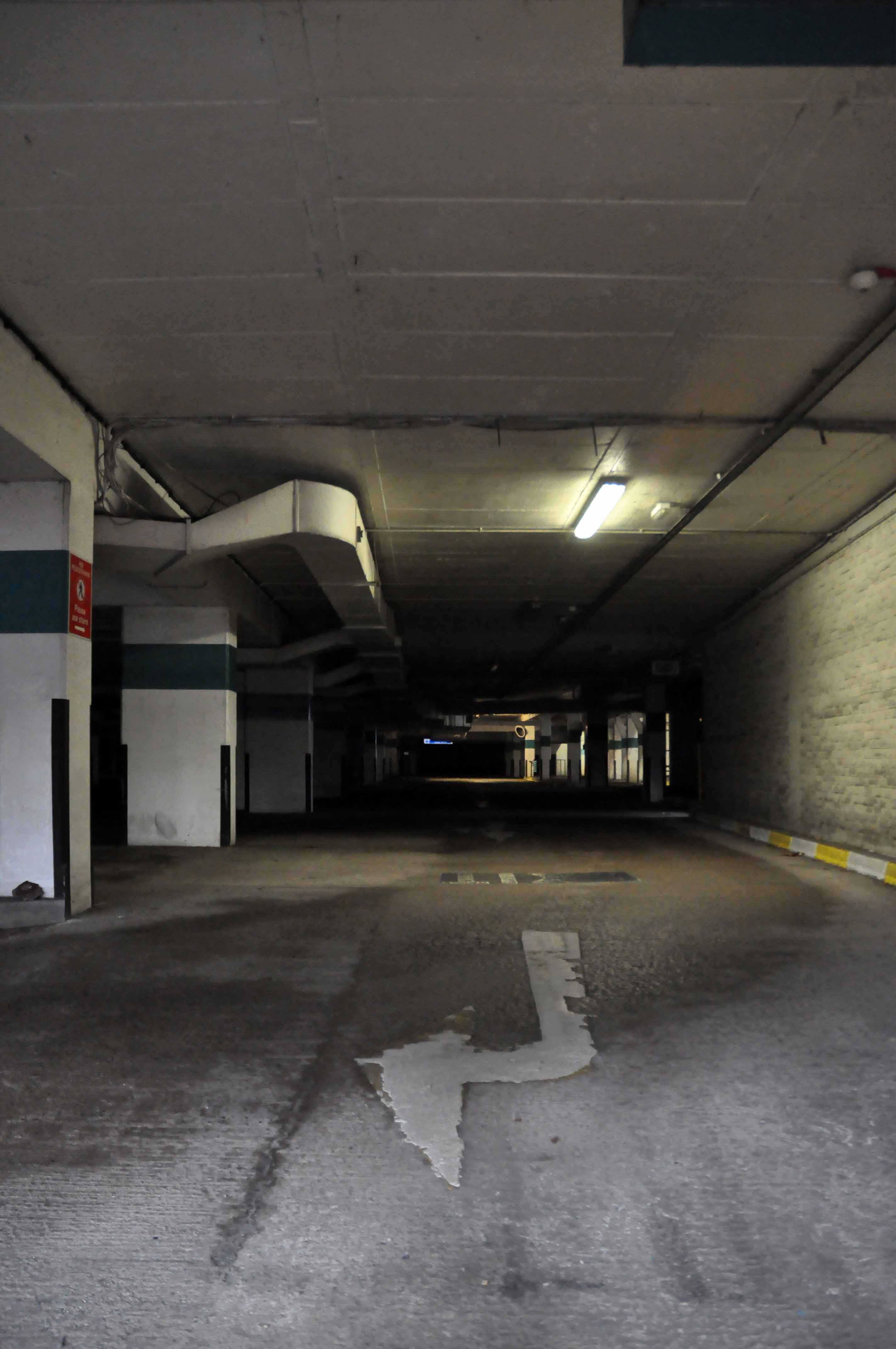
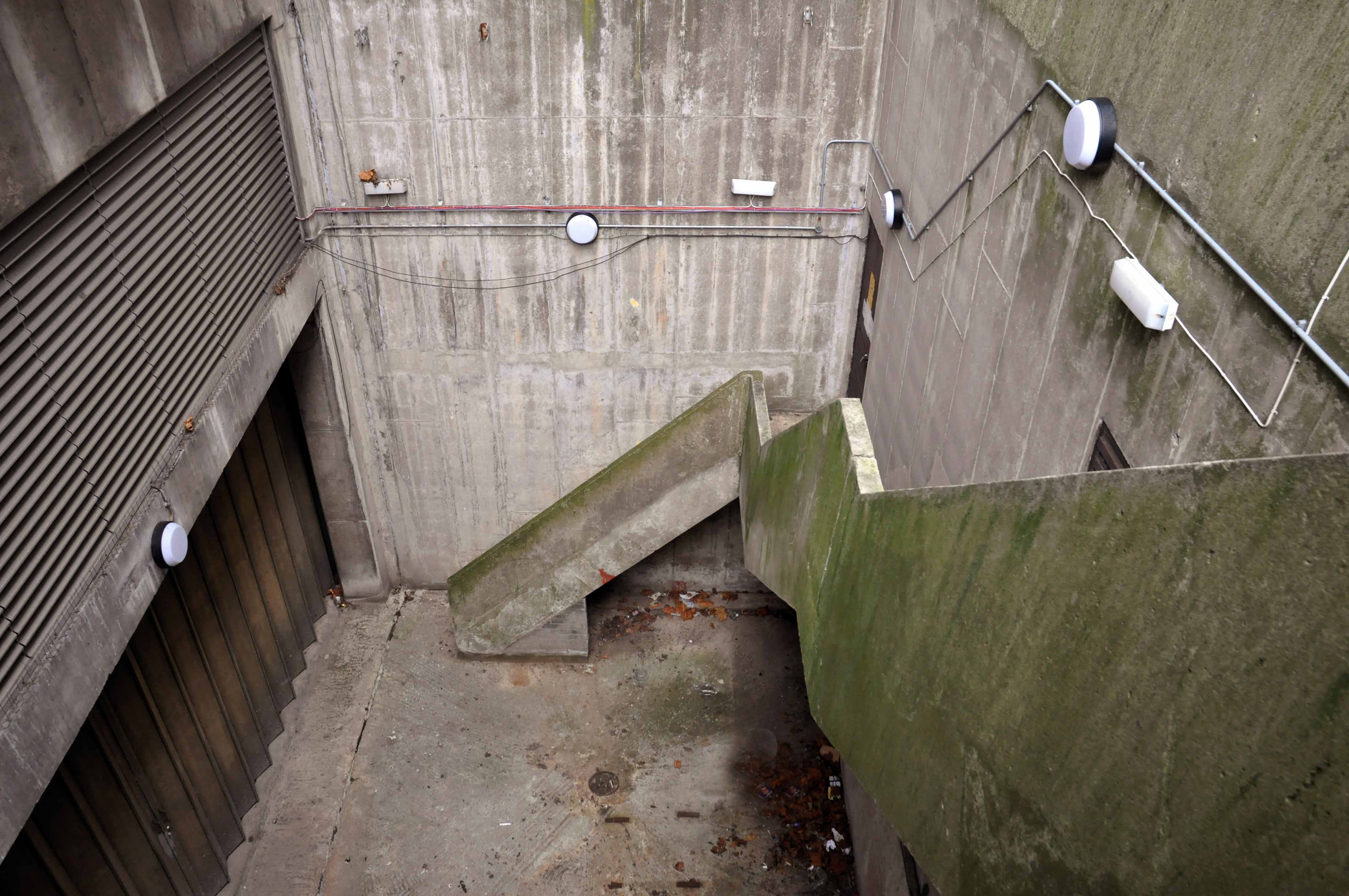
There are two levels of underground parking beneath the whole of the development. The piazza betwen the blocks was to have had a water cascde falling into a pond running the whole length of the area. Though exciting and expansive in the modern manner the piazza area, sadly, seems little used.

It needs a little love pop by and say hello sometime.

Covent Garden – Stockport

Walk up Hillgate from the centre of Stockport, pass the former Cobden’s, Gladstone, Peter Carlson Furniture, following a former coaching road of former lives, shops, pubs, clubs and factories. This was historically a vibrant area, a crazy mixed up mixed economy, getting by by any means.

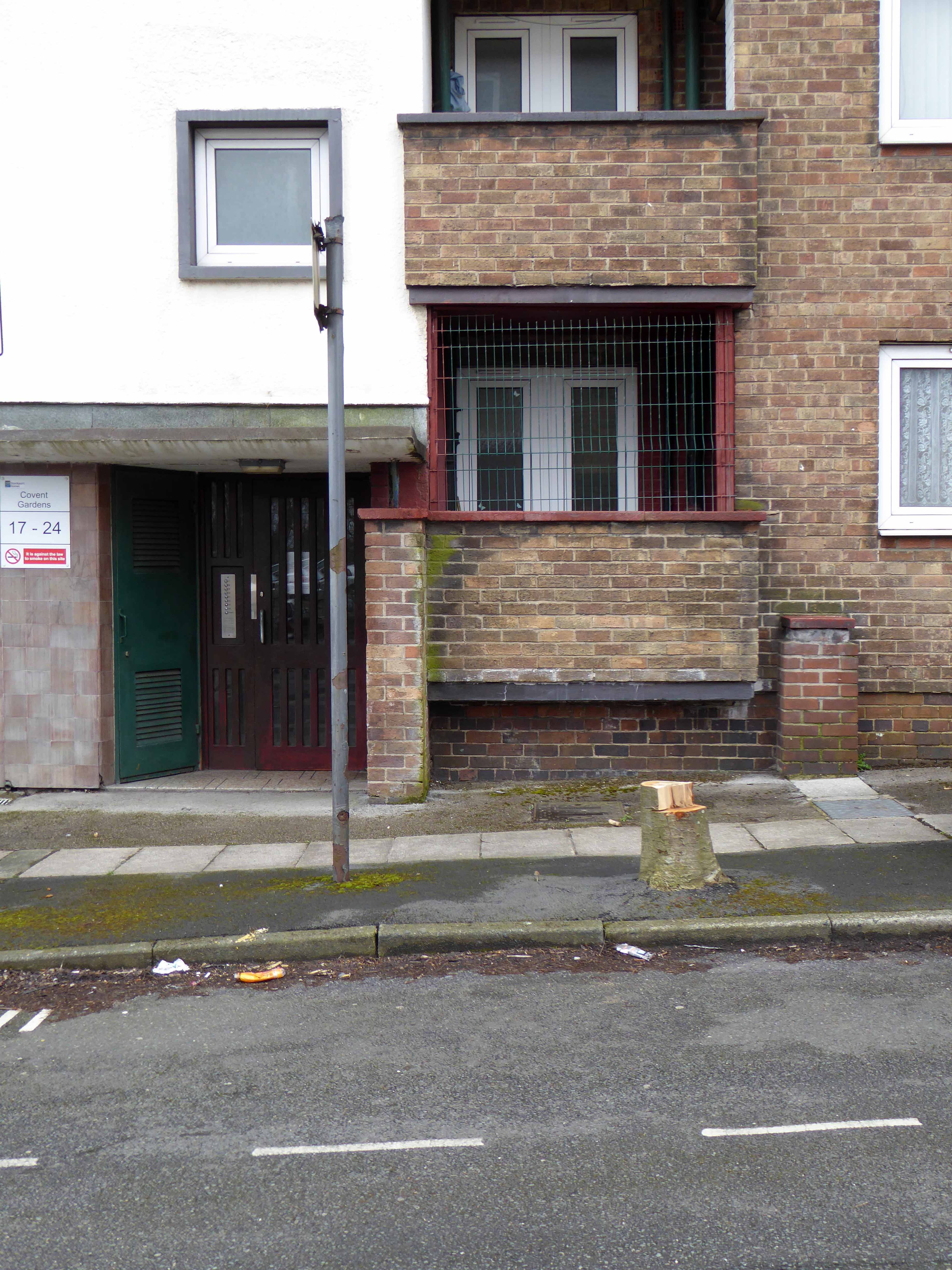
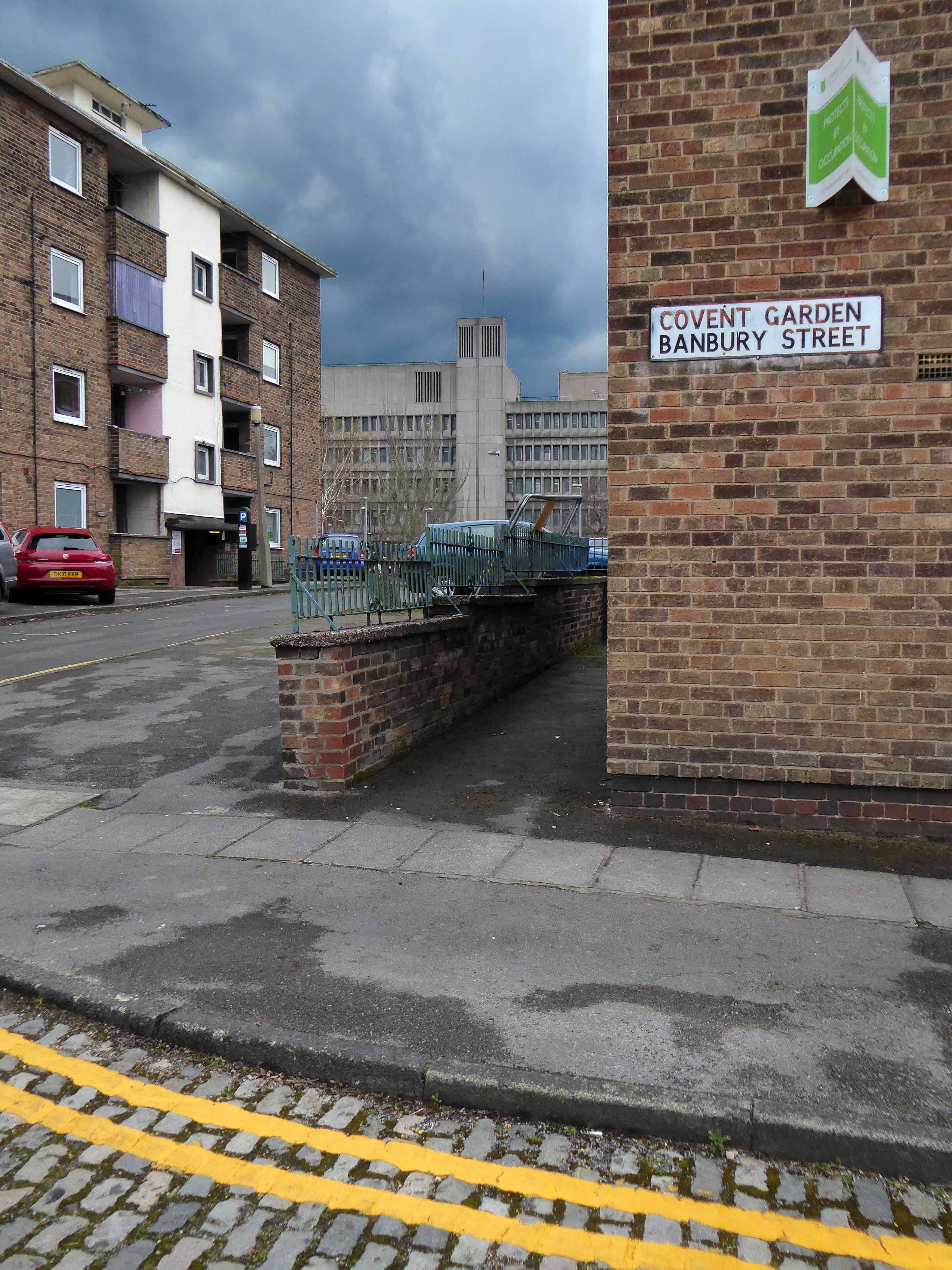
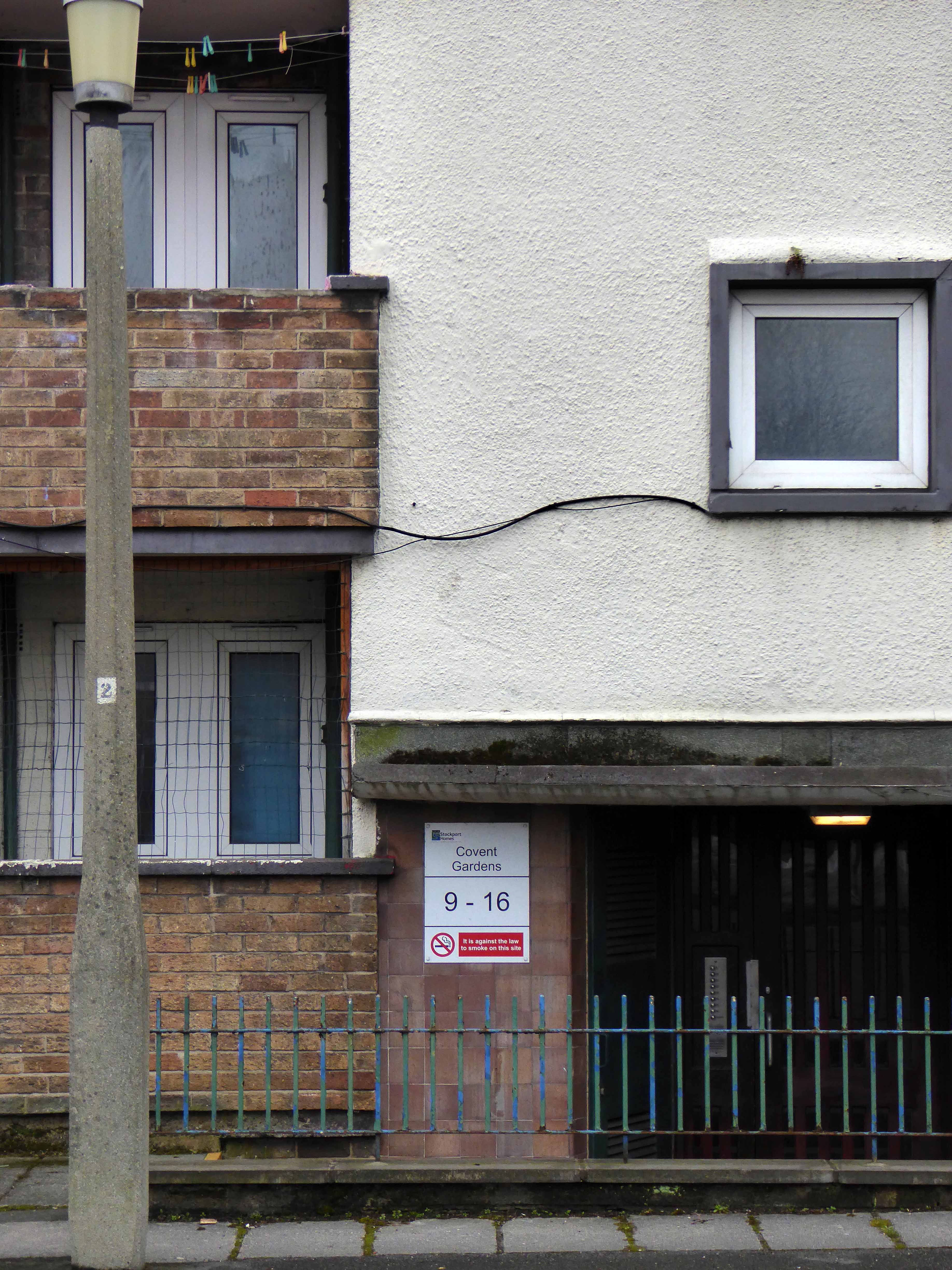
Walk a little further, to your right is a small plateau, it leads across to the civic area,  behind the Town Hall, it is known as Covent Garden.

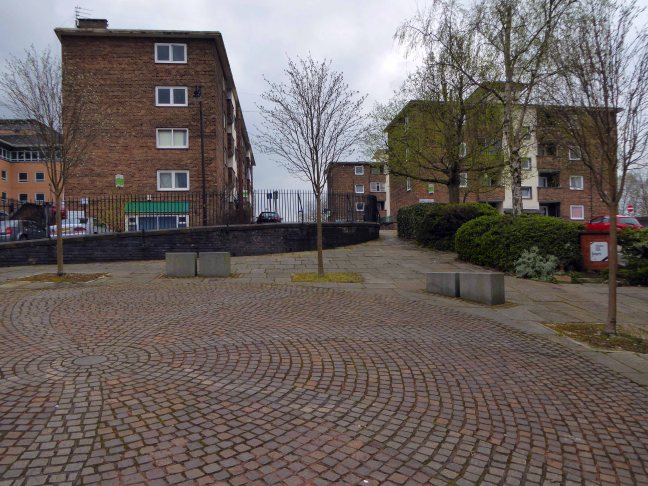
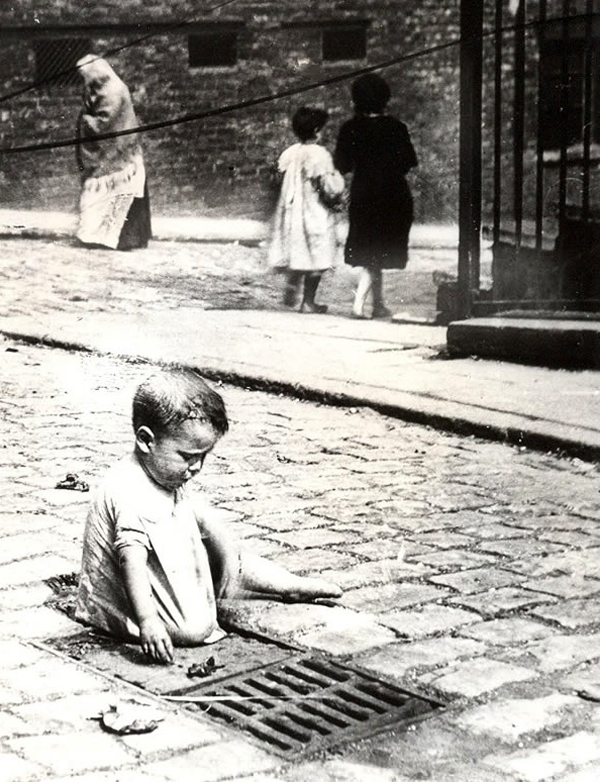
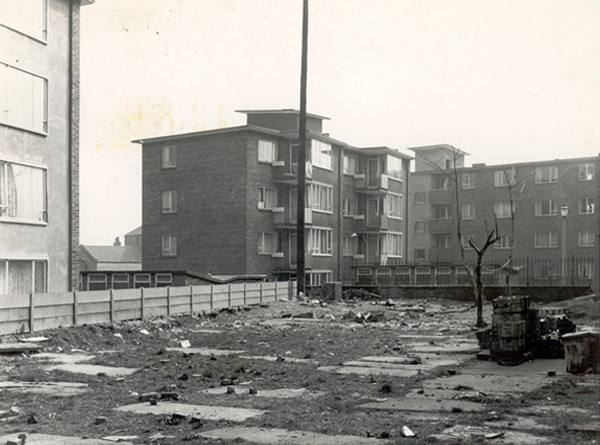
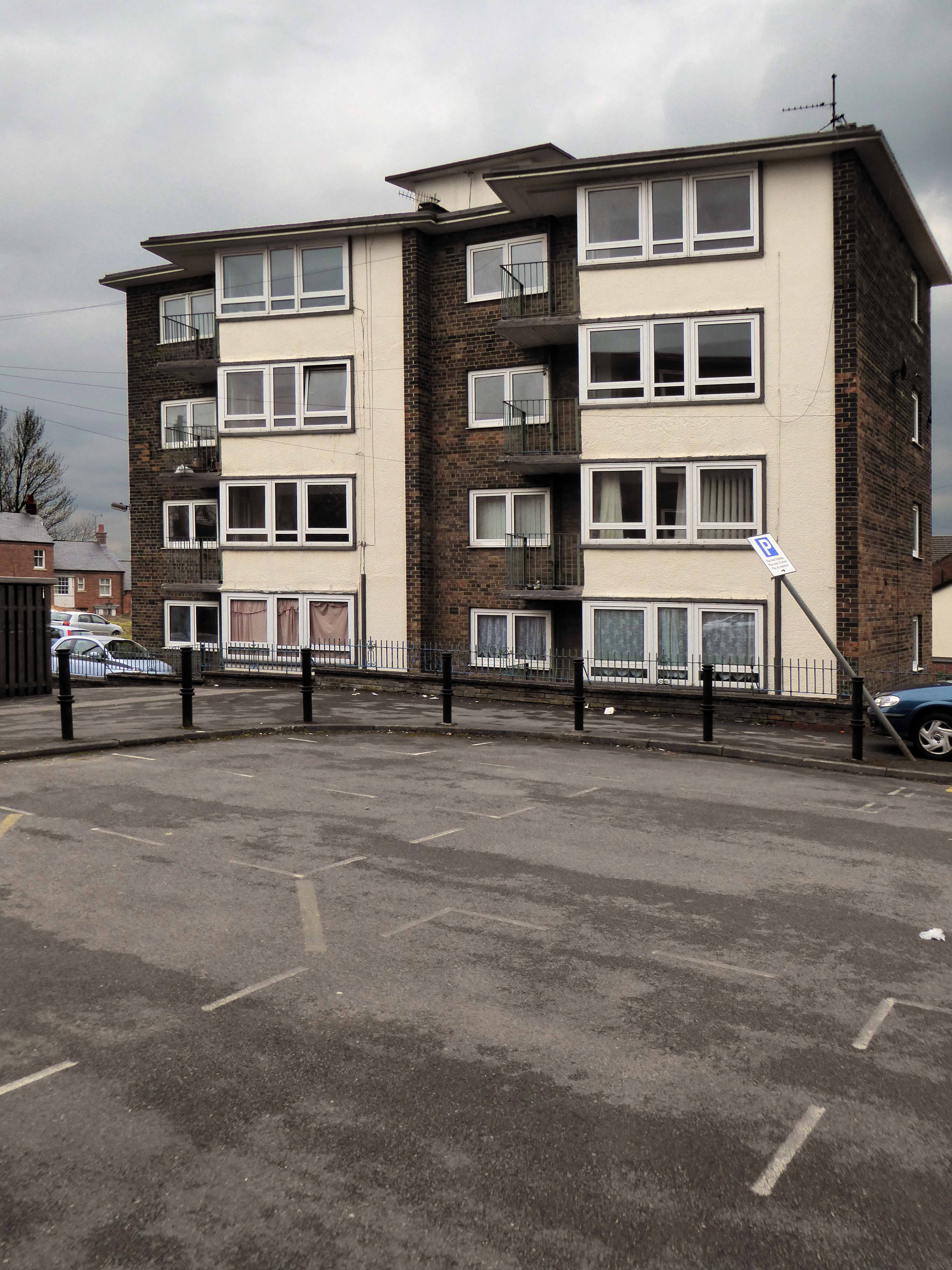
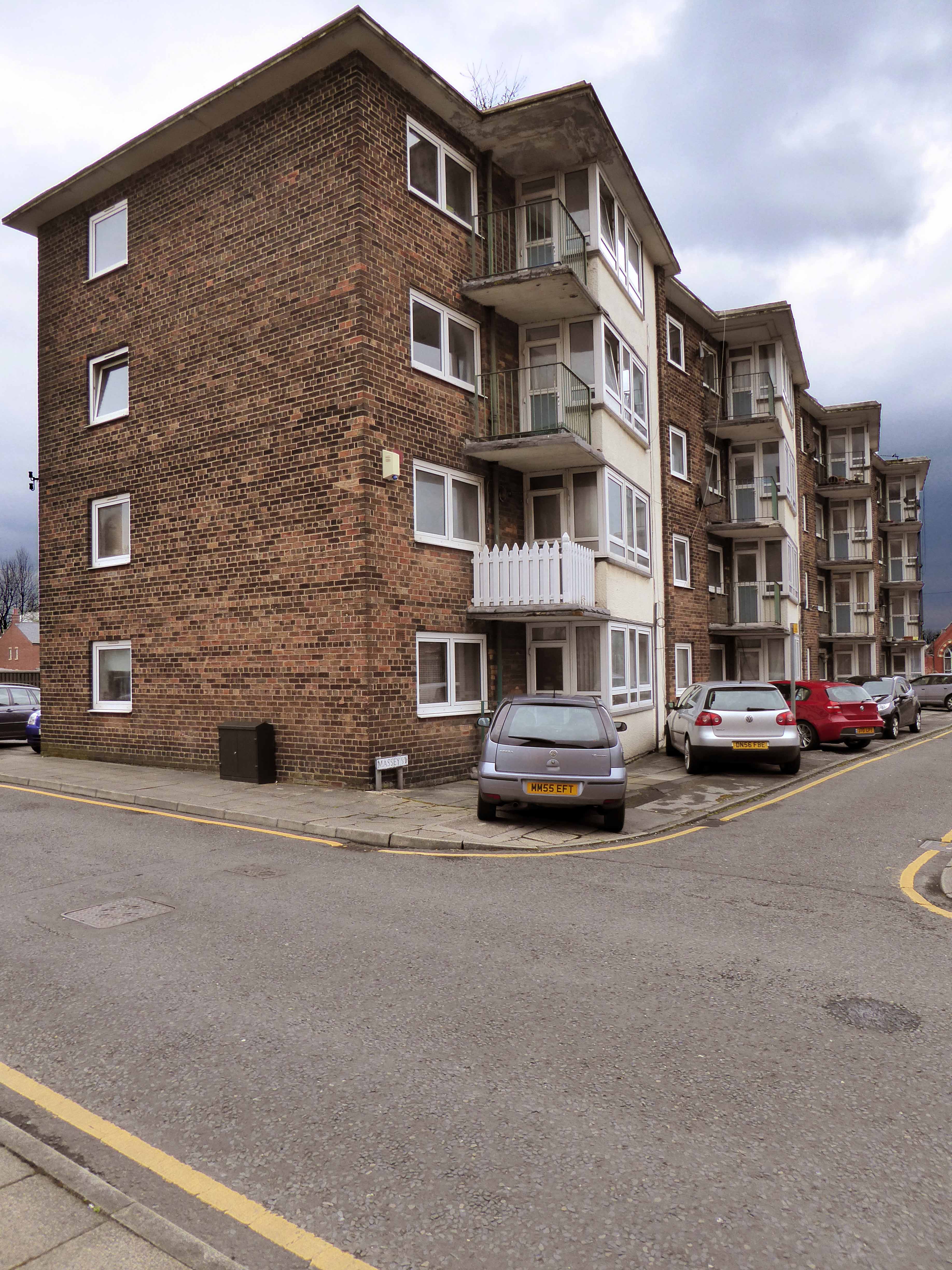
London Square, Massey Street and Banbury Street, once a cluster of terraced houses, never the wealthiest of areas, but typical of the town’s industrial past. The homes growing up around small pockets of industry – foundries, hat making and glove manufacture.

21430

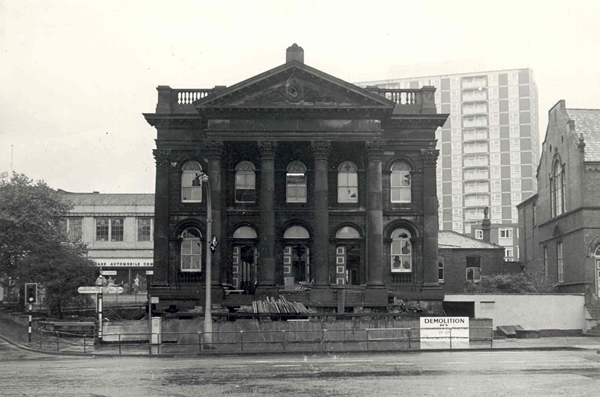
There was a graveyard there, belonging to the Mount Tabor Chapel, which was situated nearby on Wellington Road, a soot blackened, imperious classical facade.

1655

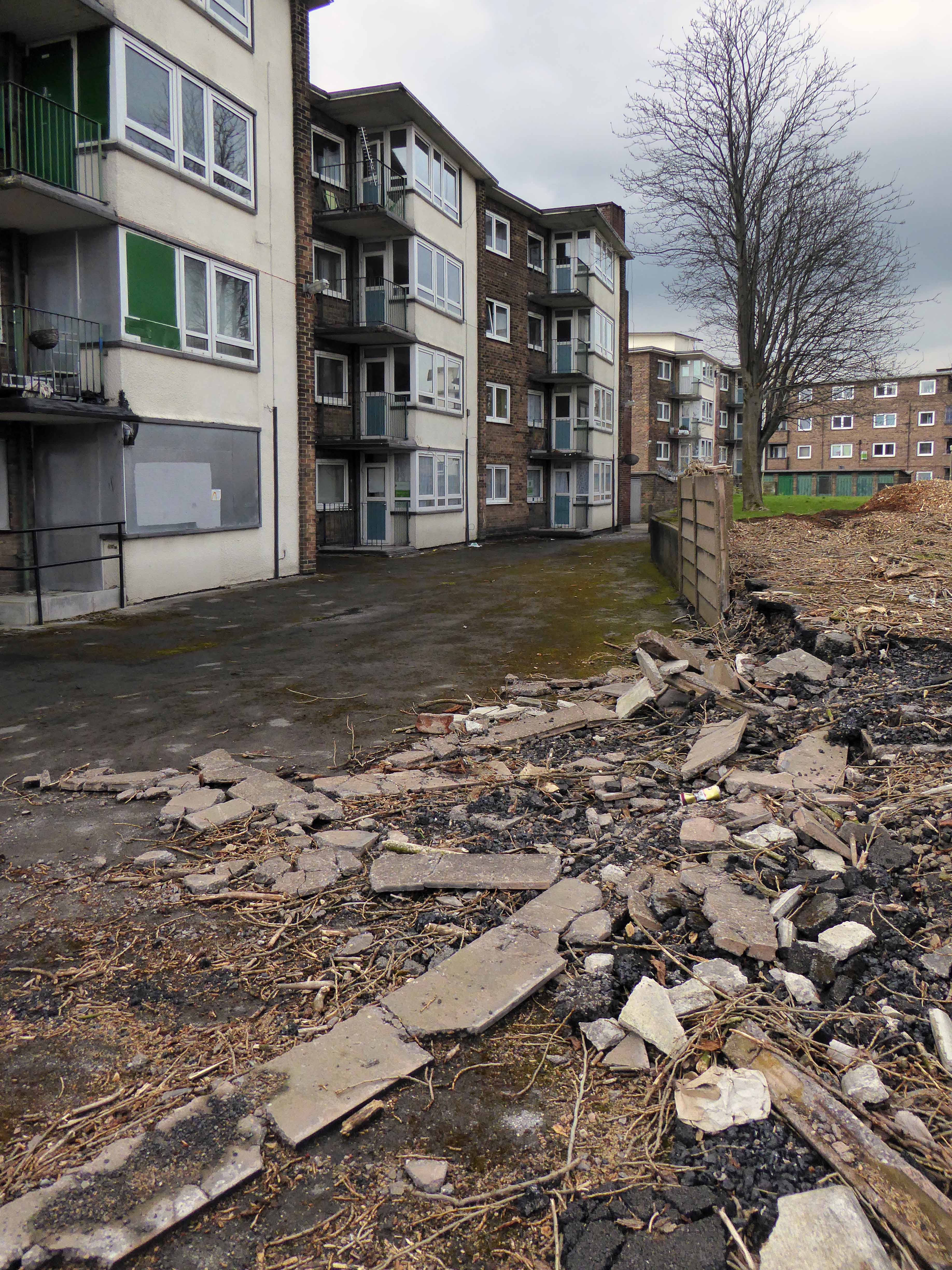
The chapel is no longer standing, and little remains of the graveyard, the foreground shows the site, soon to become a children’s playground for the new flats.

1644

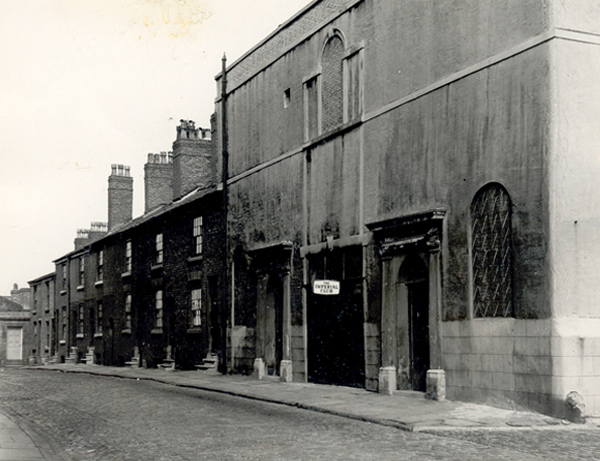
The Imperial Club survived into the 60s playing host to local beat groups, and a significant venue on the local soul scene.

1643

The streets no longer ring with the the ringing guitars of Johnny Darano and the Strollers

ad2

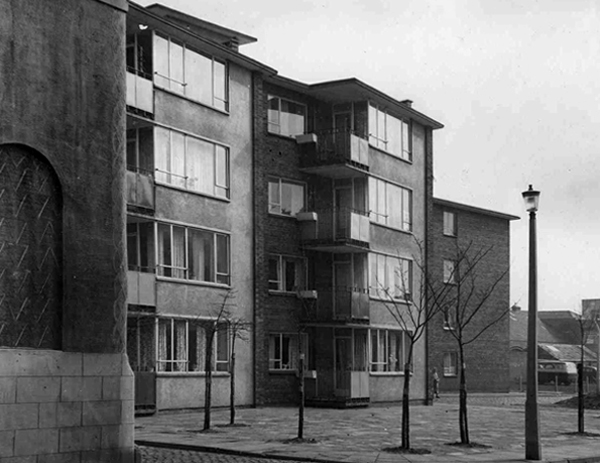
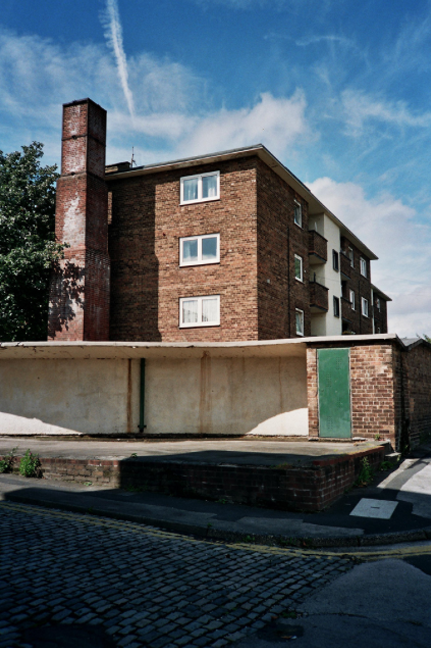
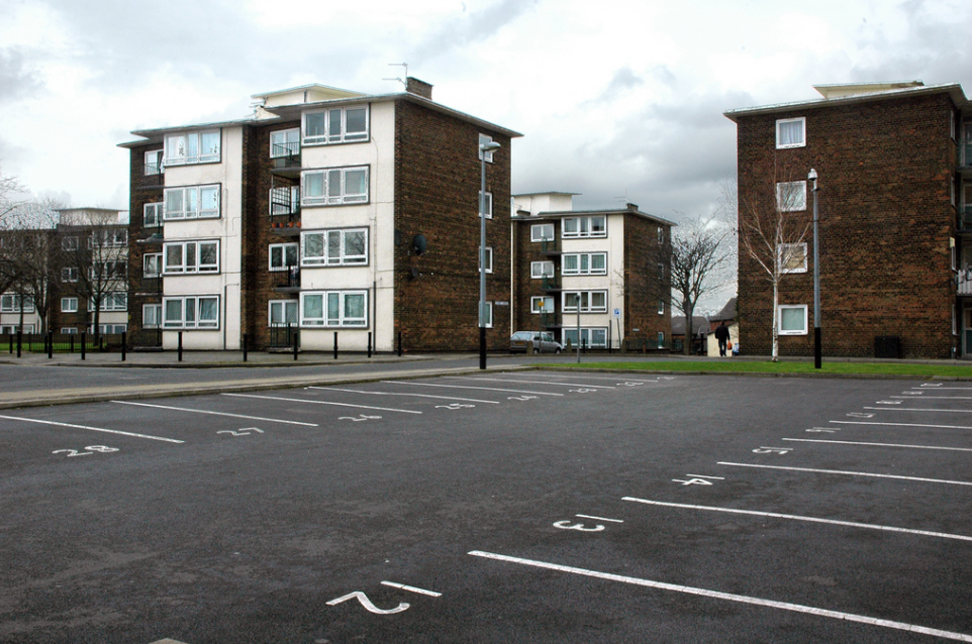
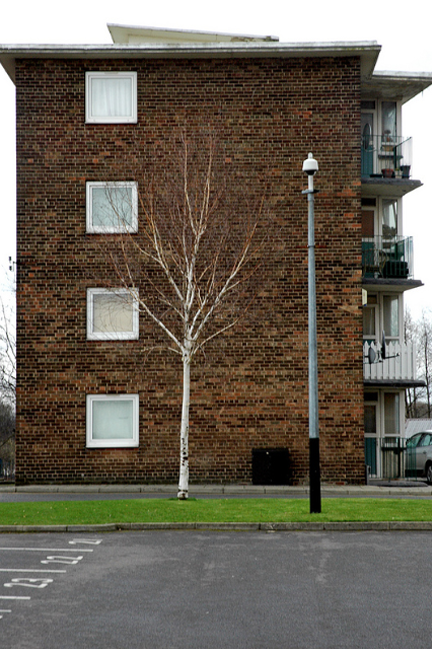
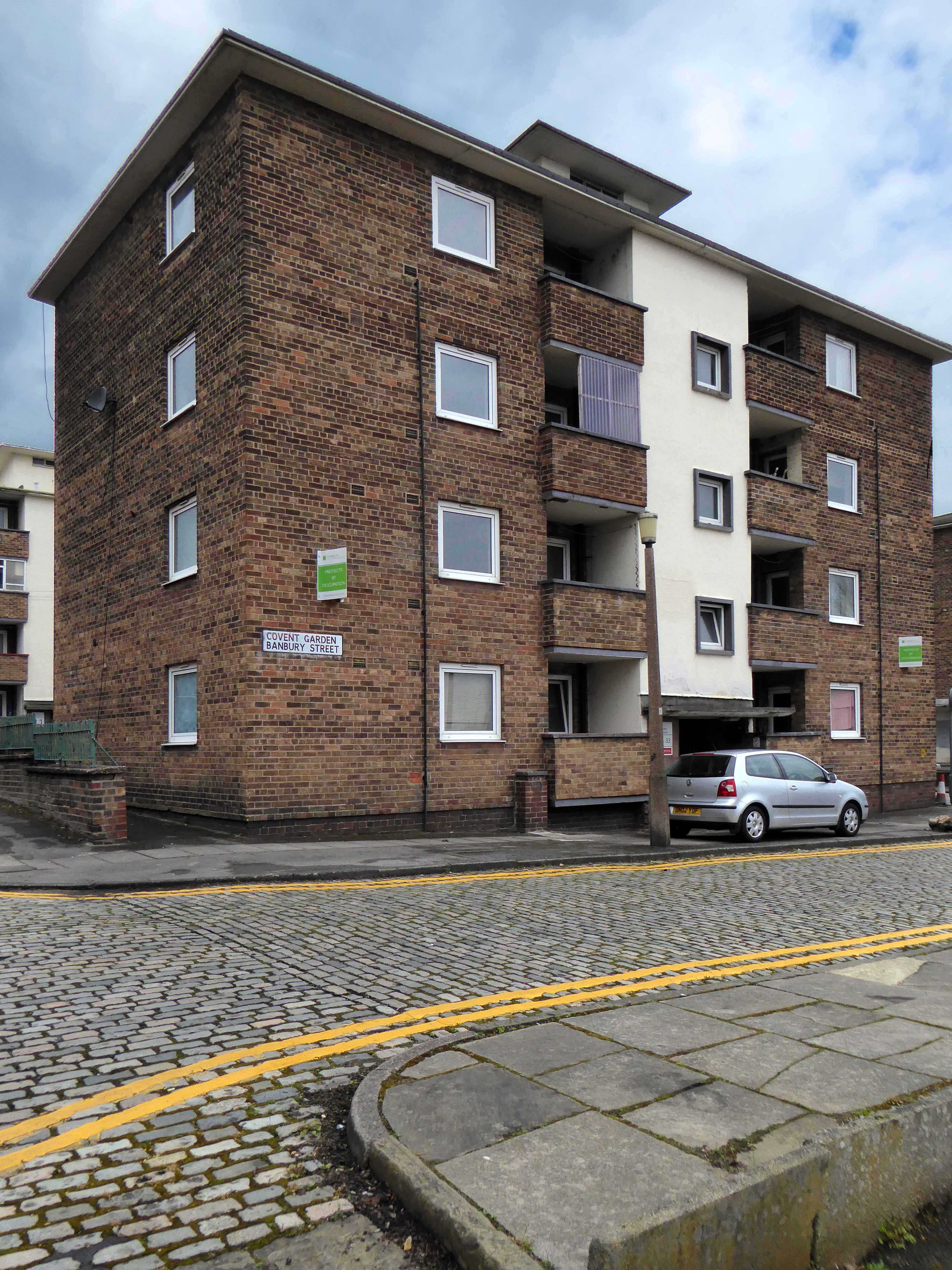
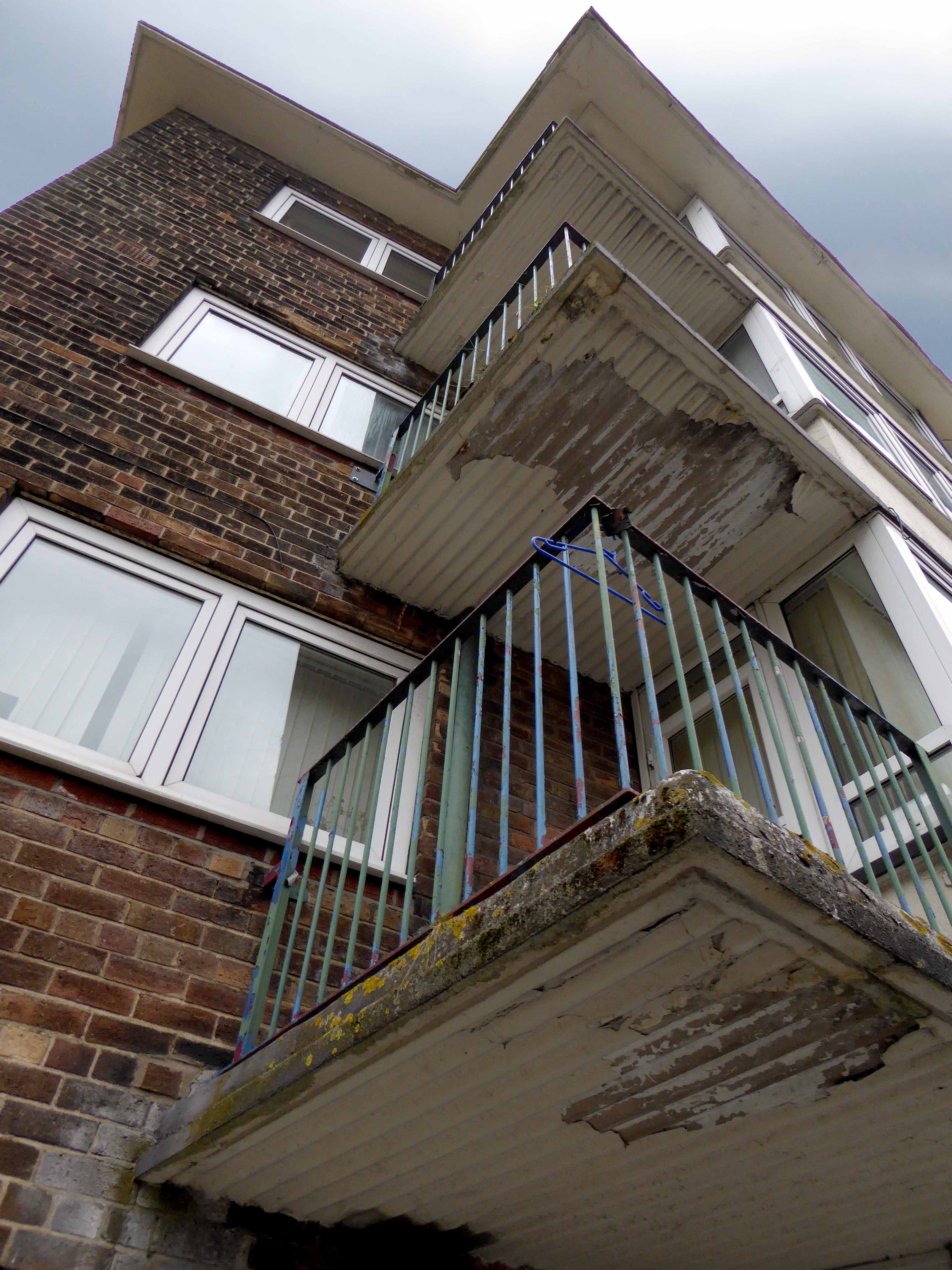
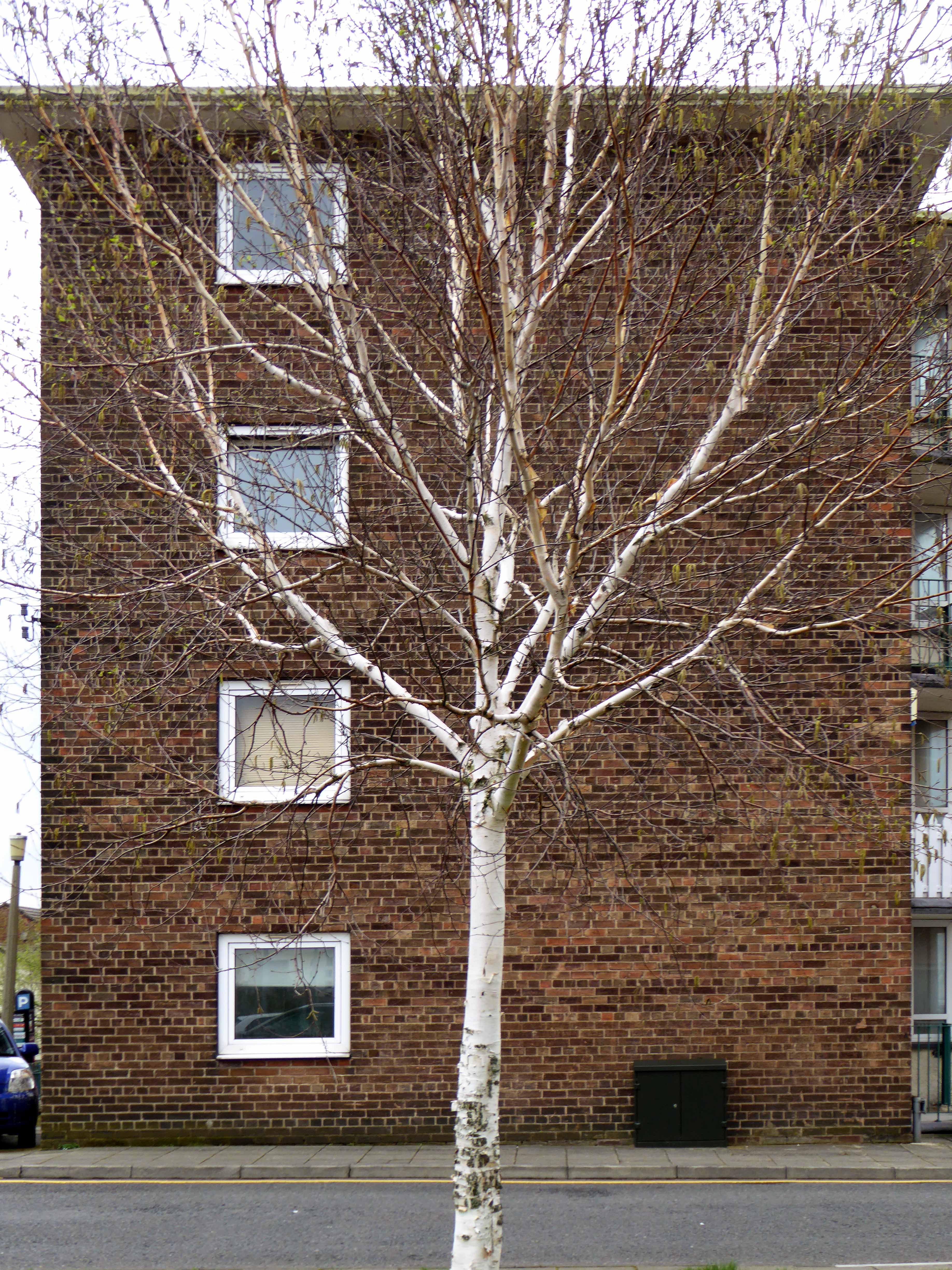
The Fairhurst designed flats were a breath of fresh air for the area, slim Crittall metal windows, concrete and brick structure, light and clean living for a new era. Social housing for a new era of social justice, postwar optimism written all over the facades.

Contrasting with the poorly built, stock brick, stolid terraces that they replaced, here was a little of the Modernist Movement for the masses.

1347

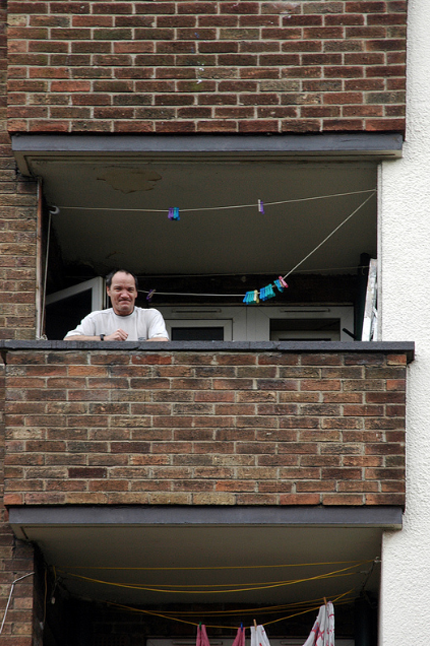
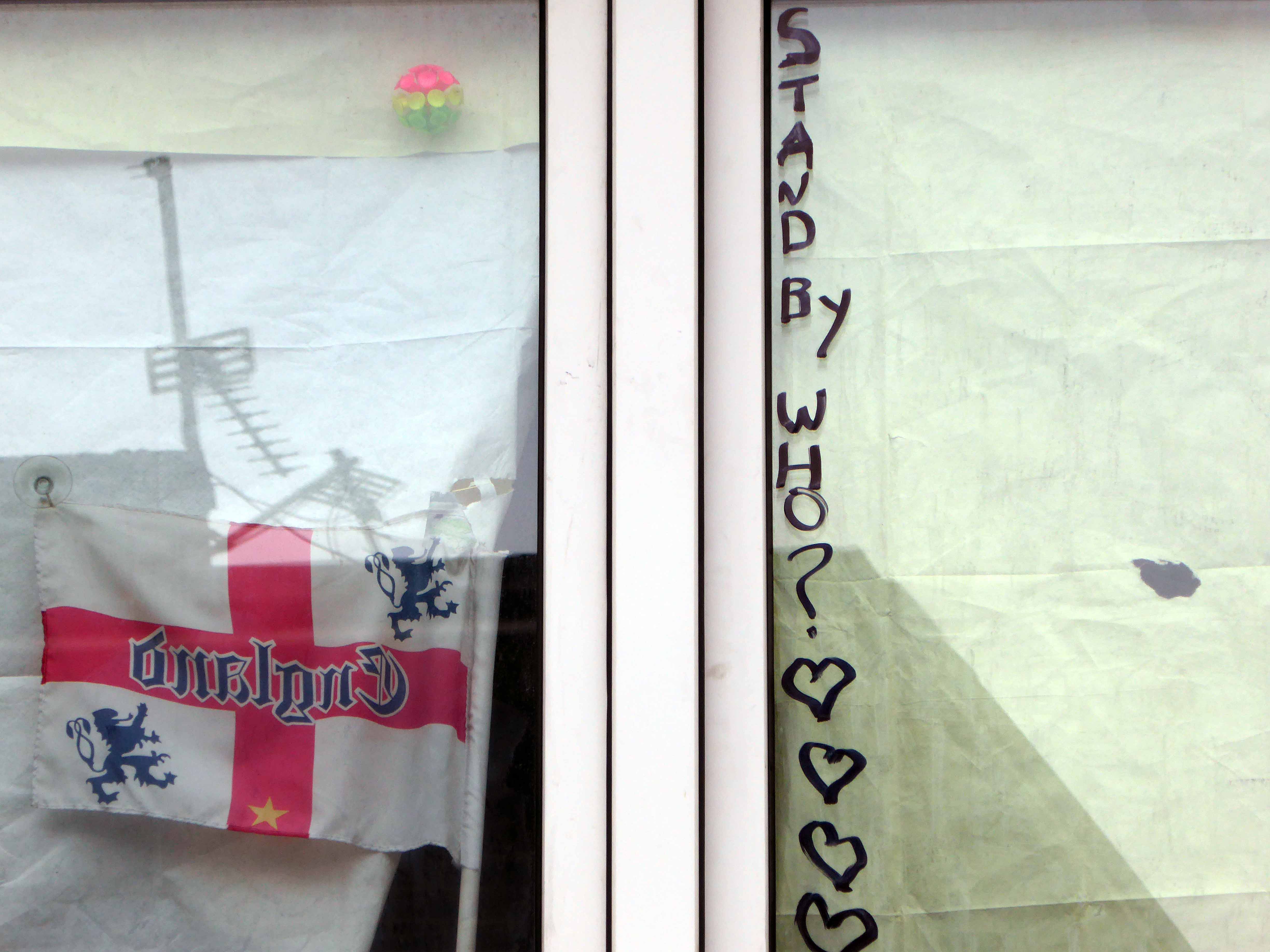
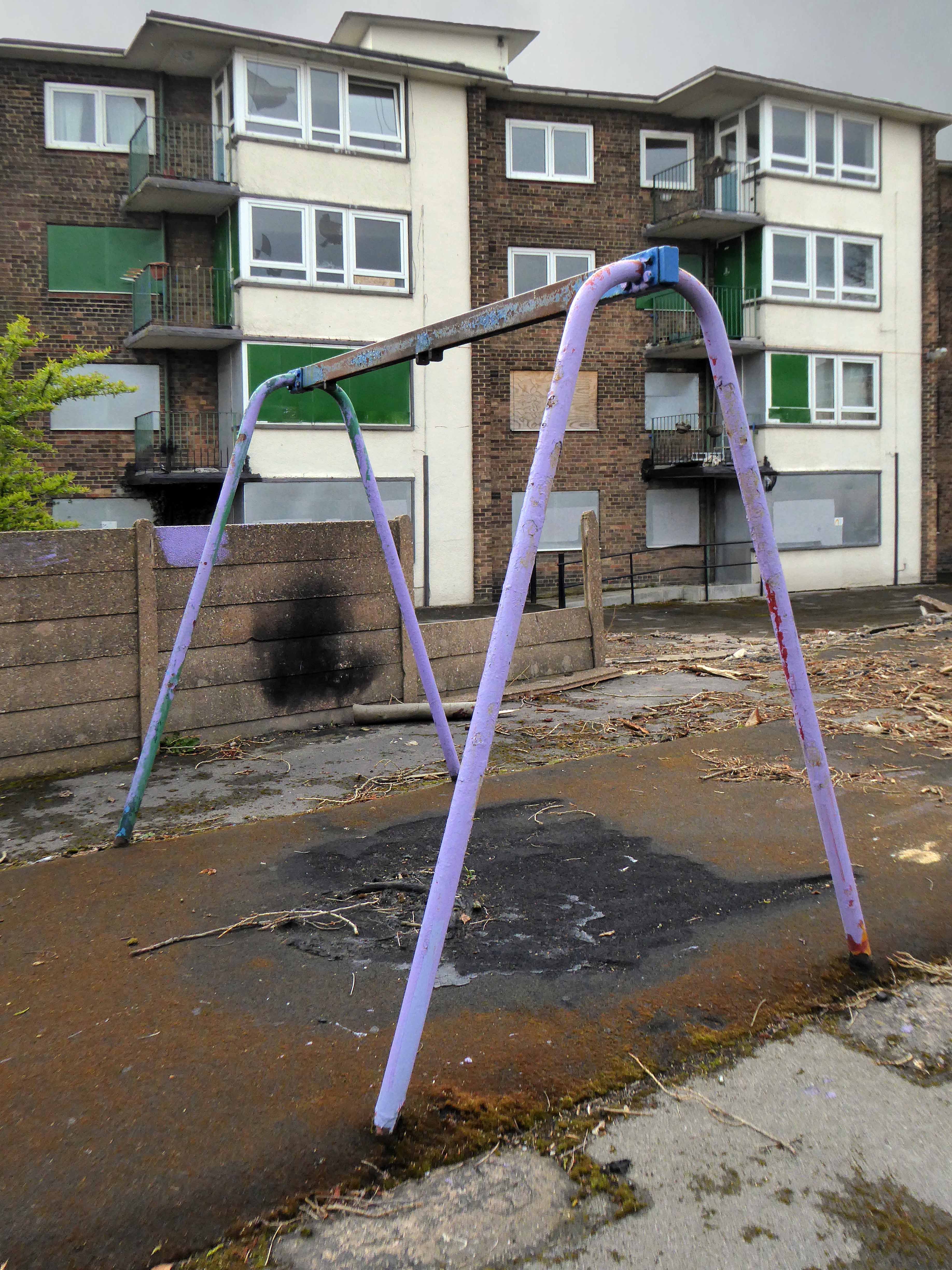
Some years ago when I first photographed the area, here were residents, happy to share their thoughts and feelings, at home in their homes. A settled community, whose homes were soon to be central to a masterplan, the very word sends shivers down you spine.

Screen Shot 2016-04-14 at 17.20.21

Screen Shot 2016-04-14 at 17.20.53

Screen Shot 2016-04-14 at 17.19.29

Screen Shot 2016-04-14 at 17.19.45


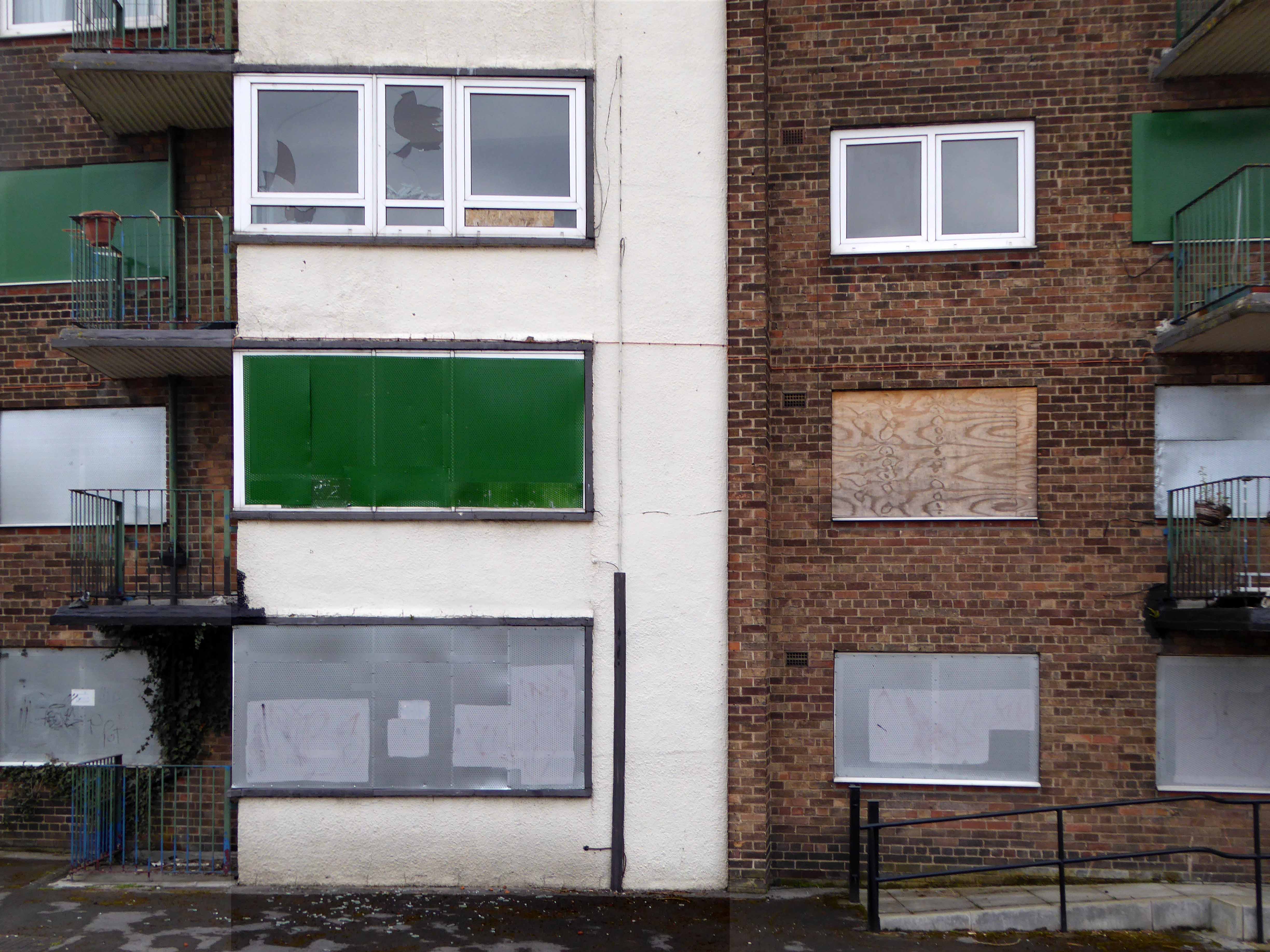
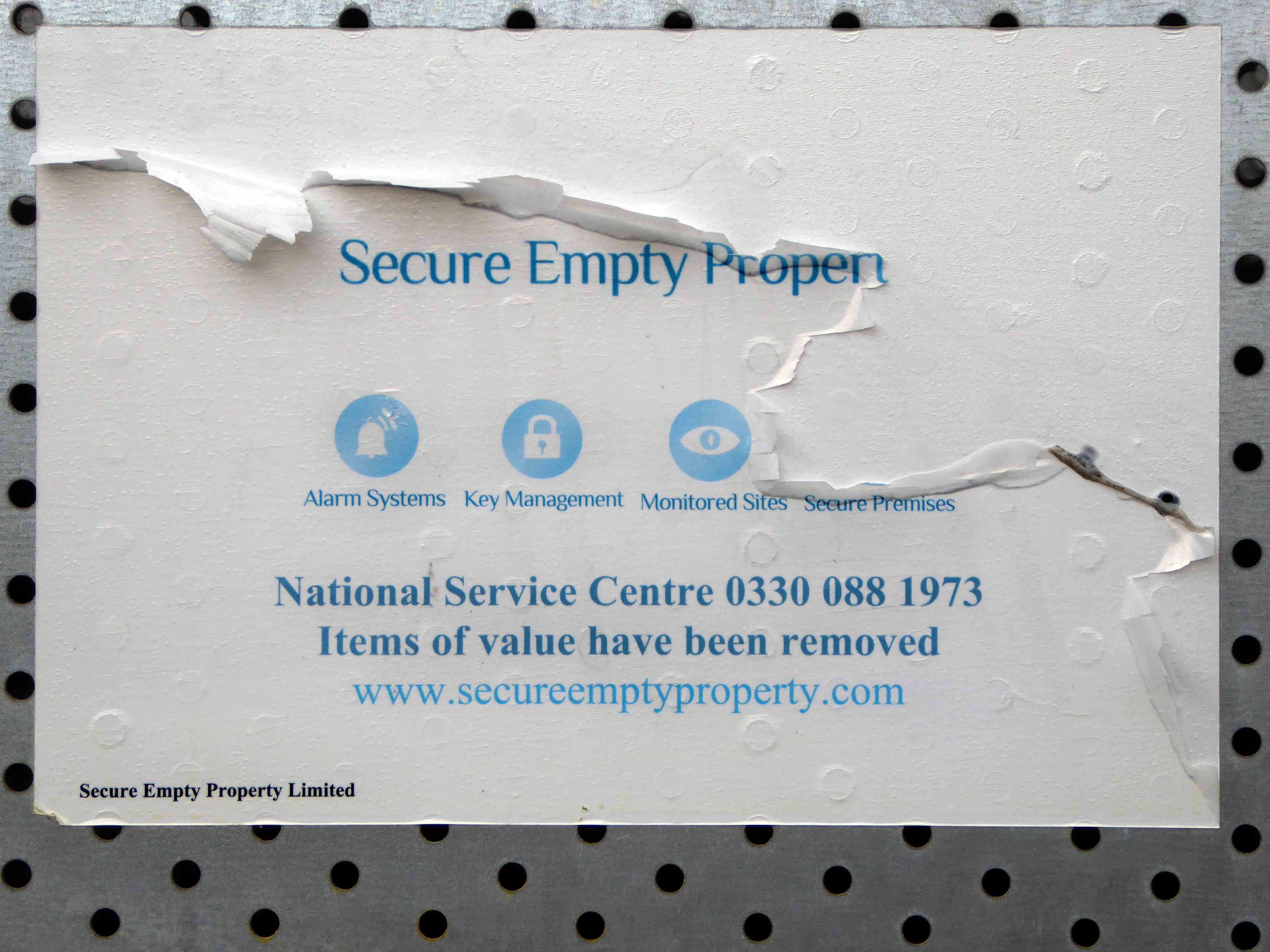
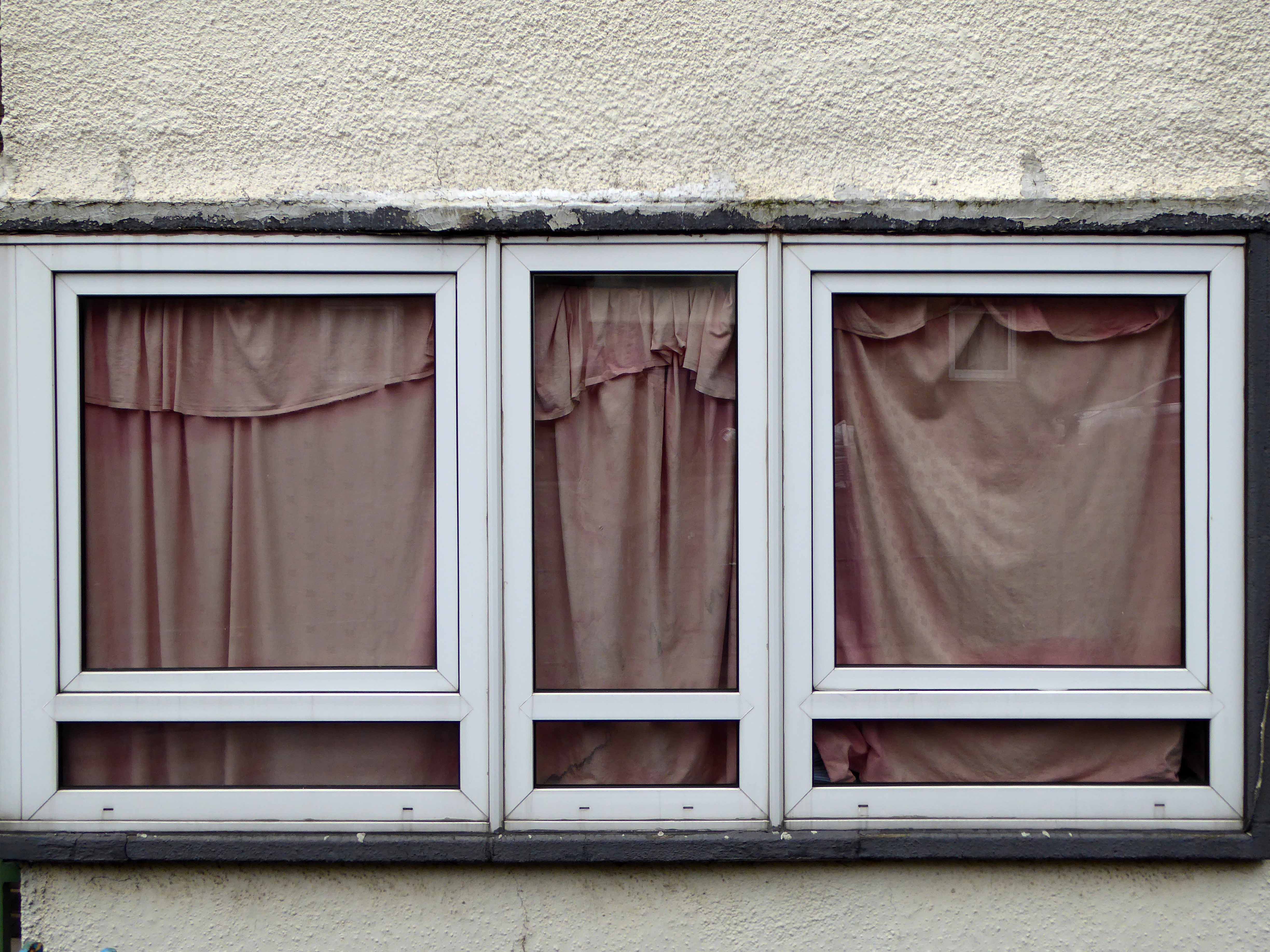
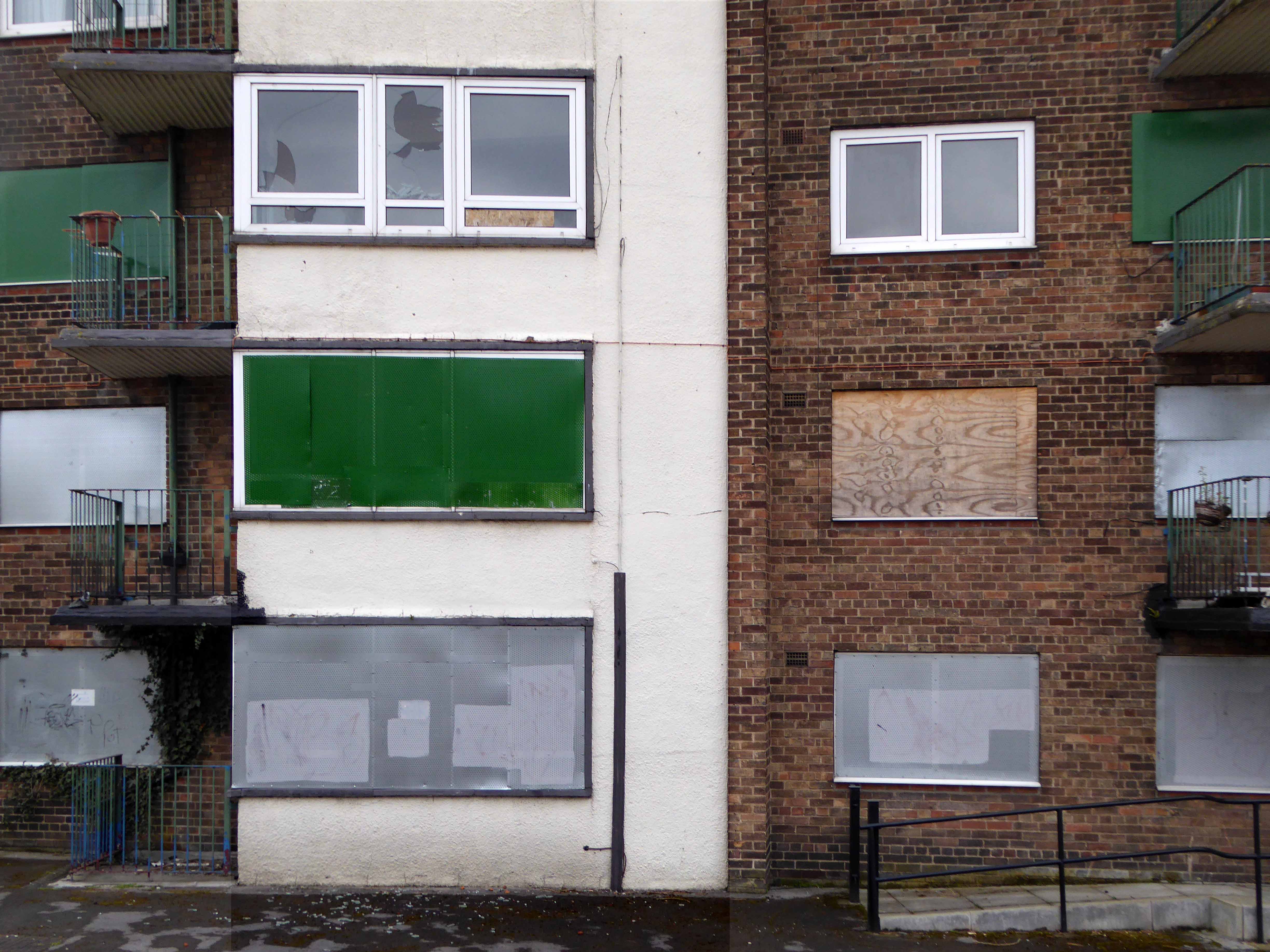
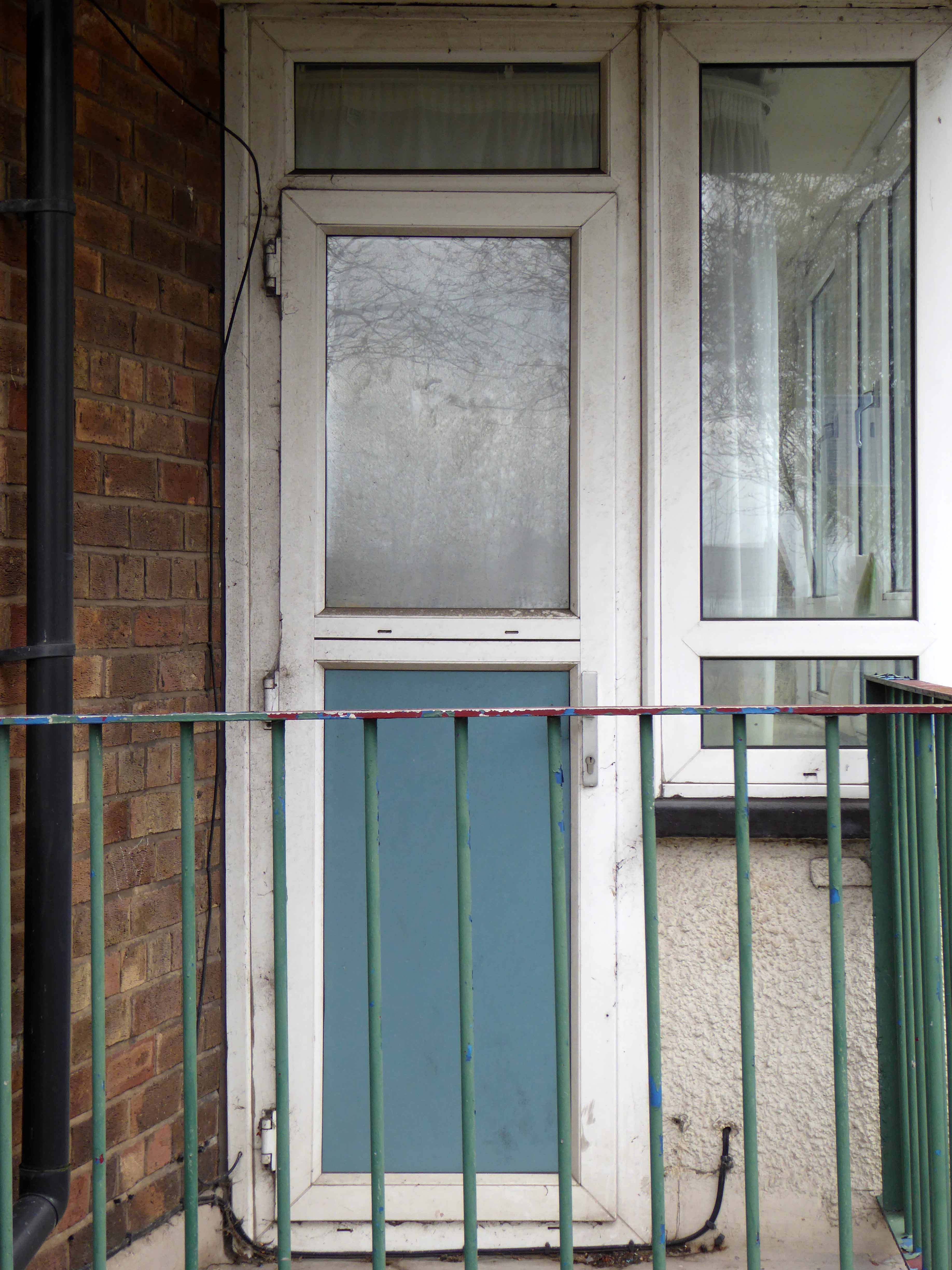
A redevelopment zone, around Hopes Carr and Covent Garden, saw the flats tinned up, prior to demolition. Homes, though clearly fit for purpose standing empty.
P1030585 copy

Several years on, and they are still standing empty.
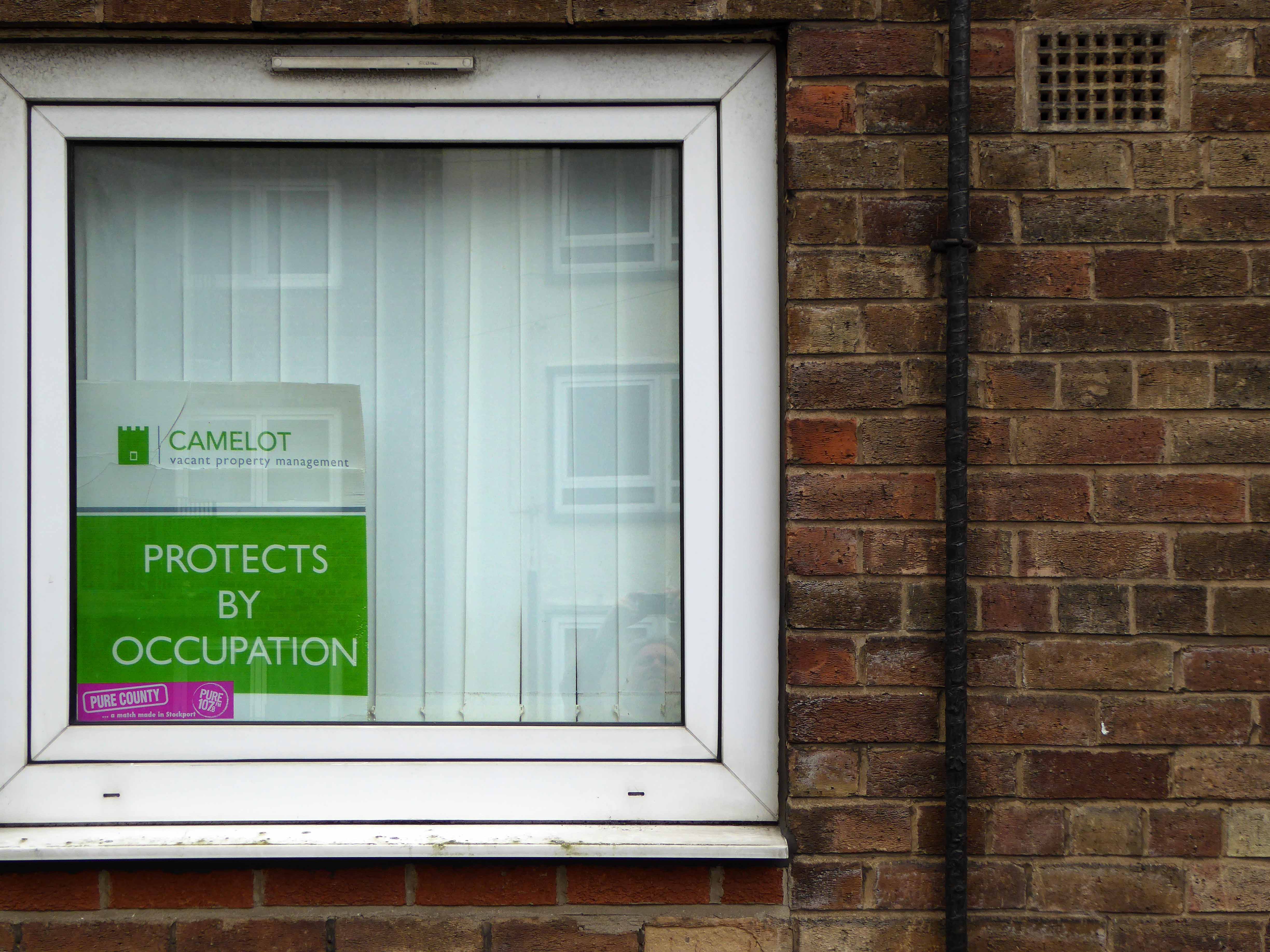
Save for a handful of protection by occupation tenants, living in a Camelot empty property.

“Our people combine entrepreneurial spirit and a deep understanding of specialist vacant property management with the highest standards of client care. Innovative internationally and well-known locally, Camelot design made-to-measure advice for you.”

“Camelot, located no where in particular, can be anywhere”

A pay to enter theme park with a limited future.

P1030563 copy

P1030587 copy

And so heartbreak at Impasse Pass, another stalled urban redevelopment, awaiting capital in a public private partnership.

Until the next time.

Walk a little further, take a peek, blink and it all may have disappeared.

P1030554 copy

P1030558 copy

P1030553 copy

P1030552 copy

P1030565 copy

P1030567 copy

P1030586 copy

P1030569 copy

P1030556 copy

P1030562 copy

P1030573 copy

P1030571 copy

P1030590 copy

P1030564 copy

P1030585 copy

P1030566 copy

P1030557 copy

P1030570 copy

P1030584 copy

P1030596 copy

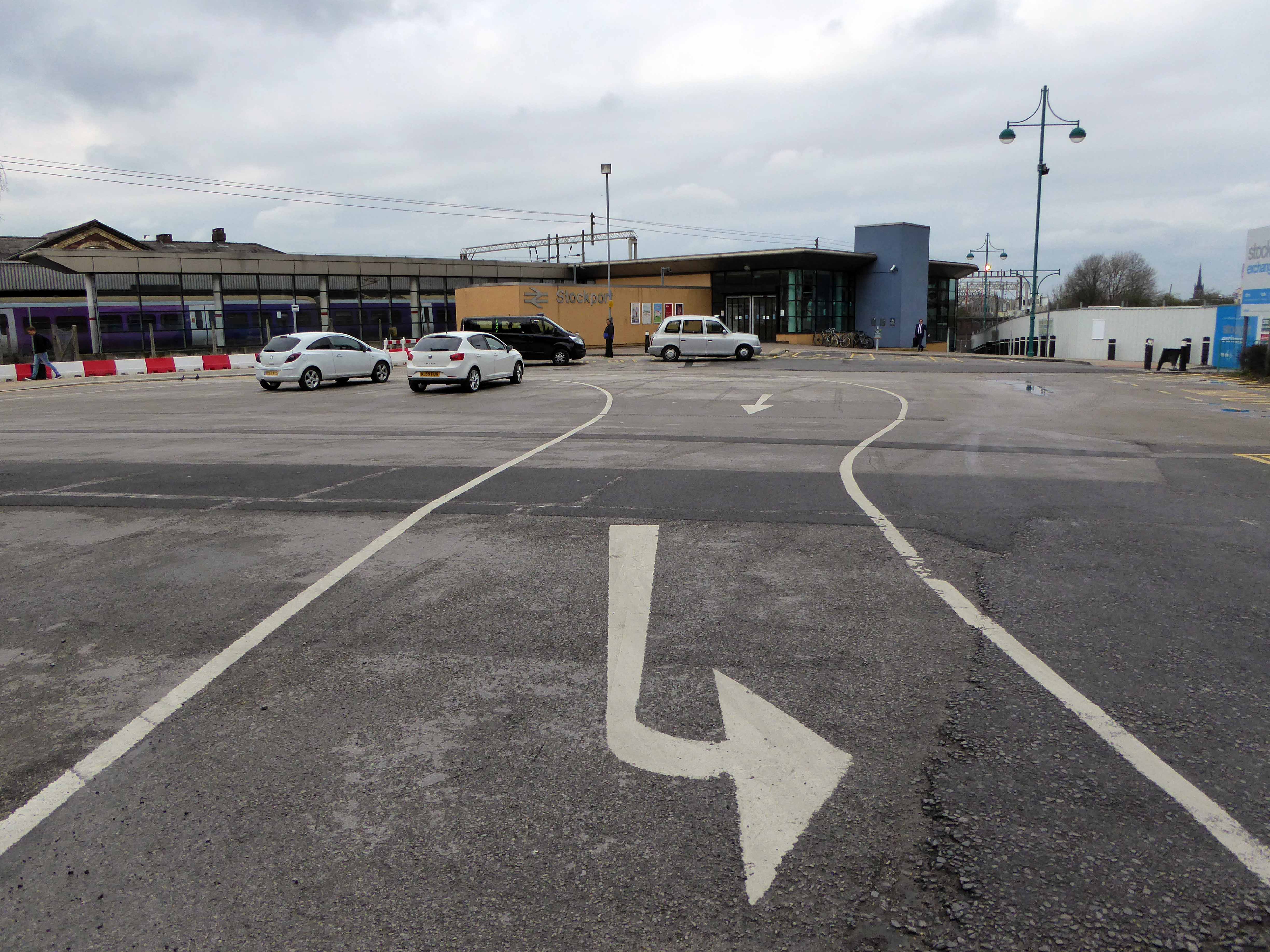
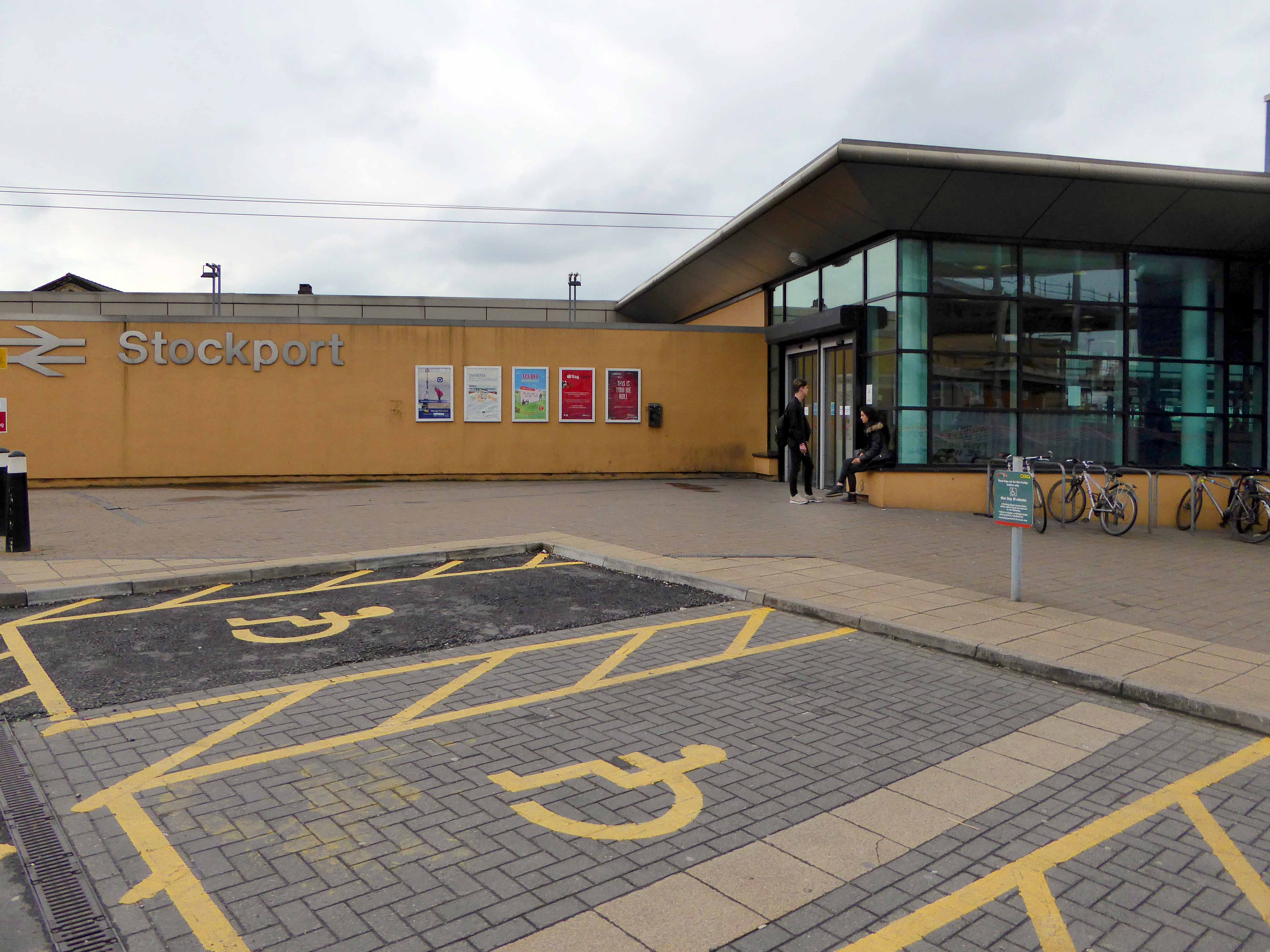
Stockport – Grand Central

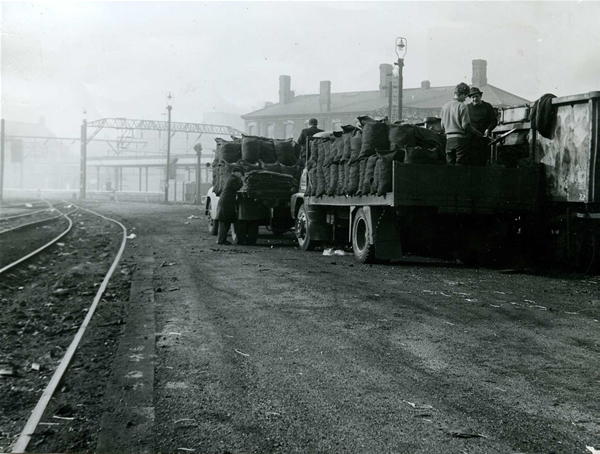
From coal drops to tear drops.

By Grand Central/Station I sat down and wept.

There’ll be no tear drops tonight.

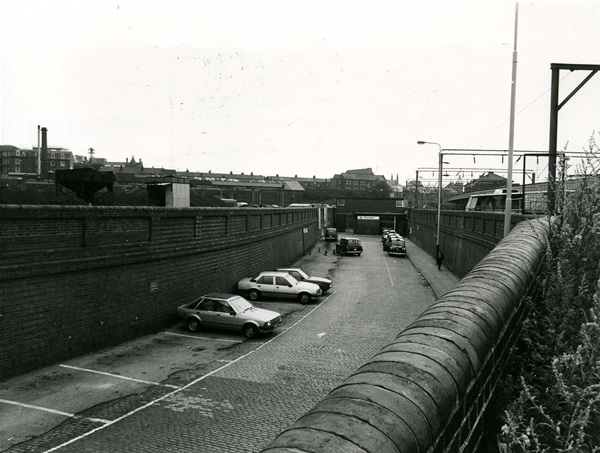
The site was at the heart of industrial Stockport for a hundred and fifty years.

Goods in goods out, day in day out.

1921

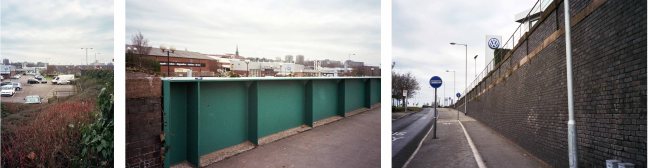
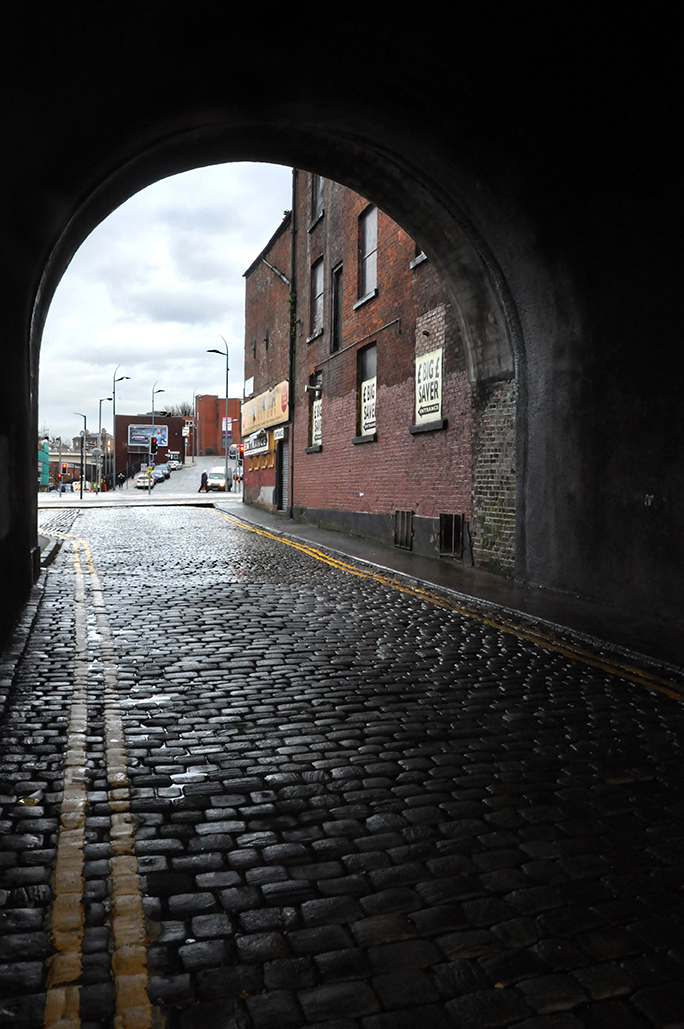
A town and time driven by coal and steam, as a first date with Stockport it was never a love at first sight site, two narrow cobbled access roads, lined with tall blue engineers’ brick walls, arching towards two narrow entrances.

18315

This along with the rest of the area, was a working area, hanging on to the edge of the Mersey Valley, housing and industry cheek by jowl, in one grimy fug.

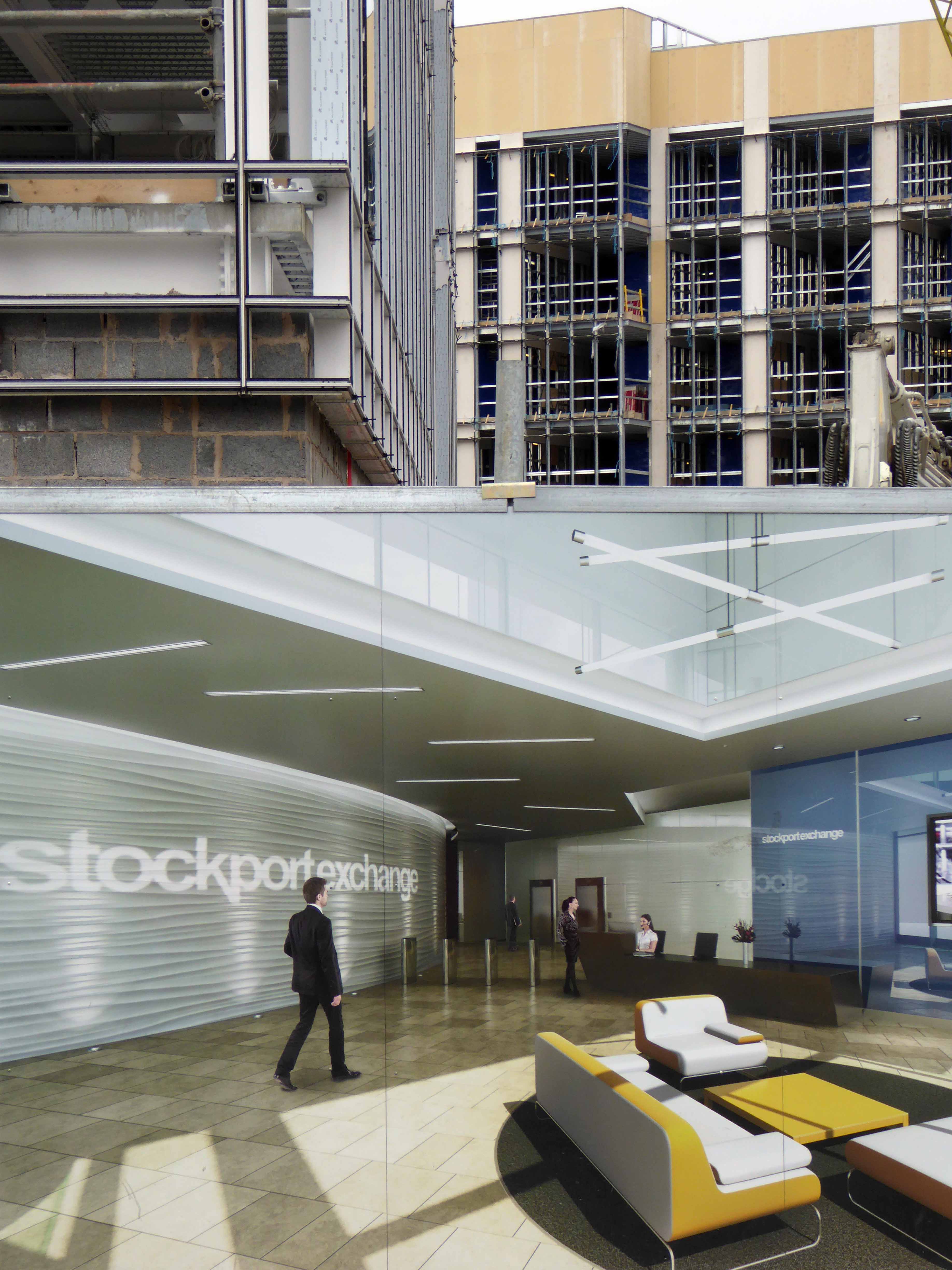
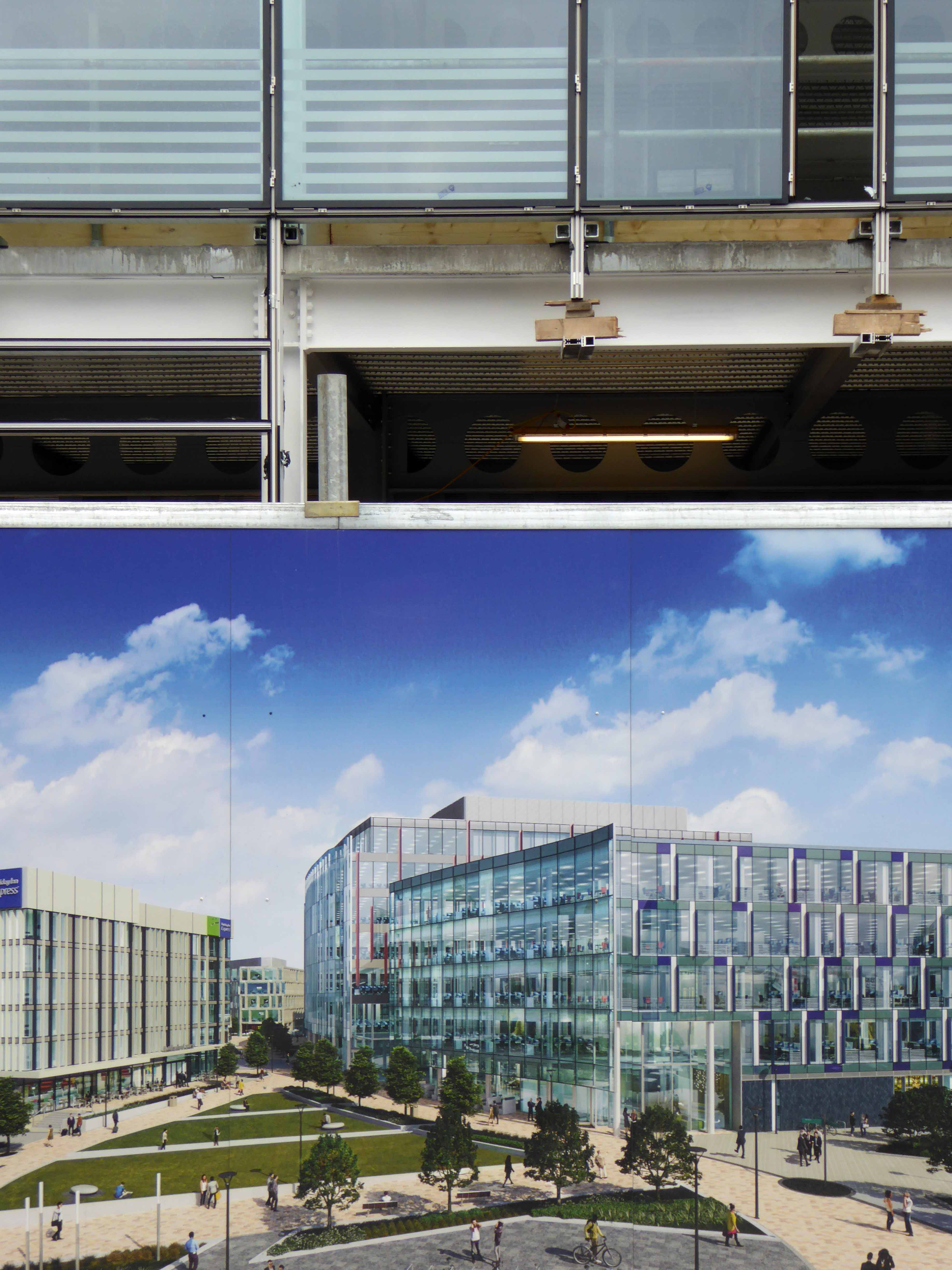
Time changes everything, by 1990 the site had been cleared and work commenced on a brand new shiny retail, leisure and entertainment complex. The nation had shifted wholesale from manufacturing to carousing.

The clatter of clogs replaced by the squeak of Adidas.

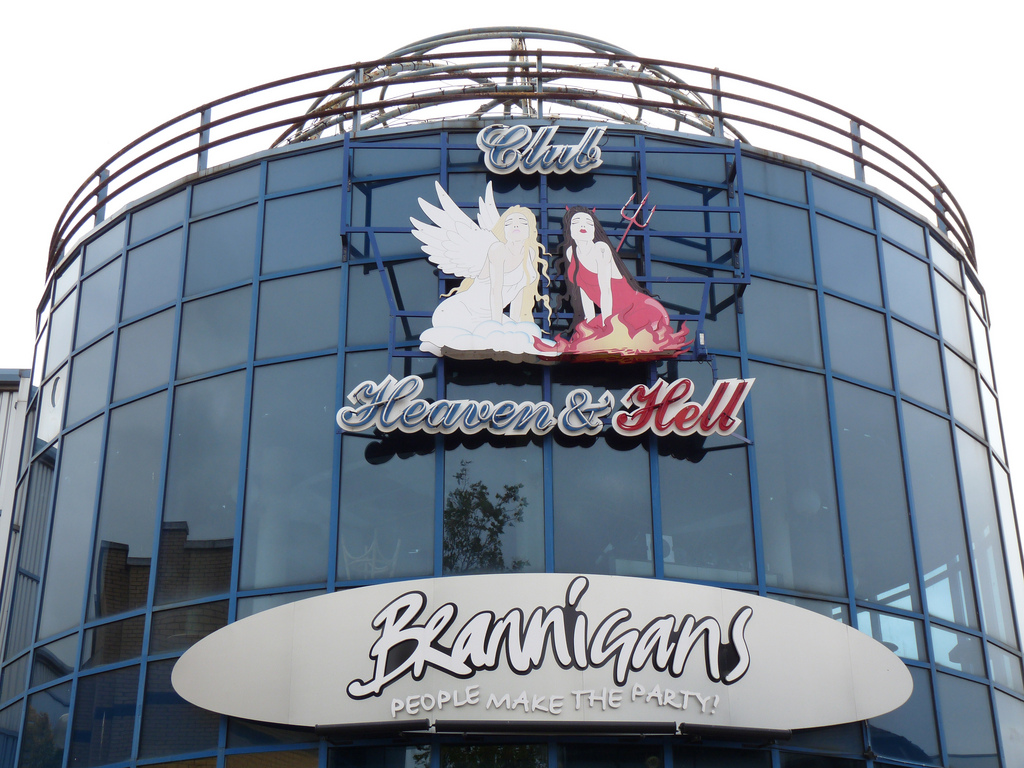
The white hot heat of technology fires Heaven and Hell.

4013161839_b31b29242e_b

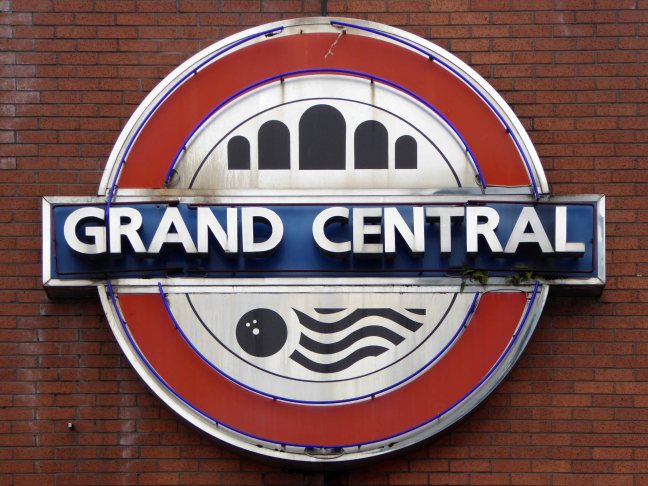
A club, swimming pool, bars, quasar quest, bowling alley, shops and cinema. Open public, private spaces leading from the A6 to the station approach. Concrete paving, brick, steel and glass construction, in a dulling whirlwind of sub-postmodern, cost benefit analysis, mirthless architectural, fun and frolics.


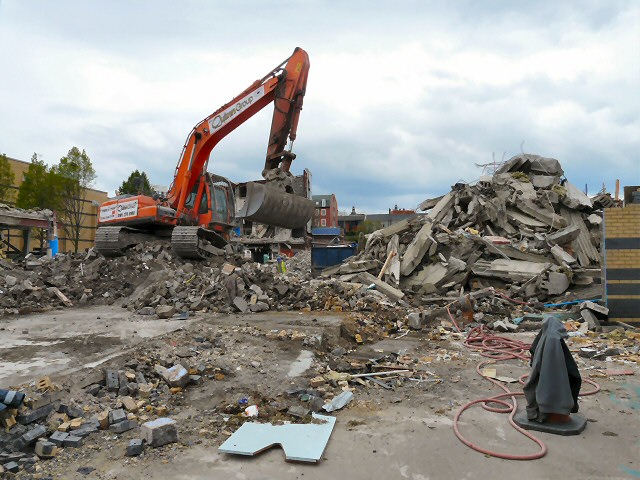
Nothing lasts forever, gradually the fun grinds to a halt, the alluring shimmer of boob tubes and hot pants, quickly fades into a dimly remembered, future passed.

2949627_85e2d540

There are more things in Heaven and Hell, Horatio,
Than are dreamt of in your philosophy.

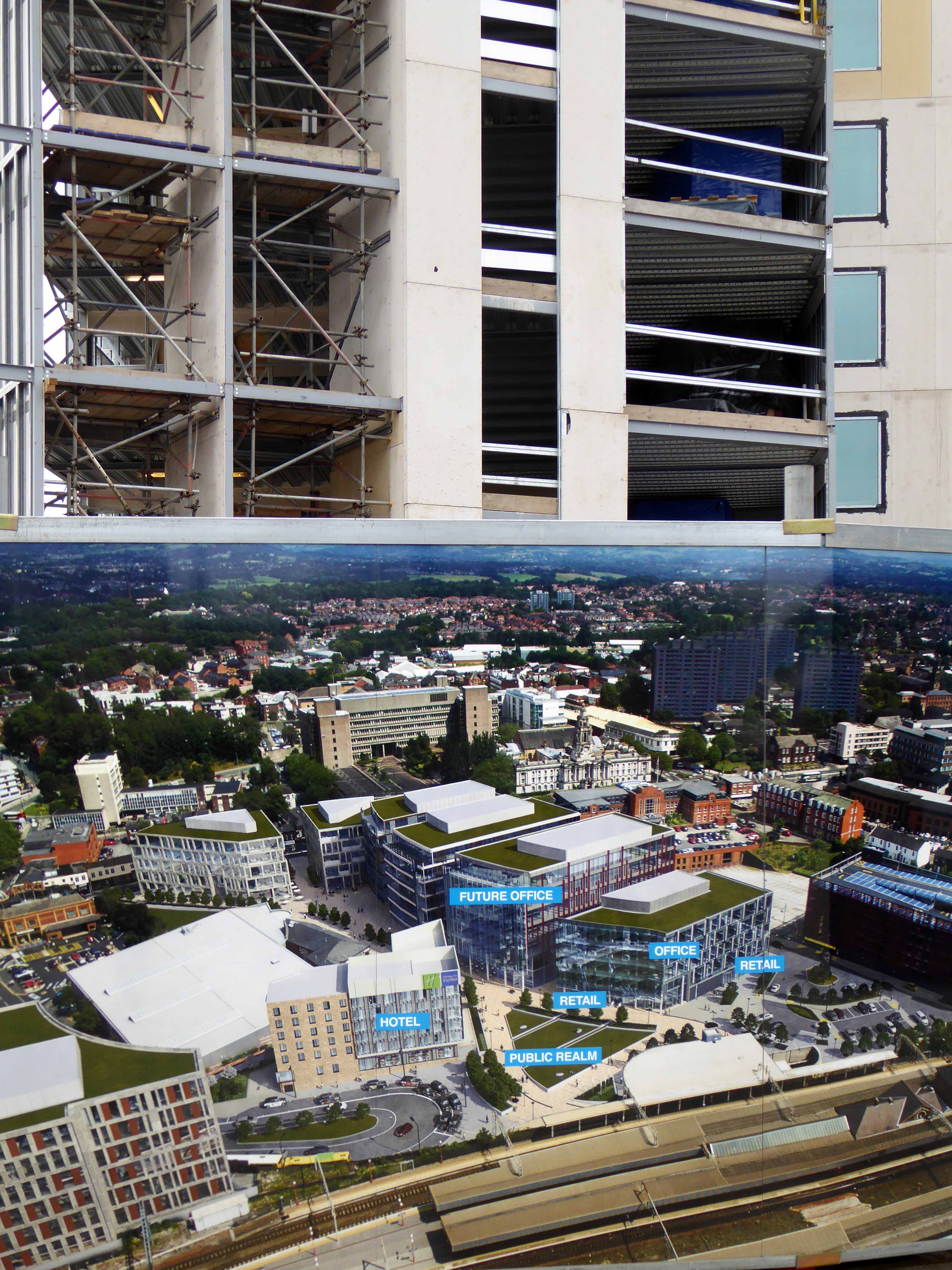
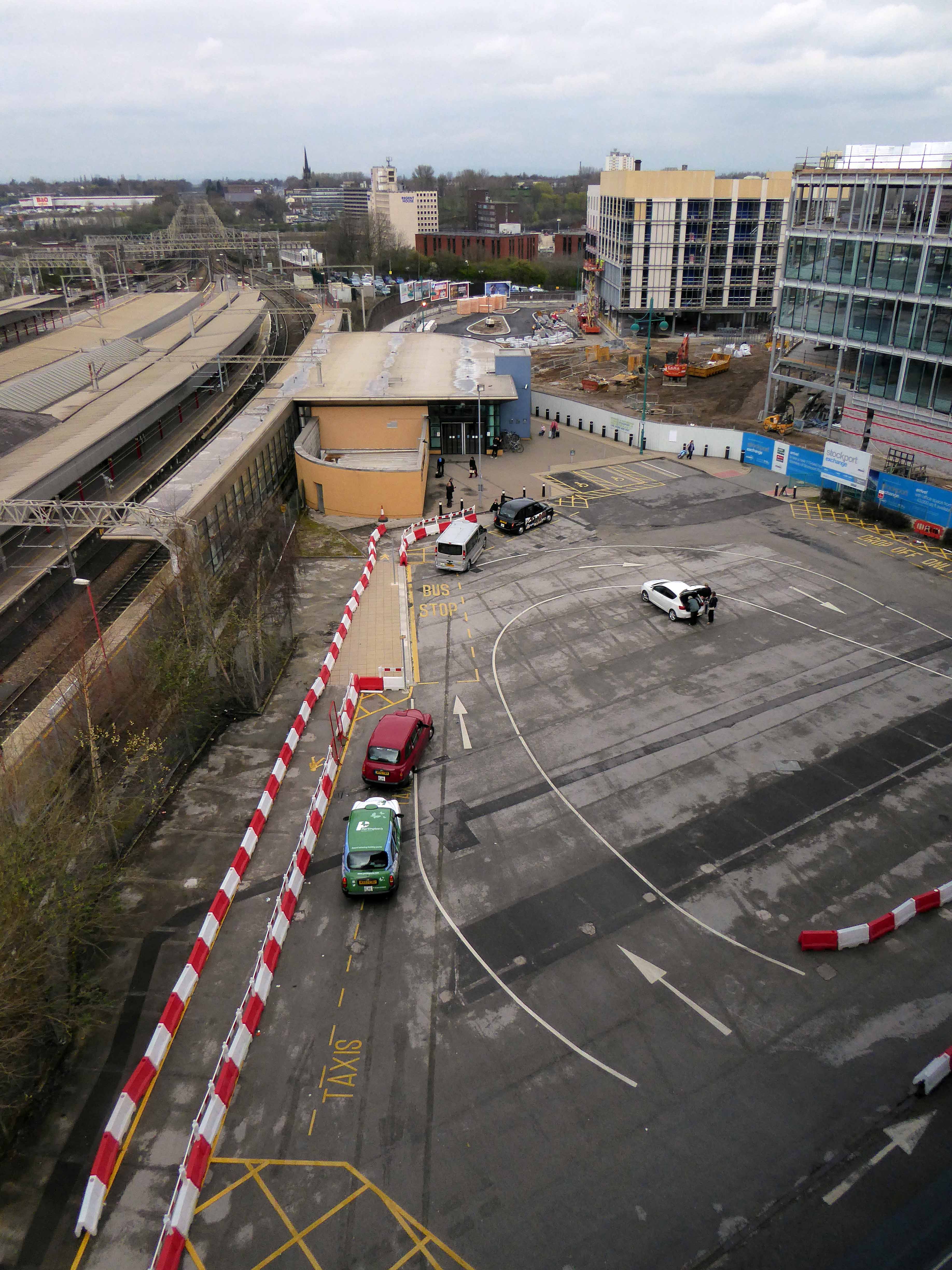
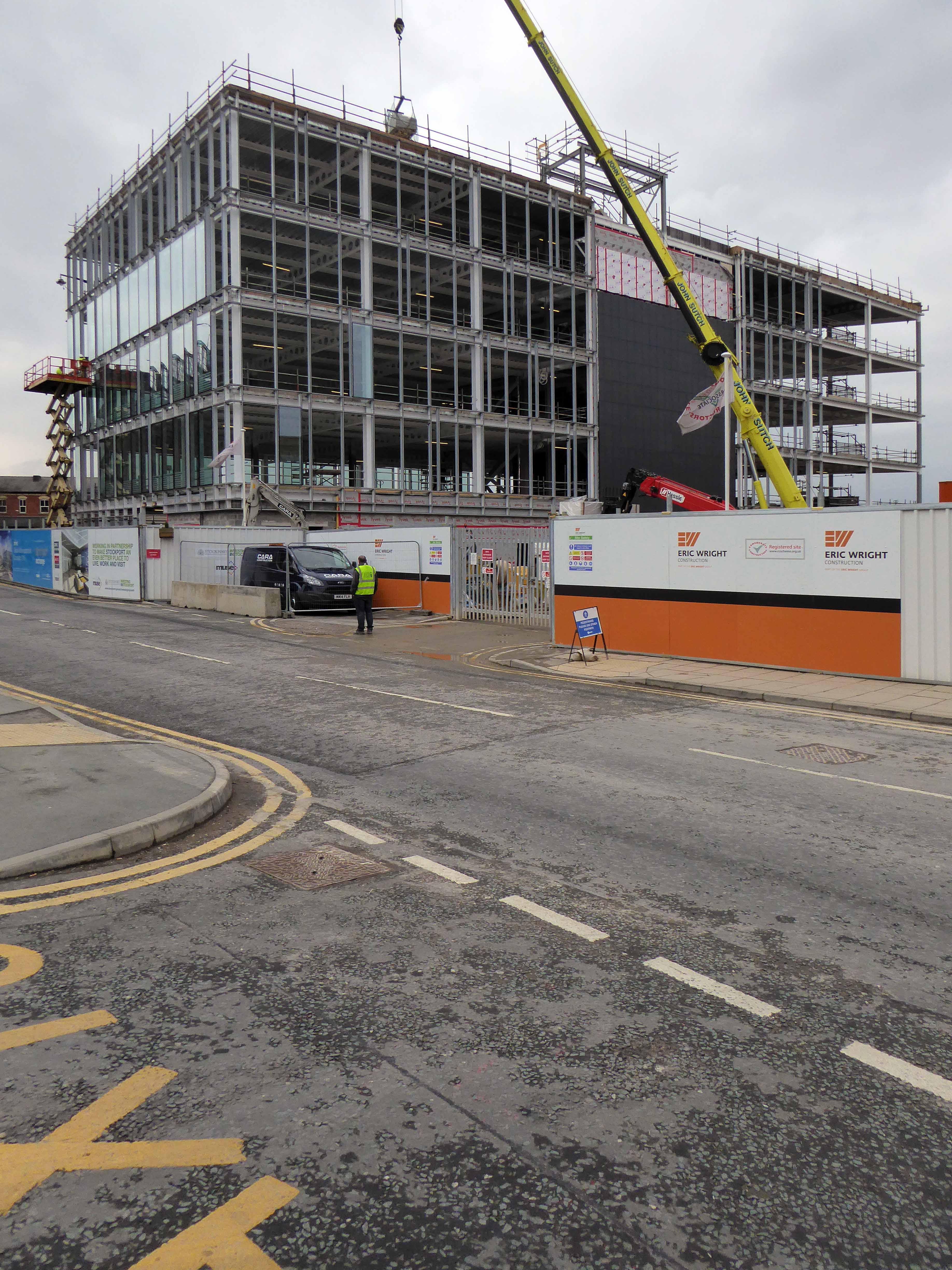
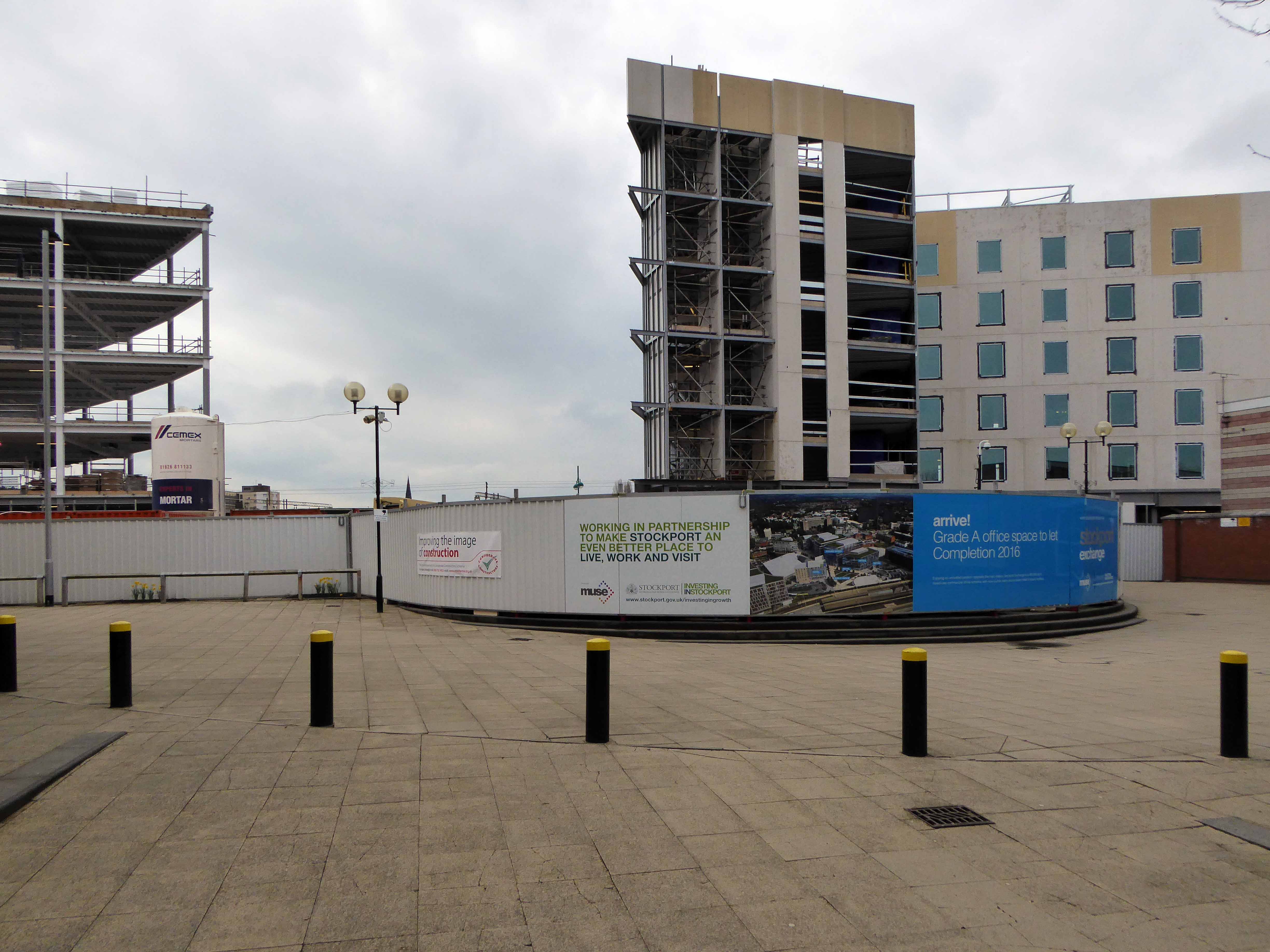
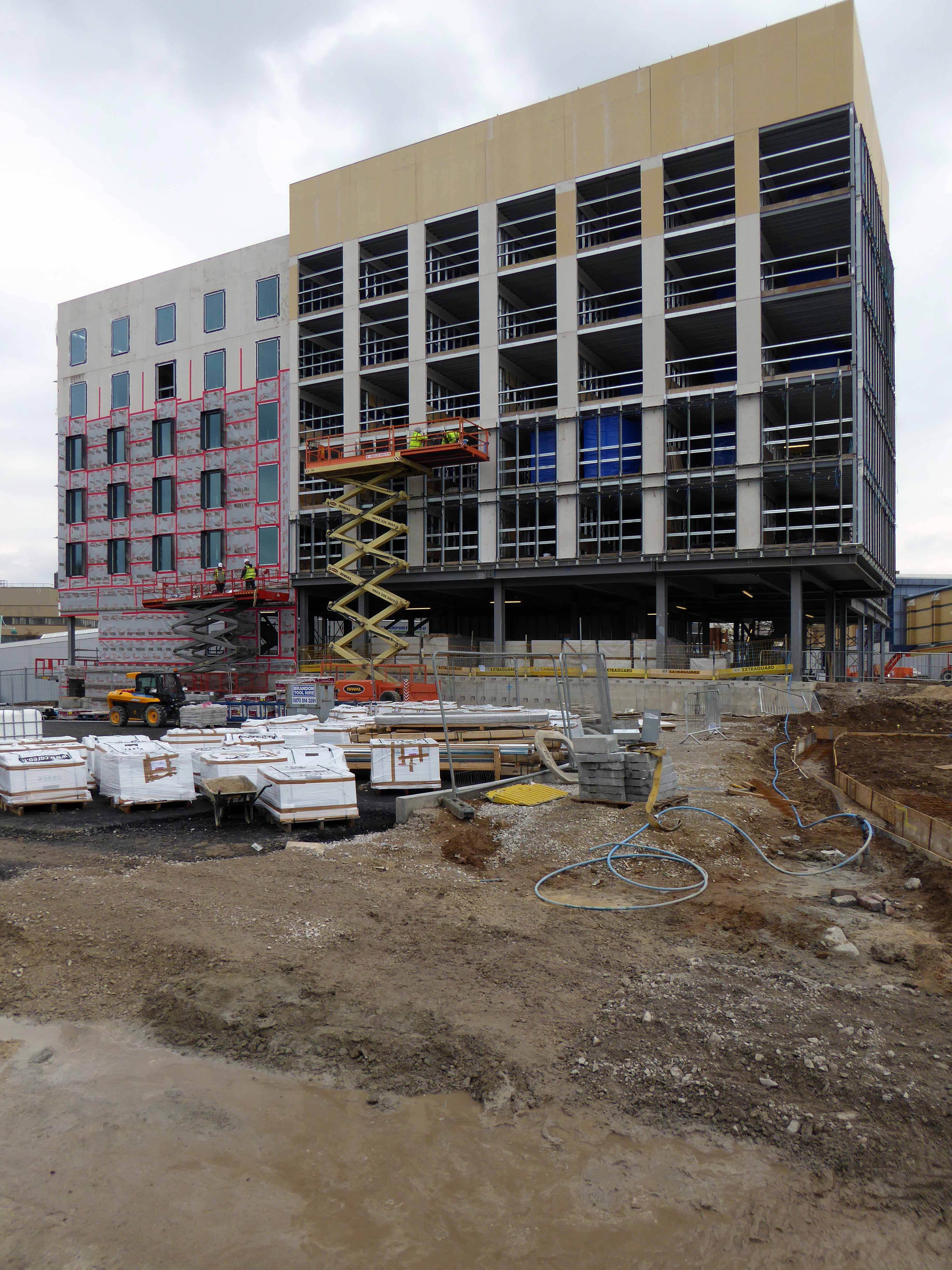
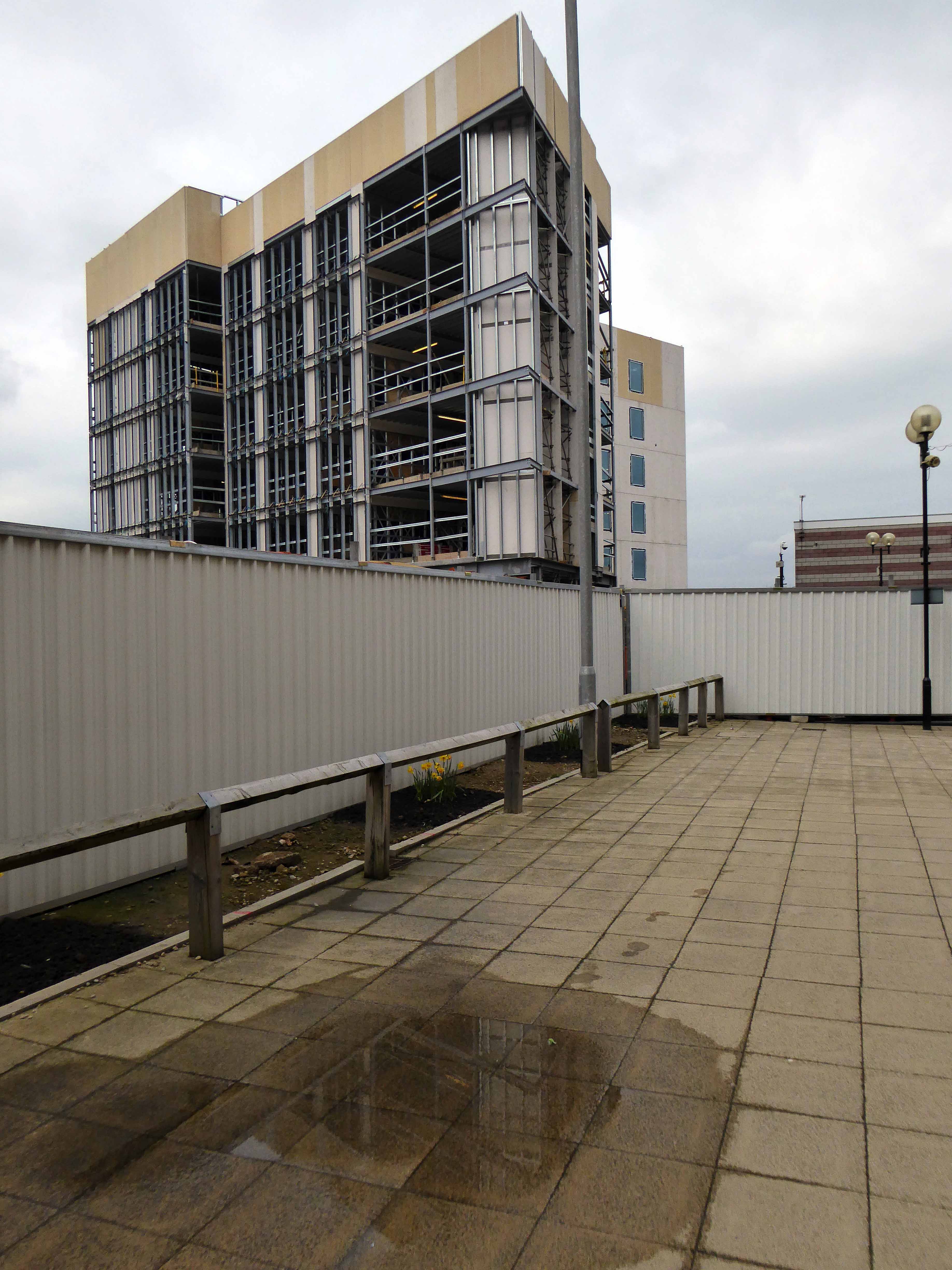
Grand Central Stockport was owned by Norwich-based private property company Targetfollow, who acquired the complex for £10.8m in 2004. In January 2011, after lack of progress on the development scheme, Stockport Council purchased the complex. In December 2011, Stockport Council announced that Muse Developments, the urban regeneration division of construction group Morgan Sindall had been selected as the preferred developer with a report to be presented to the council the following week. The revamped regeneration plans include an office quarter for the town centre, a hotel, public space outside the railway station. In addition, the redevelopment would also include a multi-storey car park and to make the site into a more attractive gateway into the town centre. The new redevelopment plans are valued at approximately £145m.

So the merry dance continues, a brave new world for the bemused citizen to consume and be consumed by, a gateway to speculative development.


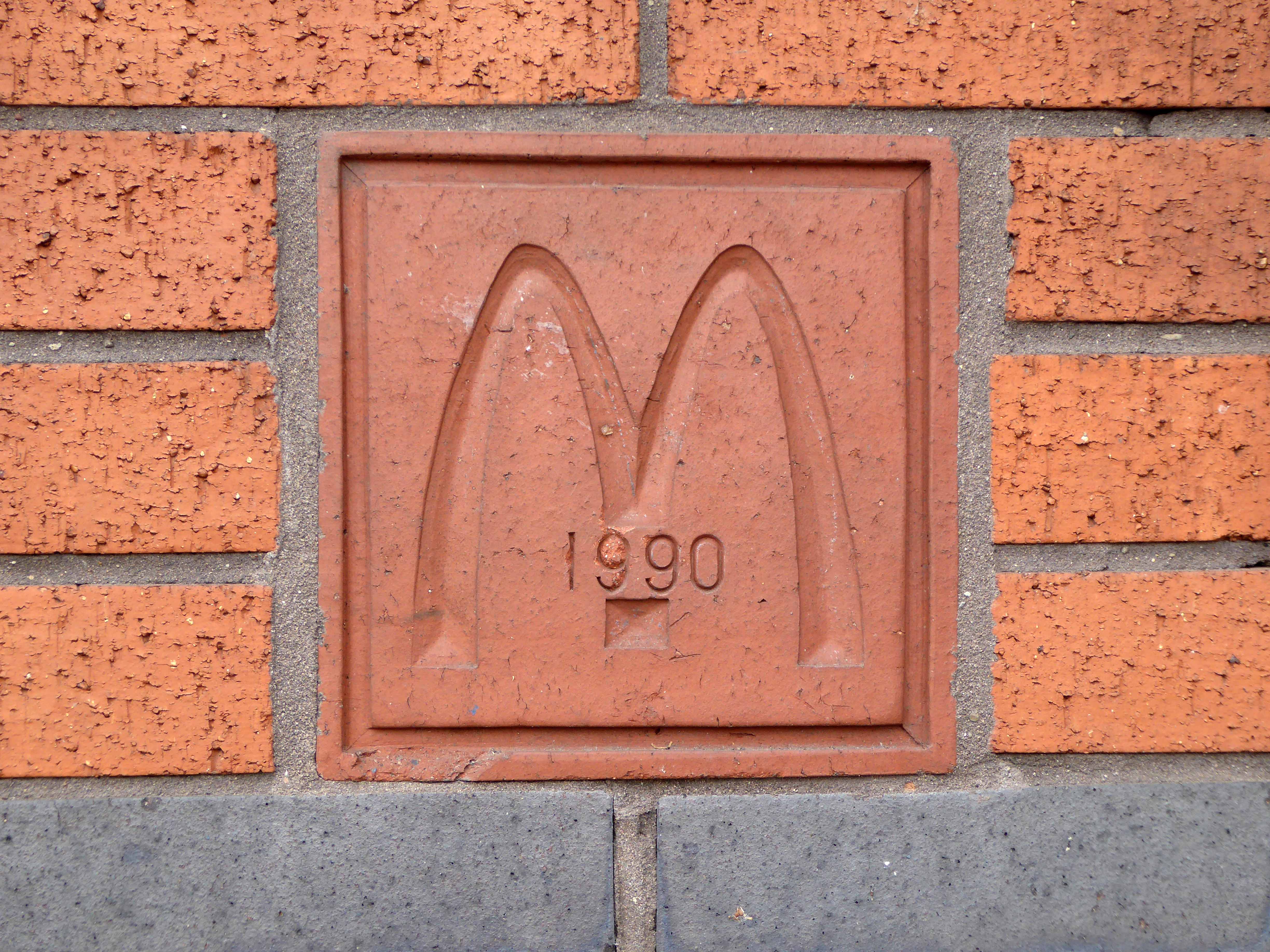
The reassuring golden arches await the intrepid voyager, the foundation stone of any civilised civil society, set in terracotta for ever and a day.

P1030519 copy

The high vis, high rise, low expectation roller coaster, rolls on relentlessly.

P1030487 copy

P1030463 copy

P1030476 copy

P1030466 copy

P1030498 copy

P1030483 copy

P1030473 copy

P1030492 copy

Ups ‘n’ Downs – Stockport

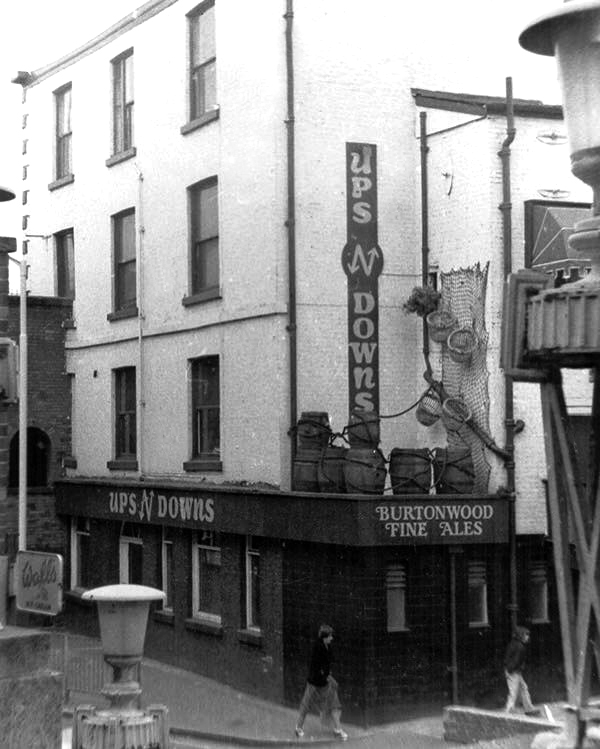
Ups ‘n’ Downs, it’s had its share of ups and downs.

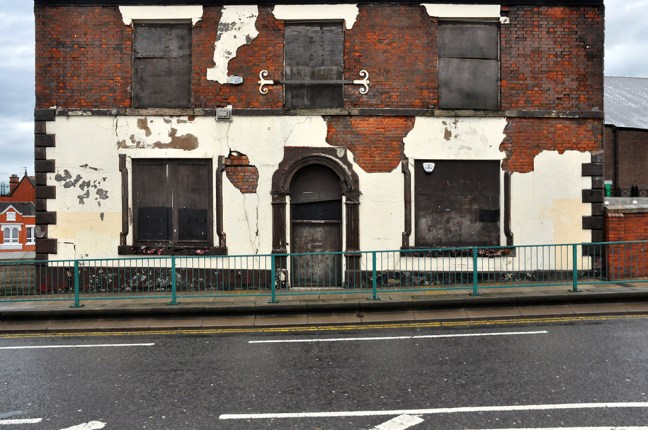
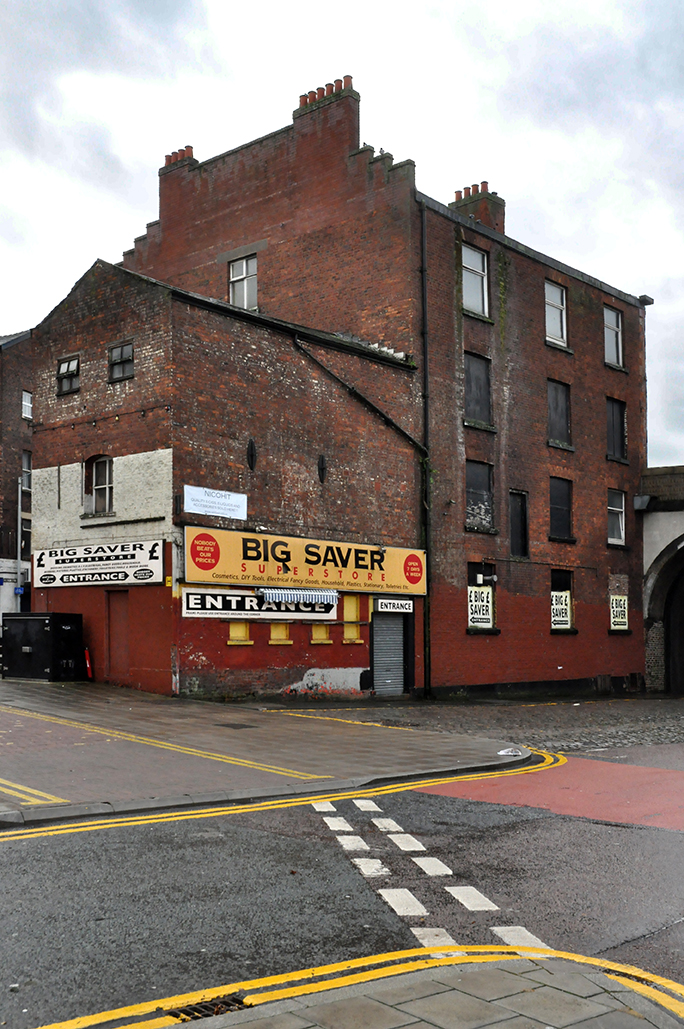
Quite literally – the former Wellington Inn has an upside facing onto the busy A6 Wellington Road, and a downside opening onto Mersey Square.

27972749_557518087936232_7728145189045588891_n

27858056_557516154603092_2607525642965010439_n

27750183_557516157936425_5371938937434776142_n

27972829_557516197936421_3119942482090205920_n

Its fortunes similarly something of a rollercoaster ride, from busy town centre pub, to edgy pseudo-club, populated by late night uniformed bus drivers, swaying on the metre square dance floor.

Latterly something of a disco party bus, going nowhere fast.

Known variously as Glitz, Bentley’s and the Bees Knees.

Finally, partial occupation by a forlorn pound shop – defying economic trends by closing.

An architectural curiosity and a blank faced, gap toothed greeting to the Town’s visitors, there is talk of conversion to flats under the council’s stewardship.

It seems like up to me.

DSC_0003

DSC_0017

DSC_0006

DSC_0004

DSC_0021

DSC_0019

DSC_0016

DSC_0005

DSC_0008

DSC_0020

DSC_0014

DSC_0013

DSC_0007

DSC_0032

DSC_0002

DSC_0012

DSC_0028

DSC_0023

DSC_0001

DSC_0010

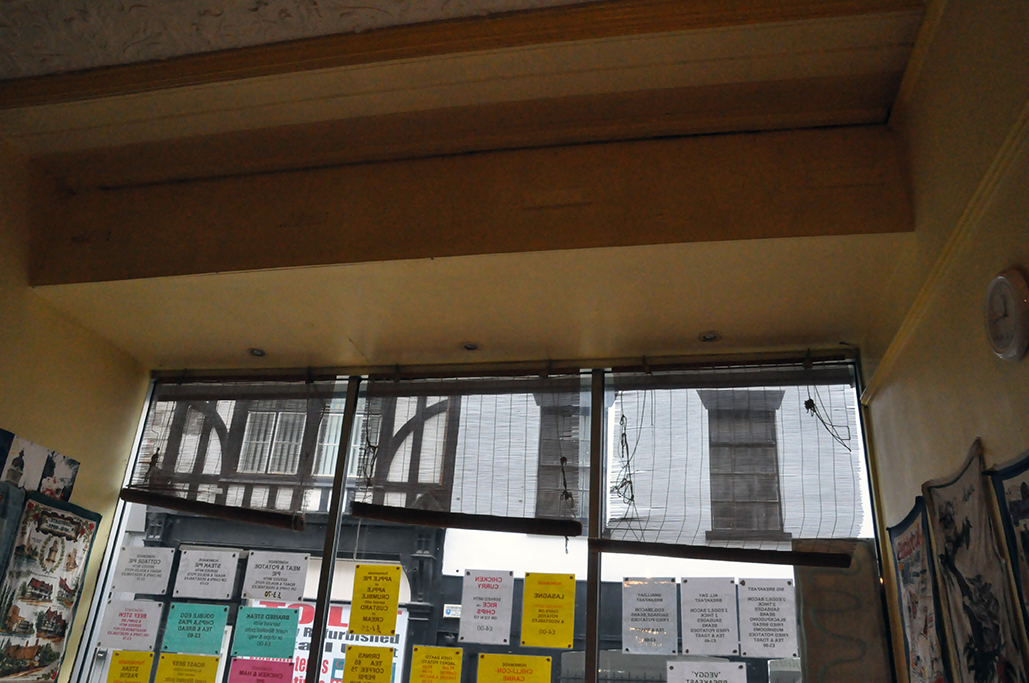
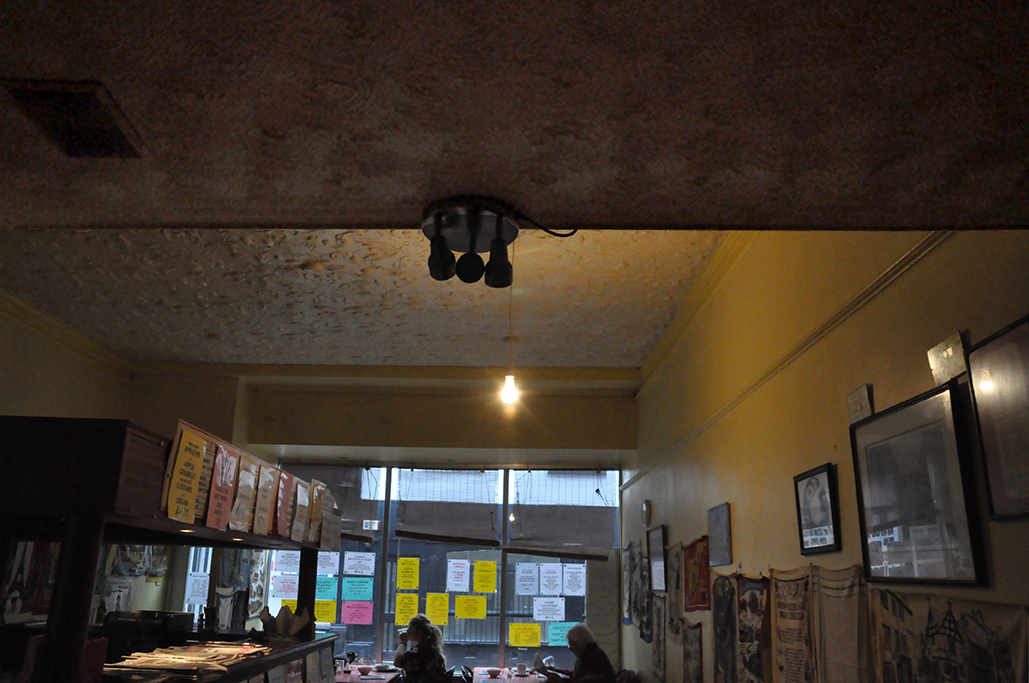
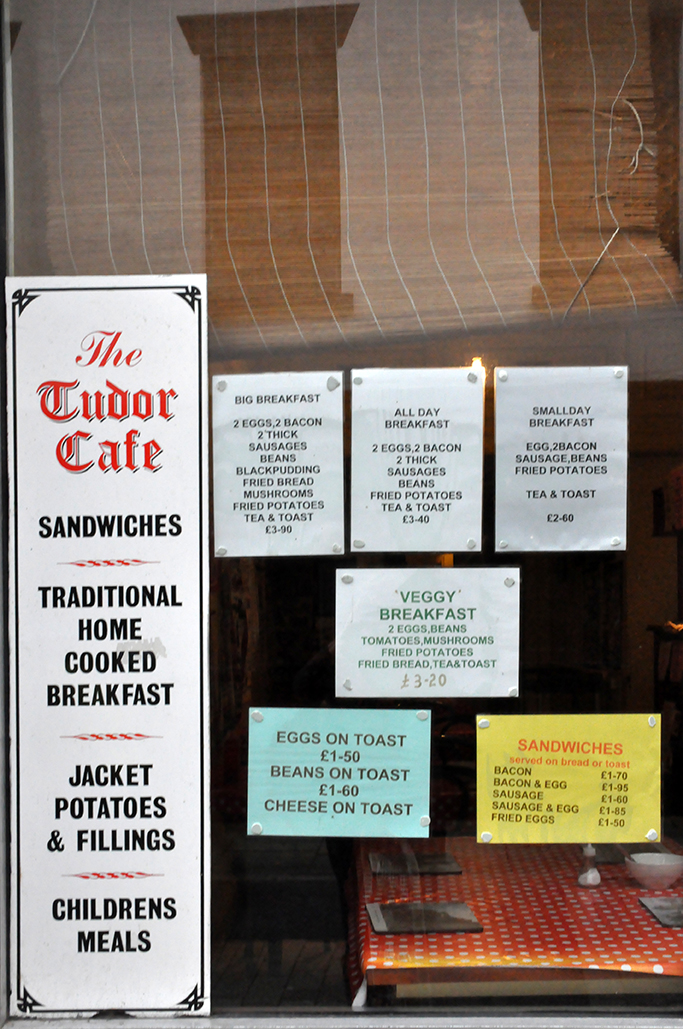
The Tudor Café – Stockport

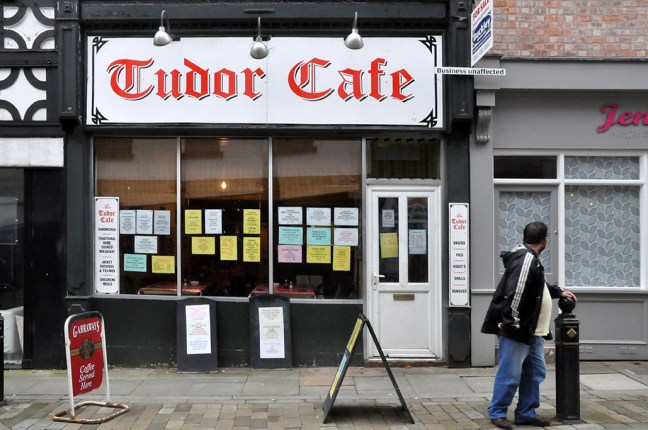
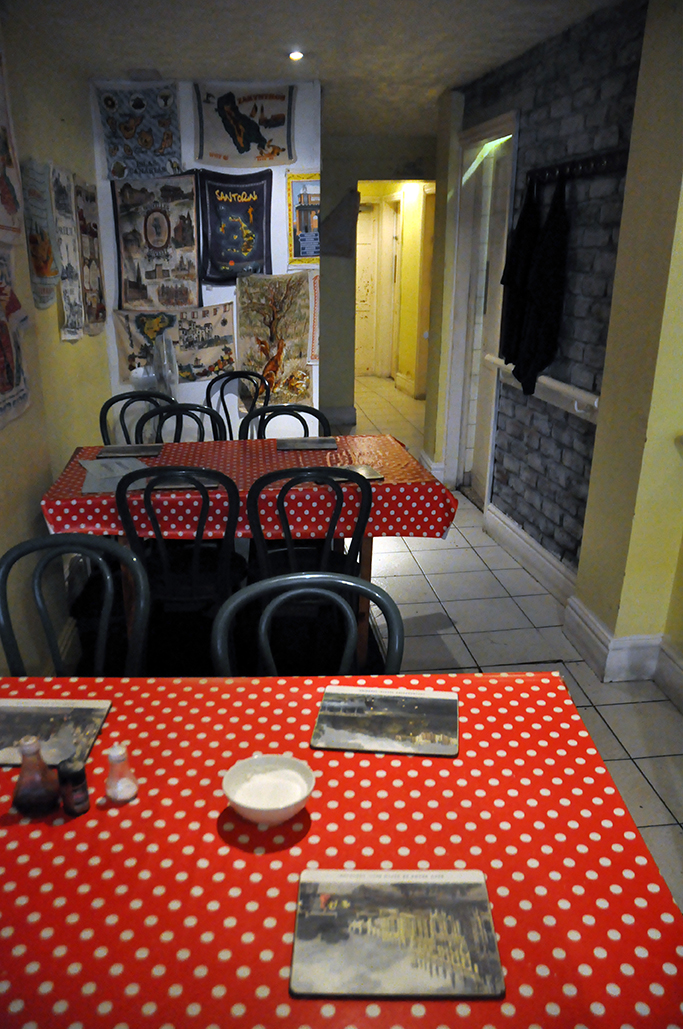
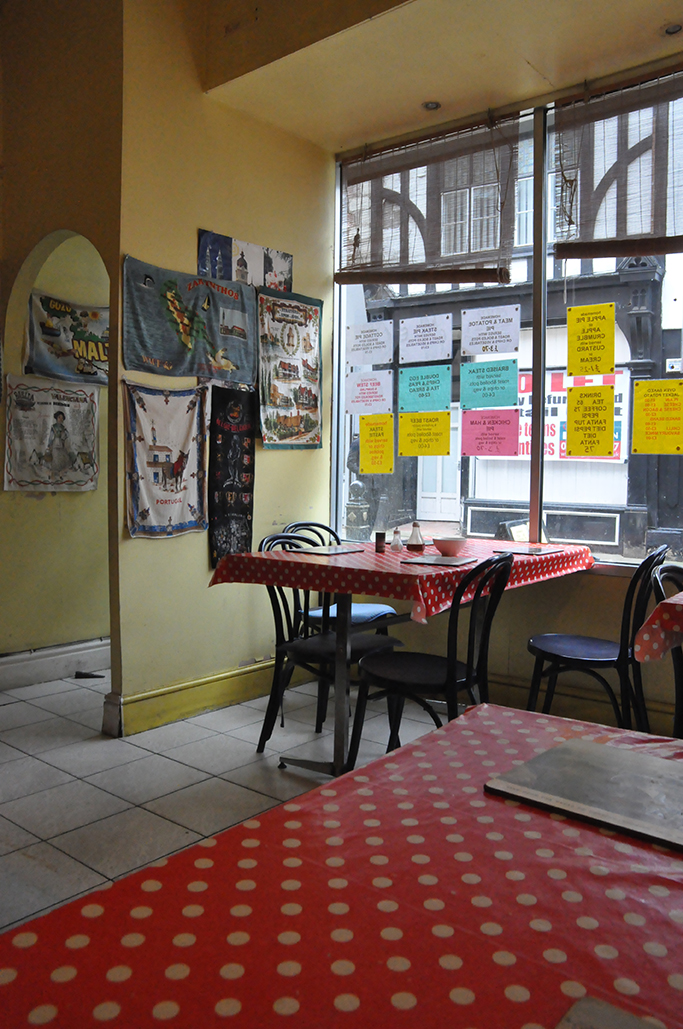
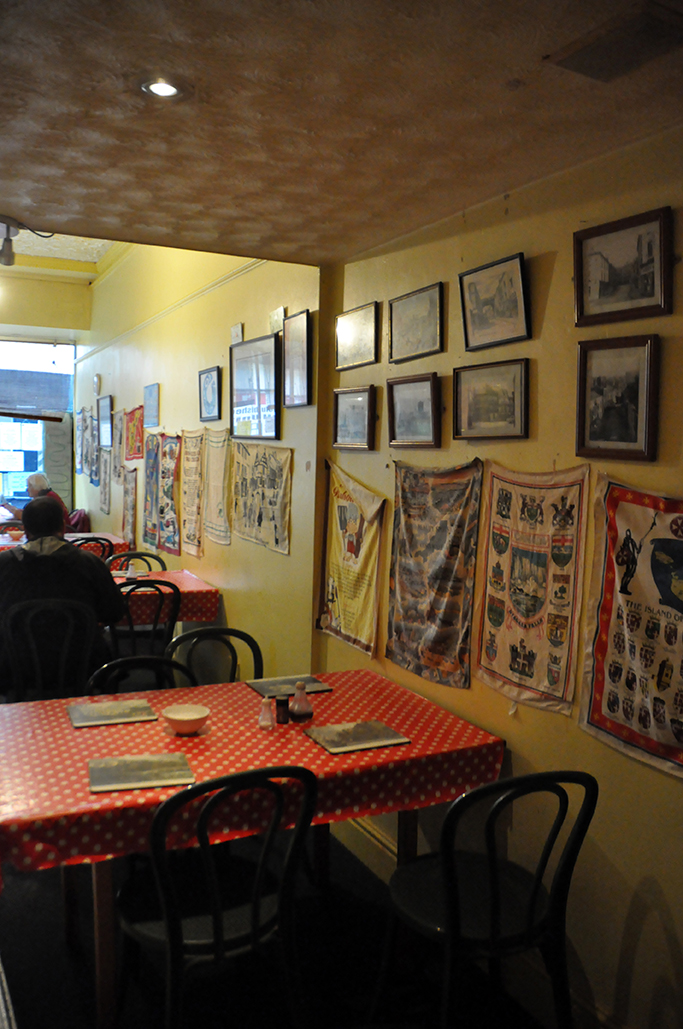
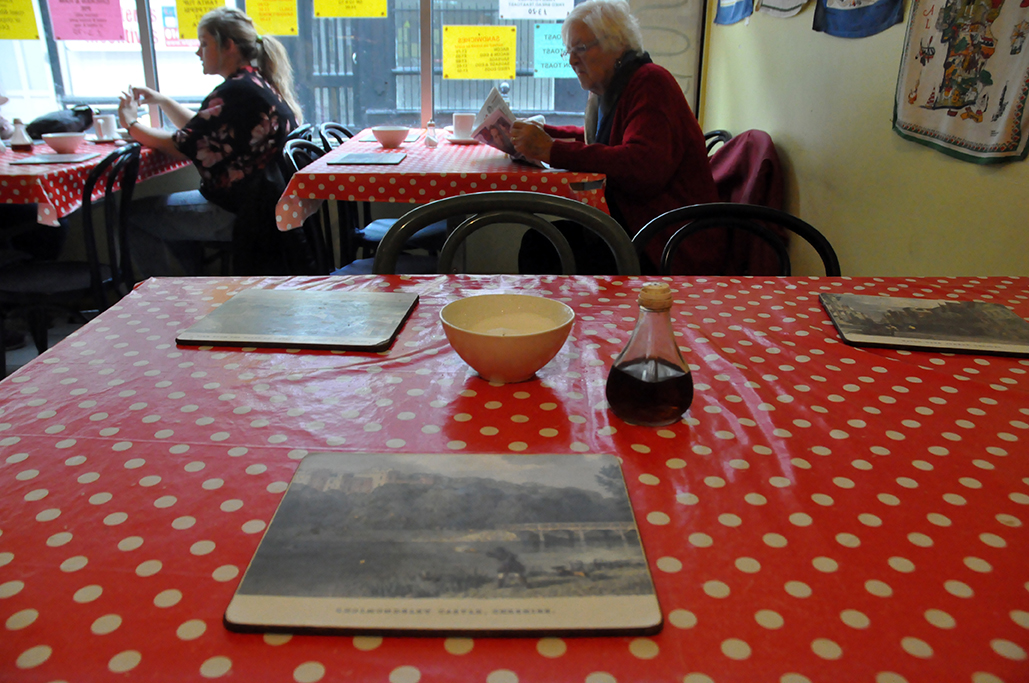
On Lower Hillgate, almost next door to where it used to be, there stands The Tudor Café.

Almost where it has almost always stood.

Other businesses have come and gone, happily it prevails.

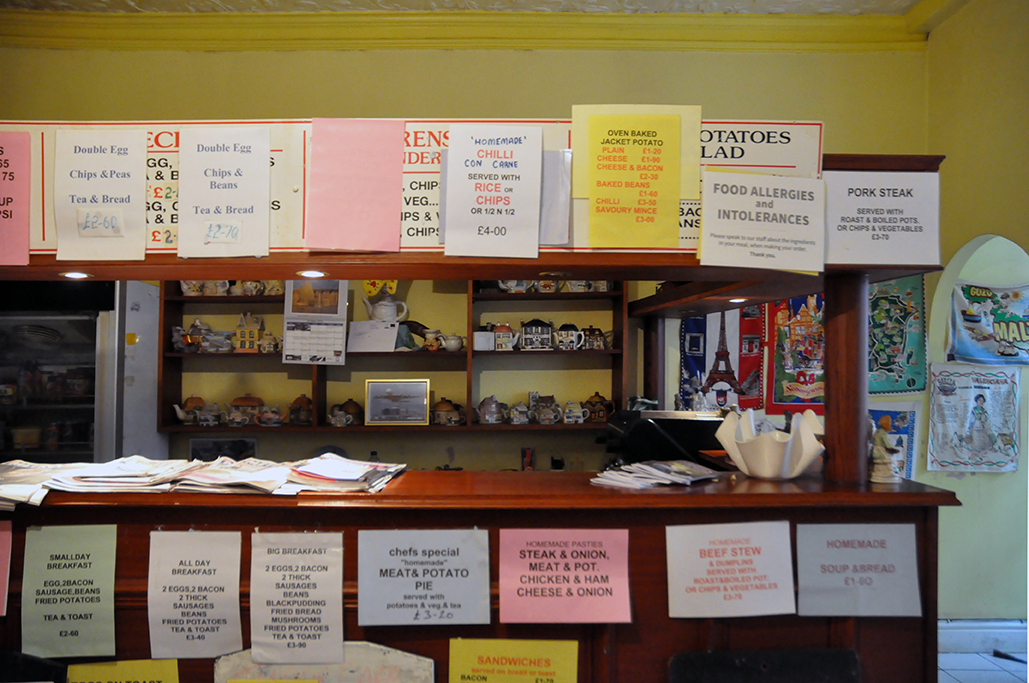
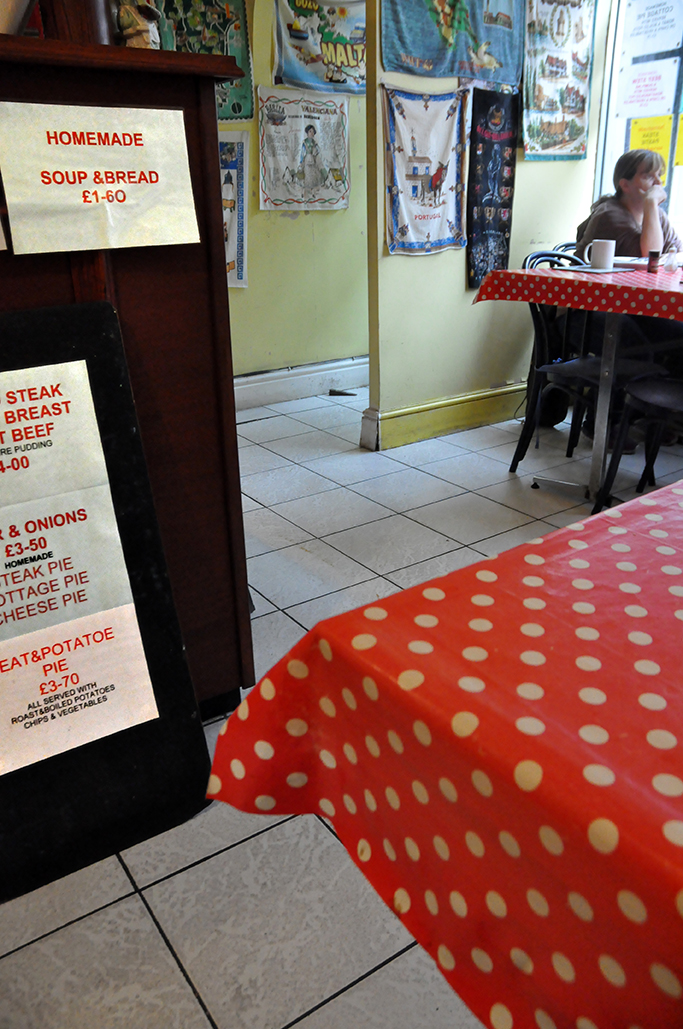
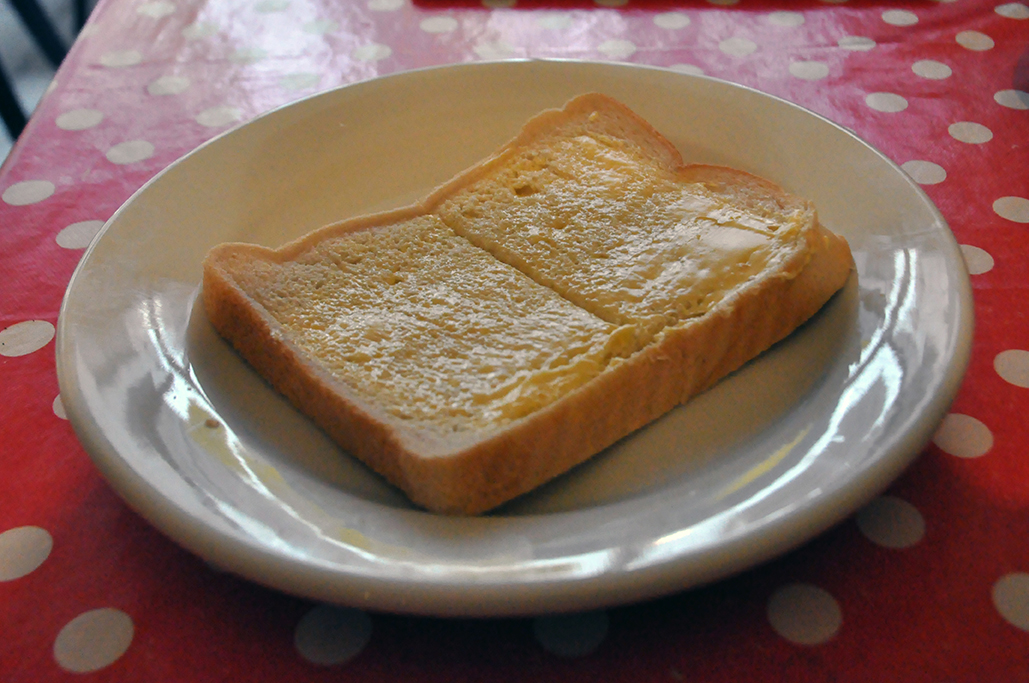
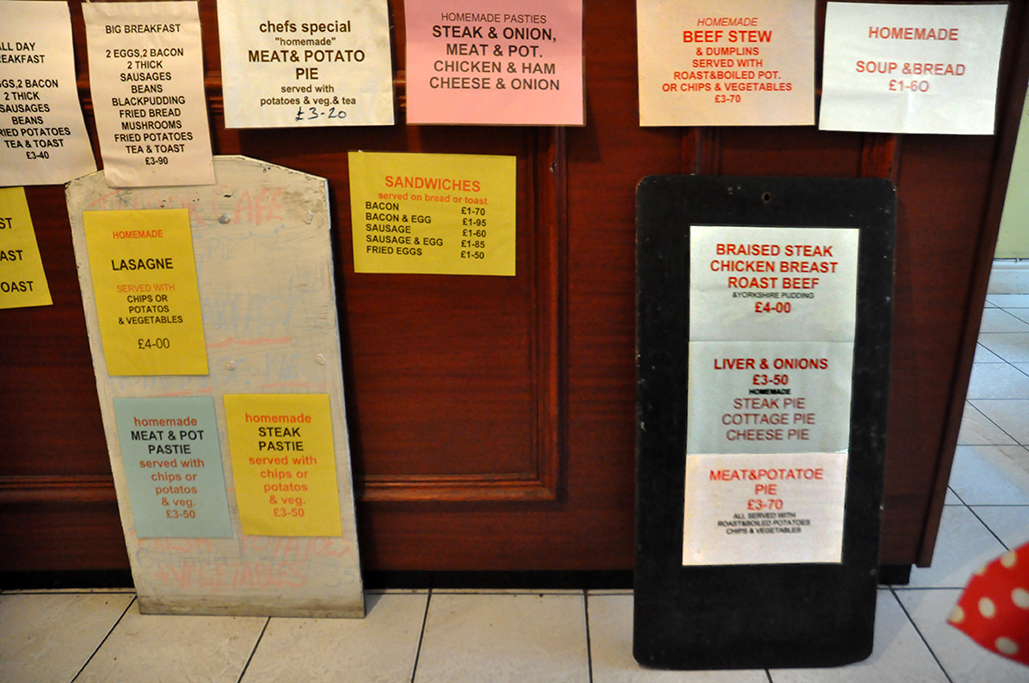
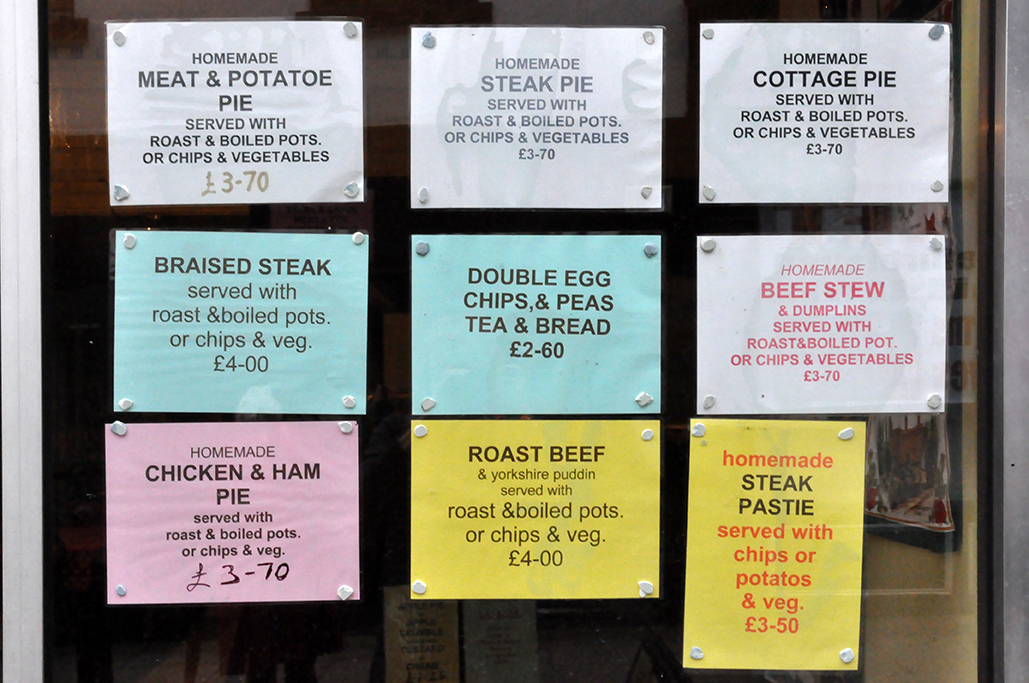
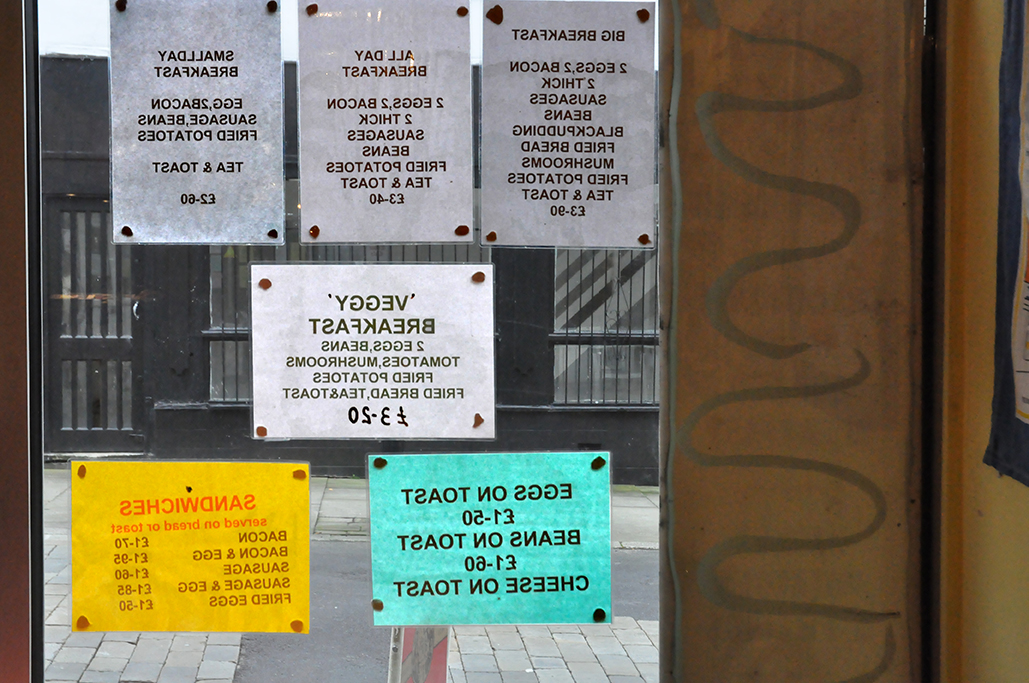
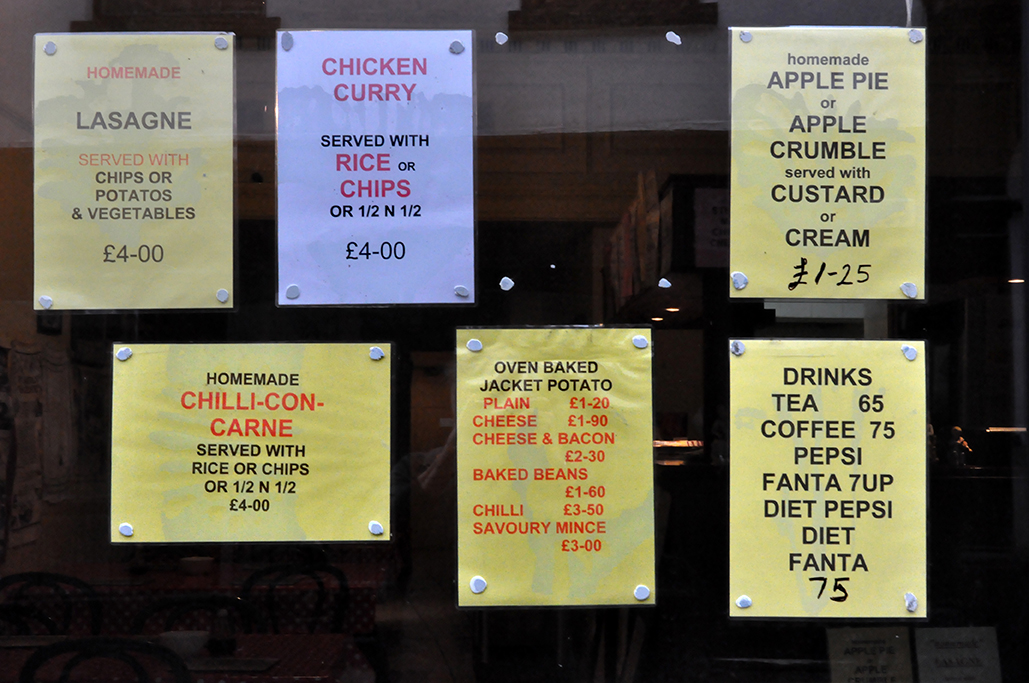
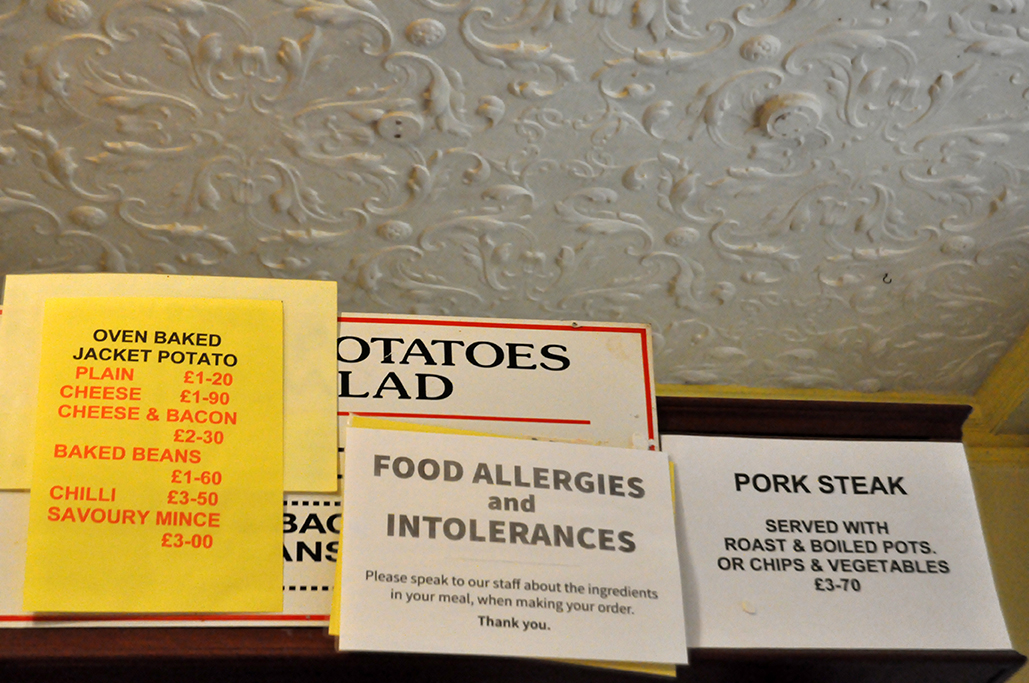
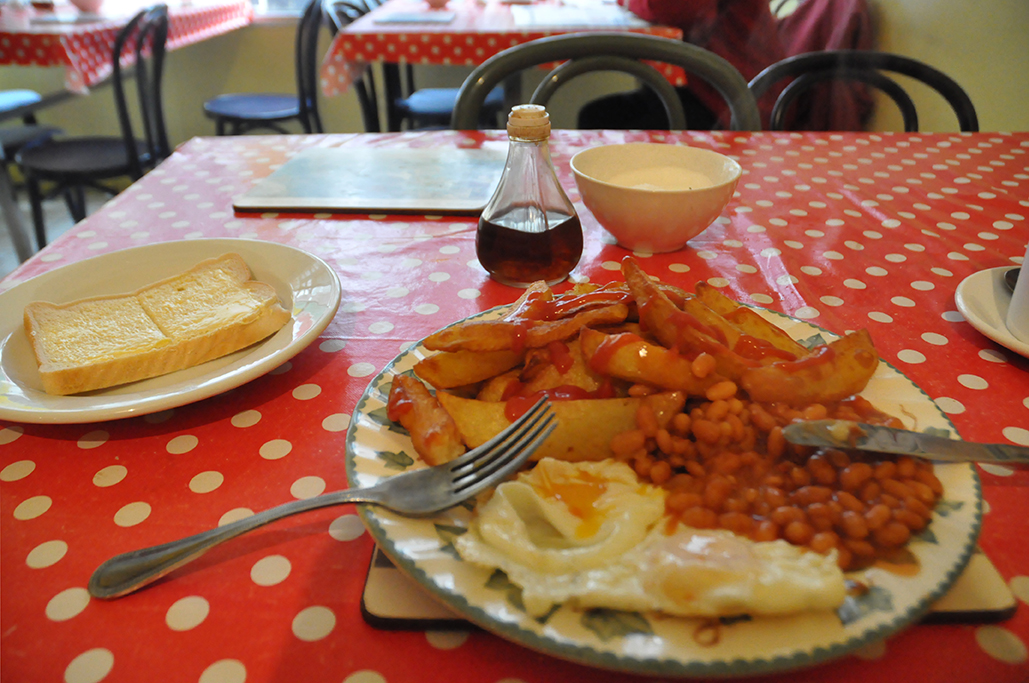
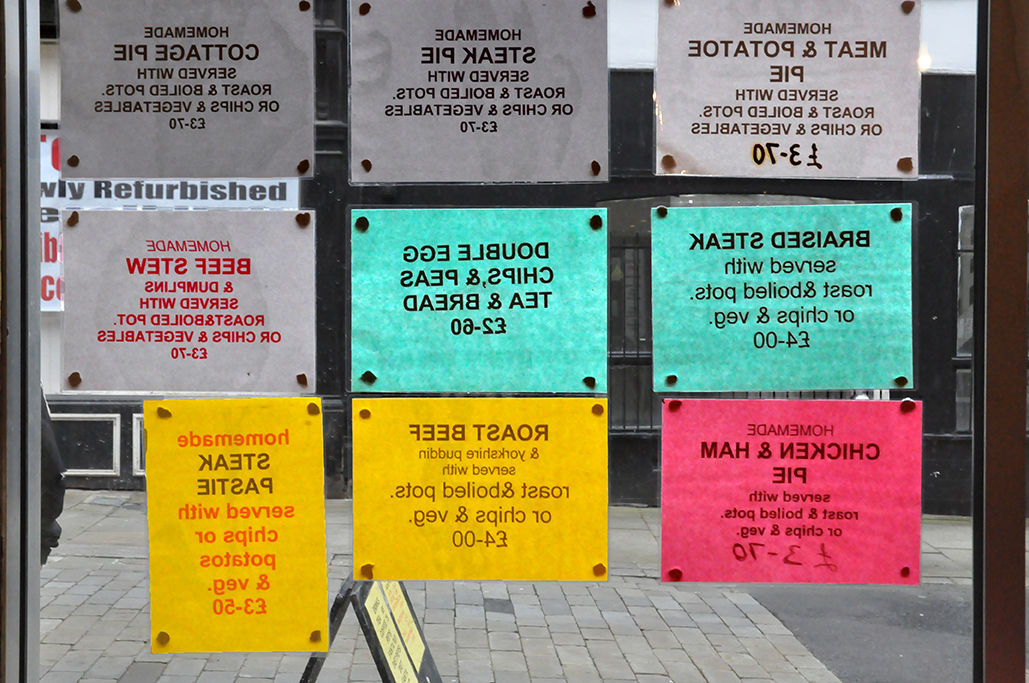
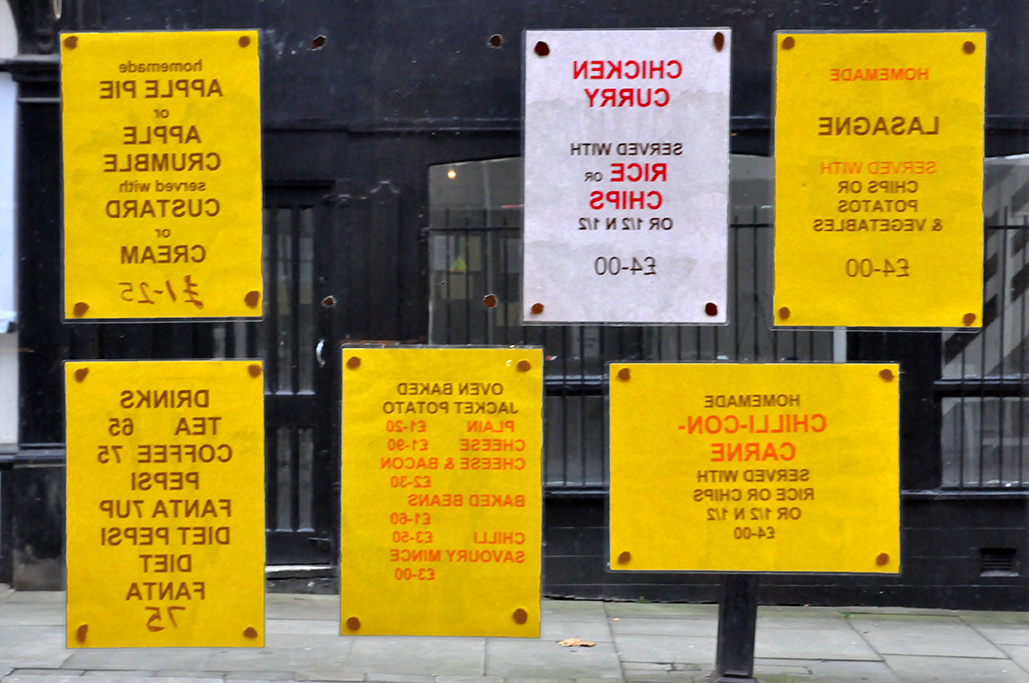
The cheapest tastiest grub in town.

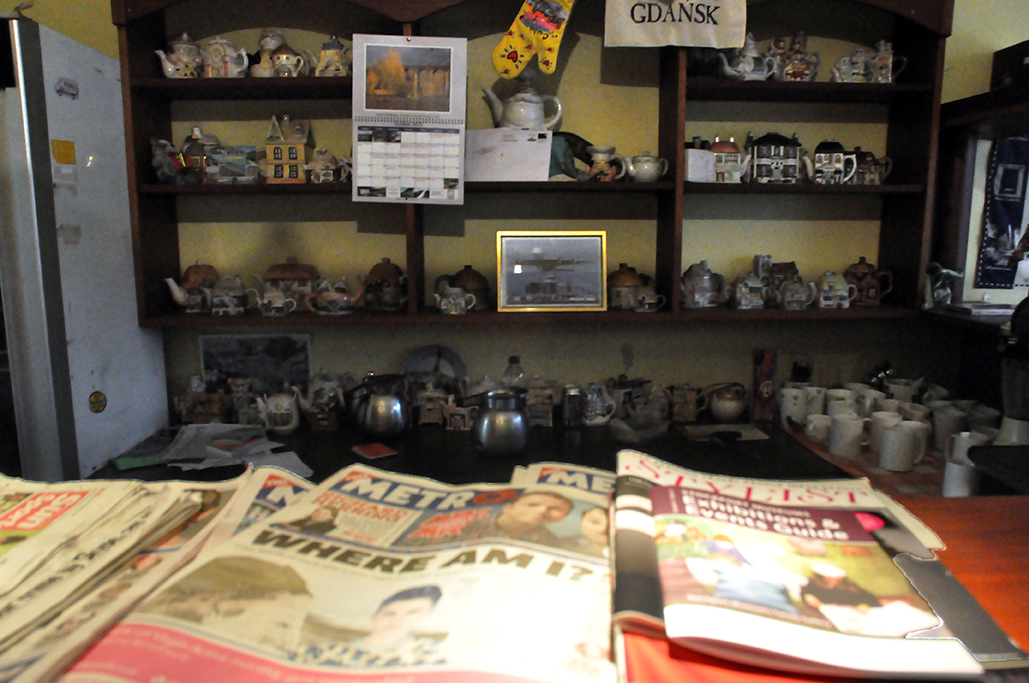
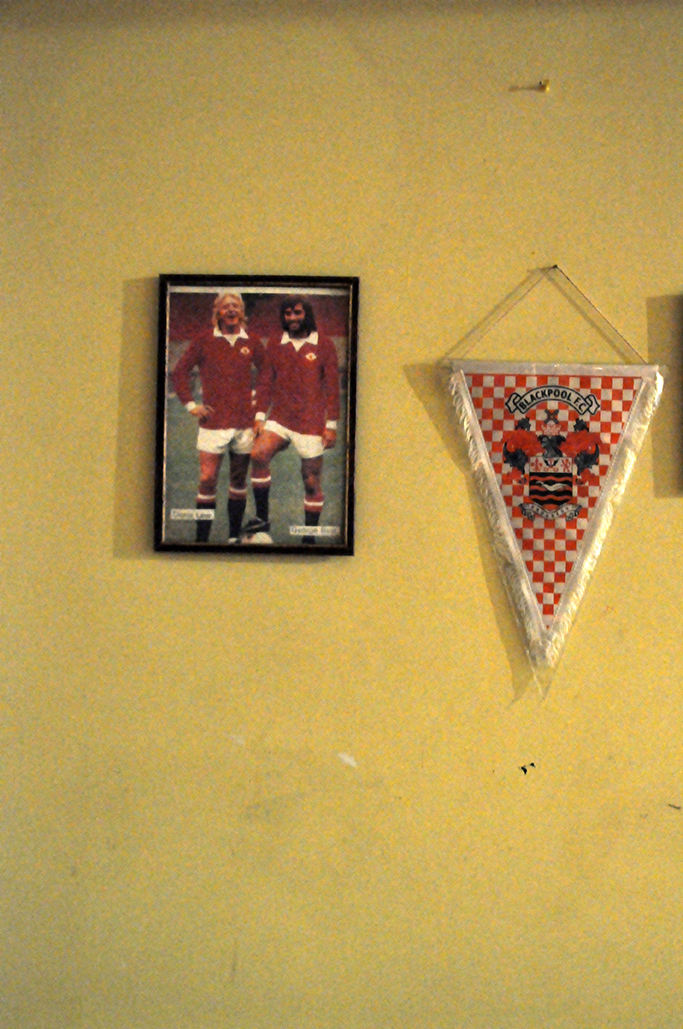
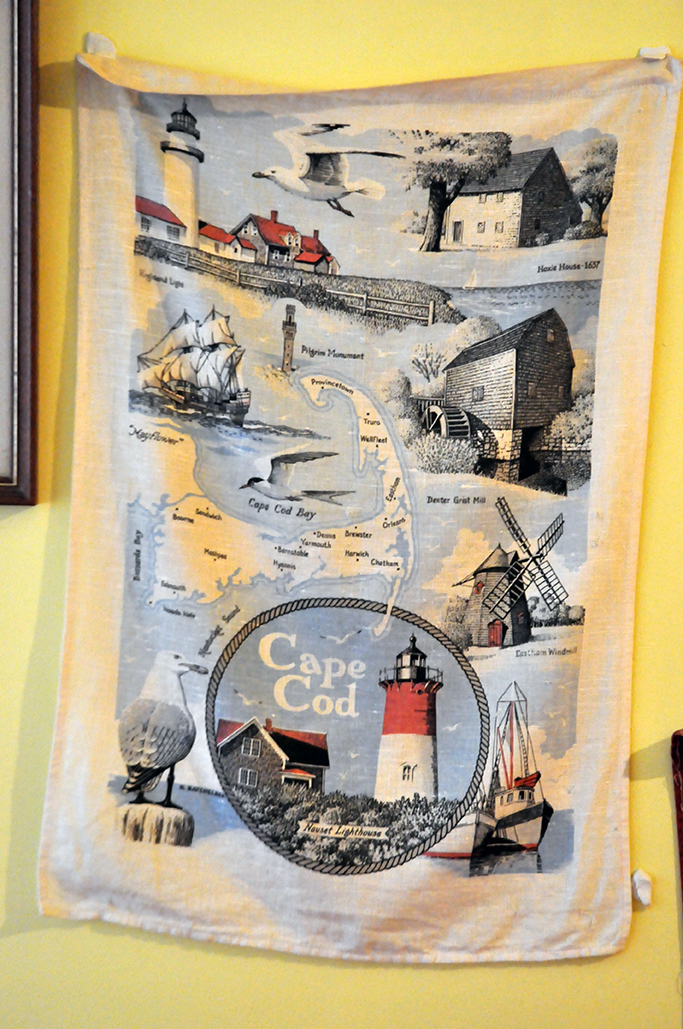
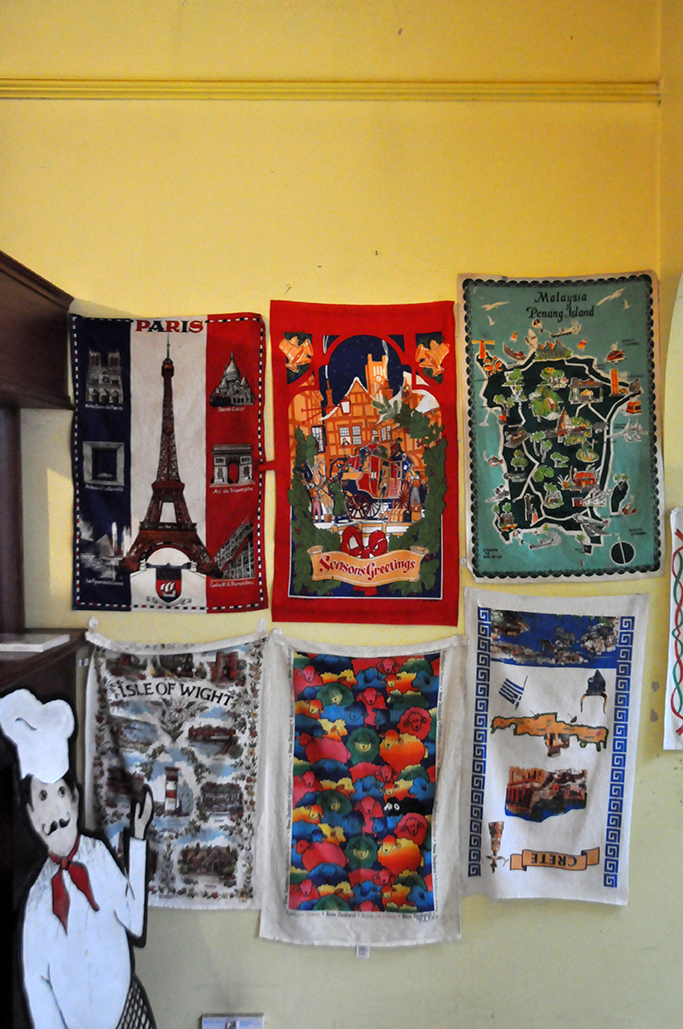
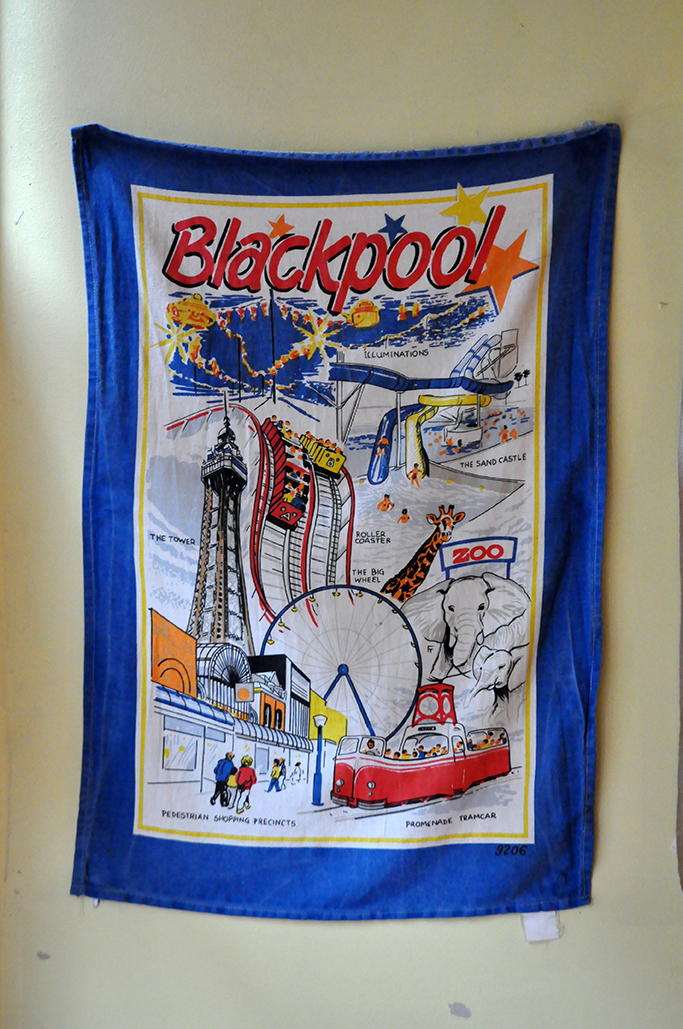
An interior festooned with tea towels.

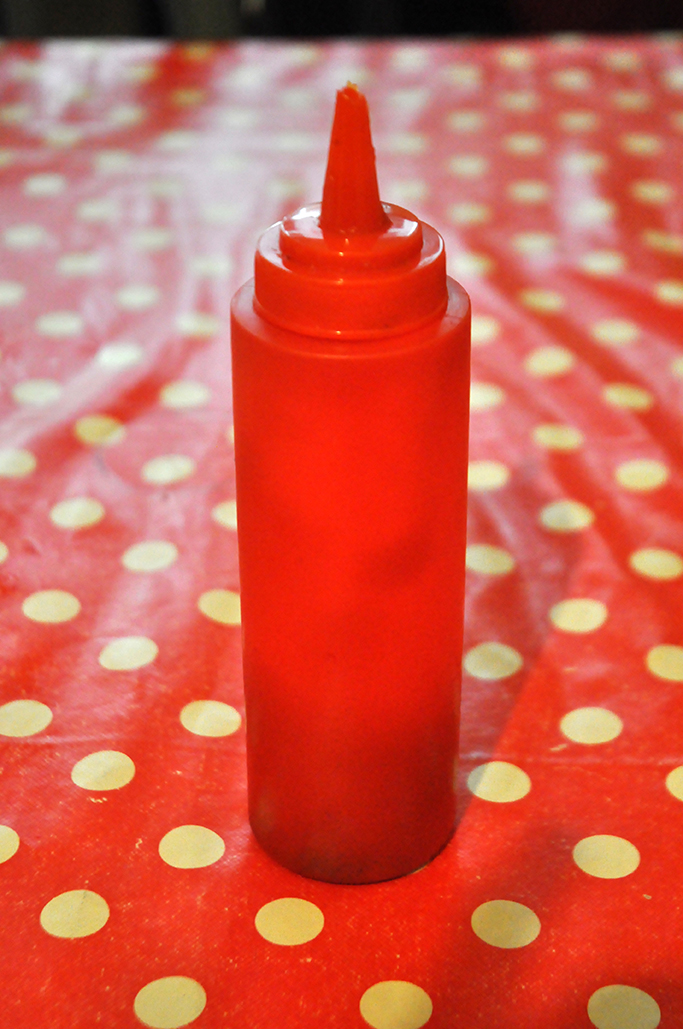
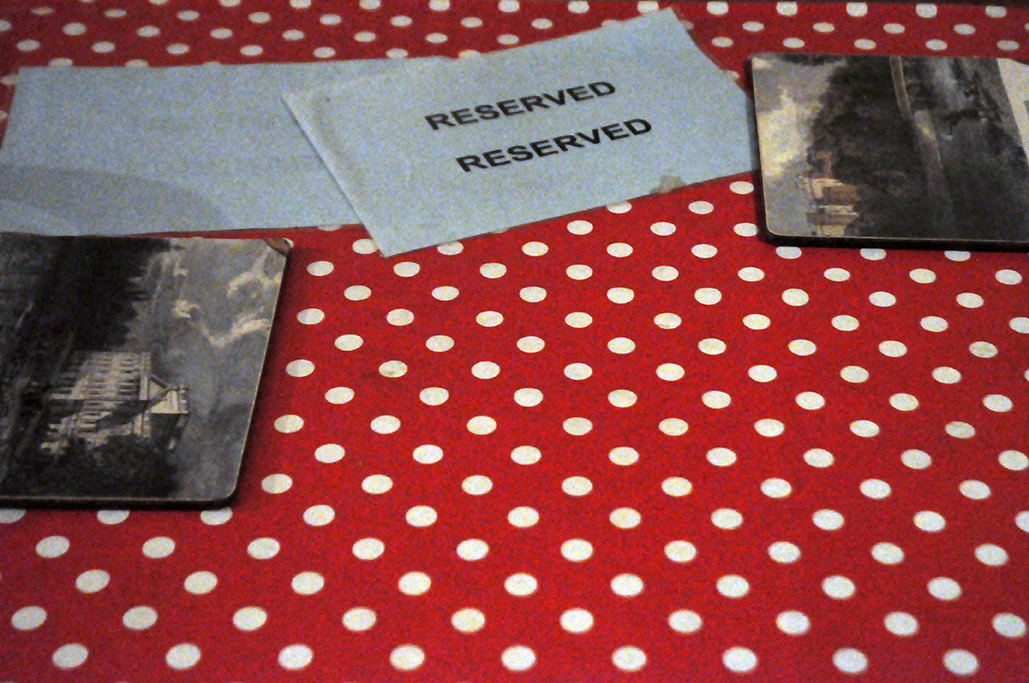
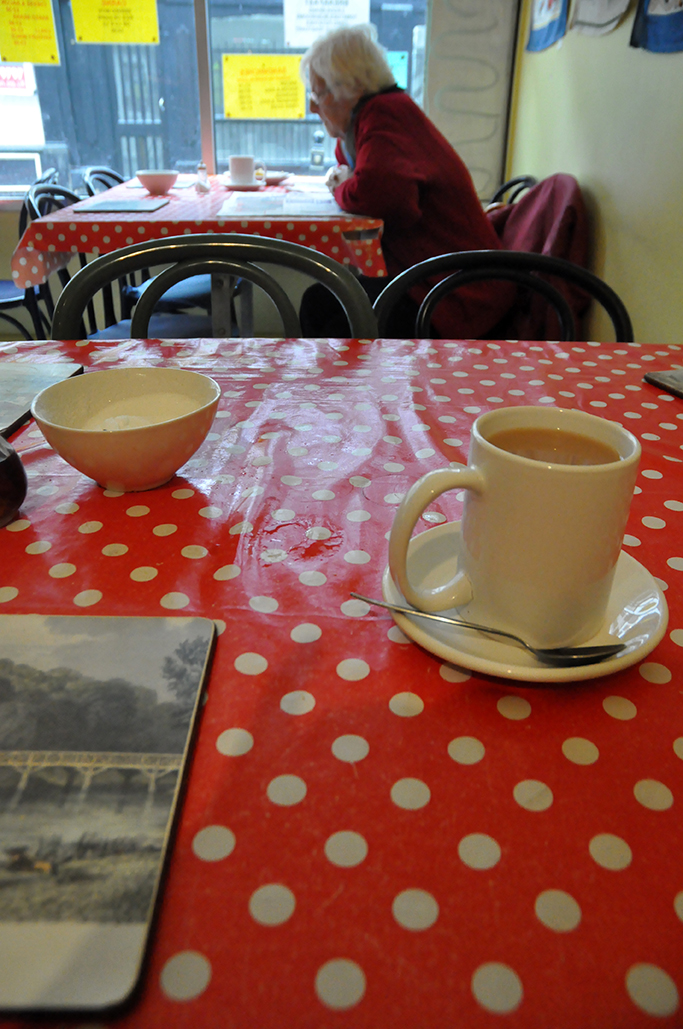
Tables polka dotted, teas hot.

Signs inside and out, some of them inside out.

Greetings from Gdansk.

DSC_0025 copy

DSC_0026 copy

DSC_0046 copy

DSC_0030 copy

DSC_0024 copy

DSC_0045 copy

DSC_0053 copy

DSC_0043 copy

DSC_0034 copy

DSC_0039 copy

DSC_0032 copy

DSC_0051 copy

DSC_0040 copy

DSC_0037 copy

DSC_0063 copy

DSC_0059 copy

DSC_0029 copy

DSC_0060 copy

DSC_0064 copy

DSC_0041 copy

DSC_0052 copy

DSC_0065 copy

DSC_0061 copy

DSC_0062 copy

DSC_0058 copy

DSC_0049 copy

Stockport – Room at the Top

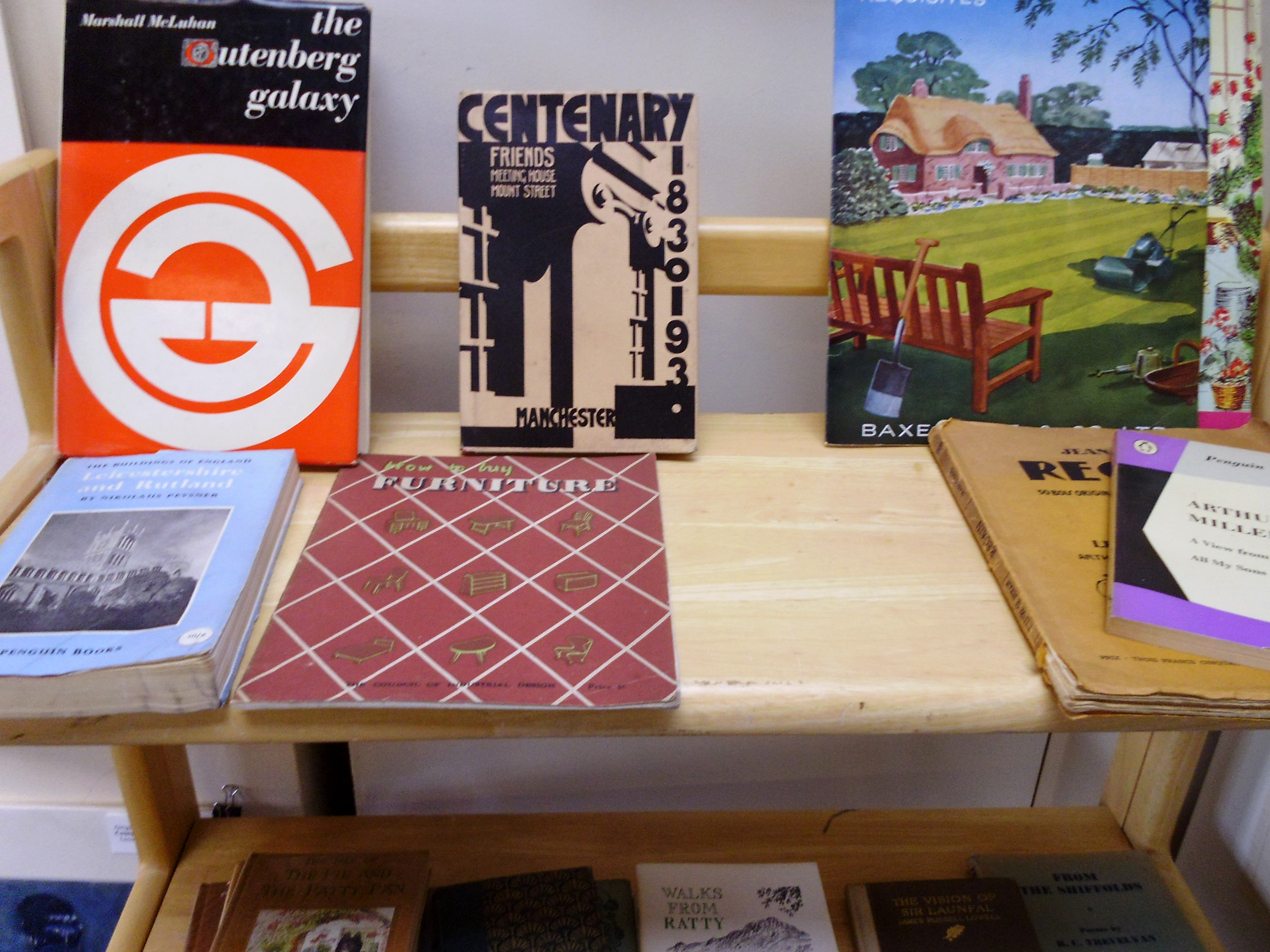
Every town worth its salt should have a decent second hand book shop.

Stockport does.

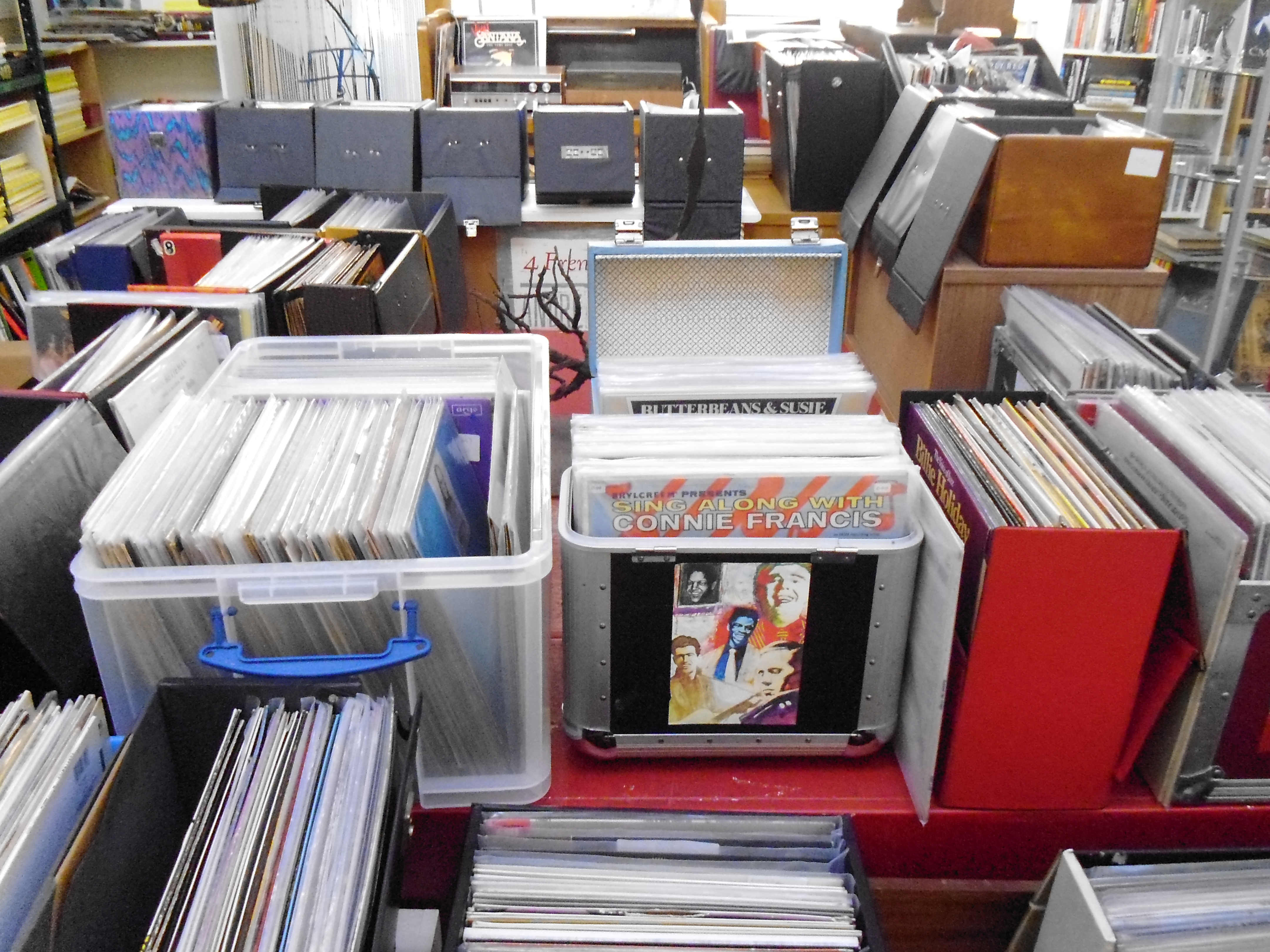
Room at the Top – on the ever so elegant Market Square, centre of the Old Town and part of the ever enlarging nexus of vintage shopping.

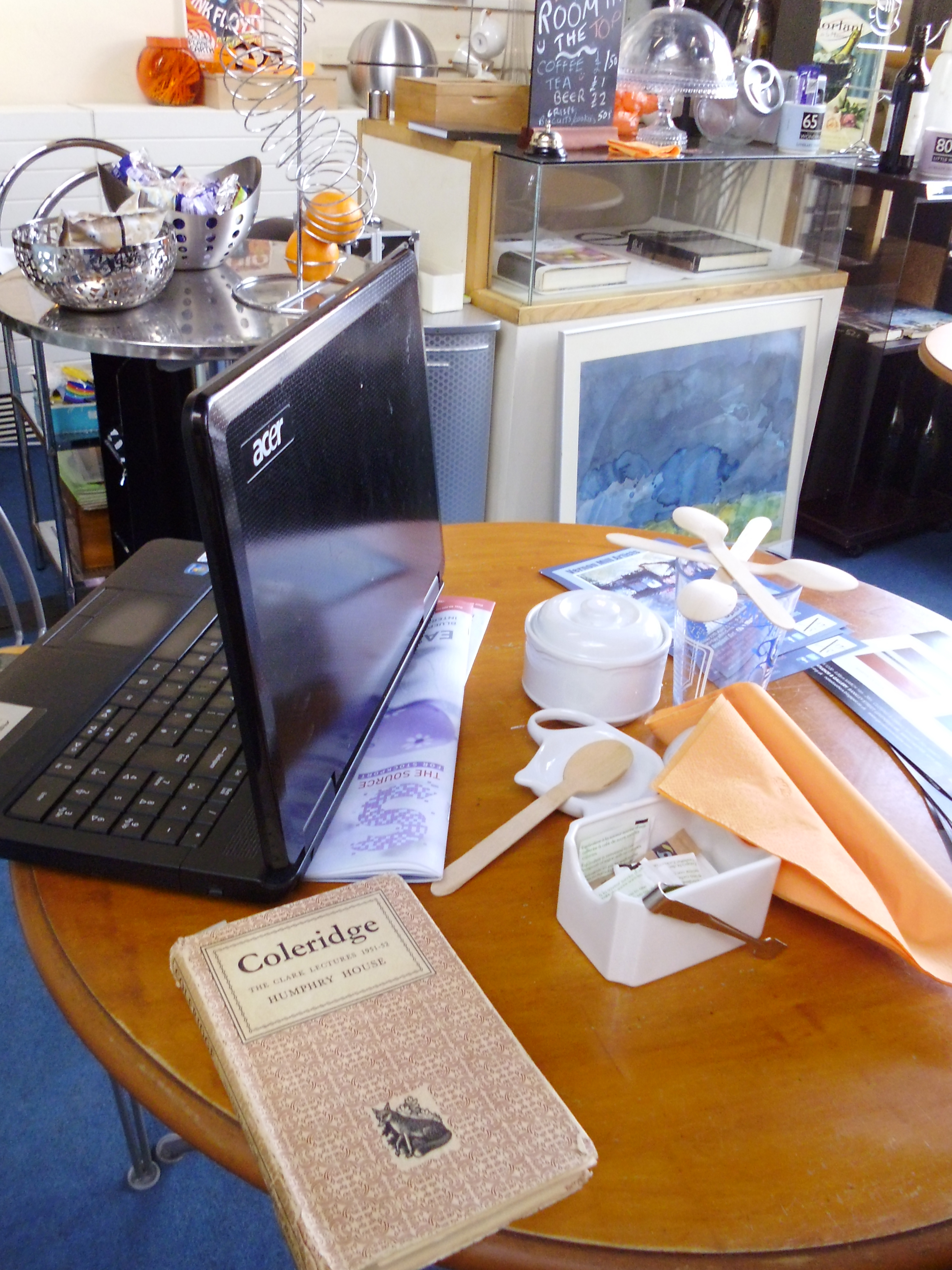
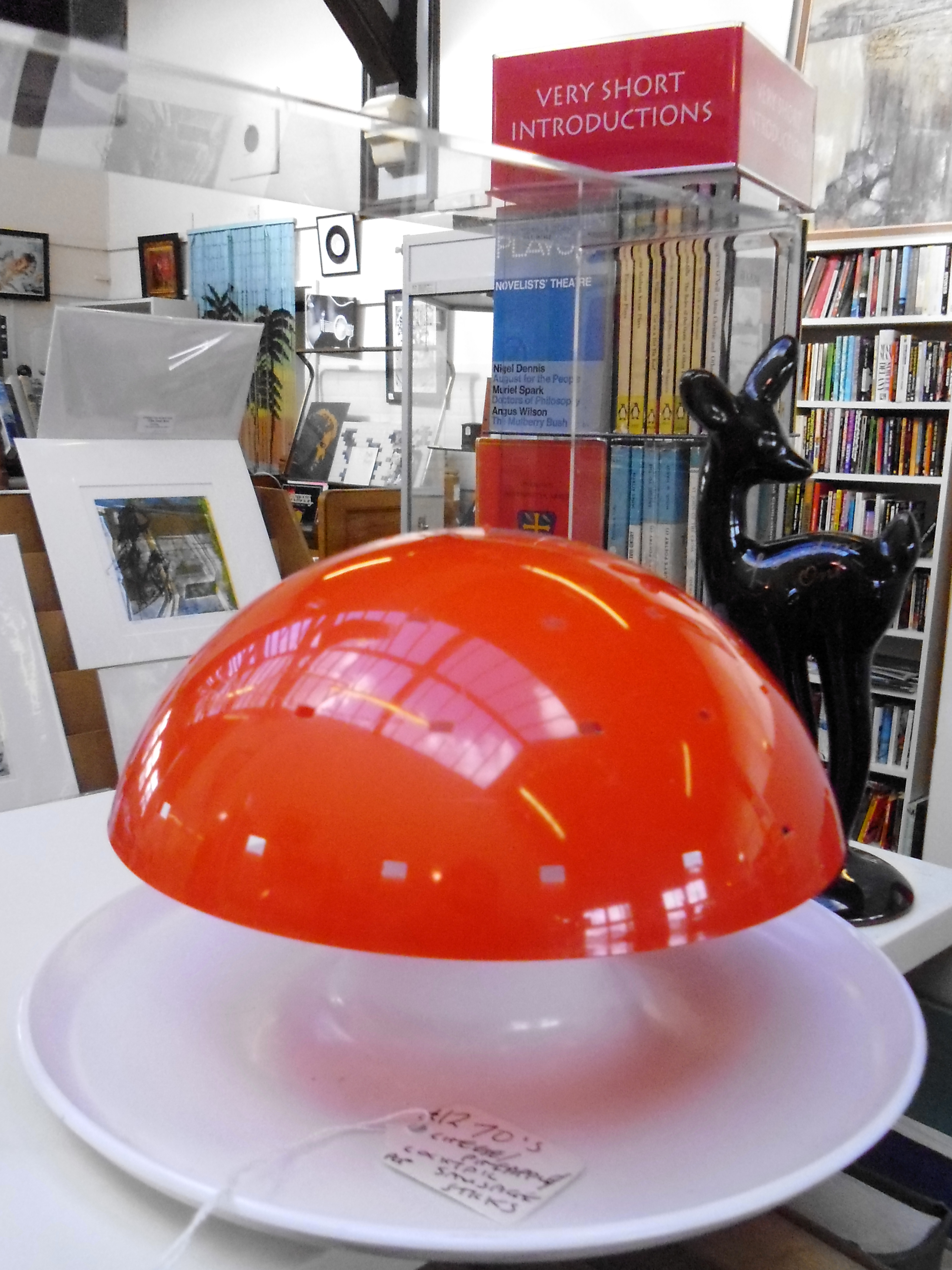
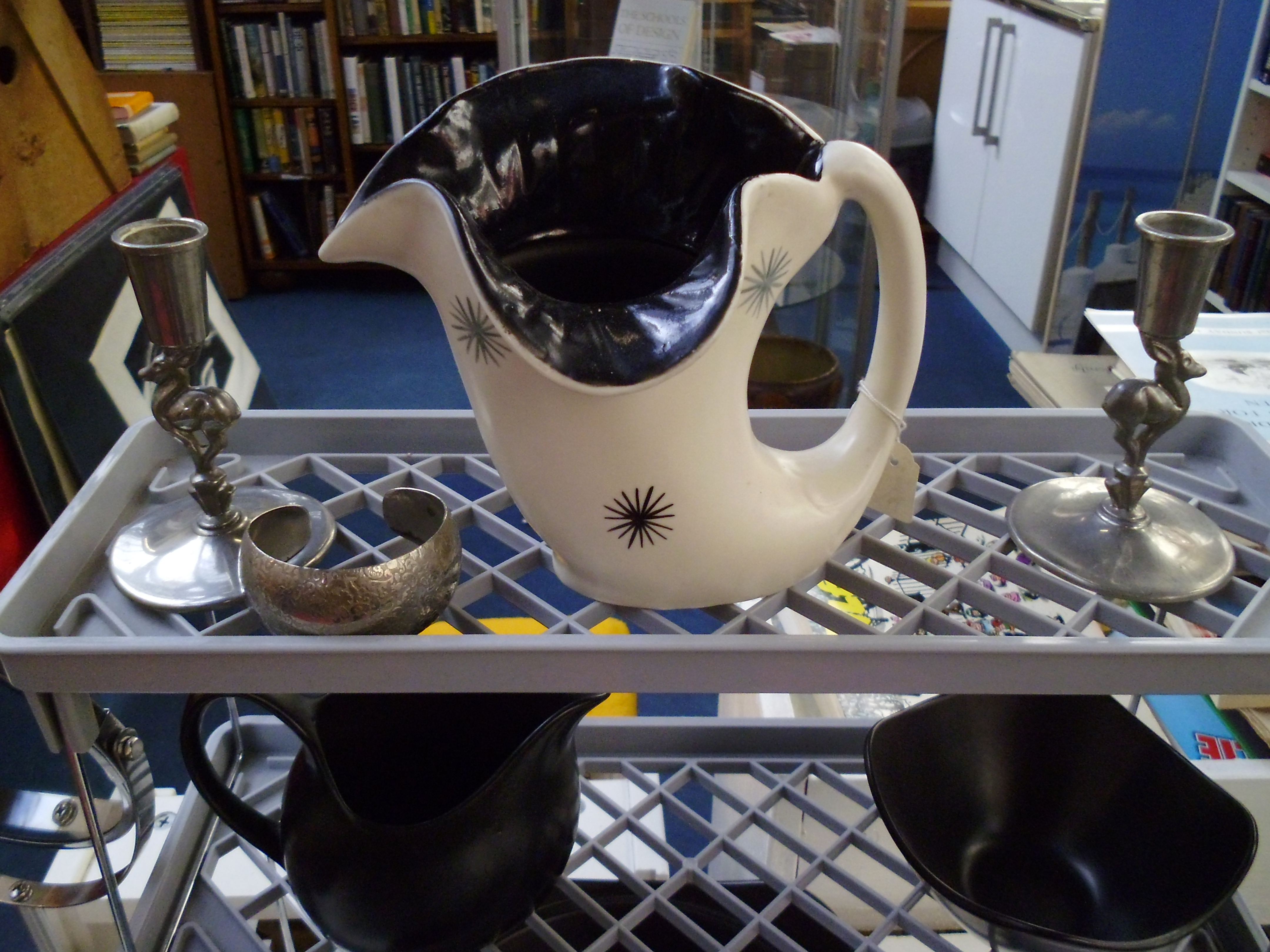
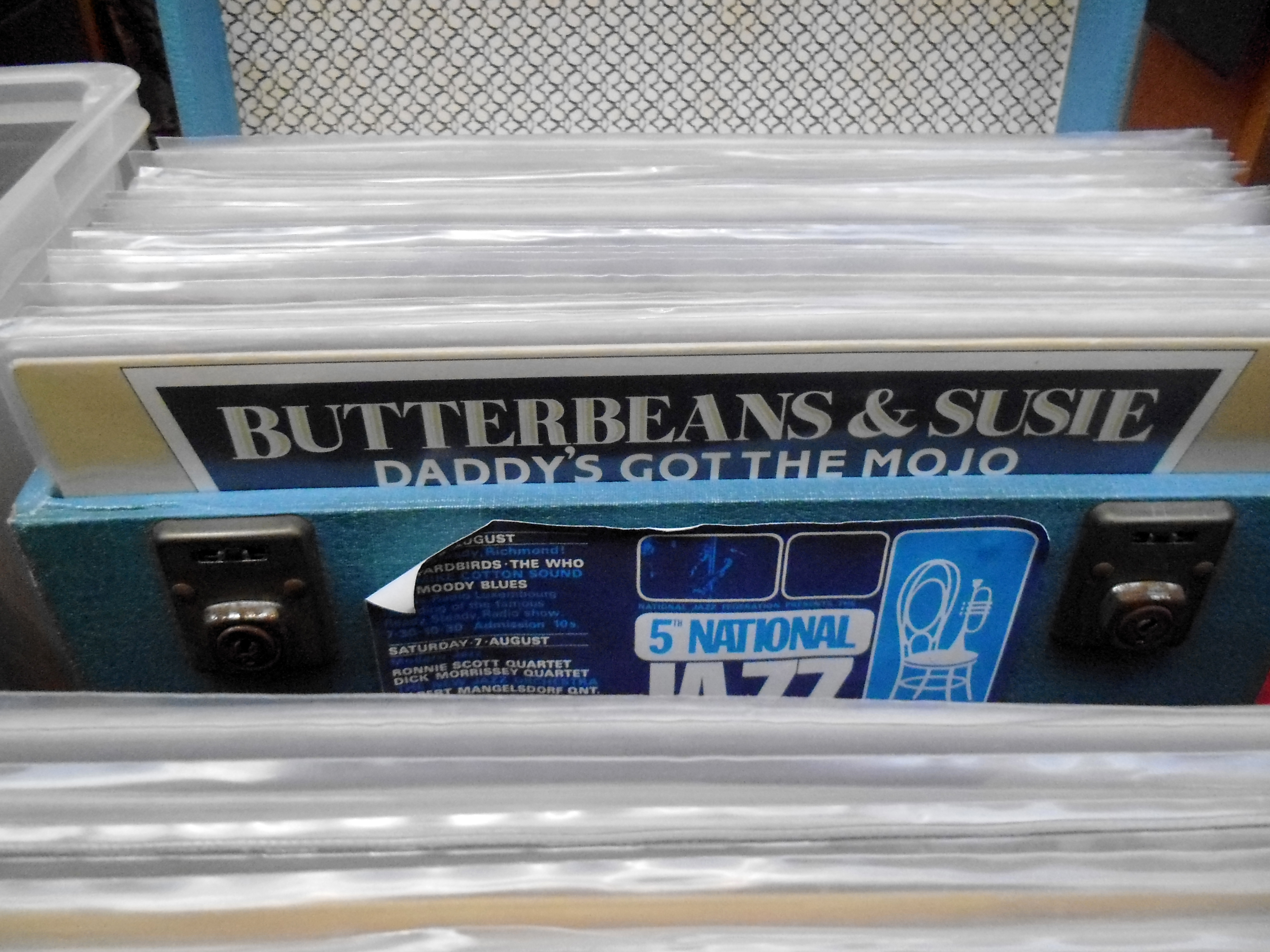
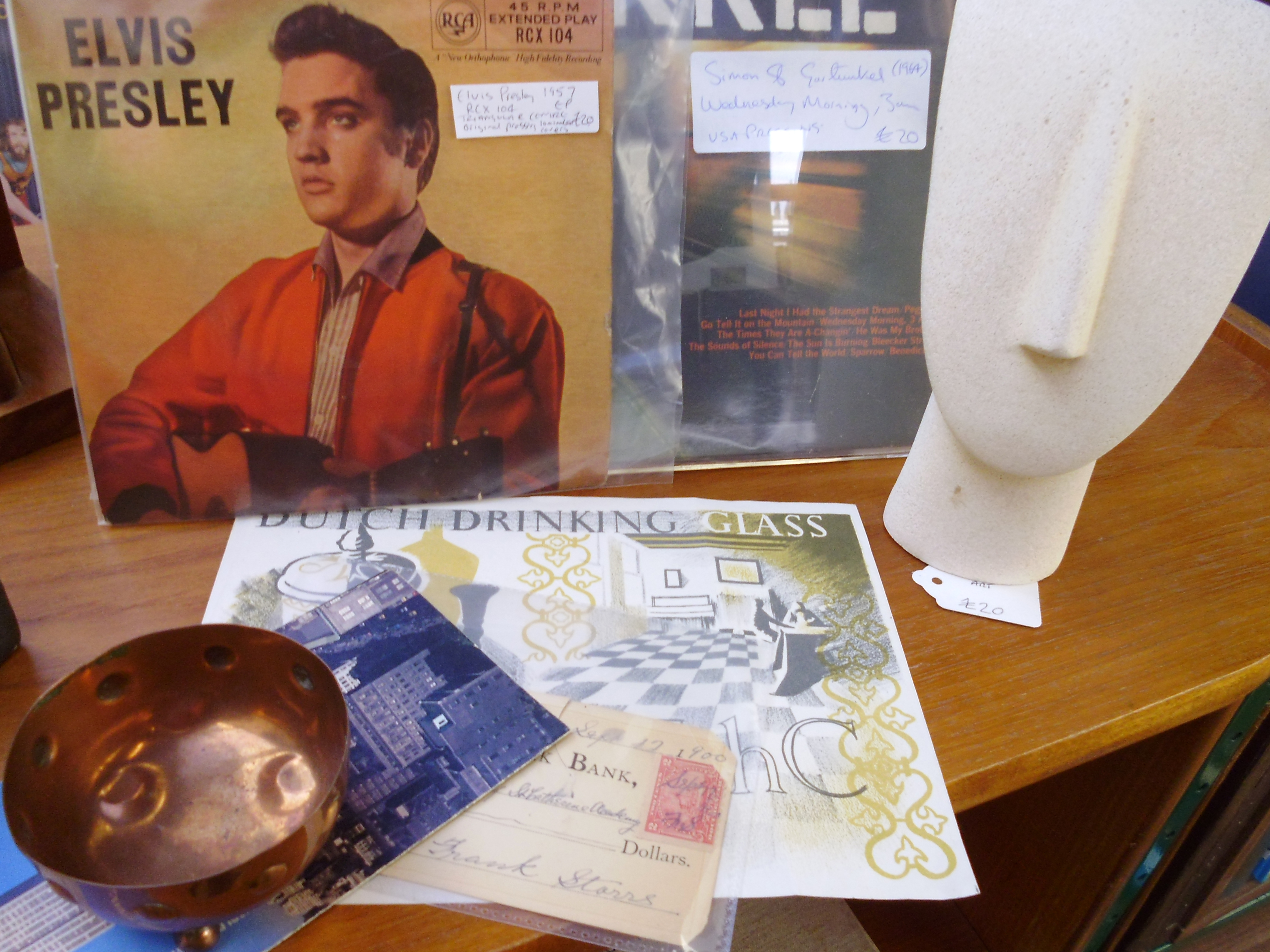
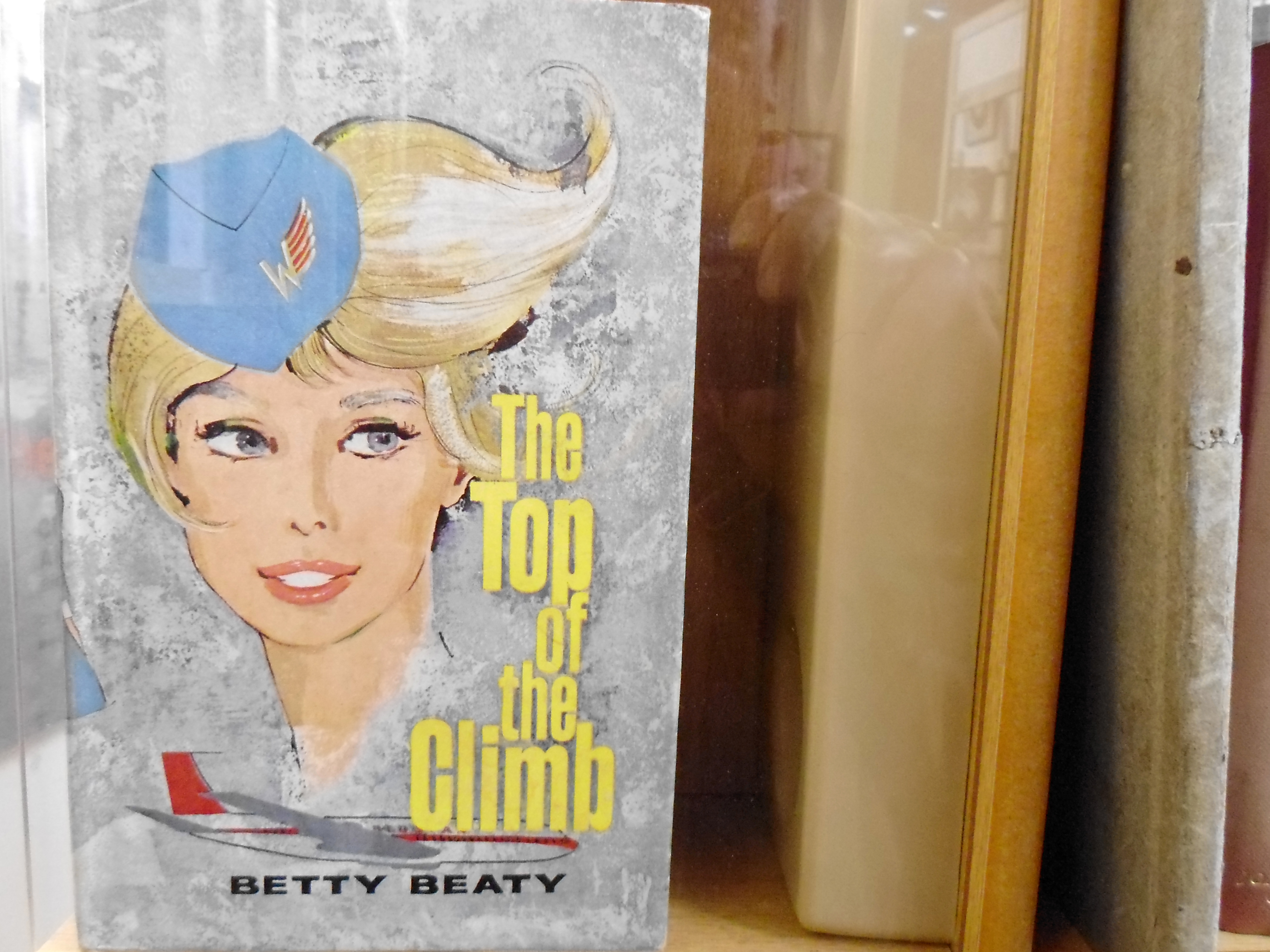
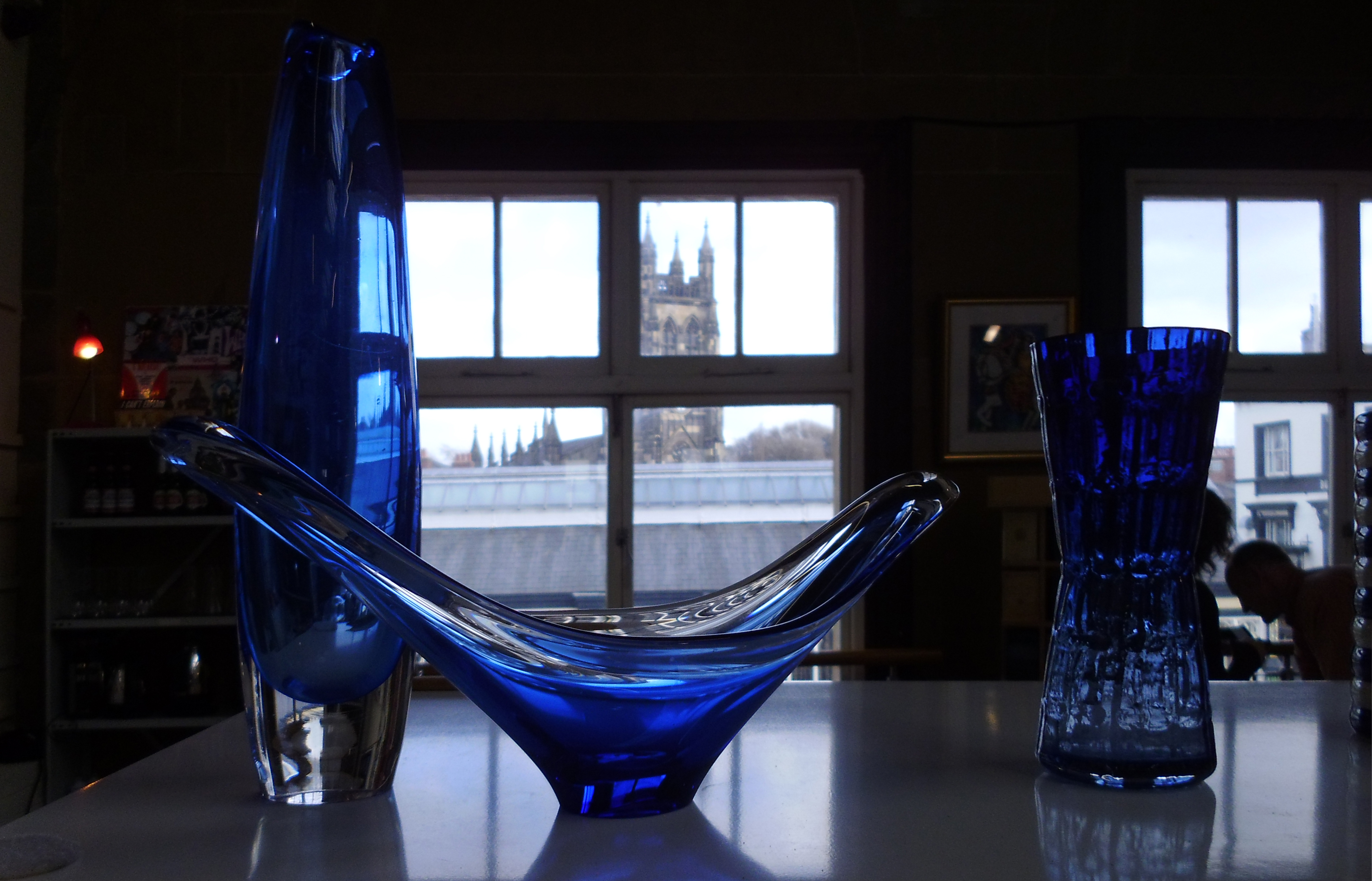
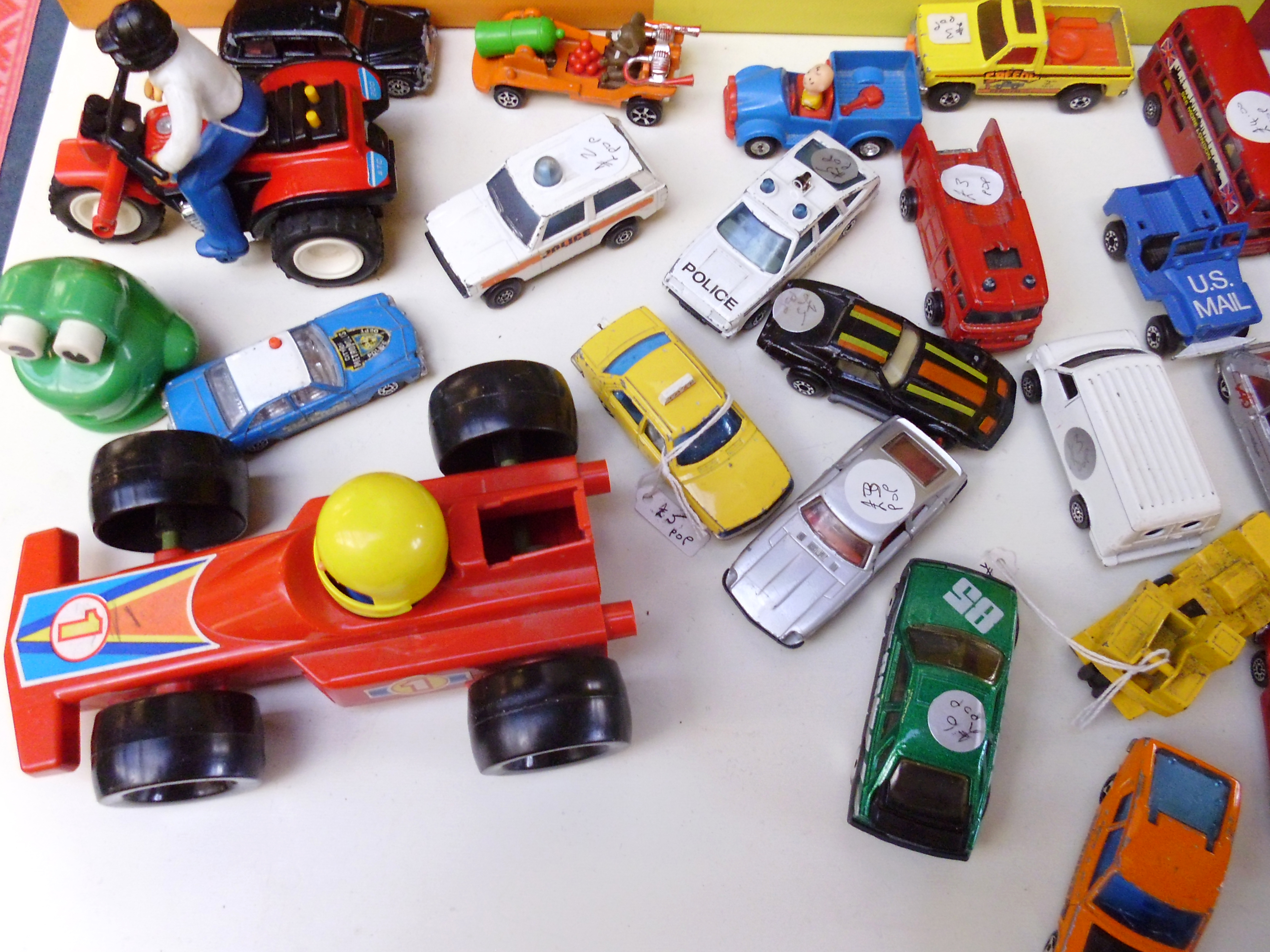
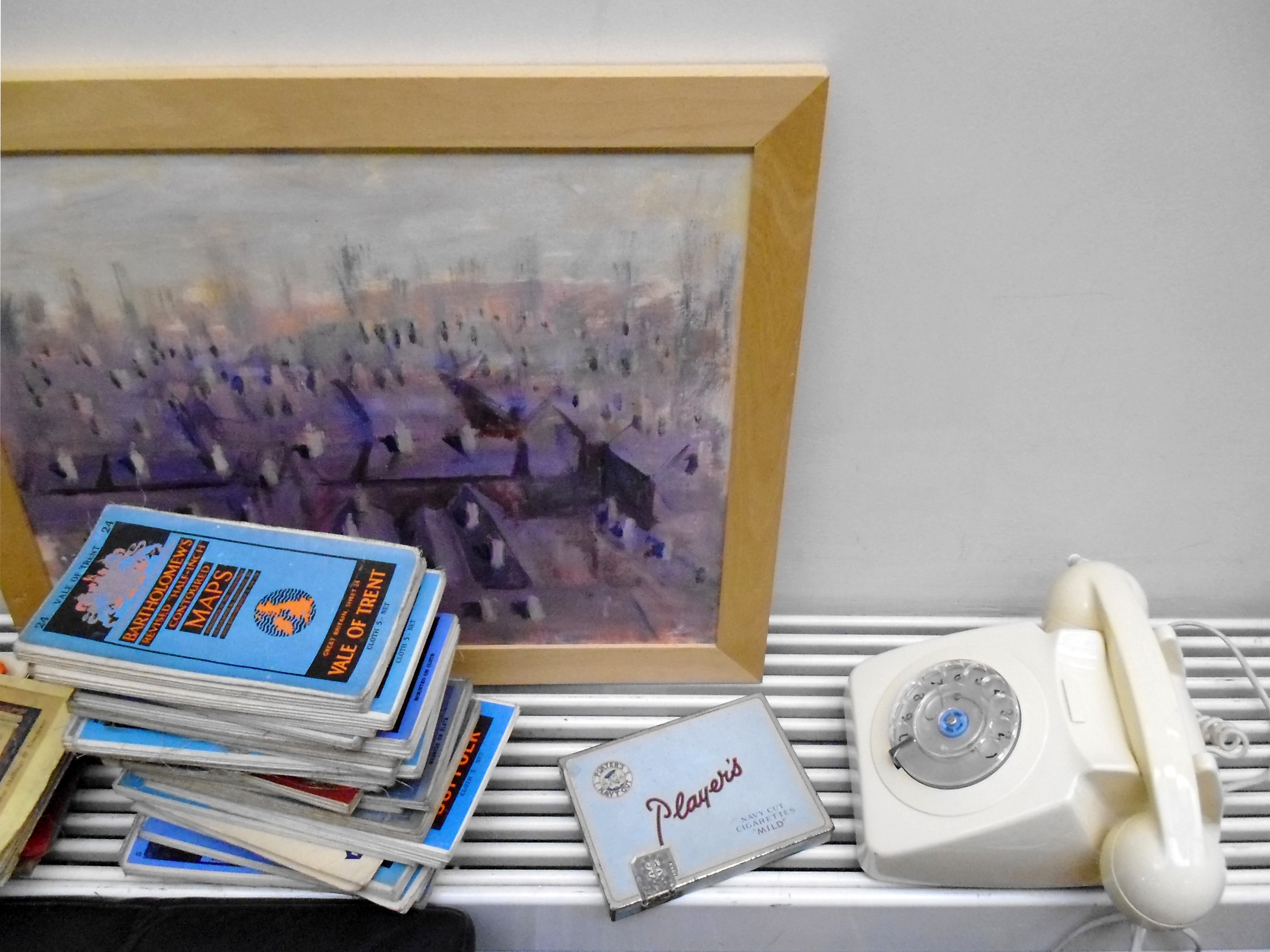
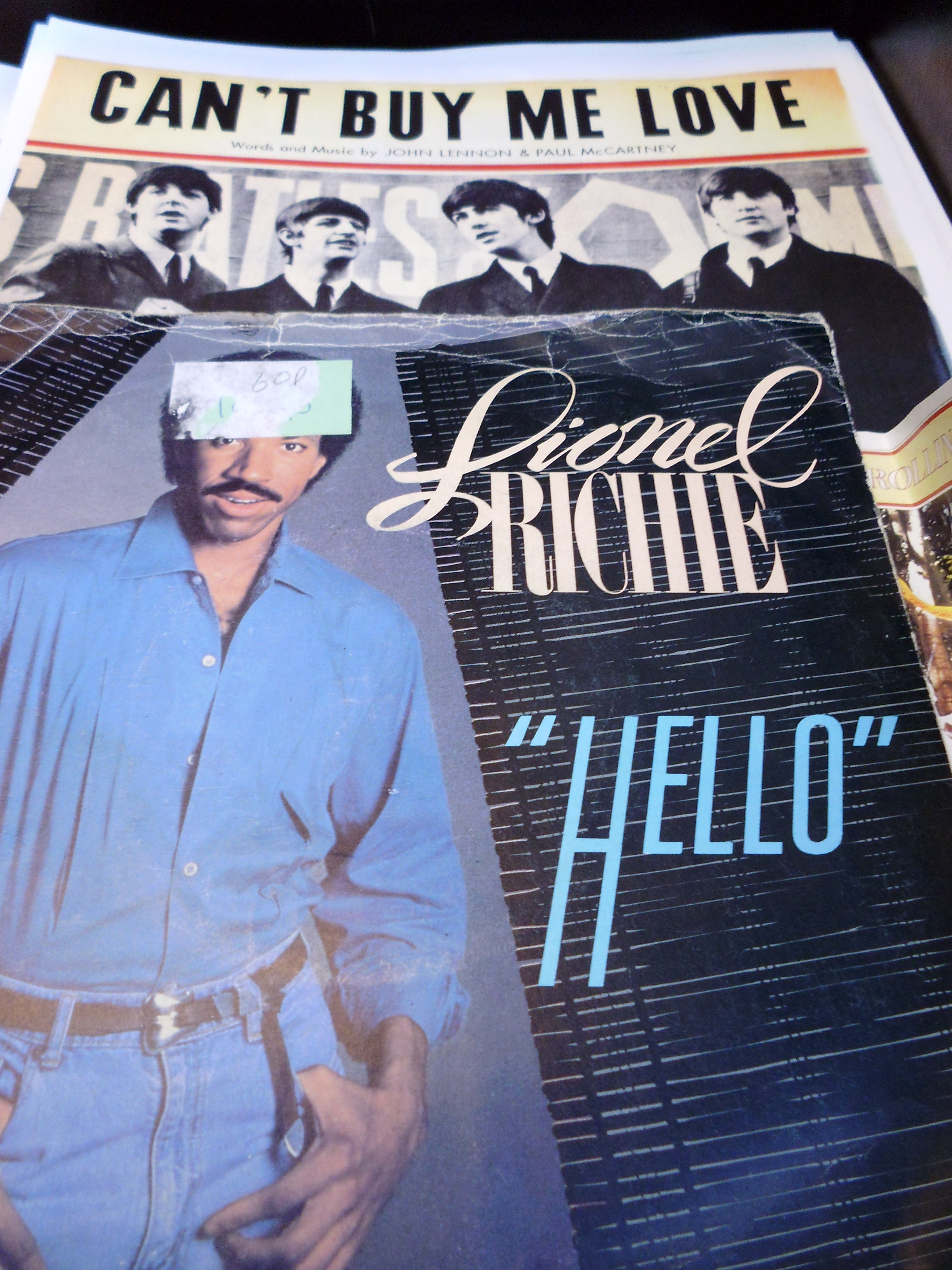
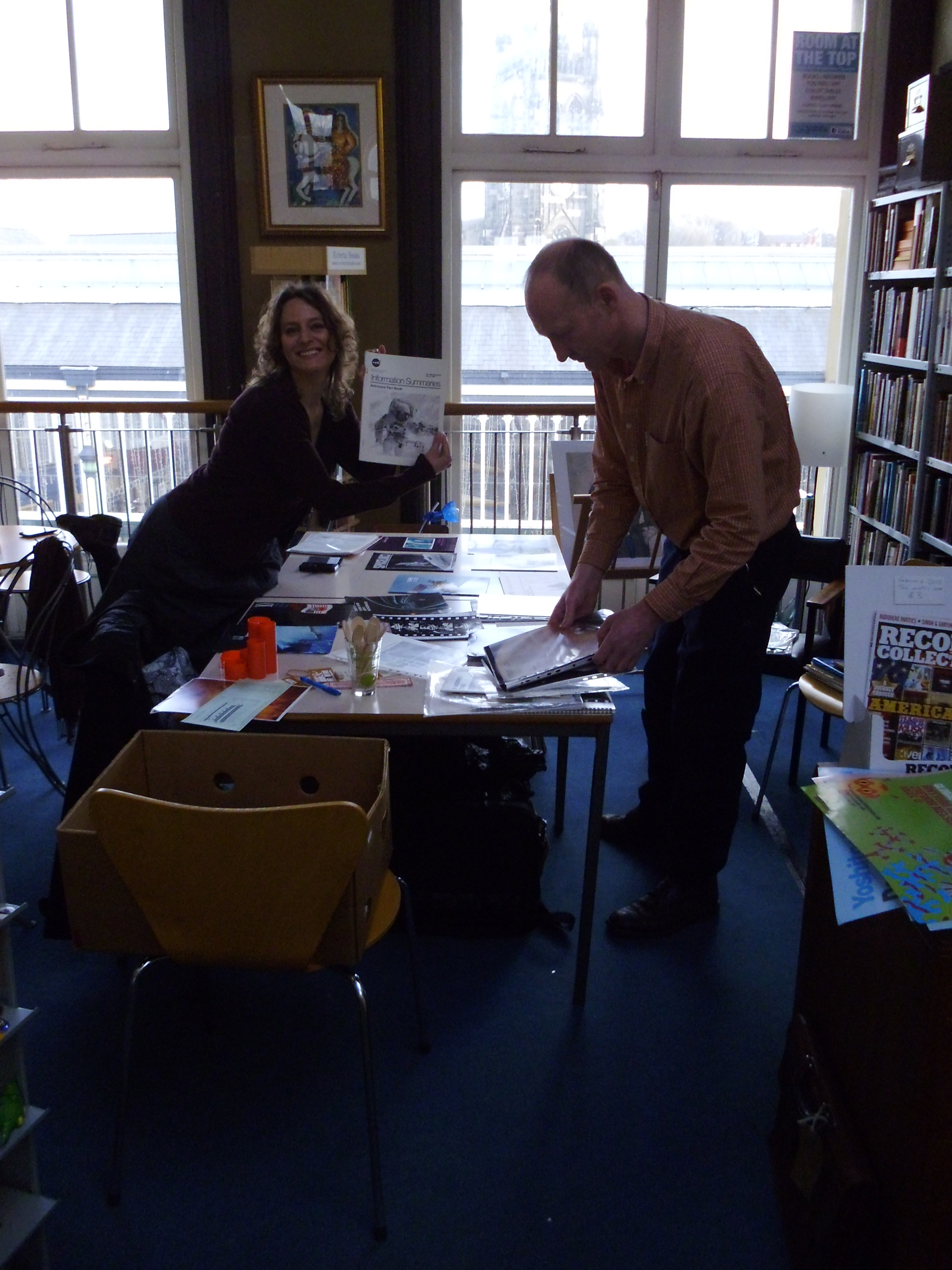
Jane, John and Lynn offer a wide selection of books, records, art, ephemera, glass, toys, ceramics and almost all sorts, in their first floor eyrie of happiness.

Always at the most reasonable of prices – you can get a brew too!

So take an hour out to browse, pursue and lollygag in convivial surroundings.

Leave with bags full excitement and a broad grin.

Stockport – Postal Sorting Office

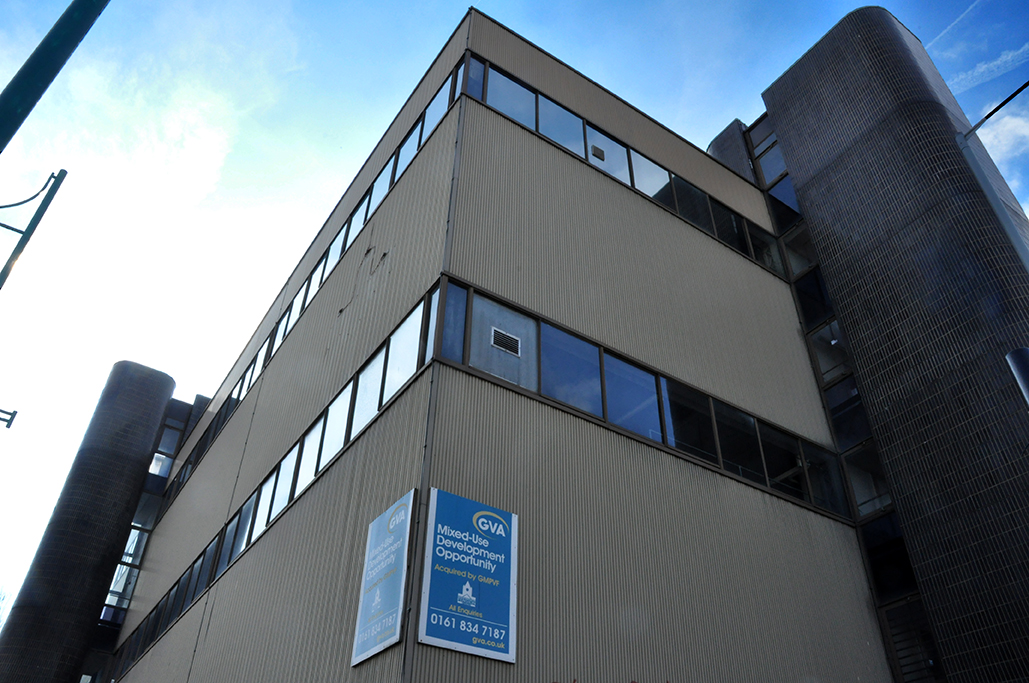
What happens to functionalist architecture when it ceases to function?

It ceases to function.

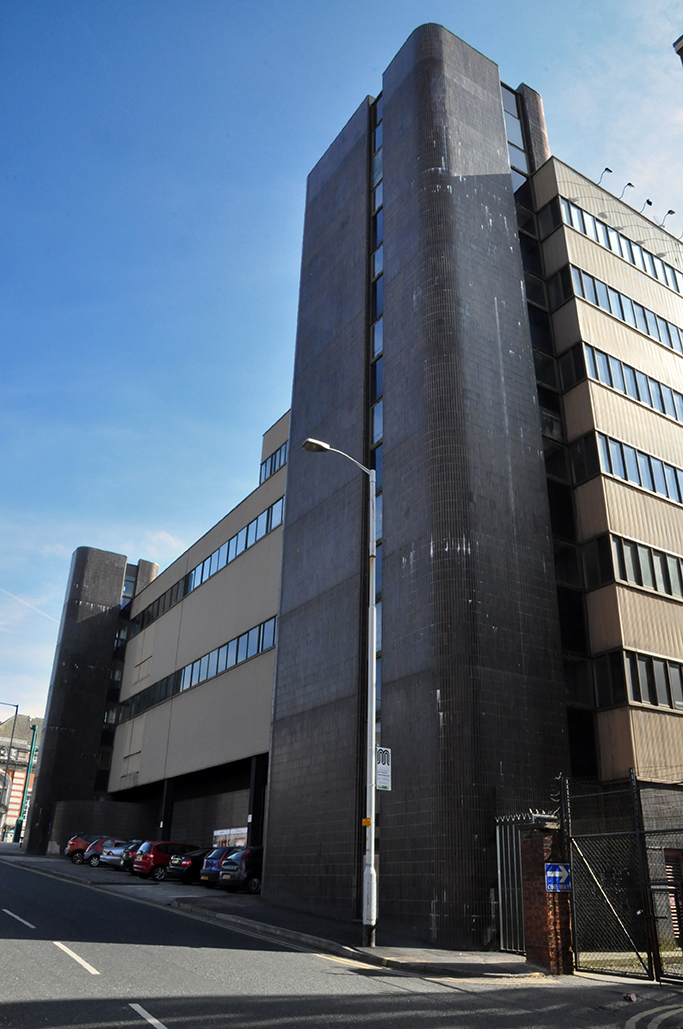
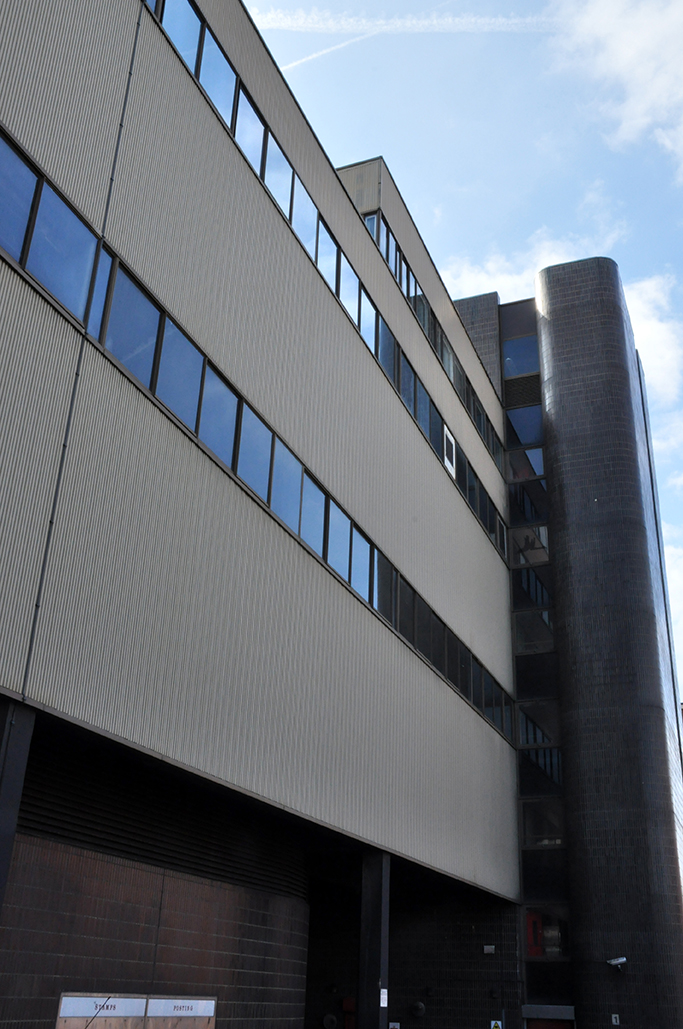
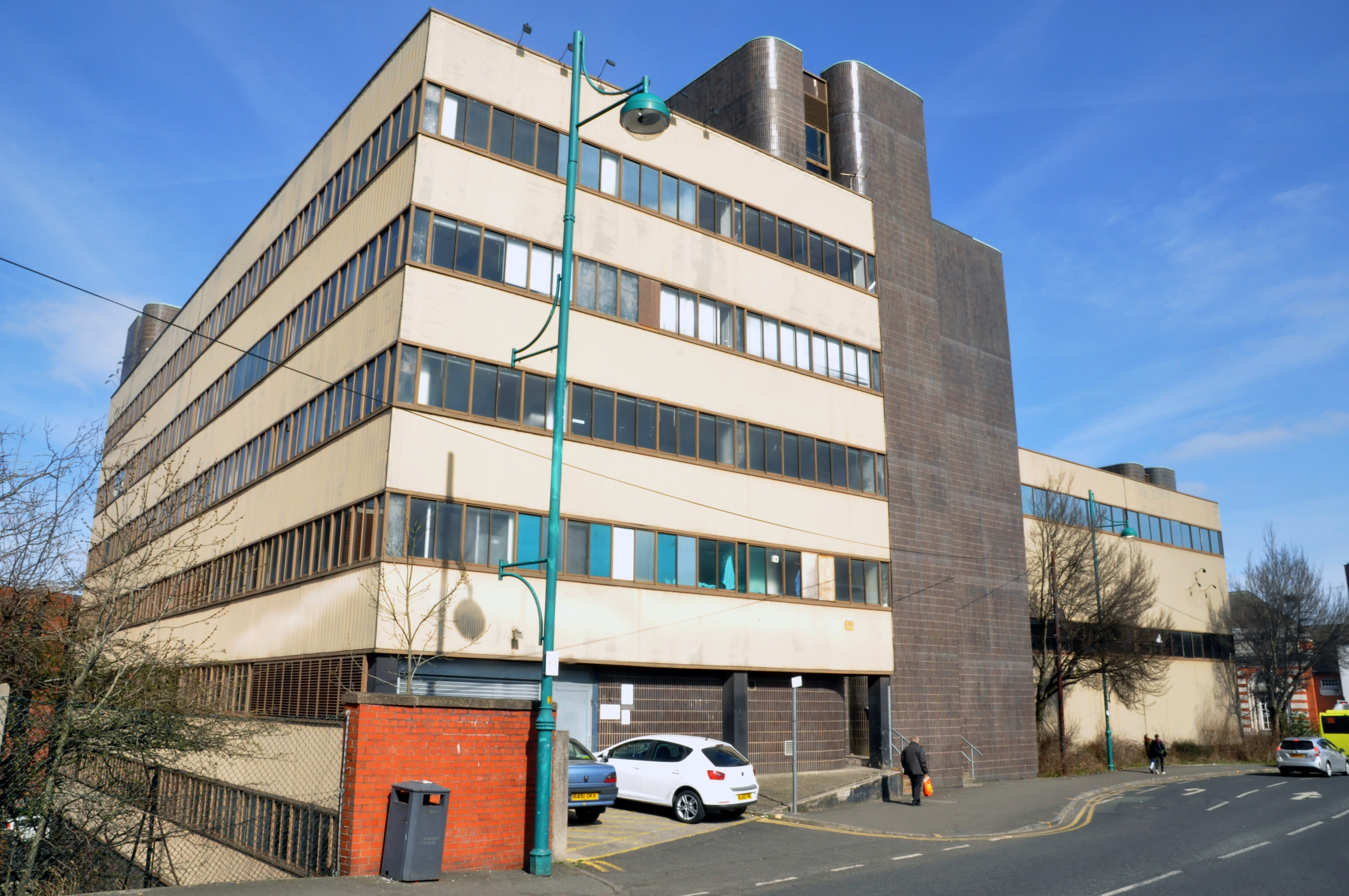
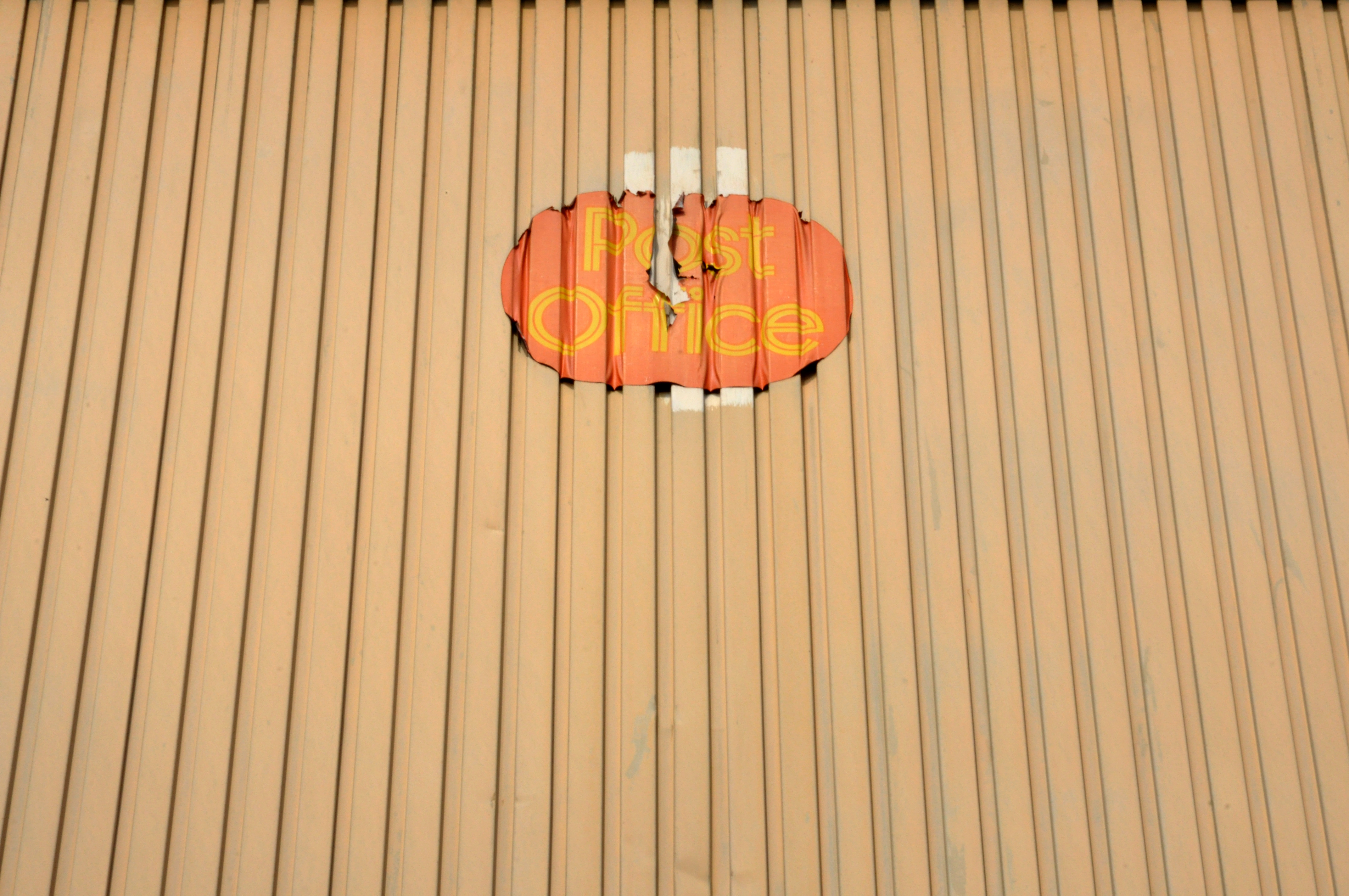
Standing on the A6 in the centre of the town, once home to a warren of postal workers, sorting mail in preparation for the two delivery a day walks. This was a communications hub before they even thought of communications hubs.

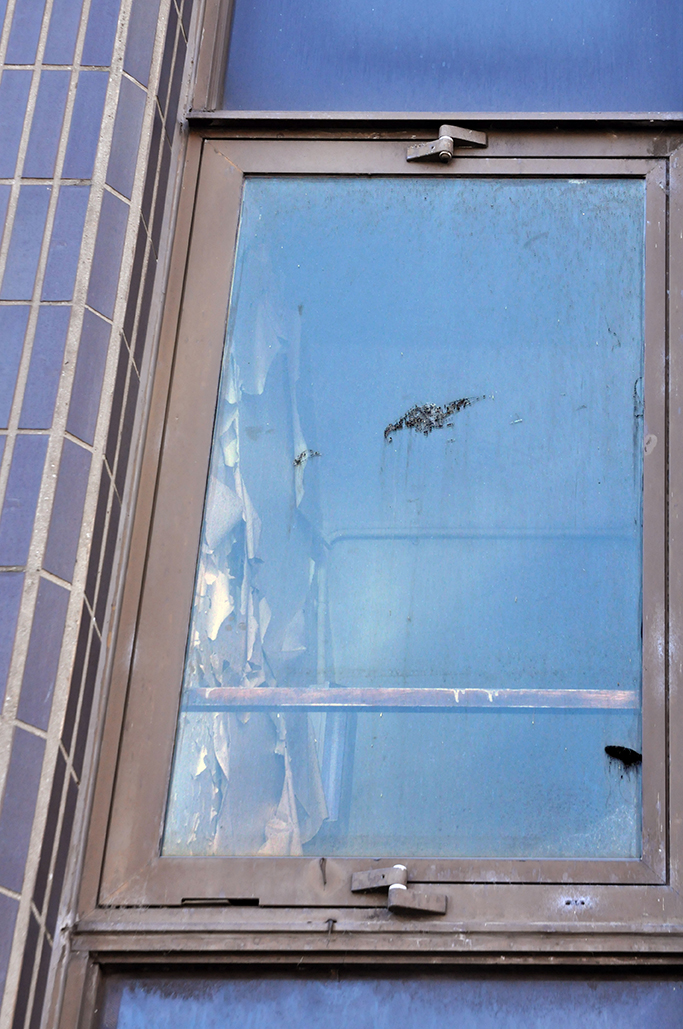
The office stands empty, inside the paint slowly peels.

Following changes in working practices the posties now sort their own round, for a single daily delivery. The process has become mechanised, requiring new technologies and an appropriate anonymous architecture, on the edge of town.

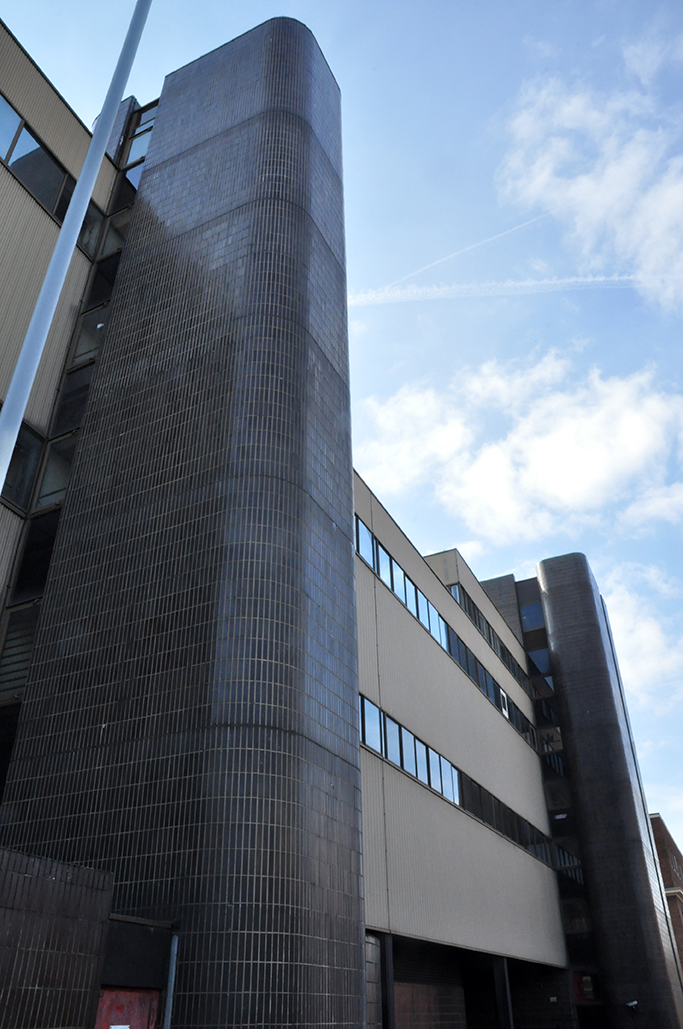
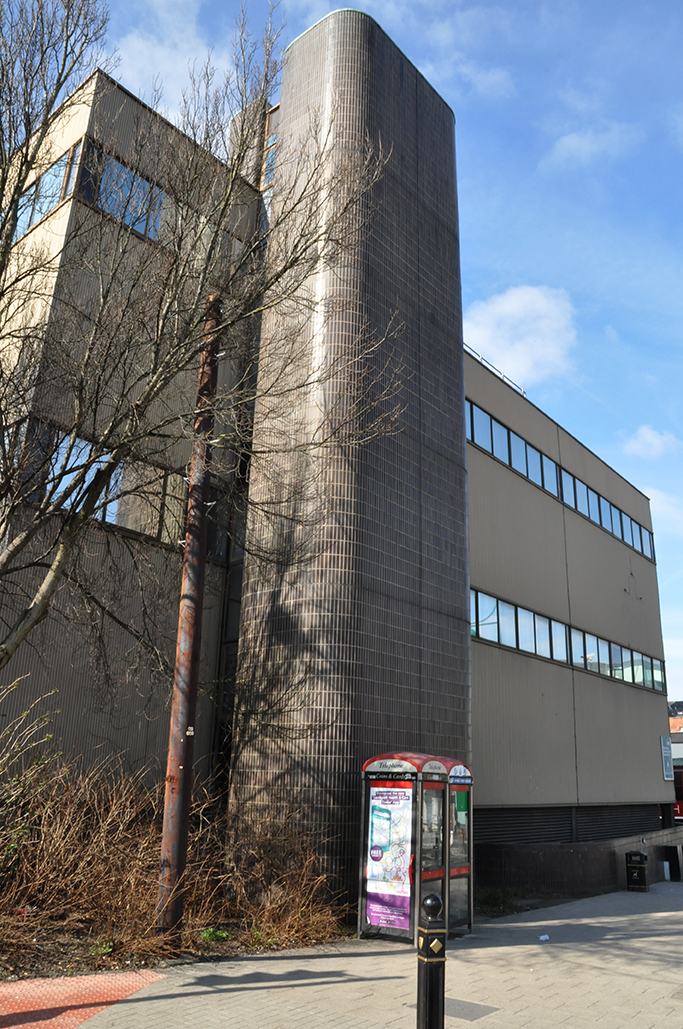
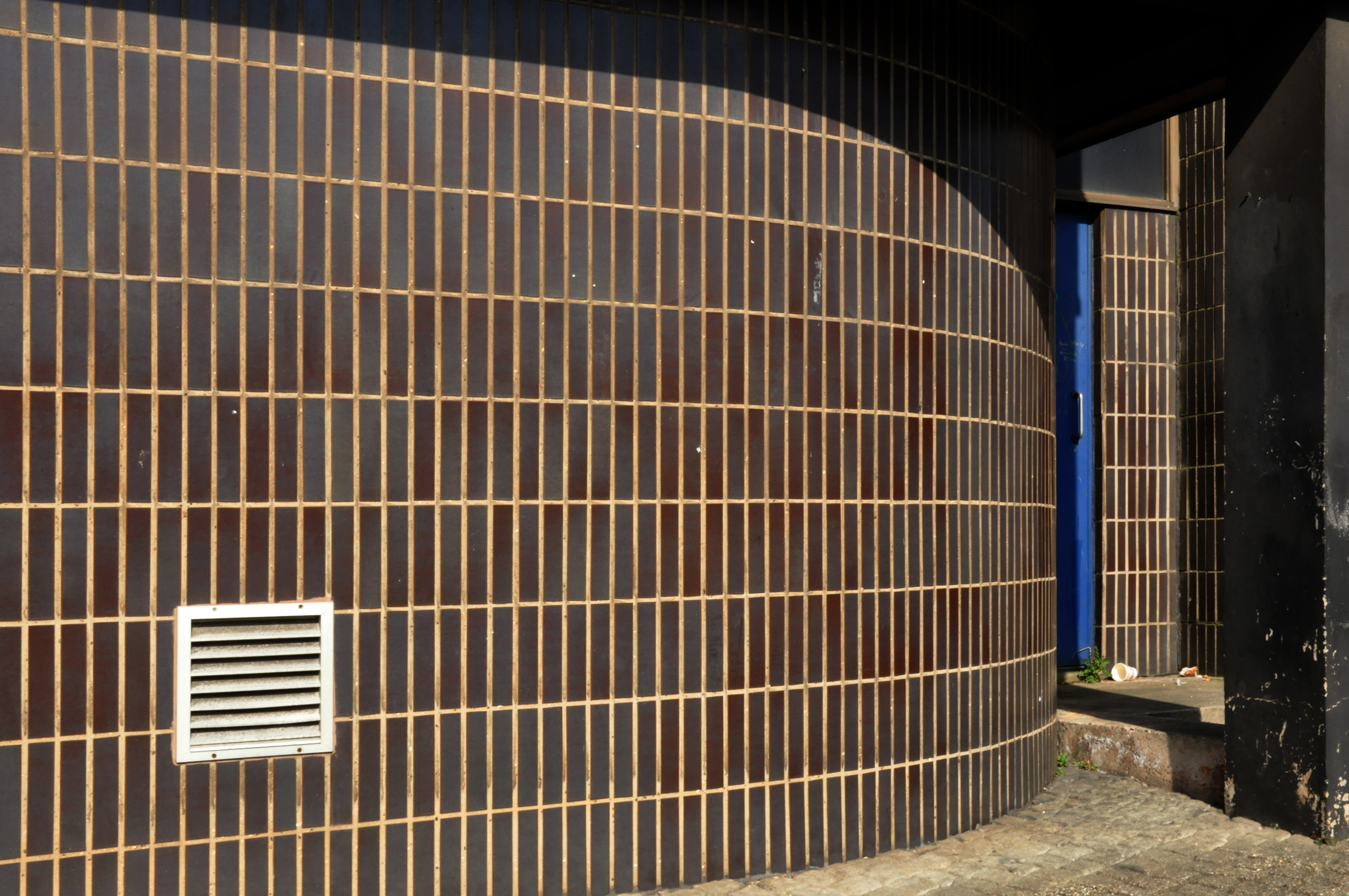
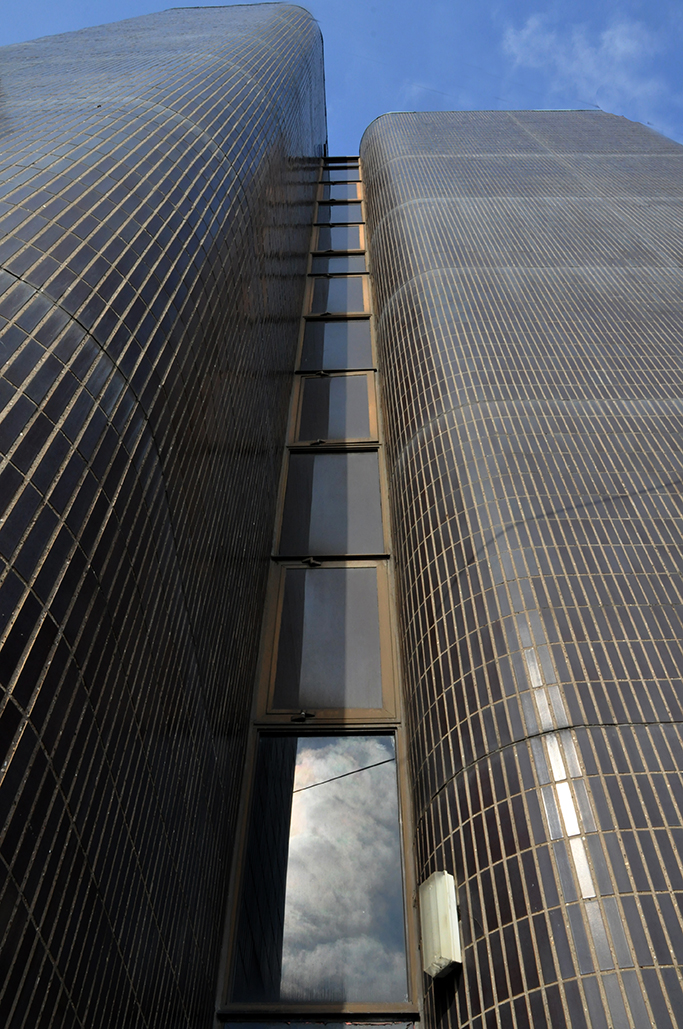
The building however, continues to reflect a 70s optimism, monumental – fading, as optimism is apt to do.

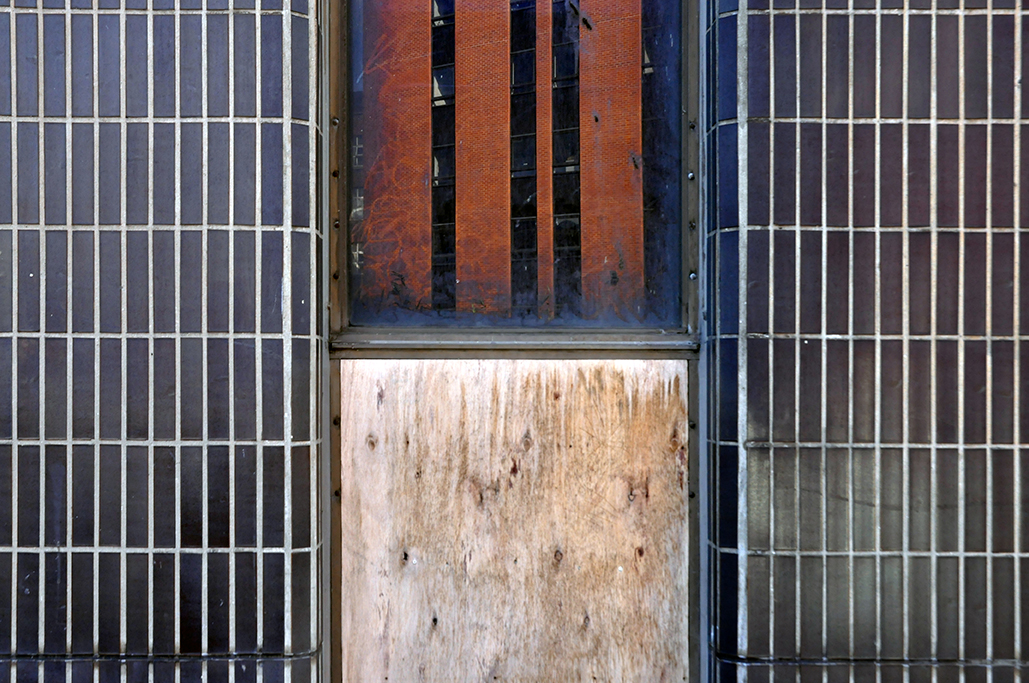
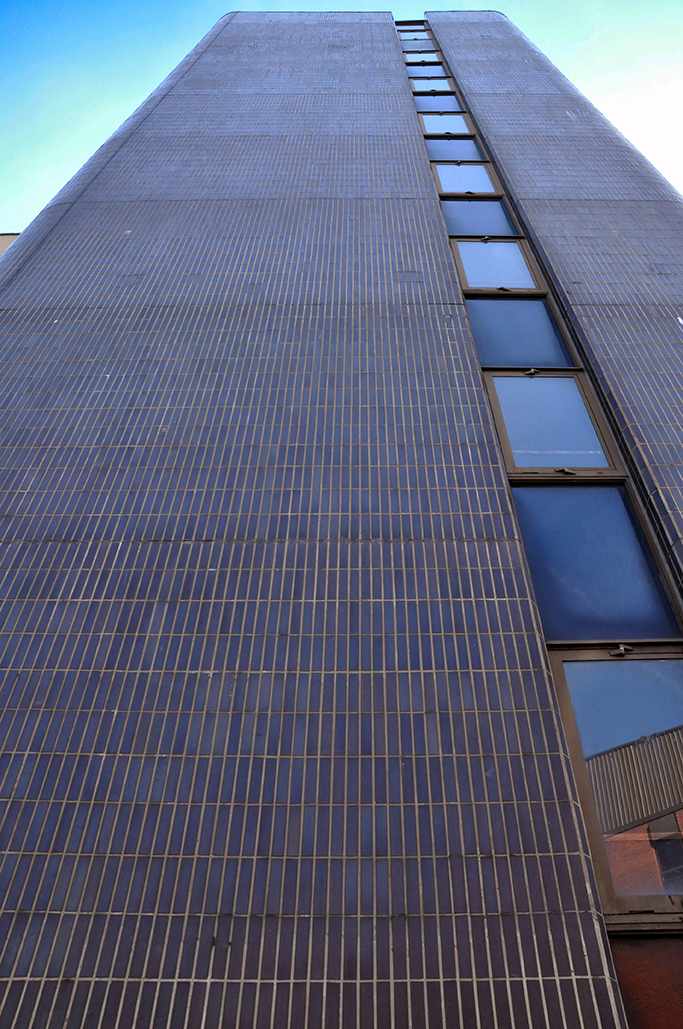
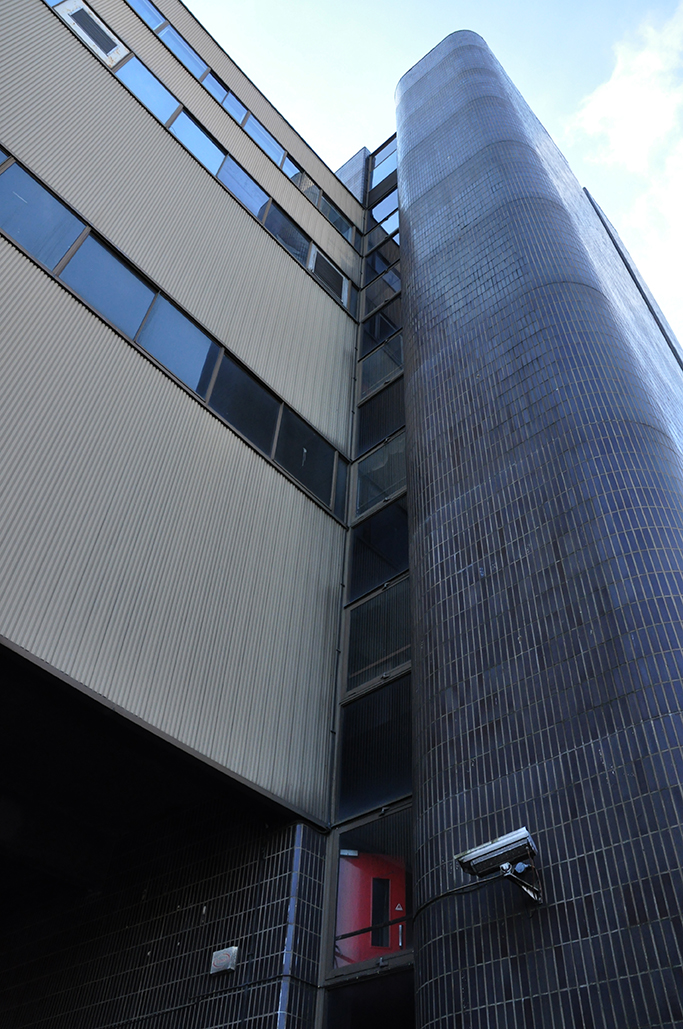
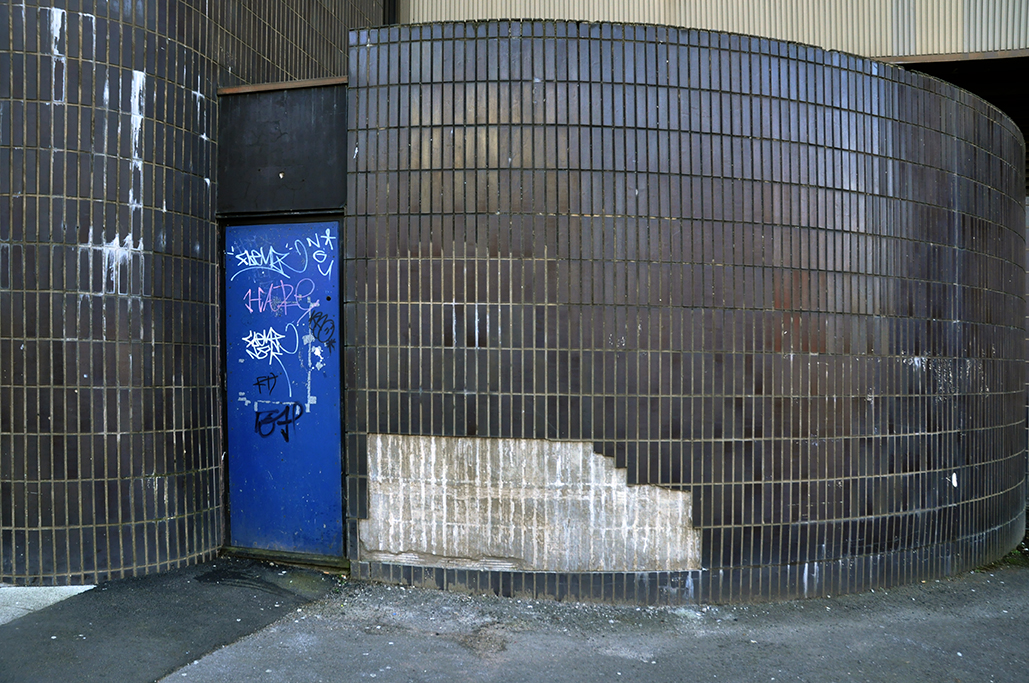
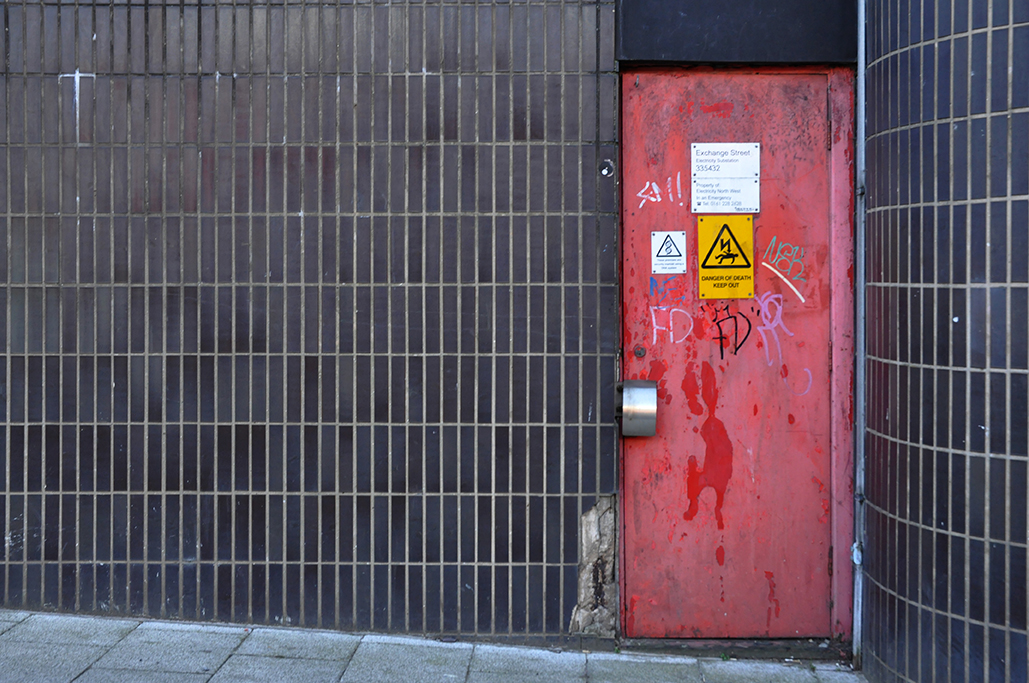
An exciting composition of curved tiled volumes and boxy glass and steel modernism, in a delightfully battered brown and cream. Now in the ownership of the Greater Manchester Pension fund, its future would seem, to say the least, uncertain. This whole Grand Central site clustered around the railway station has been subject to a series of speculative leisure developments. As in other locations they seem to fade, just as quickly as the boarded hoardings, shrouded in designers’ digital piazza visualisations.

So we stand and stare at each other lovingly,  our heads in a cloud of municipal stasis.

Inside nothing moves.

DSC_0003 copy

DSC_0004 copy

DSC_0005 copy

DSC_0006 copy

DSC_0007 copy

DSC_0009 copy

DSC_0010 copy

DSC_0011 copy

DSC_0012 copy

DSC_0013 copy

DSC_0014 copy

DSC_0015 copy

DSC_0016 copy

DSC_0017 copy

DSC_0018 copy

Stockport – Post Box

I fall in love too easily
I fall in love too fast
I fall in love too terribly hard
For love to ever last

My heart should be well-schooled
‘Cause I’ve been fooled in the past
But still I fall in love so easily
I fall in love too fast

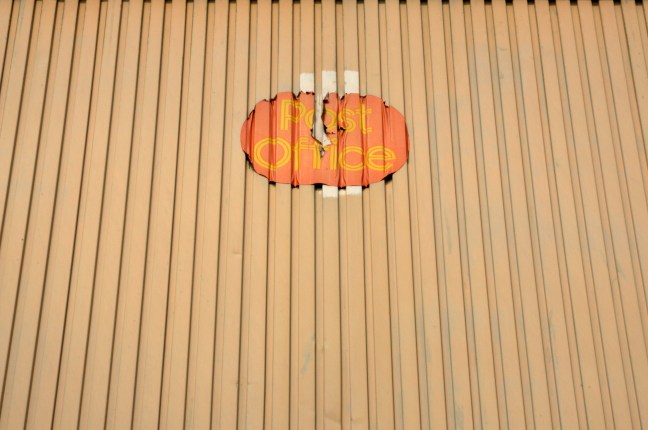
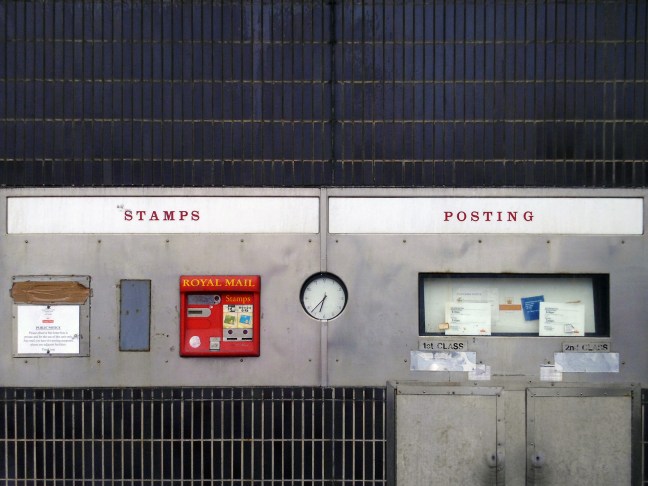
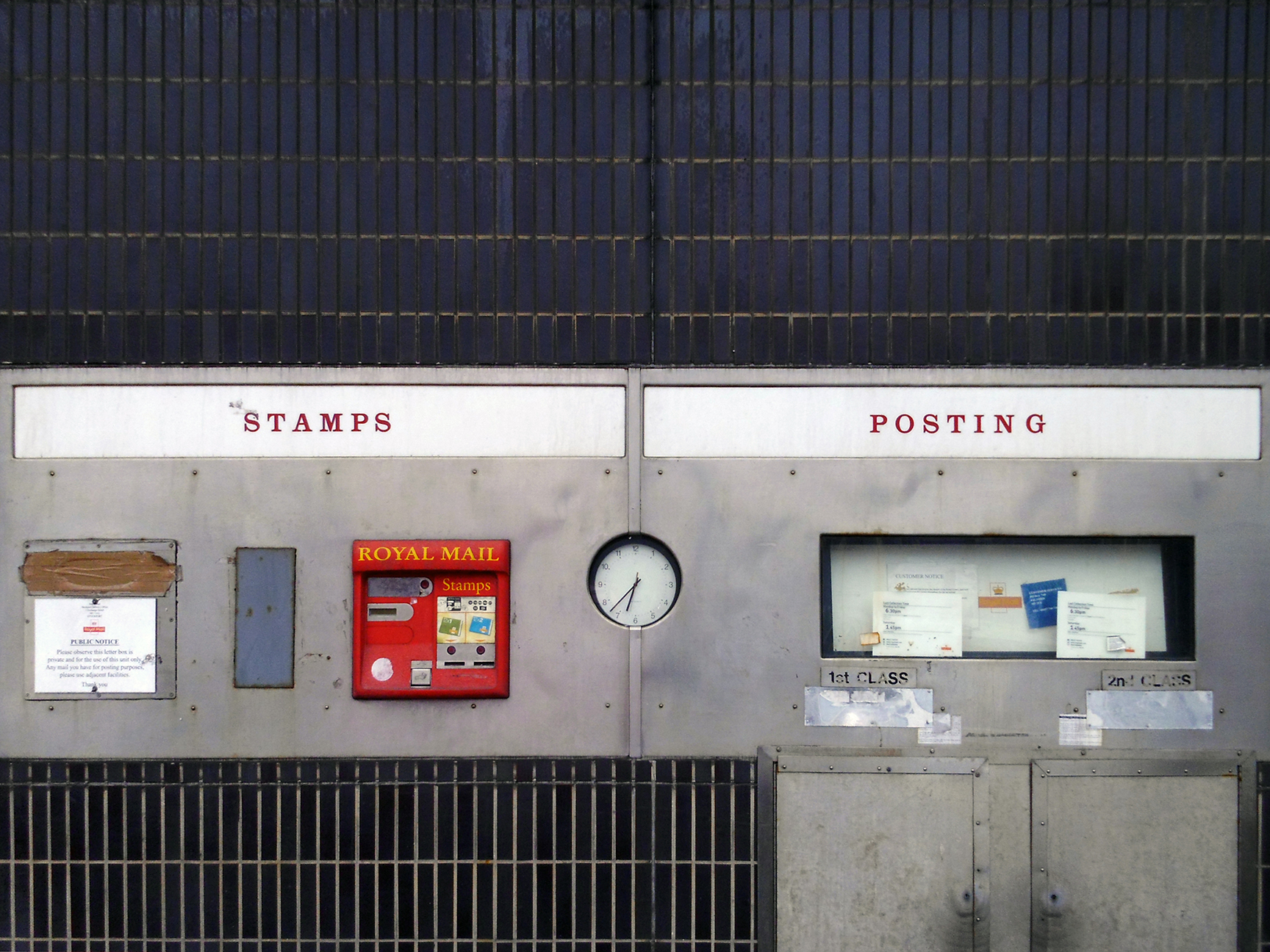
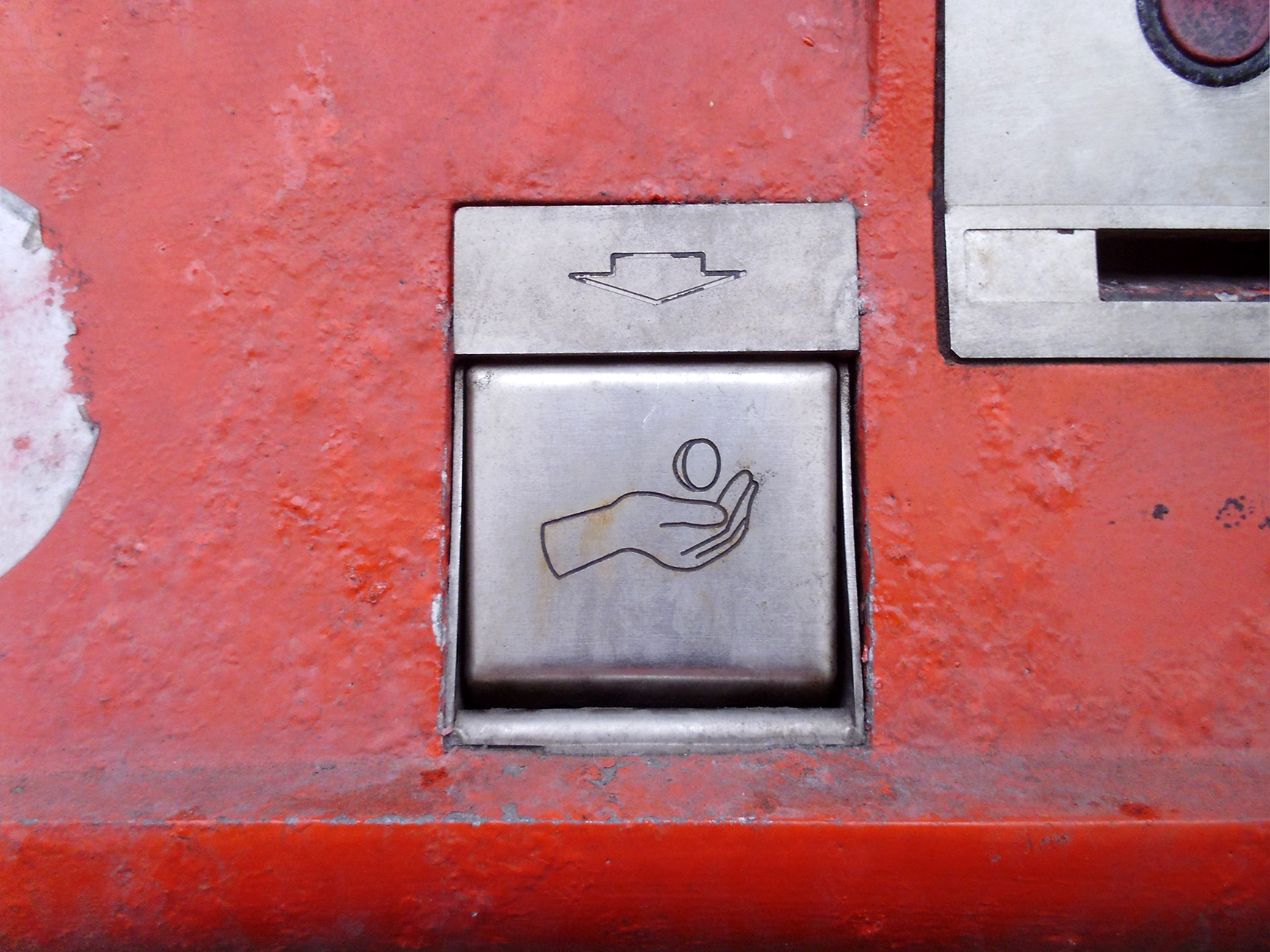
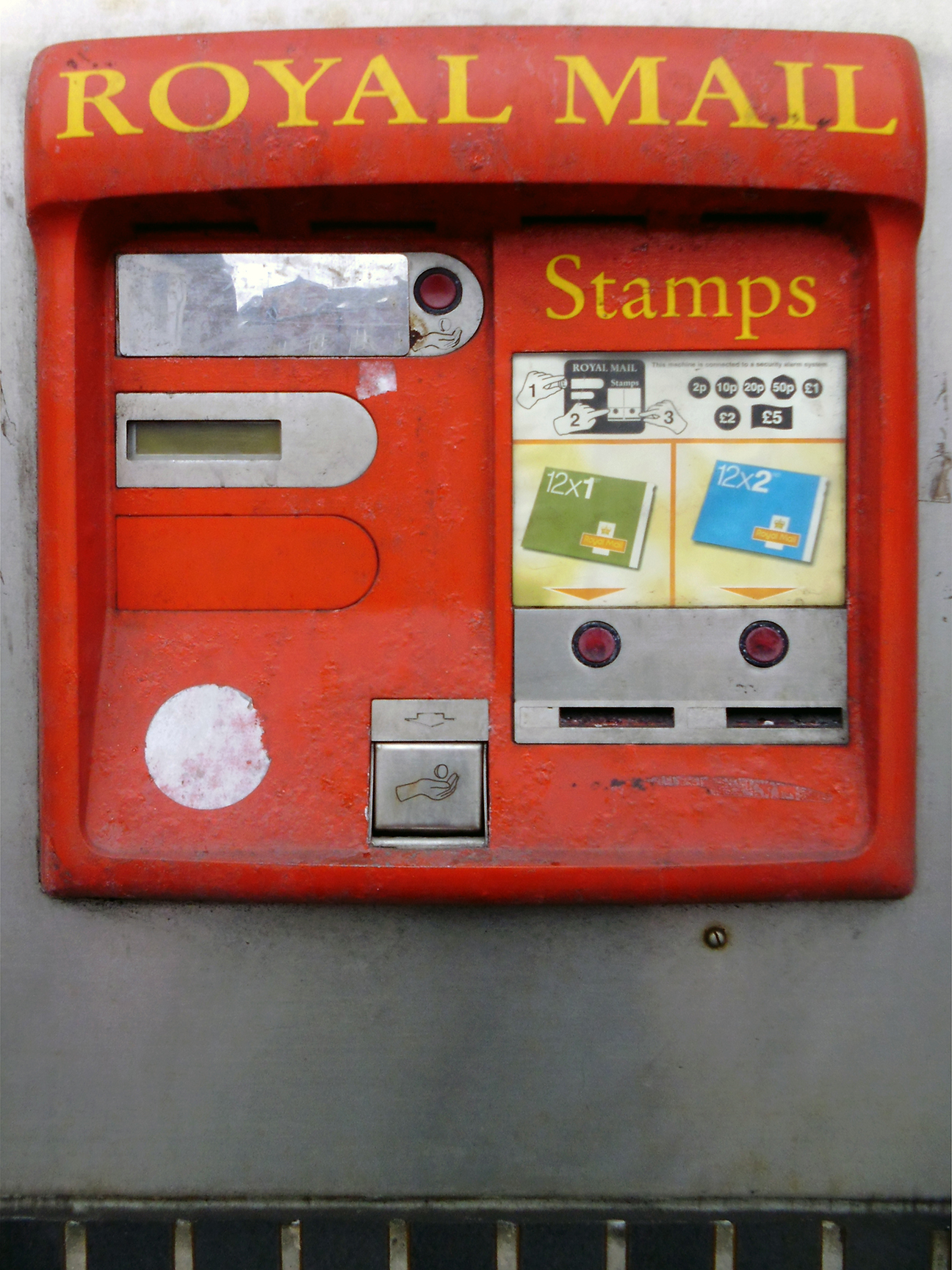
I fell for you the very first time I saw you – imbedded in the wall of the Postal Sorting Office.

Though now each time I pass by and try my best to look the other way, I’m helpless and hopelessly can’t resist.

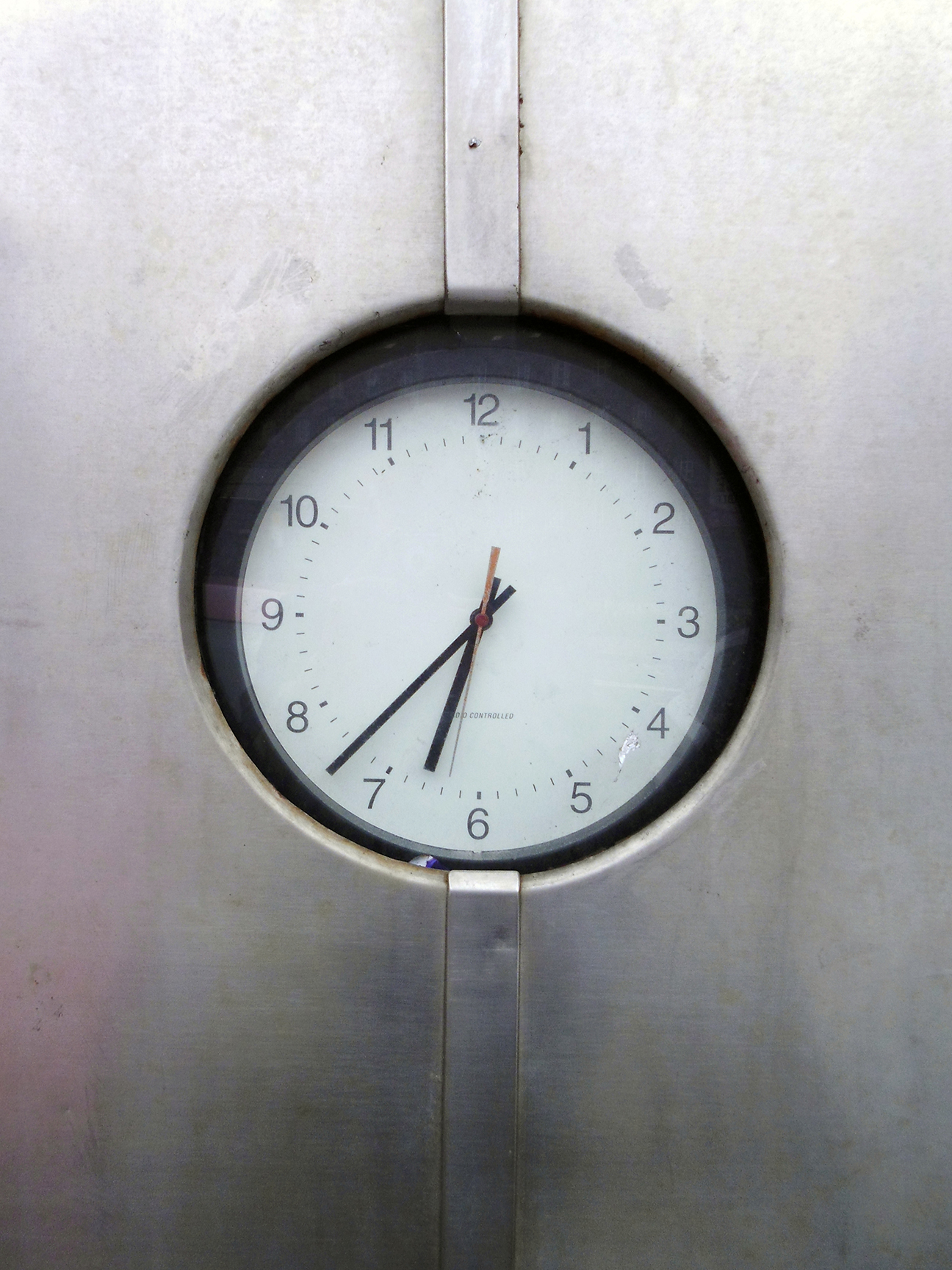
But you’re closed – all I can do his stare at your stopped clock.

And wonder what might have been.

It’s twenty three minutes to seven – forever in my heart.

https://www.youtube.com/watch?v=3zrSoHgAAWo

P1060149 copy

P1060150 copy

P1060151 copy

P1060153 copy

P1060154 copy

P1060155 copy

P1060156 copy

P1060157 copy

P1060158 copy