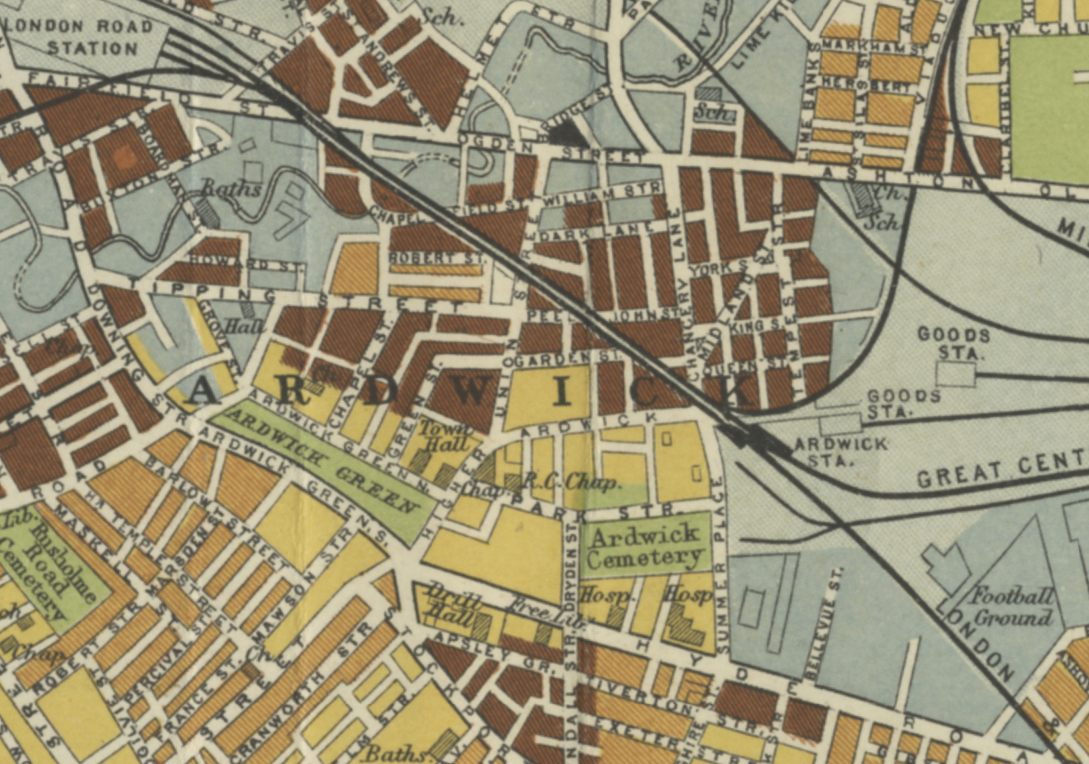
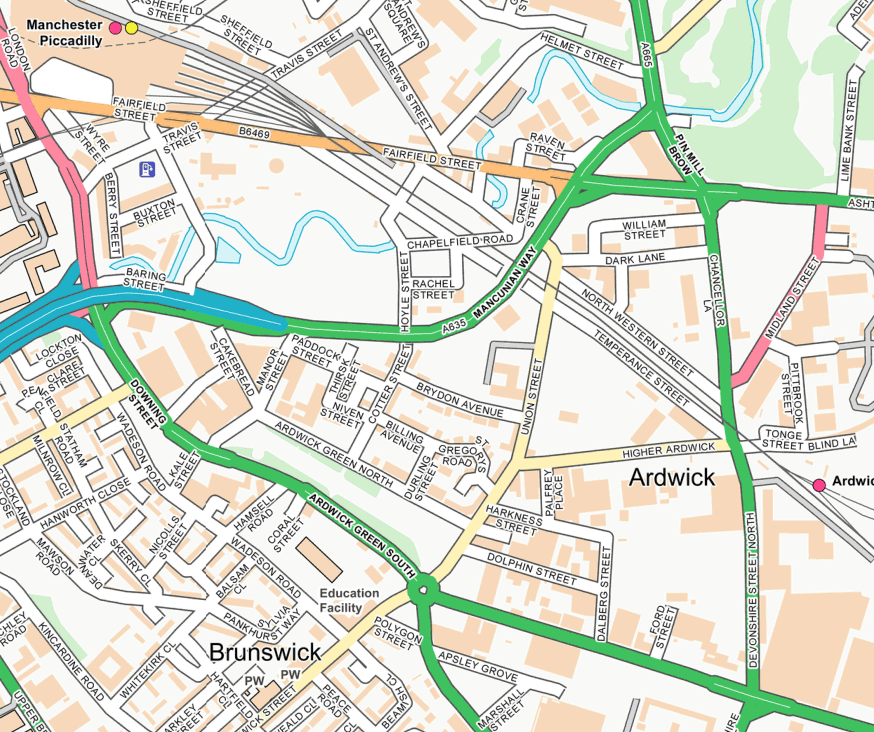
Ardwick Walk Again

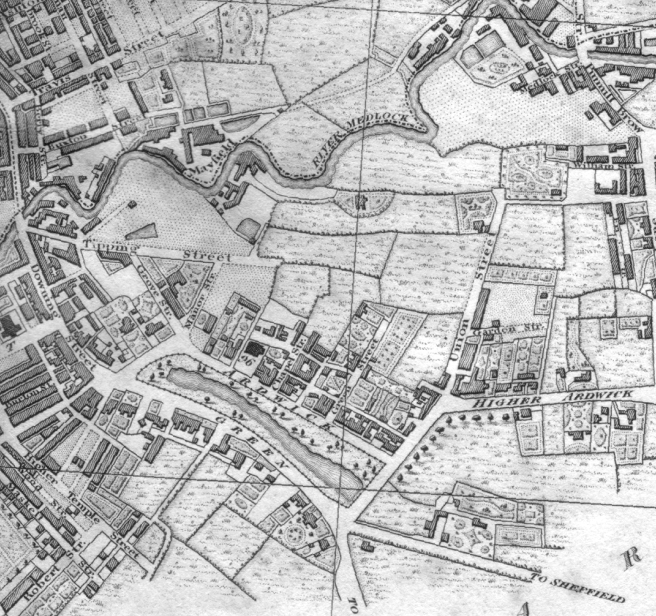
1824

1904

2025

Previously in February 2022 I walked the fair streets of Ardwick.

Three and a bit years on it was time to see what had been coming and going on.

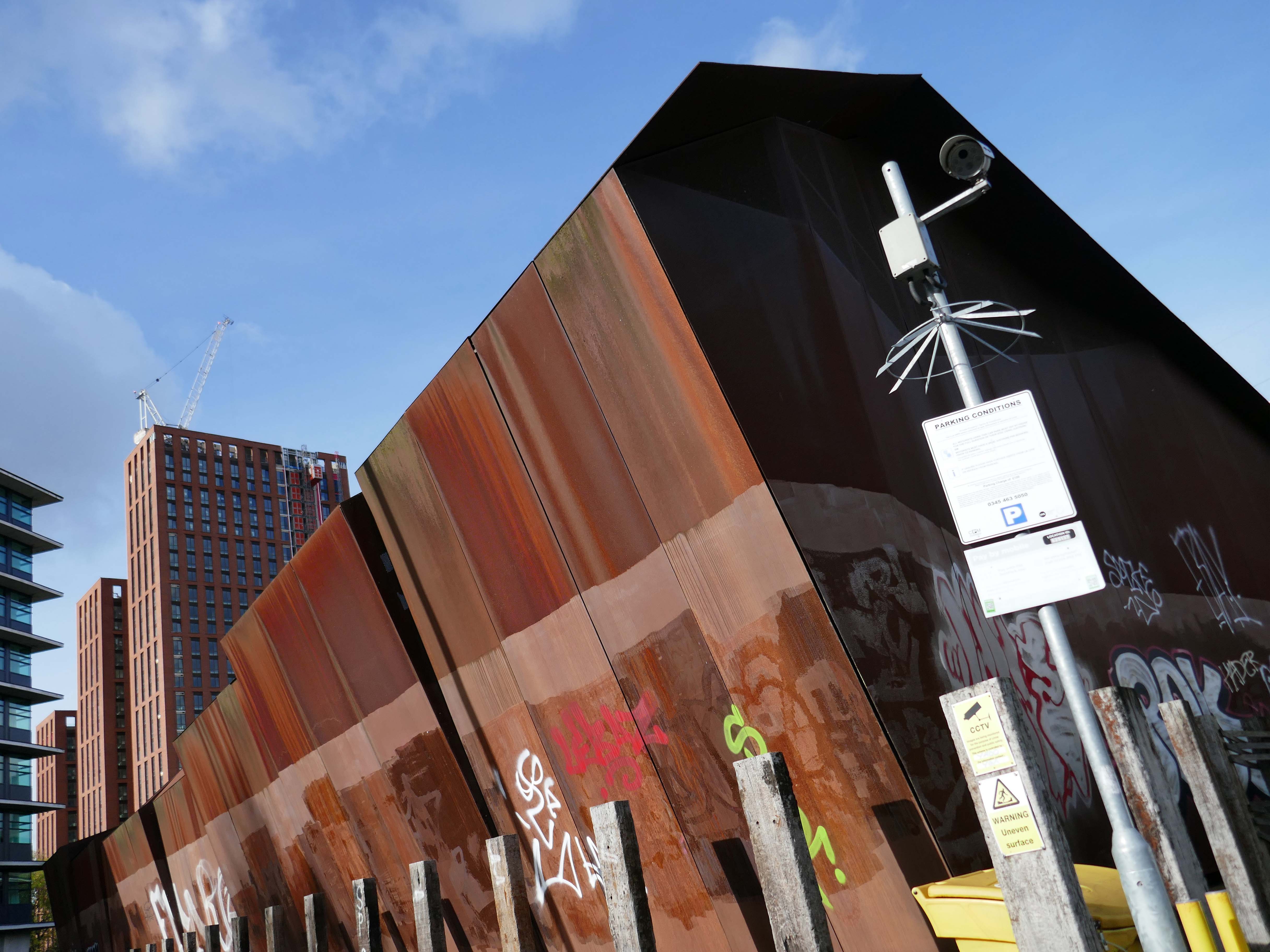
The Central Manchester Primary Substation on Travis Street is still there.

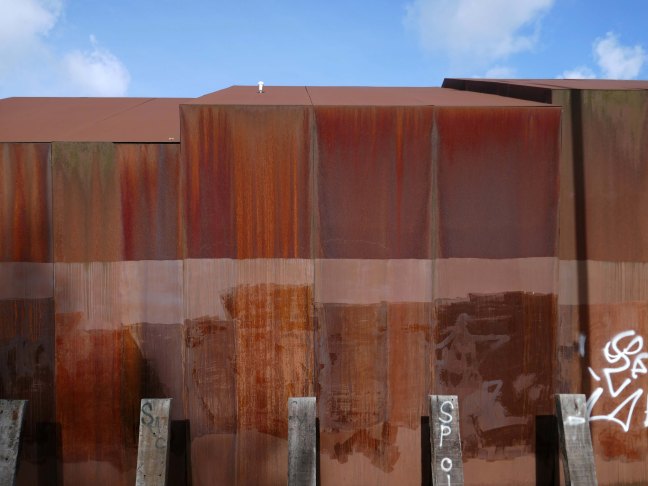
The building was cladded with a COR-TEN® steel envelope, the nature of which was relatively complex.

Corten steel sets itself apart due to the inclusion of unique alloying elements: chromium, nickel, copper and added phosphorous which gives the steel its self-protecting properties.

Architect: Walker Simpson
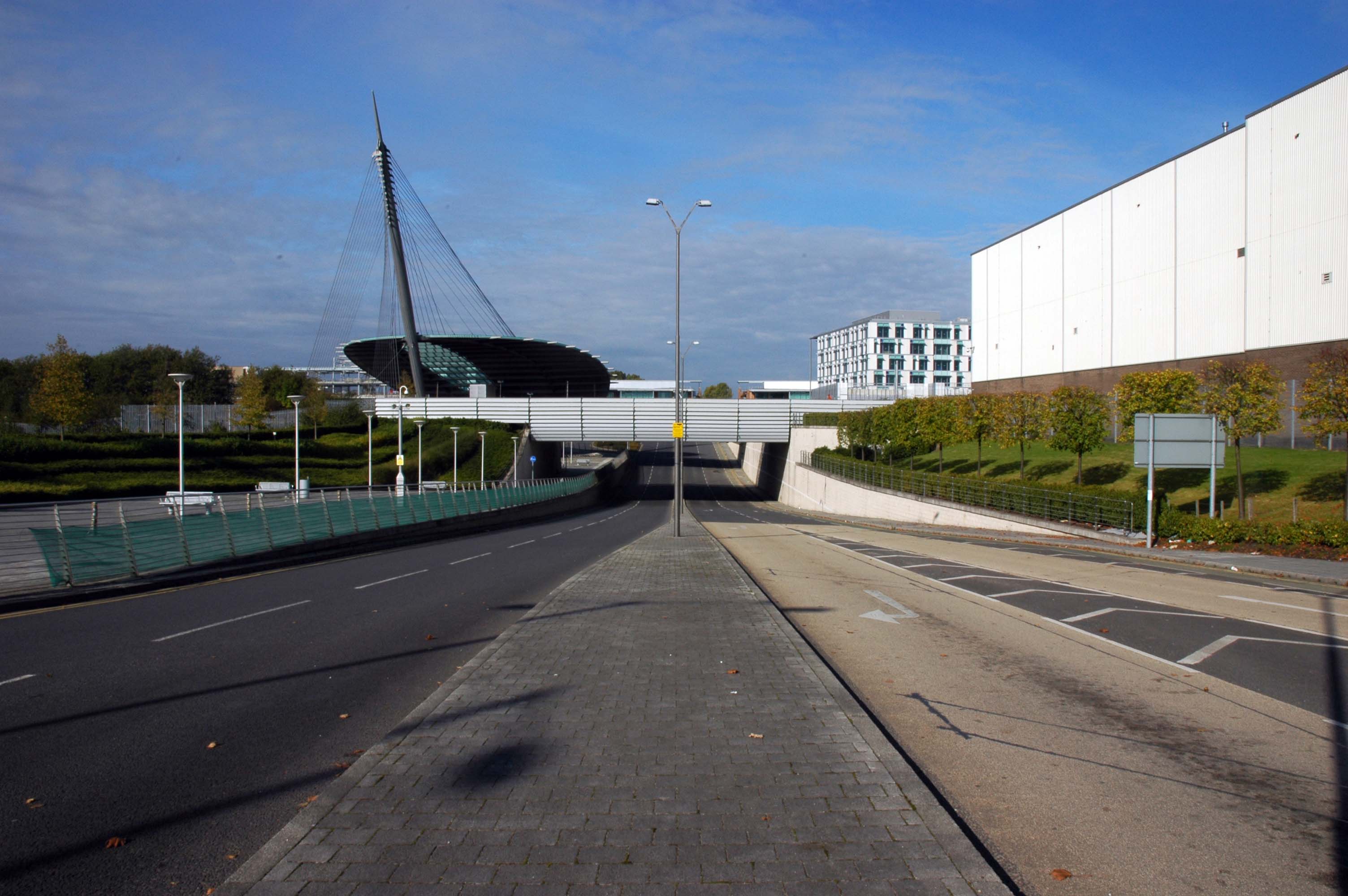
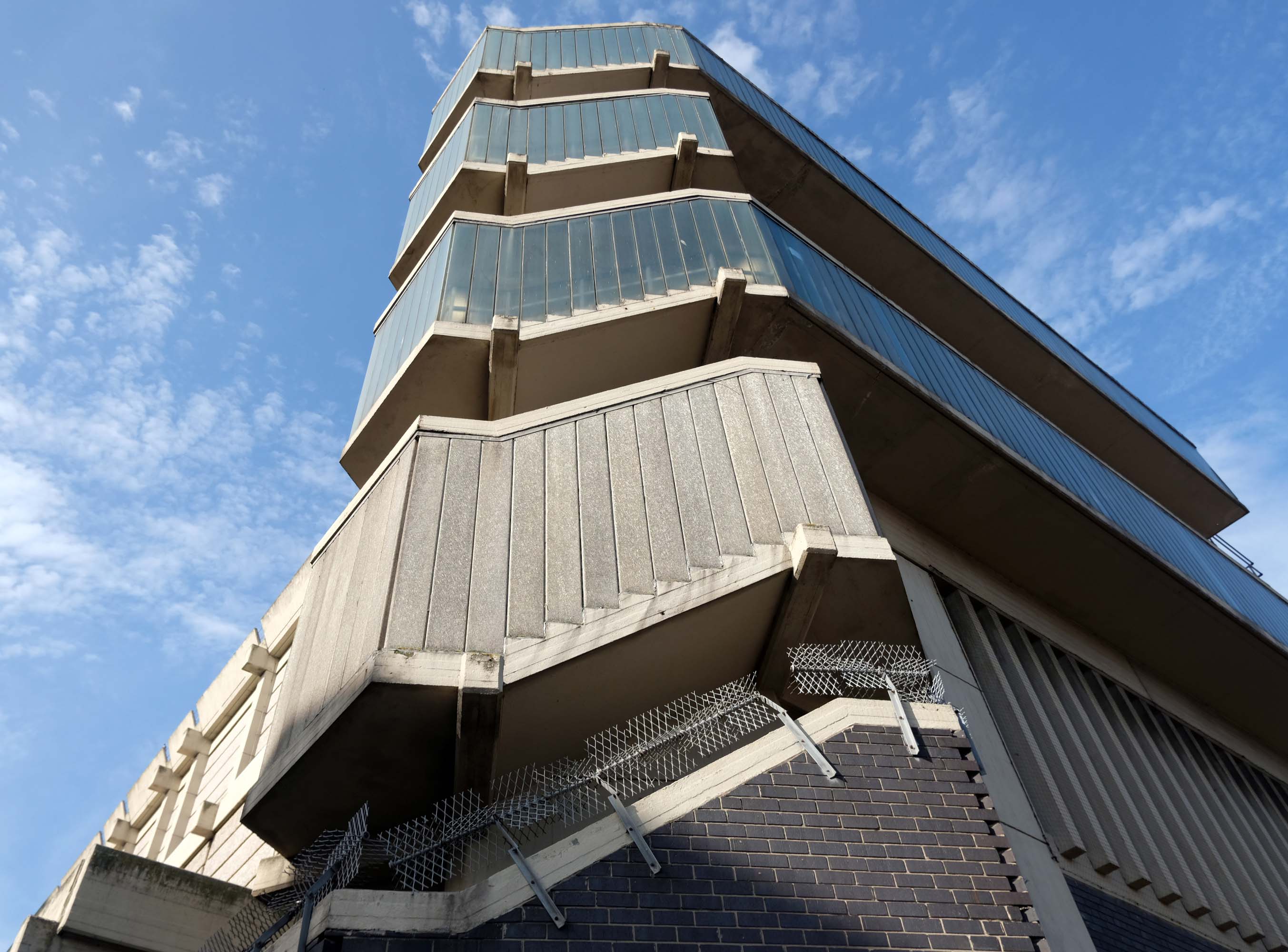
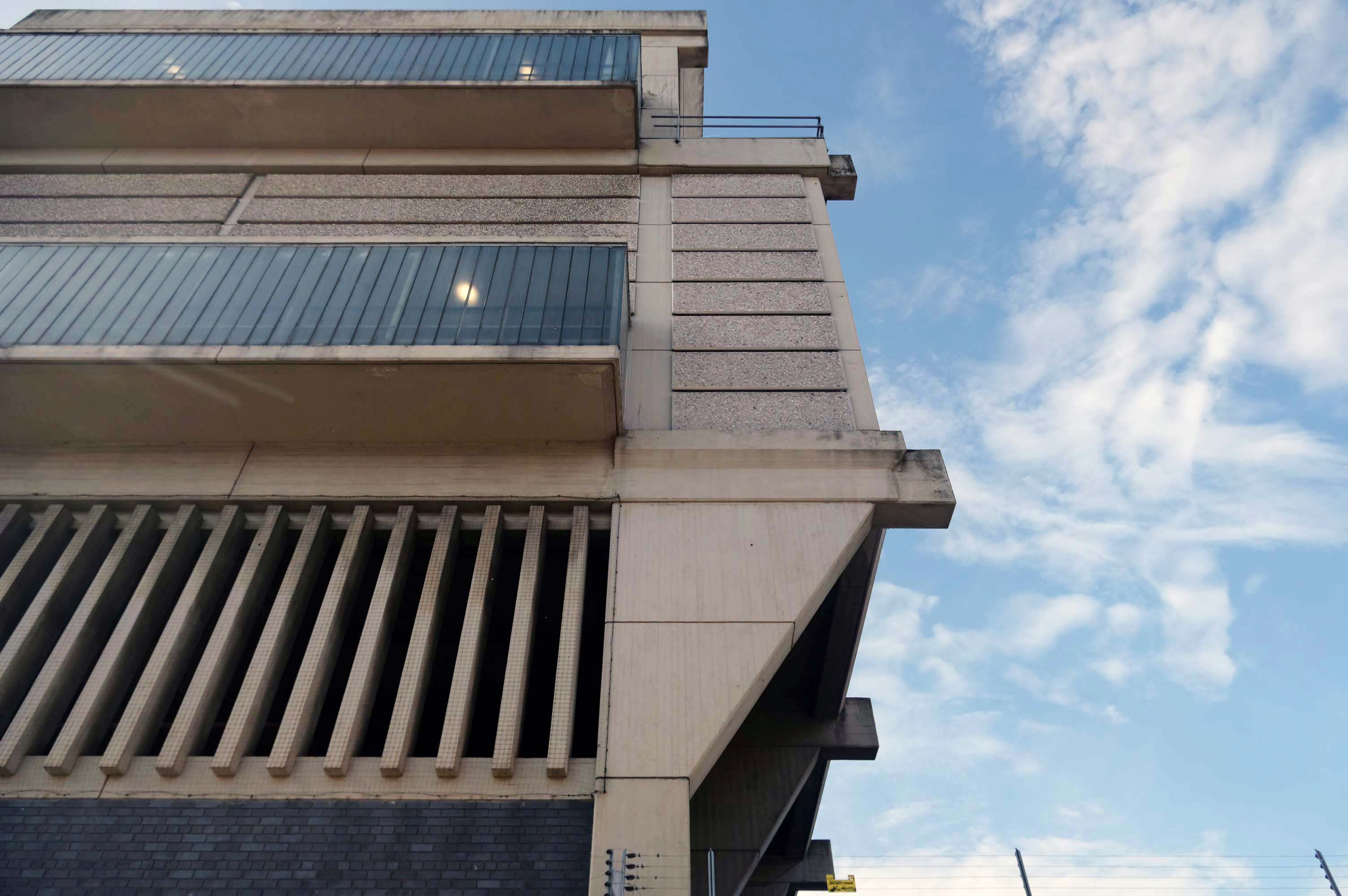
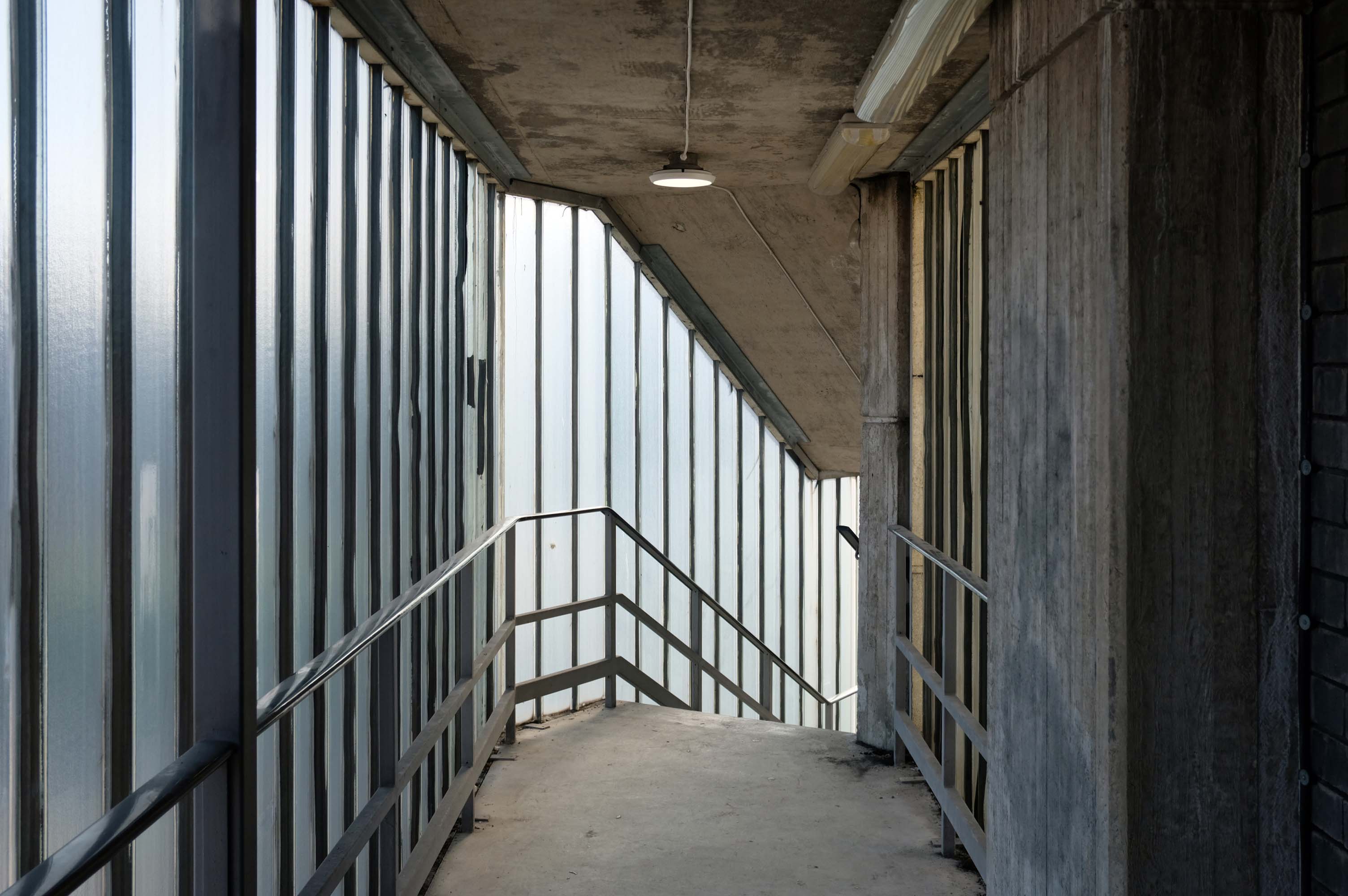
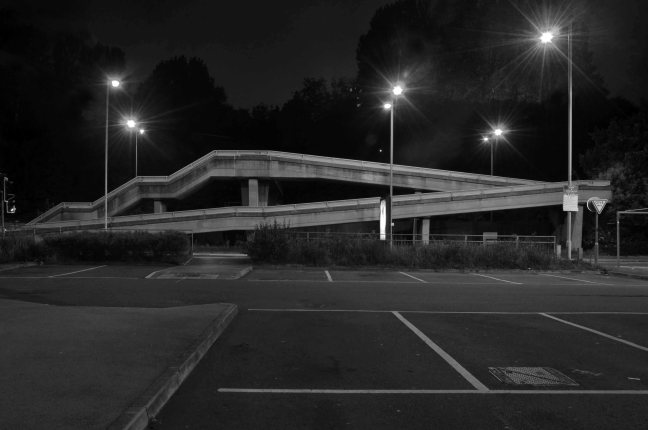
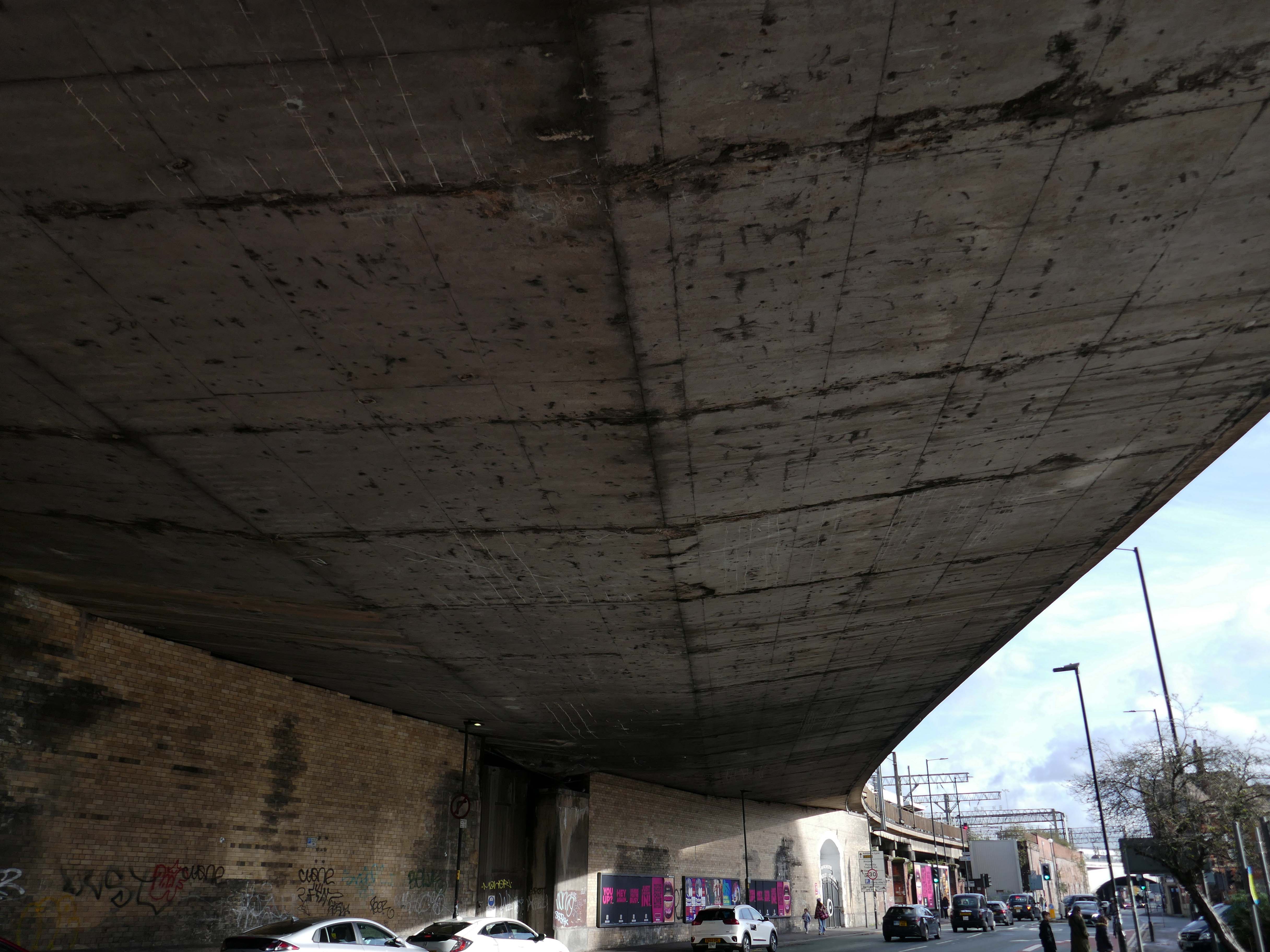
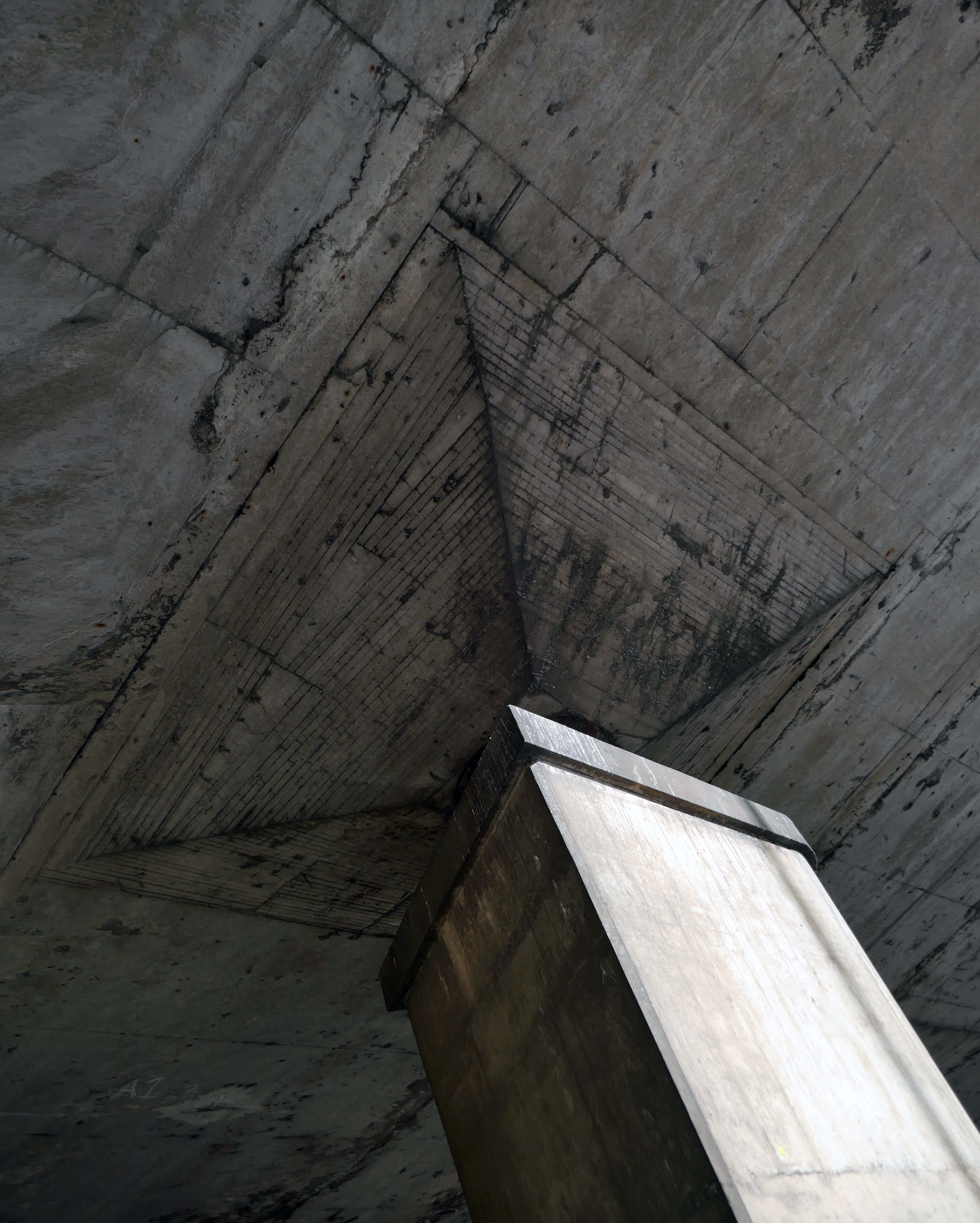
Immediately adjacent are Platforms Thirteen and Fourteen, bridged over the roadway by this vast concrete construction.

Platform 14 is primitive, I understand totally from an infrastructure standpoint because it’s on a bypass line on a bridge, but it gets too overcrowded and is windswept. The rest of the station is ok. Platforms 13/14 have not changed in 40 years, grim.
We the pass to the former BT Building – architects JW Hammond 1973.

Originally conceived as a hotel, there were no takers at the time, so it became the BT HQ.

Currently Marriot Hotel Piccadilly

Comprising 338 rooms, Manchester Marriott Hotel Piccadilly is near a shopping district, a 10-minute ride from Etihad Stadium. Offering a location right in the centre of a beautiful neighbourhood, this comfortable hotel boasts a lounge bar along with city views.
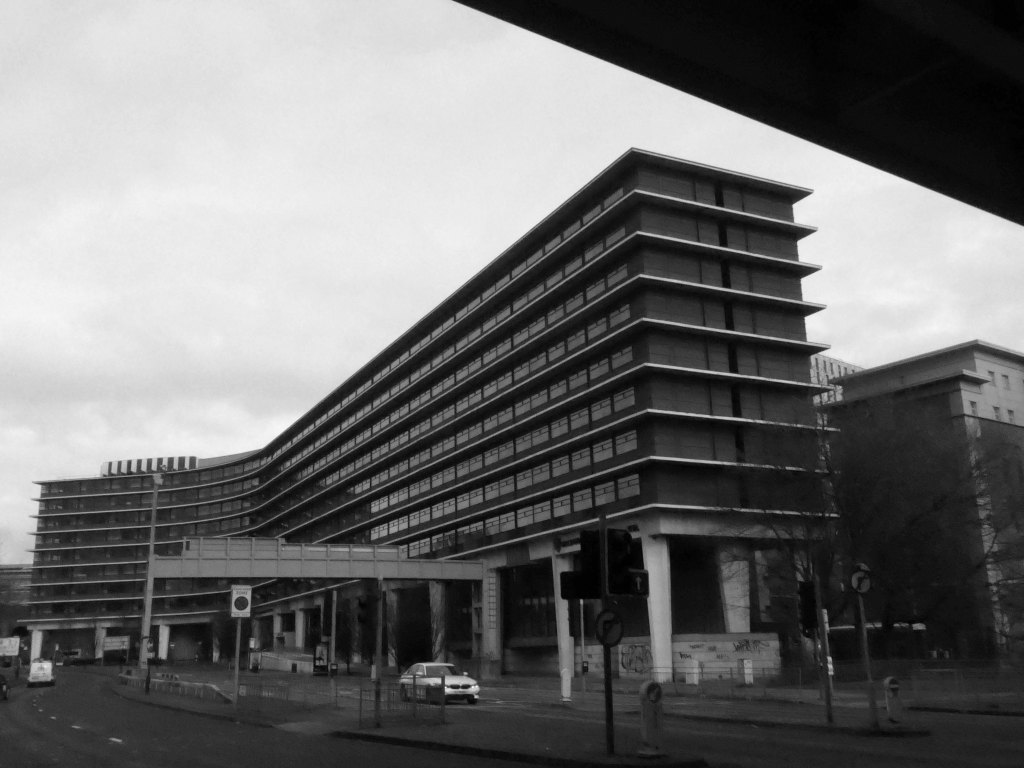
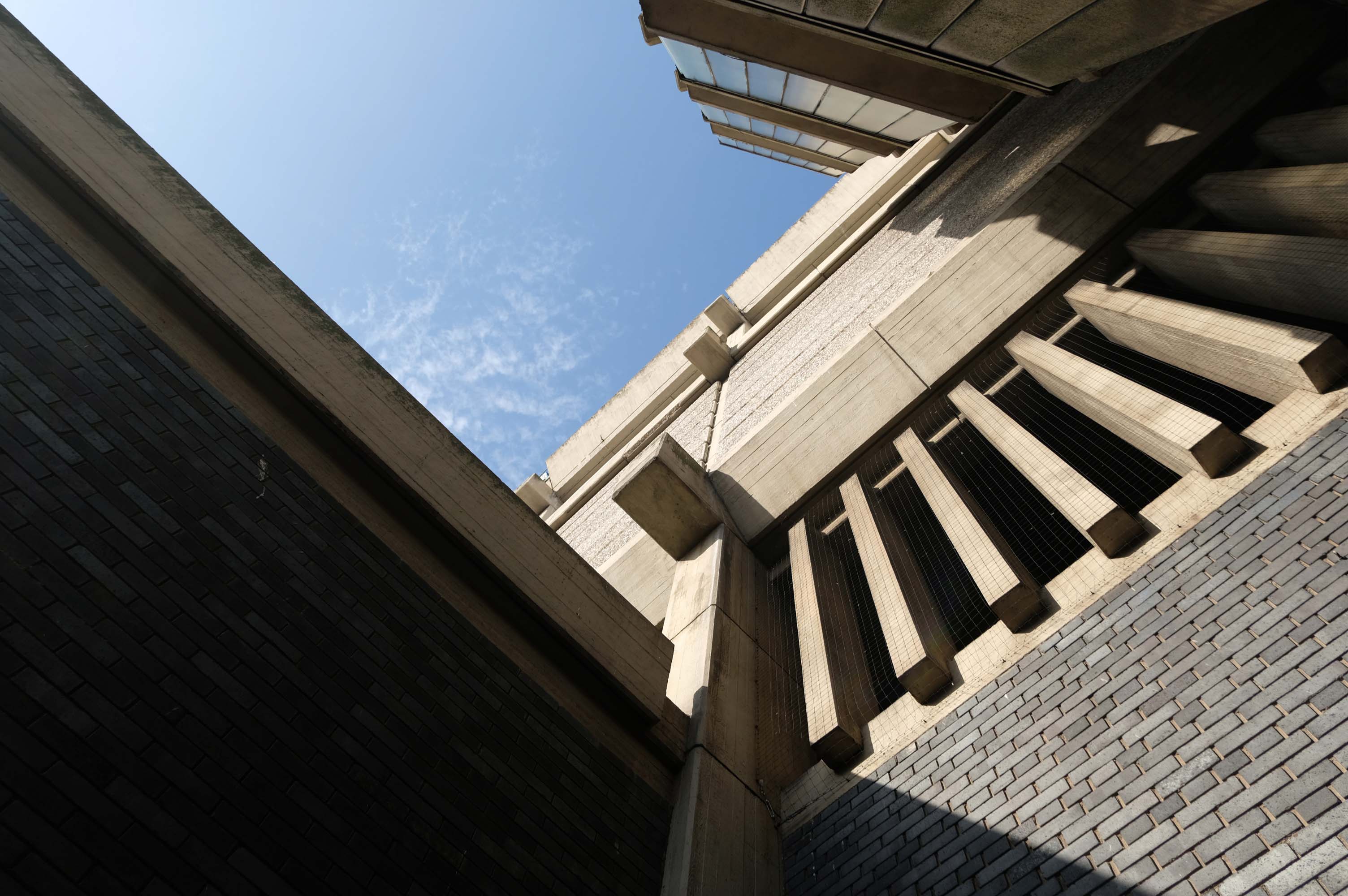
It is supported on the most magnificent piloti.
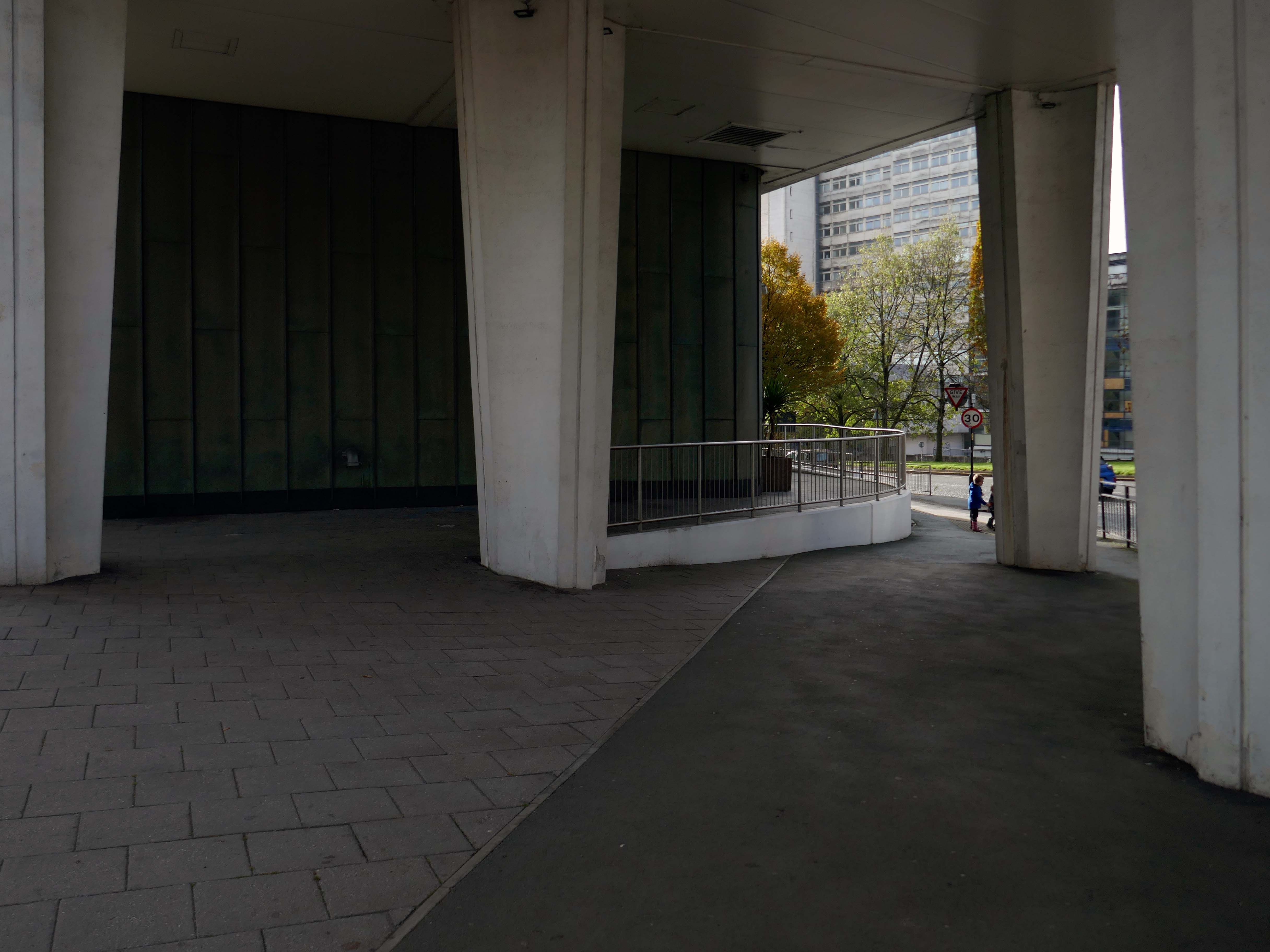
Over the road the Holloway Wall 1968 – Grade II listed but its remodelling is in the air.

The developer’s architects now propose to ‘reimagine’ the artwork and incorporate it into the foyer of the new office building. However, this ‘reimagining’ requires large sections of the artwork to be removed by cutting away and ‘folding’ around 30% of the sculpture.
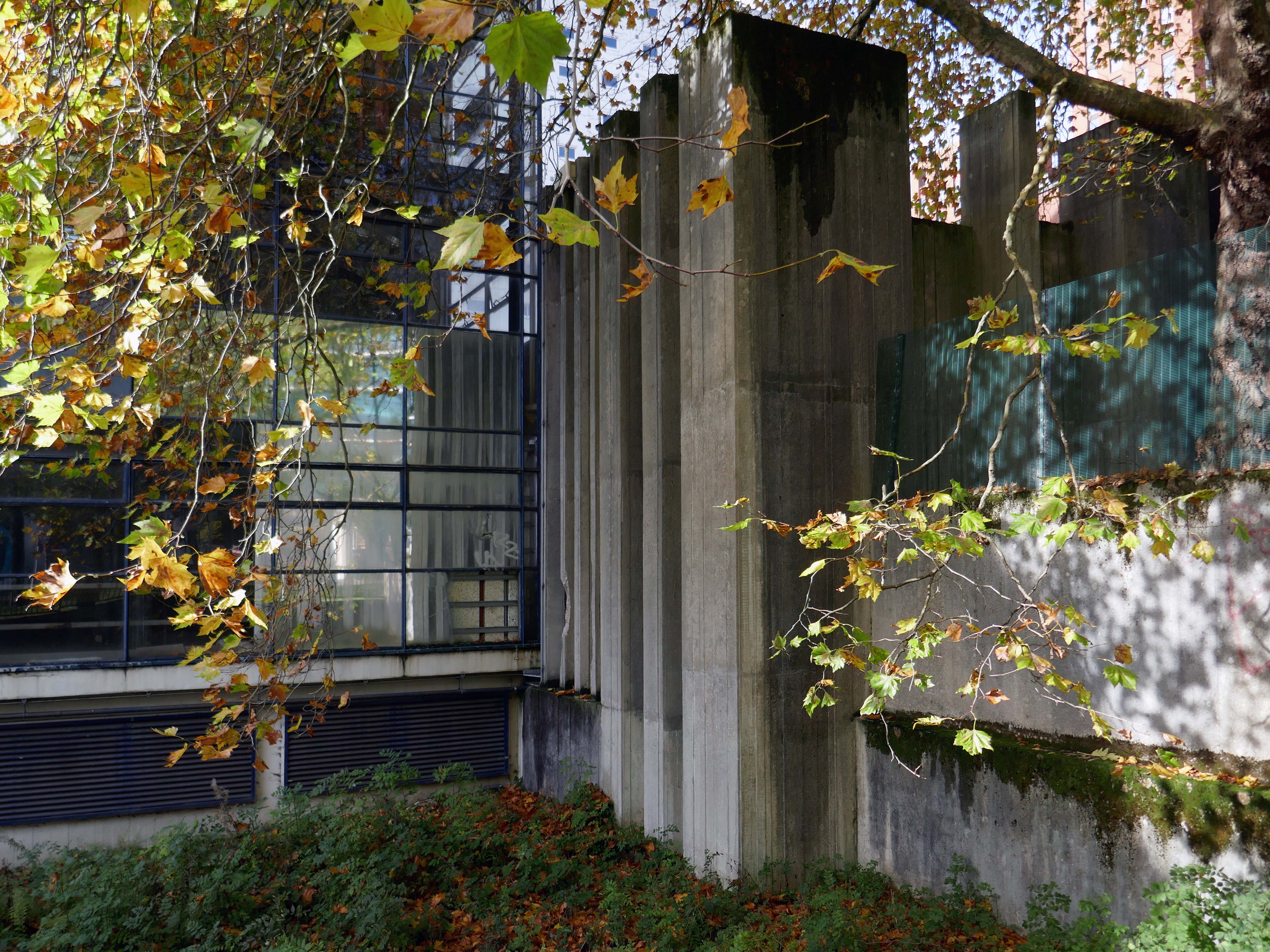
Modernist

The remainder of the UMIST site is also under threat – only the Renold Building is listed and to be retained intact.

Lecture Theatre, along with the Maths and Sciences Building.
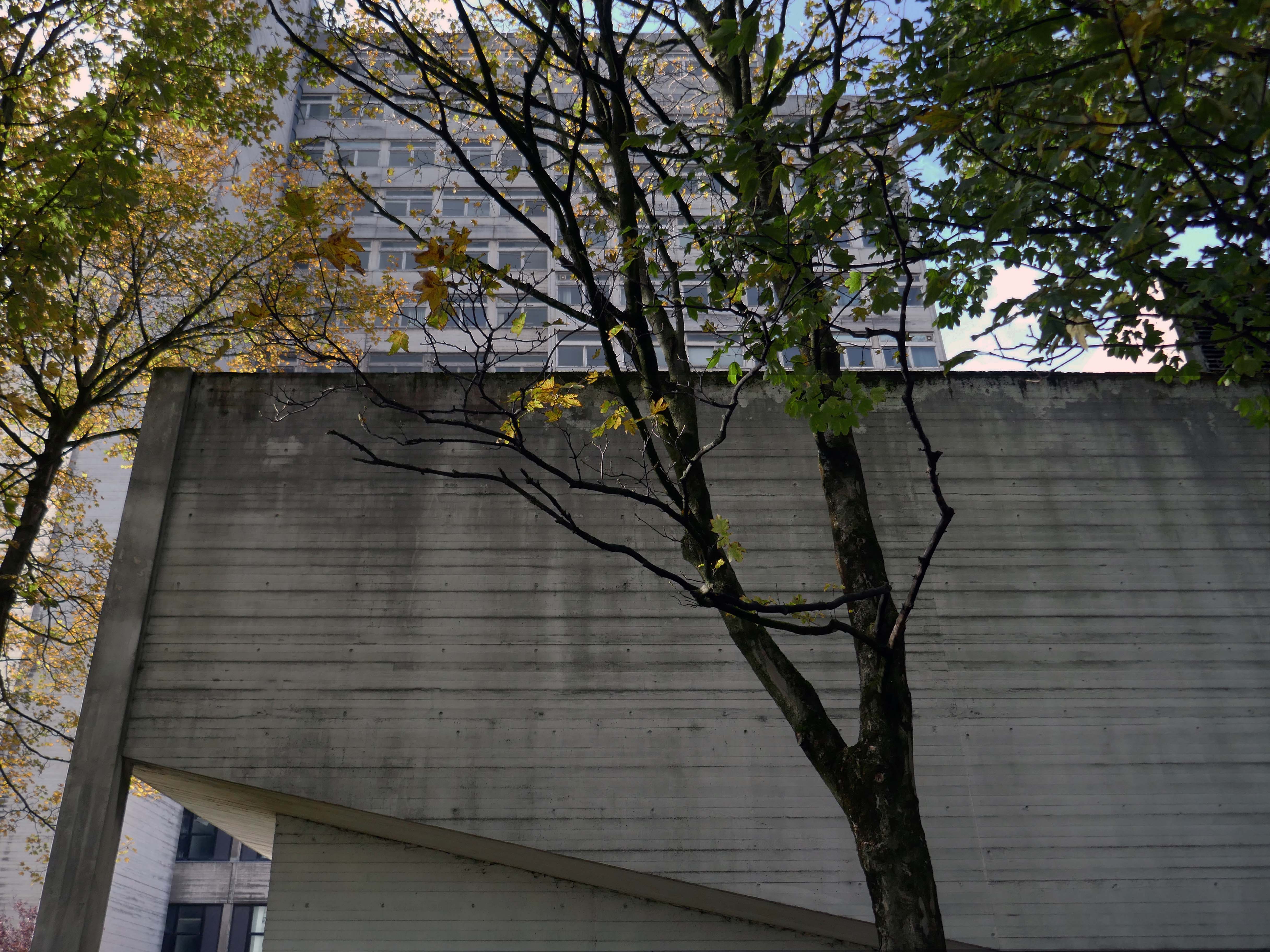
Seen here under construction before the arrival of the Mancunian Way extension.
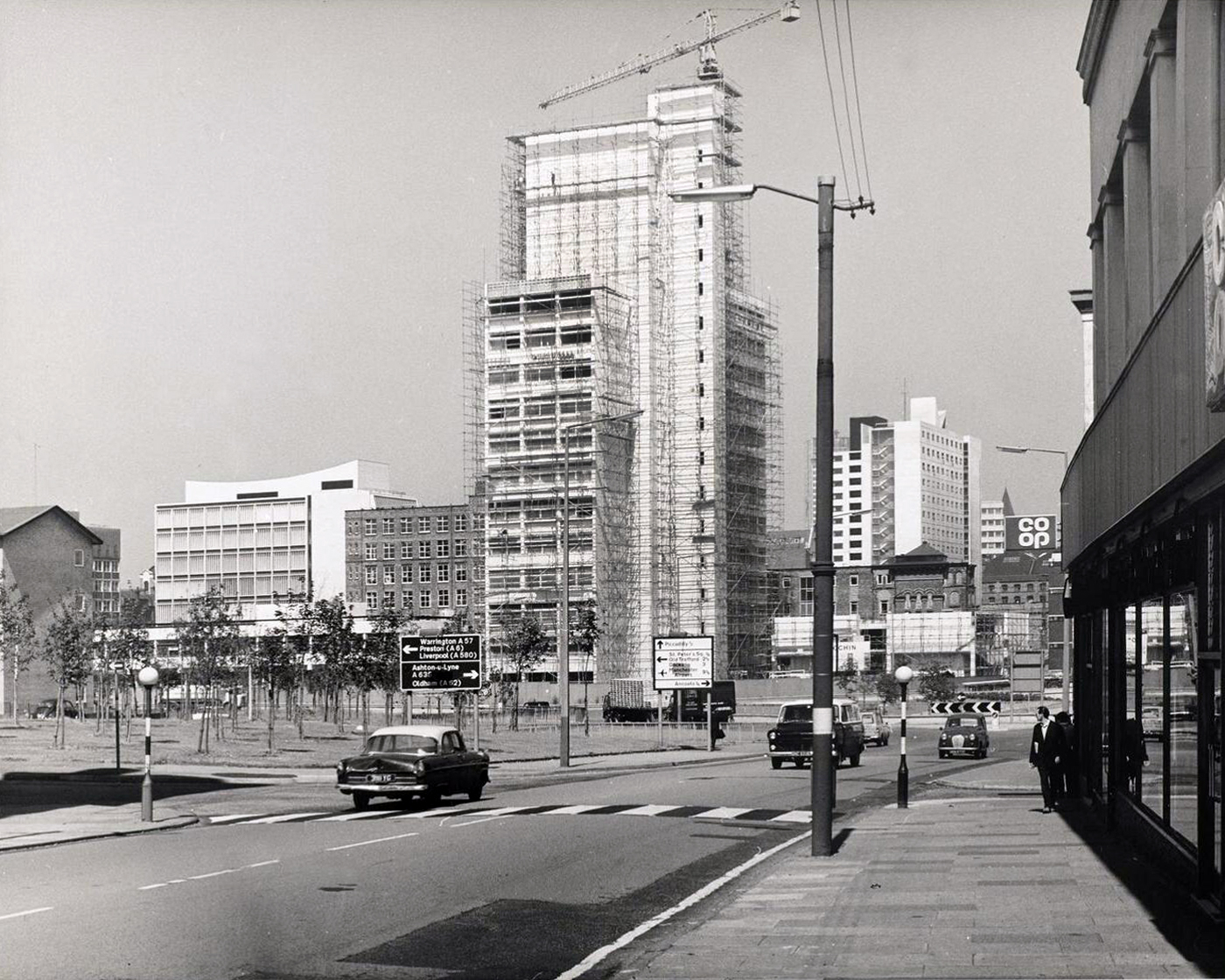
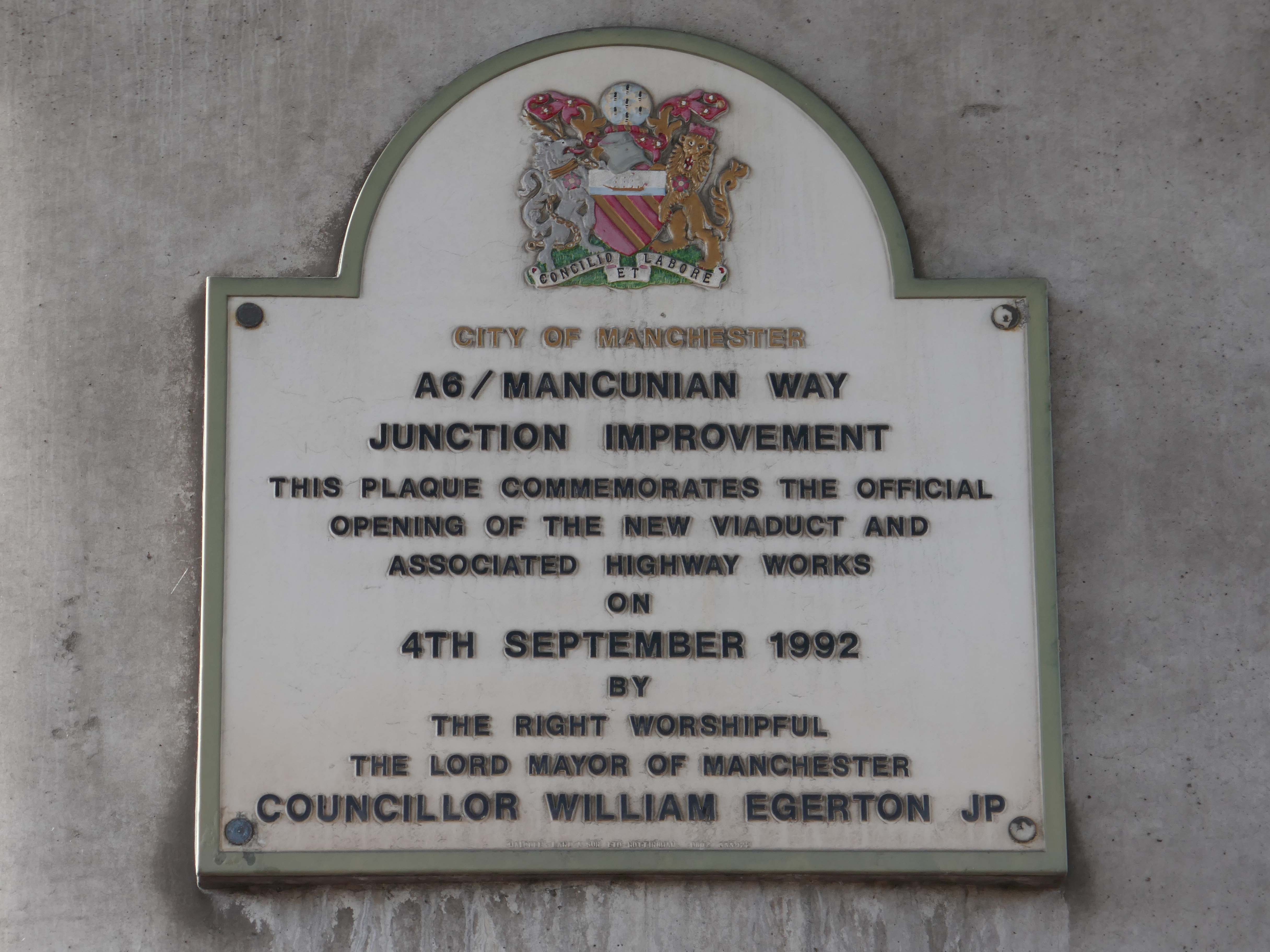
The Mancunian Way extension opened in 1992.
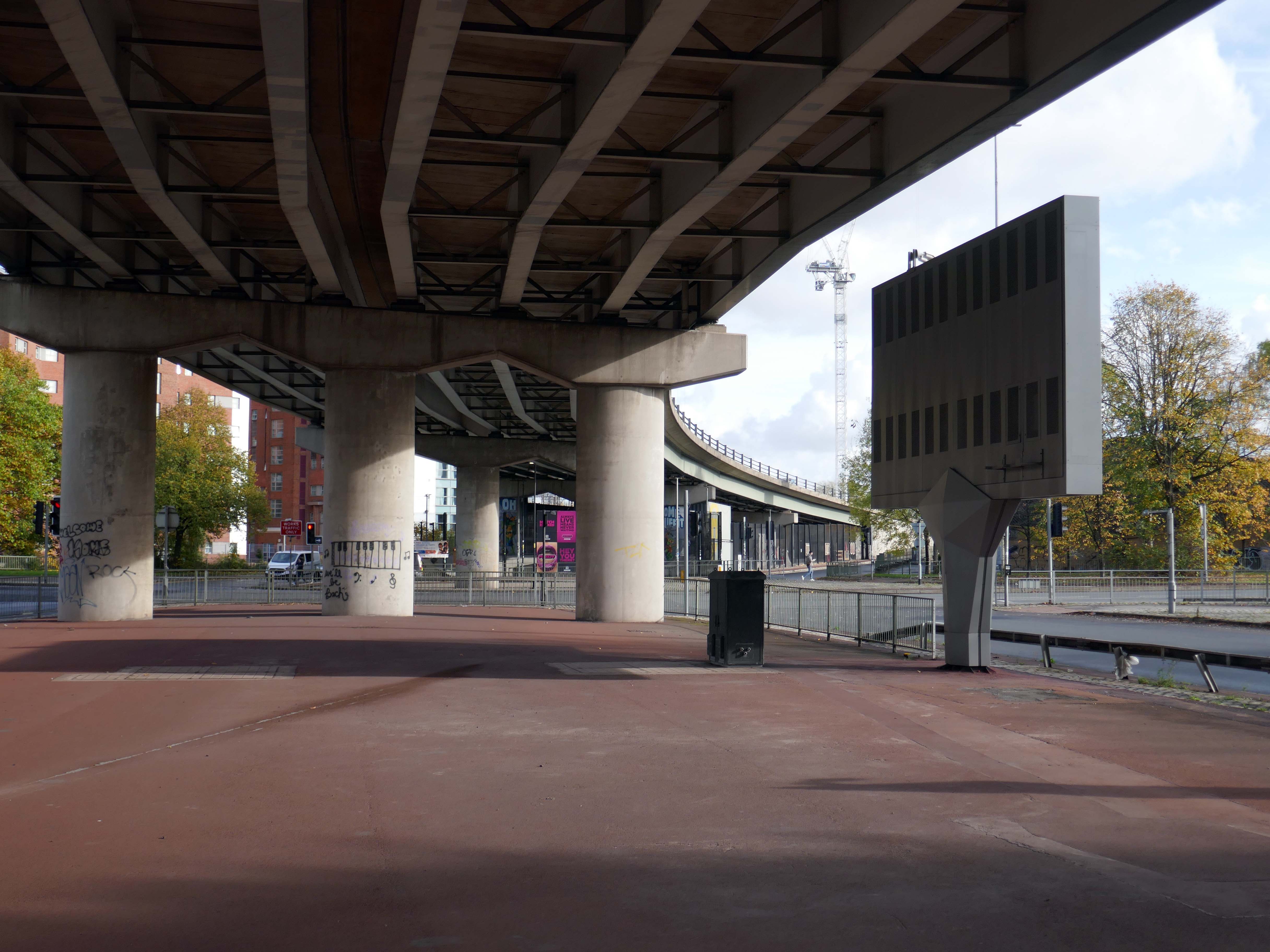
From beneath the roadway we can see the Ferranti Building.
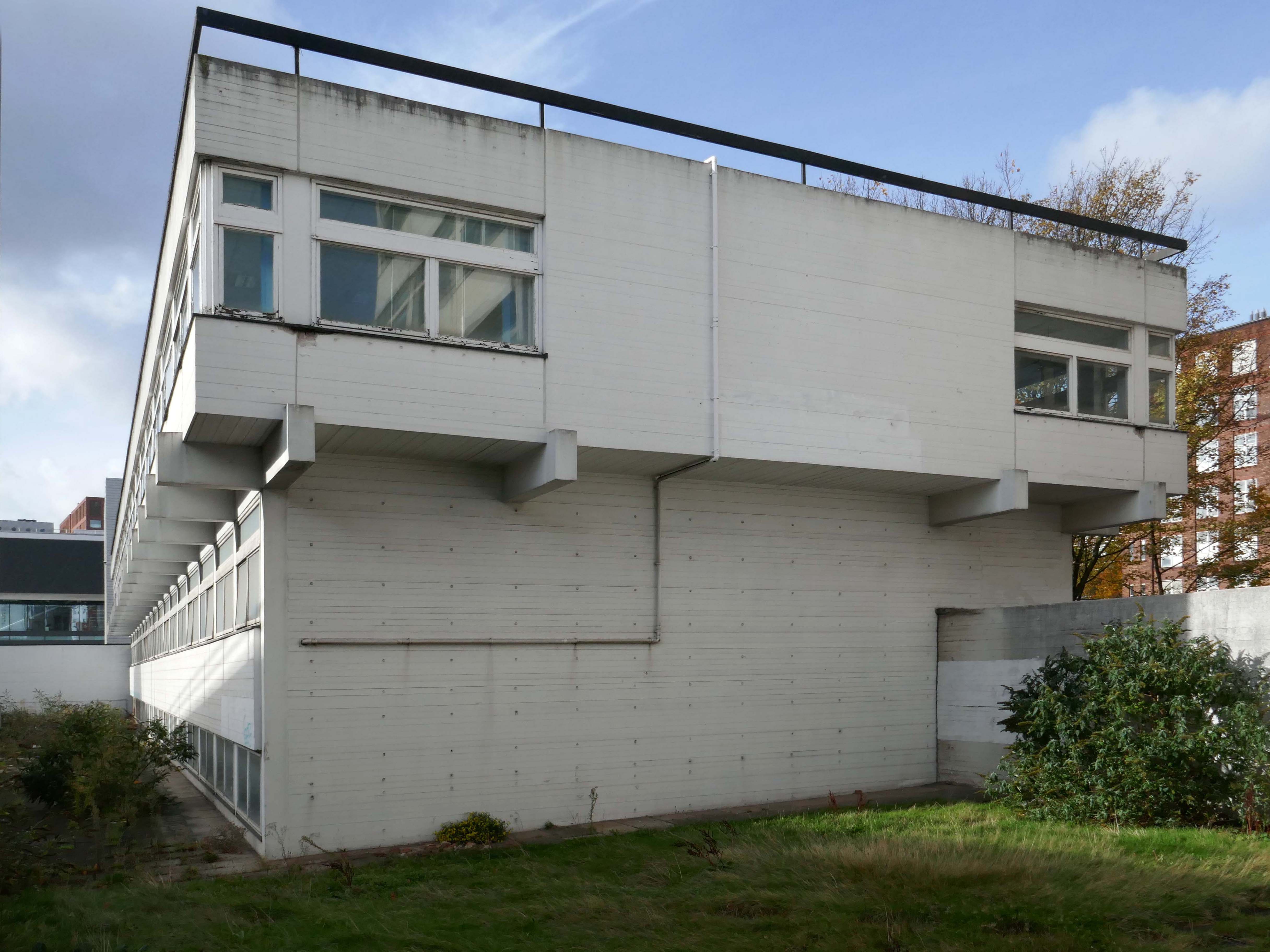
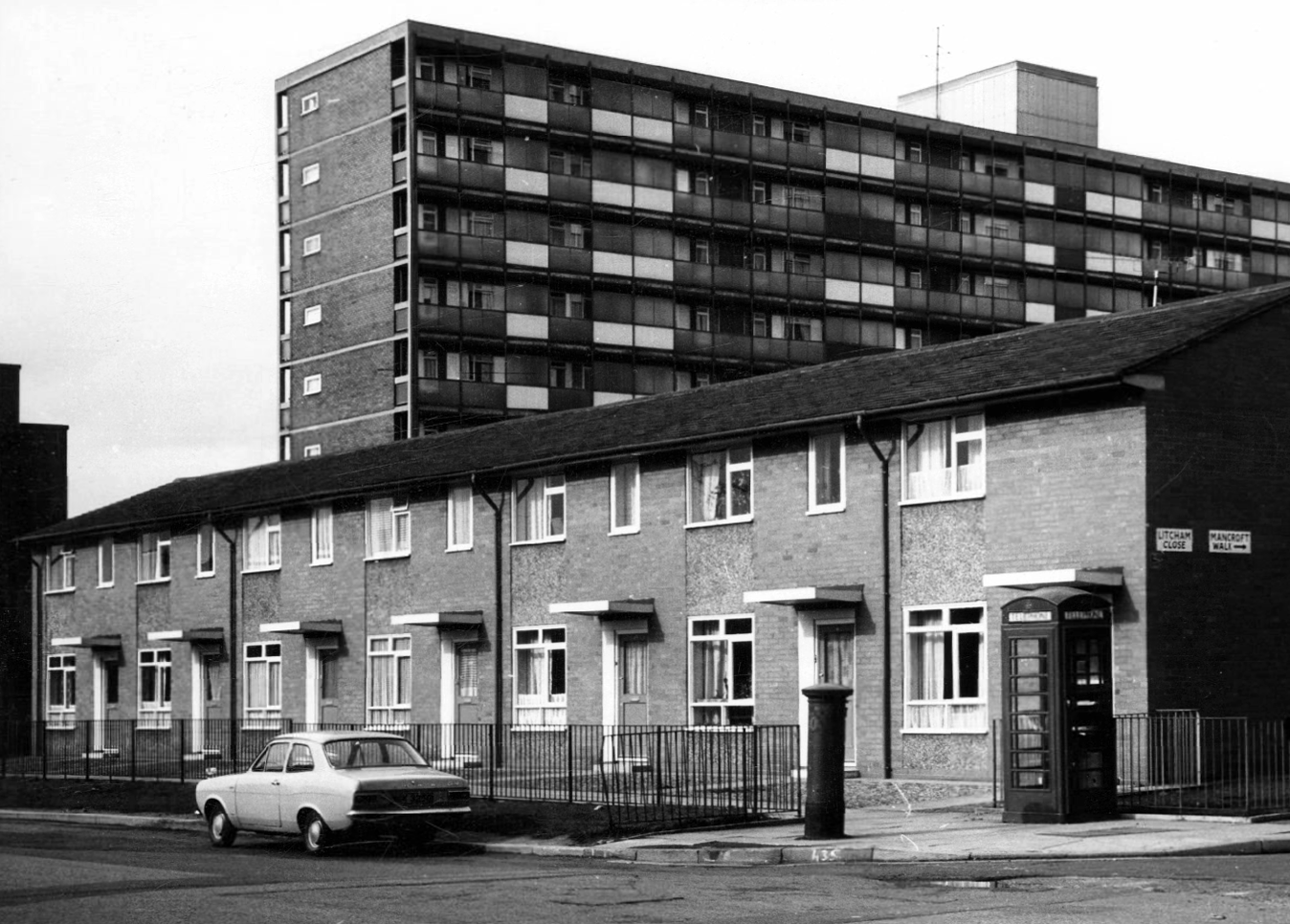
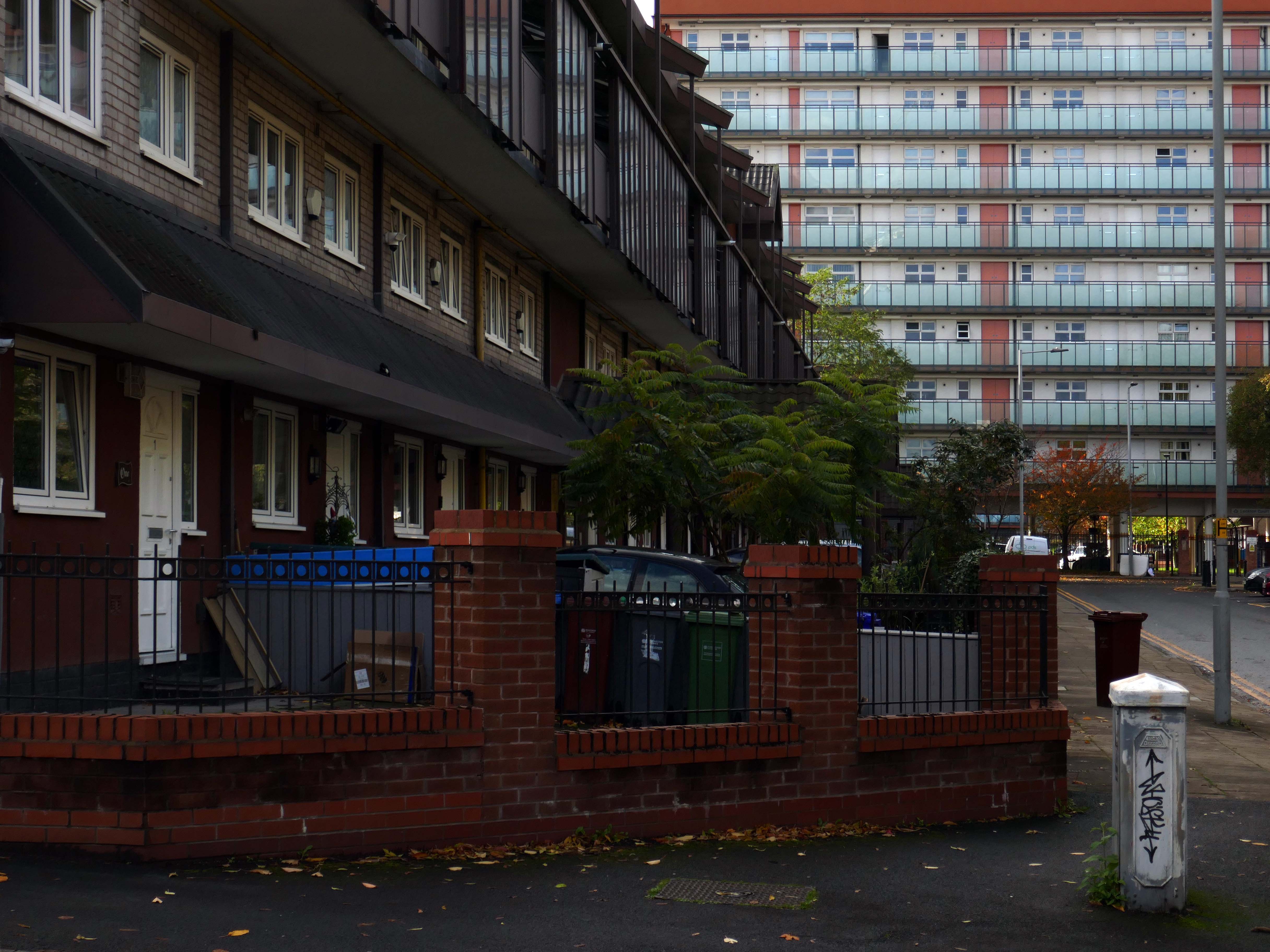
Crossing over to see the Brunswick Estate, built in the Sixties and Seventies and recently refurbished.

S4B is a partnership leading the £106m regeneration of Brunswick, Manchester. The Brunswick Regeneration PFI is a combination of government funding, private investment and expertise that will revitalise Brunswick. Improvements will include council home refurbishments, new homes for sale and to rent and an improved neighbourhood design.
Pro Manchester

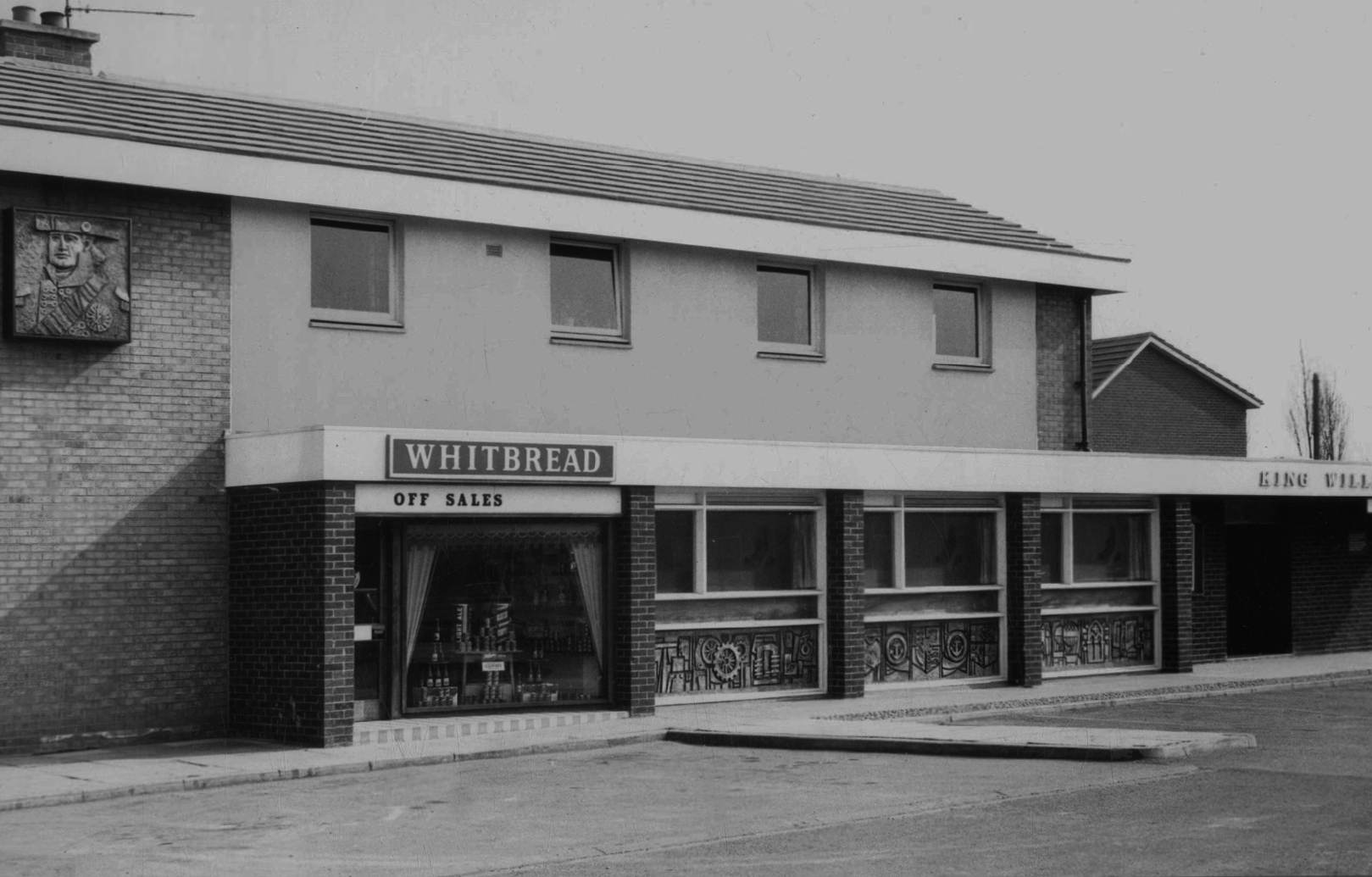
Long gone lost estate pub from the estate – King William IV a former Chesters then Whitbread estate pub was built in 1967. Closed in 1996 when it was converted to residential property. It had a brief spell 1991 to 1995 as brewery premises for the Dobbin’s West Coast Brewery, during this period the interior was stripped out to accommodate the brewery paraphernalia.
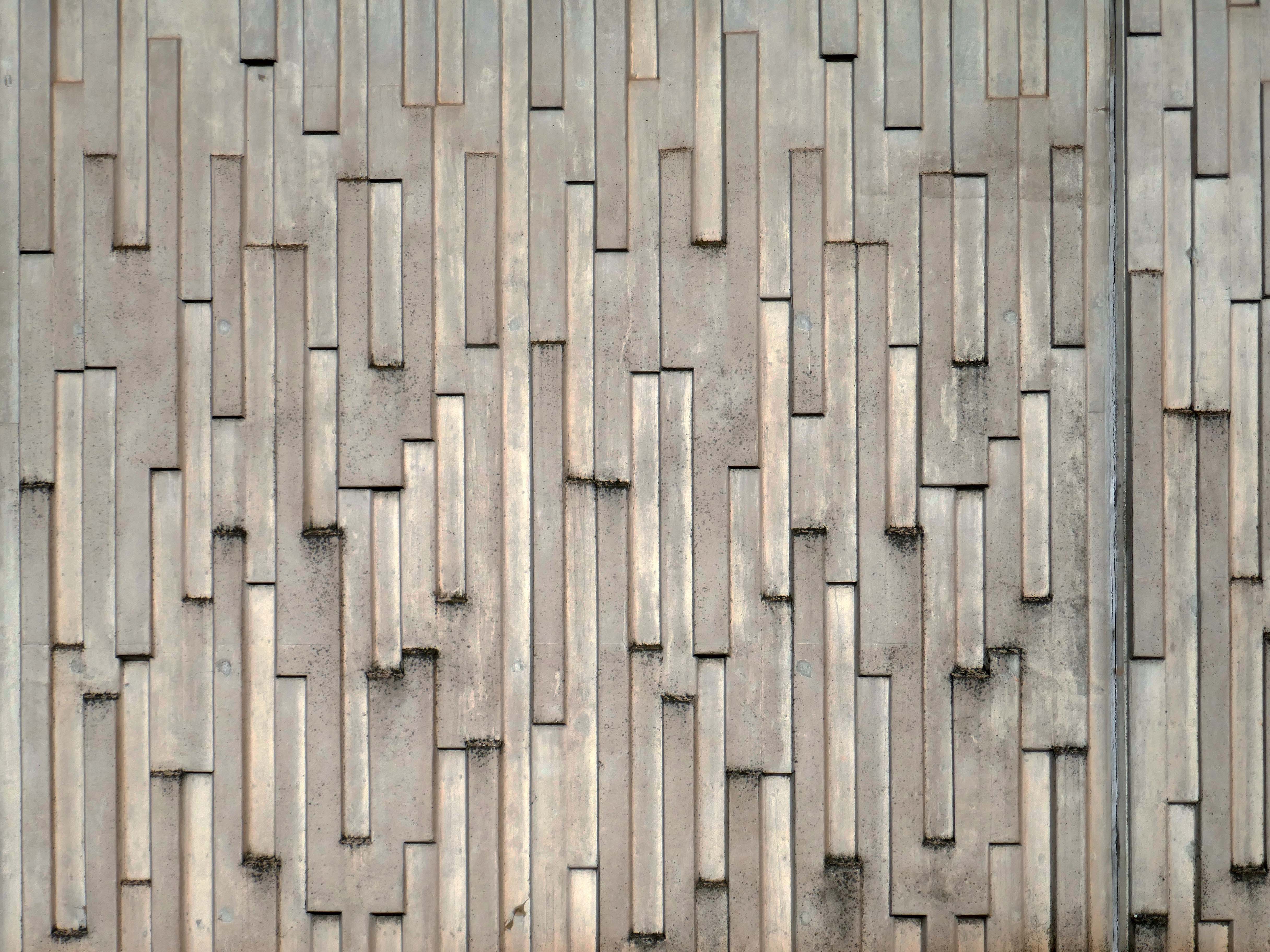
We take a jog around the block to see the concrete relief that clads the road ramp.
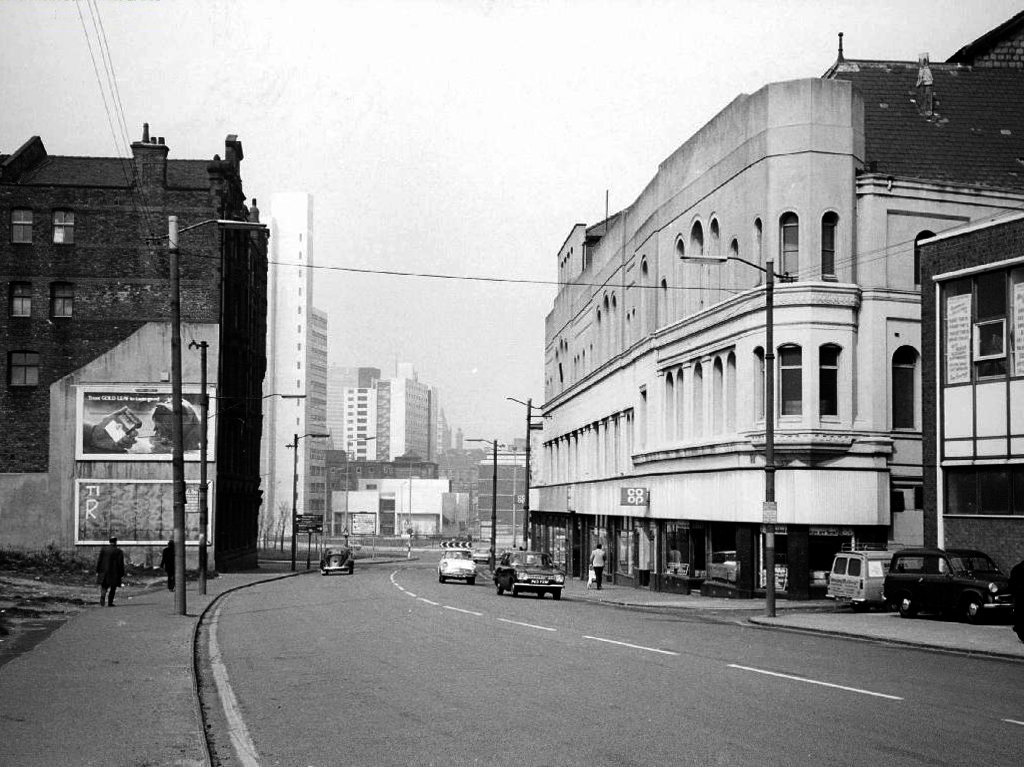
Where there was once a giant Cooperative Store there is now a light industrial and retail estate.
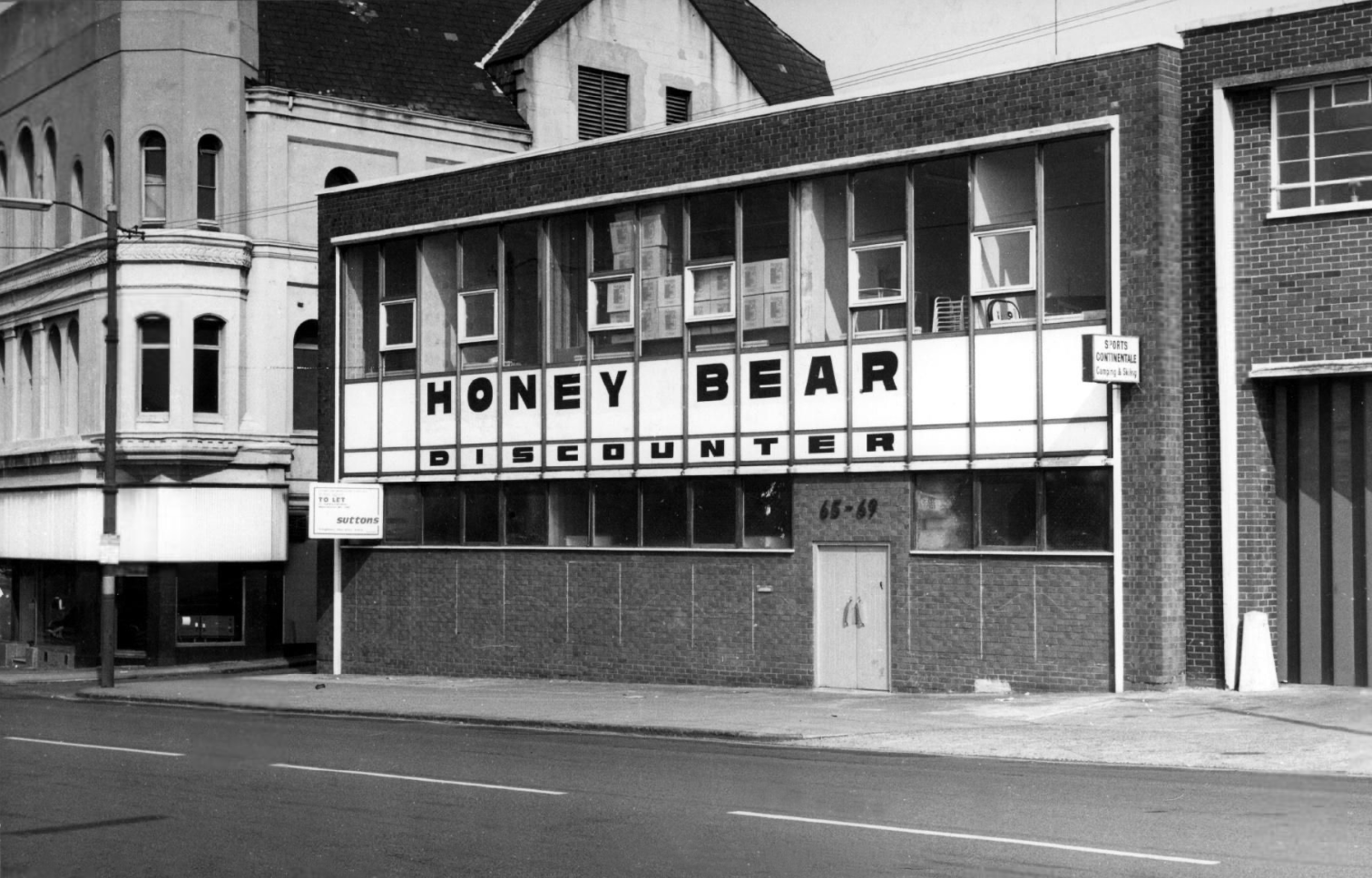
And the Honey Bear Discounter has become Spirit Studios.
And the Barracks has become the Fabric Church.

The Diocese of Manchester has been working in partnership with the Church Revitalisation Trust to open Fabric Church and refurbish the building, following a successful bid to the Church of England’s Strategic Mission and Ministry Investment Board.
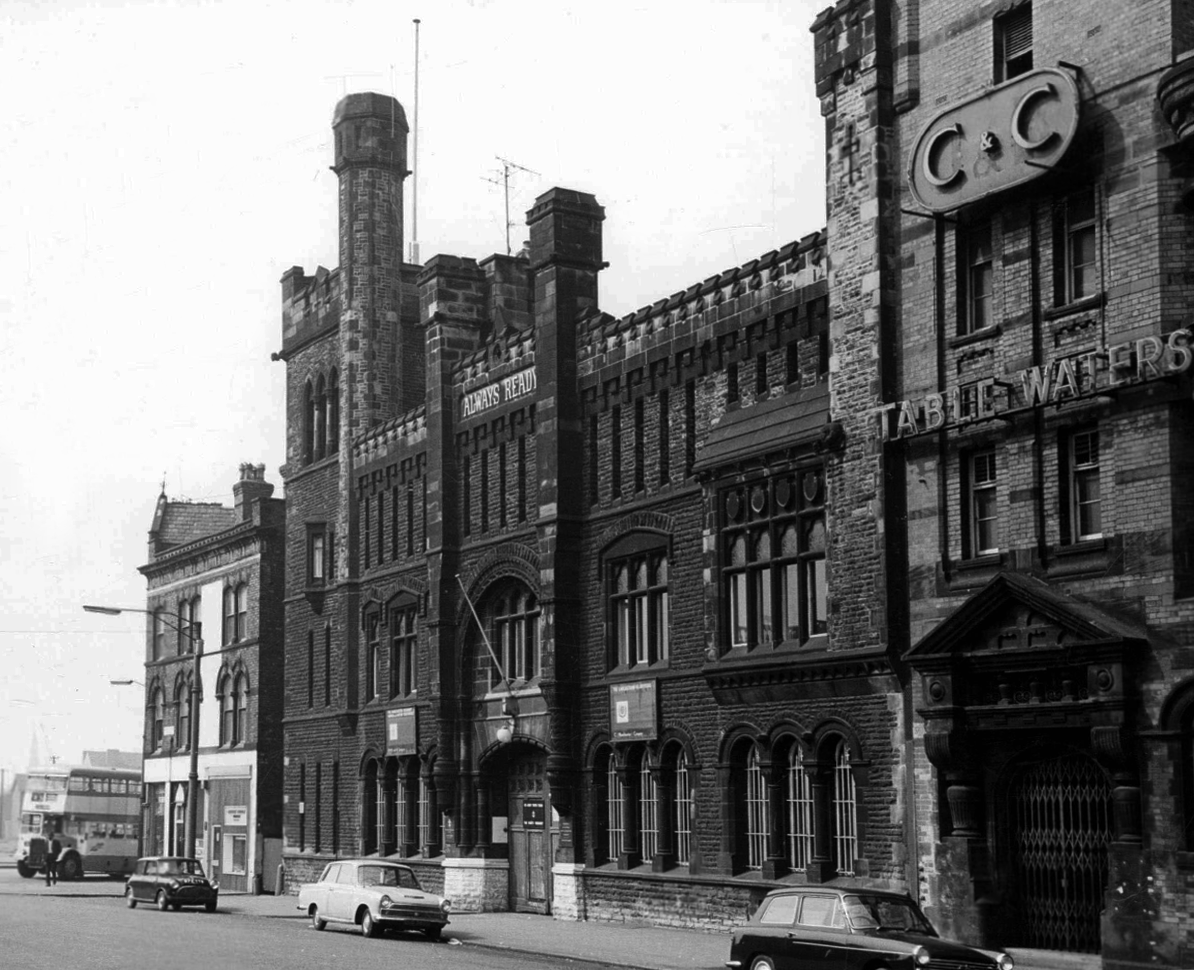
We’re excited to be working alongside Fabric Church on the transformation of the Grade II listed former Ardwick Barracks in Manchester. This ambitious refurbishment project will see the historic site reimagined as a vibrant community hub, featuring a new worship hall, community café, offices, meeting spaces, and more.
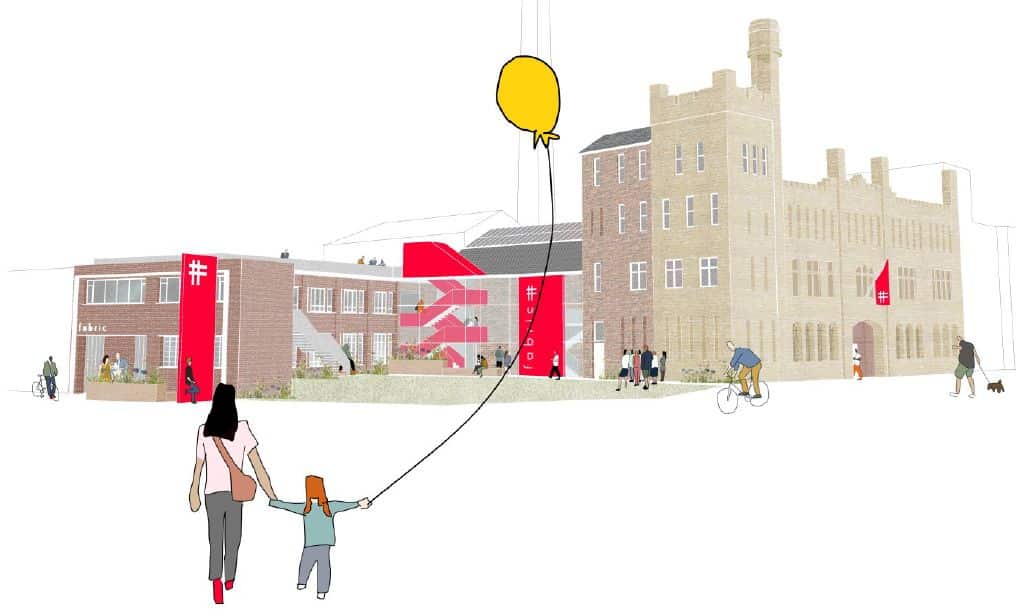
Hexaconsulting

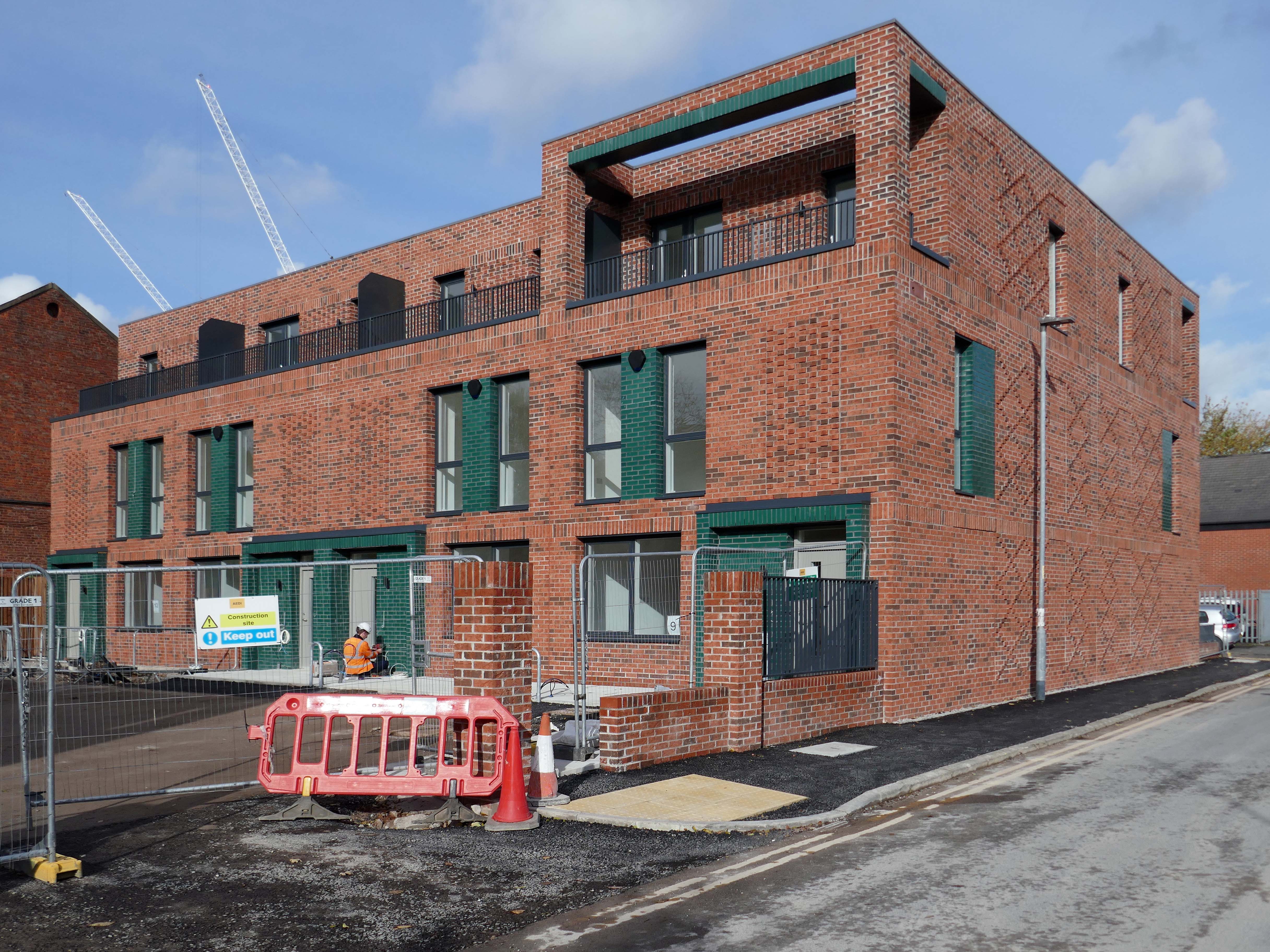
Alongside Ardwick Green Park there are new housing developments nearing completion.

Ardwick Green combines contemporary design with great light infused spaces, offering stylish homes with a modern twist, private parking, outdoor spaces and a welcoming community atmosphere an urban retreat that truly feels like home.

With the city just moments away, living at Ardwick Green will give homeowners easy access to Manchester City Centre and beyond with its vibrant social scene, bustling business landscape and extensive transport network on your doorstep. 
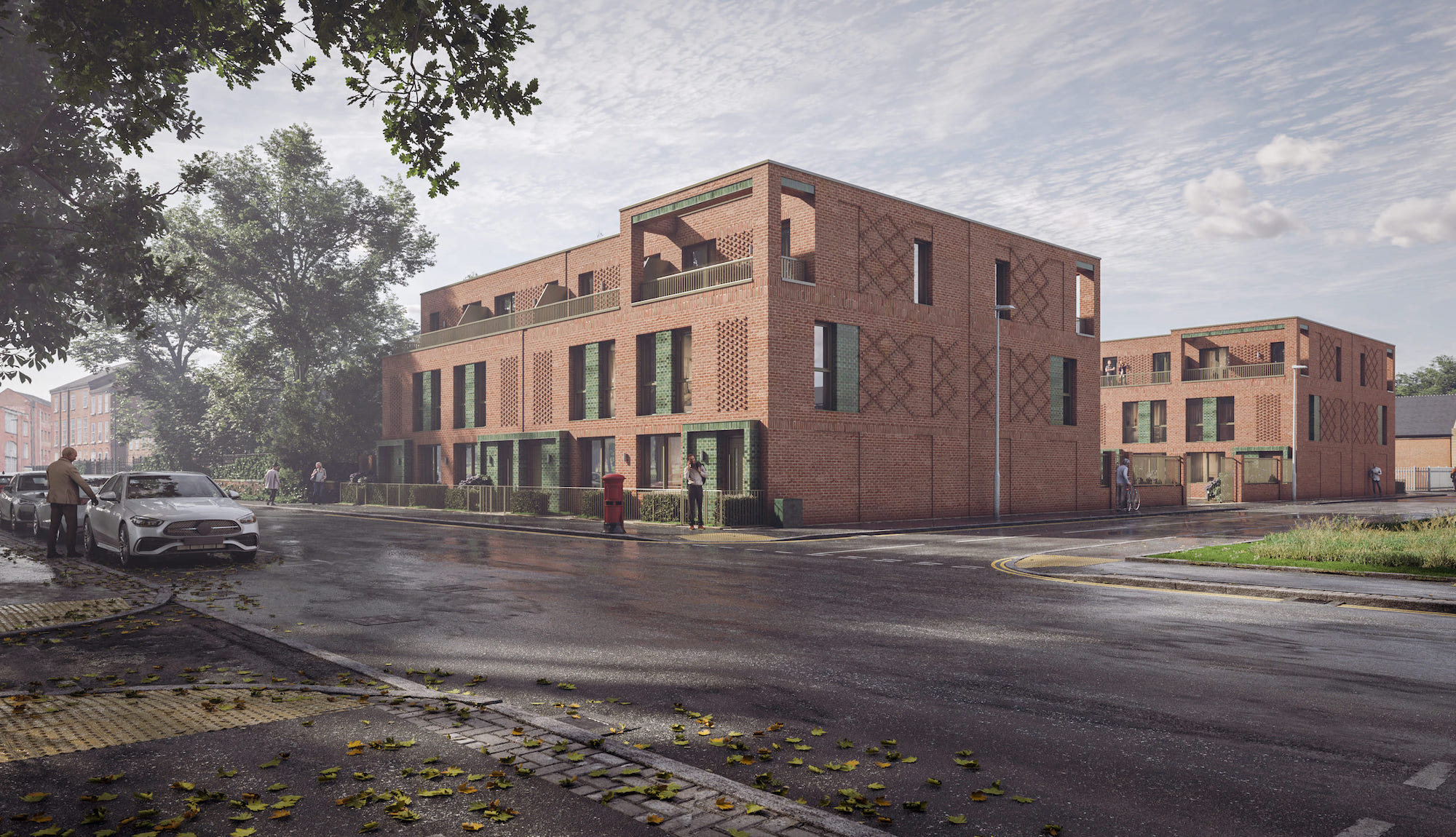
Step Places

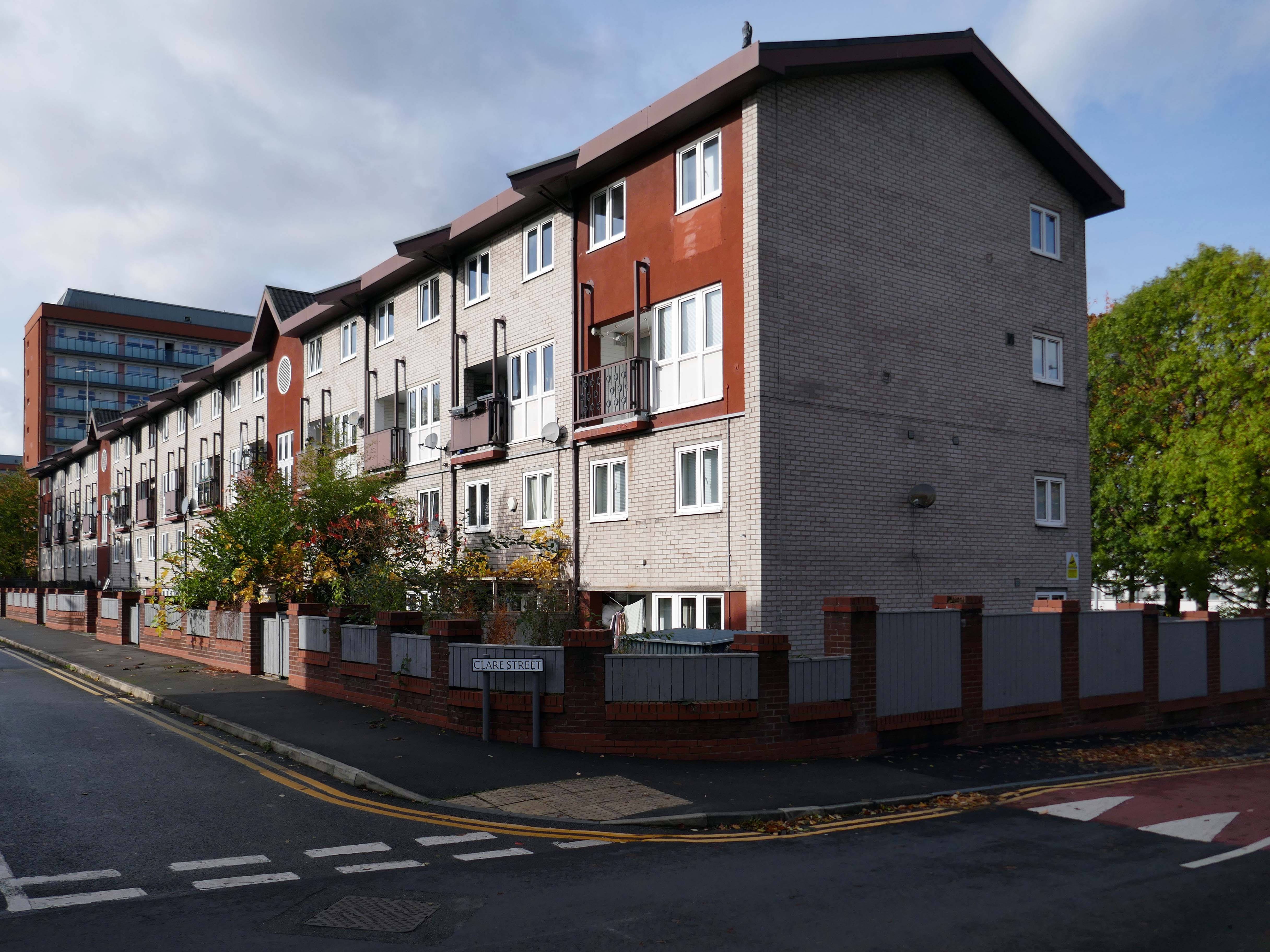
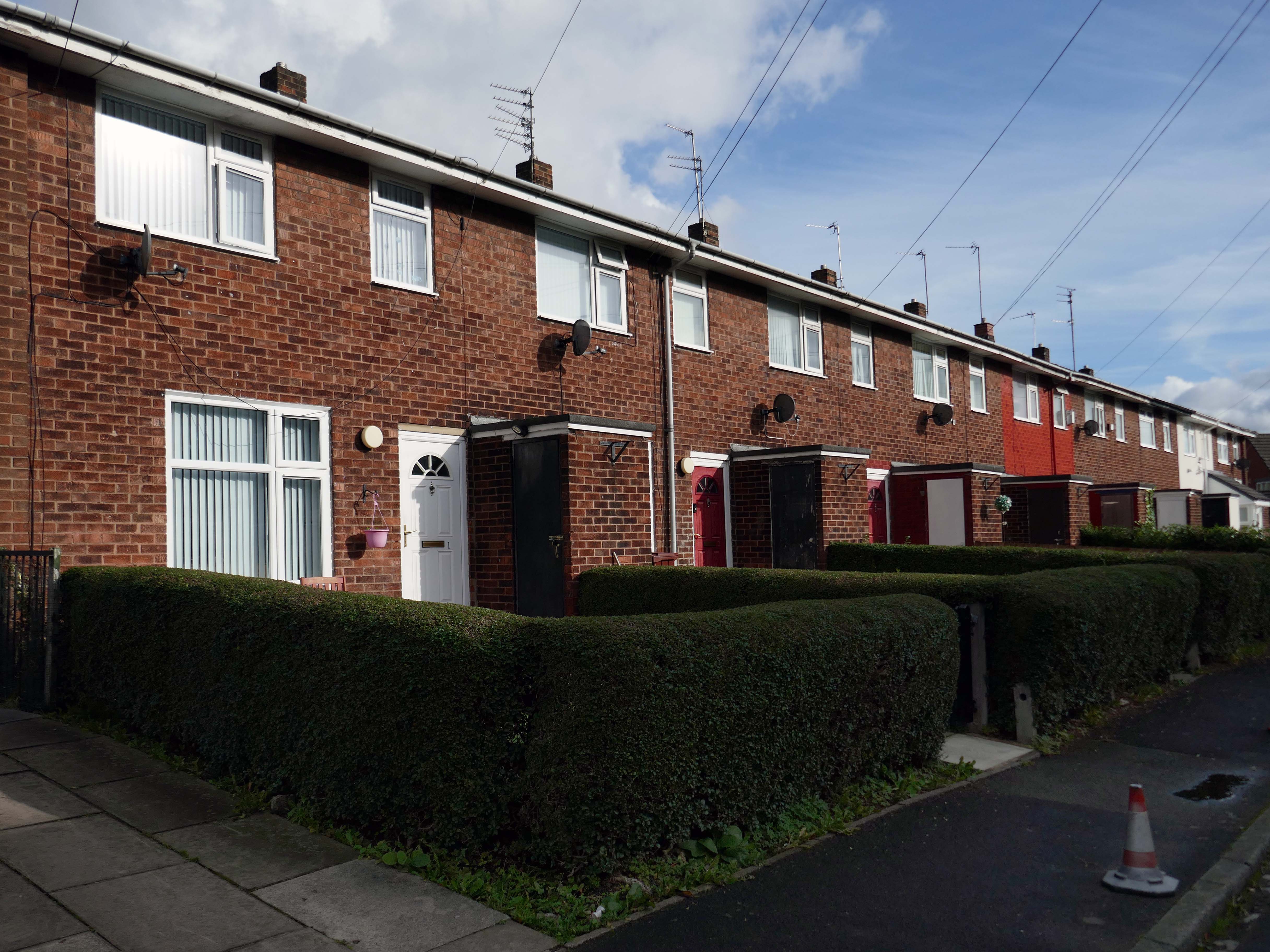
The area is home to a mixed and mongrel bunch of homes.
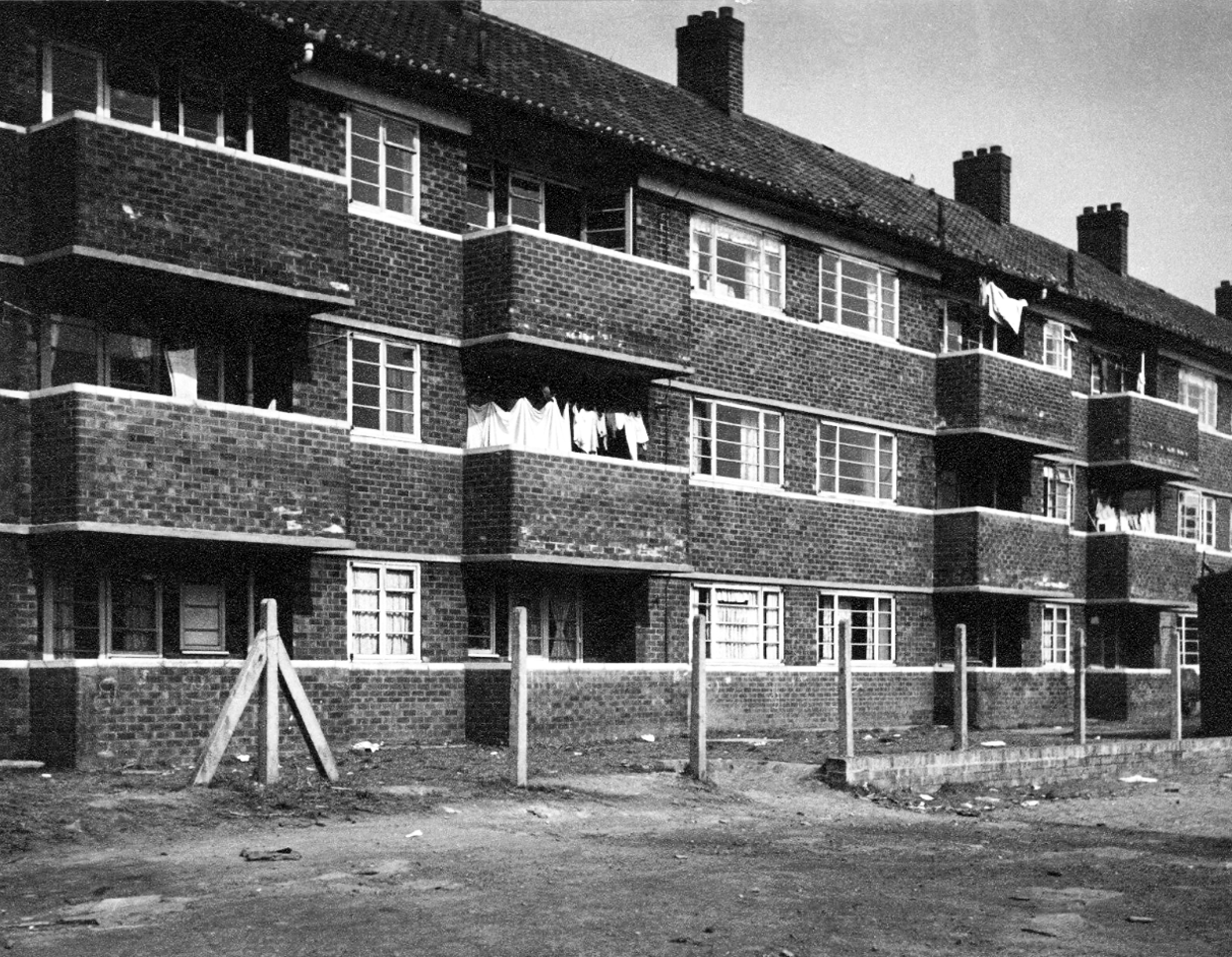
Though these interwar flats, seen here in 1956, are now long gone.
Within the park is a glacial erratic, which arrived following the Last Glacial Period .

Without which much of what we understand as the modern age would possibly not now exist.

It appears to be green slate from the Lake District, the native underlying rock in this part of Manchester is a red sandstone.
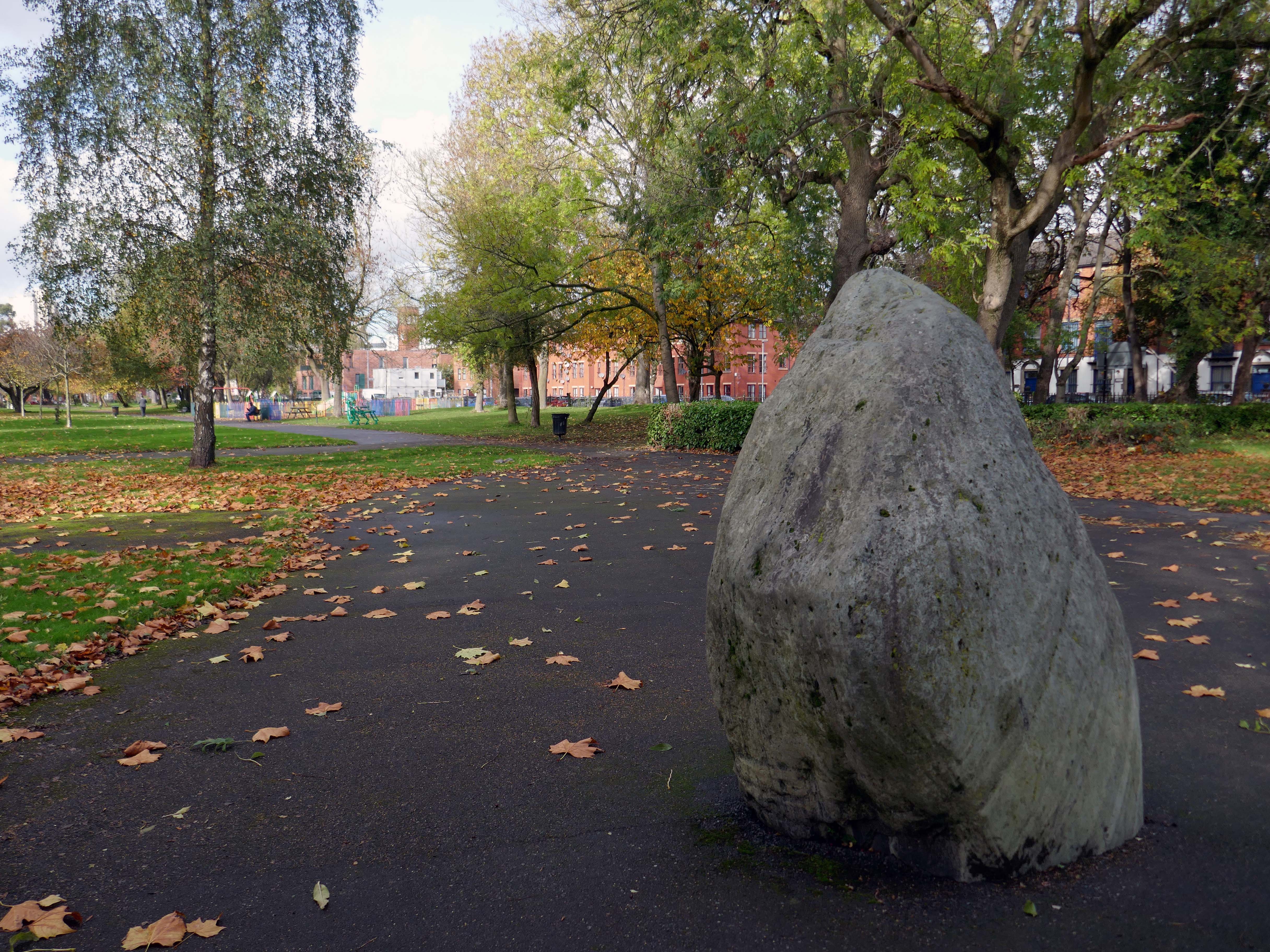
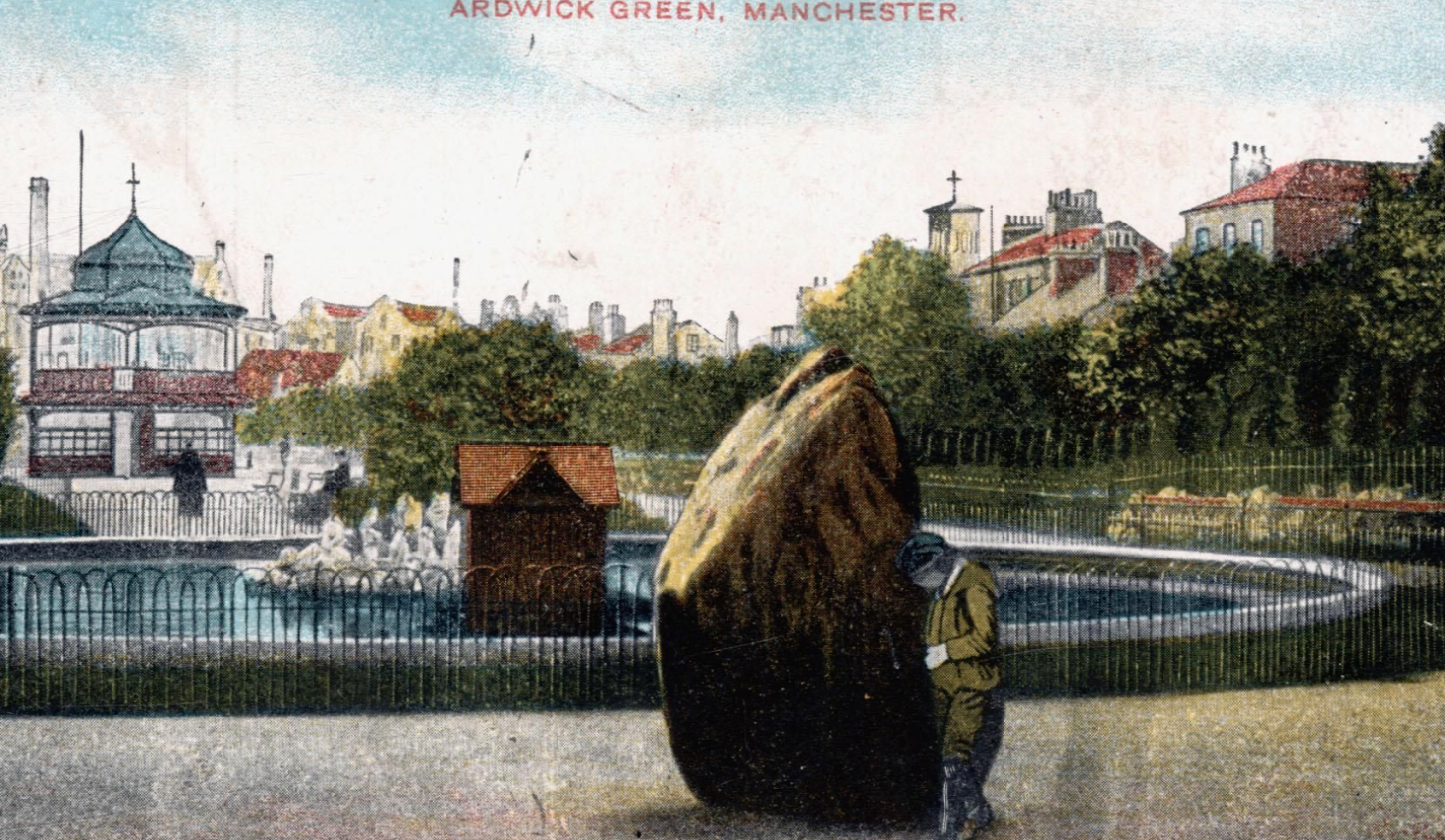
Postcard of 1906

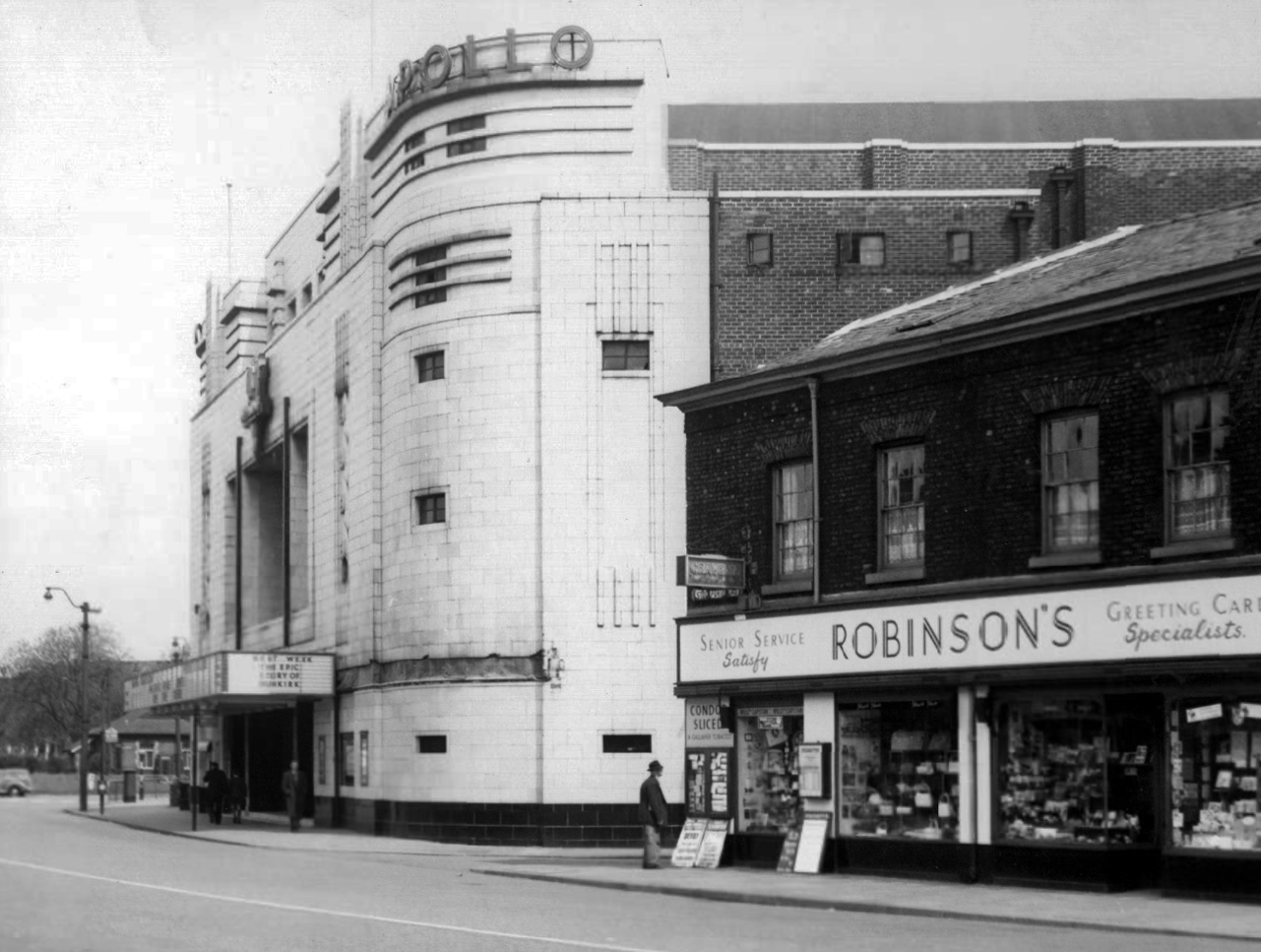
The Apollo of course prevails. – seen here in 1958

Architects: Peter Cummings Alex M Irvine

Opened on 29th August 1938 the interior decorations were carried out by noted interior designers Mollo & Egan with the Holophane lighting designed by R Gillespie Williams.
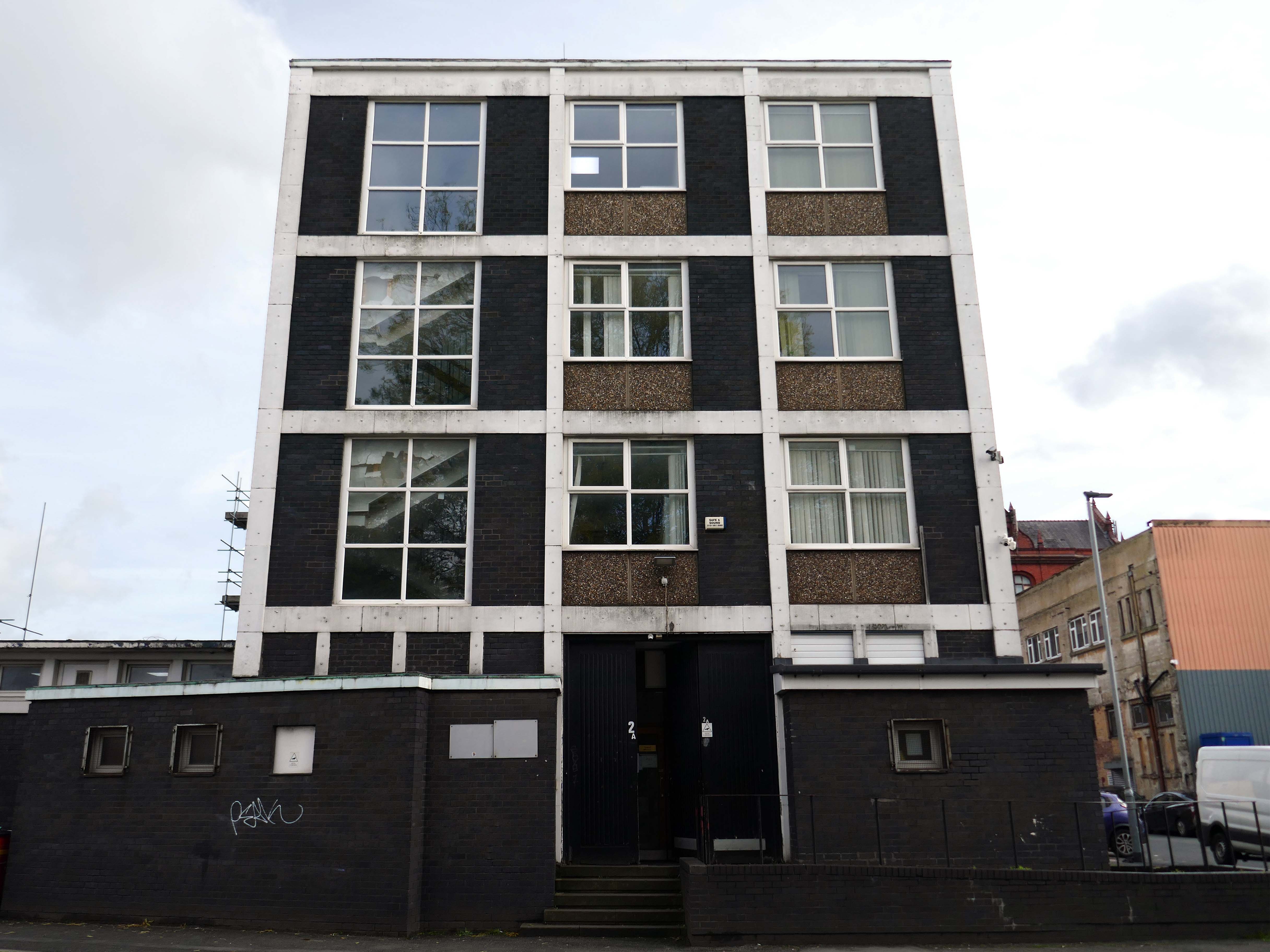
This Sixties municipal building remains a mystery.
Actor Harry H Corbett visiting his childhood area in 1969, he lived on Earl Street and later in Wythenshawe.
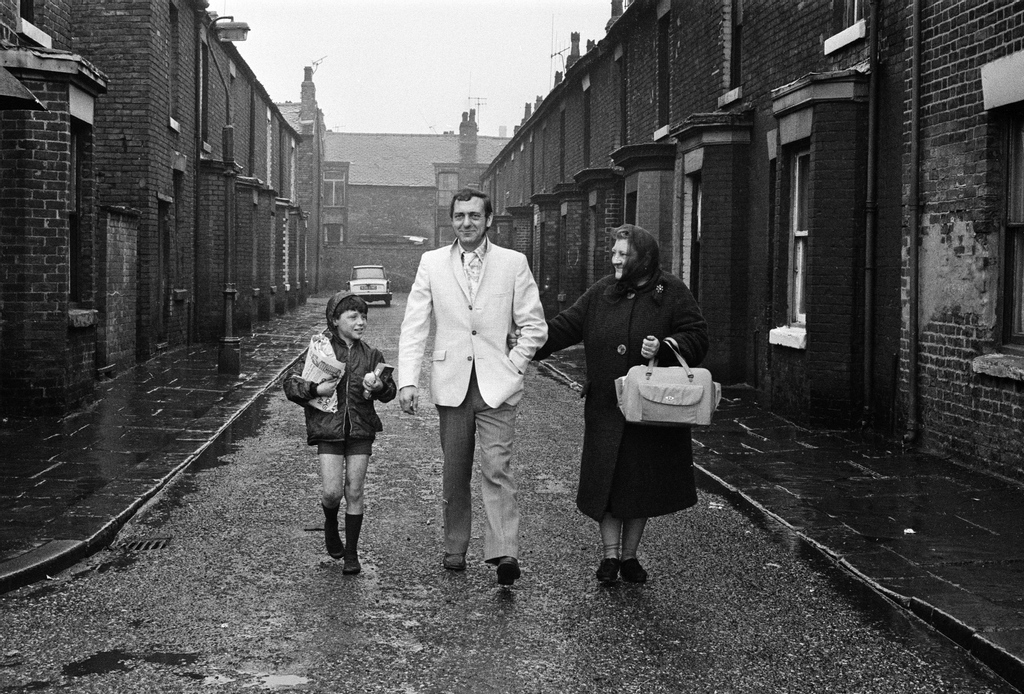
Manchester Arterial – A62

The A62, which runs from Manchester to Leeds, via Oldham and Huddersfield, was once the main route across the Pennines, connecting the largest city in Lancashire with Yorkshire’s largest city. However with the completion of the M62 towards Leeds in the early 1970s it lost much of its importance and traffic to the motorway, which runs a few miles to the north. These days, the A62 serves as a busy primary route between Manchester and Oldham, an extremely very quiet route over the Pennines, and then a fairly busy local road linking Huddersfield with Leeds.

Most maps show that the A62 starts its journey in the middle of Manchester by leaving the A6 Piccadilly and running along Lever Street – the original route was the parallel Oldham Street. However, owing to a bus gate Lever Street is not generally accessible from Piccadilly. We head out easterly on a busy street – non–primary, until we meet the Ring Road where we pick up primary status that we retain until Oldham. We turn left at this point and then immediately right to start the A62 proper.

Sabre Roads

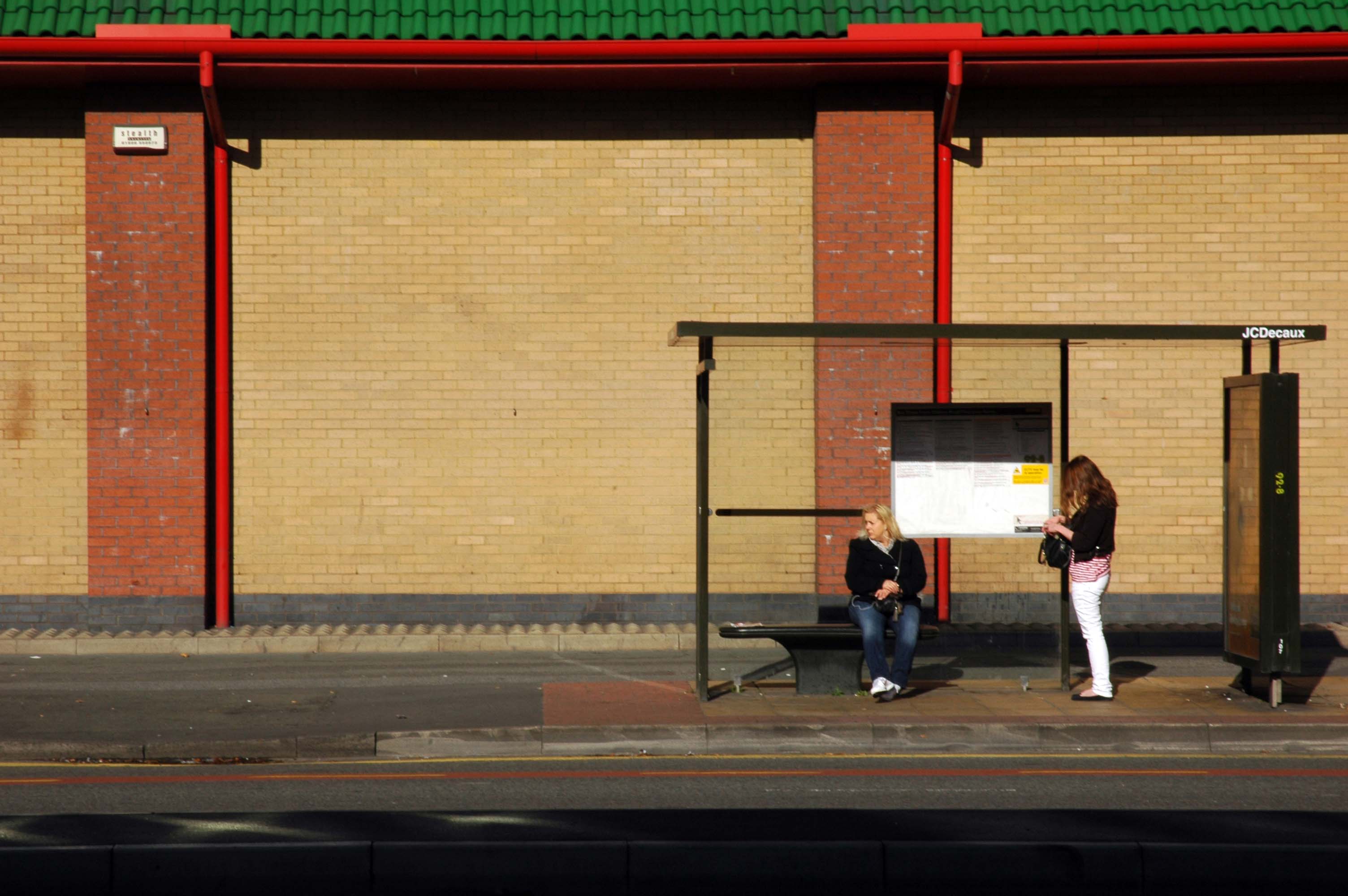
In 2014, having taken early retirement from teaching photography, I embarked on a series of walks along the arterial roads of Manchester.

This whole undertaking was prompted in part by Charlie Meecham’s 1980’s Oldham Road project .

The work questions whether a sense of local identity can be maintained in an area of constant redevelopment and community displacement.

This area was first developed in the 19th century for cotton manufacture, coal extraction and later electrical and heavy engineering. The road was lined with shops and there was a vibrant community.

When I first started working on the project, most of the early industry had ceased operating and the mills were either abandoned or being dismantled. However, some had been refurbished either for new industrial use or later, made into apartments. Some run down areas were cleared making way for new housing. Clearance also provided opportunity to build new schools, trading estates and create green space. Most of the older community centres such as theatres and cinemas along the road were also abandoned and later cleared.
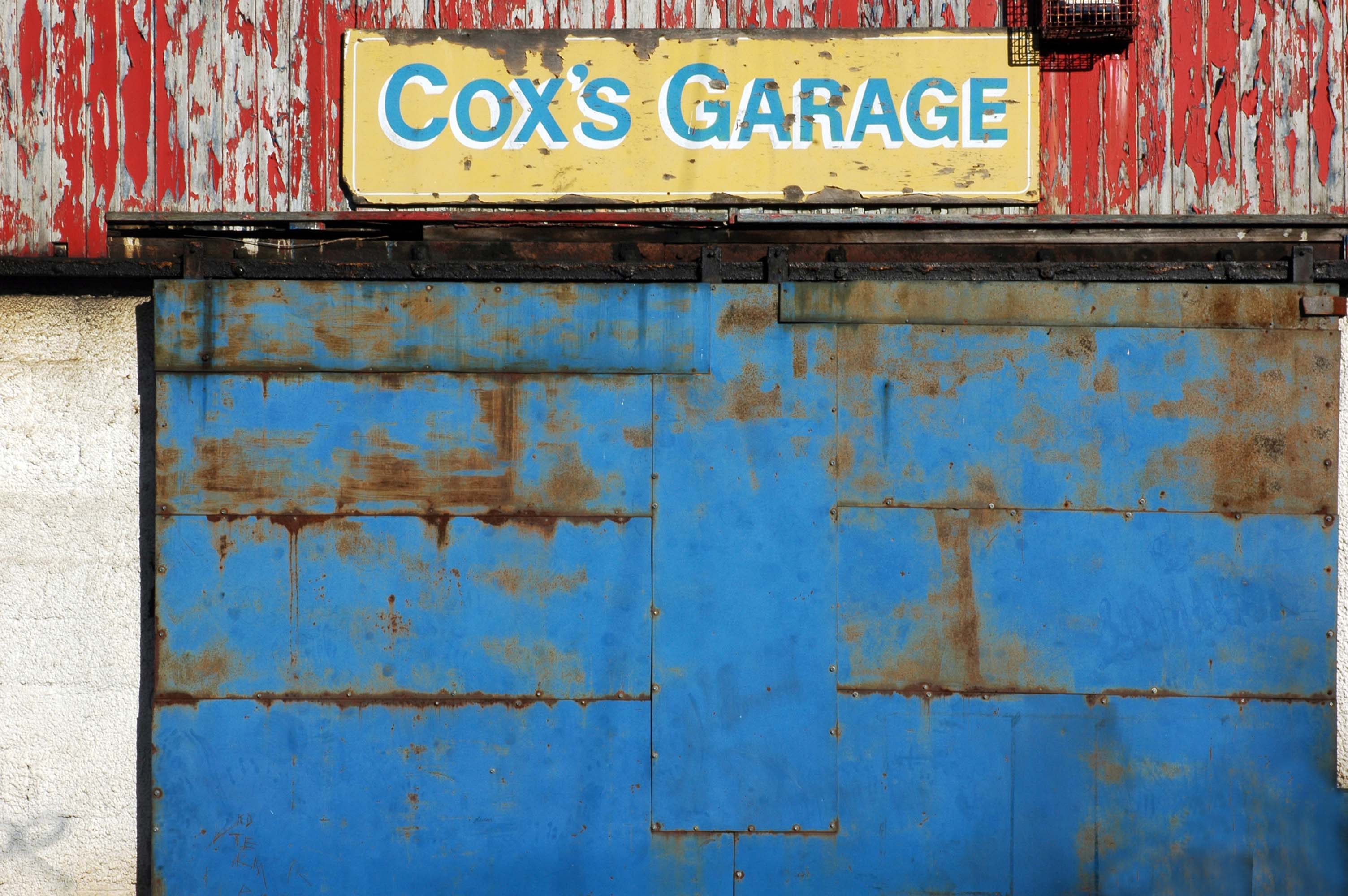
See also Bury New Road and Cheetham Hill Road and Rochdale Road and Ashton New Road and Ashton Old Road and Hyde Road and Stockport Road and Kingsway and Princess Parkway.

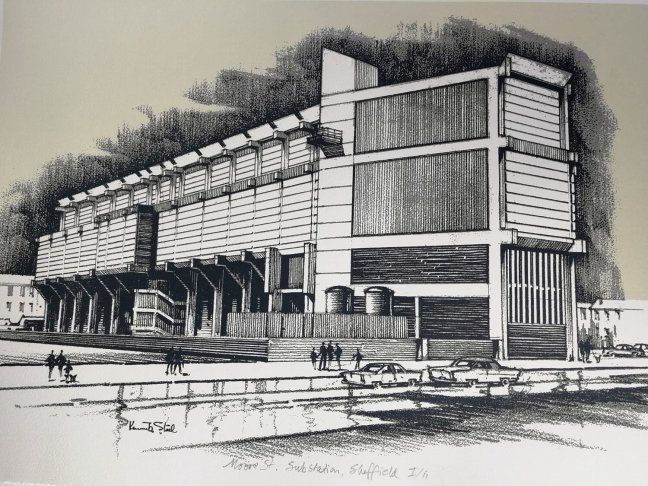
Moore Street Substation – Inside Out

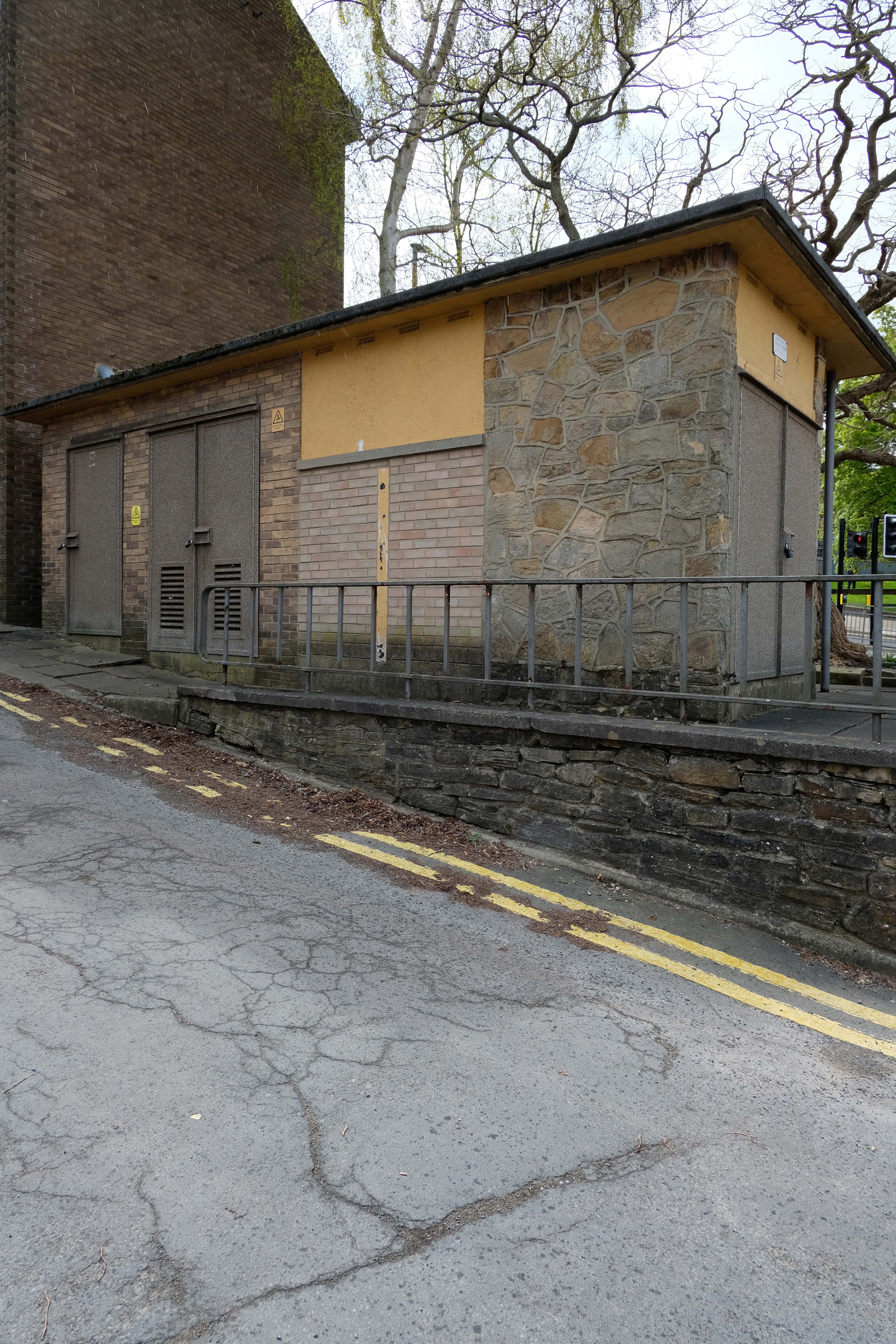
I have walked around the exterior on more than one occasion.

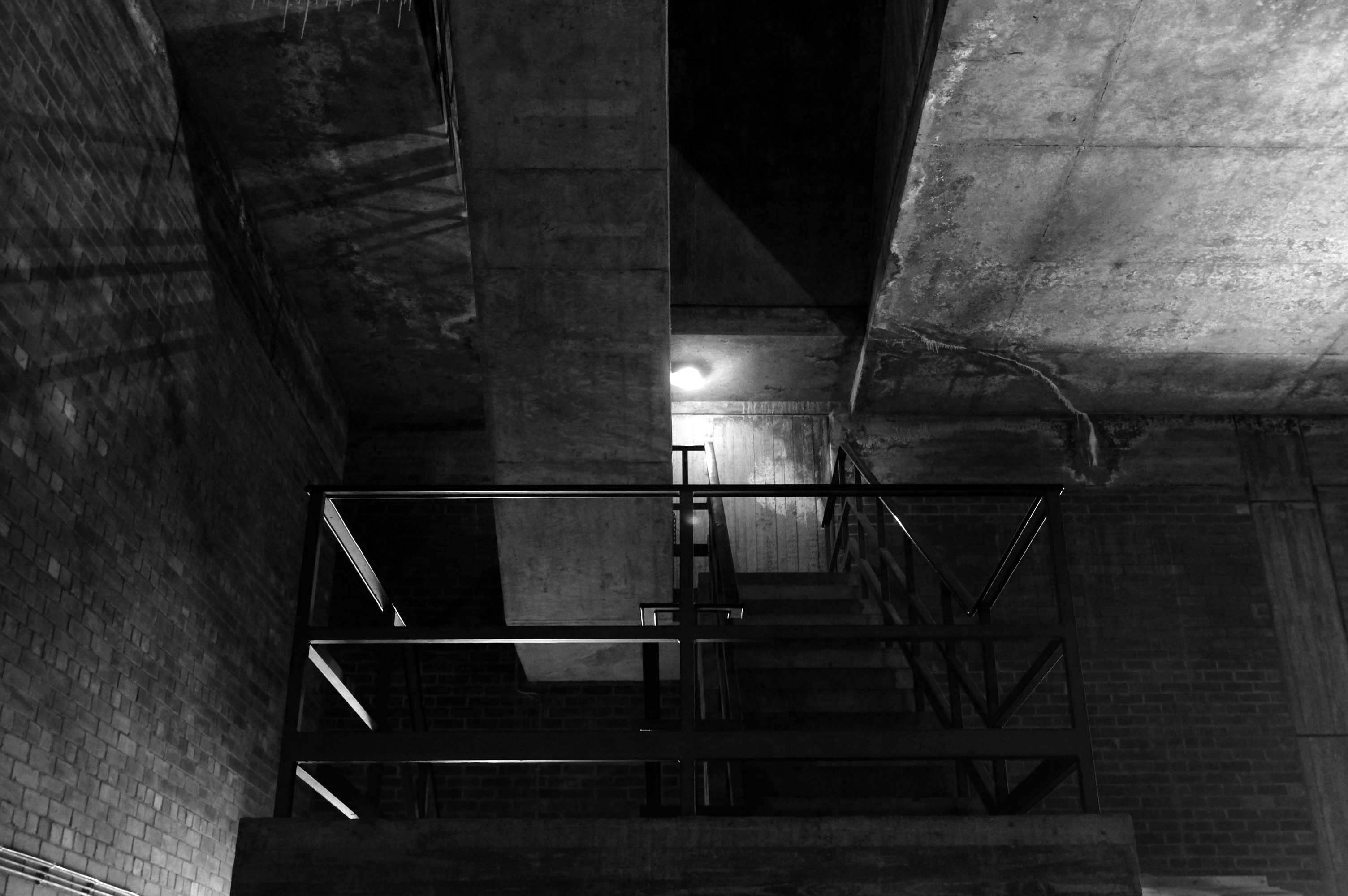
This concrete enclosed, collection of transformers and switchgear.

Electricity substation. 1968 to designs by consulting architects Jefferson, Sheard and Partners, Sheffield, led by Bryan Jefferson, in association with the Regional Civil Engineers’ Department of the CEGB North East Region. Contractors, Longden & Sons Ltd, Sheffield. Reinforced concrete frame with board-marked finish with formwork bolt marks, construction and daywork joints emphasised, concrete floor slabs, blue engineering facing bricks, cladding panels of Cornish granite aggregate.
Historic England

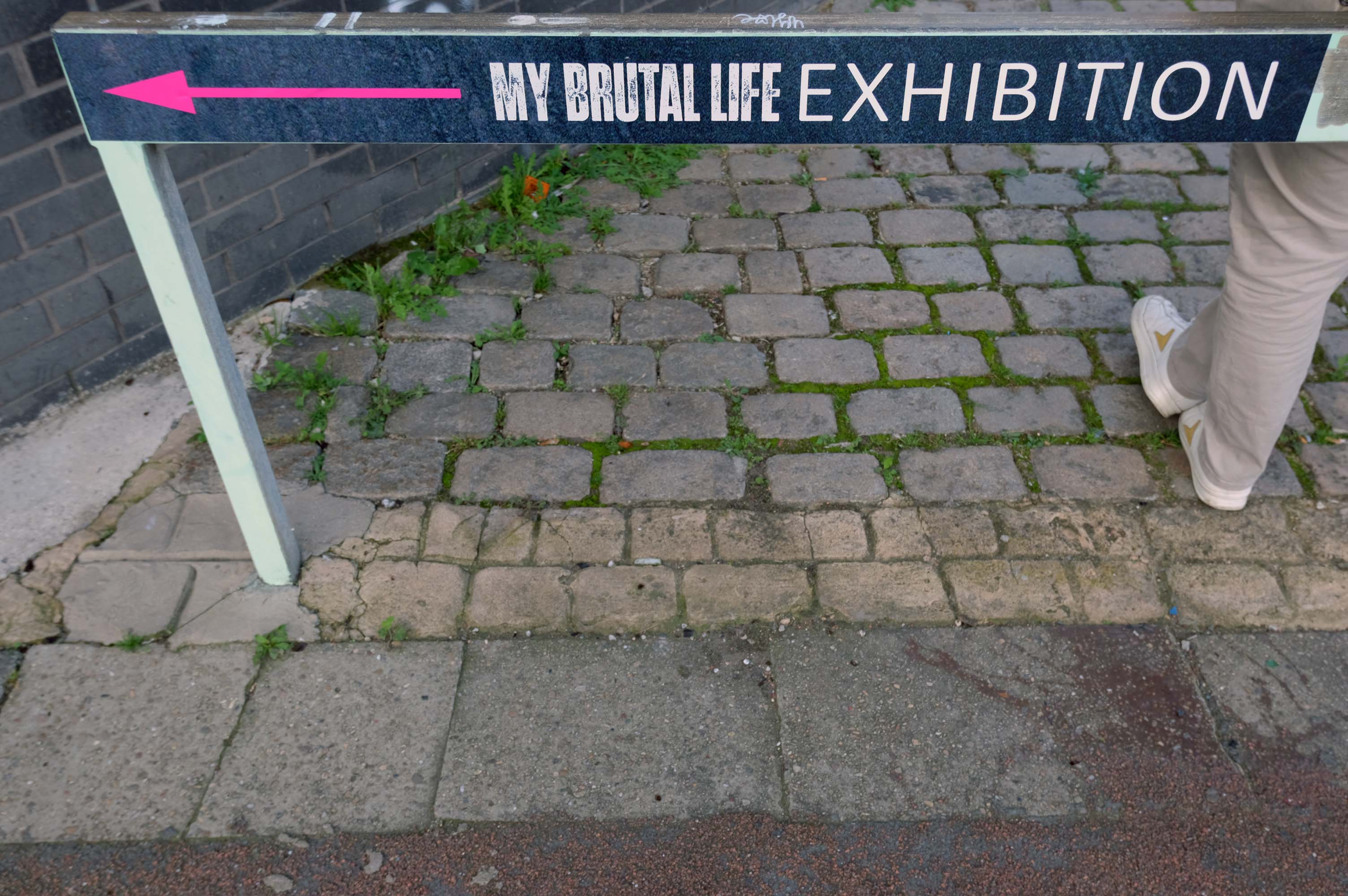
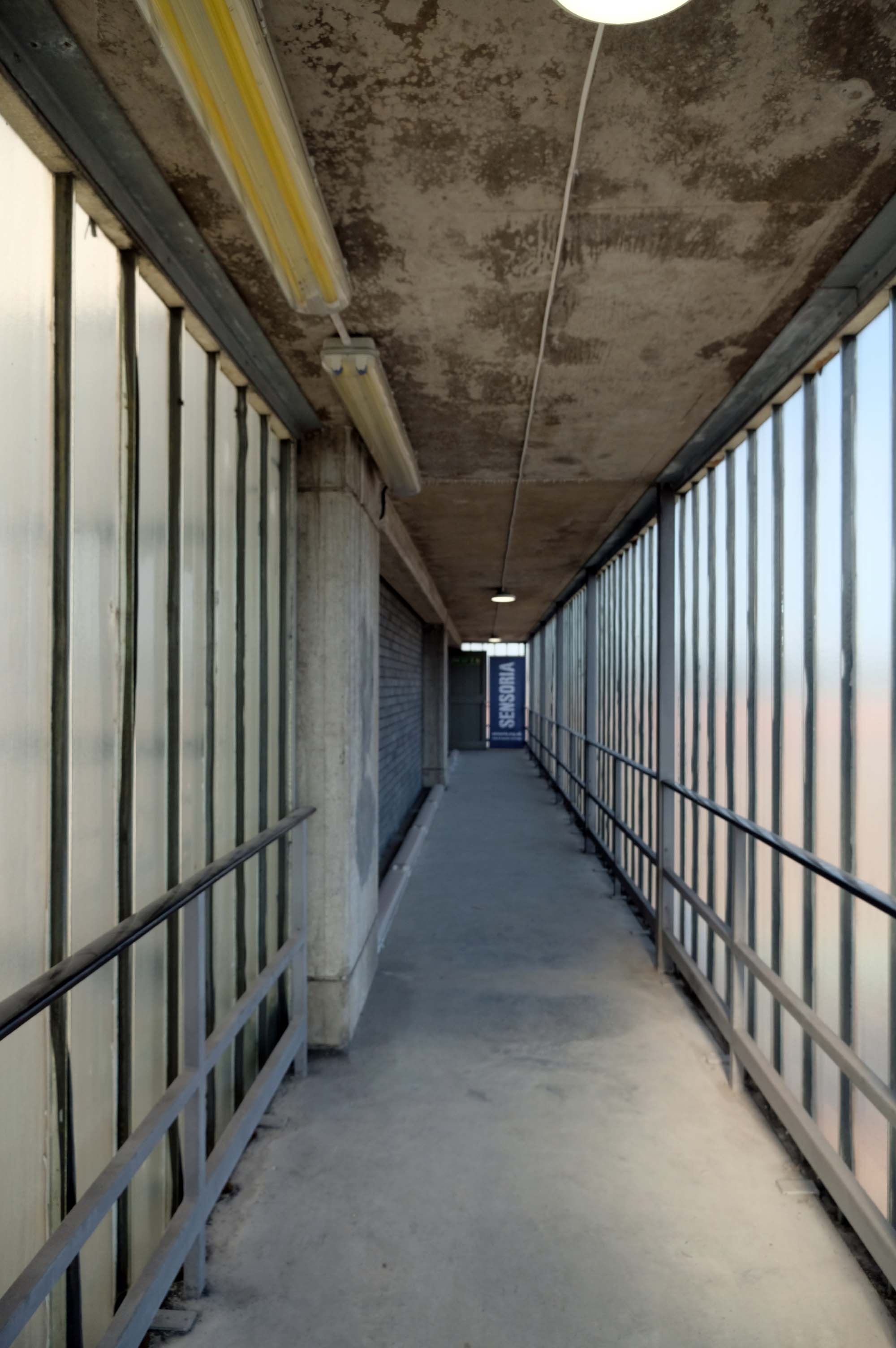
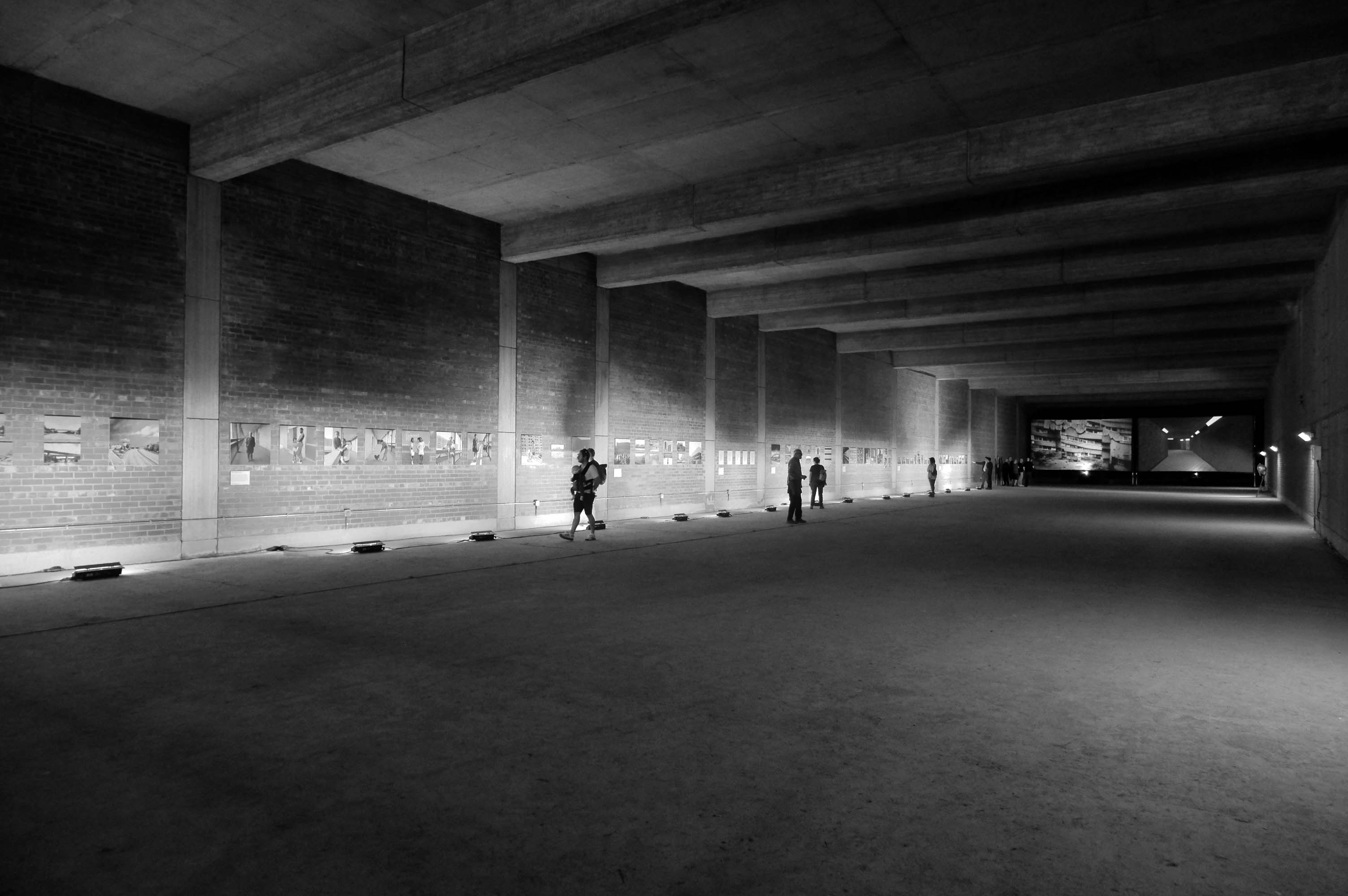
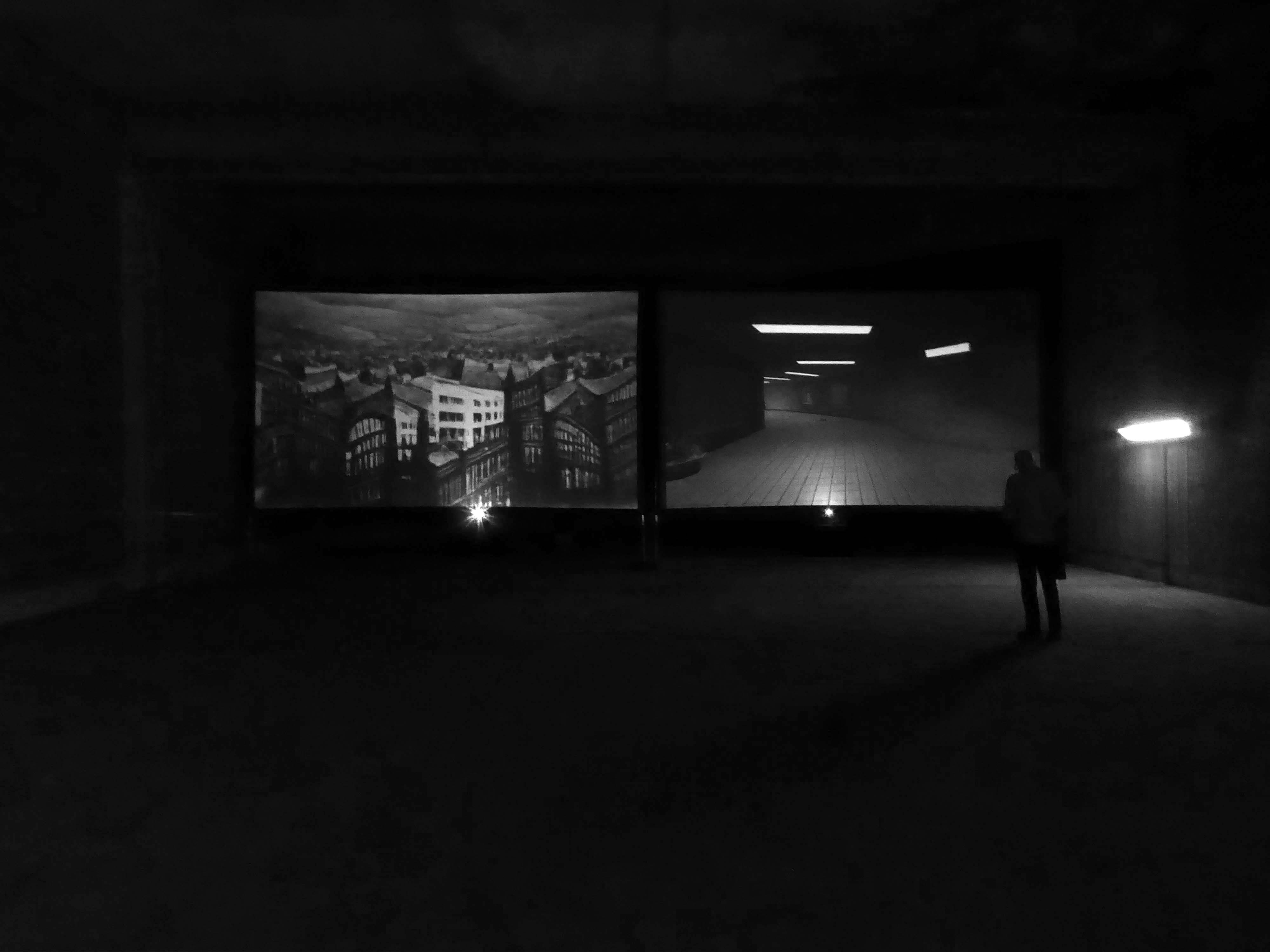
The good folk at Sensoria and The Black Dog staged My Brutal Life inside the building – using the void created by the non-expansion of expanded demand for electricity.
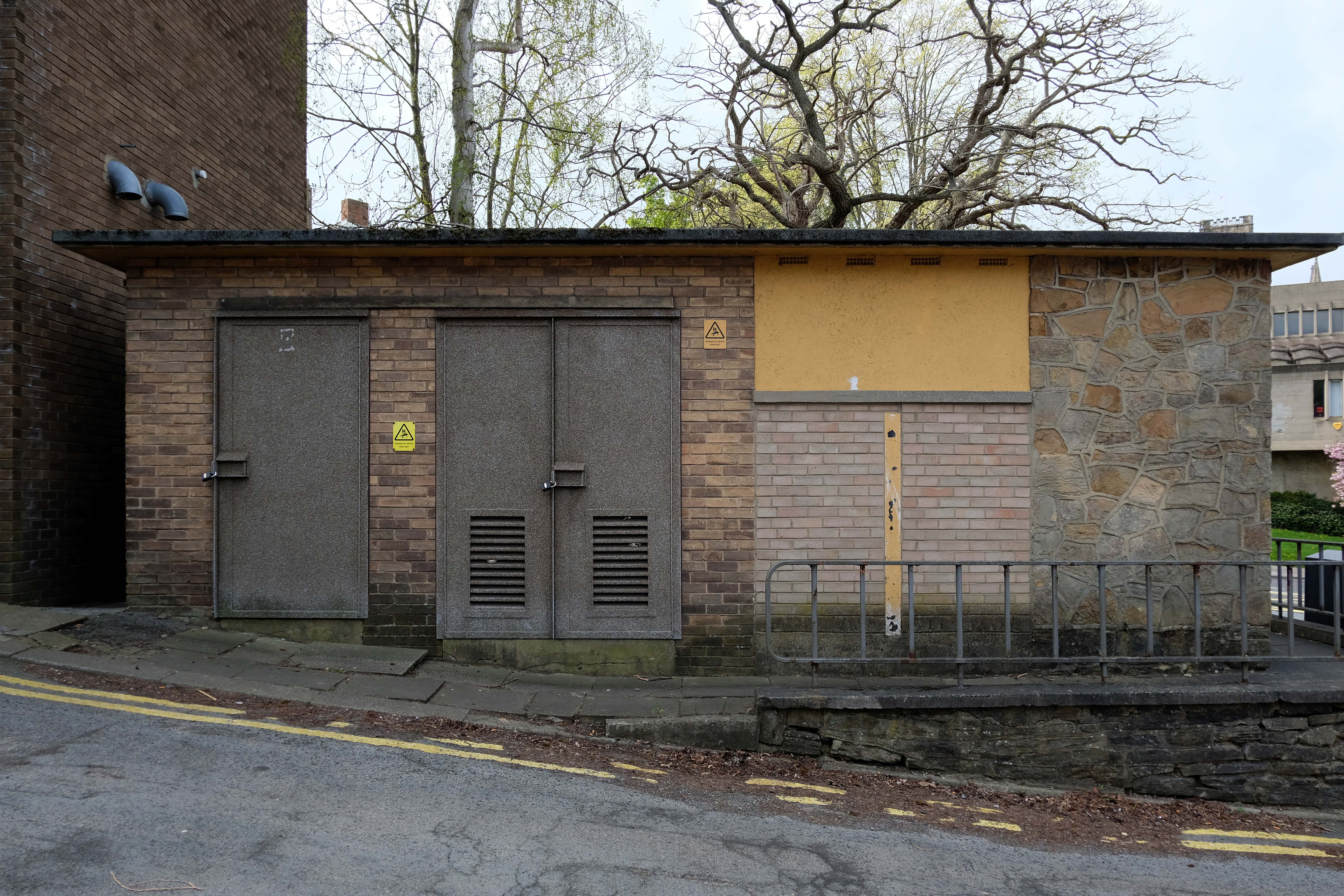
The exhibition features work by Bill Stephenson, Mick Jones, Mandy Payne, Martin Dust, Scott Amoeba, Richard Davis, Jen Orpin, Alun Cocks, Human Studio, Sean Madner, Helen Angell and The Black Dog.

Let’s take a look outside inside out.

Thanks.

Arup In Wonderland – Durham

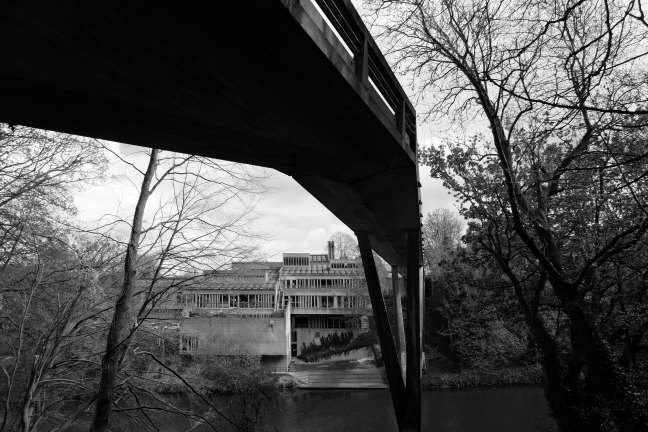
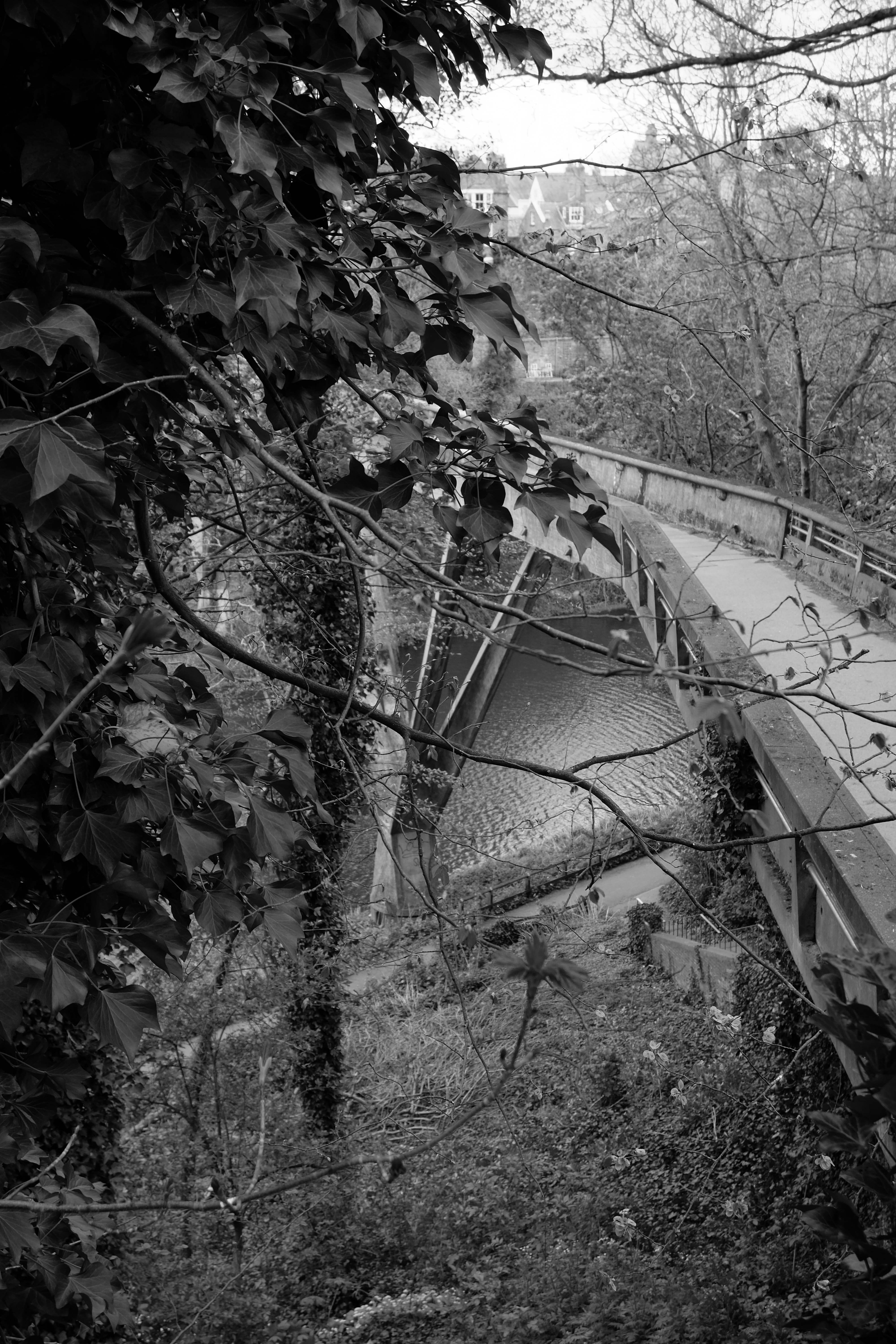
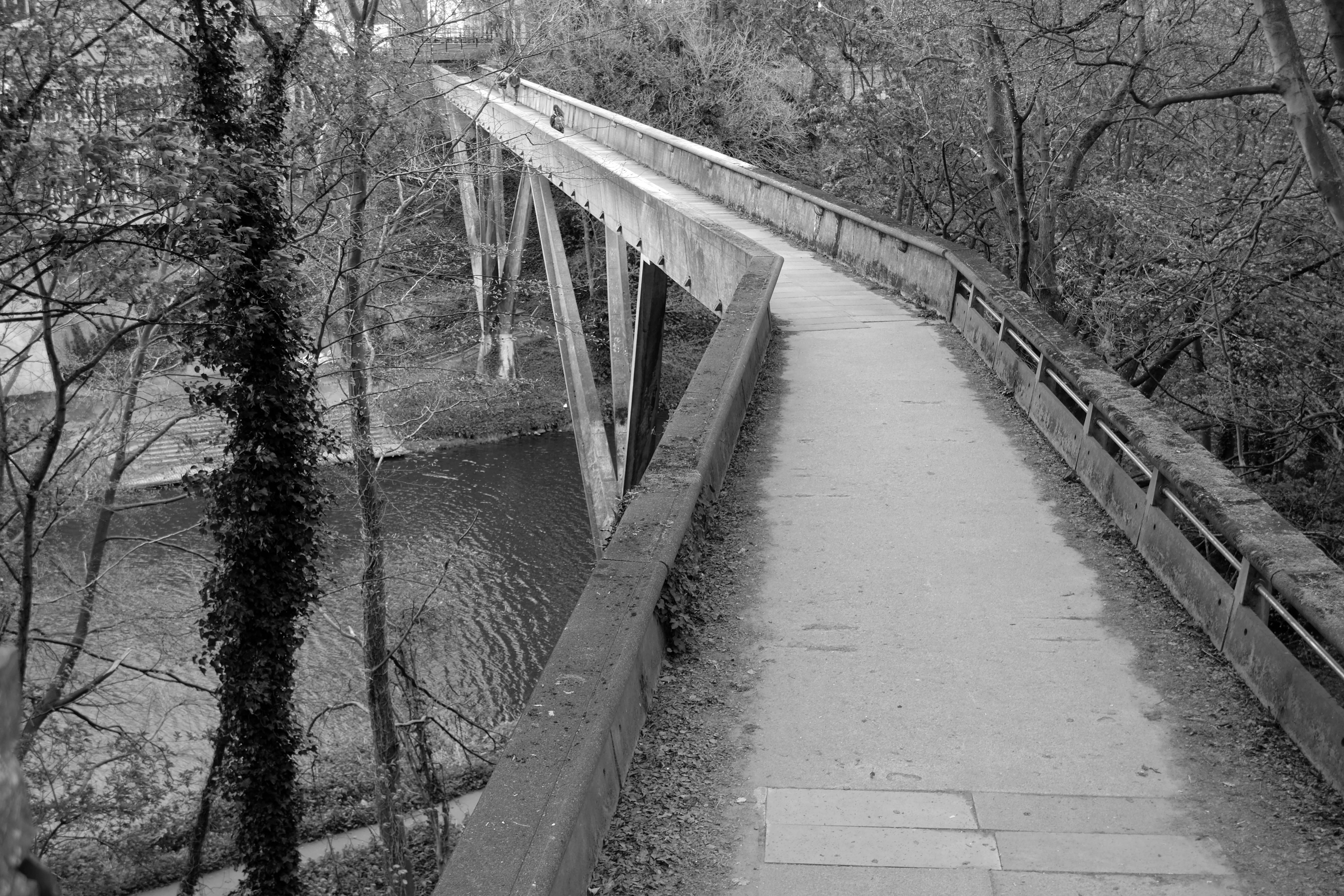
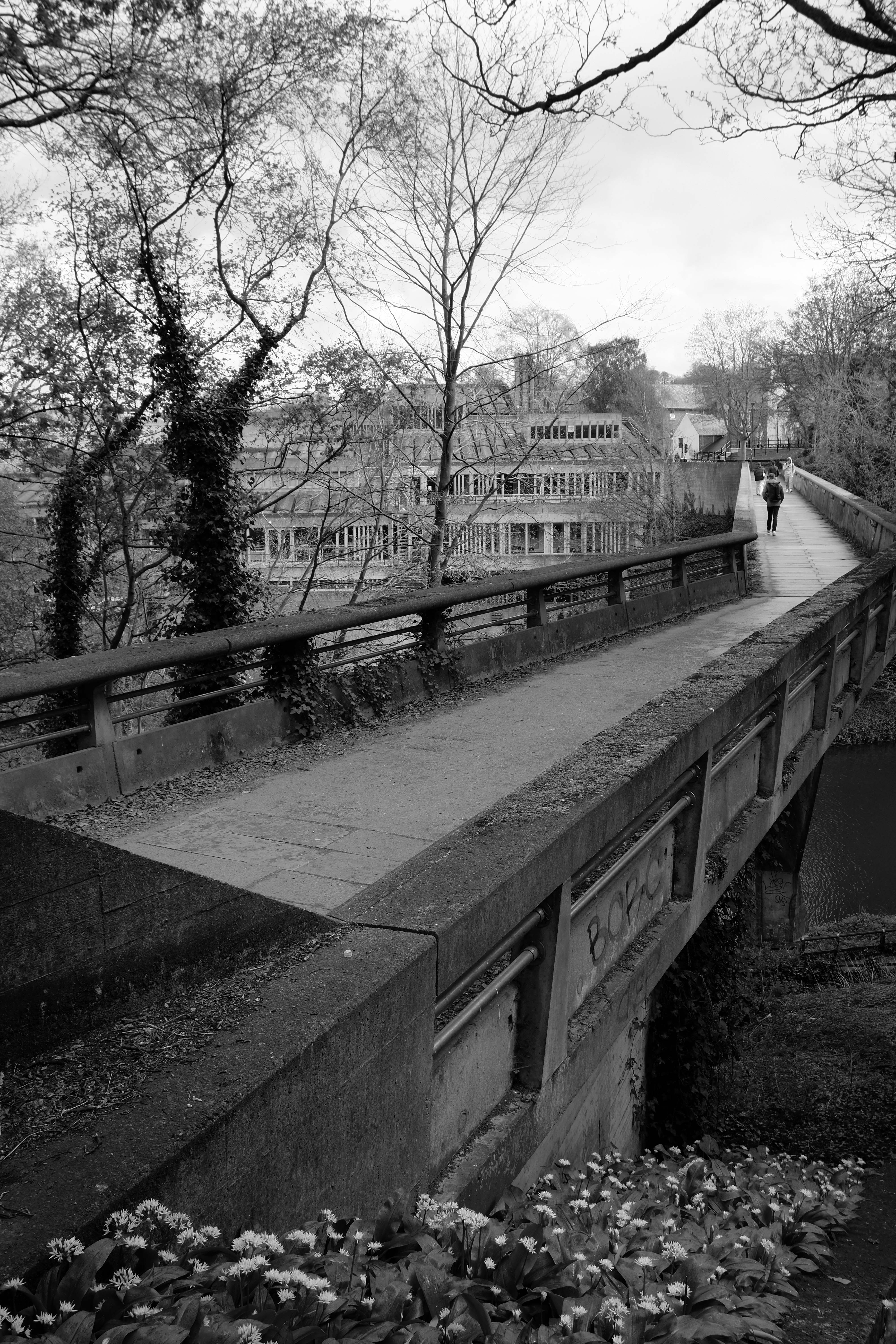
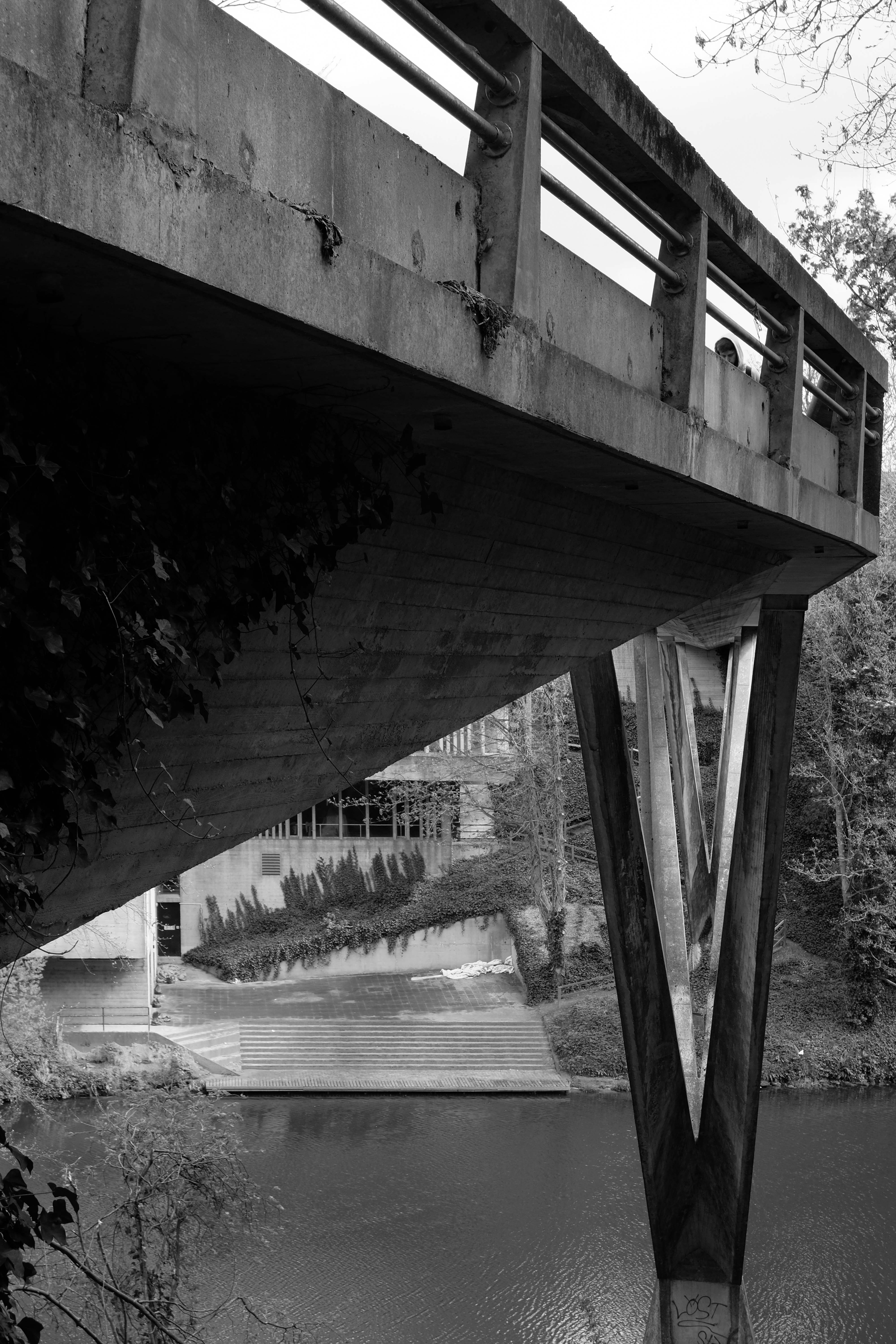
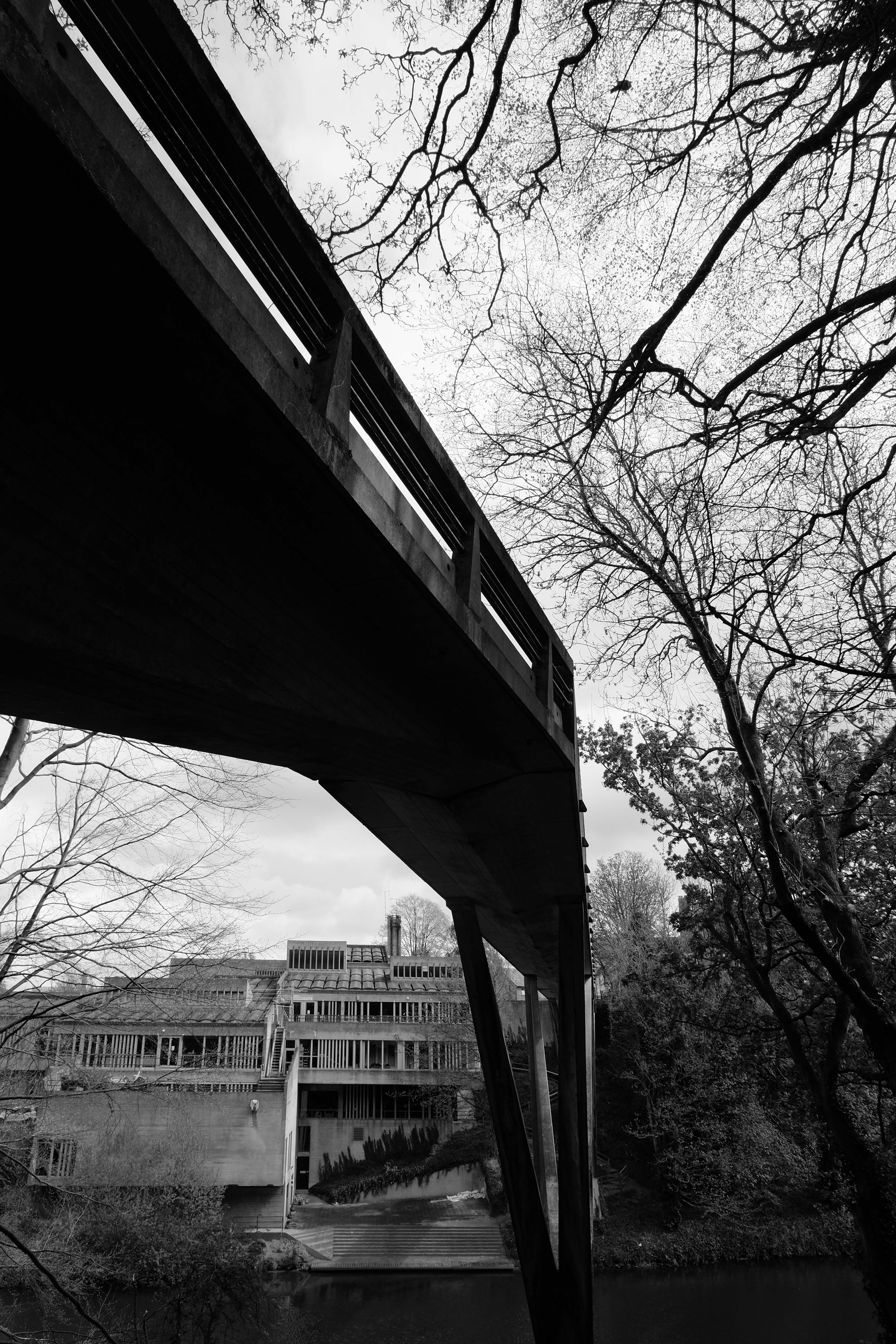
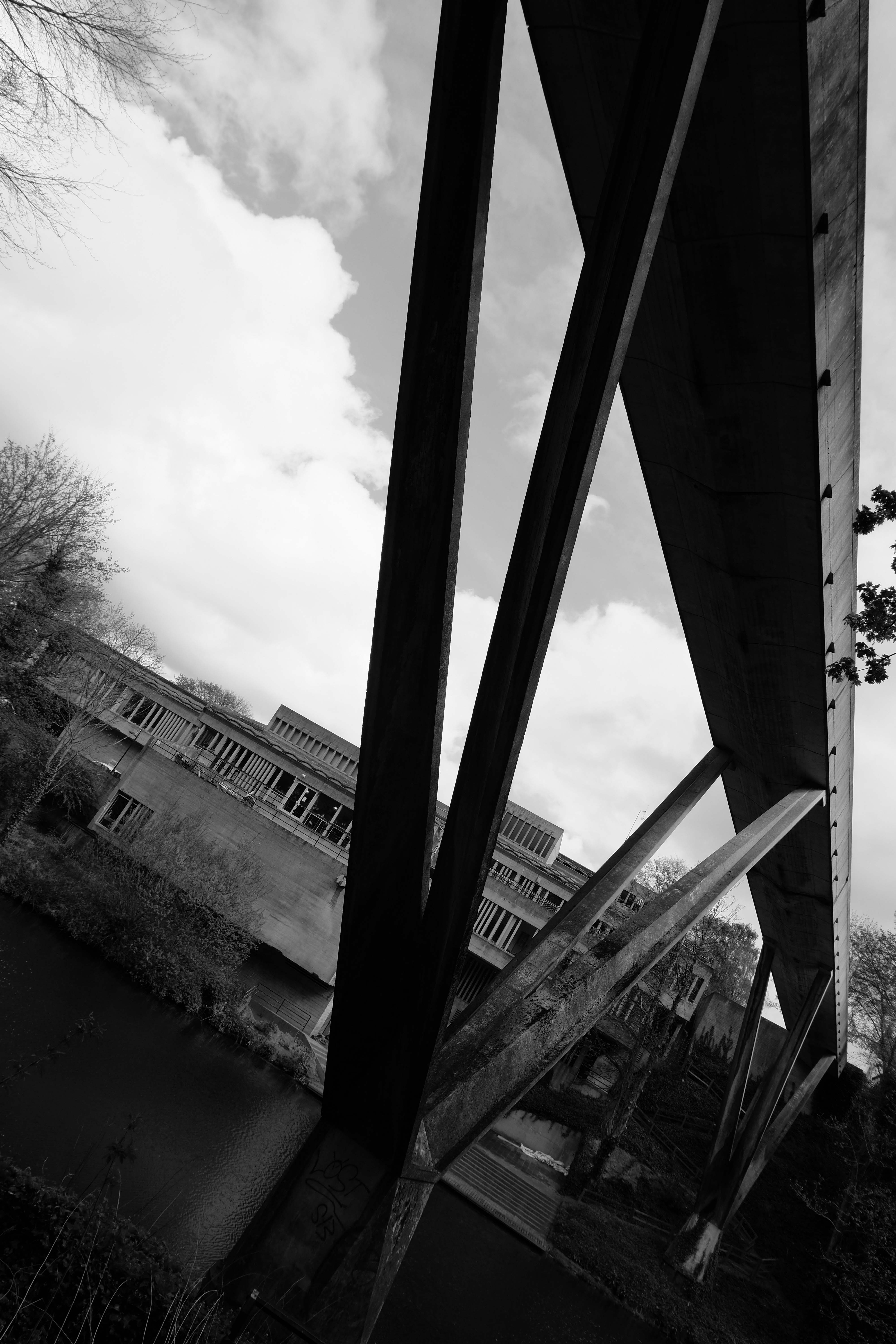
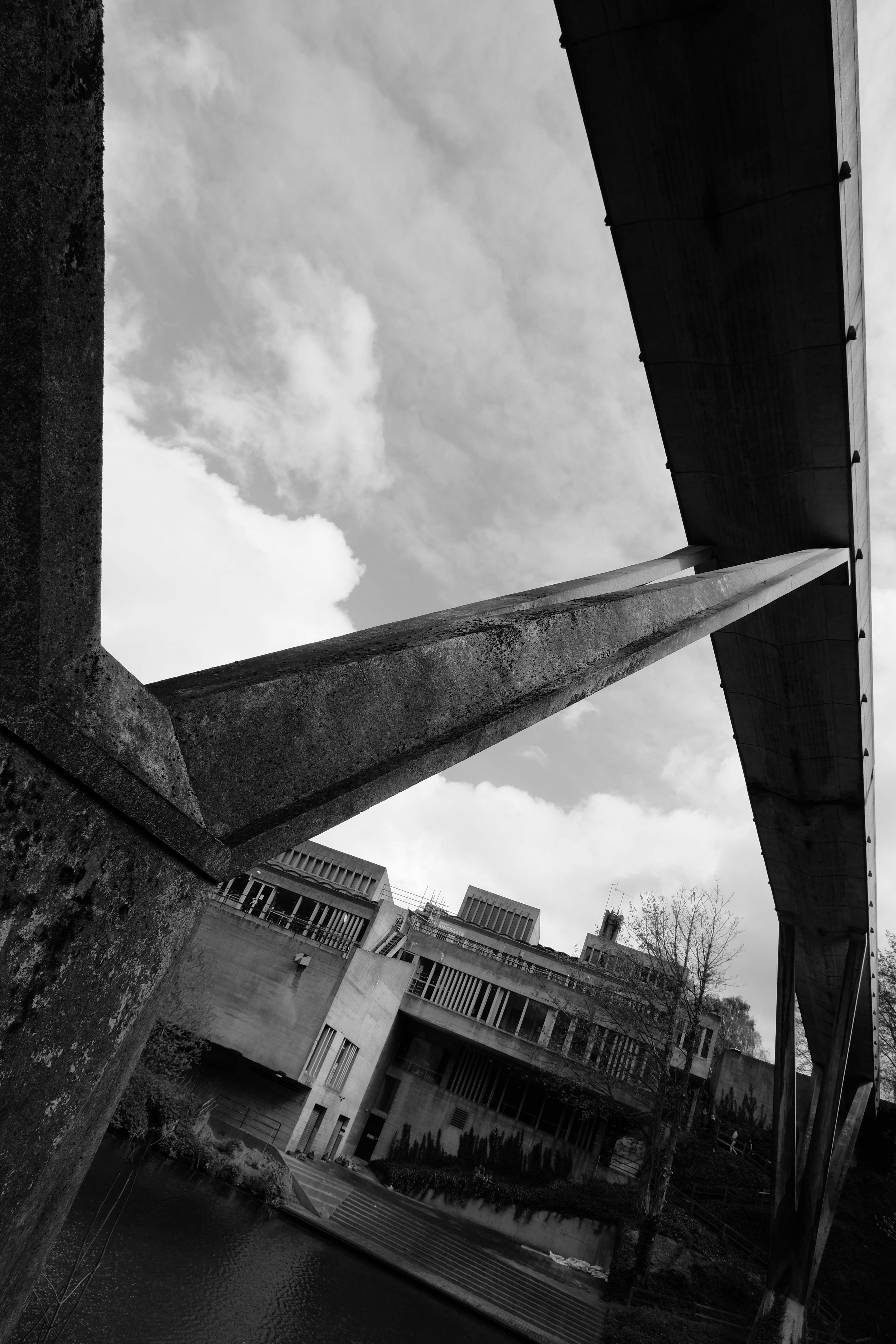
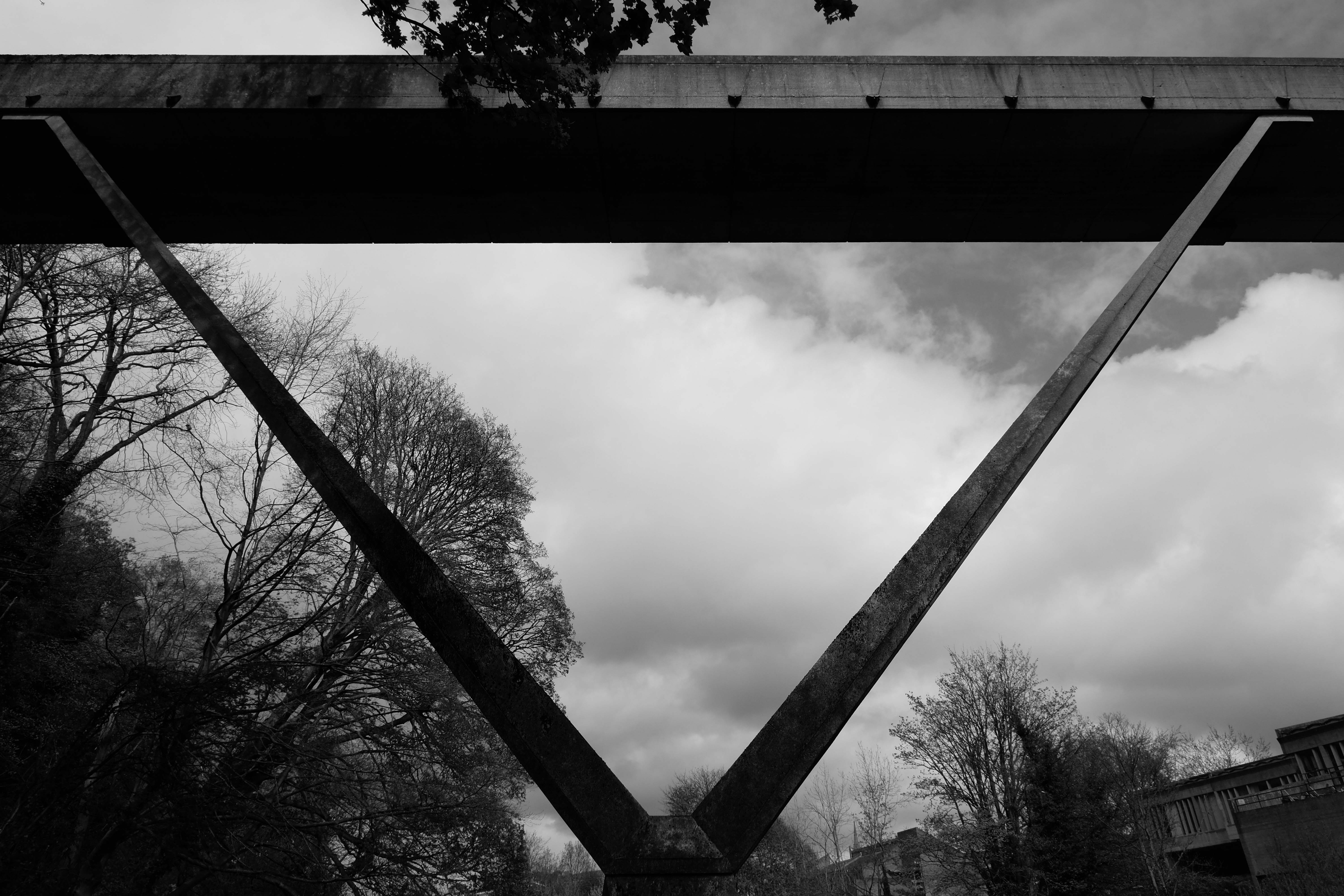
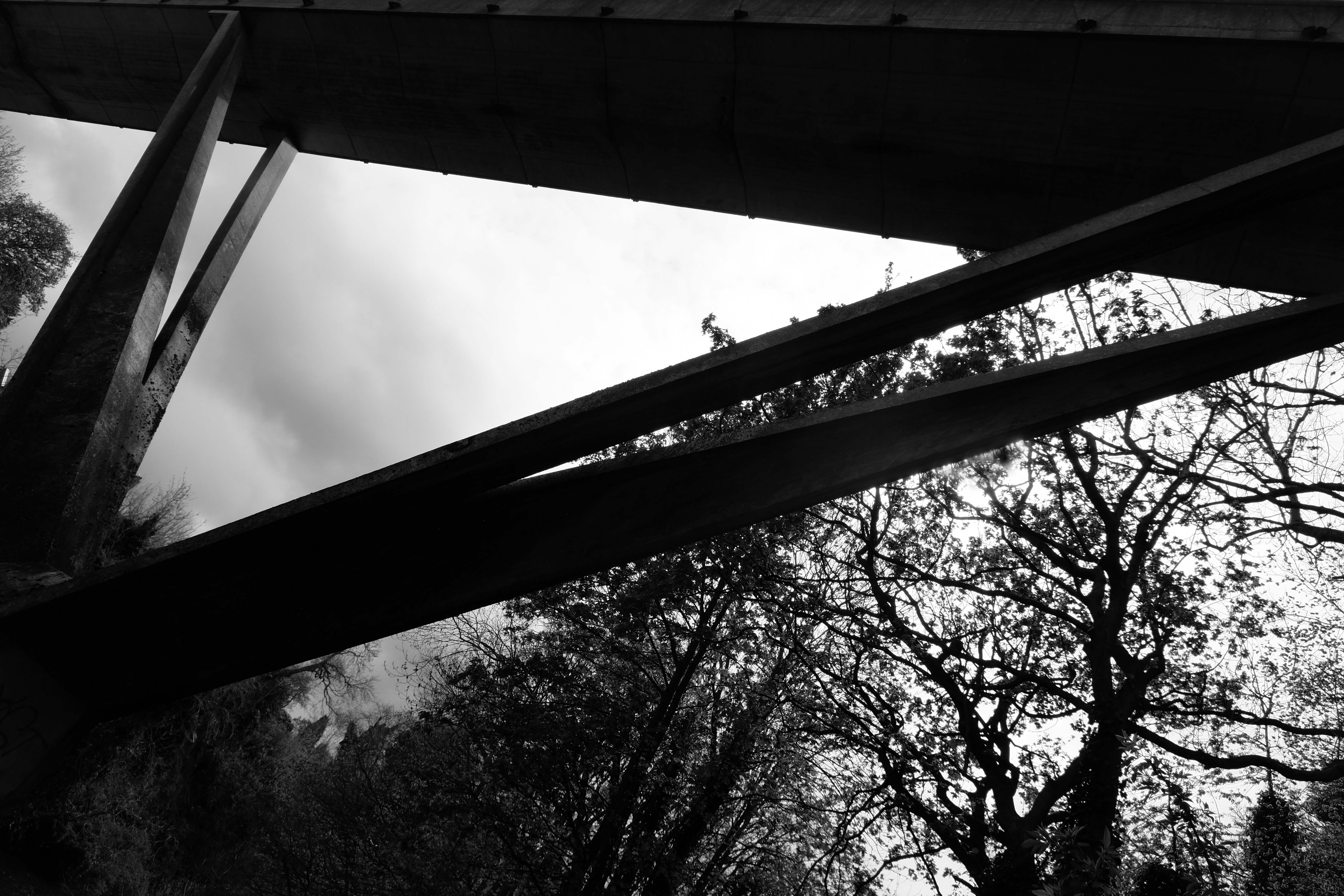
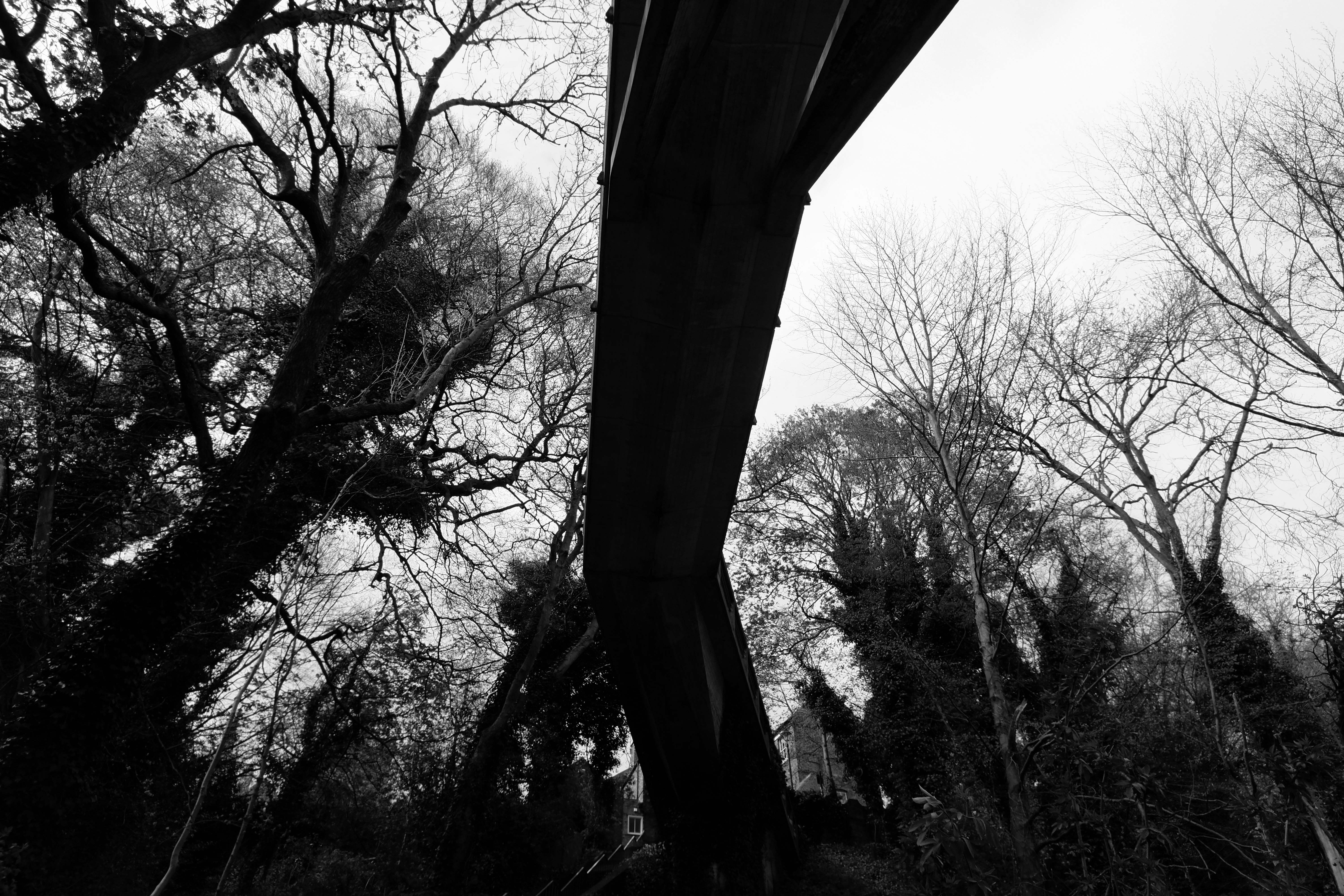
The last structure that Ove Arup designed himself was the award-winning reinforced concrete Kingsgate Footbridge in Durham, England.

Completed in 1963, Arup considered this bridge his finest work. He planned every detail, including the unusual way it was constructed. The need for scaffolding on the river was eliminated by casting the bridge in two halves, one for each bank. The halves were then swivelled out from the banks to meet. 

The two halves pivoted on revolving cones, their meeting point marked by an understated bronze expansion joint. Bearings were designed at the base of each part to allow rotation, robust but cheap enough to be used only once. 

This elegant example of simple mechanical engineering provided tense moments for the team while the spans were turned and connected. 

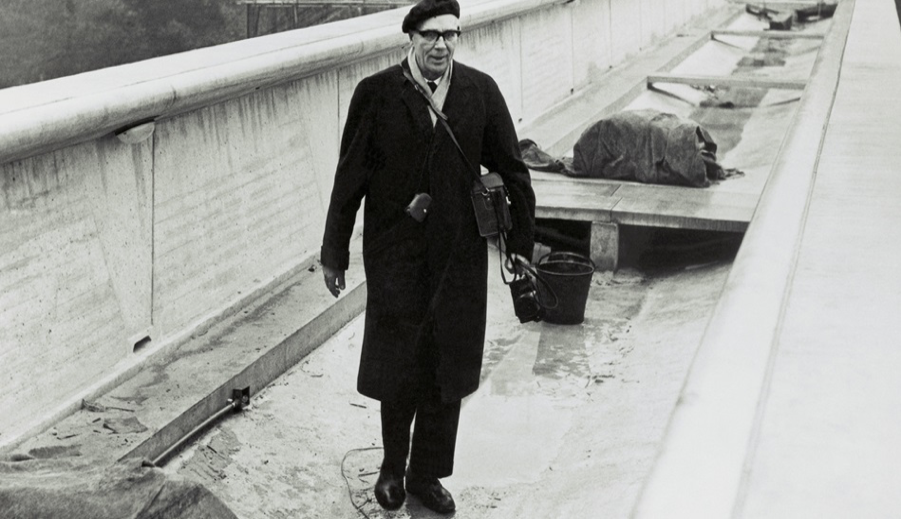
John Martin, project manager for the bridge, said:

“Ove never seemed to worry that anything might go wrong. That was fine, it just meant that one felt fully responsible for seeing that it didn’t. But he got quite cross when the contractor took a few, to Ove’s view unnecessary, steps to make doubly sure that construction went smoothly. I think that to him it was a question of spoiling the elegance of the idea”.

arup.com

I’m ever so fond of concrete footbridges, in fact I have written about our local exemplar.

And have taken great pleasure in teaching and preaching whilst atop such.

So it was with some degree of excited anticipation, that I strode eagerly toward Ove’s bridge – a bridge guaranteed to raise a smile, enchanted by its elegance and audacity.

Over we go headlong and fancy free into this black and white concrete world.

Crossing over into colourful off-white world of university life.

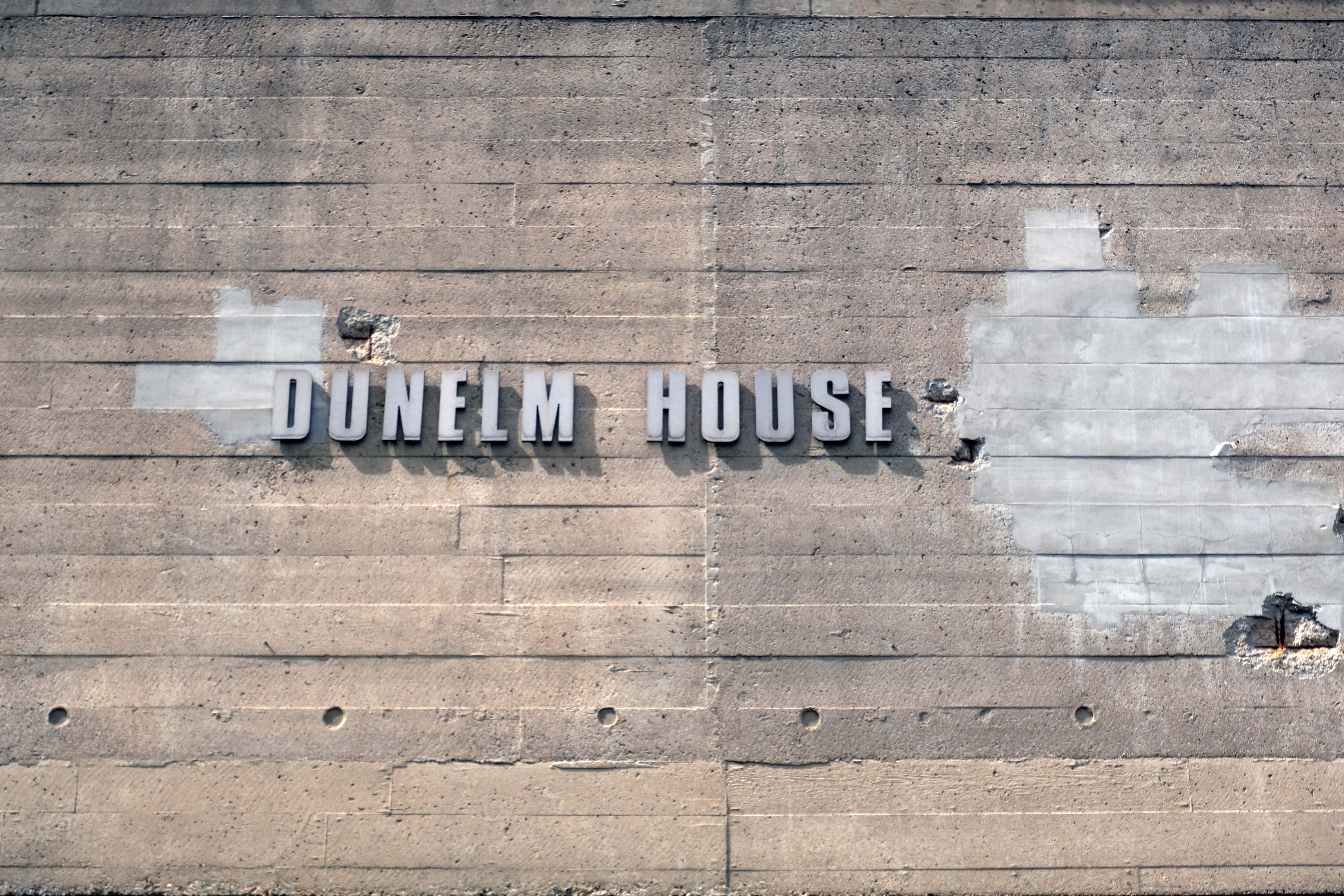
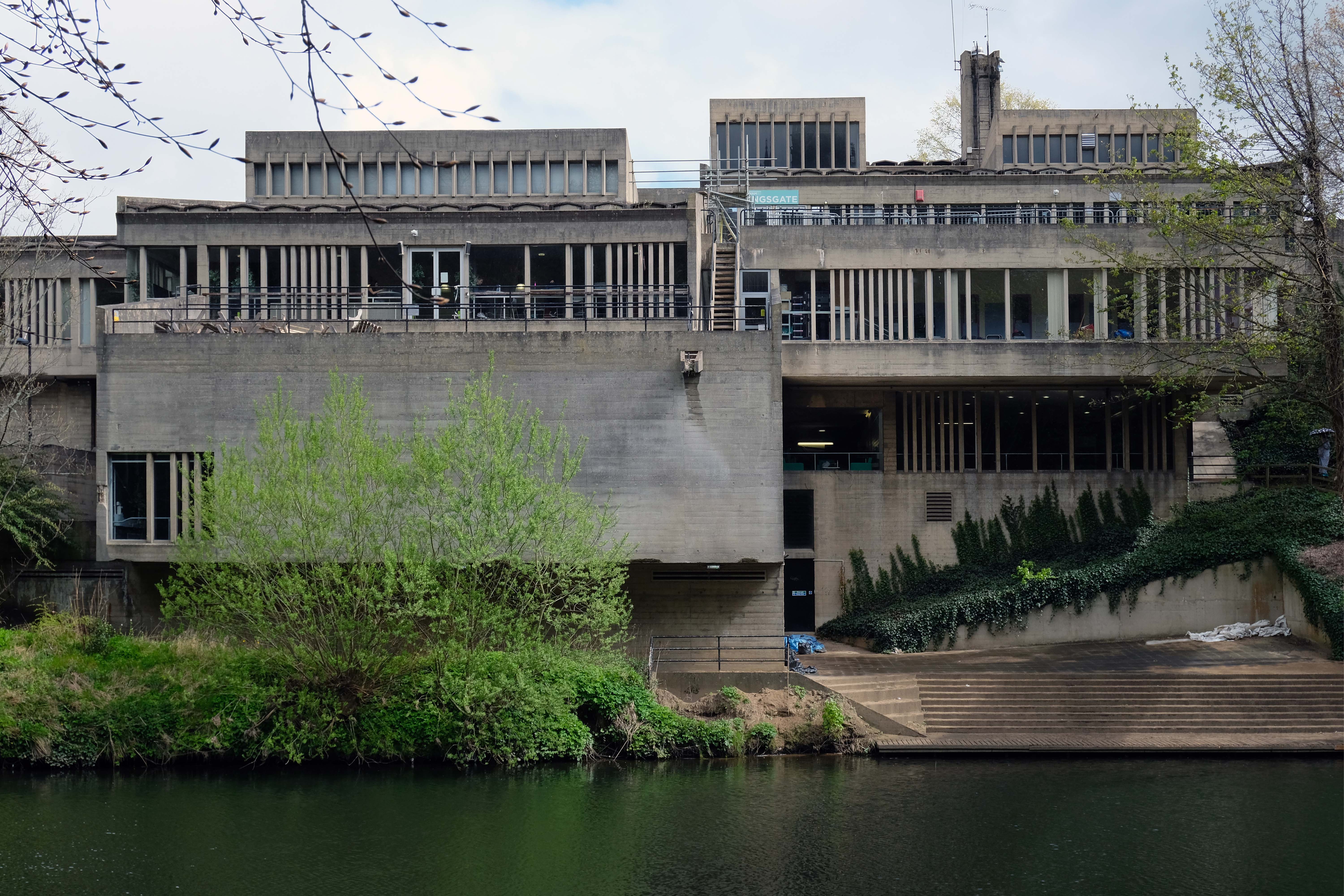
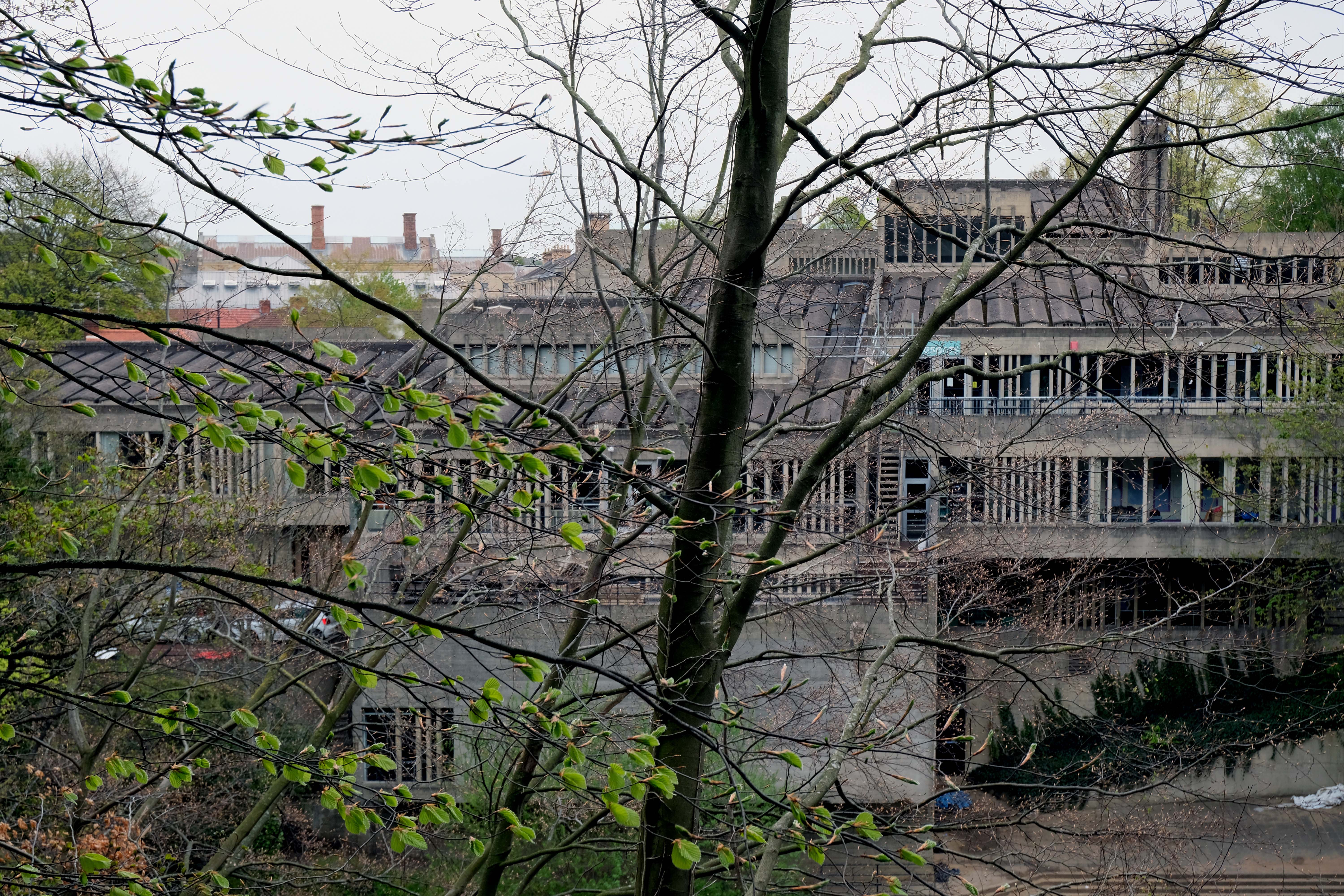
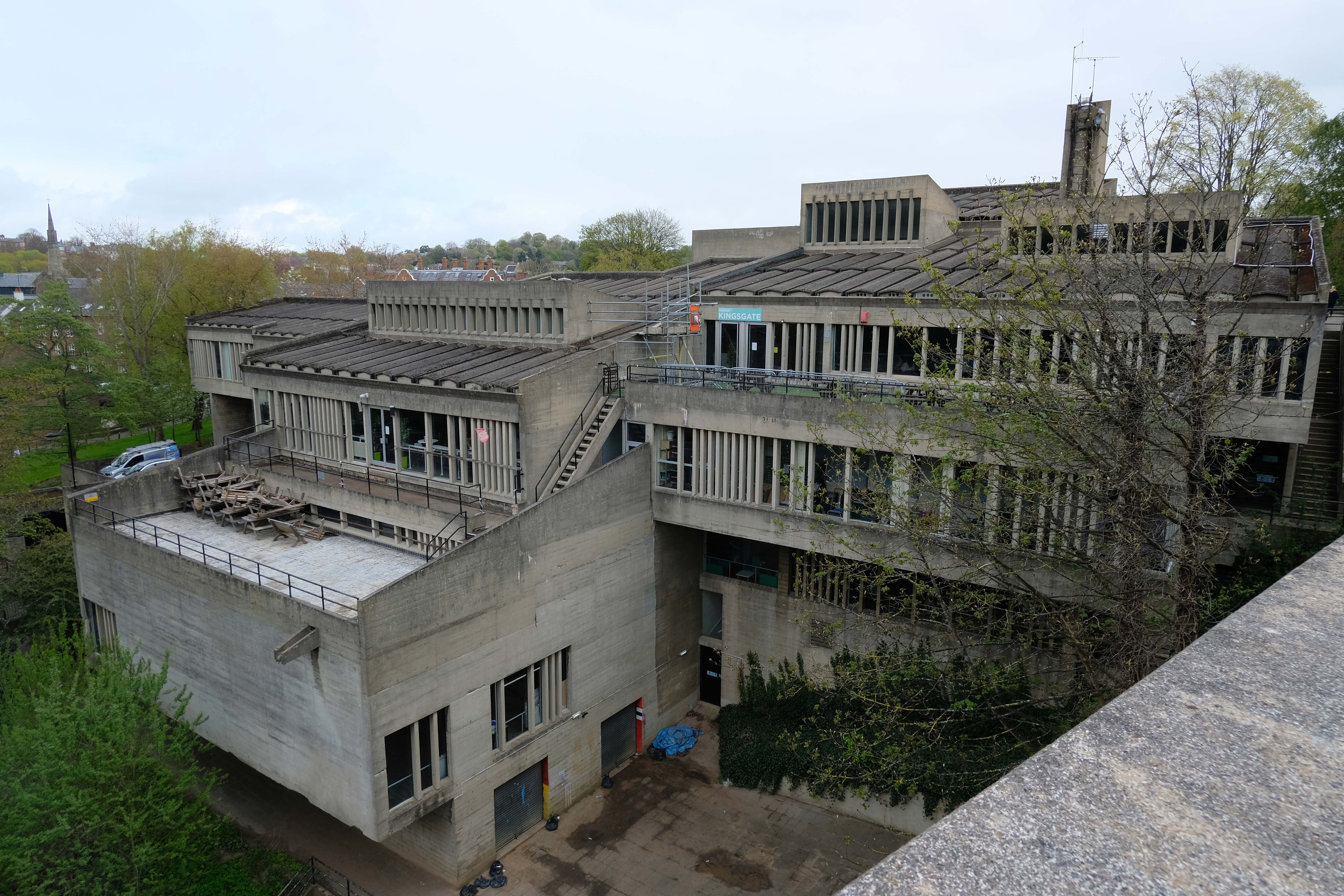
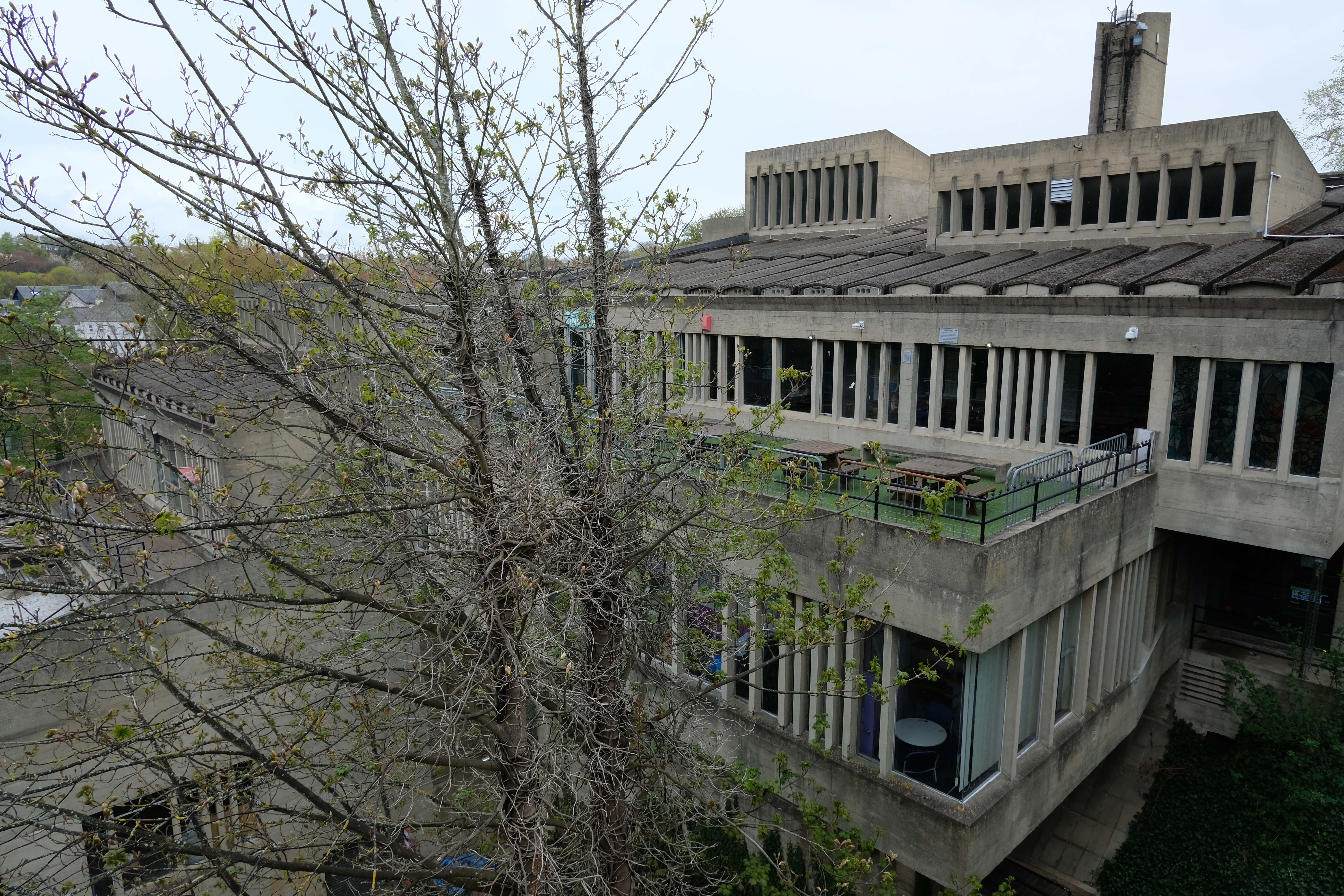
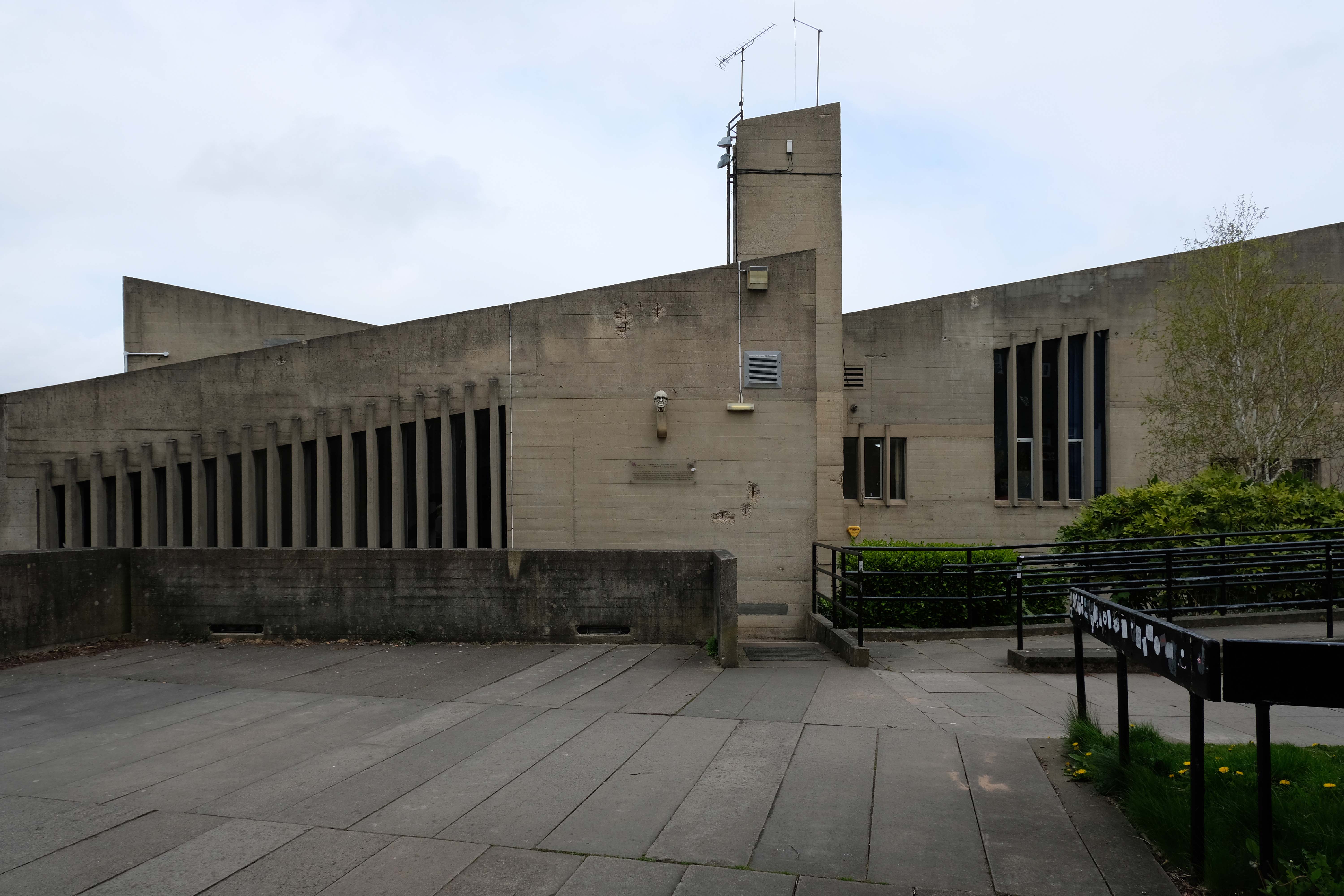
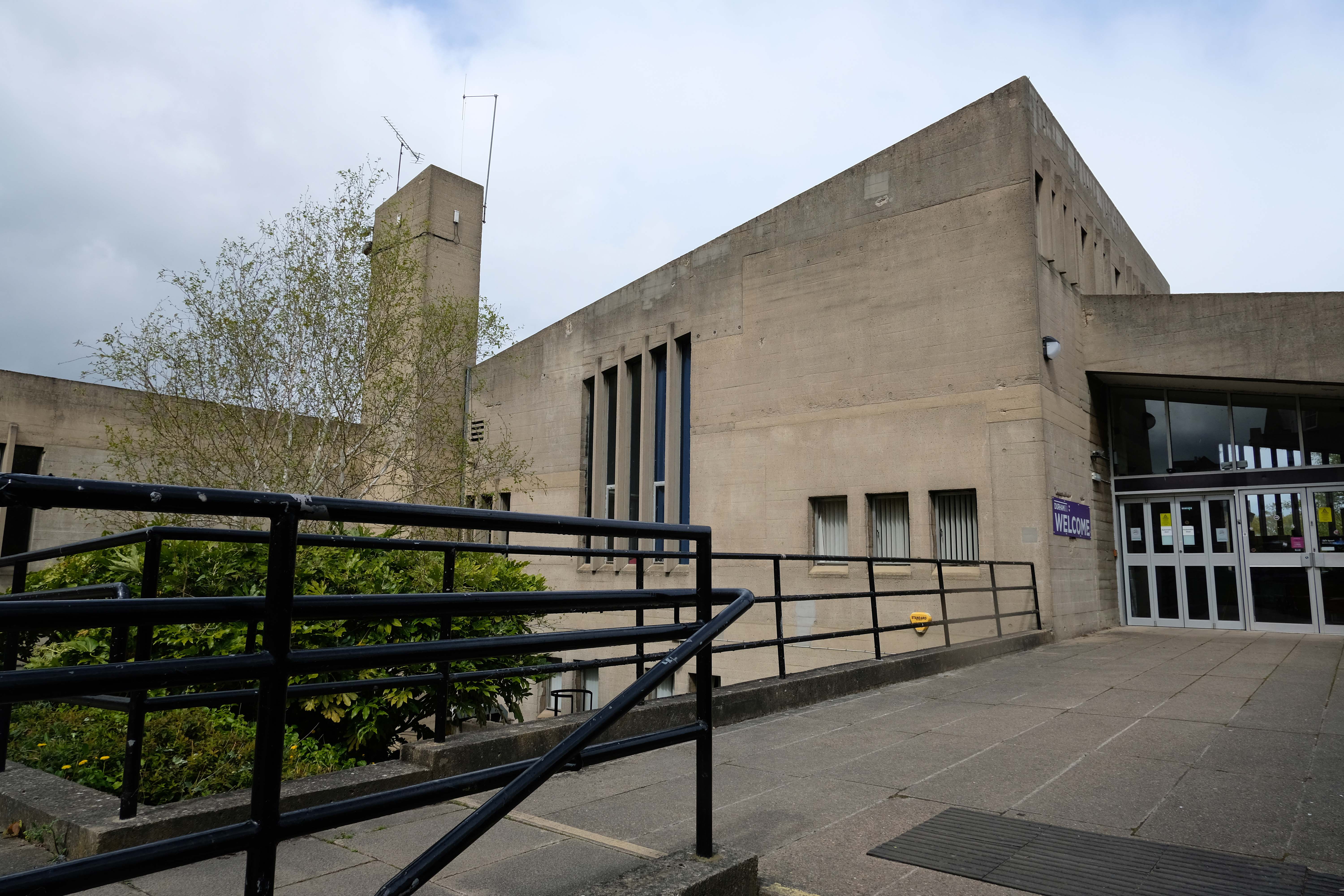
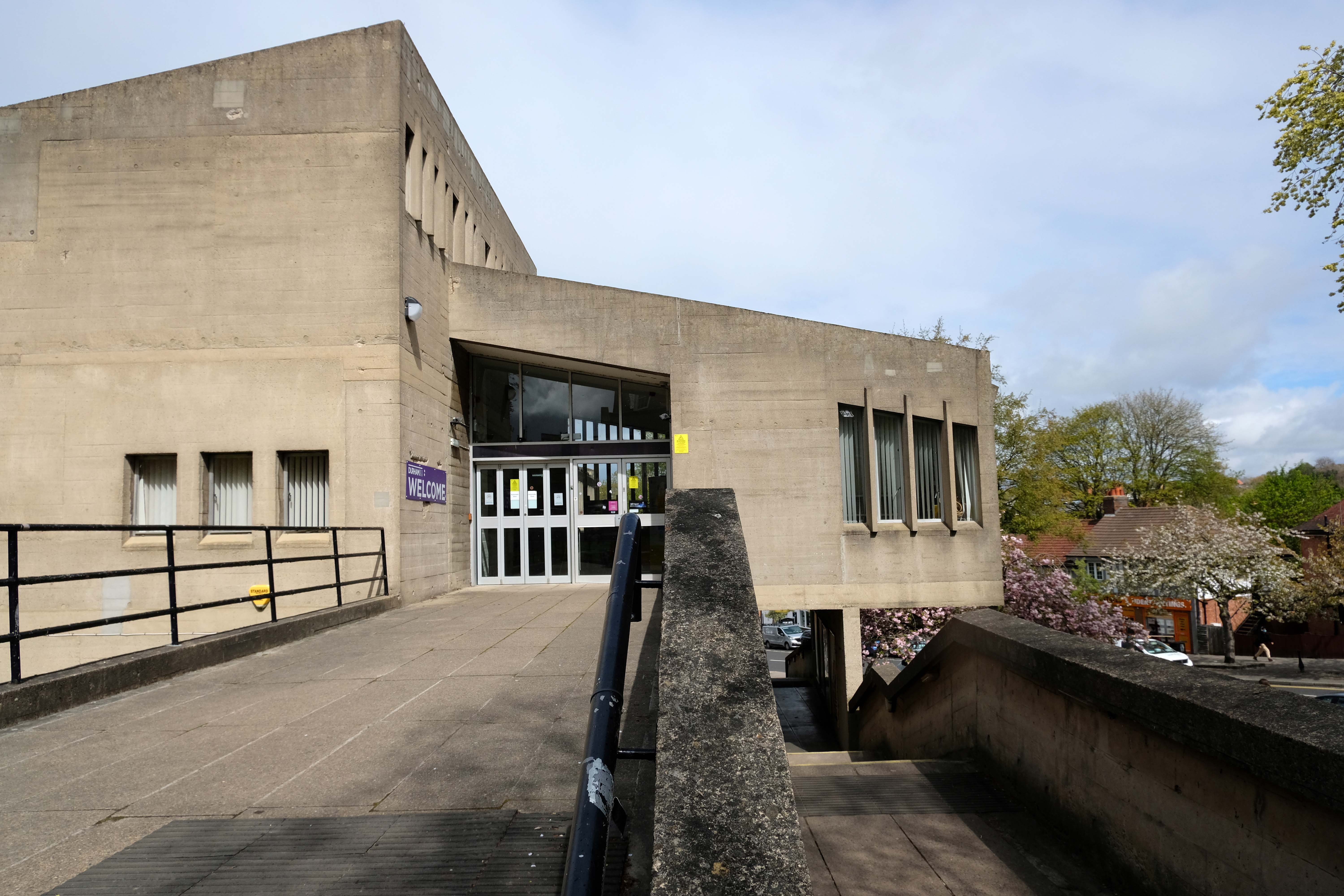
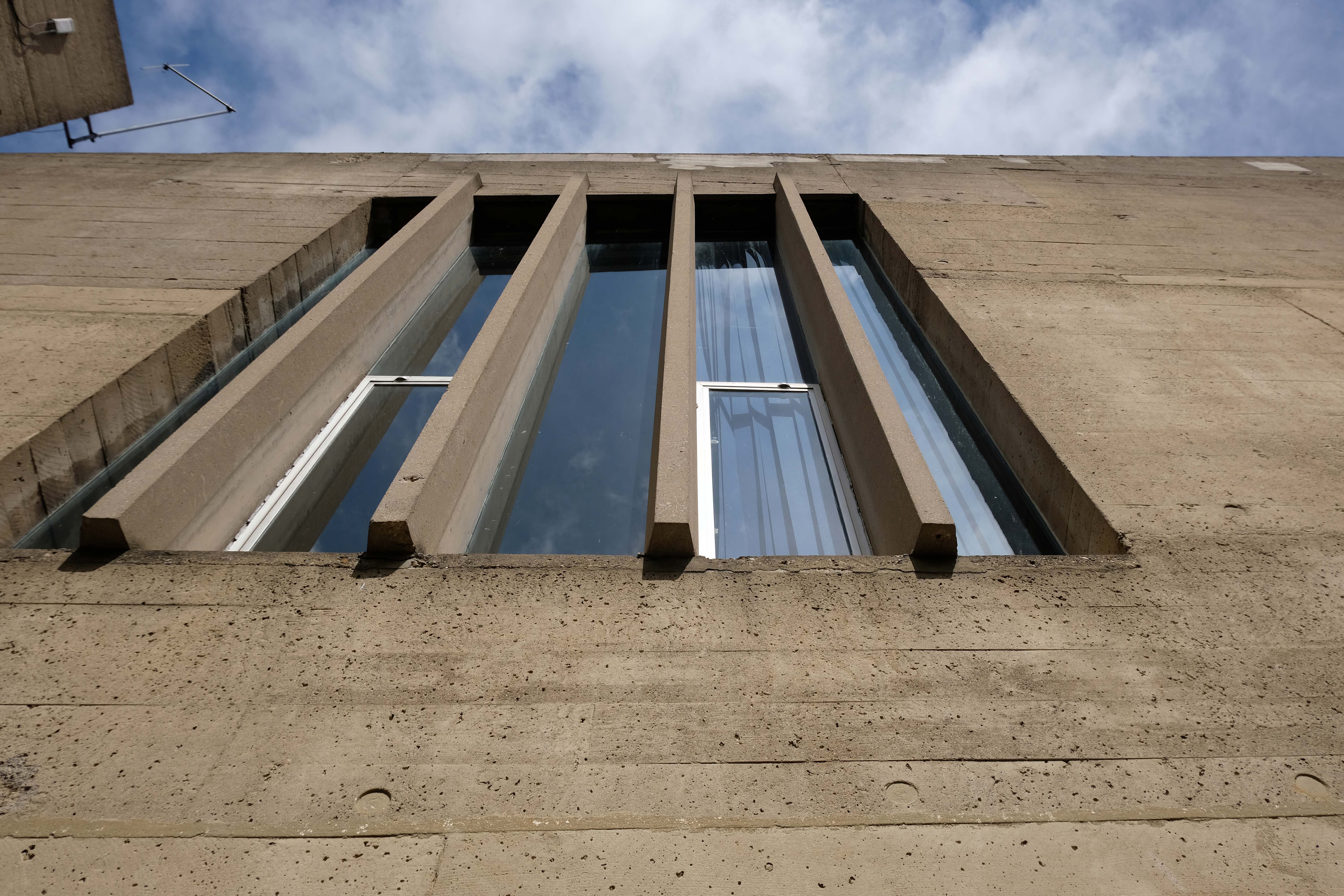
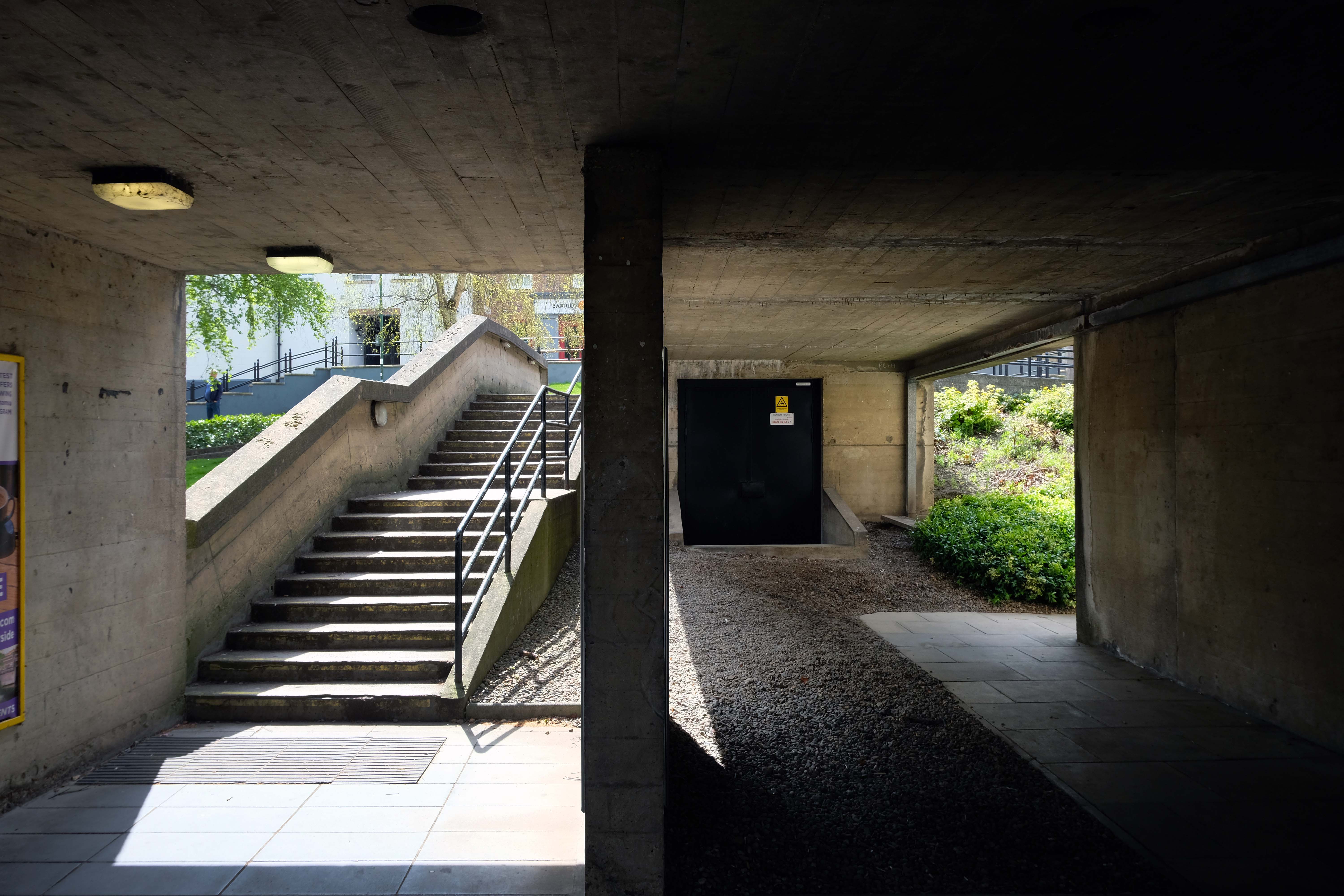
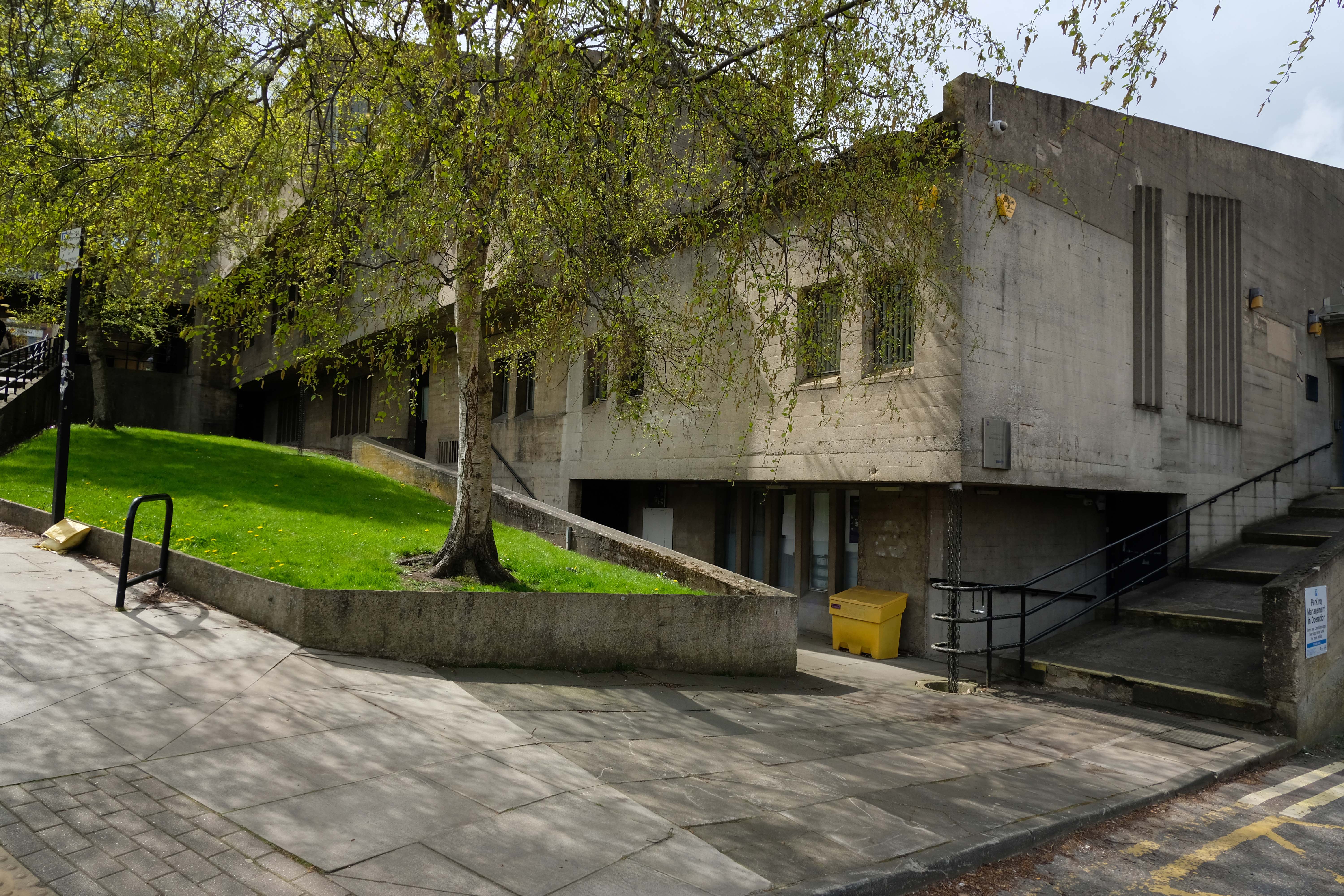
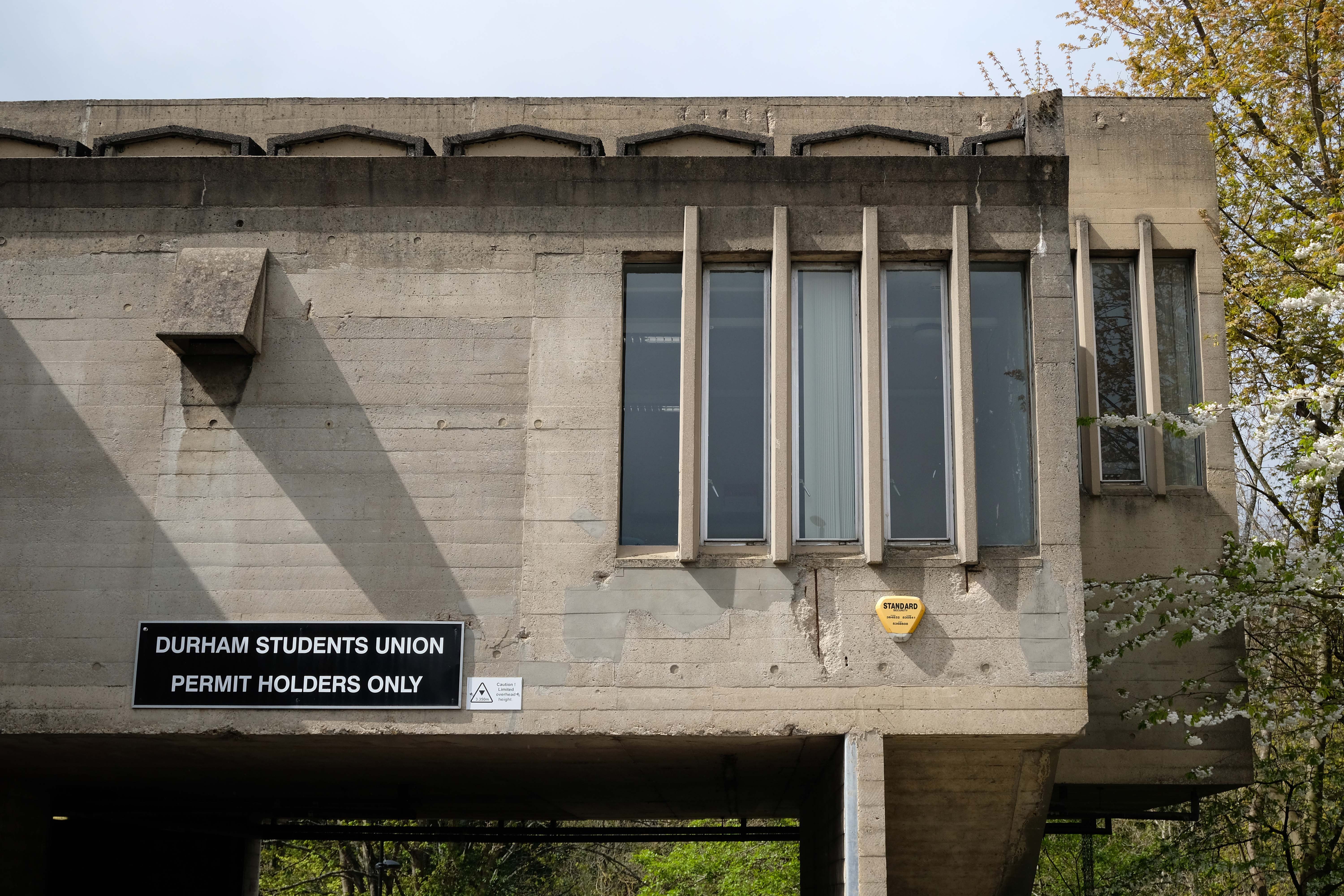
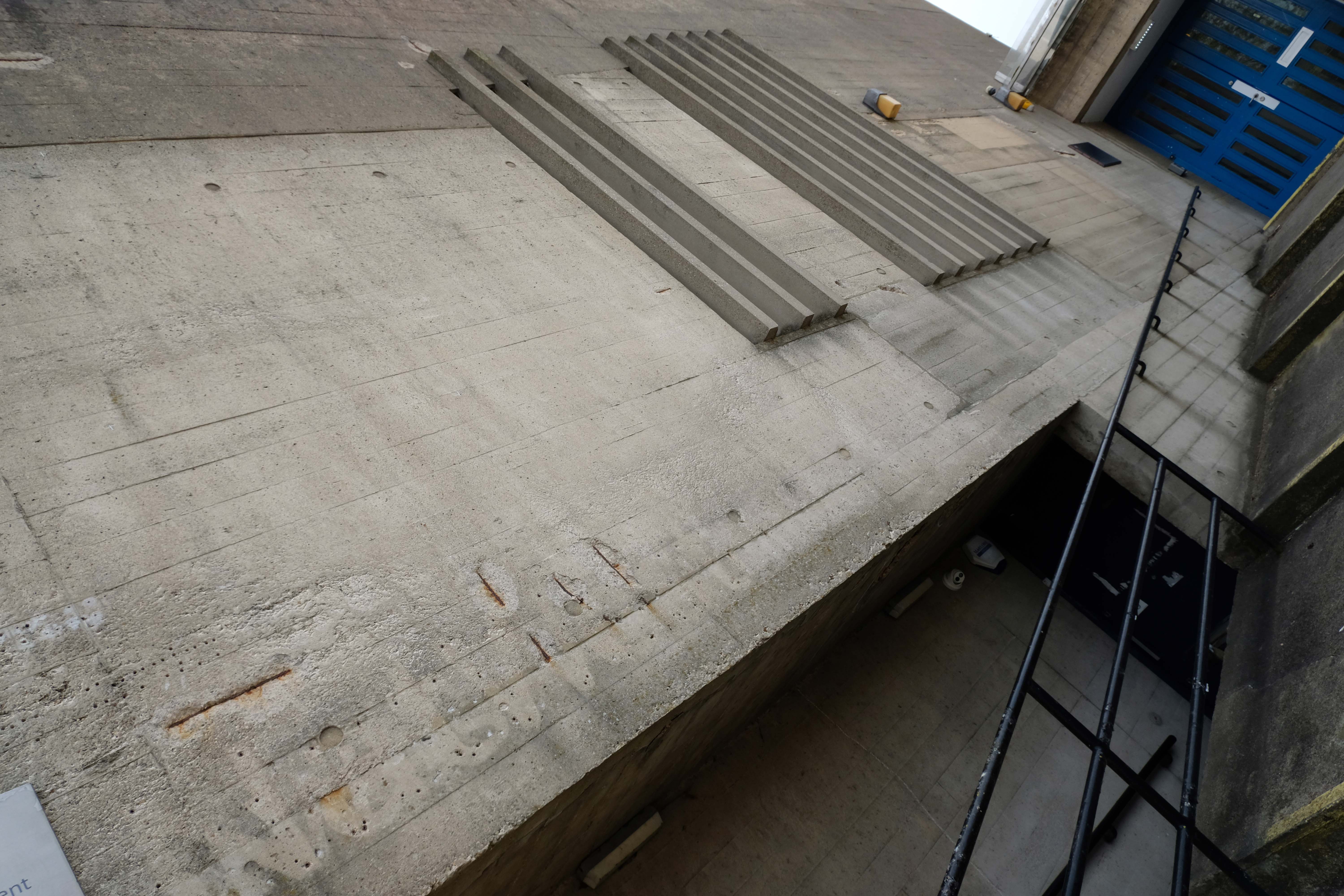
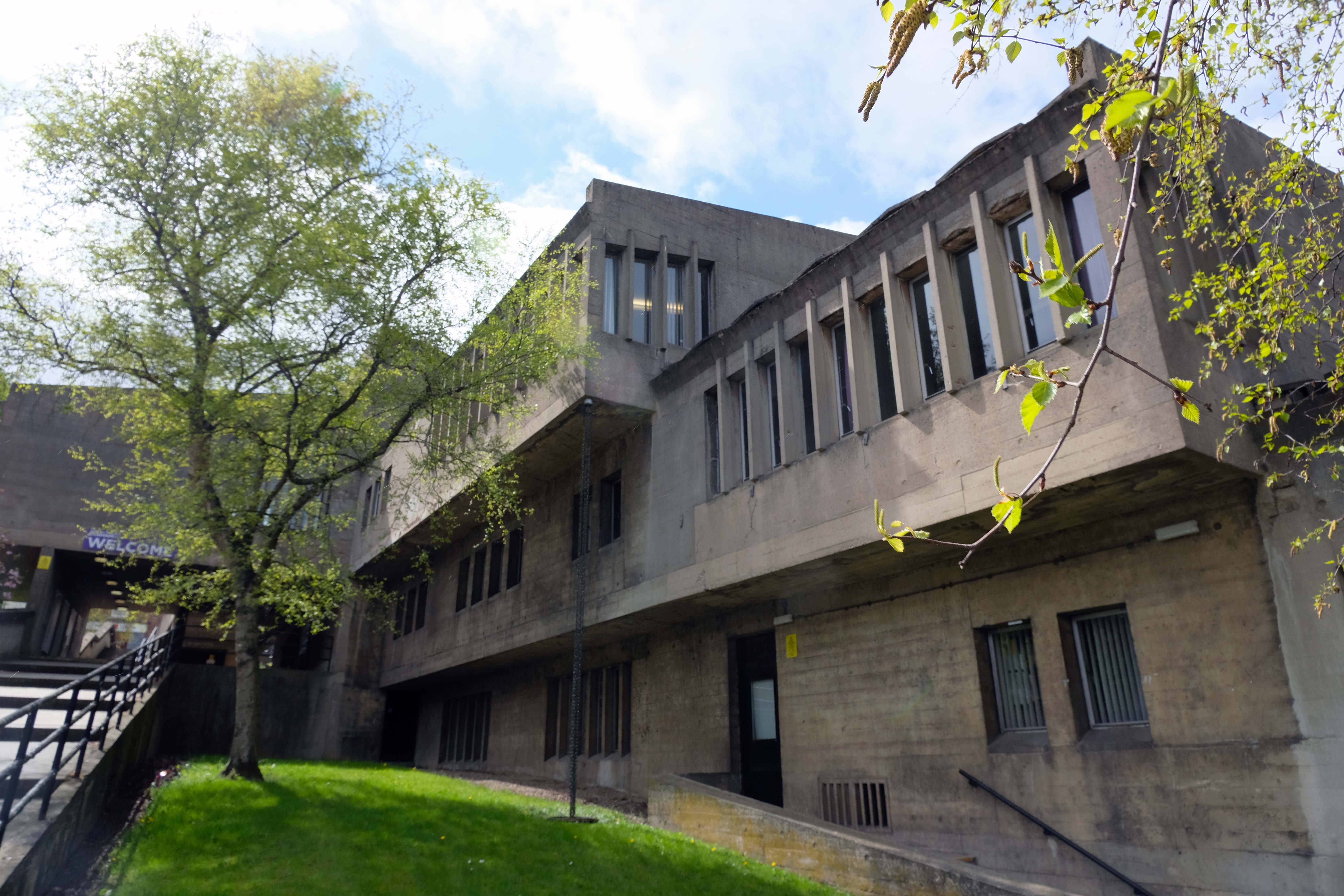
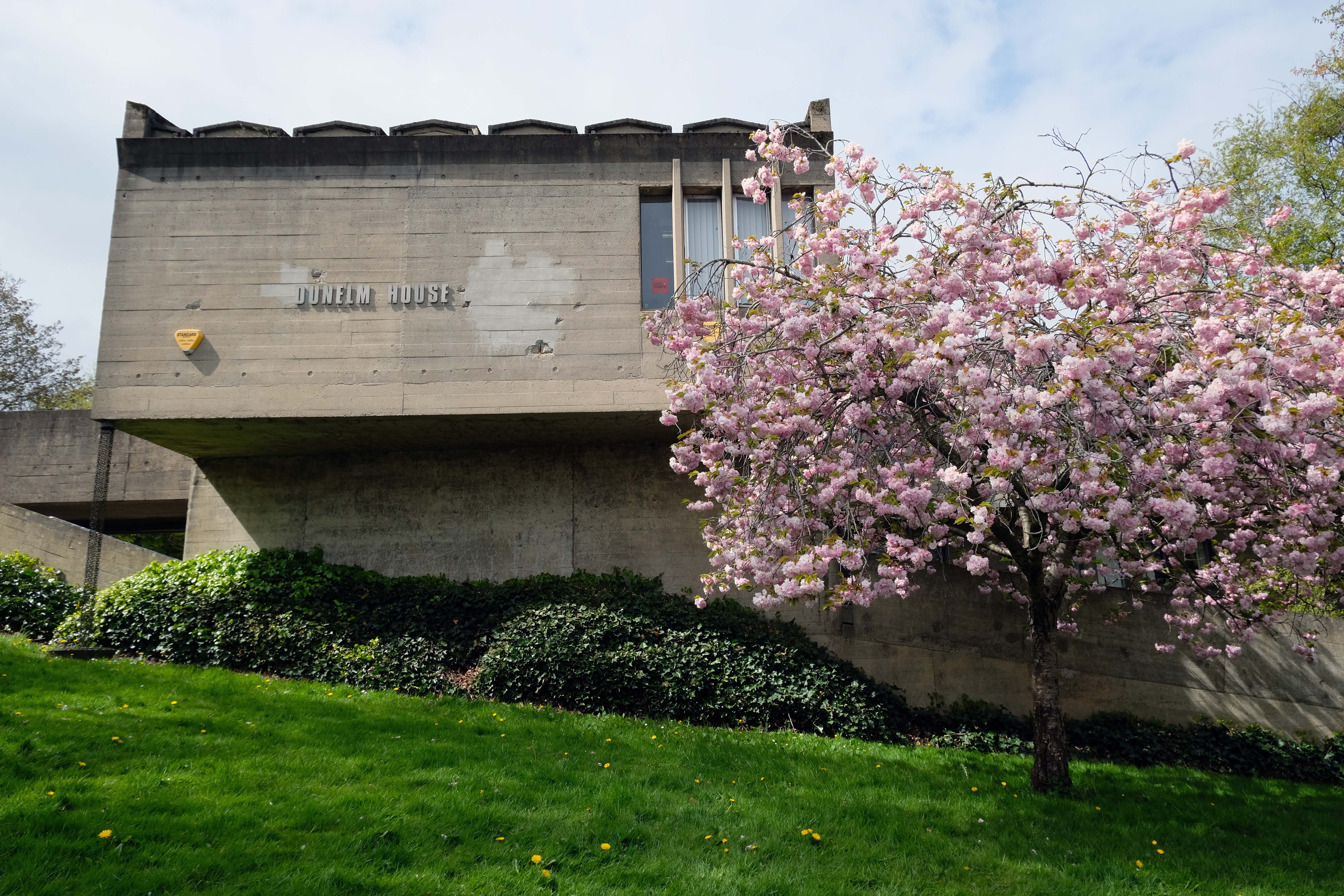
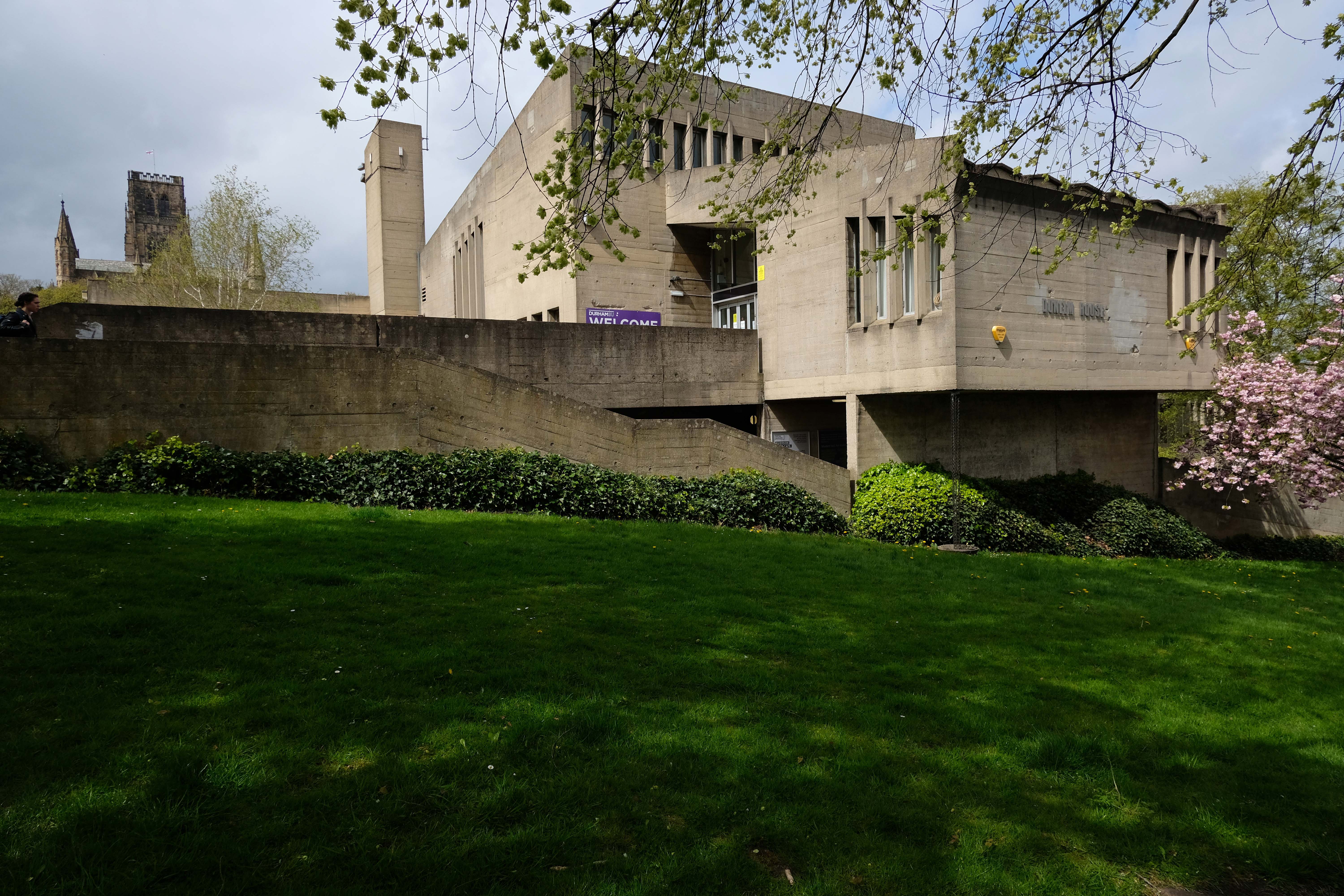
Dunelm House was designed by Richard Raines and Michael Powers of the Architects Co-Partnership, and completed in 1966 under the supervision of architect Sir Ove Arup, whose adjacent Kingsgate Bridge opened two years earlier. Built into the steeply sloping bank of the River Wear, Dunelm House is notable internally for the fact that the main staircase linking all five levels of the building runs in an entirely straight line. This was intended by the building’s architects to create the feeling of an interior street.

Wikipedia

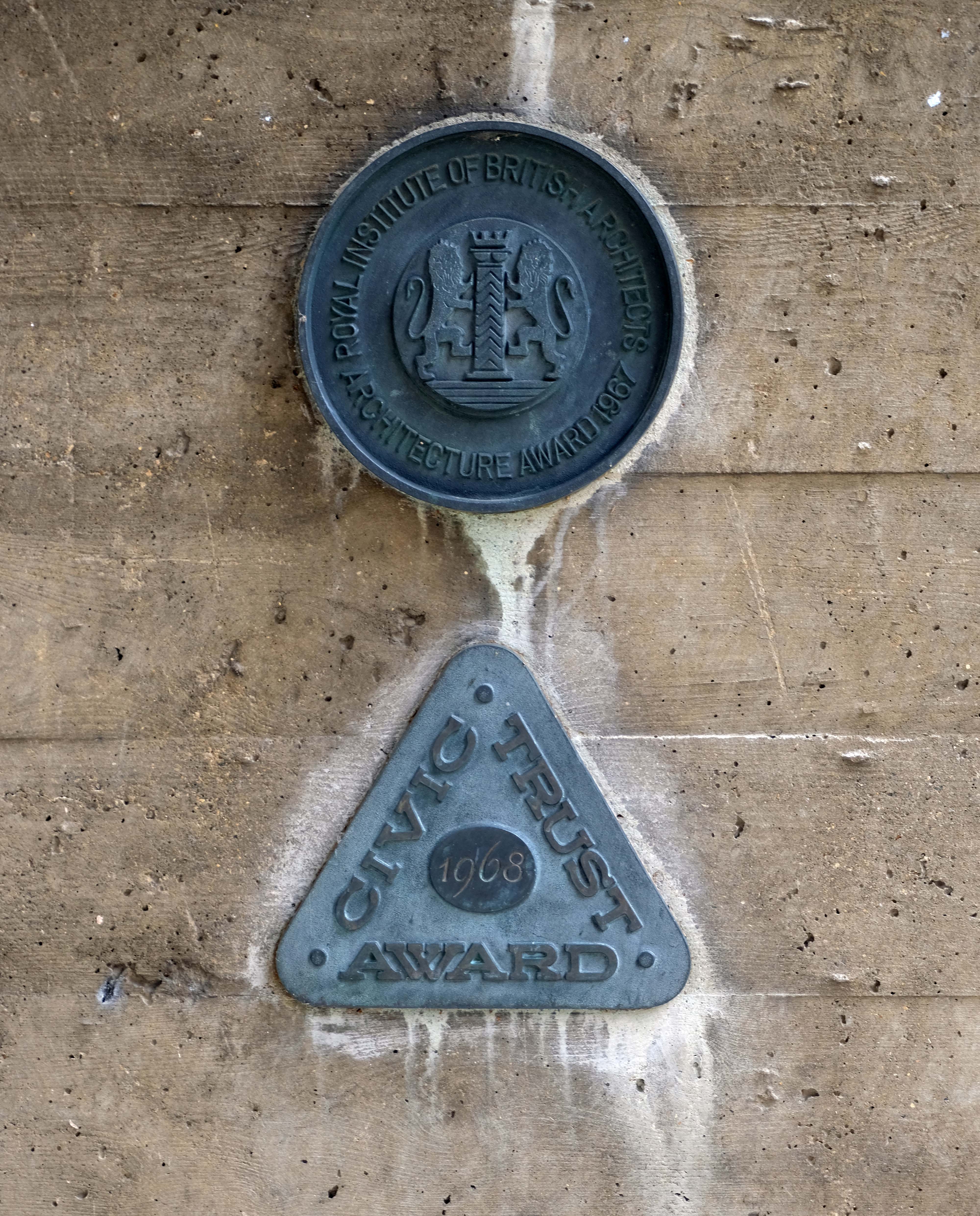
In 1968 Dunelm House won a Civic Trust award. Sir Nikolaus Pevsner considered the building:

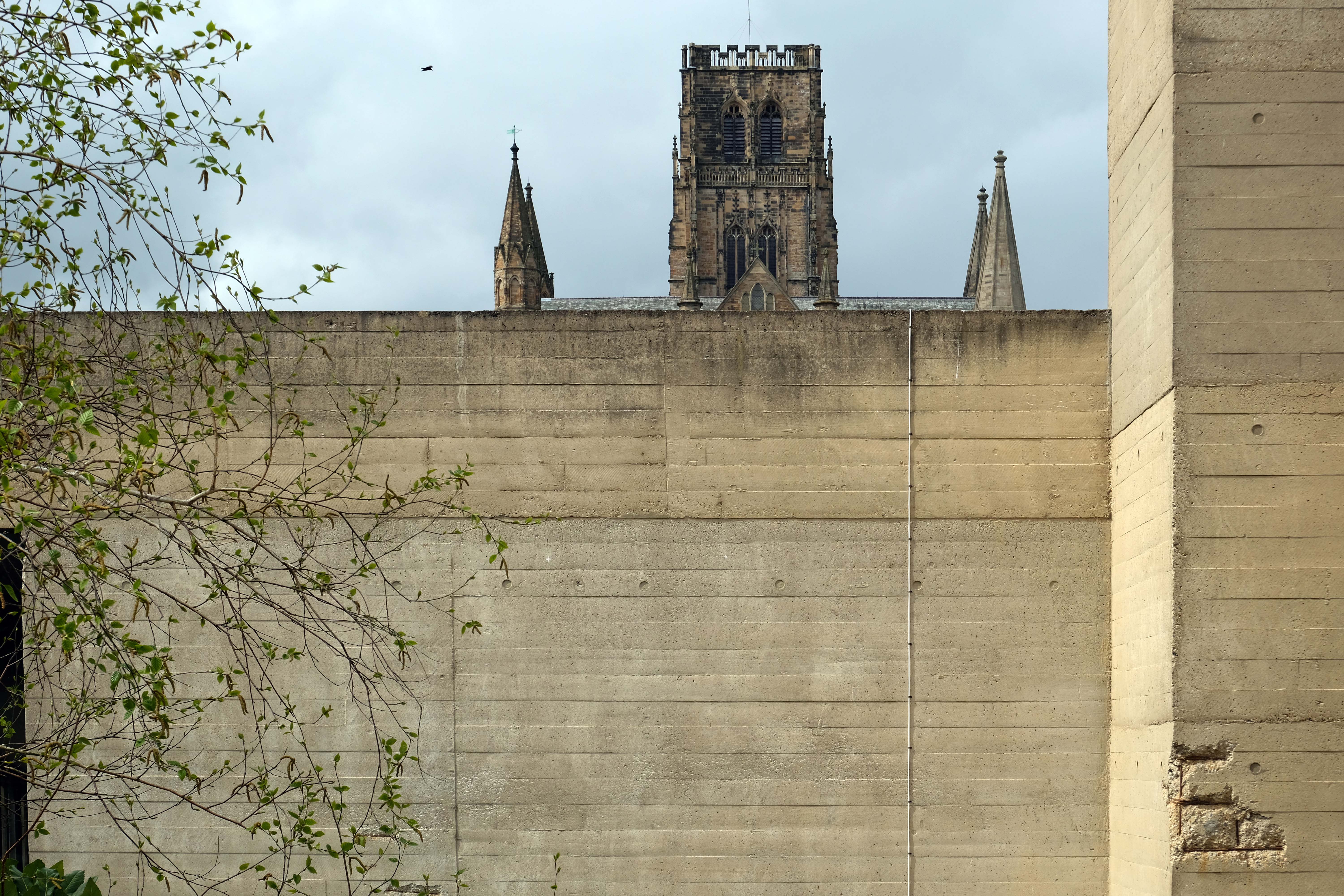
Brutalist by tradition but not brutal to the landscape, the elements, though bold, are sensitively composed. 

Durham City Council’s Local Plan notes that the powerful building, together with Kingsgate Bridge.

Provides an exhilarating pedestrian route out into open space over the river gorge.

Public views were divided from the start, with a local newspaper in 1966 reporting views ranging from:

The third best looking building in the city to a – monstrosity. 

The Observer in 2017 reported that students called it:

That ugly concrete building.

I was delighted to hear that the Student Union building’s first musical performance was given by Thelonius Monk.

Let’s have a look at that ugly building.

With the city’s least ugliest building in view.

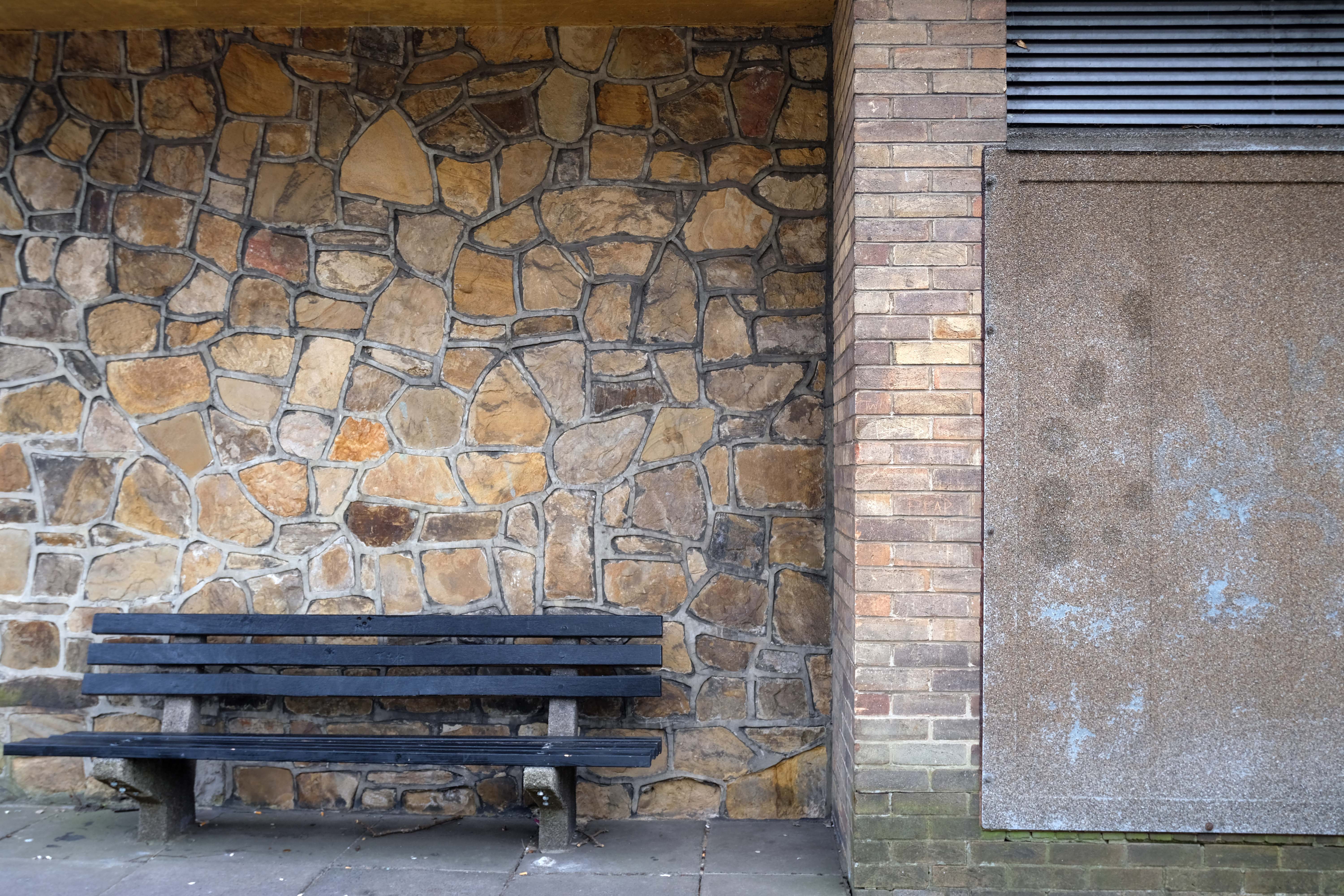
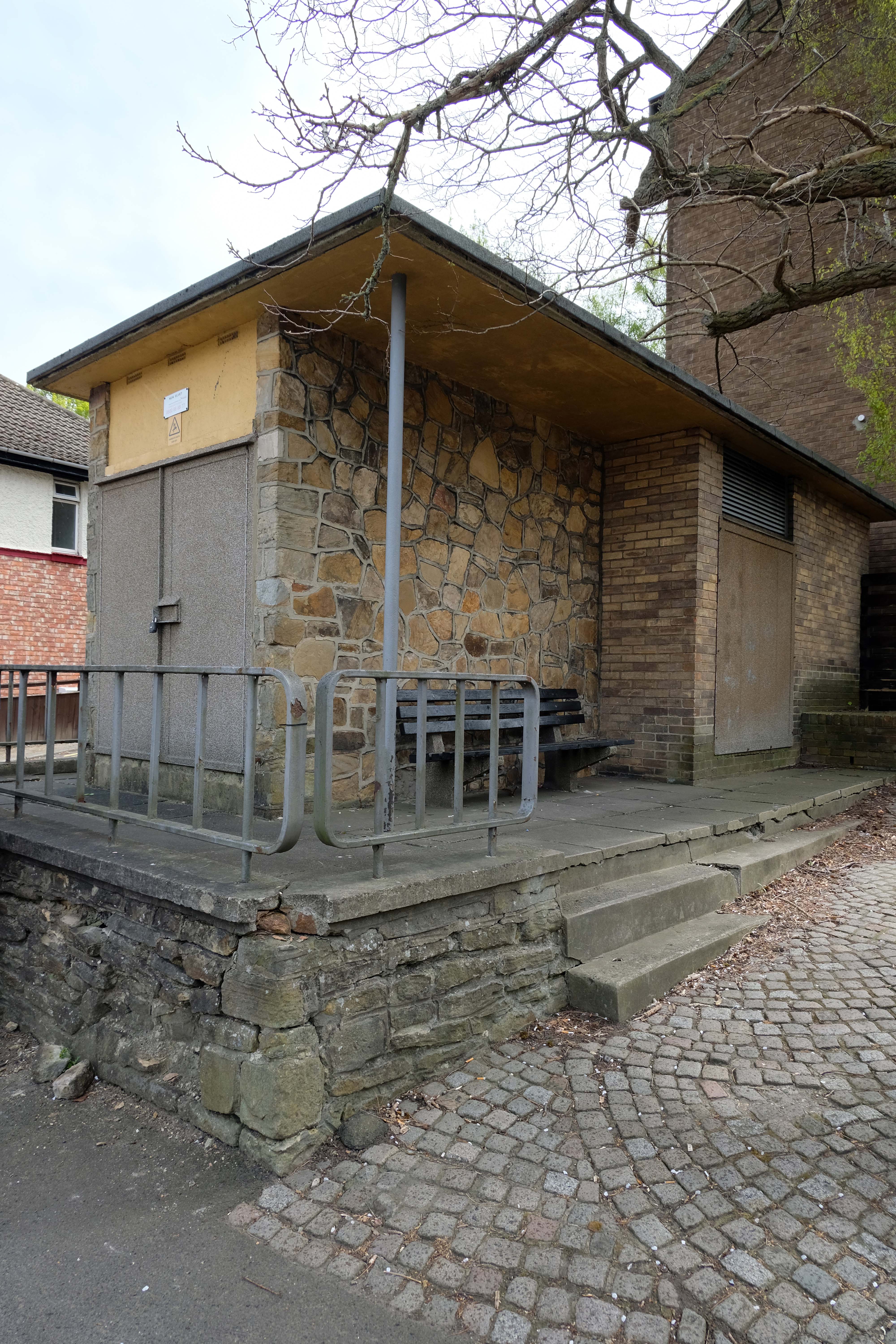
Of special interest to all lovers of substations and shelters is the neat little substation and shelter mash-up over the road.

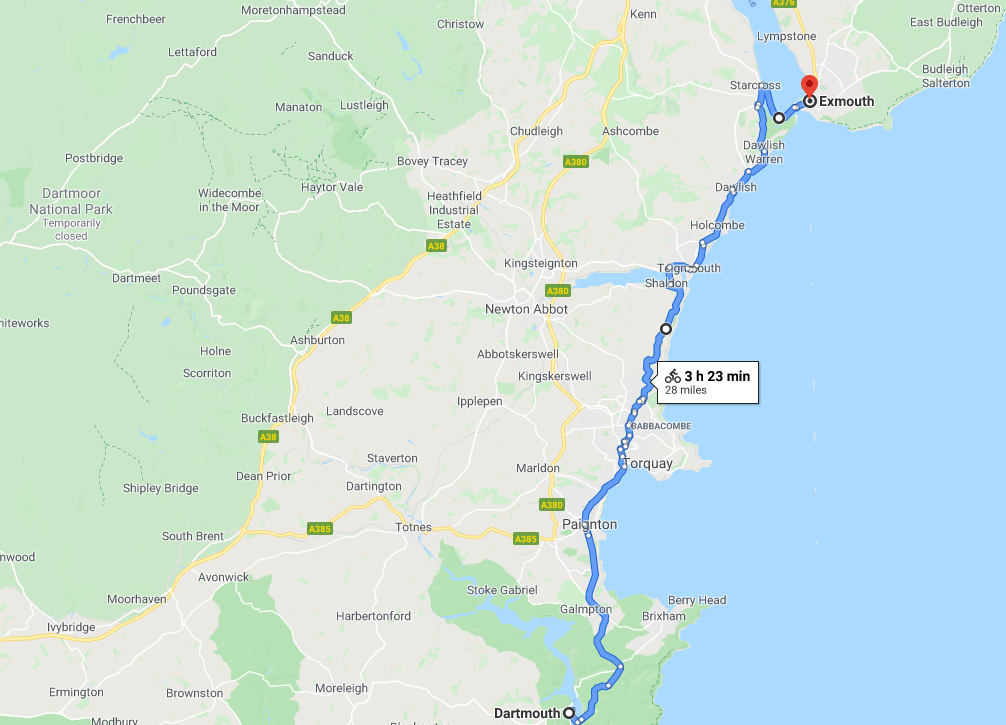
Dartmouth to Exmouth

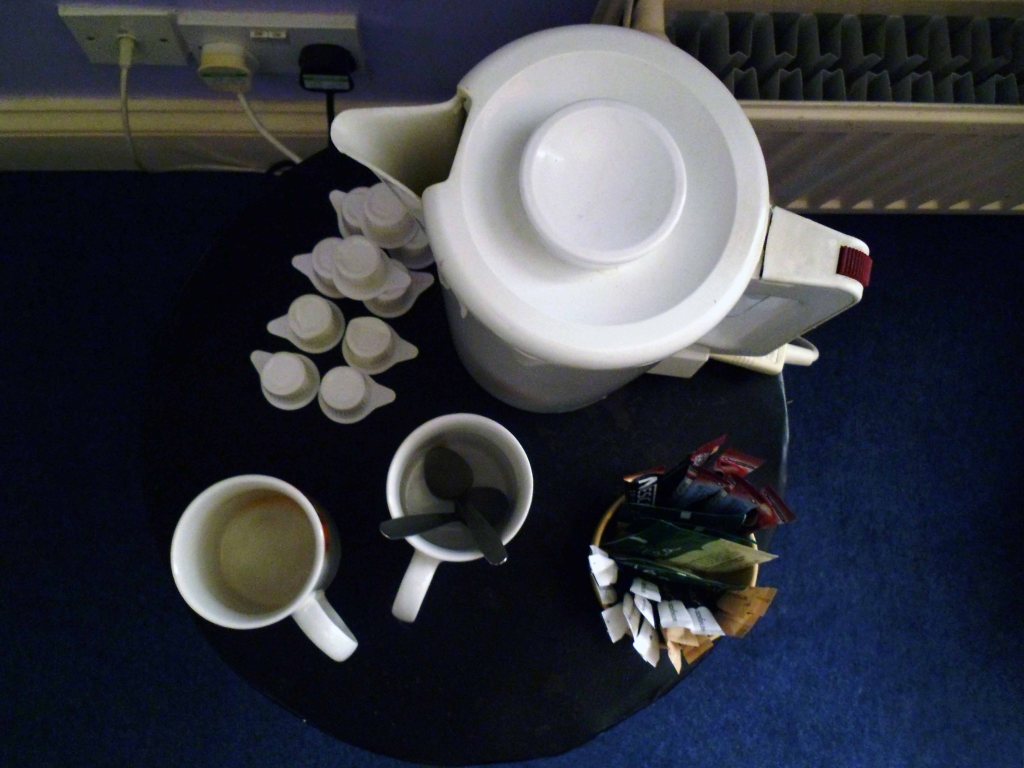
Wake up Steve put the mini-kettle on!

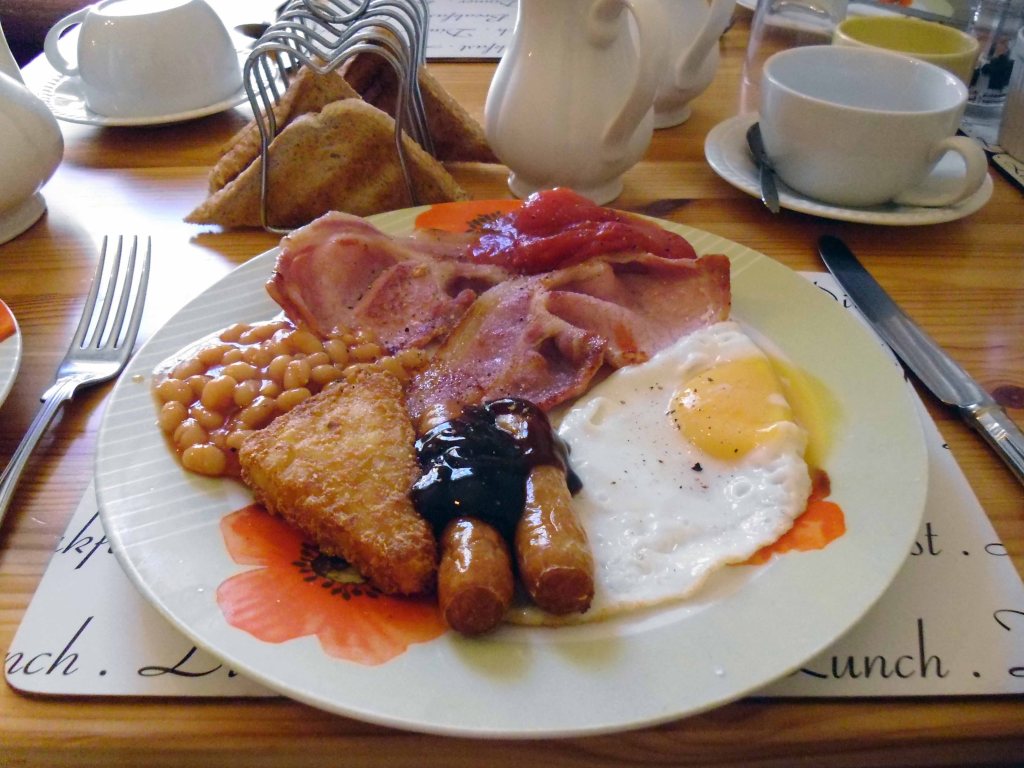
Get down for breakfast – I personally regret the untimely passing of fried bread and the appearance of the so-called hash brown.

Originally, the full name of the dish was hashed brown potatoes or hashed browned potatoes, of which the first known mention is by American food author Maria Parloa in her 1887 Kitchen Companion, where she describes the dish of hashed and browned potatoes as a fried mixture of cold boiled potatoes which is folded like an omelet before serving.

Years later we got them.

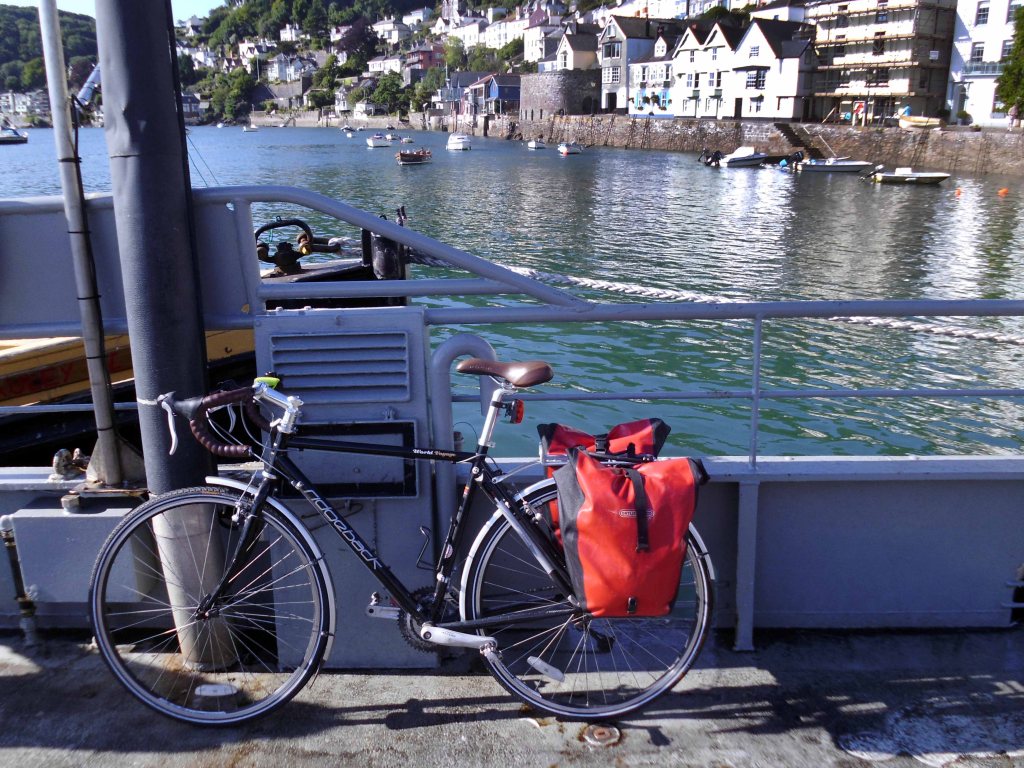
Thursday 30th July 2015 and the sun is a shining brightly on the Dart.

Get on the ferry!

We’re off again.

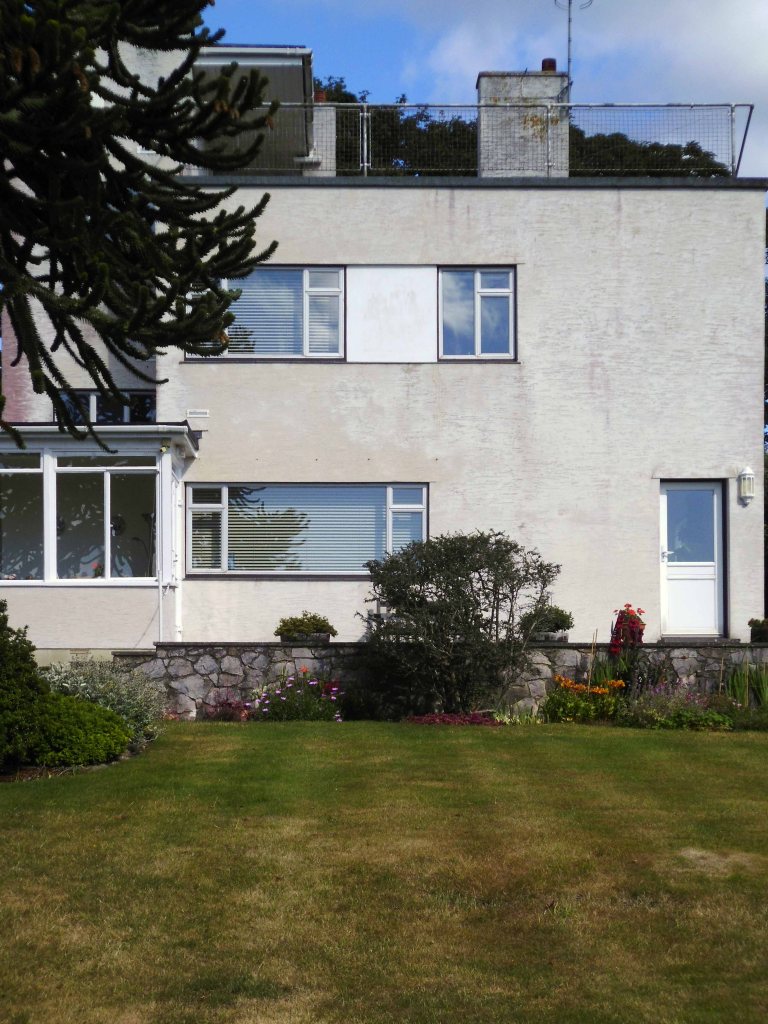
The Monkey Puzzle tree Araucaria araucana is one of the oldest trees in the business – of being a tree.

It is native to central and southern Chile, western Argentina, and a welcome visitor to the English Riviera.

The hardiest species in the conifer genus. Because of the prevalence of similar species in ancient prehistory, it is sometimes called a living fossil.

The refined white rectilinear box shaped houses of the genus Seaside Moderne, are an offspring of the International Style, to be found all over the globe.

The sea covers seventy percent and rising, of our planet.

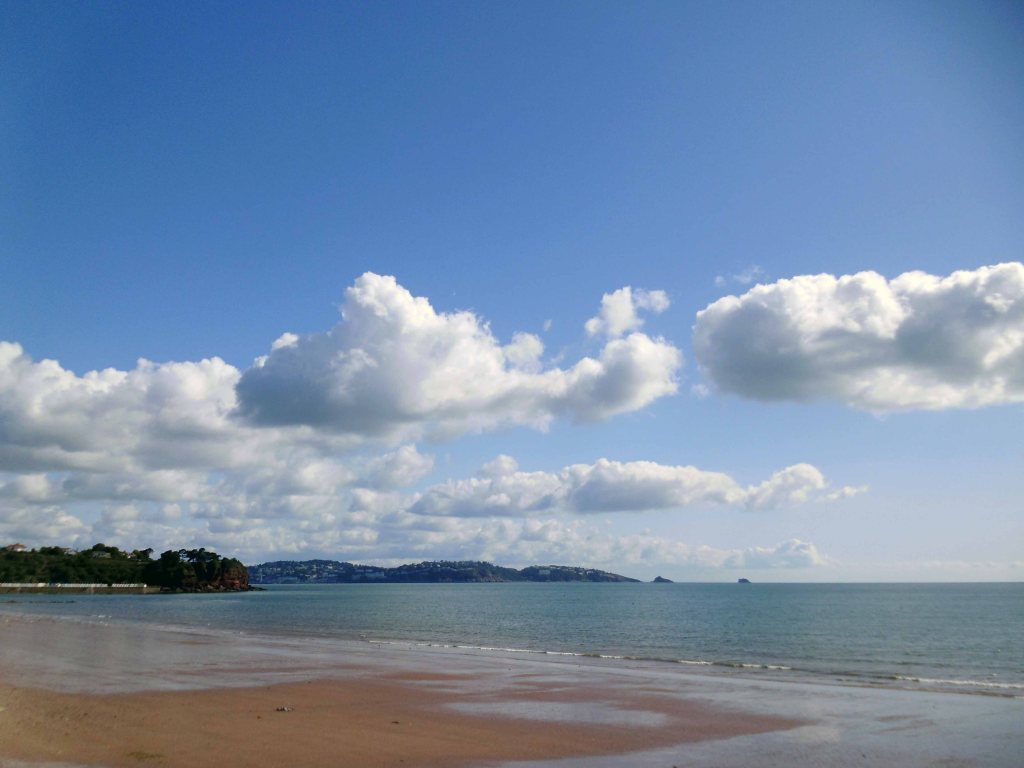
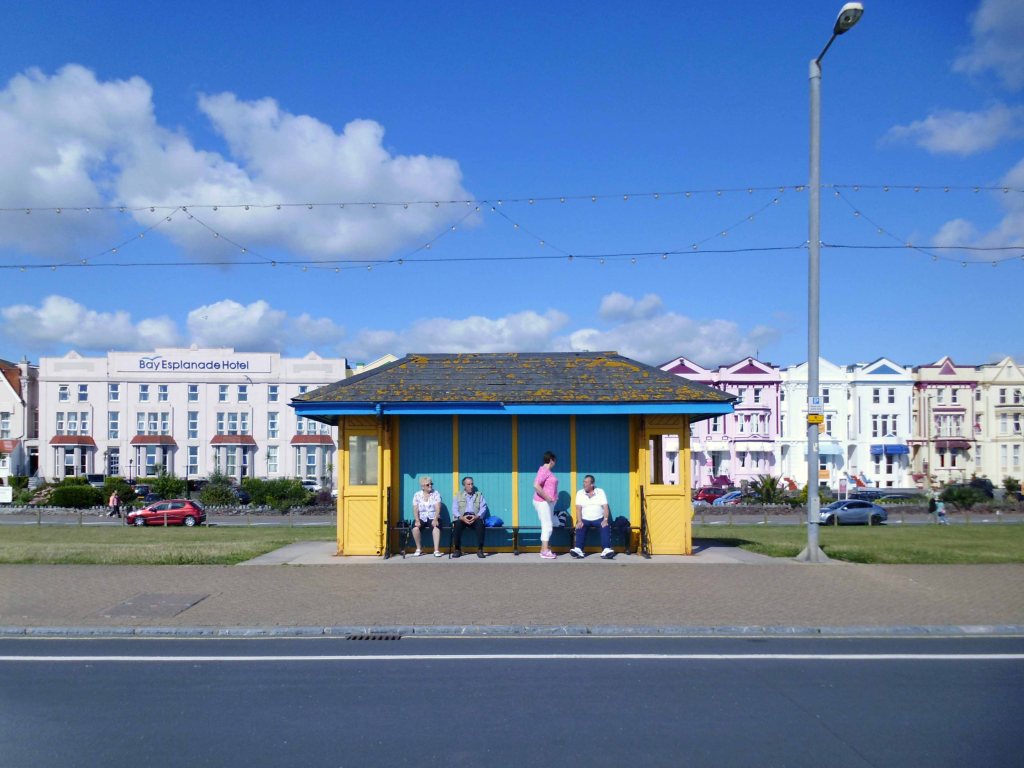
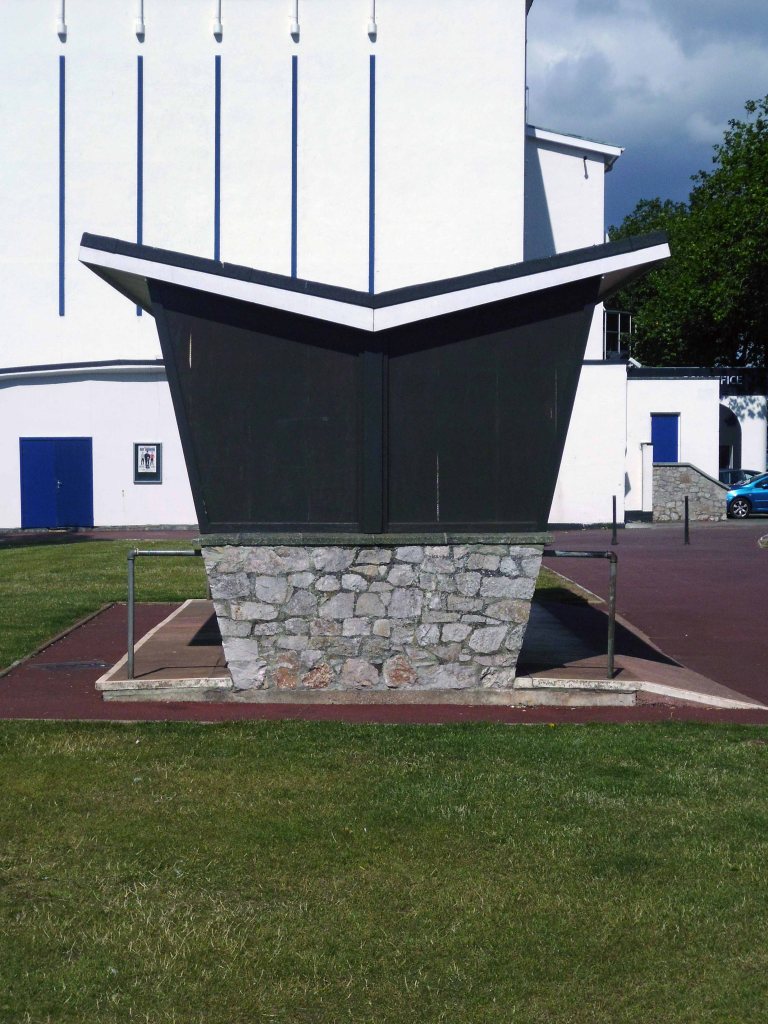
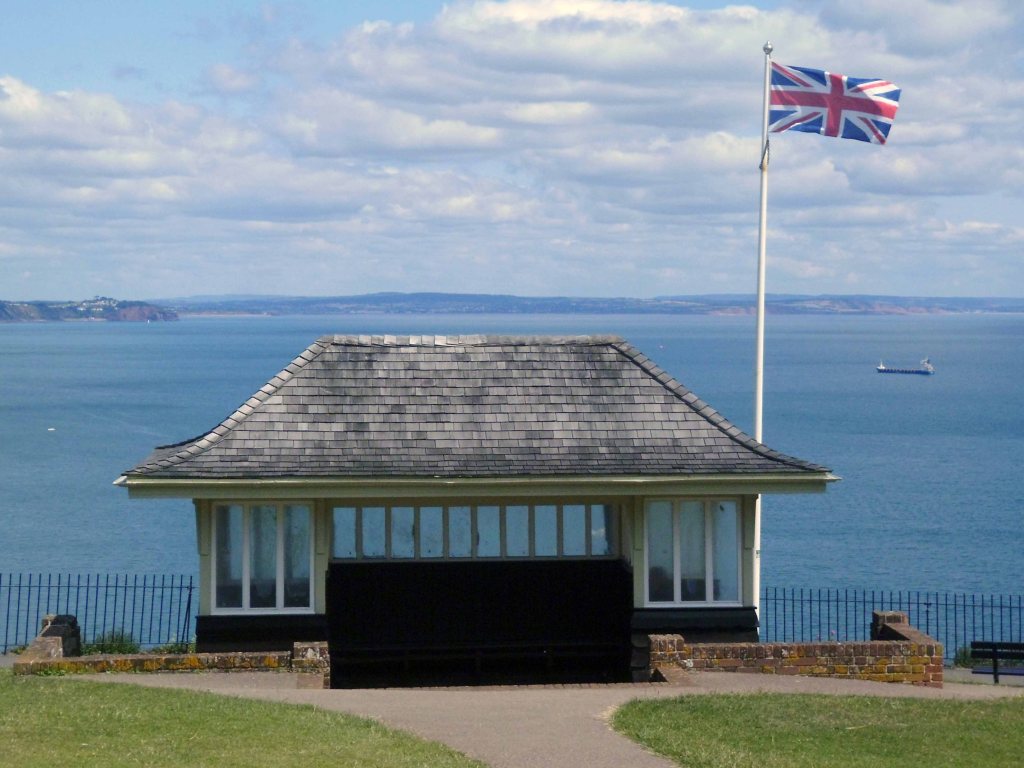
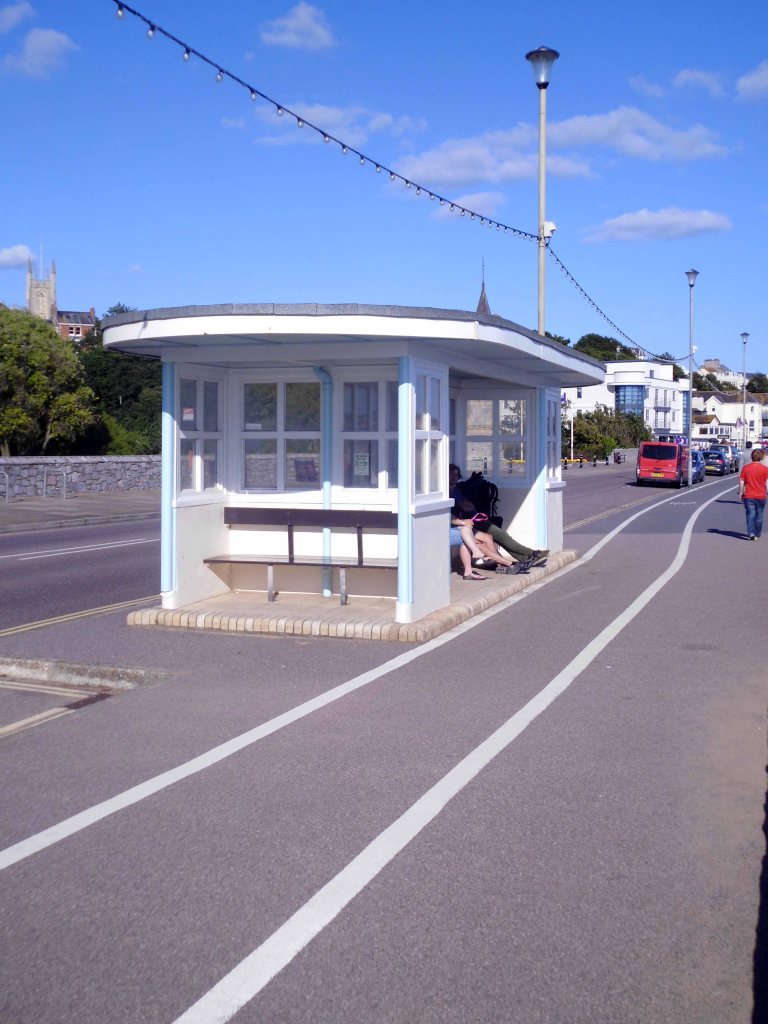
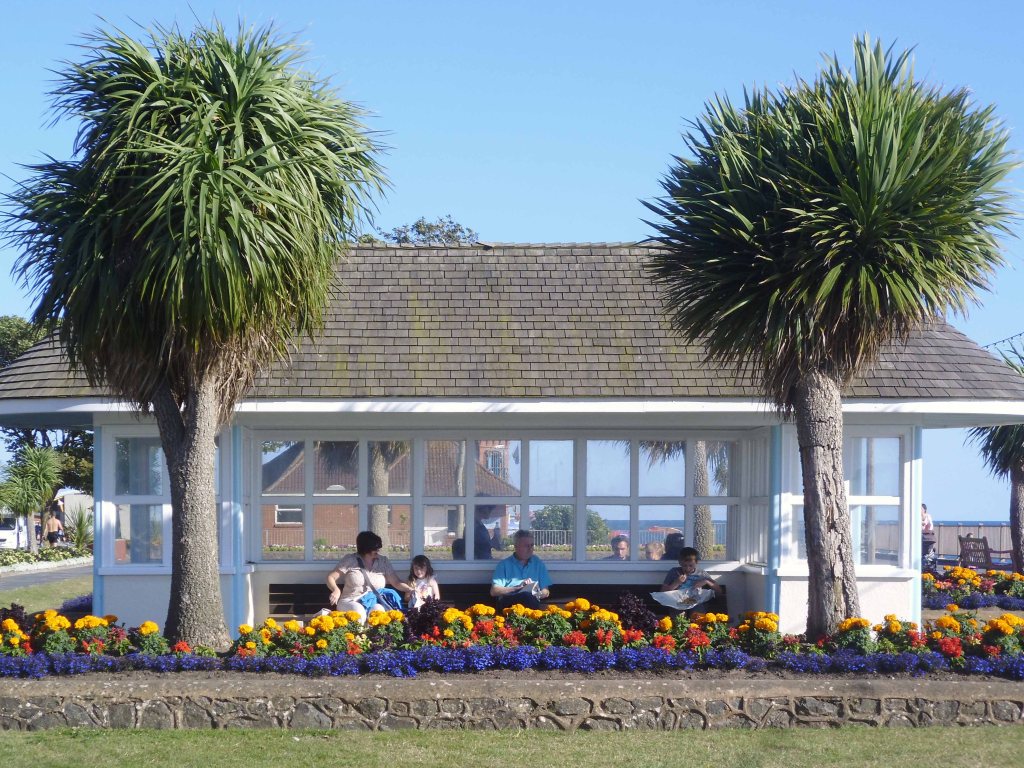
Seaside shelters are ubiquitous along our coast and form a typology determined by a rich variety of wild and wonderful Municipal tastes – flat, broke, baroque, modern and functionalist, hardly two the same.

Electricity is a popular power source both locally, nationally and internationally.

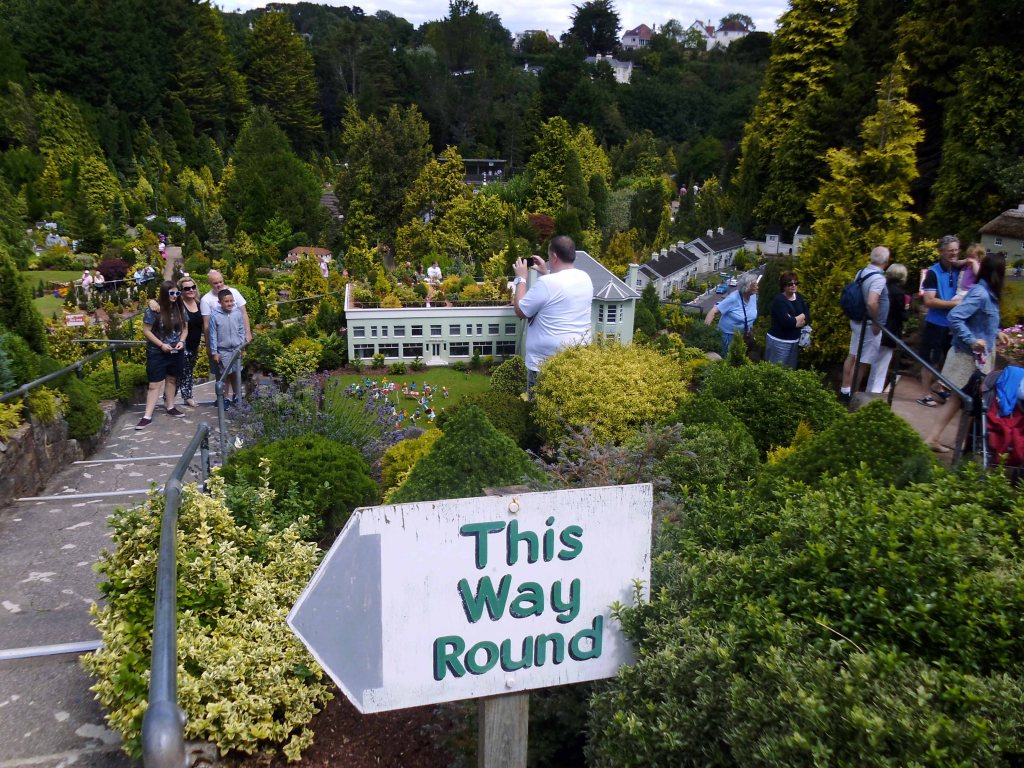
Model villages originated in seventh century China, there is only one way around a model village.

This one is in Babbacombe.

Time for a 99 – quick it’s melting Steve!

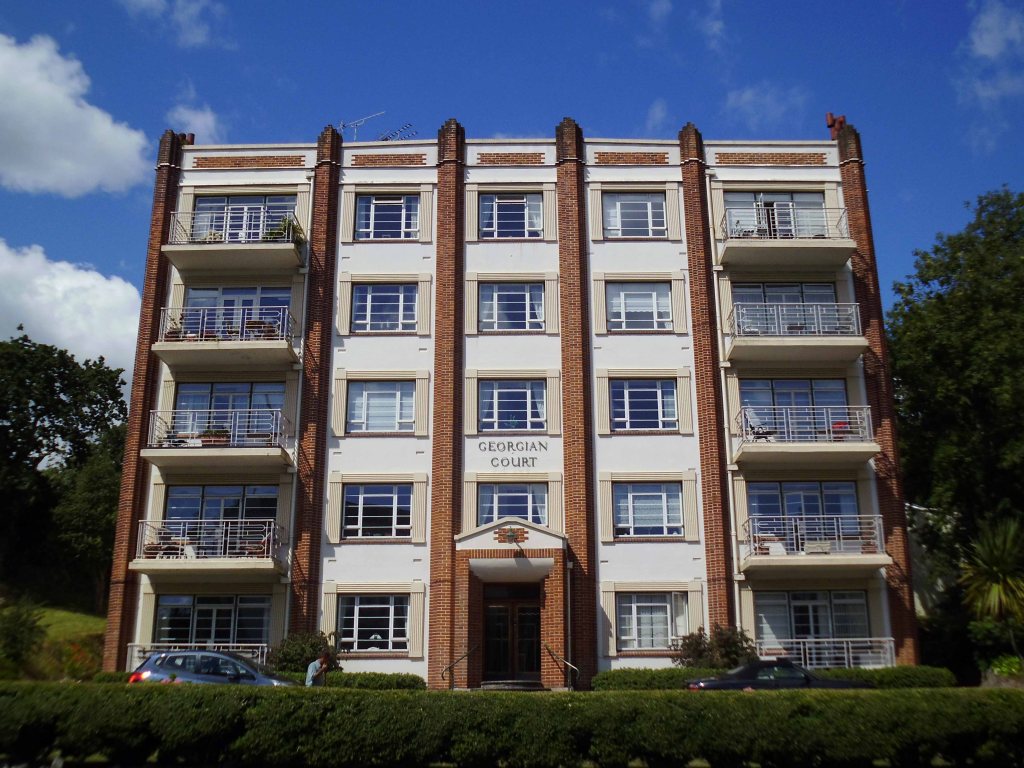
This Georgian Court is situated just outside Torquay, a restrained Neo Classical/Deco brick and render apartment block – the couple I chatted to, very kindly offered to show me around the place.

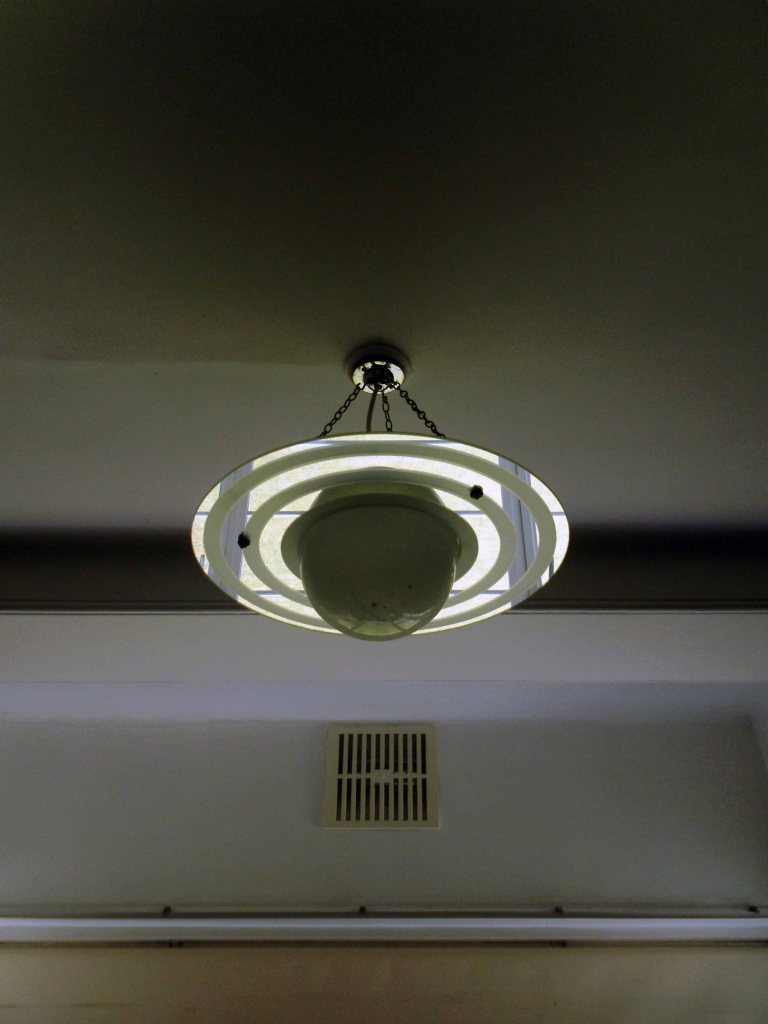
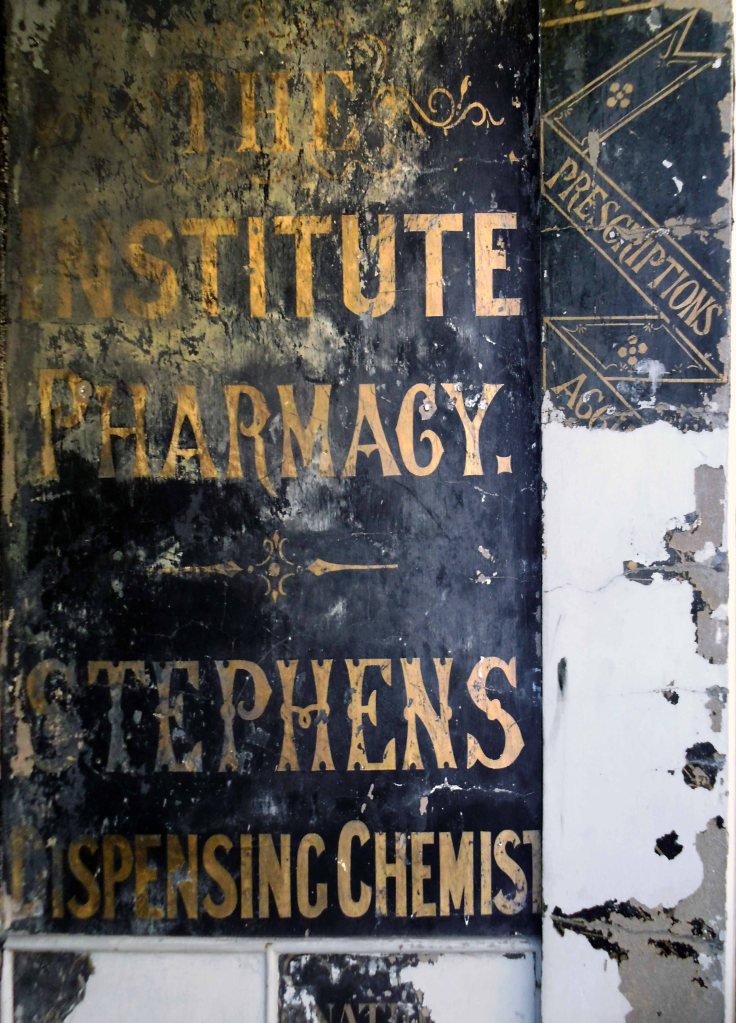
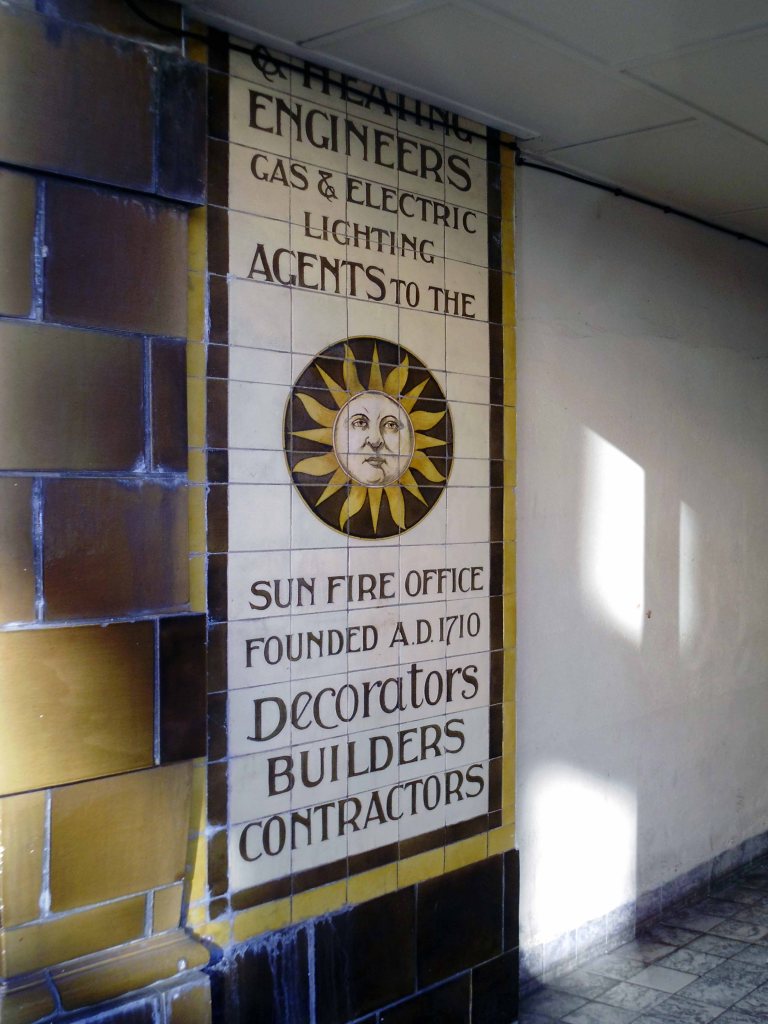
Ghost signs have the habit of disappearing all over the place.

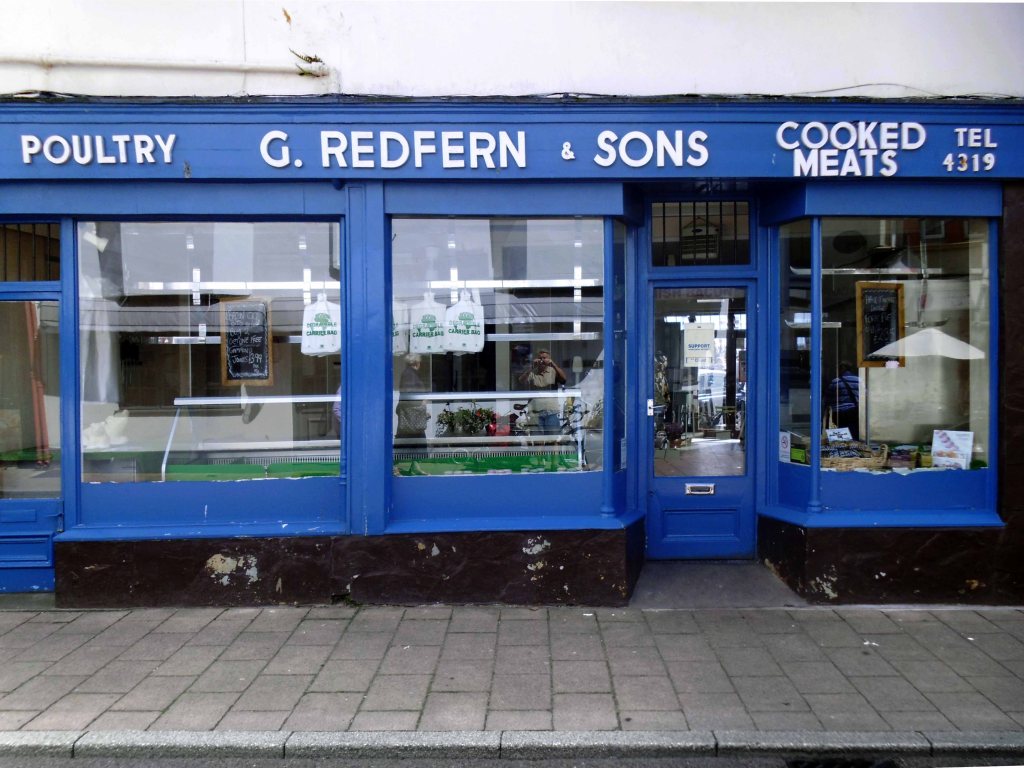
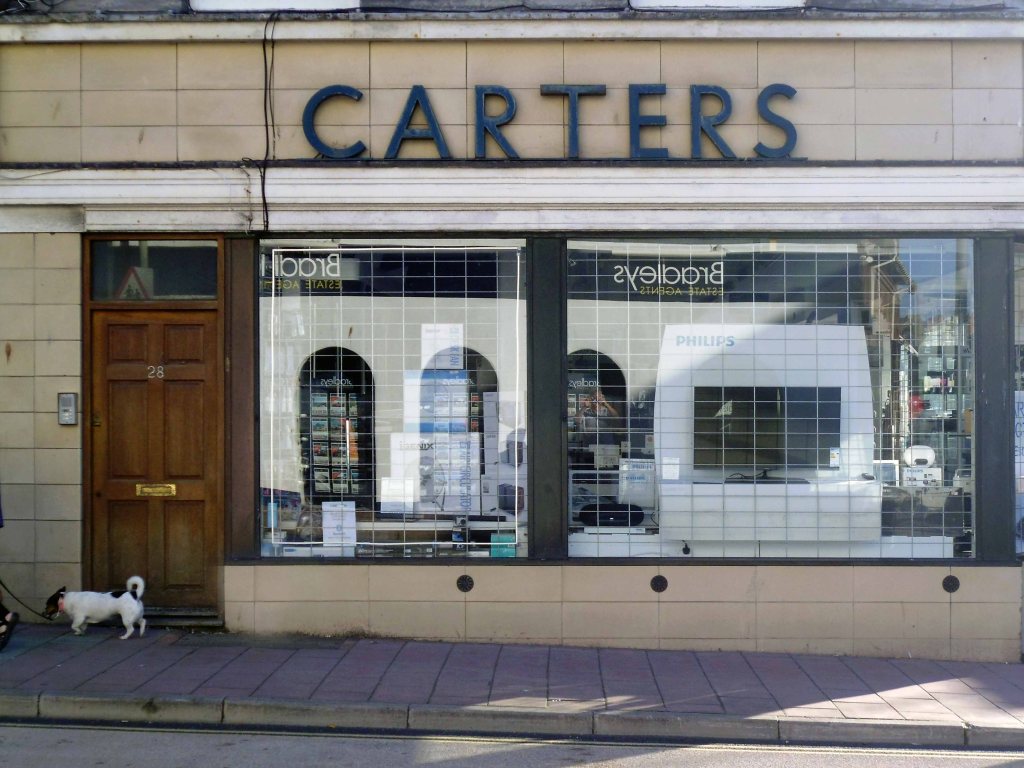
So to shops of all shapes and sizes.

Whilst others prevail.

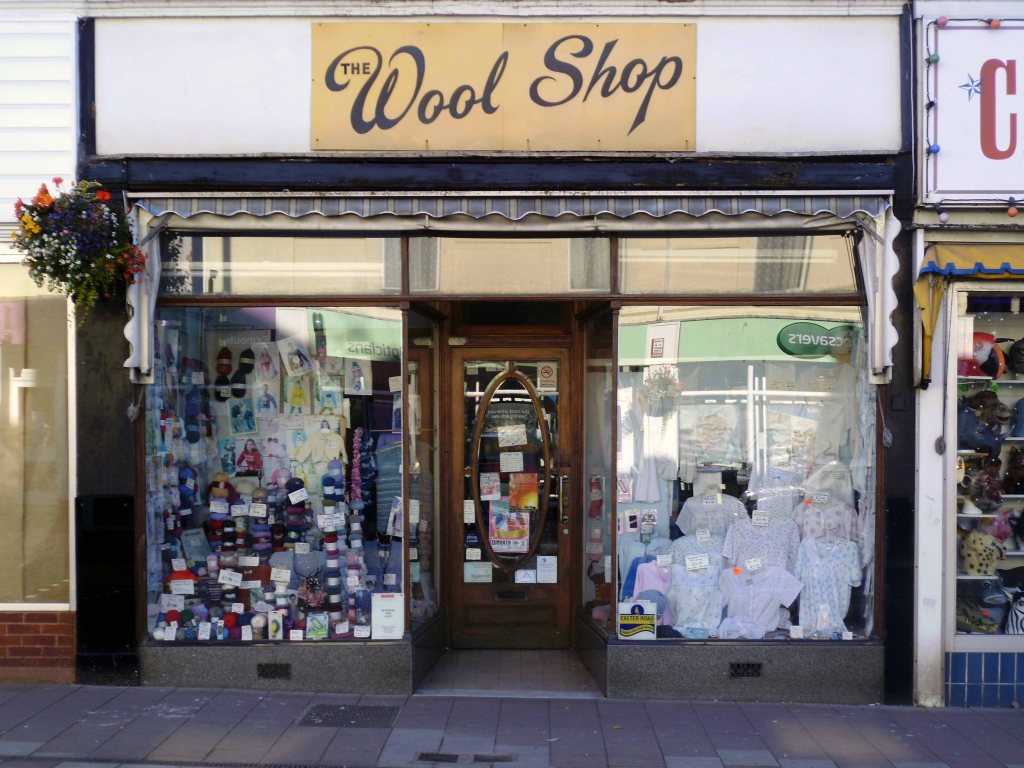
Including this arcane example in Exmouth – The Wool Shop.

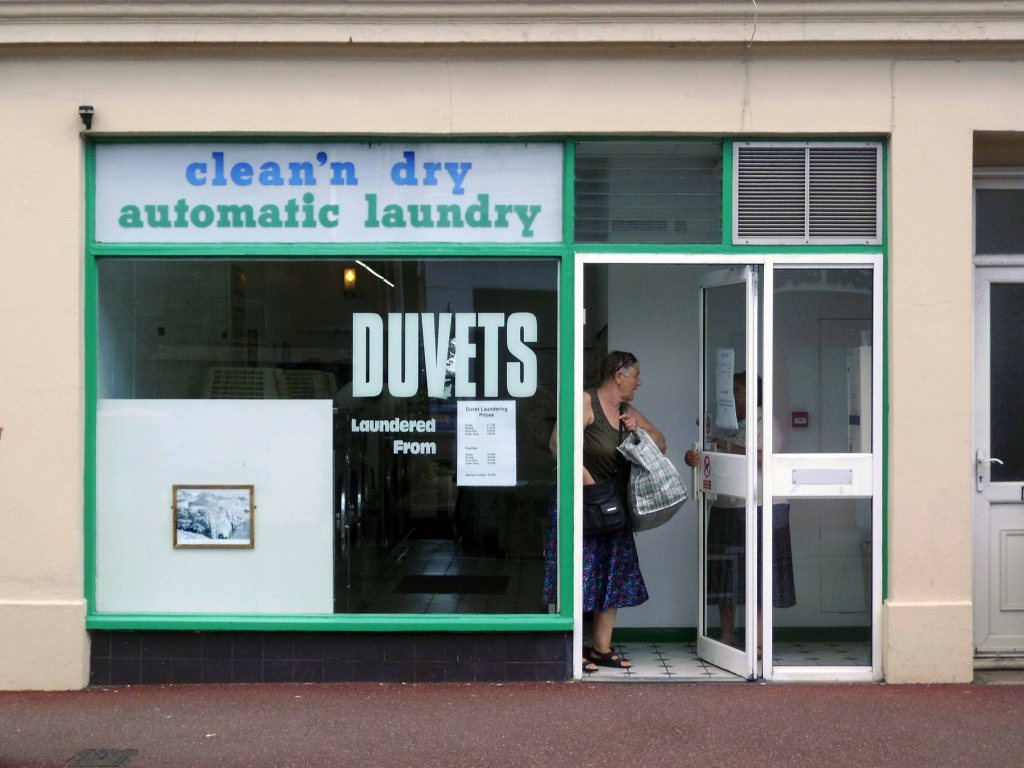
Laundrettes may be on the way out but this gallant knight of the road continues to record them, both online and in print.

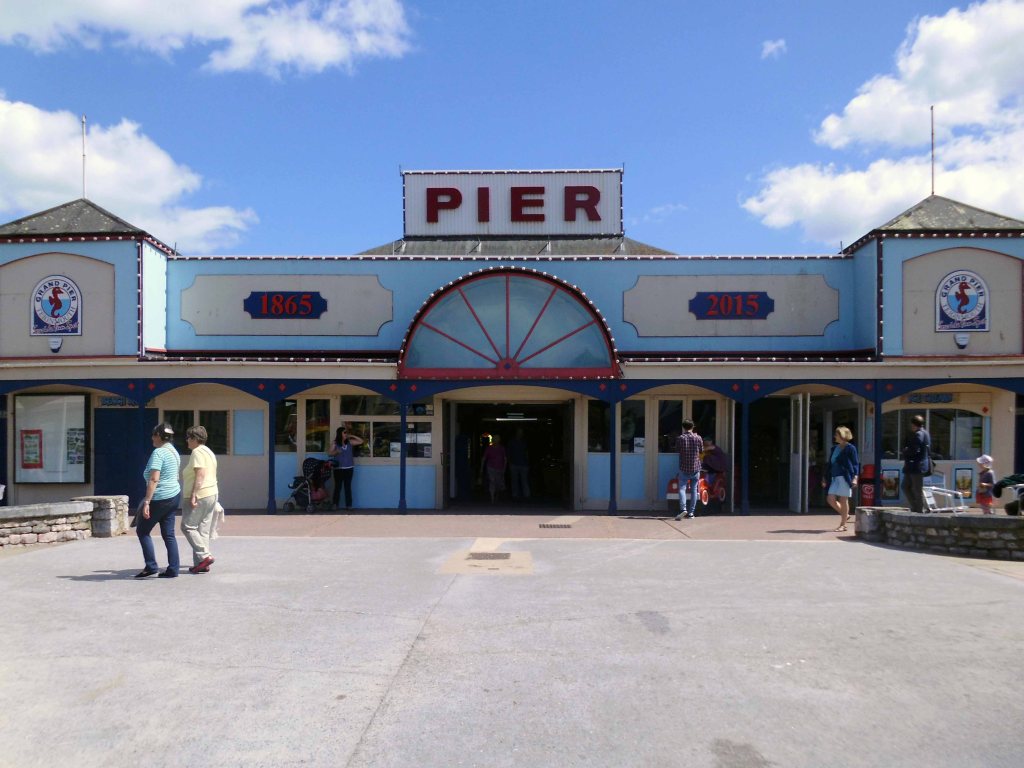
Here in Teignmouth a pier appears not uncommon on certain parts of the coast.

Teignmouth Grand Pier is a great day out for family and friends. There’s something for everyone – from big kids to little ones – it offers you all the traditional attractions and entertainment in the Great British spirit of the seaside.

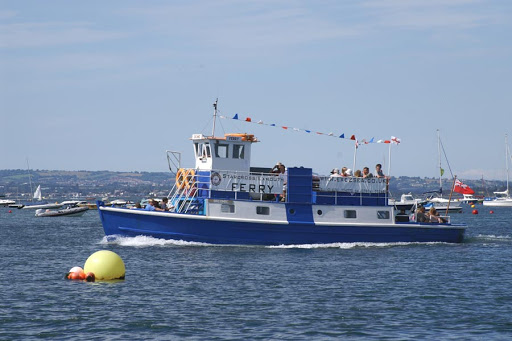
Time to get on the ferry again Steve – crossing the Exe Estuary on the Starcross to Exmouth Ferry.

Bikes carried for a small additional charge.

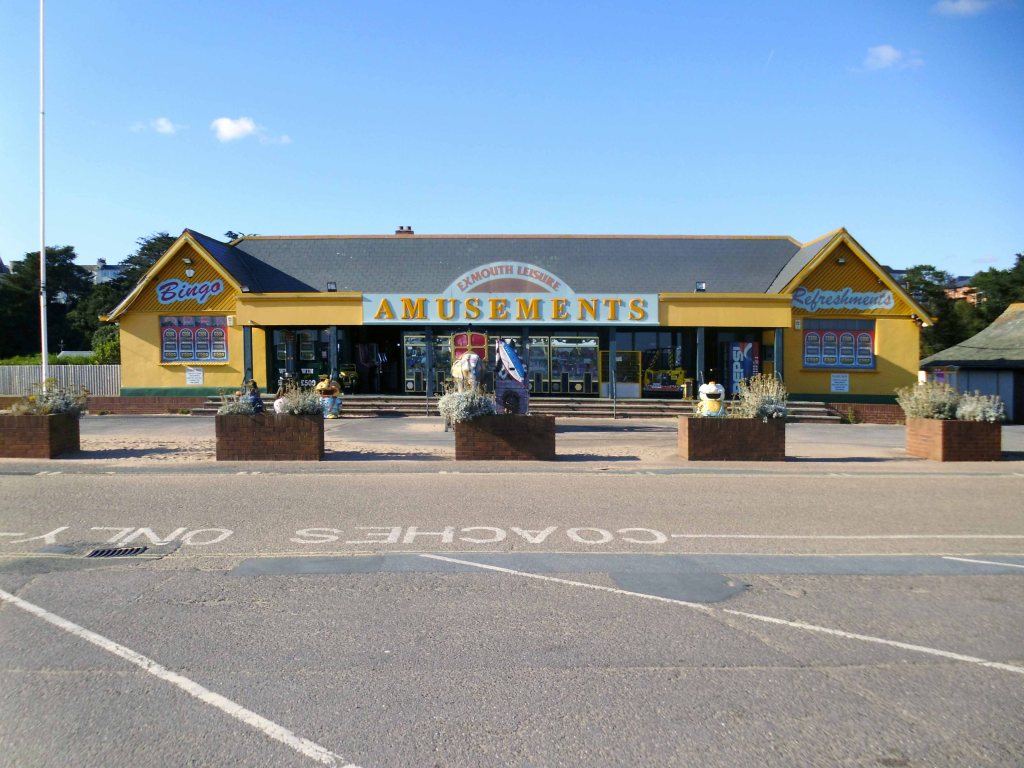
No time for Bingo, reading the local paper or the amusements – time for a pint, in the form of two halves.

Then a wander back to the digs – see you all tomorrow.

Night night