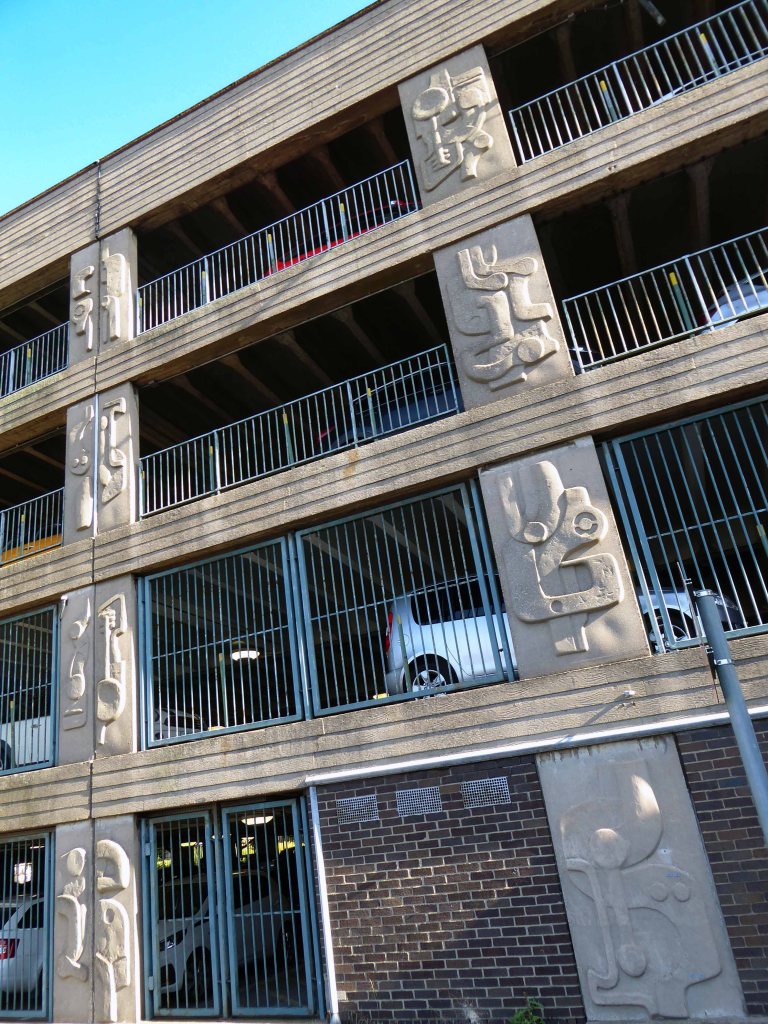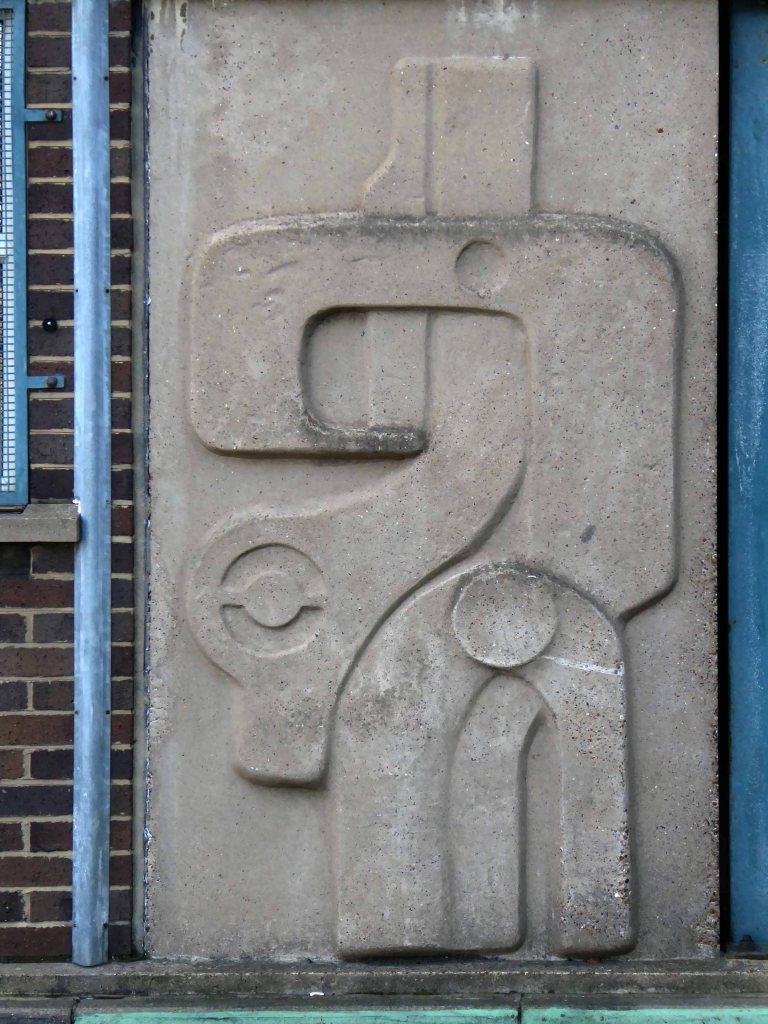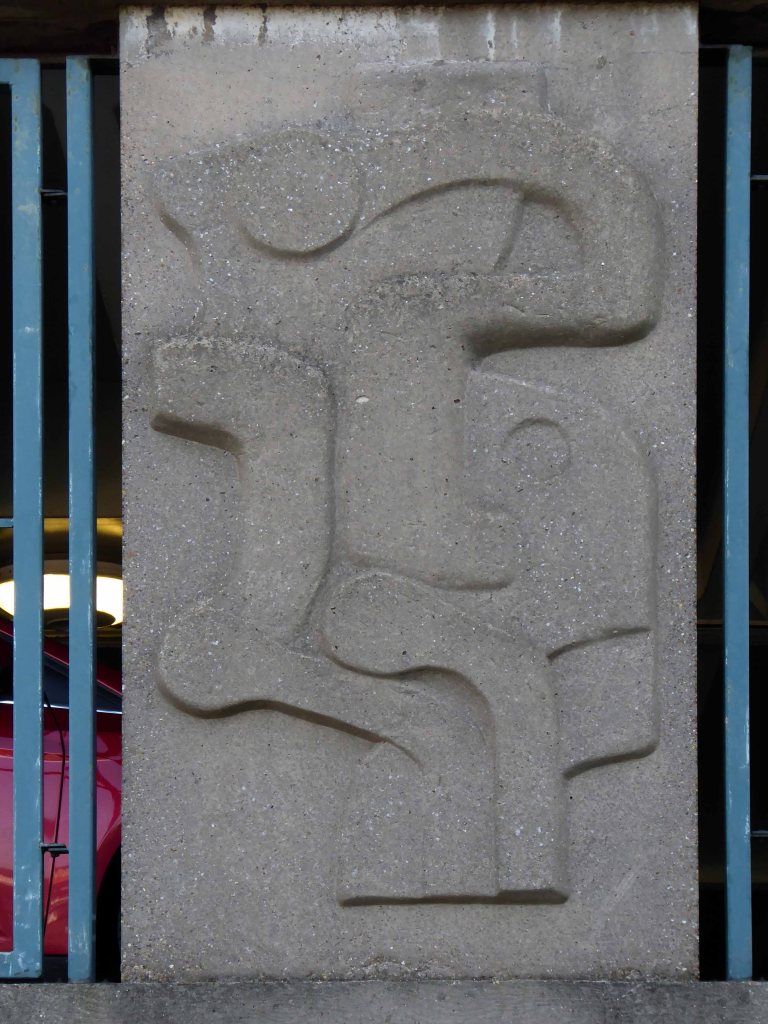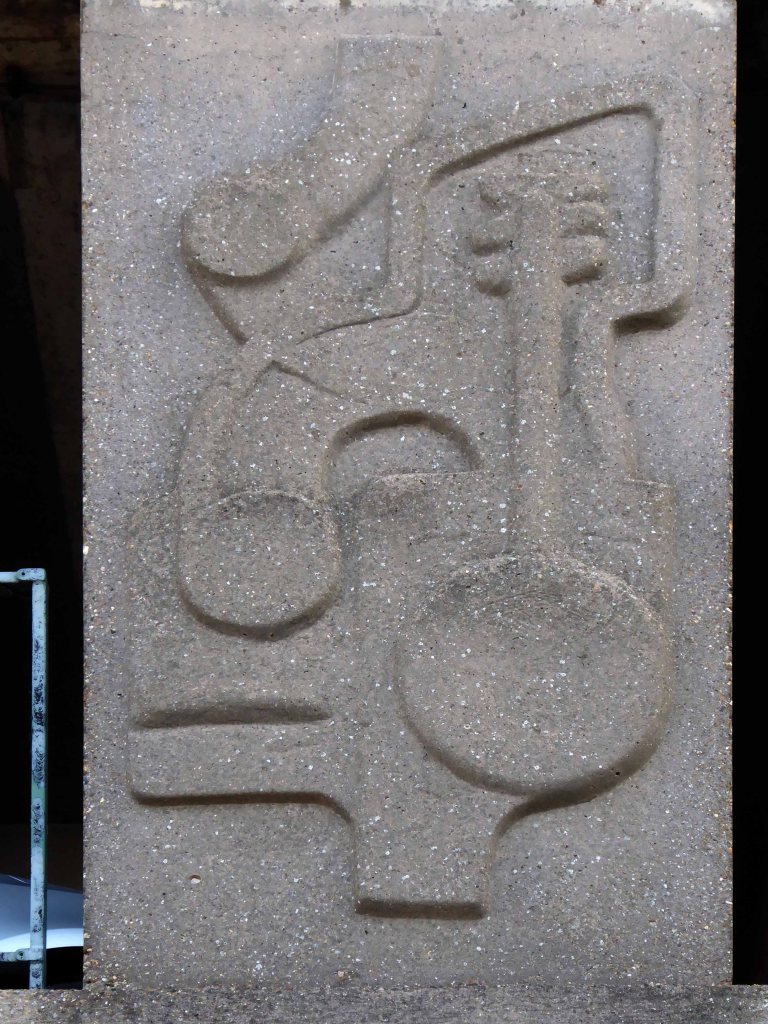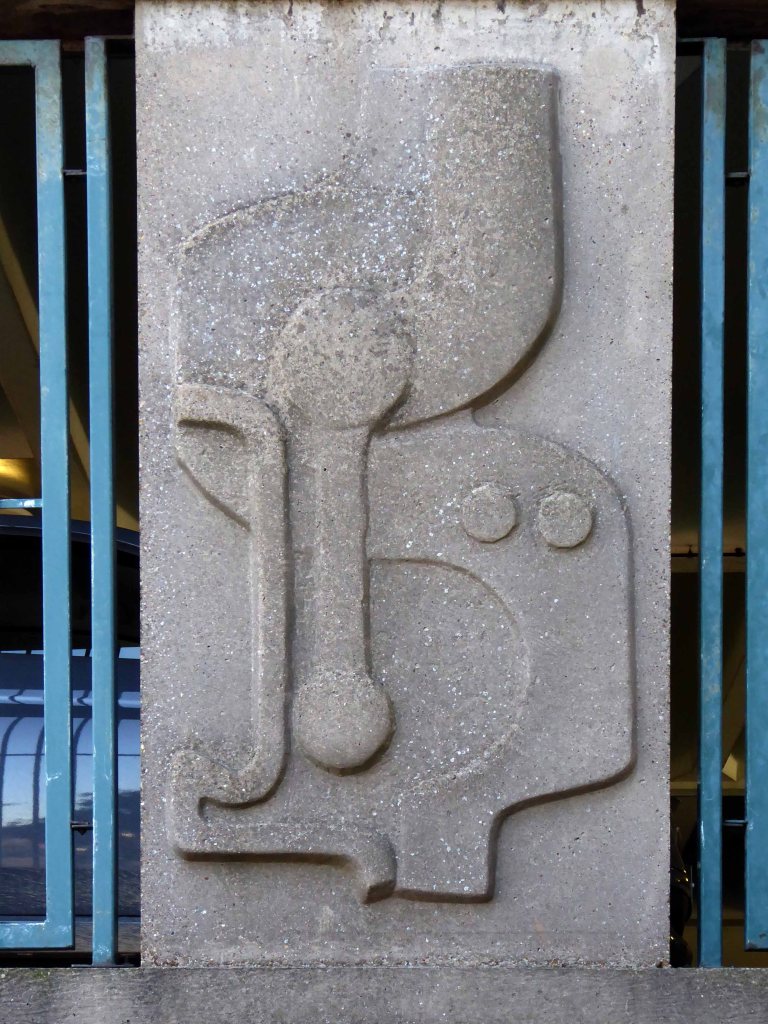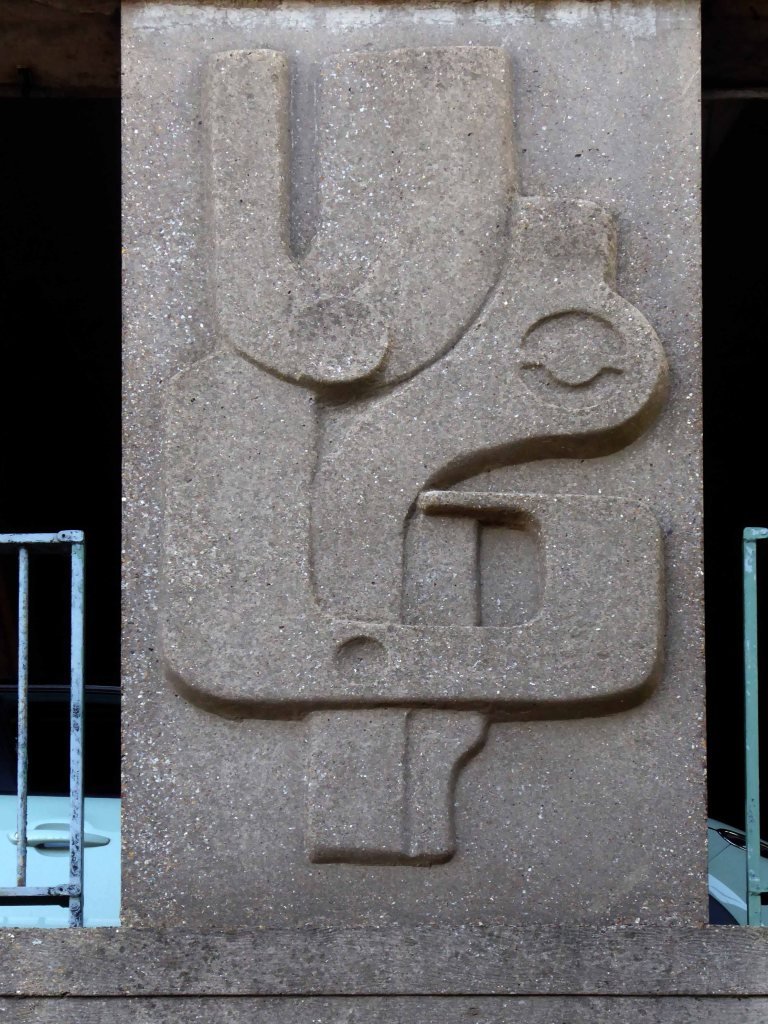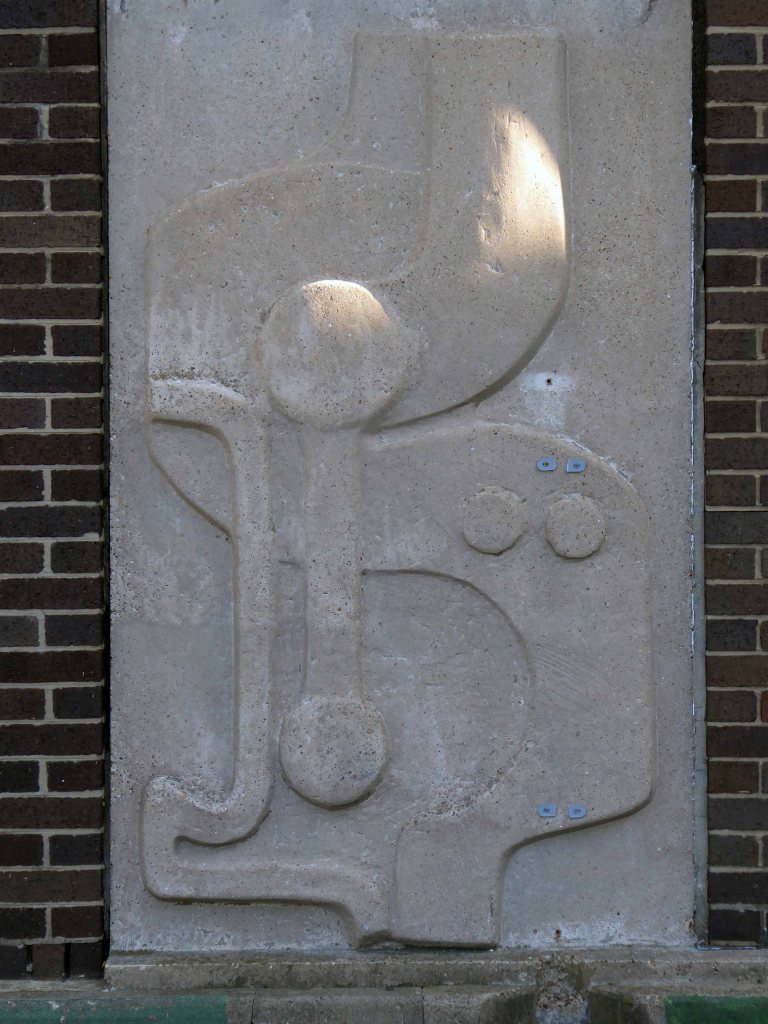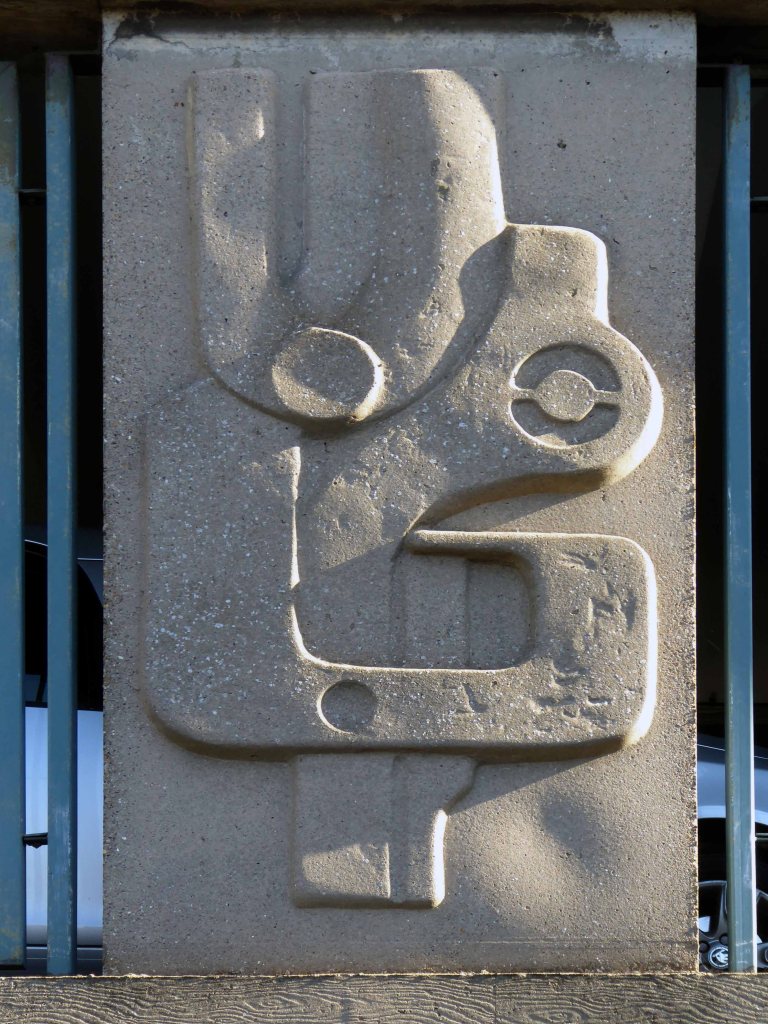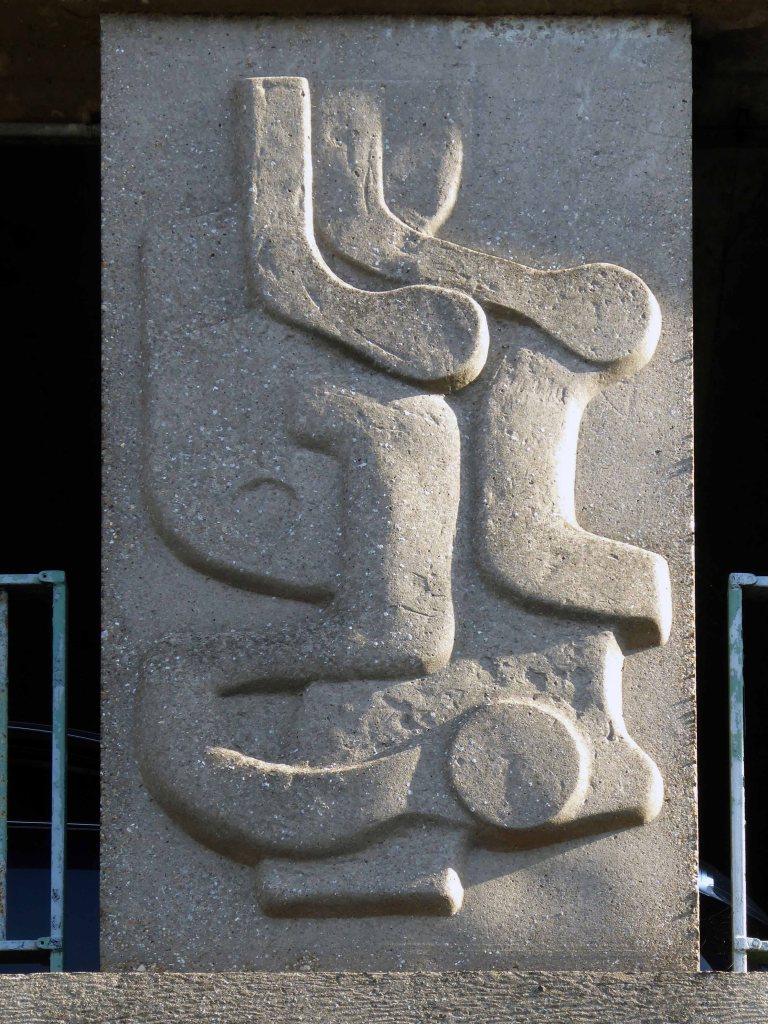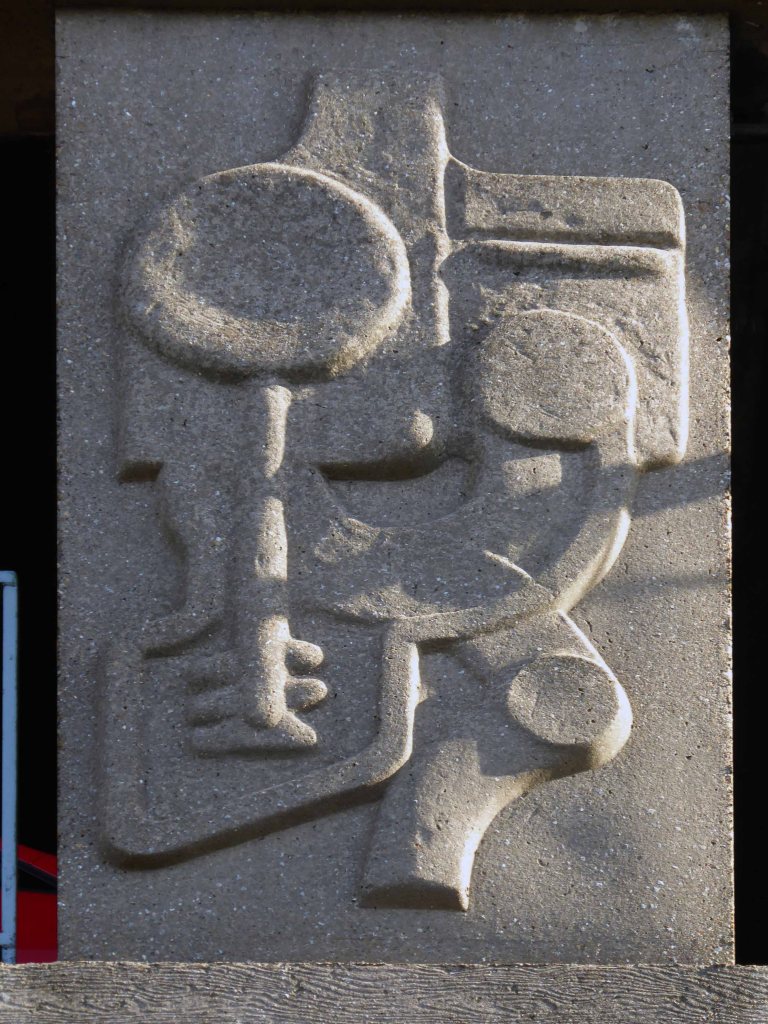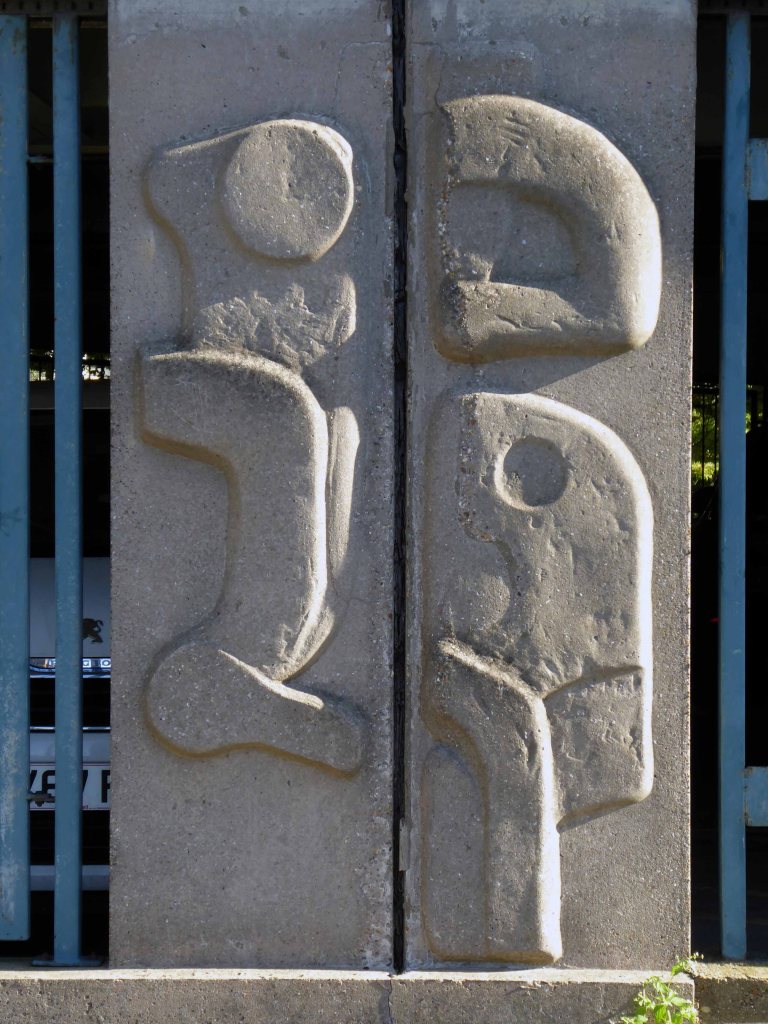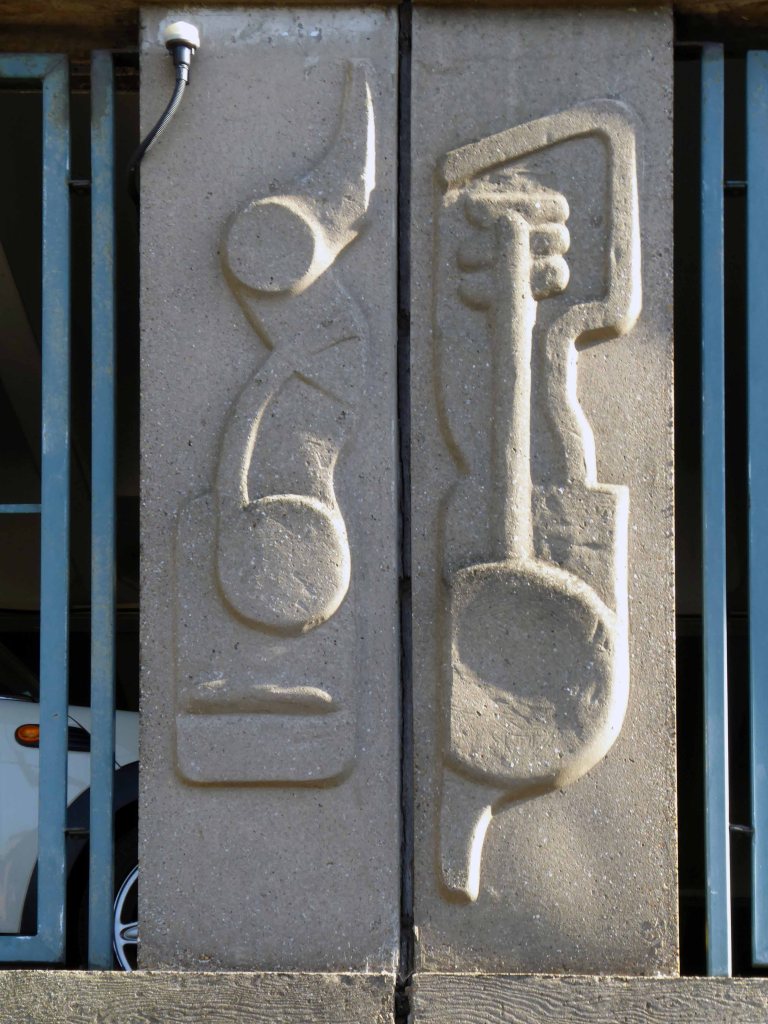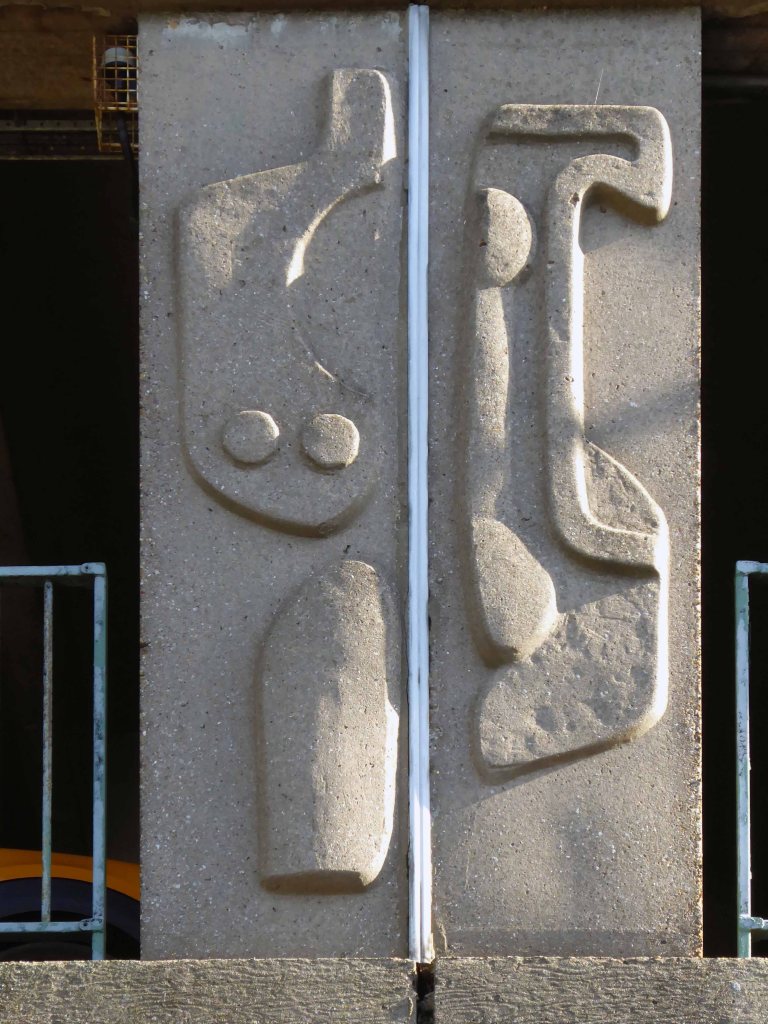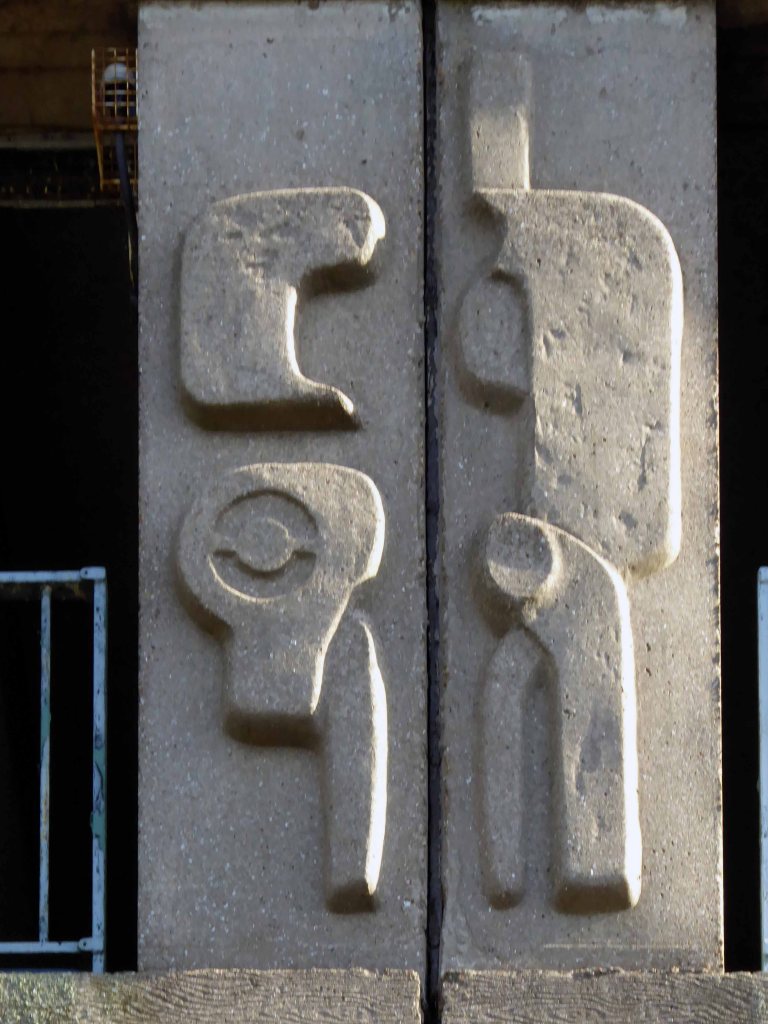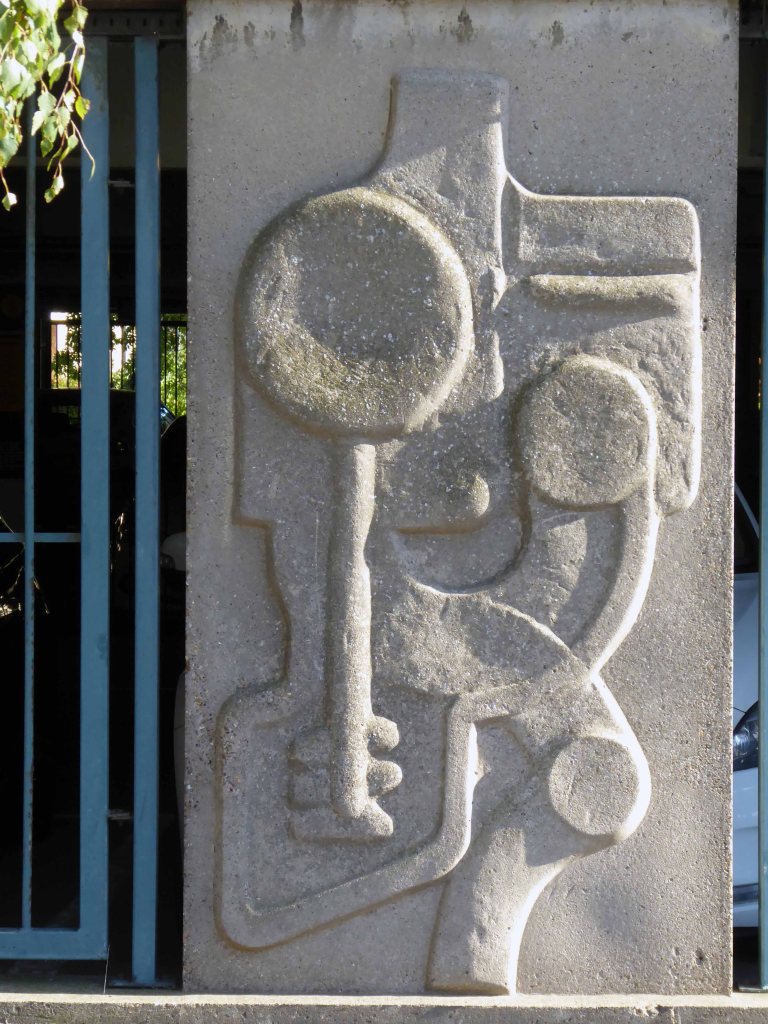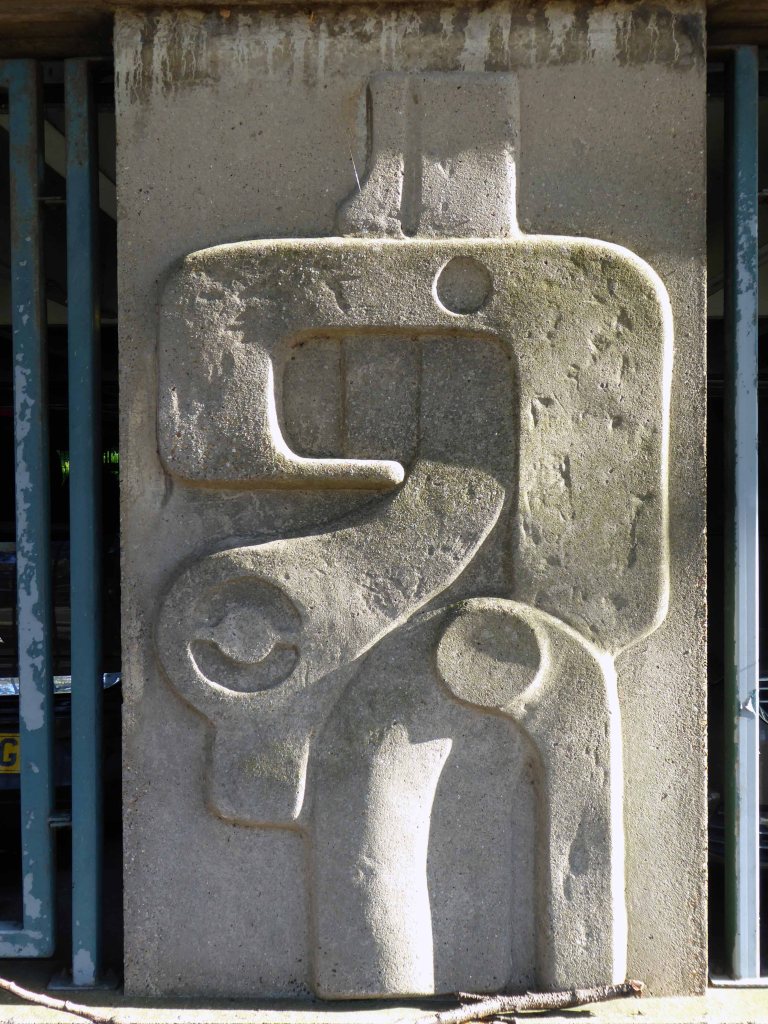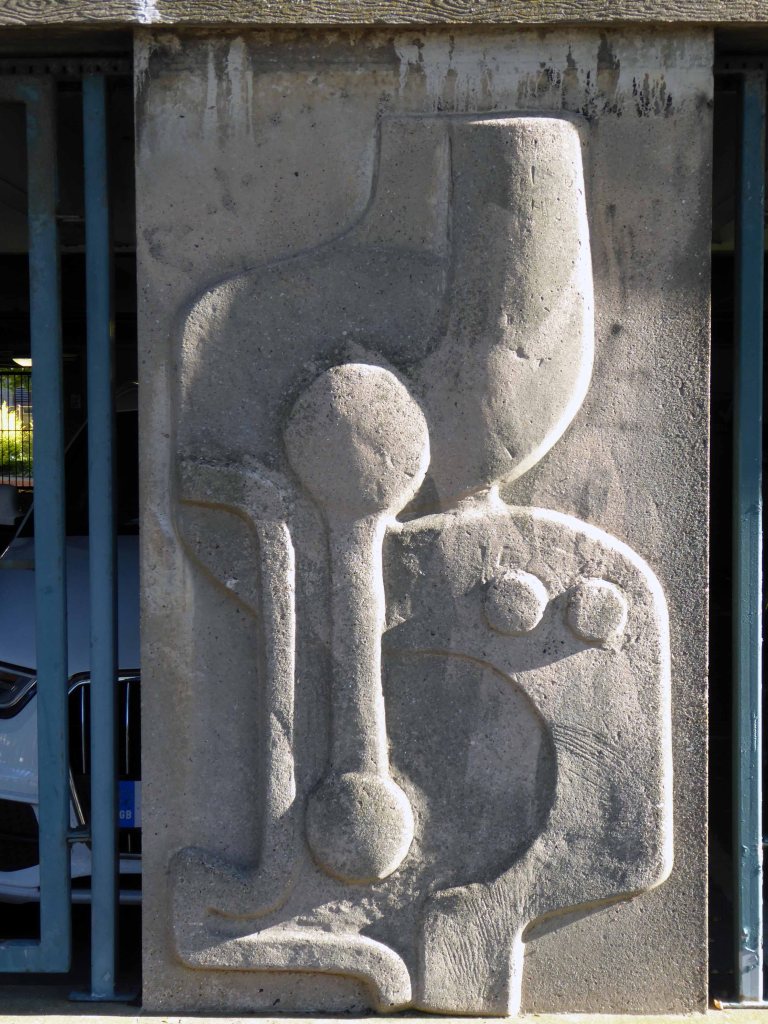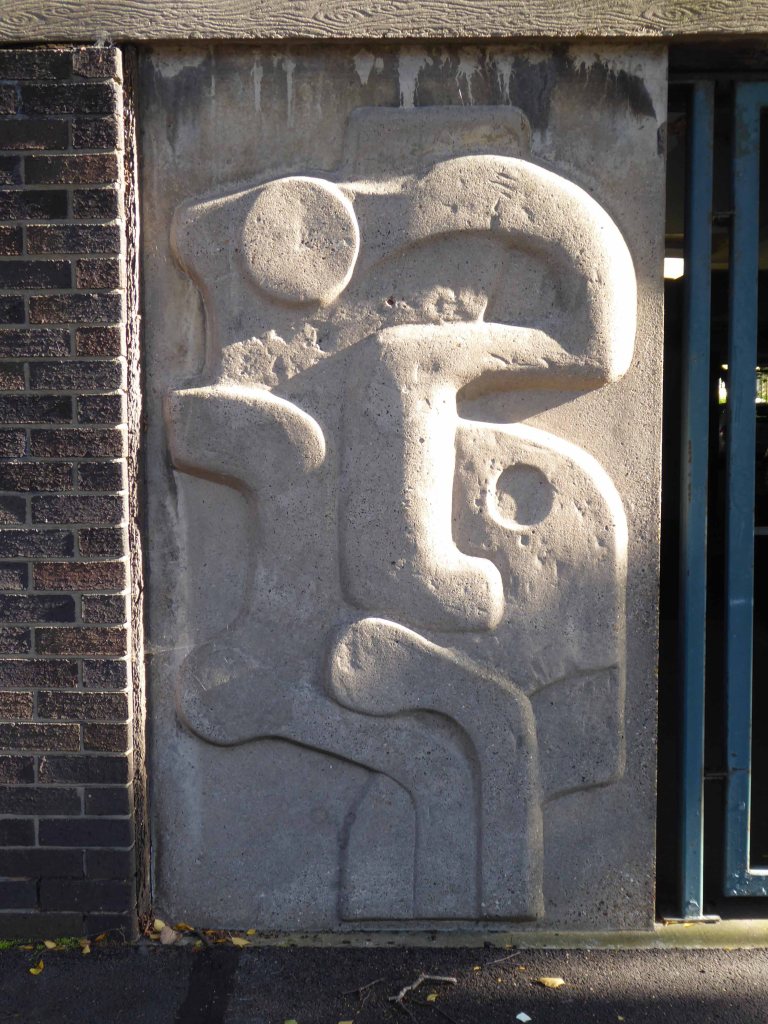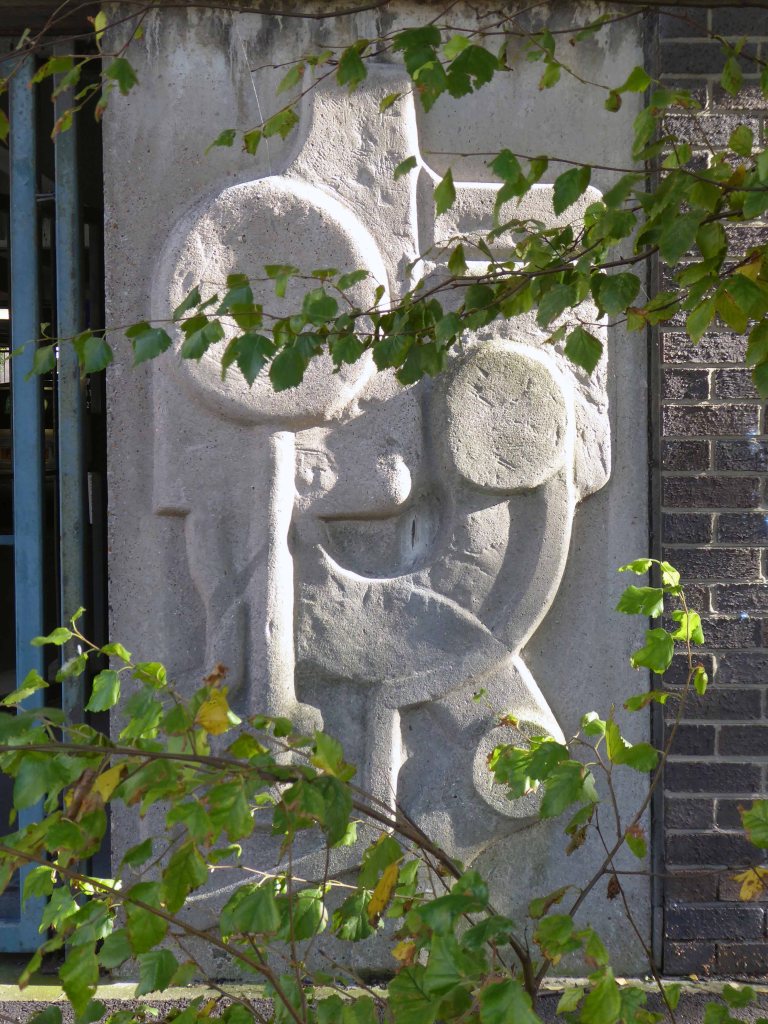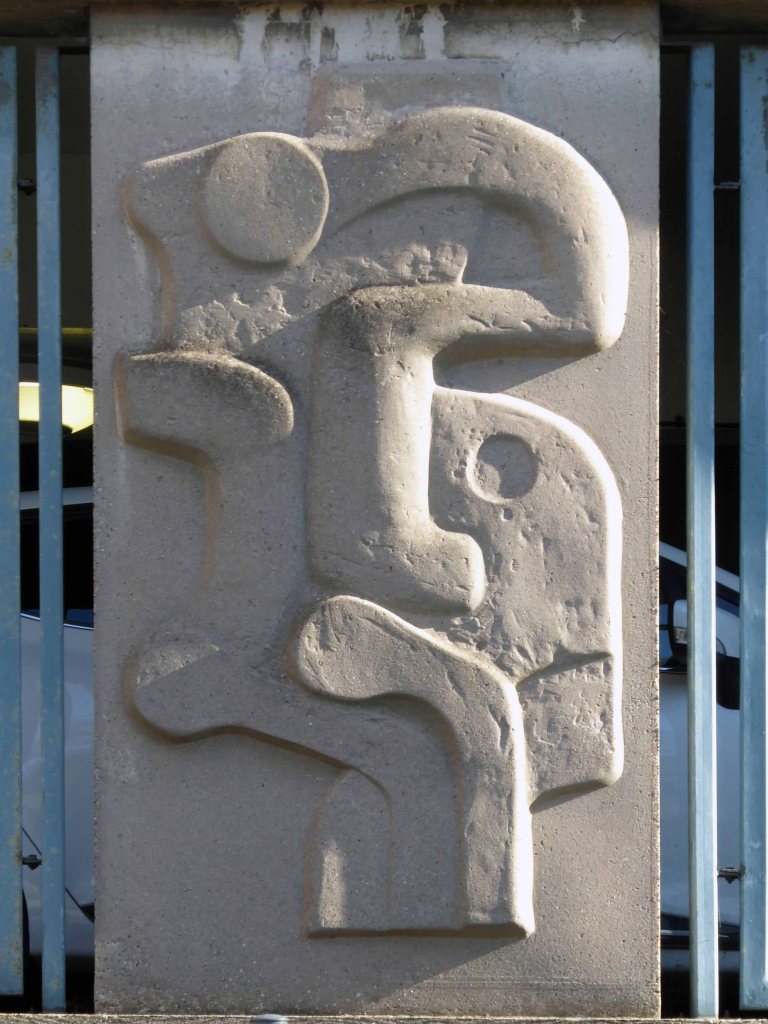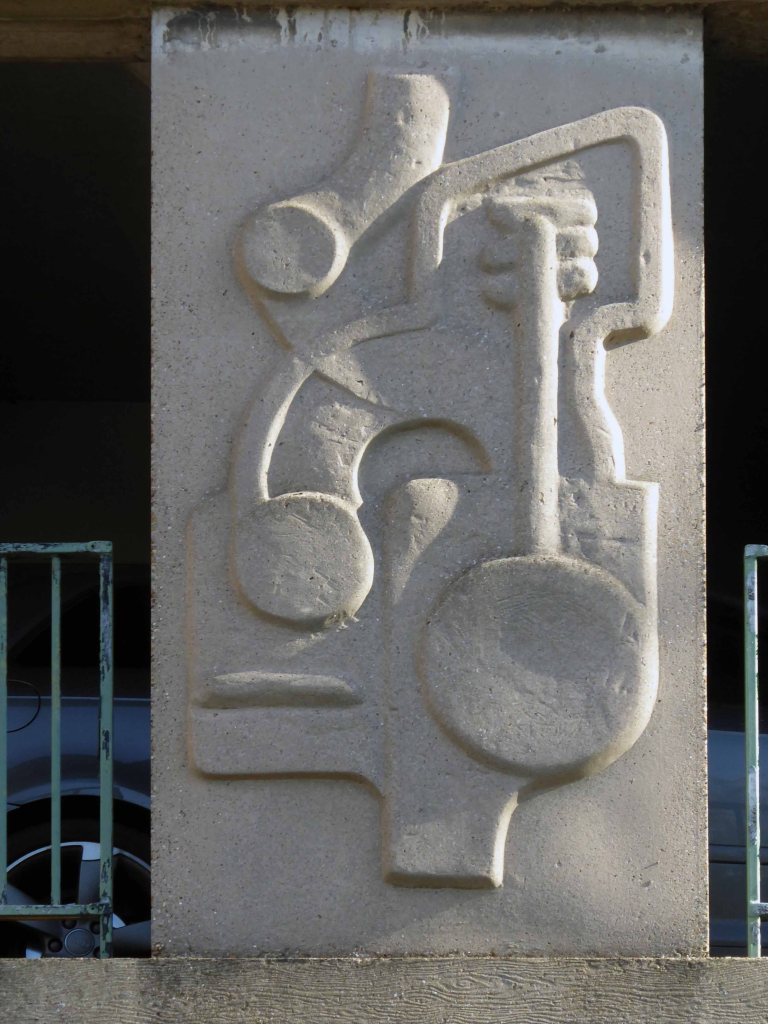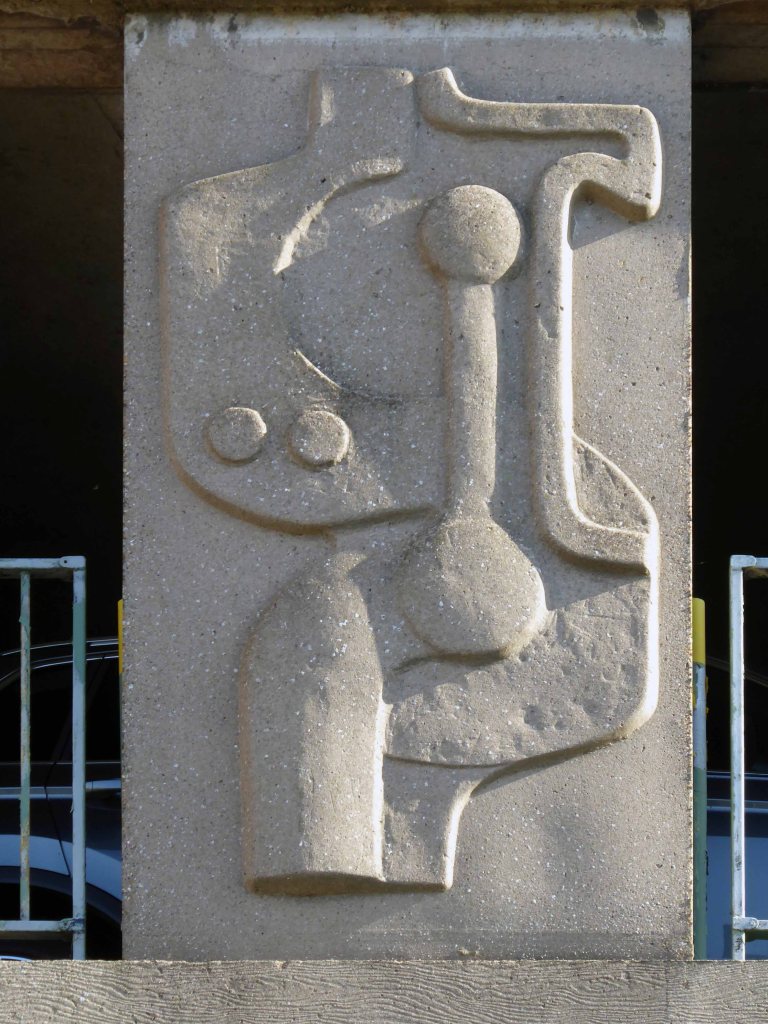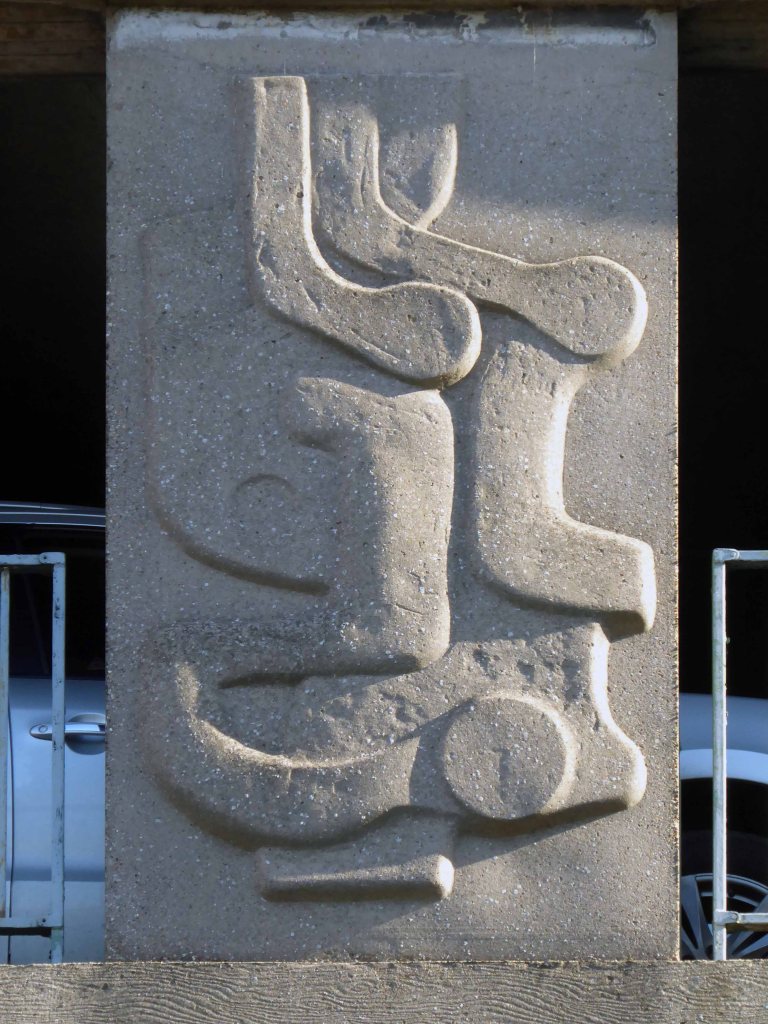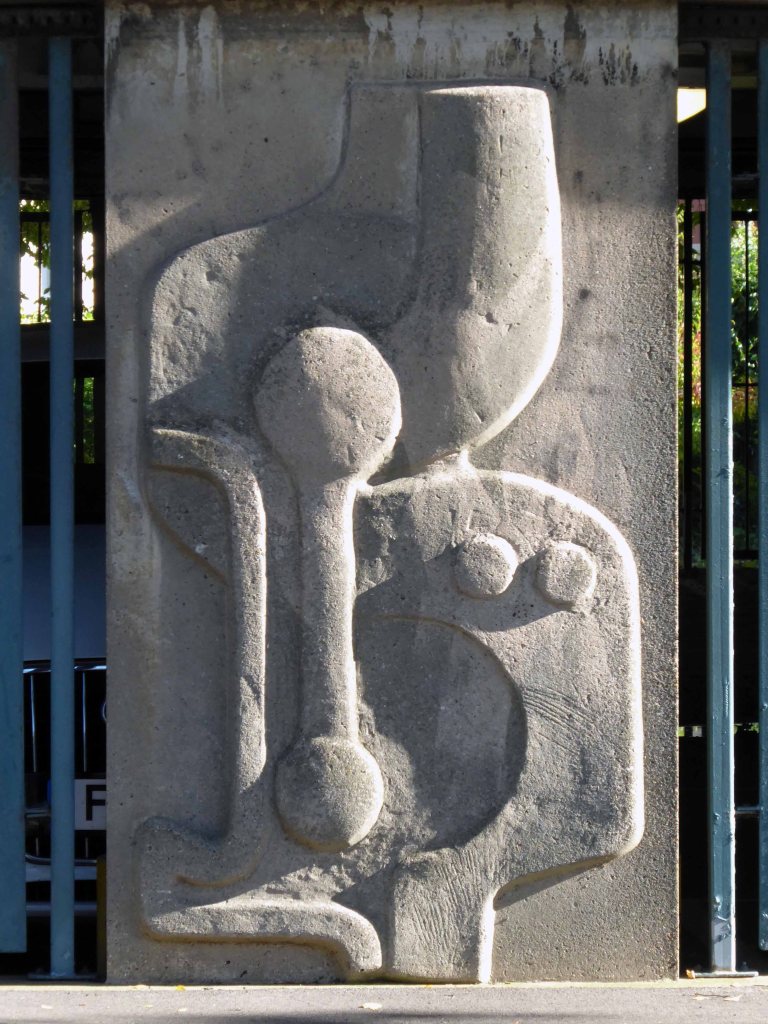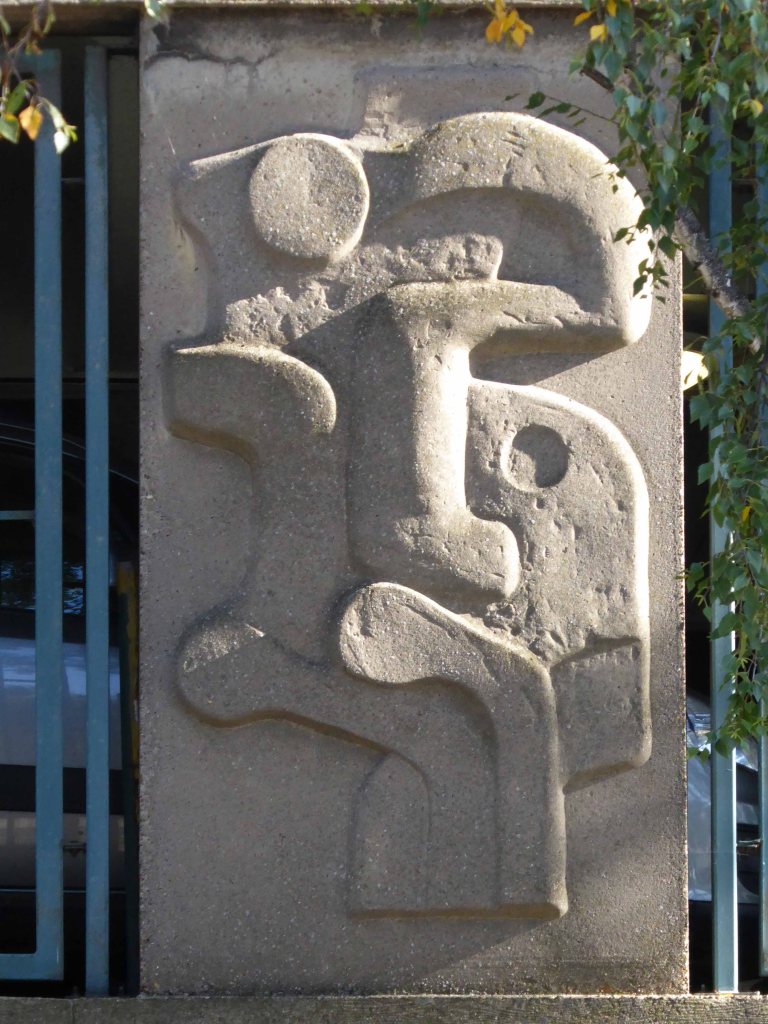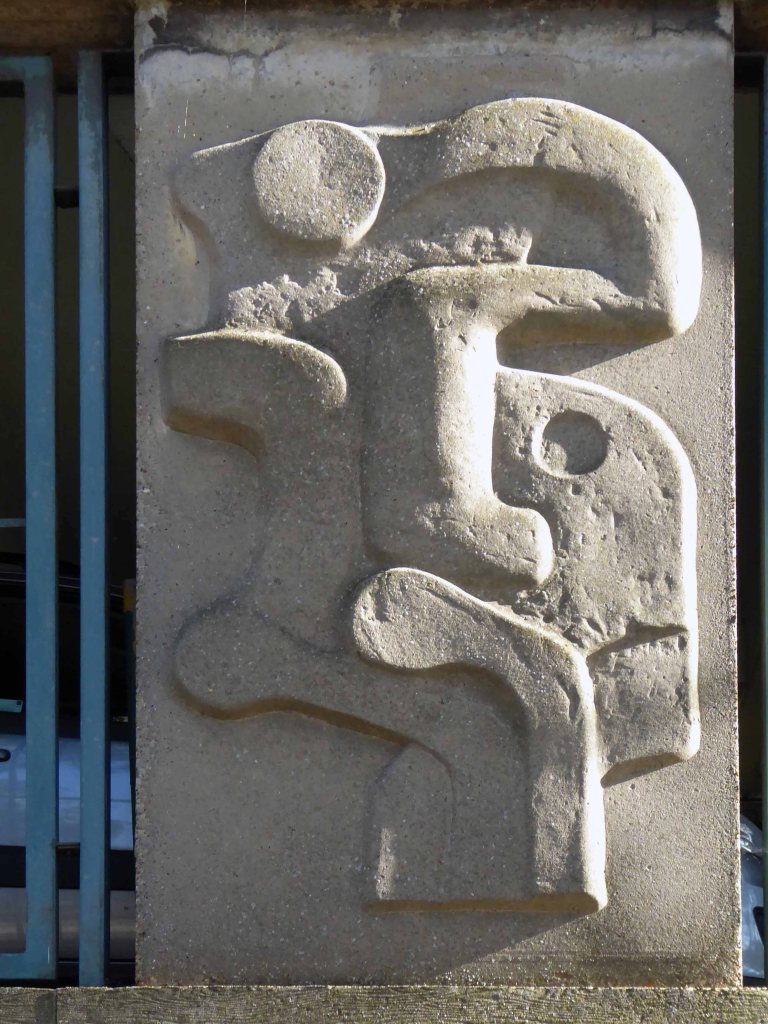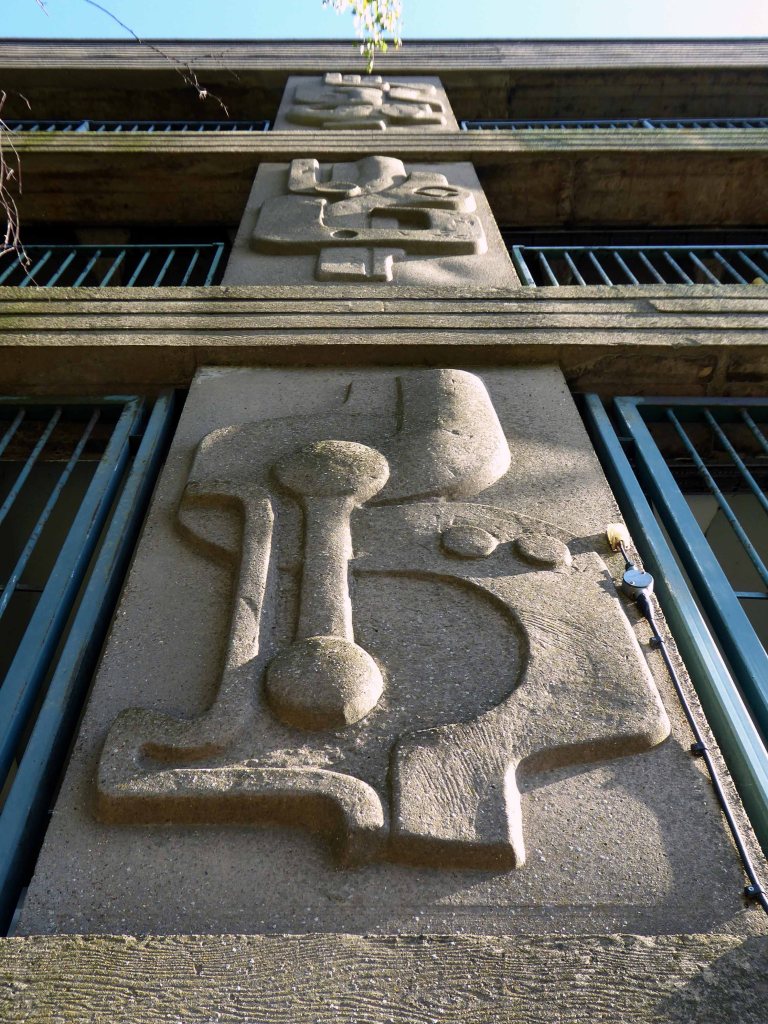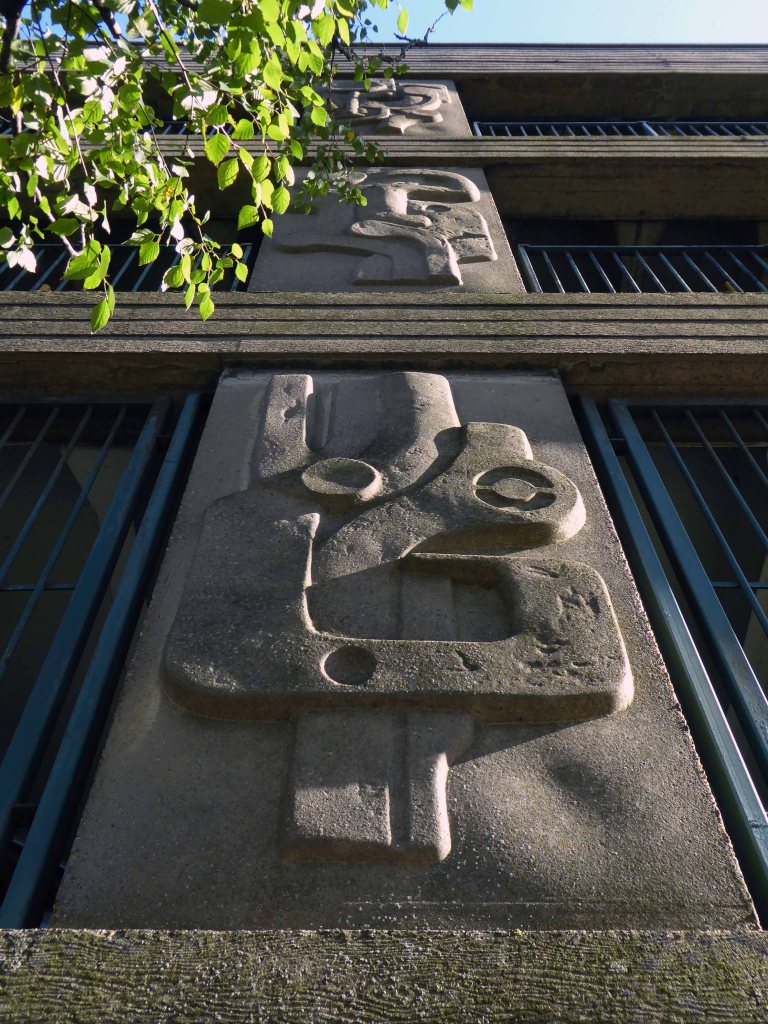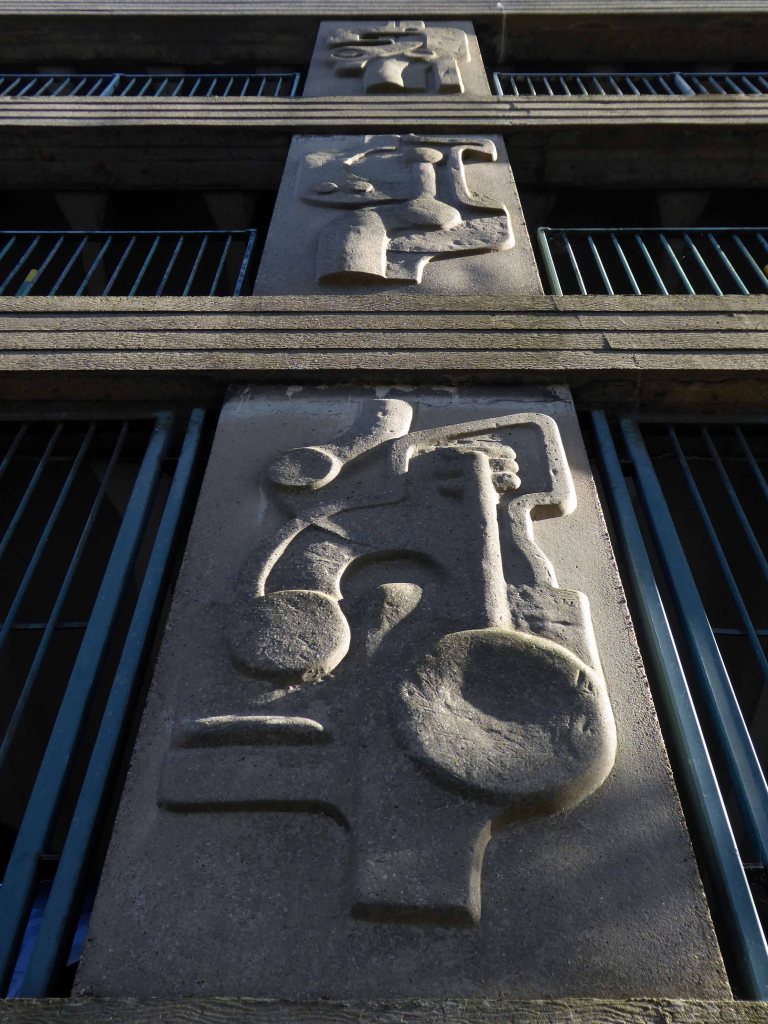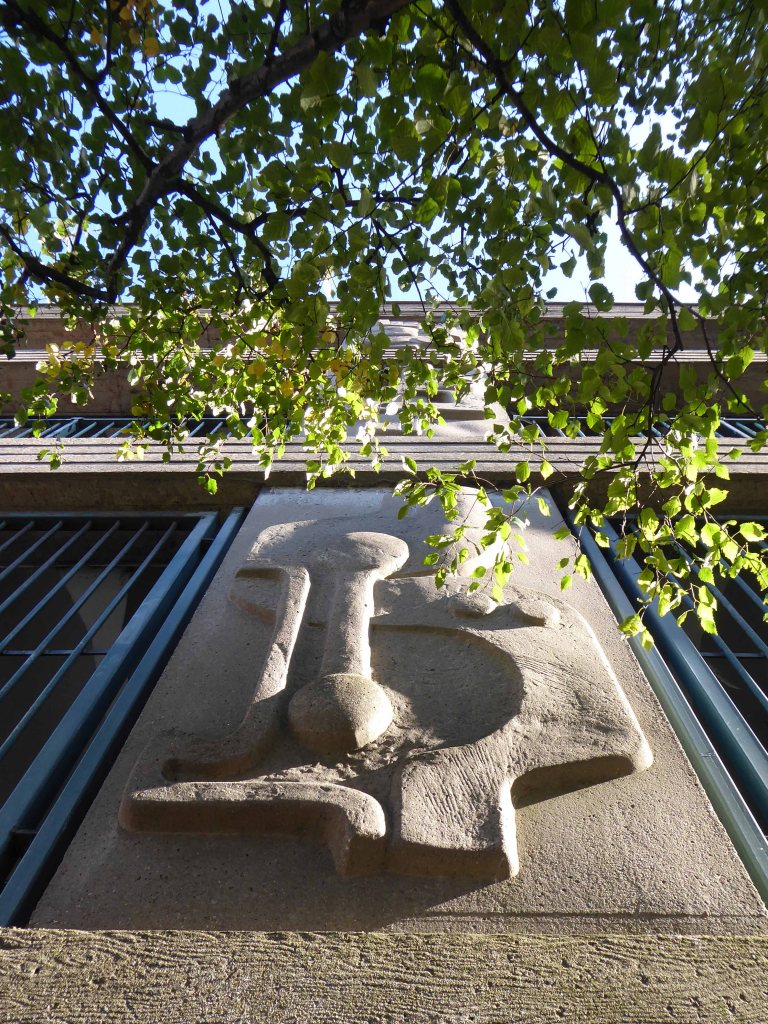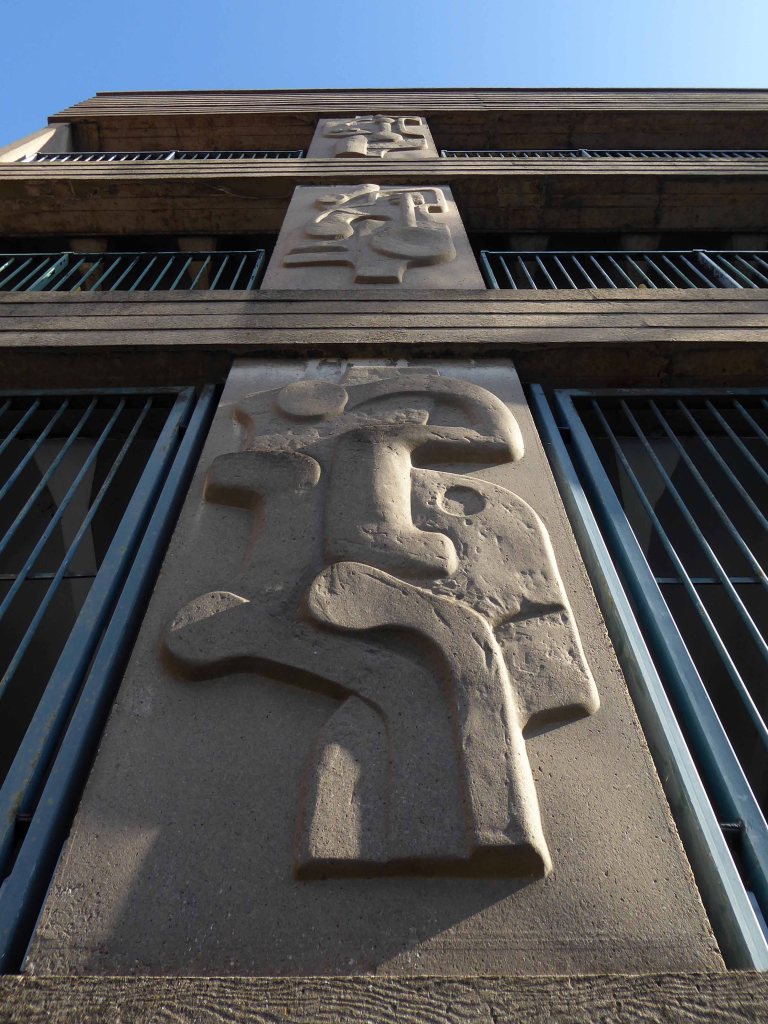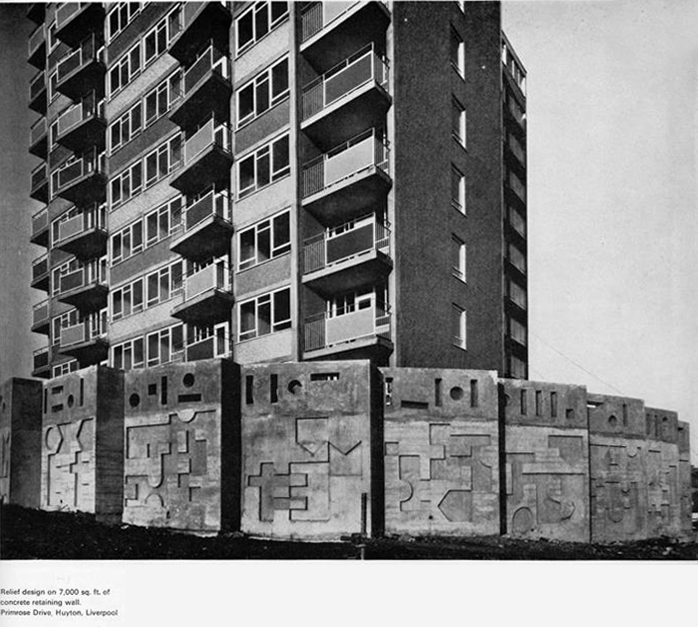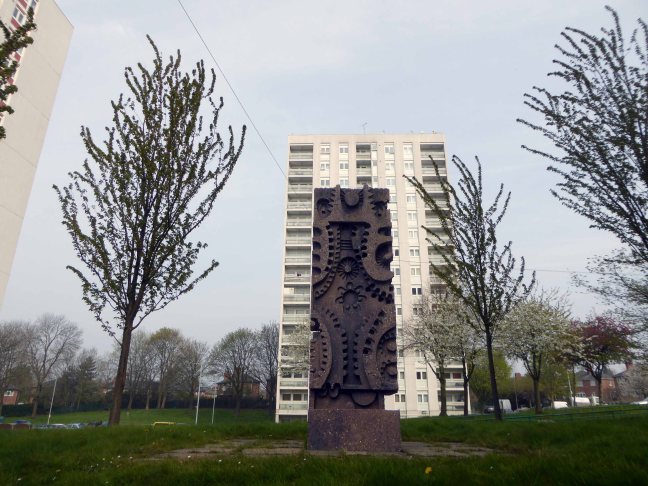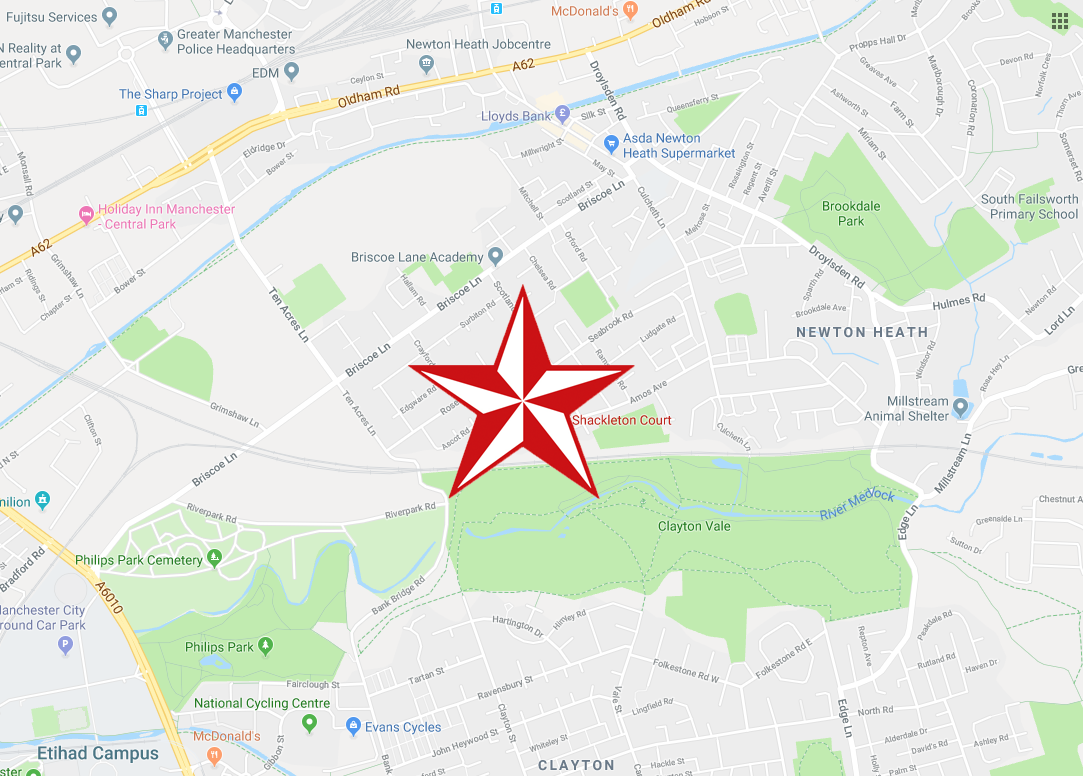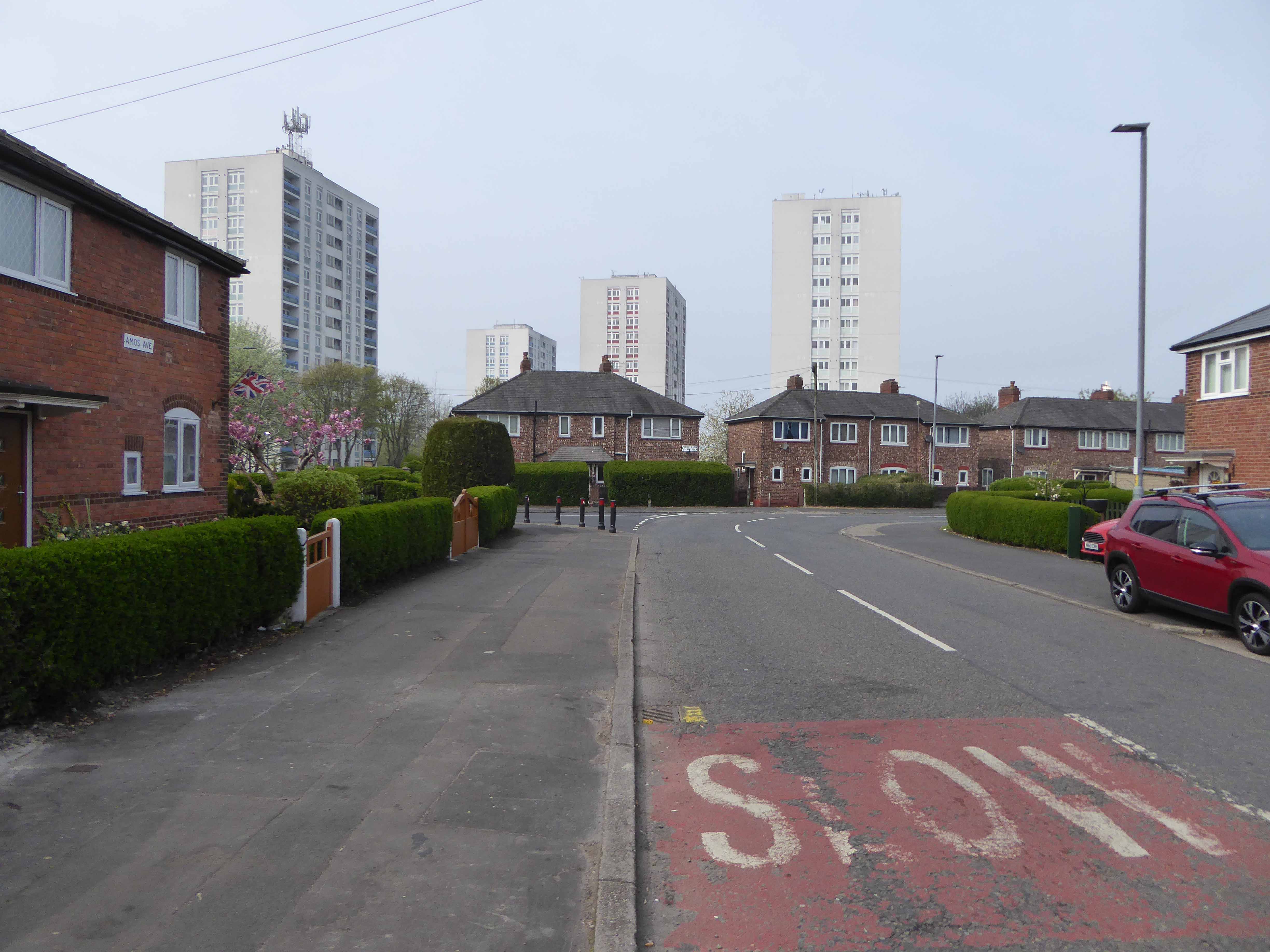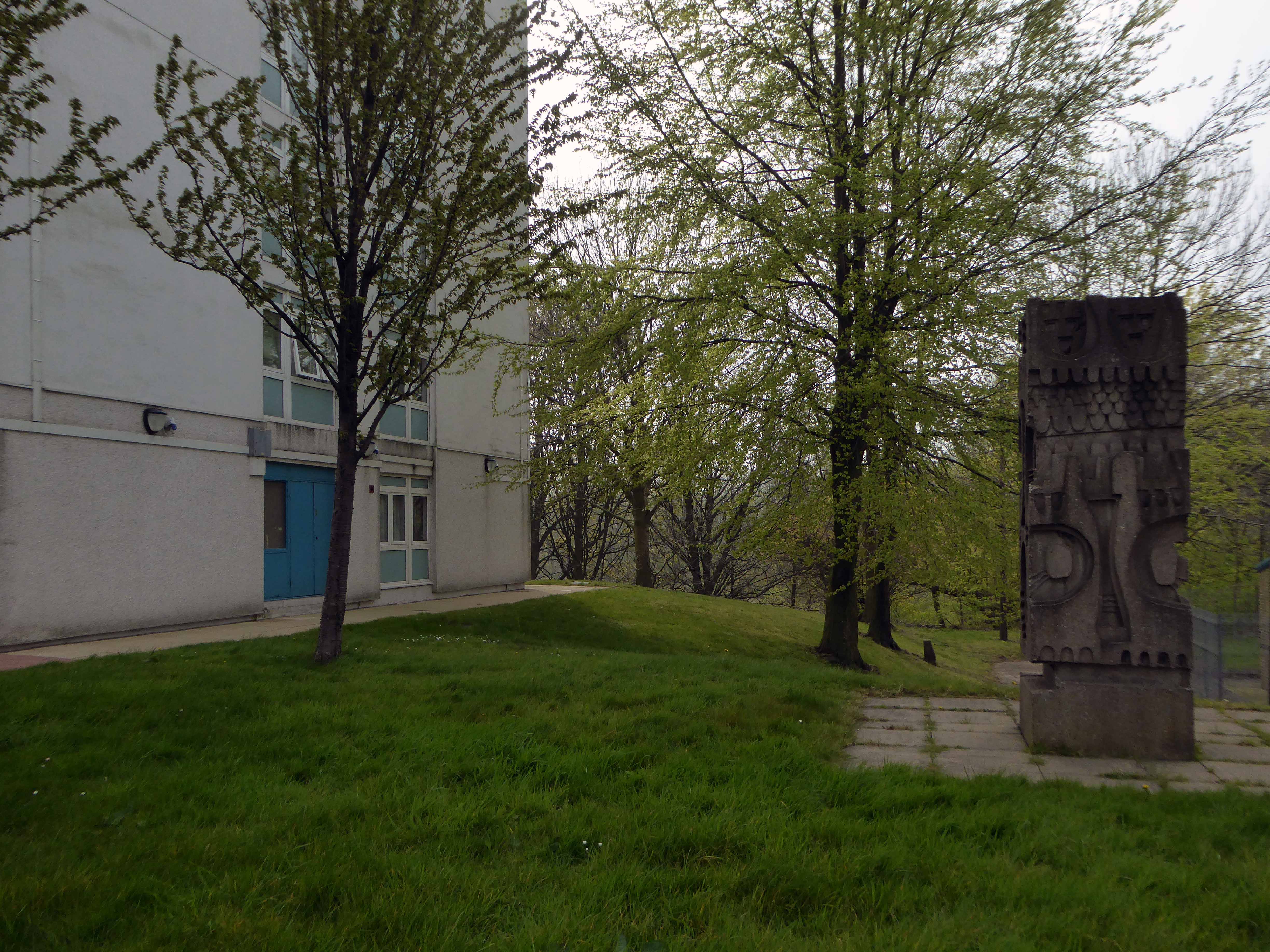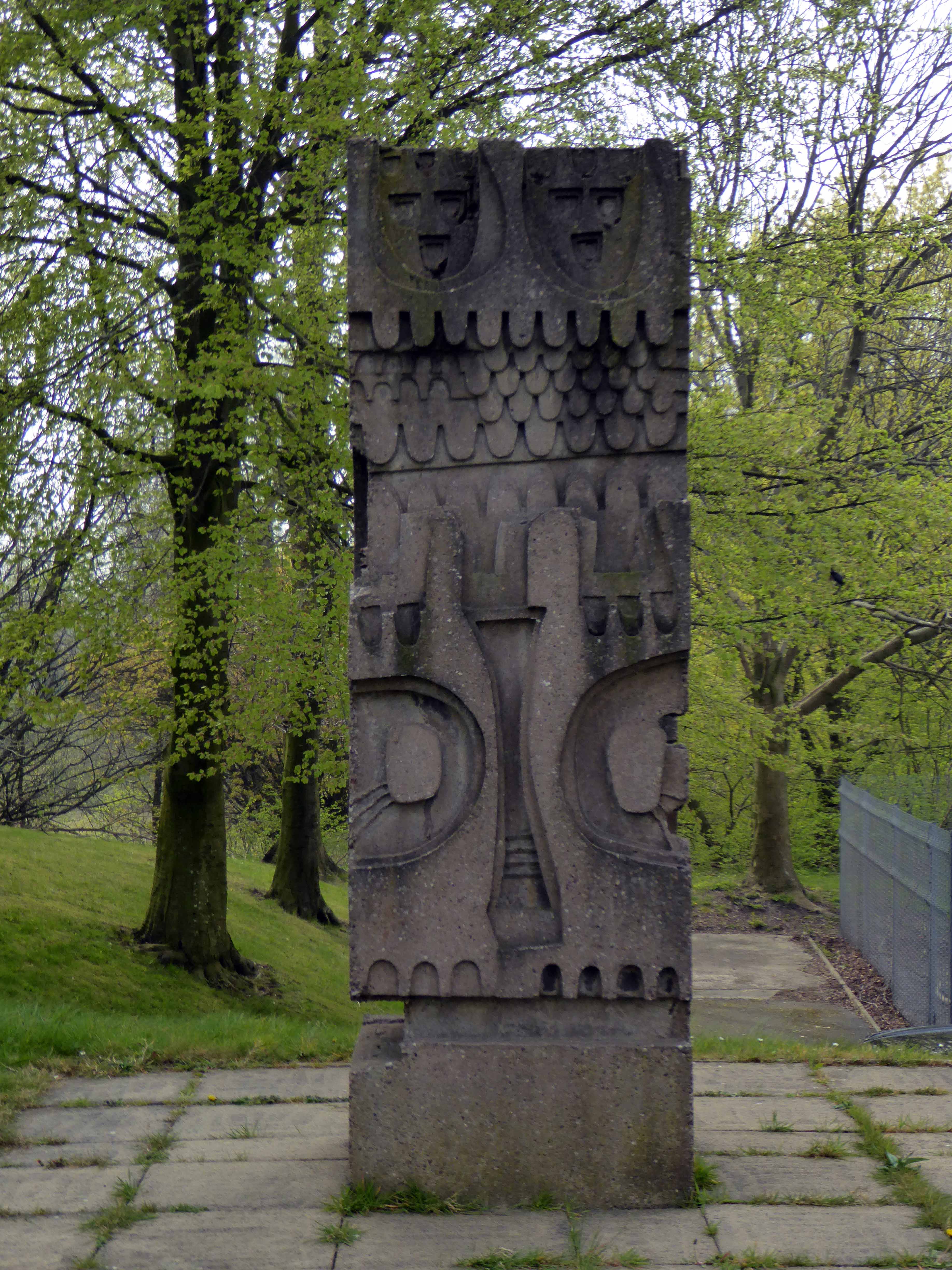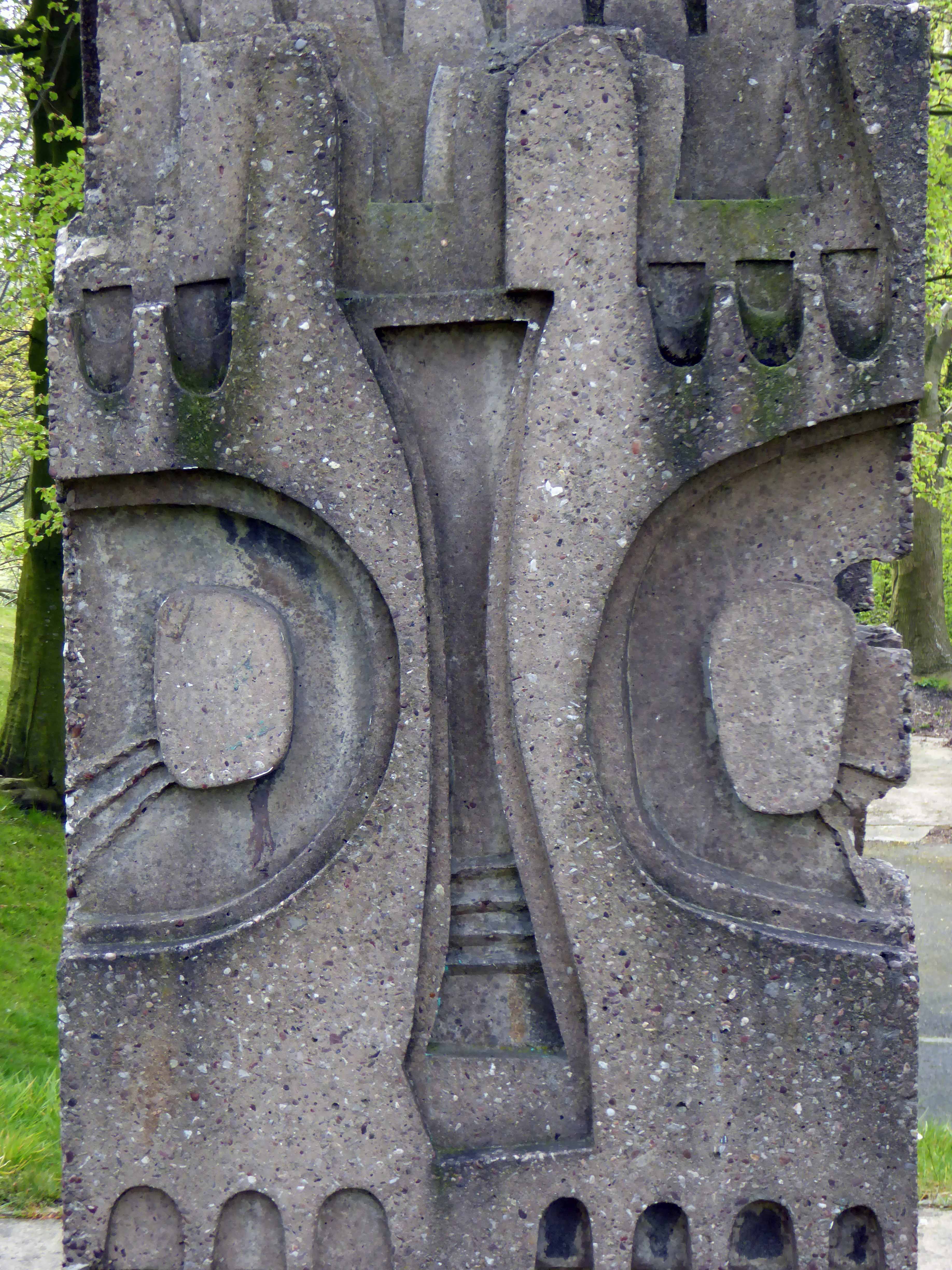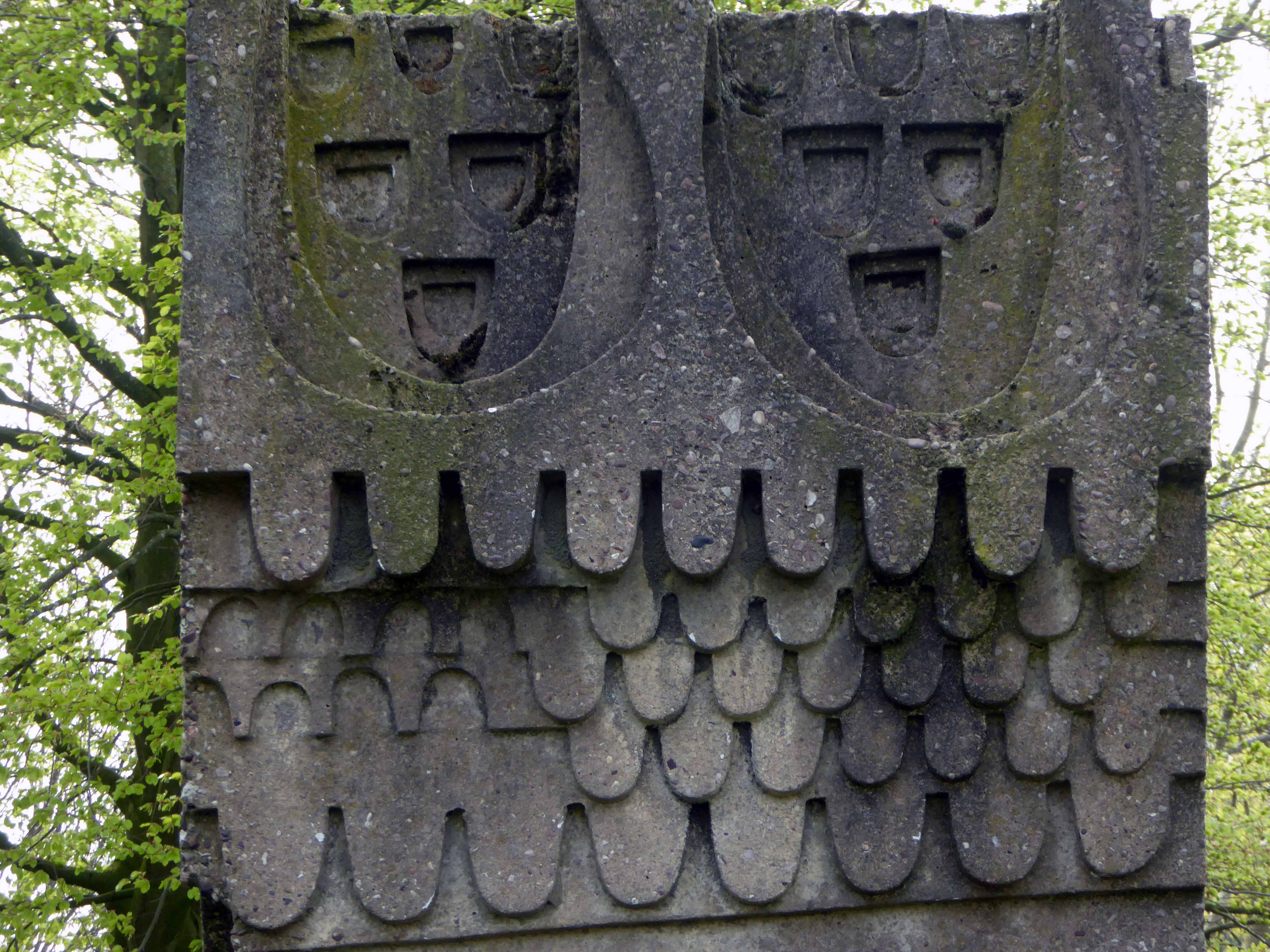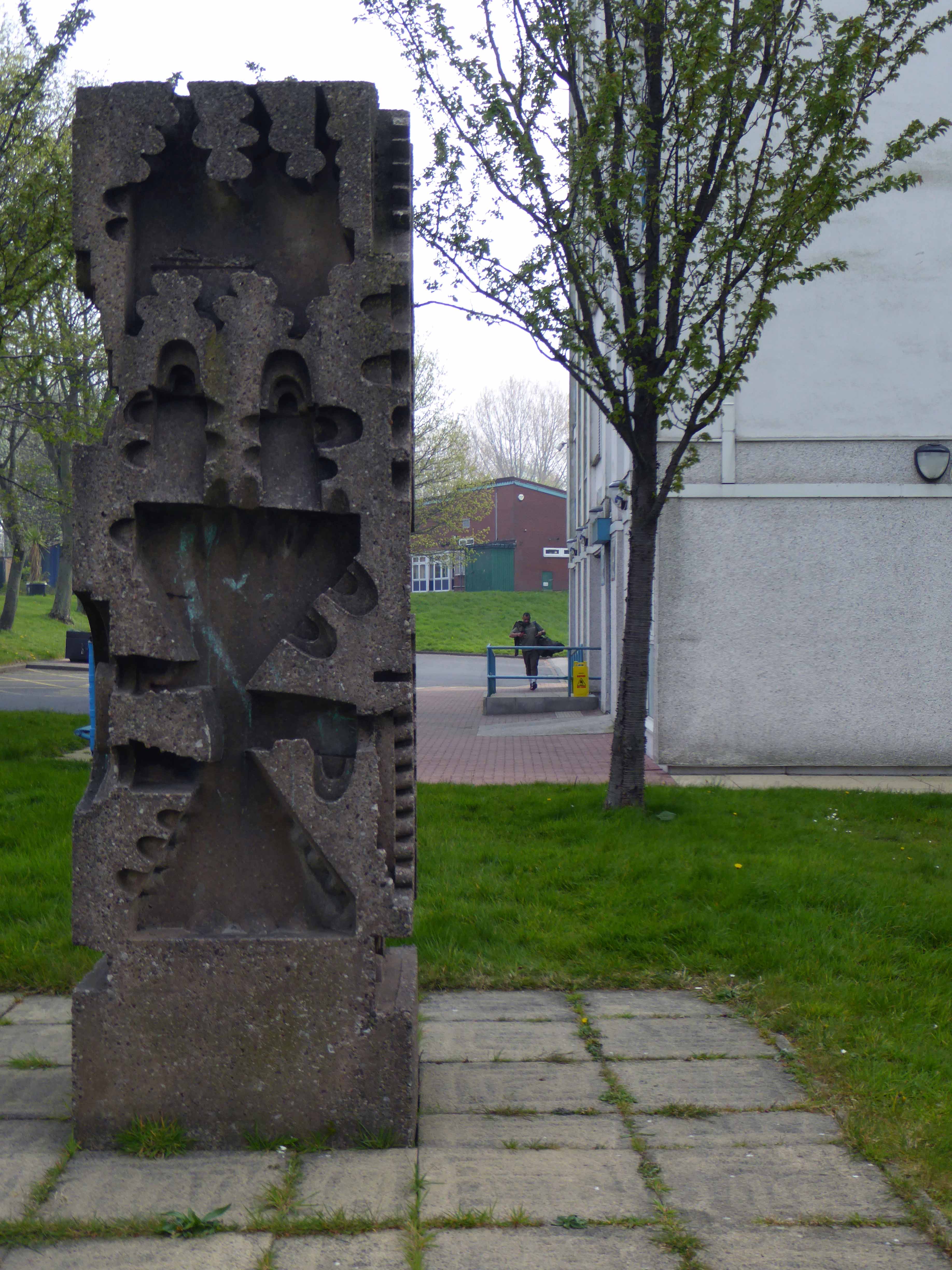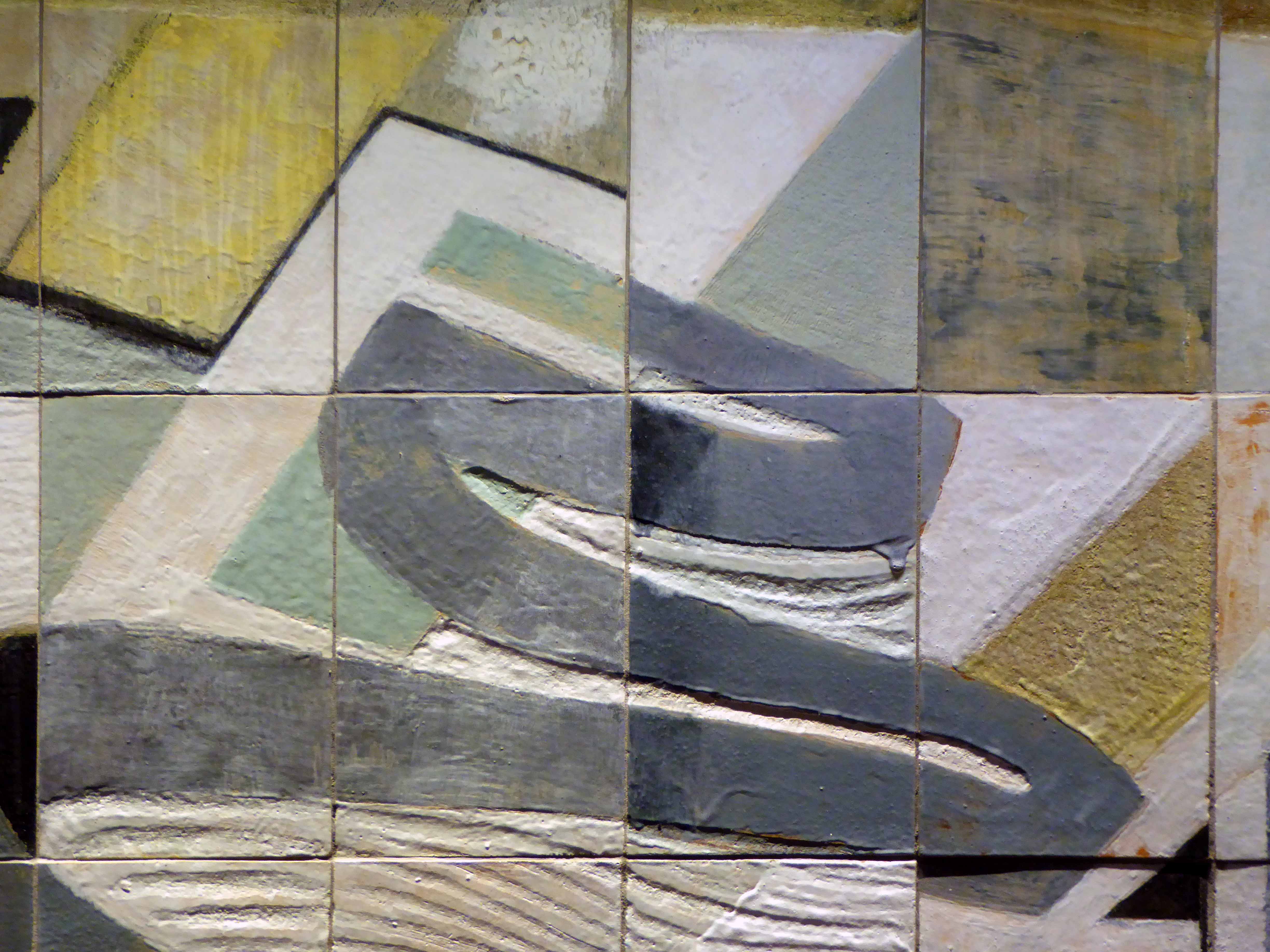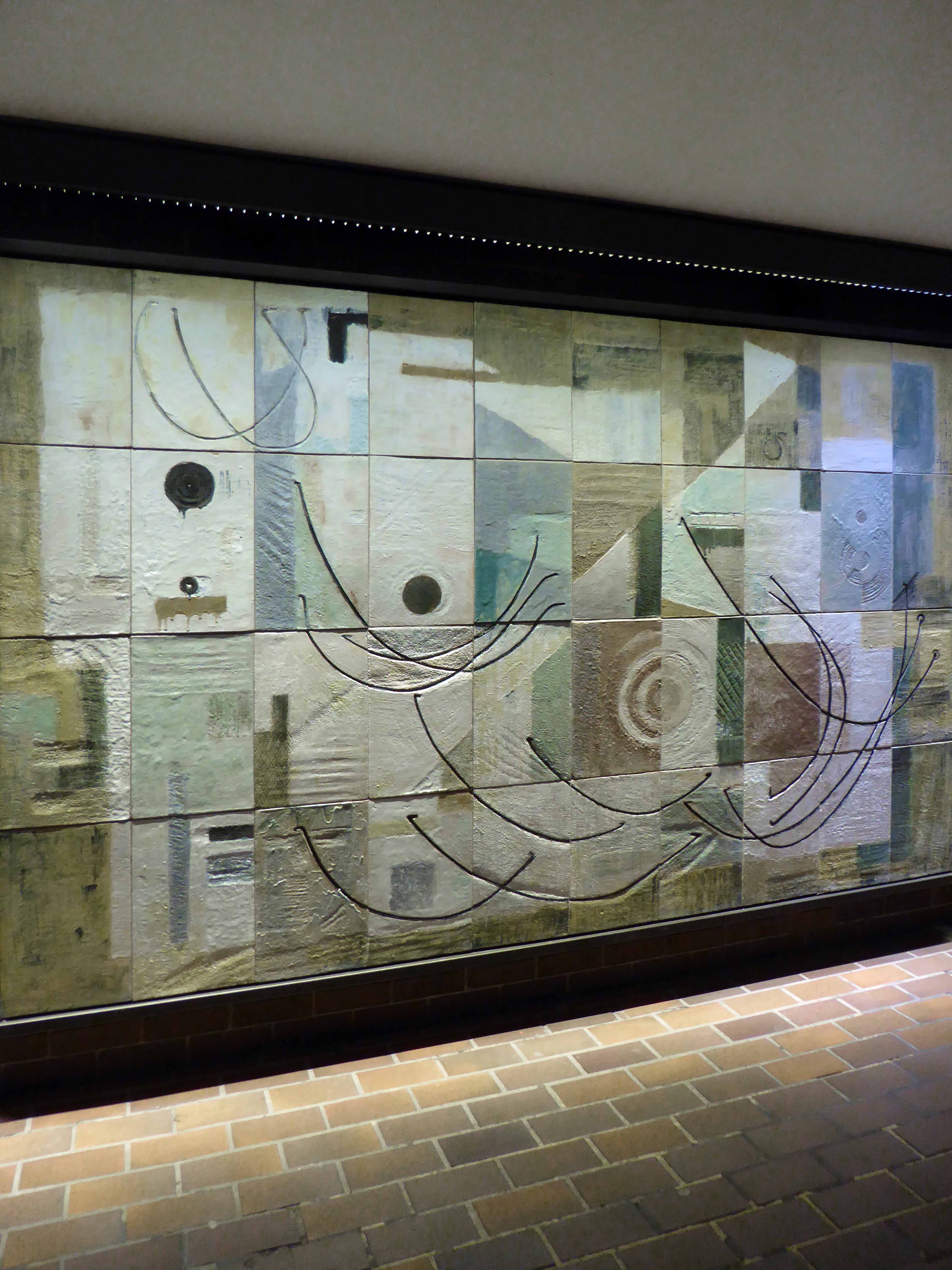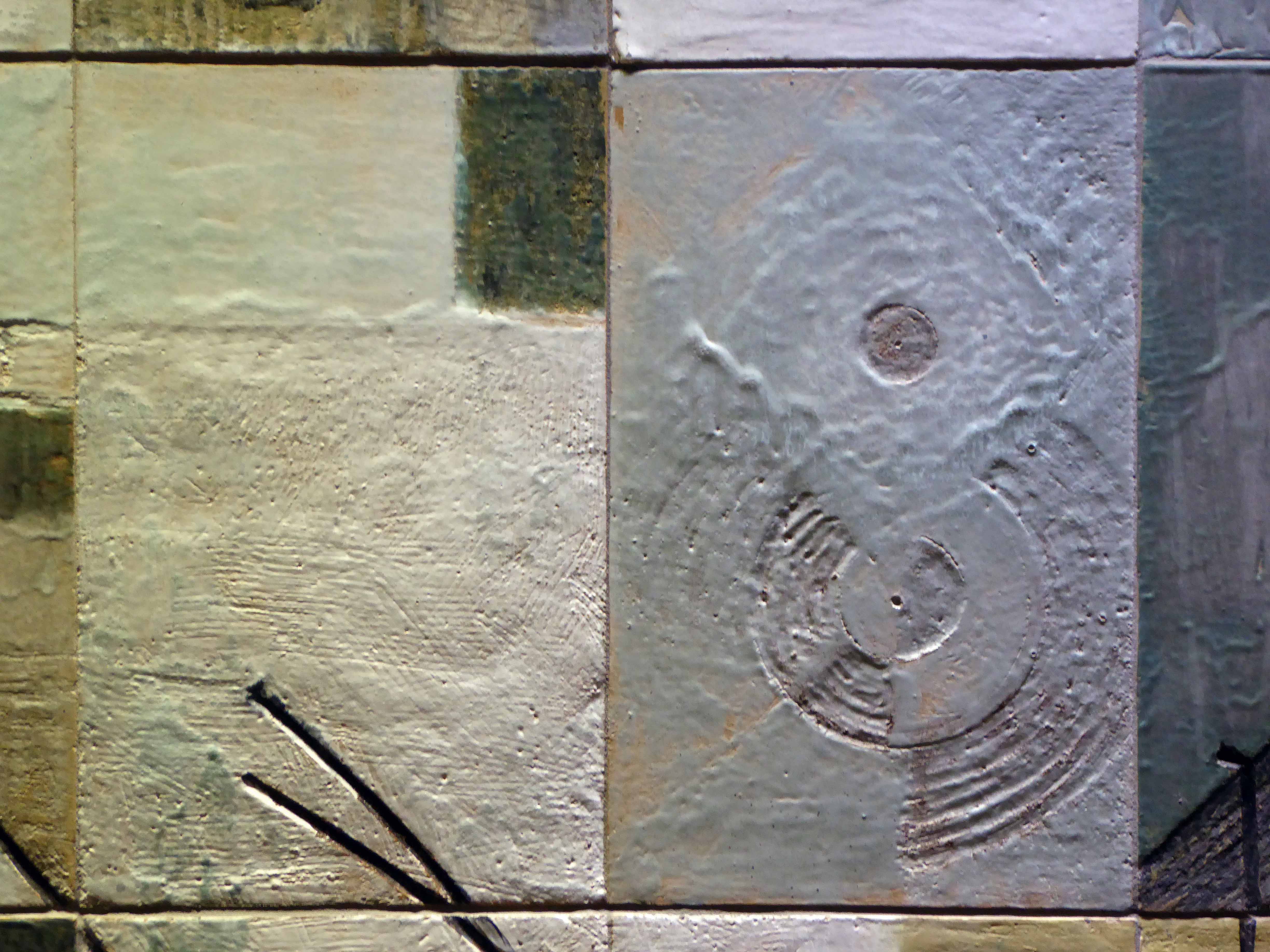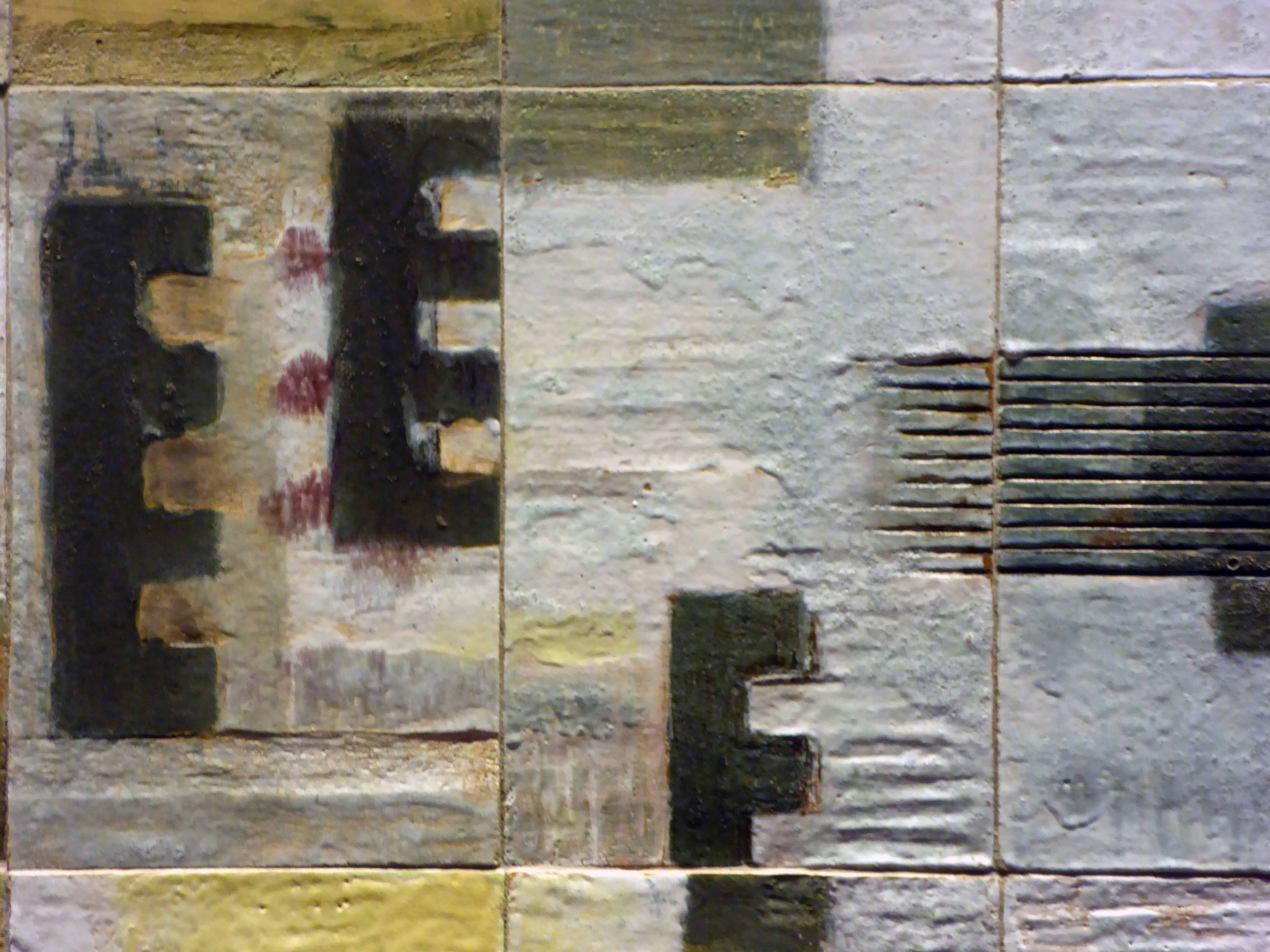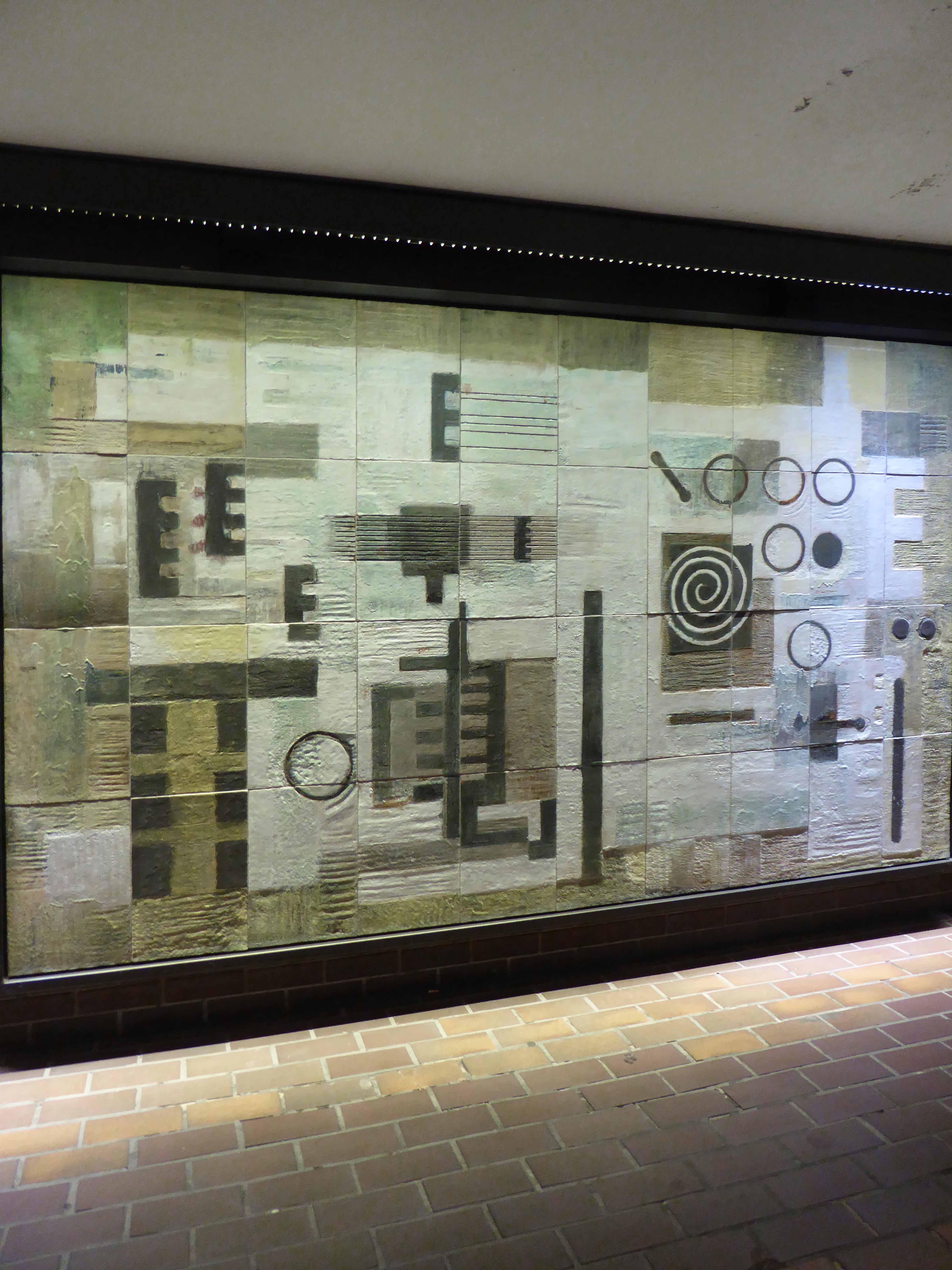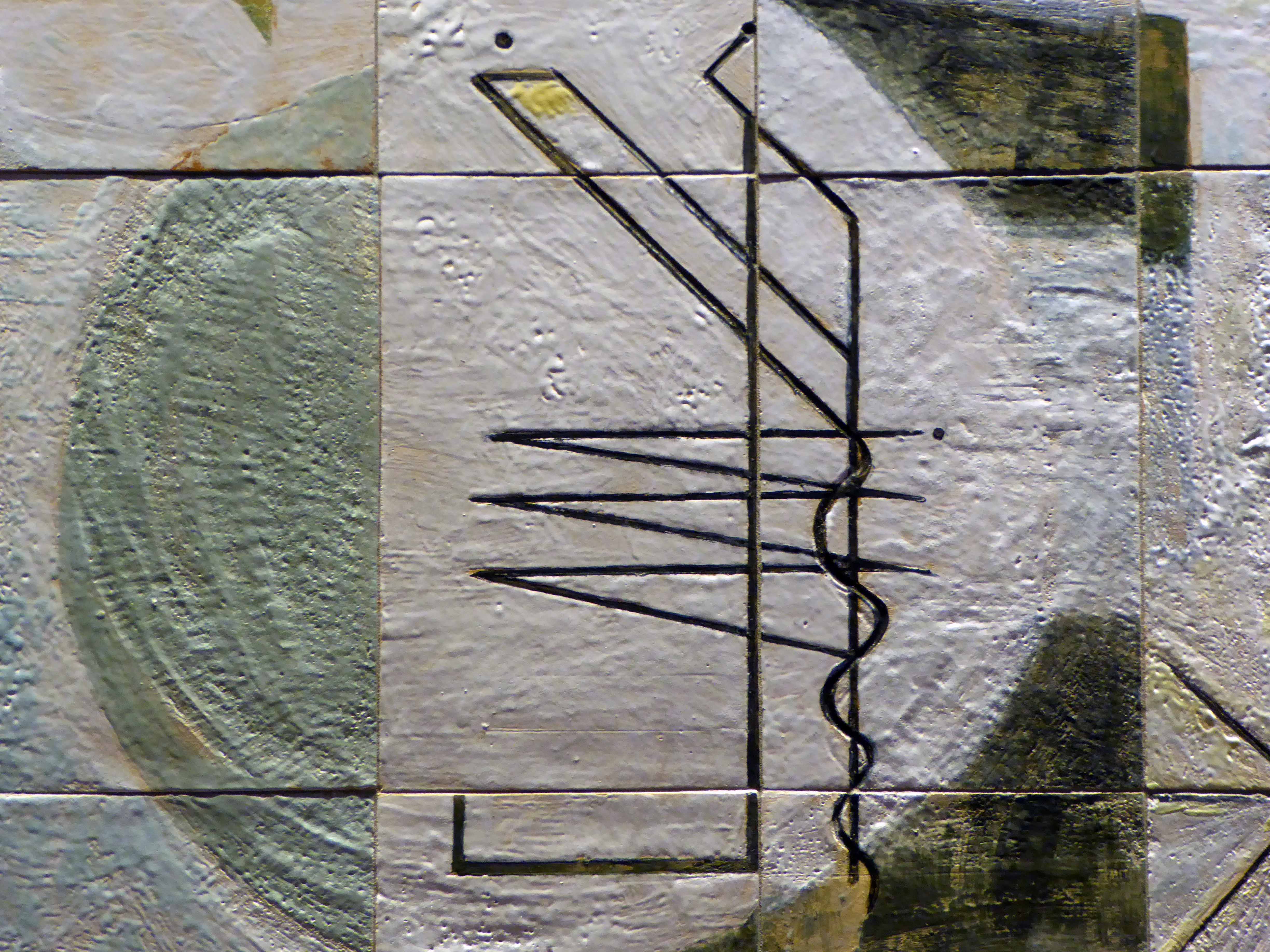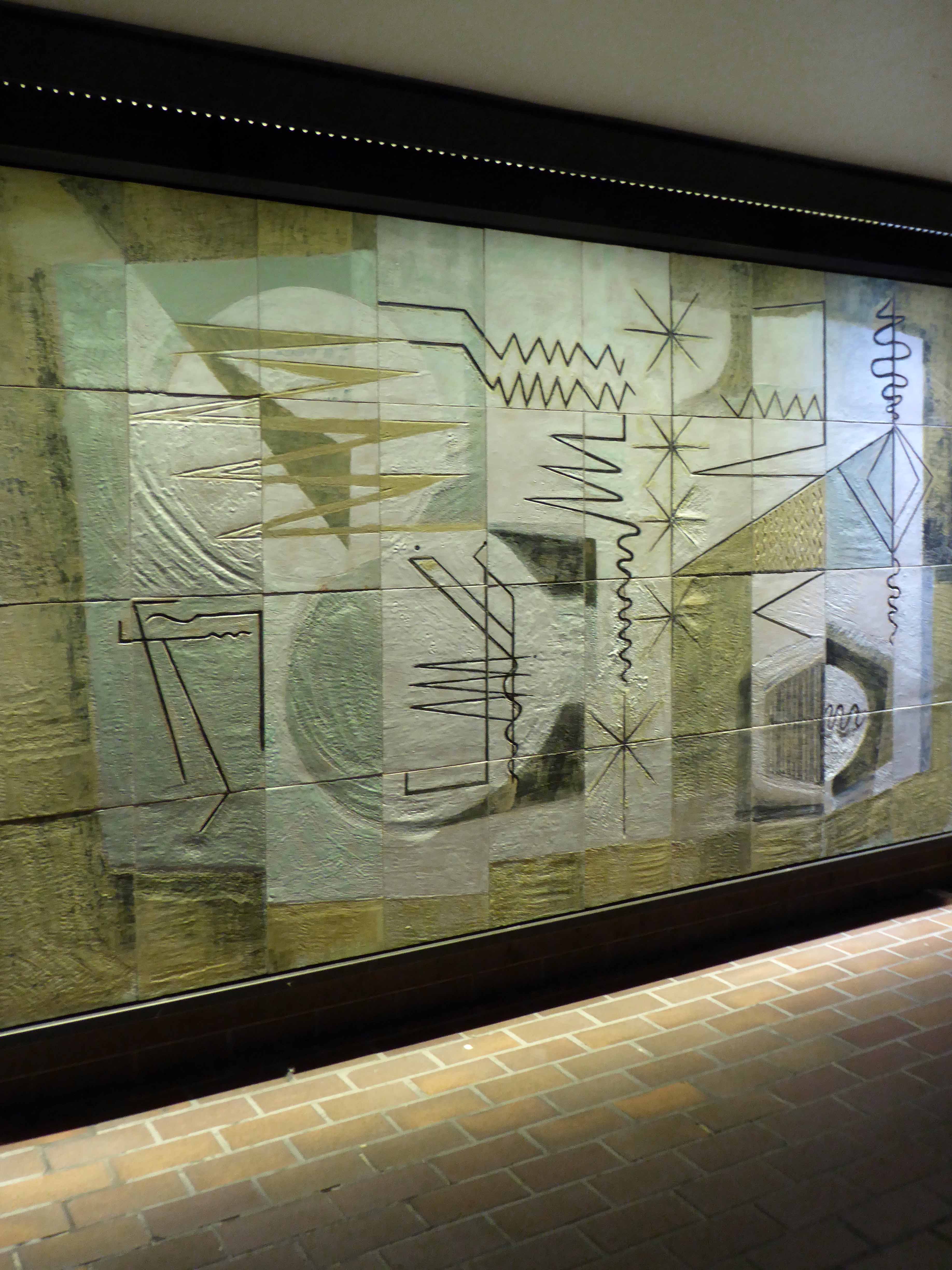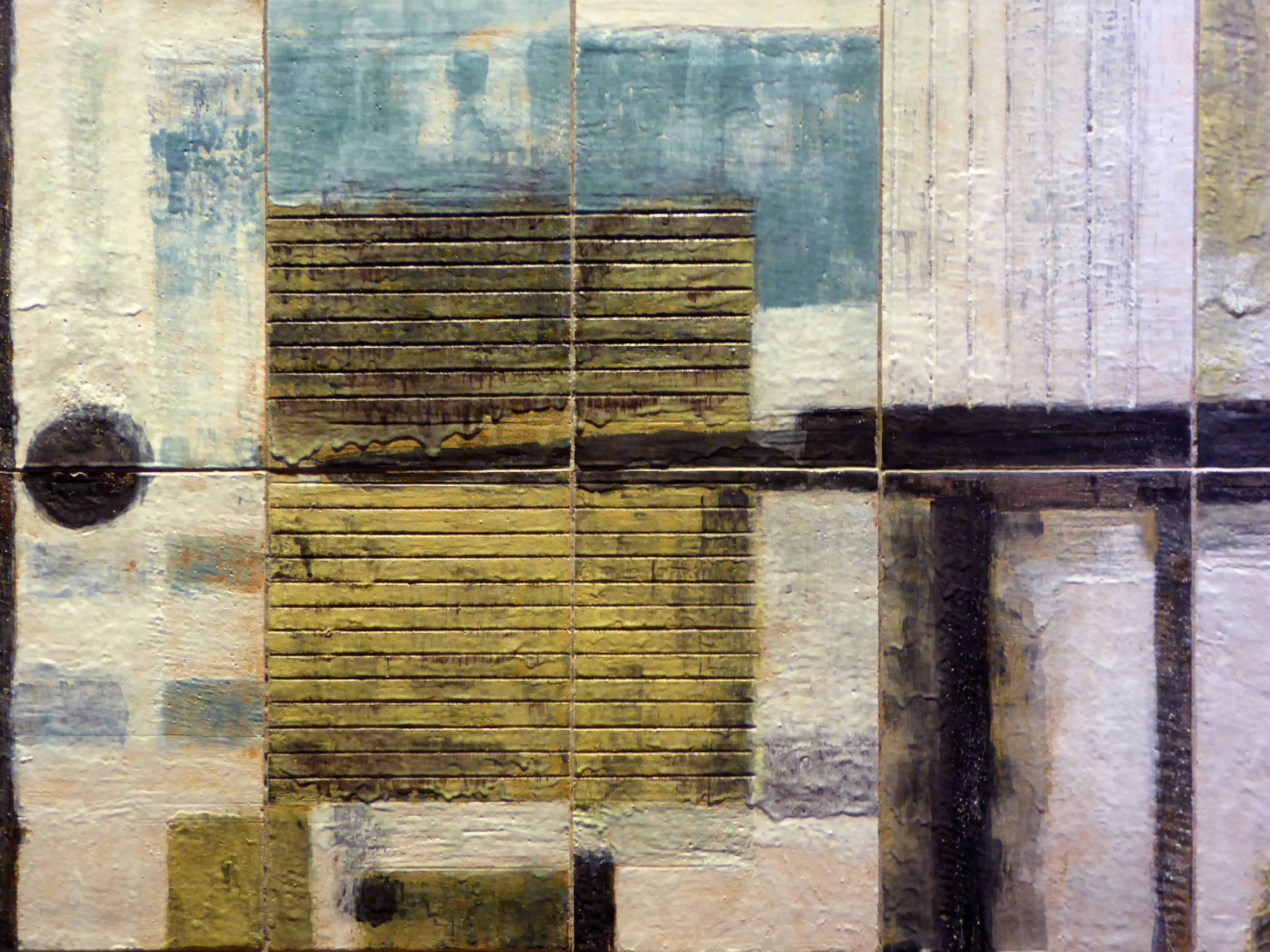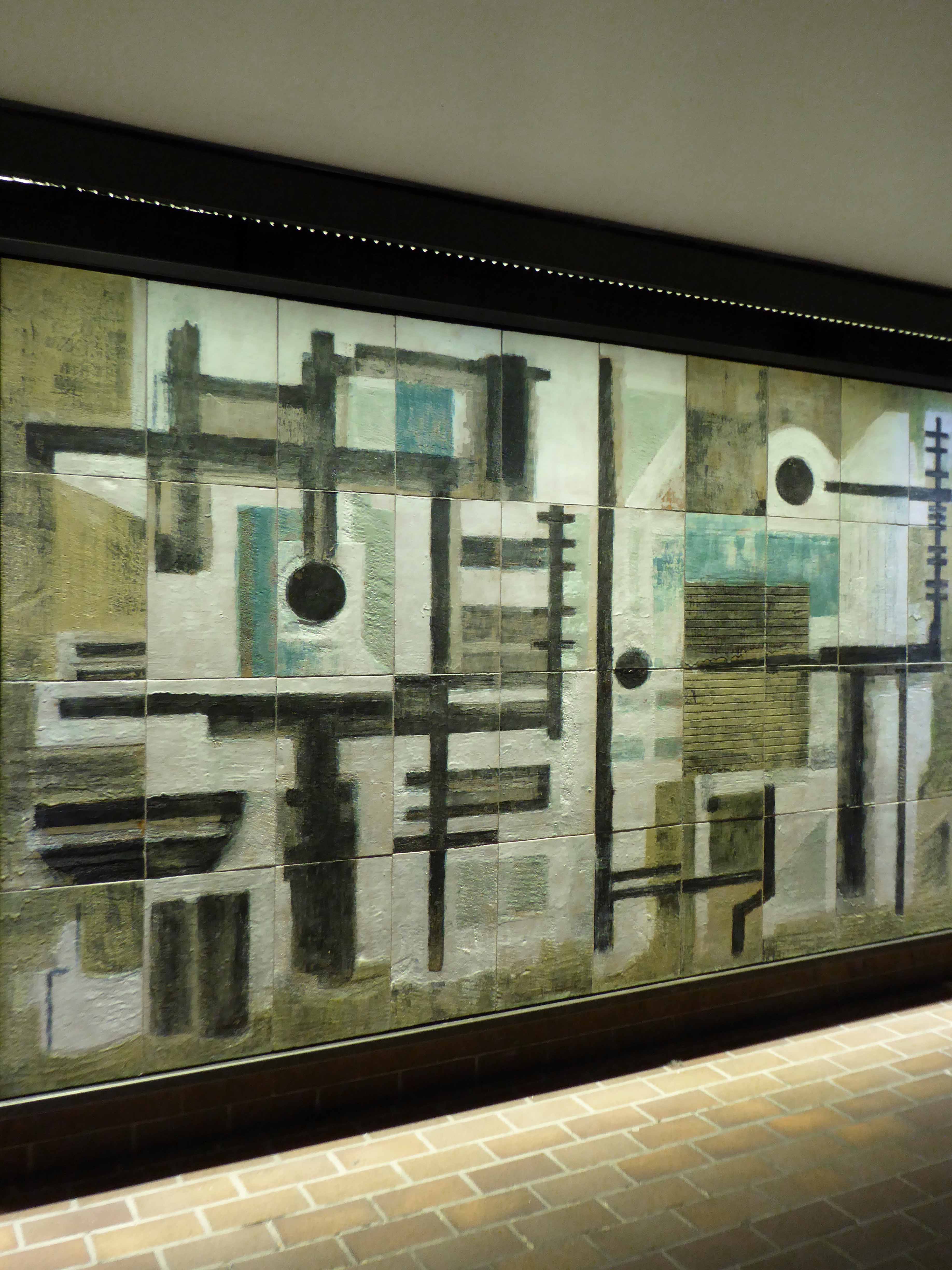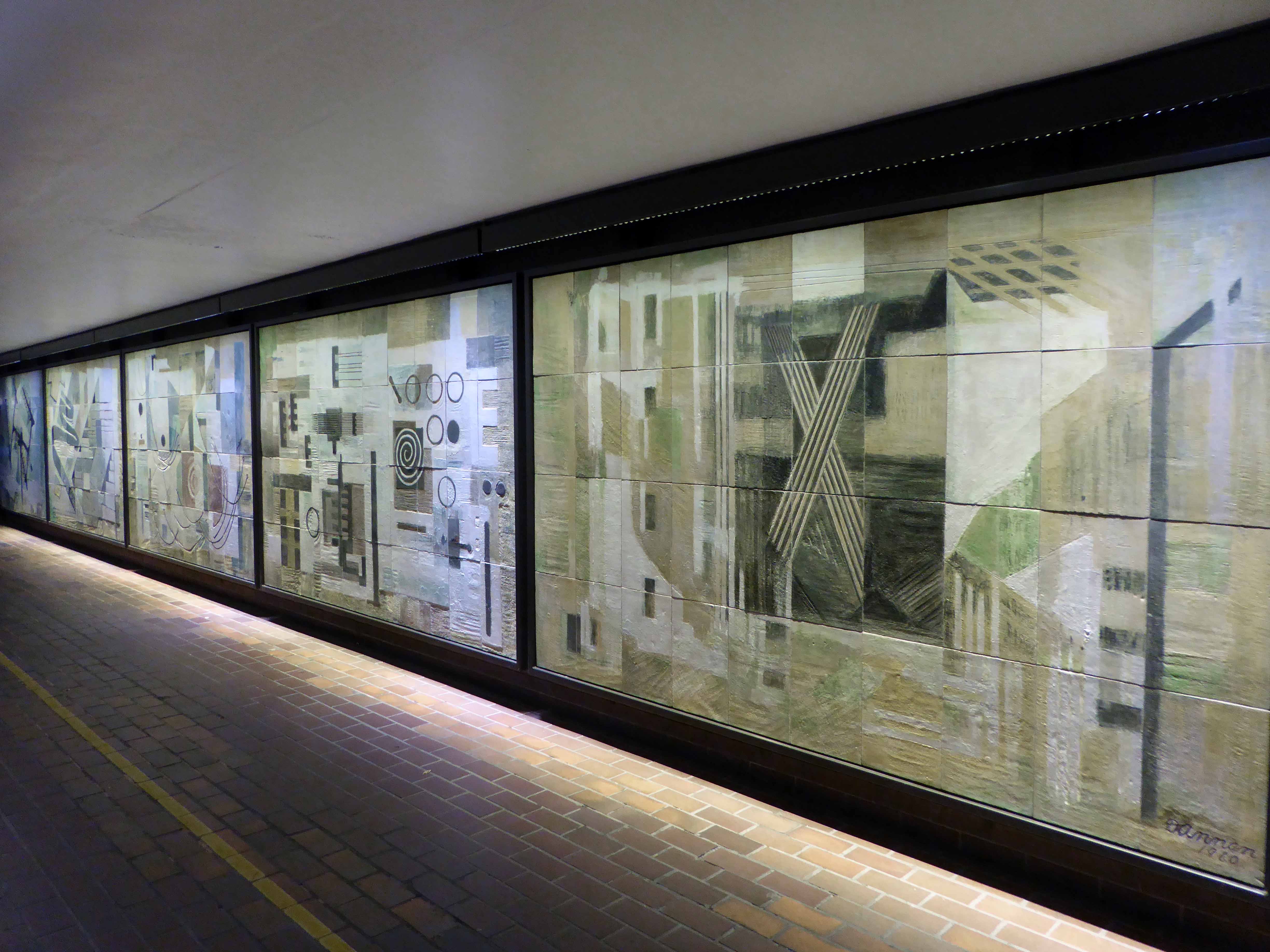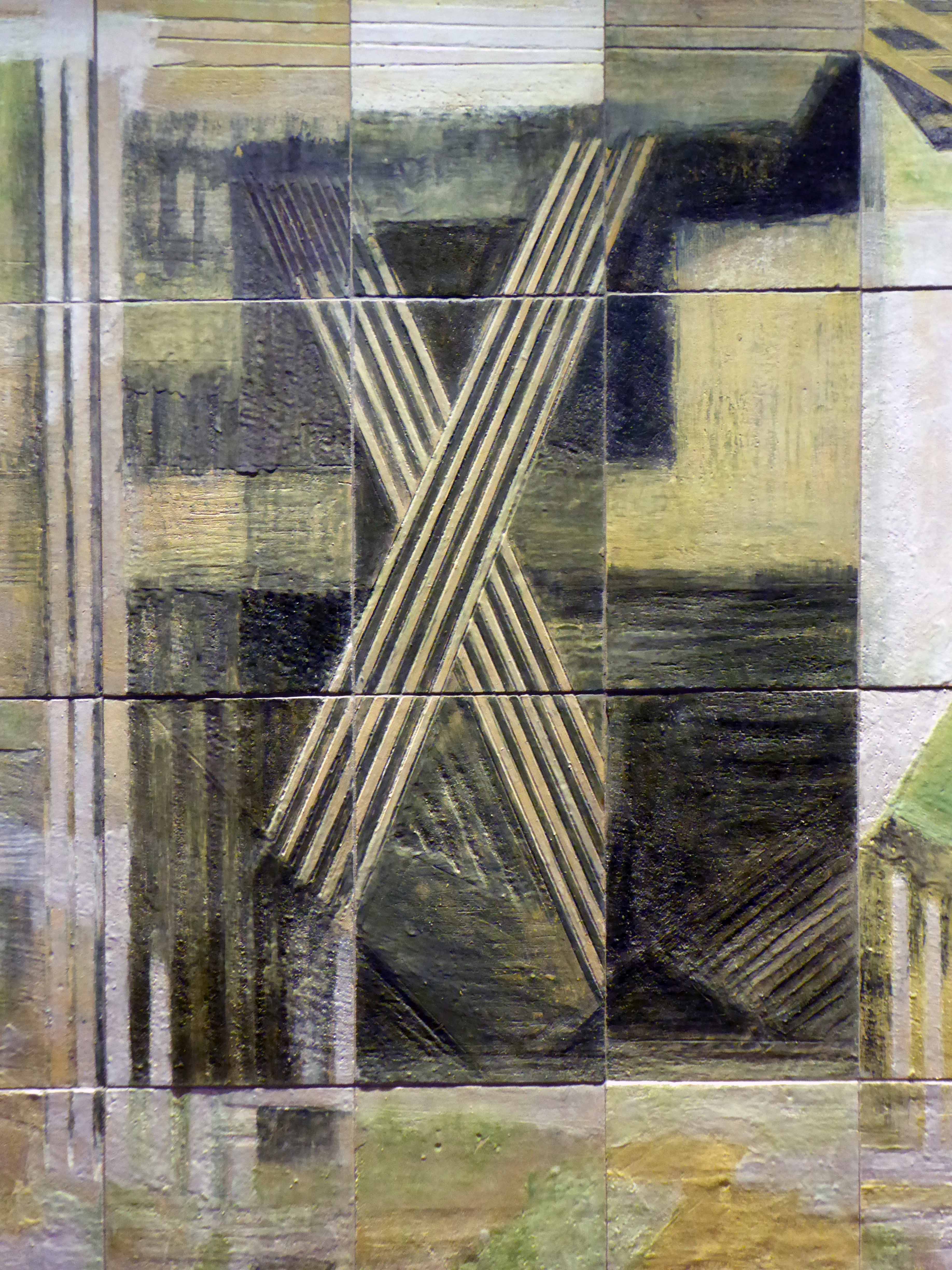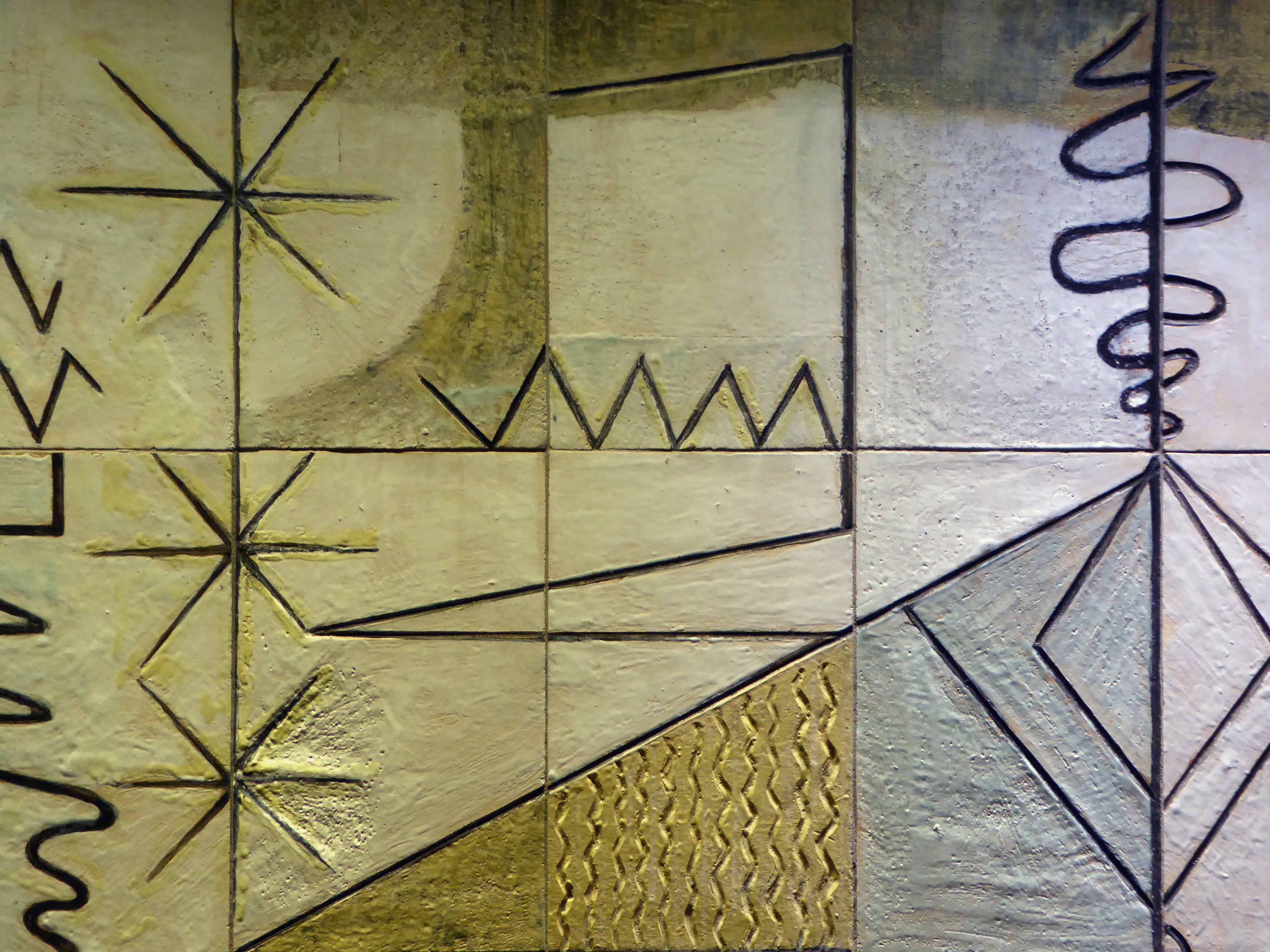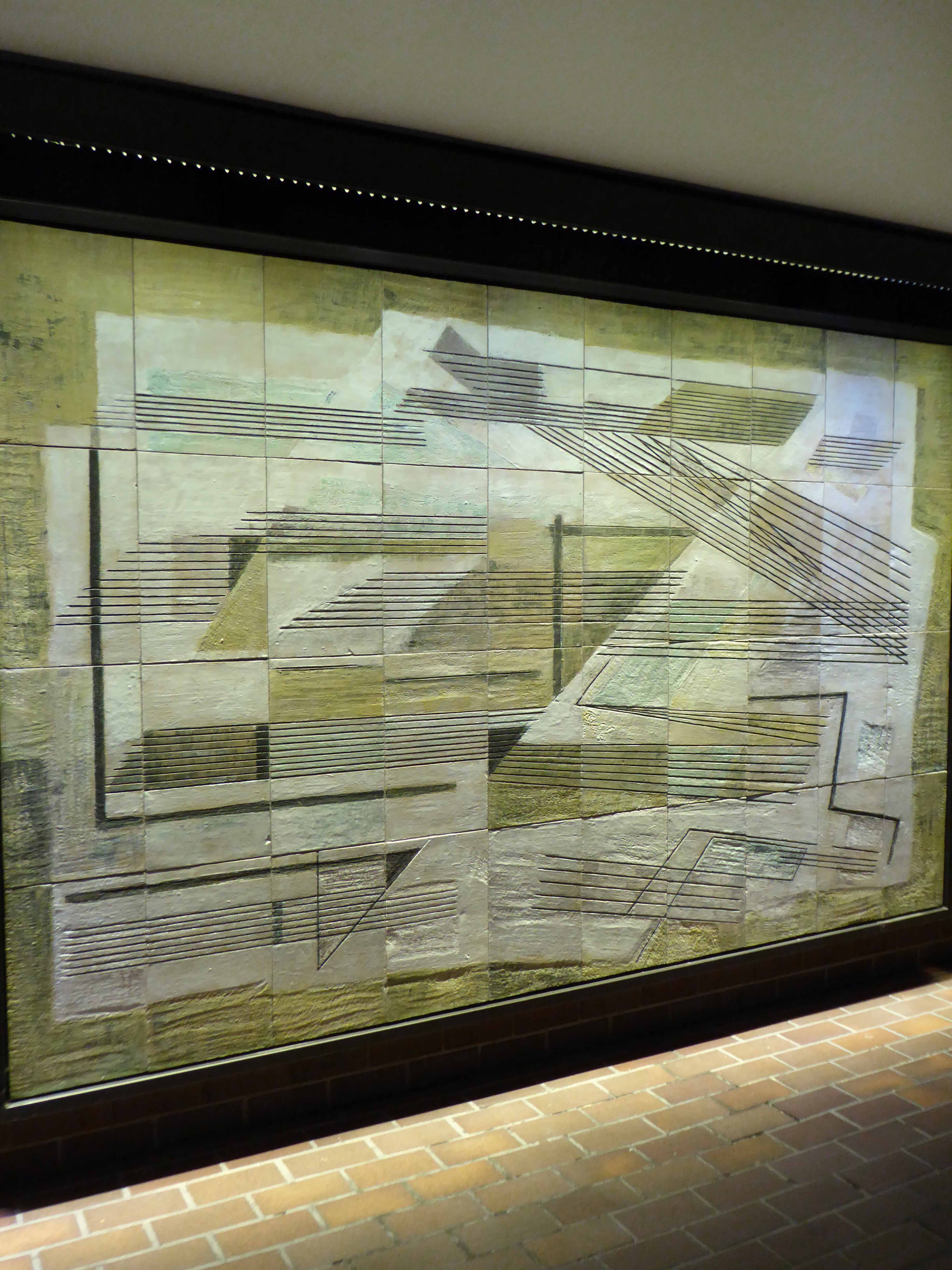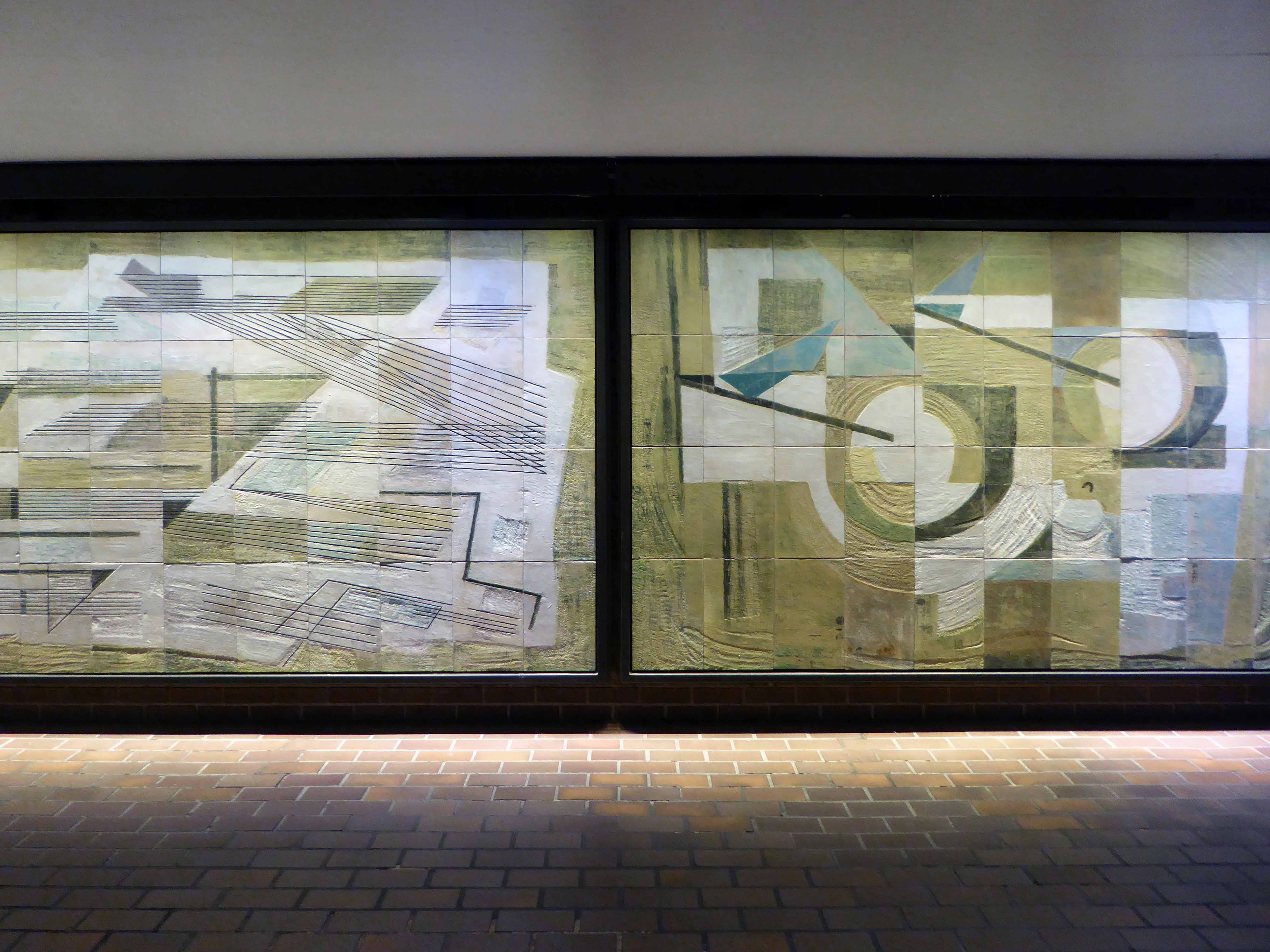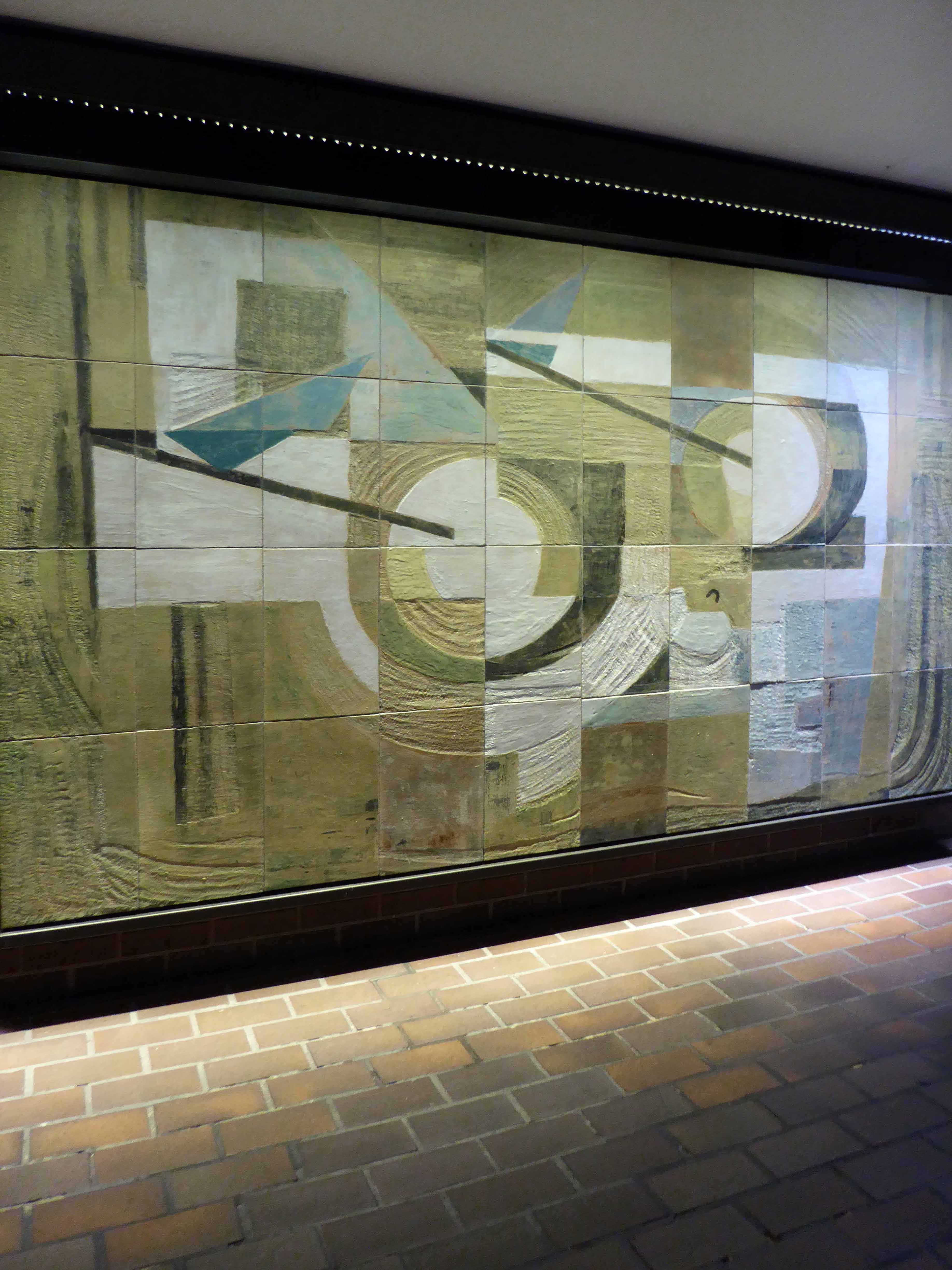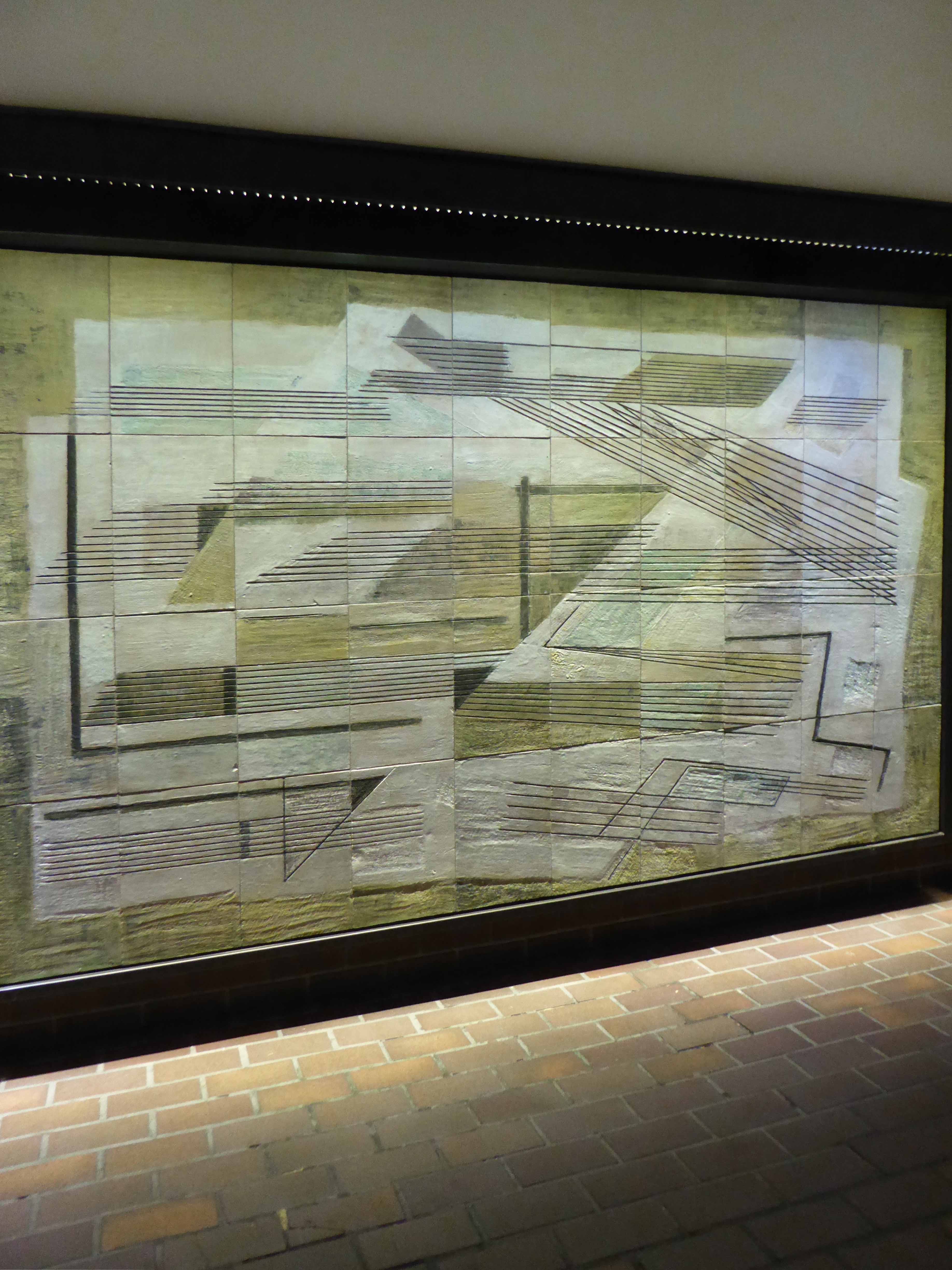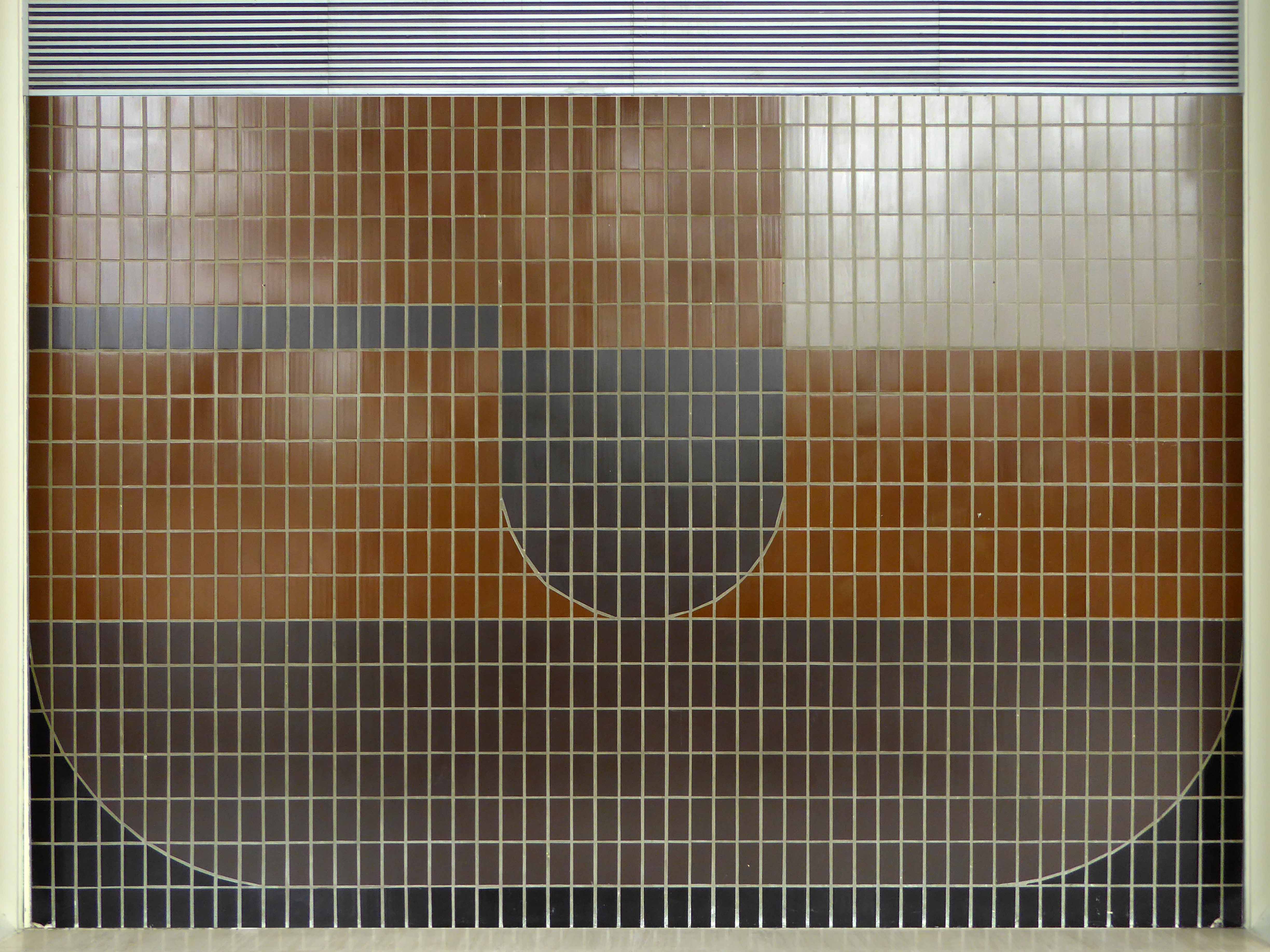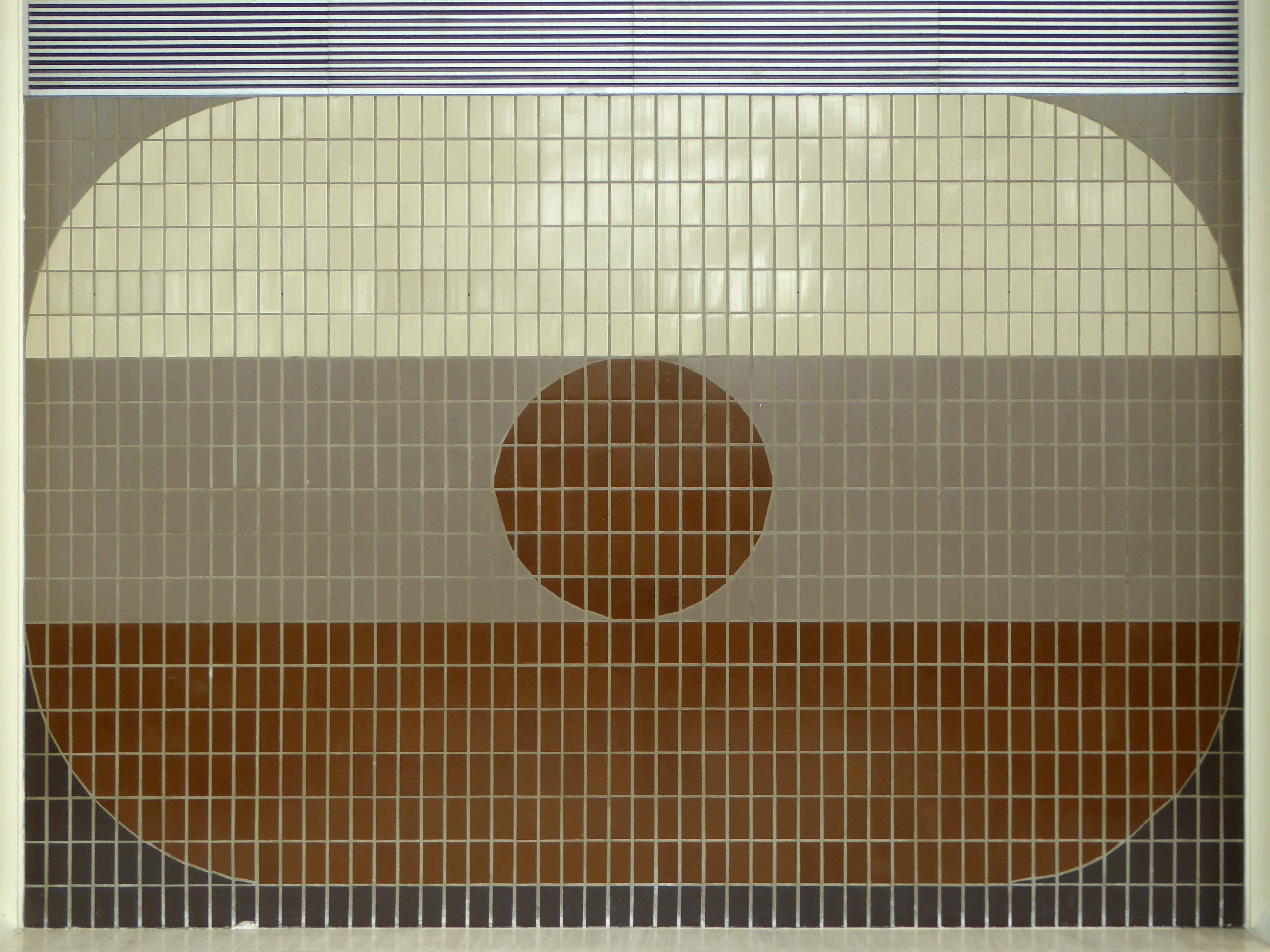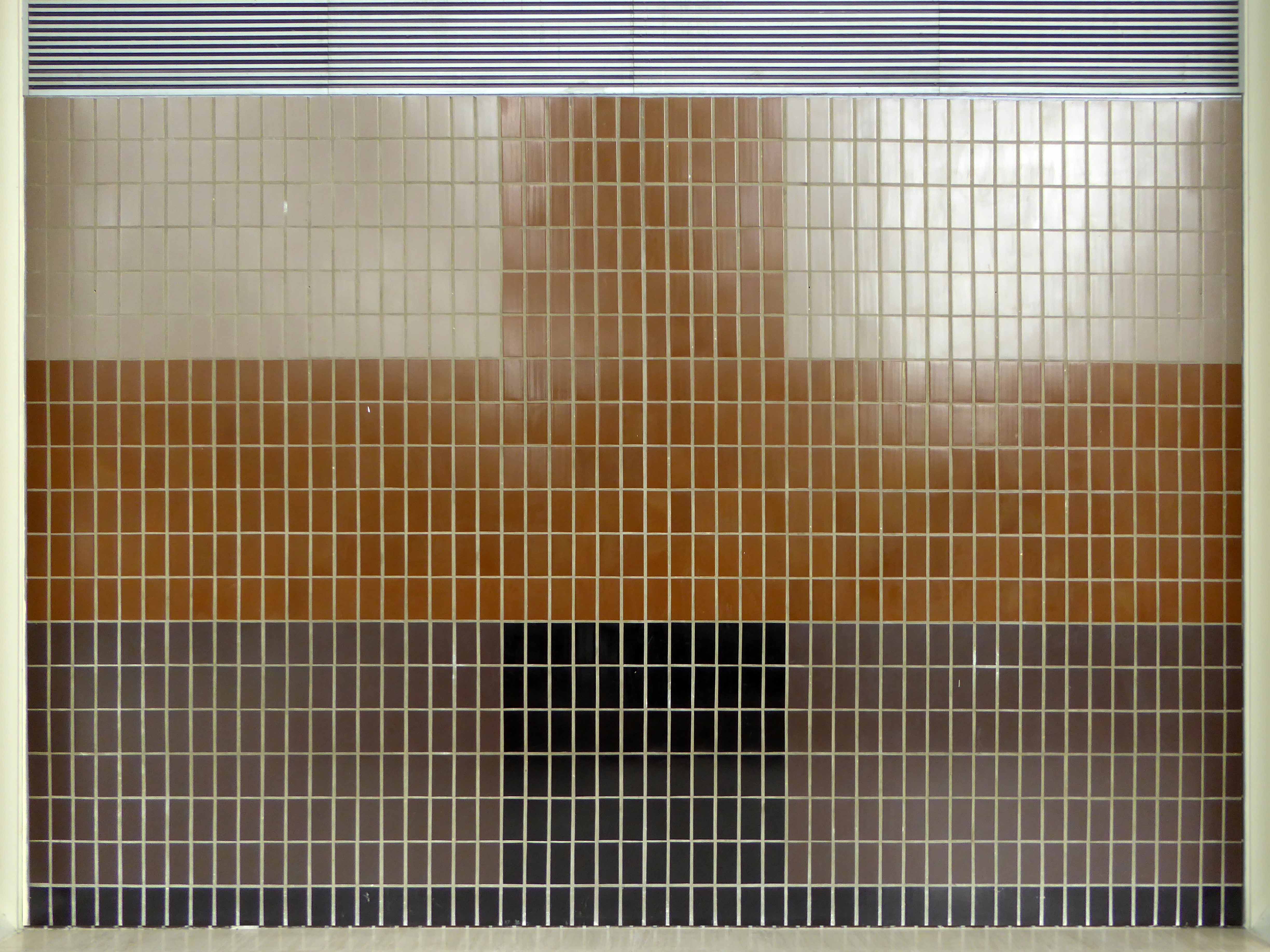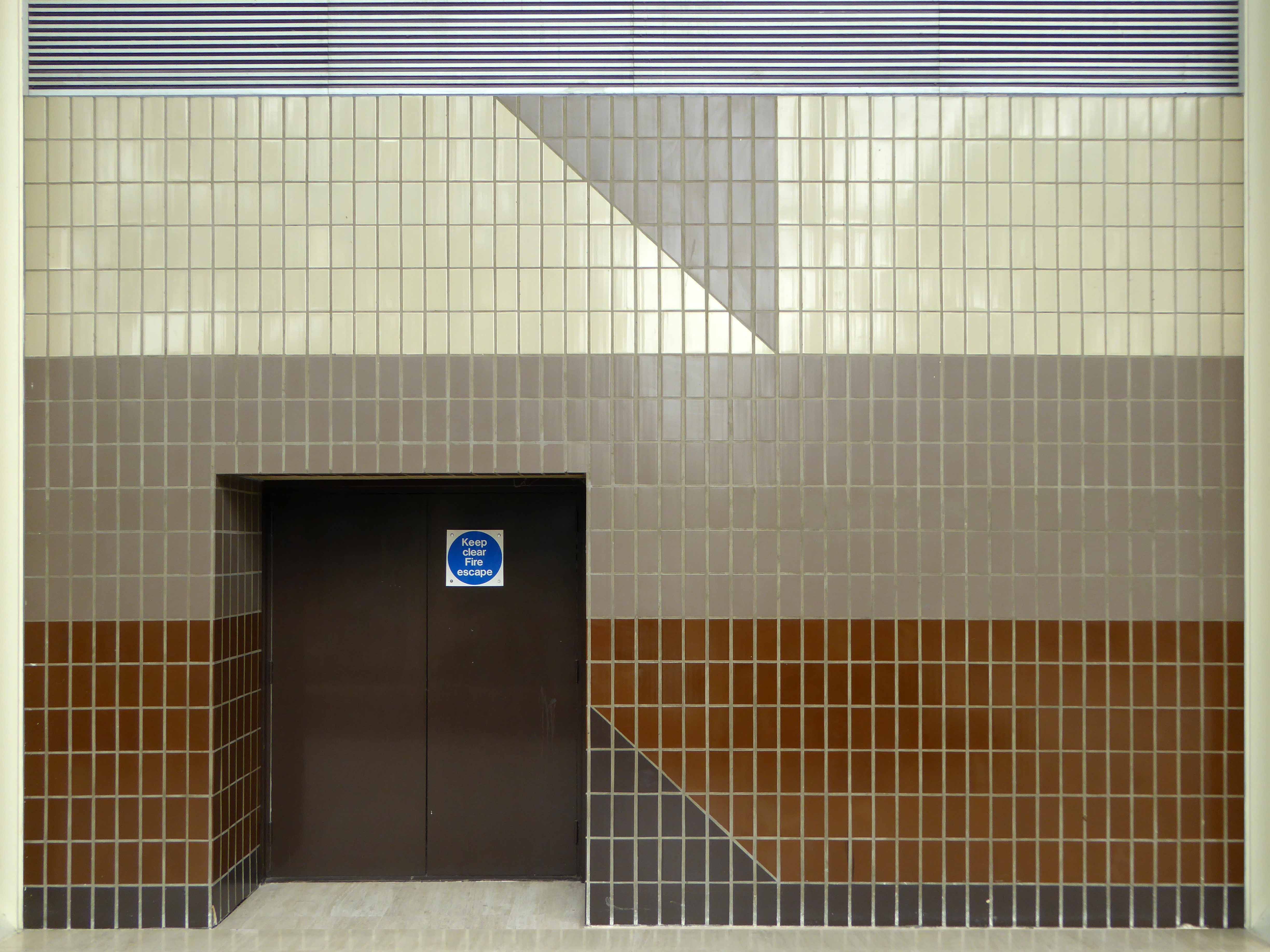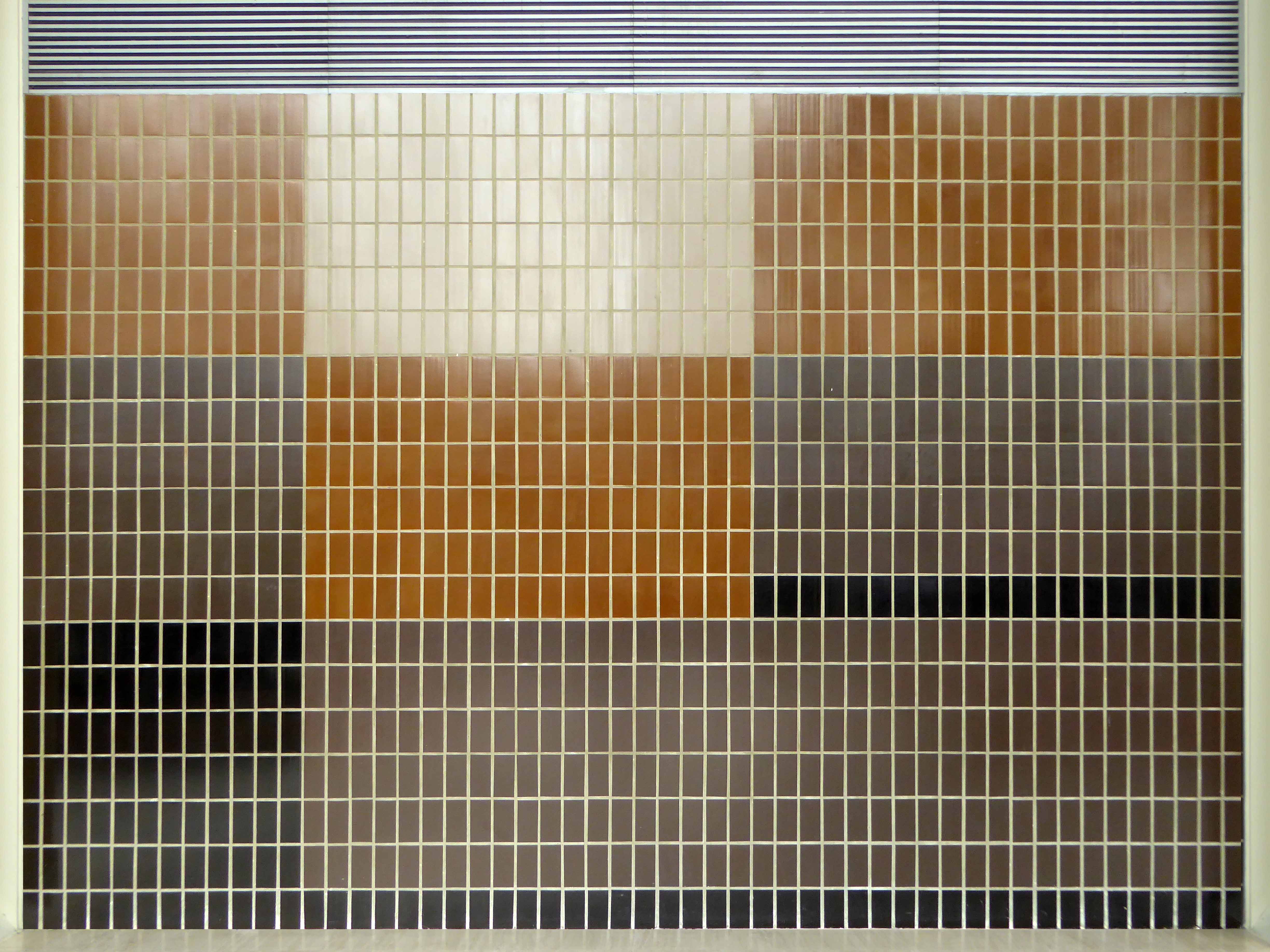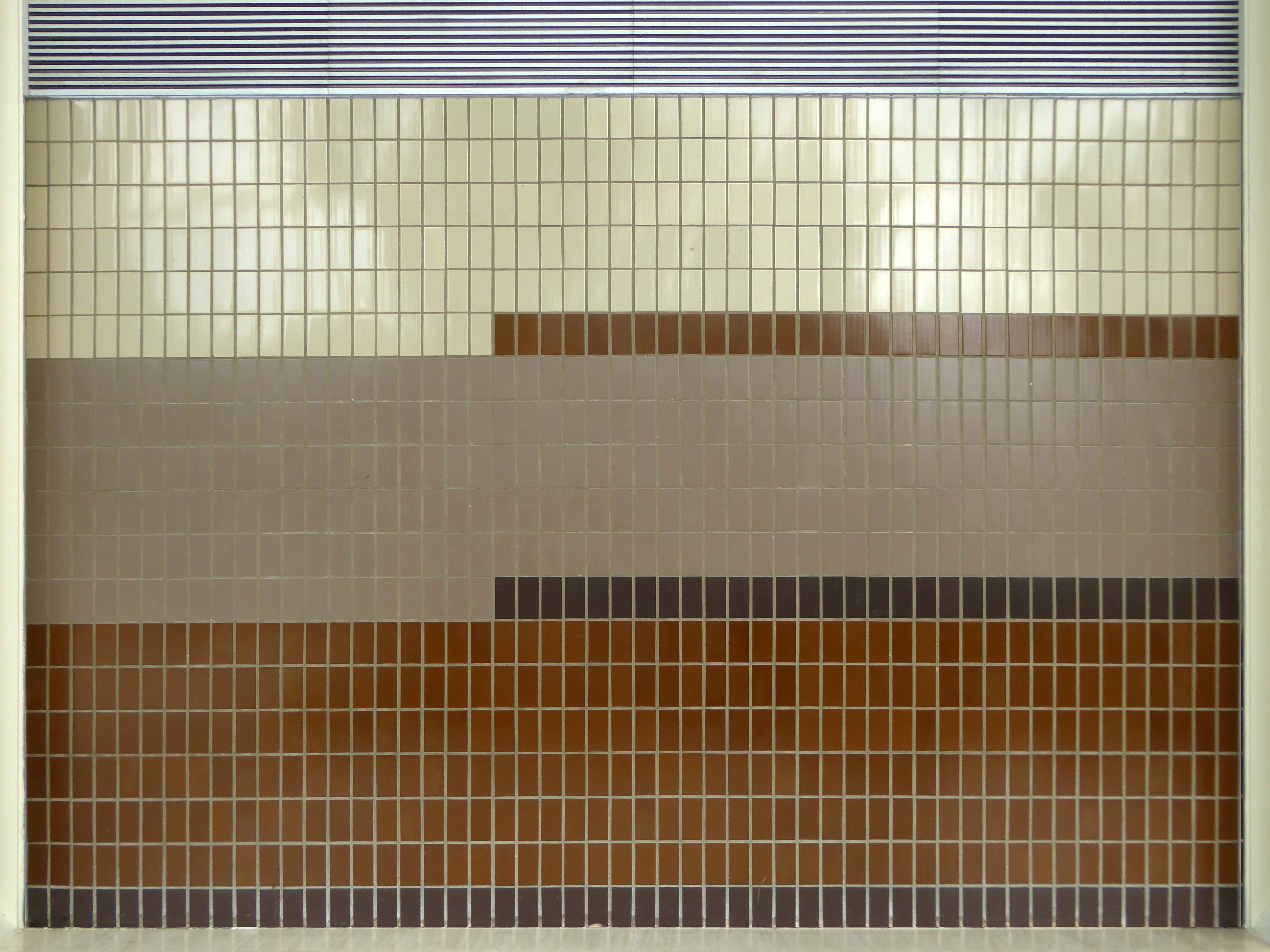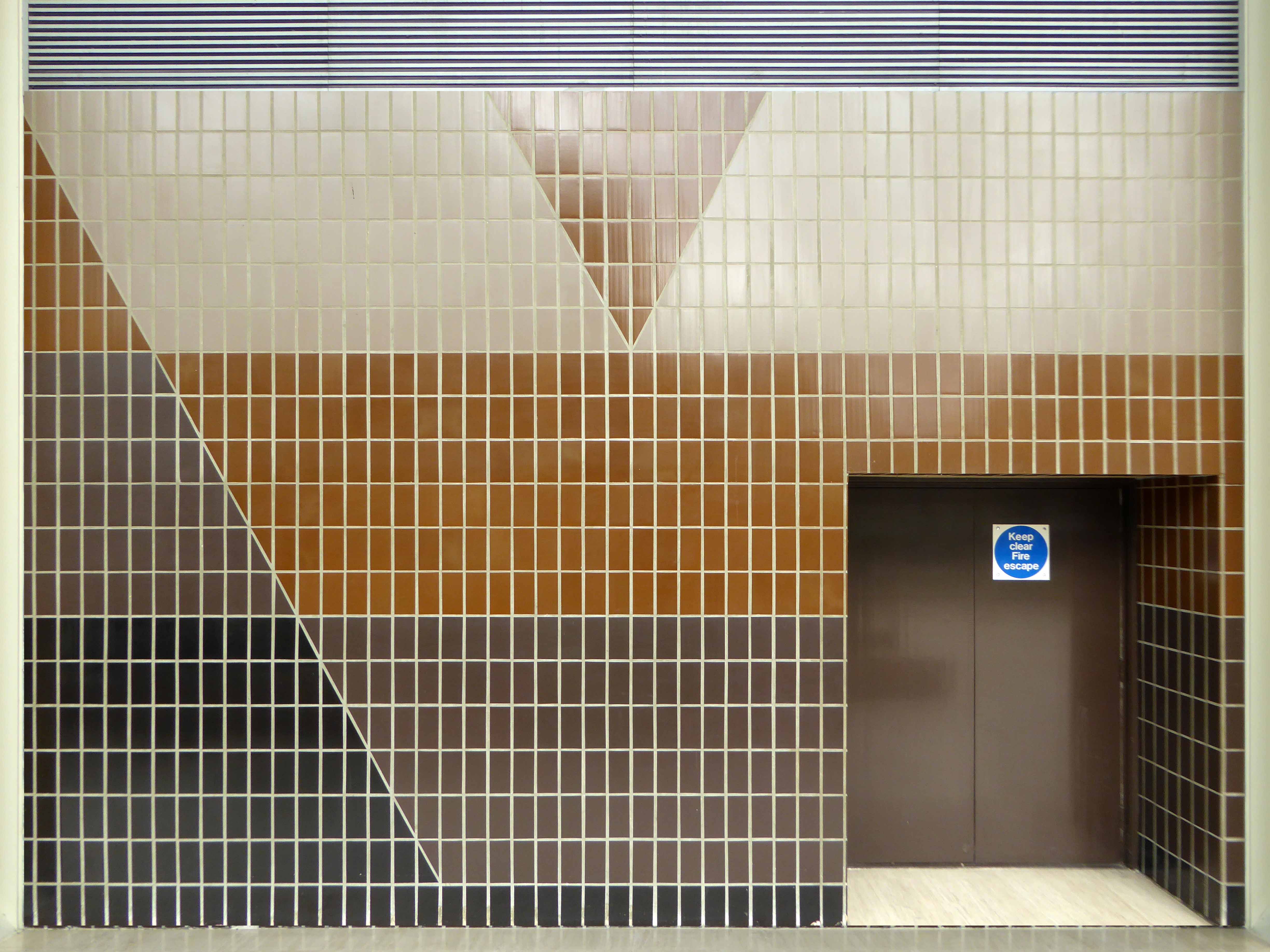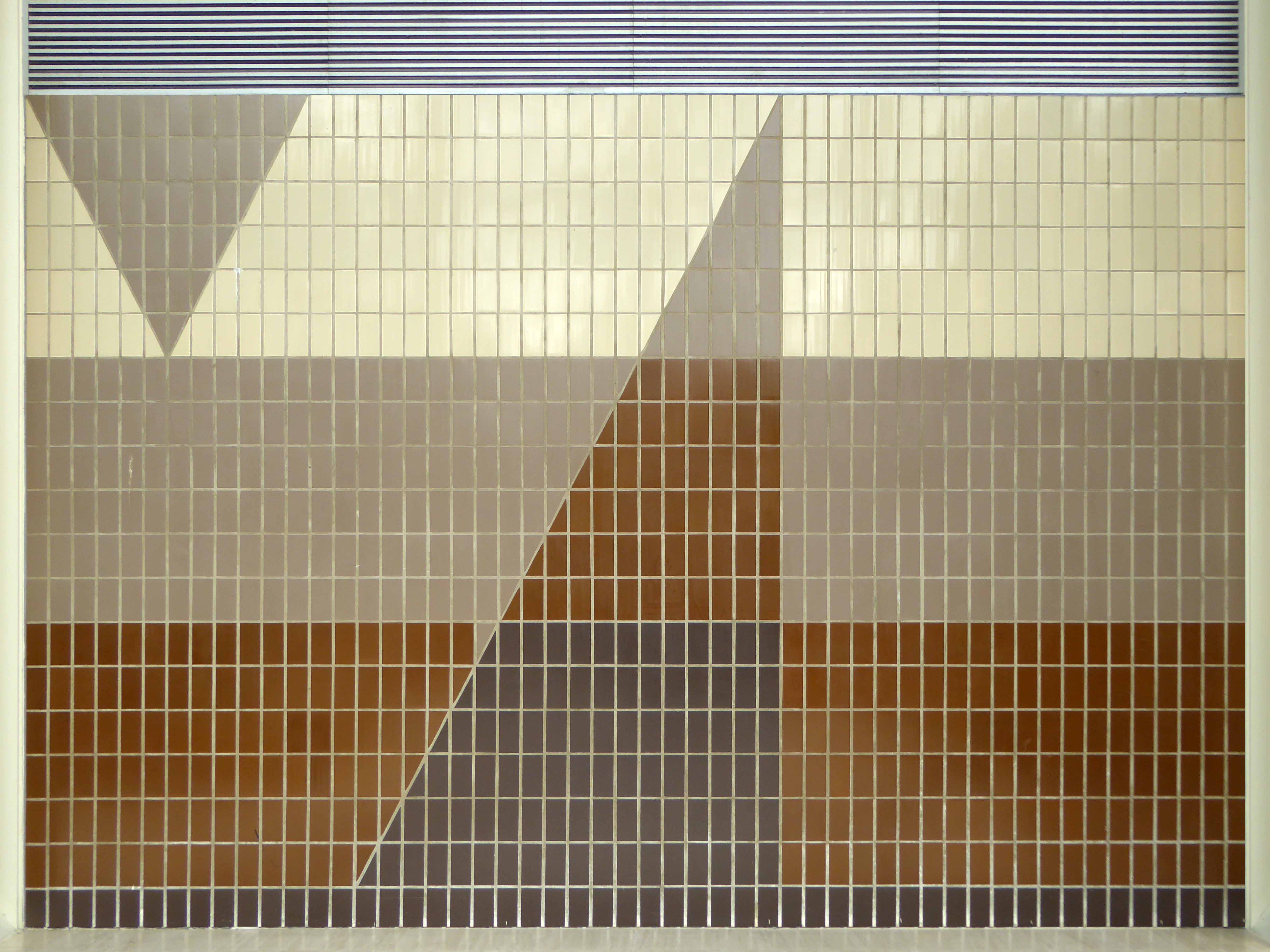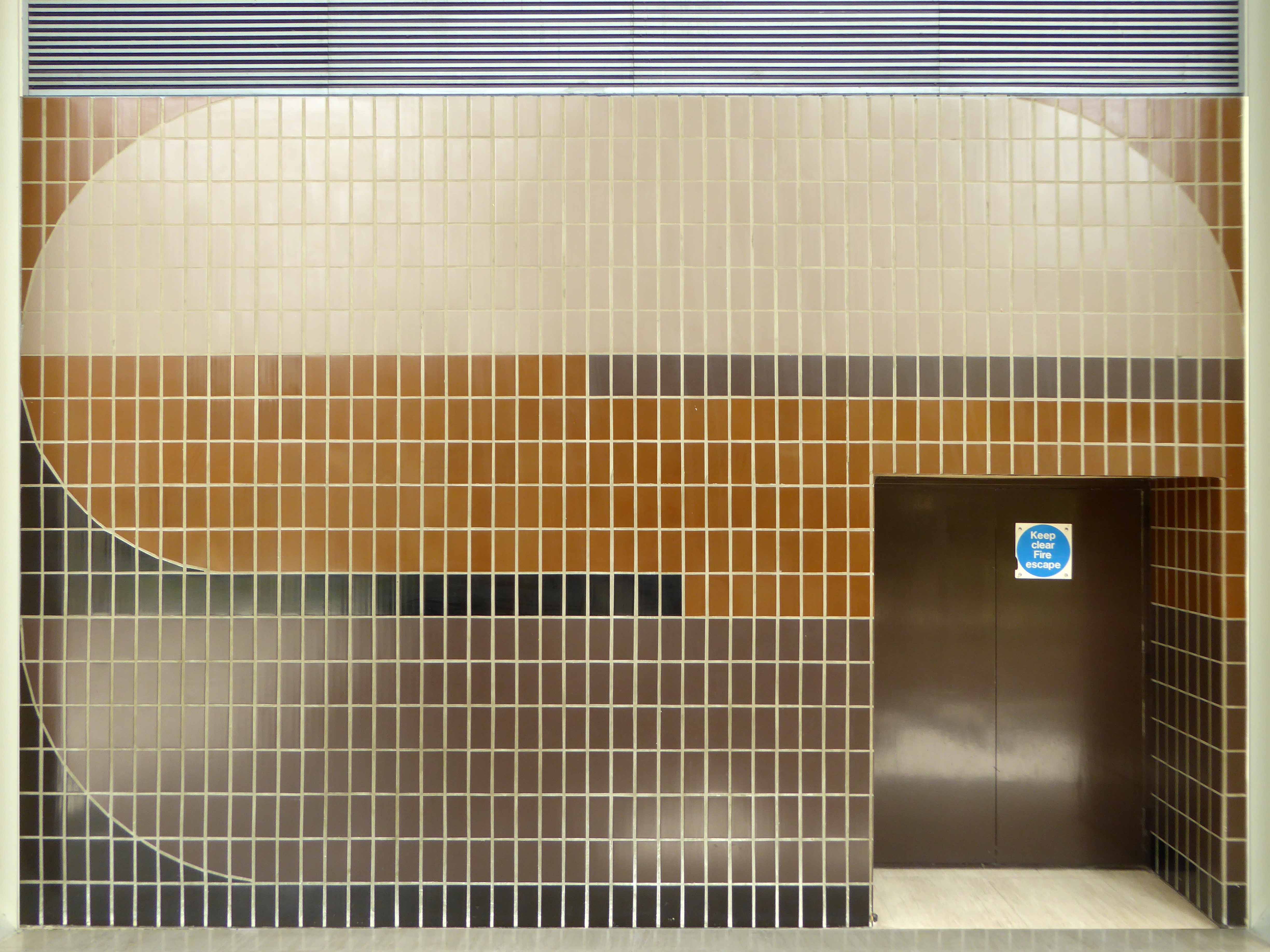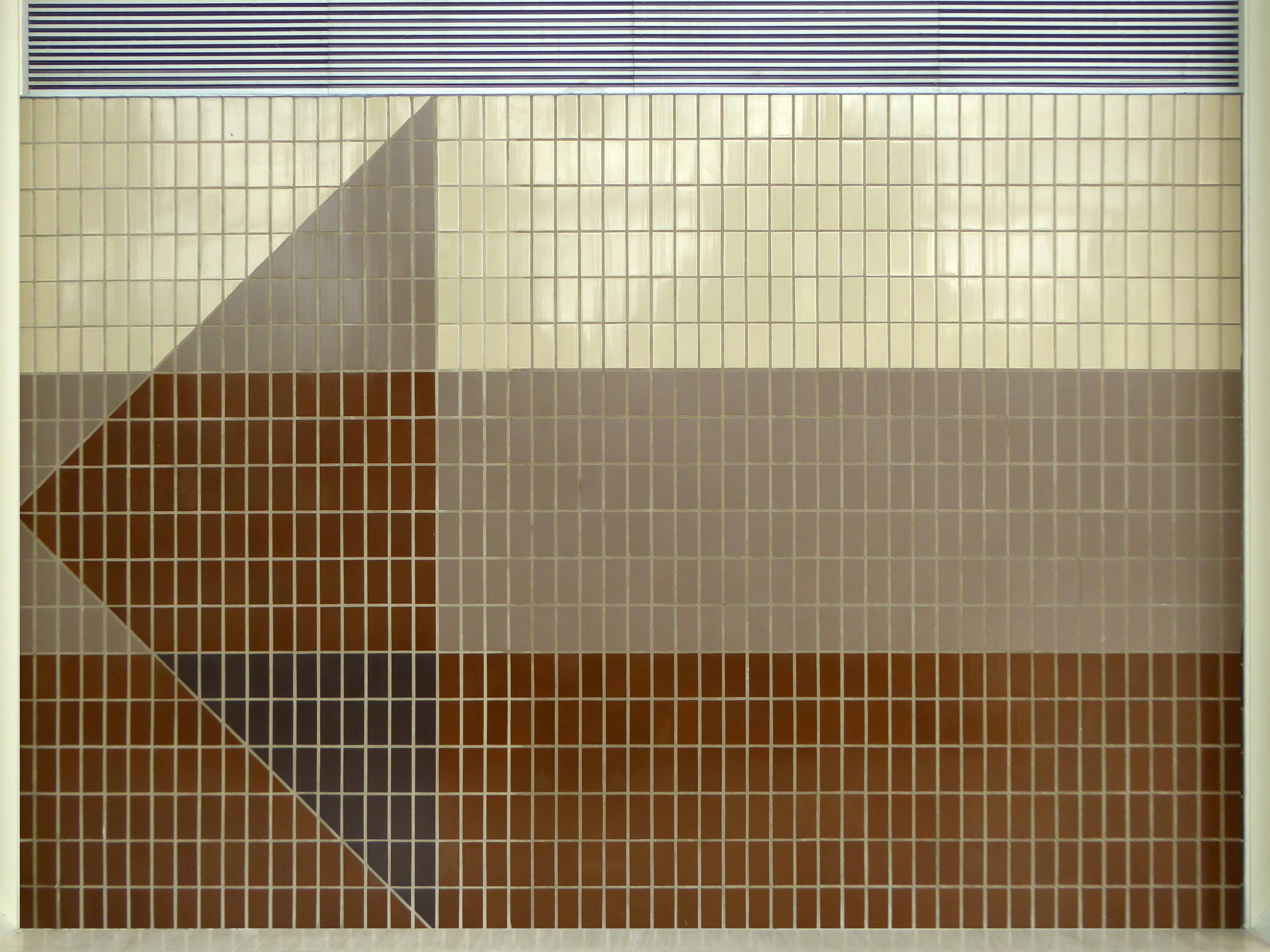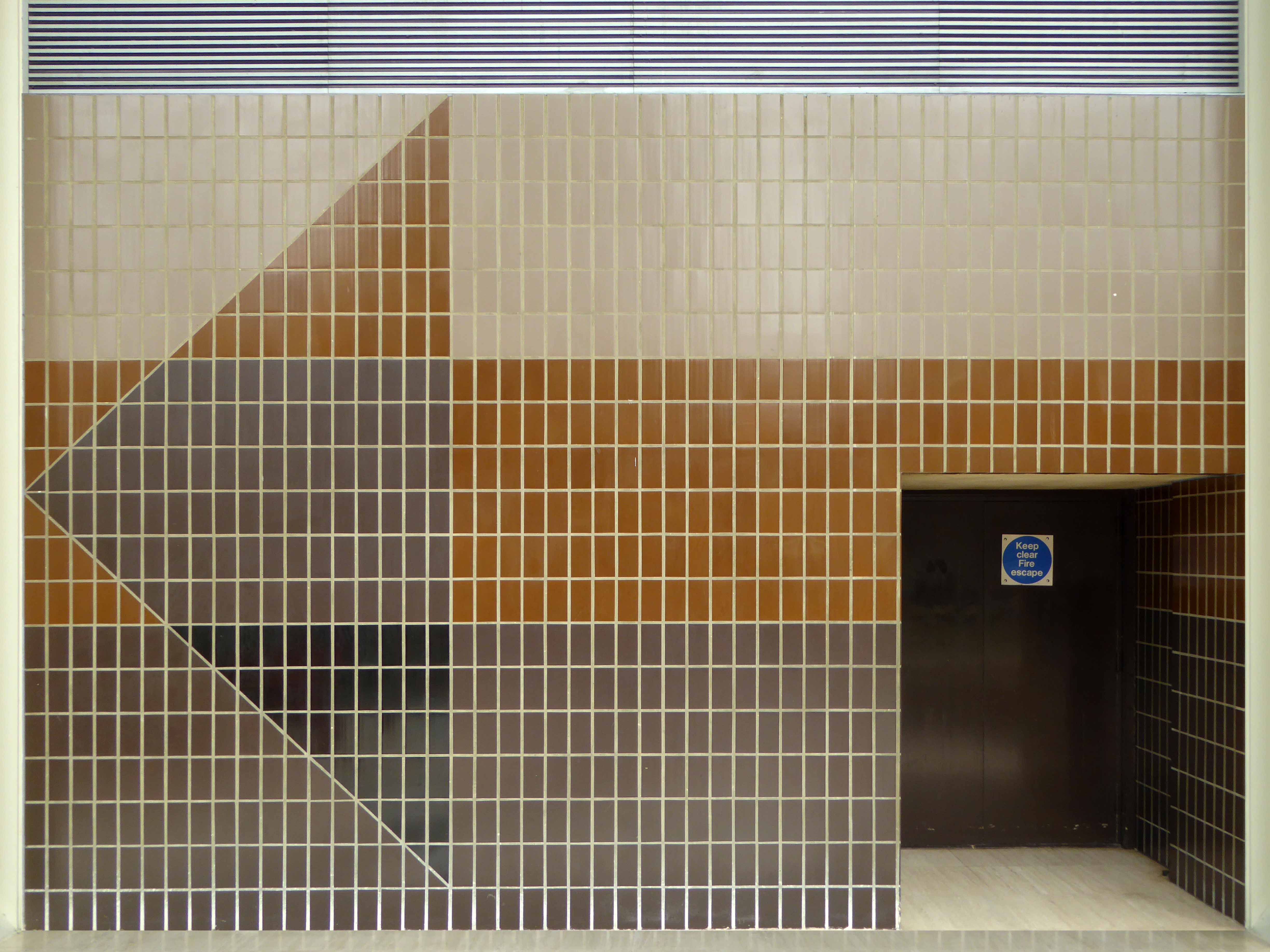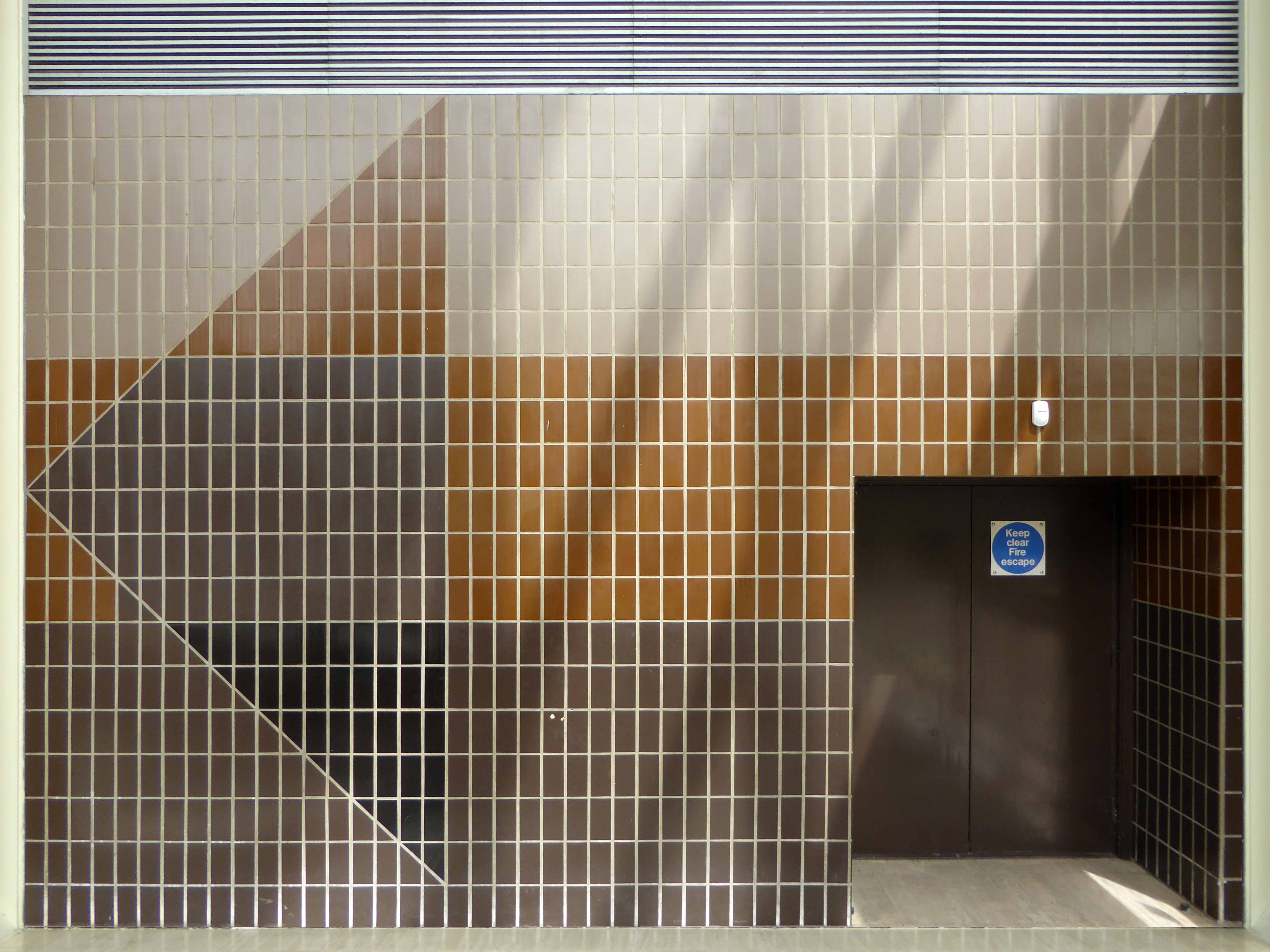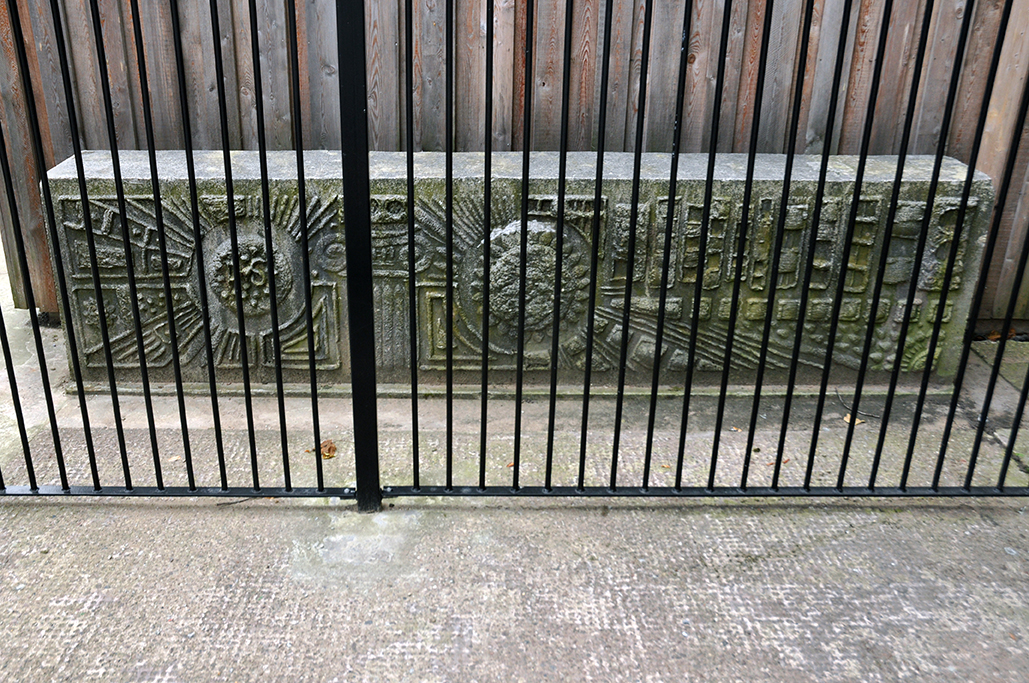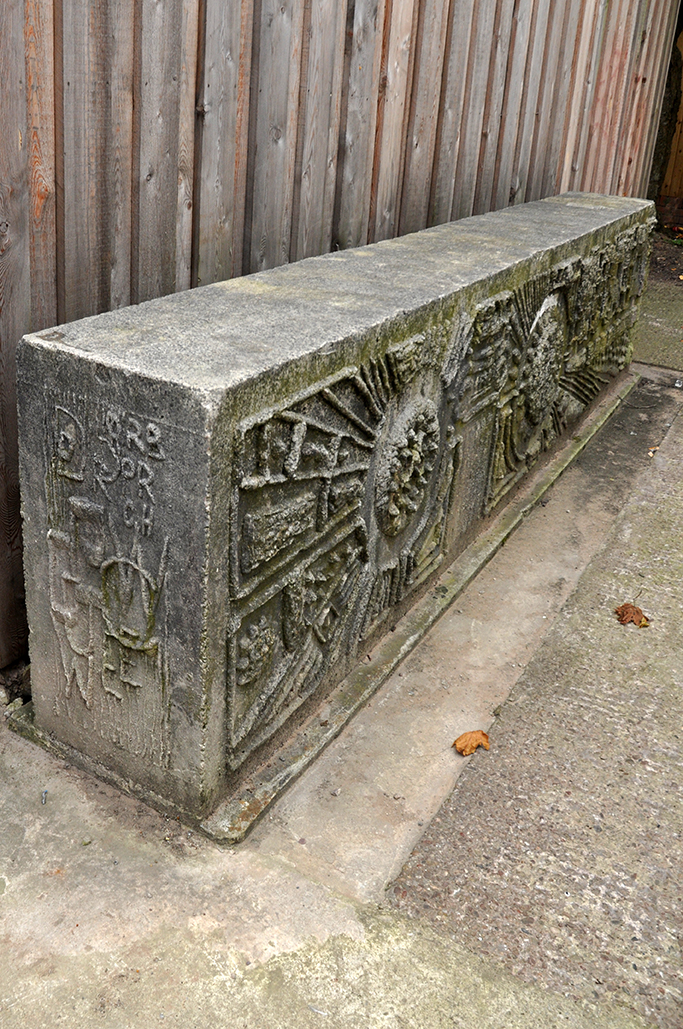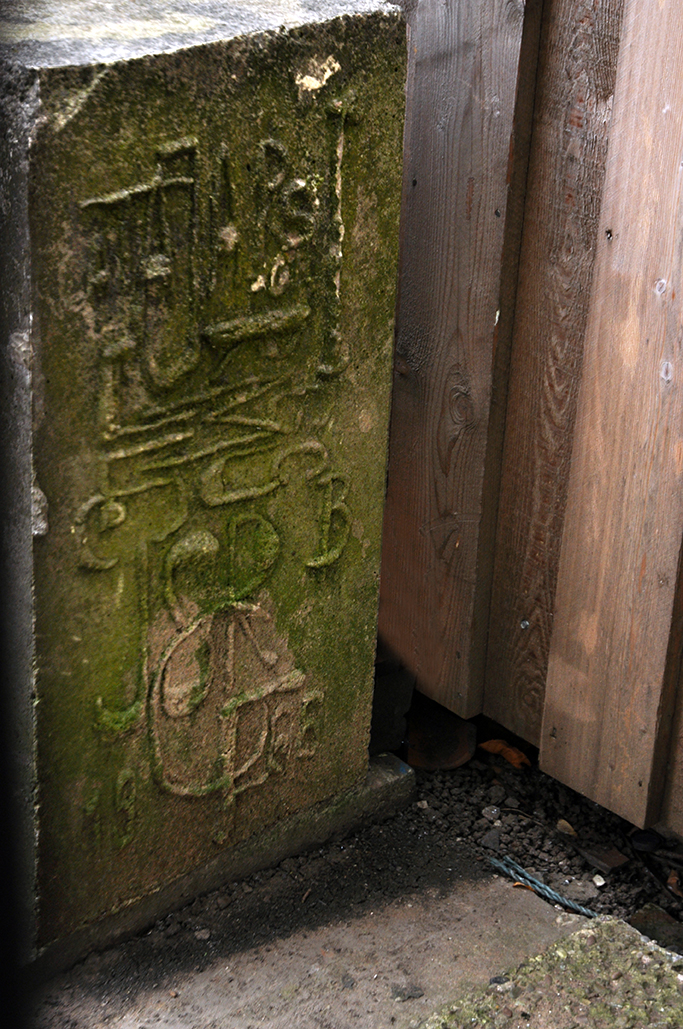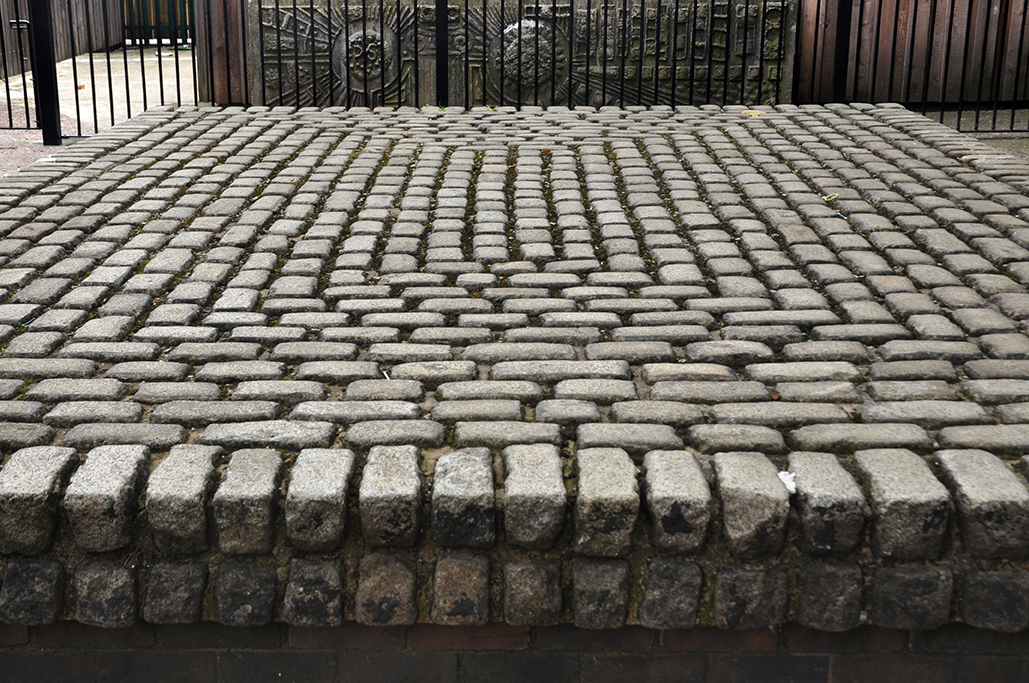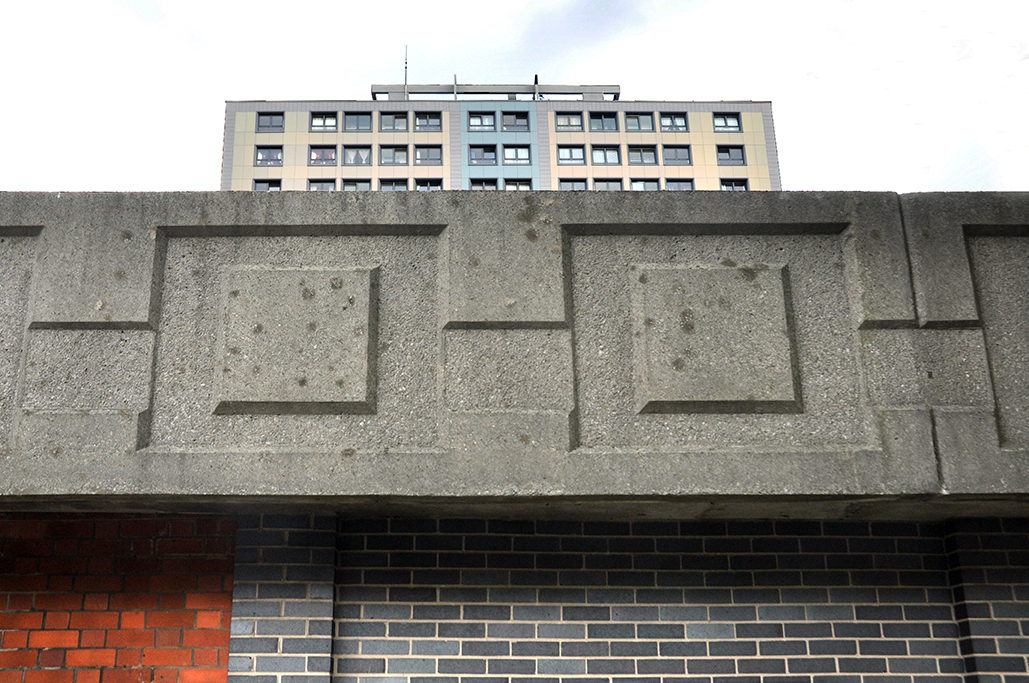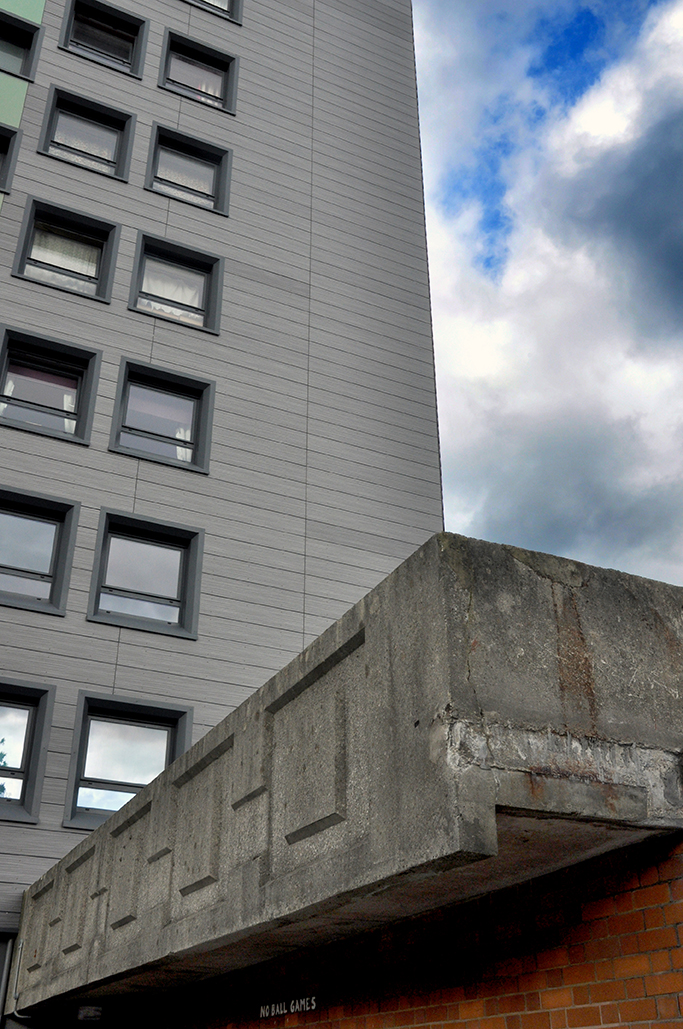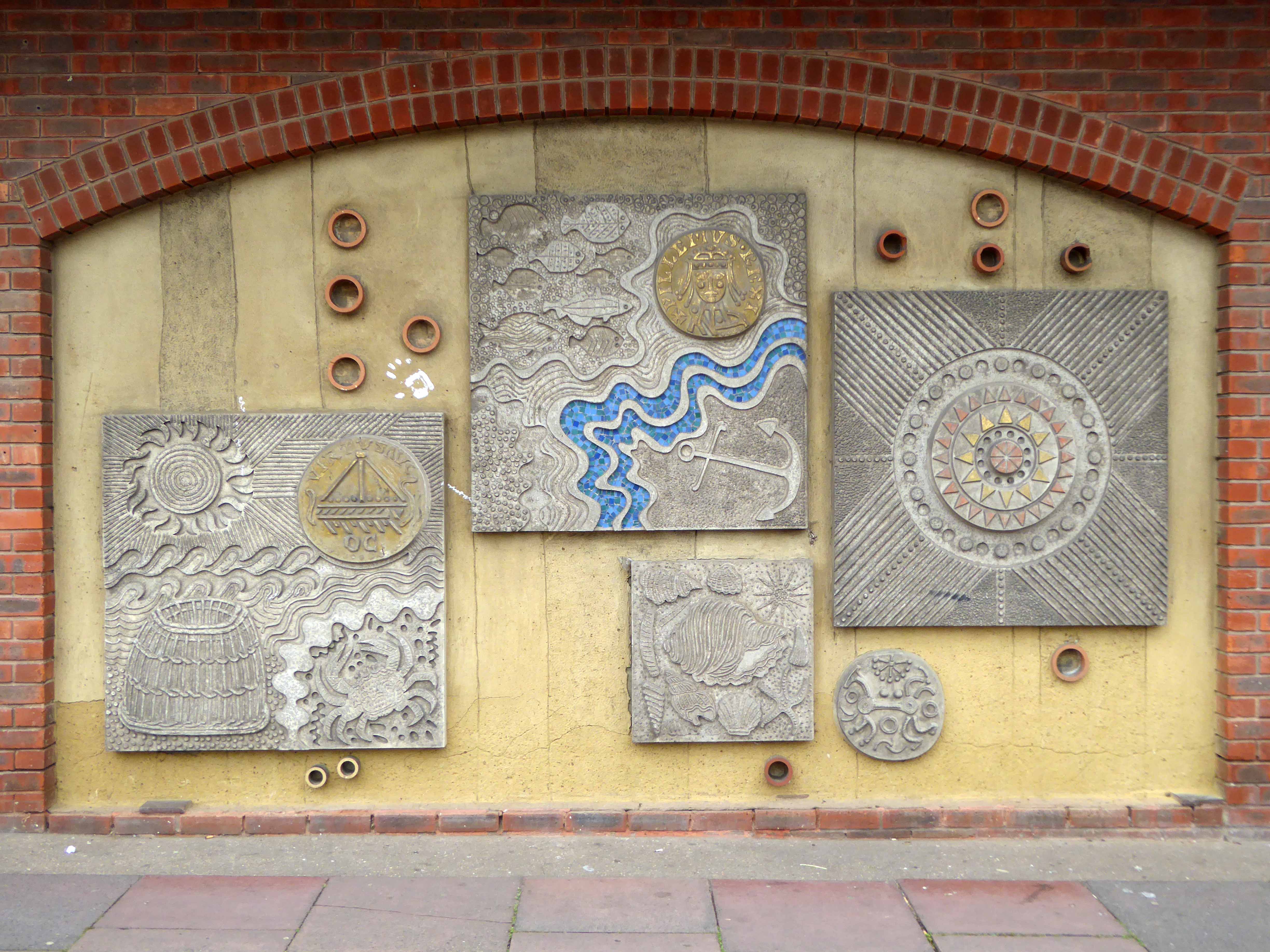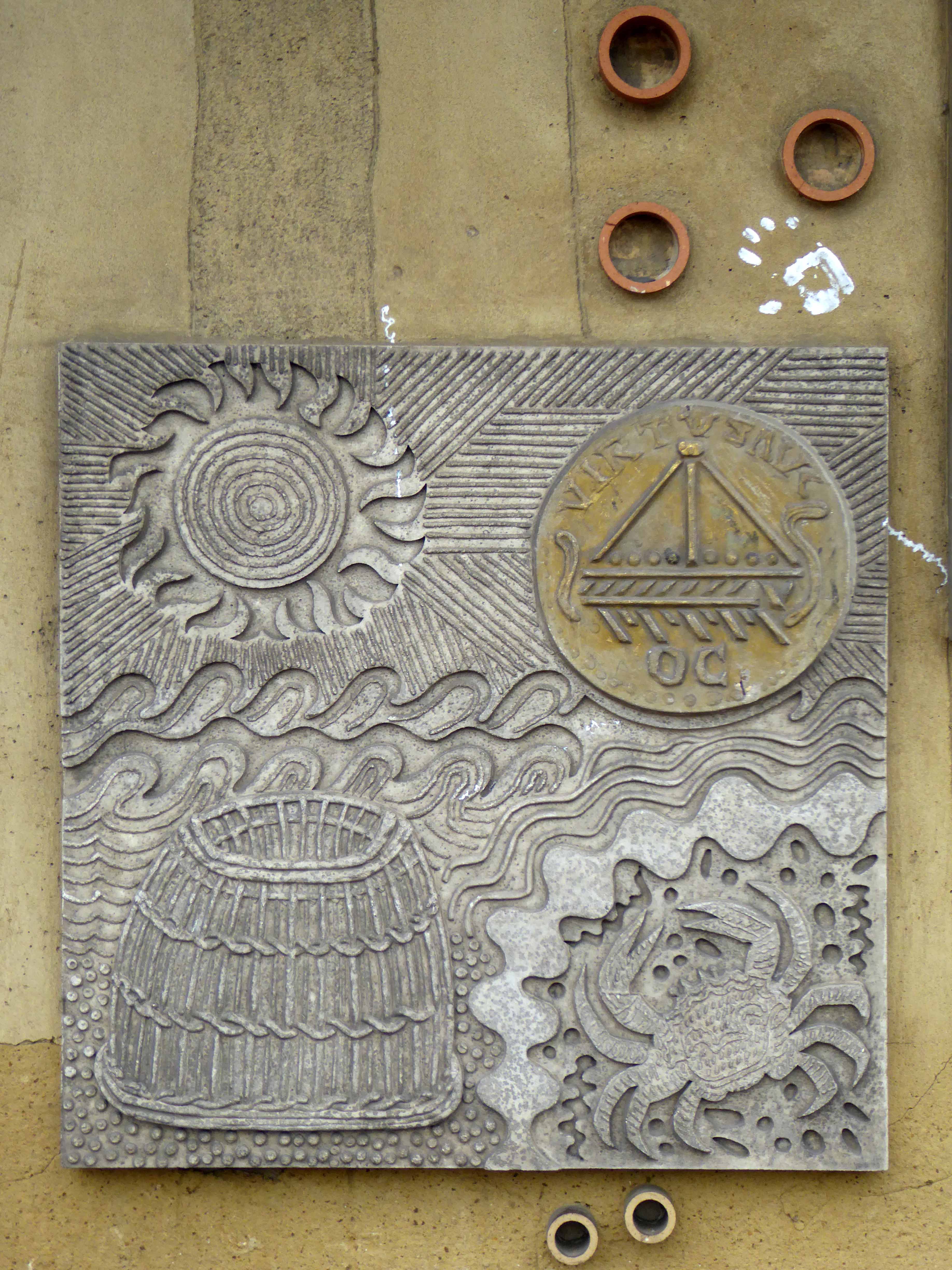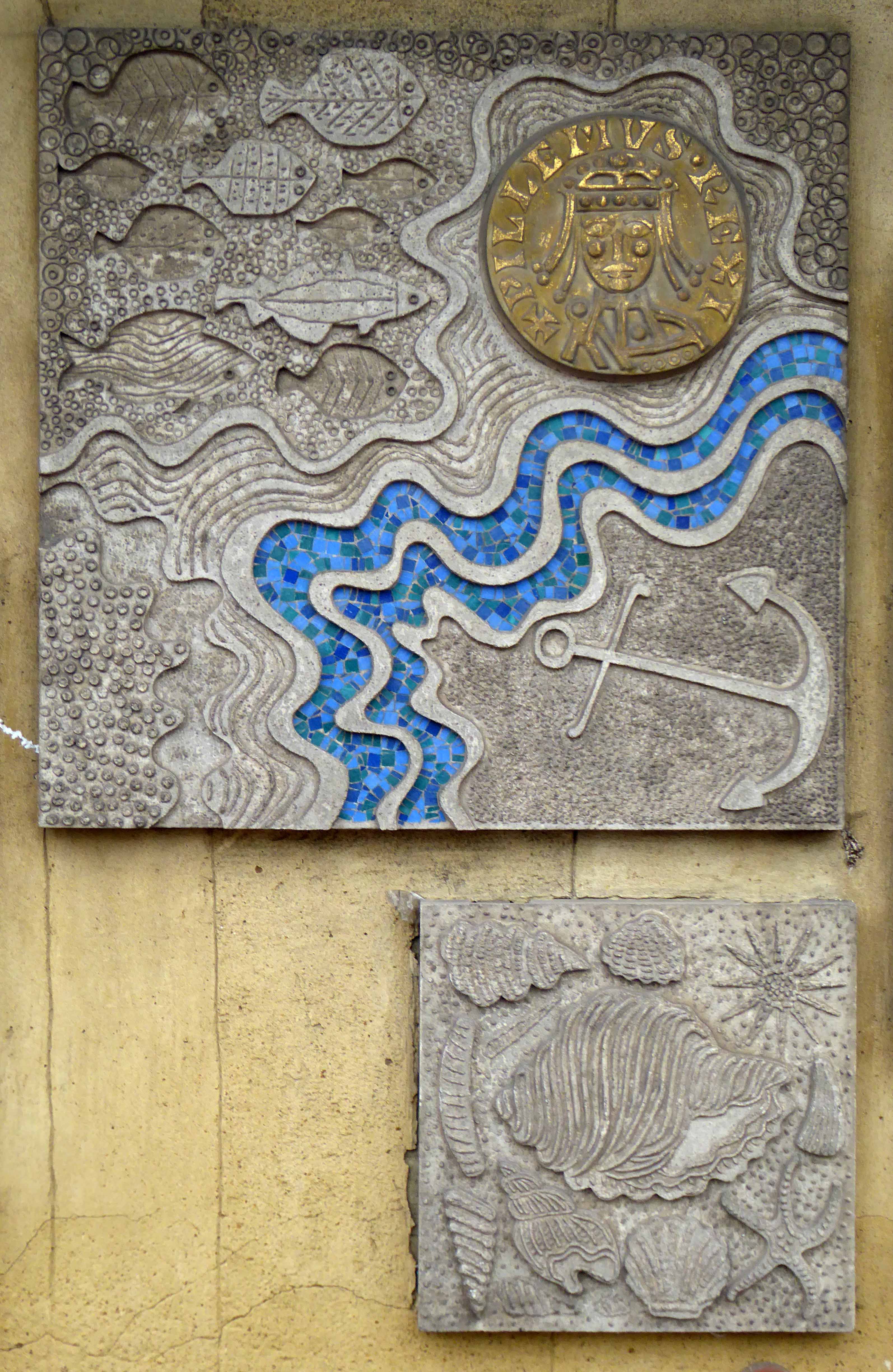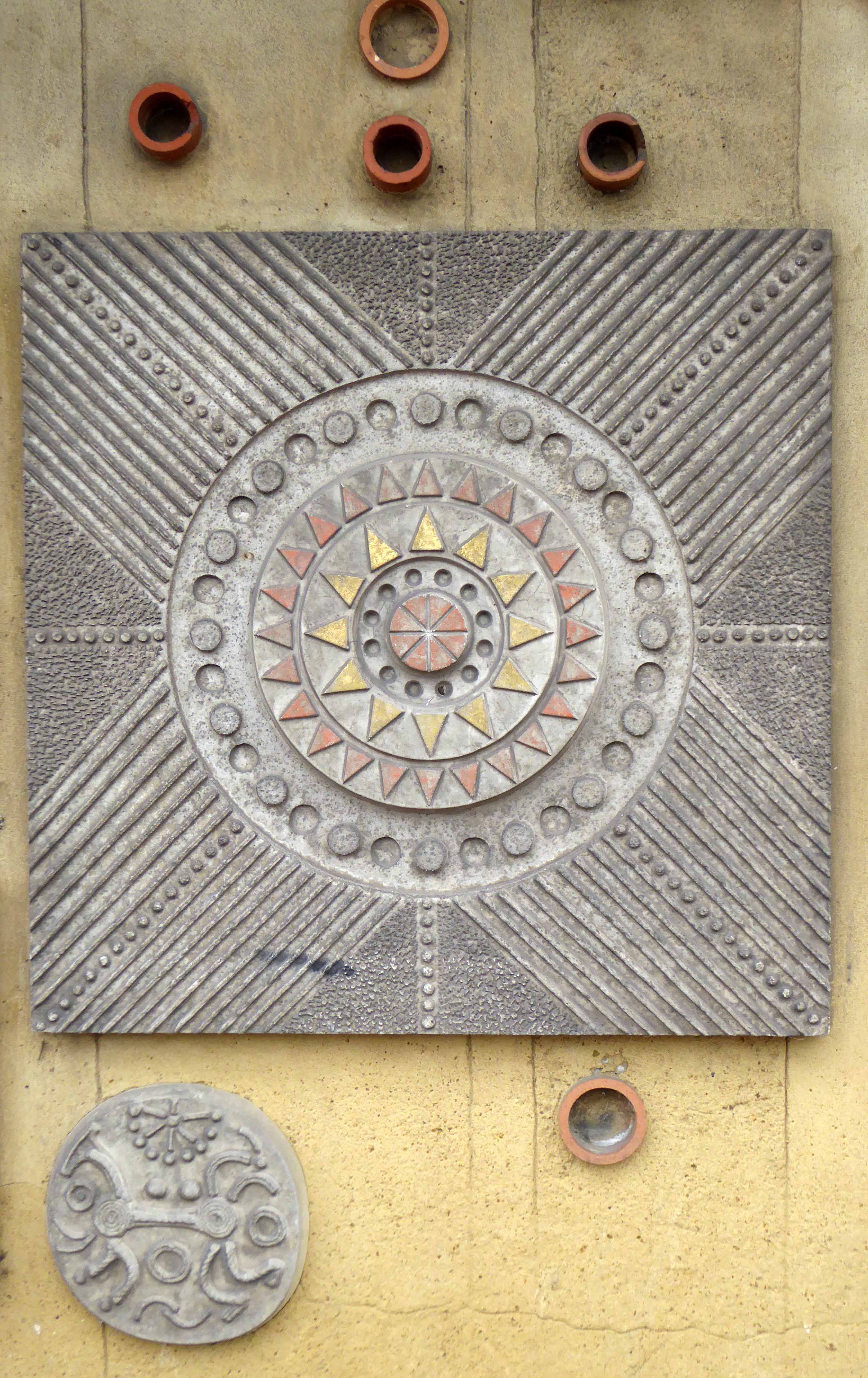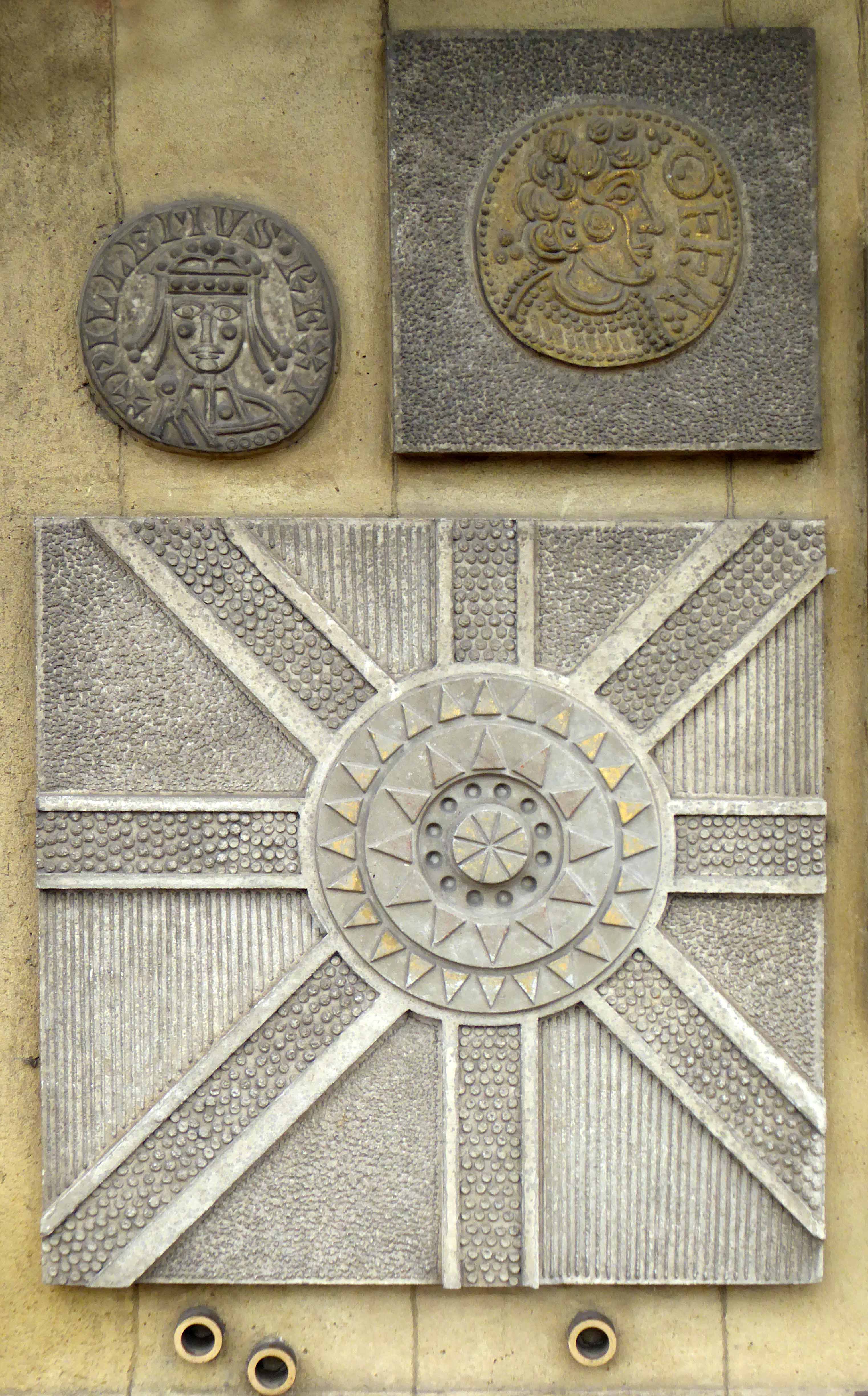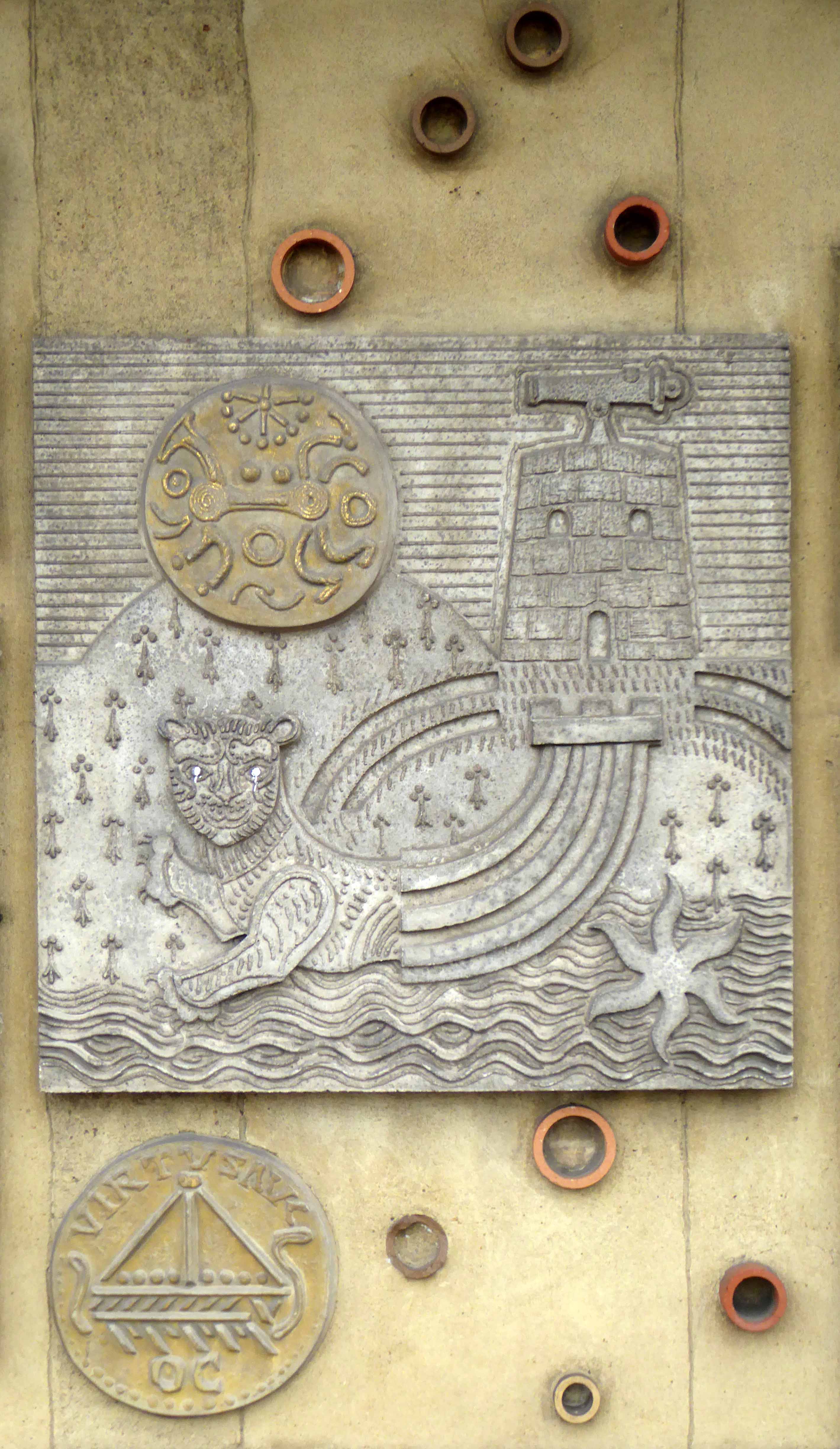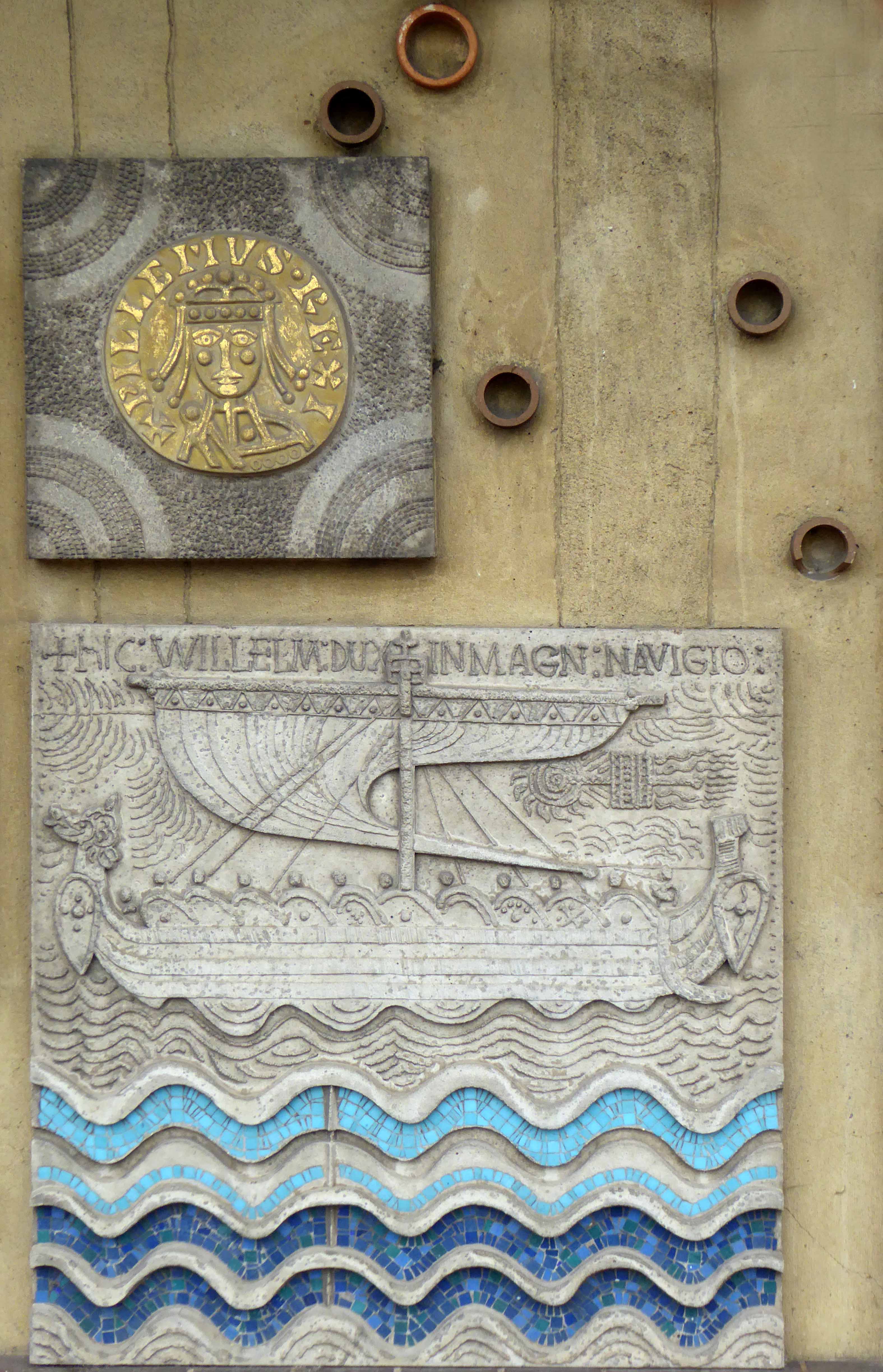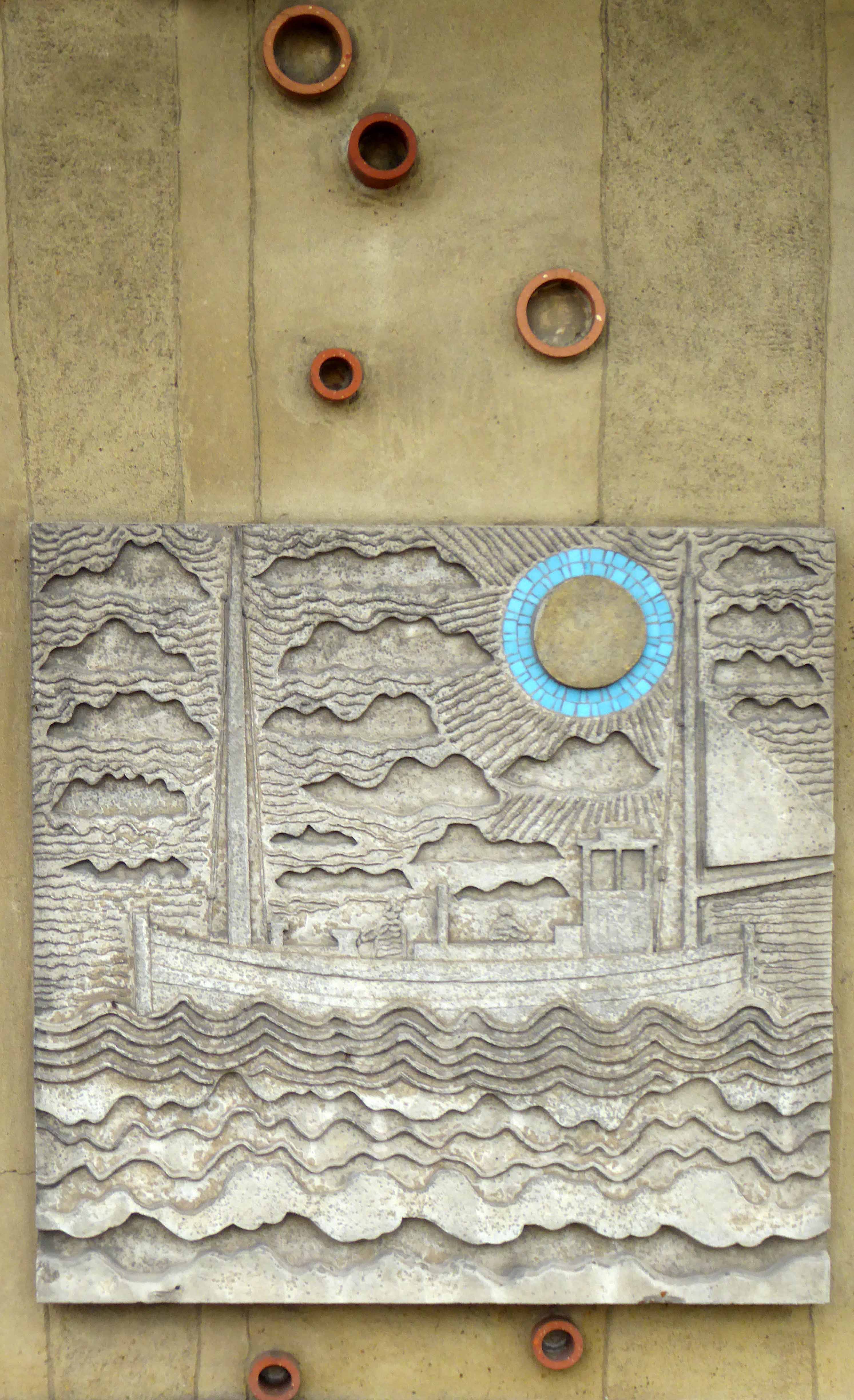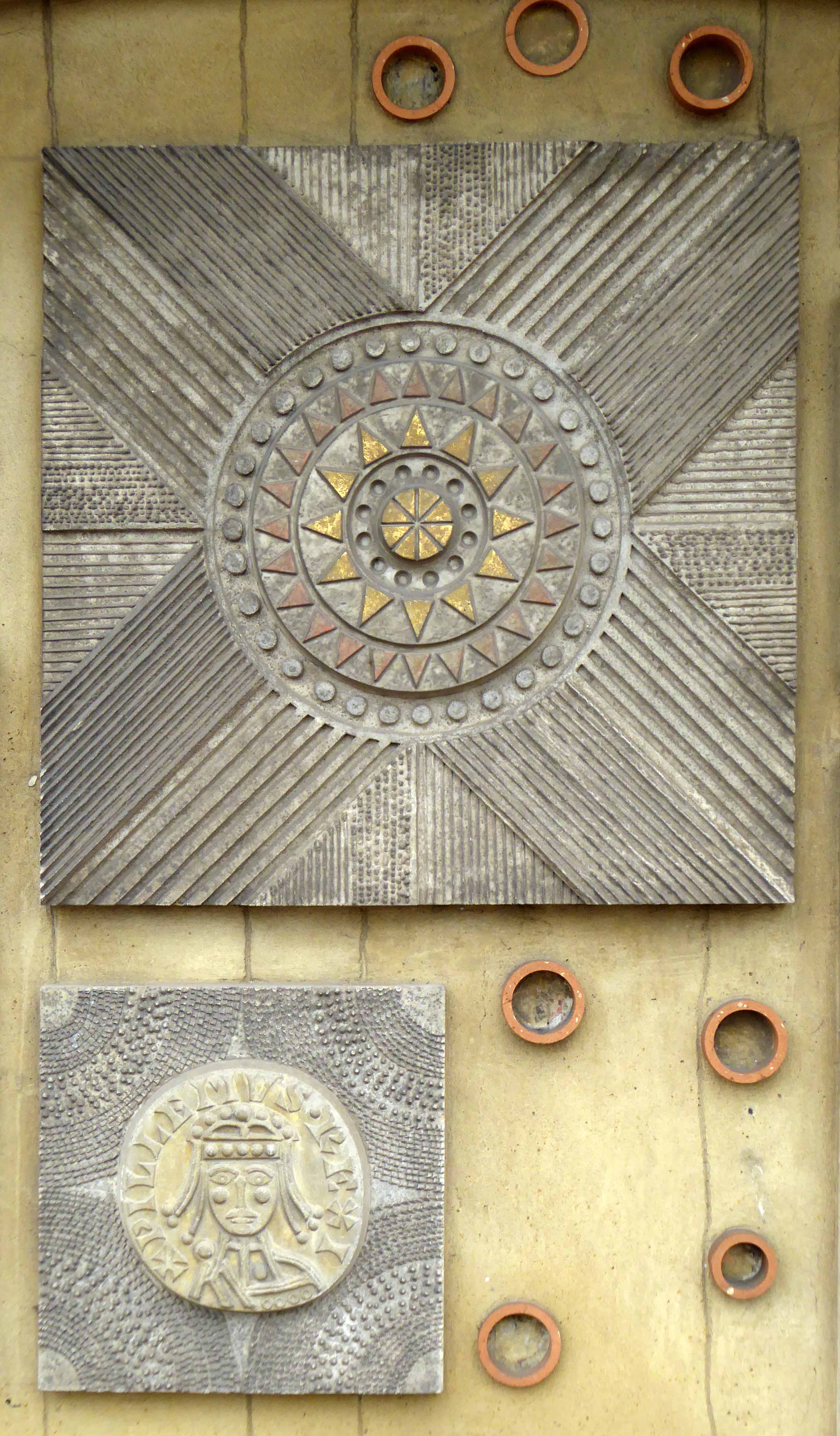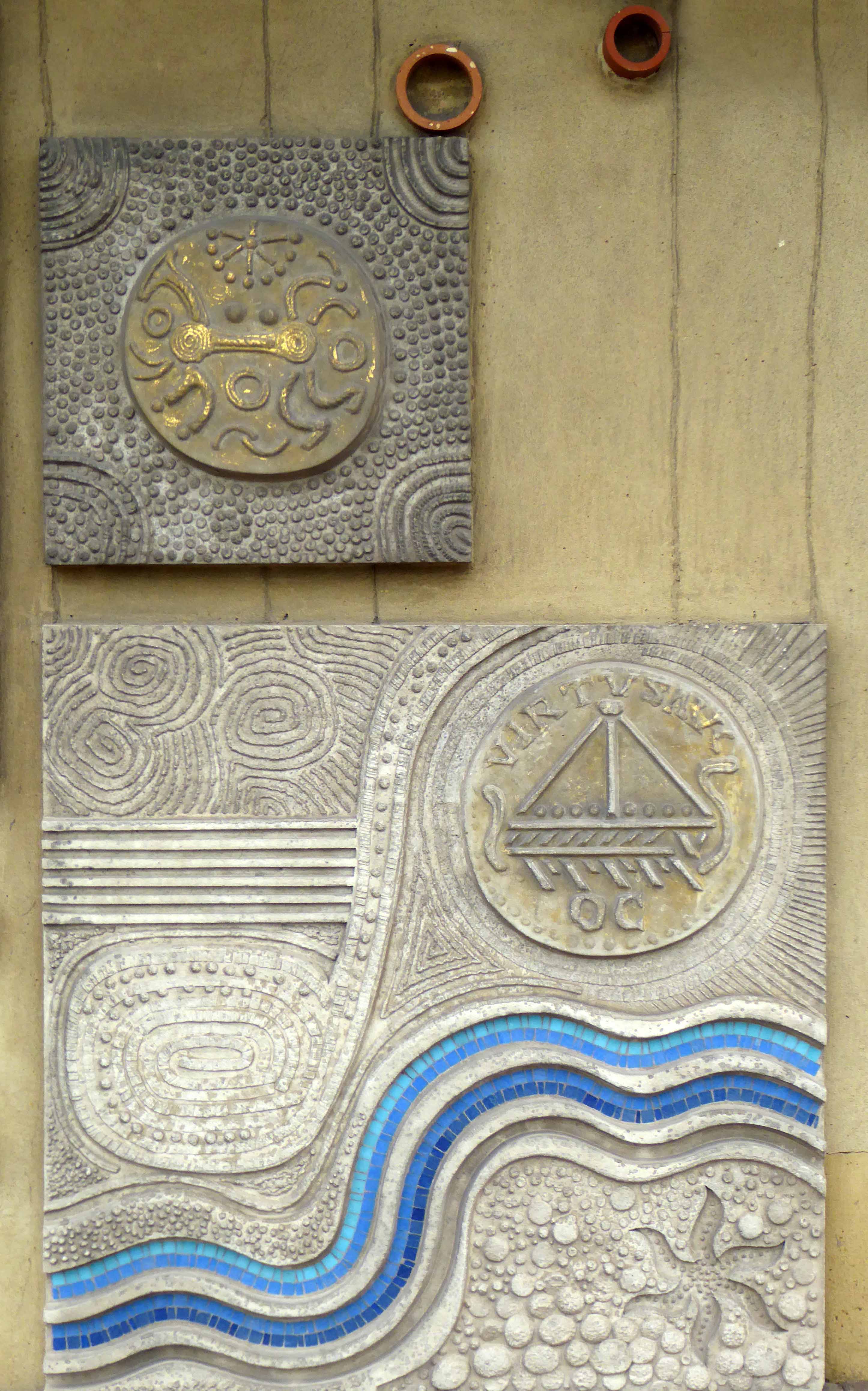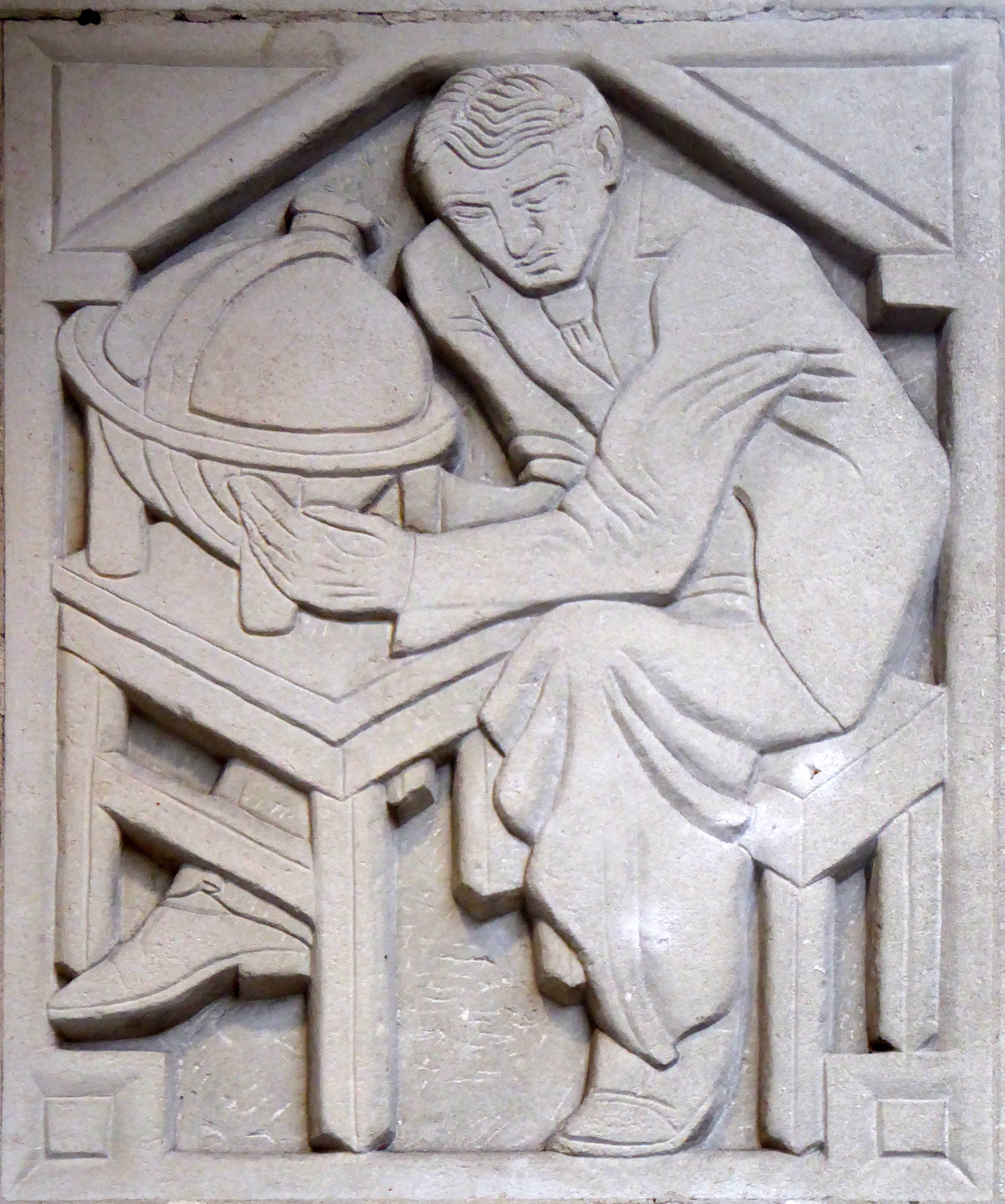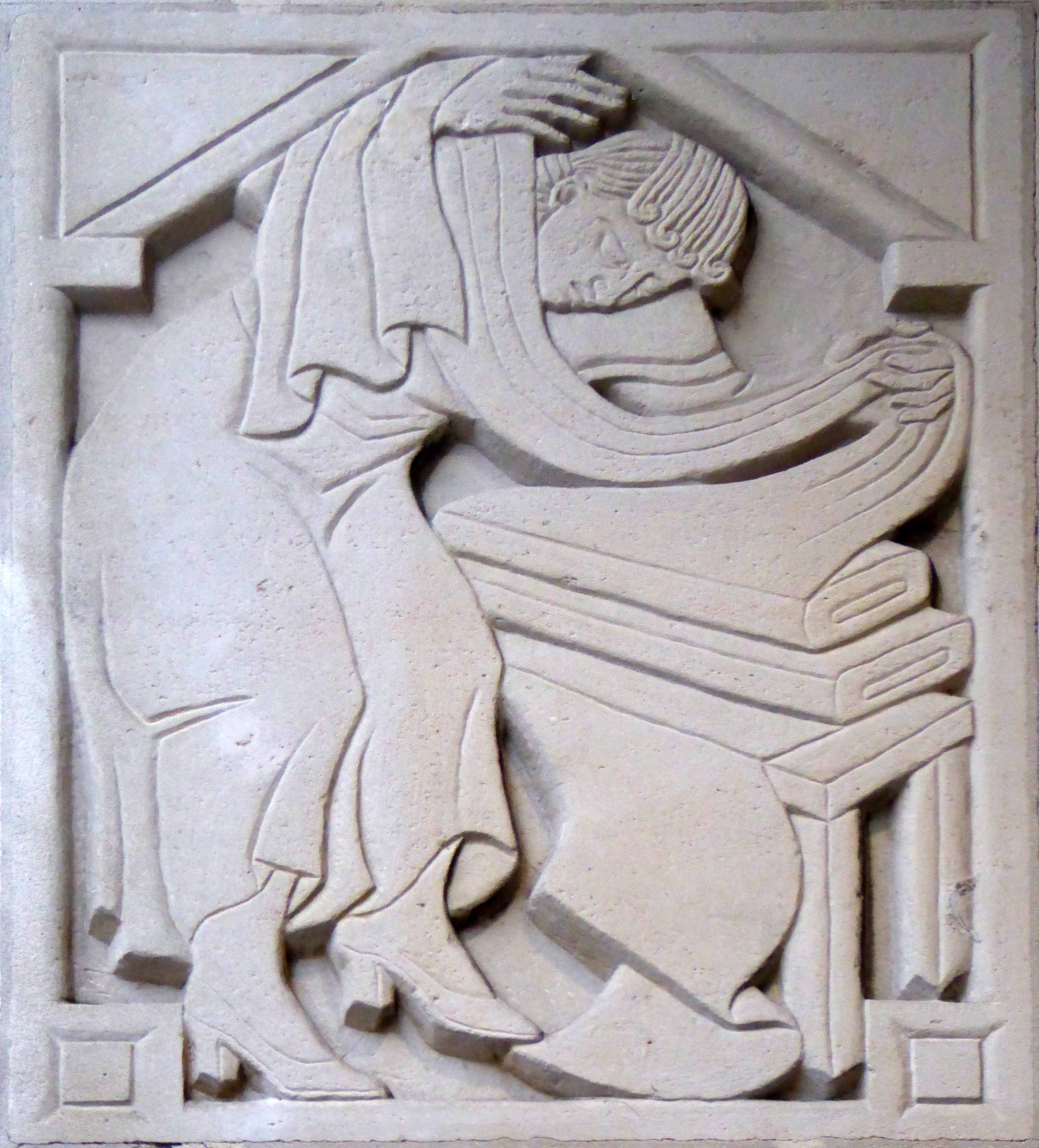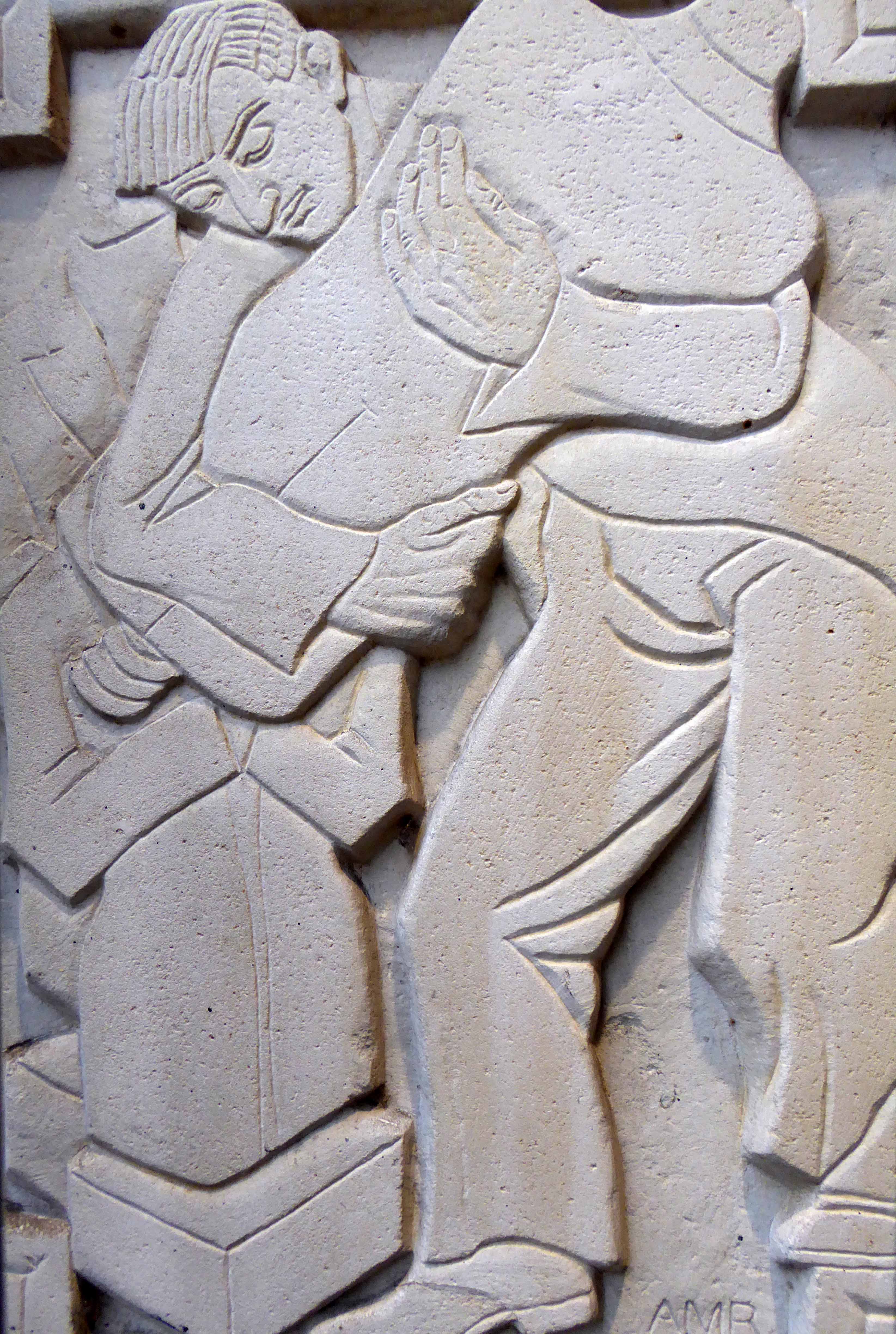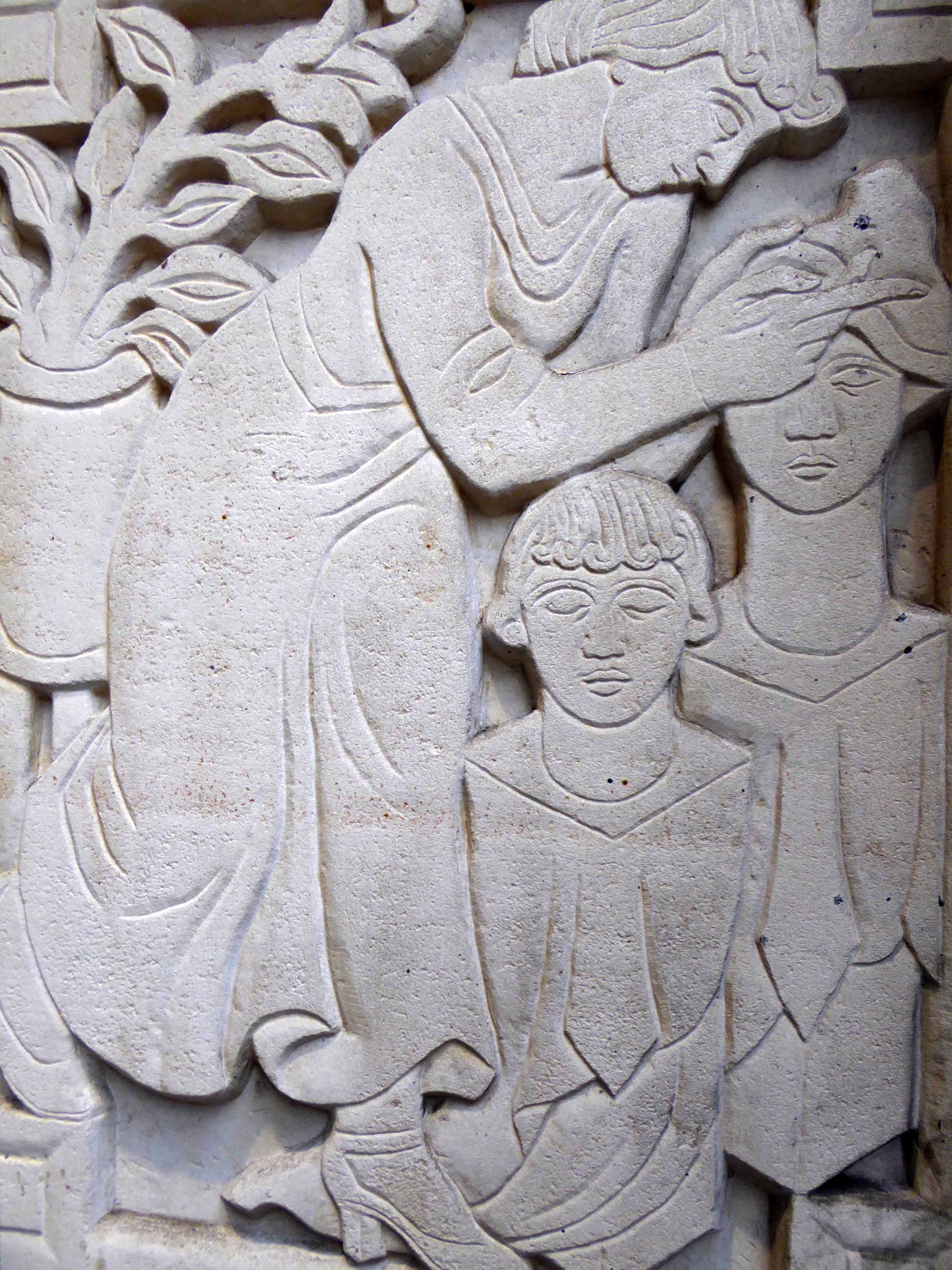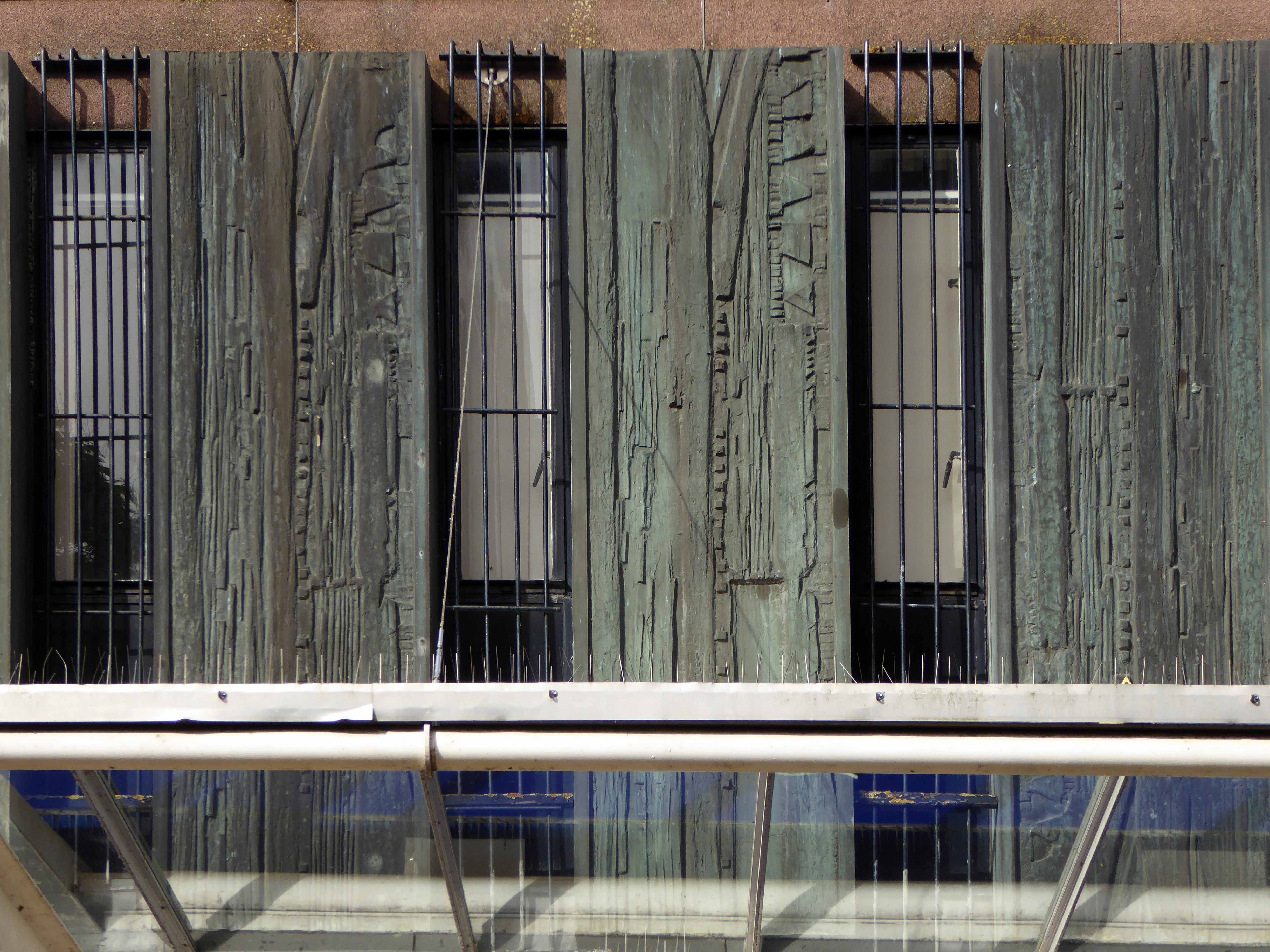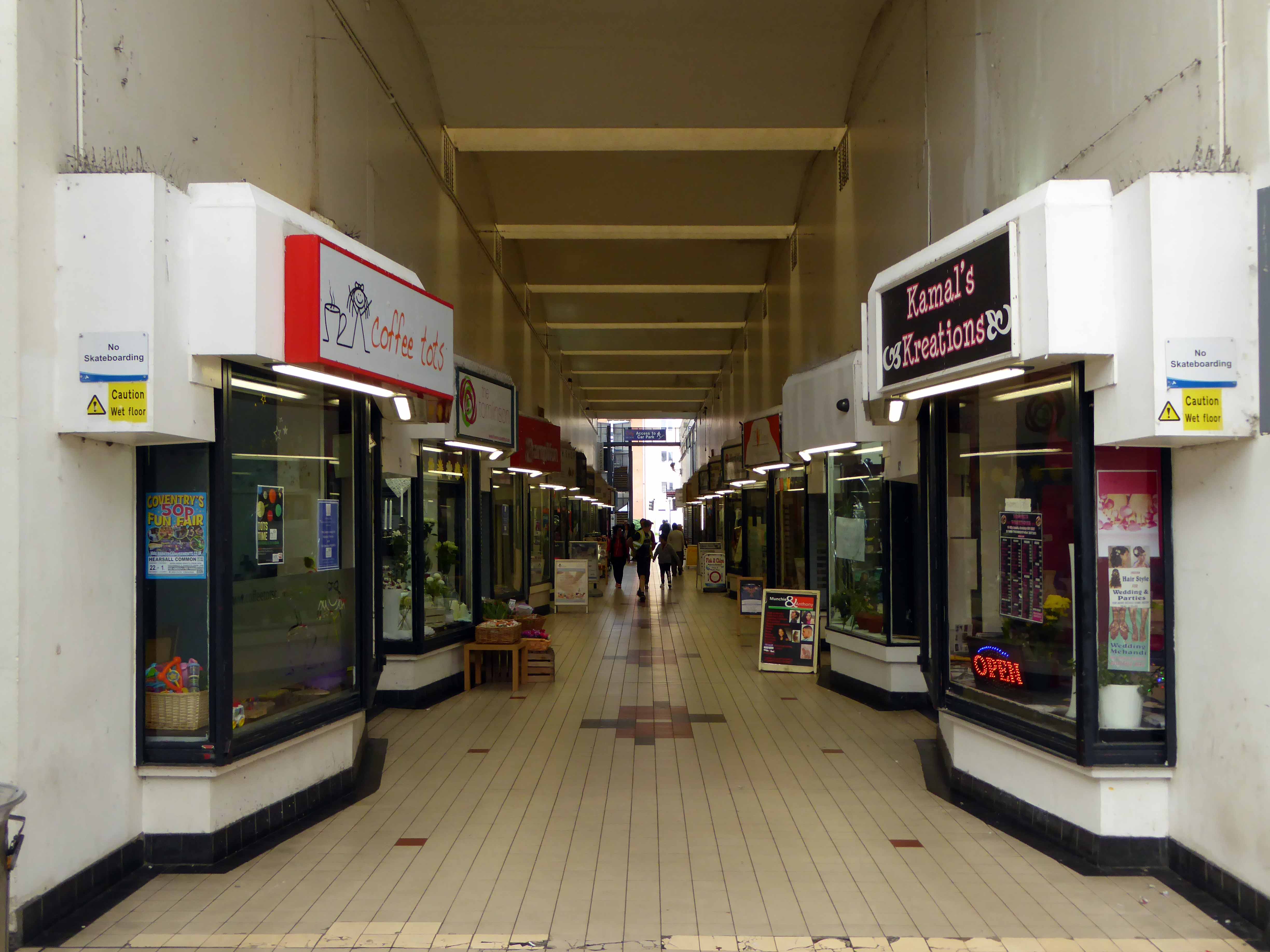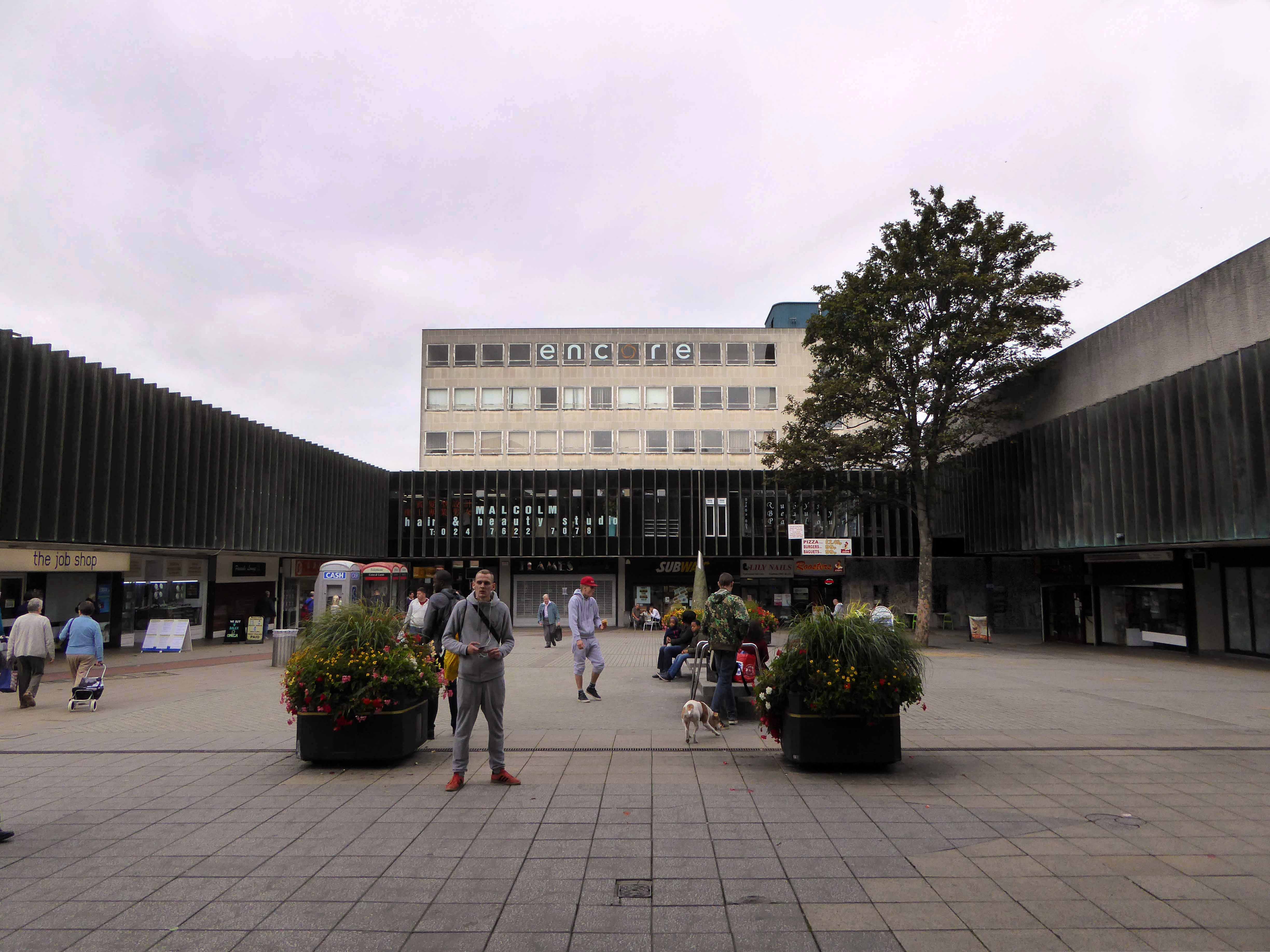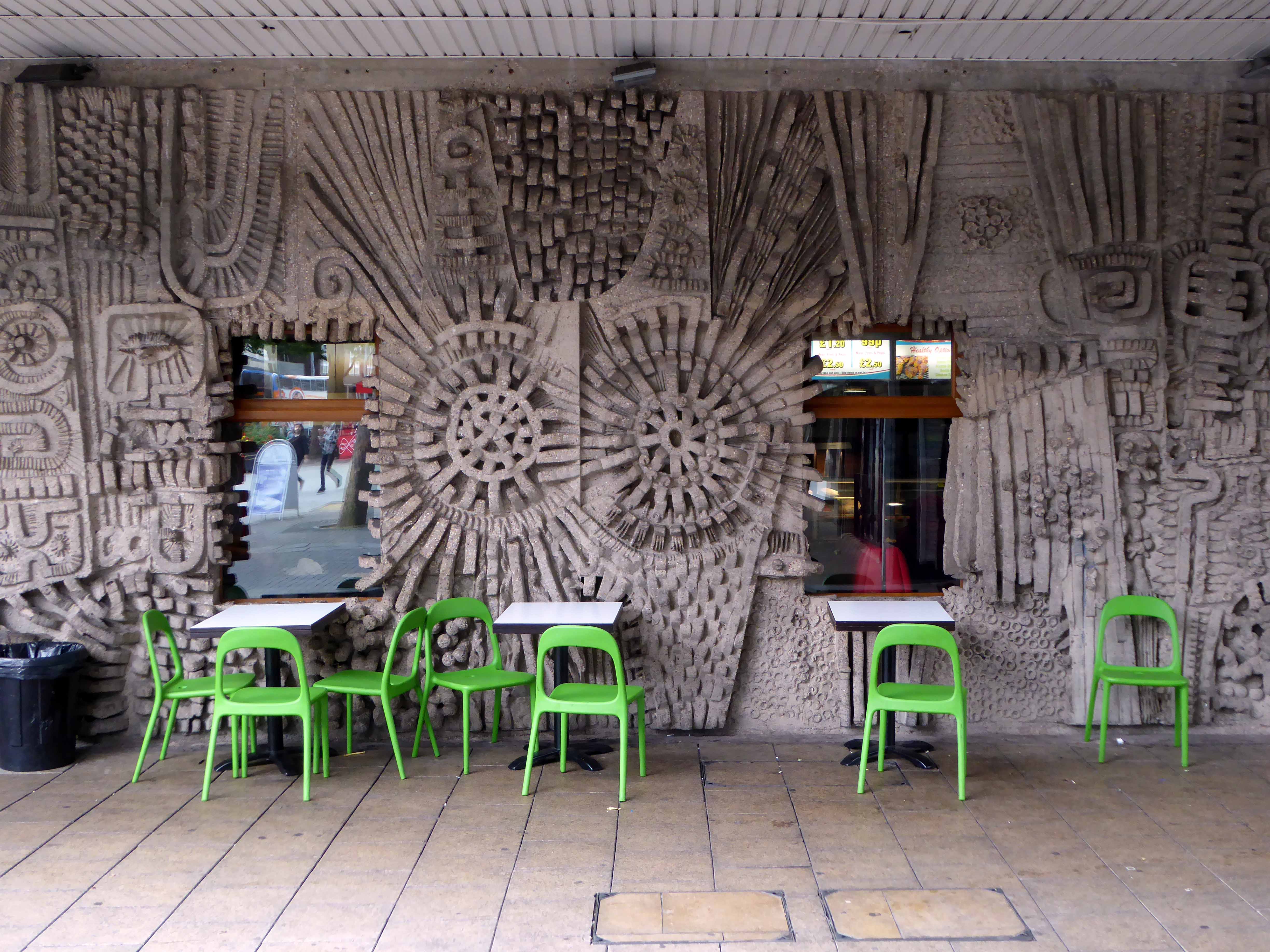
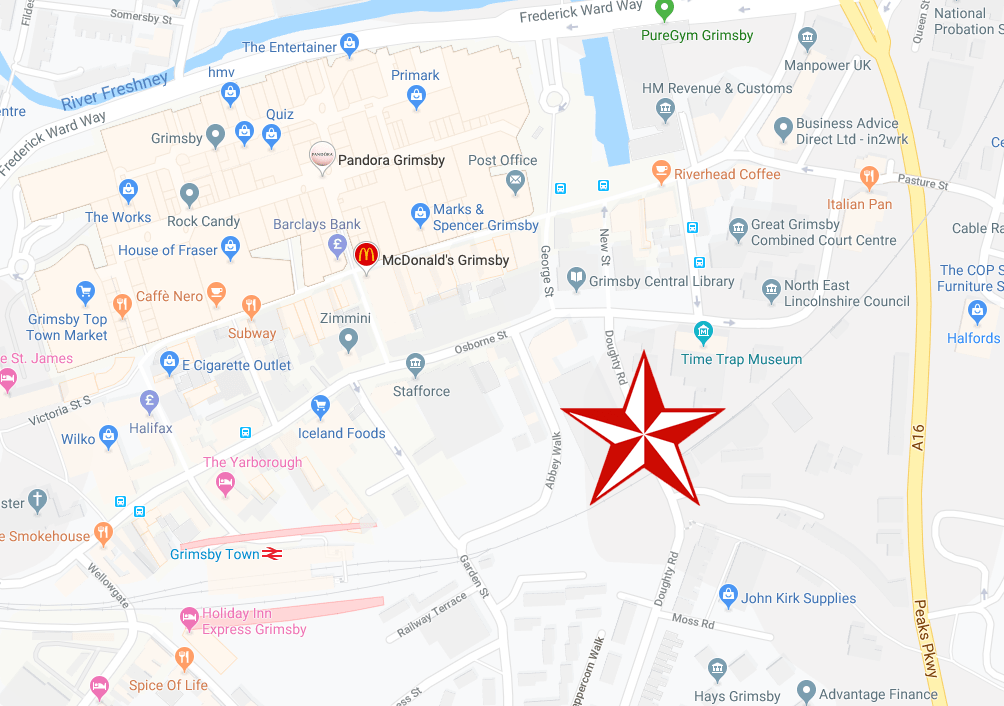
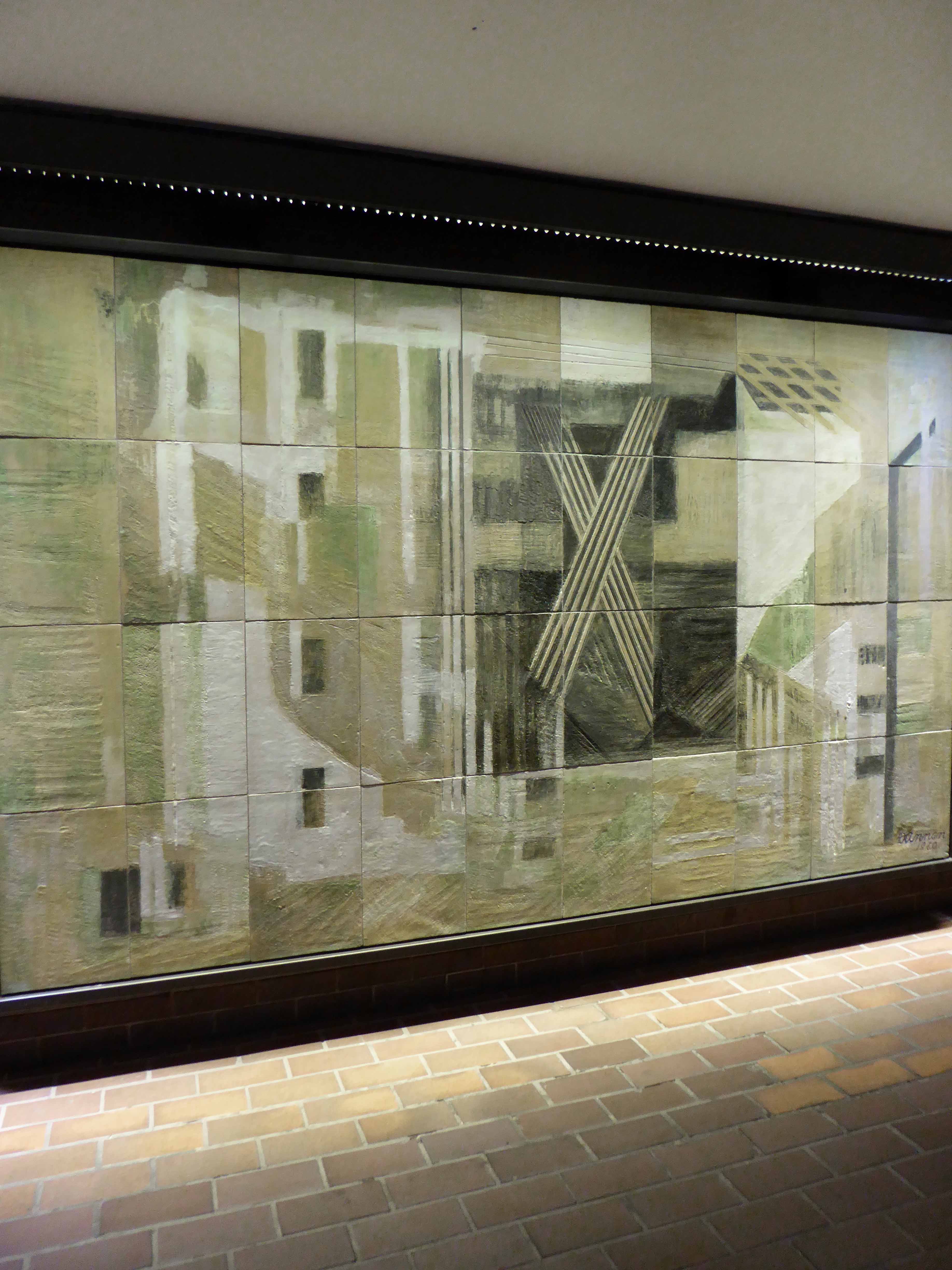
Dorothy Annan Mural – The Barbican

I’ve been to the Barbican before, wandering the walkways without purpose.

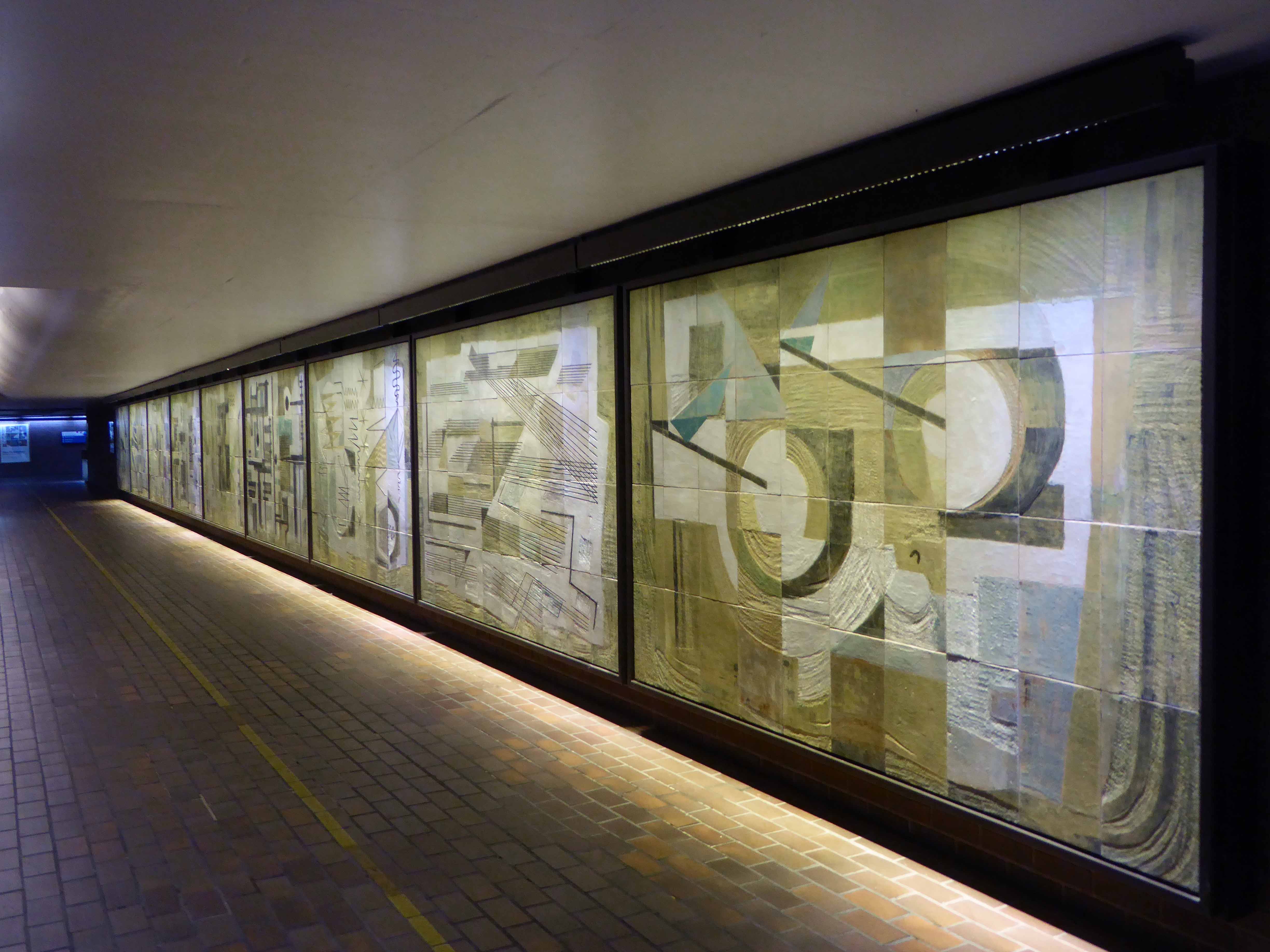
This is a whole new box of tiles, the search for a re-sited mural, a first time meeting with what would seem at once like an old and well-loved friend.

Dorothy Annan 20 January 1900 – 28 June 1983

Was an English painter, potter and muralist, married to the painter and sculptor Trevor Tennant. She was born in Brazil to British parents and was educated in France and Germany.

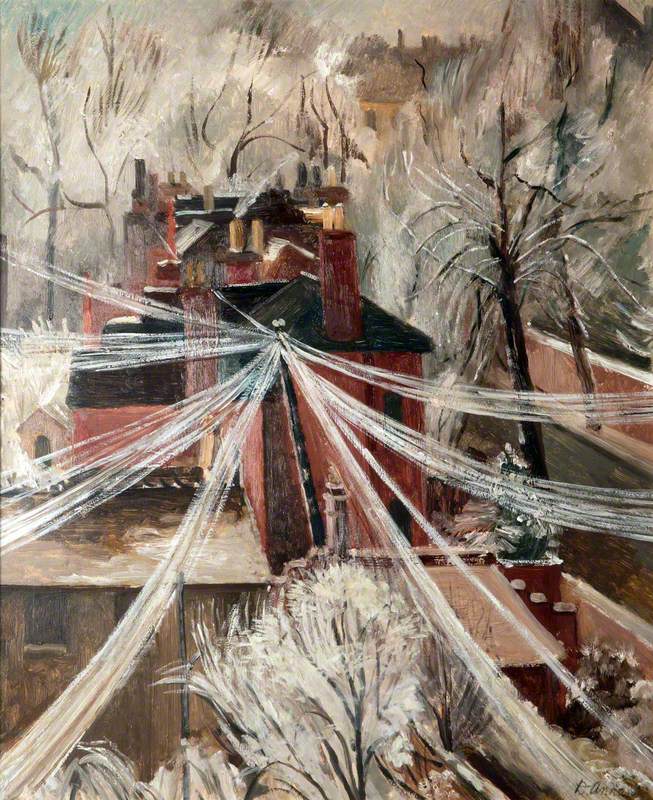
Christmas 1944 – Manchester Art Gallery

Annan’s paintings are in many national collections, she is also known for her tile murals, many of which have been destroyed in recent decades. Only three of her major public murals are believed to survive, the largest single example, the Expanding Universe at the Bank of England, was destroyed in 1997.

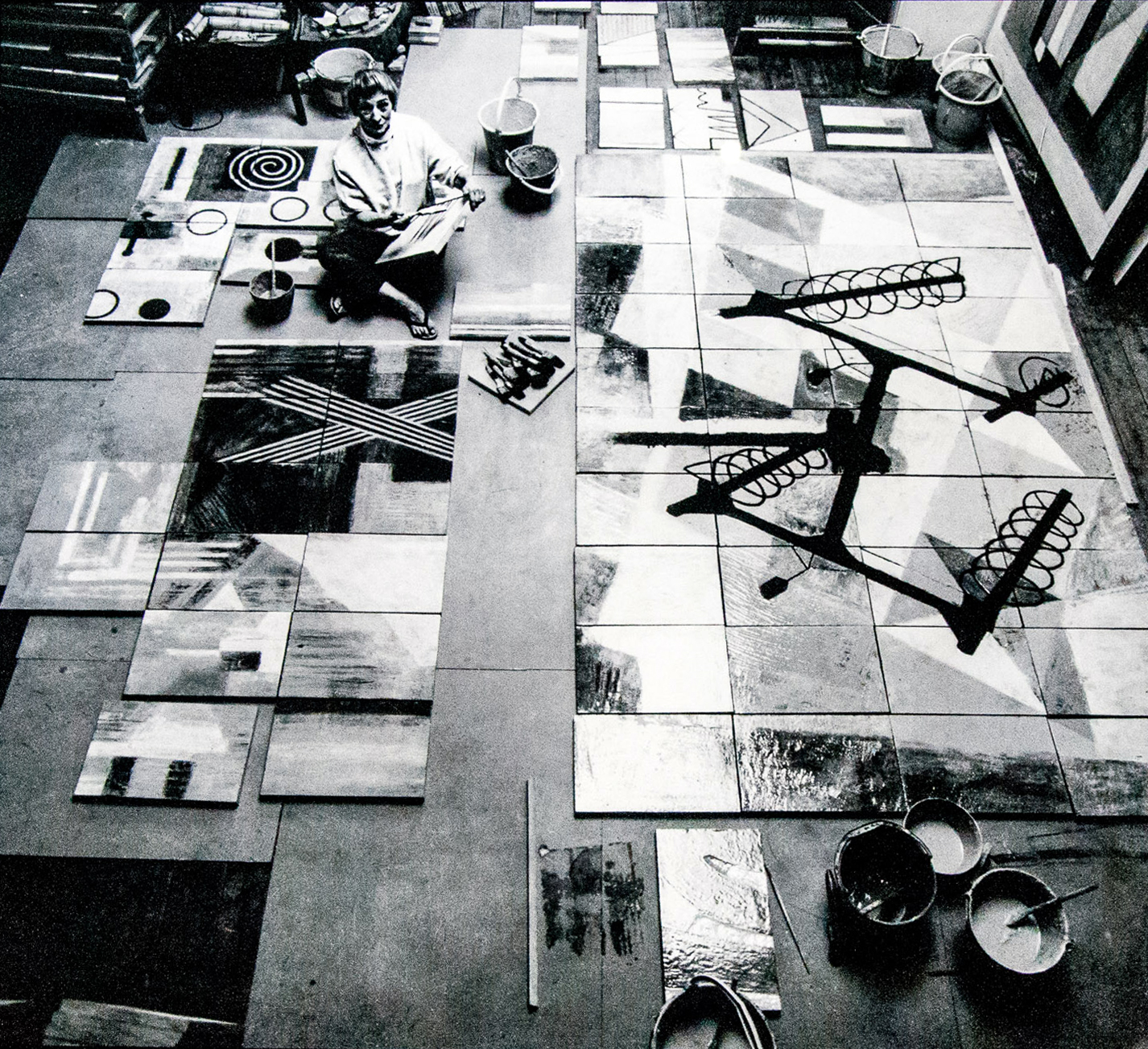
Gouache Sketch

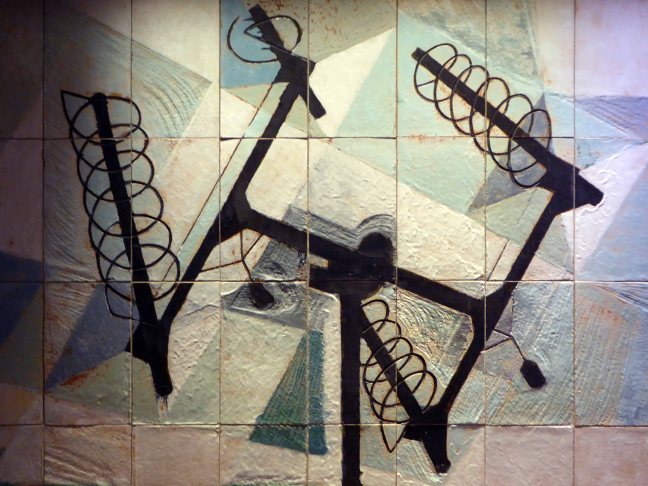
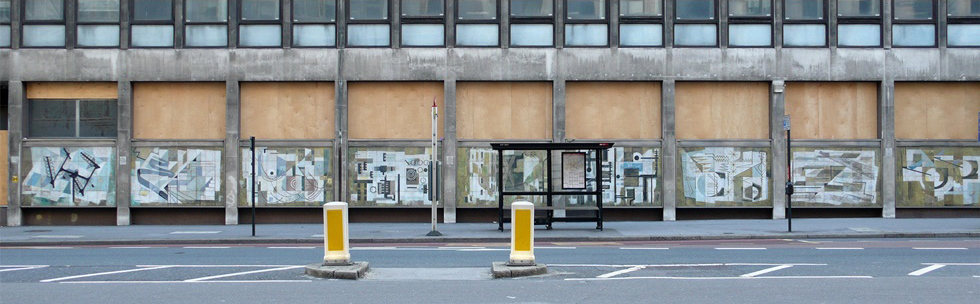
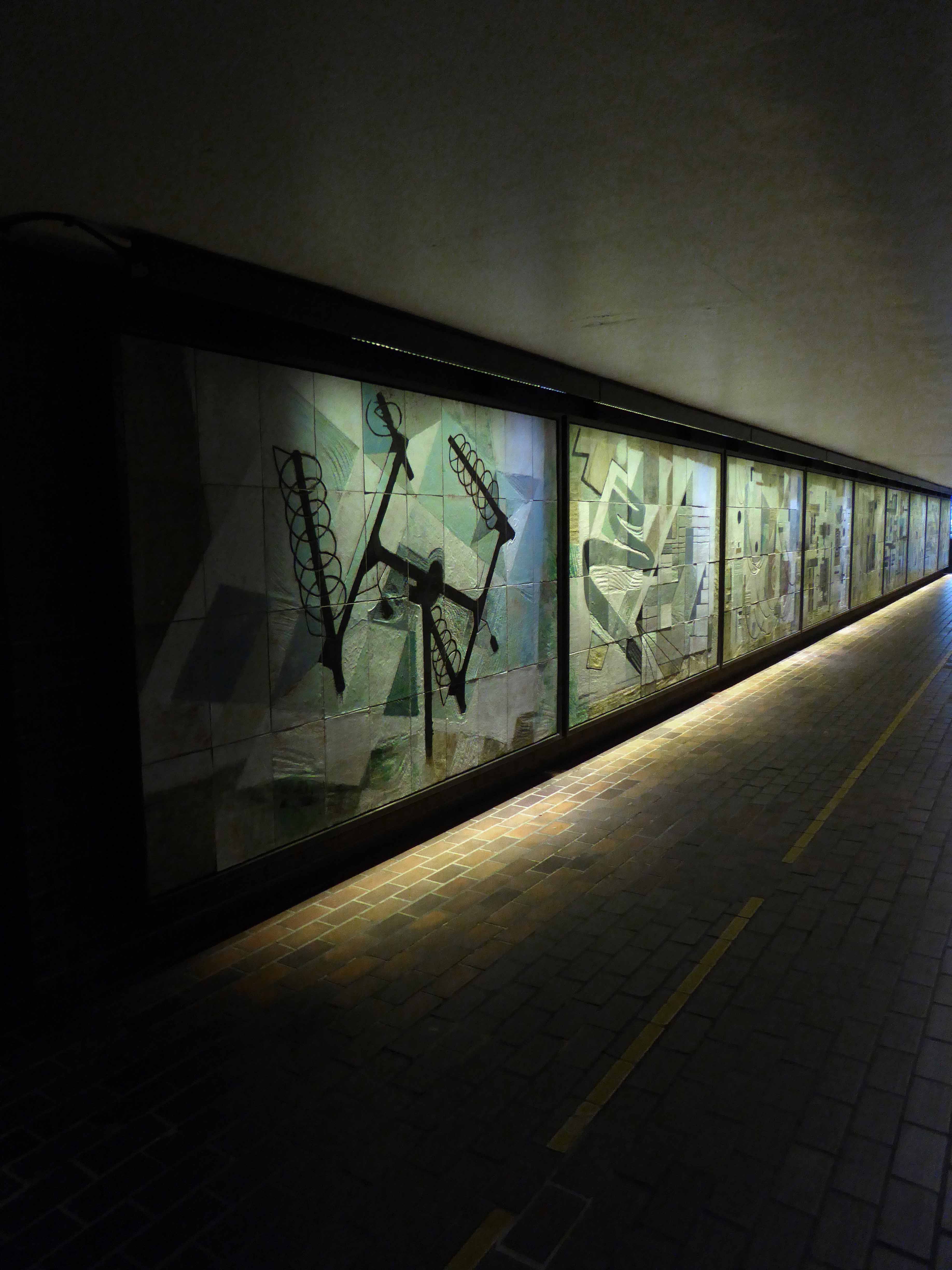
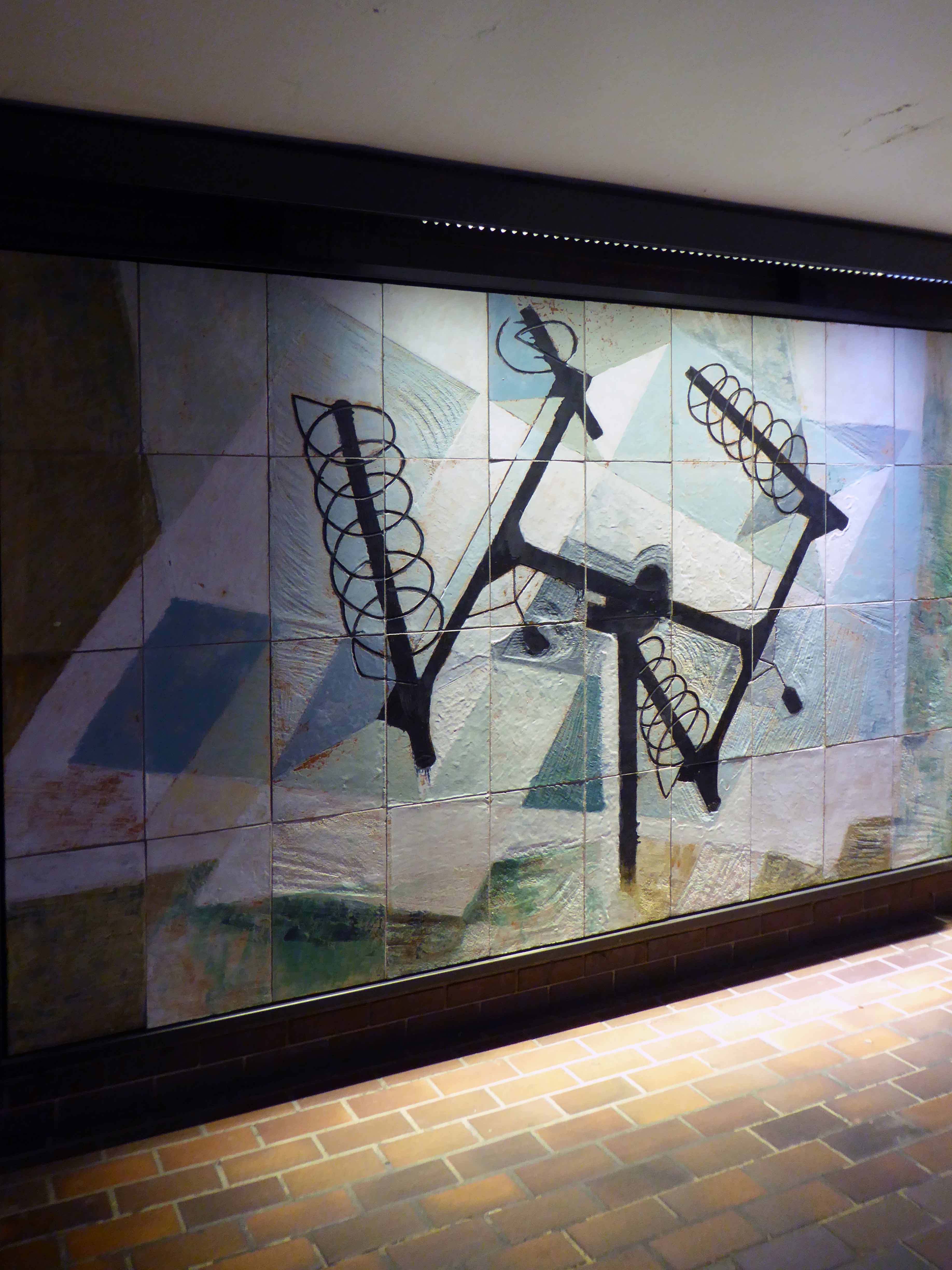
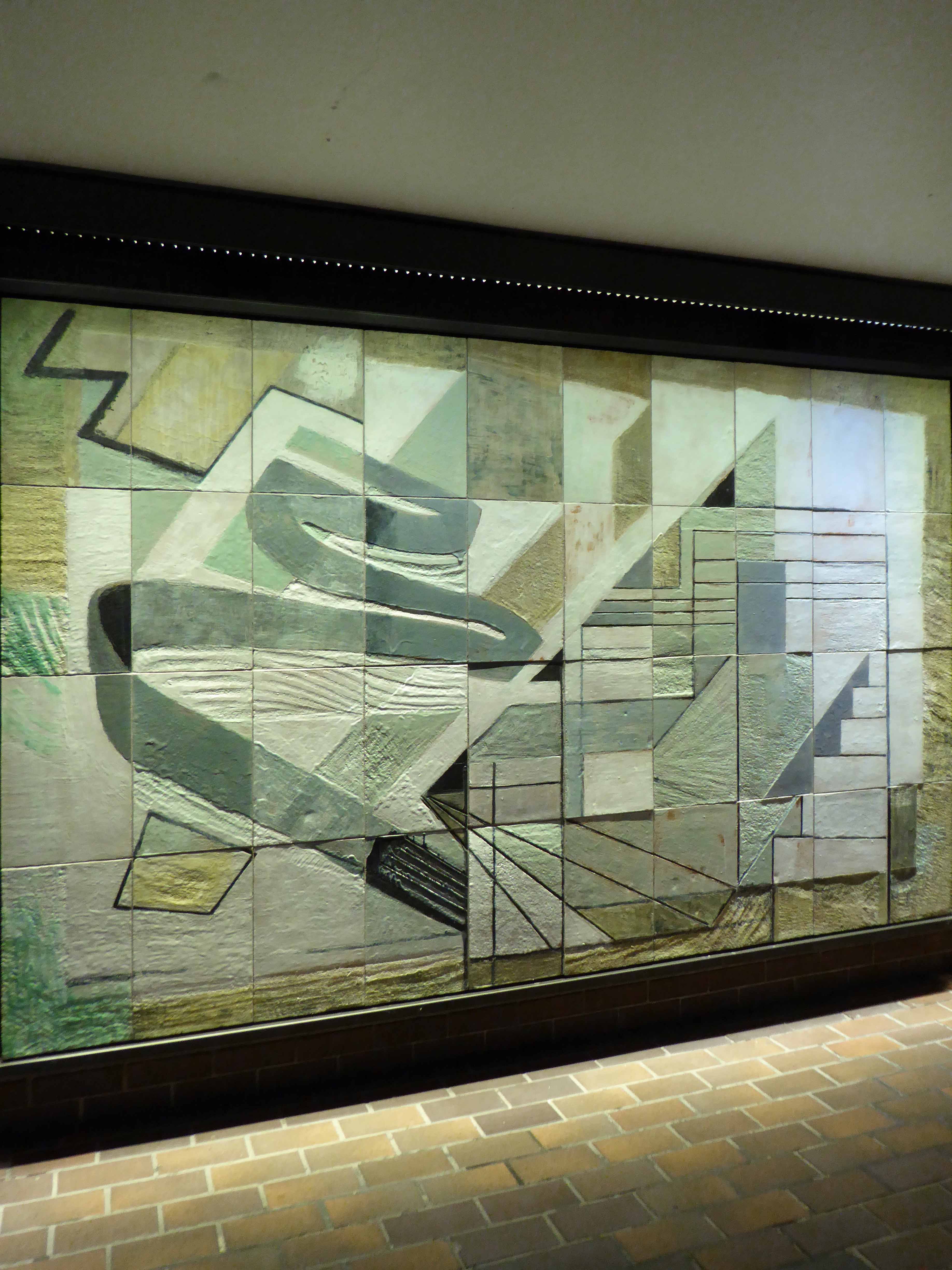
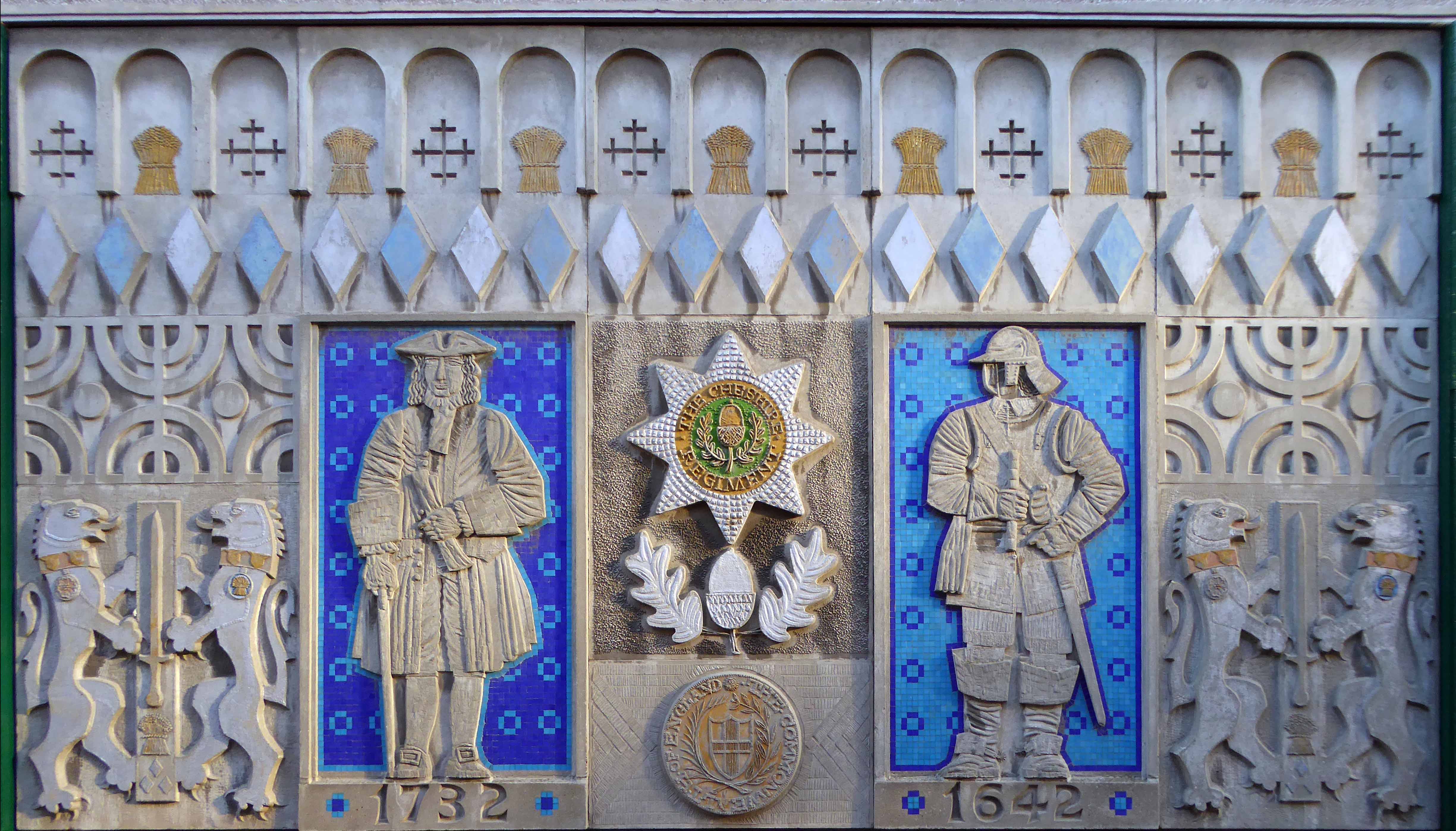
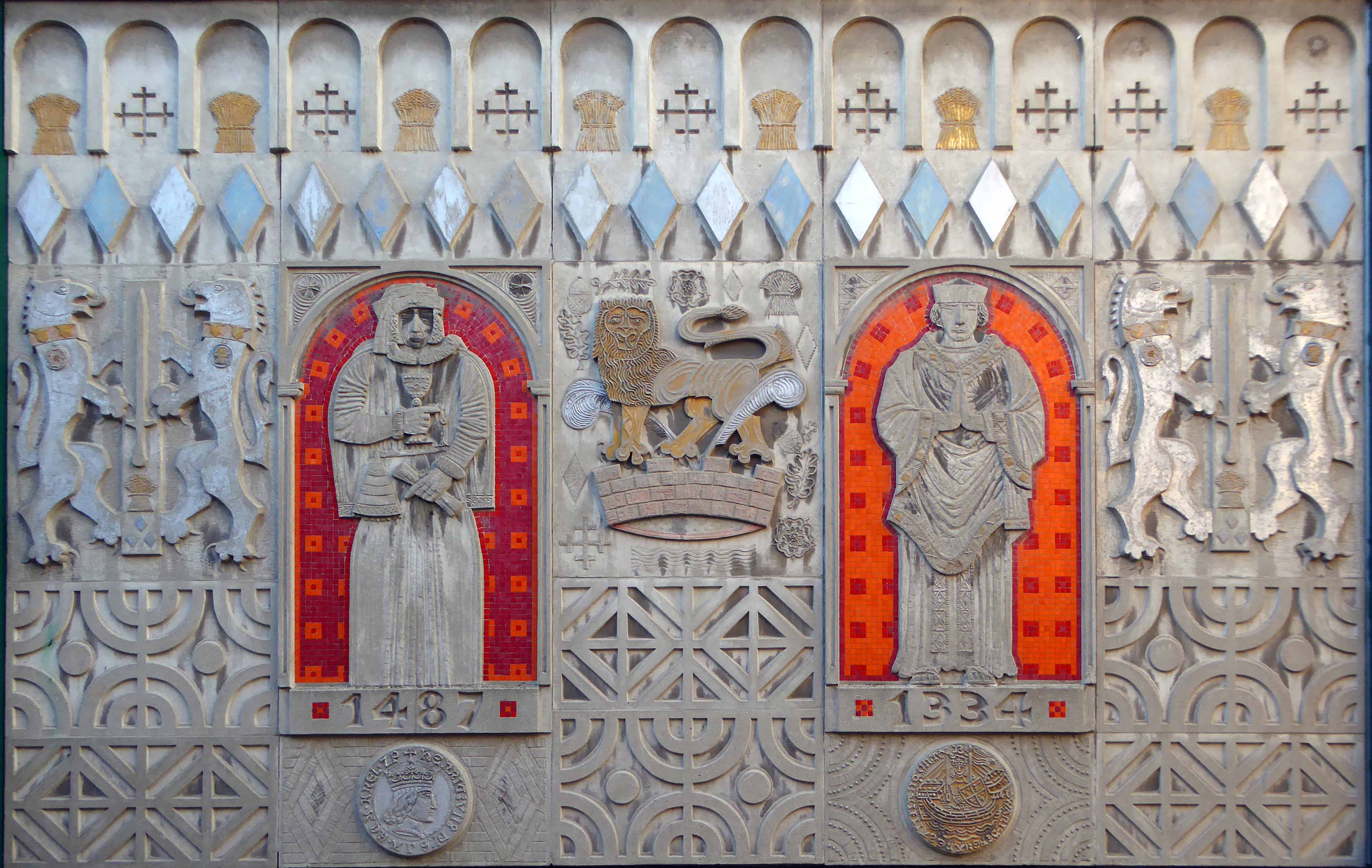
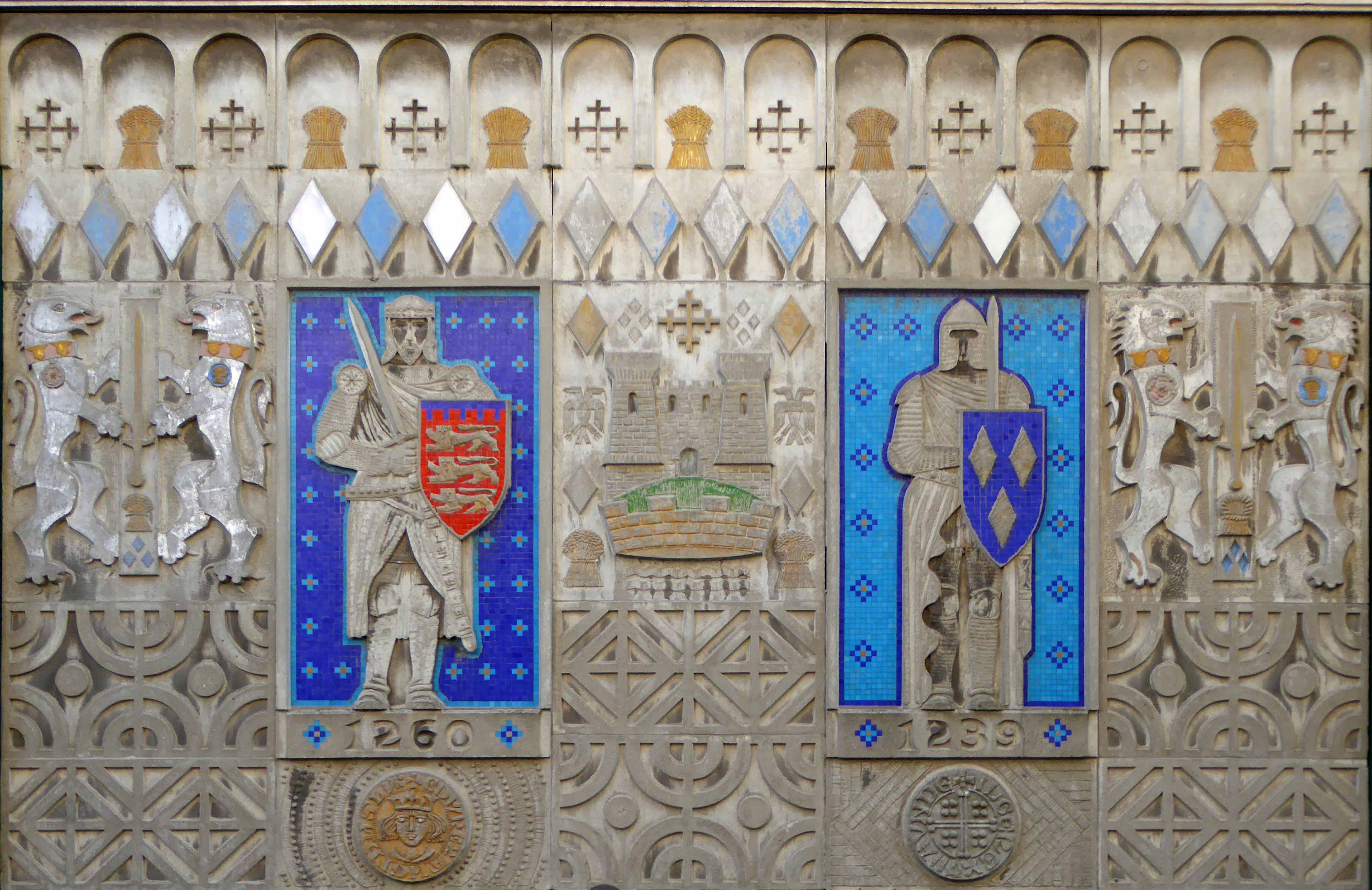
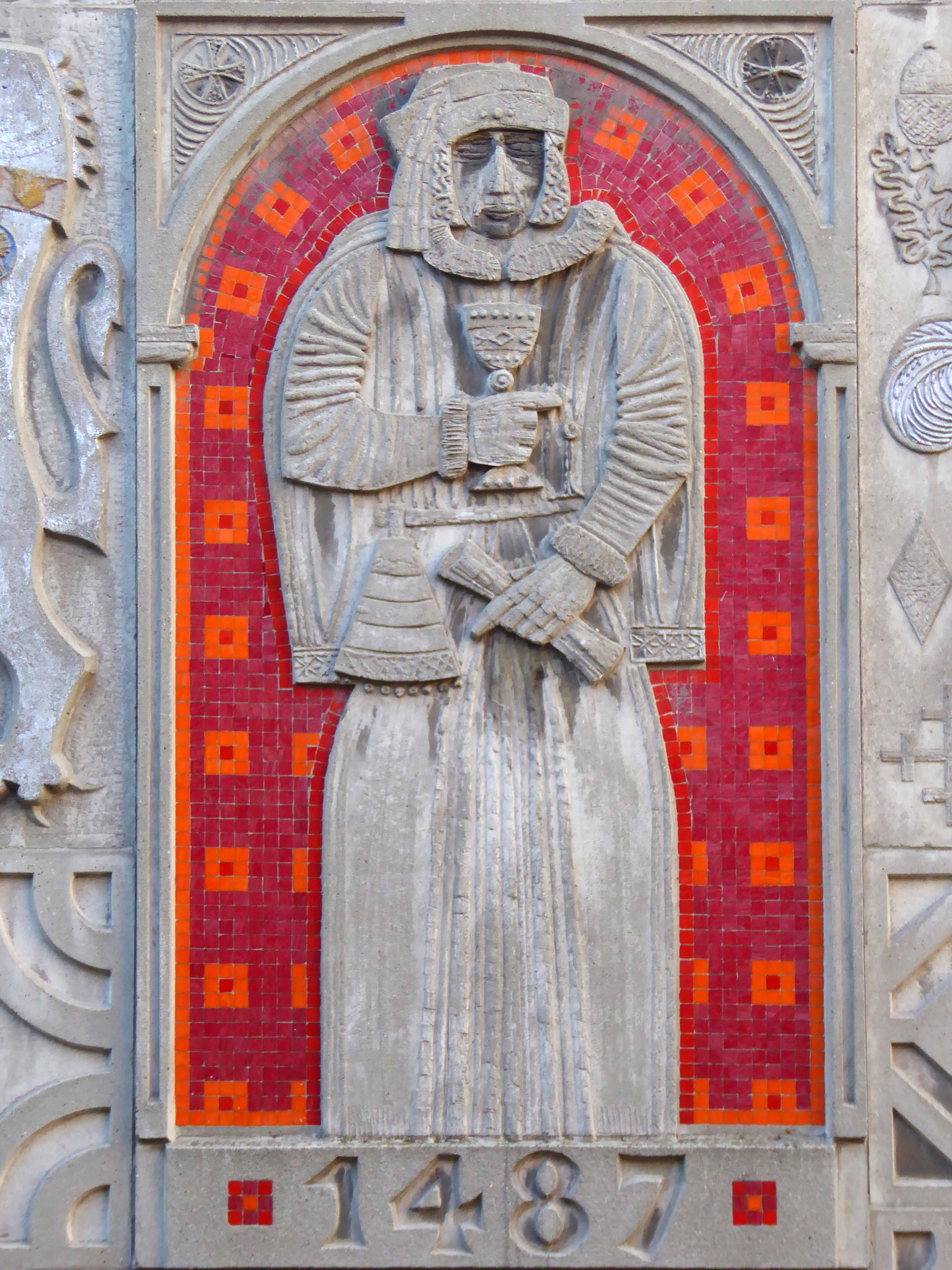
I was looking for her mural which illustrates the telecommunications industry – formerly of the Fleet Building Telephone Exchange Farringdon Road.

Michael Bojkowski

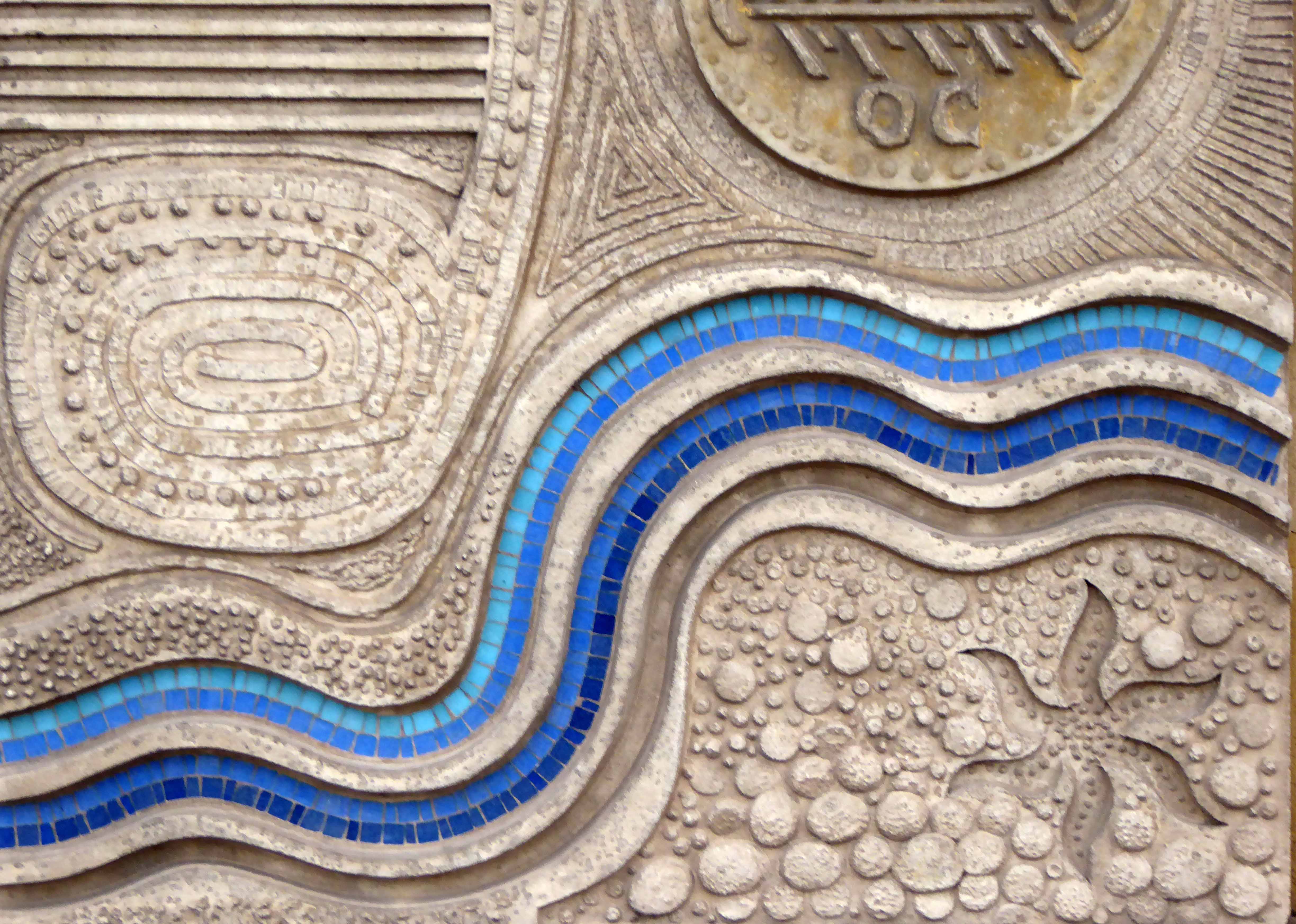
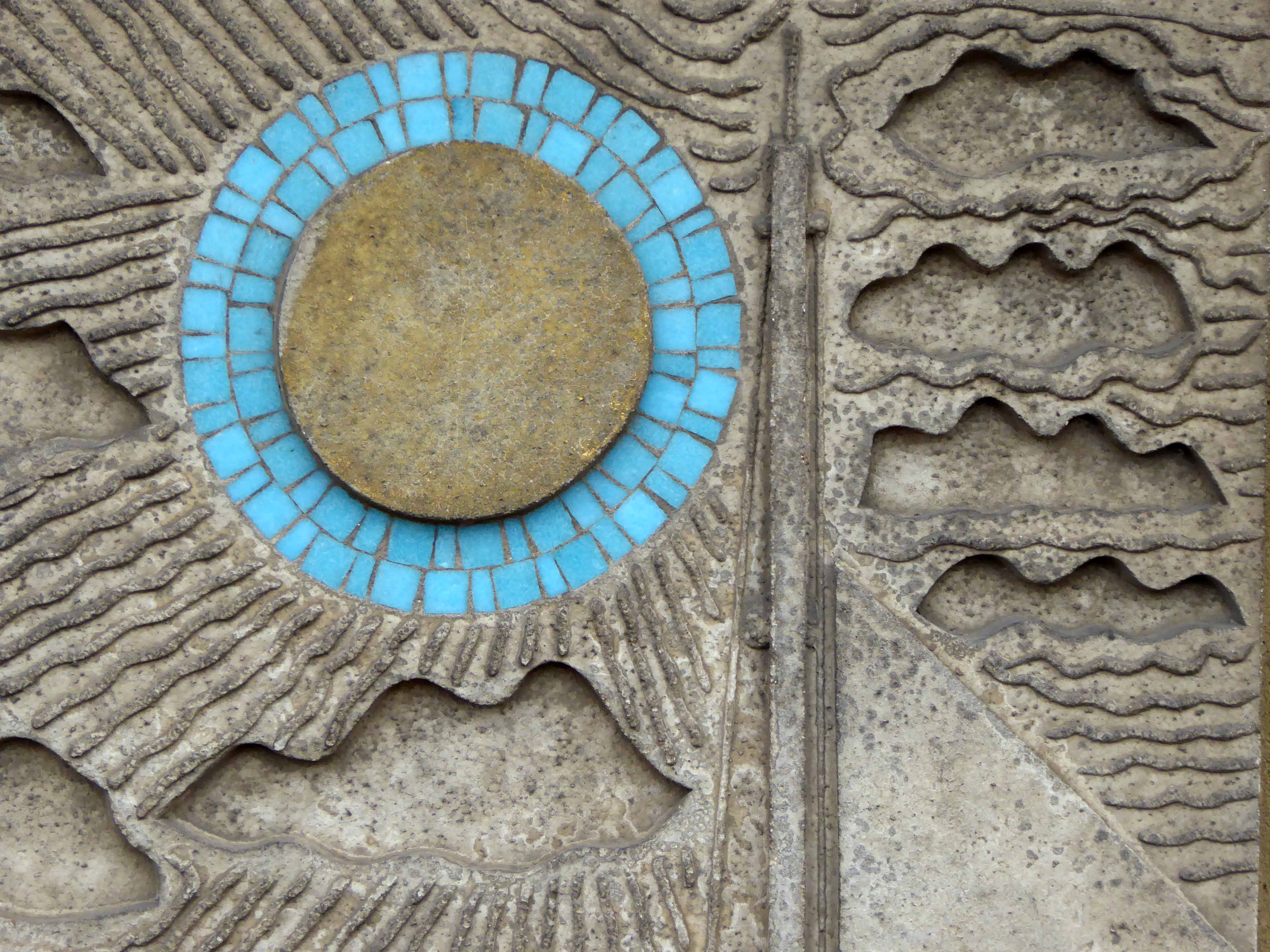
The murals were commissioned at a cost of £300 per panel in 1960. Annan visited the Hathernware Pottery in Loughborough and hand-scored her designs onto each wet clay tile, her brush marks can also be seen in the fired panels.

Charles Trusler

The building was owned by Goldman Sachs, who wished to redevelop the site and opposed the listing of the murals.

In January 2013, the City of London Corporation agreed to take ownership of the murals, and in September 2013 these were moved to a permanent location in publicly accessible part of the Barbican Estate. They are displayed in their original sequence within an enclosed section of the Barbican High Walk between Speed House and the Barbican Centre.

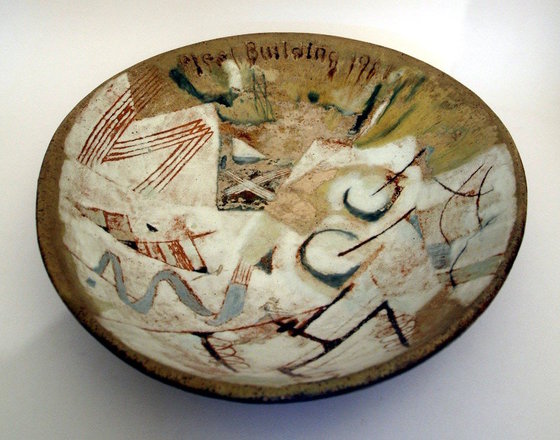
Commemorative Bowl

So following a discursive and somewhat undirected circumnavigation of the Center we were finally united – it only seemed polite to linger a while and take some snaps – here they are.

All Saints & Martyrs – Langley


Screen Shot 2018-07-09 at 15.34.32

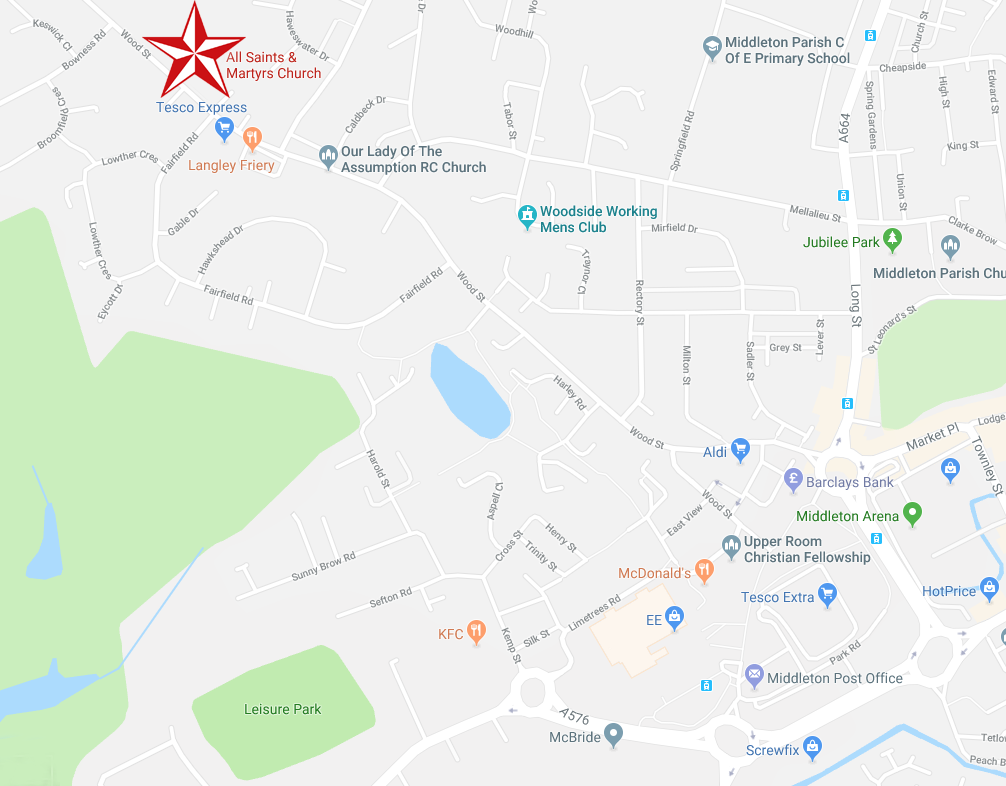
All Saints & Martyrs Rectory, Wood St, Middleton, Manchester M24 5GL

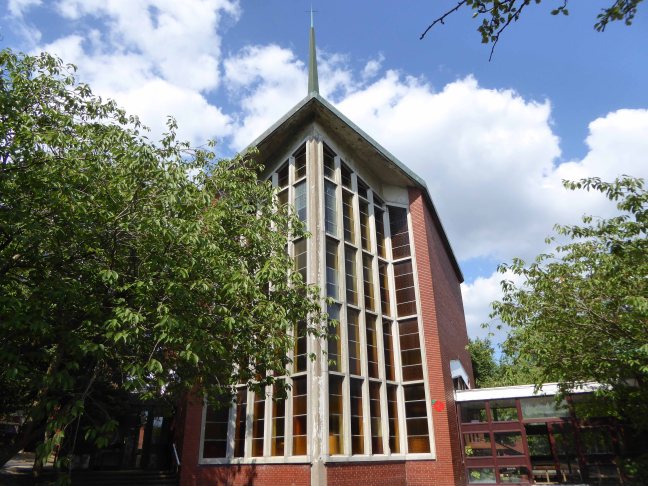
We had the pleasure to visit All Saints & Martyrs on Saturday 7th July 2018 as part of an Art and Christianity – Manchester Modernists Society bus tour.

We could not have been made more welcome by The Reverend Canon Philip Miller – Vicar of Langley and his team, many thanks for their warm hospitality.

Set on the Langley Estate, one of many developed by Manchester Council as overspill social housing, the church serves a large community to the north of the city.

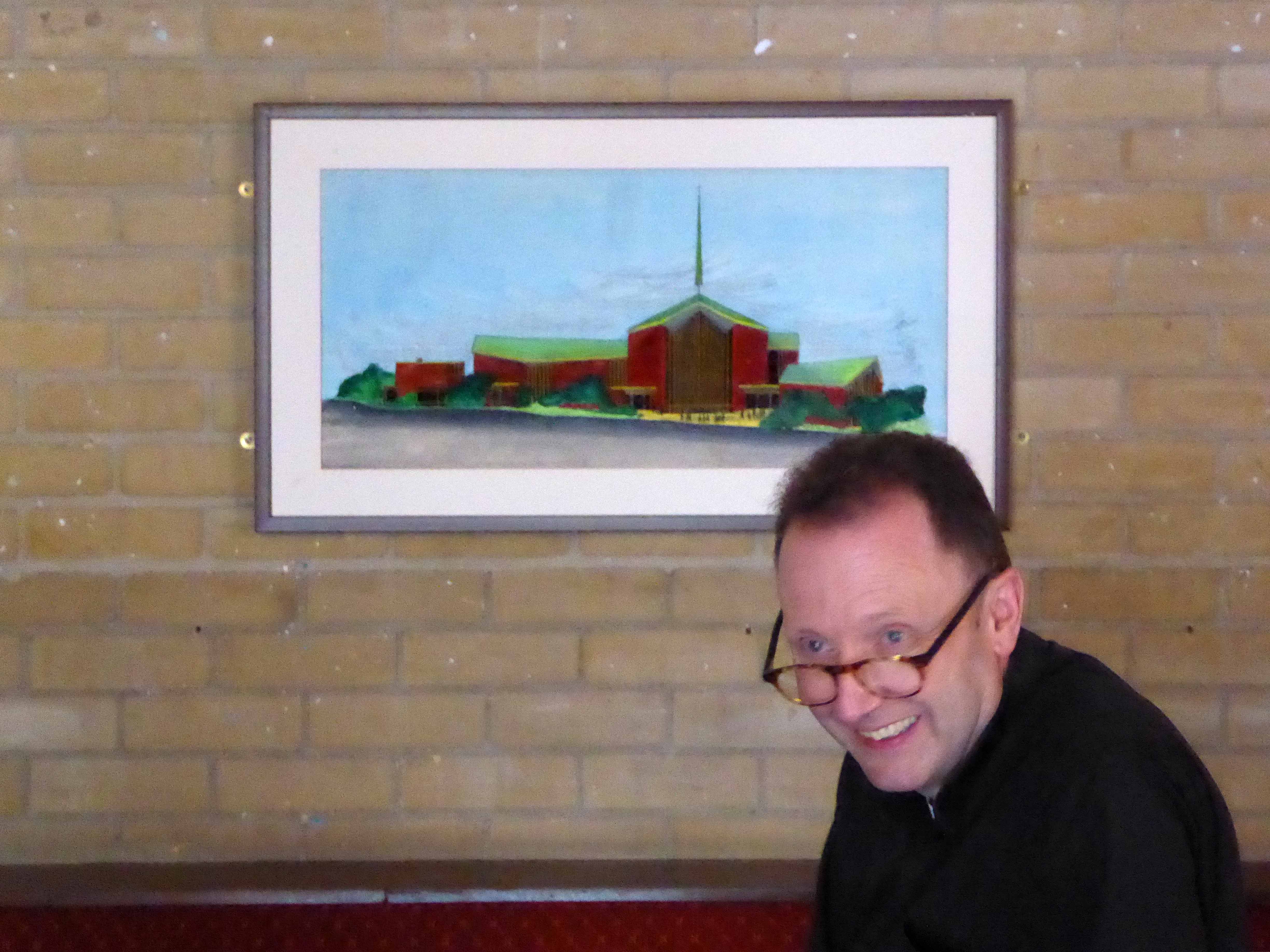
The architect was Albert Walker of Leach Rhodes Walker – this was the first church that they had built, having previously specialised in shopping precincts.

Leach, Rhodes and Walker had involved Geoffrey Clarke RA with their earlier new church building for All Saints, Barton Road, Stretford. (1957) here his contribution was chiefly a large stained glass window depicting the Trinity. LRW continued to collaborate with Clarke in their church projects, in the years following at Langley. In a letter to the church at the time he wrote: “Start saving now for a new West End Window – only £10 p.s.f – for the greatest window in the North…. I have just done some windows I’m rather pleased with..”

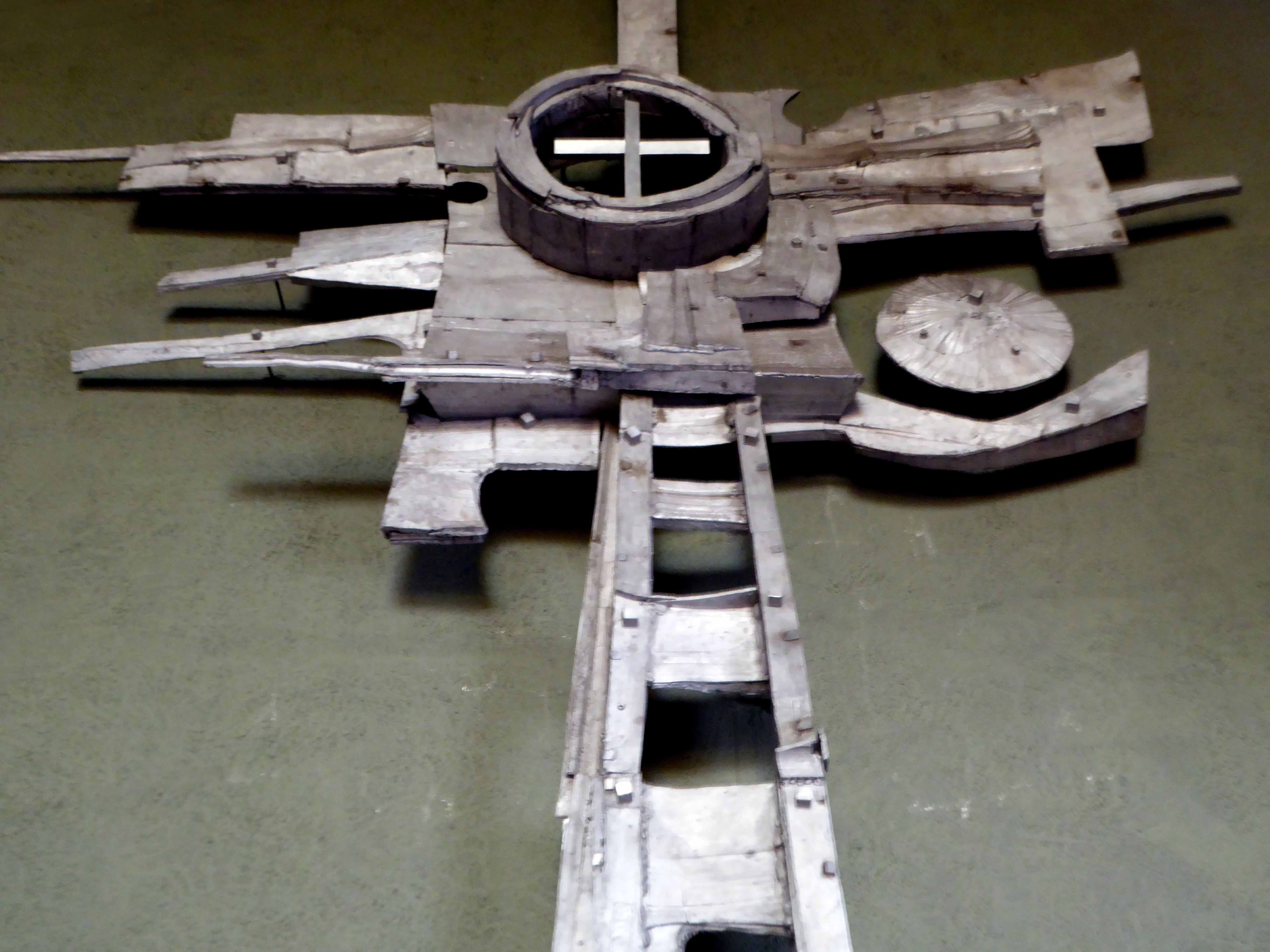
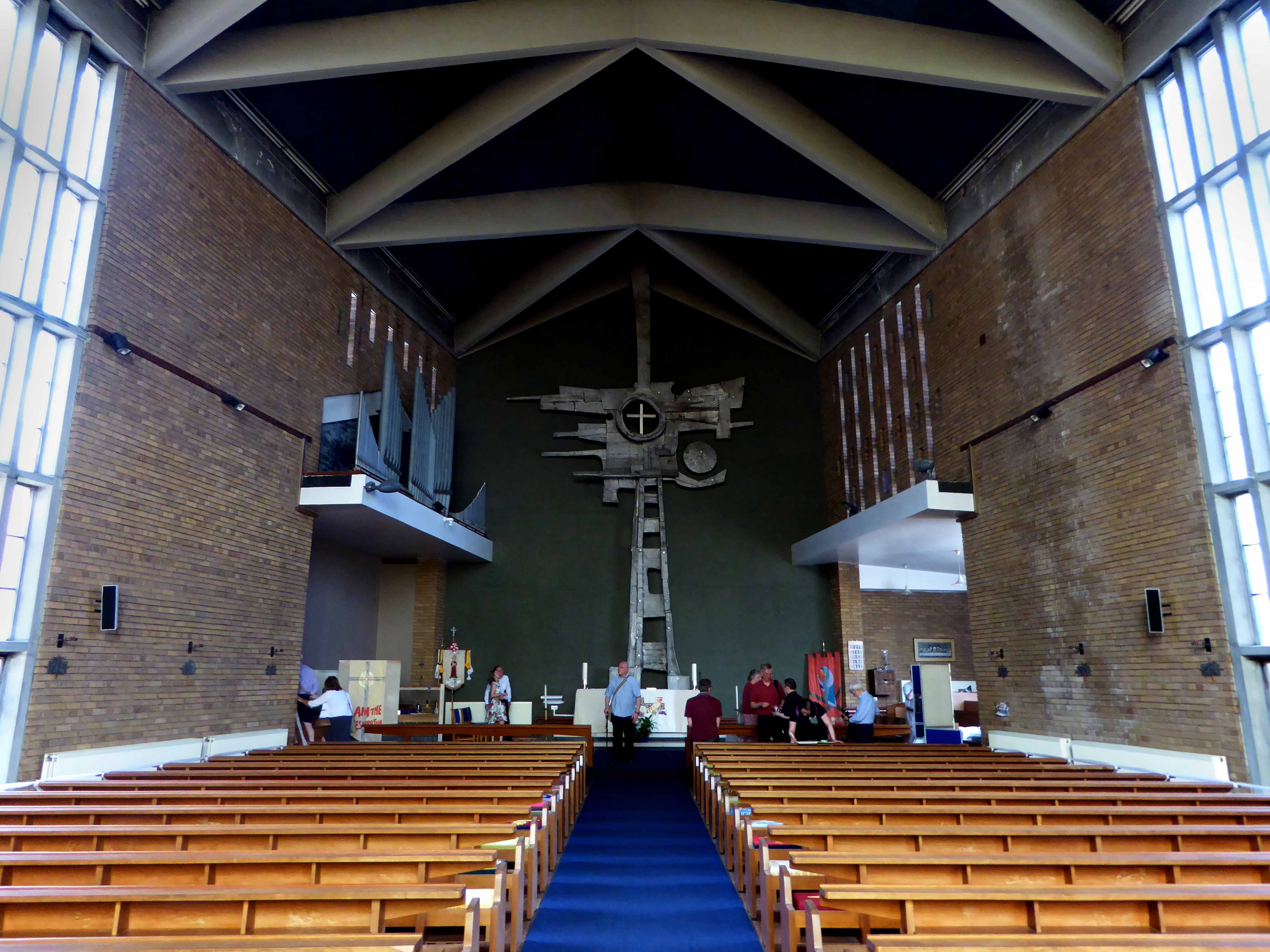
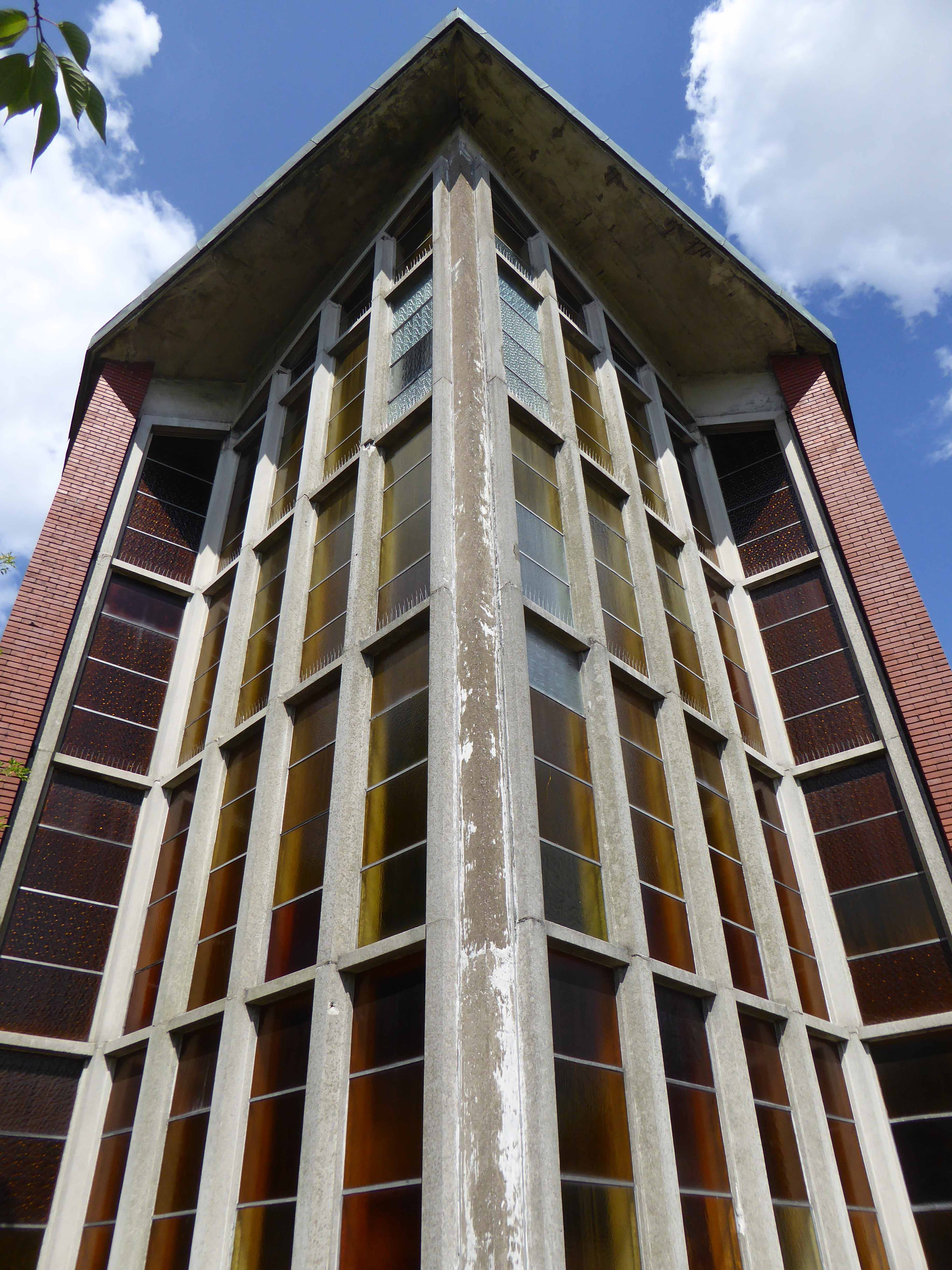
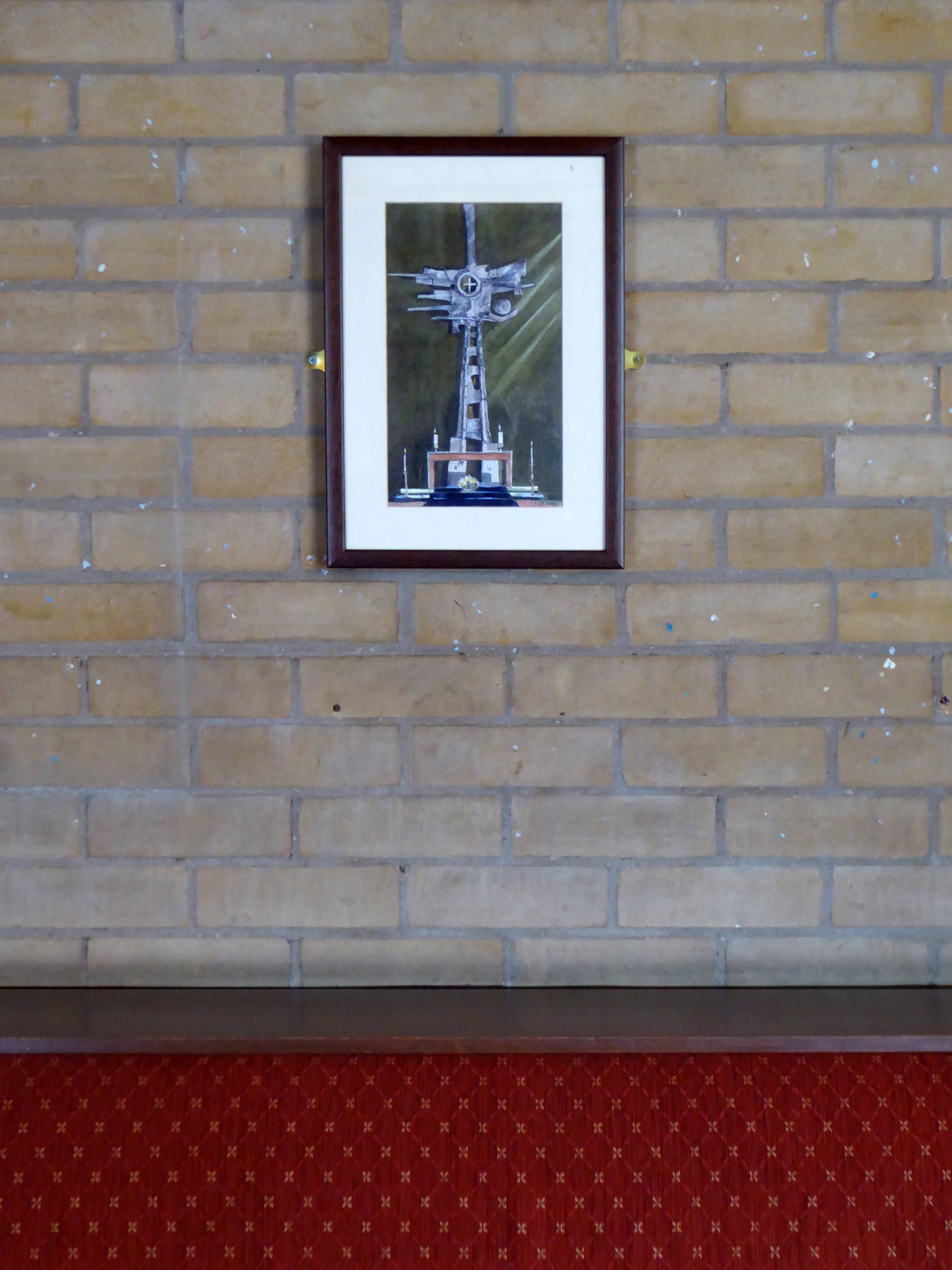
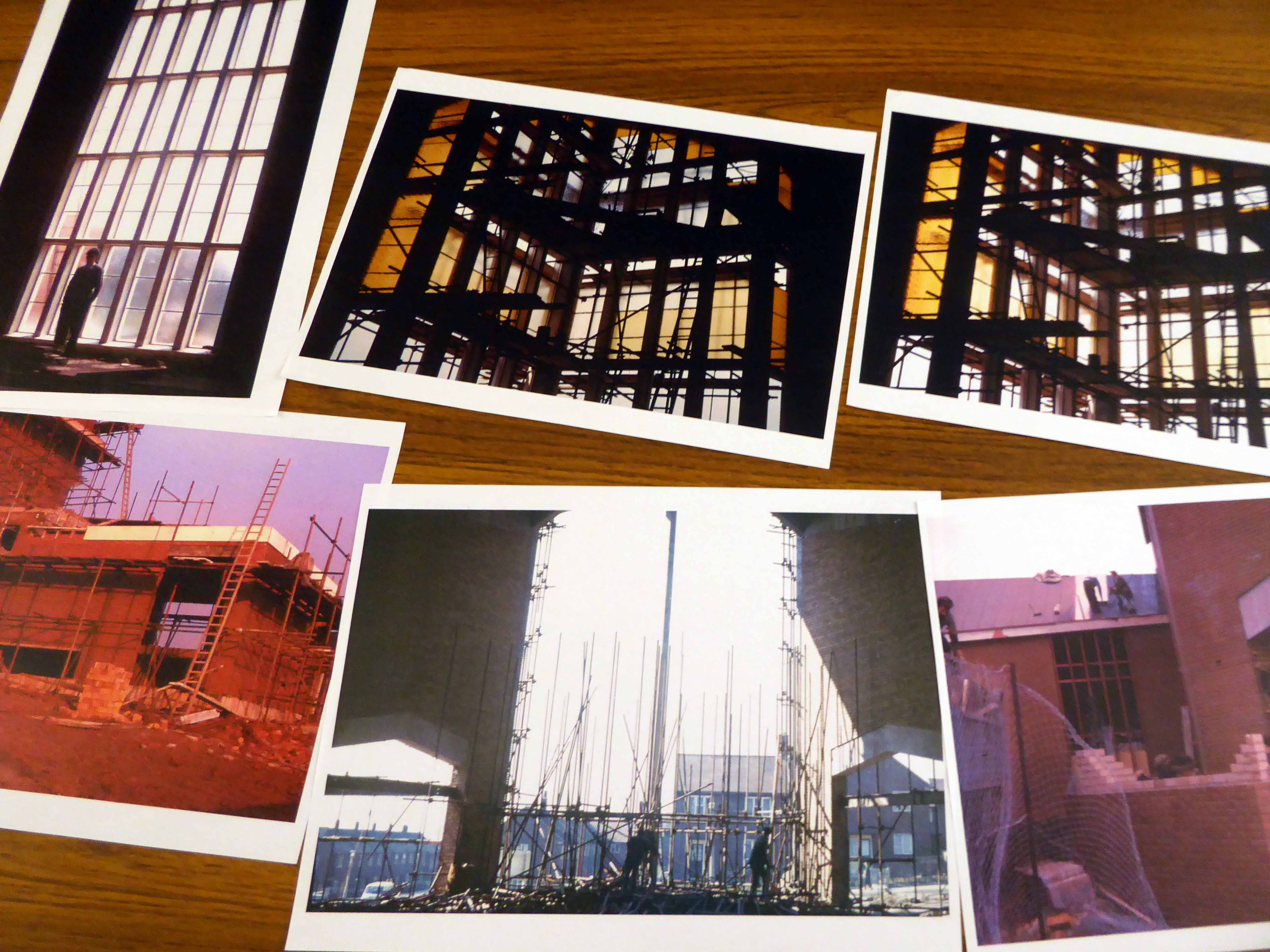
The church is an imposing angular structure, its height possibly determined by the treasure within – The Langley Cross.

P1270105

Consecrated in 1964, All Saints and Martyrs is home to the Langley Cross. This unique structure, which adorns our east wall, is the work of internationally renowned artist, Geoffrey Clarke RA, who has won reputation by his contributions to Coventry Cathedral.

The sculpture itself is 37 feet high and about 20 feet wide at the extremities of the transverse shaft and made of cast aluminium metal.

This is work of national and international significance.

P1270111

P1270104

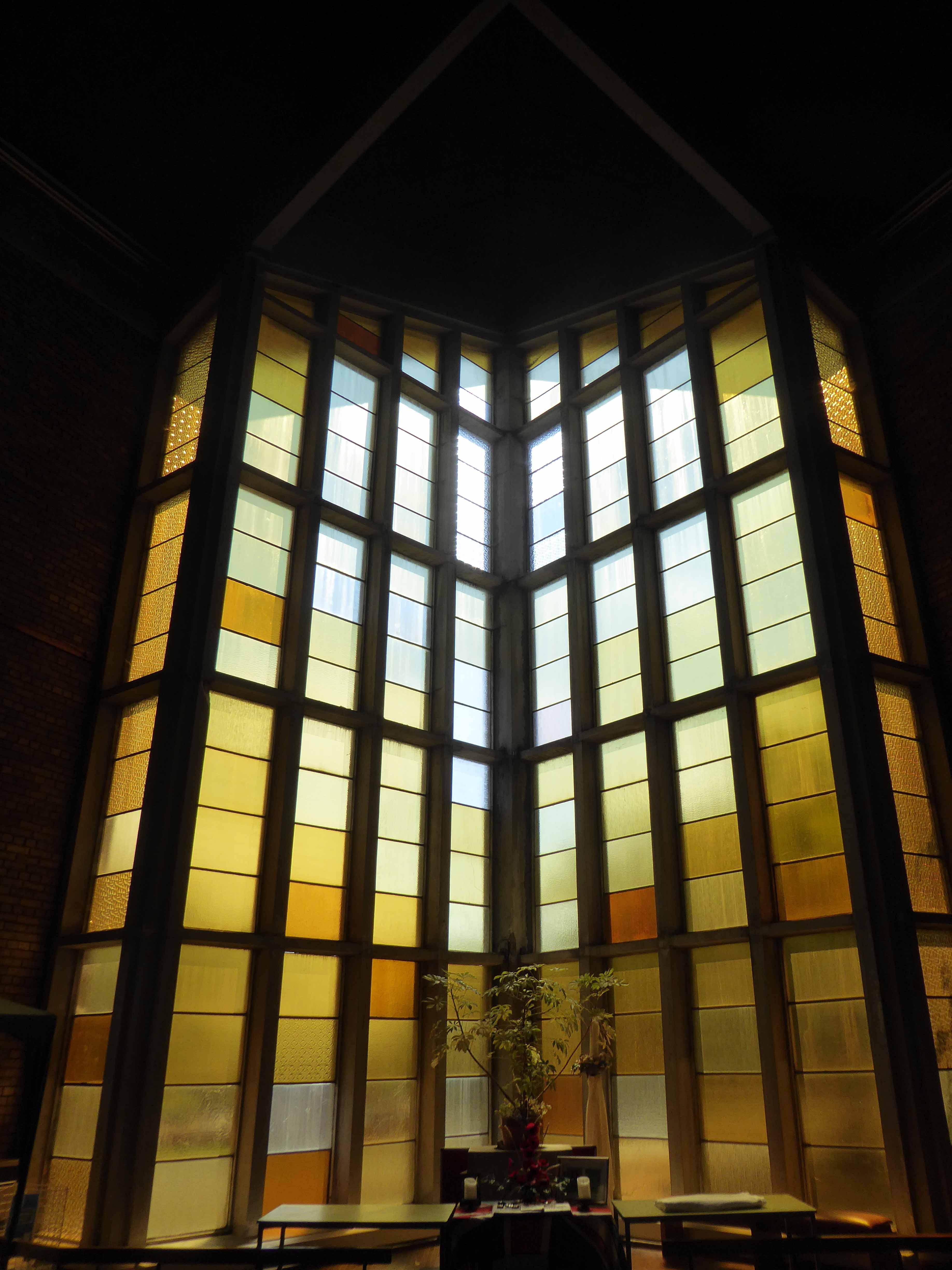
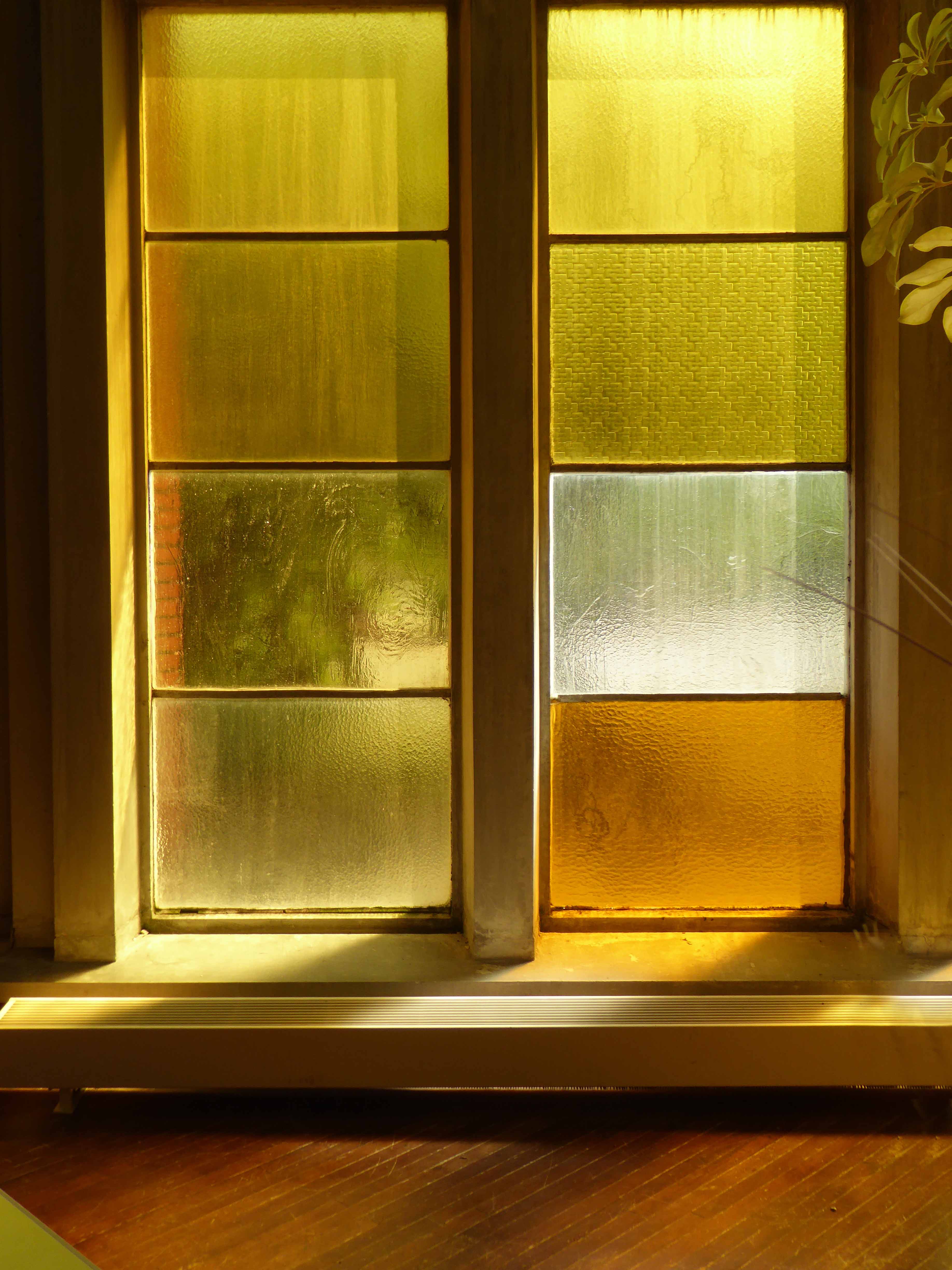
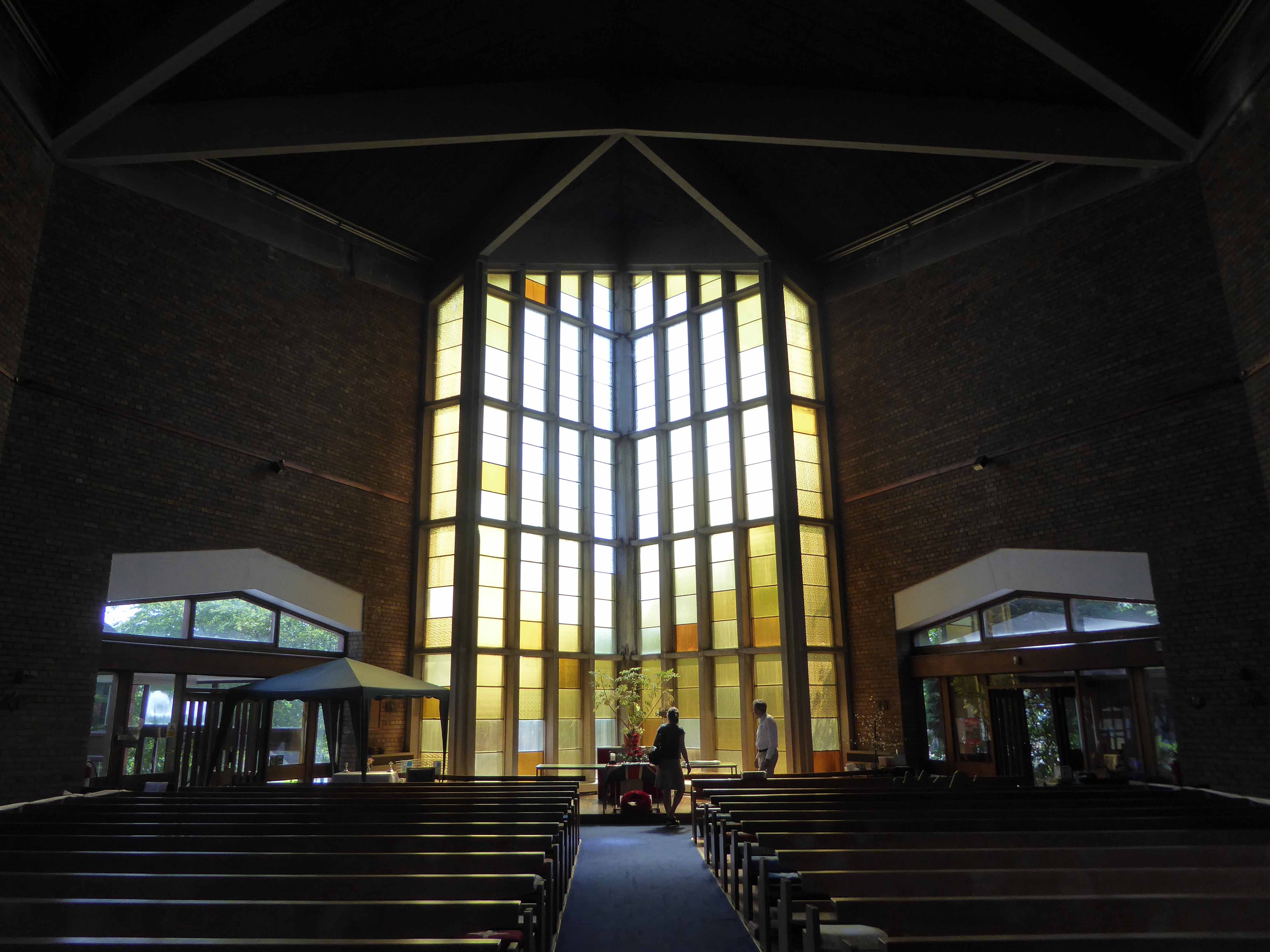
The church is lit from the west by a large yellow and white window, formed of French stained glass. Though seriously damaged over time, it has subsequently been repaired and forms an imposing counterpoint to the facing cross.

P1270098

P1270101

P1270102

P1270110

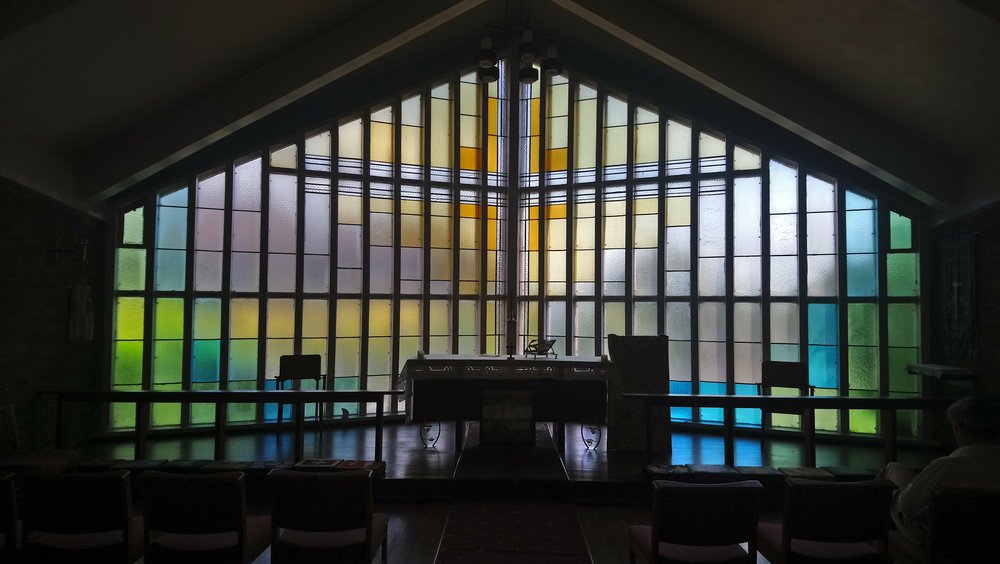
To the right of the main entrance is a delightful chapel, illuminated by a large stained glass window.

DSC_0425

P1270115

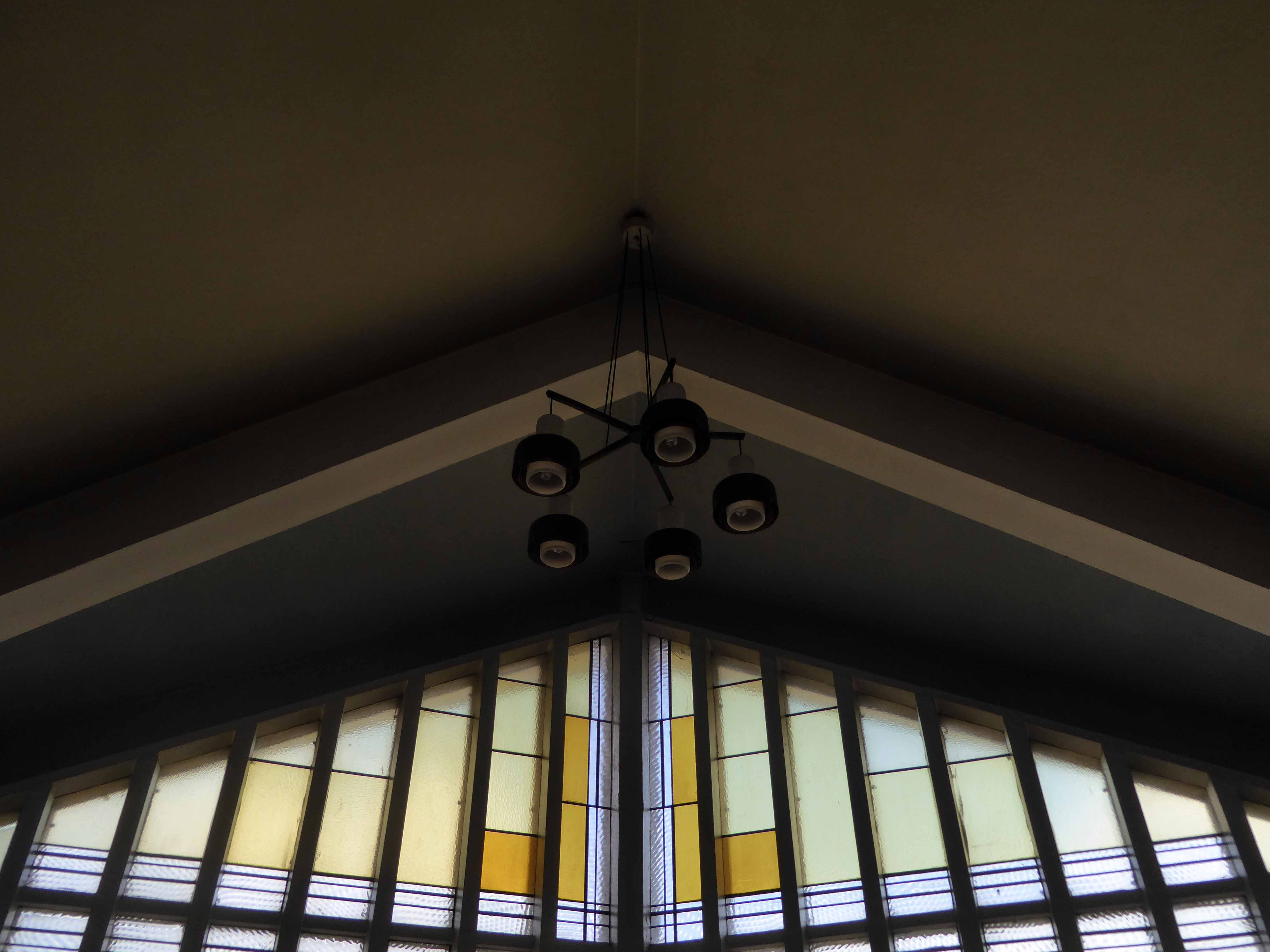
And in addition a charming period light fitting.

P1270114

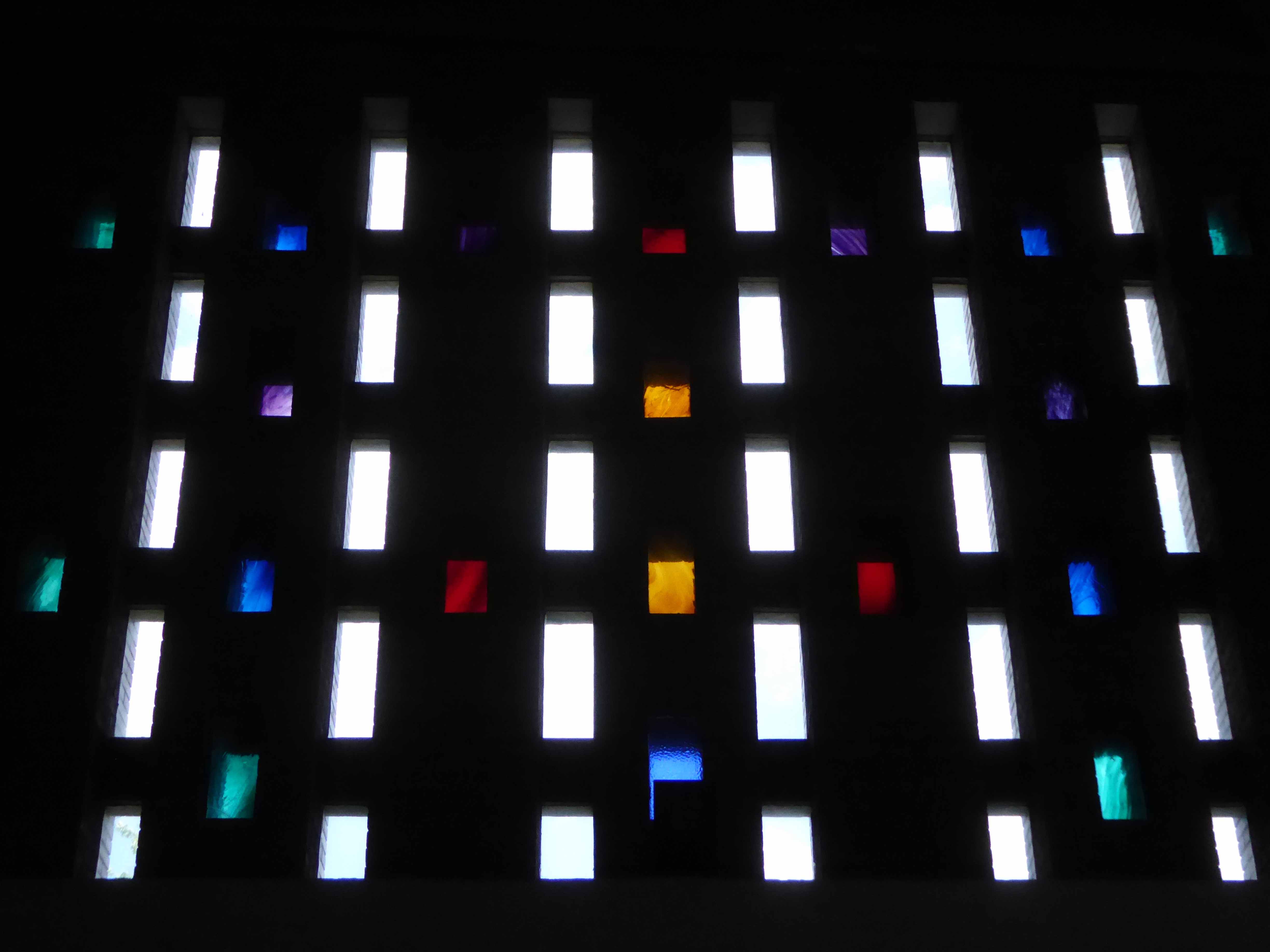
To the right of the altar and cross are pierced stained glass windows.

P1270108

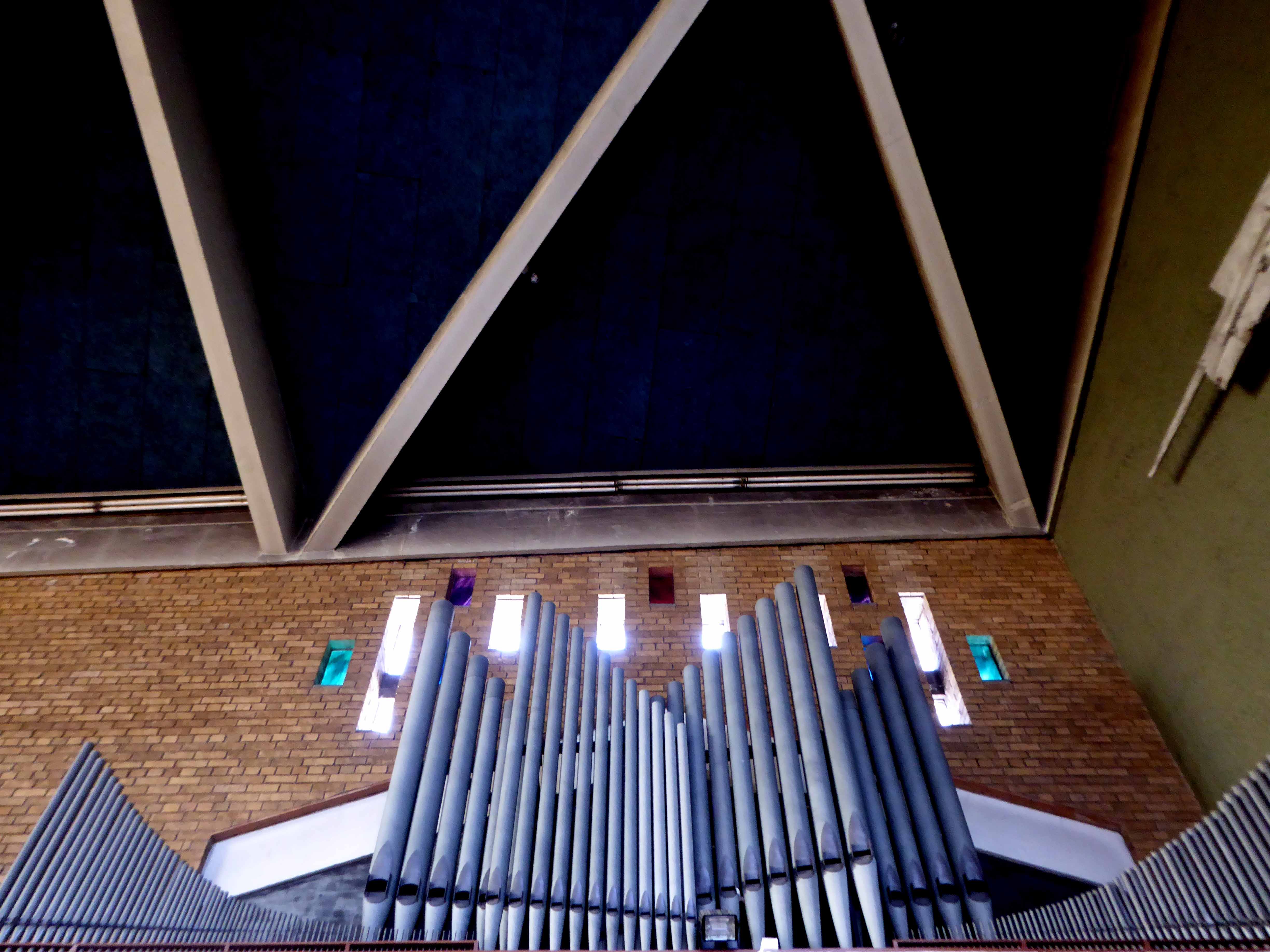
And to the left the sculptural organ pipes and further pierced stained glass.

P1270106

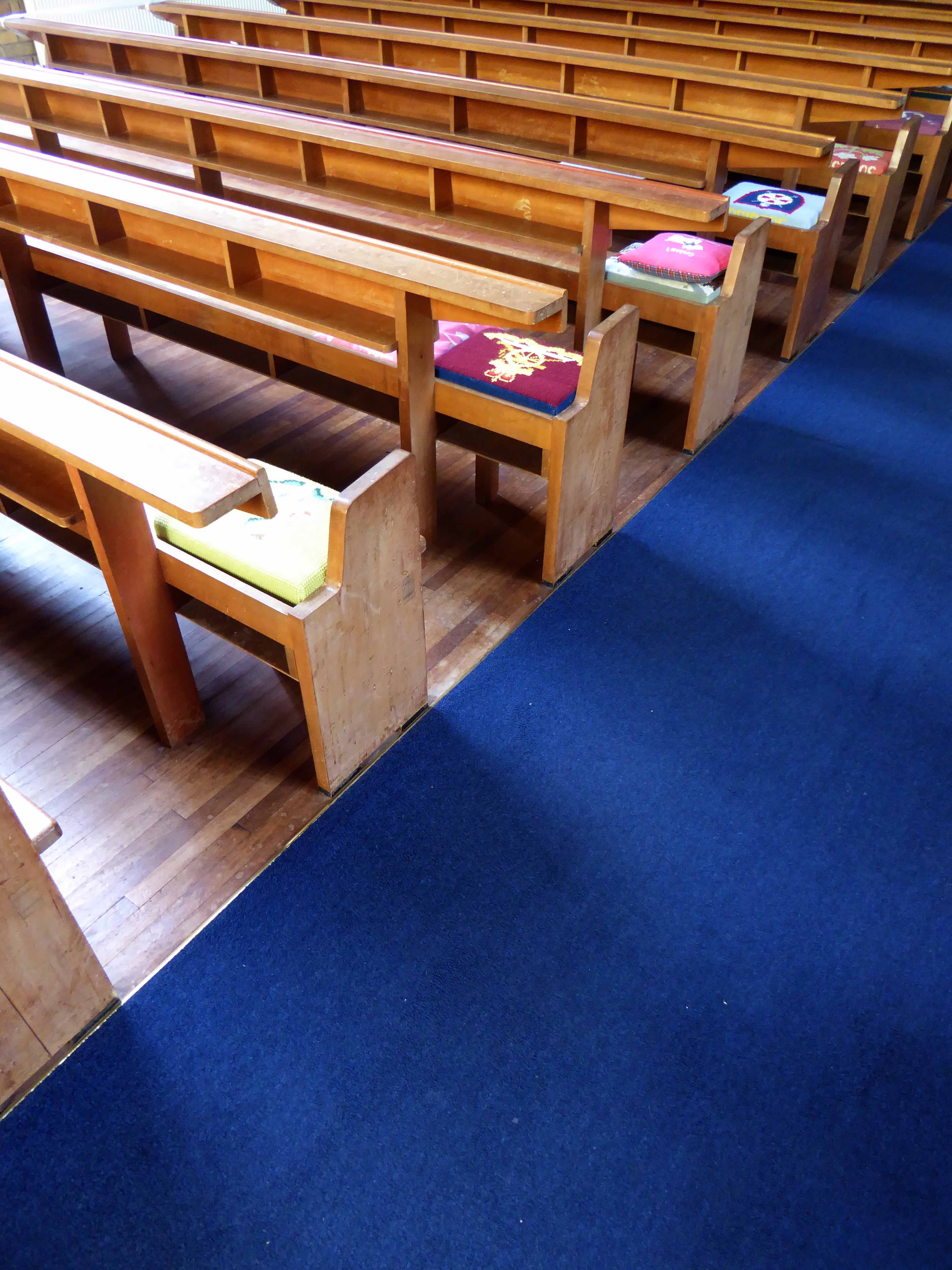
The church has retained much of its original furnishings.

P1270117

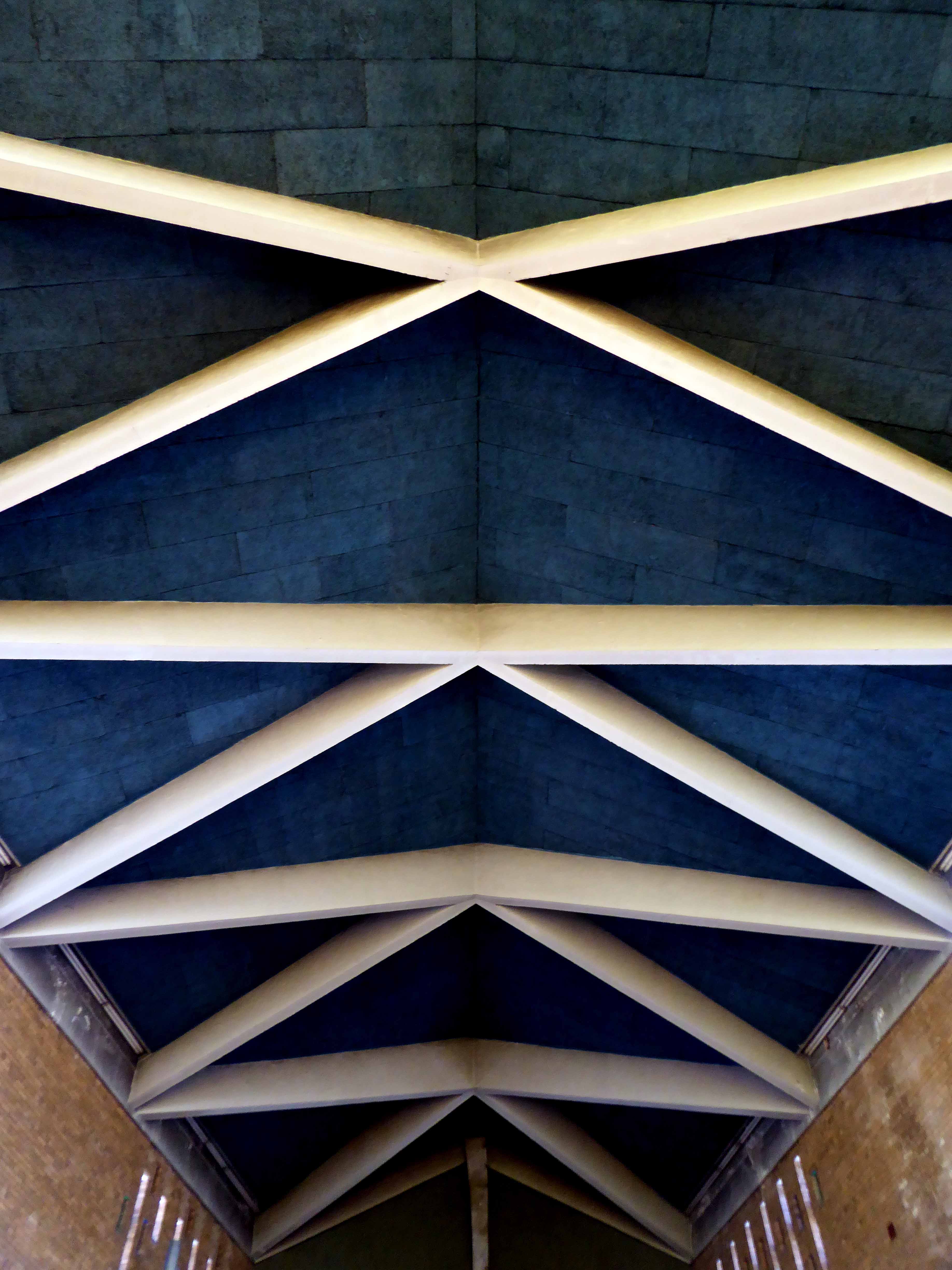
The roof is formed of intersecting concrete beams and coloured blocks.

P1270112

The adjoining ground floor space was once used for an overflowing congregation, it has retrospectively been partitioned and serves as a social meeting area.

It was here that we were so generously treated to tea and cakes.

P1270124

P1270123

And given the opportunity to view examples from the church’s extensive archive.

P1270125

P1270126

The building is not without its problems – the ingress of water and the cost of maintaining the structure require outside assistance, through grant aiding, fund raising and donation. We should all make every effort to ensure that All Saints and Martyrs survives intact for generations to come.

Here is a building of great distinction, housing public art of the highest quality, built at a time when the ethos of nothing but the best for all was commonplace.

I can only thank Phil once again for his warm welcome and wish he and his parishioners – nothing but the best for the future!

If you have the opportunity, go and take a look for yourself.

P1270129


John Lewis Mosaics – Milton Keynes

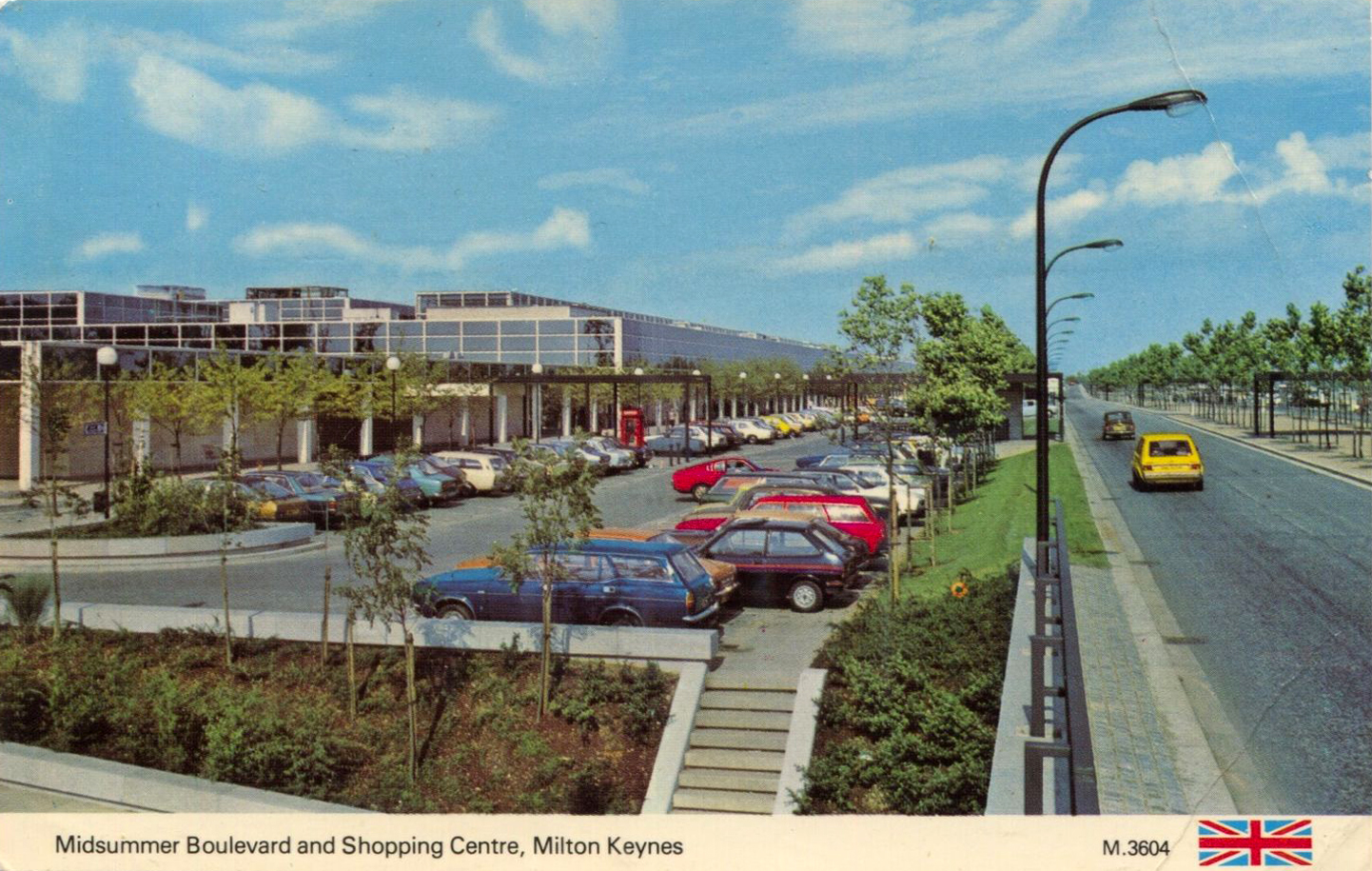
I was lured here, siren like, by an un-purchased eBay postcard – which precipitated a virtual four colour process printed journey around the shopping precincts of the UK.

MK b copy

It only seemed appropriate to finally arrive at MK Central in real life, by train from Stockport – walking at last wide-eyed and expectant, along the whole length and width of Midsummer Boulevard to centre:mk

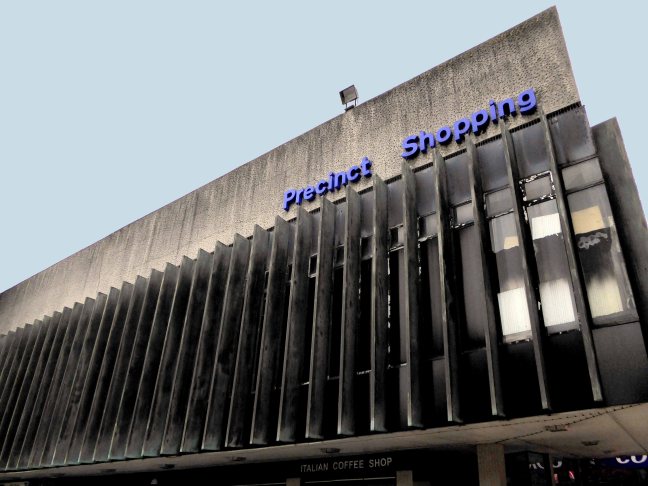
The Milton Keynes Development Corporation began work on the Shopping Building in 1973. It was to be the largest building of Central Milton Keynes. It had a total length of over one kilometre and a maximum width of one hundred and sixteen metres . It was built at the highest point in the New City. The architects were Derek Walker, Stuart Mosscrop, and Christopher Woodward, who had been significant architects at the MK Development Corporation; and the engineers were Felix Samuely and Partners. The shopping area was opened on 25th September 1979 by Margaret Thatcher. The building’s sleek envelope accommodated one hundred and thirty shops and six department stores, arranged along two parallel day-lit arcades, each eight hundred meters long and planted with sub-tropical and temperate trees.

A big bad Miesian box of glass and steel that goes on forever and forever.

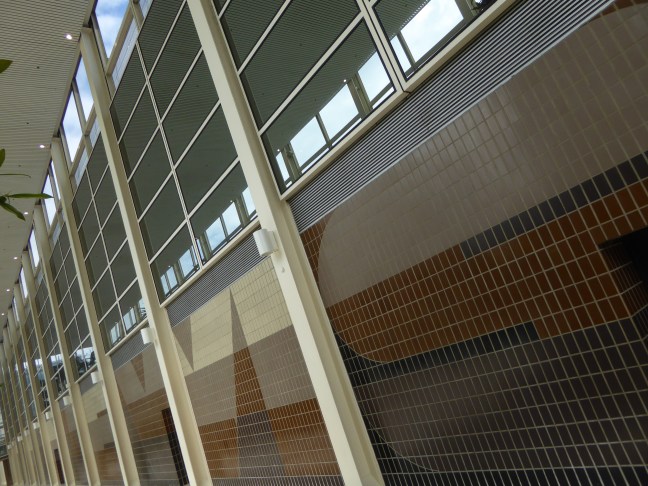
At the very far end of forever is the John Lewis store, to the right of the entrance there are a series of tiled panels – these are possibly the work of Lucienne and Robin Day

Way back when, when brown was the new brown, brown still is the new brown.

Fresh and crisp and even.

Bobbing up and down precipitously on low marble walls, from amongst the sub-tropical and temperate trees, I bring you these thirteen tiled panels.

P1260155

P1260155a

P1260155b

P1260155c

P1260155d

P1260155e

P1260155f

P1260155g

P1260155h

P1260155i

P1260155j


P1260169k copy

P1260155m

Working so close up and personal at altitude, photographing such large pieces in confined spaces, it’s not until you arrive home that you discover that together they spell:

john

lewis

What a delightful surprise!
St George’s Shopping Centre – Preston

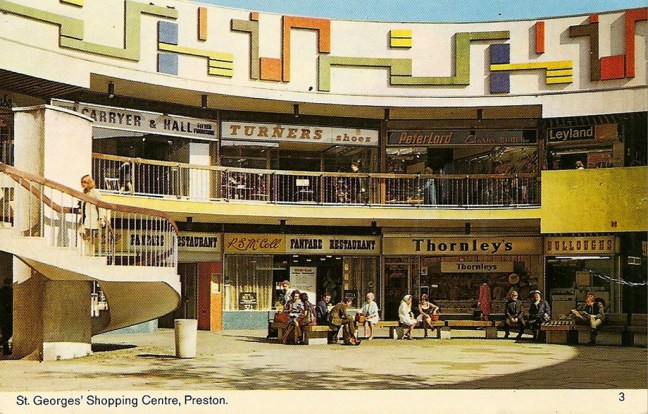
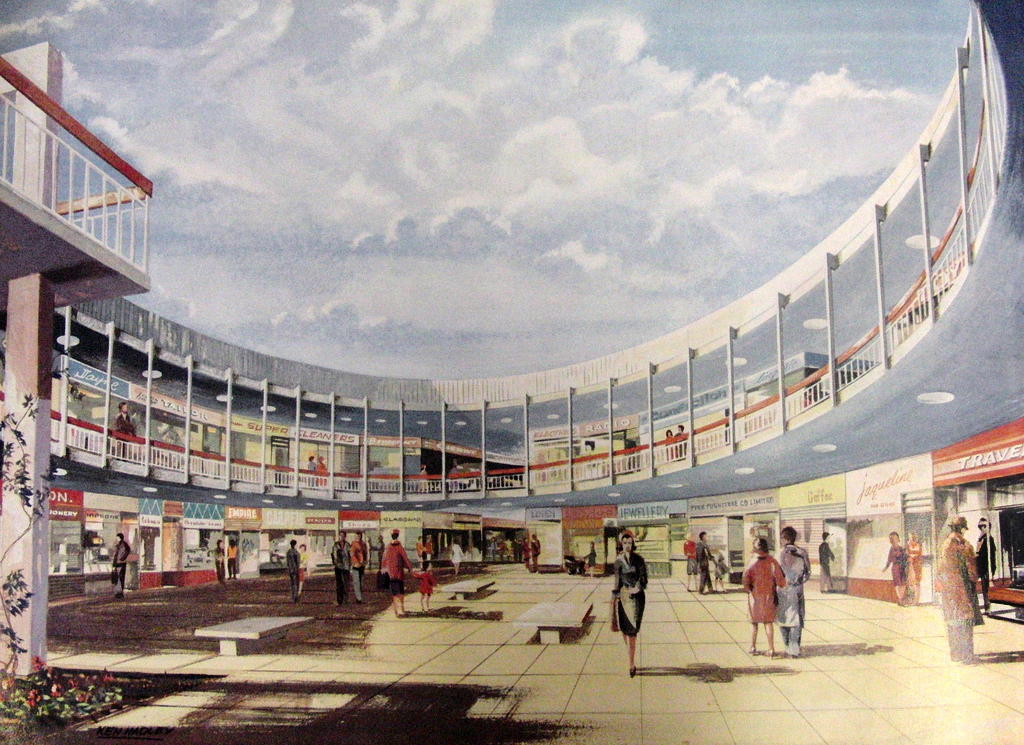
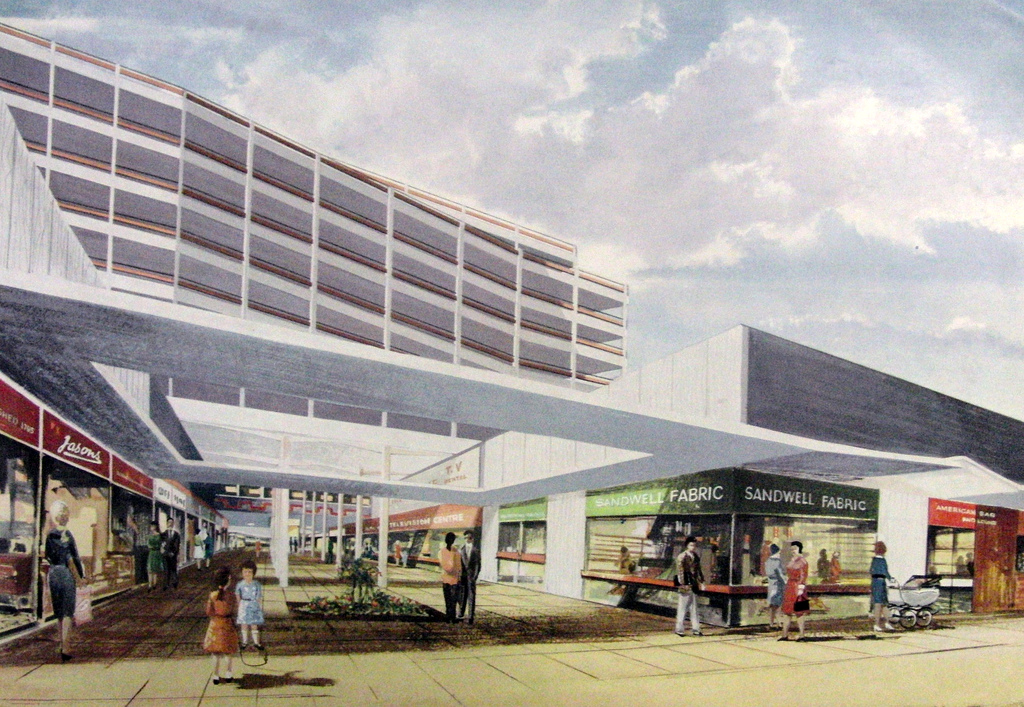
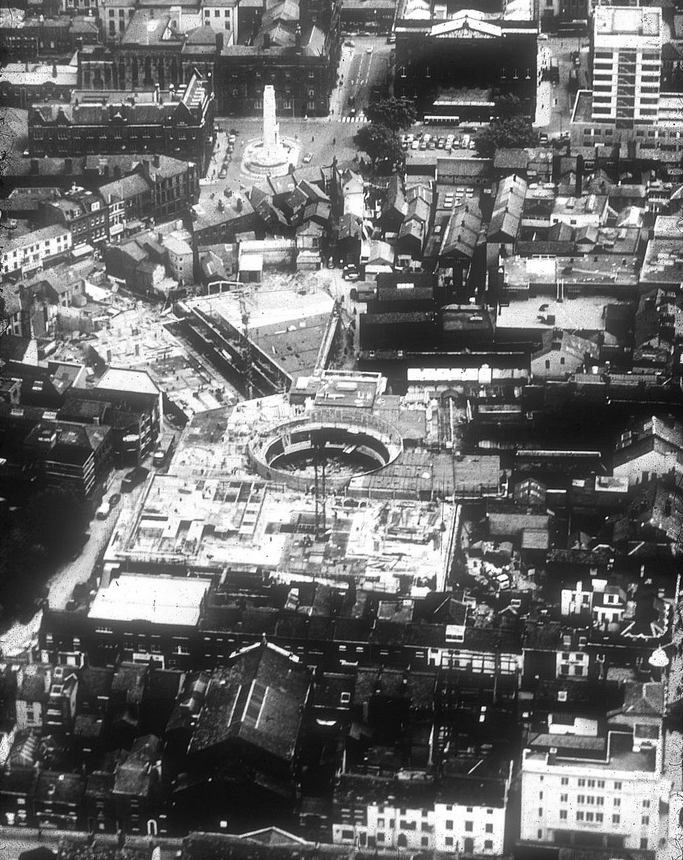
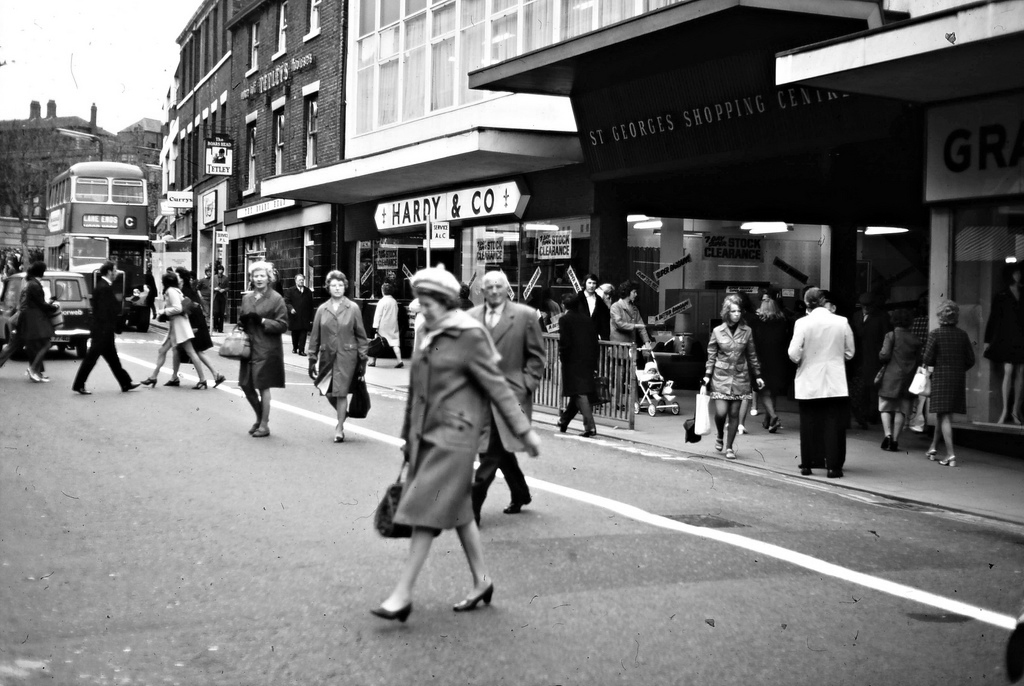
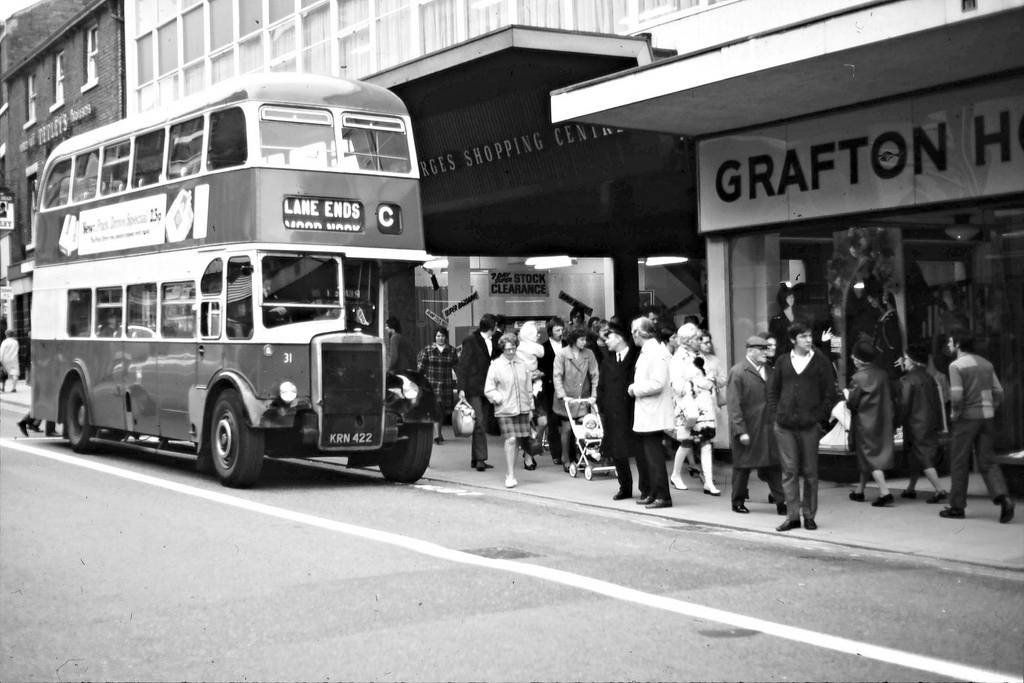
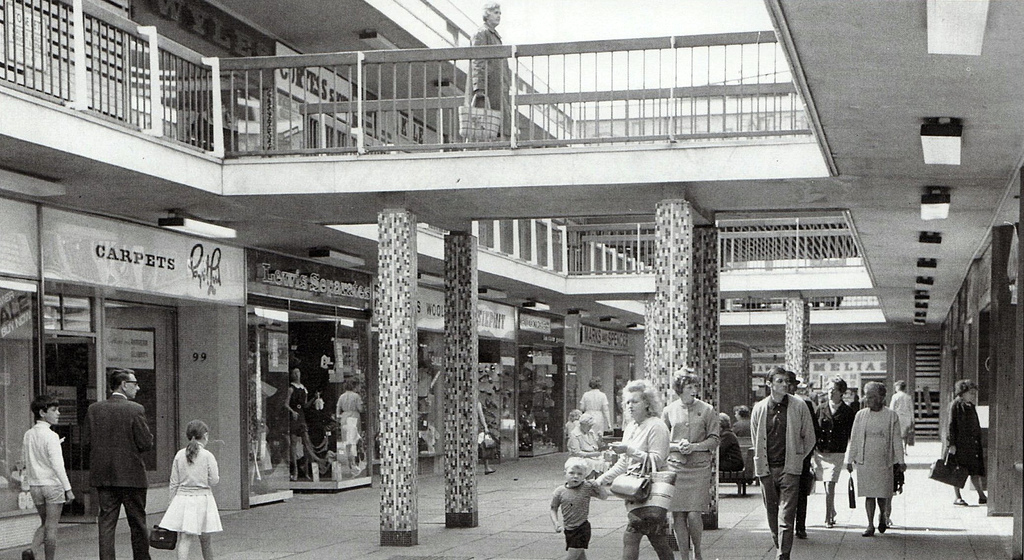
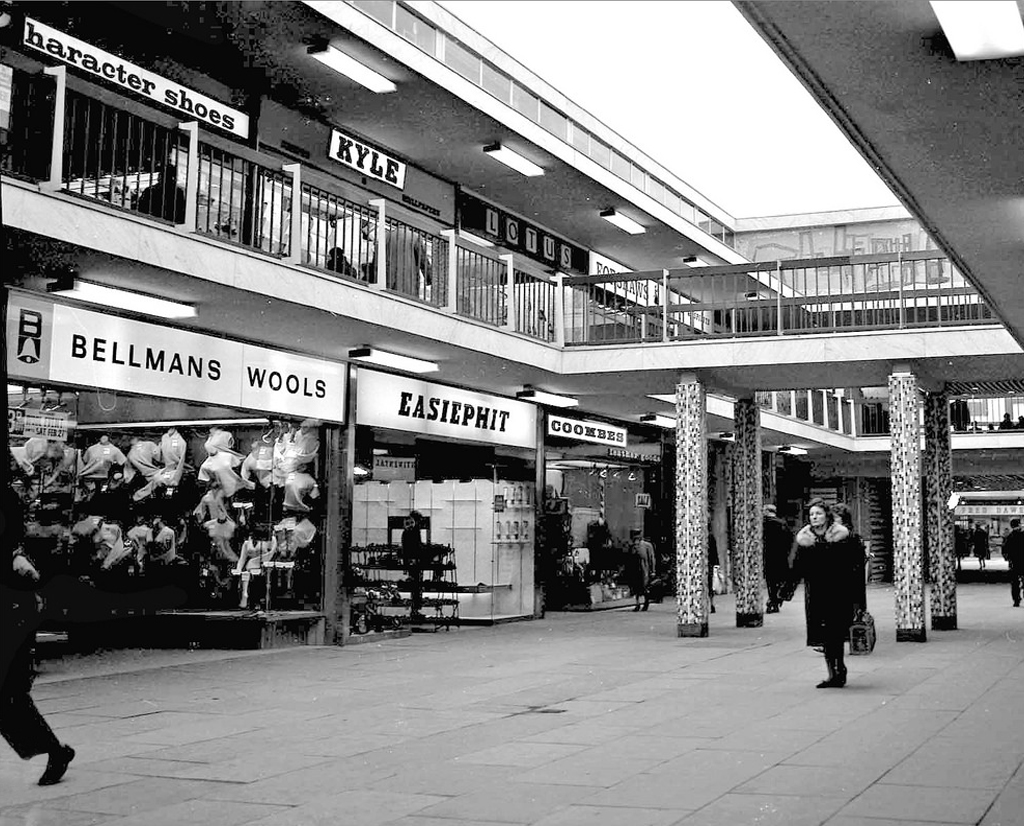
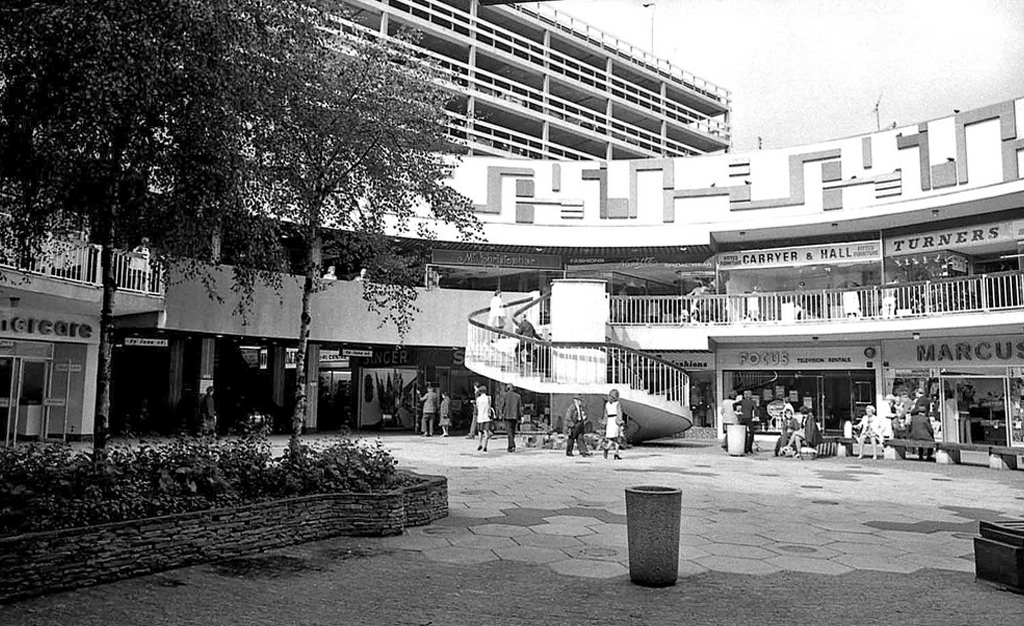
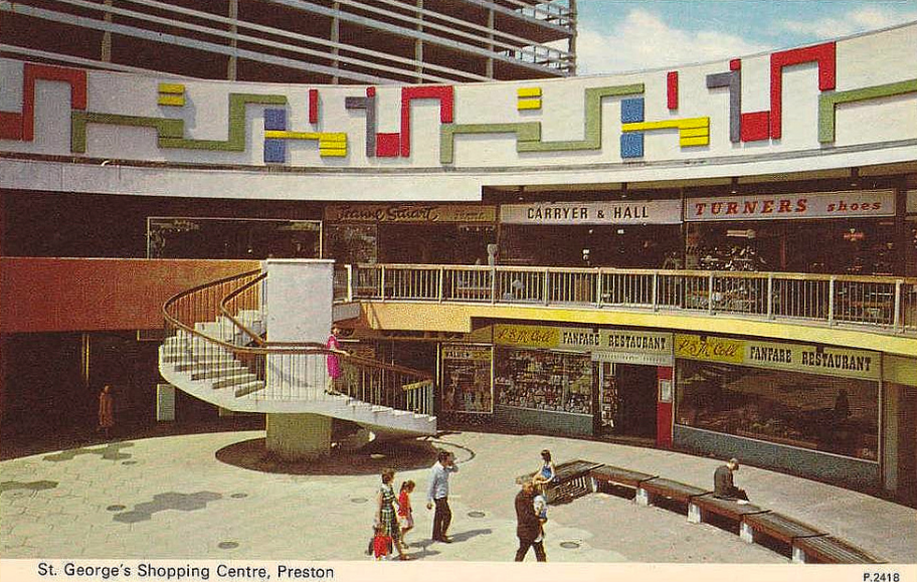
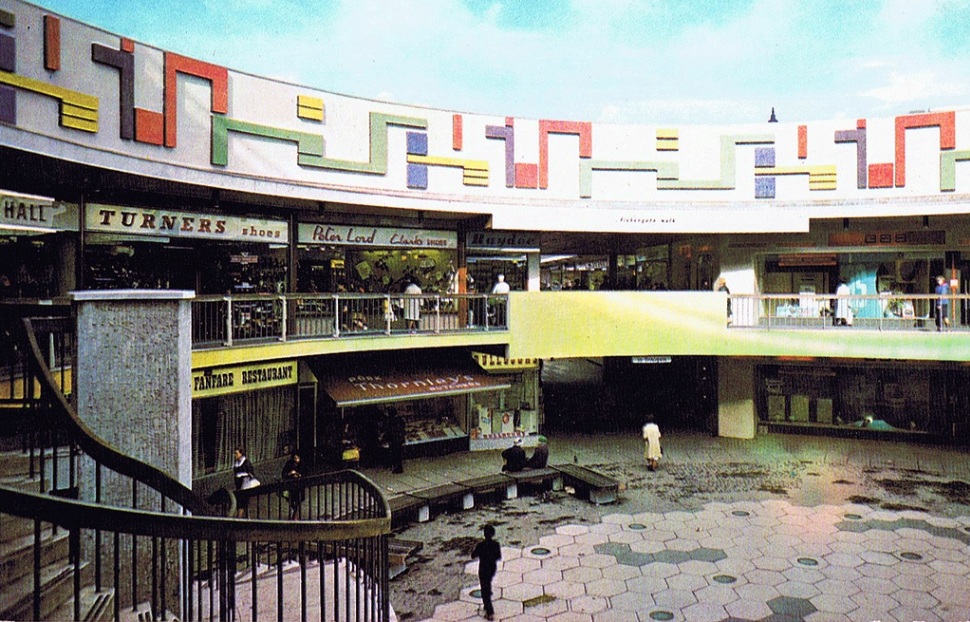
Once upon a time the future was shop-shaped and utopian, the Modernist reliefs a welcome relief from post-war doom and gloom, public decorative art was off the ration for good, or so it seemed. Small retail units, housed small local operators, their shiny well-washed fascias, glowing with graphic pride and diversity, slab serif and decorative script the order of the day.

3980715134_6a6b11d851_b

3979957693_ec982cb9df_b

Architects J Seymour Harris and Partners envisaged a brave new water-coloured open-aired world for the grey austerity-tinted folk of Preston.

And lo it came to pass and underpass – the future was here yesterday.

6192877707_f74e4f81e4_b


Screen Shot 2018-03-10 at 11.13.00

Get off the bus on Fishergate and walk right on in.

8237842239_9856d0e5ba_b

8238909940_7f8e26076c_b

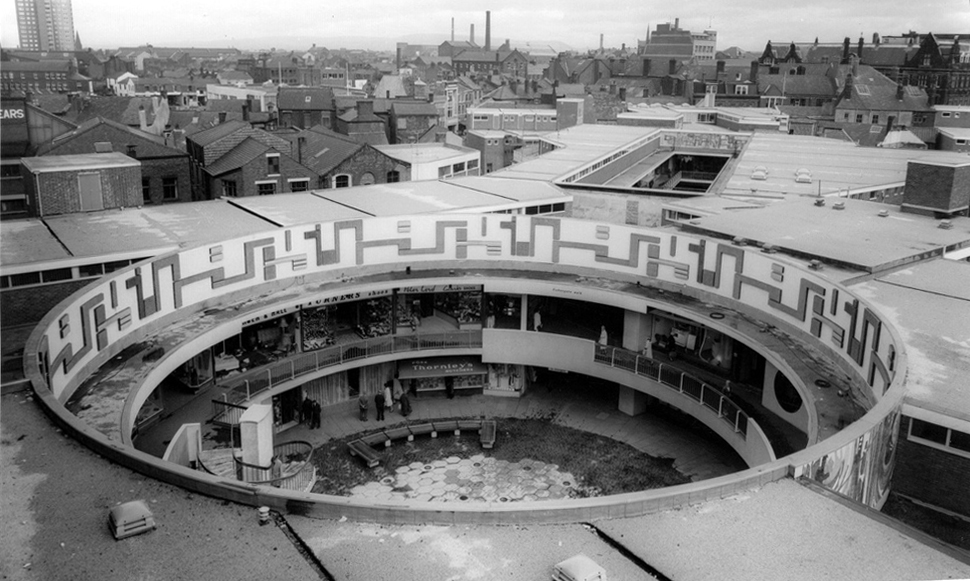
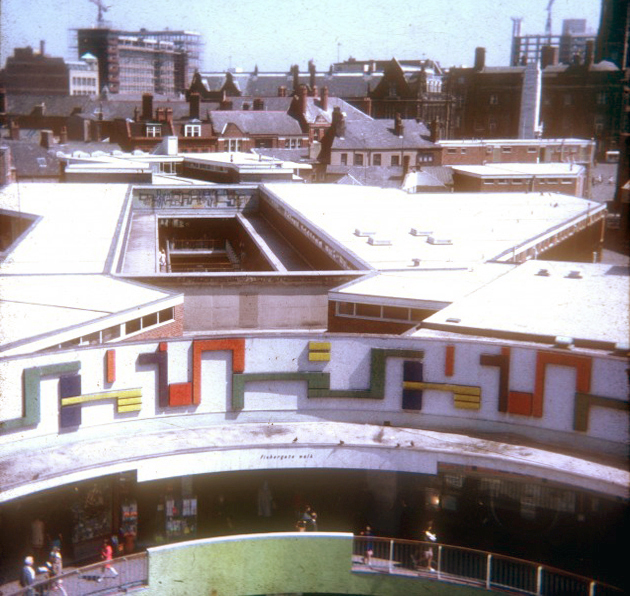
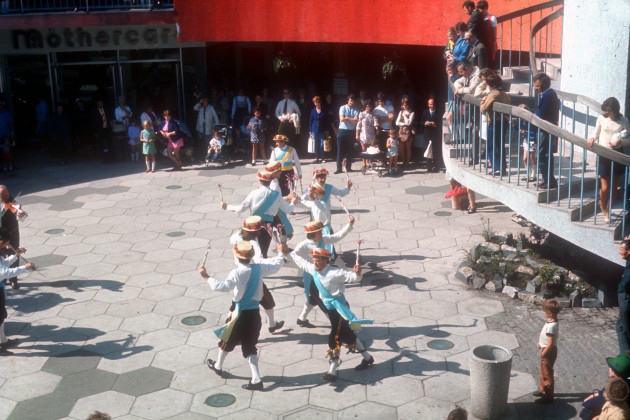
The shopping centre opened on 22 March 1966 as St George’s Shopping Centre.

5188241241_7bcb2f73fc_b

16917731869_2fc59ece6c_b

17103936575_711f3fab1b_b

PHSIH0105-Rooftop-view-of-St-Georges-Shopping-Centre-Preston-1971-630x596

PHSNA0024-Guild-Morris-Dancers-in-St-Georges-Shopping-Centre-Preston-1972-630x420

screen-shot-2018-03-10-at-11-14-58.png

Screen Shot 2018-03-10 at 11.16.47

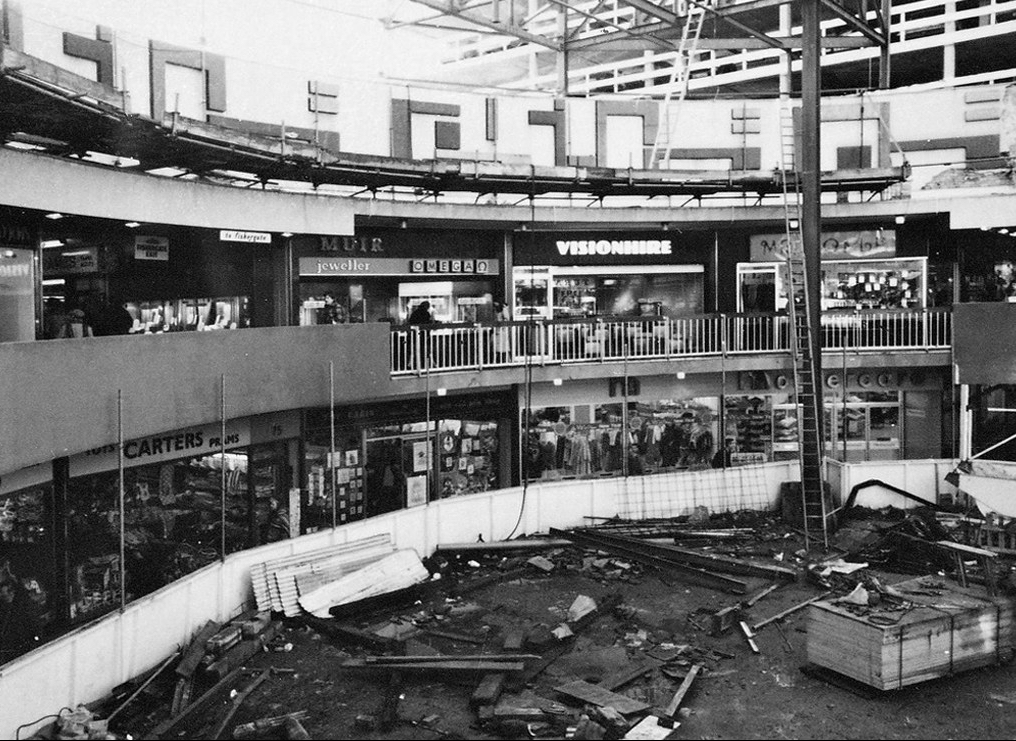
It was originally an open air centre, and was roofed over during refurbishment in 1981. It was further refurbished in 1999.

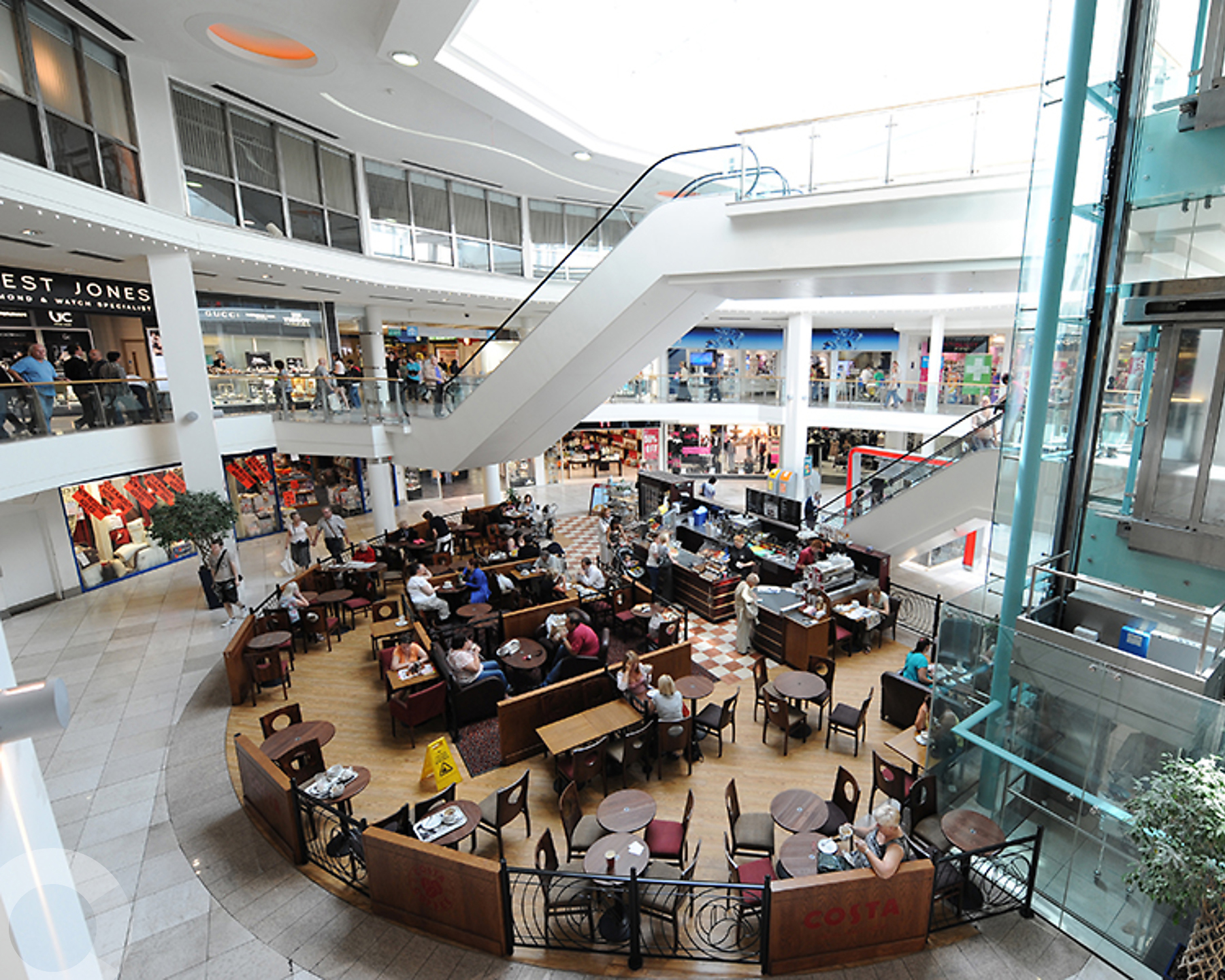
In May 2004, when The Mall Company took over the centre, they were greeted with an ageing shopping centre. The shopping centre was rebranded as The Mall, and a massive development scheme was planned. Small stalls, main shops, cafes, restaurants, toilets, and escalators were overhauled.

In March 2010, the shopping centre was acquired by Aviva Investors for £87 million. In September 2010, The Mall was rebranded under its original name St George’s Shopping Centre.

Wikipedia

6798942417_8f495eefe8_b

So welcome back to today – stripped of distinctive decoration, covered in and given the international sheen of absolutely nowhere at all.

In intemperate template for the future.

CR_SC_4697_St_Georges_Shopping_Centre_Preston_picture_1_p8_1800x1440

Archival images from the Preston Digital Archive and Peter Reed.


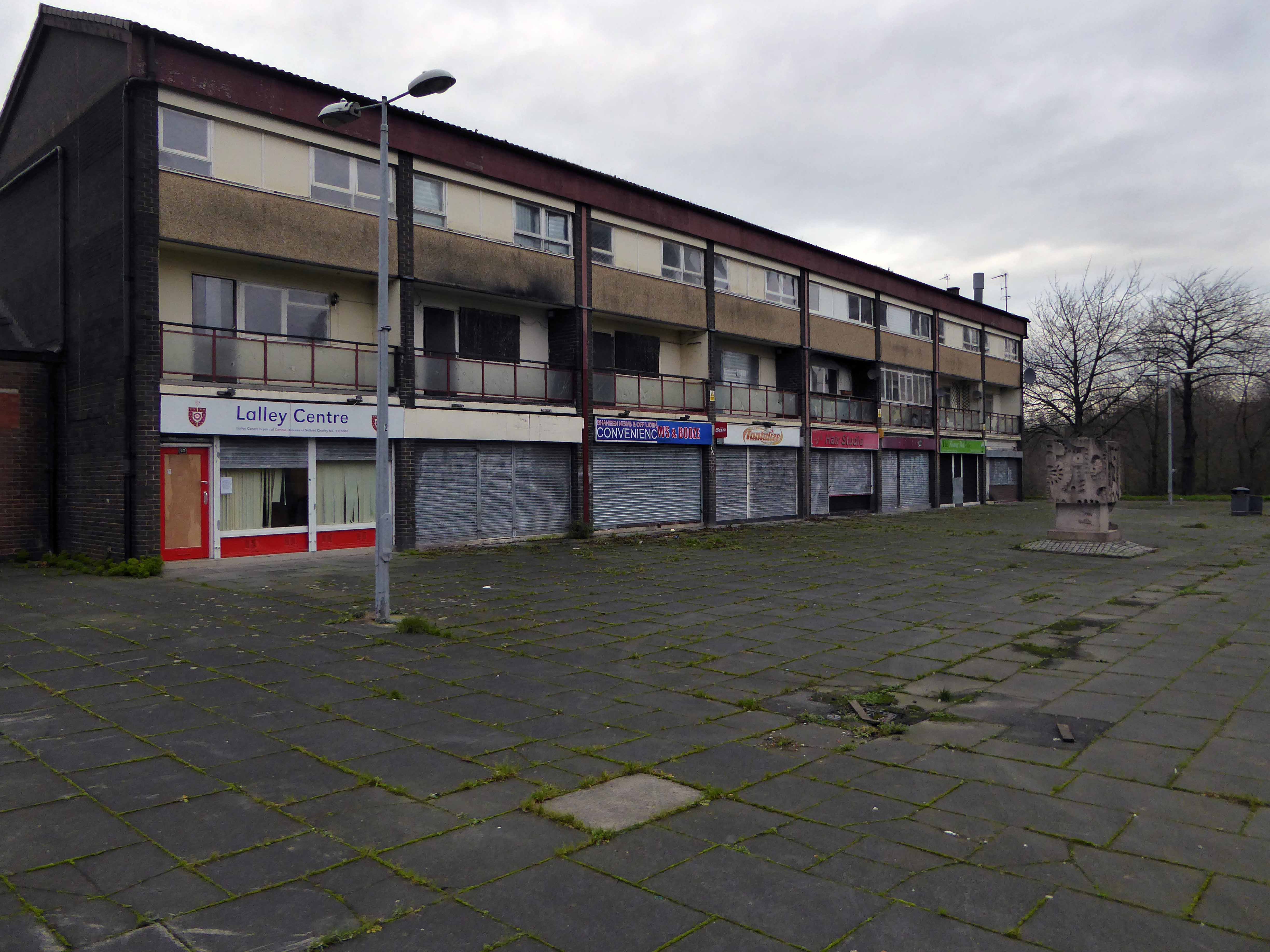
Eastford Square Collyhurst – Slight Return

I’ve been here before and after.

After now seems further away, forever awaiting redevelopment – waiting.

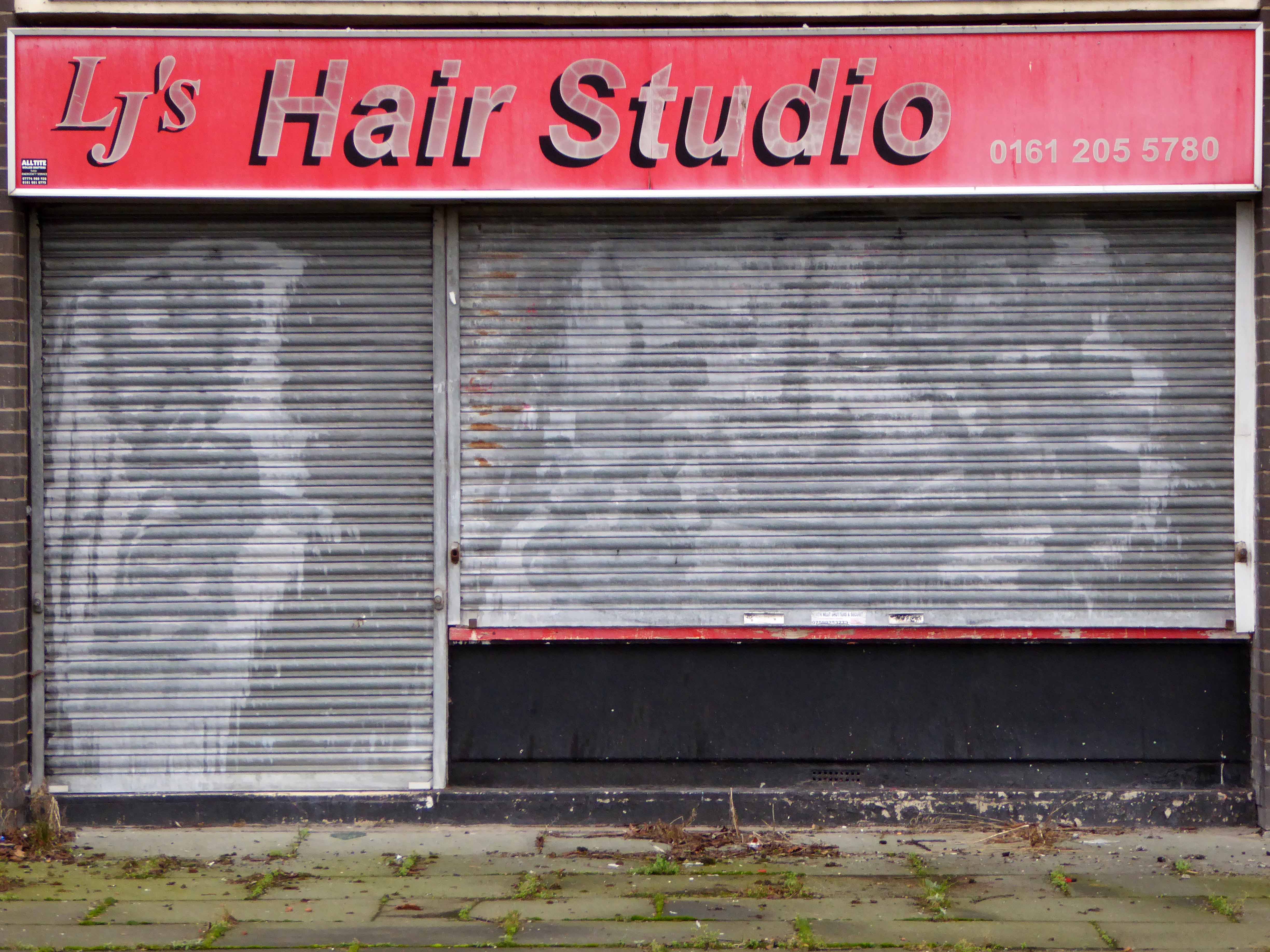
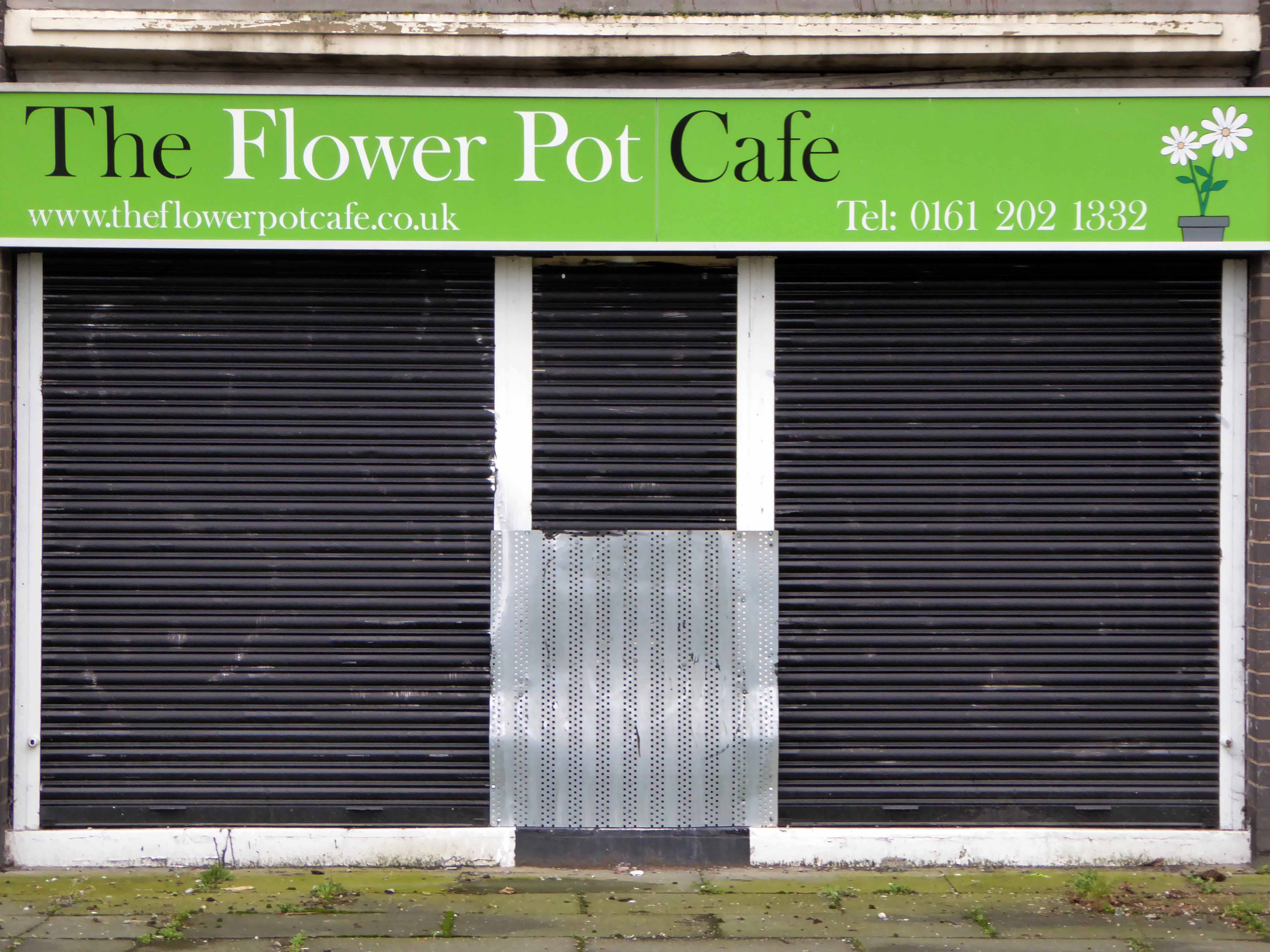
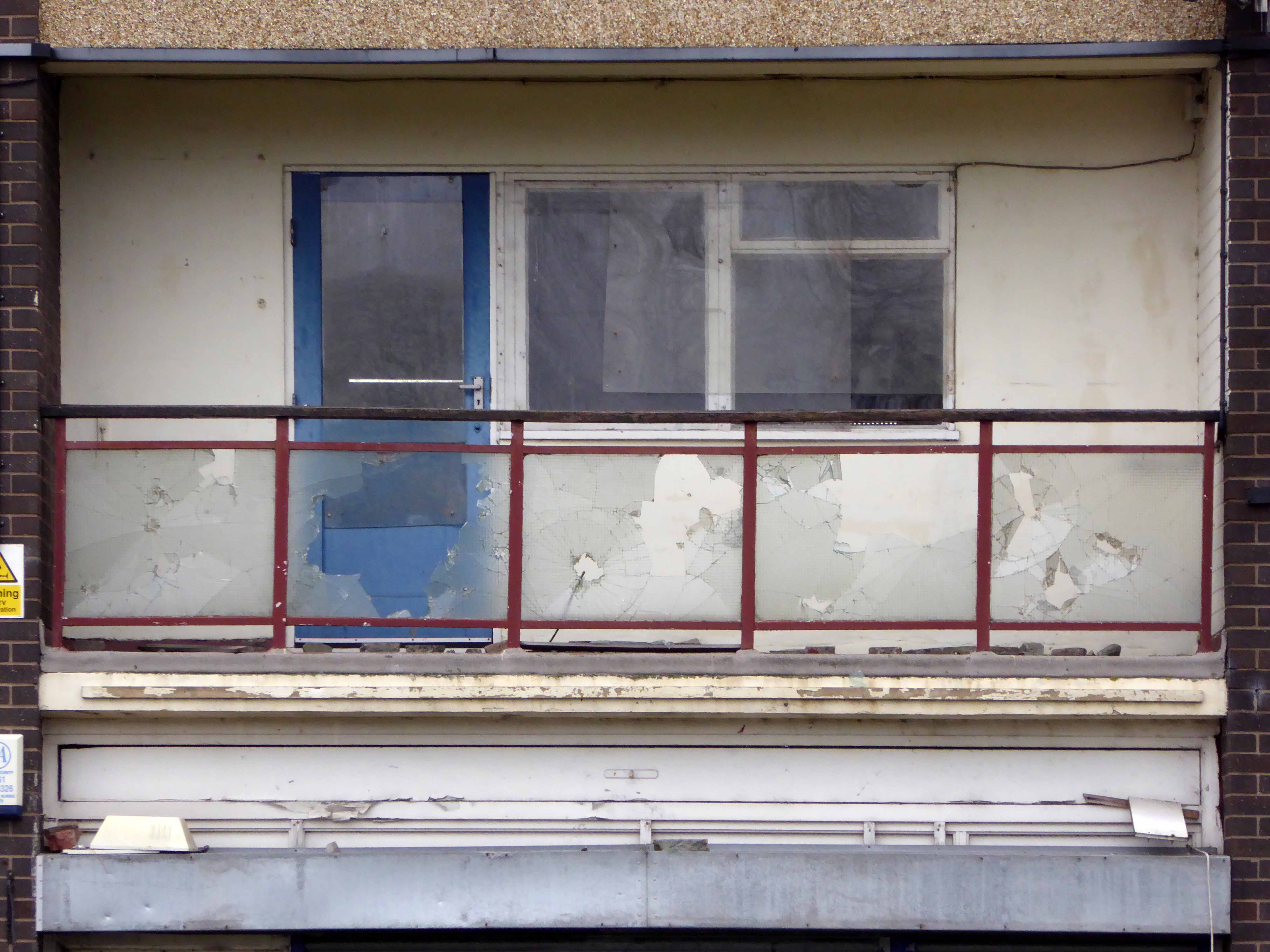
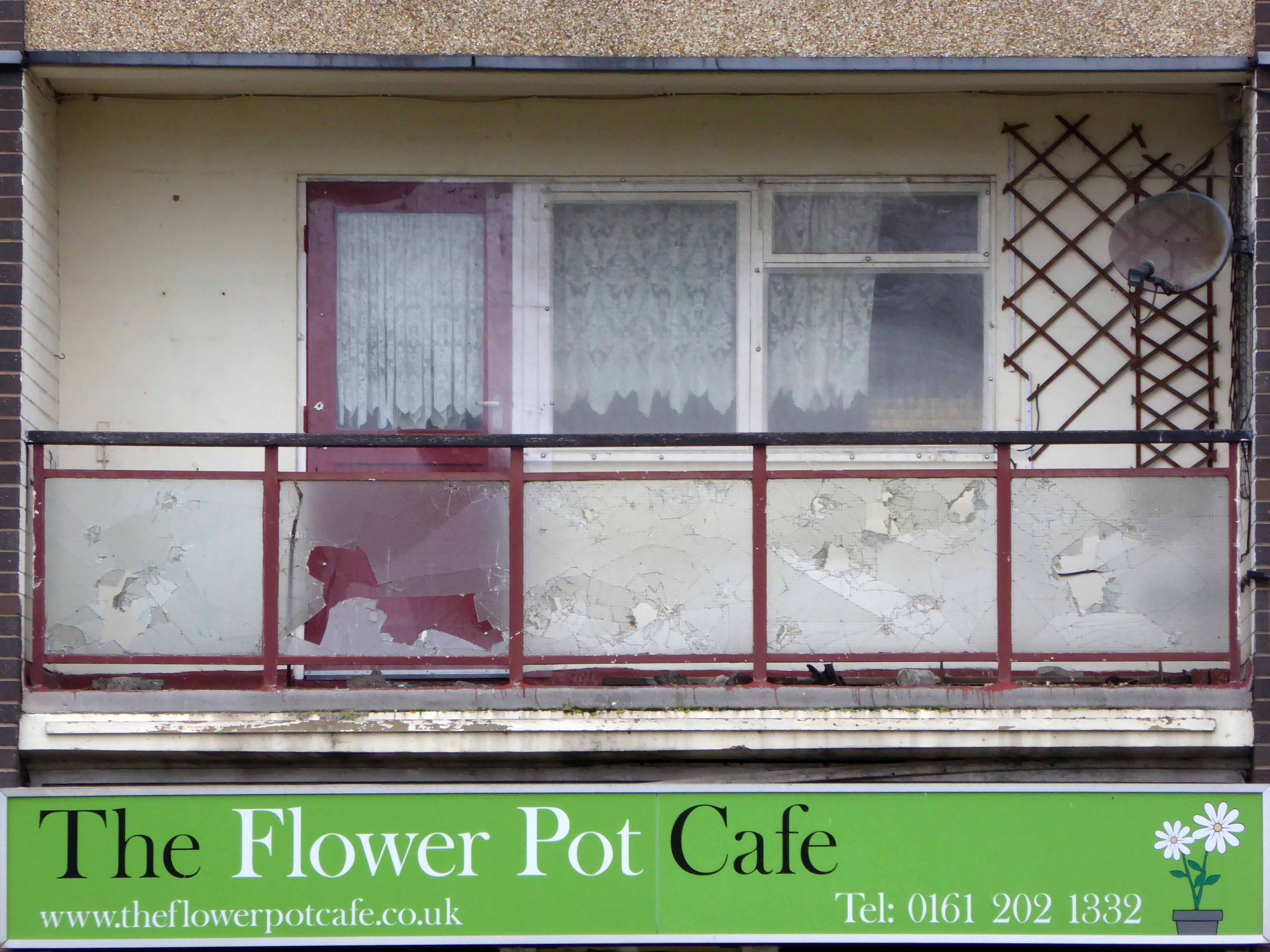
No more Flower Pot Café and a warm welcome from Lee and the lads.

P1220206 copy

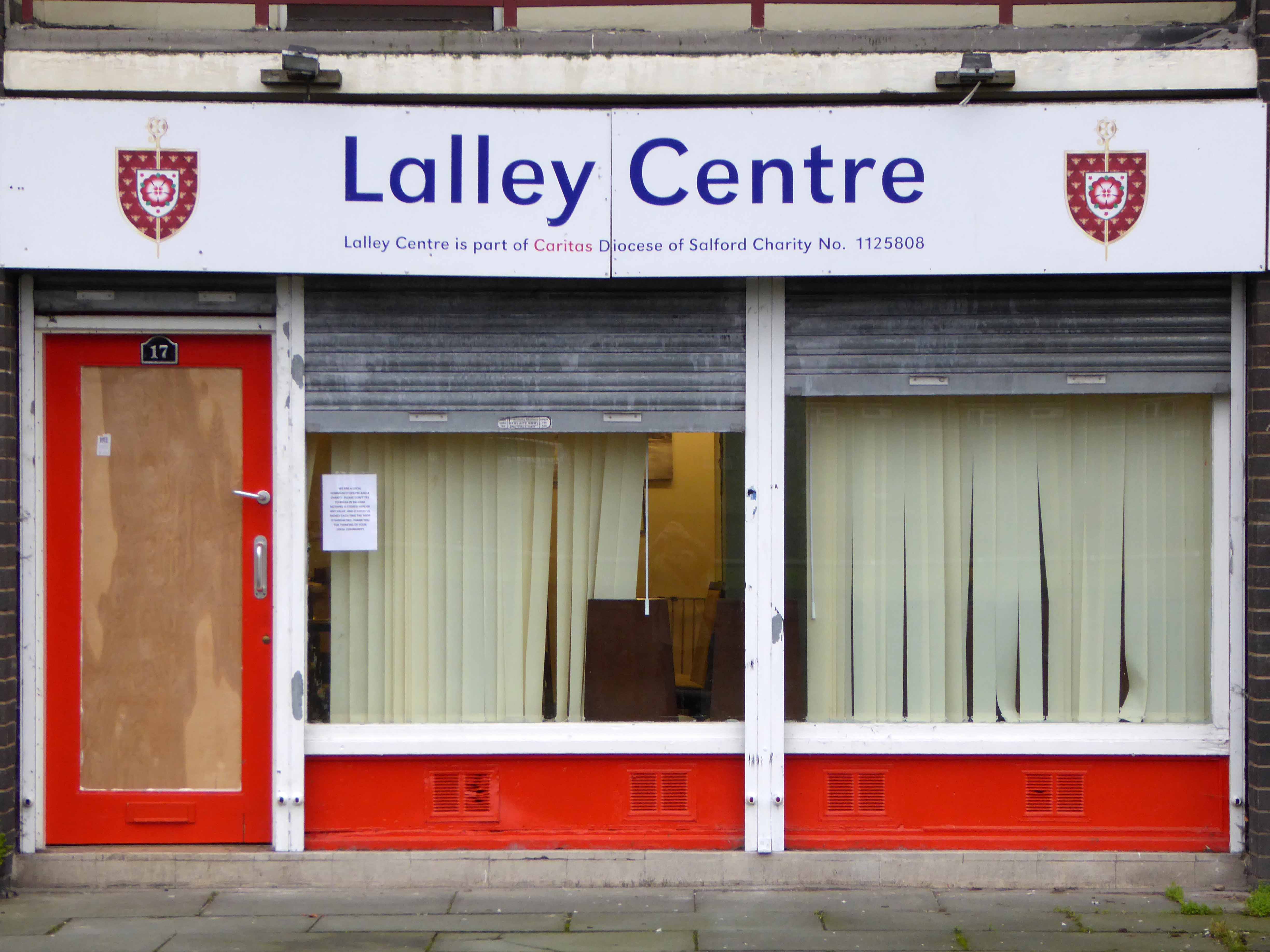
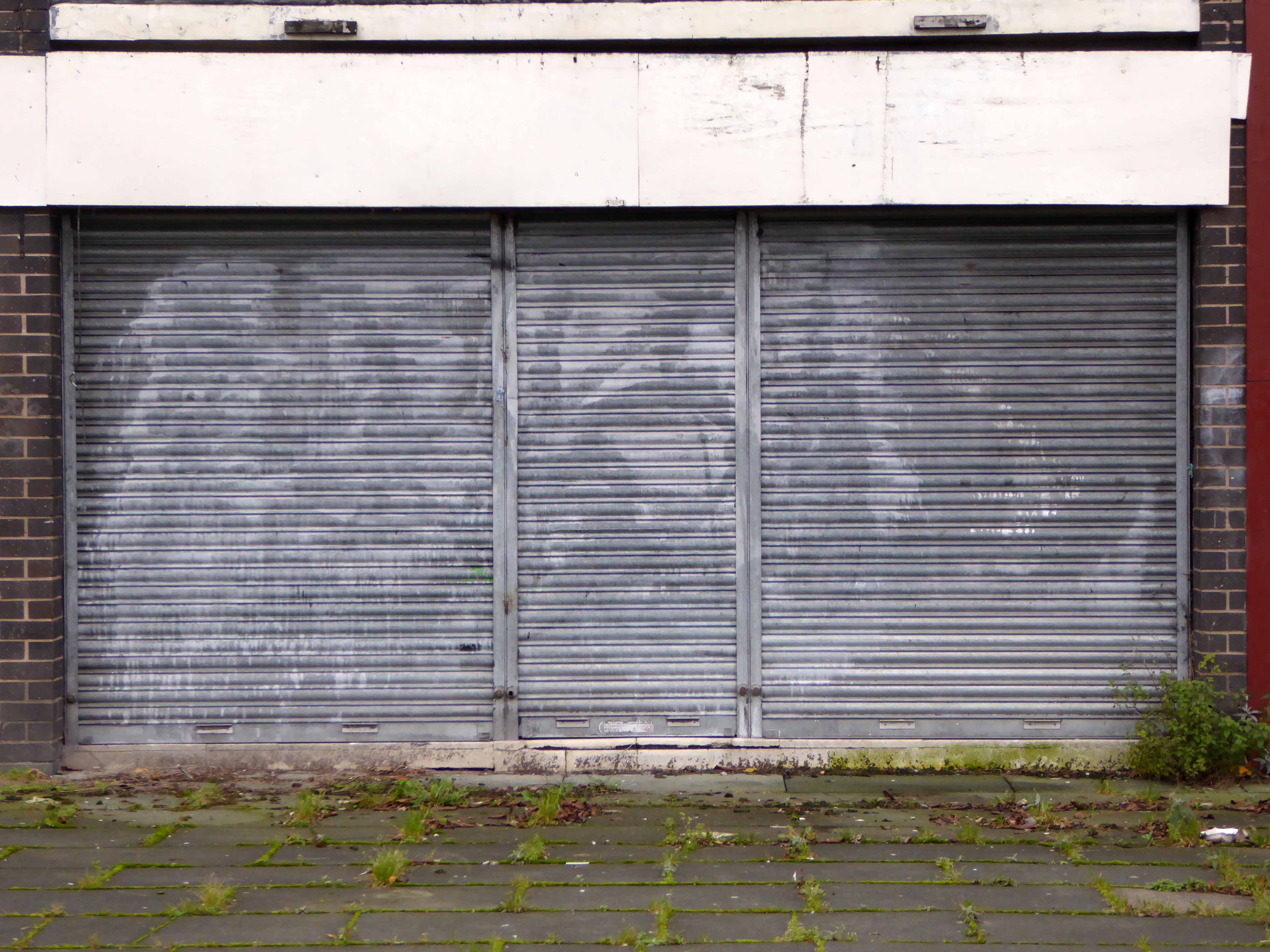
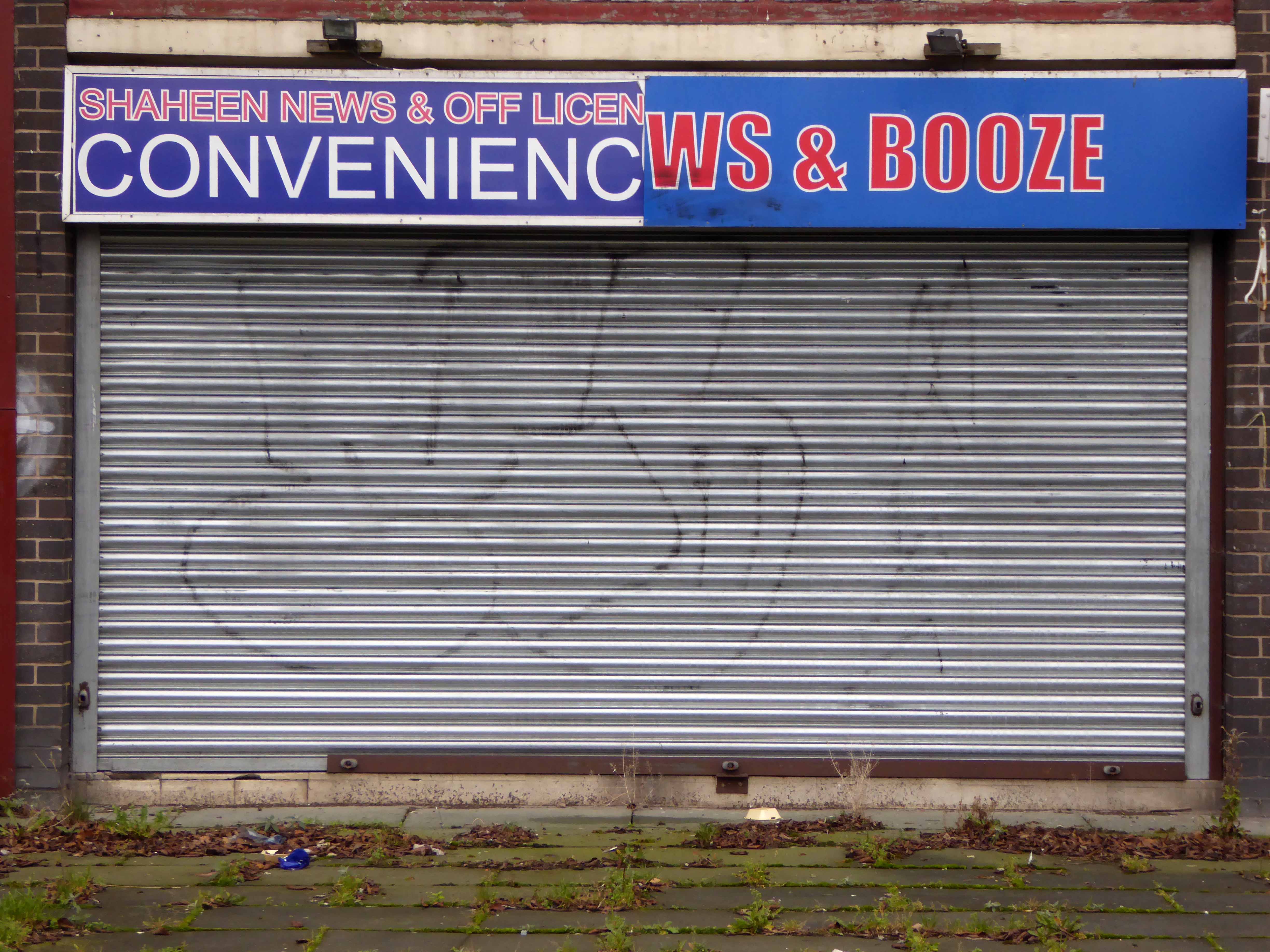
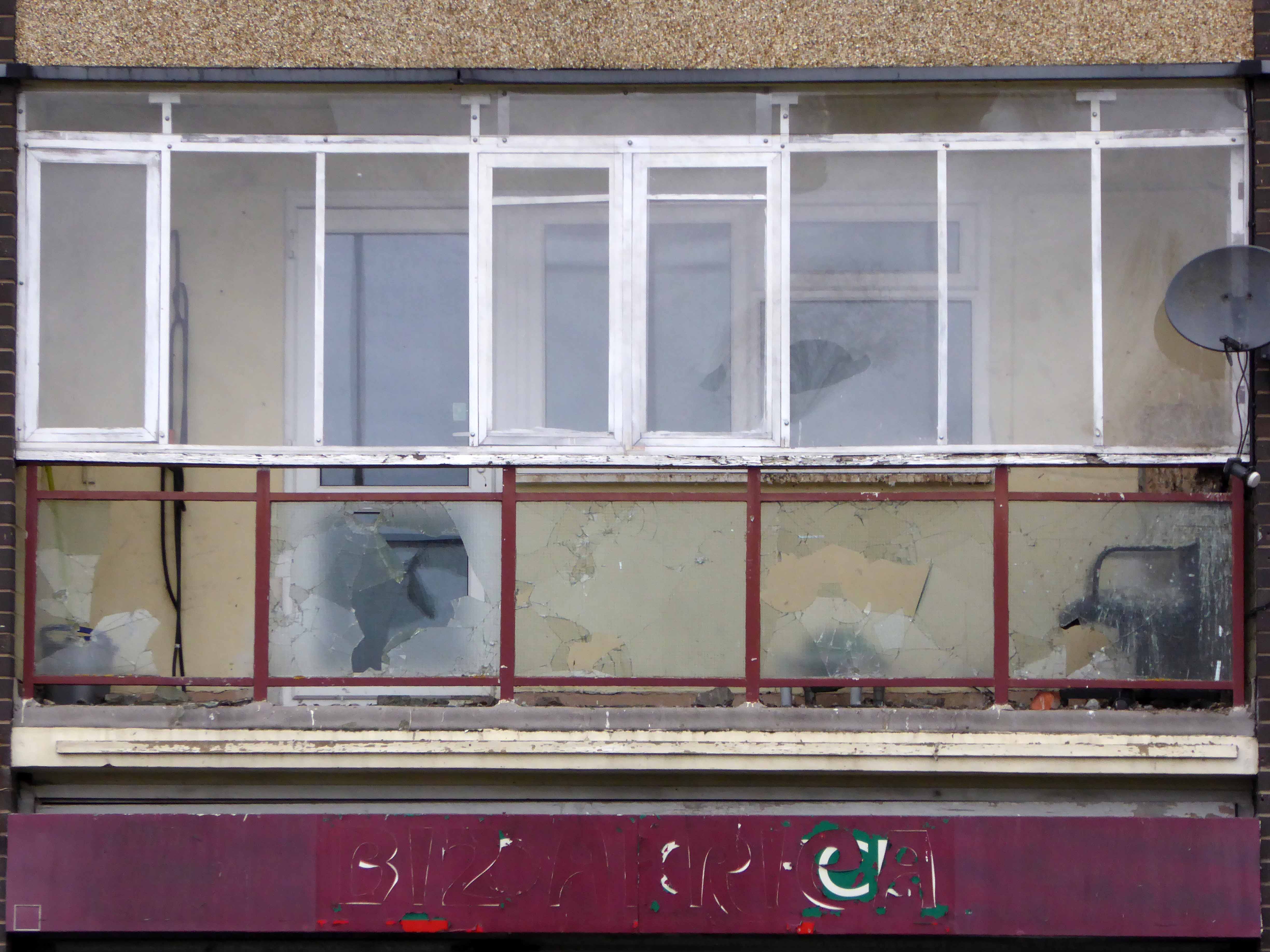
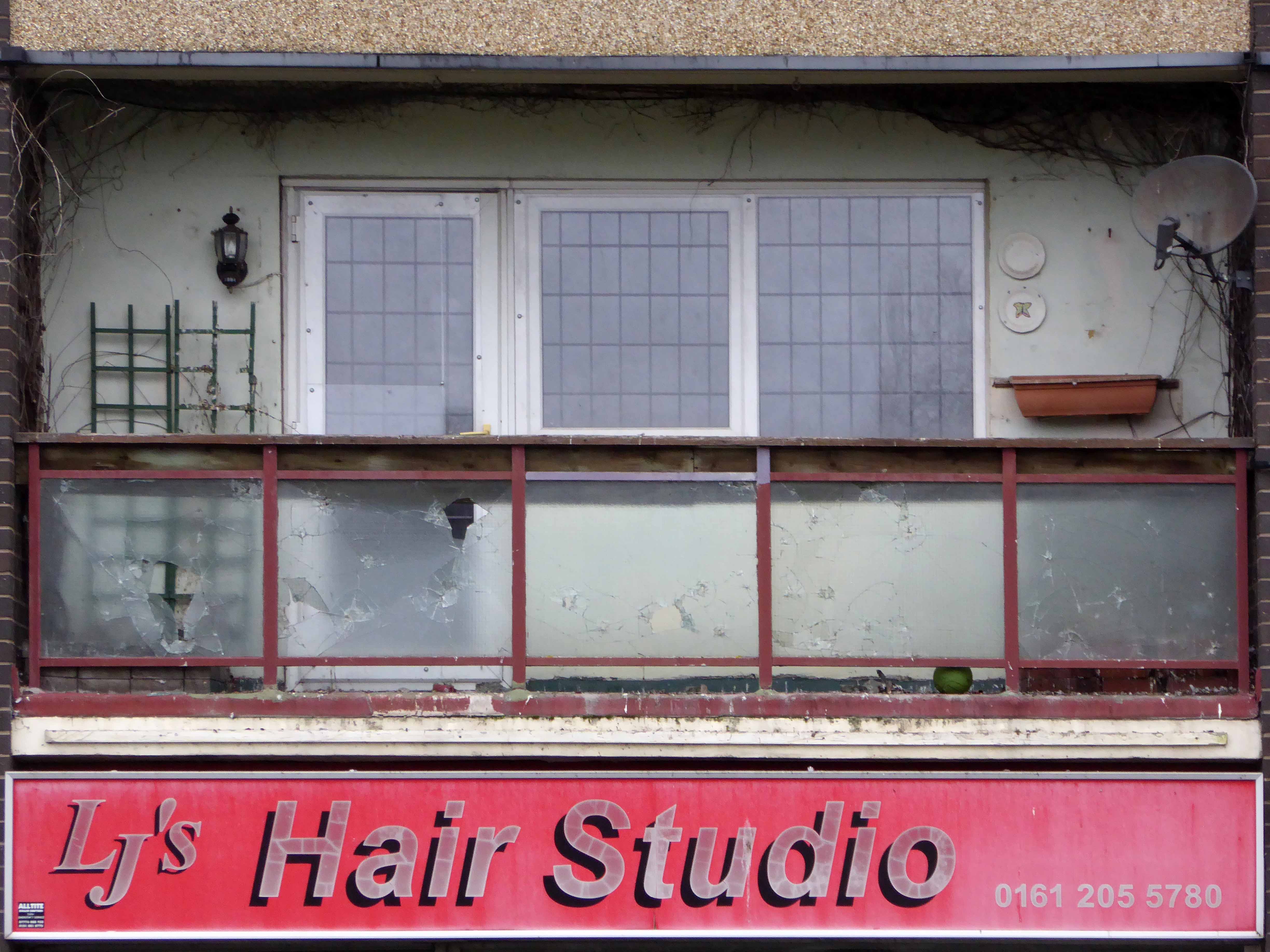
Nearly nine years on – the shutters are down and nobody is home, save for the Lalley Centre – offering food, support and care to the community.

JS79308197

Though Sister Rita Lee has now move on to pastures new.

The homes and shops remain resolutely shut, un-lived in and unloved, though the City plans to re-site the resident sculpture, the residents remain absent without leaving.

P1220207 copy

P1220208 copy

P1220209 copy

P1220212 copy

P1220213 copy

P1220214 copy

P1220215 copyP1220216 copy

P1220217 copy

P1220218 copy

P1220219 copy

P1220220 copy

P1220221 copy

P1220222 copy

P1220223 copy


Mottram Street Flats – Stockport

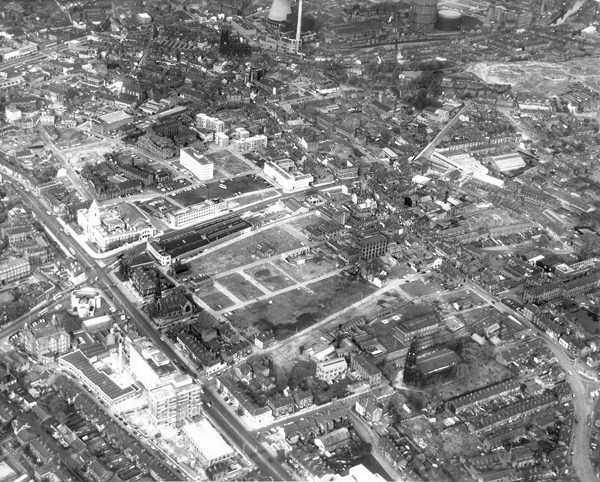
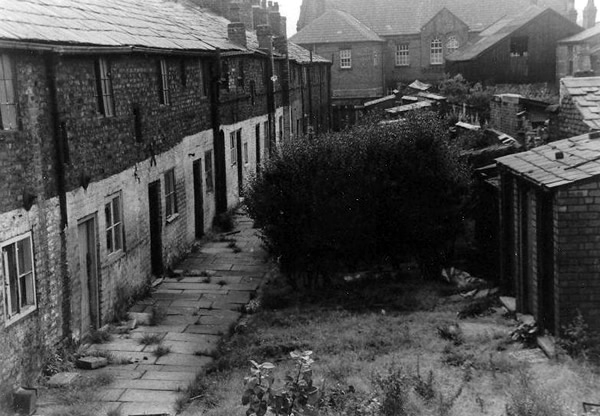
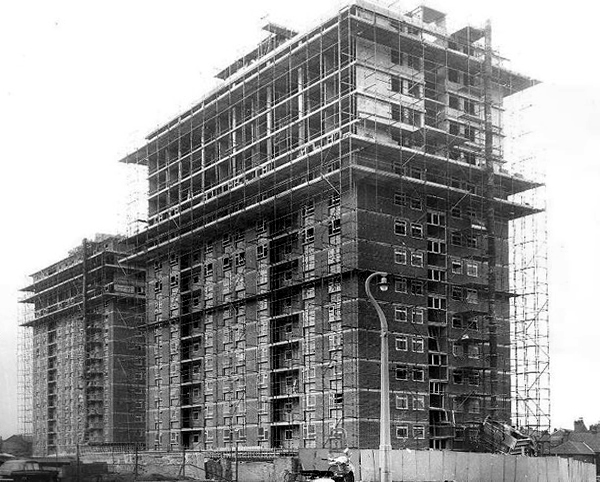
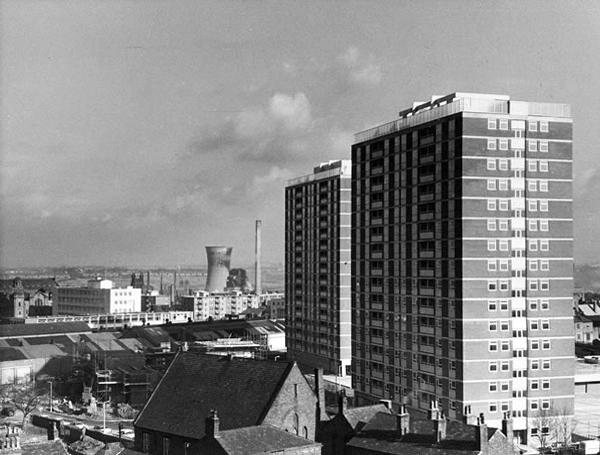
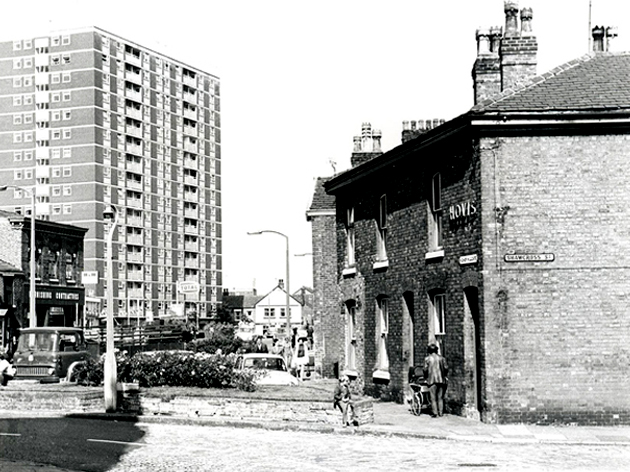
A post-war northern town, facing the problems of bomb damage, poor quality housing, and the pressing need for new homes.

In 1963 there seemed to be space and the will to build, the site at the centre of the image flanked by ageing Victorian terraces and industry.

5060

1960a

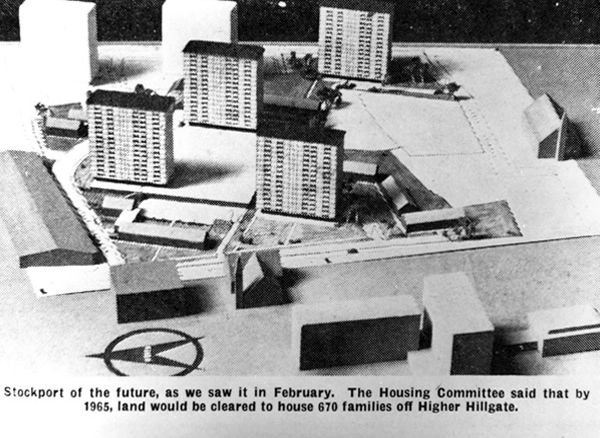
Soon to become the Mottram Street Development.

31117

5061

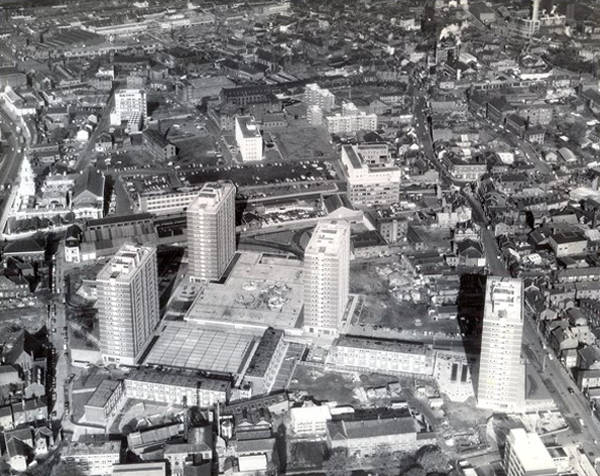
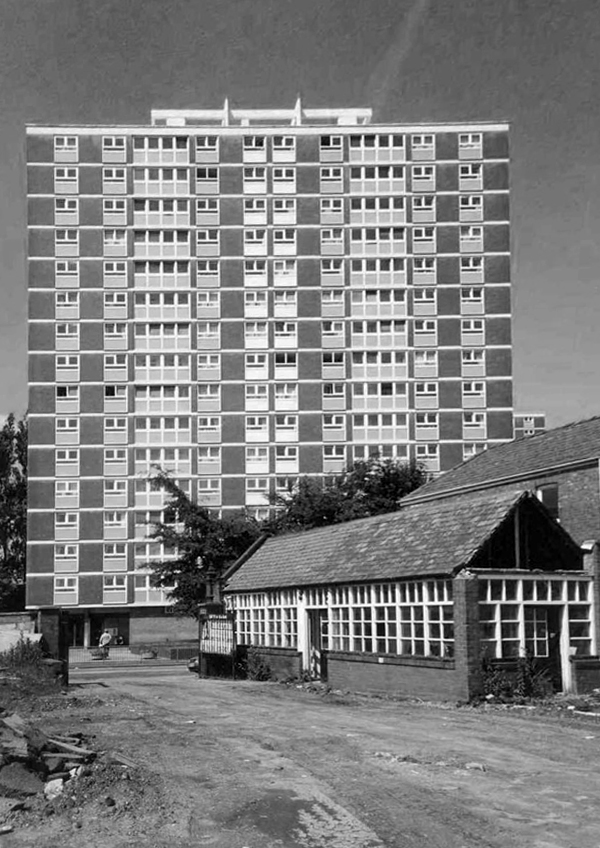
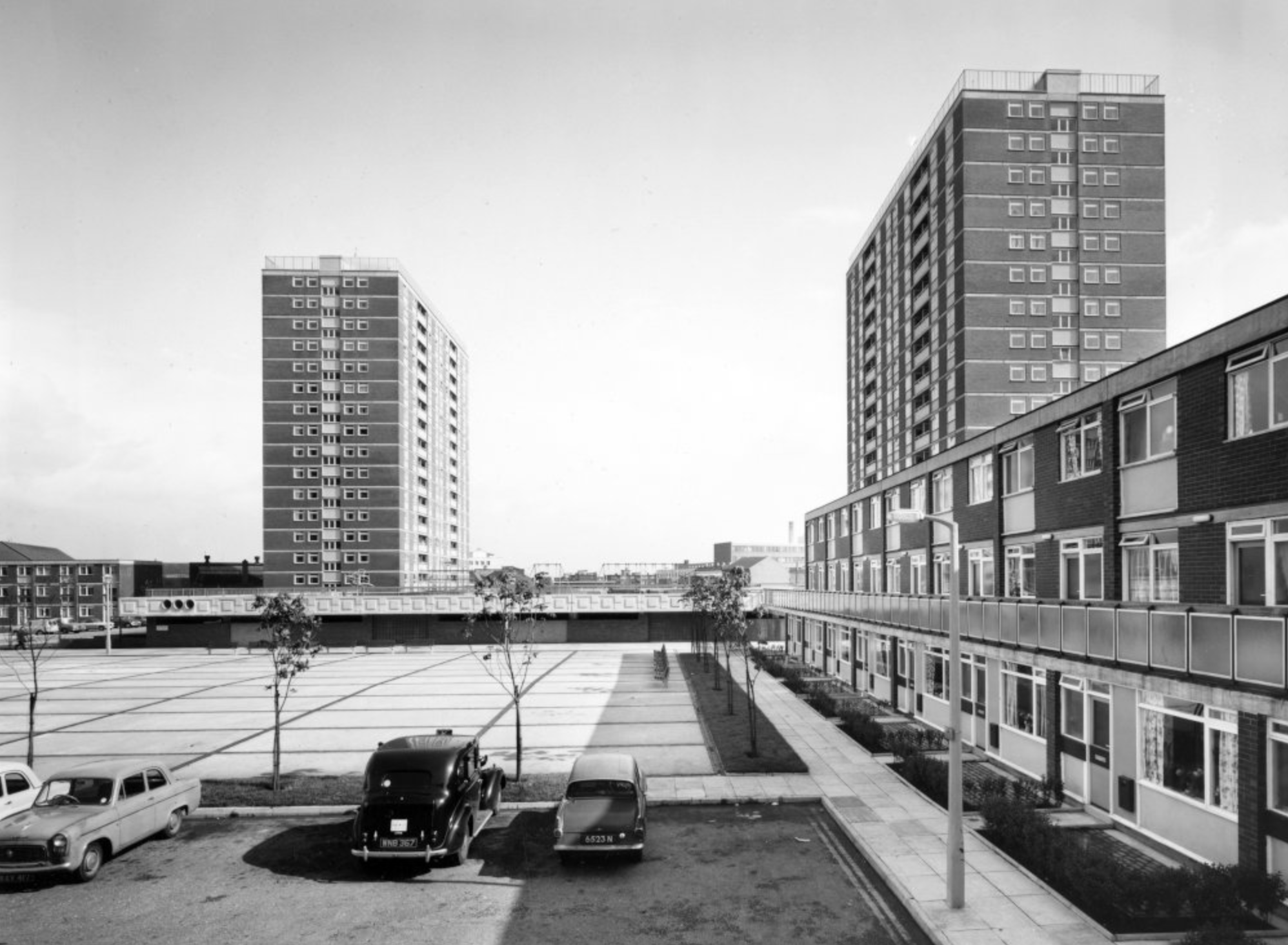
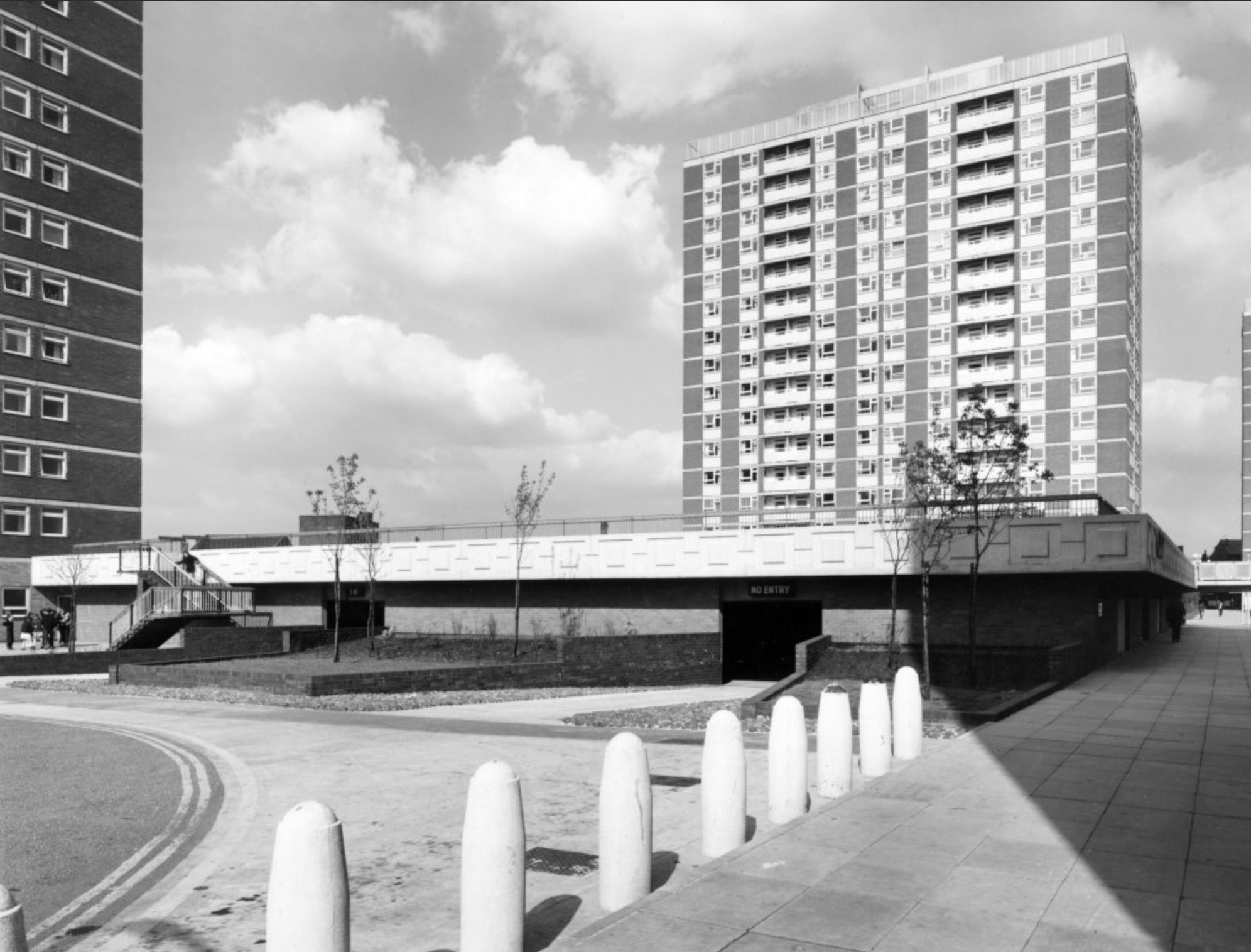
Back in 1965 these were the highest housing tower blocks in Greater Manchester.

The work of borough architects John Rank and Clifford Fernley.

1348

123

1351

1352

1353

34249

47177

1960’s Photographs from the Stockport Image Archive

Screen Shot 2017-10-22 at 14.01.33

Screen Shot 2017-10-22 at 14.02.34

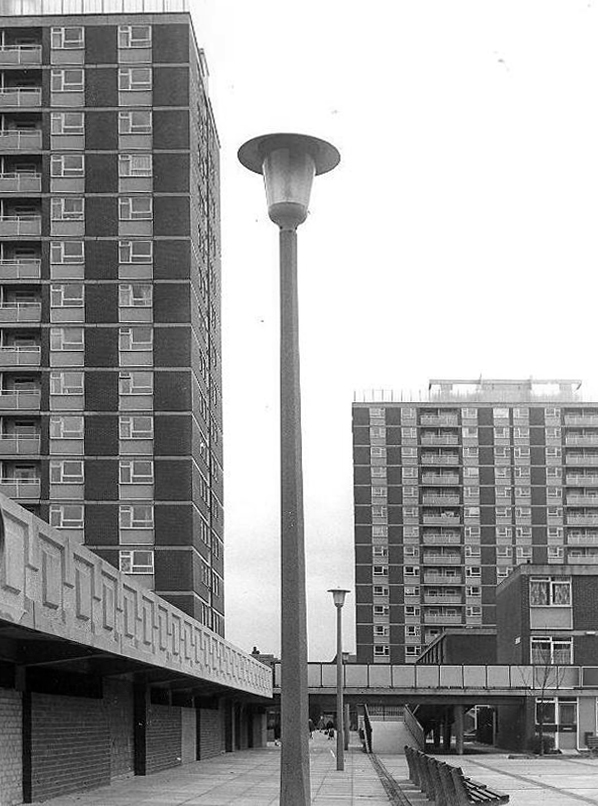
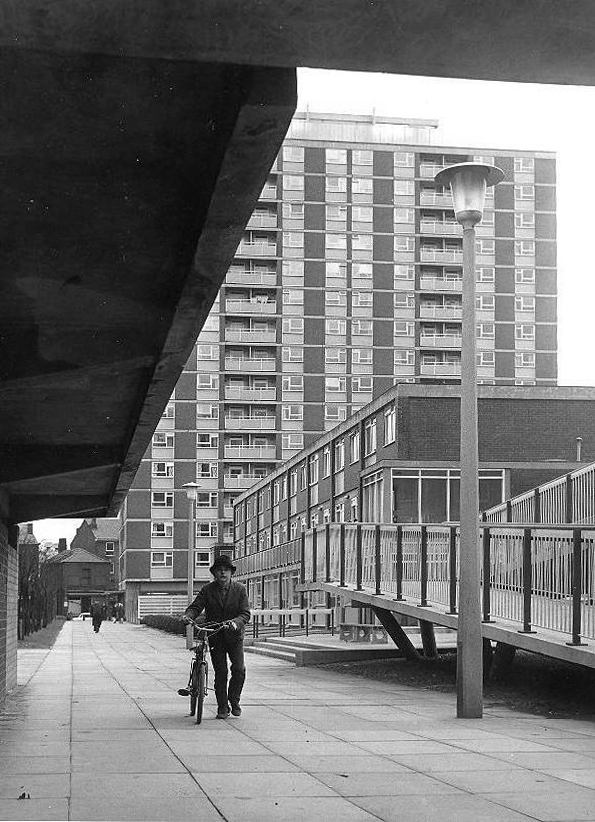
1980’s photographs from The Tower Block

Typically they incorporated concrete street furniture, sculptural and decorative detail, in keeping with the age.

Like many other developments of the period they have subsequently been clad, fenced, painted and secured beyond recognition.

There was a raised concrete play area, of which nothing has survived.

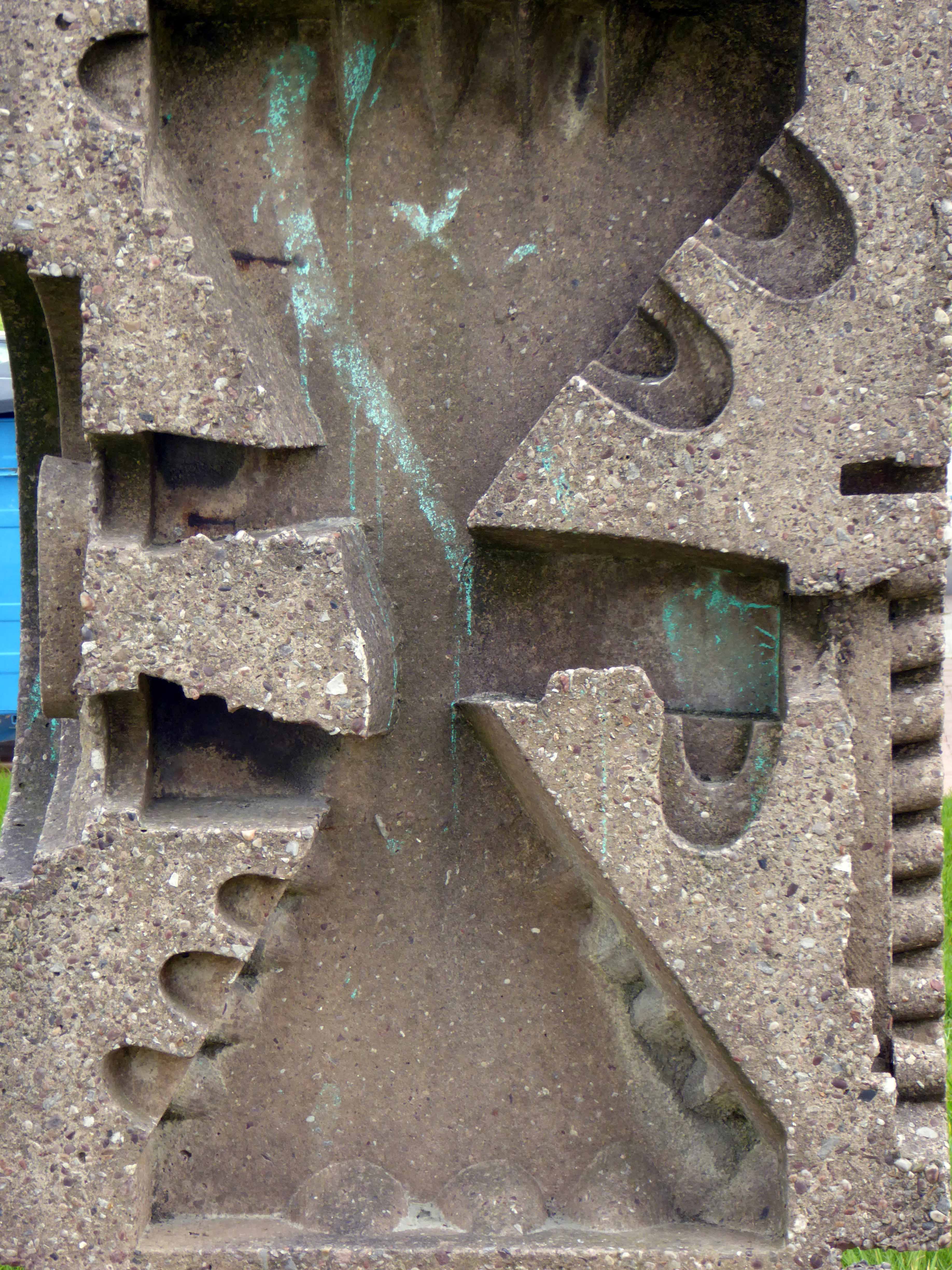
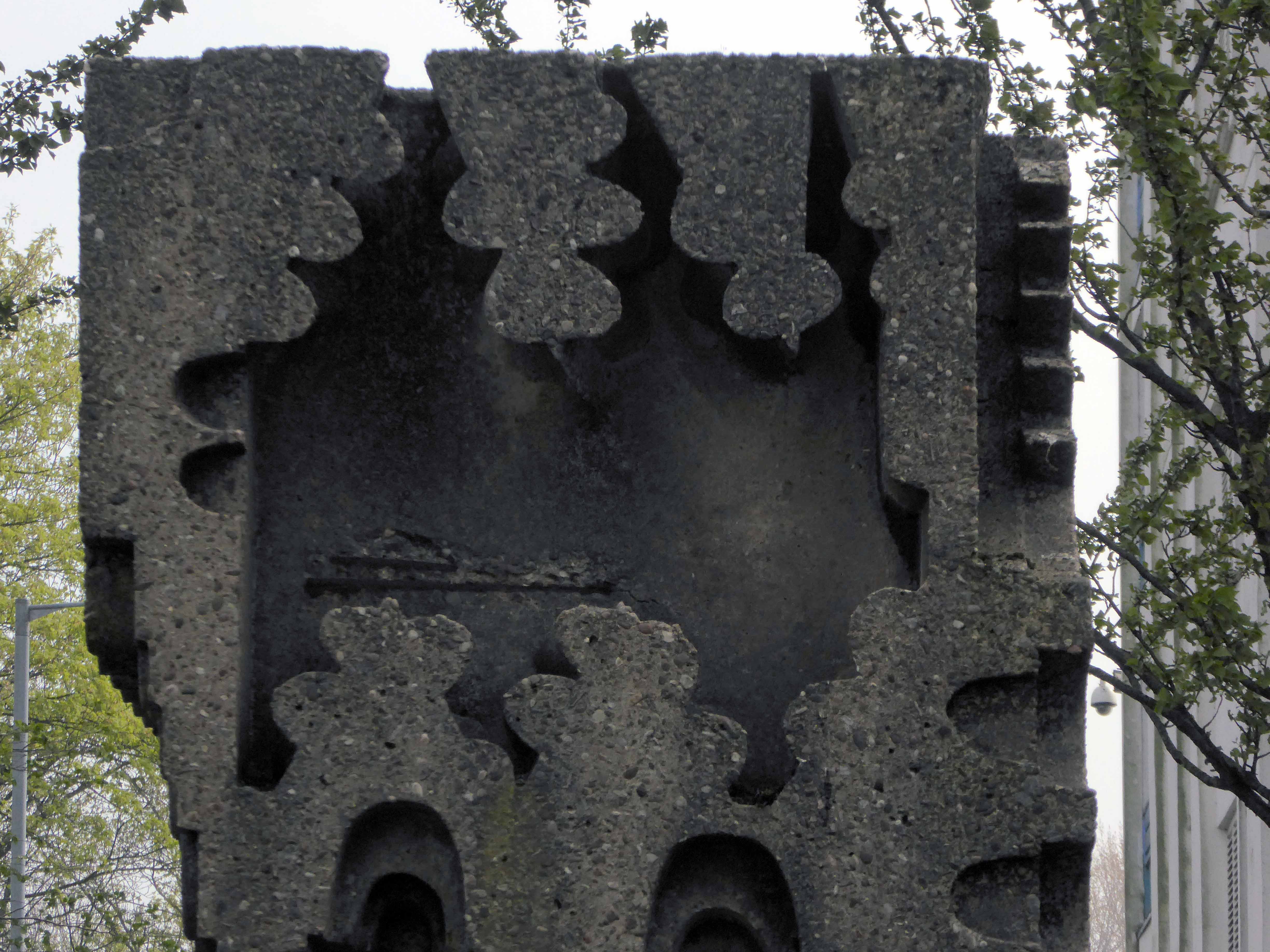
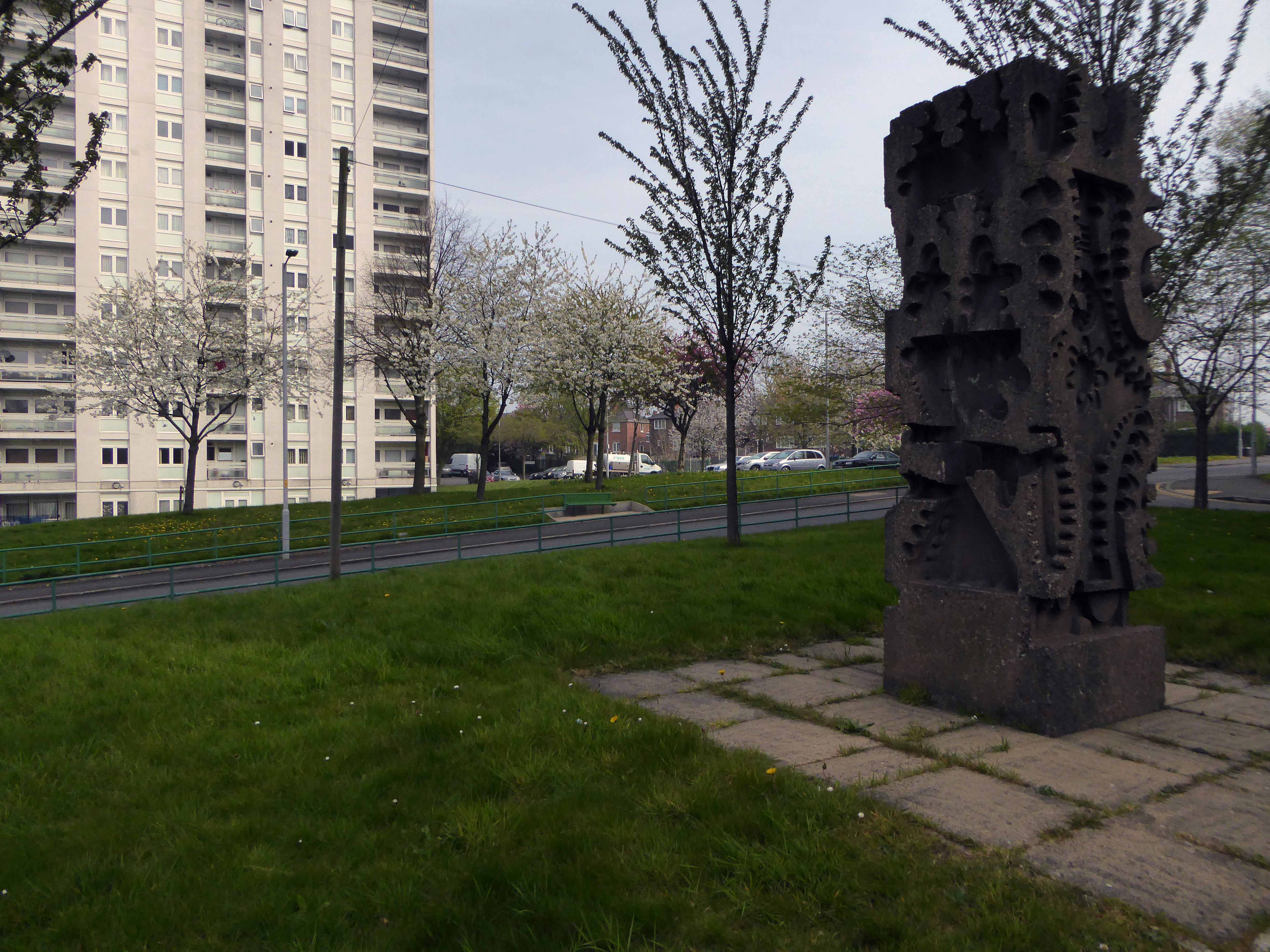
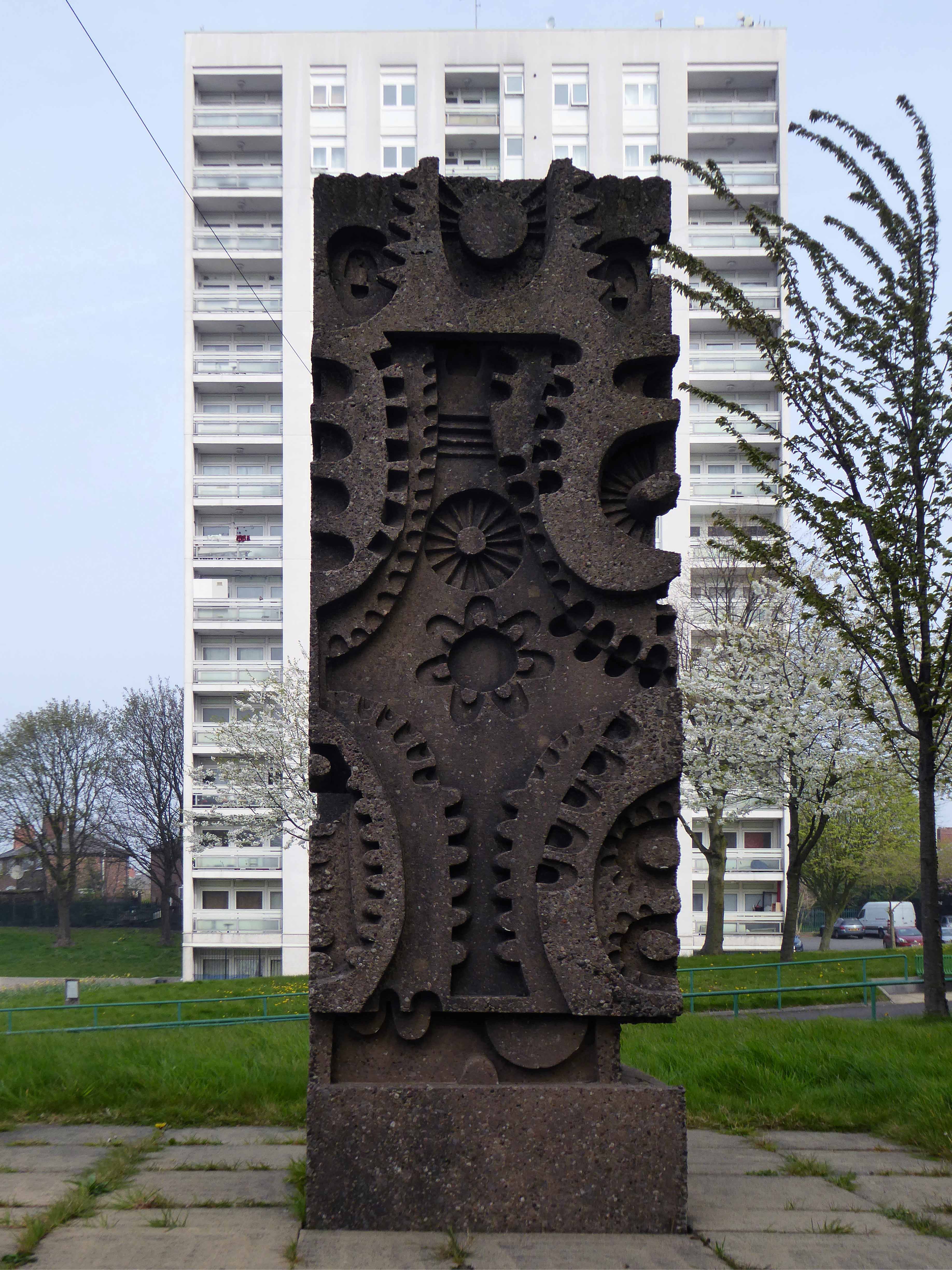
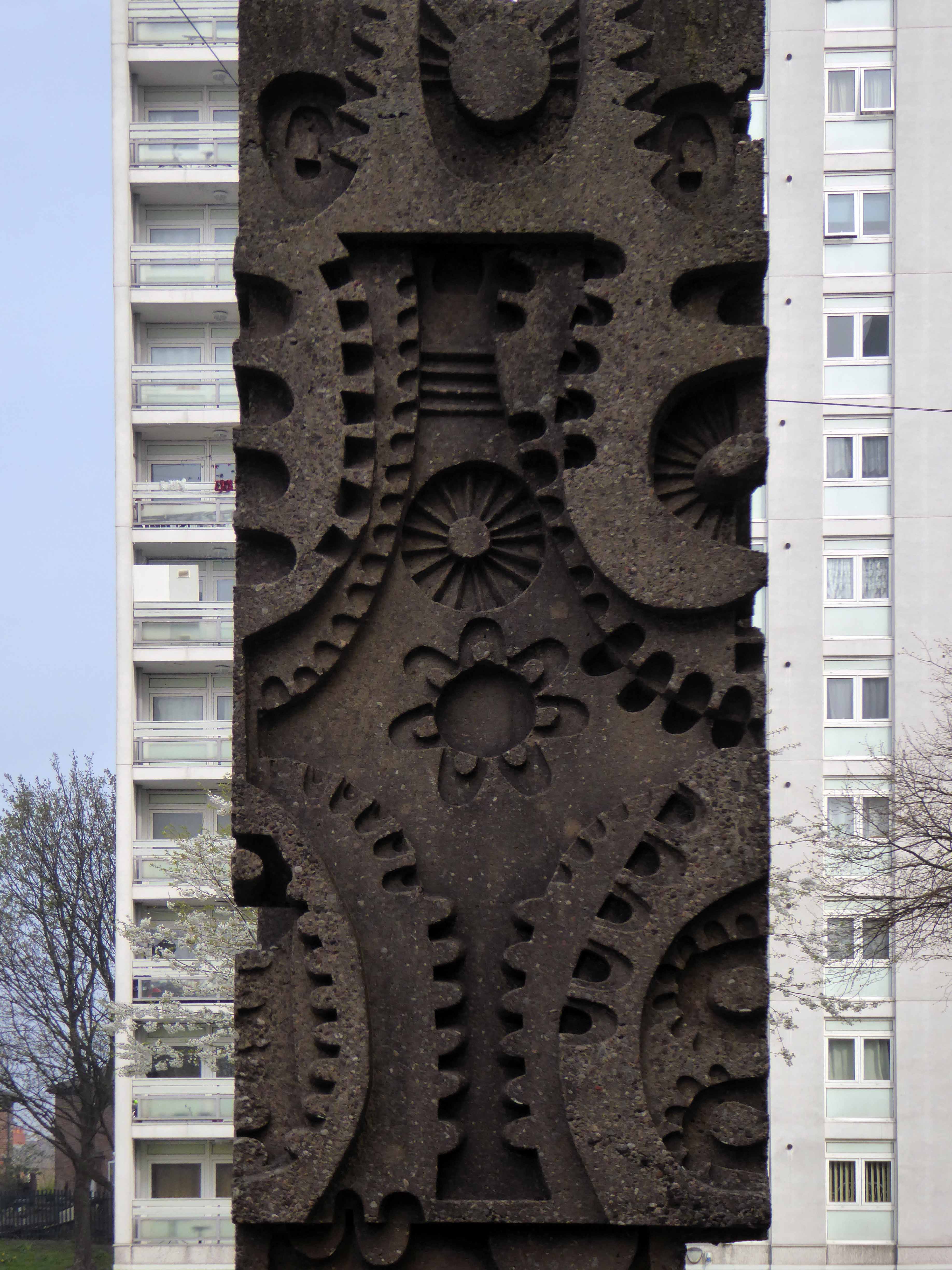
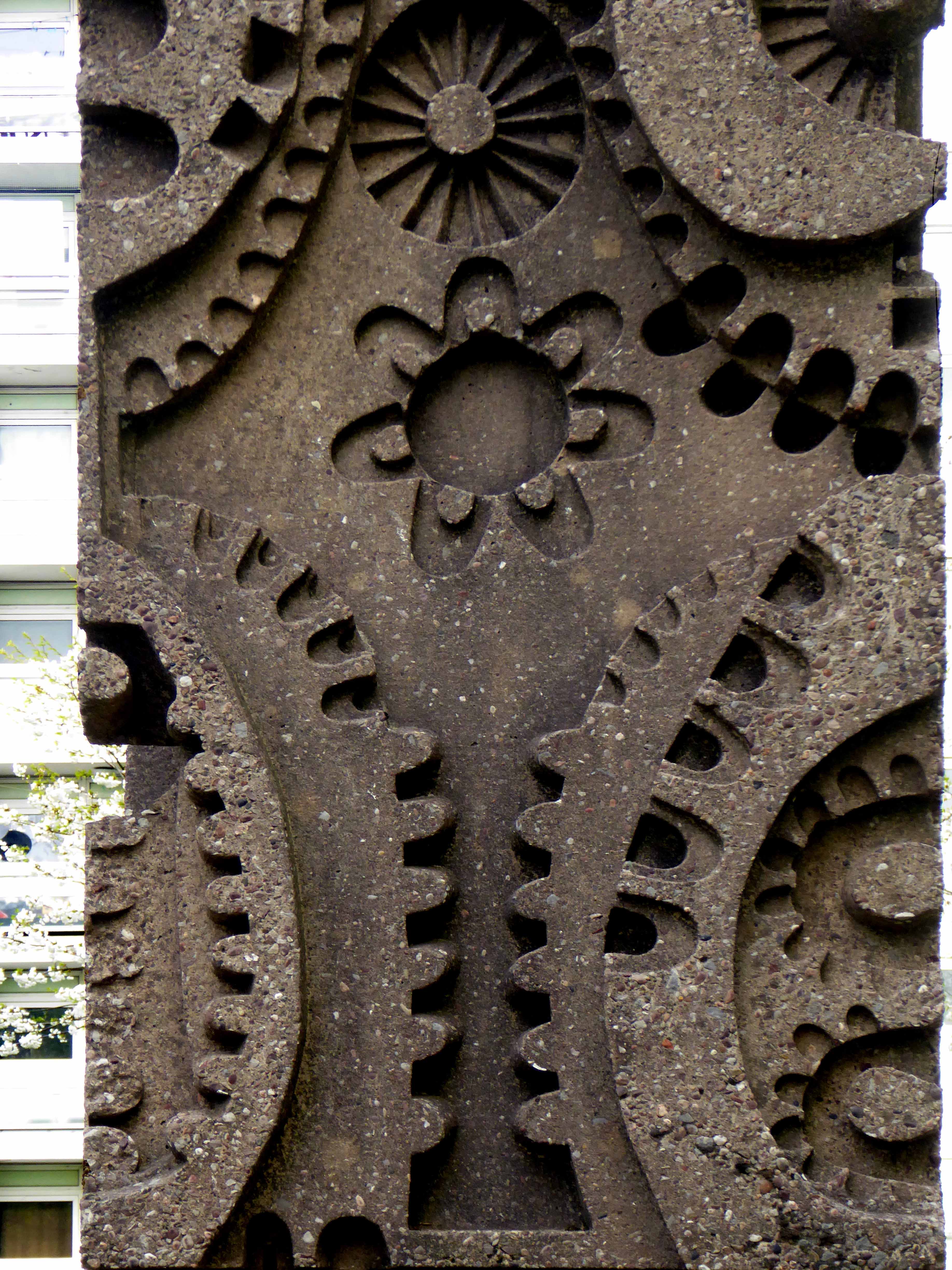
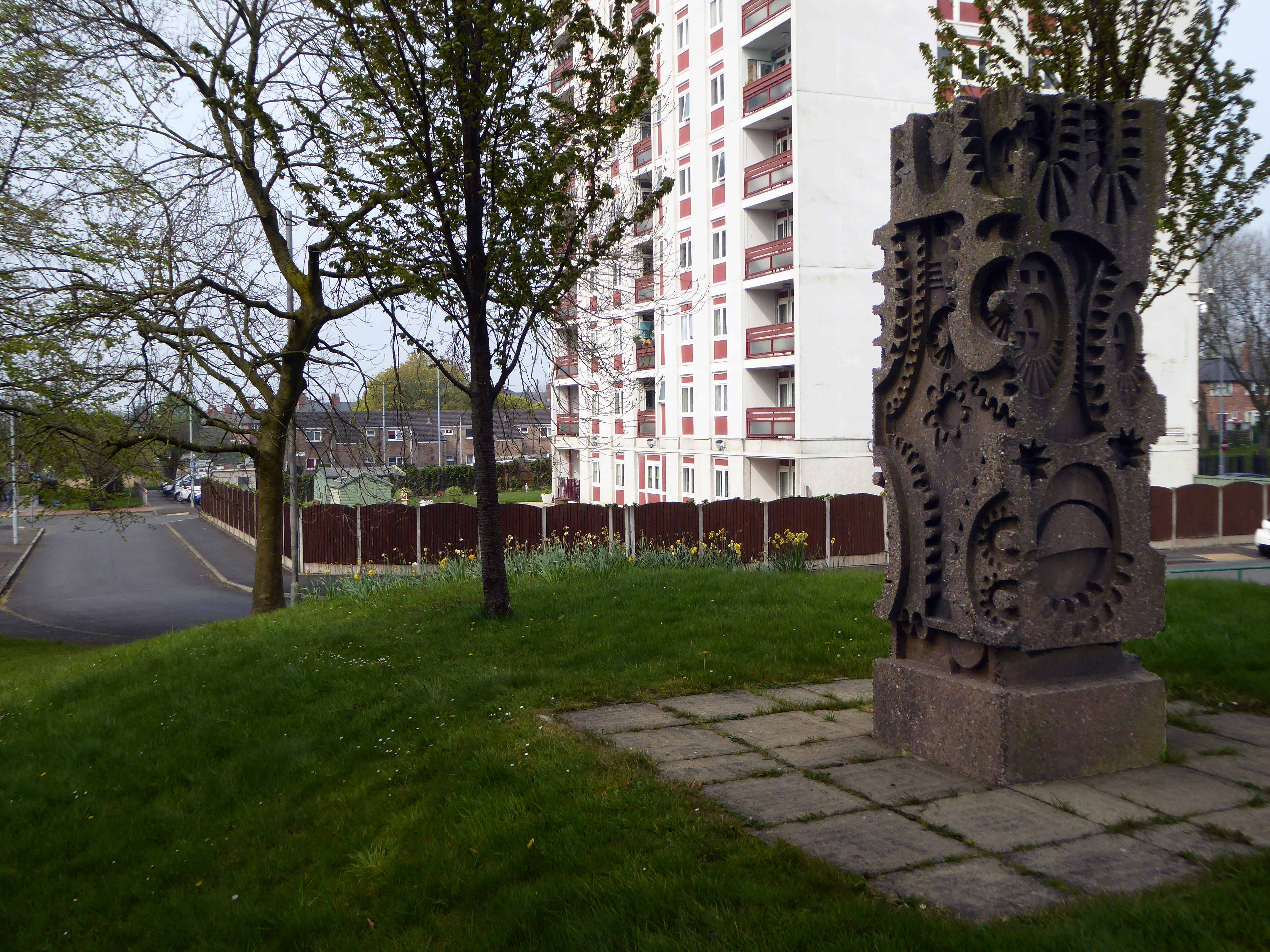
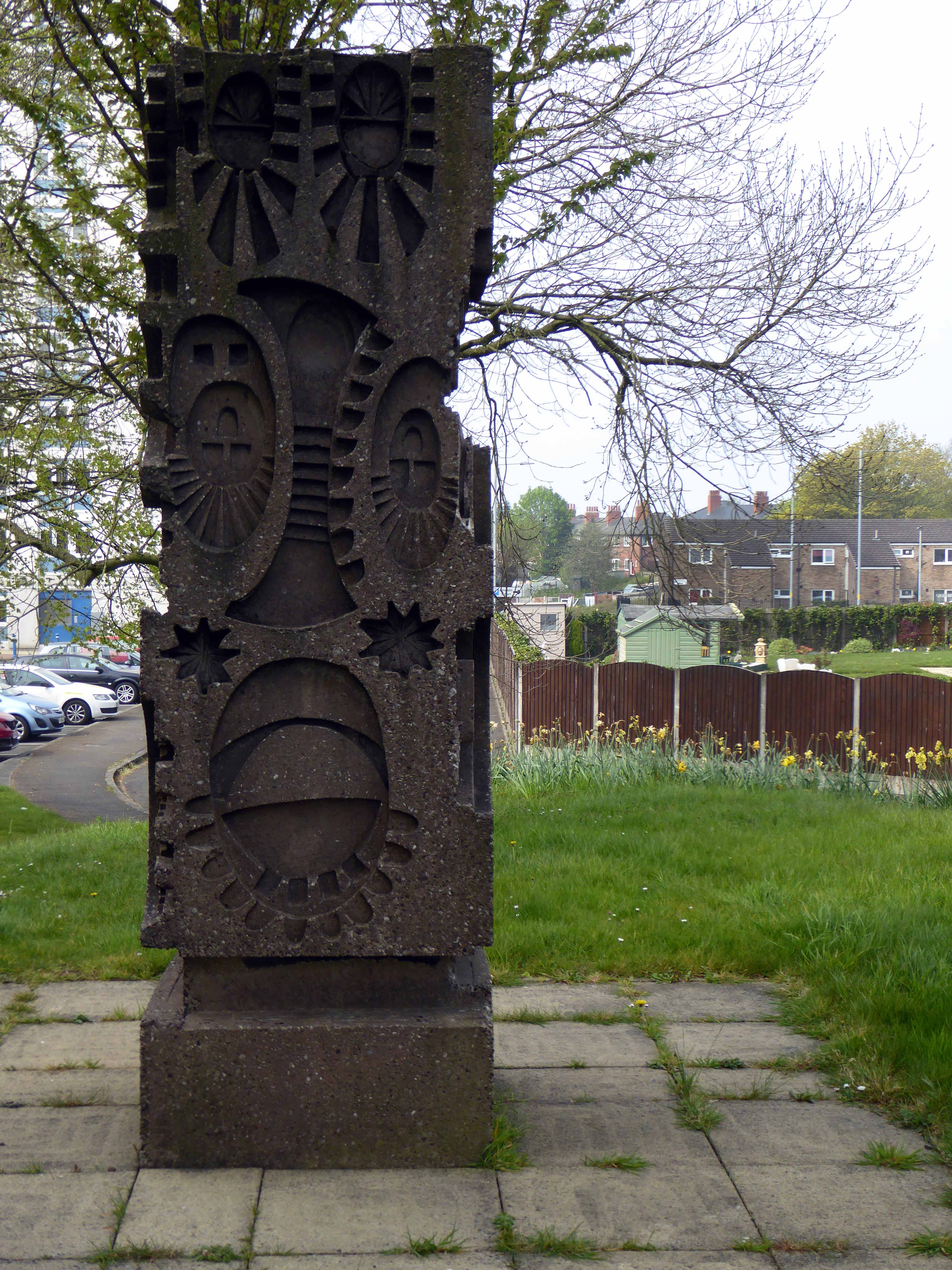
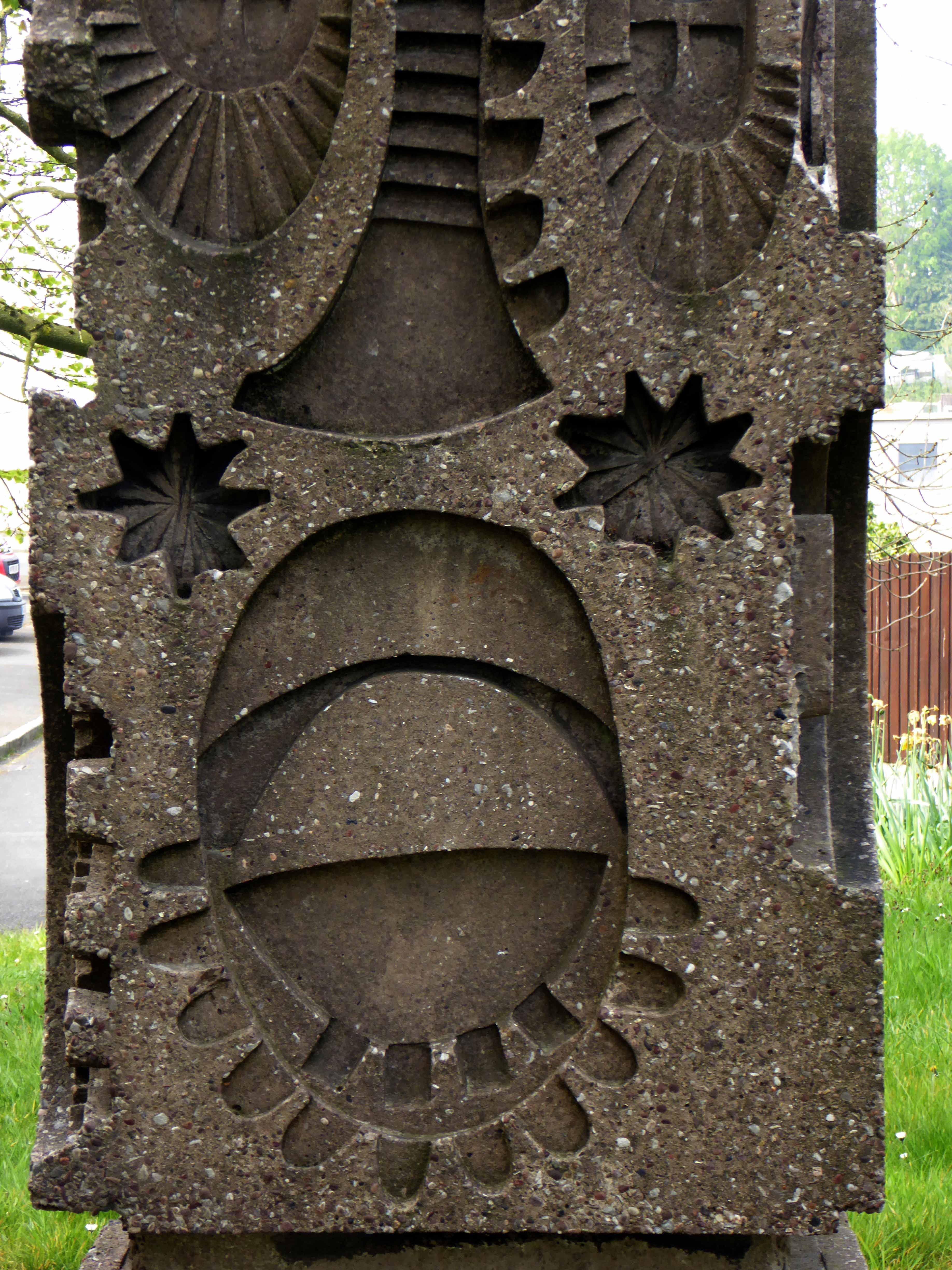
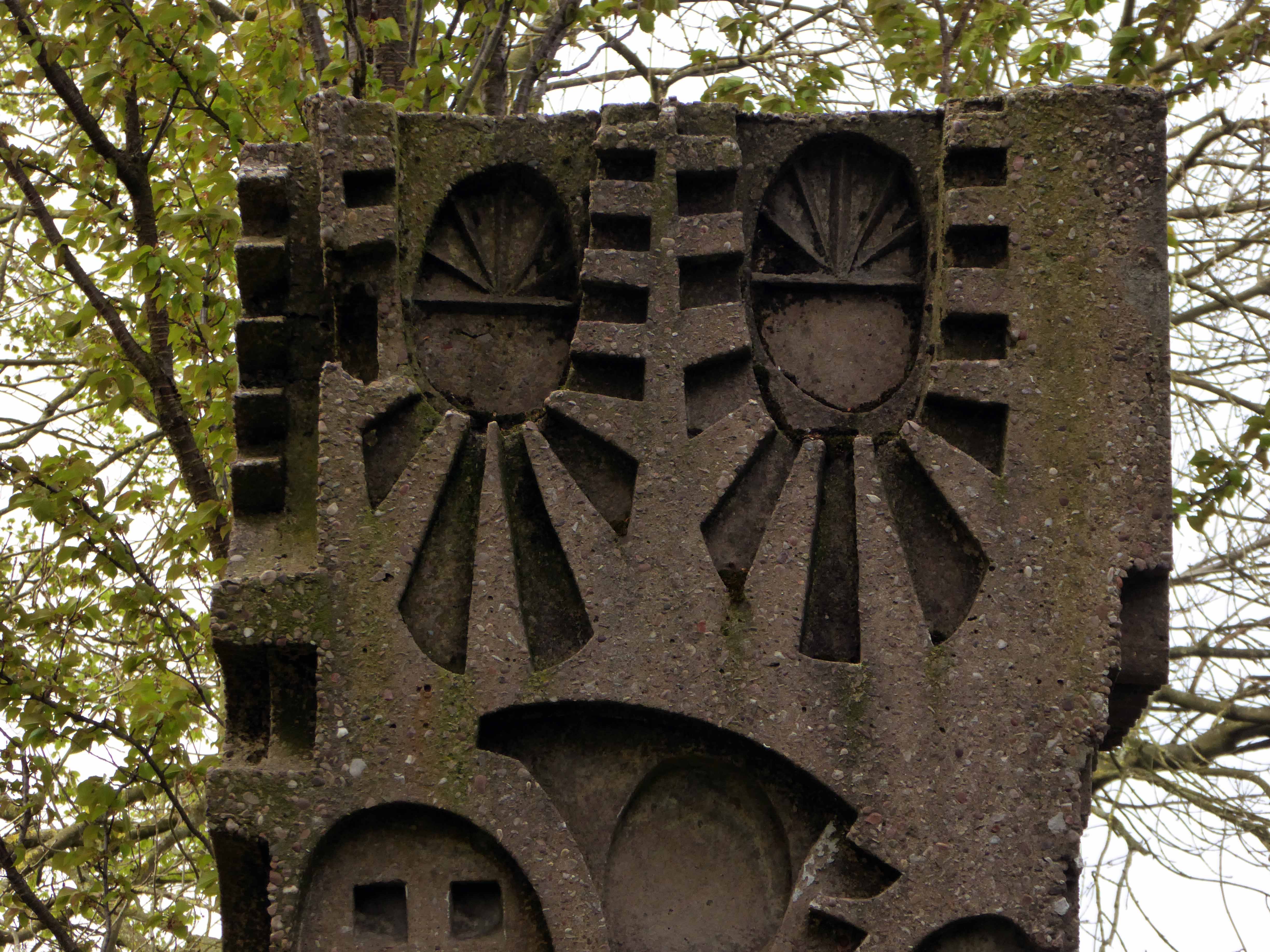
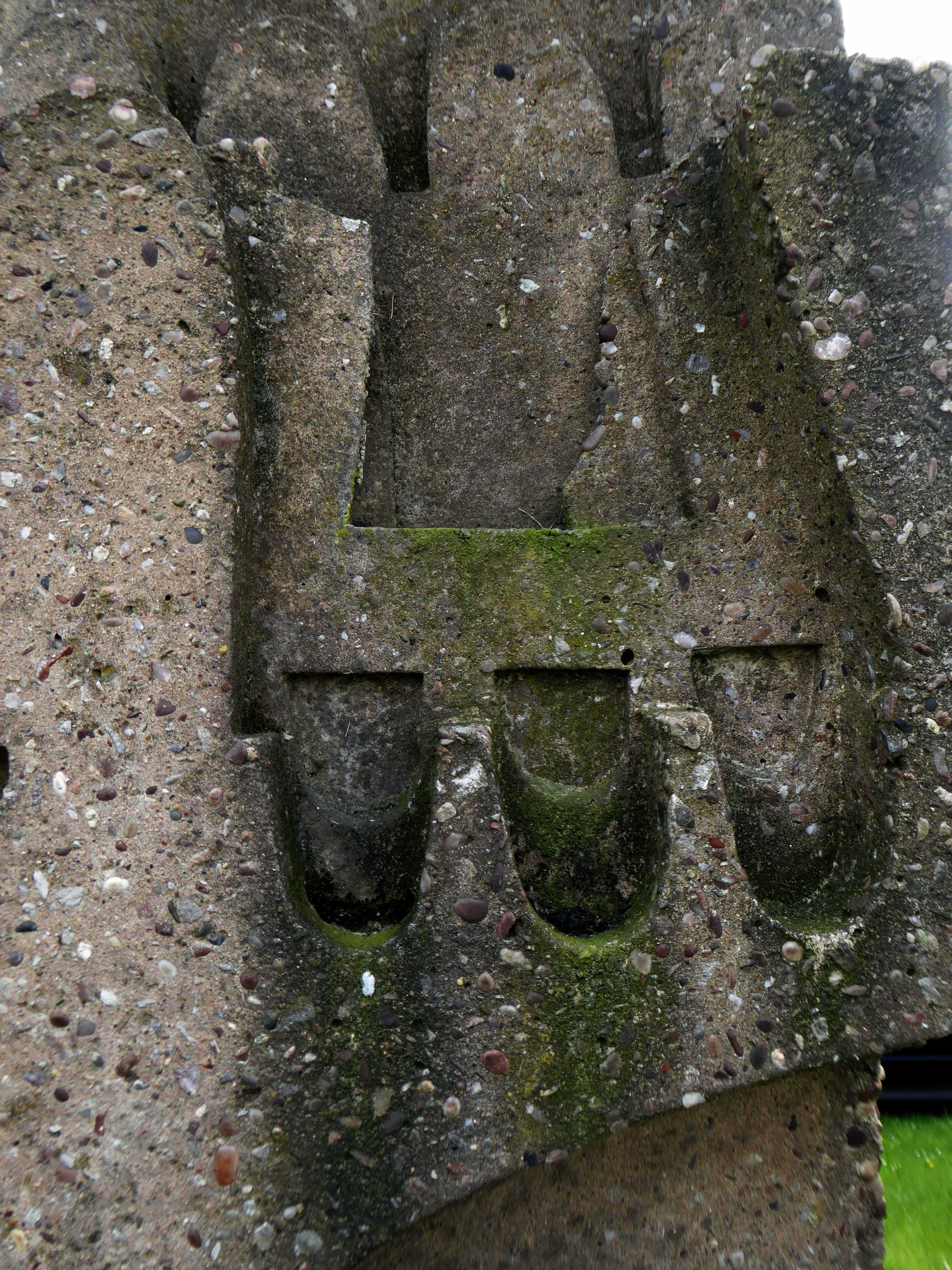
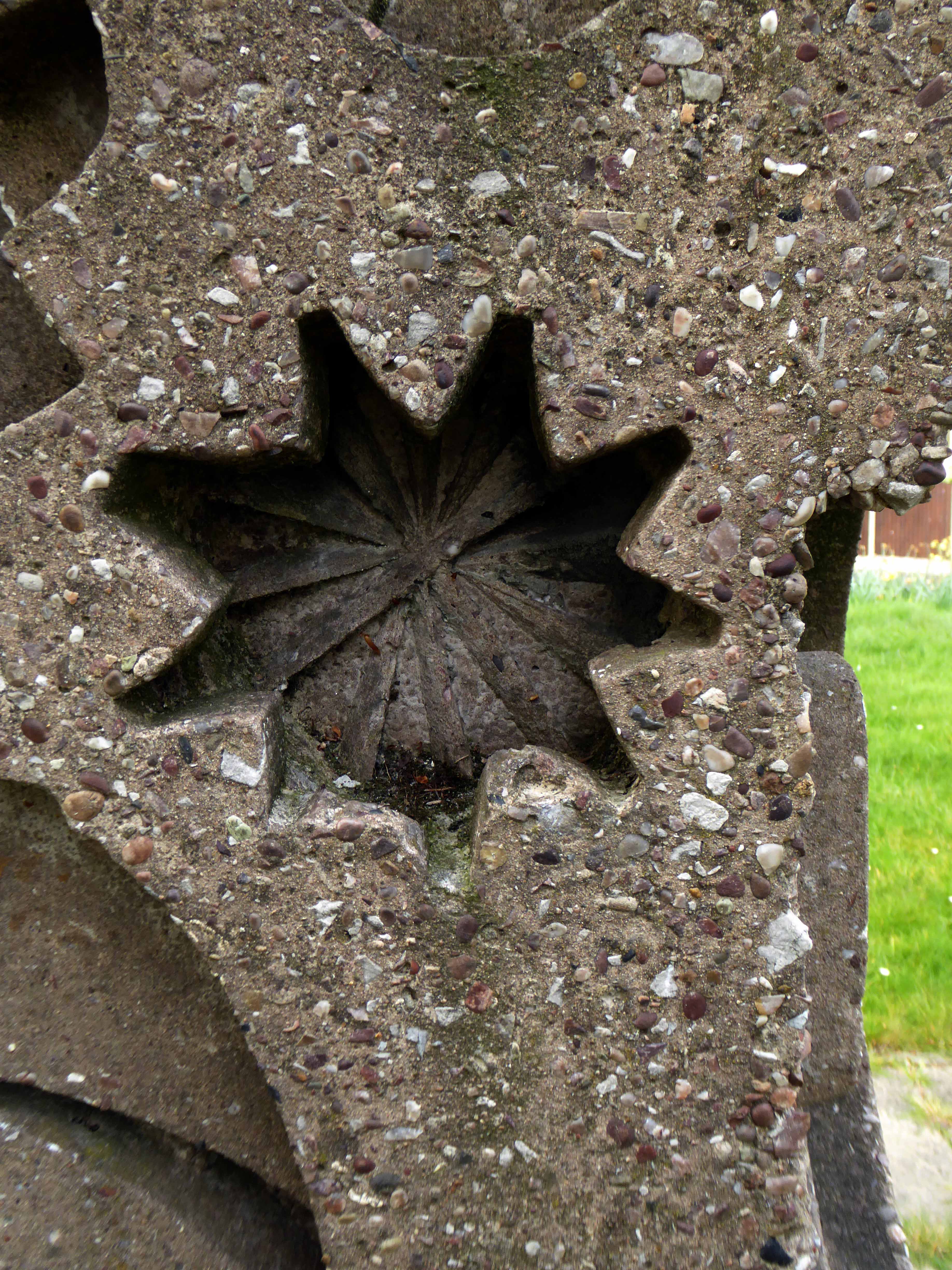
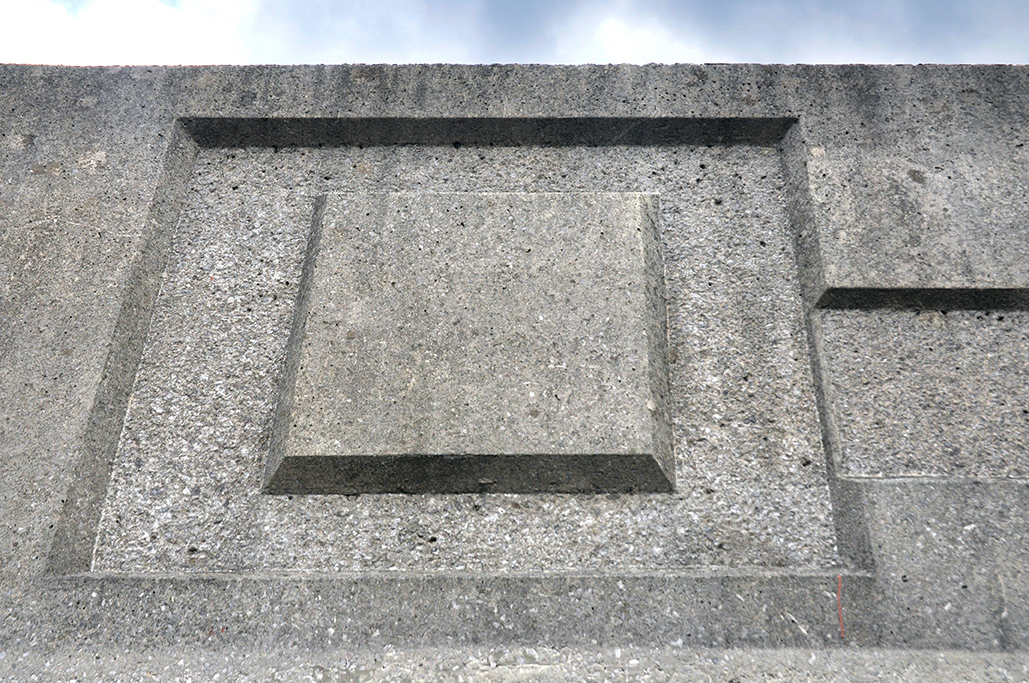
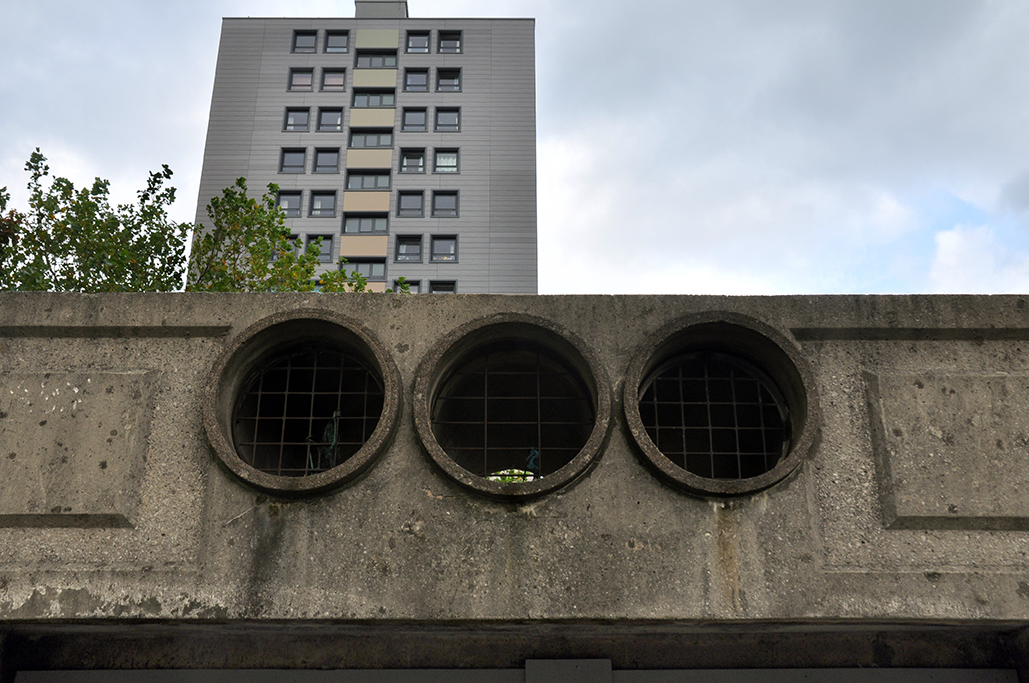
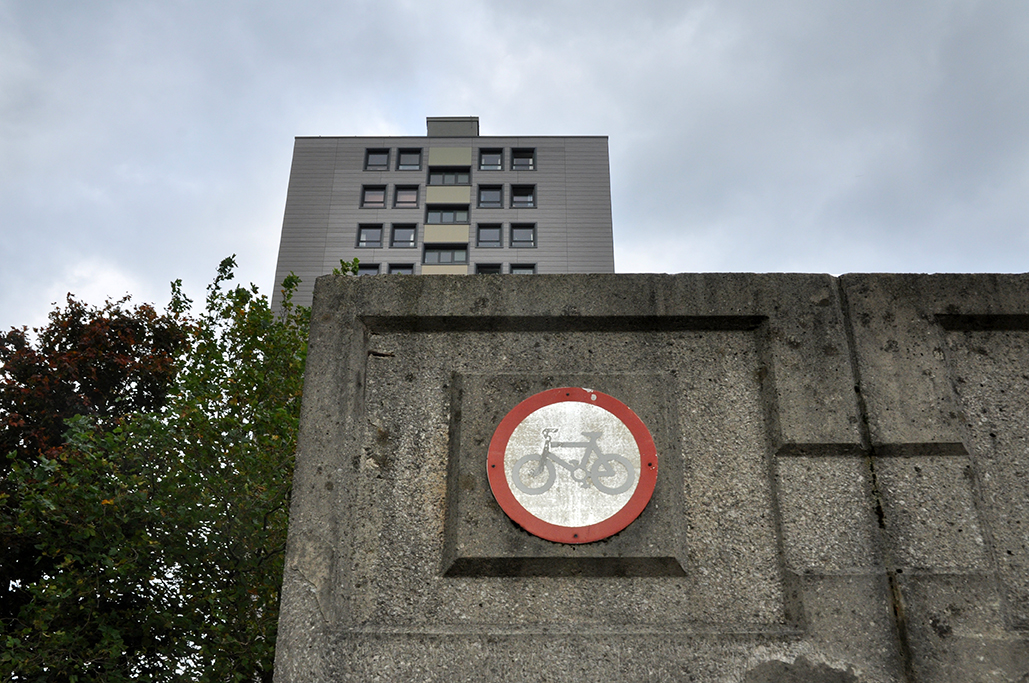
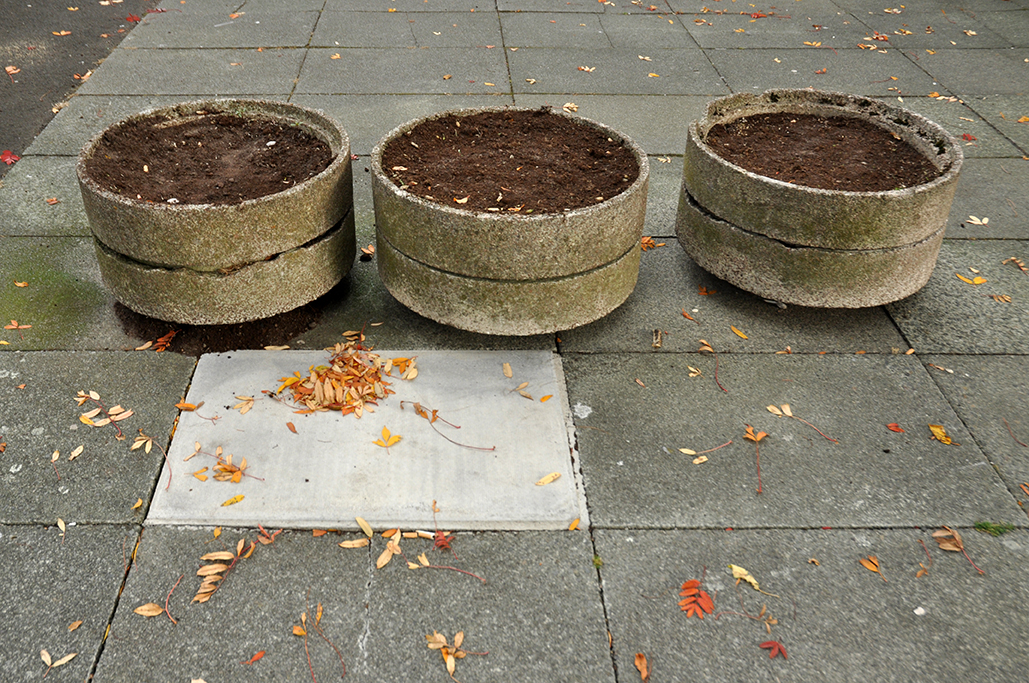
A little of their original character however has prevailed – a William Mitchellesque fallen obelisk, along with some panelling and planters.

The monolith was designed by Peter Shuttleworth, a newly qualified architect at Stockport Council

Curious to see public art behind bars

– would that they were removed.

DSC_0038 copy

a new relief copy

DSC_0032 copy

DSC_0033 copy

DSC_0037 copy

DSC_0039 copy

DSC_0046 copy

DSC_0047 copy

DSC_0048 copy

DSC_0049 copy

DSC_0050 copy

DSC_0051 copy

DSC_0030 copy

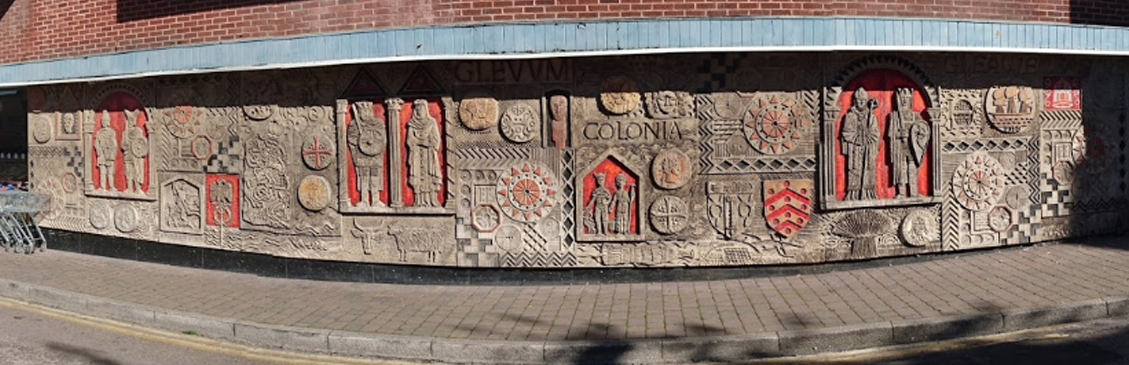
Pallot and Collins Murals – Bexhill on Sea

Could there be a more moderne town?

Bexhill on Sea, blessed with the delightful De La Warr Pavillion.

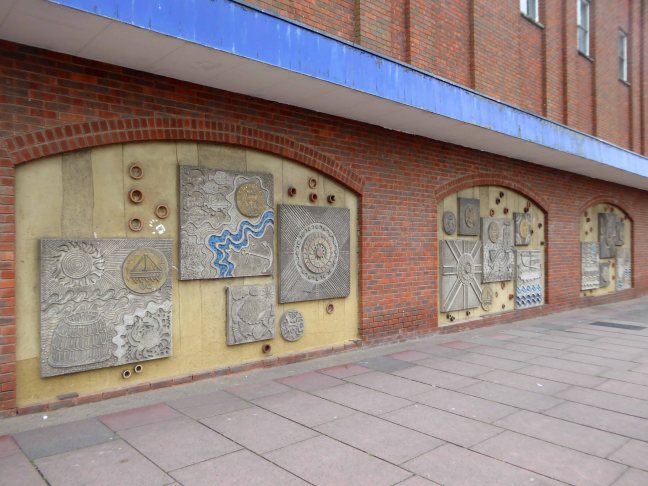
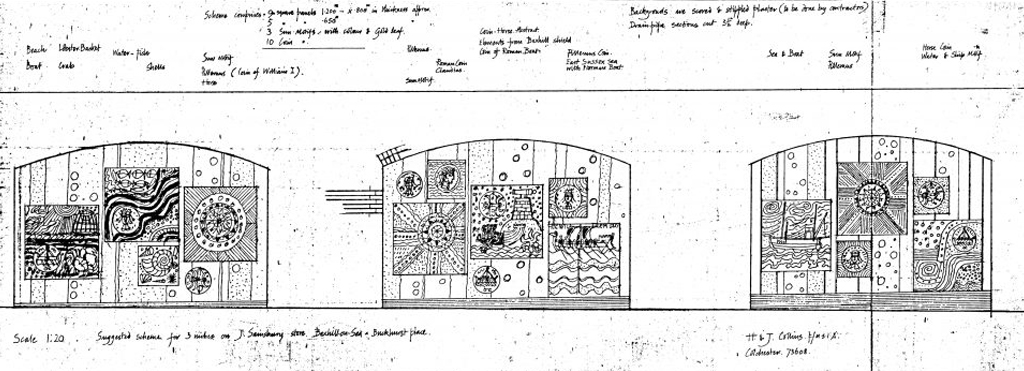
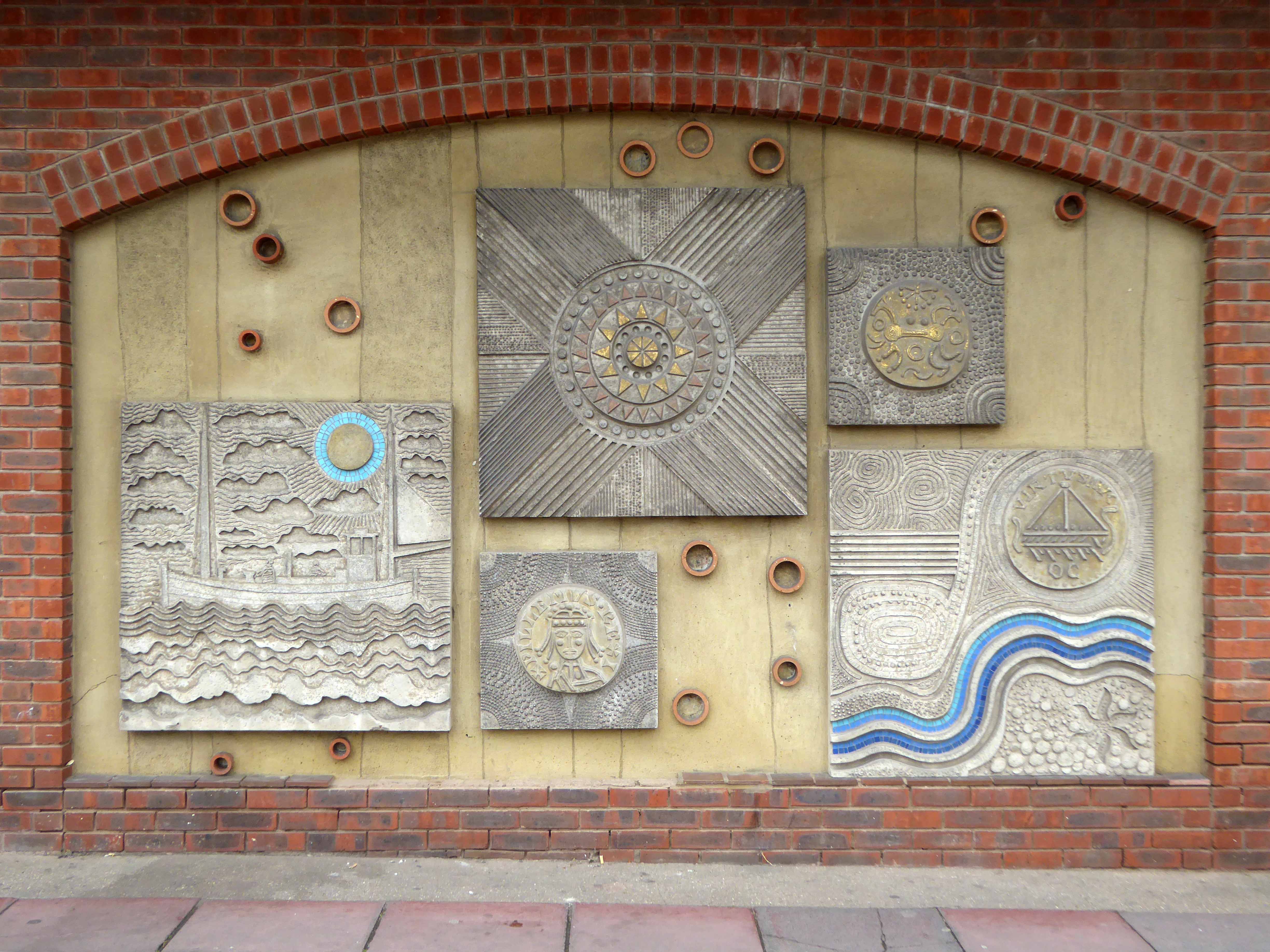
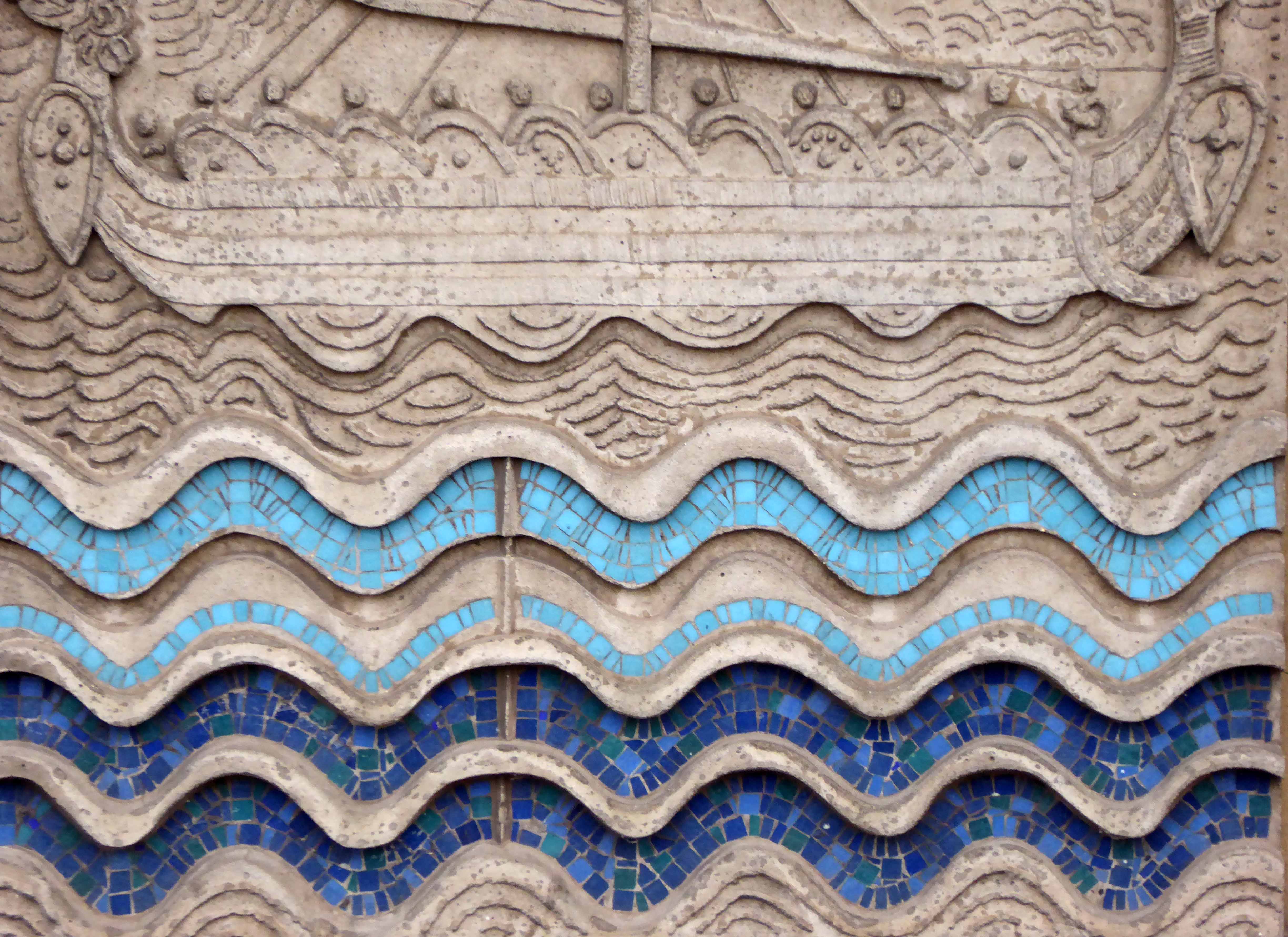
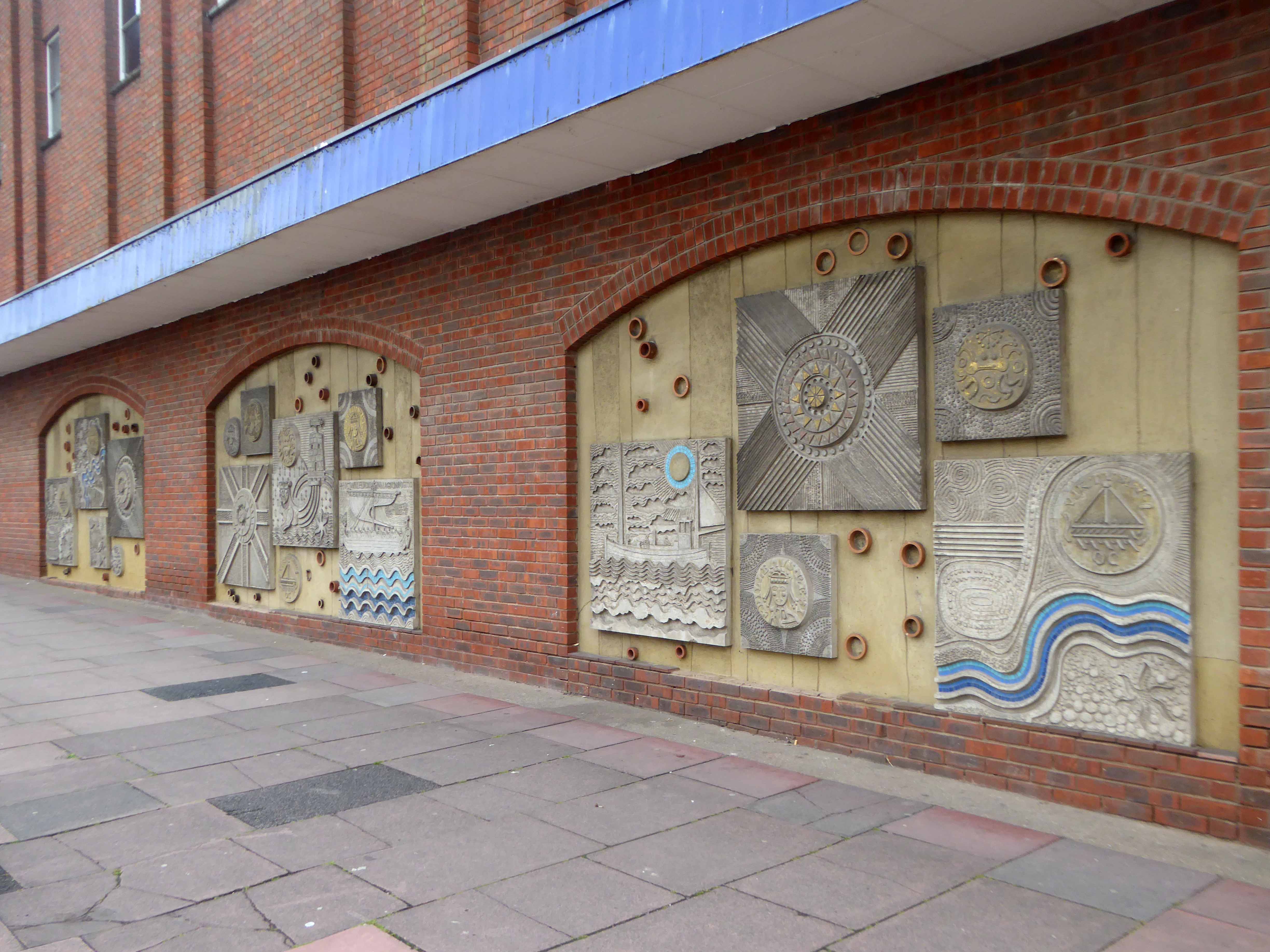
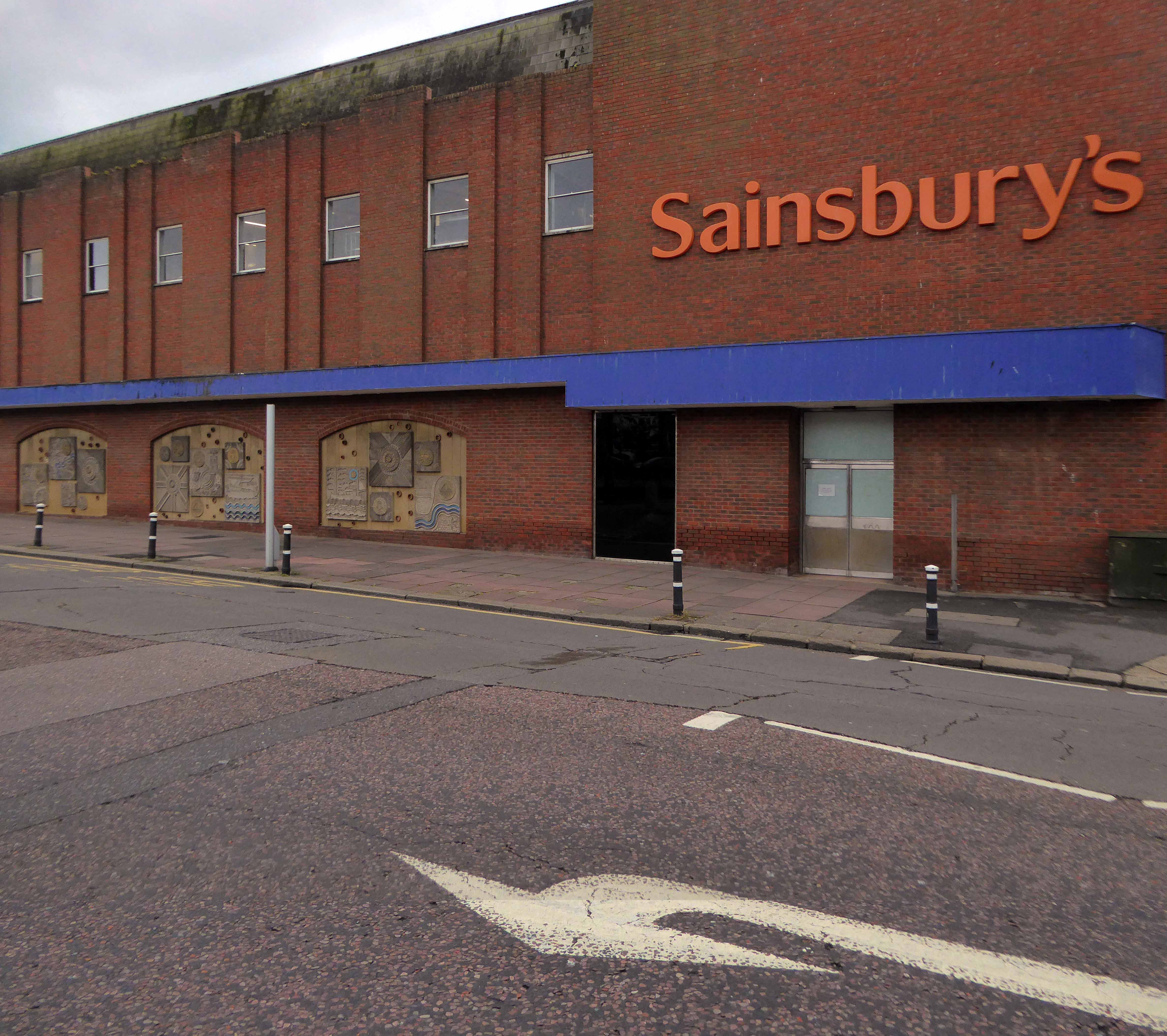
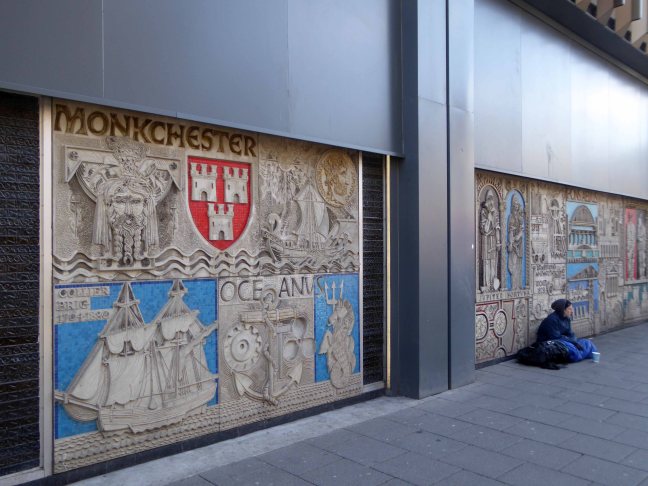
Plus the Pallot and Collins murals inset into the wall of their local branch of Sainsbury’s.

The third such public sculpture I have had the pleasure to visit following trips to Newcastle and the now defunct BHS in my hometown of Stockport.

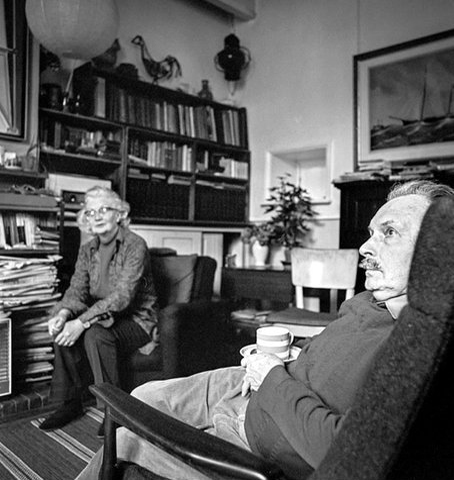
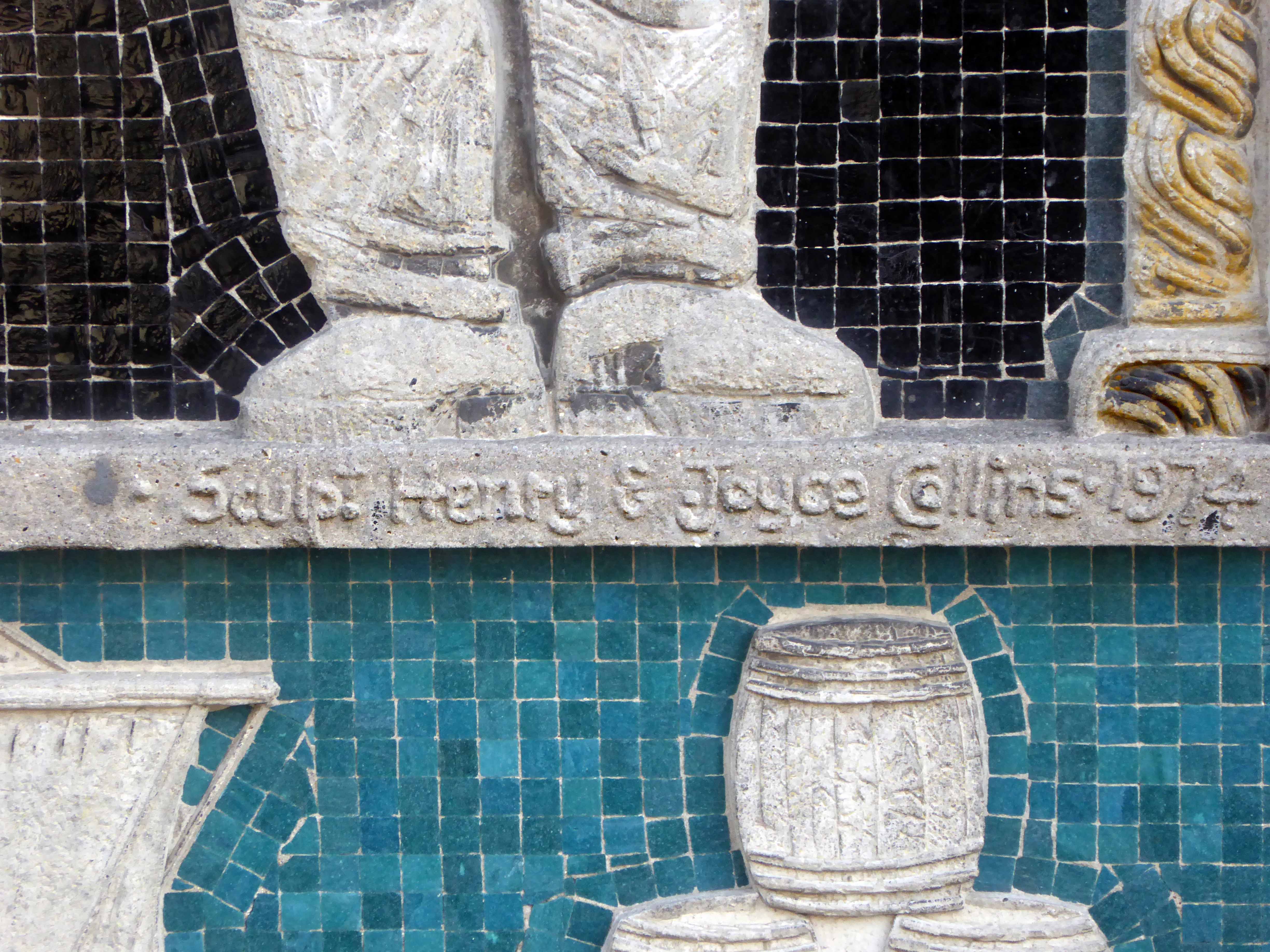
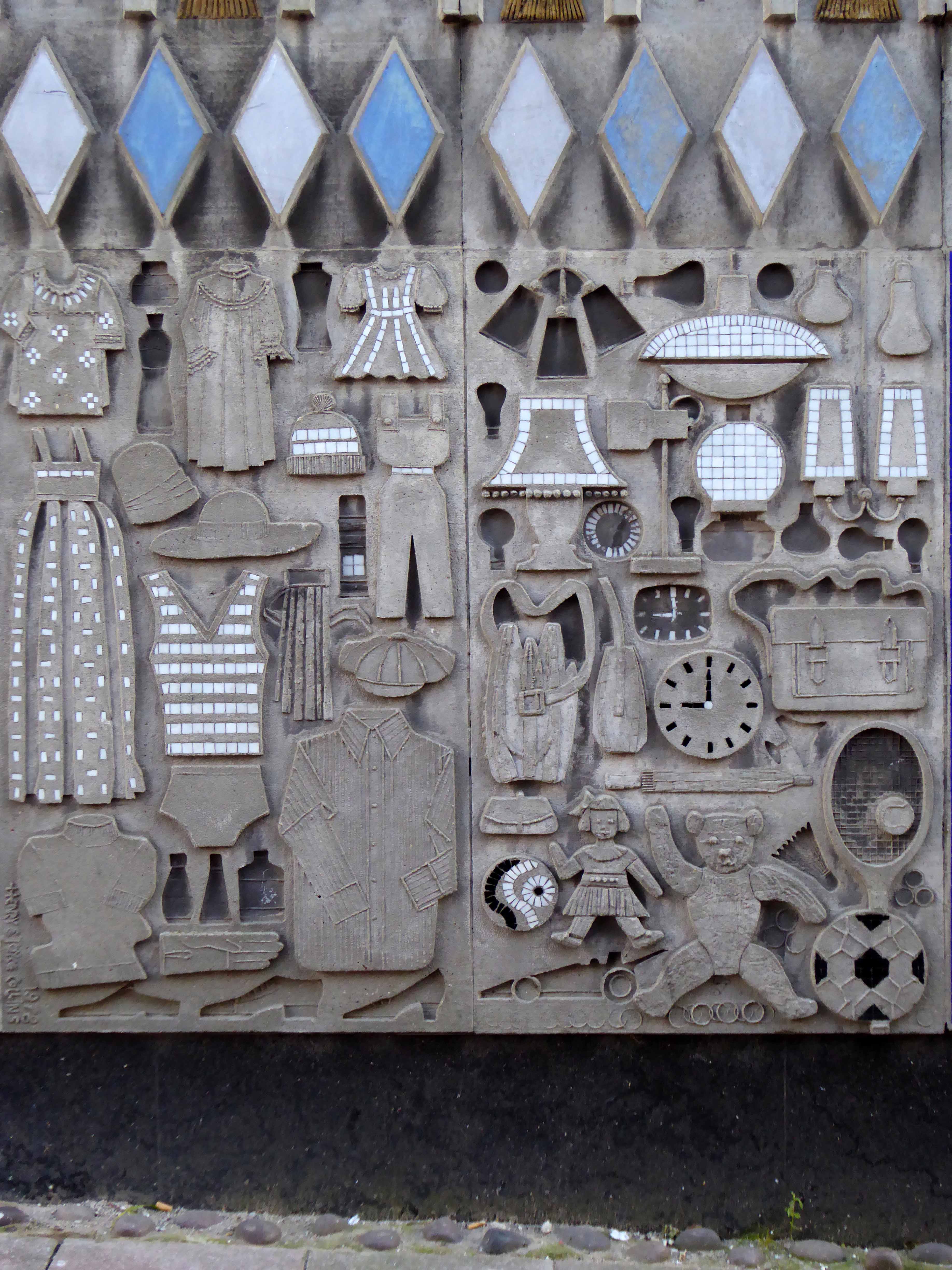
Henry William Collins and Joyce Millicent Pallot have a very special place in my heart, their lives’ work together gracing the Festival of Britain, GPO Tower and Expo 70, along with other retail outlets in Southampton, Gloucester, and Colchester. A distinctive style of bas relief in impressed concrete, ceramic terrazzo and simple modern motifs, drawn from local history and imagery.

Take a look around.

OriginalPlan1-1024x371

P1170853

P1170854

P1170855

P1170857

P1170858

P1170859

P1170860

P1170861

P1170862

P1170863

P1170864

P1170865

P1170867

P1170868

P1170869

P1170870

P1170872

P1170878

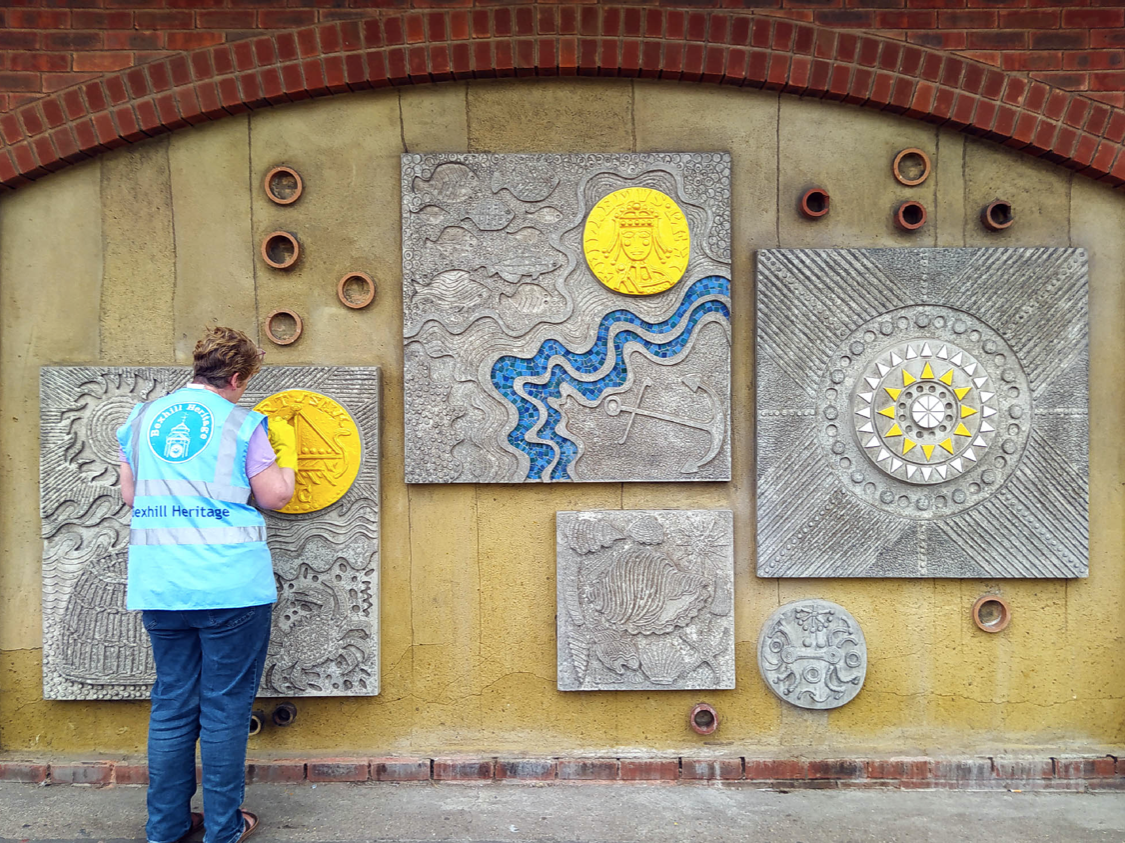
Great to see that the murals have been restored recently by Bexhill Heritage.

Screenshot 2024-10-22 at 10.53.56

BHS Murals – Newcastle upon Tyne

We here in Stockport have our own BHS murals, happily so does Newcastle.

The work of acclaimed artists Joyce Pallot and Henry Collins, they worked on a large number of murals and exhibition designs for amongst others, Jamestown Festival, USA; Brussels Exhibition; Expo 70; Japan; Shell Centre; GPO Tower, London; Grosvenor House, London; Ind Coope Ltd; Philips Business Systems; Sainsburys; British Home Stores; Cwmbran Arts Trust; Essex County Council and IBM, London.

1460712918

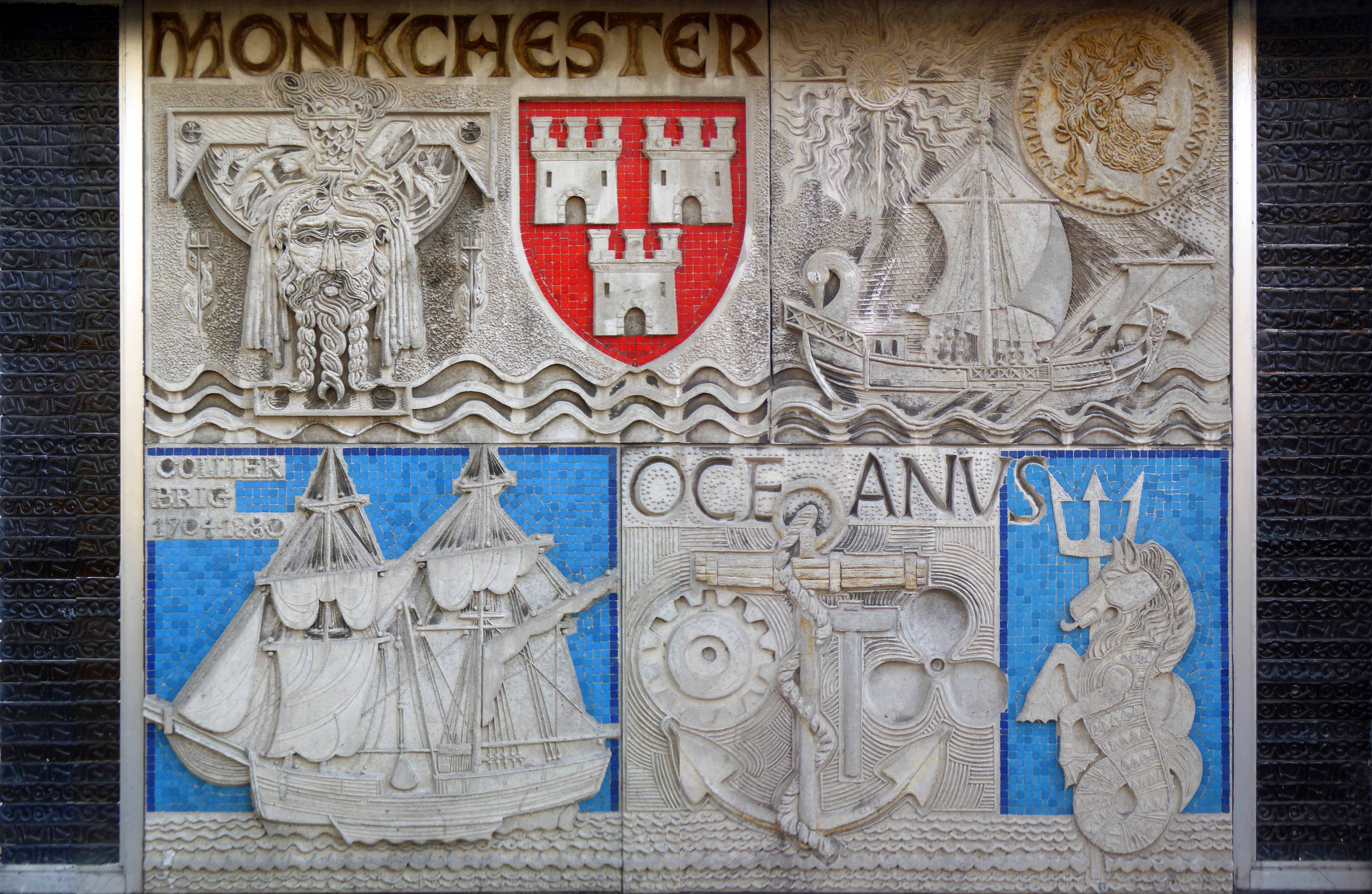
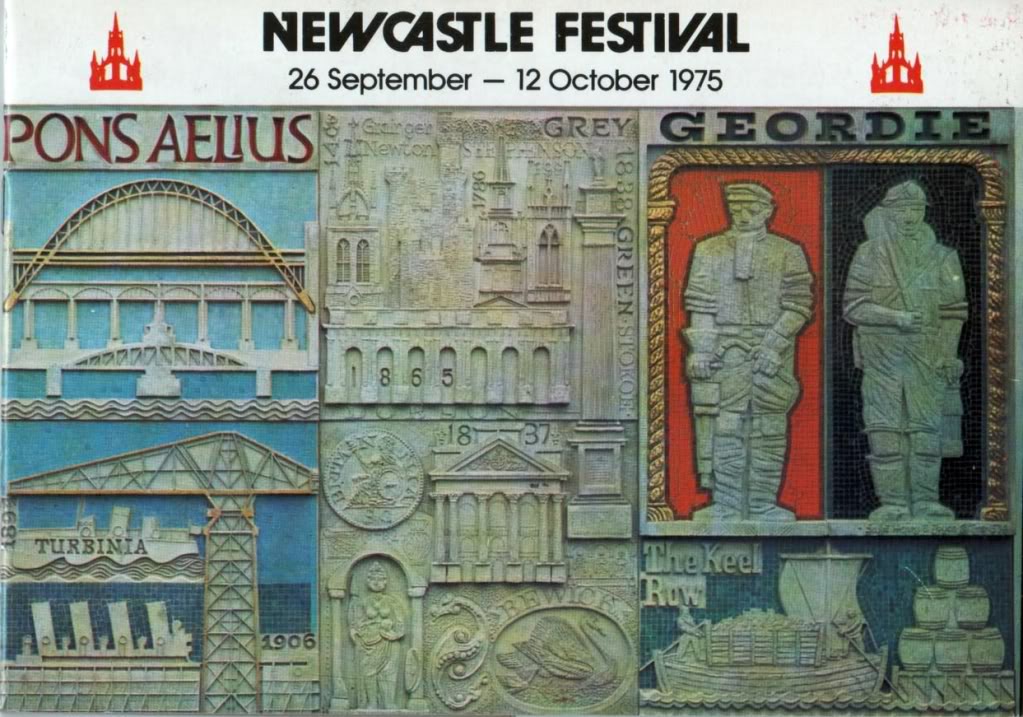
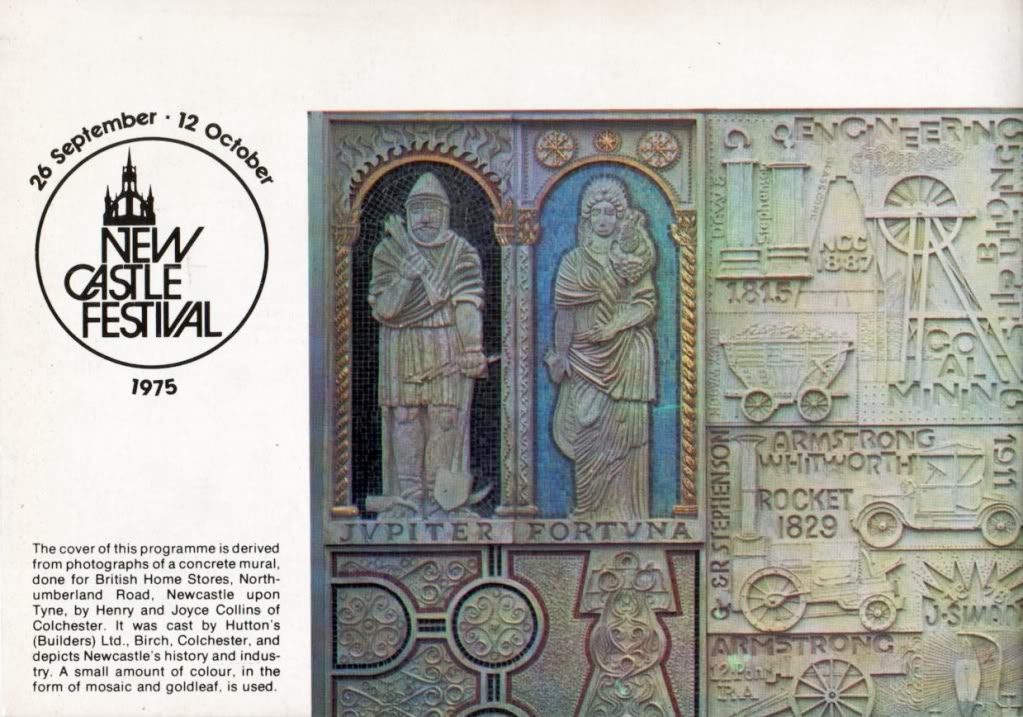
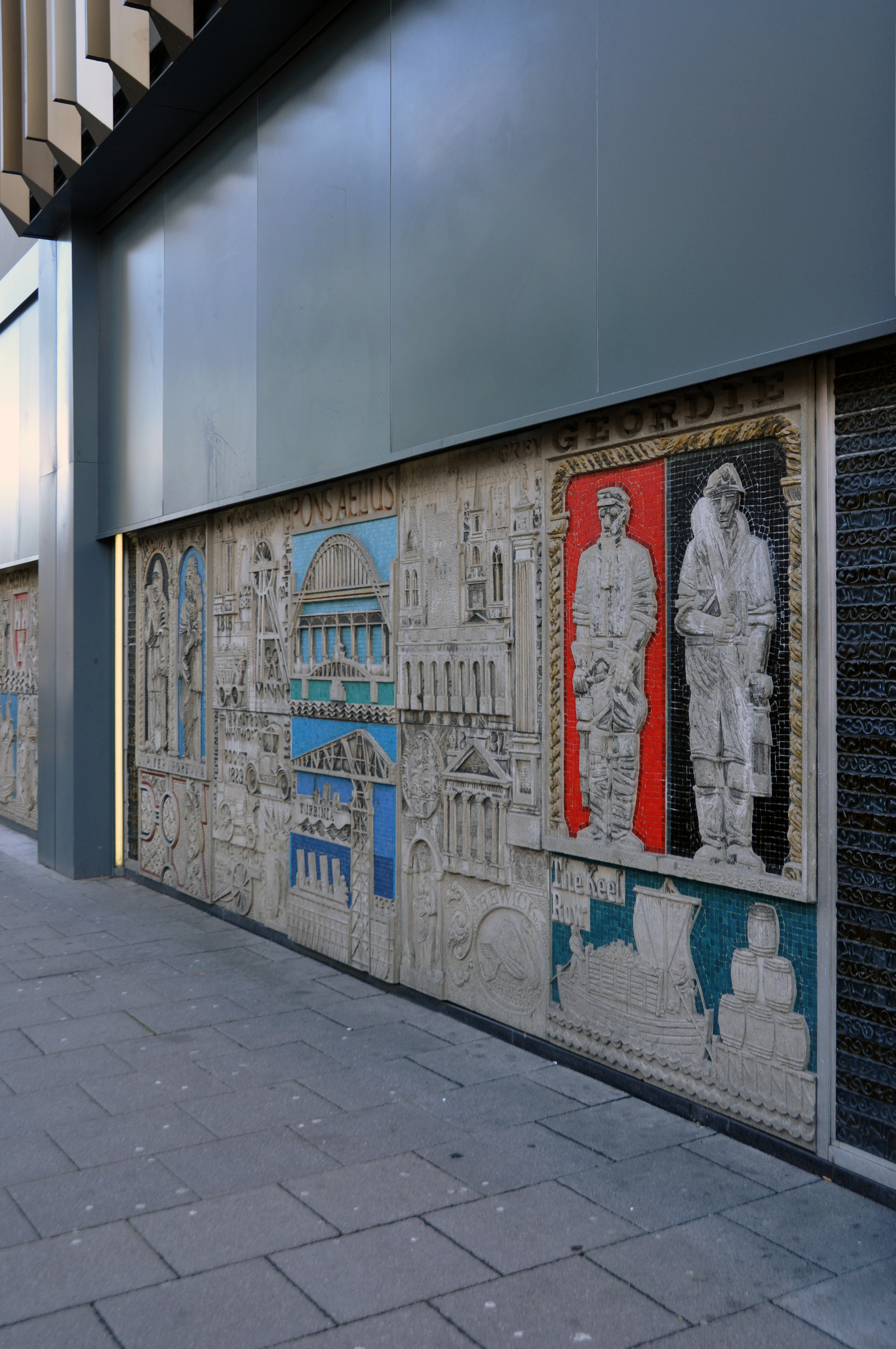
They never worked on the site itself, but used a regular contractor Hutton’s Builders Ltd Colchester, who cast the concrete in panels around four feet square. There are two relief panels, depicting events in the history of Newcastle. Highly stylised, the relief is moulded to a depth of 5cm and features some charming Geordie characters.

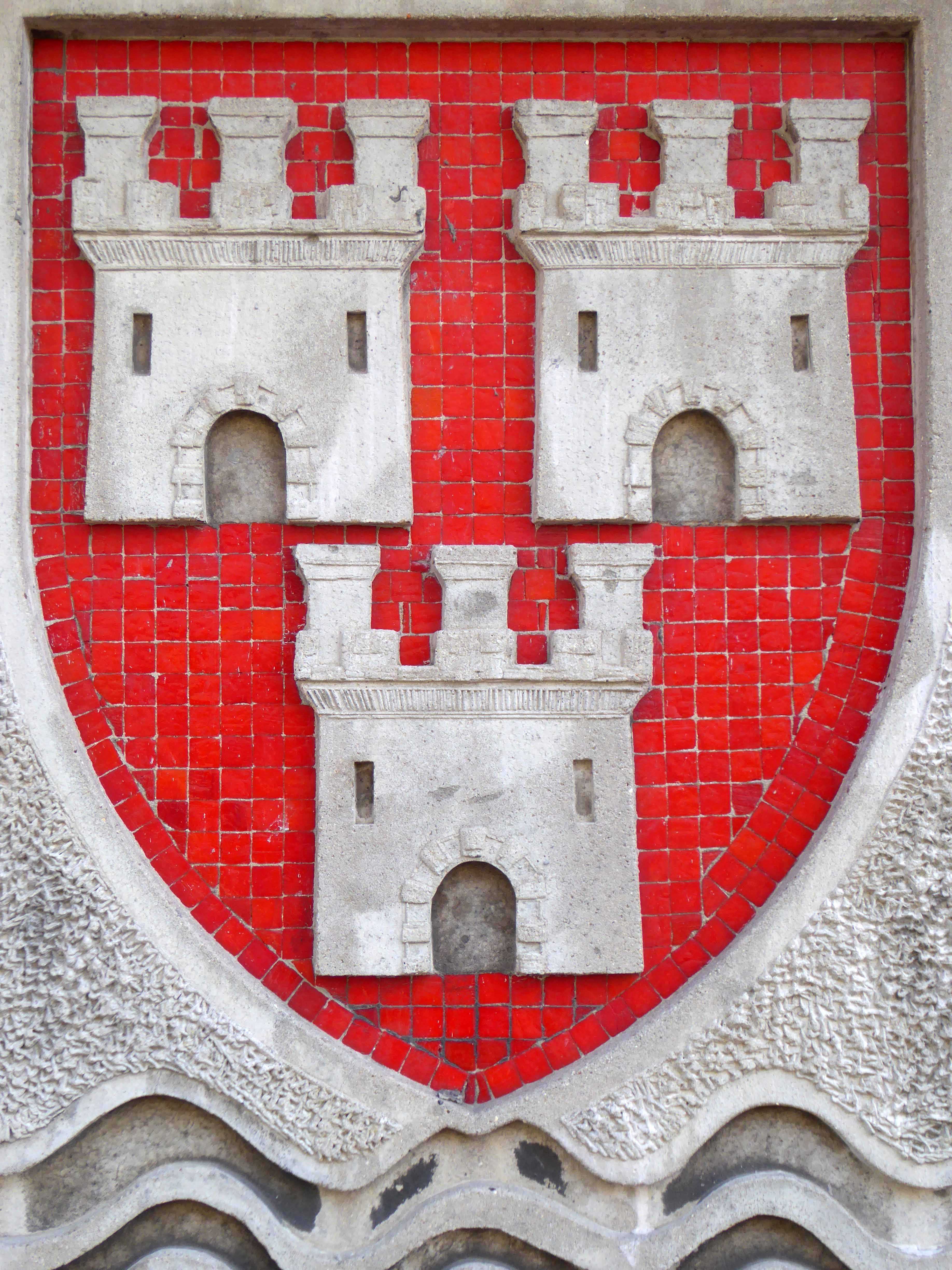
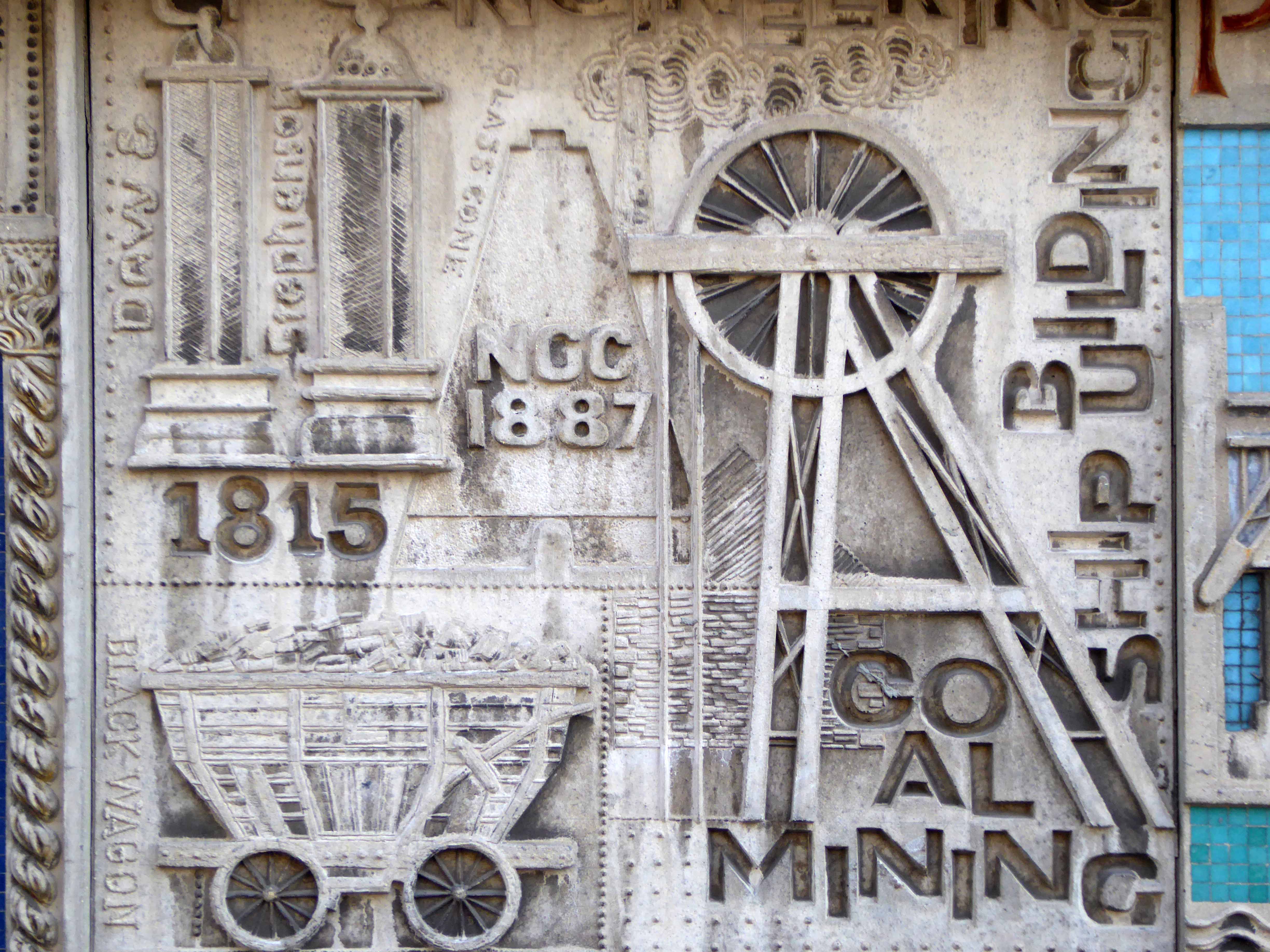
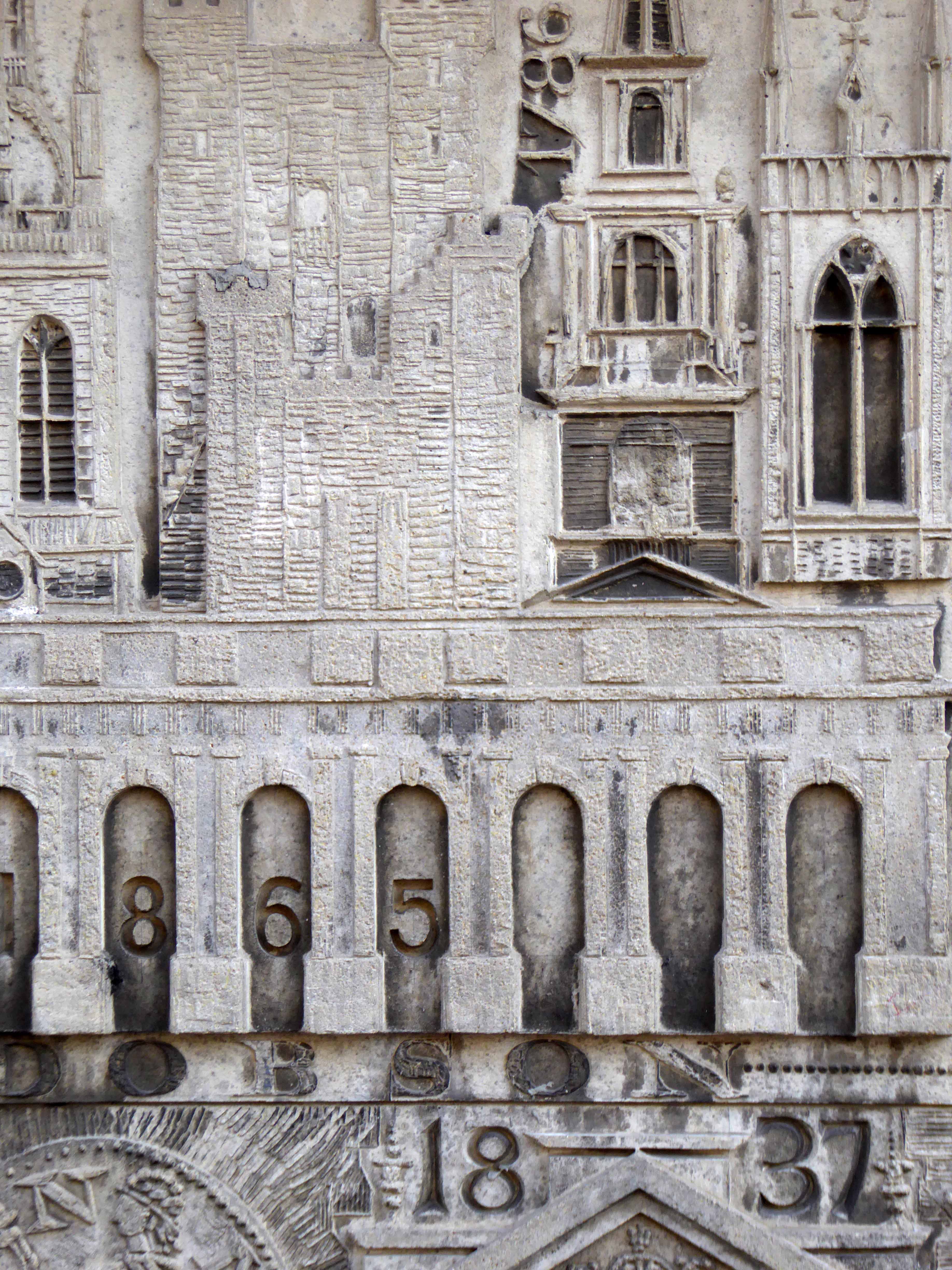
The left panel contains the following inscriptions and images Monkchester with Roman head and Newcastle coat of arms. Roman ship and golden coin. Collier Brig 1704-1880 with ship. Oceanus with anchor and seahorse with trident. The right panel contains the following inscriptions and images: Jupiter Fortuna with two figures. Engineering; Davy and Stephenson; coal mining ship building with images of same. G & R Stephenson; Armstrong Whitworth; Rocket 1829 with image of first steam engine. Armstrong 12 Pounder RA with image of gun. 1878 J.Swan Pons Aelius with bridges depicted below. Turbinia and image of ship. Various churches with names carved about including Grainger Dobson 1865; 1838 Green Stokoe; Bewick with a swan; a figure and Brigantia. Final section on far right has Geordie over two figures, then the Keel Row with a loading boat at the bottom. 

Information from – PMSA

P1160129

The building was originally developed by C&A and it is thought that funding for the reliefs might have been provided by the store and/or Northern Arts. It became BHS which subsequently closed last year, the building is now occupied by Primark, C&A estates still own the site. 
    panel 1

panel 2

The mural illustrated the cover of the 1975 Newcastle Festival.

NewcastleFestival1975

NewcastleFestival19752

P1160116

P1160117

P1160118

P1160119

P1160121

P1160122

P1160124

P1160125

P1160126

P1160127

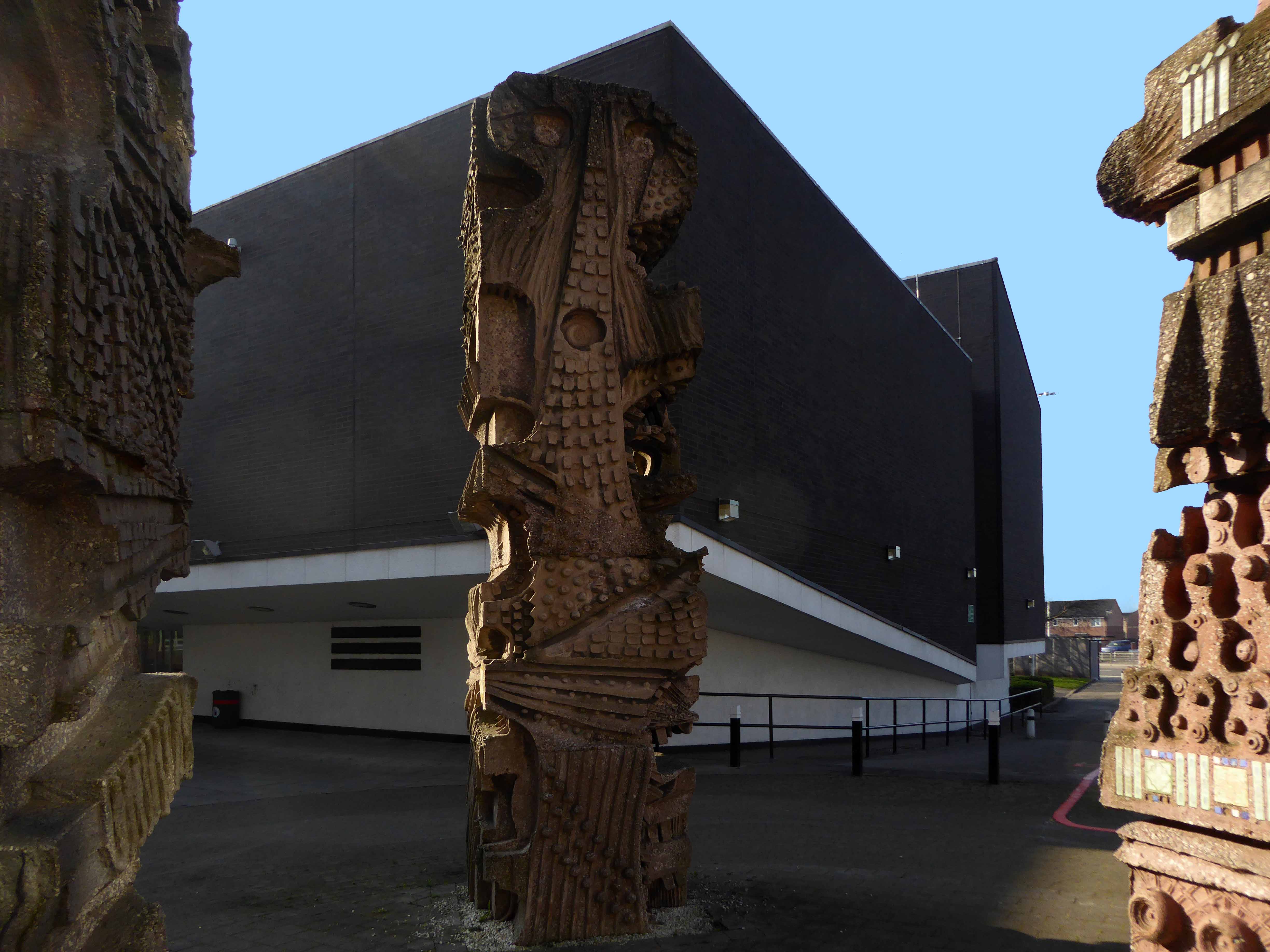
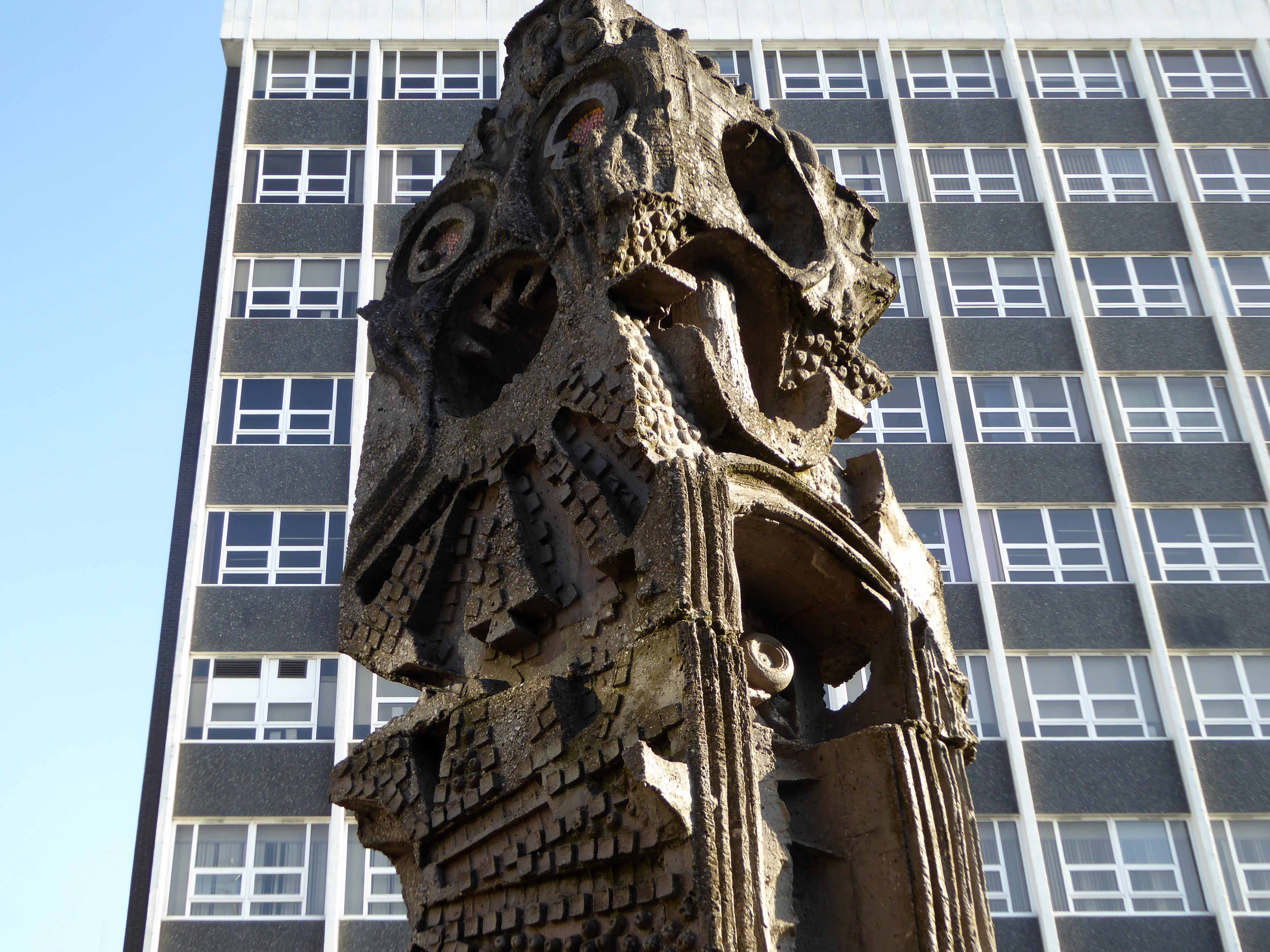
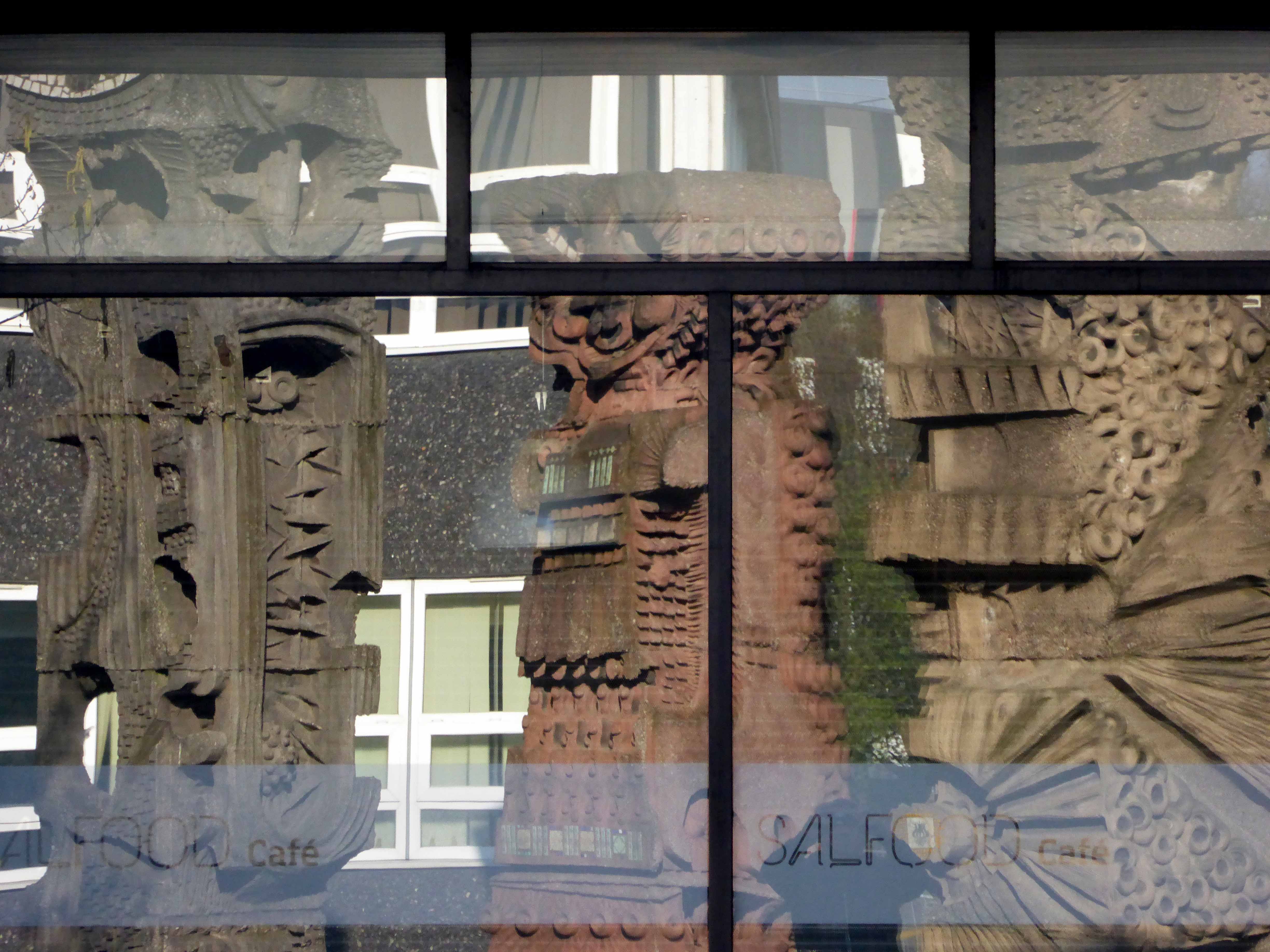
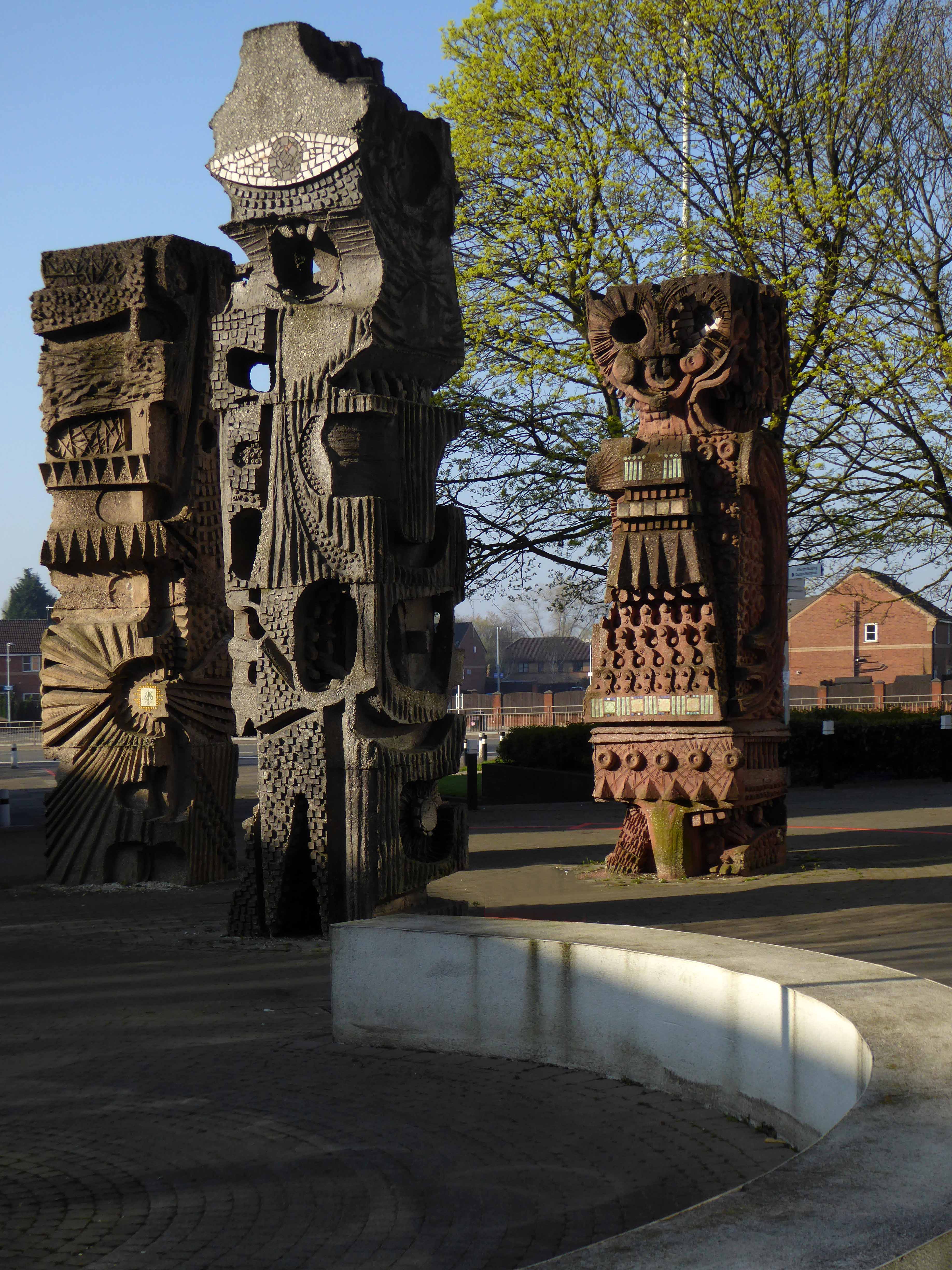
Minut Men Totems – Salford

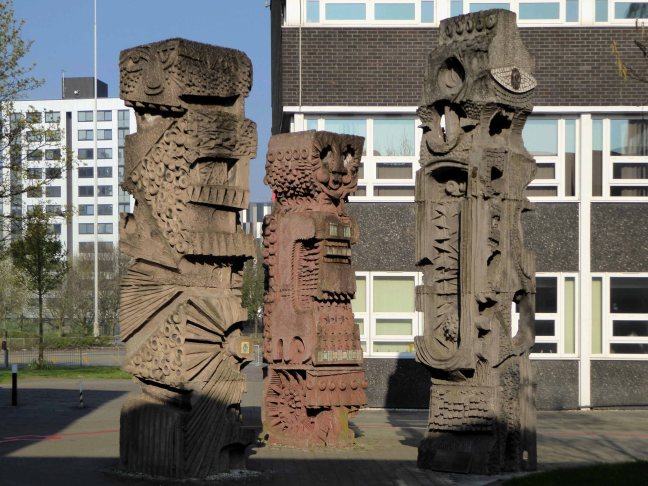
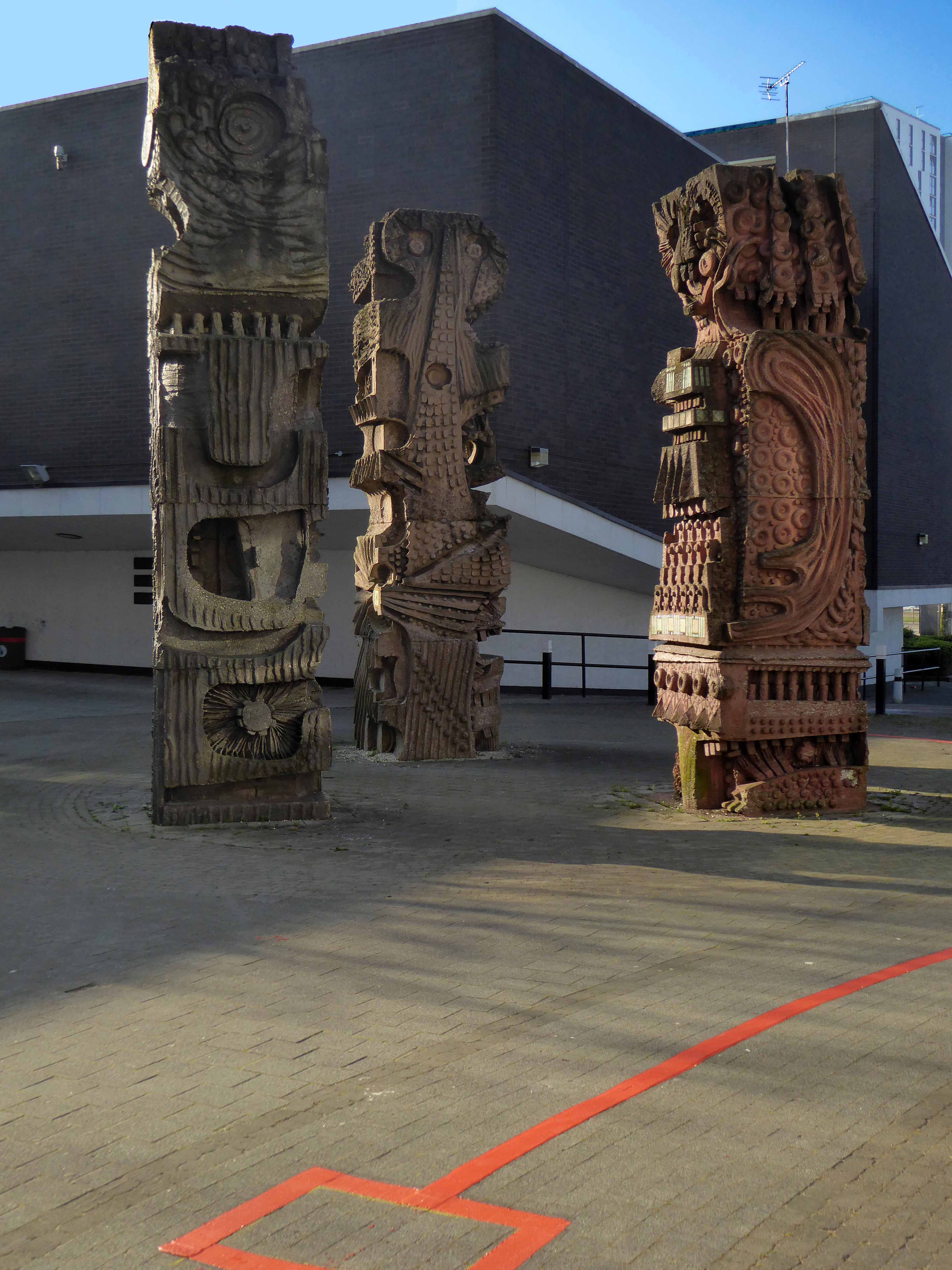
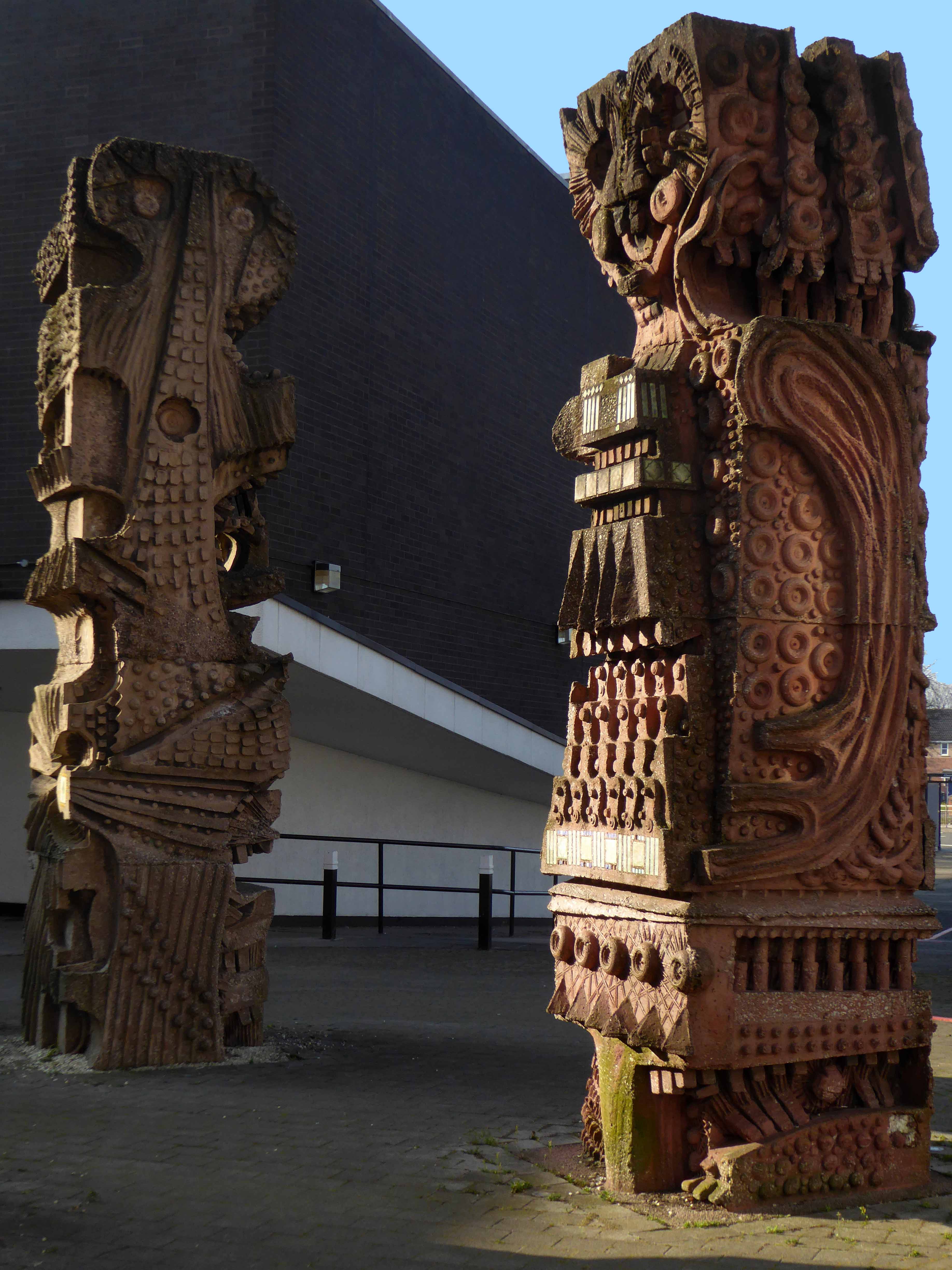
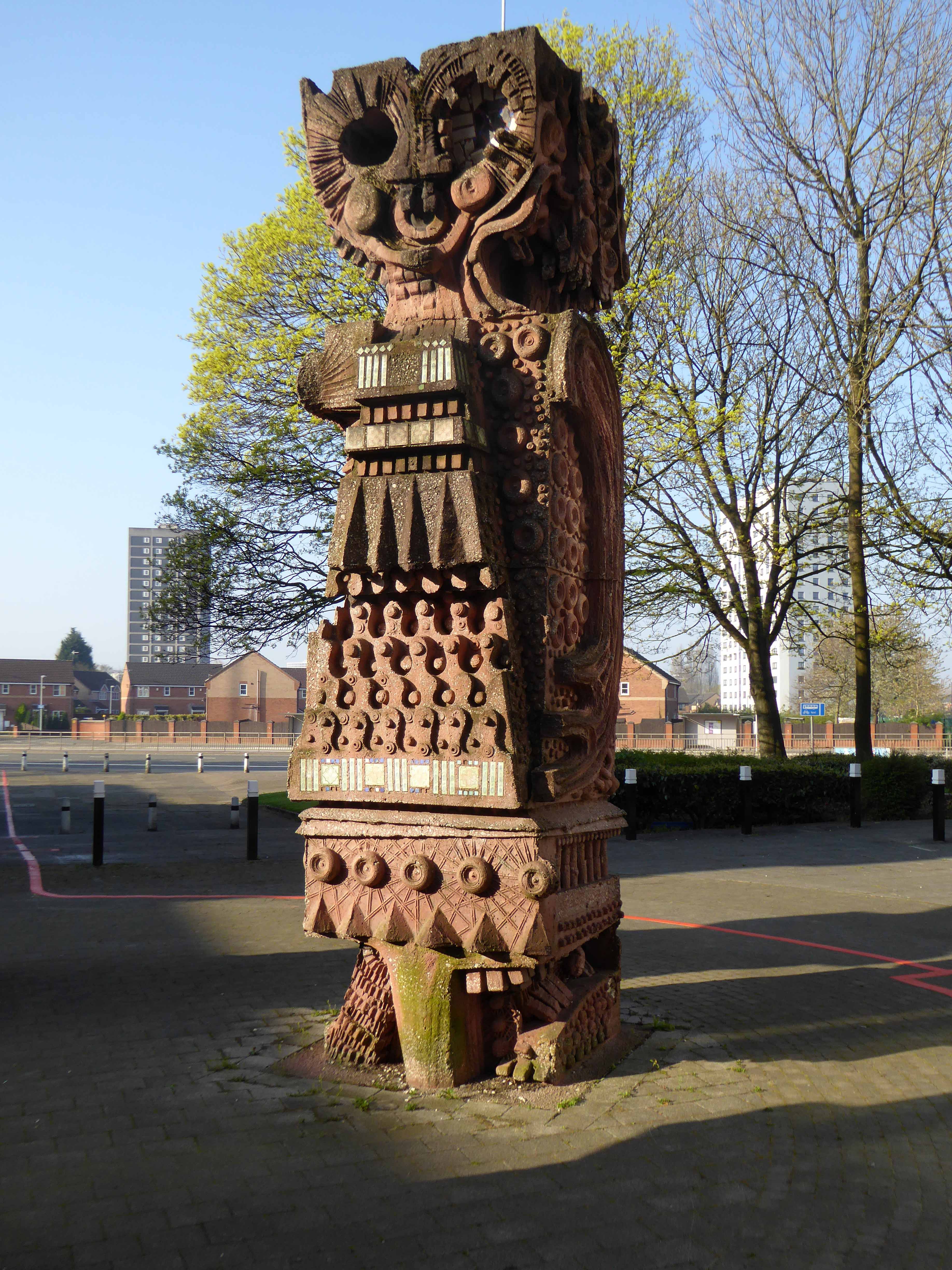
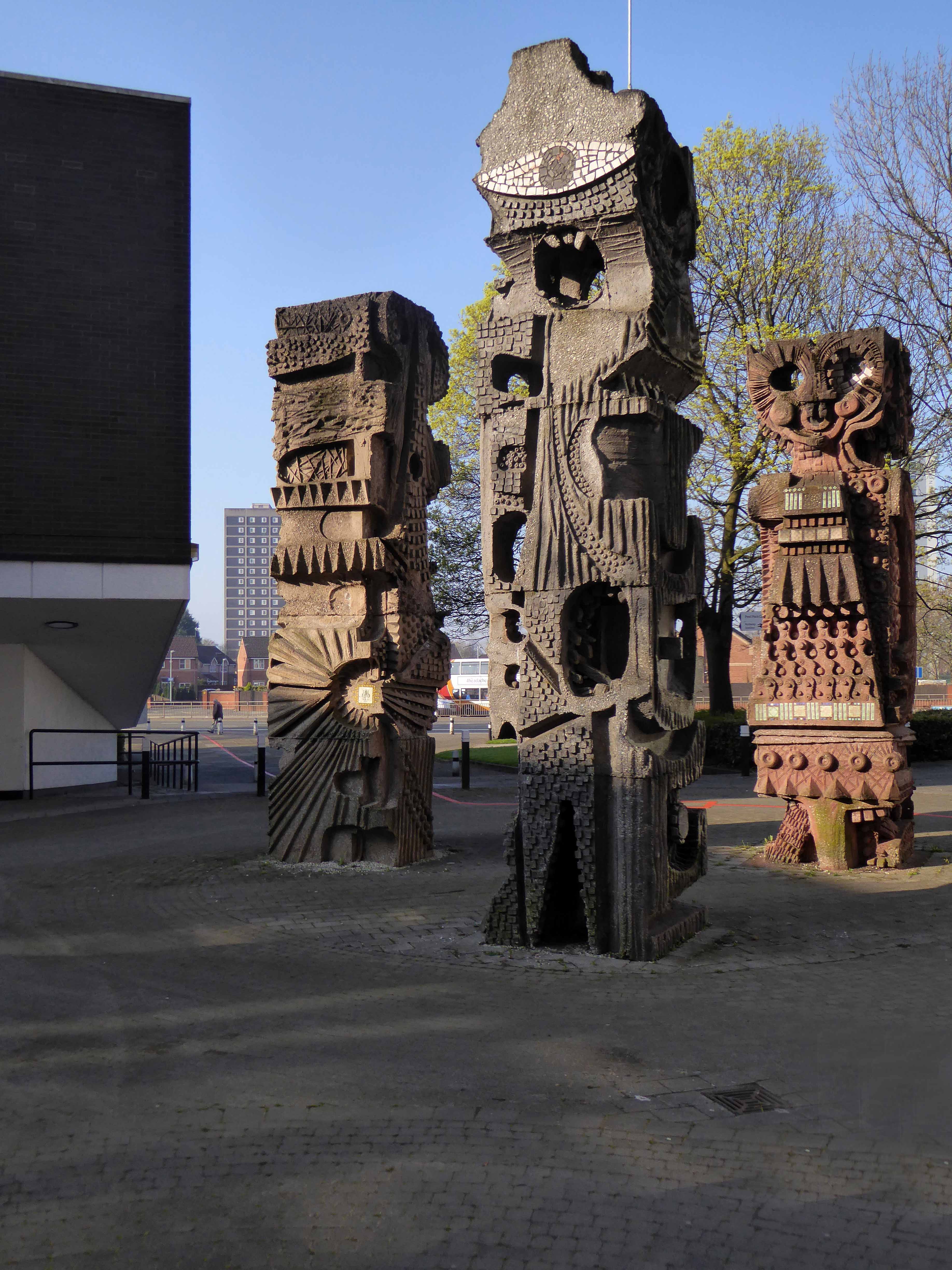
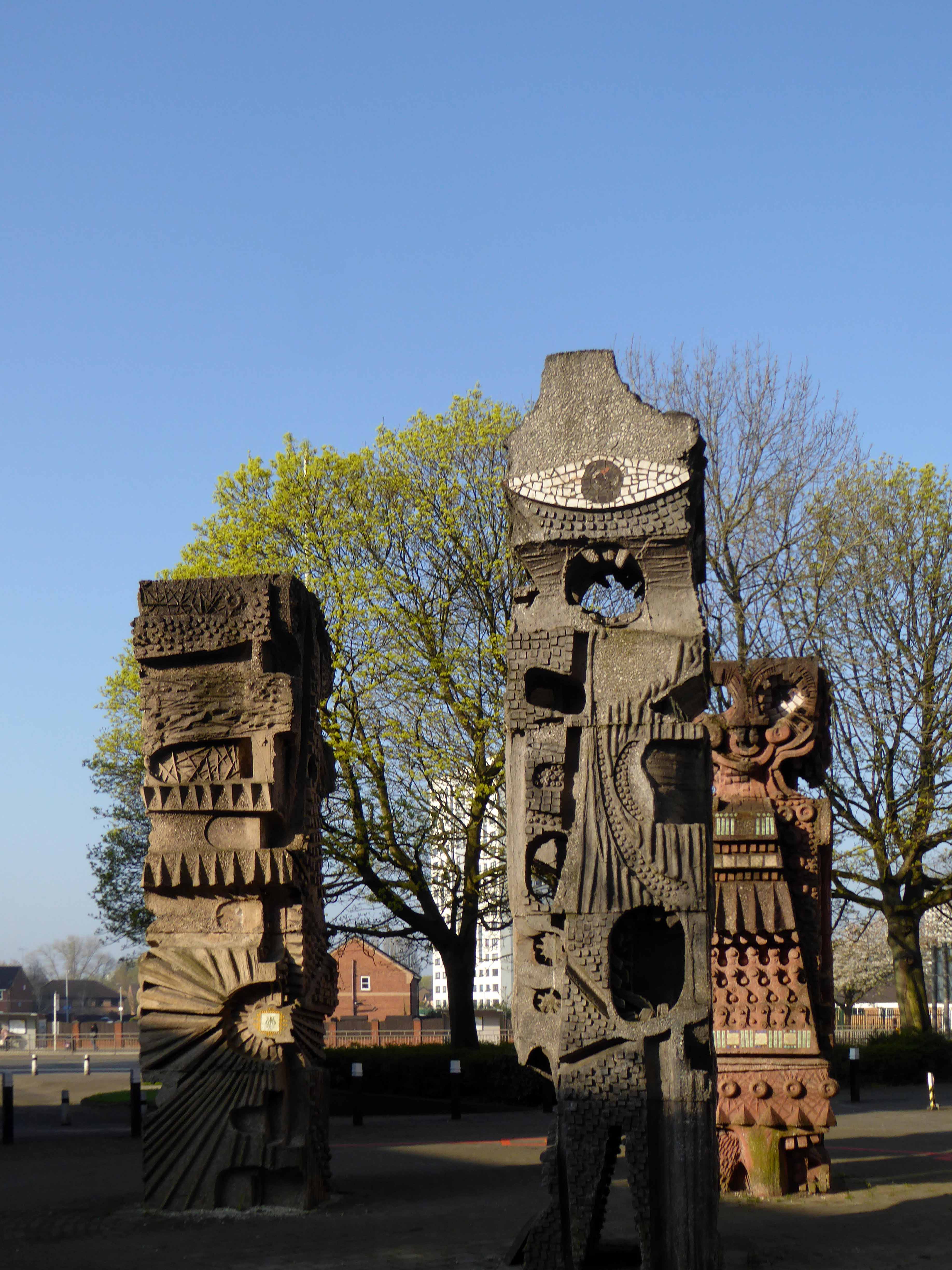
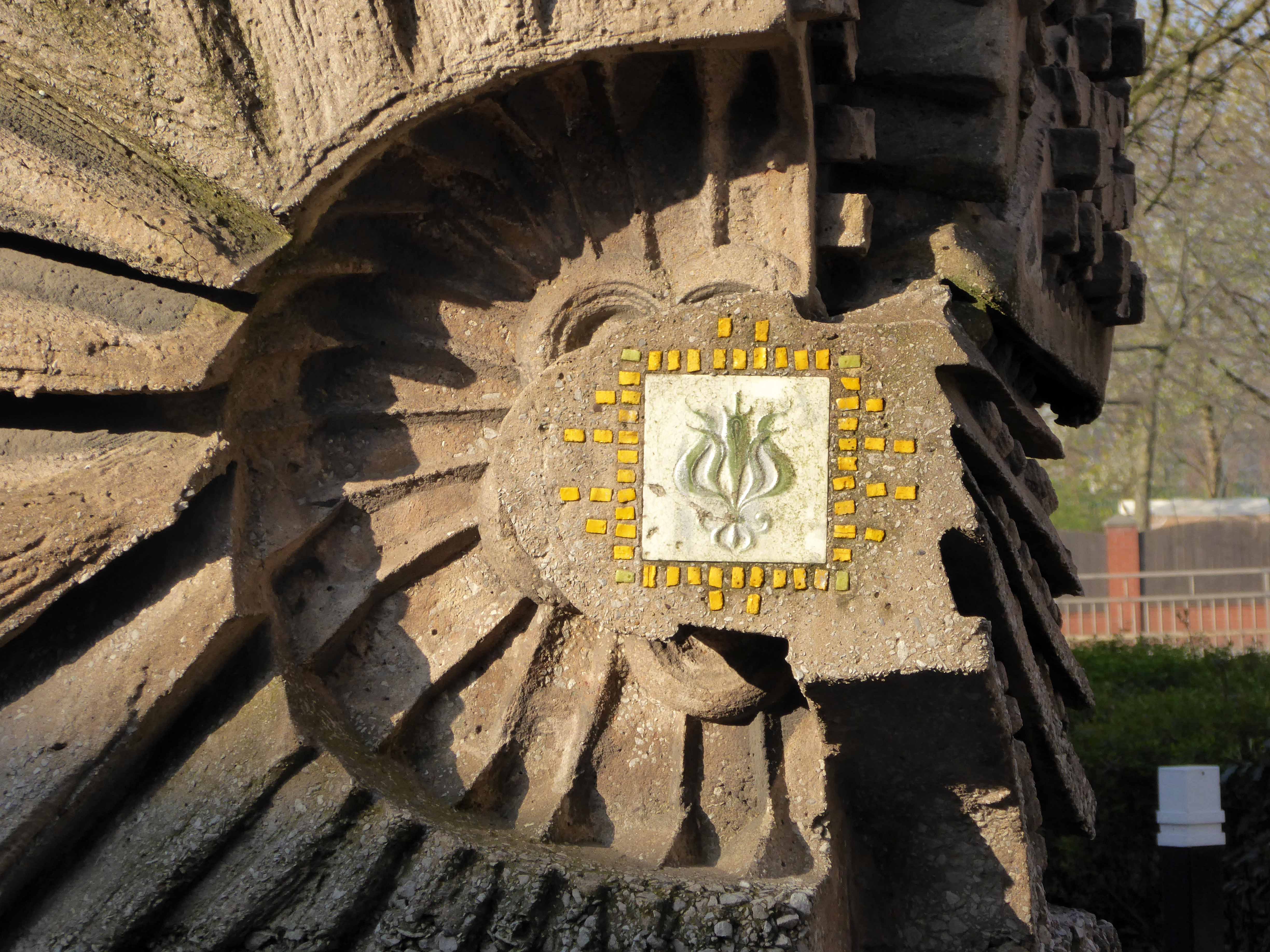
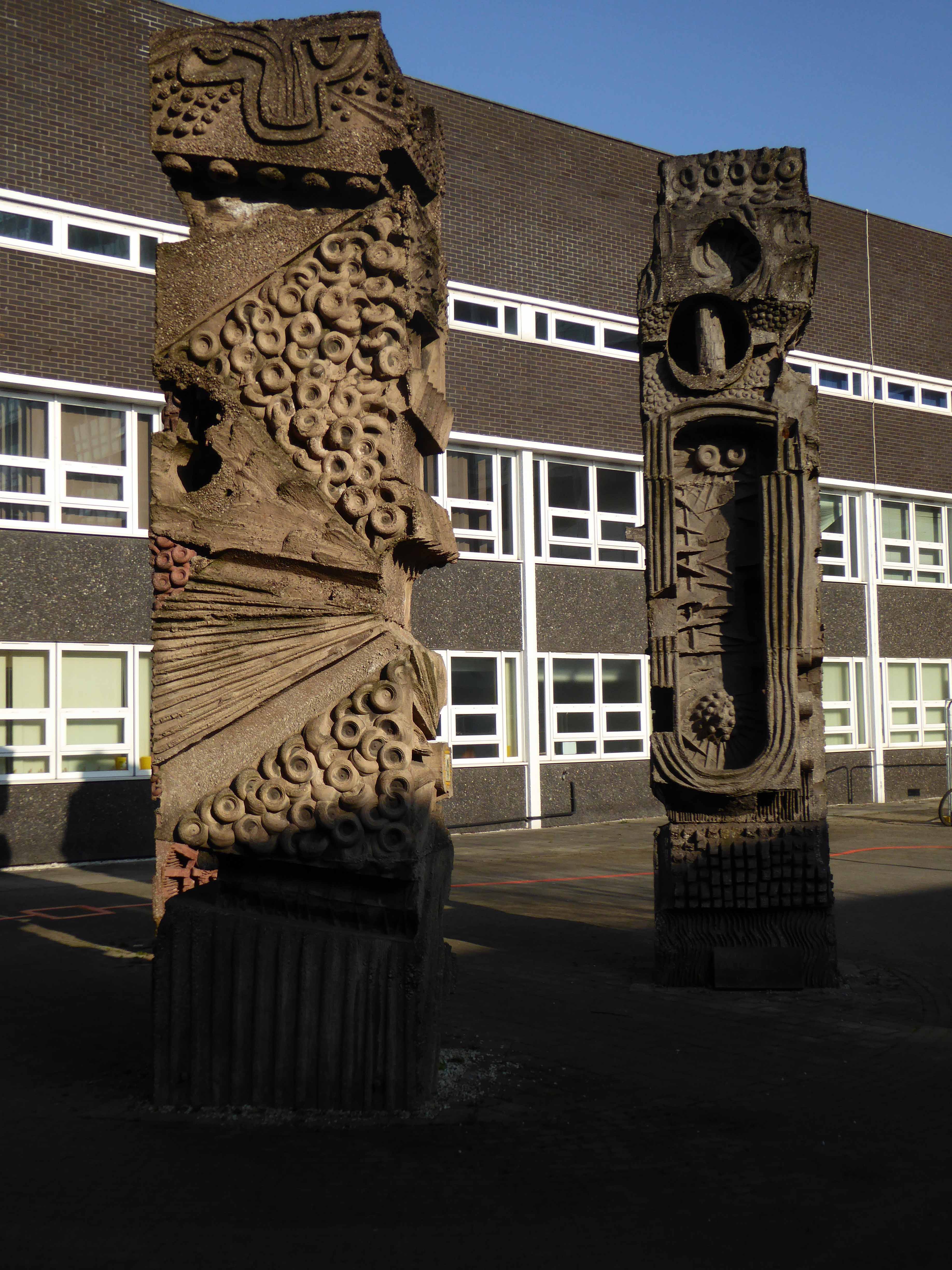
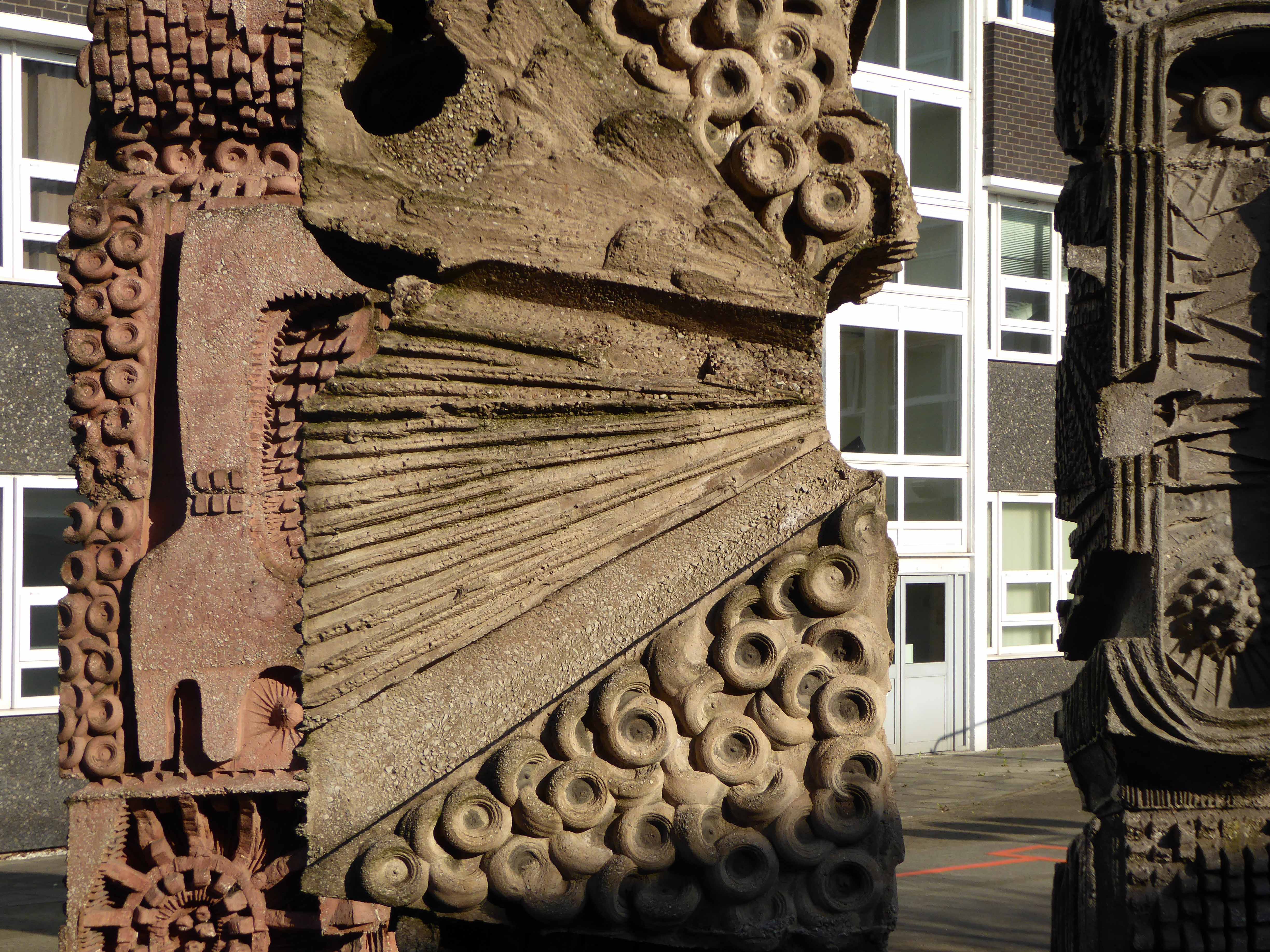
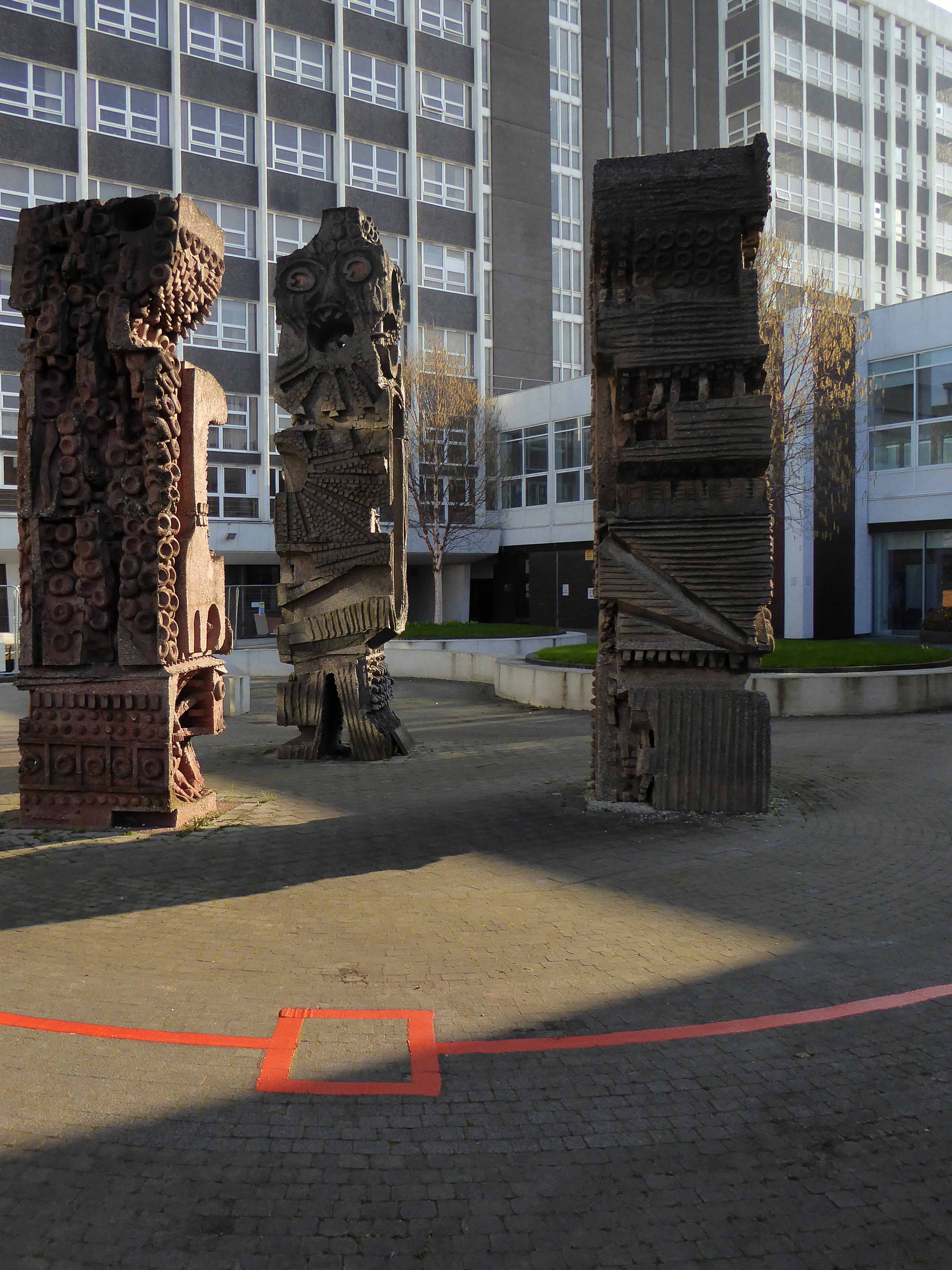
The three concrete totem sculptures of 1966 by William Mitchell, which stand in the courtyard of the Allerton Building, University of Salford, are recommended for designation at Grade II for the following principal reasons: * Historic Interest: as a good representative example of the commissioning of public artwork as an integral element of the design of new higher education colleges and universities in the post-war period, here succeeding in imbuing a distinct identity and image on an otherwise relatively plain complex.

So it seemed appropriate to cycle to Salford early one sunny Saturday morning, in an otherwise relatively plain manner in order to see the three totems.

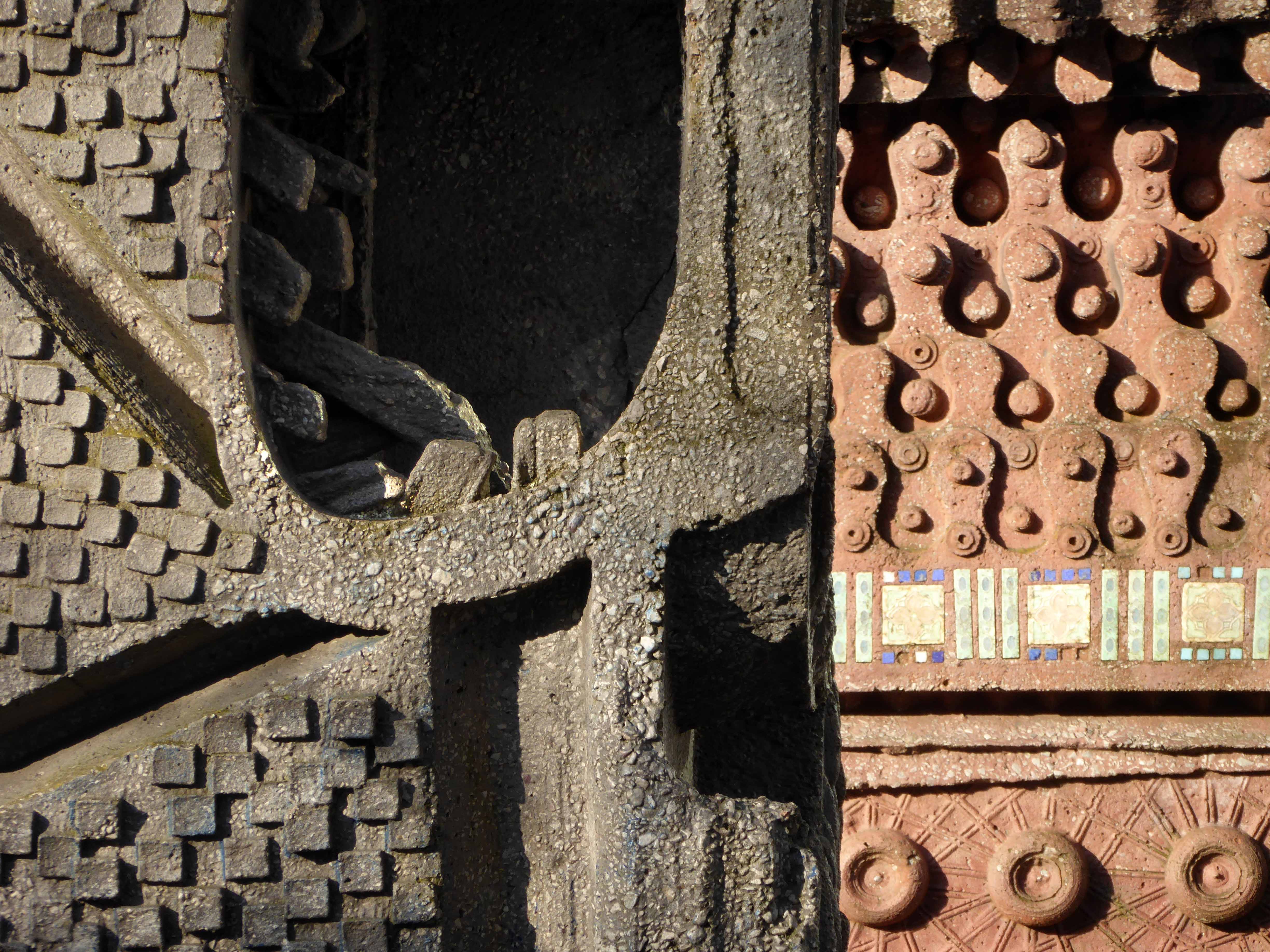
William Mitchell was a leading public artist in the post-war period who designed many pieces of art in the public realm, working to a high artistic quality in various materials but most notably concrete, a material in which he was highly skilled, using innovative and unusual casting techniques, as seen in this sculptural group. He has a number of listed pieces to his name, both individual designs and components of larger architectural commissions by leading architects of the day.

Historic England says so, they loved them so much they listed them Grade II.

I loved them so much I listed them lovely, especially in lowish spring light, set against a clear blue sky and framed by the surrounding academic buildings.

Further info here on Skyliner

Go take a look.

P1140759

P1140760

P1140761

P1140762

P1140764

P1140766

P1140767

P1140770

P1140771

P1140774

P1140776

P1140777

P1140778

P1140779

P1140780

P1140784

P1140786

P1140789

P1140790


Adolfine Ryland

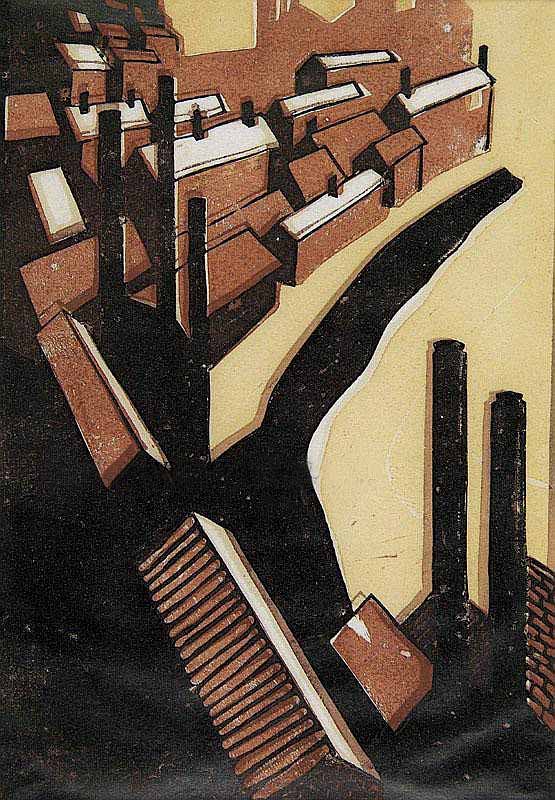
Adolfine Ryland worked as a printmaker, sculptor, painter and designer. Her practice across these different media was united by her keen-edged, modern style and inventive graphics. She had studied at Heatherley’s and at the Grosvenor School of Modern Art under printmaker Claude Flight. 

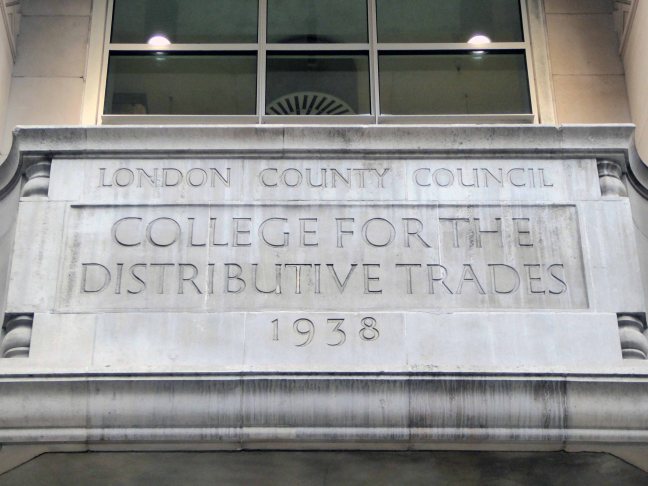
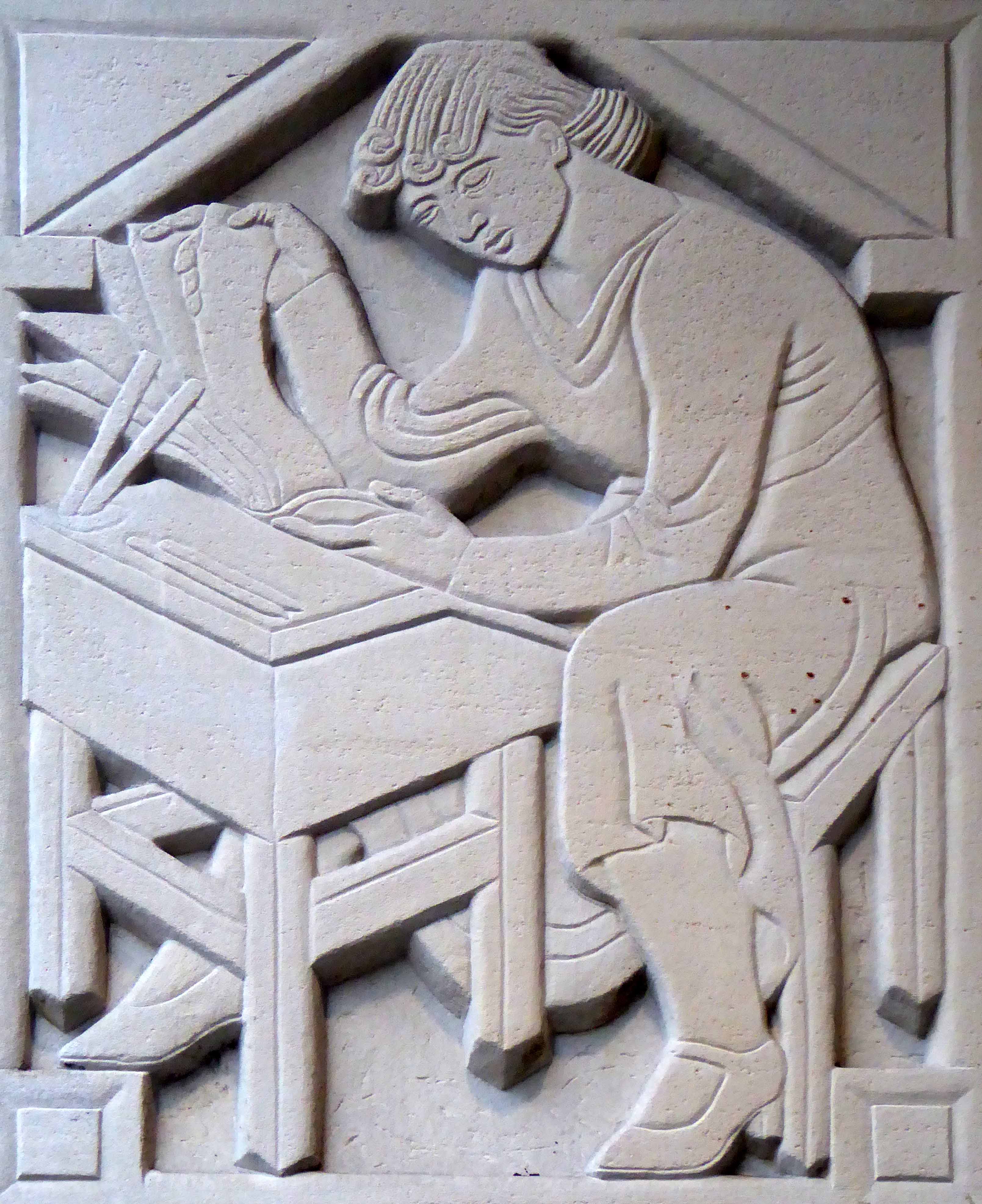
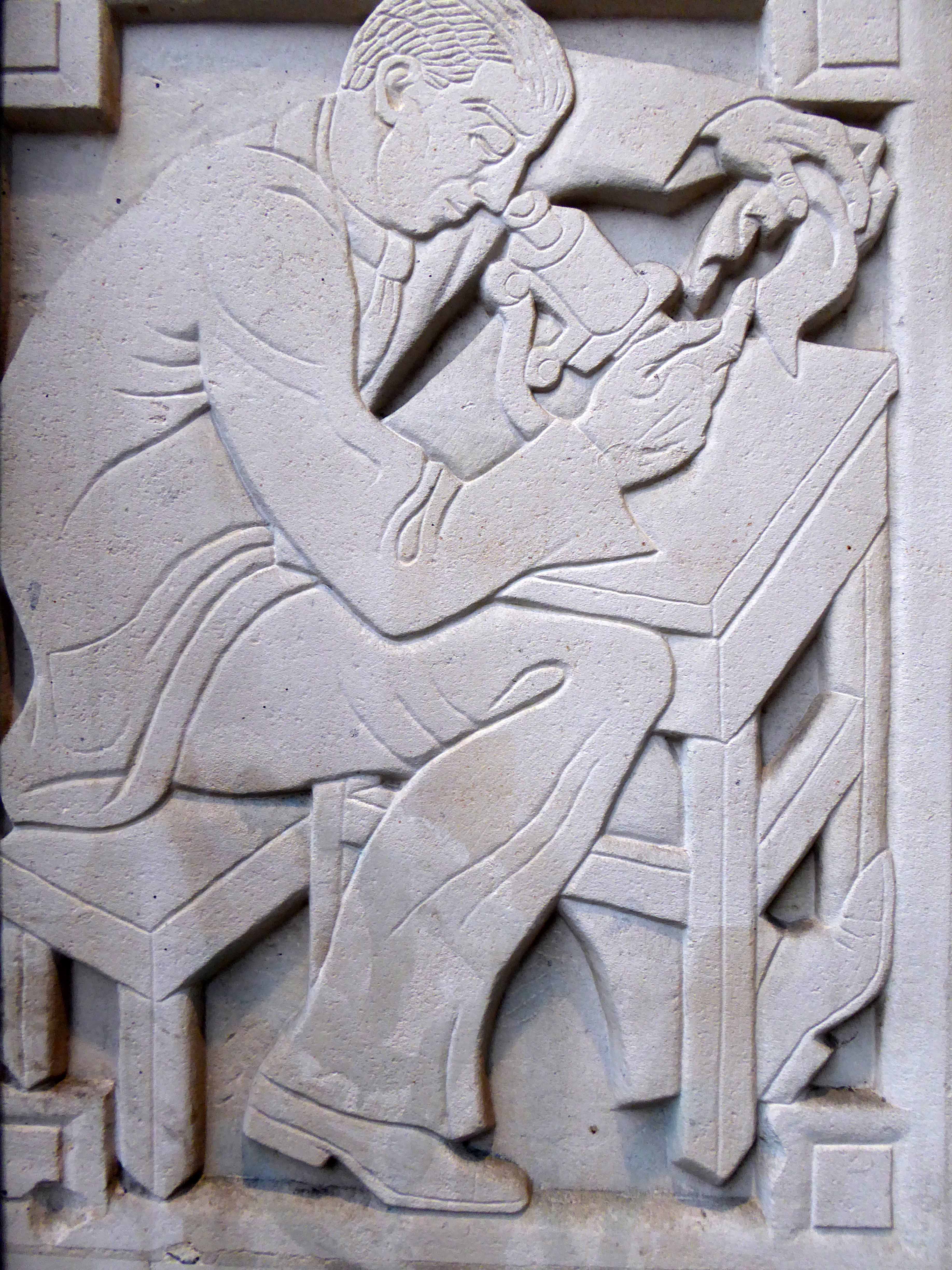
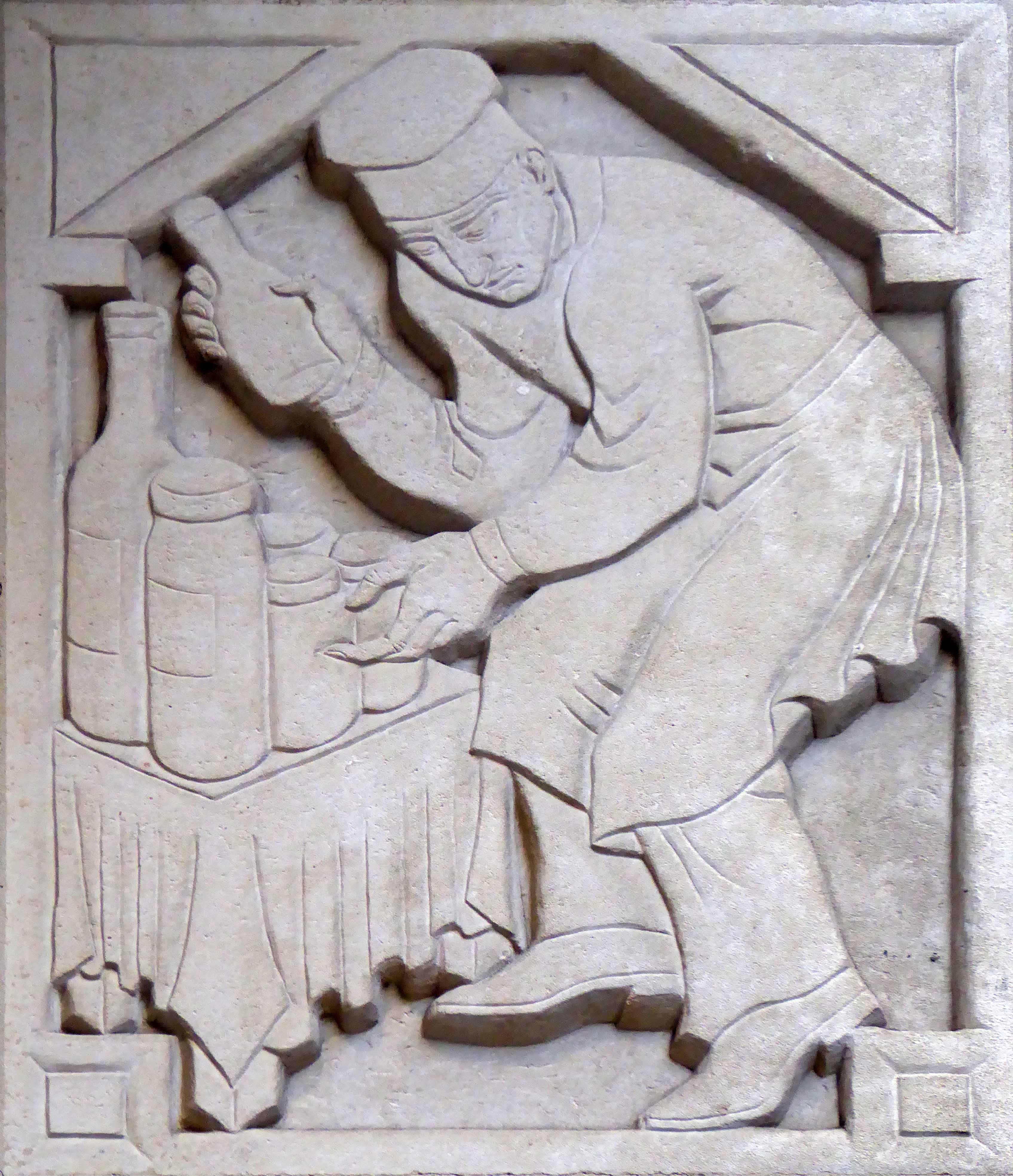
Ryland’s main exhibiting venue was the Women’s International Art Club, where she showed from 1927 onwards, becoming a member from 1936 to 1954. She also undertook public commissions, and worked for London County Council designing low reliefs for a number of buildings, among them the School of Butchers and St Martin’s School of Art. Her reliefs for the art school, which still decorate the entrance, show students at work. But Ryland’s work is not always easy to identify as she sometimes signed herself ‘Koncelik’, her mother’s maiden name.

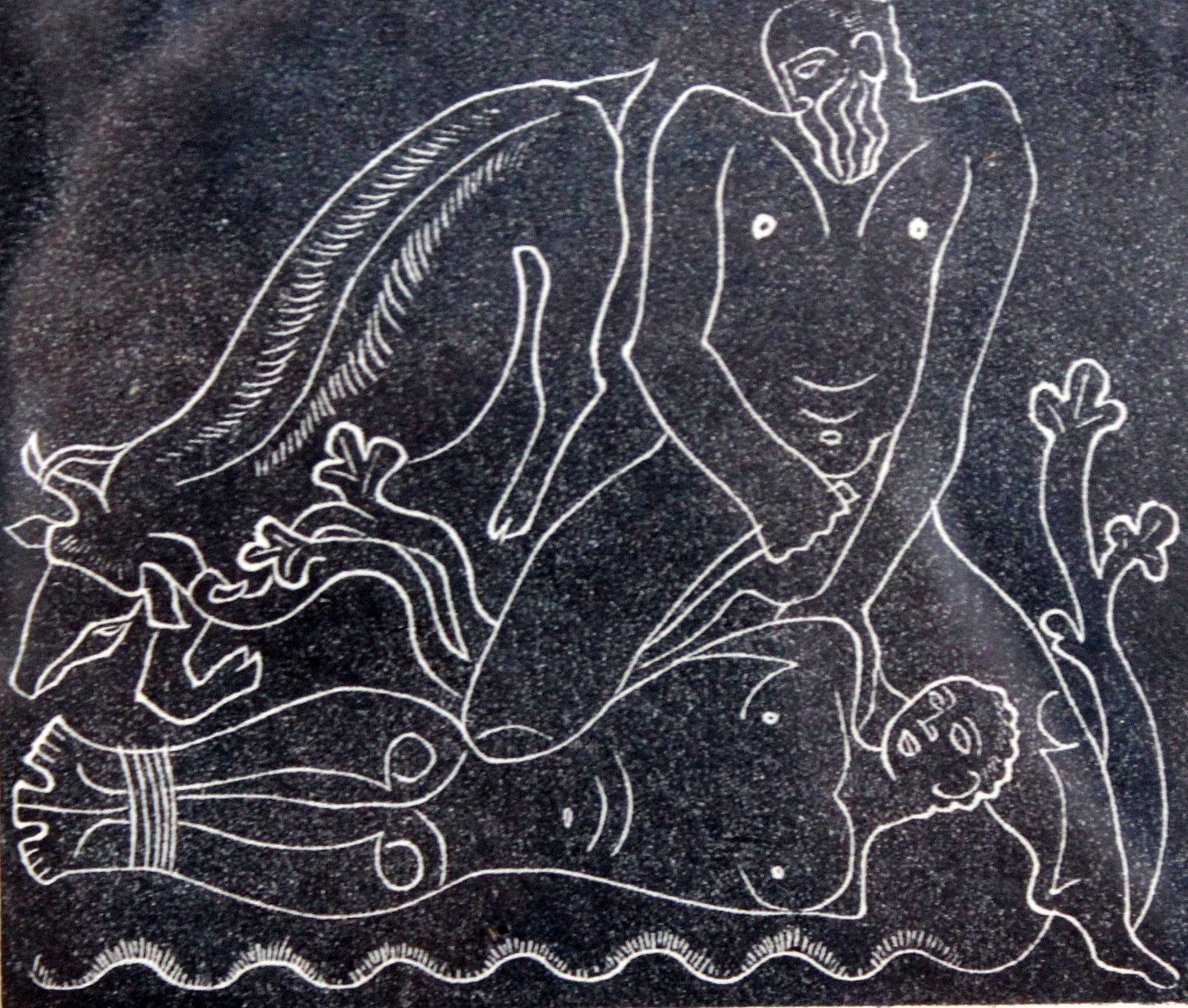
In 1987 the Michael Parkin Gallery in London held an exhibition Printmakers of the 20s and 30s and Adolfine Ryland. On show were Ryland’s paintings, drawings, prints, sculptures and designs for book jackets and posters. Amongst them were two designs advertising London Underground, which speak of an optimistic age of efficient, modern public transport to the new suburbs.

It says so here

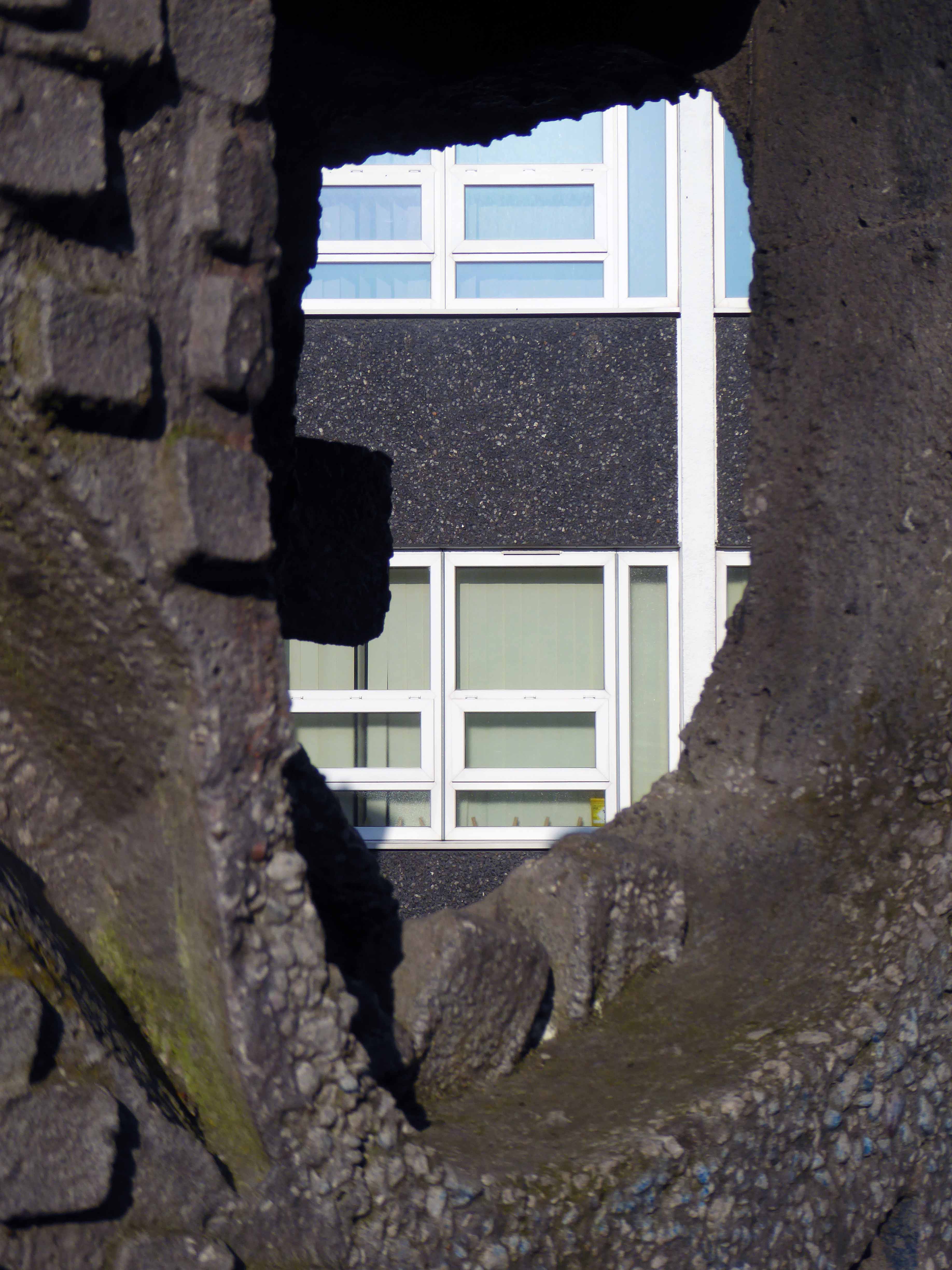
I was sauntering down Charing Cross Road on Saturday last, minding my own and everyone else’s business, then perchance I chanced upon a series of low reliefs, tucked neatly away in a nearby portal.

The London County College for the Distributive Trades – rightfully adorned with appropriate public art depicting the lasses and lads, going about their very practical business.

These are the work of Adolfine Ryland.

The building is currently in use as Foyles Bookshop.

p1130719

p1130720

p1130721

p1130722

p1130723

p1130724

p1130725

p1130726

Returning home, I did a little online research, turning these examples of her work. As is often the case with those figures considered to be on the margins of the big bad Art World, time and the subsequent neglect, conspire to leave little by way of evidence of their invaluable efforts.

This is our loss.

149557_6d70c380-a7ab-4c68-9103-bf7788fc3391_-1_570

h0433-l06066177

original

Coventry – Precinct

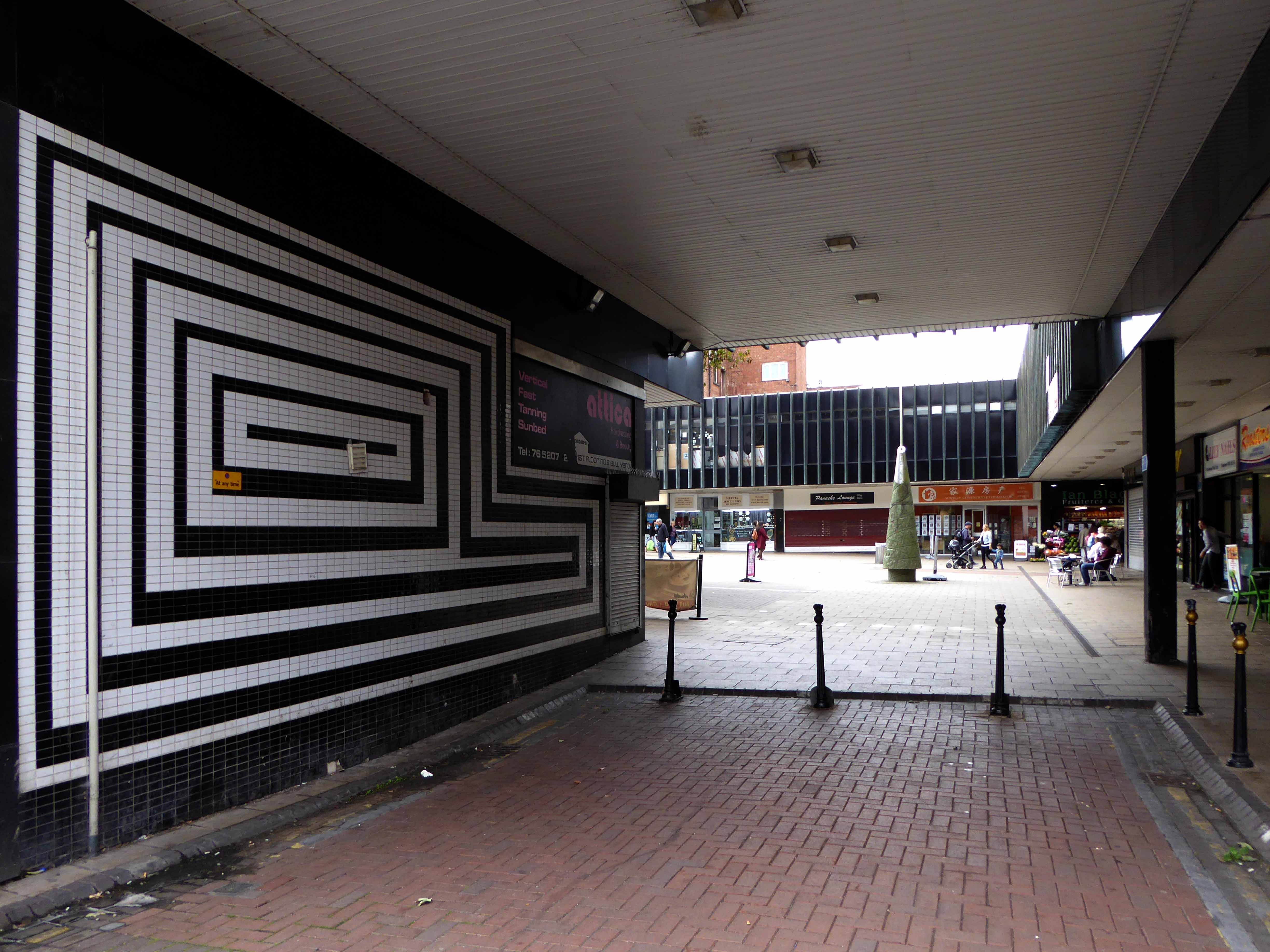
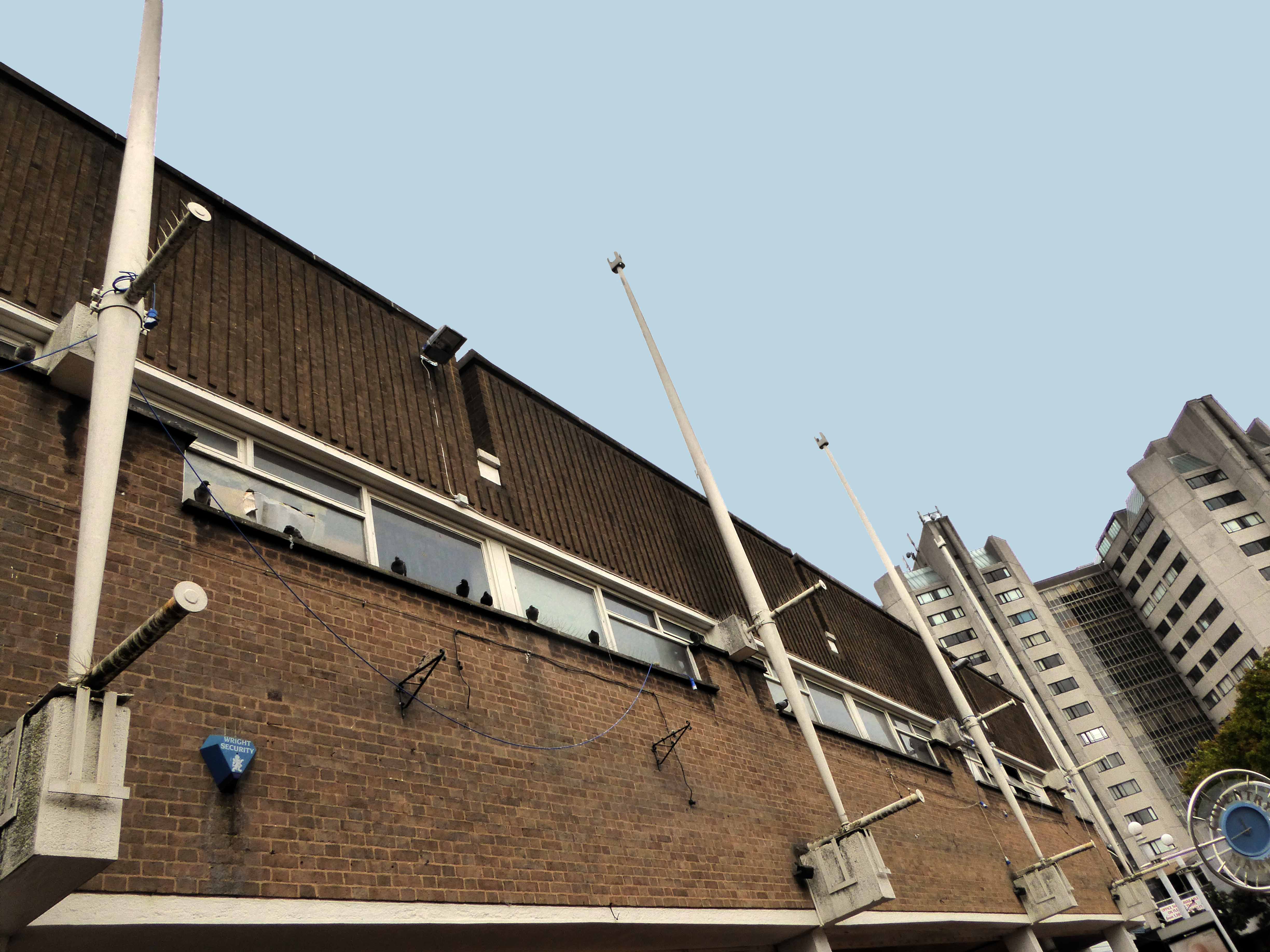
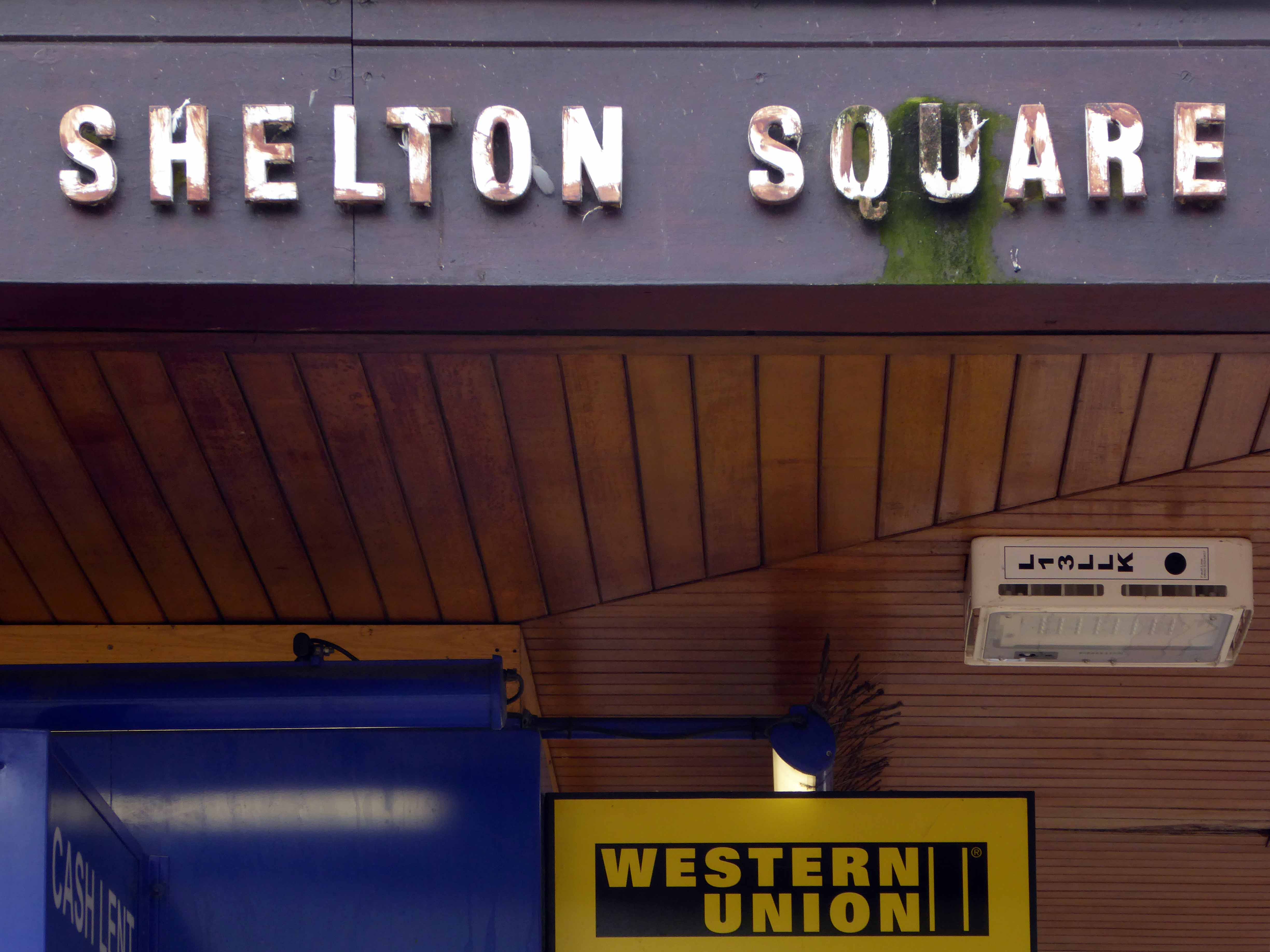
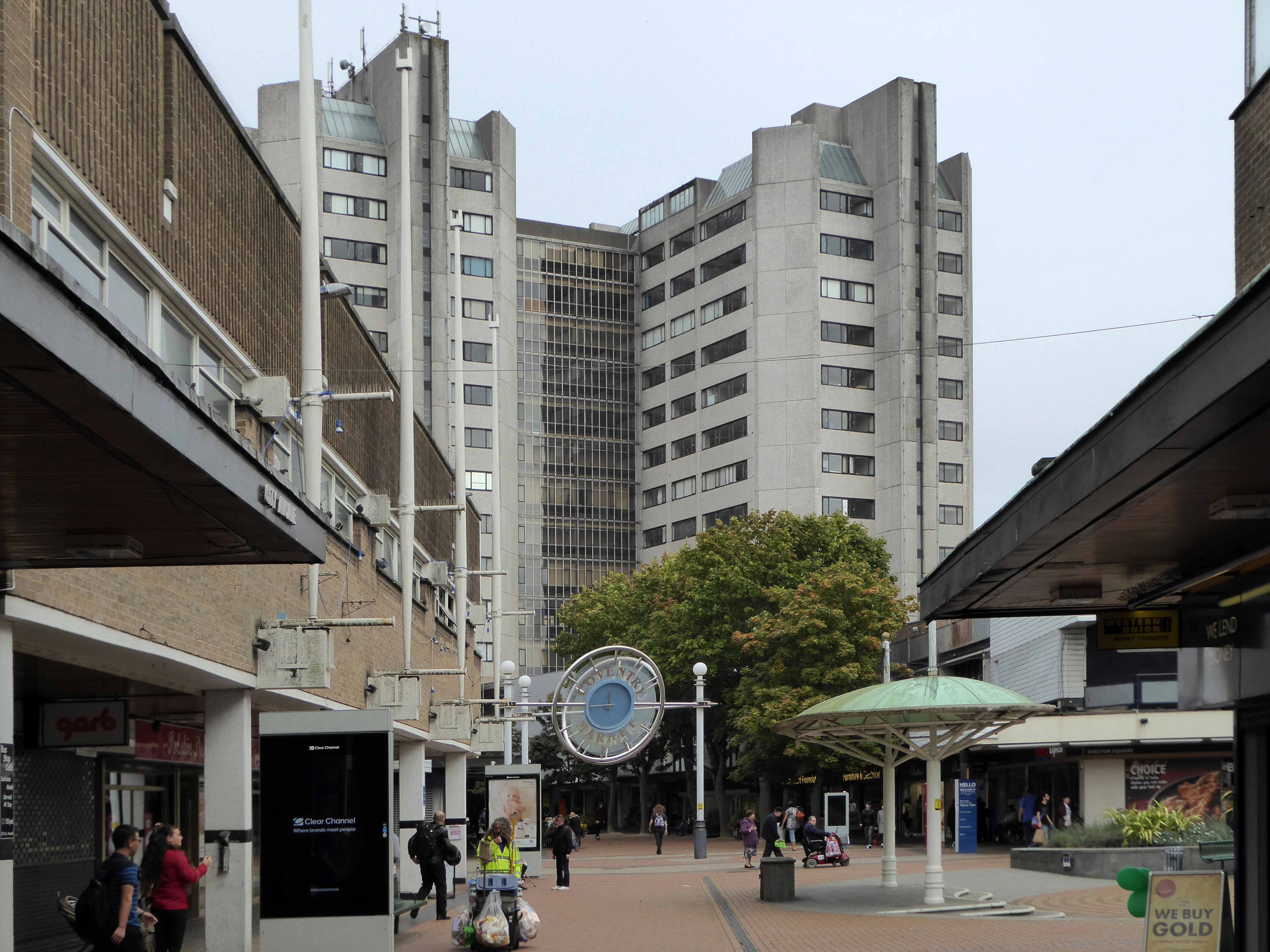
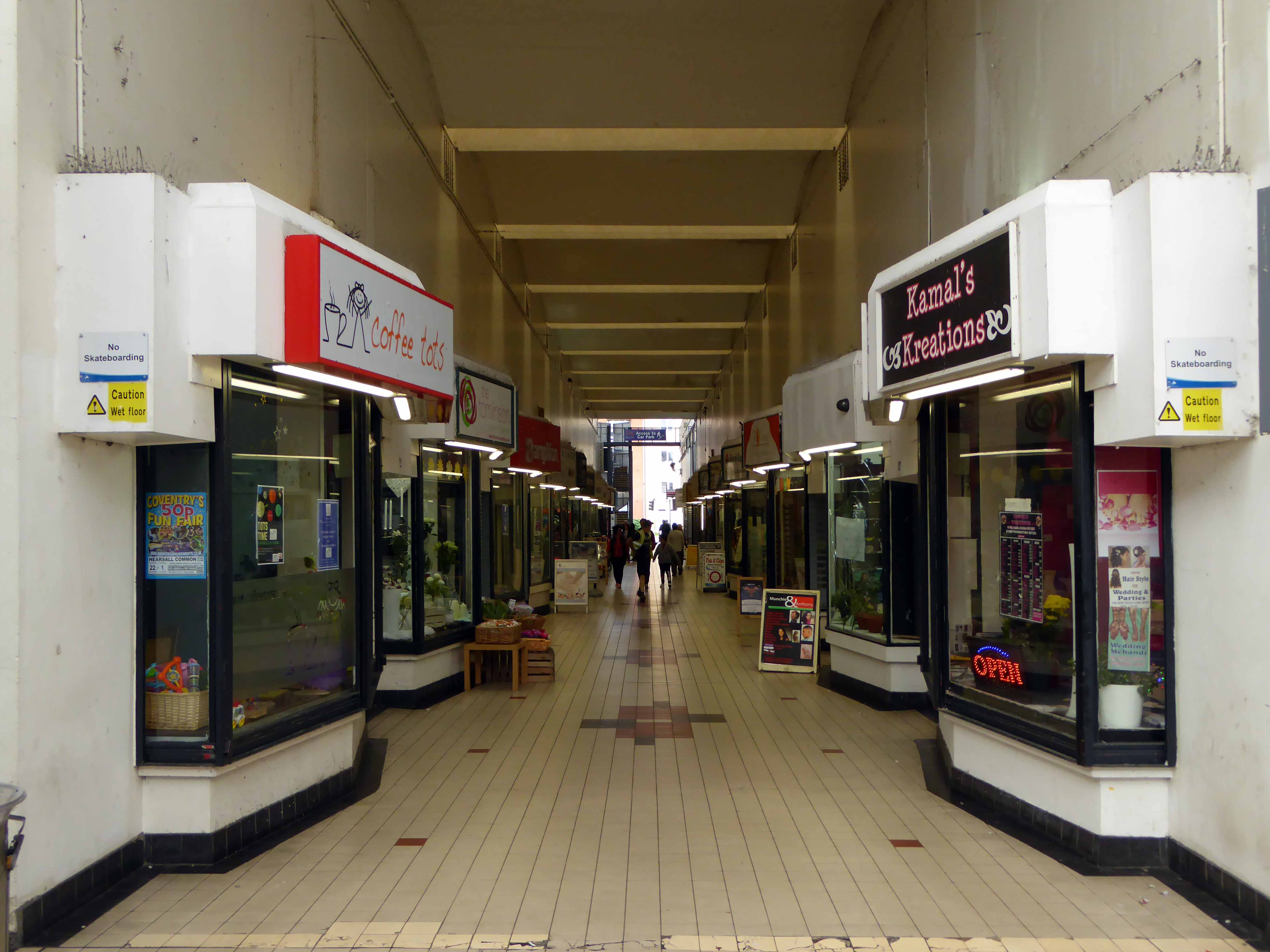
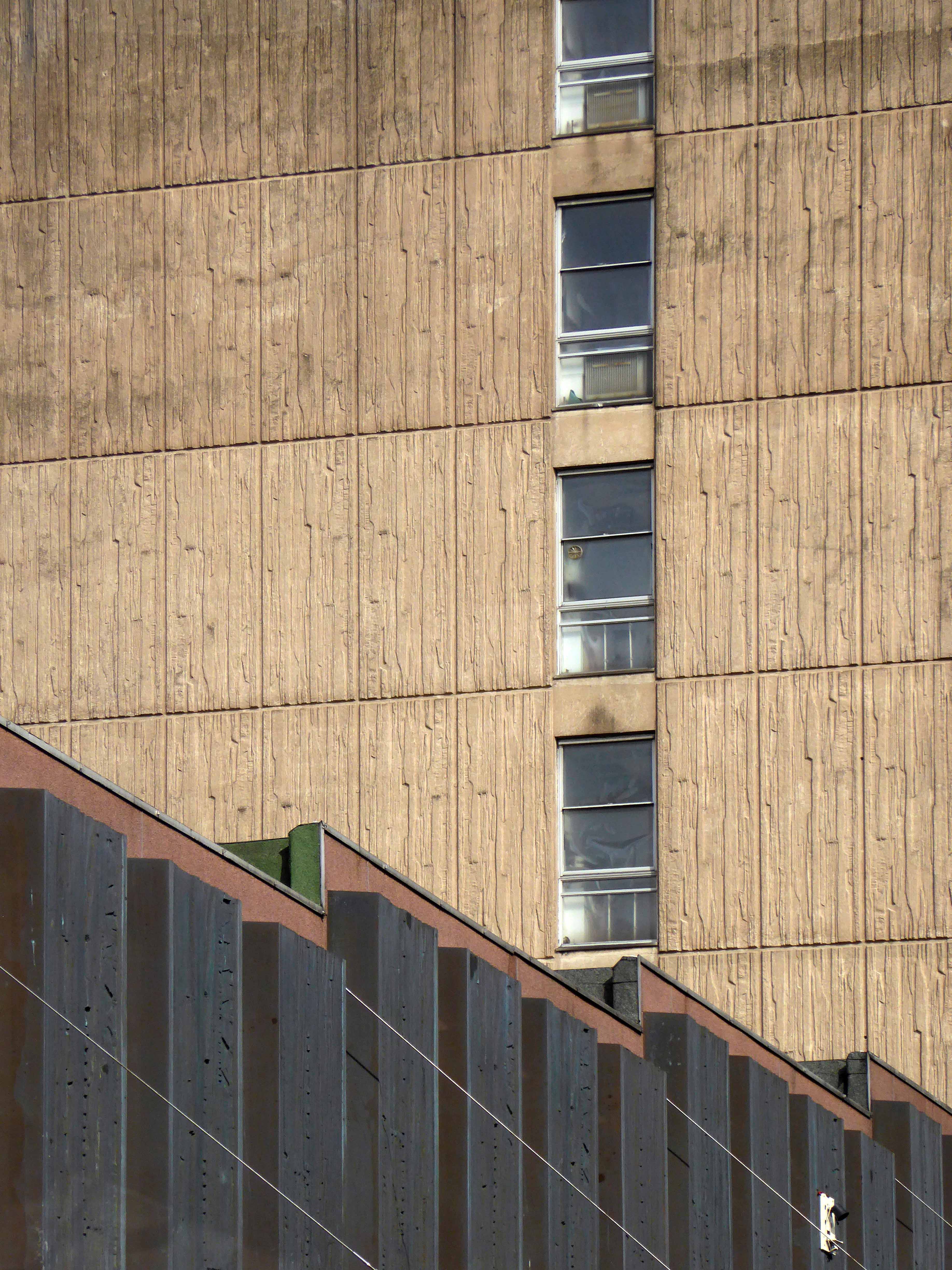
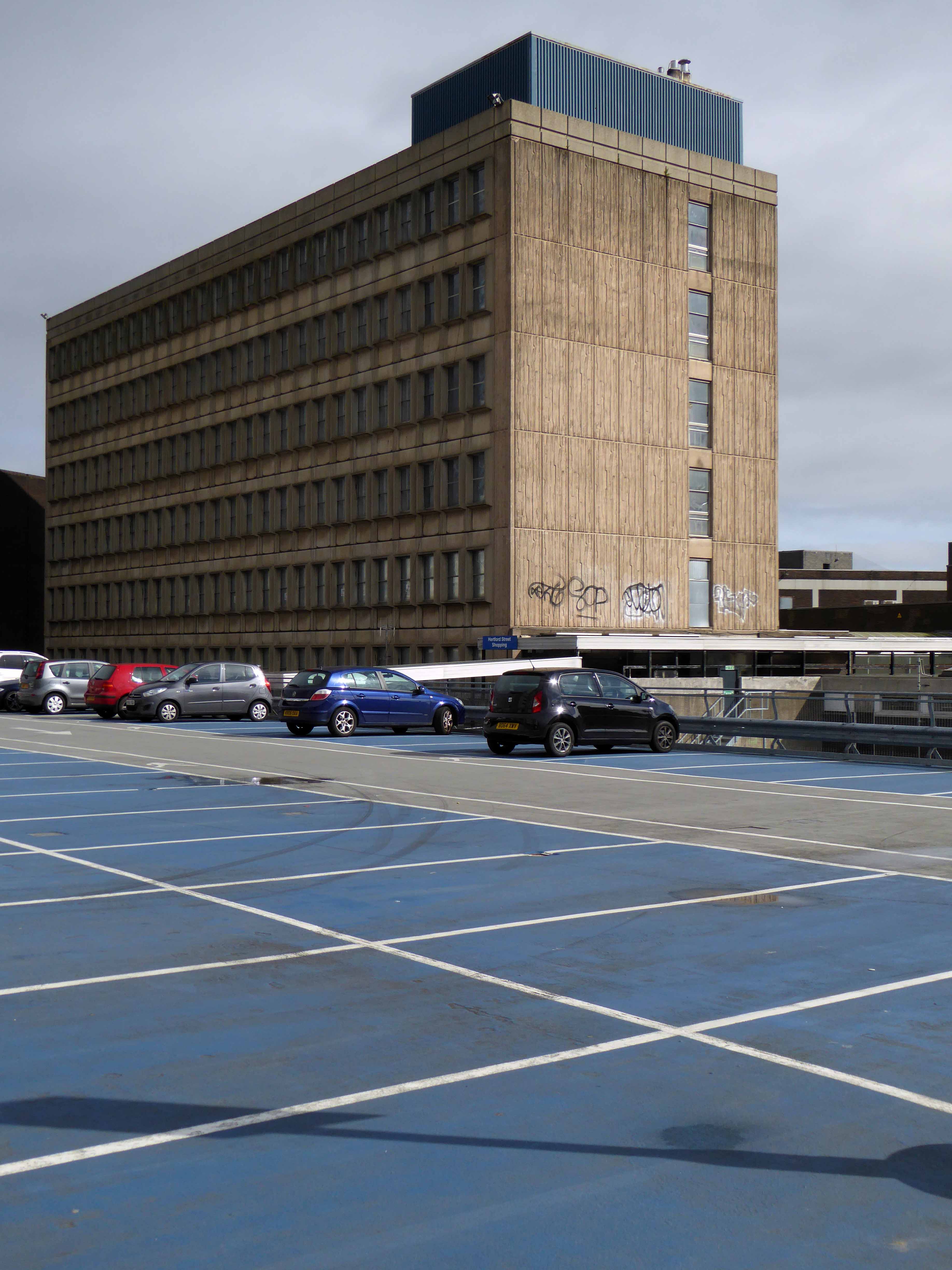
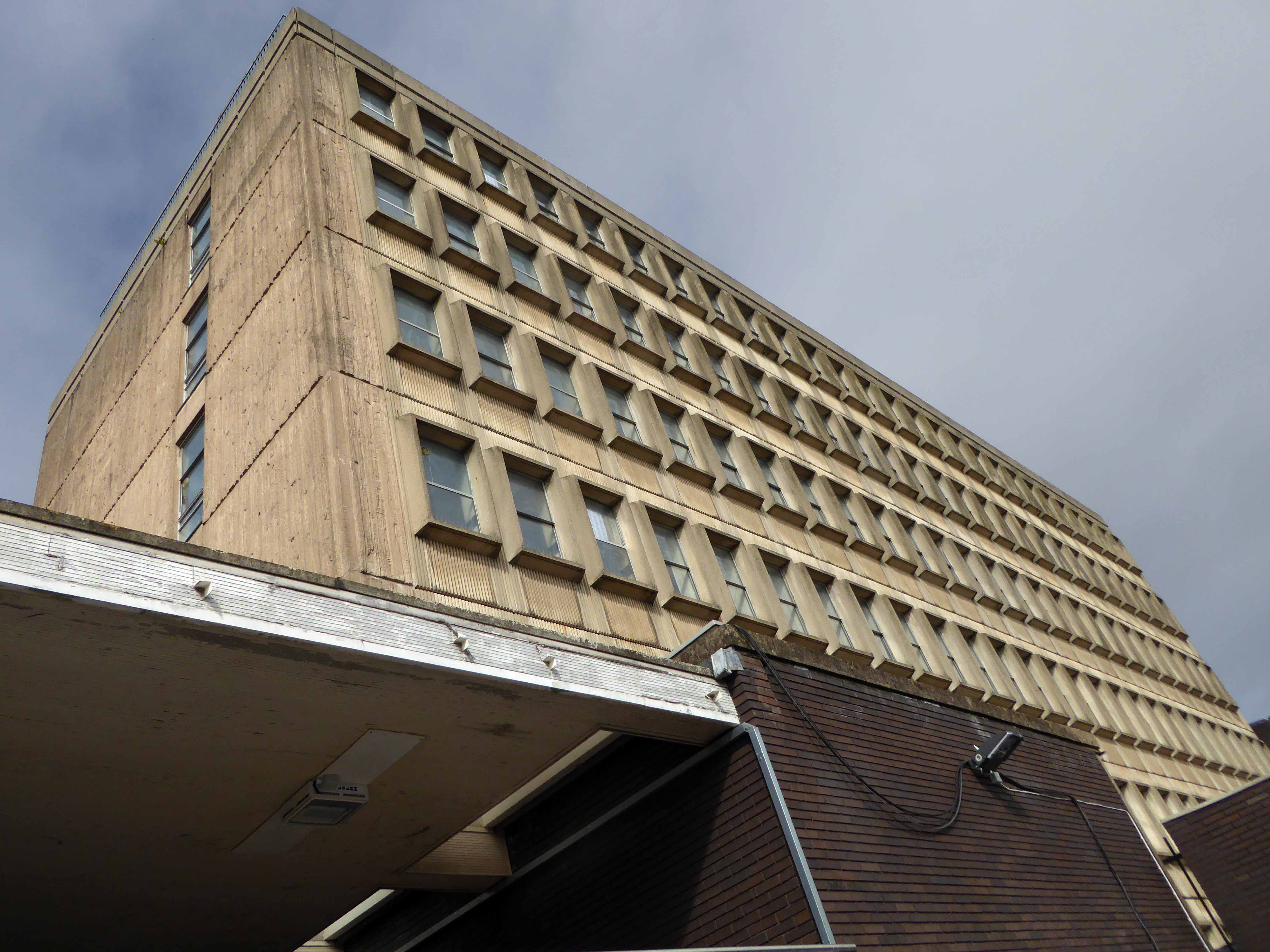
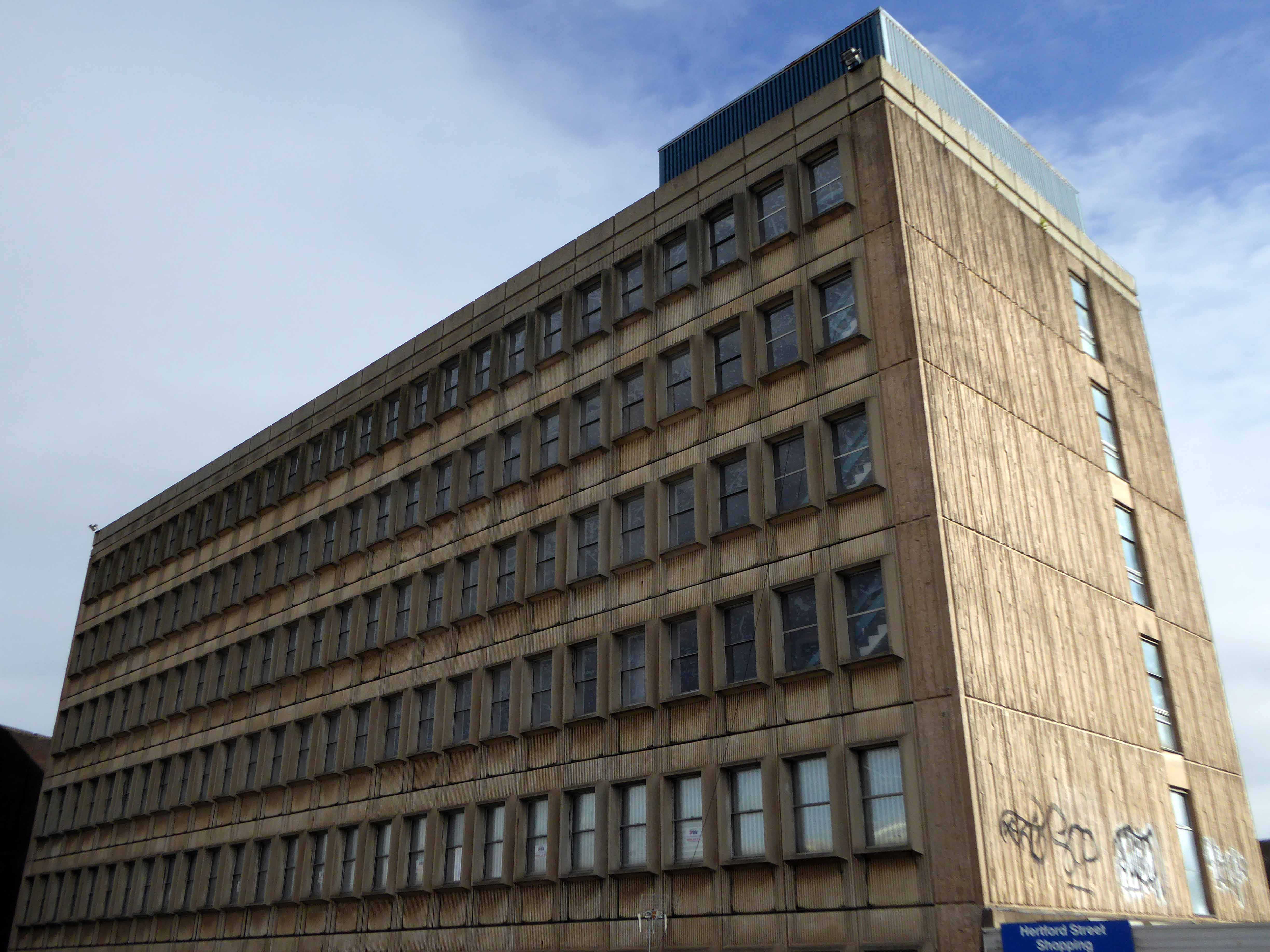
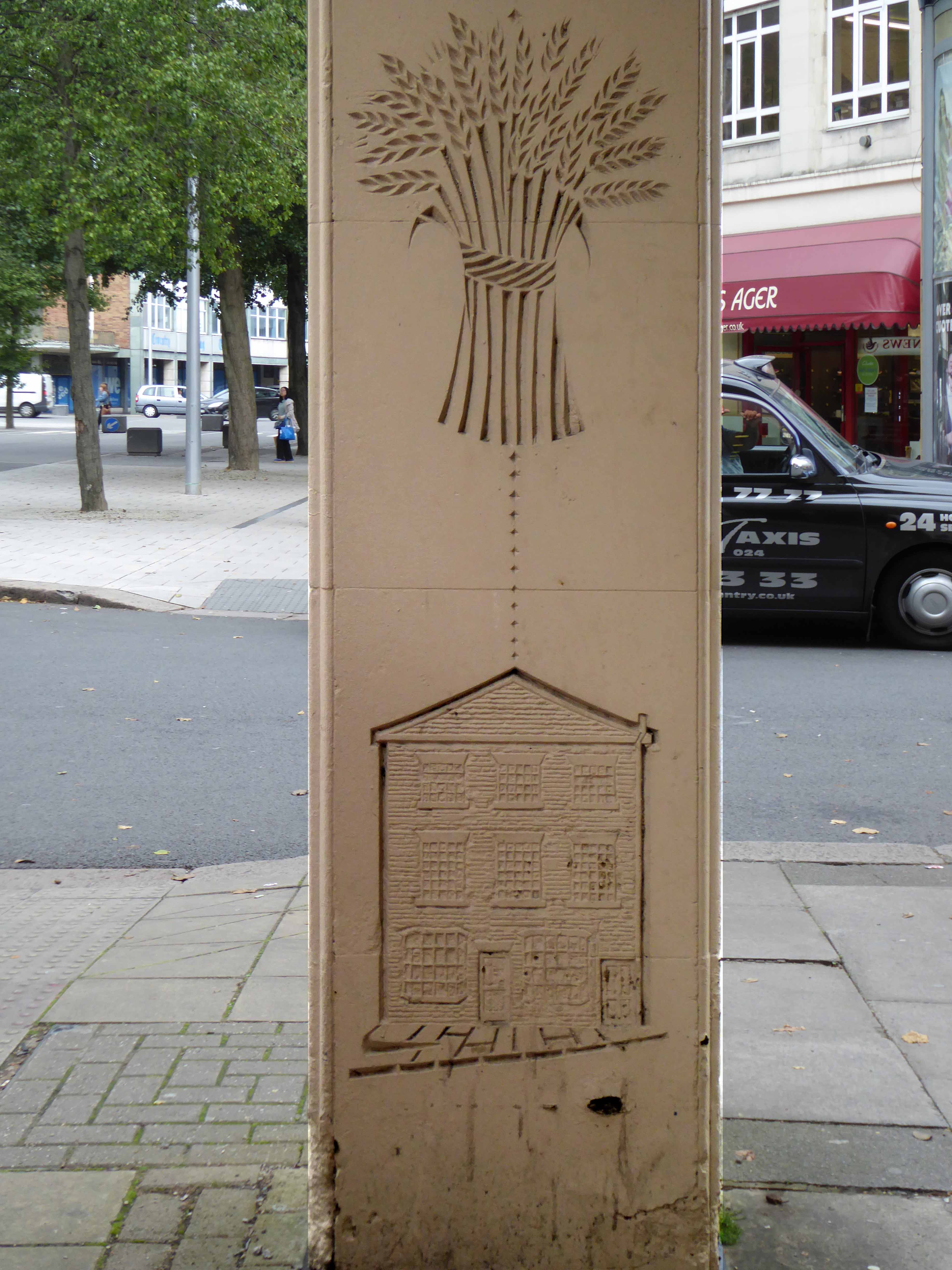
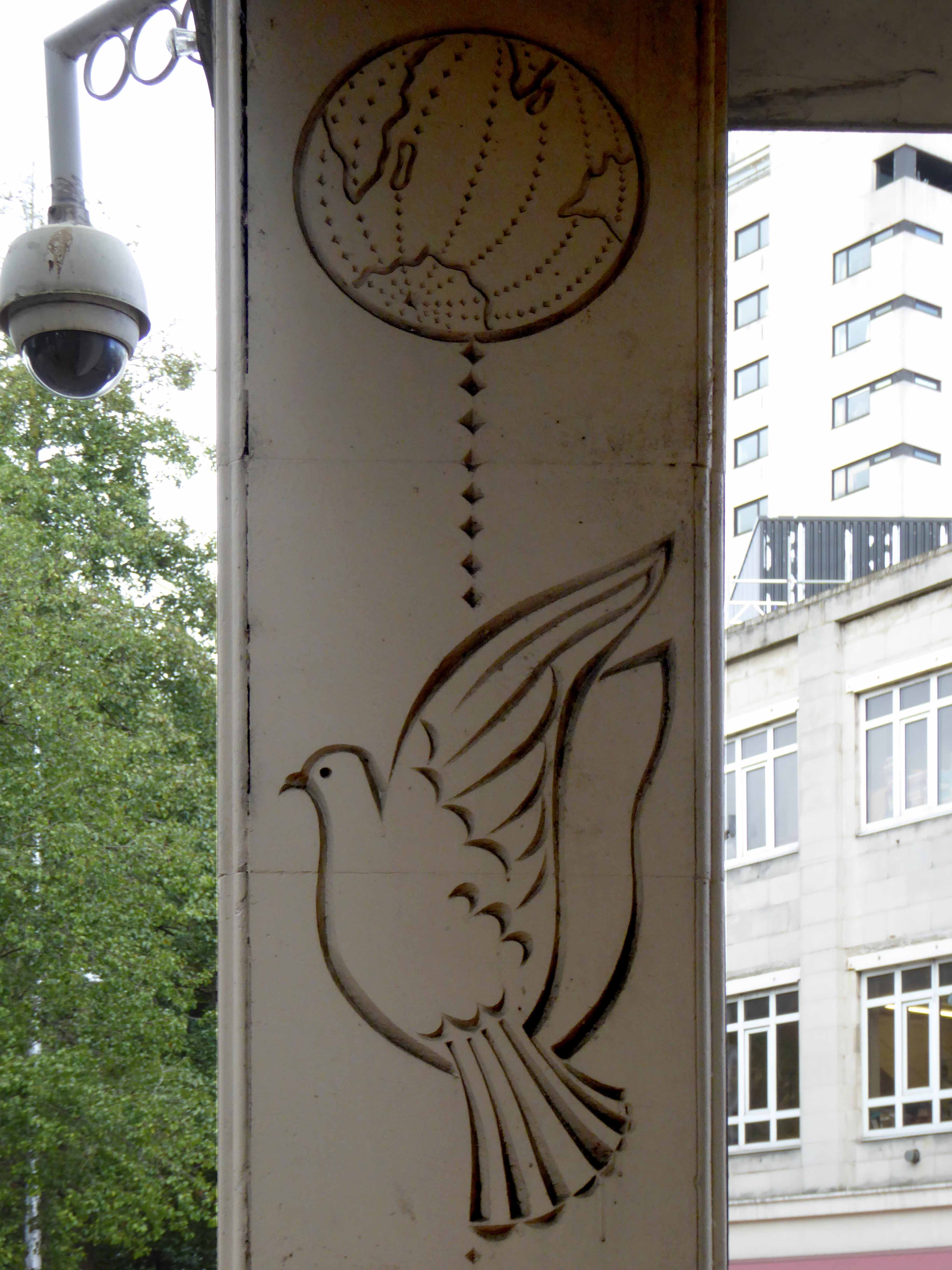
Coventry city centre is a city centre, comprised of several interlocking post- war facets, realised over a thirty year period. This later addition The Bull Yard, the work of Arthur Ling and Terence Gregory, city architects and planning officers 1963-69.

It incorporates pedestrian walkways, retail, civic and car parking facilities with a crowded unease and grace. Much of the original detail survives, though not unusually, some more recent additions detract from the integrity of the scheme.

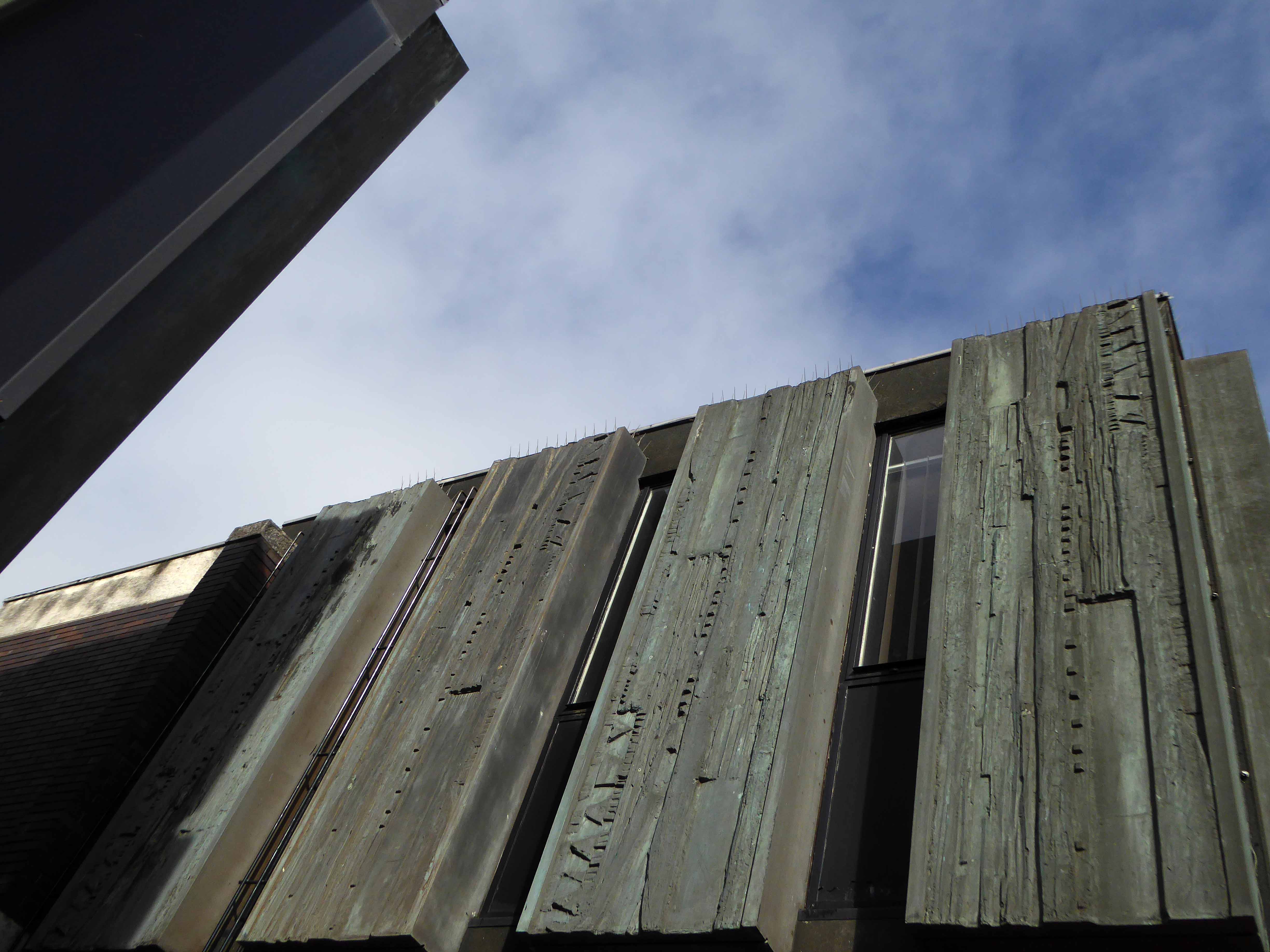
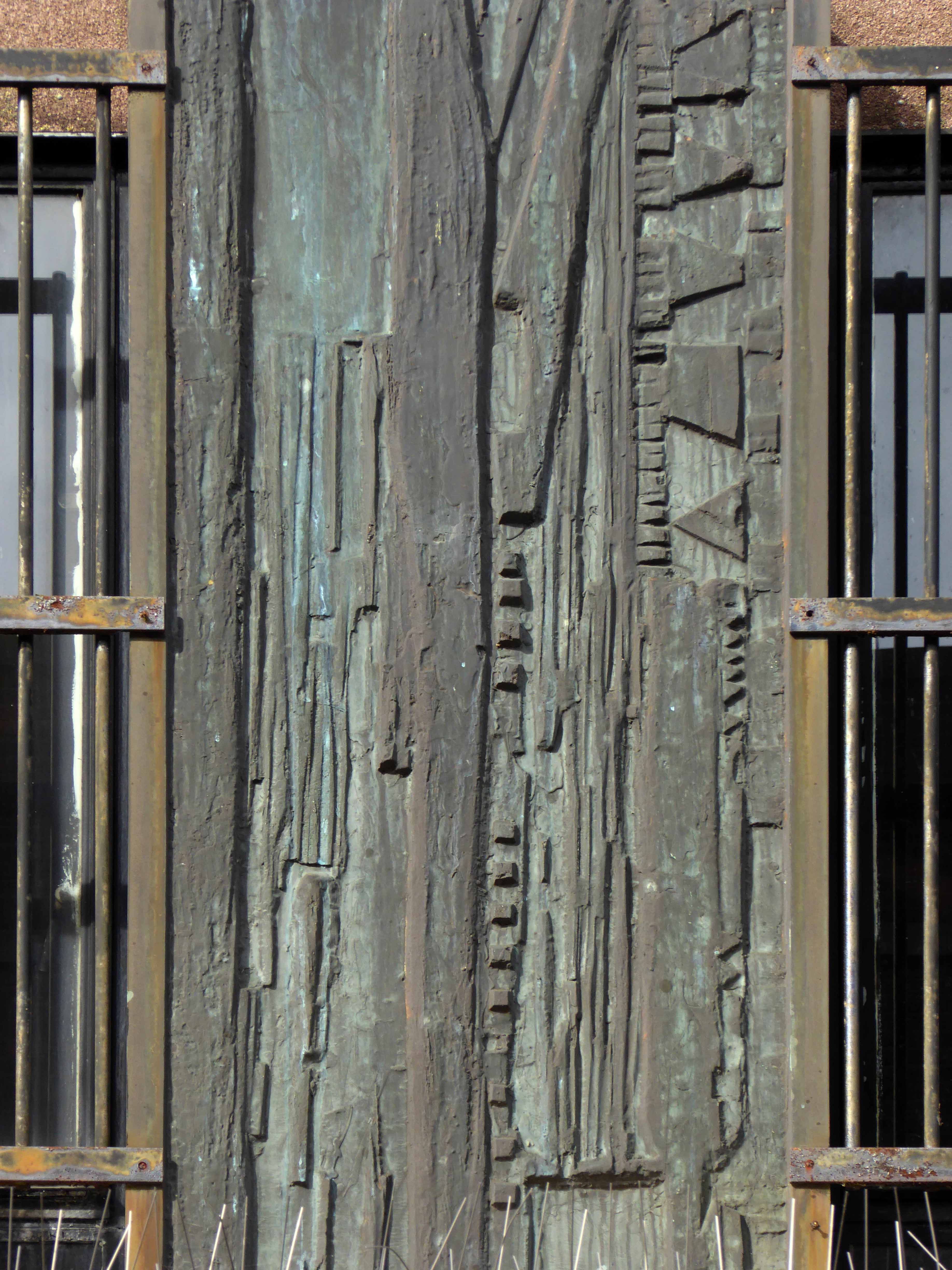
The site is graced by two major works by William Mitchell – the concrete facade and interior of the former Three Tuns public house.

fudge9

And the sculpted panels on Hertford Street.

p1090773

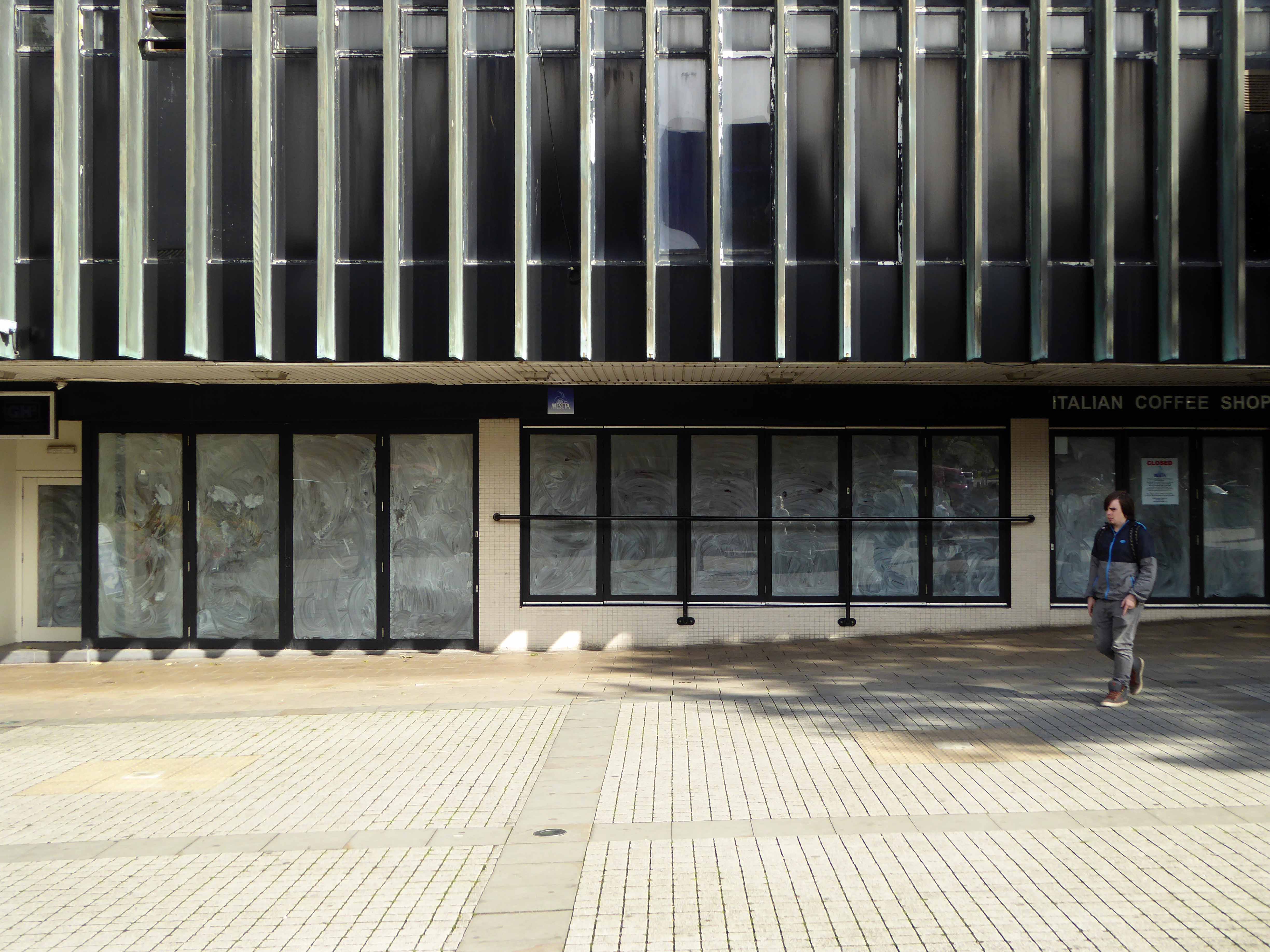
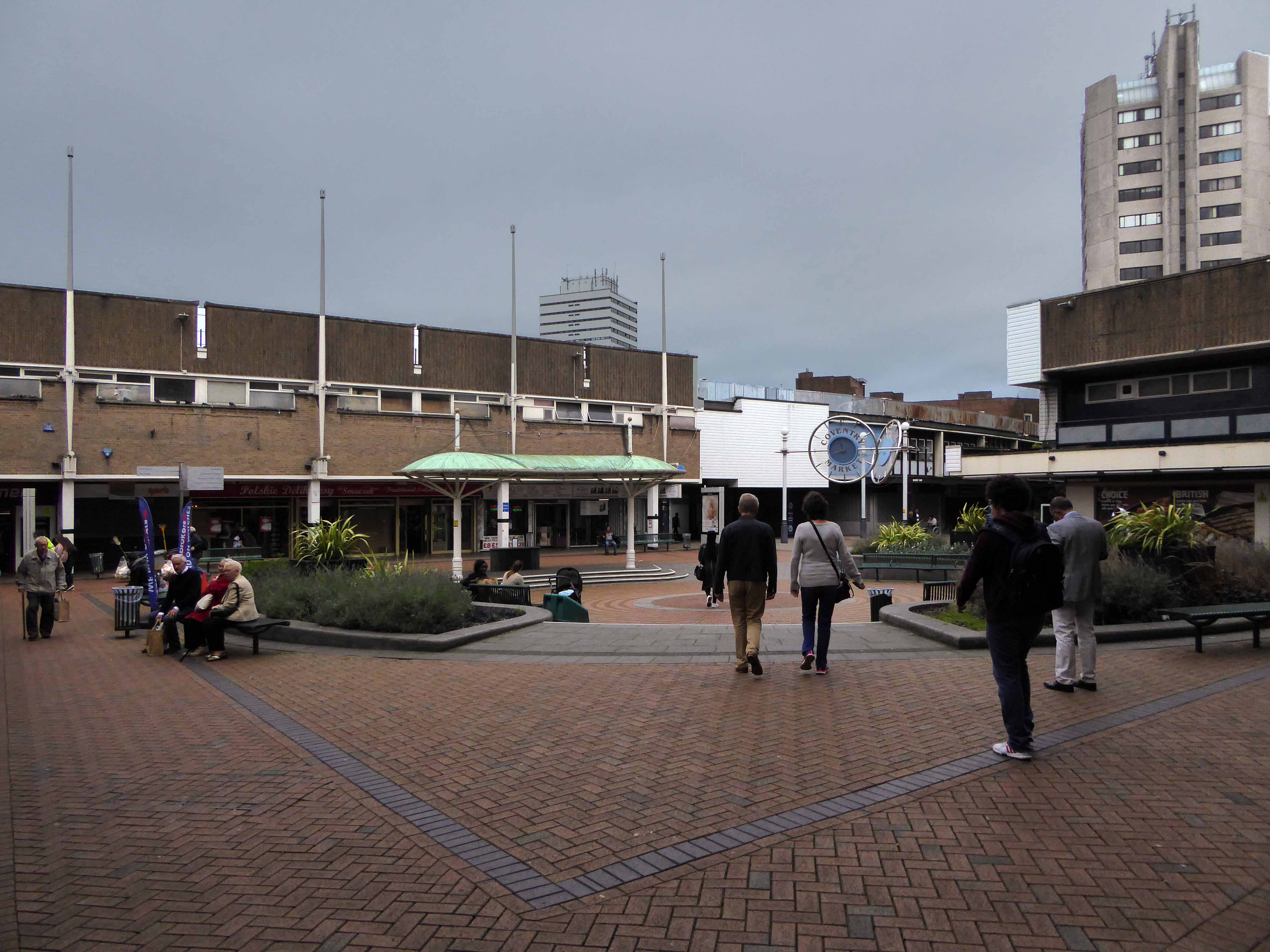
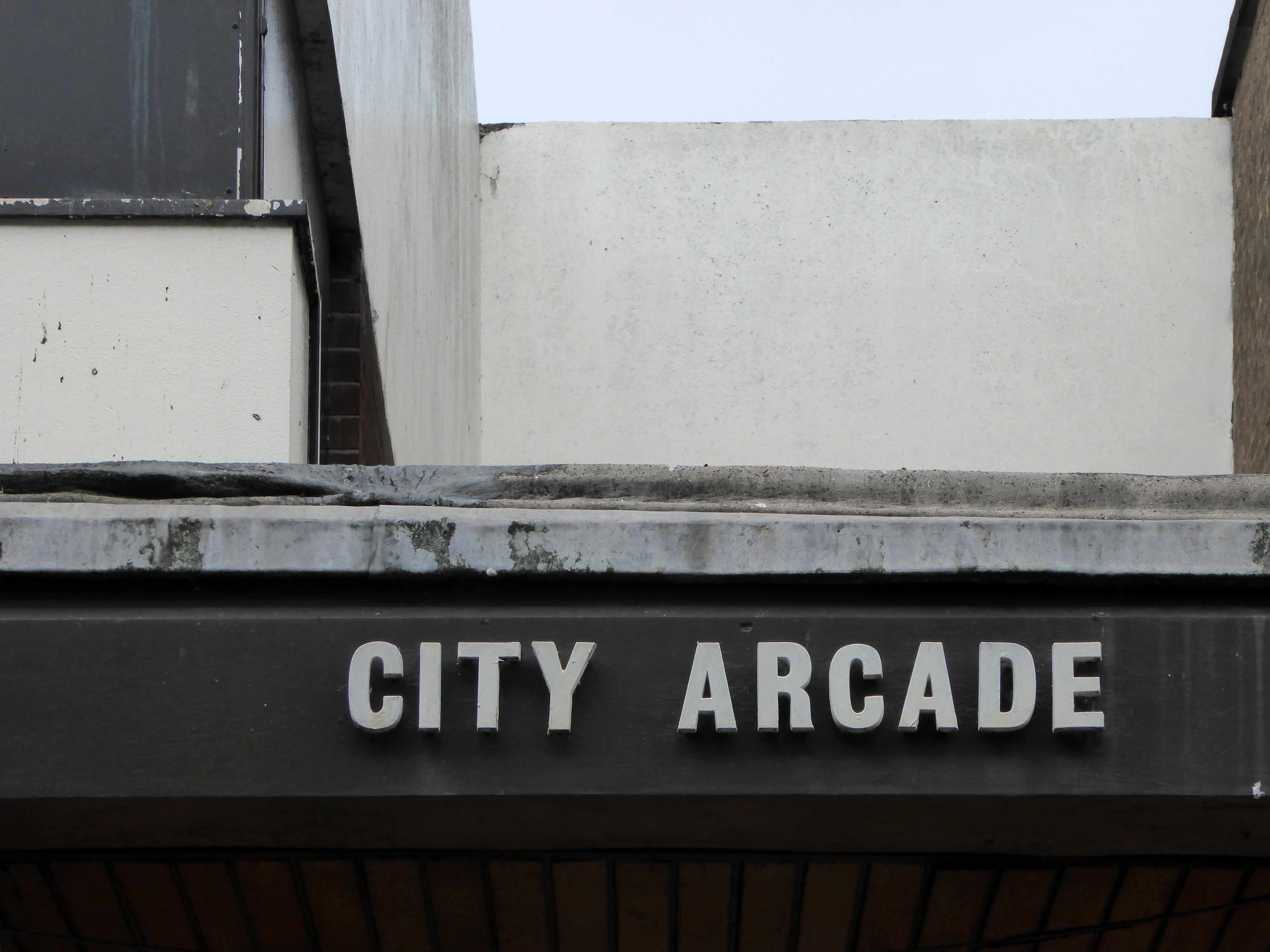
So we are left with a series of spaces that now seem slightly adrift, particularly the City Arcade, as both the earlier and more recent developments in the city compete for clients and customers.

p1090707

To explore is to discover a work continually in progress, or regression, as the forces of heritage, commercial development, and civic planning pull each other this way and that.

There is an initiative for redevelopment for the area yet to find a satisfactory resolution.

Take a look.

p1090676
p1090681
p1090687

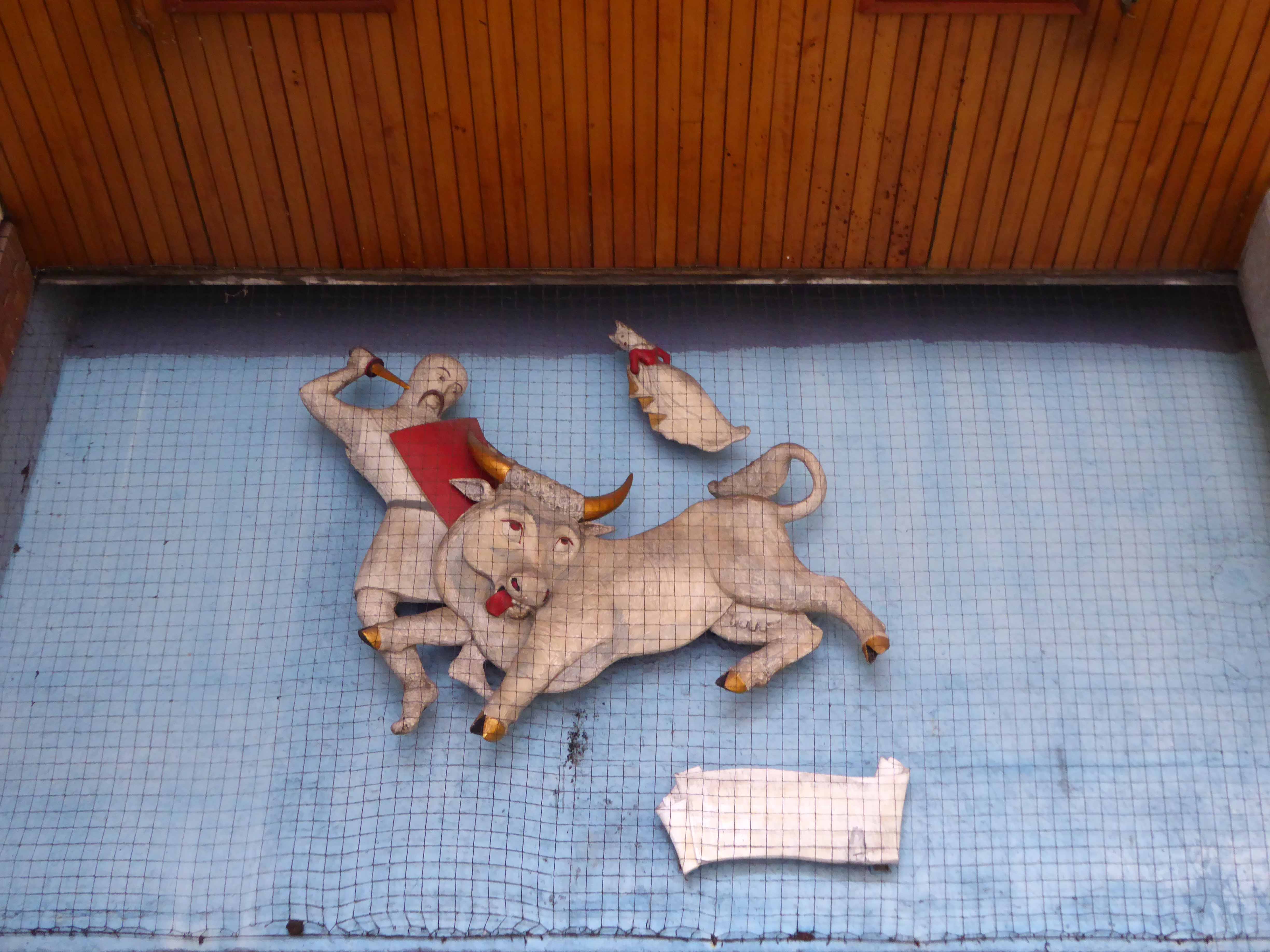
Up on high we find Sir Guy and the Dun Cow by Alma Ramsey 1952.

p1090699
p1090770
p1090700
p1090703
p1090705
p1090701

Coventry Point architects: John Madin Design Group 1969/75

p1090706
p1090707

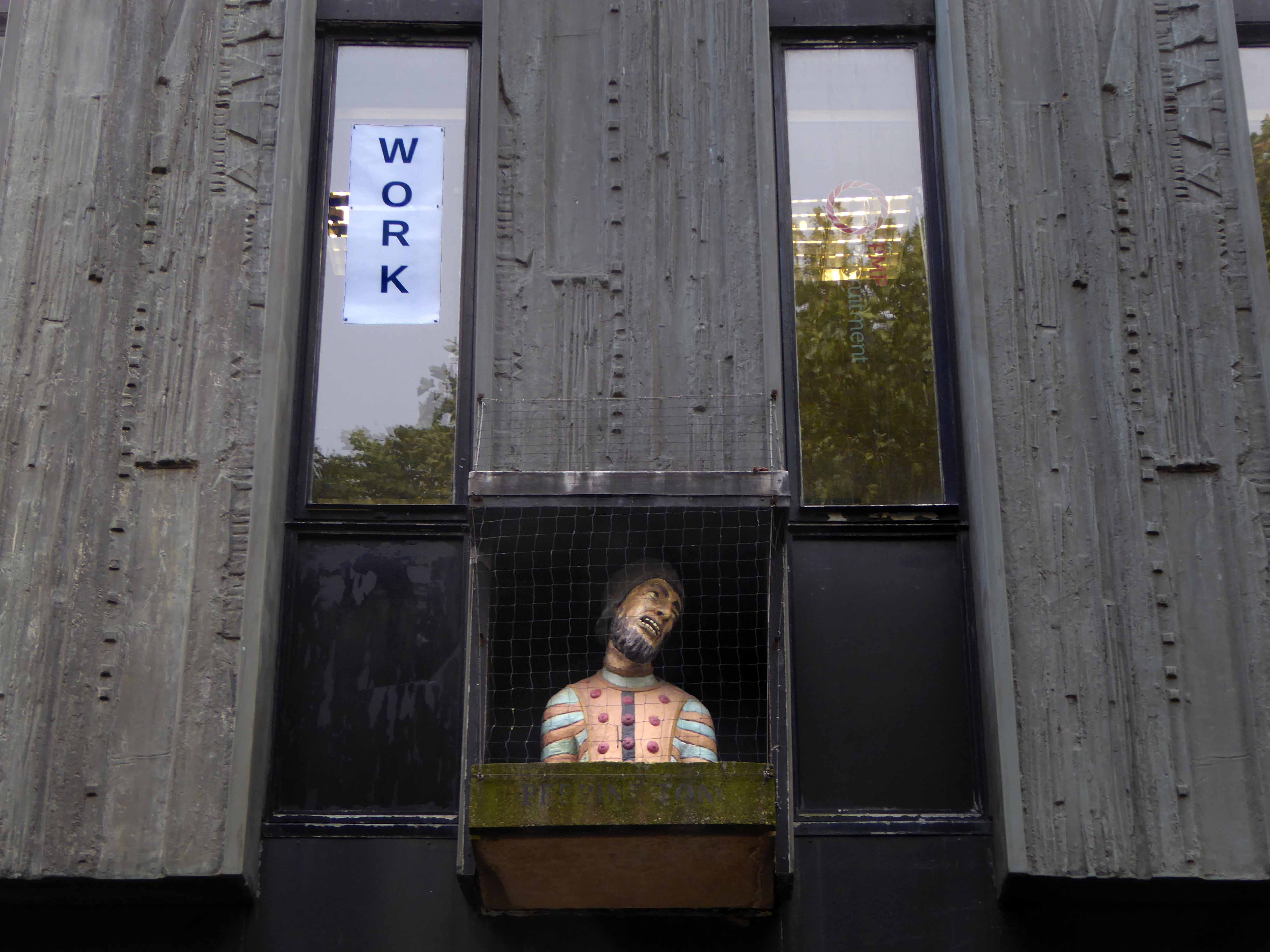
The Peeping Tom head and shoulders sculpture is currently located in Hertford Street, mounted high up over the entrance to the covered walkway. It was originally a public house sign. It is not known who made it. It was displayed sitting in the top corner window of the Peeping Tom Public house which was on the corner of Hertford Street and Bull Yard, not far from where it is now. It was moved when the road was being redeveloped in the late 1960’s and early 70’s.

Coventry Society

p1090793
p1090771
p1090776
p1090775
p1090789
p1090779
p1090790
p1090791

Coventry – Indoor Market

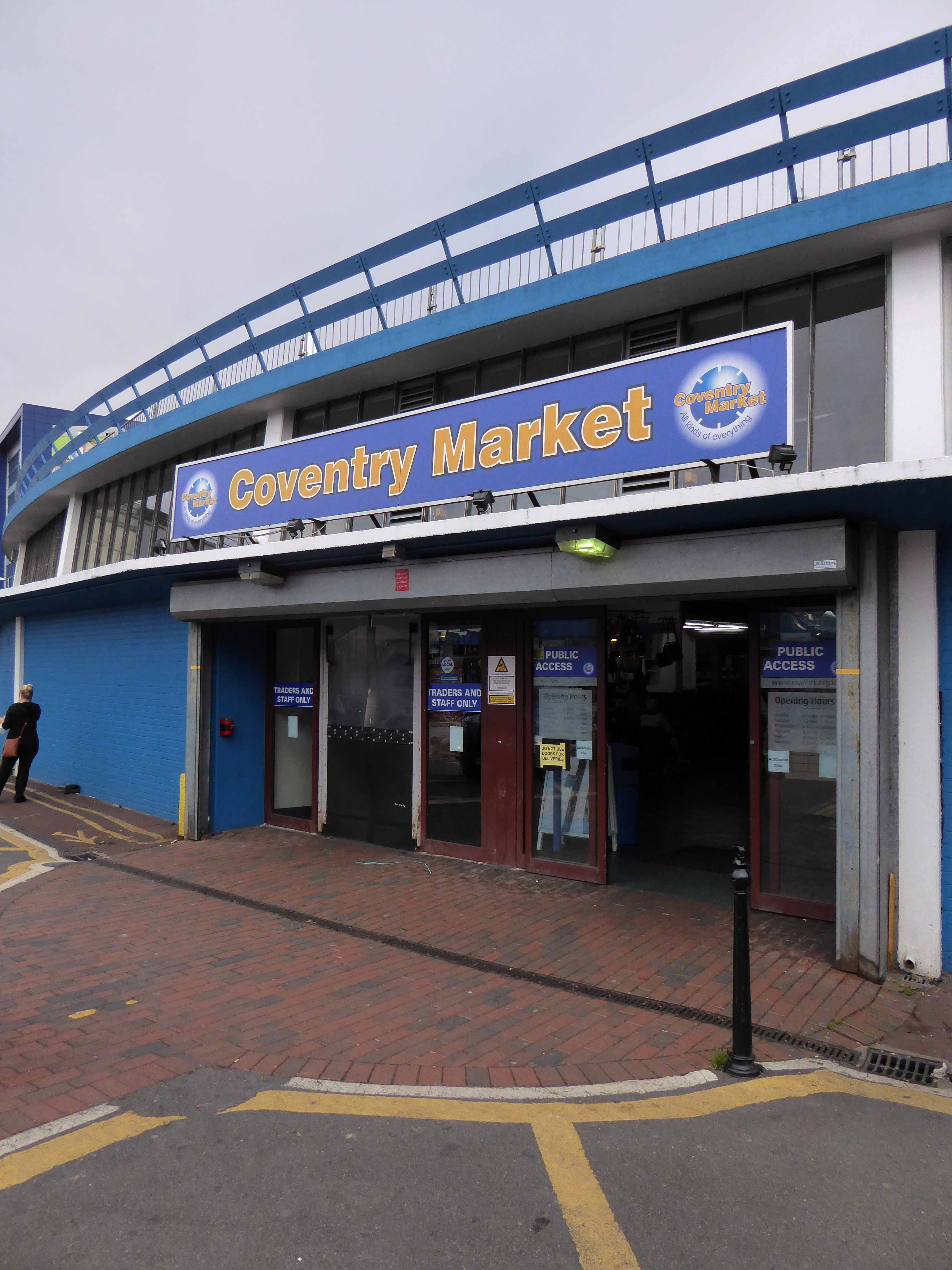
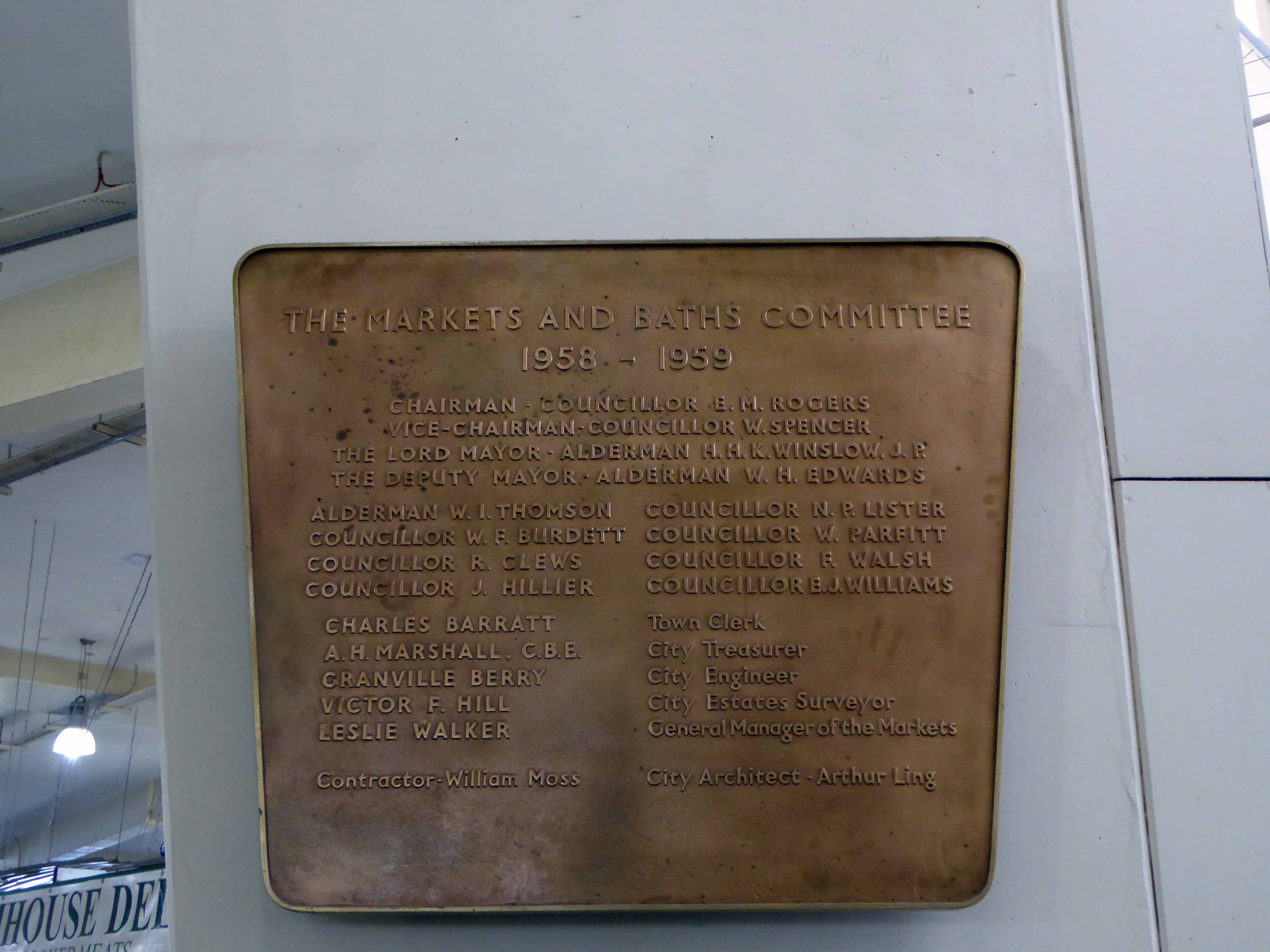
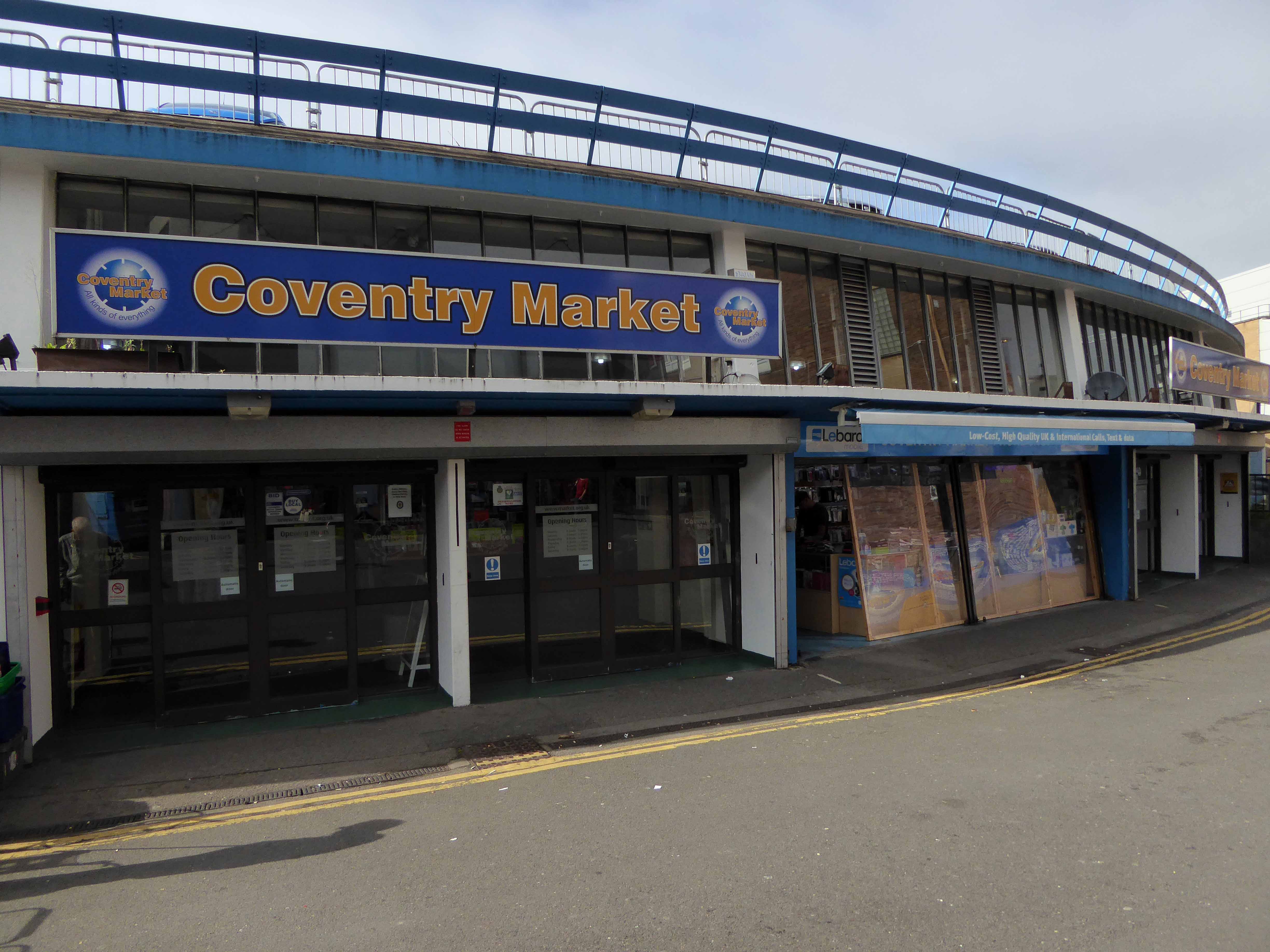
A market hall built in 1957 to designs by Douglas Beaton, Ralph Iredale and Ian Crawford of Coventry City Architect’s Department.

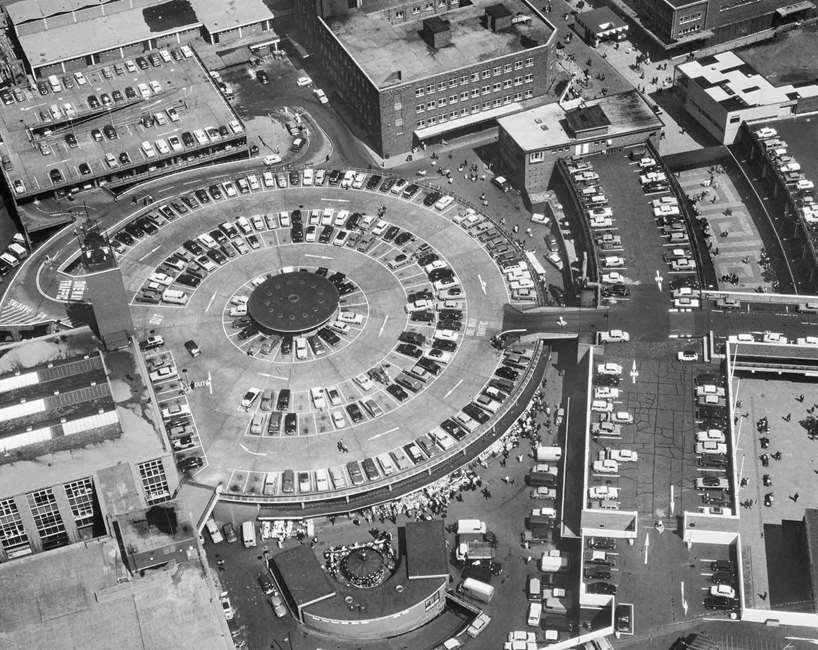
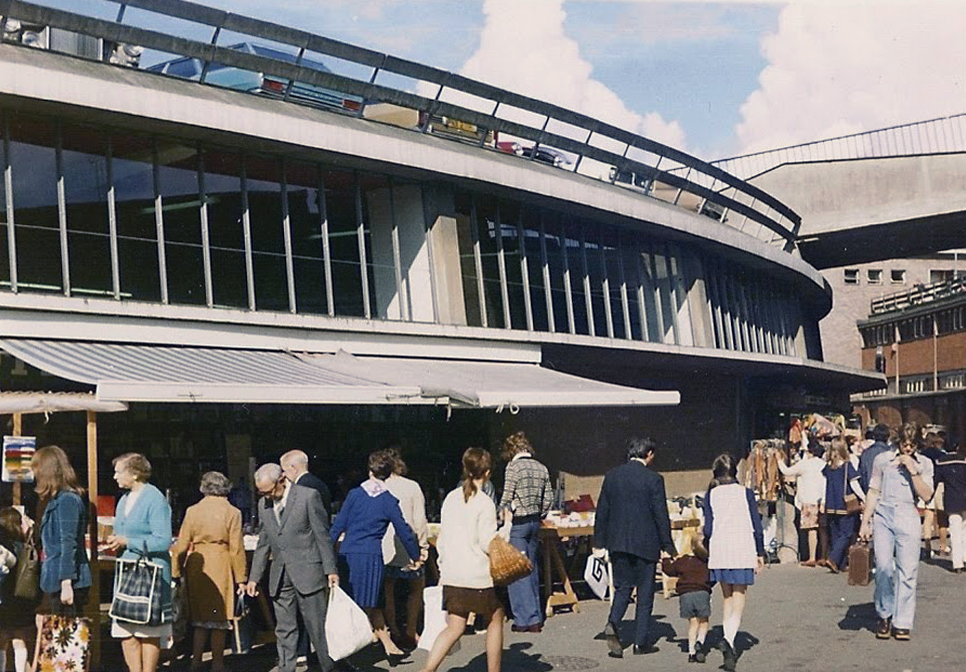
 Various designs were considered, but eventually a circular design was chosen to encourage circulation and to offer a number of entrances. It was given a flat roof in order to create a car park (with a heated ramp to prevent icing, now no longer there), and was to become the central focus for a complex scheme of linked roof car parks in Coventry.

coventry-market-1

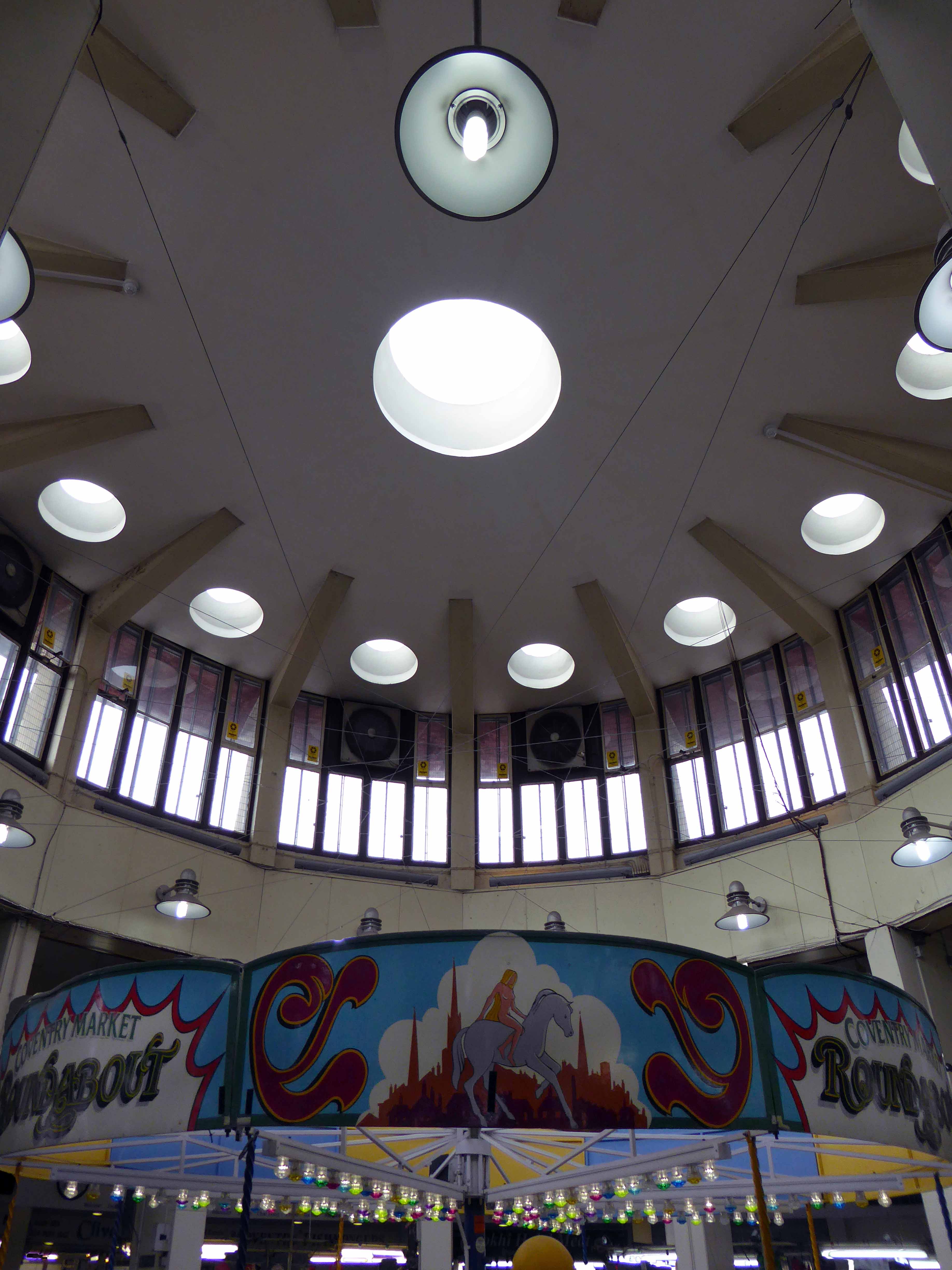
 The market consists of a series of concrete arches joined by a ring beam, all left exposed, with brick infilling and a concrete roof, laid out as a car park, with a central circular roof light. It has a circular plan, just over 84m in diameter and 4 ½ m high, is laid out with 160 island stalls, arranged in groups of two or four units in concentric rings, with 40 `shop stalls’ set into the perimeter wall.

covmarket2

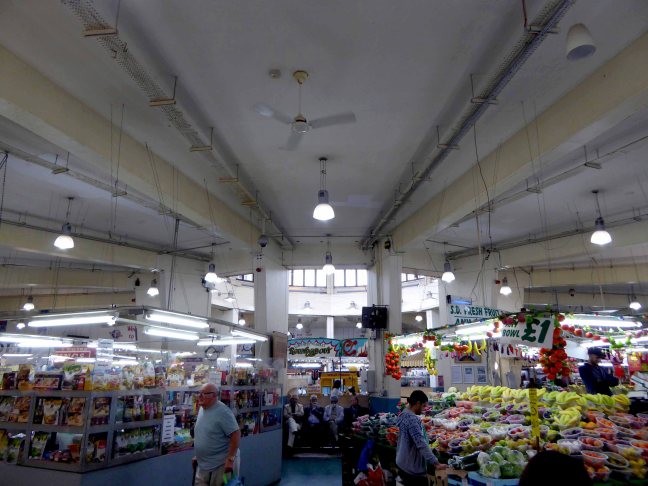
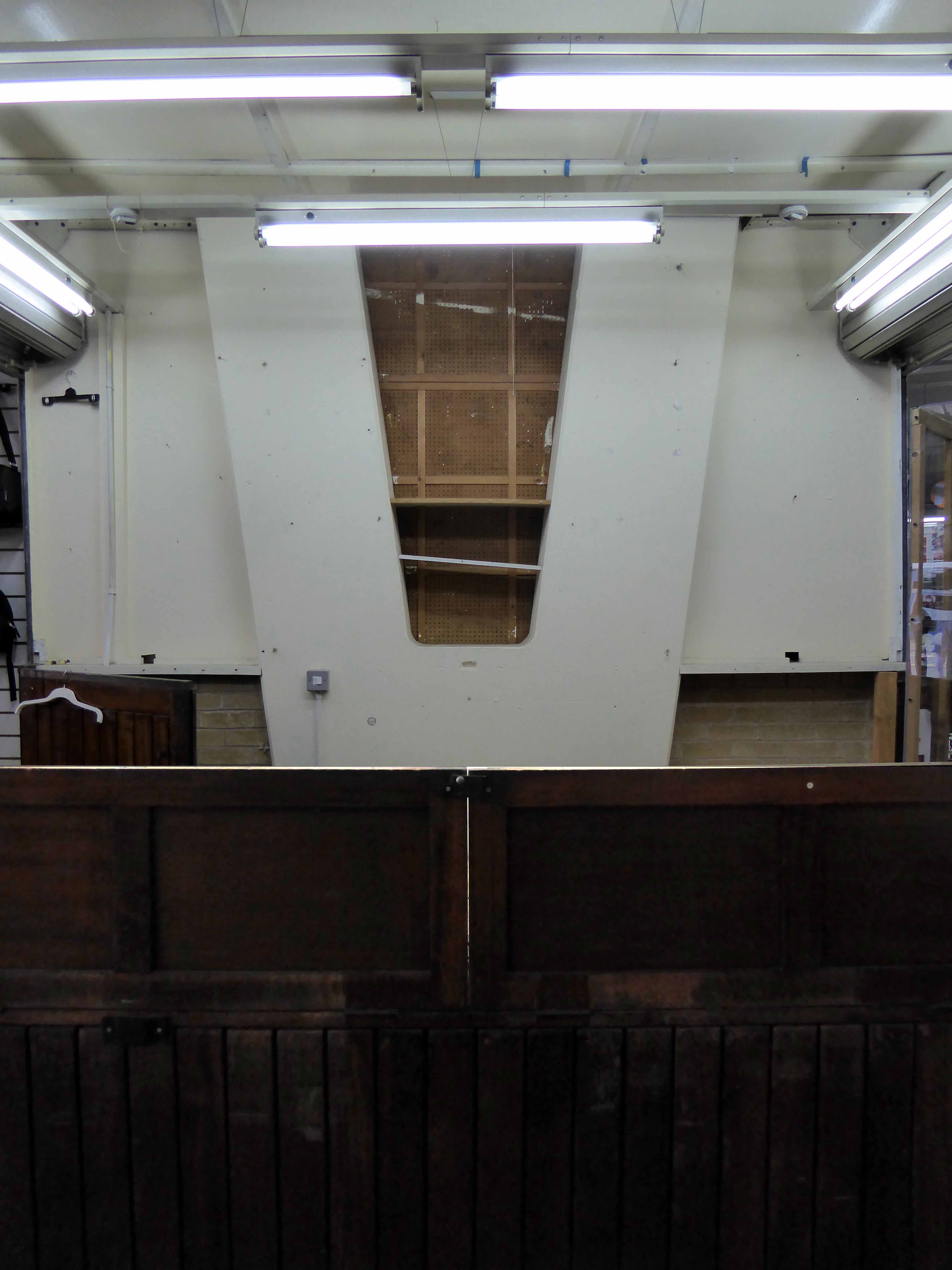
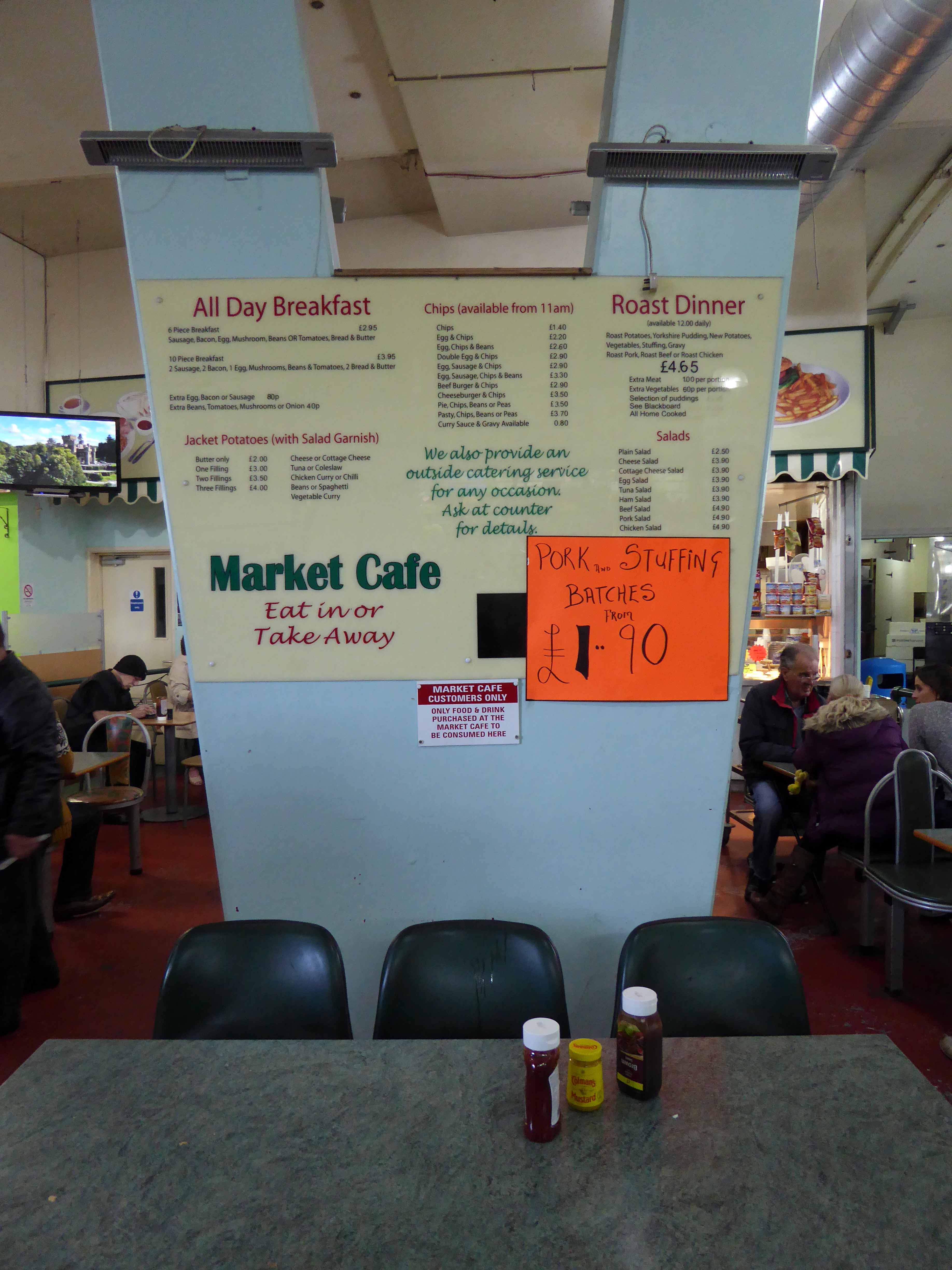
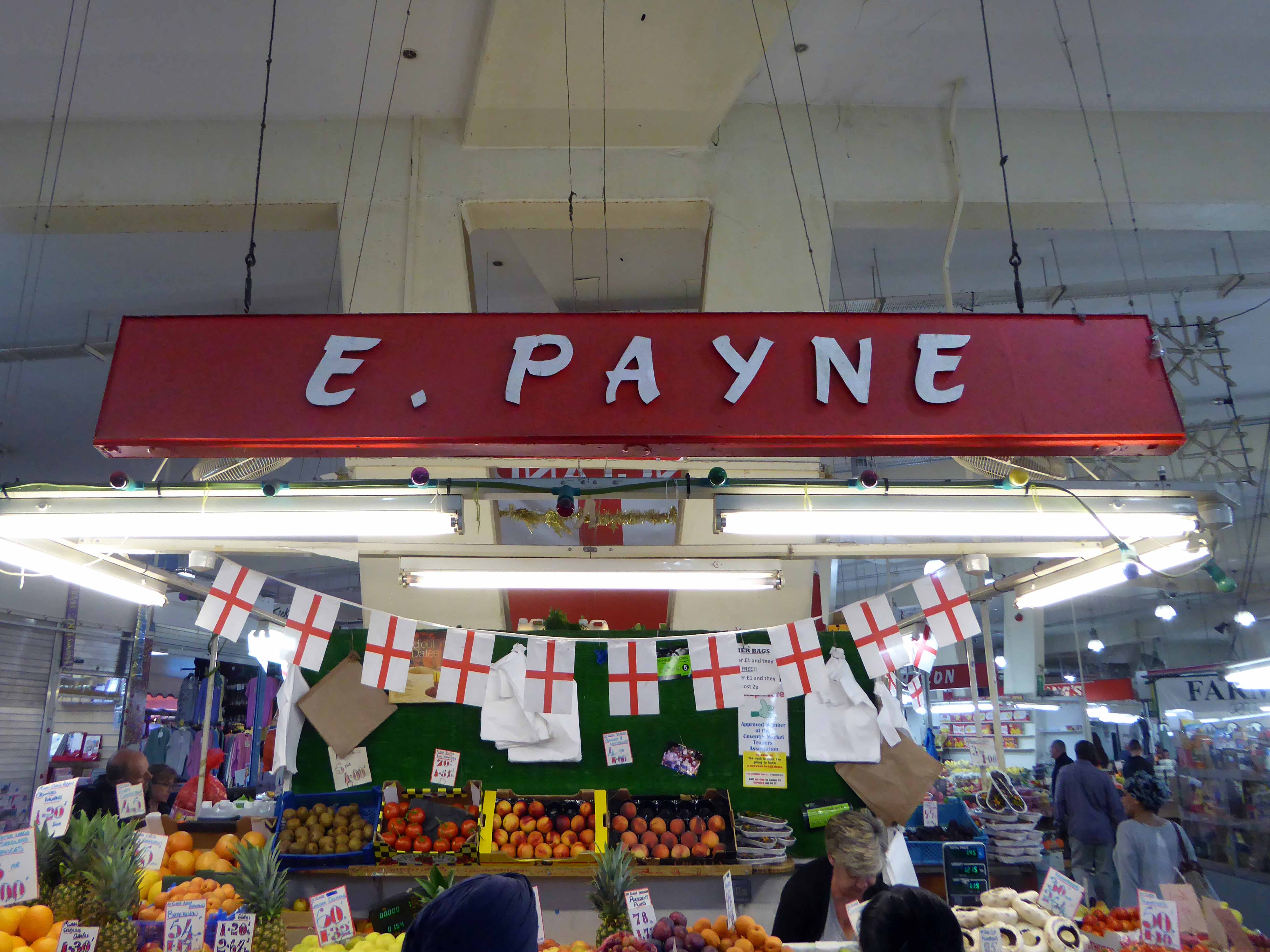
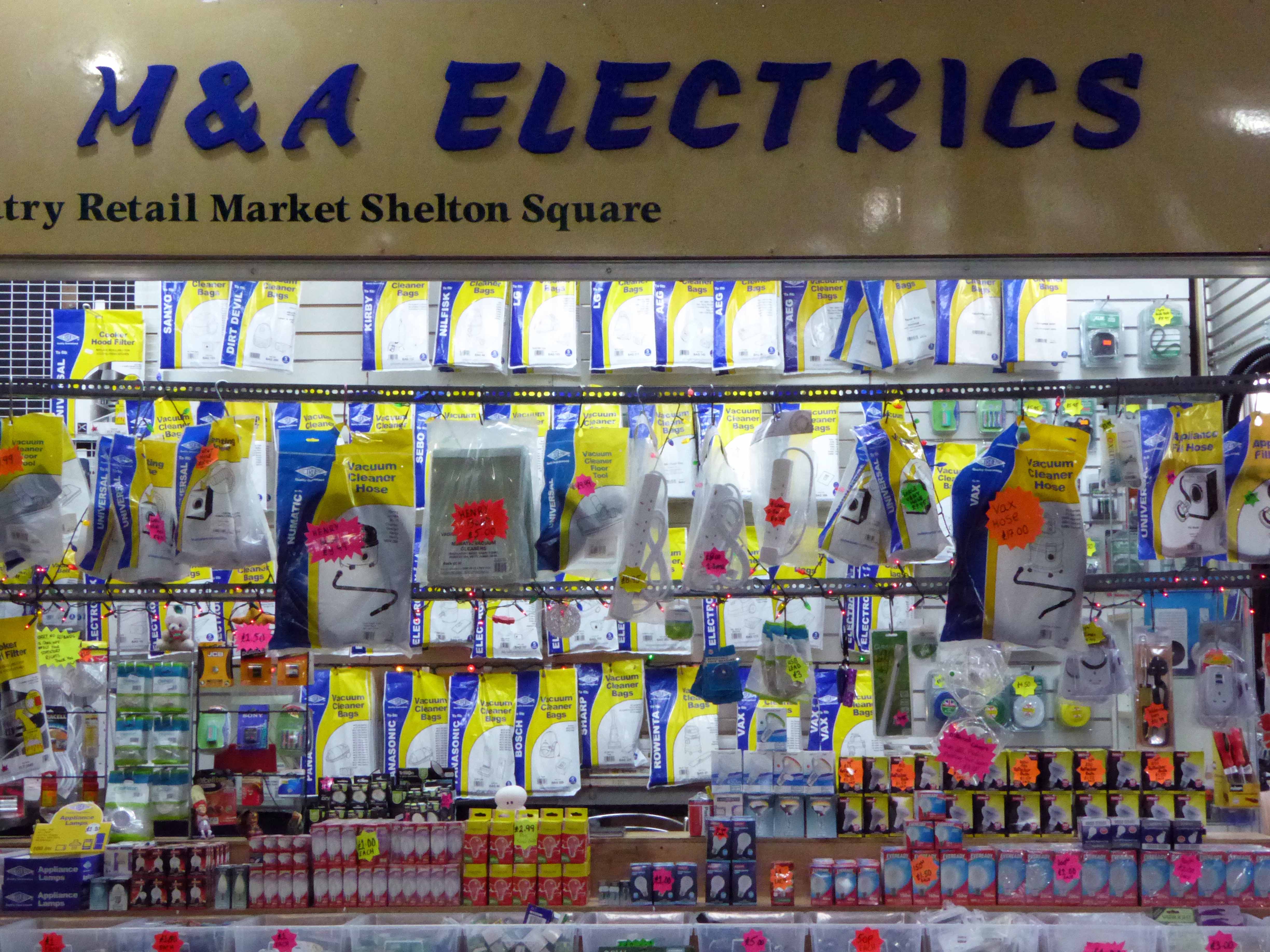
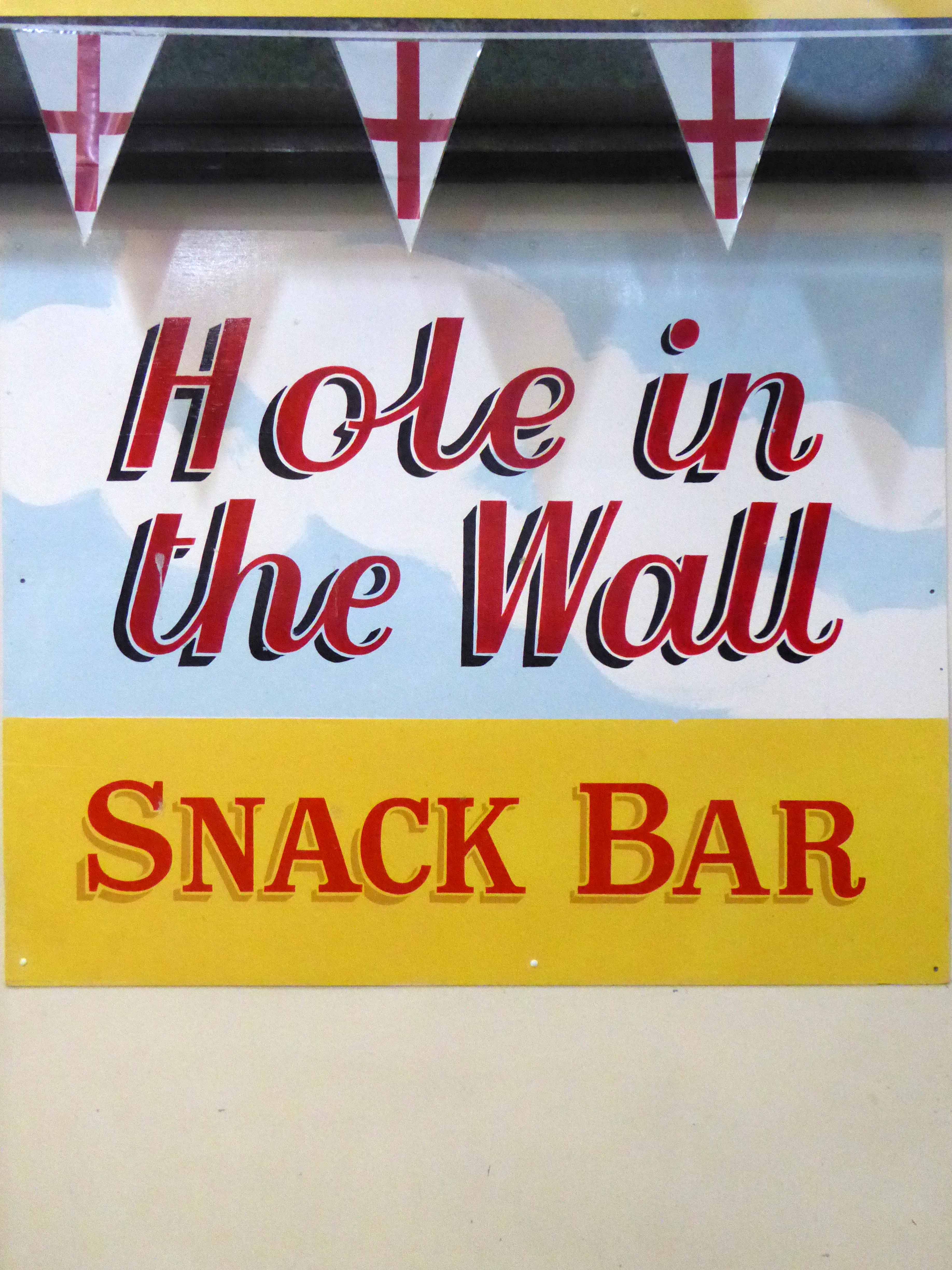
Inside, the circular space is characterised by the tall V-shaped concrete `columns’ that hold the roof. Some of the original shop and stall signs have survived. Natural light enters via the clerestory windows along the top perimeter of the building and through the clerestory lighting and oculi in the central dome. The space under this dome, designed as an area for shoppers to rest, is lined with seats and has a terrazzo mosaic floor designed by David Embling, with a central sun motif, a gift from the Coventry Branch of the Association of Building Technicians.

p1090738-copy

p1090736-copy

p1090737-copy

p1090742-copy

p1090744-copy

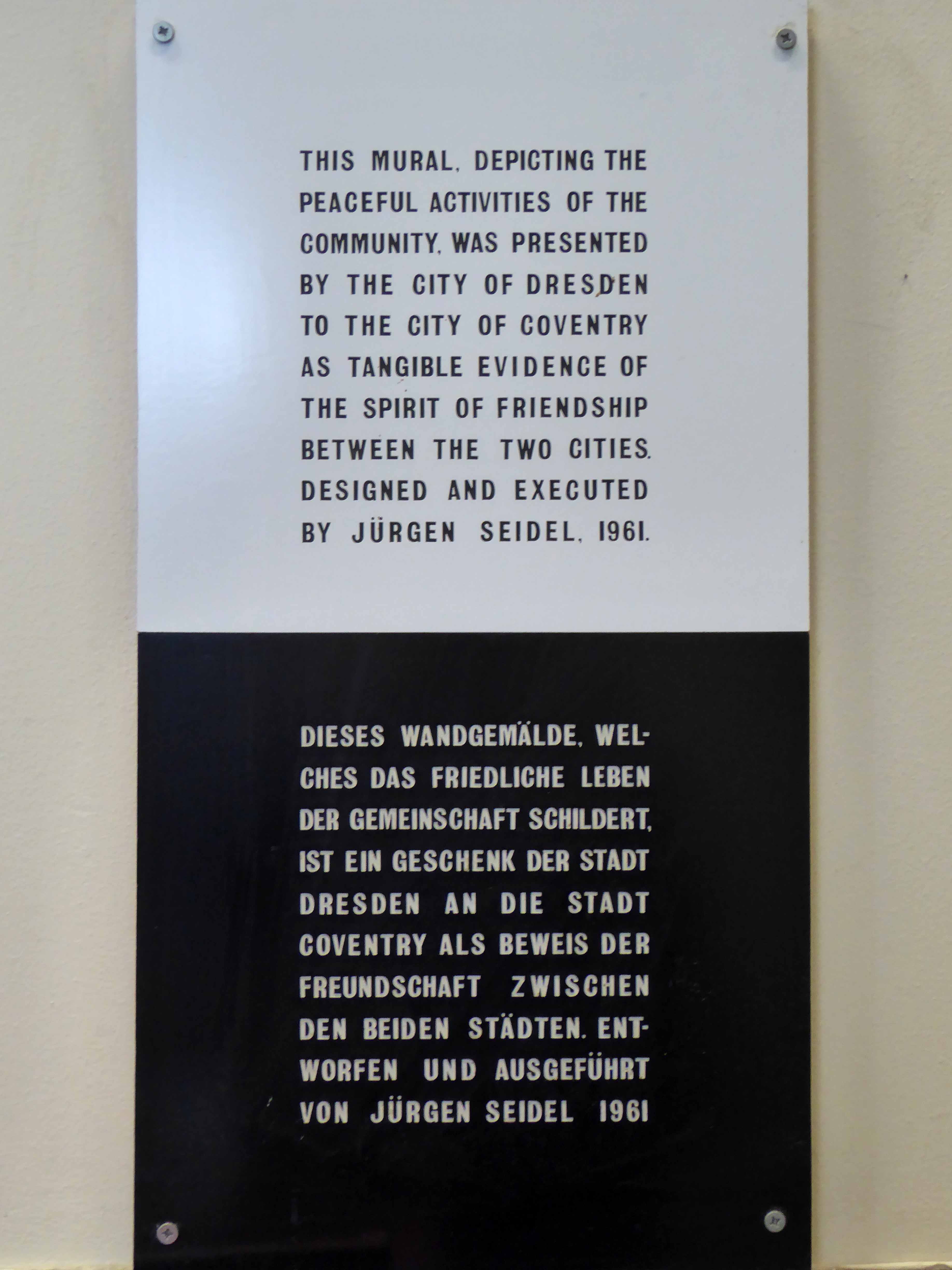
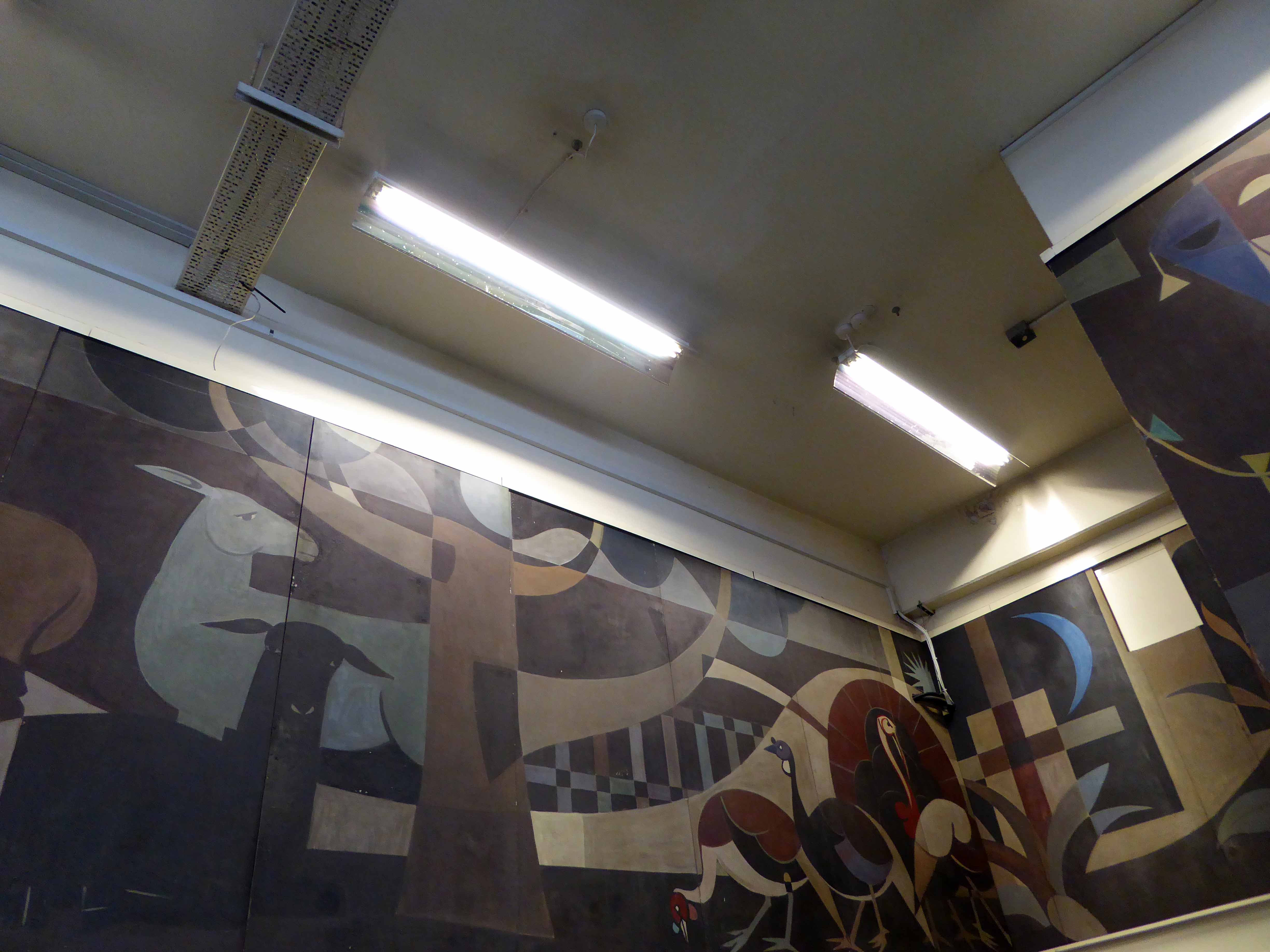
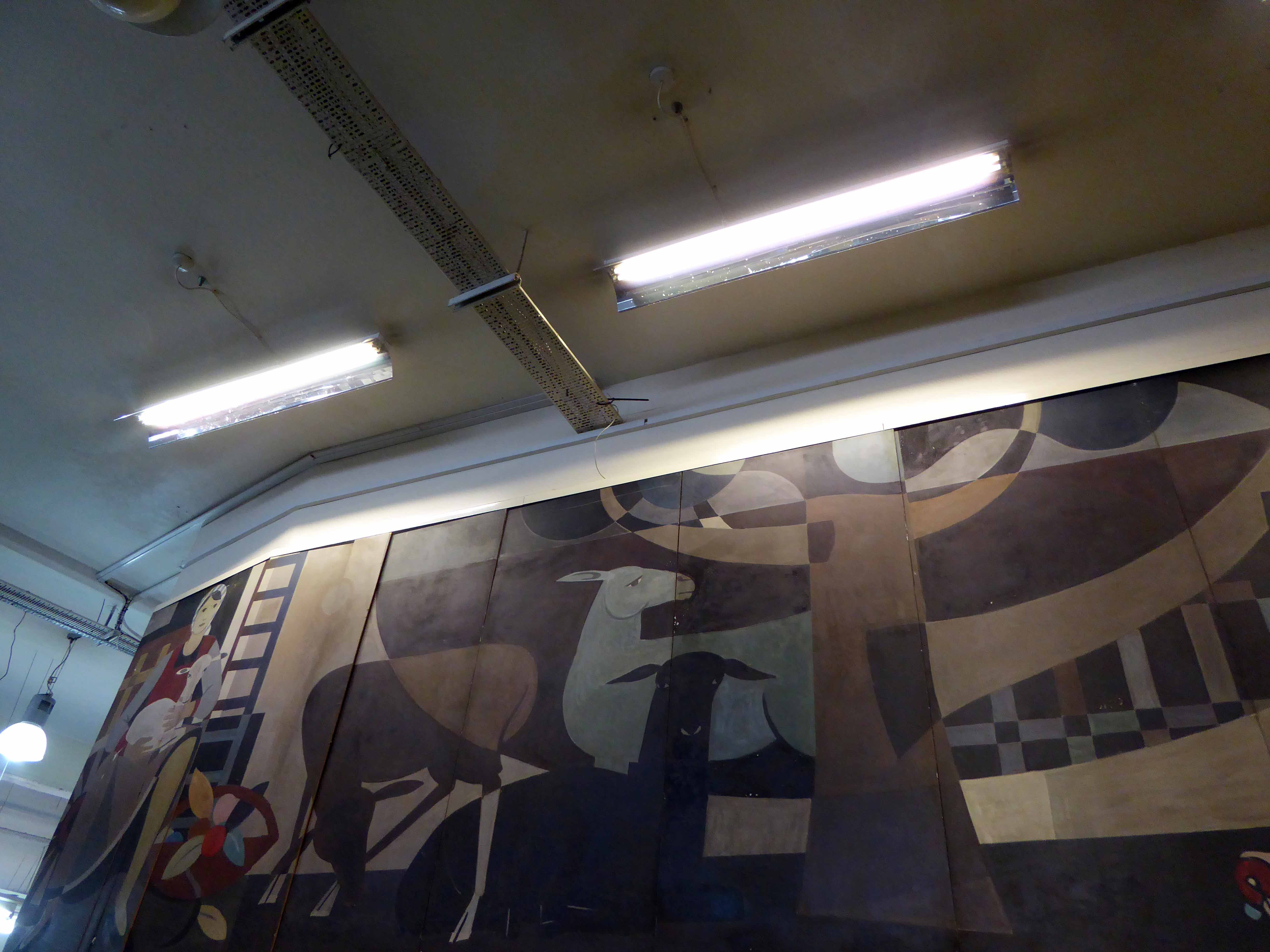
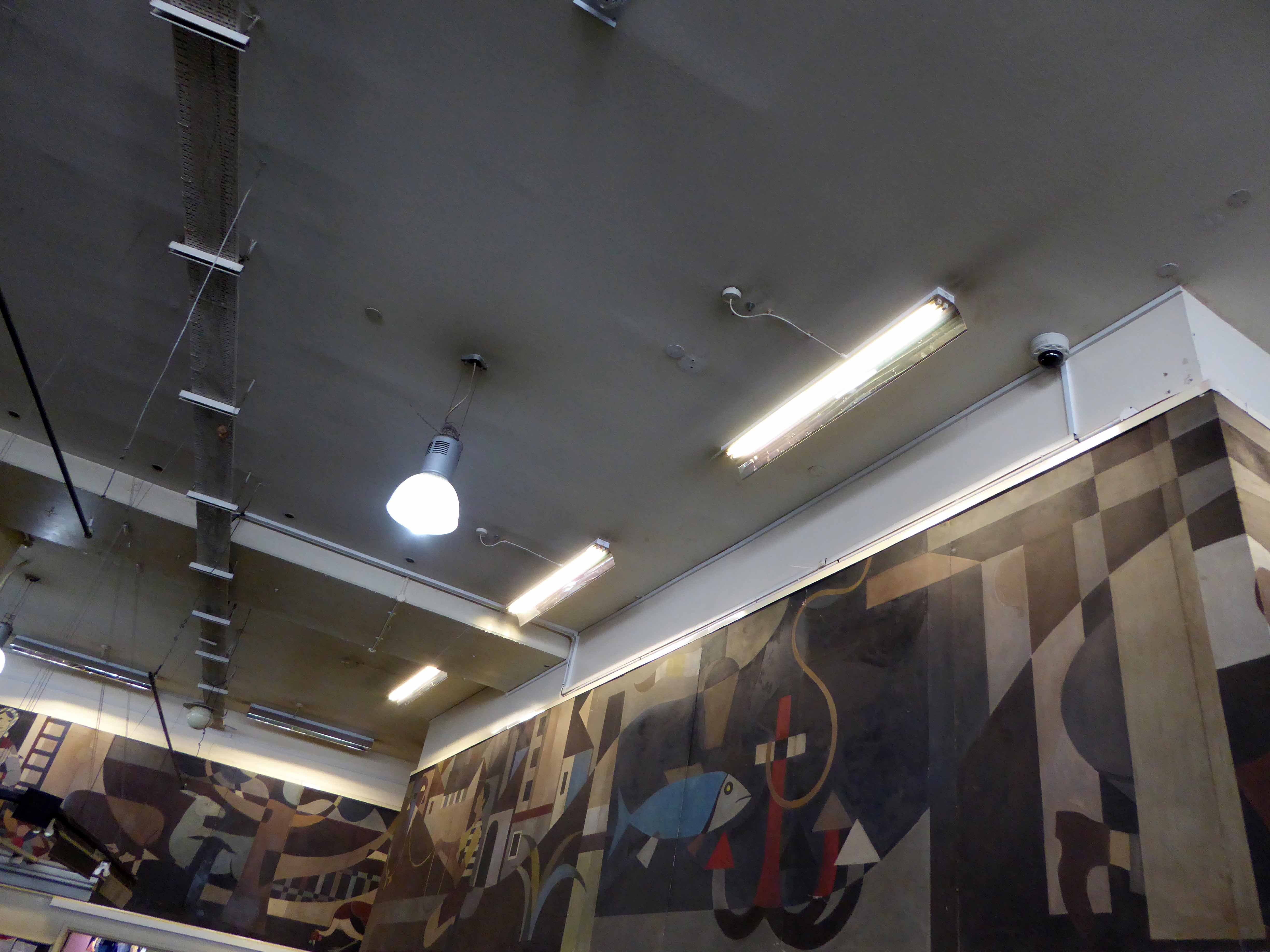
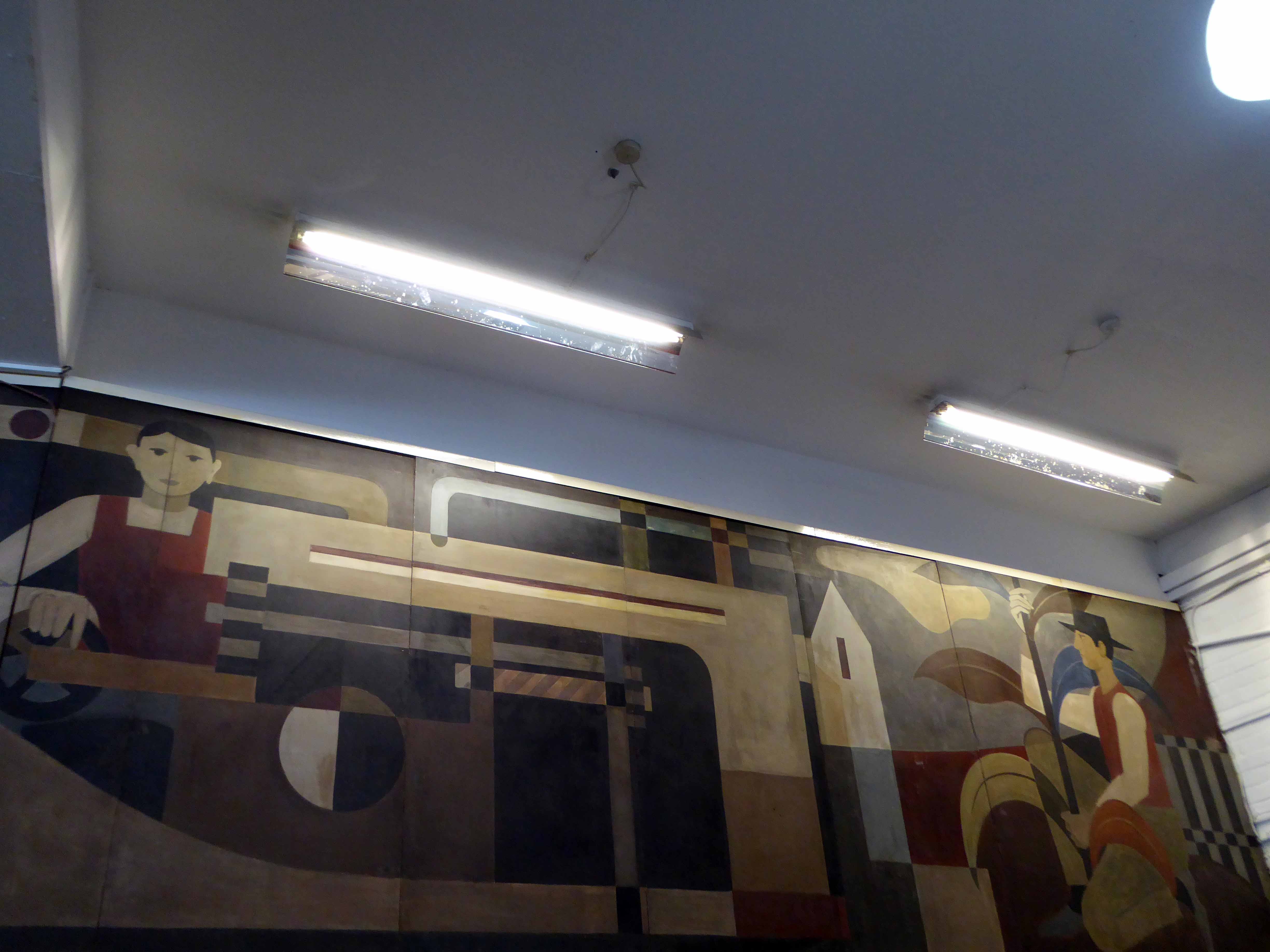
Above the current market office is an impressive painted mural by art students from Dresden commissioned especially for the market in the 1950s in a Socialist Realist manner, depicting farming and industrial scenes. 

Thanks to Historic England

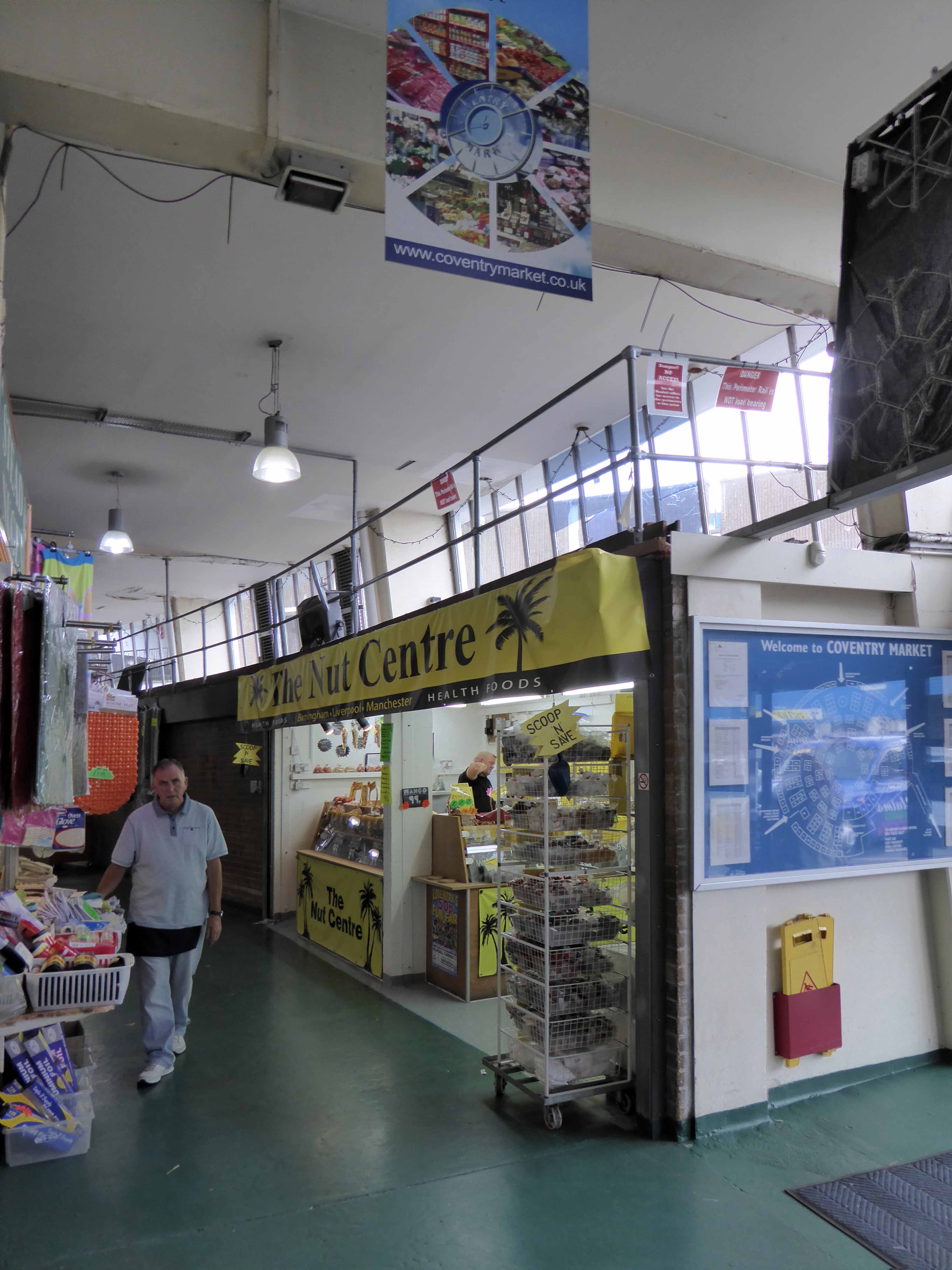
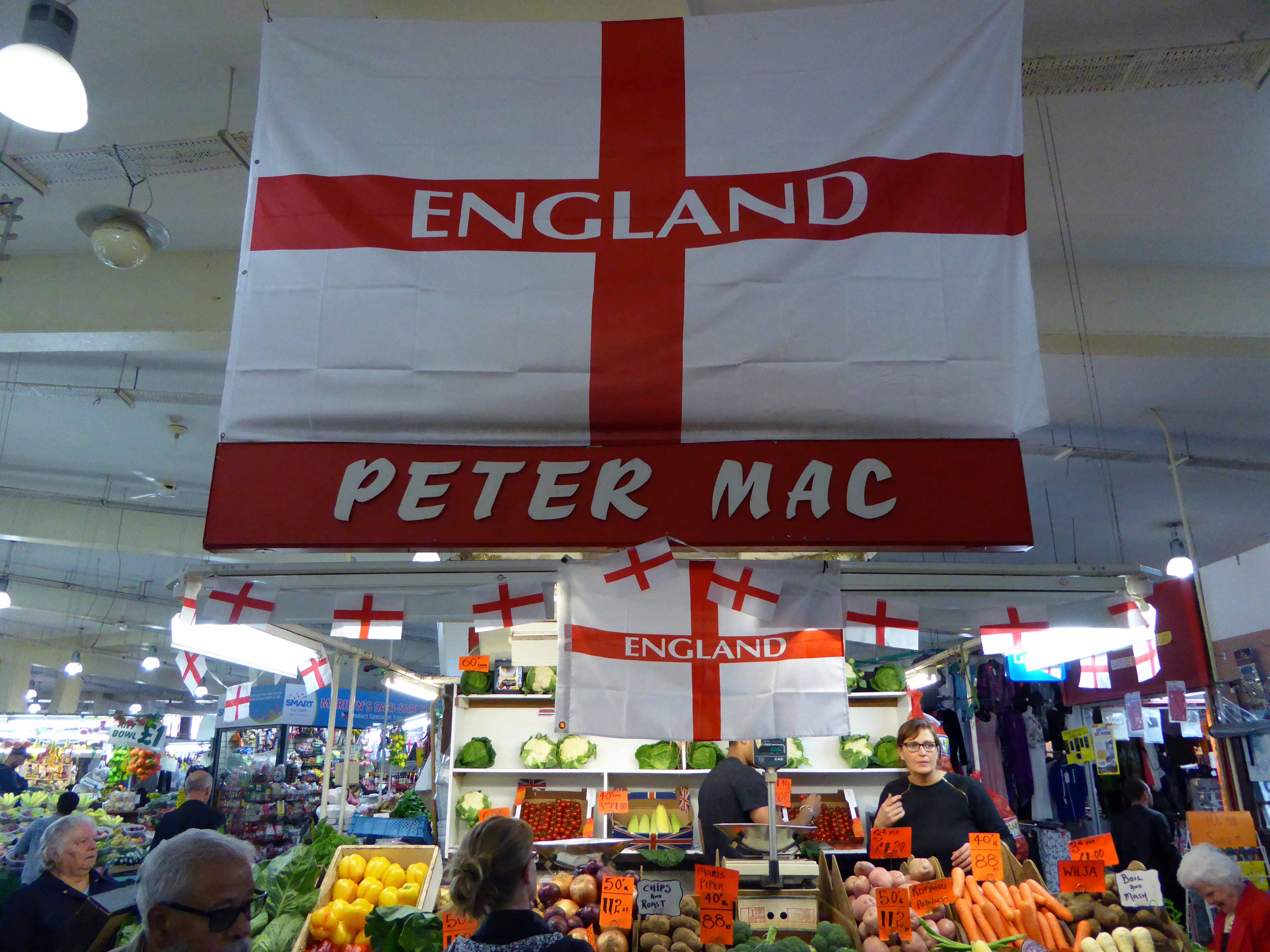
I visited the market on a busy bustling day and was made to feel more than welcome, a wide range of heavily laden stalls was trading briskly. The Market Office kindly gave me a copy of the book Coventry Market in a Roundabout Way.

It’s a splendid structure, now listed, that functions six days a week.

Get down take a look around.

p1090713-copy

p1090723-copy

p1090714-copy

p1090716-copy

p1090719-copy

p1090726-copy

p1090733-copy

p1090721-copy

p1090758-copy

p1090751-copy

p1090764-copy

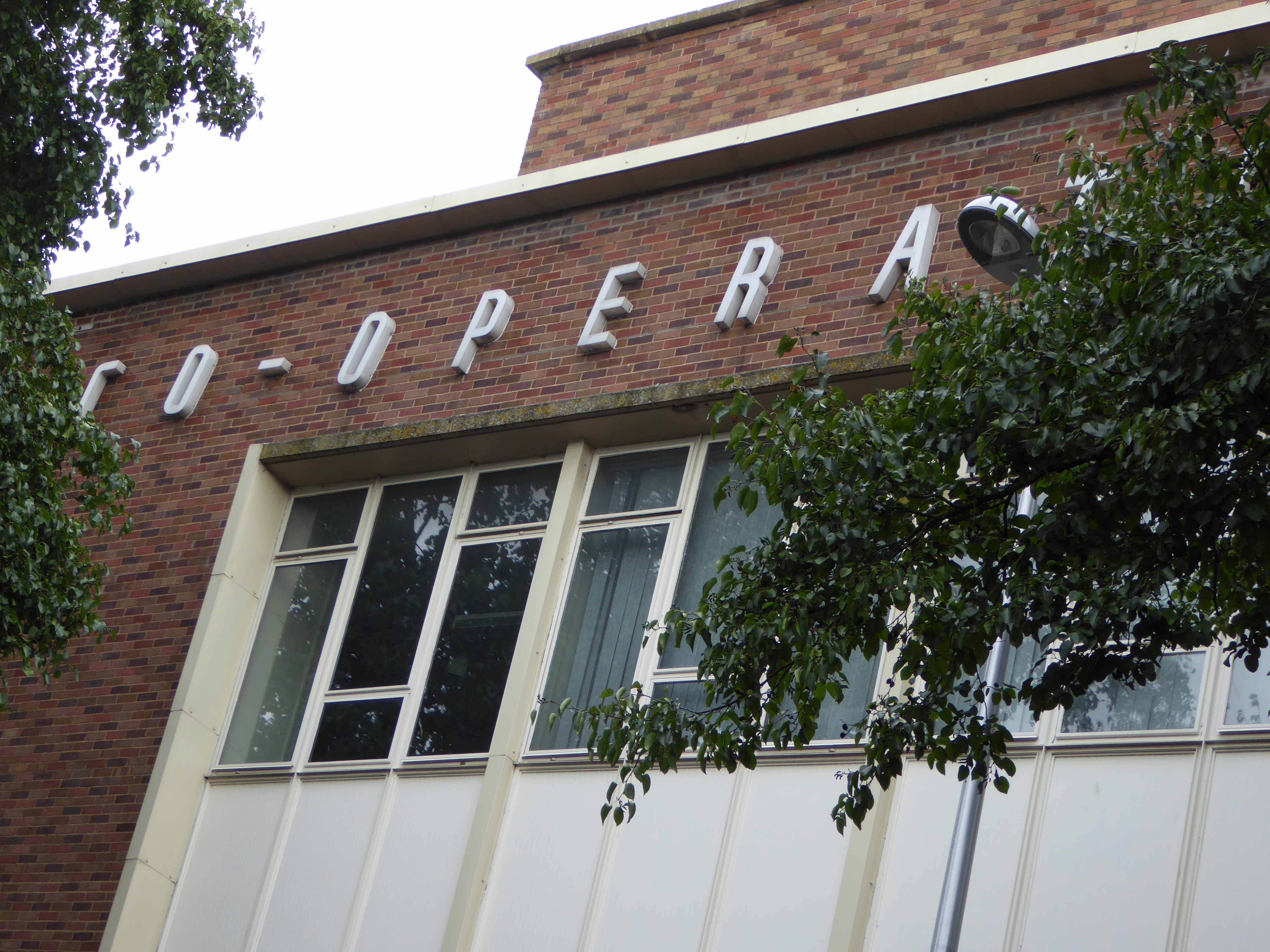
Coventry – Central Co-op


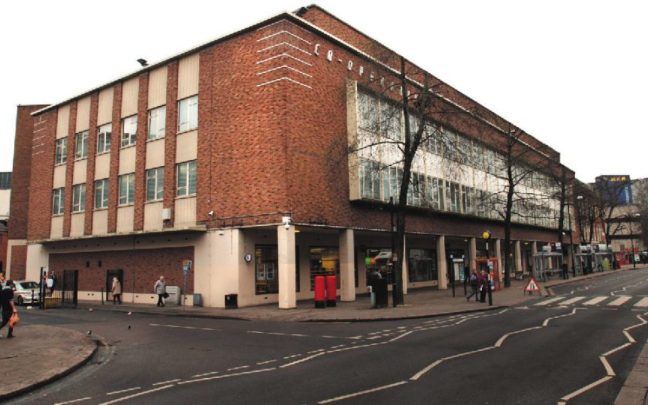
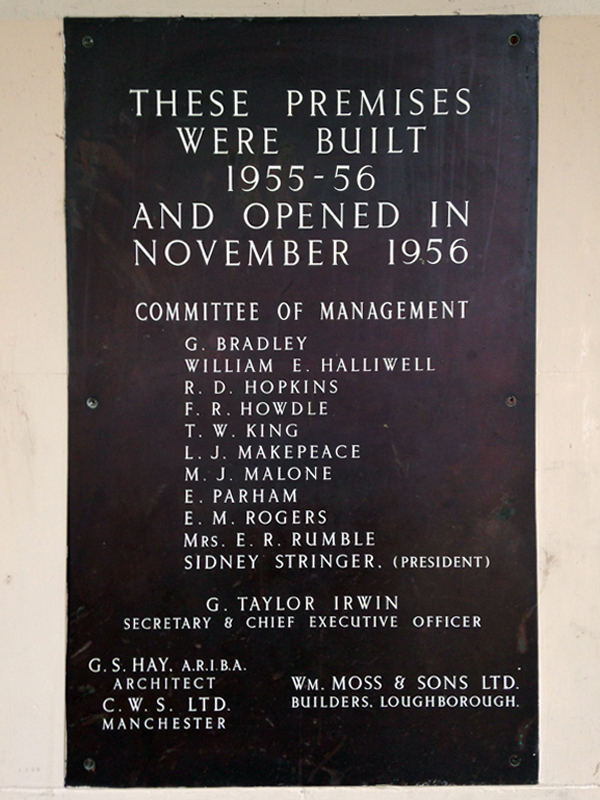
Built between 1955-56 and opened November 1956 the central Co-operative Society store in Coventry is a clean, clear example of post-war design and redevelopment, epitomised by the city’s plan and realisation.

coventry-co-op-plaque

Picture – Natalie Bradbury

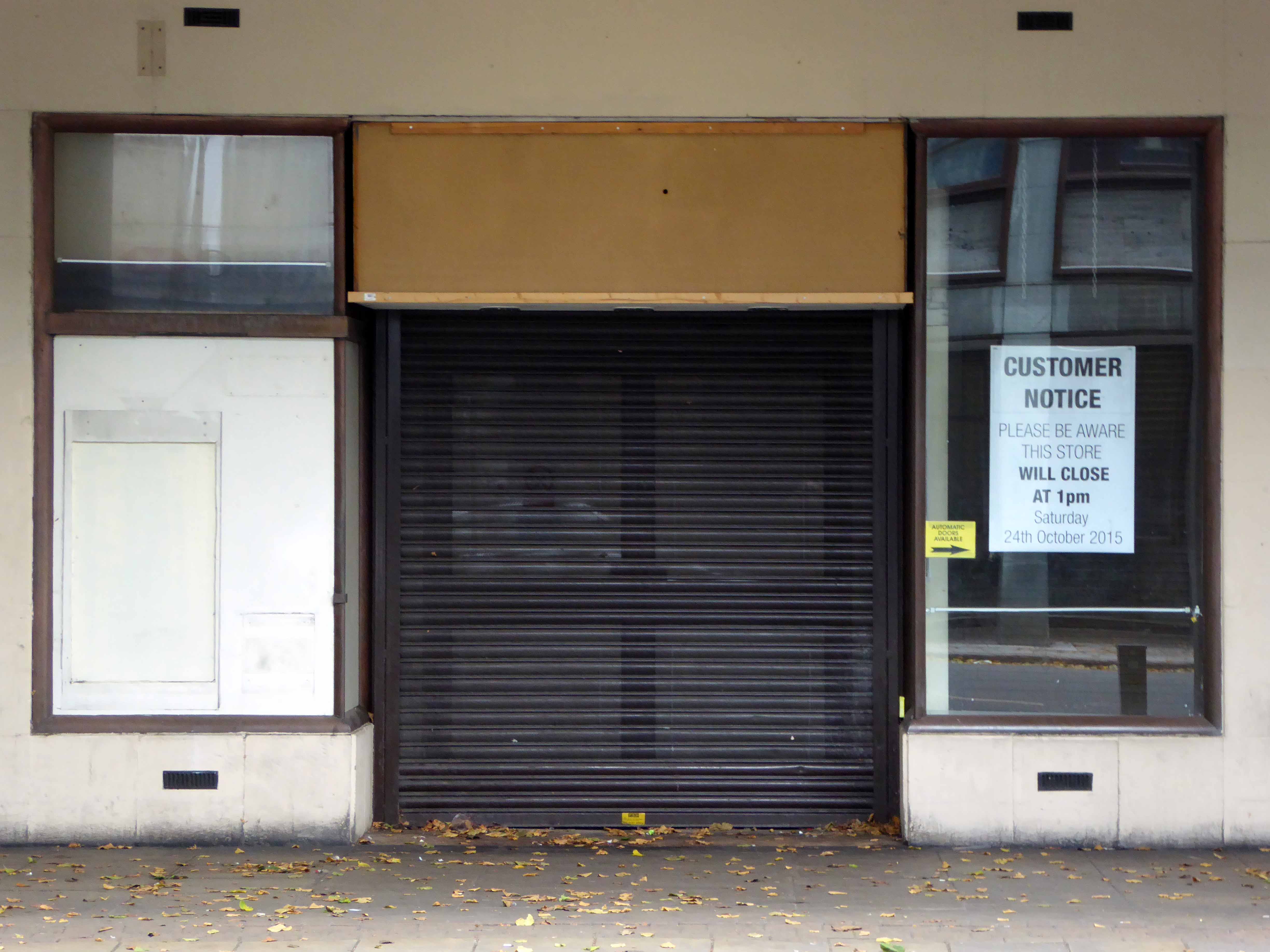
Sadly it finally closed its doors in 2015, along with many other of the Society’s larger stores, as they moved their focus to smaller food outlets.

p1100002-copy

Happily it has been listed, saved from the indignity of the wrecking ball and the building of further student flats. Coventry, along with other UK cities, has begun to rely on the expansion of higher education, in the face of industrial and retail decline. The future use of the site, is as yet uncertain. Sadly I am now informed that the listing did not go through, make of that what you will.

While such measures are not an ultimate protection from bulldozers or drastic renovation, it is considered the building helps tell the tale of the city centre’s contemporaneously vaunted but since controversial rebuilding after the Coventry Blitz.

One of the city’s largest and oldest stores was closed last year as a victim of flagging city centre trade in an internet era, and EDG Property bought the site.

No planning applications have been received, although the council says ‘prospective buyers’ have stated an intention to demolish the building to erect two 12-storey towers of student accommodation.

p1100004-copy

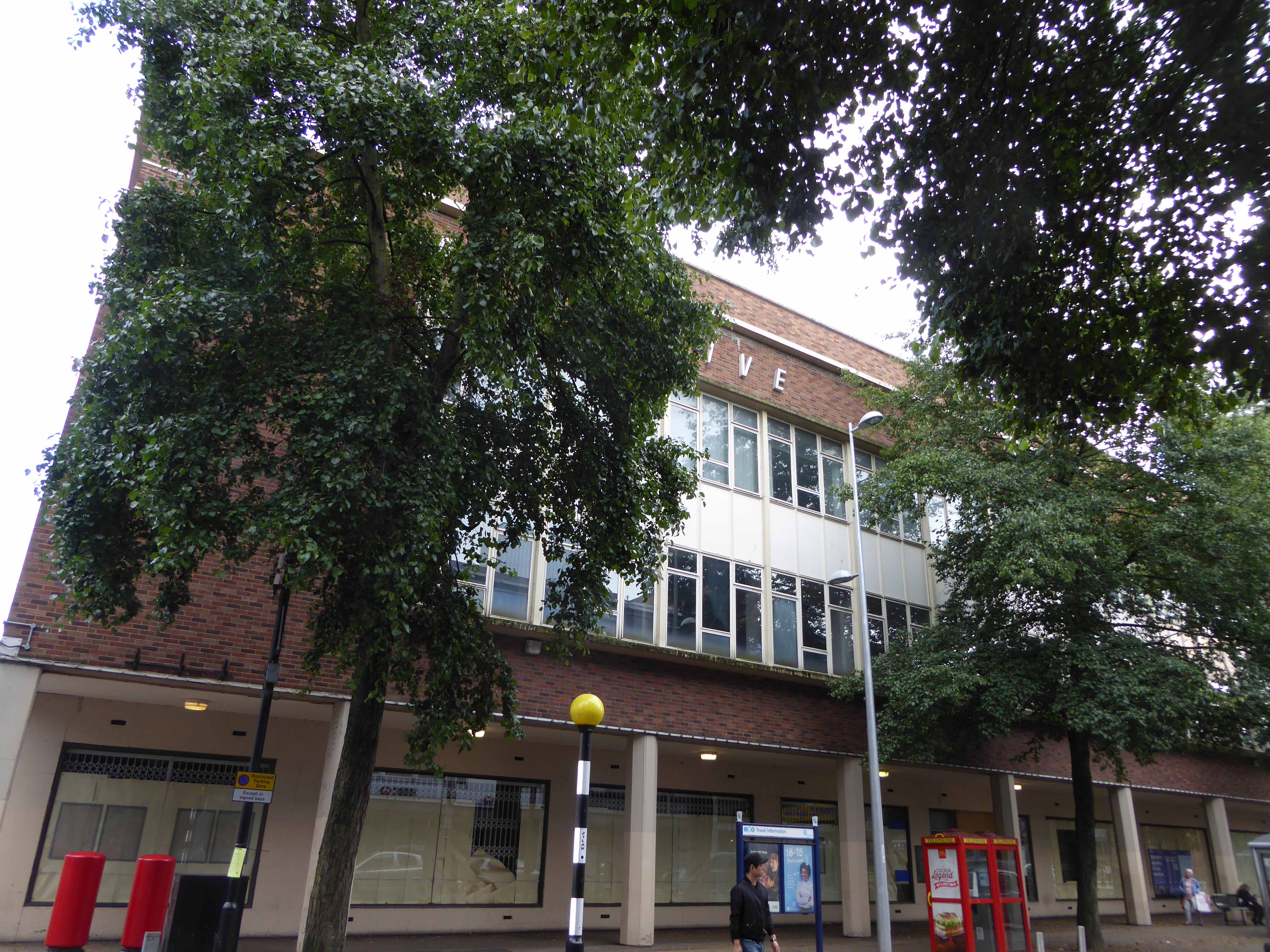
So it stands empty, the late summer foliage obscuring its splendid signage.

p1100001-copy

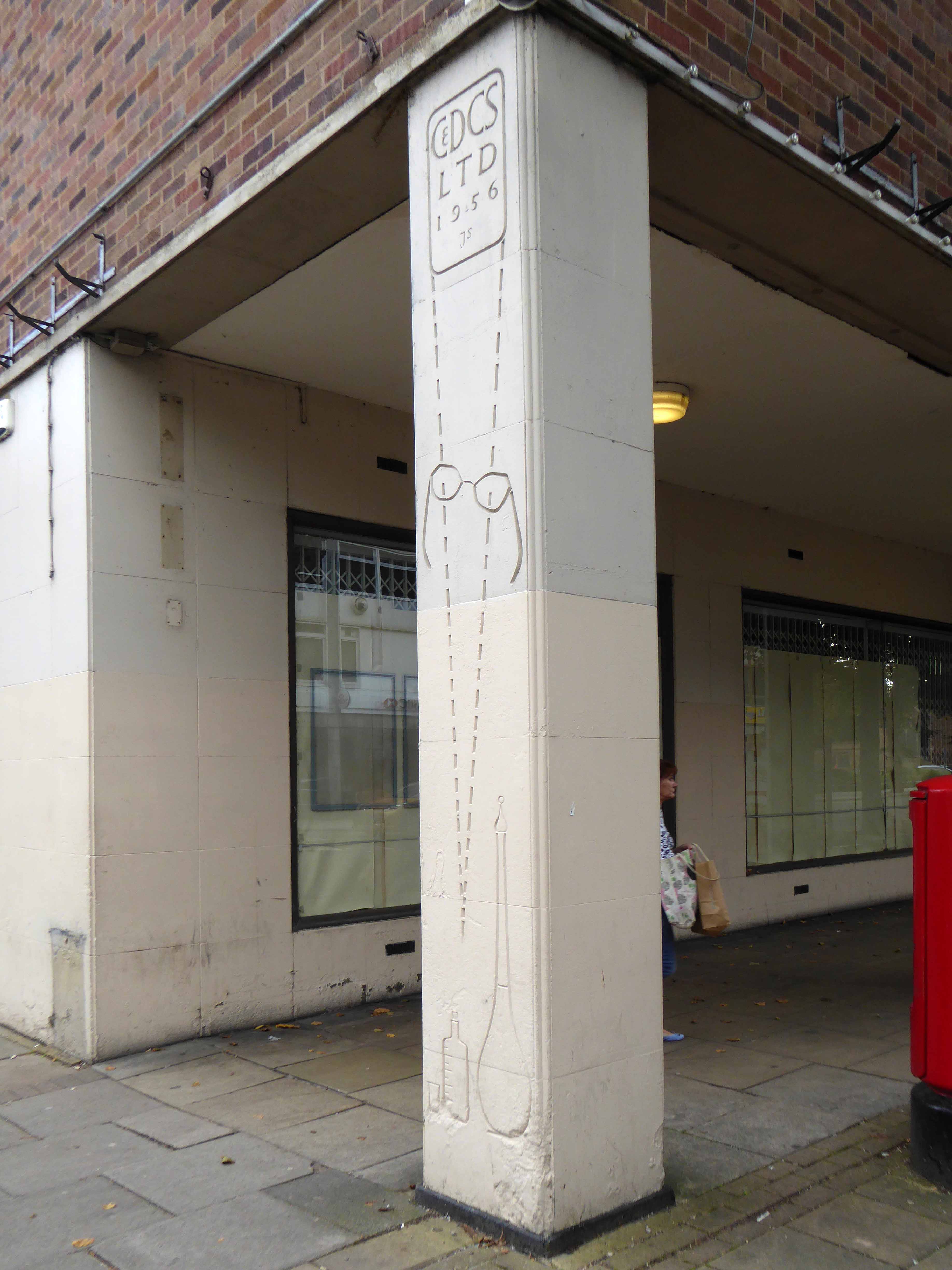
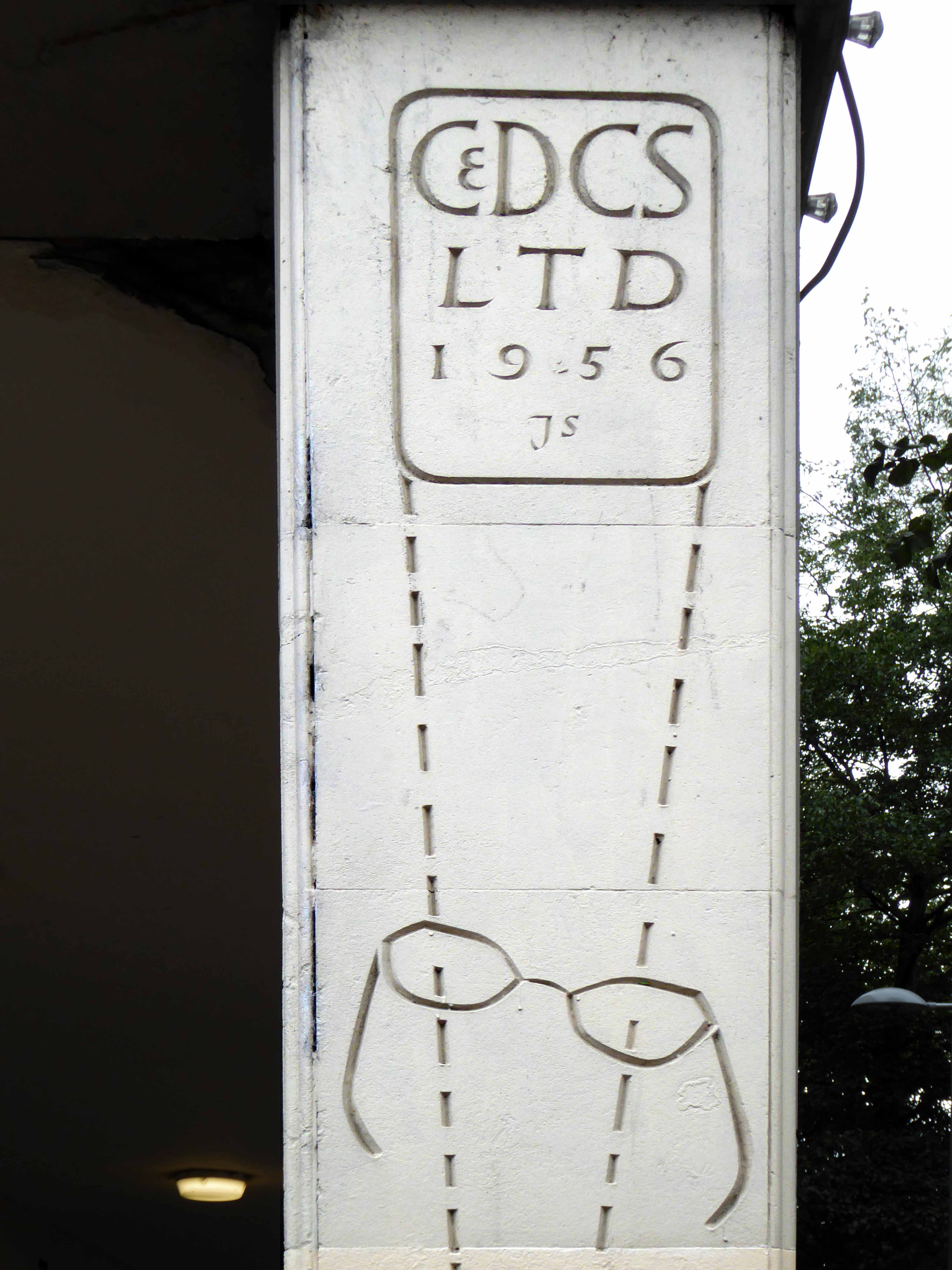
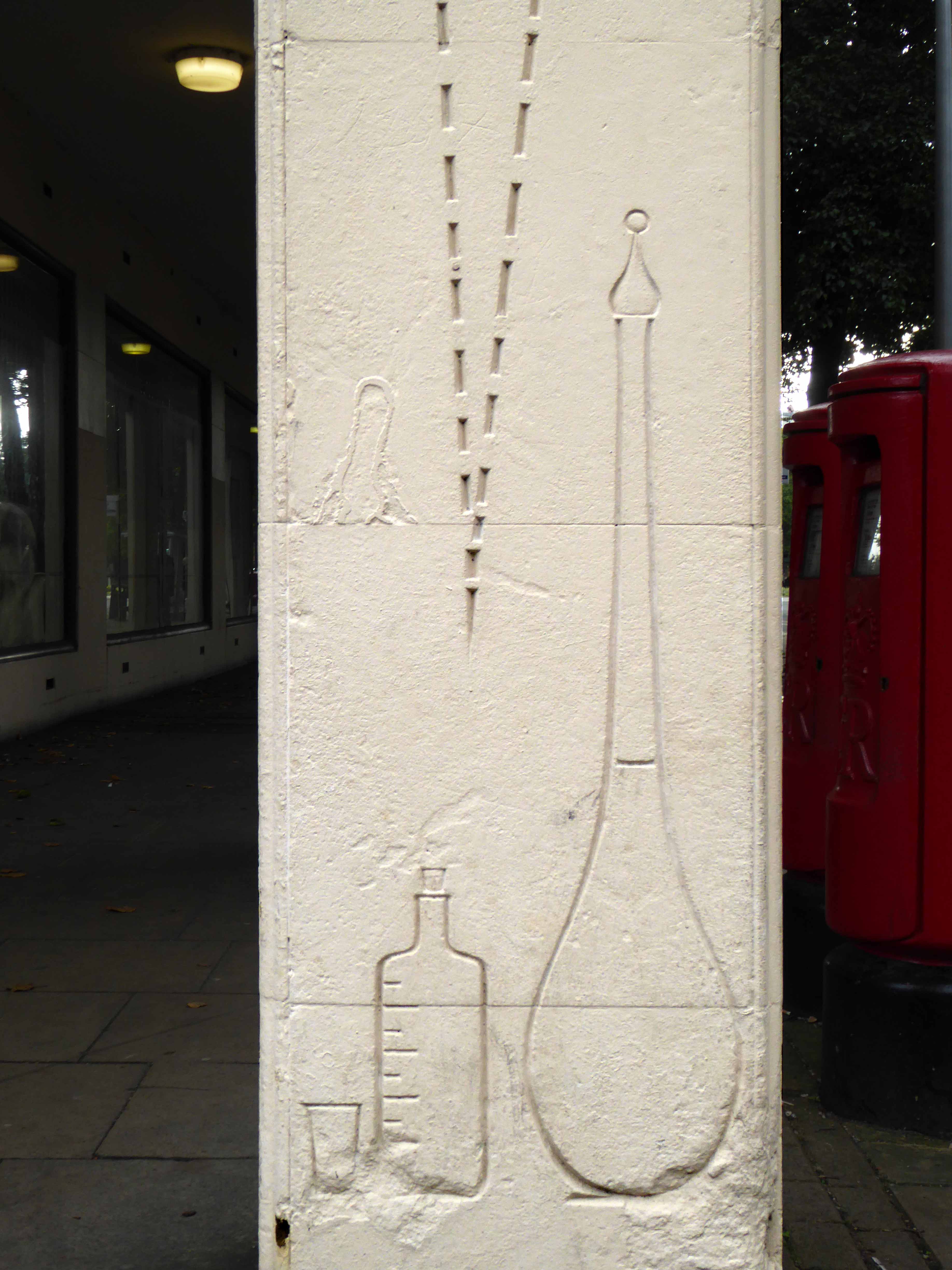
Still in clear view the stone relief work of John Skelton November 1956. Three of the eight column have incised Hornston stone works, depicting the activities of the CWS.

p1090991-copy

p1090992-copy

p1090993-copy

p1090994-copy

p1090995-copy

p1090996-copy

p1090997-copy

p1090998-copy

p1090999-copy

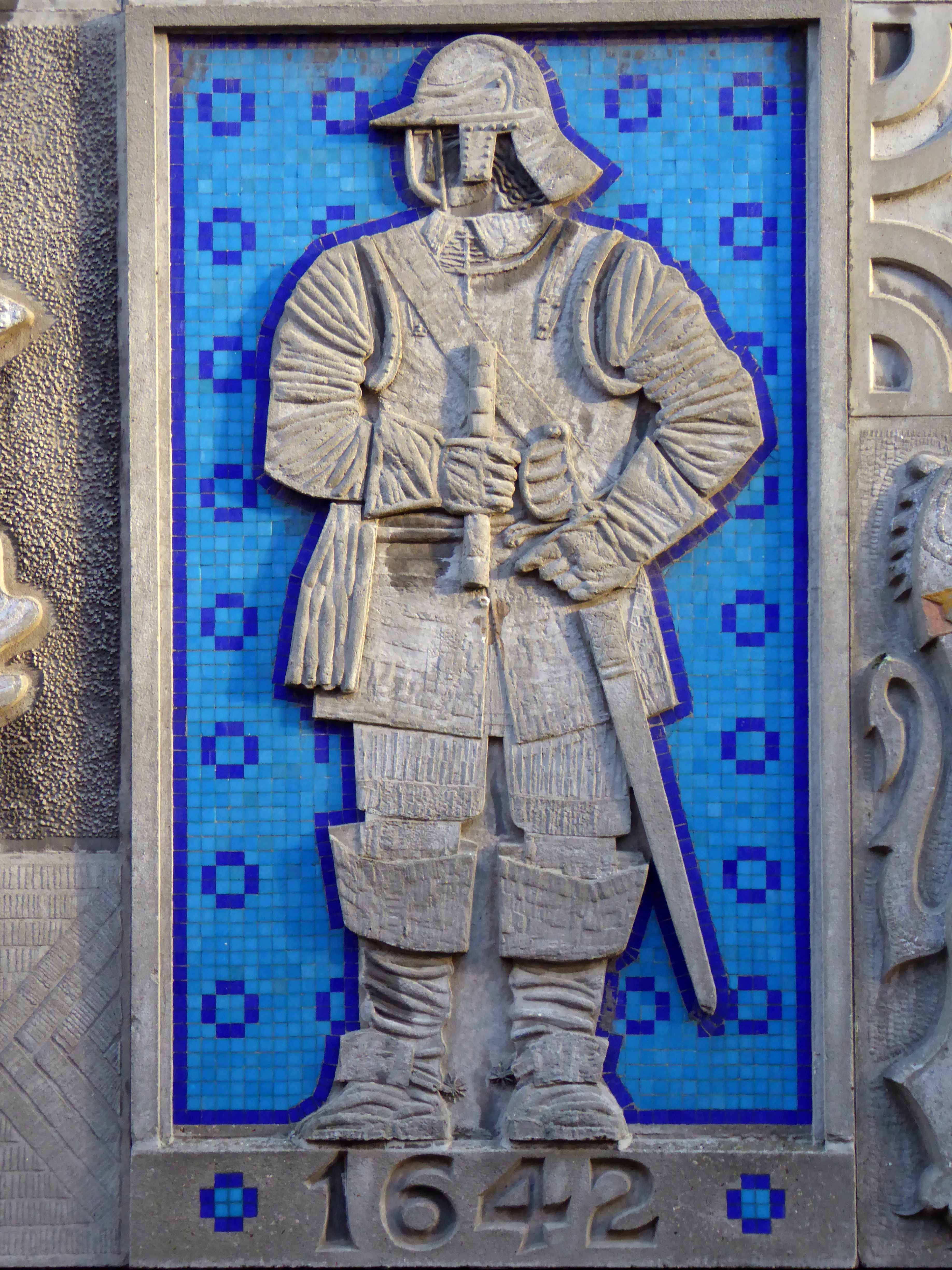
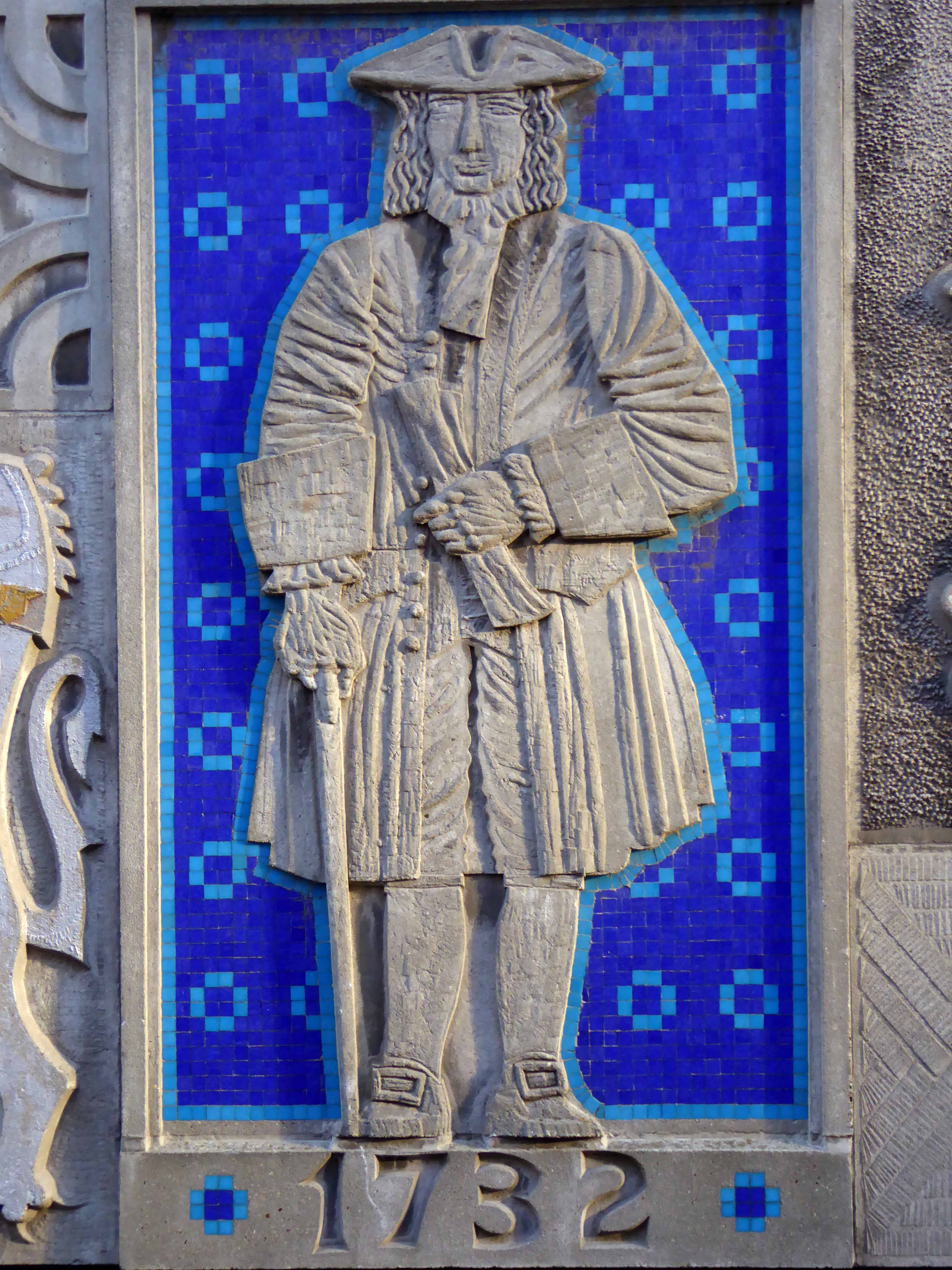
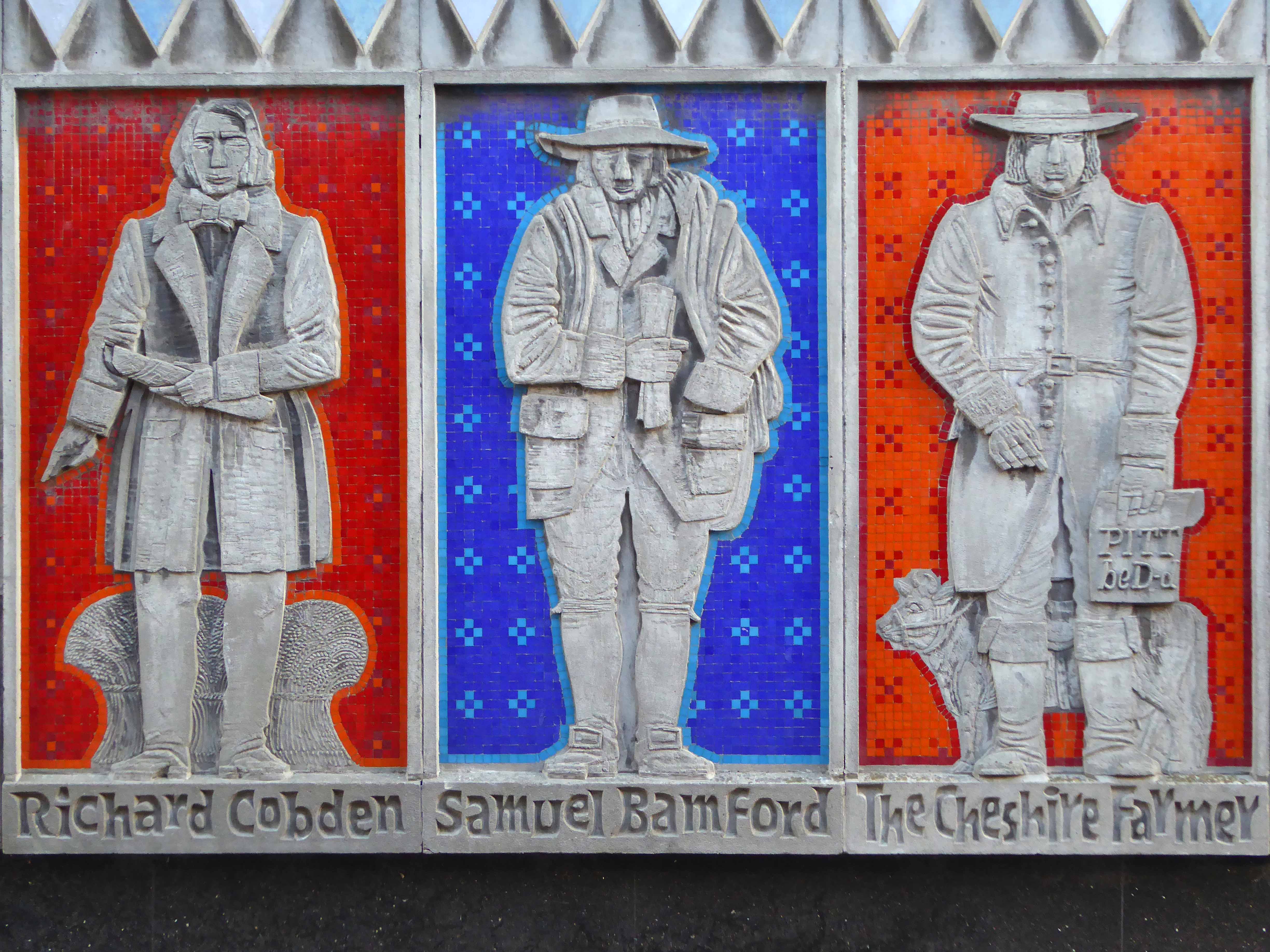
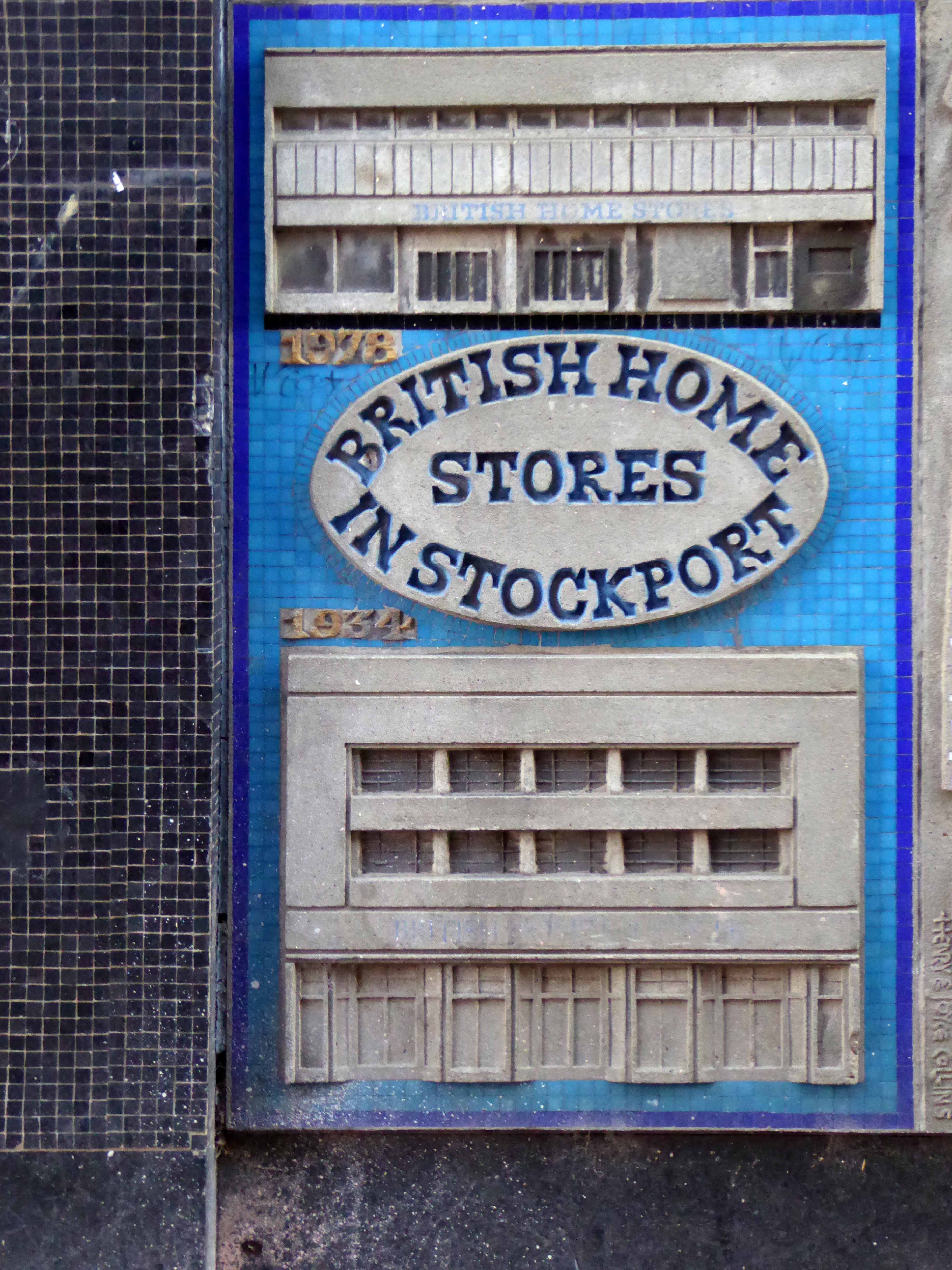
BHS Murals – Stockport

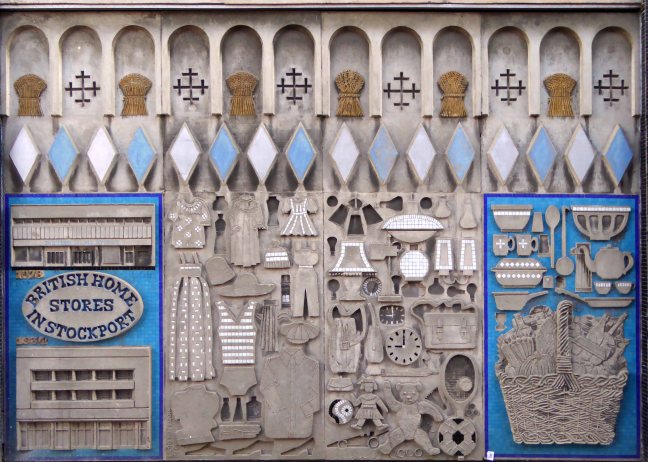
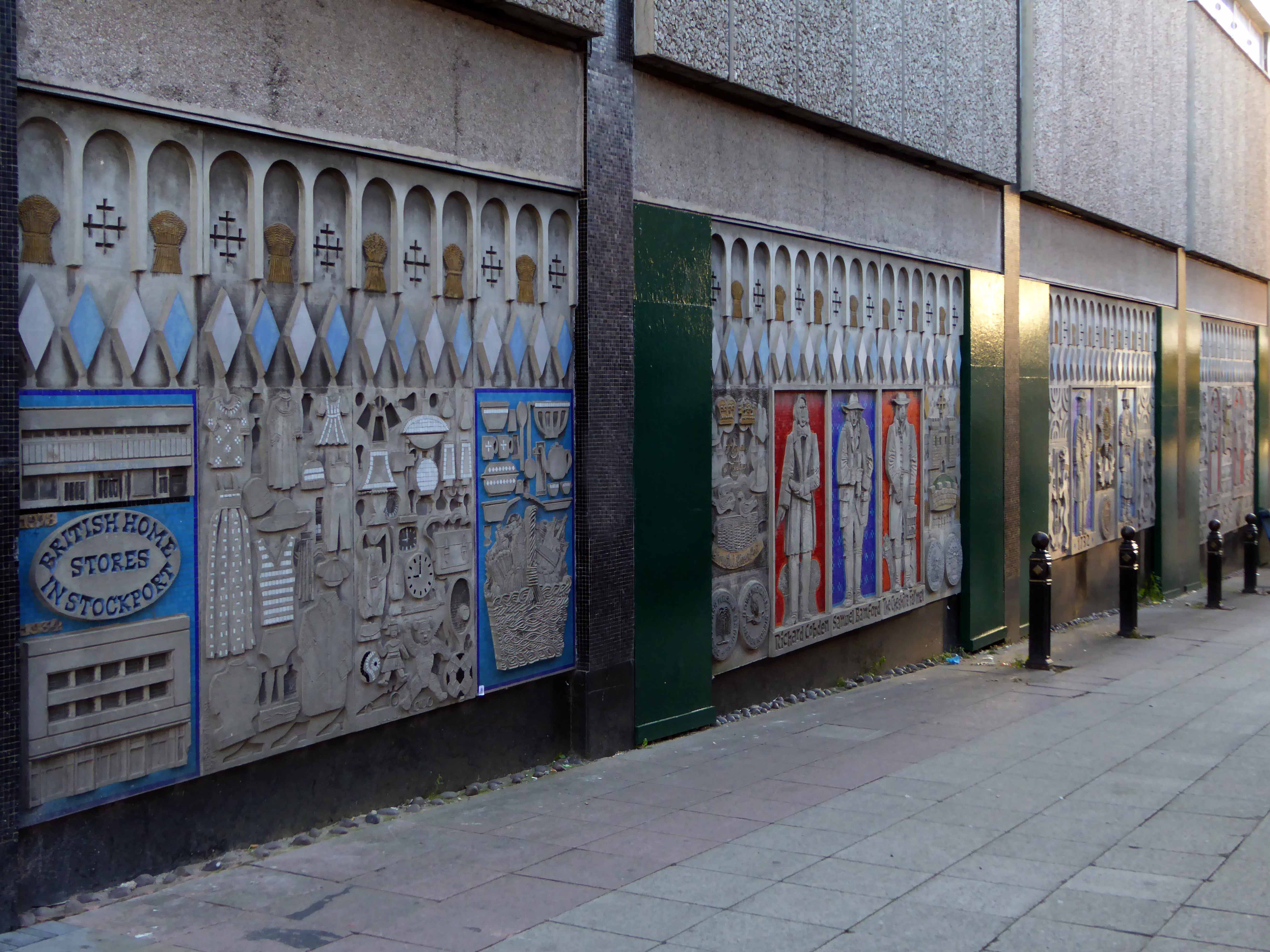
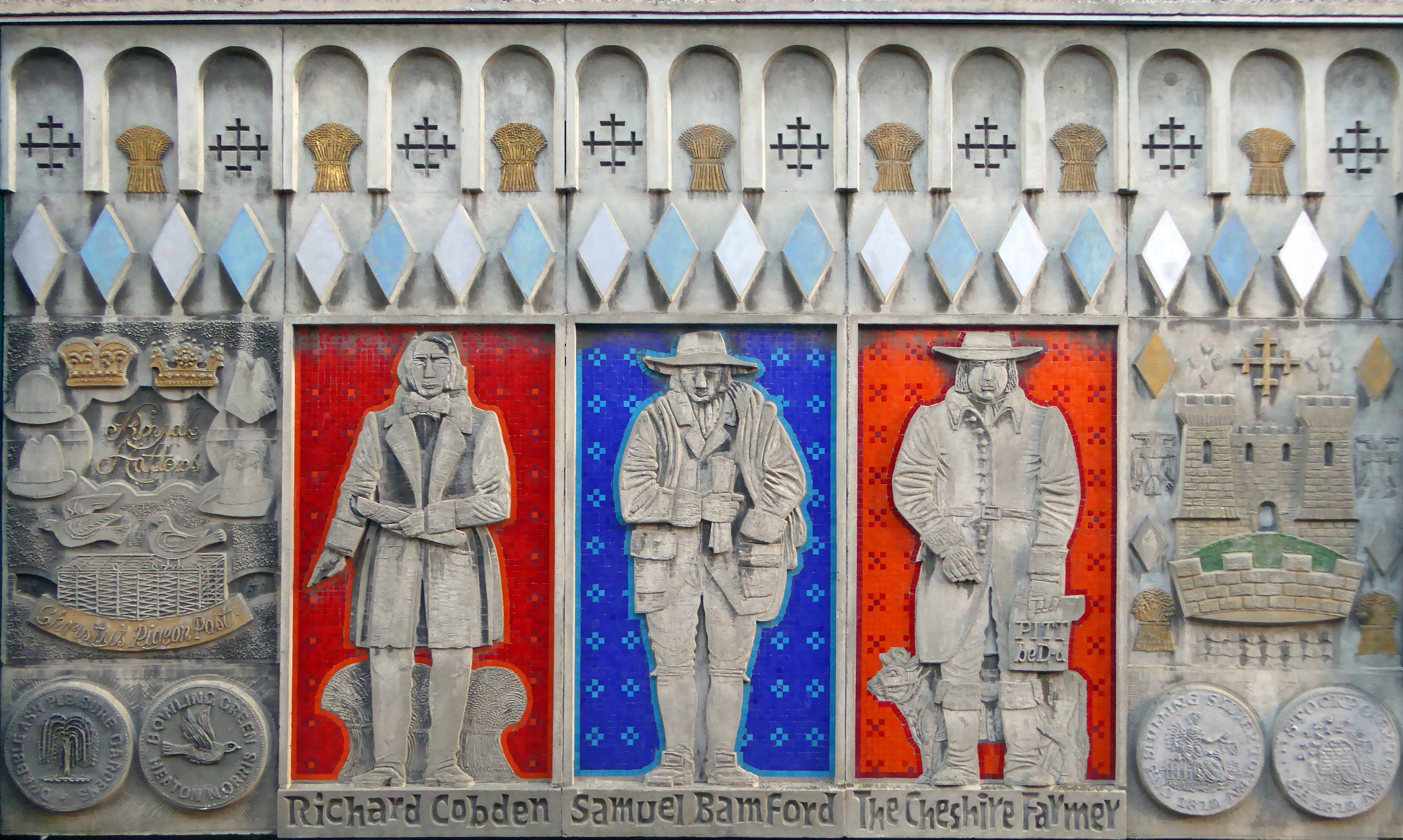
At the side of the BHS store in Merseyway are five concrete panels depicting local people, events and symbols. Commissioned by BHS in 1978 – To fill space on the blank wall at the side of the shop.

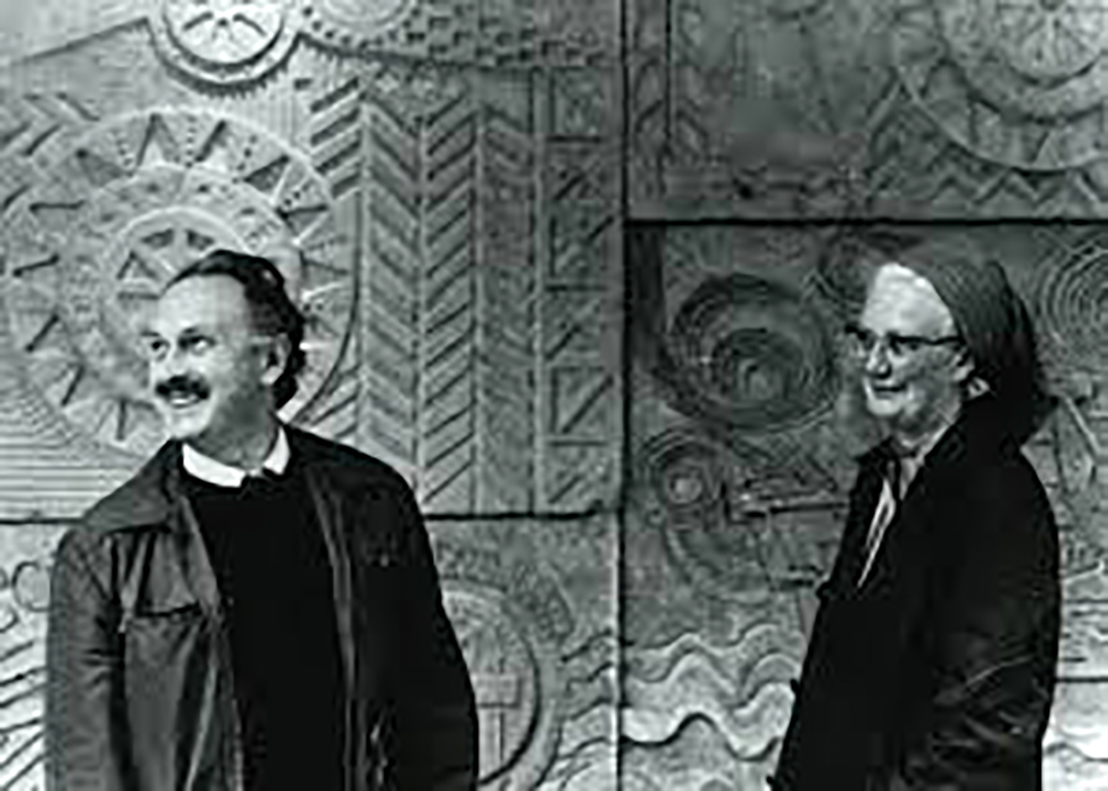
They are the work of Joyce Pallot 1912-2004 and Henry Collins, 1910-1994 – two artist/designers, who along with John Nash, established the Colchester Art Society, during the 1930s.

p1100467

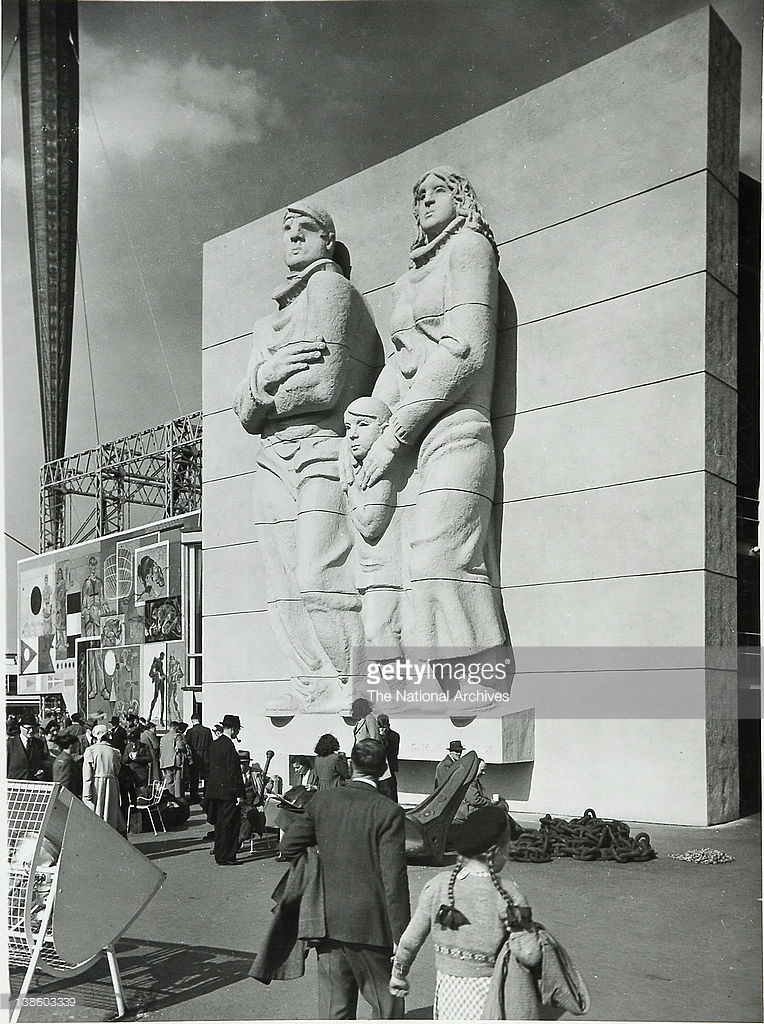
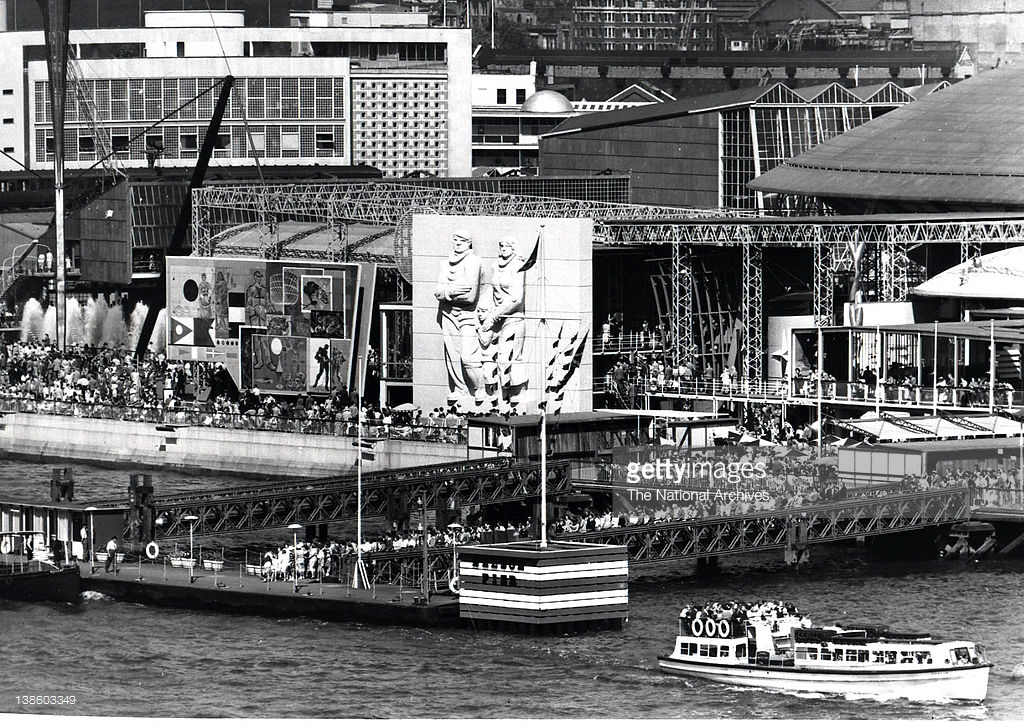
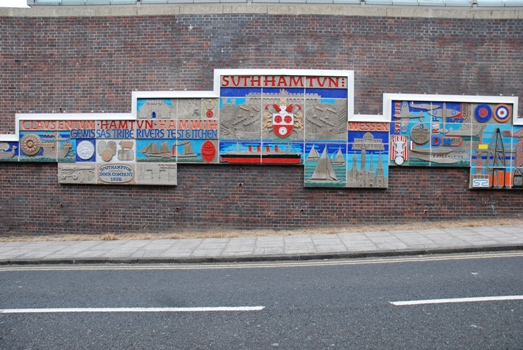
Their work was featured in the Festival of Britain, GPO Tower and Expo 70, along with other retail outlets in Southampton, Newcastle, Gloucester, Bexhill and Colchester.

Festival of Britain – their mural is to the left of the pavilion

138603339

138603349

Colchester

unknown

Newcastle upon Tyne

dsc_0039-copy

Gloucester

screen-shot-2016-10-07-at-10-11-56

Southampton

middle

Bexhill on Sea

screen-shot-2016-10-07-at-11-56-22

The Murals, BHS Stockport and Merseyway have an uncertain future, SHMBC applied for listing, this was refused. On the other sites illustrated, restoration and preservation has been undertaken.

I do hope that these works of national and international importance are not placed under threat. We have already lost too much post-war public art – we all deserve better.

p1100469

p1100470


p1100472

p1100473

p1100477

p1100478

p1100479

p1100480

p1100481

p1100482

p1100483


William Mitchell – Liverpool

To wander the streets with a broad smile, open heart and eyes, is to enter into an unwritten contract with the unexpected and inexplicable.

Chance encounters with old, new or familiar friends.

Imagine my surprise, when for the first time ever I unexpectedly came upon these William Mitchell reliefs on Hope Street, whilst walking aimlessly away from Lime Street.

That sense of surprise has never diminished, my spirits lift and my smile broadens to a cheeky grin, my pace quickens in ever so eager anticipation as I approach.

Wrapped tightly around the low, low waist of the former Federation House – big, bossy and very, very beautiful – though at times obscured by more recent architectural intrusions.

Public Sculpture of Liverpool – Terry Cavanagh 1997

mitchell

The original raw concrete is now awash with washes of off-magnolia exterior emulsion.

mitchell-1

Hughes and Willet were seemingly less amazed or amused, the opinion of the Aztecs, or for that matter the Neo-Aztecs, is sadly not a matter of record.

aztec

I remain impressed by the impressed concrete relief, a convincing addition to a sharp functional modern office block, all of which have not dated disastrously as soon as the fashion supporting it has collapsed.

Treat yourself take a walk, surprise yourself once in a while.

Aztec bars were withdrawn shortly after their launch in 1967.

The Aztec race was all but wiped out following their disastrous encounter in 1519 with the Conquistadors.

The William Mitchell reliefs prevail to this this day, as of last Sunday.

p1090463-copy

p1090465-copy

p1090466-copy

p1090467-copy

p1090468-copy

p1090469-copy

p1090470-copy

p1090471-copy

p1090472-copy

p1090473-copy

p1090474-copy

p1090475-copy

p1090476-copy

p1090477-copy

p1090478-copy

p1090479-copy

p1090480-copy

p1090481-copy

p1090482-copy

p1090483-copy