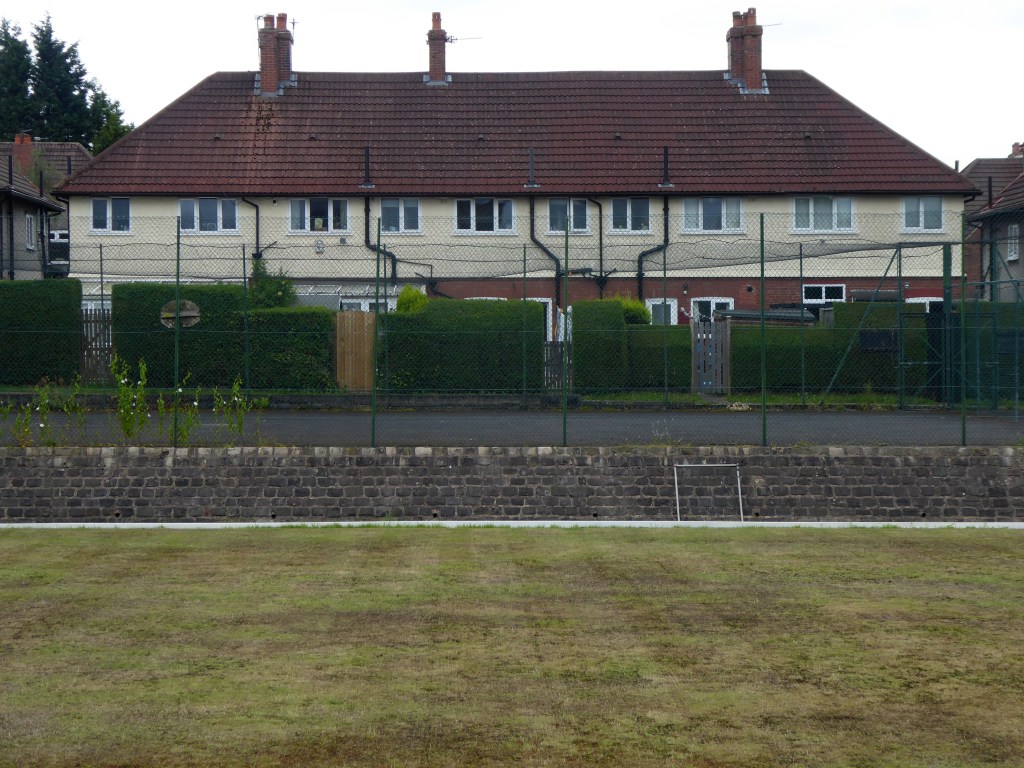
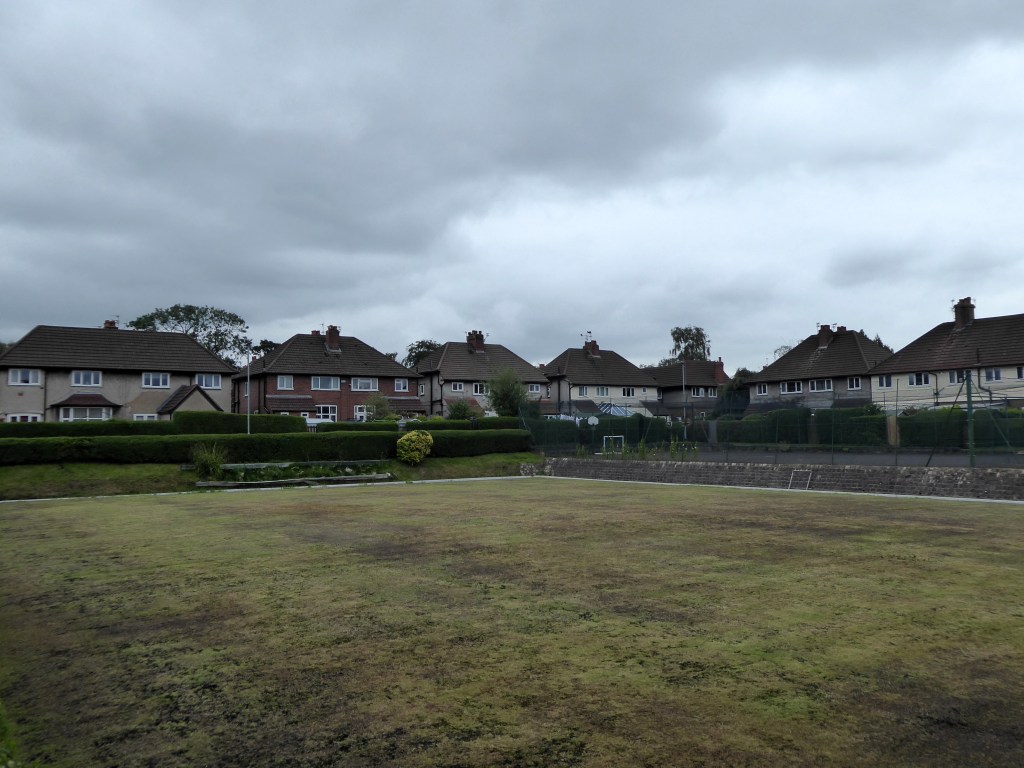
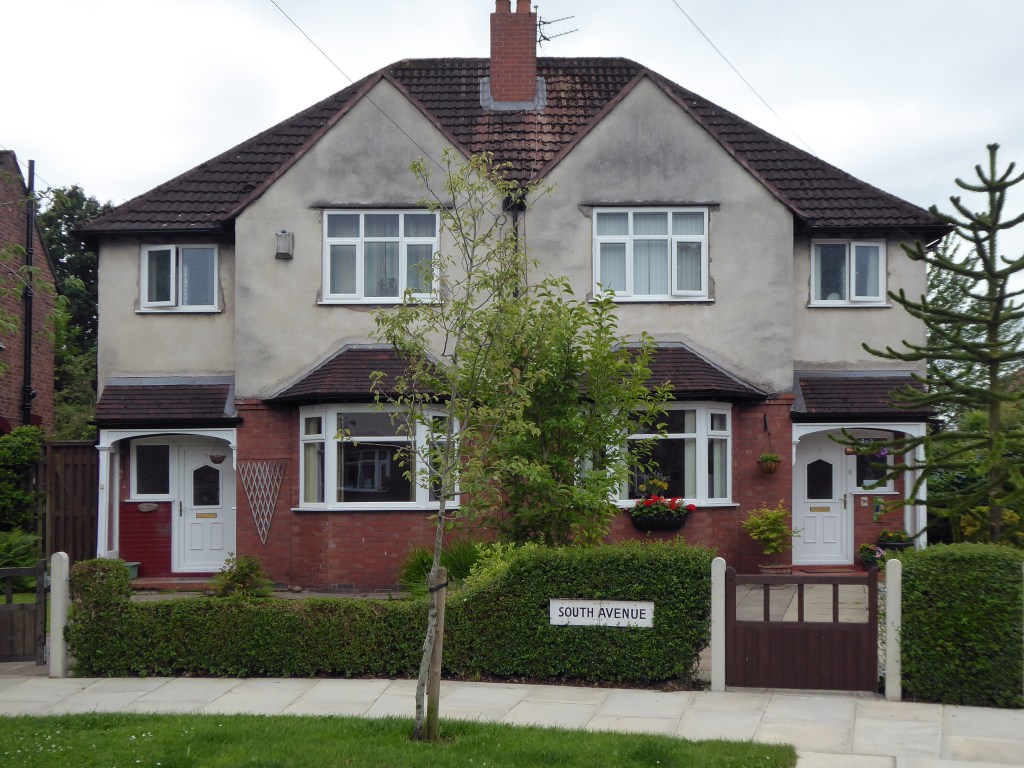
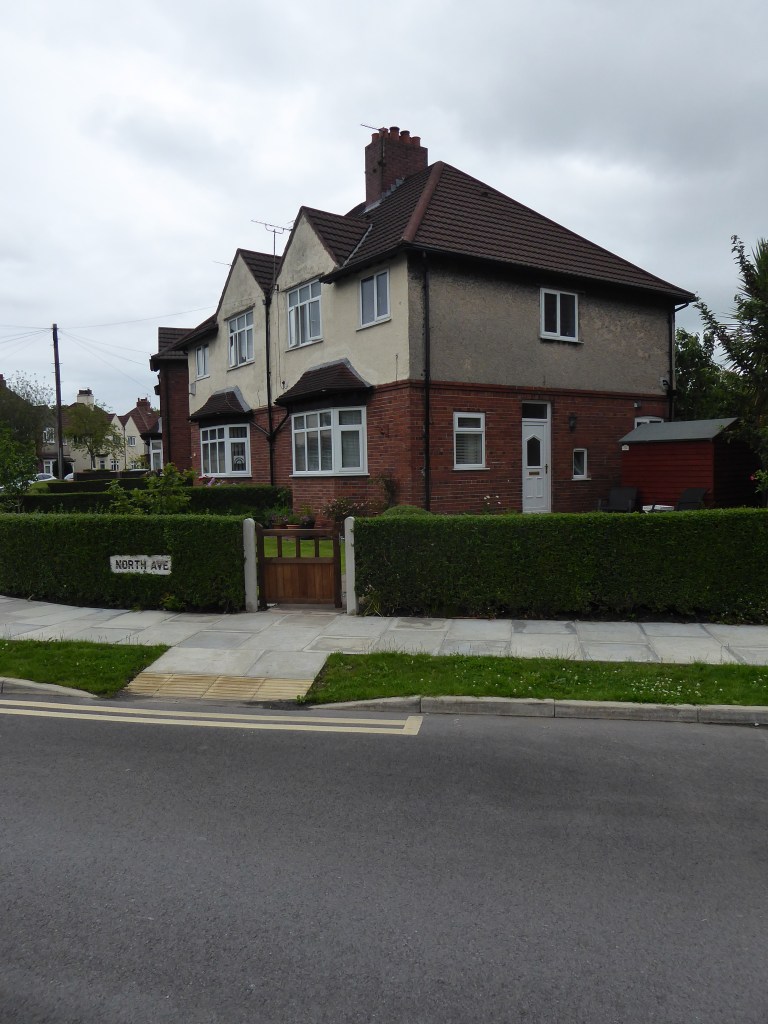
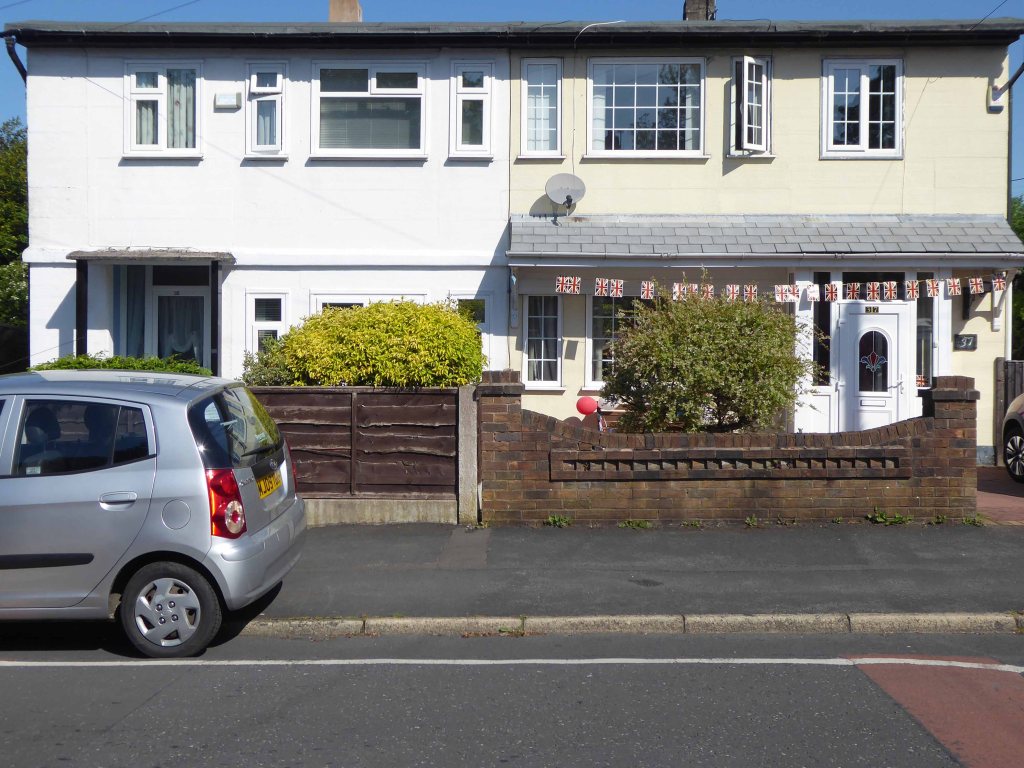
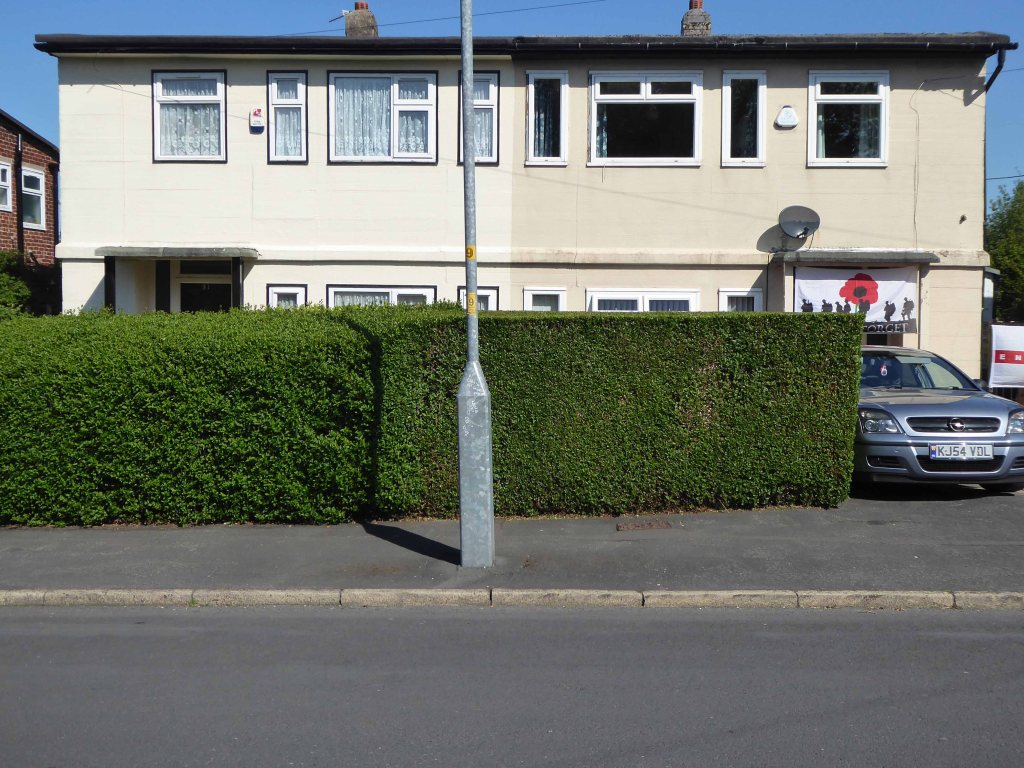
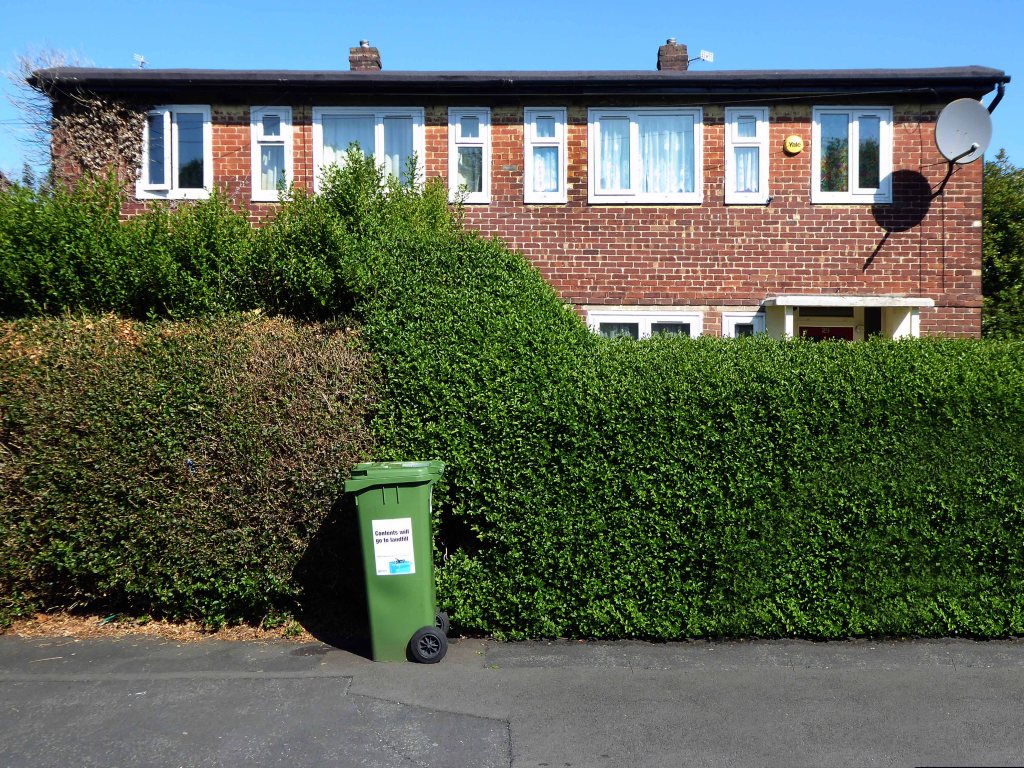
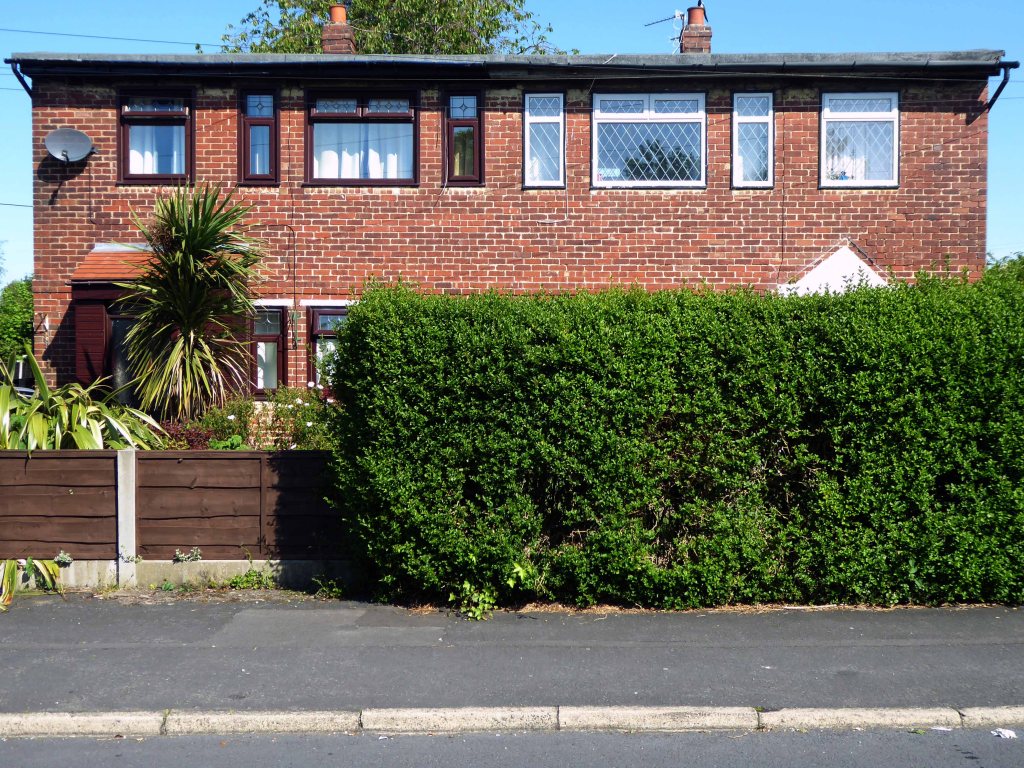
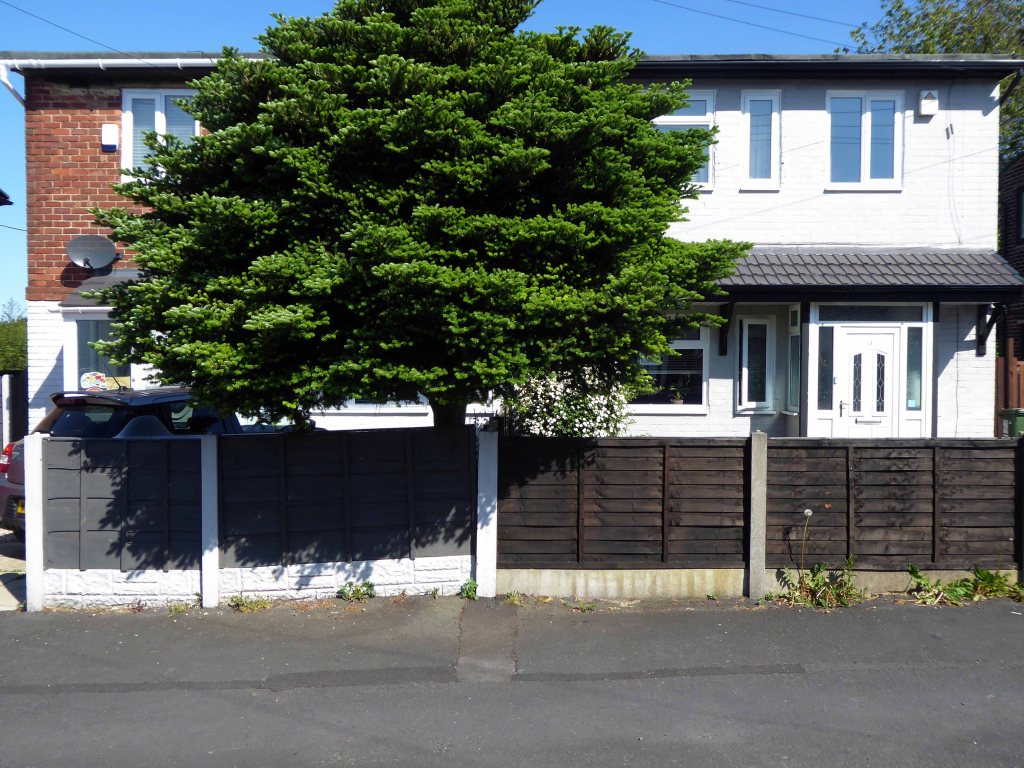
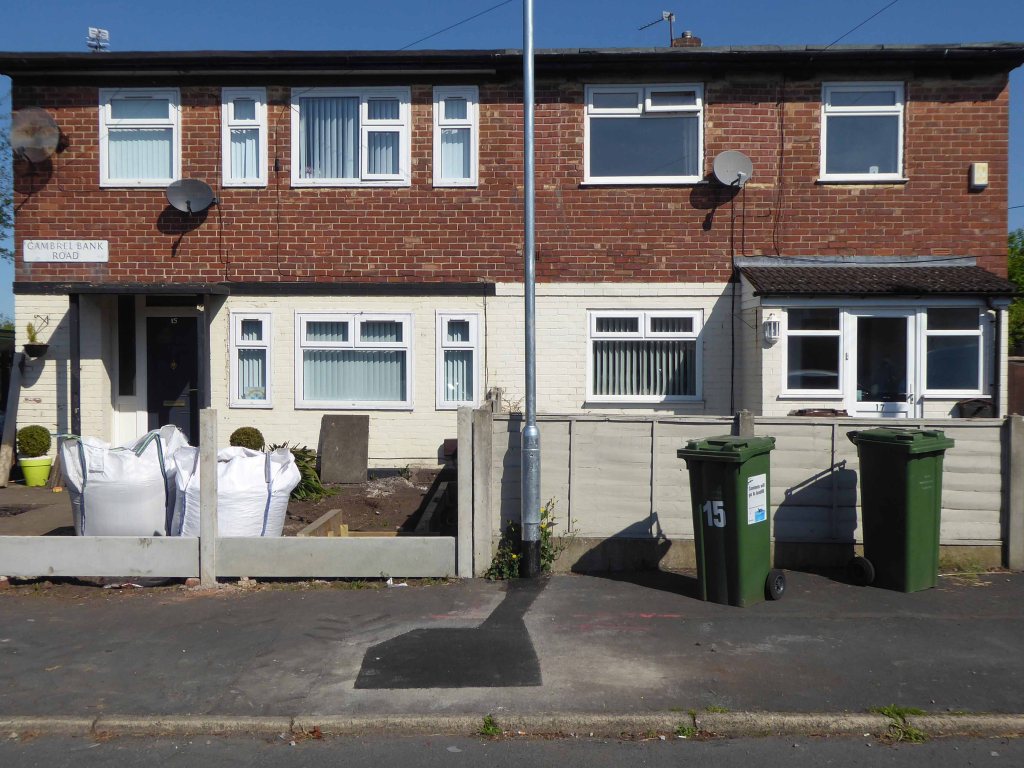
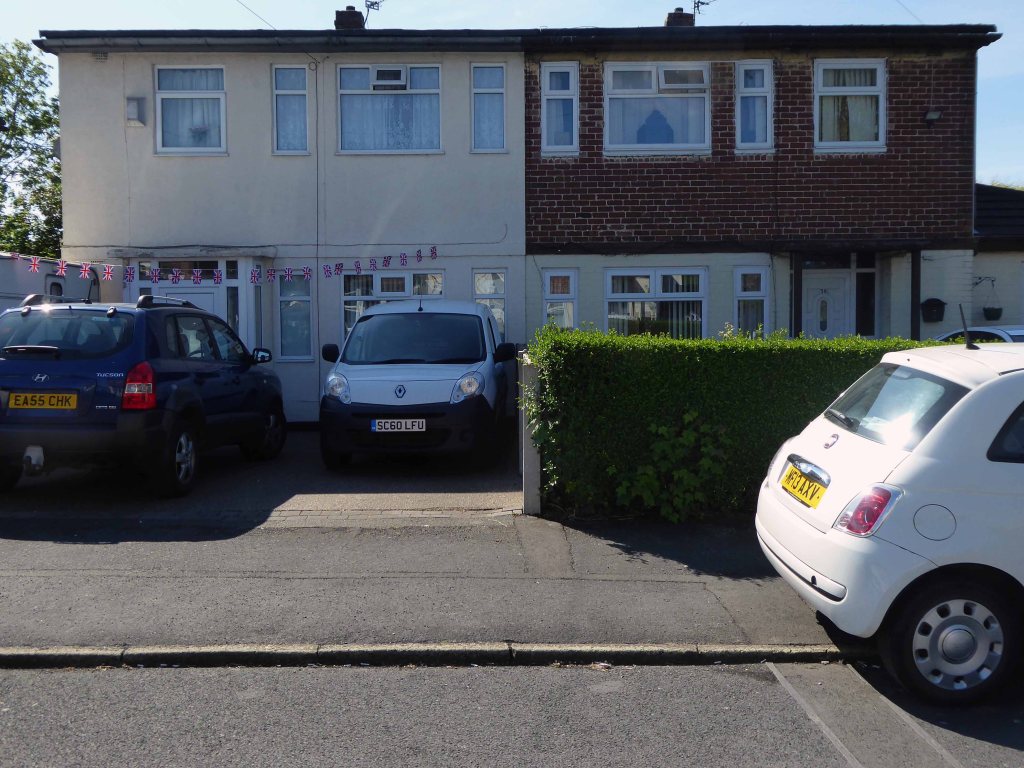
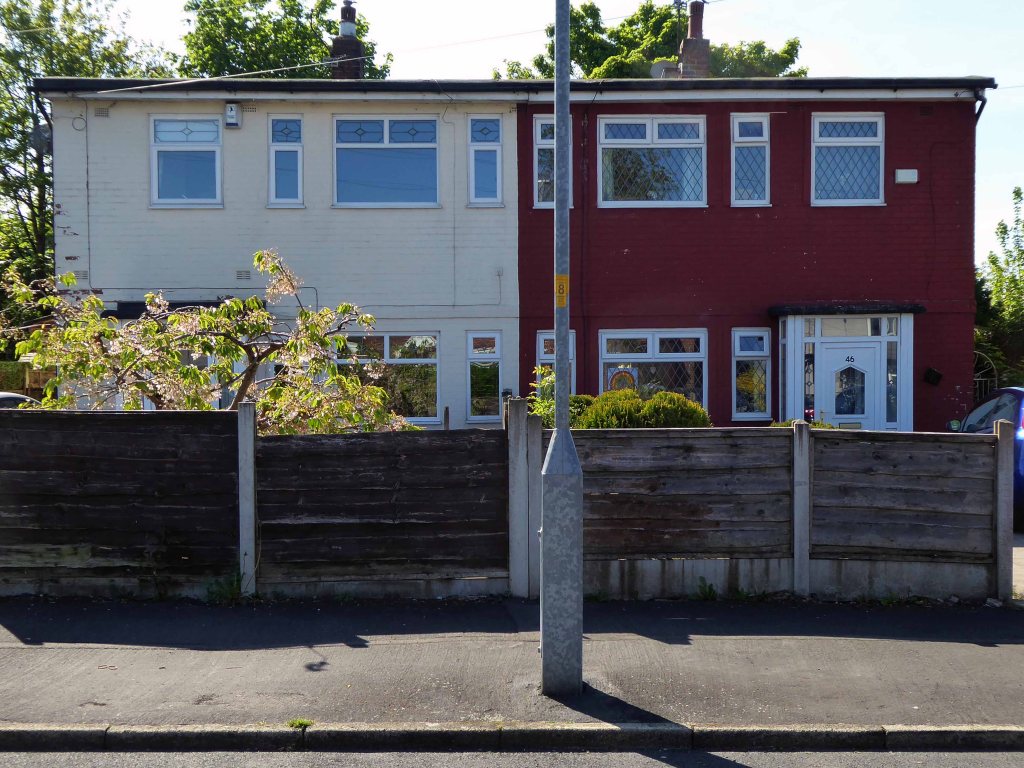
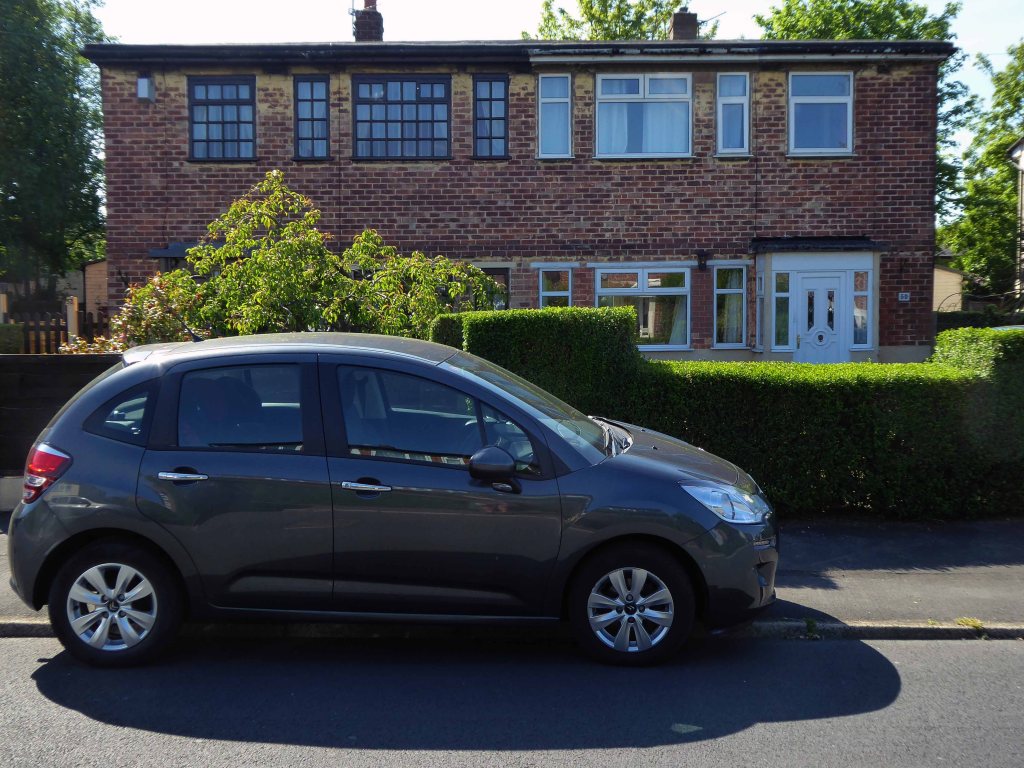
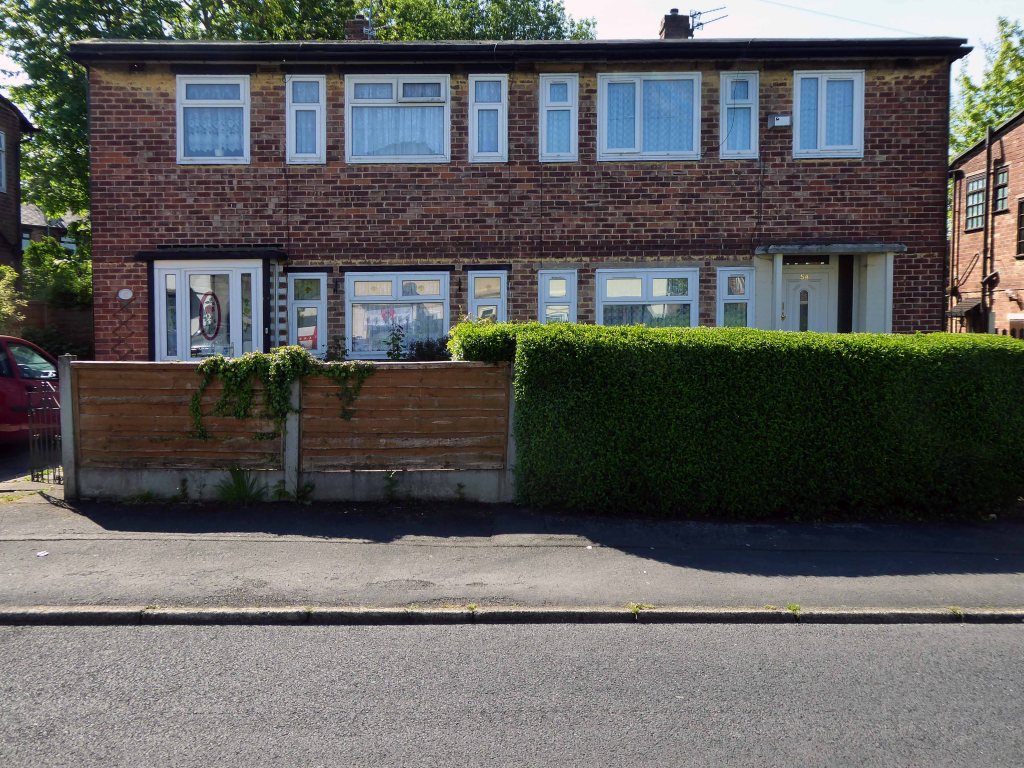
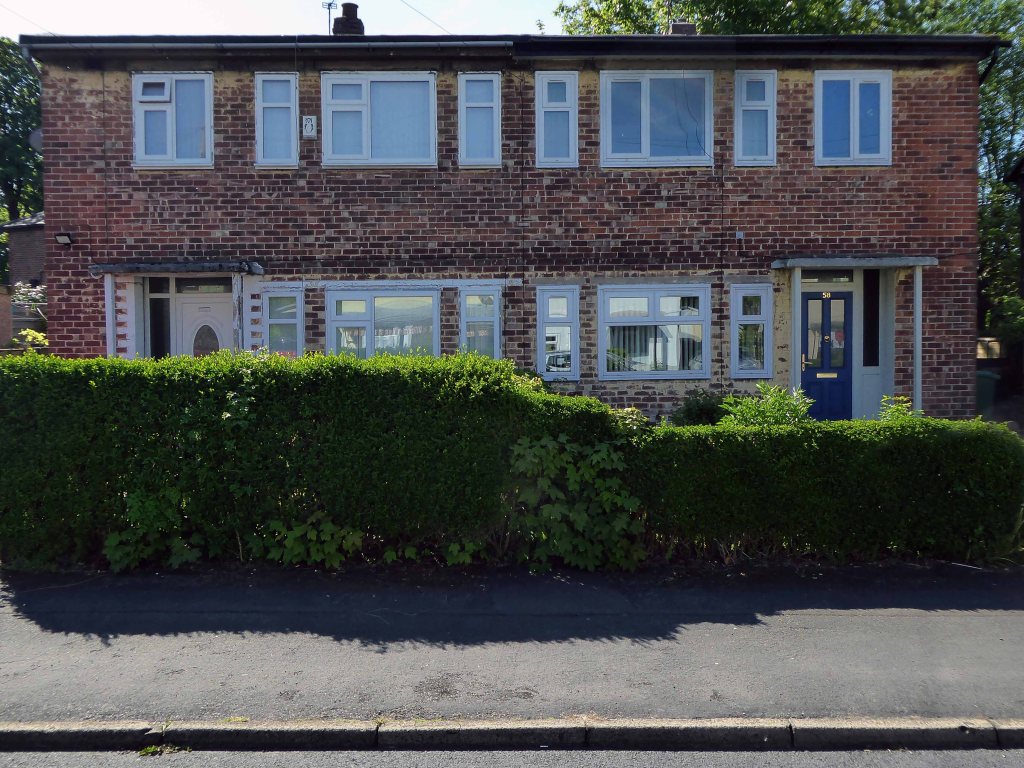
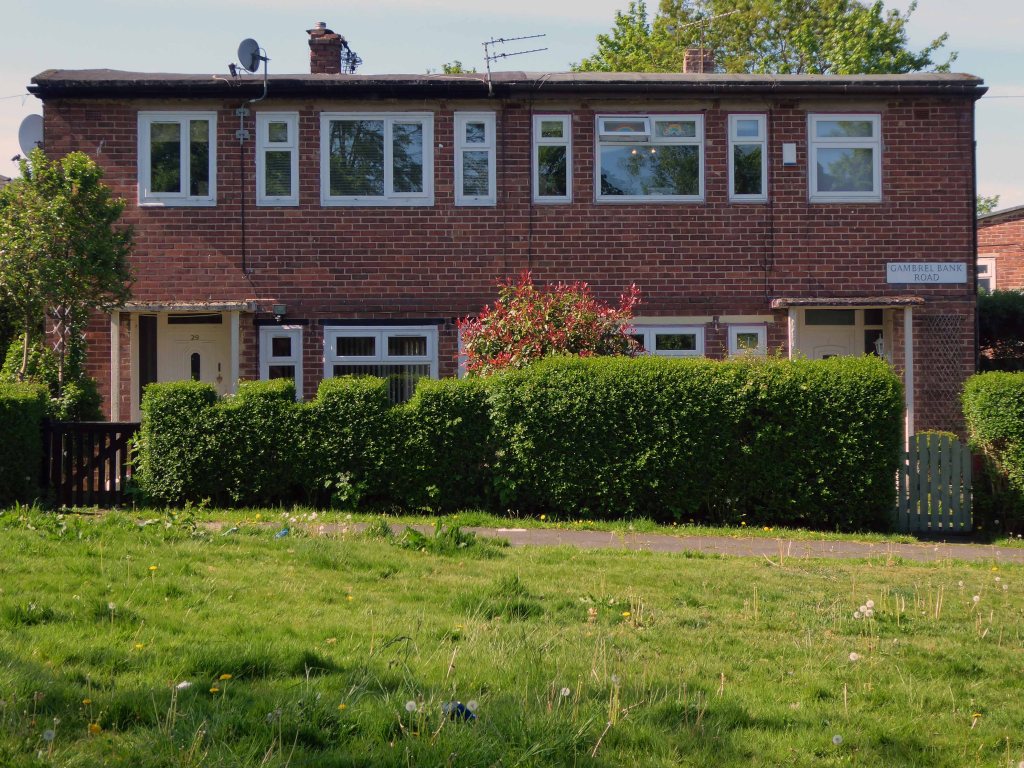
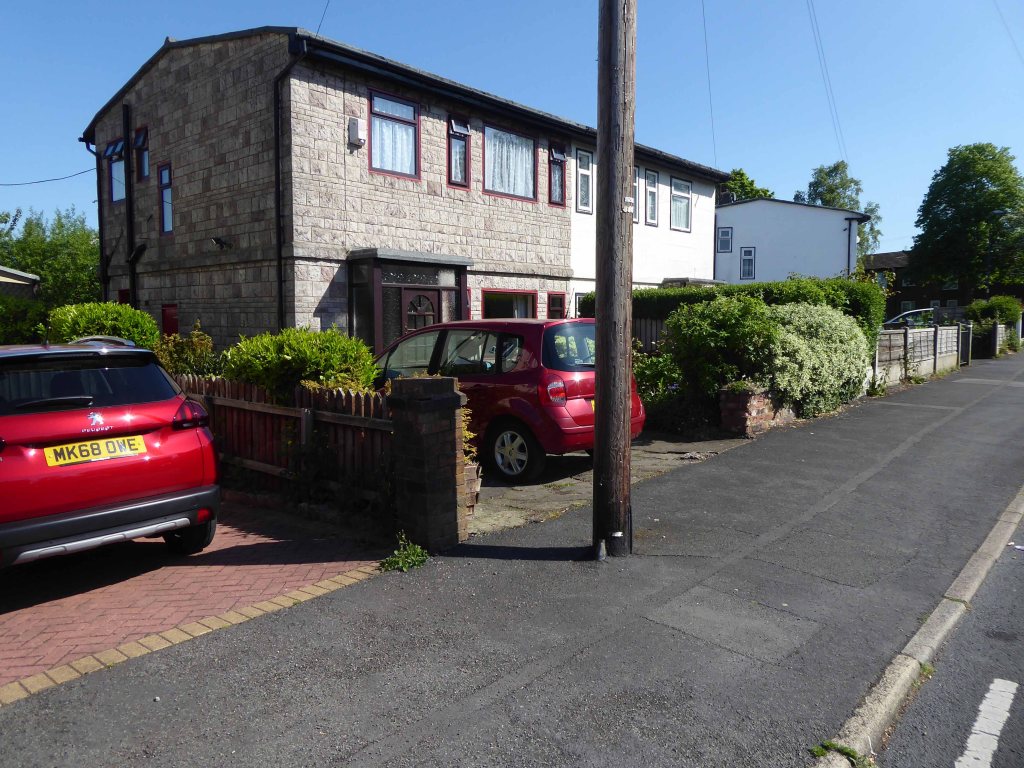
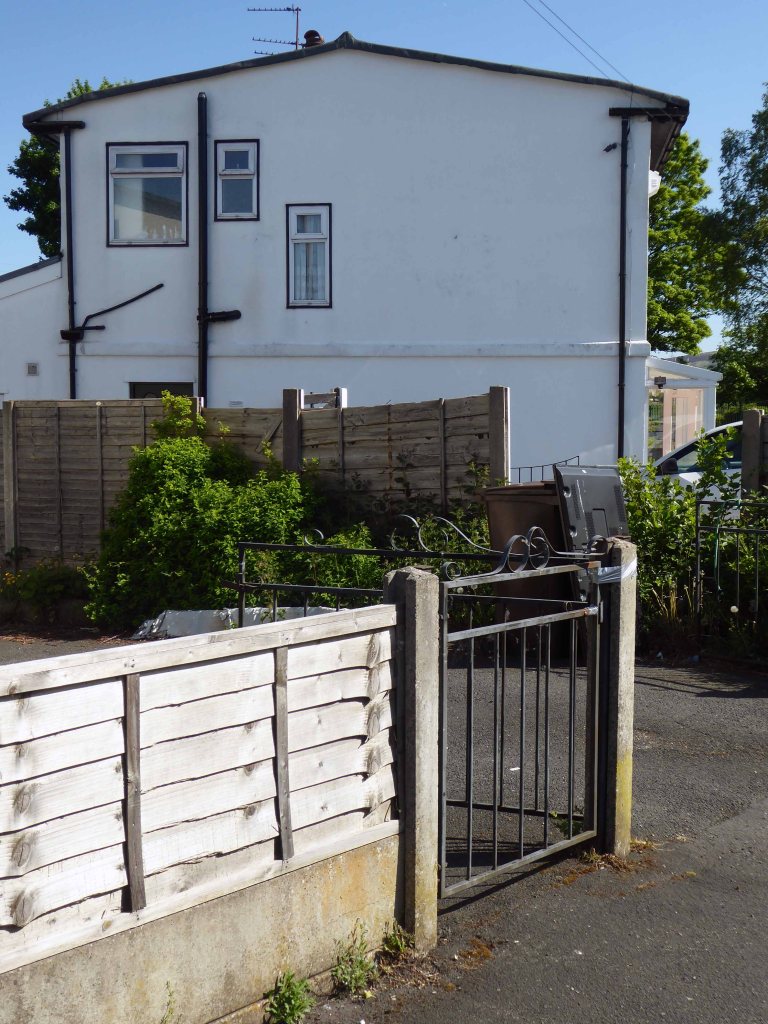
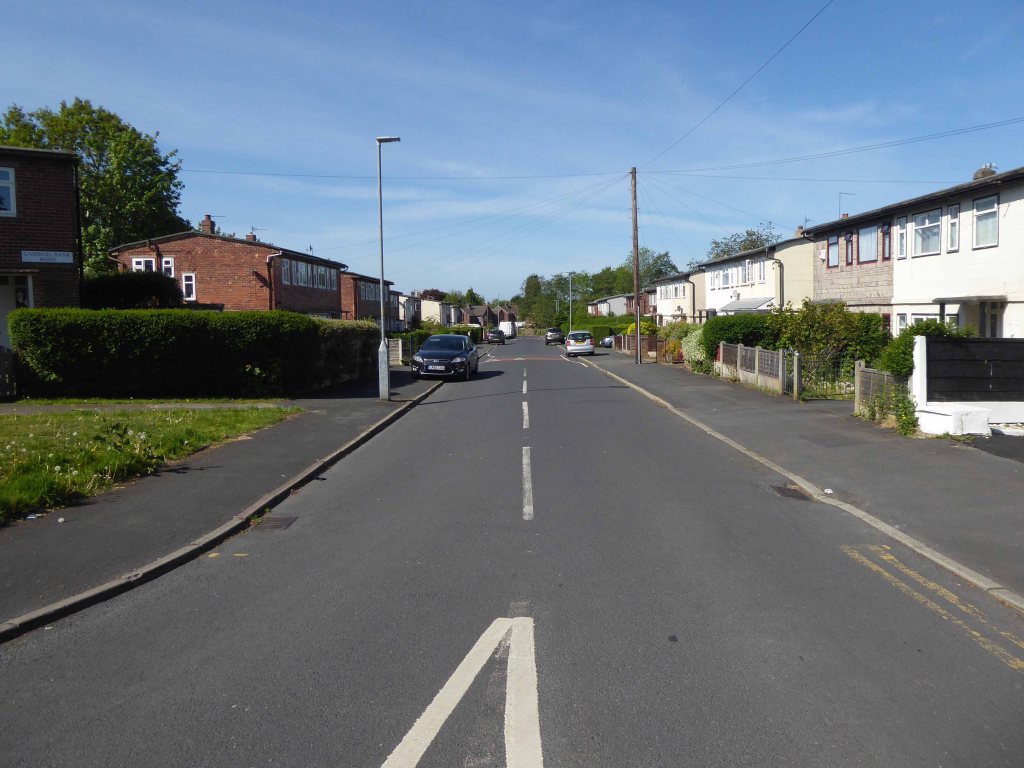
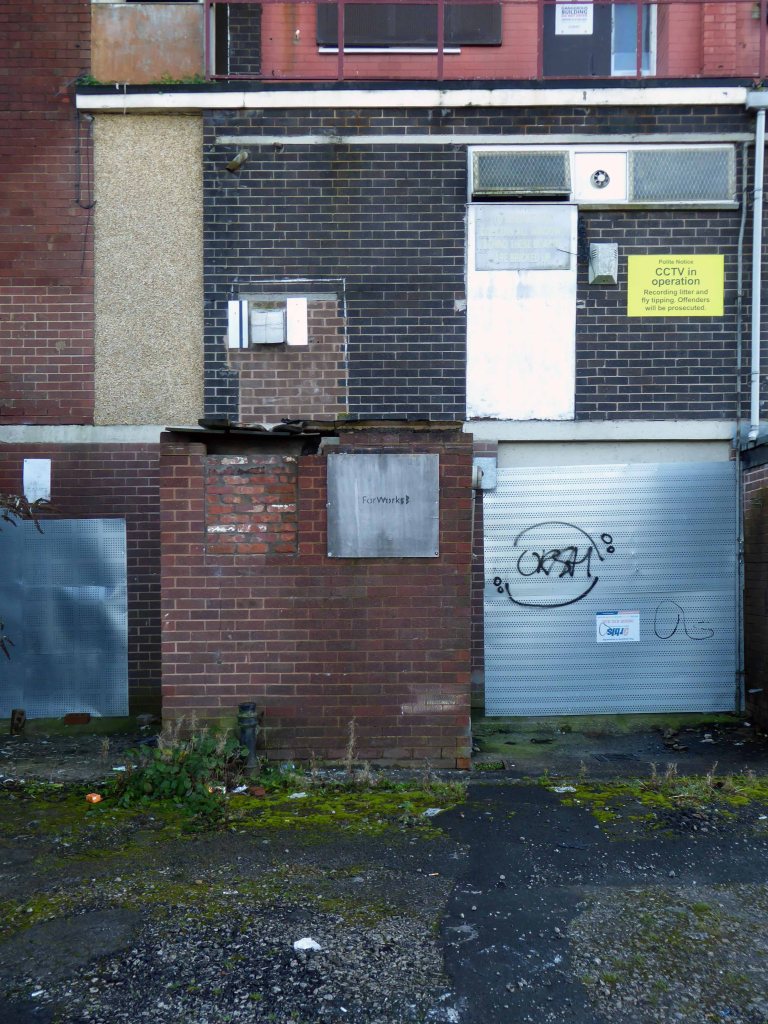
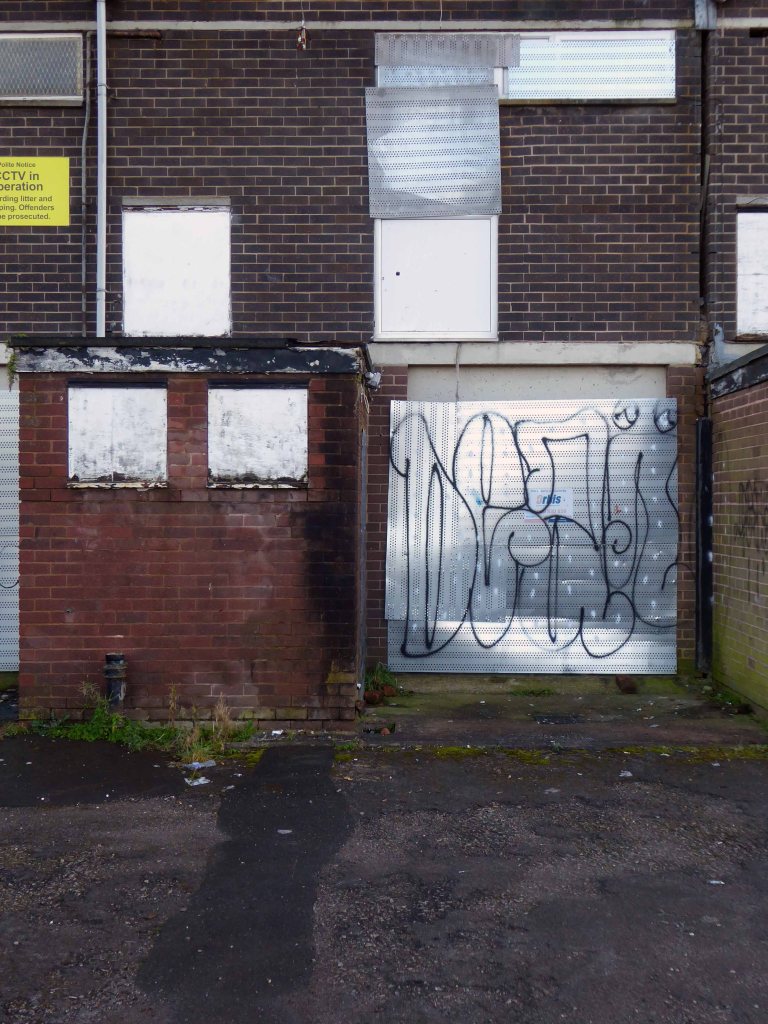
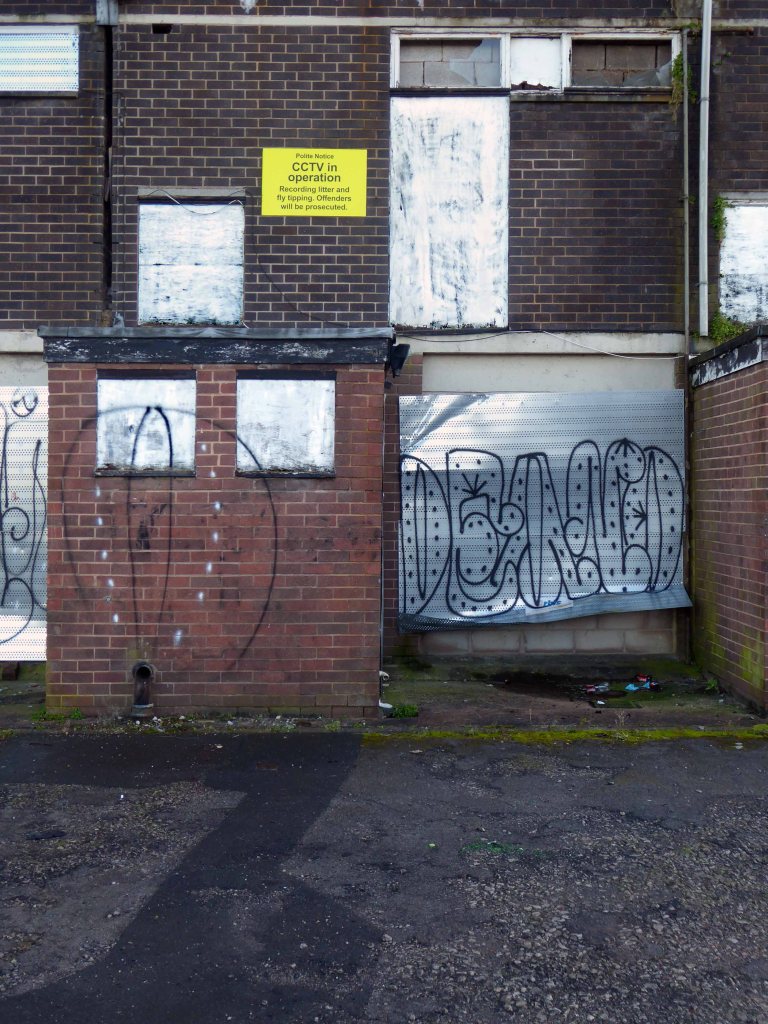
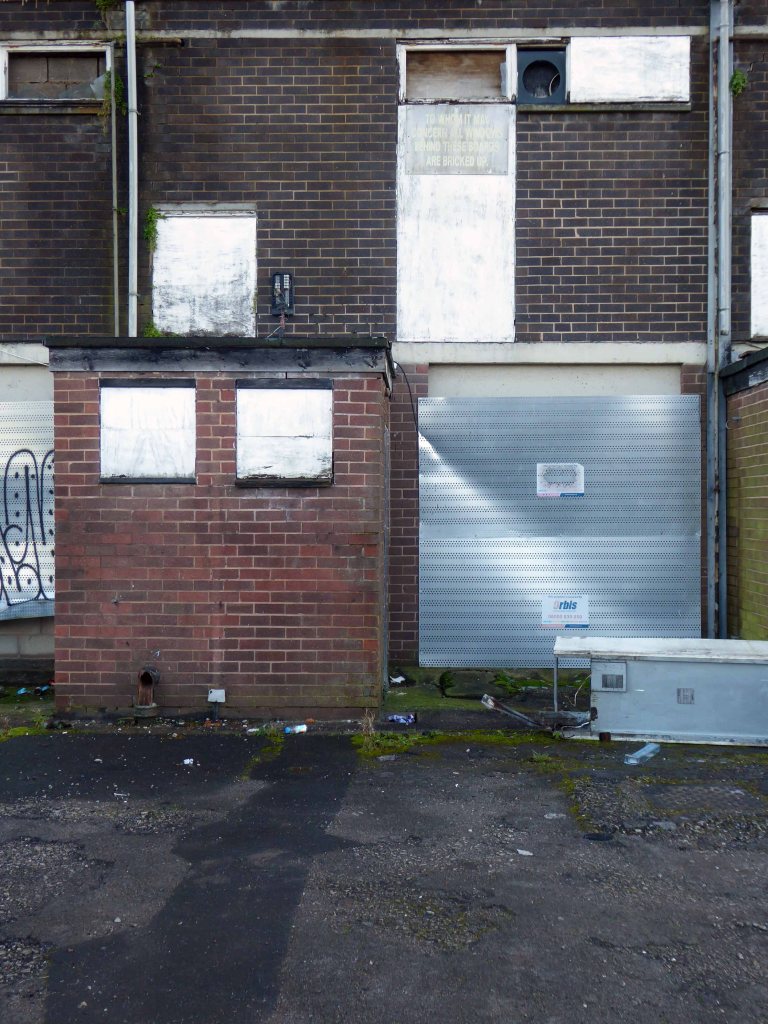
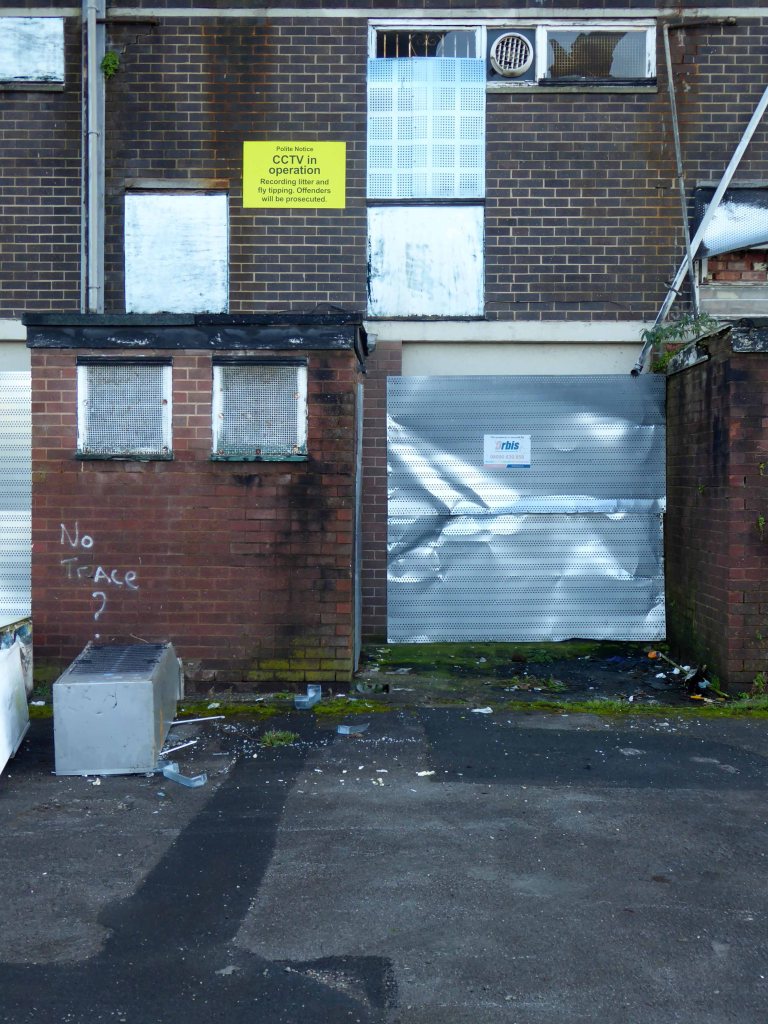
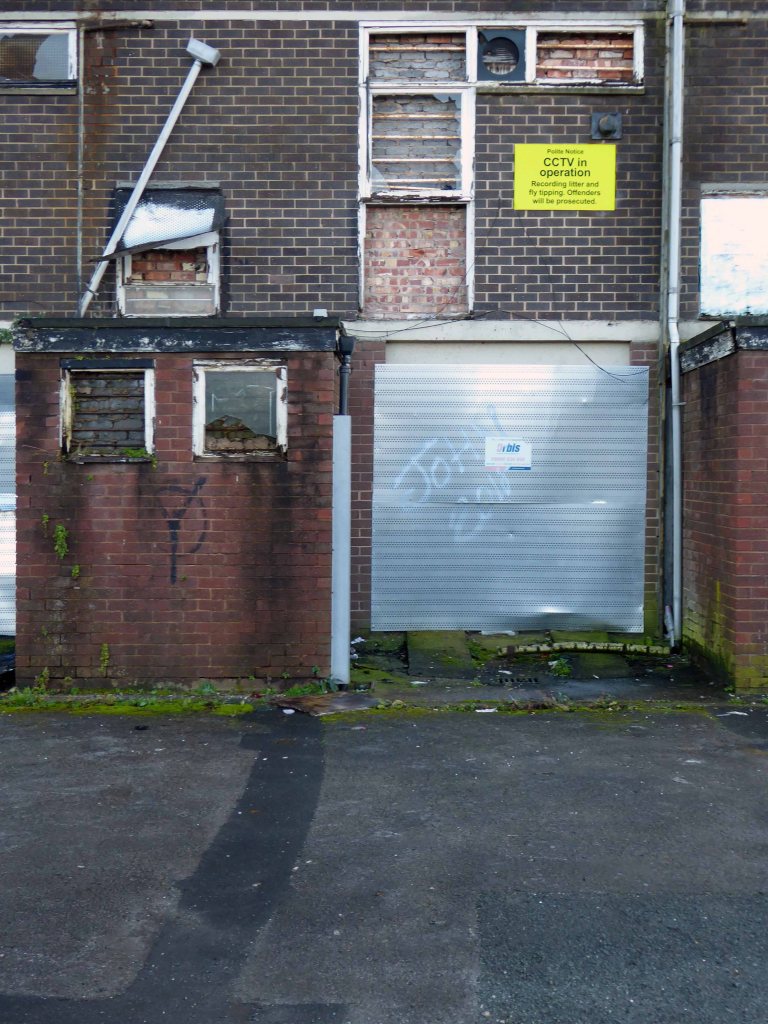
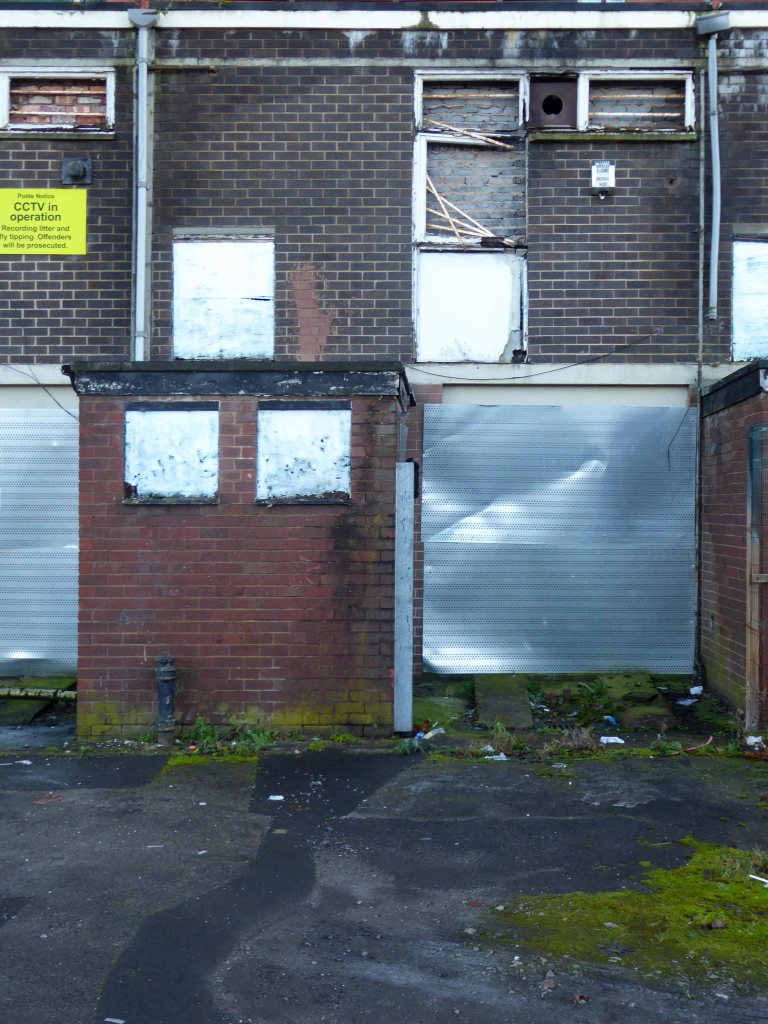
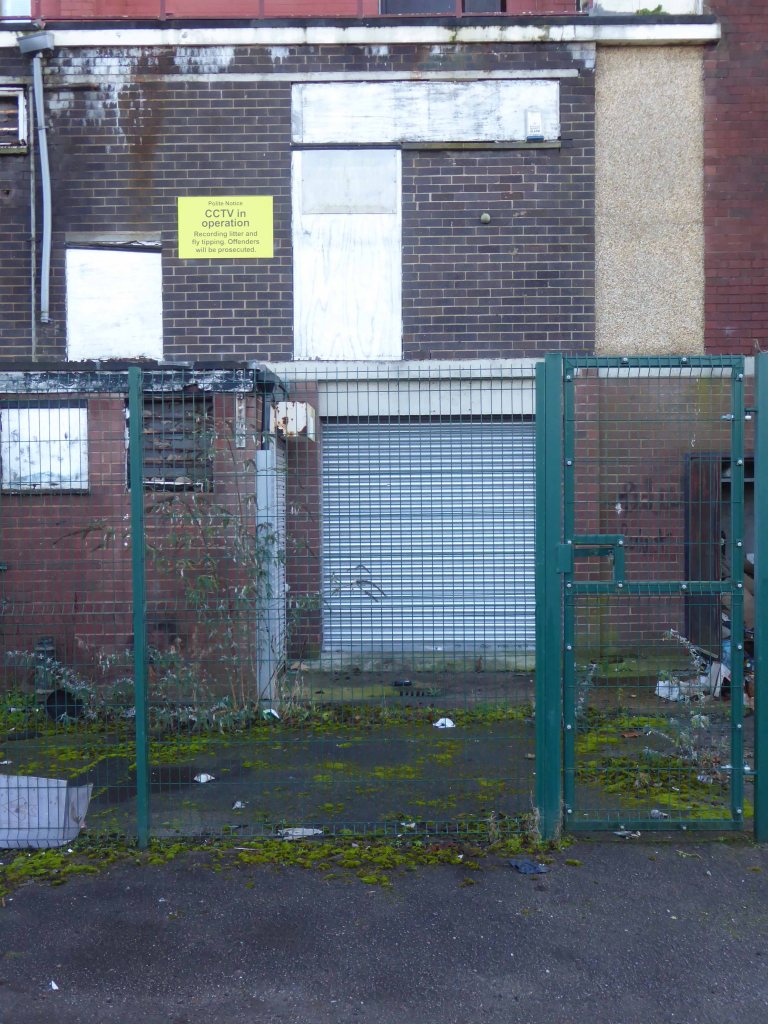
I was last here in 2016 on a much brighter, blue skied day in March.
2020 mid-lockdown and overcast, I took a walk to take another look.
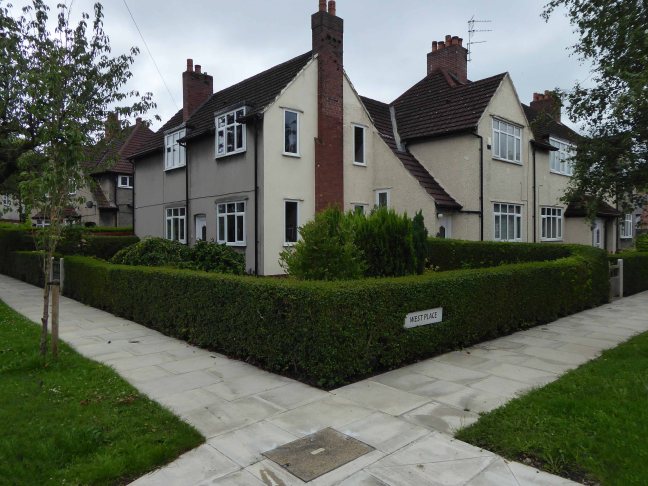
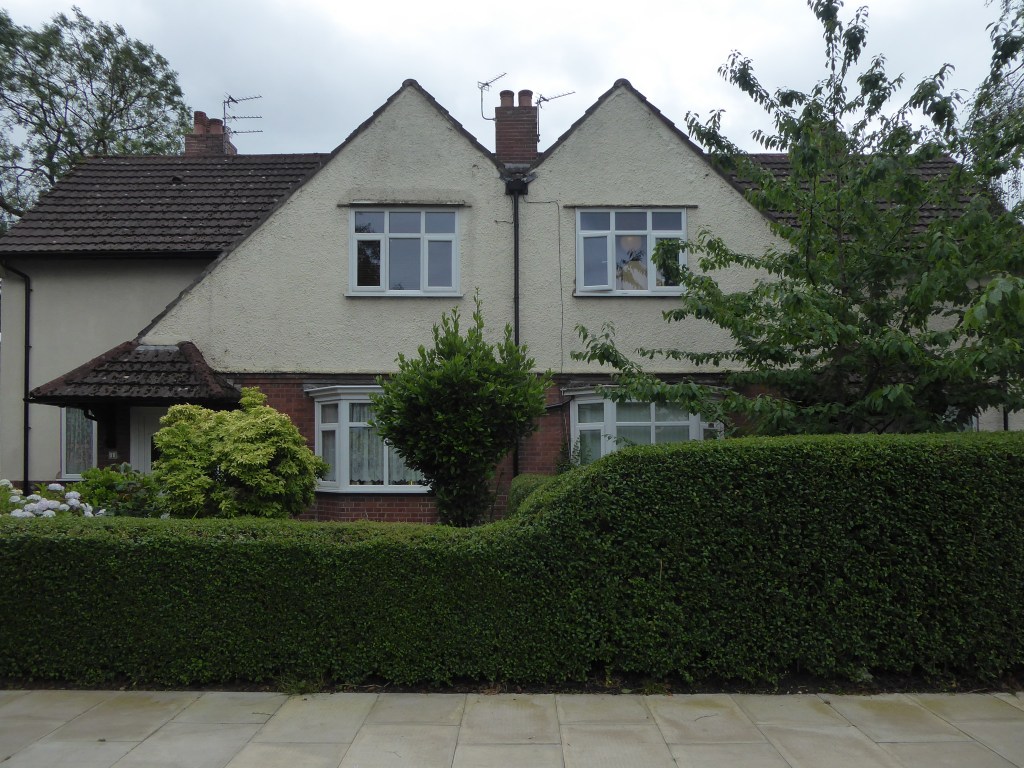
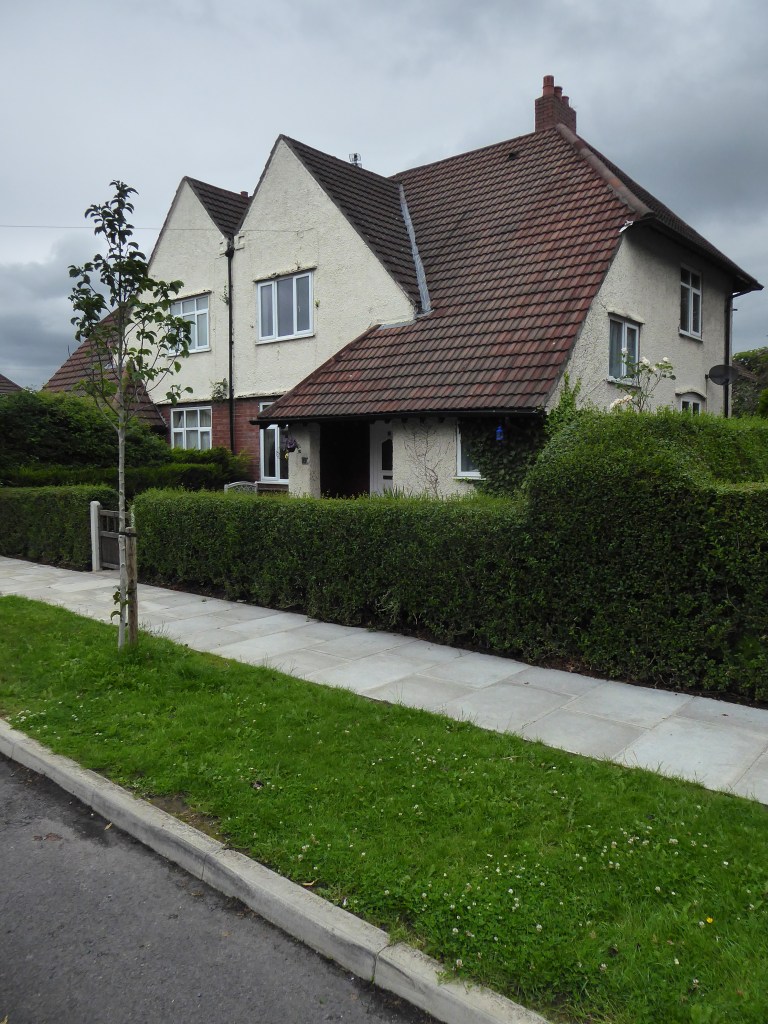
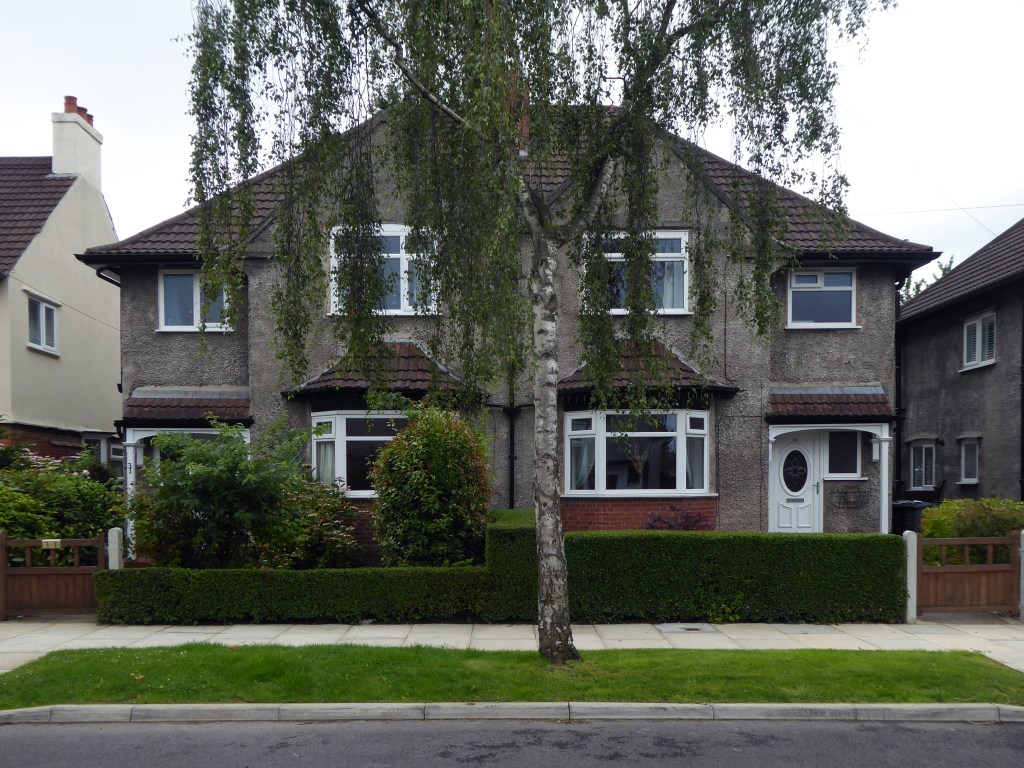
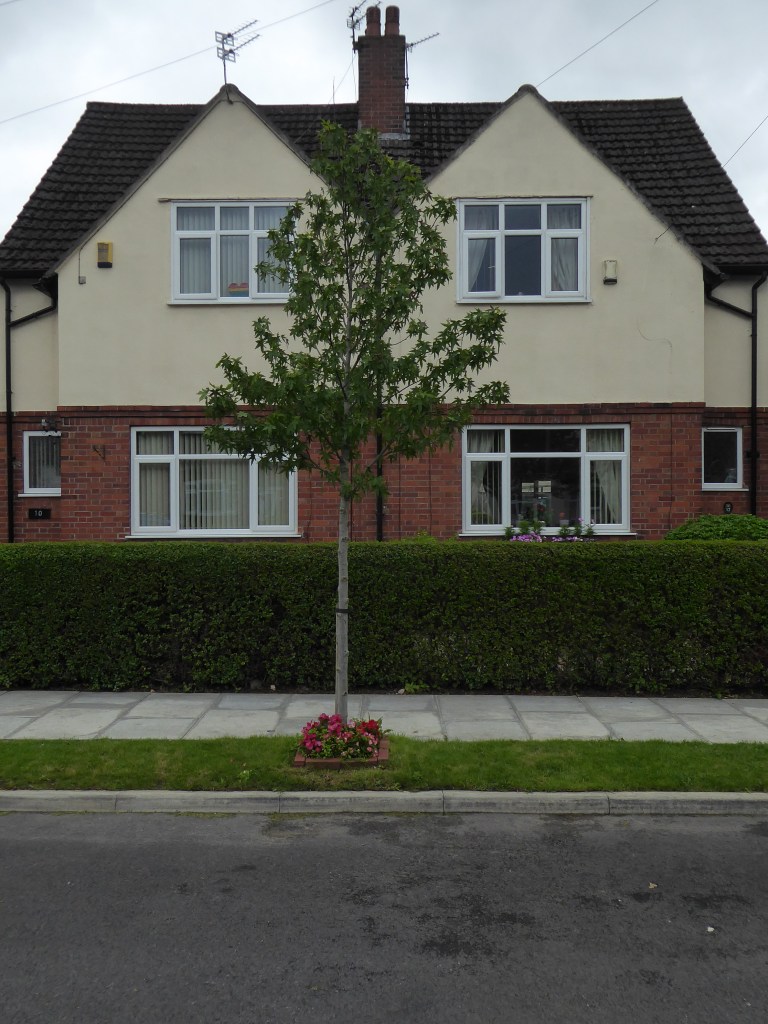
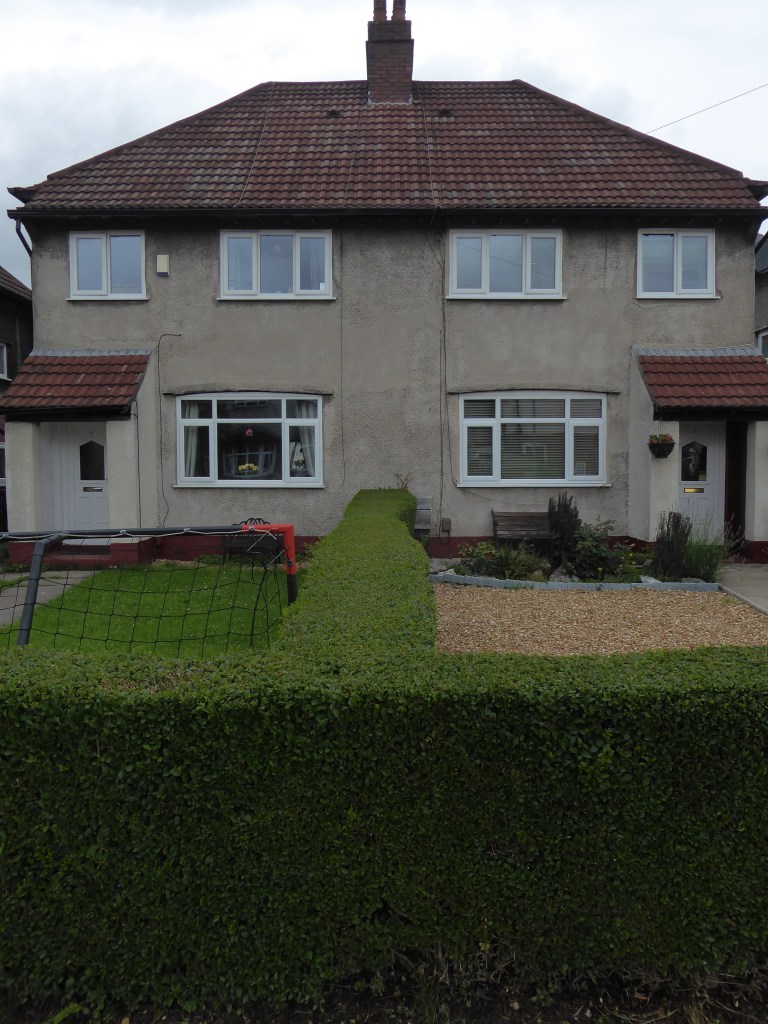
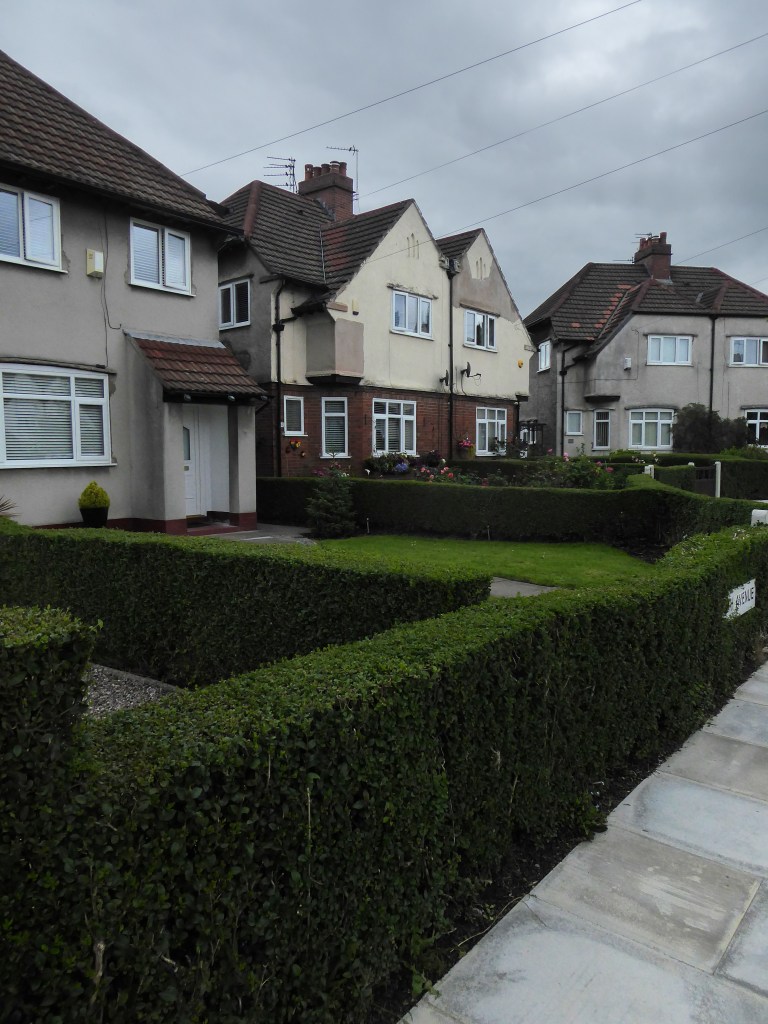
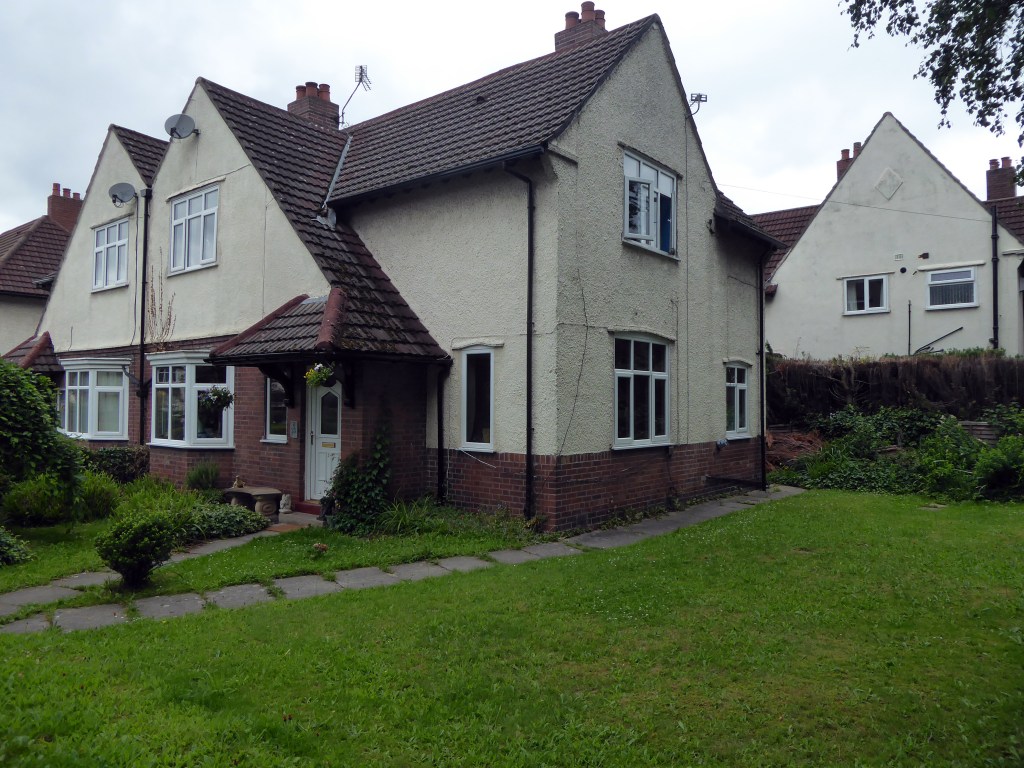
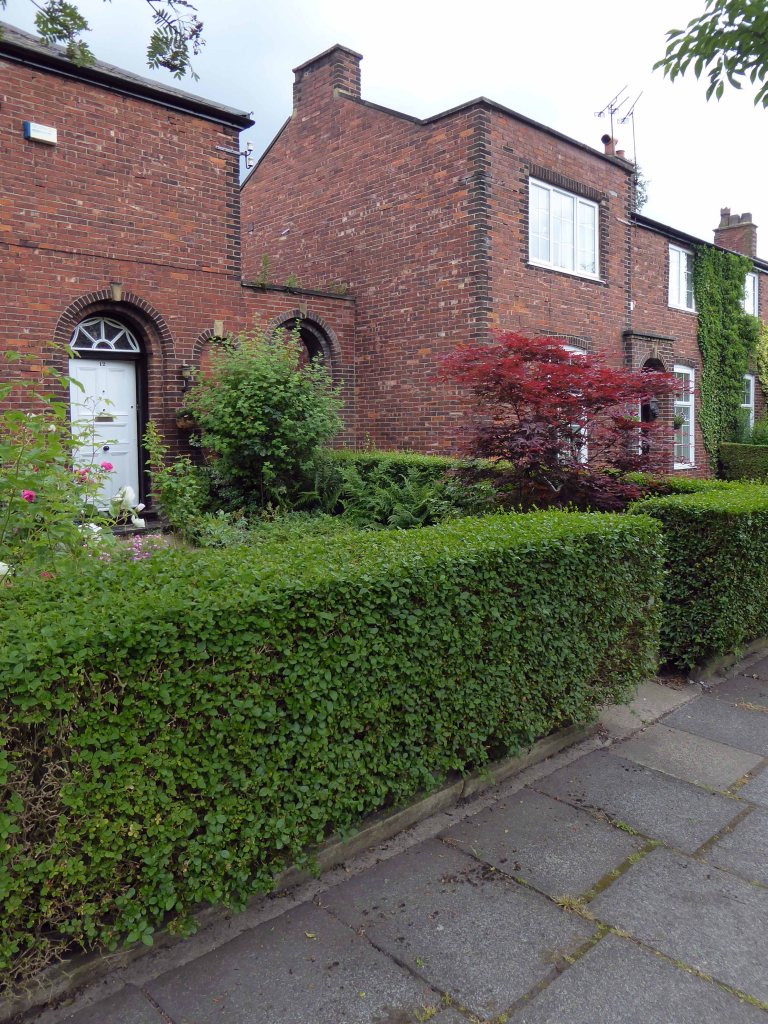
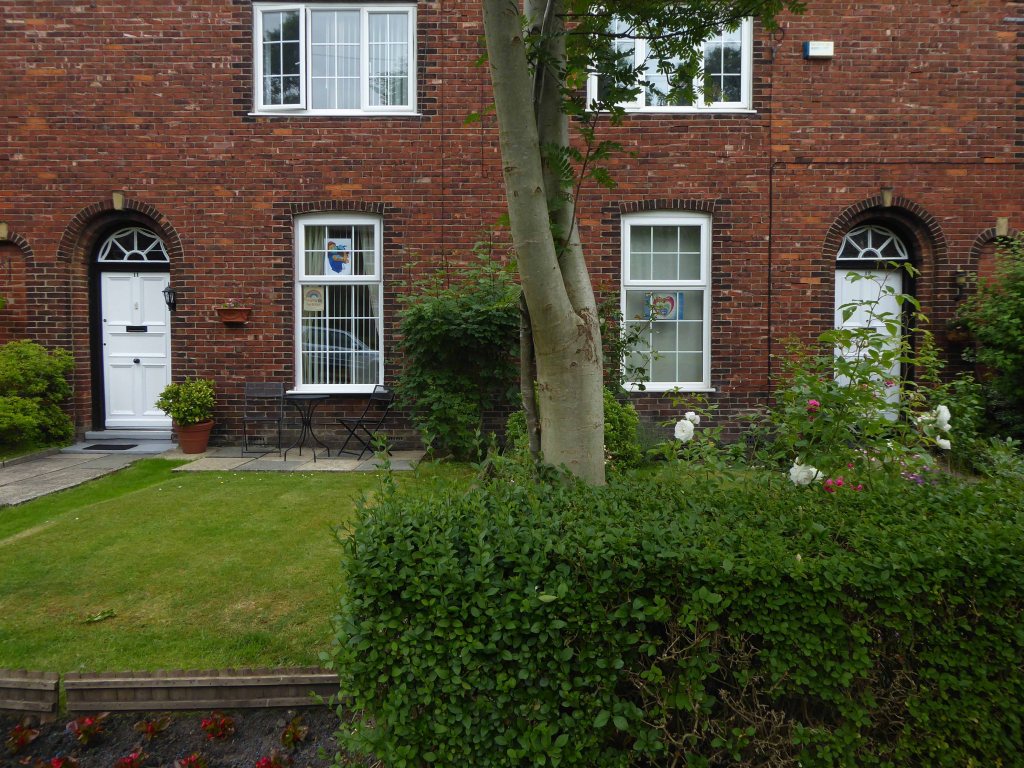
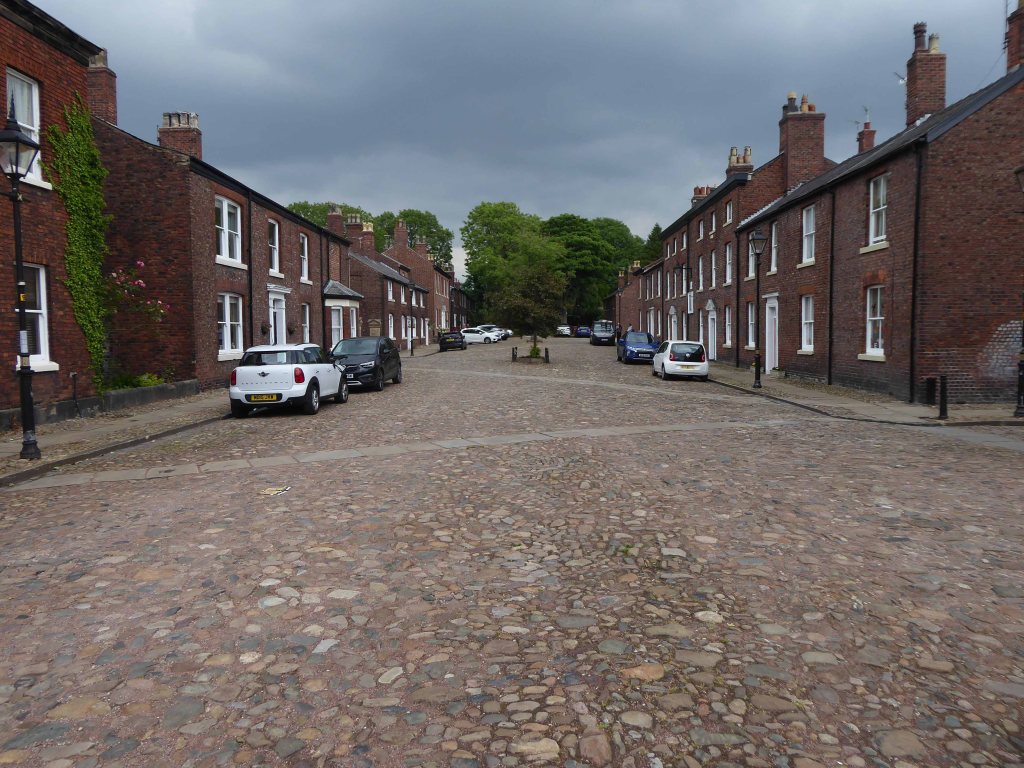
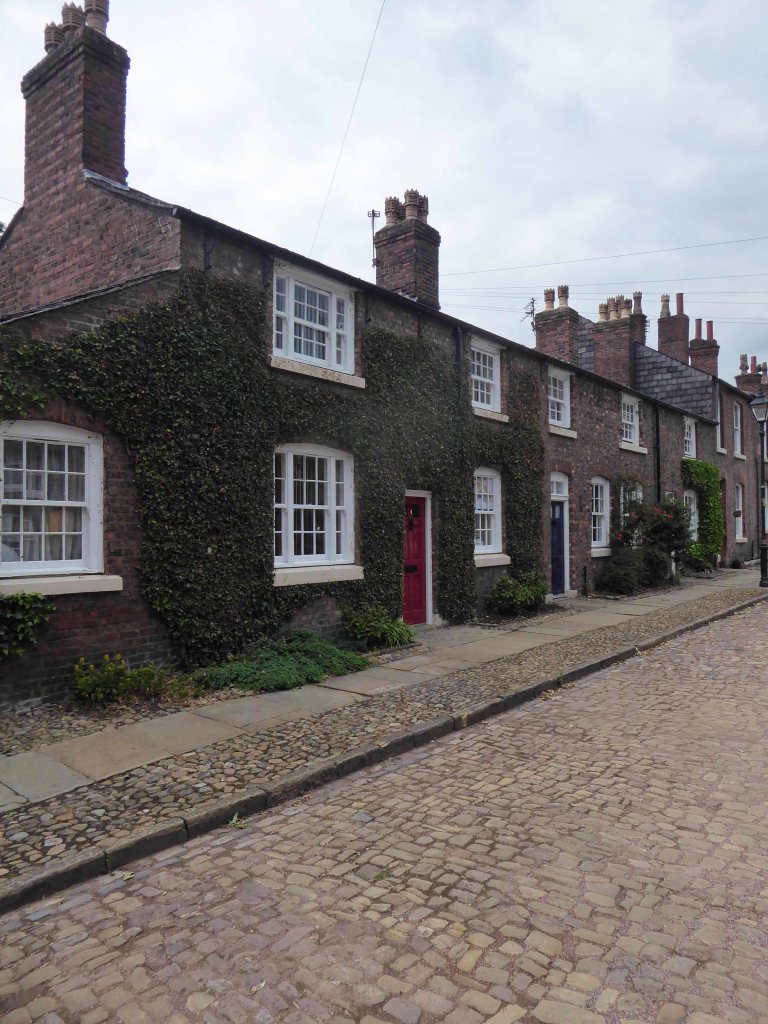
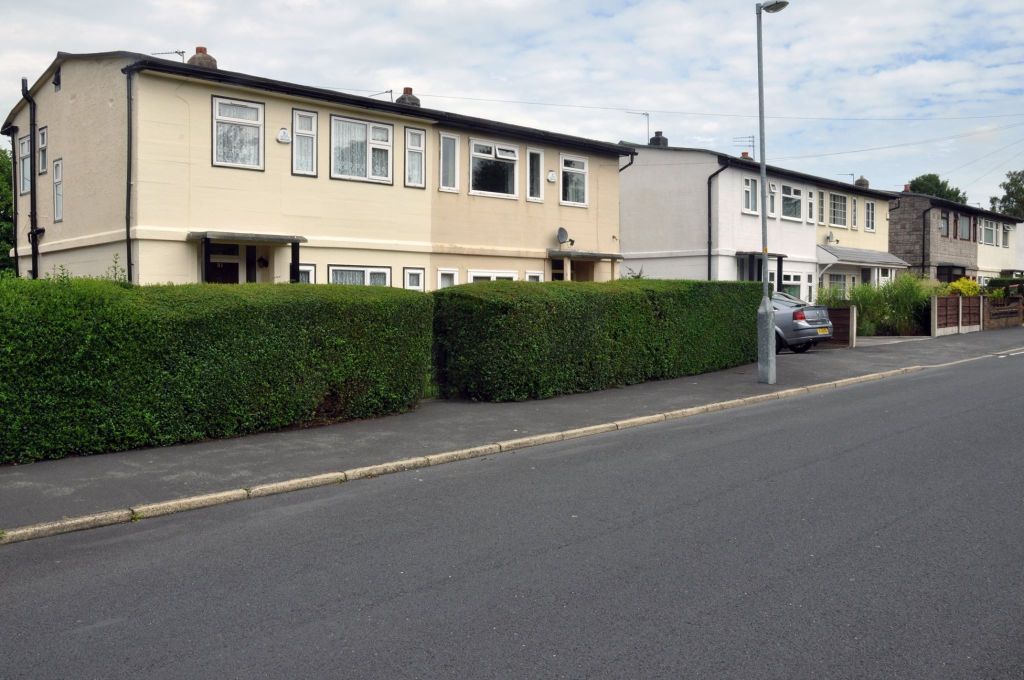
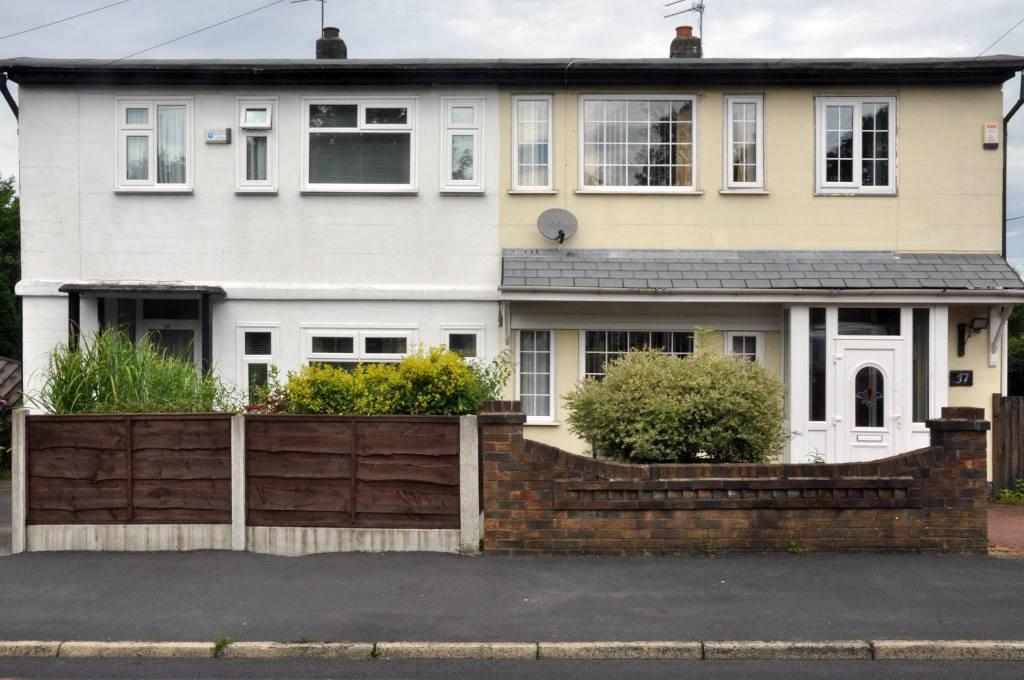
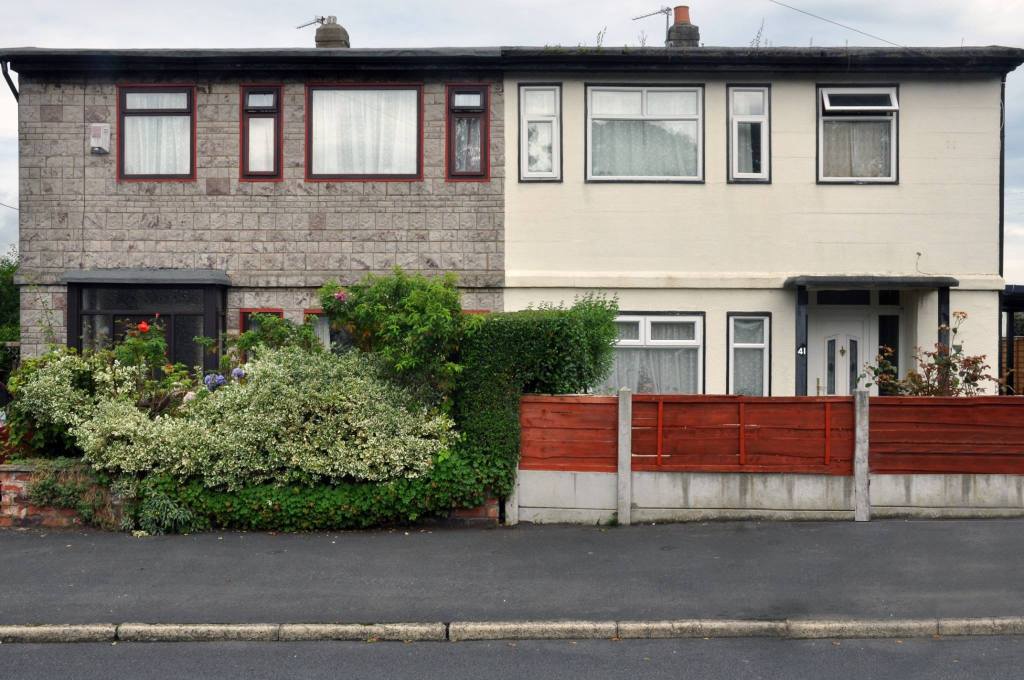
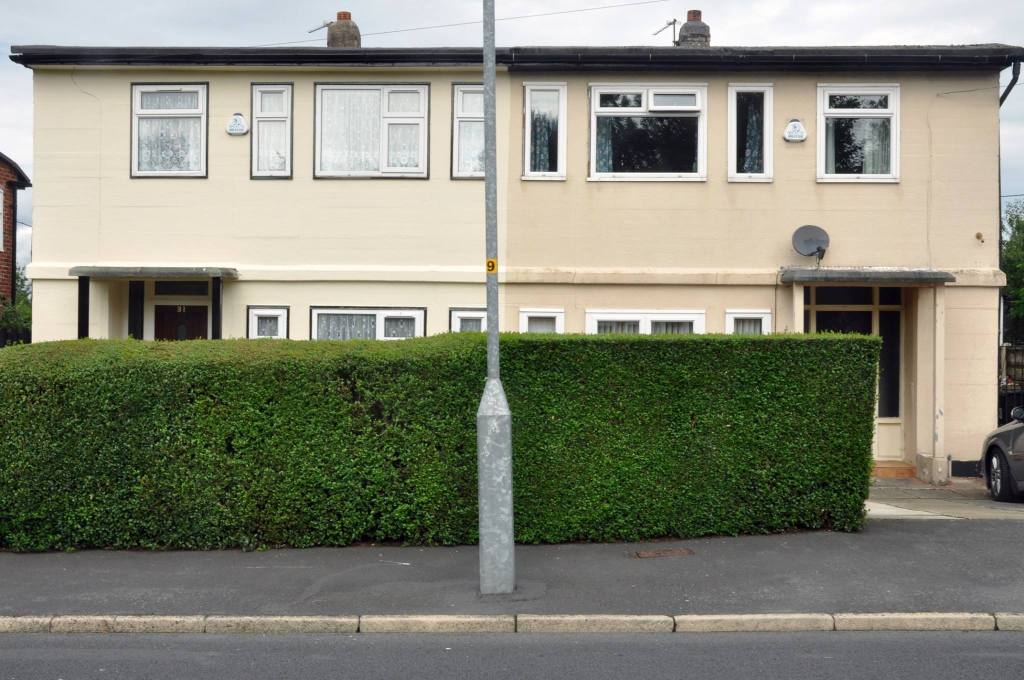
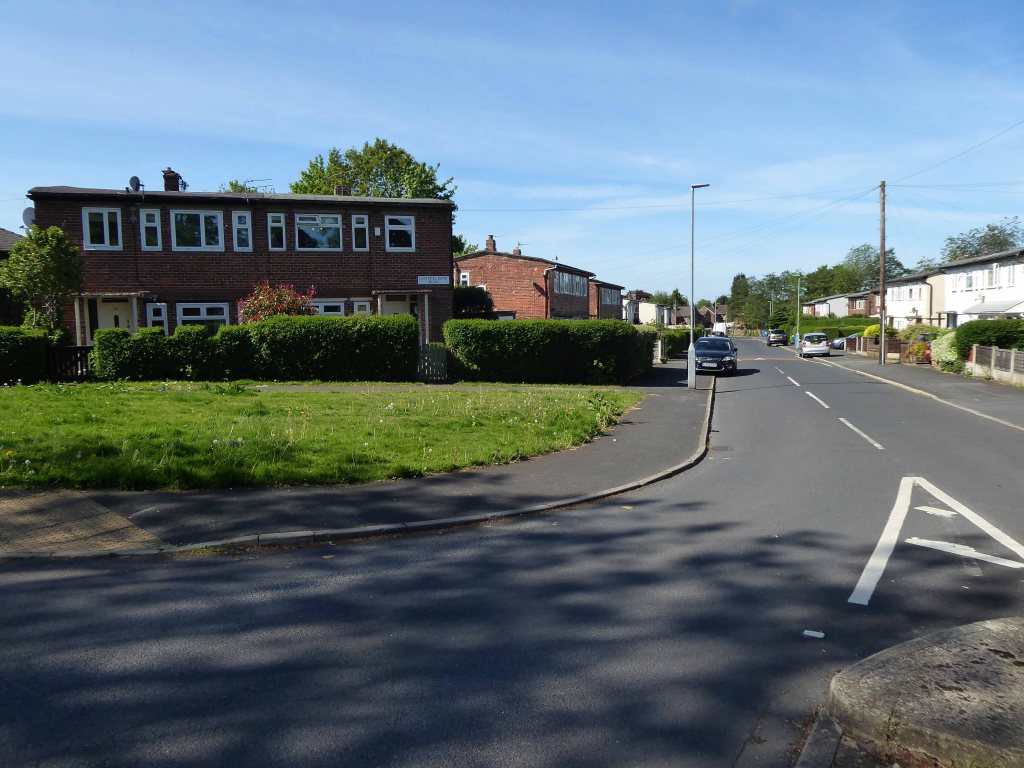
There is a perennial appeal to this well ordered island of tranquility, an archetypal suburbia incubated in 1906, a copy book estate.
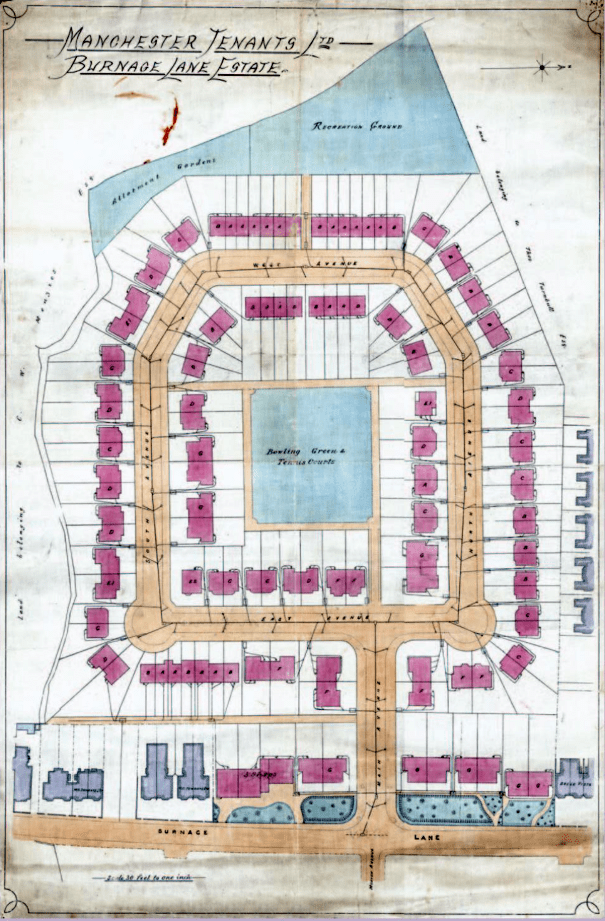
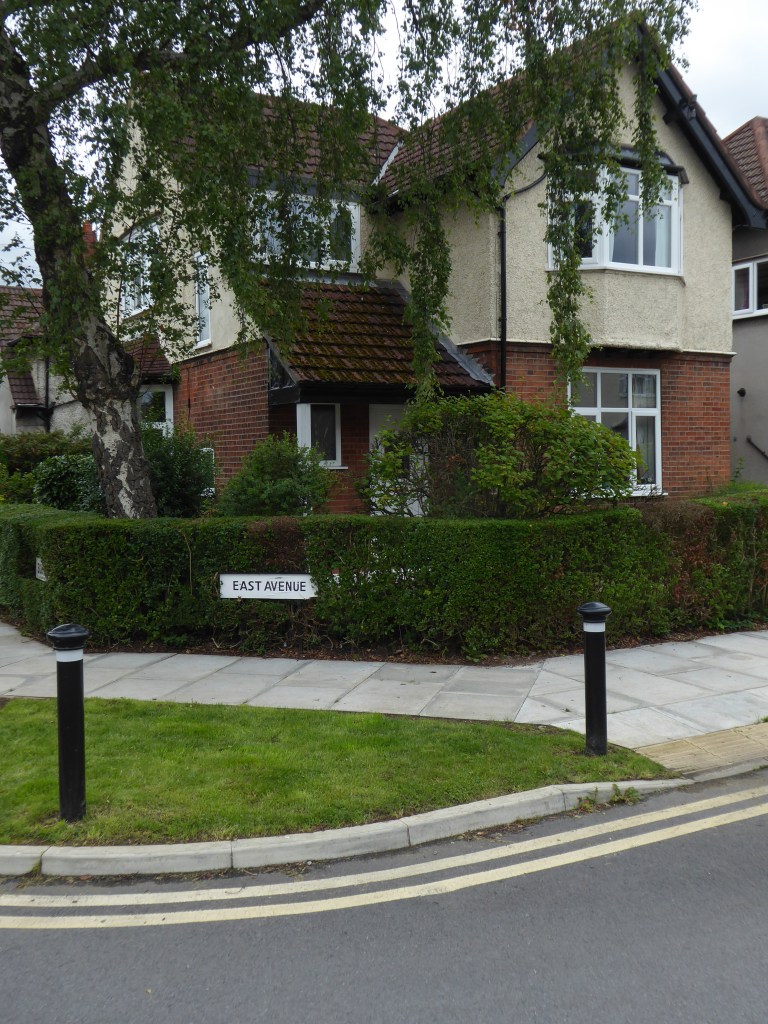
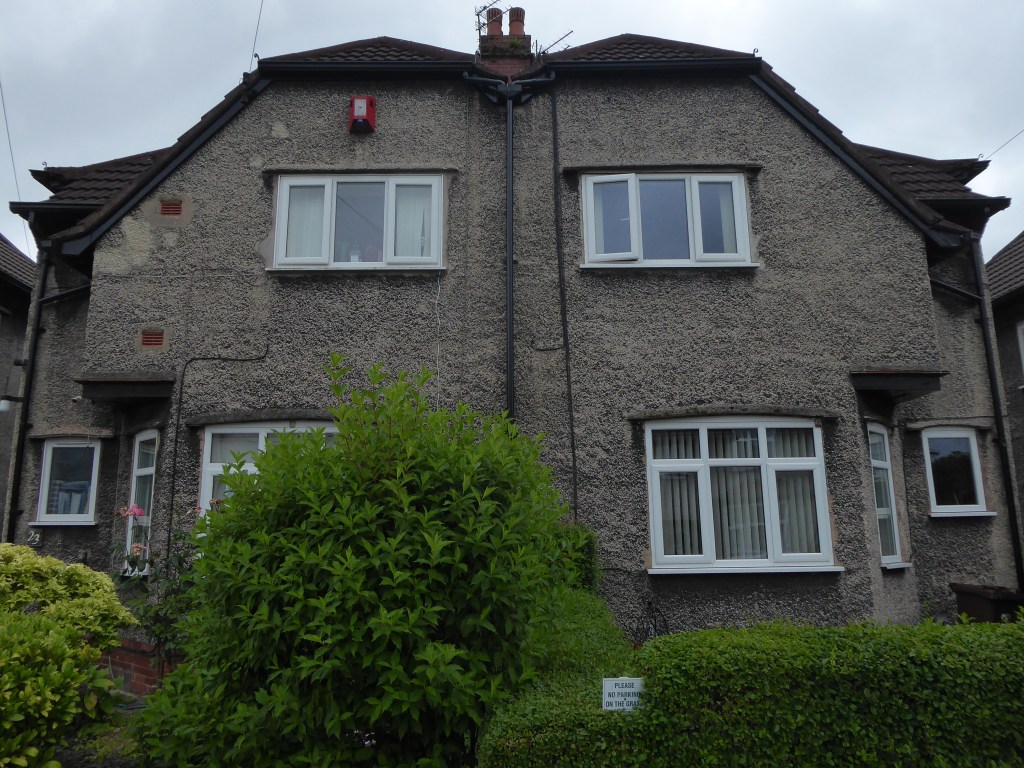
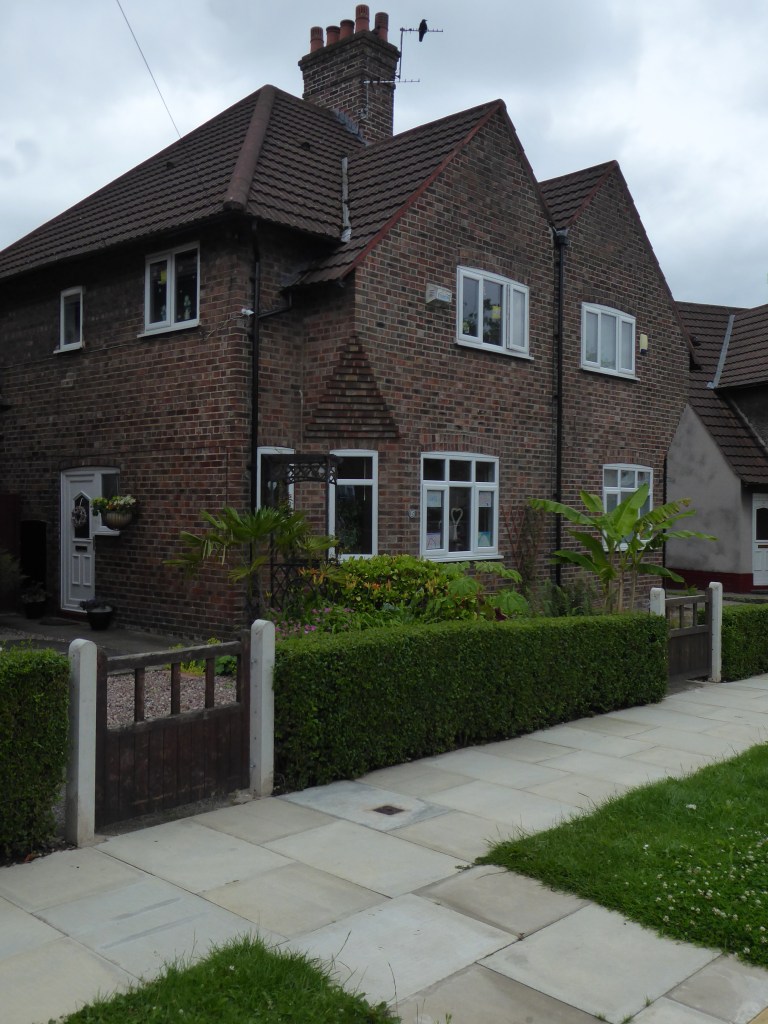
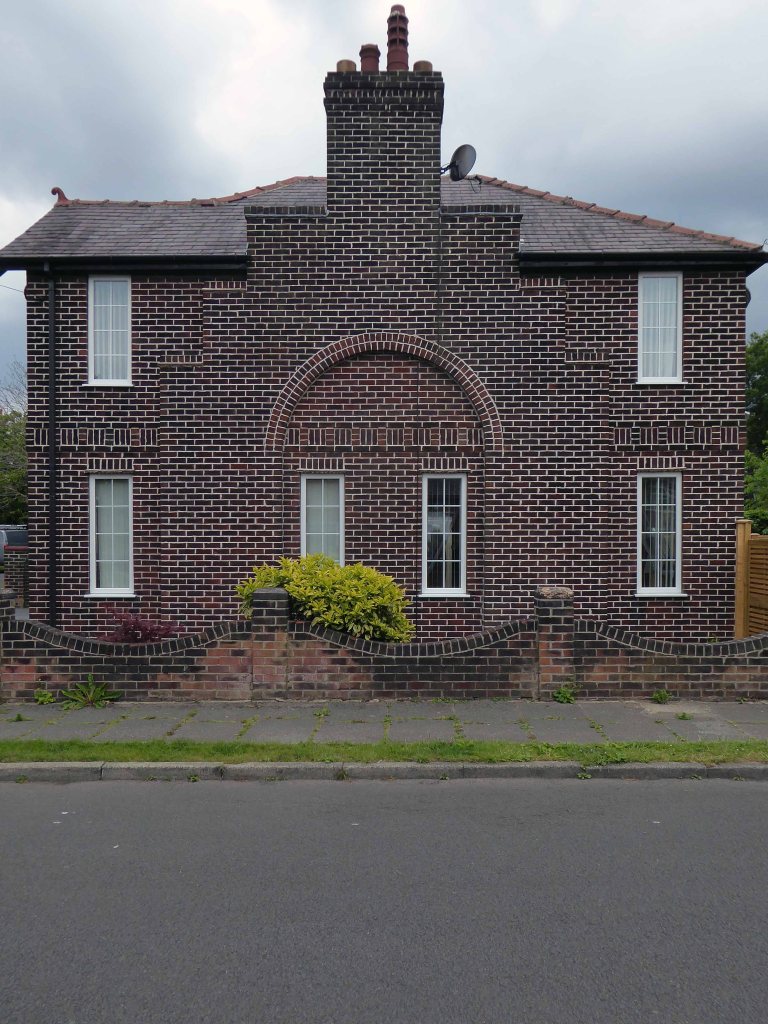
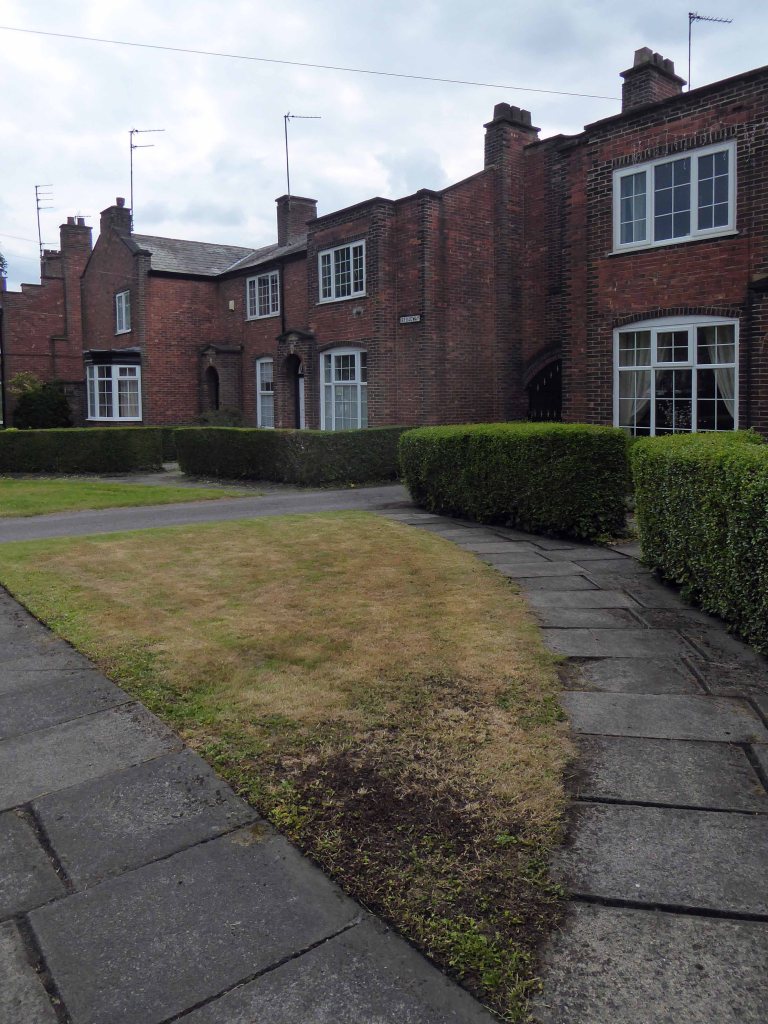
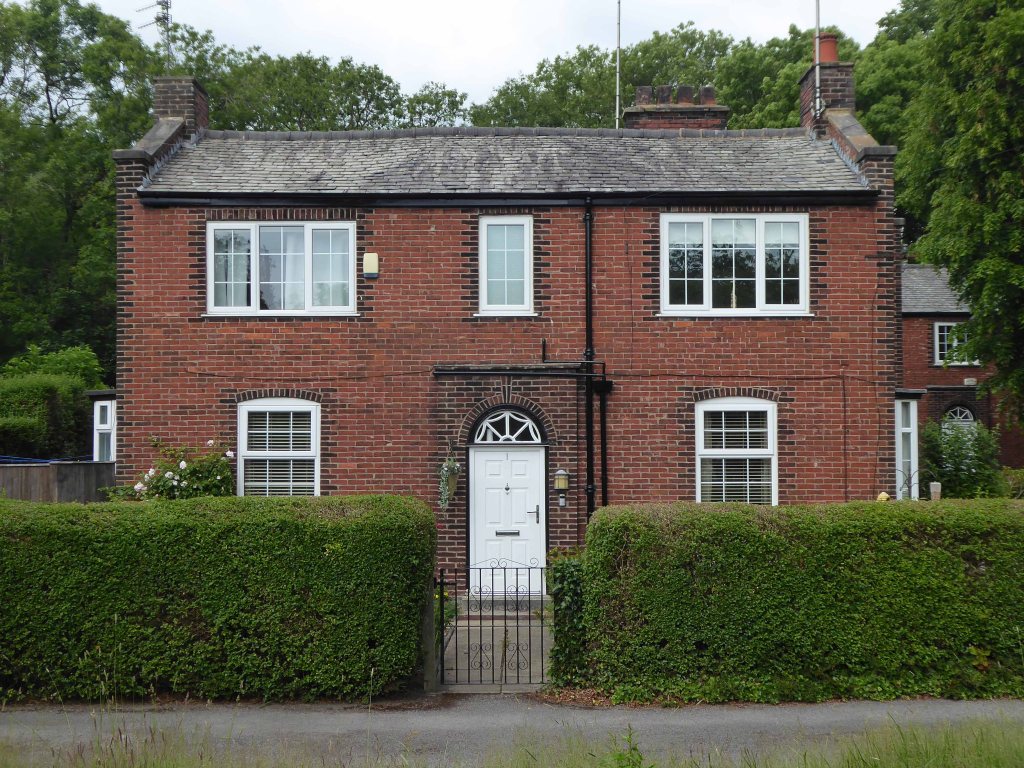
The housing estate of 136 houses known as Burnage Garden Village, a residential development covering an area of 19,113sqm off the western side of Burnage Lane in the Burnage ward. The site is situated approximately six kilometres south of the city centre and is arranged on a broadly hexagonal layout with two storey semi-detached and quasi detached dwelling houses situated on either side of a continuous-loop highway. The highway is named after each corresponding compass point with two spurs off at the east and west named Main Avenue and West Place respectively. Main Avenue represents the only access and egress point into the estate whilst West Place leads into a resident’s parking area.
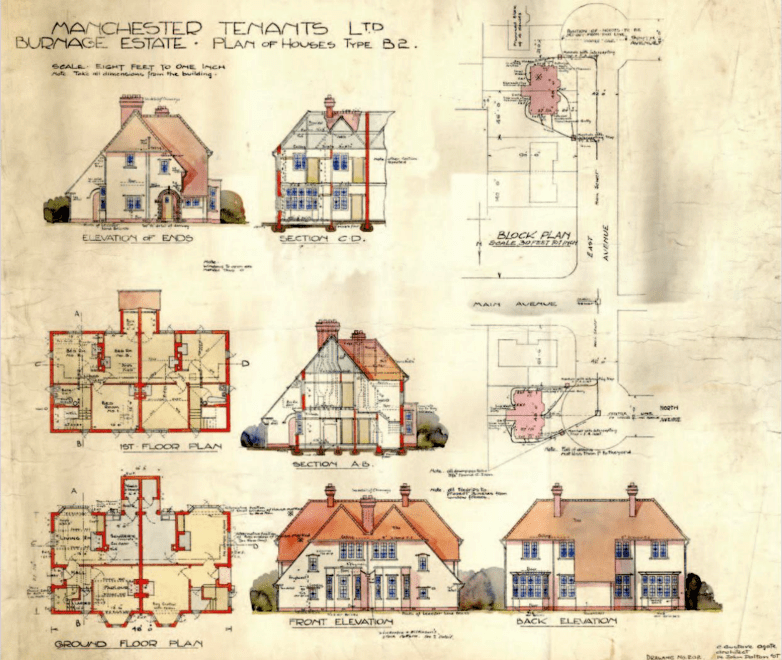
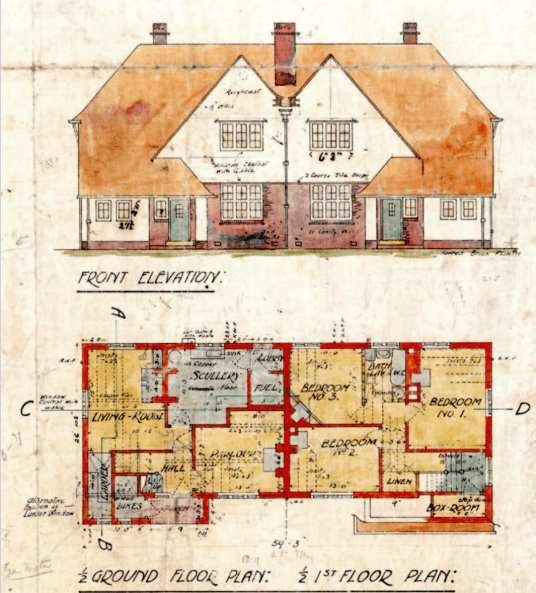
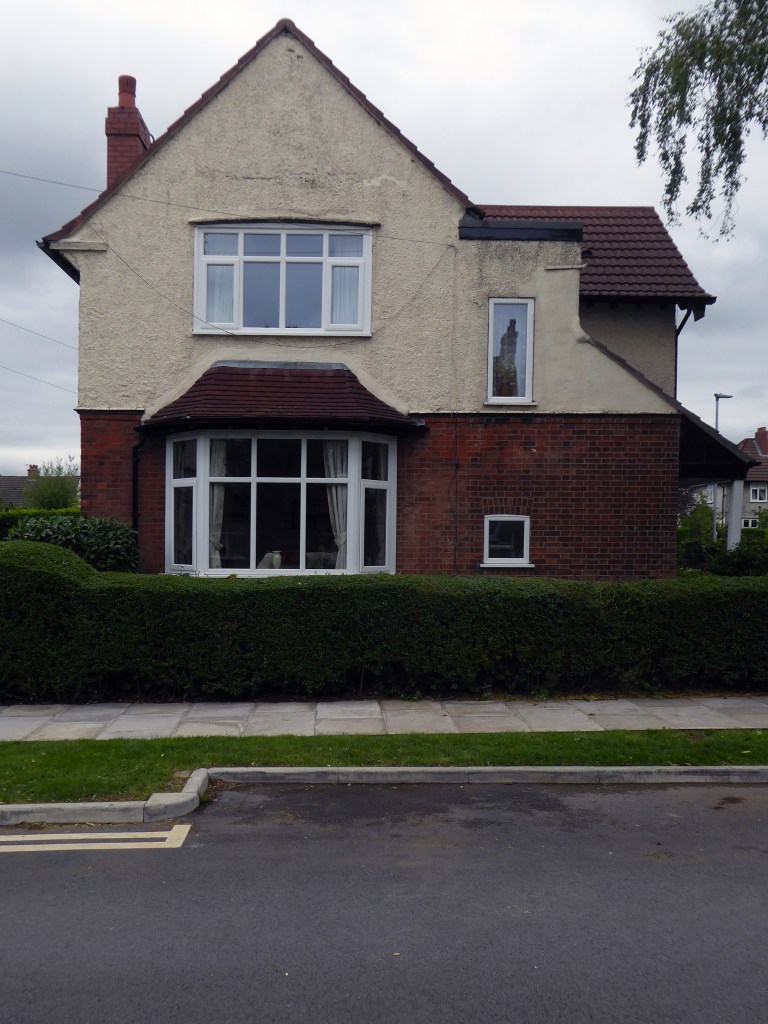
The layout was designed by J Horner Hargreaves. Houses are loosely designed to Arts and Crafts principles, chiefly on account of being low set and having catslide roofs.
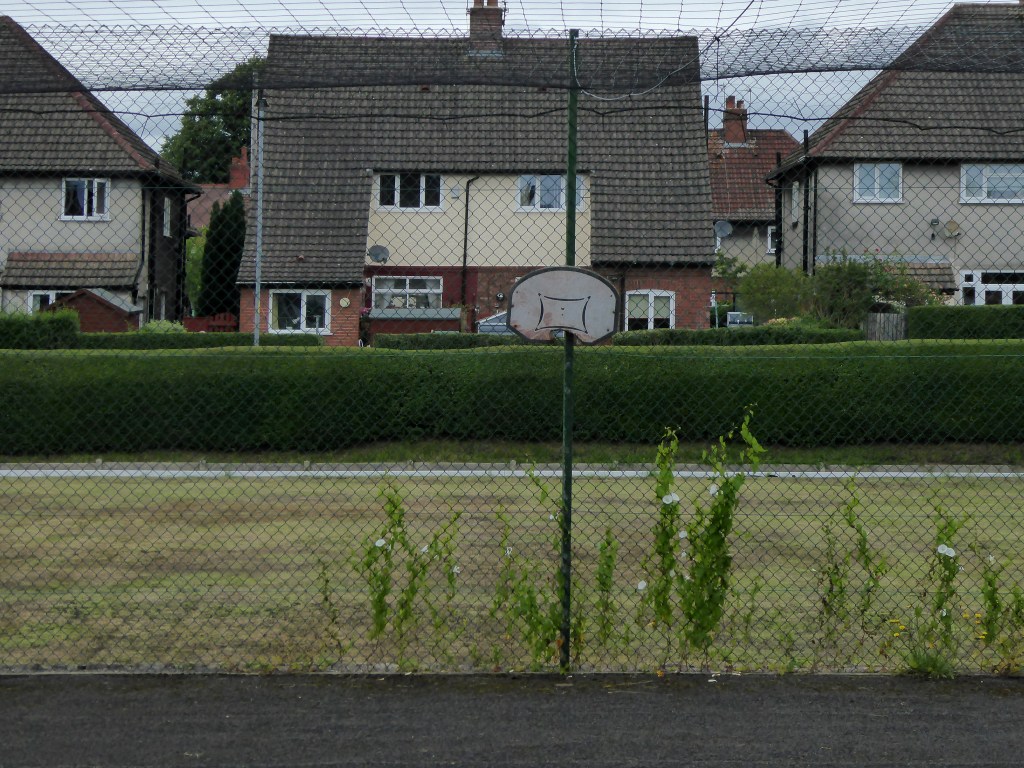
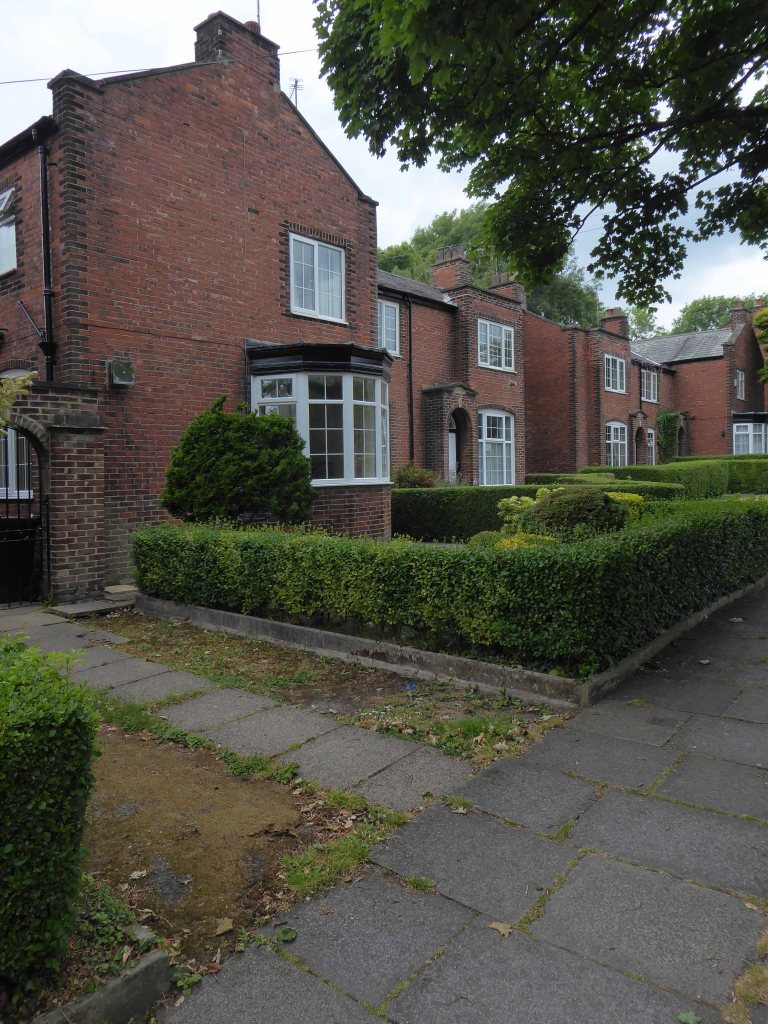
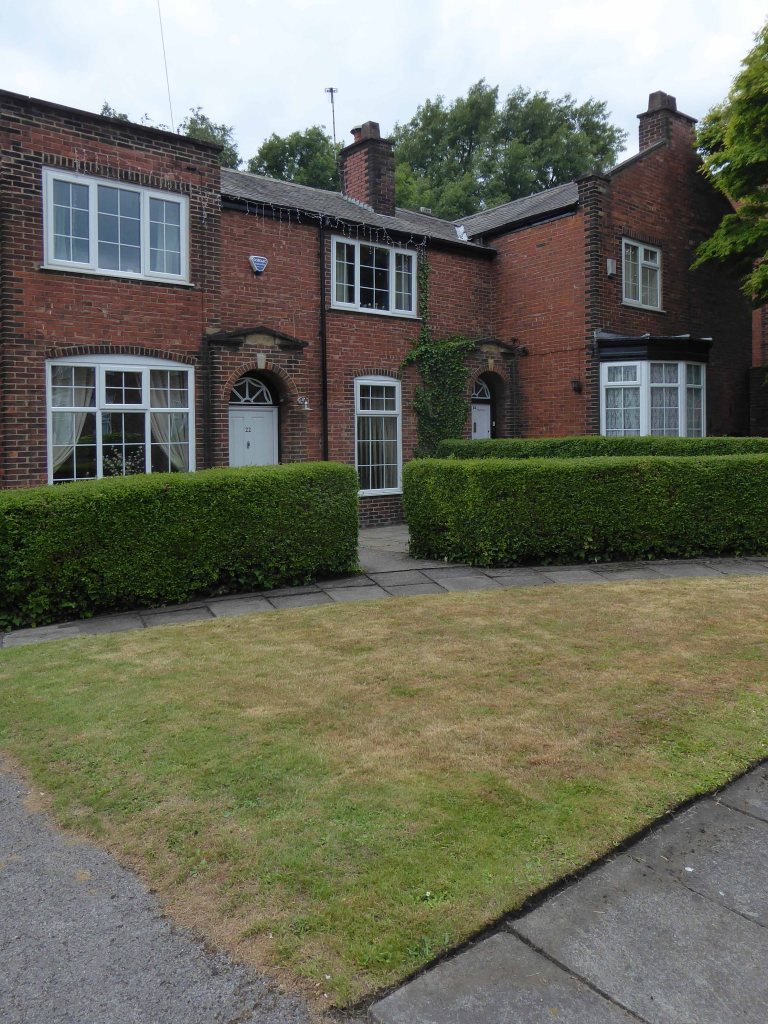
At the centre of the garden village and accessed by a network of pedestrian footpaths, is a resident’s recreational area comprising a bowling green, club house and tennis courts. The estate dates from approximately 1906 and was laid out in the manner of a garden suburb with characteristic hedging, front gardens, grass verges and trees on every street.
Verges and paving were freshly laid, hedges and gardens well tended, cars parked prettily.
The central communal area calm and restful, but lacking the clunk of lignum vitae wood on jack, hence the scorched earth appearance of the normally well used crown green.
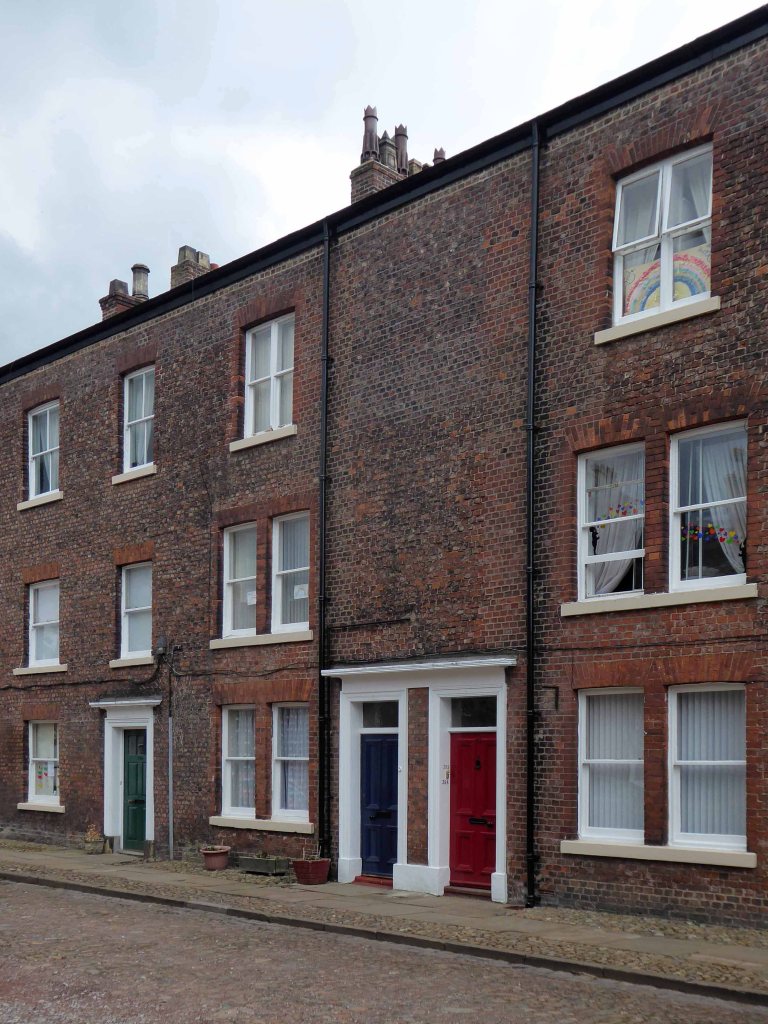
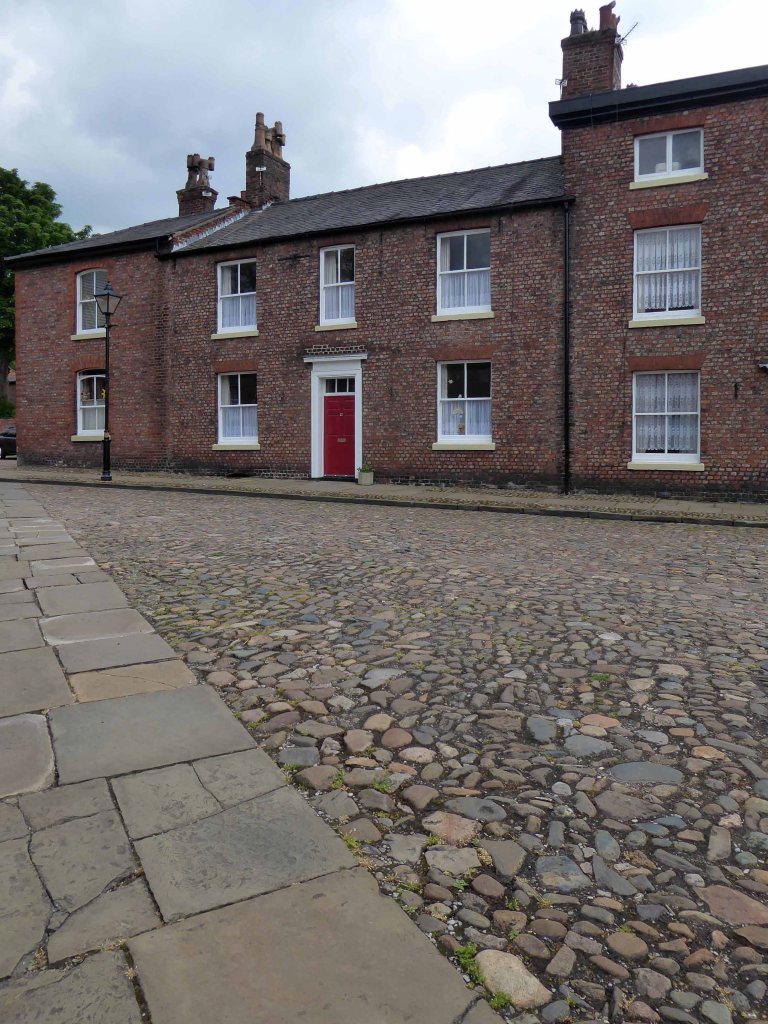
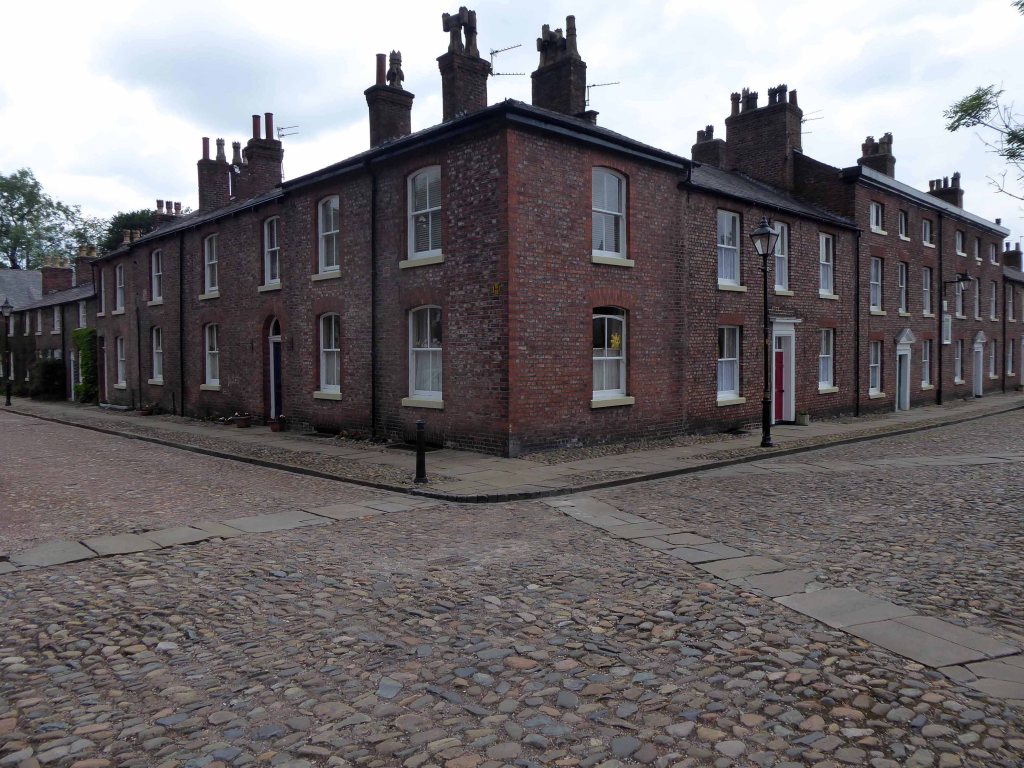
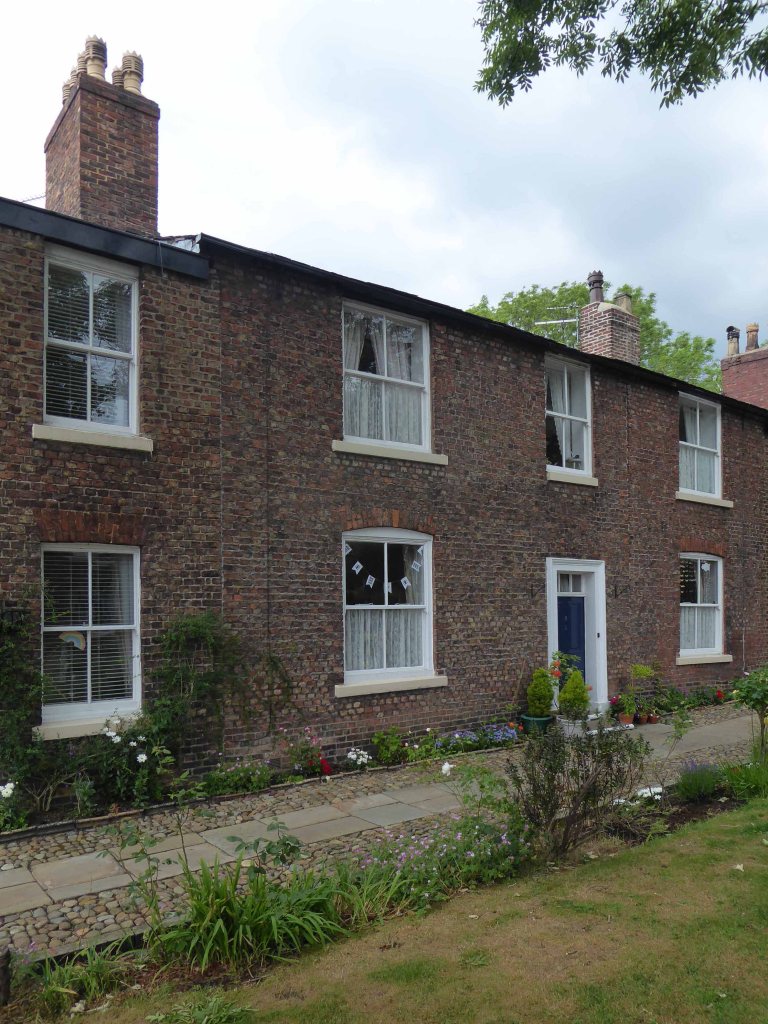
Fairfield is a suburb of Droylsden in Tameside, Greater Manchester, England. Historically in Lancashire, it is just south of the Ashton Canal on the A635 road. In the 19th century, it was described as “a seat of cotton manufacture”. W. M. Christy and Sons established a mill that produced the first woven towels in England at Fairfield Mill.
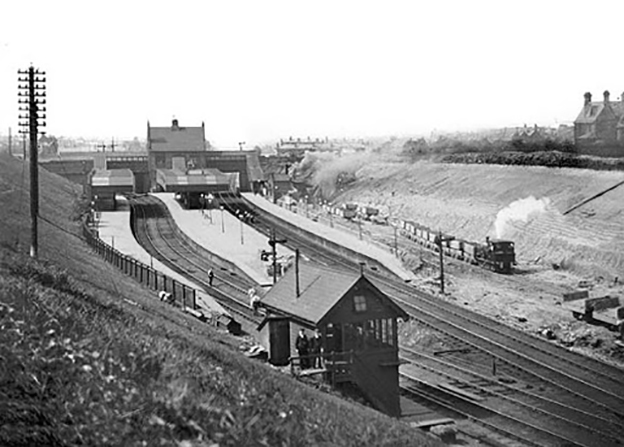
Fairfield is the location of Fairfield High School for Girls and Fairfield railway station.
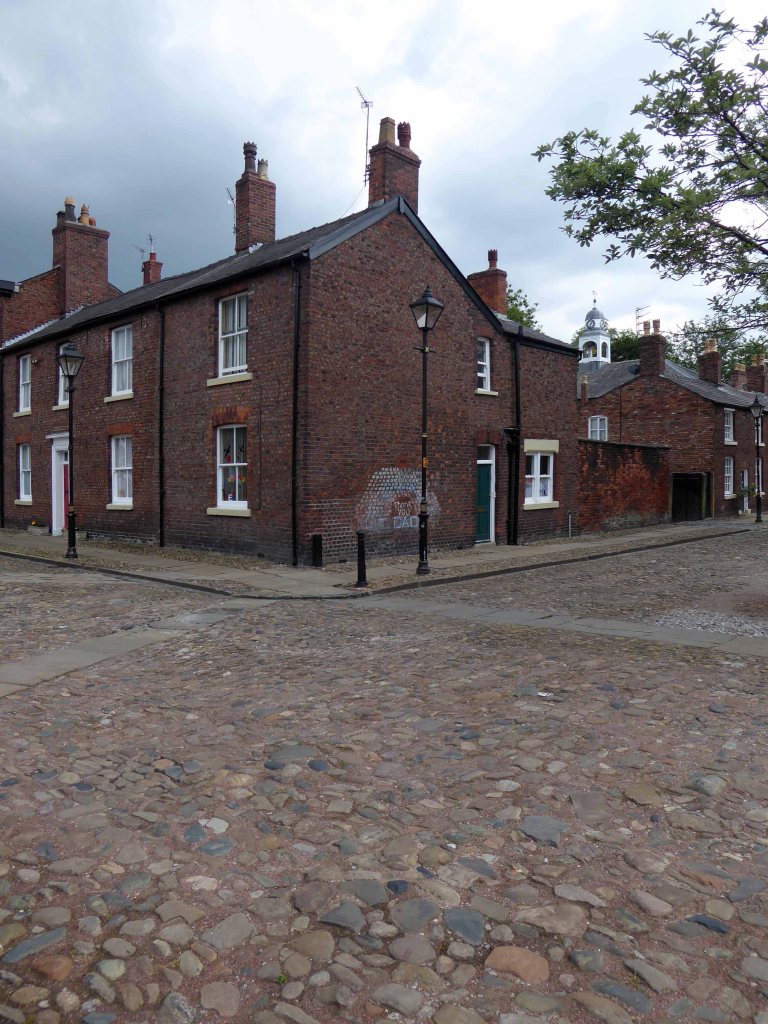
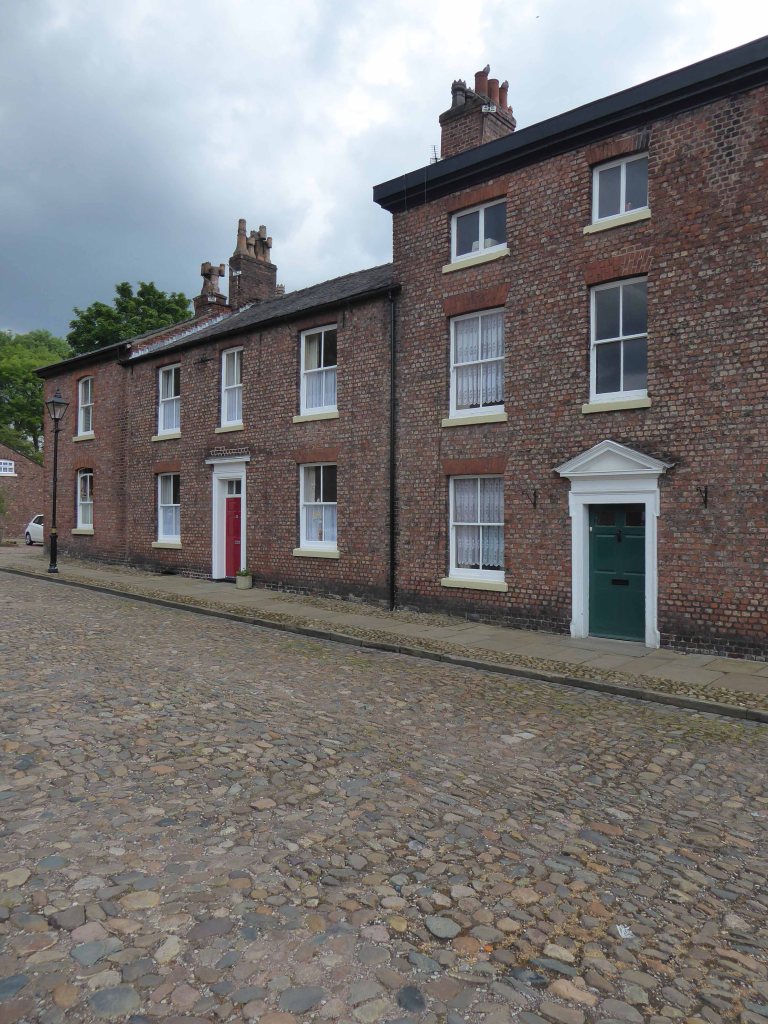
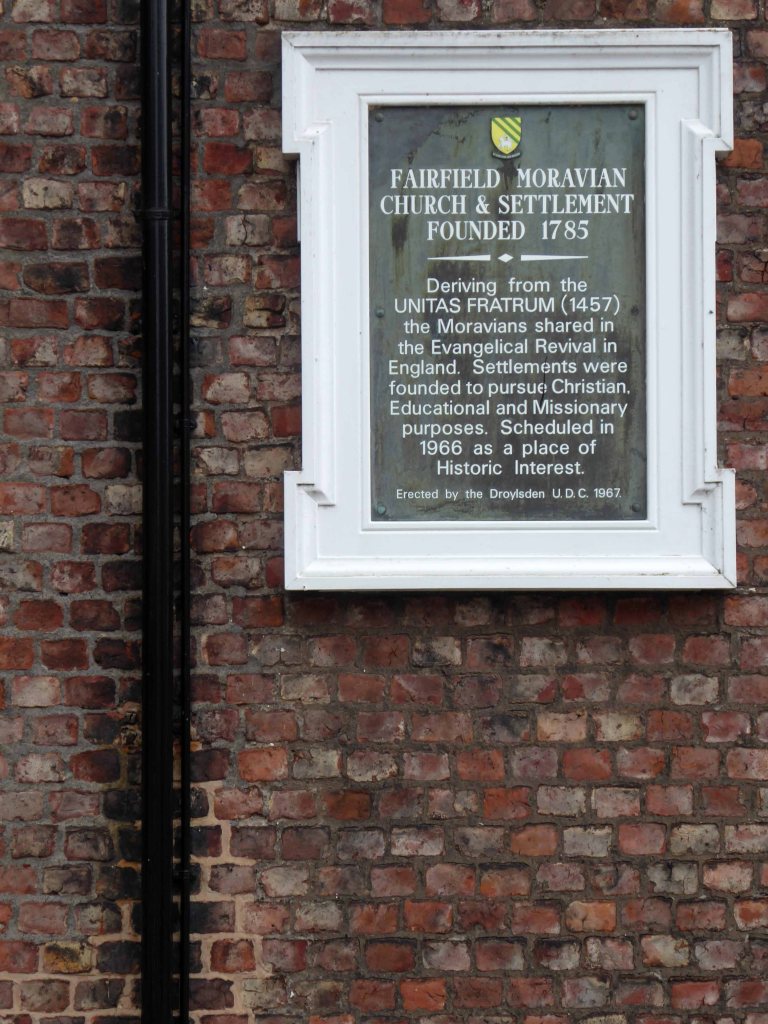
The community has been home to members of the Moravian Church for many years after Fairfield Moravian Church and Moravian Settlement were established in 1783.
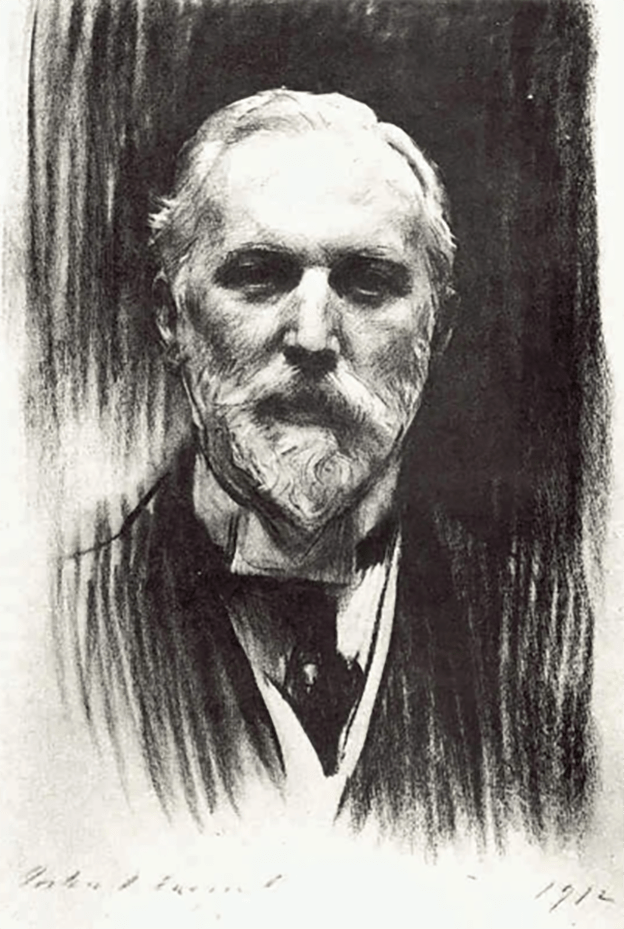
Also the merchant banker and art collector Robin Benson (1850–1929).
Drawing – John Singer Sargent
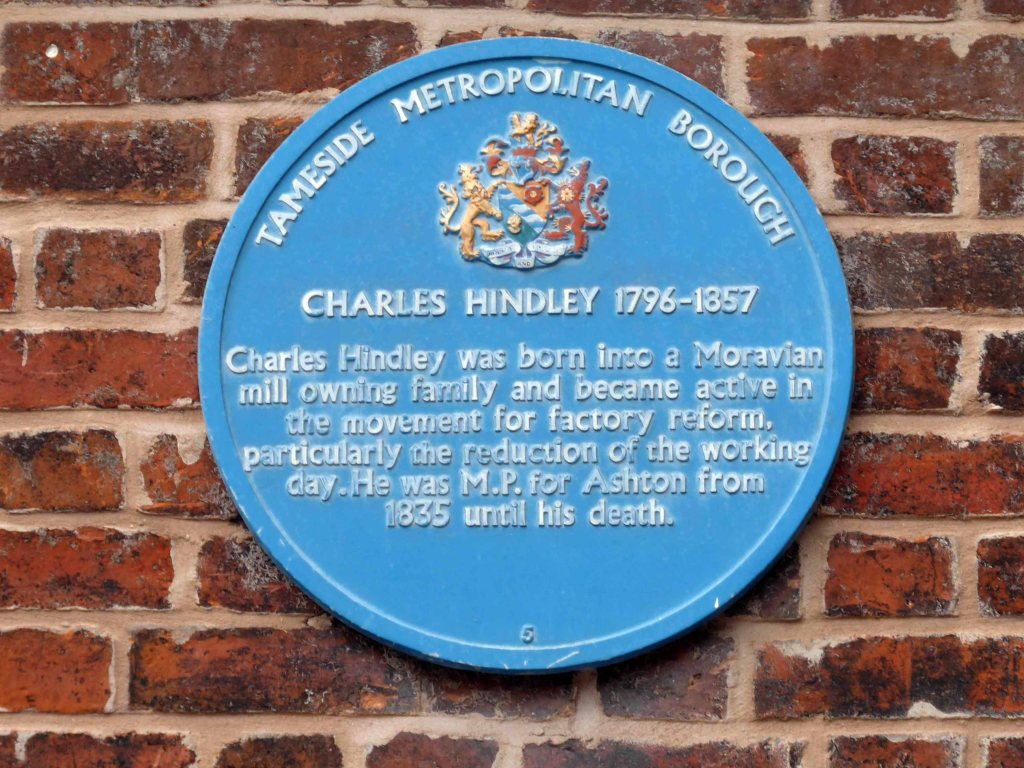
Charles Hindley 1796 – 1857 was an English cotton mill-owner and radical politician the first Moravian to be elected as an MP.
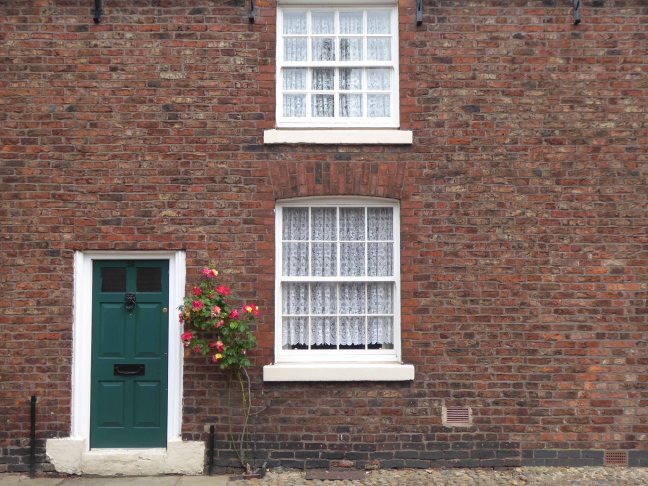
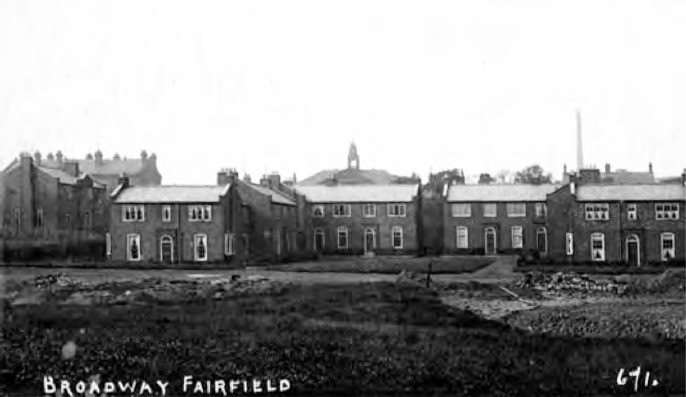
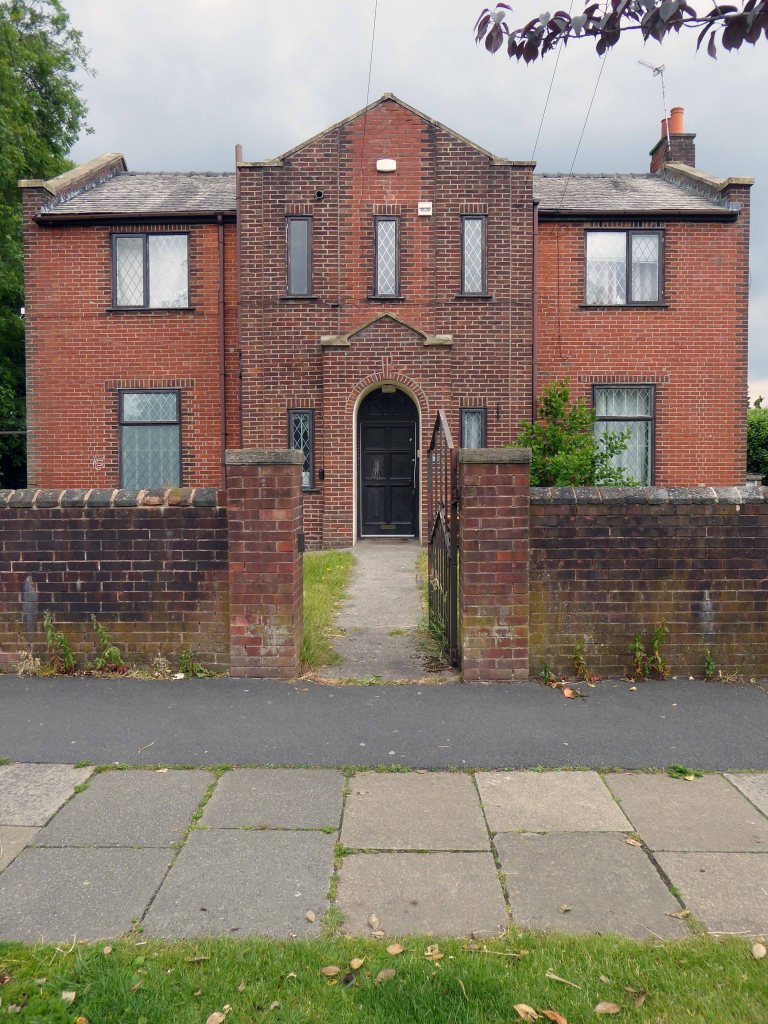
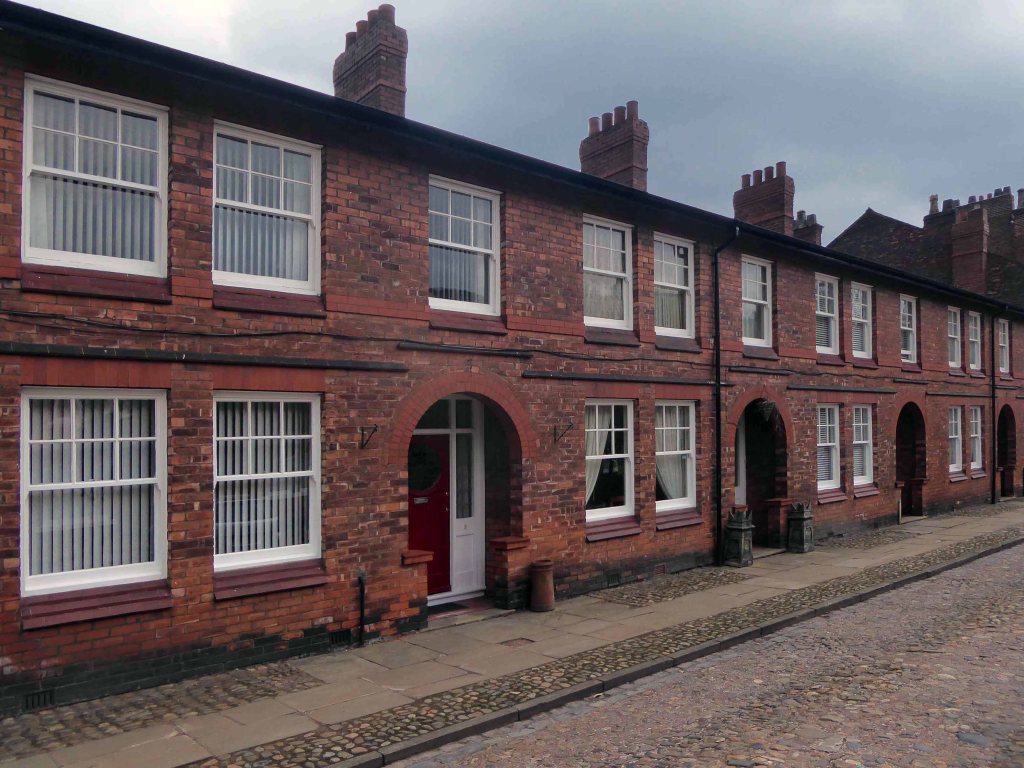
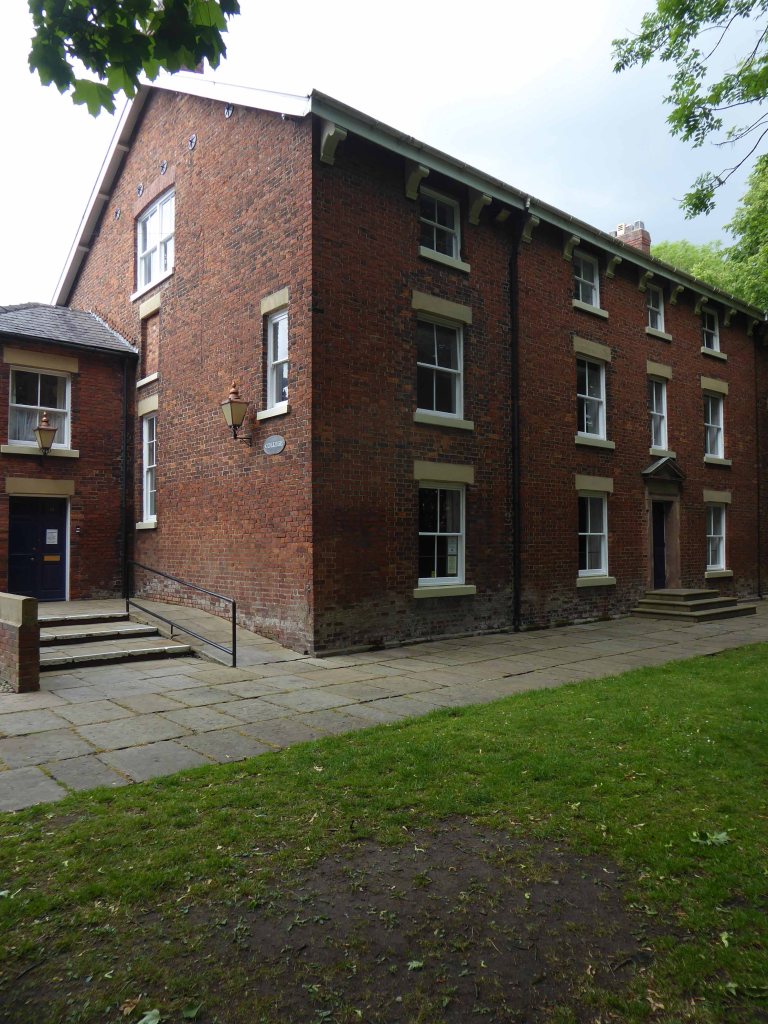
Turning into Fairfield Avenue from Ashton Old Road you’ll find Broadway sitting prettily on your right hand side. It was intended to be an extensive Garden Village but was abandoned at the outbreak of the First World War. The estate consists of 39 houses, built between 1914 and 1920 in a neo-Georgian style. These are a mixture of detached, semi-detached and terraces in a range of sizes.
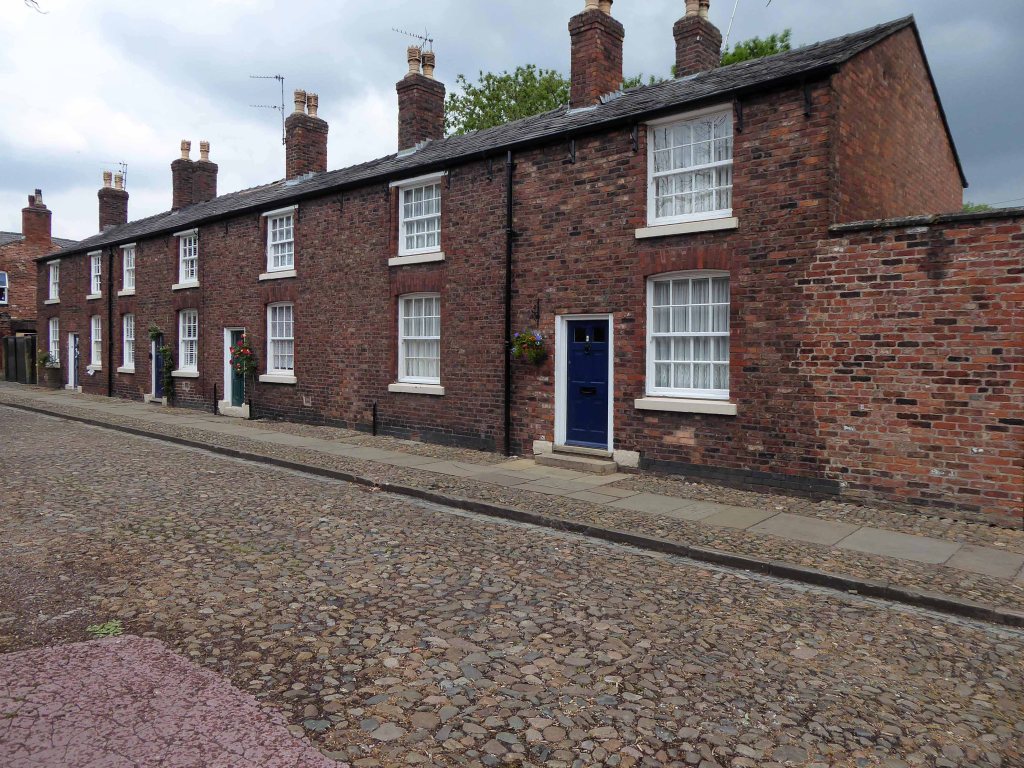
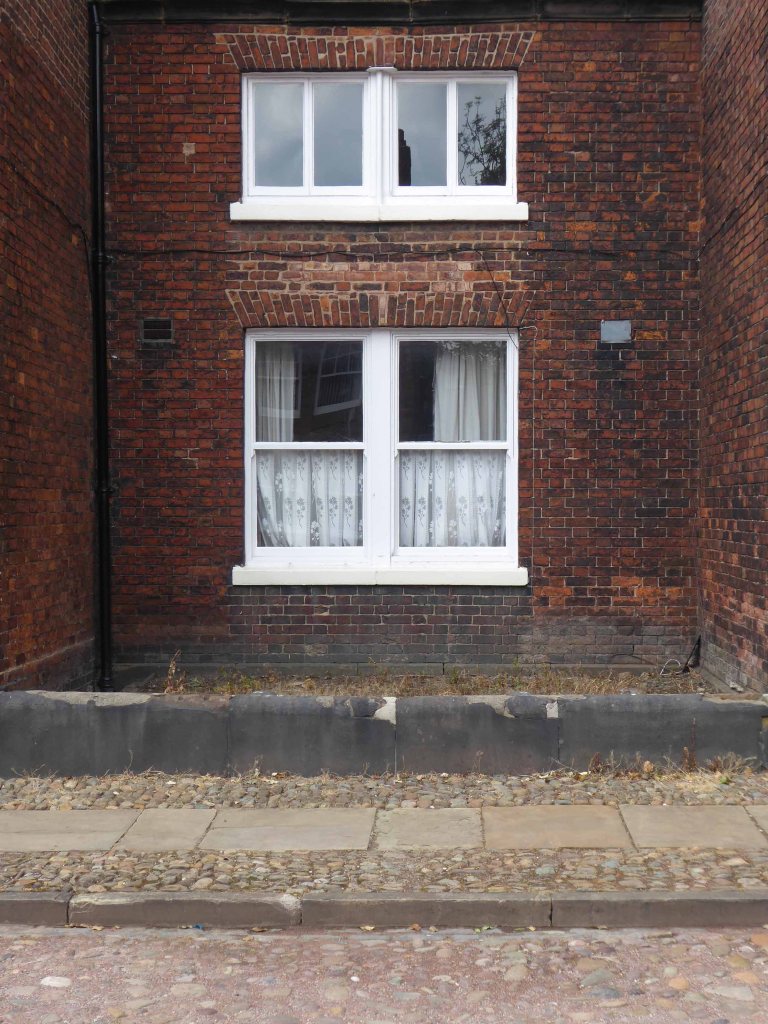
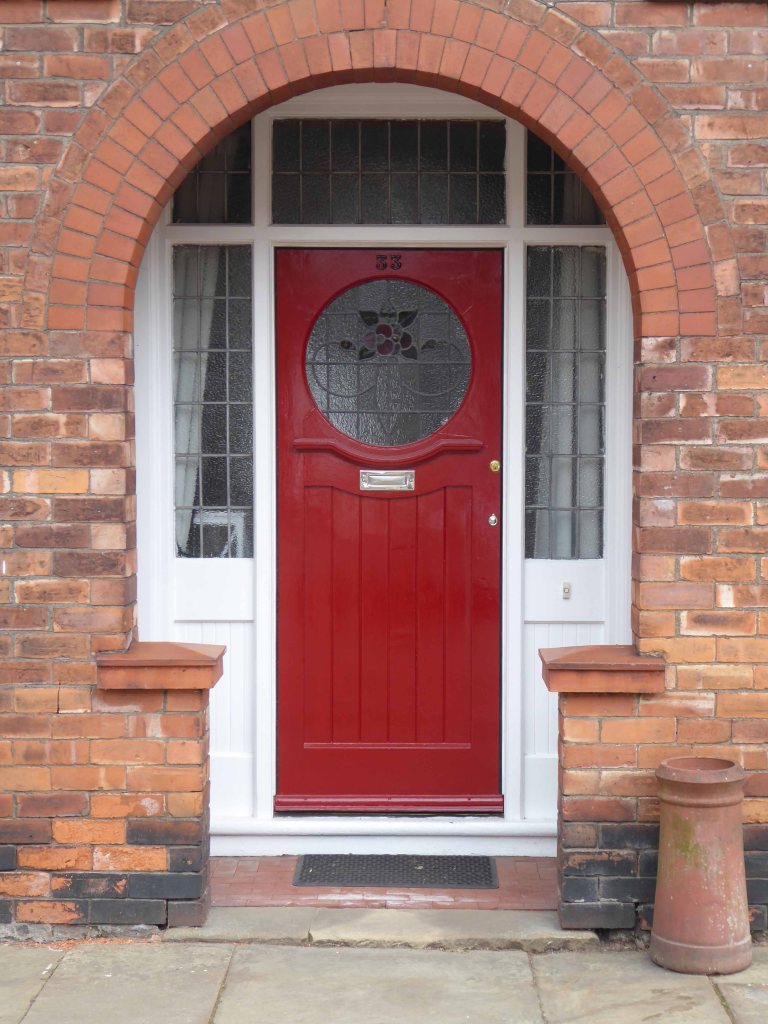
Broadway is a small scale example of a garden suburb development and is composed of a mixture of detached, semi detached and terraced houses ranging in size and built in a reddish-orange brick with dark brick dressing and patterning. The properties appear to be generously proportioned and they share similarities in design and construction and a unifying scheme of decoration.
It issuggested that the ‘imaginative exploitation of the levels and texture suggest that Woods was responsible for the layout, but the chaste Neo-Georgian character of the houses undoubtedly reflects the taste of Sellers’.
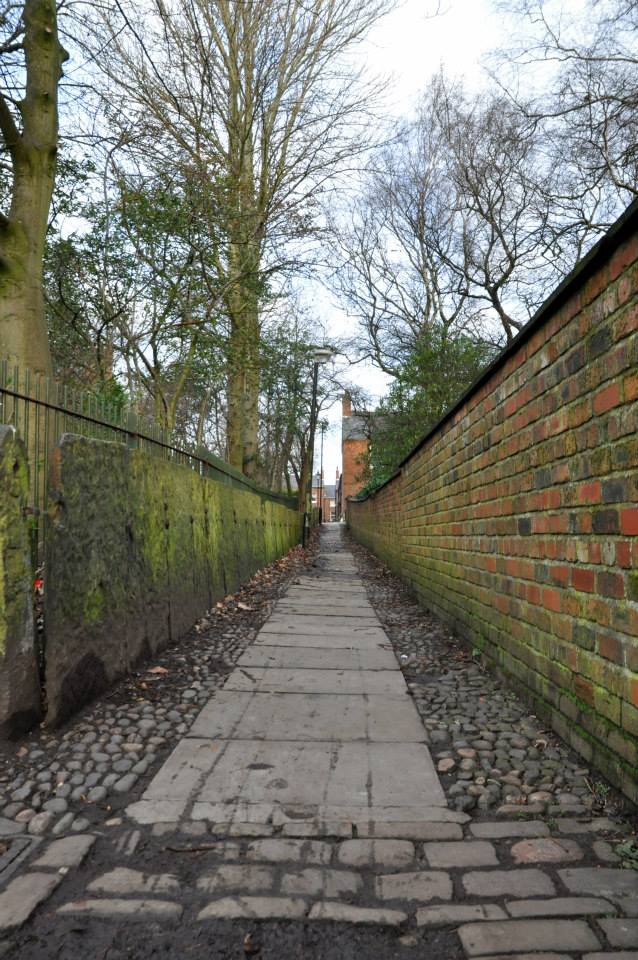
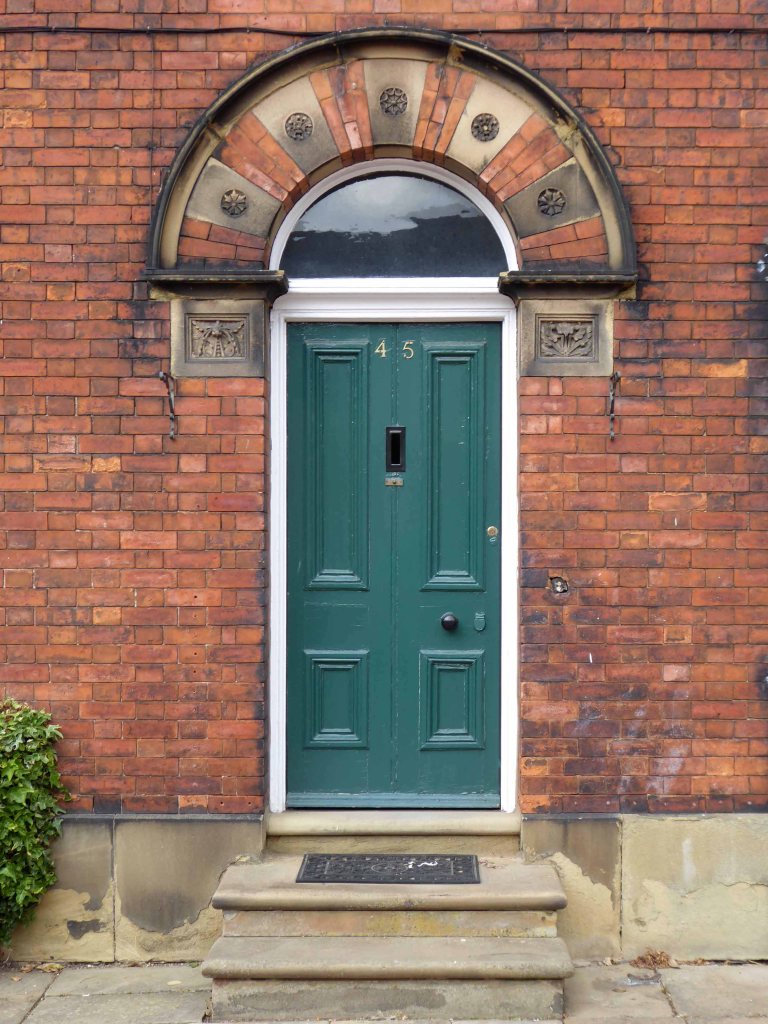
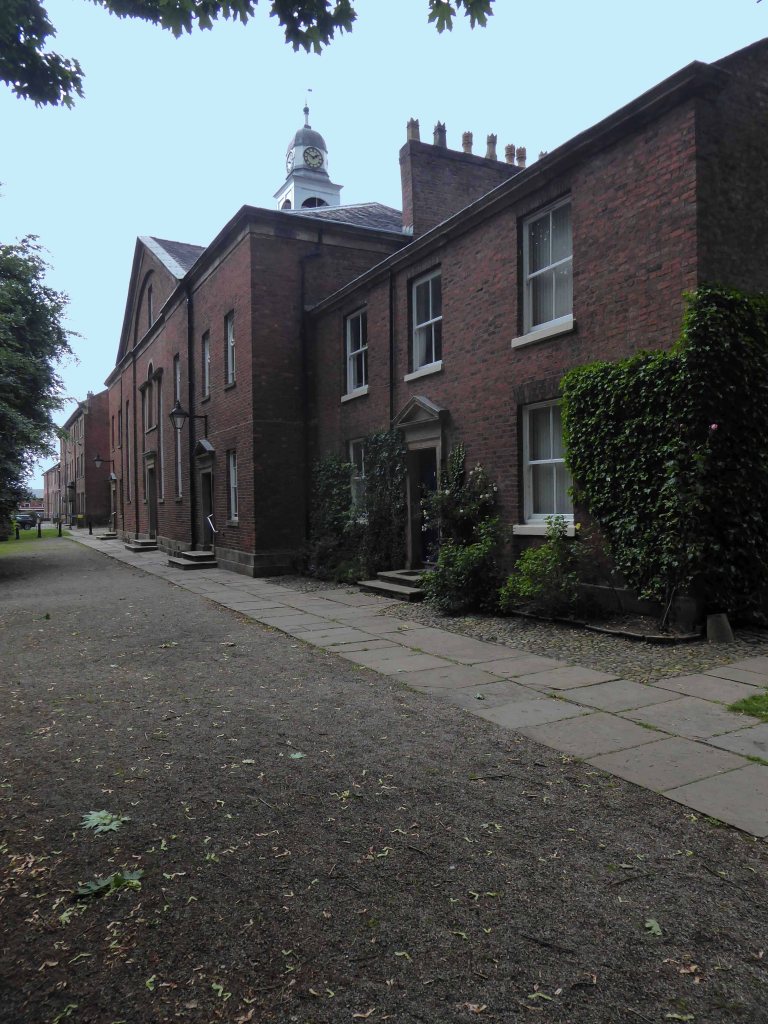
Sneaking through the alley – lined with a Yorkshire Stone fence you enter the Moravian Settlement.
Engraving 1794
The Unitas Fratrum or Moravian Church is an international Protestant Christian group which originated from the followers of Jan Hus in Bohemia (now part of the Czech Republic) during the 15th century. As a result of persecution, the group eventually re-established itself in Saxony in the early 18th century, and it is from there that followers first came to this country in the 1730s, with the intention to go on to carry out missionary work in America and the Caribbean. A decision was taken to establish the first Moravian Settlement in England at Fulneck in Yorkshire in 1744. The first Moravian settlement to be located in Tameside was in Dukinfield during the 1740s. It was there that they laid the foundation stone for their chapel at the top of Old Road in May 1751. By 1783, 40 years after their first arrival in Tameside, the lease on their land at Dukinfield expired, and negotiations for a new one proved difficult. This resulted in the purchase and removal of the community to a 54 acres site at Broad Oak Farm in Droylsden where they established a new settlement known as Fairfield.
As well as providing domestic accommodation, the buildings at Fairfield had industrial functions. During the late 18th and 19th centuries the Settlement would have been a hive of religious and industrial activity, which included the church, schools, domestic dwellings, inn, shop, bakery, laundry, farm, fire engine, night-watchman, inspector of weights and measures, an overseer of roads, physician, as well as handloom weaving and embroidery.
What we have here is an abbreviated account of an extraordinary estate.
T Cecil Howitt was responsible for the initial designs, sketches and layout of the first fifty houses in Beachlands, making him both the architect father and inspiration for the estate.
The oyster shell houses, together with the homes on the Beachlands Estate, were a form of kit build, imported from Sweden by local builders Martin and Saunders. The original plan to build envisaged a choice from as many as twelve possible kits, built in four waves, the estate is now studied, photographed and mentioned by architectural historians from across the country.
The estate is the embodiment of mutable Modernism – some original details prevail, whilst others are overwritten in the style de jour.
Having strolled and chatted to the warm and friendly residents, what does still permeate the whole development is a loose bonhomie – that easy going, anything goes manner which the seaside embodies.
The Ridgeback World Voyage takes centre stage – thanks for keeping me company every day.
God bless Asda and the tradition of the British gnome – now writ larger than life.
The route from Eastbourne is a low-level level delight which drifts inevitably toward Bexhill on Sea.
It was decided to ask the RIBA to hold a competition to design the new building and the choice of judge was made by its president Sir Raymond Unwin. He selected Thomas S. Tait, who was respected by established architects but was also known to be sympathetic towards the ideals of new ‘modernist’ architects. The Bexhill Borough Council prepared a tight brief that indicated that a modern building was required and that heavy stonework is not desirable.The competition was announced in The Architects Journal of 7 September 1933, with a closing date of 4 December 1933. Two hundred and thirty designs were submitted and they were exhibited at the York Hall in London Road, from 6 February to 13 February 1934. The results were announced in the Architects Journal of 8 February 1934 and the £150 first prize was won by Erich Mendelsohn and Serge Chermayeff.
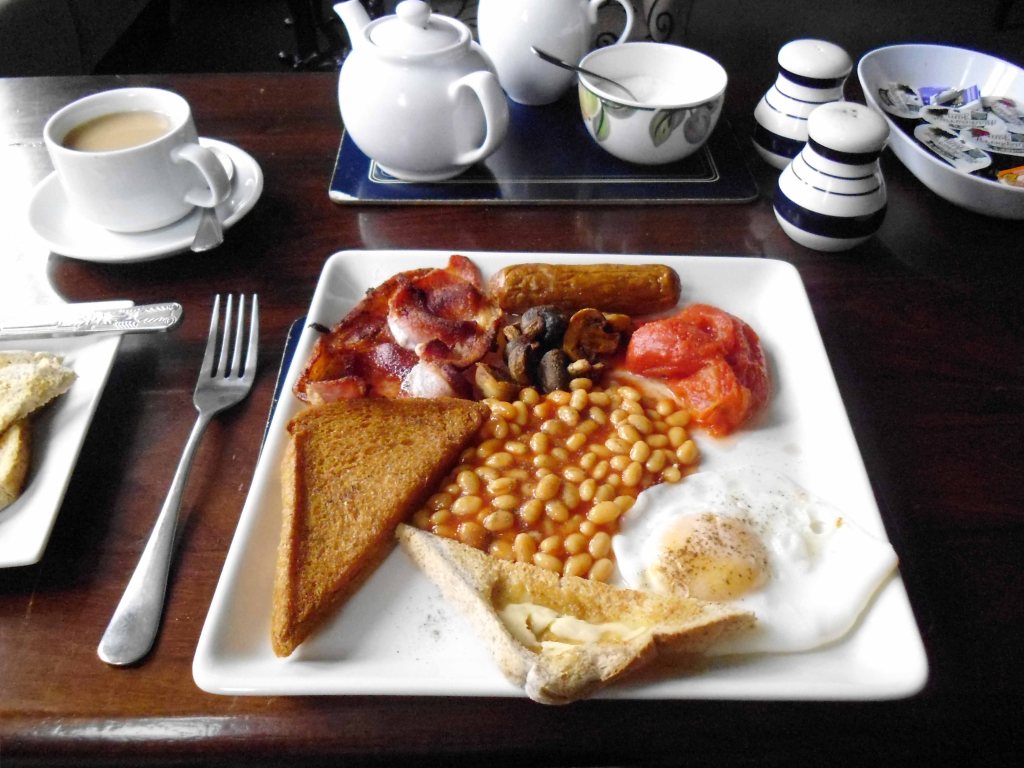
Grub up at the Lord Nelson and saints preserve us, the first sighting of fried bread – not a single hash brownie to be seen. The square plate very much in keeping with the naval nomenclature.
This ‘square plate’ theory is one of the best-known examples of folk-etymology. The phrase exists, the square plates exist, and two and two make five. To be more precise, what we have here is a back-formation. Someone hears the phrase ‘square meal’ and then invents a plausible story to fit it.
Spoil sport!
Anyway it’s Saturday 1st August 2015 and time to make tracks another sunny day in prospect, so much to see and do in Dorset!
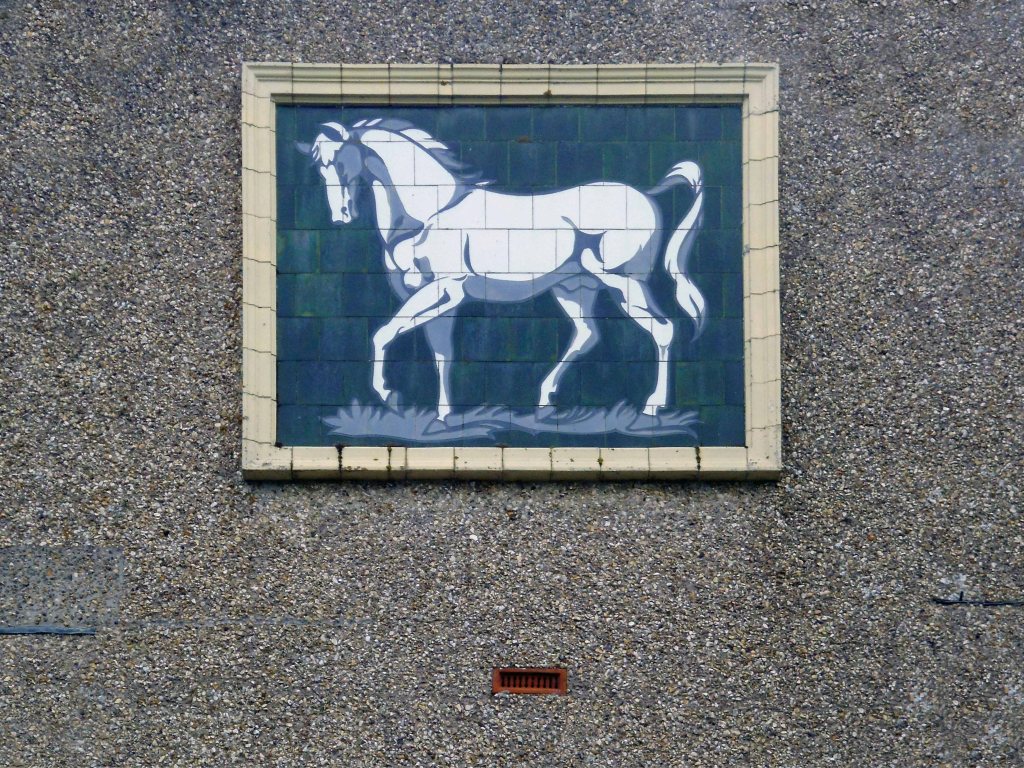
The White Horse is a Dorset country inn located in the picturesque village of Litton Cheney in the heart of the Bride Valley. A warm welcome awaits at this traditional rural pub with a roaring log fire, with honest home cooked food using seasonal, locally sourced, produce. Popular with walkers and cyclists, families alike. A perfect place to enjoy good food, great ales, wines and even better company.
My lamb was average but the vegetables were very, very poor, some of the peas were stuck together with ice.
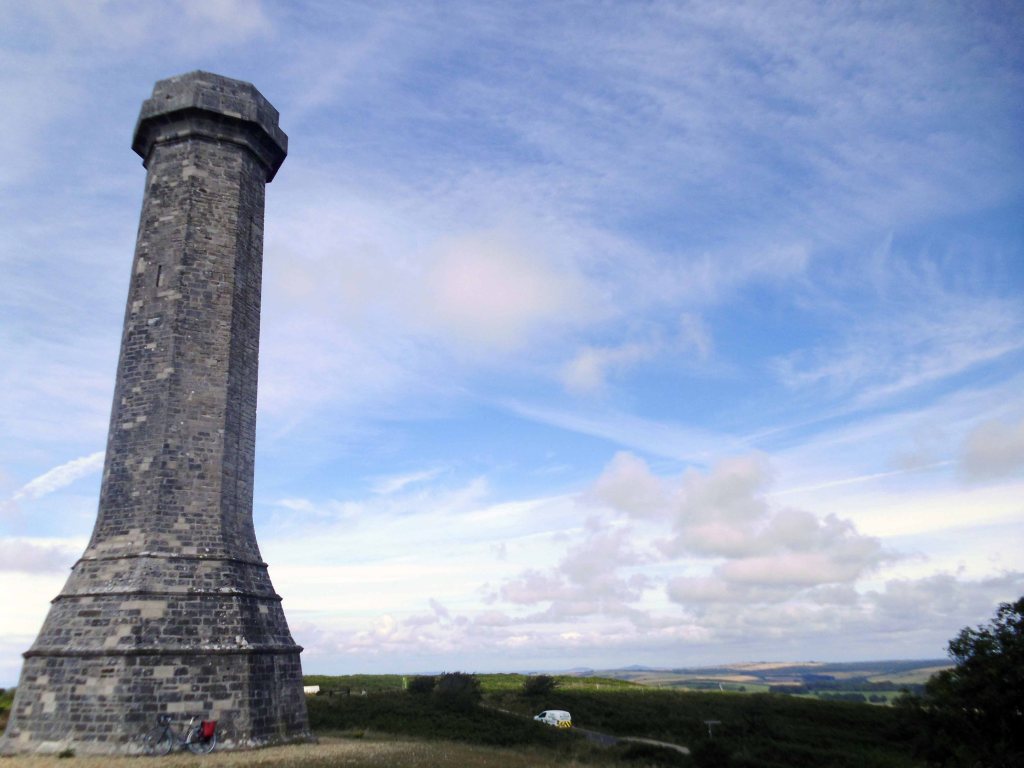
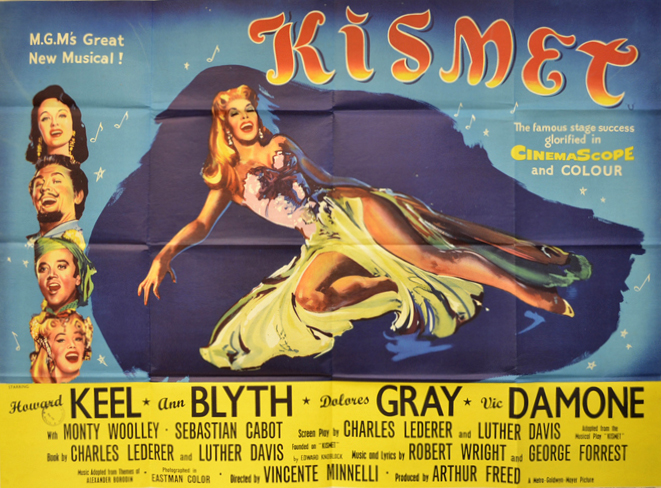
The Hardy Monument stands on an exposed location above the village of Portesham in Dorset. It was built in 1844 in memory of Vice-Admiral Sir Thomas Masterman Hardy, Flag Captain of HMS Victory at the Battle of Trafalgar. Amongst other things, Hardy became famous as it was in his arms that Nelson died, saying the immortal words ‘Kiss me Hardy’.
Contemporary historians argue that this explanation is a Victorian invention, since the earliest recorded use of the term ‘Kismet’ in the English language does not appear until after 1805.
Others also claimed that Nelson had said “Kiss Emma, Hardy”, referring to his mistress and lover Lady Emma Hamilton.
Thomas Hardy was unavailable for comment.
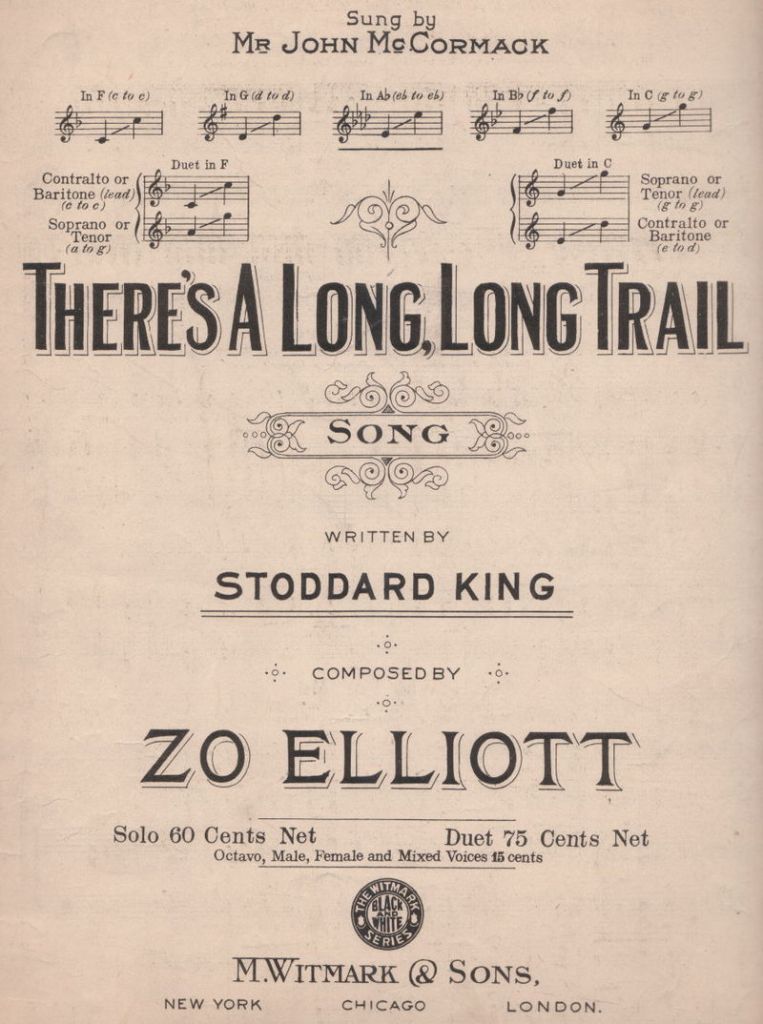
There’s a long, long trail a-winding Into the land of my dreams, Where the nightingales are singing And the white moon beams.
A song my dad would sing me to sleep with, one of my earliest and sweetest memories, his lullabies were often those songs he remembered from his army days.
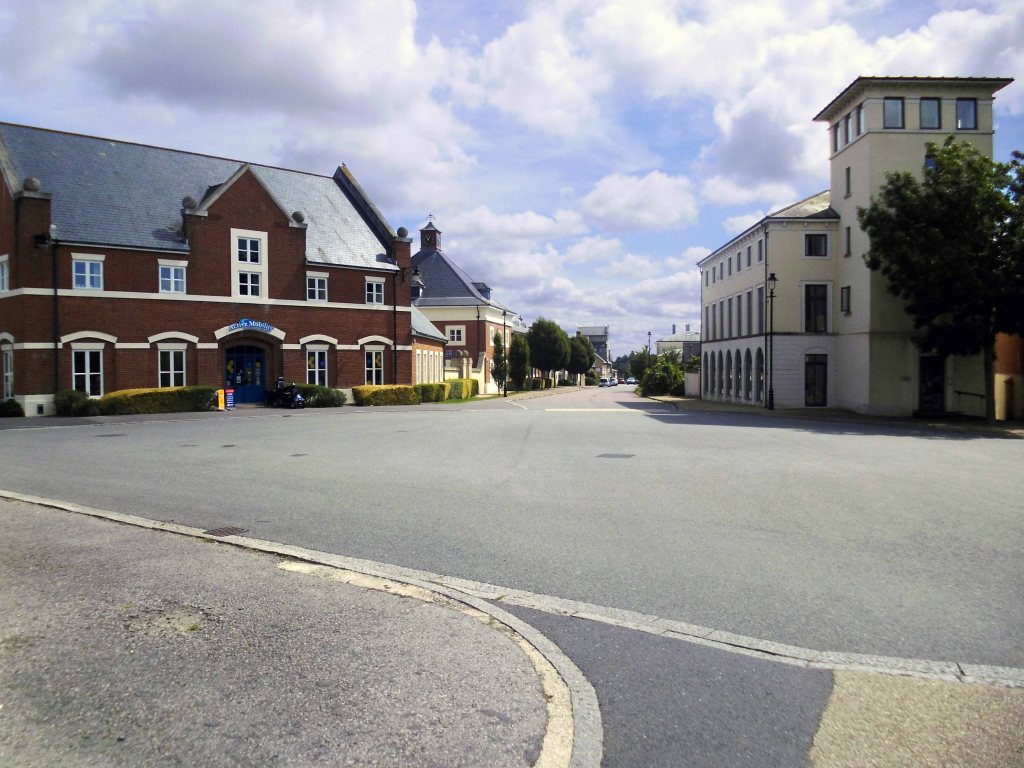
Following a morning of historical and linguistic conjecture we enter a land of architectural and historical conjecture, right here in Poundbury.
Poundbury is an urban extension to the Dorset county town of Dorchester, built on the principles of architecture and urban planning as advocated by The Prince of Wales in ‘A Vision of Britain’.
Poundbury, the Prince of Wales’s traditionalist village in Dorset, has long been mocked as a feudal Disneyland. But a growing and diverse community suggests it’s getting a lot of things right.
Poundbury should be completed by 2025, by which time it will be home to an estimated 4,500 people, increasing Dorchester’s population by a quarter. Then the Duchy will leave it to run itself. Krier, who is writing a book on Le Corbusier, says he and Prince Charles will then embark on their ultimate project: “We are going to build a small modernist town and show them how to do it.”
I myself cycled through in stunned silence, there was nobody about and the overall feel was one of a living filmset, opinion is deeply divided, I remain impartial – ride on.
Dorchester ghost.
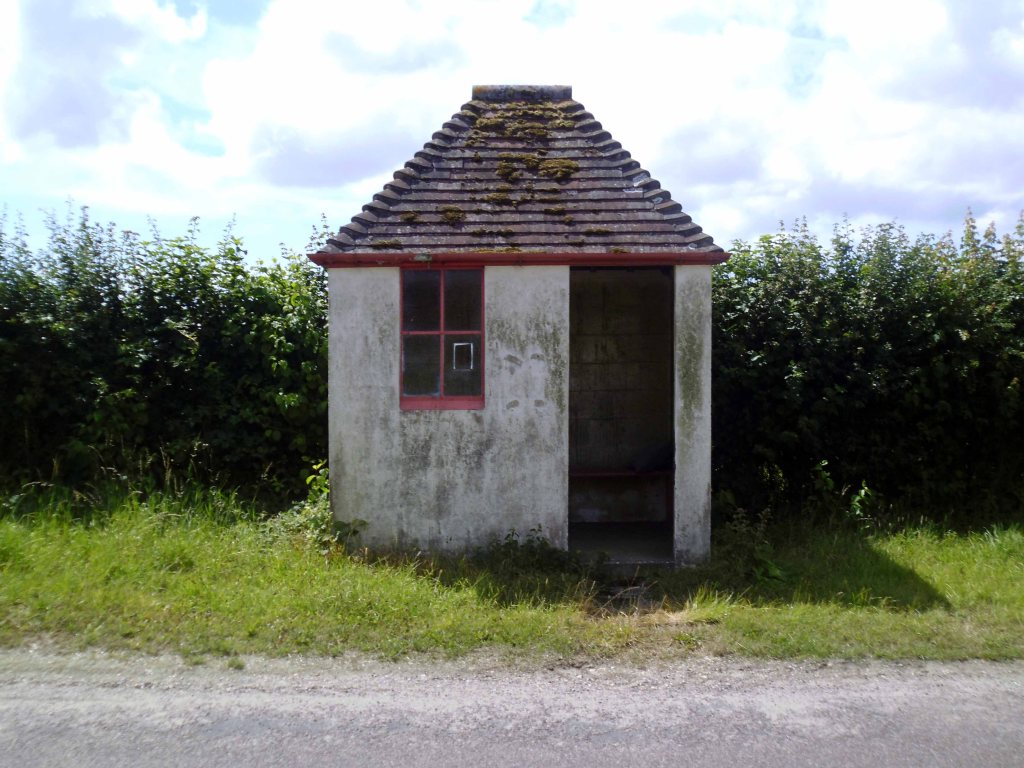
Tiny vernacular bus shelter awaits bus and the sheltered.
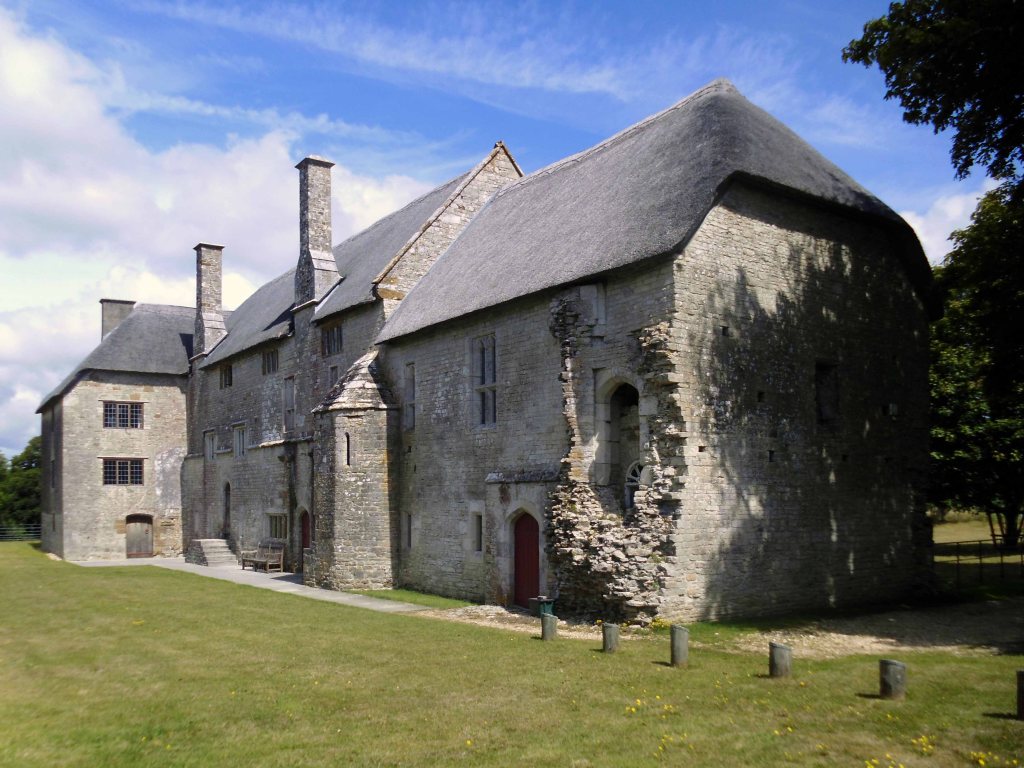
Woodsford Castle is the surviving range of a 14th-century fortified manor house. King Edward III granted William de Whitefield a licence to crenellate in 1335. The house has the largest thatched roof in the county and has been restored by the Landmark Trust.
One of our favourite Landmarks, love the table-tennis, the new decor and carpet, spacious but warm.
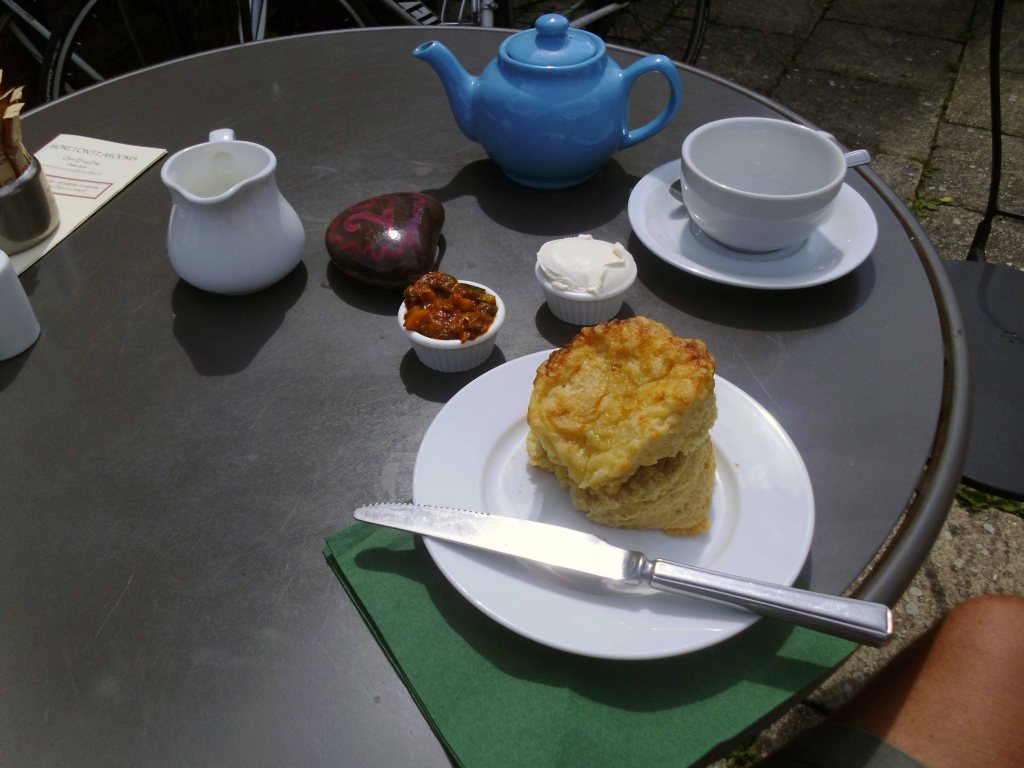
I passed by a delightful café – sorry to say that the name escapes me, and ate the most tasty cheese scone with chutney and cream and a brew, thank you ever so much nameless café.
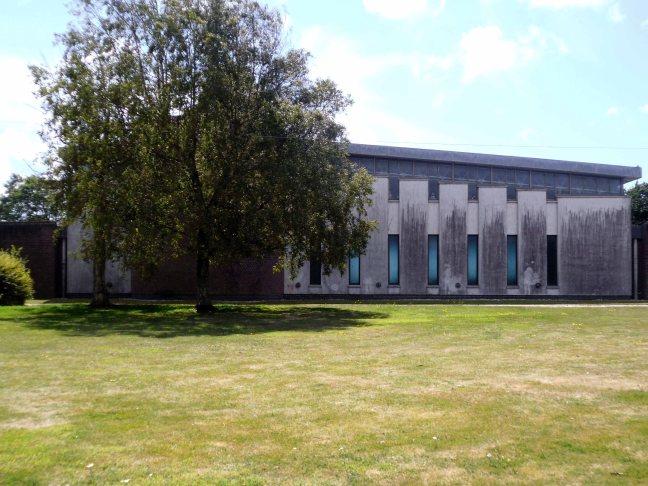
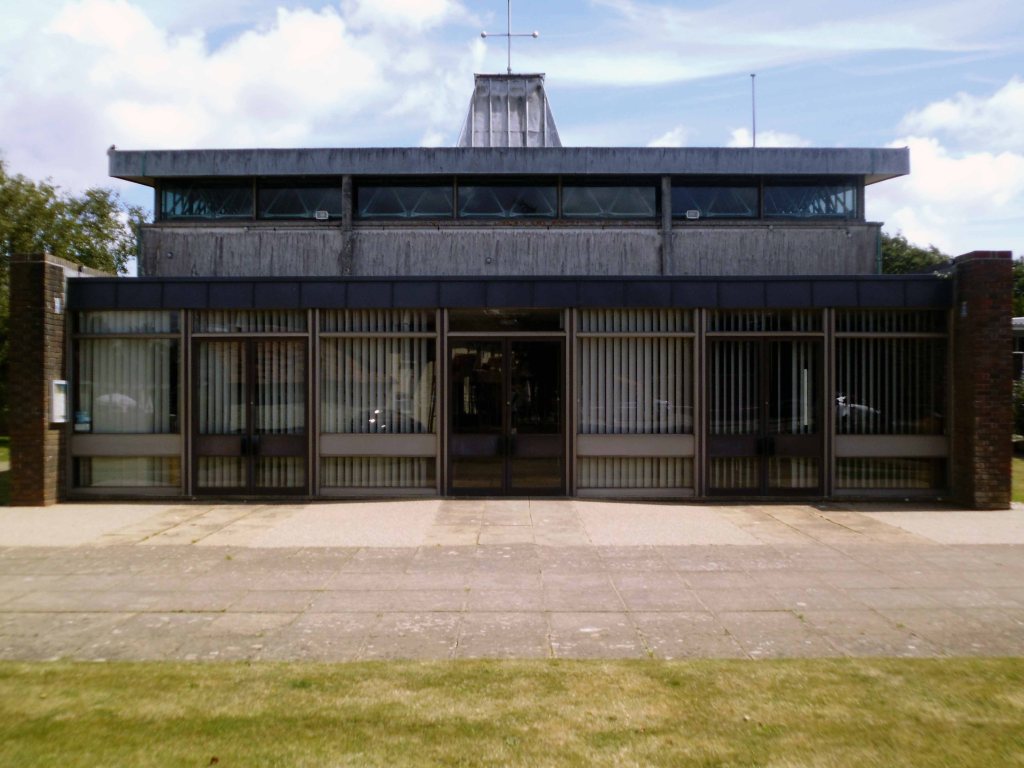
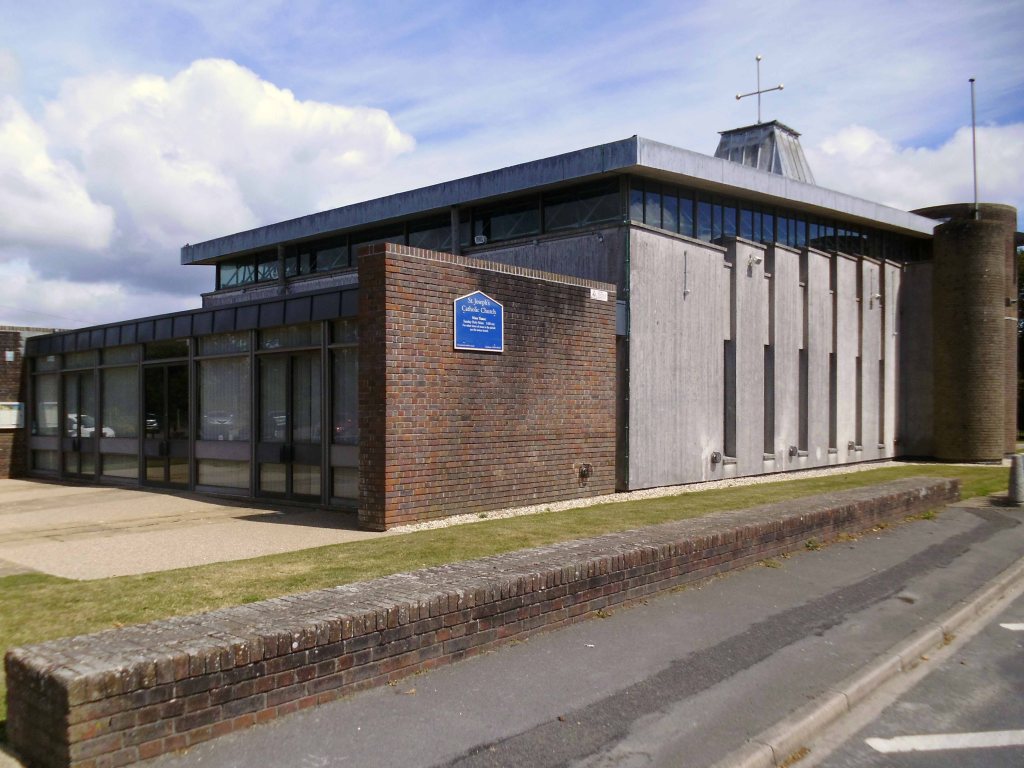
An impressive 1960s church design, responding thoughtfully to the needs of the post-Vatican II liturgy. The function clearly dictates the form, resulting in a building that is visually memorable as well as fit for purpose. Little has been changed since 1971. The Triodetic spaceframe roof structure is not generally associated with churches but enables a large uninterrupted space for the celebration of the Mass. The interior furnishings and fittings are essential to the totality of the design.
The Roman Catholic Church of St Joseph of 1969-71 designed by Anthony Jaggard of John Stark & Partners is listed at Grade II – a bold exterior employing exposed brickwork, a mineral render, vertical glazing and sparse ornamentation.
I fell in love the very moment what I saw it, having climbed over a fence by the railway, as I remember.
Next ting you know I’m in an area of outstanding natural beauty.
Cycling down yet another leafy lane.
Catching the ferry with several other cyclists on our way to Poole.
Walked the bike along the crowded promenade into Bournemouth.
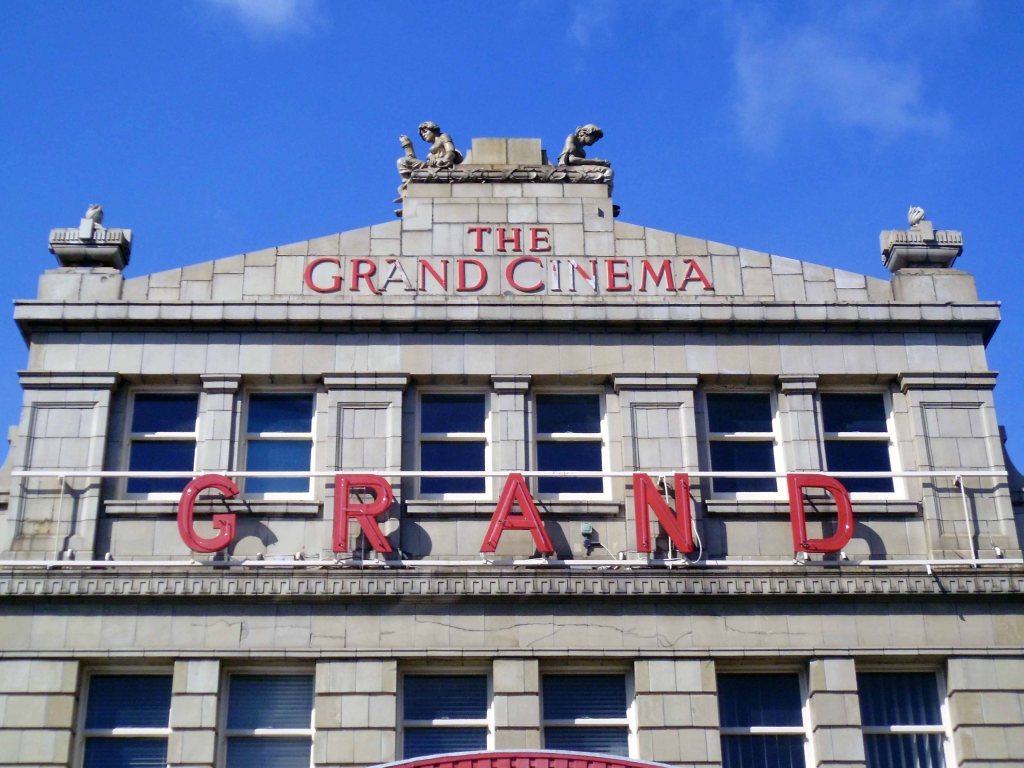
Passed the Grand Cinema.
Located in the Westbourne district of Bournemouth, the Grand Cinema Theatre opened on 18th December 1922 with a production of Anthony and Cleopatra performed on the stage. The following day it screened its first film A Prince of Lovers plus a Harold Lloyd short comedy.
It had a facade coverted with Carter’s Architectural Tiles, manufactured at the Carter pottery in Poole. There was a central bay over the entrance which was topped by a revolving globe, which was illuminated at night. The auditorium had a sliding roof which could be opened in hot summer weather. There was a lift which could be taken instead of the stairs to the balcony level and the cafe. The front of the orchestra pit barrier was also covered in Carter’s tiles.
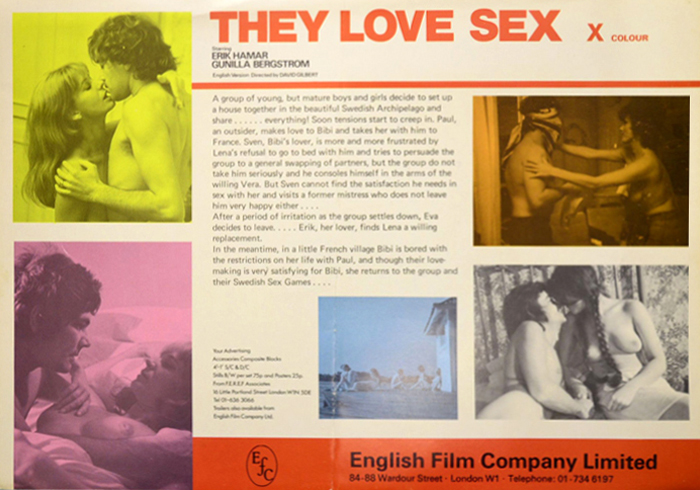
It was taken over by an independent Snape Entertainments from 21st December 1953 and they operated it as a full time cinema until 8th October 1975 when the film They Love Sex was the last regular film shown. It went over to become a full time bingo club, until a mix of part week bingo and films were introduced from 27th March 1976.
Finally found, following another find a room farrago – a less that grand tiny room in a big hotel, full of stag and hen parties – as was the whole town.
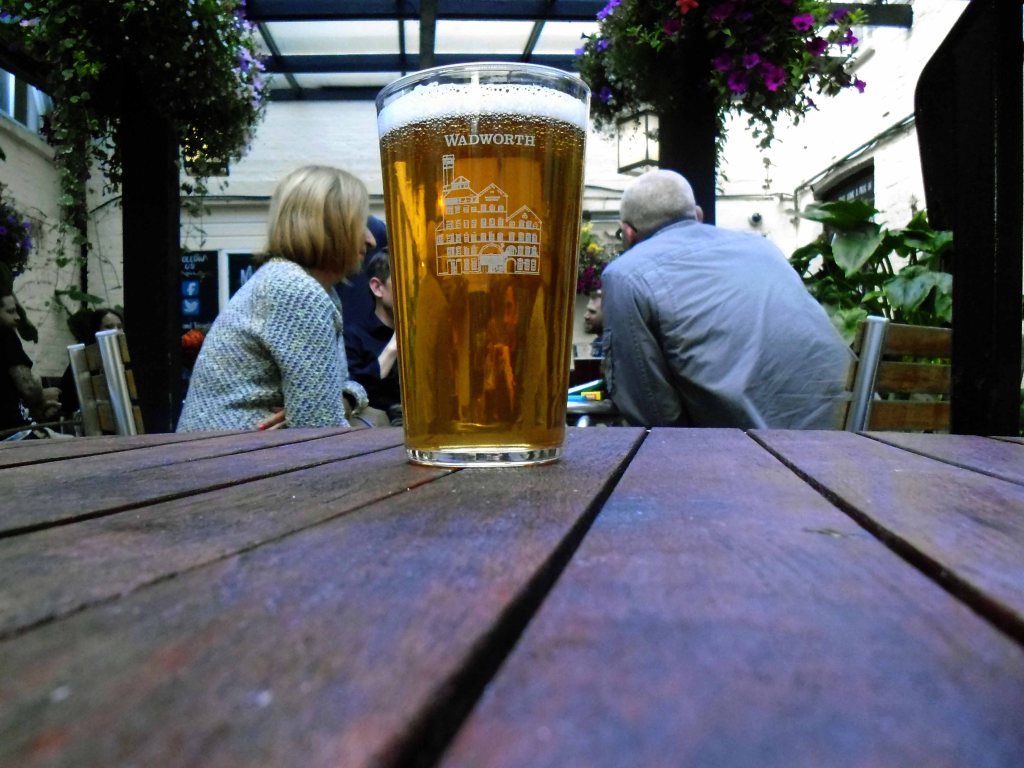
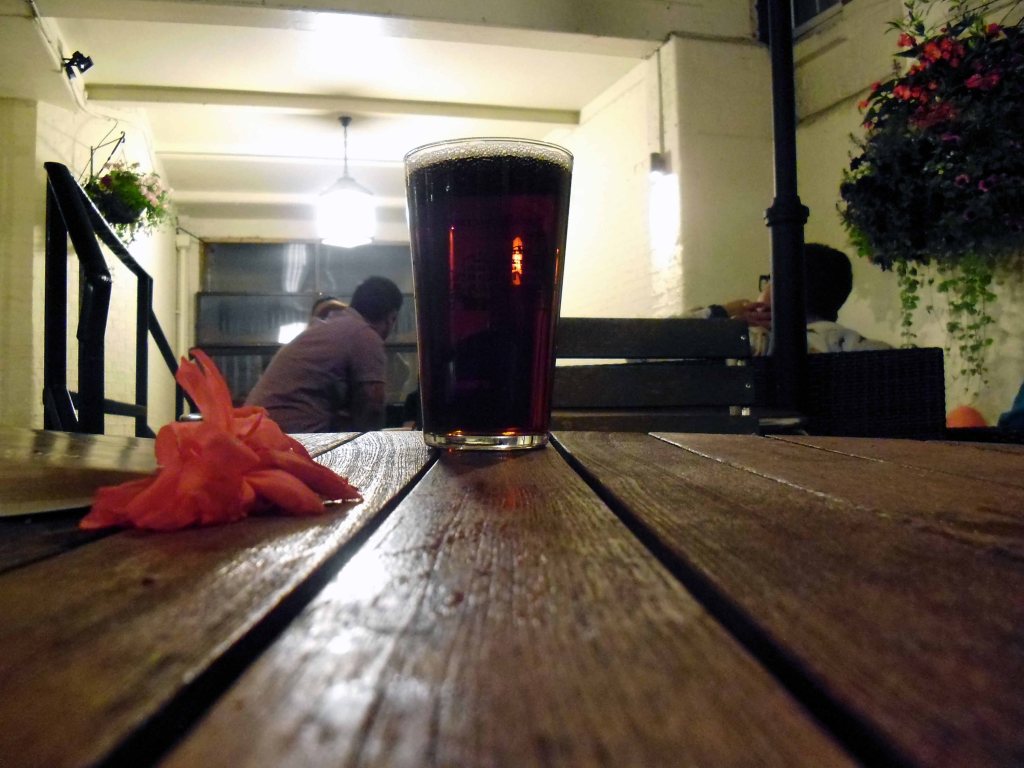
Seeking solace in the Goat and Tricycle – a beer house that boasts a huge range of hand pulled cask ales including Wadworth classics: Horizon, 6X, Swordfish and Wadworth IPA. The pub also has up to six Guest ales which change every few days, so there is always plenty of variety to choose from.
I would have chosen to keep the original names, the recent trend for the comic rebranding is quite literally ridiculous.
It was originally two separate pubs The Pembroke Arms to the left, it’s old Marston’s Dolphin Brewery tiles intact. The Pembroke Shades where the bar is now, was on the right. The Shades ran a boxing club where Freddie Mills, who lived opposite, is said to have trained, he went on to win the World Light Heavyweight belt.
I worked in the Shades on and off for 8 years. I still see a lot of the old crew, I am about to set up a Shades Re-union – we had one some years ago it was fab!
Do you remember John Bell, he was part time glass collector, full time alcoholic. Mary the Irish Landlady – she ‘s still going strong, unfortunately John Bell passed away.
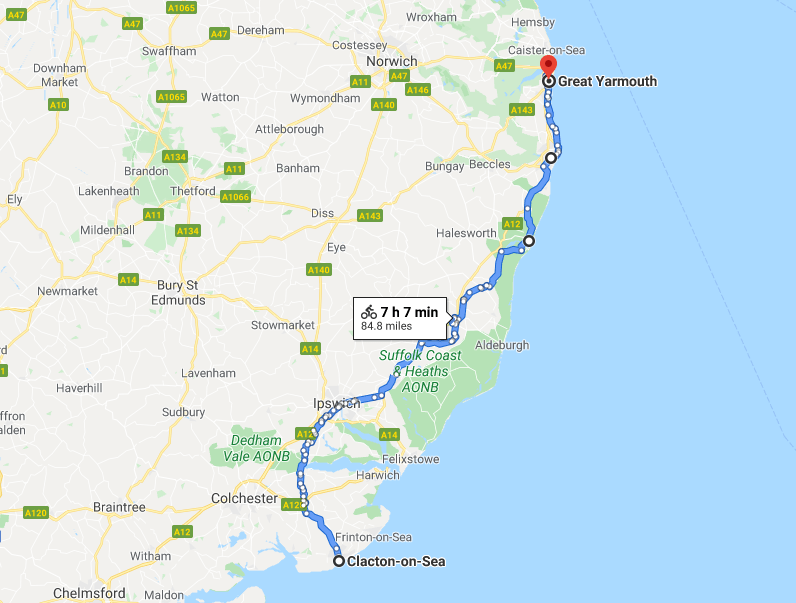
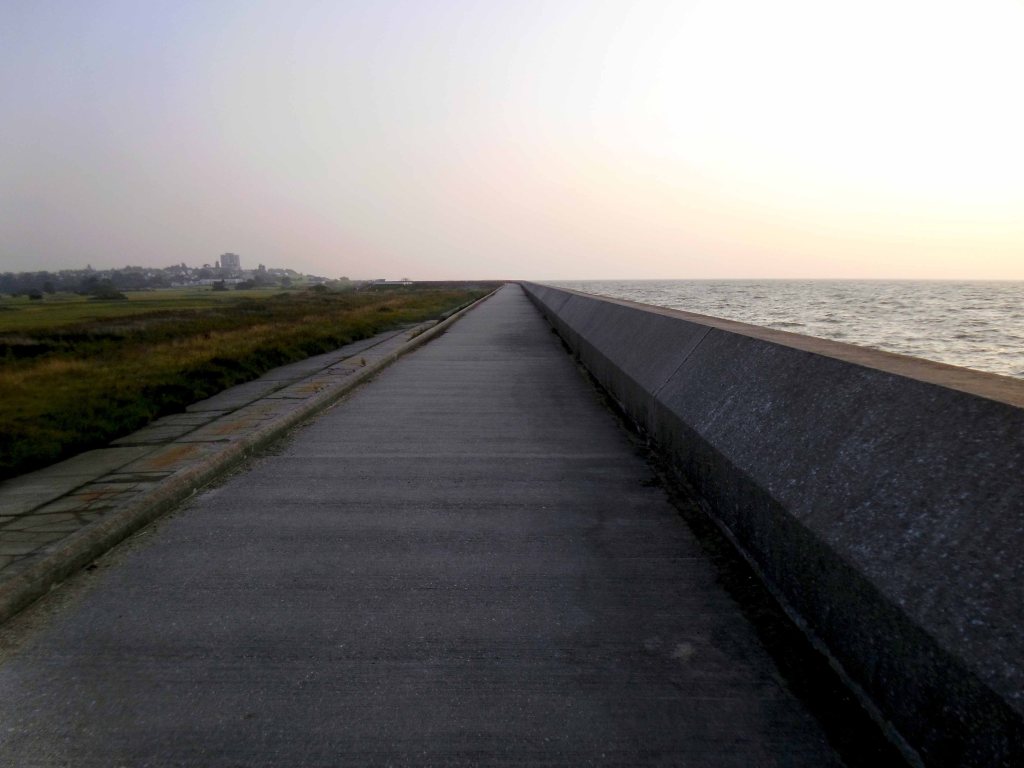
Day four Thursday 4th September 2014 – leaving Clacton on Sea for Frinton on Sea is the equivalent of crossing continents, time zones, aesthetic and social sensibilities.
Leaving the razzle-dazzle, frantic fish and chip frazzle, for the sedate repose of germ free Frinton.
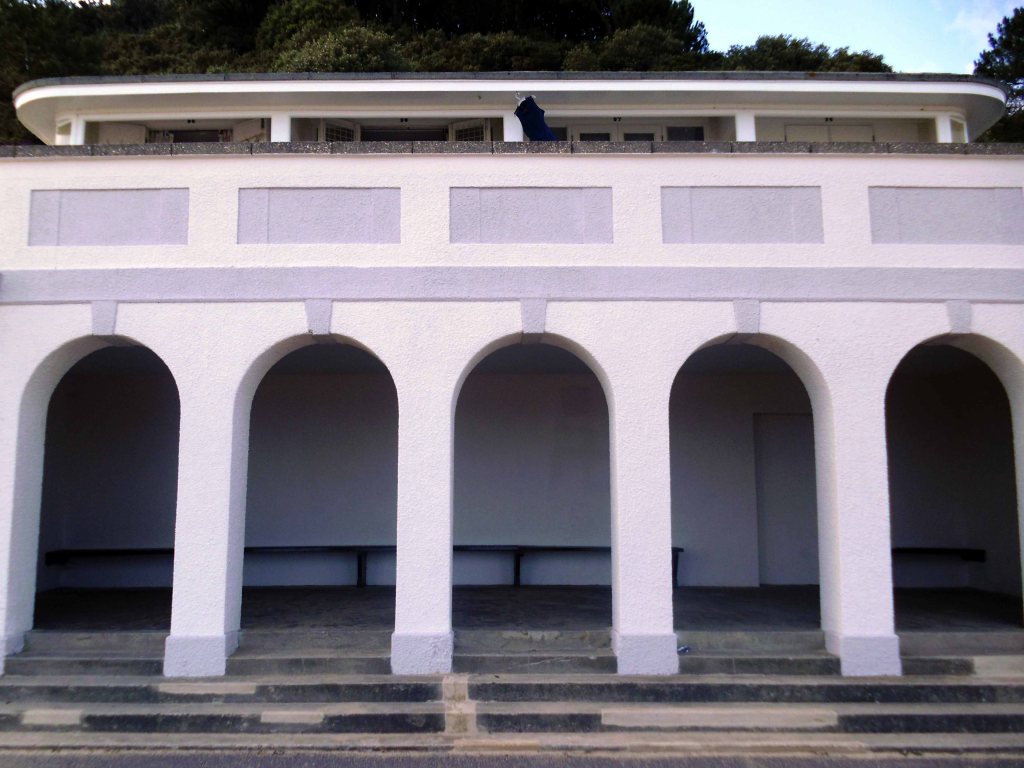
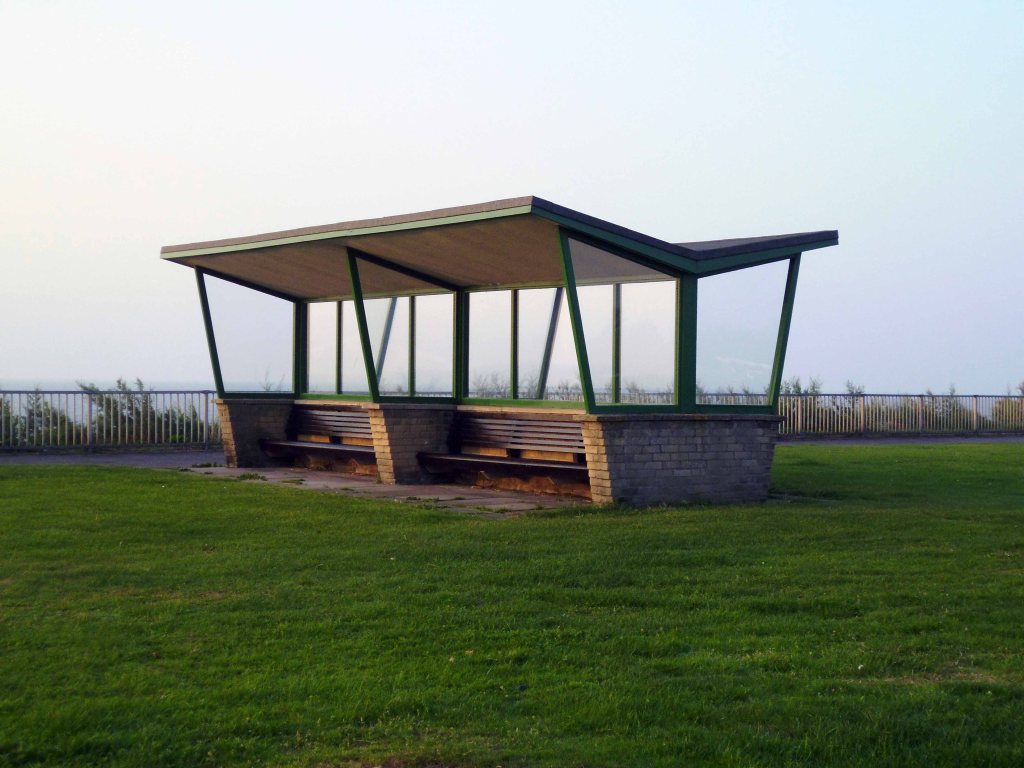
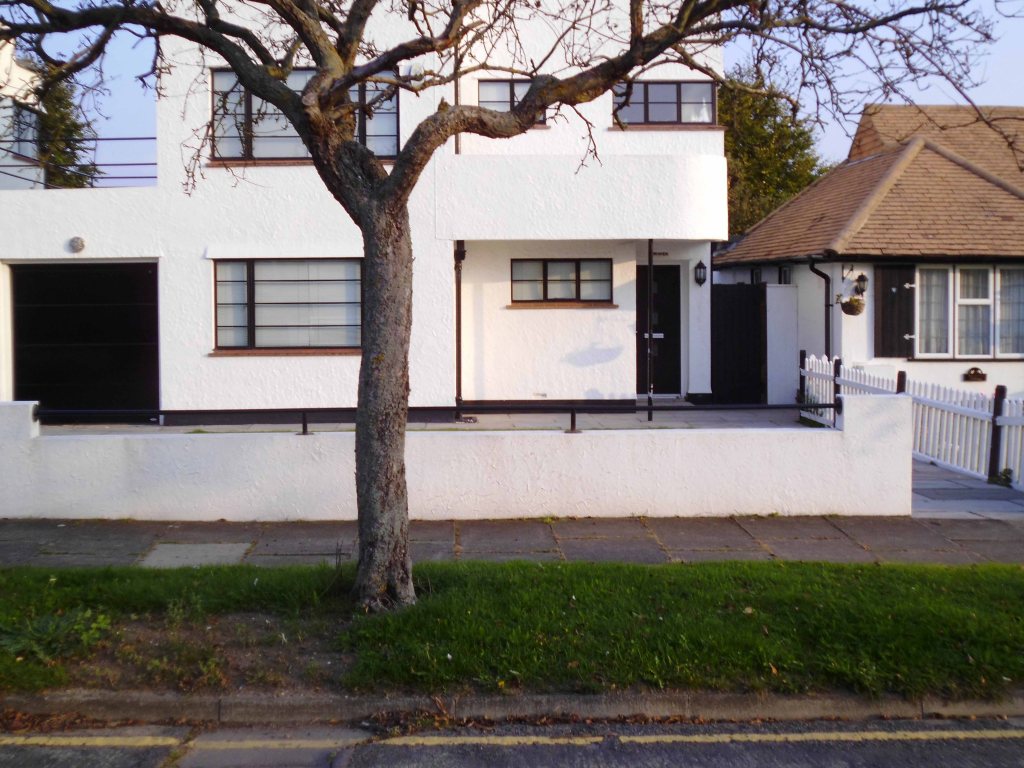
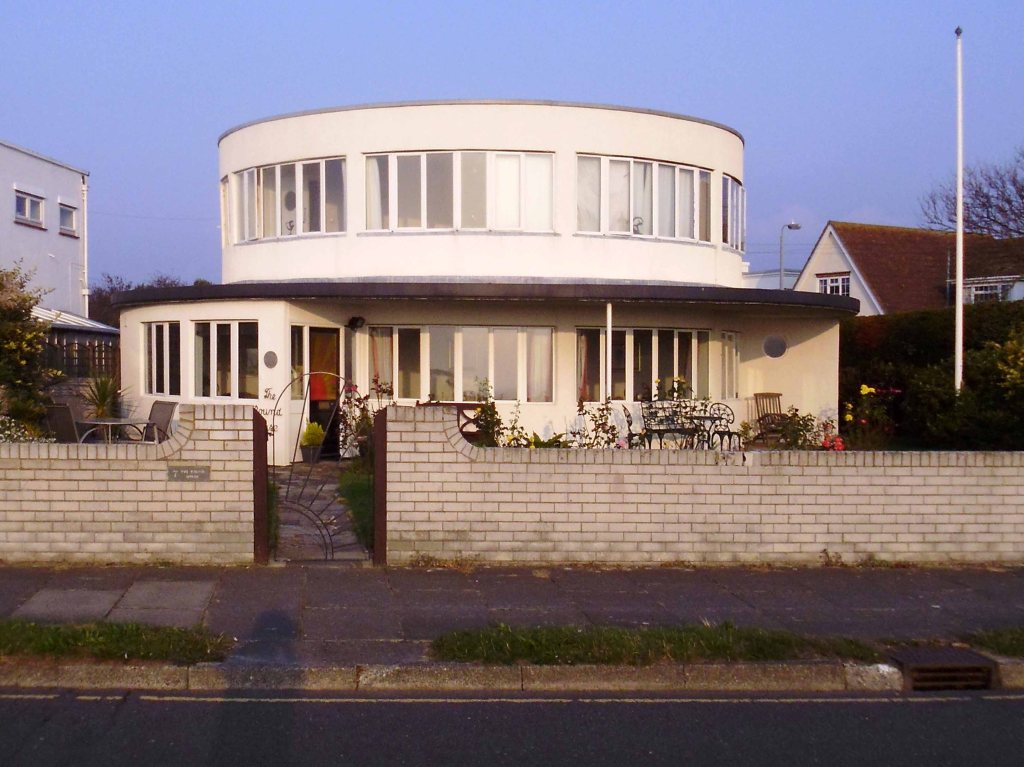
Green sward and restrained modernist shelters adorn the foreshore.
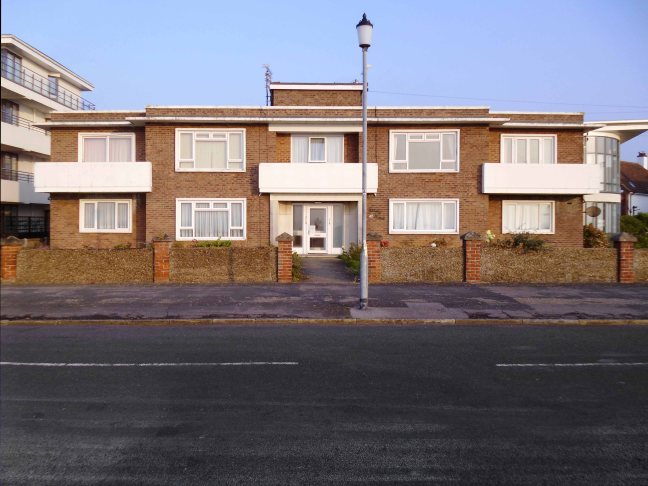
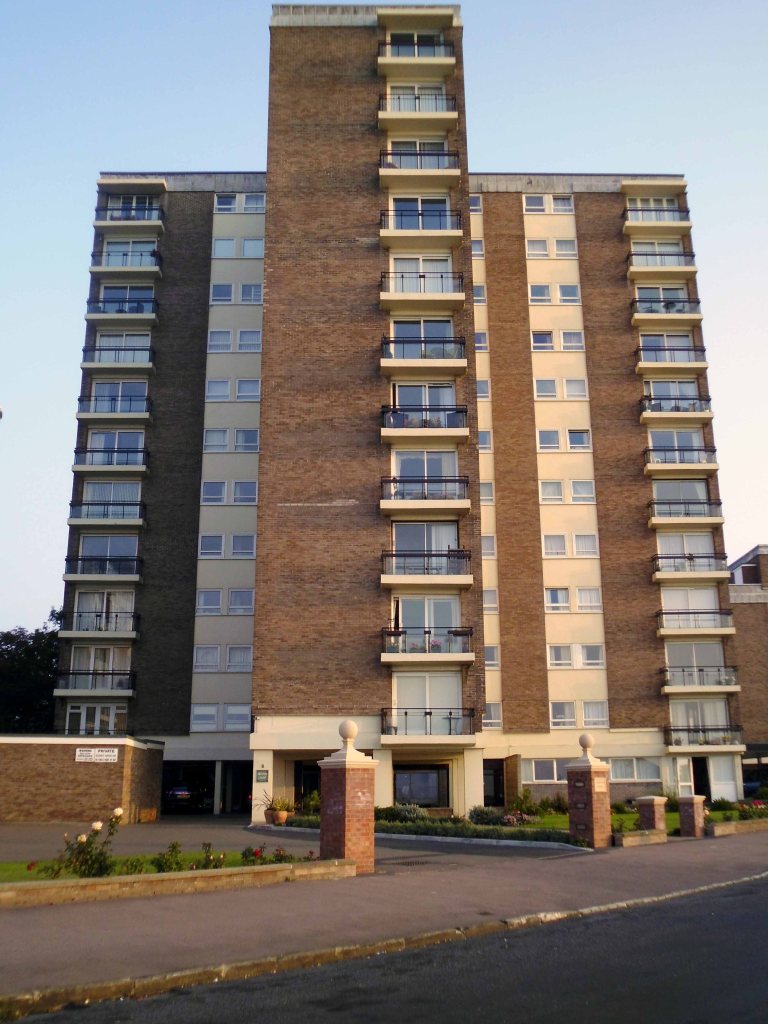
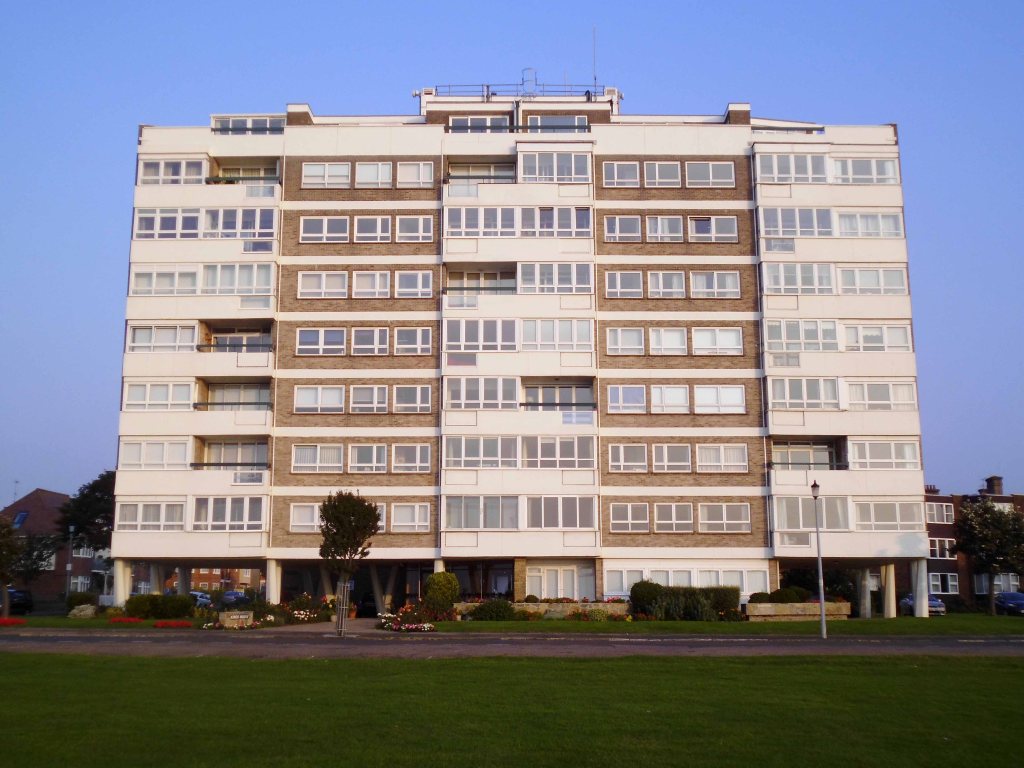
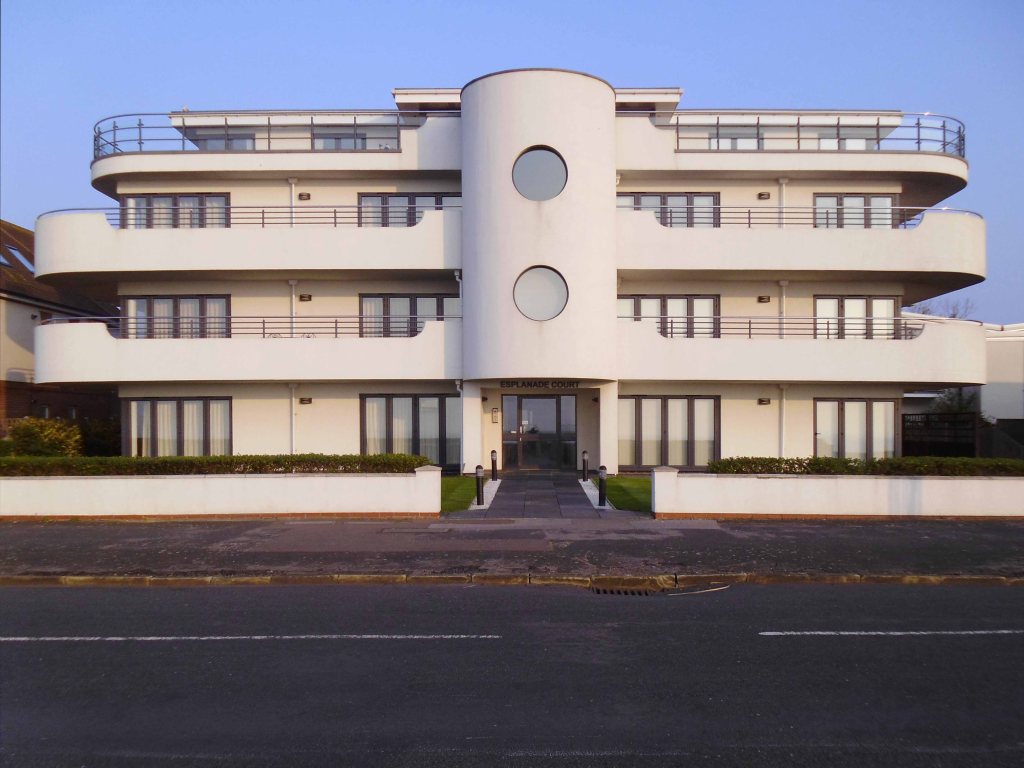
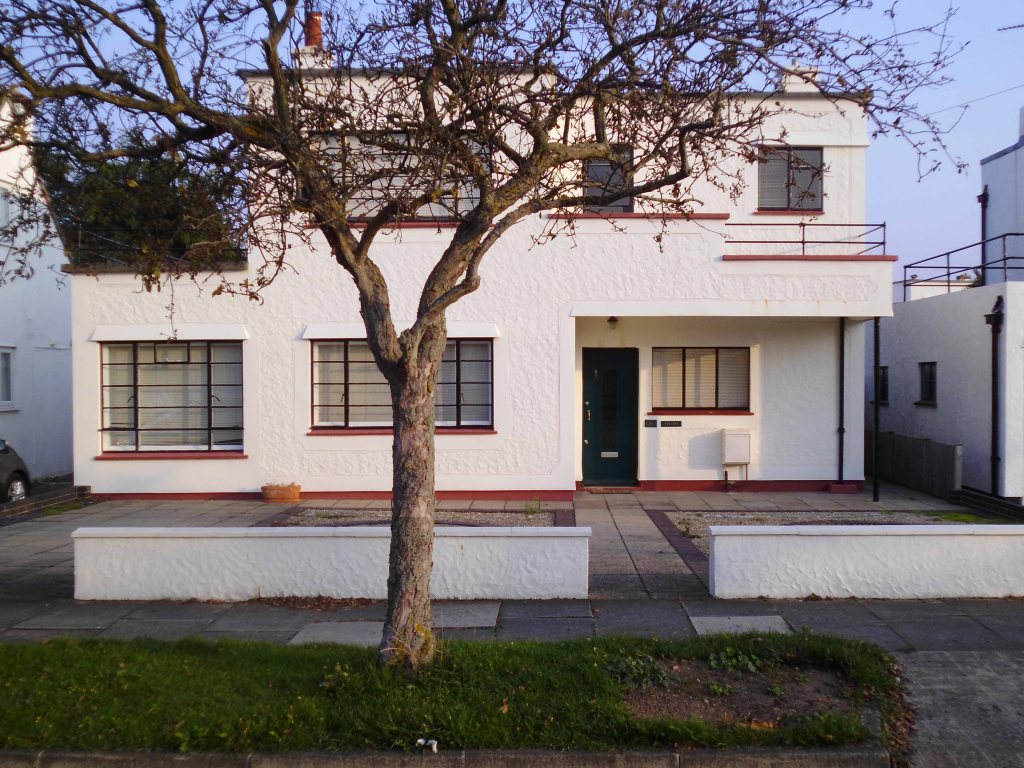
I love the bold optimism of Maritime Moderne – the bright eyed, forward looking window grid of these fine flats.
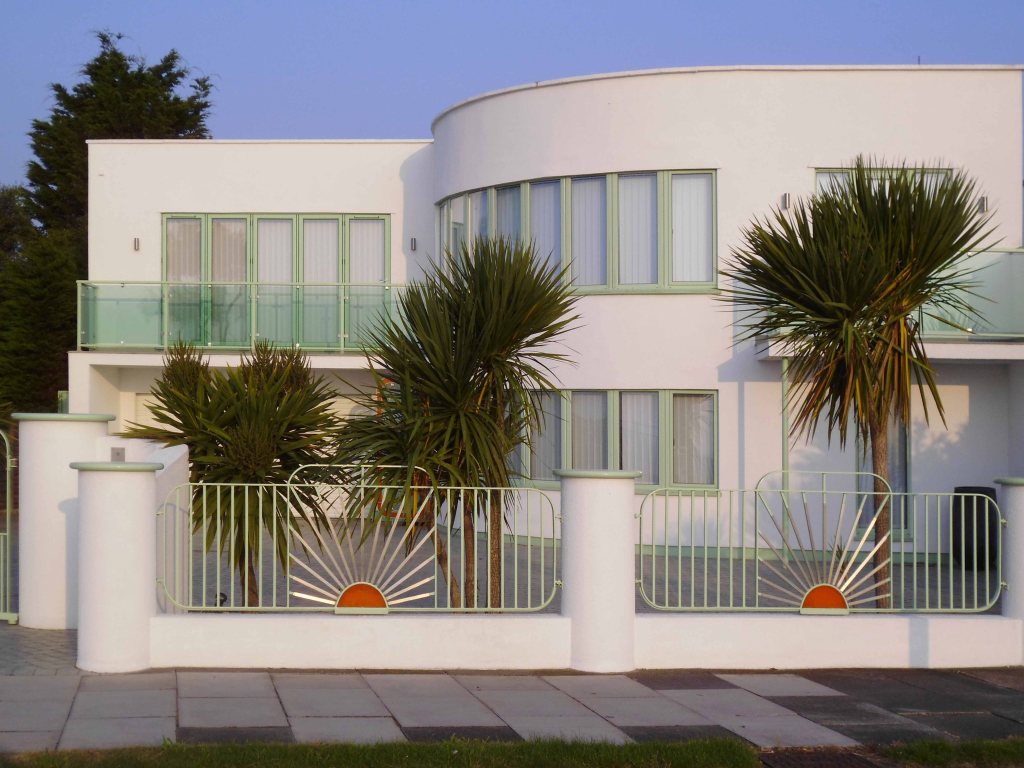
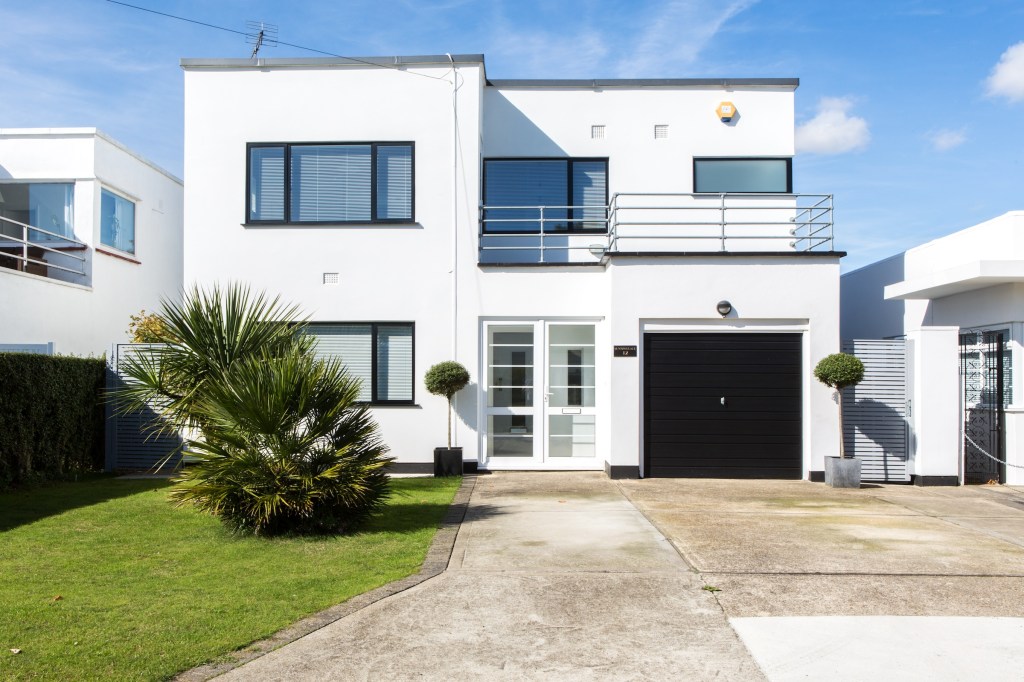
I have a cautious admiration for the faux Deco newcomers.
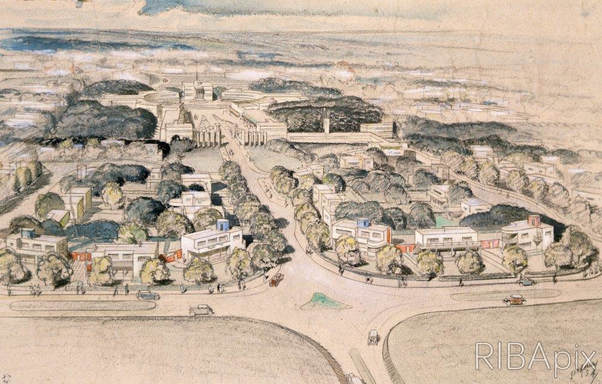
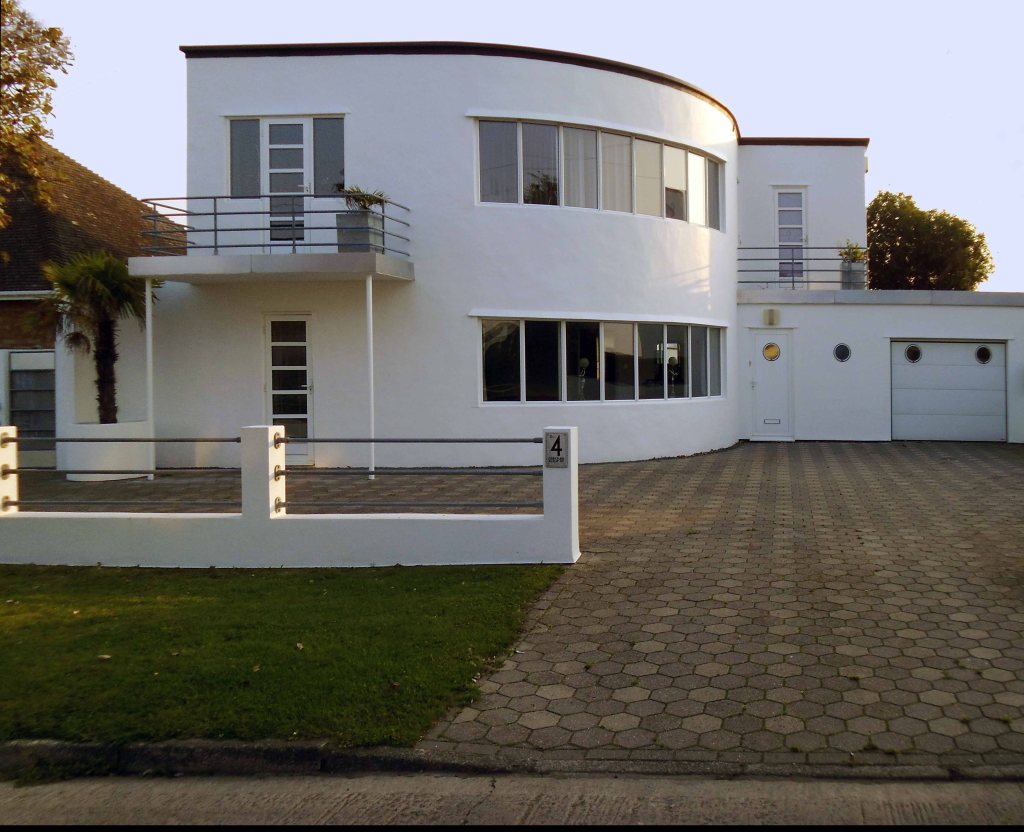
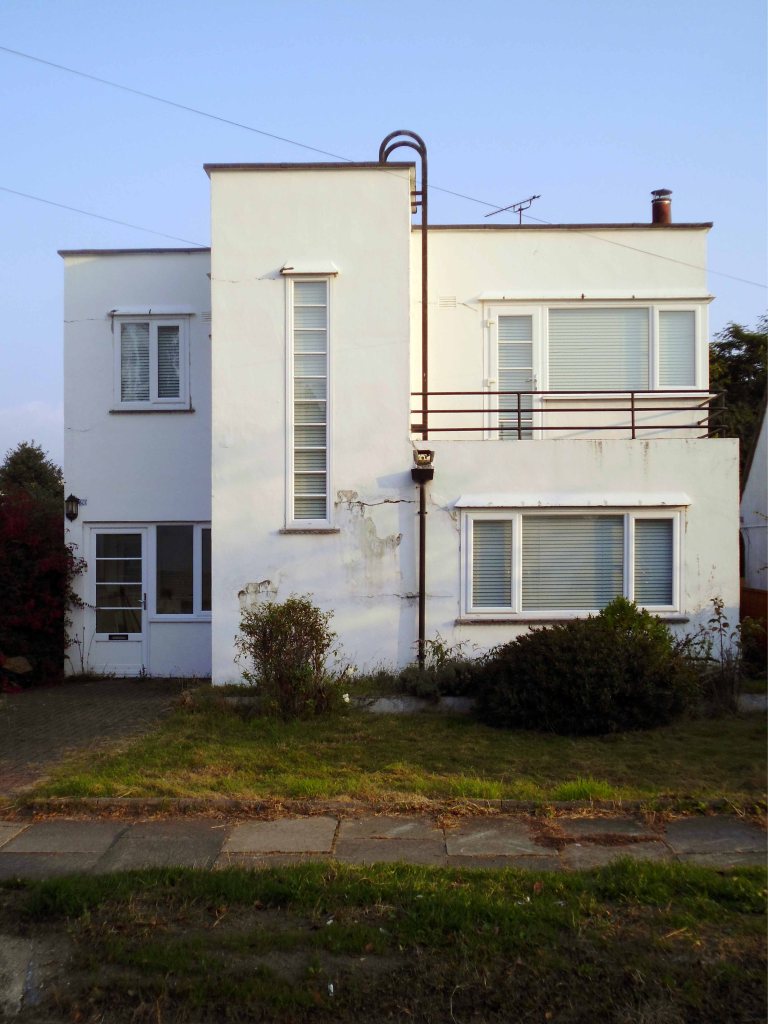
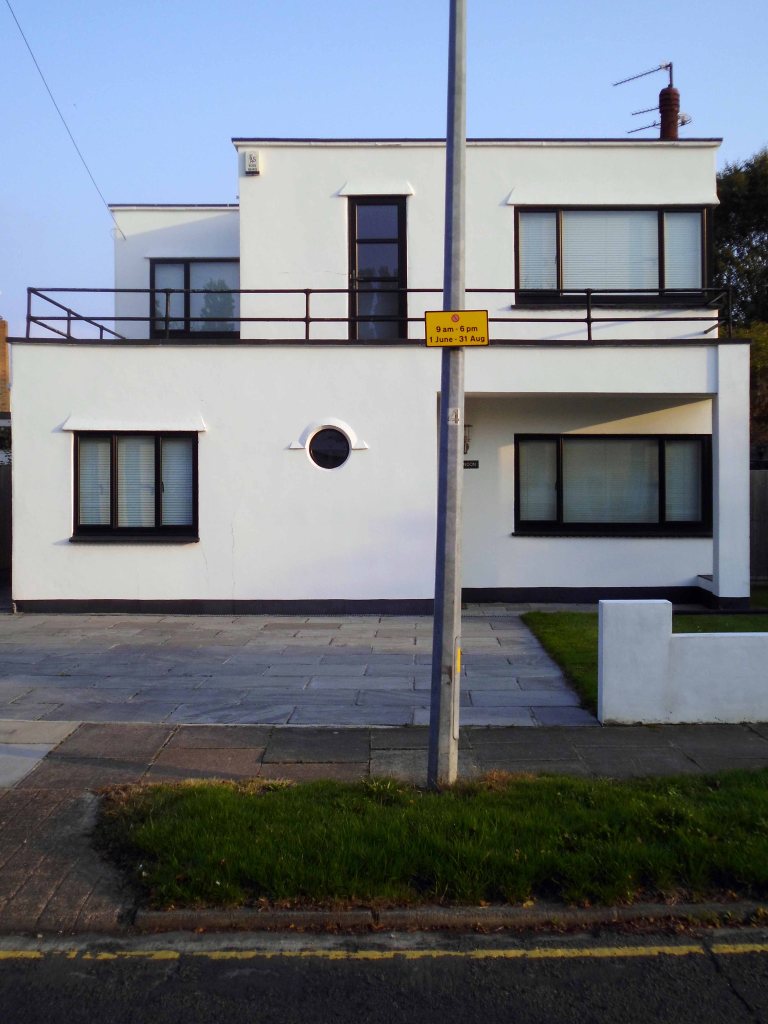
The modernist estate was attempted many times in the interwar years; visions of rows of fashionable white walled, flat roofed houses filled developers eyes. In practice the idea was less popular with potential house buyers. In the Metro-Land suburbs of London, estates were attempted in Ruislip and Stanmore, with a dozen houses at most being built. One estate that produced more modernist houses than most, albeit less than planned, was the Frinton Park estate at Frinton-on-Sea on the Essex coast.
Oliver Hill was known for his house designs, which spanned styles from Arts and Crafts to Modernist. Hill was to draw up a plan for 1100 homes, as well as a shopping centre, luxury hotel and offices. The plan was for prospective buyers to buy a plot and then engage architects to design their new house from a list of designers drawn up by Hill. The list featured some of the best modernist architects working in Britain at the time; Maxwell Fry, Wells Coates, F.R.S. Yorke and Connell, Ward & Lucas.
As wonderful as this sounds today, the buying public of 1935 did not quite agree. The majority of potential buyers were apparently put off by the Estates insistence on flat roofs and modernist designs. Plan B was to build a number of show homes to seduce the public into buying the modernist dream. Of 50 planned show homes, around 25 were built, with about 15 more houses built to order. The majority of these were designed by J.T. Shelton, the estates resident architect, with a number designed by other architects like Hill, Frederick Etchells, RA Duncan and Marshall Sisson.
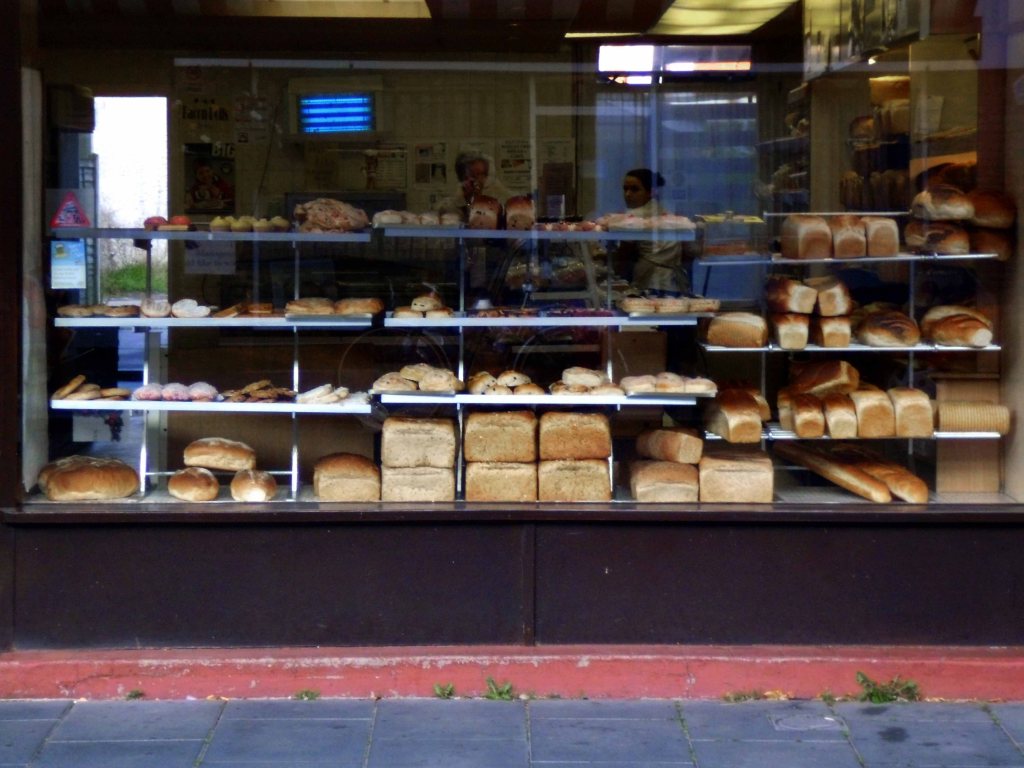
The town is also home to this traditional confectioners – Lilley’s Bakery.
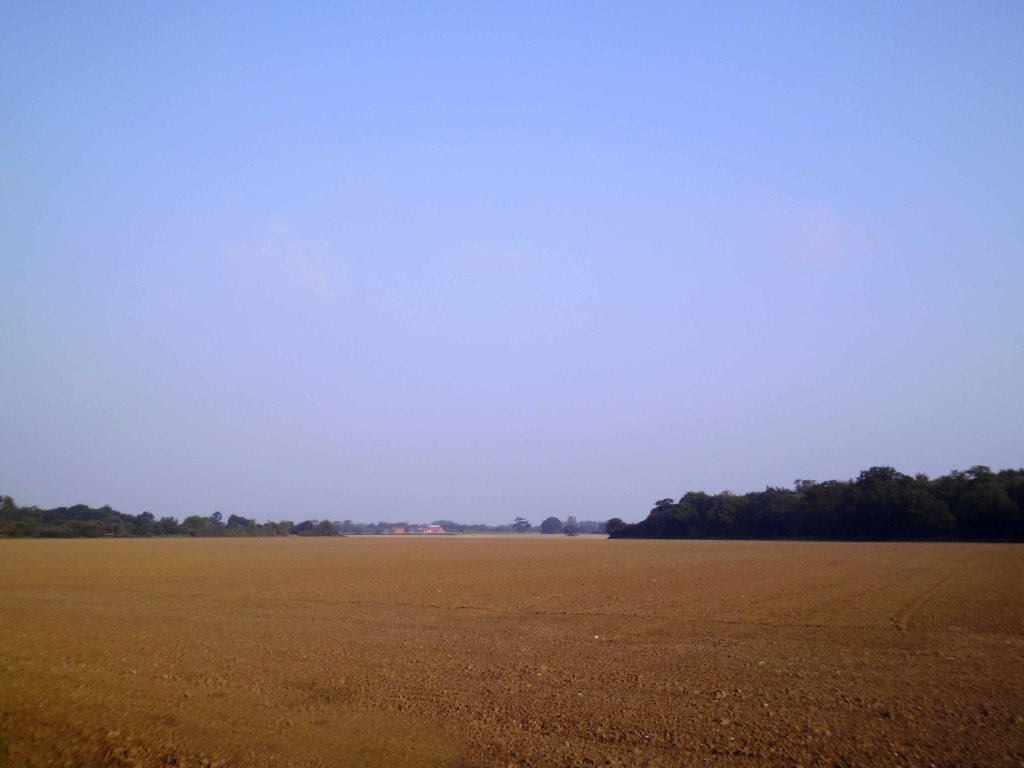
Leaving the coast for pastures new – well, a ploughed field actually.
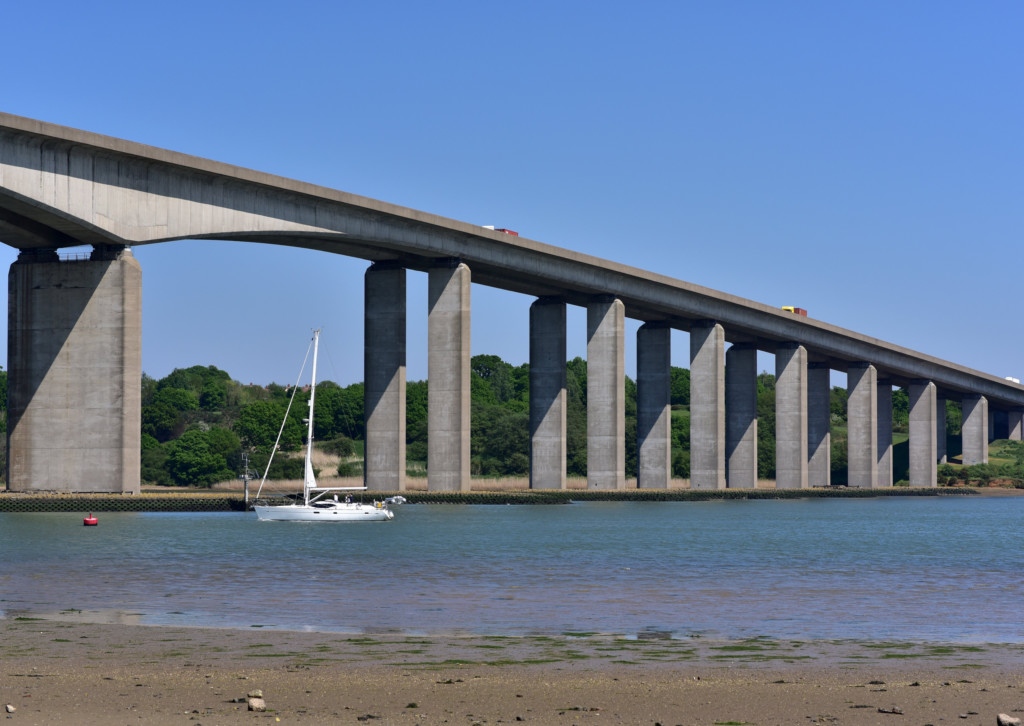
Crossing the River Orwell over the Orwell Bridge on my way to Ipswich.
The main span is 190 metres which, at the time of its construction, was the longest pre-stressed concrete span in use in the UK. The two spans adjacent to the main span are 106m, known as anchor spans. Most of the other spans are 59m. The total length is 1,287 metres from Wherstead to the site of the former Ipswich Airport. The width is 24 metres with an air draft of 43 metres; the bridge had to be at least 41 metres high. The approach roads were designed by CH Dobbie & Partners of Cardiff.
The bridge is constructed of a pair of continuous concrete box girders with expansion joints that allow for expansion and contraction. The girders are hollow, allowing for easier inspection, as well as providing access for services, including telecom, power, and a 711mm water main from the nearby Alton Water reservoir.
The bridge appears in the 1987 Cold War drama The Fourth Protocol, in which two RAF helicopters are shown flying under it, and at the end of the 2013 film The Numbers Station.
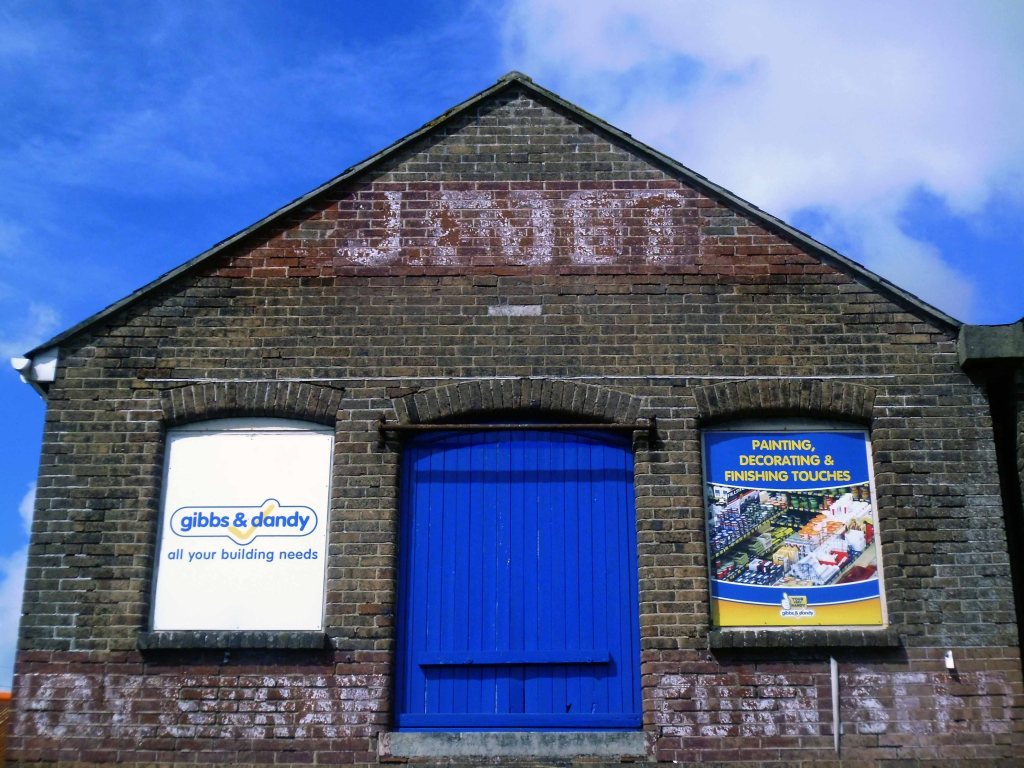
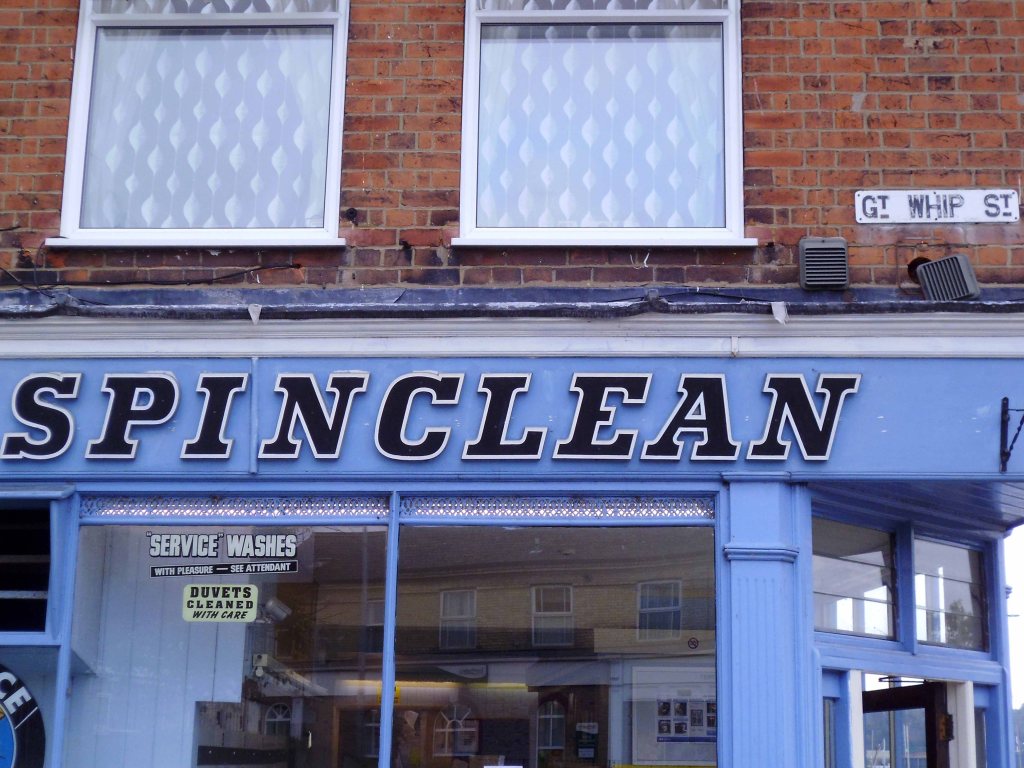
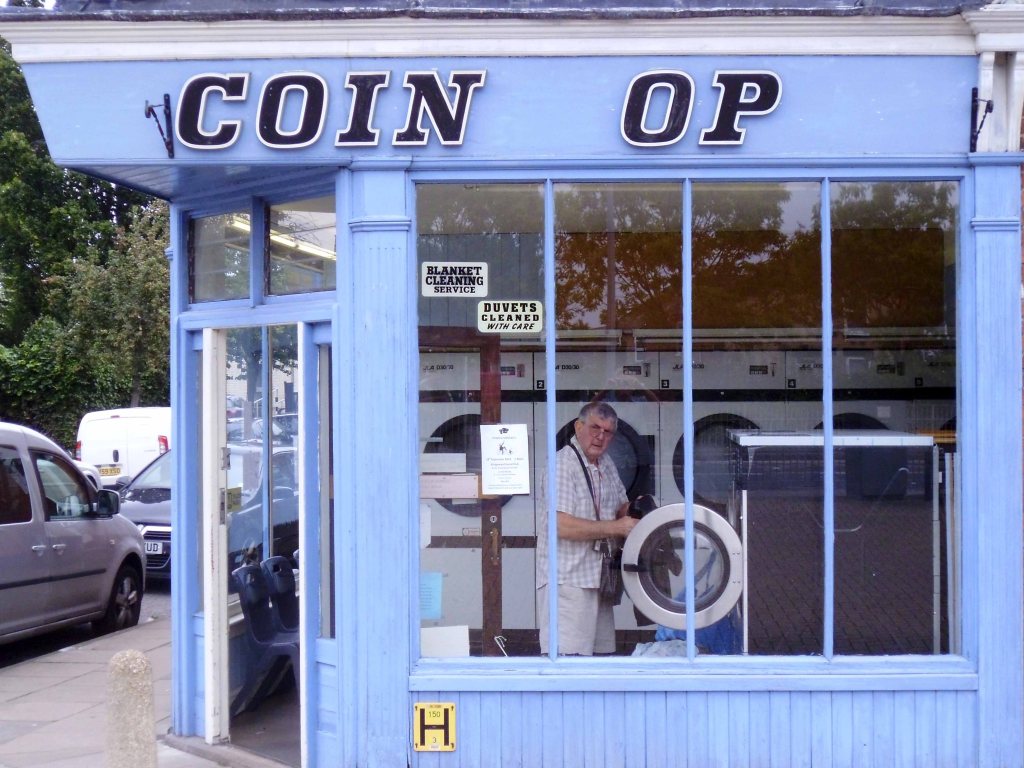
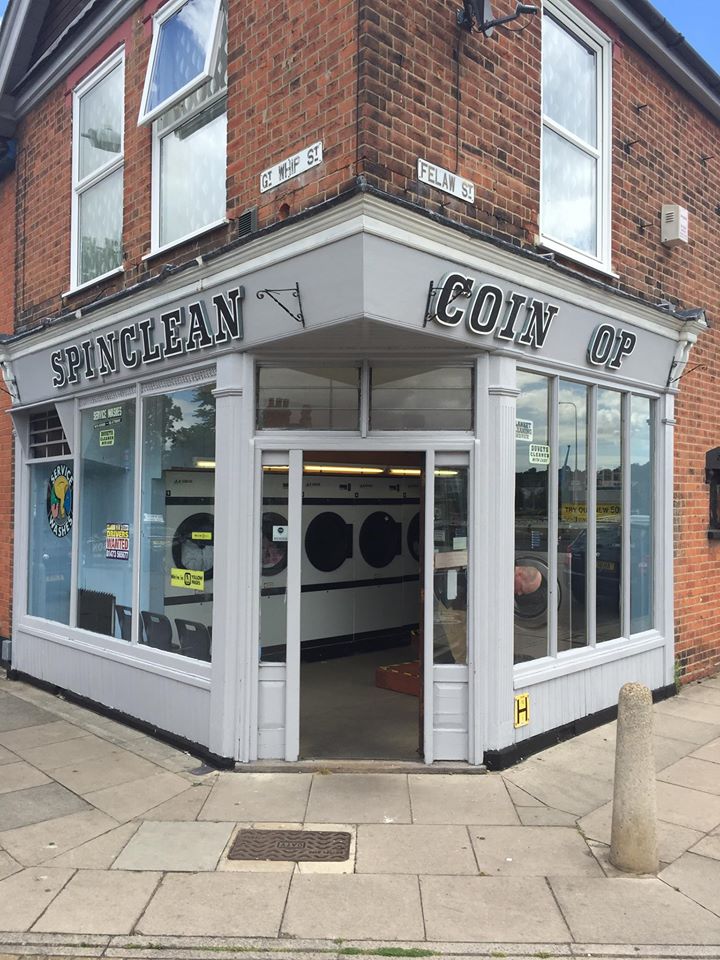
Time for a Stymie Bold Italic stop – much to the obvious consternation of an over cautious customer.
It seems to still be extant – but with a tasteful coat of subdued grey paint according to its Facebook page.
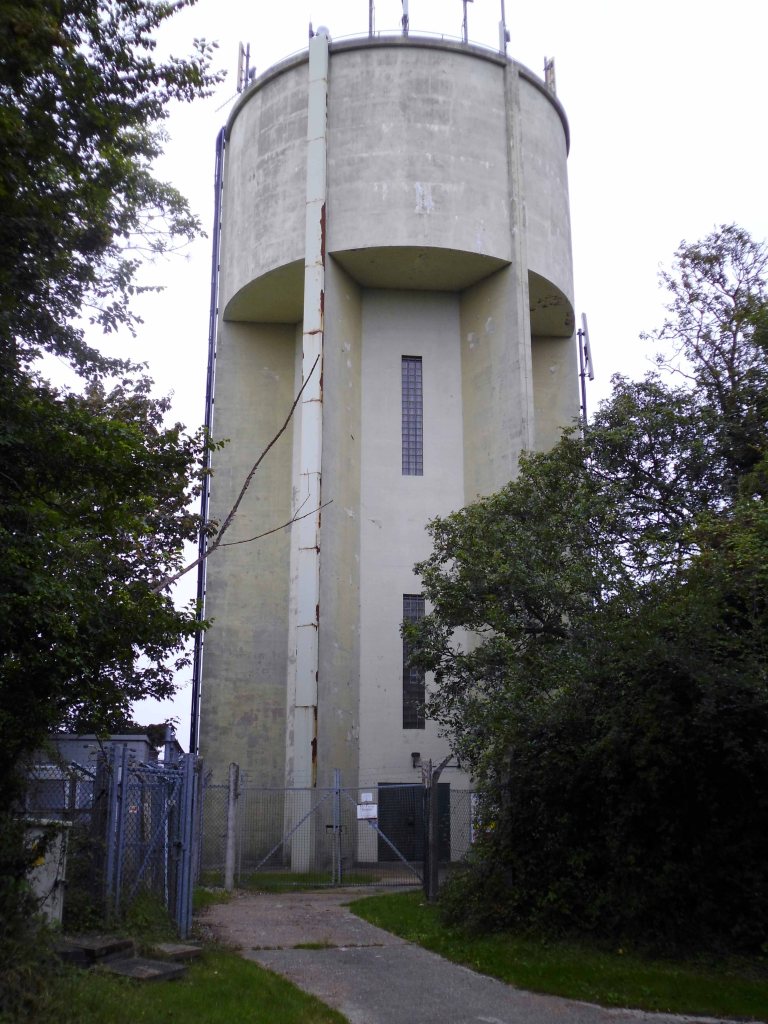
Having completed this journey in 2016, then reacquainting myself in 2020, I have little recollection of visiting Ipswich, but I did, yet there are no snaps.
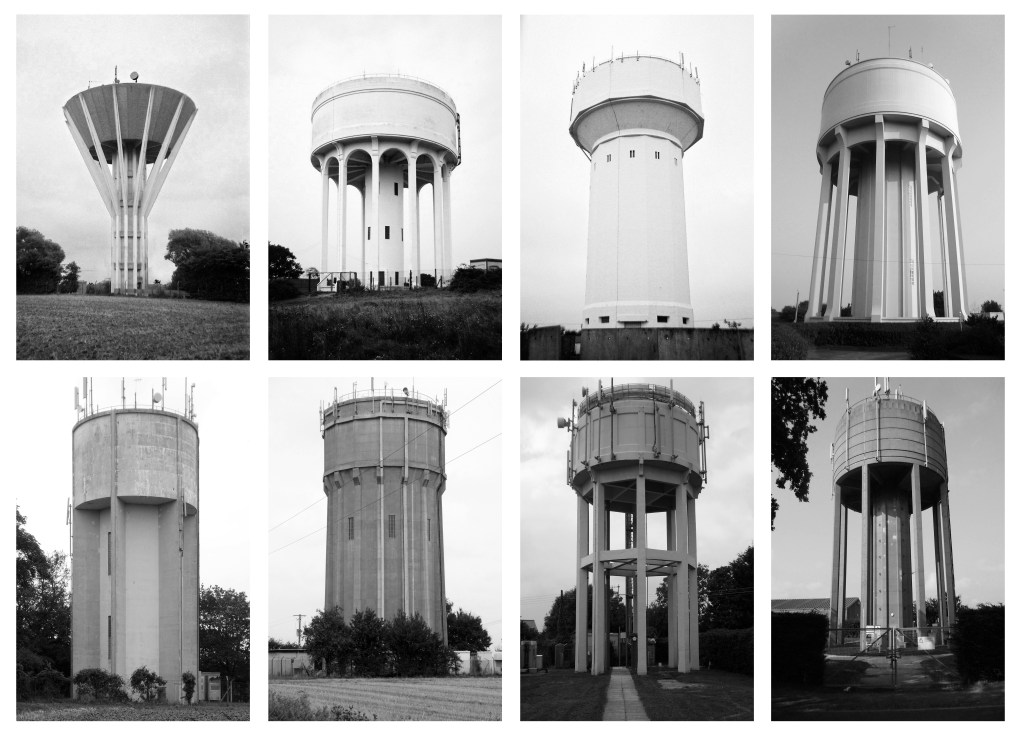
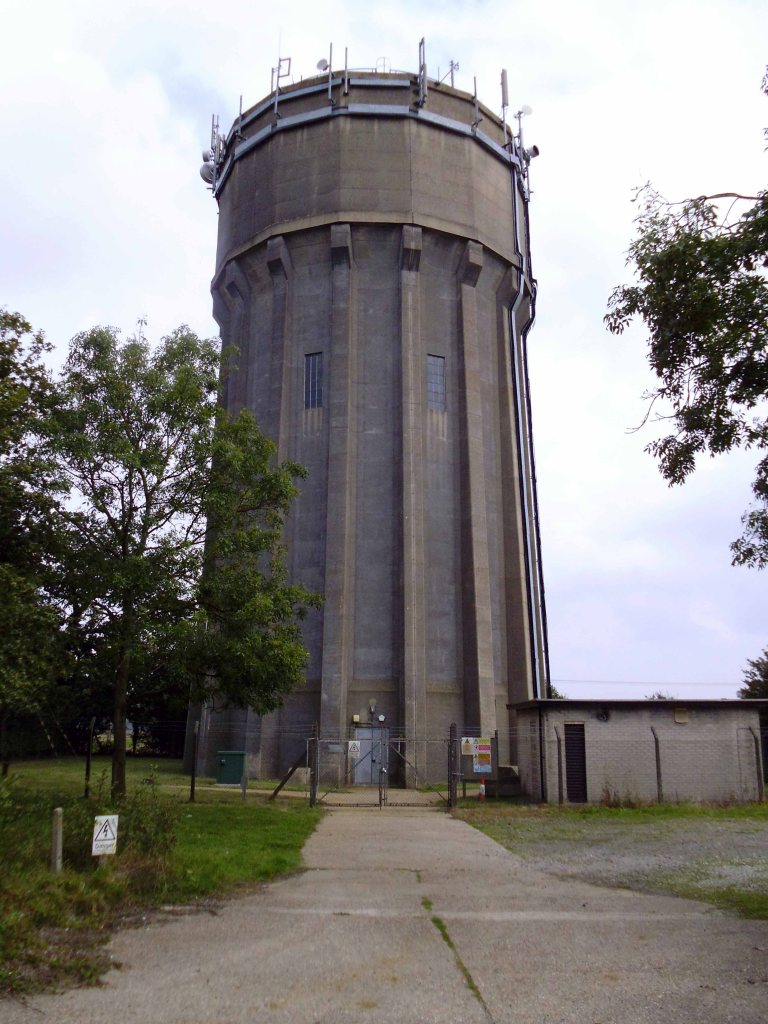
I photographed this and several other water towers, precisely where, I could not honestly say.
Suffice to say that it is somewhere – as is everything else.
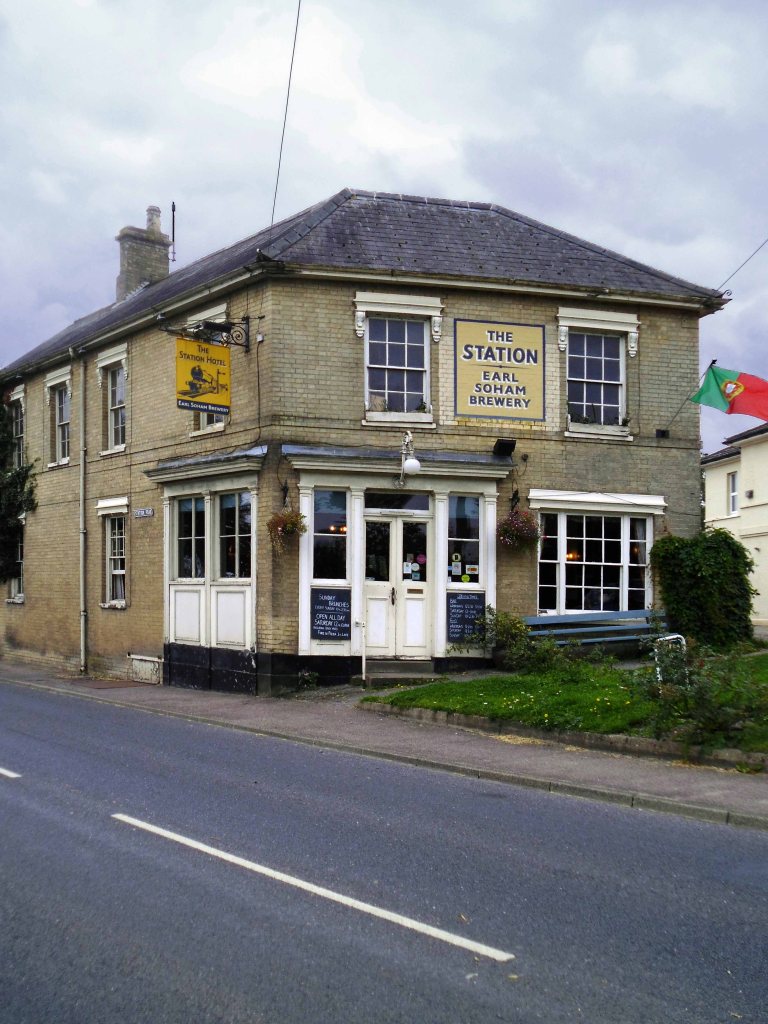
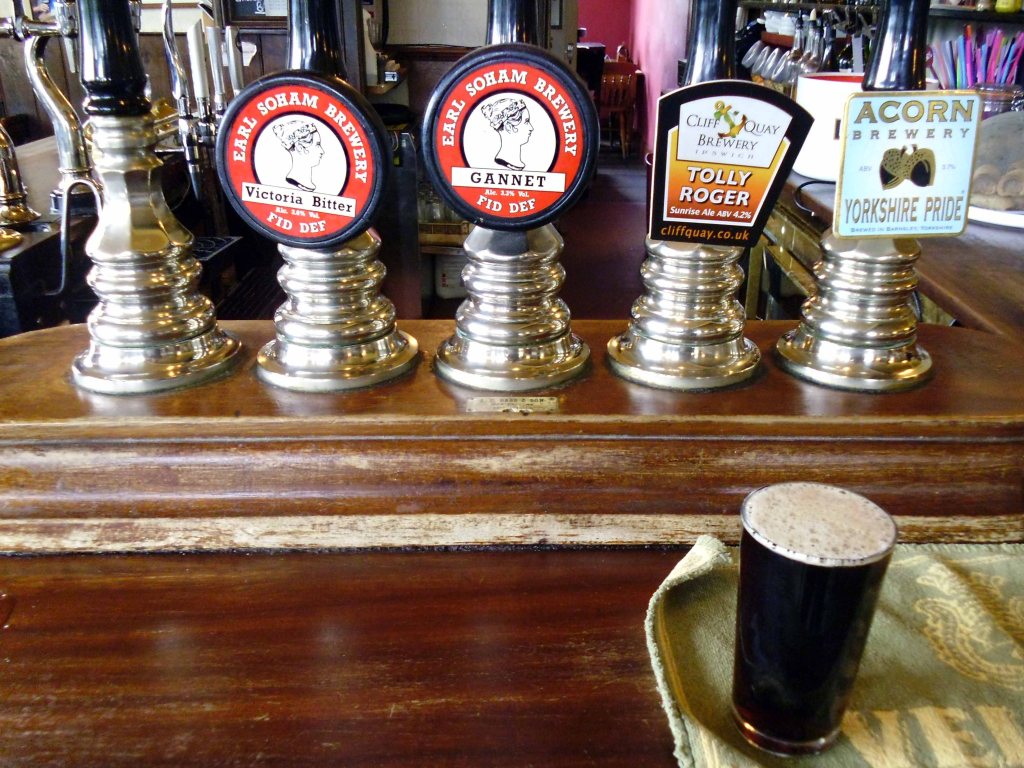
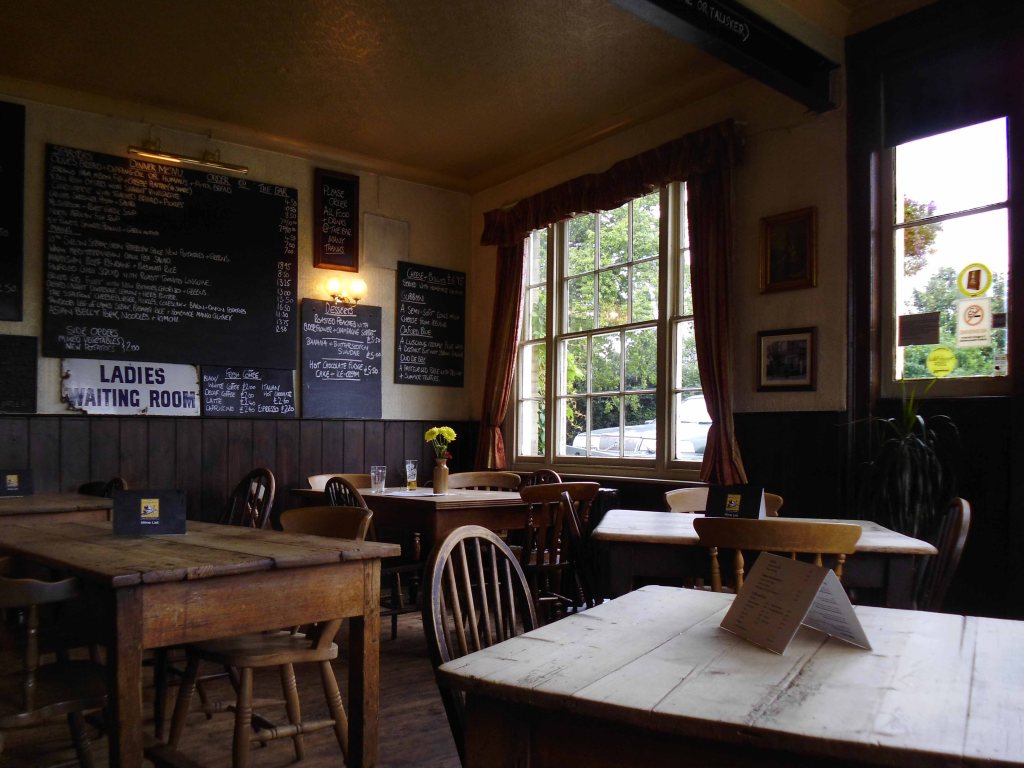
This the only time that I chose to have a glass of beer whilst awheel, normally waiting until the evening – I couldn’t resist this charming looking brew pub in Framlingham.
Earl Soham is a village close by, on the A1120. The Earl Soham Brewery beers started out in life being brewed in local man Maurice’s old chicken shed. You may be pleased to hear they have a slightly more sophisticated set-up now, without forgetting their humble roots.
If you haven’t tasted them before, we think you’ll be as delighted with them as our regulars, and you can be guaranteed of a warm welcome if you come to try them out.
The sort of wayside boozer where I could have easily idled away an hour or two – hopefully I’ll pass by again some time and linger longer.
Another water tower – somewhere.
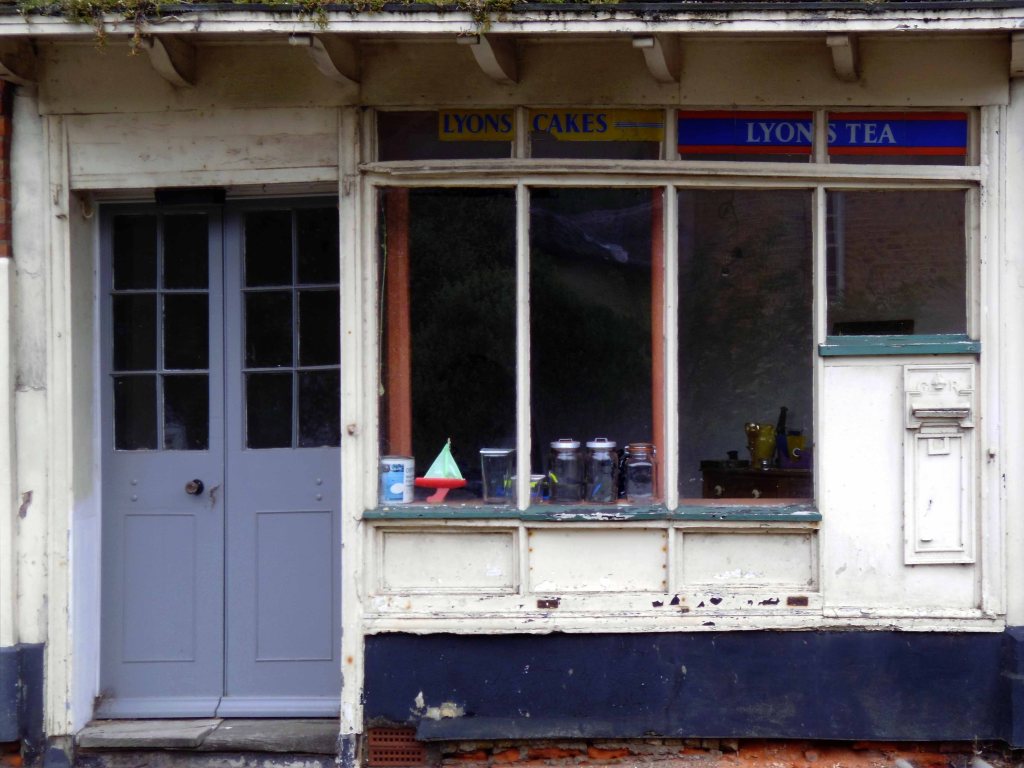
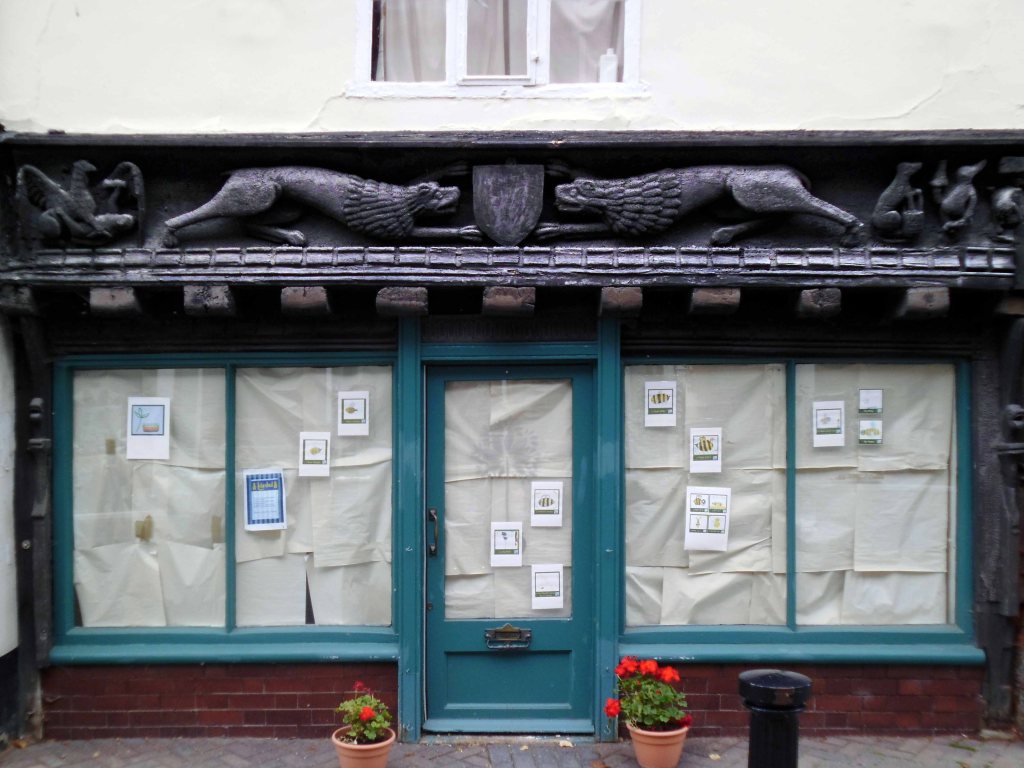
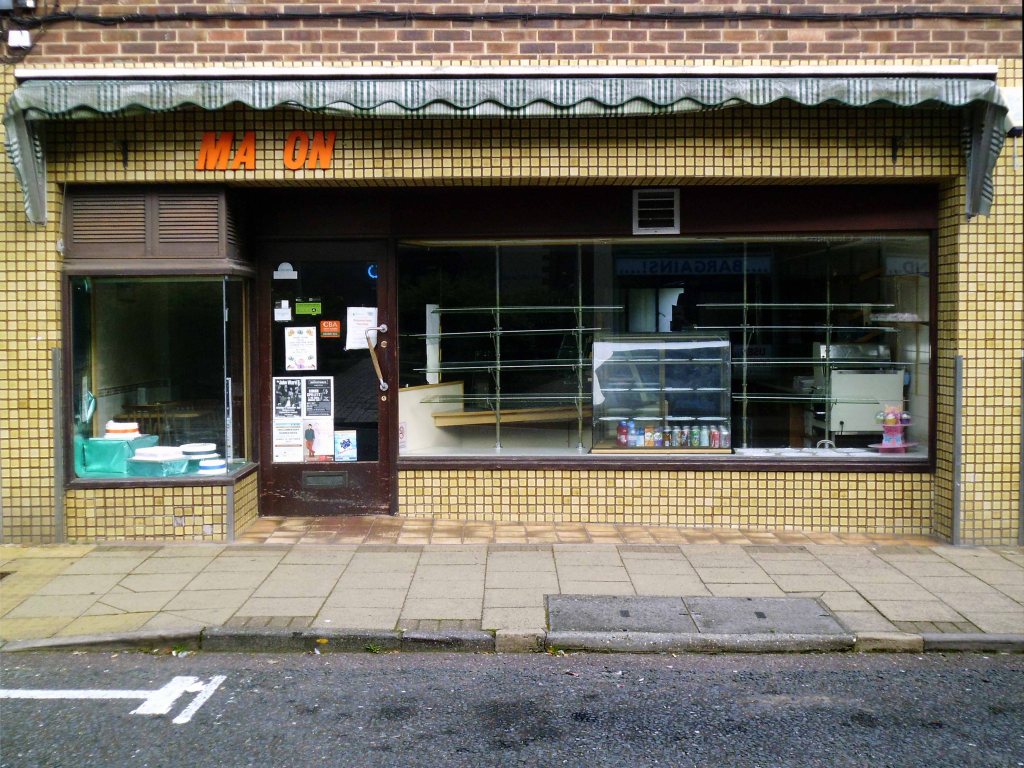
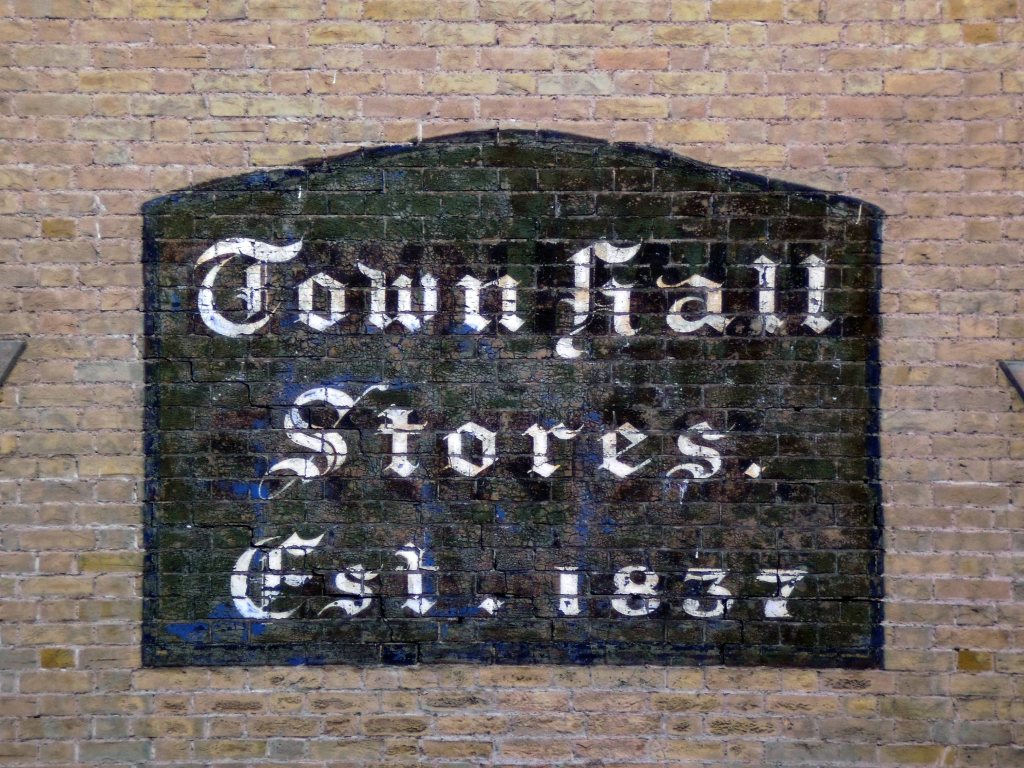
The most enchanting of shop fascias.
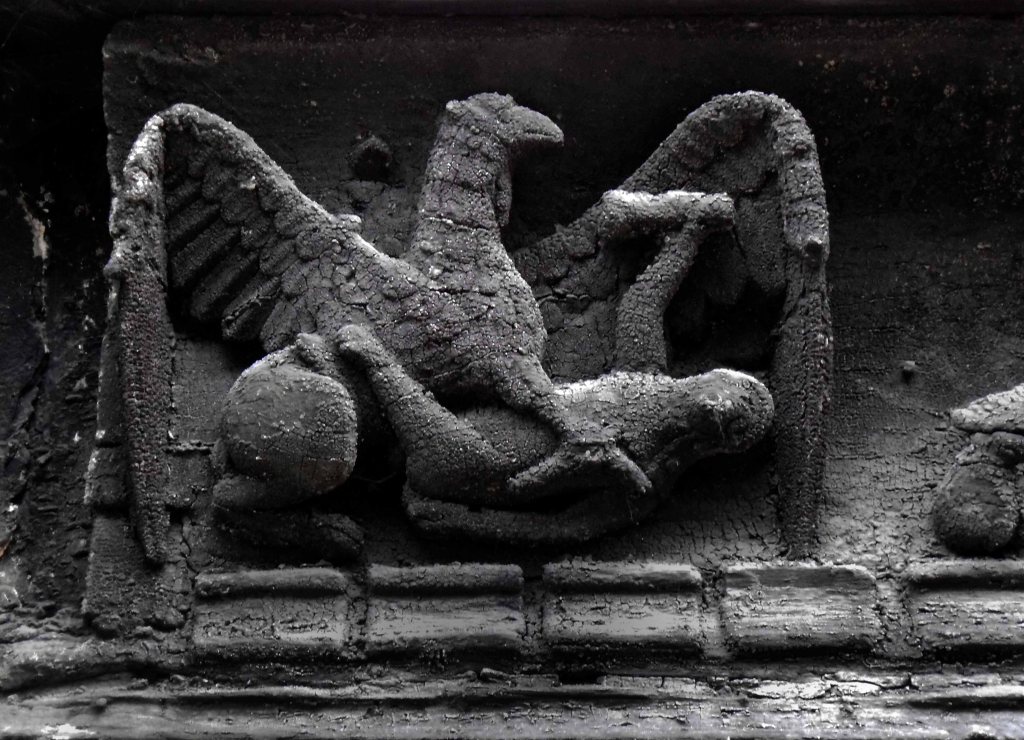
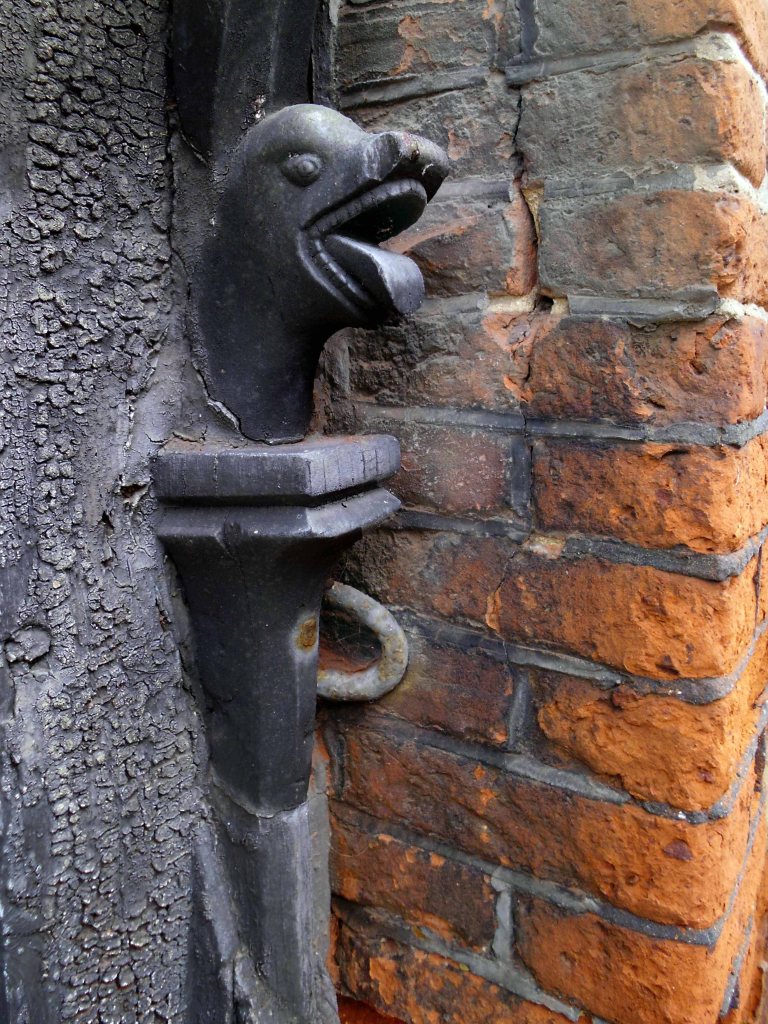
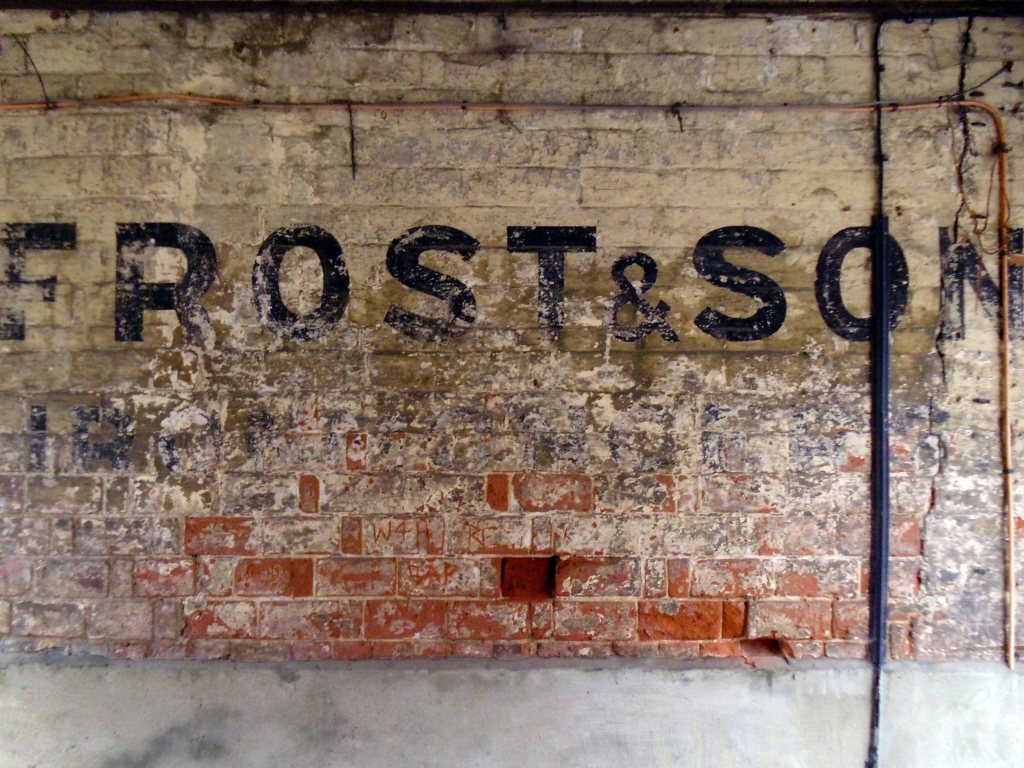
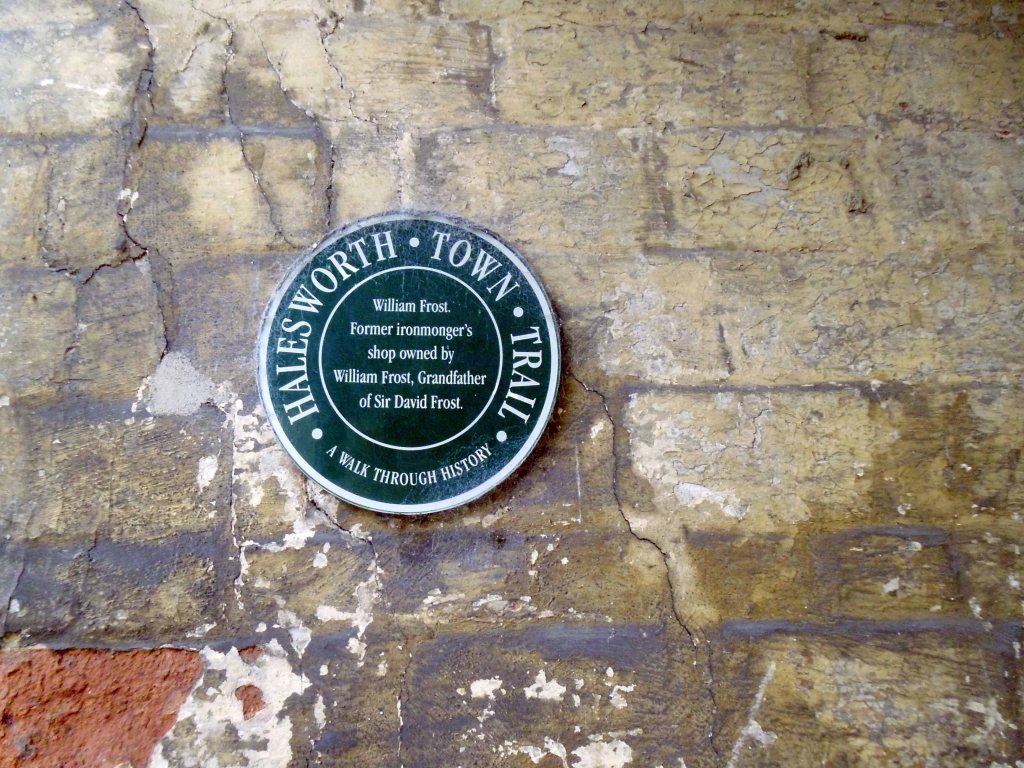
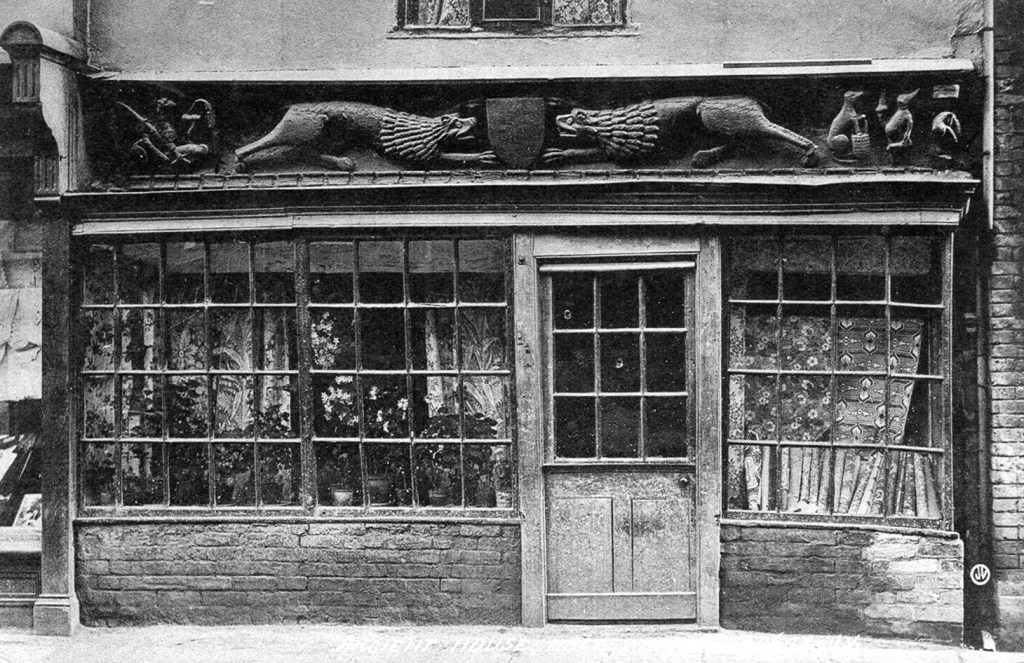
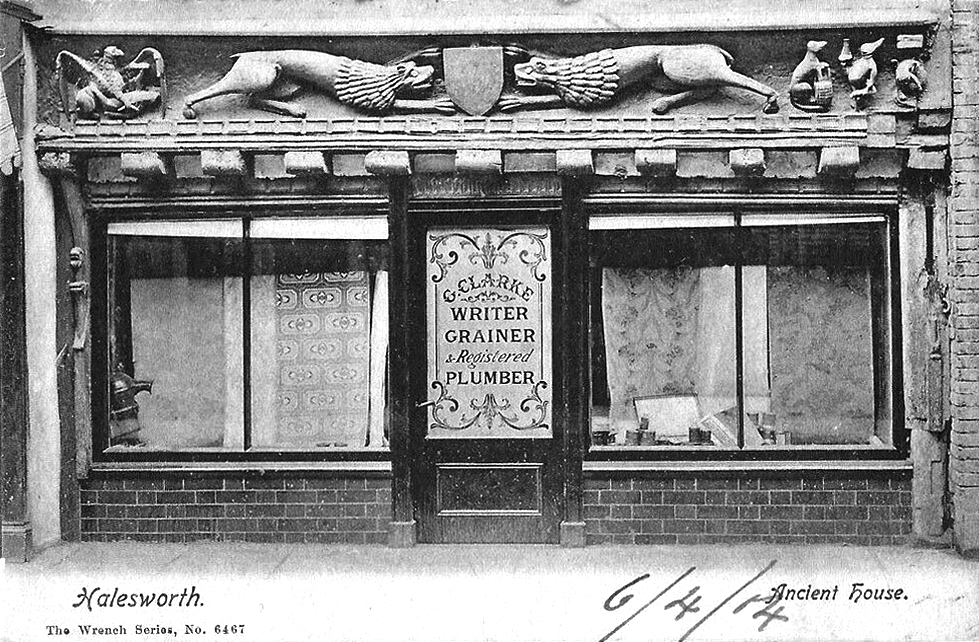
Something of a curiosity – David Frost’s father’s ironmongers in Halesworth – and the Ancient House with its ancient carving.
The bressumer beam at the front of the is linked with Margaret de Argentein in the late 14th and 15th century, it is believed t it could have been a manor or toll house.
Currently trading as a Bistro with paranormal problems;
Things in the window were swaying the other day and when we went to stop them they almost fought back.
I’ve seen two ghosts in the kitchen. One was clearly a man, the other was when I thought my daughter was over my shoulder but when I looked around she wasn’t there, and we were the only two in the building.
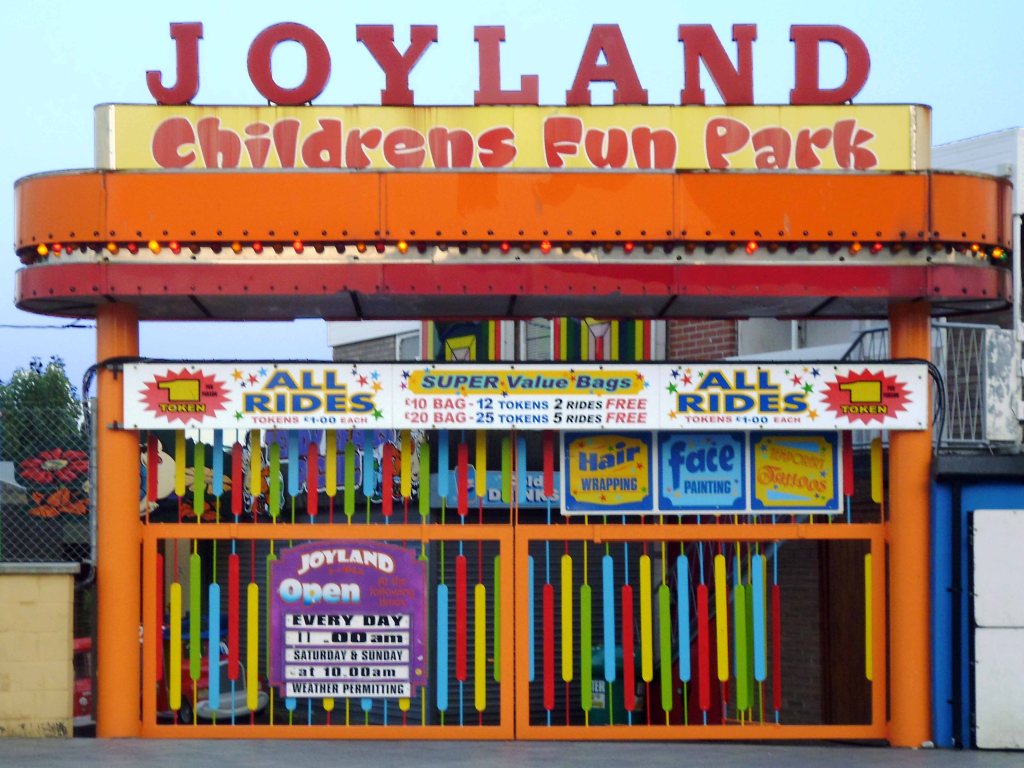
Rides include the world famous Snails and Tyrolean Tub Twist.
A huge toy town mountain incorporates the Spook Express kiddie coaster, Jet Cars and Neptune’s Kingdom undersea fantasy ride, Pirate Ship, Major Orbit, Balloon Wheel and Skydiver complete the rest of the rides.
Hungry – why not grab a bite at the American Diner.
I actually went to the Wetherspoons.
Though the town is full of tiny pubs.
And a chippy.
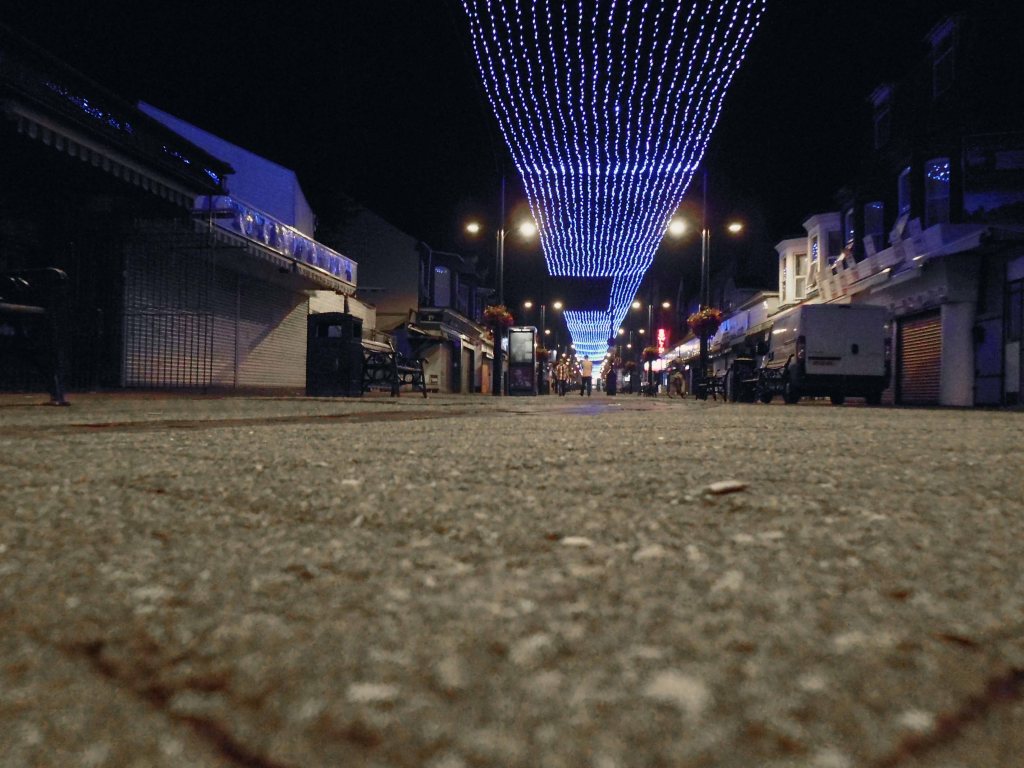
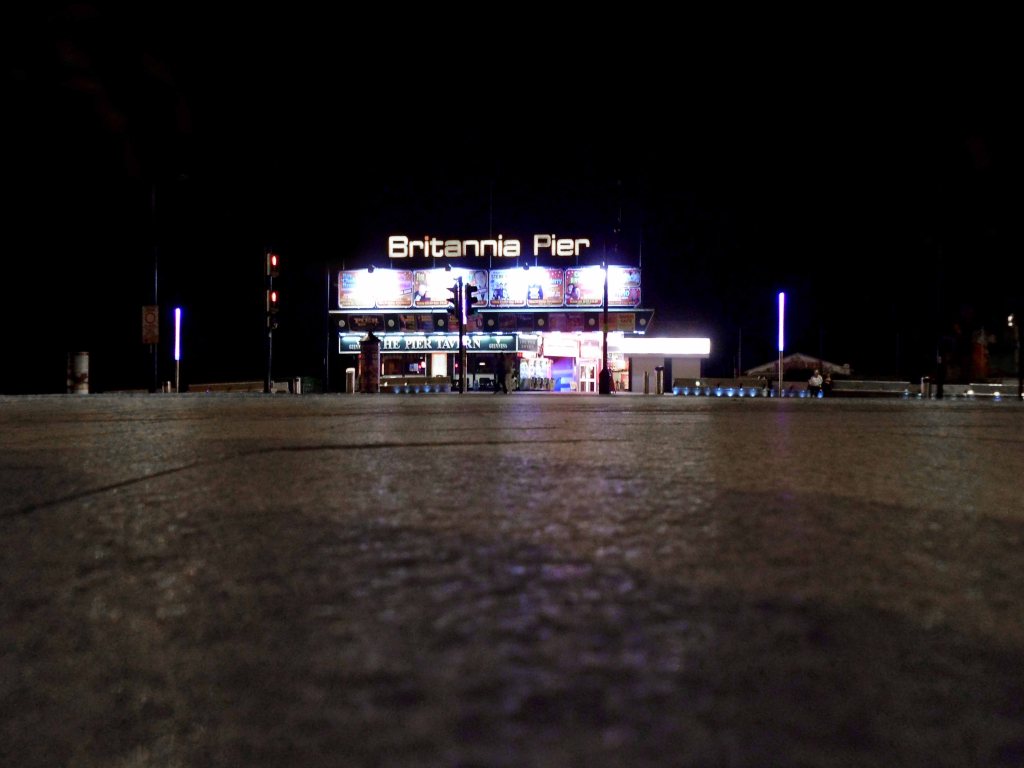
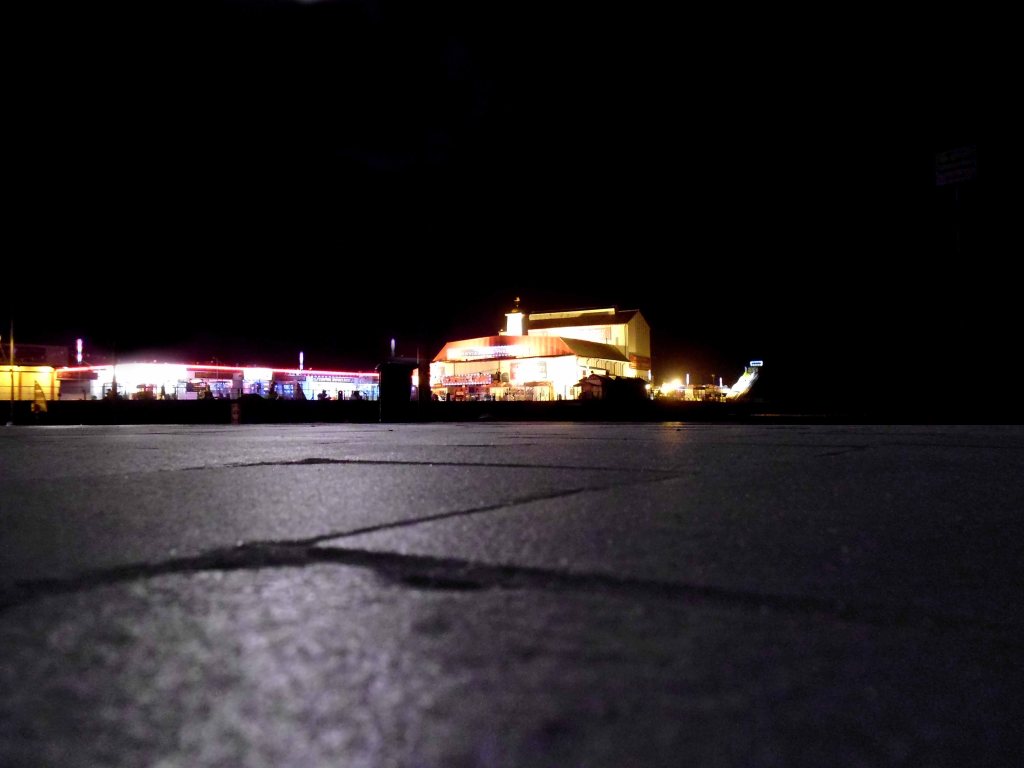
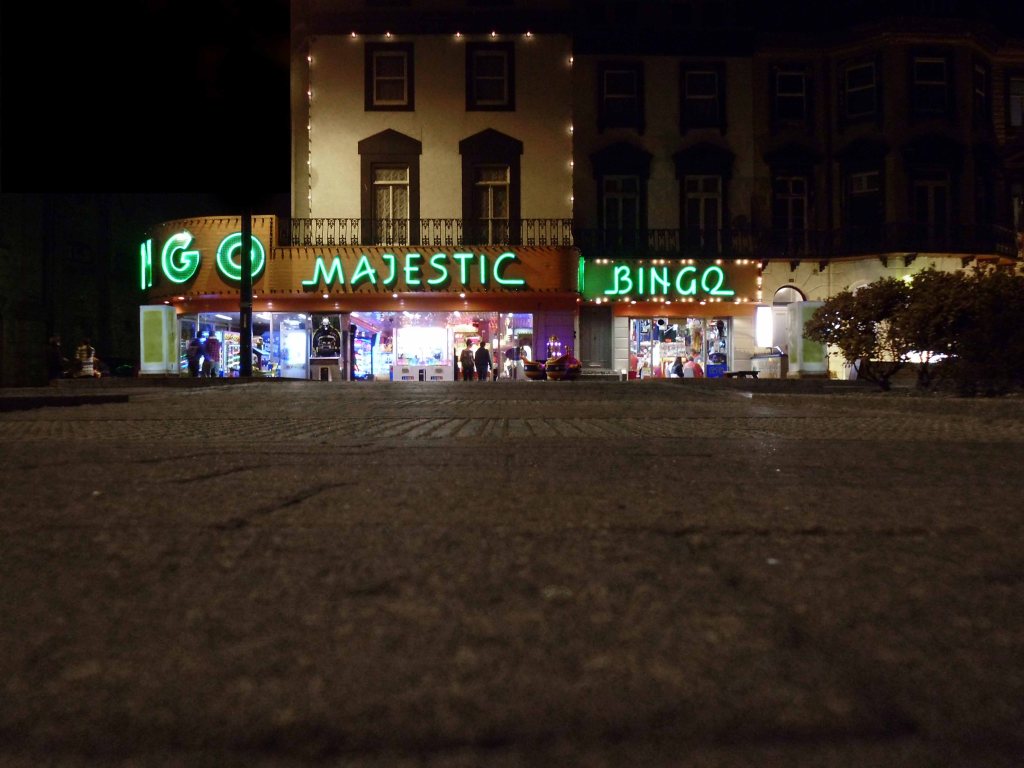
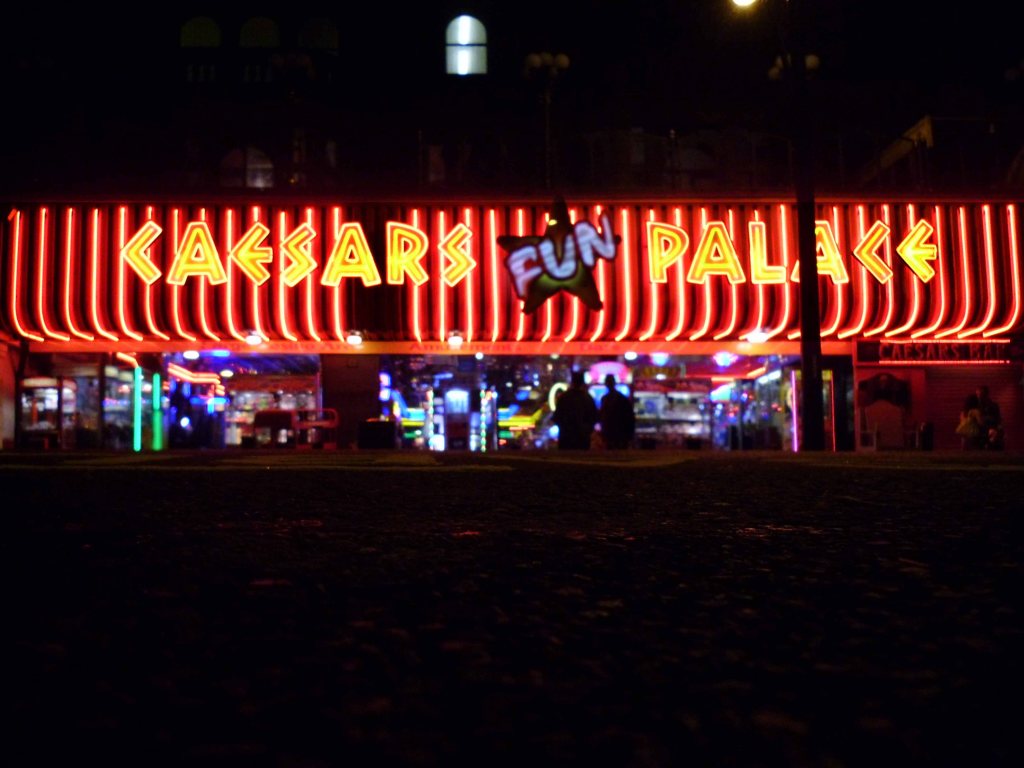
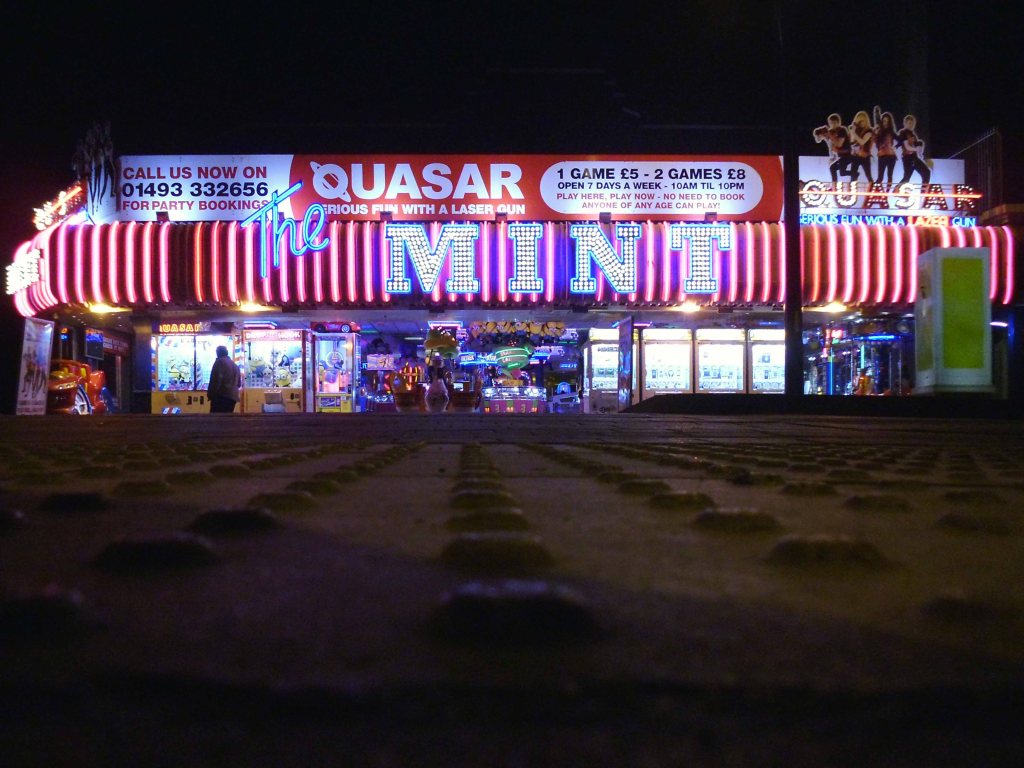
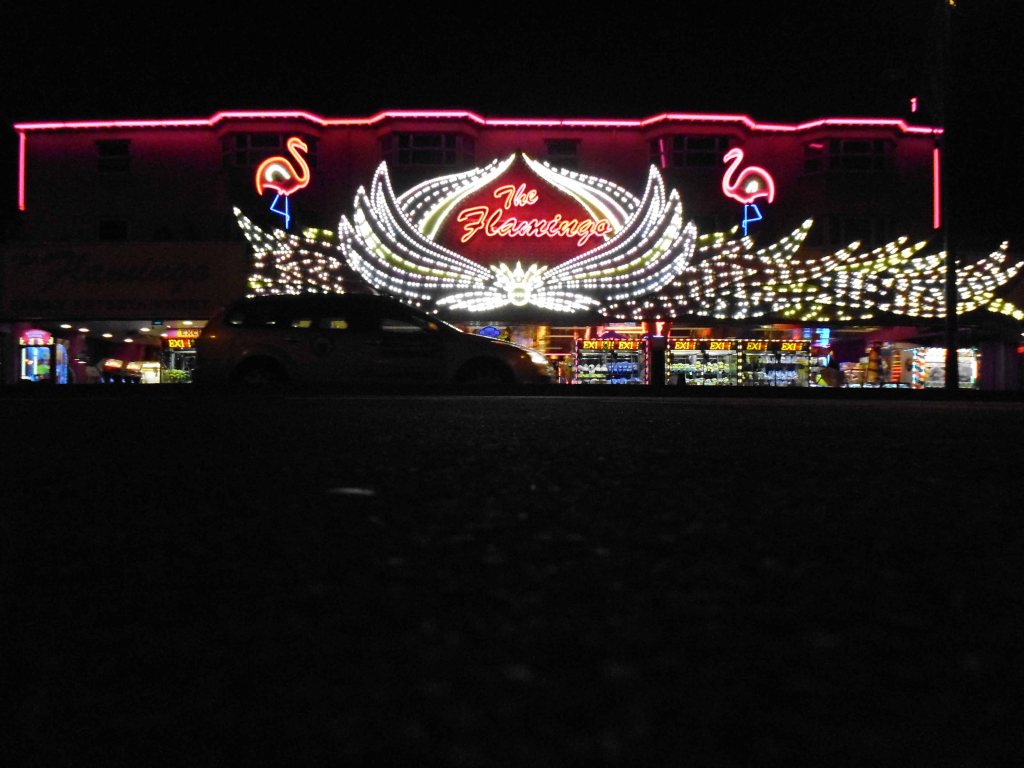
I wandered the highway byways and promenade of Great Yarmouth, all alone in a neon nightmare!
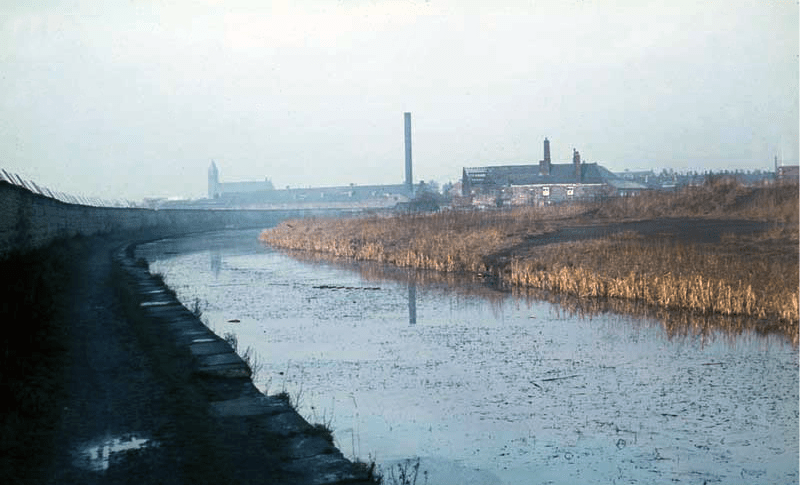
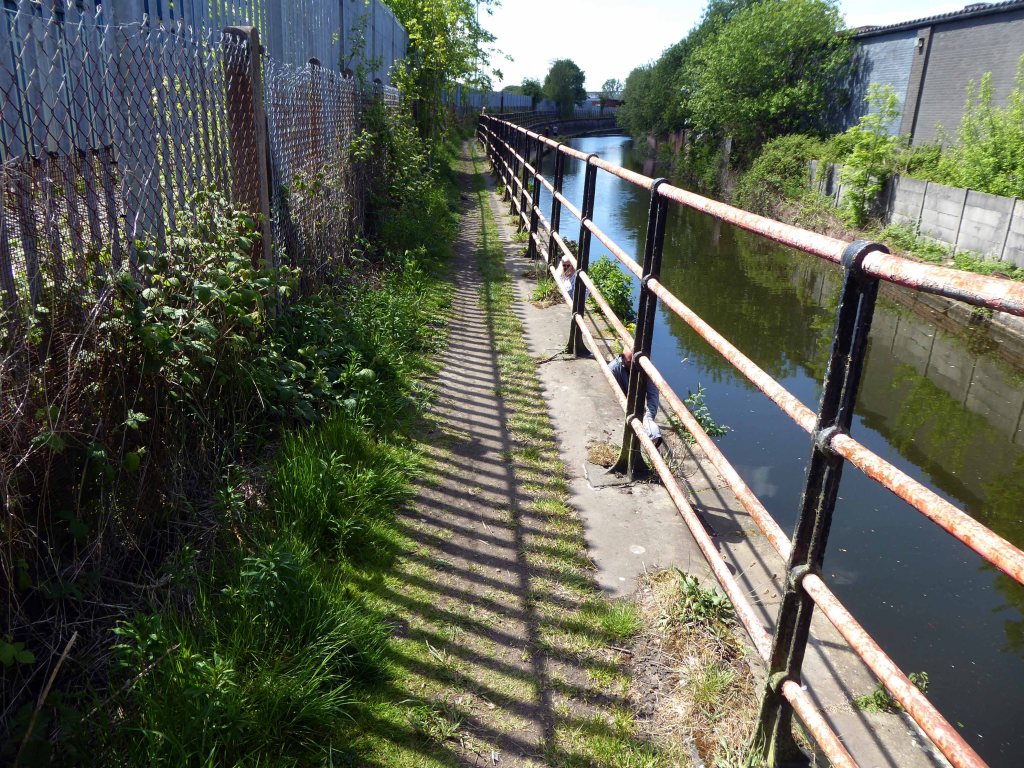
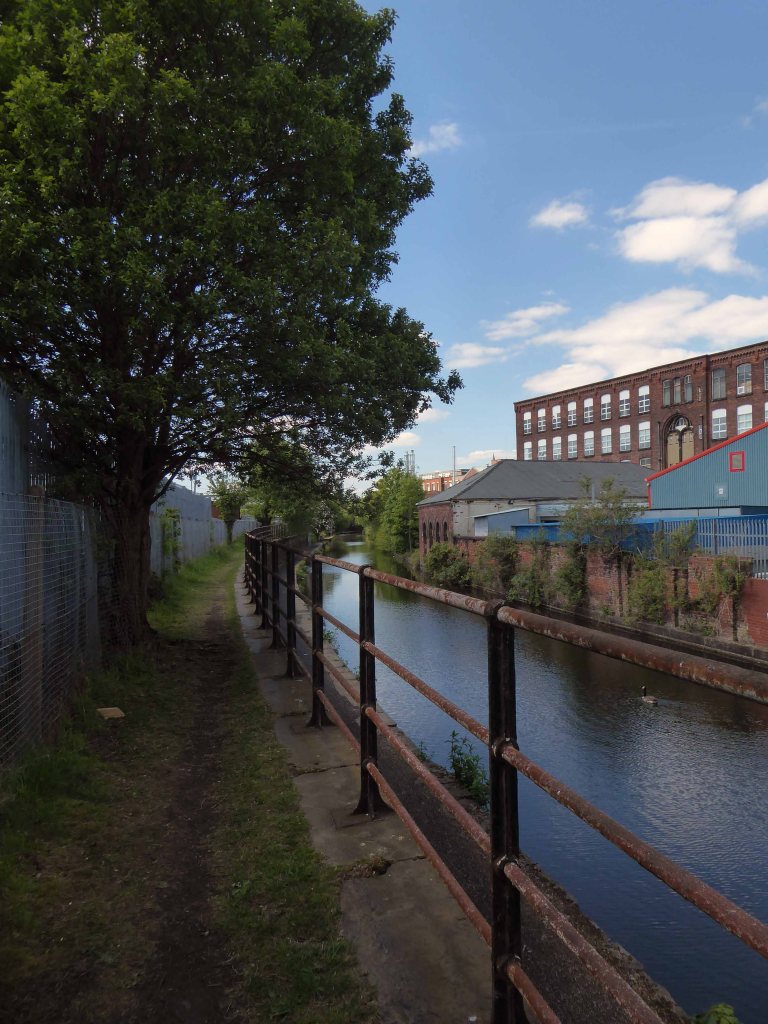
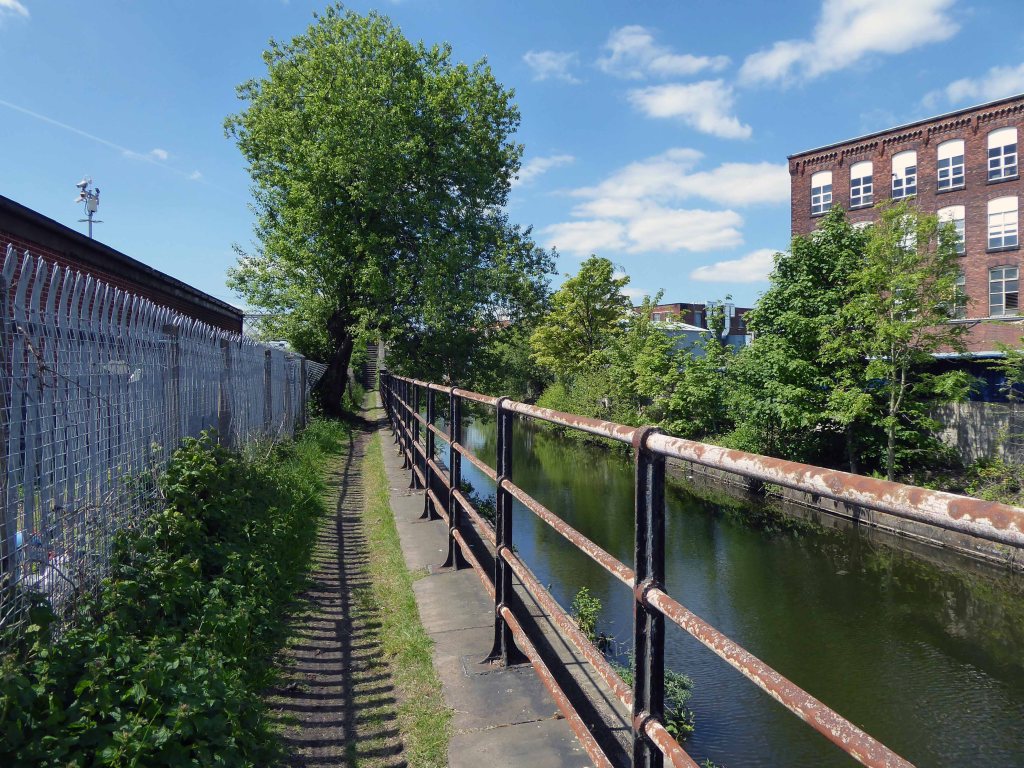
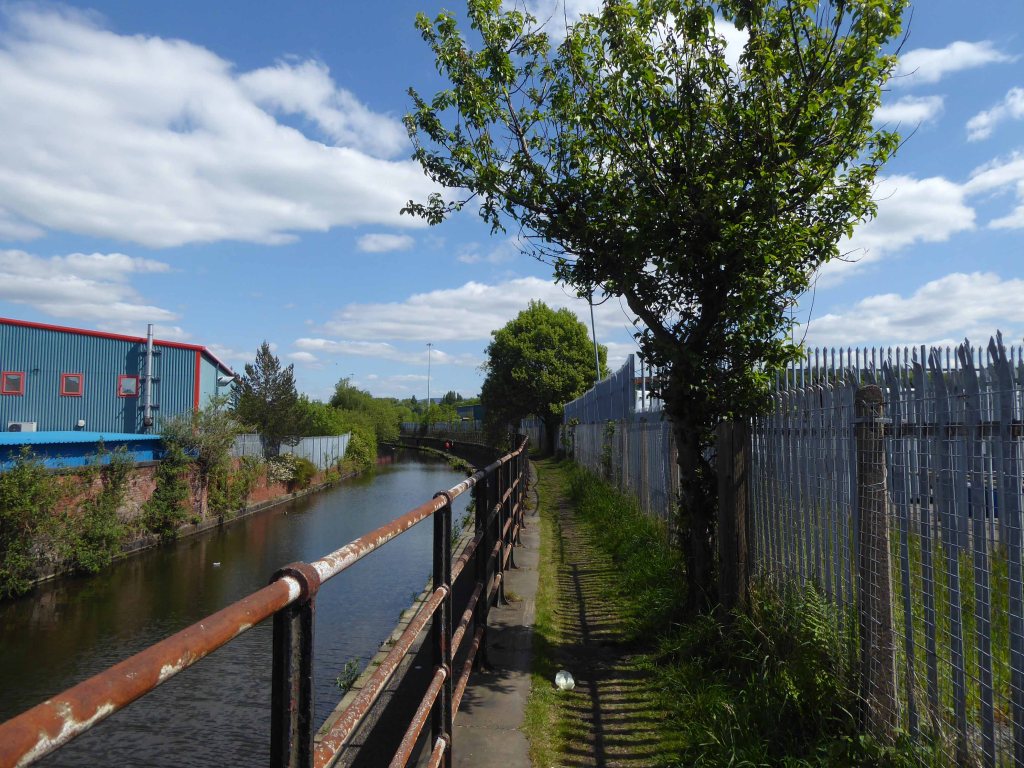
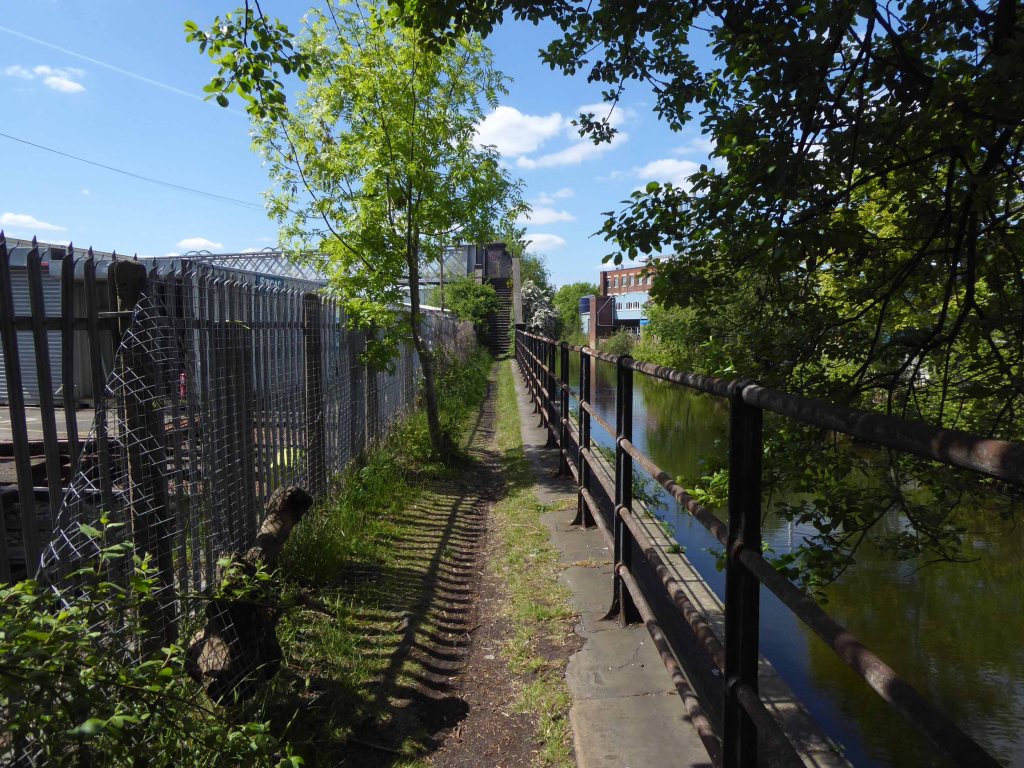
The canal received its Act of Parliament in 1792. It was built to supply coal from Oldham and Ashton under Lyne to Manchester. The first section between Ancoats Lane to Ashton-under-Lyne and Hollinwood was completed in 1796.
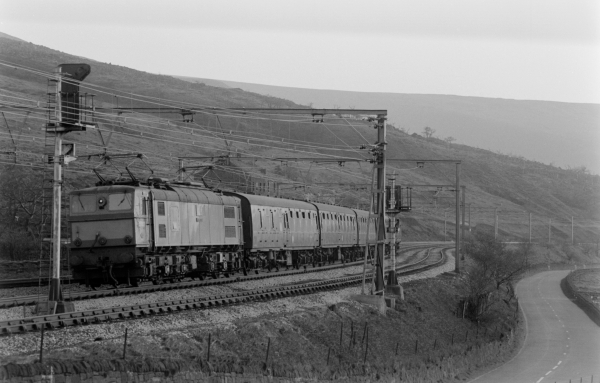
The Great Central Railway in England came into being when the Manchester, Sheffield and Lincolnshire Railway changed its name in 1897, anticipating the opening in 1899 of its London Extension. On 1 January 1923, the company was grouped into the London and North Eastern Railway.
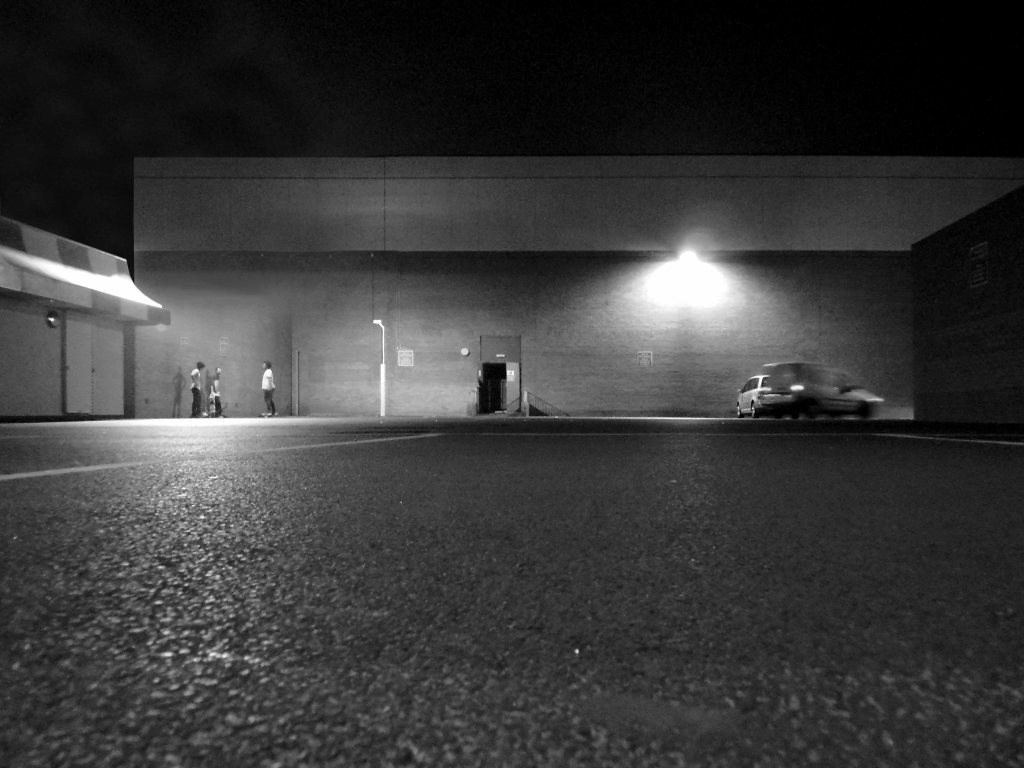
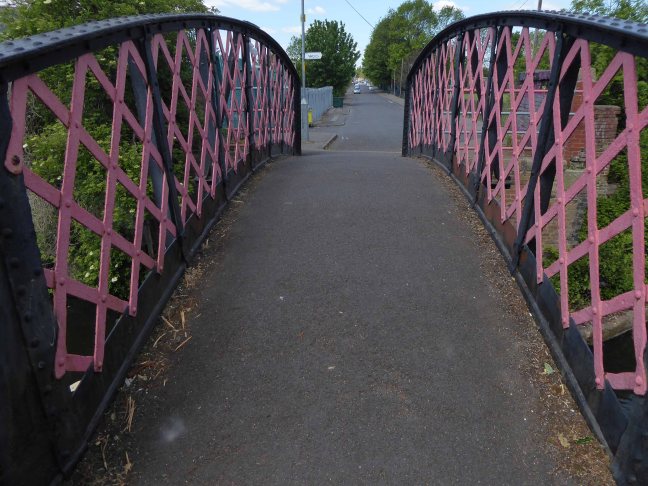
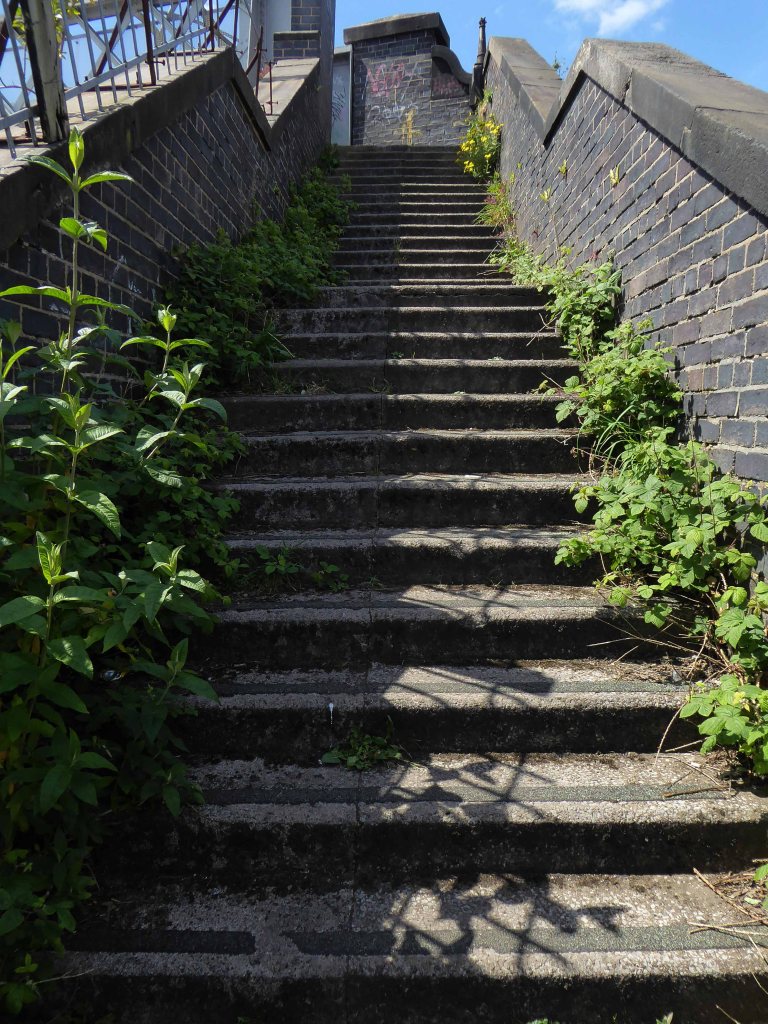
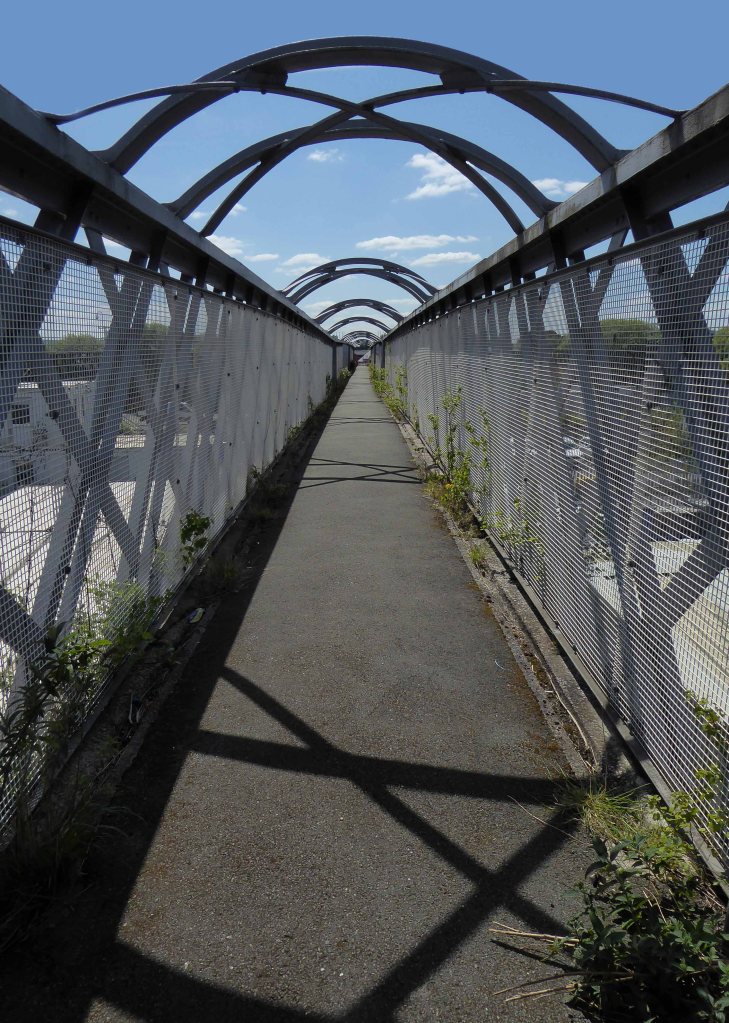
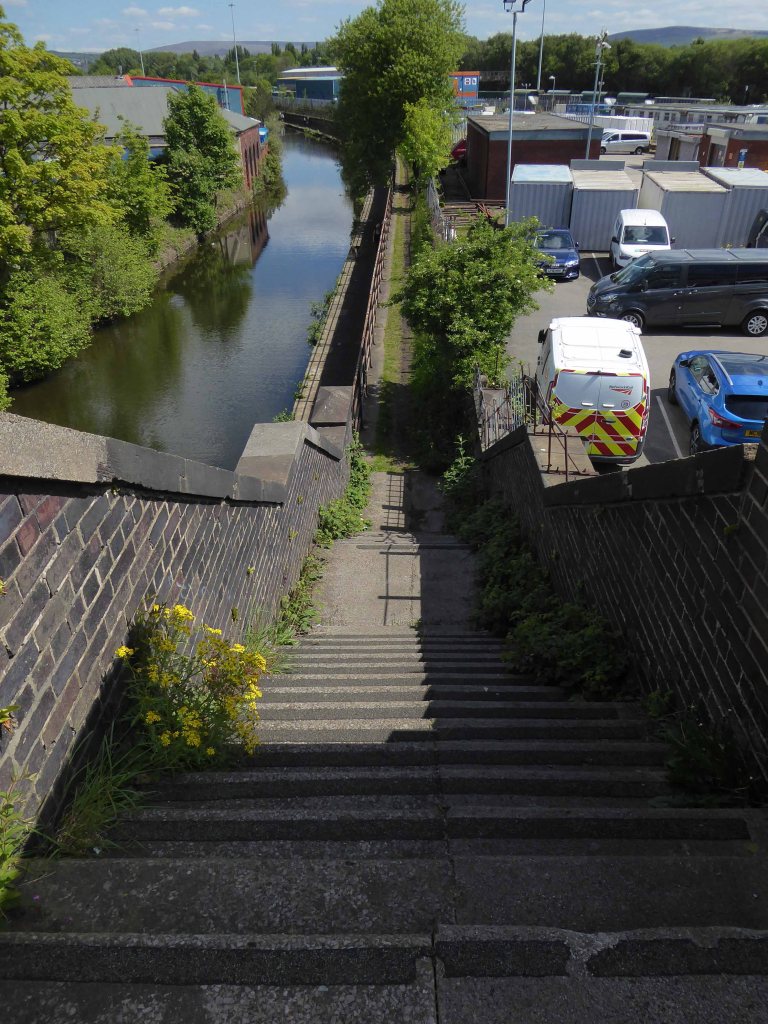
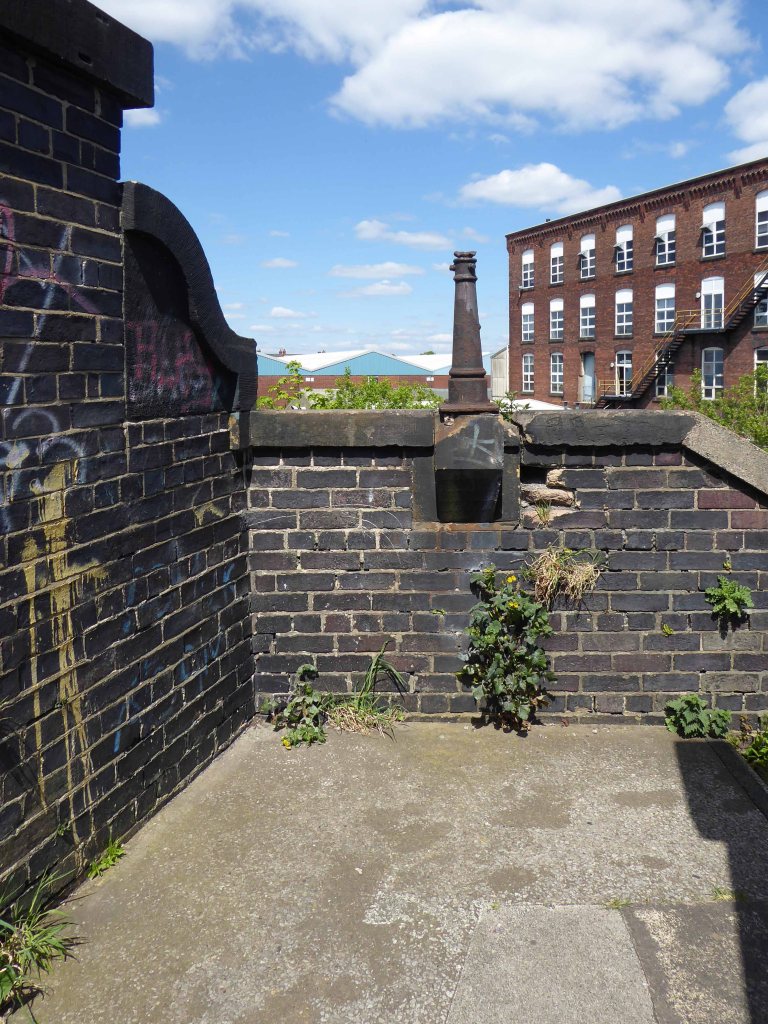
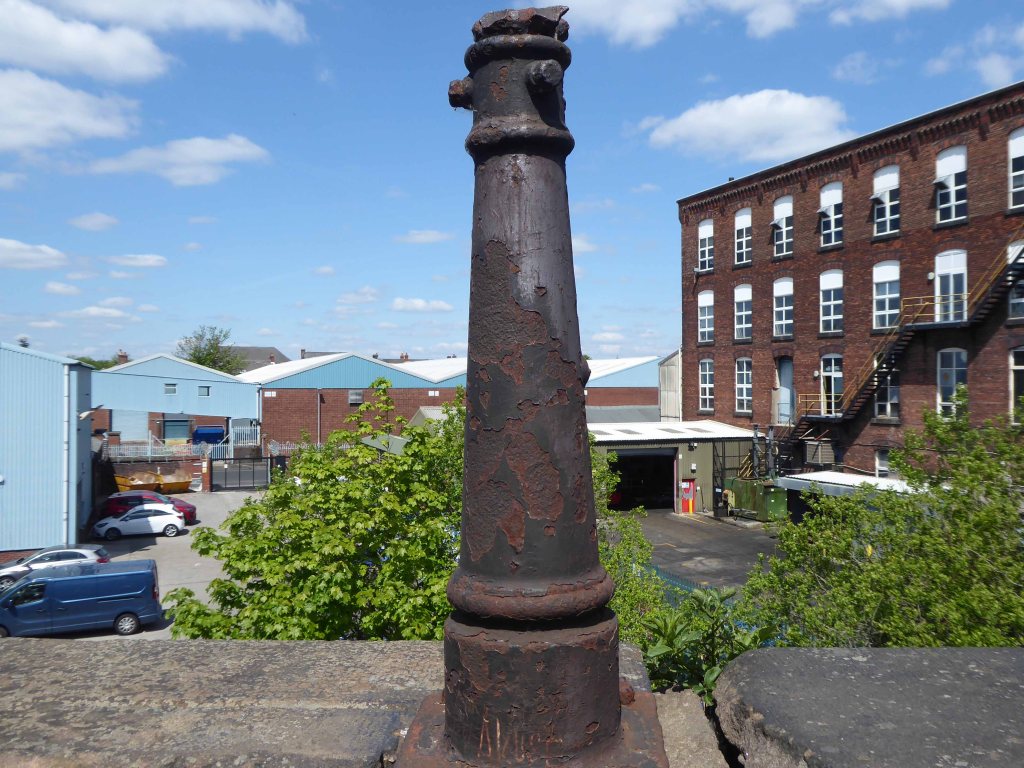
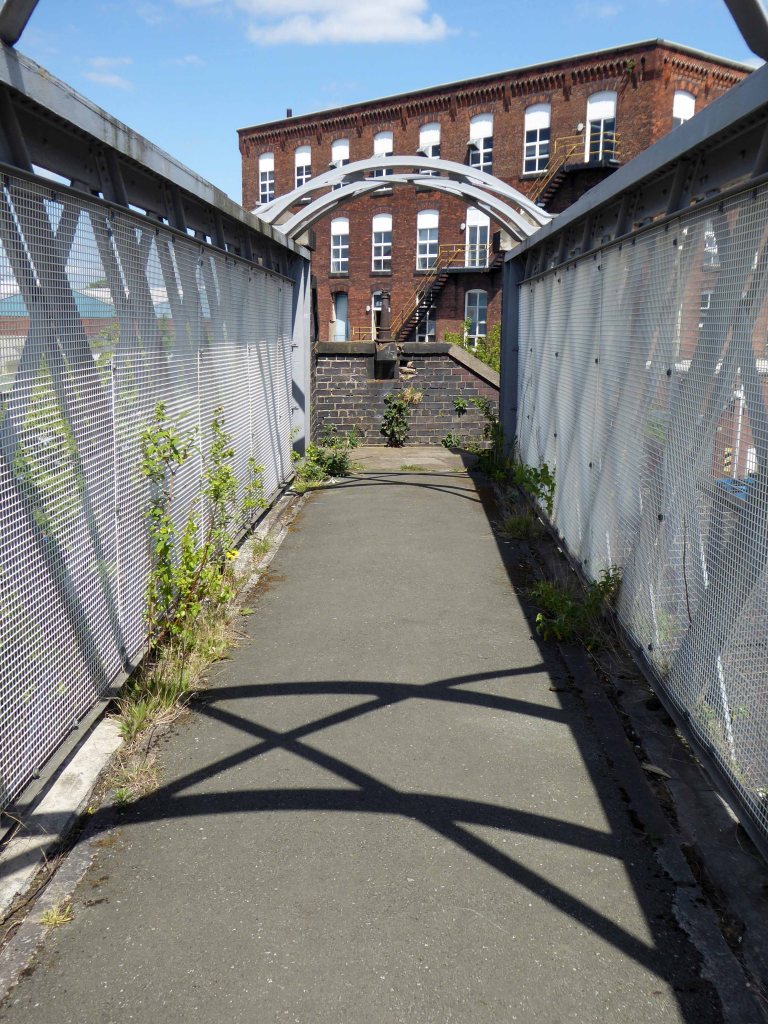
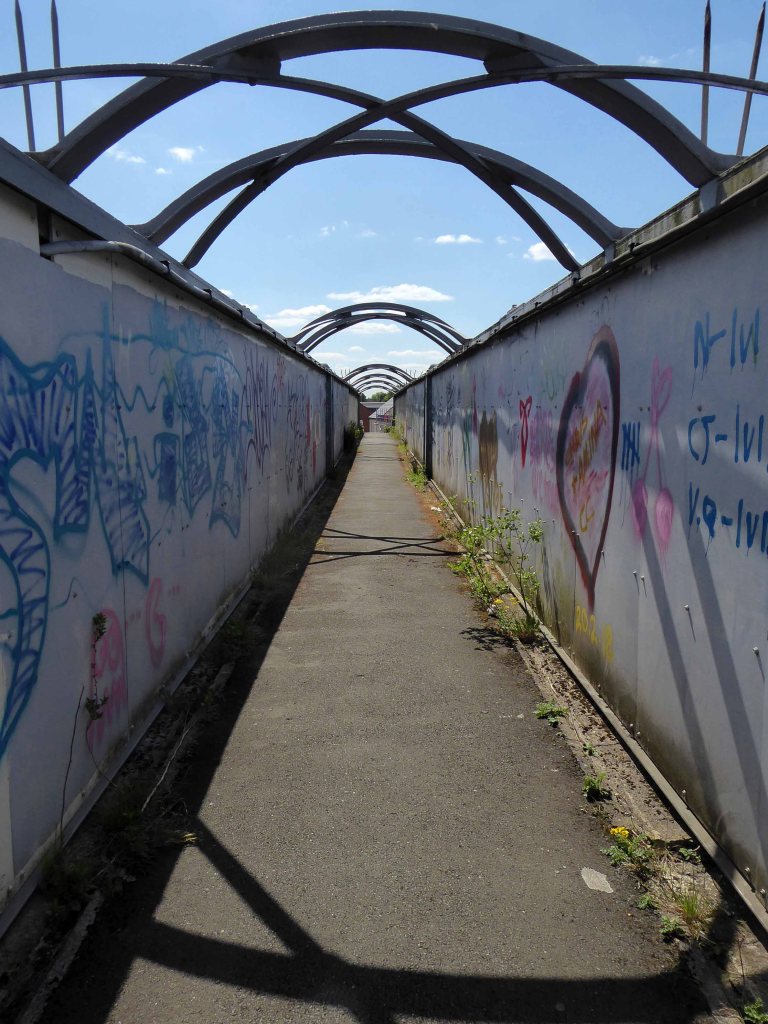
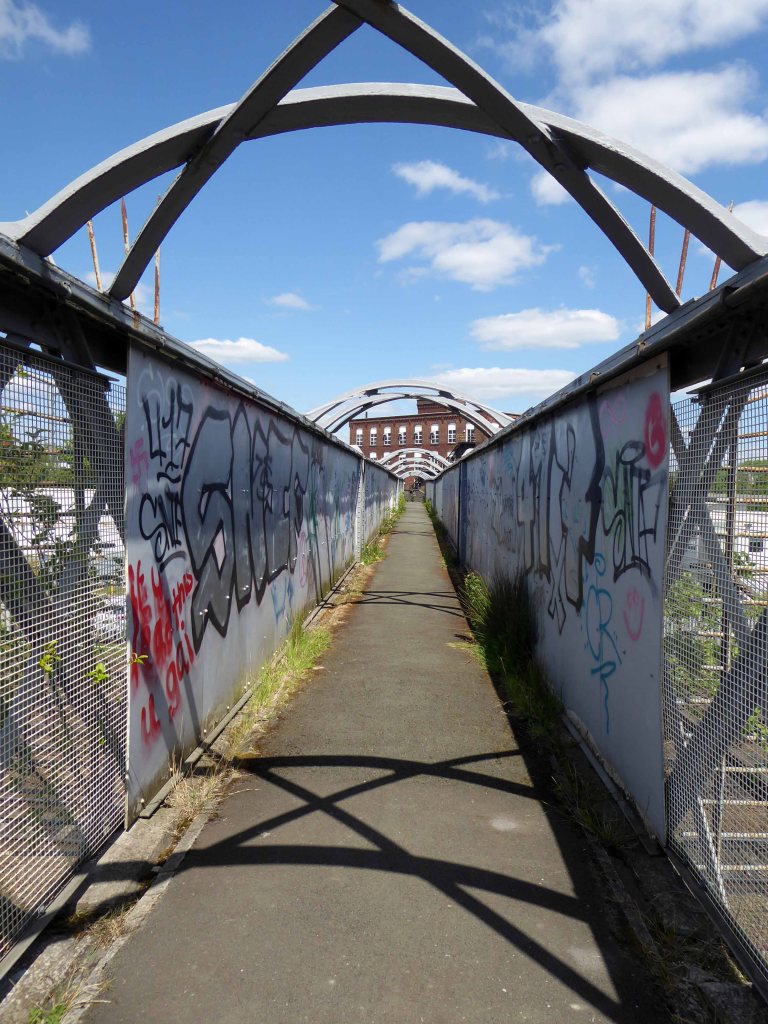
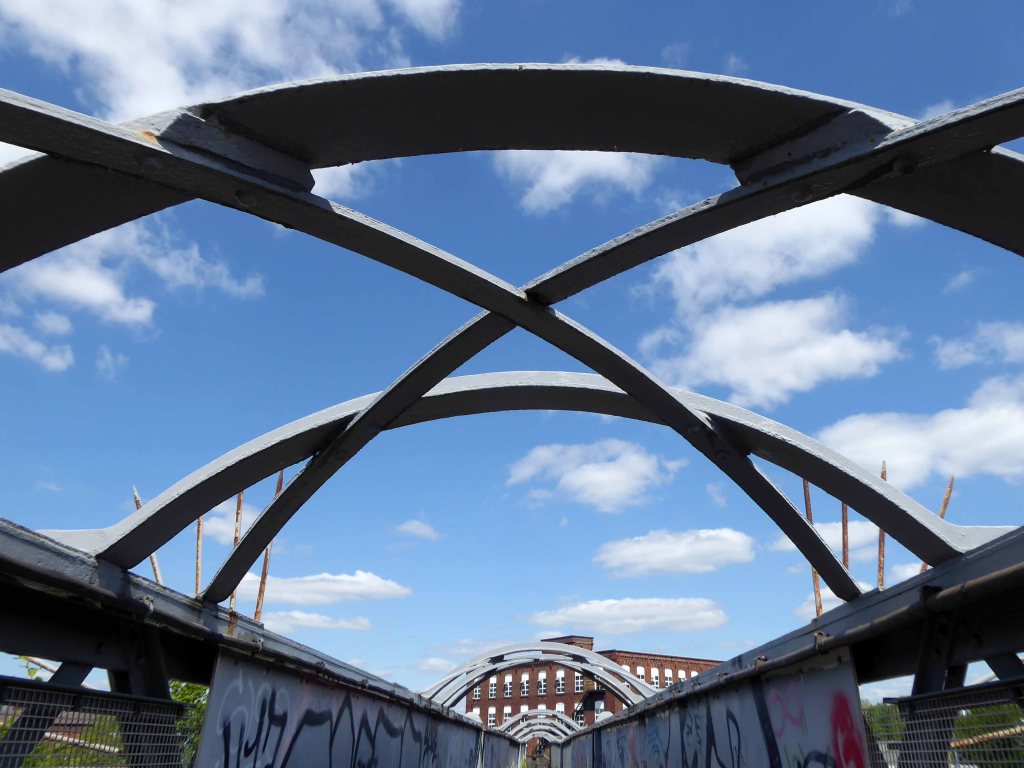
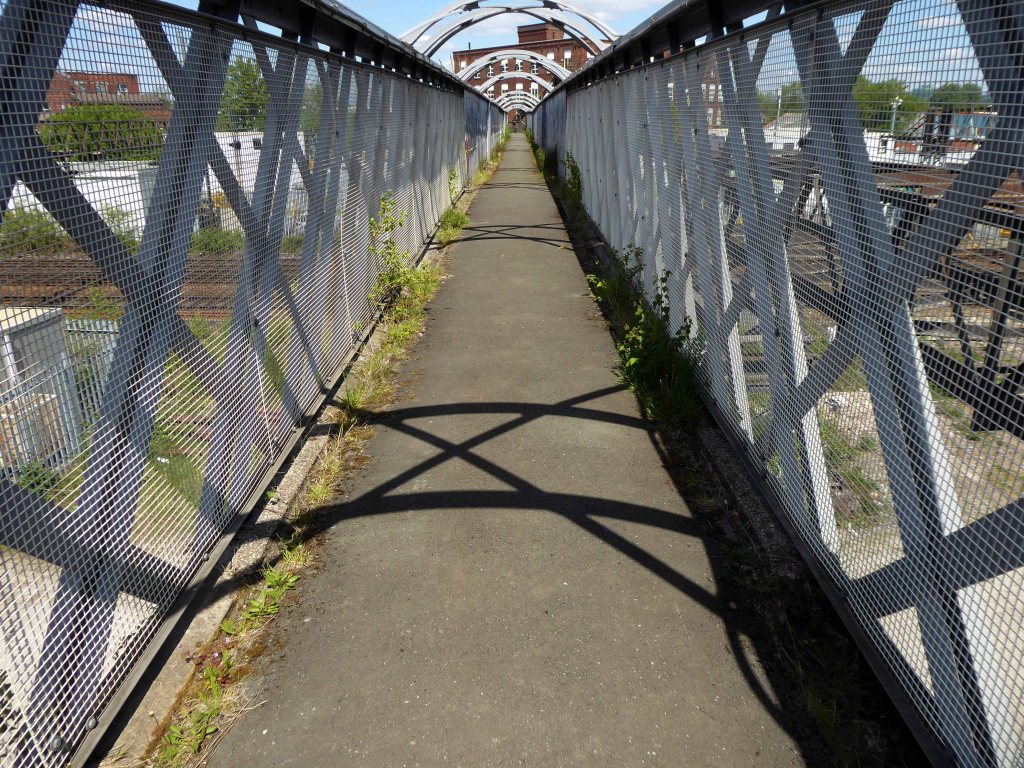
I had walked beside the elevated path, alongside the canal coming home from school, rode by it whilst working as a Guide Bridge goods guard.
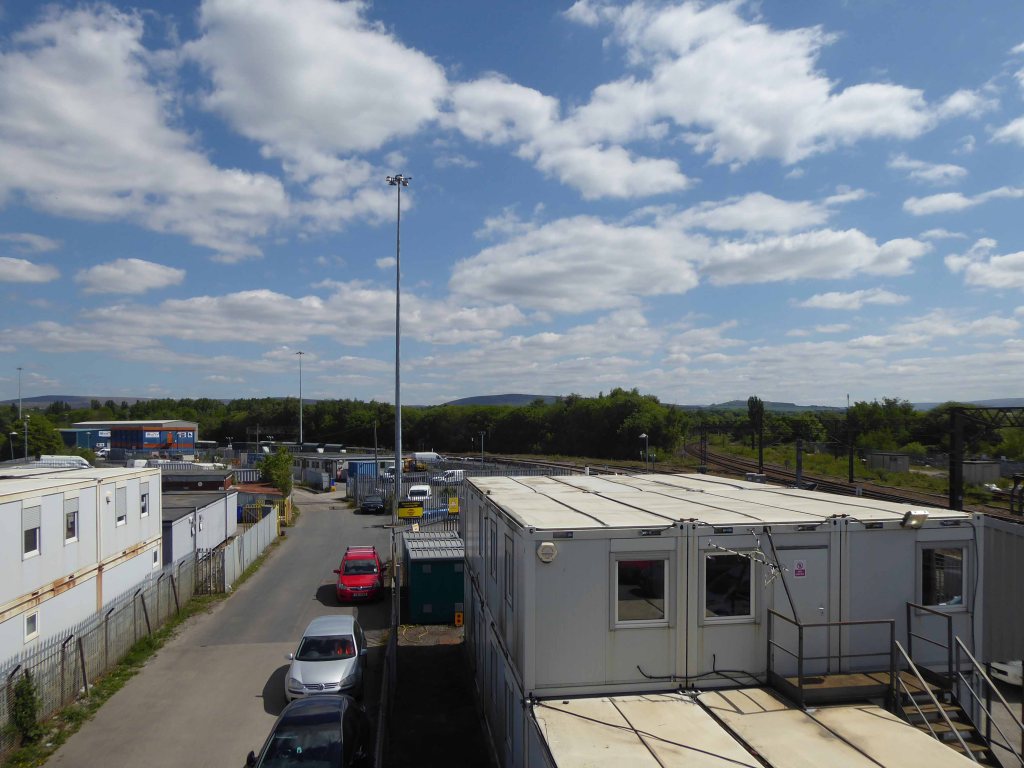
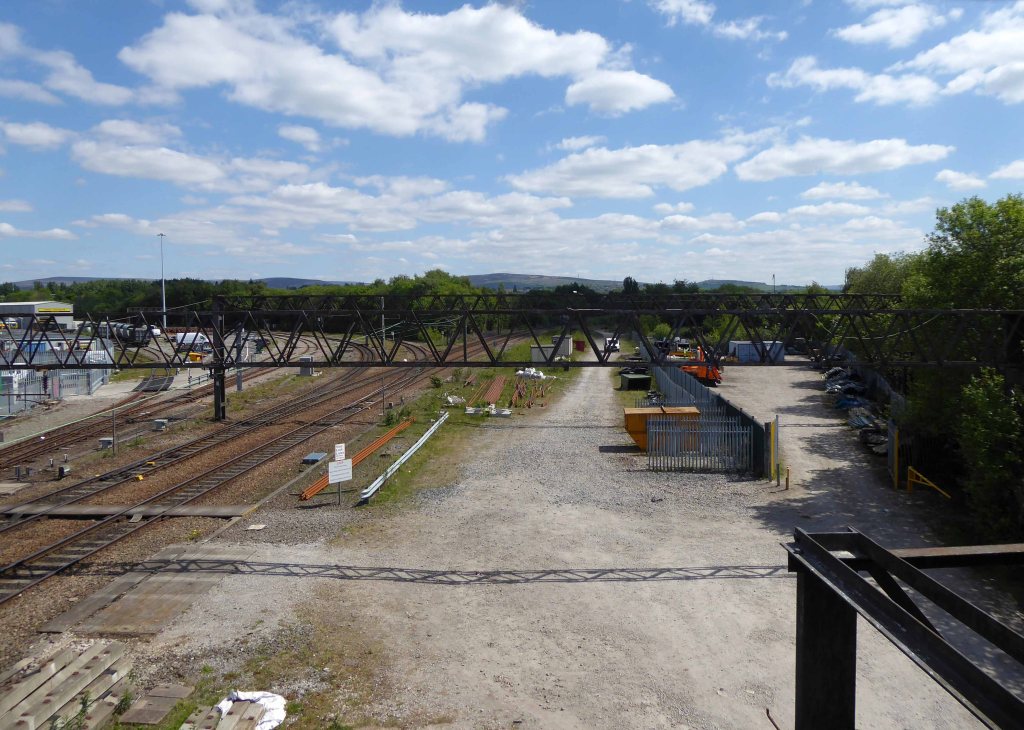
This was busy railway, steel coal, oil and people hurtling back and forth across the Pennines, under the DC wires of the Woodhead Line.
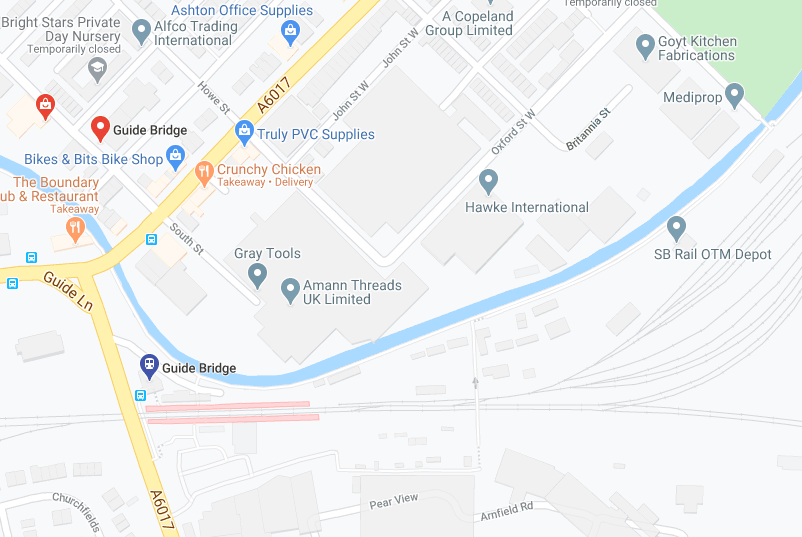
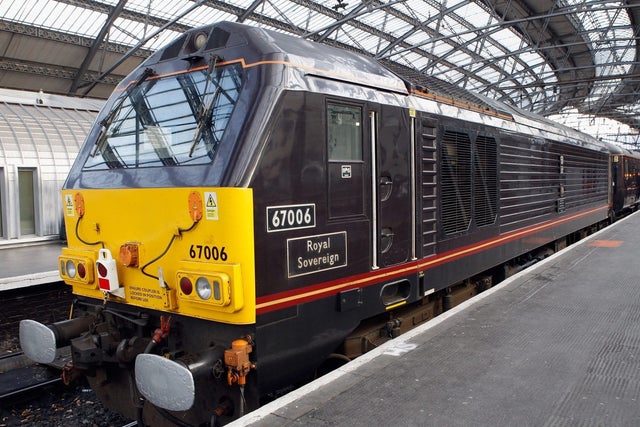
One memorable night the Royal Train stayed overnight, in what are now the SB Rail OTM sidings.
Toffs in dinner jackets were leaning from the windows, as we gazed in awe from the platform.
Swietelsky is one of Austria’s leading construction companies with international contracts encompassing highways, tunnelling, residential and commercial developments, alpine construction and railways.
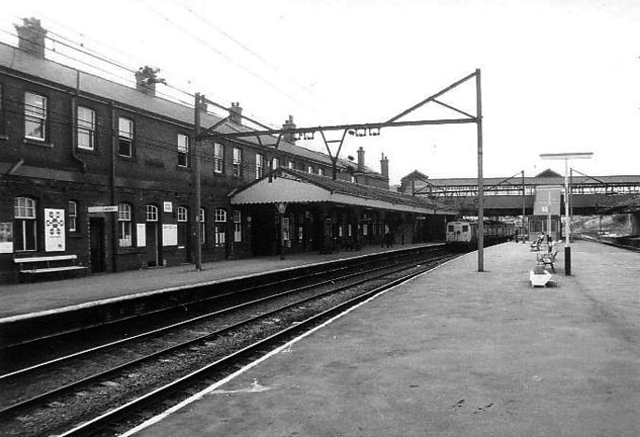
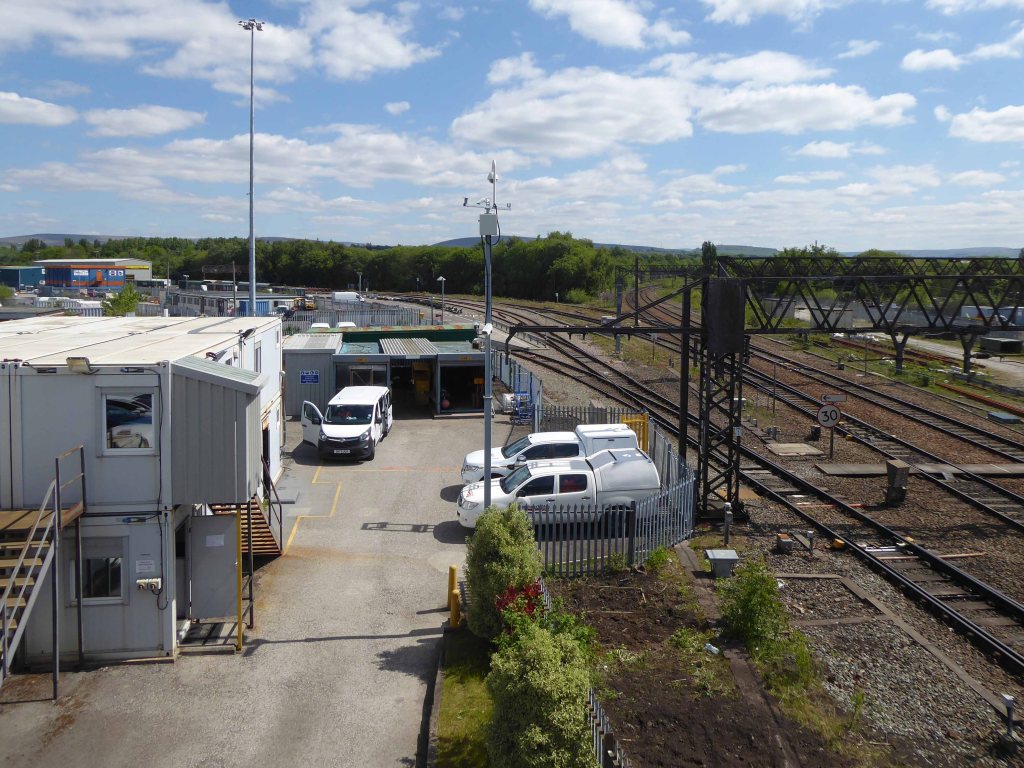
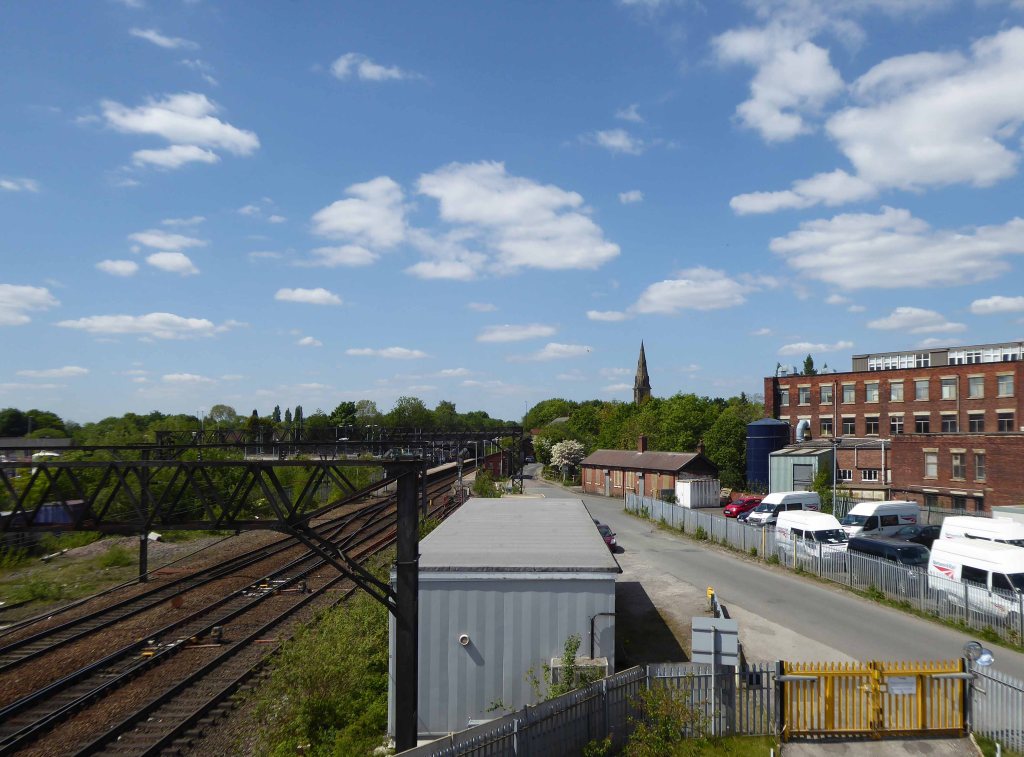
The journey ends by the seriously depleted station buildings, the buffet bar, depot and engine shed long gone.
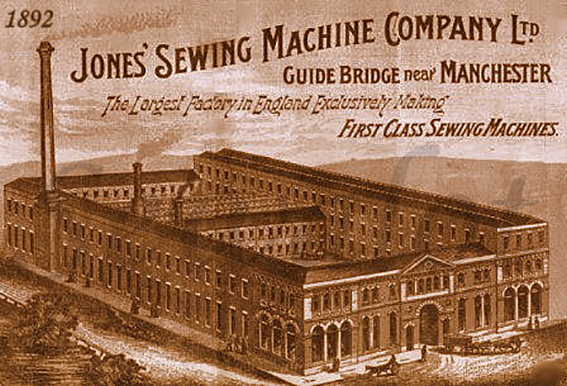
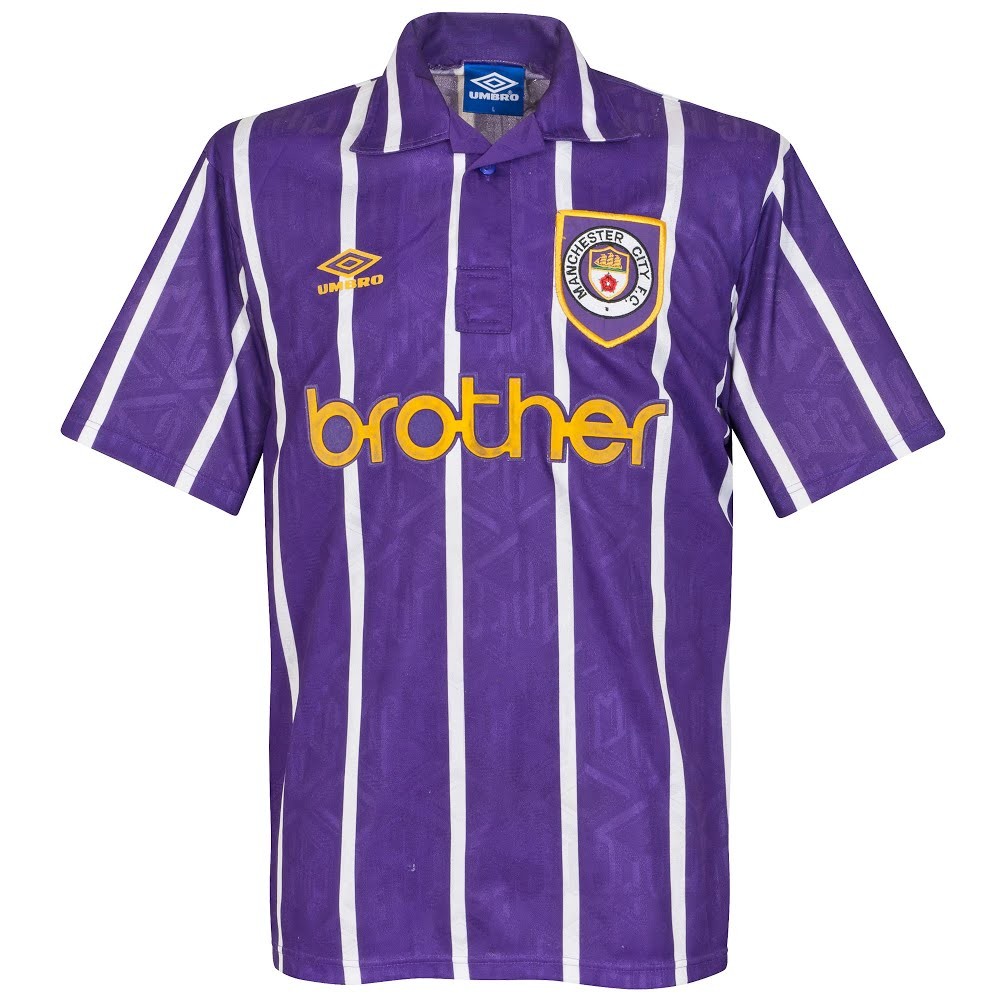
Thomas Chadwick later joined Bradbury & Co. William Jones opened a factory in Guide Bridge, Manchester in 1869. In 1893 a Jones advertising sheet claimed that this factory was the – Largest Factory in England Exclusively Making First Class Sewing Machines. The firm was renamed as the Jones Sewing Machine Co. Ltd and was later acquired by Brother Industries of Japan, in 1968. The Jones name still appeared on the machines till the late 1980s.
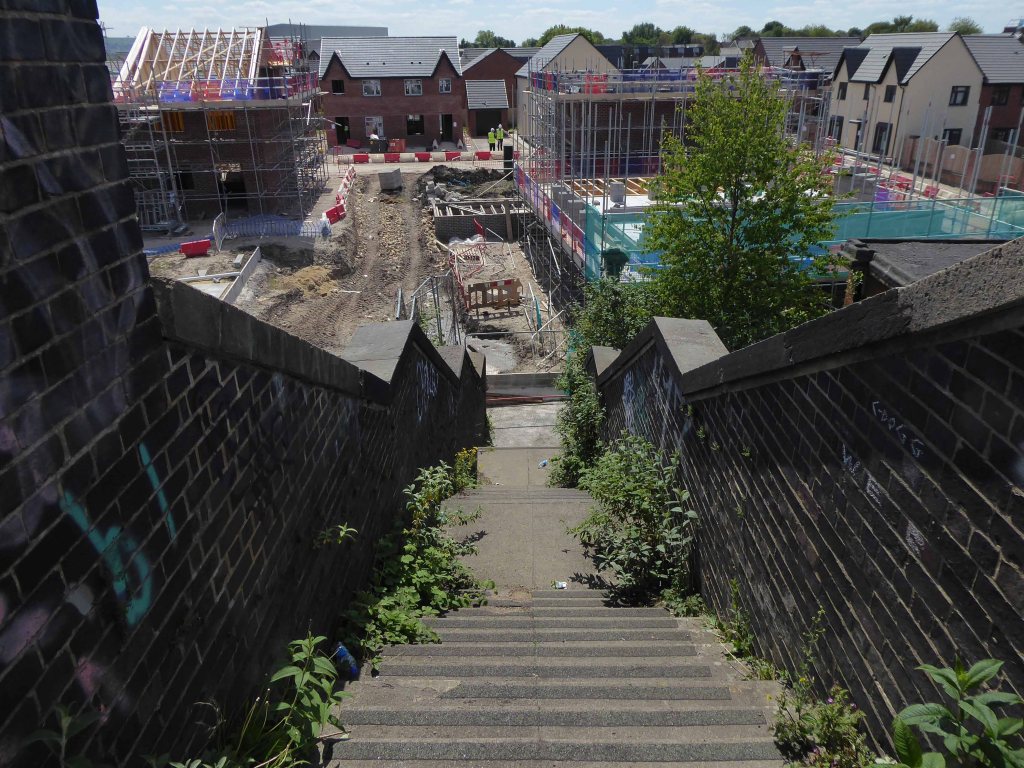
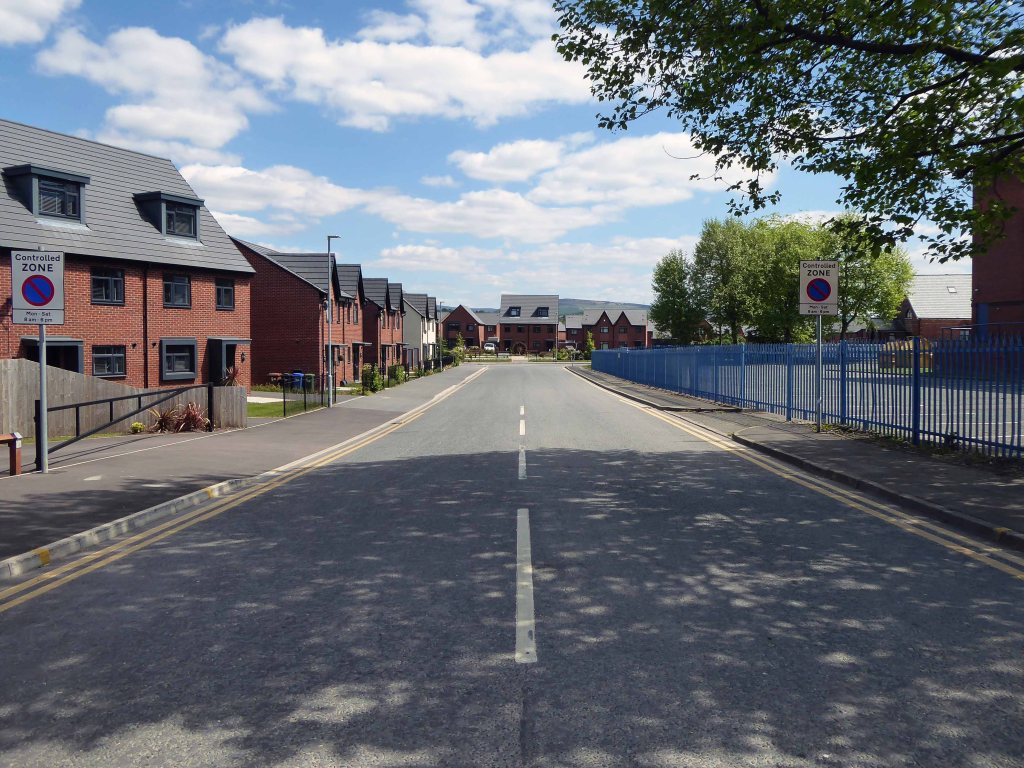
The site is now home to new homes and homeowners, as the area seeks to capitalise on the spread of wealth from Central Manchester.
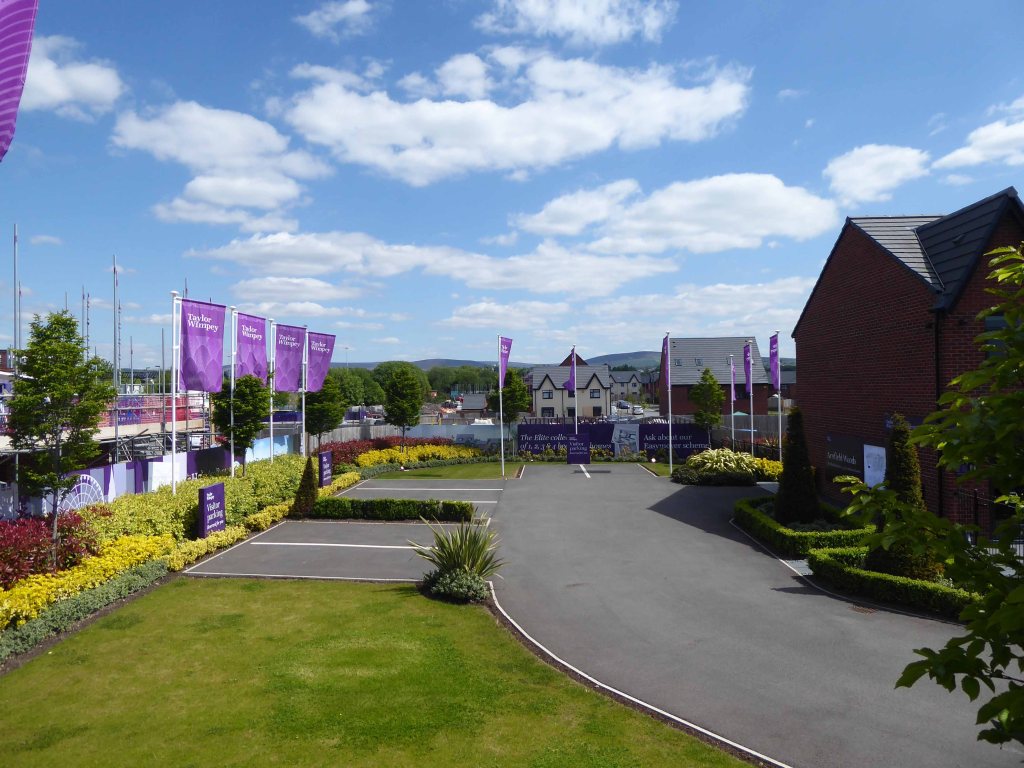
Arnfield Woods is an exclusive development offering two, three and four bedroom homes, located adjacent to the Guide Bridge train station, which provides direct access into Manchester City Centre and direct access into Glossop.
The world turns:
Time changes everything except something within us which is always surprised by change.
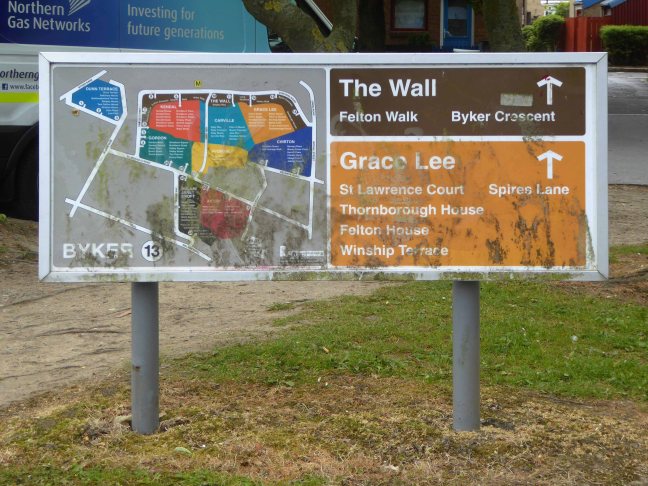
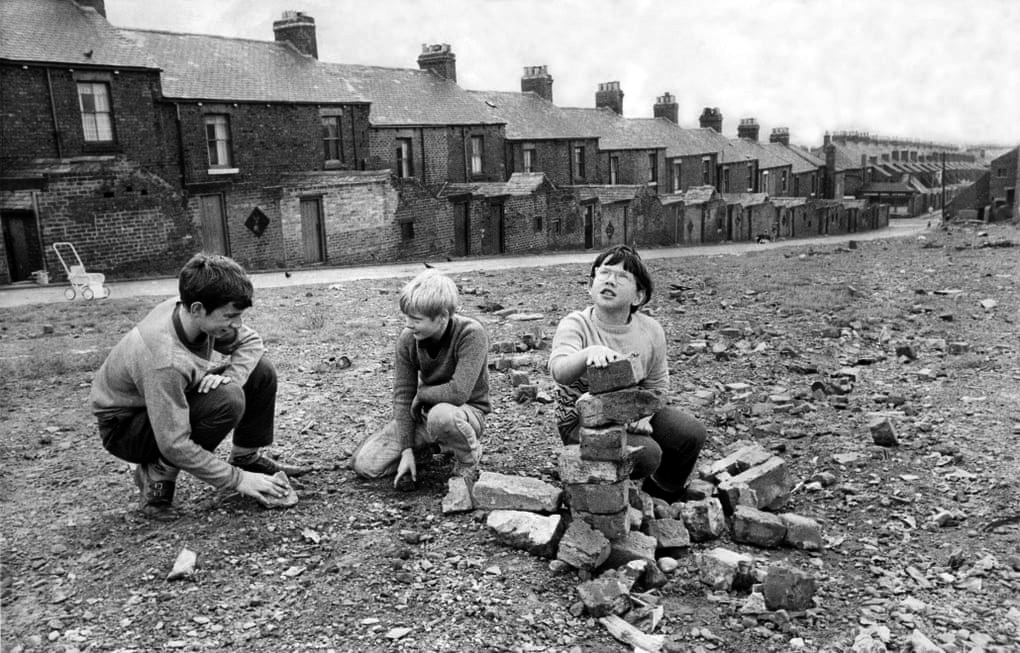
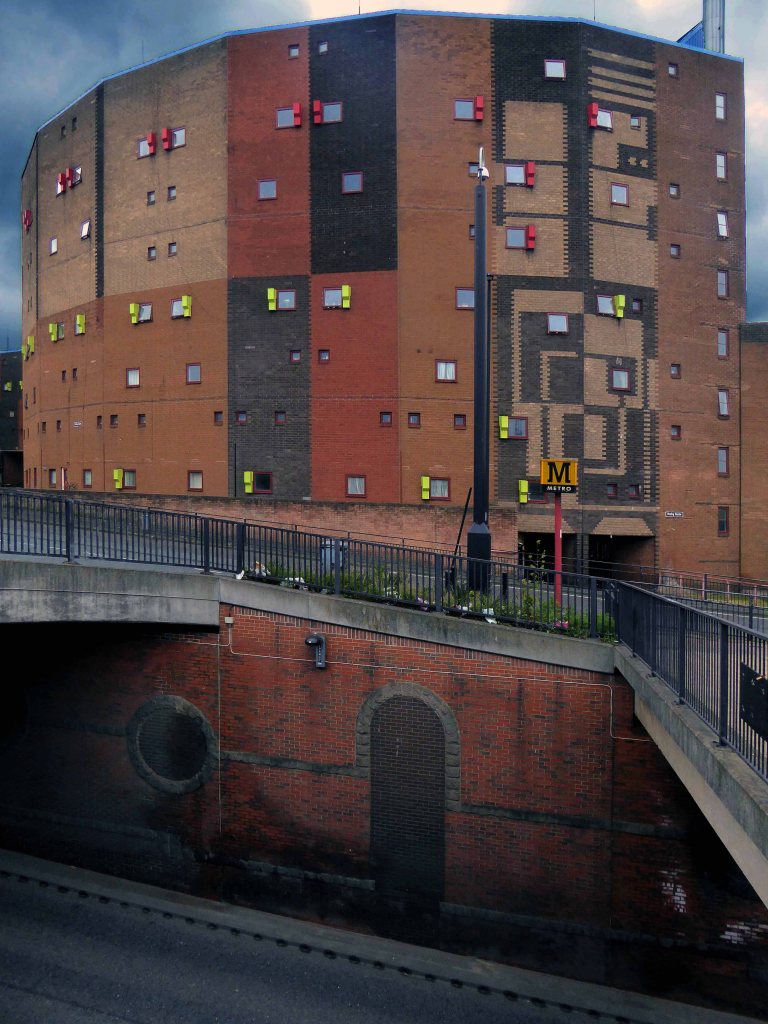
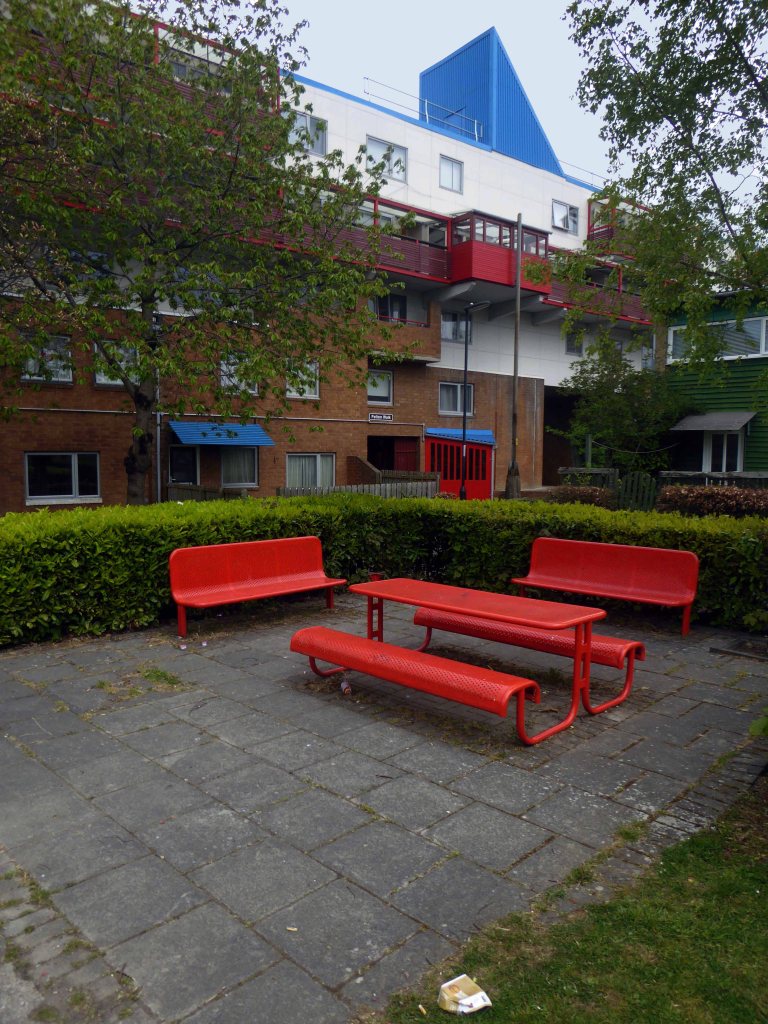
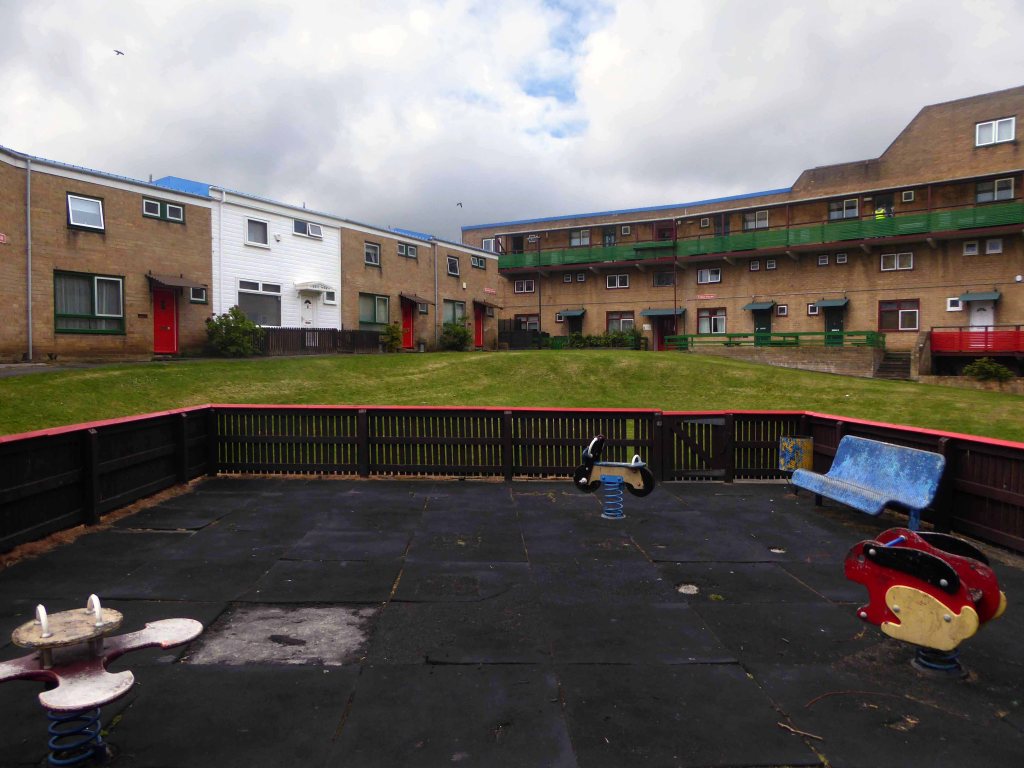
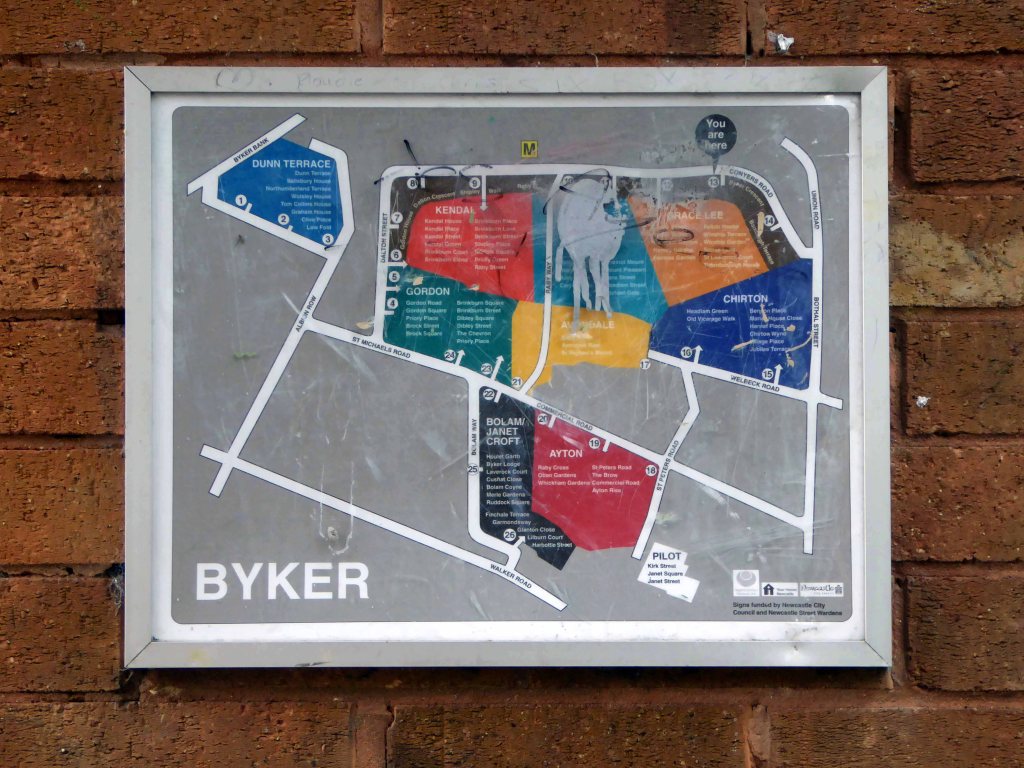
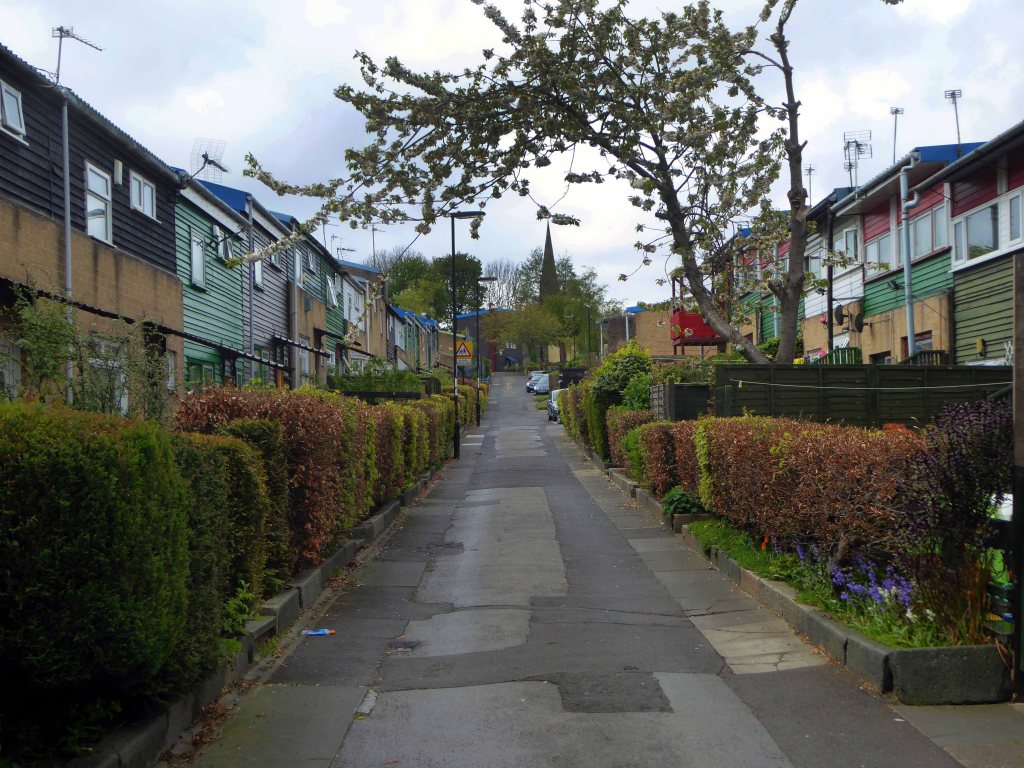
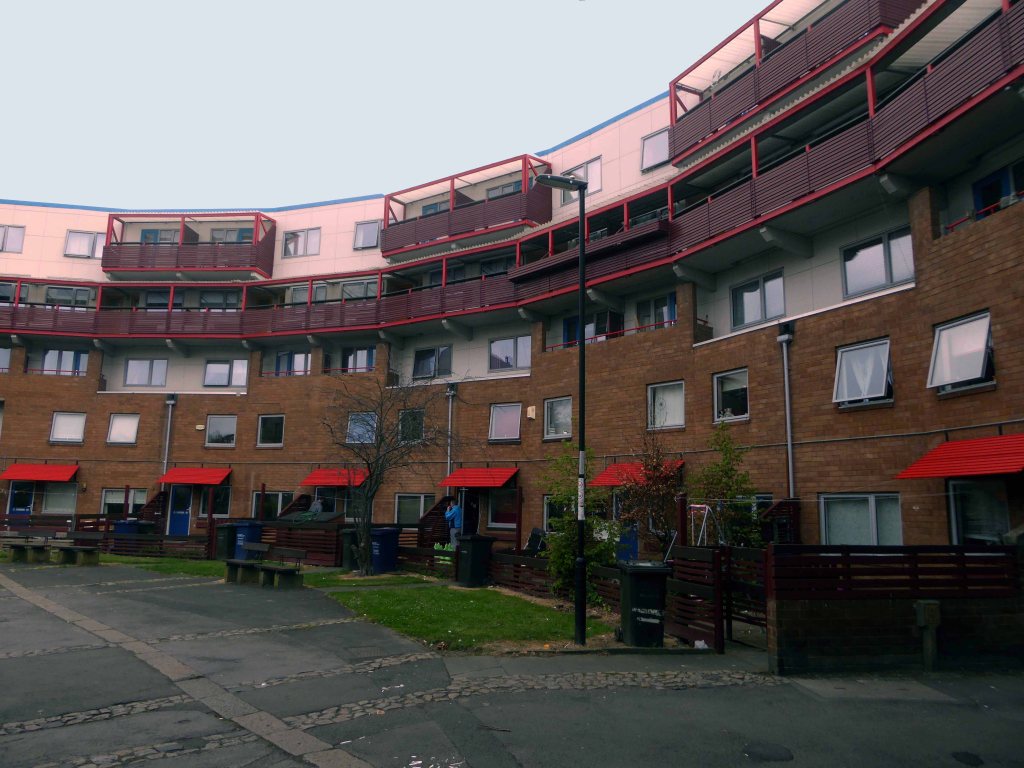
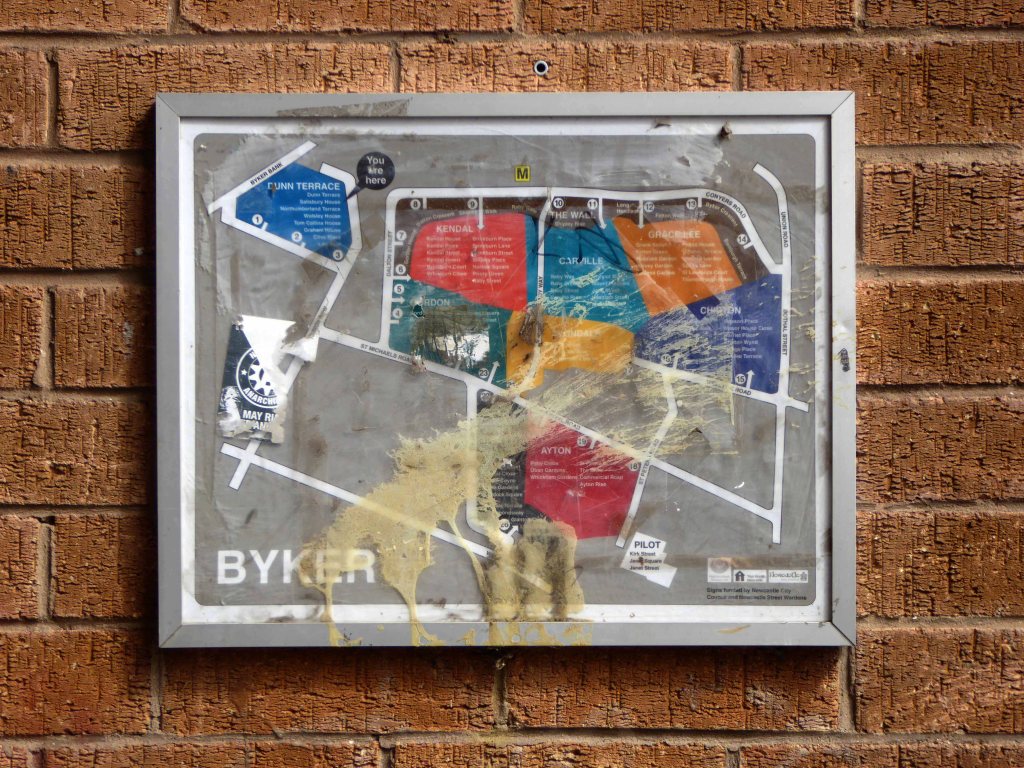
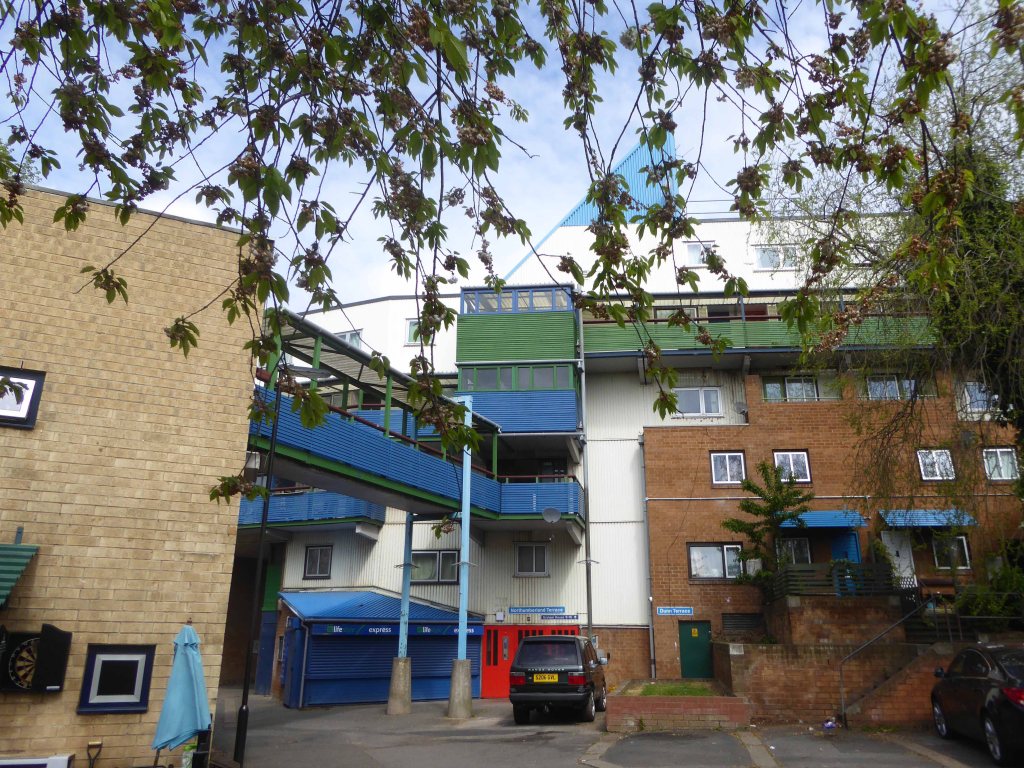
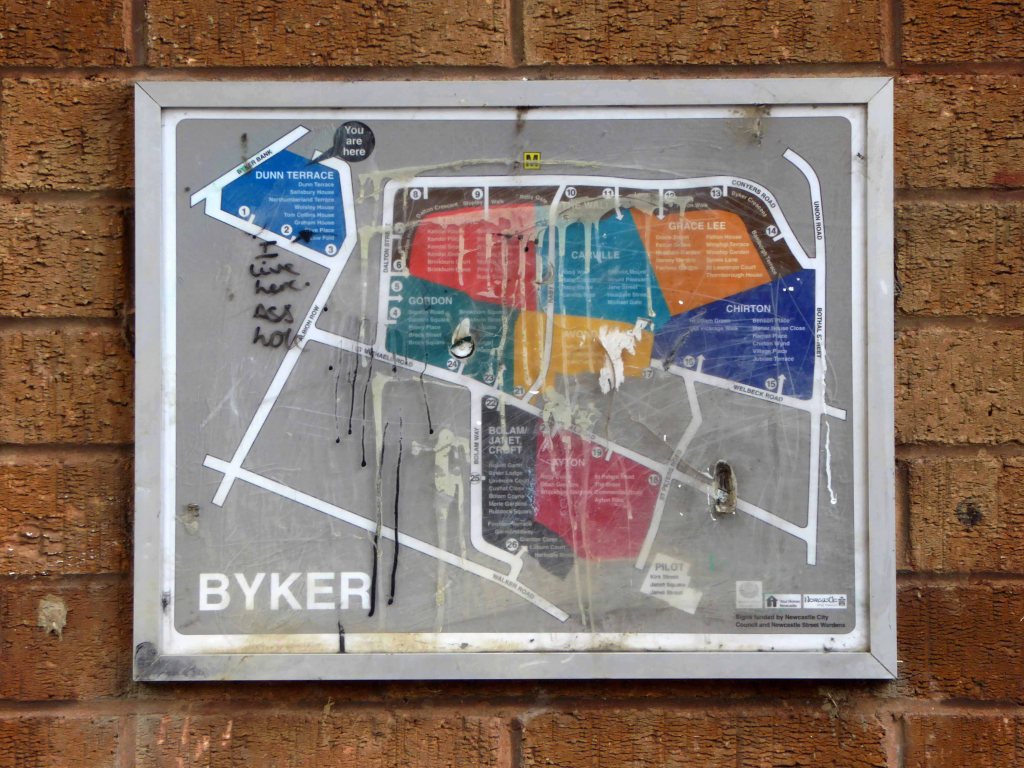
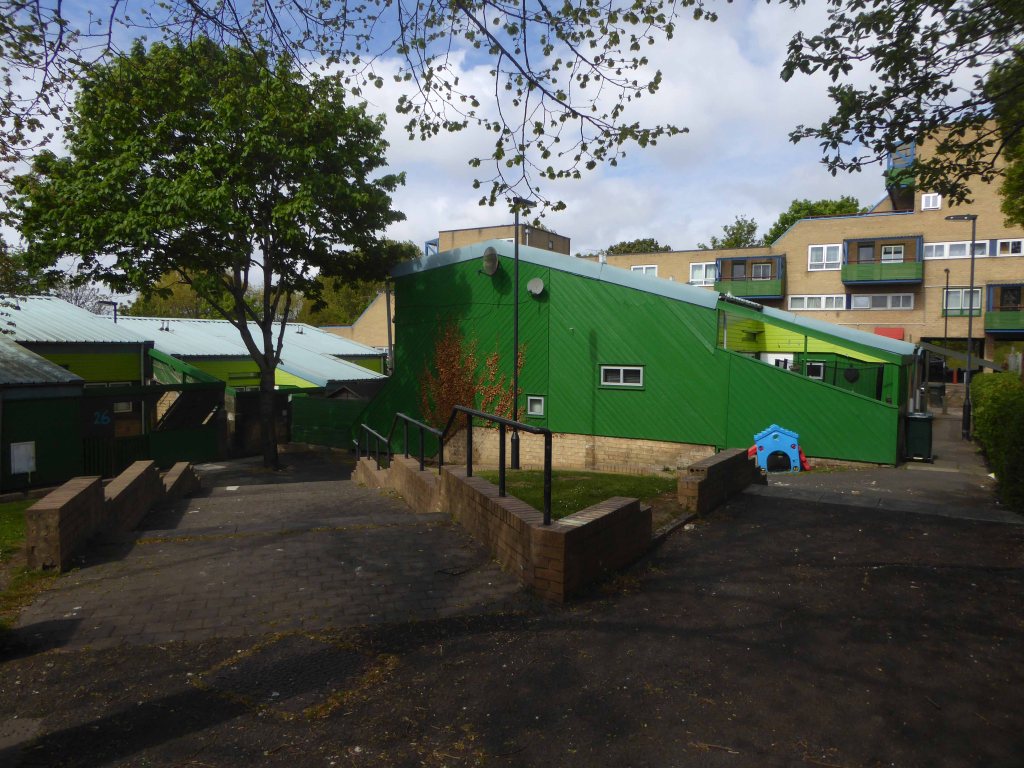
The Wall, along with the low rise dwellings built to its south, replaced Victorian slum terraced housing. There were nearly 1200 houses on the site at Byker. They had been condemned as unfit for human habitation in 1953, and demolition began in 1966.
The new housing block was designed by Ralph Erskine assisted by Vernon Gracie. Design began in 1968 and construction took place between 1969 and 1982. The architects opened an office on site to develop communication and trust between the existing residents. Existing buildings were to be demolished as the new accommodation was built.
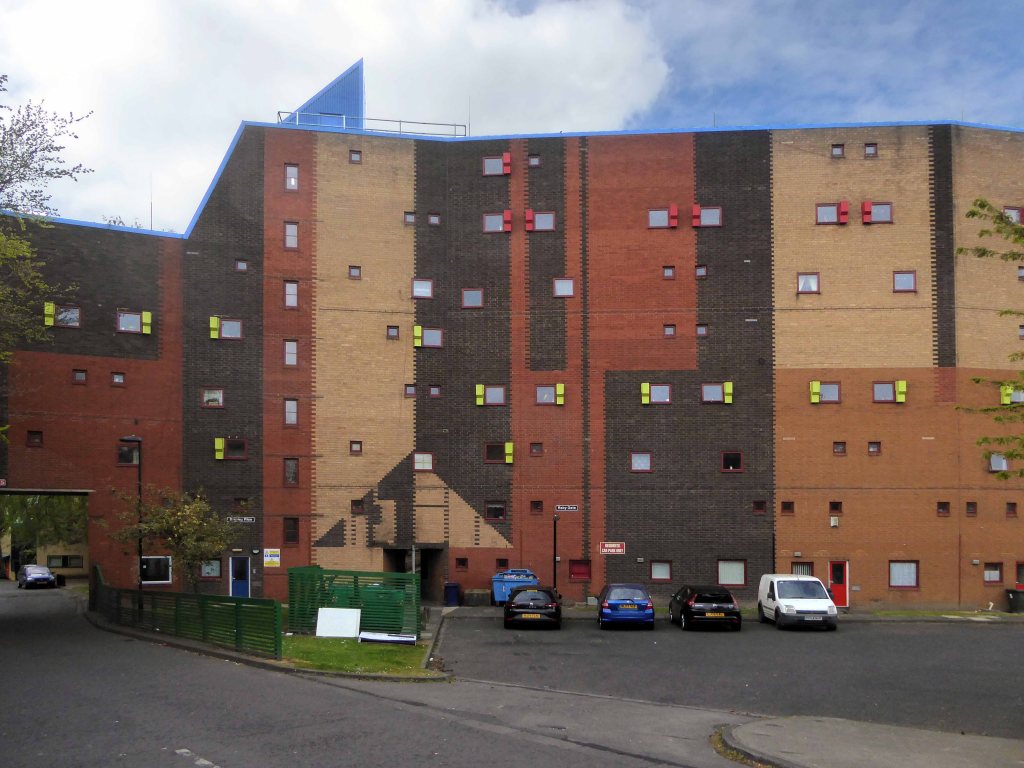
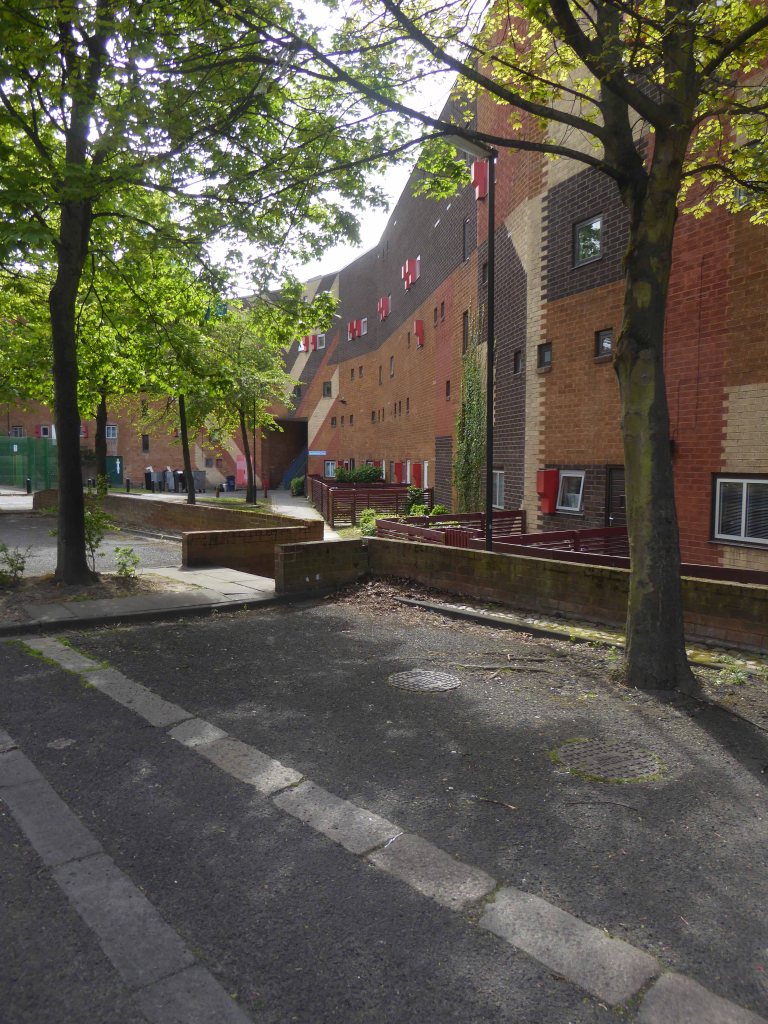
The new high-rise block was designed to shield the site from an intended motorway, which eventually was never built. Construction materials for Byker Wall were relatively cheap, concrete, brick and timber. Surfaces were treated with bright colours, while brick bandings were used on the ‘Wall’ to indicate floor levels.
Its Functionalist Romantic styling with textured, complex facades, colourful brick, wood and plastic panels, attention to context, and relatively low-rise construction represented a major break with the Brutalist high-rise architectural orthodoxy of the time.
There area has been well documented over time, notably by photographer Sirkka-Liisa Konttinen.
It’s reputation has had its ups and downs but most recently:
It’s been named the UK and Ireland’s best neighbourhood – it’s got top schools, friendly neighbours and community art classes – alongside high levels of poverty.
When Historic England awarded Byker its Grade II* listing in 2007, they praised both its ‘groundbreaking design, influential across Europe and pioneering model of public participation’. The estate’s main element, the Byker Wall, is – like it or loathe it – an outstanding piece of modern architecture. The conception and design of the estate as a whole was shaped by unprecedented community consultation.
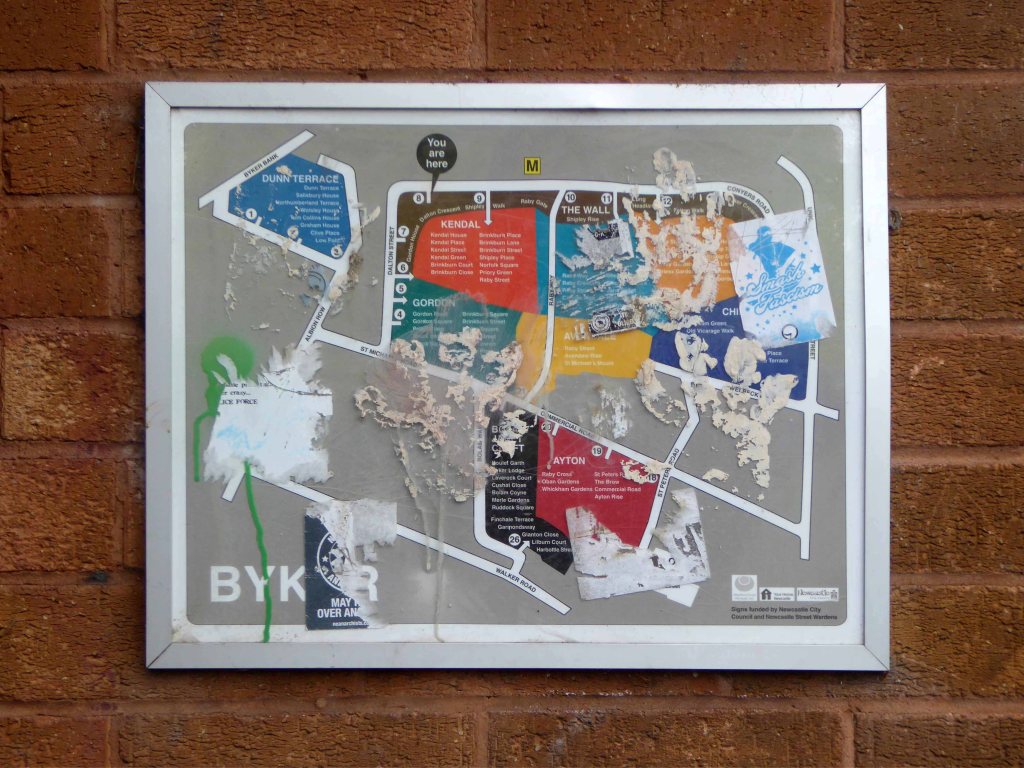
I went for a walk around one morning in May 2017, the photographs are in sequence as I explored the estate. It’s hard to do justice to the richness and variety of architecture in such a short time, but I only had a short time.
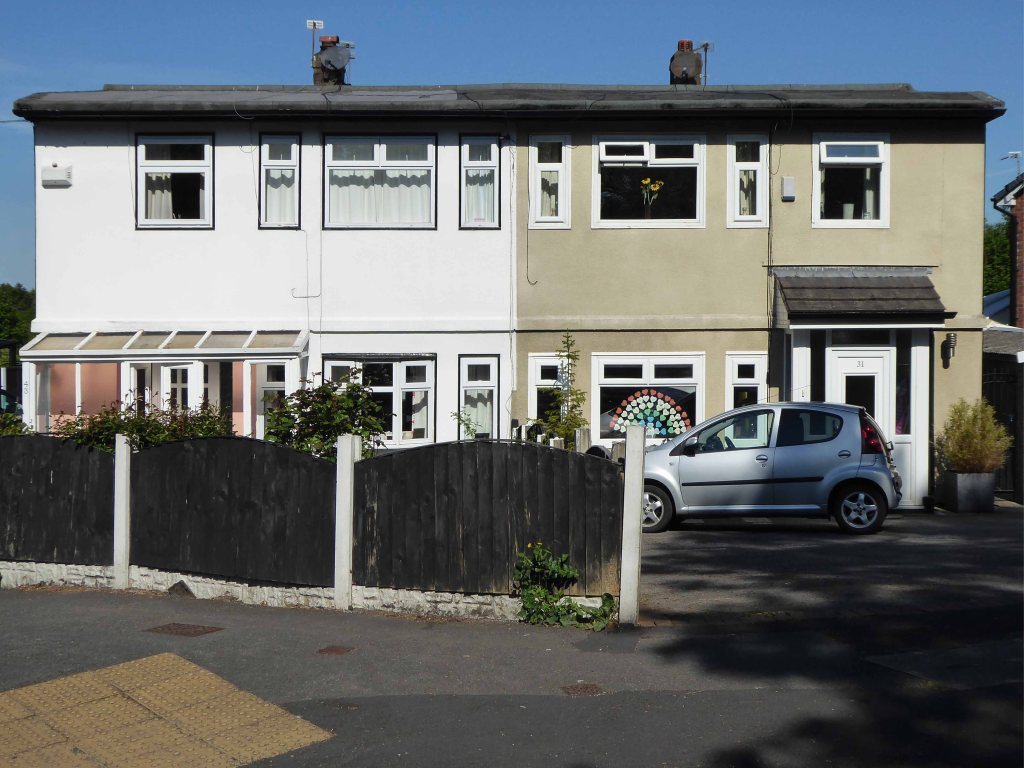
I have been here before in 2015 en passant, snapped the homes chatted to a resident and off, she had informed me that they had been post-war experimental concrete homes.
I thought no more about it – but subsequently I did, returning to the road to take another look.
Here’s one I didn’t make earlier.
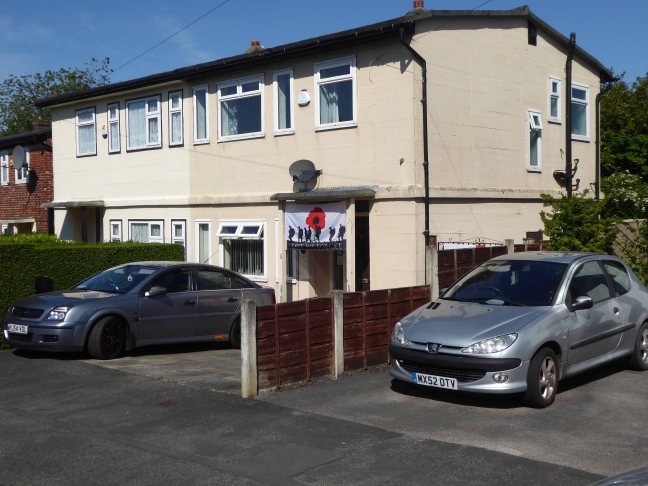
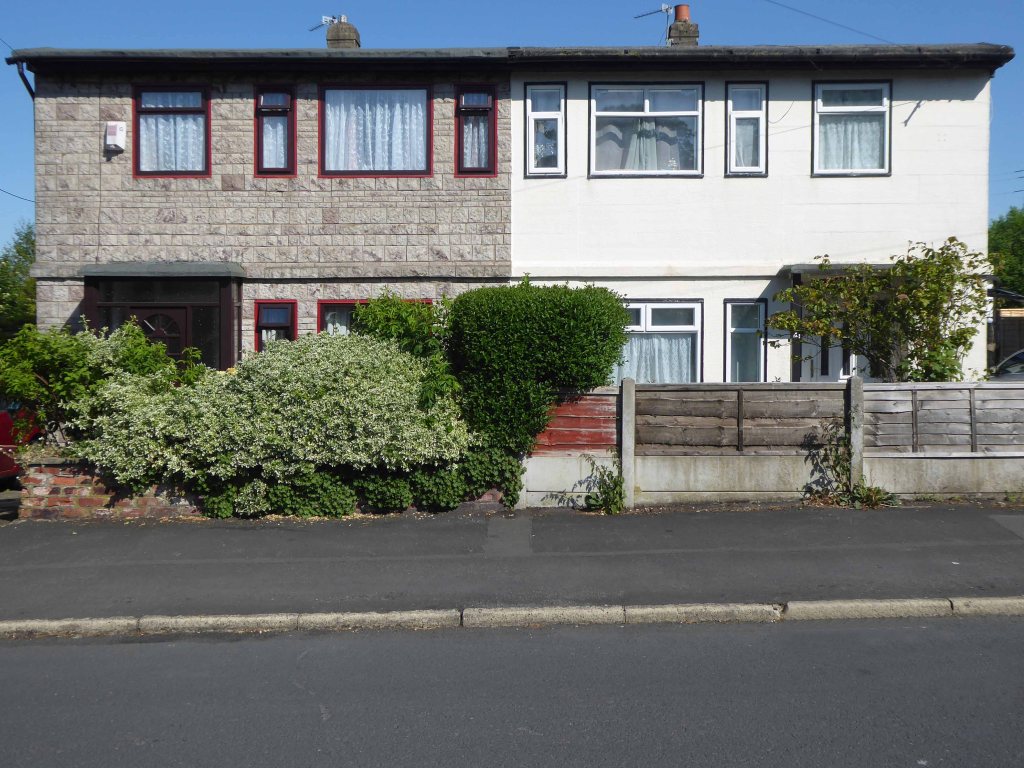
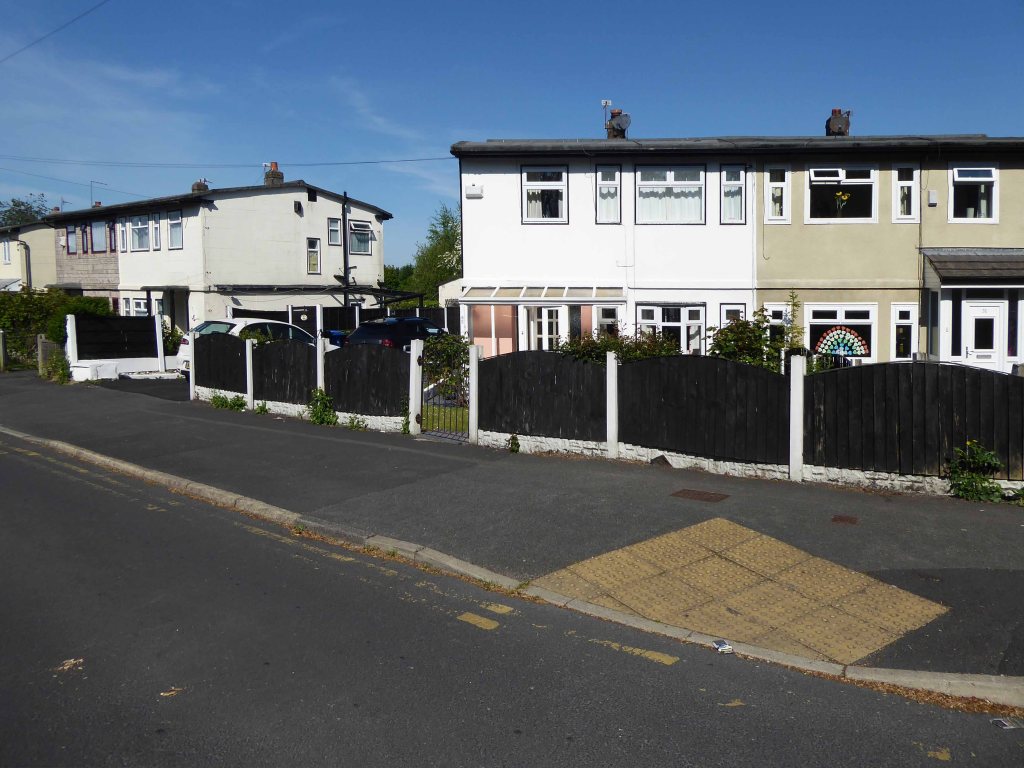
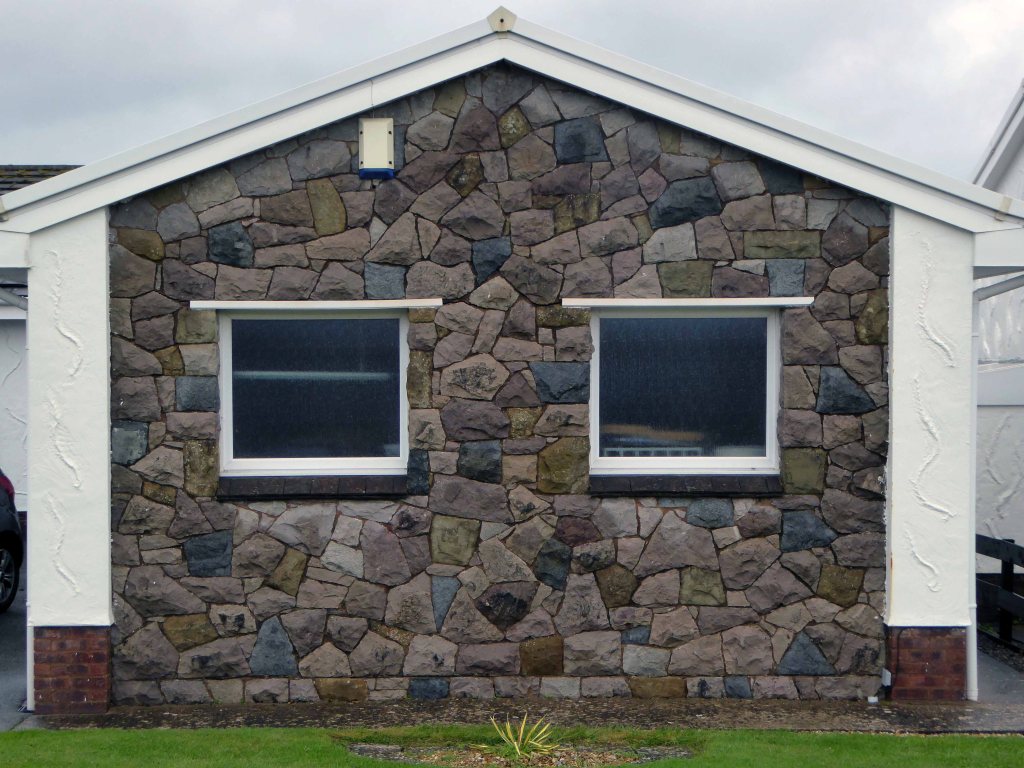
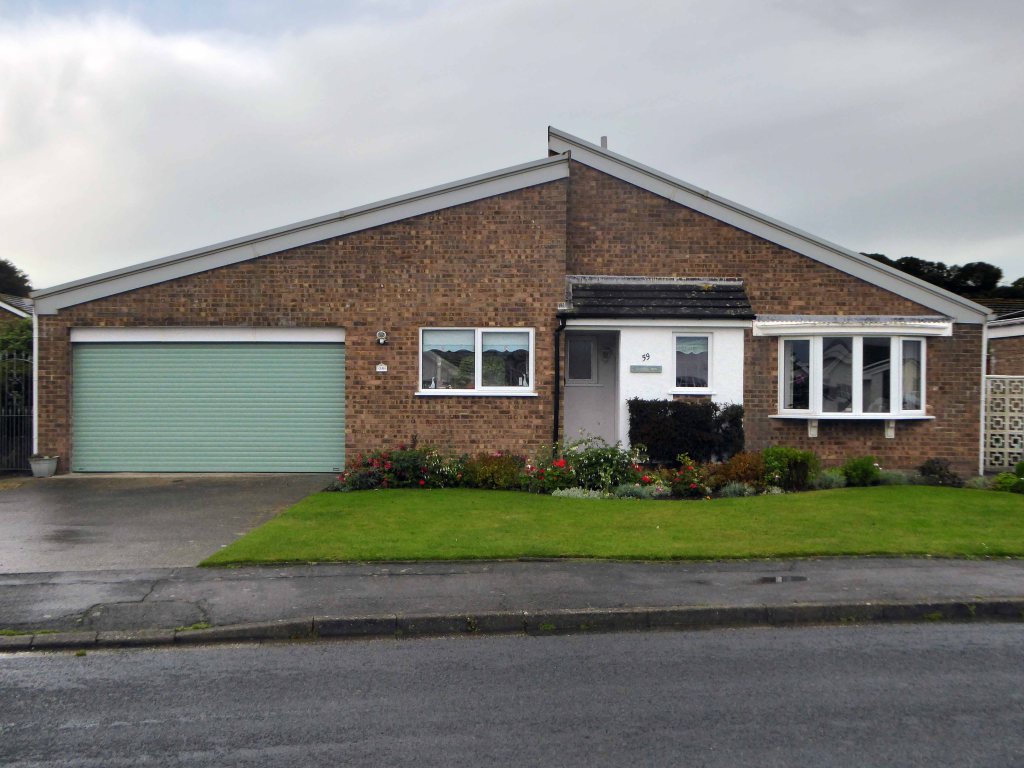
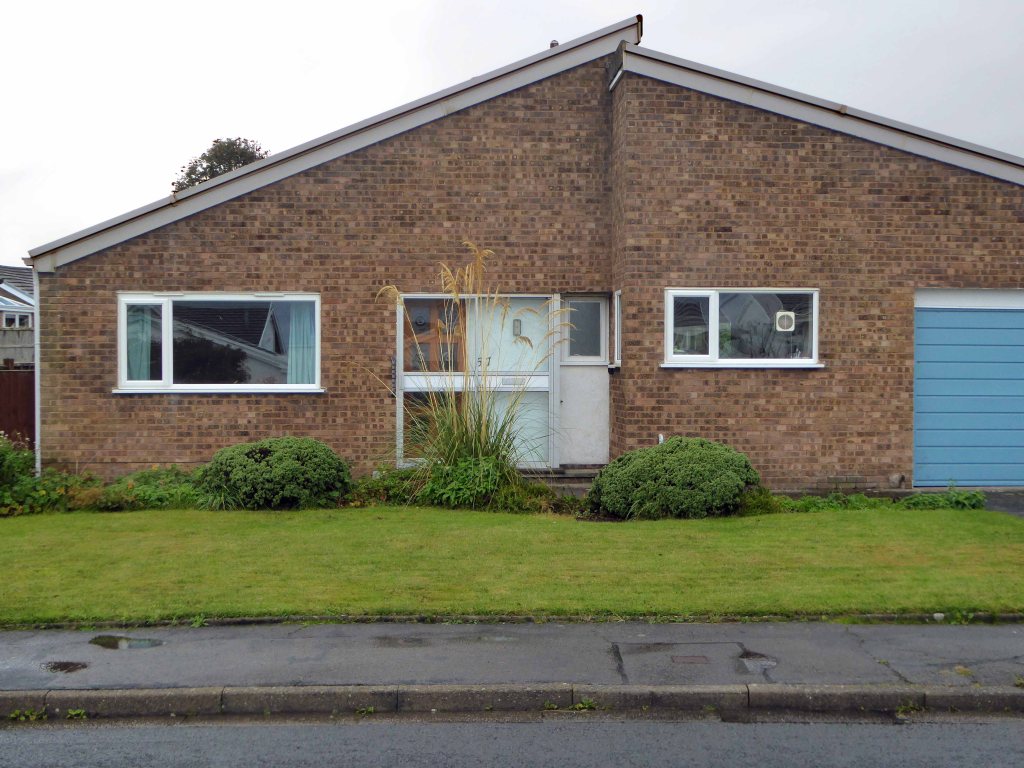
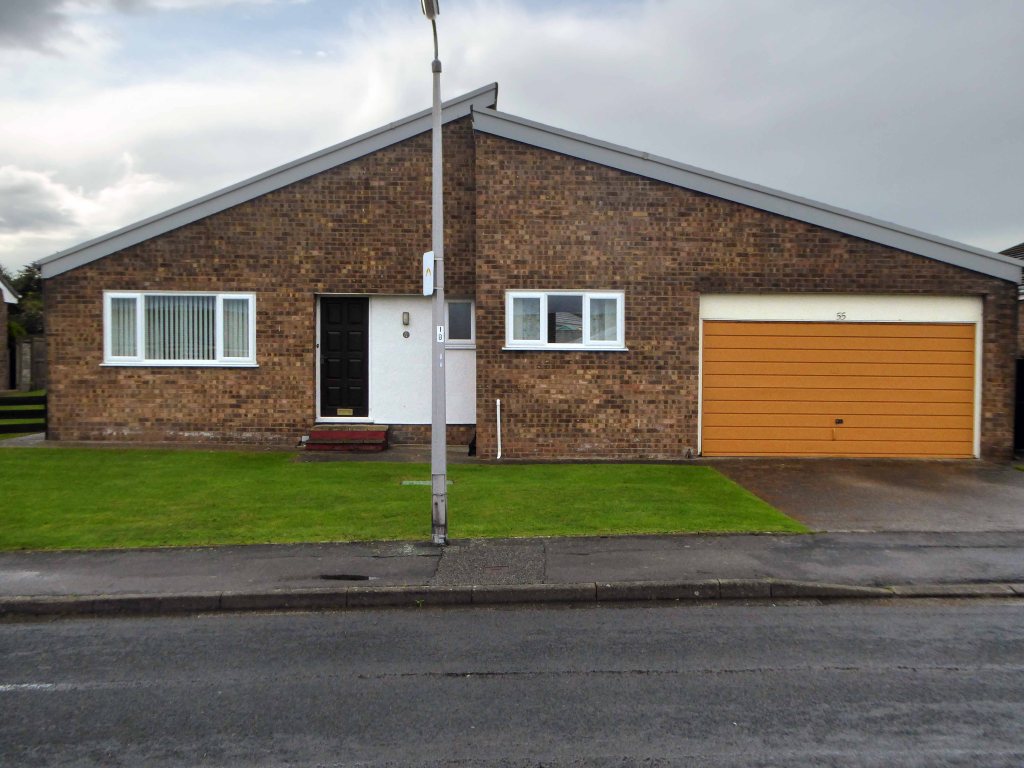
There are four semi detached homes constructed from concrete, rendered painted and clad over the years, windows replaced, additions and amendments made.
Though the basic design characteristics have been retained.
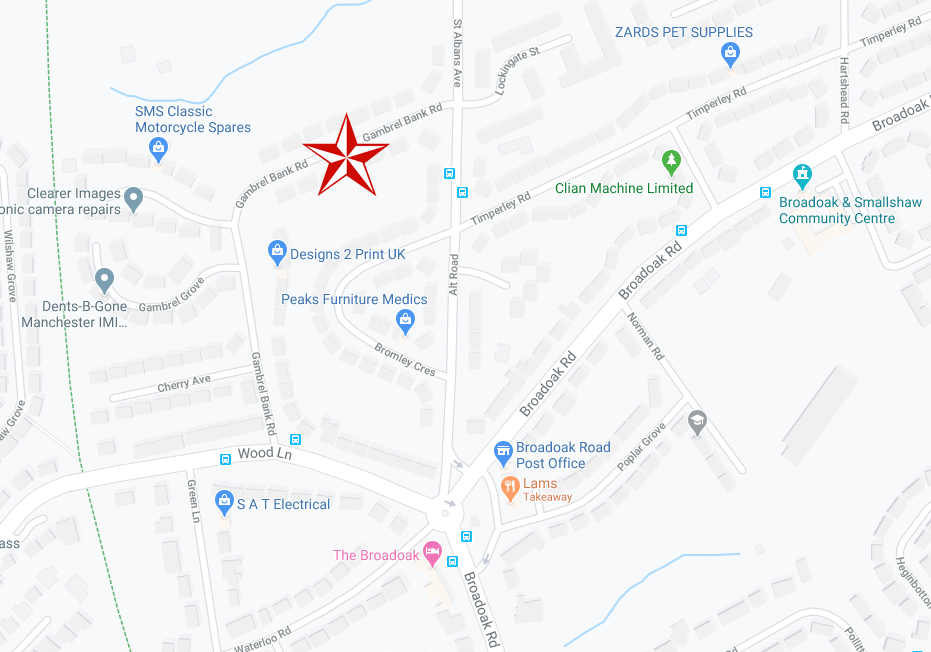
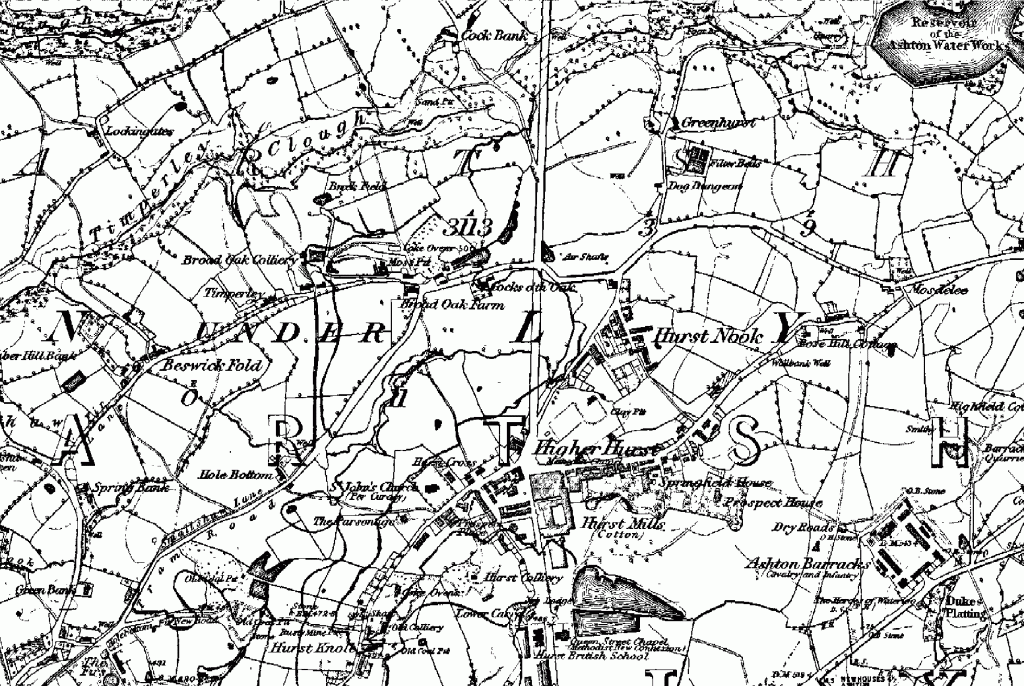
There are no local archival images or histories, I assume that they were post-war, an addition to the inter-war Smallshaw council estate.
In an area which in 1848 was given over to mining and agriculture.
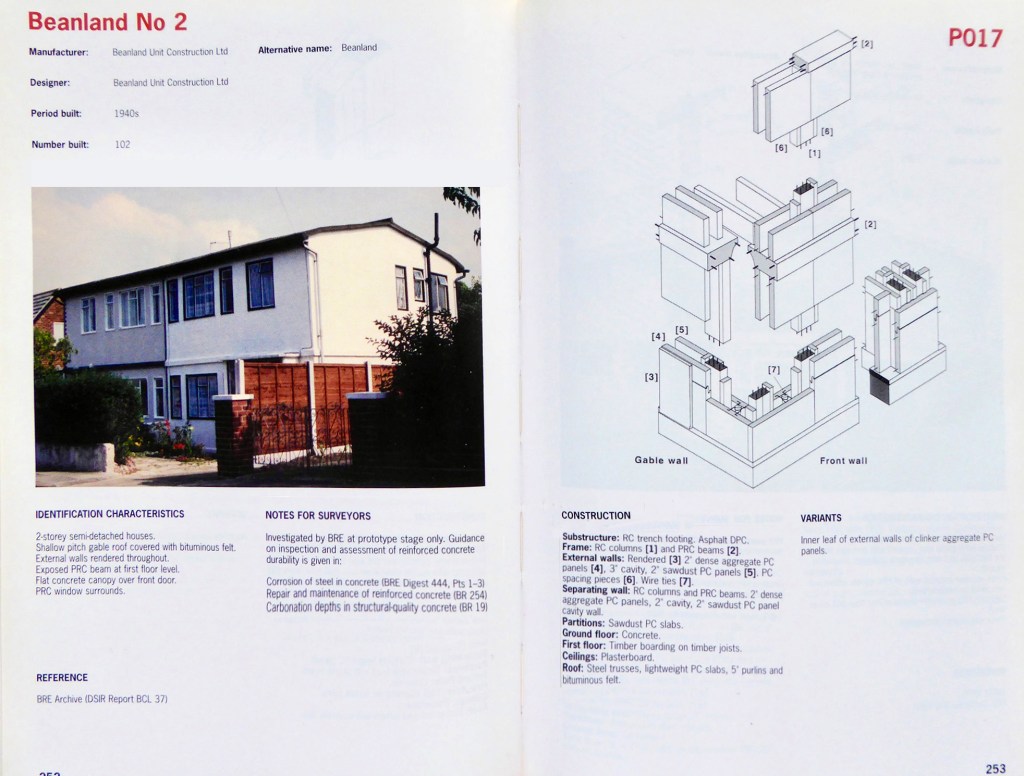
I have subsequently learnt from an online contact Mr Sid Cat, that the homes are Beanland No 2.
They are listed on the BISF site – 102 were built.
More than this I cannot say – further searches for Beanland proving largely fruitless.
In addition there are also several semi detached houses of identical shape and proportion faced in brick – why?
Suffice to say here we are now and here they all are.
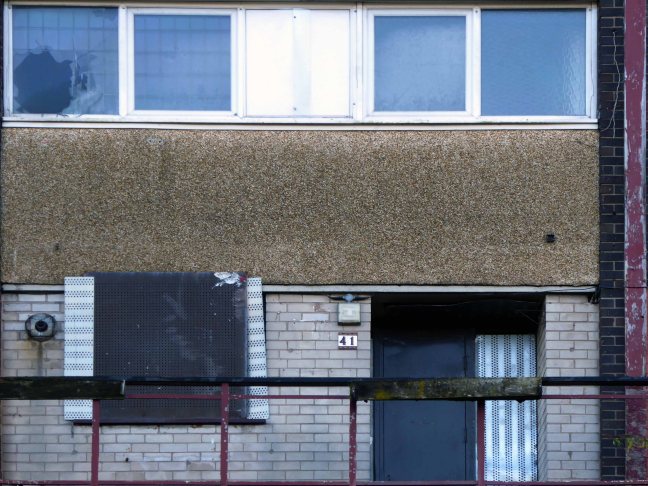
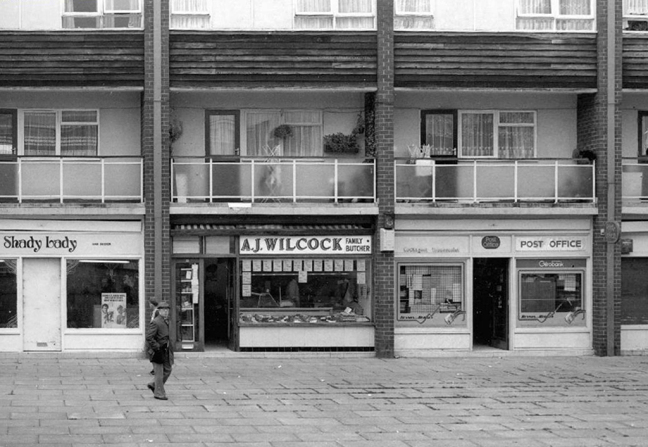
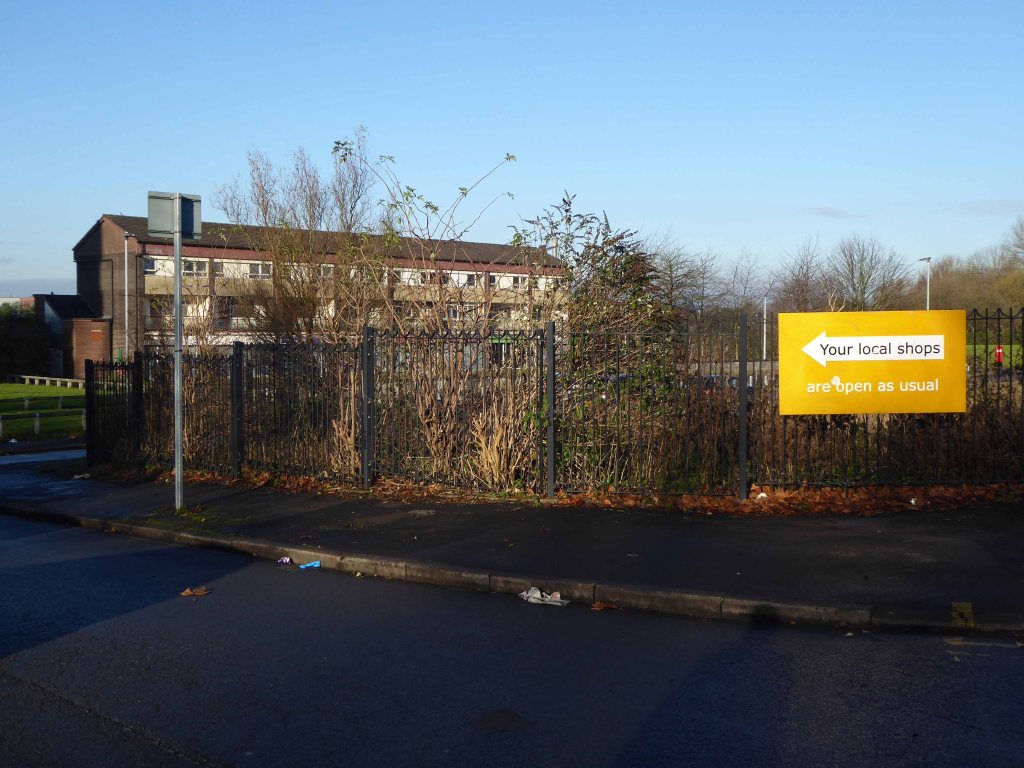
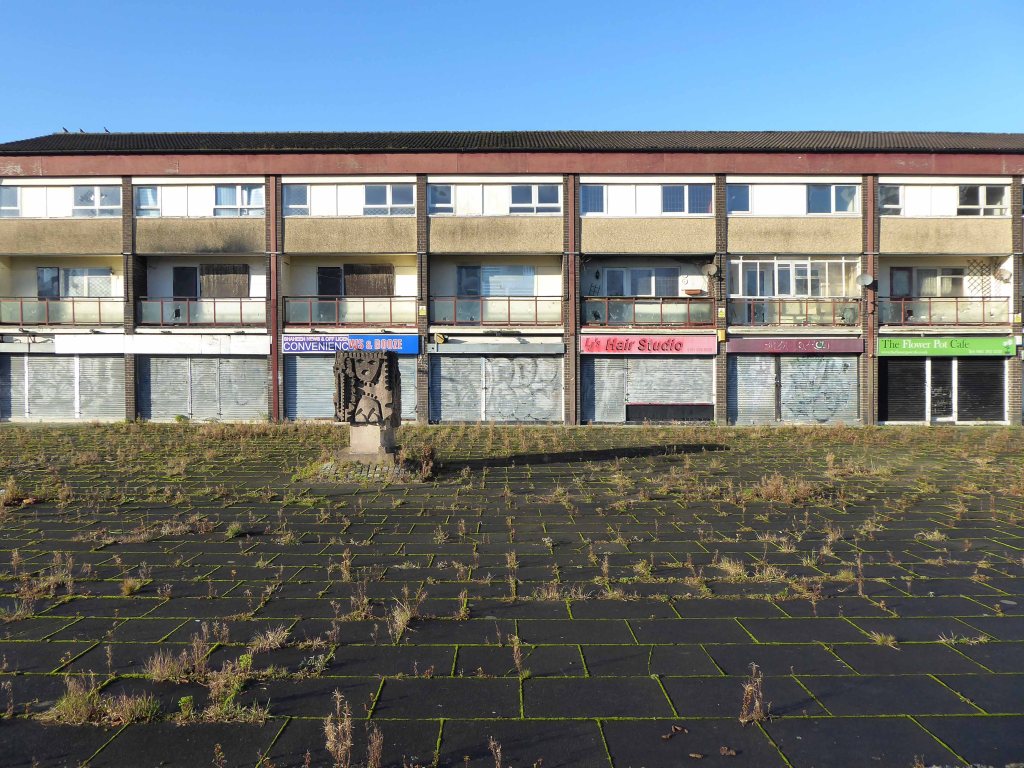
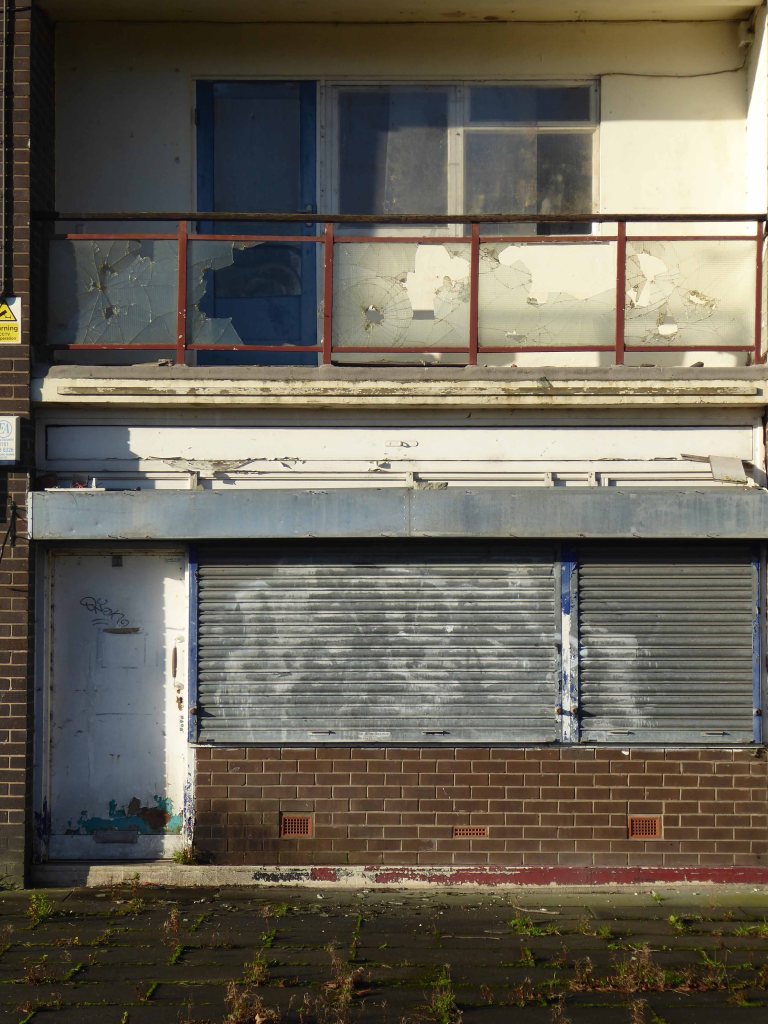
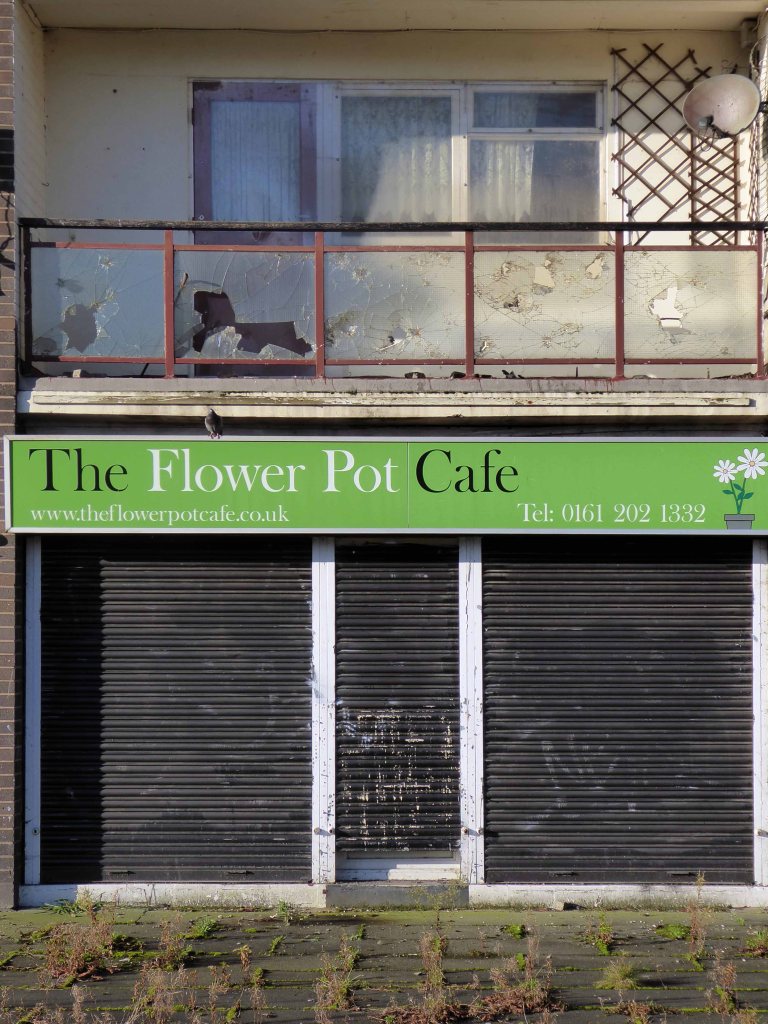
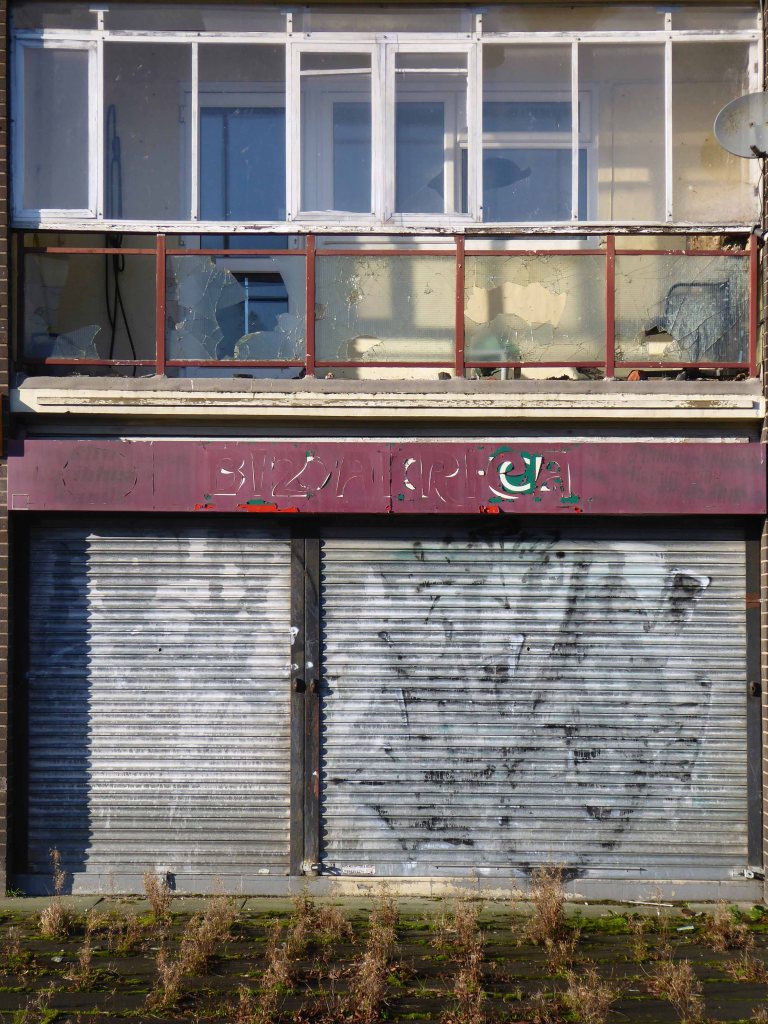
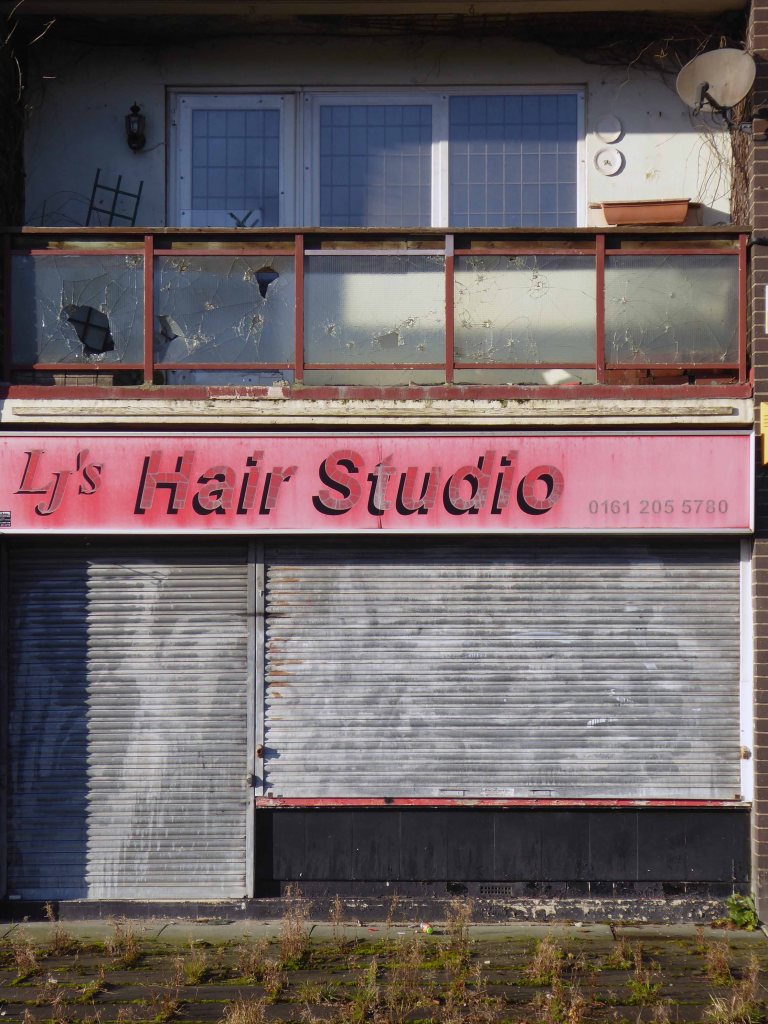
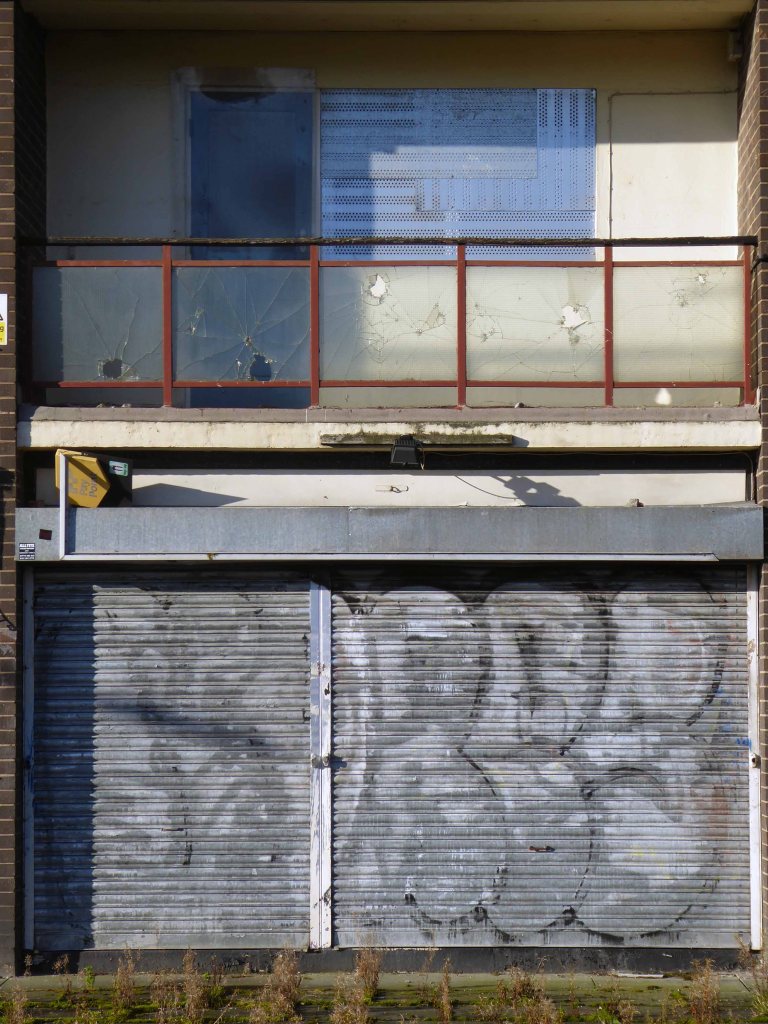
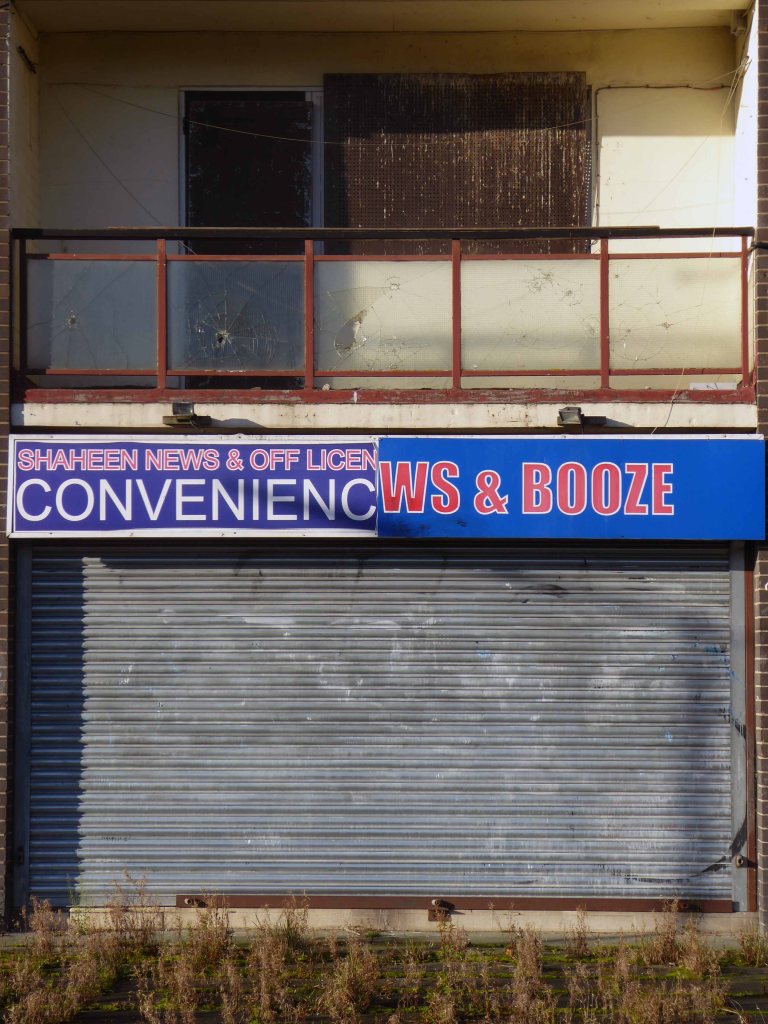
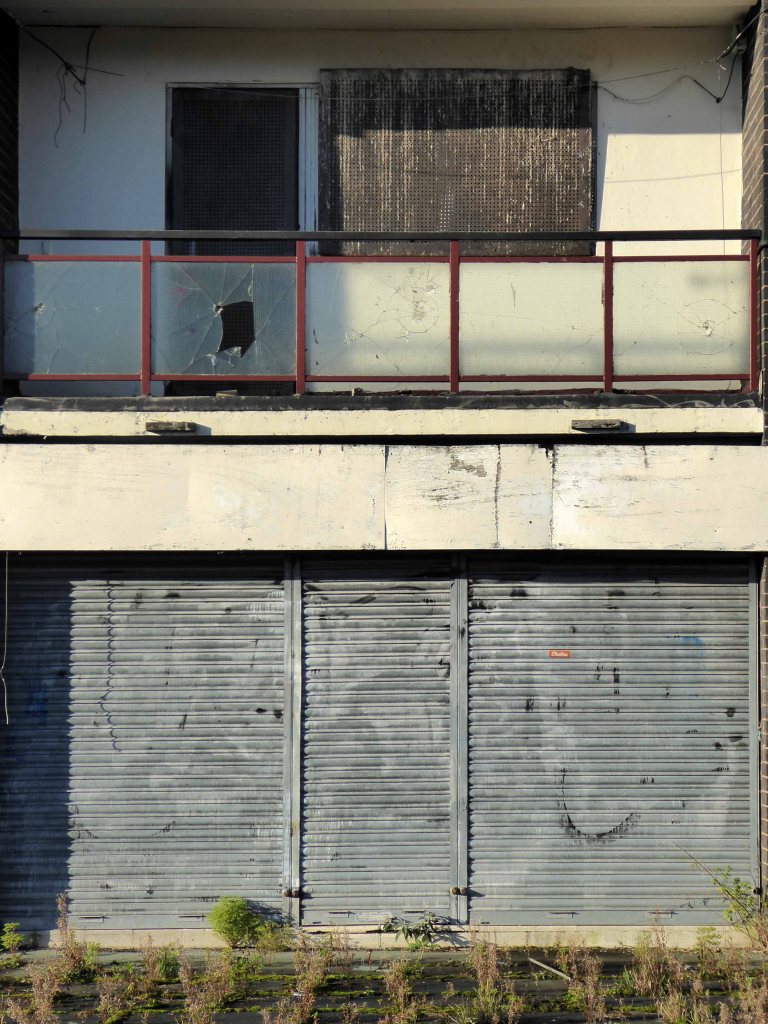
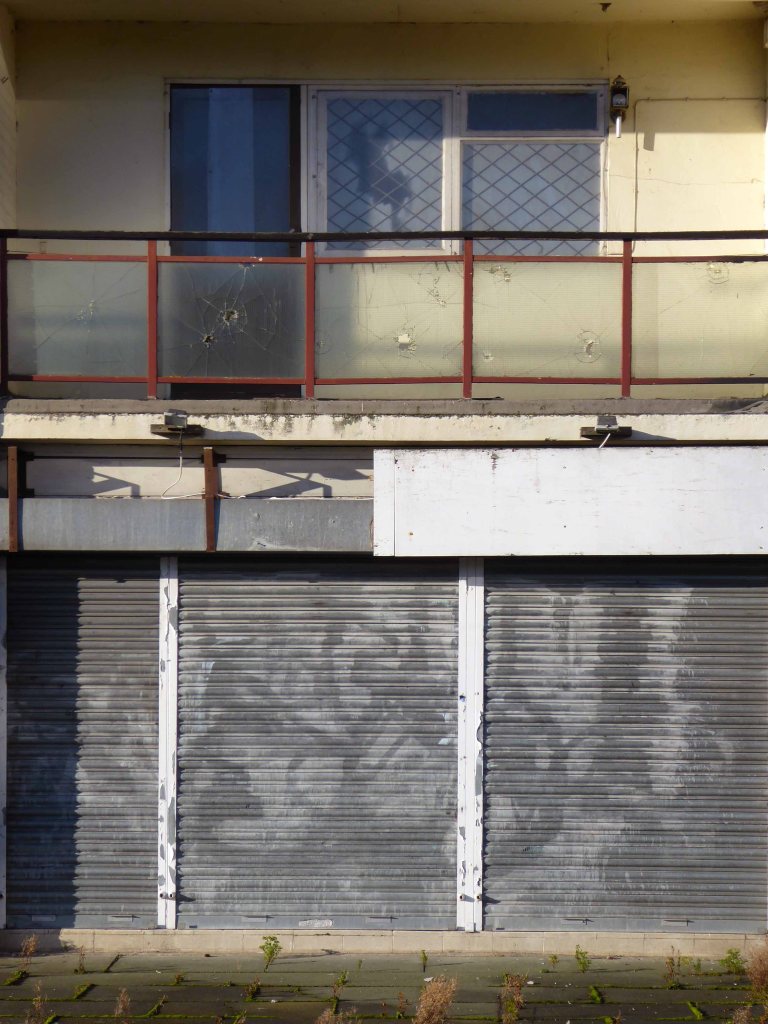
Stasis is the order of the day – the last stand for this forlorn stand of shops.
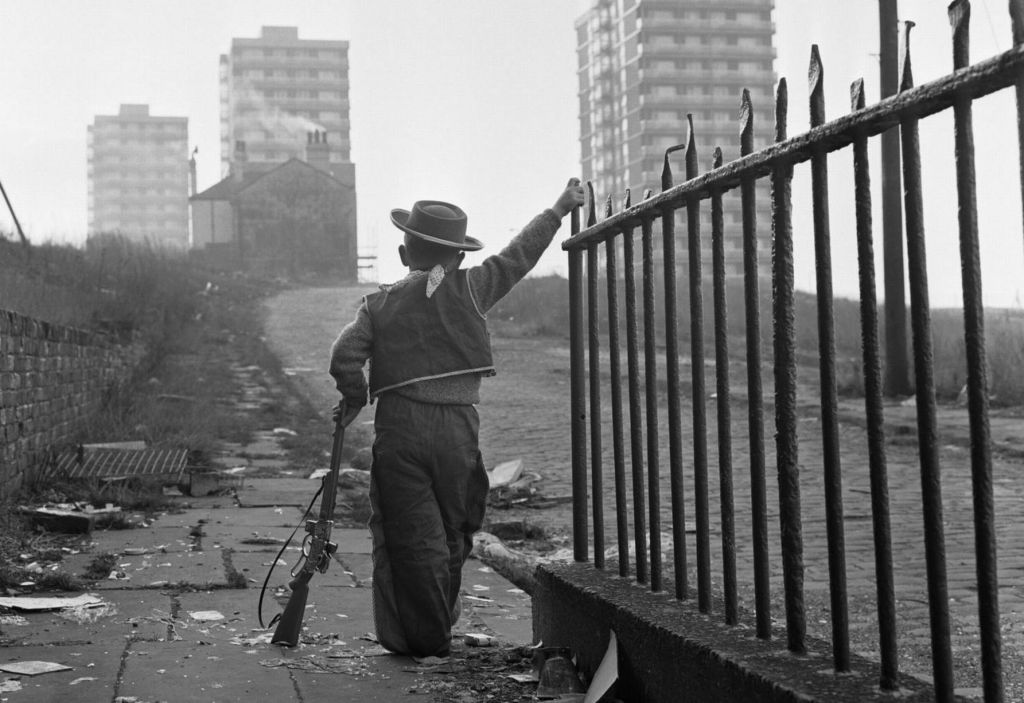
Once the realm of cobbles, railings, high rise arrivals and urban cowboys – an area overwhelmed by the weight of its past and the insubstantial promise of a sustainable future.
Where once productive and fulfilling lives were lived, buddleia now blooms, whilst thin grass entwines around forlorn fencing and betwixt ever widening cracks in the uneven paving.
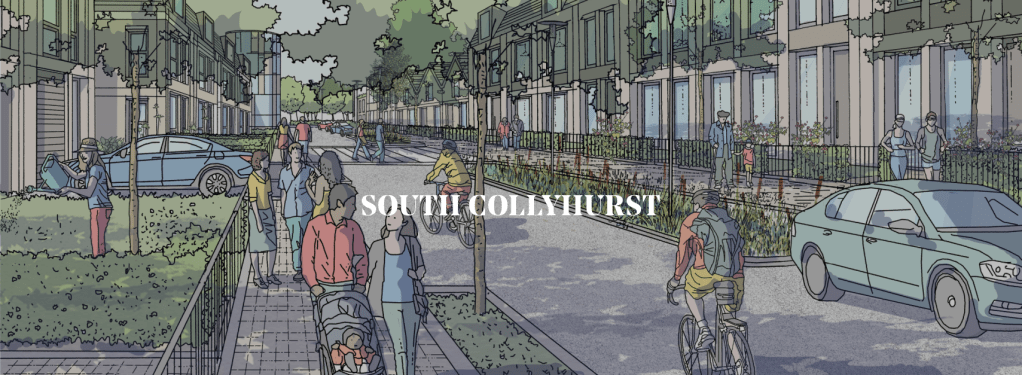
Development in South Collyhurst will take the form of residential-led, family-focused neighbourhoods. We’ll be providing a variety of housing types and tenures to encourage diversity, along with a mix of social and community infrastructure that supports a family lifestyle in close proximity to the city centre.
There are two ideas of government. There are those who believe that if you just legislate to make the well-to-do prosperous, that their prosperity will leak through on those below. The Democratic idea has been that if you legislate to make the masses prosperous their prosperity will find its way up and through every class that rests upon it.
William Jennings Bryan 1896
Indeed, You have turned the city into a heap of rubble, a fortified town into ruins; the fortress of strangers is a city no more; it will never be rebuilt.
Isiah 25:2
And they that shall be of thee shall build the old waste places: thou shalt raise up the foundations of many generations; and thou shalt be called, the repairer of the breach, the restorer of paths to dwell in.
Isiah 58:12
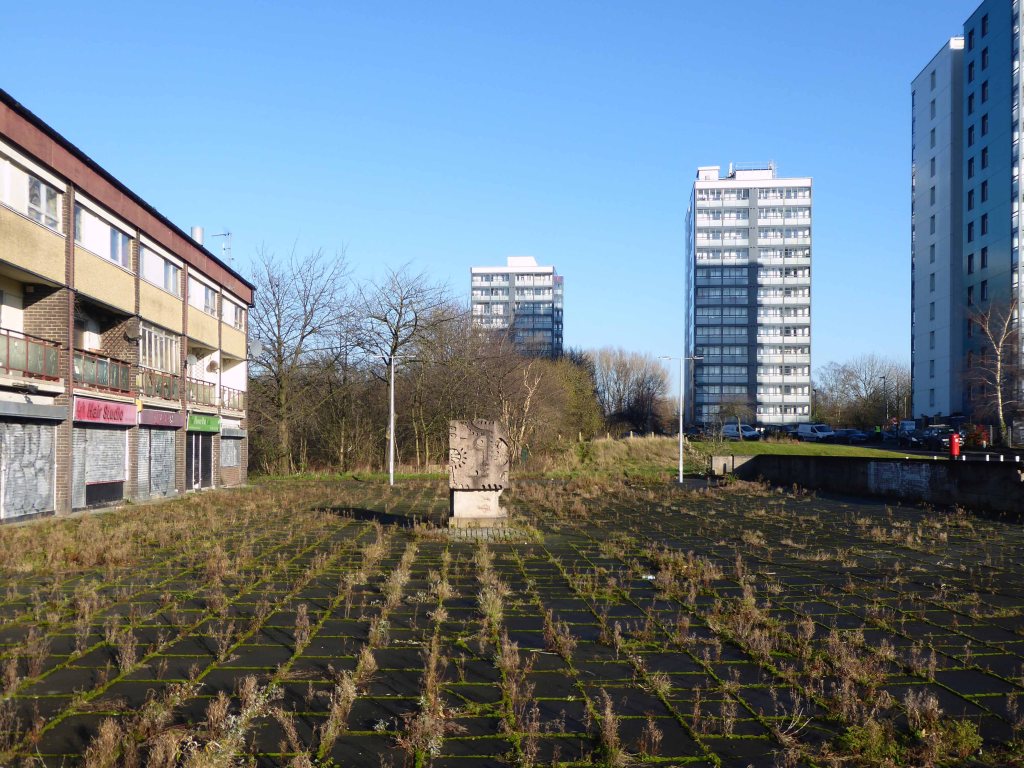
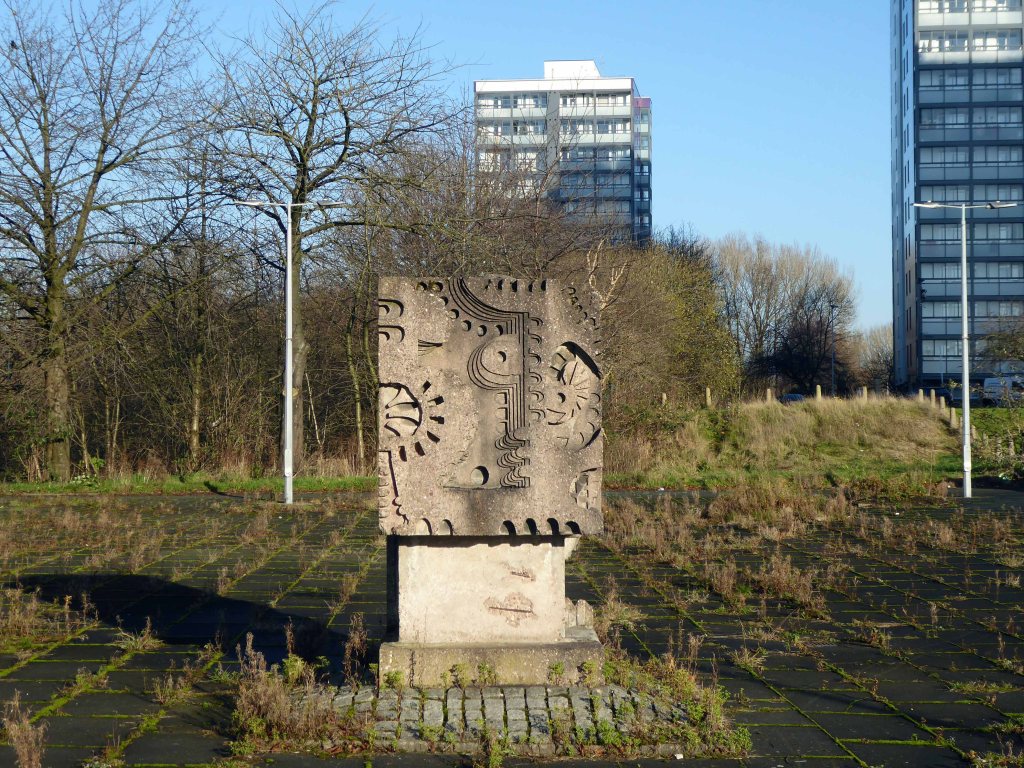
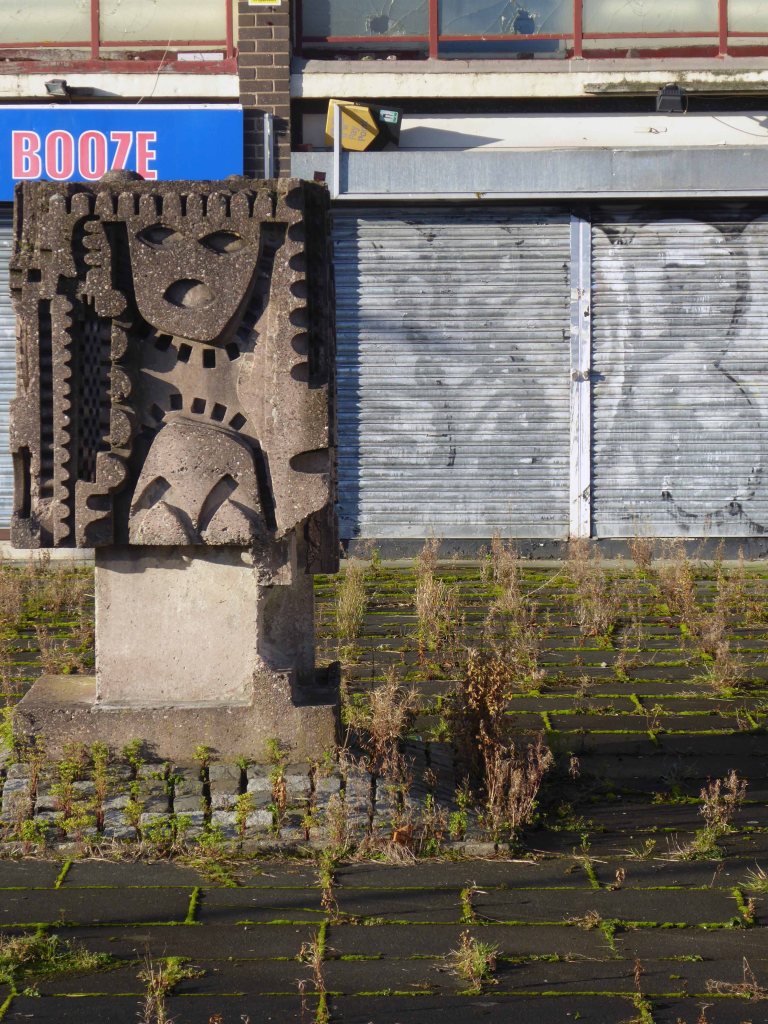
The putative William Mitchell cast concrete block stares stolidly at its surroundings, overseeing a slow and painful decline.
All that is solid melts into air, all that is holy is profaned, and man is at last compelled to face with sober senses his real conditions of life, and his relations with his kind.
There’s no business like no business – it’s no better out the back.
This is an unprecedented opportunity to deliver a significant residential-led development connecting the north to the centre of Manchester. Working with our partners we’re re-imagining the essential neighbourhoods of our city.
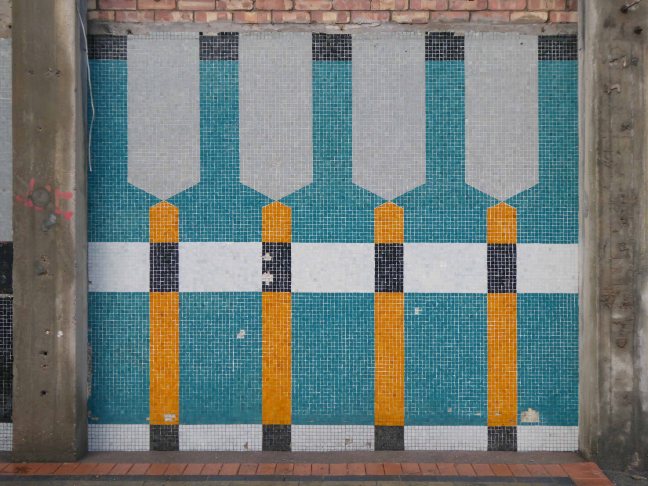
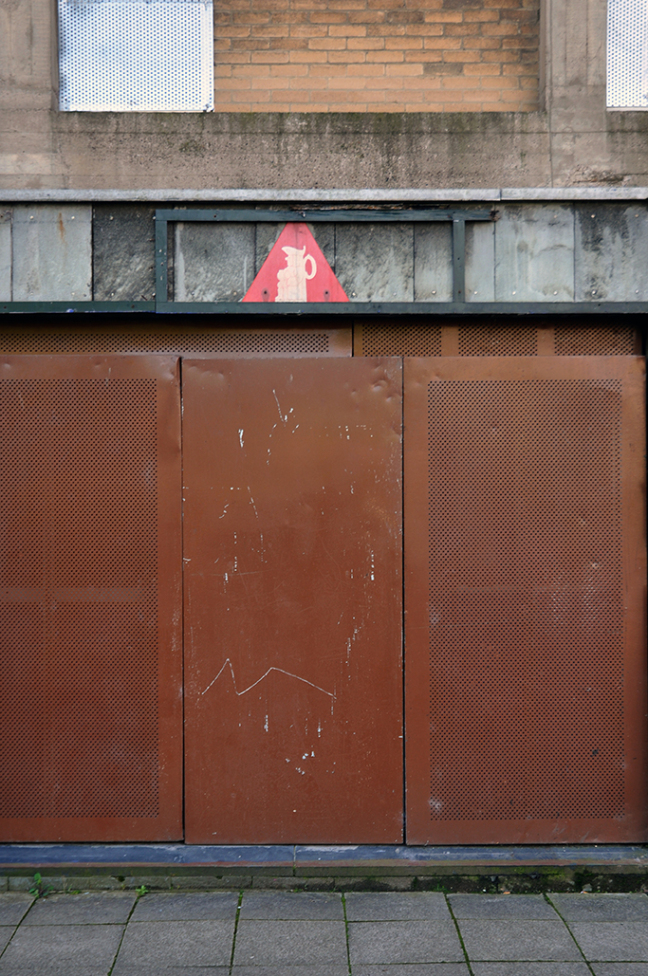
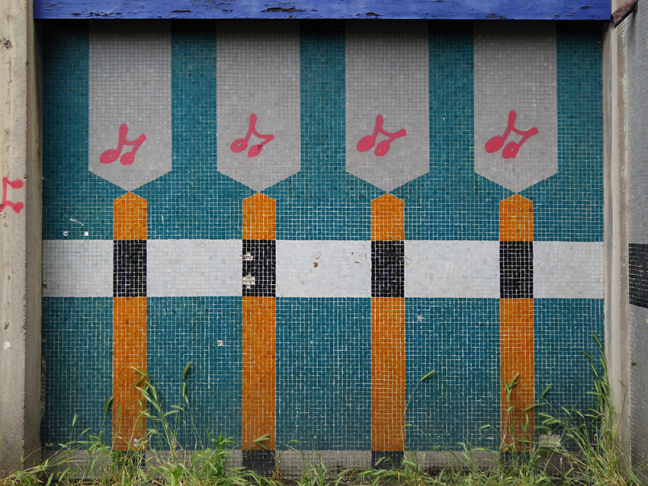
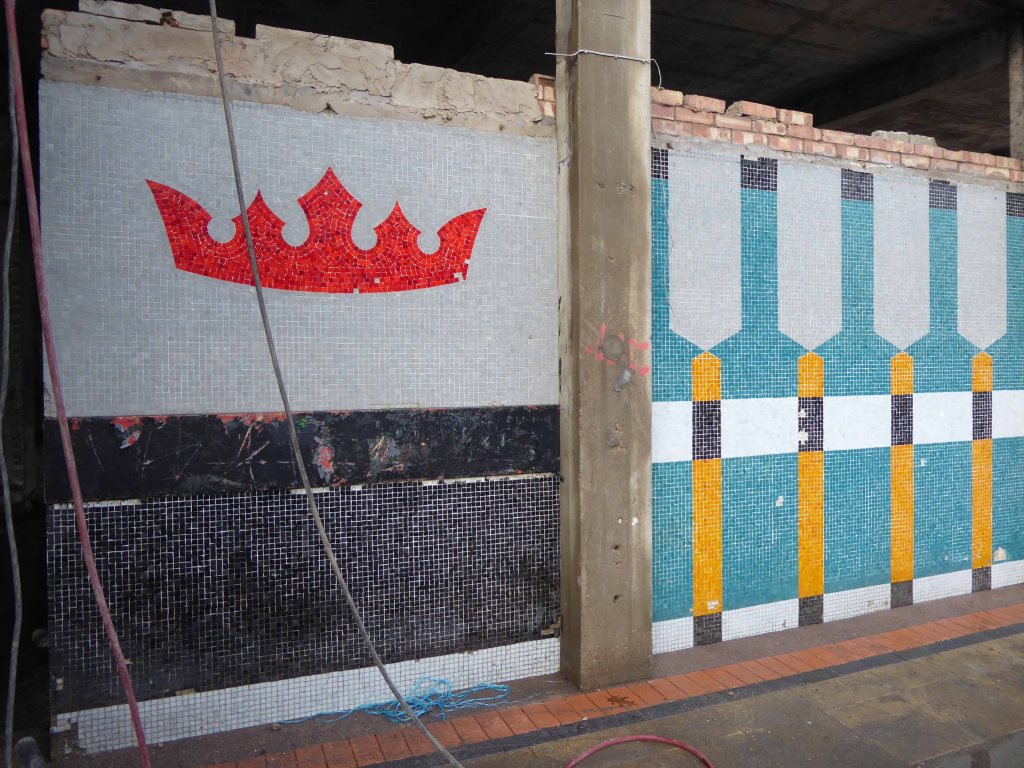
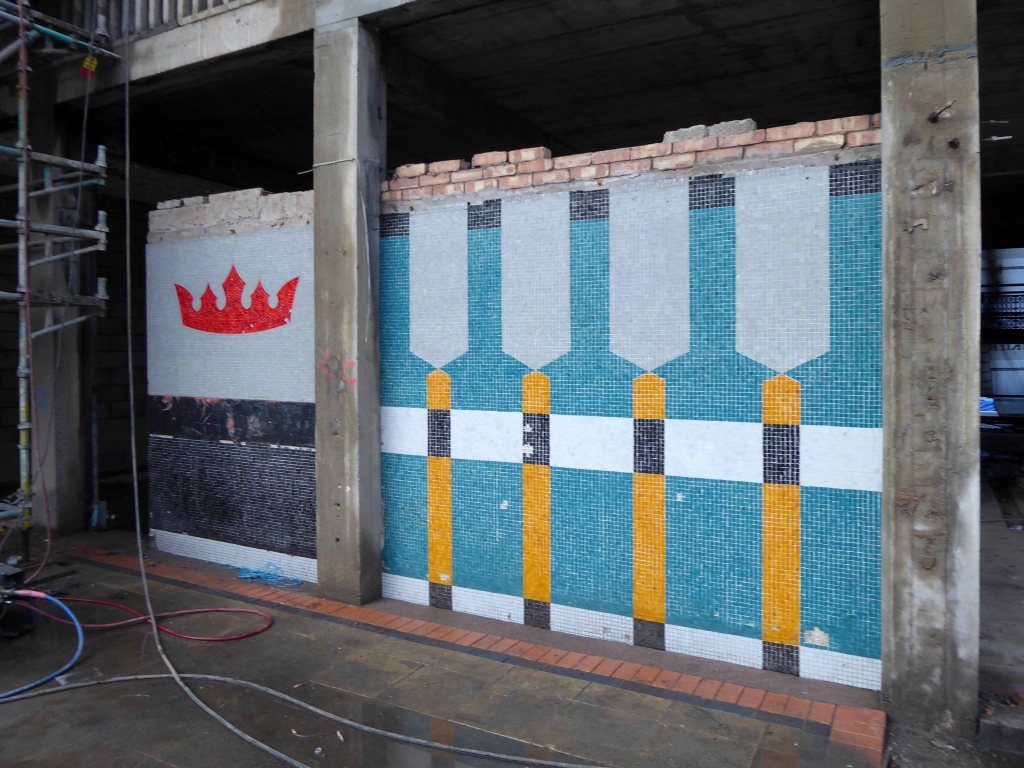
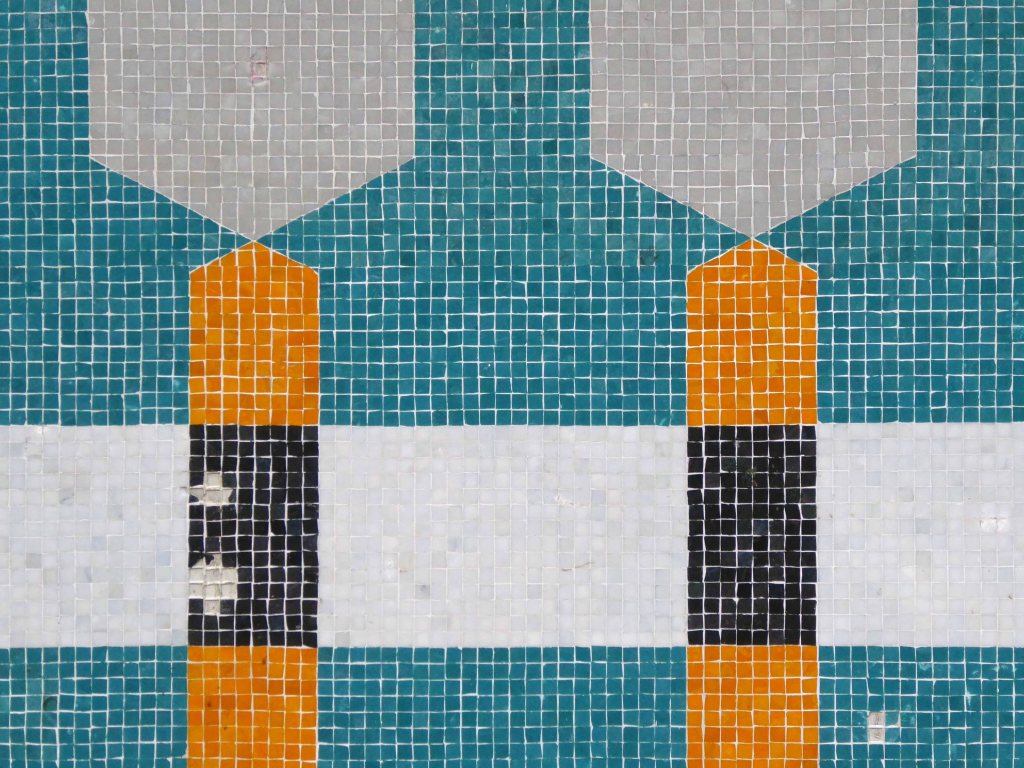
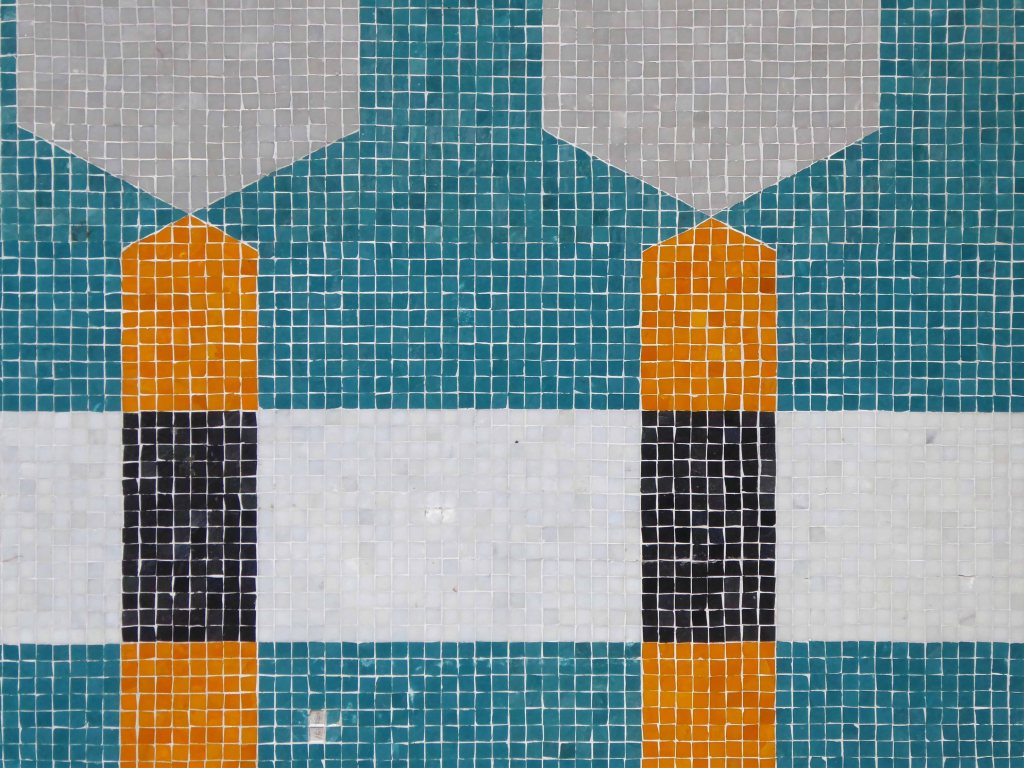
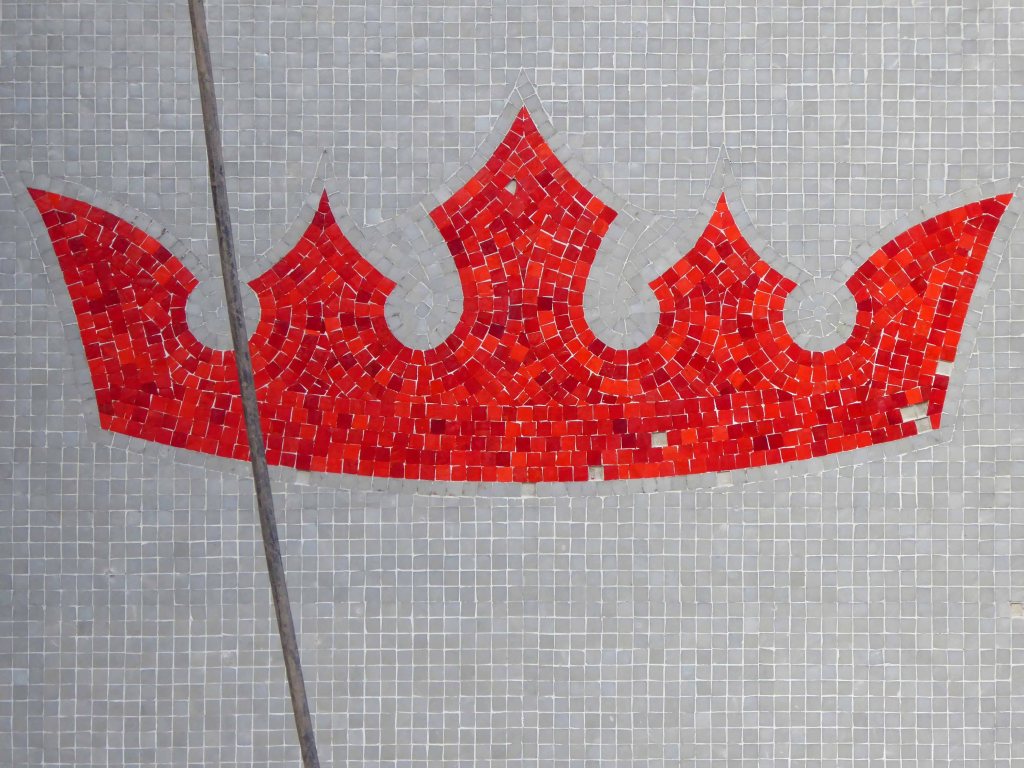
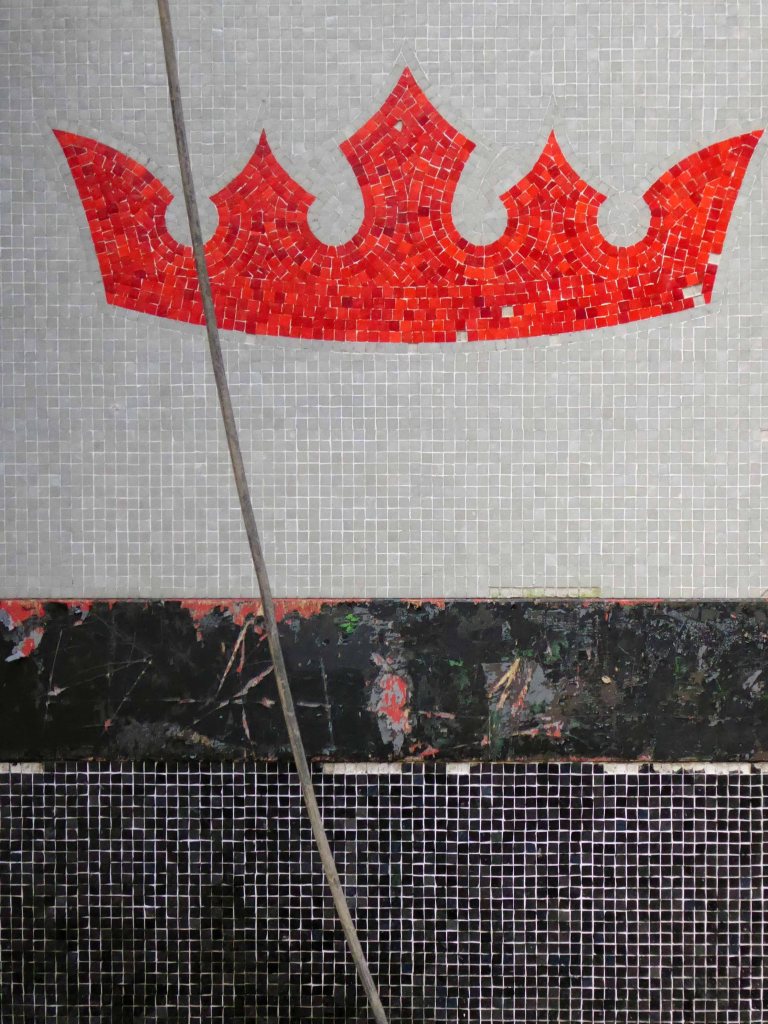
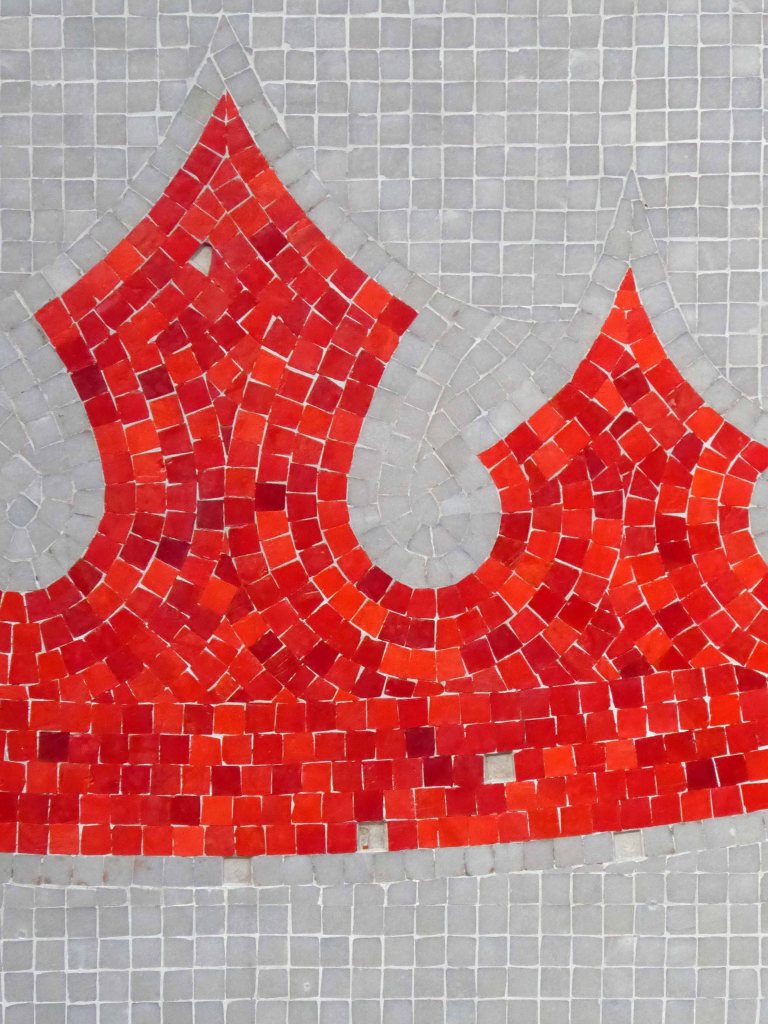
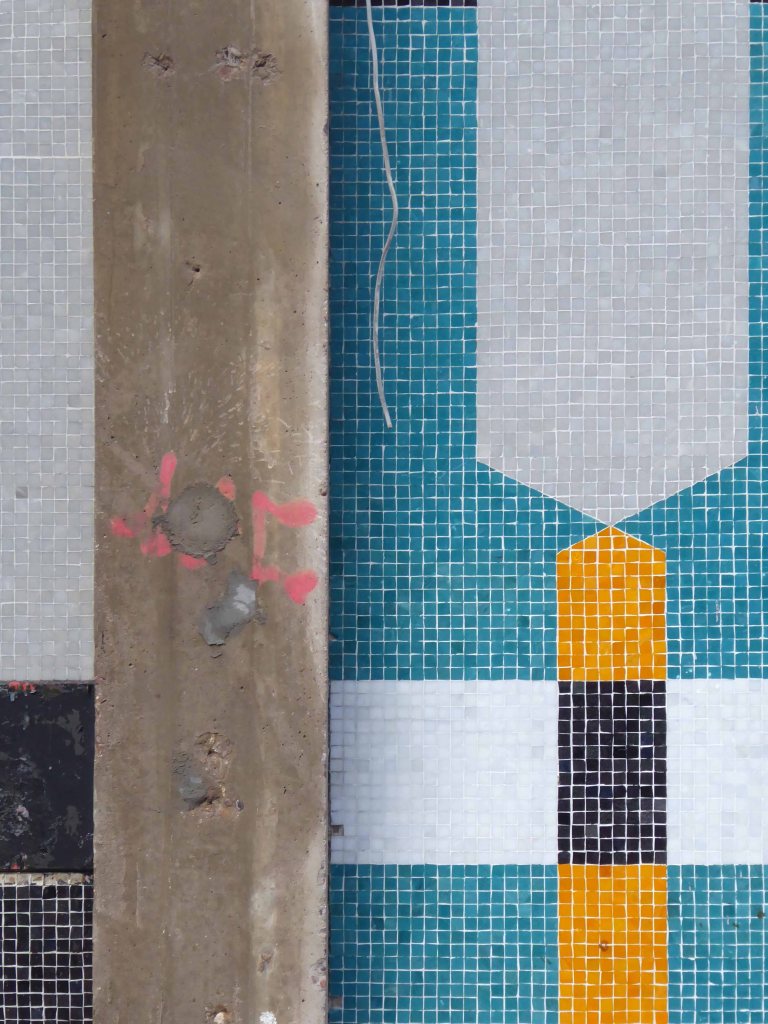
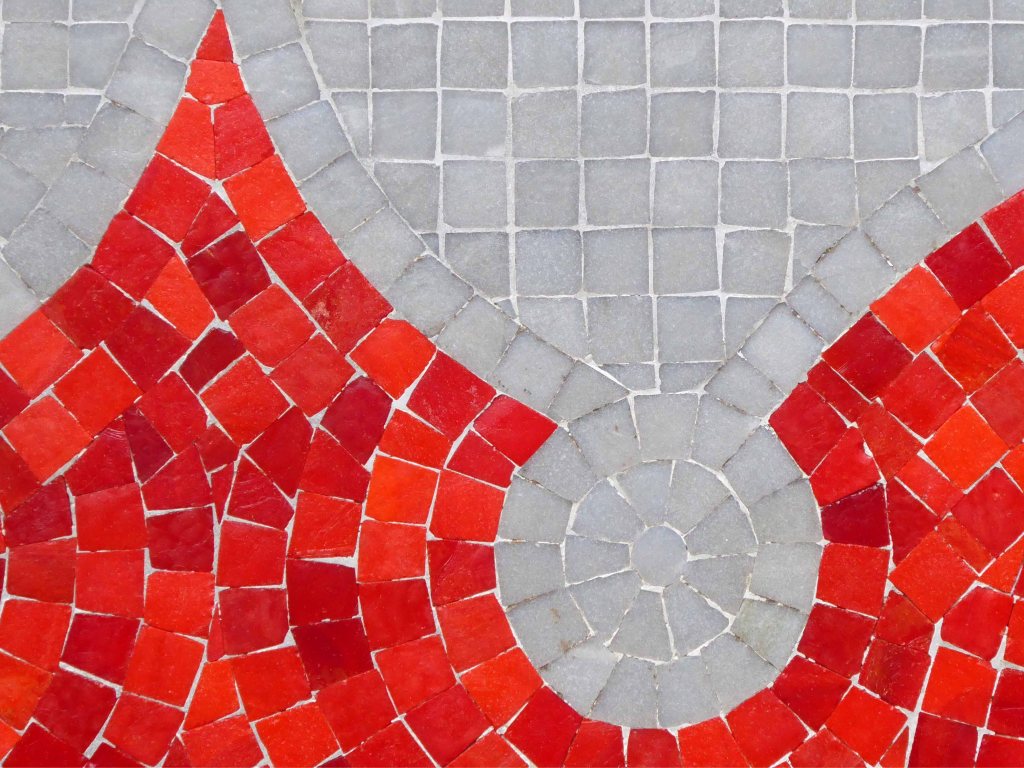
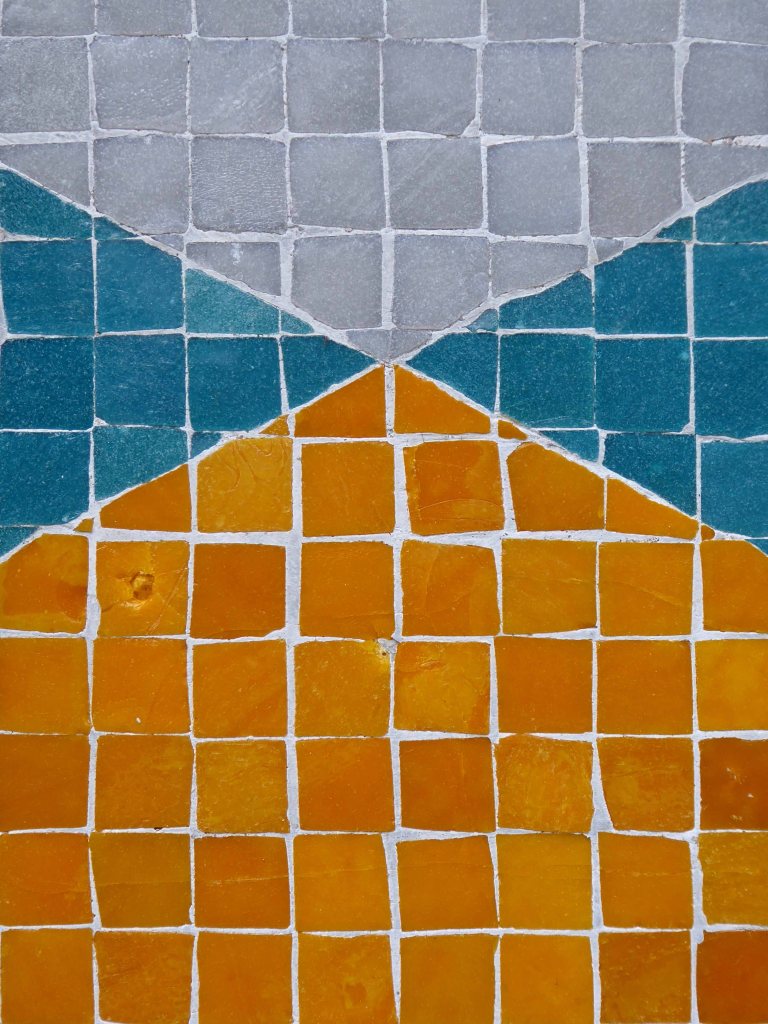
Your bold mosaic whilst once exposed, was sadly disabused, then unthinkingly covered.
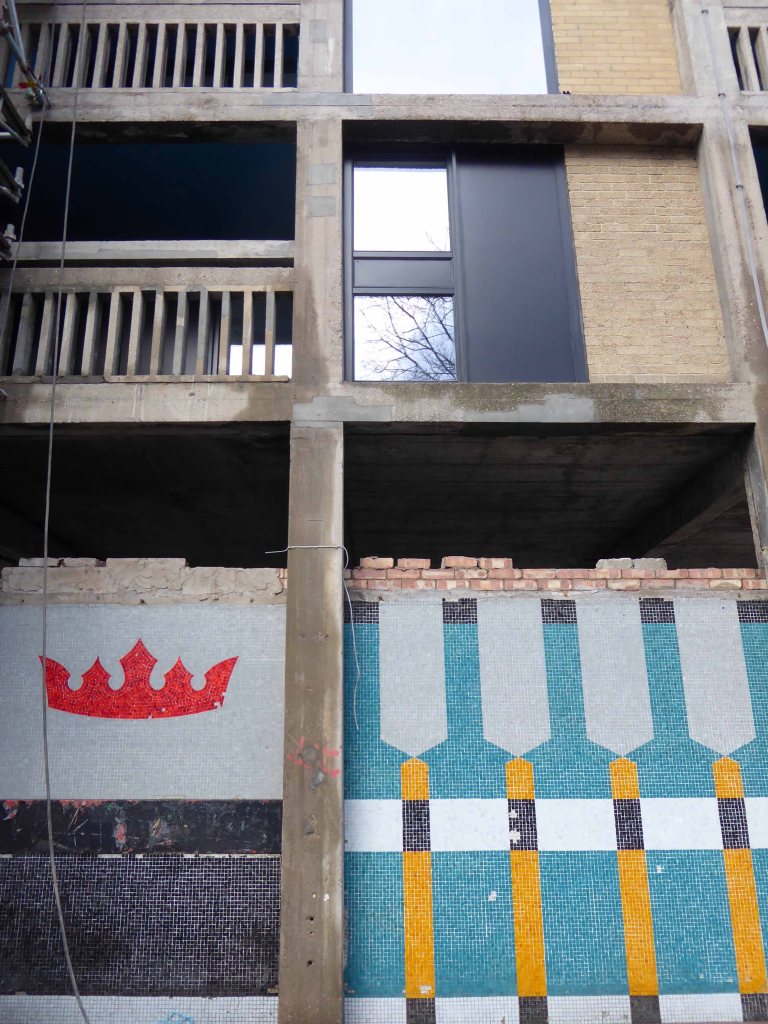
Has subsequently been uncovered, steam cleaned and proudly on view, as a central part of the most recent of the estate’s phases of redevelopment.
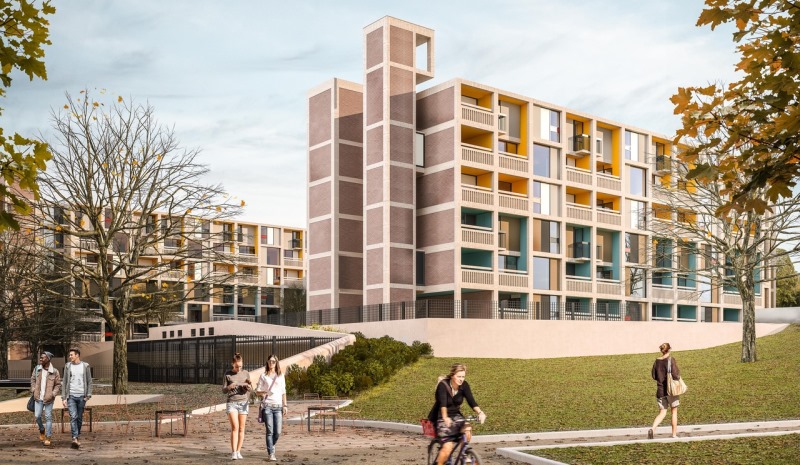
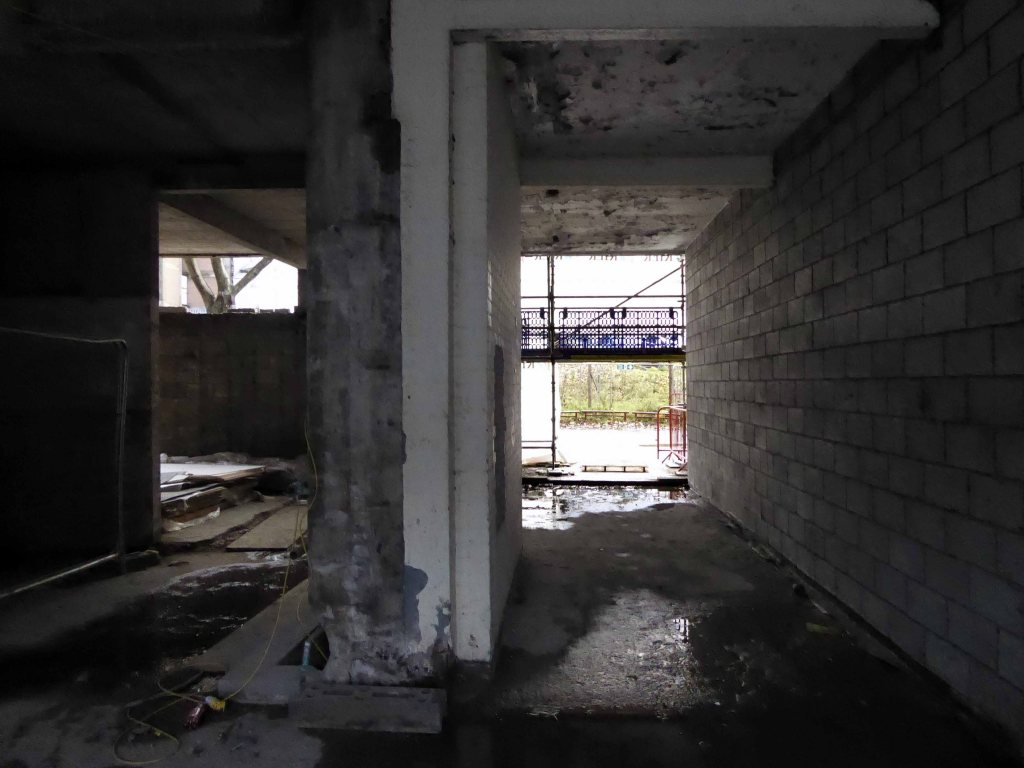
The block is to become student housing, the distinctive tan, turquoise blue and bold red colours of the mosaic, integrated into the banding of the newly refurbished building.
My face was a picture of delight, viewing the multicoloured tesserae – as we were privileged to be guided around the site by Kier Construction, Matthew Borland from Whittam Cox Architects, who are working with Alumno on Béton House and Urban Splash – my thanks to all and particularly PR Surriya Falconer.
So here it is living and breathing the South Yorkshire air once more.
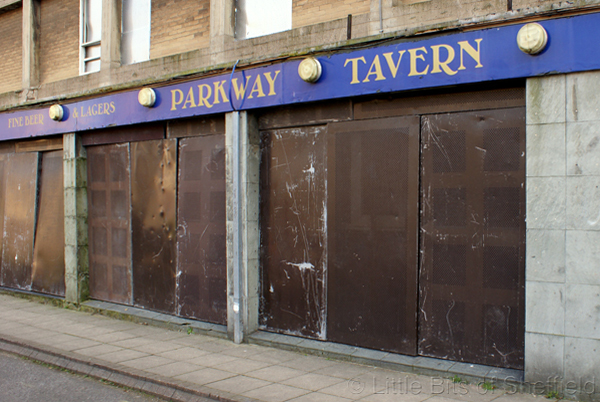
Alas the Parkway is a pub no more – simply an empty shell.
But hush – can you not catch the chink of pint pots and gales of merry laughter, carried gently on the passing breeze?
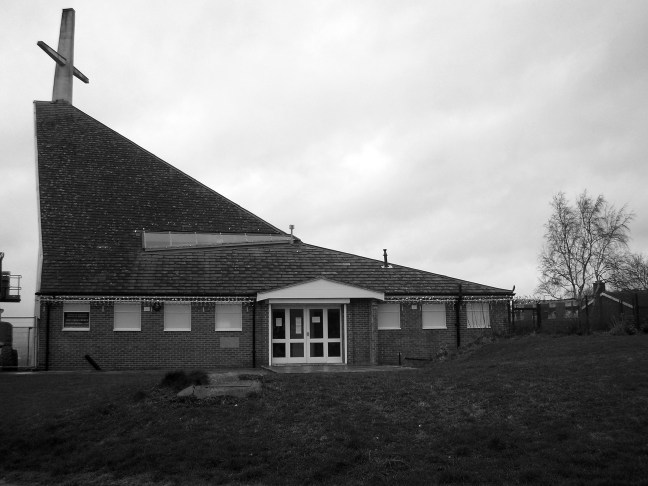
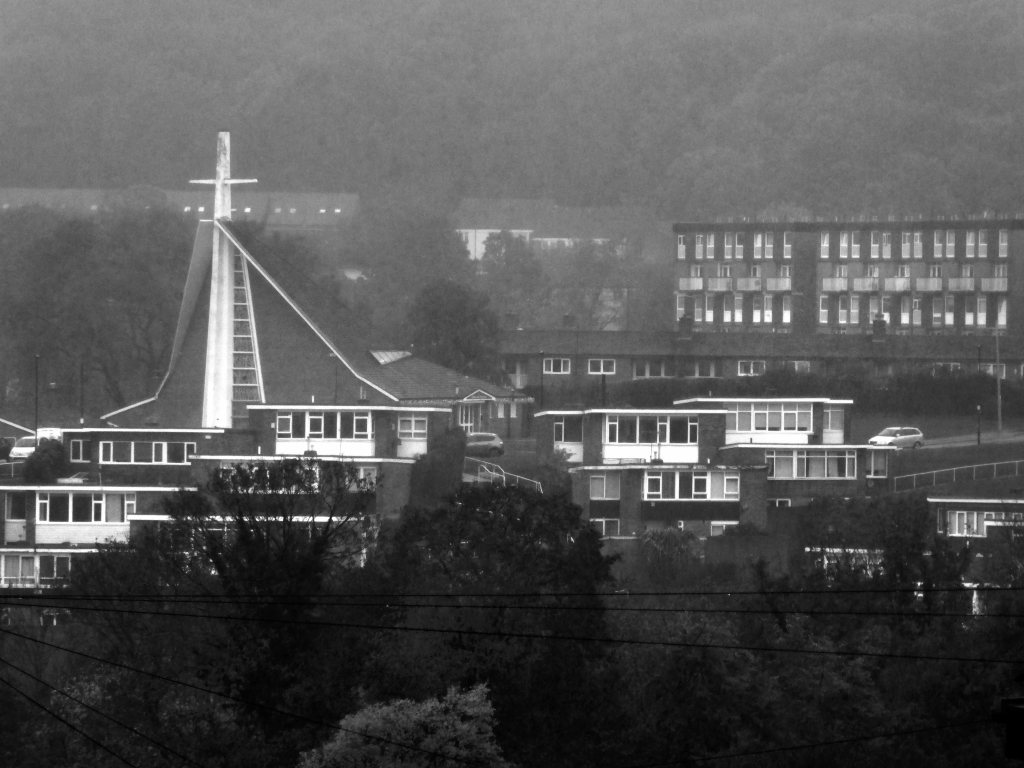
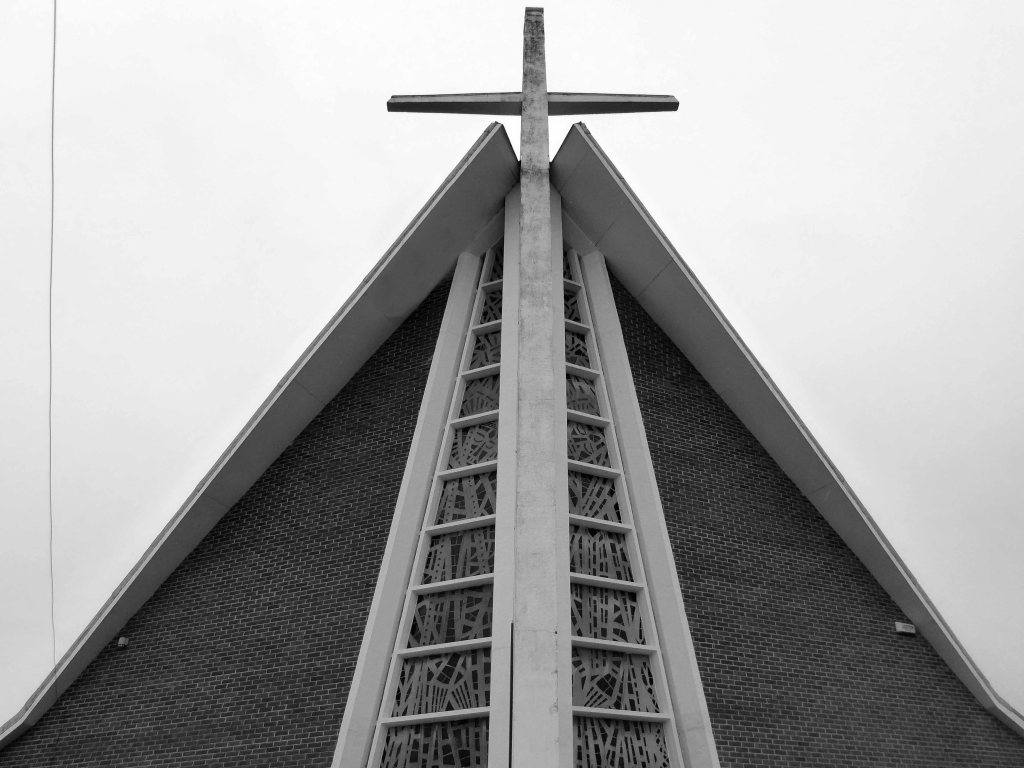
Holy Cross is positioned in a spectacular position among the houses on the Rollestone hillside.
Holy Cross is a church for people of all ages and stages of life.
Apart from the warm welcome at Holy Cross, you will always find something that is relevant to your age and stage in life – however old you are and whatever walk of life you come from.
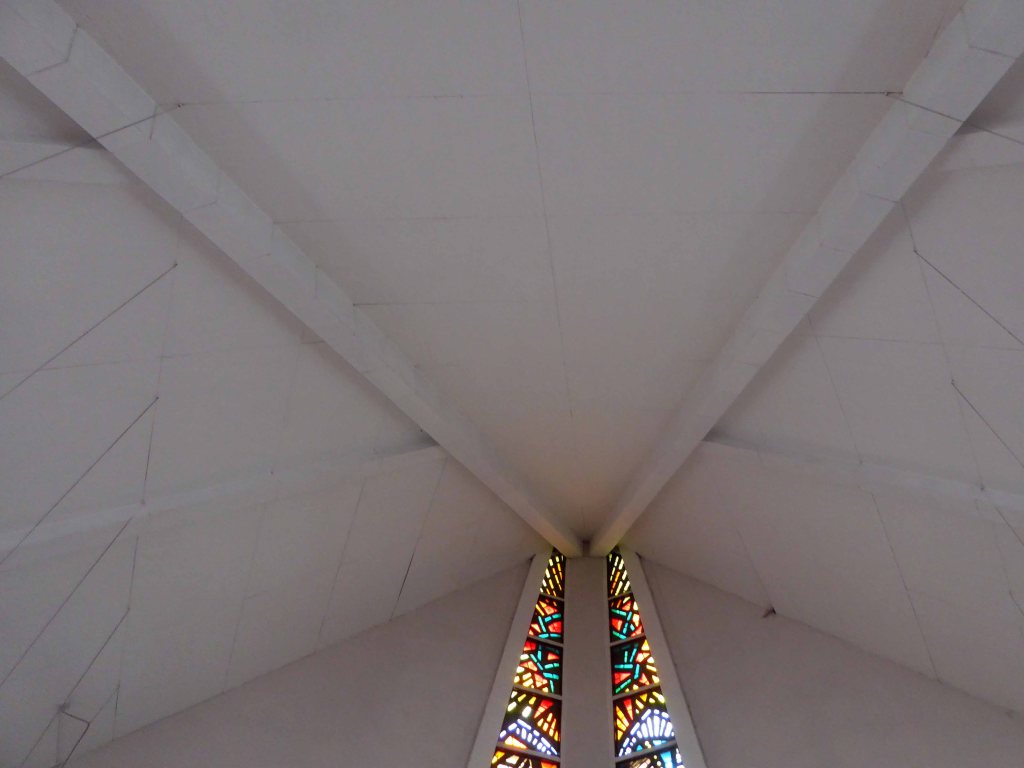
It has a canted front which is triangular in shape which has a large white cross at its apex.
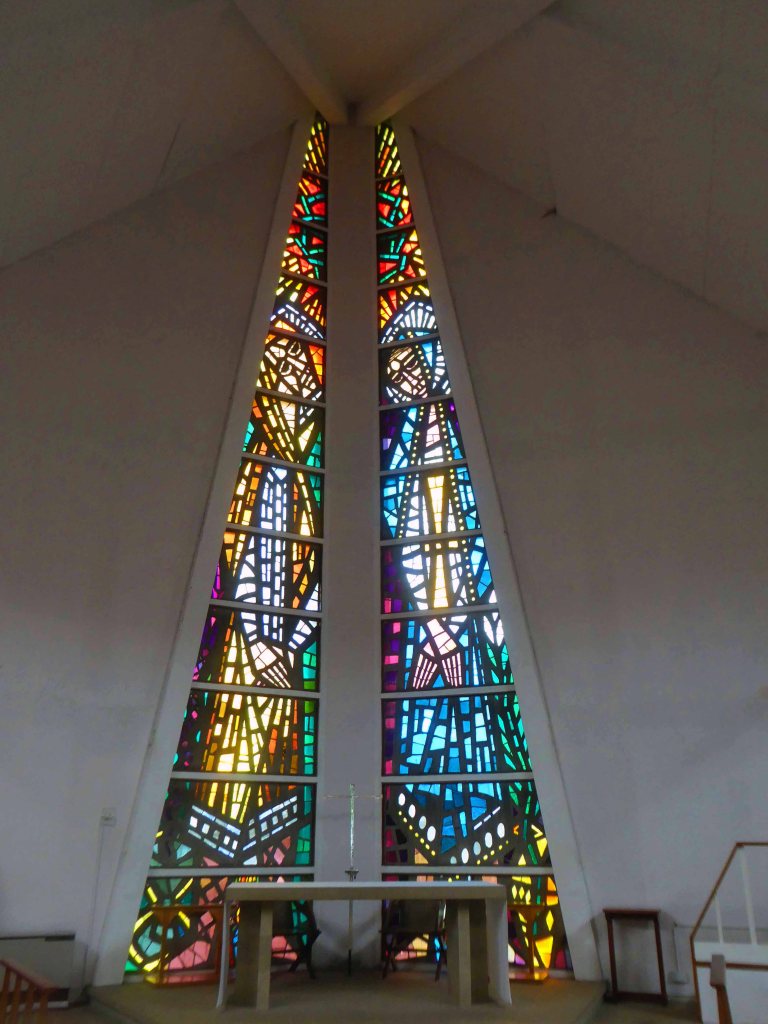
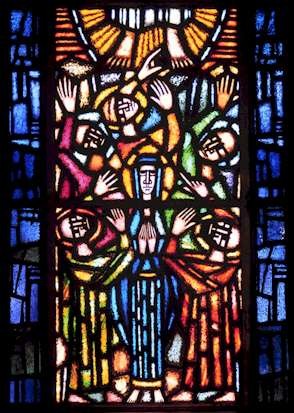
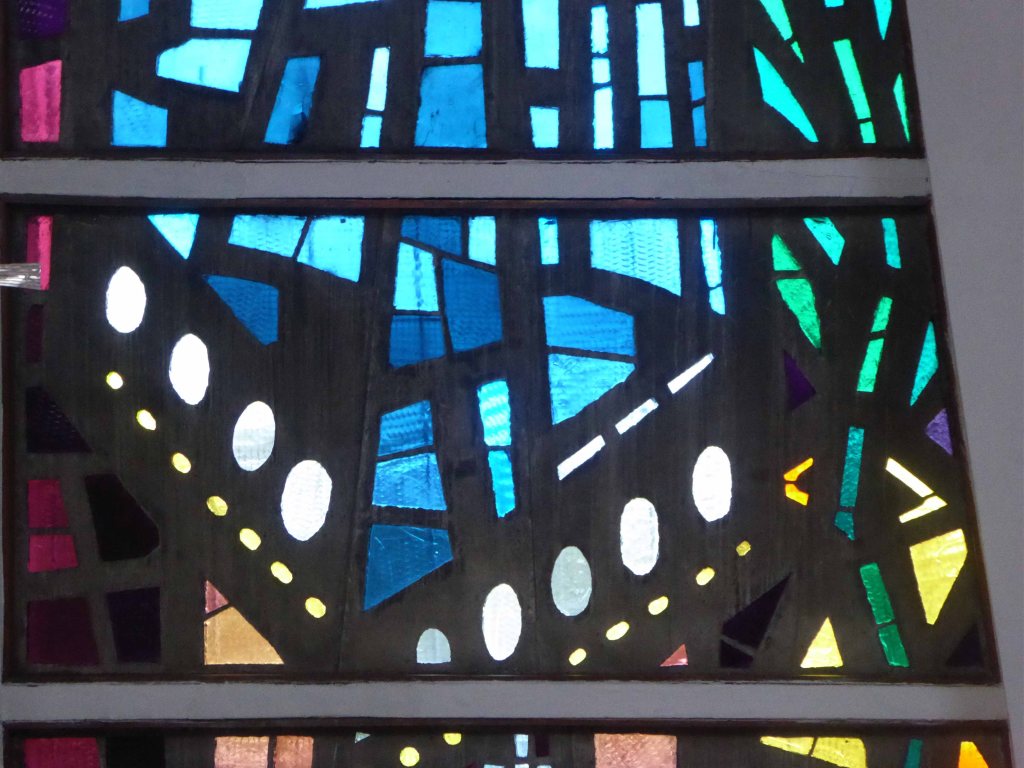
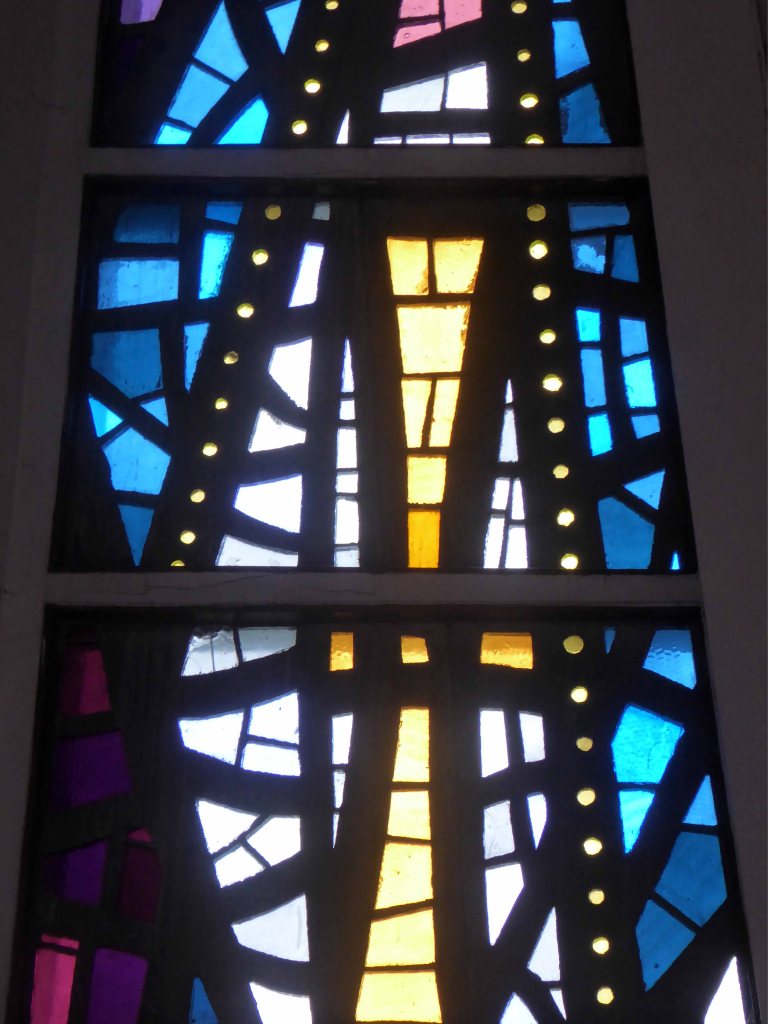
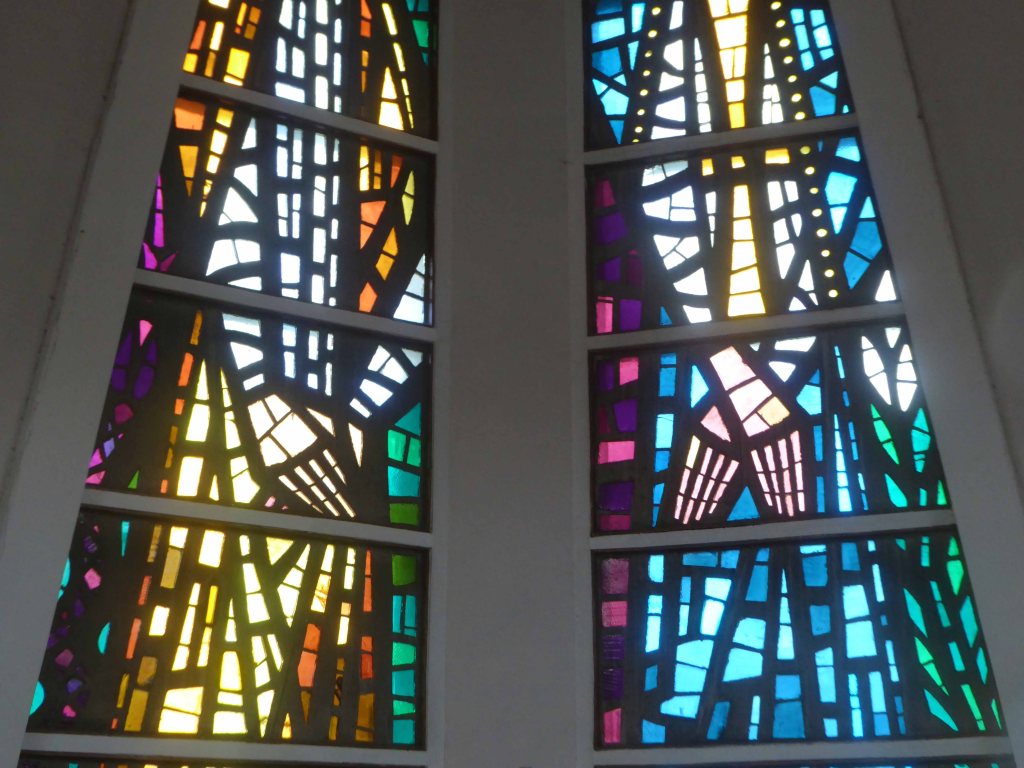
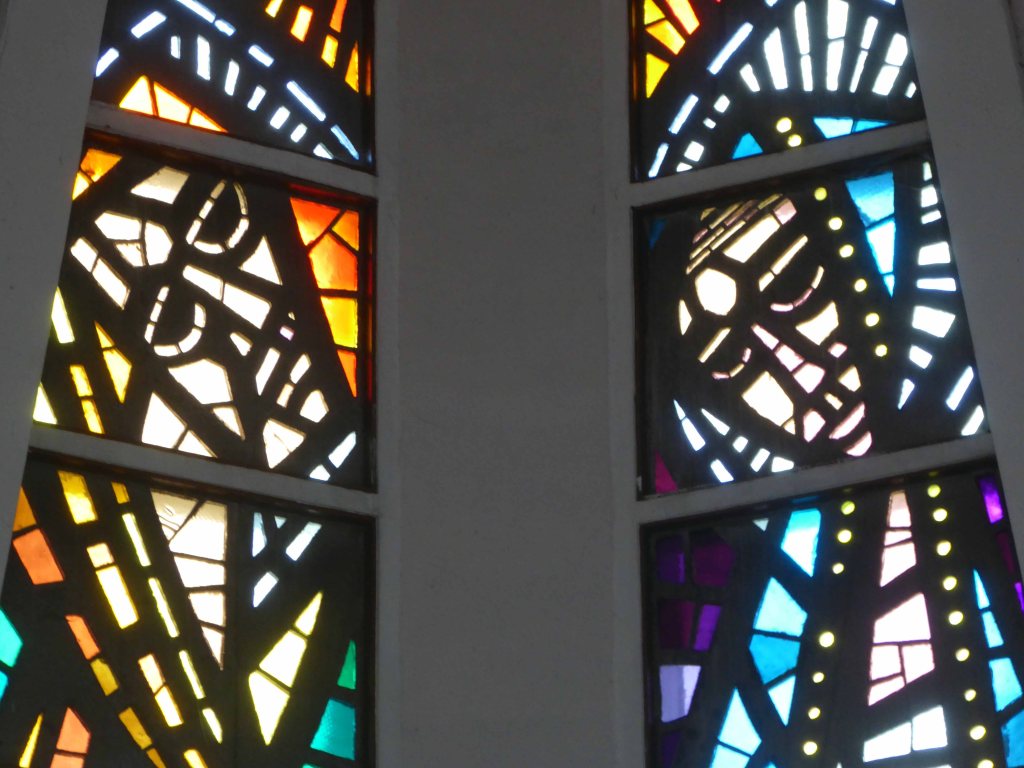
The interior features full height stained glass windows of the Virgin Mary and St John by John Baker Ltd.
Born in 1916, John aka Jack studied at the Central School in London and worked under James Hogan at the Whitefriars stained-glass studios before joining Samuel Caldwell junior at Canterbury Cathedral in 1948 to help reinstate the medieval glass removed for safekeeping during the Second World War.
He subsequently authored English Stained Glass; the revised edition of this work, English Stained glass of the Medieval Period , which was to become one of the most popular soft back books on English medieval glass ever published.
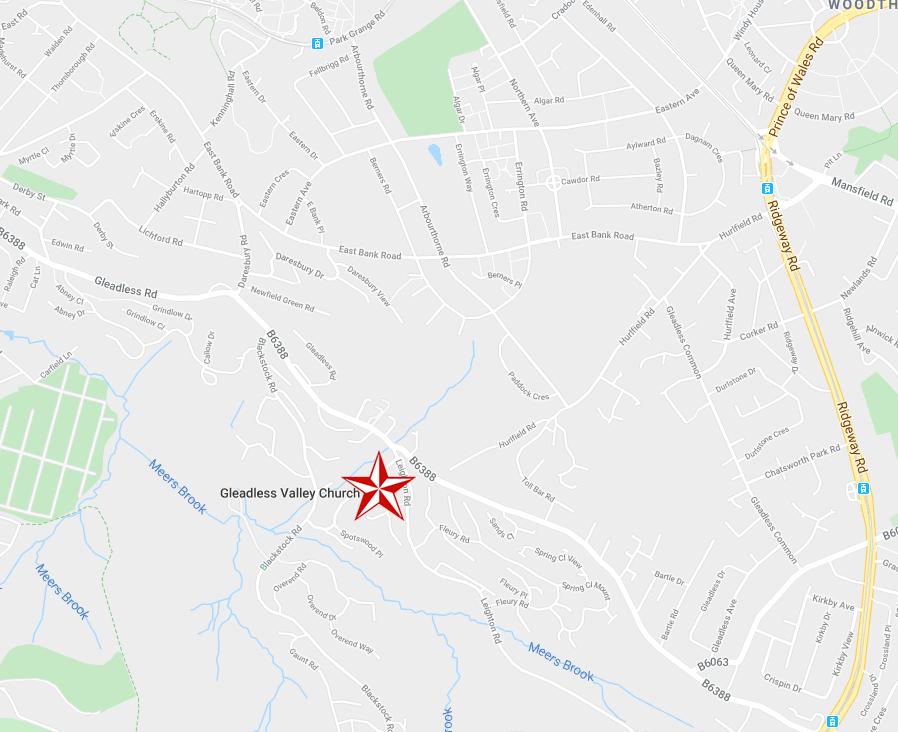
Apart from his conservation skills, John was also an inspired teacher at Kingston College of Art. He produced windows for a number of churches, including eleven windows for the church of the Holy Name, Bow Common Lane, Mile End; two windows and a brick sculpture for the church of Little St Peter, Cricklewood; eighteen windows for St Anne’s church, East Wittering, Sussex; two large abstract windows for Broomfield Chapel, Abbots Langley; ten large concrete and glass windows for the new parish church, Gleadless Valley, Sheffield; and twenty-two glass windows for the Convent Chapel, St Michaels, Finchley. He also created a huge Jesse window for the church at Farnham Royal. The church was demolished in 2004, but the glass is now in storage, and some of the panes will be installed in the welcome are of the new church.
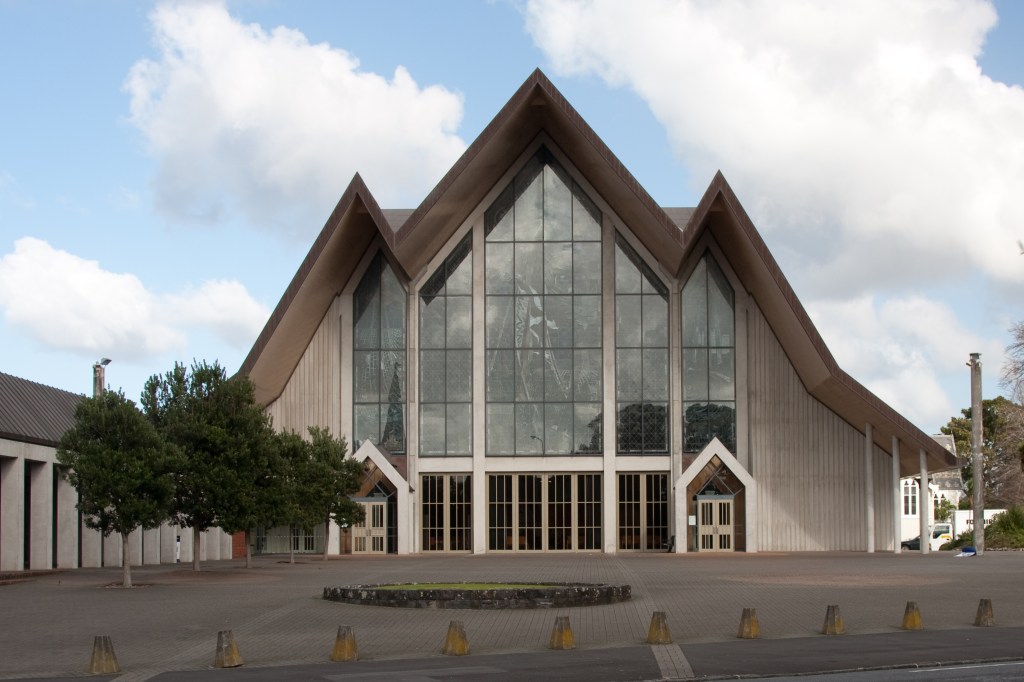
His favourite works were the windows he produced for Auckland Cathedral, New Zealand – as seen above.
John Baker, born Birmingham, 11 March 1916, died Hastings, 20 December 2007.
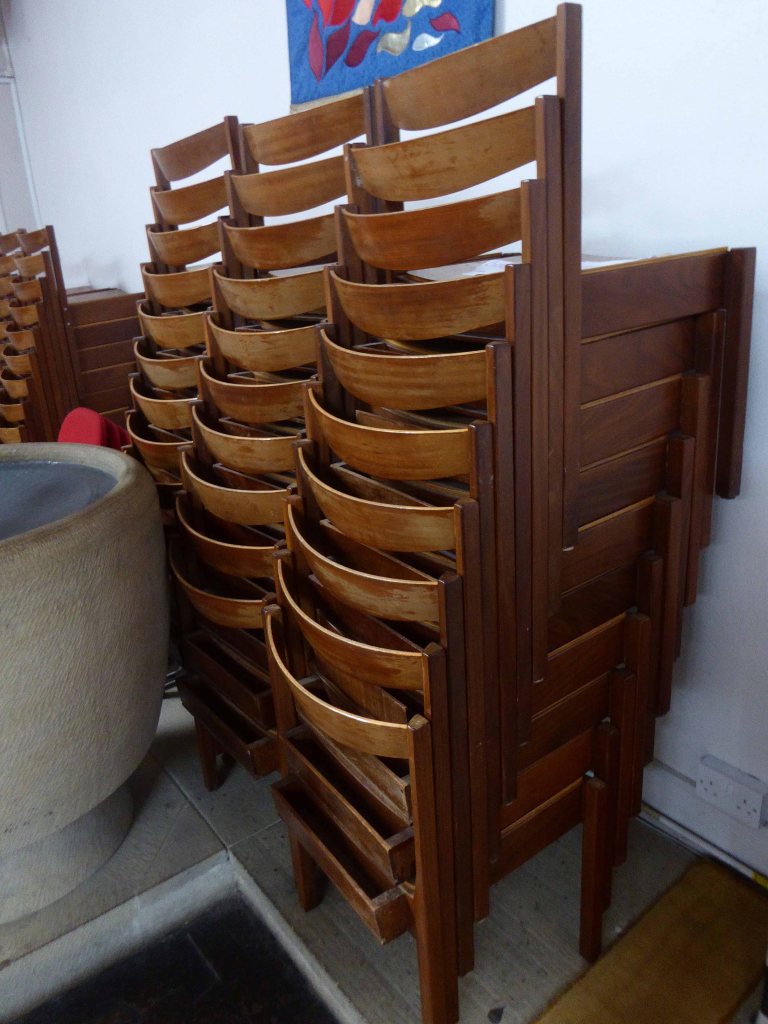
The concrete altar is set on a raised paved podium, complemented by a silver cross and distinctive Arts and Crafts style oak chairs.
The original seating seems to be no longer in use, replaced by a newer more comfortable alternative.
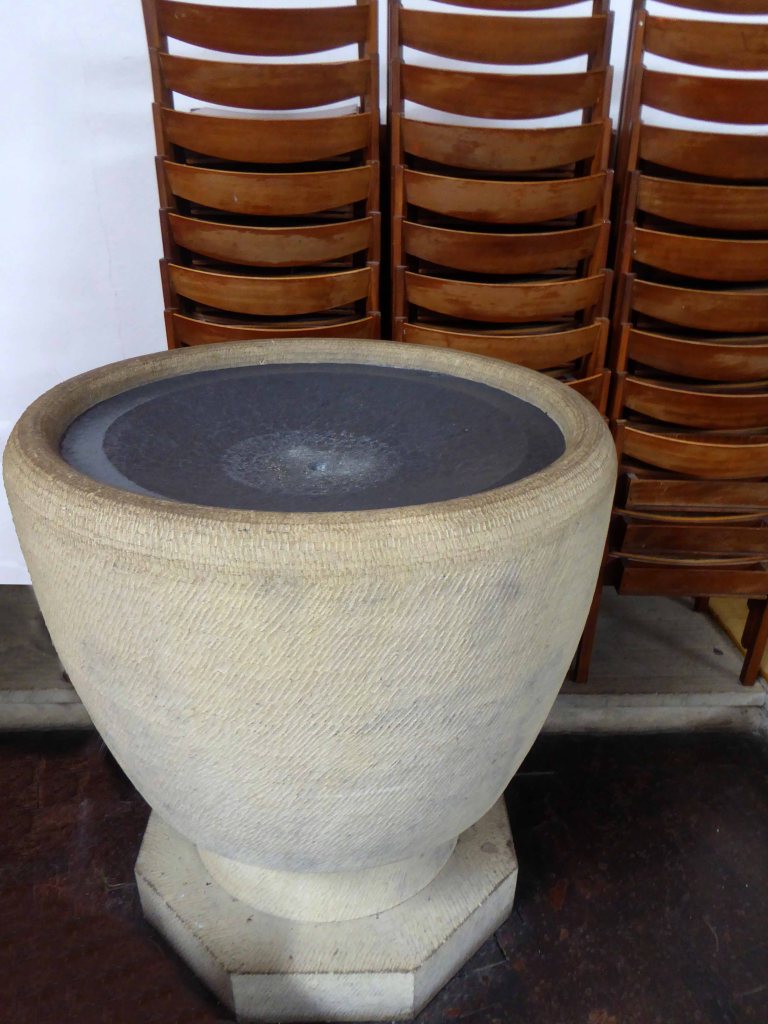
There is a large carved stone font.
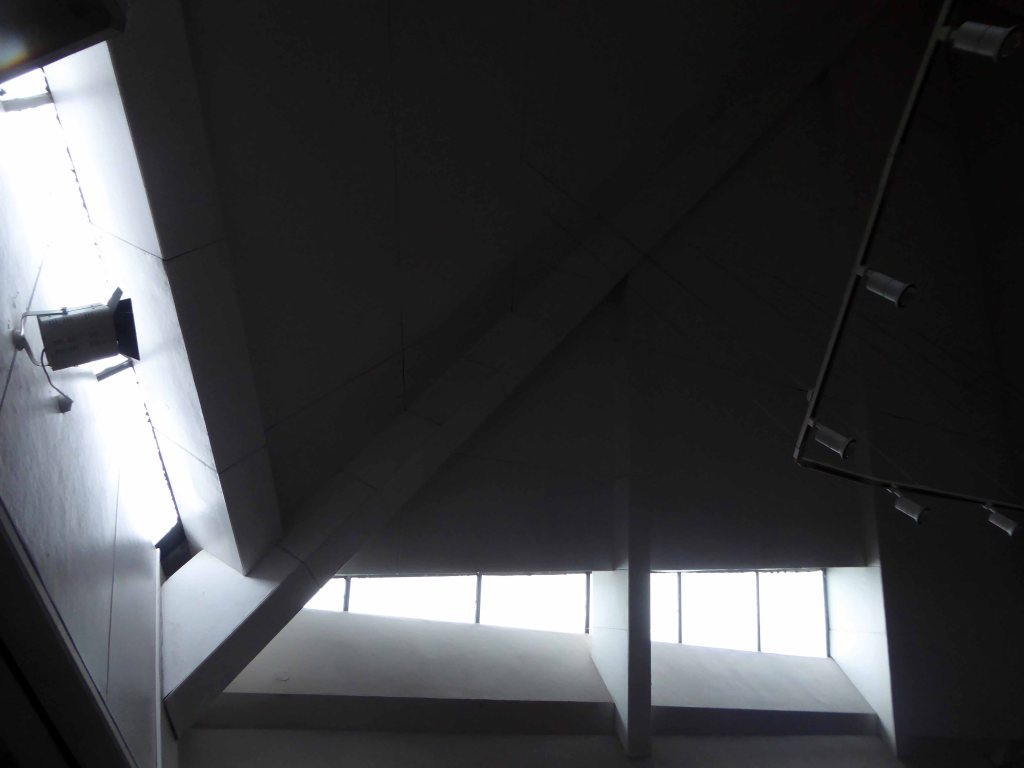
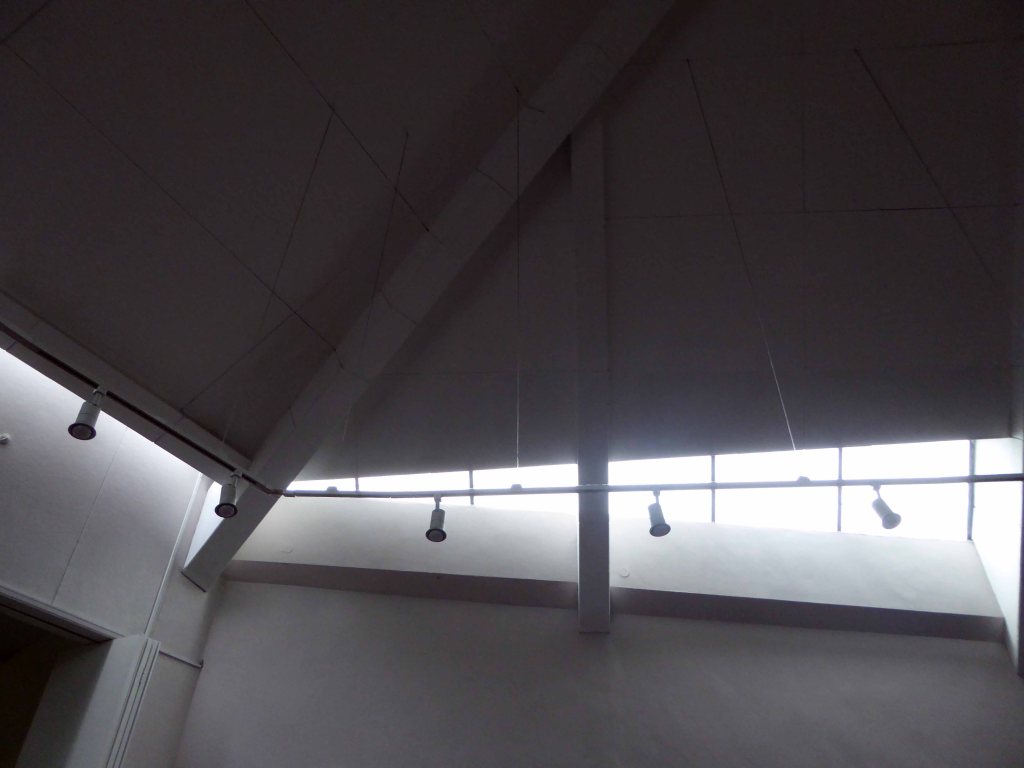
The main body of the steeply pitched roof space is illuminated by slotted windows.
Many thanks to the key holders and parishioners at Holy Cross, our Sheffield guide Mick Nott and Claire Thornley at Eleven Design – for making our visit possible.
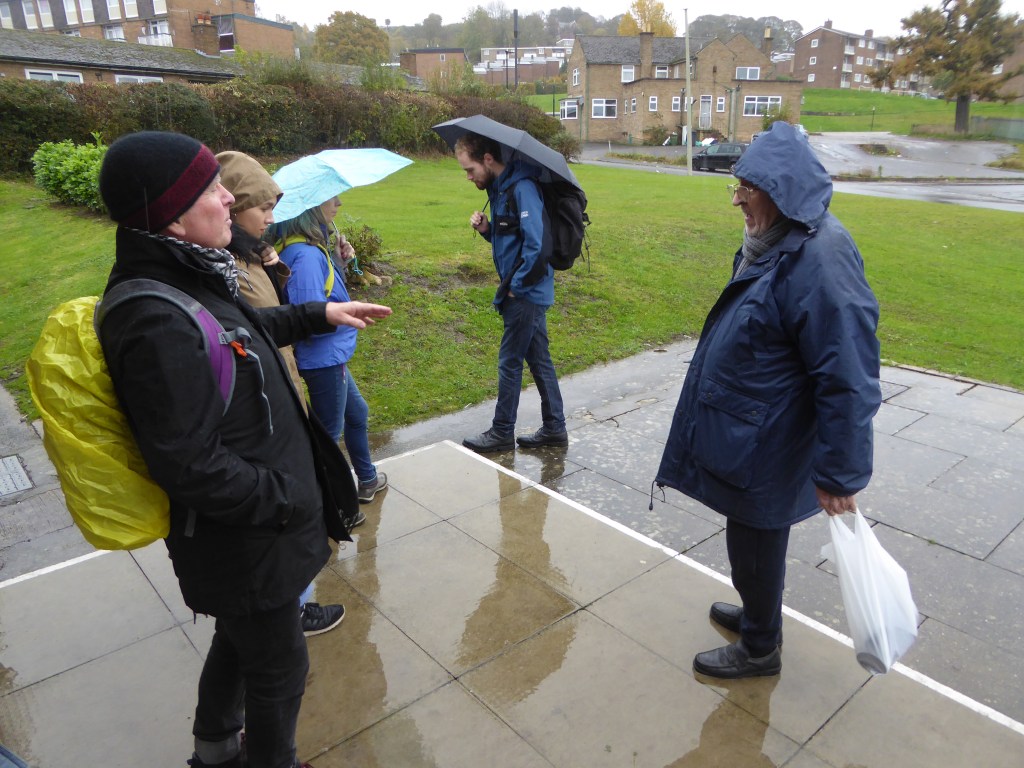
Thanks also to all those who turned up on Saturday to walk a very, very wet Gleadless Valley.
Baby it happens when you’re close to me My heart starts beating – hey a strong beat. Oh I can’t leave you alone Can’t leave you alone
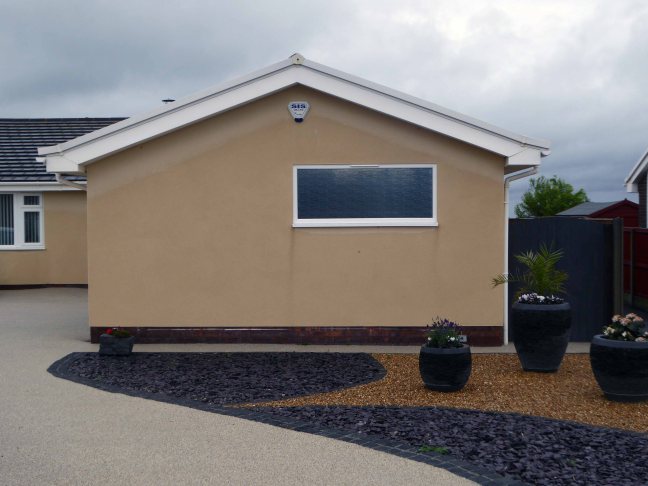
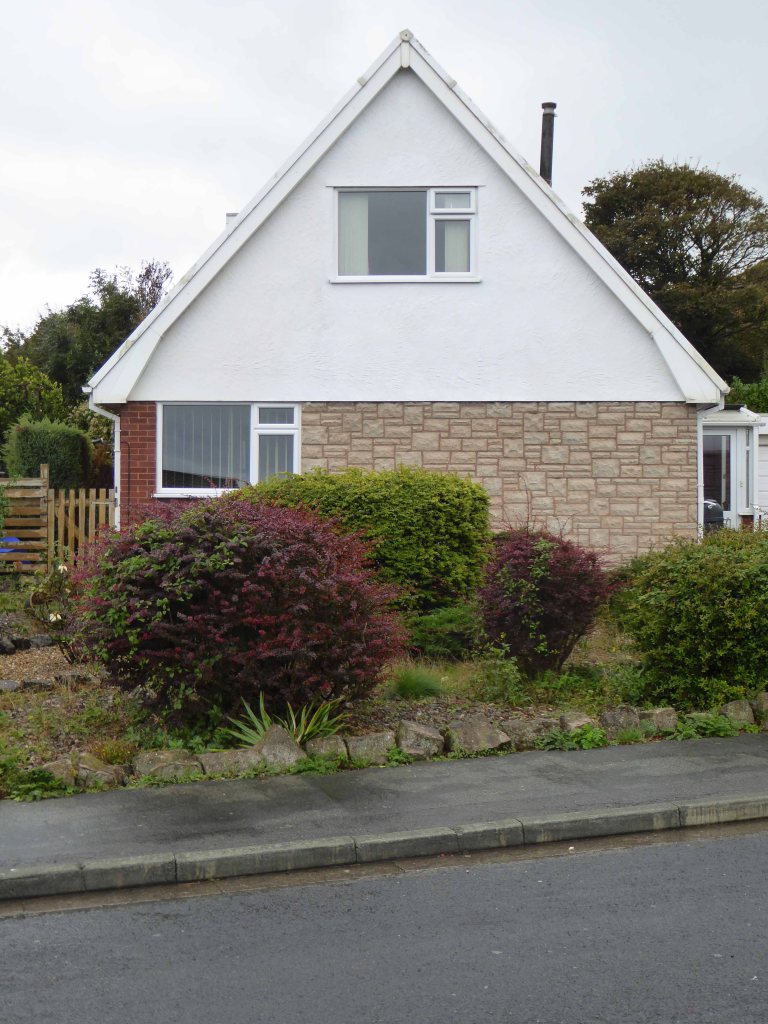
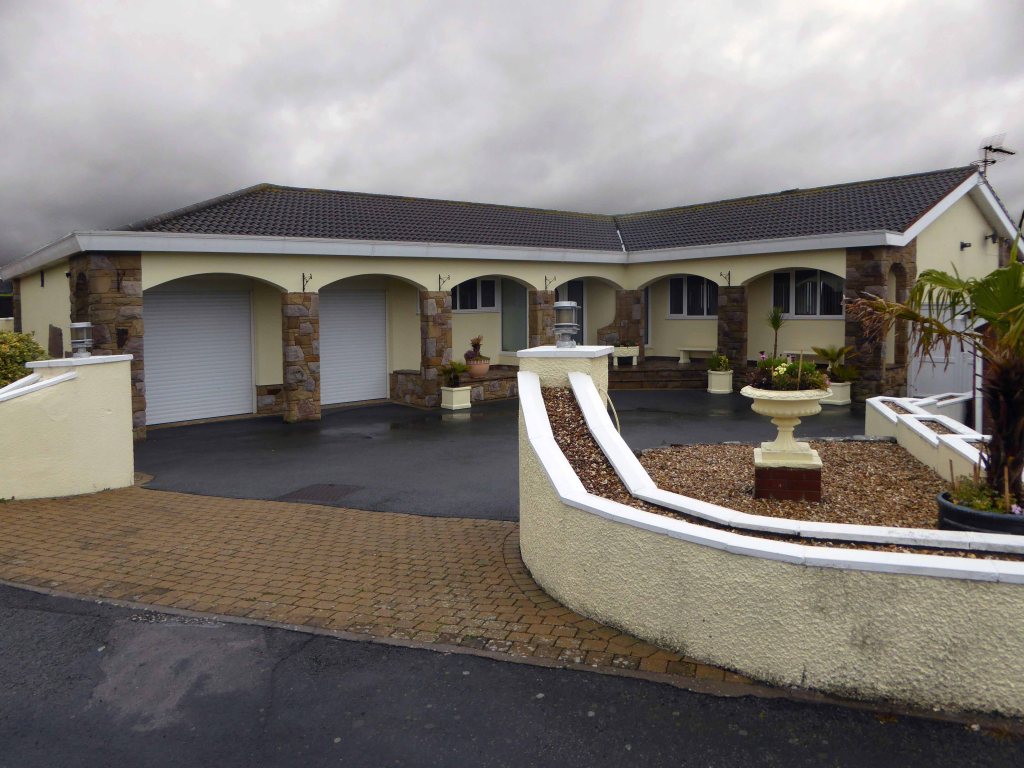
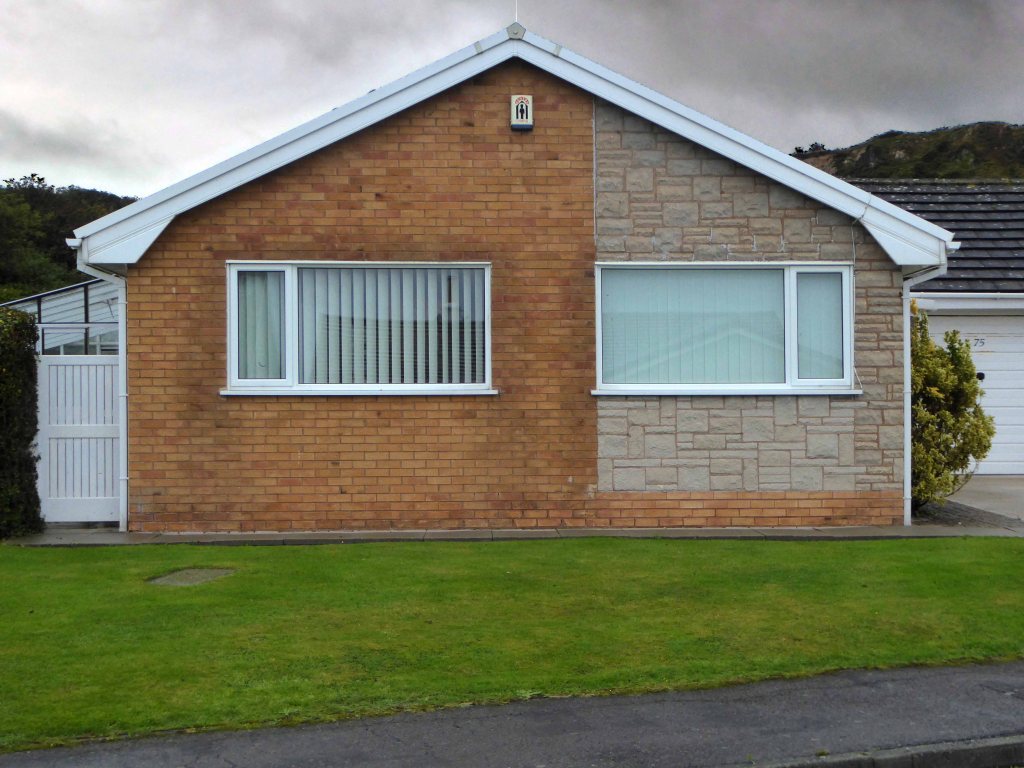
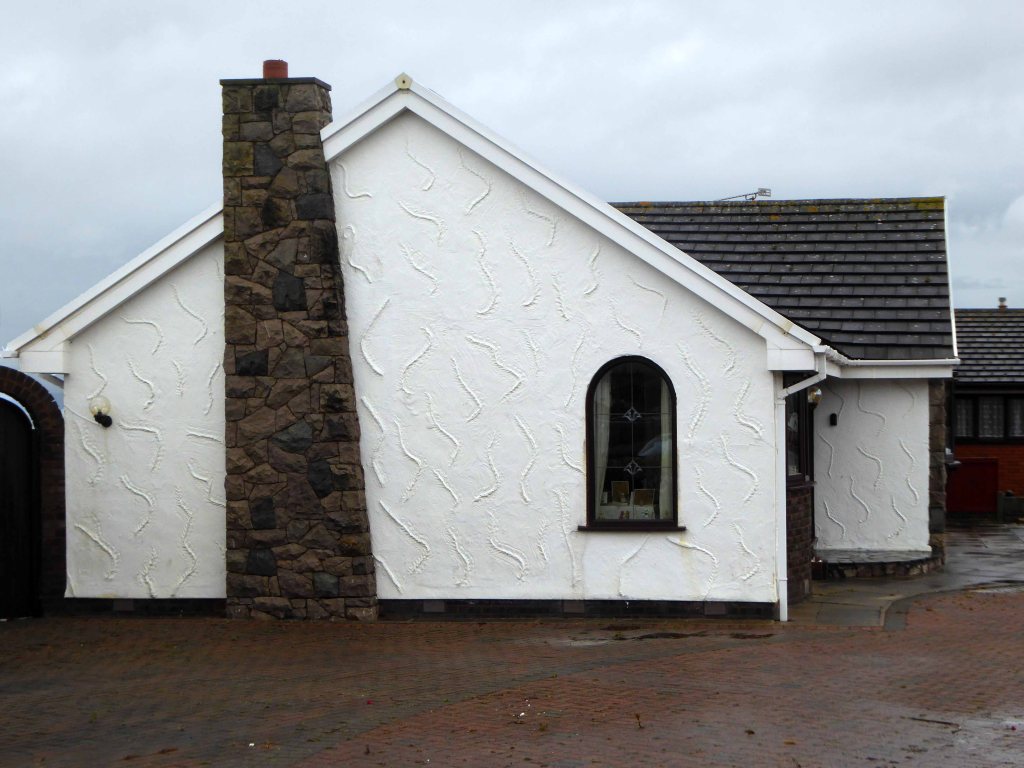
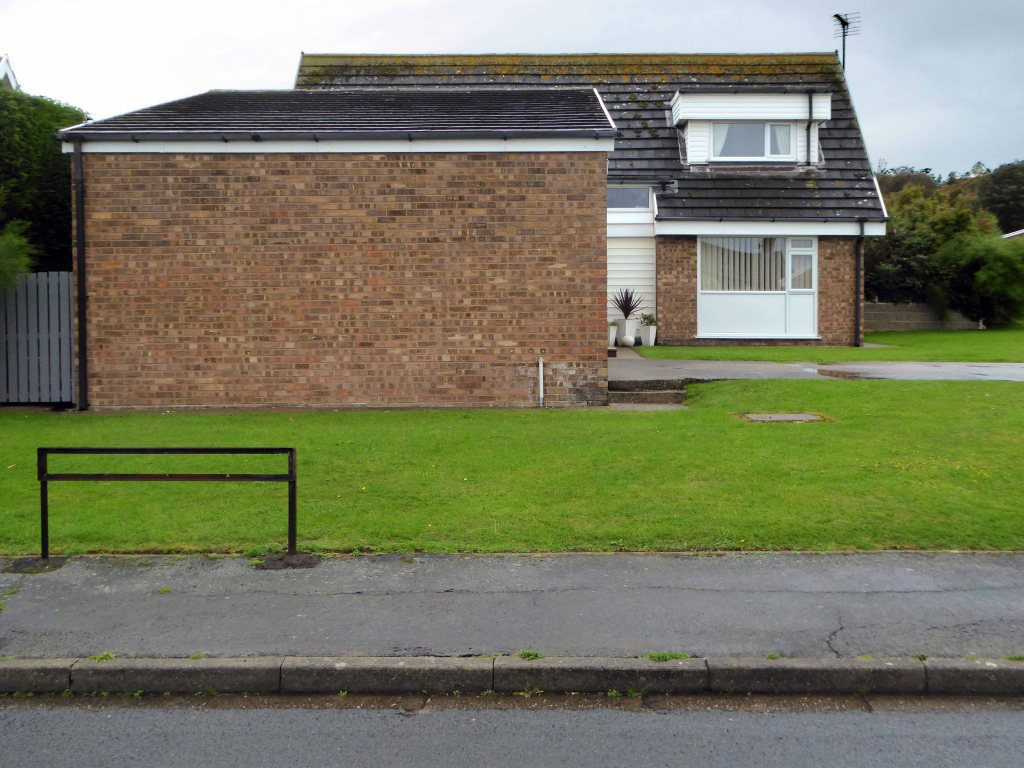
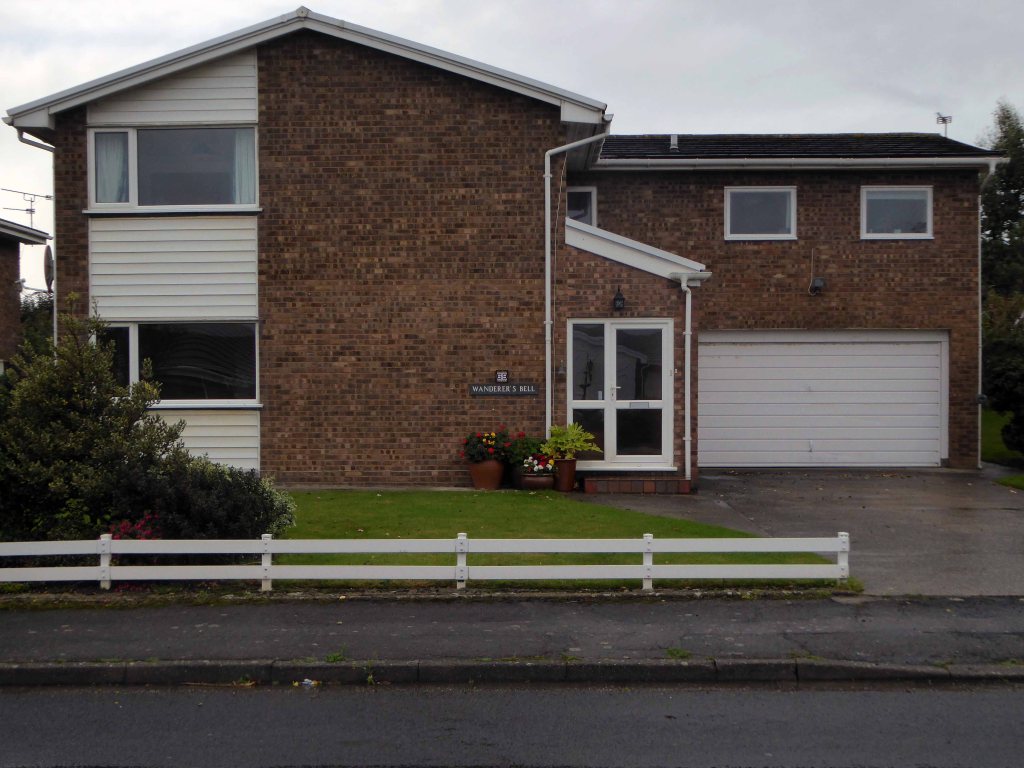
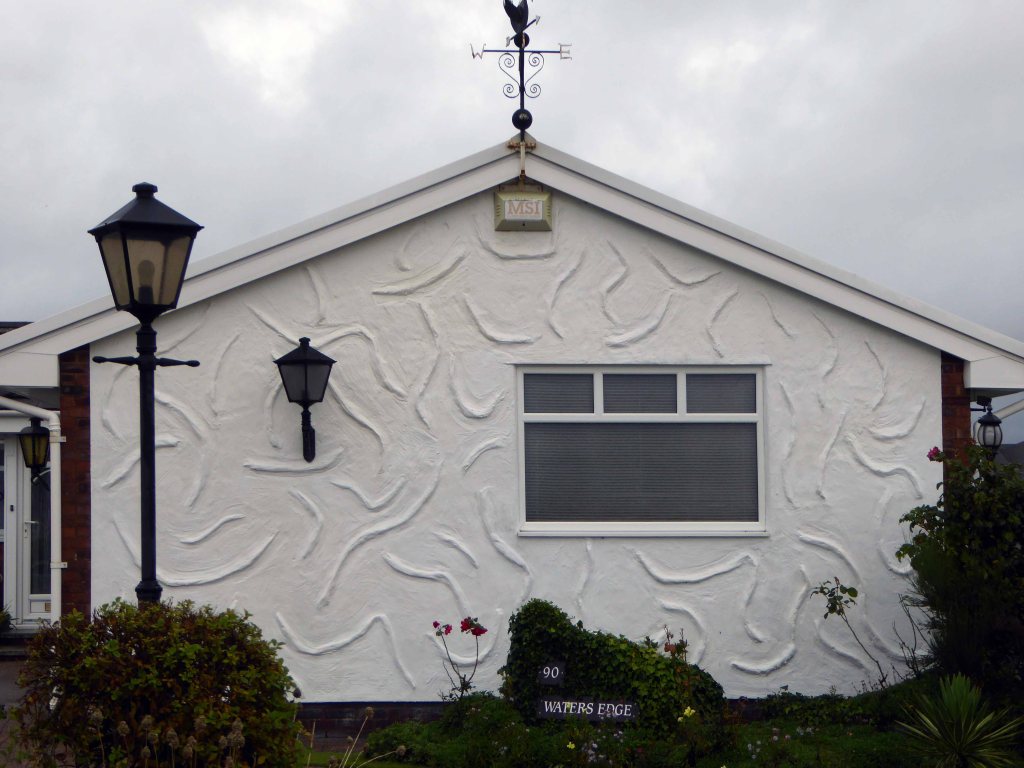
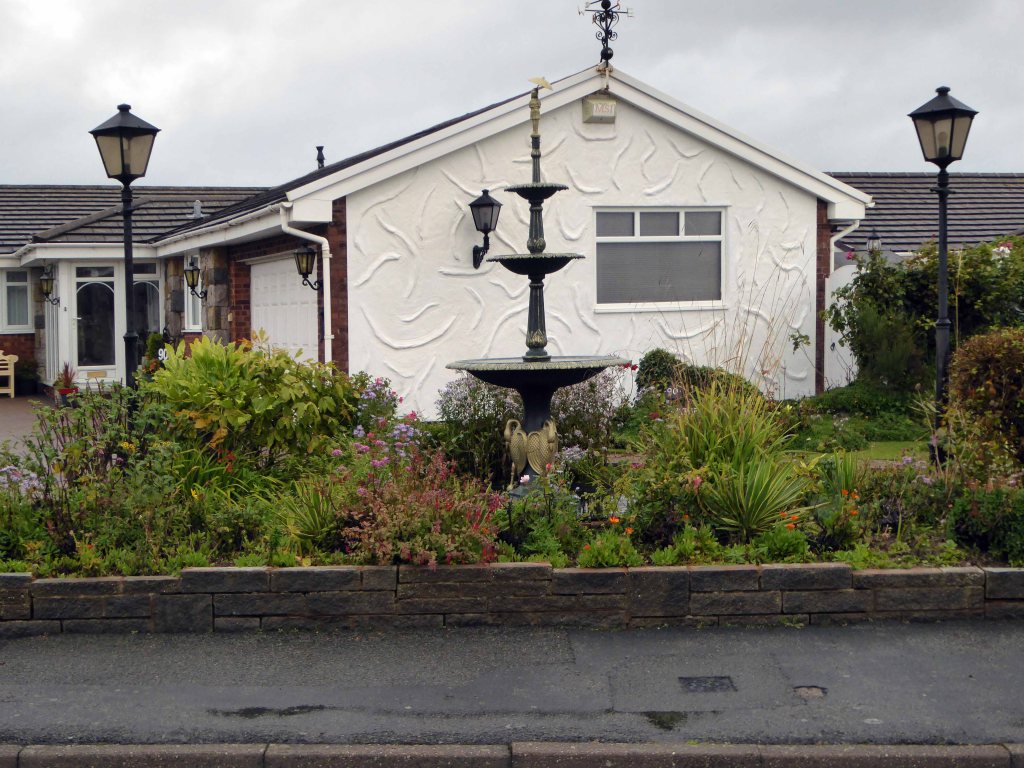
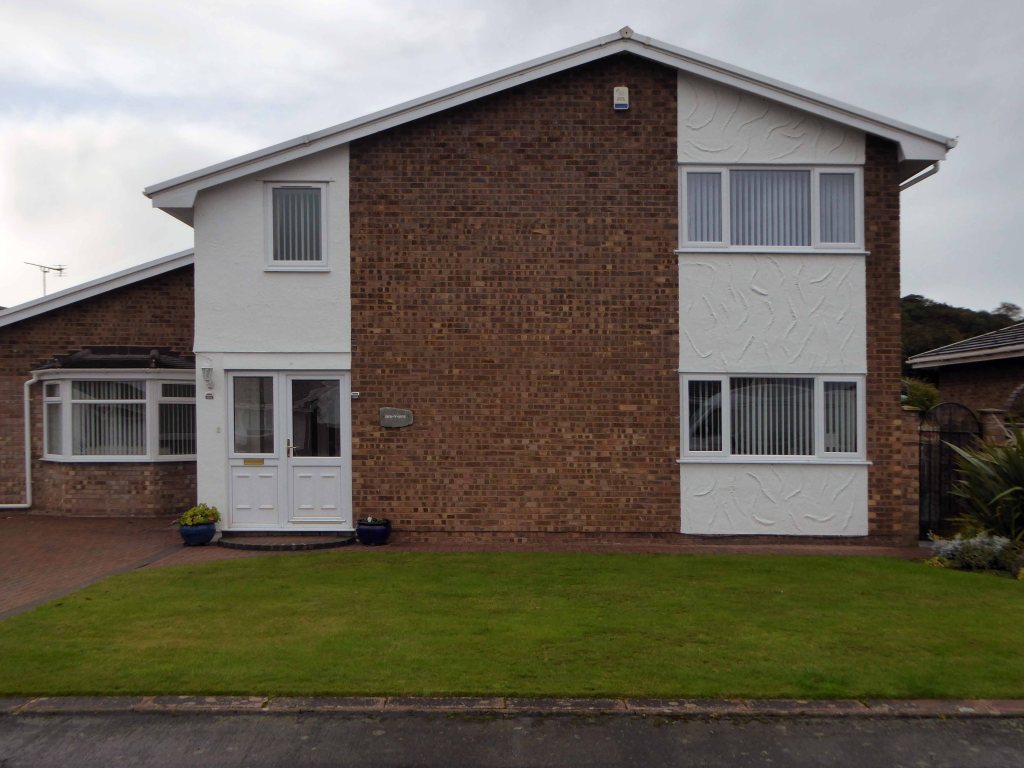
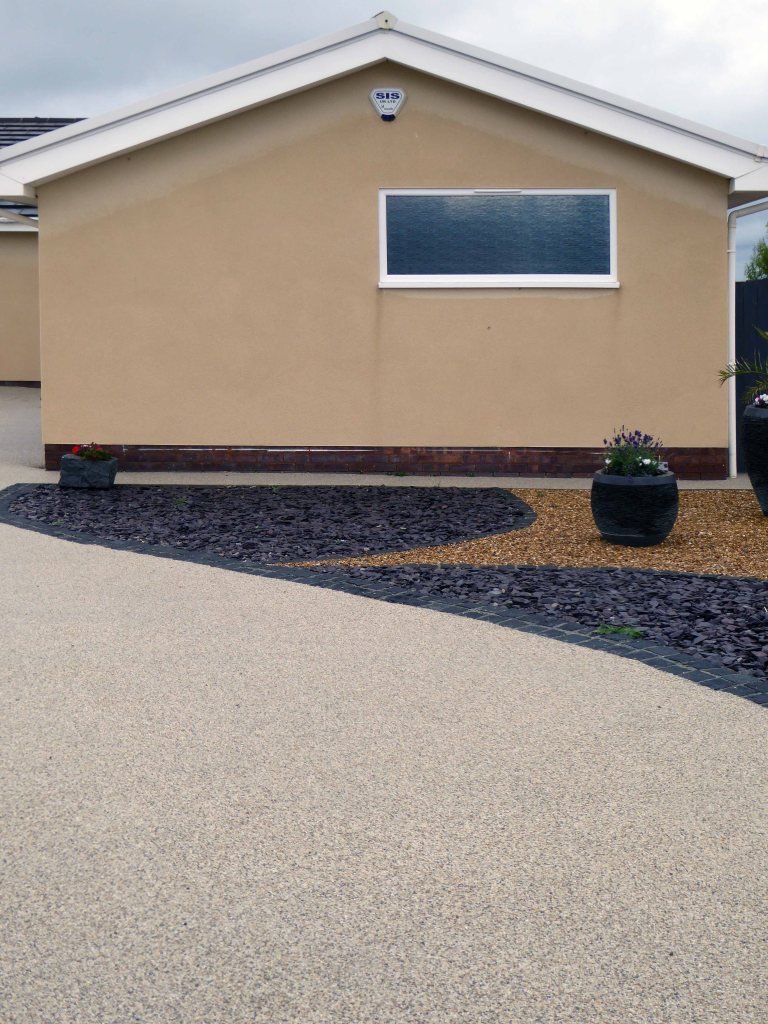
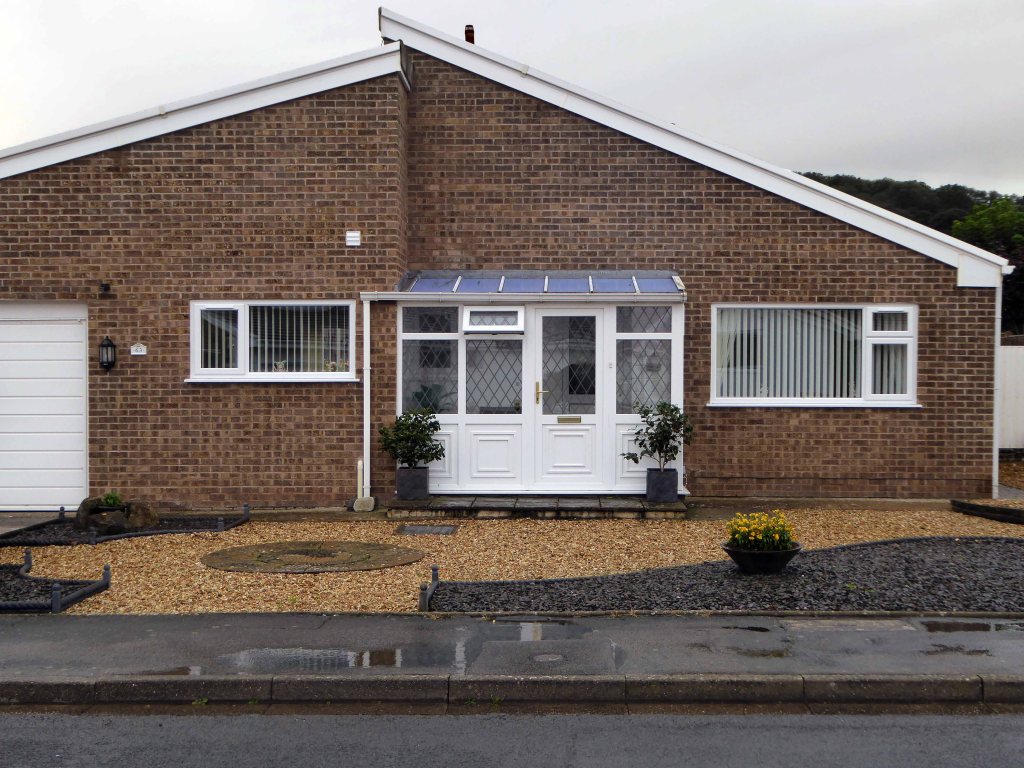
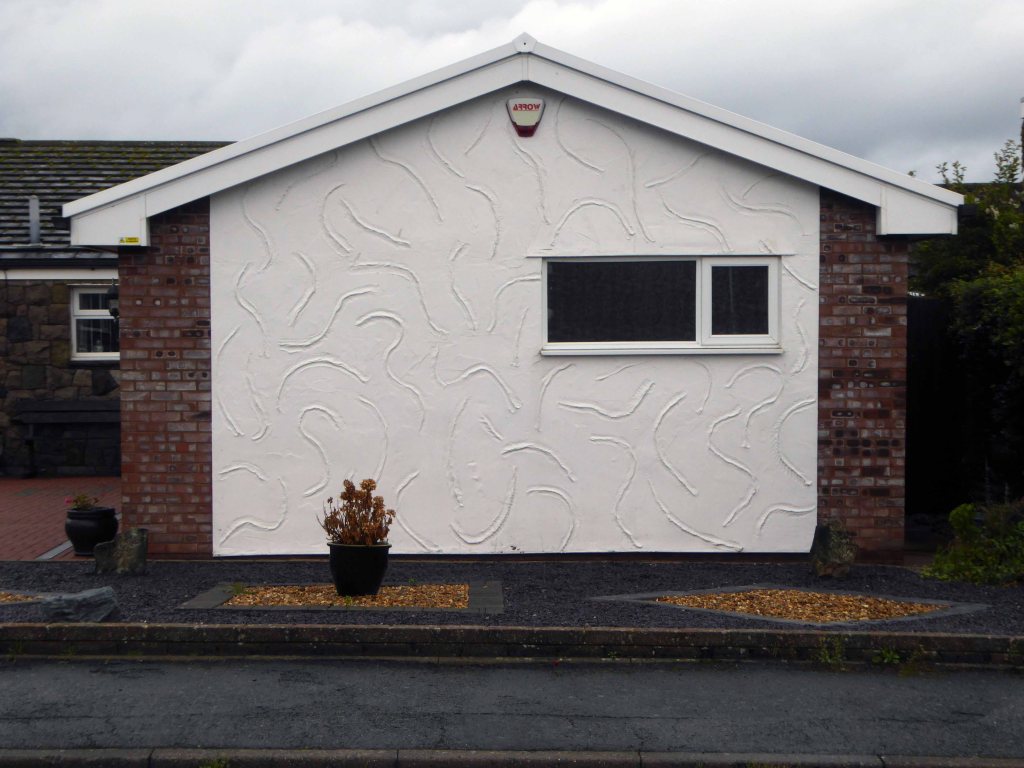
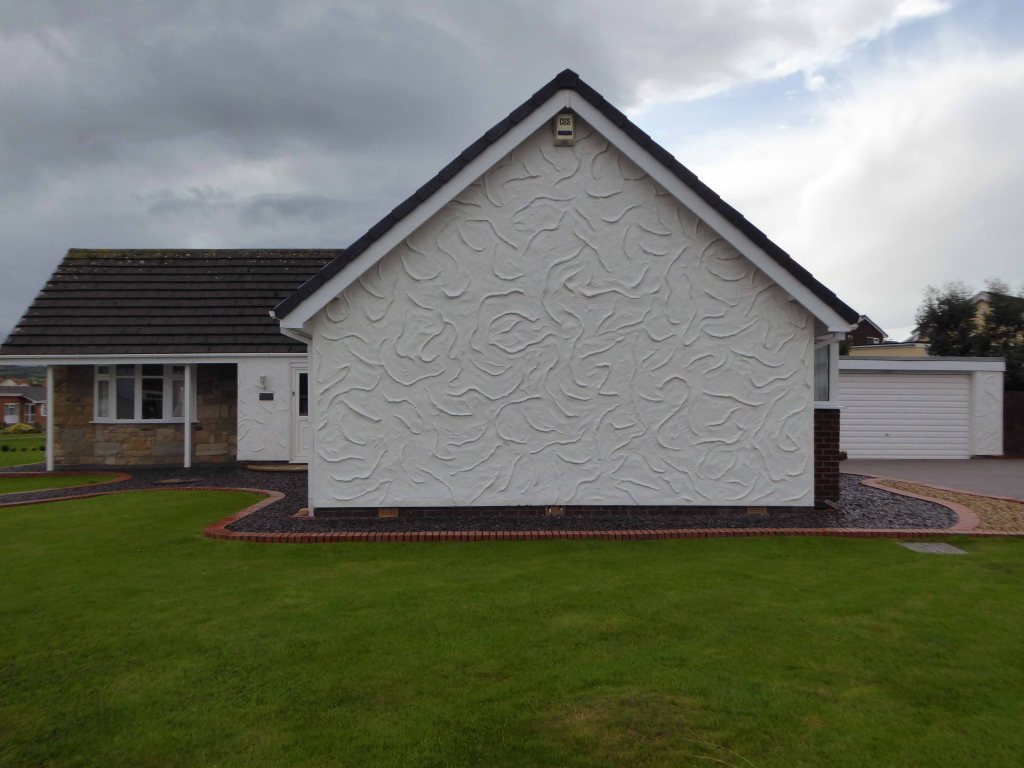
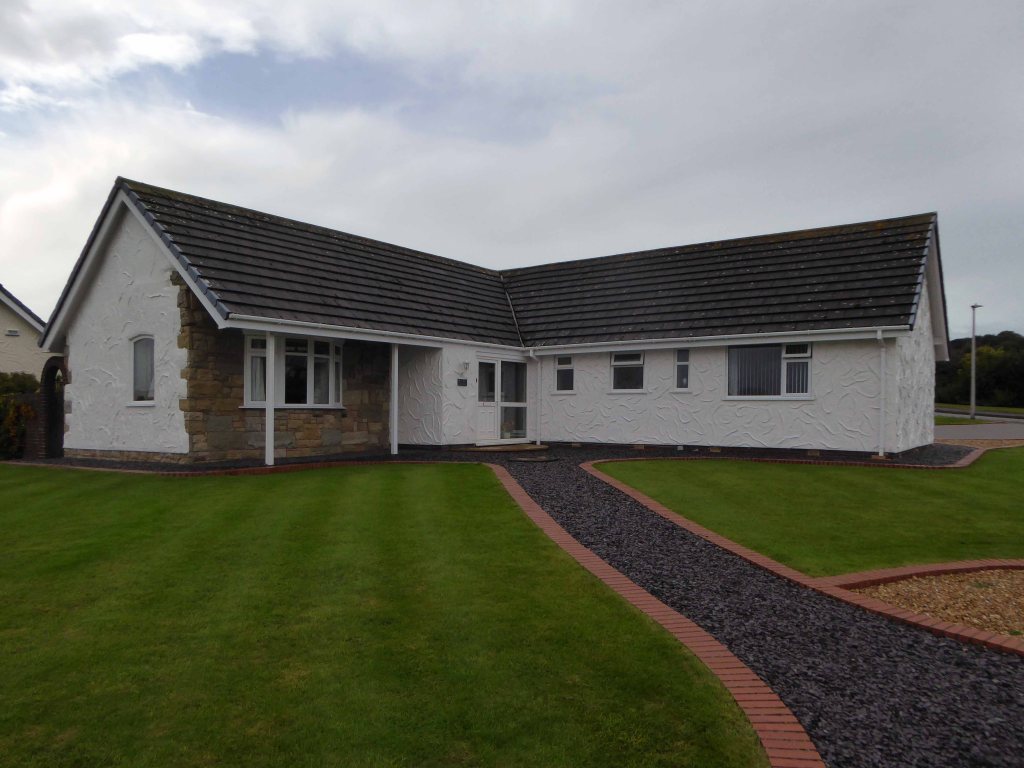
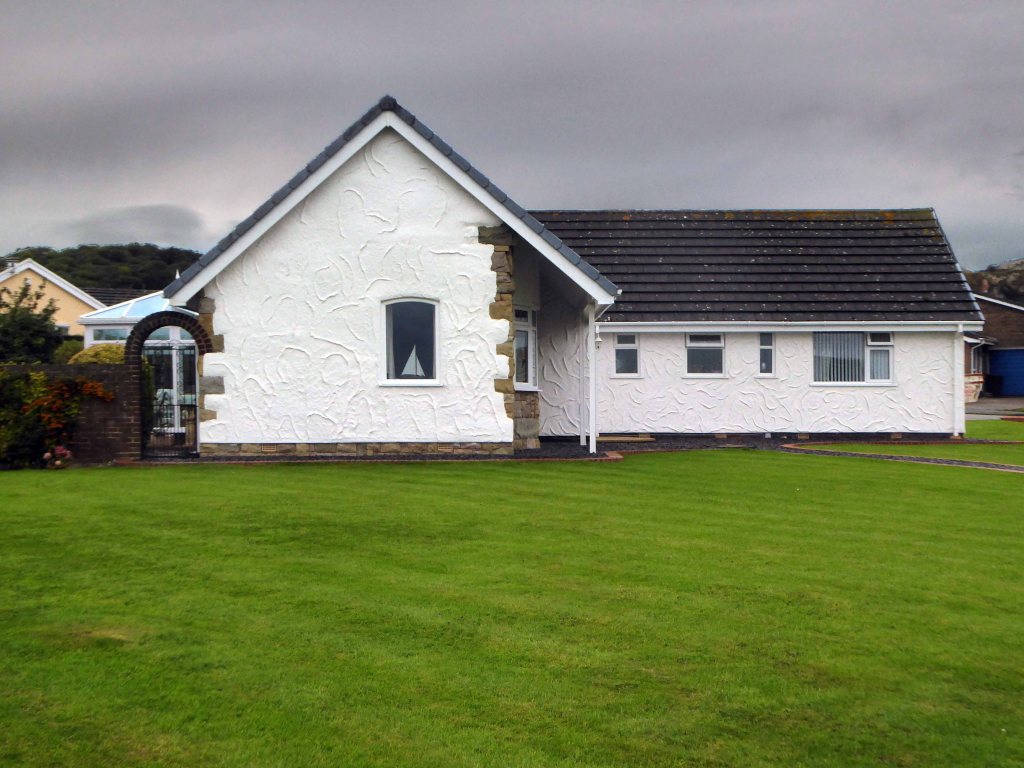
I walk over the Little Orme and there you are so well behaved – trimmed topped and tailed polished window washed windswept so sub-urbane.
Nothing ever happens here or does it?
The highly popular singing duo Anne Ziegler and Webster Booth retired to a small bungalow in Penrhyn Bay.
It provided a location for an episode of Hetty Wainthropp Investigates.
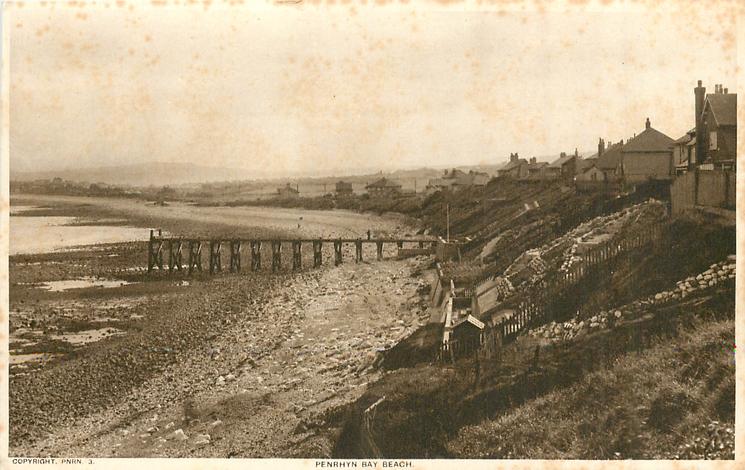
Originally a small farming community, Penrhyn Bay came to rely heavily on the employment opportunities of the limestone quarry operating since the mid-19th century, and served by its own narrow gauge railway, but quarrying ceased in 1936.
However, Penrhyn Bay expanded rapidly in the 20th century to become a desirable suburb of Llandudno – my you’re a hot property.
Almost half a million pounds and counting as the ever mounting mountain of retiring and retired knock upon your over ornate uPVC doors.
So here we are, as the rain clears and the sun almost breaks – your carefully rendered and stone clad walls, not quite awash with a golden midday glow.
Just like Arnie and General McArthur I’ll be back – I shall return.
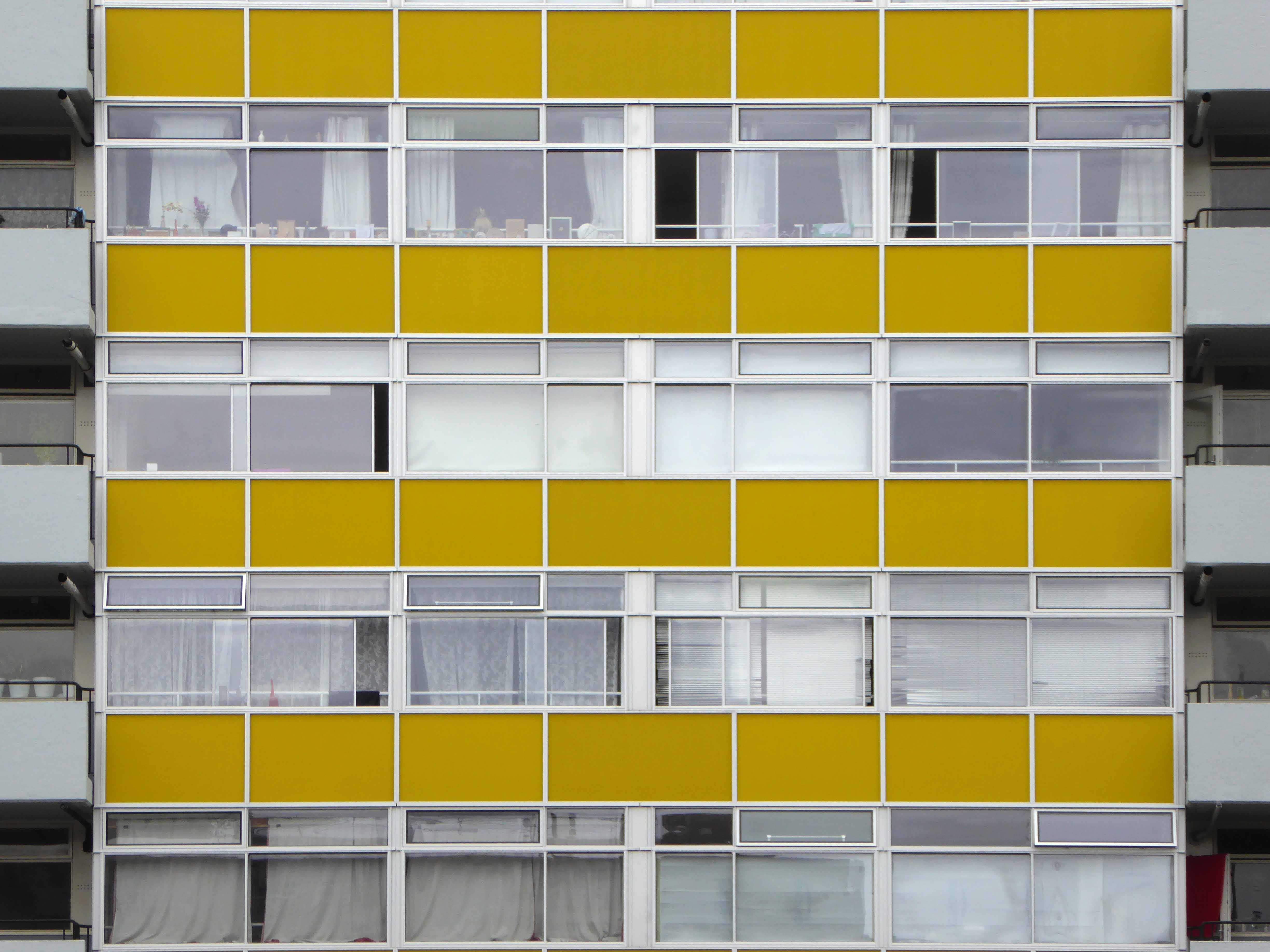
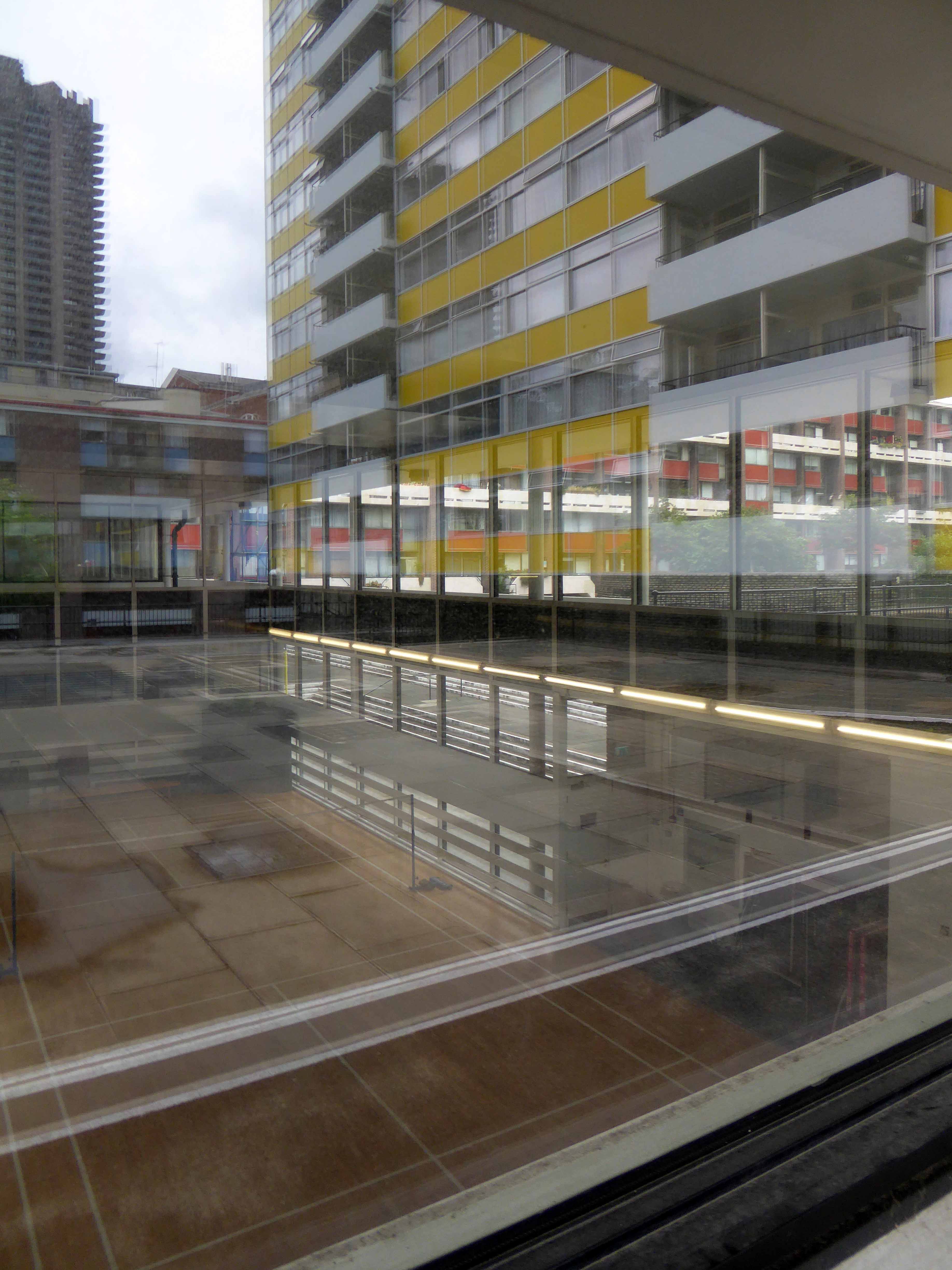
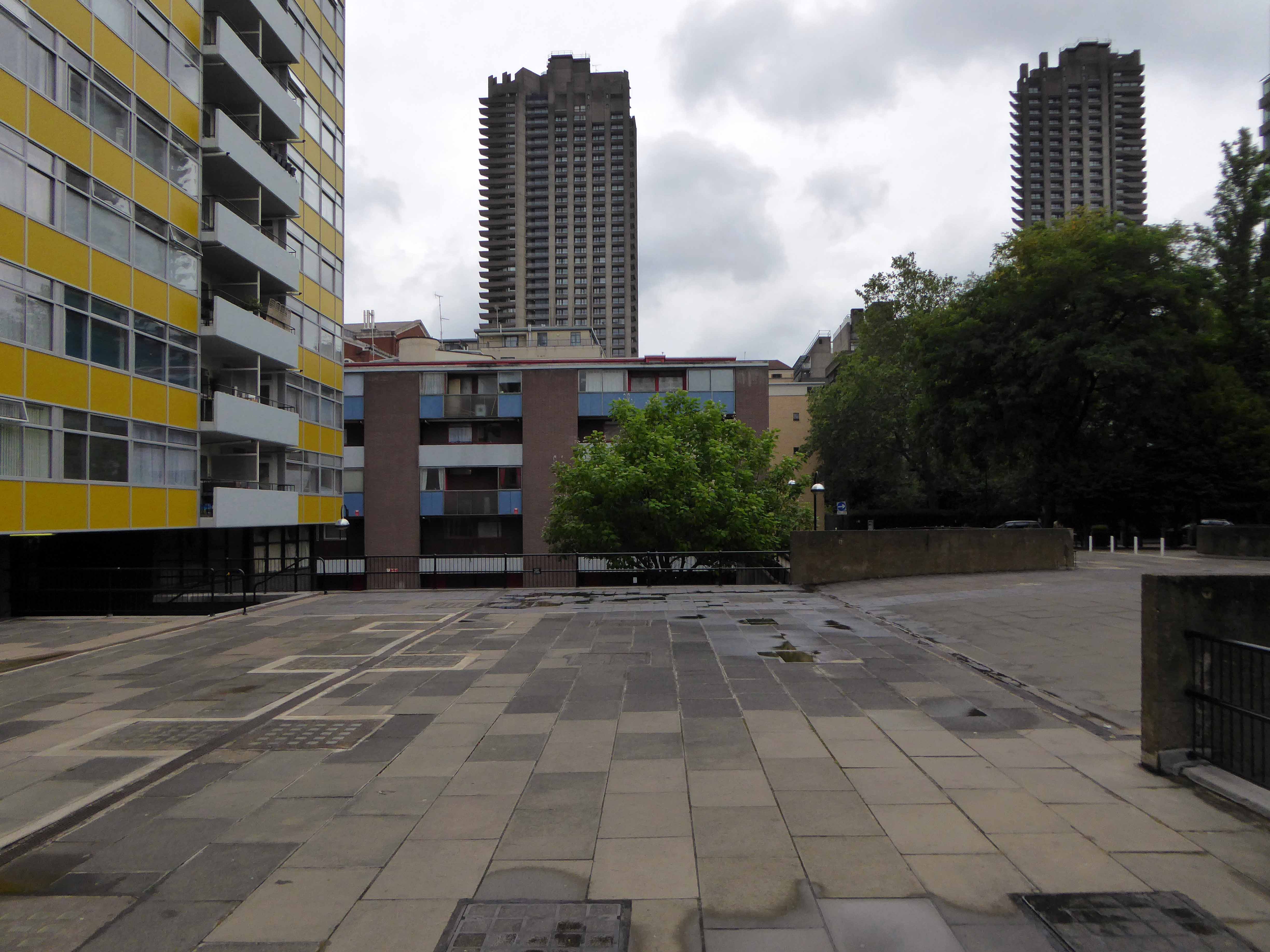
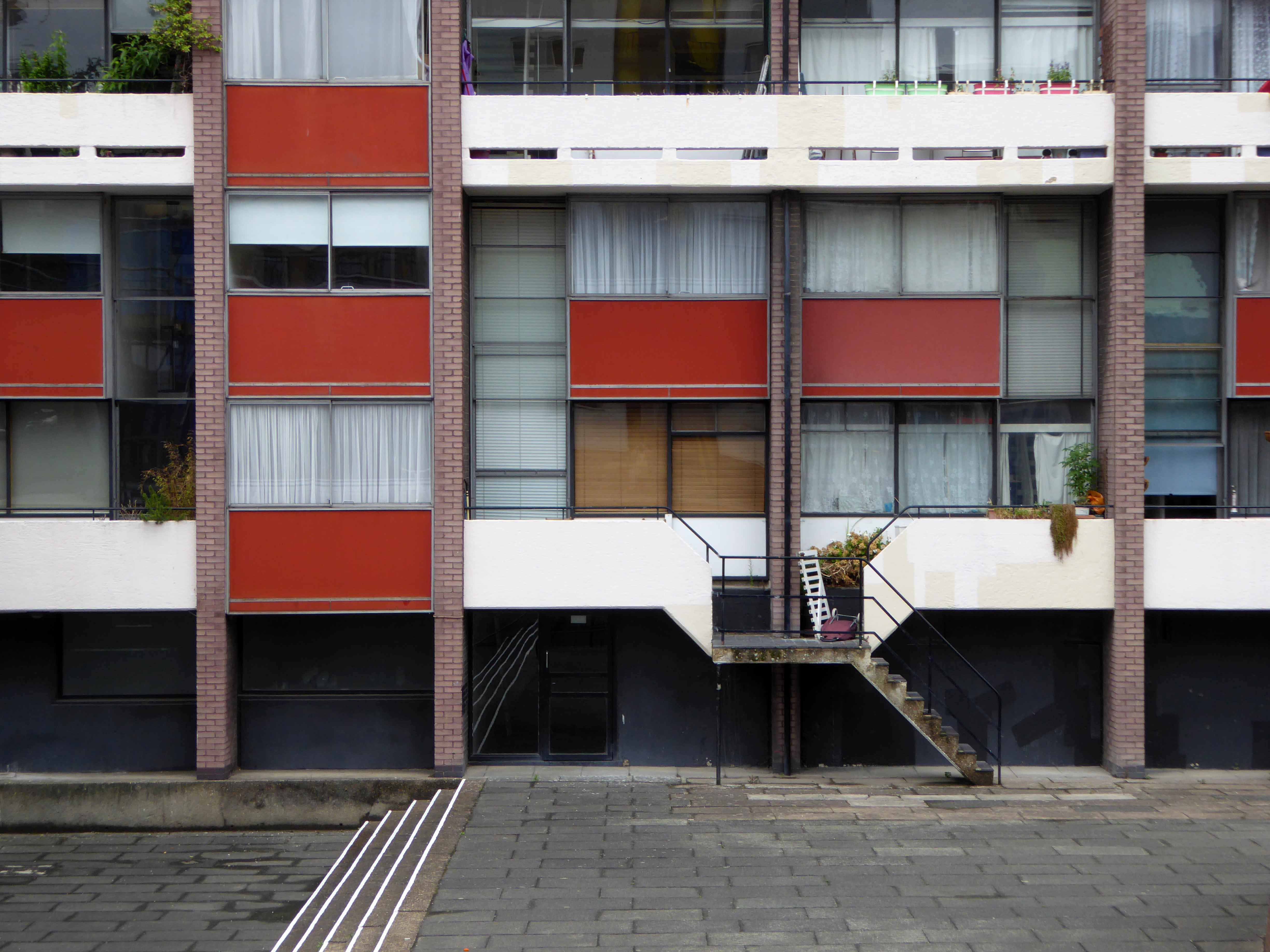
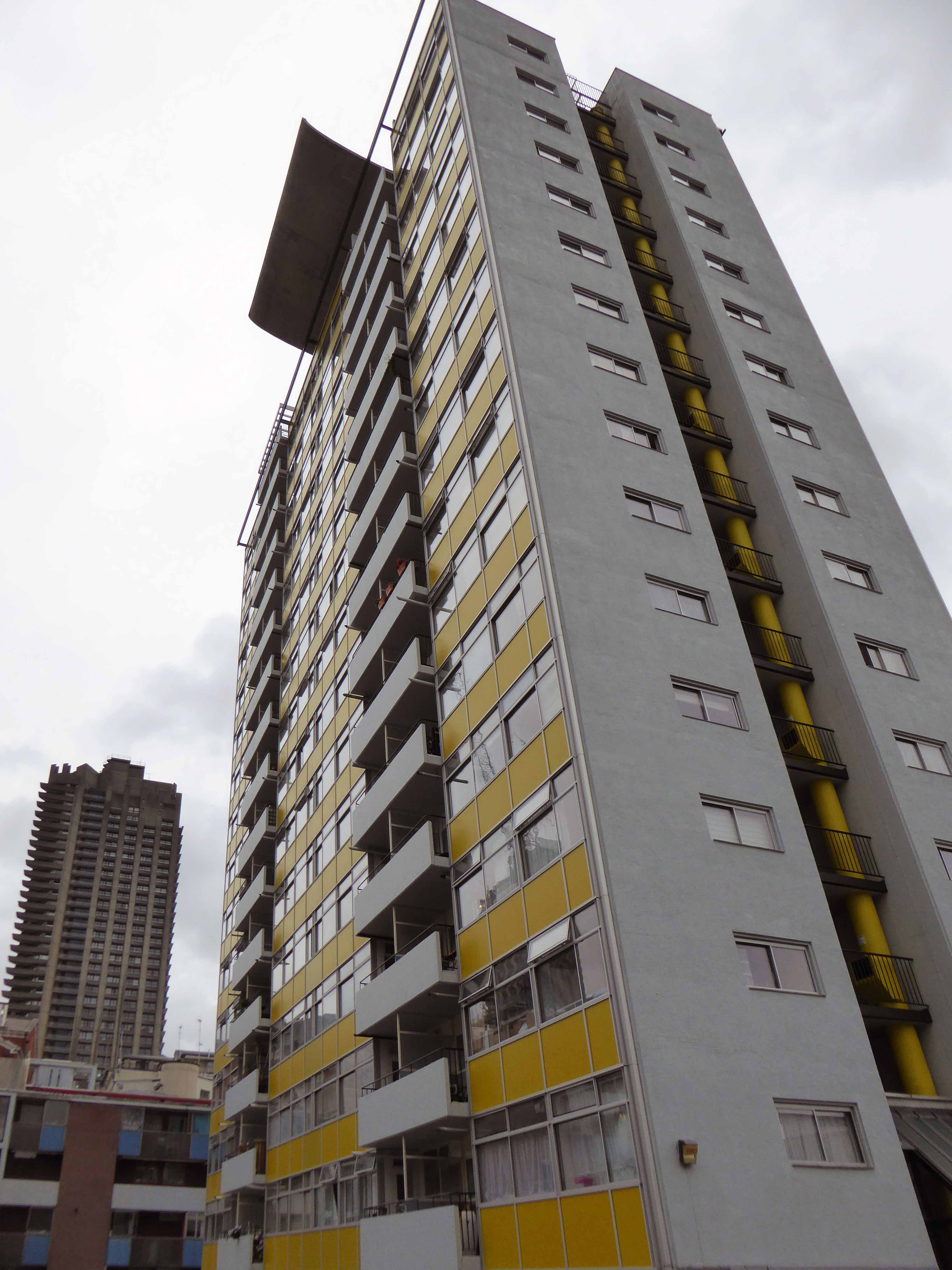
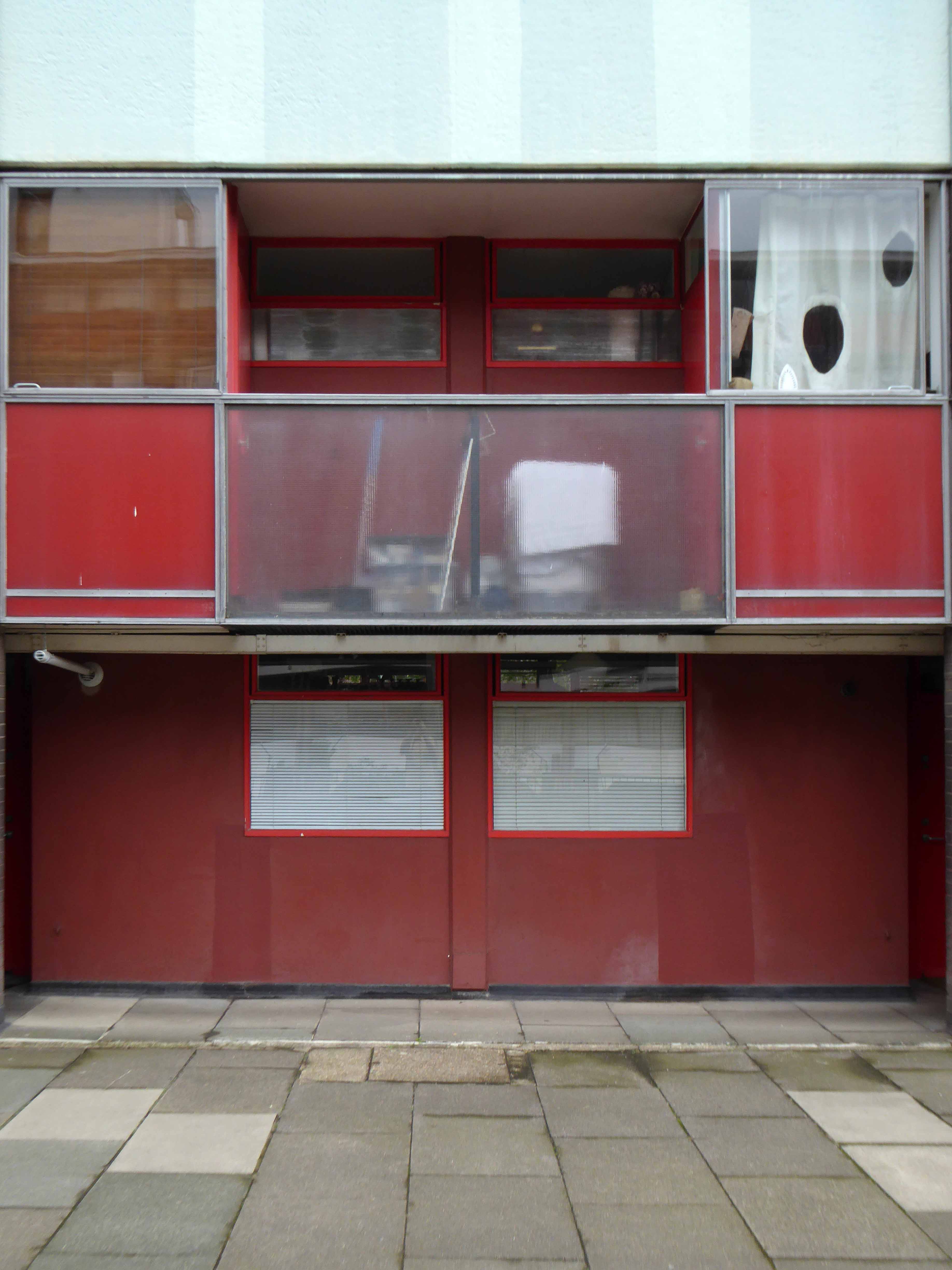
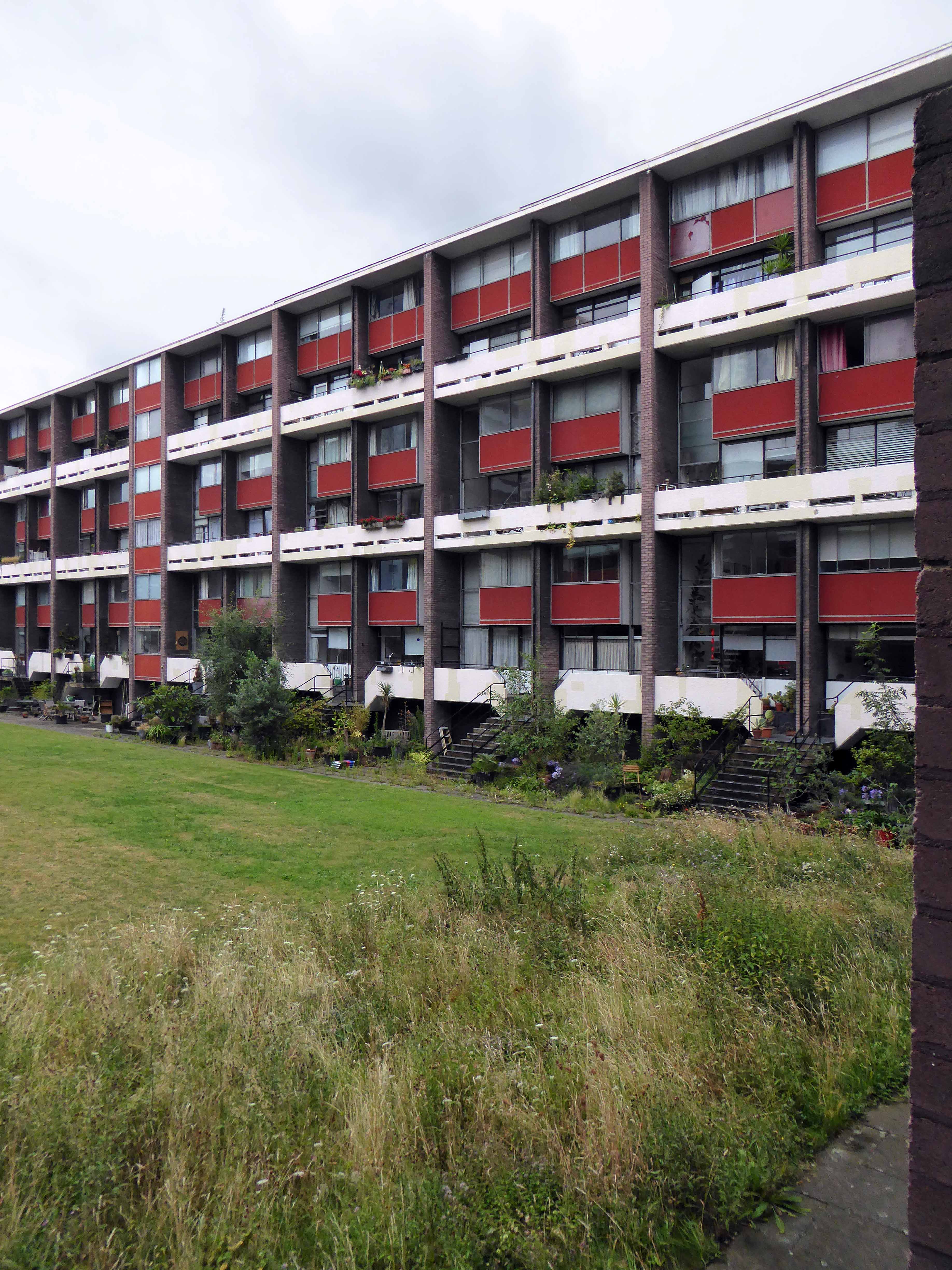
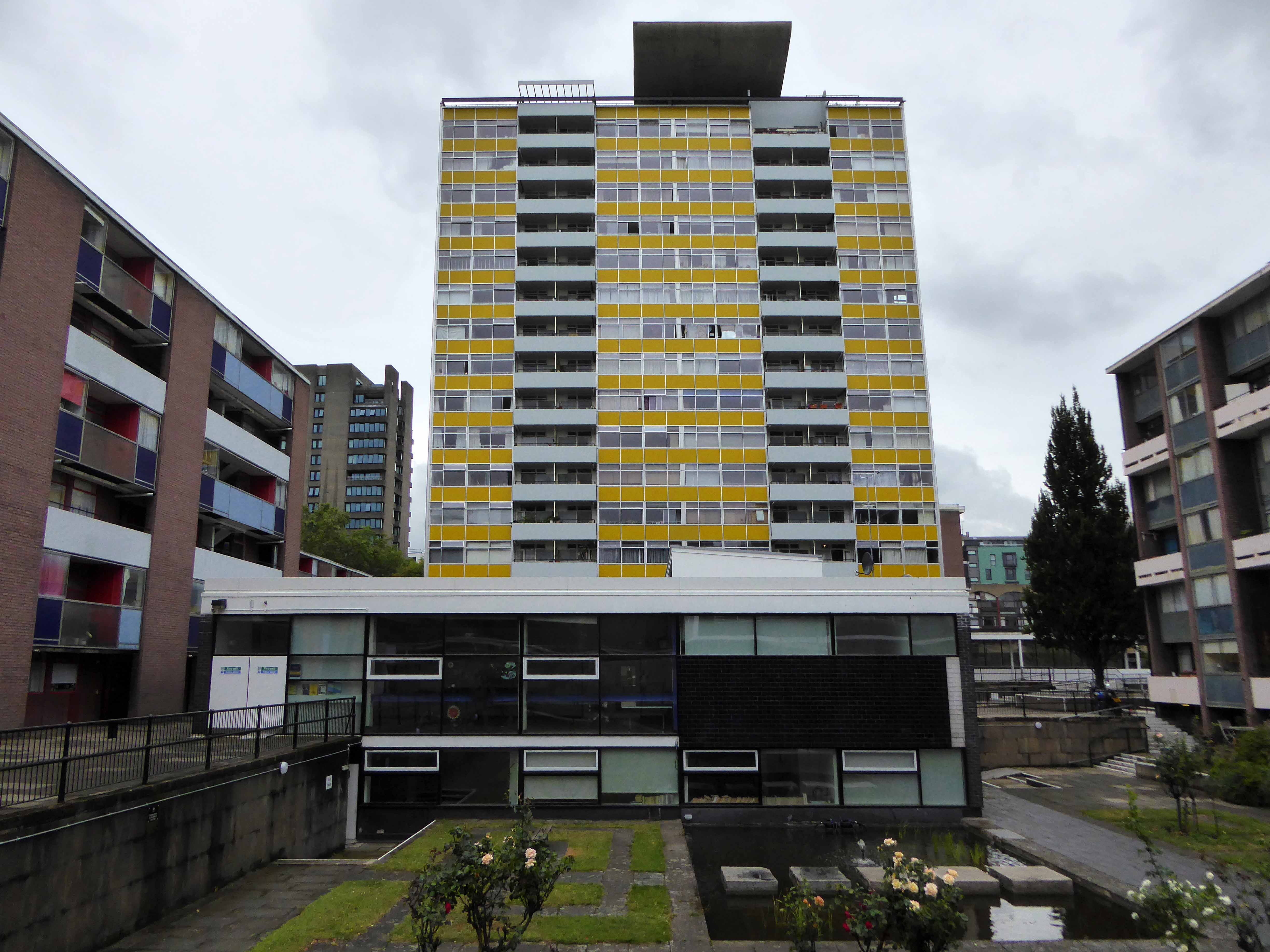
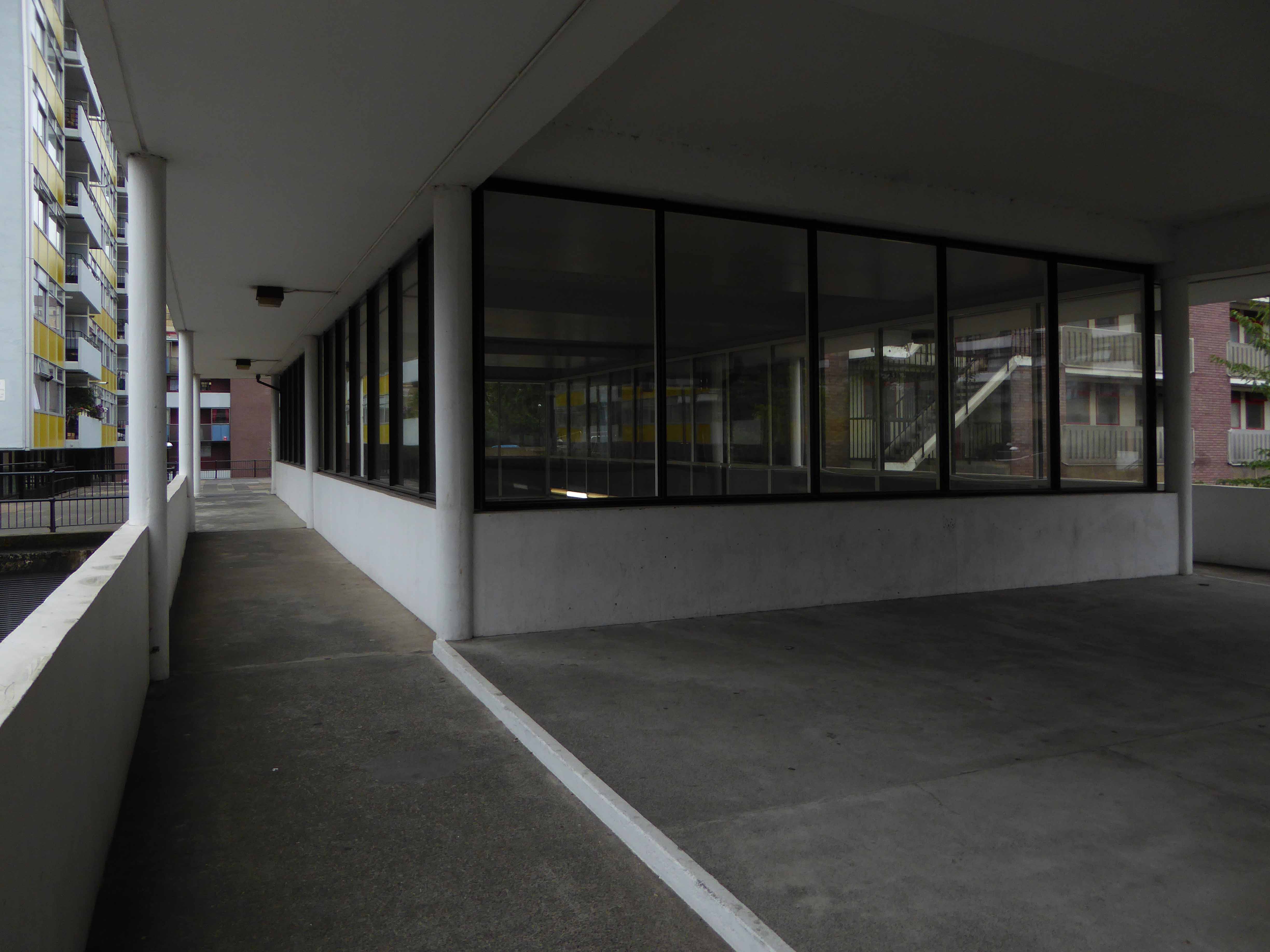
Something of an iconic, totemic, pin-up poster boy/girl for the Modernists, I bumped into you one rainy day, on the way from here to there. Initially attracted by an unexpectedly bright slab of primrose yellow and white.
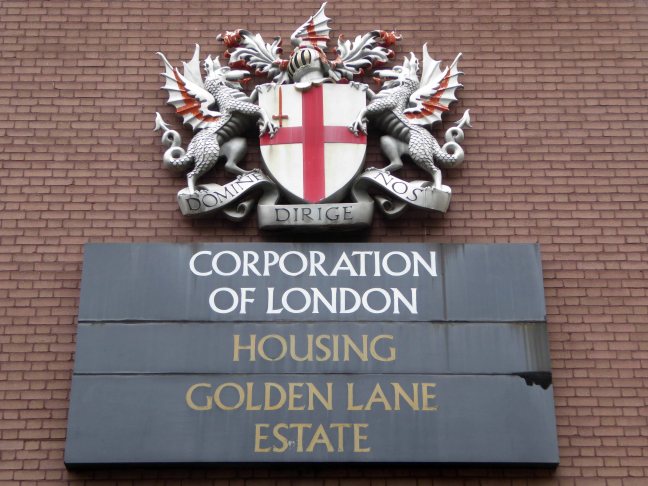
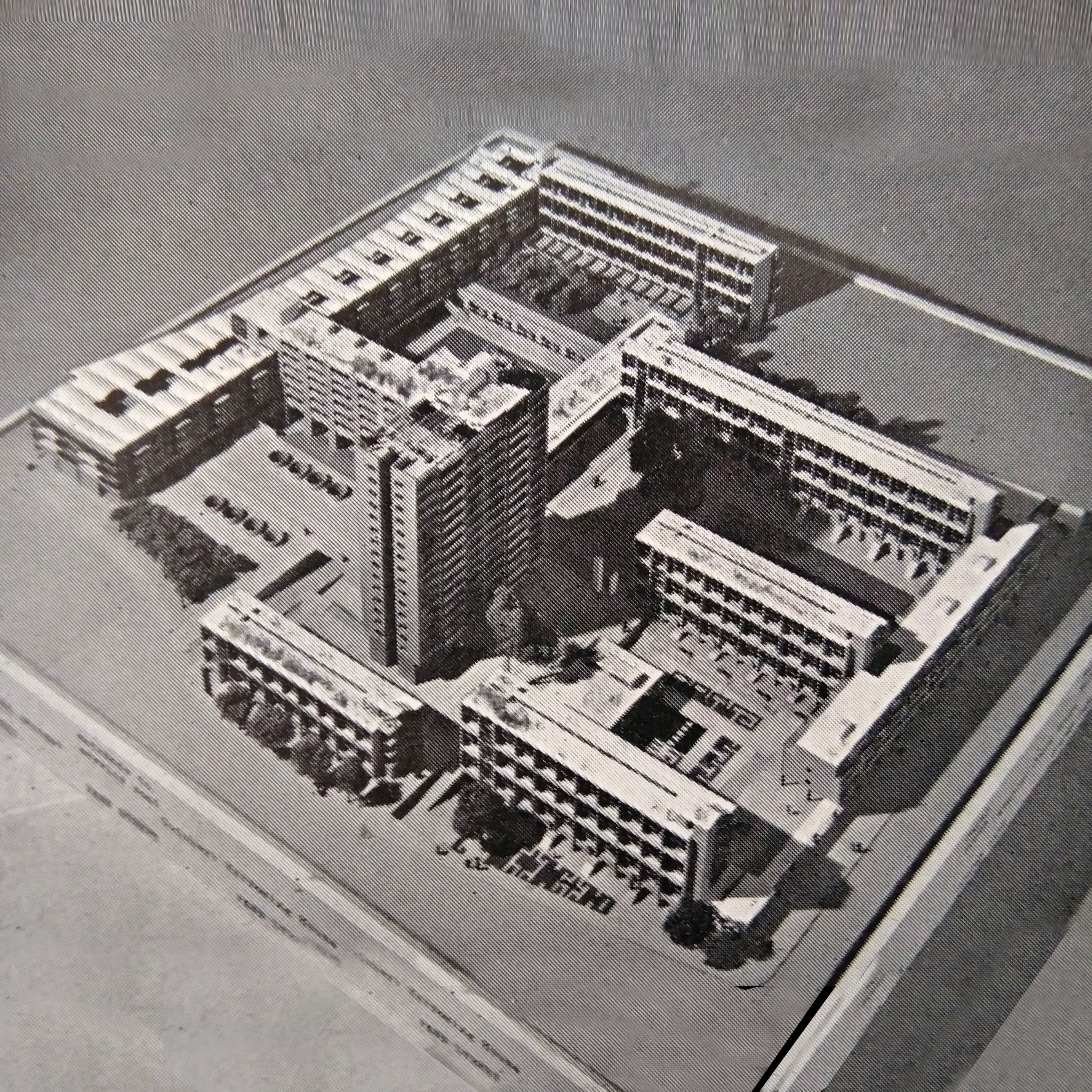
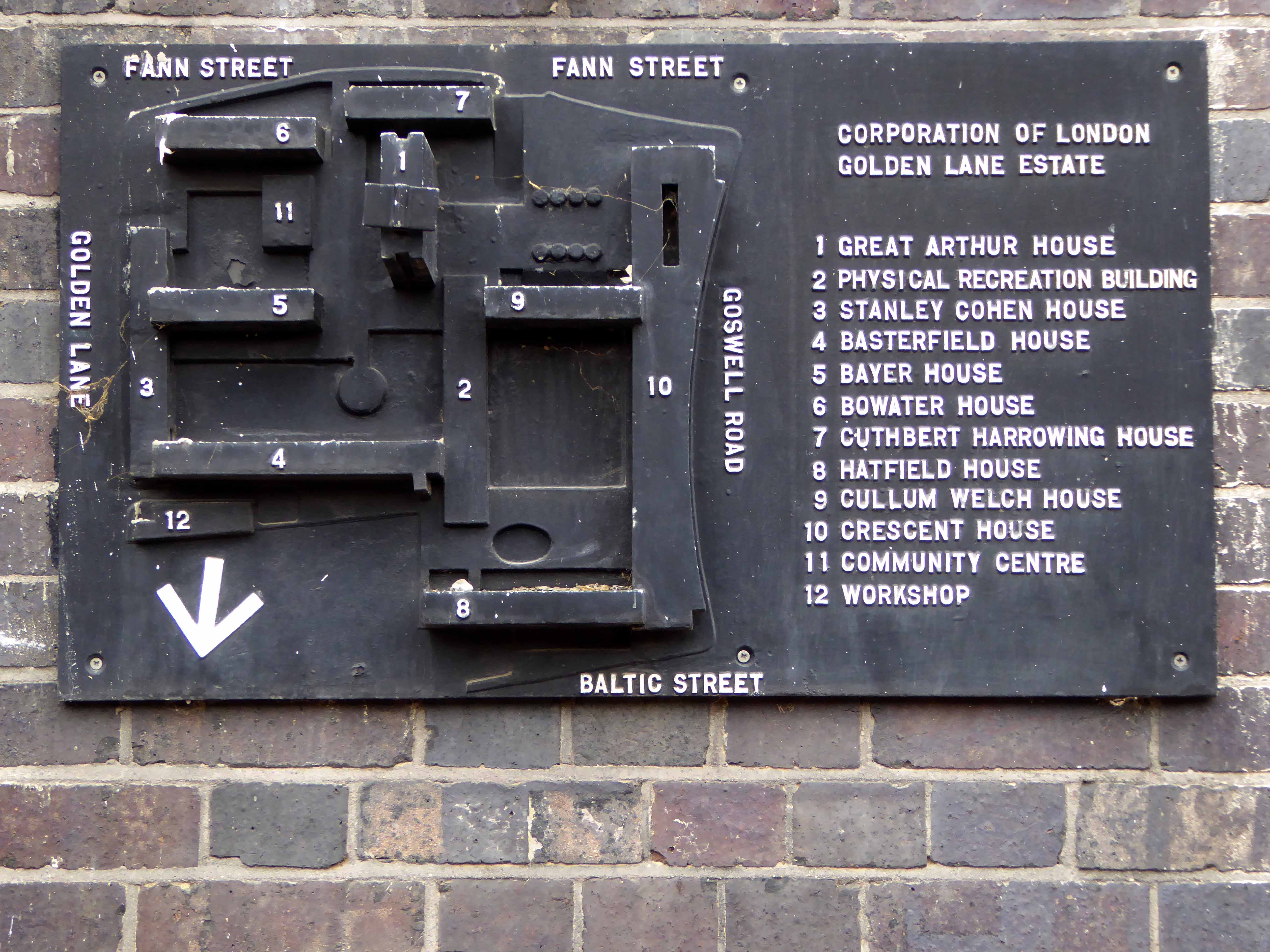
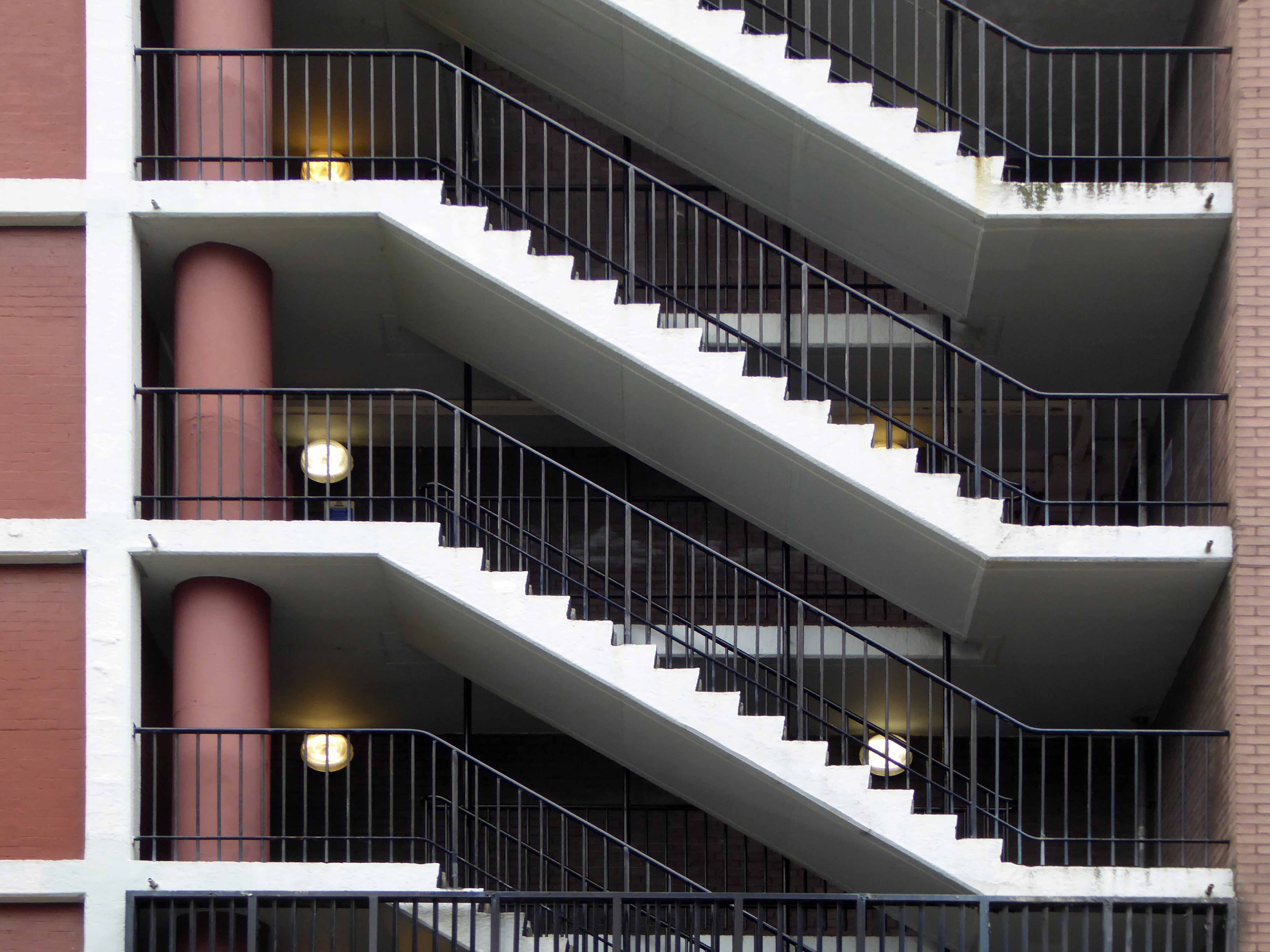
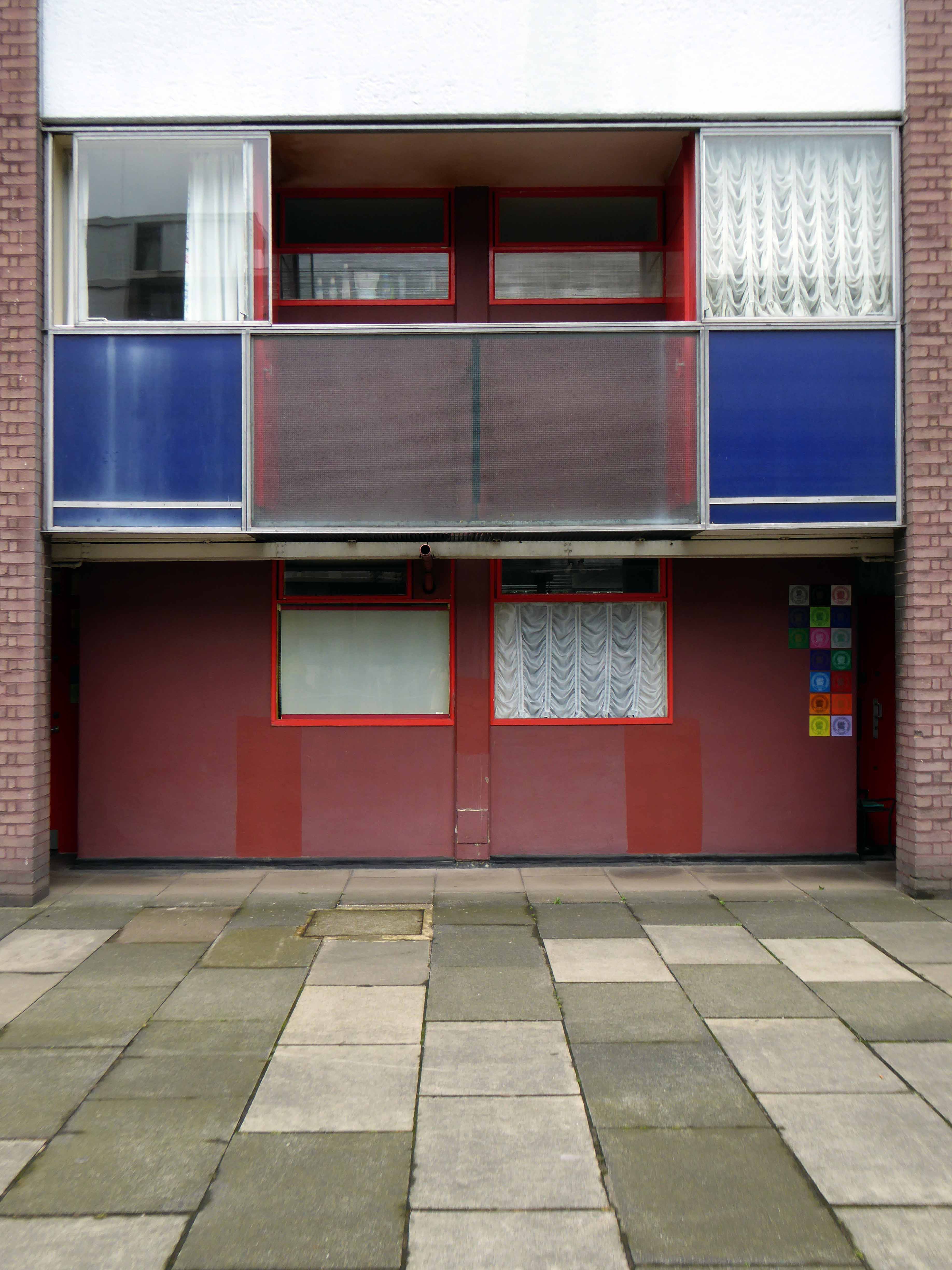
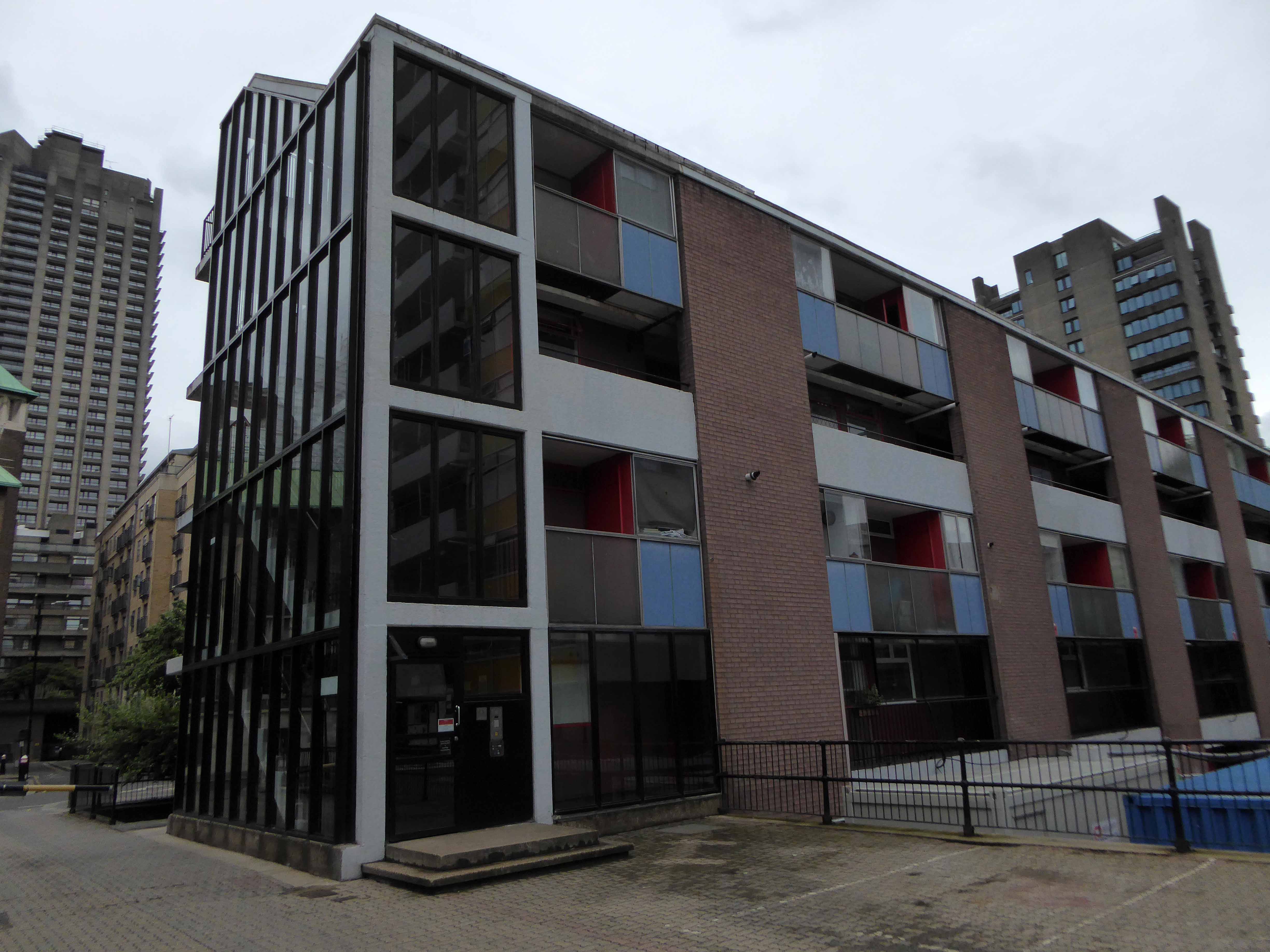
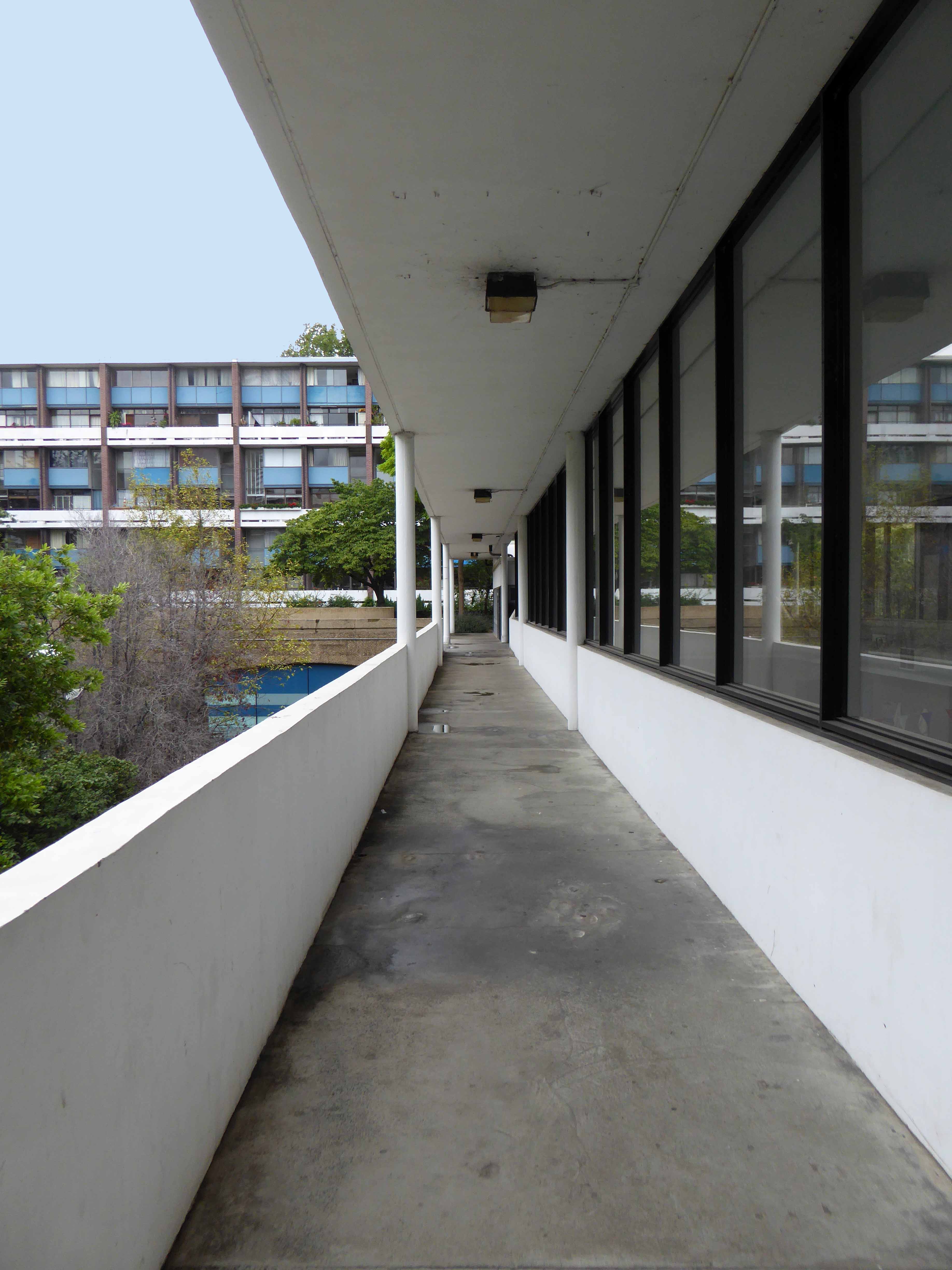
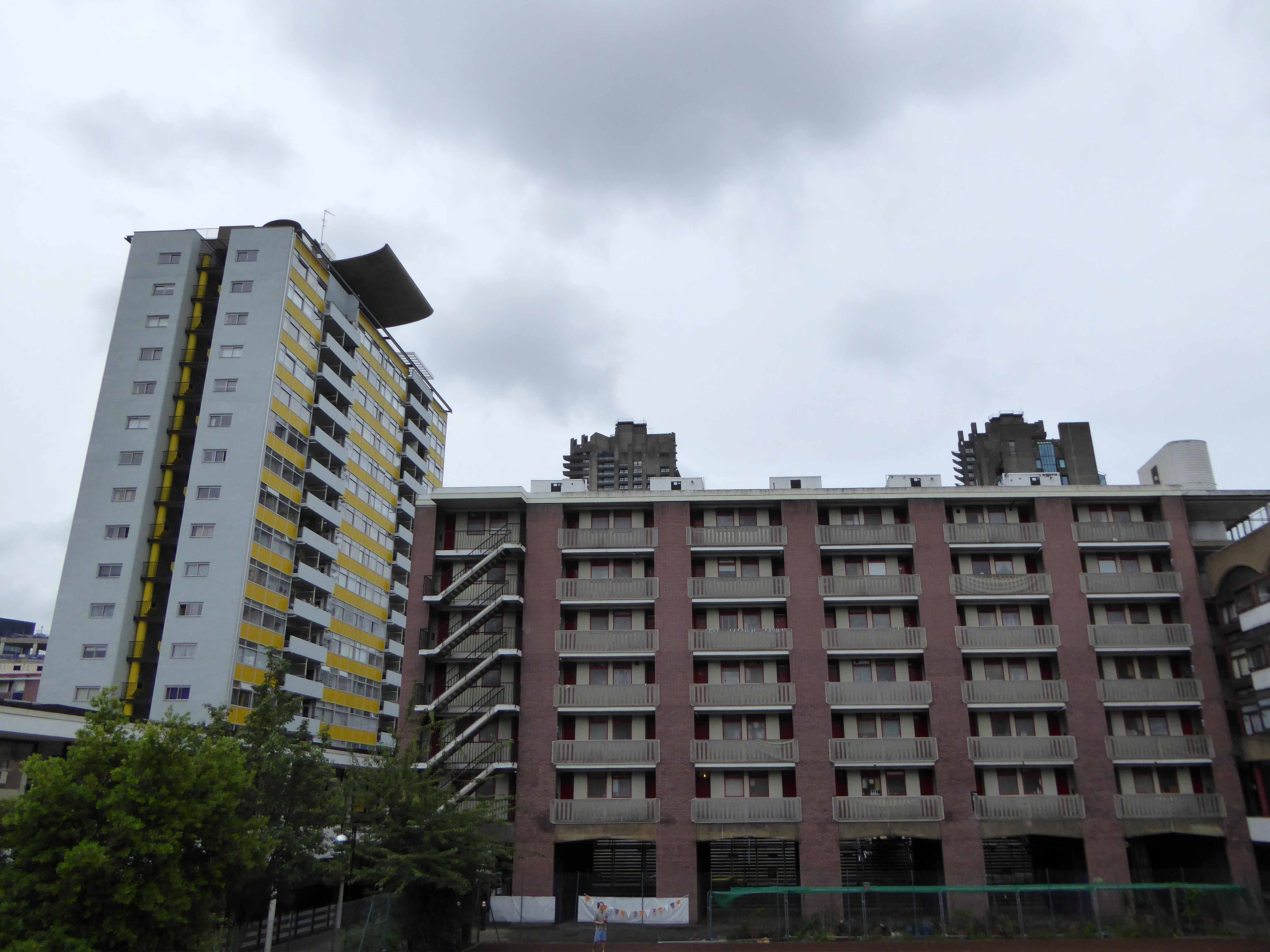
Golden Lane was developed in the early 1950s to create local housing for essential workers in the City of London, following the devastation of the Blitz. At the time only around 500 people actually lived in the City of London so the estate was deliberately designed with small units to house single people and couples comprised of the broad social and professional mix needed to support the local community. 554 units were built of which 359 were studios and one bedroomed flats; the remainder were maisonettes and early tenants included caretakers, clergymen, doctors, police offices, cleaners and secretaries. Today there are approximately 1,500 people living on the estate in 559 flats and maisonettes.
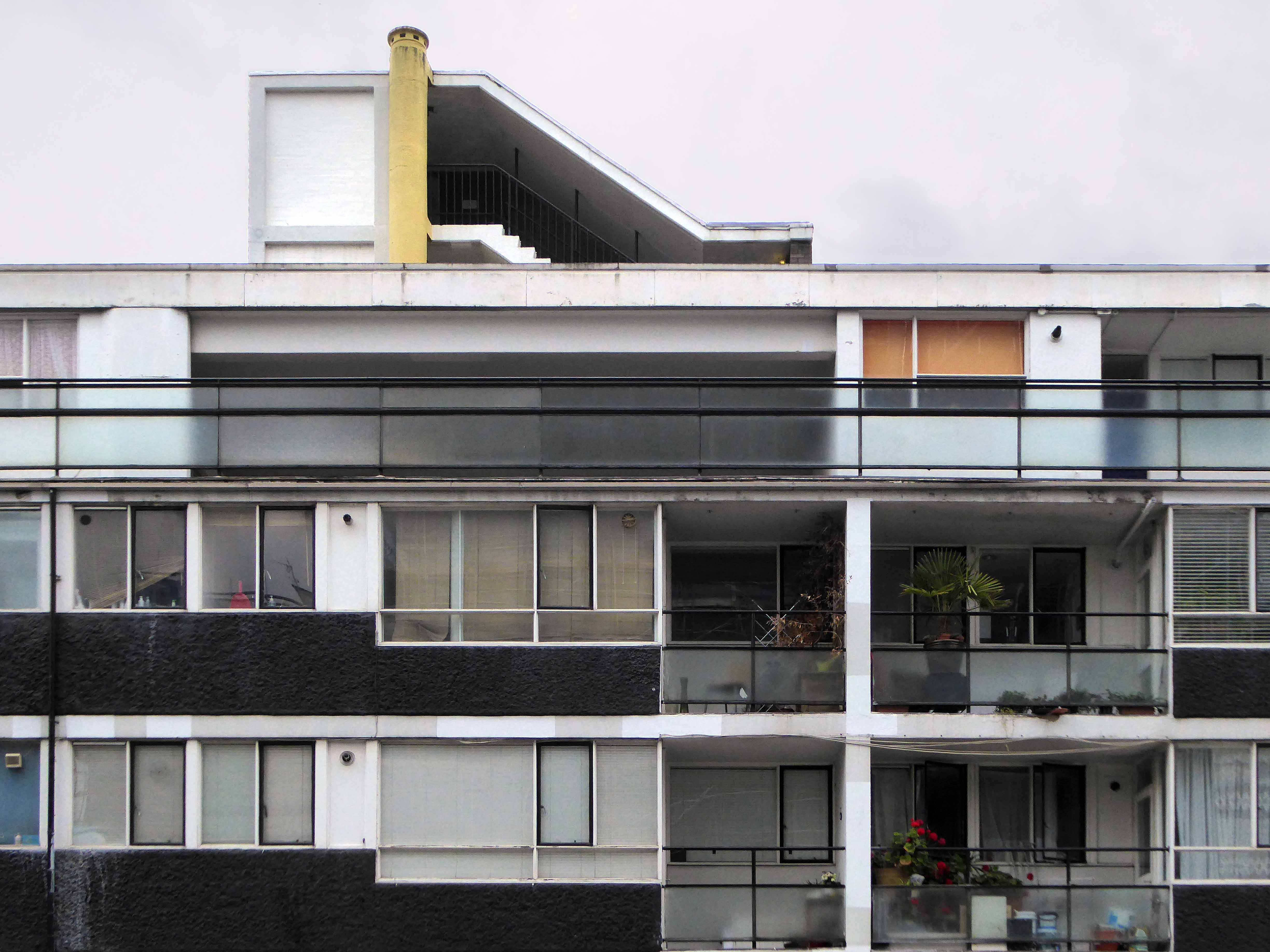
Golden Lane was commissioned from architects Chamberlin, Powell and Bon by the City of London Corporation (which still manages it) and built on bombed sites previously occupied by small businesses and industries. Some of the basement areas of the former buildings were retained as sunken areas of landscaping. Building took place over a 10-year period between 1952 and 1962 when Crescent House on Goswell Road was completed. Golden Lane was listed Grade II in 1997 (Crescent House is Grade II*). When built, Great Arthur House was the tallest residential building in London and its Le Corbusier inspired design included a resident’s roof garden. The estate also included a leisure centre with a swimming pool and tennis courts. It is now run by a private operator and is open to both residents and the general public.
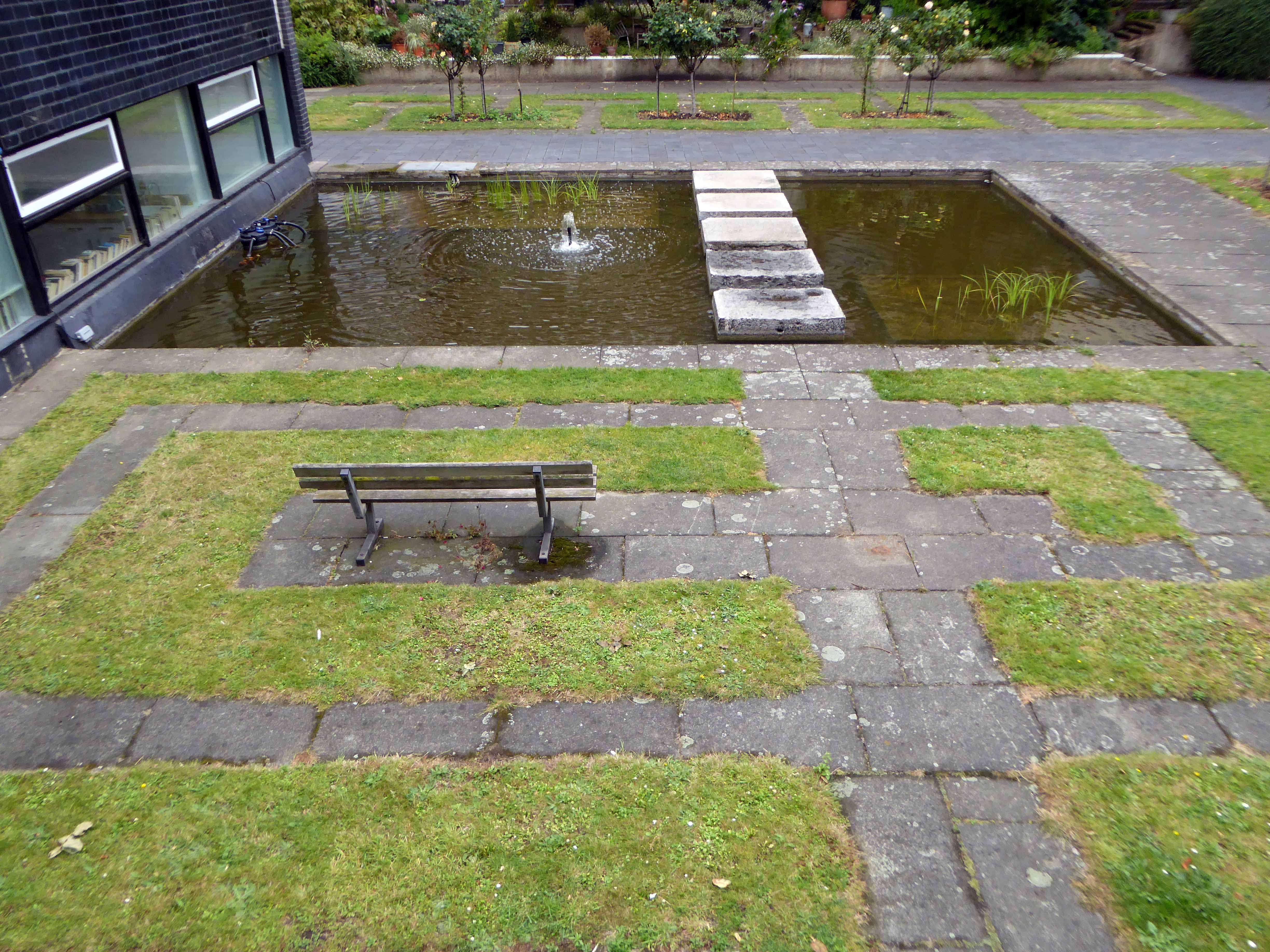
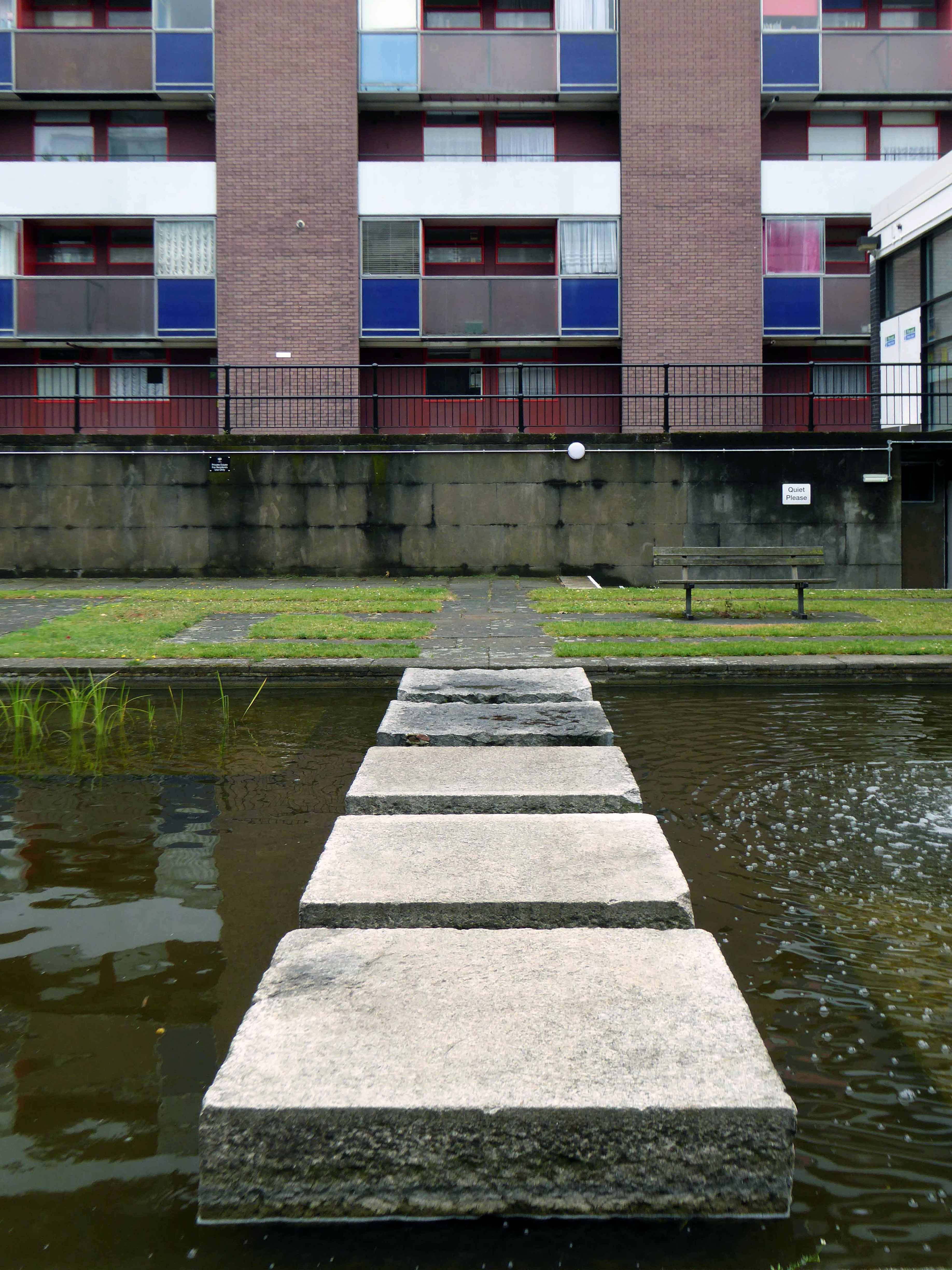
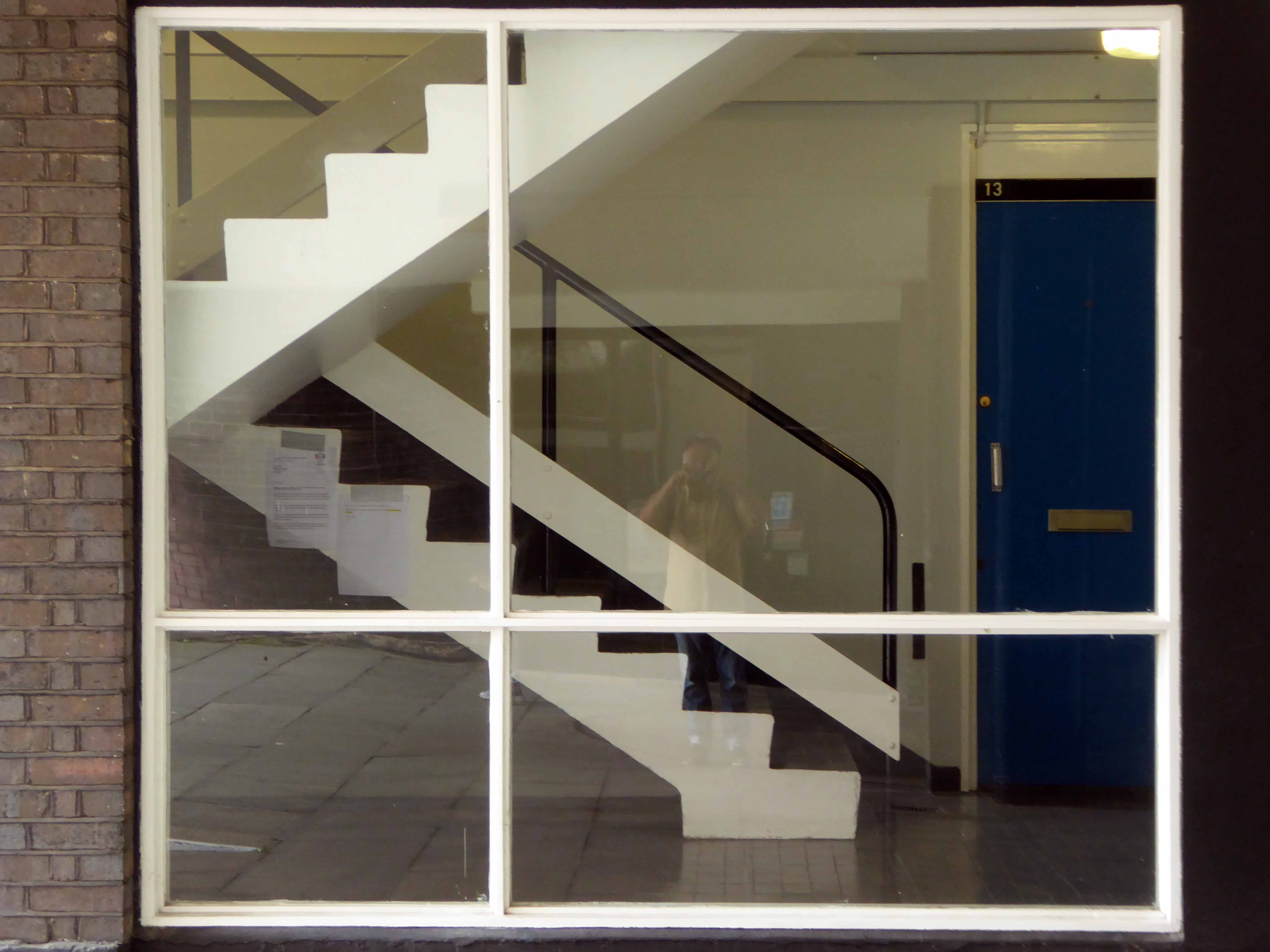
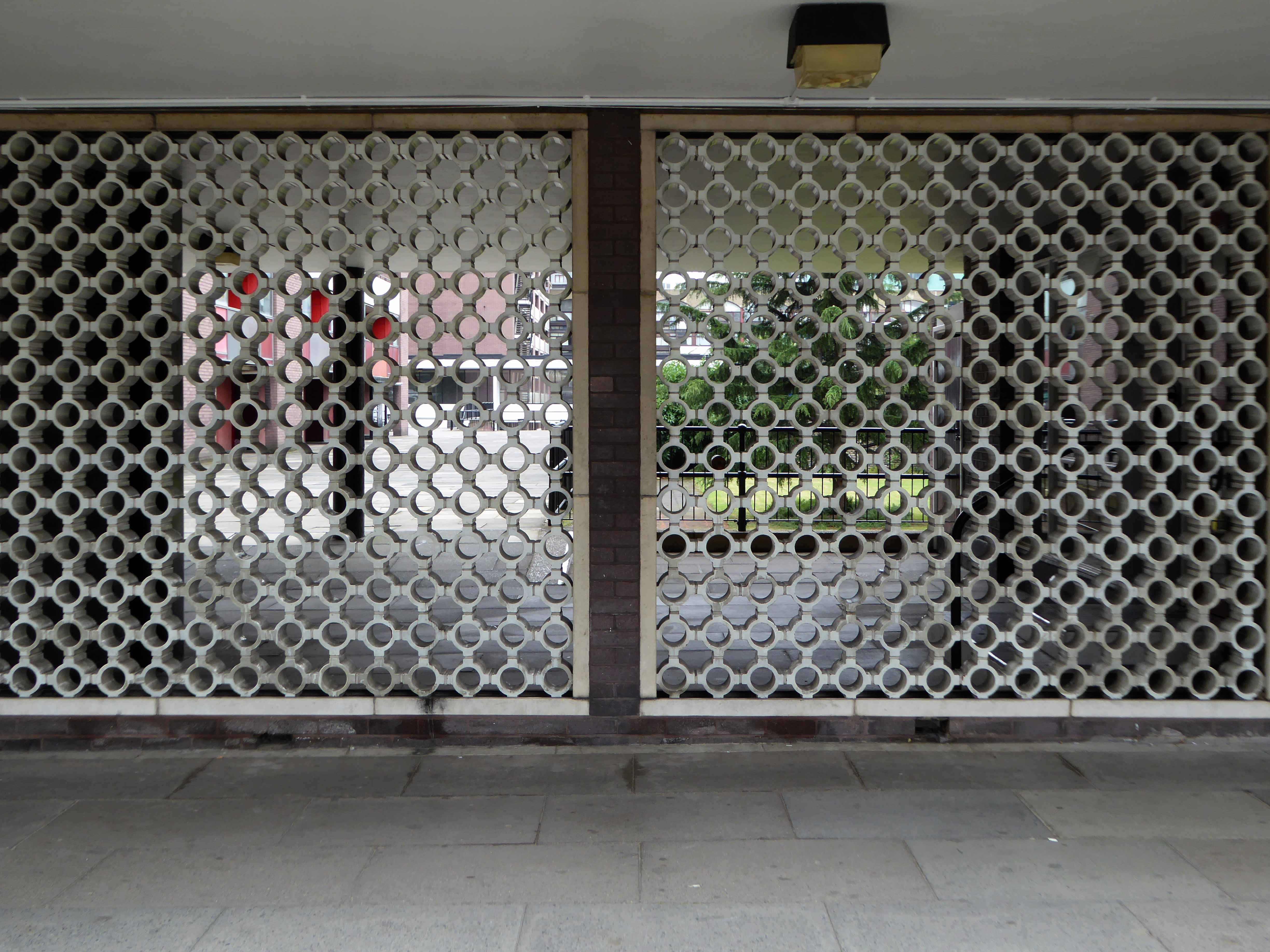
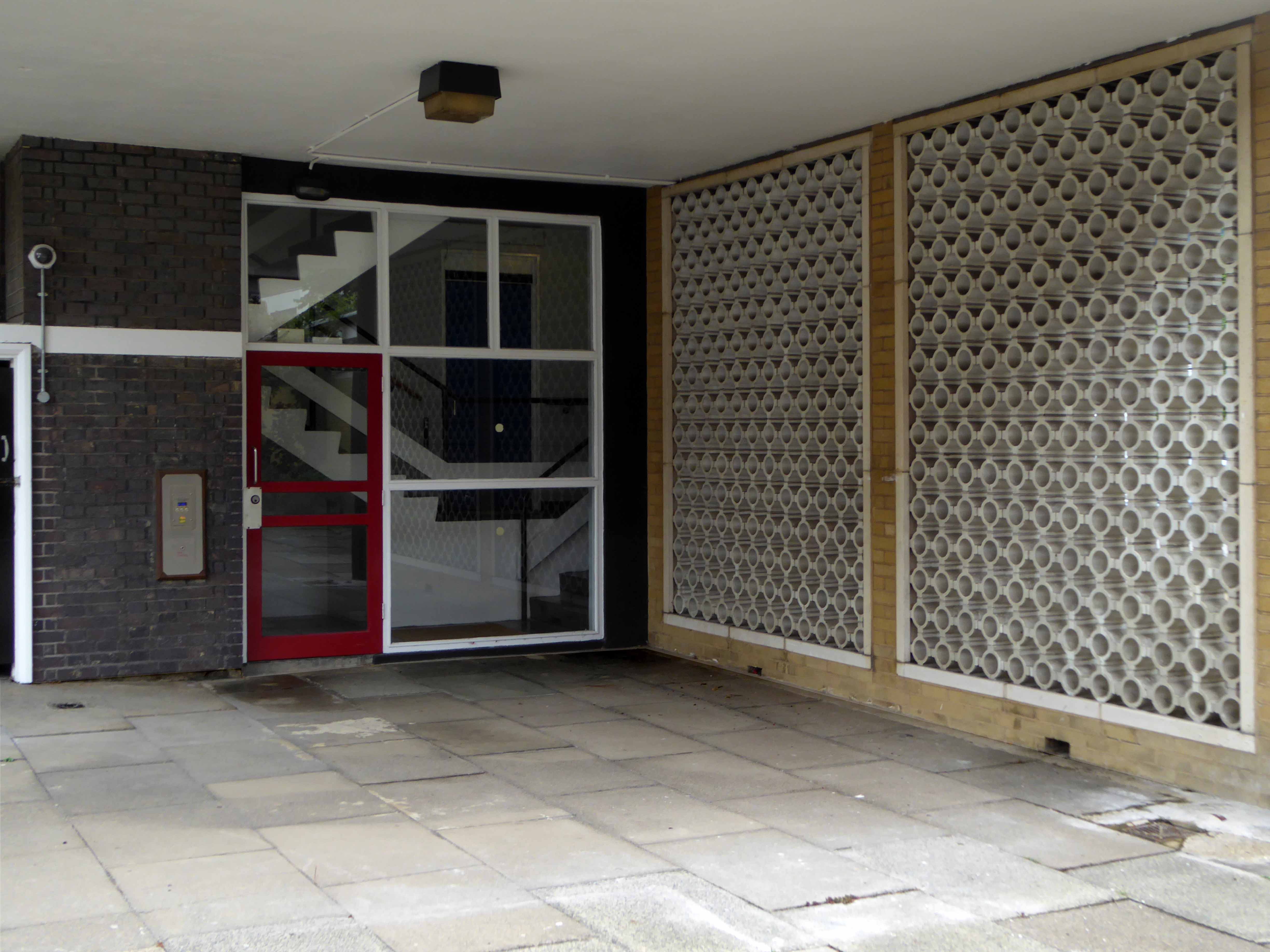
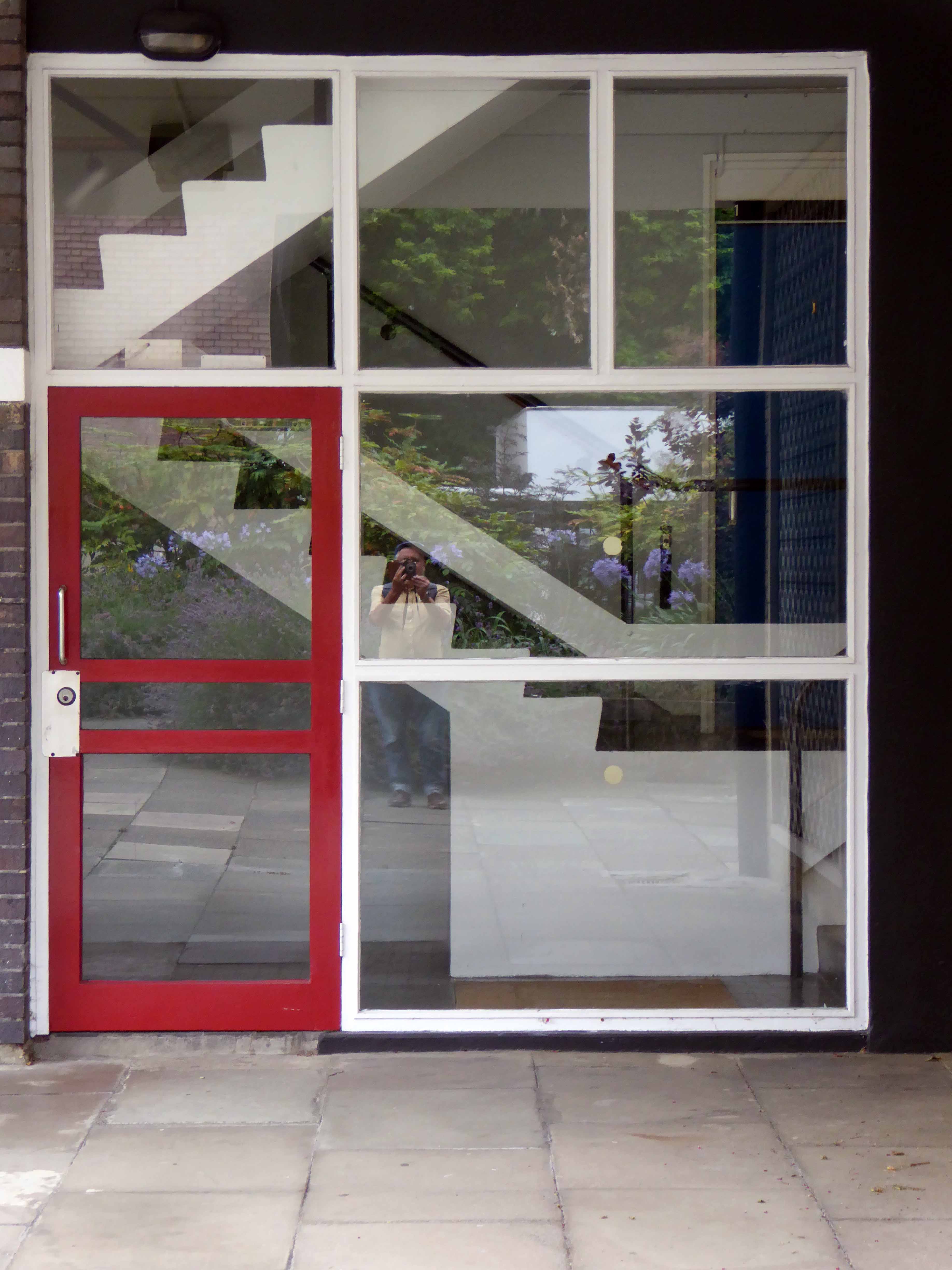
I stuck around too take a look, struck by the variety of scale, detail and space within a relatively tight integrated development. Mature greenery abounds along with a delightful water feature.
It would appear that following the 70s right to buy the estate is a 50/50 mix of social and private ownership, relatively trouble free and well maintained, something of an anomaly in our go-ahead, left behind land.