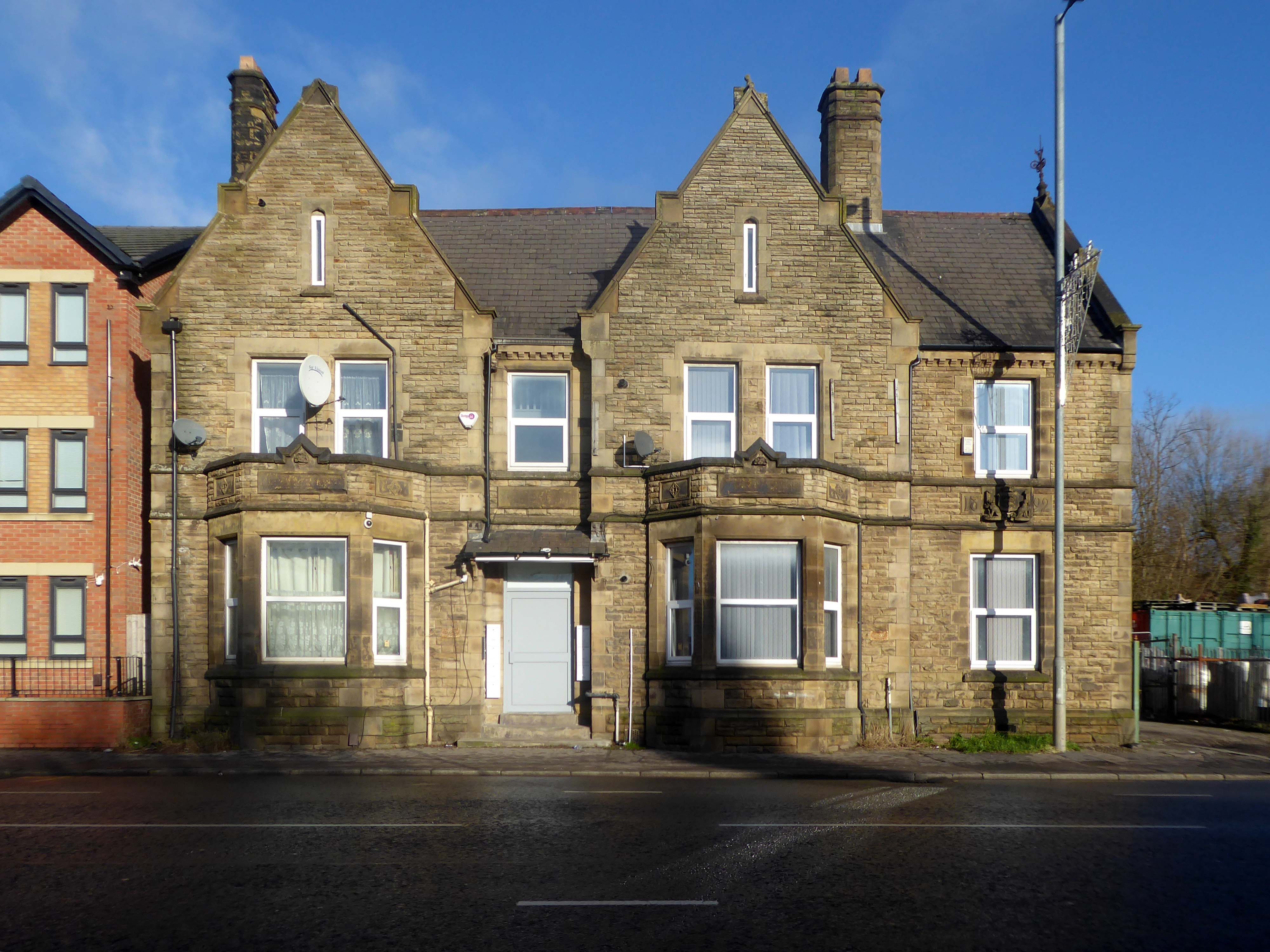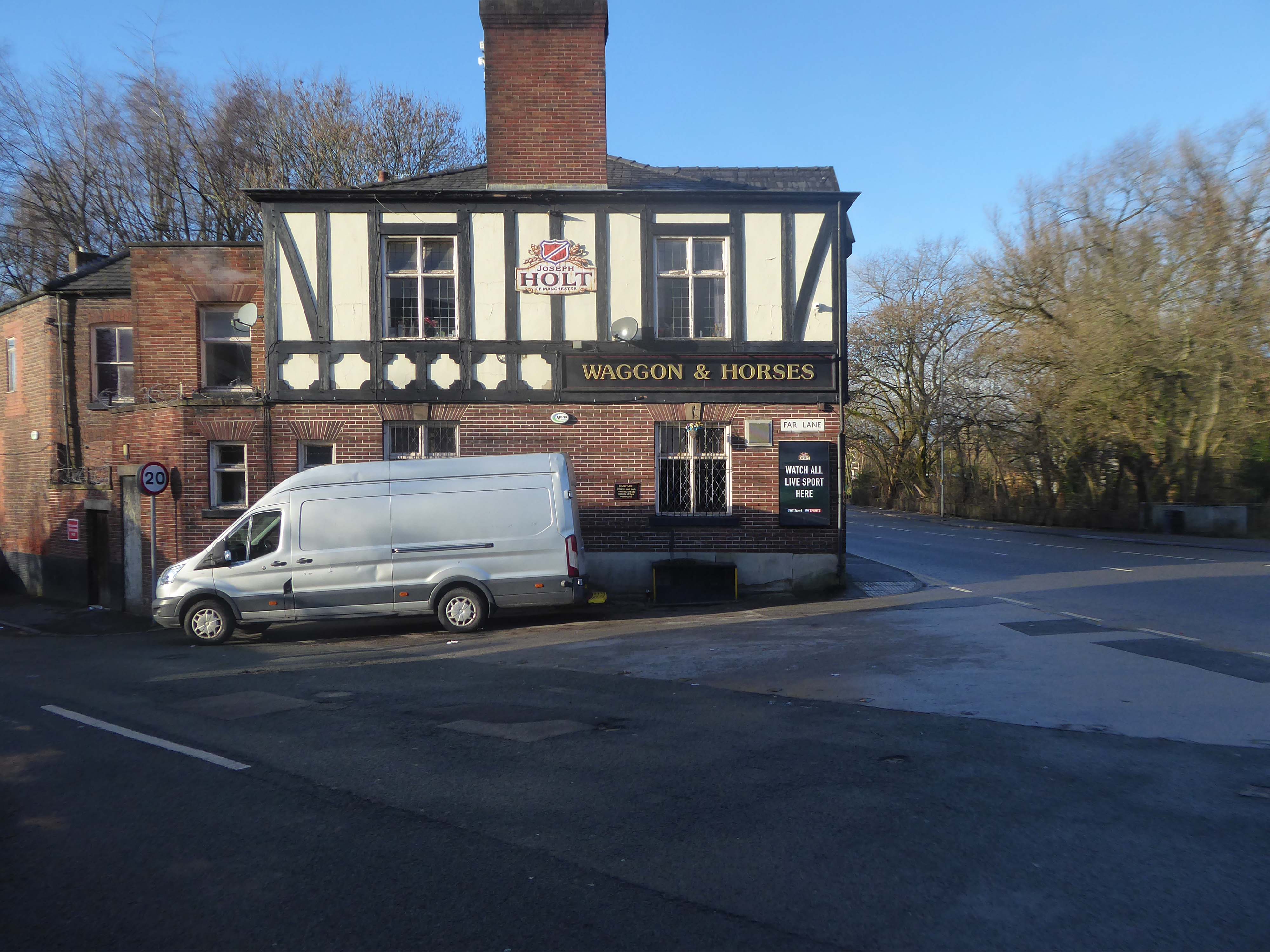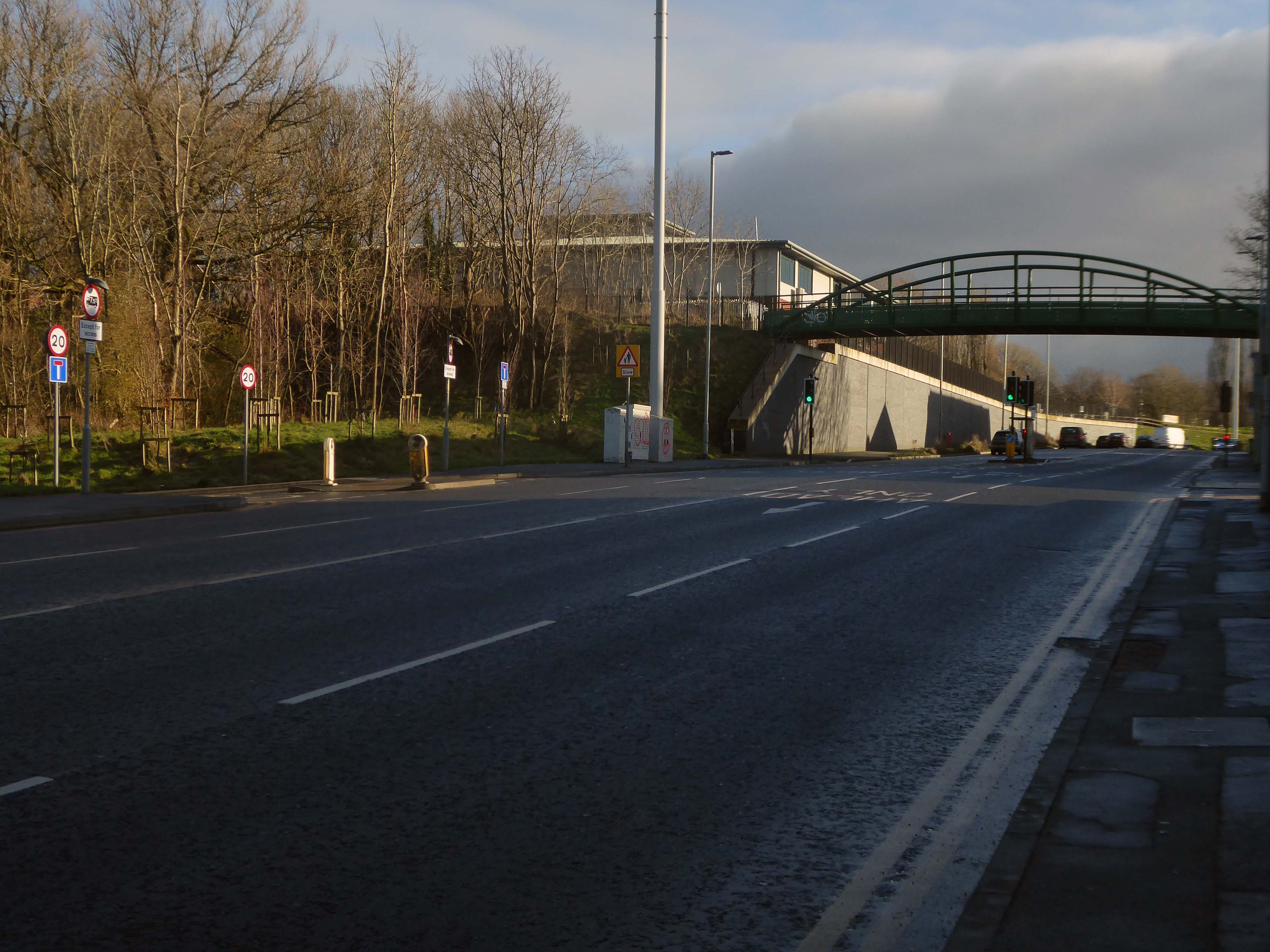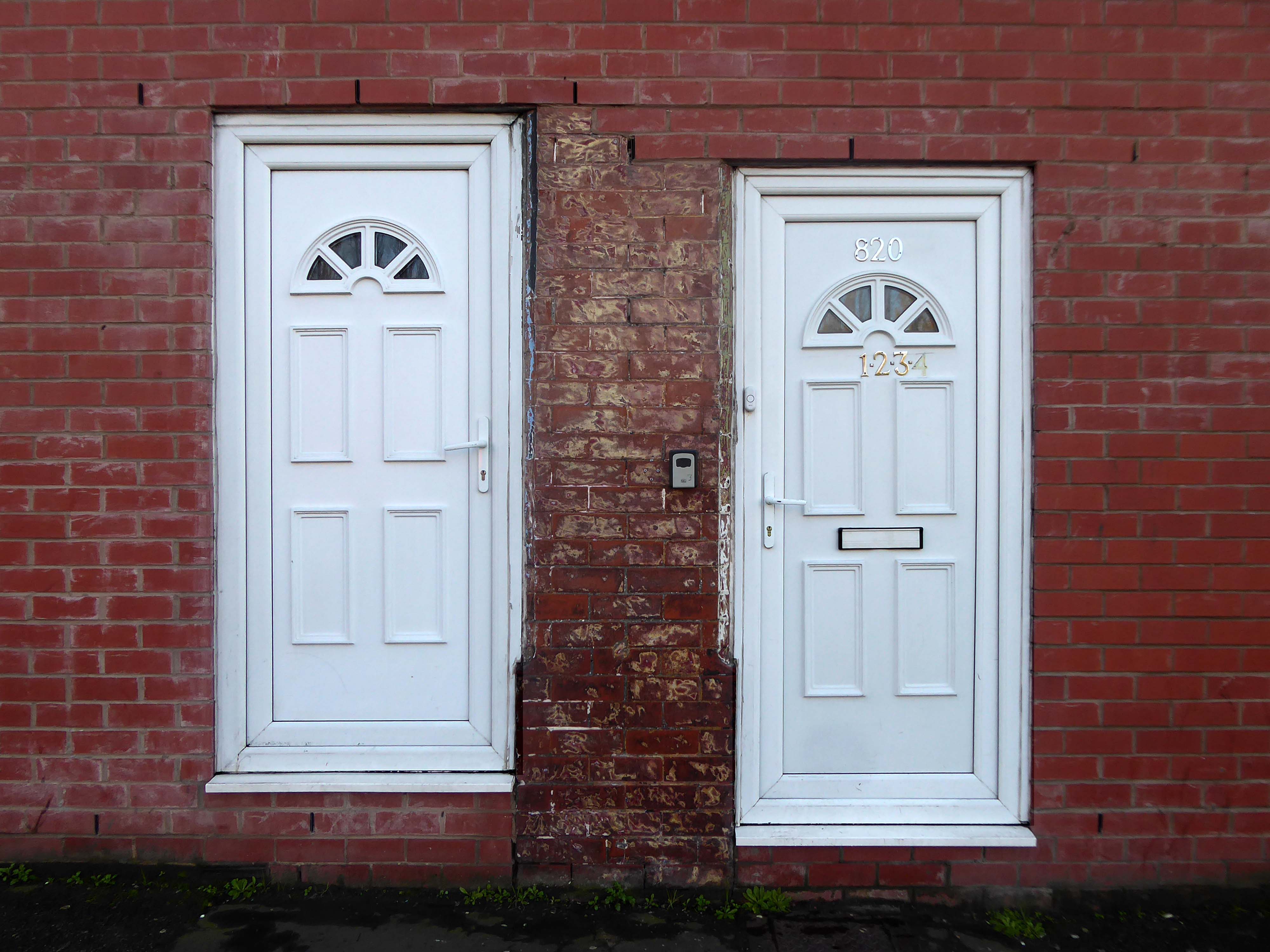
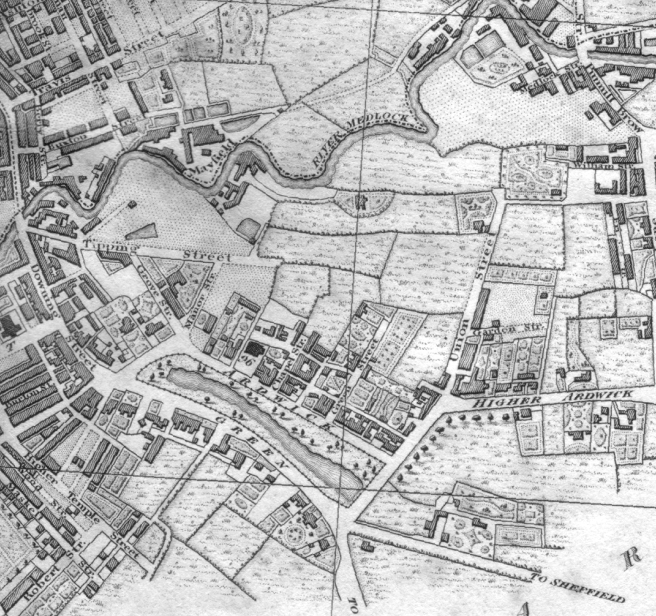
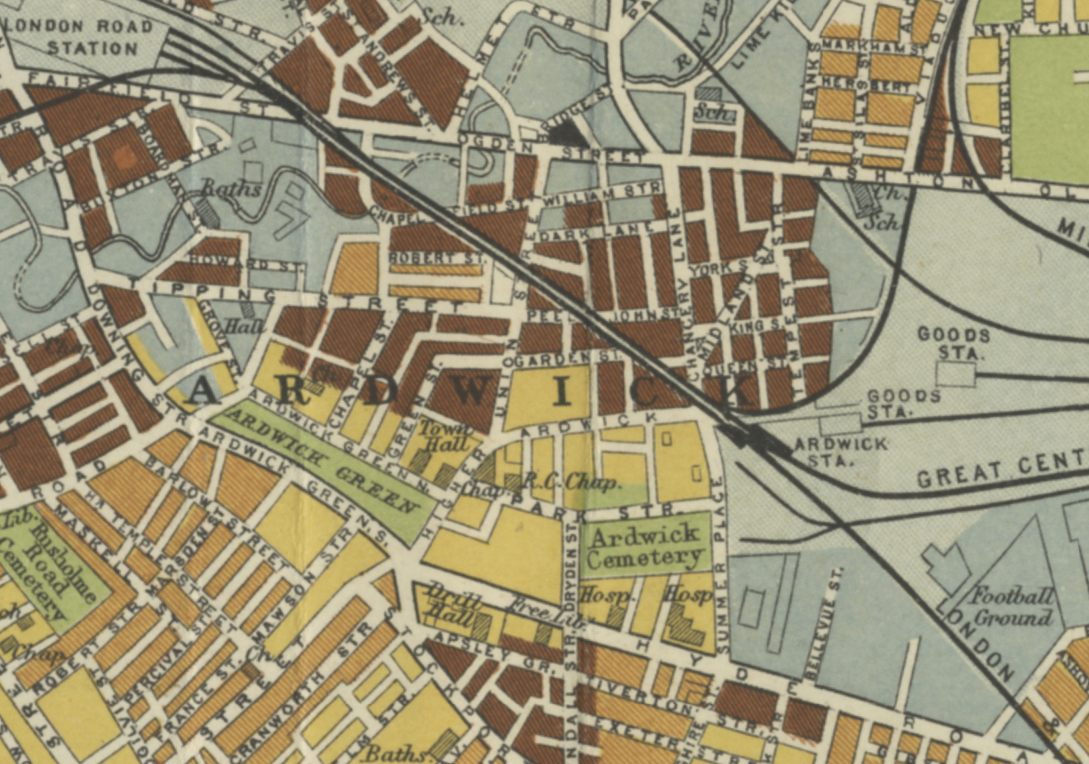
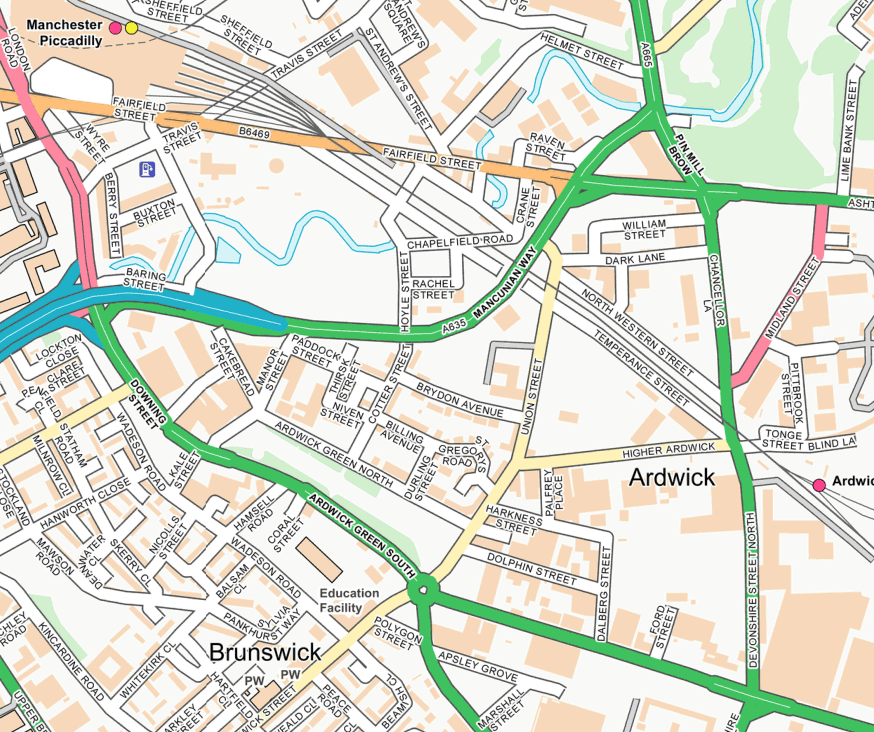
Ardwick Walk Again

1824

1904

2025

Previously in February 2022 I walked the fair streets of Ardwick.

Three and a bit years on it was time to see what had been coming and going on.

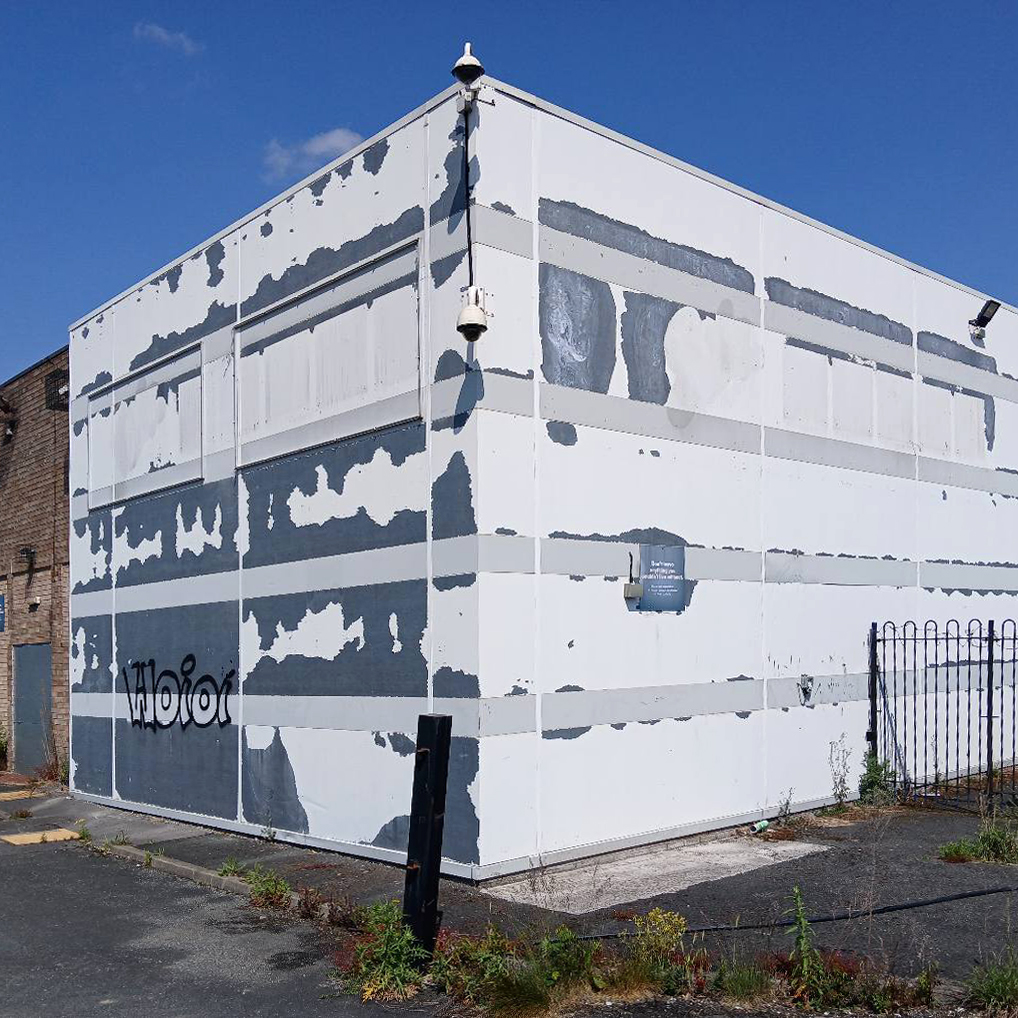
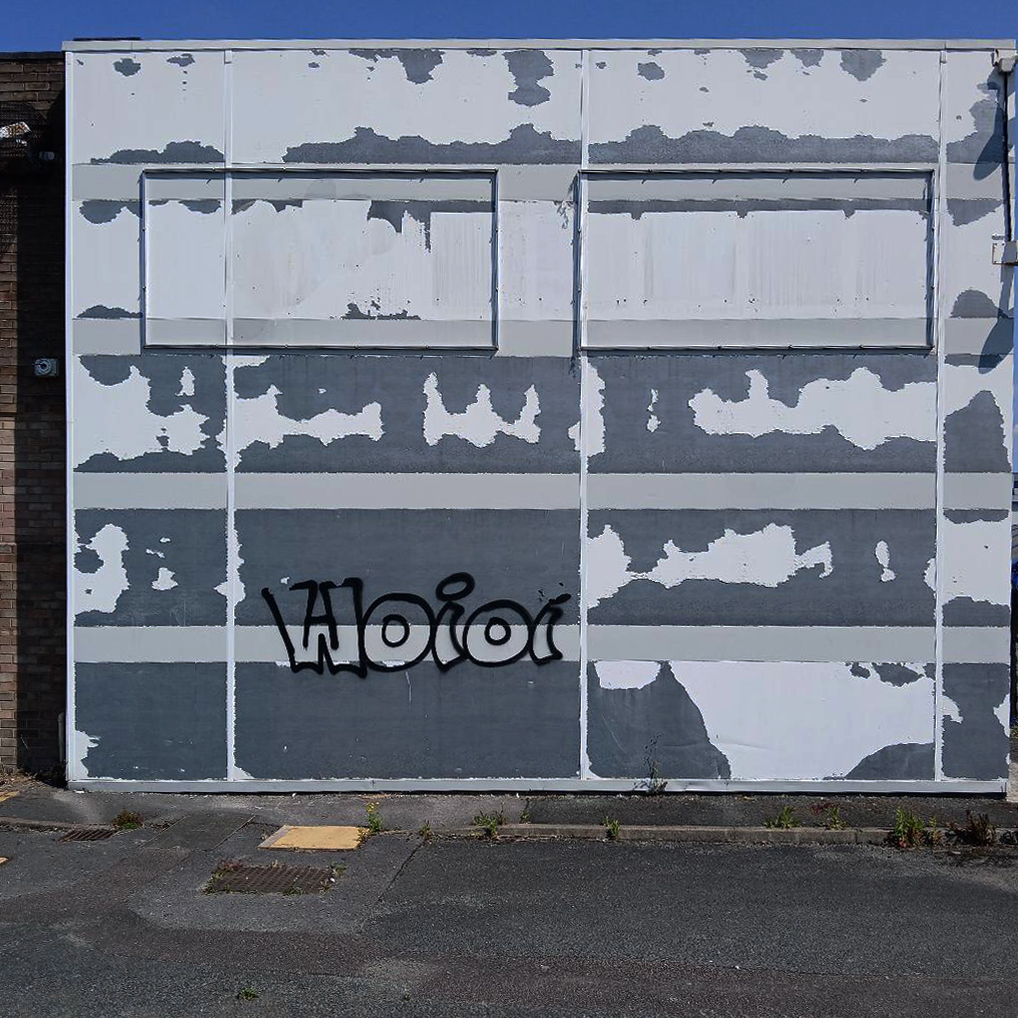
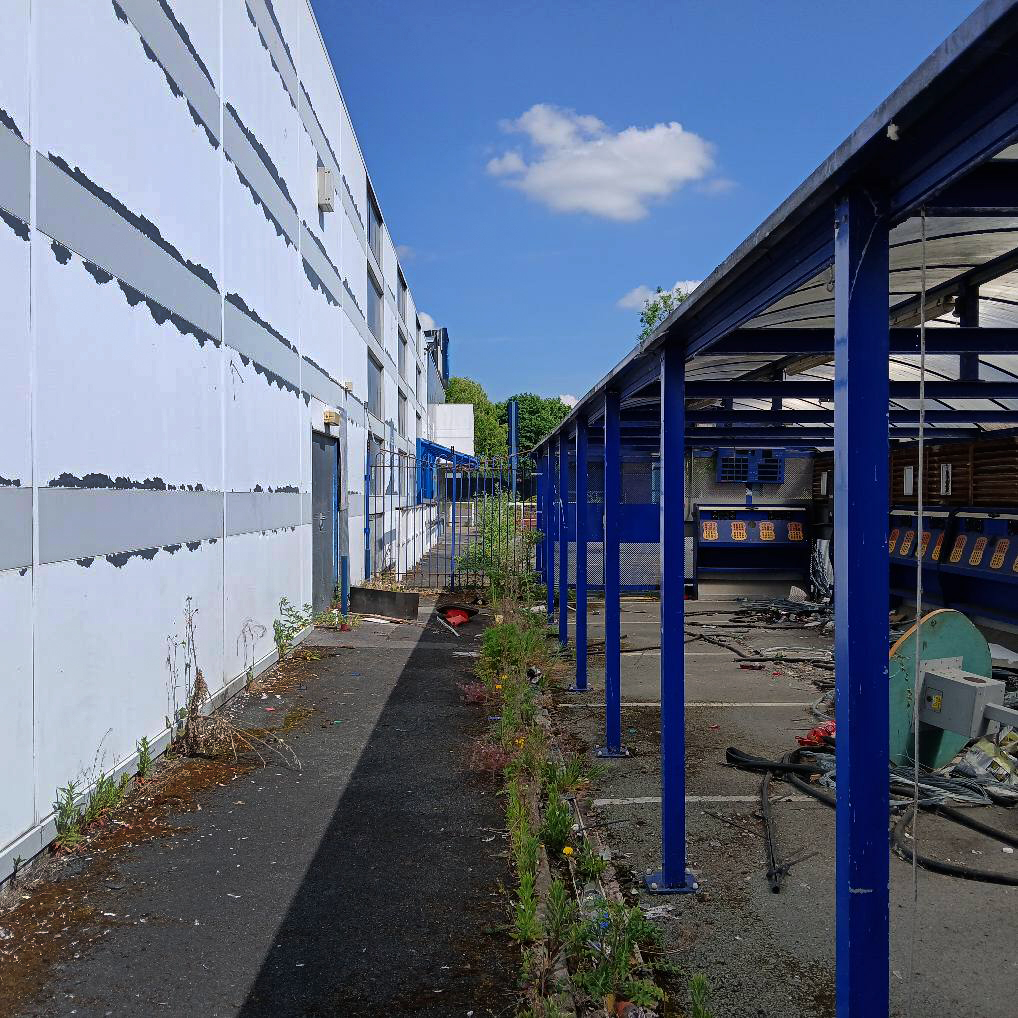
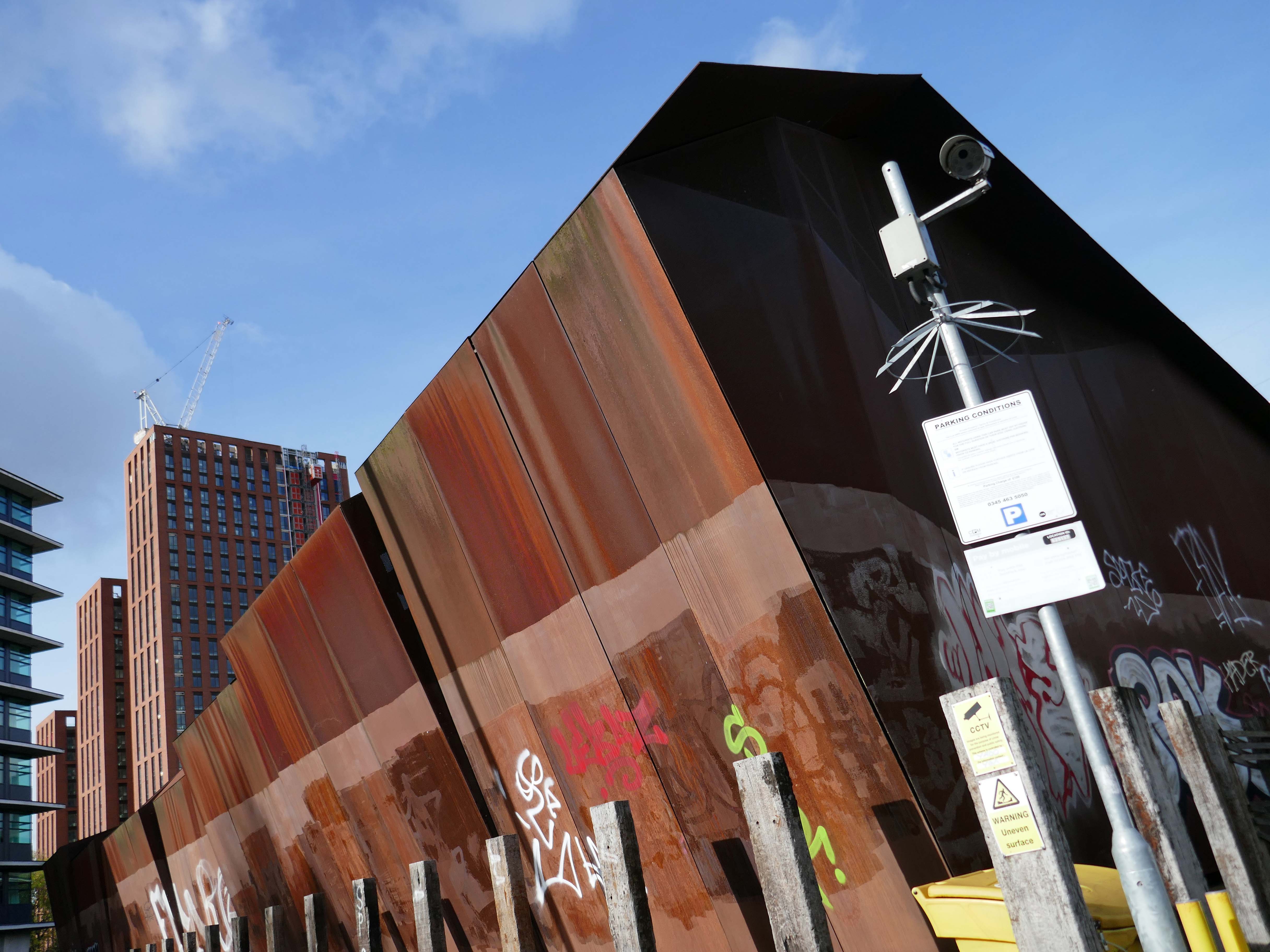
The Central Manchester Primary Substation on Travis Street is still there.

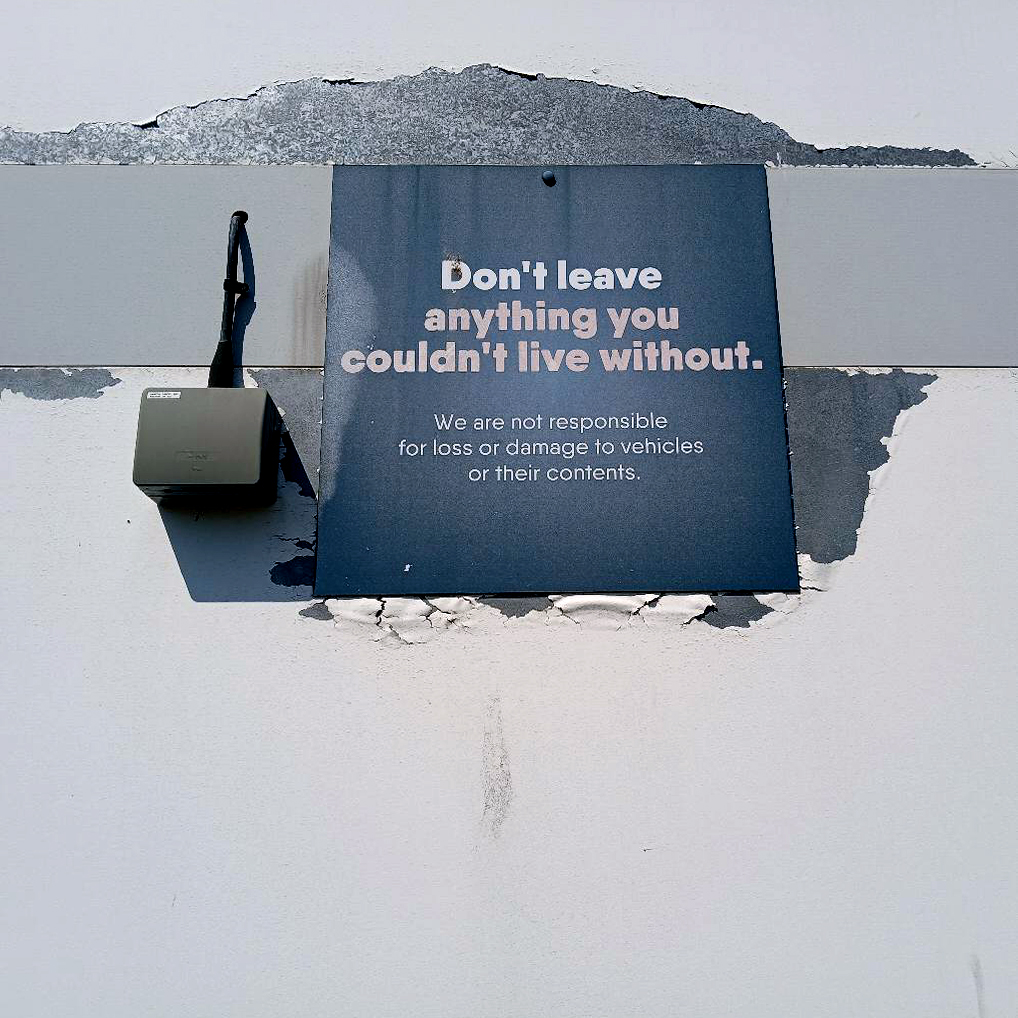
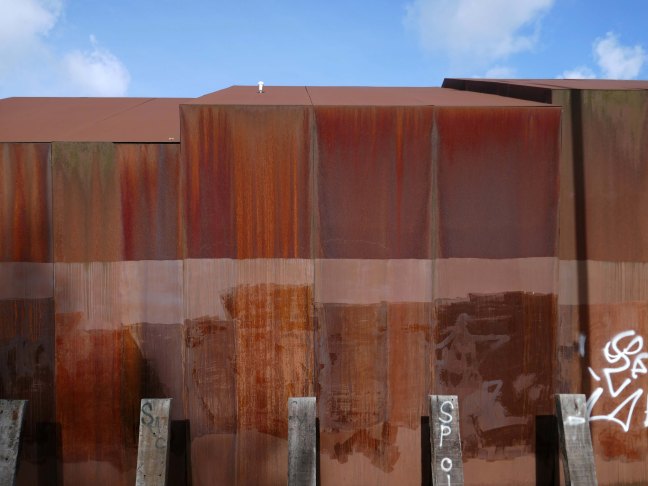
The building was cladded with a COR-TEN® steel envelope, the nature of which was relatively complex.

Corten steel sets itself apart due to the inclusion of unique alloying elements: chromium, nickel, copper and added phosphorous which gives the steel its self-protecting properties.

Architect: Walker Simpson
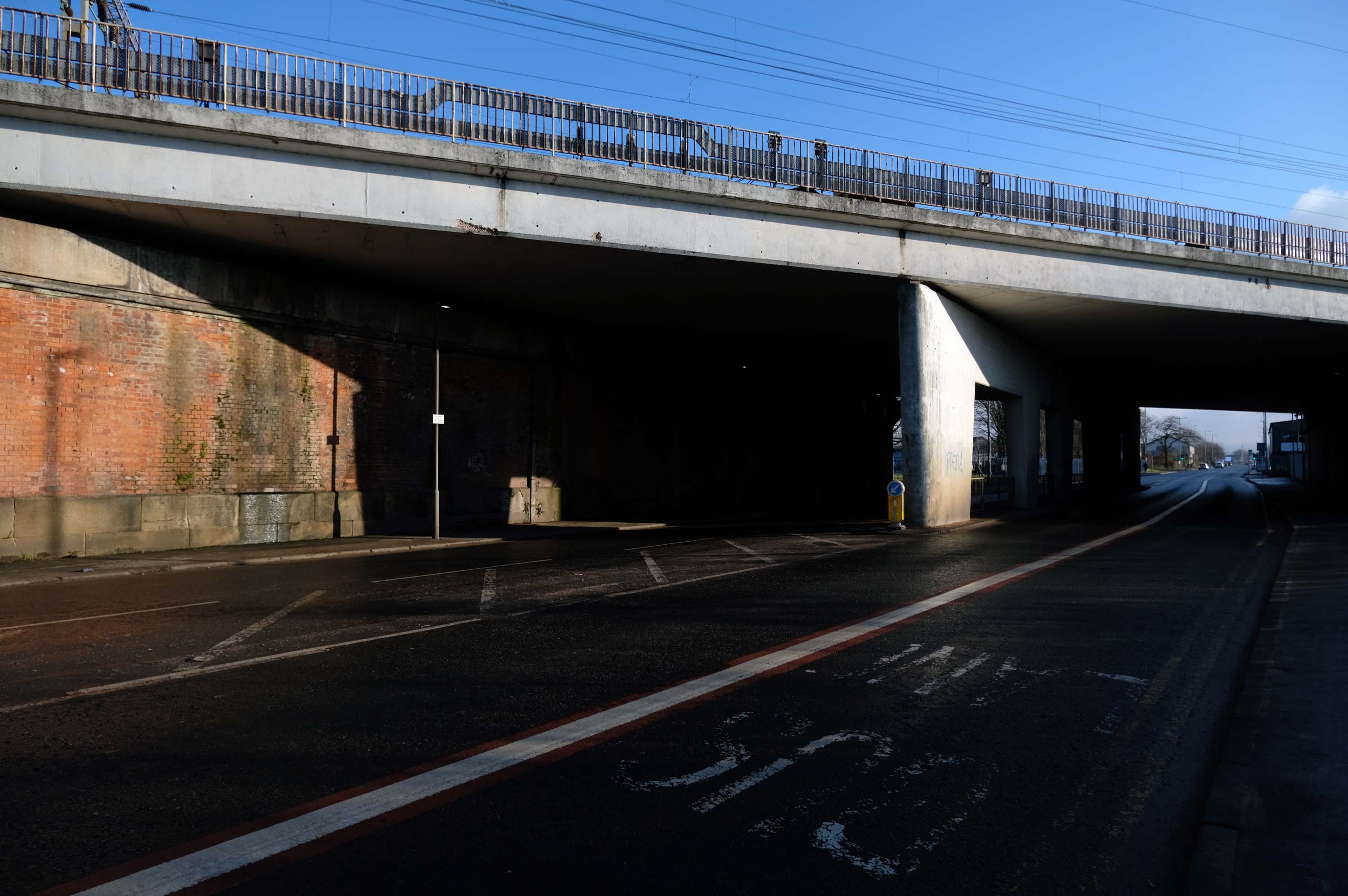
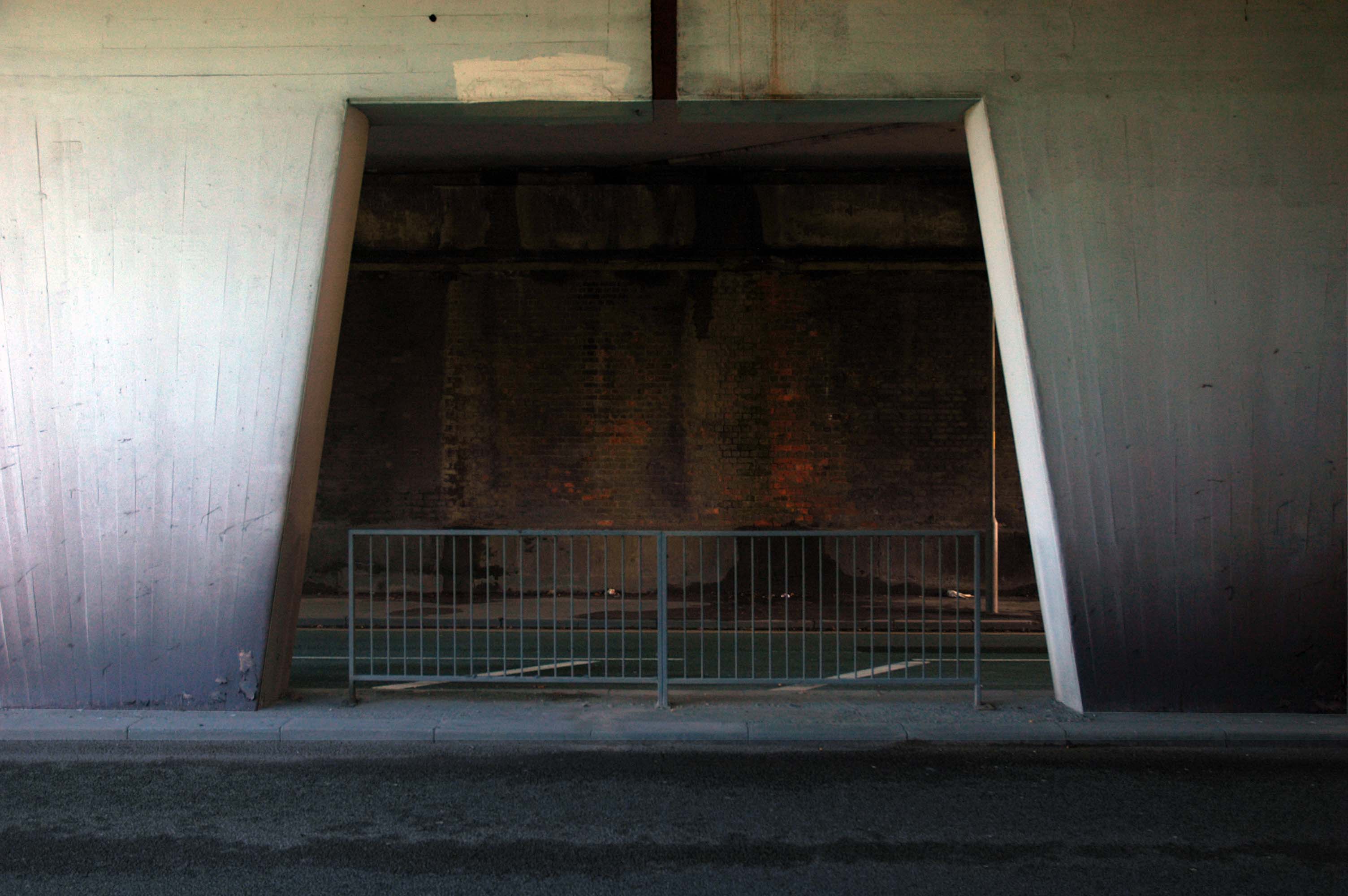
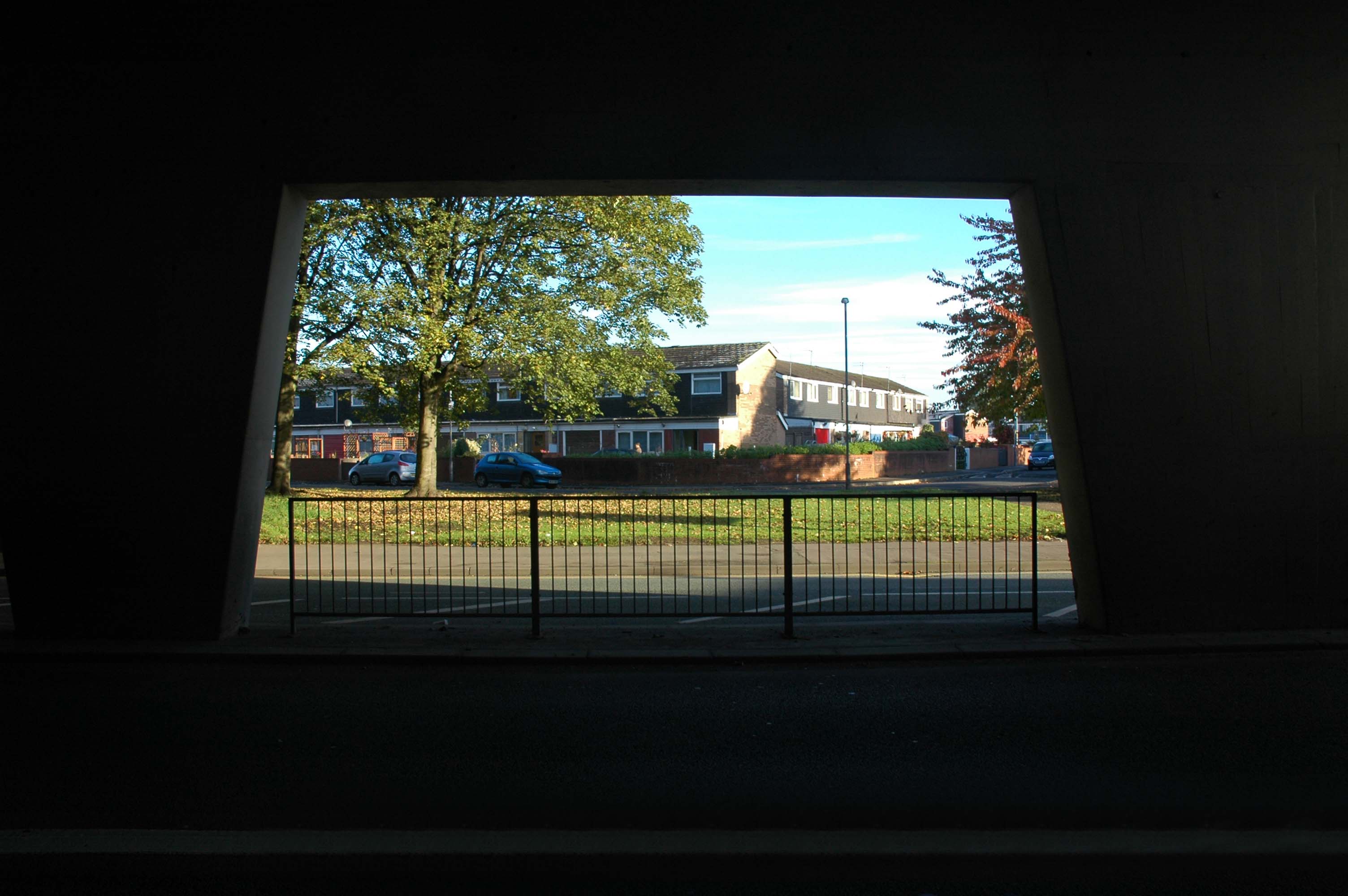
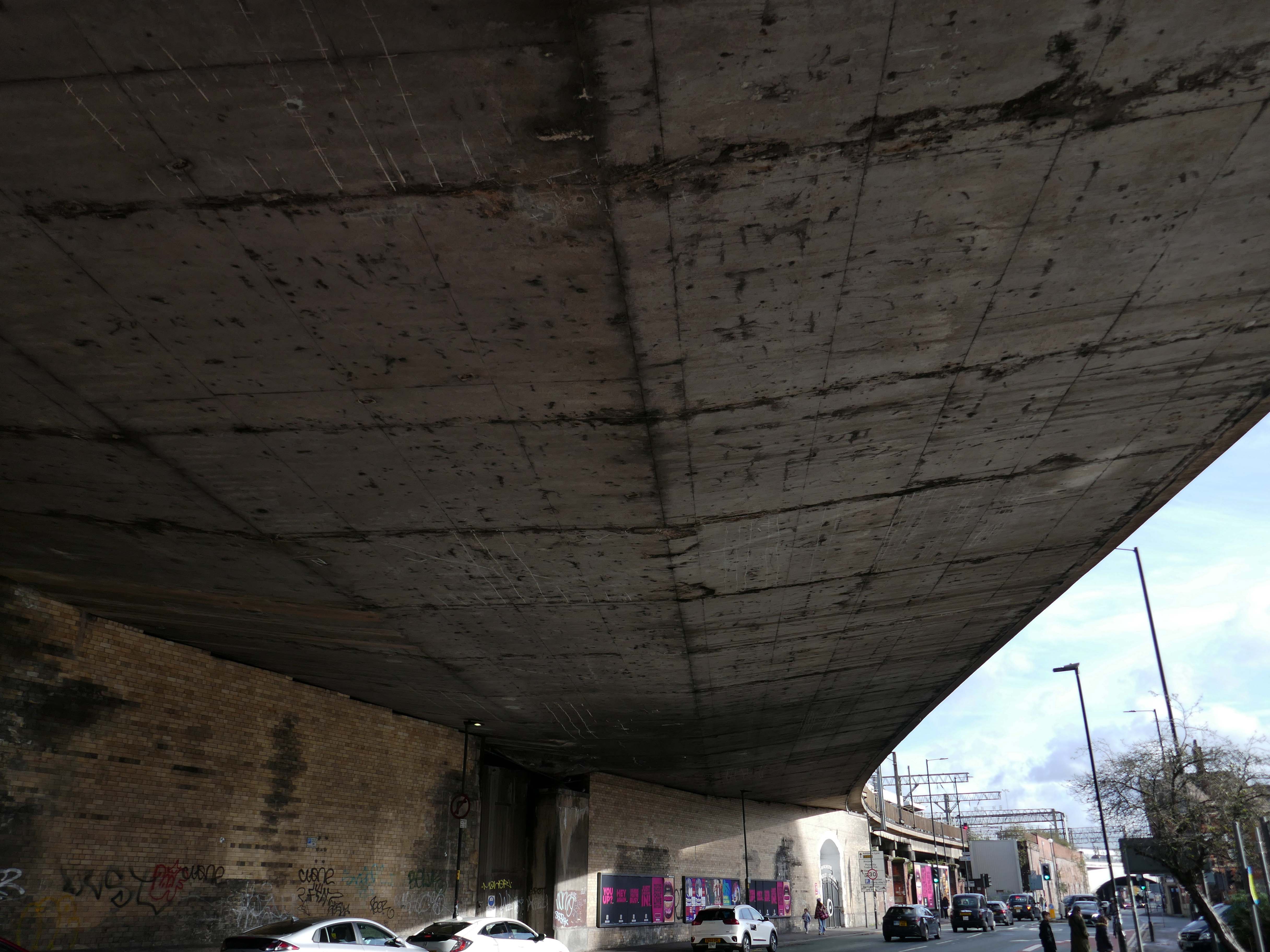
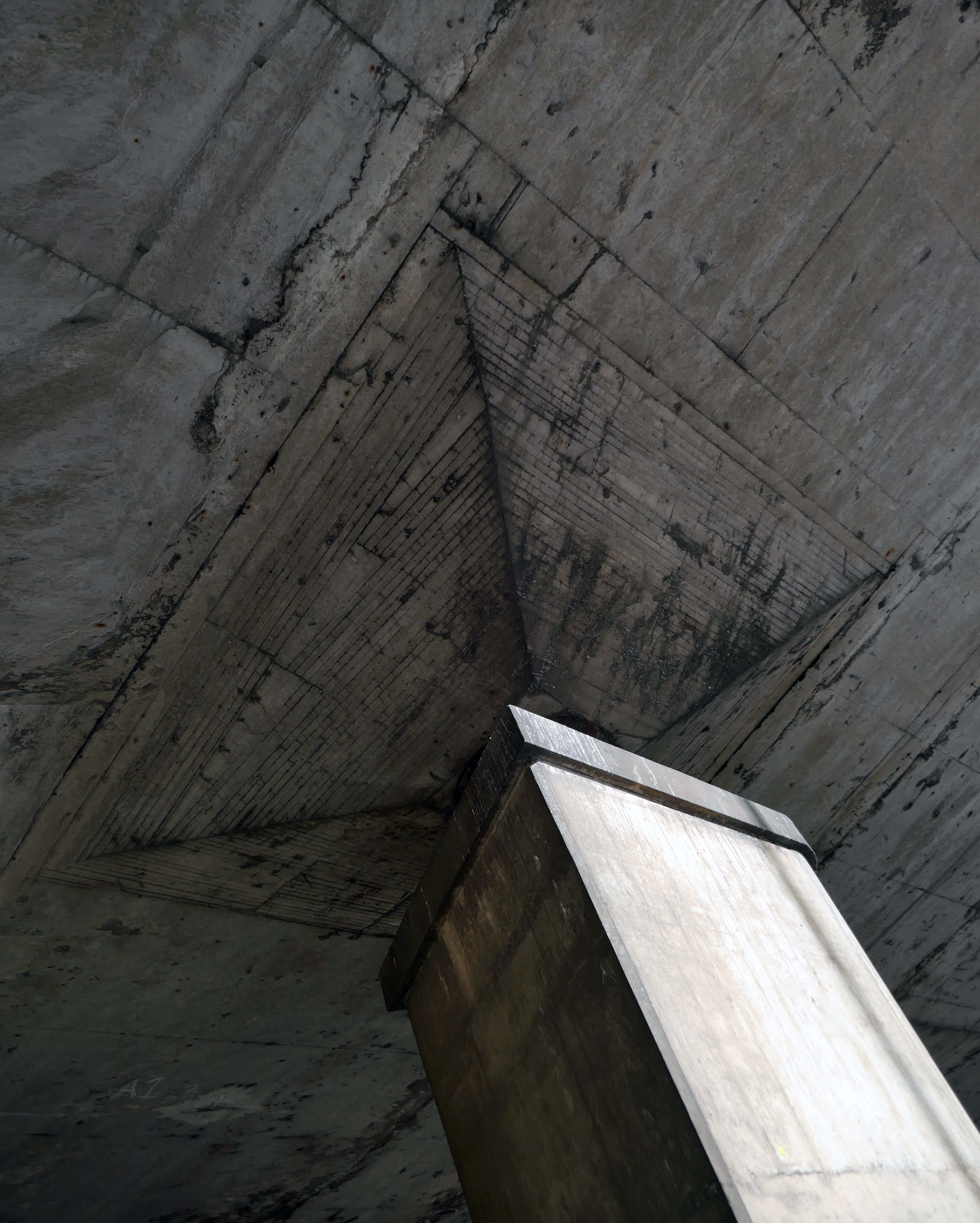
Immediately adjacent are Platforms Thirteen and Fourteen, bridged over the roadway by this vast concrete construction.

Platform 14 is primitive, I understand totally from an infrastructure standpoint because it’s on a bypass line on a bridge, but it gets too overcrowded and is windswept. The rest of the station is ok. Platforms 13/14 have not changed in 40 years, grim.
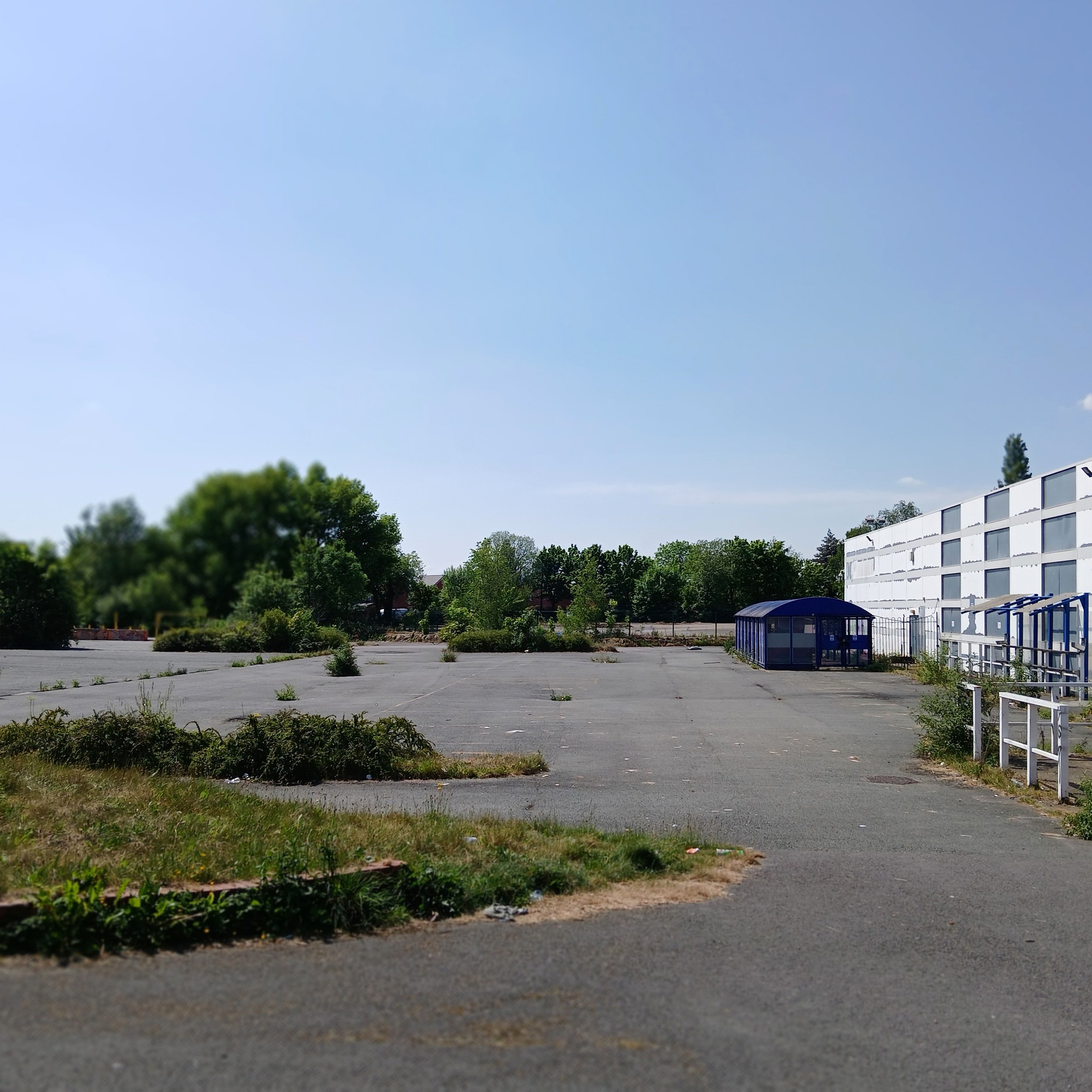
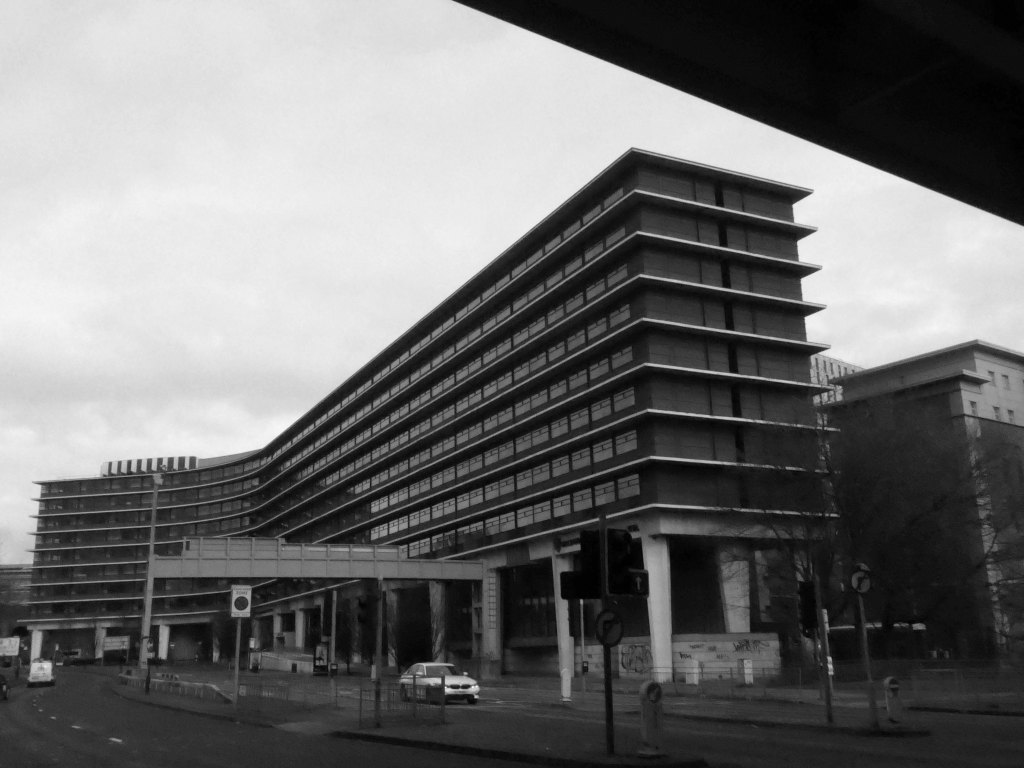
We the pass to the former BT Building – architects JW Hammond 1973.

Originally conceived as a hotel, there were no takers at the time, so it became the BT HQ.

Currently Marriot Hotel Piccadilly

Comprising 338 rooms, Manchester Marriott Hotel Piccadilly is near a shopping district, a 10-minute ride from Etihad Stadium. Offering a location right in the centre of a beautiful neighbourhood, this comfortable hotel boasts a lounge bar along with city views.
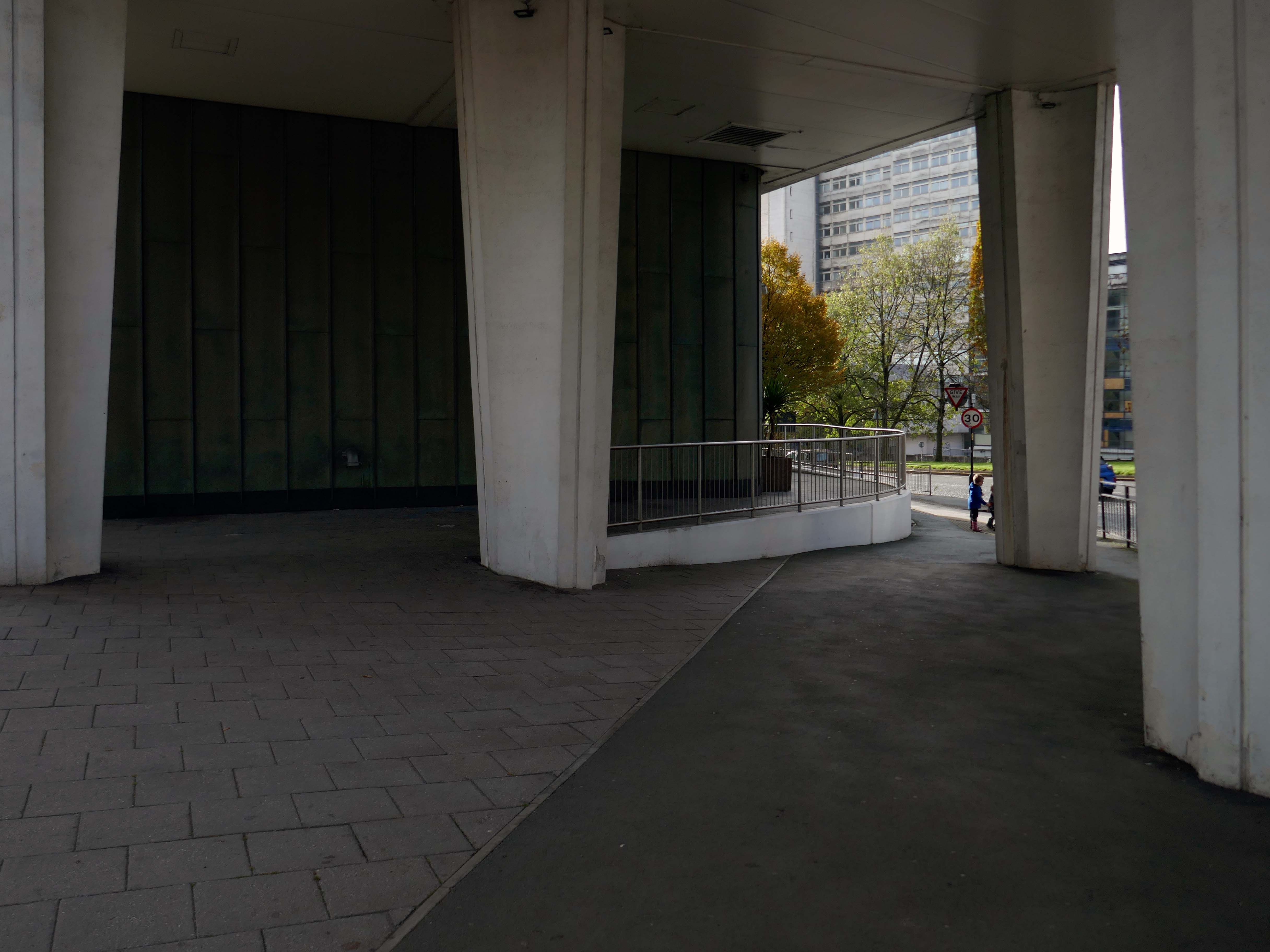
It is supported on the most magnificent piloti.
Over the road the Holloway Wall 1968 – Grade II listed but its remodelling is in the air.

The developer’s architects now propose to ‘reimagine’ the artwork and incorporate it into the foyer of the new office building. However, this ‘reimagining’ requires large sections of the artwork to be removed by cutting away and ‘folding’ around 30% of the sculpture.
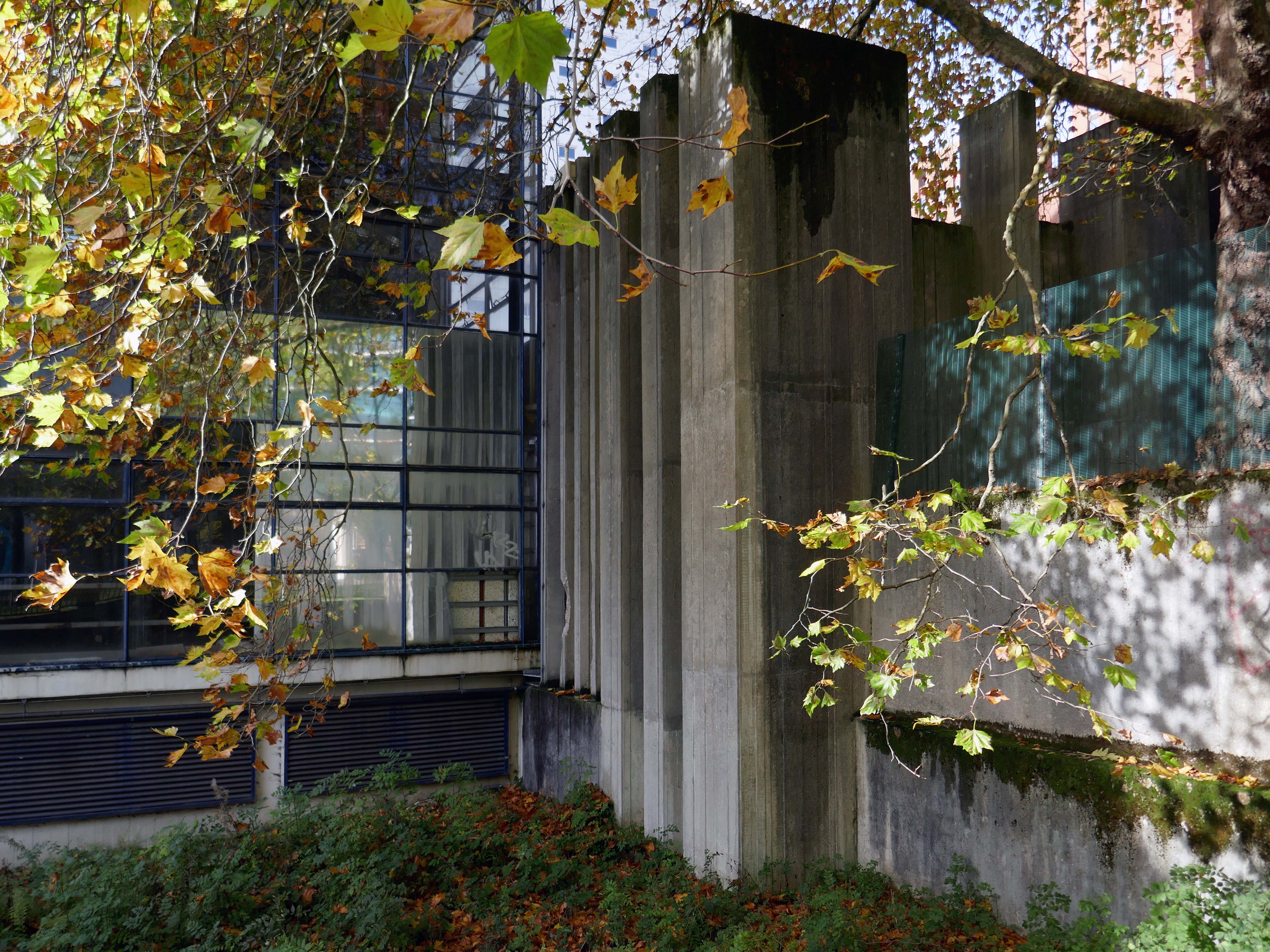
Modernist

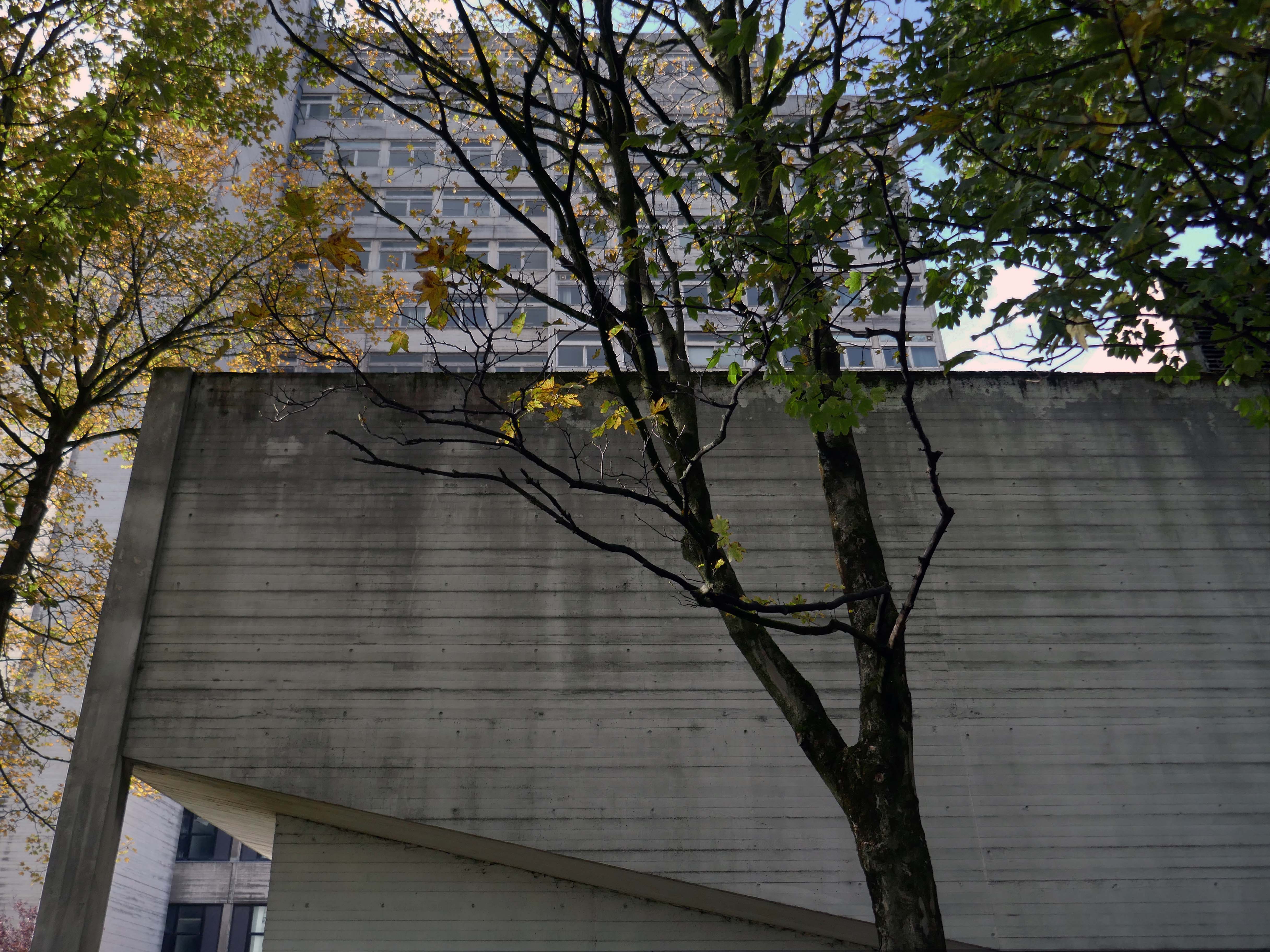
The remainder of the UMIST site is also under threat – only the Renold Building is listed and to be retained intact.

Lecture Theatre, along with the Maths and Sciences Building.
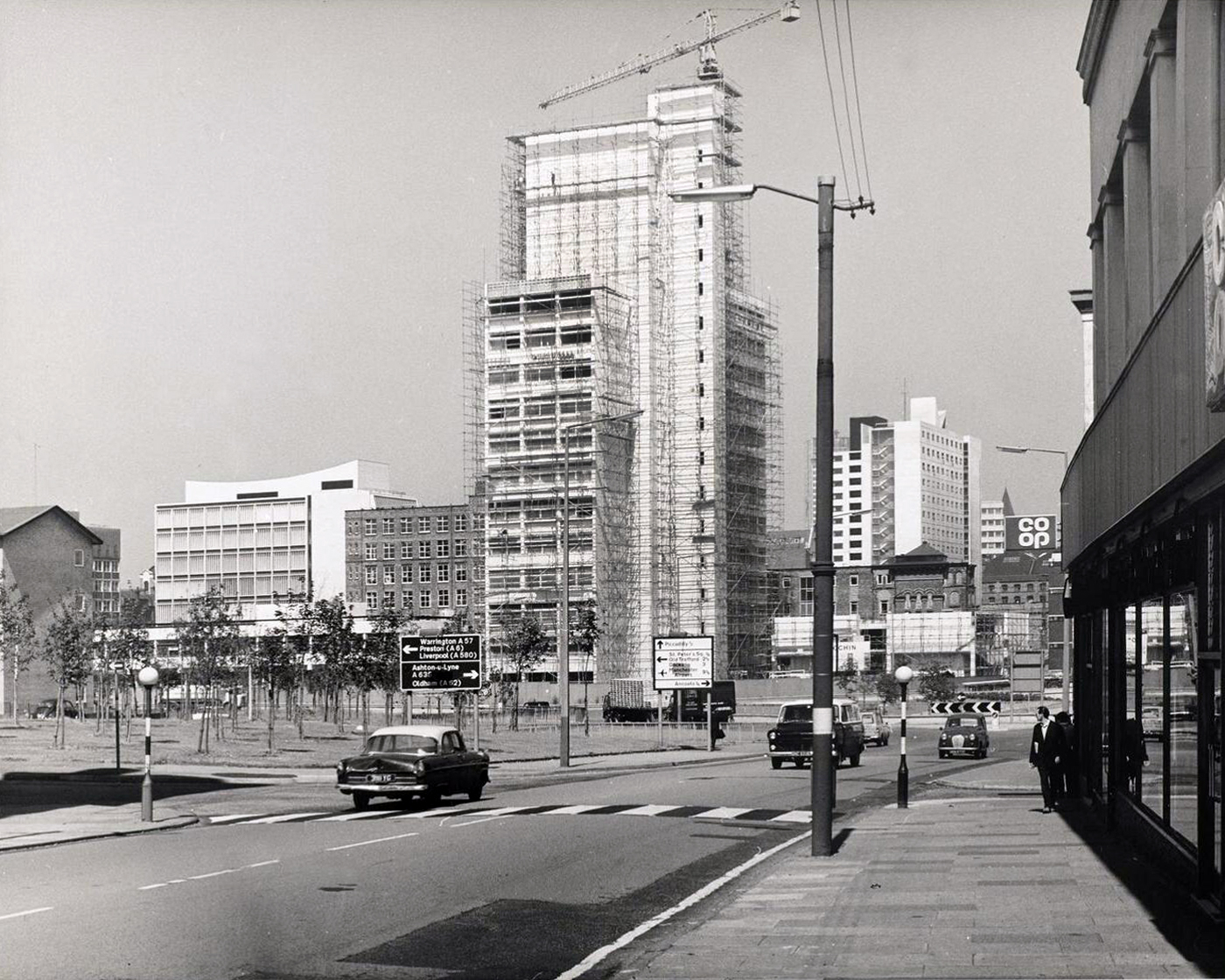
Seen here under construction before the arrival of the Mancunian Way extension.
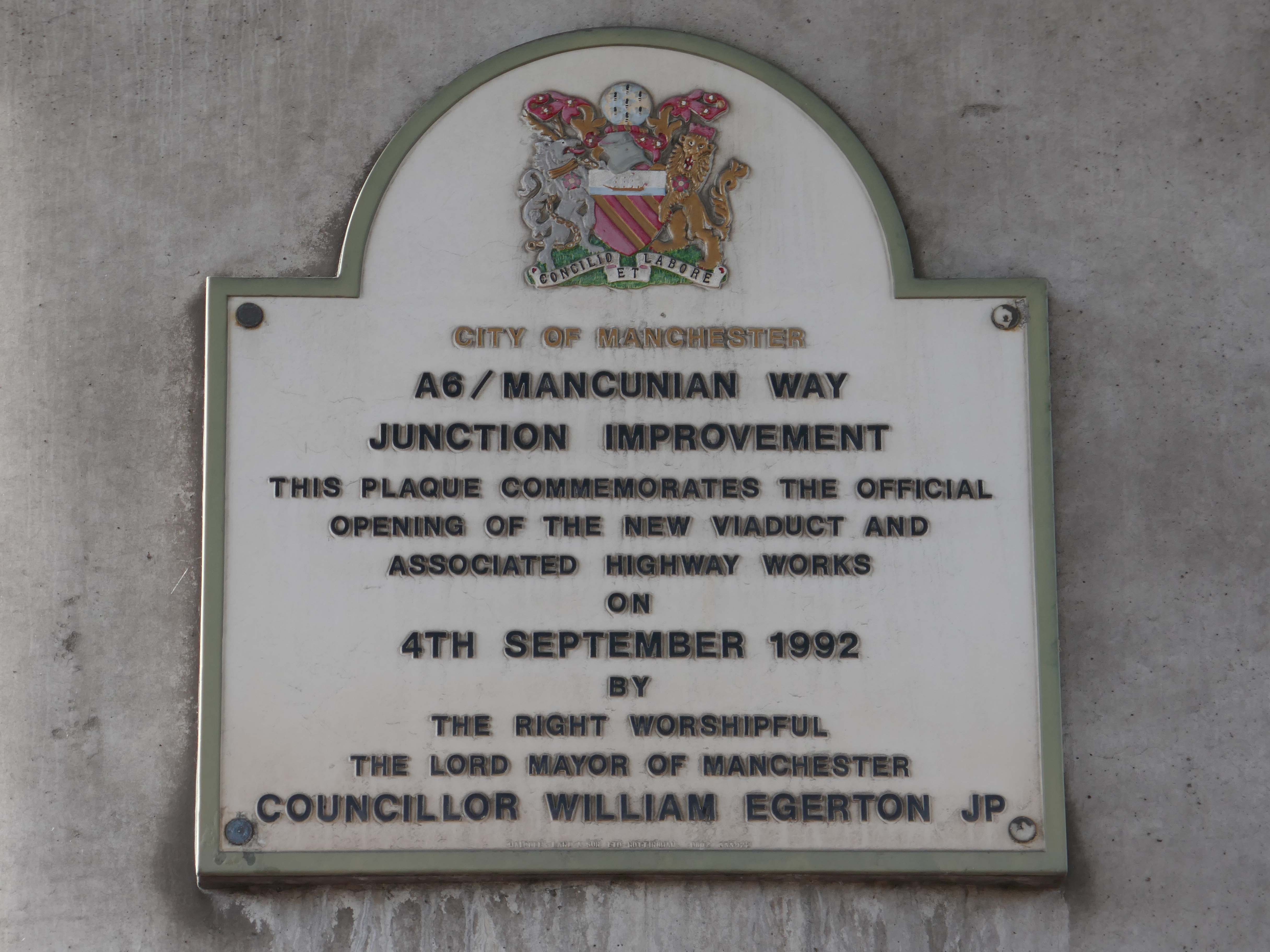
The Mancunian Way extension opened in 1992.
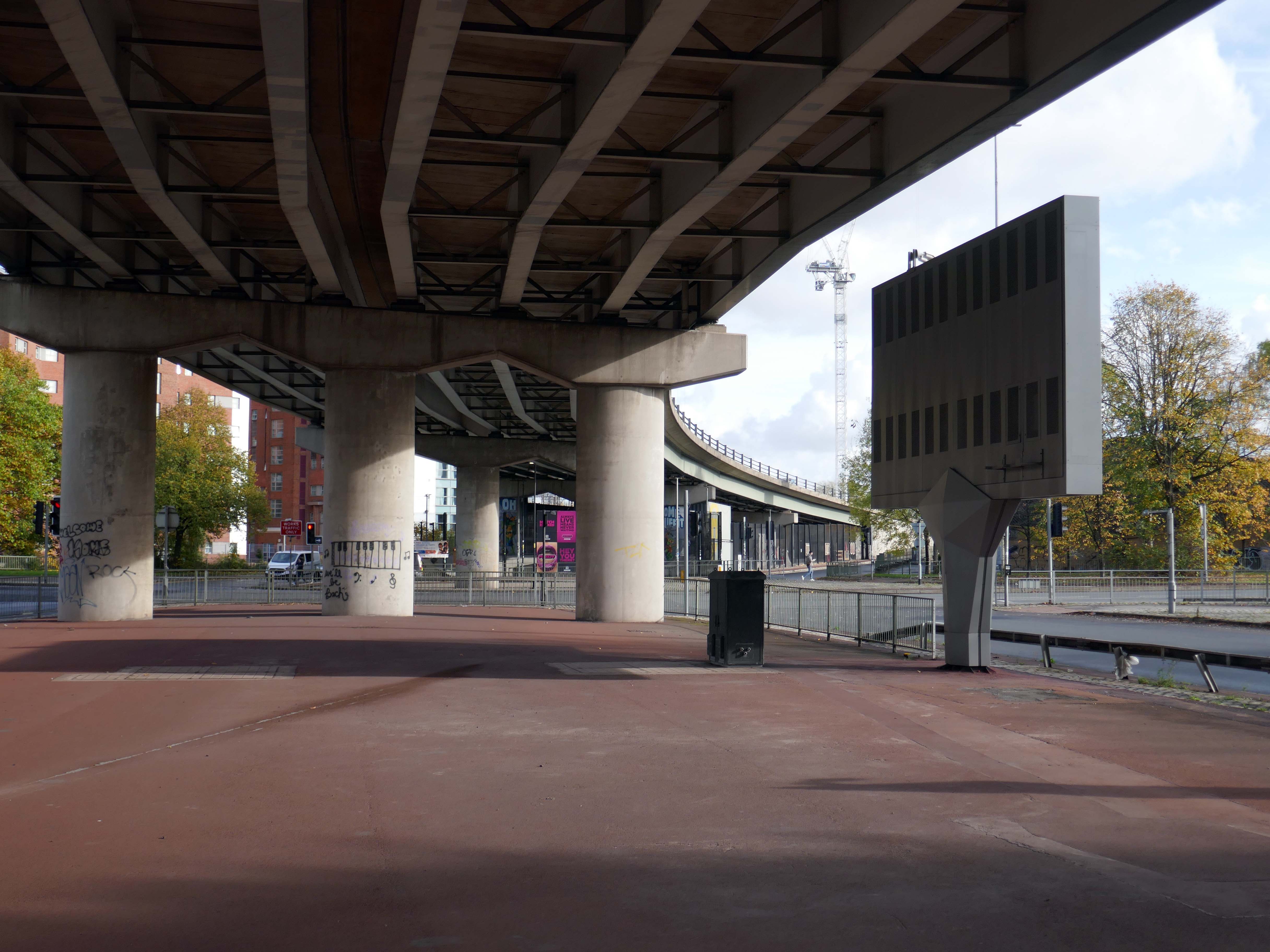
From beneath the roadway we can see the Ferranti Building.
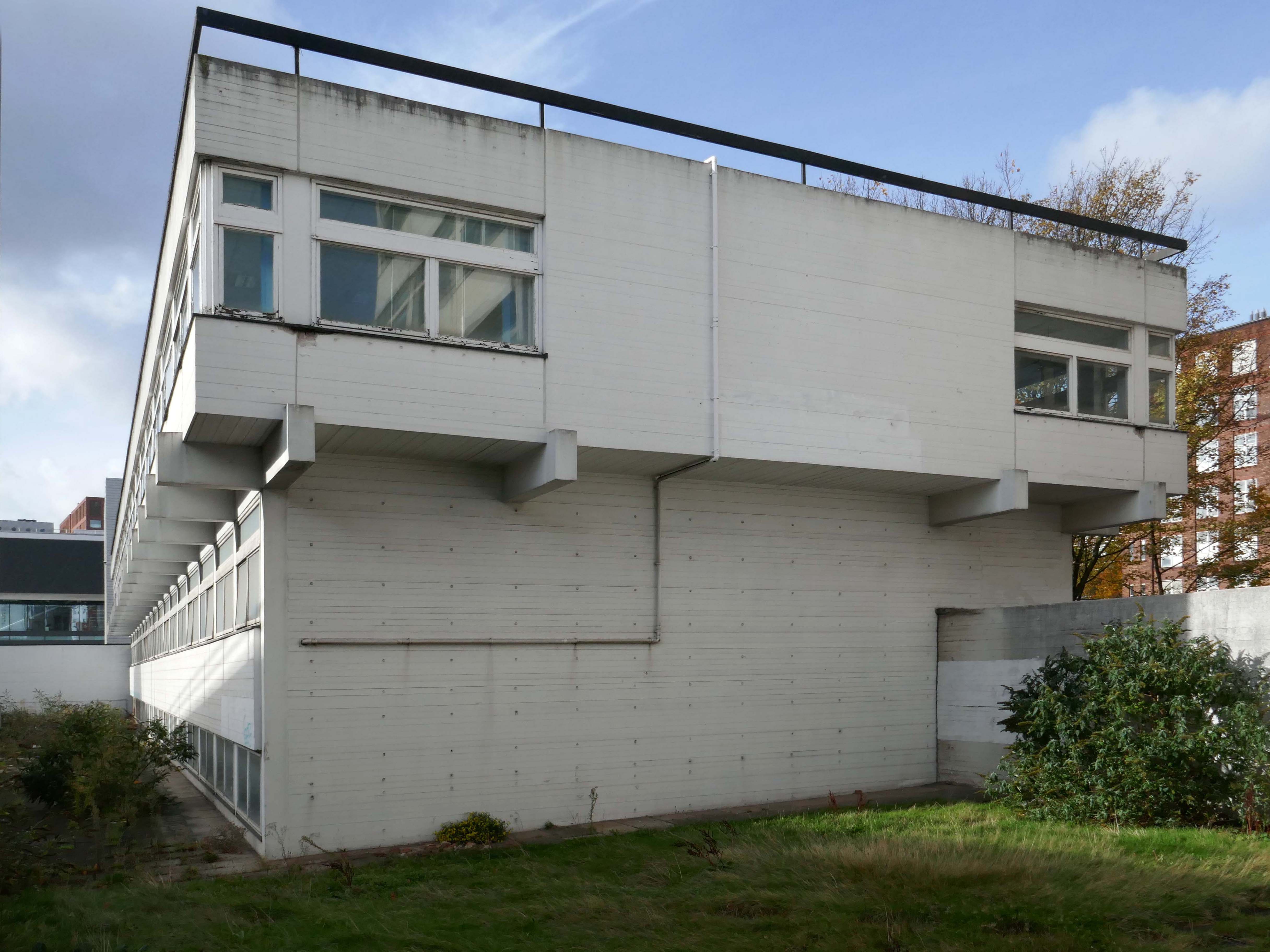
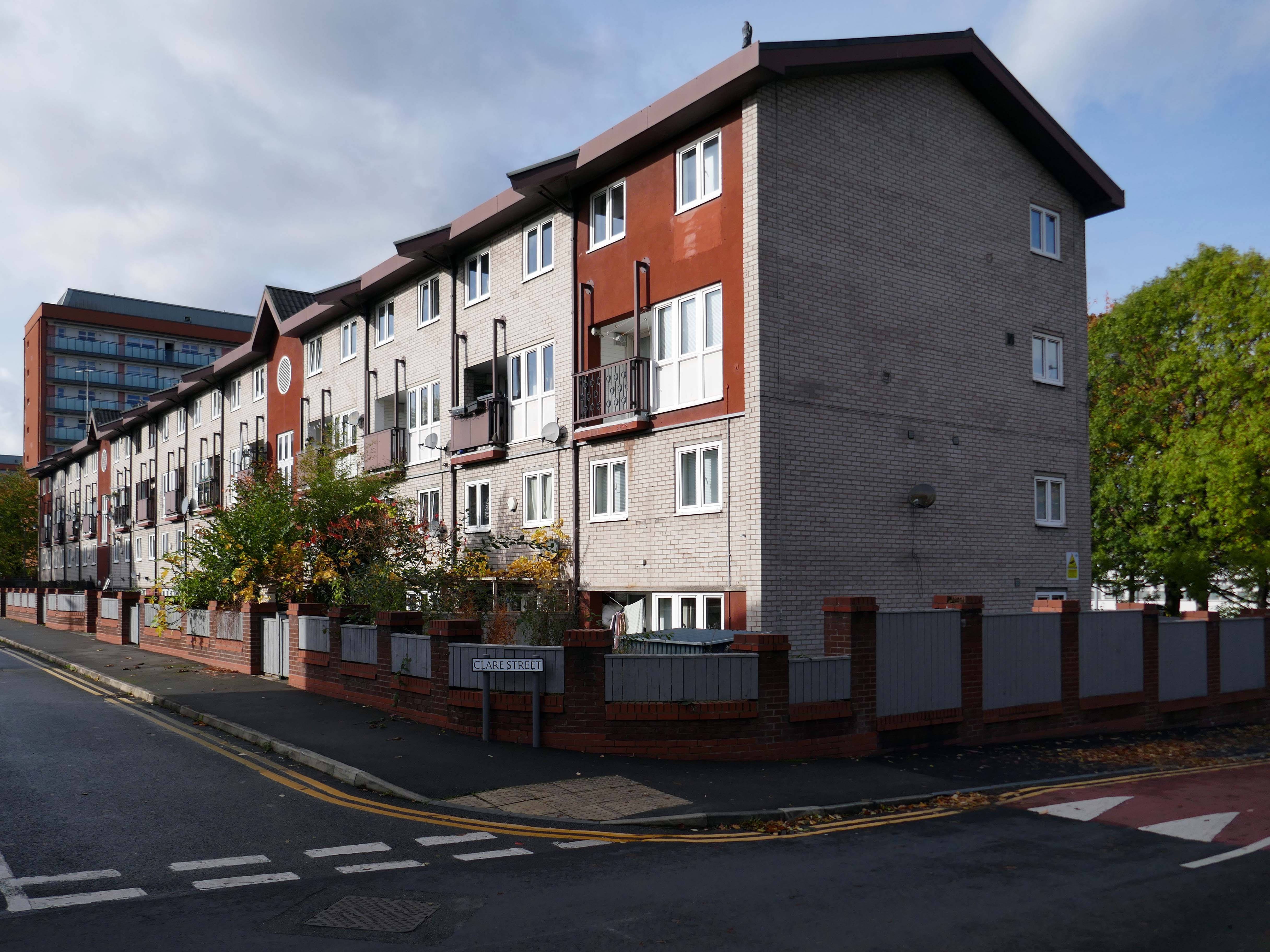
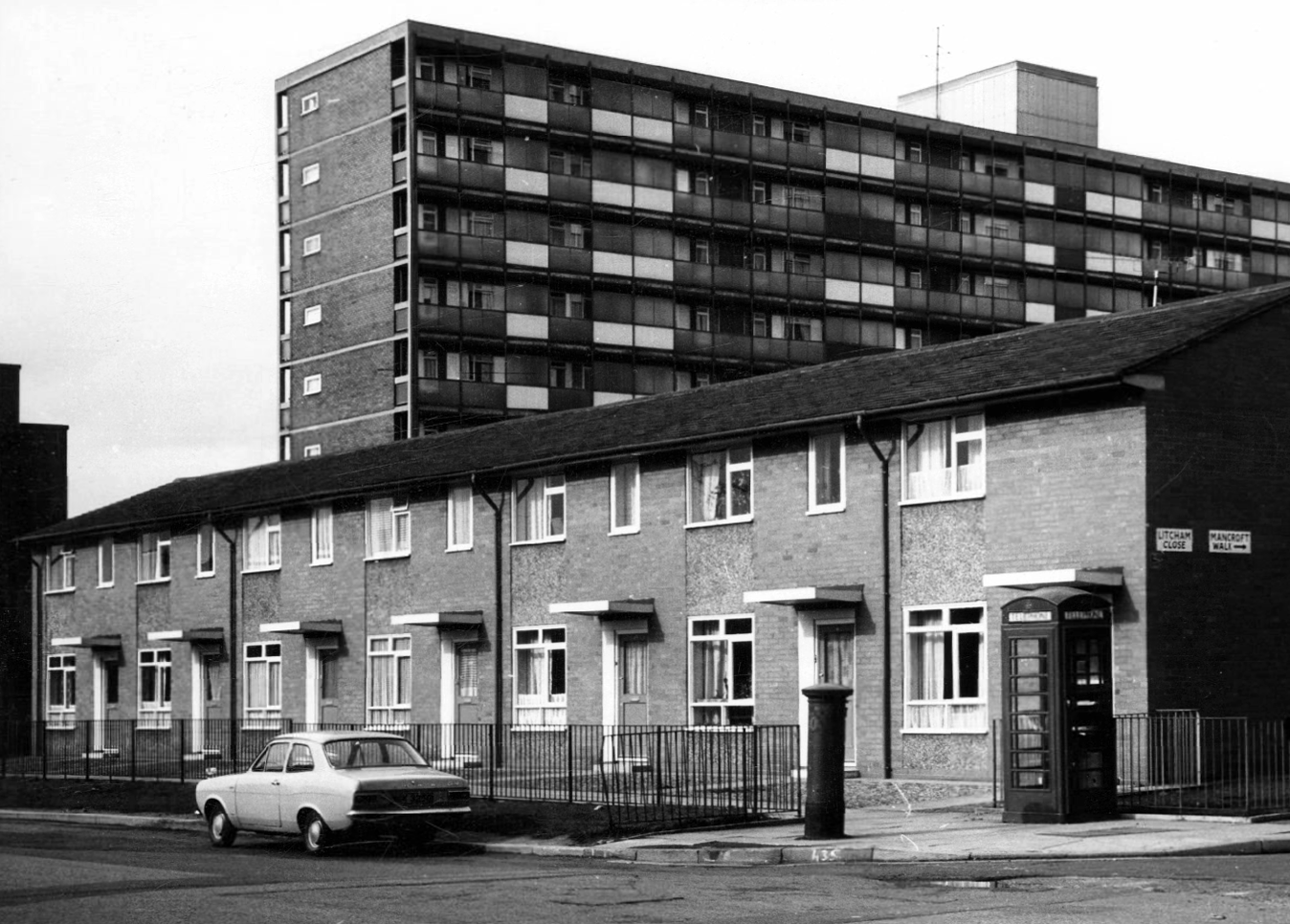
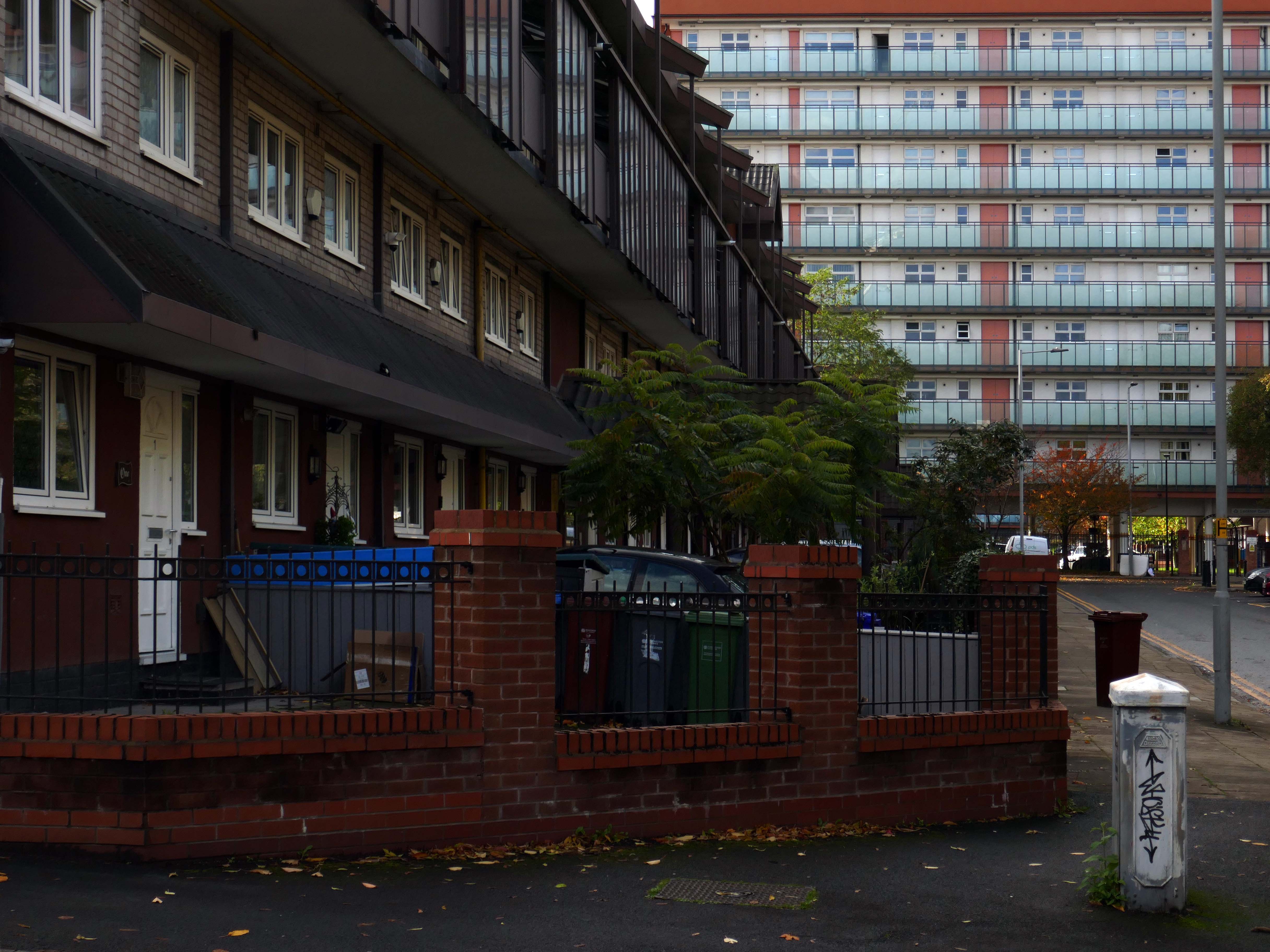
Crossing over to see the Brunswick Estate, built in the Sixties and Seventies and recently refurbished.

S4B is a partnership leading the £106m regeneration of Brunswick, Manchester. The Brunswick Regeneration PFI is a combination of government funding, private investment and expertise that will revitalise Brunswick. Improvements will include council home refurbishments, new homes for sale and to rent and an improved neighbourhood design.
Pro Manchester

Long gone lost estate pub from the estate – King William IV a former Chesters then Whitbread estate pub was built in 1967. Closed in 1996 when it was converted to residential property. It had a brief spell 1991 to 1995 as brewery premises for the Dobbin’s West Coast Brewery, during this period the interior was stripped out to accommodate the brewery paraphernalia.
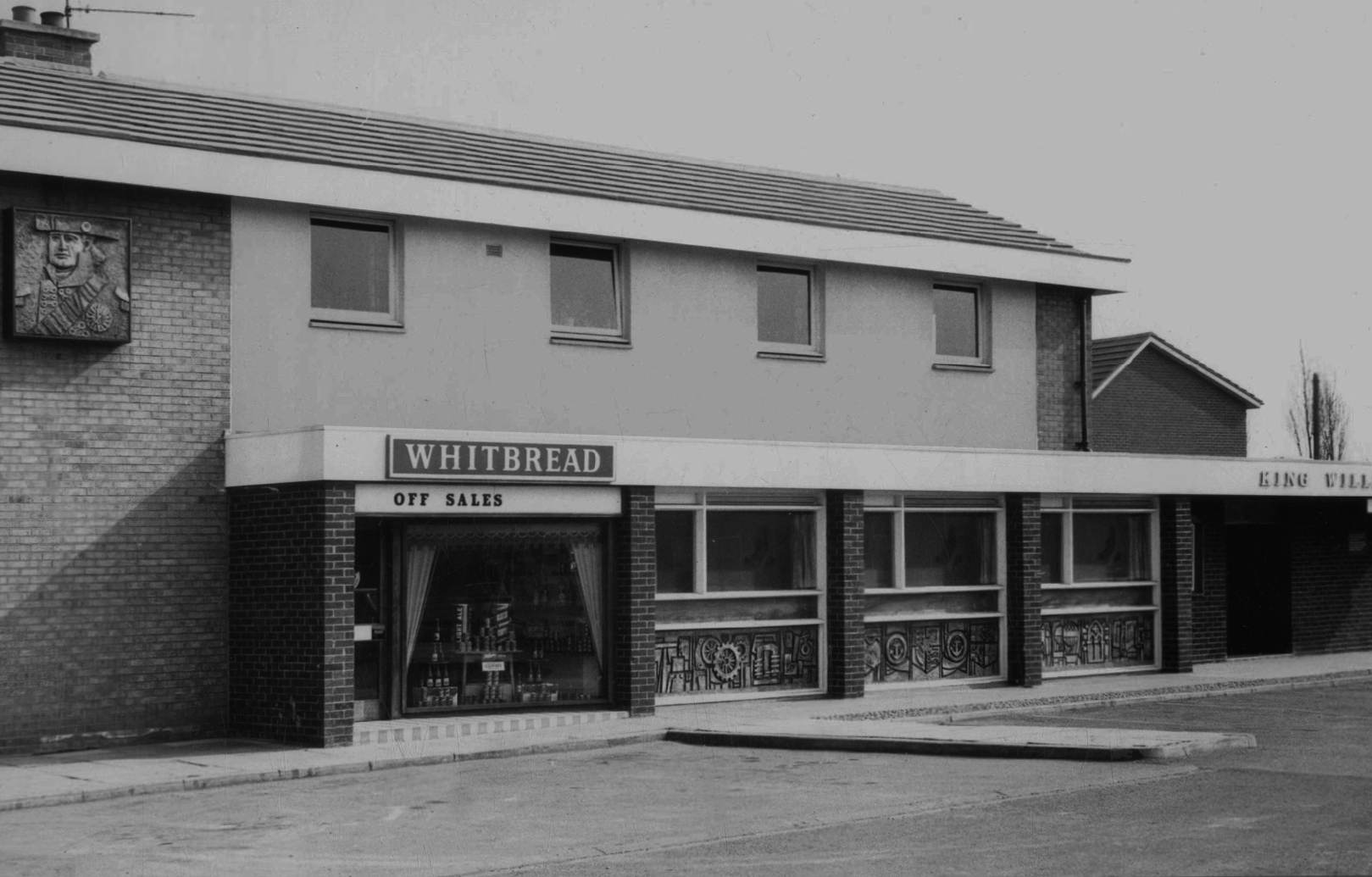
We take a jog around the block to see the concrete relief that clads the road ramp.

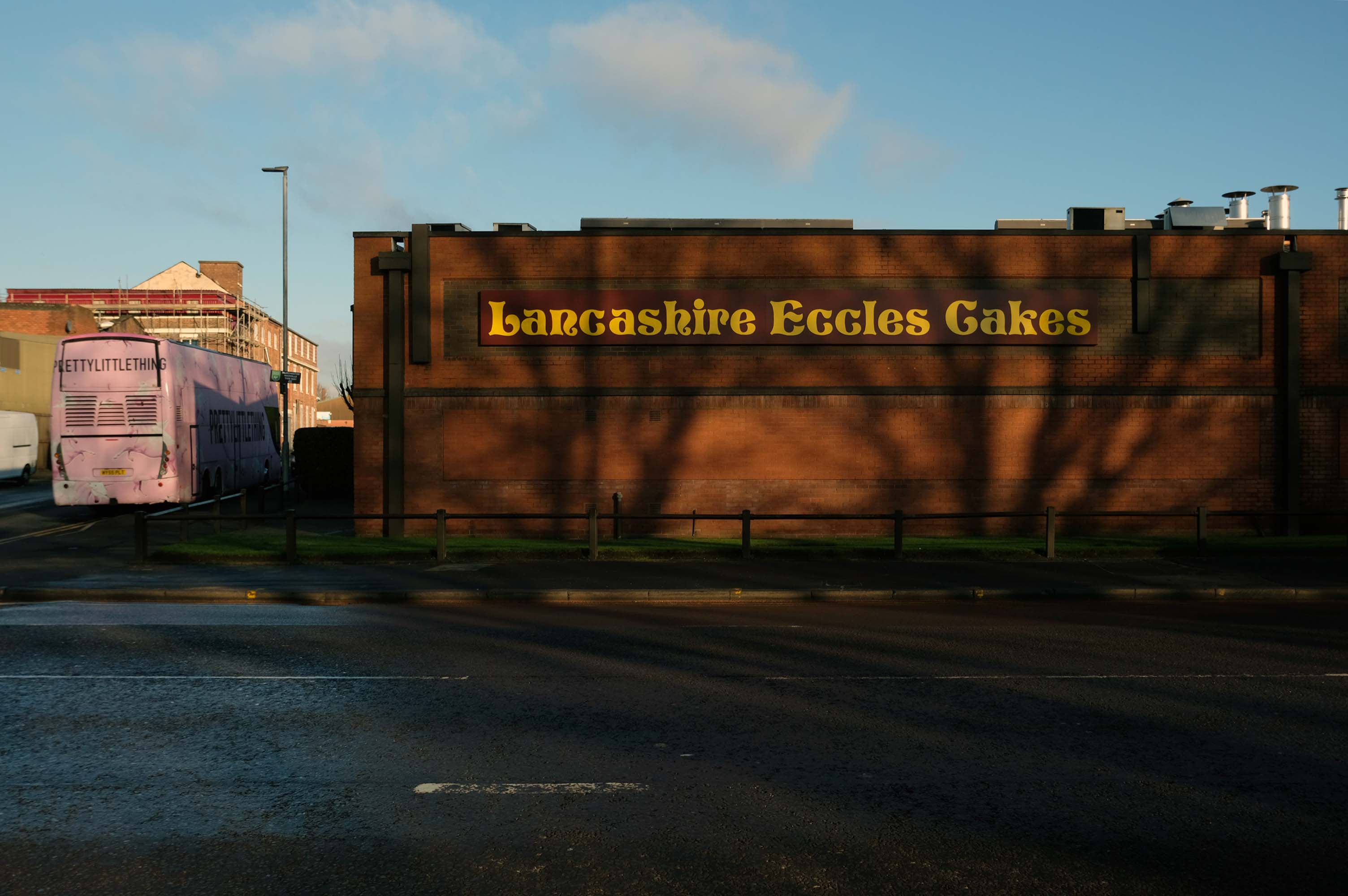
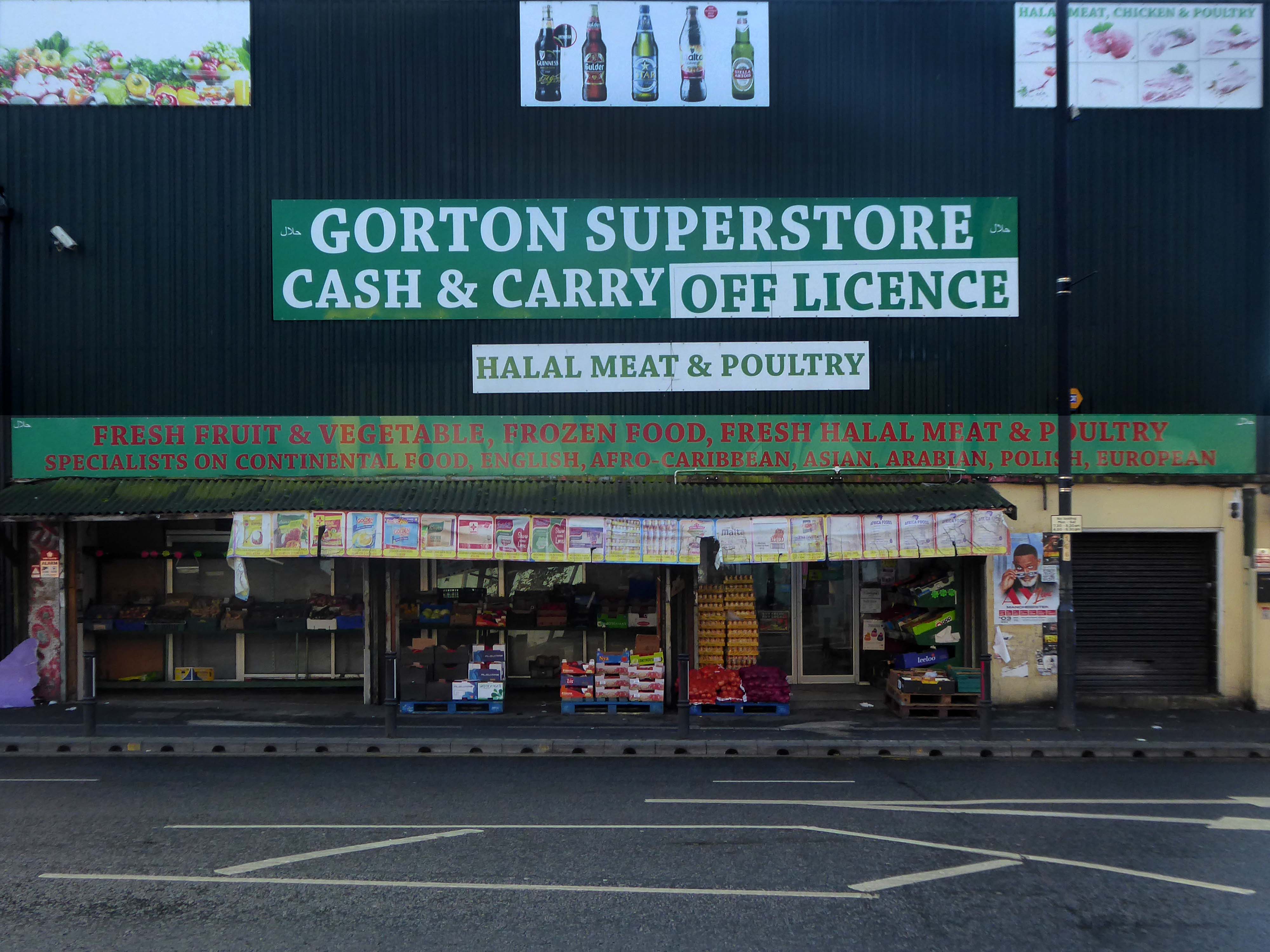
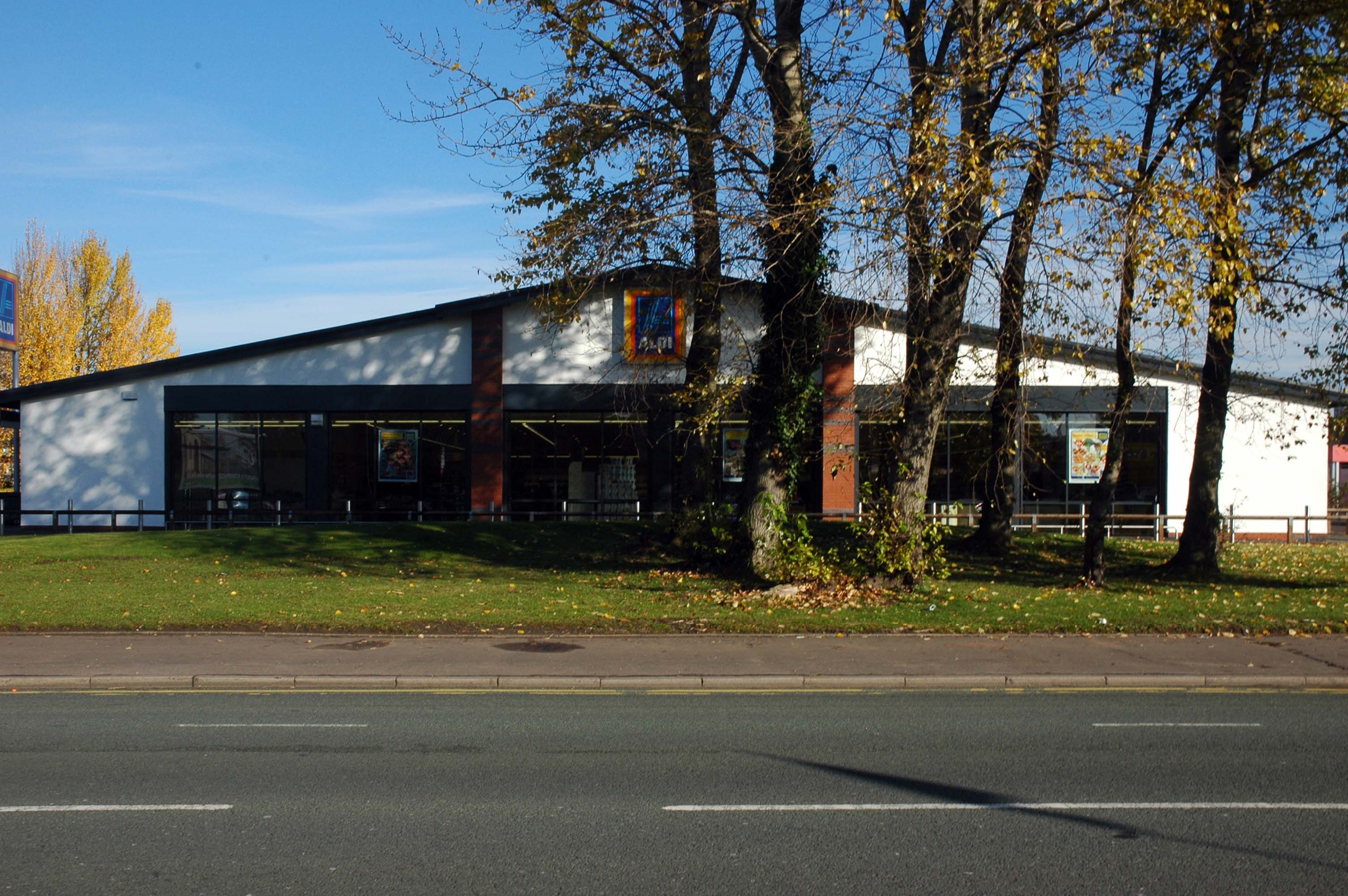
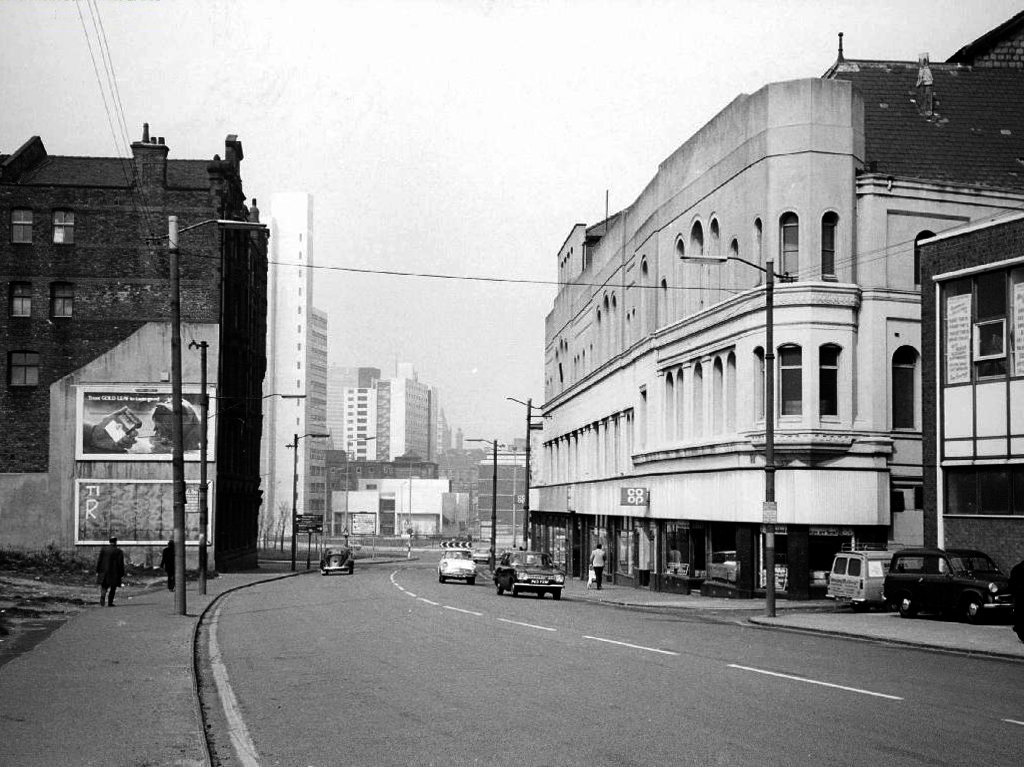
Where there was once a giant Cooperative Store there is now a light industrial and retail estate.
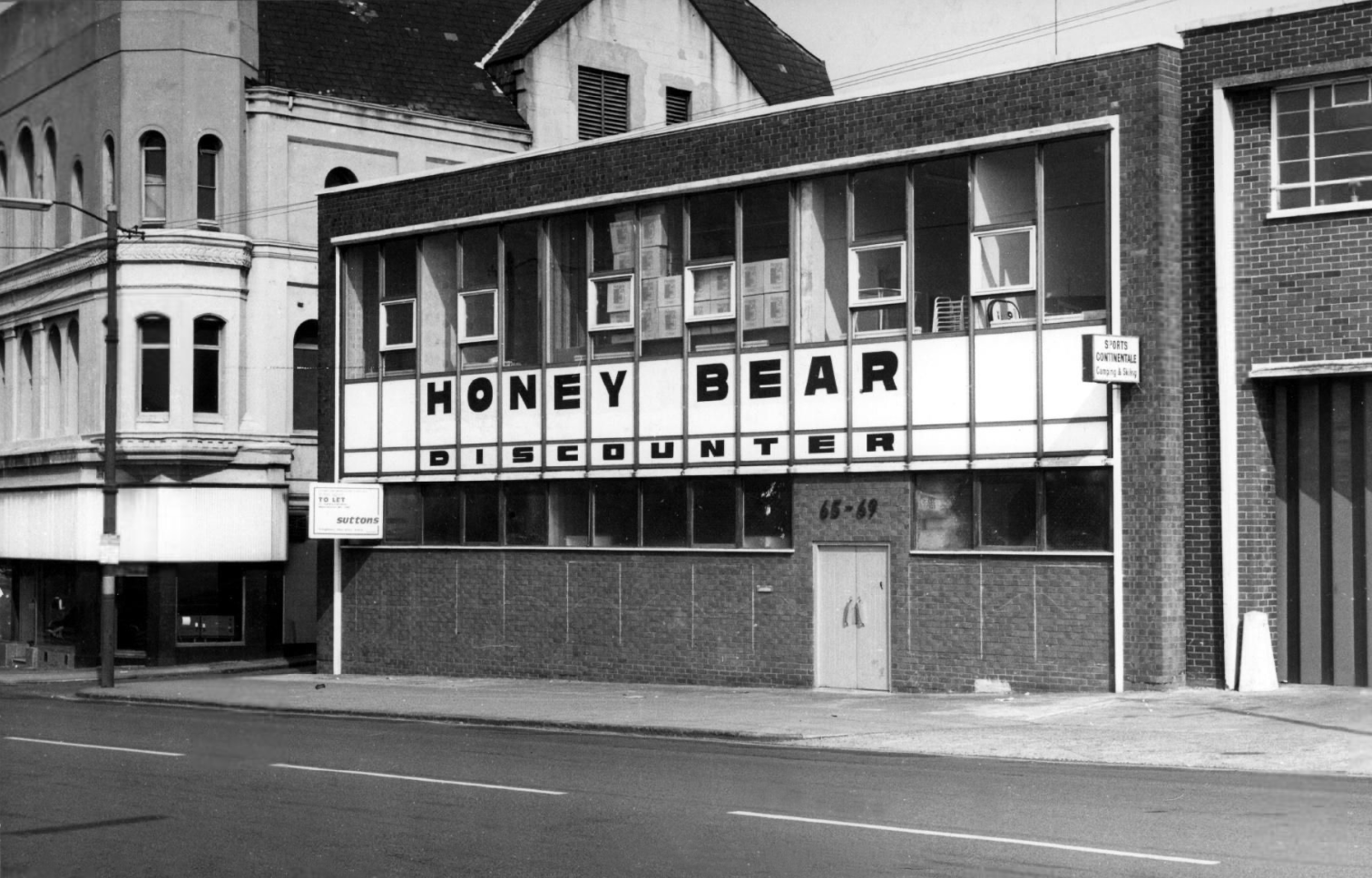
And the Honey Bear Discounter has become Spirit Studios.
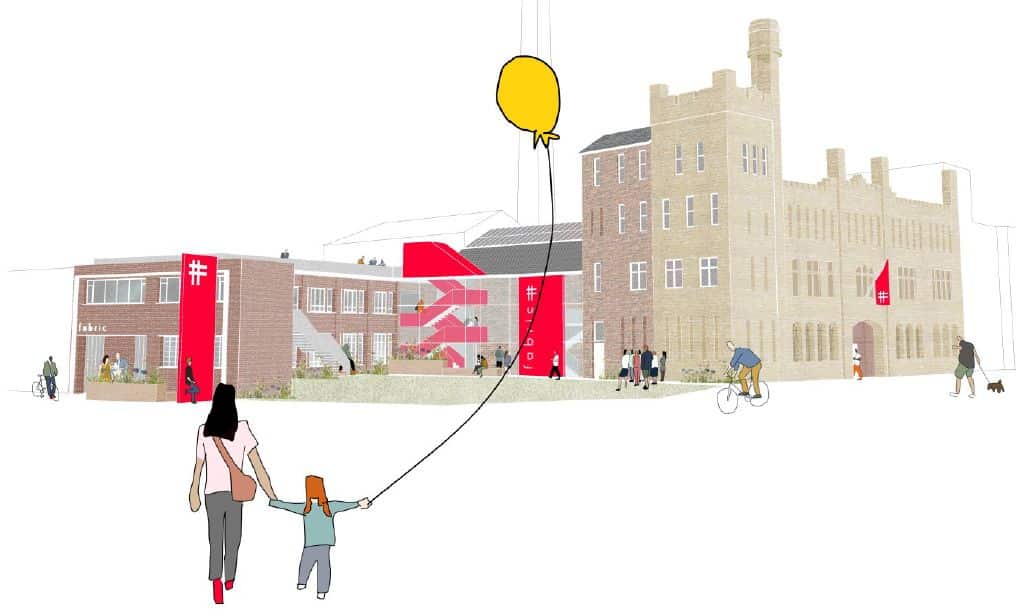
And the Barracks has become the Fabric Church.

The Diocese of Manchester has been working in partnership with the Church Revitalisation Trust to open Fabric Church and refurbish the building, following a successful bid to the Church of England’s Strategic Mission and Ministry Investment Board.
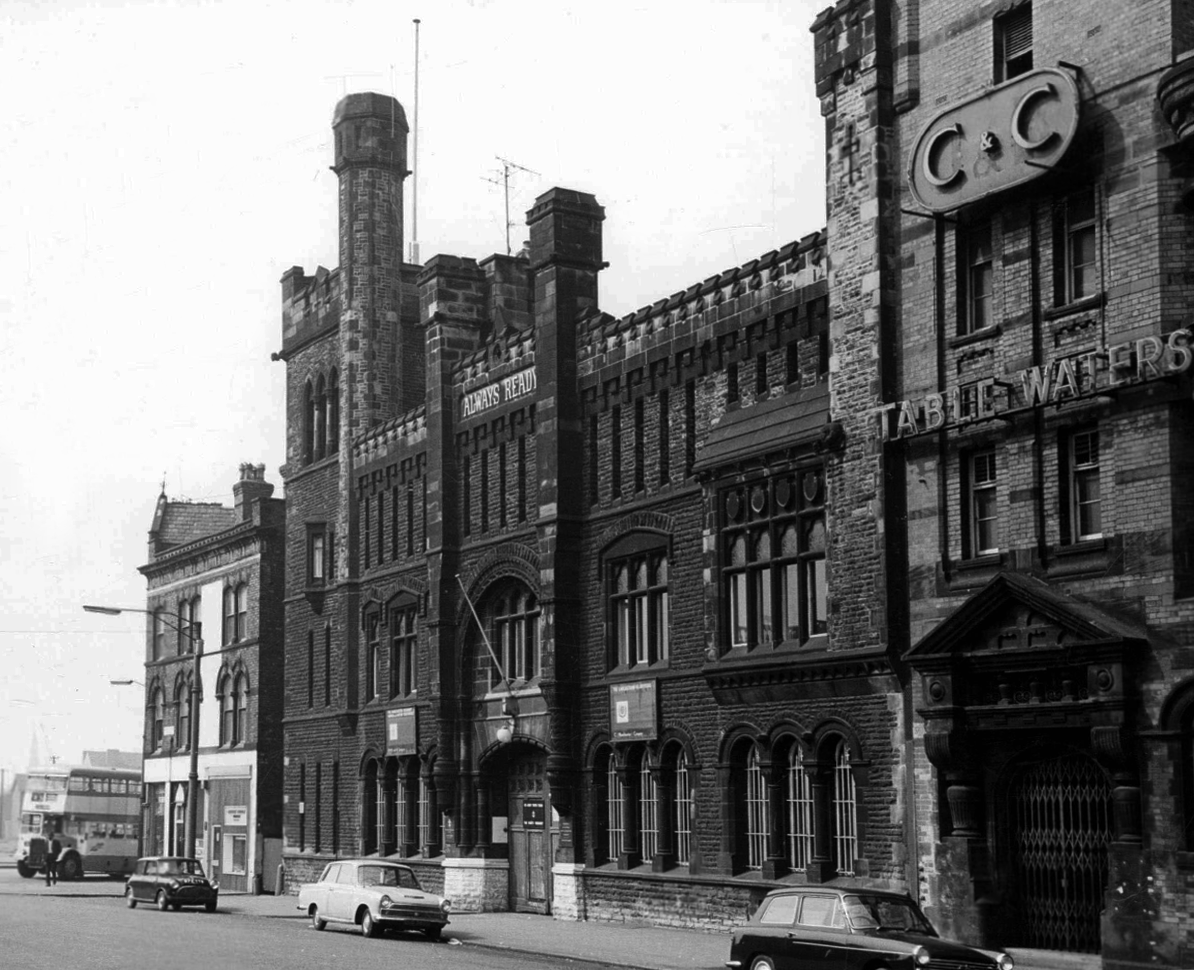
We’re excited to be working alongside Fabric Church on the transformation of the Grade II listed former Ardwick Barracks in Manchester. This ambitious refurbishment project will see the historic site reimagined as a vibrant community hub, featuring a new worship hall, community café, offices, meeting spaces, and more.
Hexaconsulting

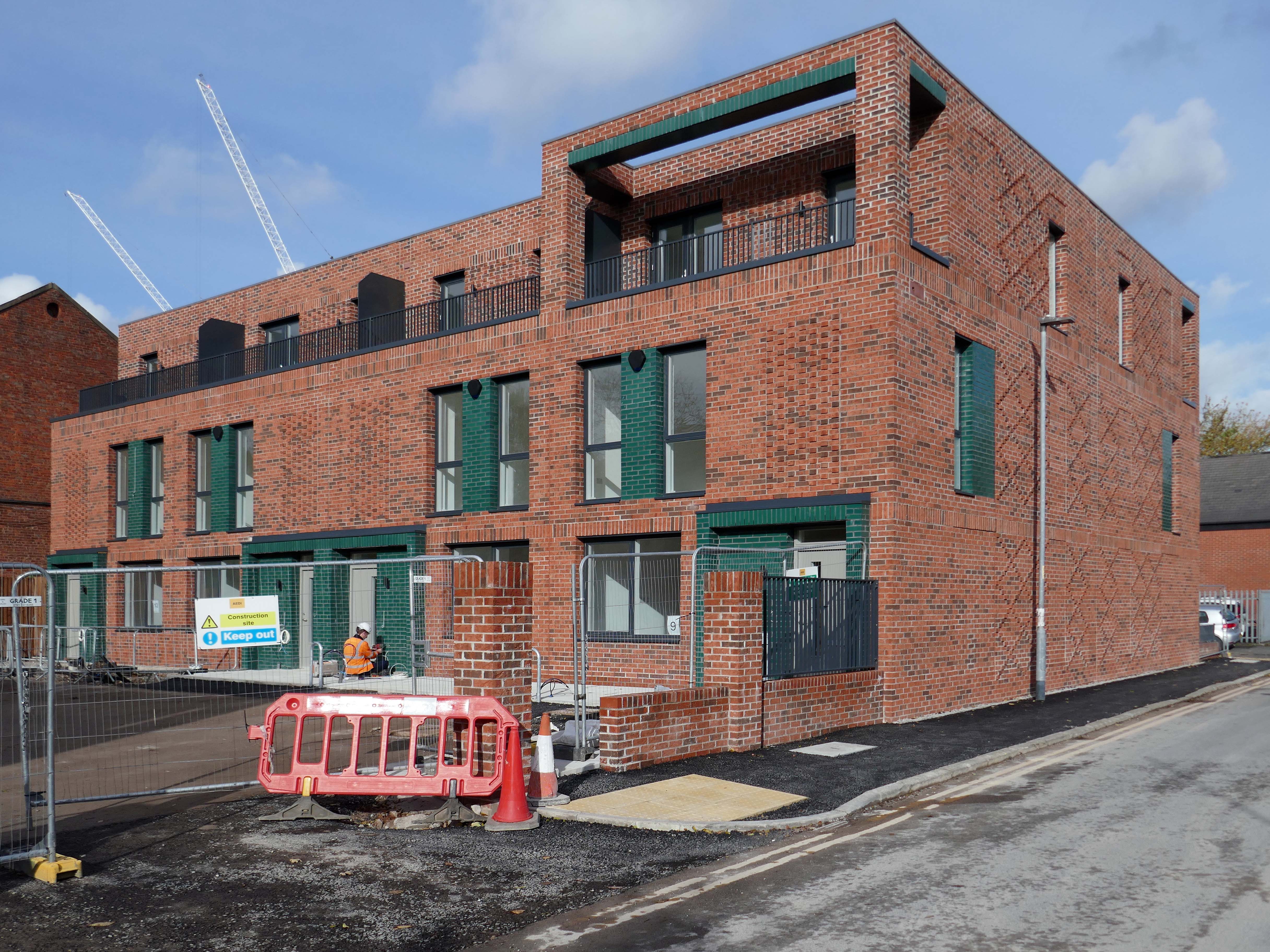
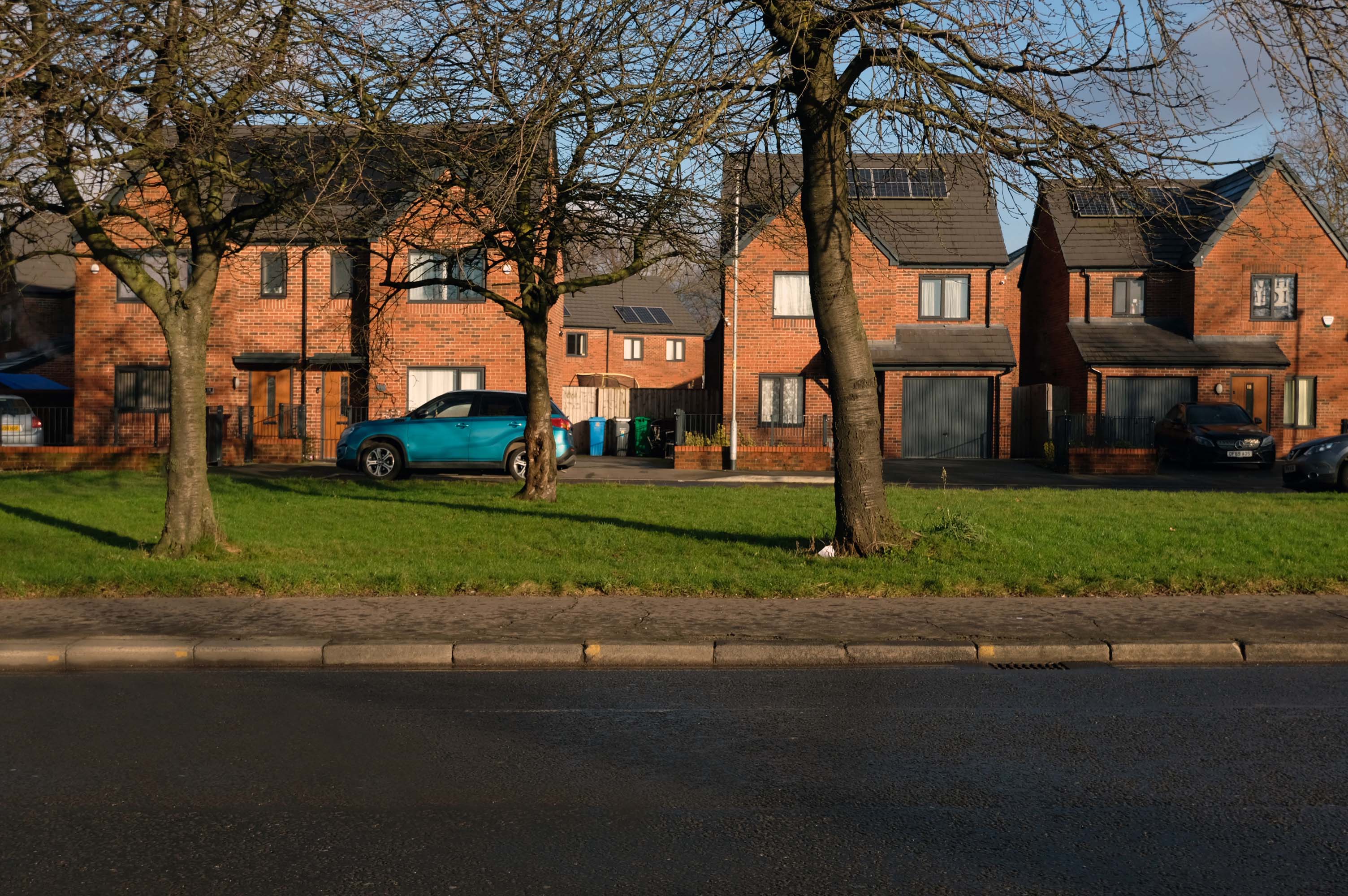
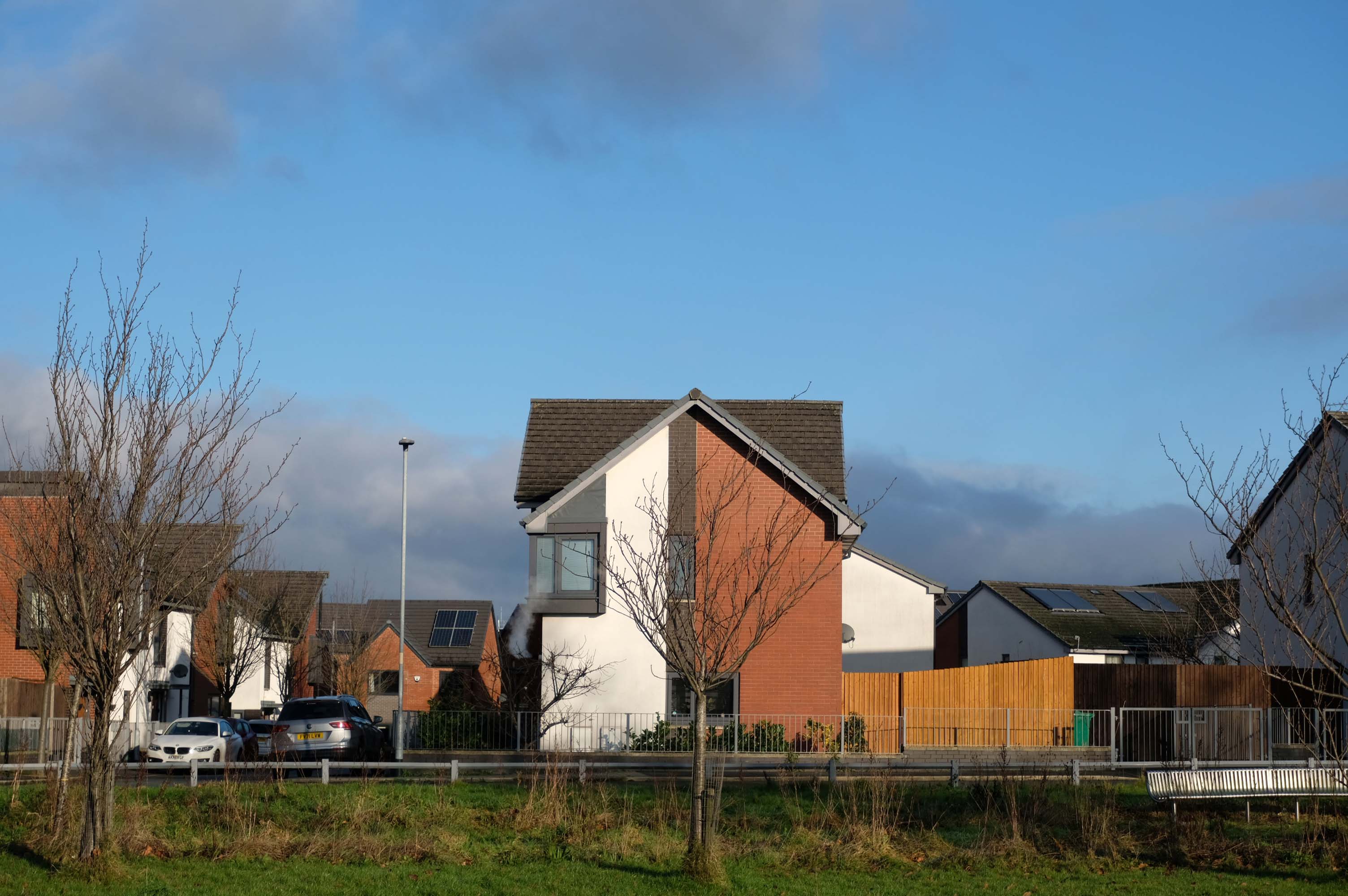
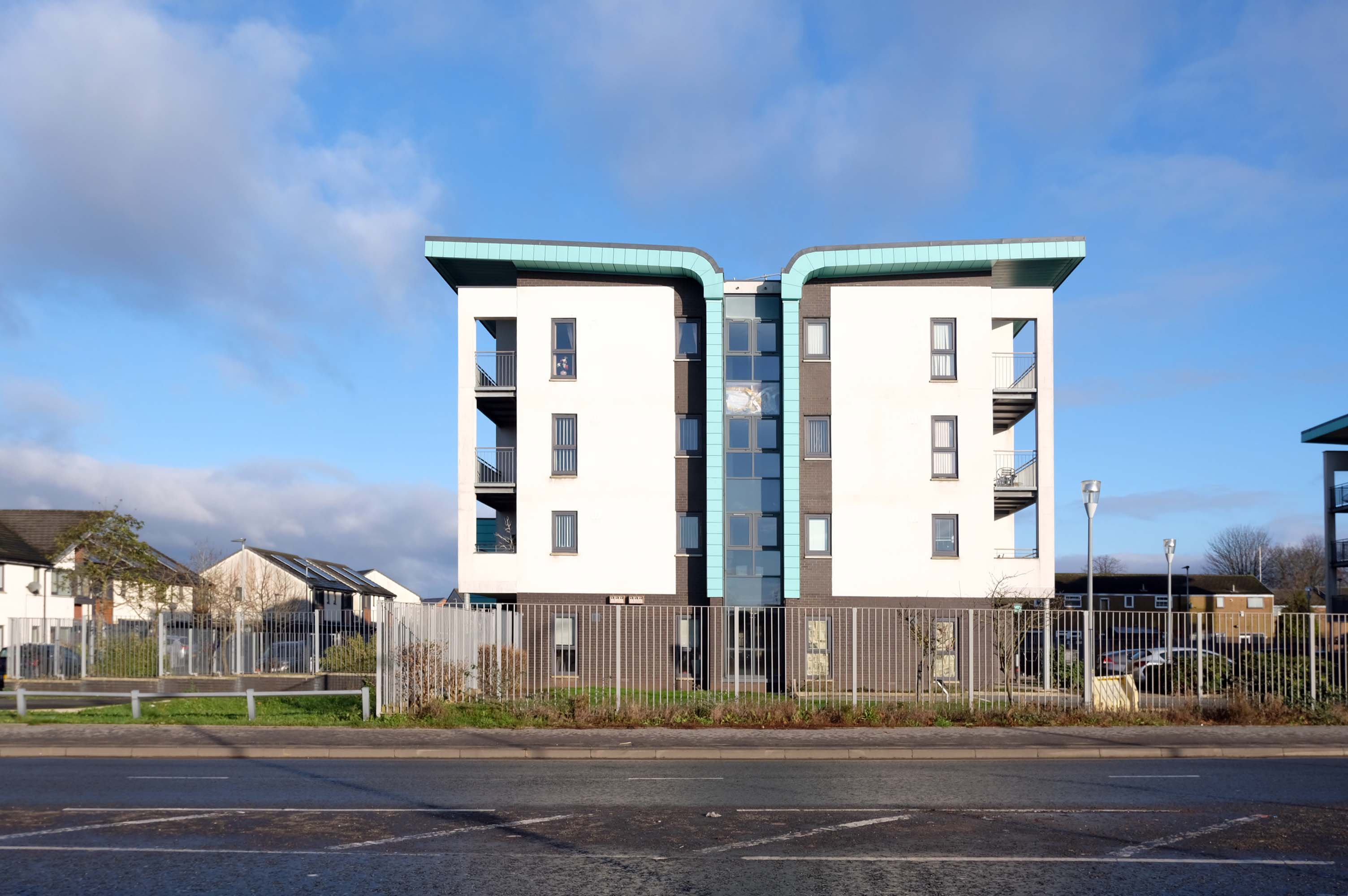
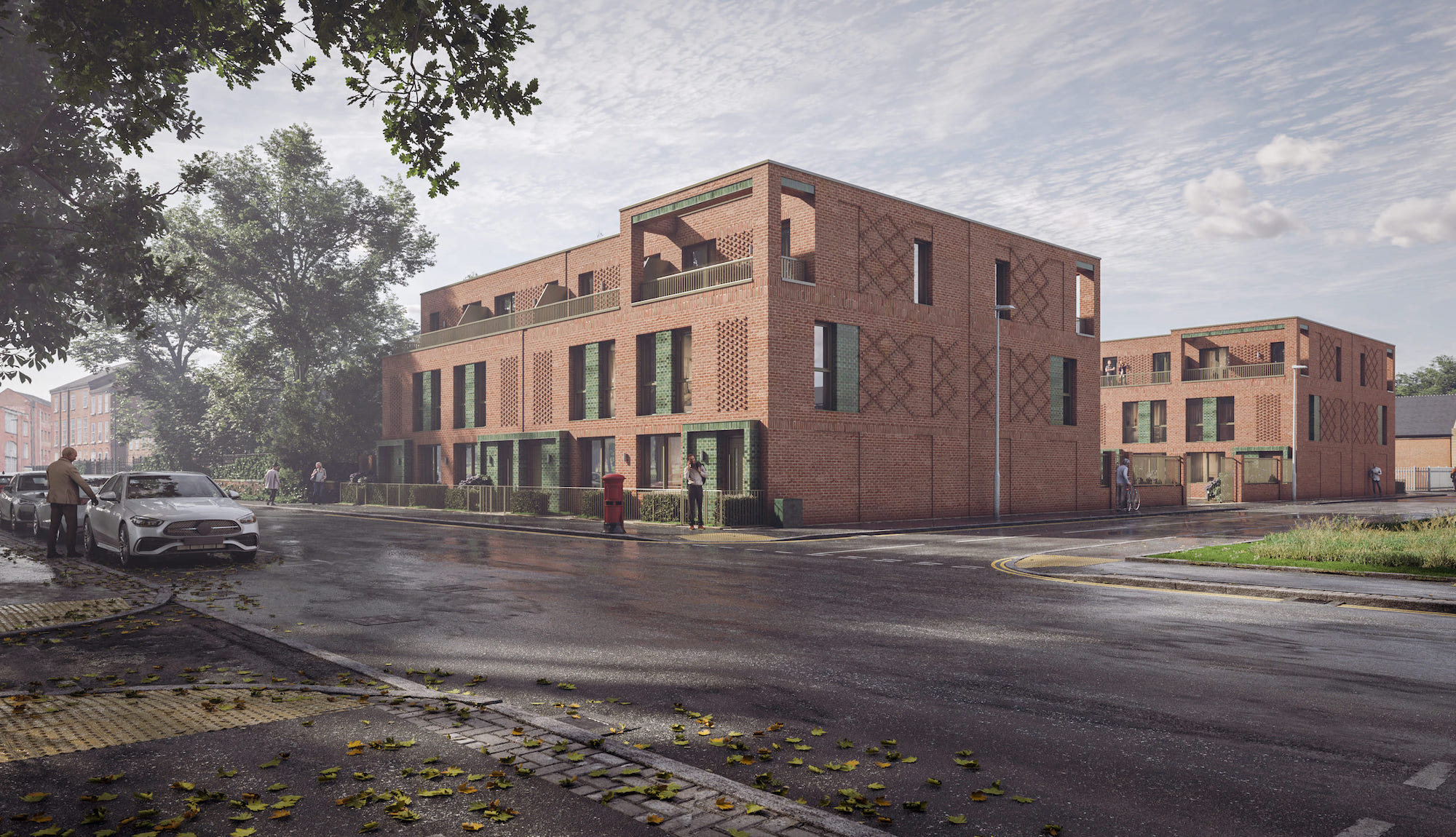
Alongside Ardwick Green Park there are new housing developments nearing completion.

Ardwick Green combines contemporary design with great light infused spaces, offering stylish homes with a modern twist, private parking, outdoor spaces and a welcoming community atmosphere an urban retreat that truly feels like home.

With the city just moments away, living at Ardwick Green will give homeowners easy access to Manchester City Centre and beyond with its vibrant social scene, bustling business landscape and extensive transport network on your doorstep. 
Step Places

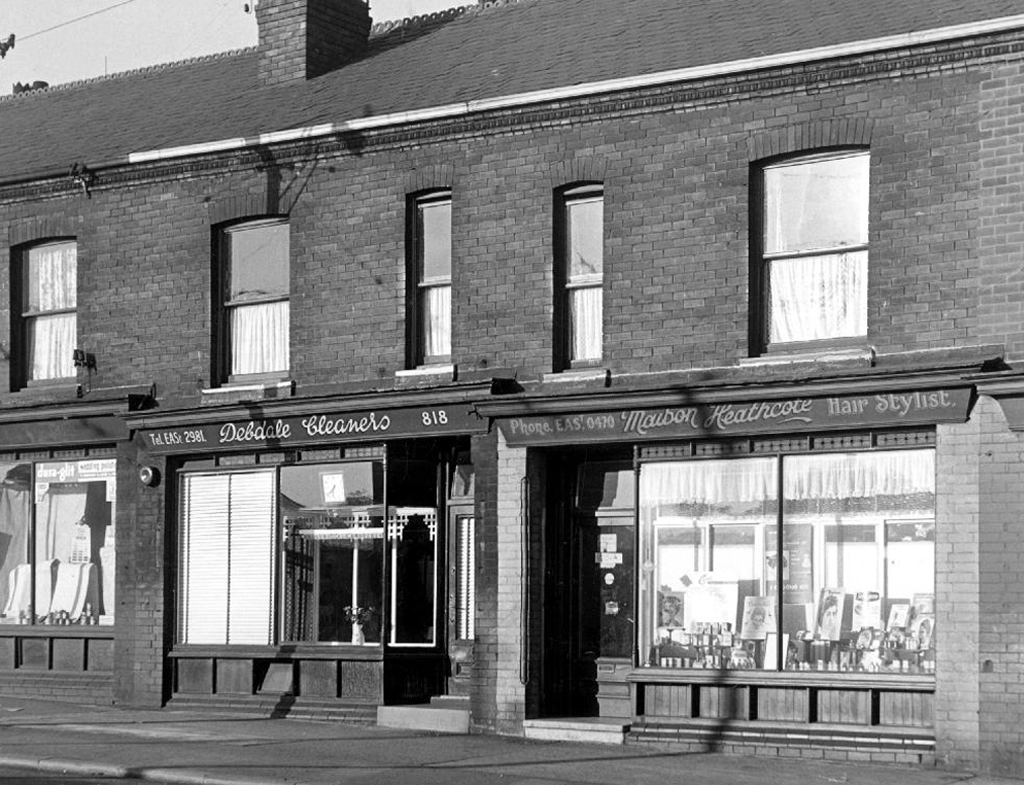
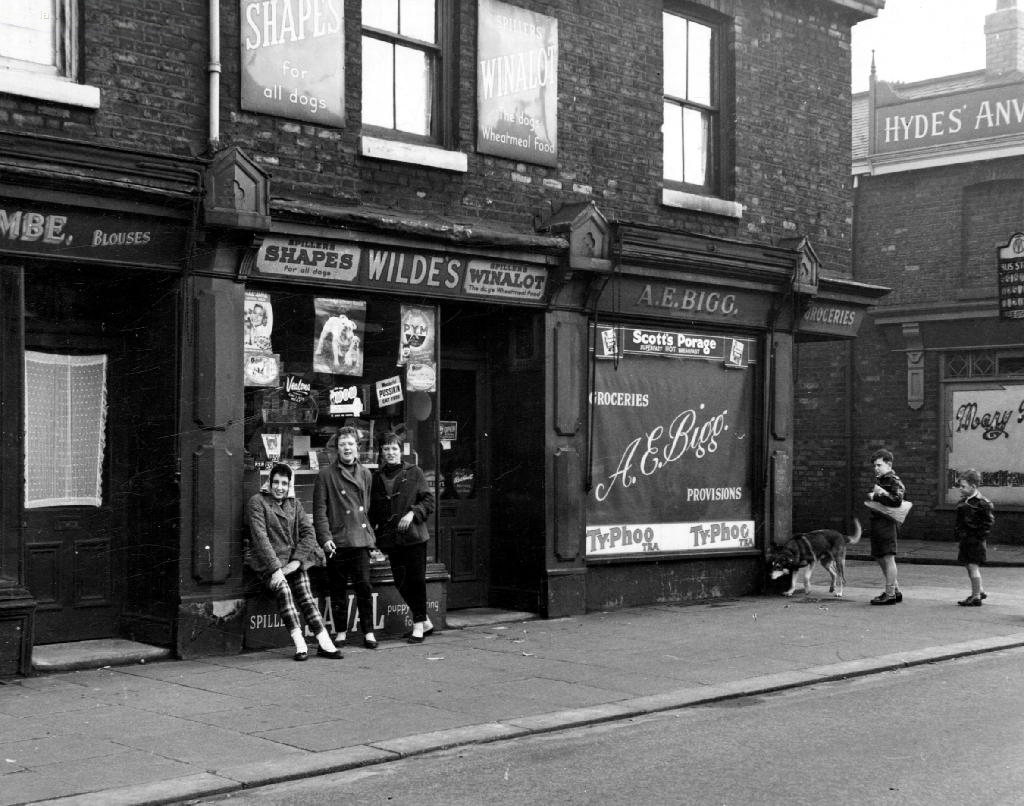
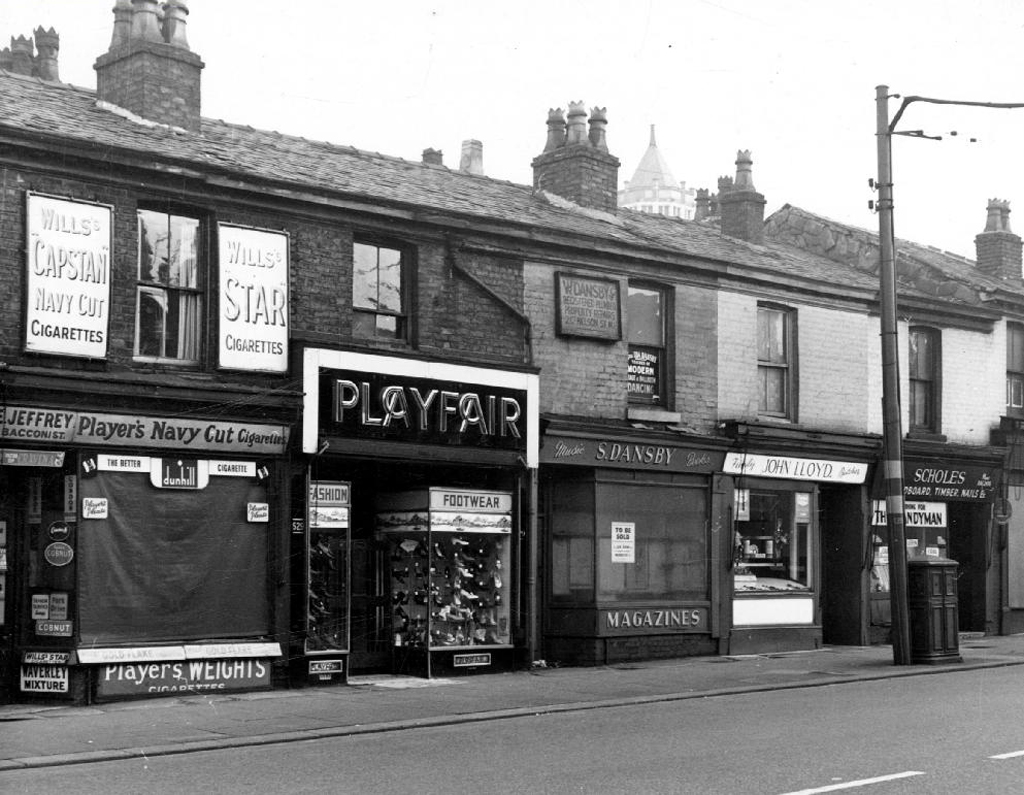
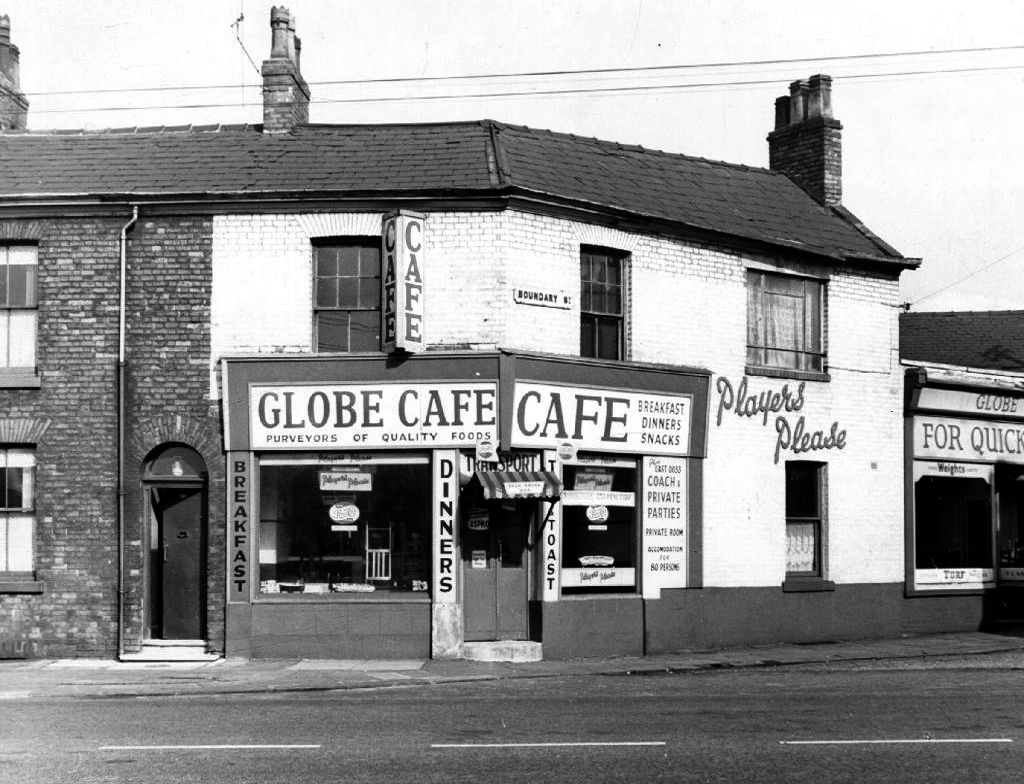
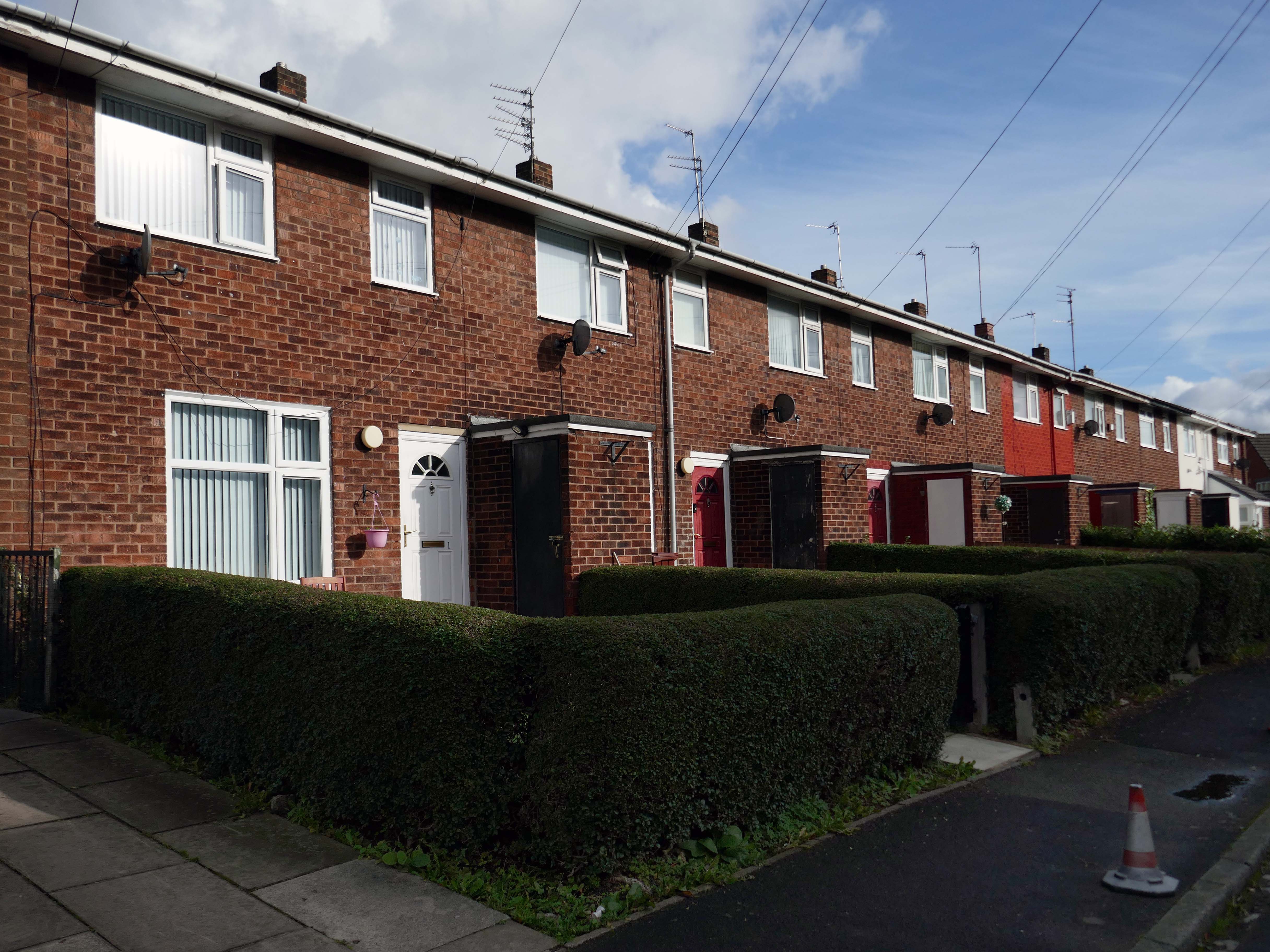
The area is home to a mixed and mongrel bunch of homes.
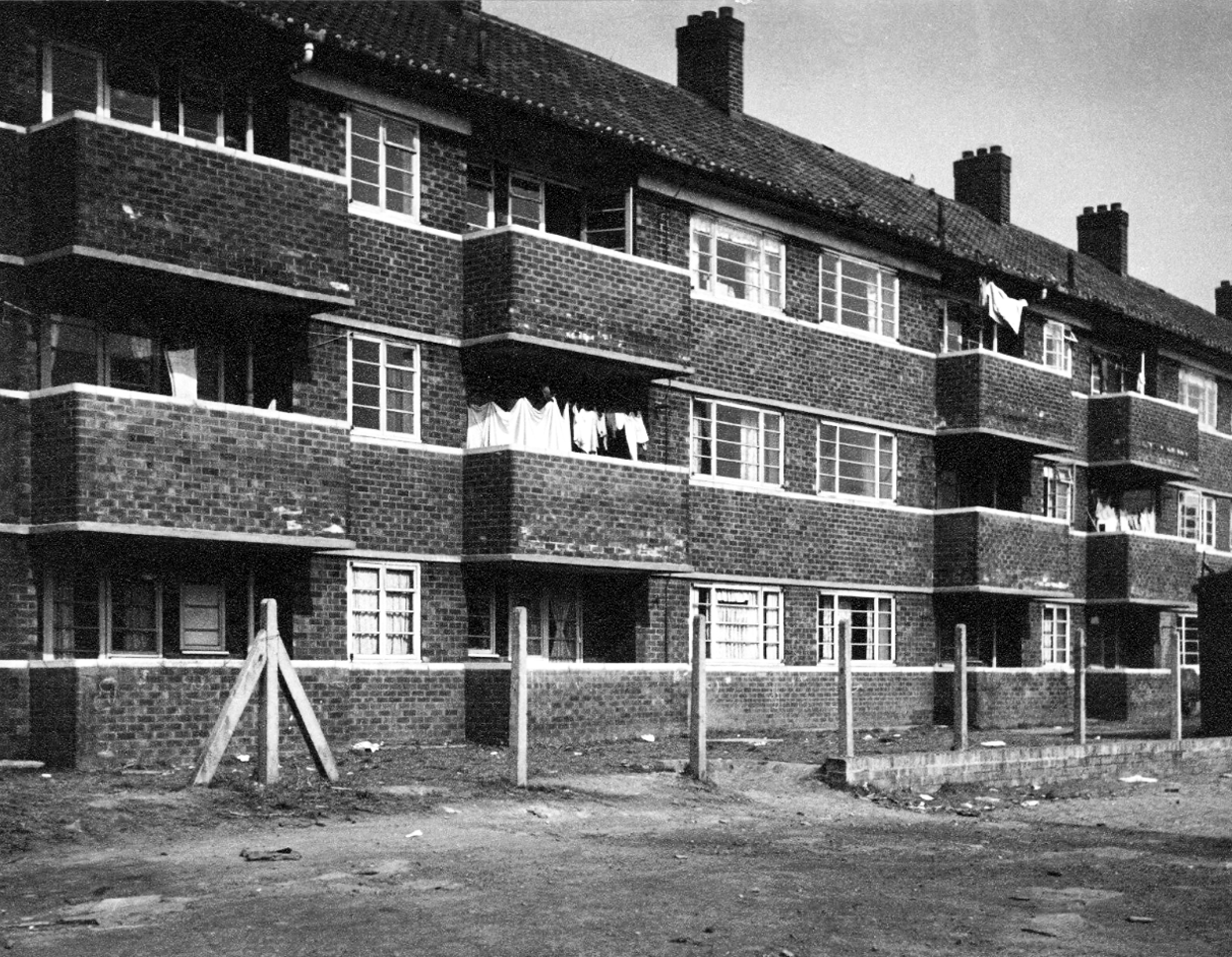
Though these interwar flats, seen here in 1956, are now long gone.
Within the park is a glacial erratic, which arrived following the Last Glacial Period .

Without which much of what we understand as the modern age would possibly not now exist.

It appears to be green slate from the Lake District, the native underlying rock in this part of Manchester is a red sandstone.
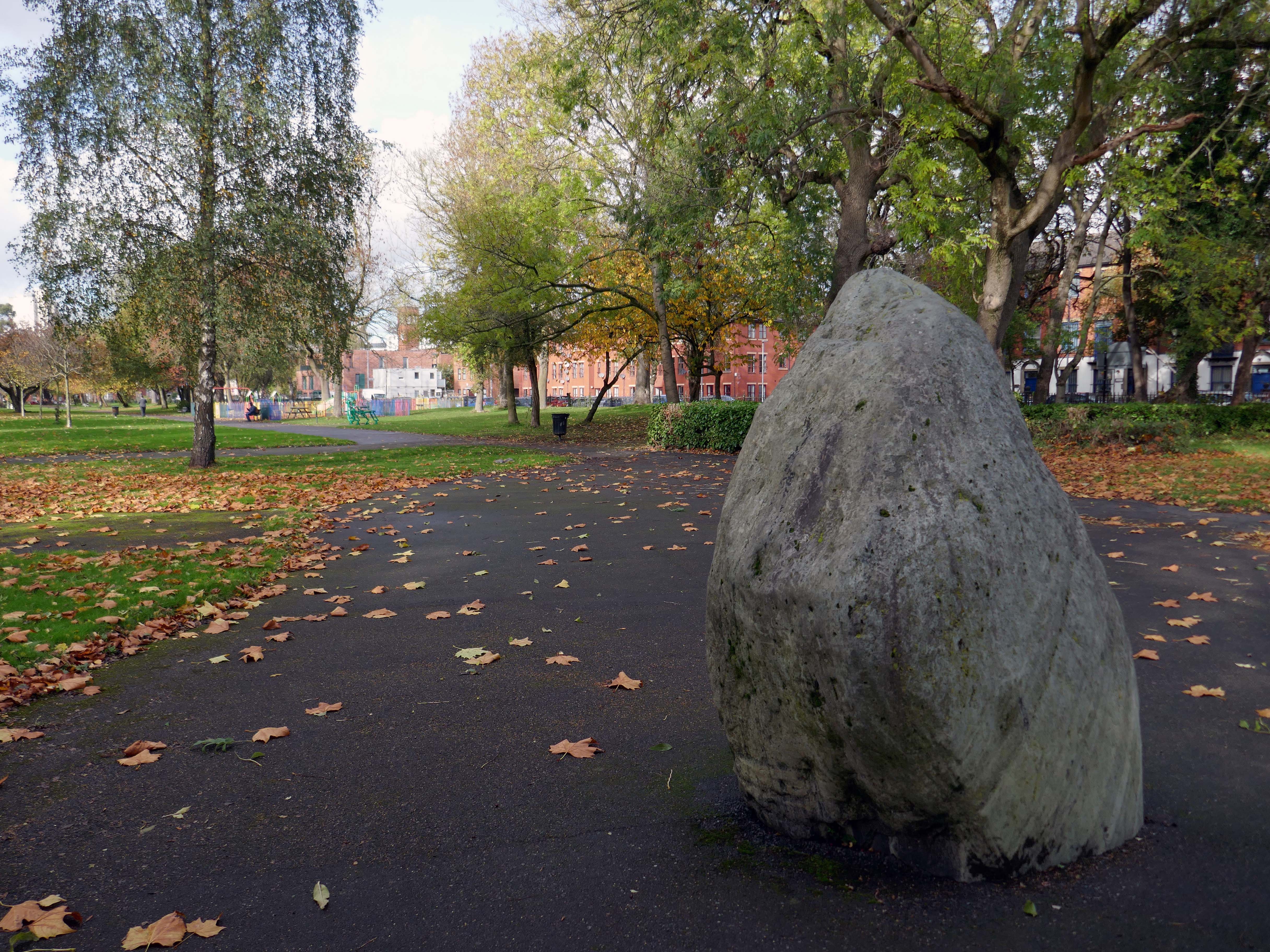
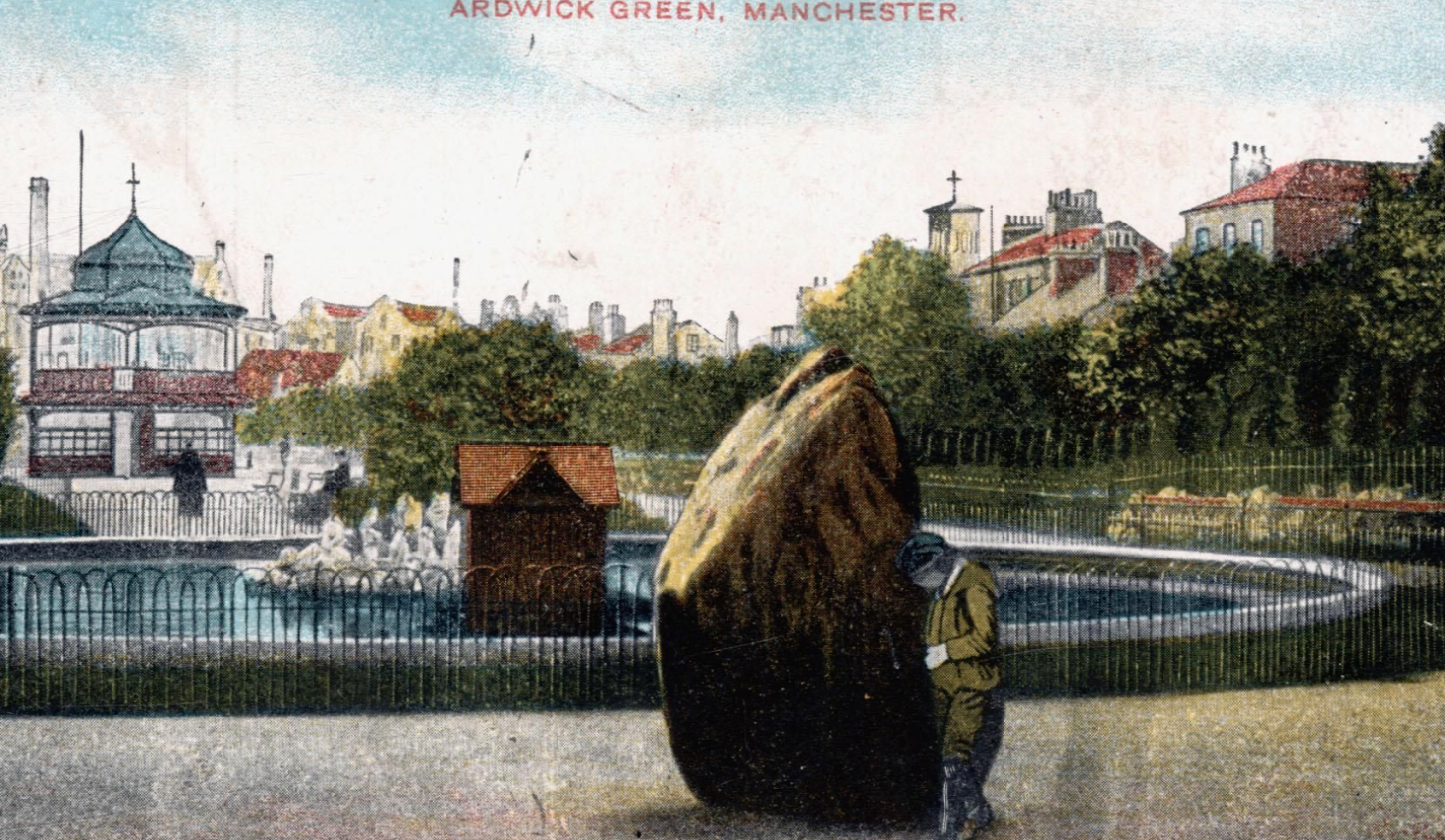
Postcard of 1906

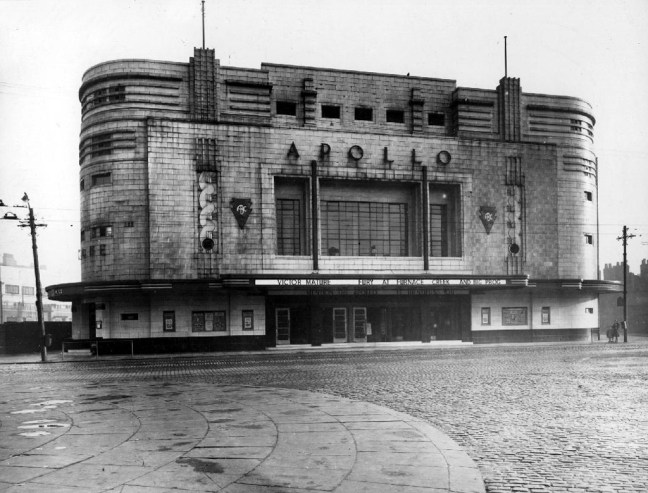
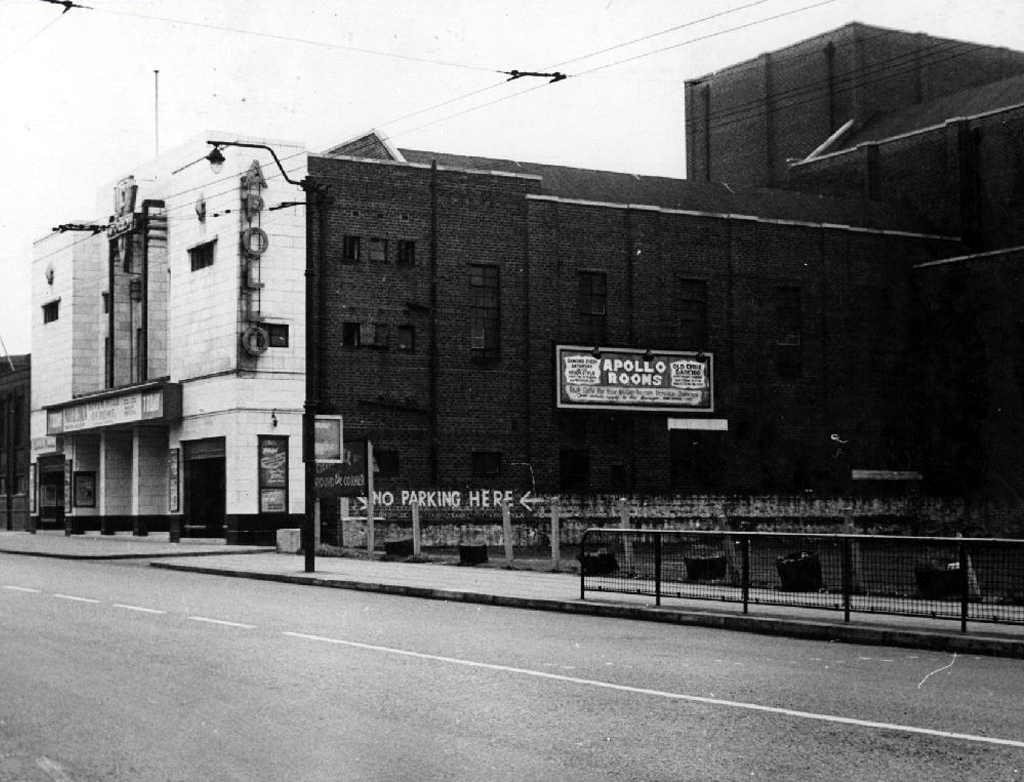
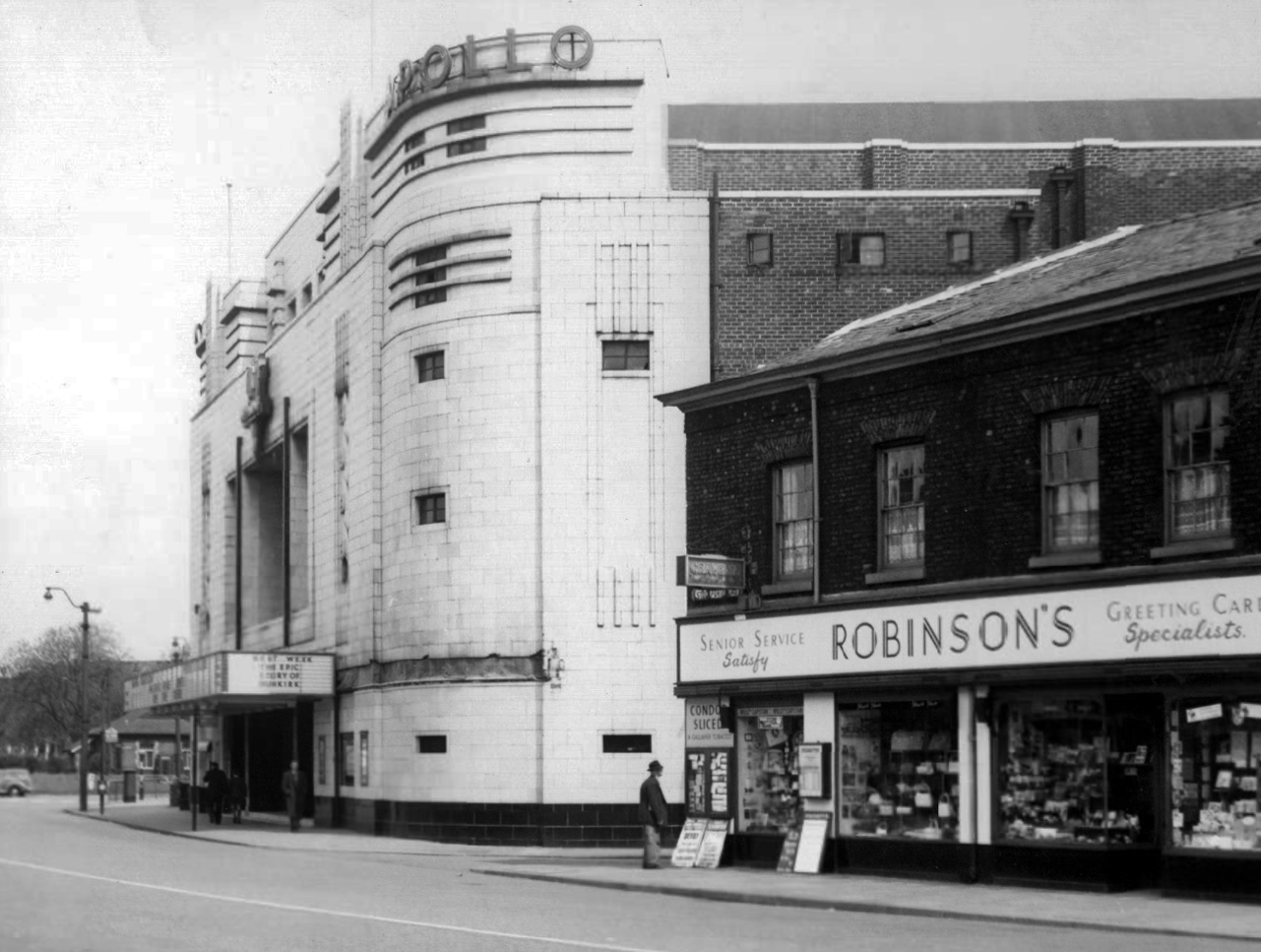
The Apollo of course prevails. – seen here in 1958

Architects: Peter Cummings Alex M Irvine

Opened on 29th August 1938 the interior decorations were carried out by noted interior designers Mollo & Egan with the Holophane lighting designed by R Gillespie Williams.
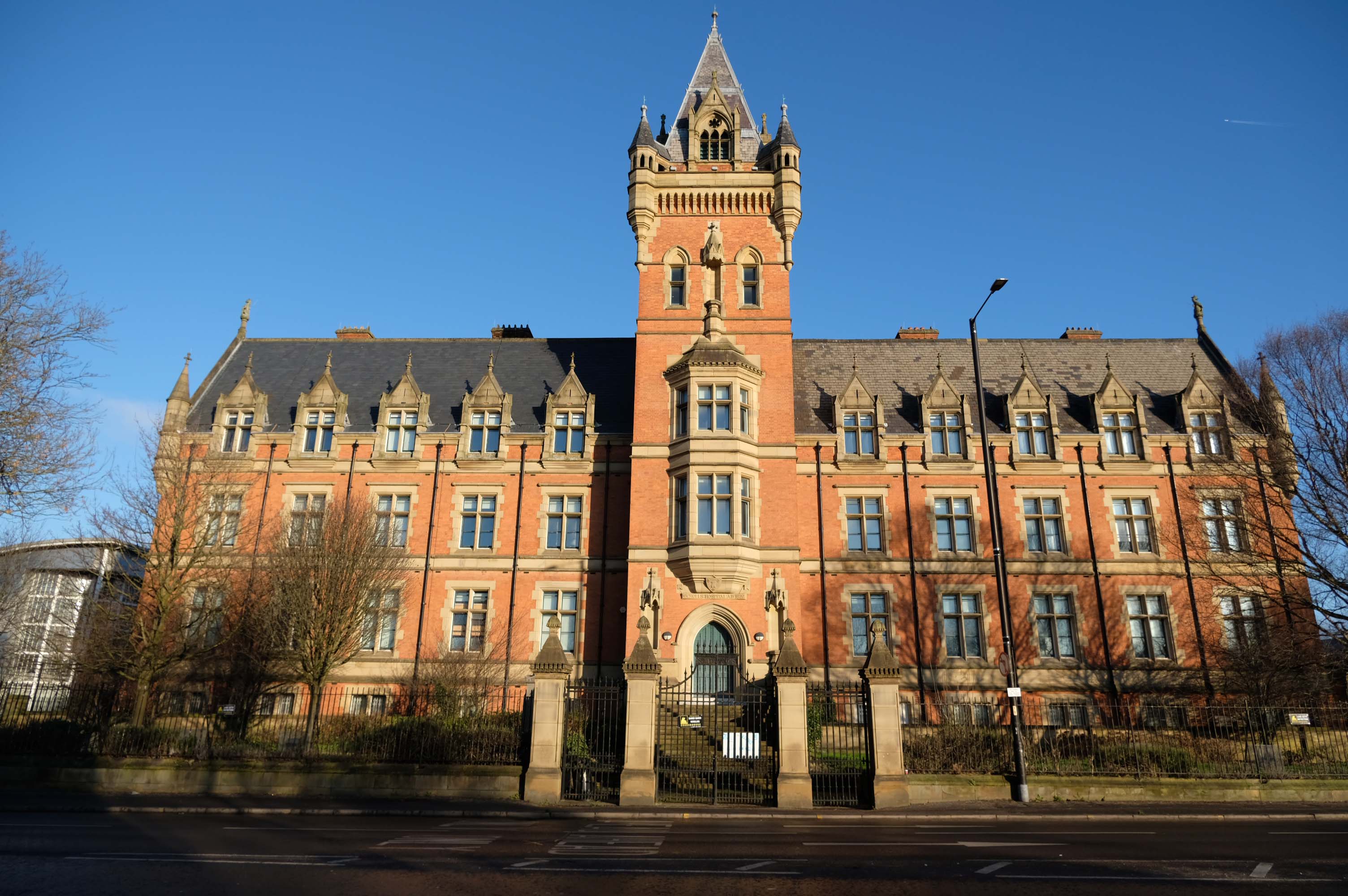
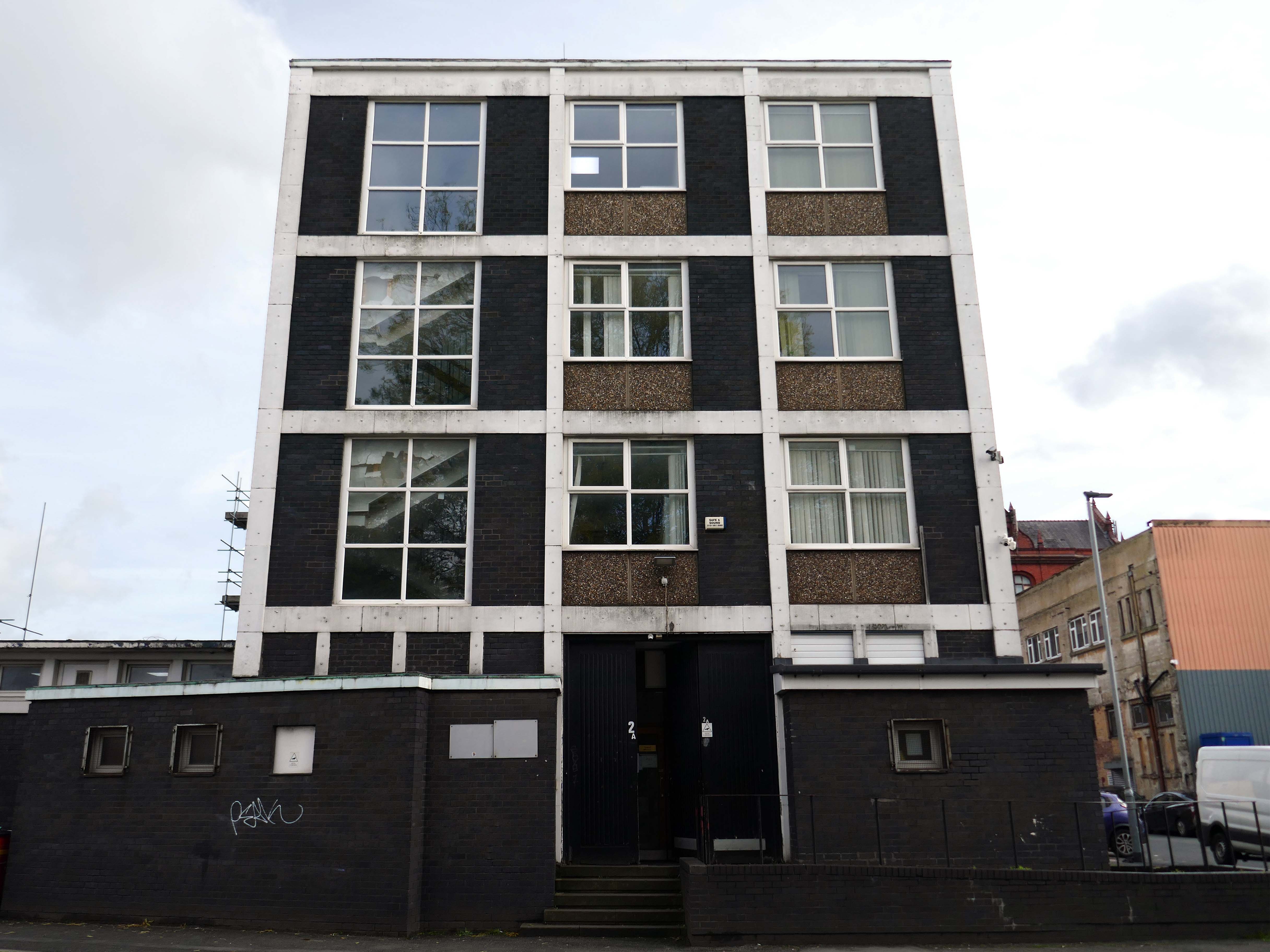
This Sixties municipal building remains a mystery.
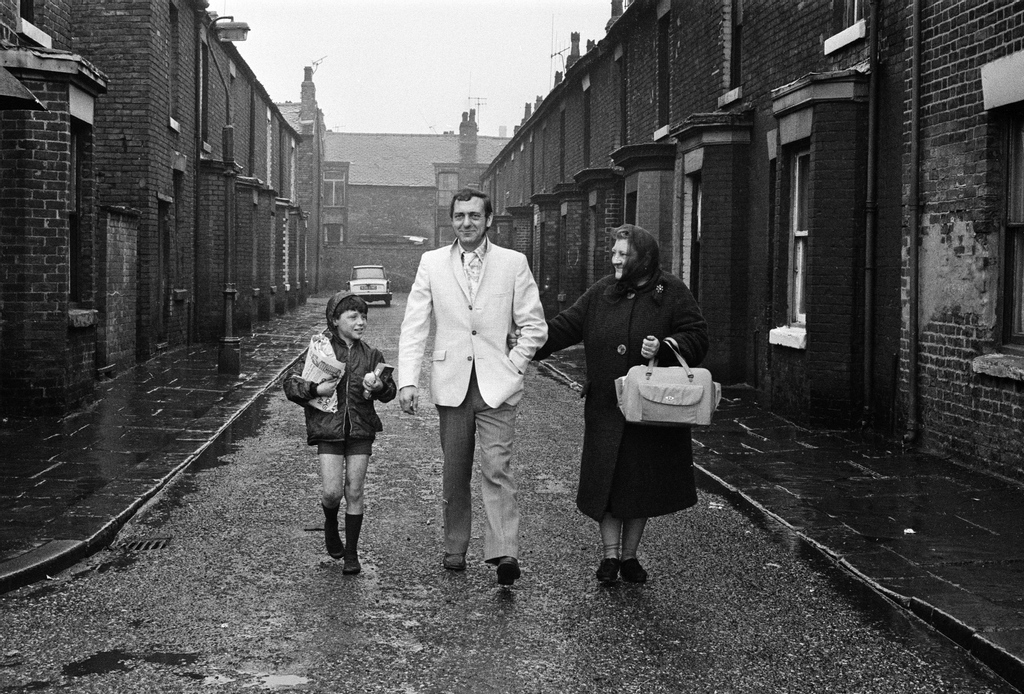
Actor Harry H Corbett visiting his childhood area in 1969, he lived on Earl Street and later in Wythenshawe.
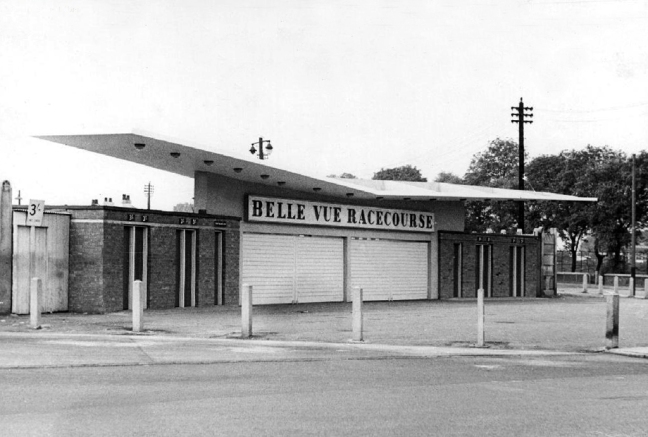
Granada Bowl Belle Vue

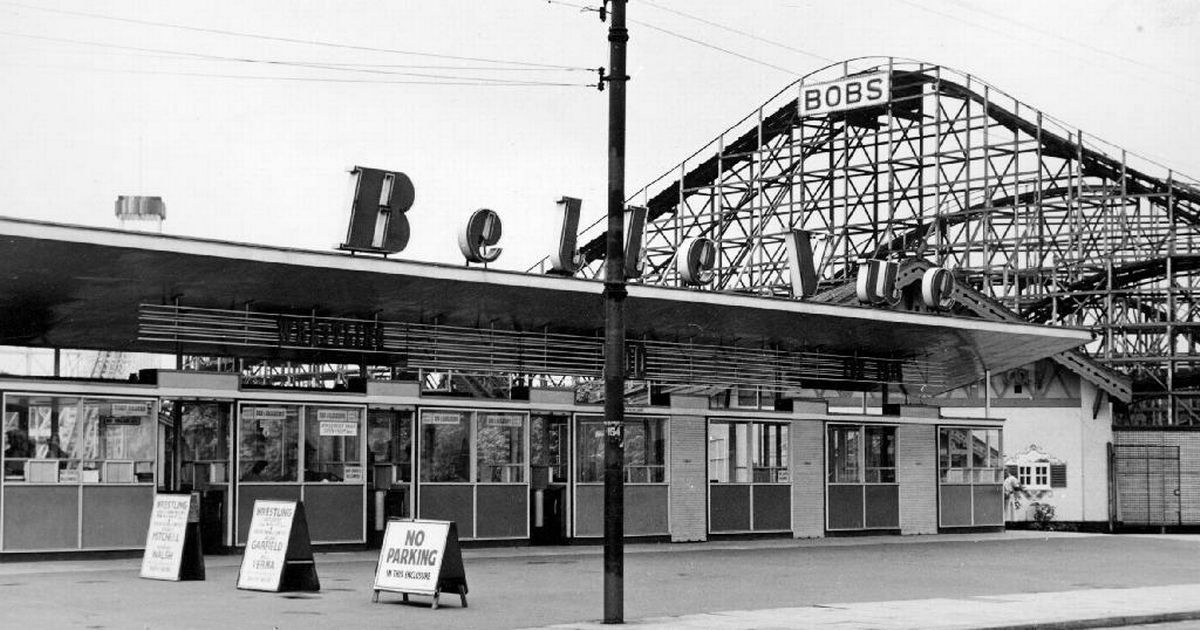
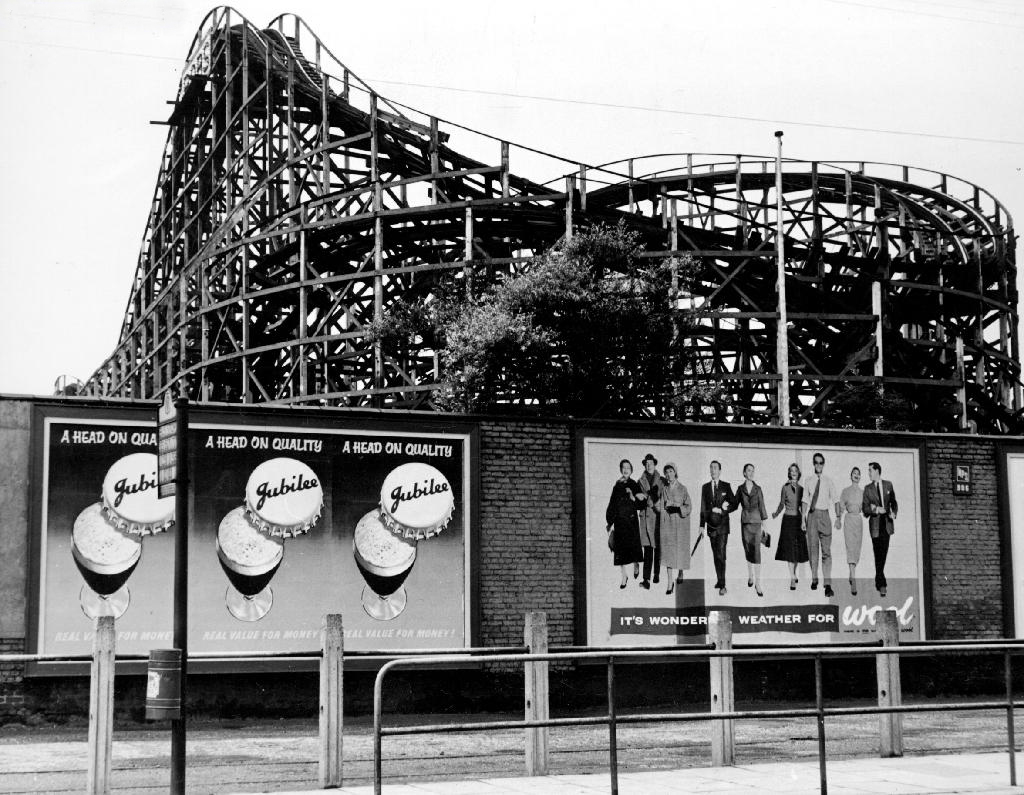
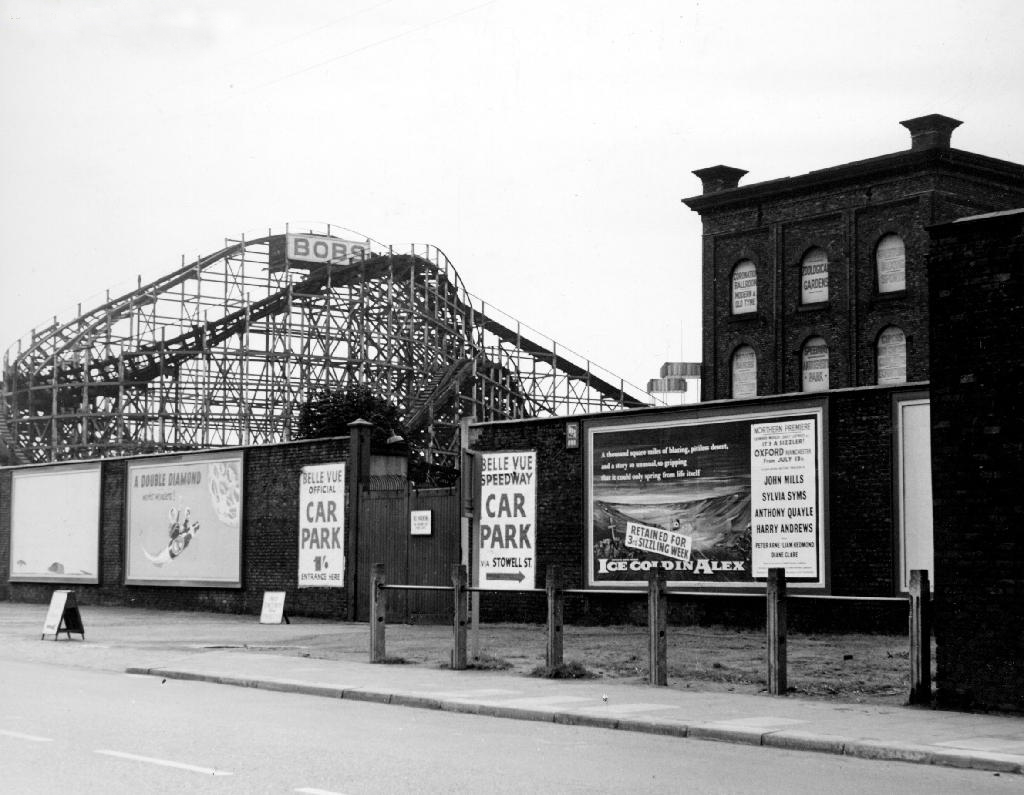
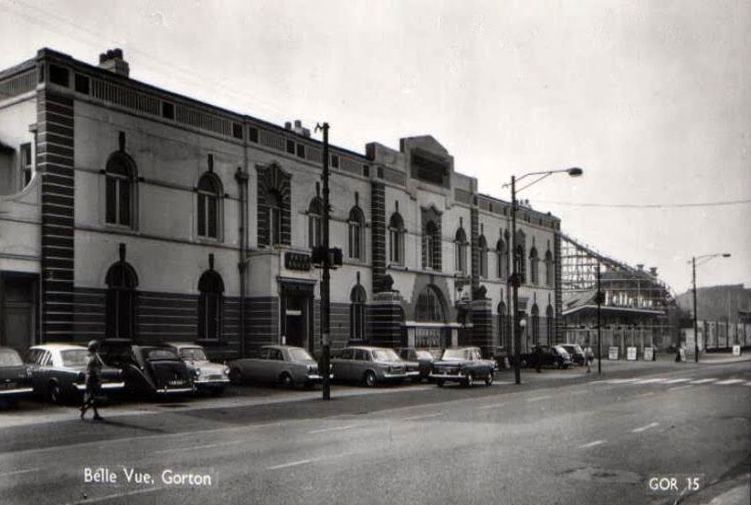
Once upon many times ago we all went to Belle Vue – formed from John Jennison’s Victorian pleasure gardens and zoo, into an inner city funfair and entertainment extravaganza.

I went to the circus, competed in school sports days, watched the wrestling and music, I still go to the speedway – Belle Vue Aces now racing at the nearby National Speedway Stadium.

Then one day it all fell apart.

In 1979 the amusement park was leased to the main concessionaire, Alf Wadbrooke, although by then it was only open at weekends during the summer season. The long-promised restoration of the Scenic Railway had not happened and the Water Chute had closed. In August 1980, Wadbrooke was given notice to close down the park by 26 October 1980 and to have all his equipment removed by February 1981.

The Greyhound Stadium is now a housing estate.
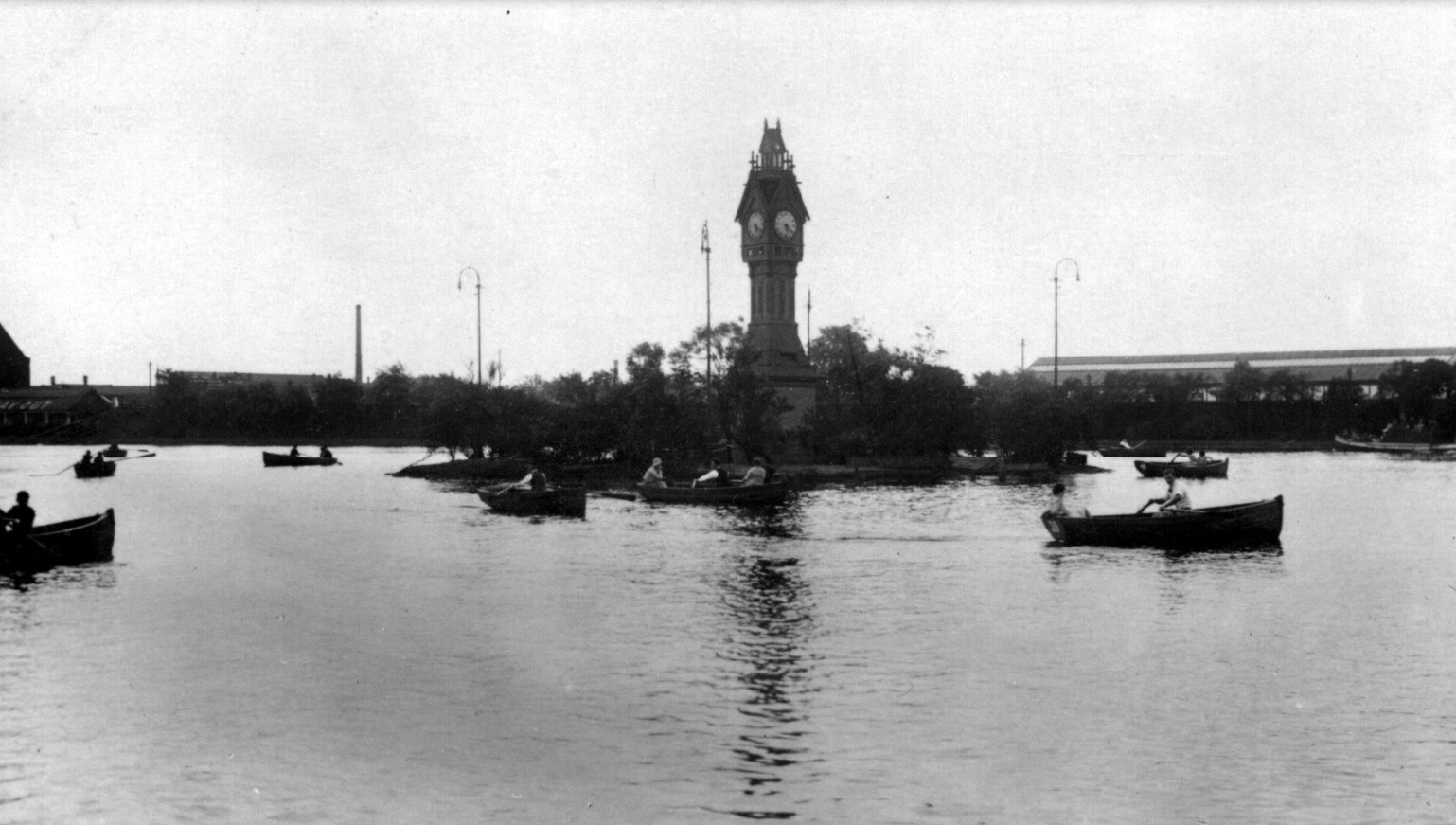
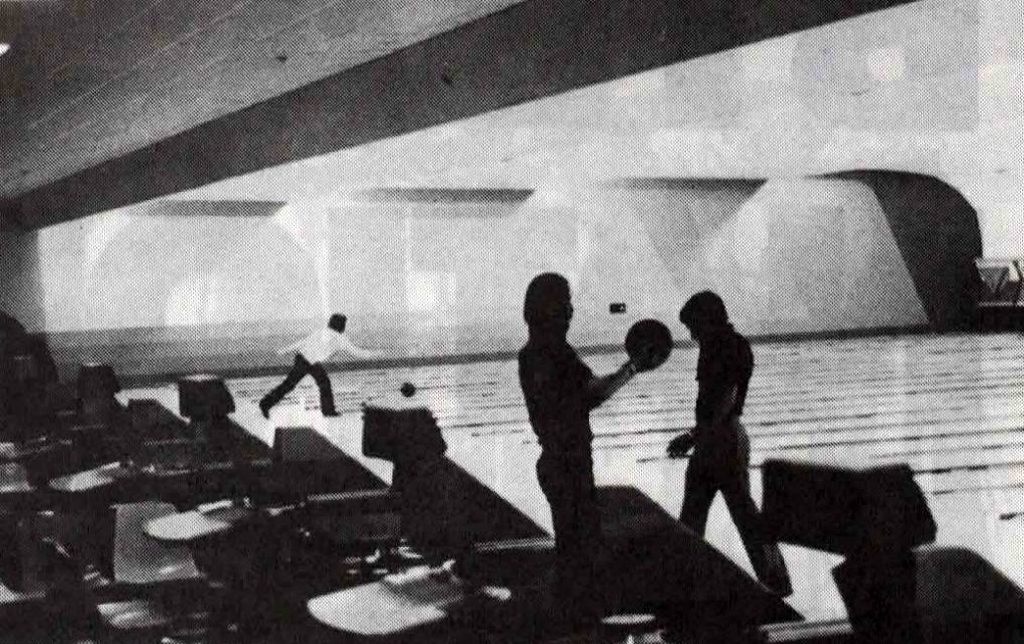
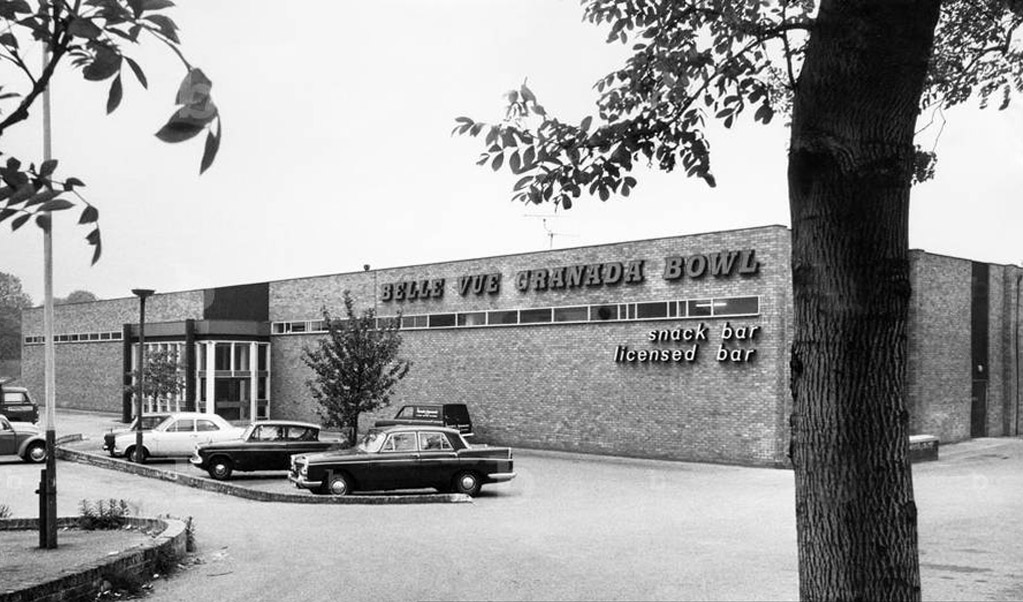
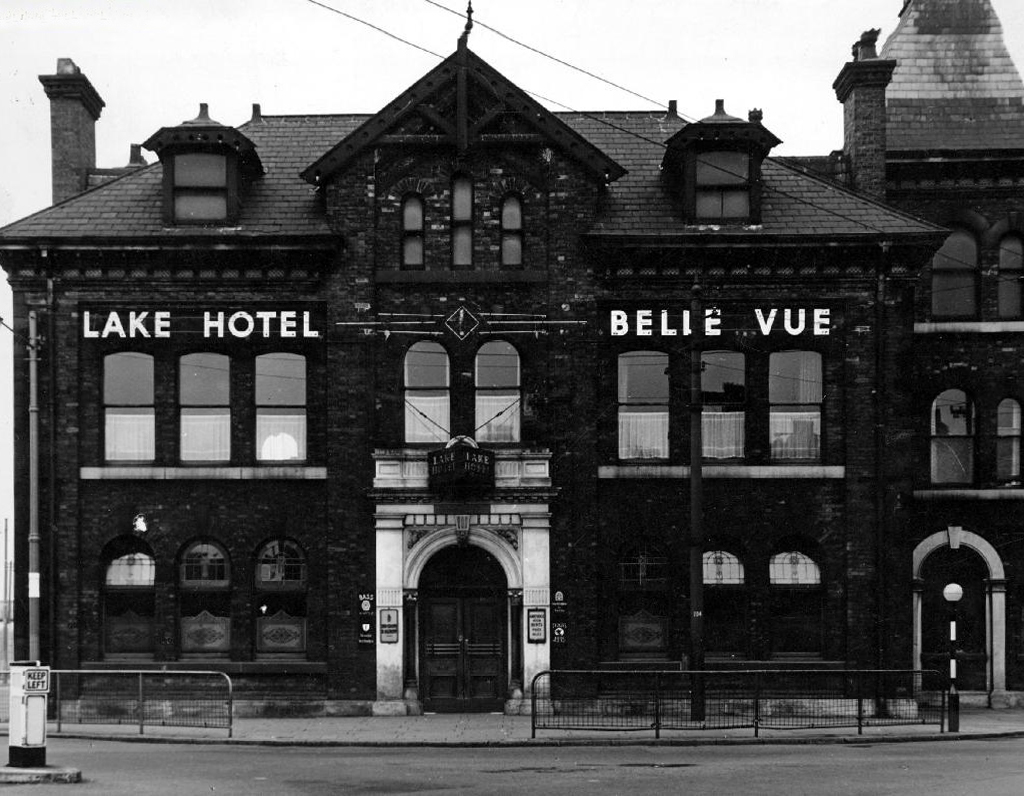
In 1963 the Top Lake, formerly known as the Great Lake, was filled in and a 32-lane ten-pin bowling alley built on its site, just behind the Lake Hotel.
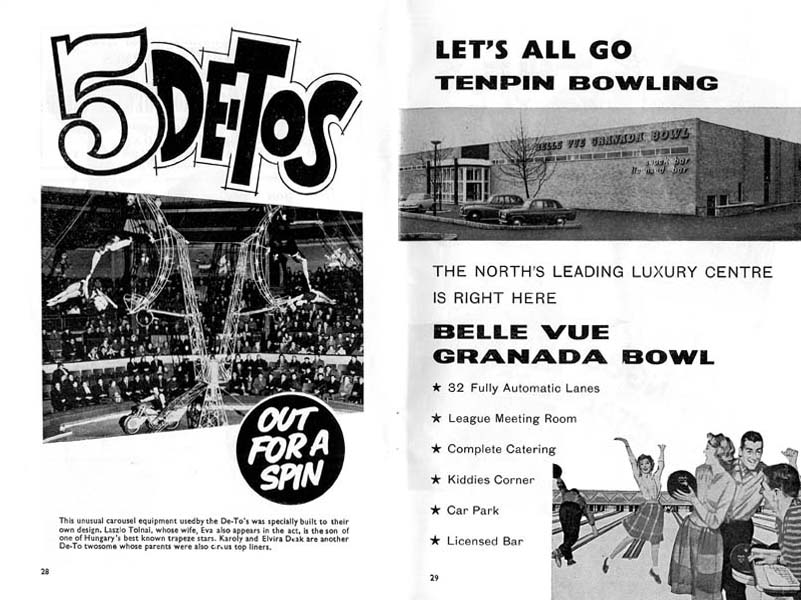
Known as the Belle Vue Granada Bowl, it opened in 1965, advertised as “the north’s leading luxury centre”. In 1983, after the rest of Belle Vue had closed, it was sold to First Leisure Group, and bowling continued for a time.

Wikipedia

The 32-lane Granada Bowl at Belle Vue, Manchester is believed to have been the first centre to be opened by Granada and the centre went on to become one of the most successful in the country. 
The centre was equipped with lanes and machines supplied by AMF and the rest of the centre was well appointed with a licensed bar and food operation. The centre was a joint operation between Granada and Belle Vue with two directors from each company on the board of Belle Vue Granada Bowl Limited.

UK Ten Pin

To mark the opening ceremony Lee Kates, with the support of the band of the 8th Battalion of the Manchester Regiment and trumpeters of the Duke of Lancaster’s Own Yeomanry, introduced Granada’s Mr Chapman, who made a short speech and welcomed the guests. The golden ball was handed to guest Pat Phoenix, star of the TV soap Coronation Street, to roll the first ball.

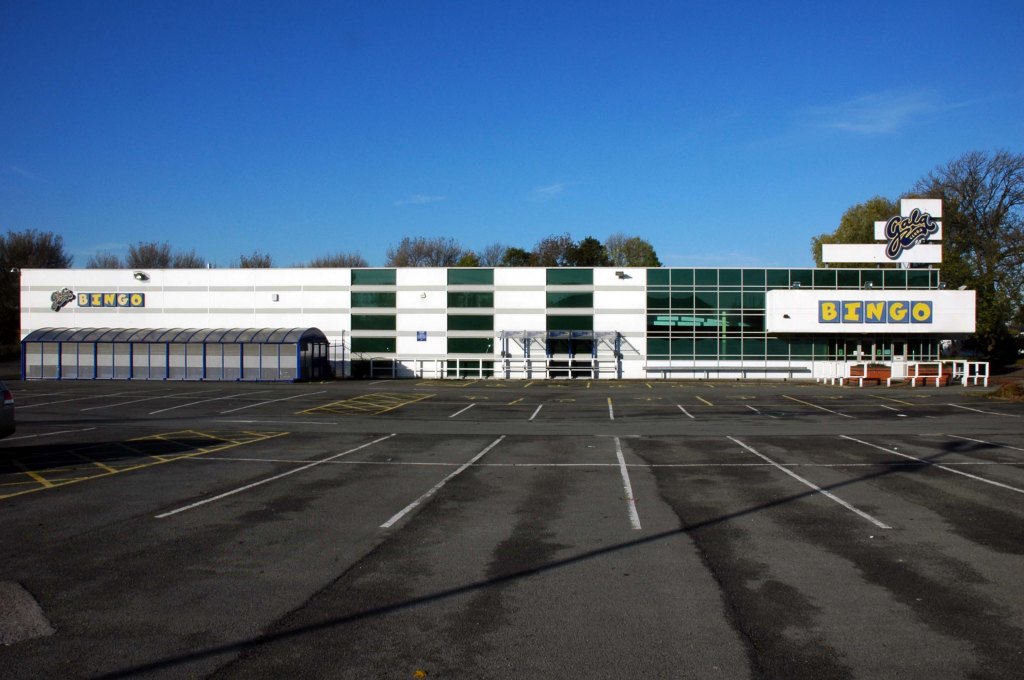
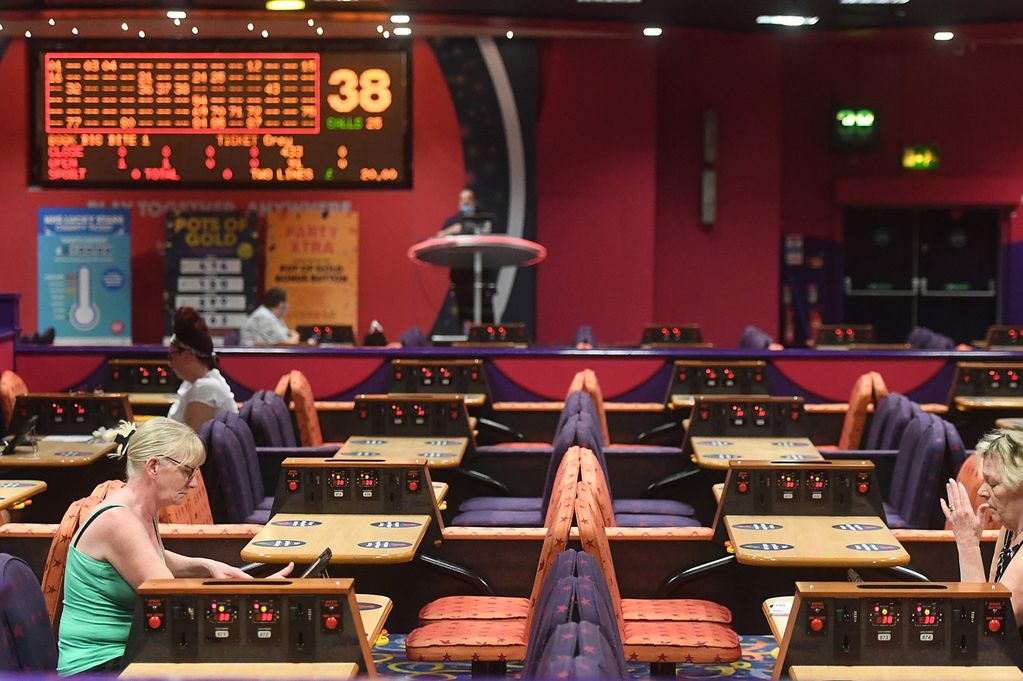
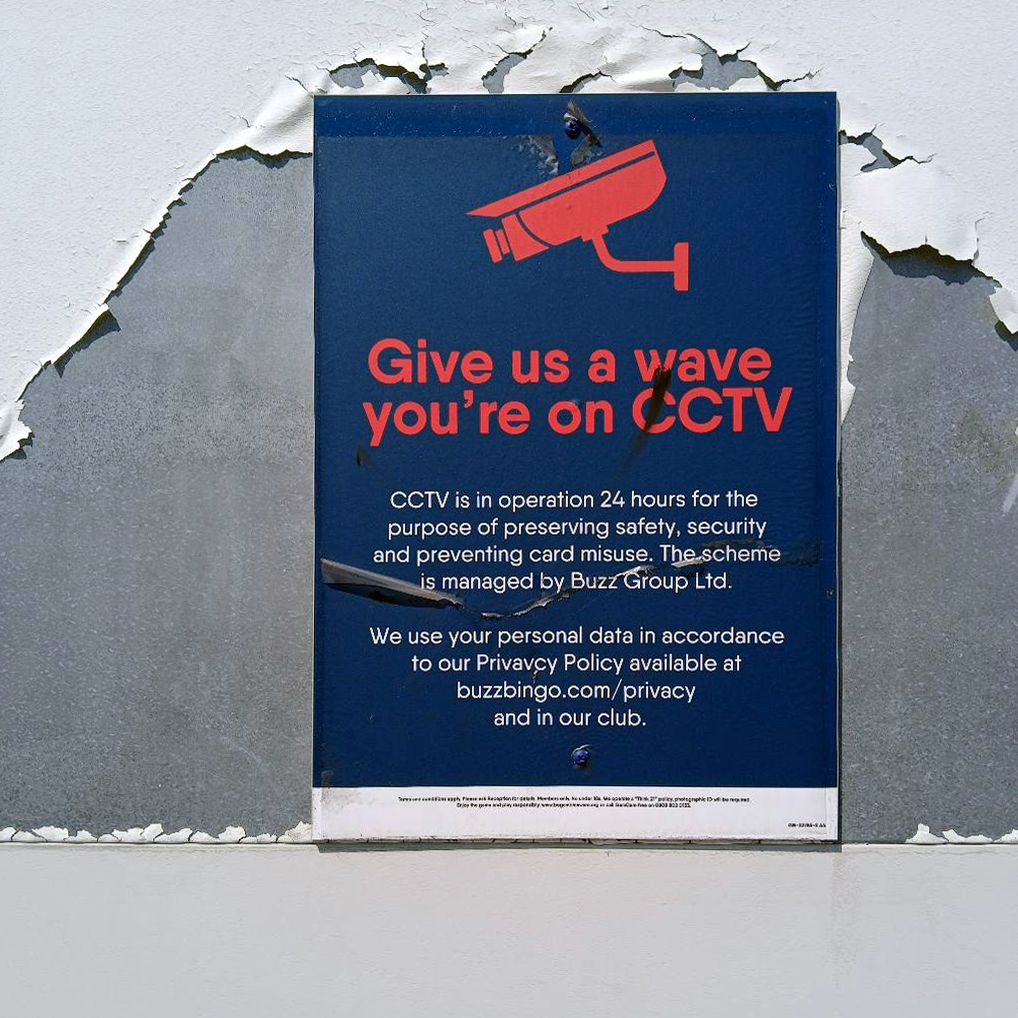
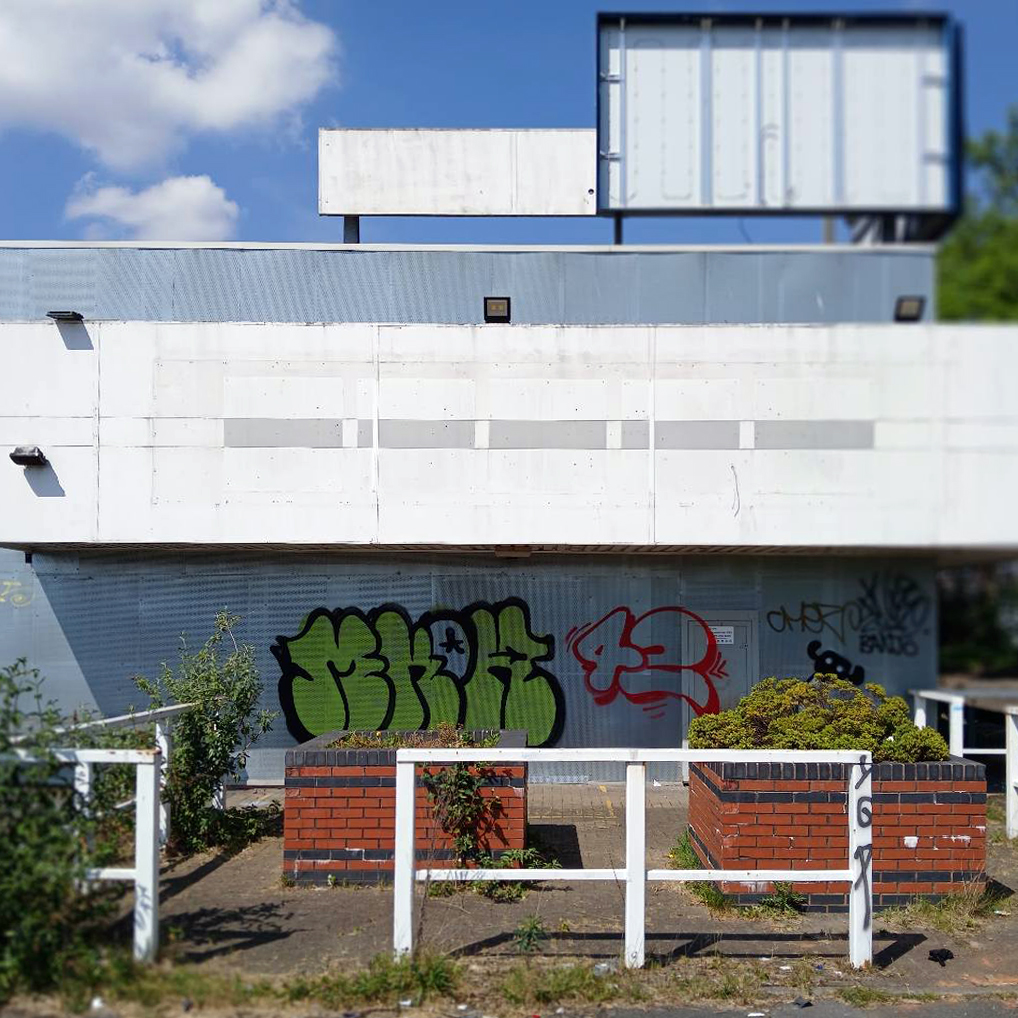
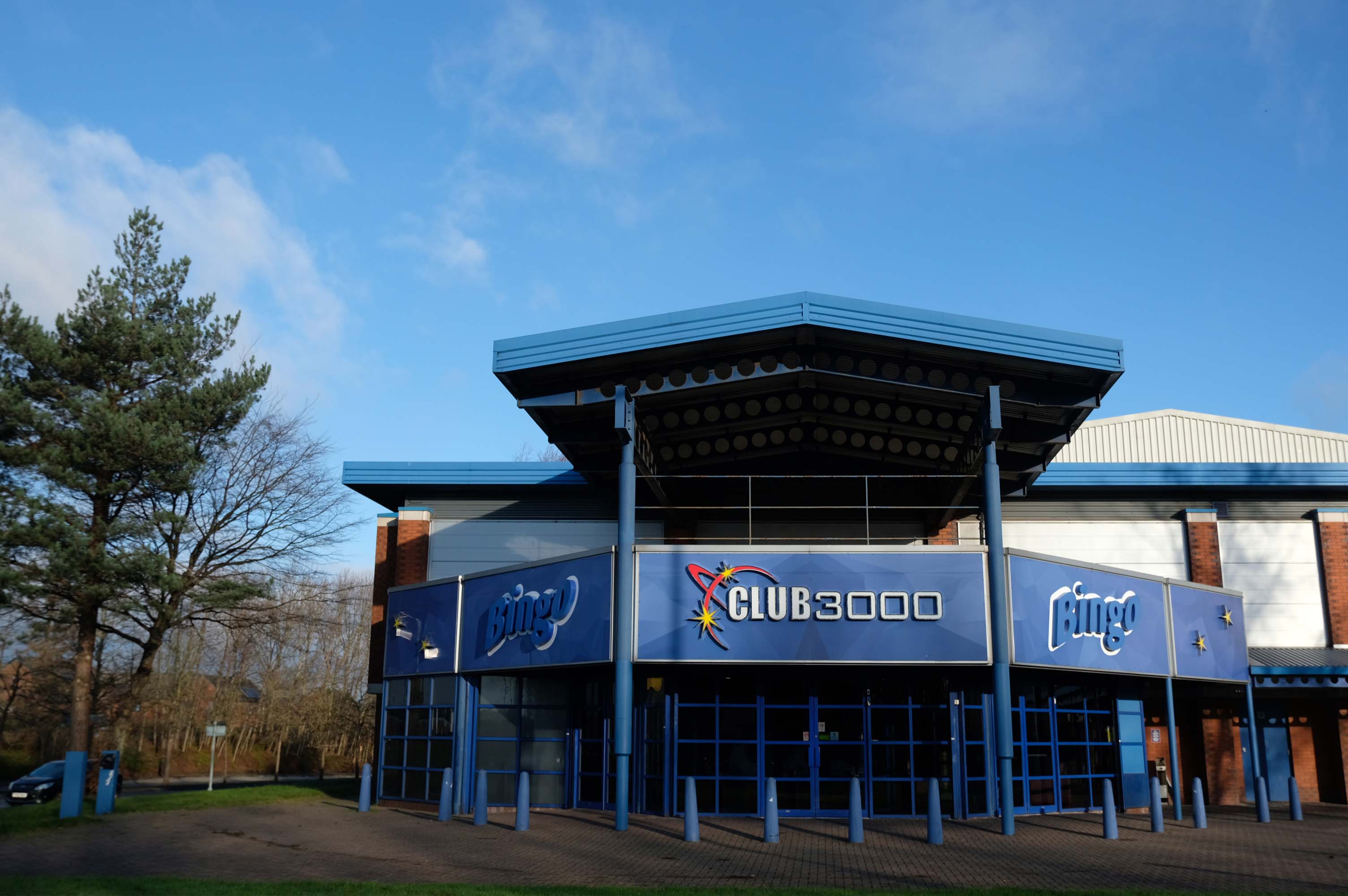
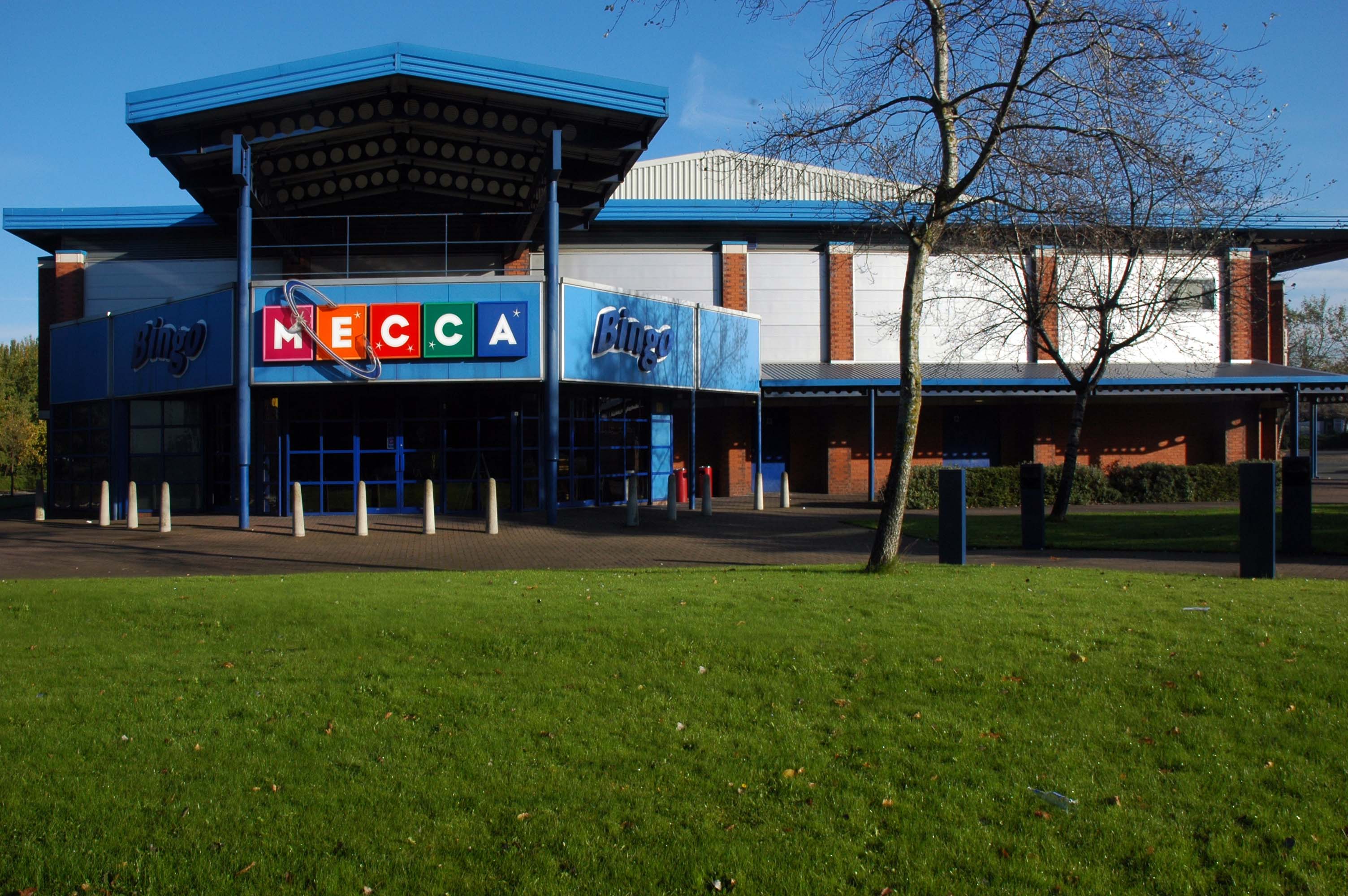
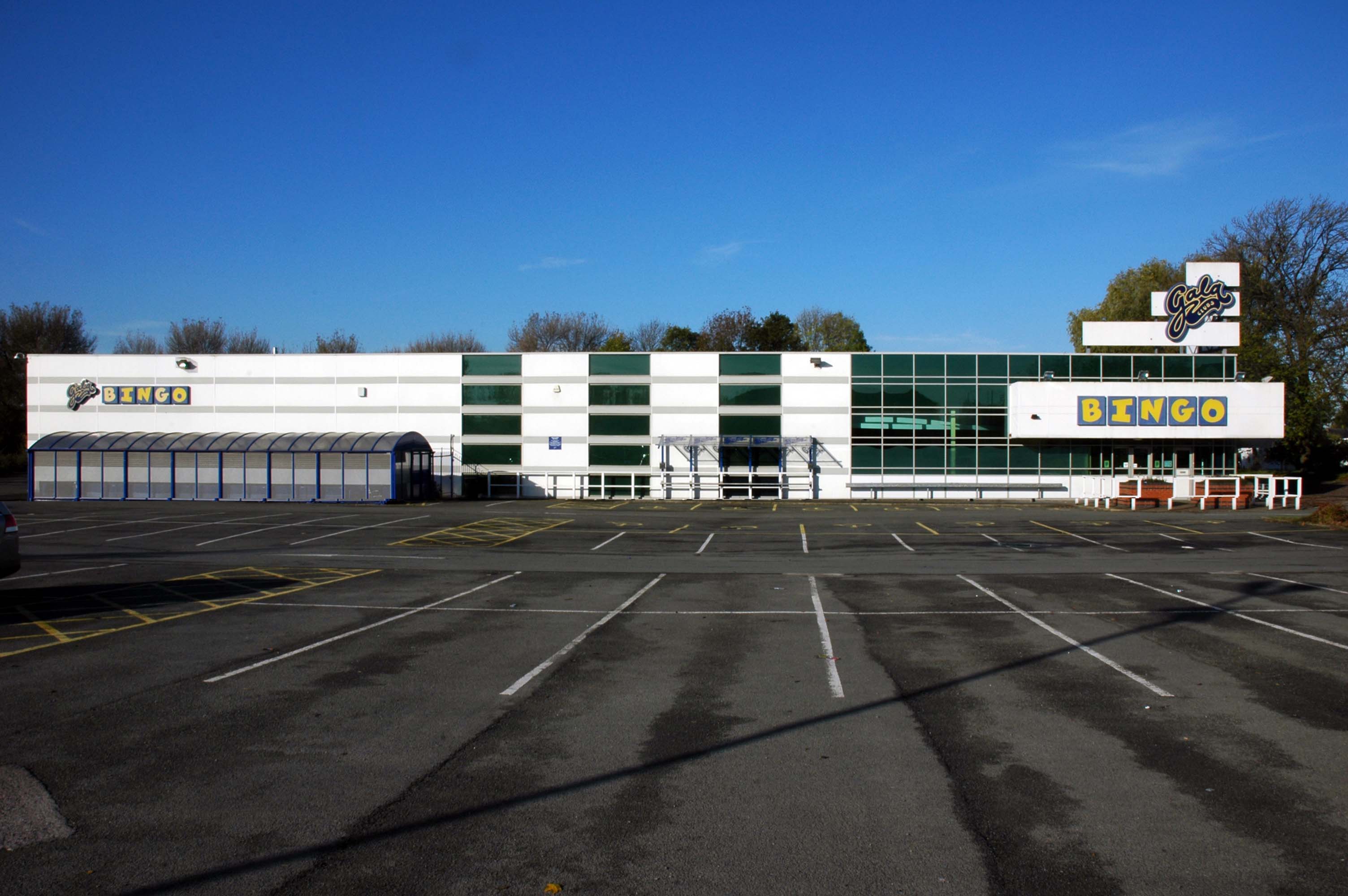
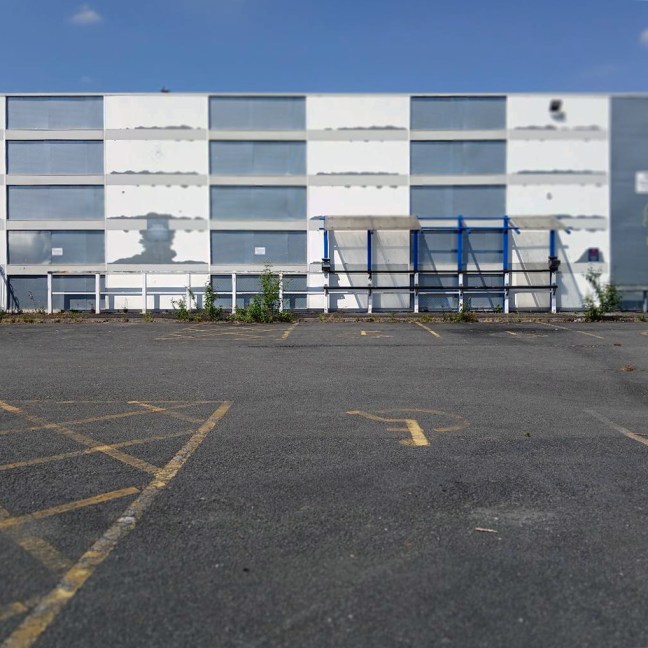
Gala Bingo came and went too.

Buzz Bingo have announced plans to close nine of their 91 clubs across the country.

One of those earmarked for closure is the club at Belle Vue. Bosses are blaming the dwindling number of players following the Covid lockdowns as well as the ‘ongoing and challenging operating environment’ of increased energy bills and other costs.

MEN – March 2023

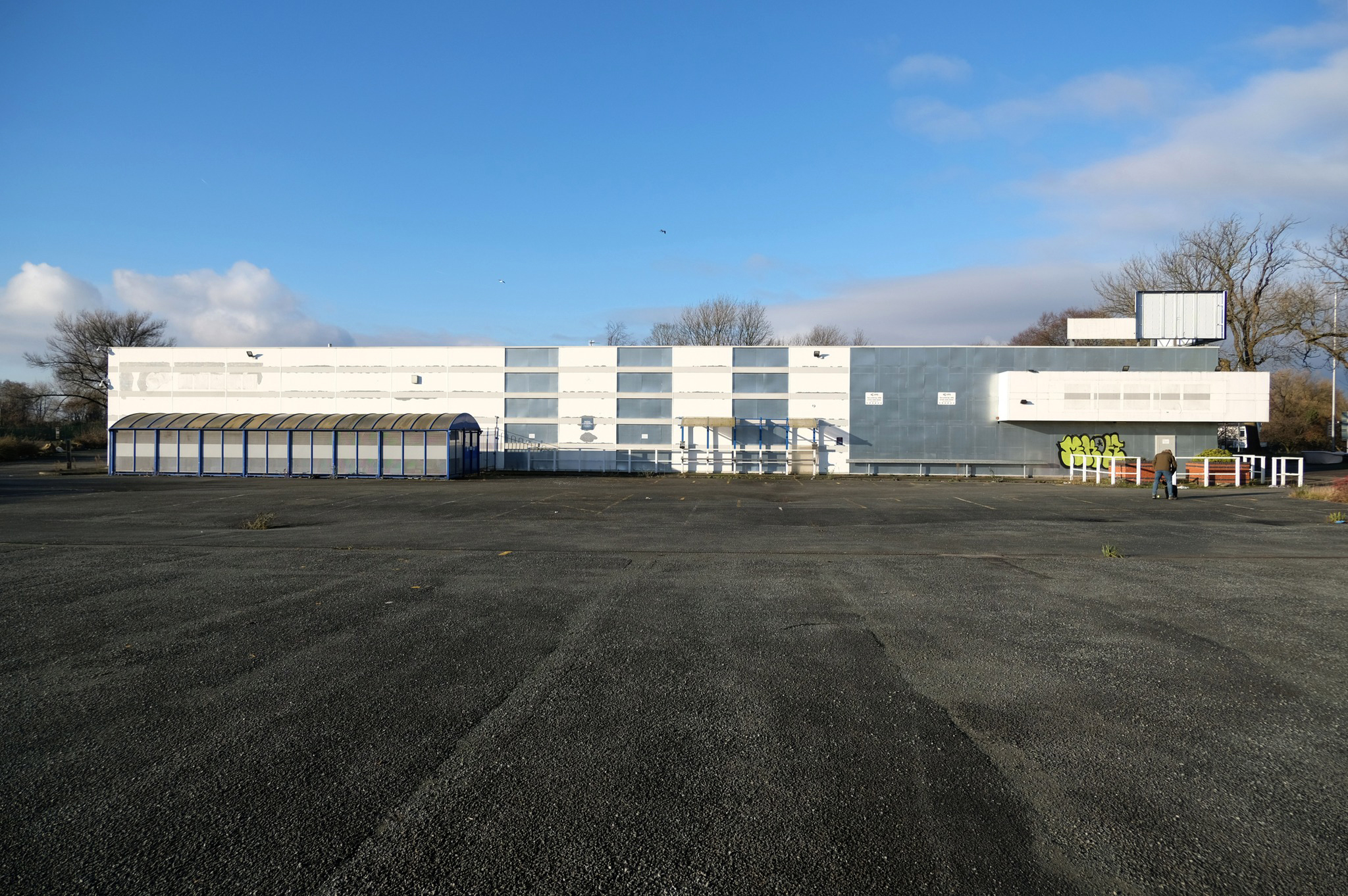
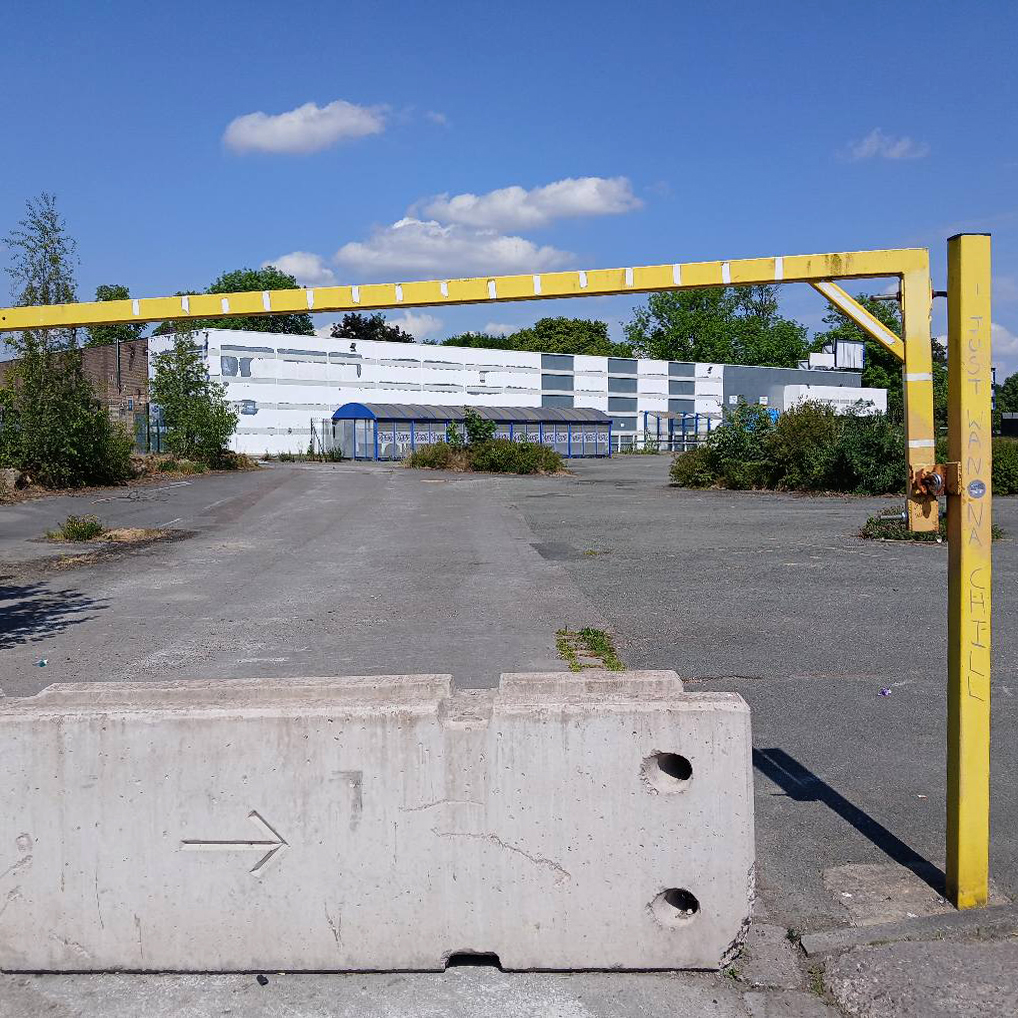
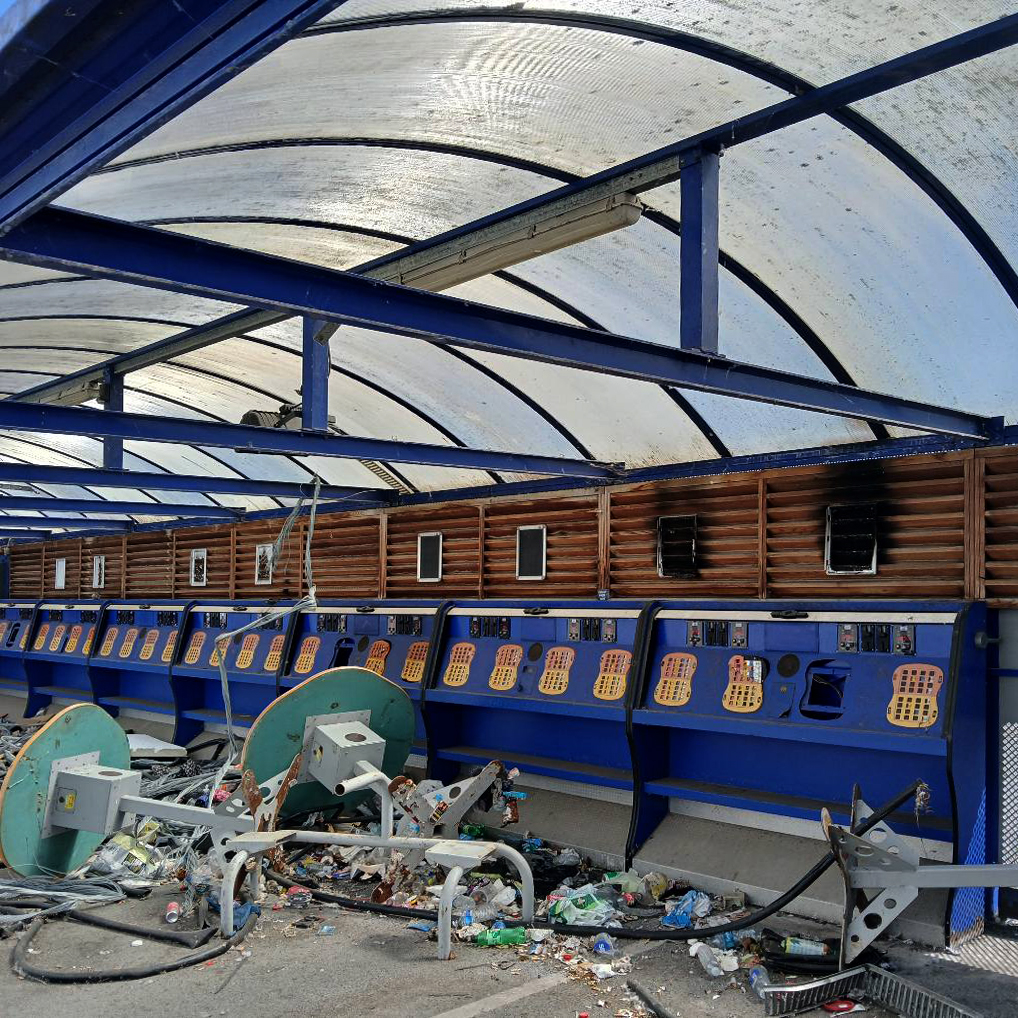
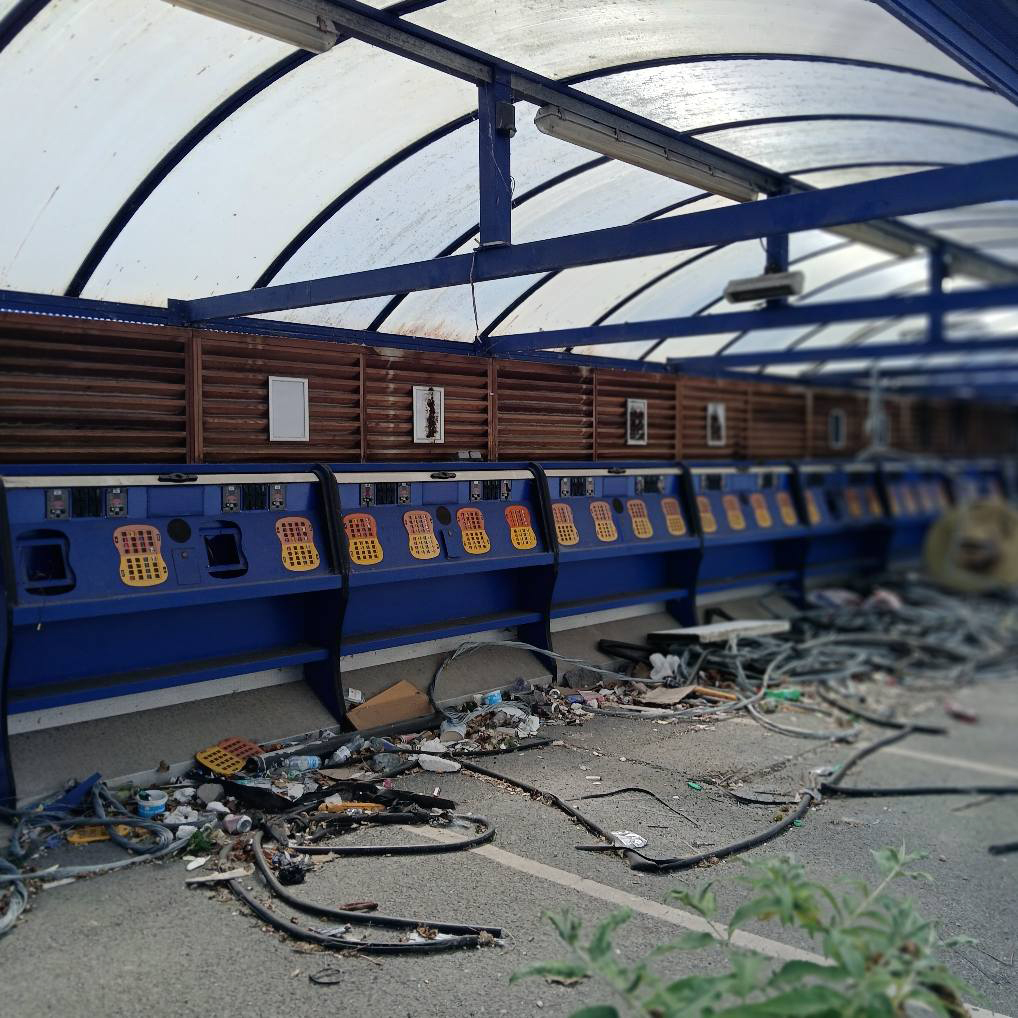
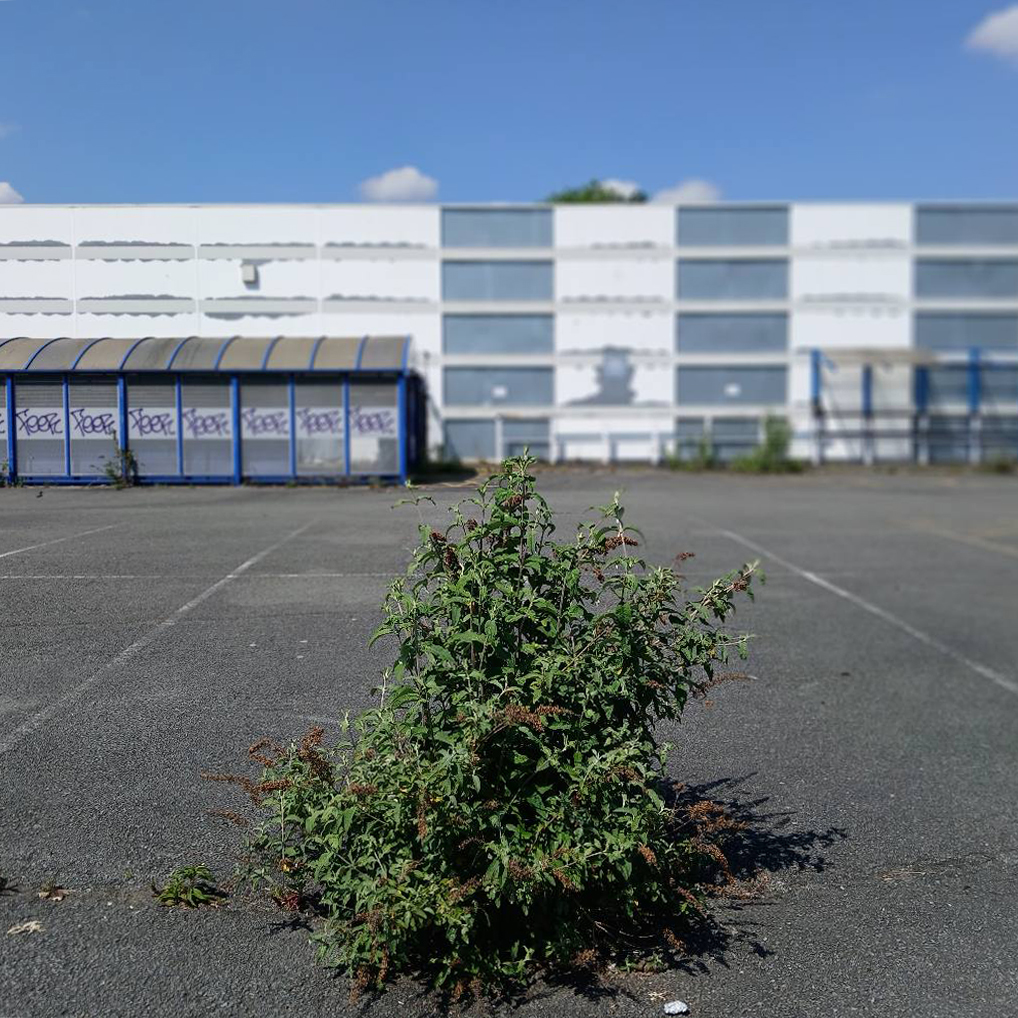
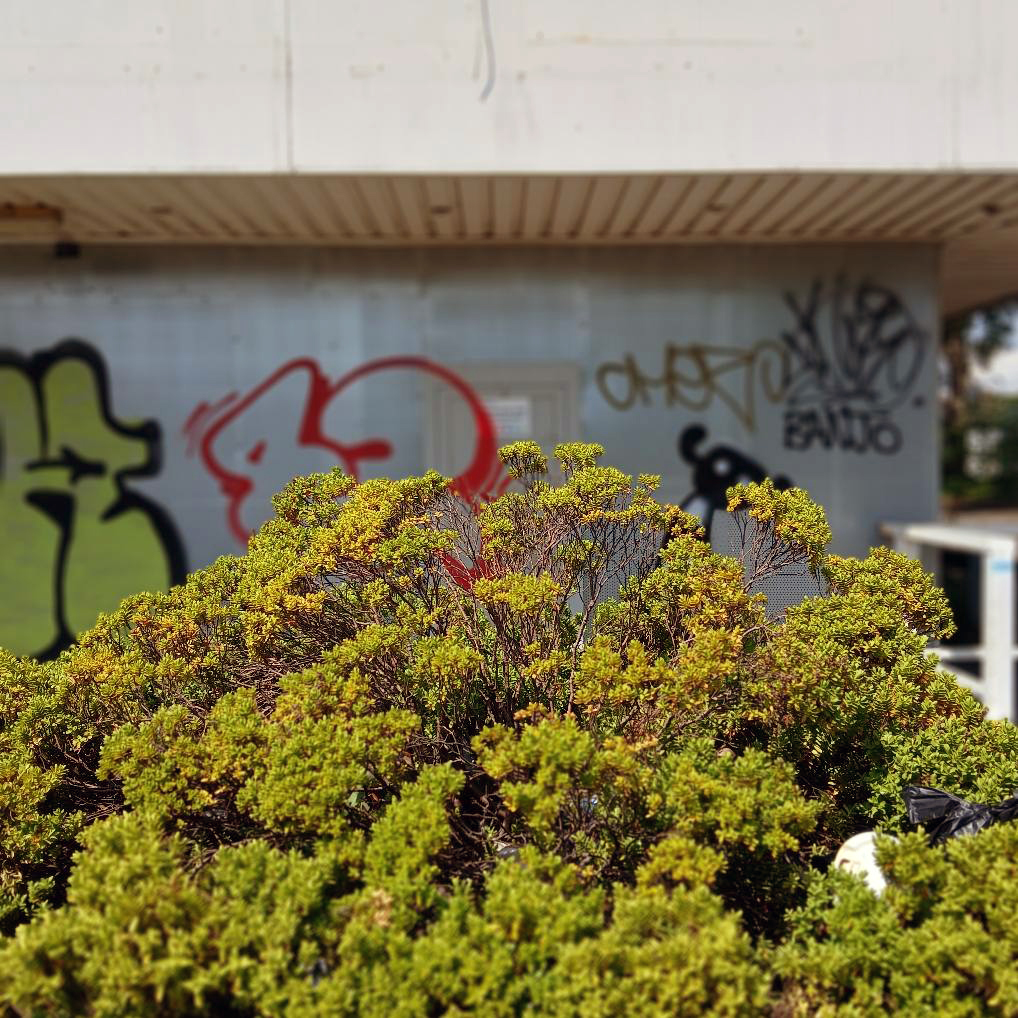
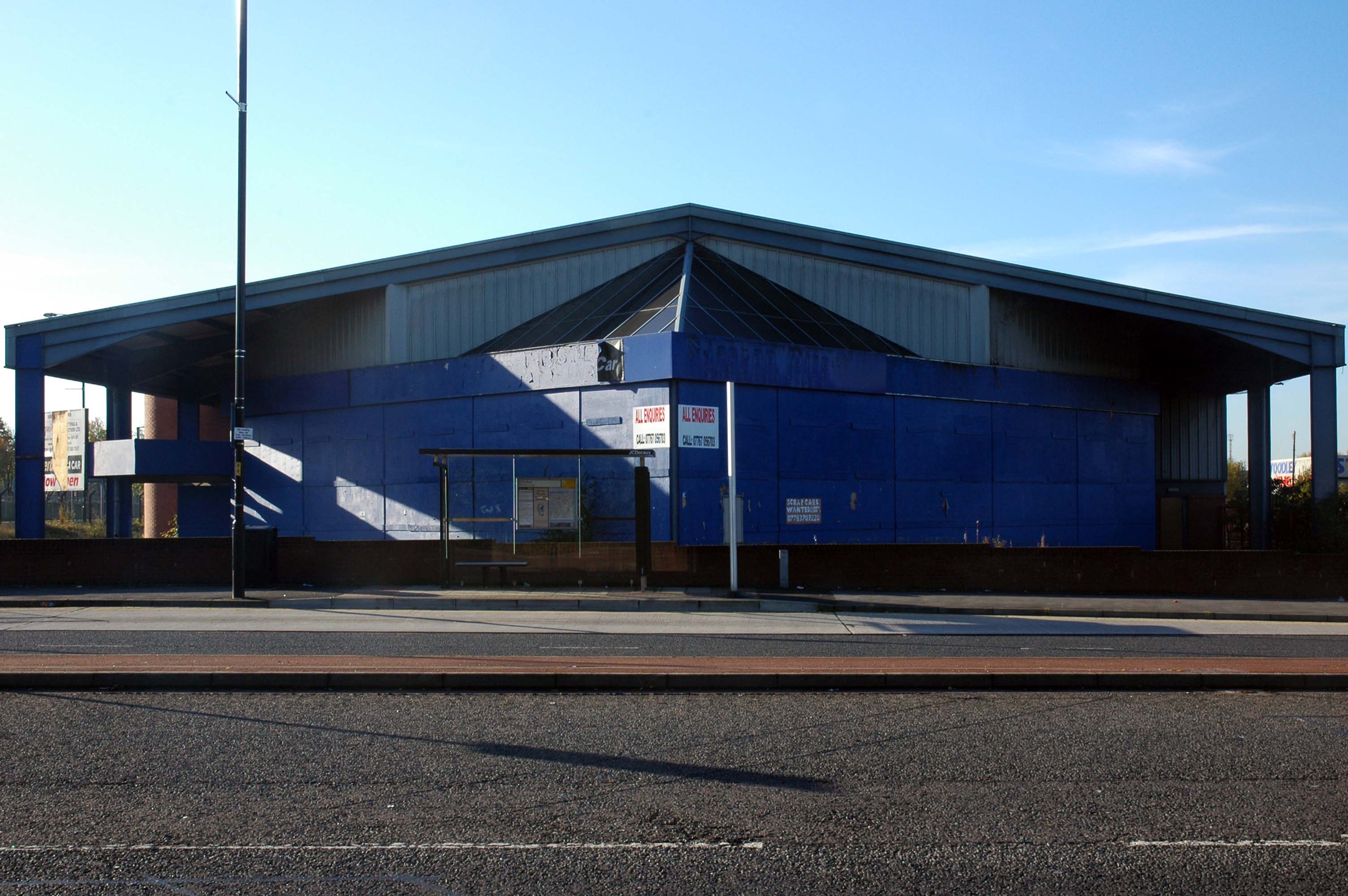
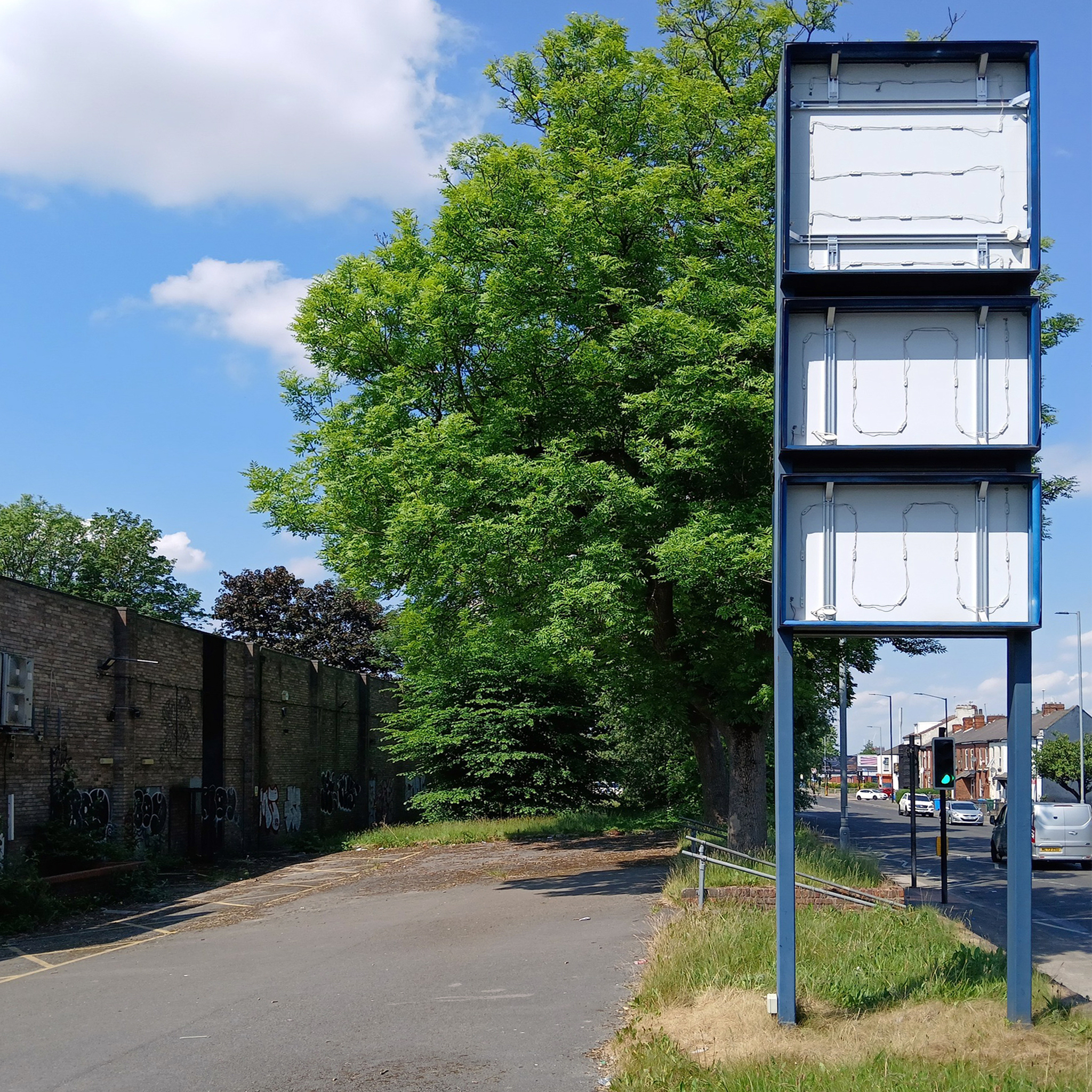
House has been called fro the very last time, the signage removed and the building tinned up.

I was cycling by today – 20th May so stopped to take a few snaps.

Manchester Arterial 2024 – A57

Having photographed the arterial roads of Manchester in 2014, I have resolved to return to the task in 2024.

Some things seem to have changed, some things seem to have stayed the same.

Manchester Arterial – A57

The A57 was nearly a coast to coast route. It passes through three major city centres (Liverpool, Manchester, and Sheffield – with elevated sections in each) and several smaller ones, multiplexes with the A6 and the A1, follows the banks of two canals and negotiates the remotest part of the Peak District. In one city it part of it is a tram route, whilst in another its former route is also a tram route. After all these adventures, it sadly gives up just 40 miles short of the east coast, Lincoln apparently proving too big an obstacle.

The A57 crosses the River Irwell at Regent Bridge before entering its moment of motorway glory as the A57(M) Mancunian Way skirting the south of Manchester’s city centre on an elevated section and crossing the A56 and A34. This includes a half-completed exit that goes the wrong way up Brook Street – a one way street. The original A57 ran further north through the city centre along Liverpool Road (now the A6143) and Whitworth Street – B6469 as far as the A6 London Road which marked the start of a multiplex.

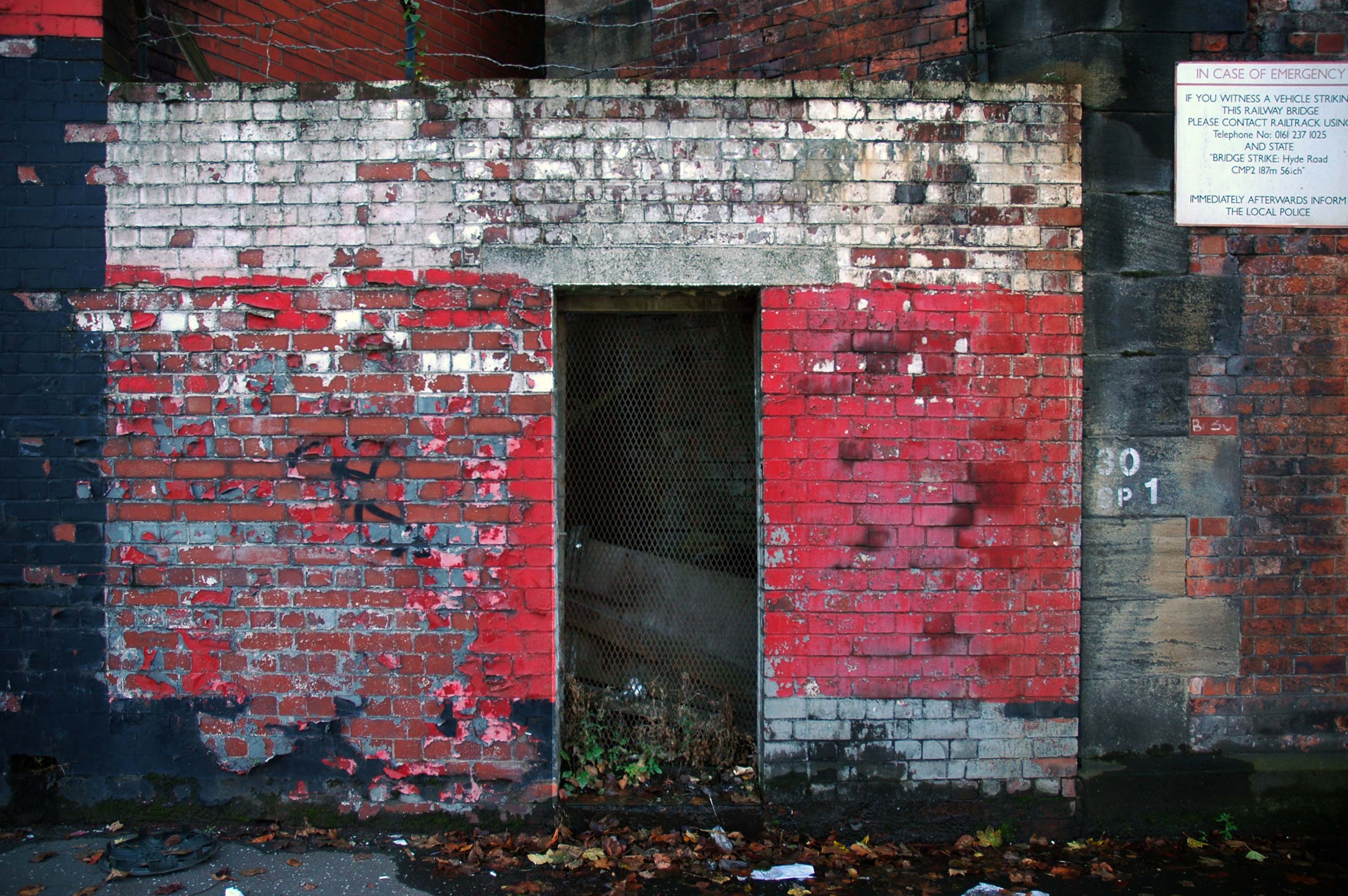
At the end of Mancunian Way, we reach a TOTSO, straight on being the short unsigned A635(M) and thence the A635 – for Saddleworth Moor, Barnsley and Doncaster whilst the A57 turns south, briefly multiplexing with the A6, and then branching off along Hyde Road. This section of road was extensively cleared for the westward extension for the M67, and consequently has seen a lot of redevelopment.

Sabre Roads

In 2014, having taken early retirement from teaching photography, I embarked on a series of walks along the arterial roads of Manchester.

See also Bury New Road and Cheetham Hill Road and Rochdale Road and Oldham Road and Ashton New Road and Ashton Old Road.

Hyde Road Stadium – Manchester

Hyde Road was a football stadium in West Gorton, Manchester, England.

It was home to Manchester City FC and their predecessors, from its construction in 1887 until 1923, when the club moved to Maine Road.

Billy Gillespie on the ball.

Before its use as a football ground, the site was an area of waste ground, and in its early days the ground had only rudimentary facilities. The first stand was built in 1888, but the ground had no changing facilities until 1896; players had to change in a nearby public house, the Hyde Road Hotel.

As a Chester’s house, a condition of the club’s official link to the pub was that supporters and club officials and players would sup Chesters ales, and in return Stephen Chesters Thompson of the brewery helped finance stadium improvements.

The move of MCFC to Maine Road in 1923 following a fire at the Hyde Road ground, didn’t adversely affect the Hyde Road Hotel and it continued to serve the West Gorton community and the once-bustling Hyde Road thoroughfare.  

As late as the 1980s, renamed the City Gates, it was a popular watering hole before the match for supporters travelling in from East Manchester.  It was kitted out in all sorts of MCFC memorabilia and was run by George Heslop, City legend of the 1960s, after he’d had the Royal George in town.

Sadly, as the community around it was decimated, the pub struggled and its last hurrah was as the City Gates theme pub.  The business failed in 1989 and the pub sat empty and rotting for twelve years until it was demolished, despite a half-hearted fans campaign to save it.  Two keystones from the Hyde Road Hotel reside in the MCFC memorial garden and are all that remain of this significant Manchester pub.

Pubs of Manchester

Sadly one of many Hyde Road pubs to bite the dust

By 1904 the ground had developed into a 40,000-capacity venue, hosting an FA Cup semi-final between Newcastle United and Sheffield Wednesday the following year.

The stands and terraces were arranged in a haphazard manner due to space constraints, and by 1920 the club had outgrown the cramped venue. A decision to seek an alternative venue was hastened in November 1920, when the Main Stand was destroyed by fire. Manchester City moved to the 80,000-capacity Maine Road in 1923, and Hyde Road was demolished shortly afterward. One structure from the ground is still in use in the 21st century, a section of roofing which was sold for use at The Shay, a stadium in Halifax.

Maine Road – which in turn closed on May 11th 2003, City losing 1-0 to Southampton

City are now at home at the Etihad – formerly the Commonwealth Games Stadium.

The area was also home to the Galloway Boiler Works – you can see the employees of 1900 here.

The northeastern end of City’s stadium was known as the Galloway End.

Bennett’s Iron Foundry also occupied the site – excavation of which, is currently taking place.

Bilclam furniture now sells for big money.

The foundry employed some of the club’s players, and the Galloway Boiler Works, supplied some of the materials to develop the Hyde Road ground.

Chorlton History

I had always known the area as the Olympic Freight Depot – seen from the passing train.

I cycled by the other day and the containers are long gone – the site is being cleansed to a depth of two metres.

Loitering by the gates, I asked if I may take some snaps .

Please y’self – so I did.

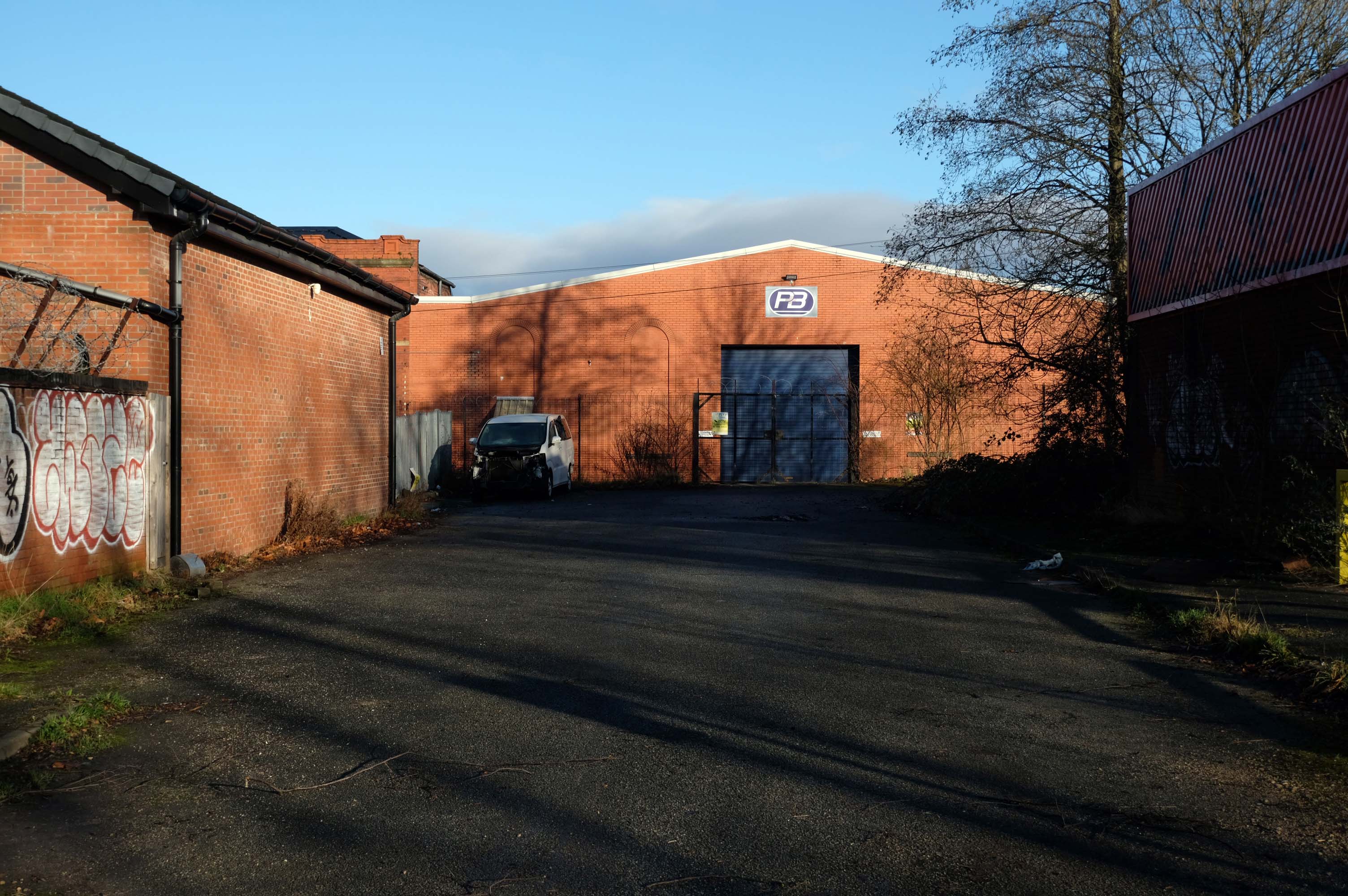
So what’s next on the cards, for this little corner of local history – set twixt Bennett Street and Hyde Road?

New homes is on the cards – and on the hoardings.

Plans have been revealed for a 337-home development on the Olympic Freight depot in West Gorton.

Brought forward by Sheffield-based Ascena Developments, the planning application to Manchester City Council outlines proposals for 191 houses and 146 apartments, split across two blocks.

Alongside the homes, the development would include a 3,000 sq ft circular community centre and café, shop, and a unit which is earmarked for a chip shop.

Place Northwest

However:

Kellen Homes has been granted planning consent to redevelop the thirteen-acre Olympic Freight depot on Bennett Street in Manchester into 272 homes. 

The developer, owned by Renaker founder Daren Whitaker, lodged plans for the West Gorton scheme last year following the withdrawal of an earlier and larger scheme drawn up by Sheffield-based Ascena Developments. 

So no chip shop, I assume?

Place Northwest

The site will require significant remediation, impacting the scheme’s viability, the report states.

As a result, no affordable housing is proposed.  

Thanks.

Type Travel – Manchester

This is a journey through time and space by bicycle, around the rugged, ragged streets of East Manchester.

Undertaken on Sunday September 2nd 2018.

This is type travel – the search for words and their meanings in an ever changing world.

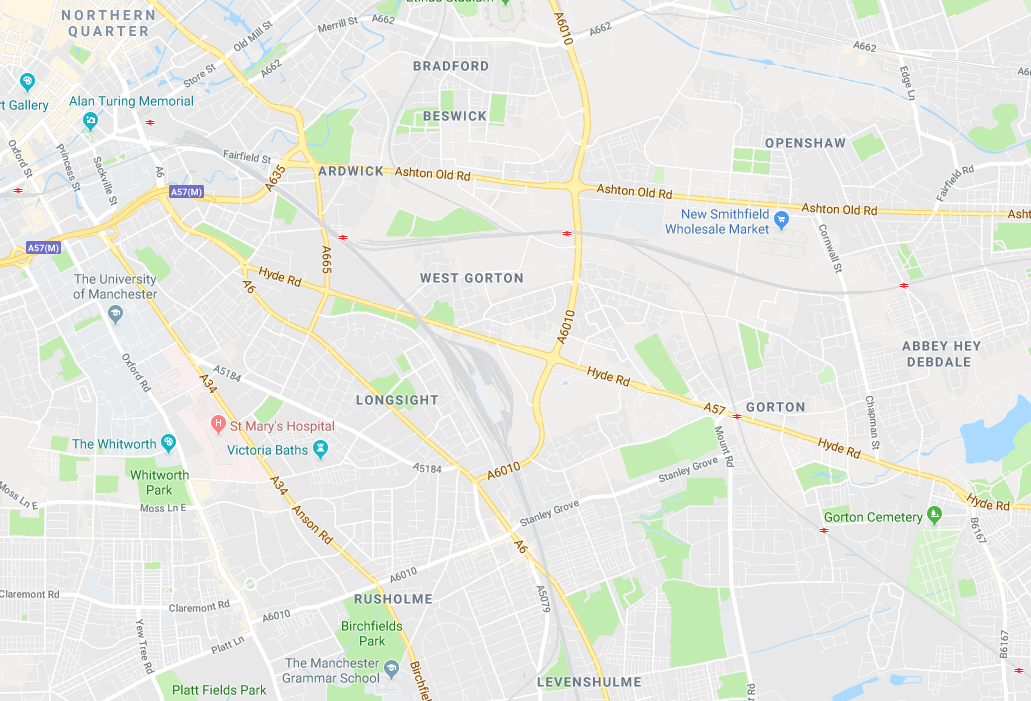
map

Hyde Road

P1280955
P1280956

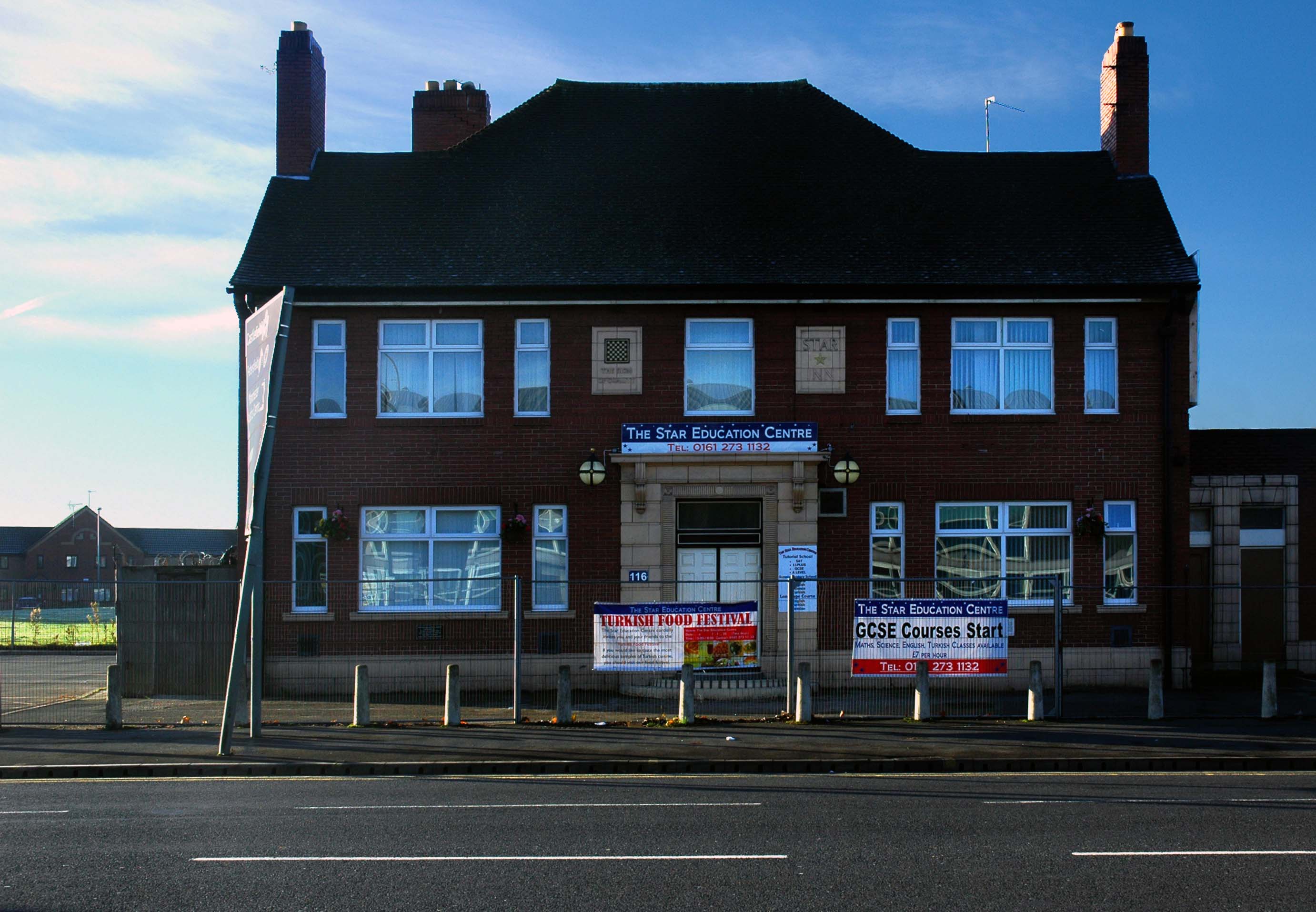
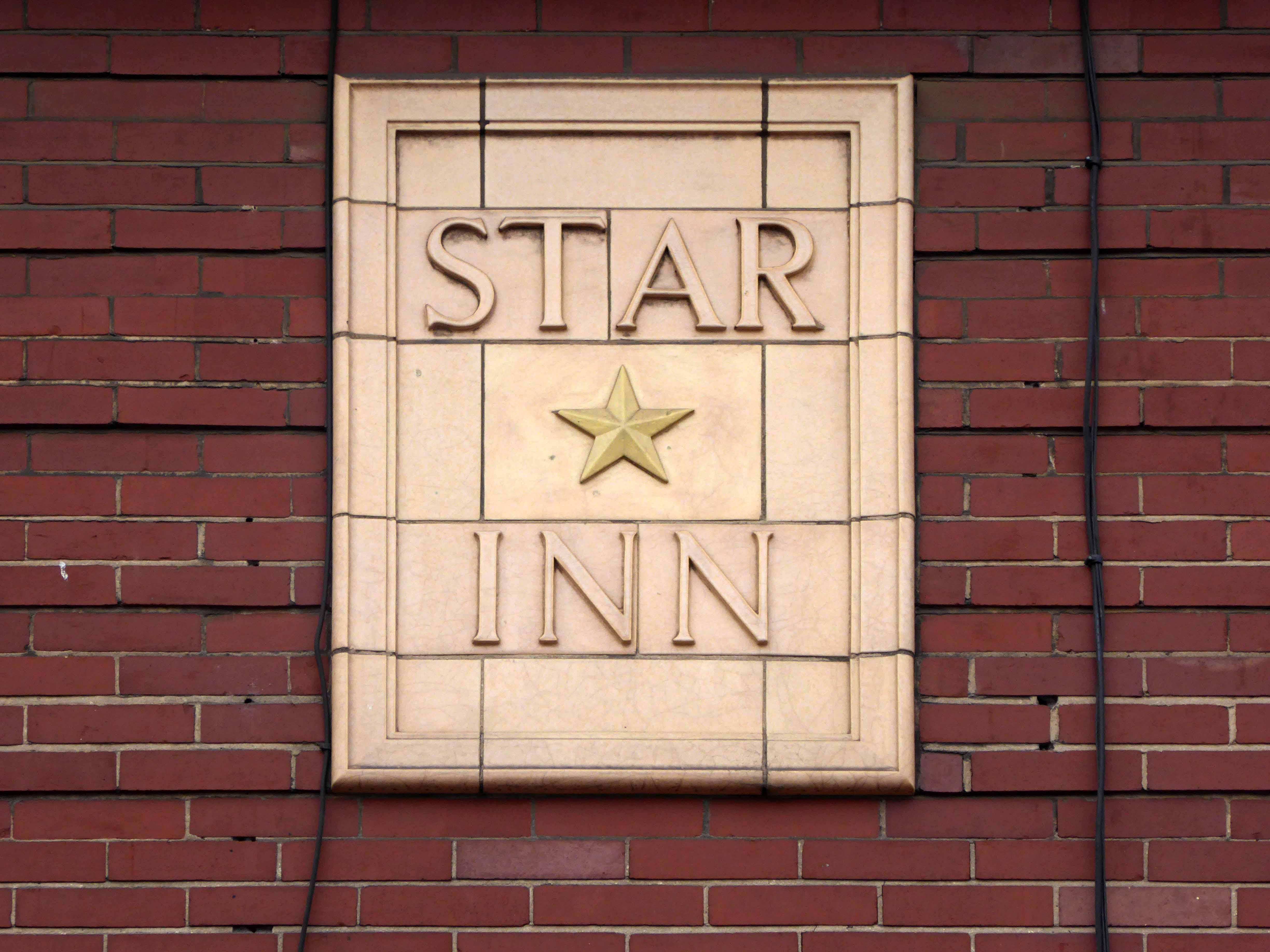
The Star Inn – former Wilsons pub

Devonshire Street North

P1280961

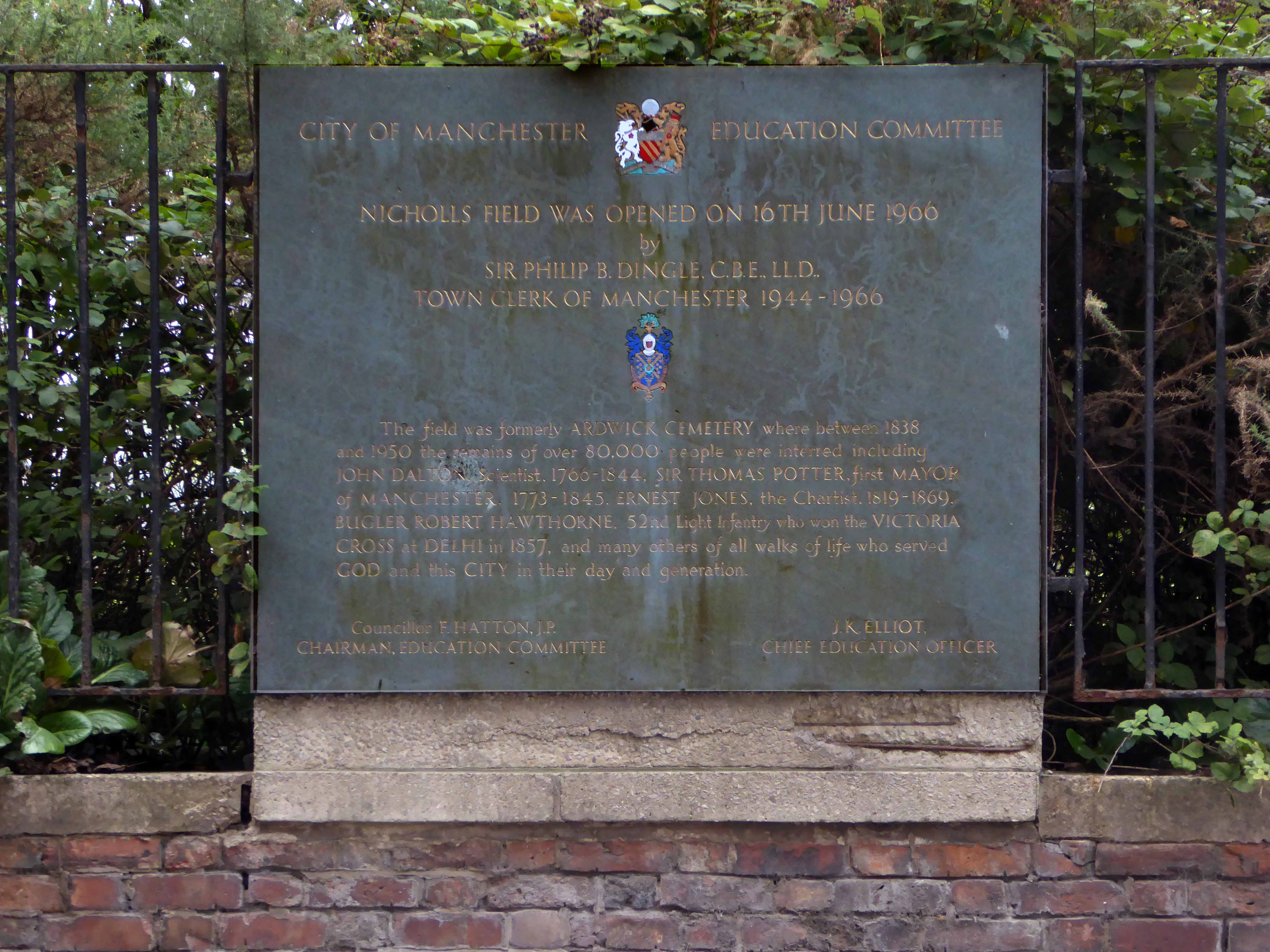
Former Ardwick Cemetery

P1280962

Great Universal Stores former mail order giant

Palmerston Street

P1280979

The River Inn abandoned pub

Every Street

P1290001

All Souls Church – listed yet unloved

Pollard Street East

P1290008.jpg
Screen Shot 2018-09-04 at 08.37.57

The Bank Of England abandoned pub

P1290020

Ancoats Works former engineering company

Cambrian Street

P1290024.jpg

The Lunchbox Café Holt Town

Upper Helena Street

P1290028

The last remnants of industrial activity

Bradford Road

P1290046

Brunswick Mill

P1290048

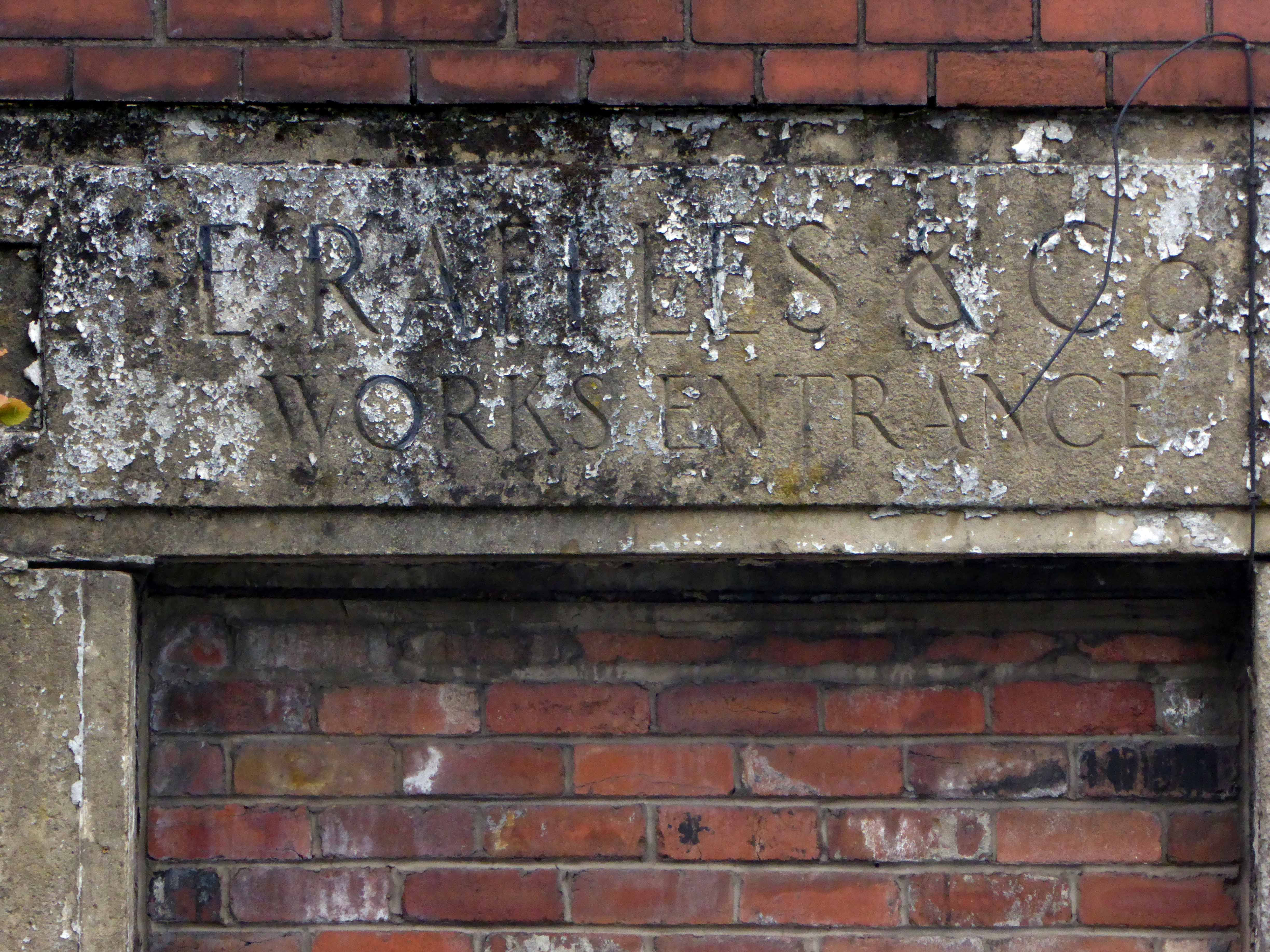
The little that remains of Raffles Mill

P1290052

Old Mill Street

P1290054

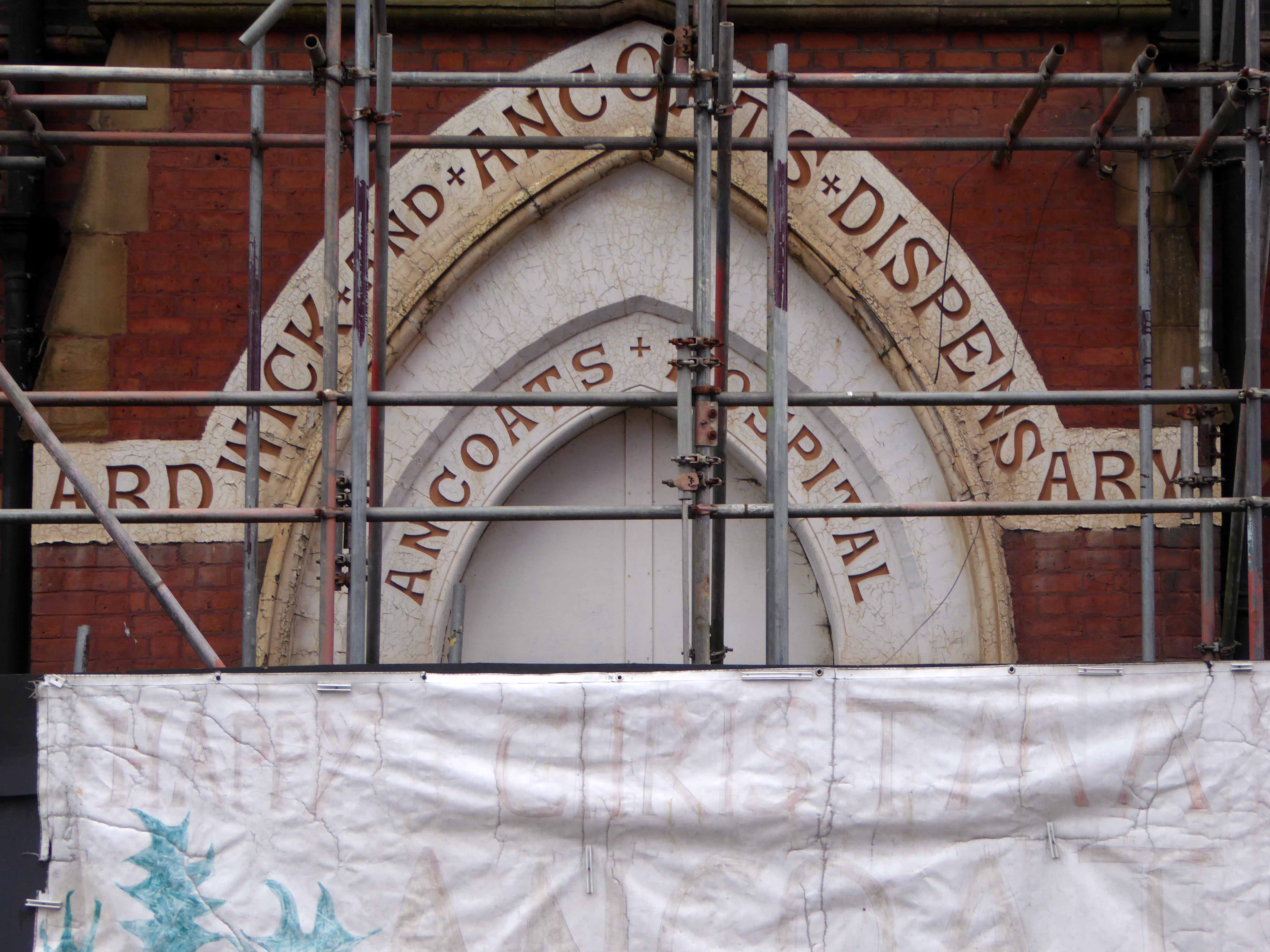
Ancoats Dispensary loved listed and still awaiting resuscitation

P1290056.jpg

New life New Islington

Redhill Street

P1290057

Former industrial powerhouse currently contemporary living space

Henry Street

P1290063

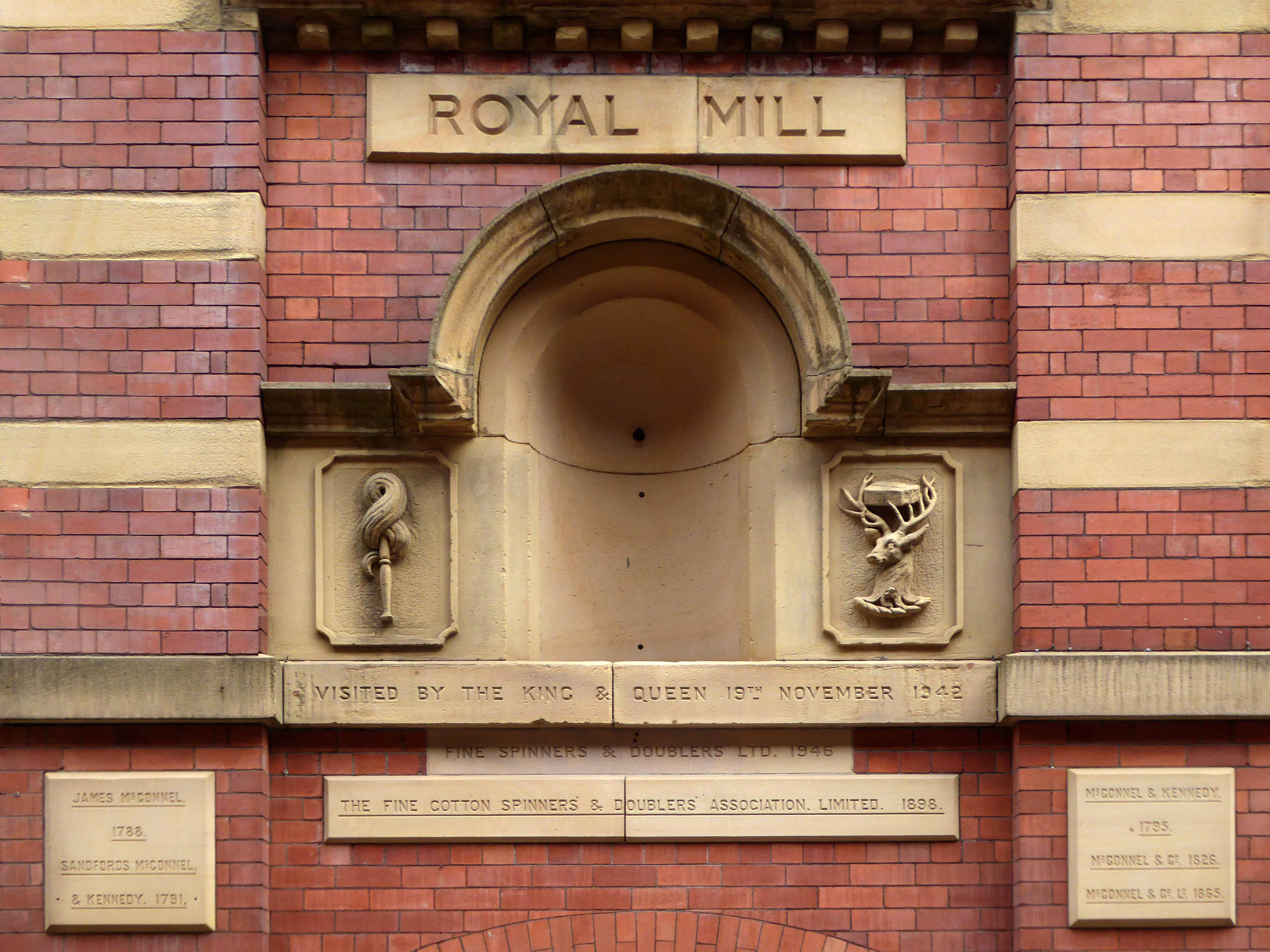
King George VI and Queen Elizabeth passed by in 1942

Jersey Street

P1290064

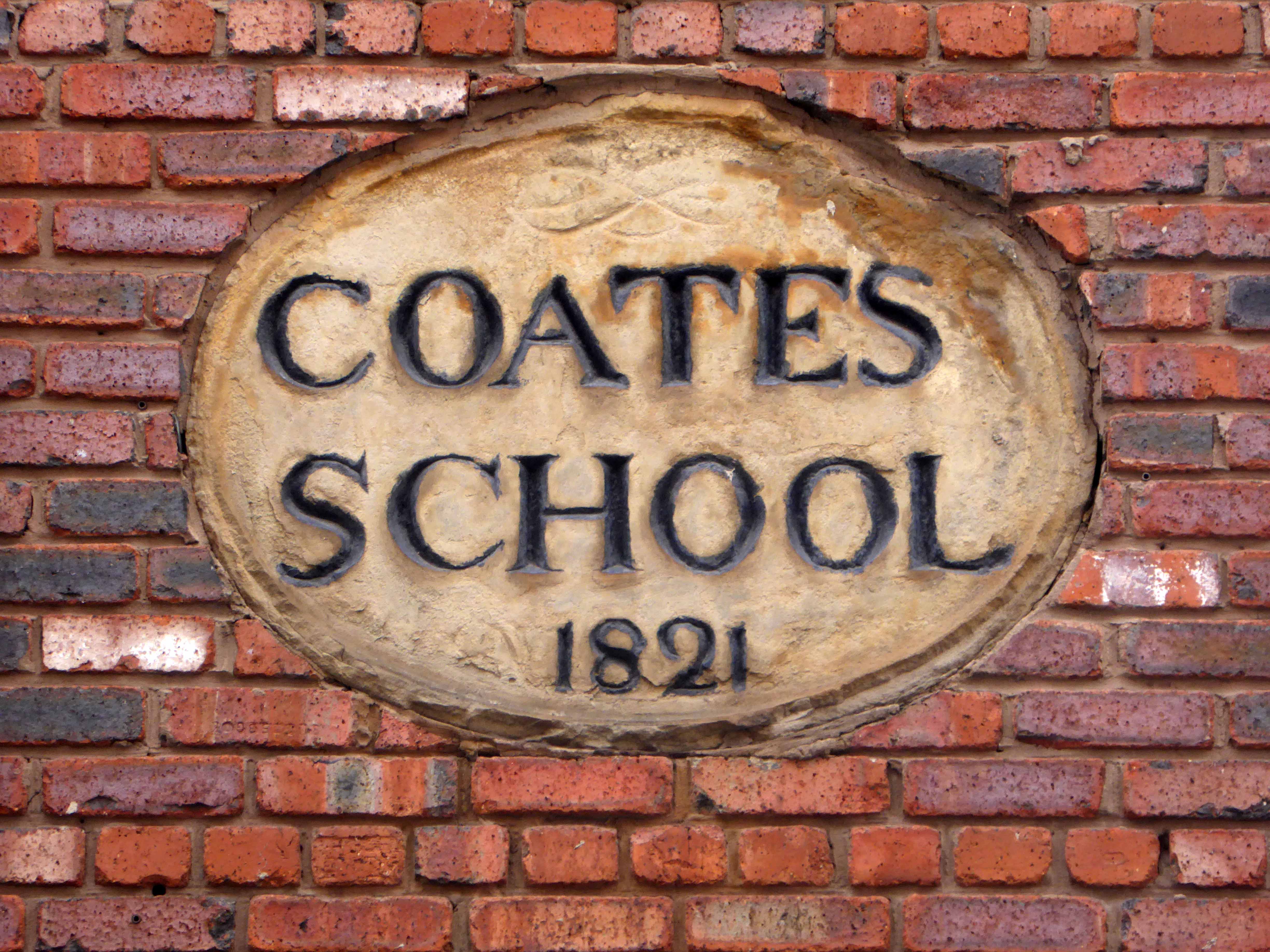
Former School the stone plaque applied to a newer building

Gun Street

P1290065

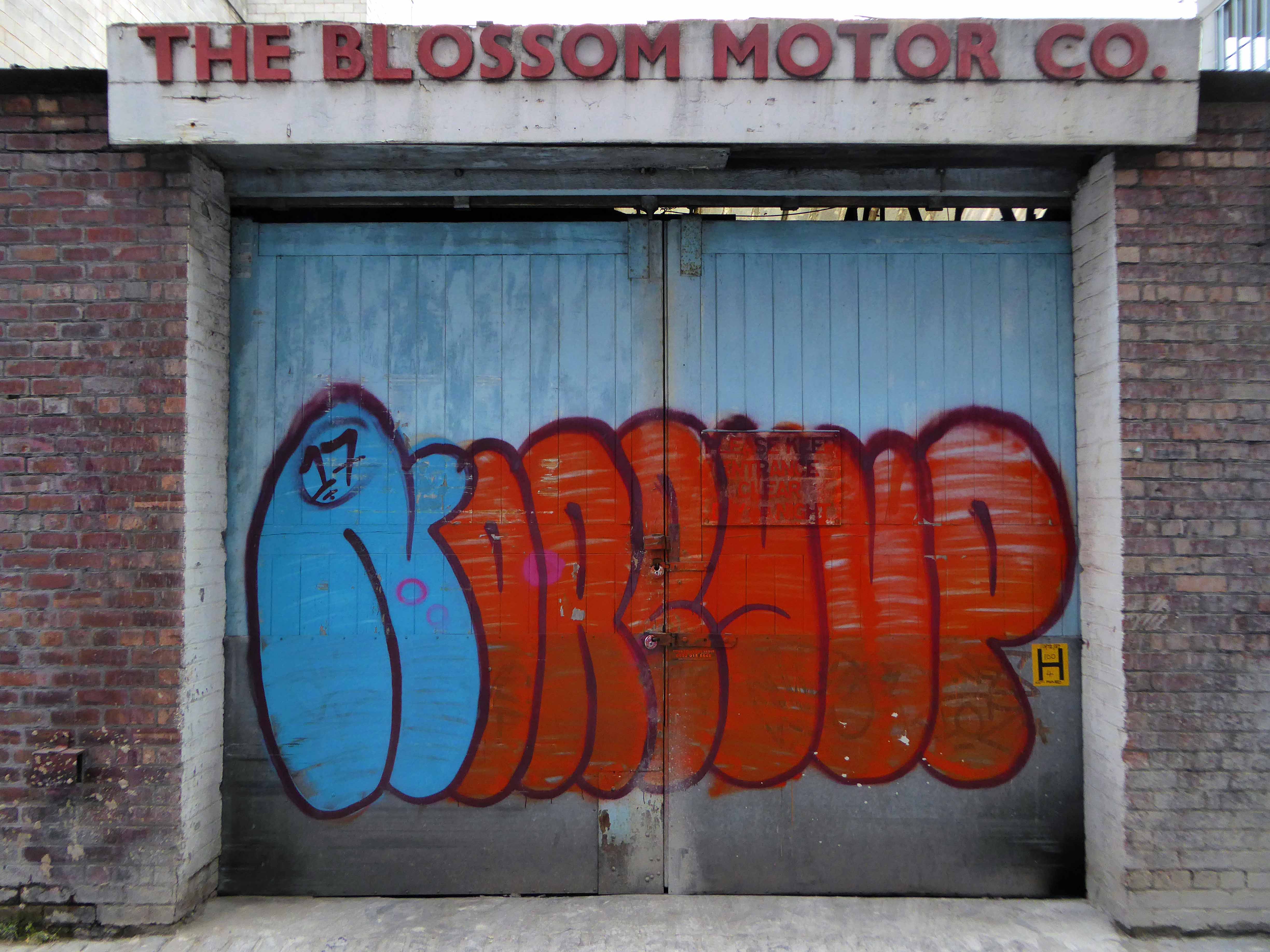
The last of the few Blossom Motors

Addington Street

P1290067
P1290069

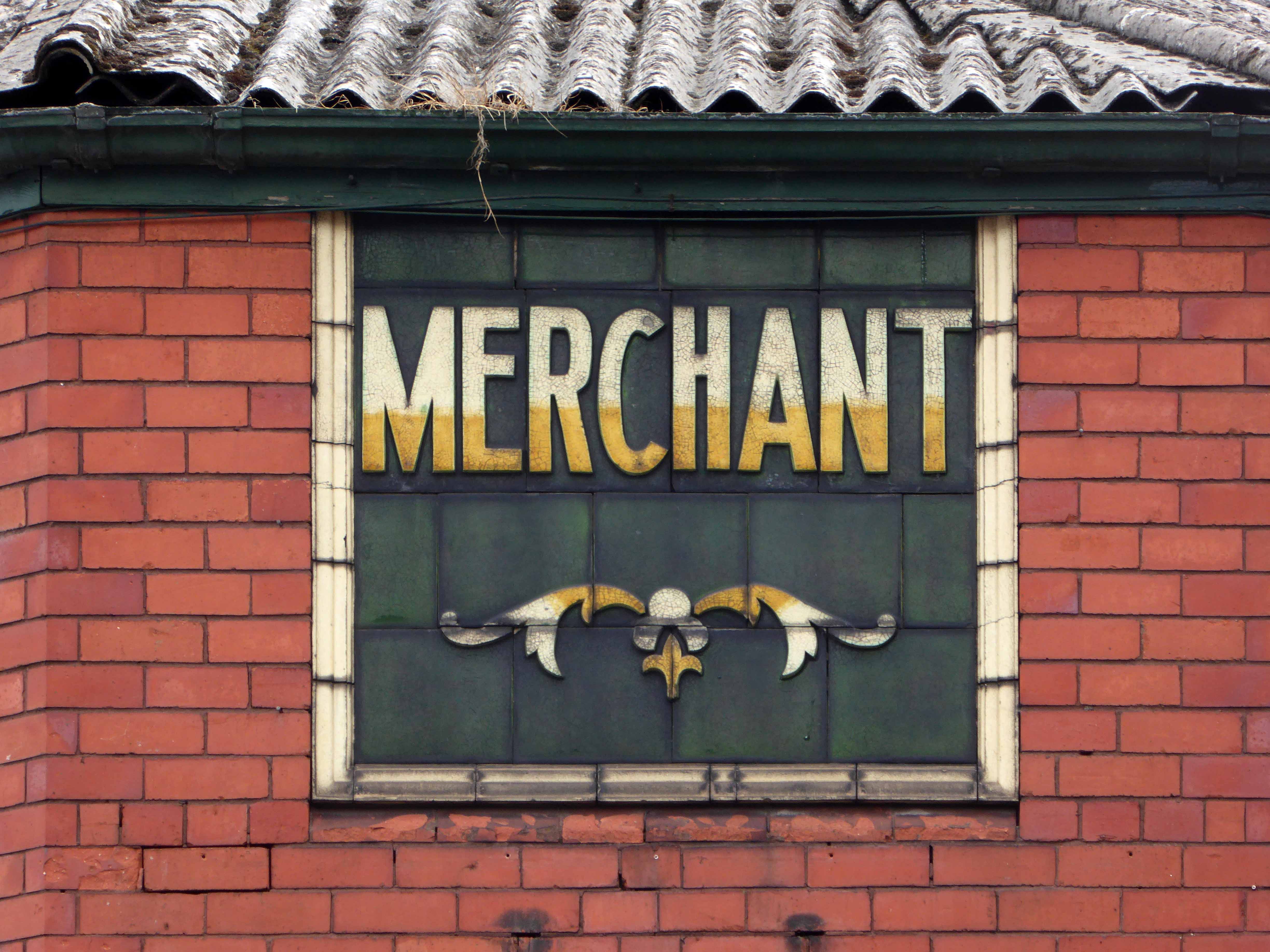
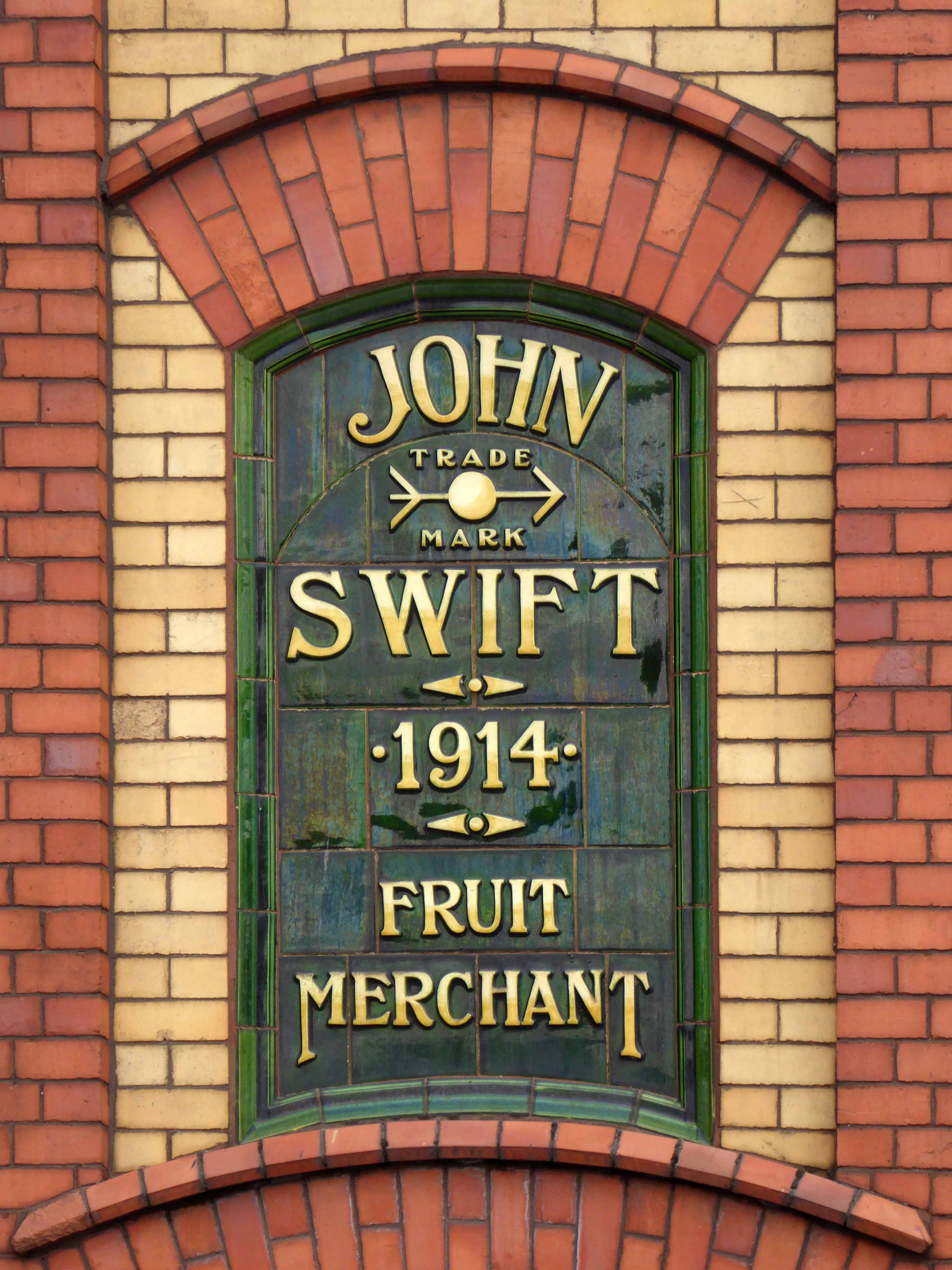
Former fruit merchants – refurbished and home to the SLG creative agency

Marshall Street and Goulden Street area

P1290070
P1290071
P1290073
P1290081
P1290086
P1290087

The last remnants of the rag trade

Former bed spring manufacturer – latterly became the County Archive.

Sudell Street

P1290089
P1290090

All that’s left of Alexandra Place

P1290092

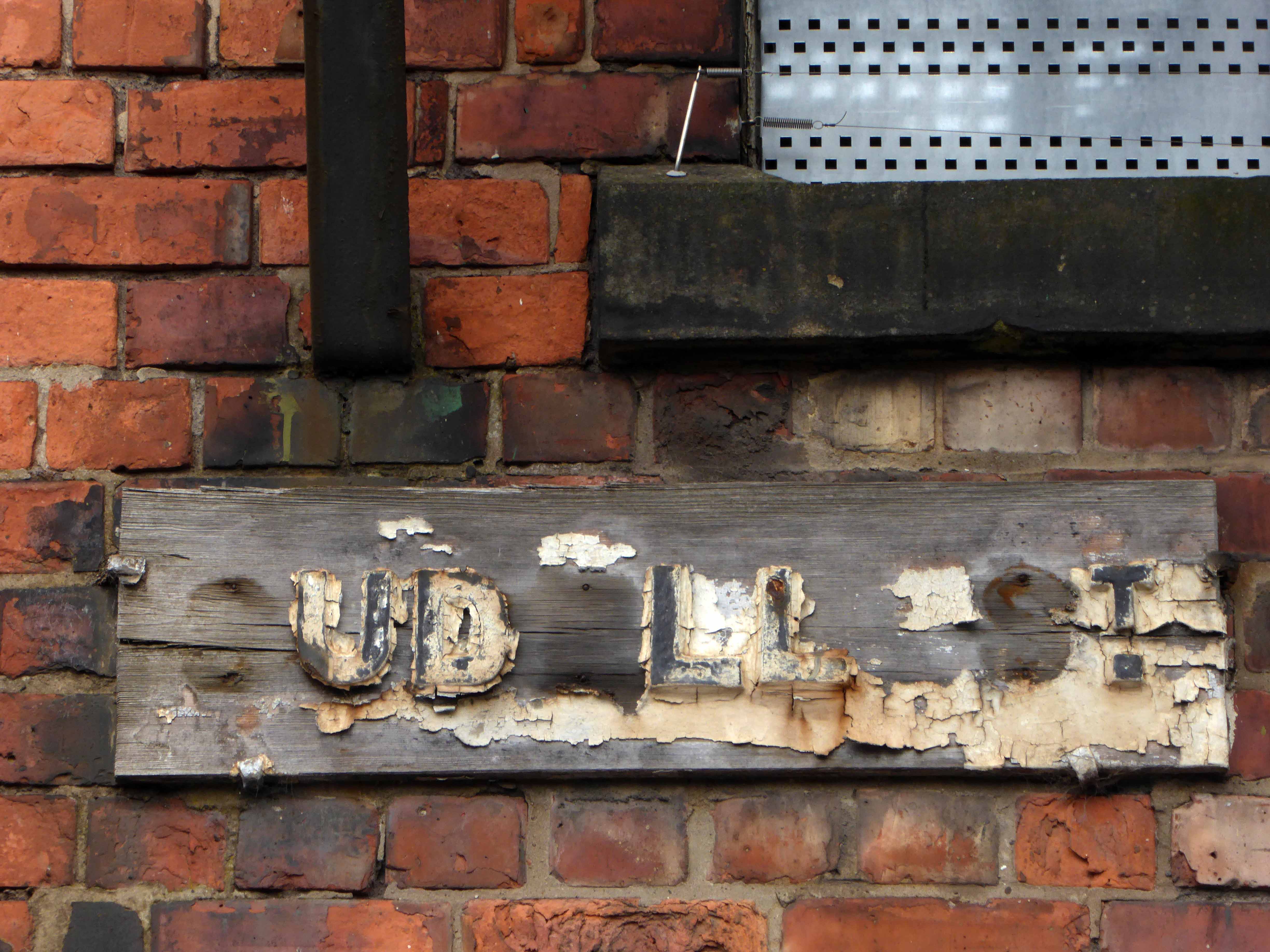
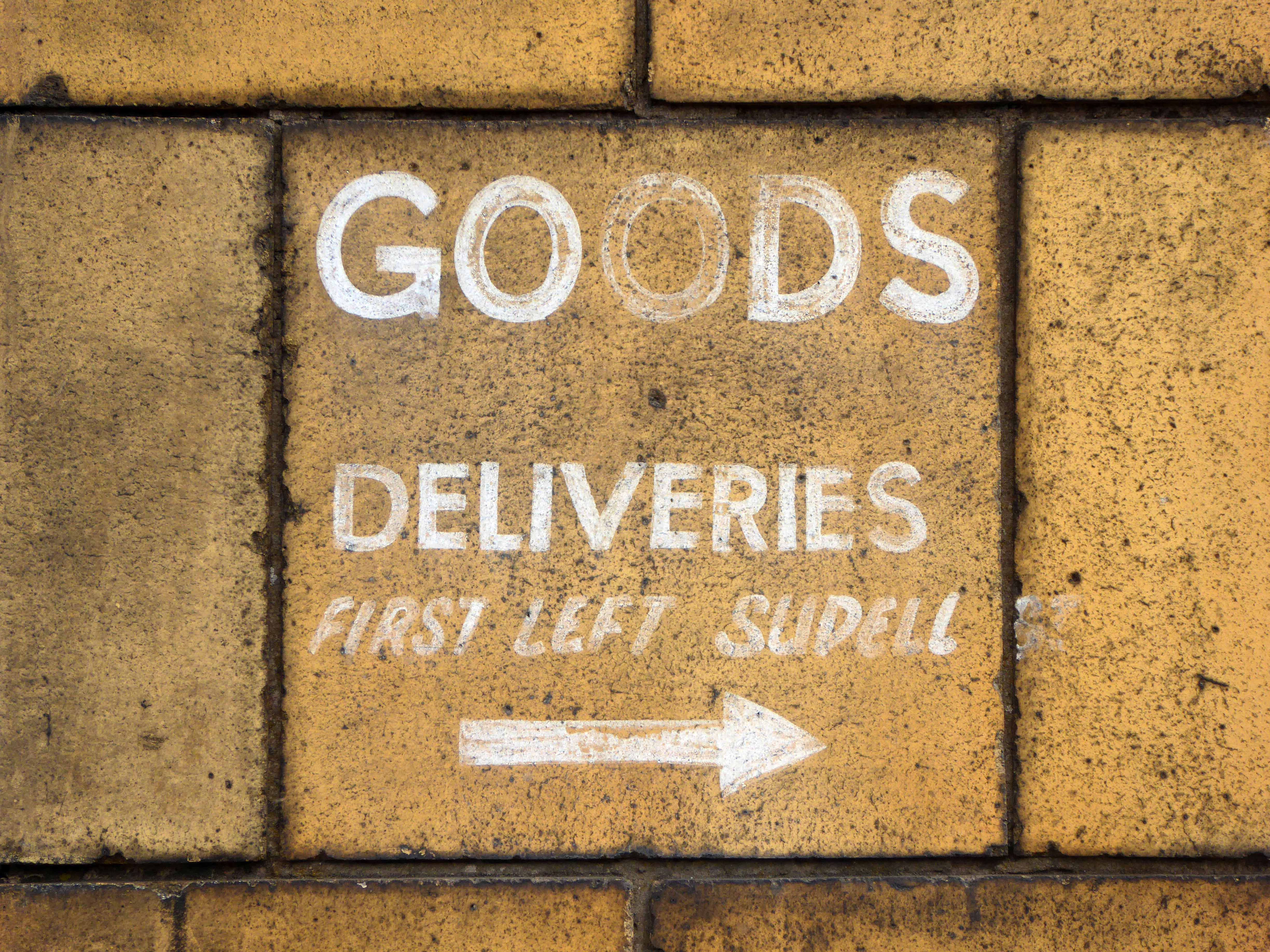
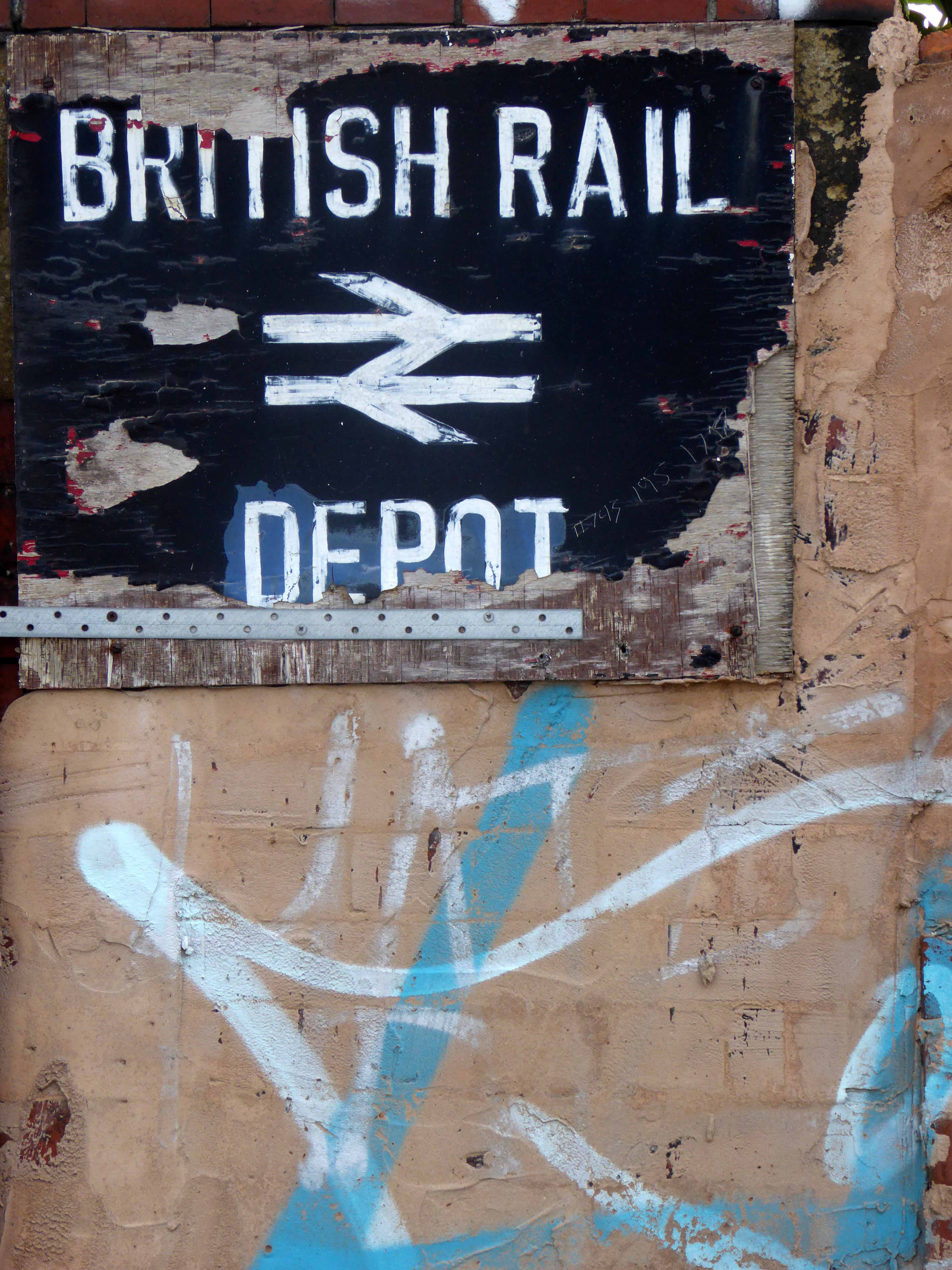
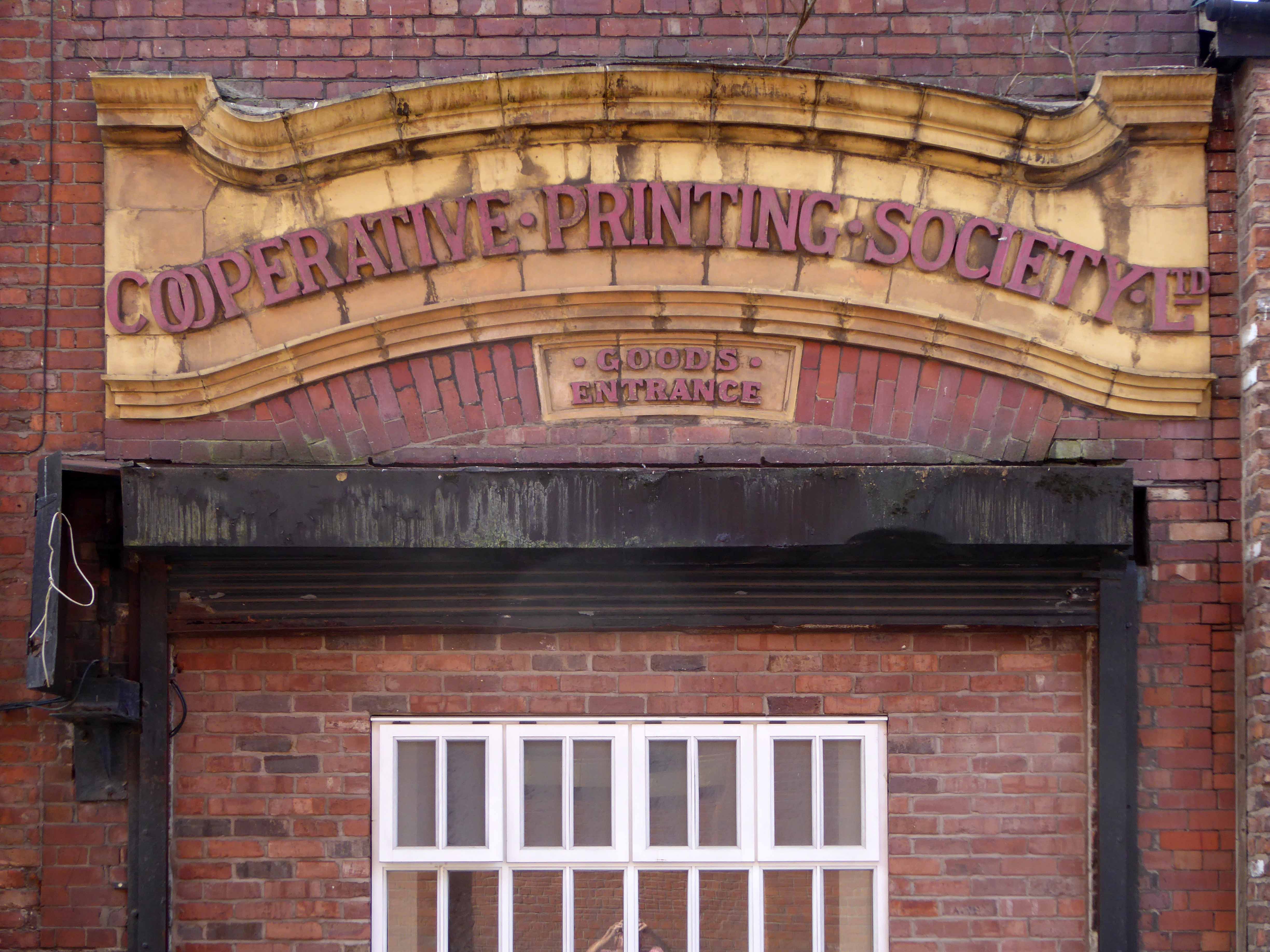
Entrance to the former Goods Yard

Back St Georges Road

P1290096

Sharp Street

P1290099
P1290100

Simpson Street

P1290101

Where once the CWS loomed large

Charter Street

P1290102
P1290107

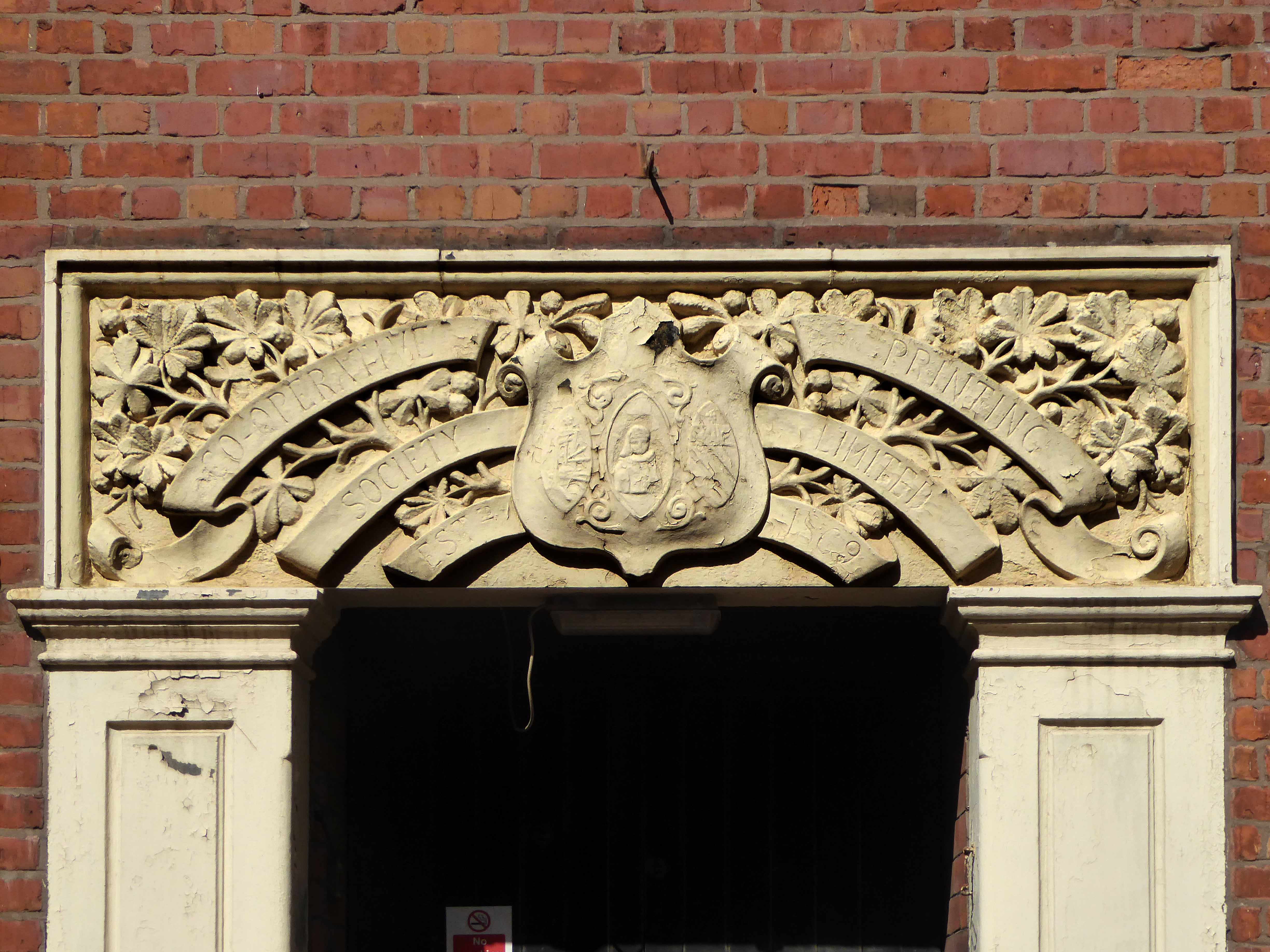
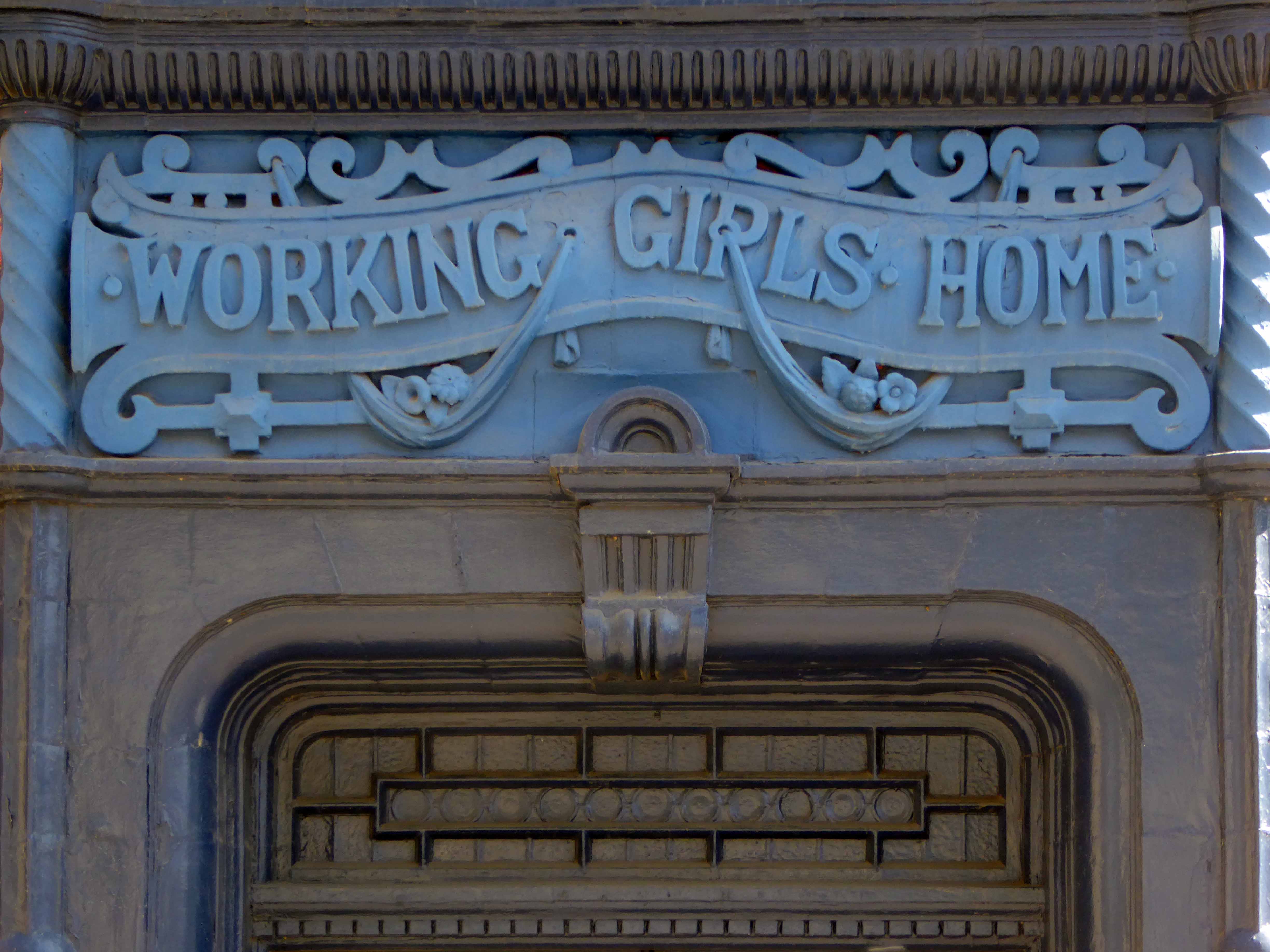
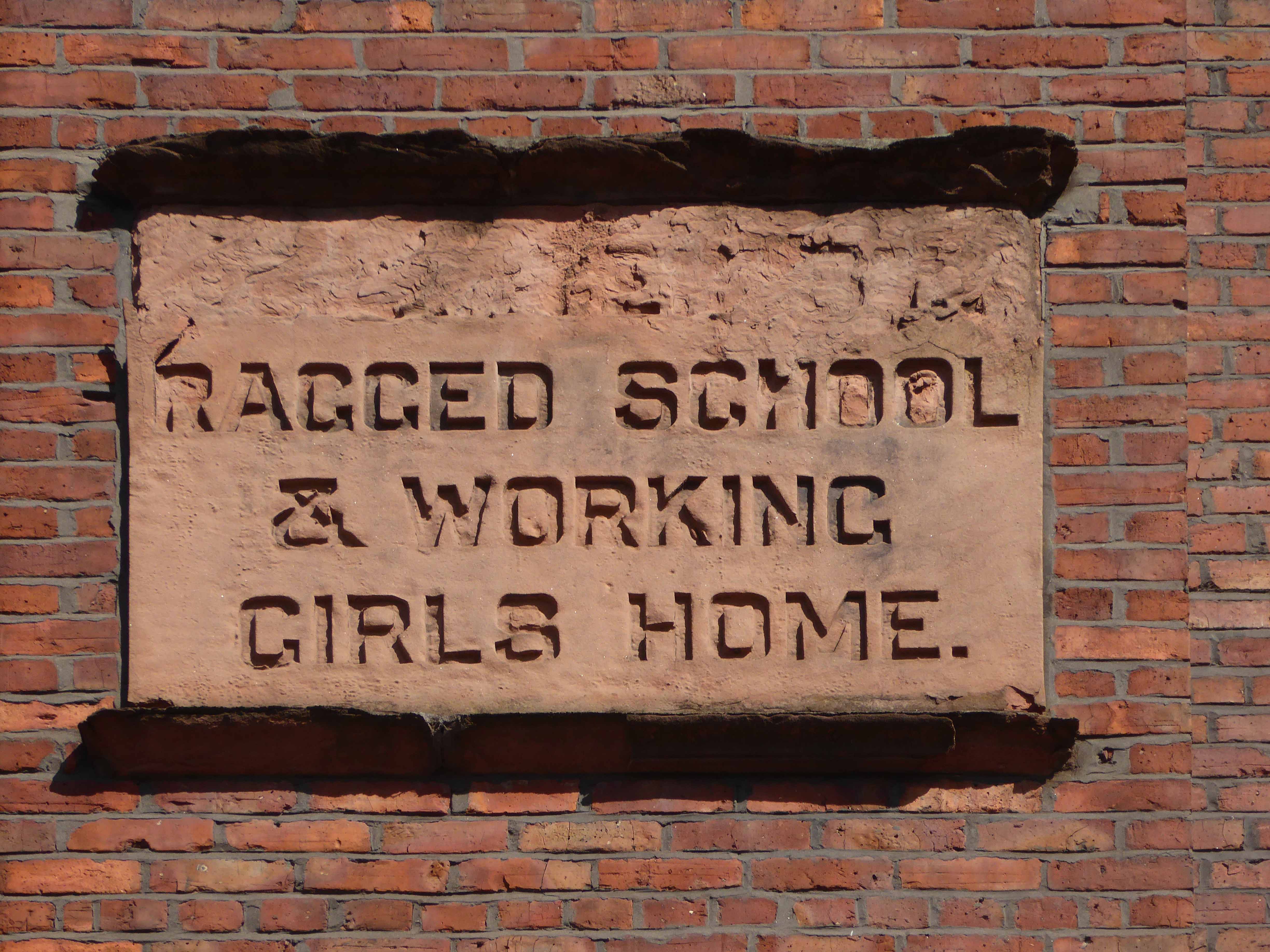
Ragged but right

Aspin Lane

P1290109
P1290117

Angel Meadow 

Corporation Street

P1290118

Taylor Street Gorton – The Pineapple

Screen Shot 2018-06-11 at 17.33.47

To begin at the beginning or thereabouts, Taylor Street was at the heart of Gorton to the east of Manchester city centre.

webmedia-1.php

webmedia-2.php

webmedia-3.php

webmedia-6.php

webmedia-7.php

webmedia-8.php

webmedia-9.php

webmedia-10.php

webmedia.php

A typical street of tightly packed brick terraces, dotted with shops, pubs, people and industry. I worked there as van lad for Mother’s Pride bread back in the 70s and saw those shops, pubs, people and industry slowly disappear.

Beyer Peacock whose immense shed dominated the northern end of the street, simply ceased to be, as steam gave way to diesel.

As full employment gave way to a date with the dole.

Adsega opening on nearby Cross Street heralded the arrival of the super fast, self-service supermarket, and sounded the death knell of the cosy corner cupboard.

398912_3820026268527_1203084936_n

The local pub was The Bessemer – its name forging an unbreakable link with the surrounding steel industry, that eventually broke.

webmedia-5.php

To the left of the pub is the Bishop Greer High School construction site  – the first of the new build that would later dominate the area, along with wide open spaces where shops, pubs, people and industry once were.

12932970_10154152981641600_8757469207112330278_n

webmedia.php copy

webmedia-1.php copy

When the school eventually shut its doors, it became an annex of Openshaw Technical College, and I found myself working there in the 80s at the East Manchester Centre, until its eventual closure.

It’s now sheltered accommodation for the lost and lonely:

Located in a quiet suburb of Manchester with excellent links to the city centre, Gorton Parks has an exceptional range of facilities spread out across five separate houses, each offering a different care option. Melland House offers dementia residential care, Abbey Hey provides nursing dementia care, Debdale is the house for intermediate nursing care and Sunny Brow offers general nursing care.

We sought solace in The Pineapple.

Screen Shot 2018-06-11 at 17.33.25

The streets were trimmed and slimmed, much of the past a mere ghostly presence, almost imprinted on the present.

A brave new world of brand new modern housing, with an Estate Pub to match.

The_Pineapple,_Gorton

A busy bustling boozer – lots of live and local action for the lively locals, latterly seeing out time as a house of House – a real bangin’ Bashment, bass-man bargain basement.

Until time is finally called – no more four to the floor, last one out shut the door.

1512347_516327525148853_492482006_n

Nothing lasts forever and a sign of the times is an upended pub sign, lying dormant in the dust.

The Chunky no longer a great big hunk o’funk.

10 Gorton pineapple pub

The big screen TV forever failing to deliver all the action, live or otherwise.

P1050836

p1050838.jpg

Latterly transformed into Dribble Drabble.

DSC_0074

And so the beat goes on as successive waves of success and recession, boom and bust free-market economics, wash over the nation and its long suffering folk.

Its enough to drive you to drink.

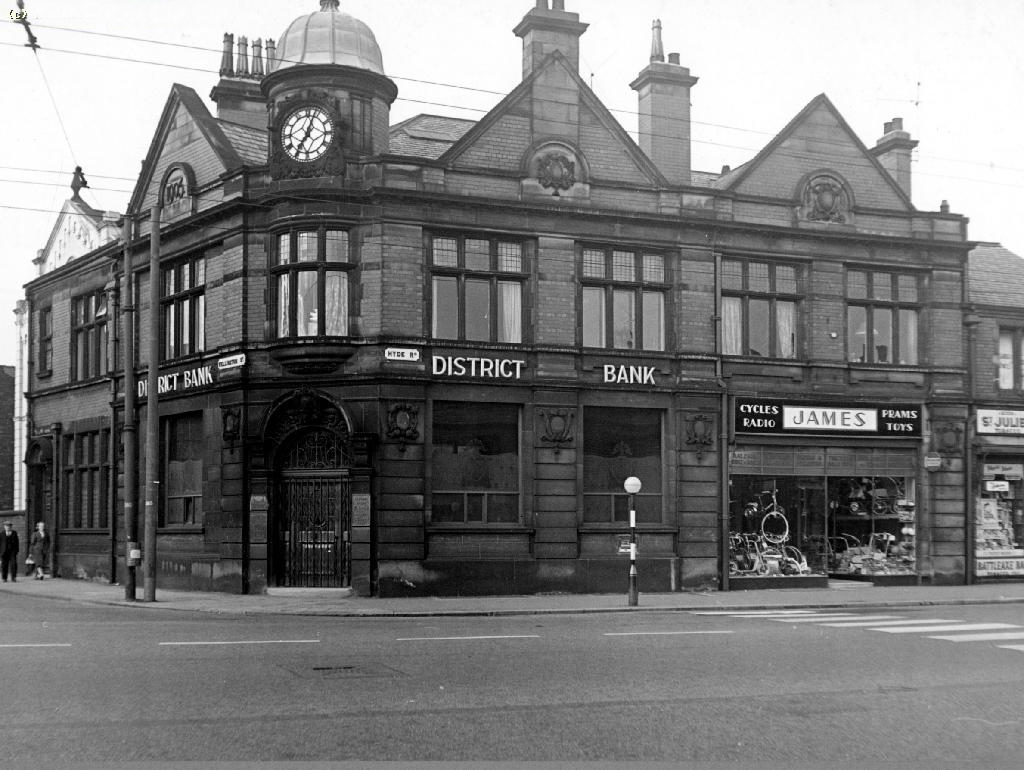
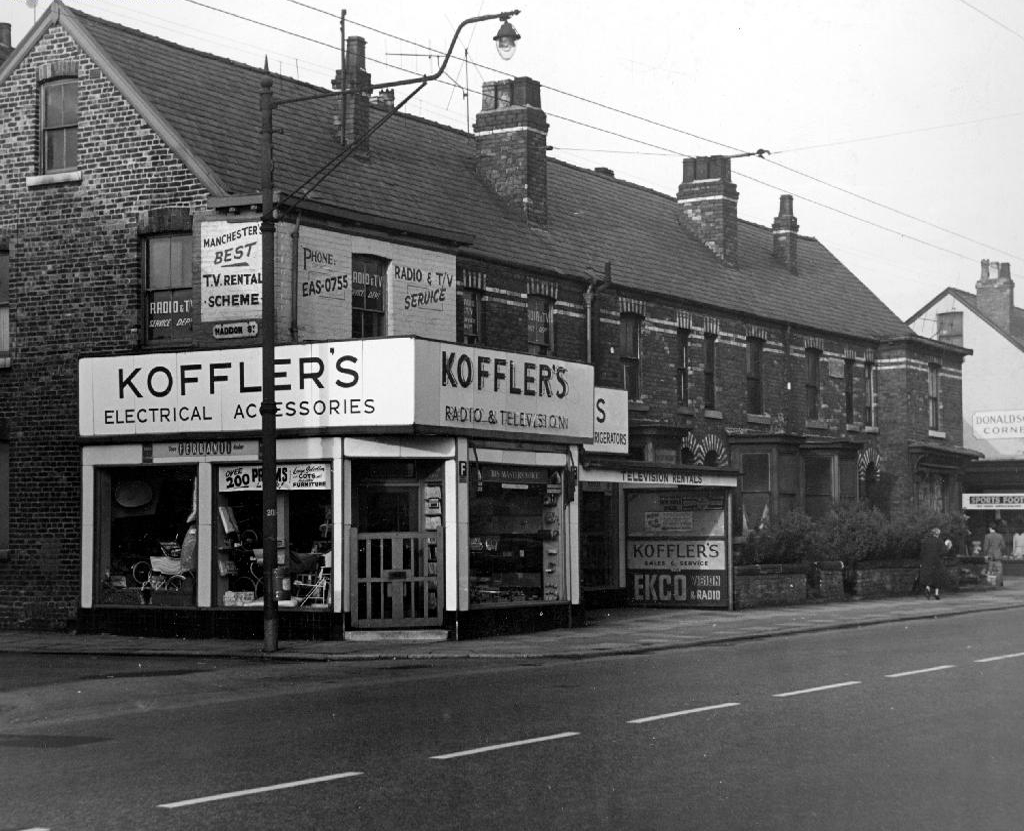
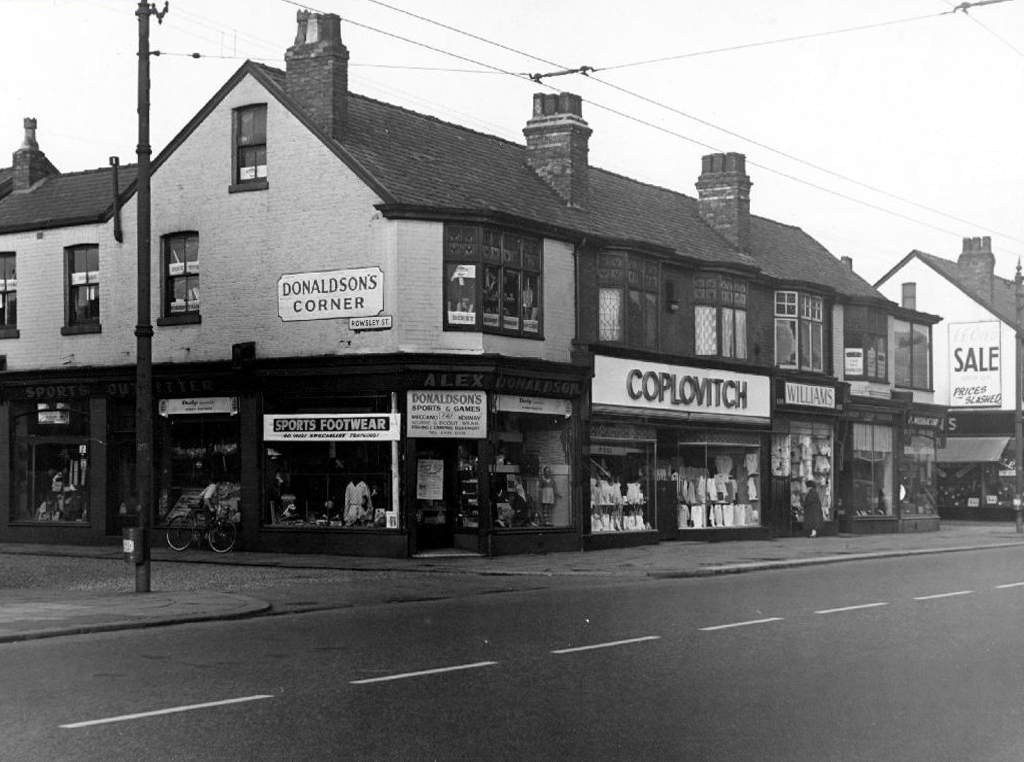
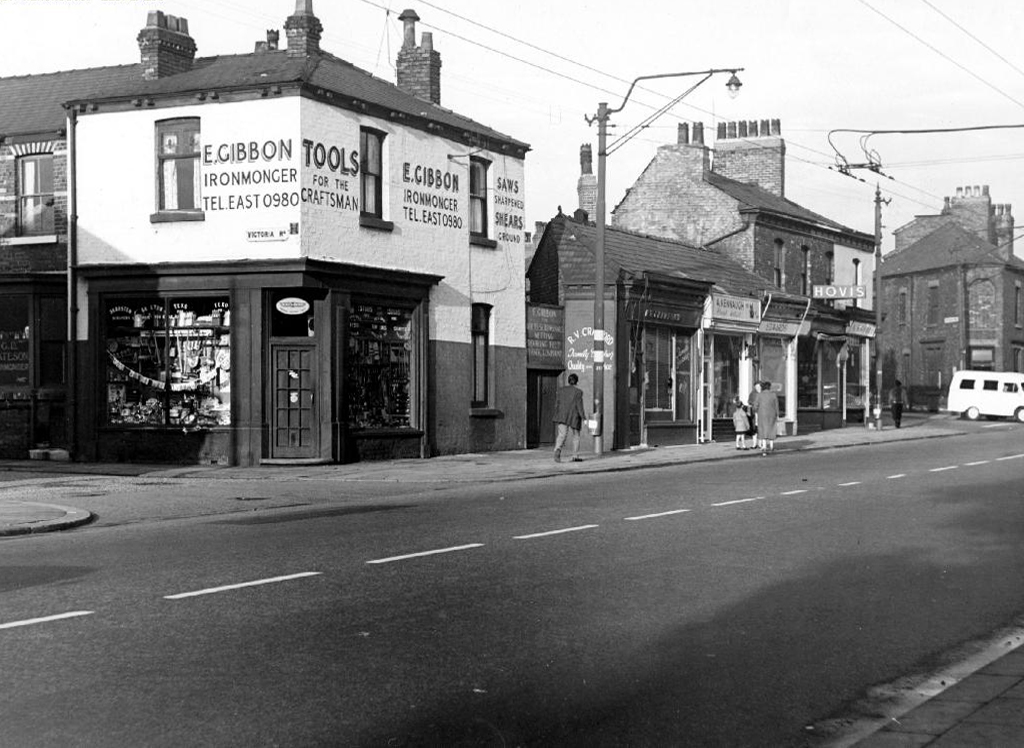
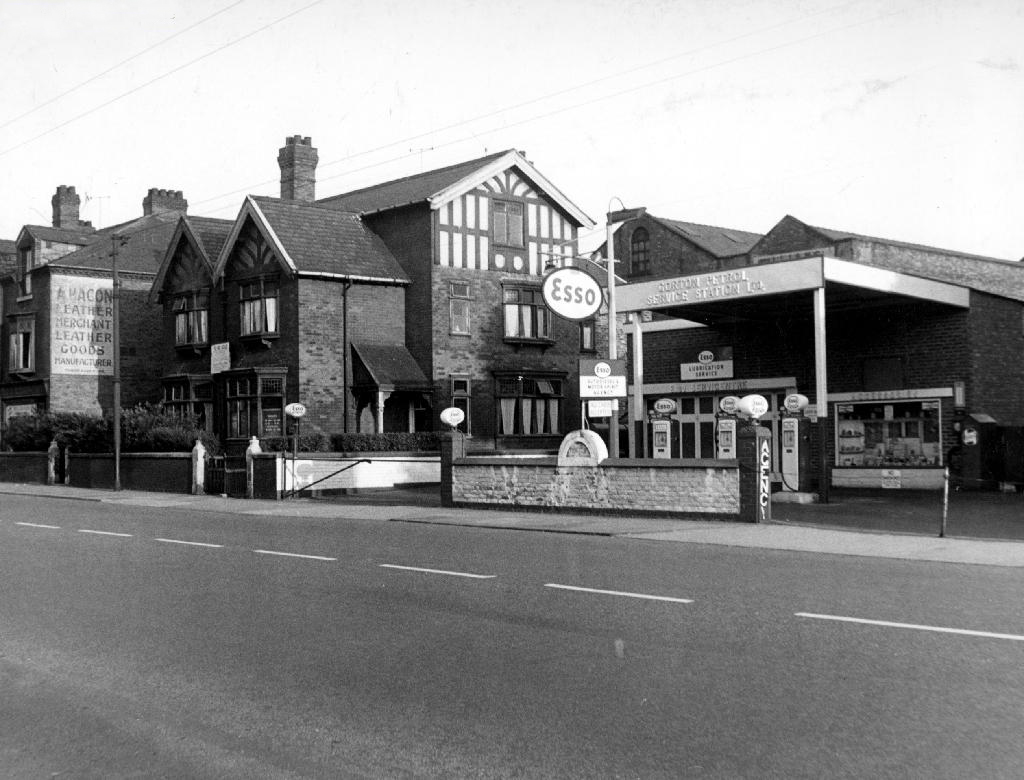
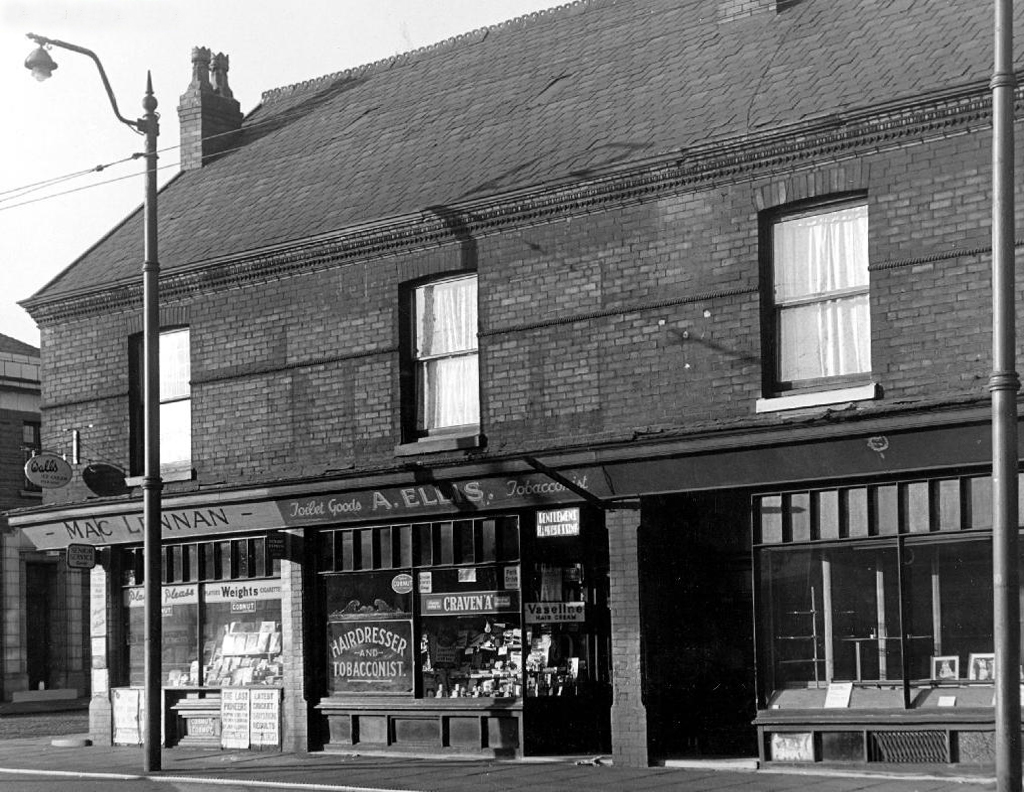
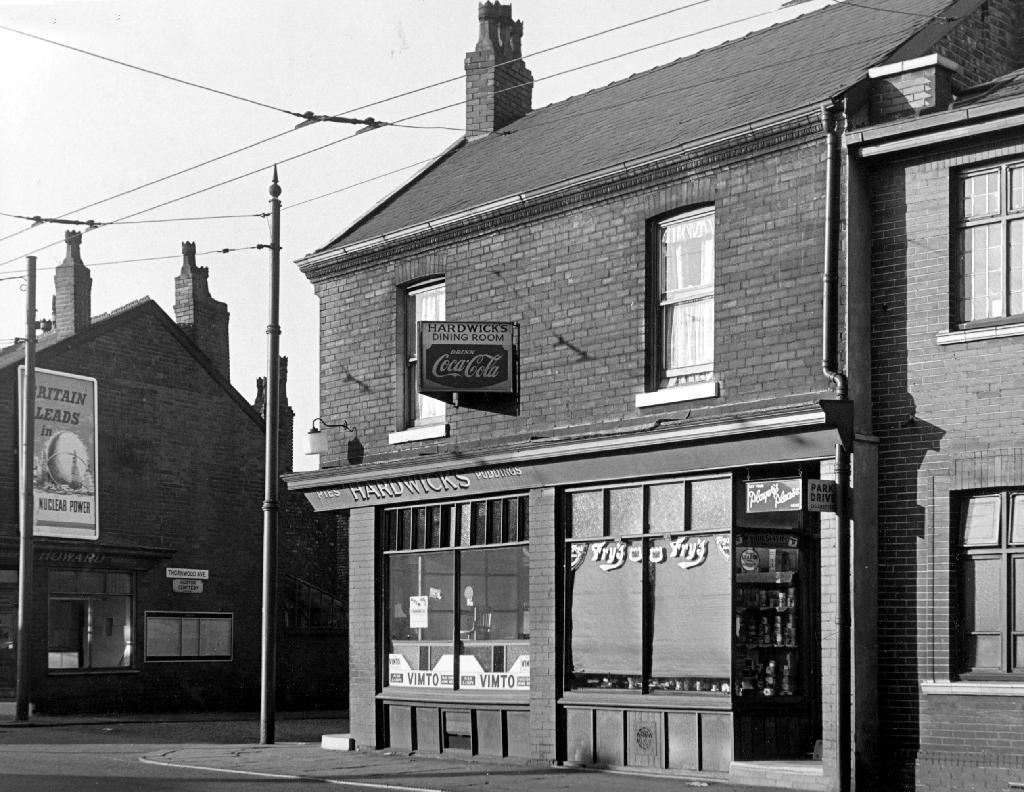
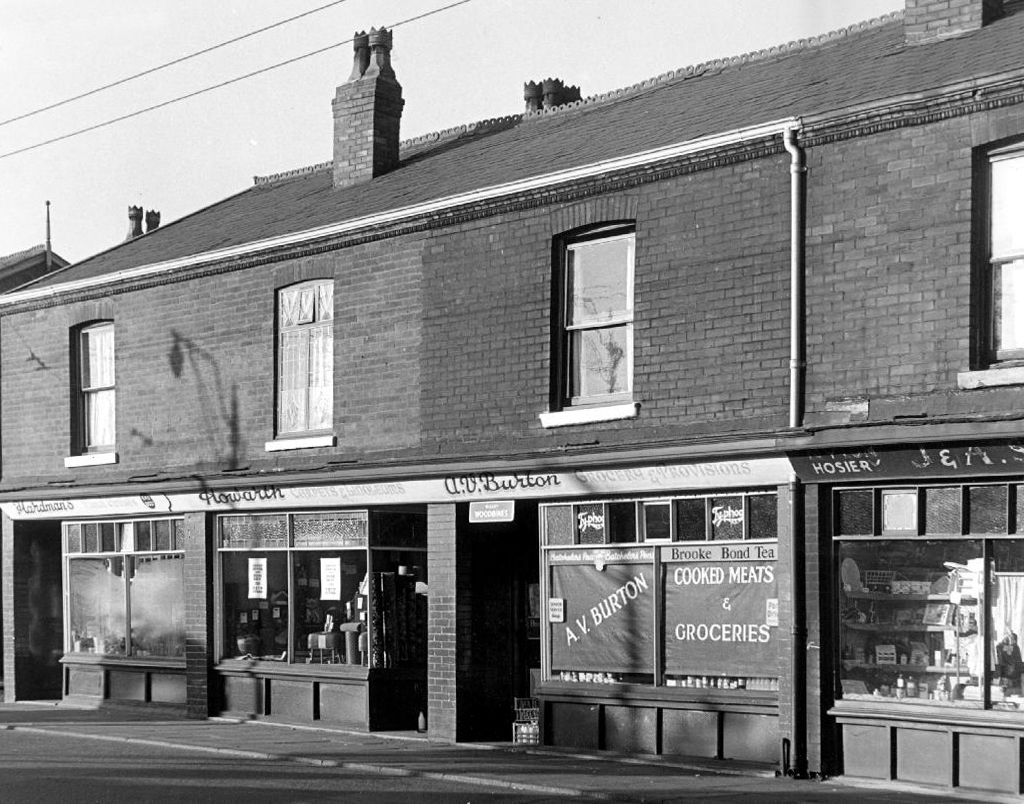
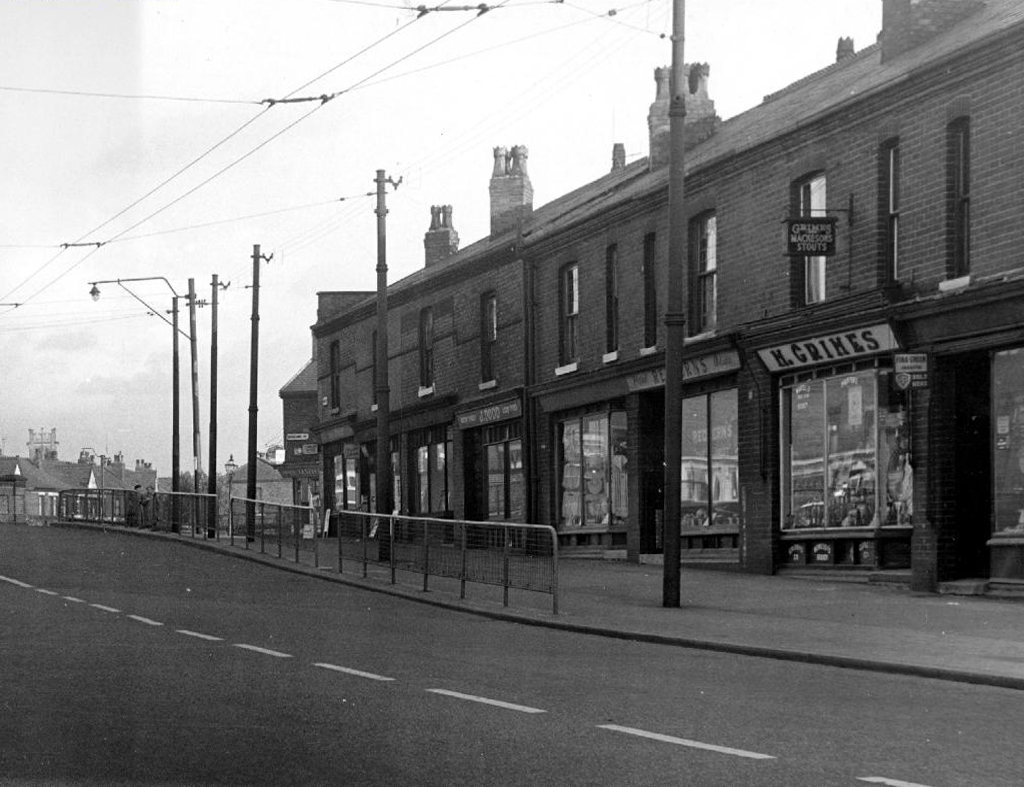
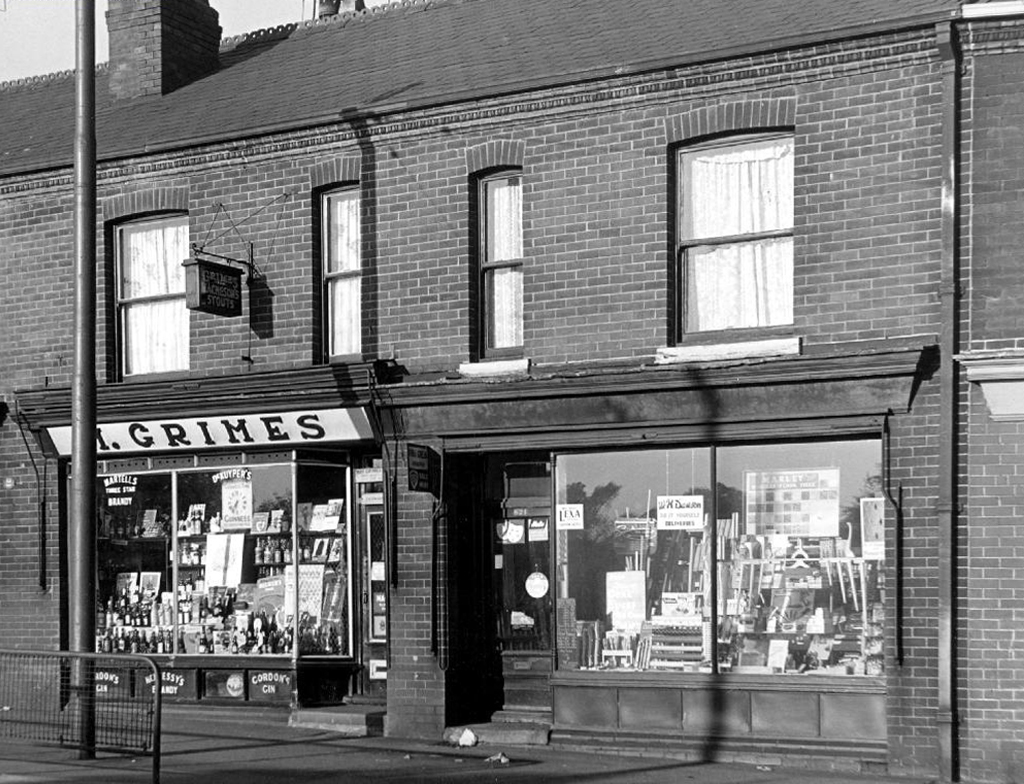
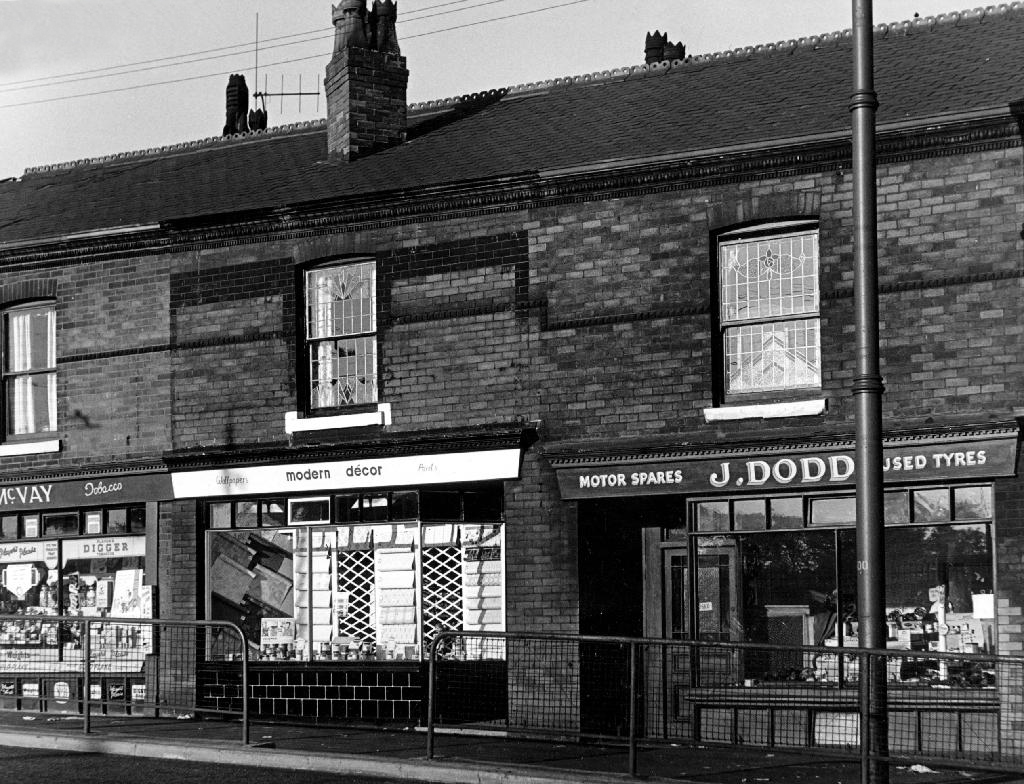
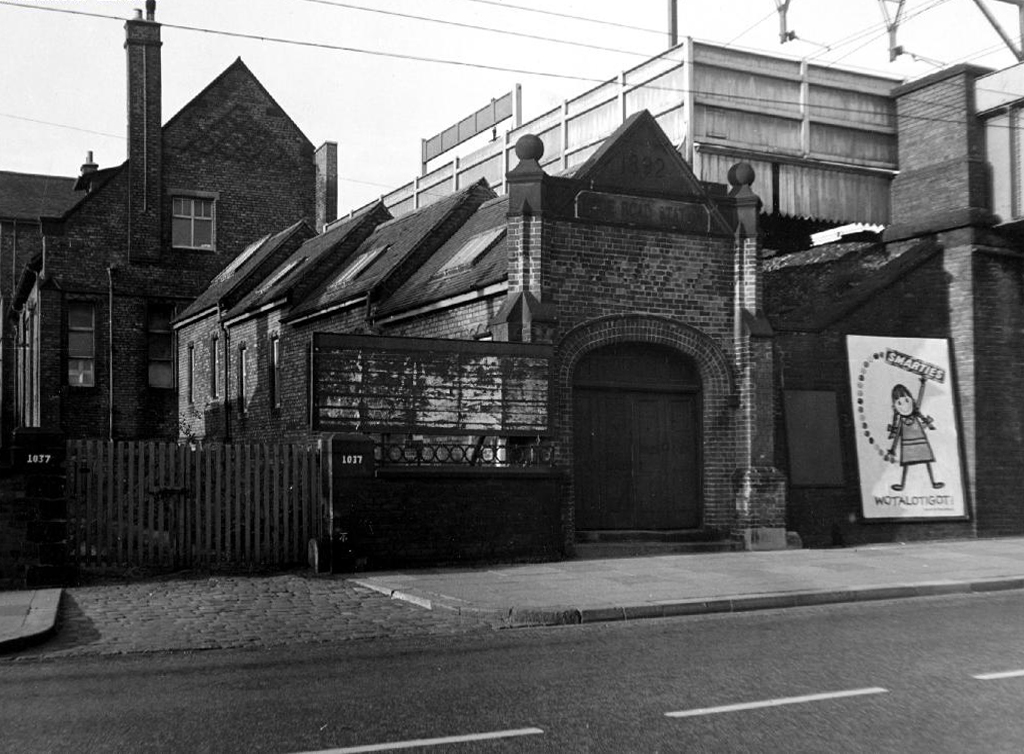
Hyde Road – Manchester

From Ardwick Green in the west to Abbey Hey in the east – runs Hyde Road Manchester.

Screen Shot 2018-01-23 at 14.35.48

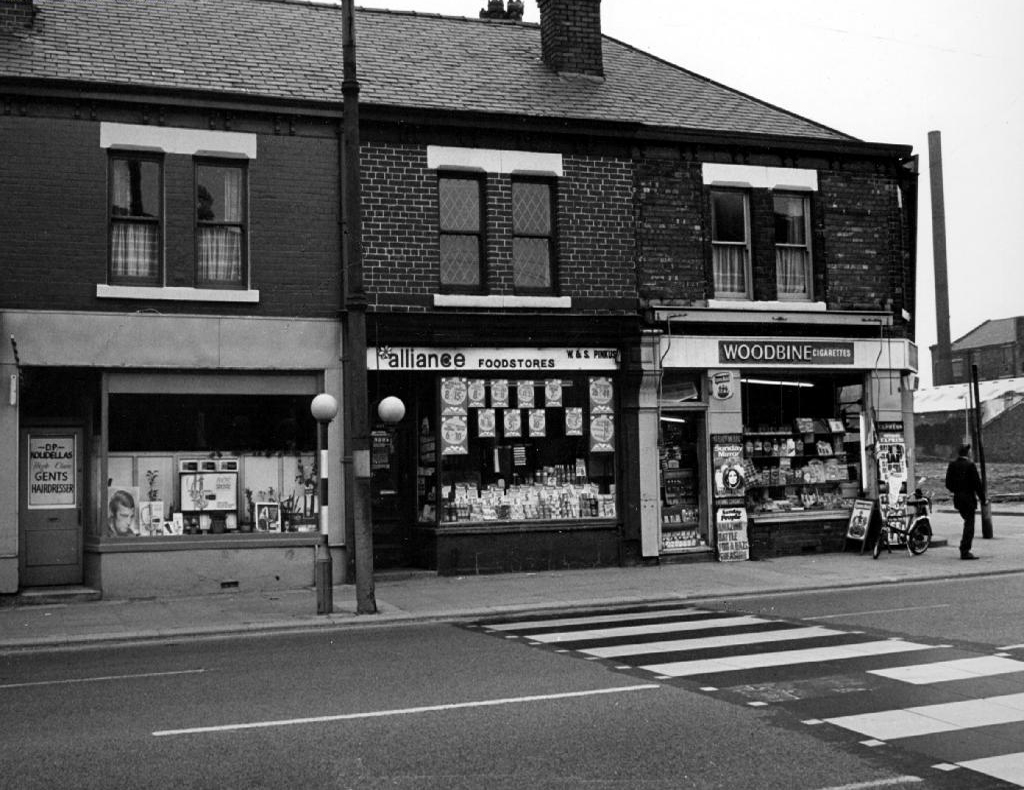
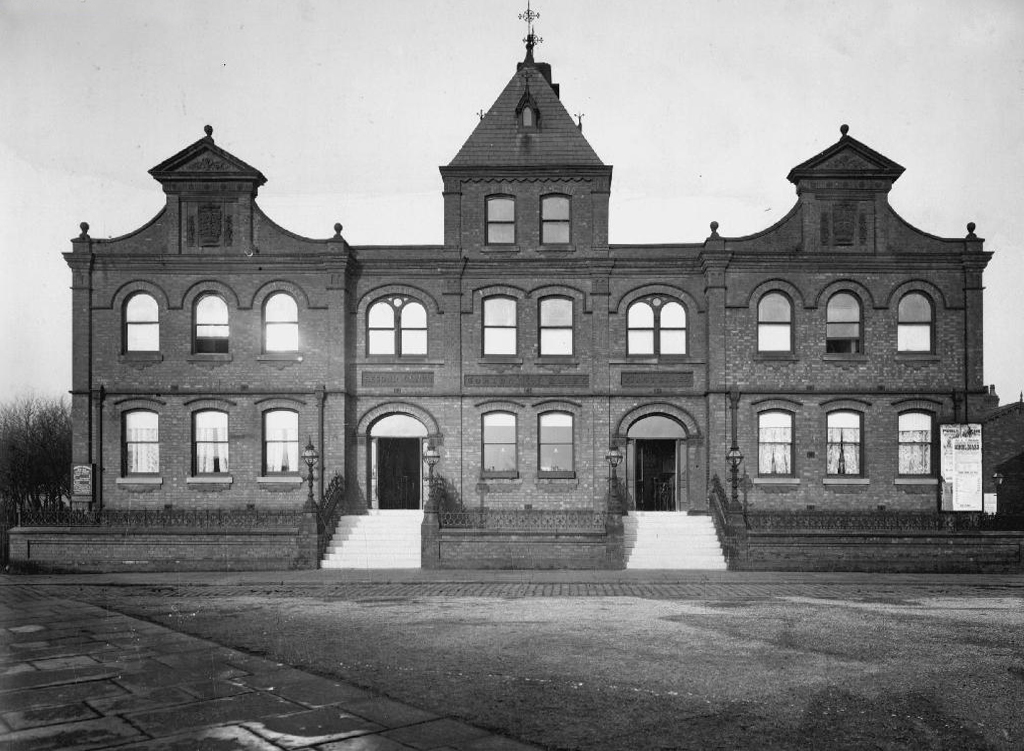
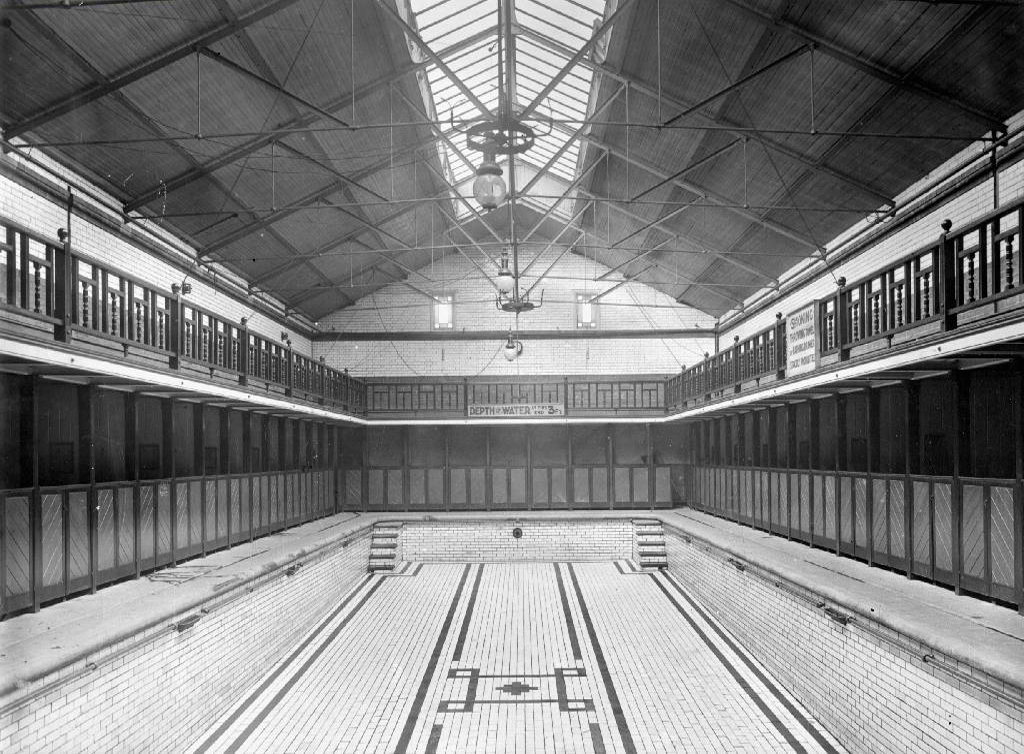
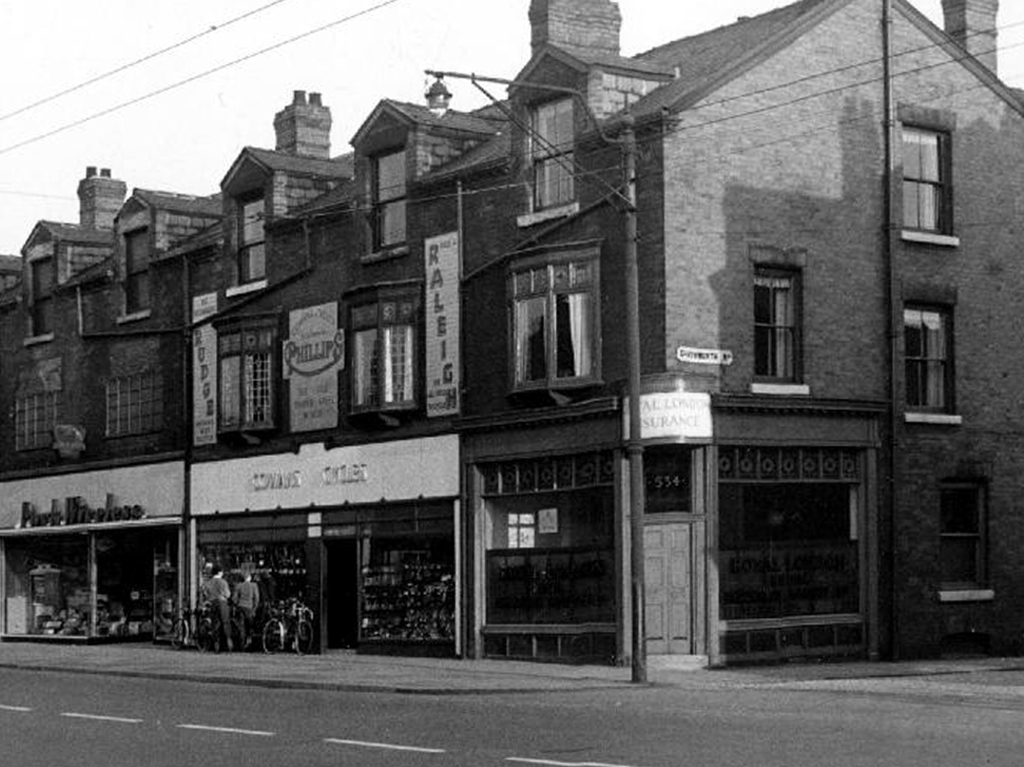
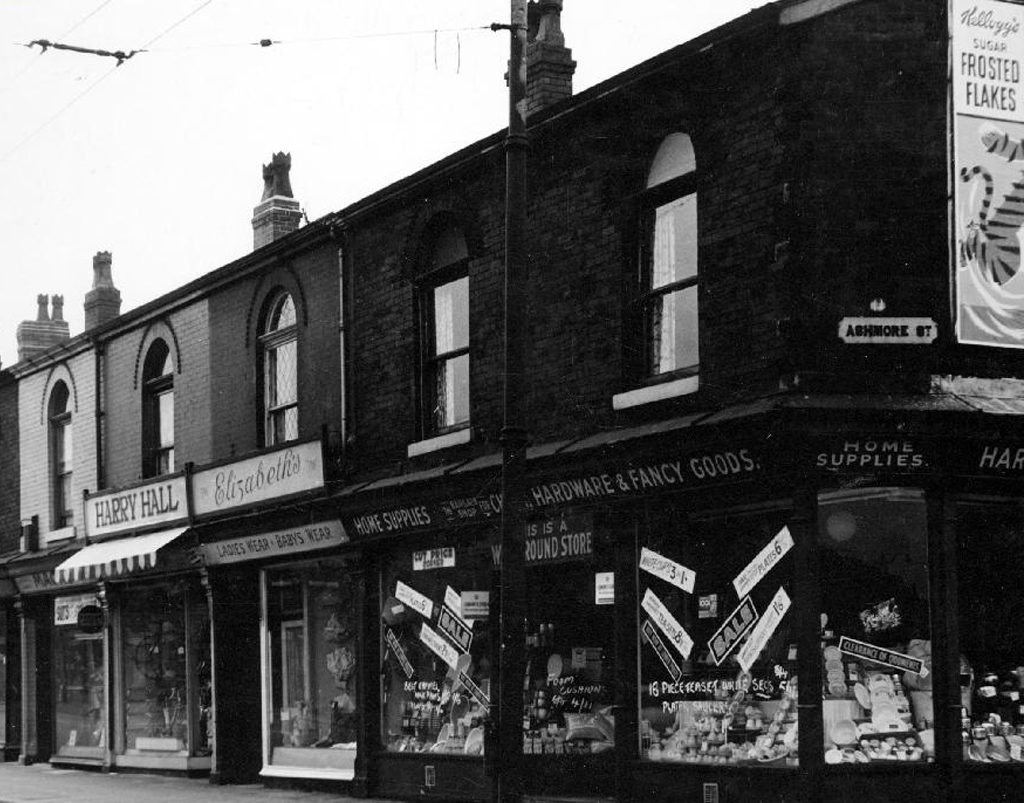
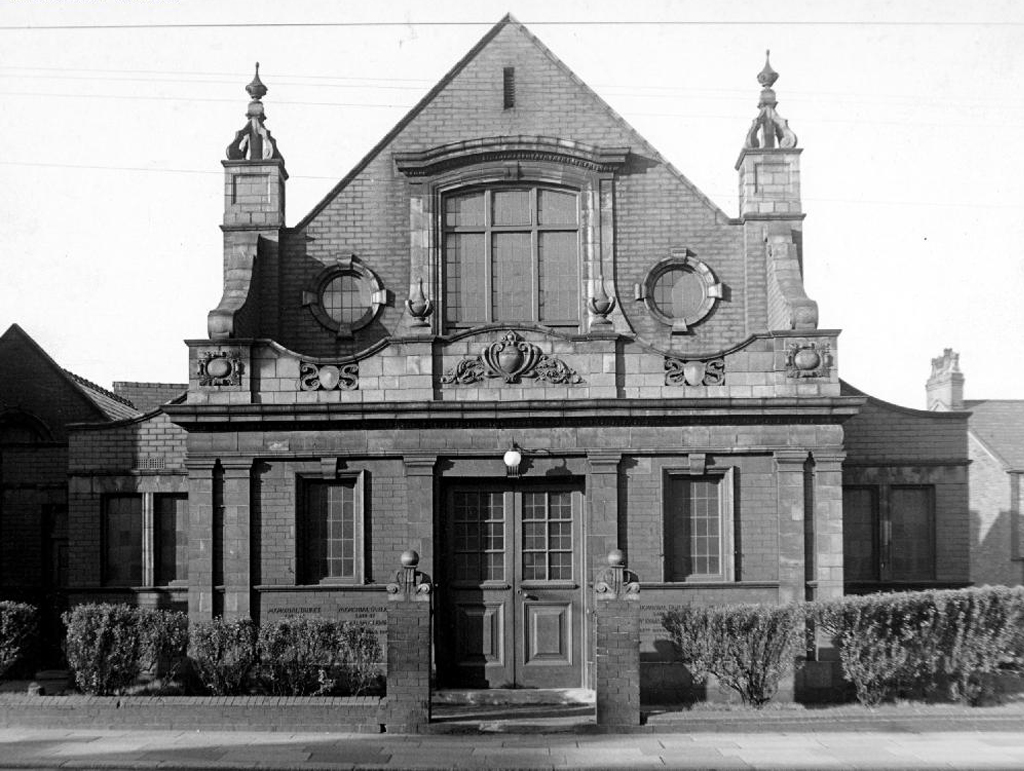
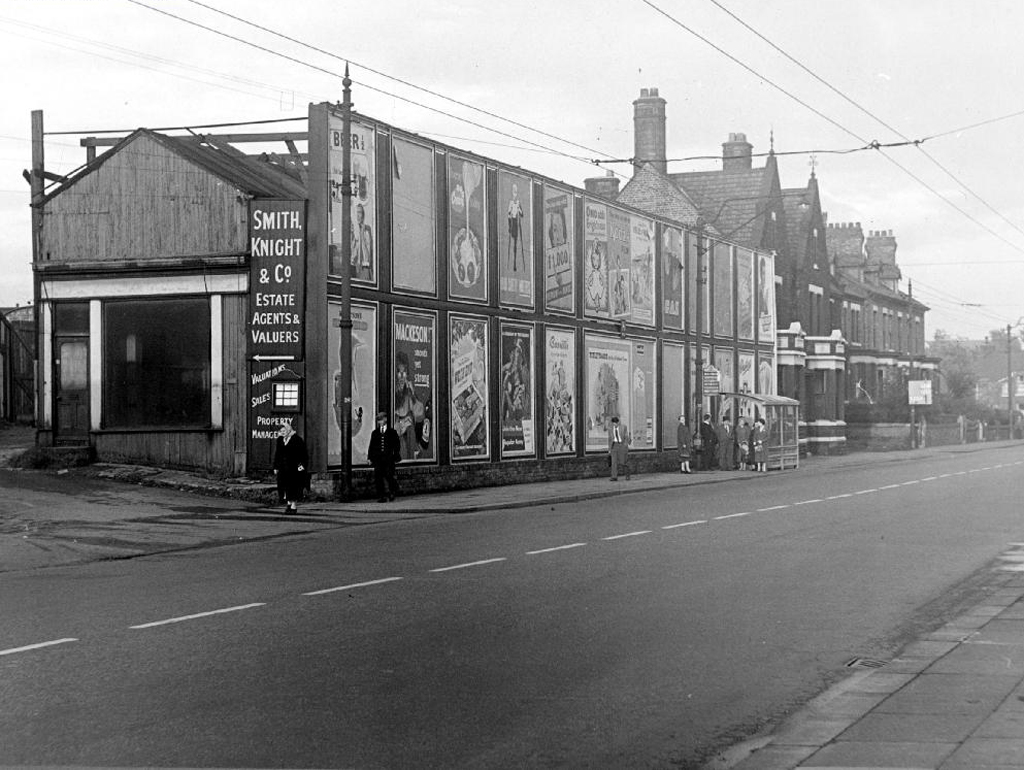
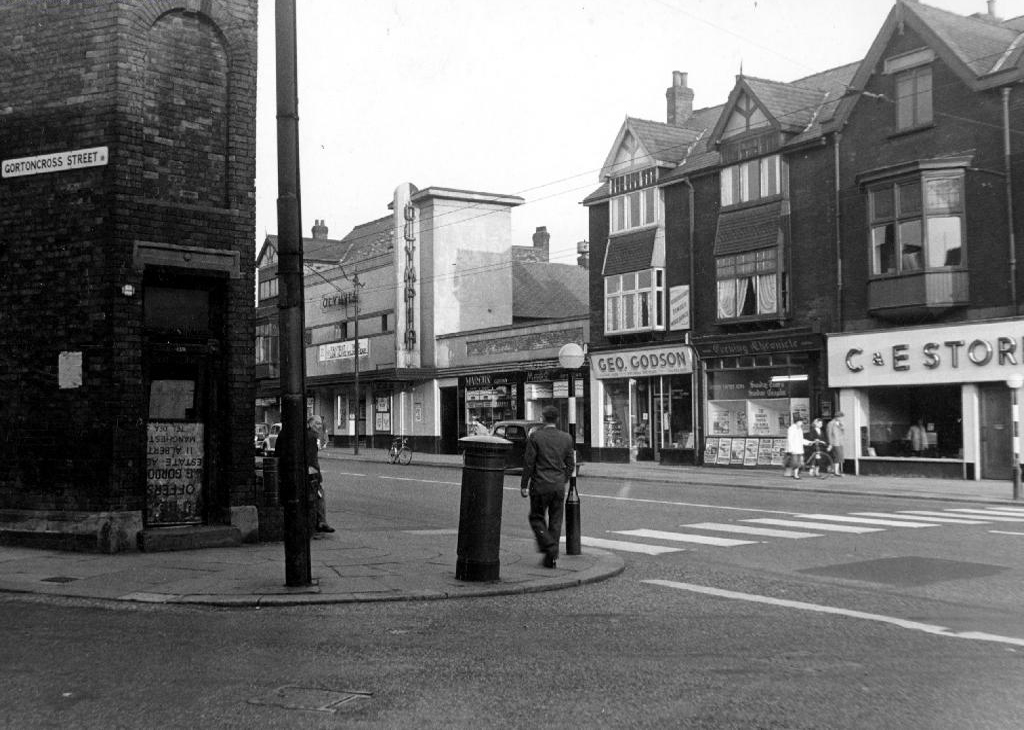
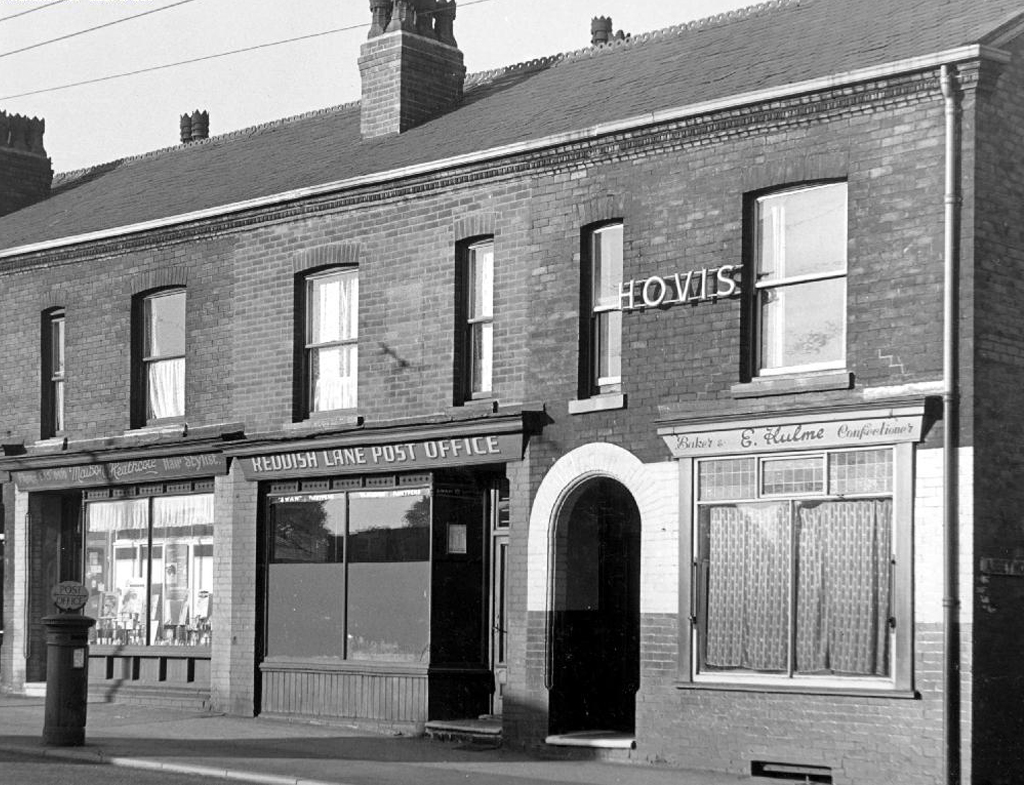
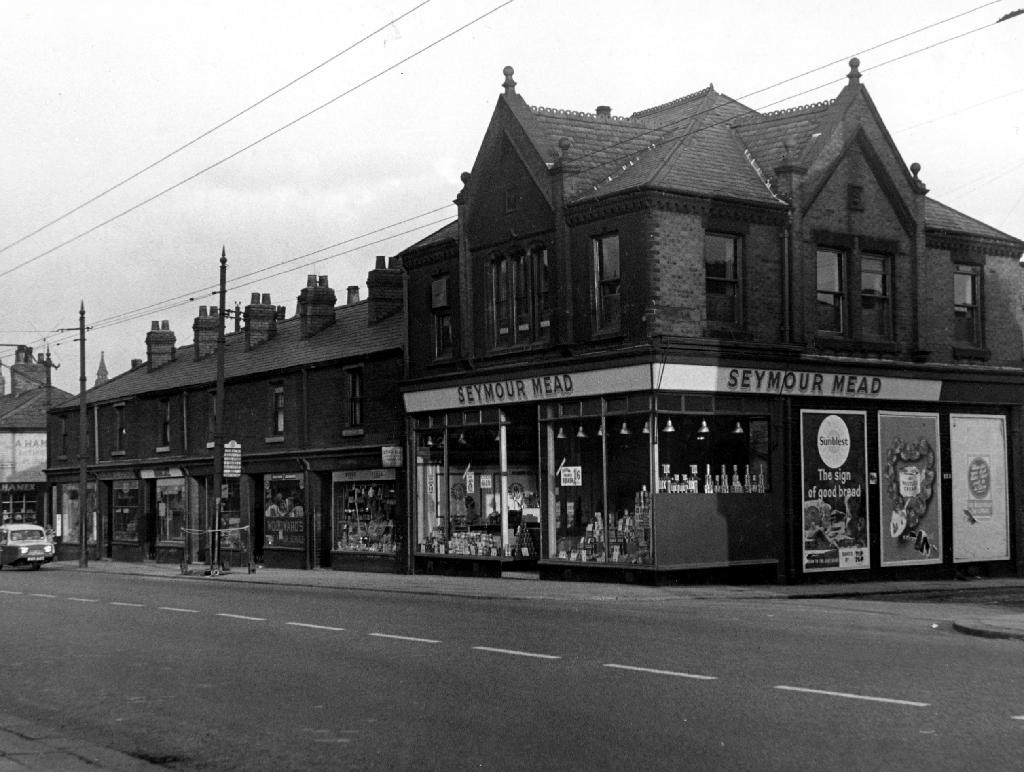
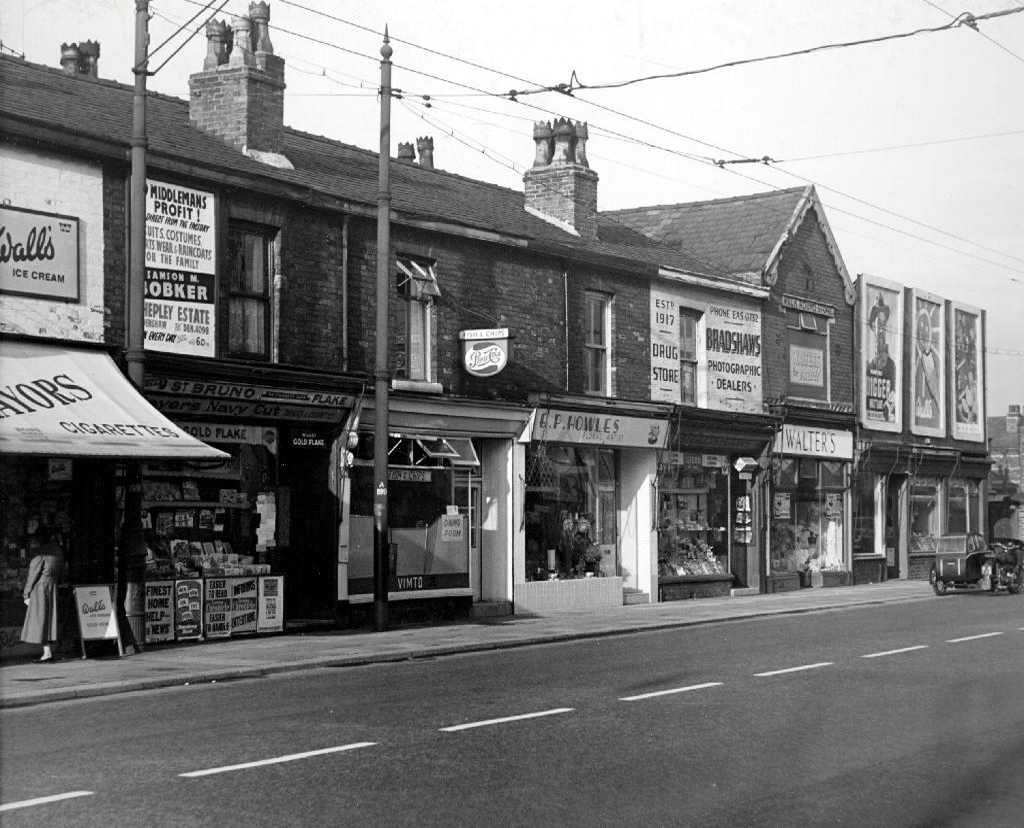
It’s a a road I have travelled from my early teens onwards, visiting friends, family, speedway, school sports days, fun and frolics at Belle Vue, tea and toast in Sivori’s, bike parts from Cowans. Working at the former Bishop Greer School, drinking in it’s many pubs, going to the flicks at the Apollo.

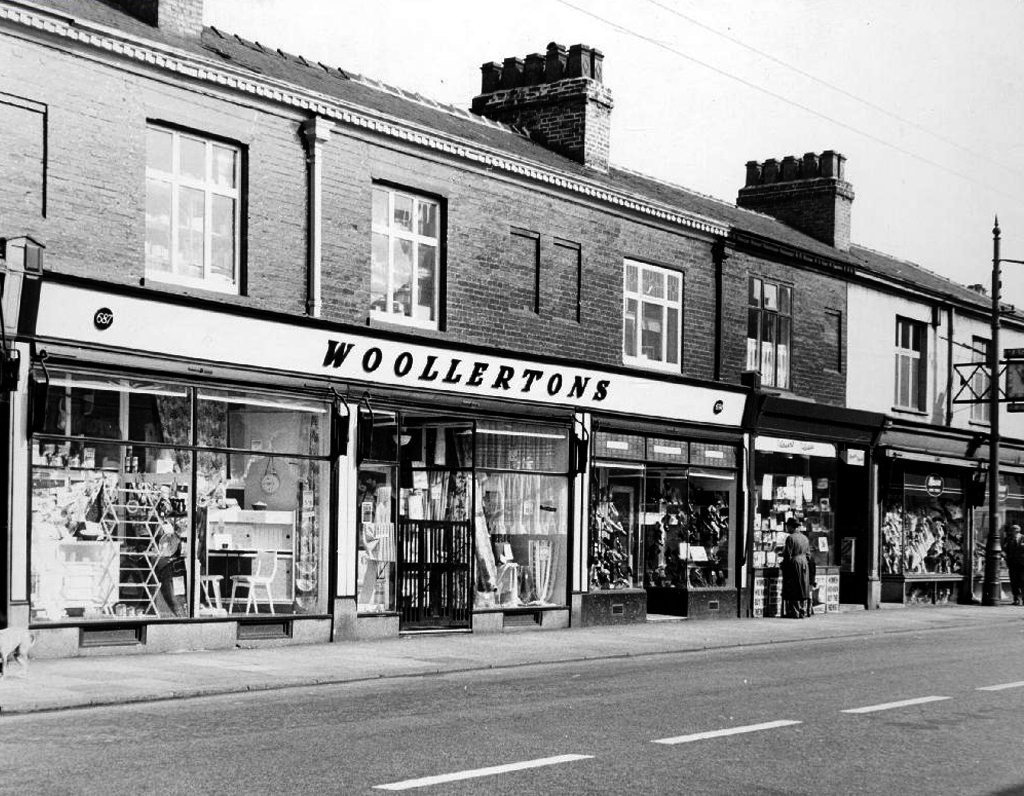
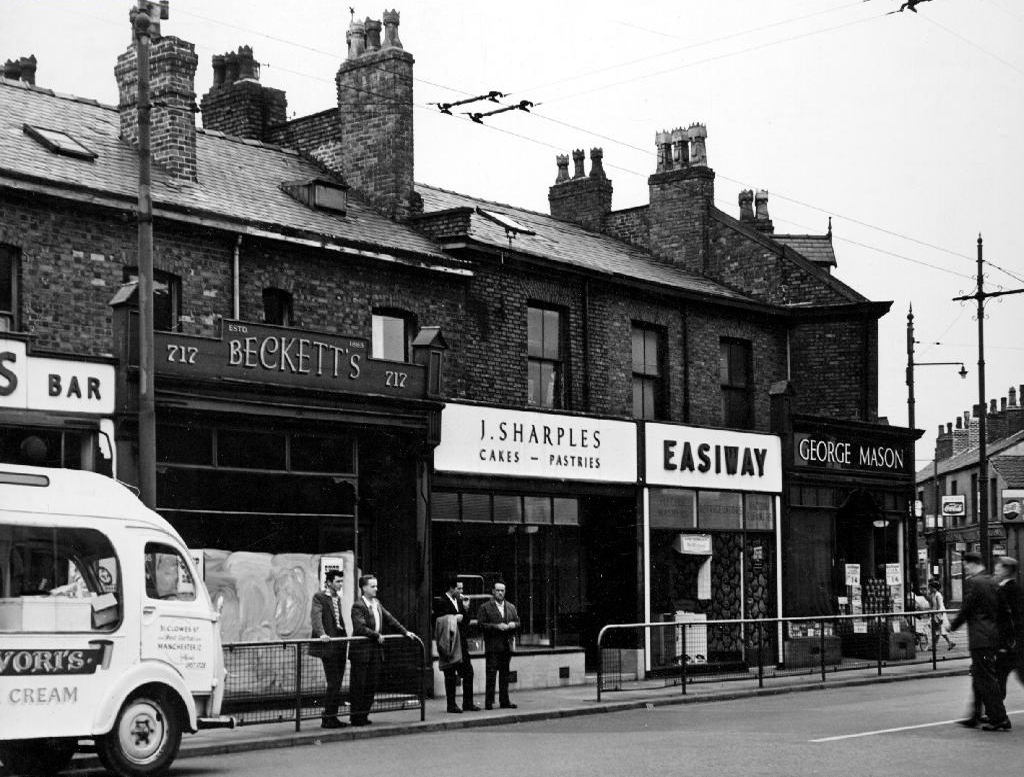
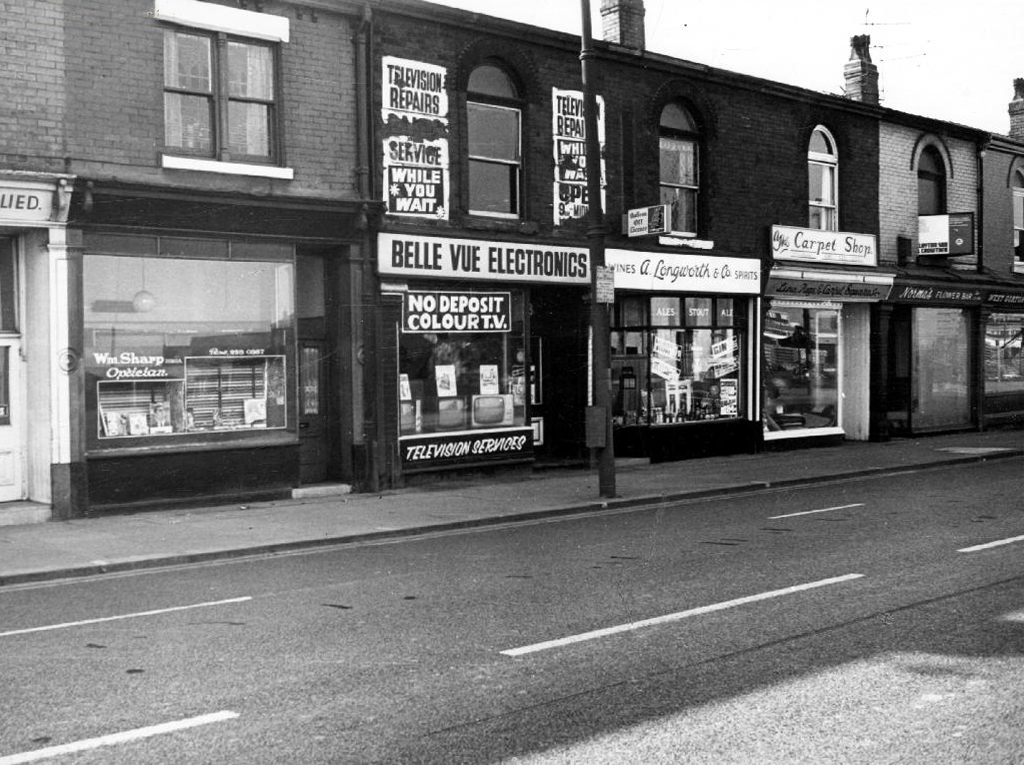
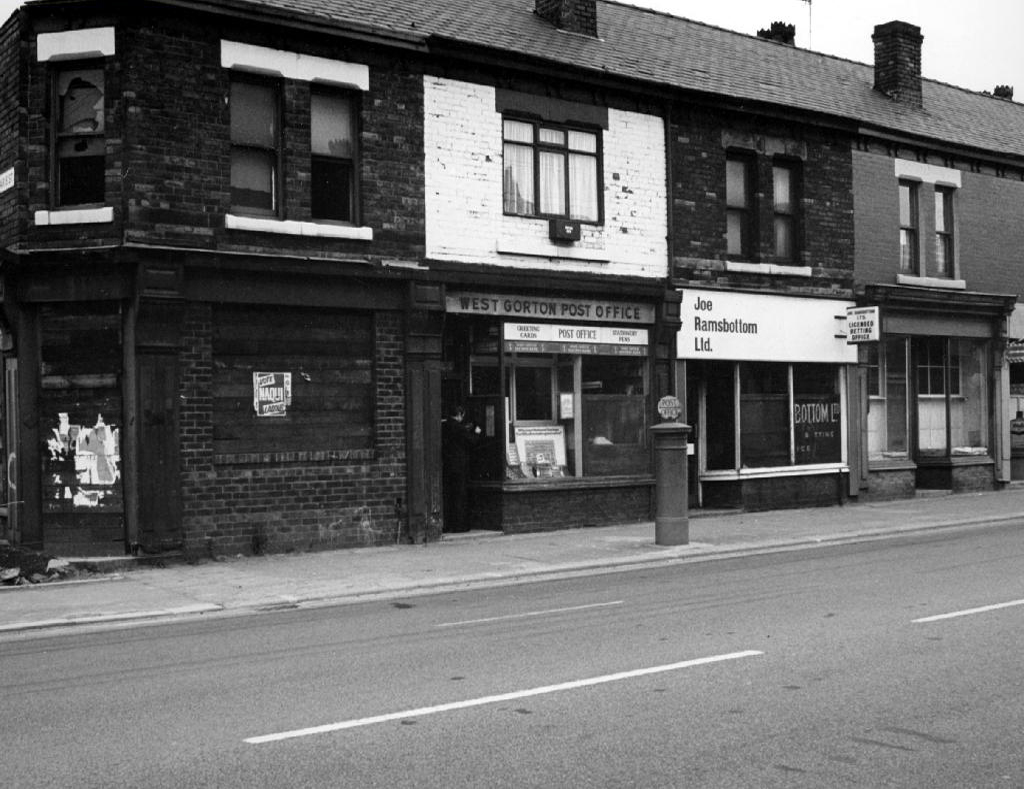
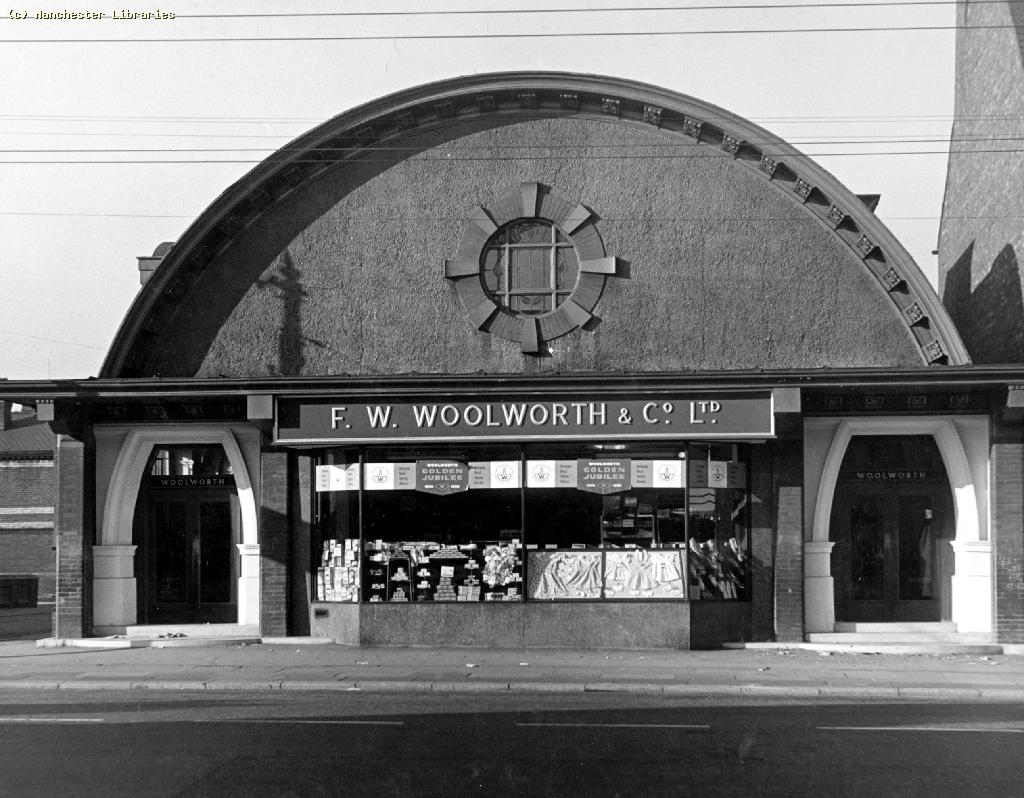
It was an area thick with the hustle and bustle of folks going about their business – working, shopping, boozing, waltzing in the Elizabethan, or the waltzers, bobbing up and down on the Bobs. A self contained community, just about prosperous enough in times of full employment –  take just one more walk with me.

webmedia-1.php

ss55

80

82

85

107

110

404 410

471 477

479 483

baths

swim

bobby

bobs

cowans

harry hall

meth

ns 26

NS5

NS6

NS10ns29

olympia

post

seymour

ss10

ss45

ss47

ss51


ss56

ss58

ss59

station

webmedia.php

woolworths

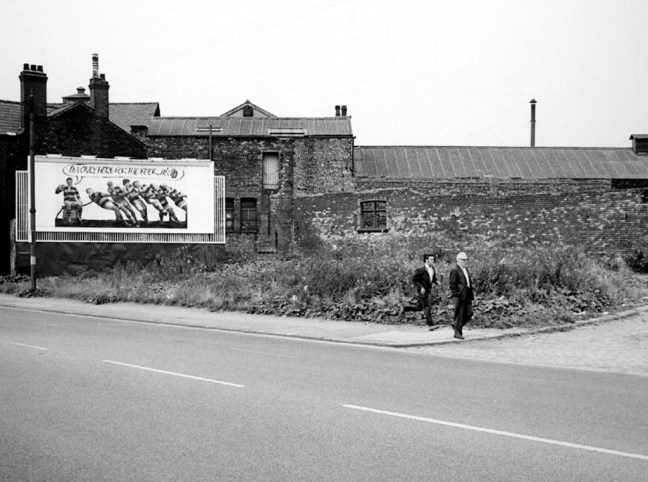
All photographs from the Manchester Local Image Collection

Hyde Road Pubs – Gorton Manchester

For almost fifty years I’ve cycled, walked and taken the bus up and down Hyde Road.

To work or to take snaps.

Or take a drink.

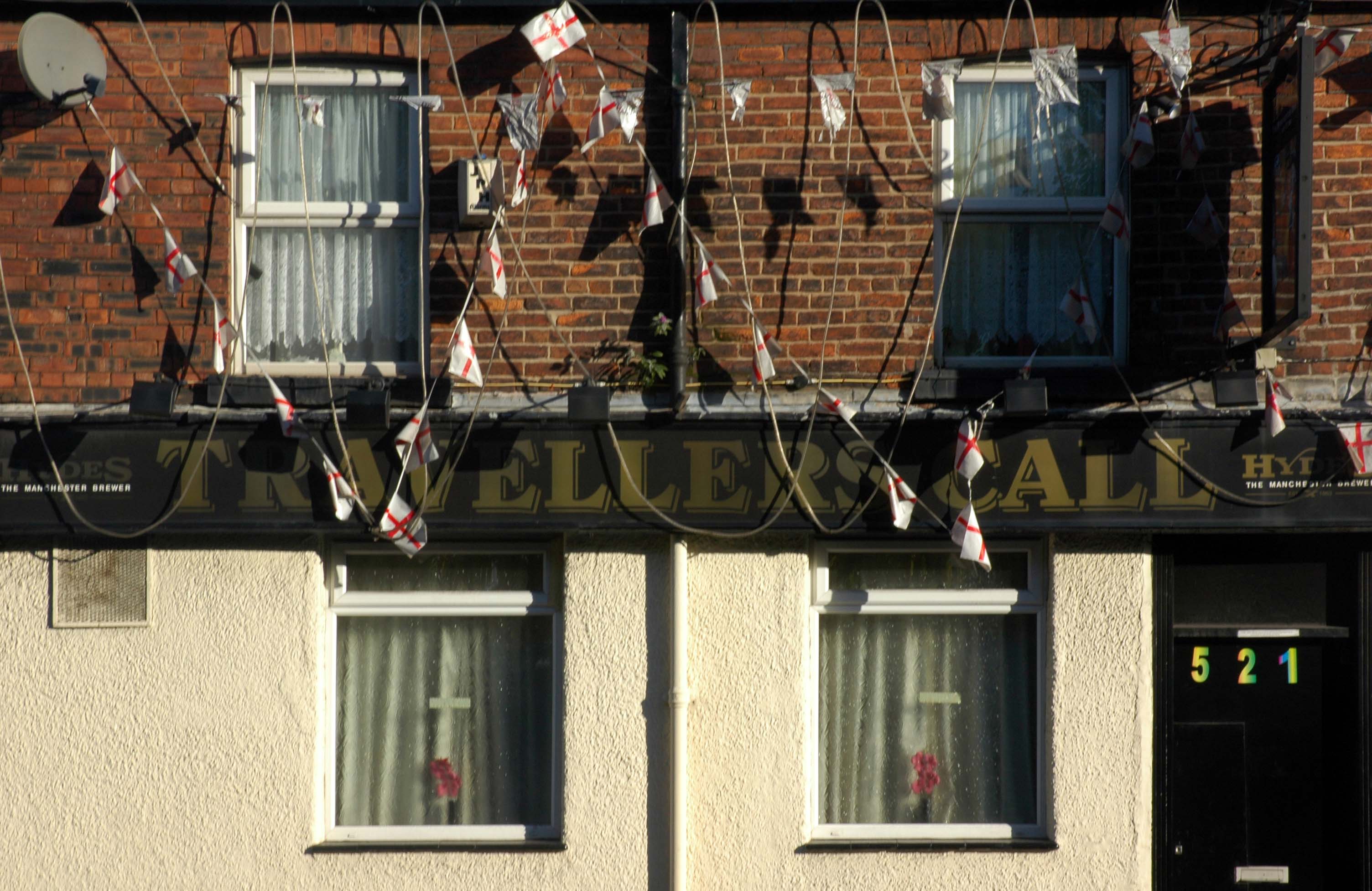
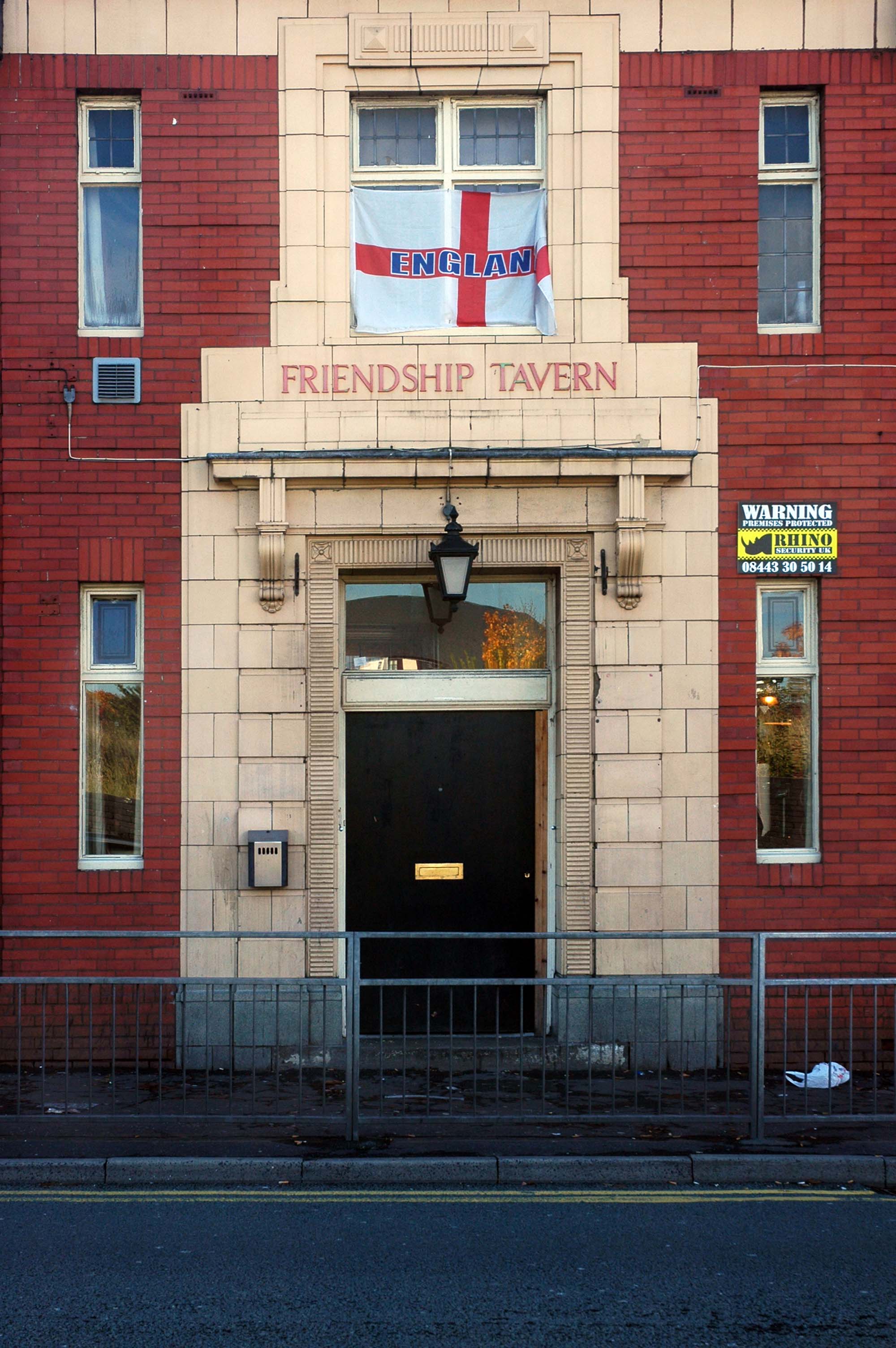
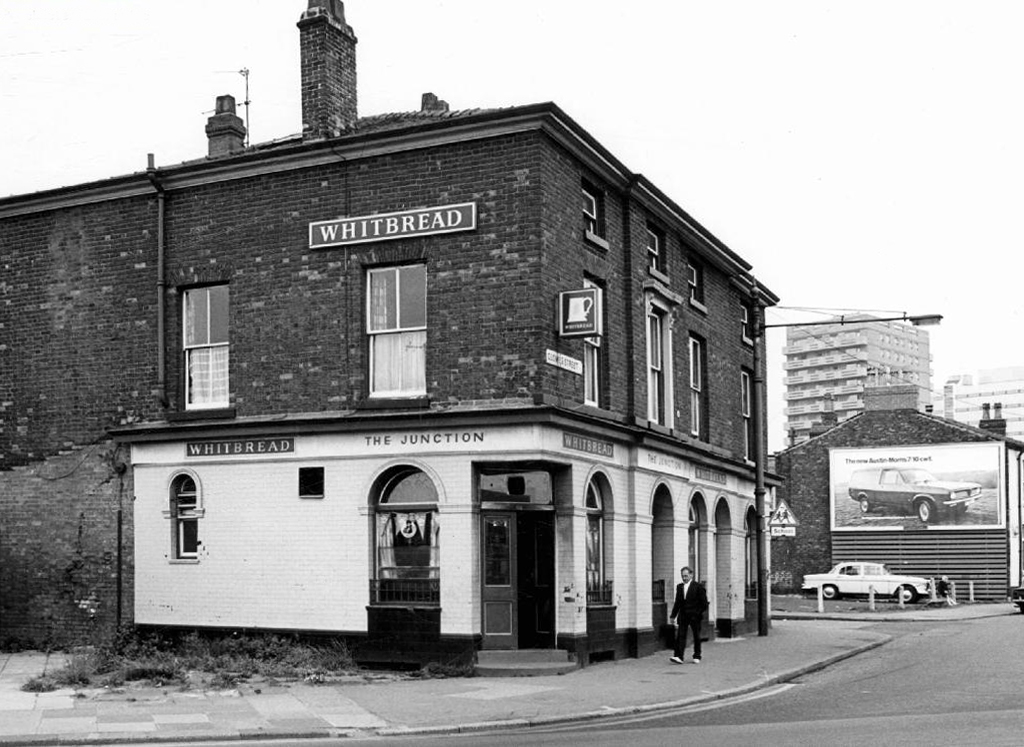
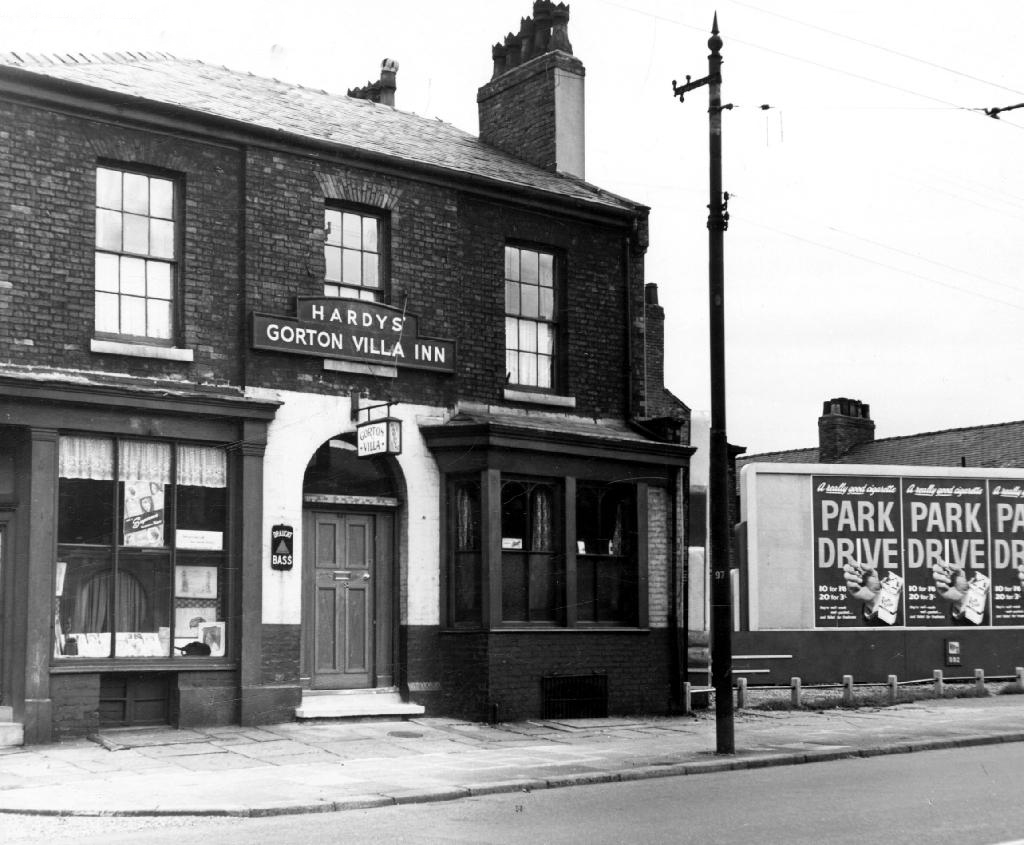
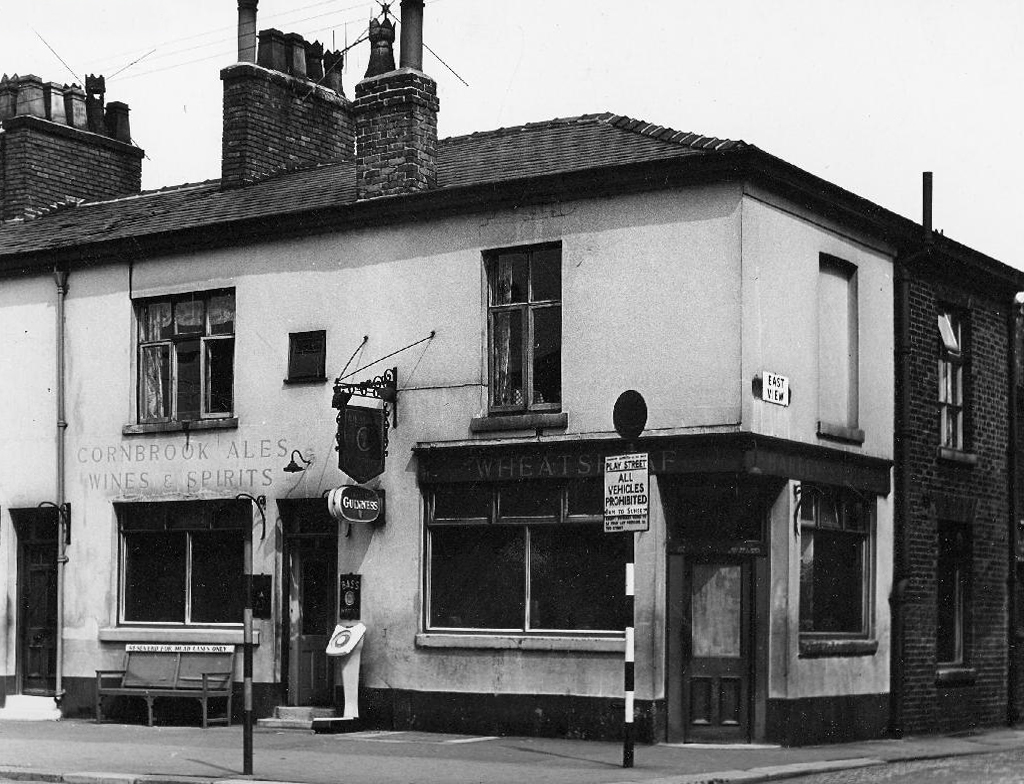
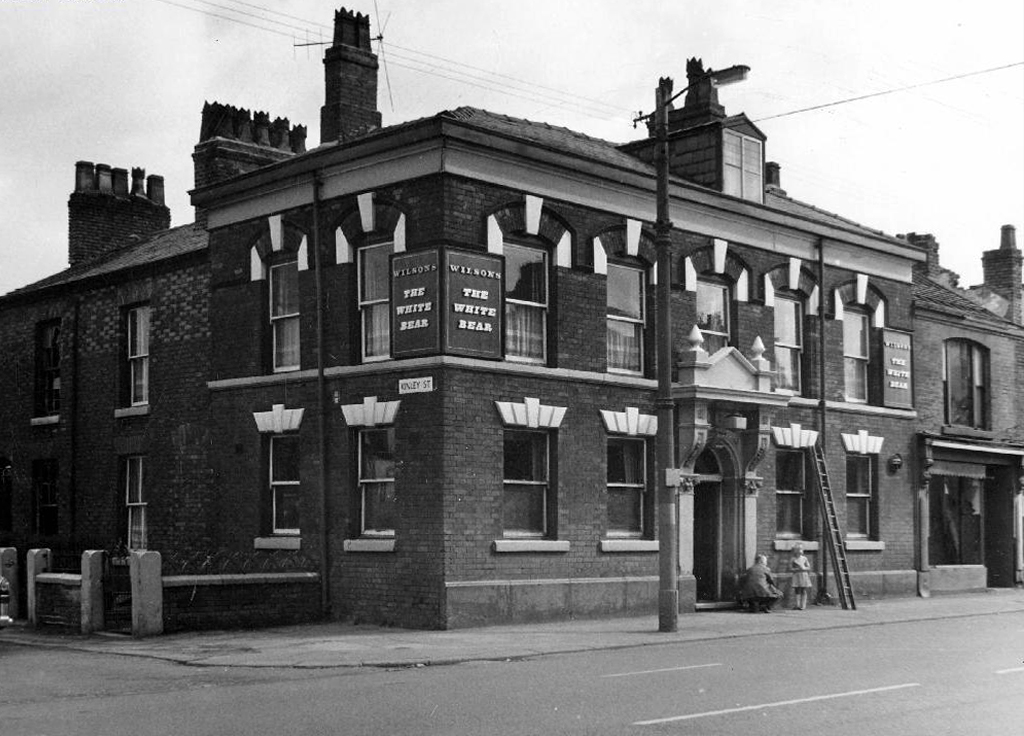
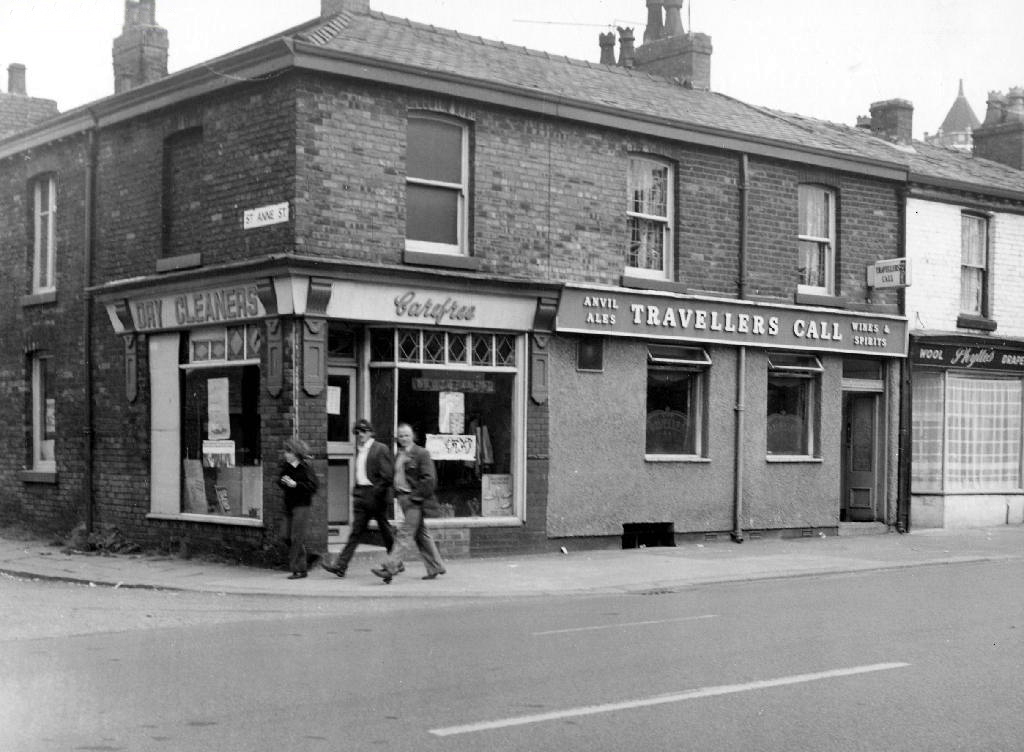
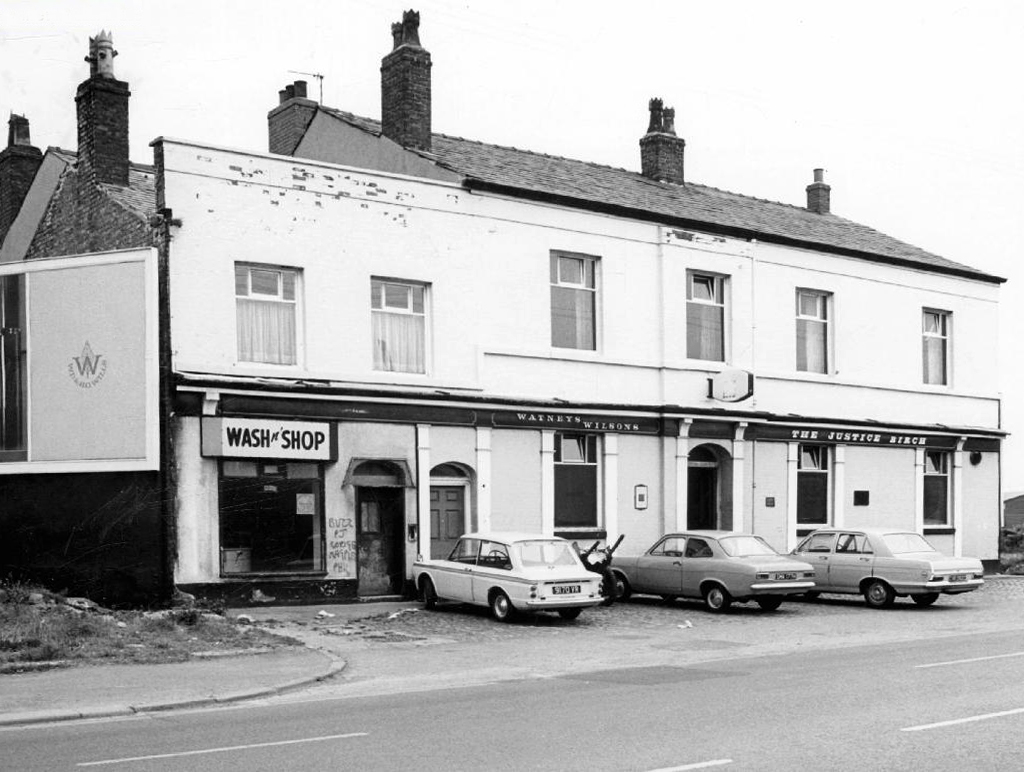
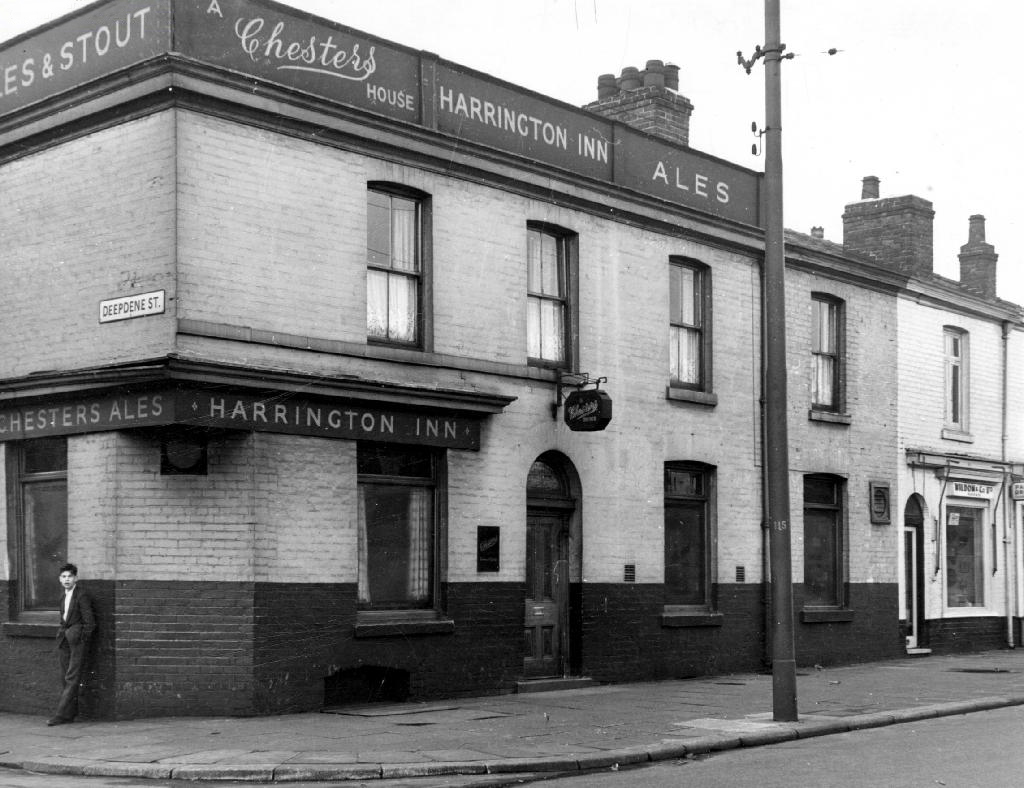
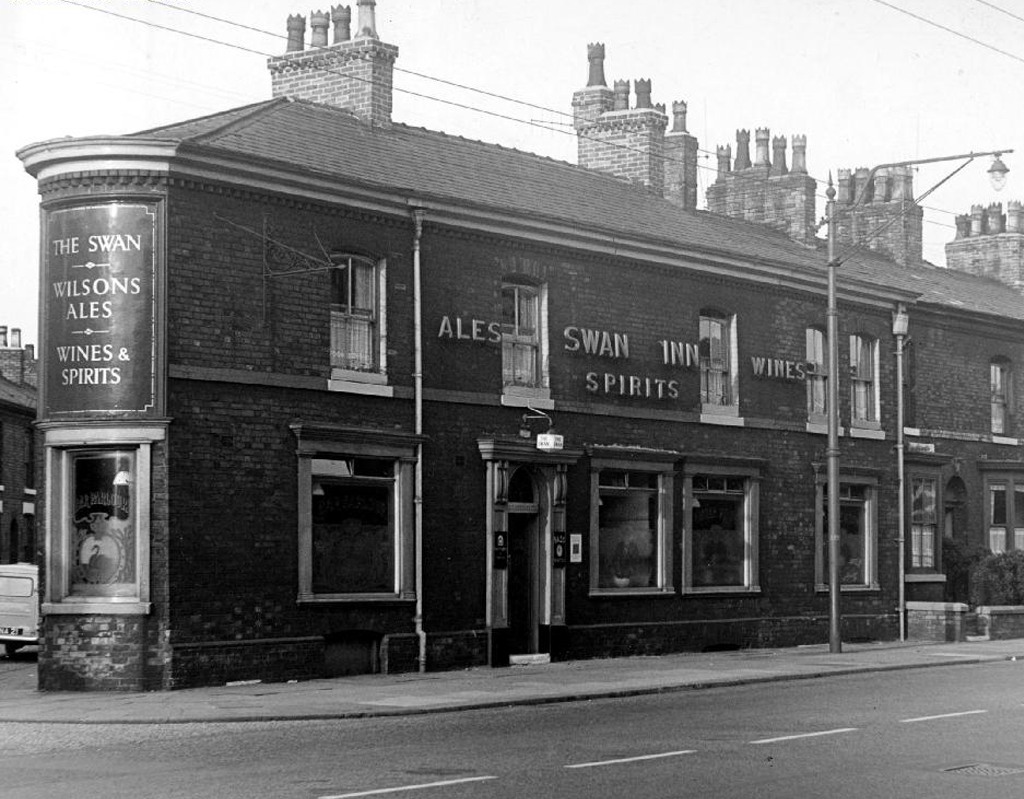
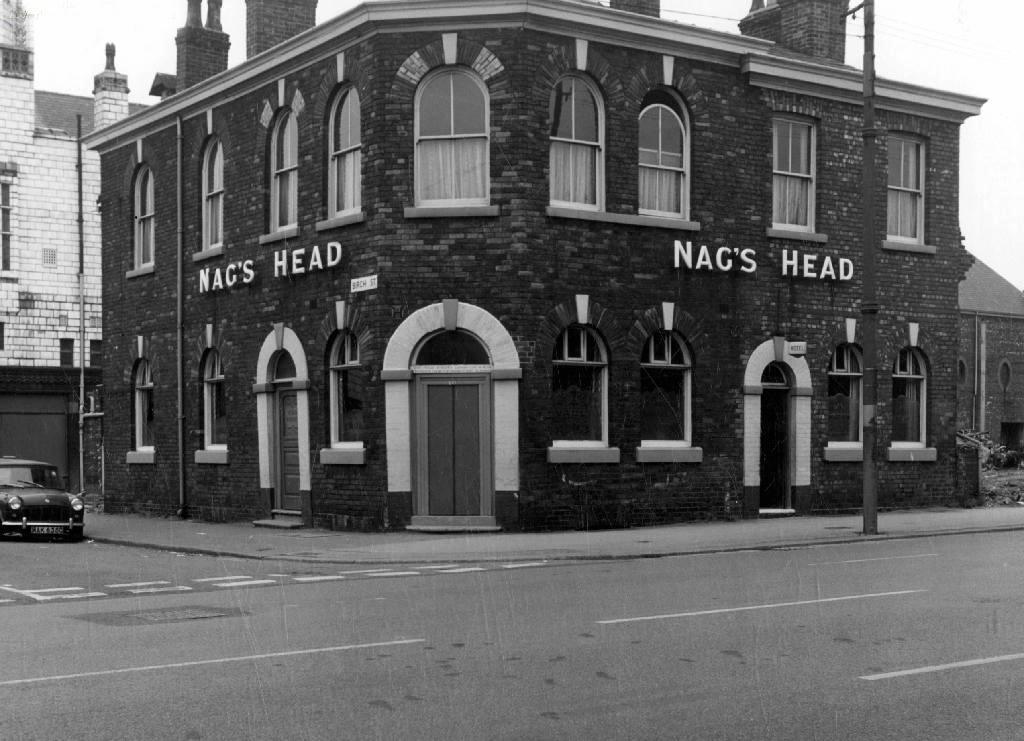
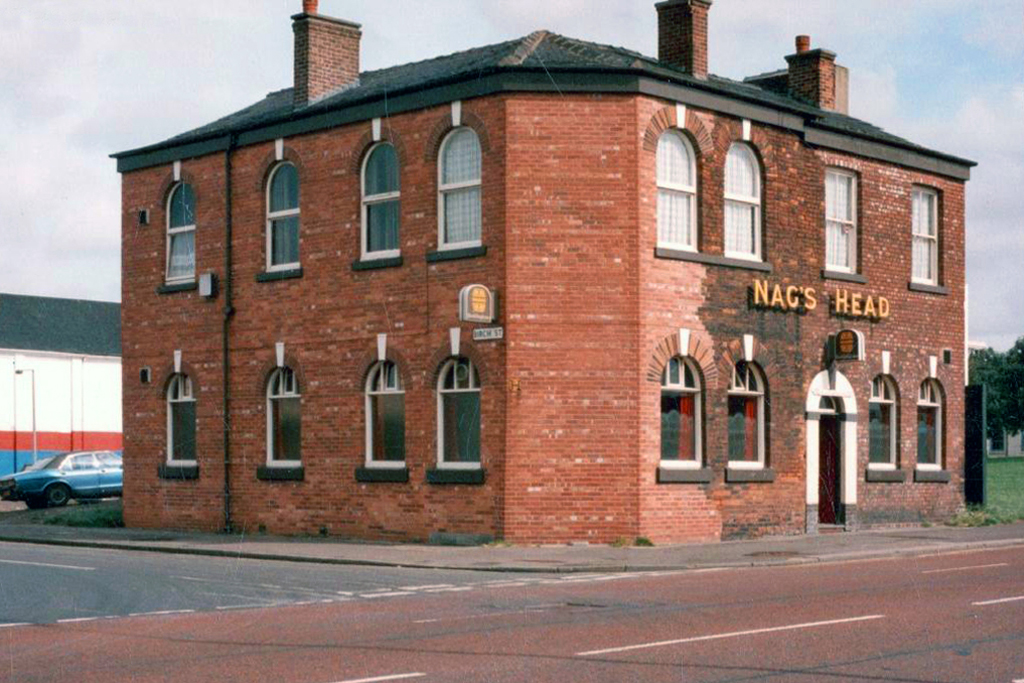
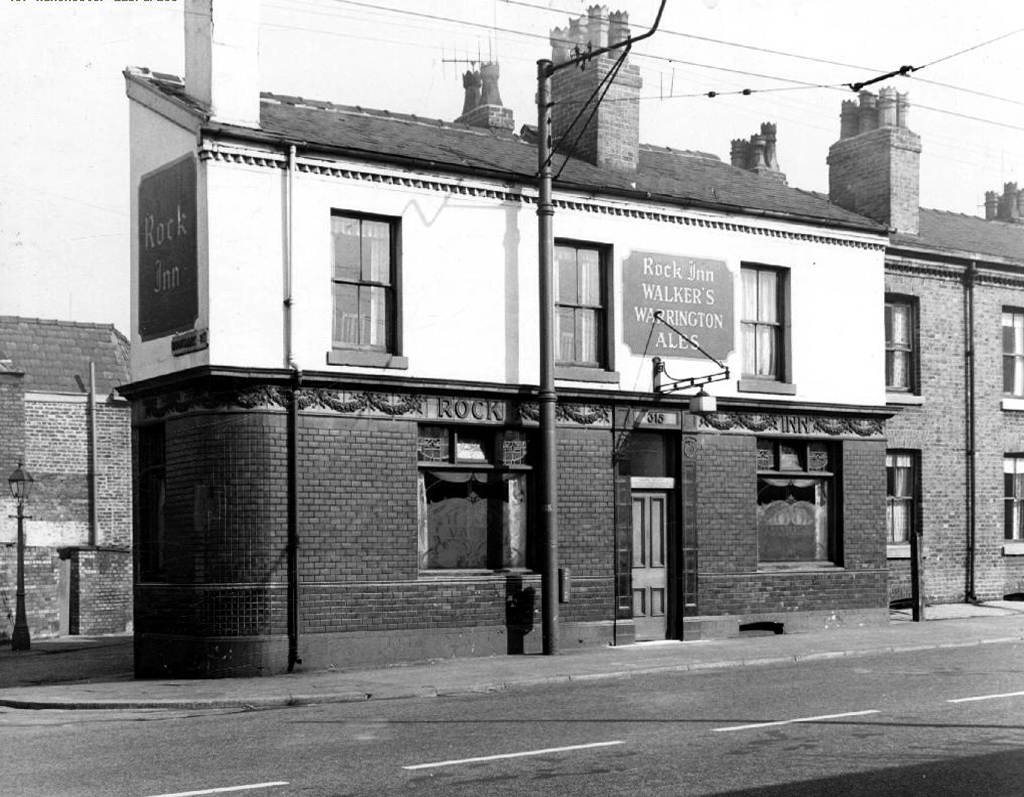
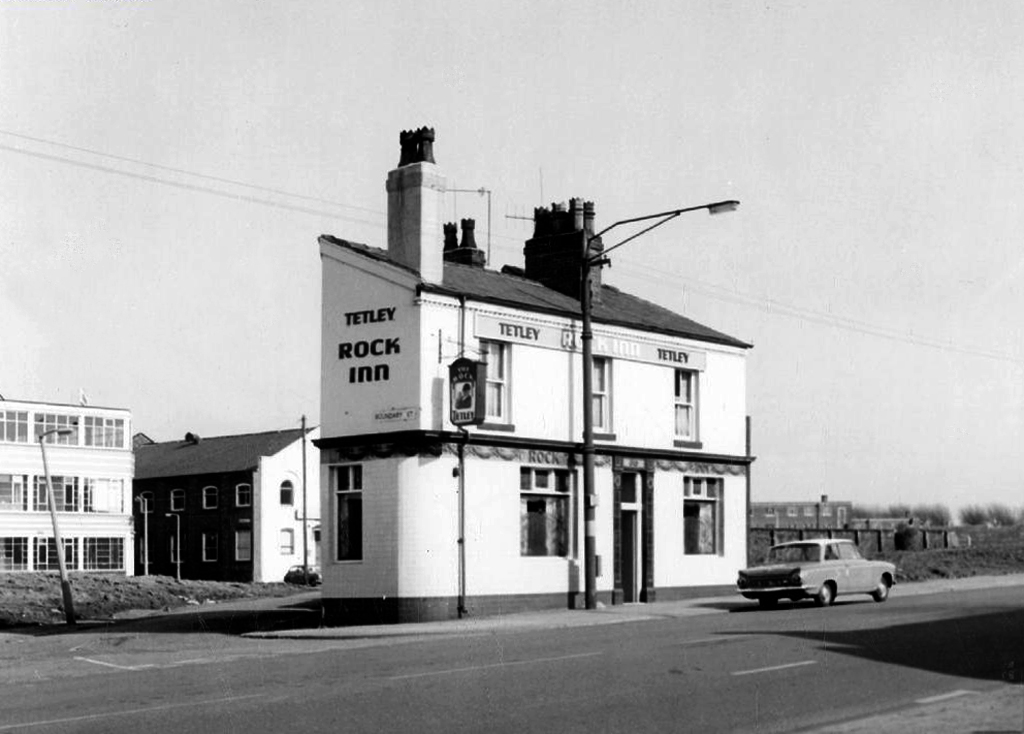
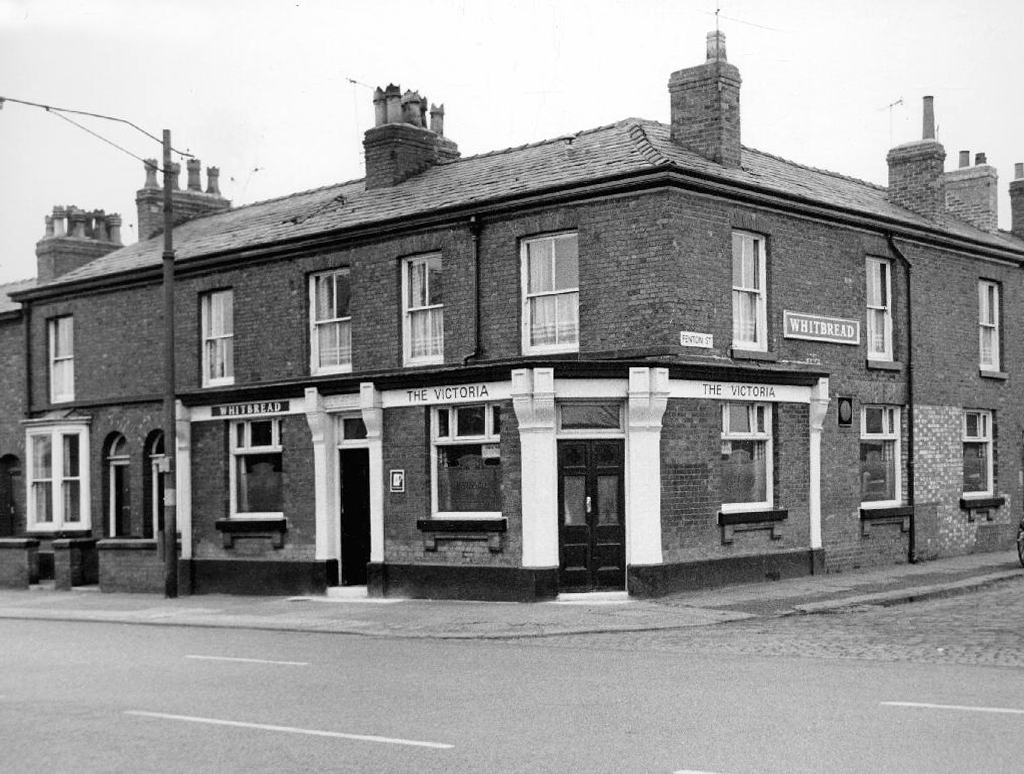
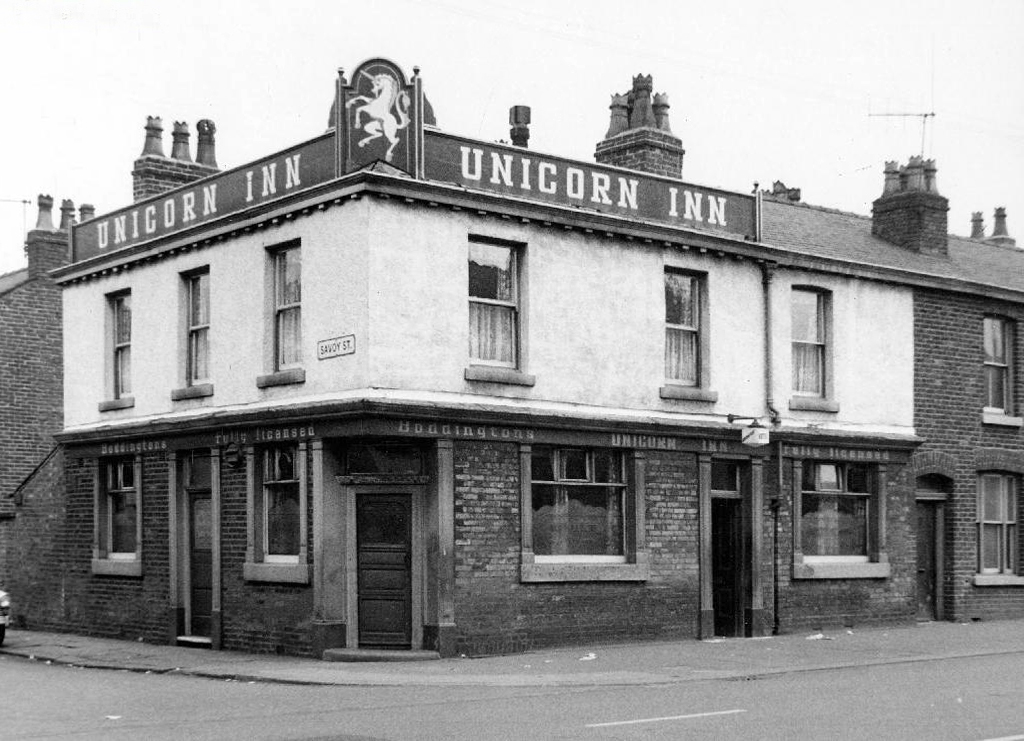
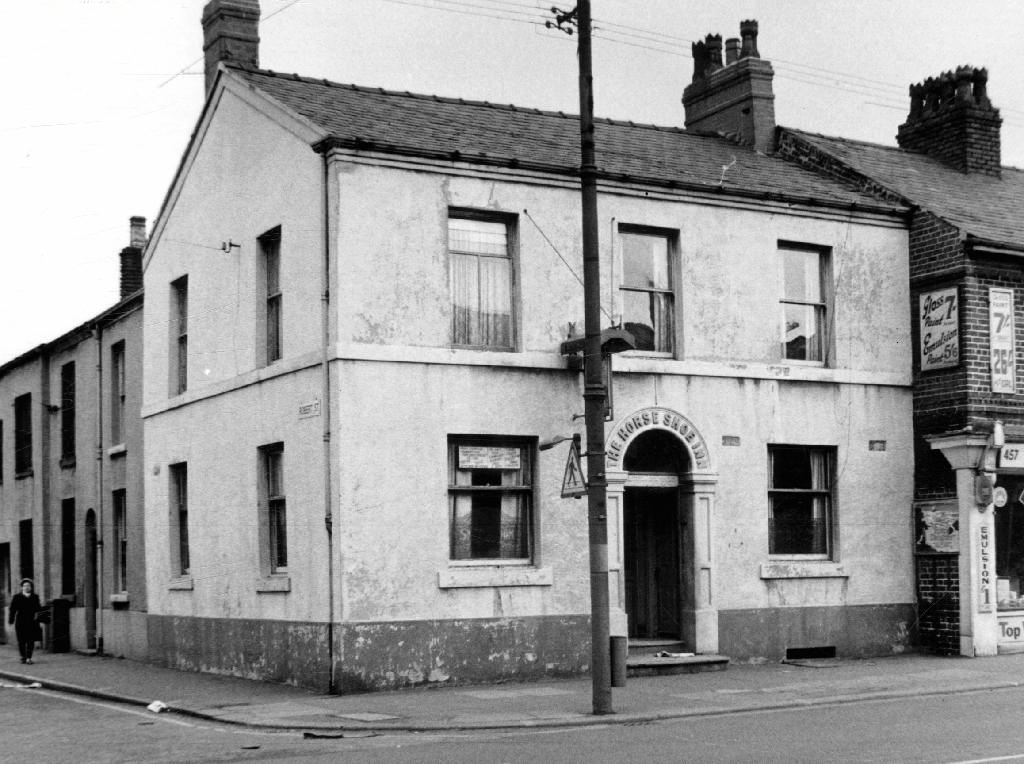
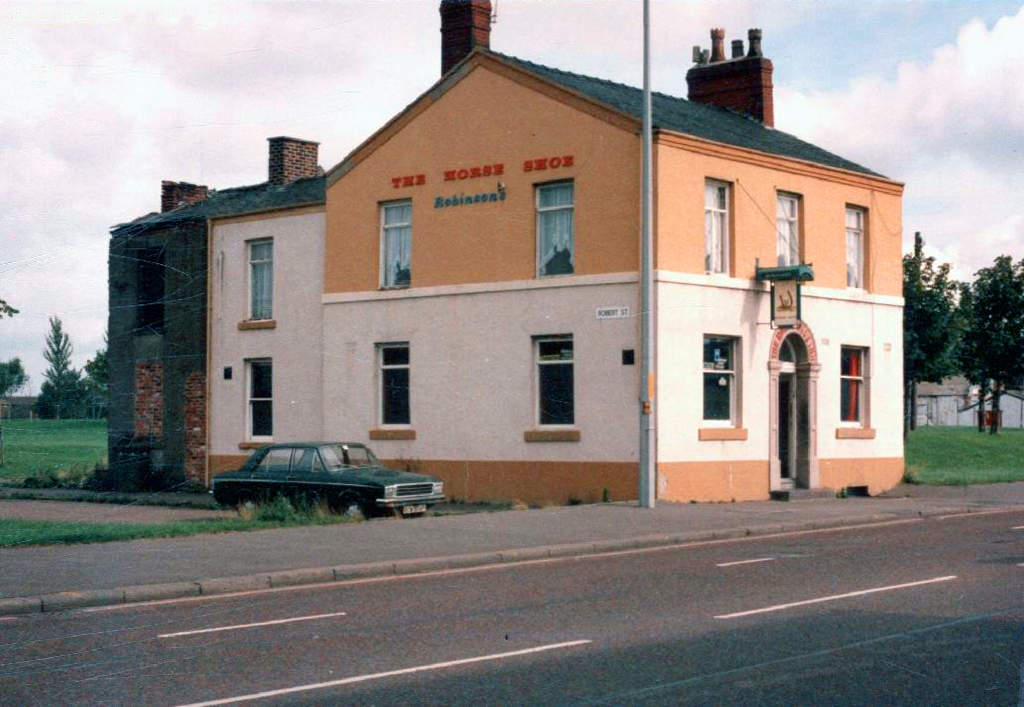
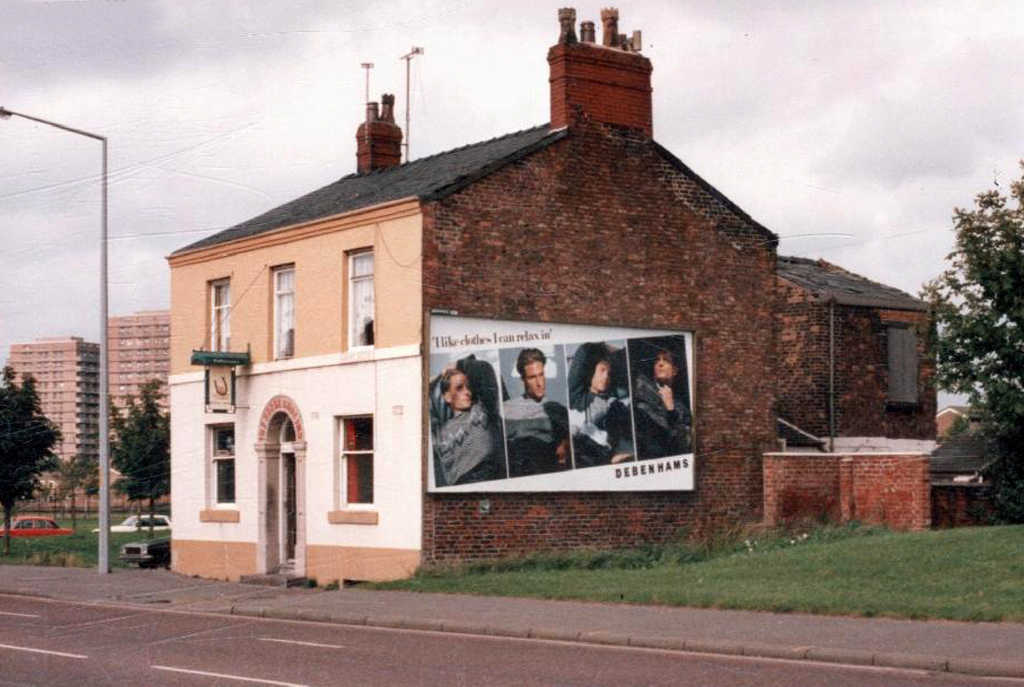
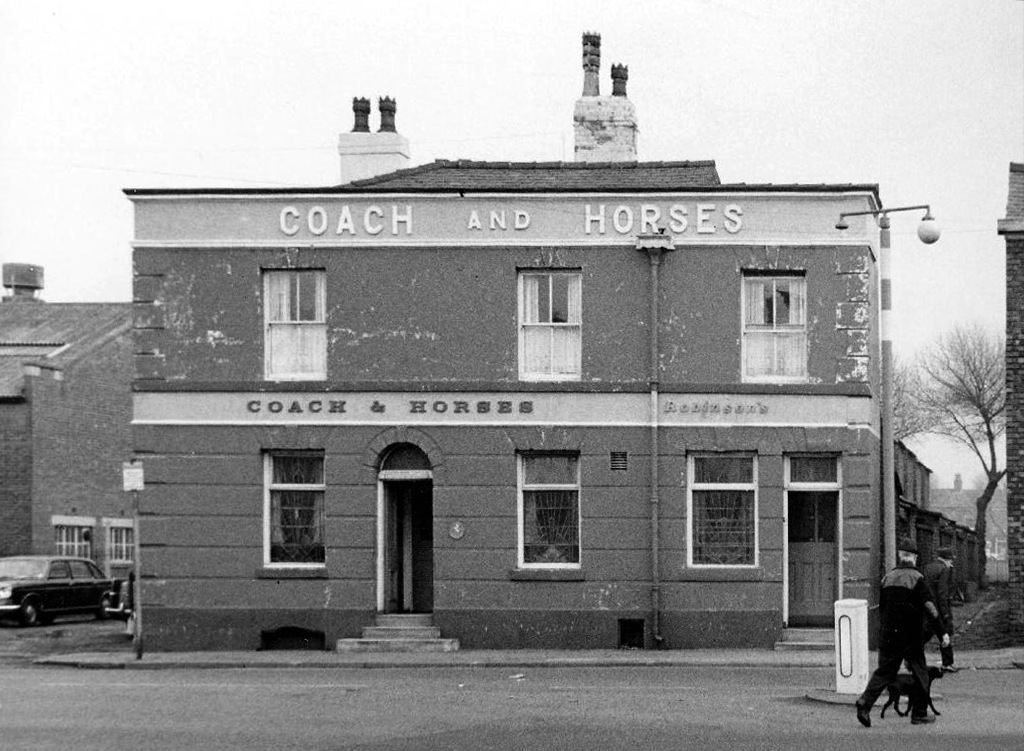
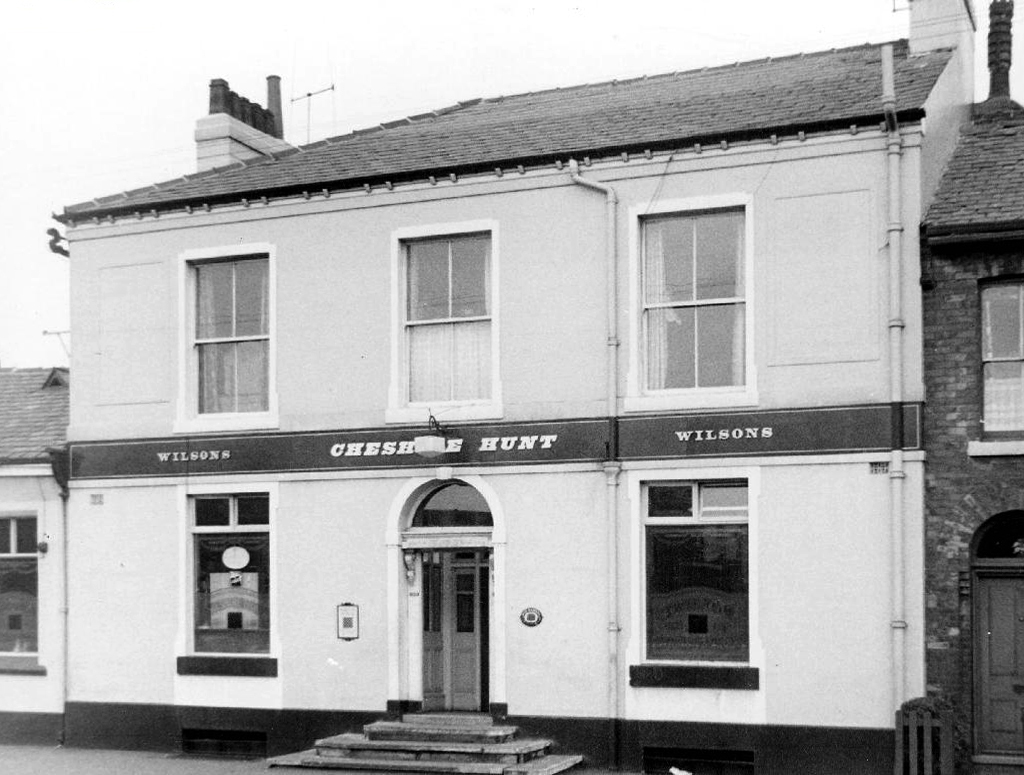
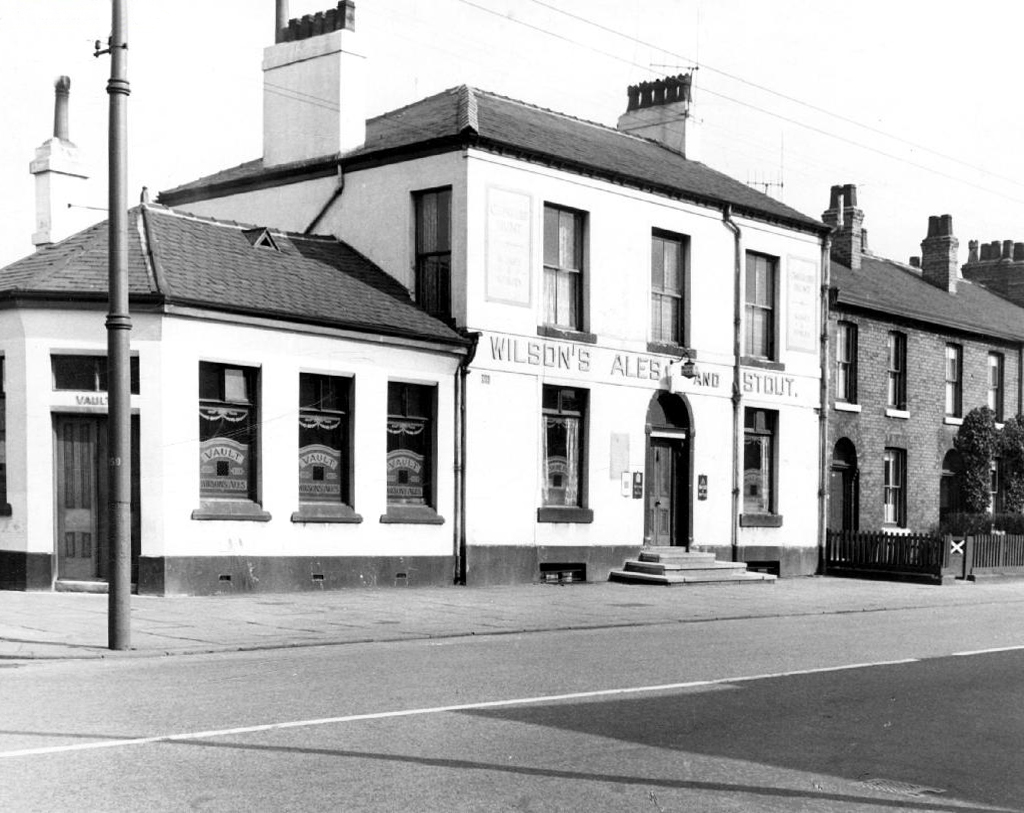
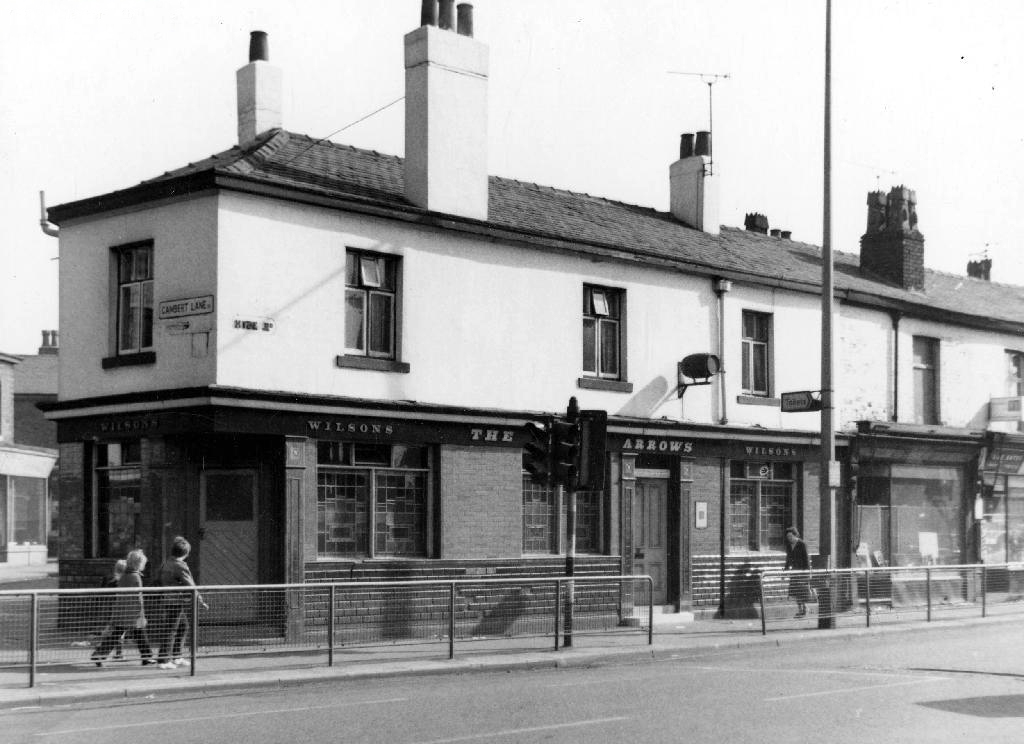
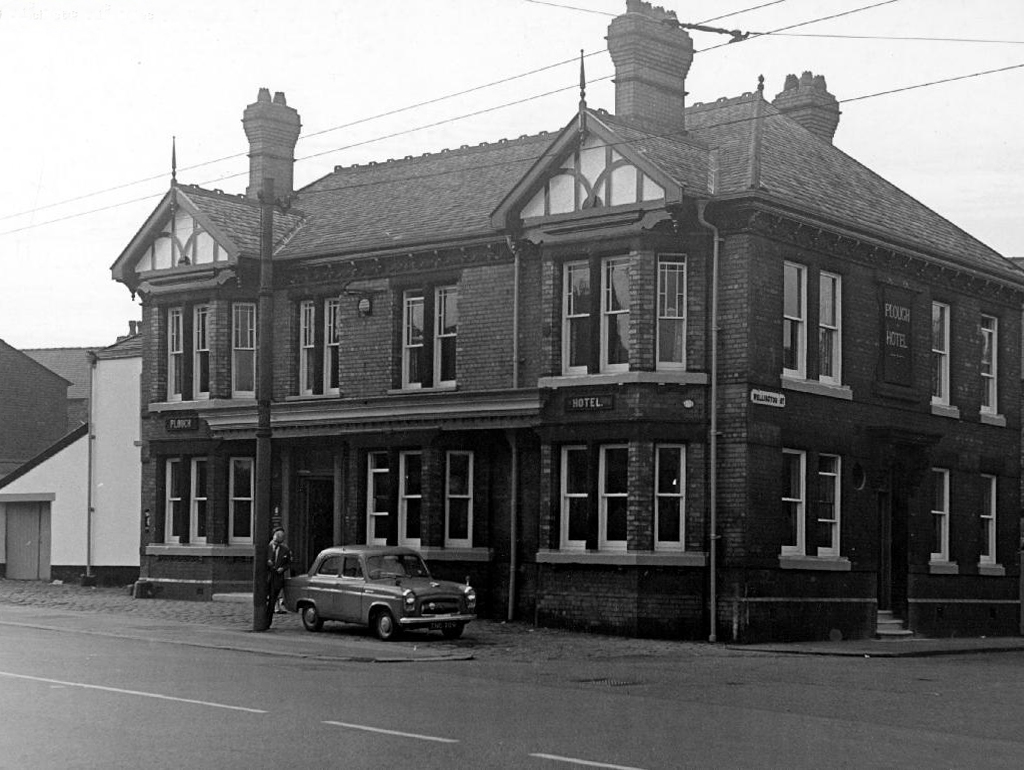
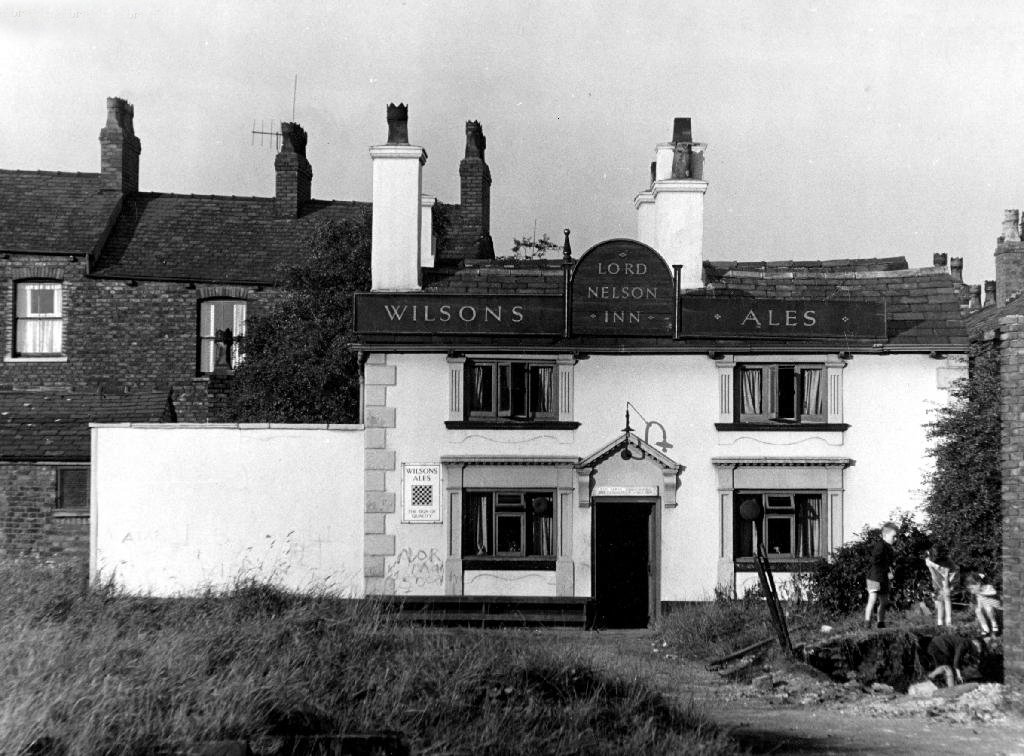
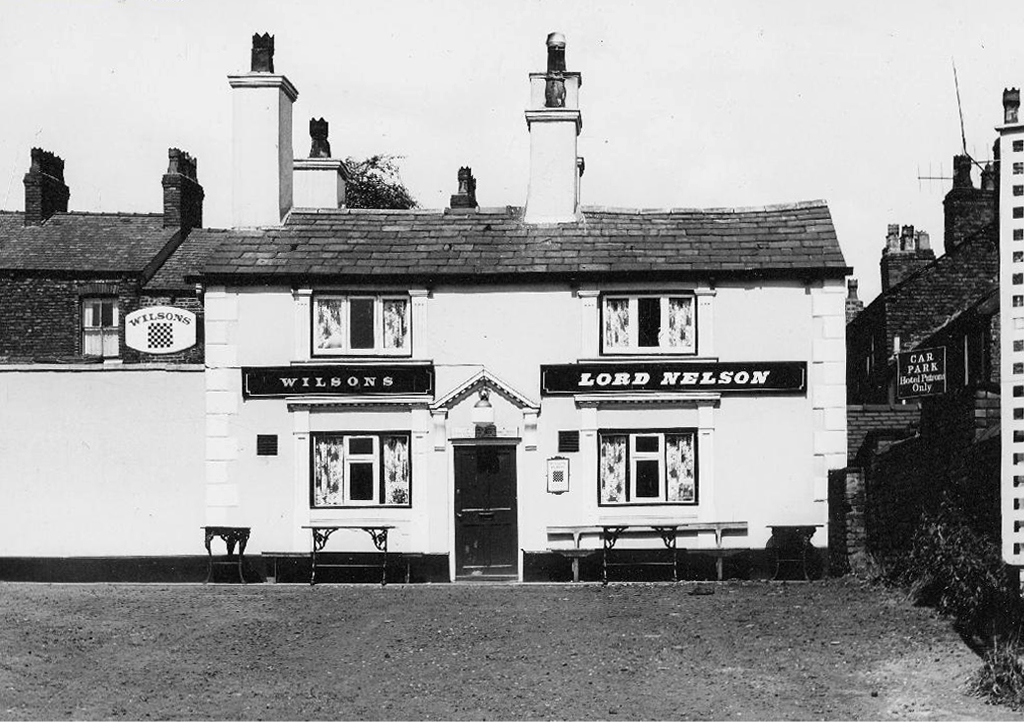
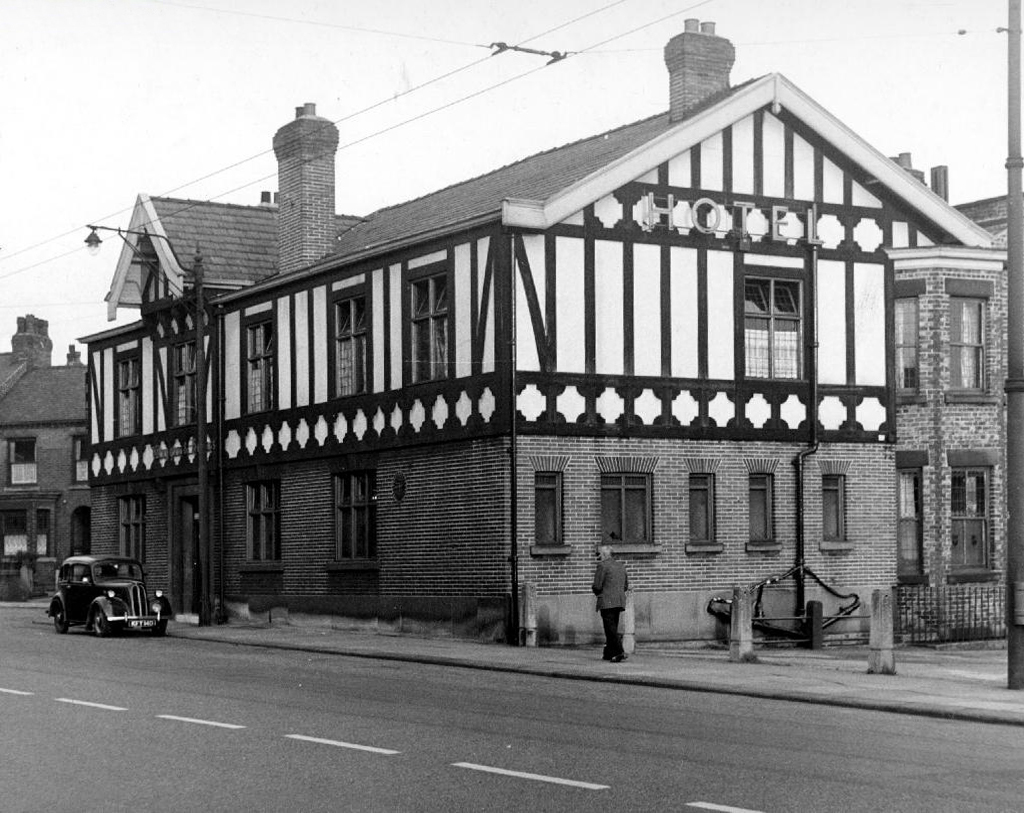
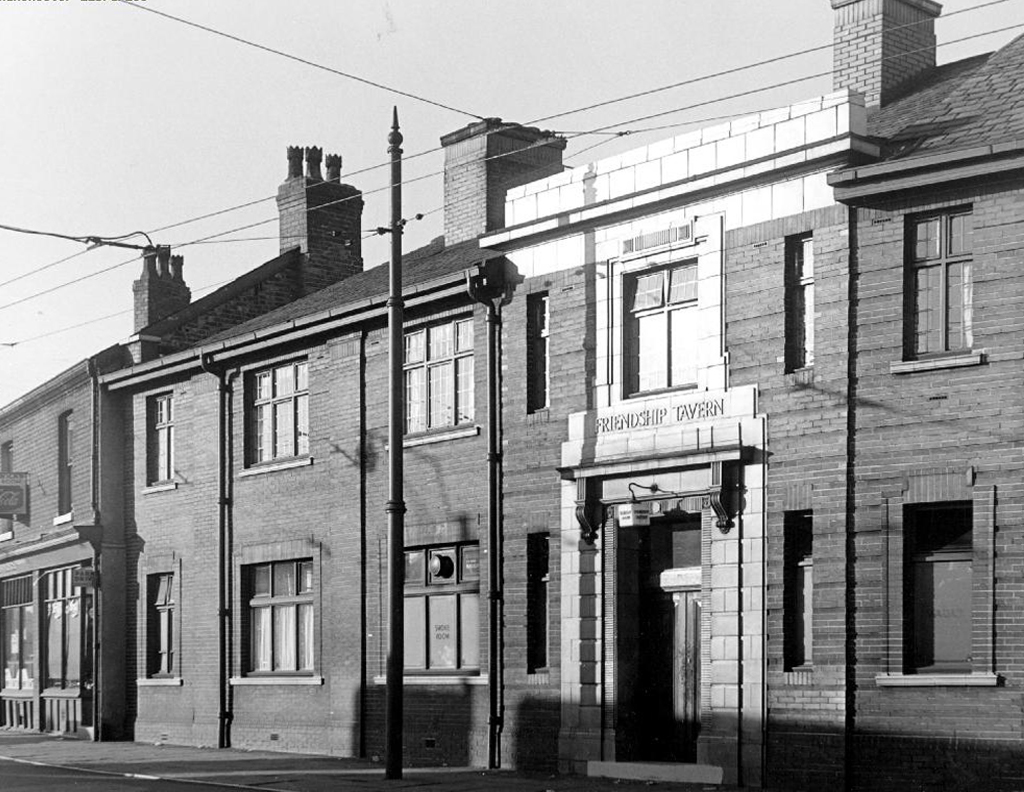
The first proper pub crawl I ever went on was up and down here, and these photographs which were taken from the Local Image Archive, represent a world now largely long gone. Of those places pictured only the Travellers, Wagon and Horses, Plough, Nelson and Friendship survive. What was a busy thoroughfare alive with masses of working people and lively boozers is now a shadow of its former self. Many of the breweries are also no more – Wilsons and Boddington’s, once employing hundreds of people and supplying hundreds of pubs, have all but vanished, you may catch a glimpse of a stray sign or two dotted around town.

If there are any pubs missing apologies, but following the expert advice of Kenneth Allen I think I have all of the Gorton boozers.

Take one last walk, raise a glass – cheers!

webmedia.php

junction

webmedia-9.php

wheat

white bear

travellers72

birch

webmedia-6.php

swan

nags

nags bod.jpeg

rocka

rock copy

vic

unicorn

horse

horse shoe

shoe

webmedia.php

hunt

cheshire hunt

Palm Court Belle Vue

lake

webmedia-5.php

webmedia-1.php

plough

nelson copy

nelsona

hotel.jpeg

friend