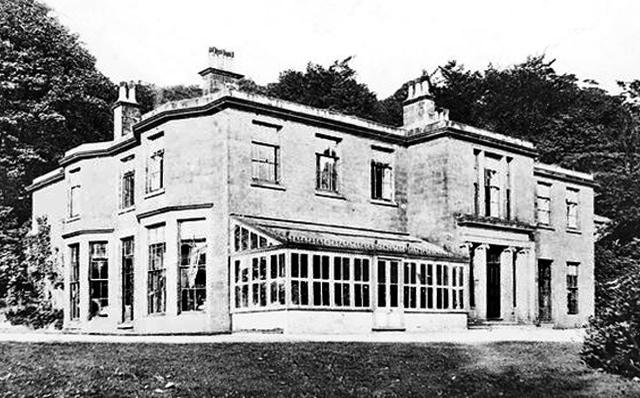
A Grade II listed country house, now divided into two dwellings. c1812. Ashlar gritstone. Hipped slate roof with leaded ridges. Various ashlar triple stacks with moulded tops. Moulded cornice and low parapet. Two storeys, central block with recessed long wing to east, orangery to west.
This Grade II listed manor house is set within 14 acres of natural grounds, together with the occupied adjoining servants’ wing, and has been sympathetically converted, retaining many original features to provide comfortable accommodation for families wishing to meet up for that special family occasion, and wi-fi is available in the living room.
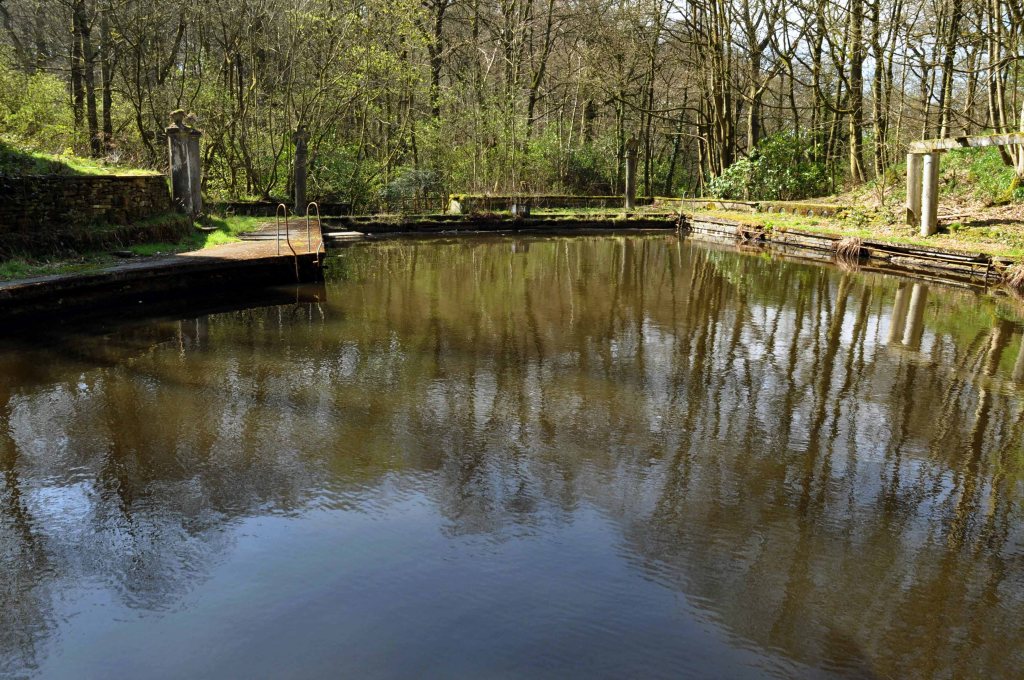
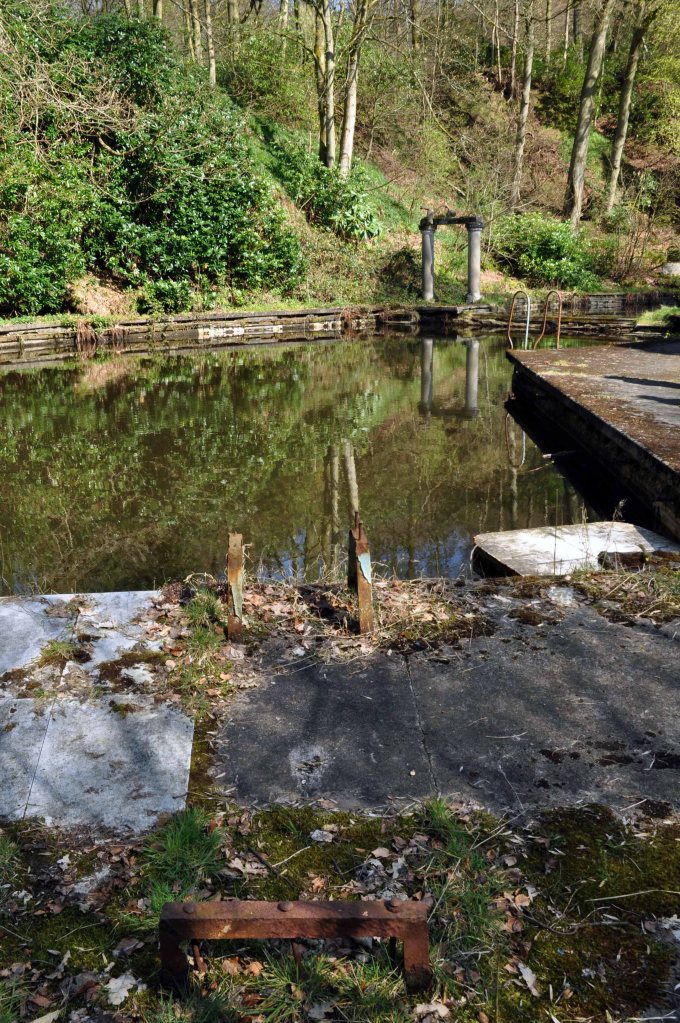
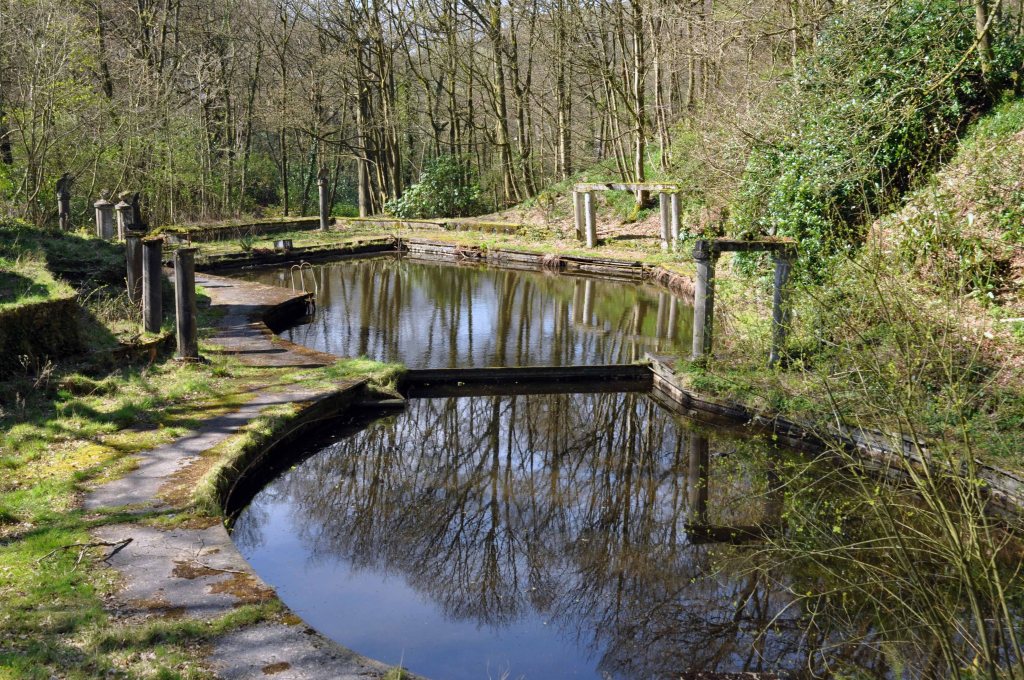
Then came a pool:
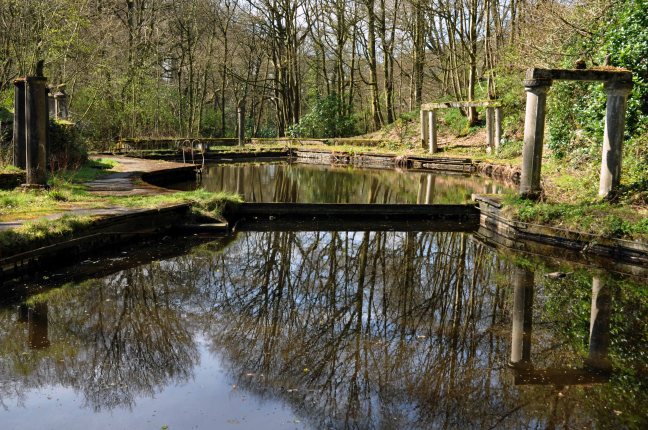
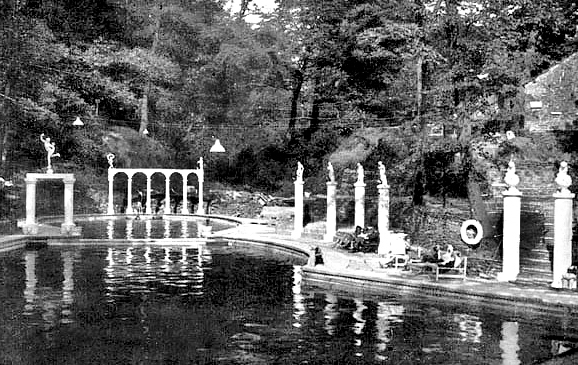
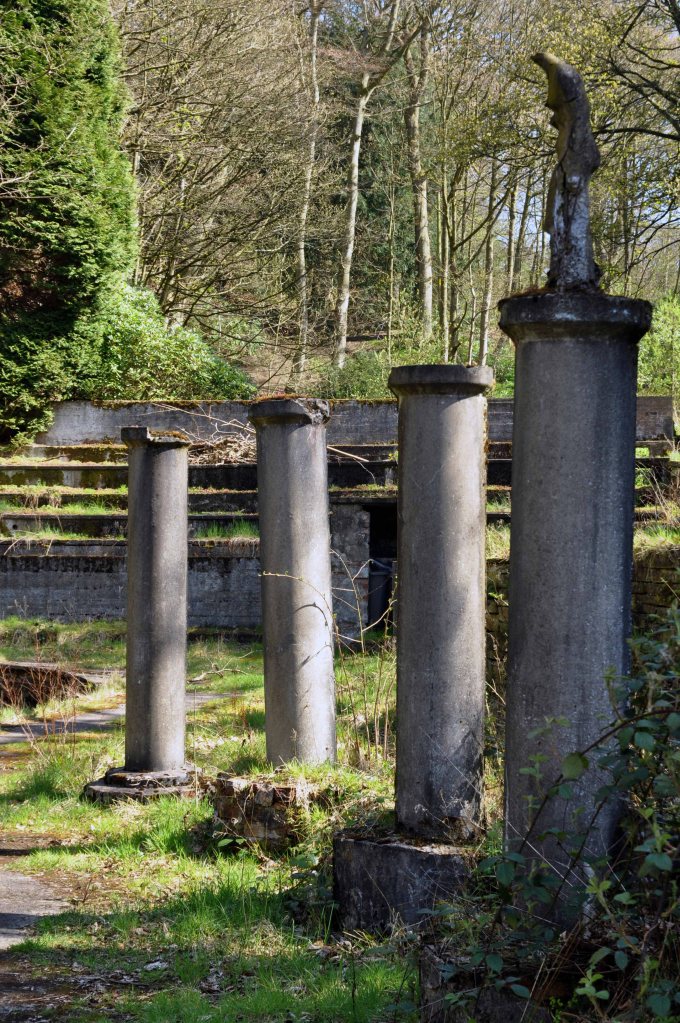
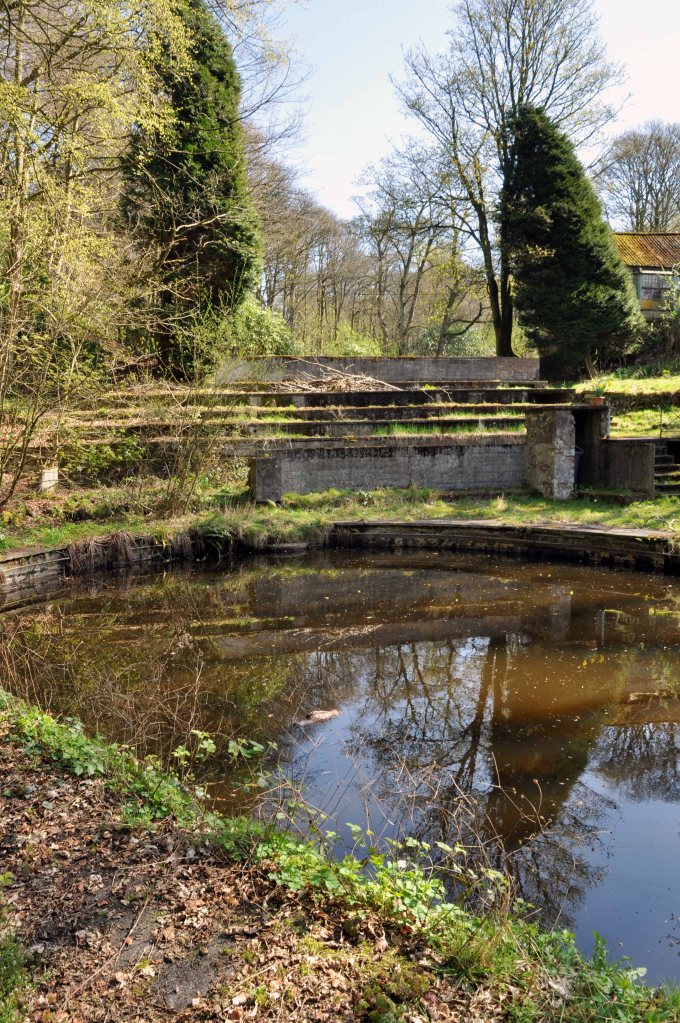
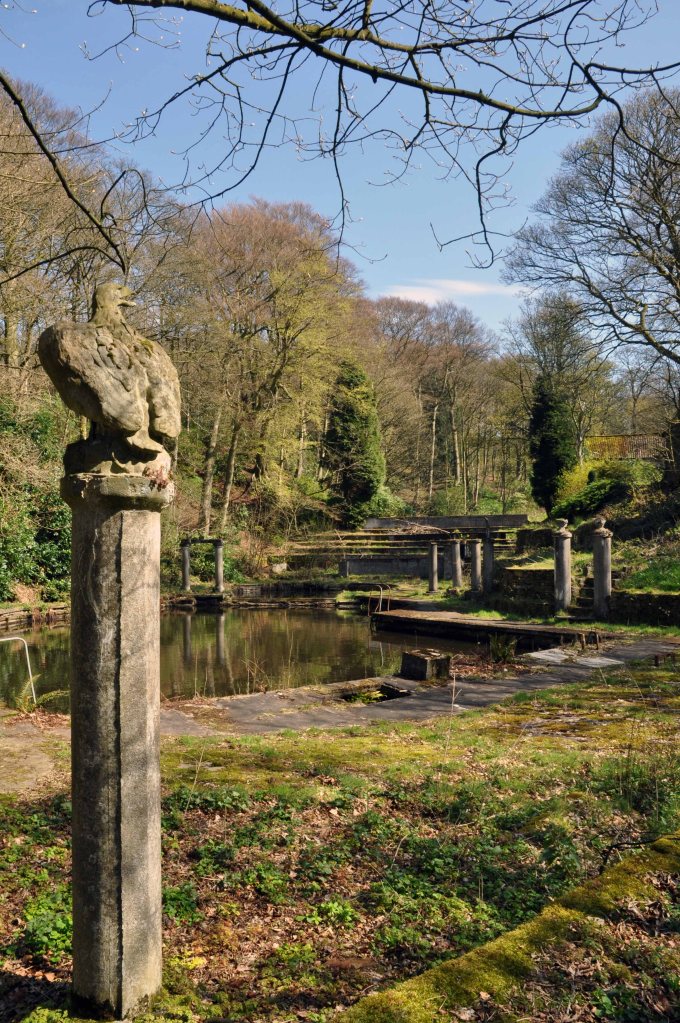
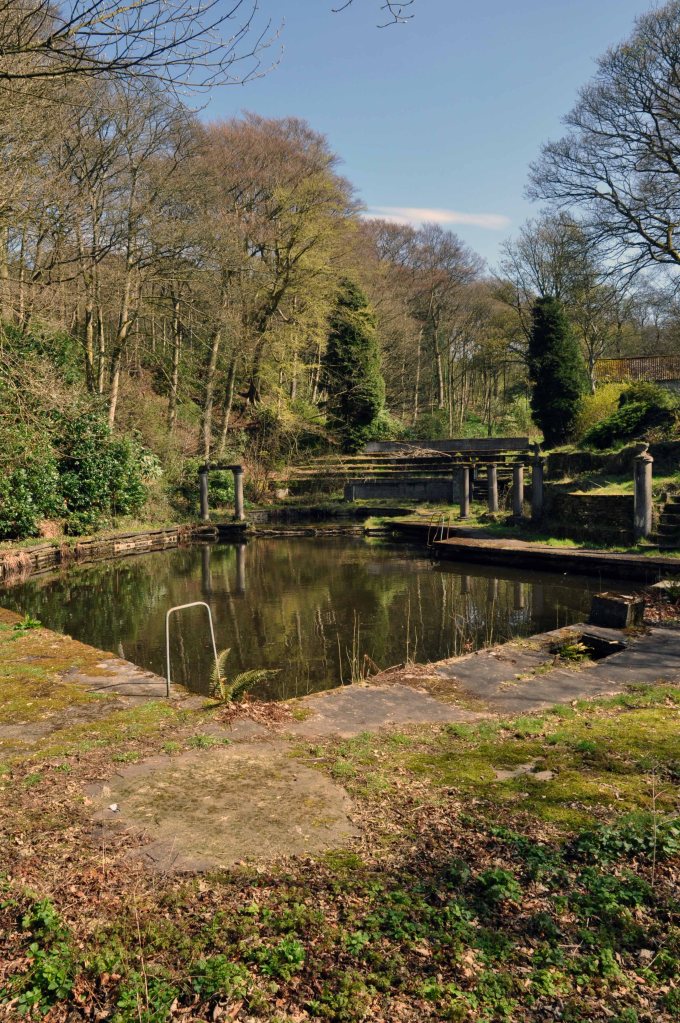
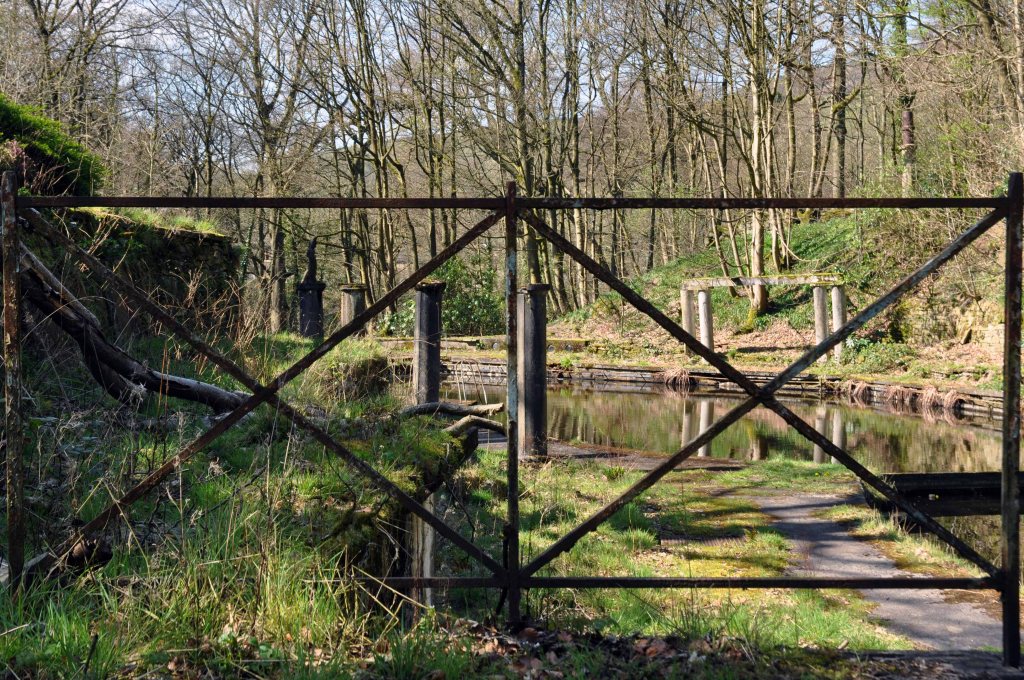
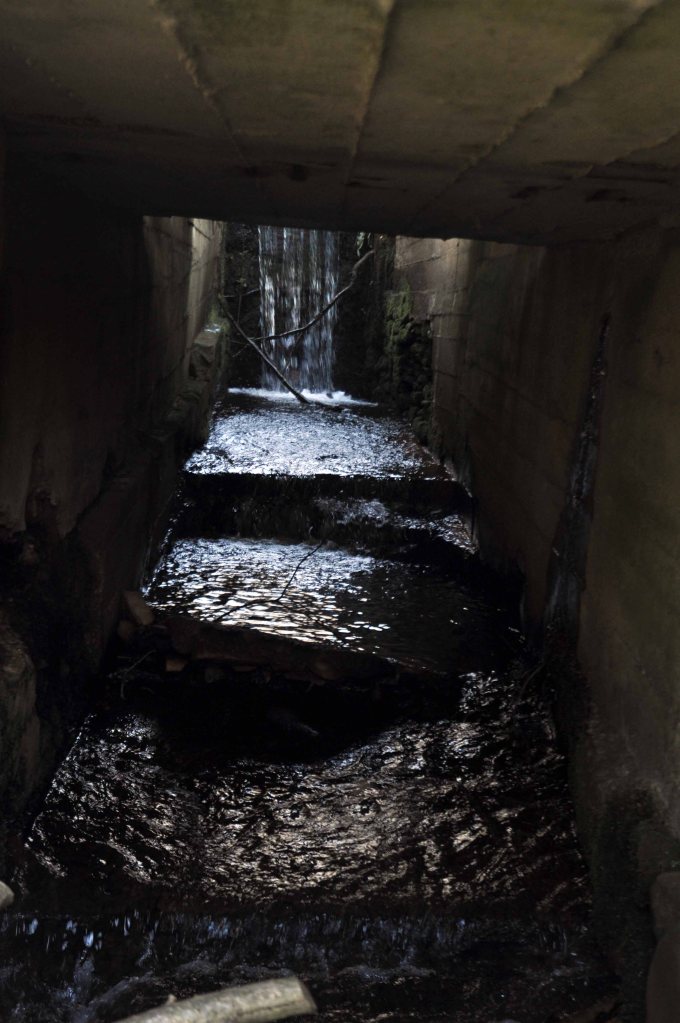
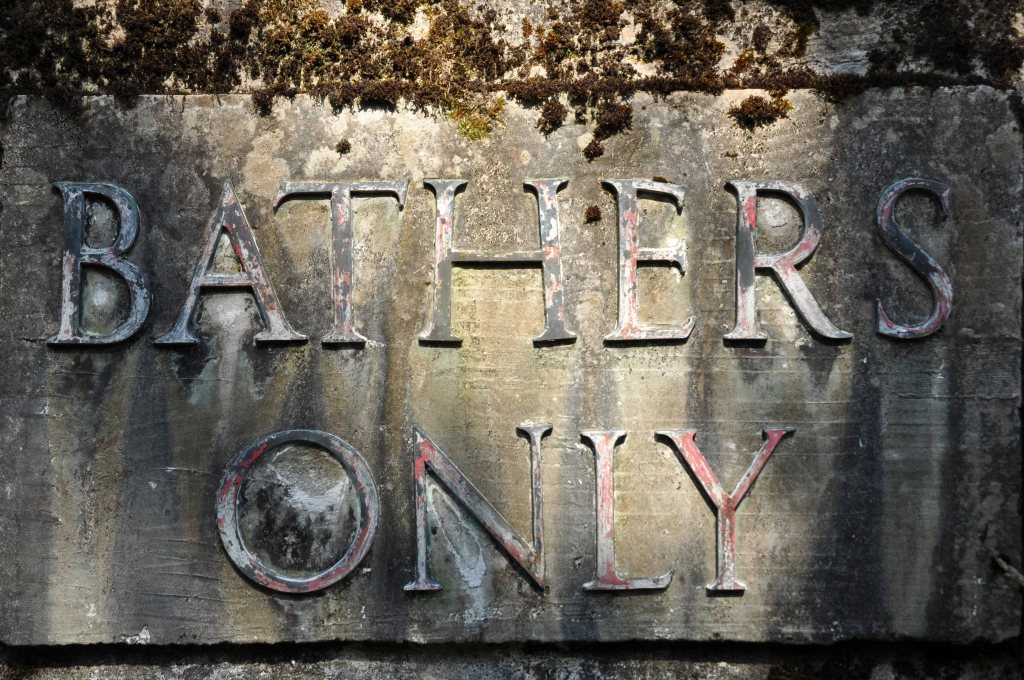
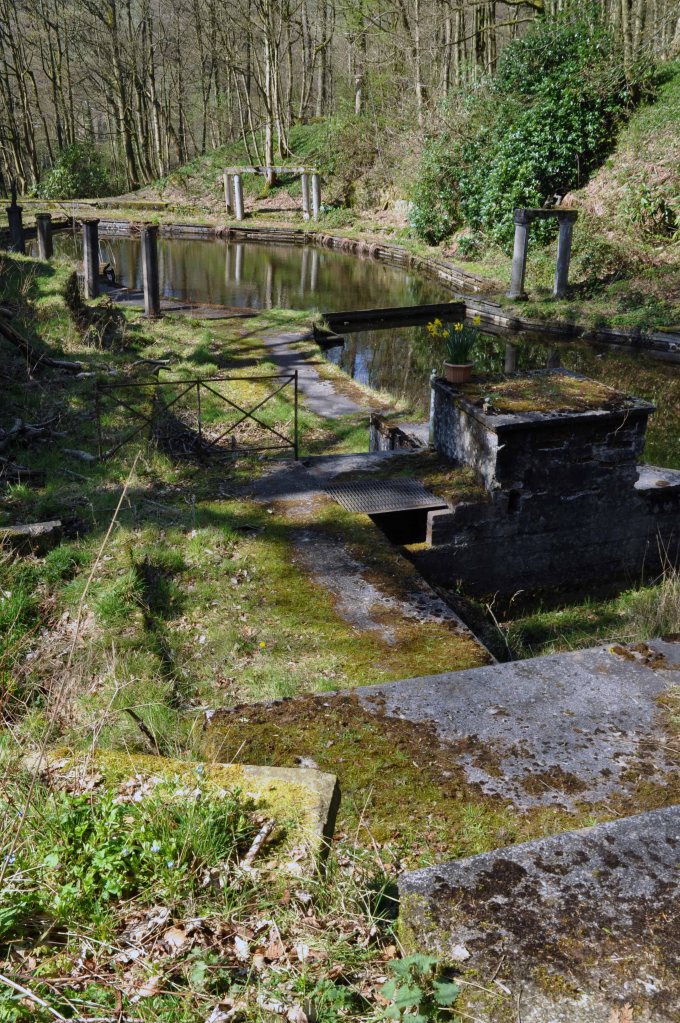
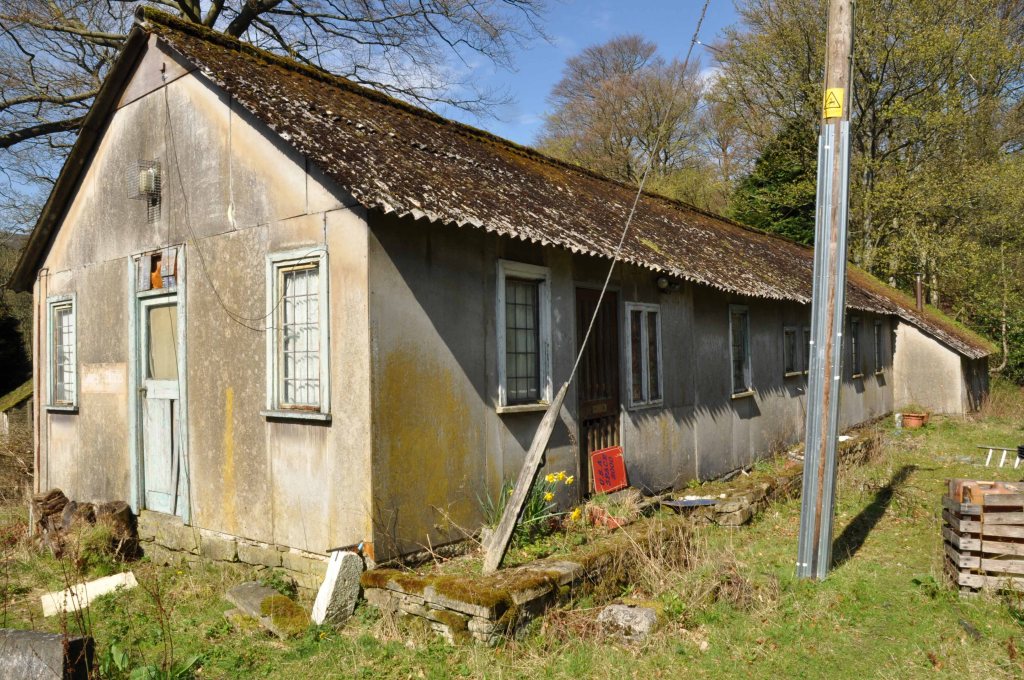
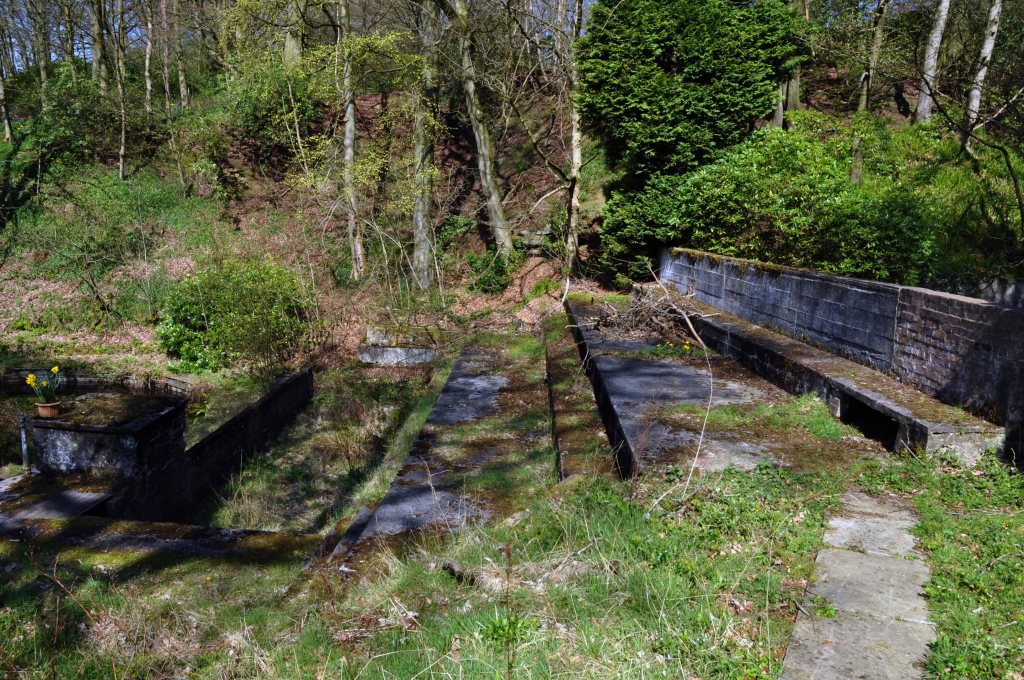
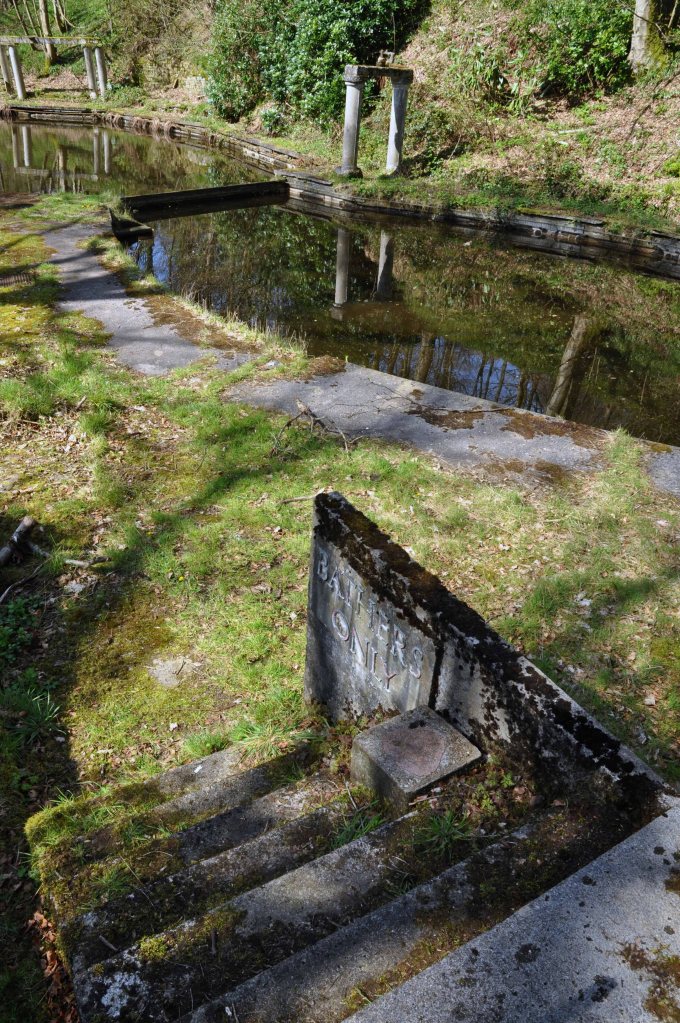
Previously a private pool belonging to a country club in the 1930’s it later opened to members around 1938 who paid a small fee for its use. The pool is fed by a mountain stream and the water is reported to remain cool throughout the year. In the 1940’s/50’s locals recall the pool being open to the public where it cost a ‘shilling for children and half a crown for adults’ entry. During storms in 1947 the pool was badly damaged and reportedly ‘never the same again’ but postcards in circulation in the 1960’s provide evidence that the pool remained open at least until then.
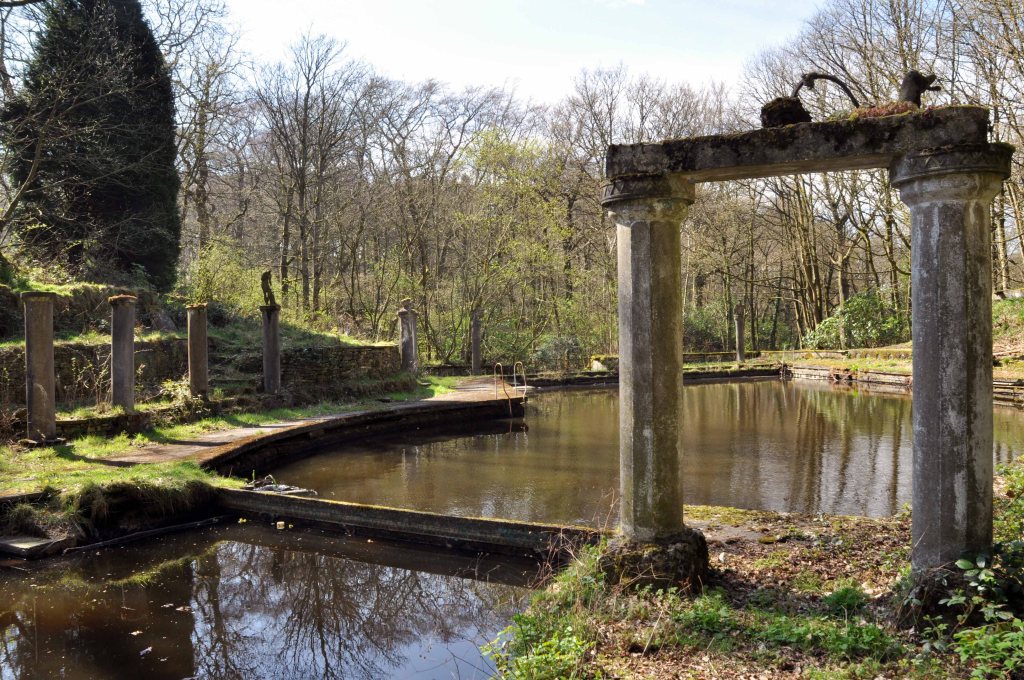
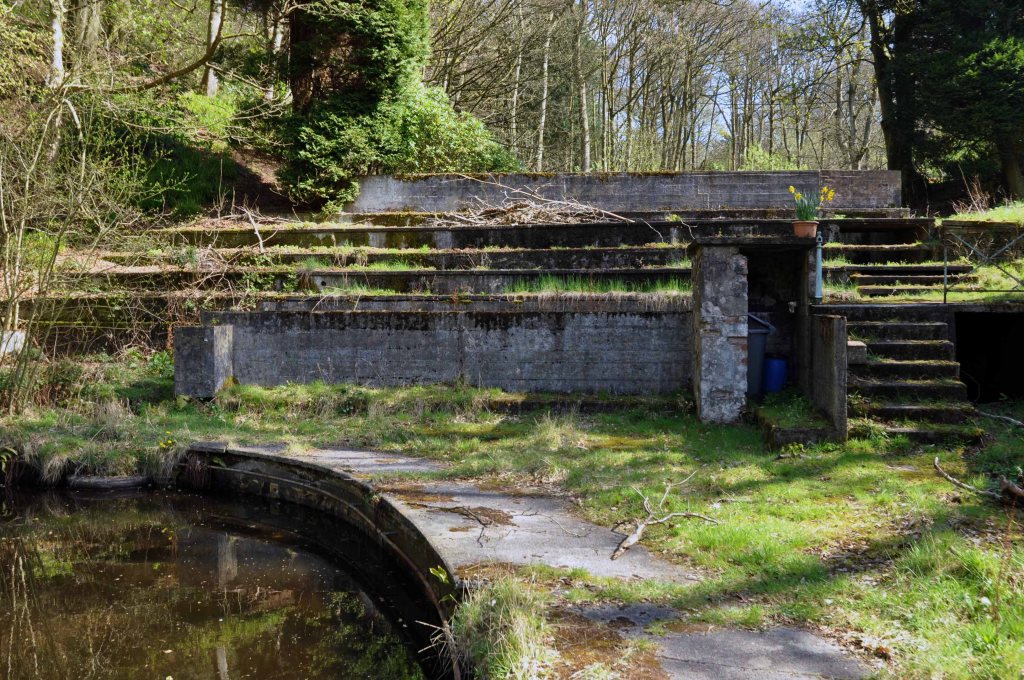
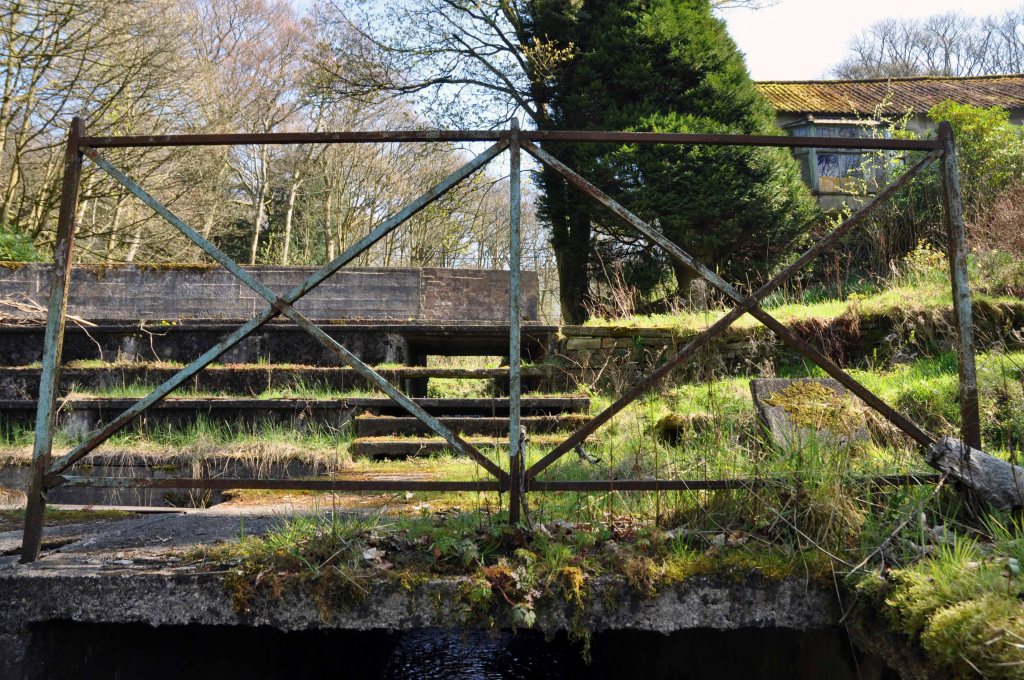
Now it sits abandoned and hidden in the woods.
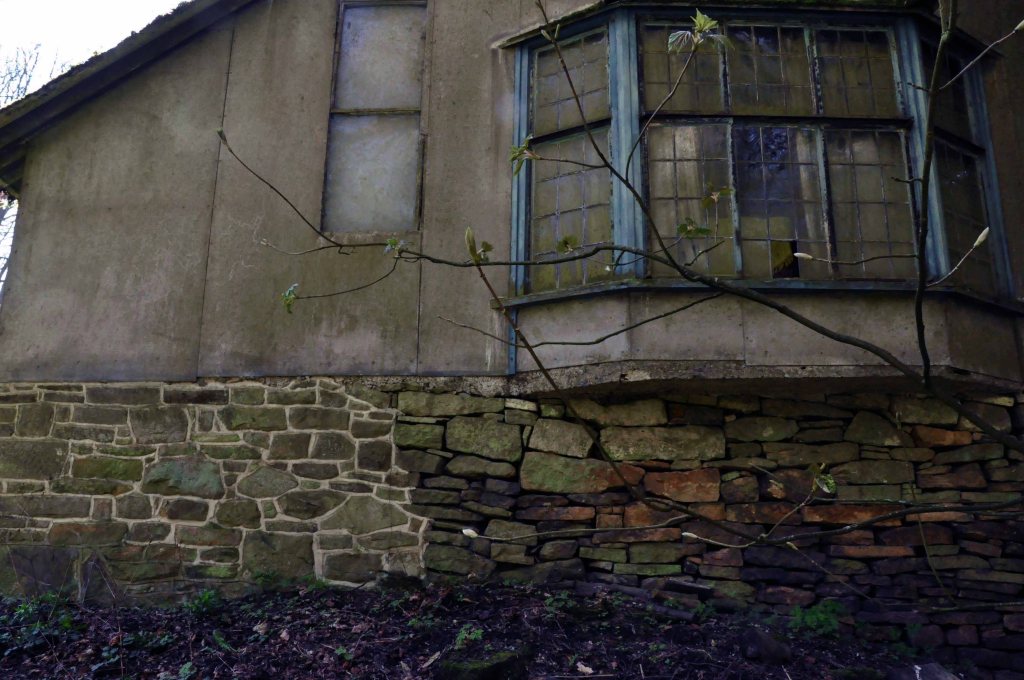
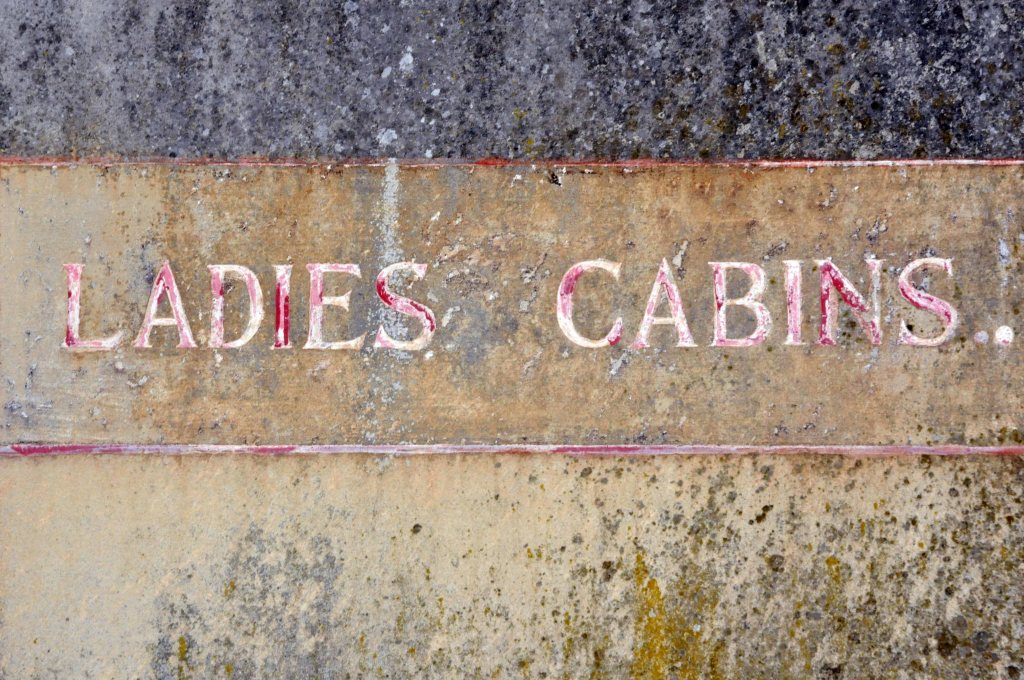
I went there in my early teens late 60’s the pool was still intact, well used and well cold. I remember chilly changing rooms with duckboards on concrete floors, a small café with pop and crisp if you had the pennies.
Most of all the simple joy of emersion in clear moorland water, on long hot summer days long gone.
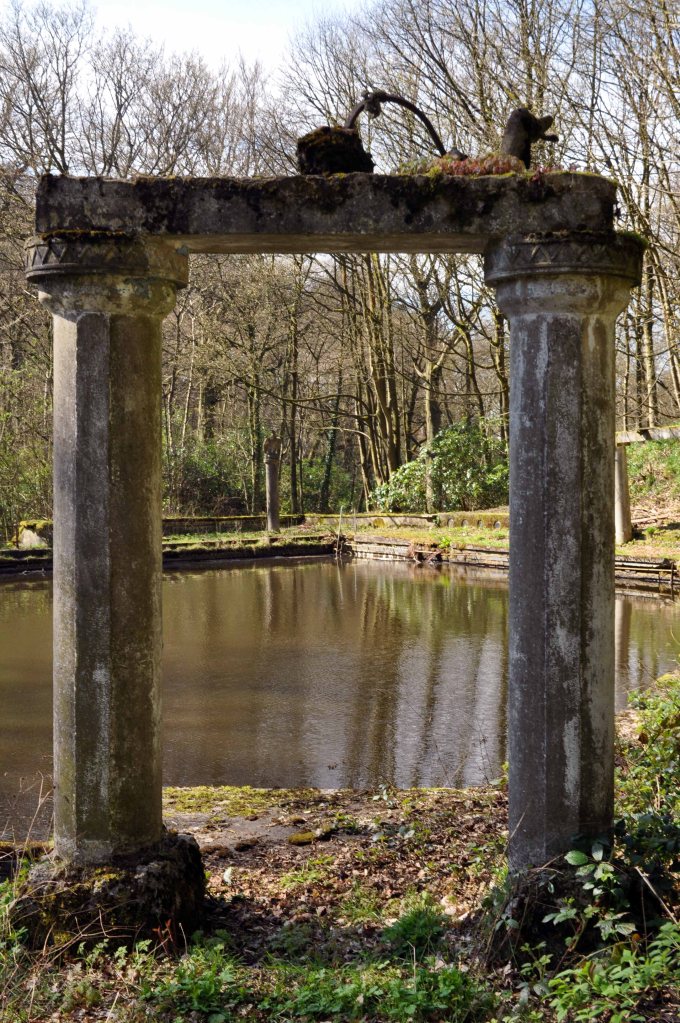
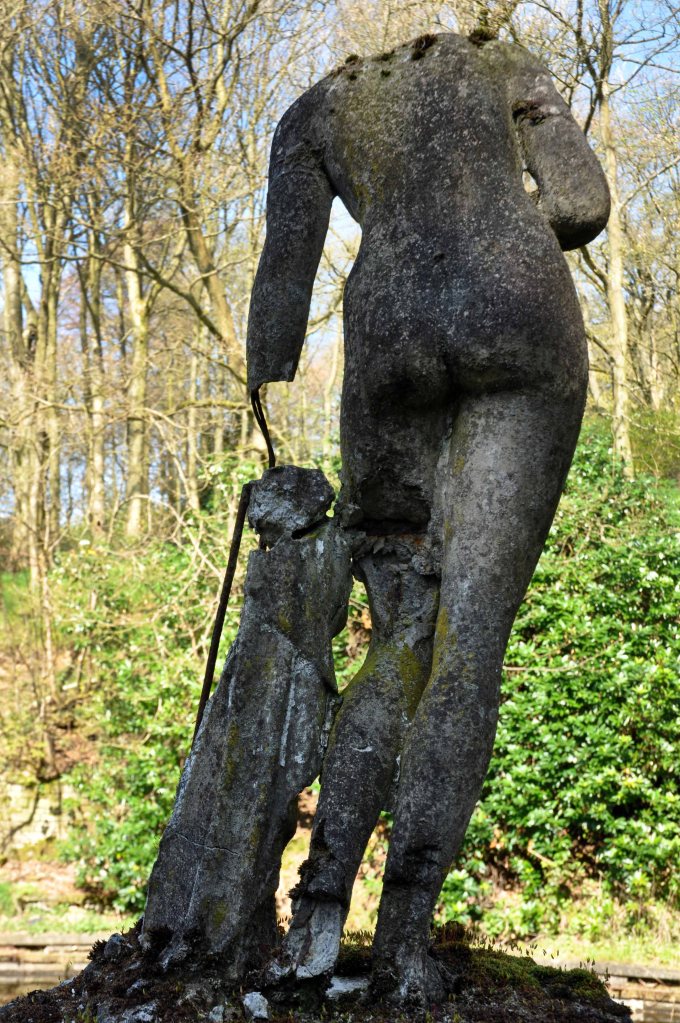
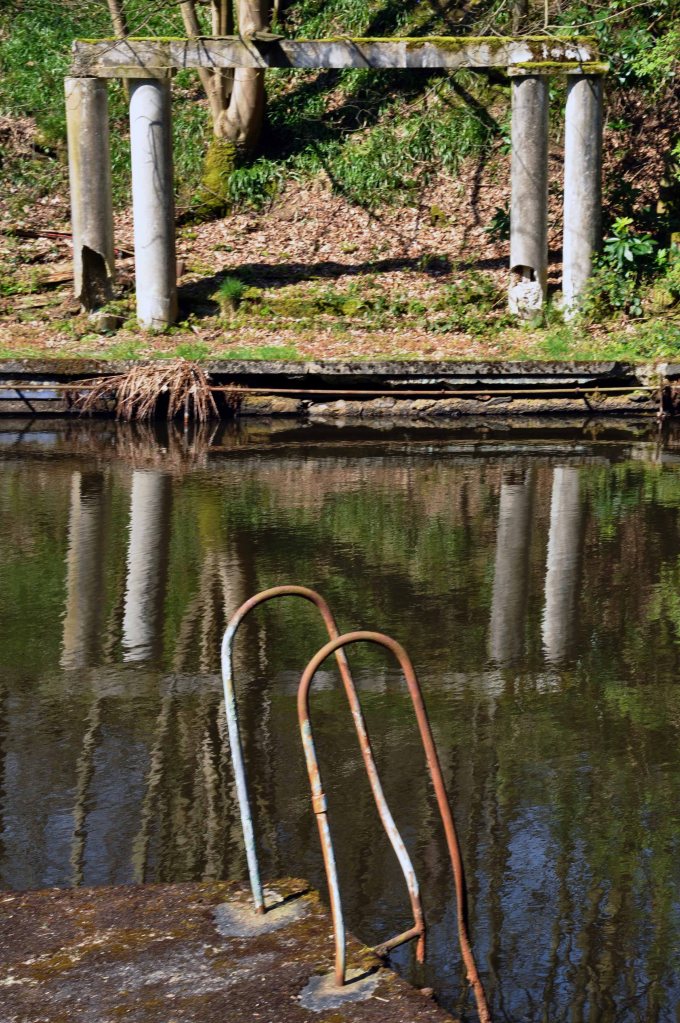
Revisiting in April 2014, following a misguided scramble through brambles, it was a poignant reunion. The concrete shells of the pillars and statuary crumbling and moss covered, the waters still and occluded.
It sure it has subsequently been the scene of impromptu fashion shoots and pop promo videos, possibly a little guerrilla swimming. Though sadly it largely sits unused and unloved – let’s take a look around:
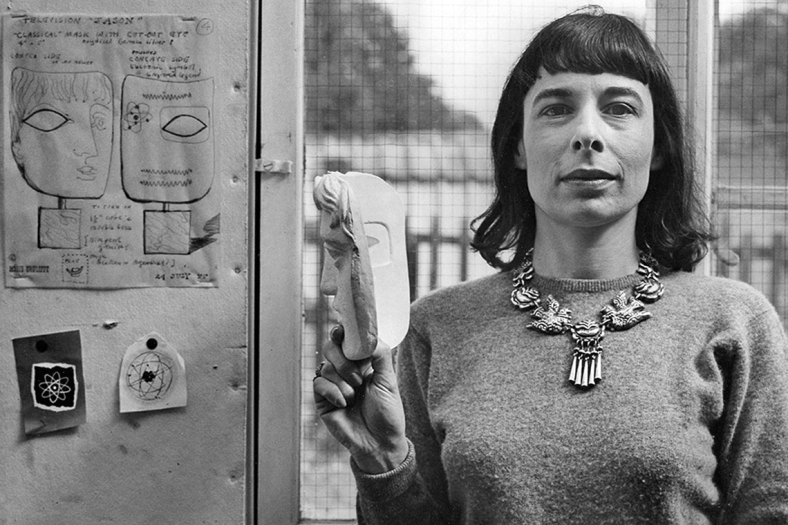
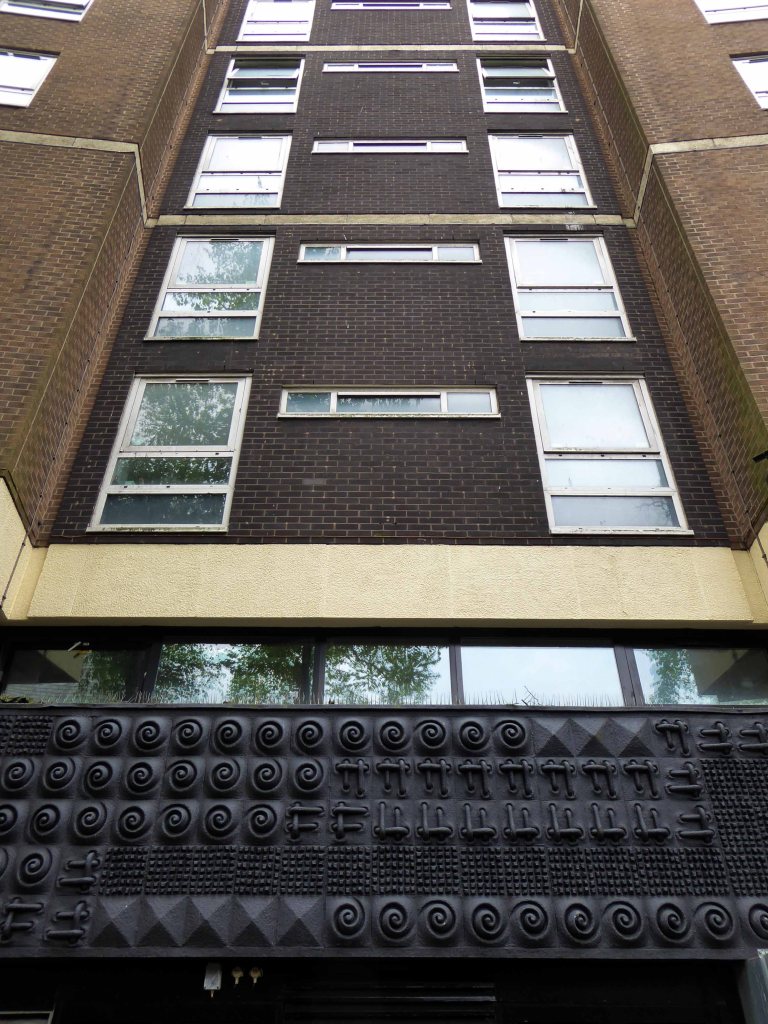
We have of course been here before visiting Mitzi Cunliffe and her work – Cosmos
Mitzi Solomon Cunliffe January 1st 1918 December 30th 2006
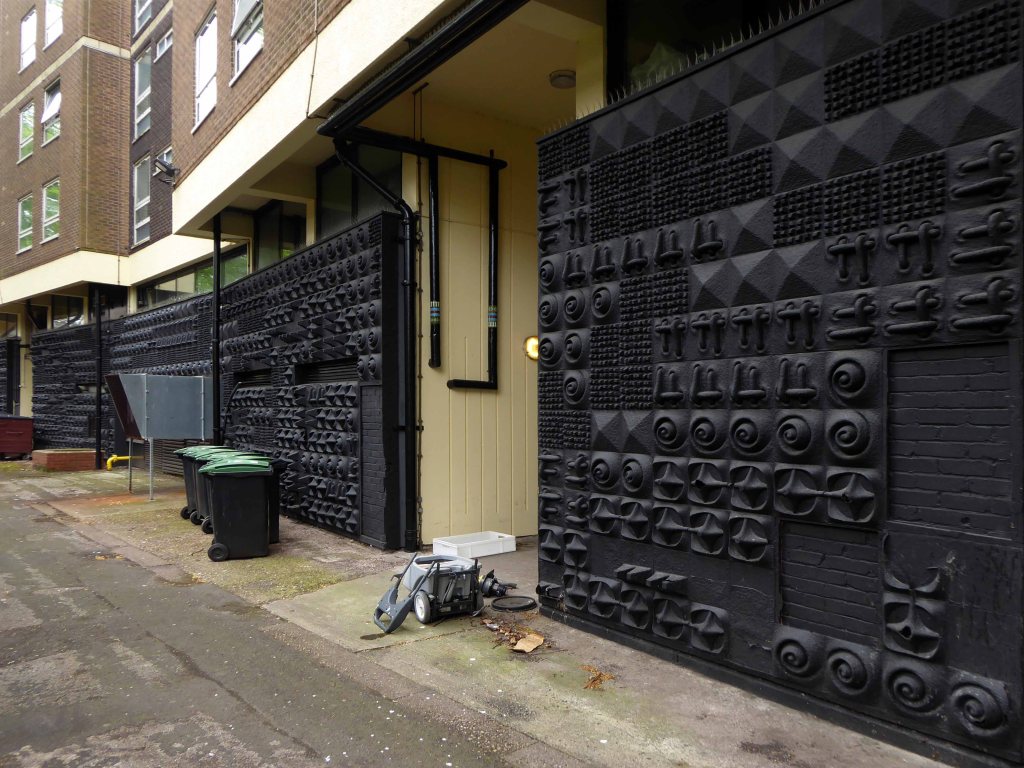
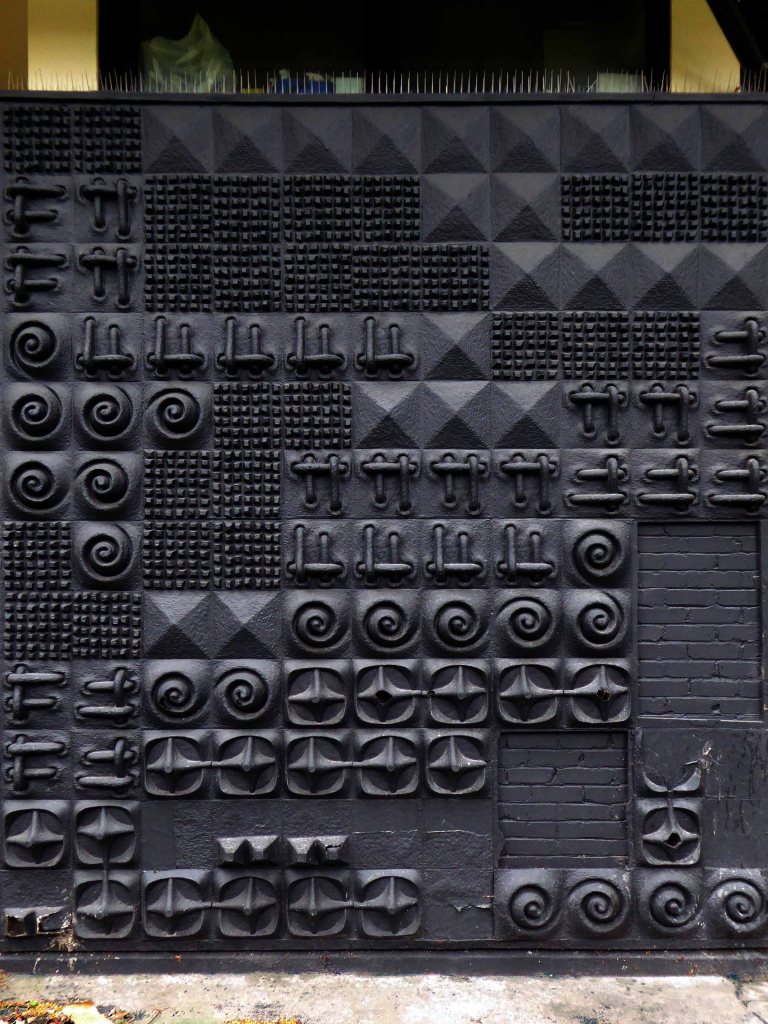
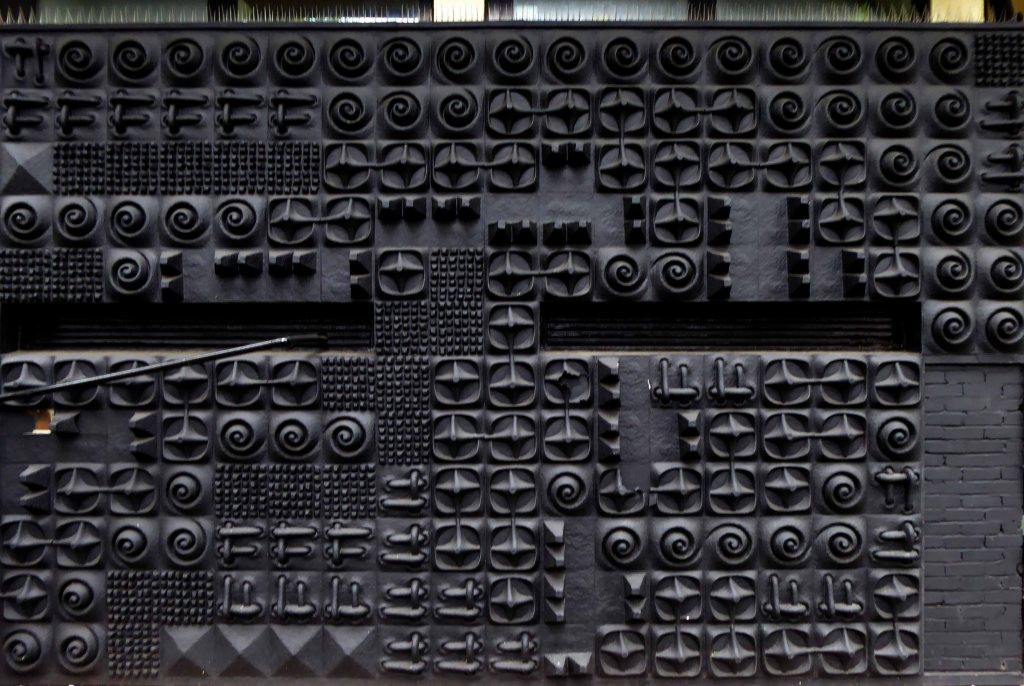
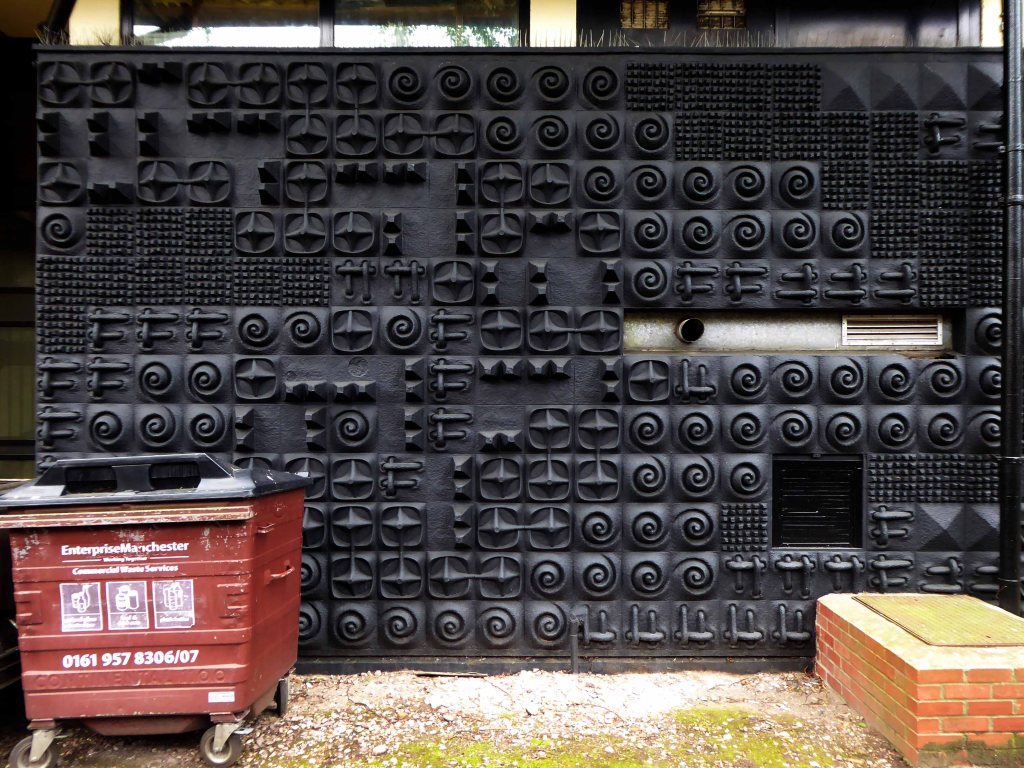
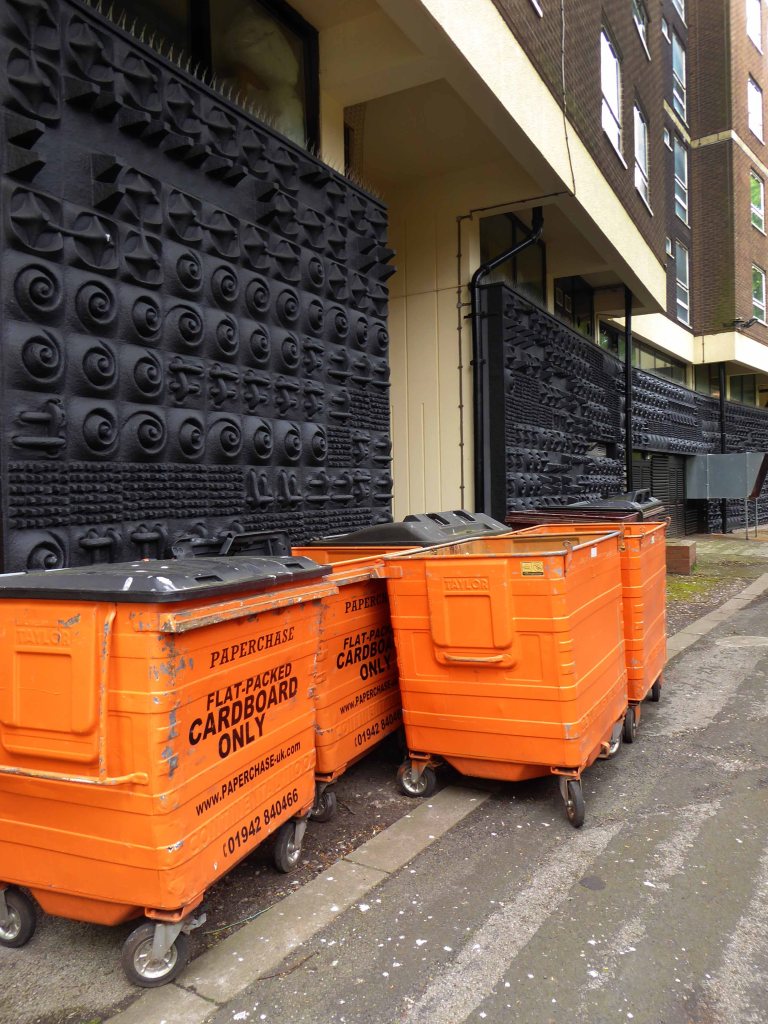
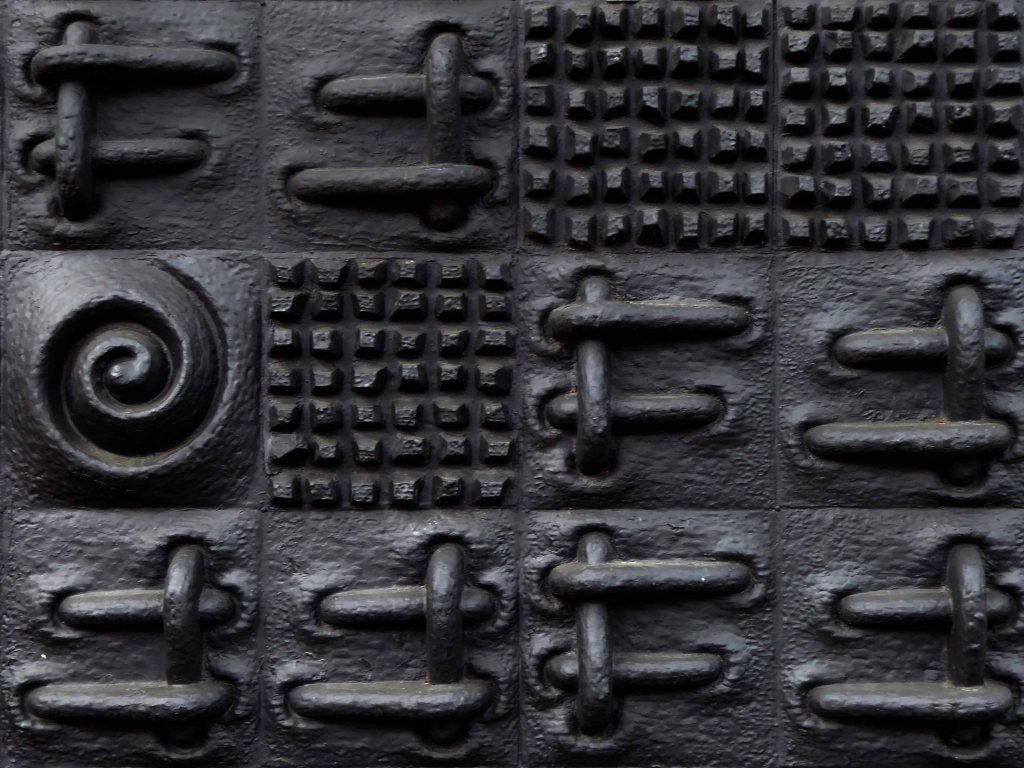
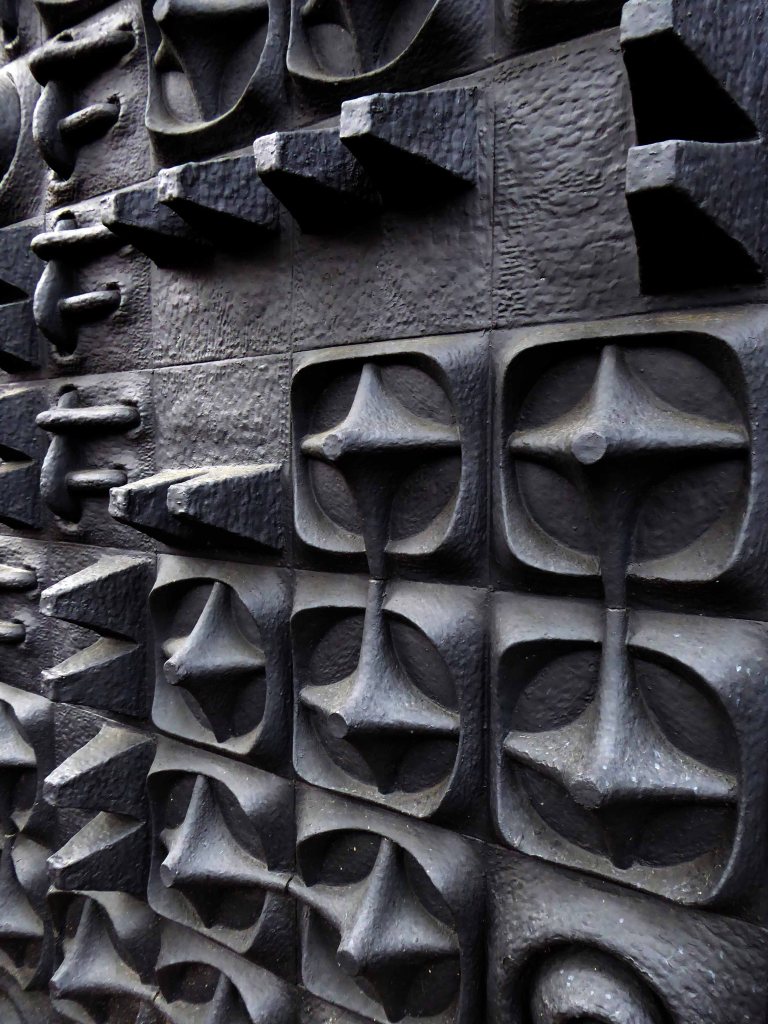
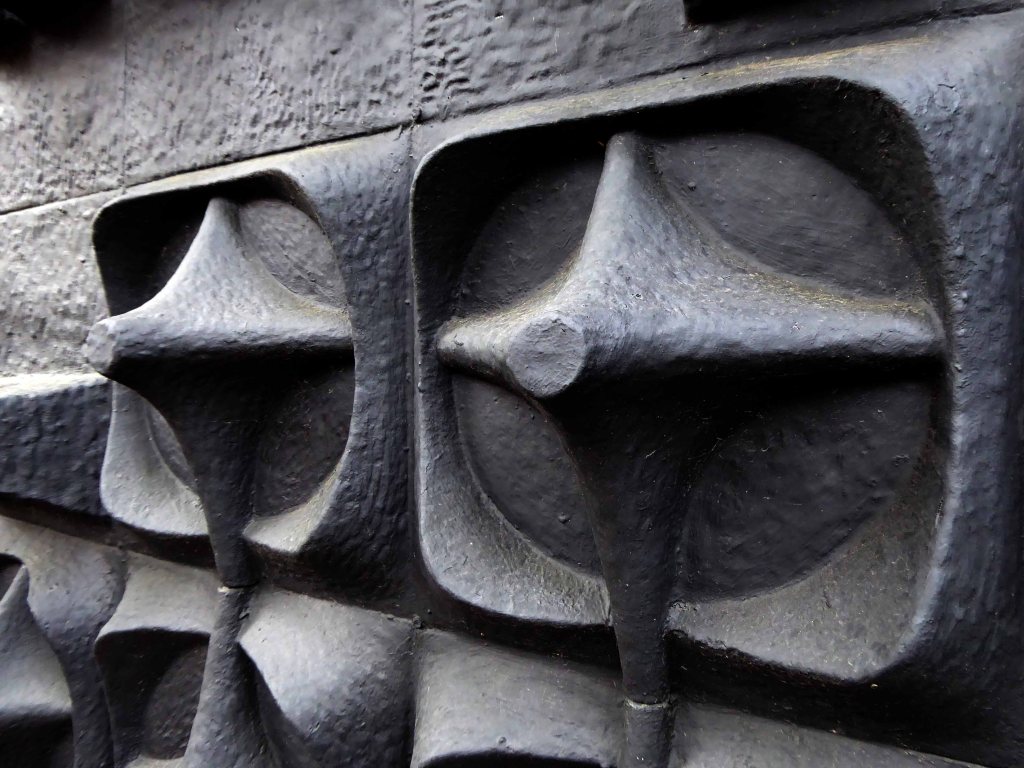
This time we are taking a peek around the back.
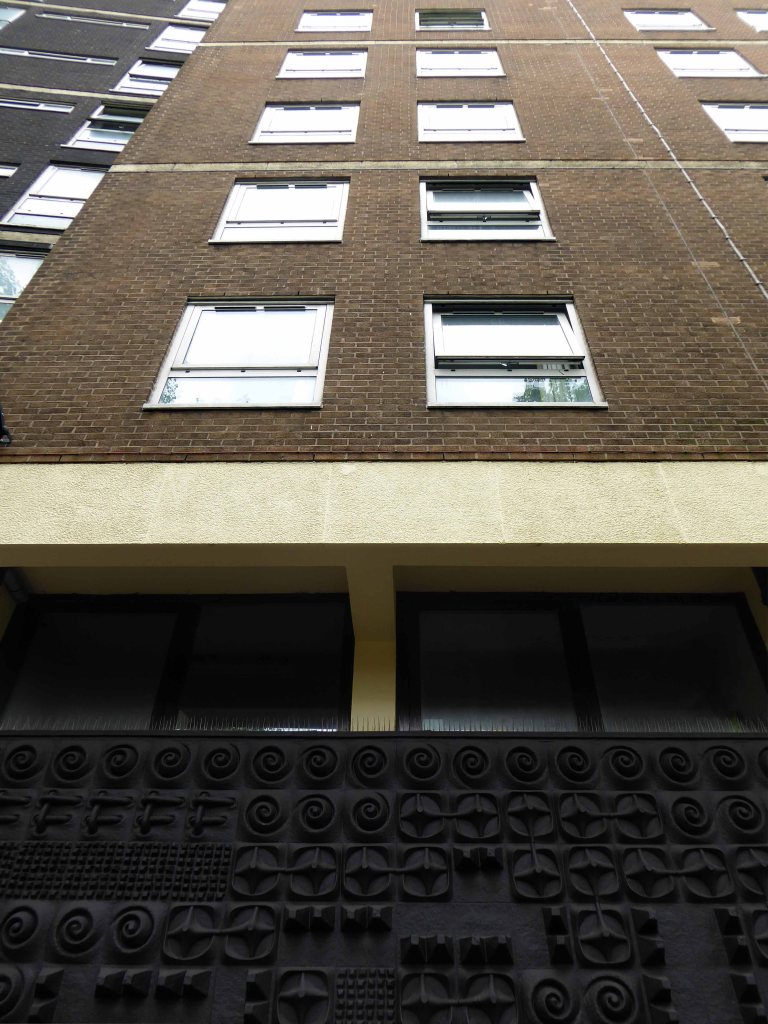
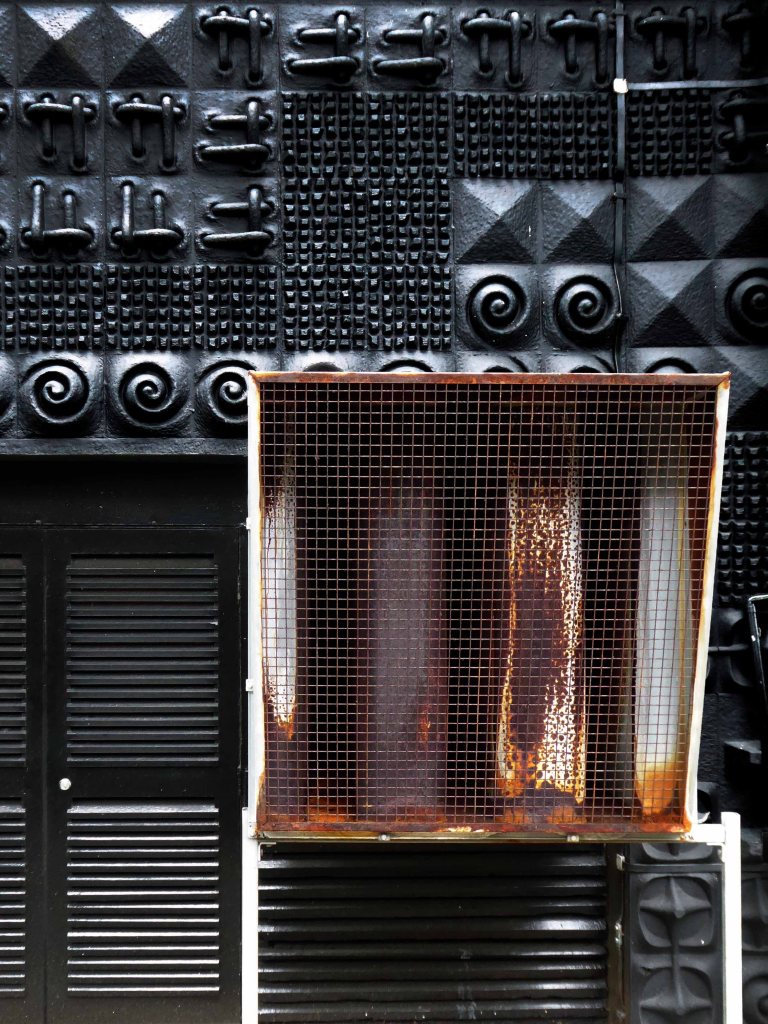
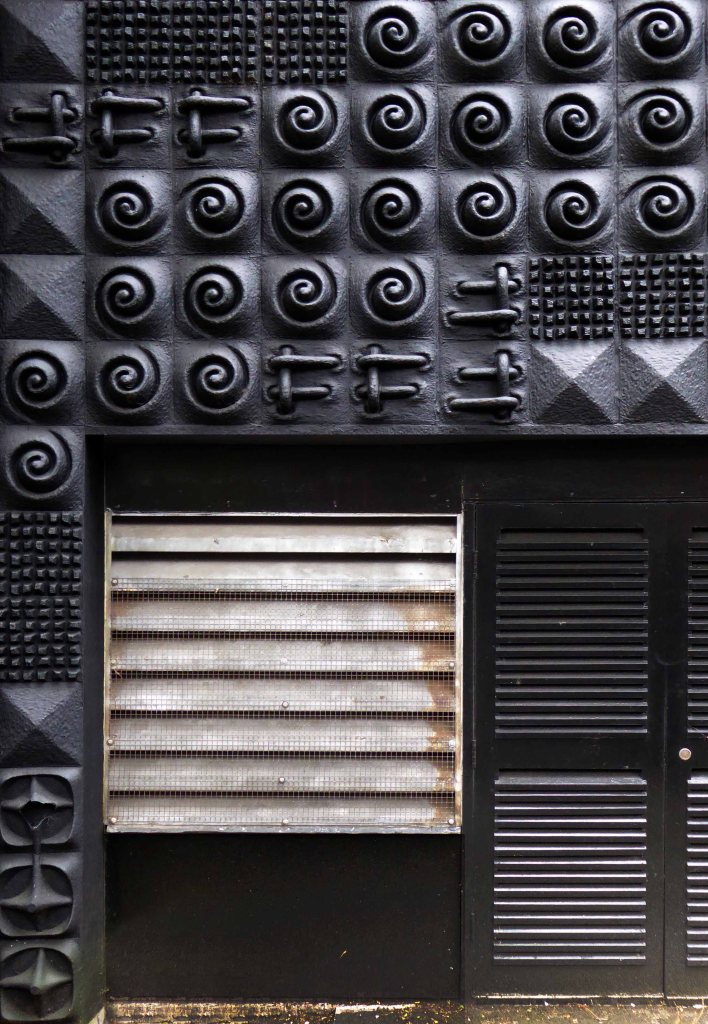
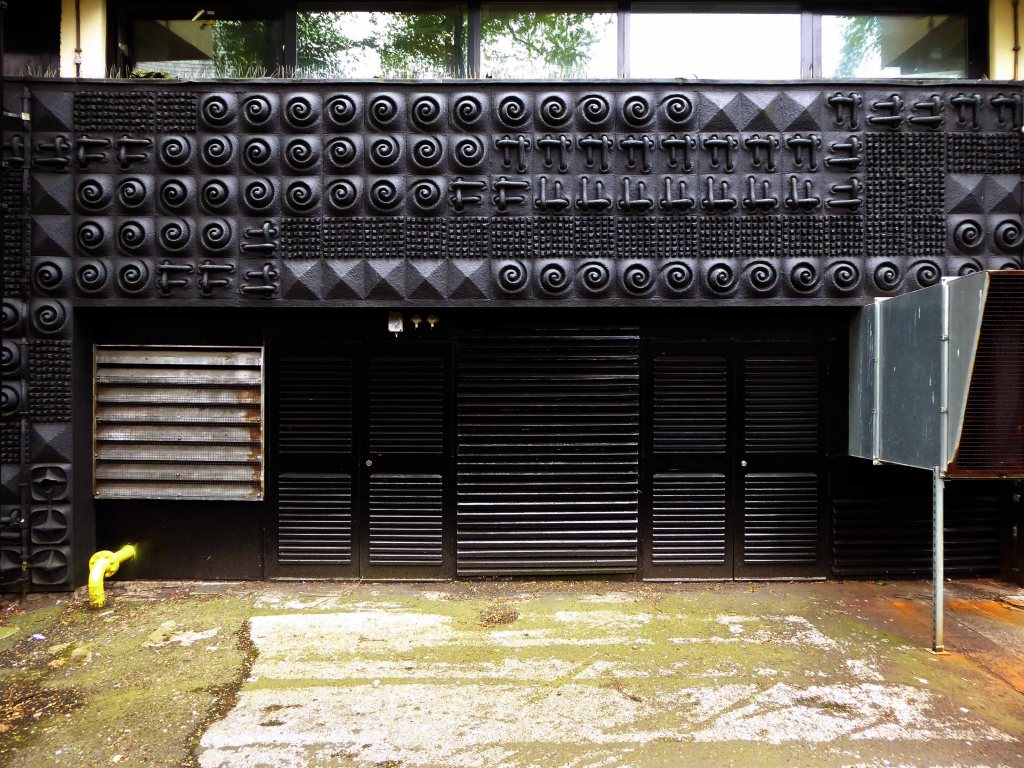
Having passed by on the top deck deck of the 42 on my way home to Stockport, I espied an extension of the sculpture to the rear of the tower.
I vowed to return!
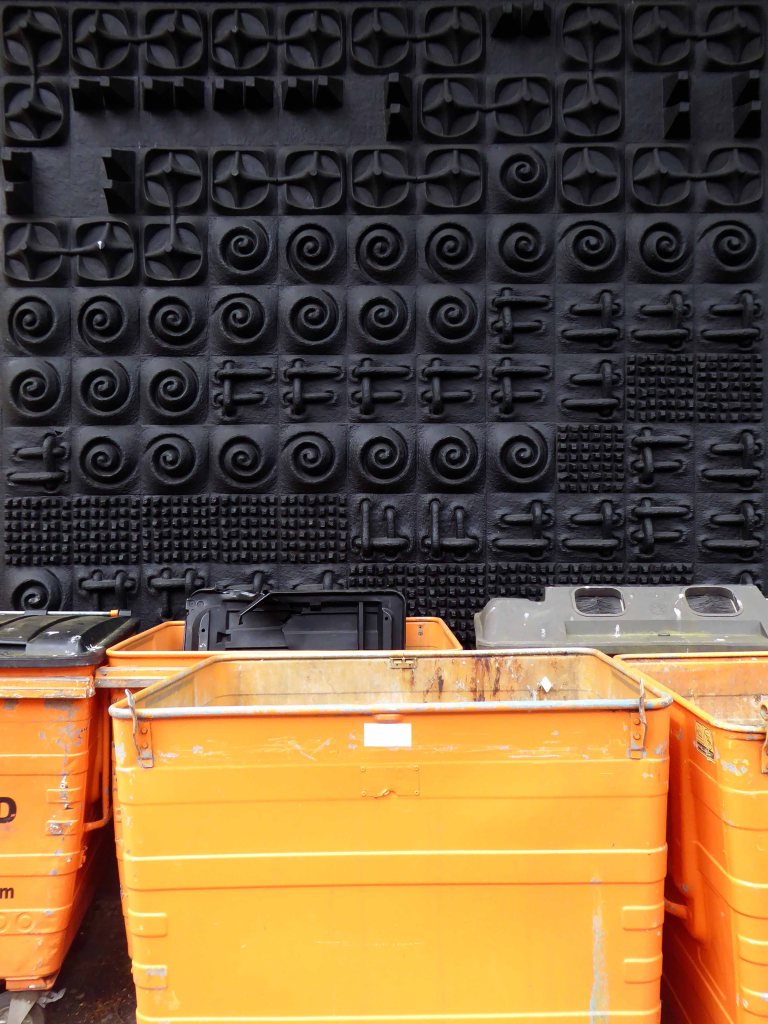
Fighting through extraction units, wheelie bins, hoppers, plus a disused and disabused vacuum cleaner, I found myself in the narrow service area, where I did my best to get back from the wall, hard against the chain link fence.
The things you do.
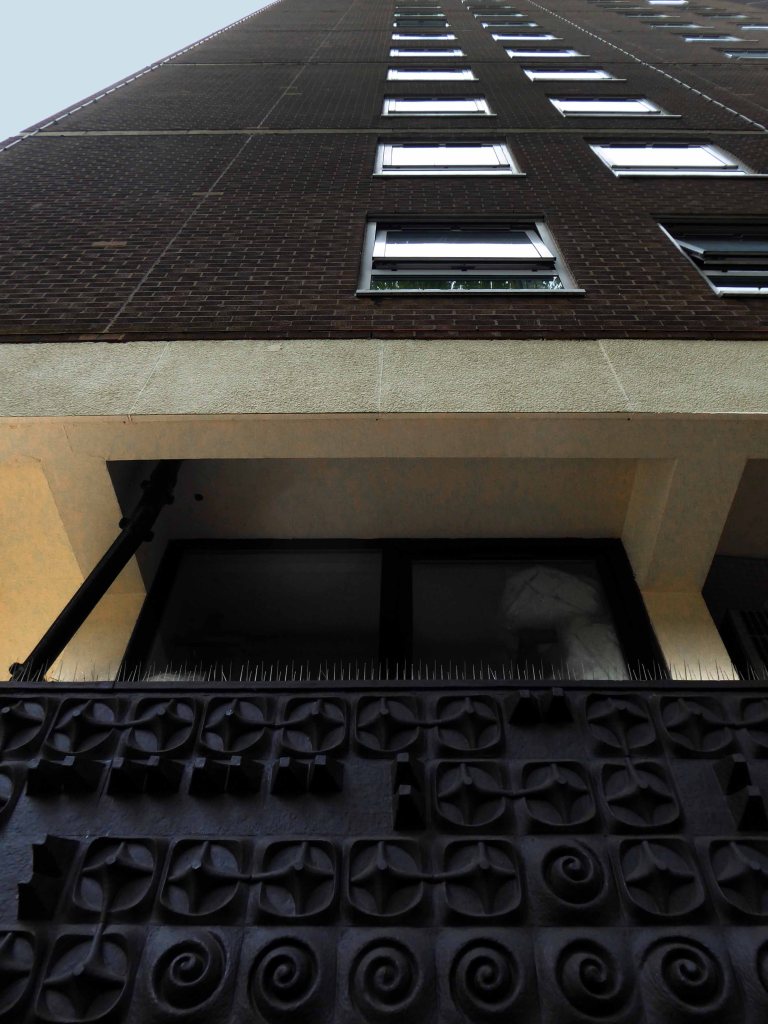
For some much needed light relief, air and open space I revisited the front face of the tower.
It’s lockdown so we can’t go far, so from home in Stockport to Collyhurst is within my daily exercise allowance.
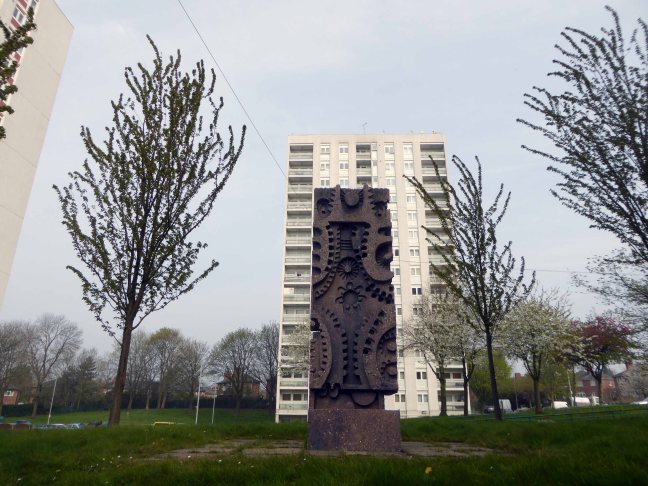
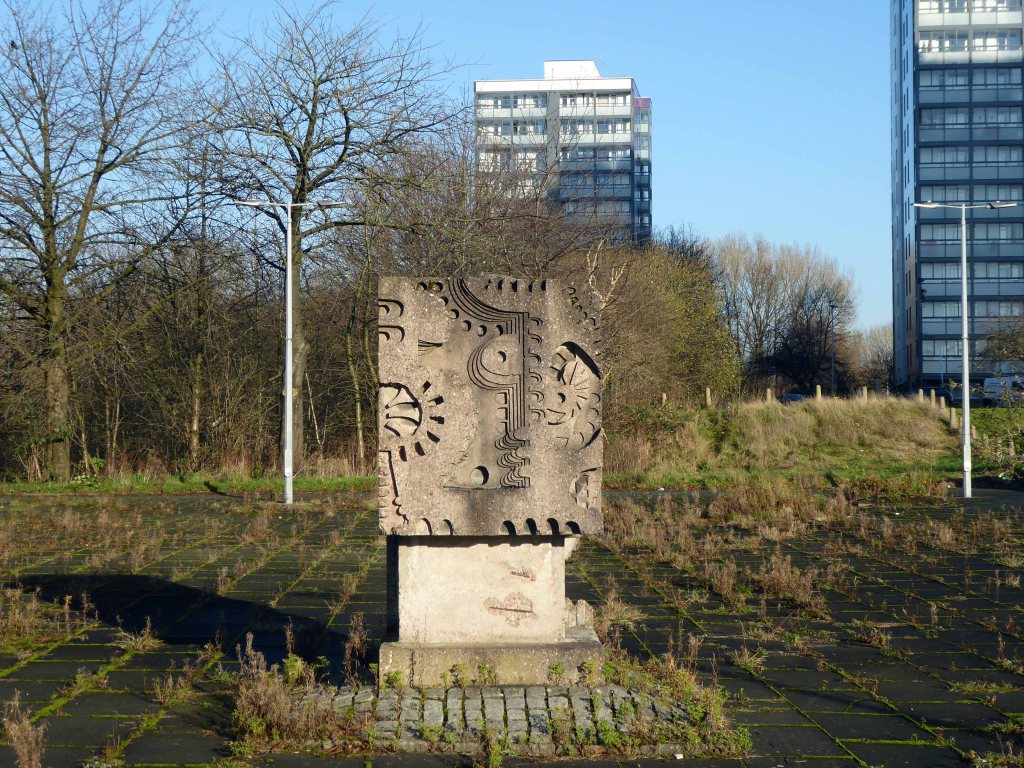
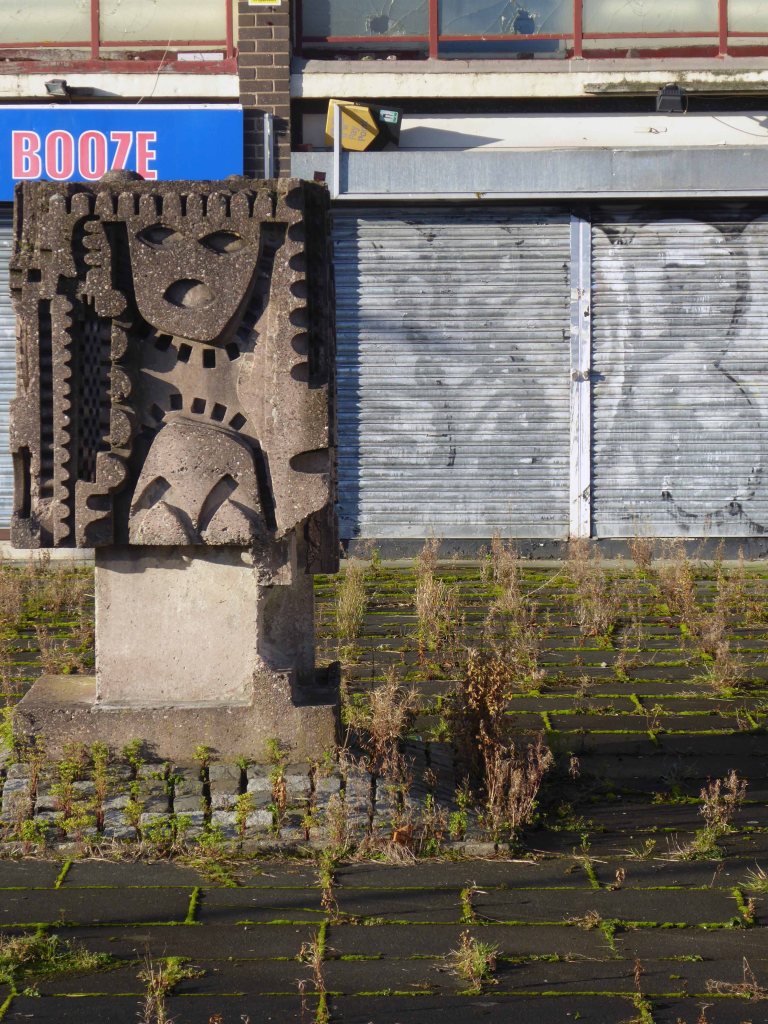
There is talk of relocation for the diminutive Mitchell totem, but as of today no sign of any action – all is in abeyance.
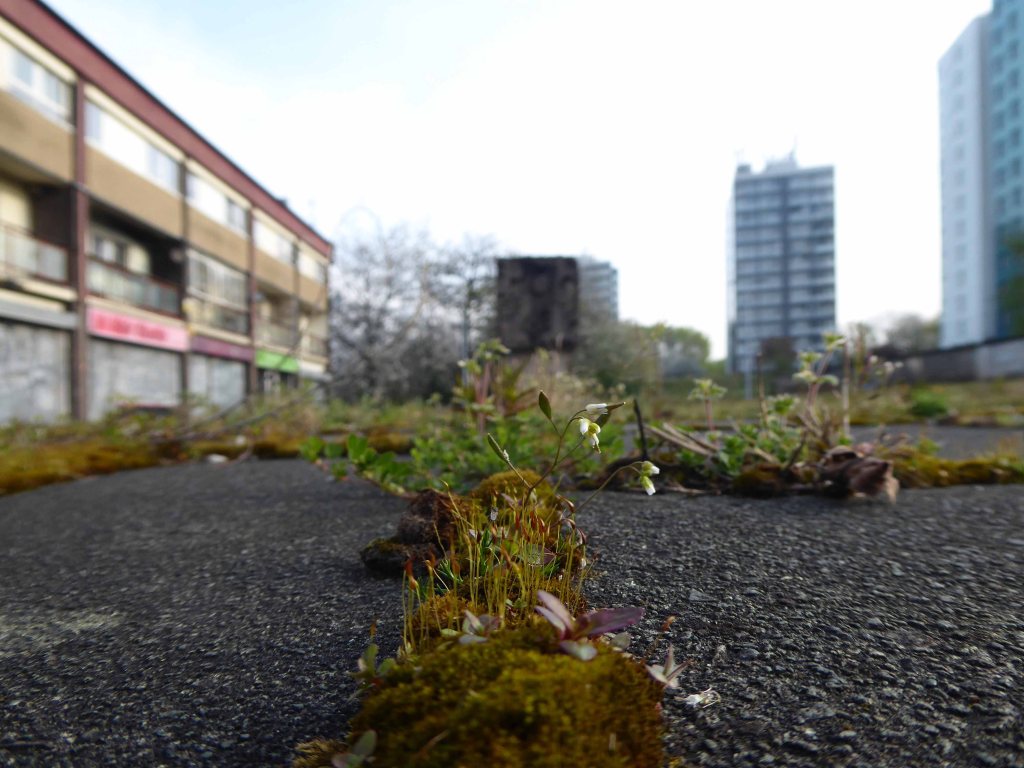
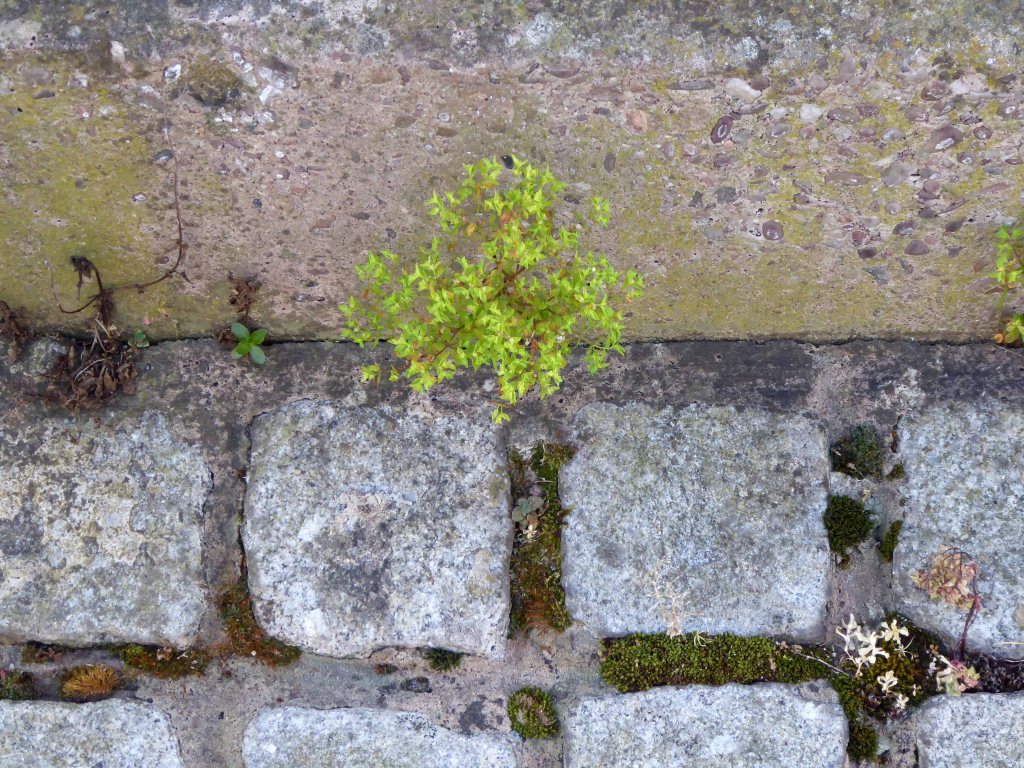
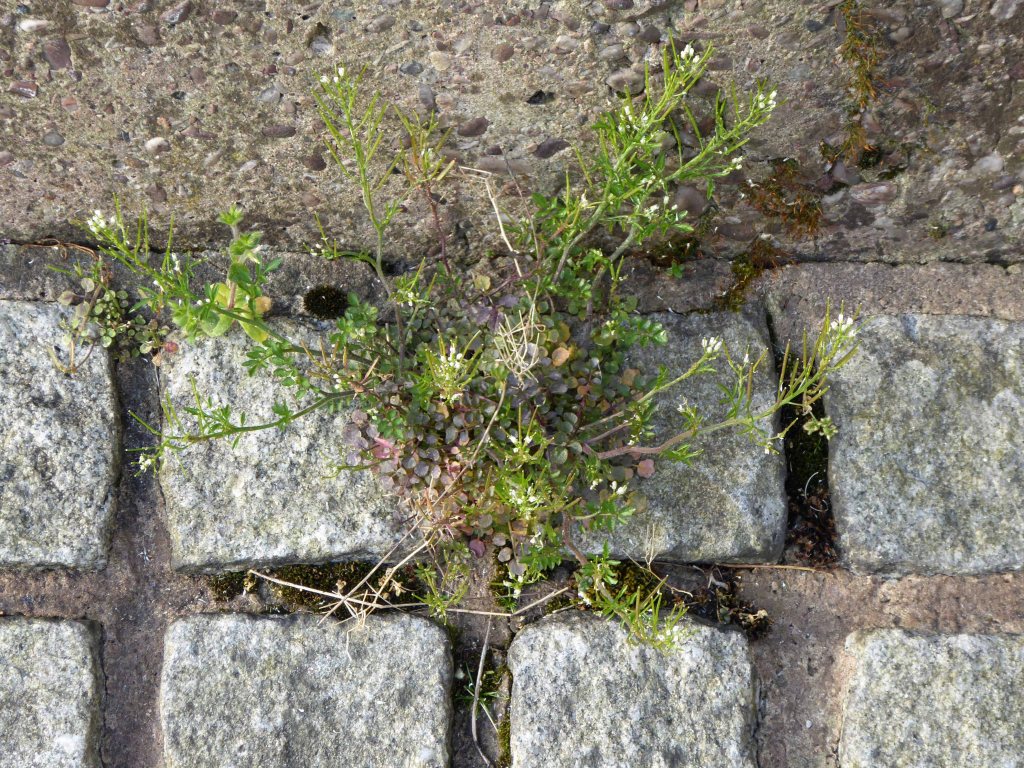
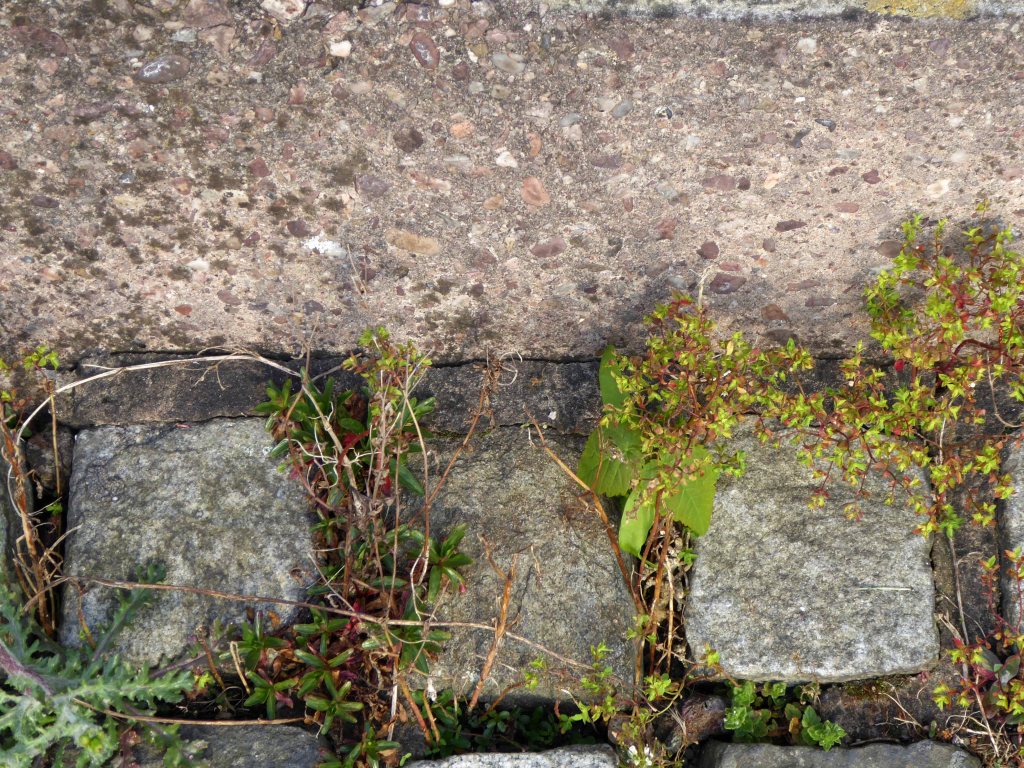
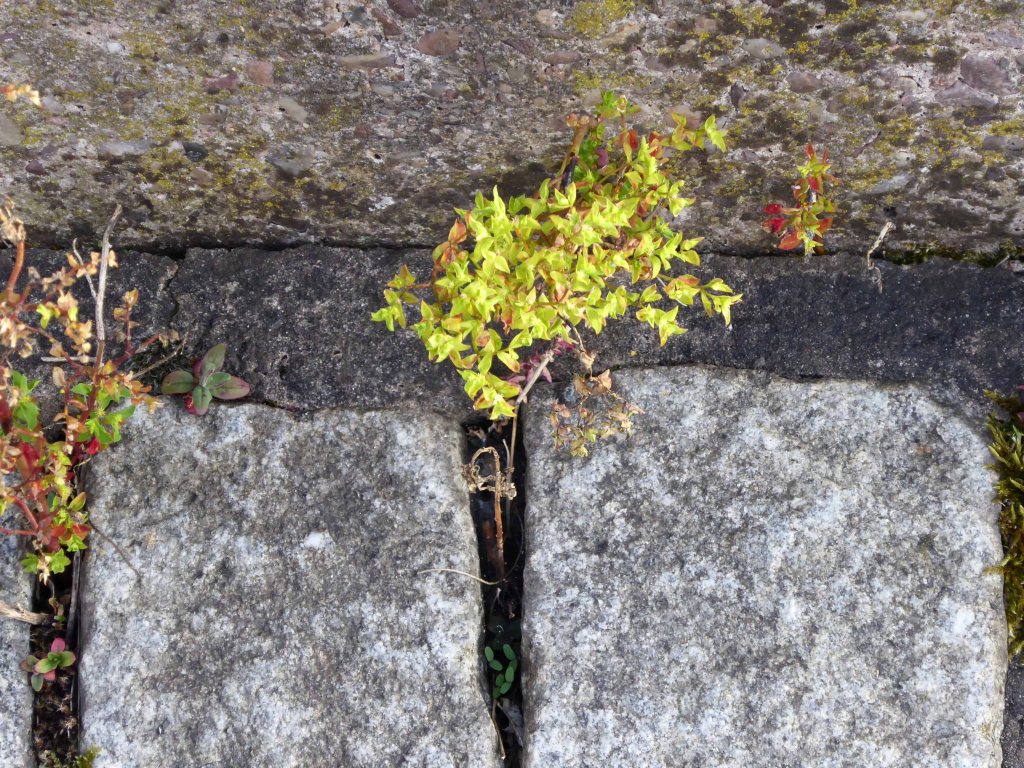
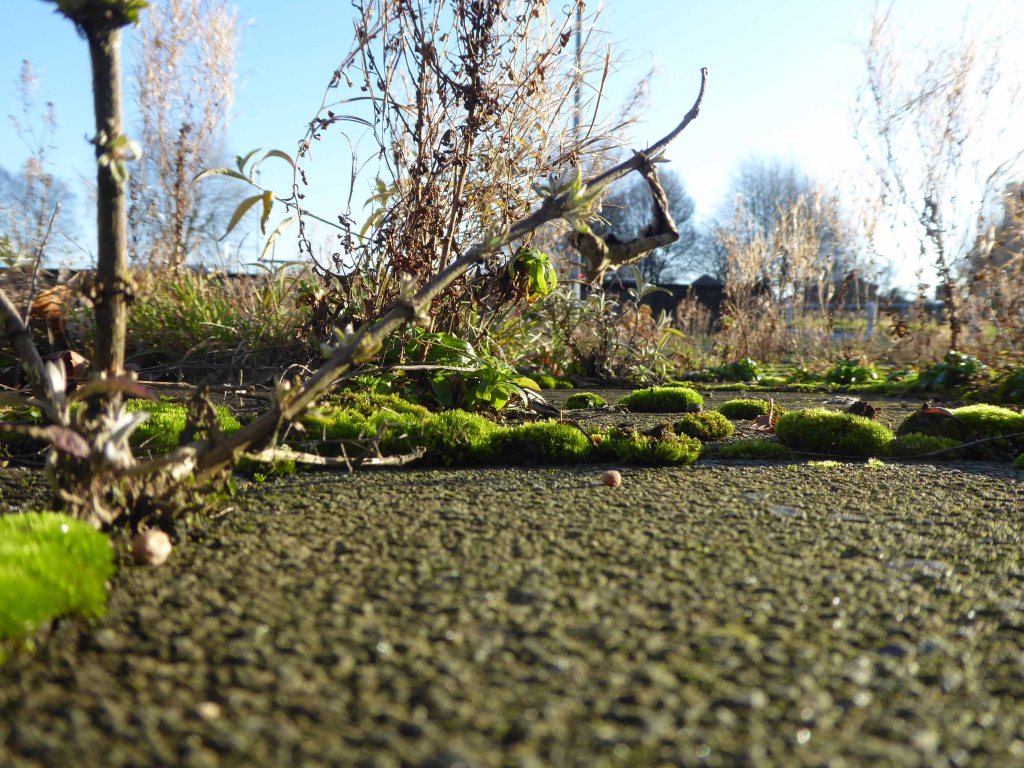
What we do see is the encroachment of flora, cleaner air, low or no level human activity encourages growth between the cracks.
And at the base of the plinth
I took the opportunity to get in close.
Move around in a merry dance.
Quite something to spend time in an ever changing urban space – devoid of company, save for the calming sound of birdsong and the distant rumble of a distant train.
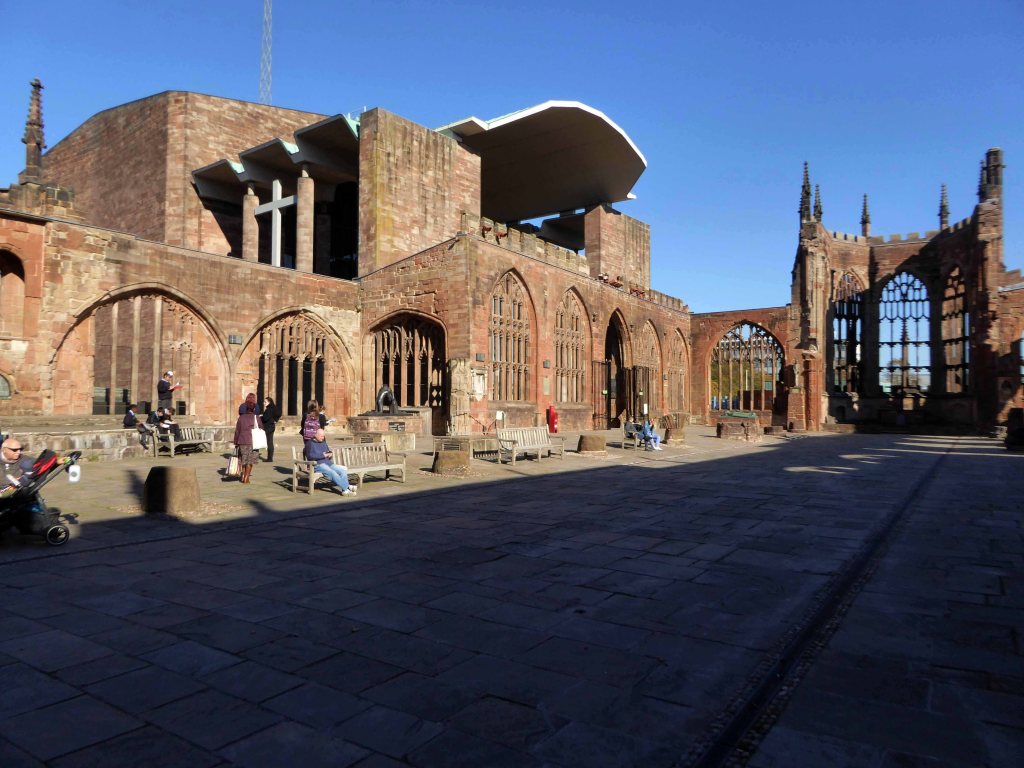
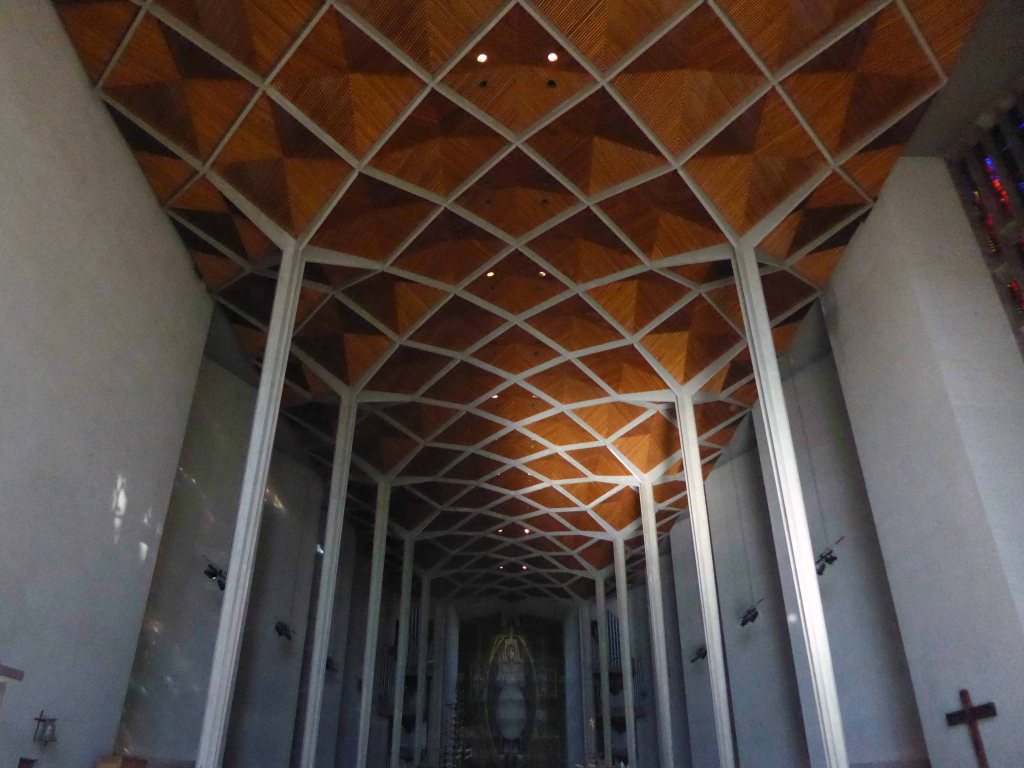
On the night of 14 November 1940, the city of Coventry was devastated by bombs dropped by the Luftwaffe. The Cathedral burned with the city, having been hit by several incendiary devices.
The decision to rebuild the cathedral was taken the morning after its destruction. Rebuilding would not be an act of defiance, but rather a sign of faith, trust and hope for the future of the world. It was the vision of the Provost at the time, Richard Howard, which led the people of Coventry away from feelings of bitterness and hatred. This has led to the cathedral’s Ministry of Peace and Reconciliation, which has provided spiritual and practical support, in areas of conflict throughout the world.
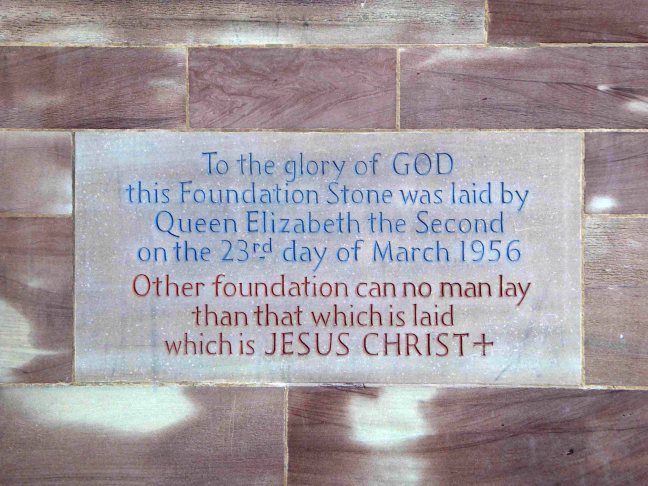
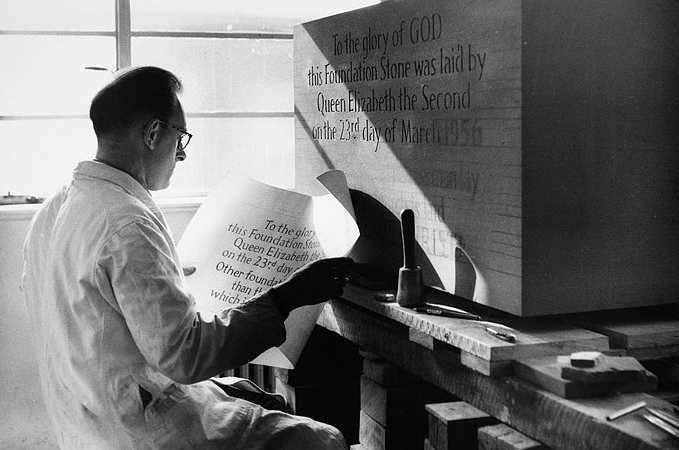
Her Majesty the Queen laid the foundation stone on 23 March 1956 and the building was consecrated on 25 May 1962, in her presence. The ruins remain hallowed ground and together the two create one living Cathedral.
Ralph Beyer carving the foundation stone for Coventry Cathedral.
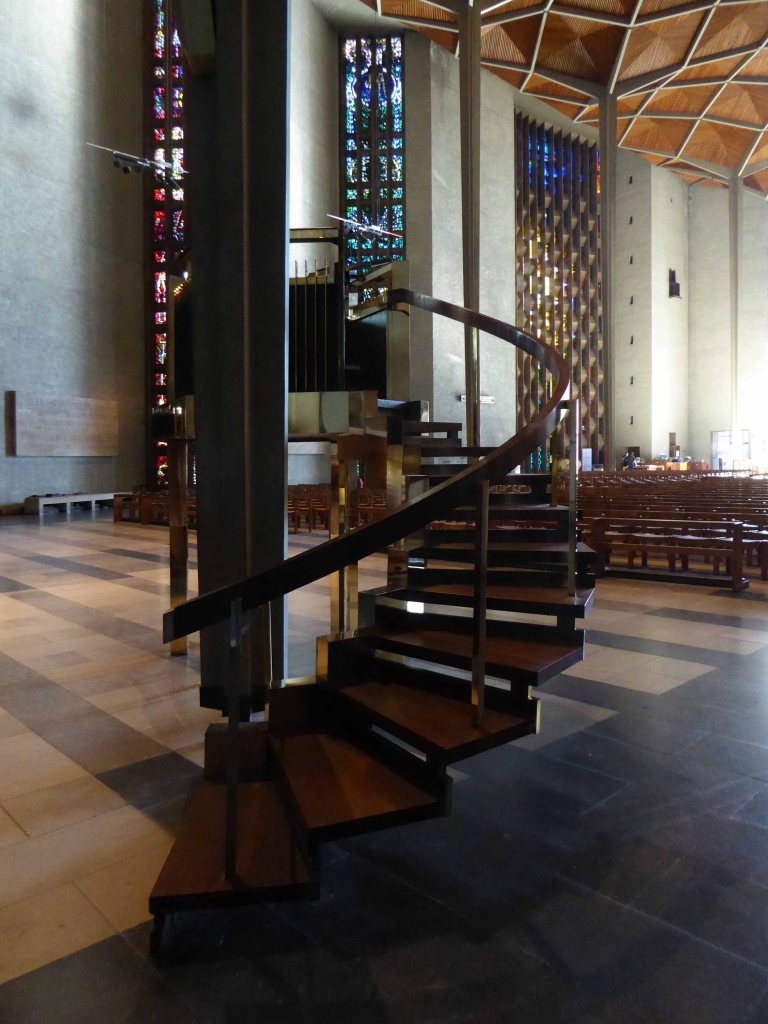
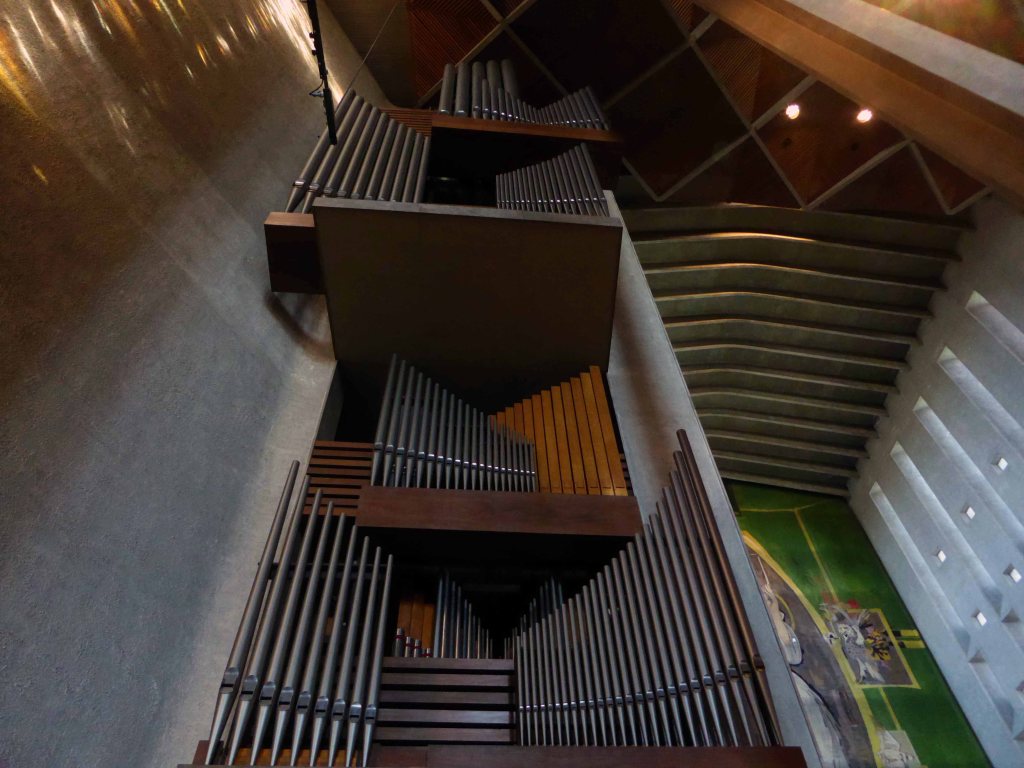
The new Cathedral was itself an inspiration to many fine artists of the post-war era. The architect, Sir Basil Spence, commissioned work from Graham Sutherland, John Piper, Ralph Beyer, John Hutton, Jacob Epstein, Elisabeth Frink and others – most still to reach the peak of their artistic careers.
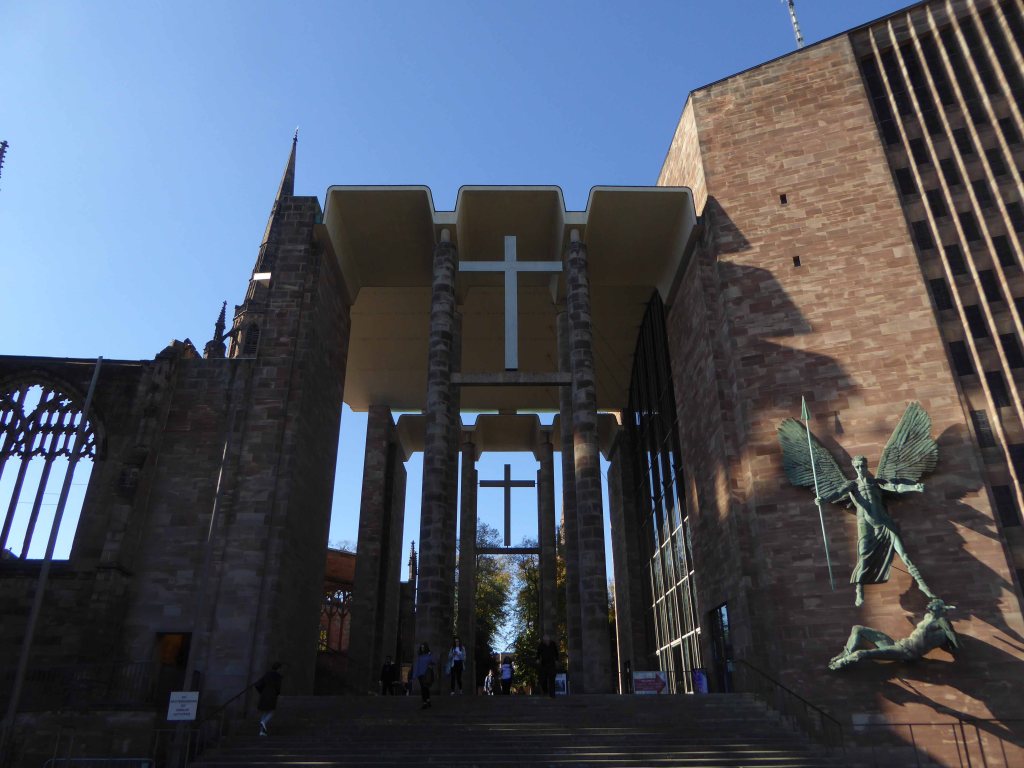
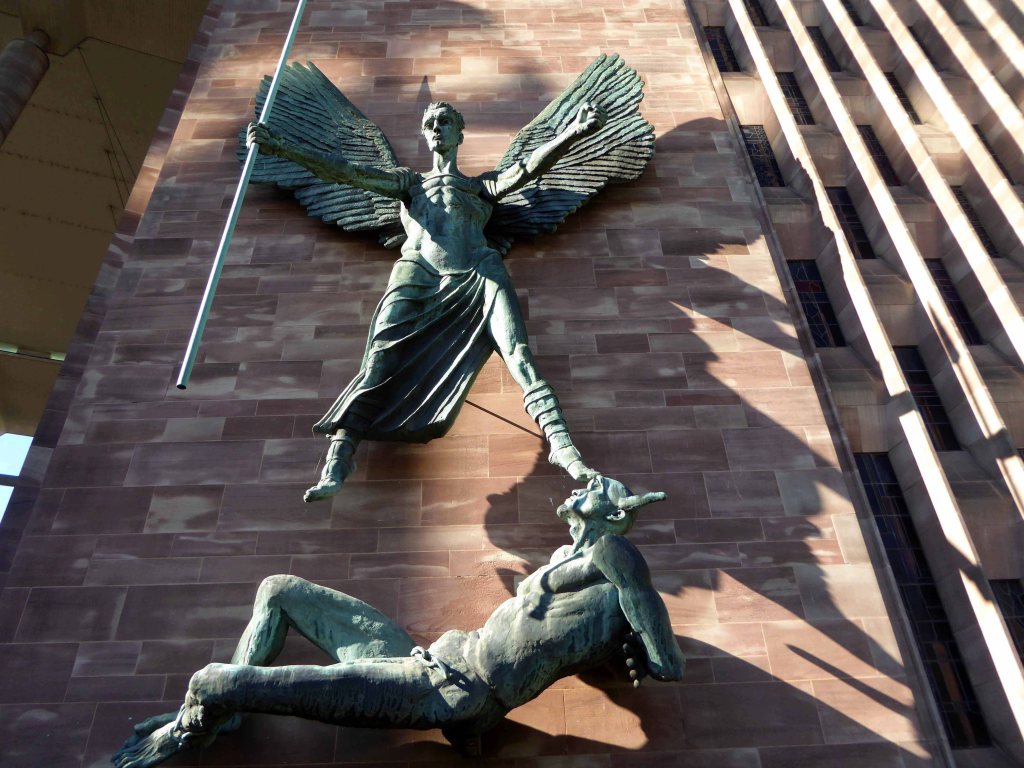
St. Michael and the Devil on the southern end of the east wall. It was sculpted by Sir Jacob Epstein, who, sadly, died in 1959, and therefore didn’t live to see his masterpiece mounted on the cathedral wall a year later.
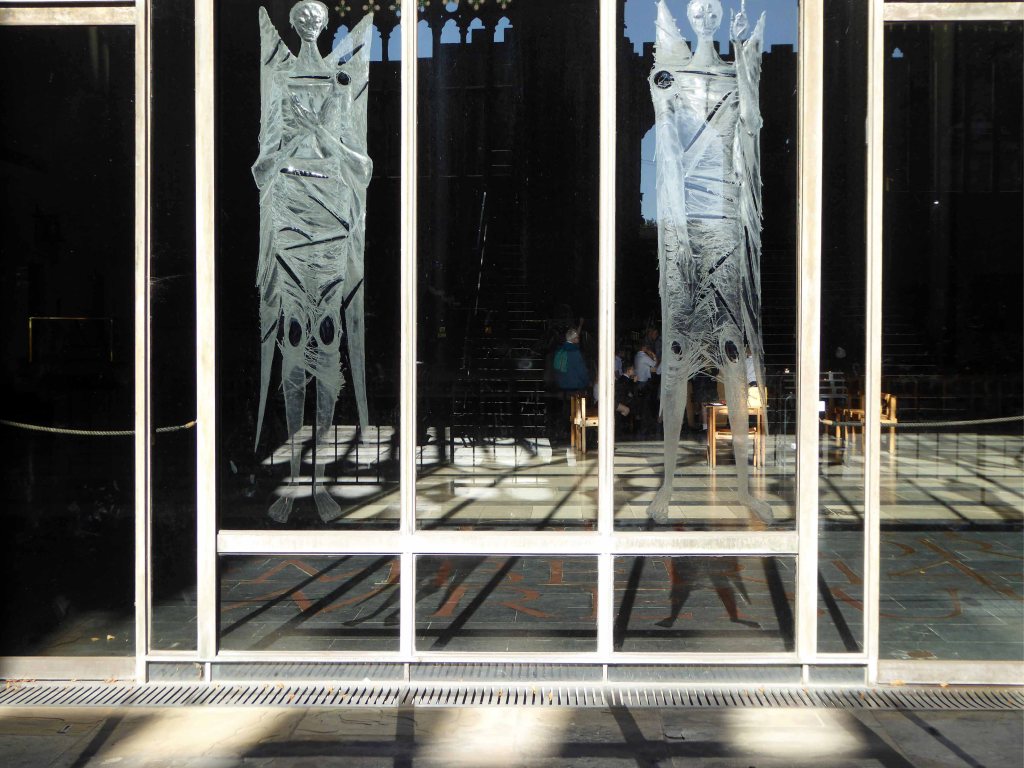
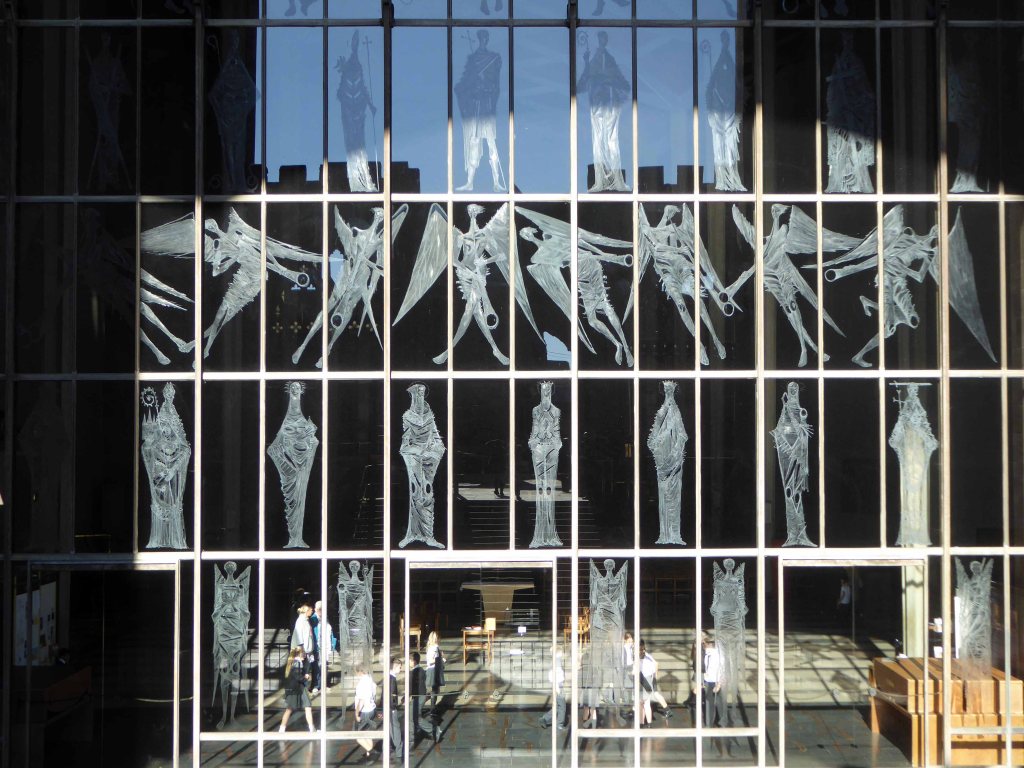
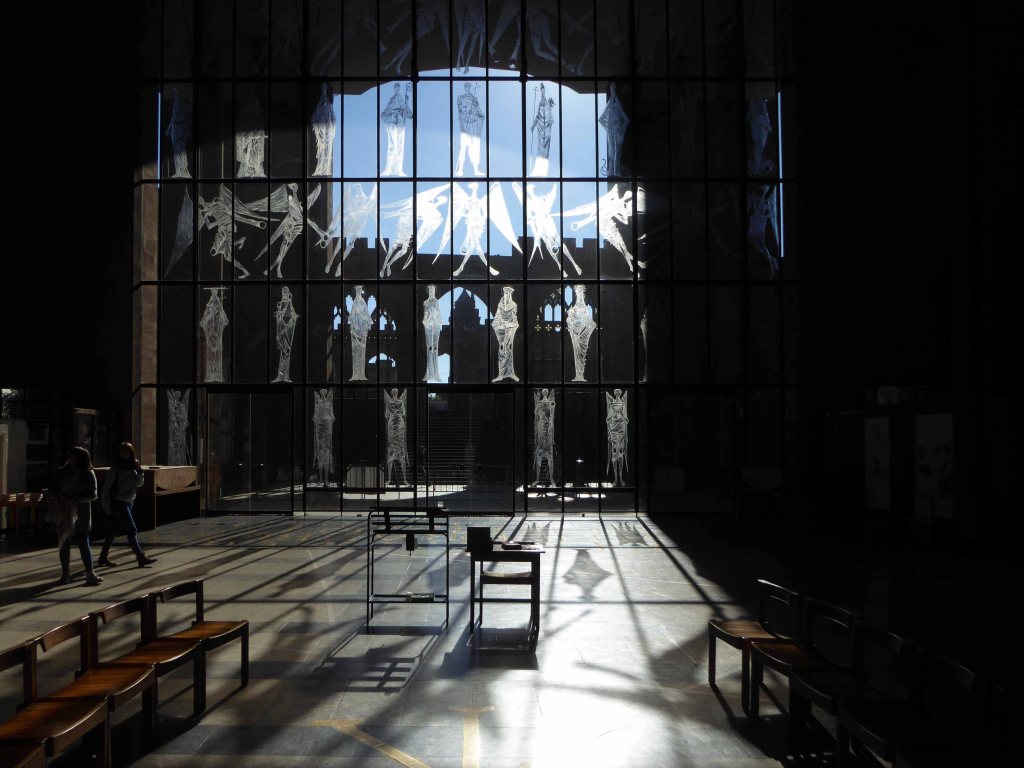
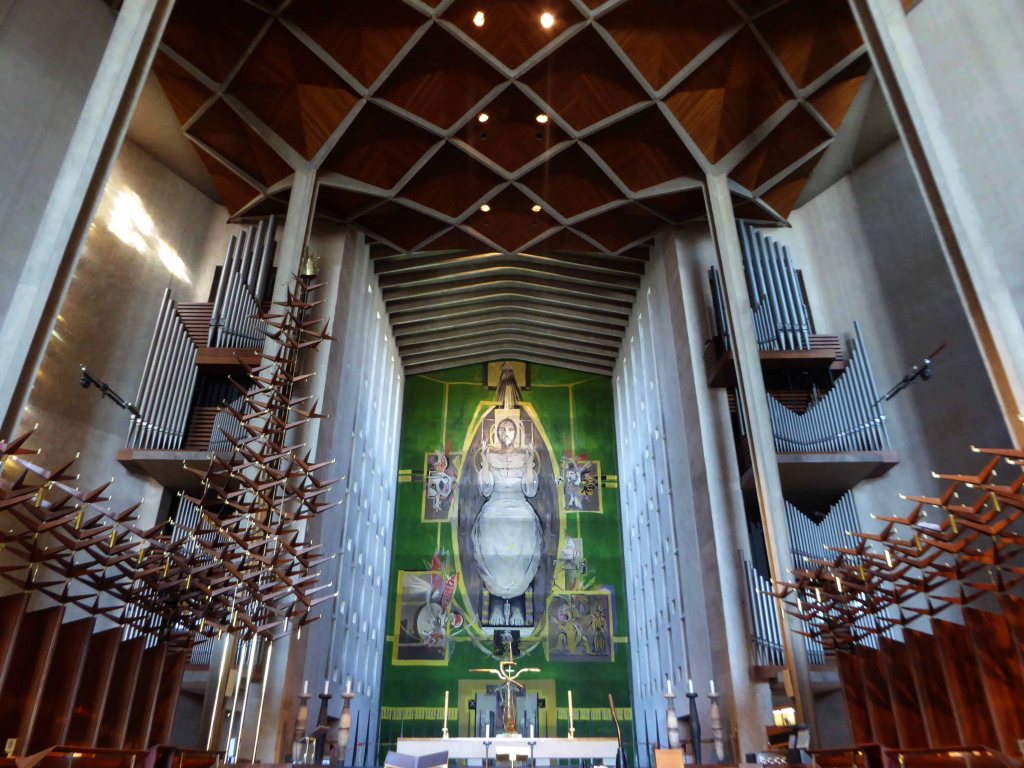
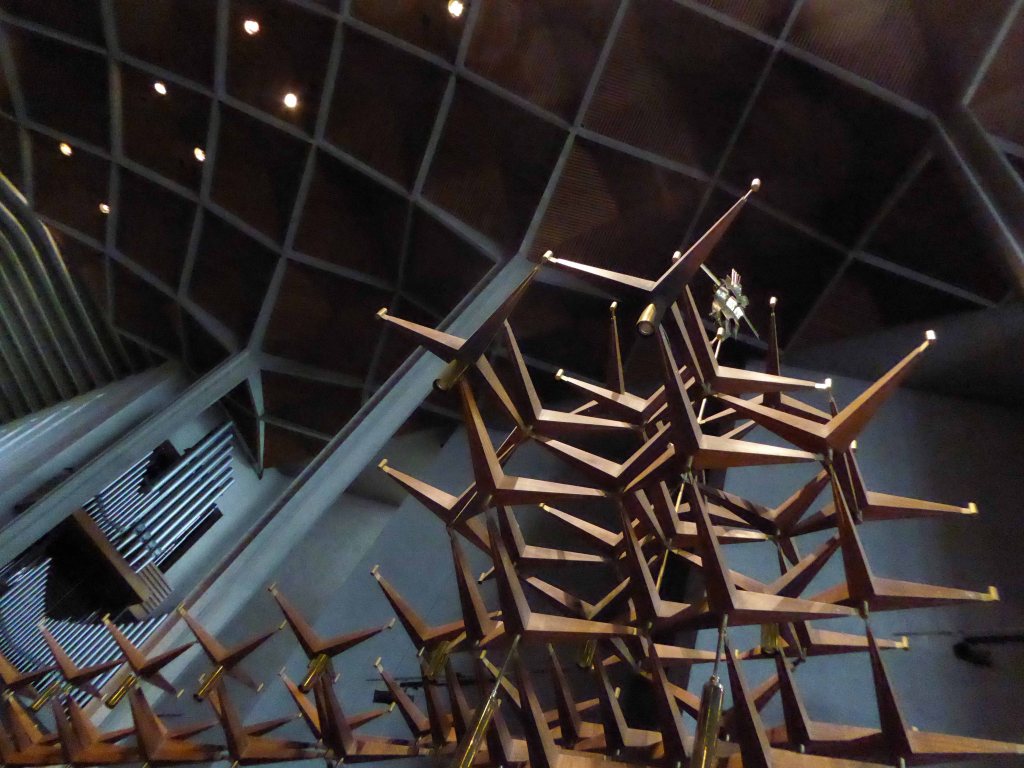
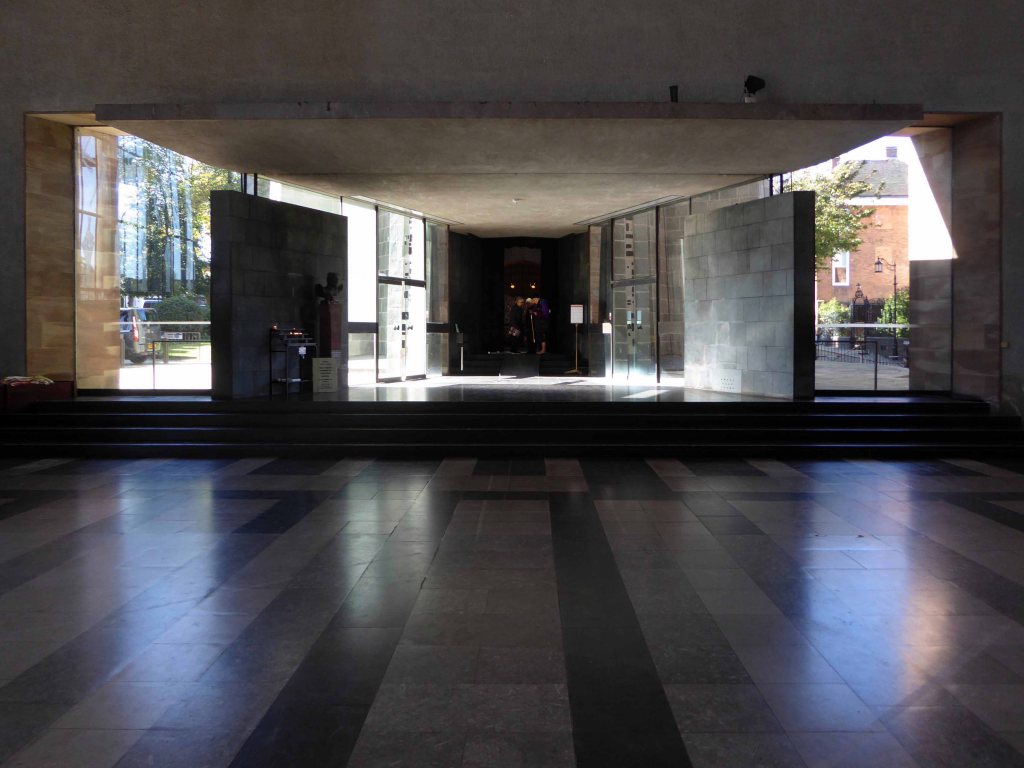
Entrance to the cathedral is through the Screen of Saints and Angels – it is seventy feet high and forty five feet wide and is supported by a bronze framework hung by wires from the roof for added strength.
This unique screen formed part of Sir Basil Spence’s first vision for the new cathedral. As he stared out from the ruins of the bombed cathedral, he saw the shape for the new church through a screen of saints. This transparent wall would link the old and new – making each mutually visible from within each other. Provost Howard set out to draw up a scheme consisting of all the saints who were responsible for the bringing of Christianity to Britain. As John Hutton began to make initial designs, he soon realised that row upon row of saints would need to be broken up in some way, and suggested that angels be inserted between the saints.
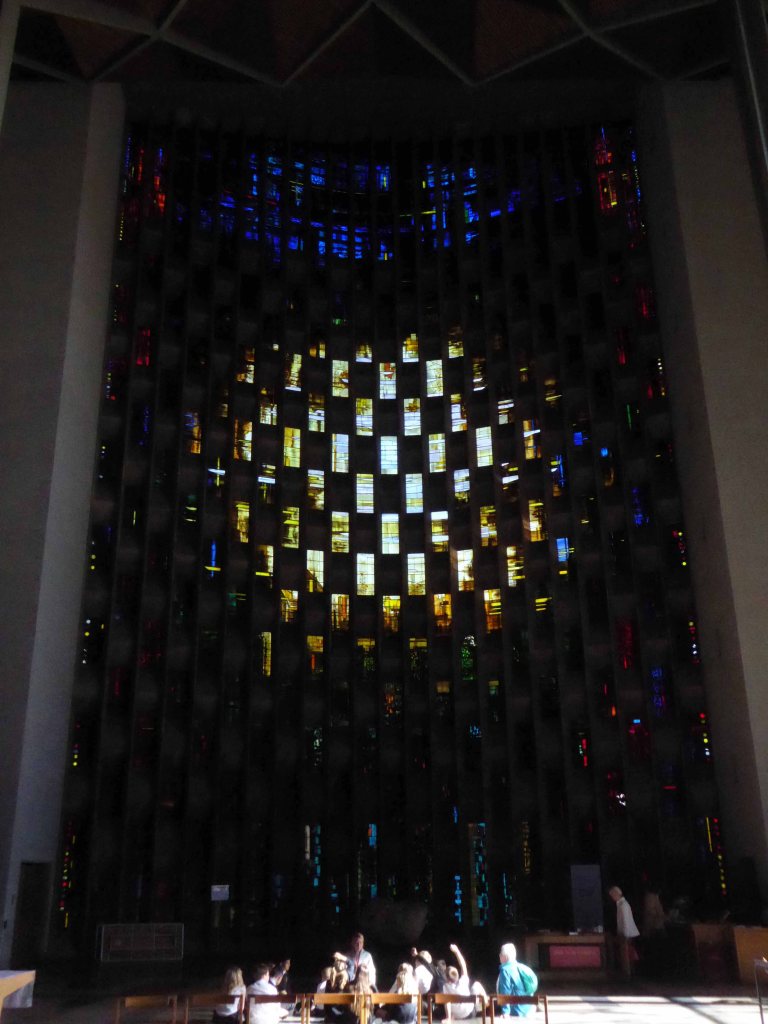
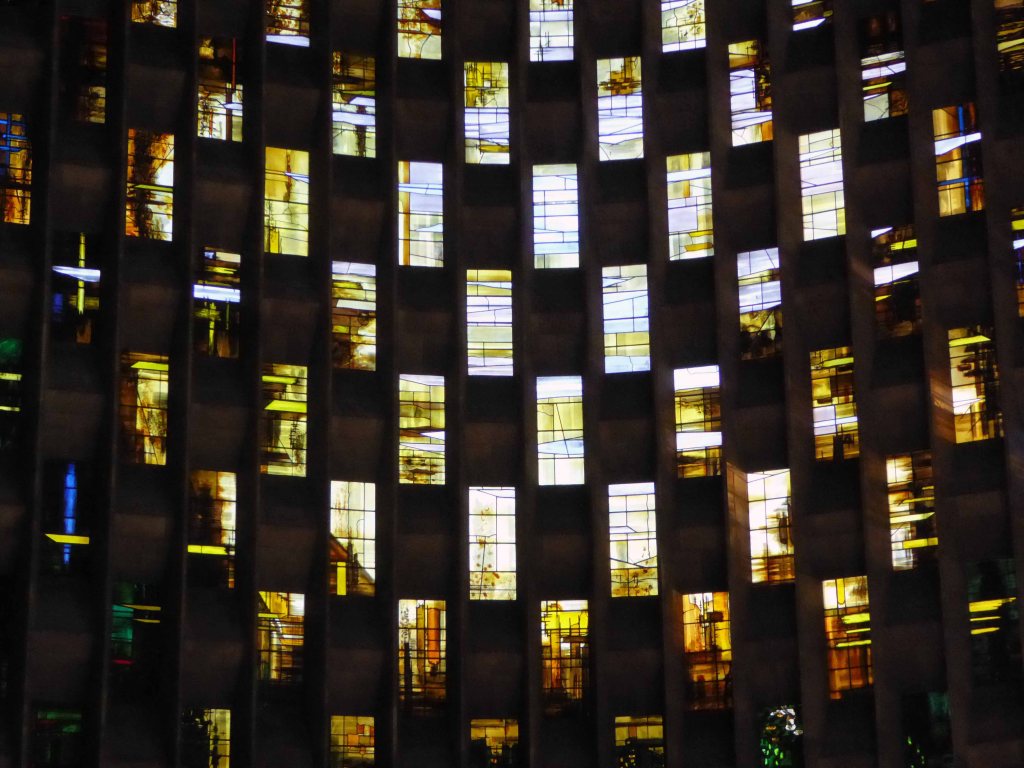
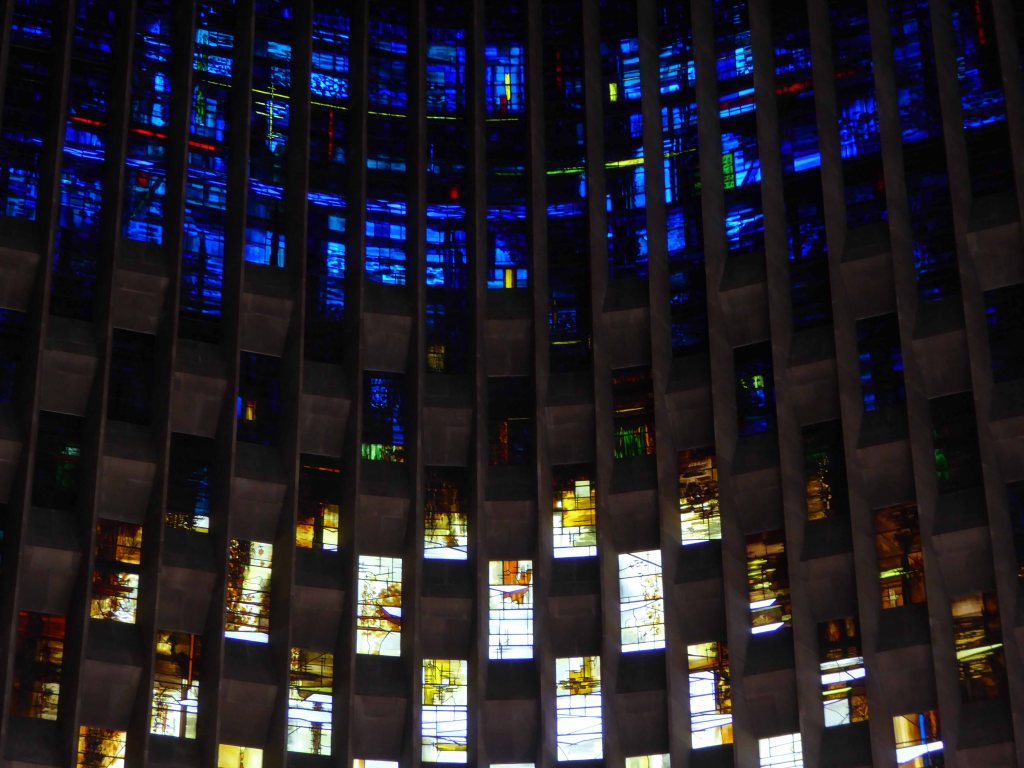
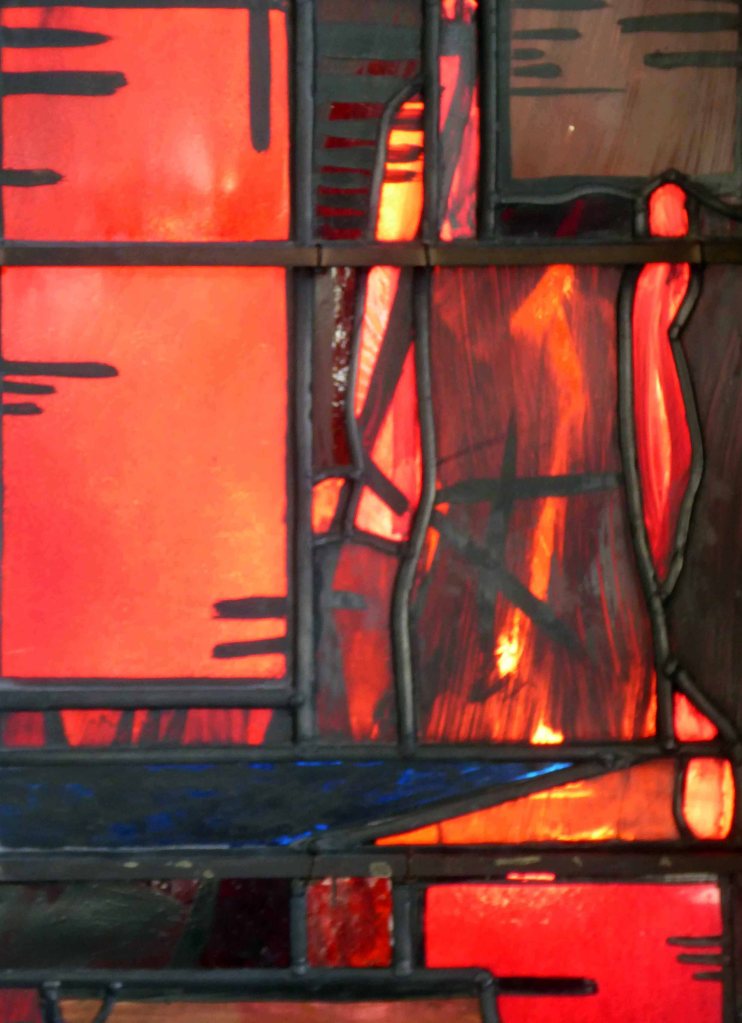
The eighty one foot high Baptistery Window containing a total of one hundred and ninety five lights of stained glass in bright primary colours designed by John Piper and Patrick Reyntiens, with the Stone of Bethlehem for a font just in front. Each individual window contains an abstract design, but the overall effect is breathtaking. Basil Spence himself designed the stone containing the glass.
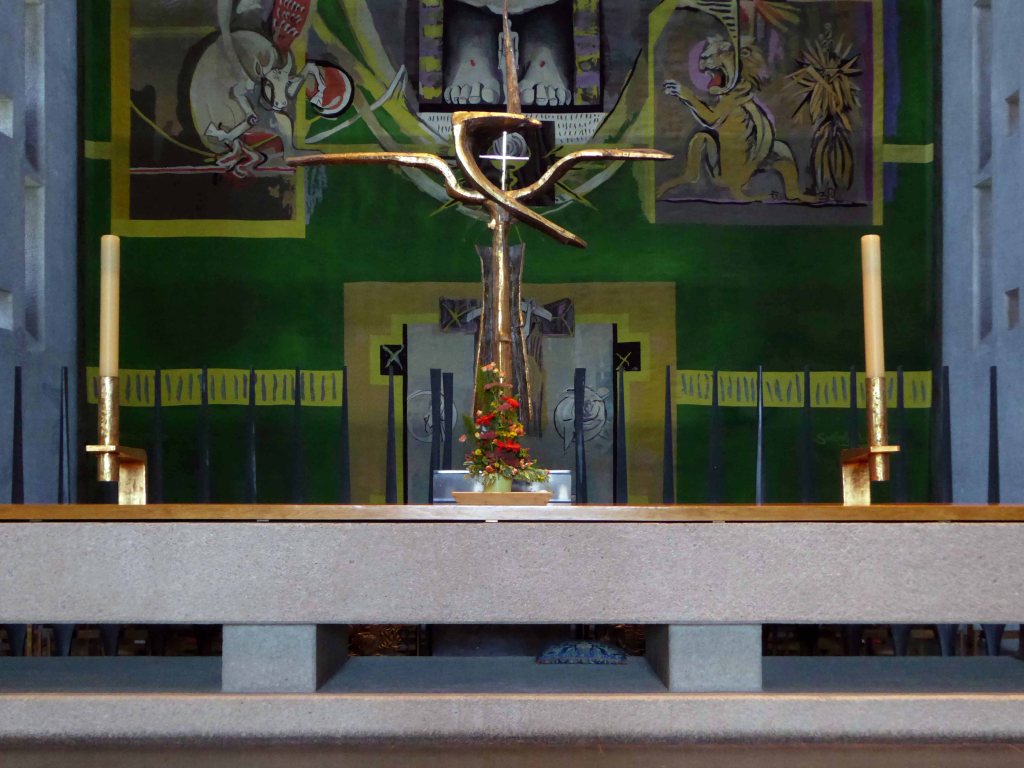
The great tapestry was another example of a re-think in design. Basil Spence’s original intention was to depict the Crucifixion but Provost Howard suggested that the subject be Christ in Majesty and from there on, this idea prevailed
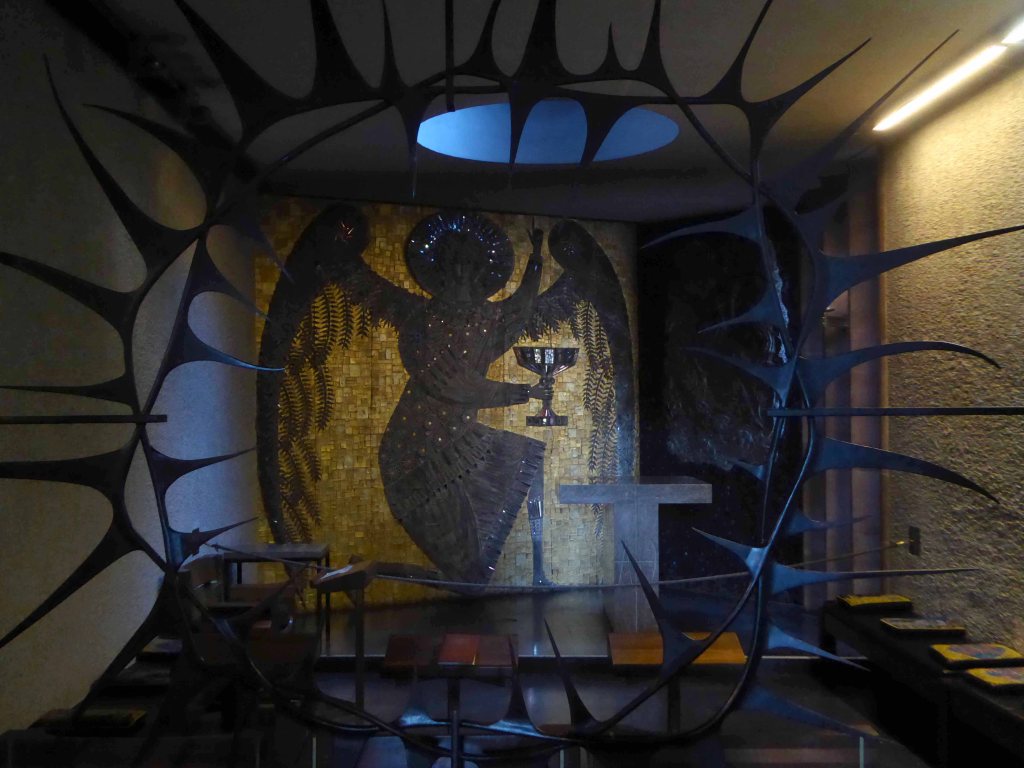
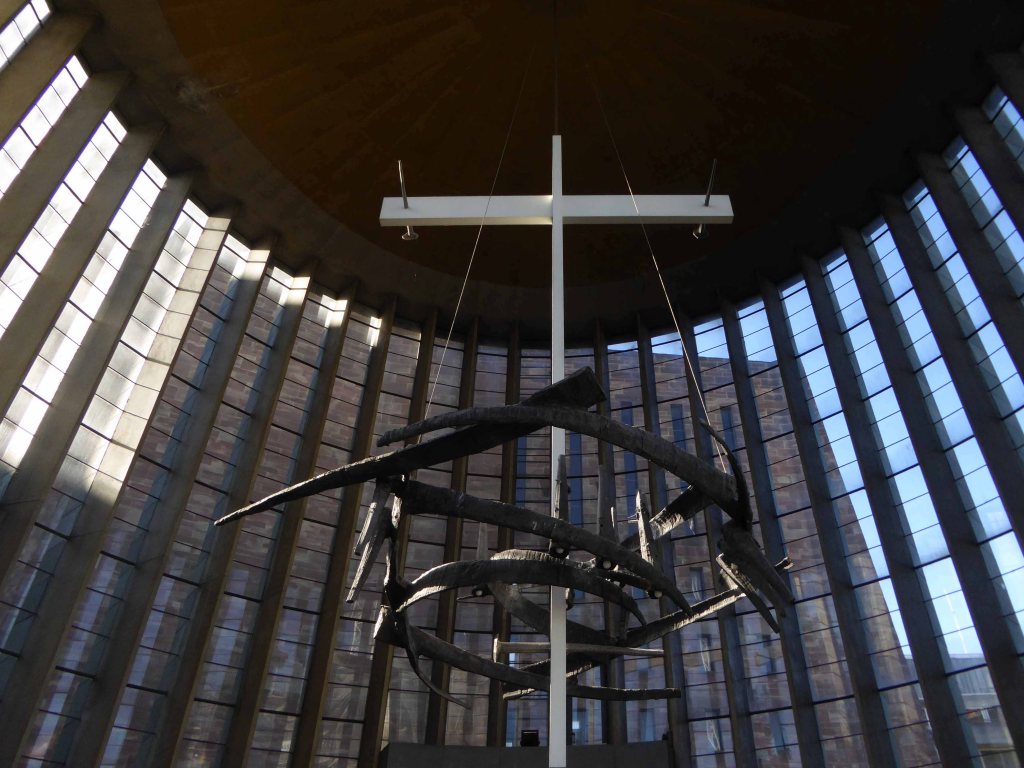
The Chapel of Christ in Gethsemane is approached by following the aisle from the Baptistery window towards the altar which is at the north end. The mosaic depicts the Angel of Agony by Steven Sykes and becomes more impressive when seen from a distance through the wrought iron crown of thorns designed by Basil Spence.
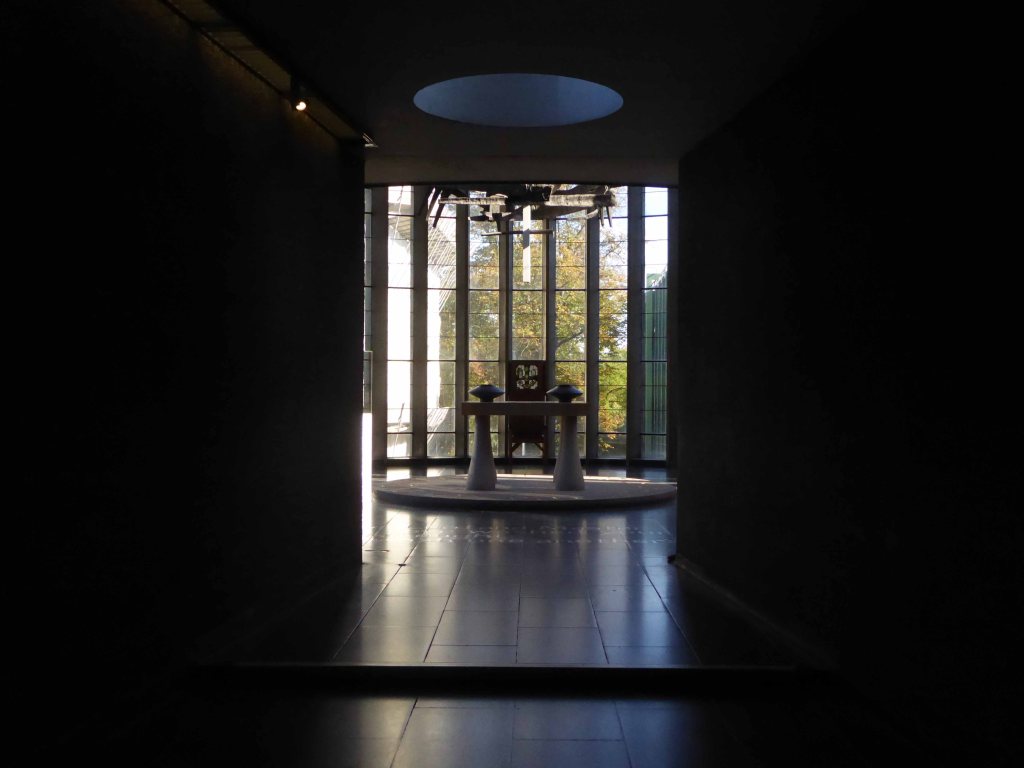
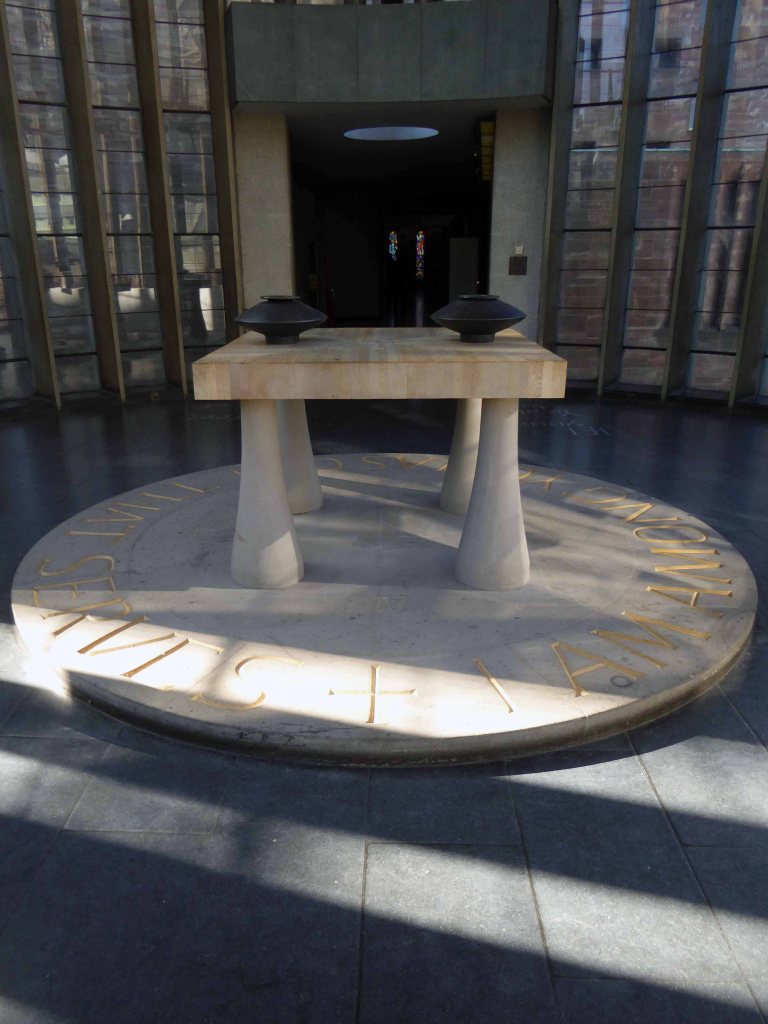
A short passageway takes you through to the Chapel of Christ the Servant – also known as the Chapel of Industry due to the view of Coventry workplaces from its narrow windows.
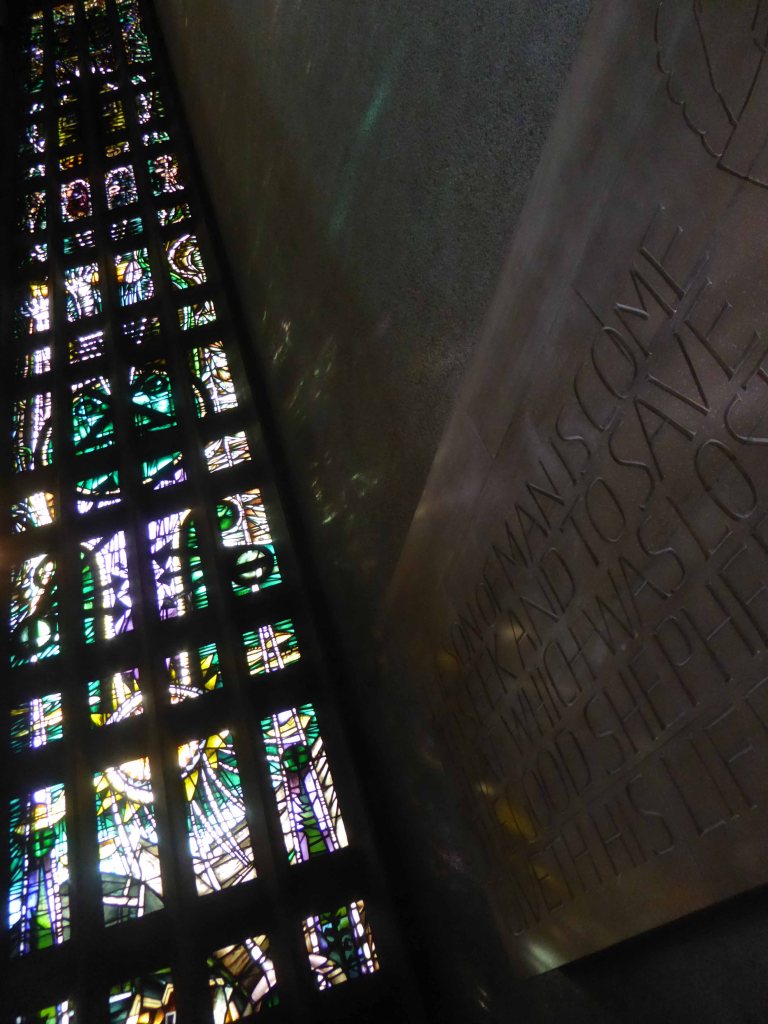
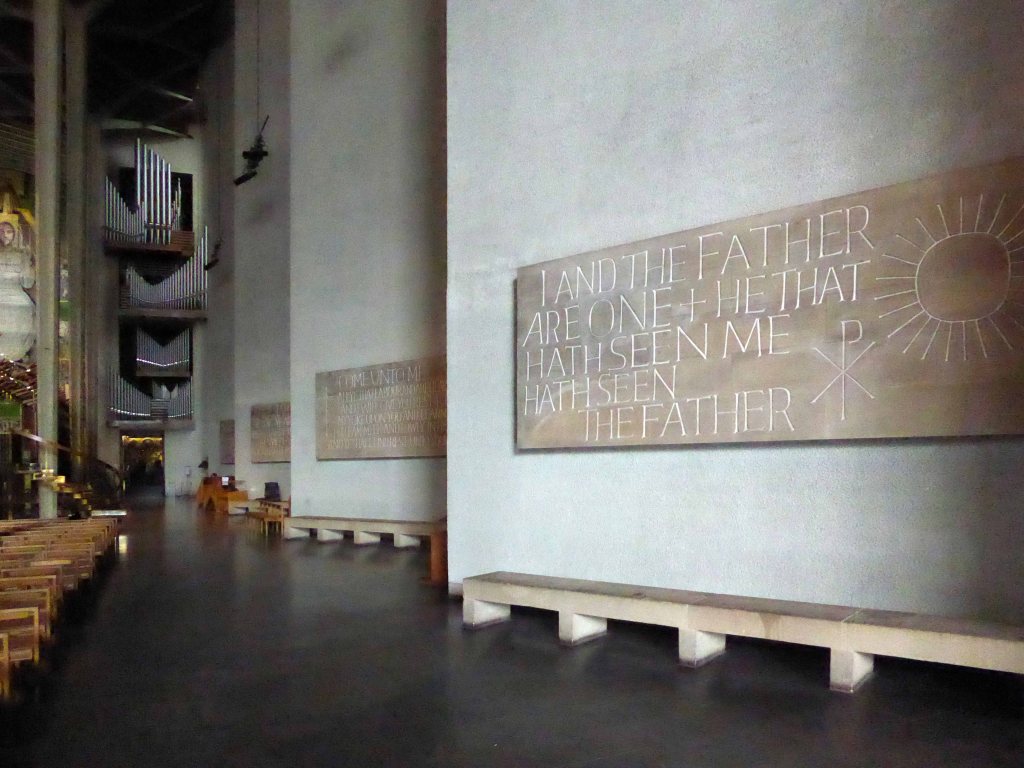
Monumental inscriptions to walls and floor by Ralph Beyer
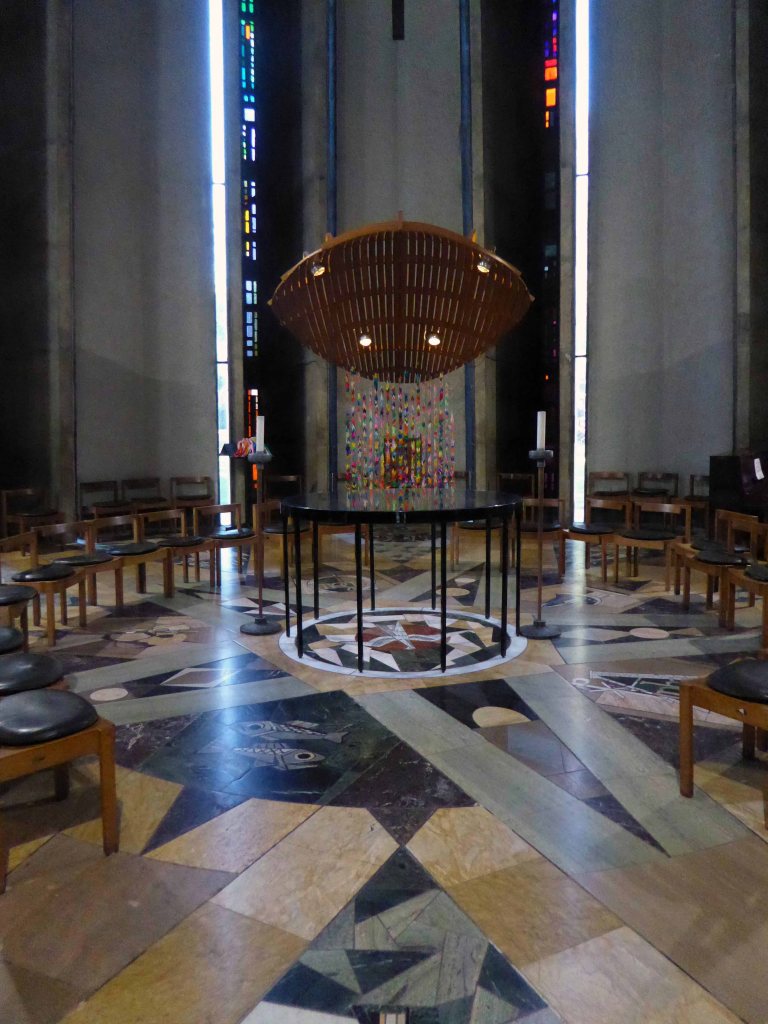
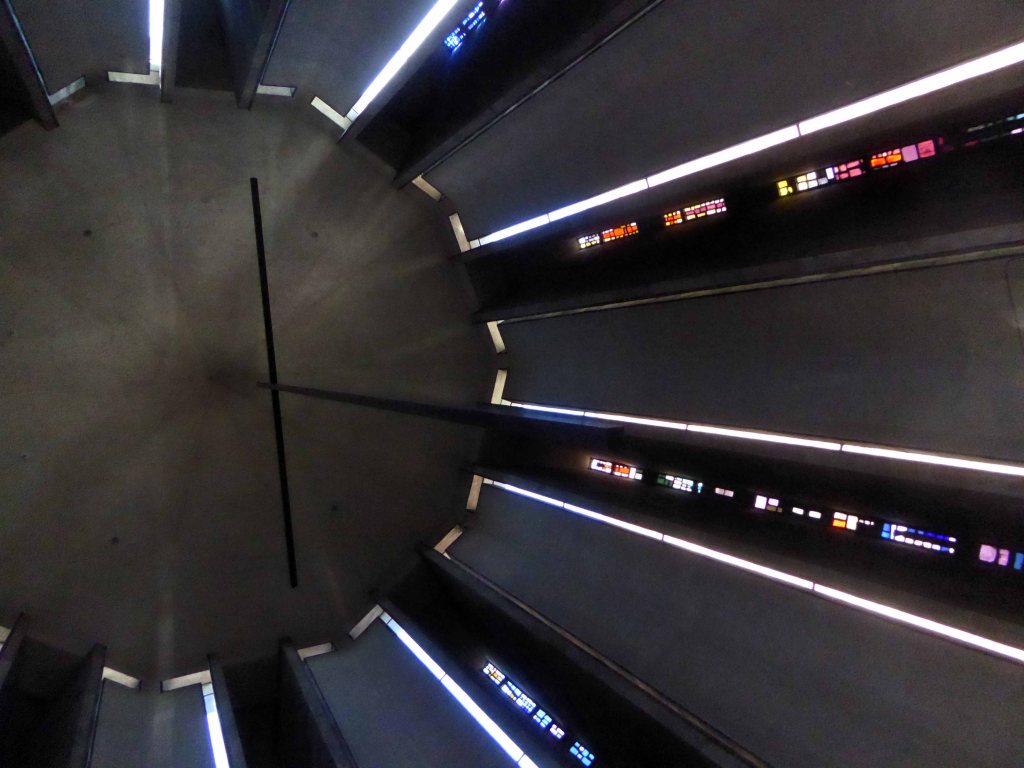
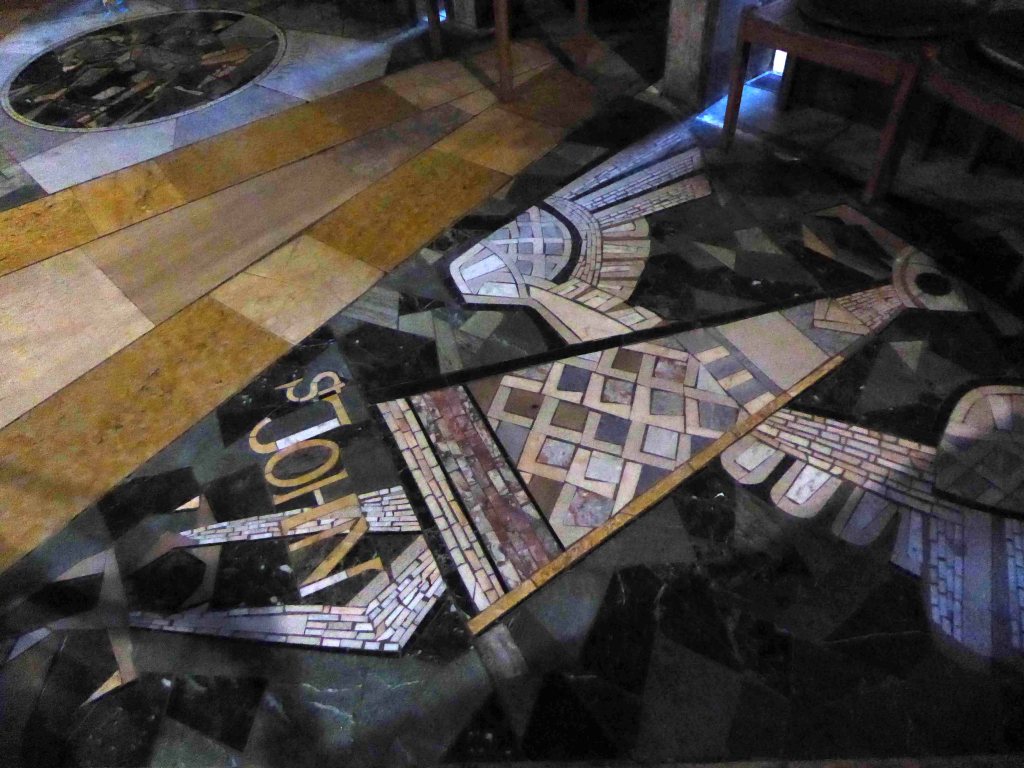
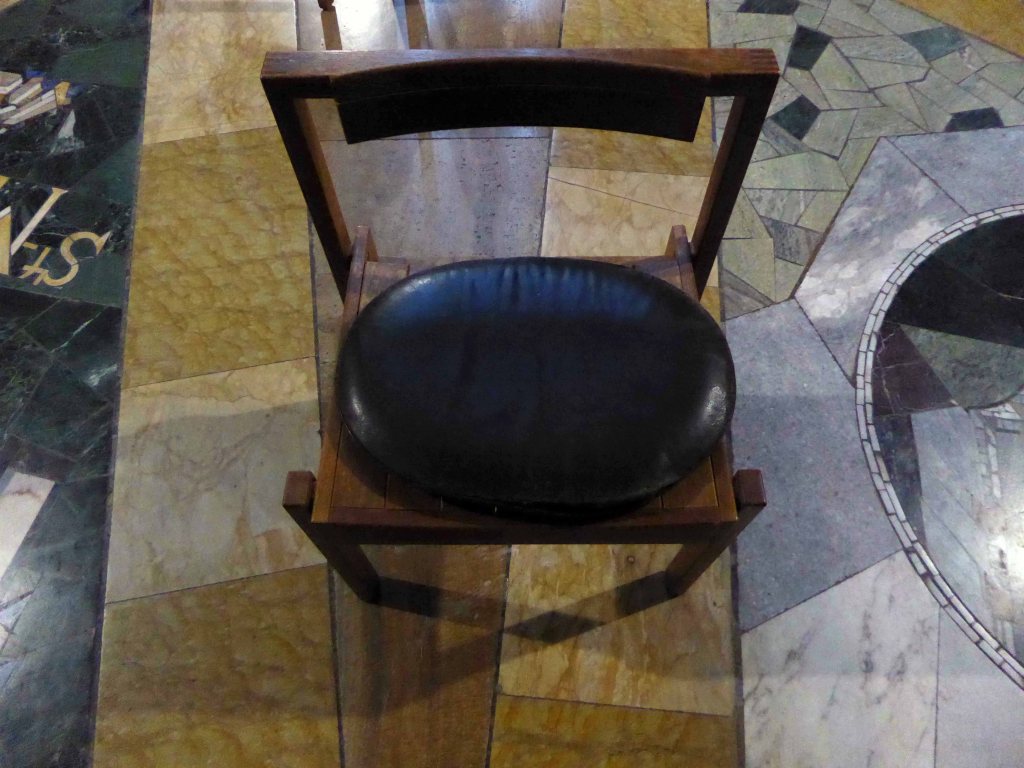
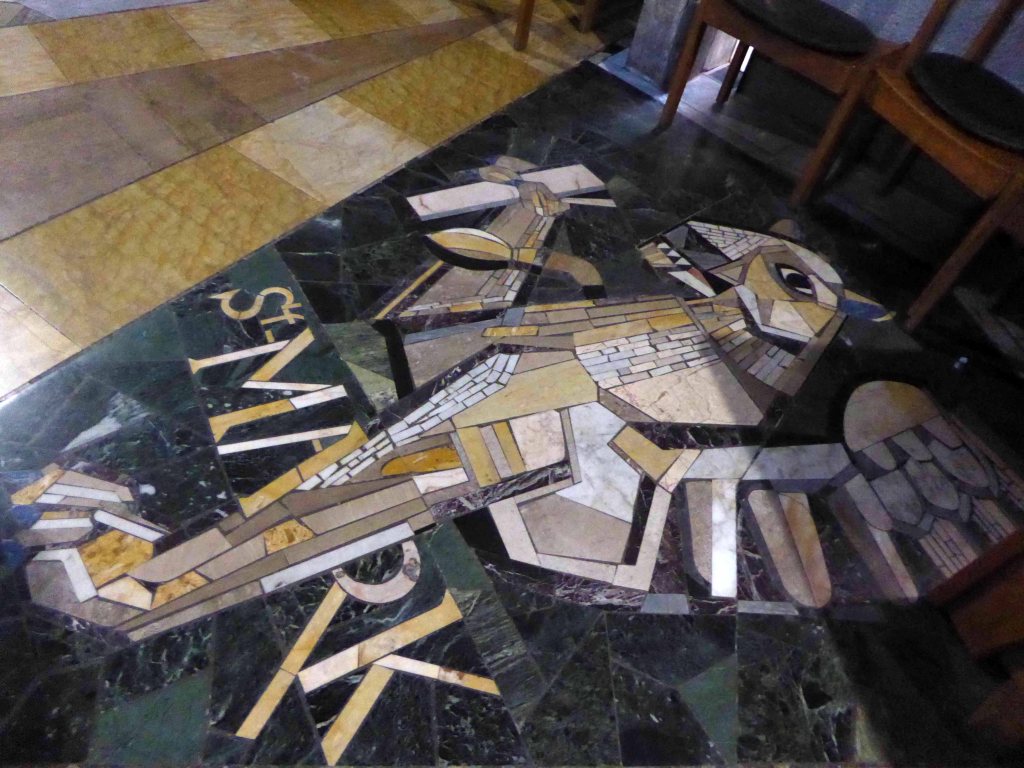
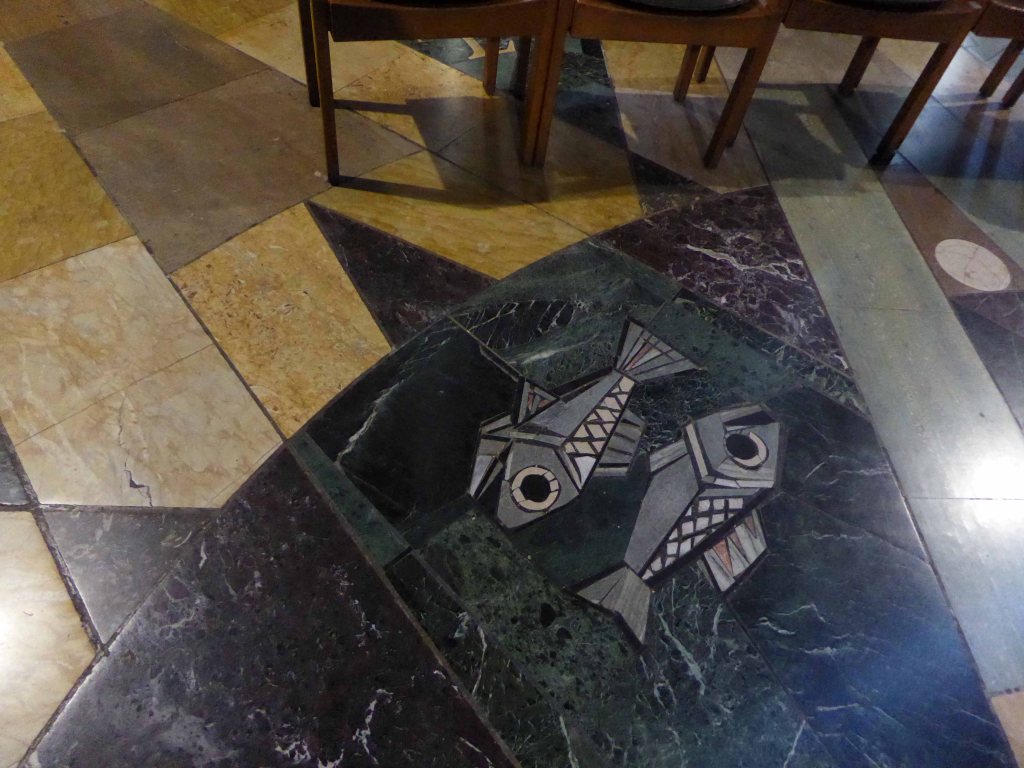
At the far end of the aisle, opposite the Baptistery Window is the Chapel of Unity, with its detailed mosaic floor, donated by the people of Sweden, representing the nations of the world and lit by shafts of light from the narrow stained glass windows around the circumference of the star shaped chapel.
This design was Basil Spence’s vision of a chapel representing the star which began the story of Christ – from the outside it appears shaped similarly to a Crusader’s tent.
The chapel is intended for prayer by all denominations, not just Anglican, and for this reason was purposely built with no view of the great altar.
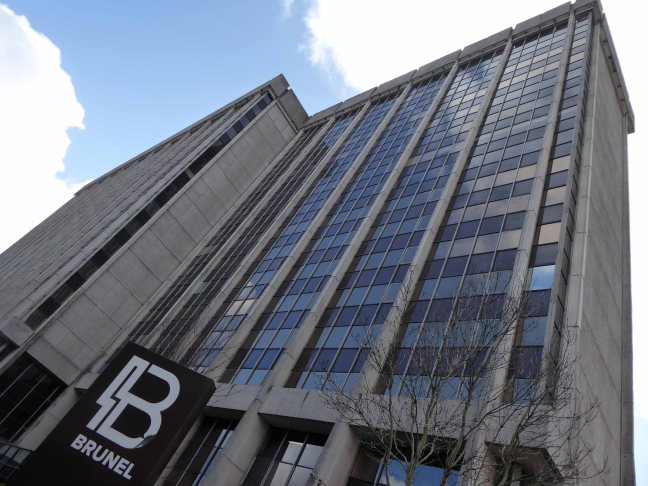
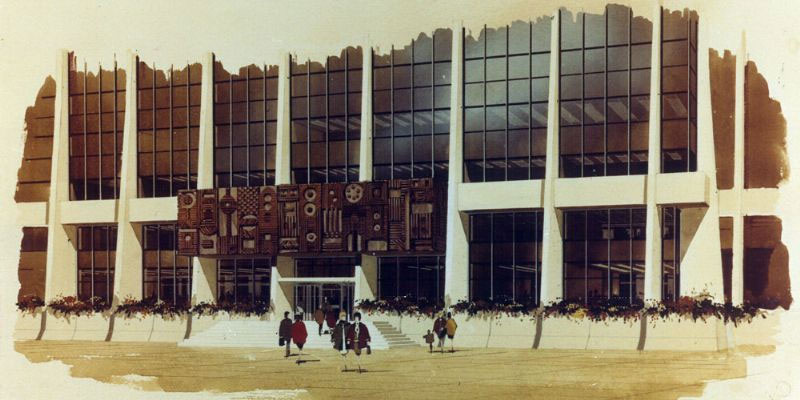
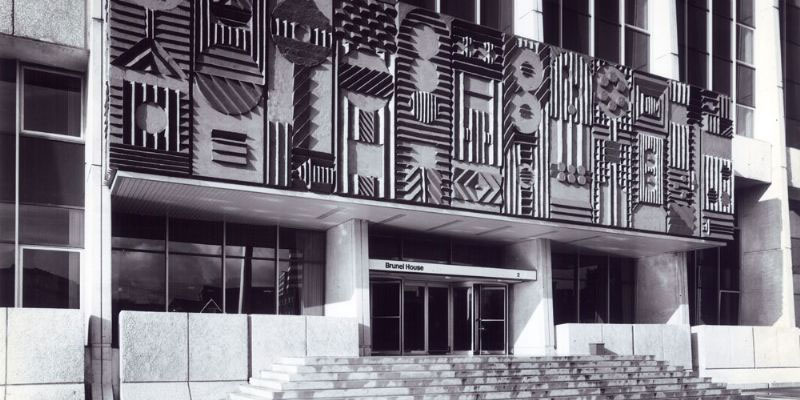
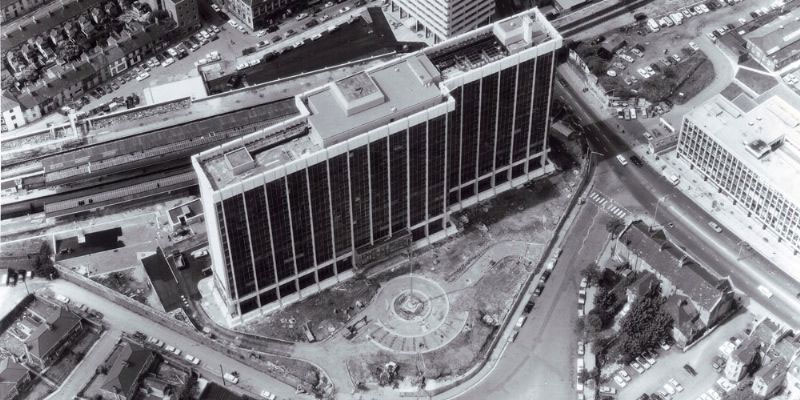
Originally built to house the regional British Rail offices – it seems that Great Western House has always been Brunel House.
Designed by Seymour Harris – who have also been responsible for the recent refurbishment.
The building is now in multiple occupancy, used for a wide range of services and uses, bringing new life to fine mid-century structure.
Sadly its entrance relief is now nowhere to be seen.
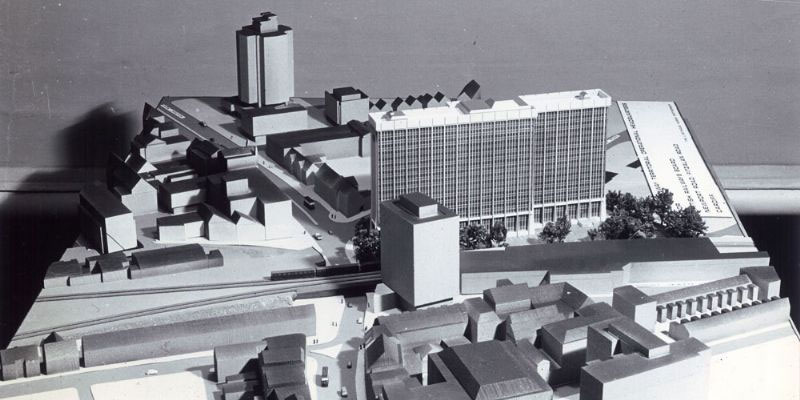
Archive photographsSeymour Harris Architects
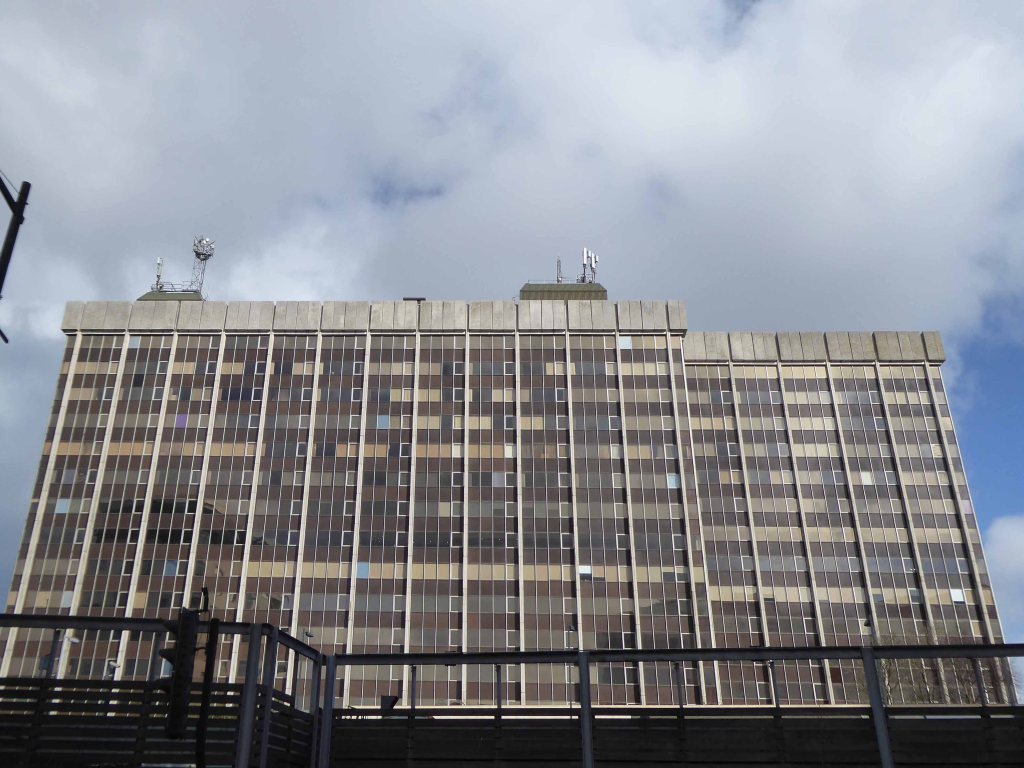
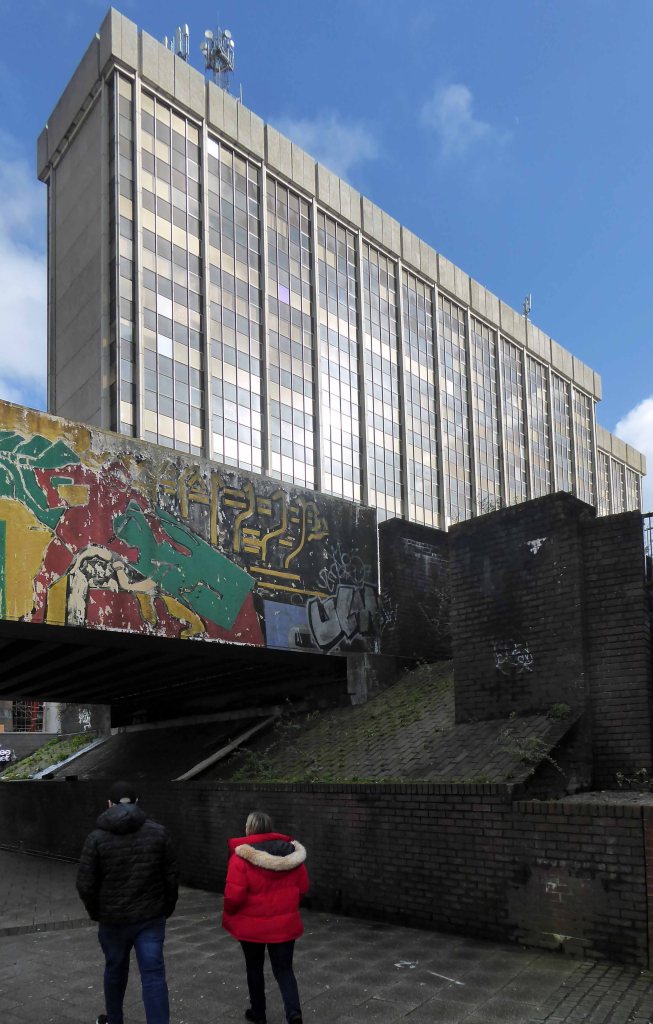
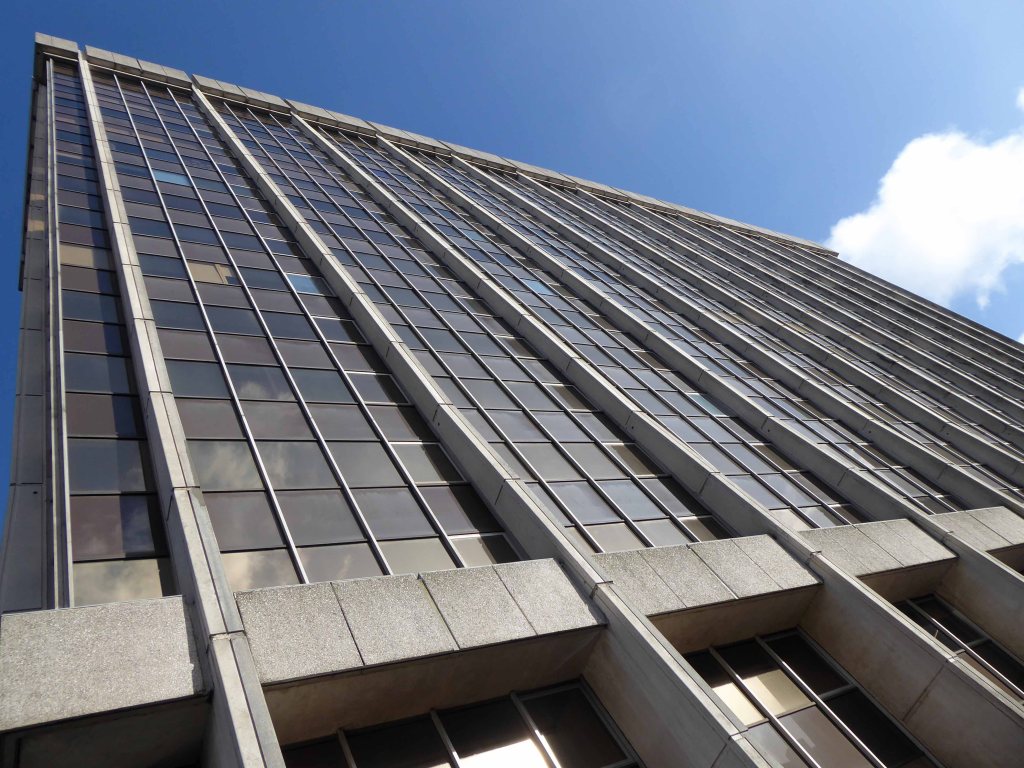
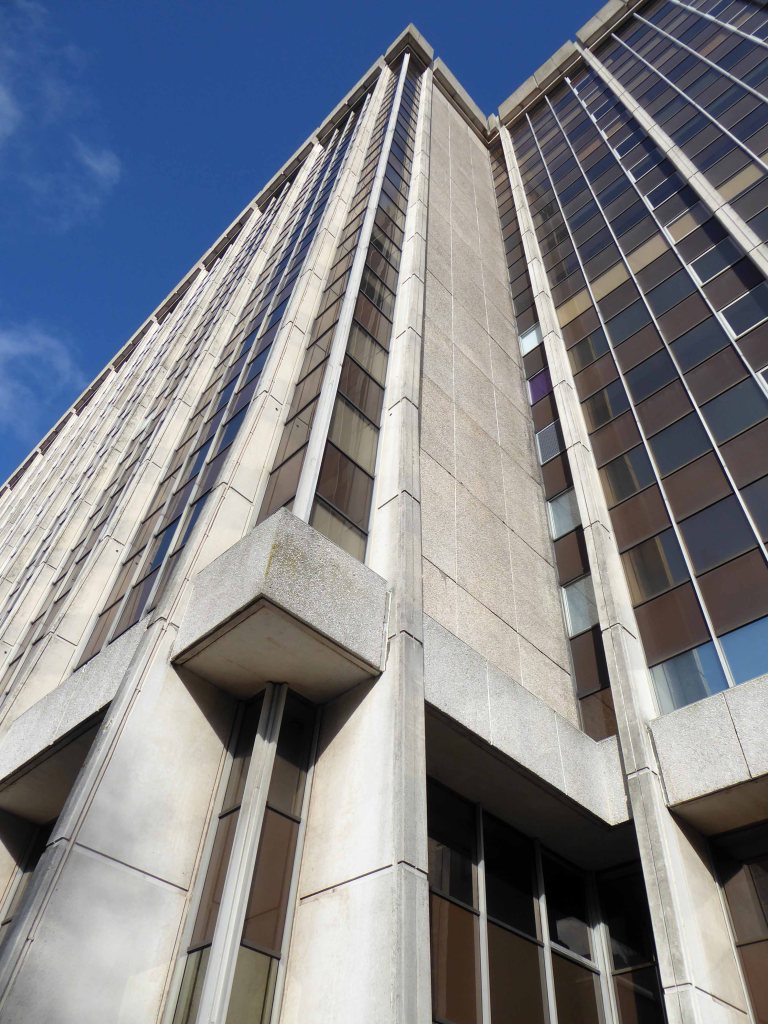
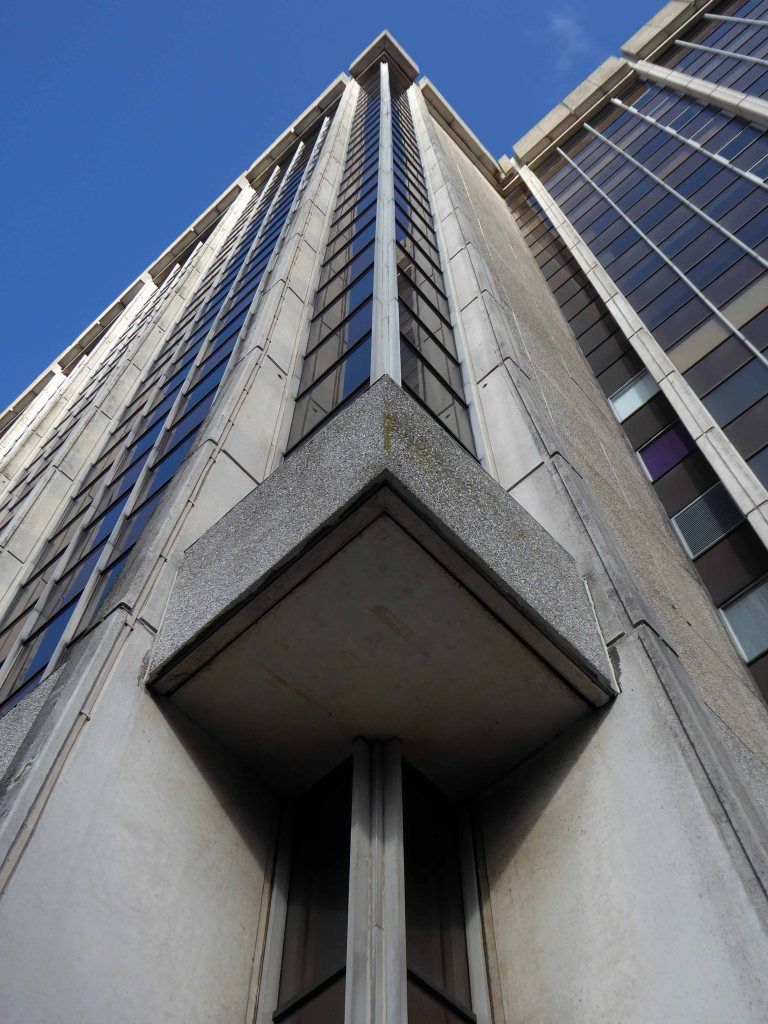
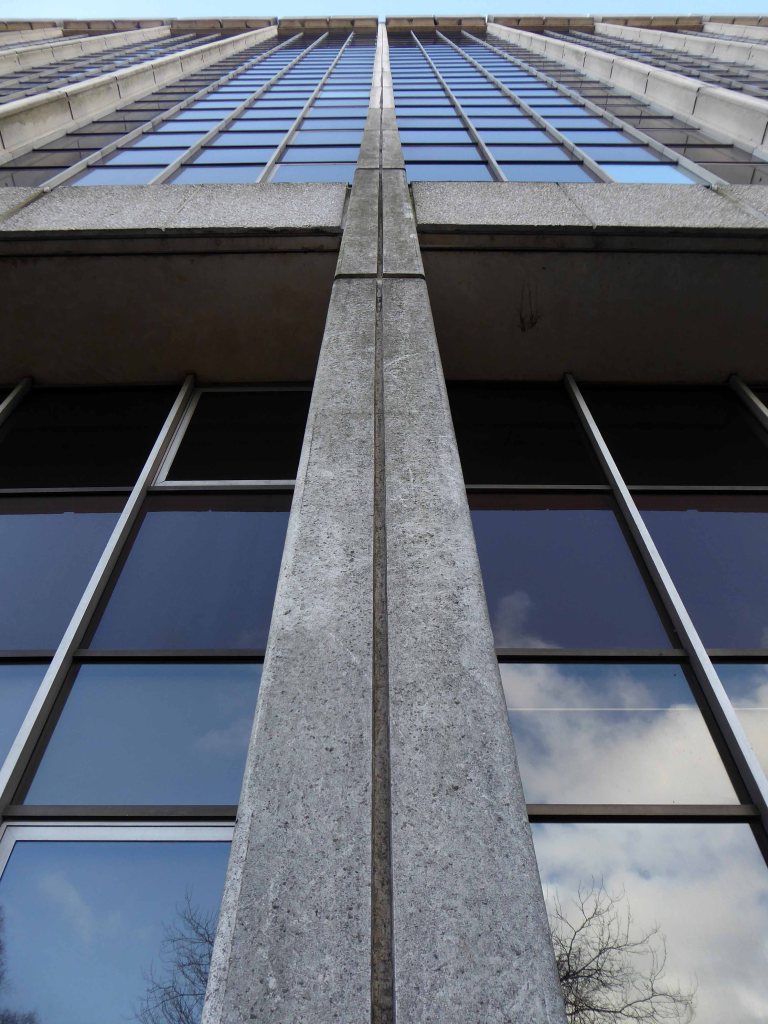
Sixteen floors standing at 190 feet, two enormous interlocking slabs – it is the largest commercial property in Wales.
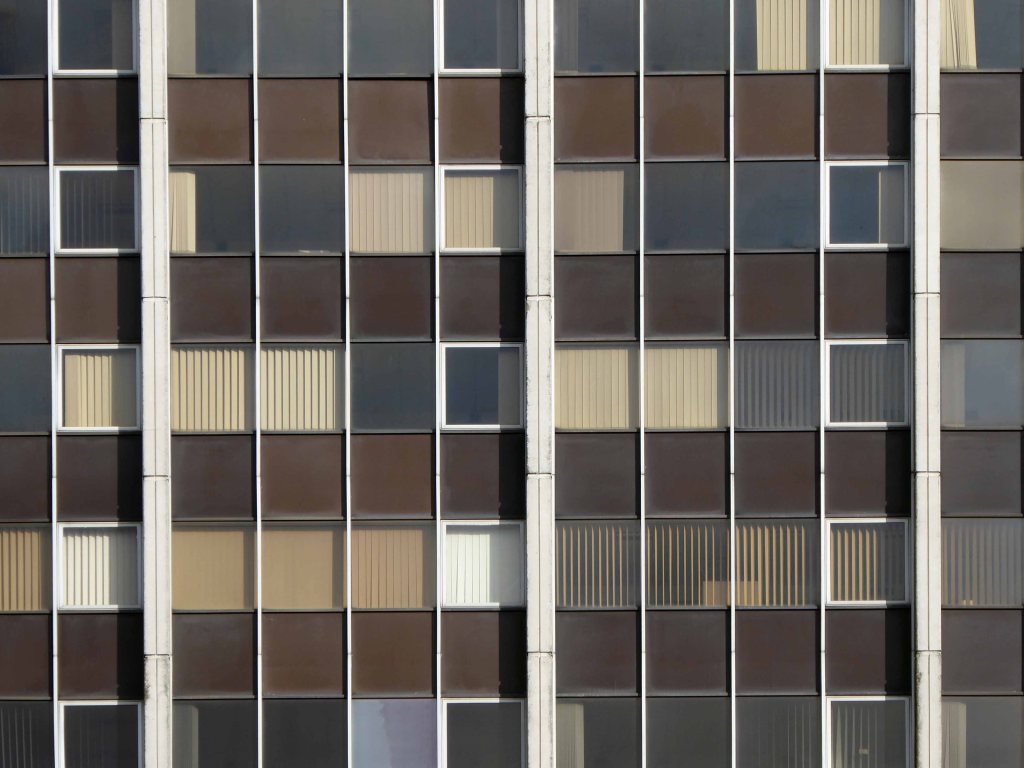
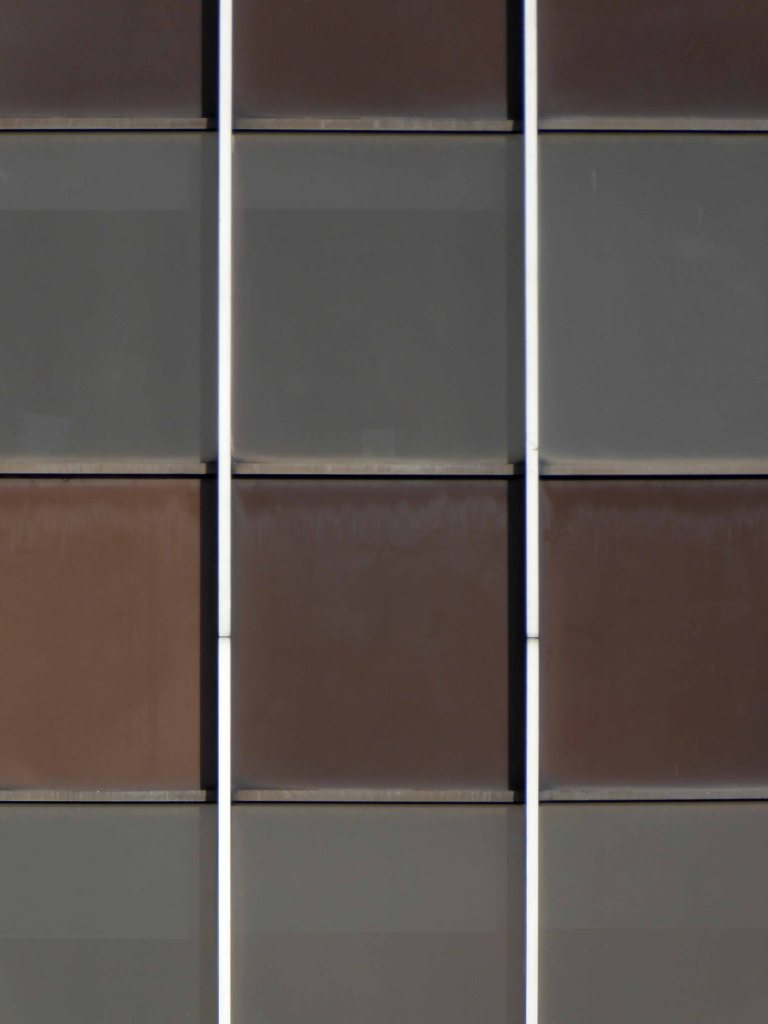
Seen from afar your are hit by its impressive rear elevation, with a distinctive grid defined by the slender window frames and a restrained yet earthy palette.
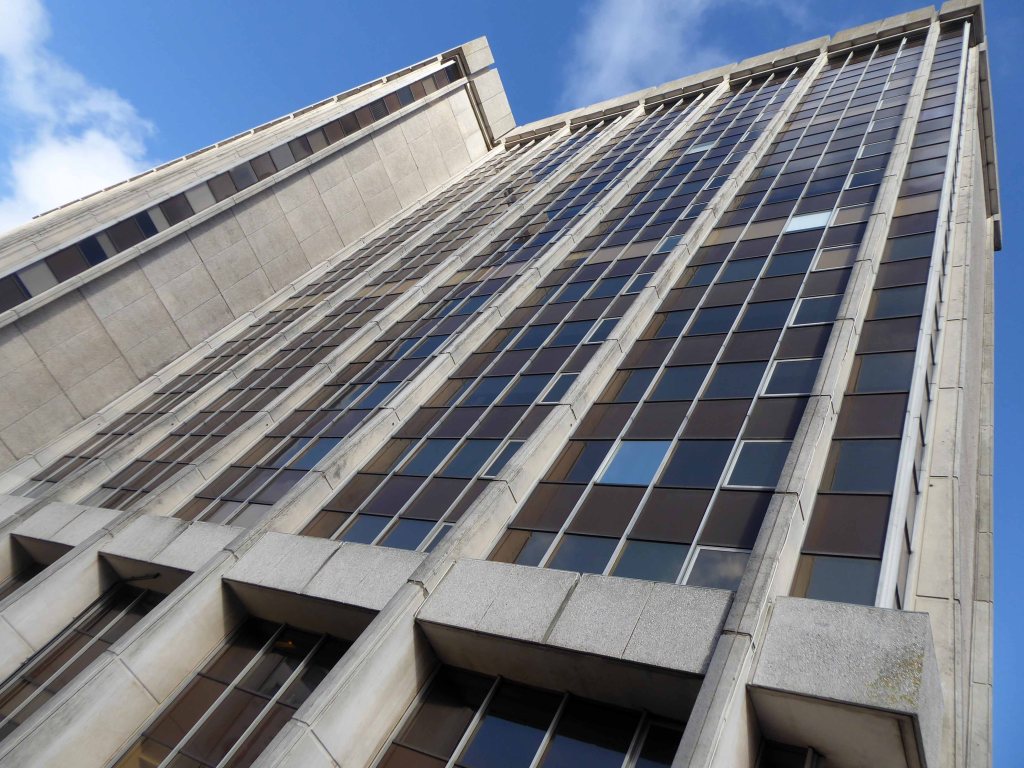
This is then broken up by strong vertical concrete columns.
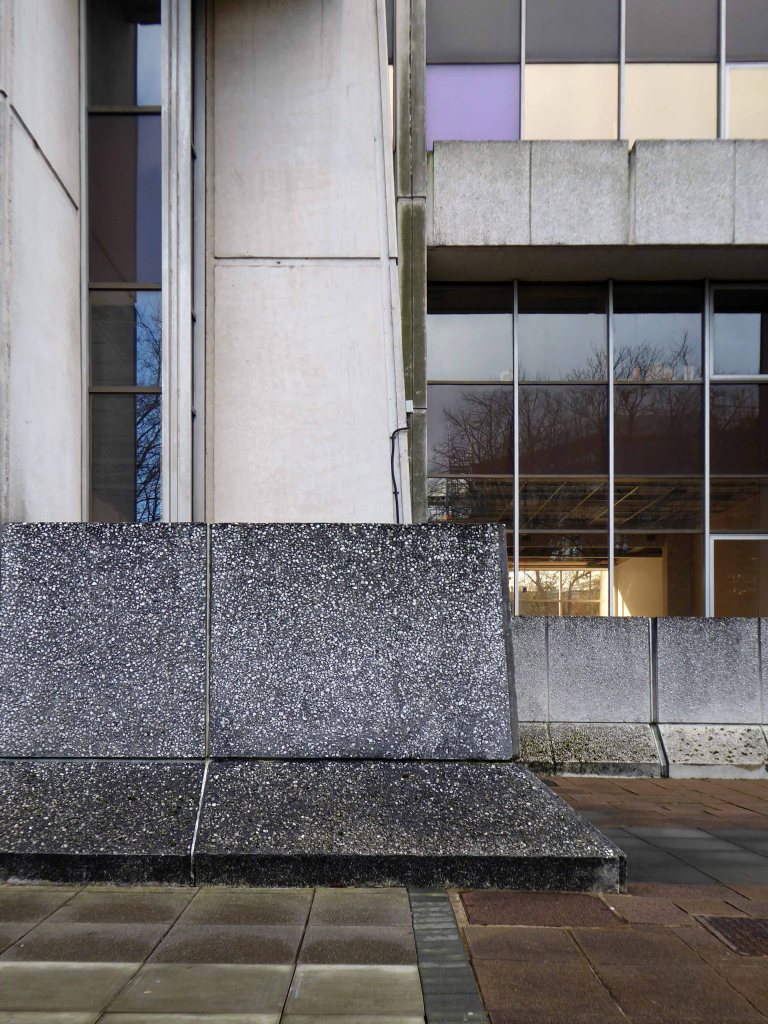
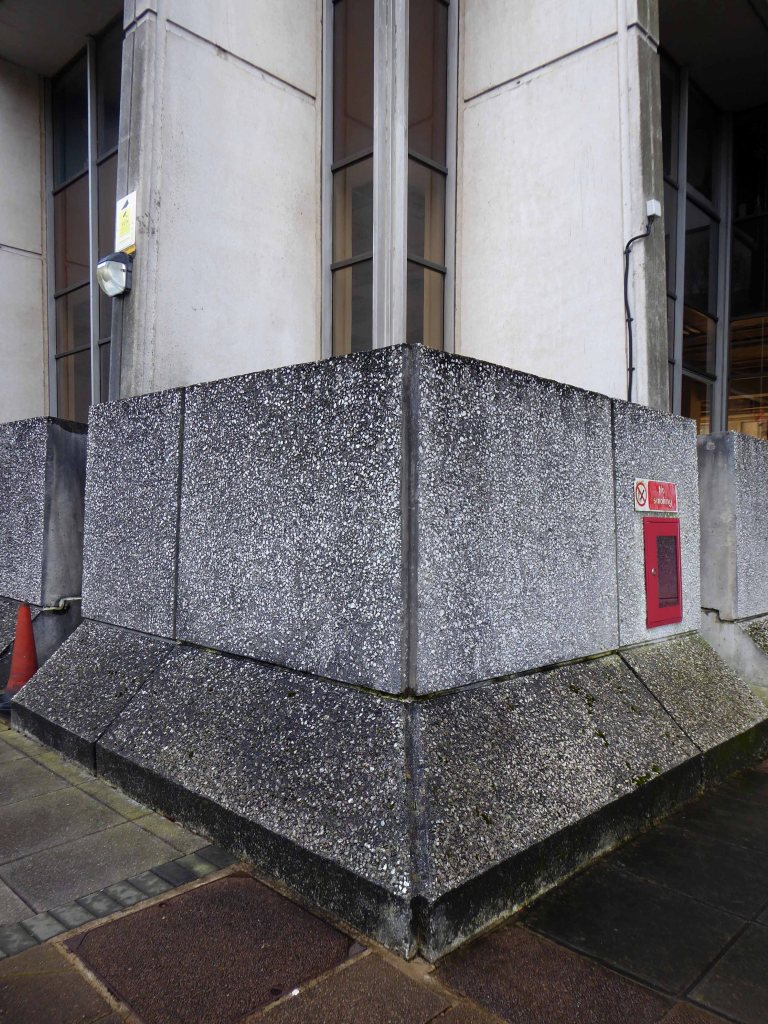
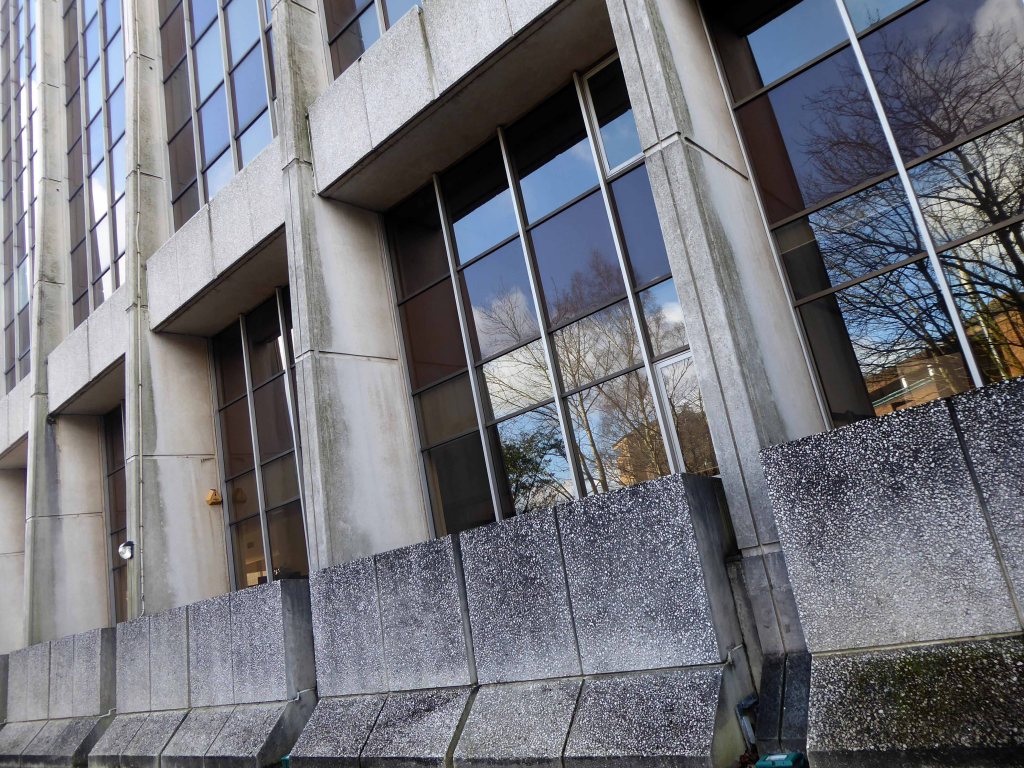
With bold structural detailing, using a variety of aggregates and finishes.
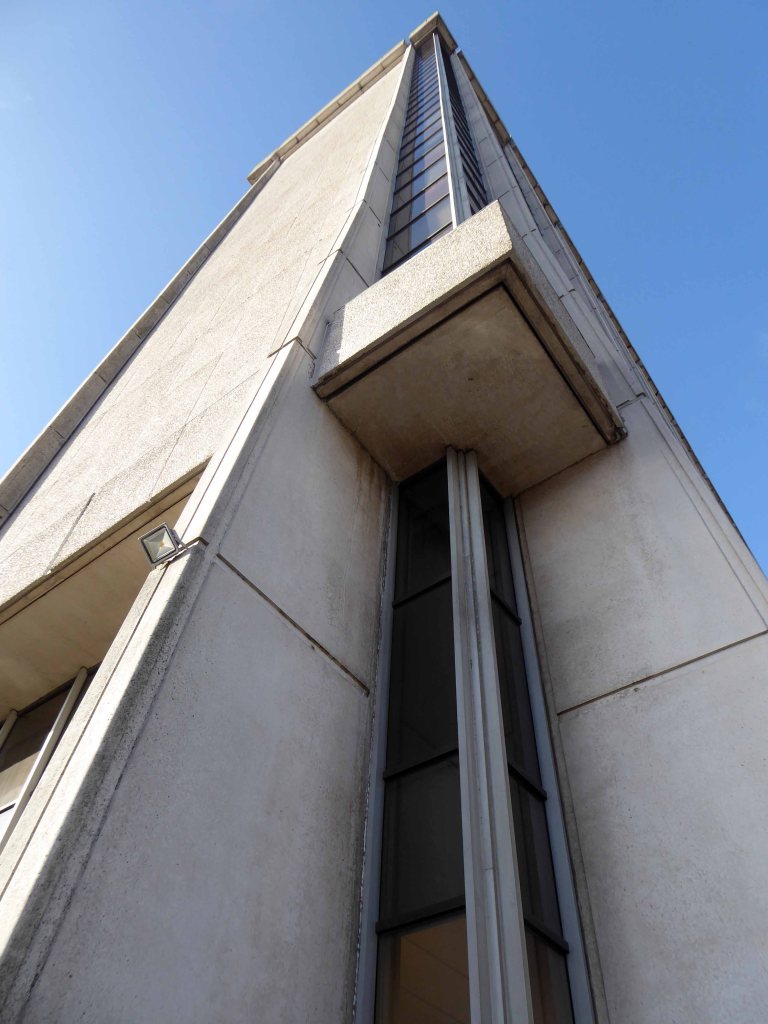
Side elevations are brut concrete, with limited window space.
Where surfaces and volume conjoin there is further interesting structural detail.
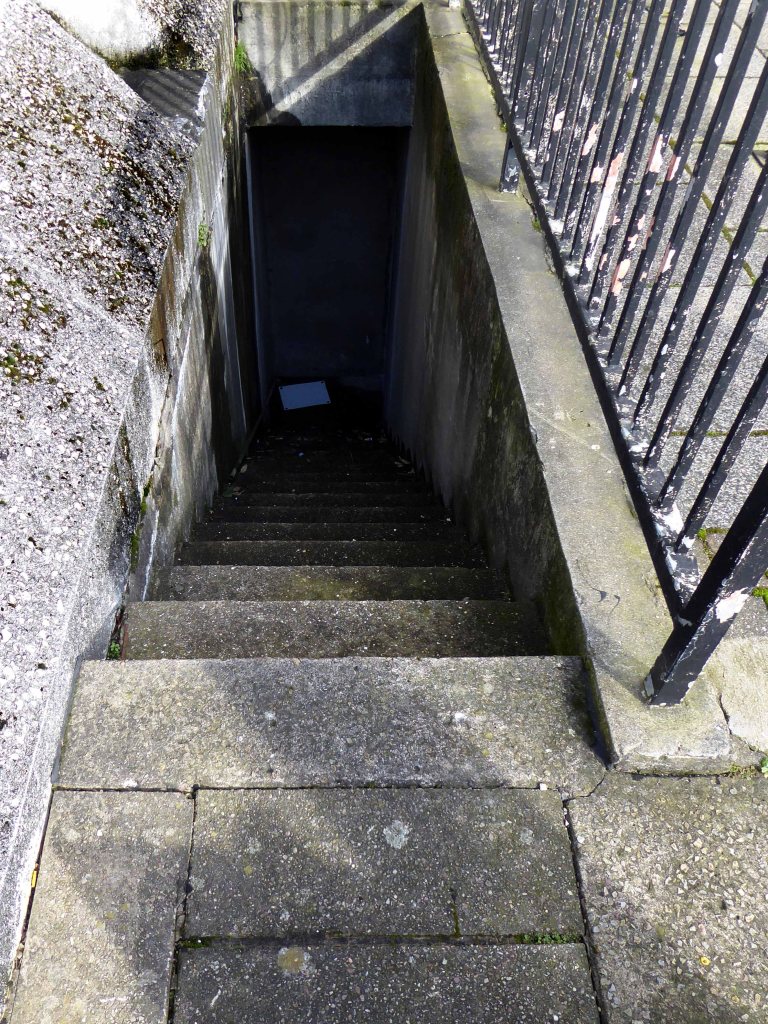
Service areas to the rear.
An exciting encounter with a building of substance and quality – go take a look for y’self.
Today on my way elsewhere, in search of something or other, I walked into the lobby of the CIS.
I asked permission from the Receptionist to take a few snaps, was referred to the Head of Security, who referred me to the Receptionist, who ‘phoned Paul, who turned out to be Steve, who thought that it would be OK.
So I did – here are those very snaps, my thanks to the cooperative staff of the Cooperative Insurance Society.
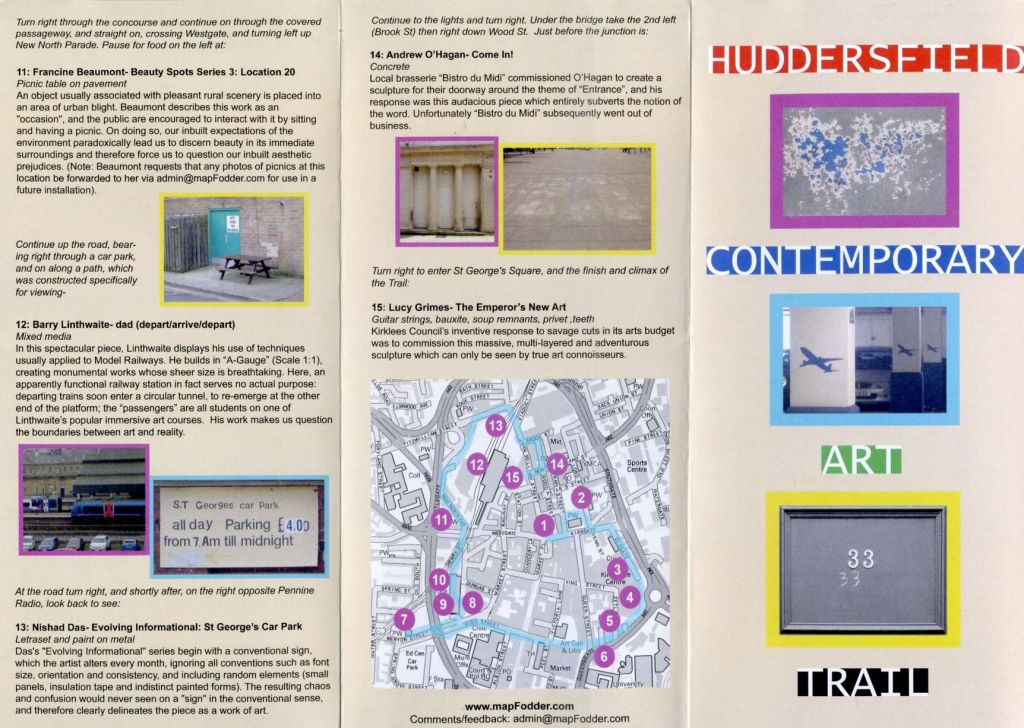
An alternate art trip devised by local art trippers Red Fodder.
We set forth from Huddersfield Station on Monday 13th January 2020 at the prearranged time of 14.00 hours. The weather was resolutely overcast and increasingly cold, with an ever present threat of rain.
Never to be knowingly deterred we made good progress around the town – we were hungry for art, the more contemporary the better.
Almost every avenue, alley and byway explored these are the snaps I snapped during our crazy Kirklees caper.
Along the way I added my own small contribution to the town’s contemporary art stock.
A veil was finally drawn over the afternoon’s cultural caprice with fine glasses of foaming ale in The Grove, where I finally came face to face with the Red Fodder folk for the very first time.
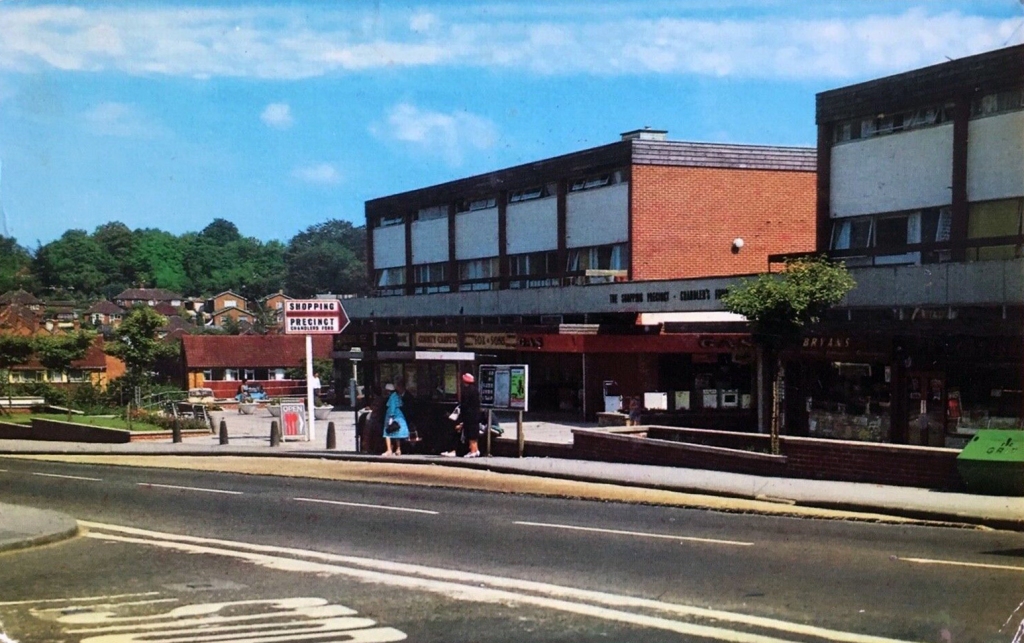
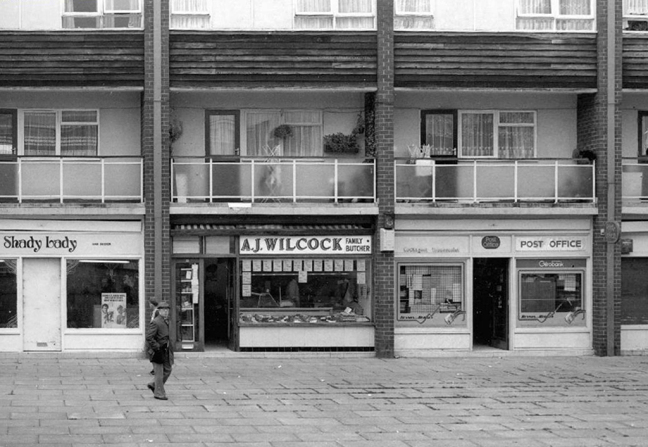
This time of year, with limited light and an inclement climate, it’s far easier to travel by picture postcard. Researching and searching eBay to bring you the finest four colour repro pictures of our retail realm.
We have of course been here before – via a previous post.
It is however important to keep abreast of current coming and goings, developments are ever so often overwritten by further developments.
Precincts my appear and disappear at will – so let’s take a look.
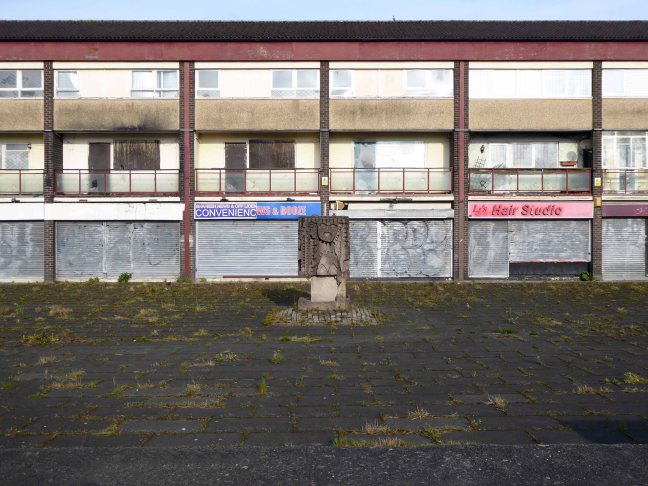
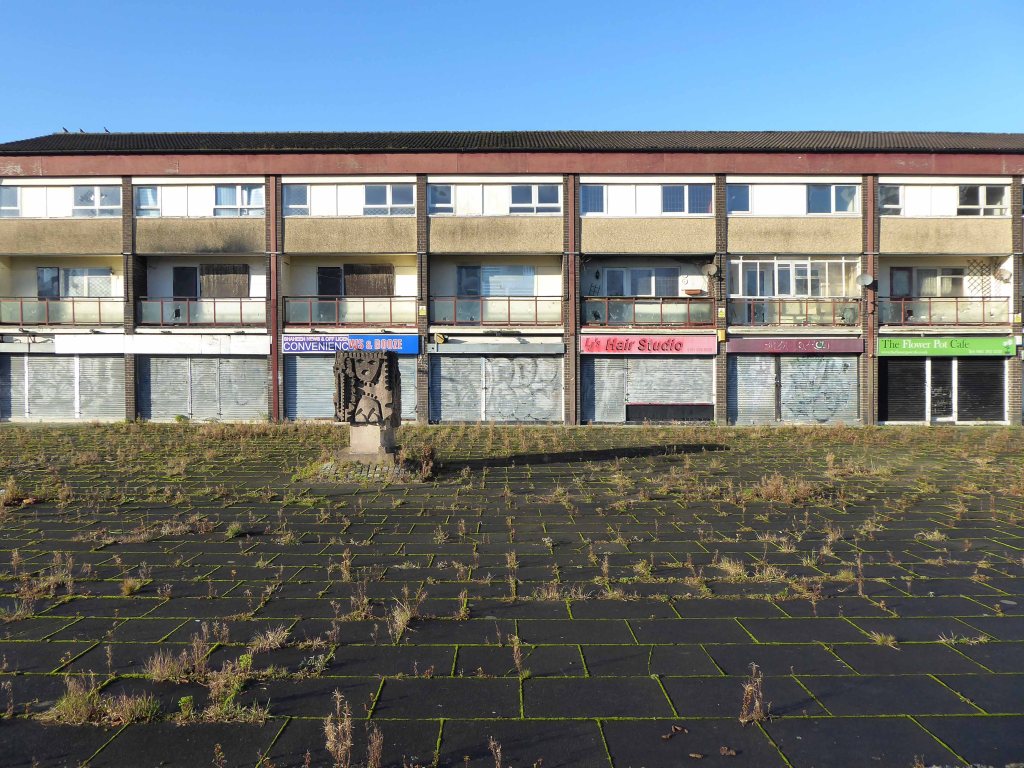
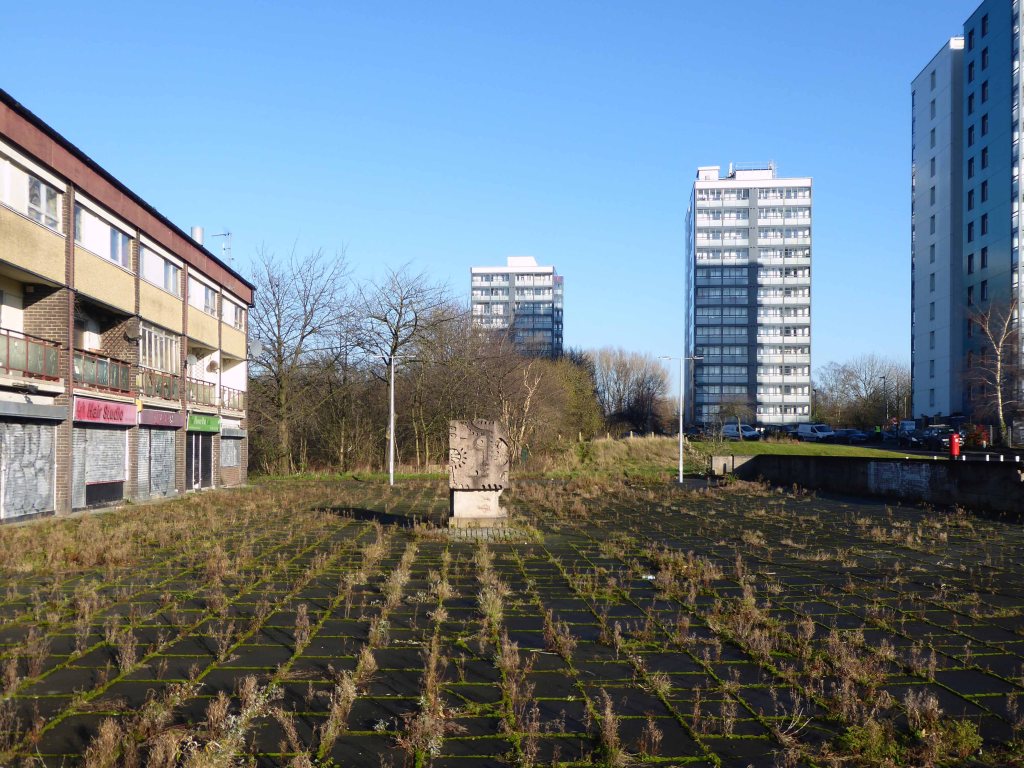
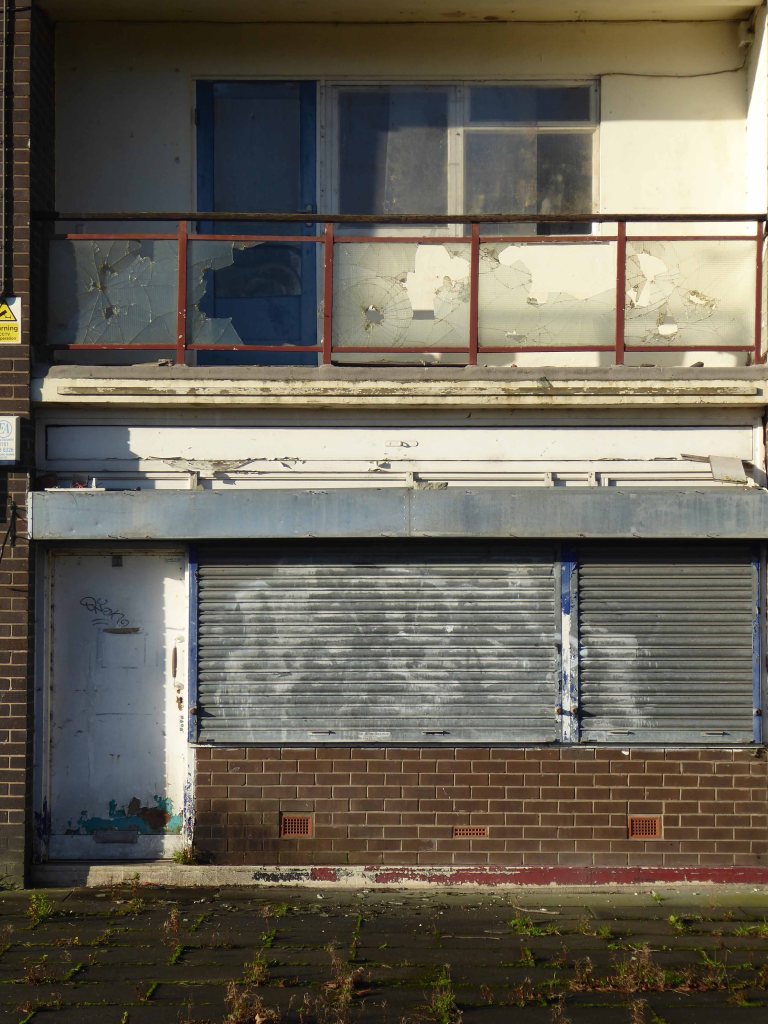
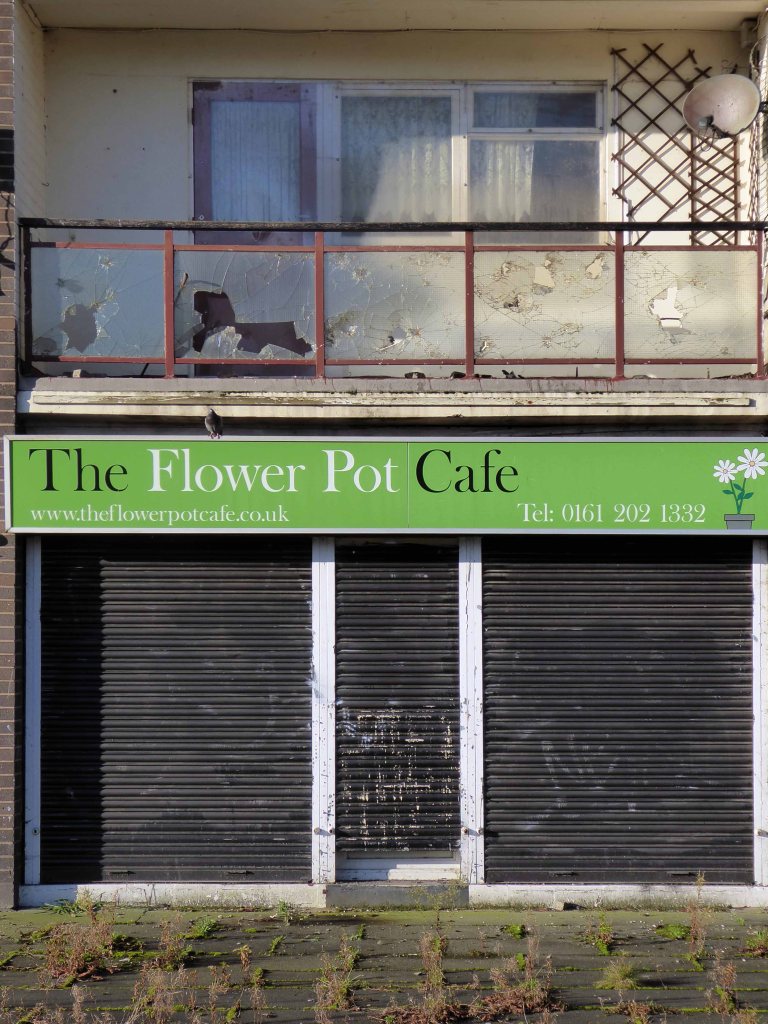
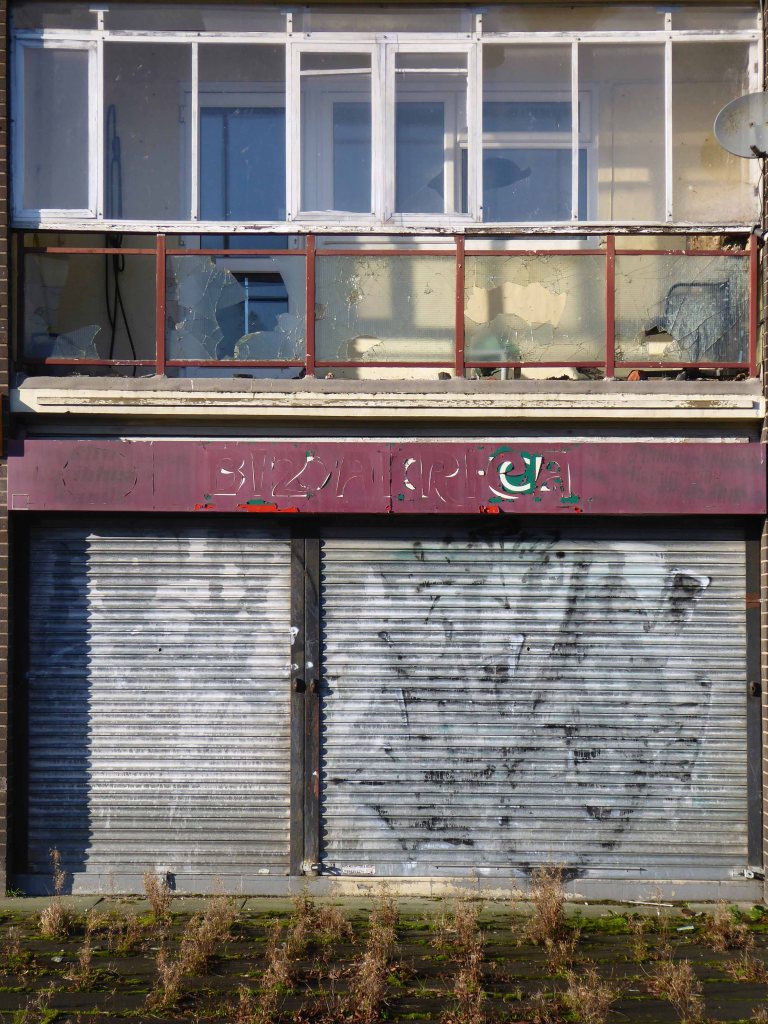
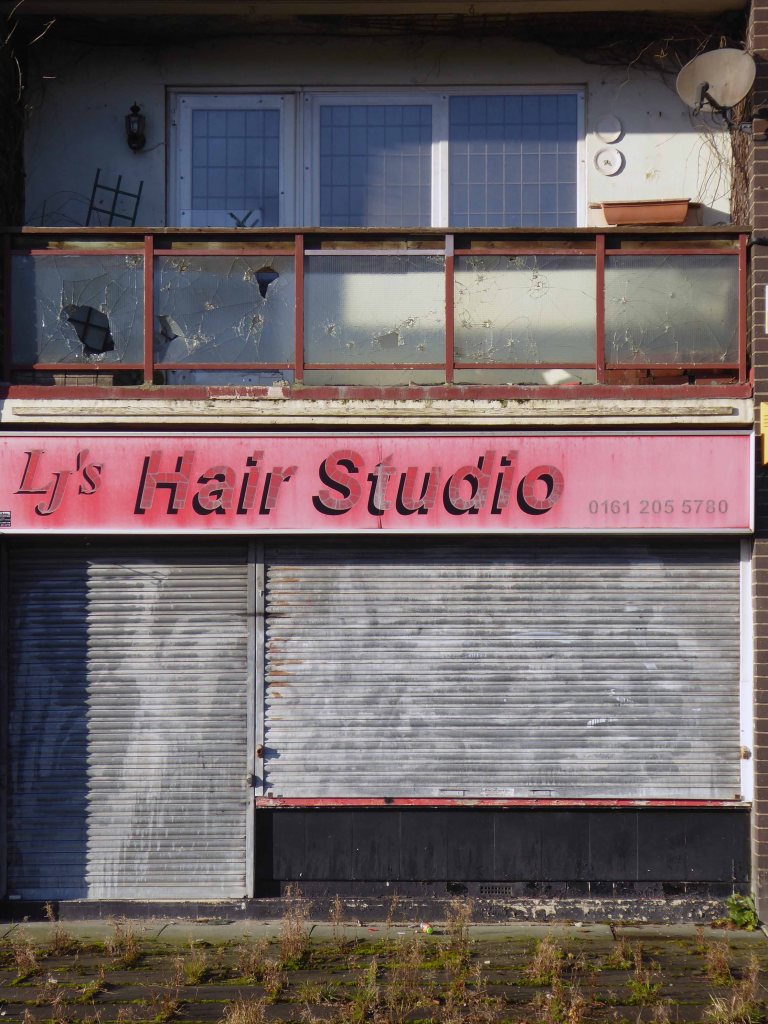
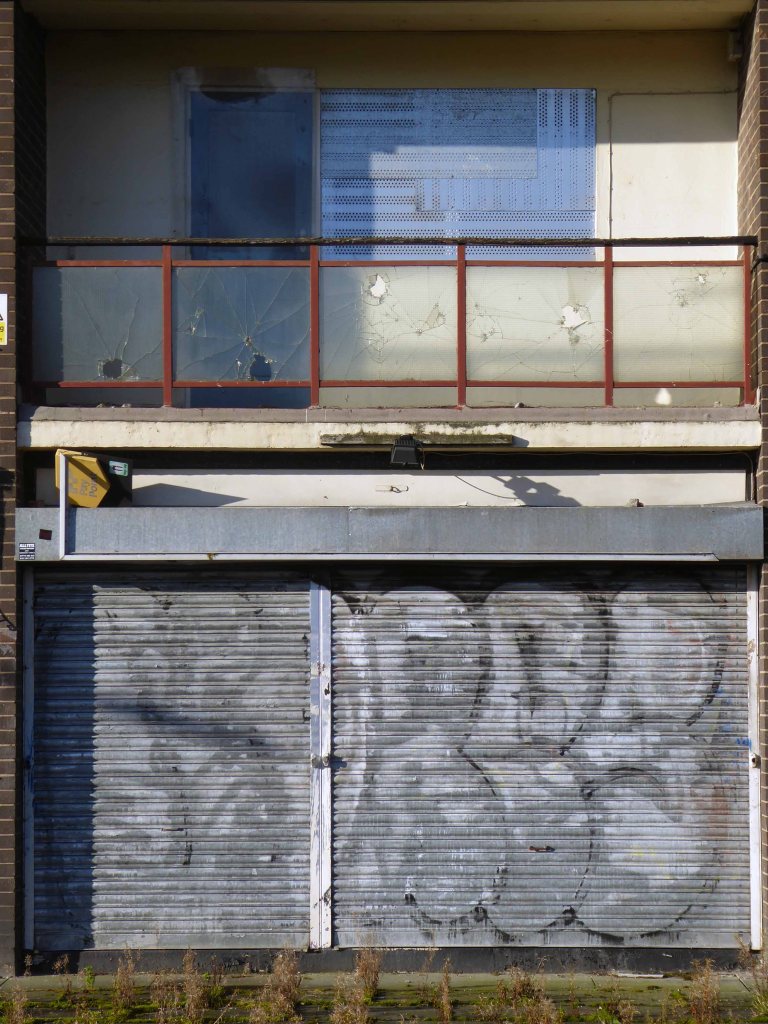
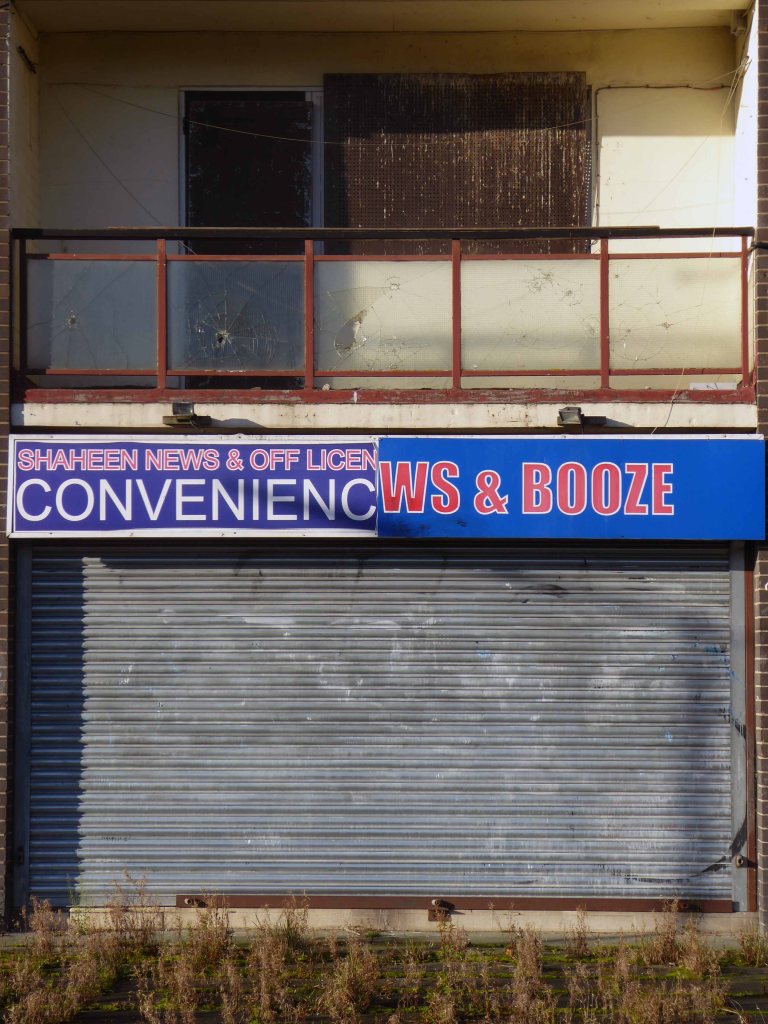
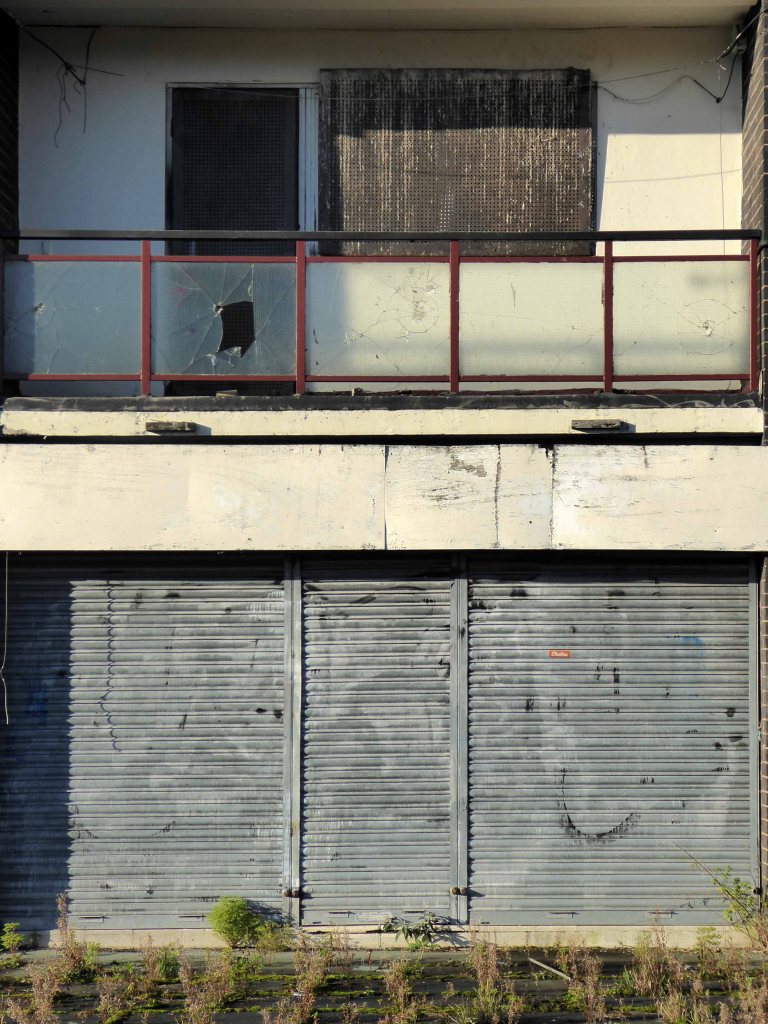
Stasis is the order of the day – the last stand for this forlorn stand of shops.
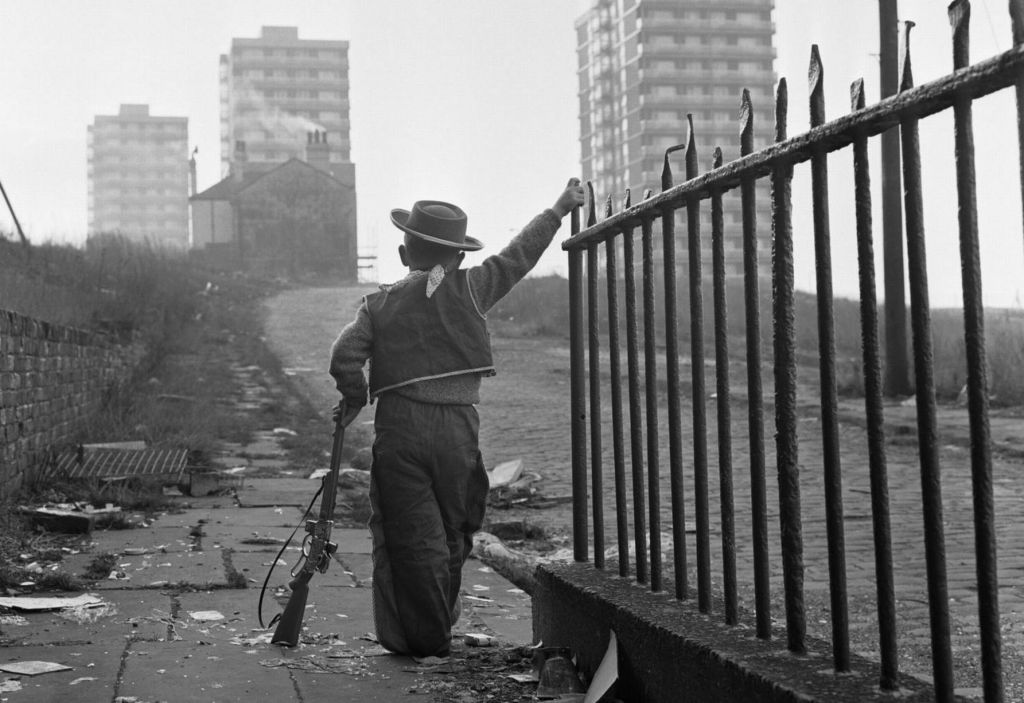
Once the realm of cobbles, railings, high rise arrivals and urban cowboys – an area overwhelmed by the weight of its past and the insubstantial promise of a sustainable future.
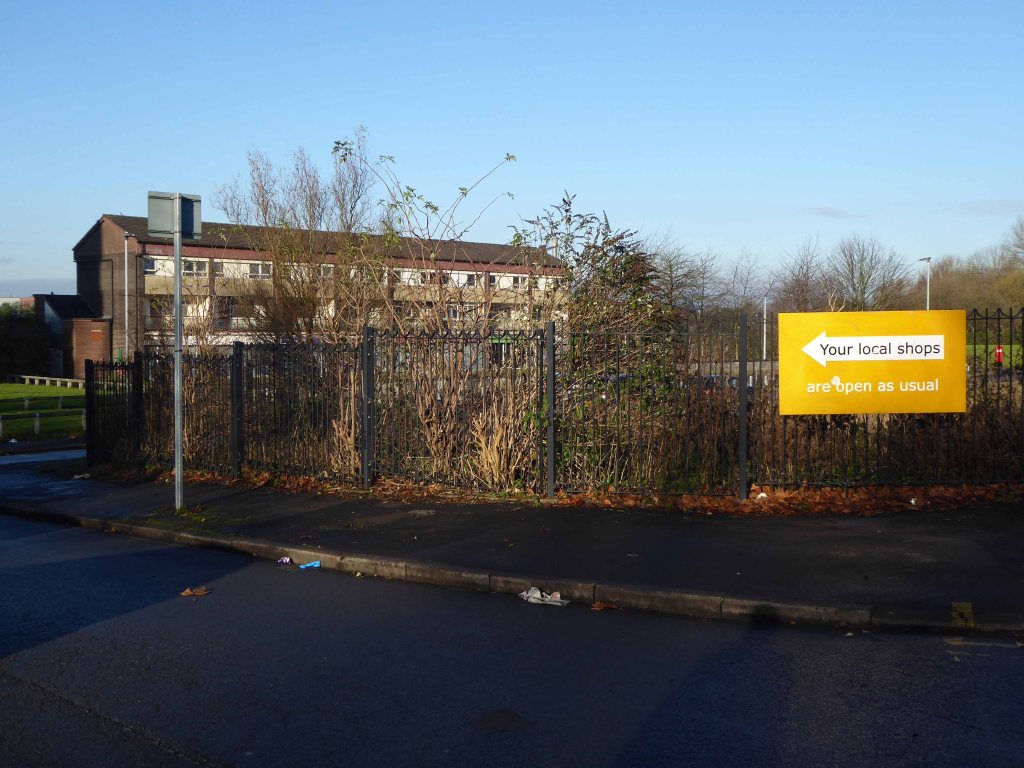
Where once productive and fulfilling lives were lived, buddleia now blooms, whilst thin grass entwines around forlorn fencing and betwixt ever widening cracks in the uneven paving.
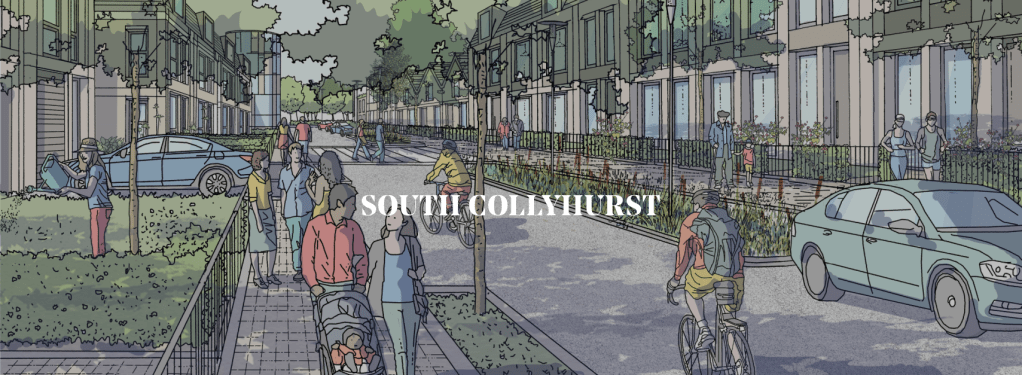
Development in South Collyhurst will take the form of residential-led, family-focused neighbourhoods. We’ll be providing a variety of housing types and tenures to encourage diversity, along with a mix of social and community infrastructure that supports a family lifestyle in close proximity to the city centre.
There are two ideas of government. There are those who believe that if you just legislate to make the well-to-do prosperous, that their prosperity will leak through on those below. The Democratic idea has been that if you legislate to make the masses prosperous their prosperity will find its way up and through every class that rests upon it.
William Jennings Bryan 1896
Indeed, You have turned the city into a heap of rubble, a fortified town into ruins; the fortress of strangers is a city no more; it will never be rebuilt.
Isiah 25:2
And they that shall be of thee shall build the old waste places: thou shalt raise up the foundations of many generations; and thou shalt be called, the repairer of the breach, the restorer of paths to dwell in.
Isiah 58:12
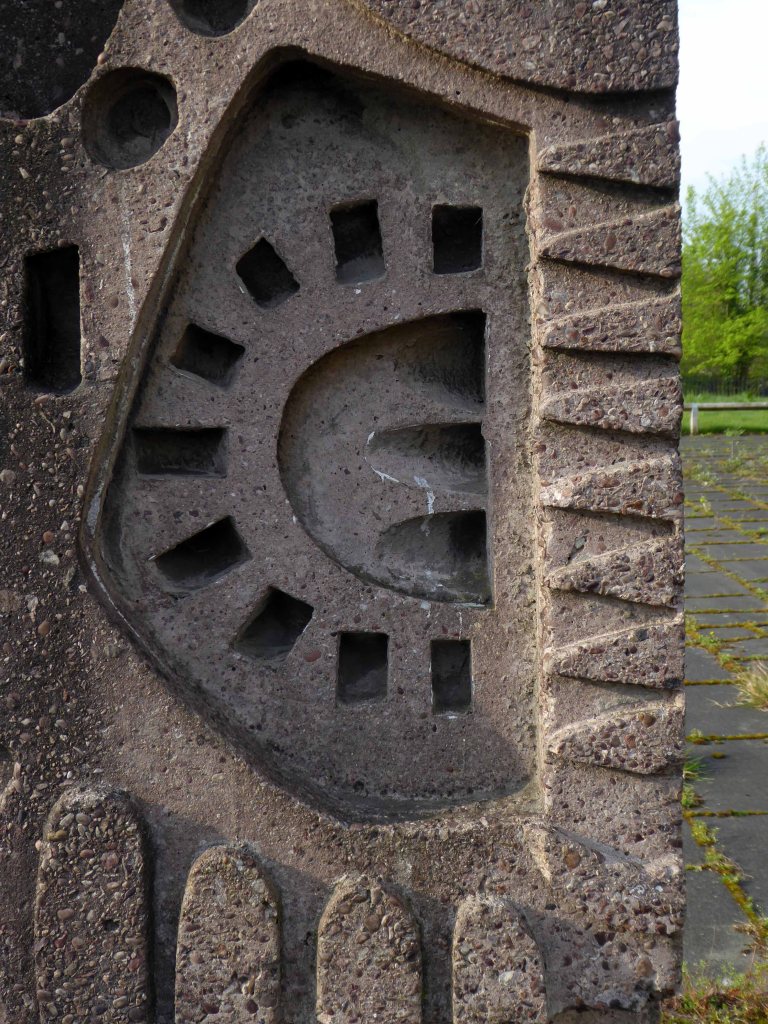
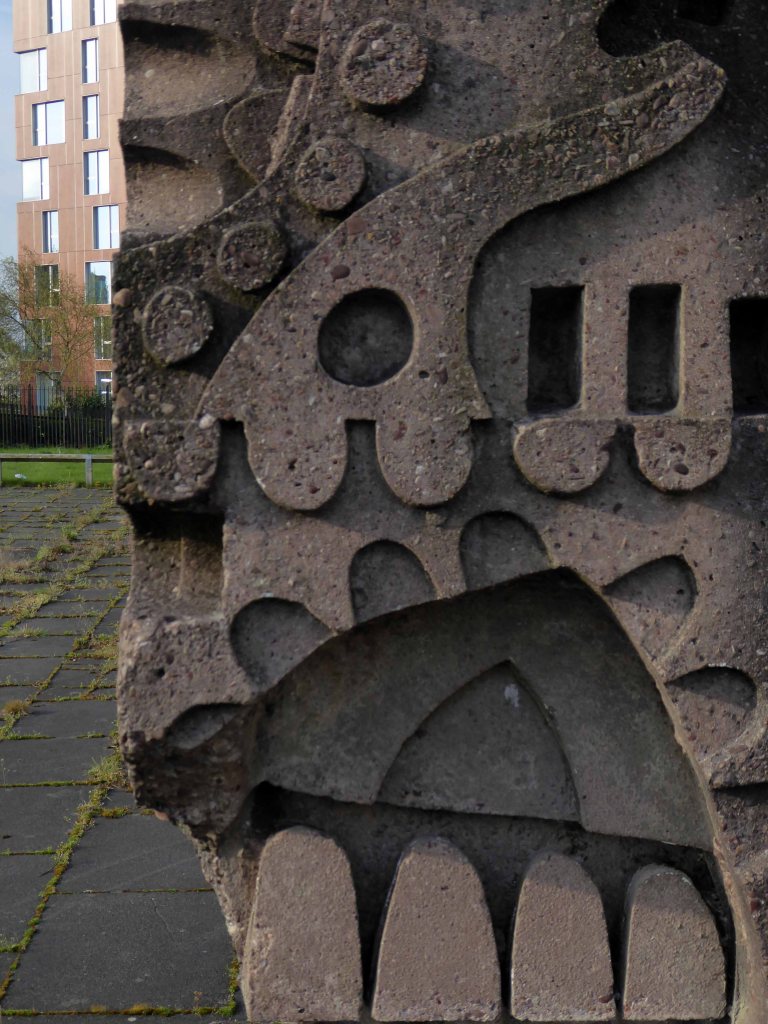
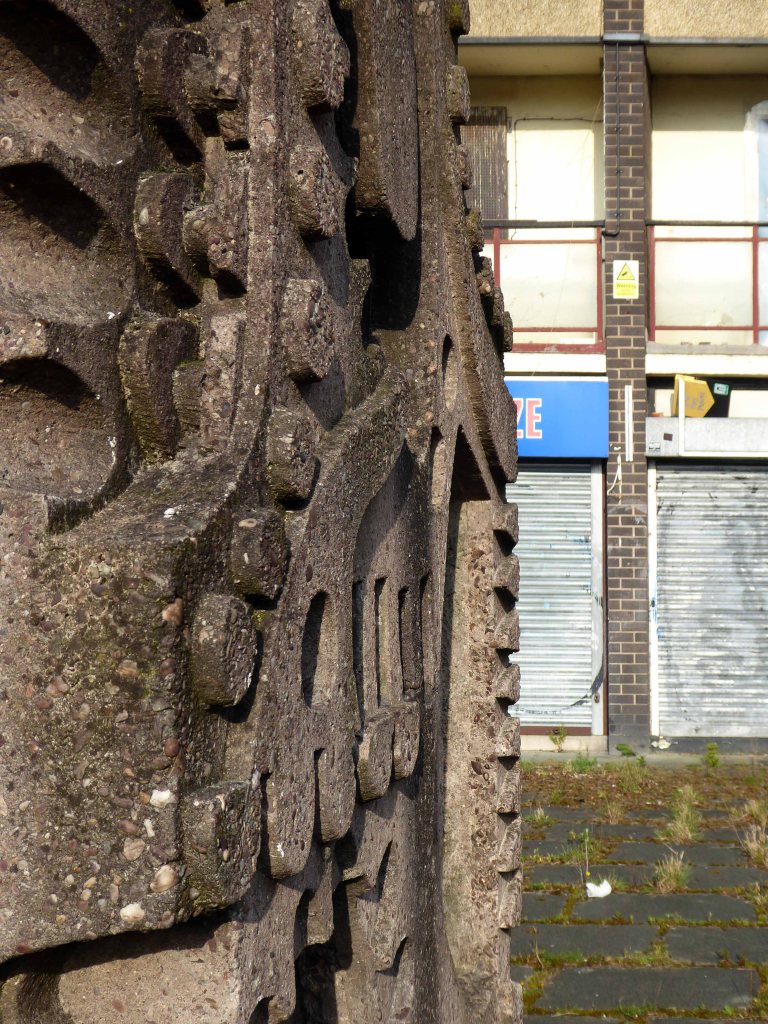
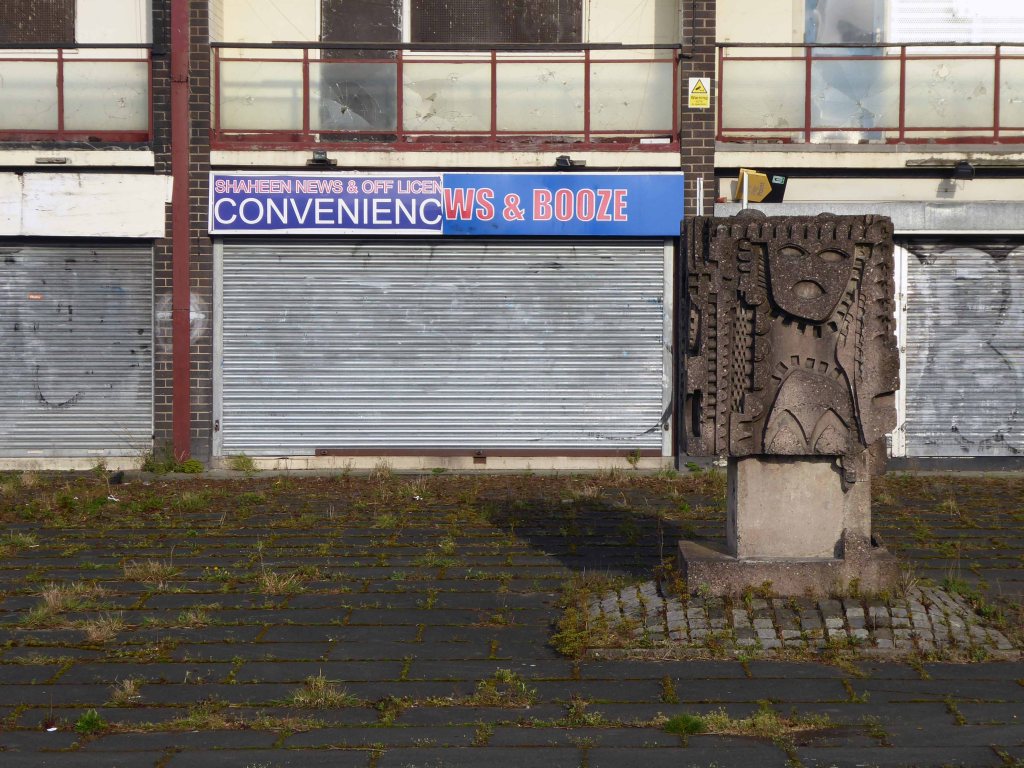
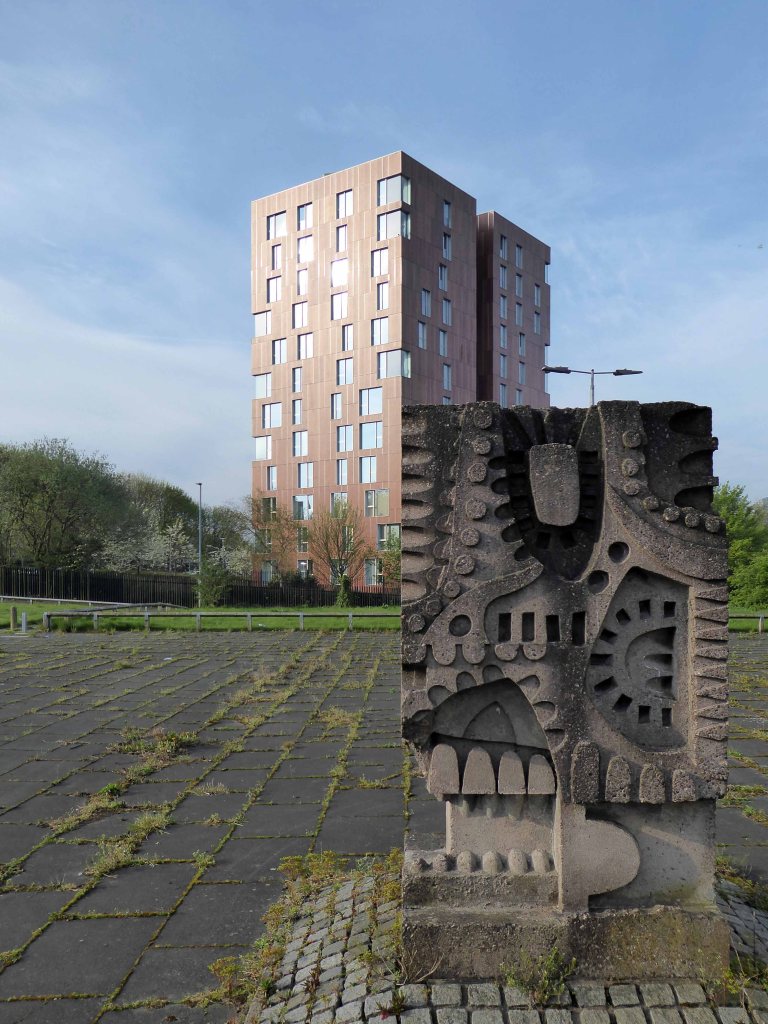
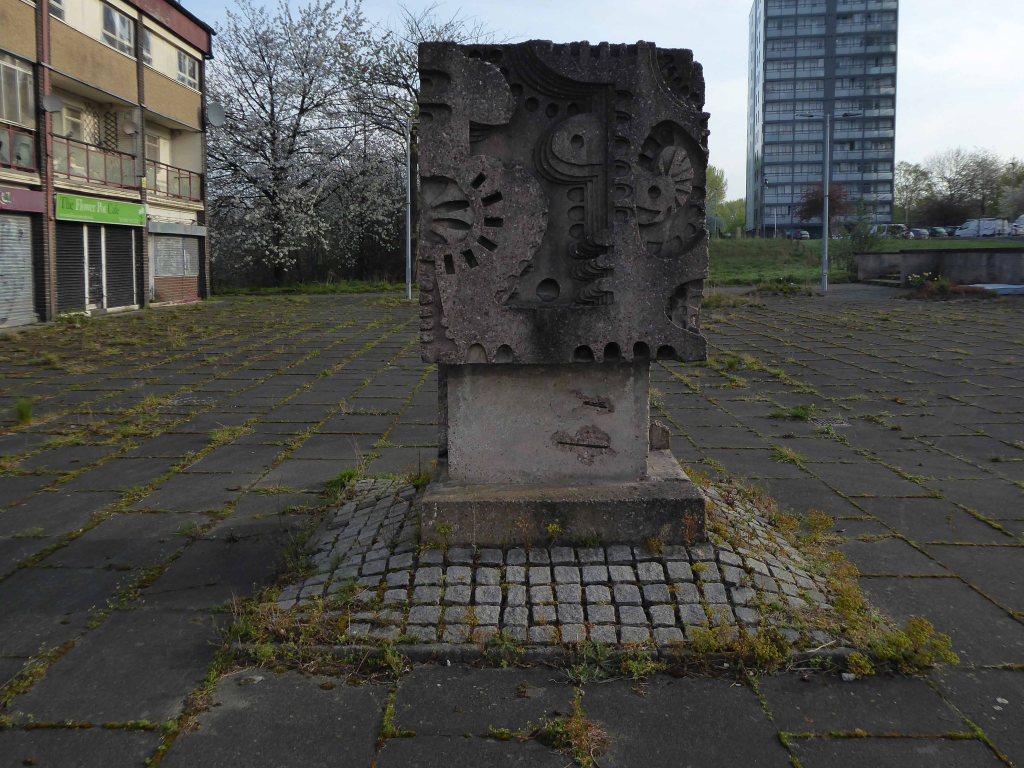
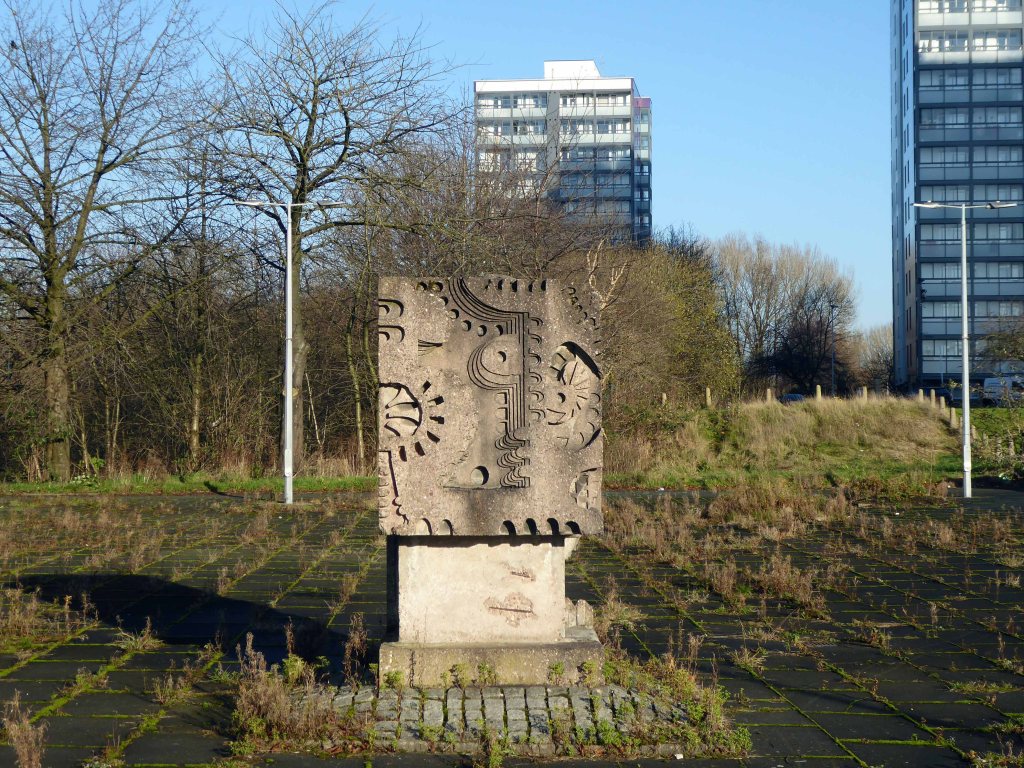
The putative William Mitchell cast concrete block stares stolidly at its surroundings, overseeing a slow and painful decline.
All that is solid melts into air, all that is holy is profaned, and man is at last compelled to face with sober senses his real conditions of life, and his relations with his kind.
There’s no business like no business – it’s no better out the back.
This is an unprecedented opportunity to deliver a significant residential-led development connecting the north to the centre of Manchester. Working with our partners we’re re-imagining the essential neighbourhoods of our city.
We were there at the behest of Esther and Leigh, gathering to say farewell to Alan Boyson’s Three Ships, as it transpired we were there to celebrate its reprieve, following their campaign for listing.
Over a million tesserae glowed in the low winter sun – so did we.
As Helen Angell read her poem – Christopher Marsden and Esther Johnson recording the performance for posterity.
The Three Ships are attached to a former Cooperative Store – complete with a formerly working Cooperative Store clock – where we meet at four minutes to six – forever.
We had previously encountered Hammonds of Hull/House of Fraser – soon to be a food court, artisan everything outlet.
And this Festival of Britain style functionalist council building.
Onward to the Queens Gardens the almost filled in former Queens Dock – forever fourteen feet below sea level.
We encounter Ton Liu’s Solar Gate – a sundial that uses solar alignment to mark significant times and dates in Hull. The super-light innovative two-shell structure is place-specific, responding to pivotal historic events and to the cultural context of its location in Hull’s Queens Gardens adjacent to the ancient site of Beverley Gate.
Carved stone panels Kenneth Carter 1960 – Ken’s art career began as an inspiring teacher, first at his alma mater, Hull College of Art, and later as principal lecturer at Exeter College of Art.
A number of decorative fountains featured in the ponds; those at the eastern end designed as part of the sculptured panels of 1960, by Robert Adams, described by Herbert Read as belonging to:
The iconography of despair. Here are images of flight, of ragged claws, scuttling across floors of silent seas, of excoriated flesh, frustrated sex, the geometry of fear.
Top of the shop William Mitchells relief – time to pause and reflect.
Paying homage to Frederick Gibberd author of the College and Queens Gardens scheme.
En passant catching a glimpse of this splendid non-functioning water feature.
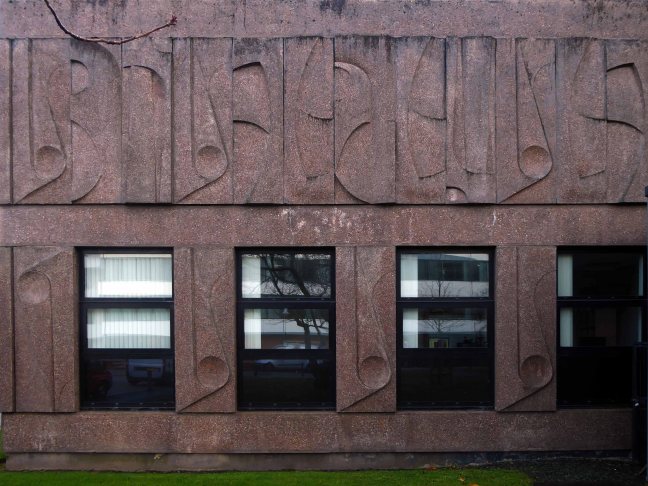
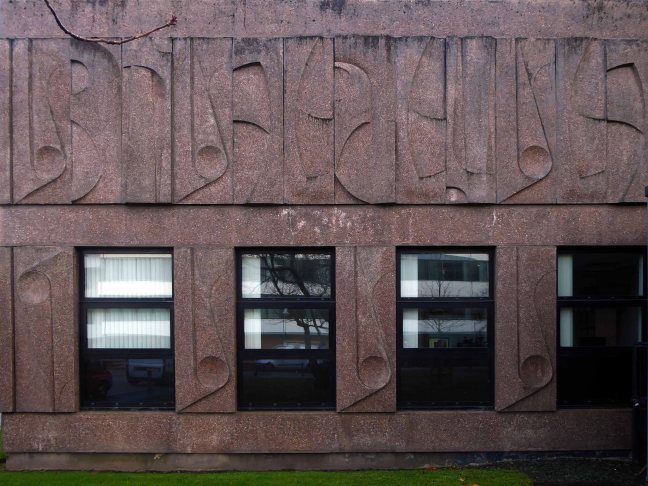
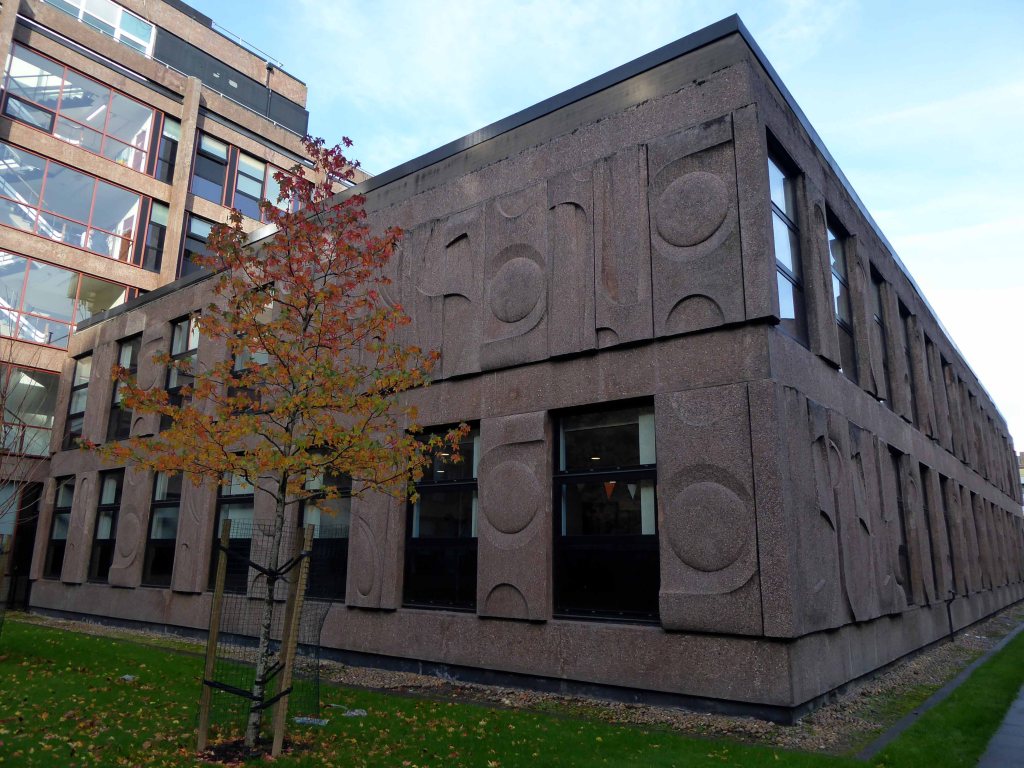
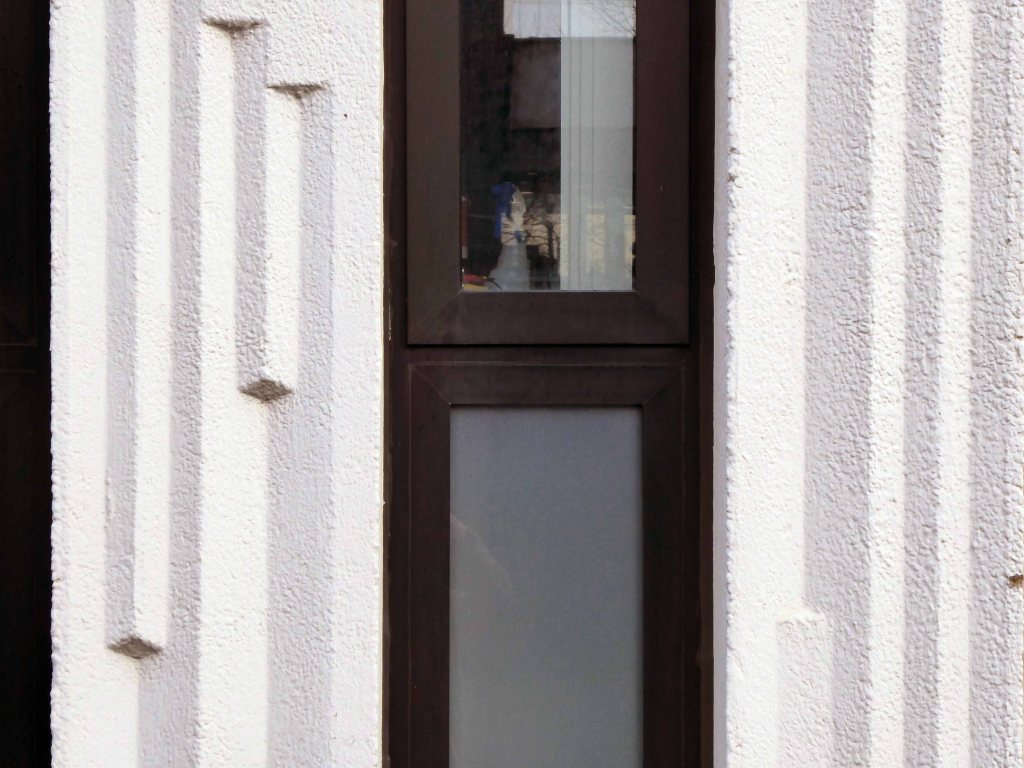
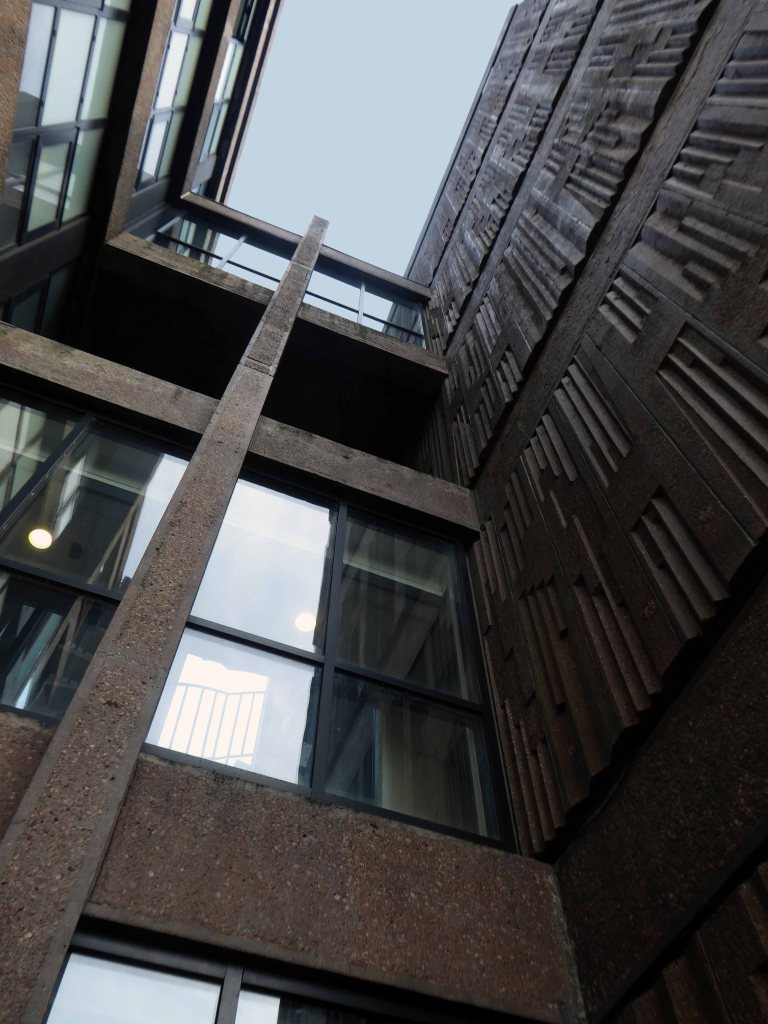
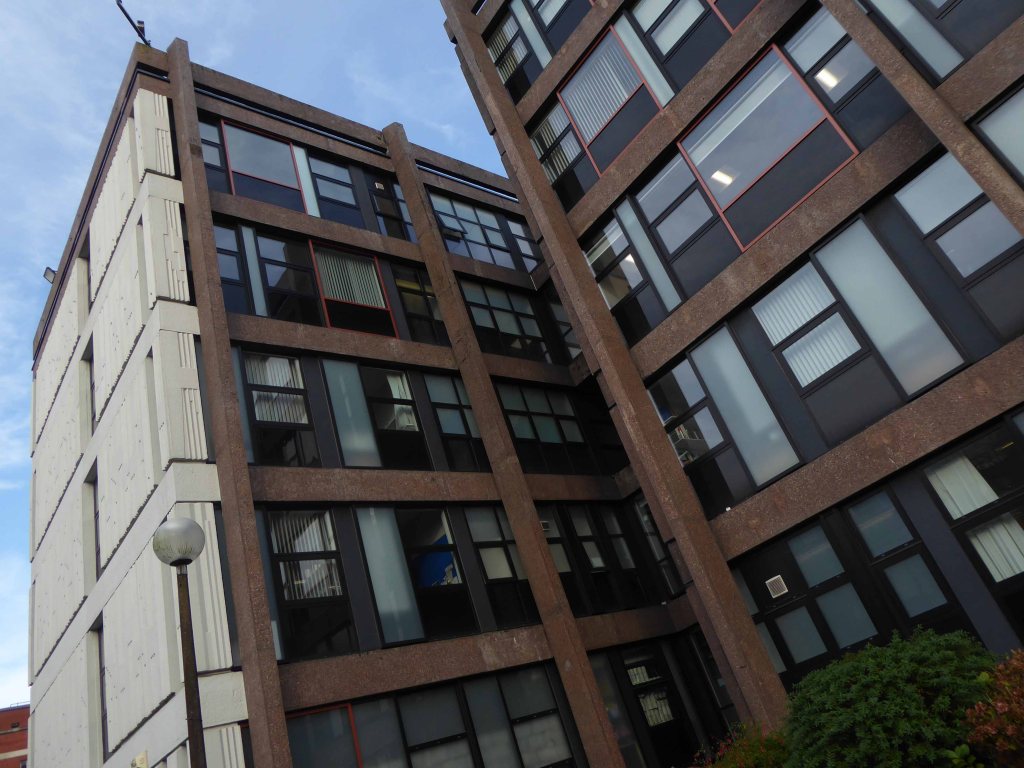
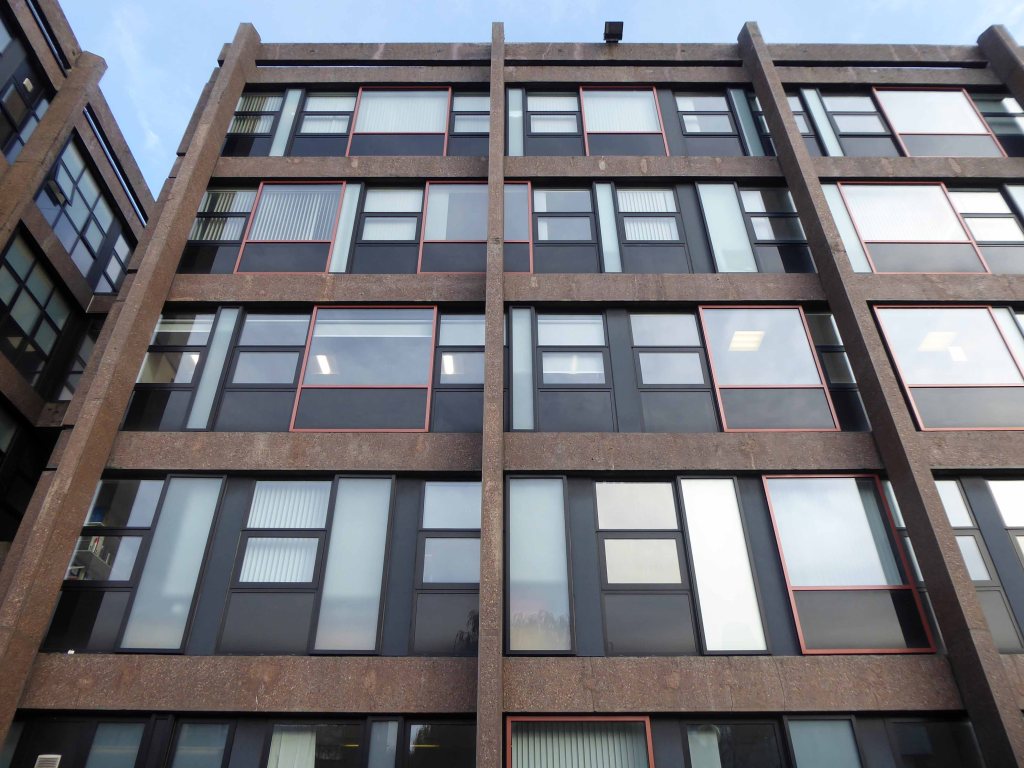
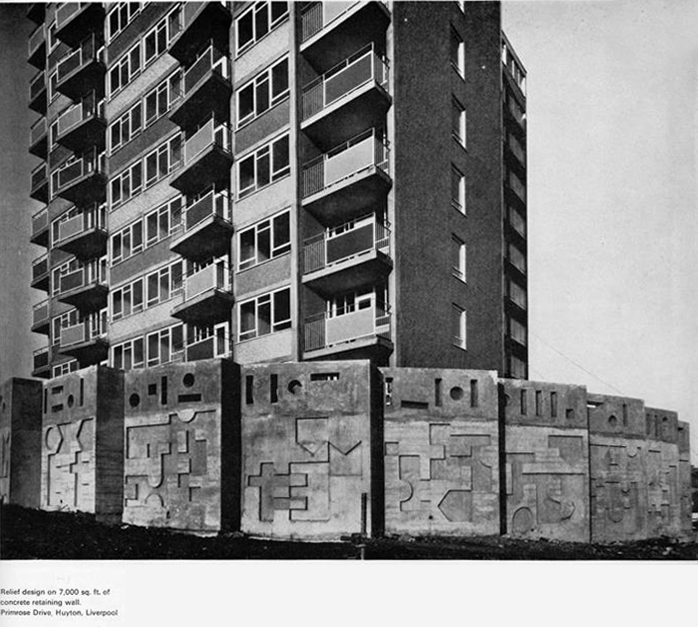
This Building Design Partnership scheme pre-dates Wilson Womersley’s appointment as master planners for the Education Precinct but exists harmoniously with the later series of buildings. This is most likely due to the method of development before any ‘grand concept’. The incremental expansion of the University, following WWII, was largely dictated by the progress of compulsory purchase orders; this group was no exception. At the planning stages, the lack of a masterplan led to organising the wings of the buildings in an open, orthogonal arrangement. This would allow expansion in a number of directions, according to the next available site in ‘the dynamic situation’. The result was the creation of a small courtyard flanked by two five-storey blocks and a two-storey structure. All three buildings use the same pink-grey concrete. The plastic qualities of concrete were explored in both cladding and structural panels and the textural qualities exposed in the bush hammered columns, to reveal the Derbyshire gravel aggregate. The sculpted and moulded panels on the two-storey block and on the gable ends of the larger blocks were designed in collaboration with William Mitchell. The only other materials in the external envelope were the windows of variously clear and tinted glass. The window modules were set out against a basic geometry in three standard patterns and applied across the façade. This resulted in a clever interplay of vertical and horizontal expression.
EllenWilkinson was born into a poor though ambitious Manchester family and she embraced socialism at an early age. After graduating from the University of Manchester, she worked for a women’s suffrage organisation and later as a trade union officer. Inspired by the Russian Revolution of 1917, Wilkinson joined the British Communist Party, and preached revolutionary socialism while seeking constitutional routes to political power through the Labour Party. She was elected Labour MP for Middlesbrough East in 1924, and supported the 1926 General Strike. In the 1929–31 Labour government, she served as Parliamentary Private Secretary to the junior Health Minister. She made a connection with a young female member and activist Jennie Lee. Following her defeat at Middlesbrough in 1931, Wilkinson became a prolific journalist and writer, before returning to parliament as Jarrow’s MP in 1935. She was a strong advocate for the Republican government in the Spanish Civil War, and made several visits to the battle zones.
During the Second World War, Wilkinson served in Churchill’s wartimecoalition as a junior minister, mainly at the Ministry of Home Security where she worked under Herbert Morrison. She supported Morrison’s attempts to replace Clement Attlee as the Labour Party’s leader; nevertheless, when he formed his postwar government, Attlee appointed Wilkinson as Minister of Education. By this time, her health was poor, a legacy of years of overwork. She saw her main task in office as the implementation of the wartime coalition’s 1944 Education Act, rather than the more radical introduction of comprehensive schools favoured by many in the Labour Party. Much of her energy was applied to organising the raising of the school-leaving age from 14 to 15. During the exceptionally cold weather of early 1947, she succumbed to a bronchial disease, and died after an overdose of medication, which the coroner at her inquest declared was accidental.
So here we are now – a significant building, named for a significant figure.
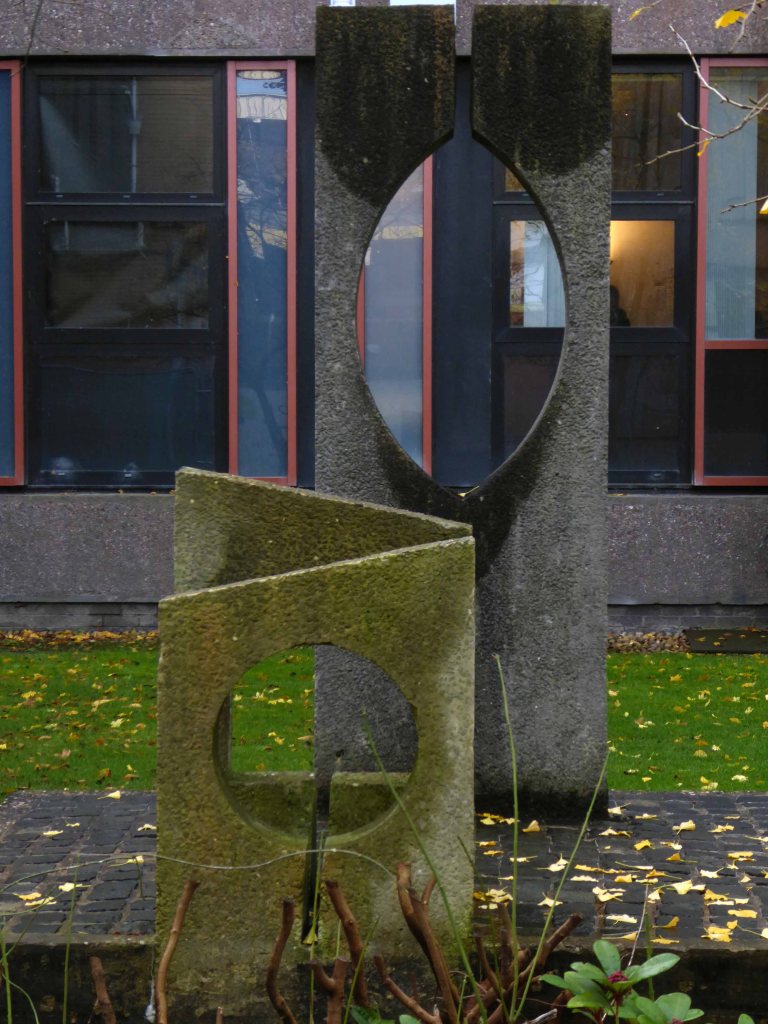
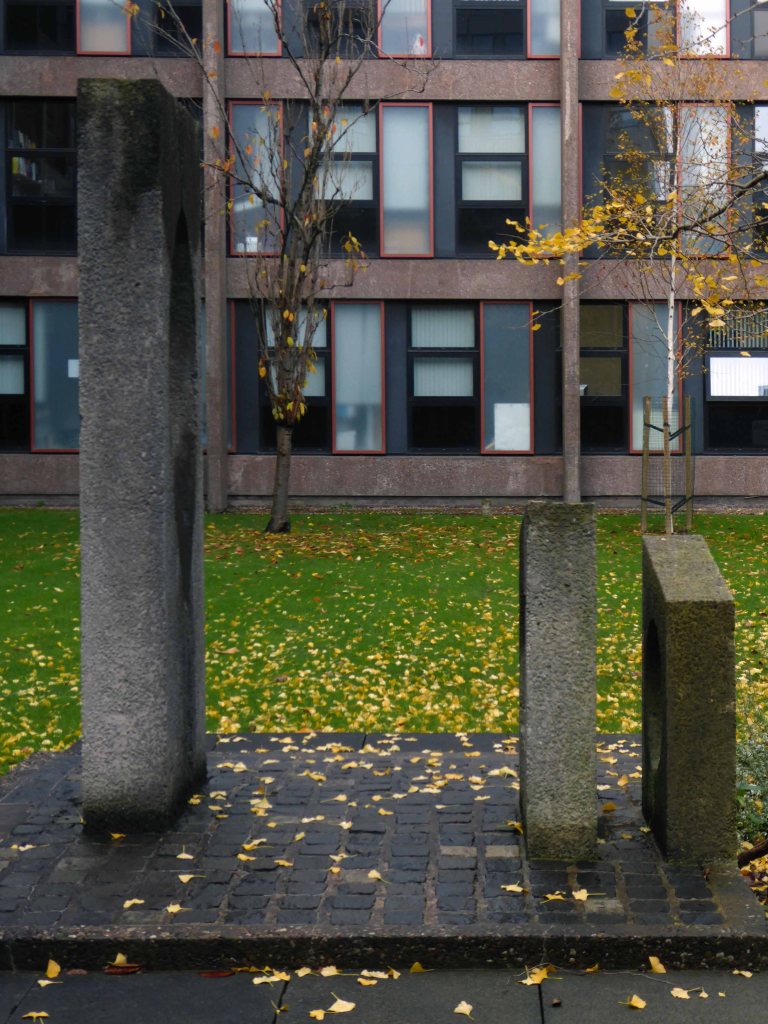
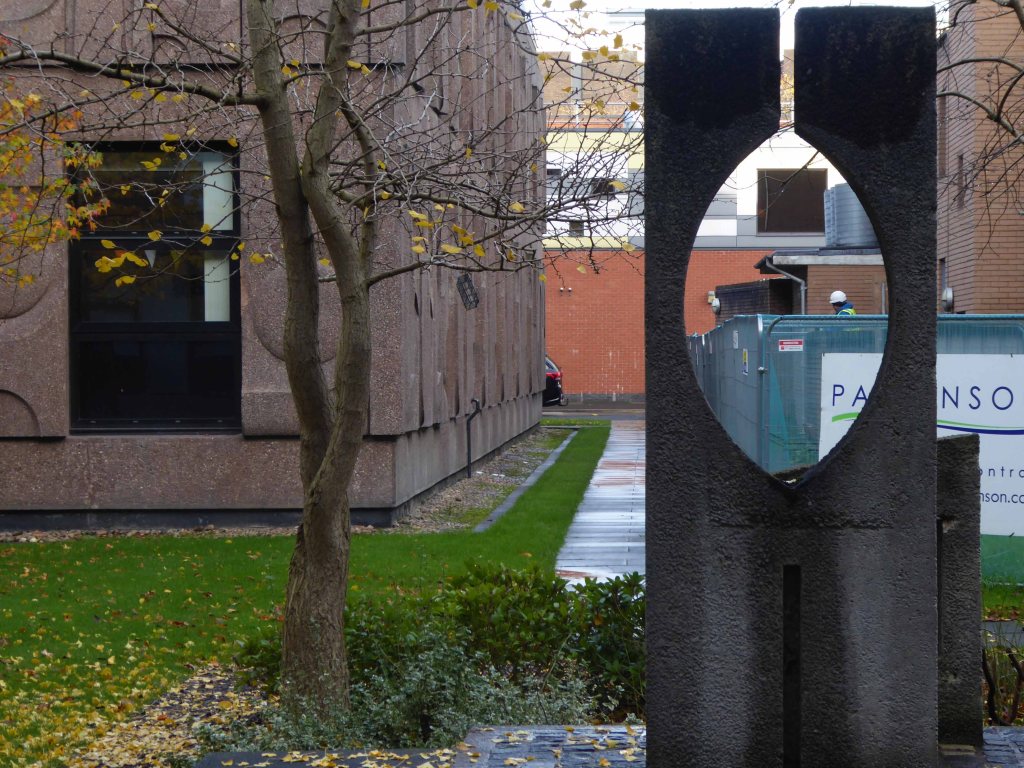
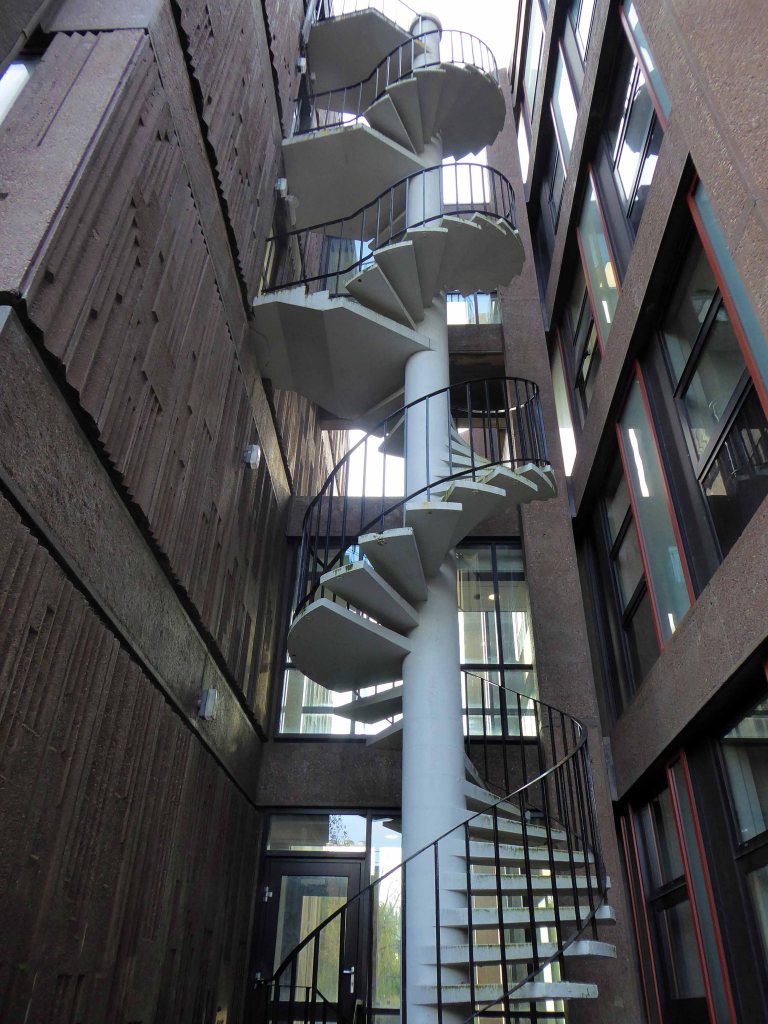
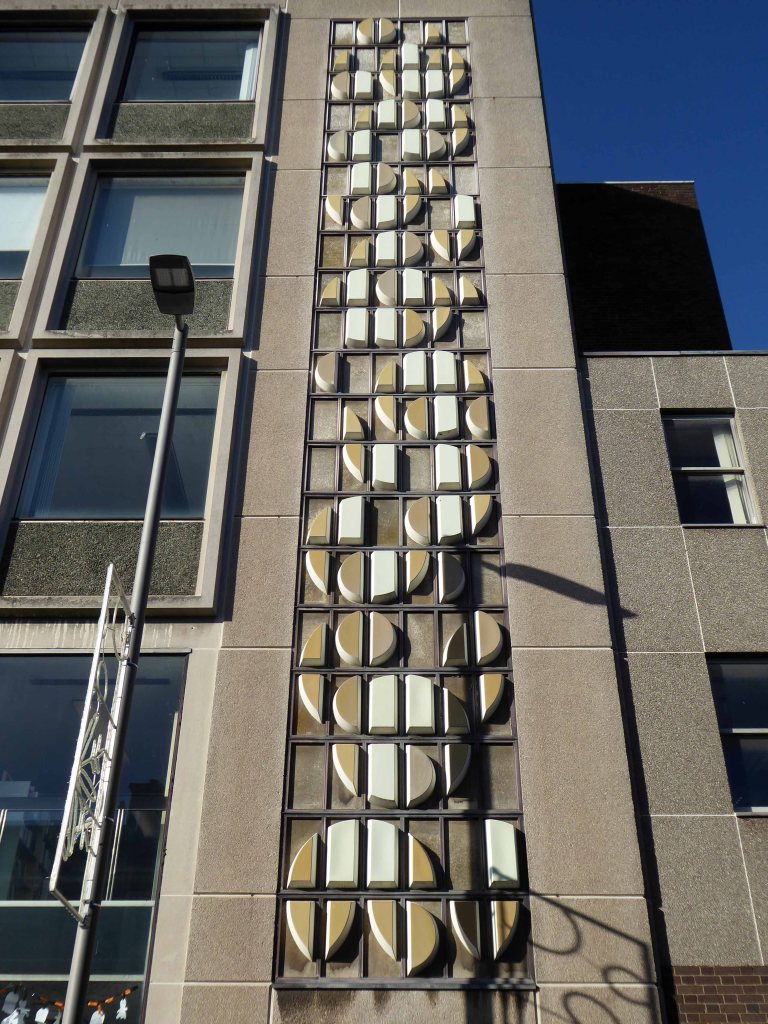
I wandered around, pale painted rectangular reliefs abutting darker rectangular reliefs. Strict window grids at a variety of heights. Warmer rounder rounded reliefs to the east, contrasting with their orthogonal cousins. A surprising courtyard contains a diminutive but charming concrete sculpture and an almost hidden exterior spiral stairway.
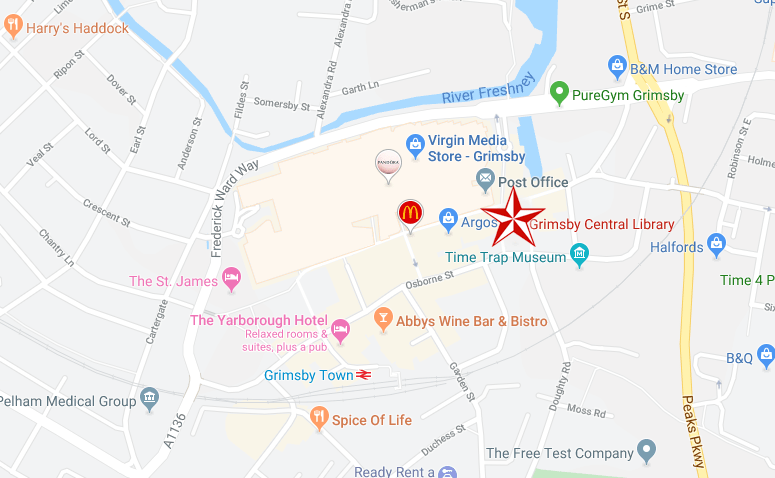
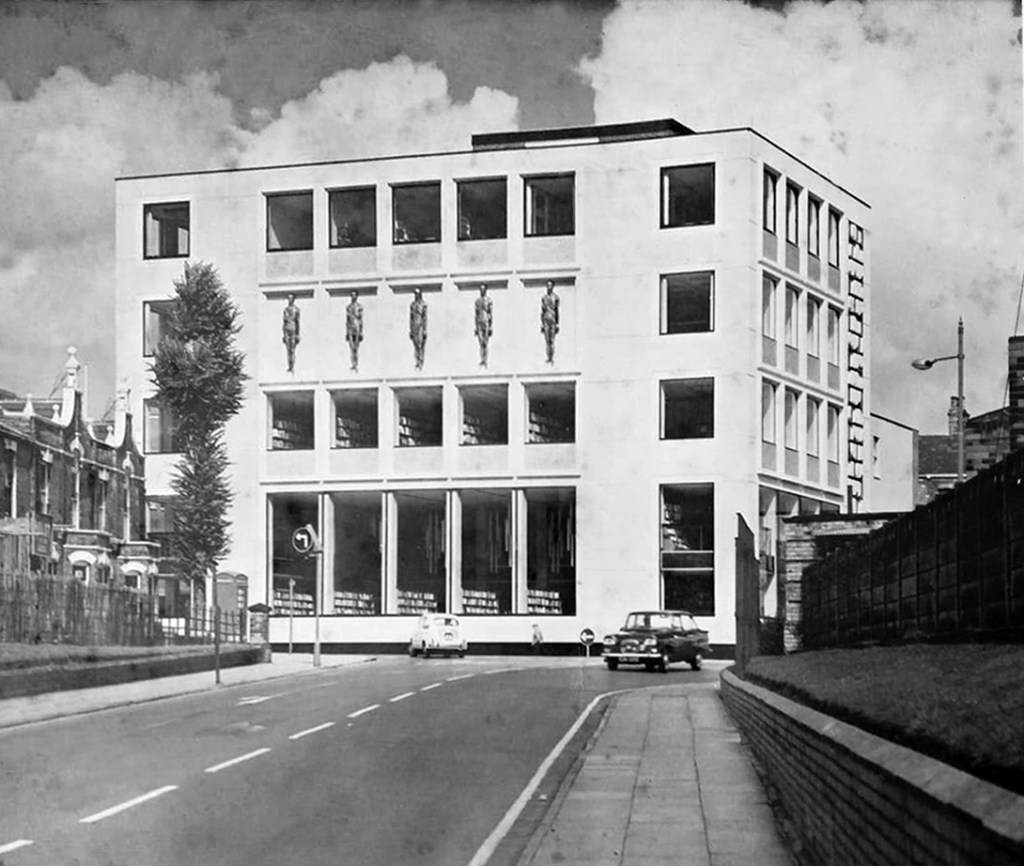
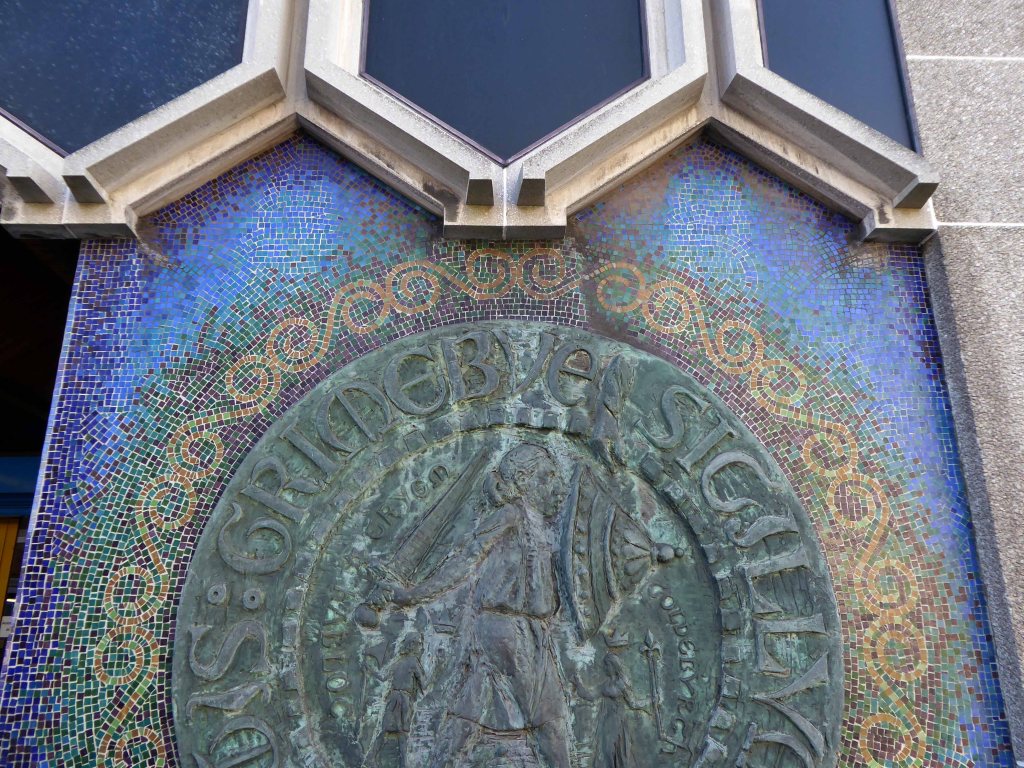
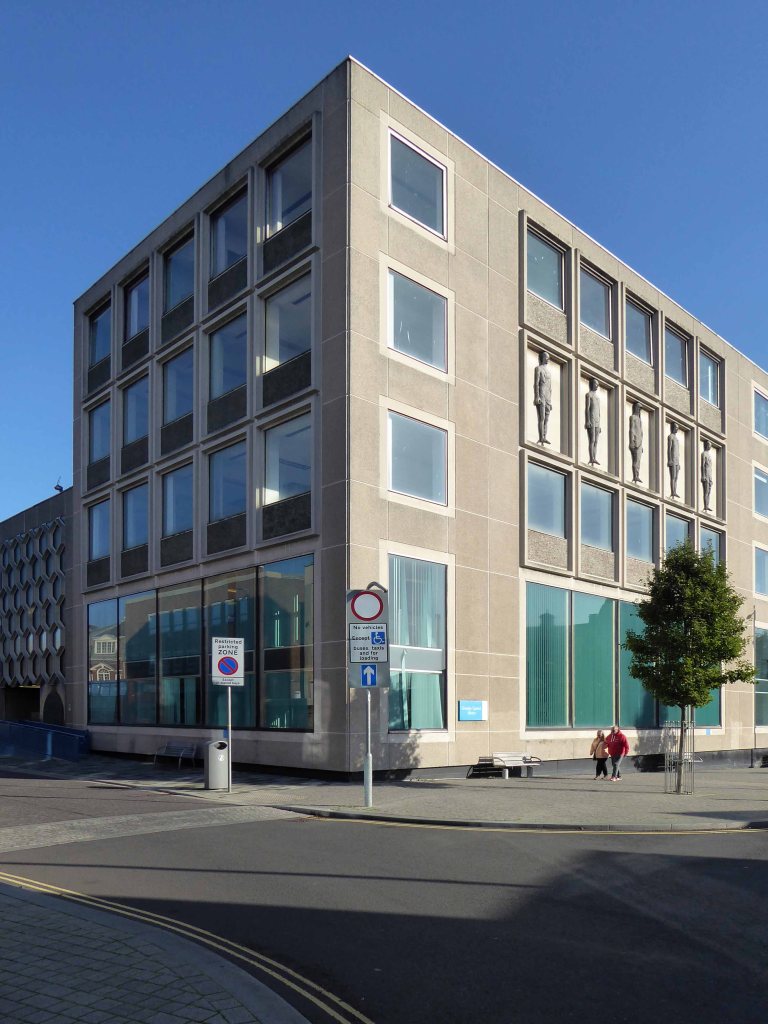
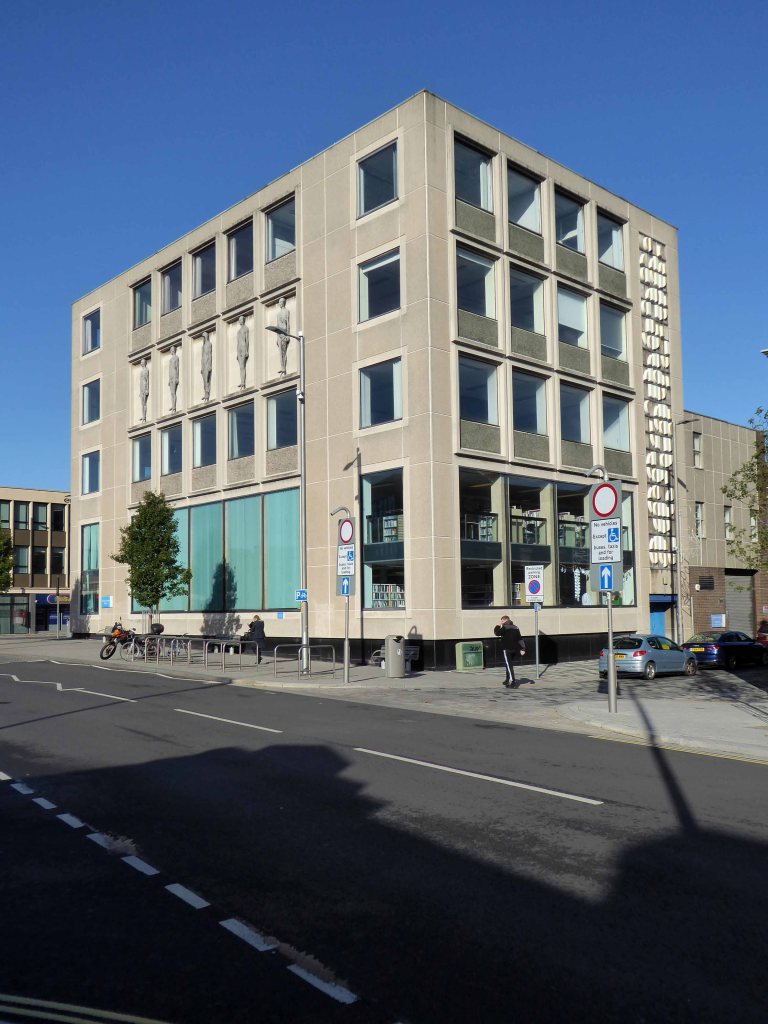
This is Grimsby Central Library – a proud public building of real quality, reflecting the cautious optimism and fierce civic pride of the Sixties. Built to last, in the modern manner – gently monumental, softened by the easy grace of the restrained decoration and a refined palette of stone, glass and concrete.
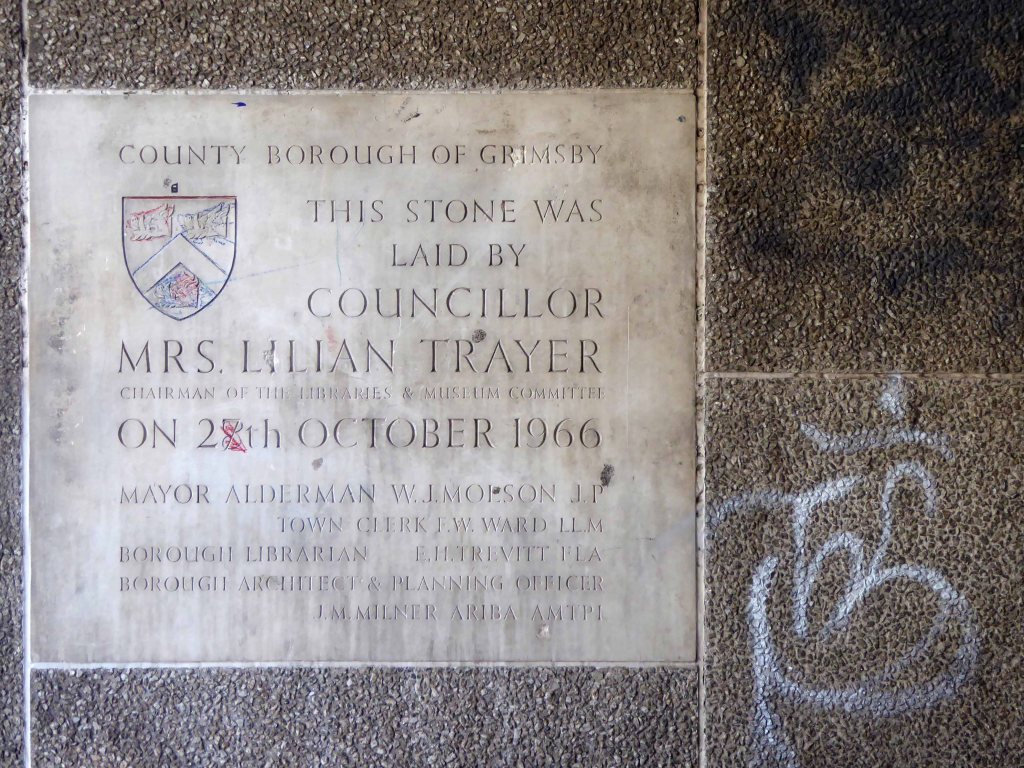
By the Borough Architect – JM Milner ARIBA assisted by E L Shepherd
This image was used as the Mayor’s Xmas card in 1969.
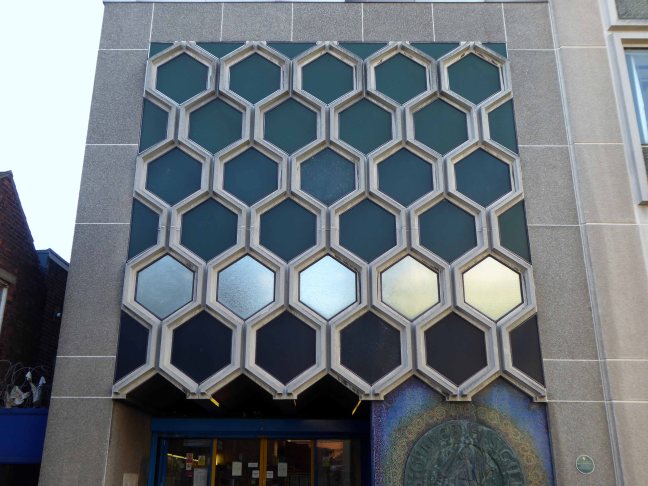
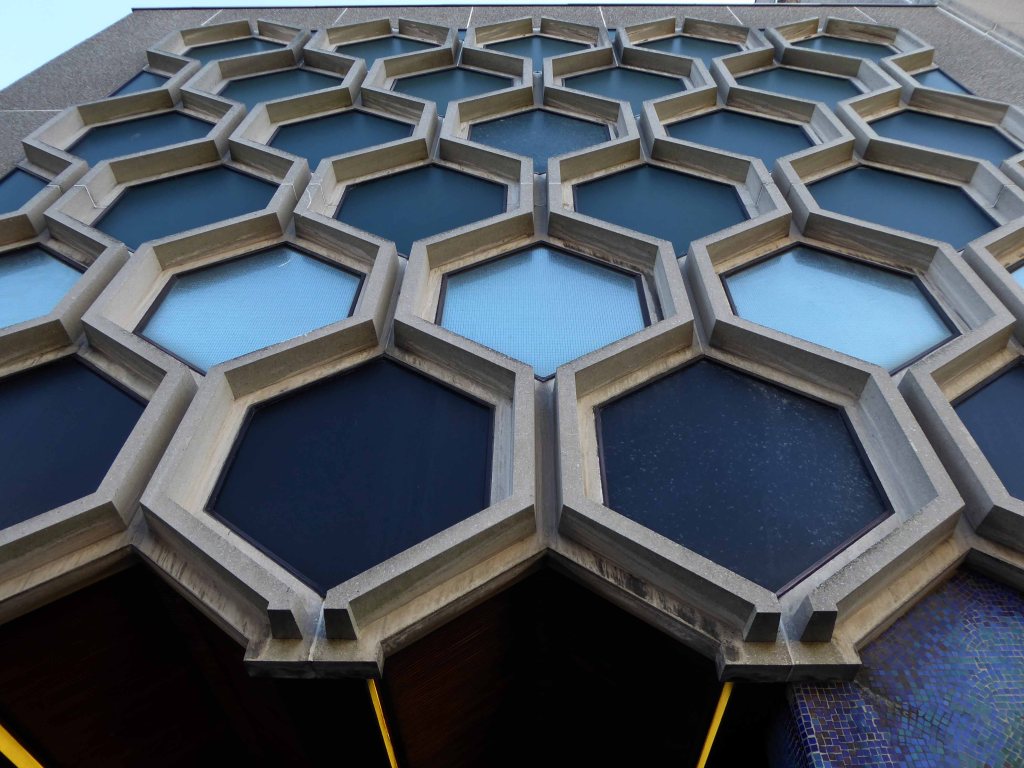
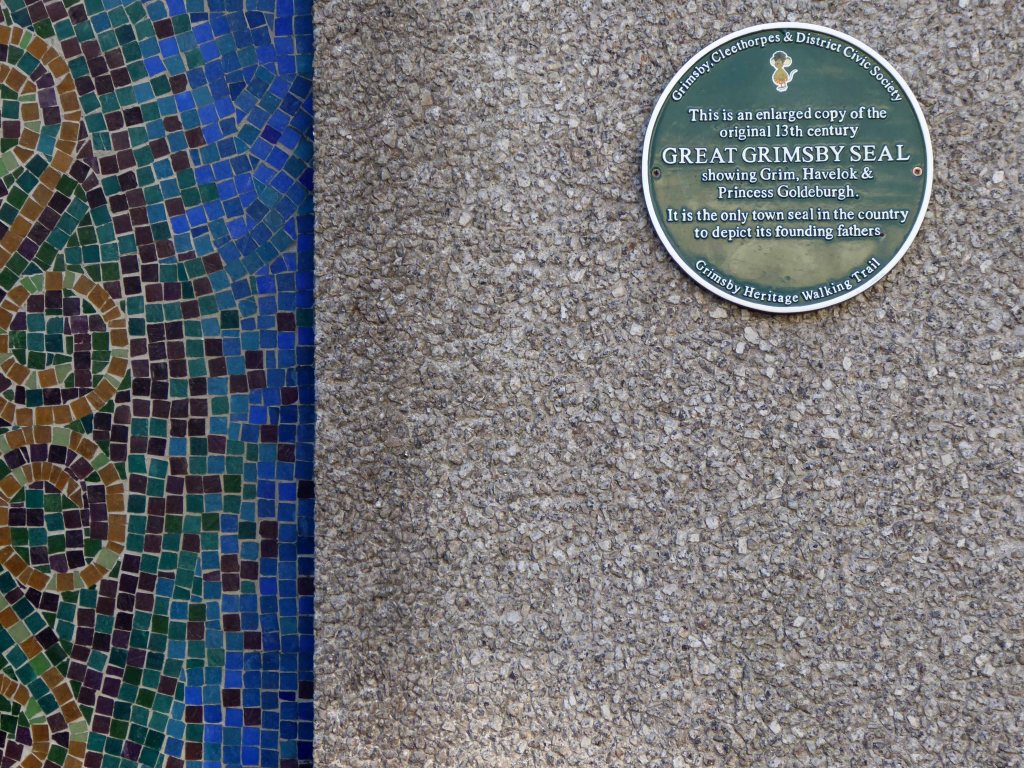
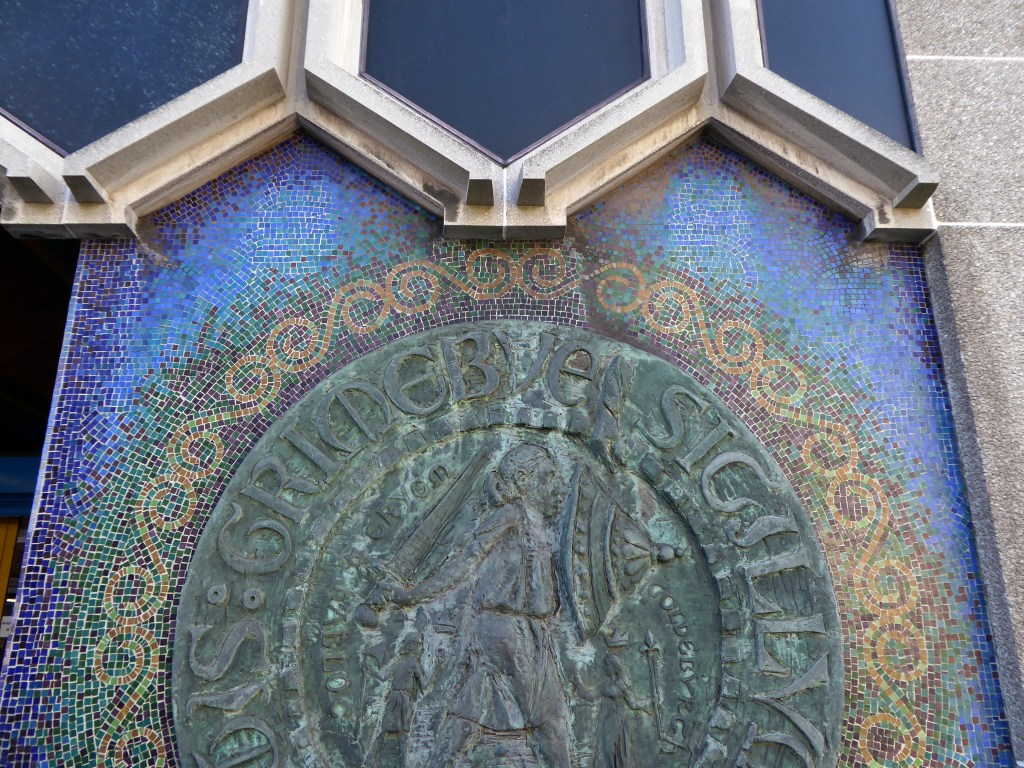
The bold exterior grid is enhanced by a honeycombed grille above the entrance, along with a mosaic depicting the town’s seal.
The mosaic is the work of Harold Gosney – who is also responsible for the Abbey Walk reliefs
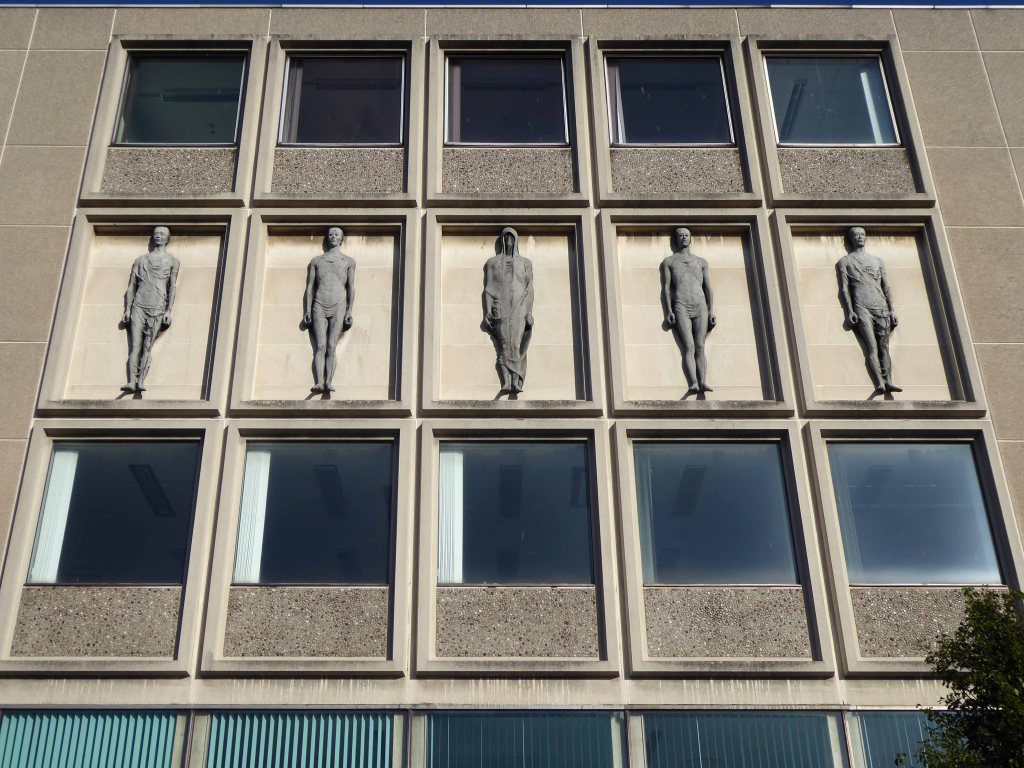
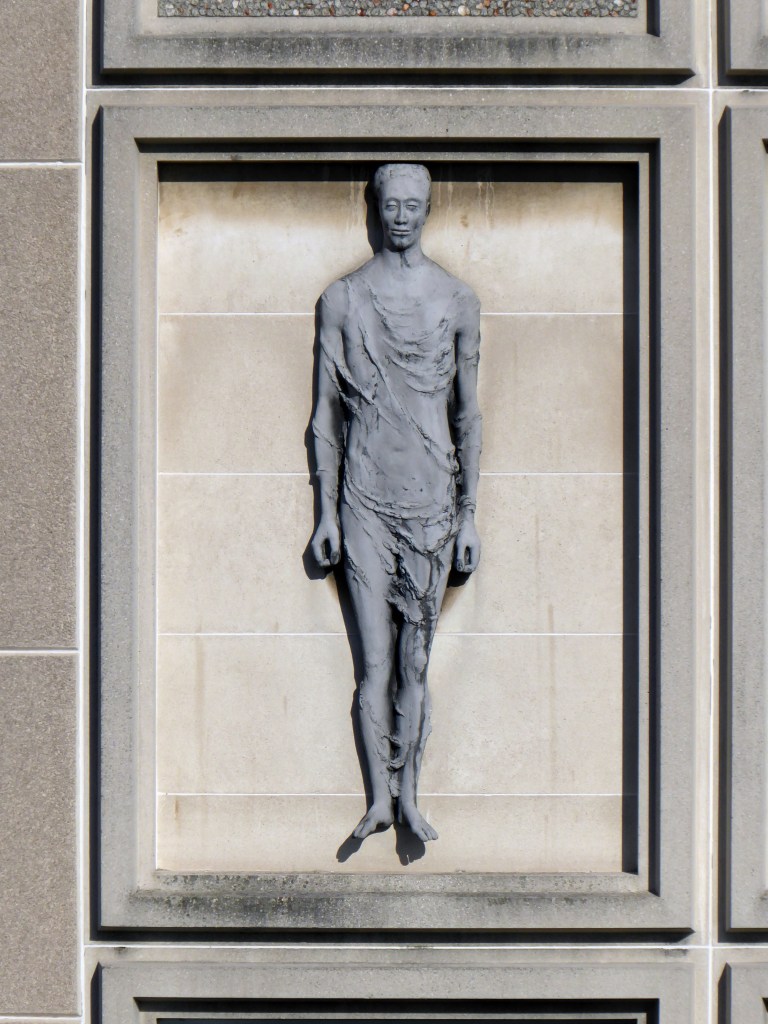
The Guardians of Knowledge which adorn the south facing elevation of the library are the work of Peter Todd former head of Grimsby Art School
To the rear of the building is a modular relief.
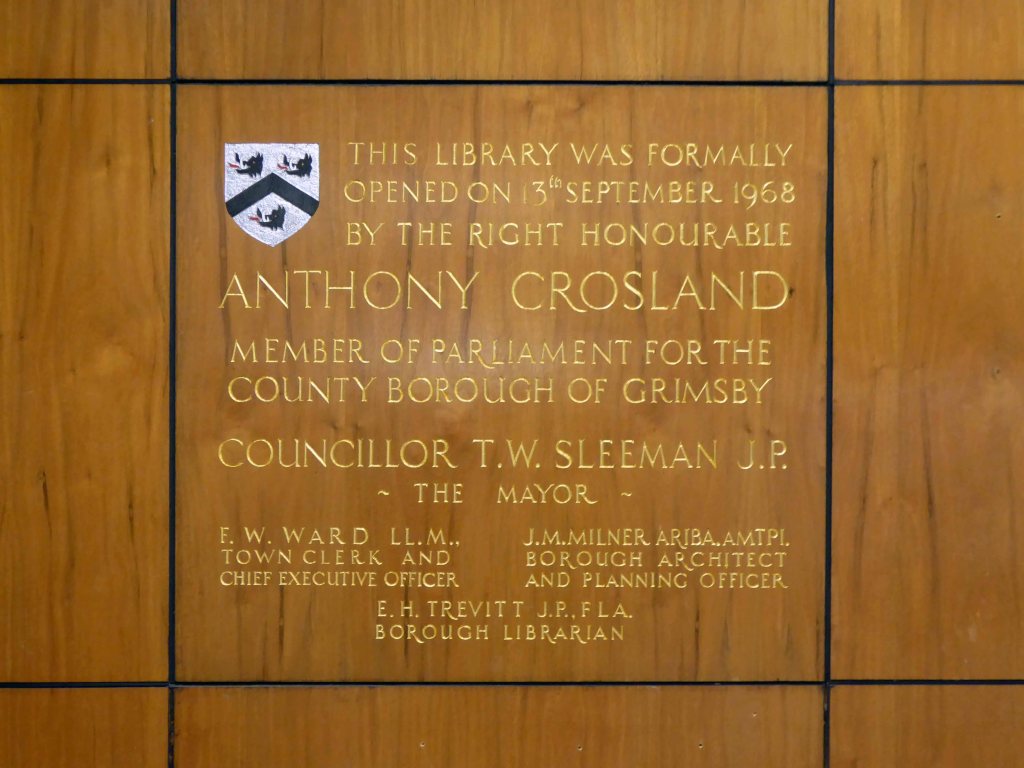
Inside the entrance porch a commemorative plaque.
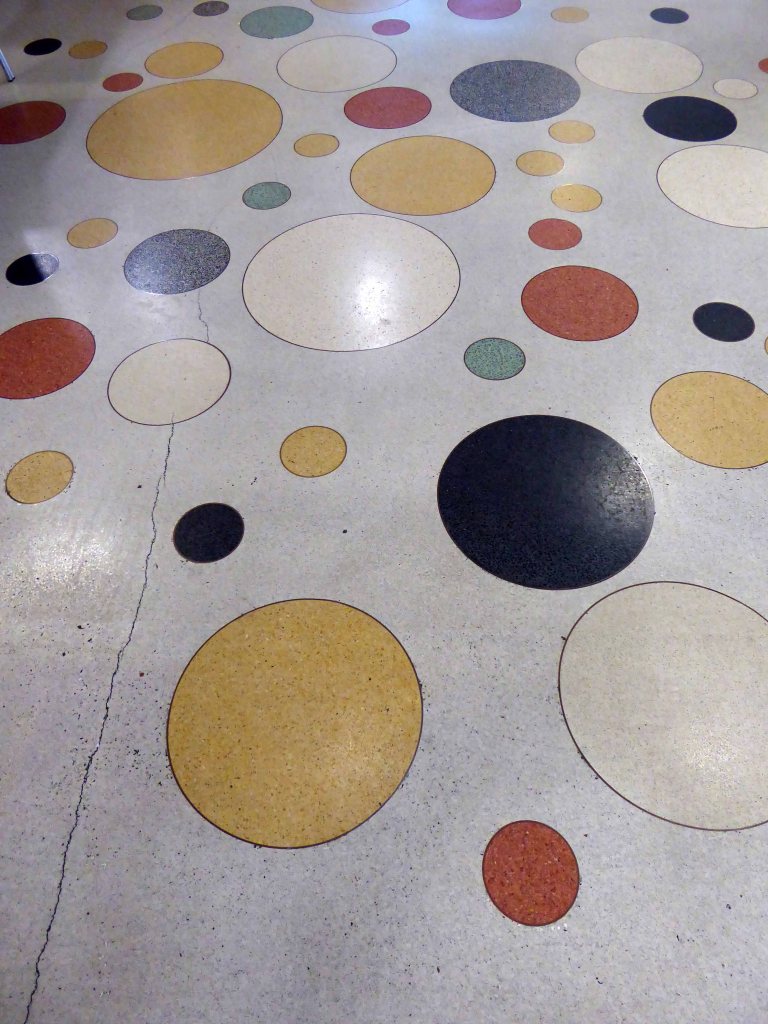
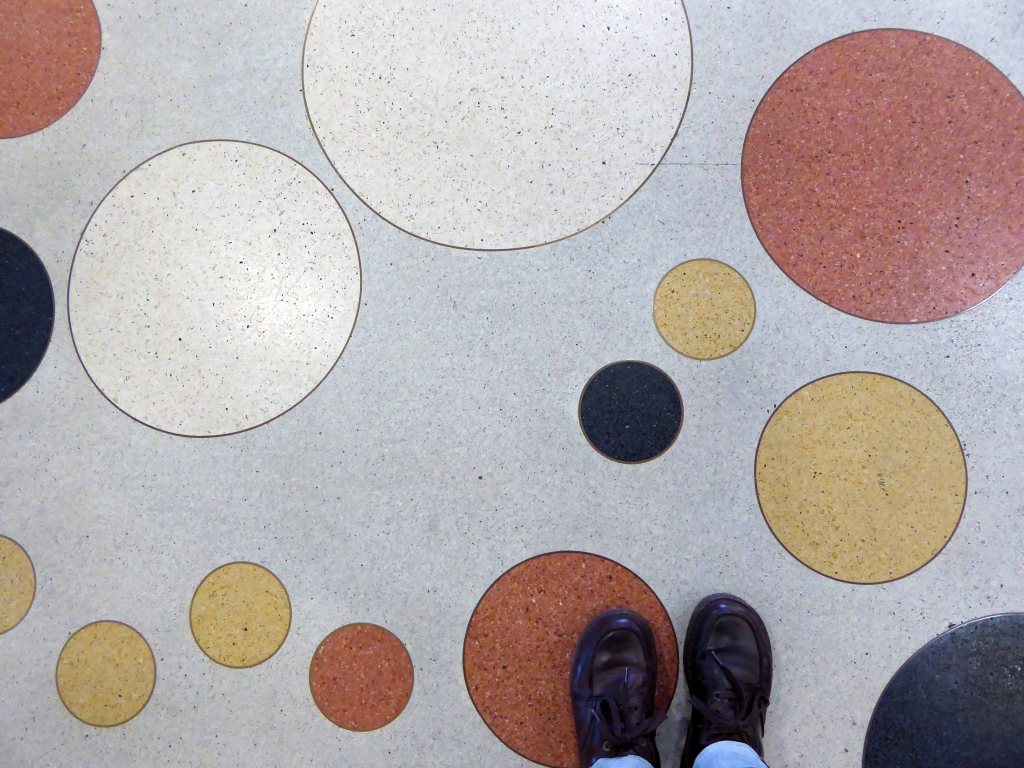
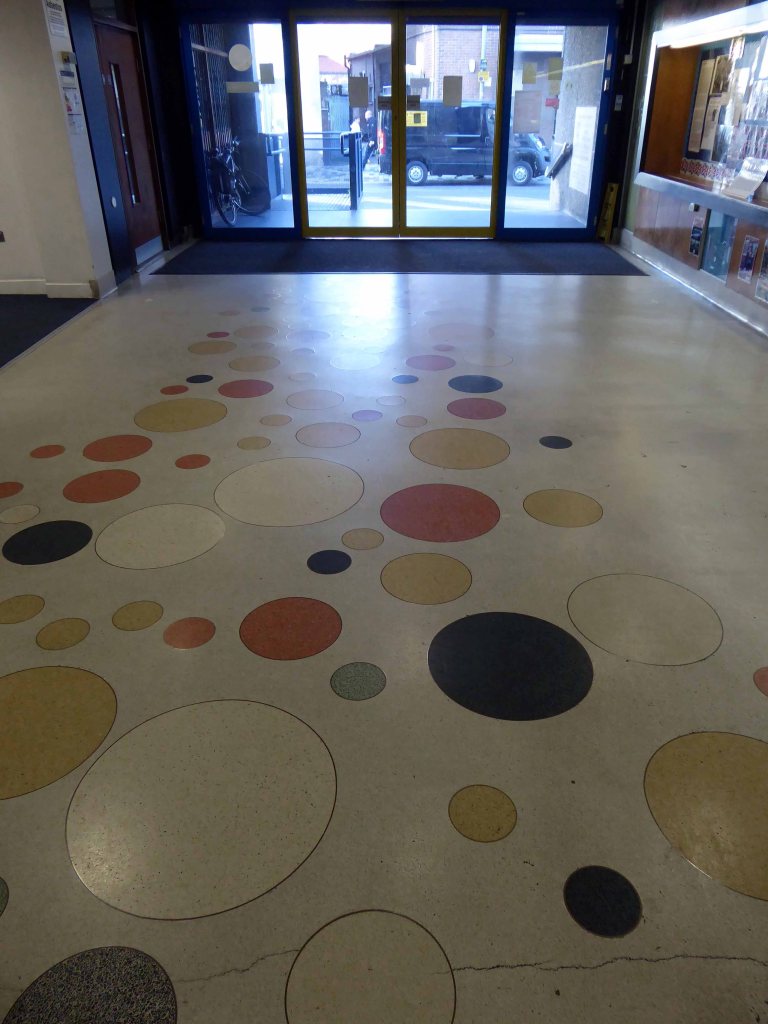
Once inside, what a pleasure it is tread upon this interstellar inset stone flooring.
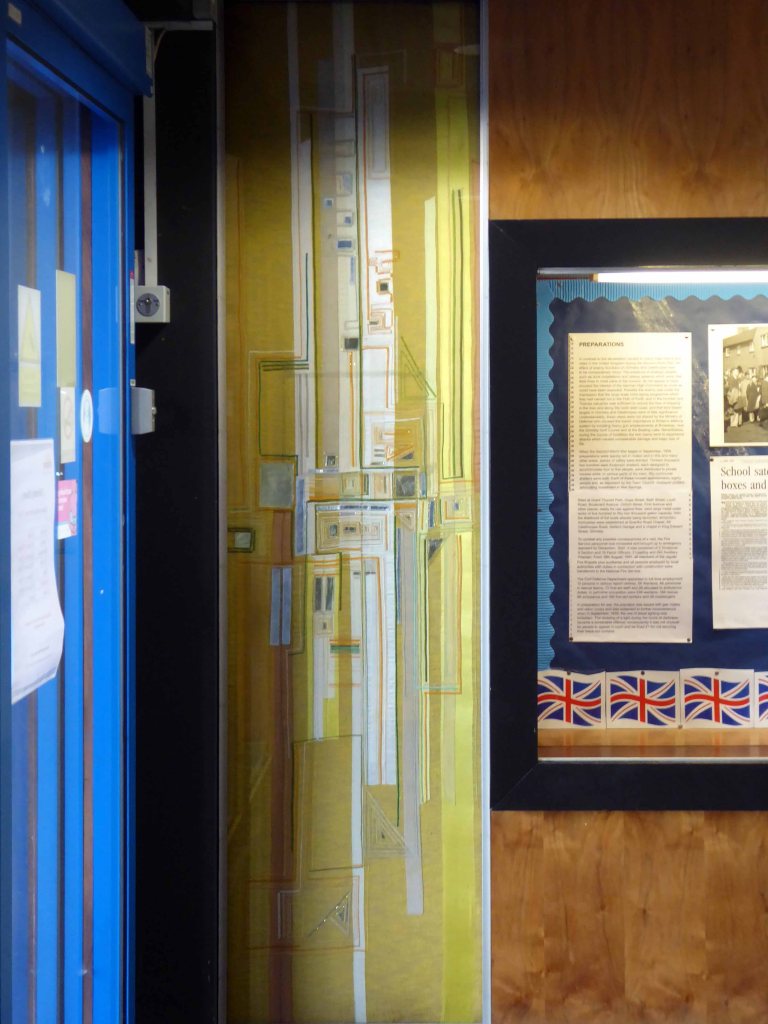
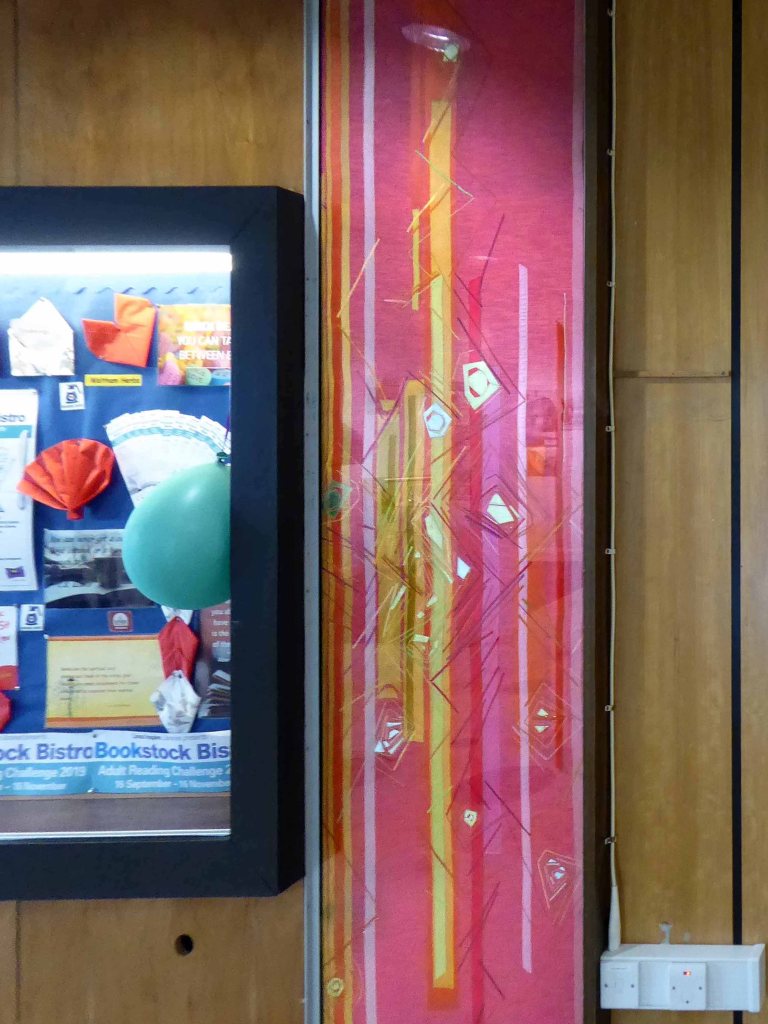
Either side of the lobby display case there are two vertical tapestries.
Along with a further plaque commemorating the opening on the 3rd September 1968 – by the then local MP Anthony Crosland.
Crosland looked ahead to a time where “personal freedom, happiness and cultural endeavour; the cultivation of leisure, beauty, grace, gaiety and excitement… might be pursued.” After he was elected MP for Grimsby in 1959, he referred to the above passage in an early speech, insisting – to much laughter, cheering and applause from the audience, that “it is possible to achieve all these things in Grimsby, and especially at Blundell Park.”
May I take this opportunity to thank the ever so helpful library staff – for kindly granting me permission to photograph the main body of the library.
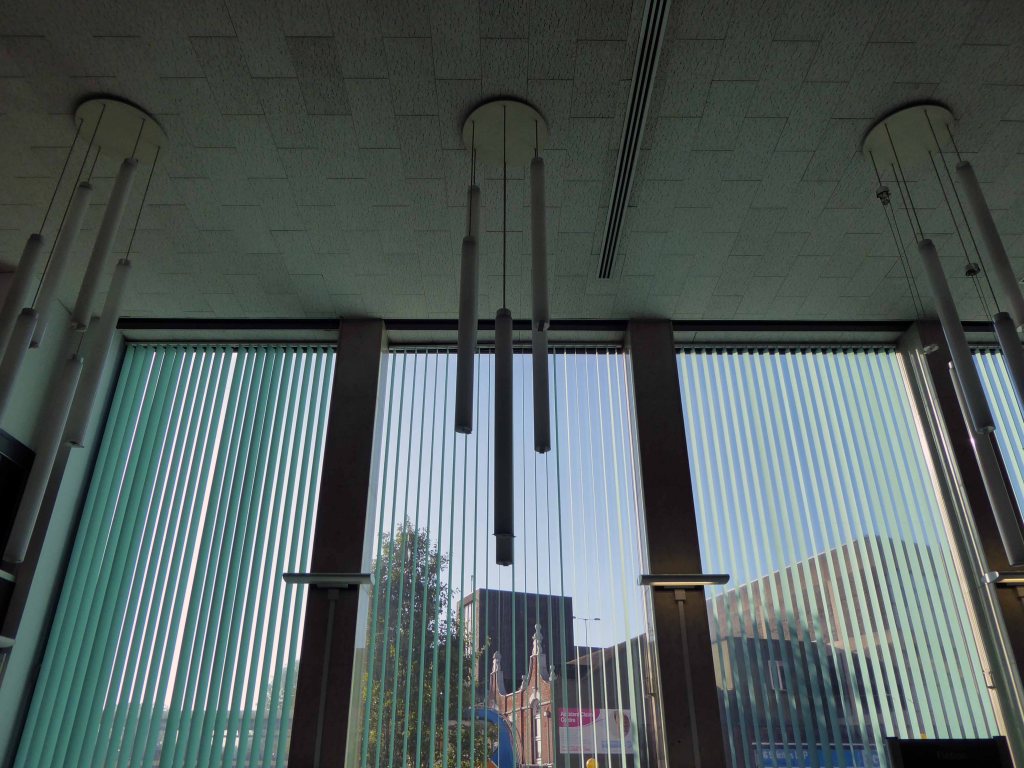
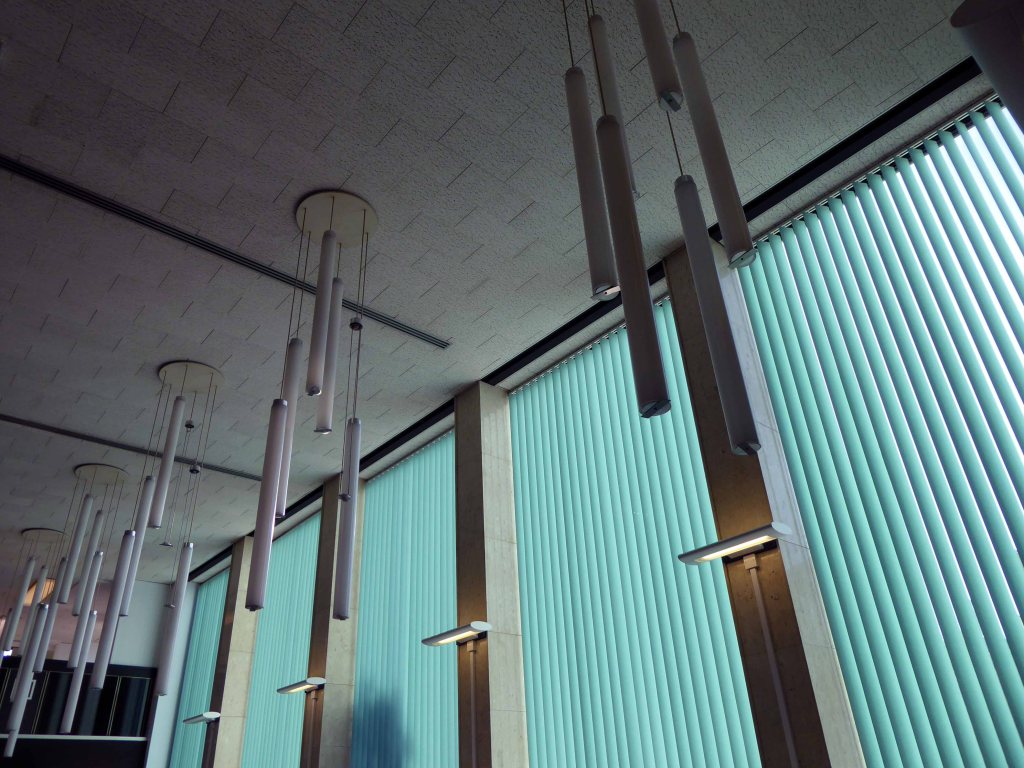
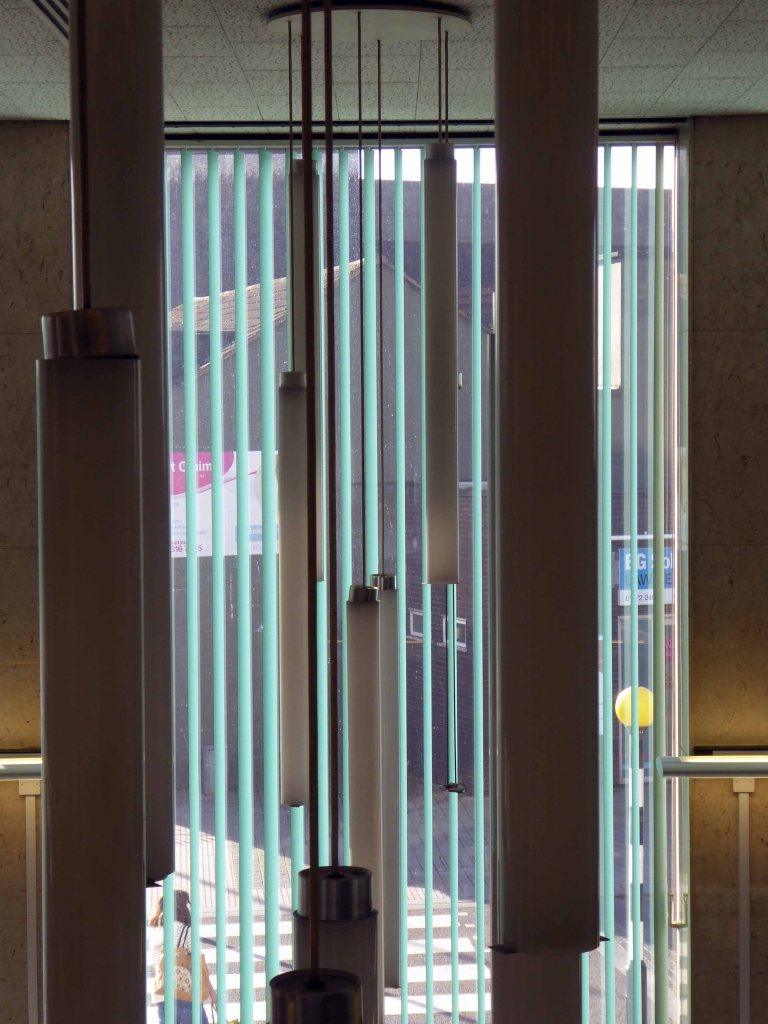
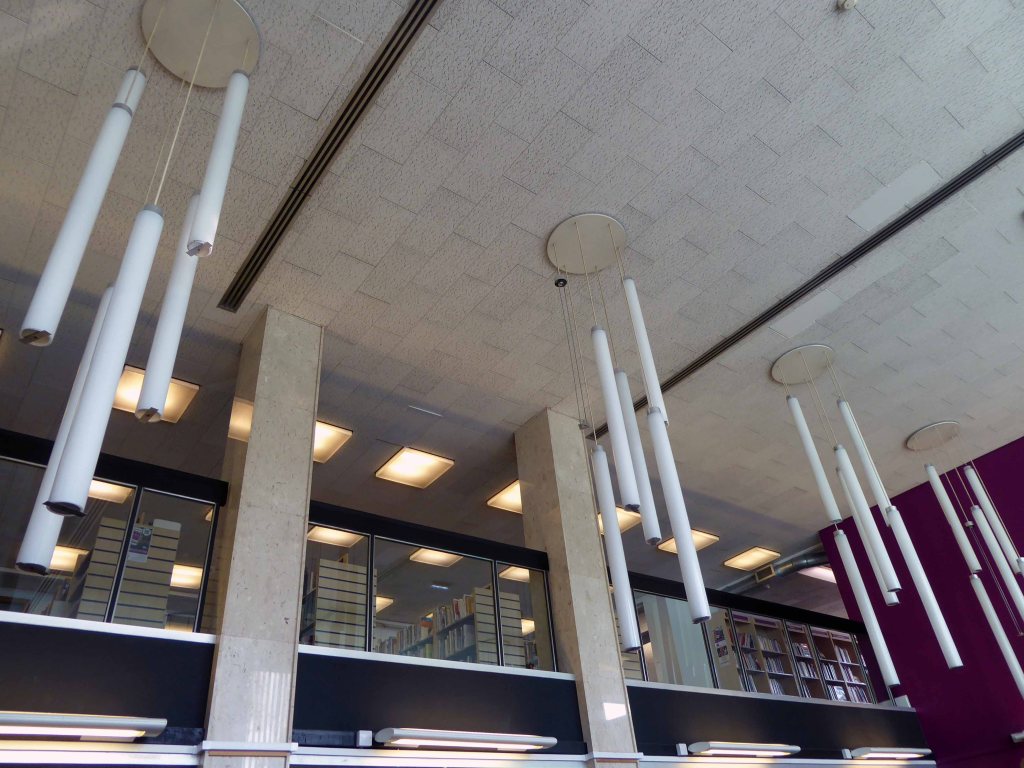
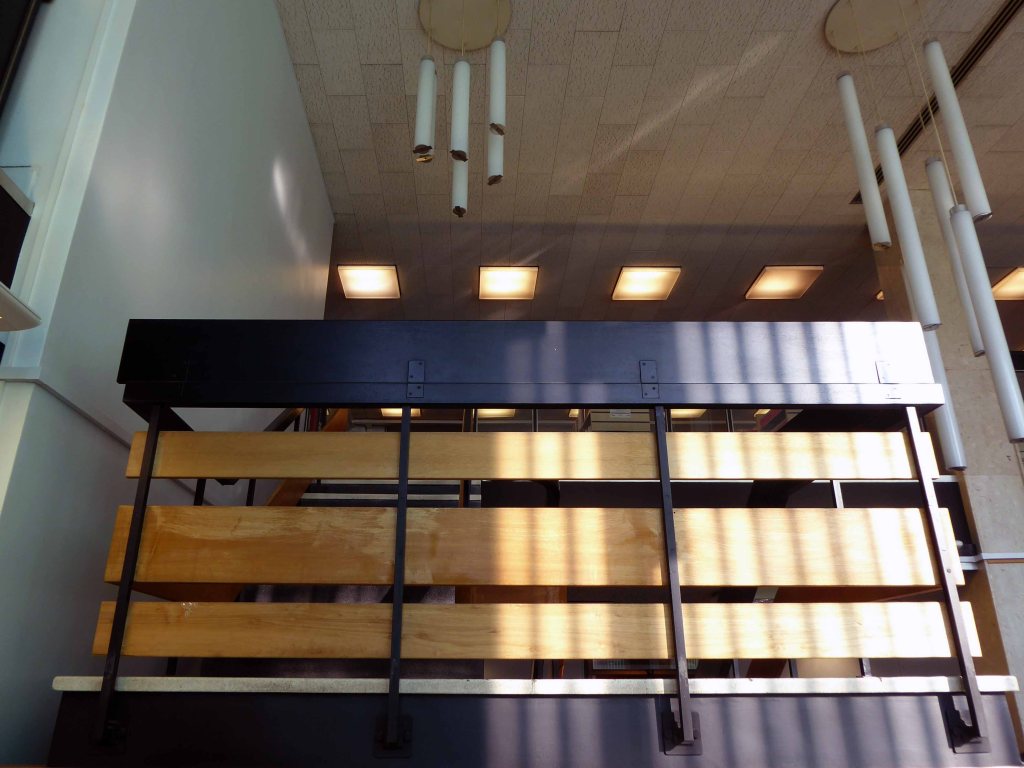
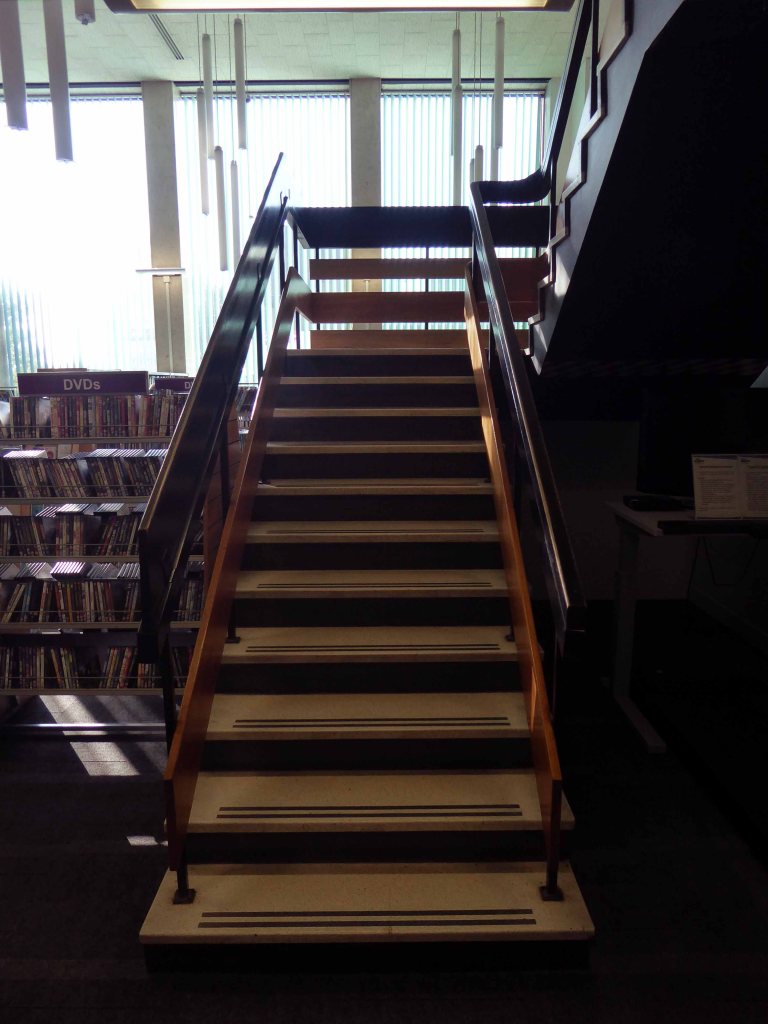
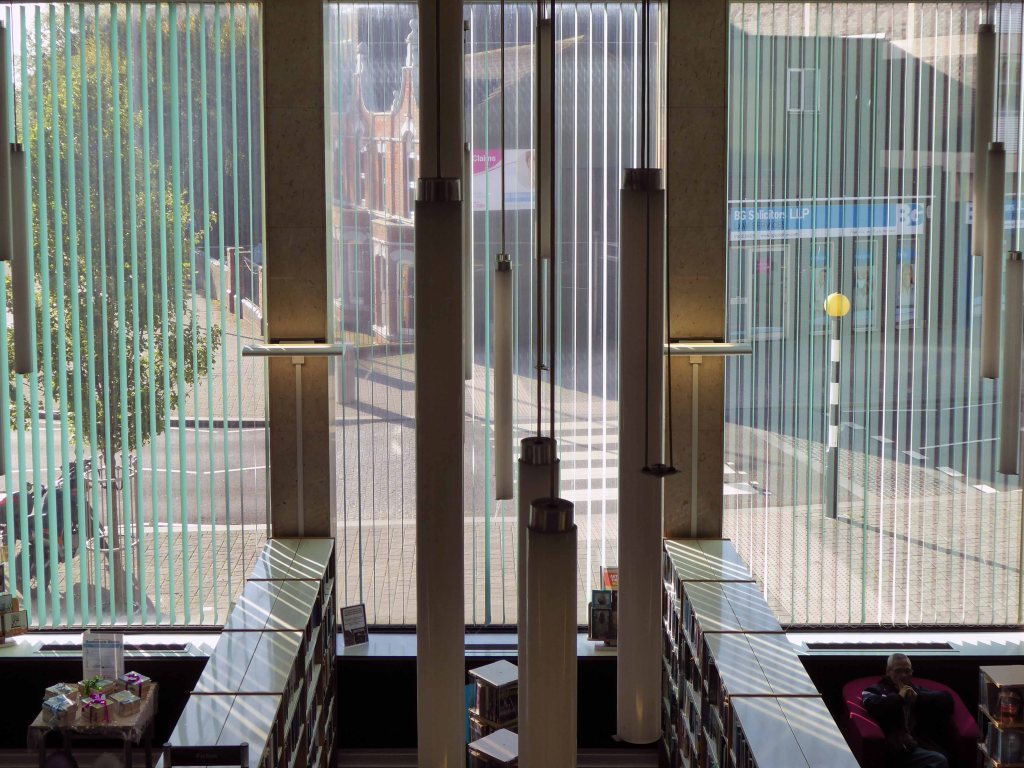
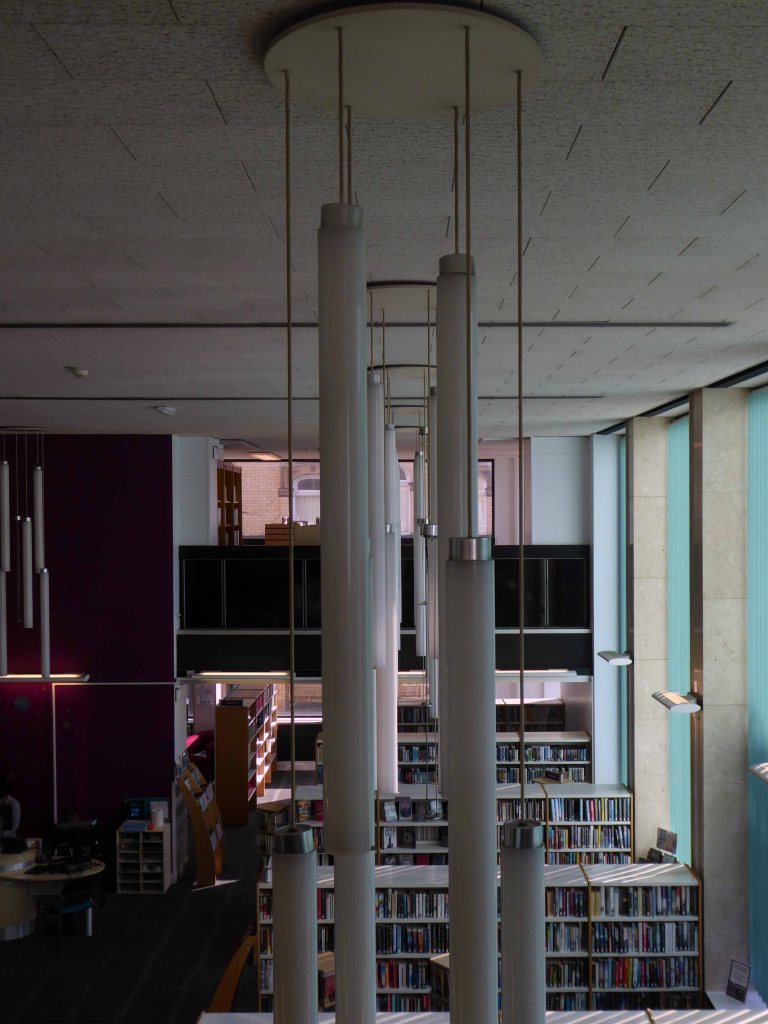
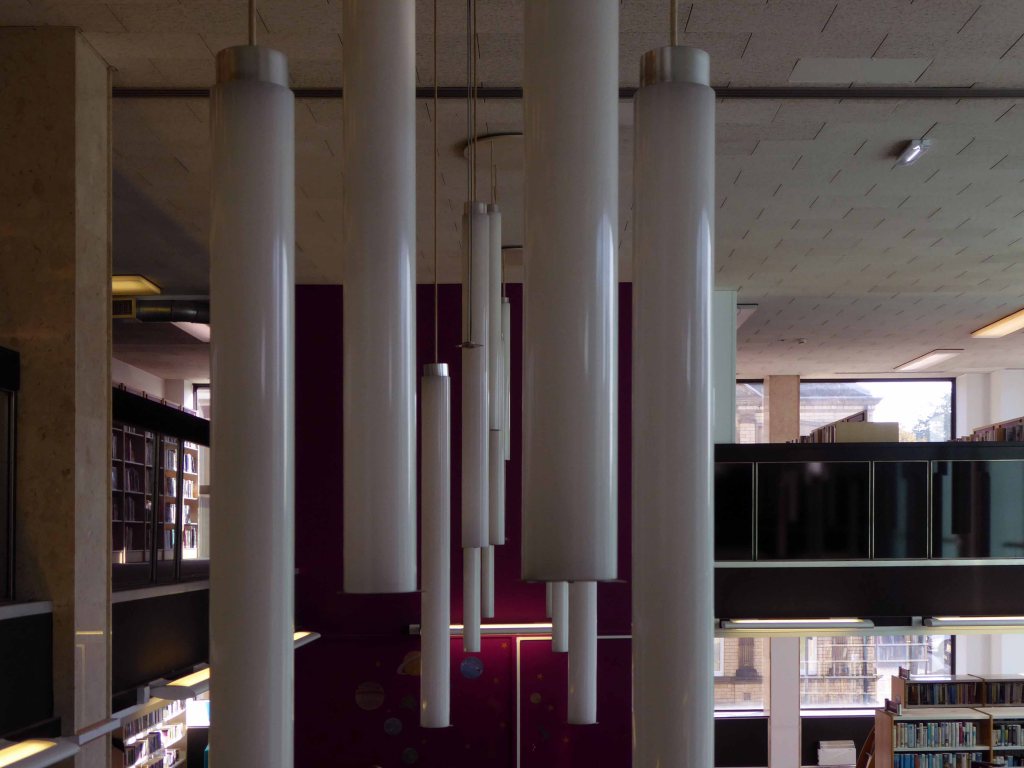
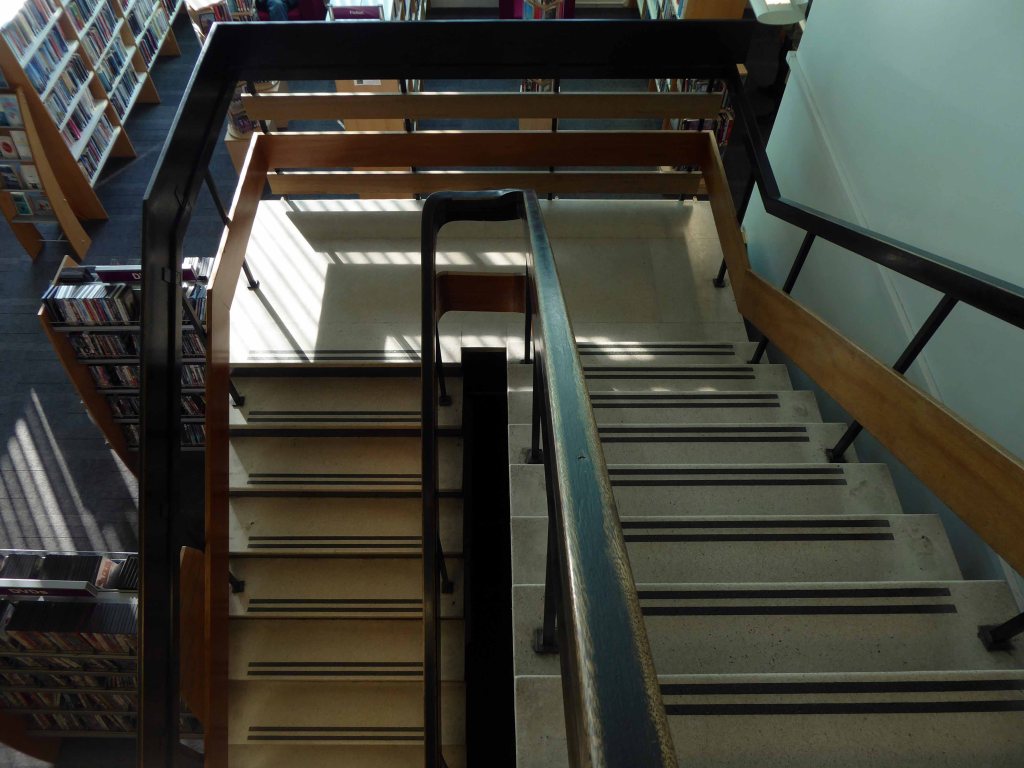
Many original fittings and fixtures are intact – particularly the distinctive vertical suspended lighting system and the steel and wood stairways.
The facilities were well used and lit by the expansive window space.
Let’s take another final look outside, and say a fond farewell to this fine building – go on treat yourself, take a trip to the East Coast and feast your eyes, heart and mind on this beauty.
I was in town, just looking around, just looking for modernity, just looking.
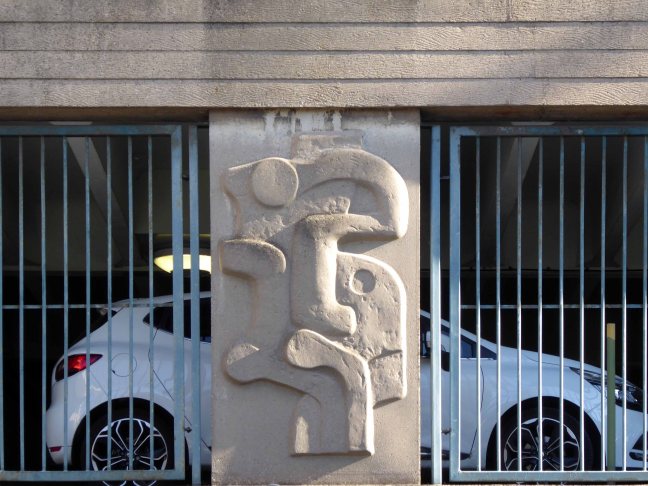
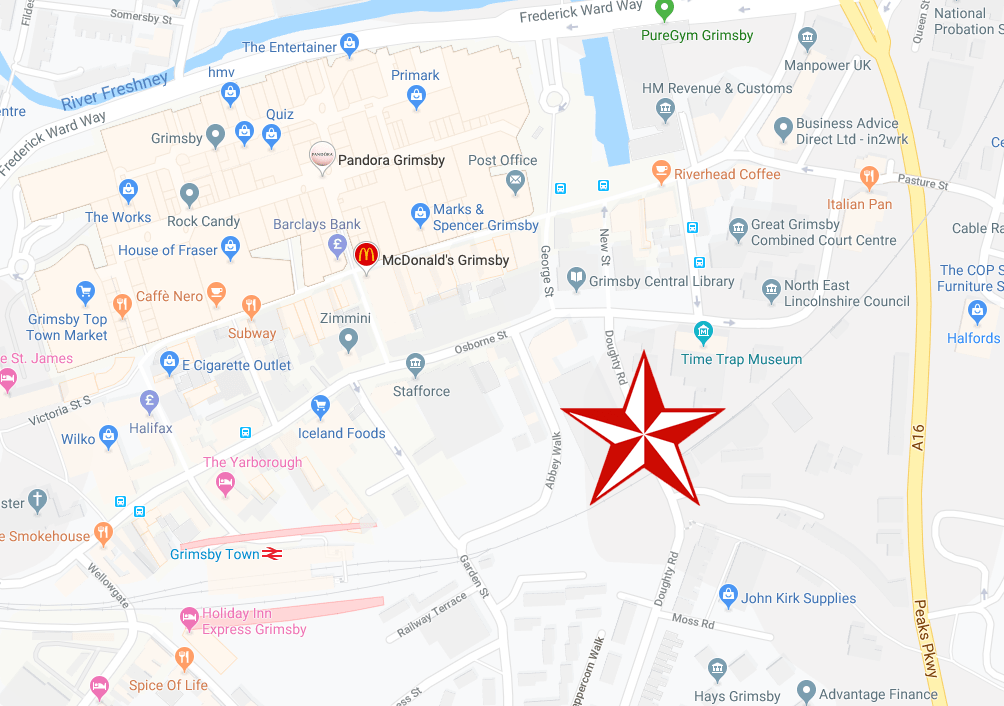
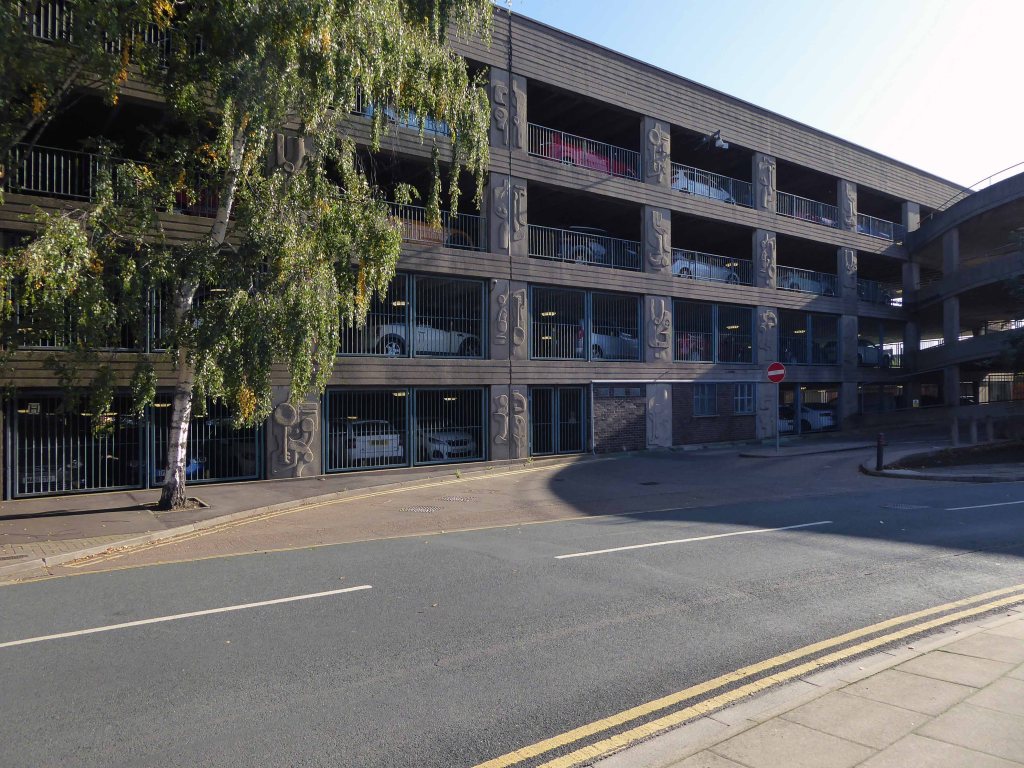
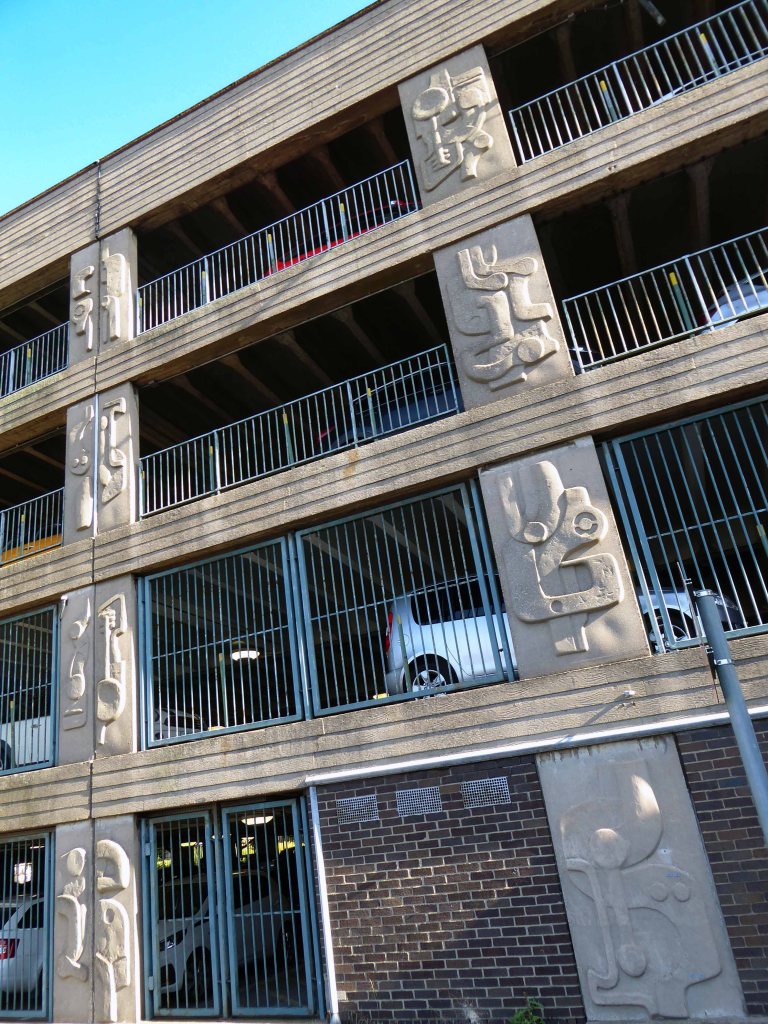
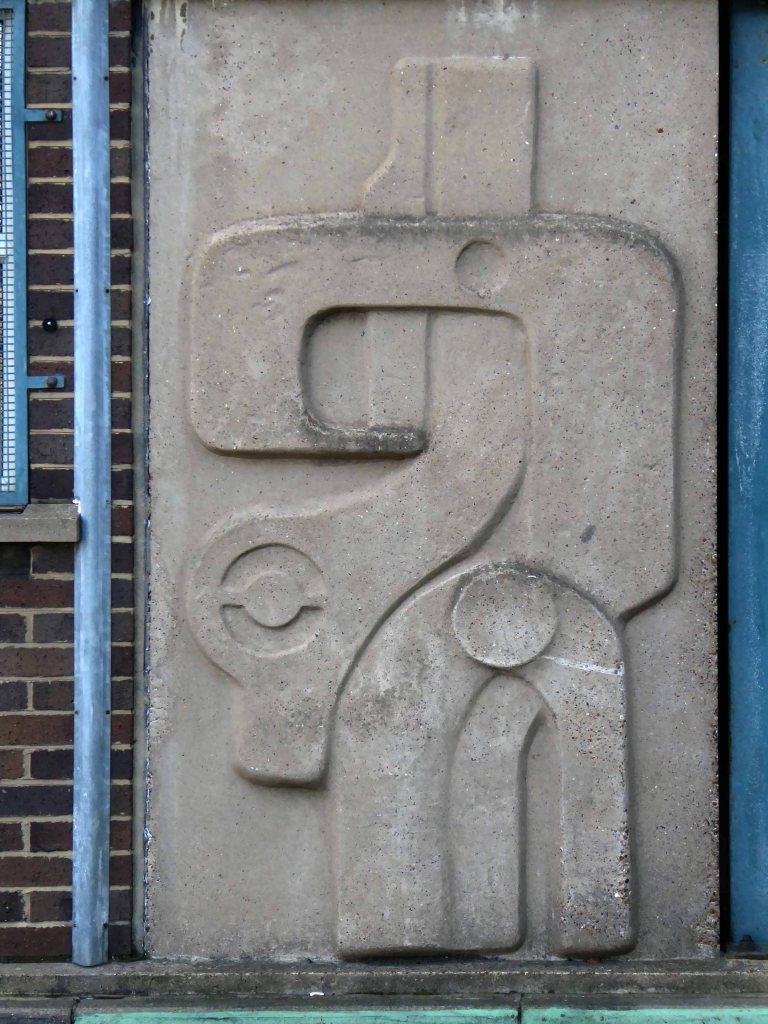
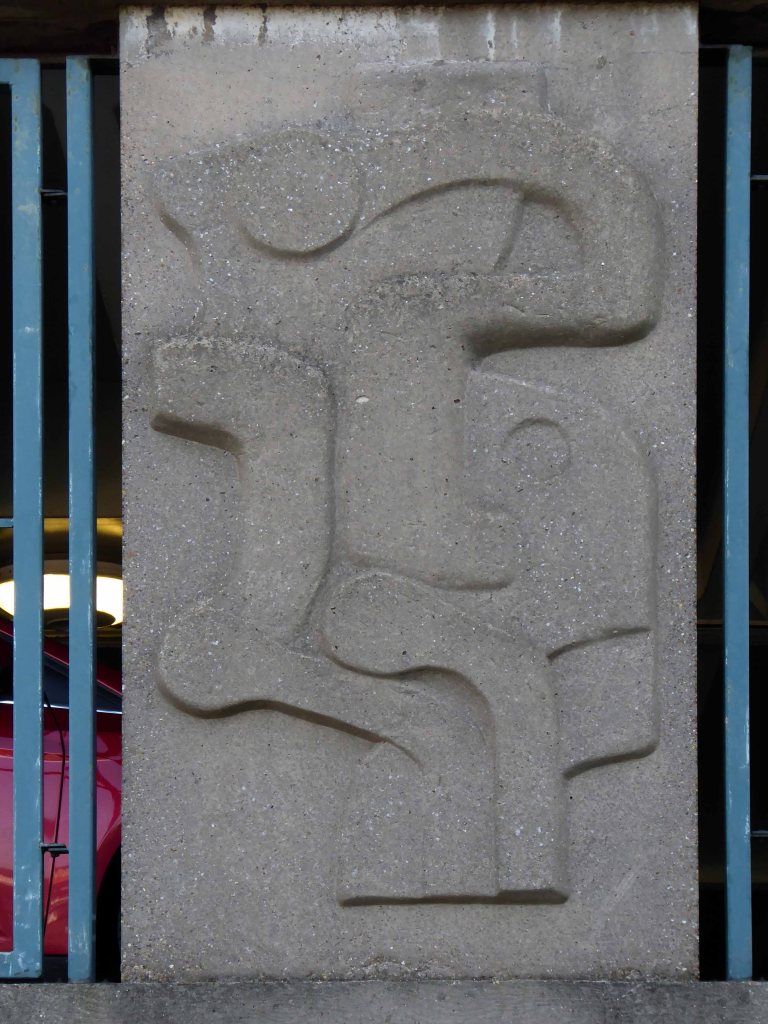
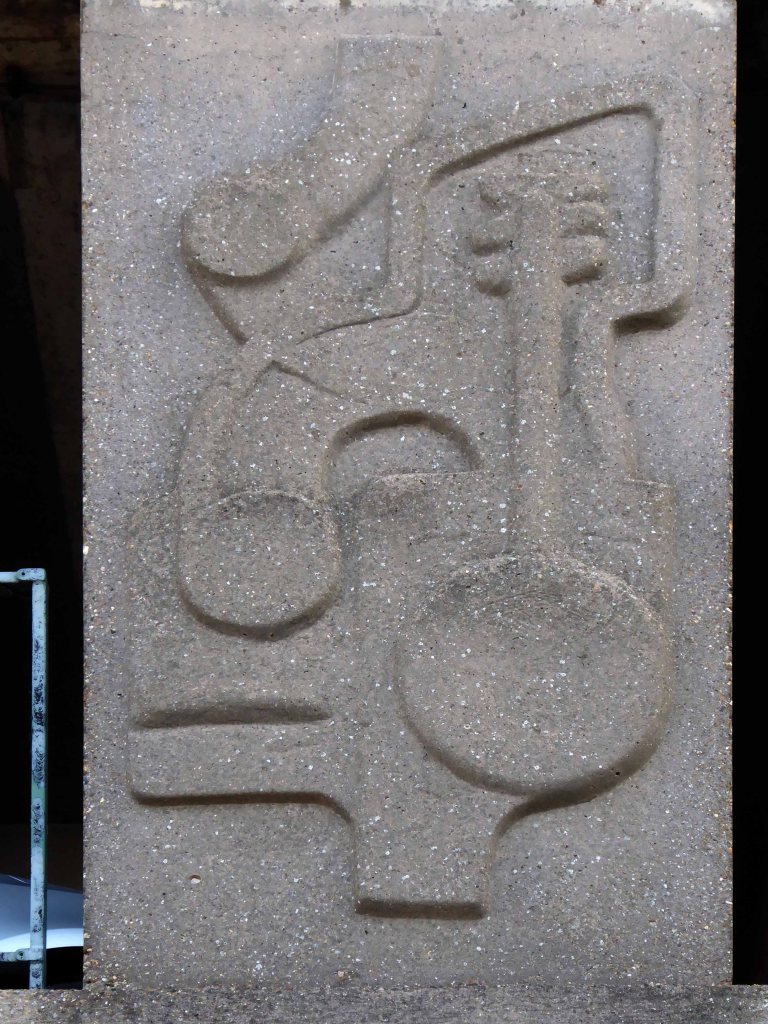
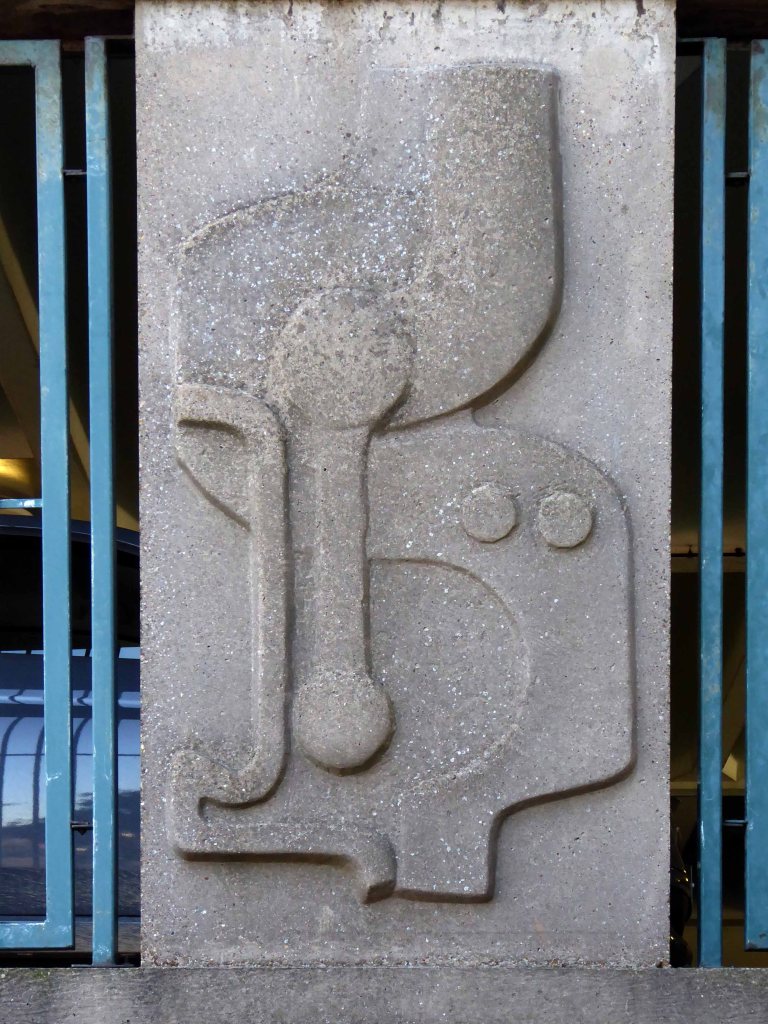
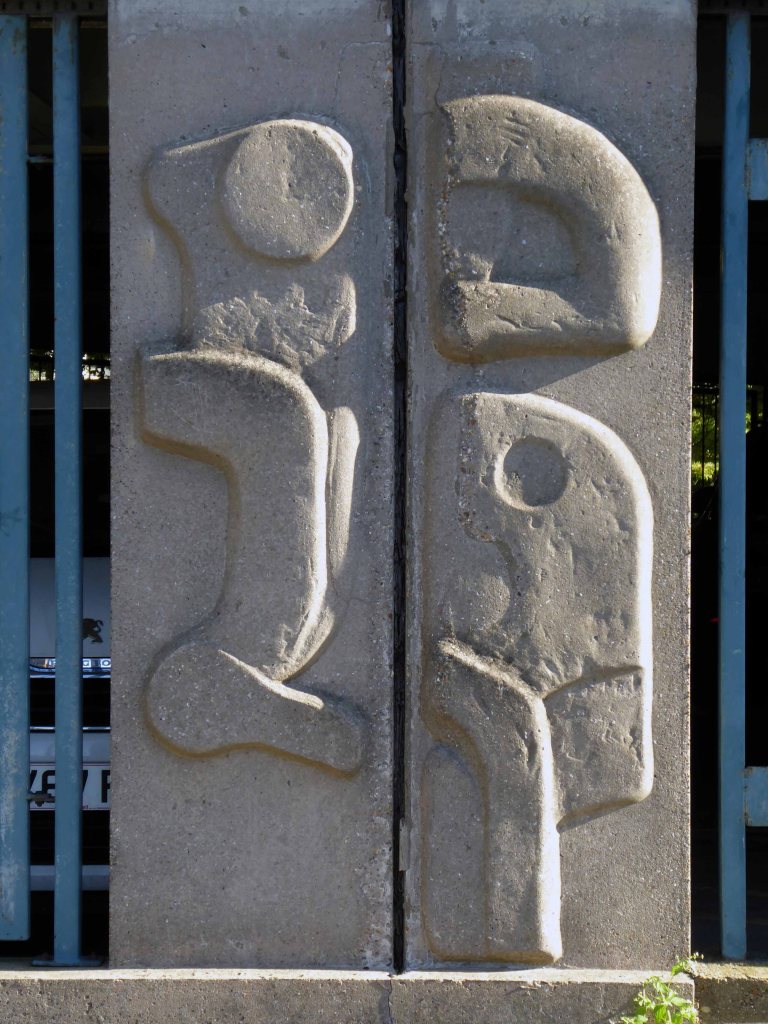
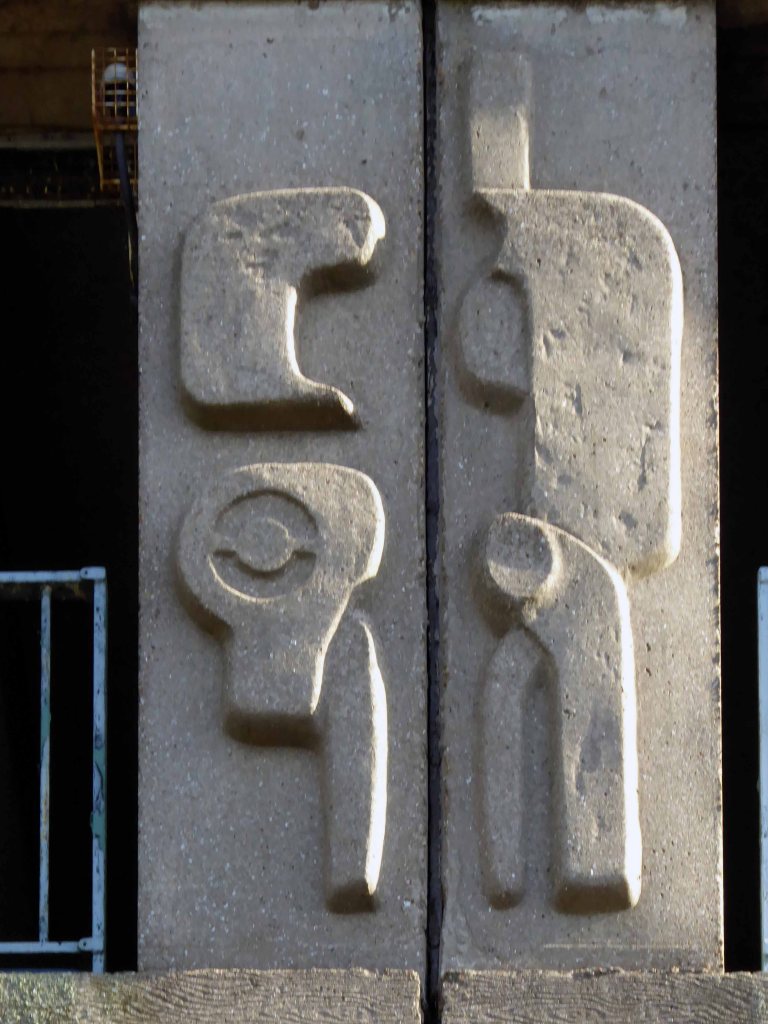
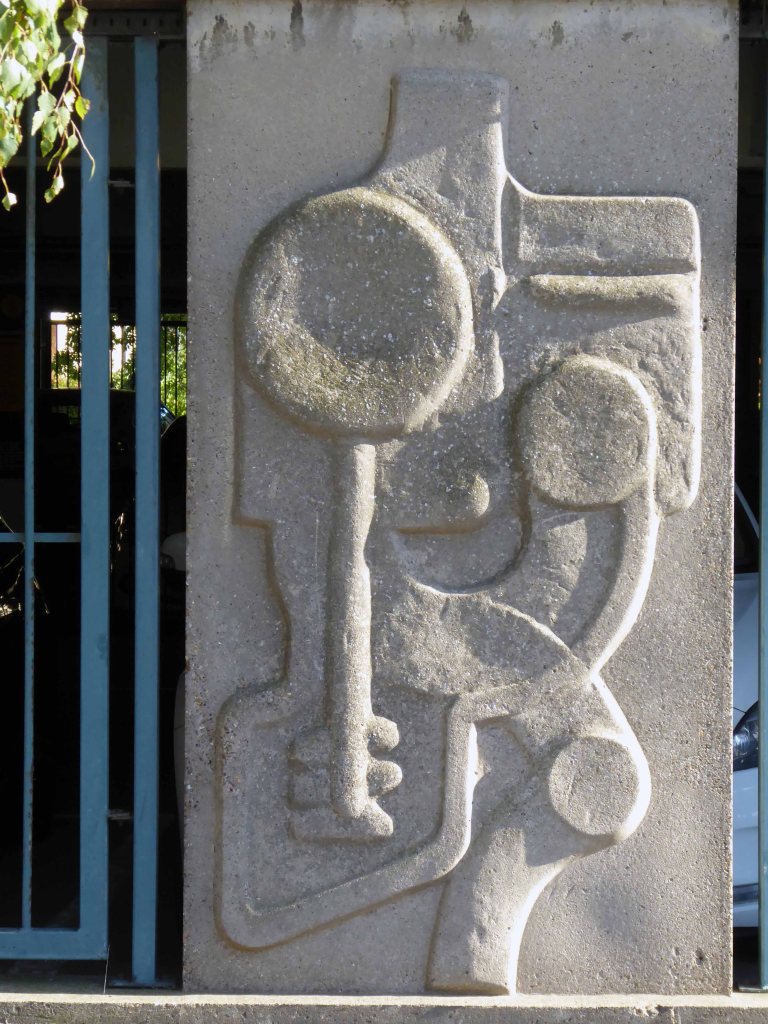
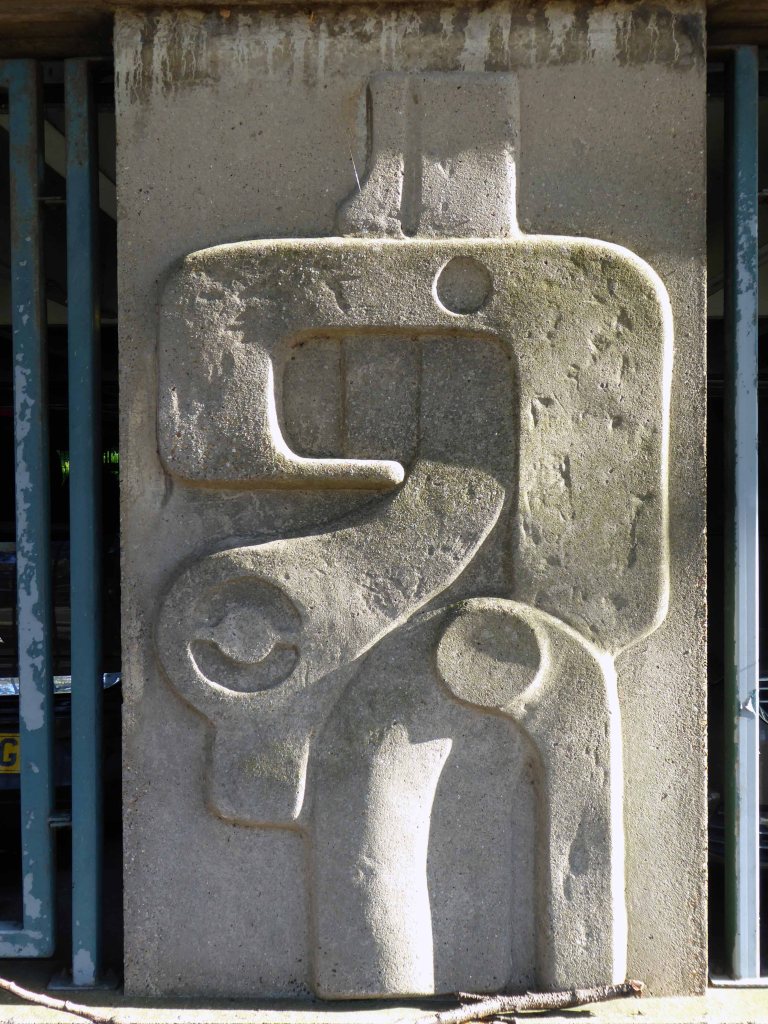
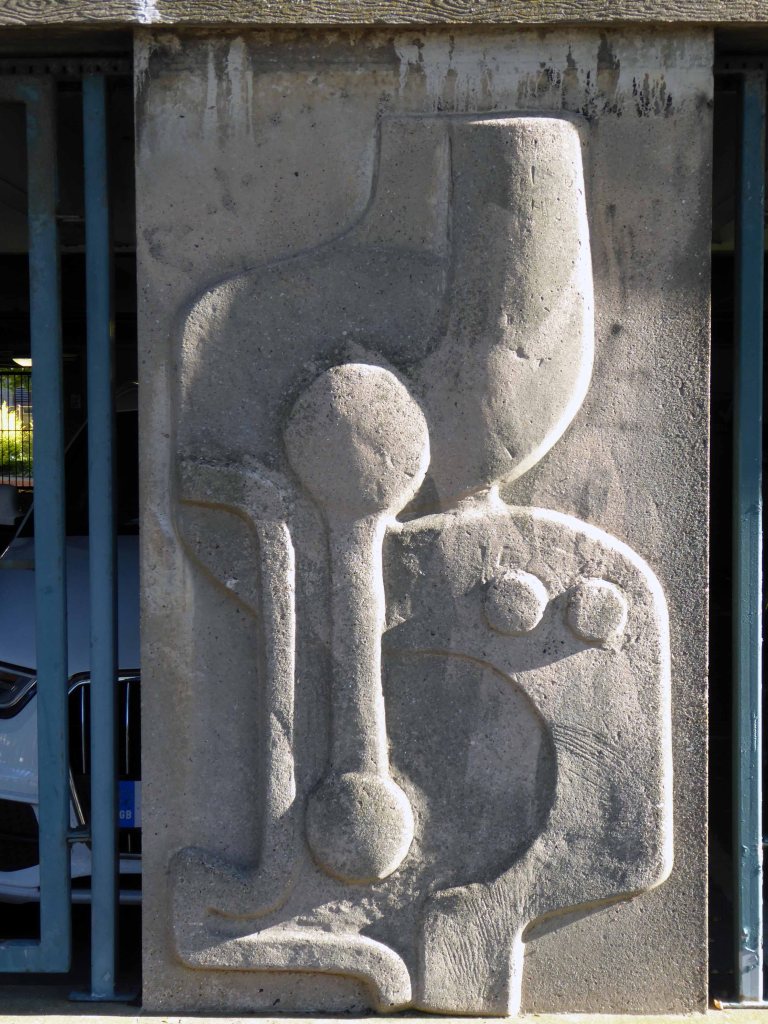
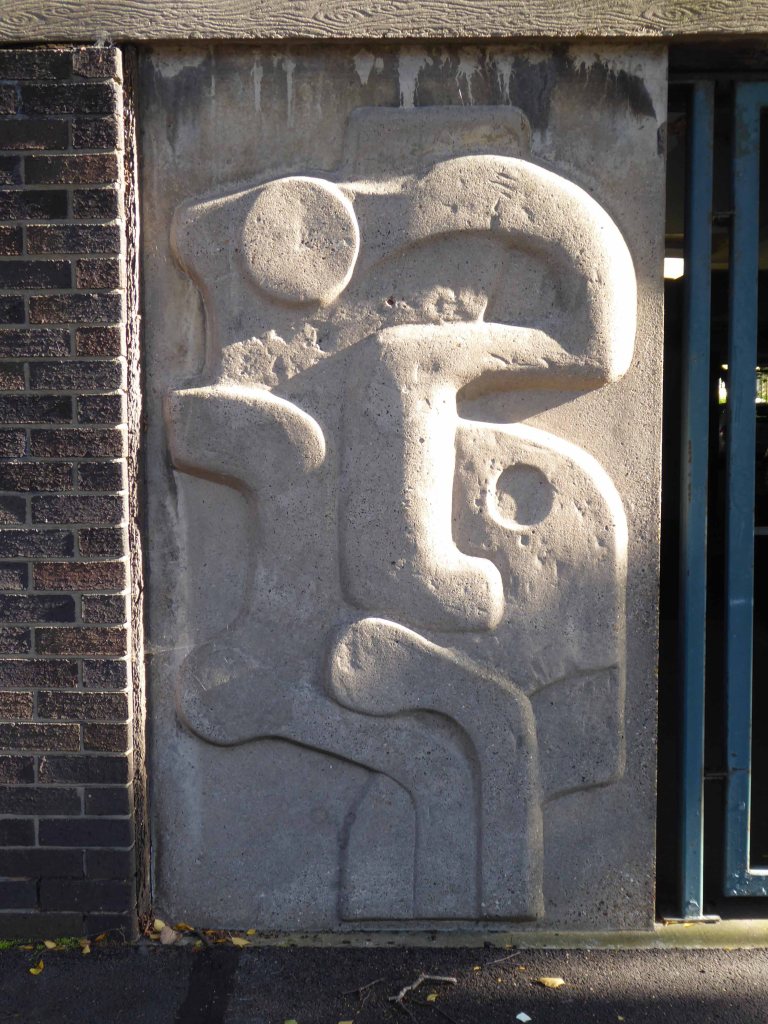
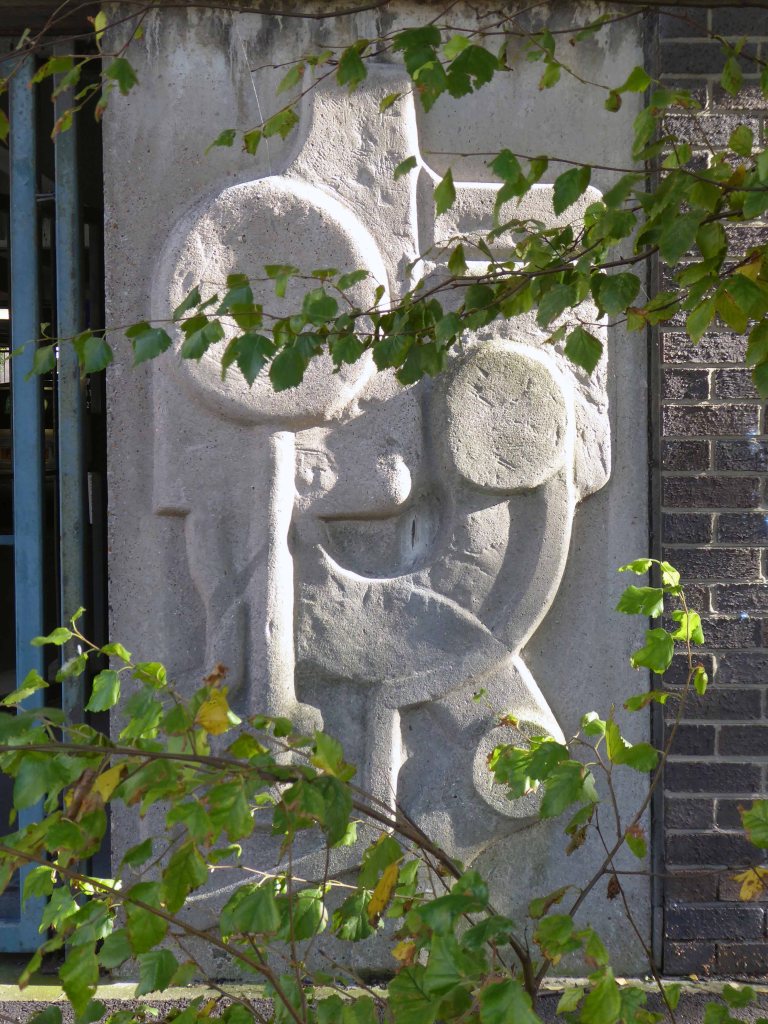
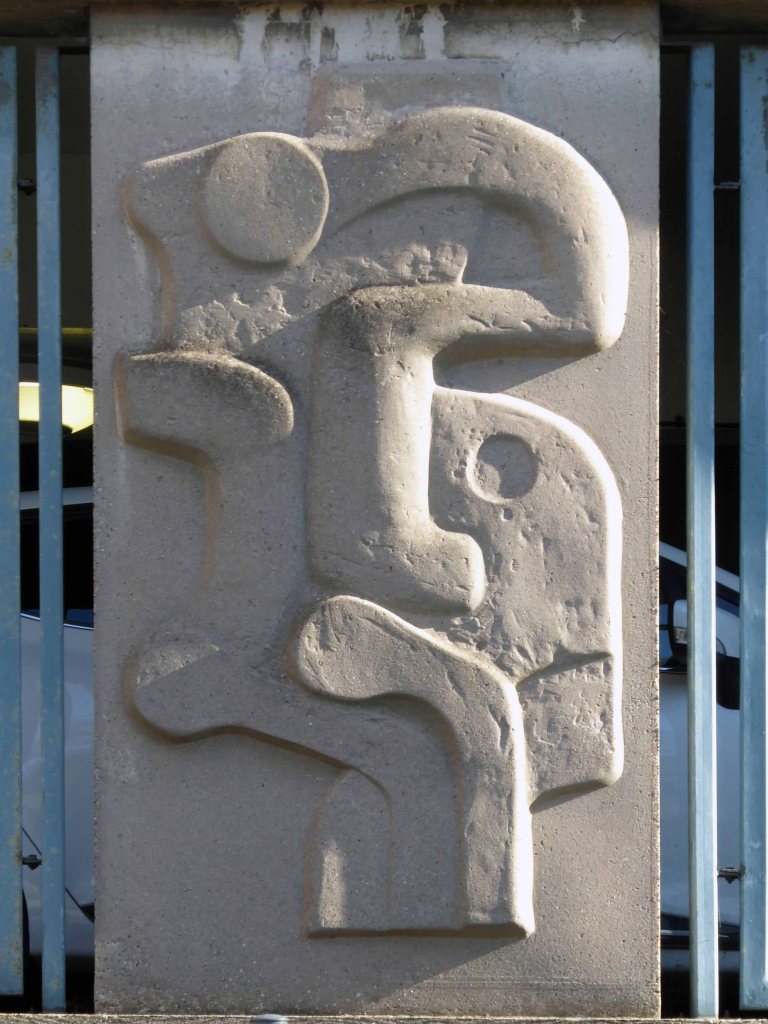
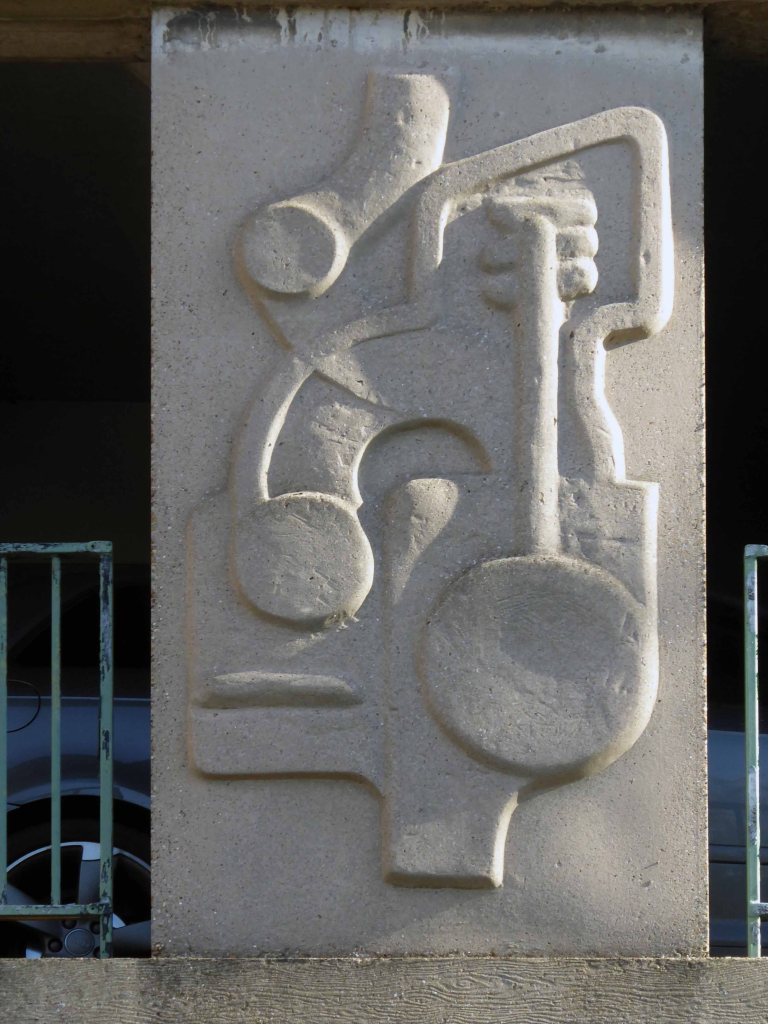
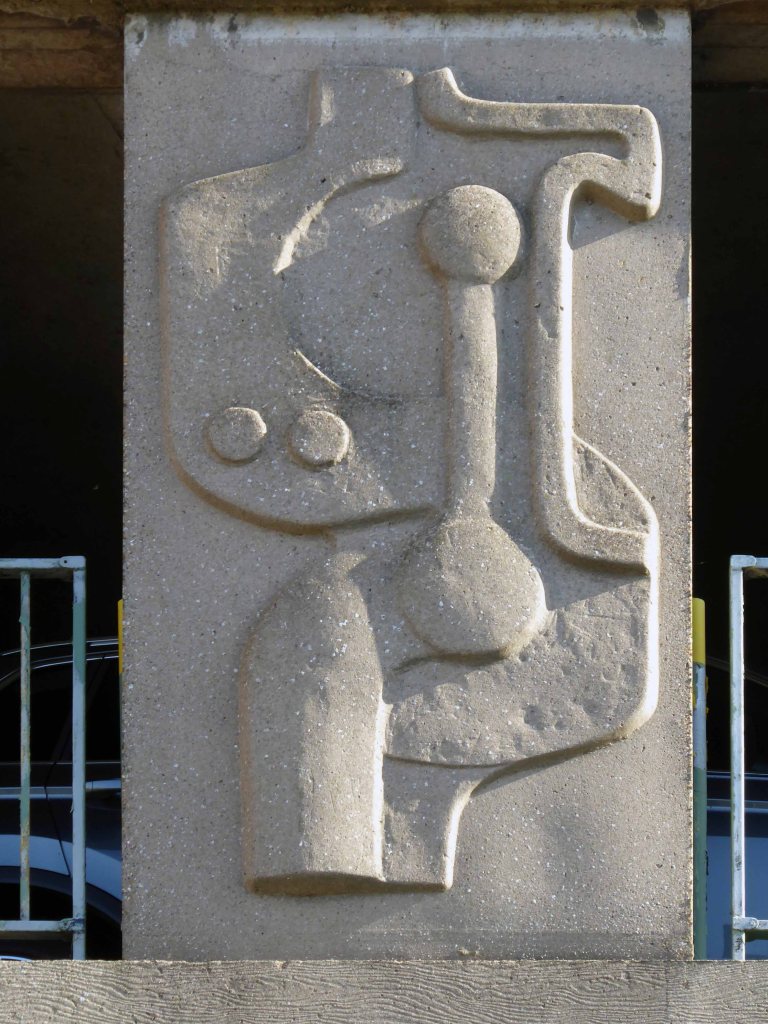
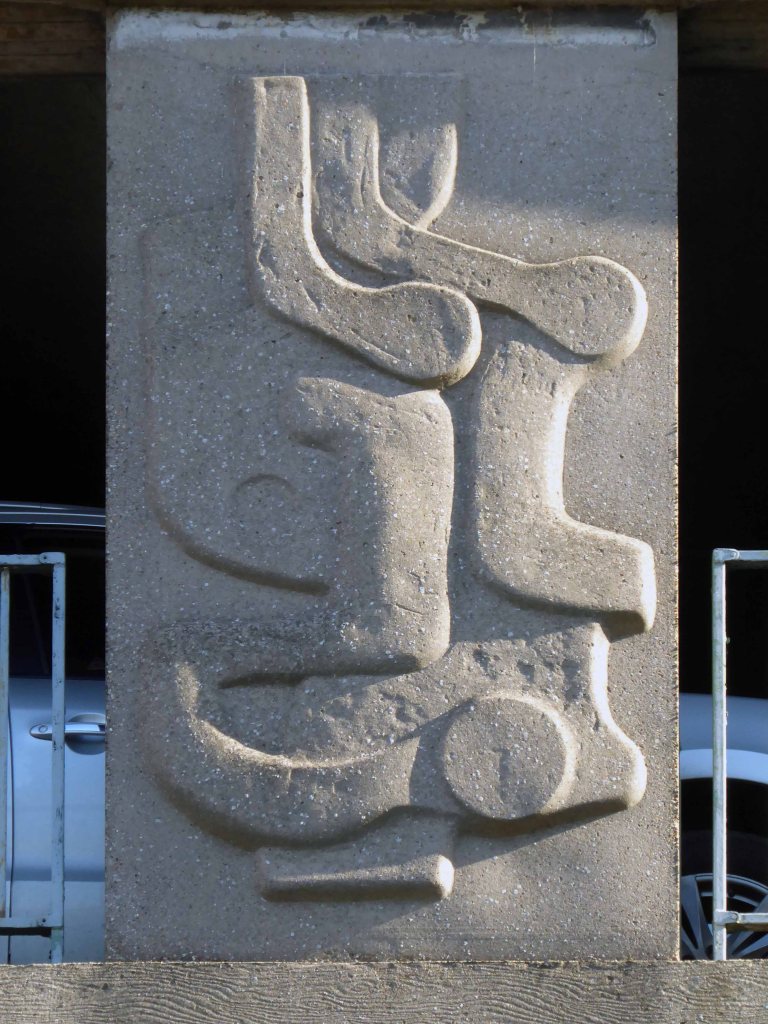
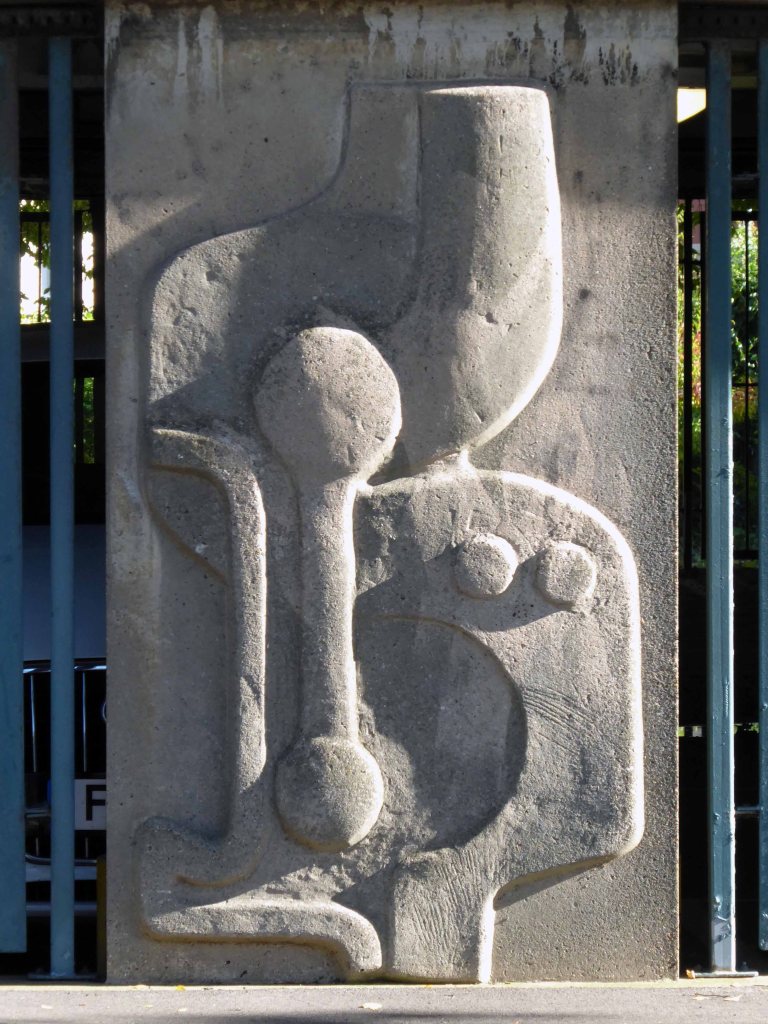
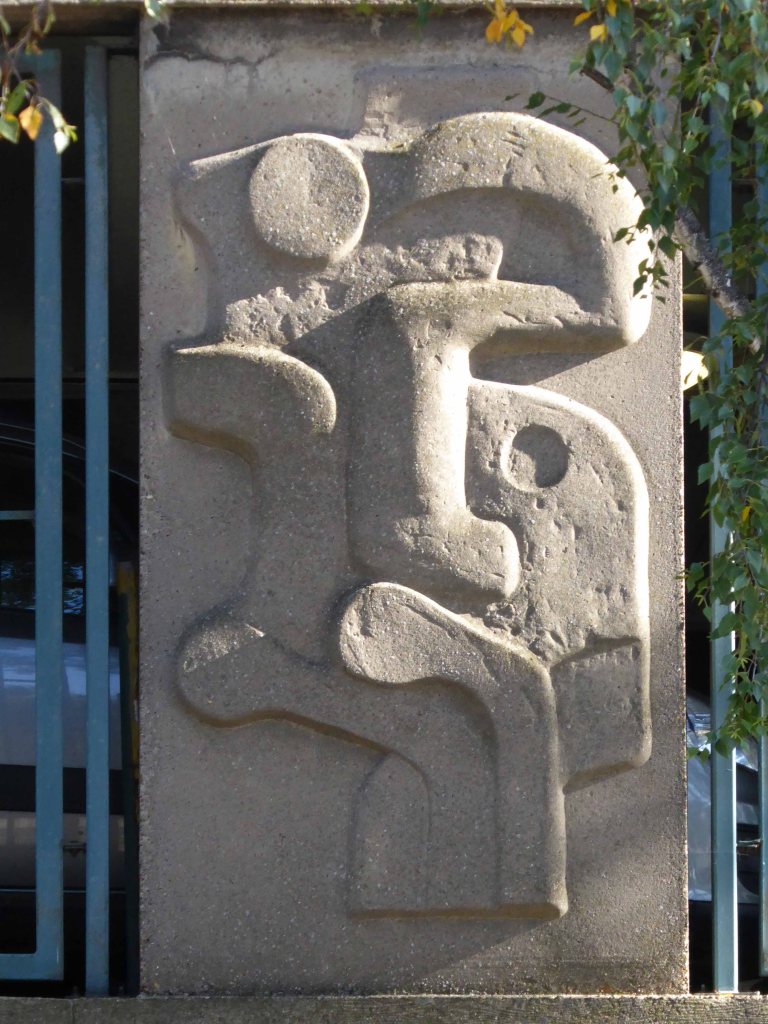
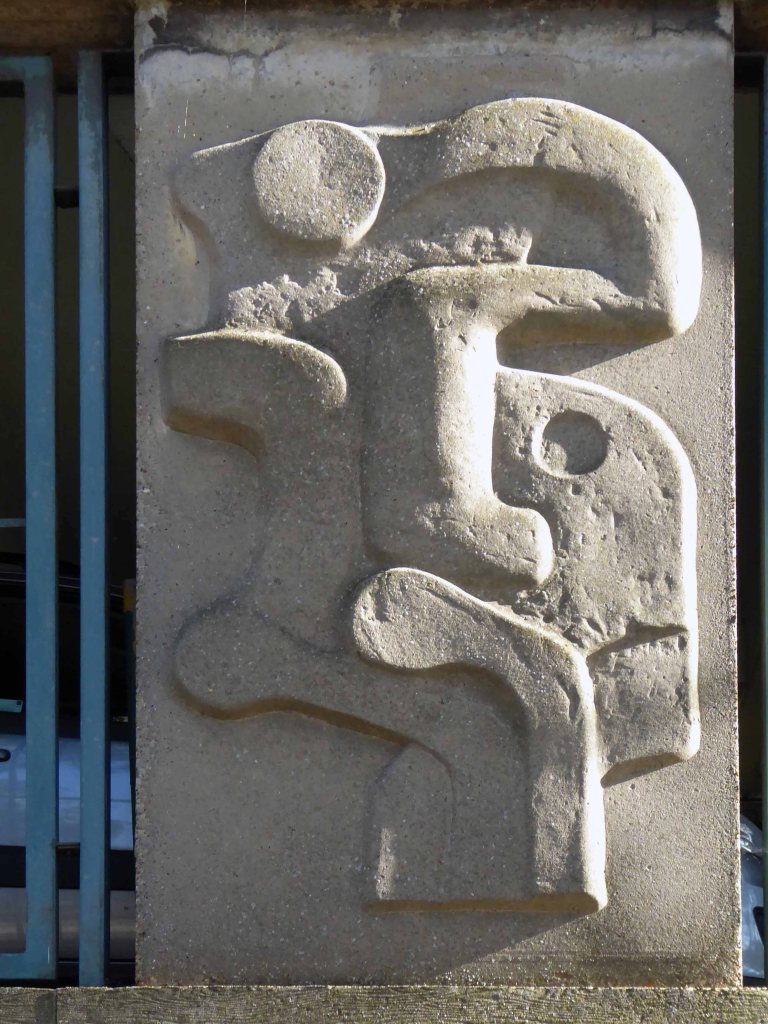
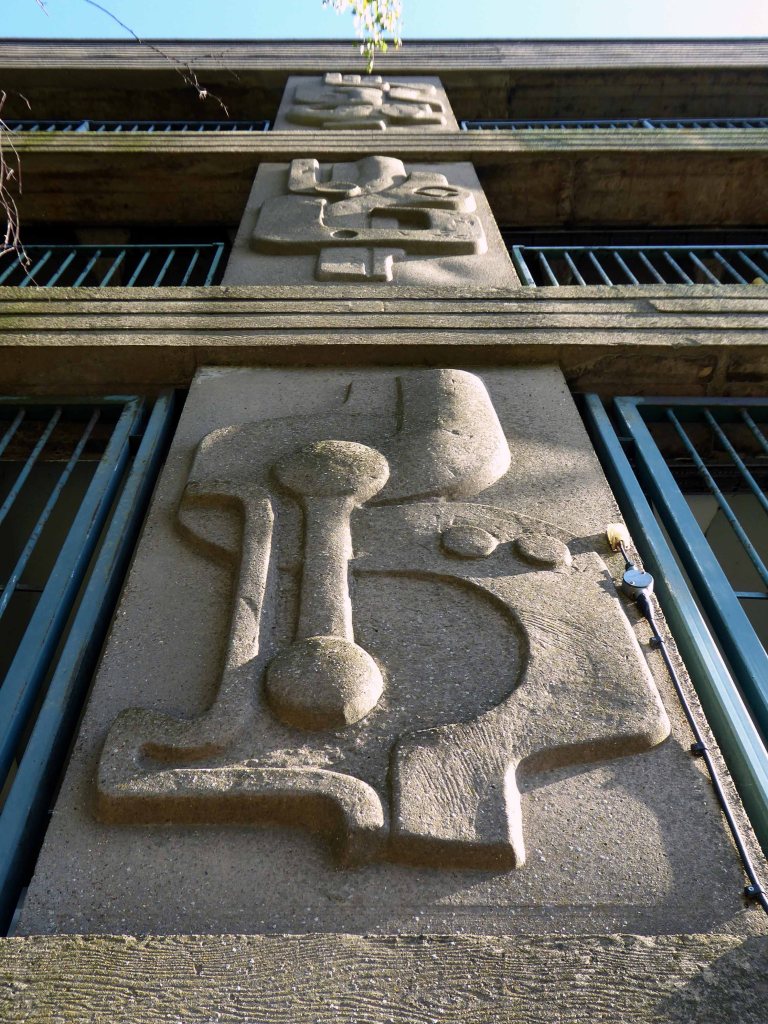
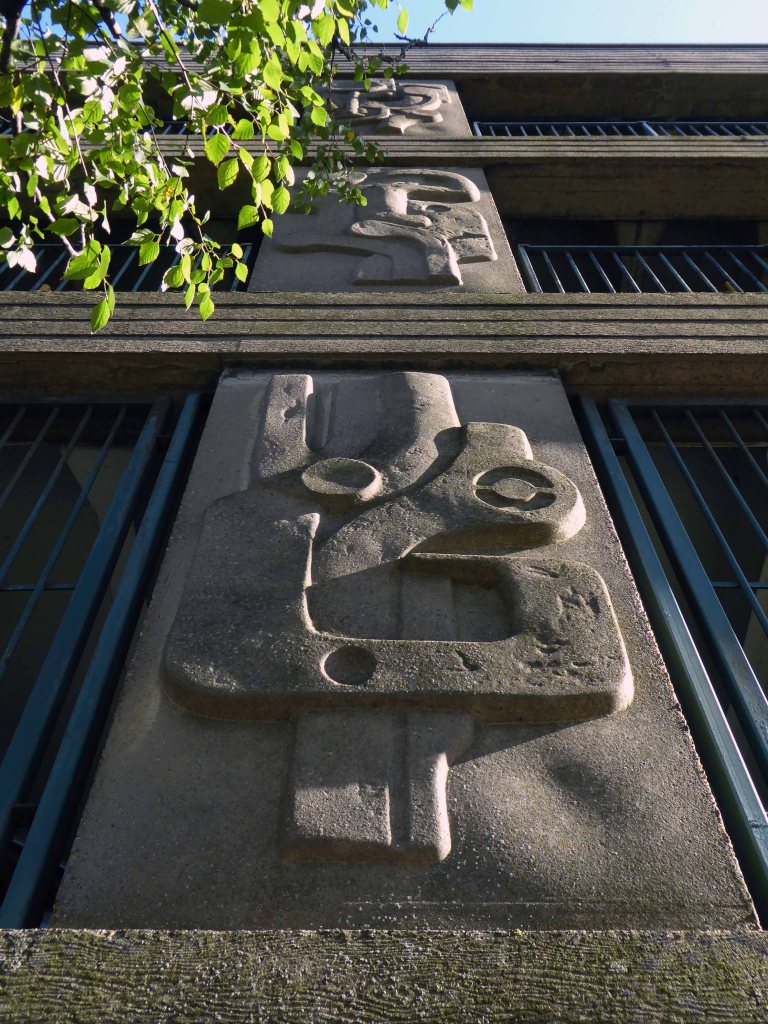
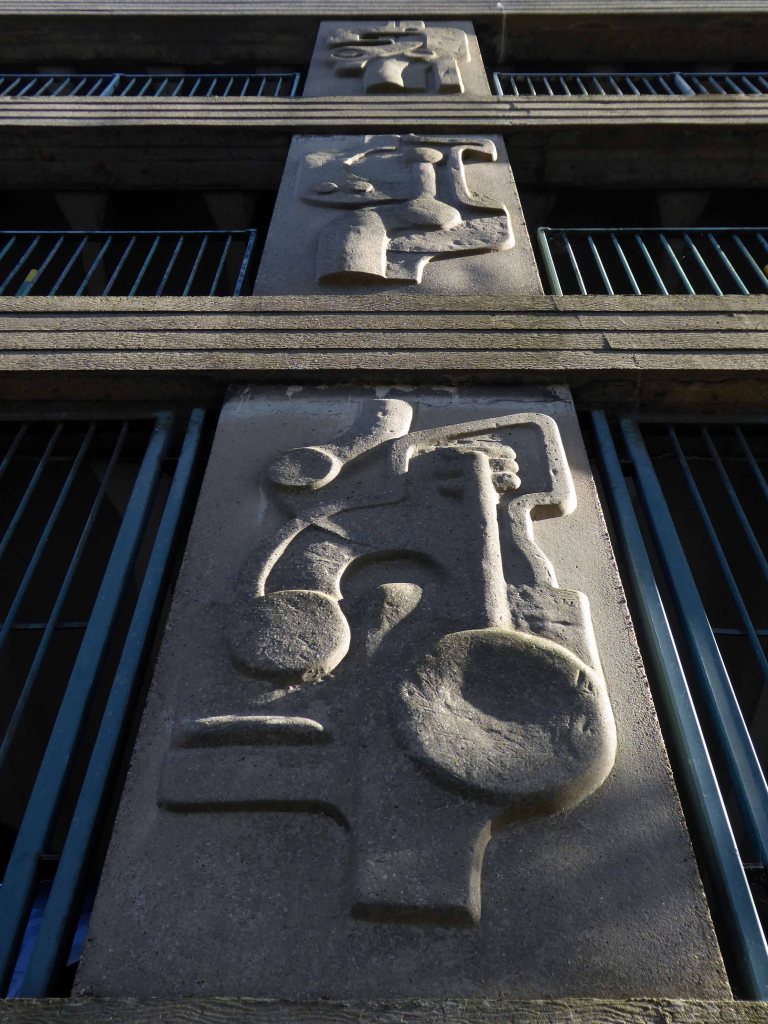
I found you by chance between the railway and the high street, so I took a good look around, fascinated by the concrete sculptural panels on your fascia columns, those facing Abbey Walk.
Research tells me that they the work of Harold Gosney – born in Sheffield, he studied at Grimsby School of Art and London’s Slade School of Fine Art.
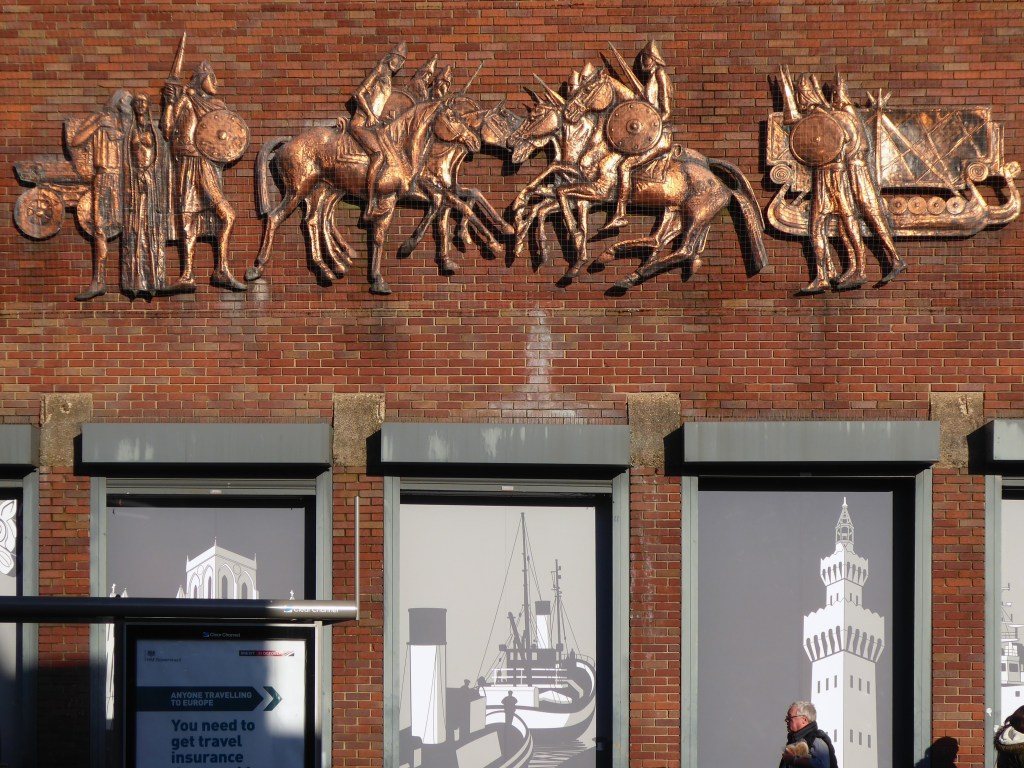
The majority of Gosney’s early commissions were collaborations with architects and he has made a significant contribution to public art in Grimsby. He is the artist responsible for the reliefs on the Abbey Walk car park, the large Grimsby seal by the entrance to the Grimsby Central Library and the Grim and Havelok themed copper relief on the side of Wilko store in Old Market Place.
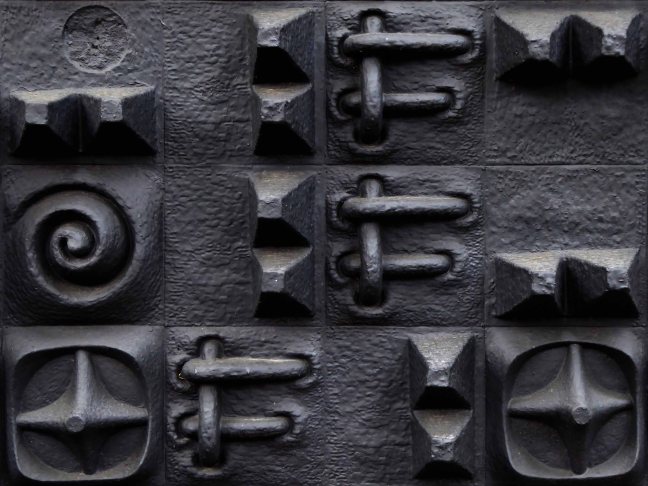
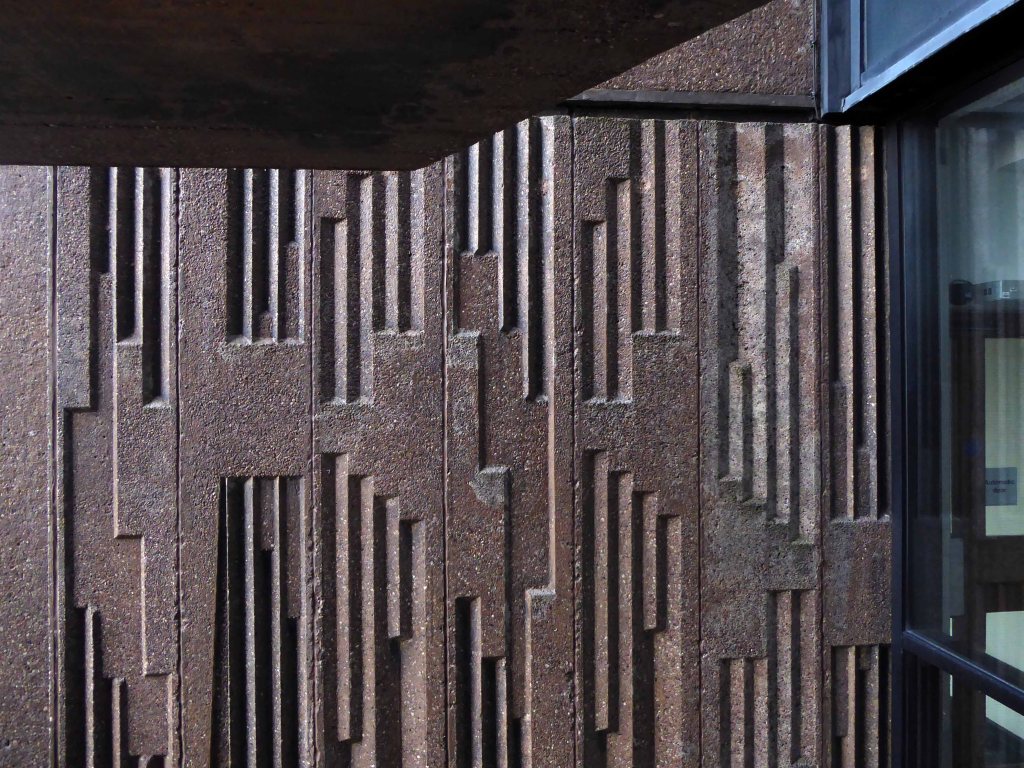
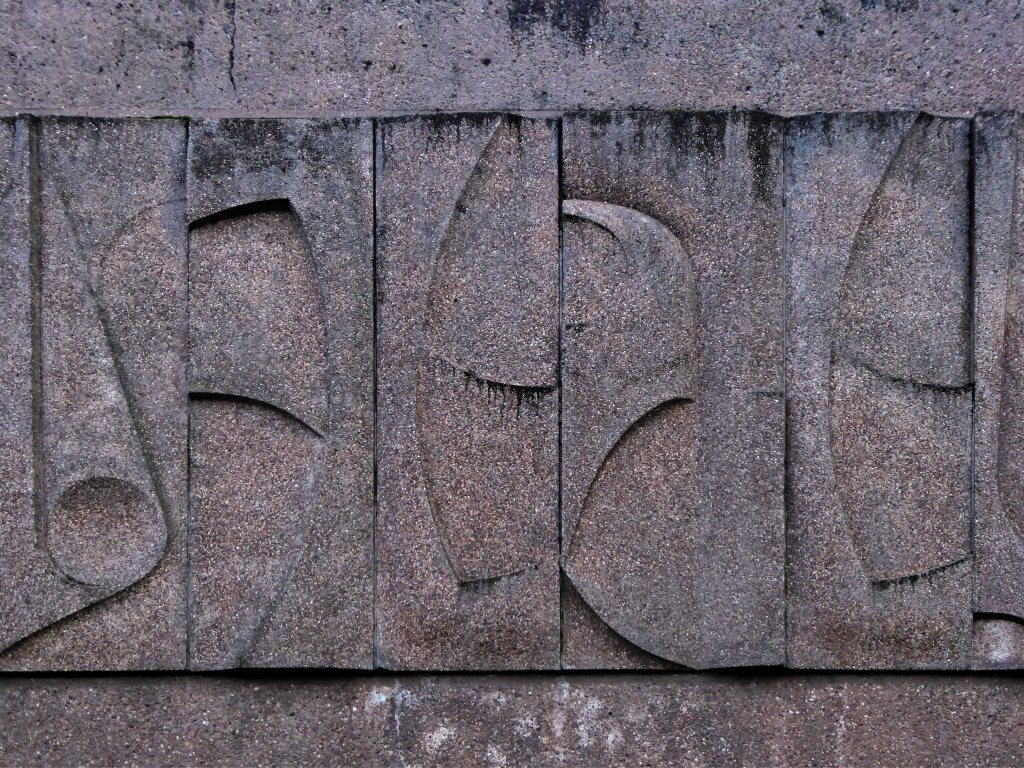
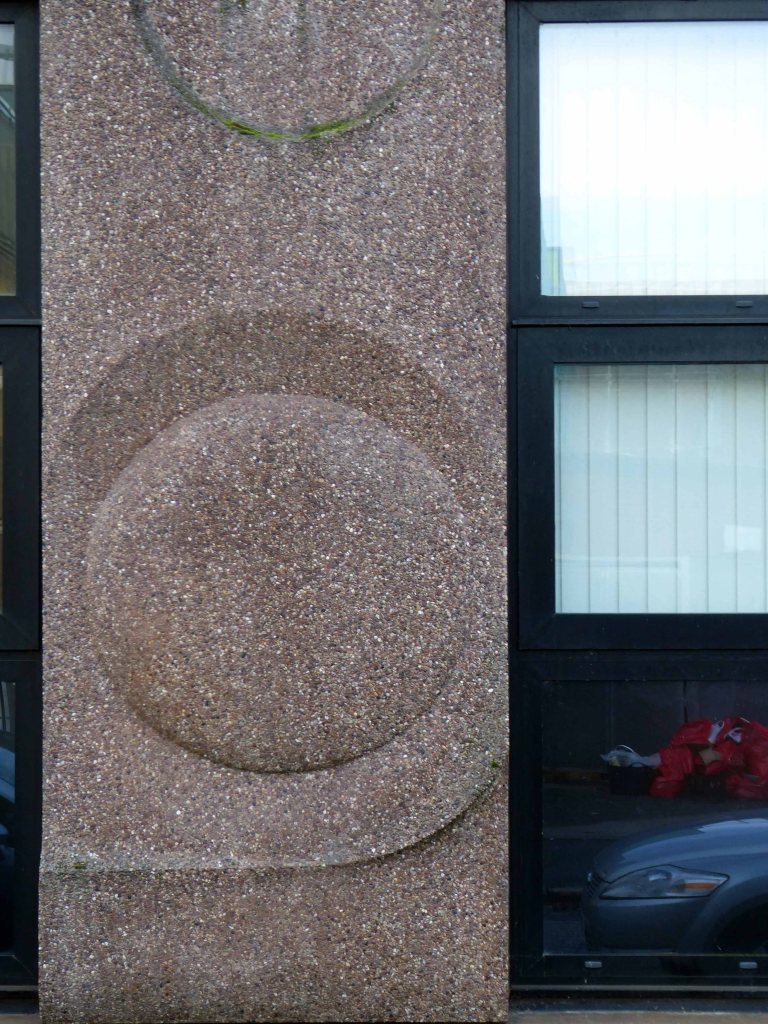
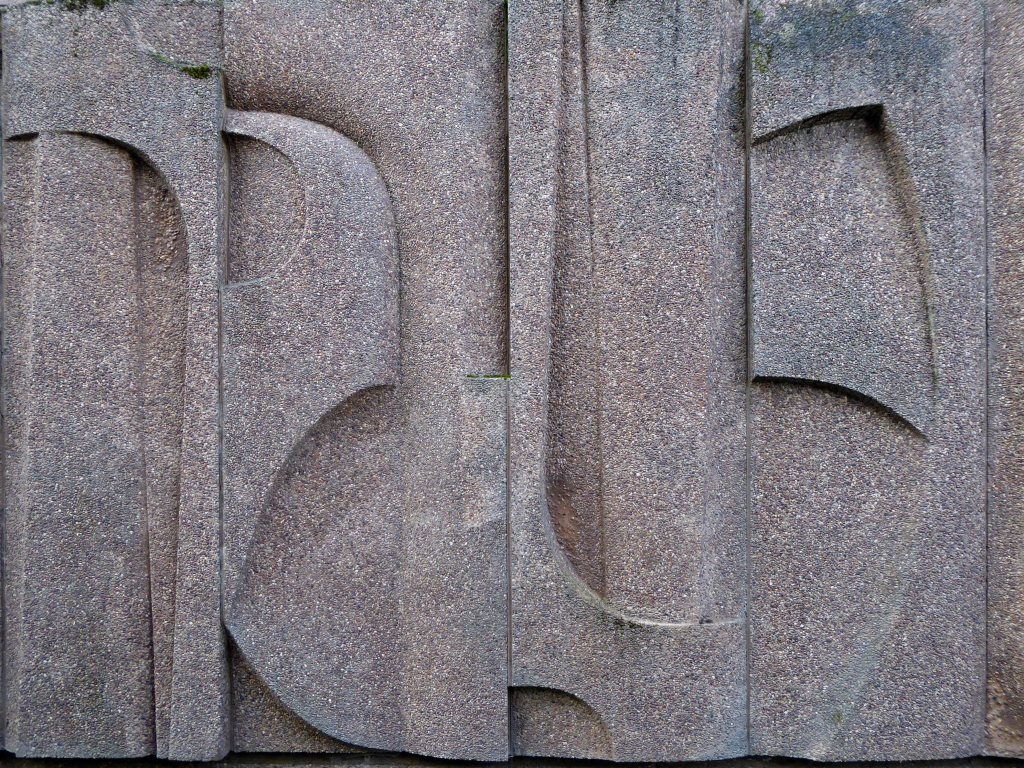
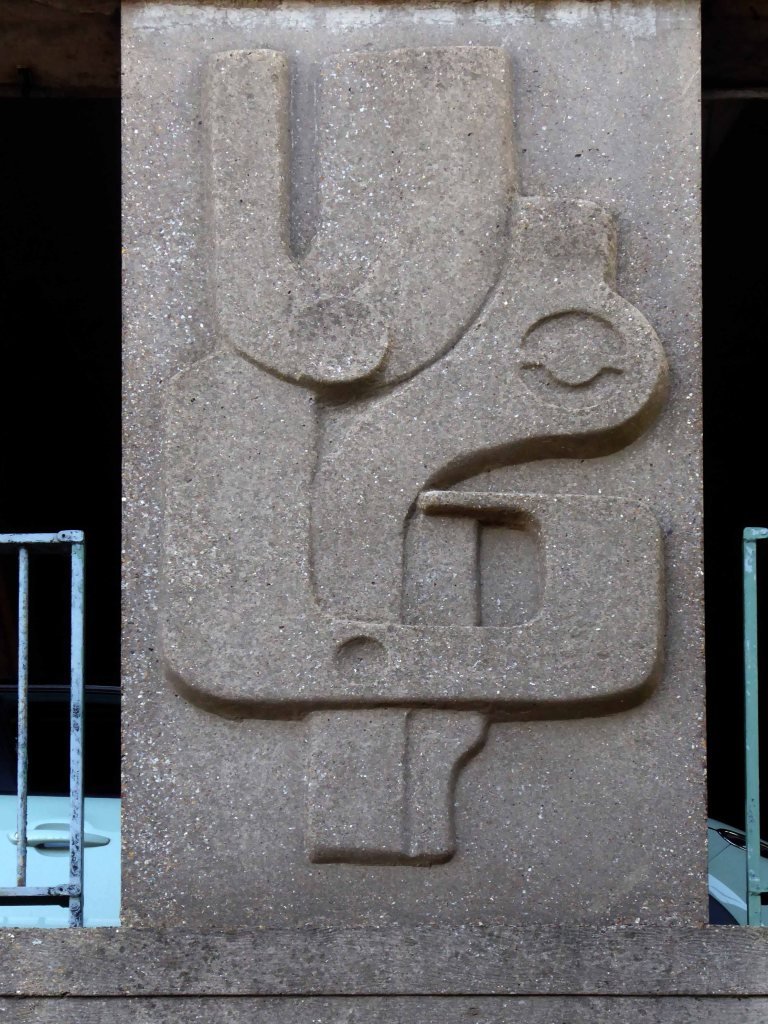
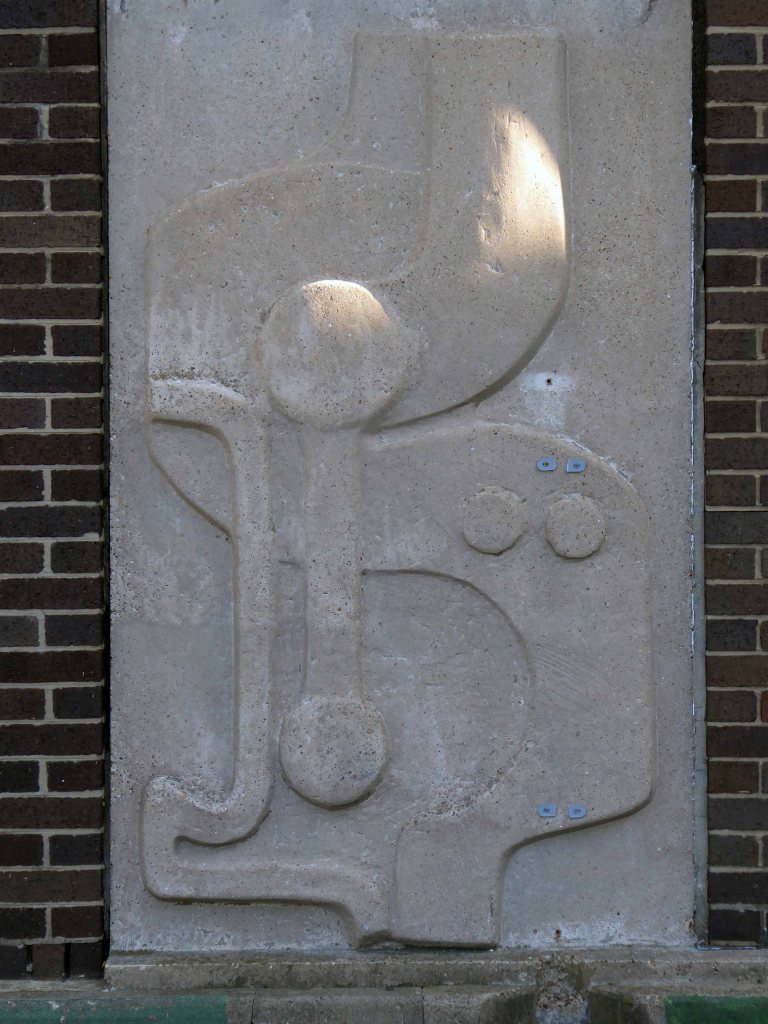
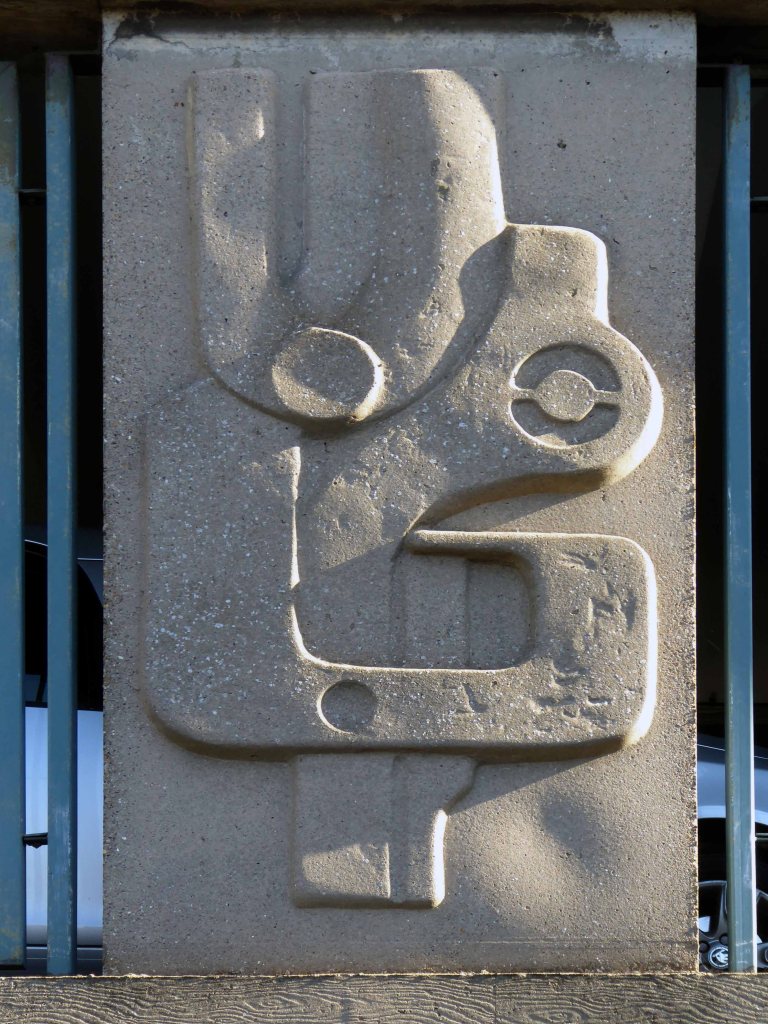
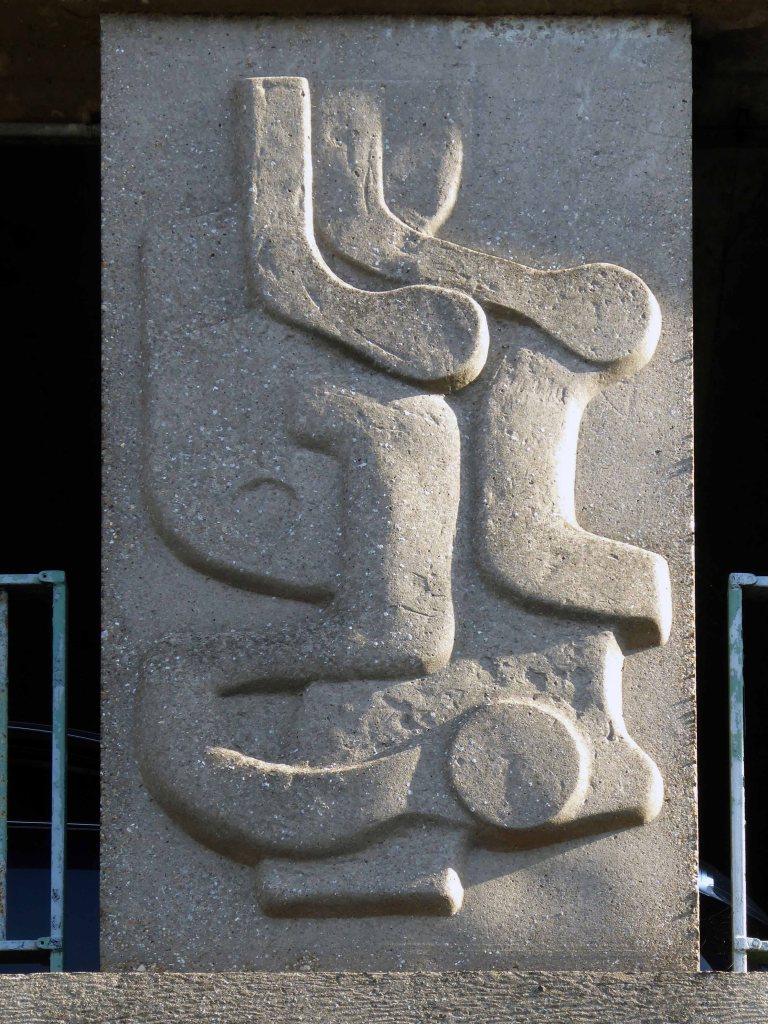
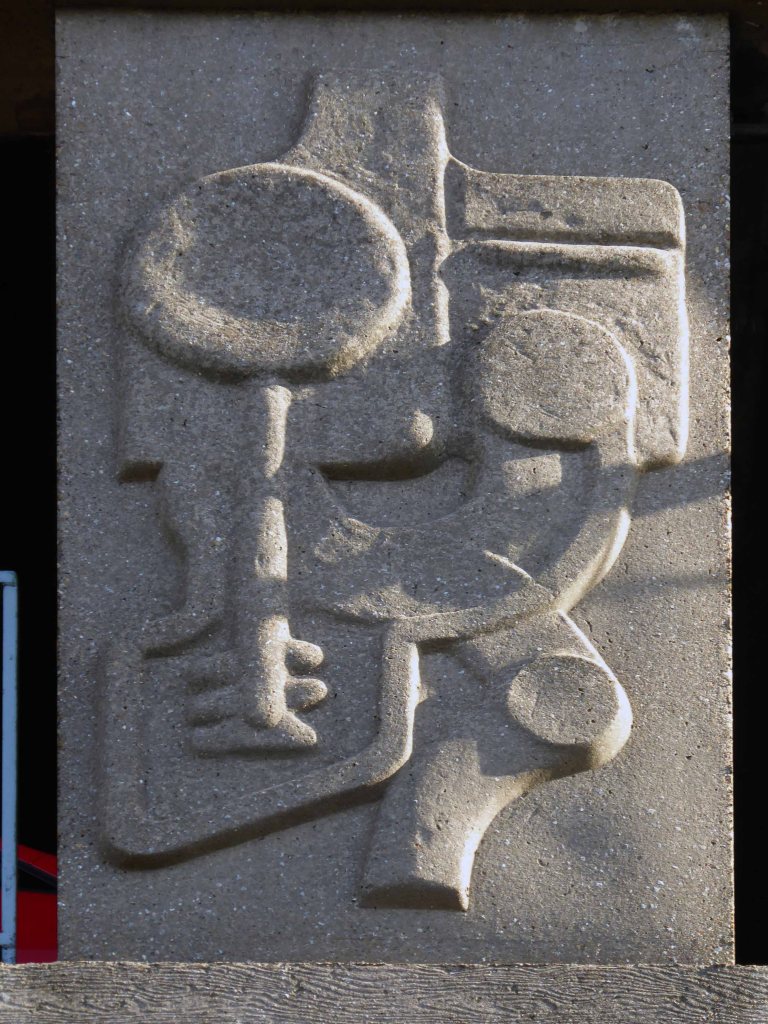
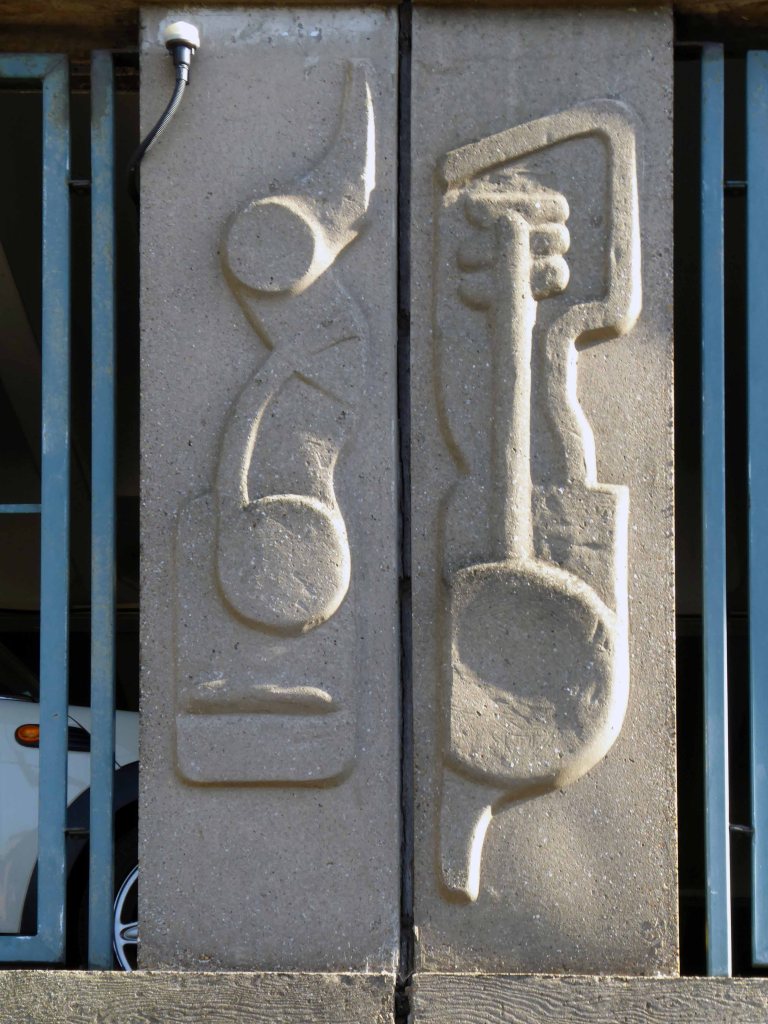
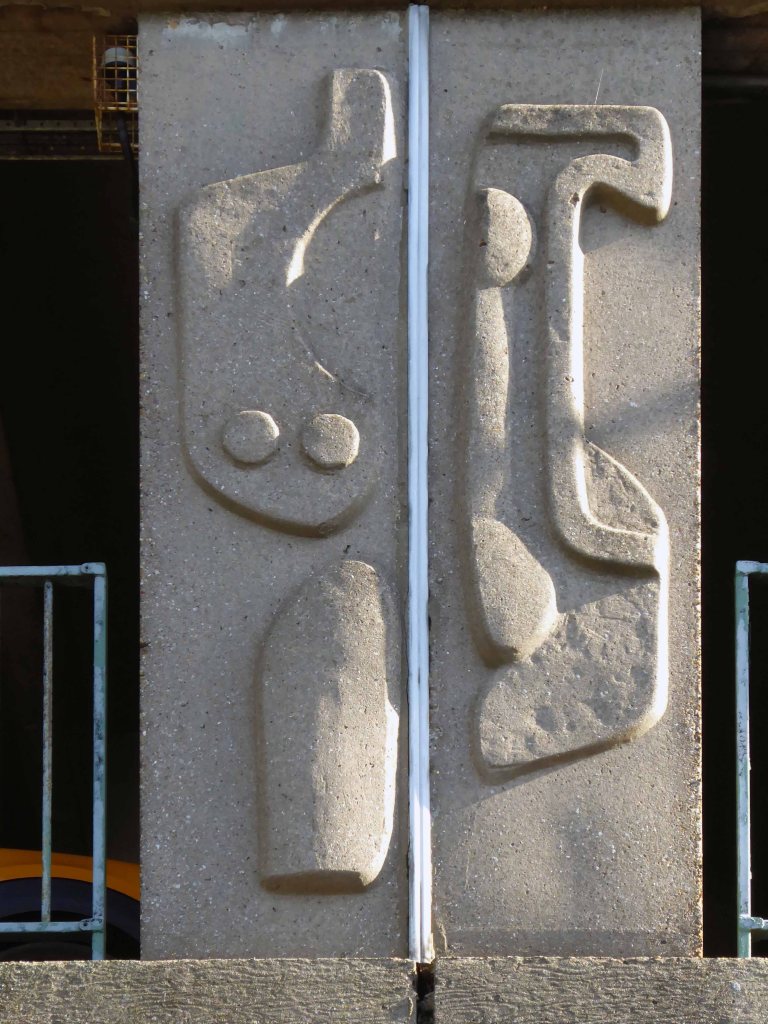
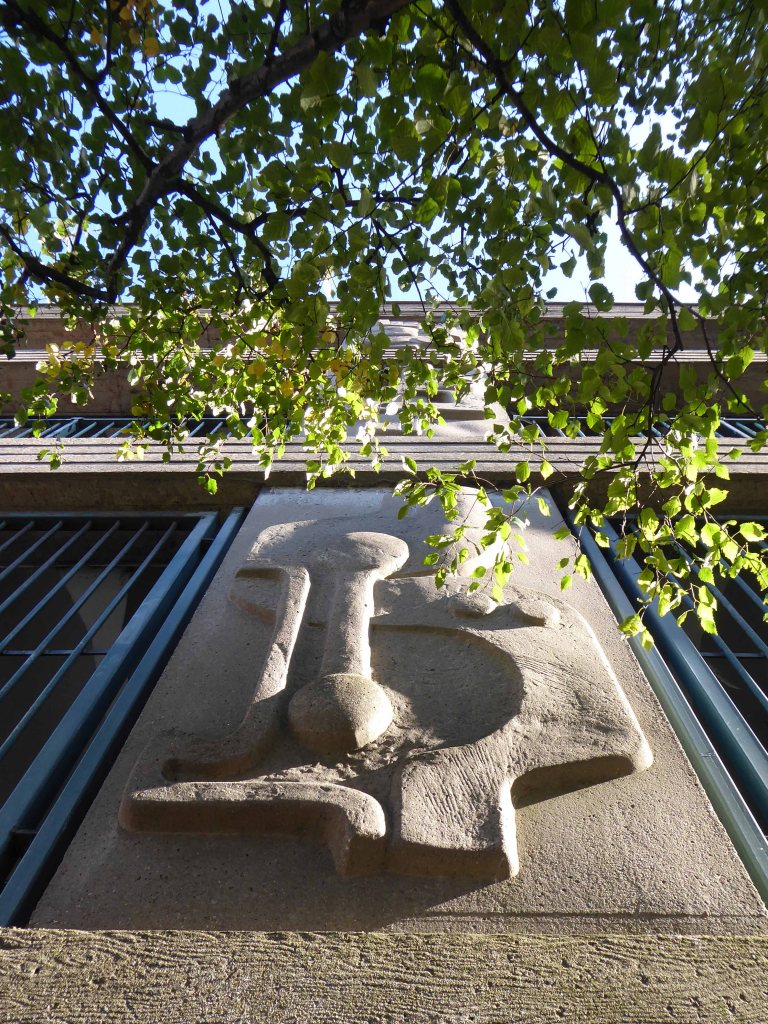
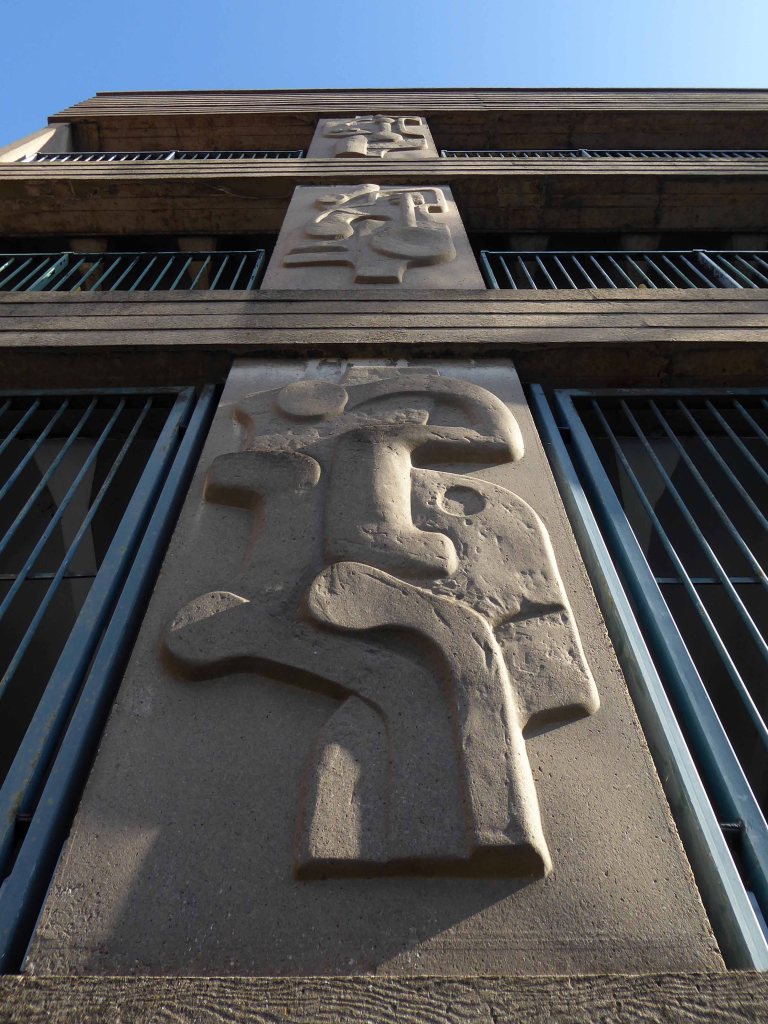
Abbey Walk was designed by architects Nicholson & Rushton and built in 1969 by Holst & Company of Scunthorpe at a cost of approximately £200,000. The concrete panels were structural pillars, cast in situ and featuring a repeated series of four abstract designs – some flipped 180 degrees.
In an interview with the BBC, Gosney explained the inspiration for these: “The four designs I produced were inspired by drawings in the handbook of the car that I had at the time, which was an Austin Cambridge estate car, and included suspension, carburettor, etc.”
The car park has been the subject of some speculative repairs and refurbishment:
In total, the scheme will cost the council £1.54 million.
The authority will borrow £1.34 million to fund the project with a further £200,000 coming from a local transport grant. But the council said that the improvements made could help increase revenue from the car park of around £34,000 a year.
Councillor Matthew Patrick, portfolio holder for transport at the council, said that the work is essential to “brighten up” the building and attract people into Grimsby.
“It’s one of the largest car parks in the town,” he said.
“It will attract more people into the town centre and help to improve the offering of the car park.”
So here we are faced with a rare, precious and beautiful example of municipal modernism, a bold and brave attempt to decorate what is often the most functional of functional structures.
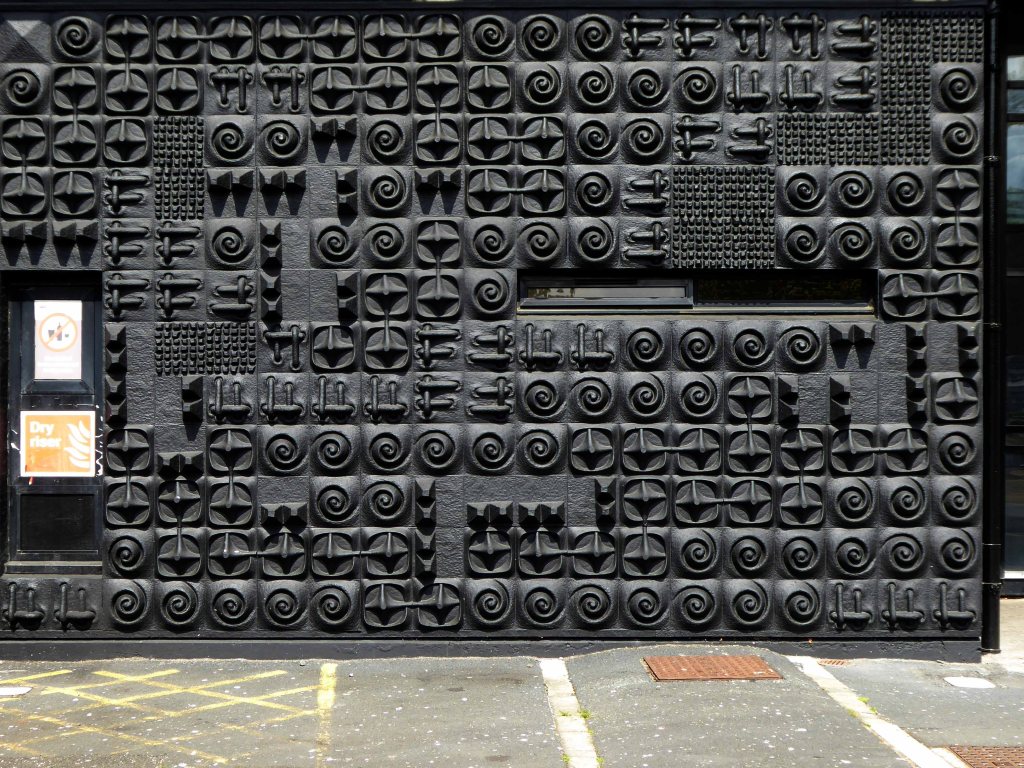
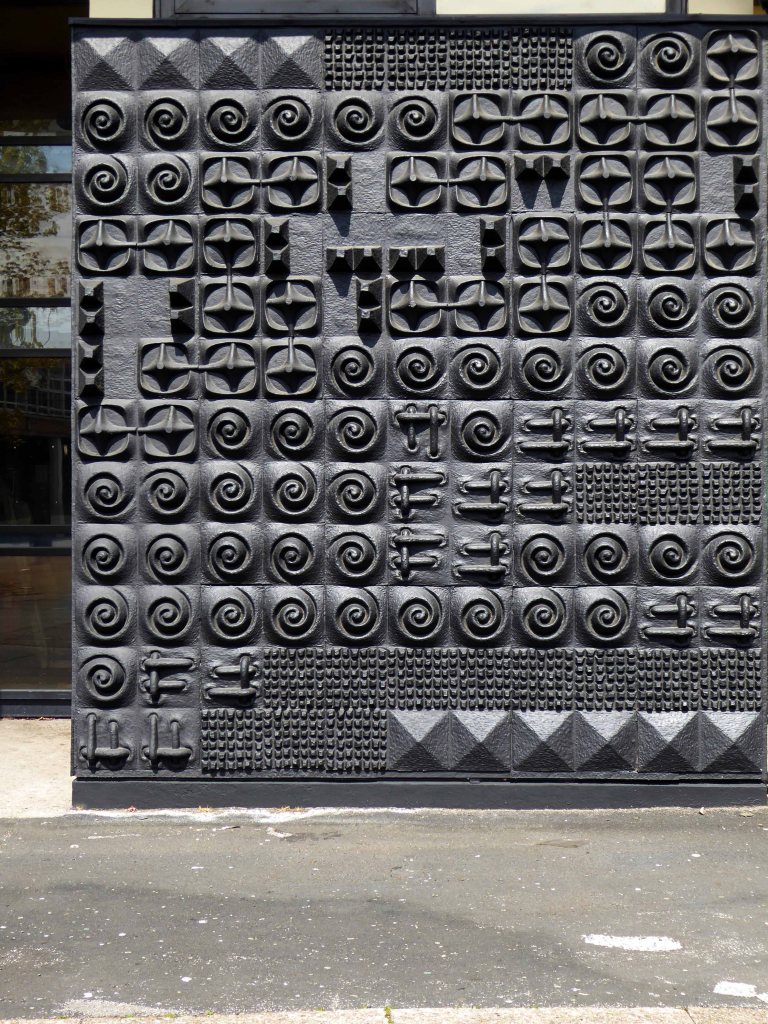
Owing something to the work of both Henry Moore and Pablo Picasso the imagery is derived from automotive parts, along with it seems to me, vague intimations of figuration.
Antony Holloway – artist born March 8th 1928 he died on August 9th 2000.
Dorset was where he was born and grew up and the Dorset landscape was always there deep within him. He was educated at Poole grammar school between 1939 and 1945. After national service in the Royal Air Force in Dorset and Germany from 1948 to 1953 he studied at Bournemouth College of Art. Then came the RCA.
Tony began work as a stained glass and mural designer and jumped, with astonishing confidence, into working as a consultant designer with the architects’ division of the London County Council. He learned how to deal with architects and builders, and became adept at getting as much out of the money available – never enough – for his projects.
In 1963 he was introduced to the Manchester architect, Harry Fairhurst. Eight years later, after they had worked together on commissions in Cheshire and Liverpool, Fairhurst sought Tony’s advice about a plan for five large stained-glass windows in Manchester Cathedral.
Tony asked to design and make the first window, the St George in the inner south-west aisle. It was completed in 1973. Further windows followed in 1976 and 1980 and the final window, Revelation was installed in 1995.
Partially covered with greenery and now securely contained within spiked railings, I circumnavigated the site catching and snapping the structure where I could – here are those very snaps.
One fine sunny Monday morning I set out cycling to Ashton-under-Lyne to buy an enamel pie dish. Almost inevitably I was pushed and pulled in a variety of unforeseen directions, incautiously distracted and diverted serendipitously – towards Droylsden.
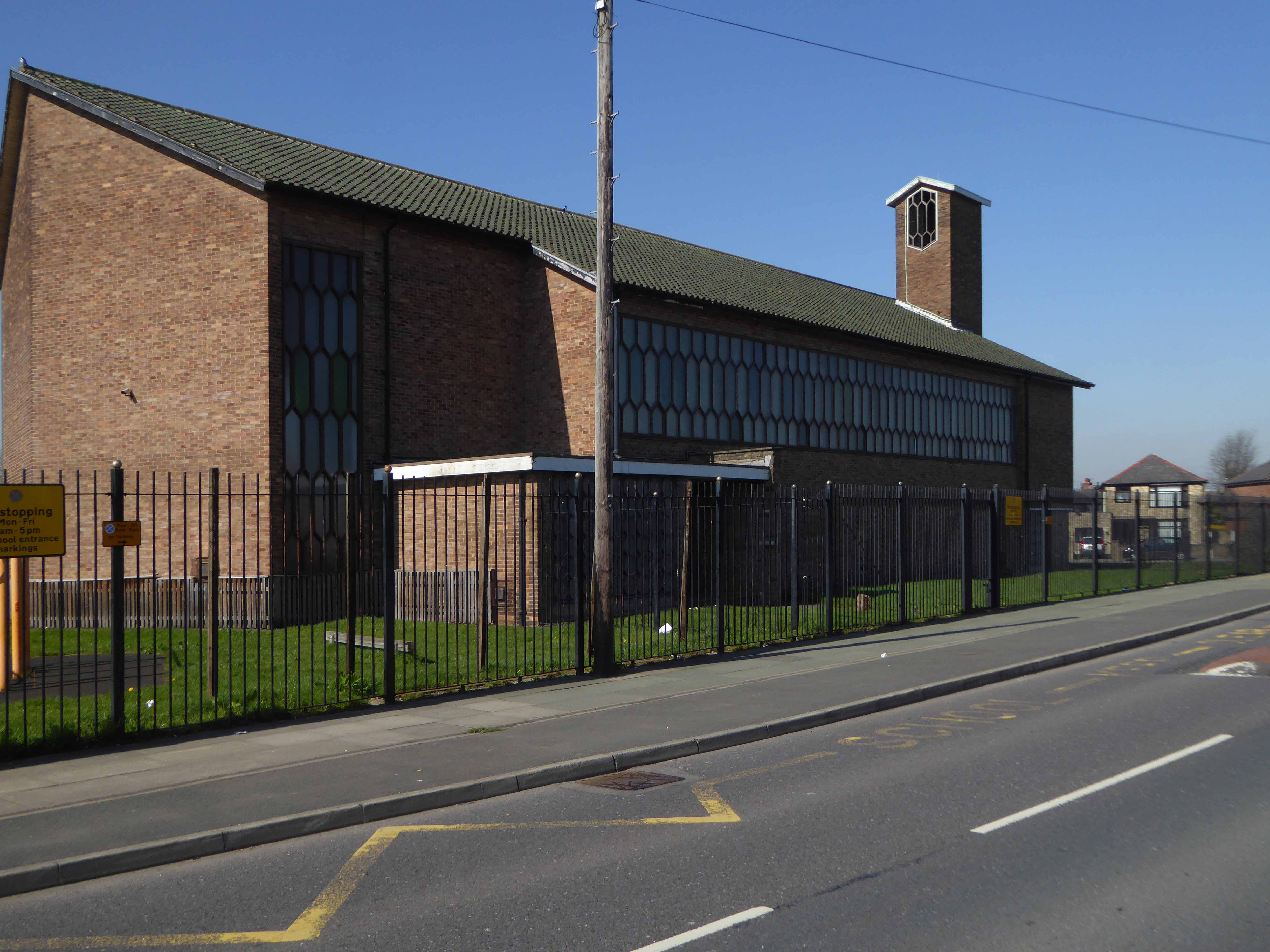
Idly pedalling down Greenside Lane looking this way and that I was drawn magnetically to a pitched roof tower, towering over the red brick semis. Rounding the corner I discovered the delightful St Stephen’s RC church, stood high and proud on a grassy corner, glowing golden in the March sunlight.
I leaned my bike against the presbytery wall and with the kindly bidding of a passing parishioner, I went inside.
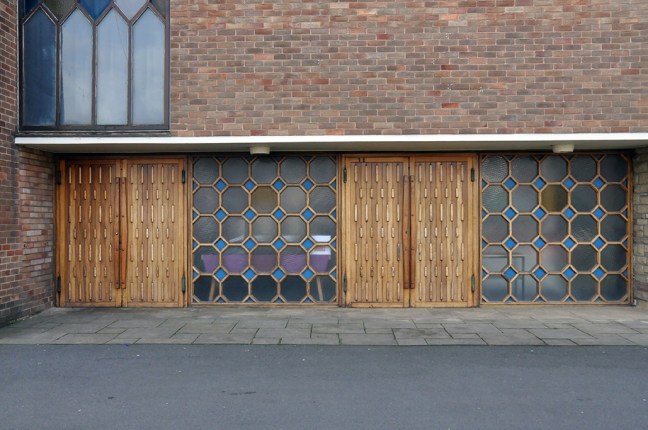
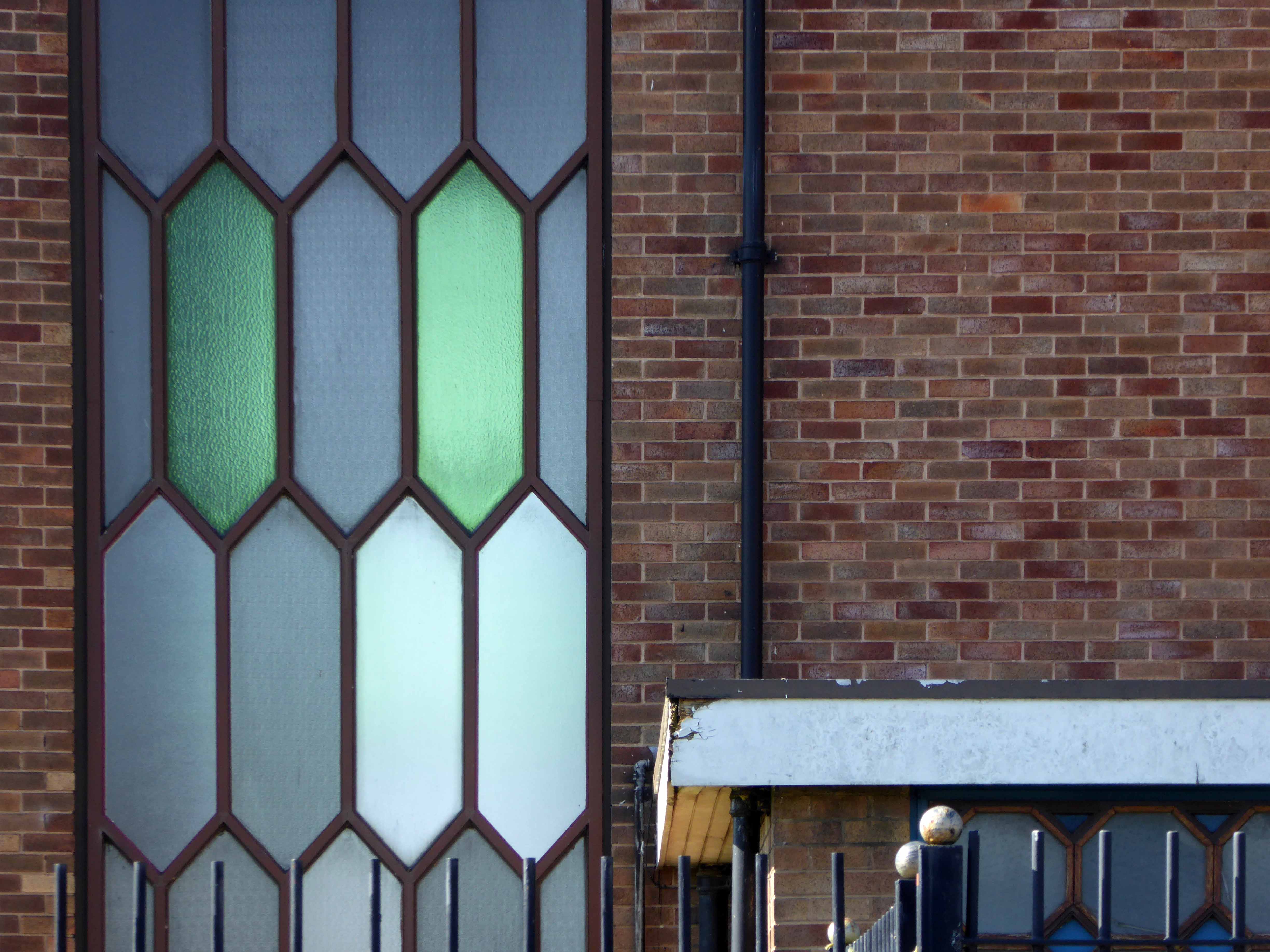
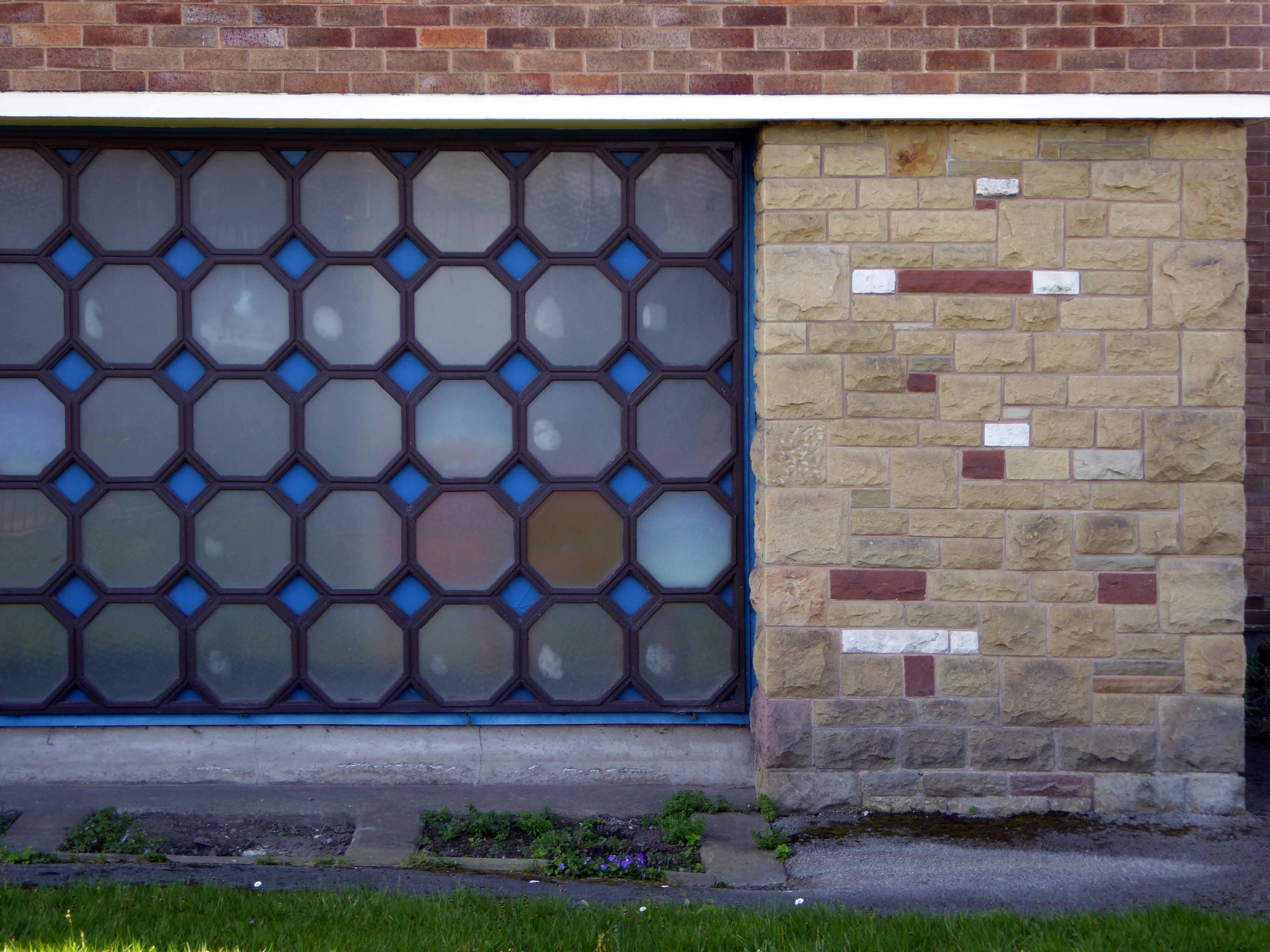
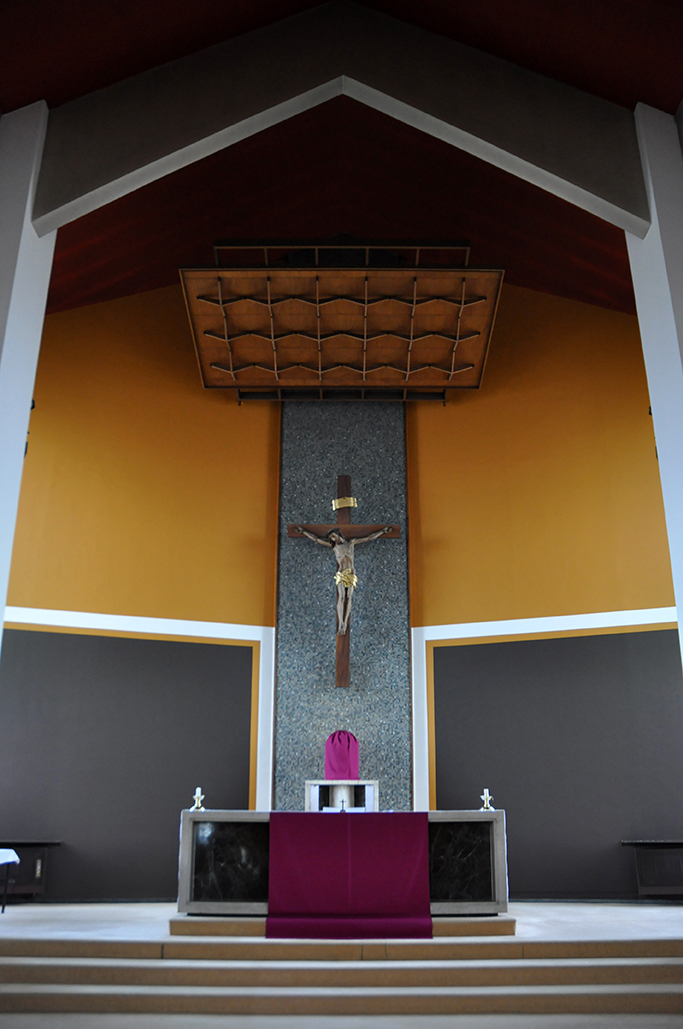
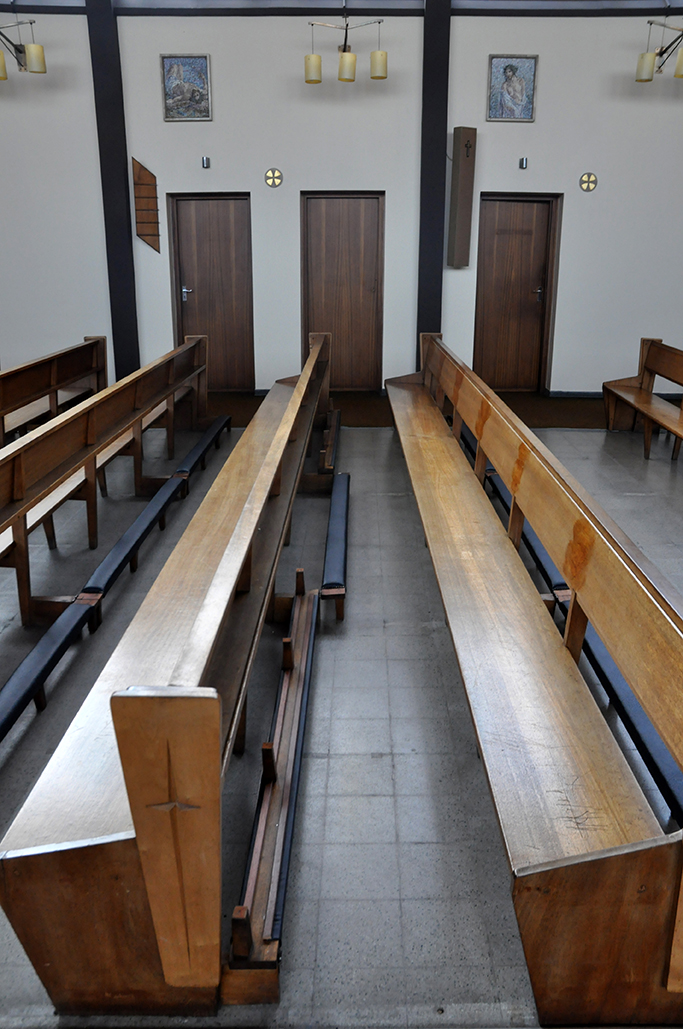
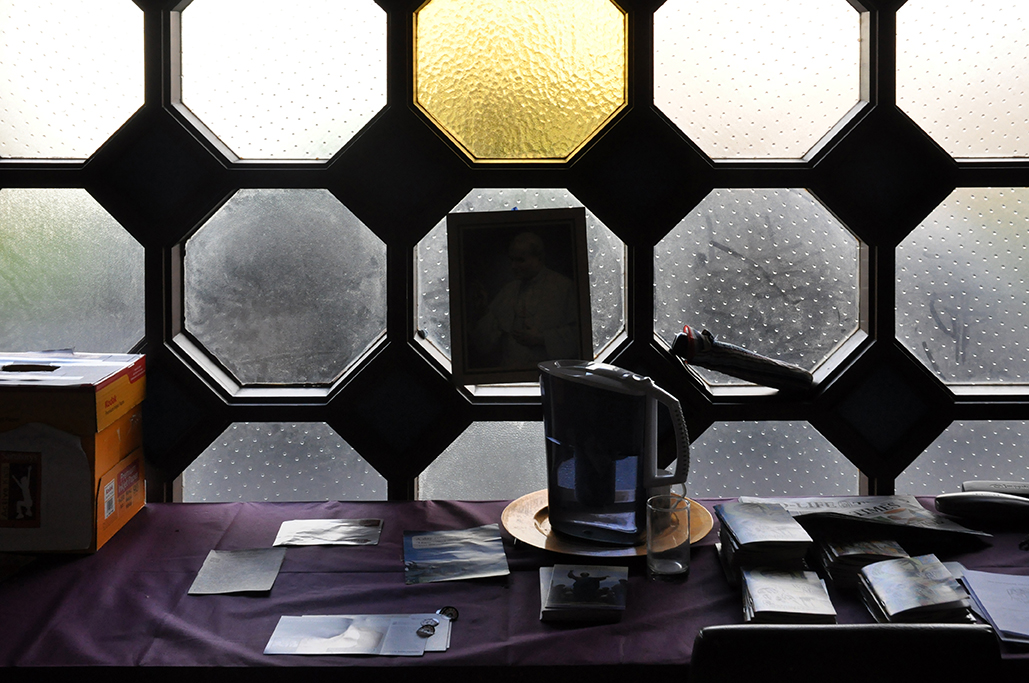
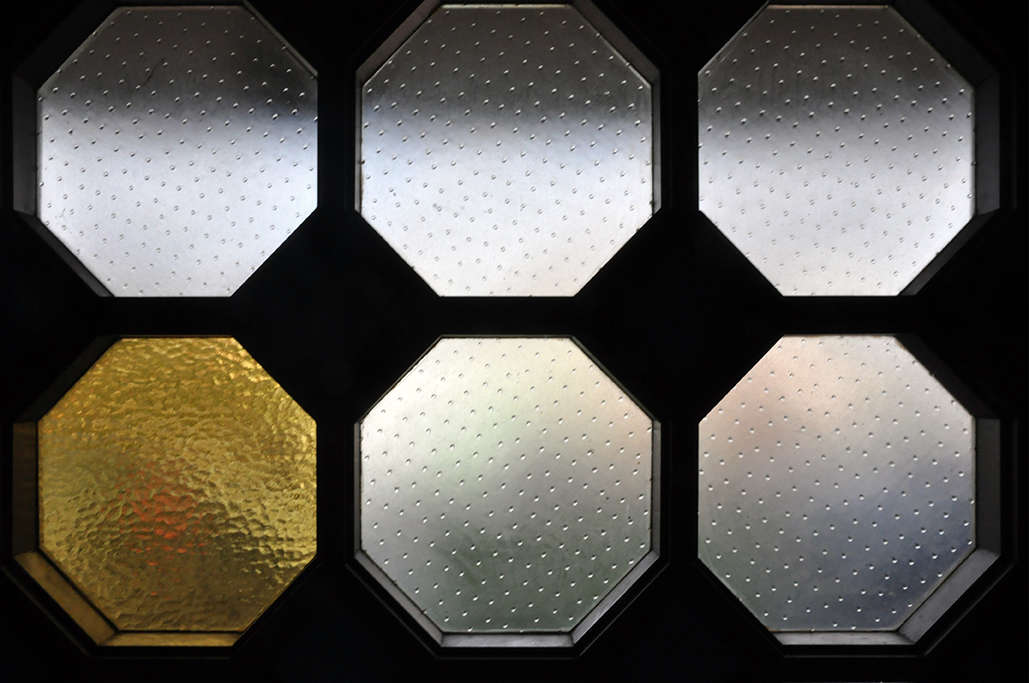
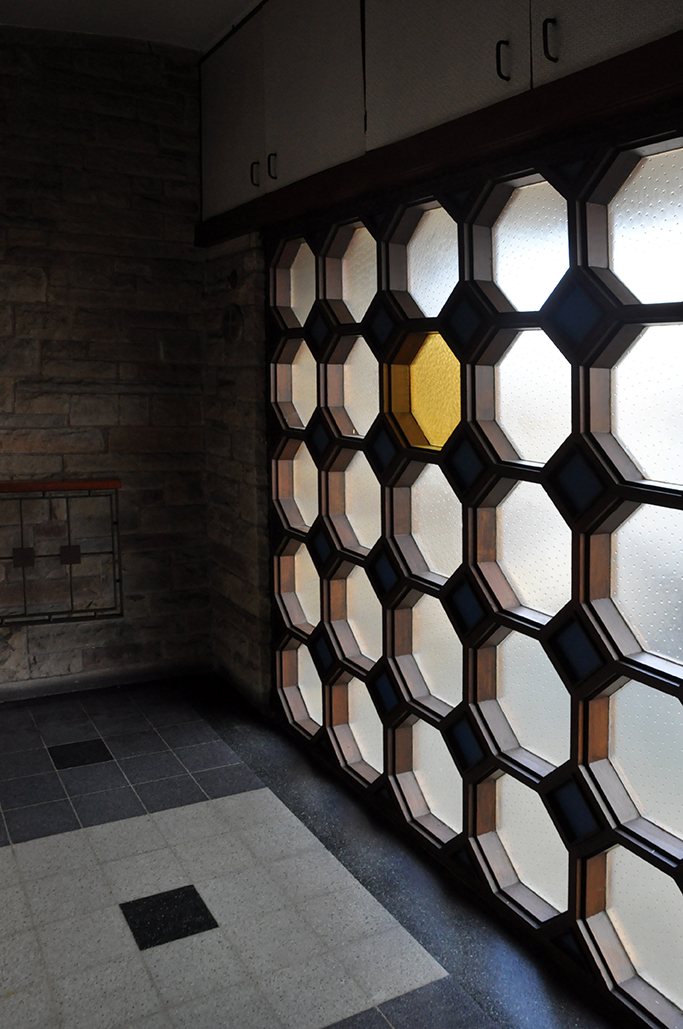
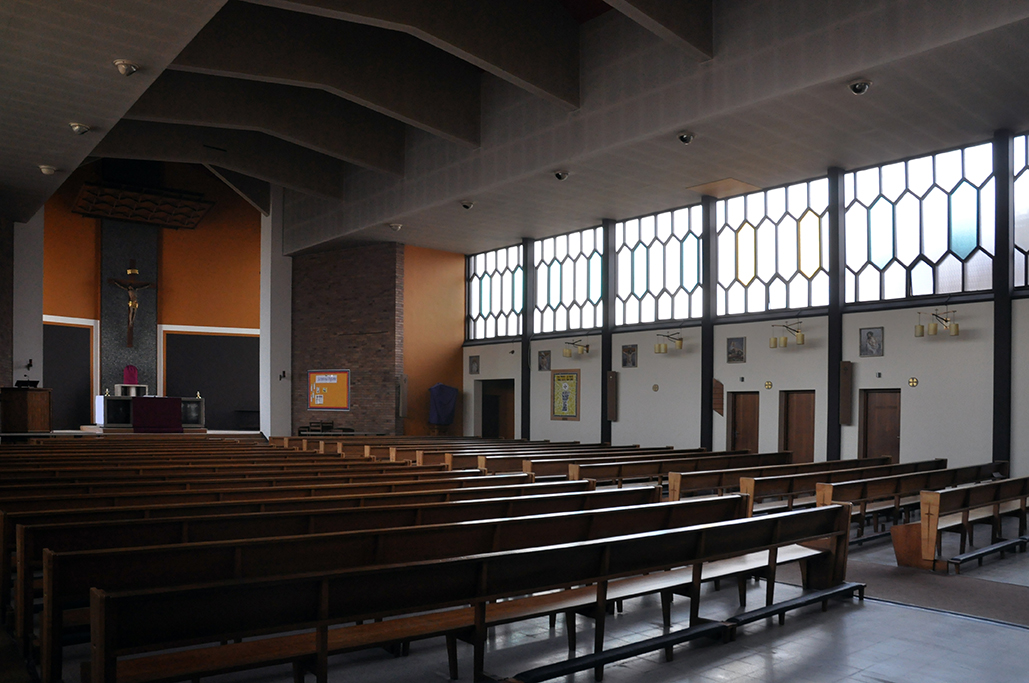
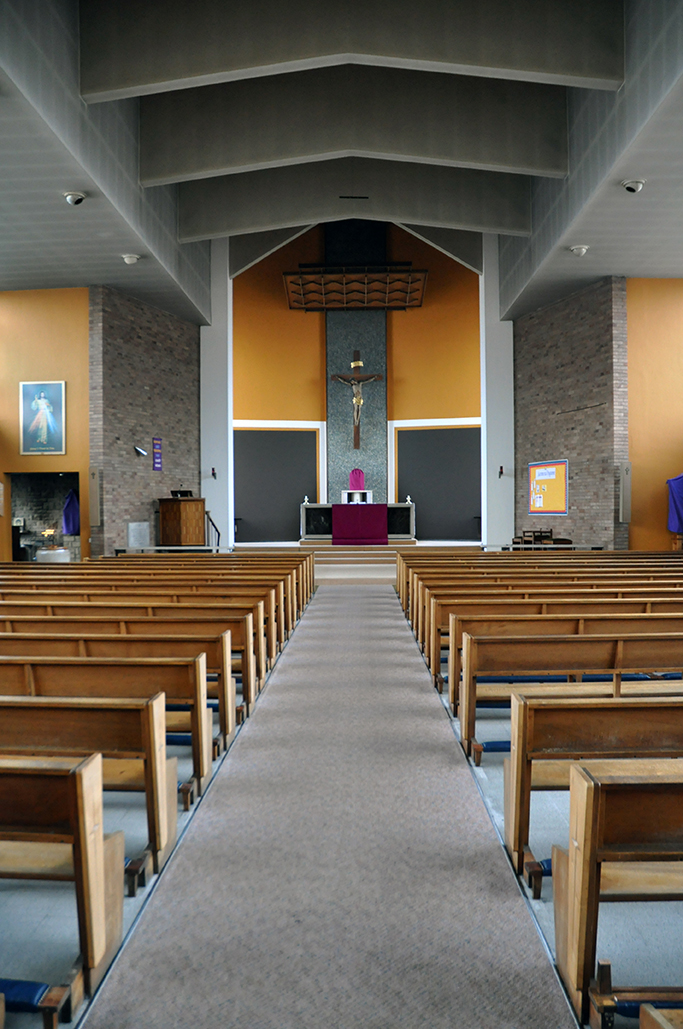
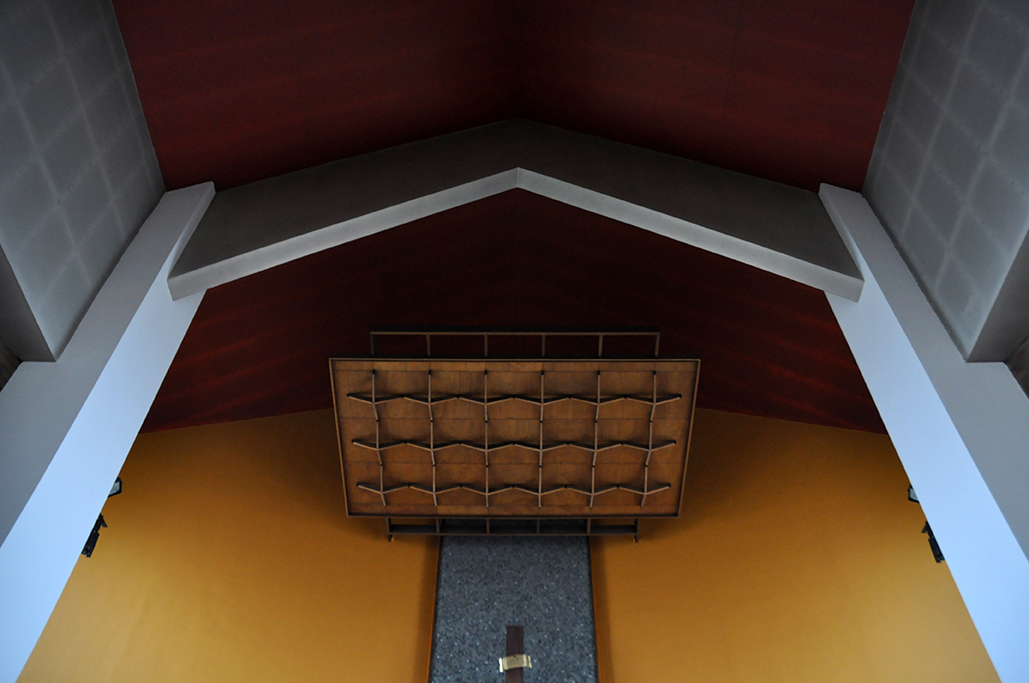
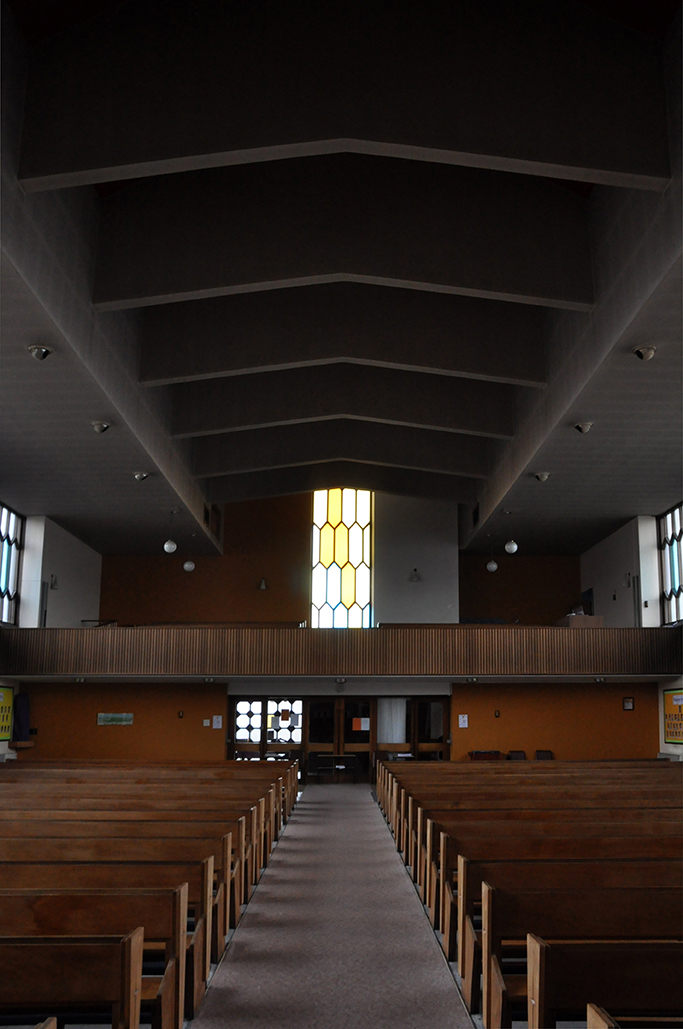
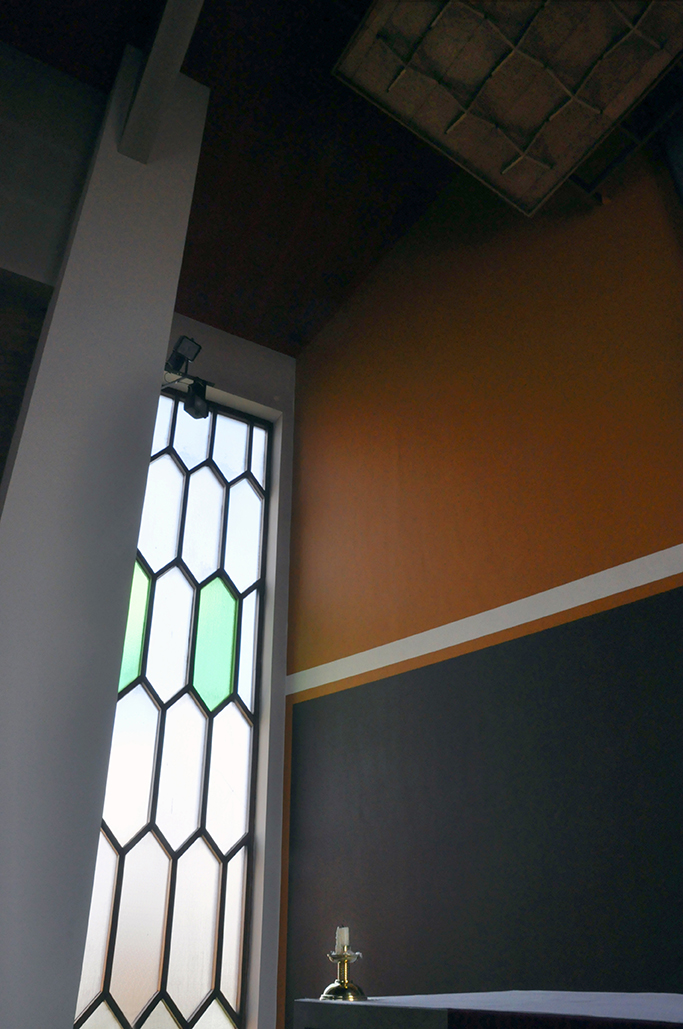
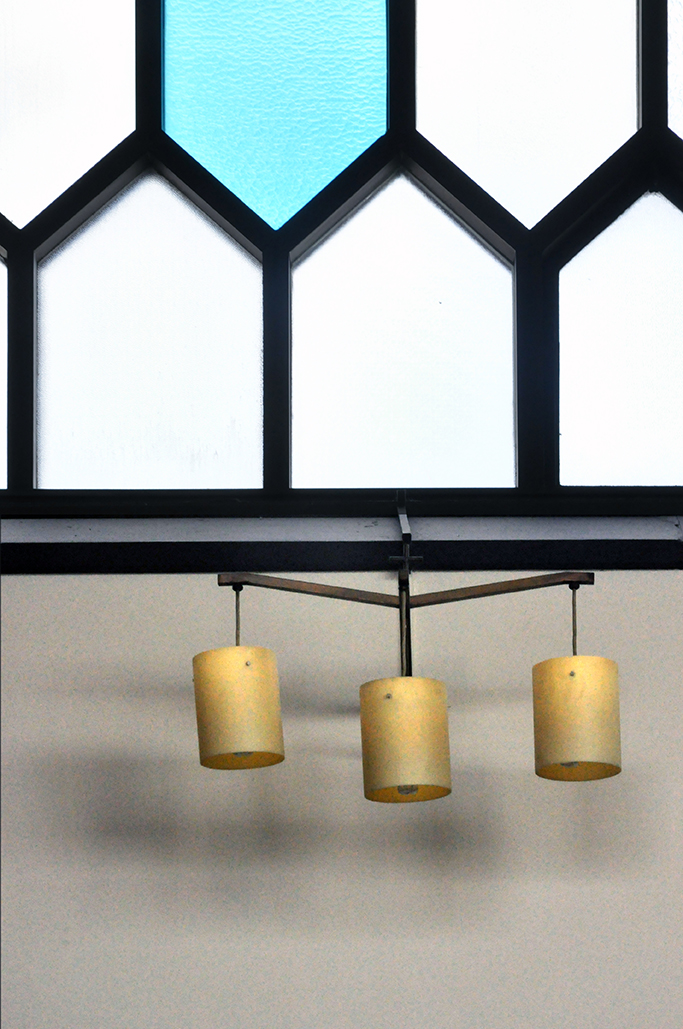
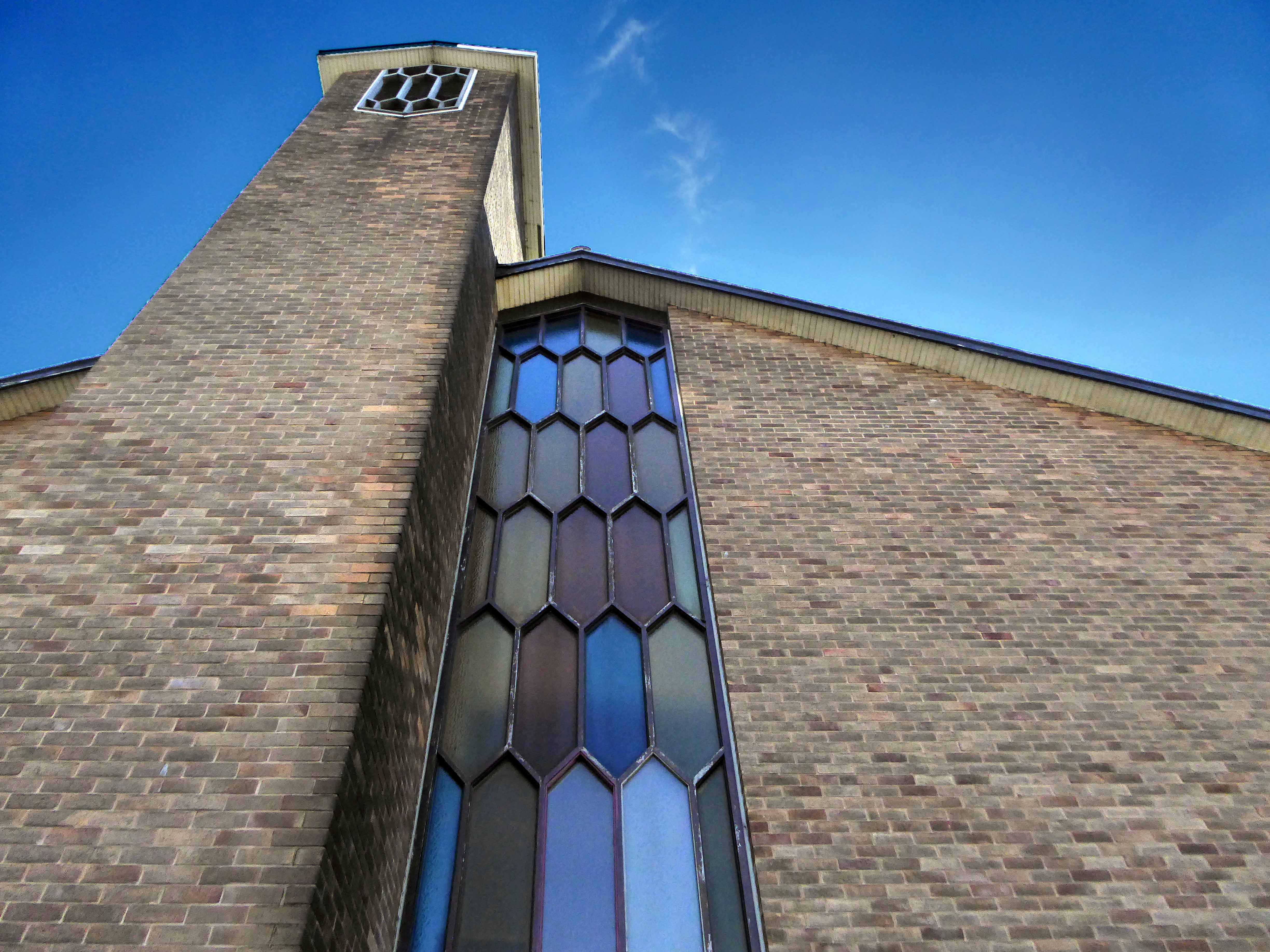
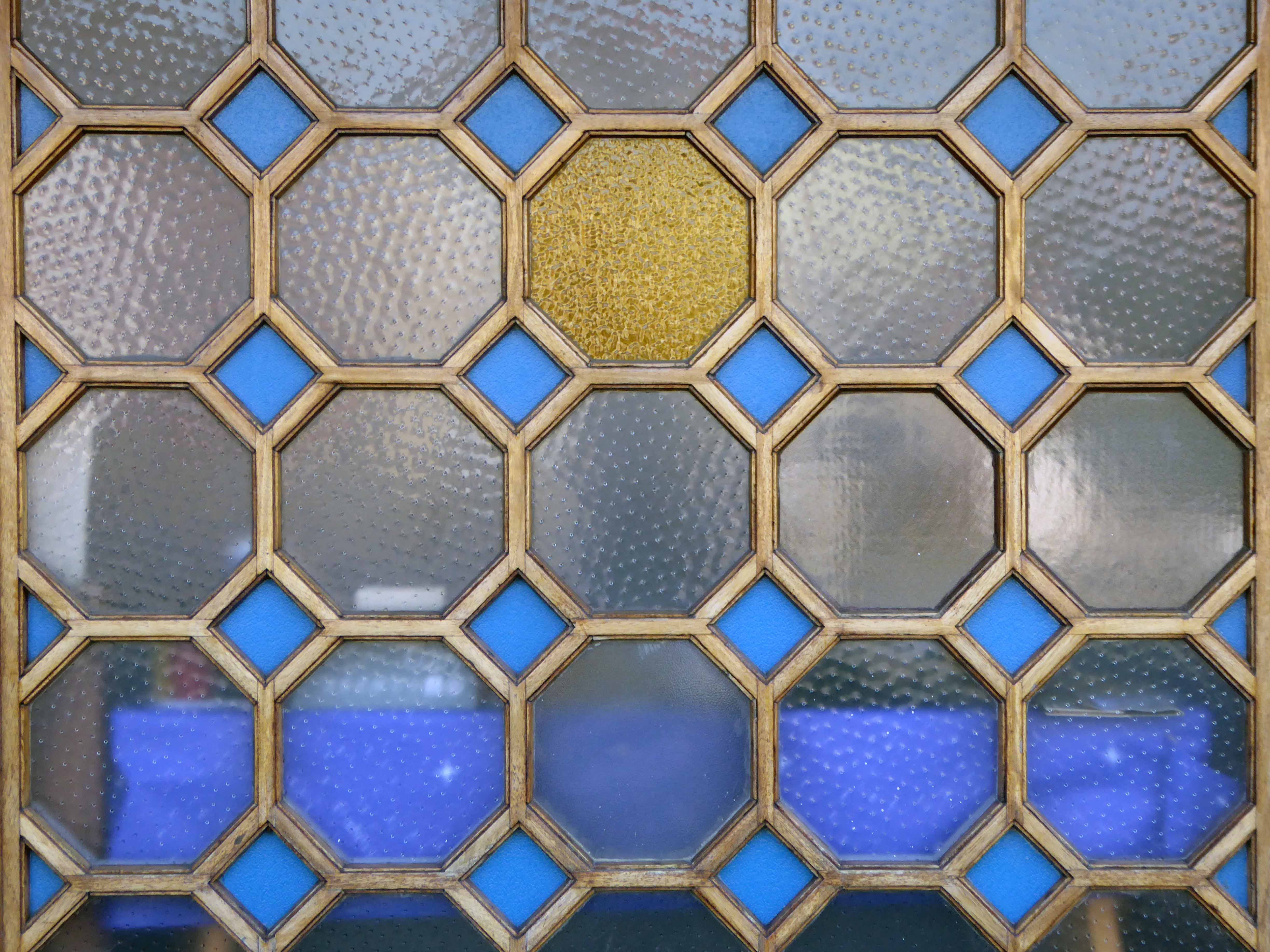
Thanks to Father Tierney for his time and permission to snap the interior. It was a calm space, the large open volume side lit by high octagonal honeycomb modular windows. The elegant plain pitched concrete gambrel roof beams a simple engineered solution.
The church and attached presbytery were built from designs by Greenhalgh & Williams in 1958-9, the church being consecrated on 12 May 1960. A reordering took place, probably in the 1960s or 70s, when the altar rails were removed and the altar moved forward. Probably at the same time, the font was brought into the church from the baptistery.
The altar and apse beautifully restrained in colour form and choice of materials. The design and detailing on the pews so warm and understated.
I was loathe to leave.
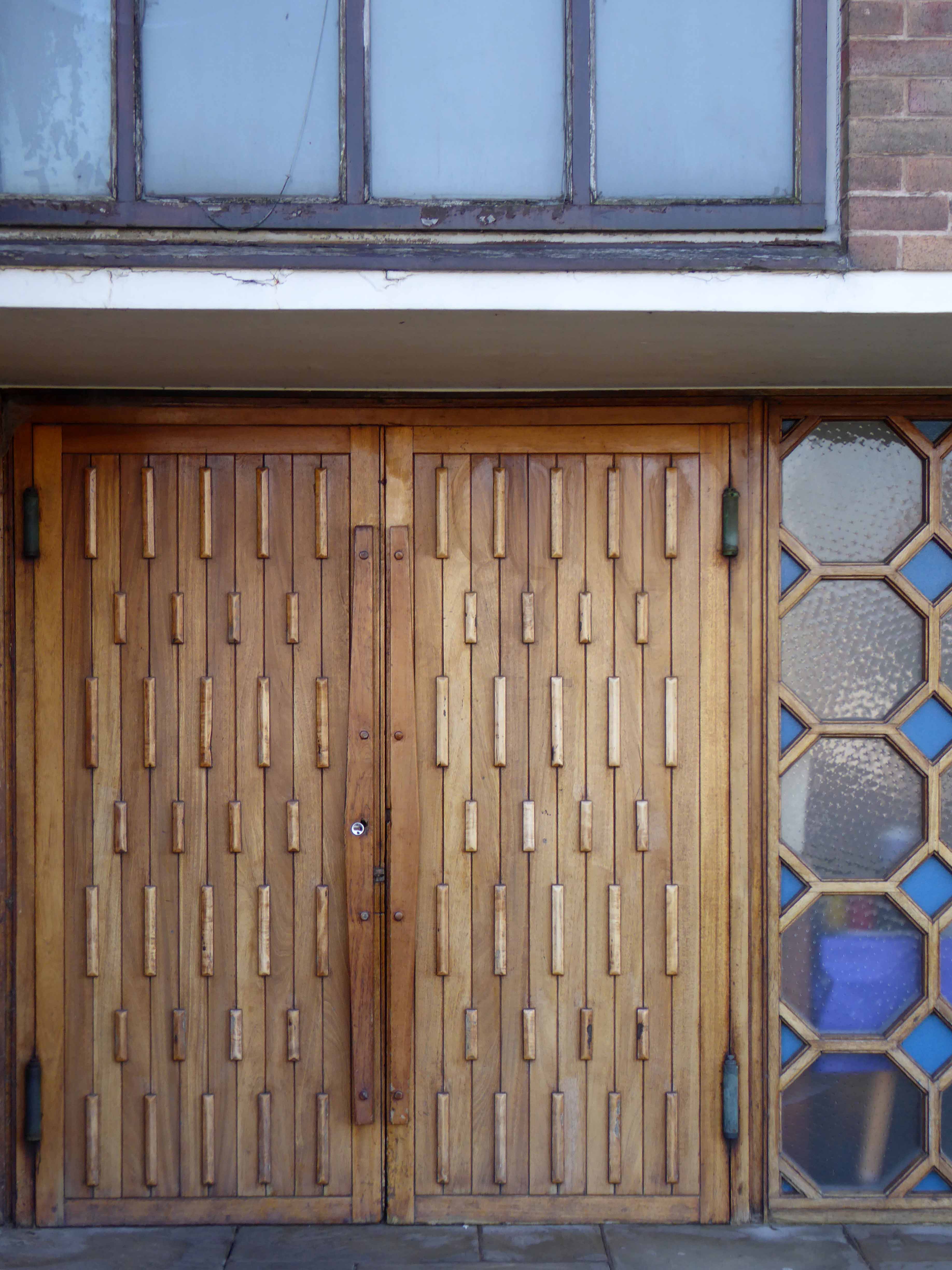
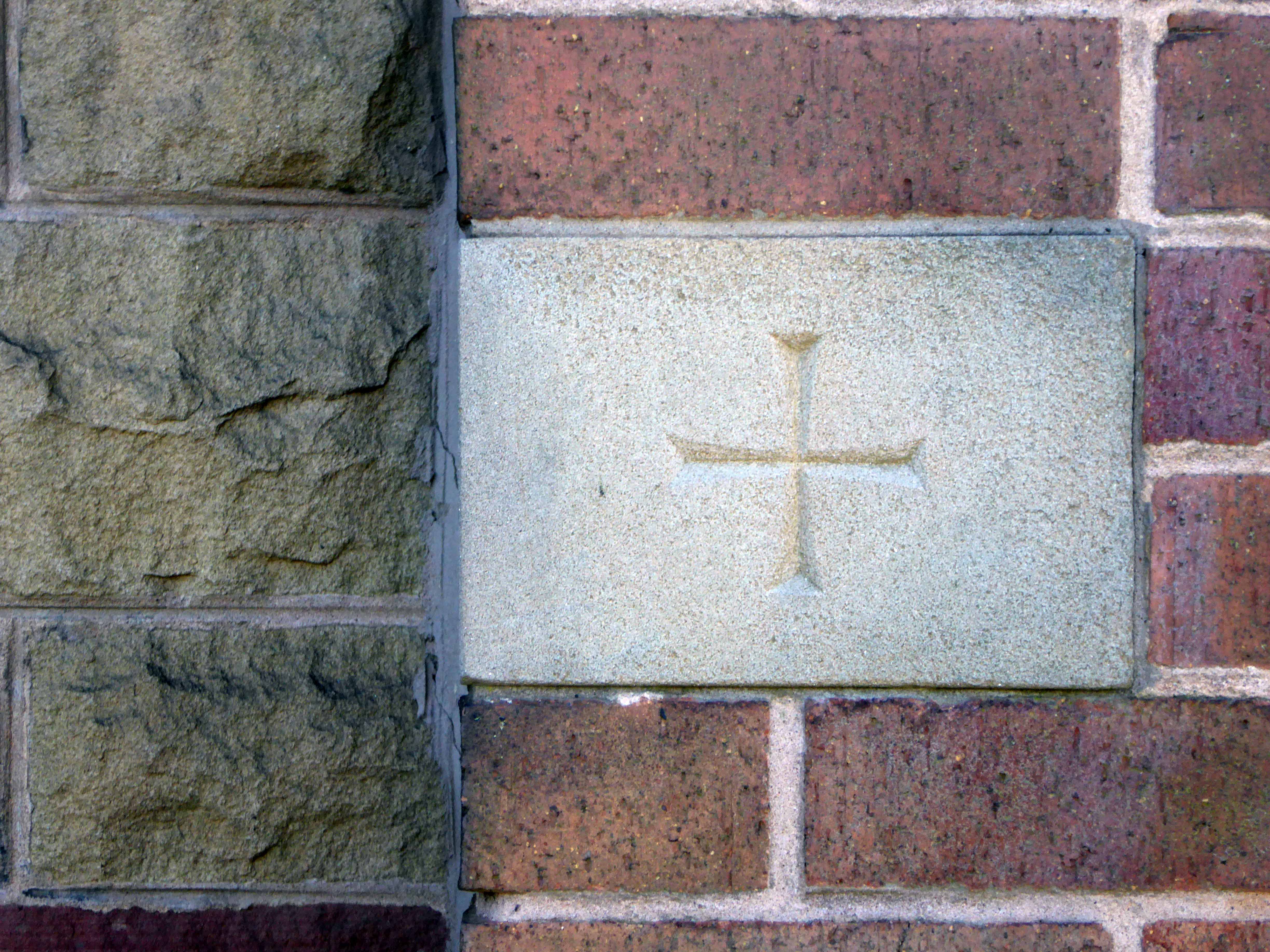
The exterior does not disappoint, the repetition of modular window shapes, the integration of doors, brick and mixed stone facing.This is a building of elegant grandeur, well proportioned, happily at home in its setting.
So here we are outside, you and I in 2015 – it seems like yesterday.
Whereas yesterday I was inside not outside, but more of that in a moment.
It seems that you were listed in 2009 and deservedly so.
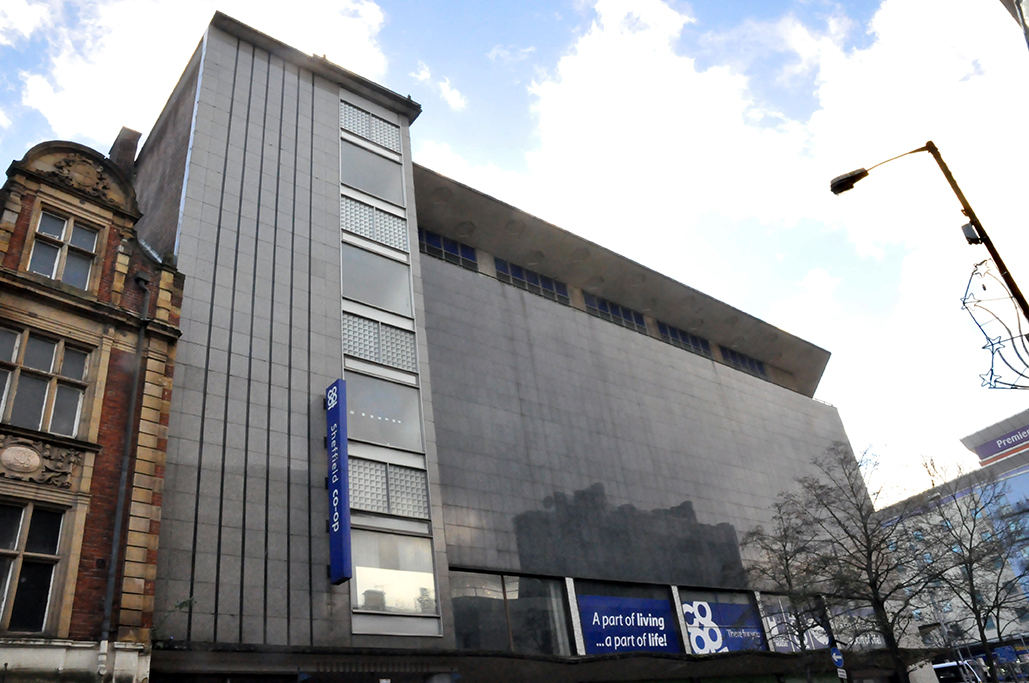
1964 by George S Hay, Chief Architect for CWS, with interior design by Stanley Layland, interior designer for CWS. Reinforced concrete with Blue Pearl granite tiles and veneers, grey granite tiles and veneers, buff granite blocks, glass, and brick.
There’s just so much to stand and stare and marvel at.
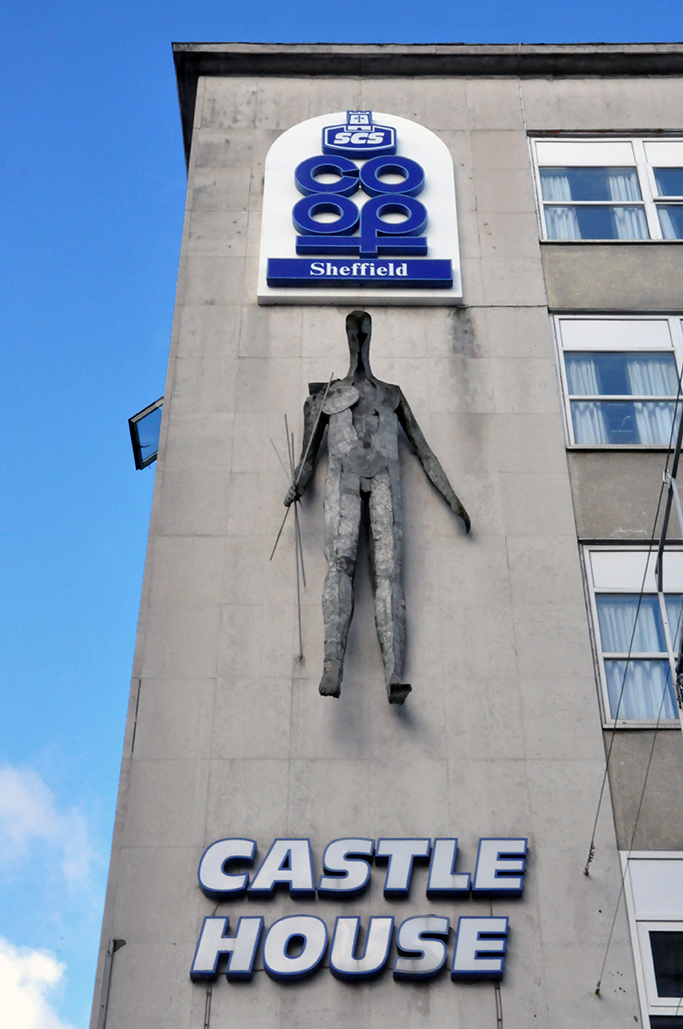
Vulcan by Boris Tietze commisioned by Horne Brothers 1961 for their head office building No. 1 King Street. Glass fibre on a metal armature the 8 foot high figure holding a bundle of metal rods.
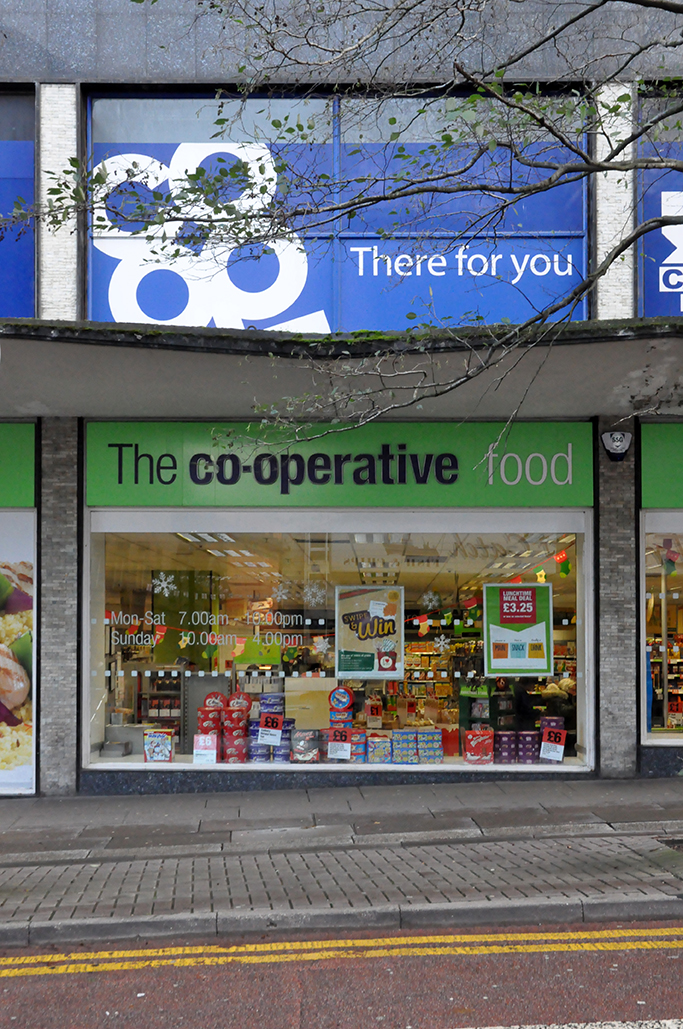
You were just about still open then, then you weren’t, then you were again – but a Co-op no more alas.
Work is underway on plans for a tech hub in Sheffield after a funding package was agreed.
Followed by a casual stroll towards 2019 where we are talking a peep inside courtesy of owners Kollider and book shop La Biblioteka.
I’d never ever seen the interior, save through the photographs of Sean Madner who captured the key features in 2014, prior to refurbishment.
So the Modernists and I pitched up this Sunday afternoon, the conclusion of our Sheffield Walk.
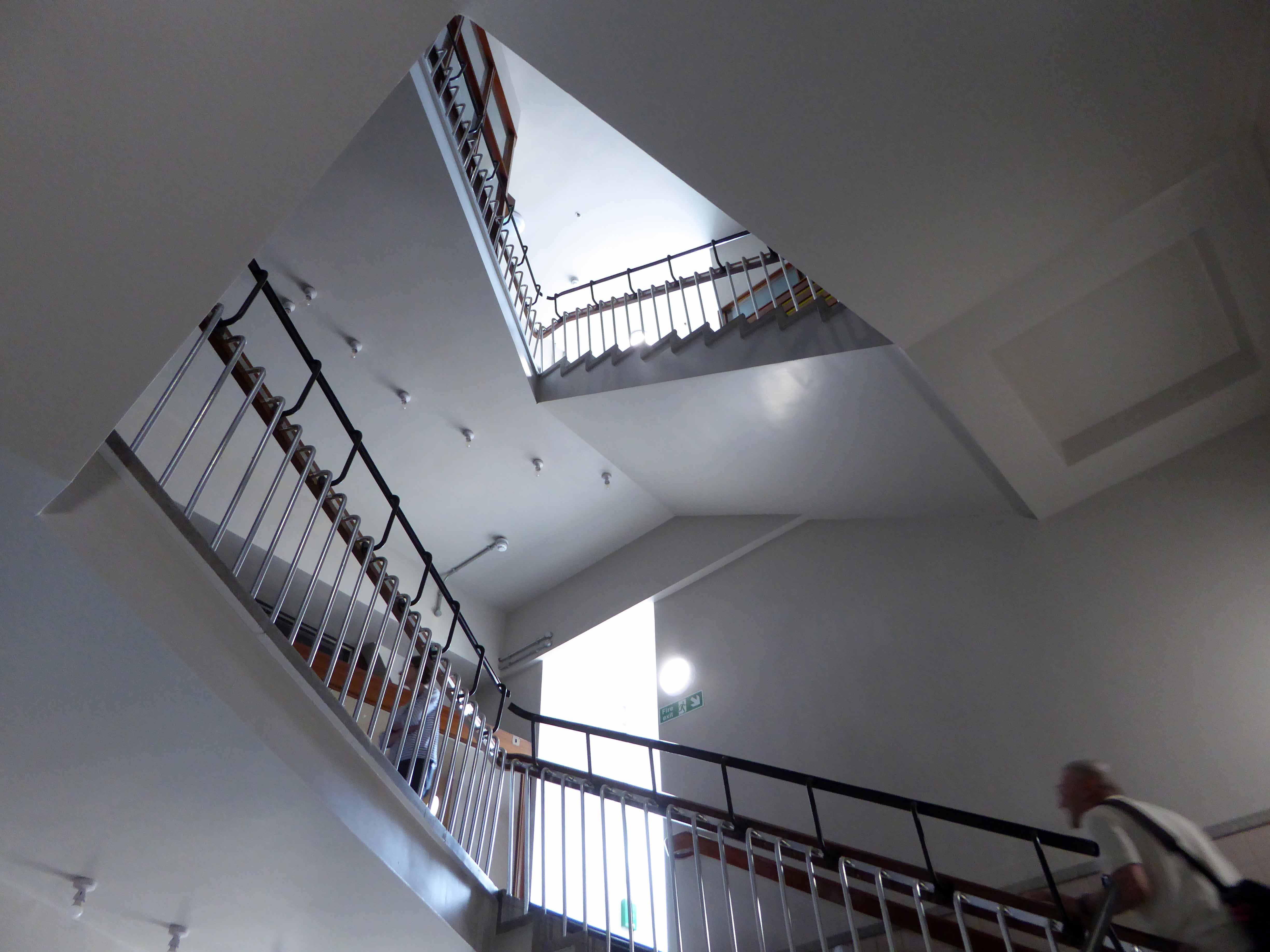
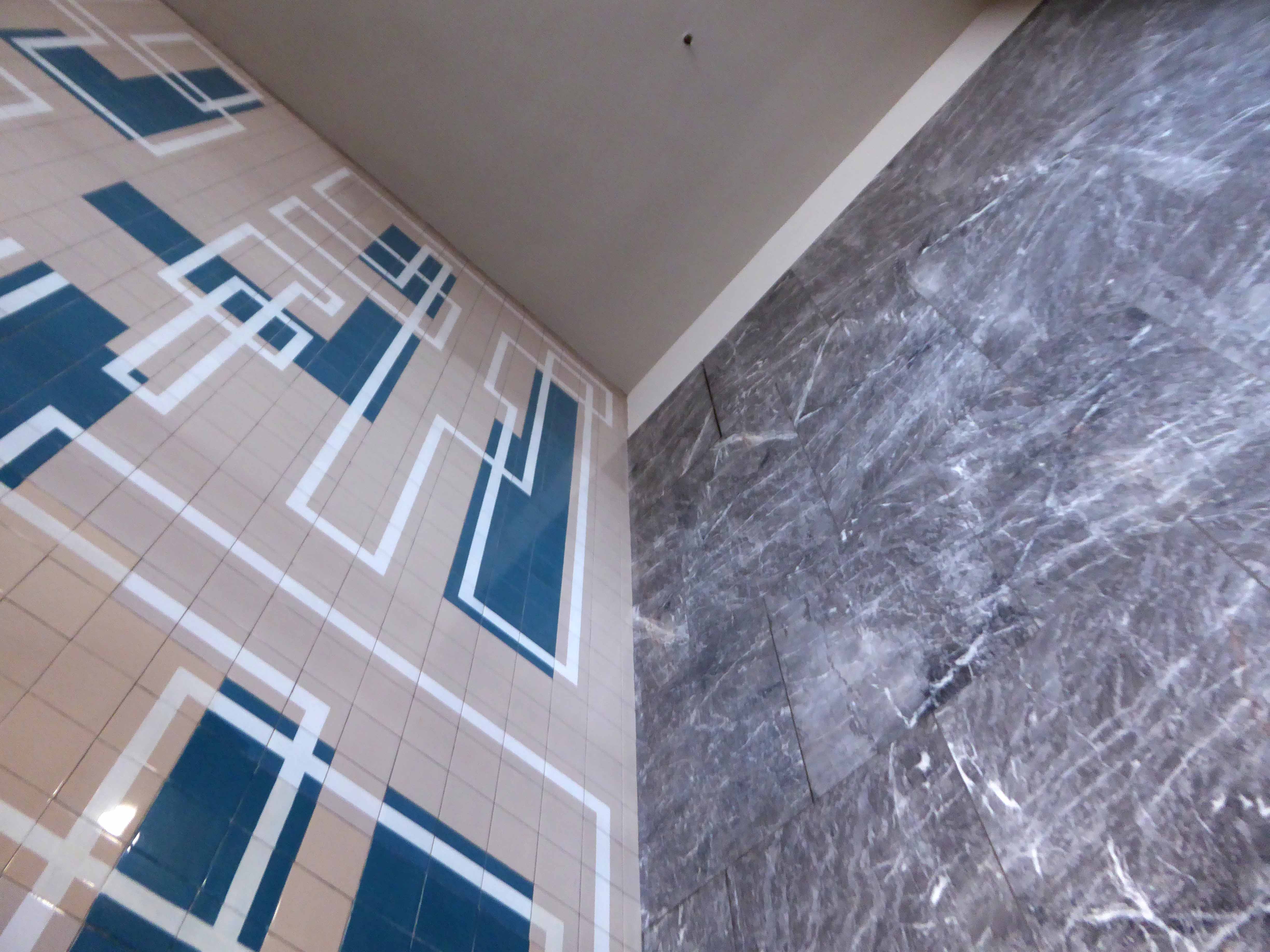
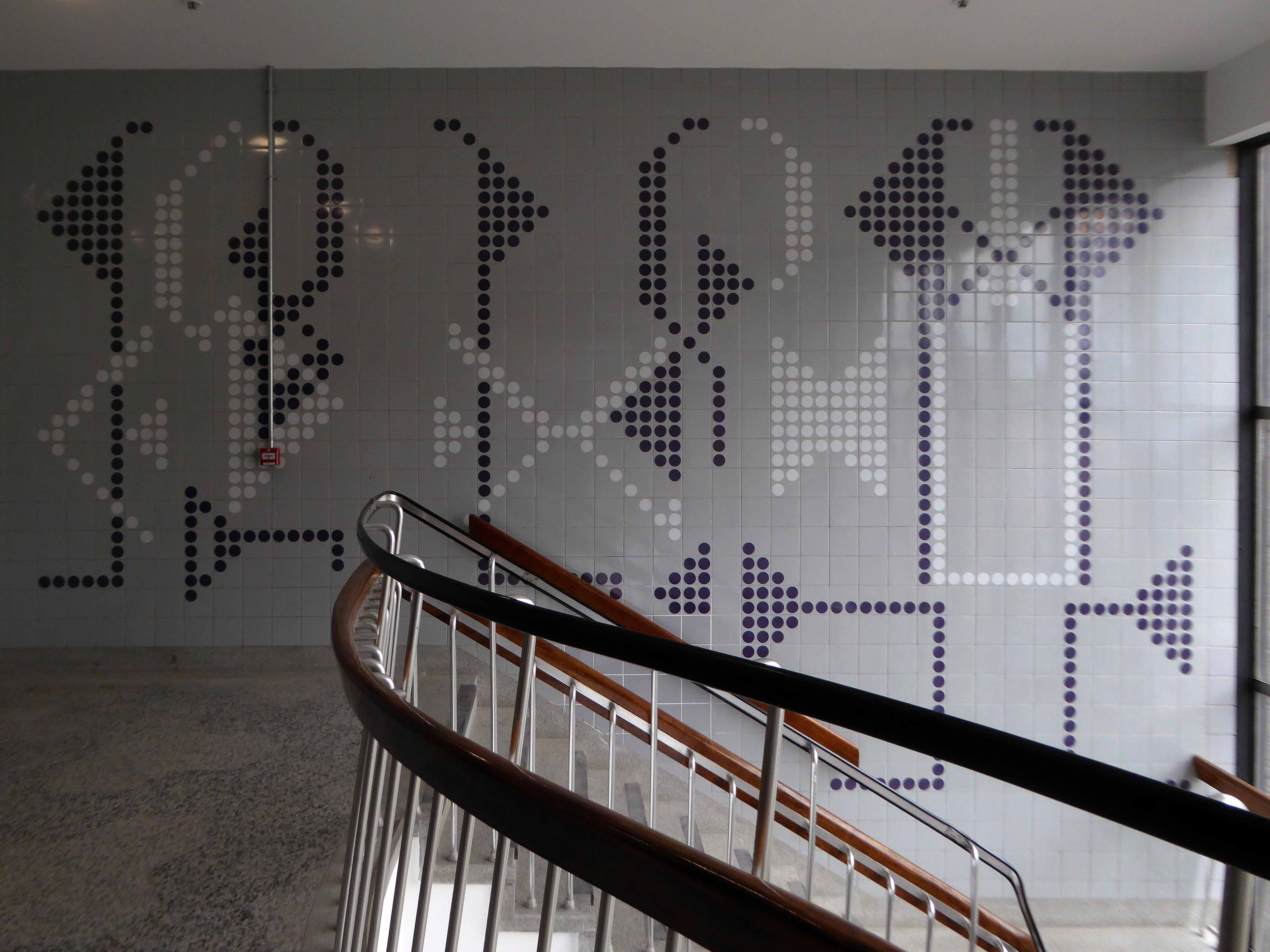
Lets take a look at the end stairwells, two very distinct designs one dotty one linear, both using Carter’s Tiles.
Configured from combinations and rotations of these nine modular units and two plain tiles.
Configured from combinations and rotations of these twelve modular units and two plain tiles.
The site has retained some of its original architectural typography.
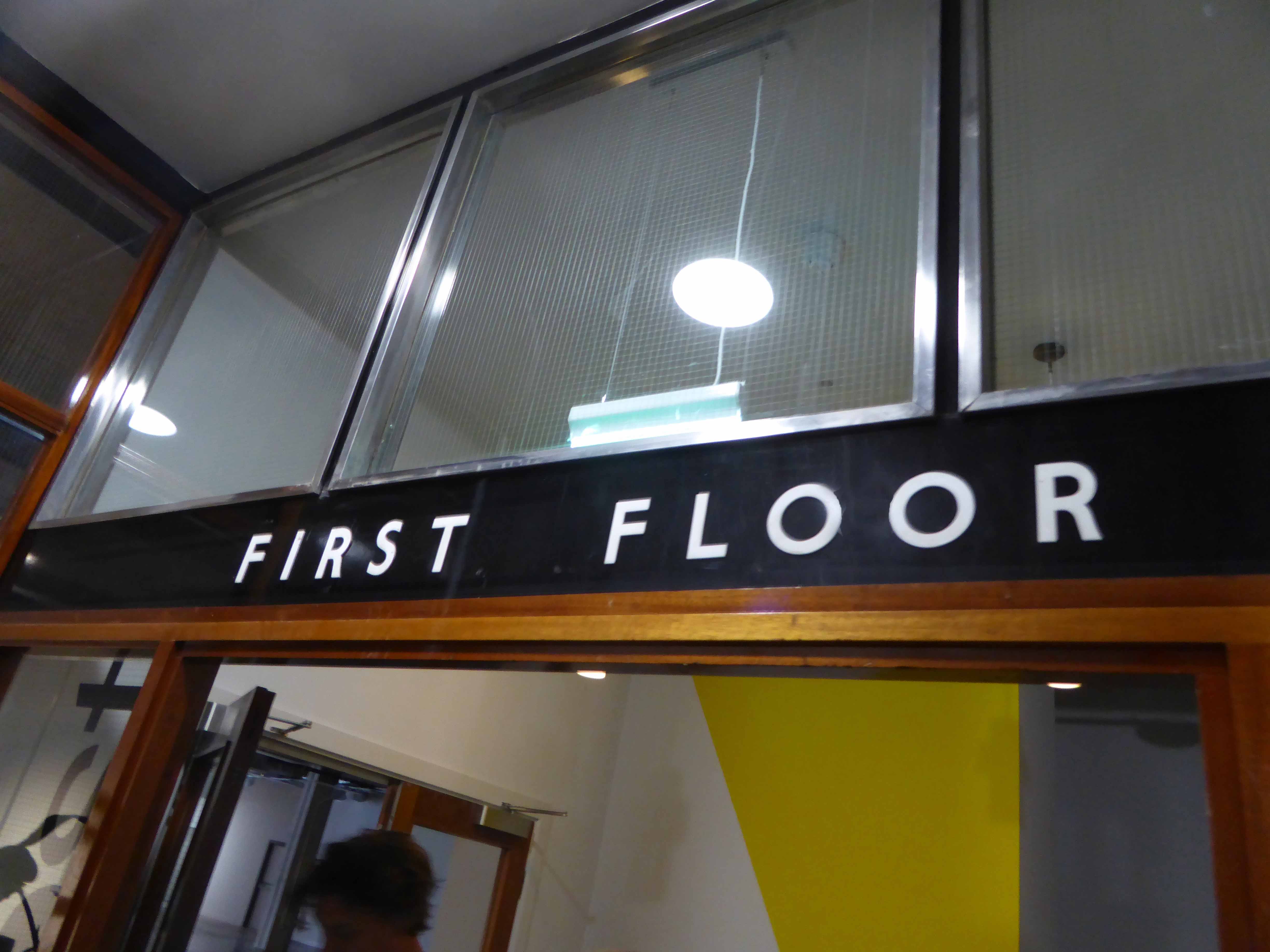
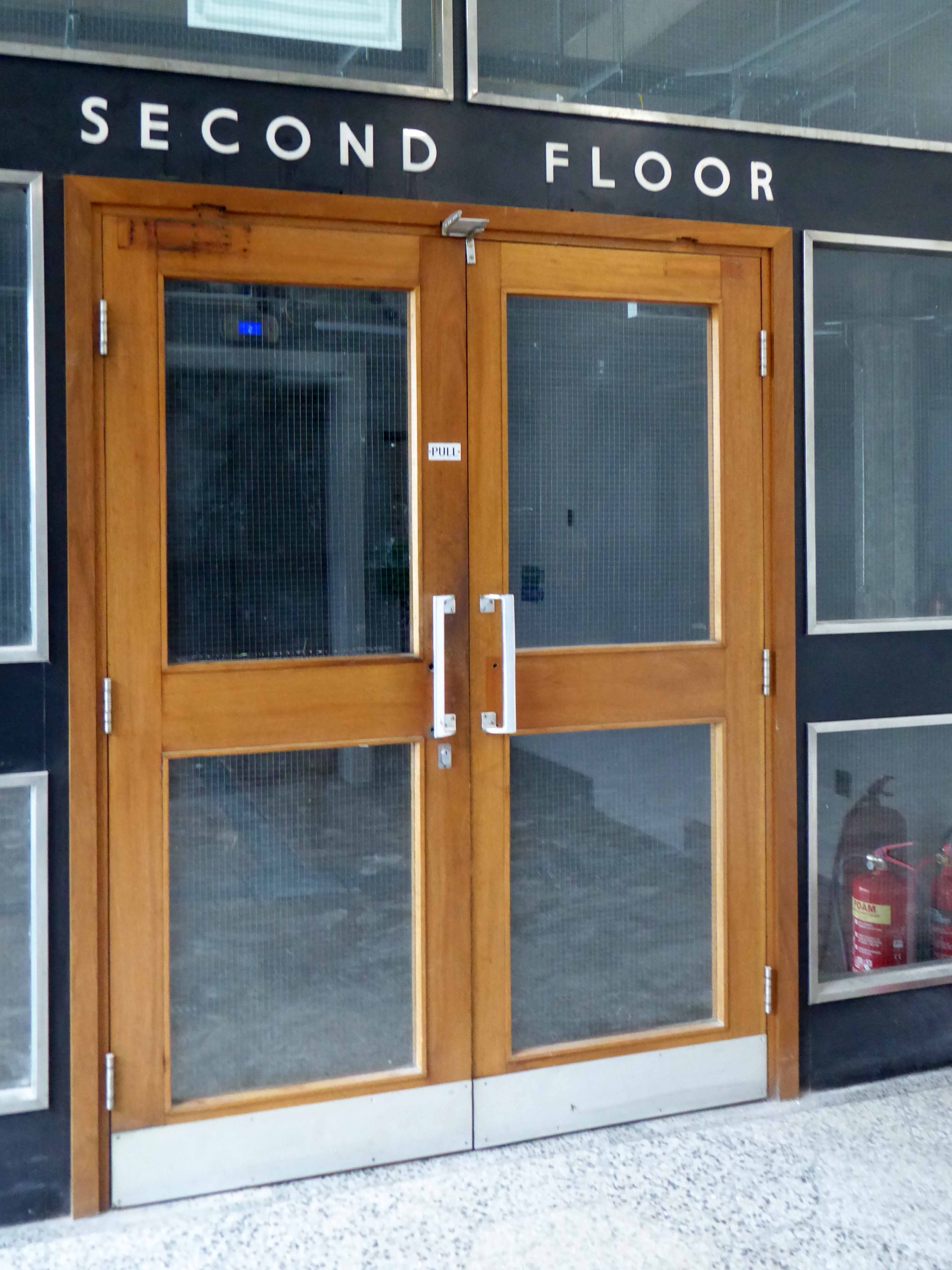
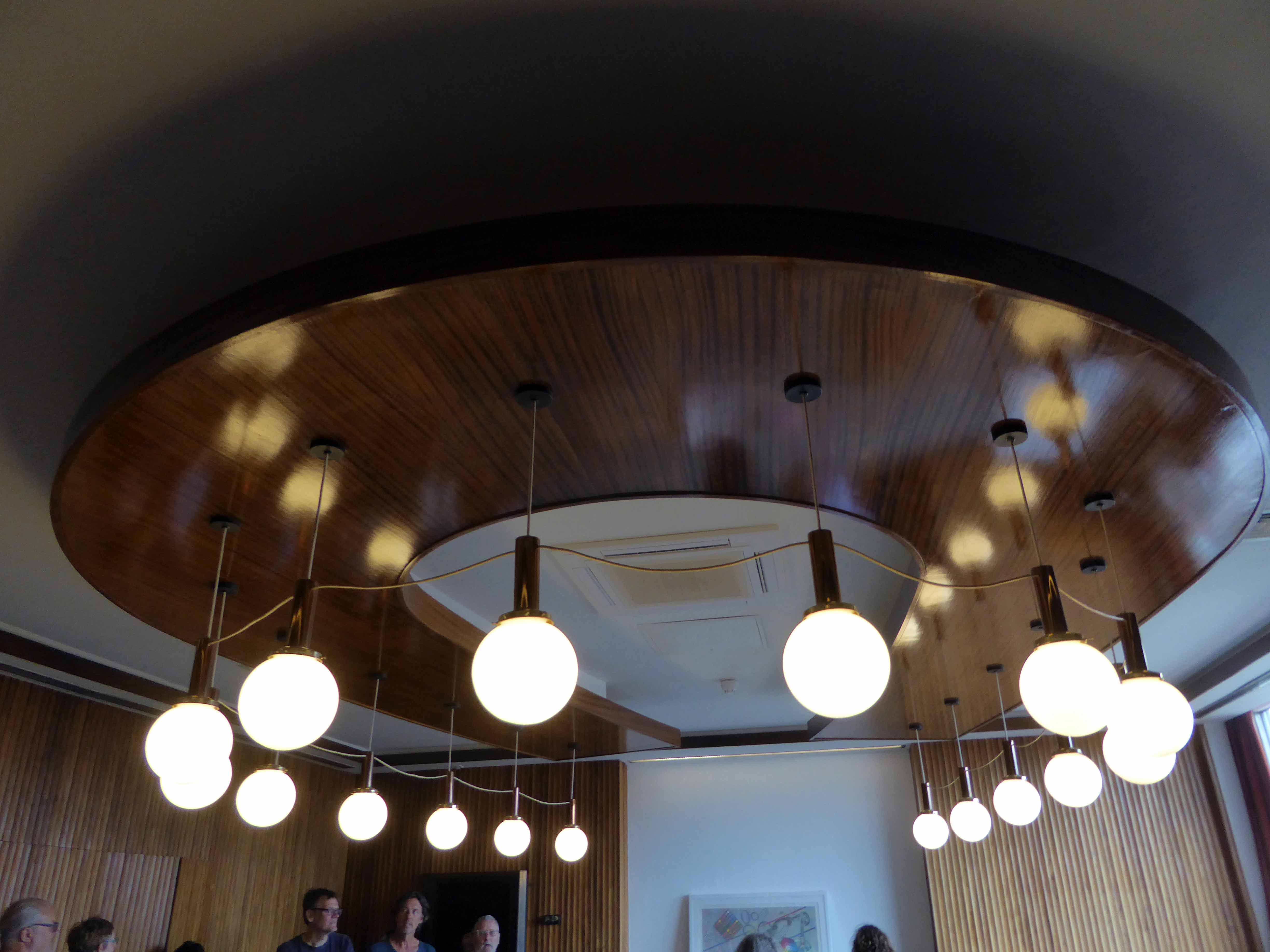
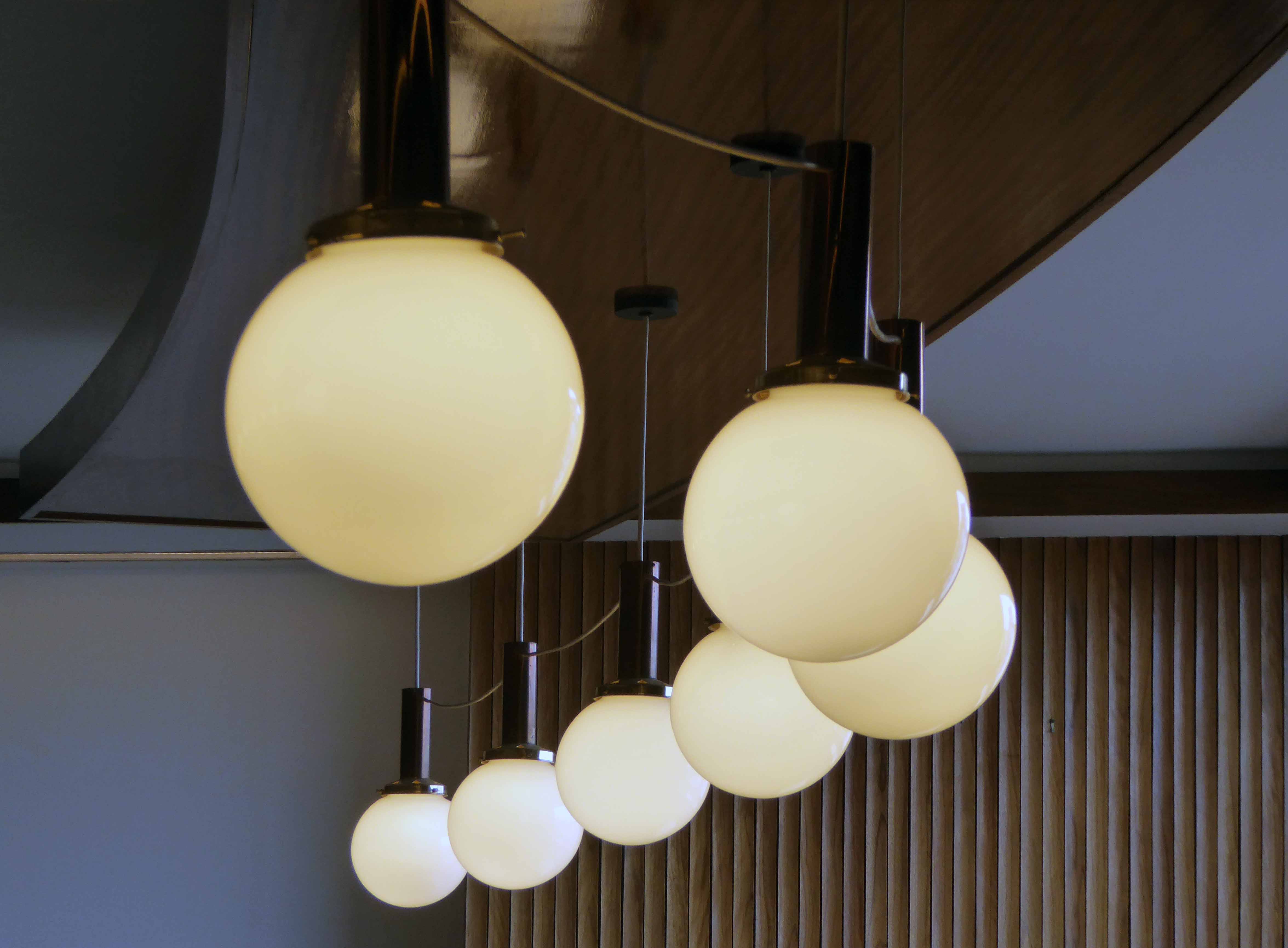
The former top floor restaurant has a suspended geometric ceiling with recently fitted custom made lighting.
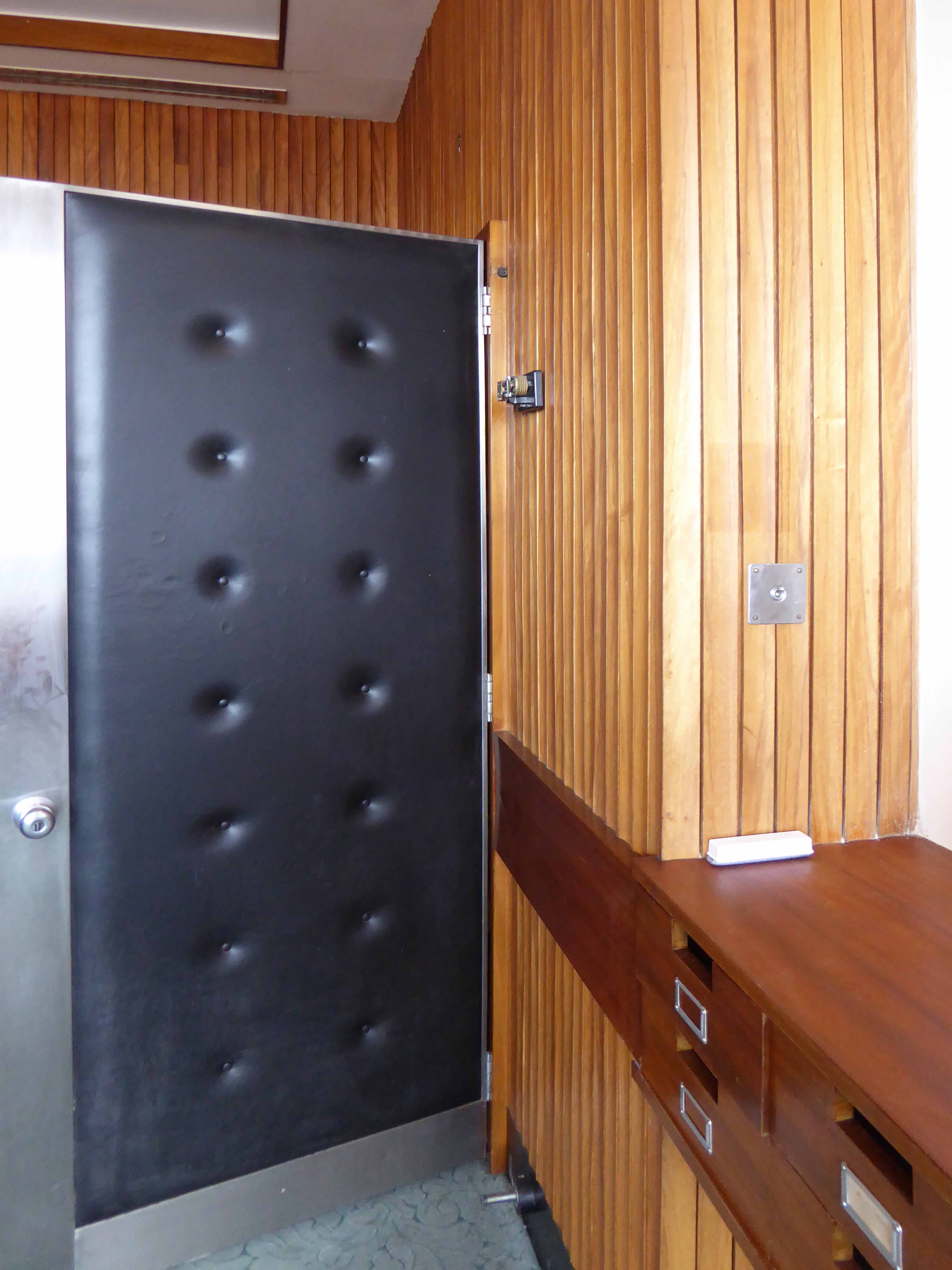
The timber-lined boardroom has a distinctive horseshoe of lighting, augmenting the board room table – which is currently away for repair, oh yes and a delightful door.
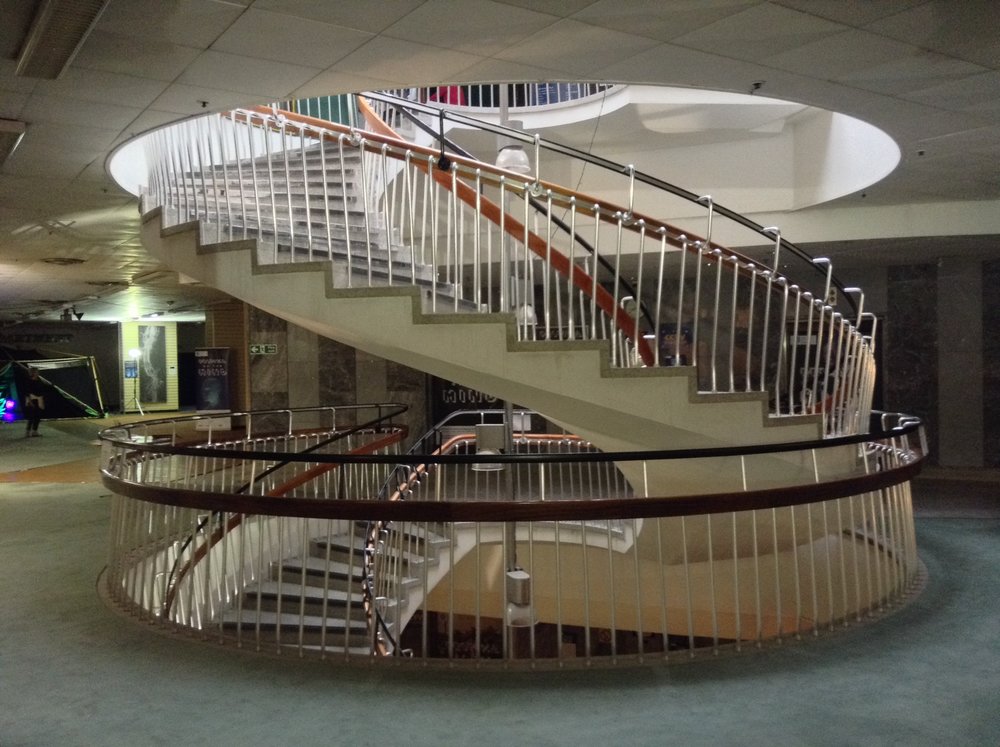
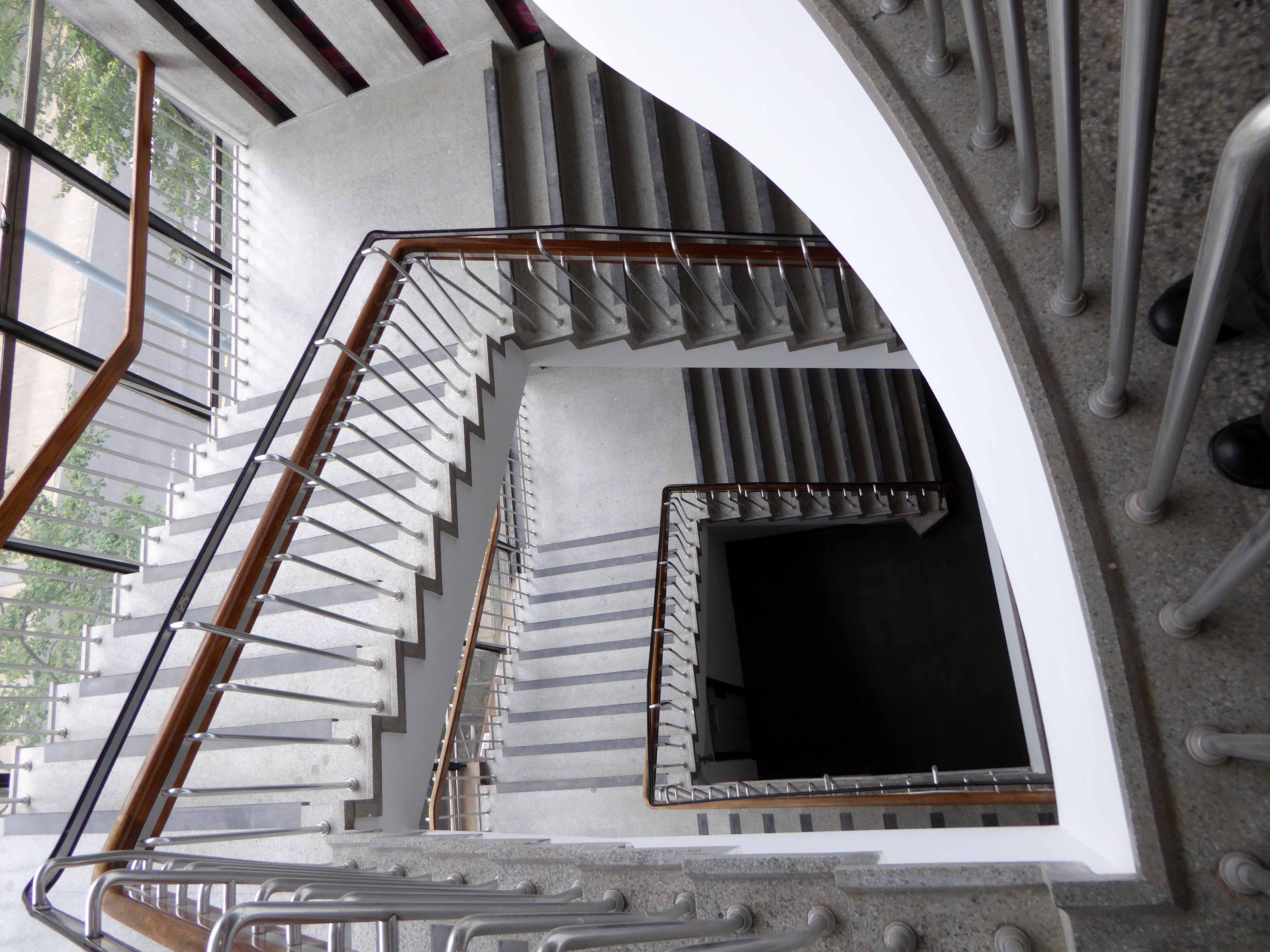
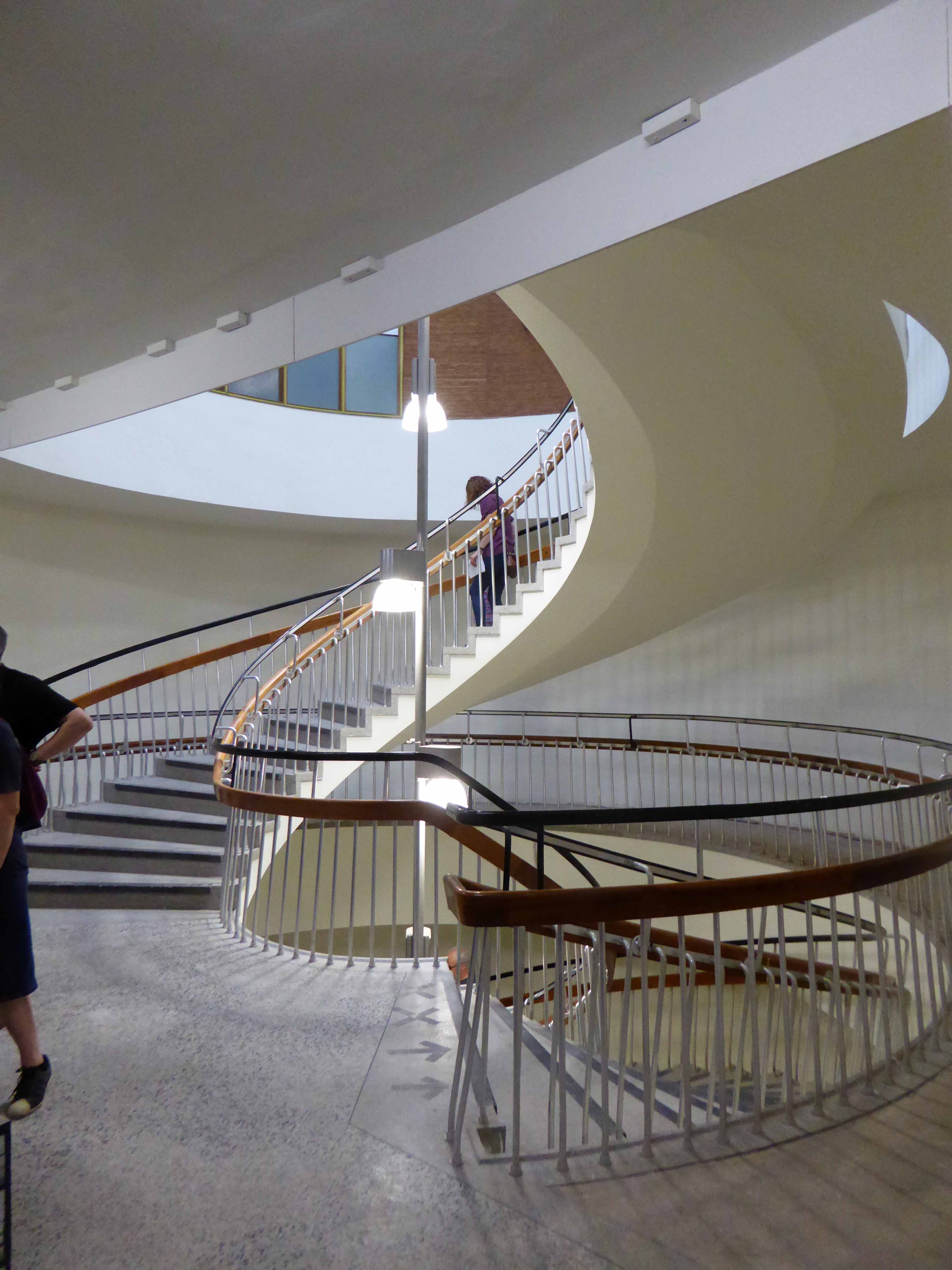
High atop the intoxicating vertiginous swirl of the central spiral stairway is the relief mural representing a cockerel and fish made of aluminium, copper and metal rod, with red French glass for the fish’s eye and cockerel’s comb.
Illuminated from above by this pierced concrete and glass skylight.
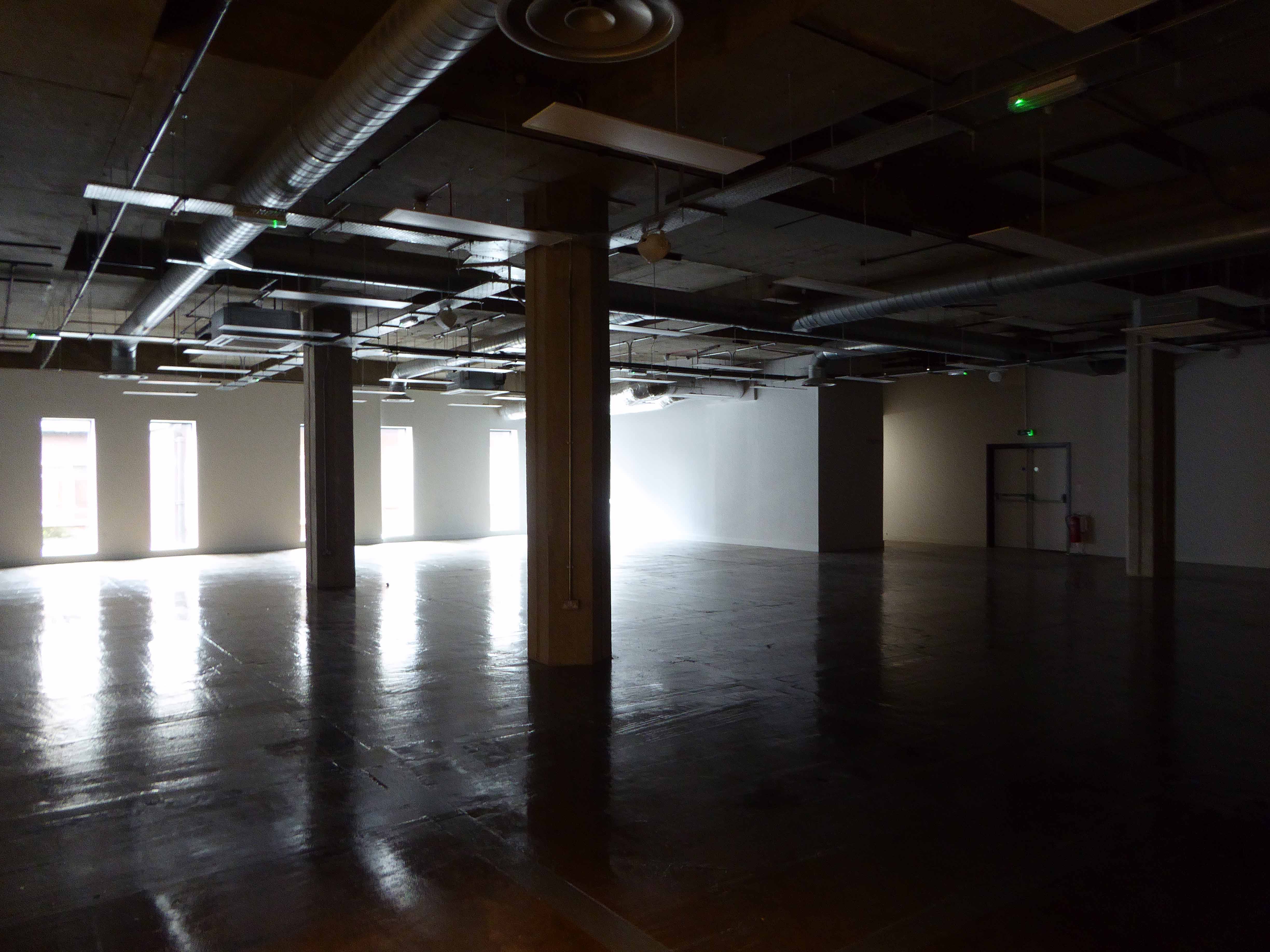
Many of the internal spaces have been ready for their new tenants.
This is a fine example of Modernist retail architecture saved from decay and degradation by the timely intervention of a sympathetic tenant.
Long may they and Castle House prosper – Sheffield we salute you!
Well it’s almost a mighty long way to cycle from Stockport to here, but well worth it.
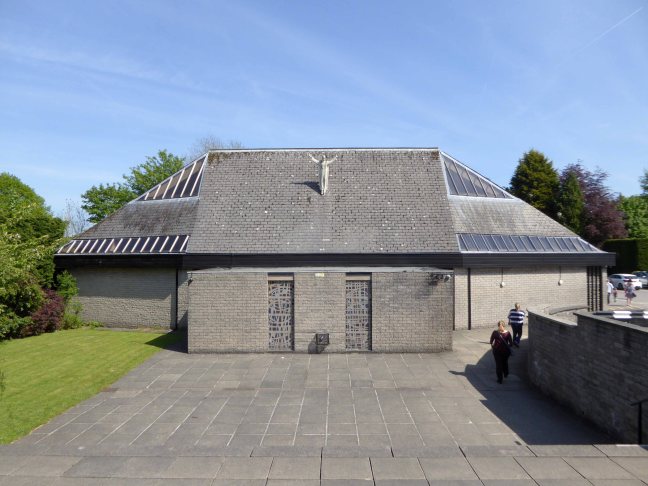
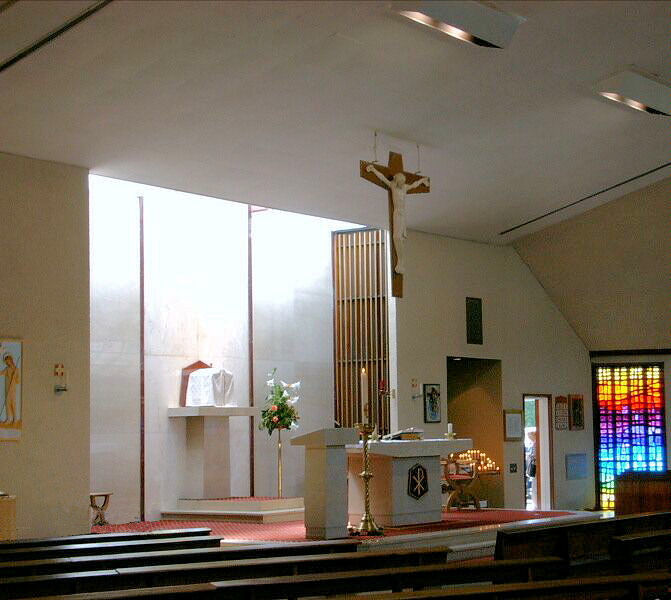
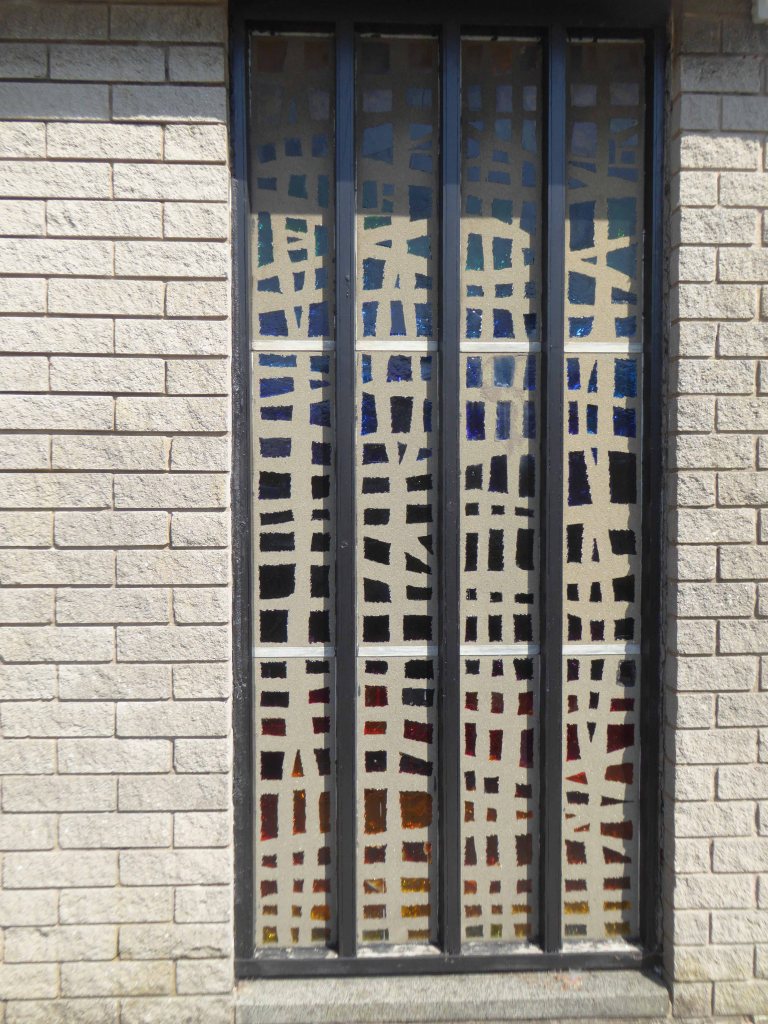
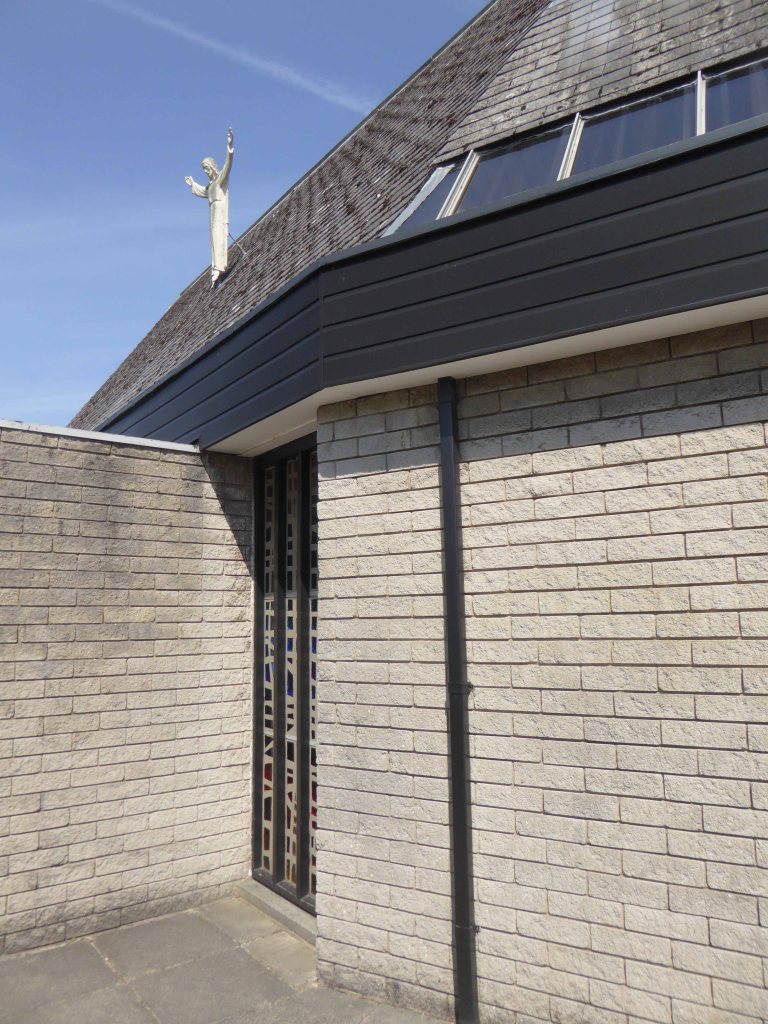
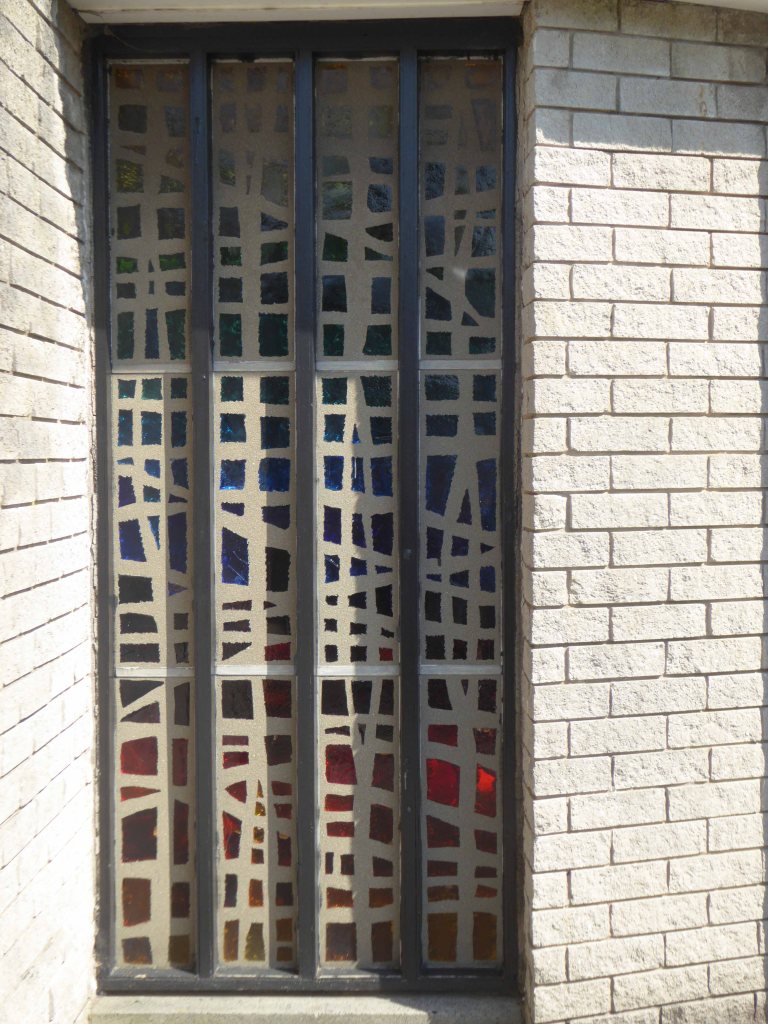
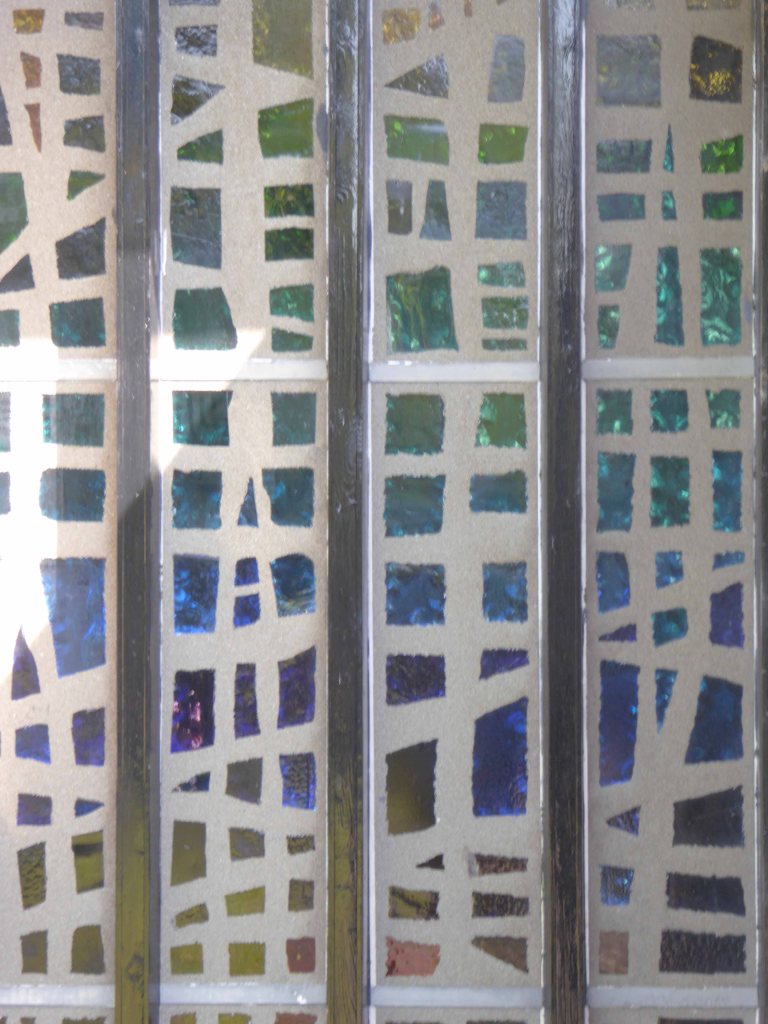
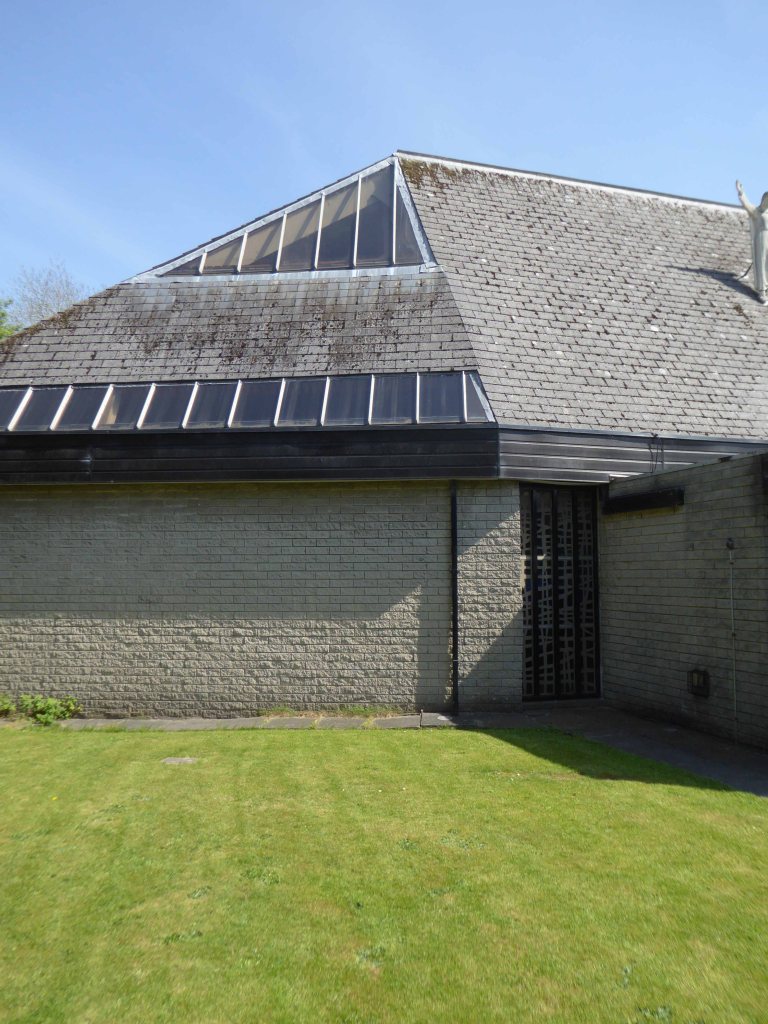
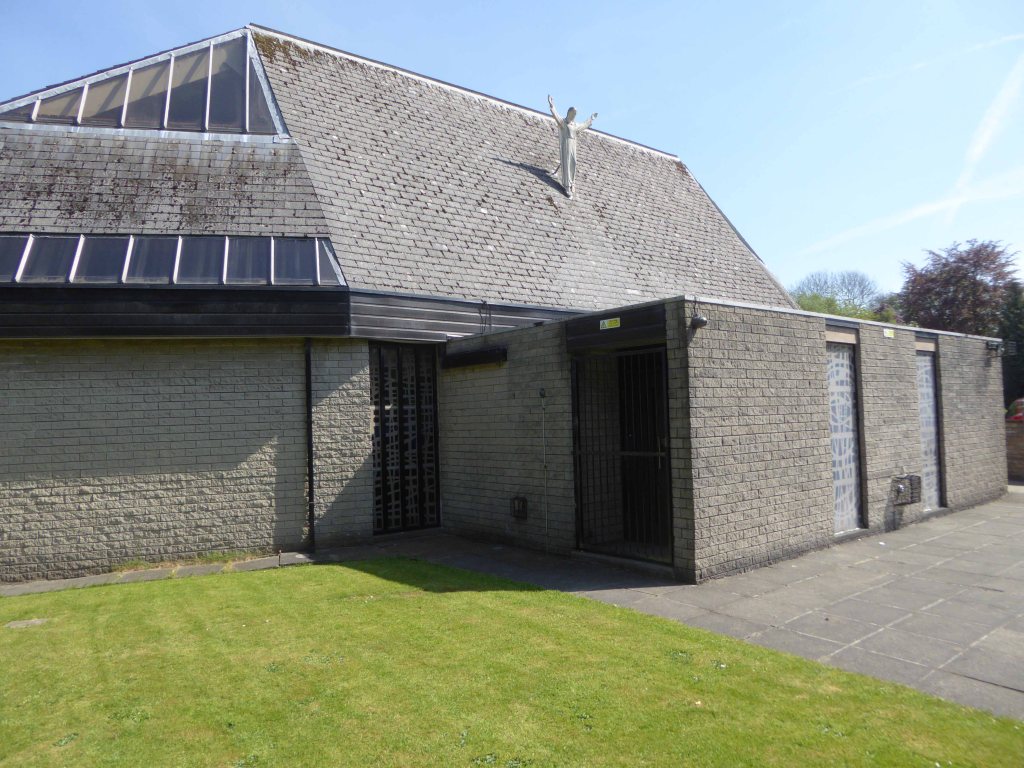
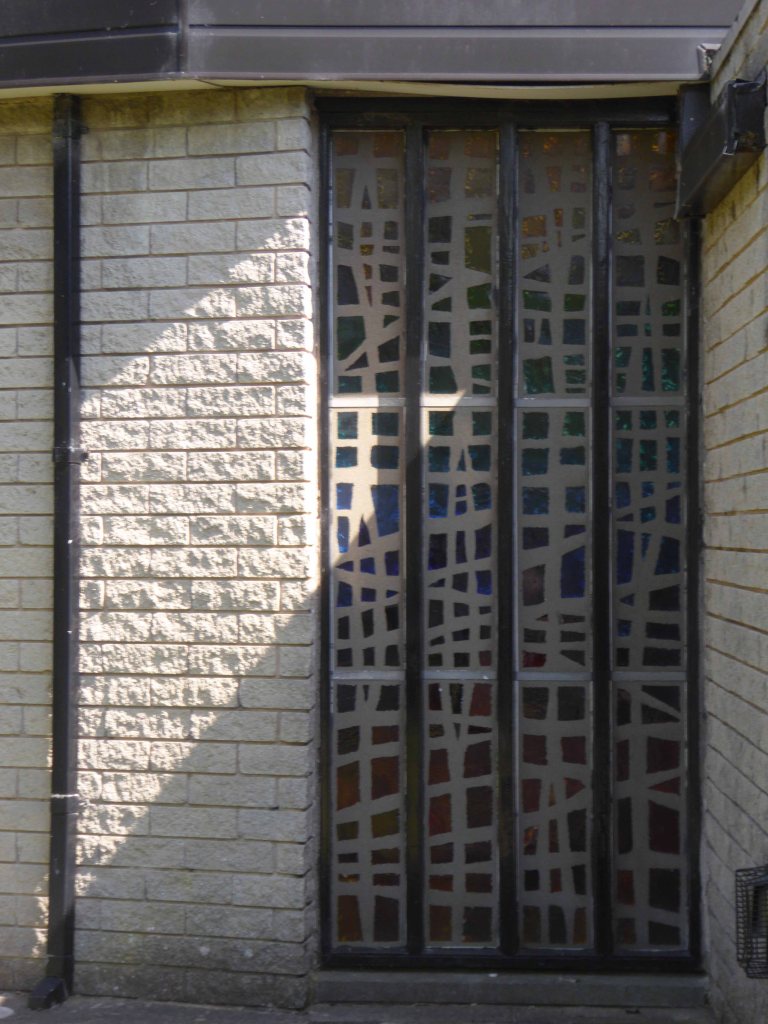
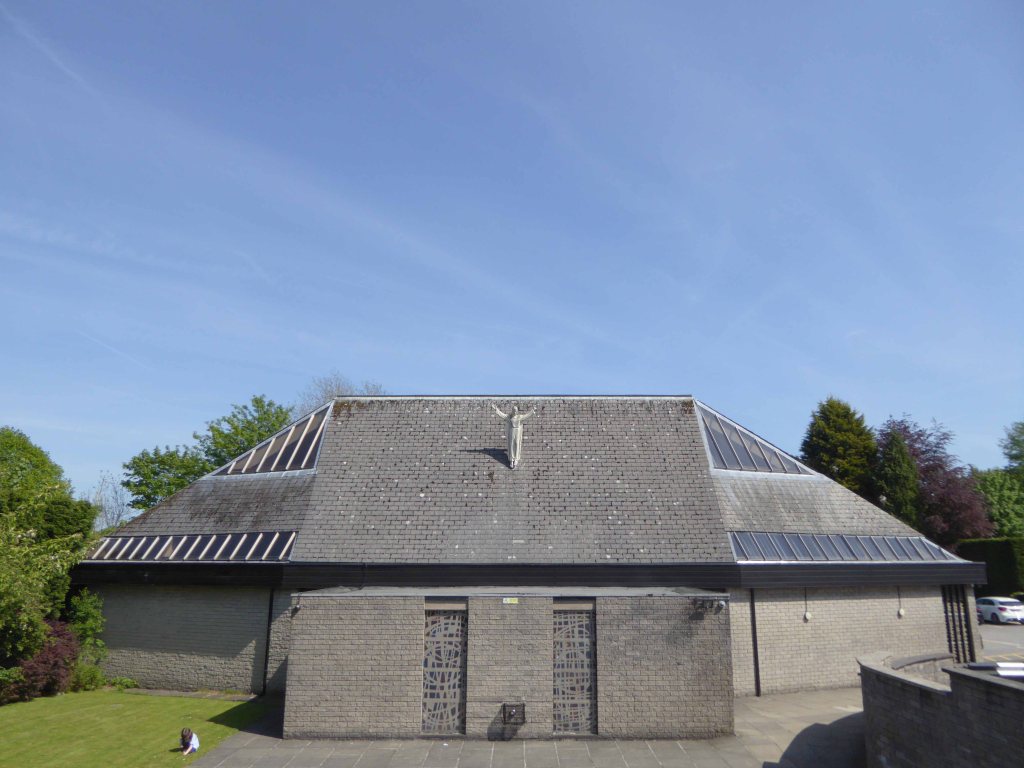
A clear functional design of the 1970s, designed to place all the internal focus on the top-lit altar, which beneath its modern cladding incorporates a pre-Reformation altar stone. The external appearance of the church is slightly forbidding but the interior is enhanced by vibrant slab glass.
More than somewhat bunker like in its recessed situation, well below street level, yet interesting and engaging nonetheless – I’m rather fond of grey.
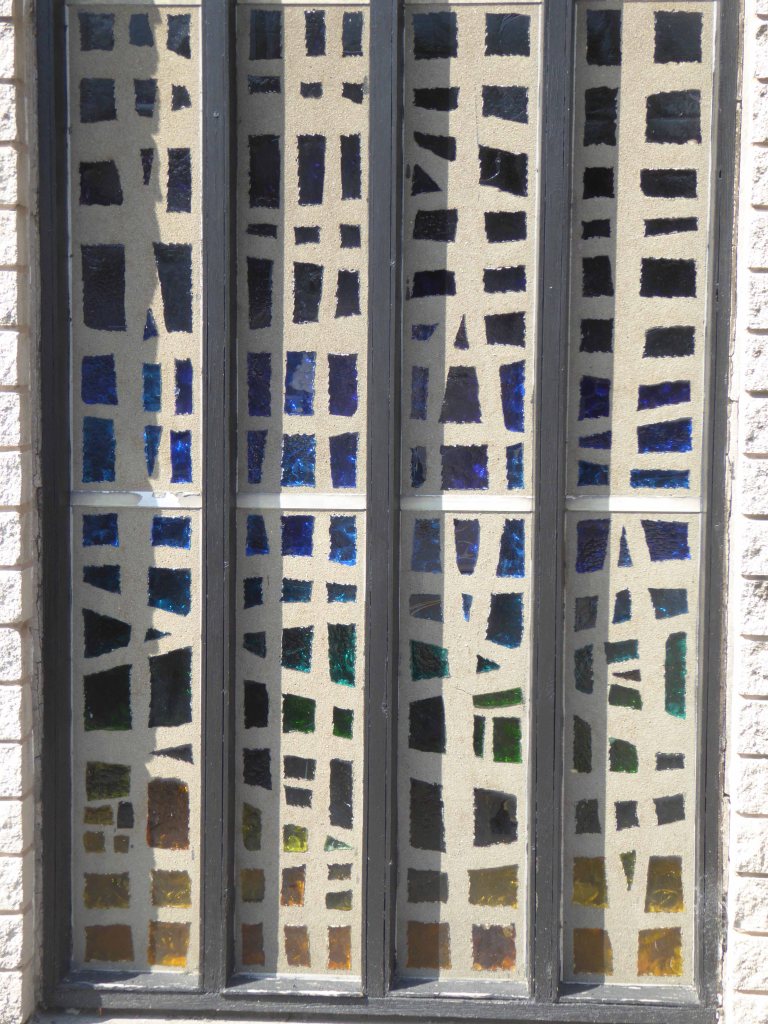
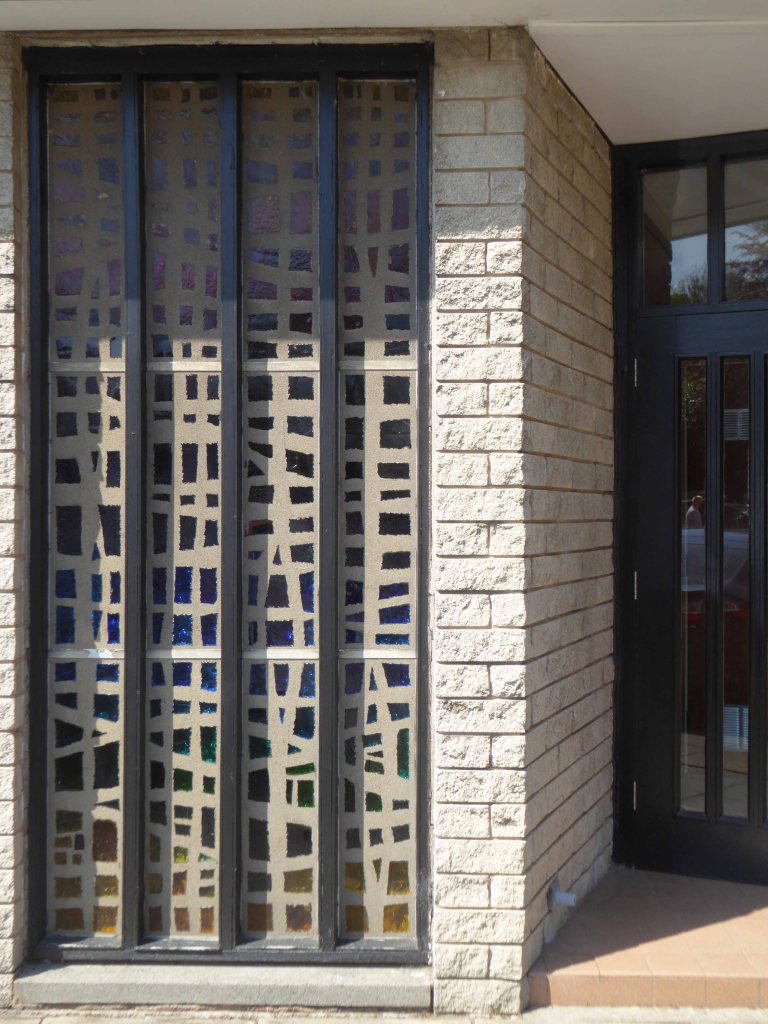
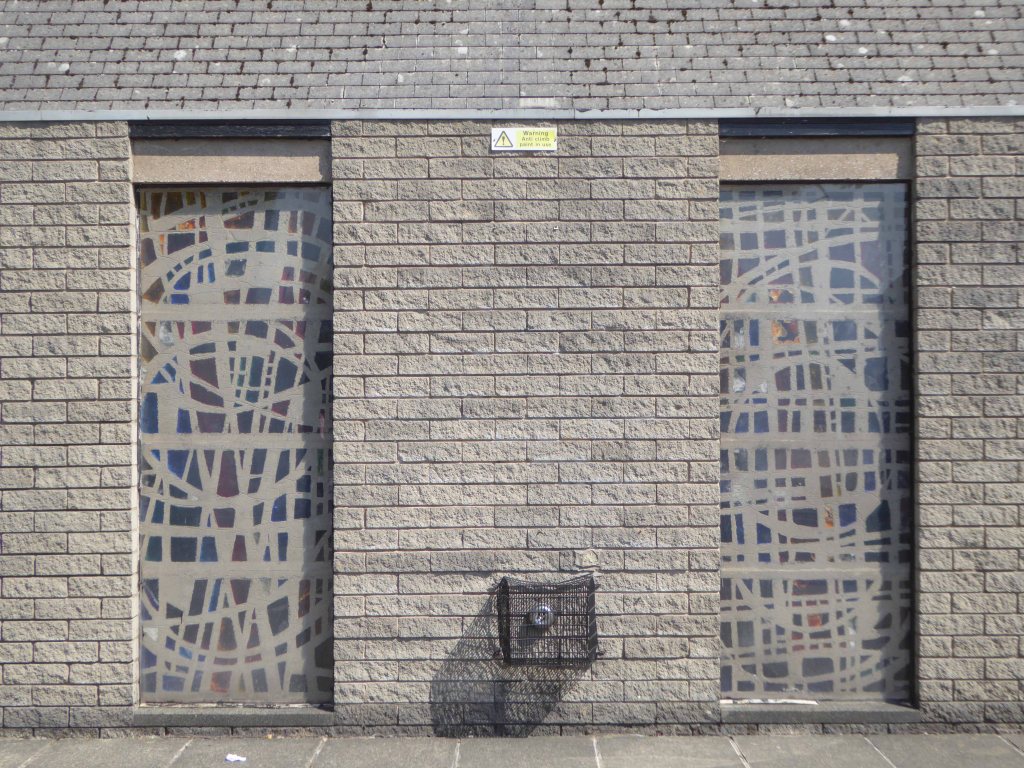
Working around the comings and goings of the adjacent school, I half circumnavigated the site, capturing something of the detail and exterior views of the stained glass. The interior will have to wait until another day.
Planned and newly constructed housing developments in Norden and Bamford made it apparent that a new church was needed nearer the geographical centre of the parish. In June 1975 the present church of St Vincent de Paul was opened, nearly a mile away from the old church. The architect was Bernard Ashton of the Cassidy & Ashton Partnership, Preston.
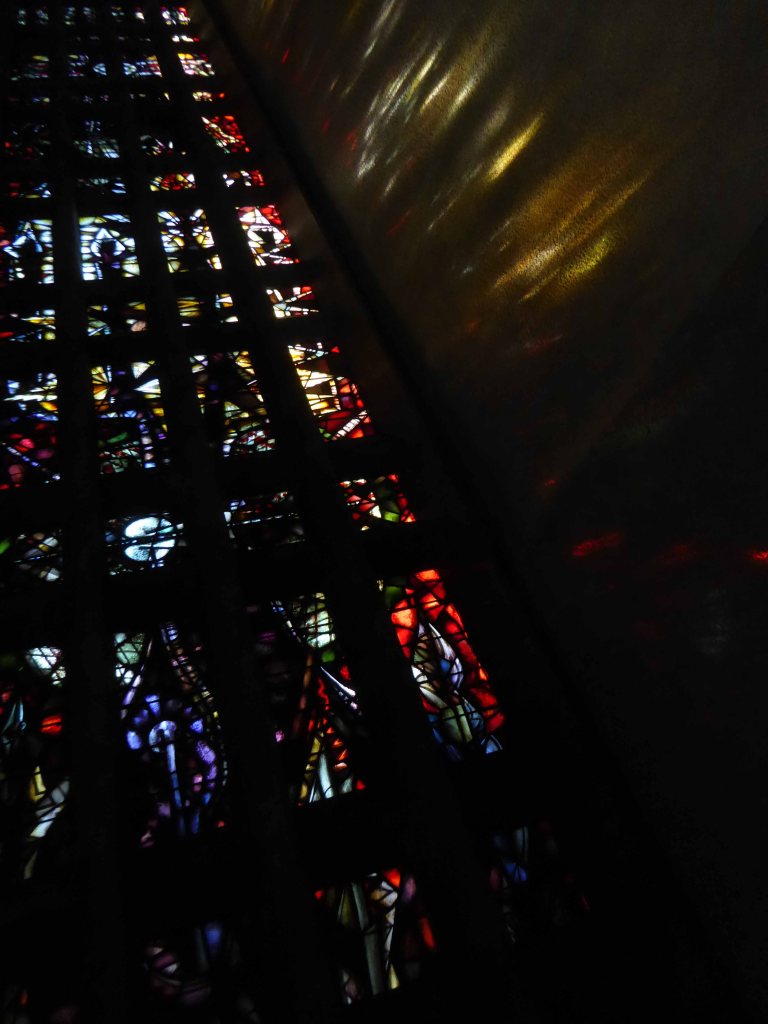
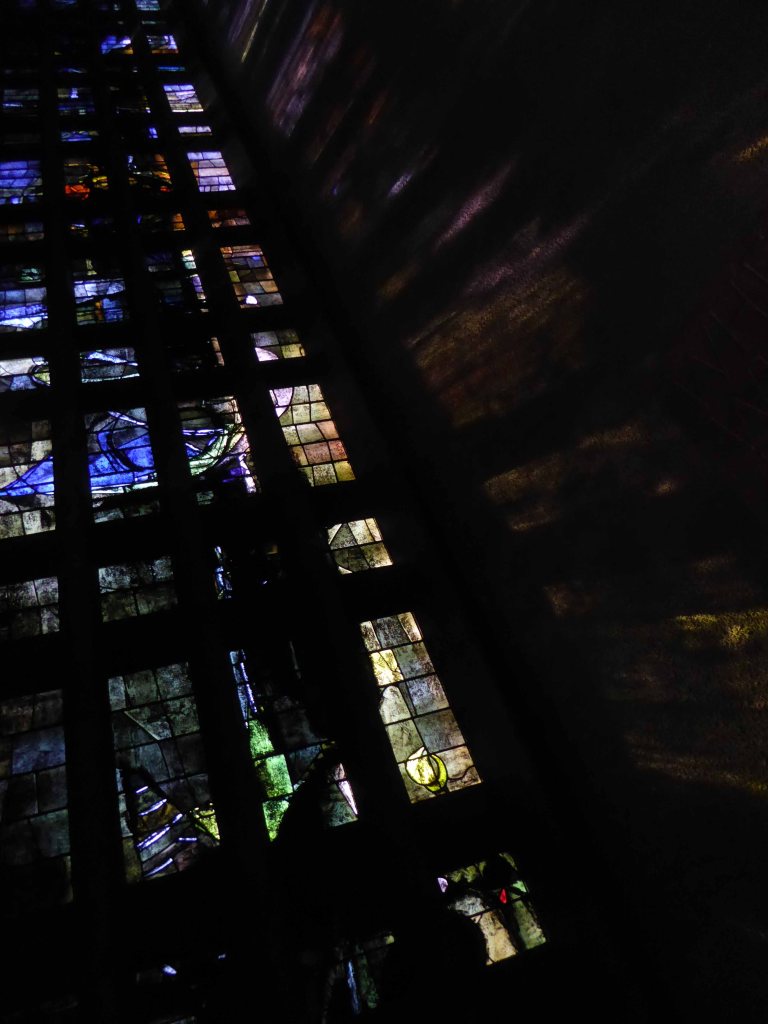
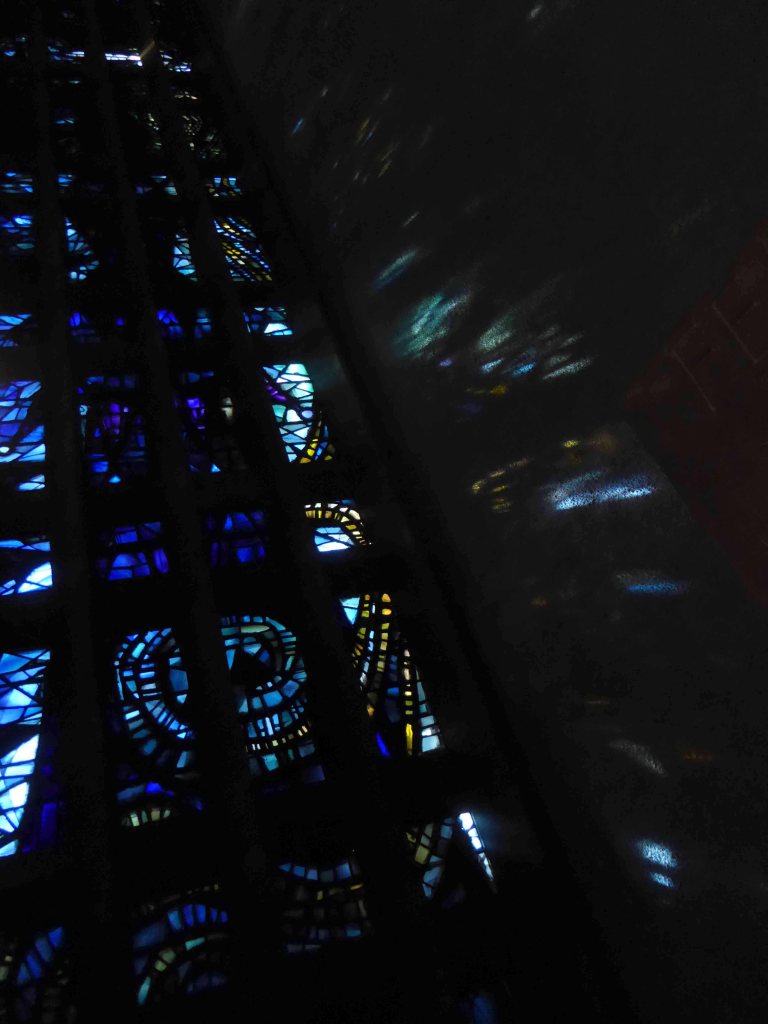
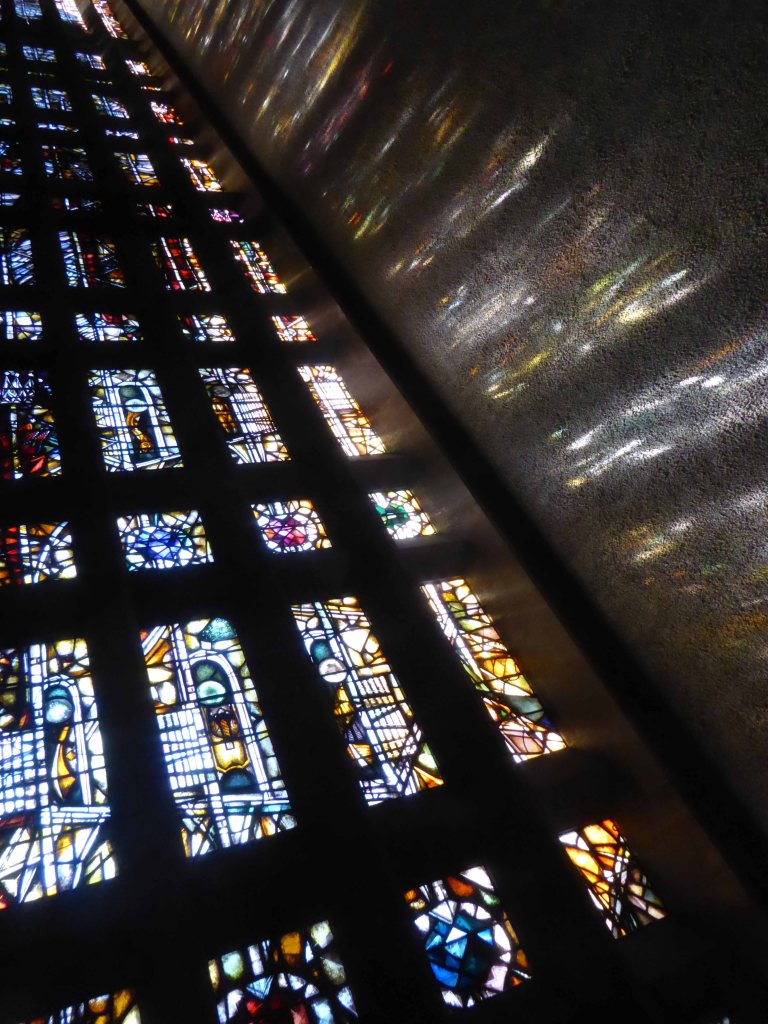
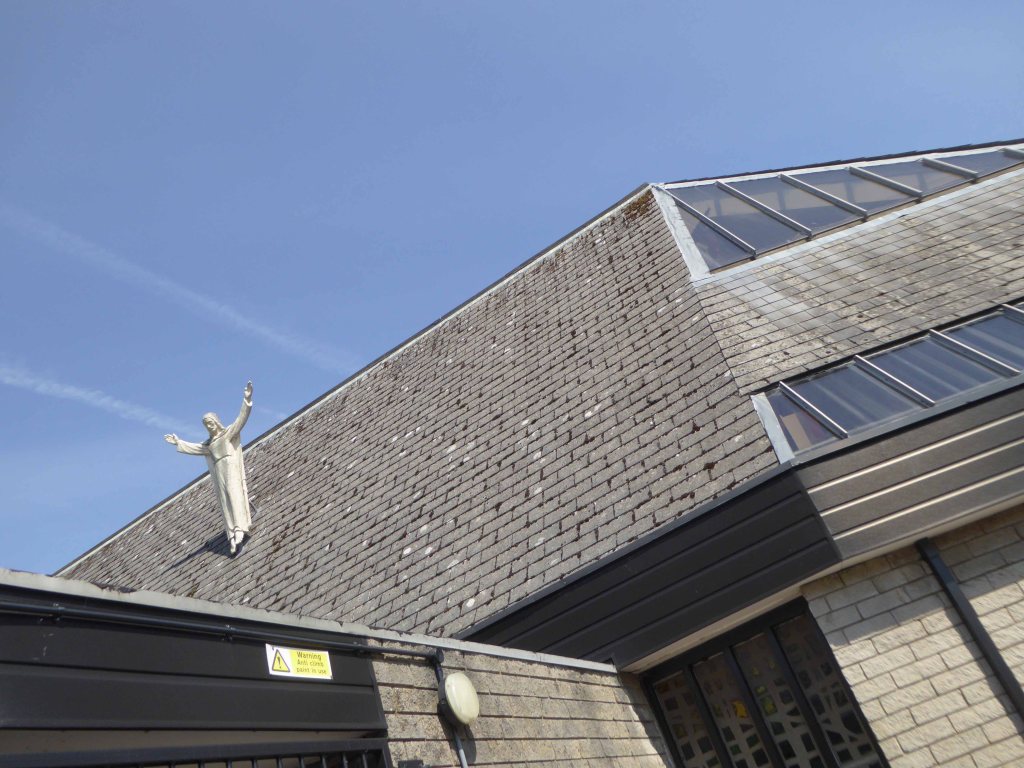
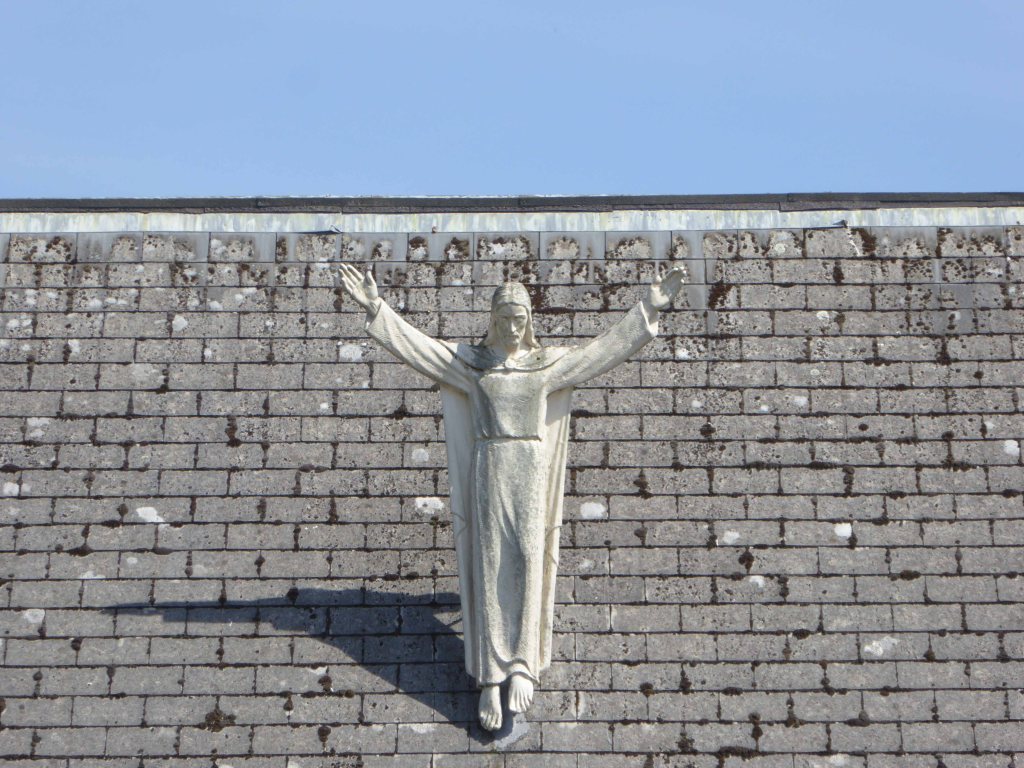
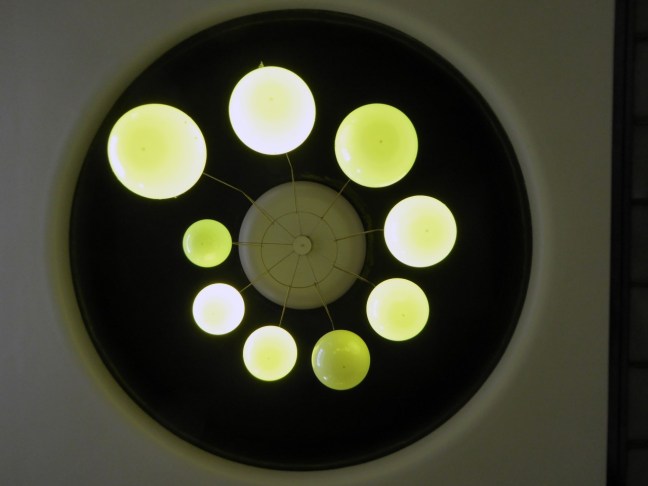
Internally the church is simply fitted with plain white plastered or boarded walls. The low level of daylighting enhances the effect of the four corner windows, which are filled with rainbow glass, and of the top-lit altar. The dalle de verre glass was designed by Eddie Blackwell and made in Dom. Charles Norris’s workshop at Buckfast Abbey. The figure of the risen Christ on the roof over the entrance porch were also designed by Blackwell.
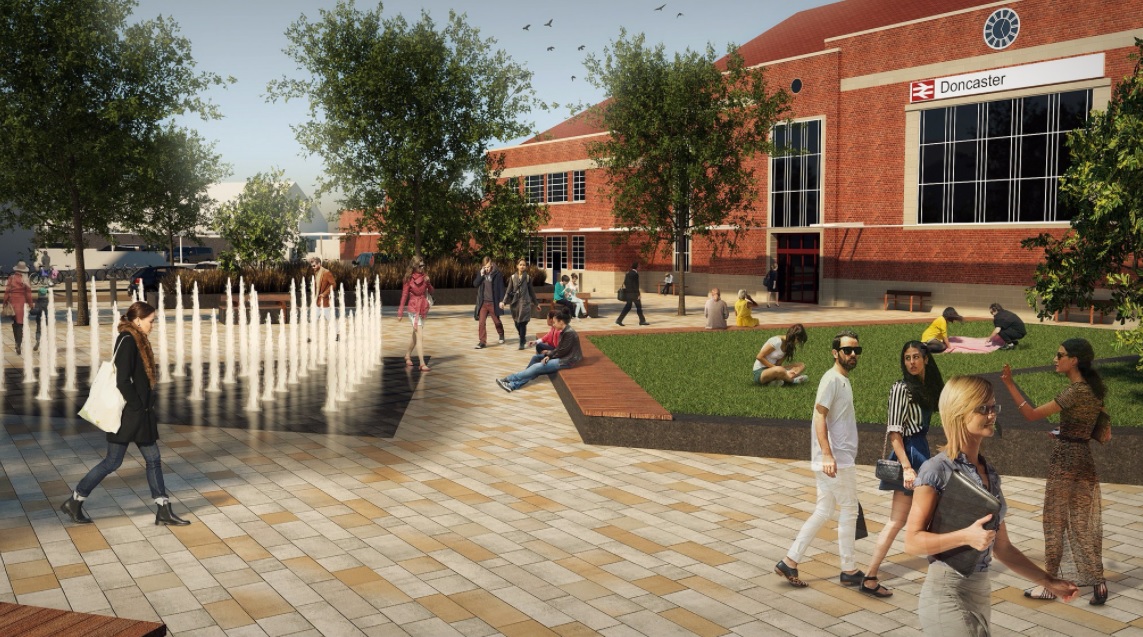
The railway station was built in 1849 replacing a temporary structure constructed a year earlier. It was rebuilt in its present form in 1933 and has had several slight modifications since that date, most notably in 2006, when the new interchange and connection to Frenchgate Centre opened.
The front elevation is realised in a typical inter-war brick functionalist style.
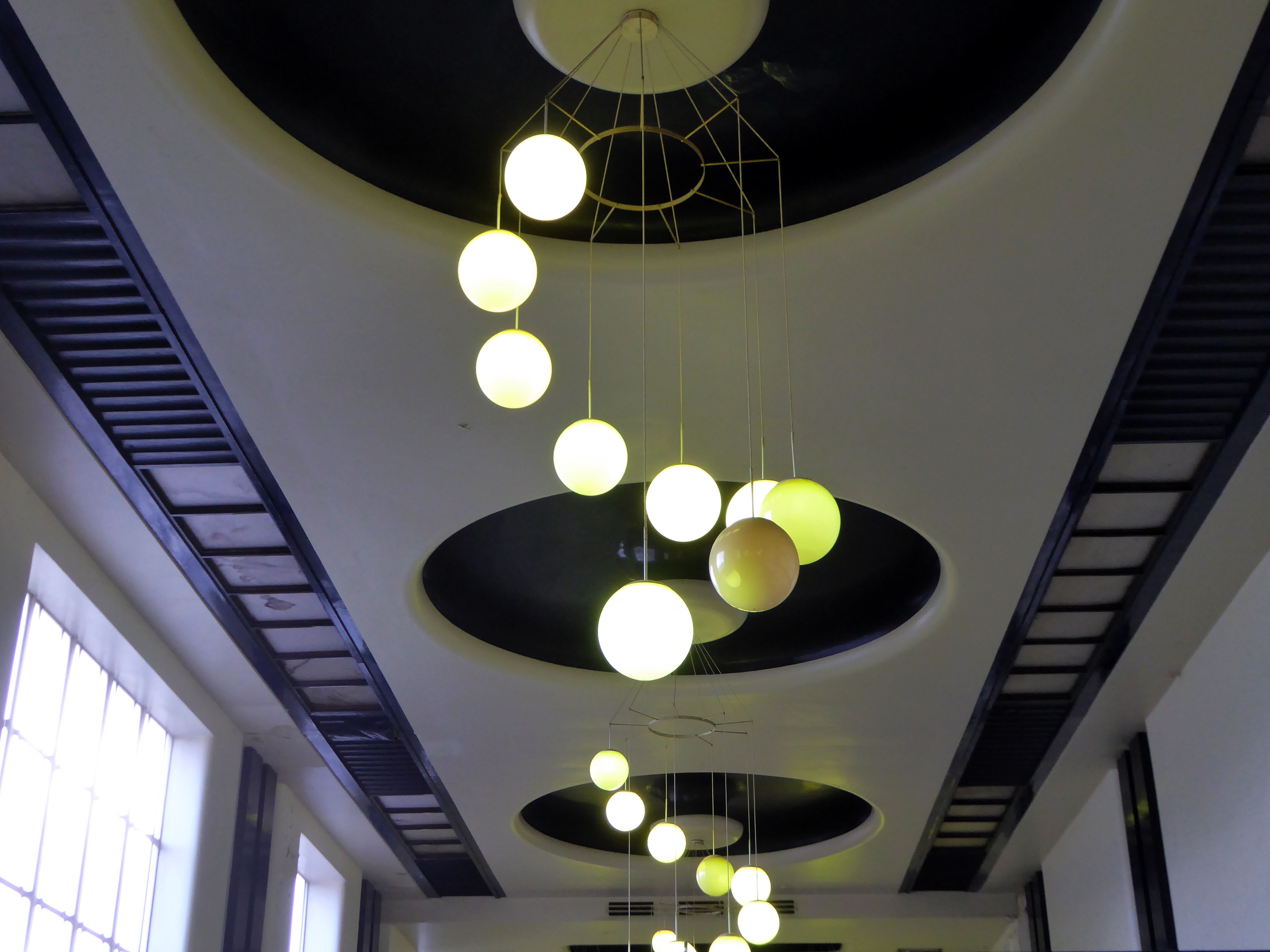
Of particular note are the lobby lighting fixtures and clock, the booking hall and offices are listed Grade II.
There are plans to redevelop the station approach replacing the current car parking with a pedestrianised piazza.
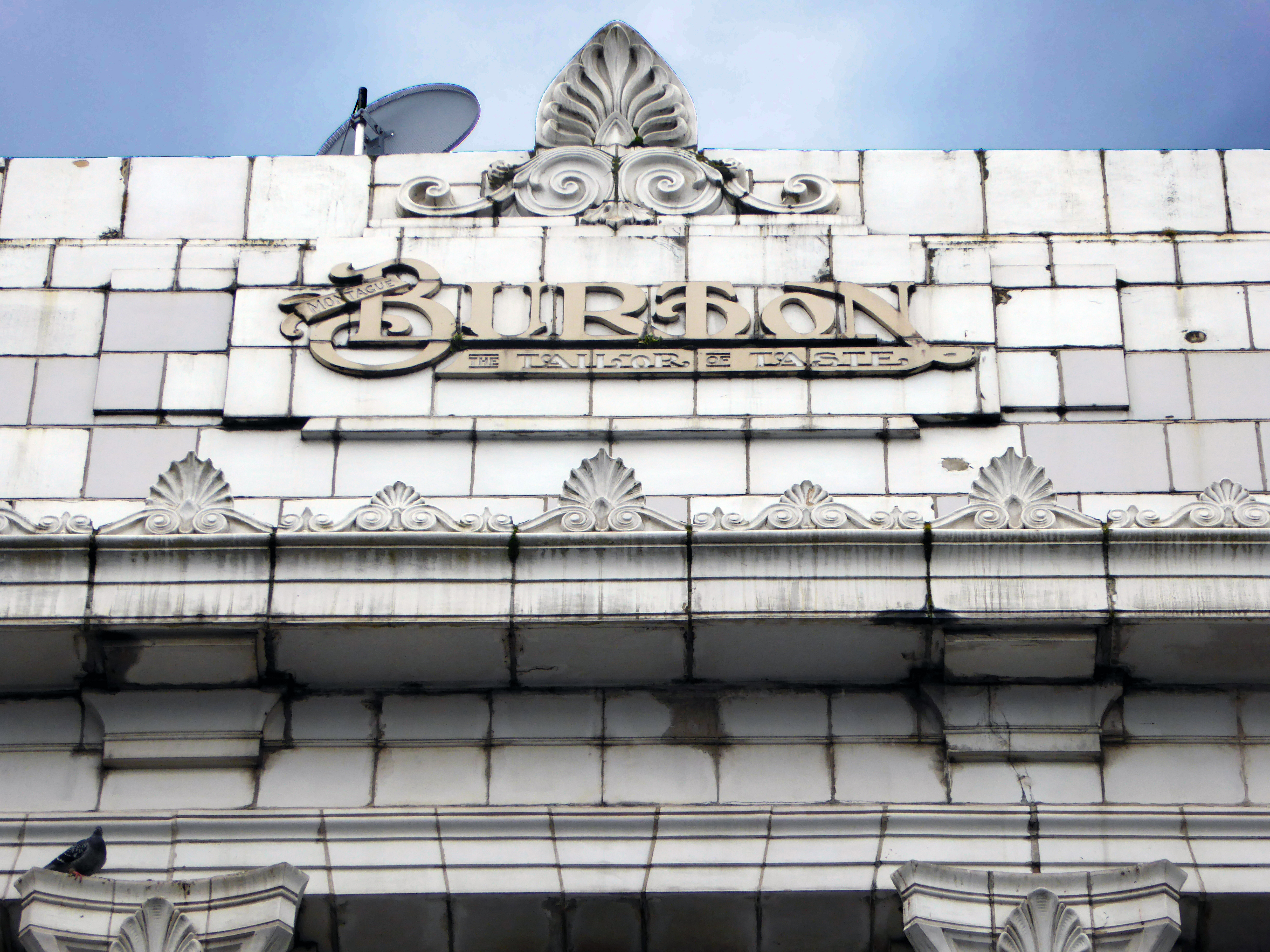
The High Street boast a former branch of Burton’s with its logo intact.
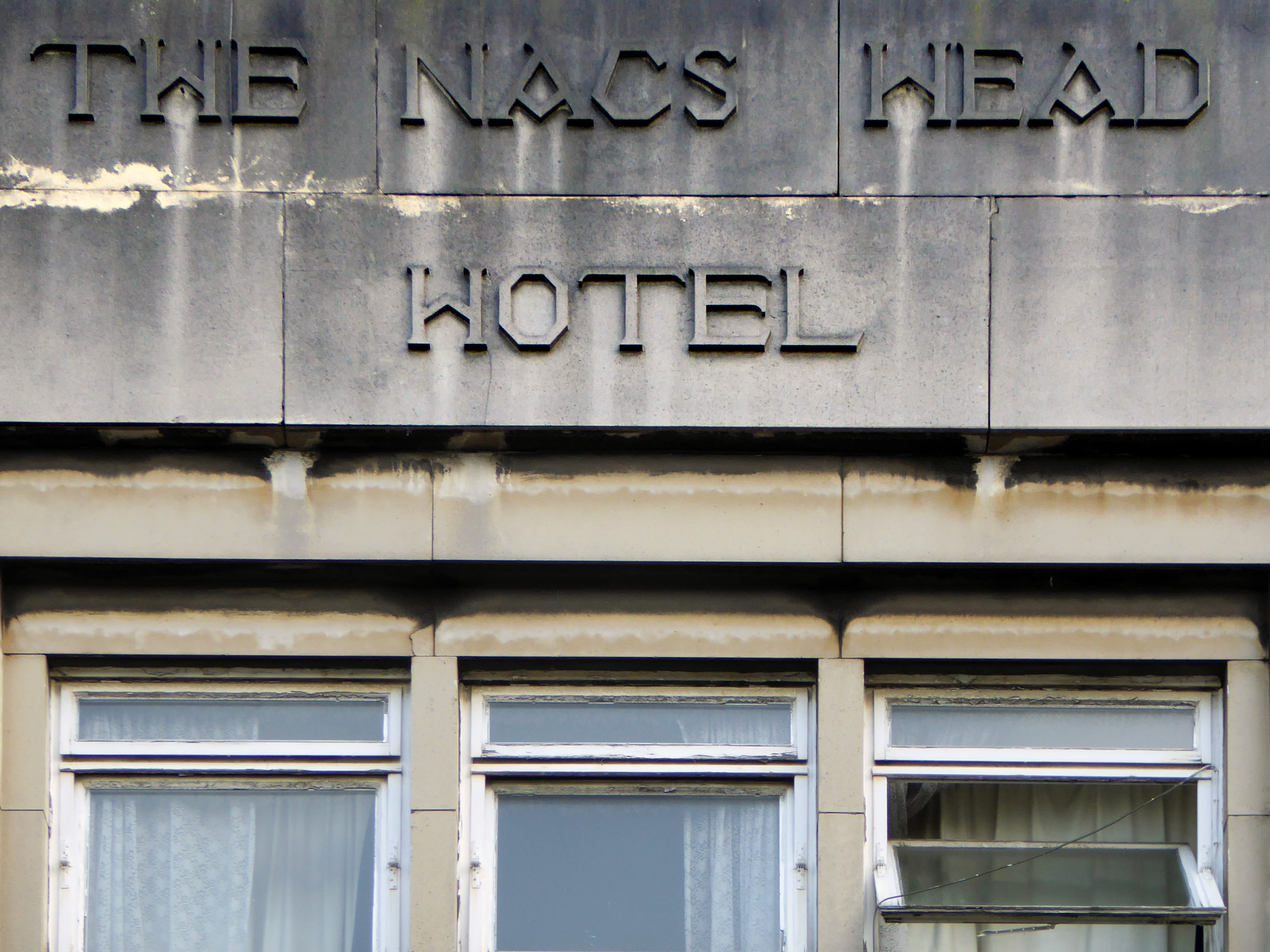
An intriguing Art Deco shop frontage – combining a menswear outlet with a pub.
Further along an enormous Danum Co-operative Store in the grandest Deco manner – 1938-40. Designed by T H Johnson & Son for the Doncaster Co-operative Society Ltd.
Currently partially occupied with no access to the glass stairways.
Following the development of the Frenchgate Centre the Waterdale Centre sunk into a slow decline.
And the Staff of Life has lost a little of its estate pub period charm, following successive typographic makeovers and paint jobs.
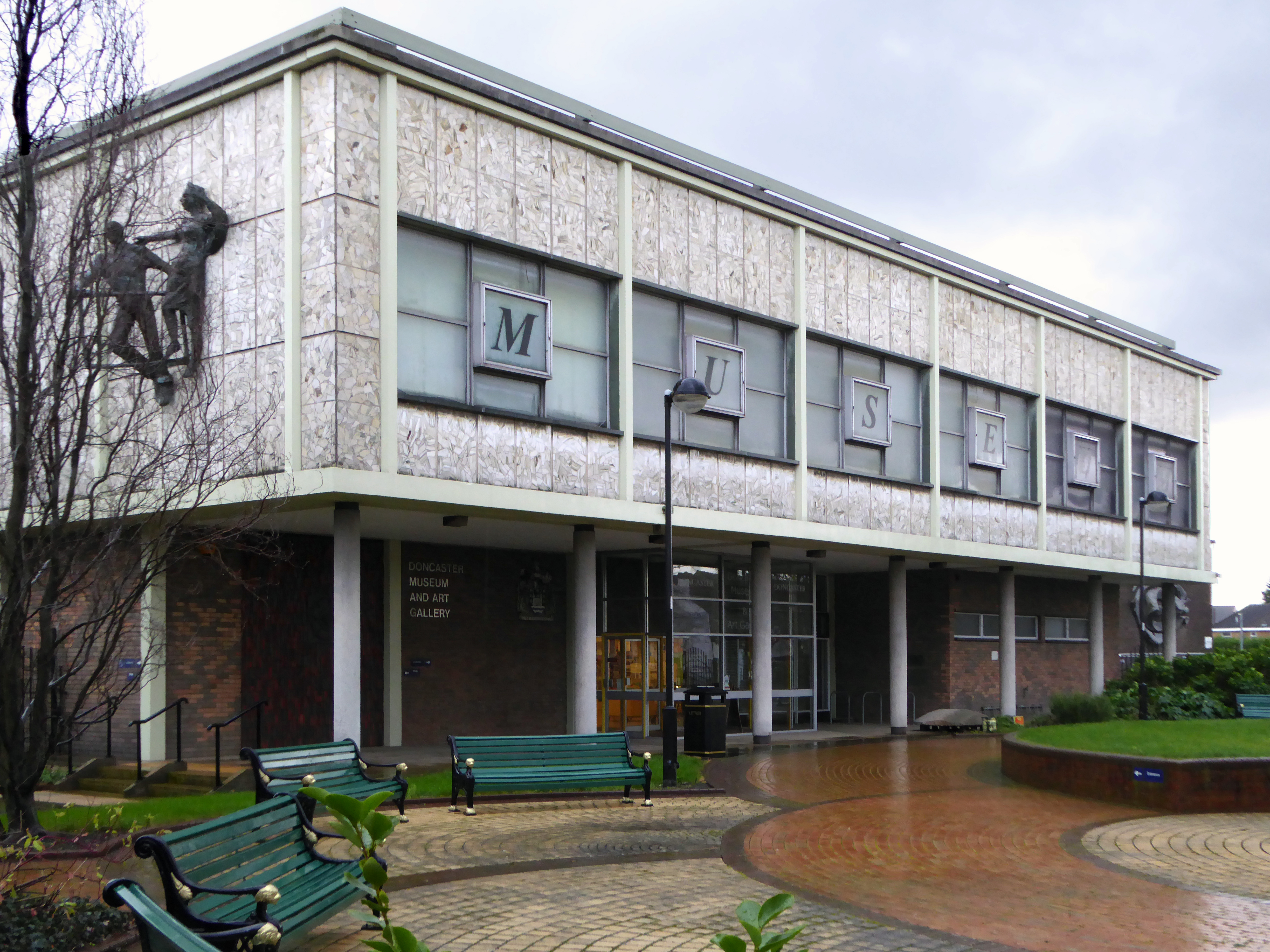
From 1949 onwards plans were afoot to develop the Waterdale area of Doncaster – civic buildings, courts, educational provision and the like, WH Price the Borough Surveyor at the helm. In 1955 Frederick Gibberd was appointed to oversee the site, though many of his designs were unrealised, his Police Station and Law Courts opened in 1969.
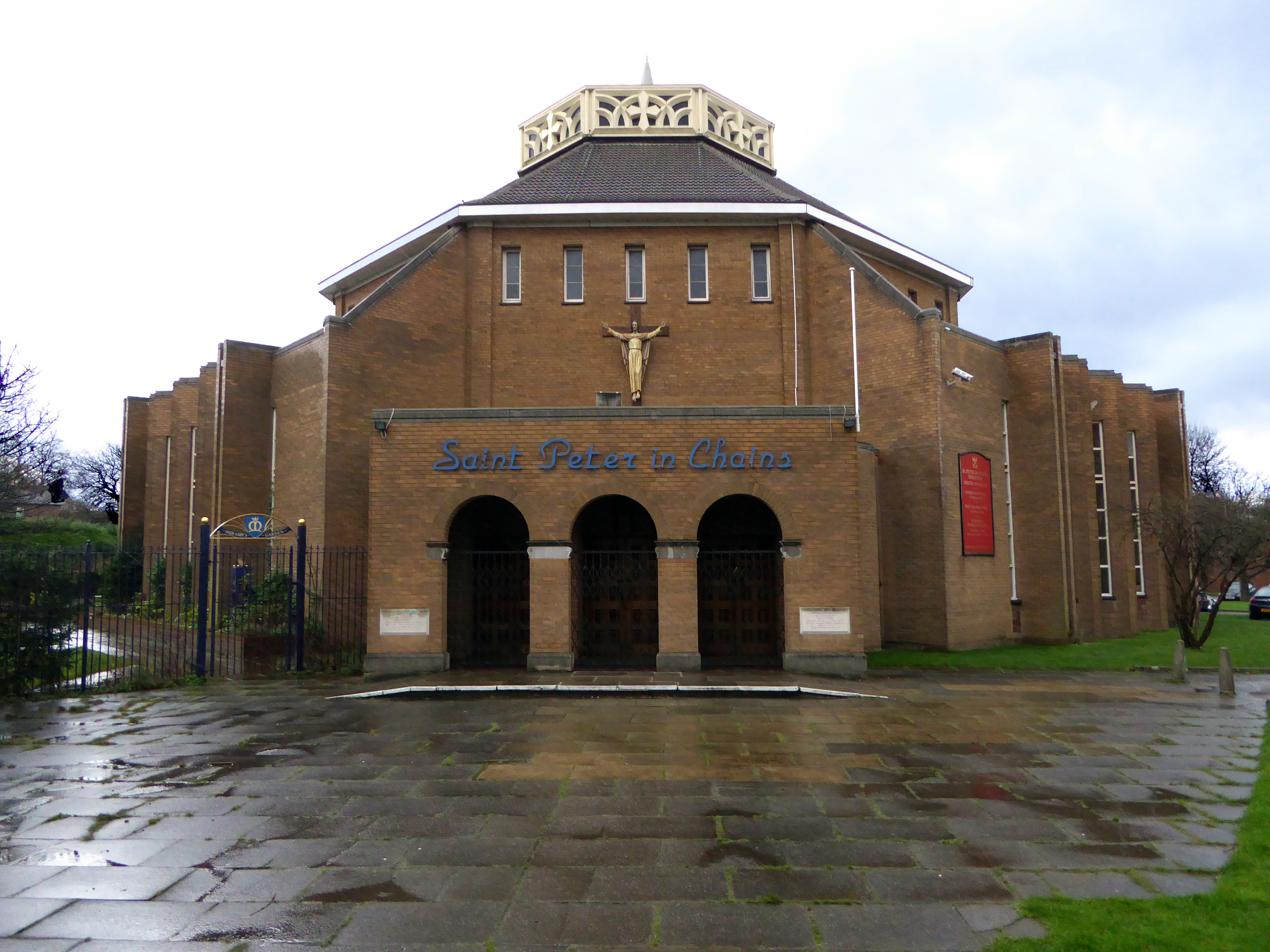
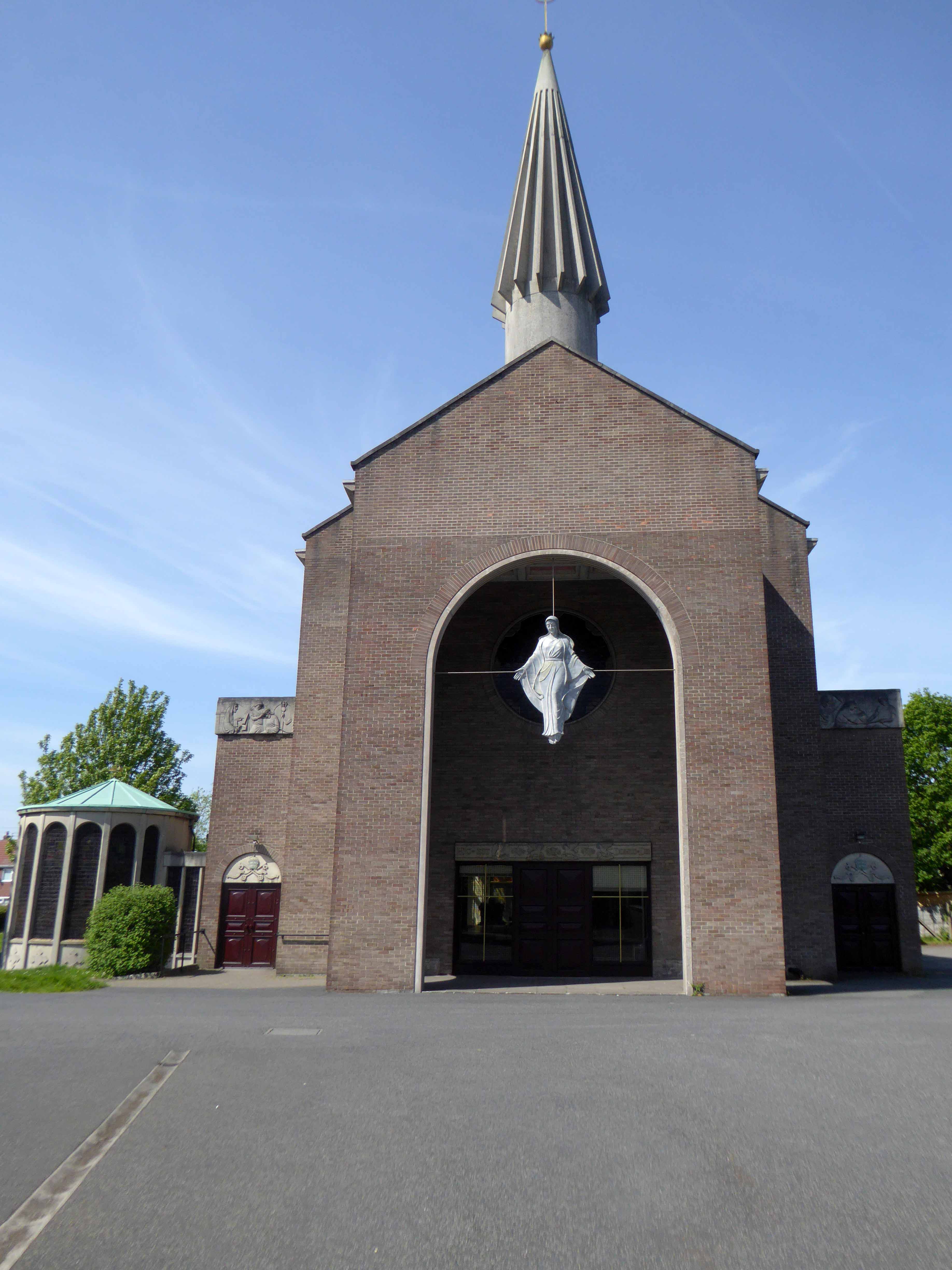
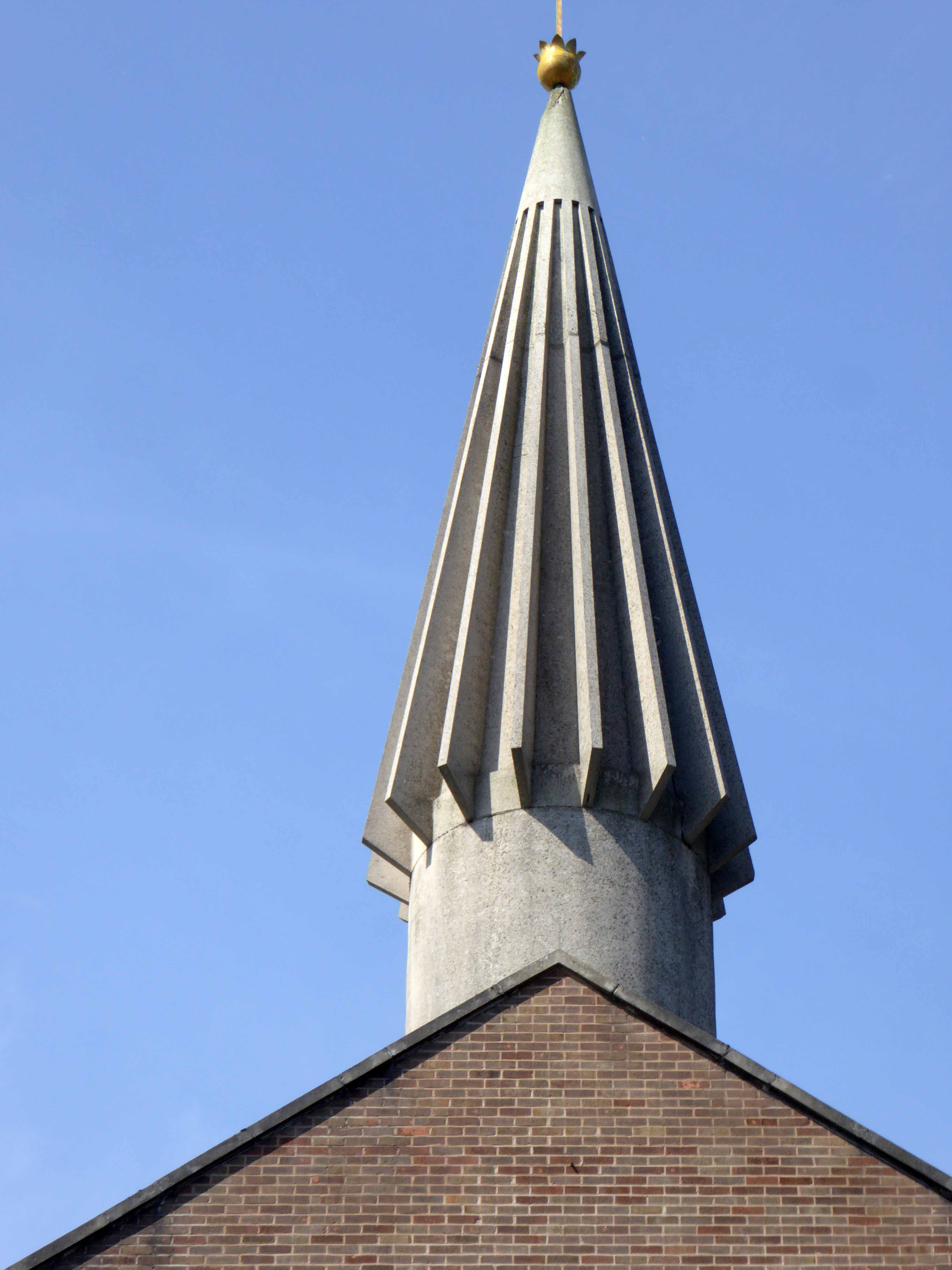
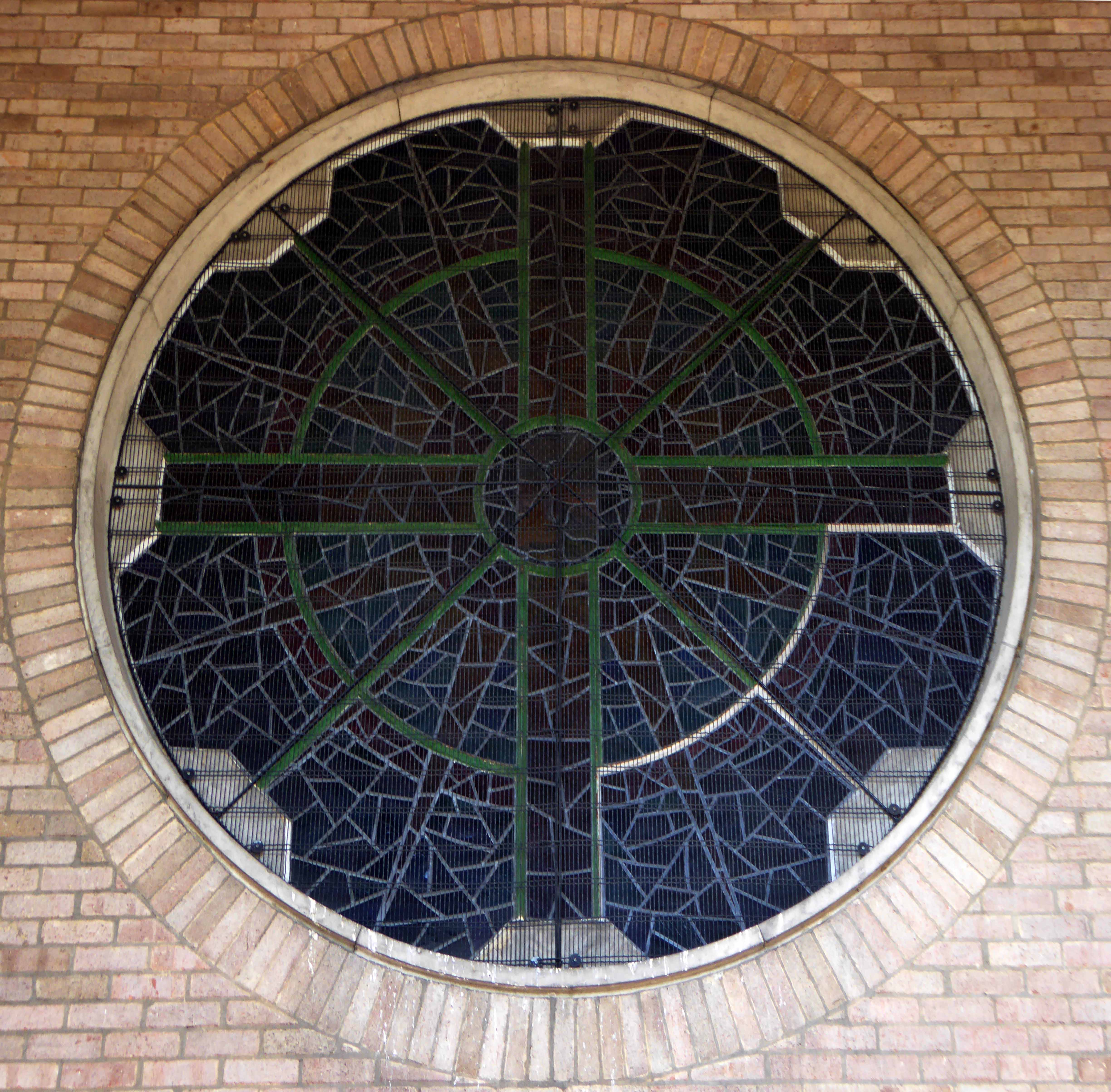
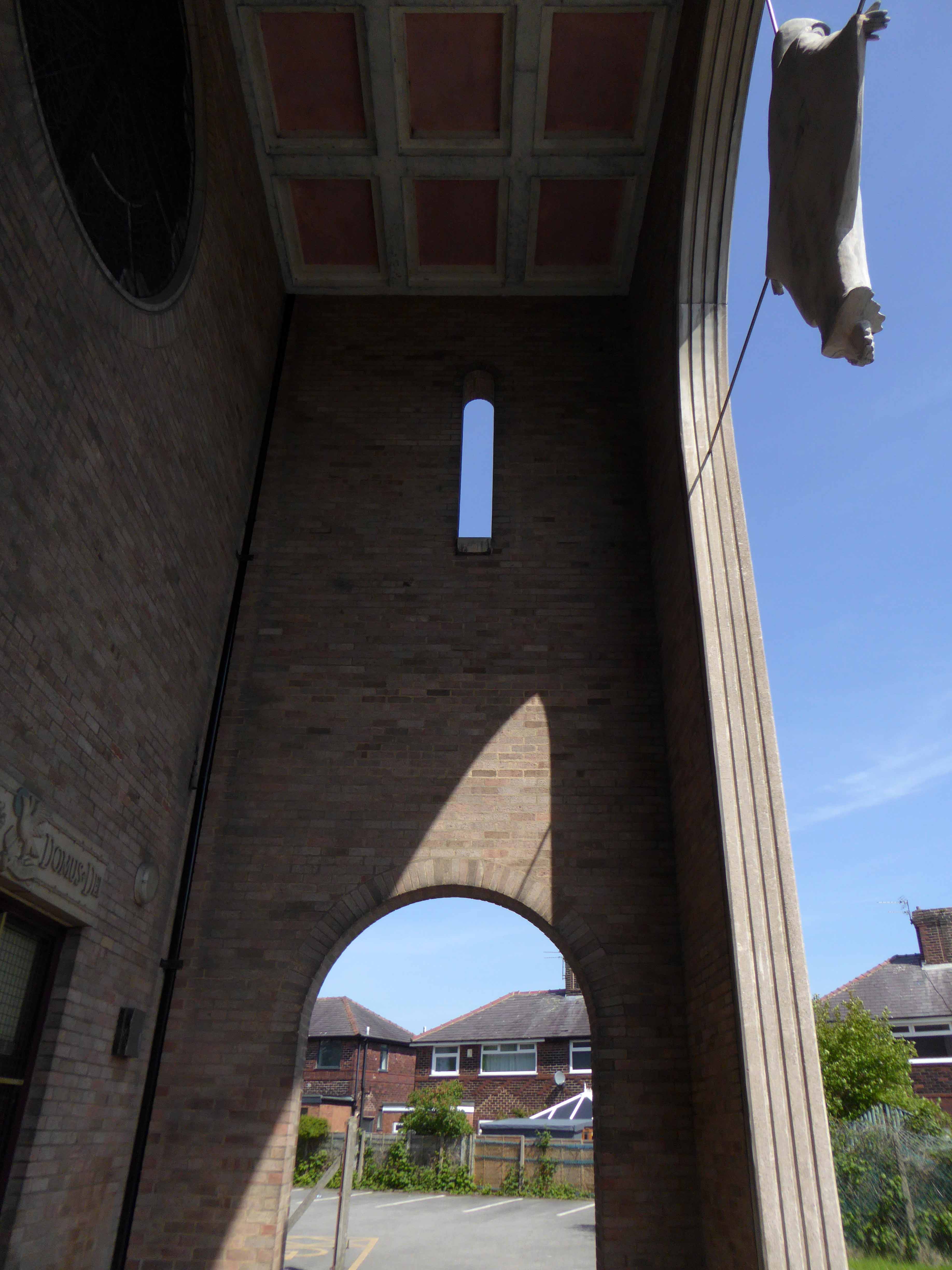
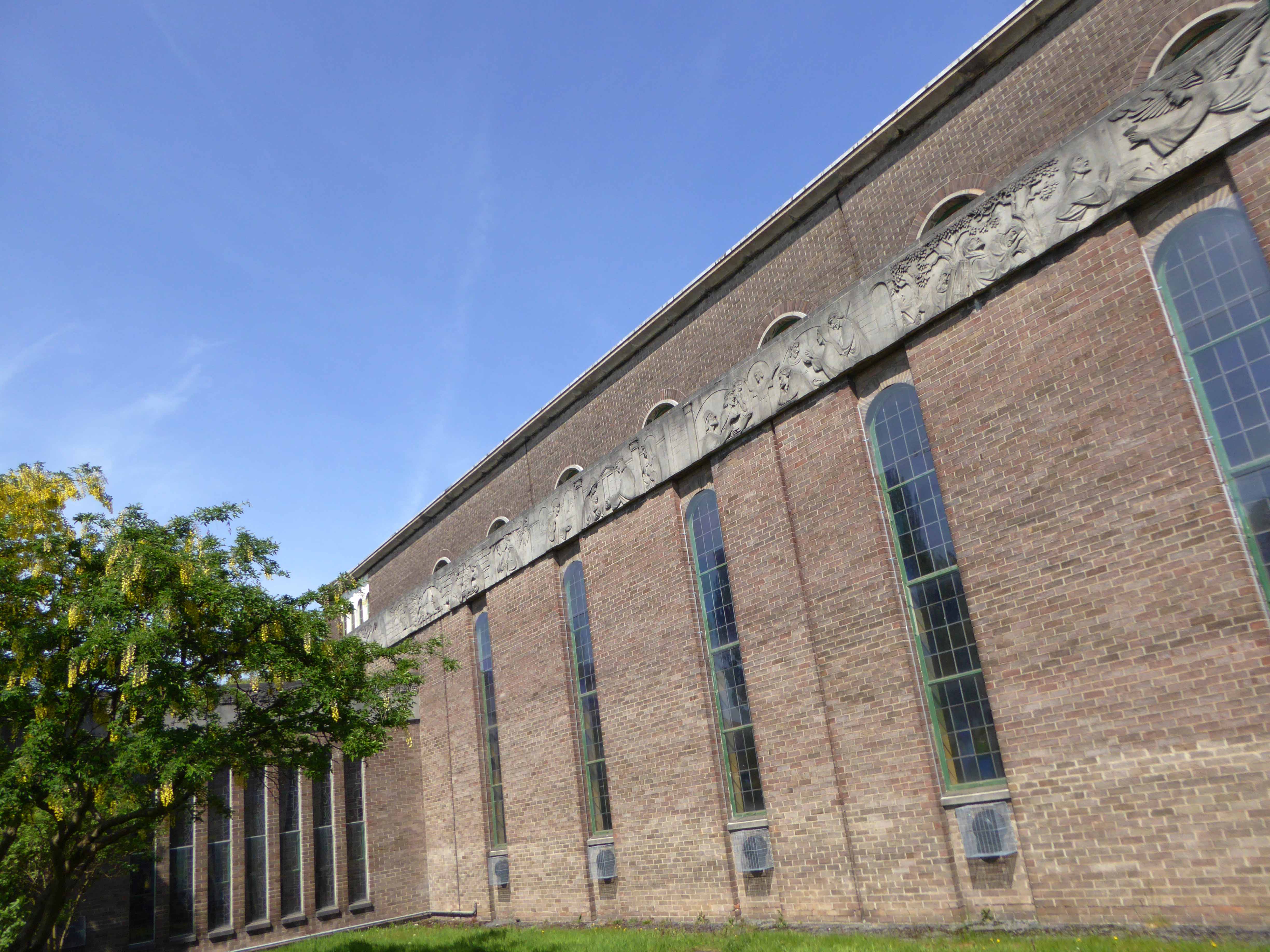
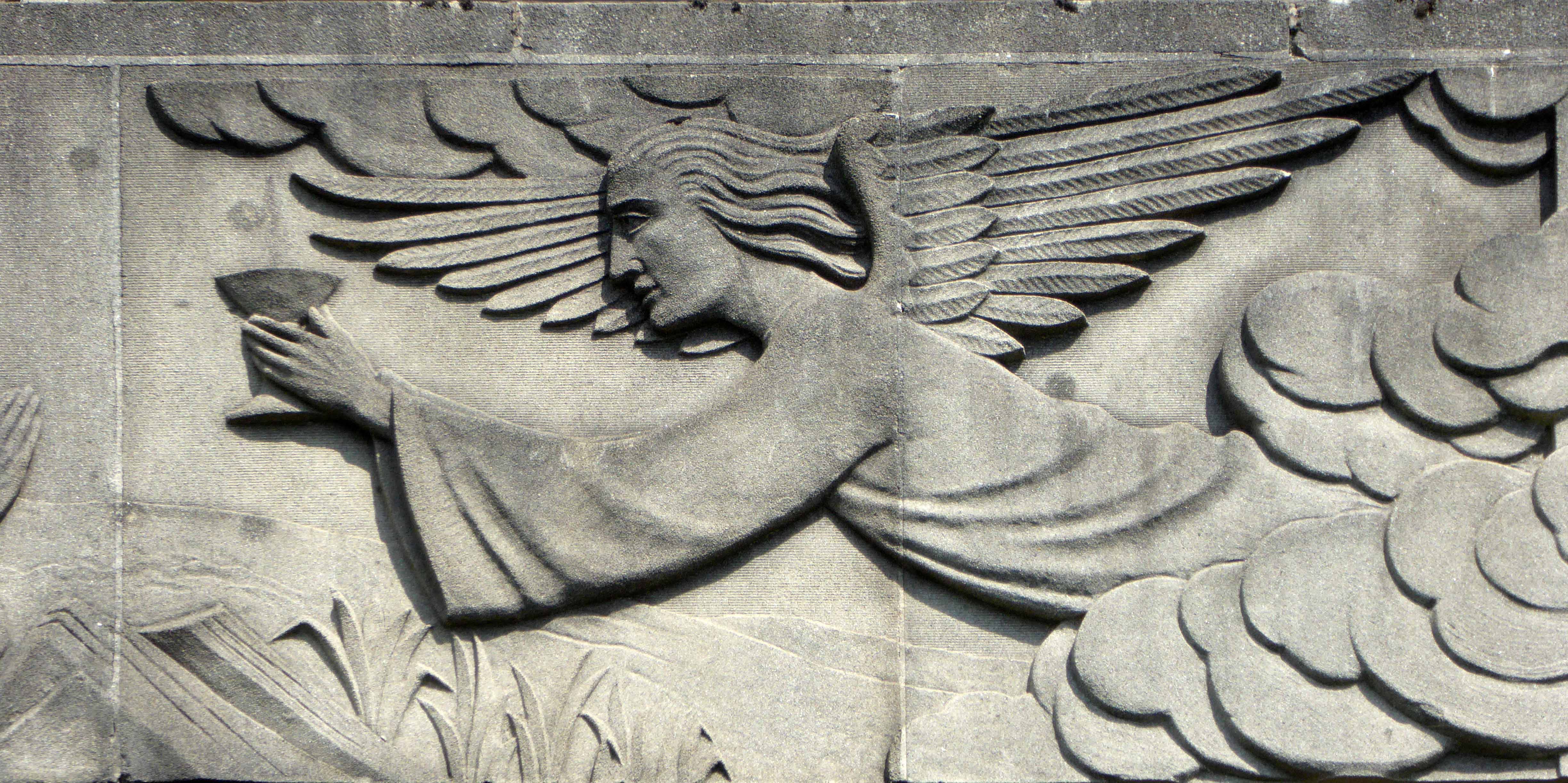
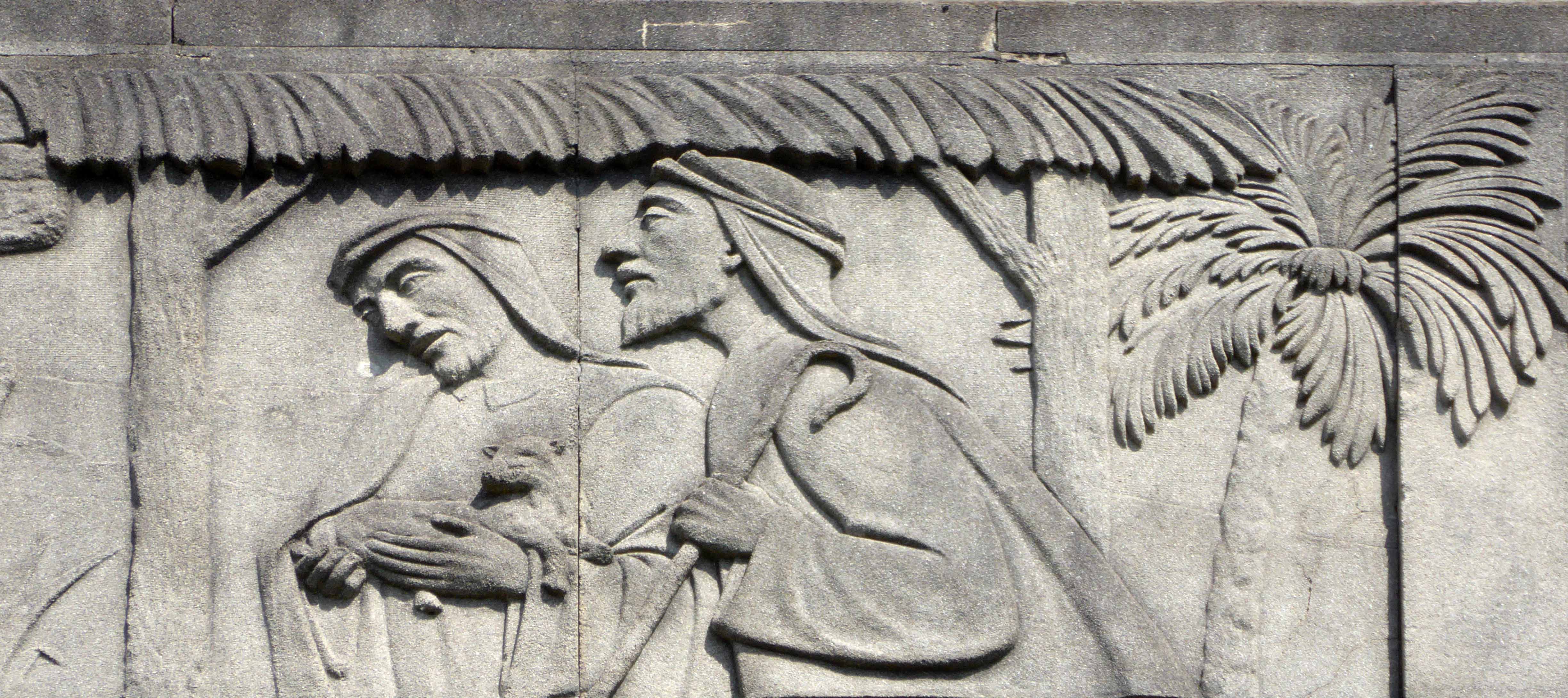
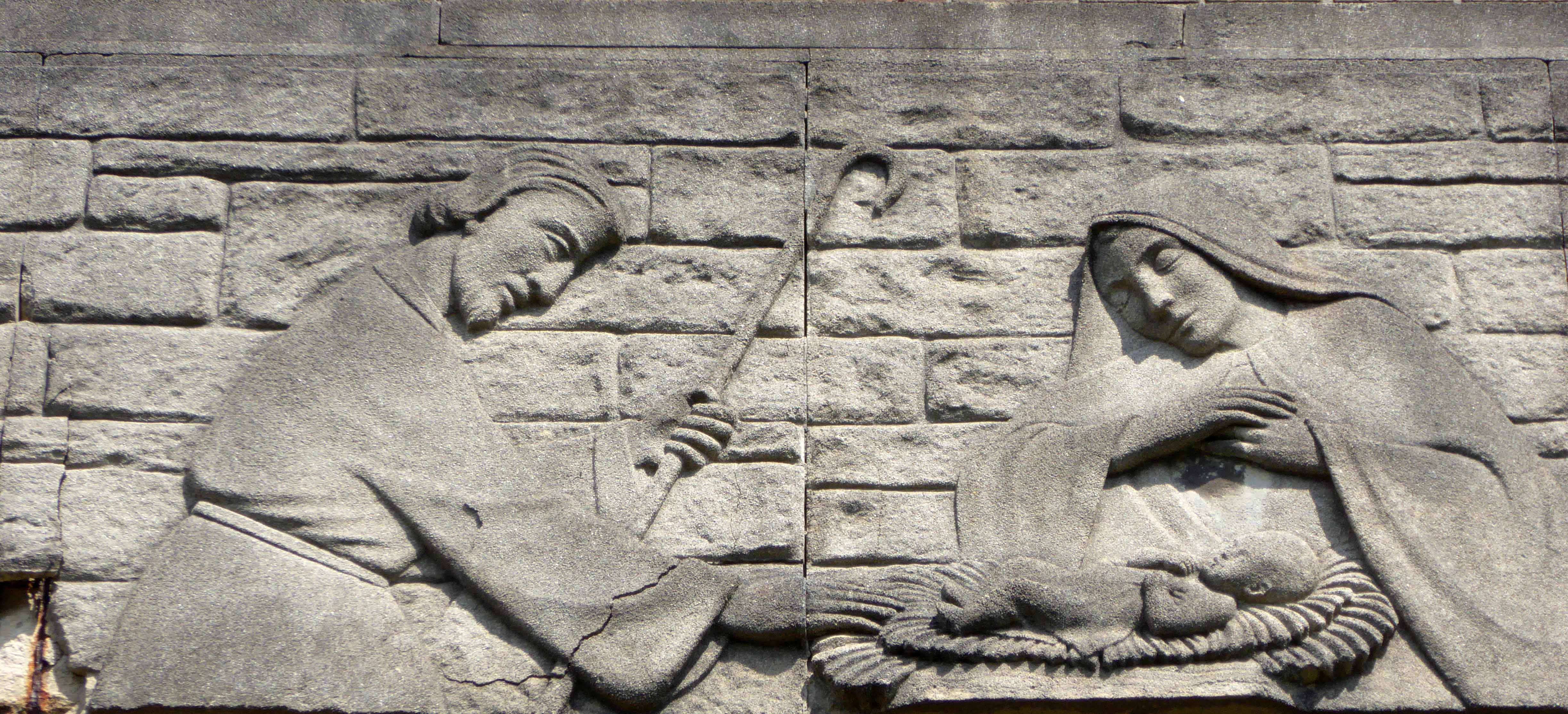
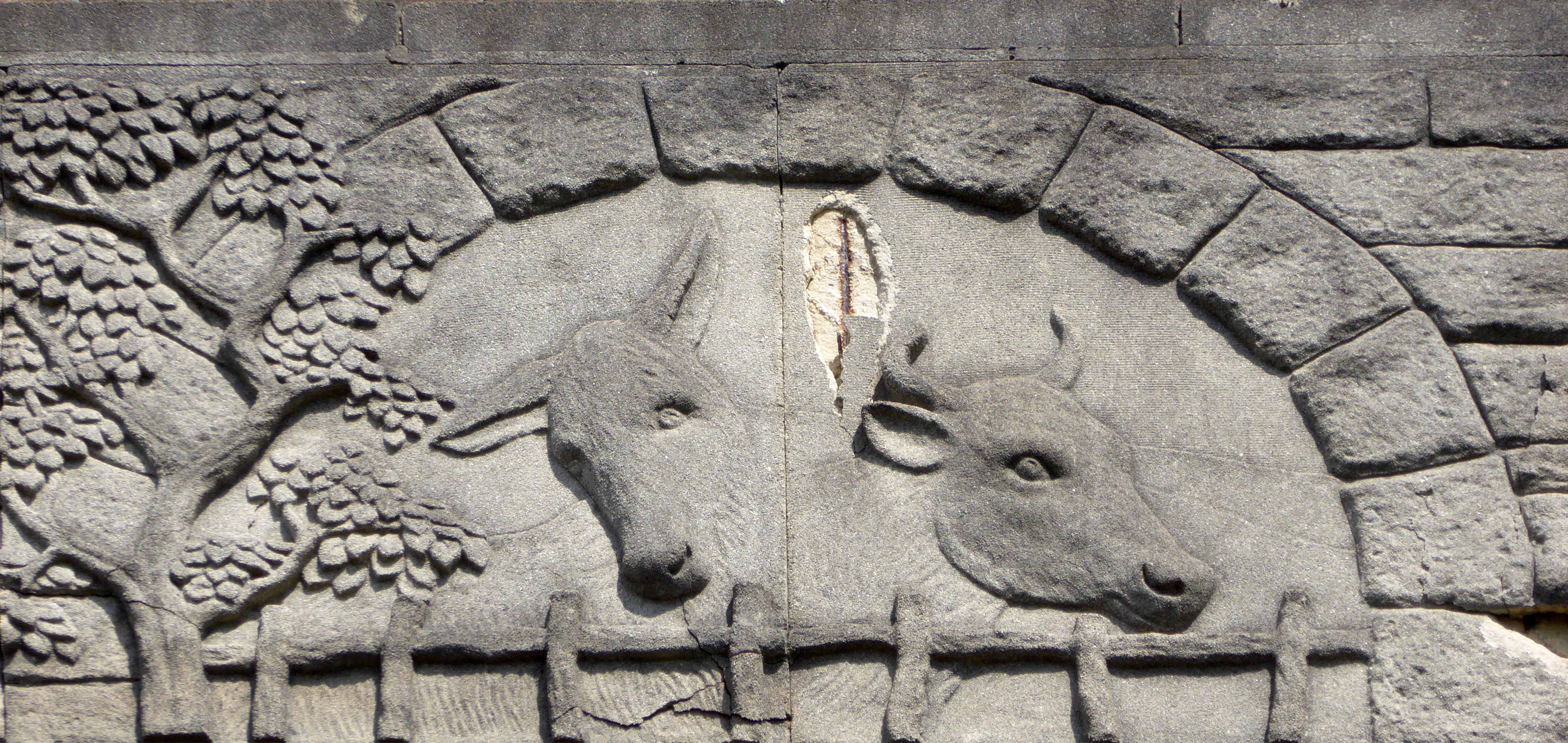
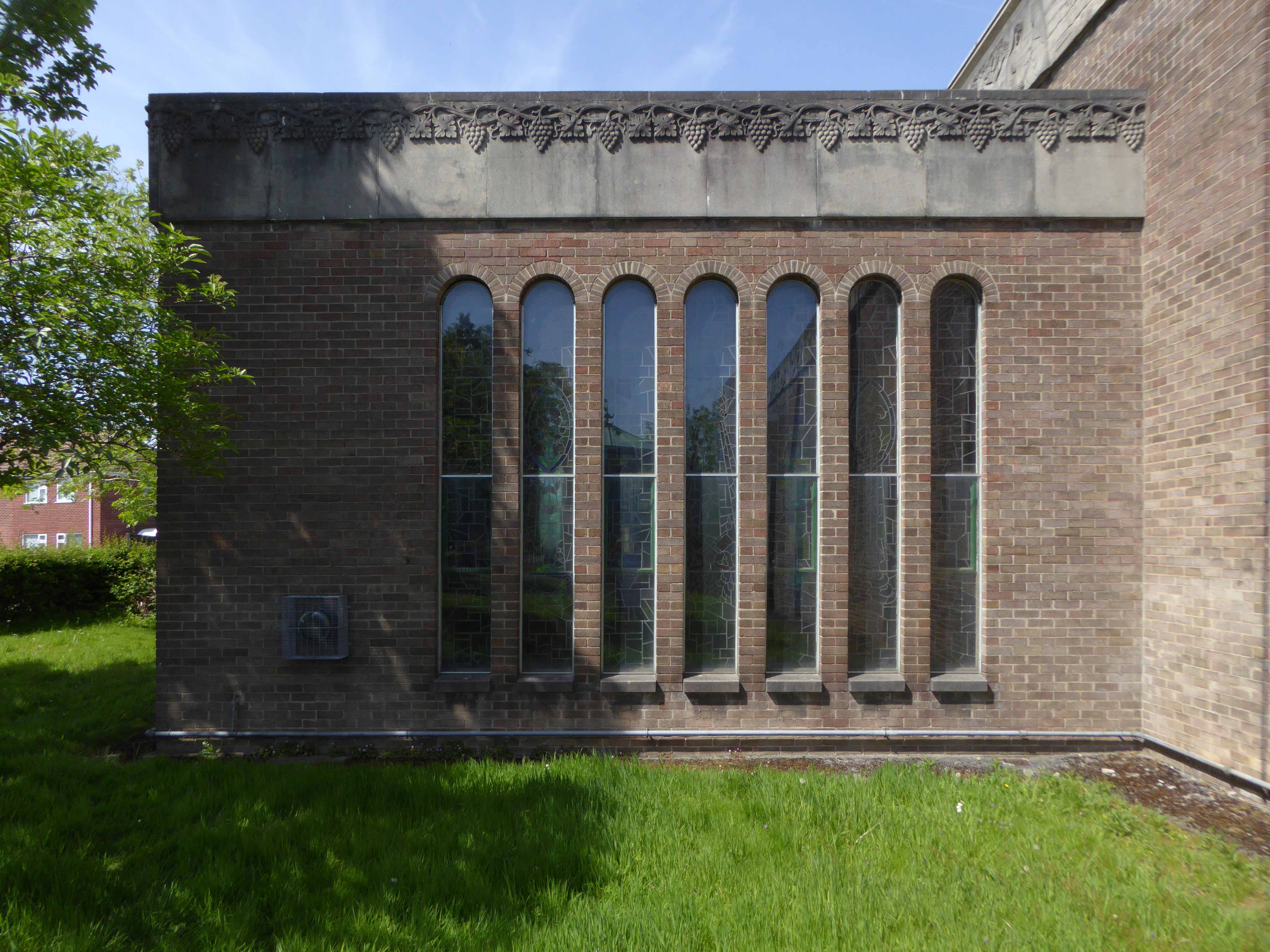
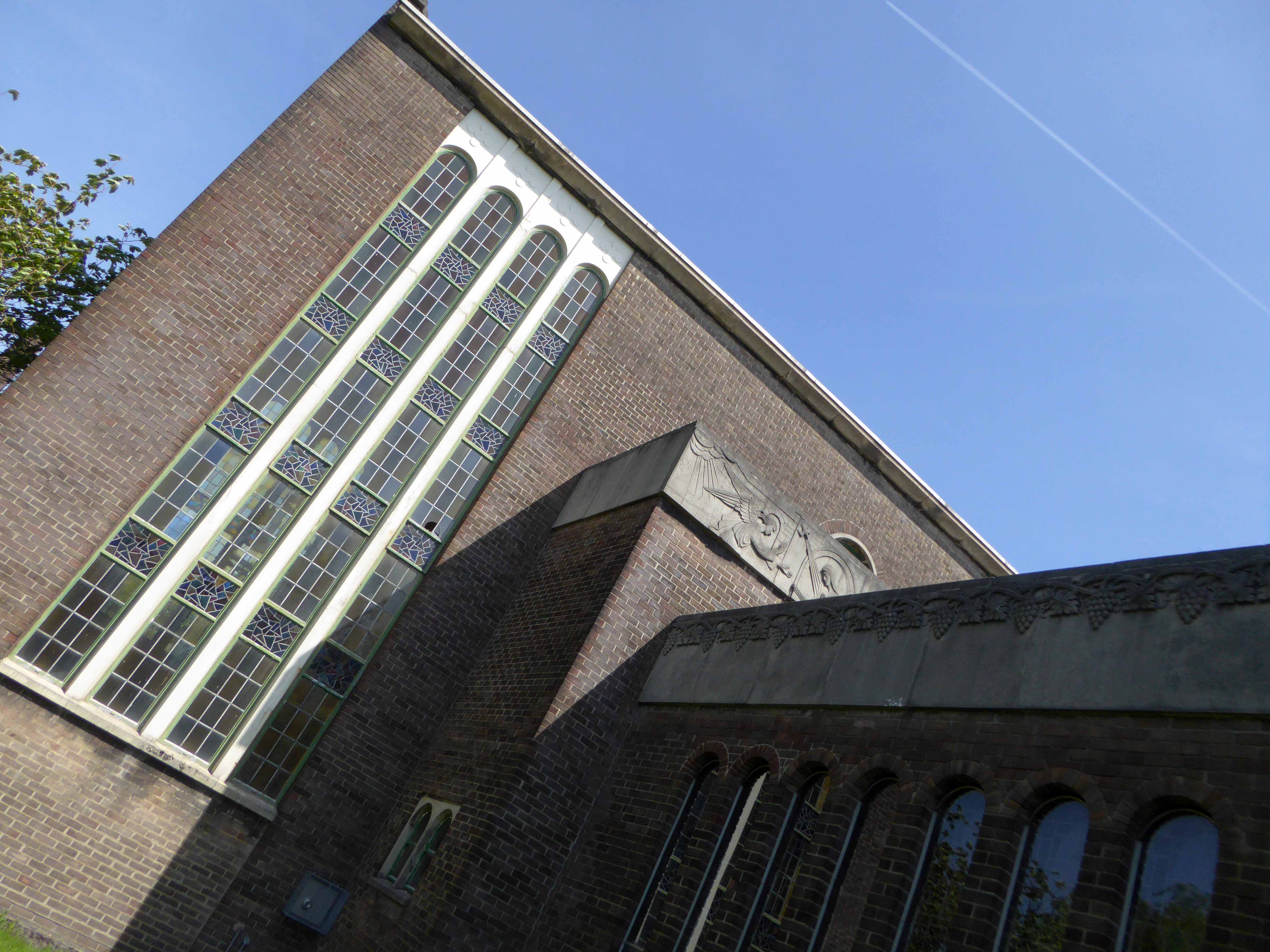
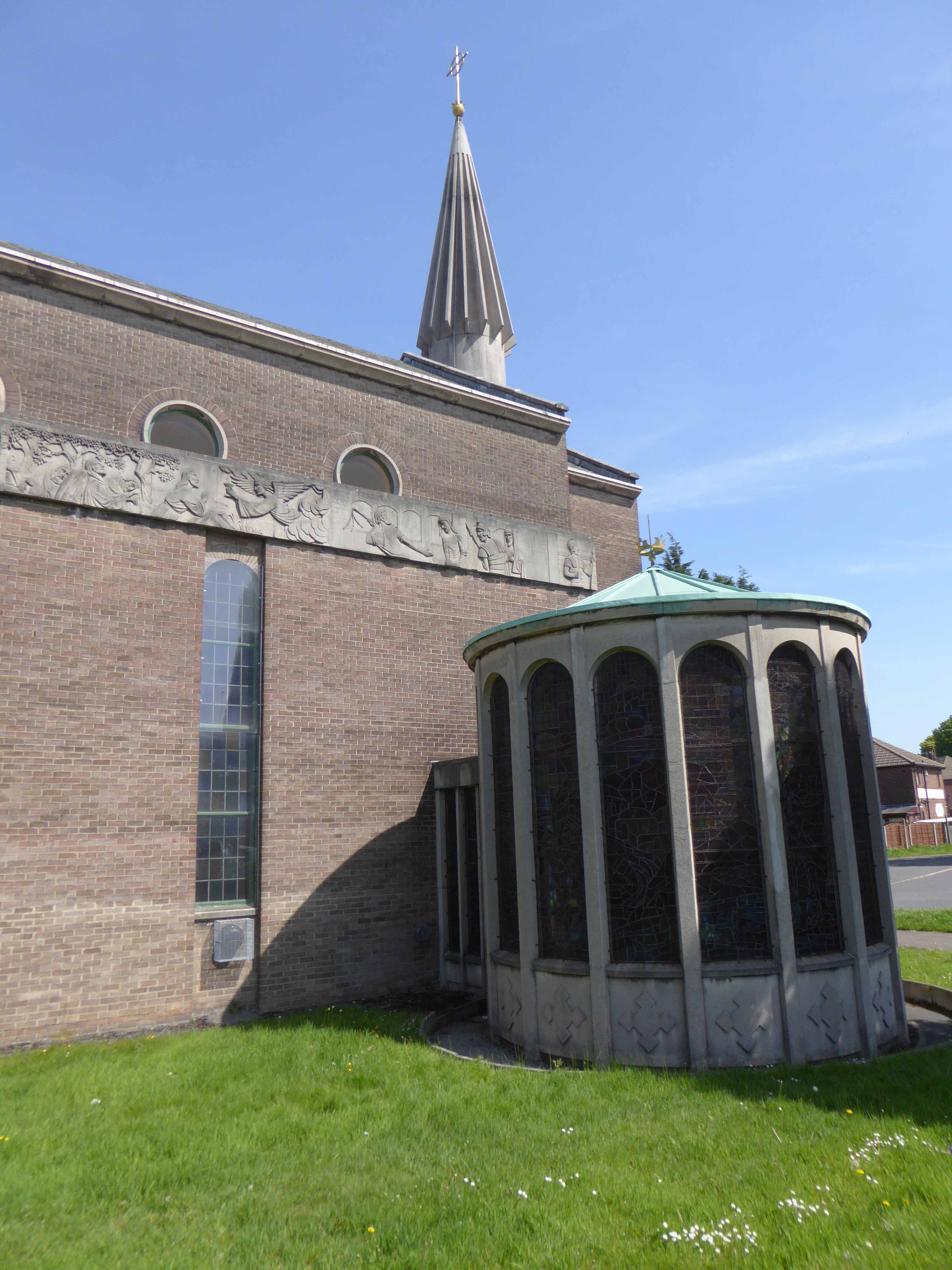
A church of the early 1960s, built before the Second Vatican Council on a traditional basilican plan. The design is striking and unusual, with an interesting combination of Gothic, classical and modern architectural motifs. The architect, Tadeusz Lesisz of Greenhalgh & Williams, is a little known figure but a designer of some interest. The church exhibits a scheme of sculpture, stained glass and mosaic on Marian themes, mainly by local designers, and retains almost all of the original furnishings and fittings in little altered state. It also retains furnishings from the late-nineteenth-century predecessor church.
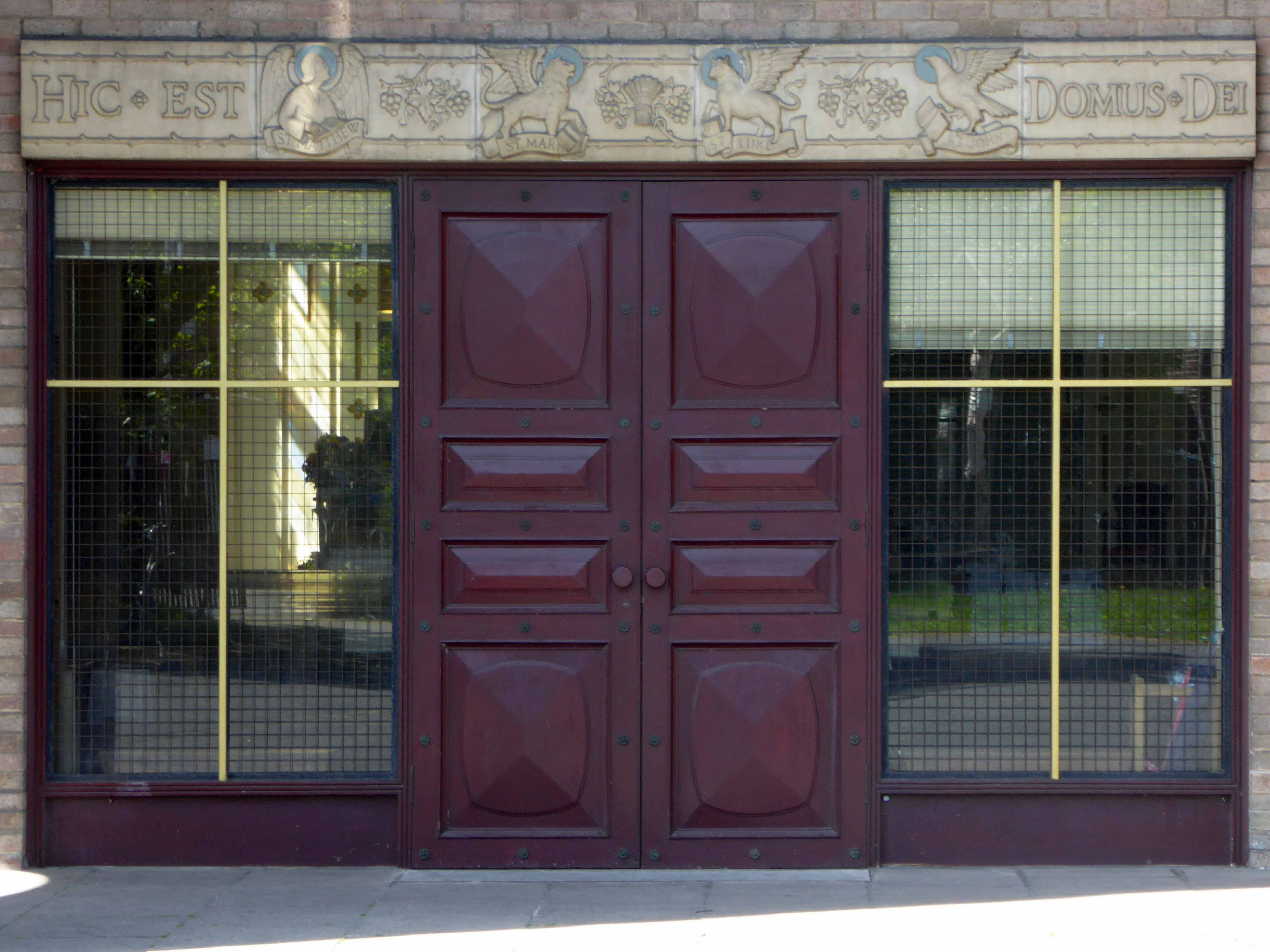
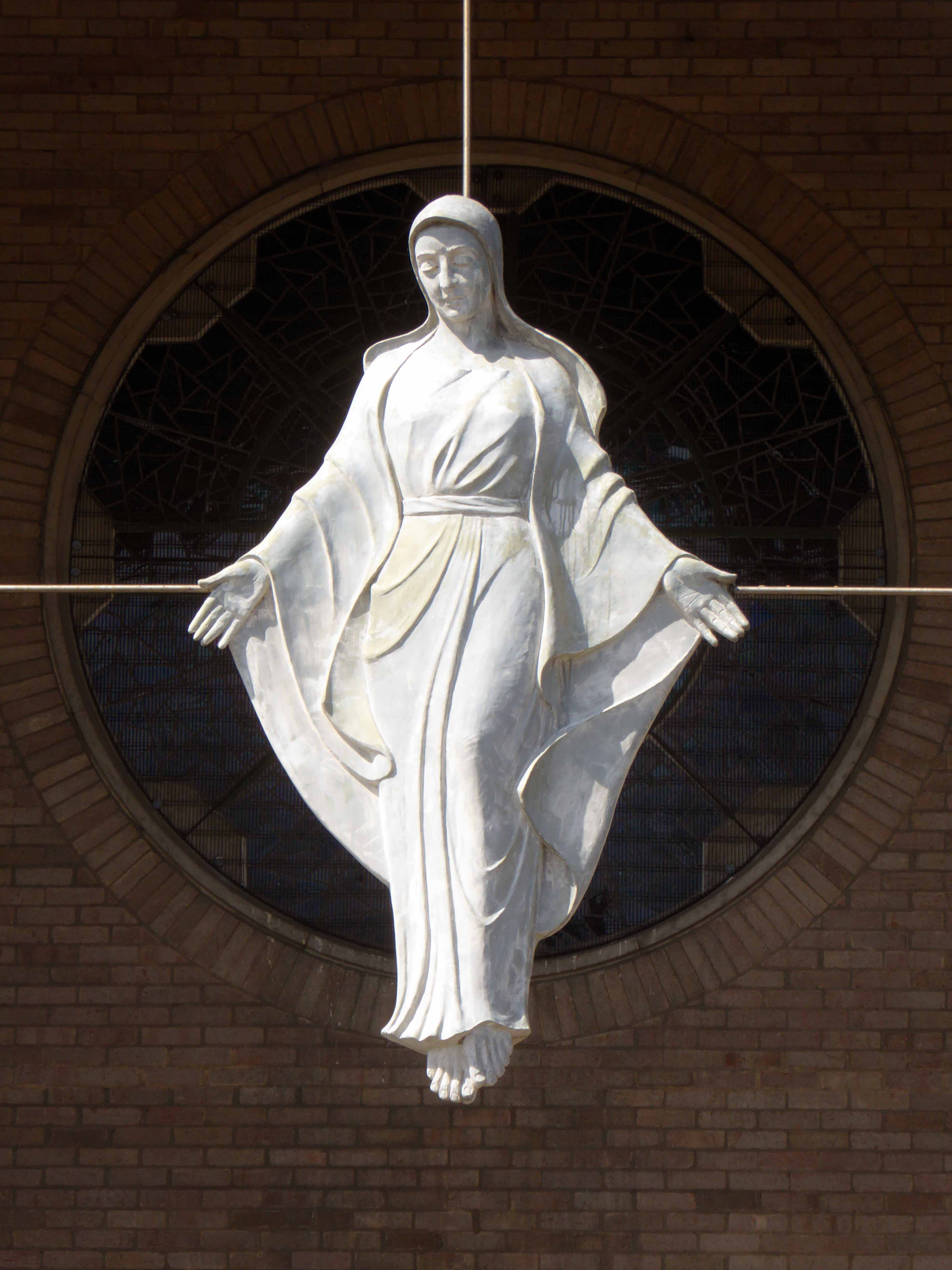
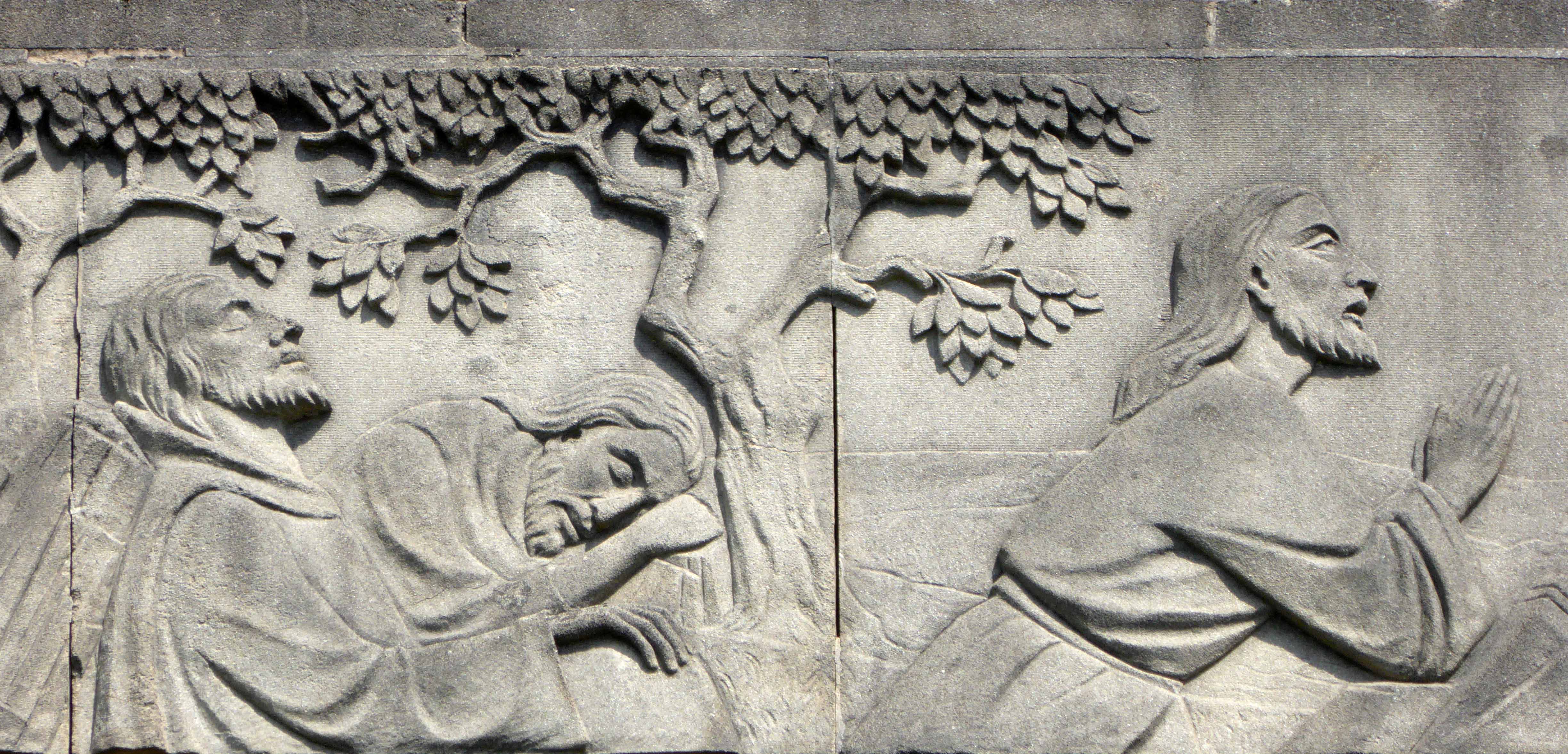
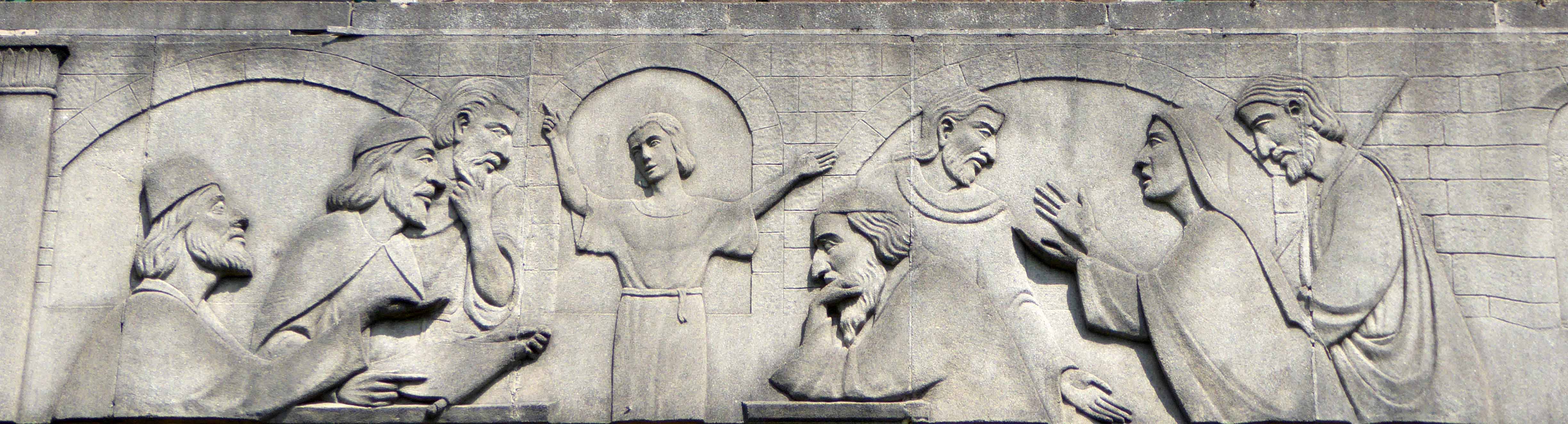
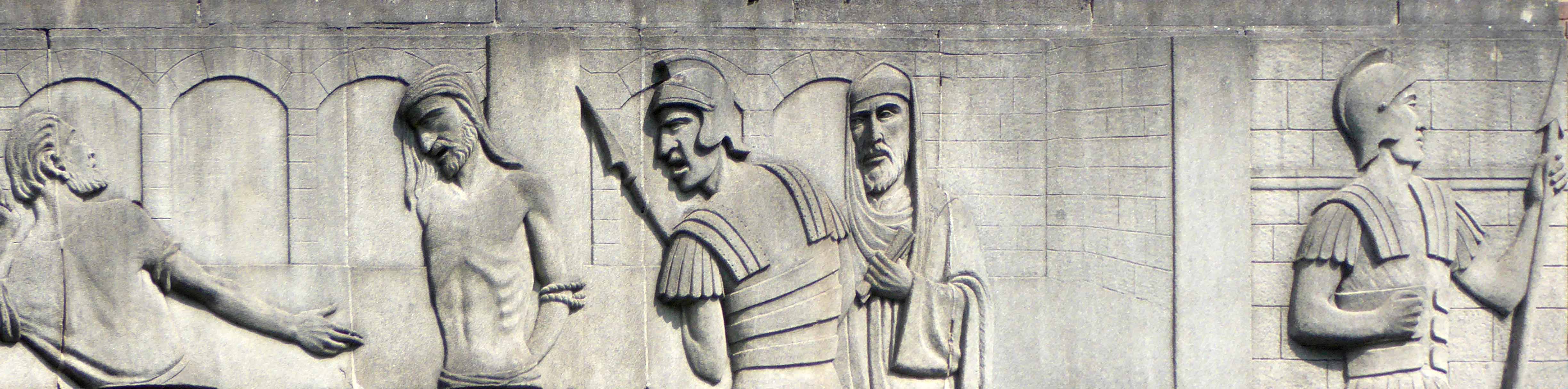
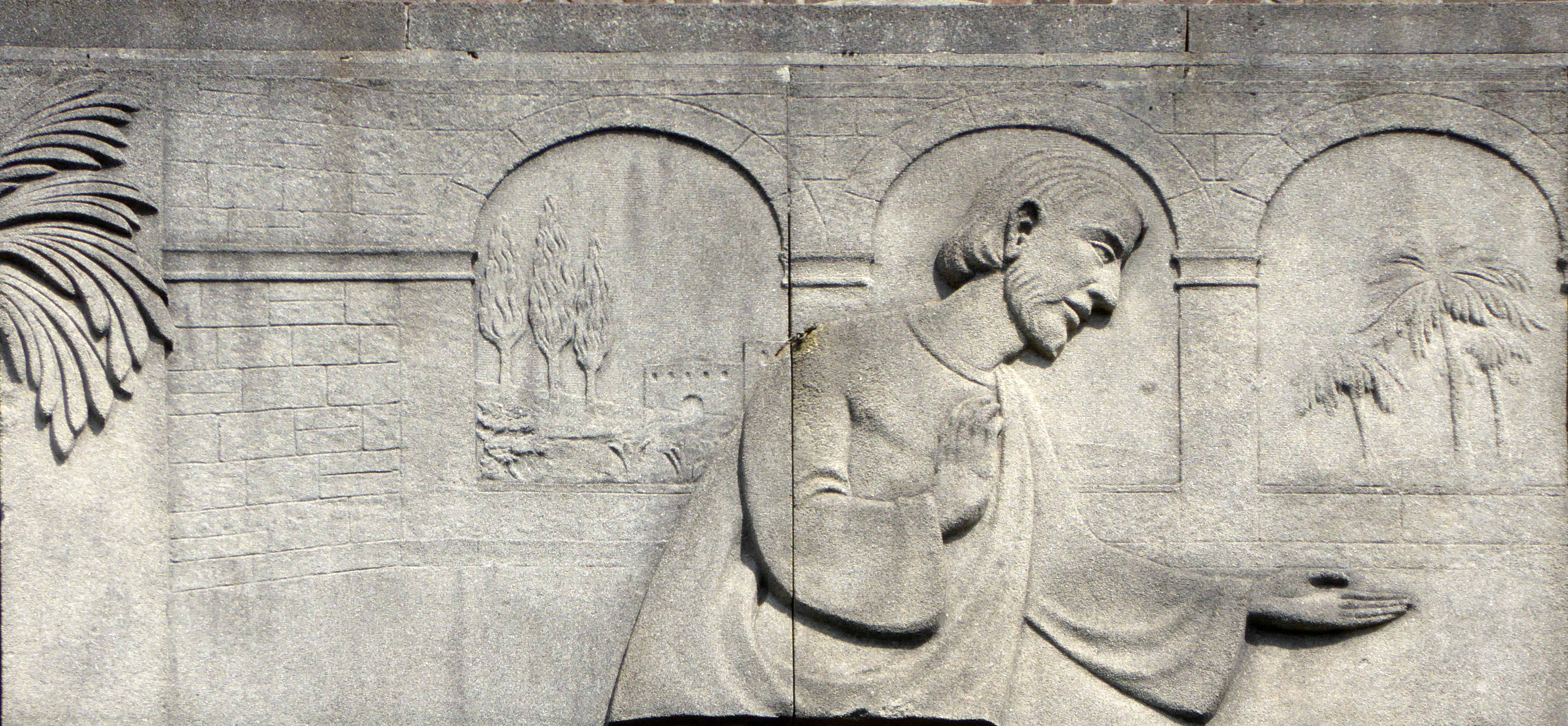
The west front is very striking, the broad entrance arch enclosing a suspended aluminium figure of the Virgin by E.J. Blackwell of Manchester, who also executed the moulded artificial stone friezes.
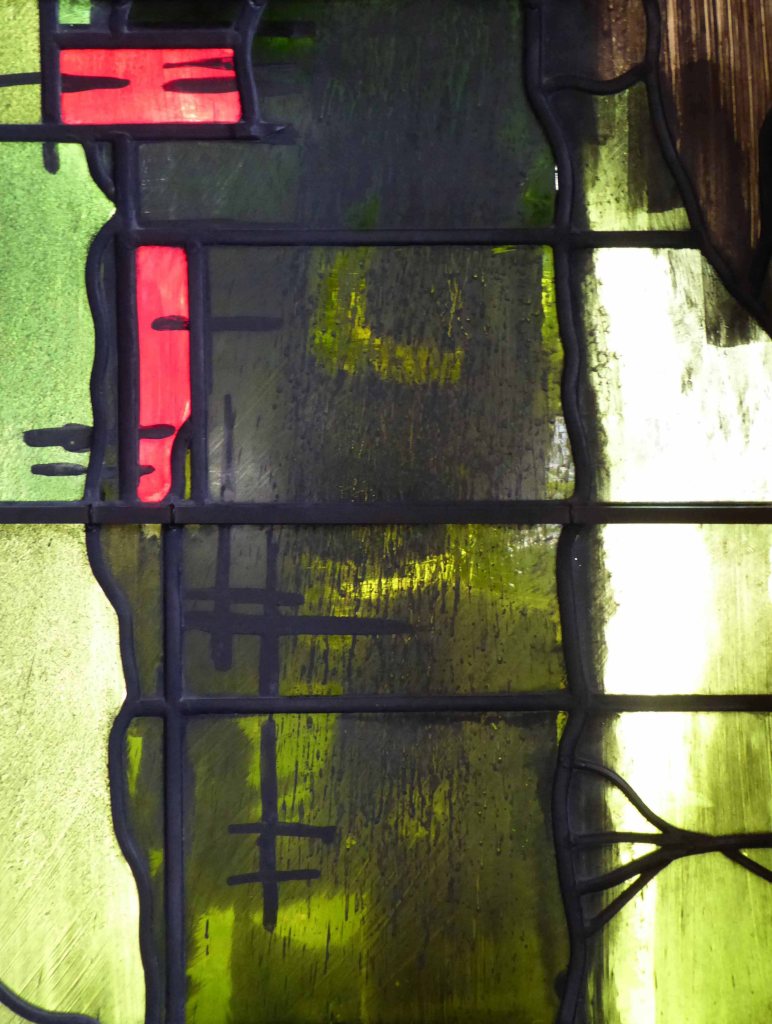
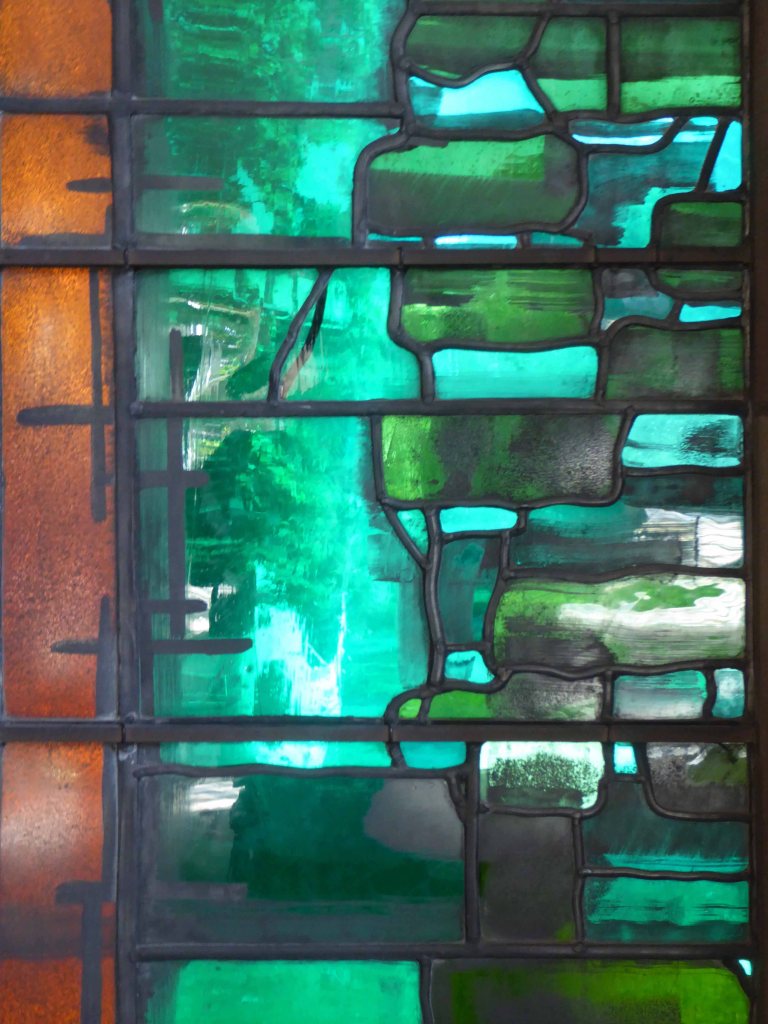
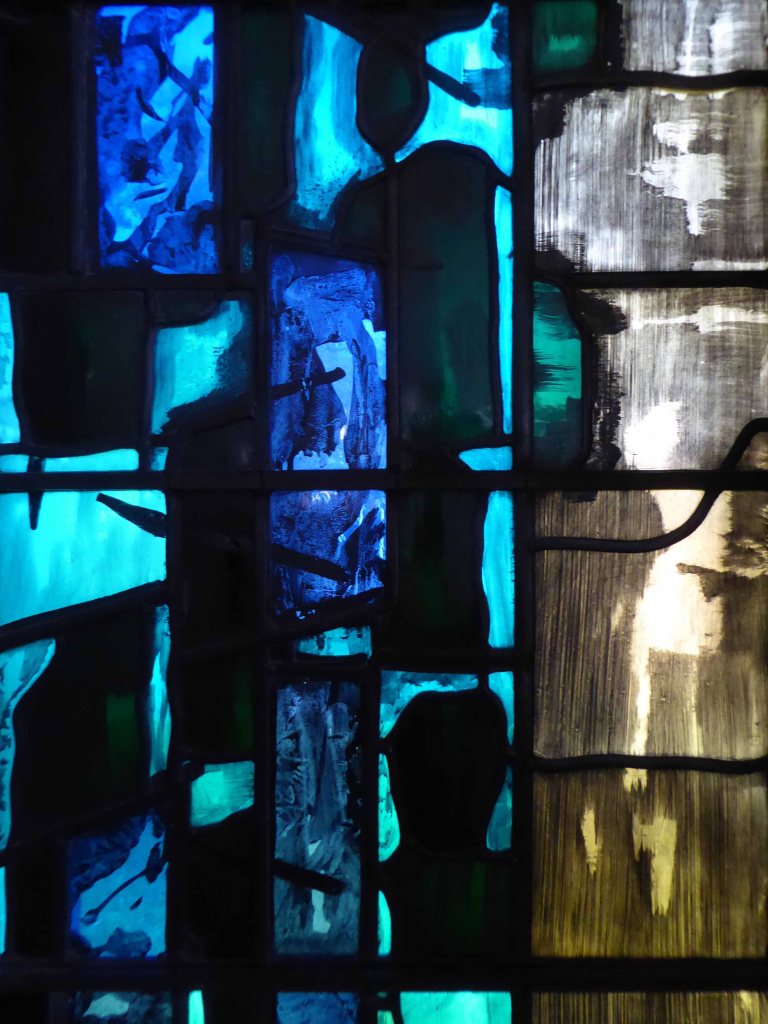
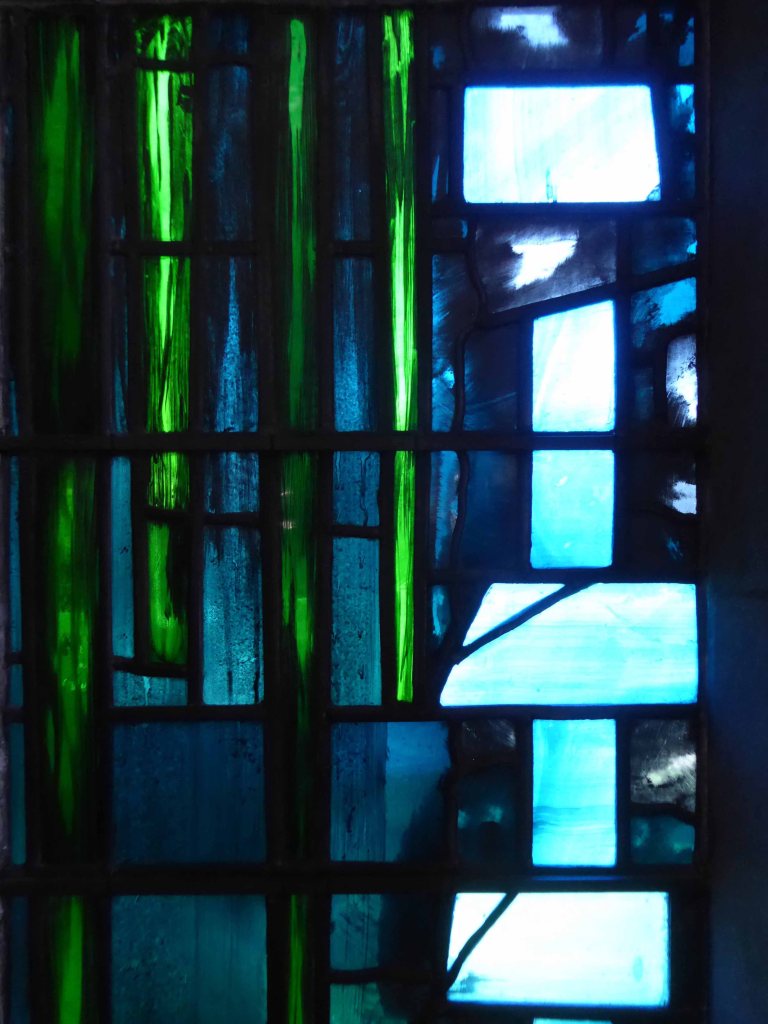
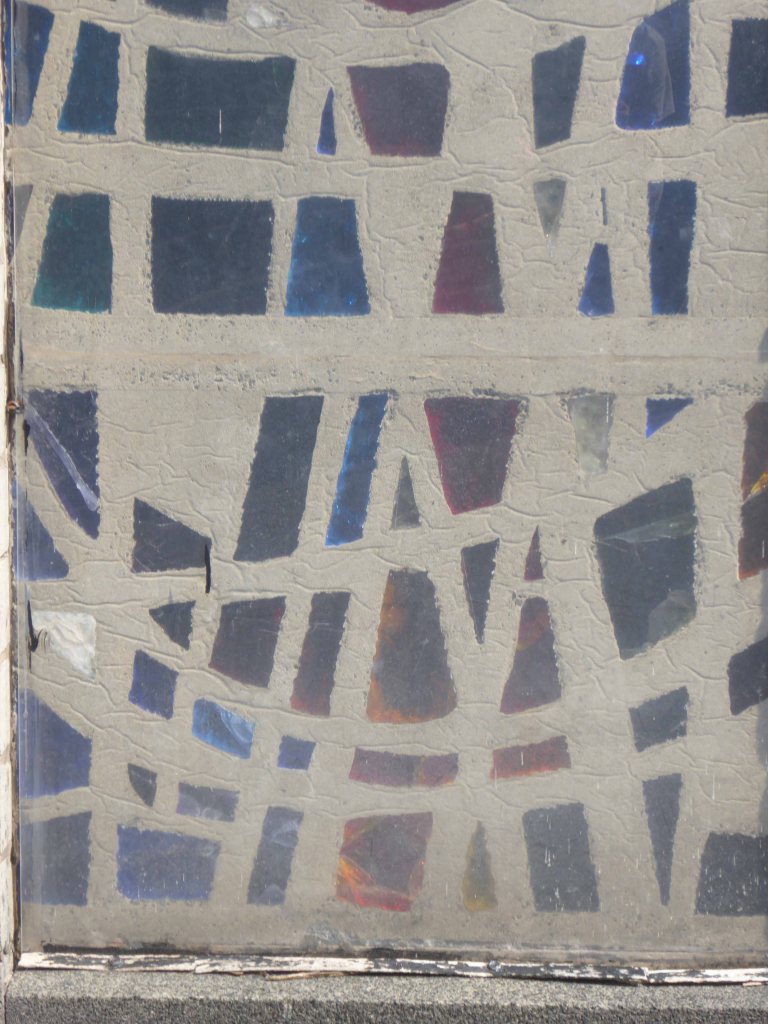
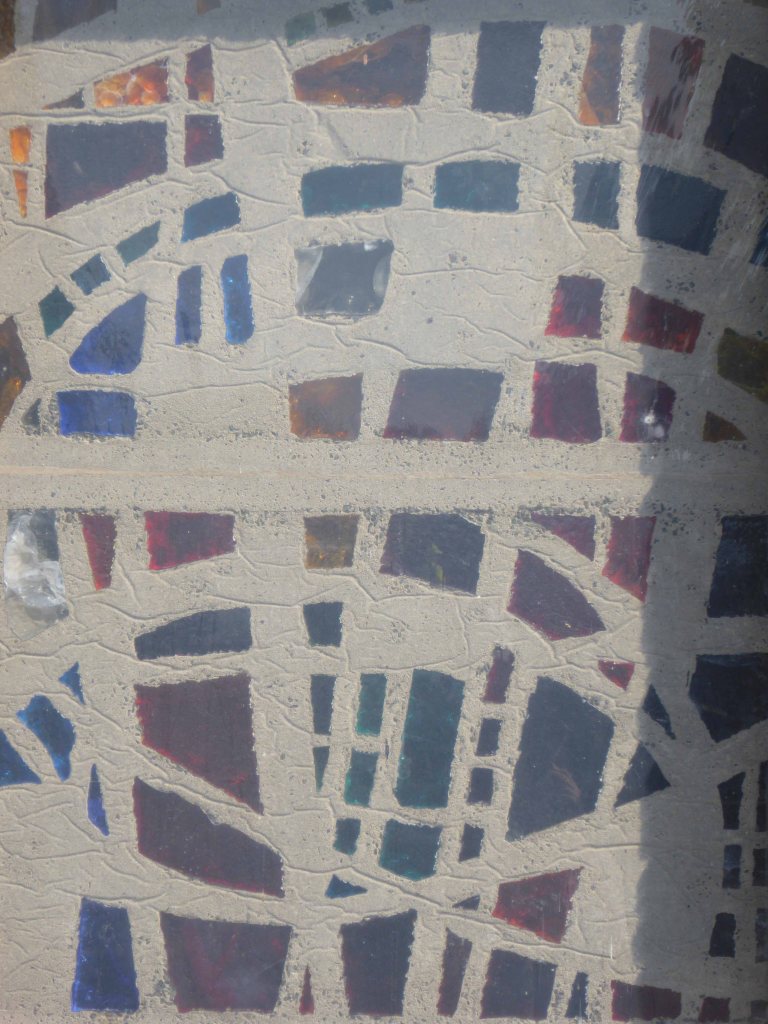
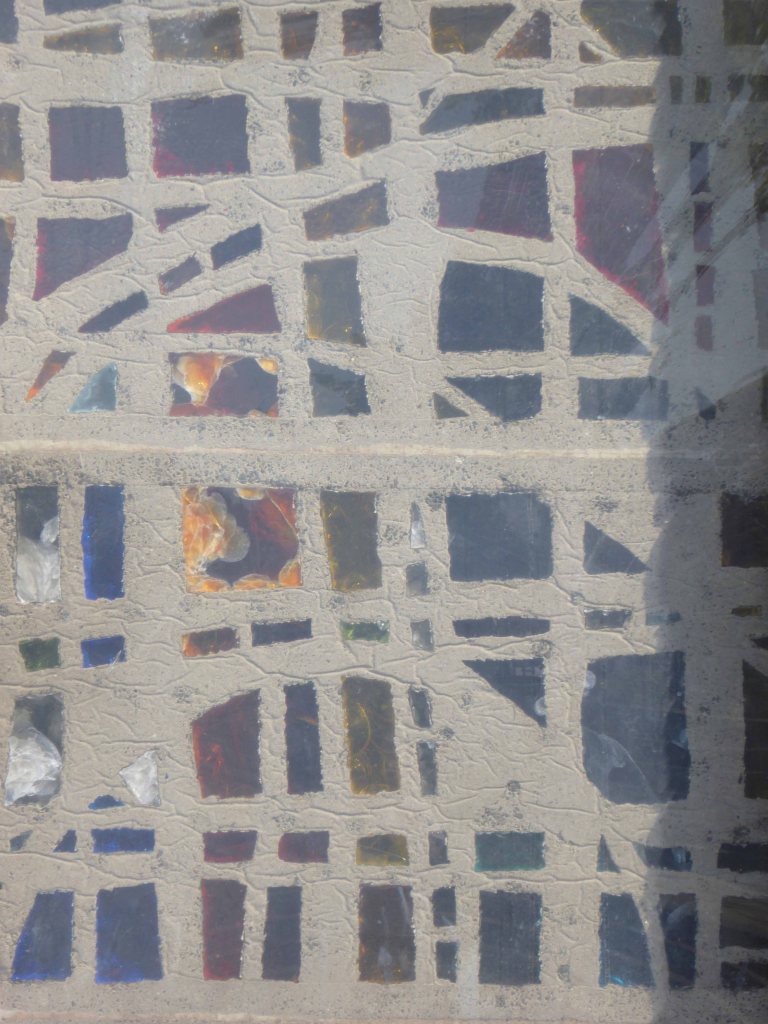
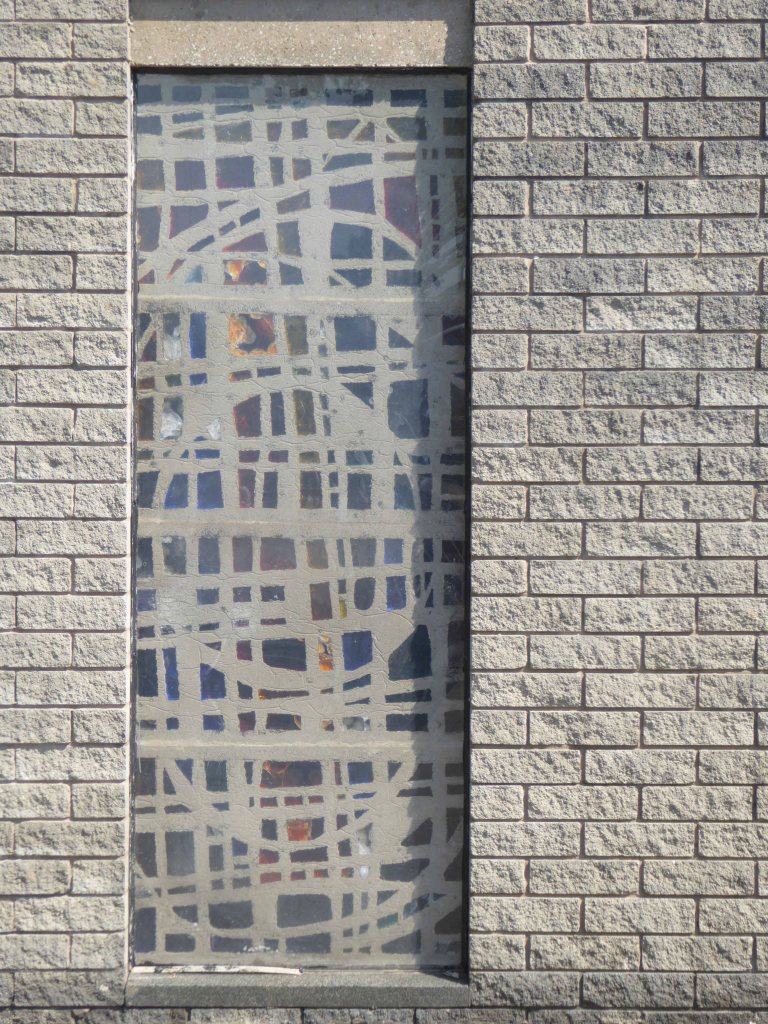
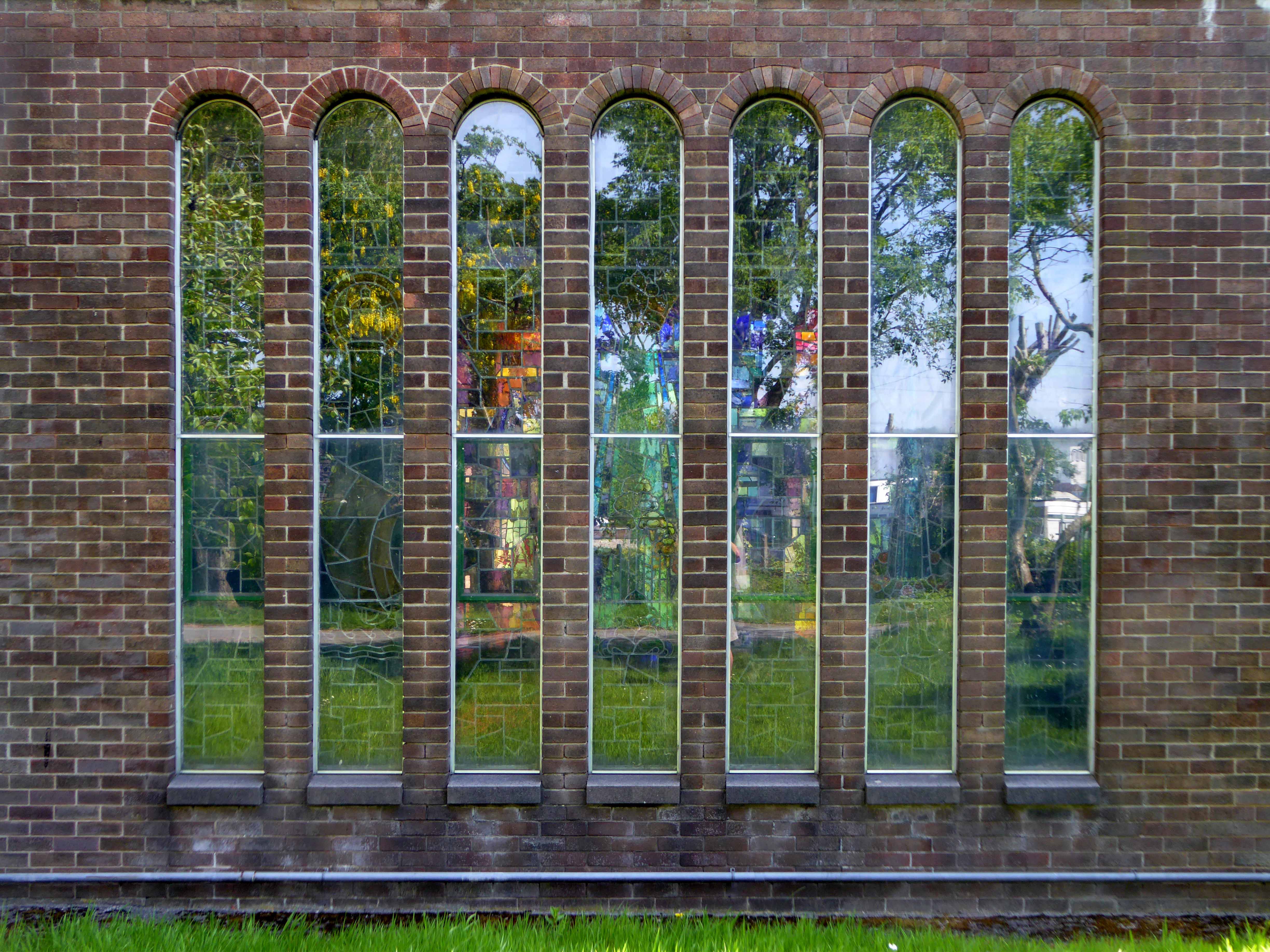
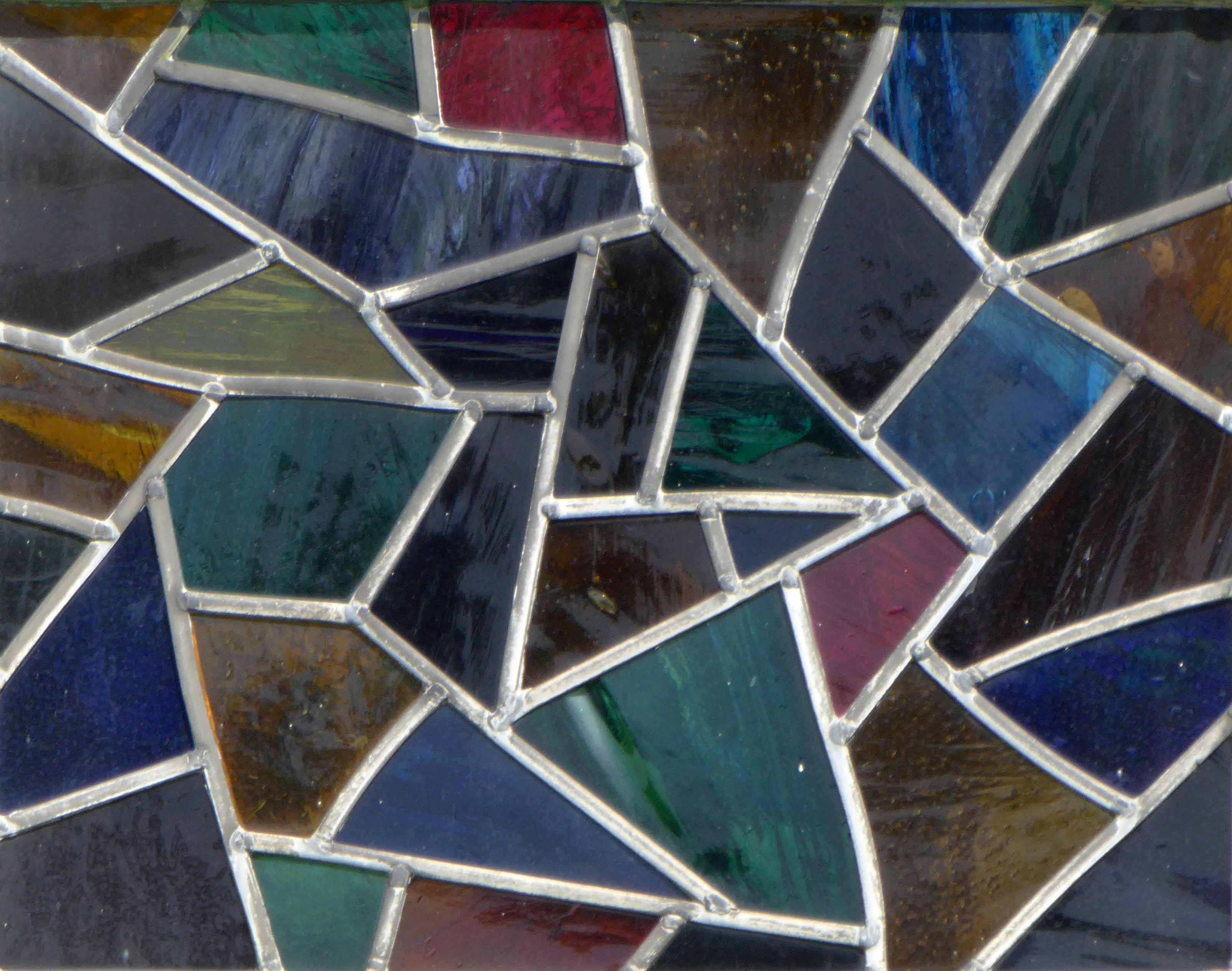
The stained glass is by Charles Lightfoot, much of it to the designs of the architect, some incorporating glass from the previous church.










































































 Modern Mooch