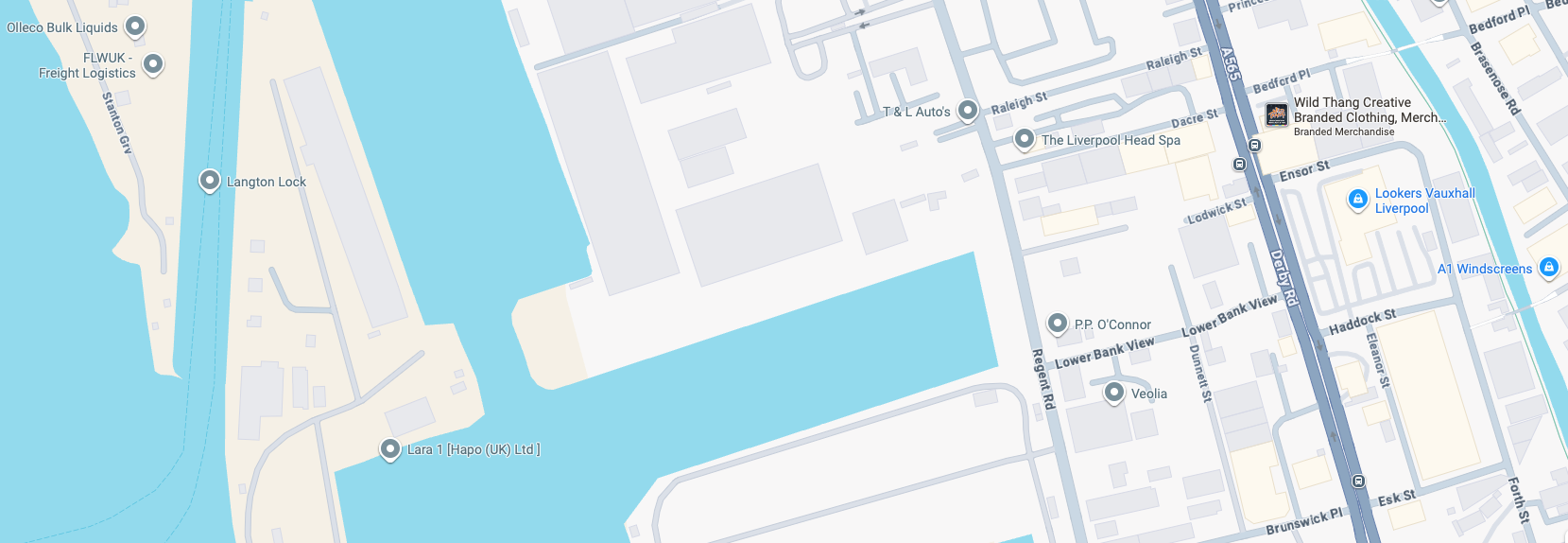
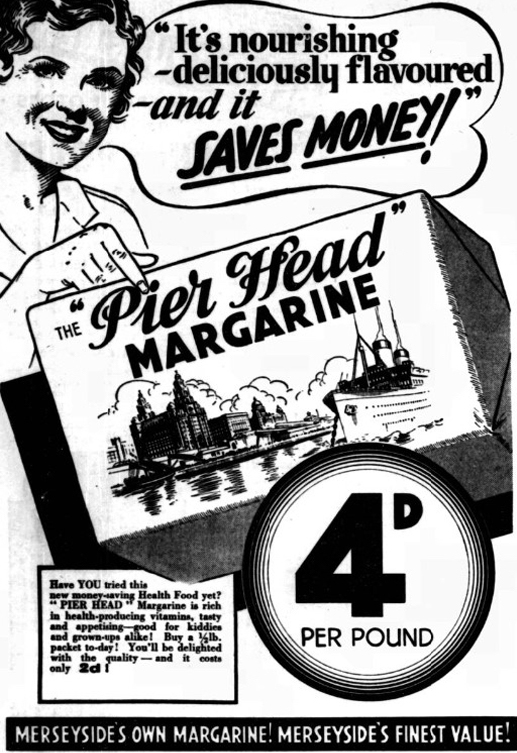
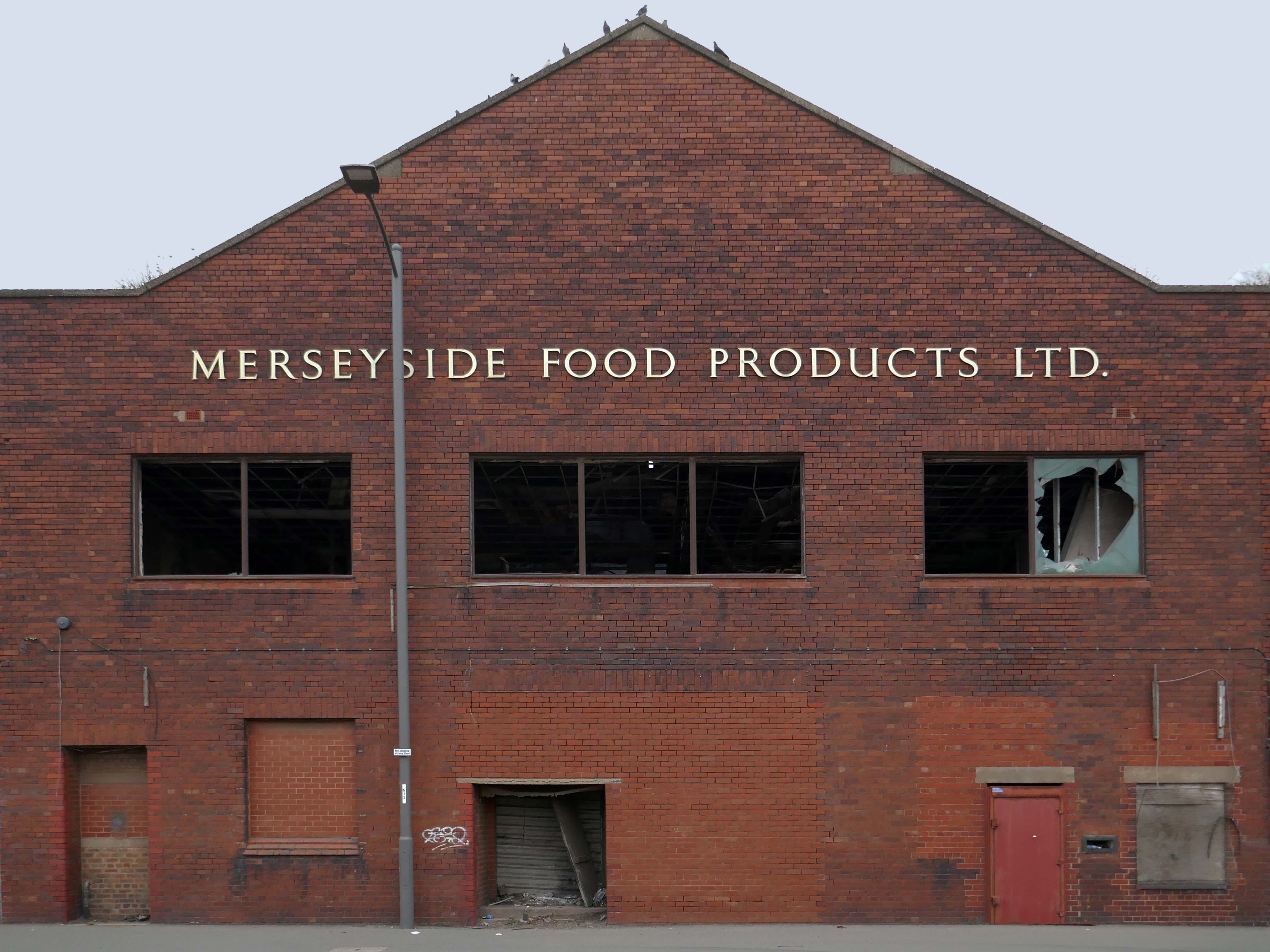
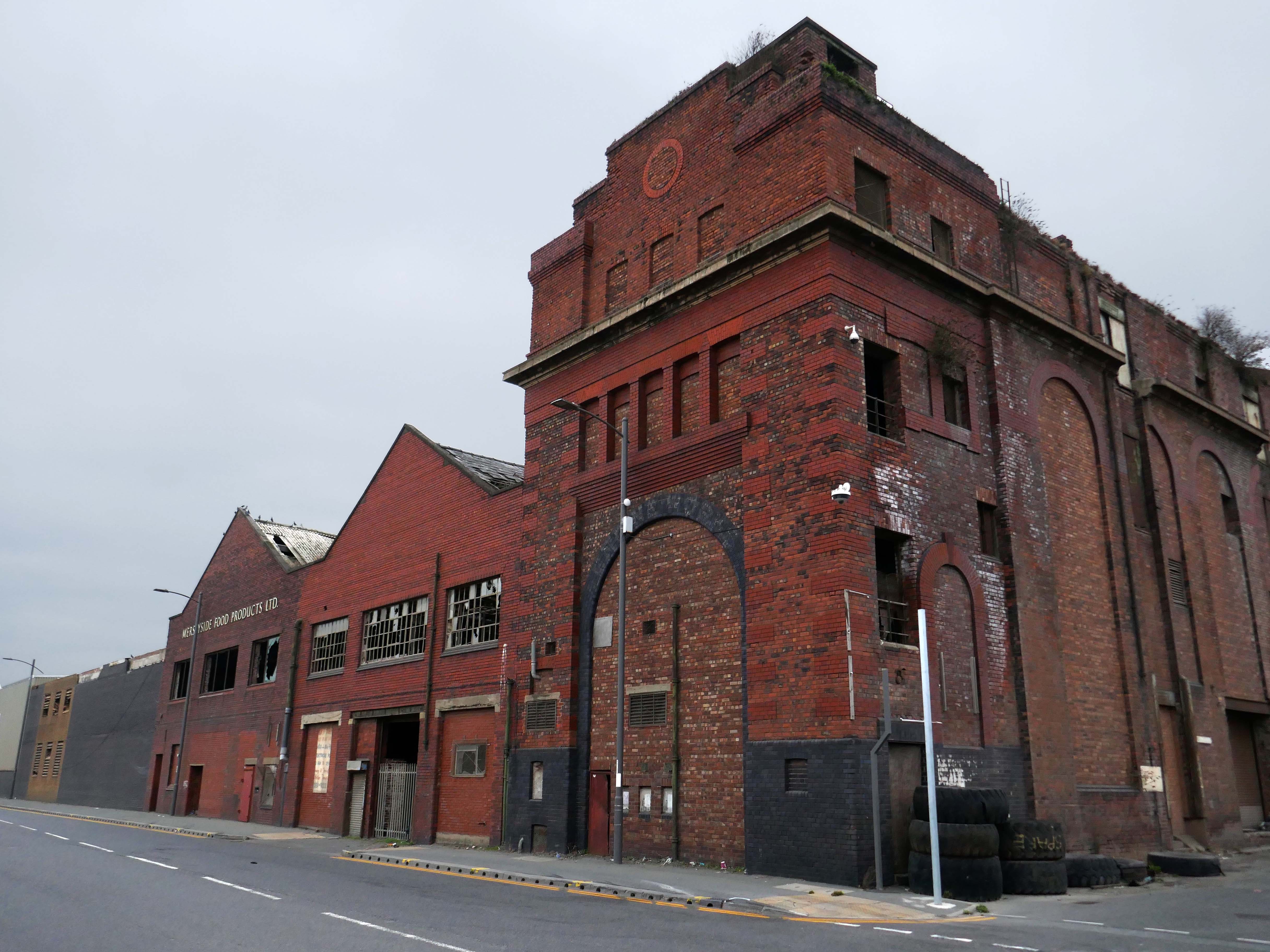
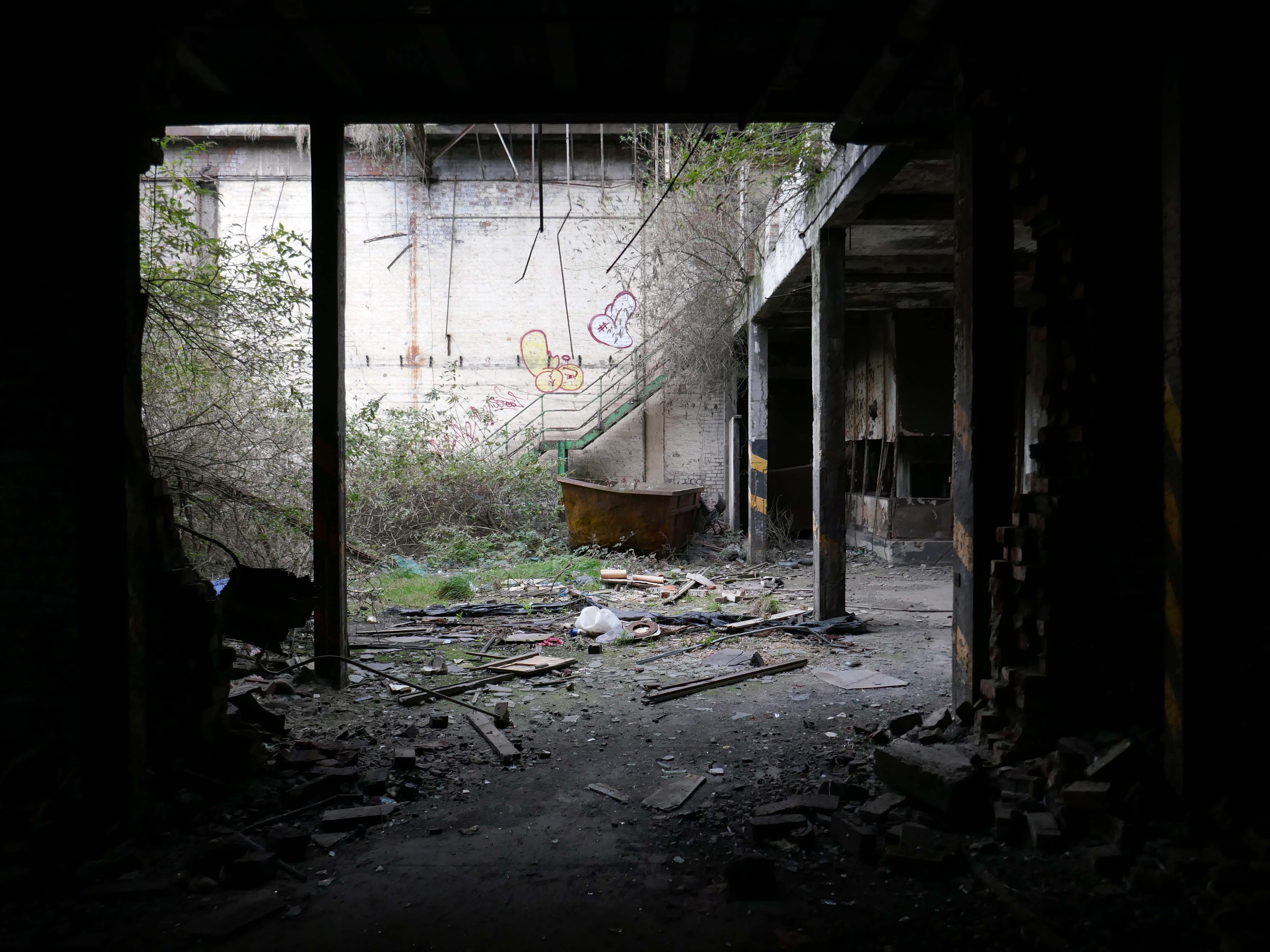
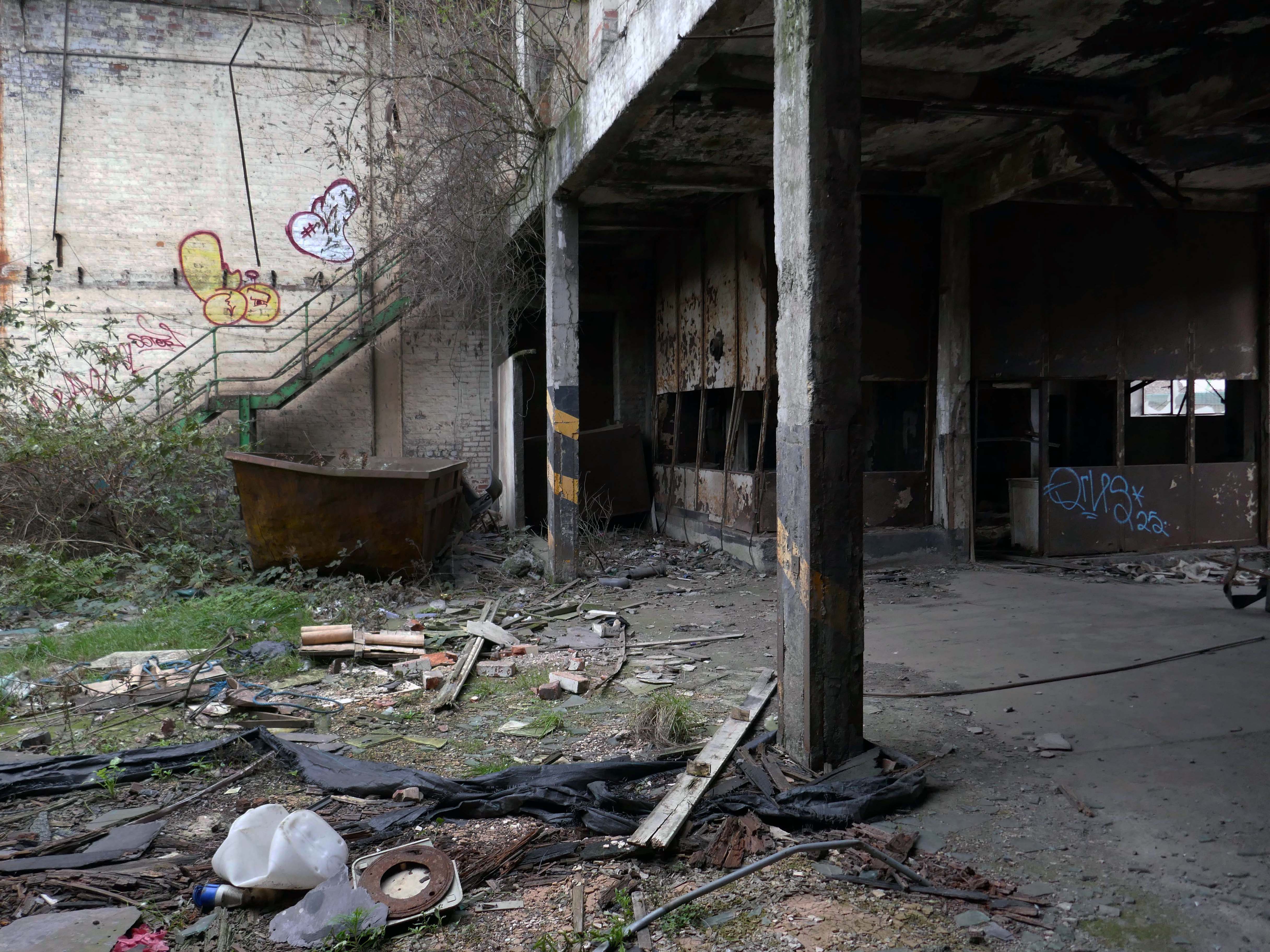
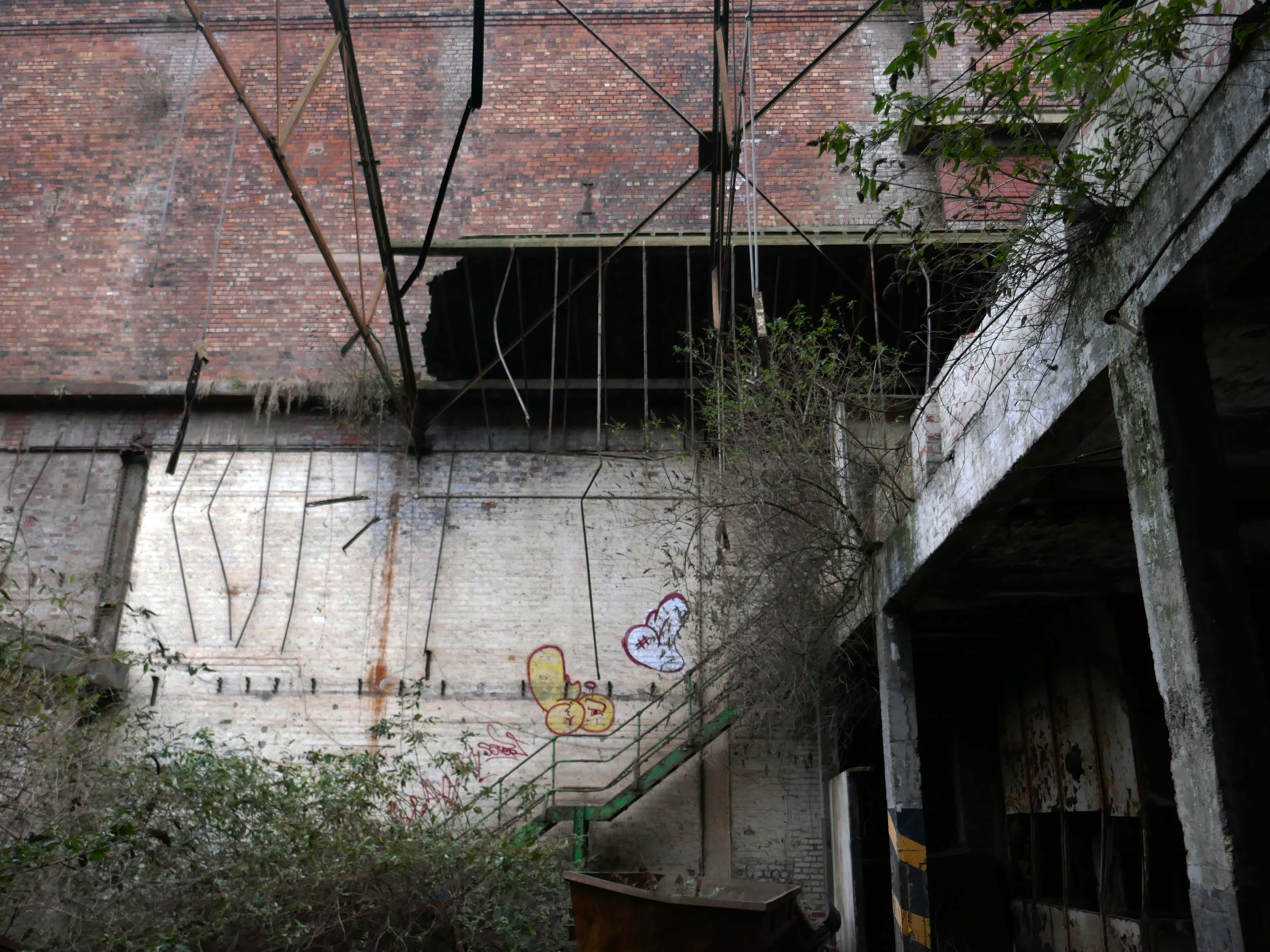
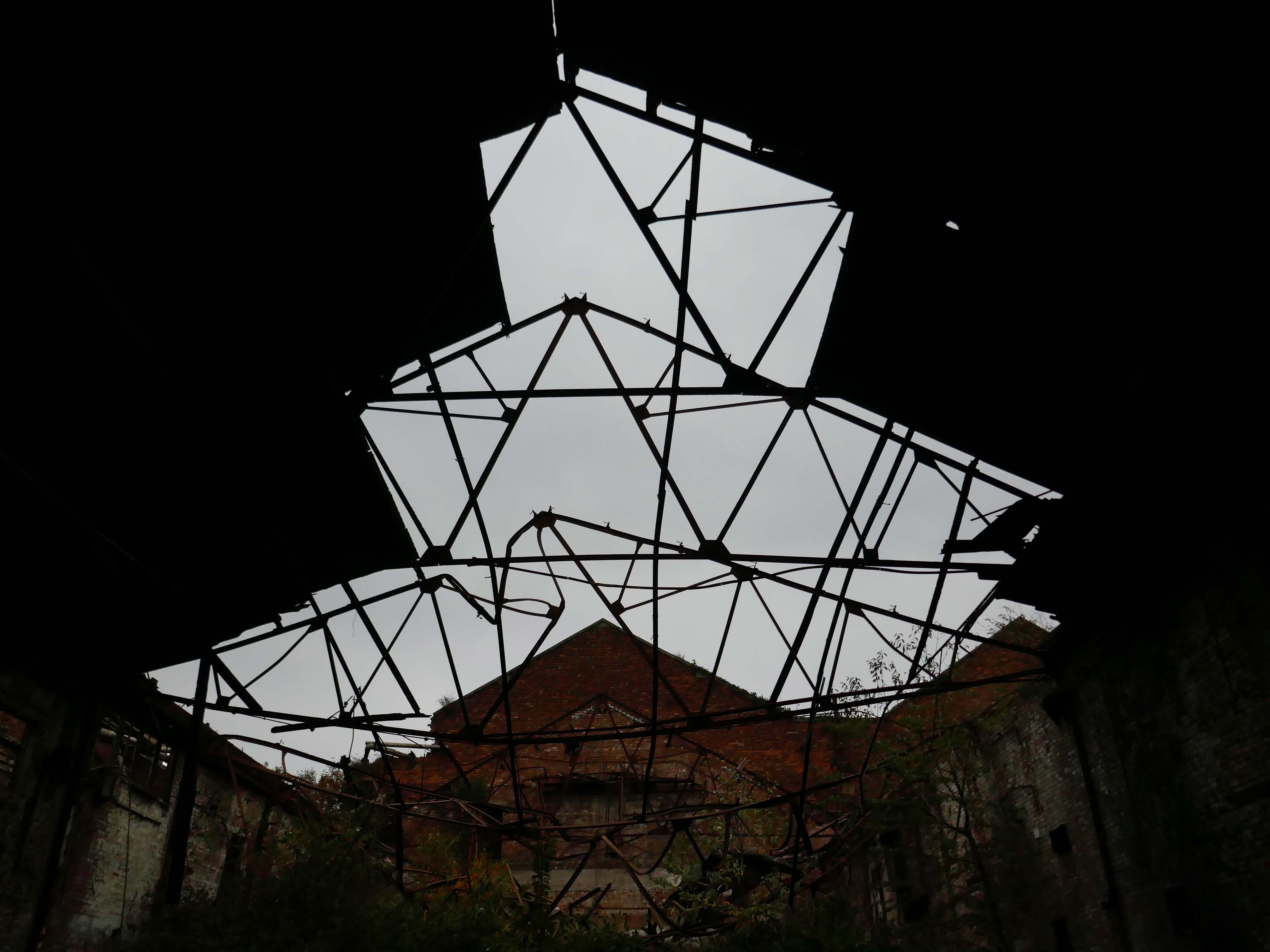
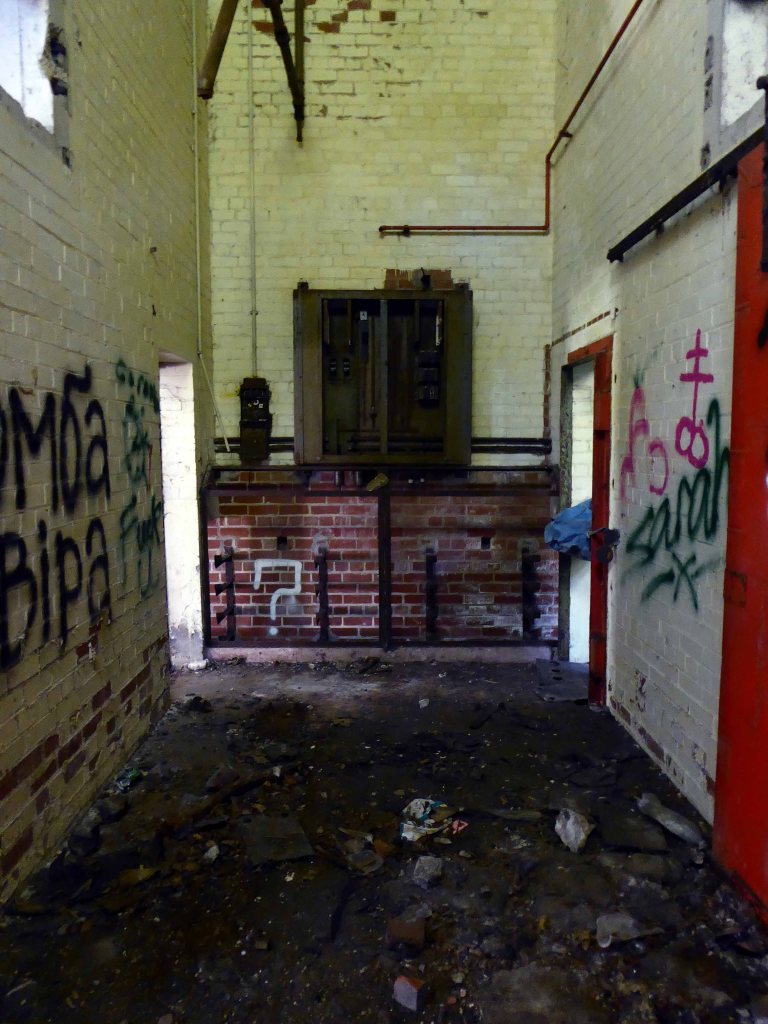
Merseyside Food Products Ltd of Marsh Lane, later 185 Regent Road.
Edible oil producers.
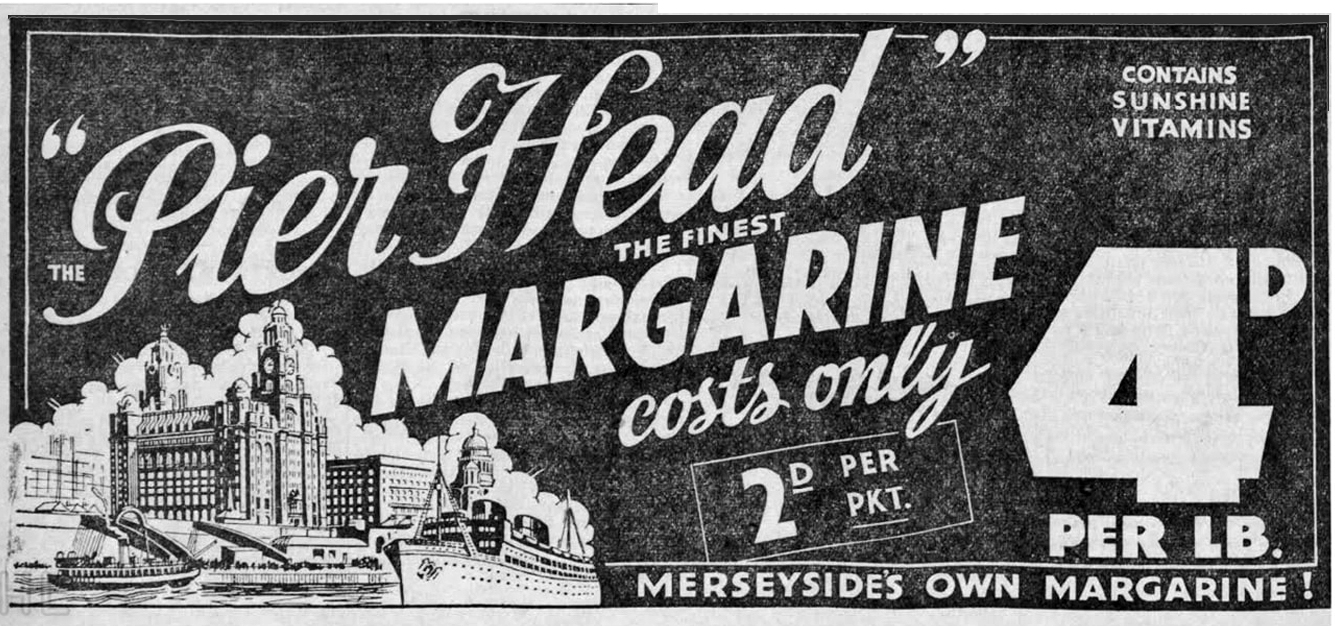
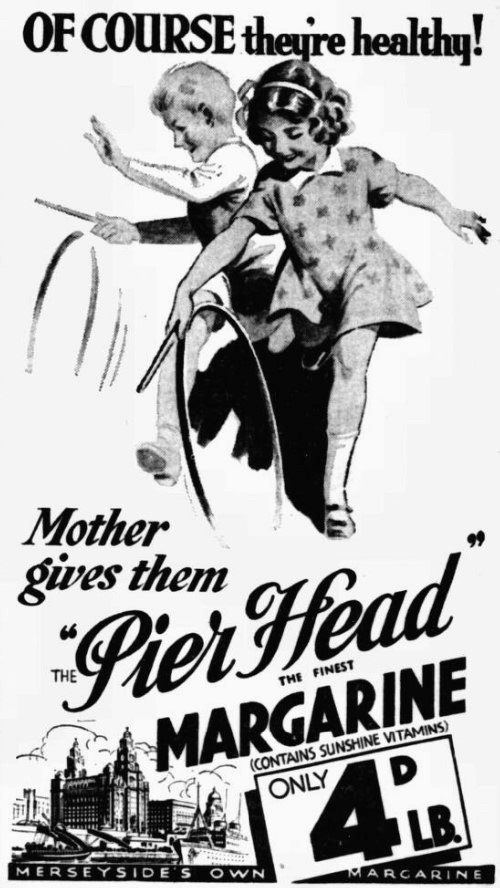
1939 Producing Pier Head brand margarine.
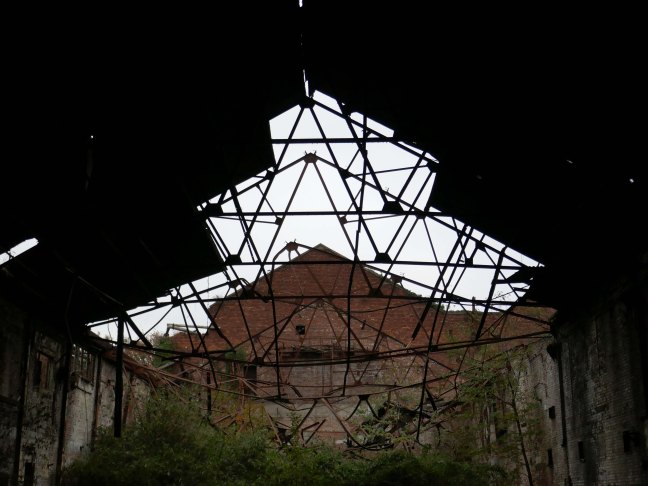
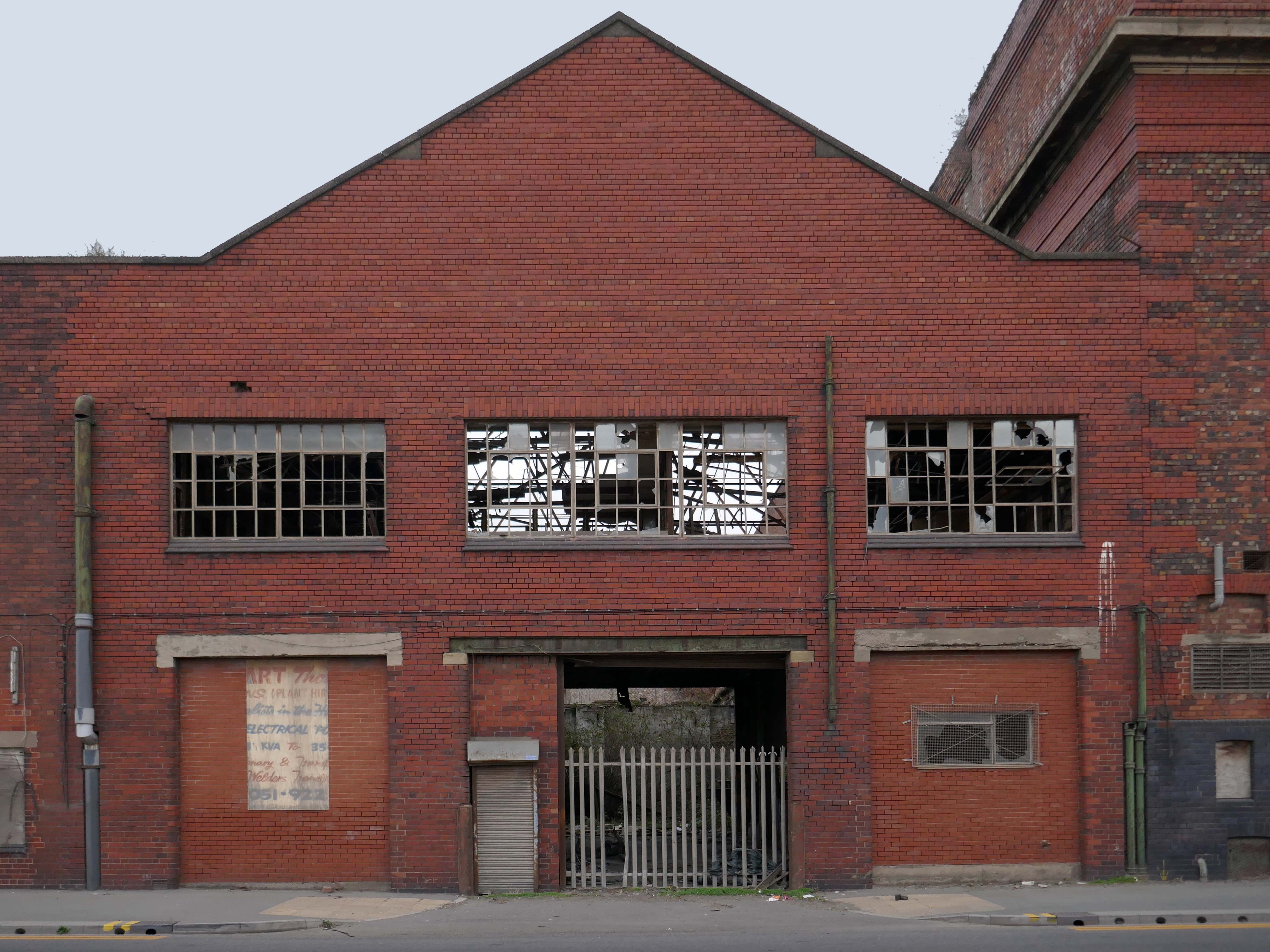
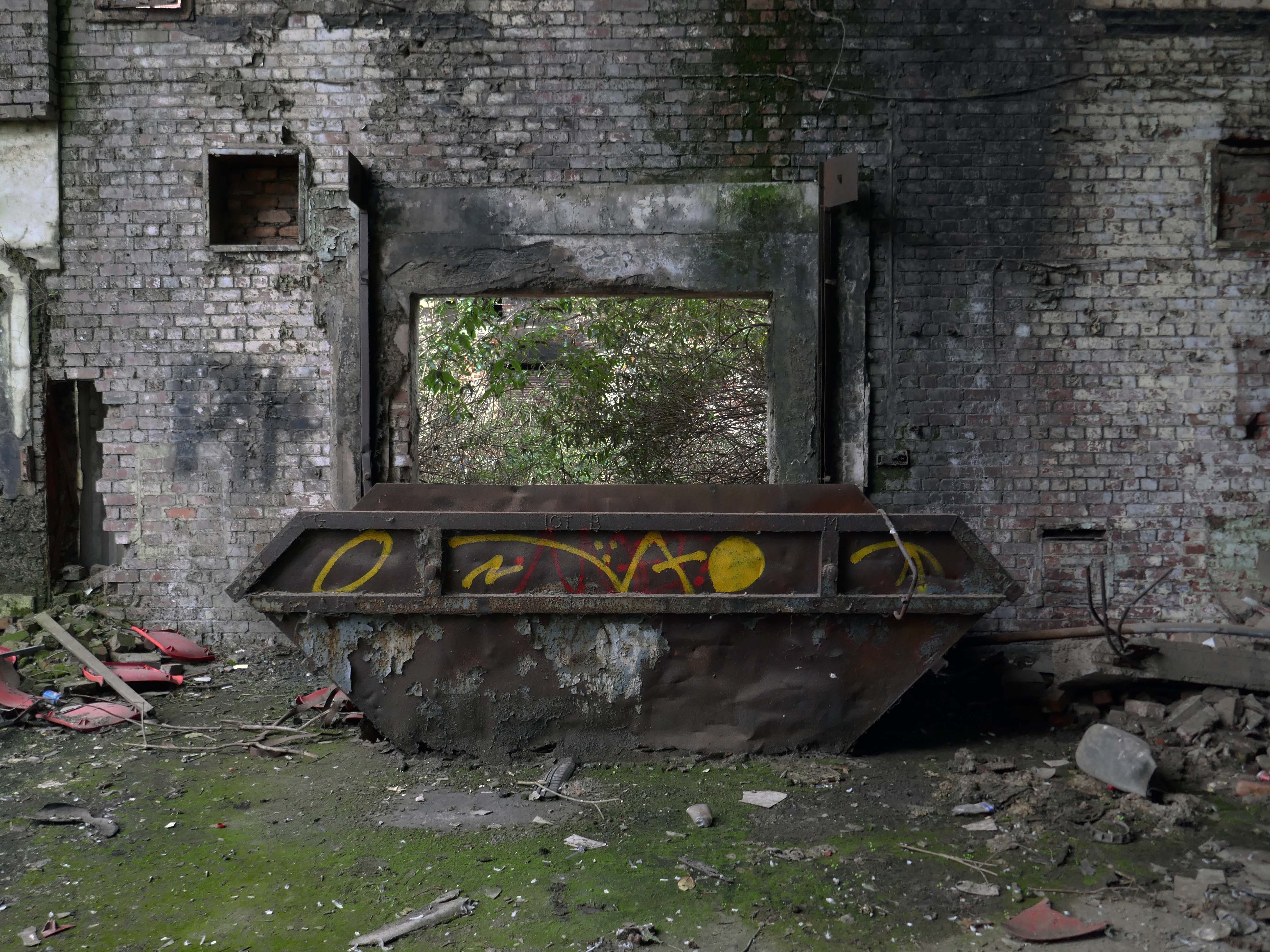
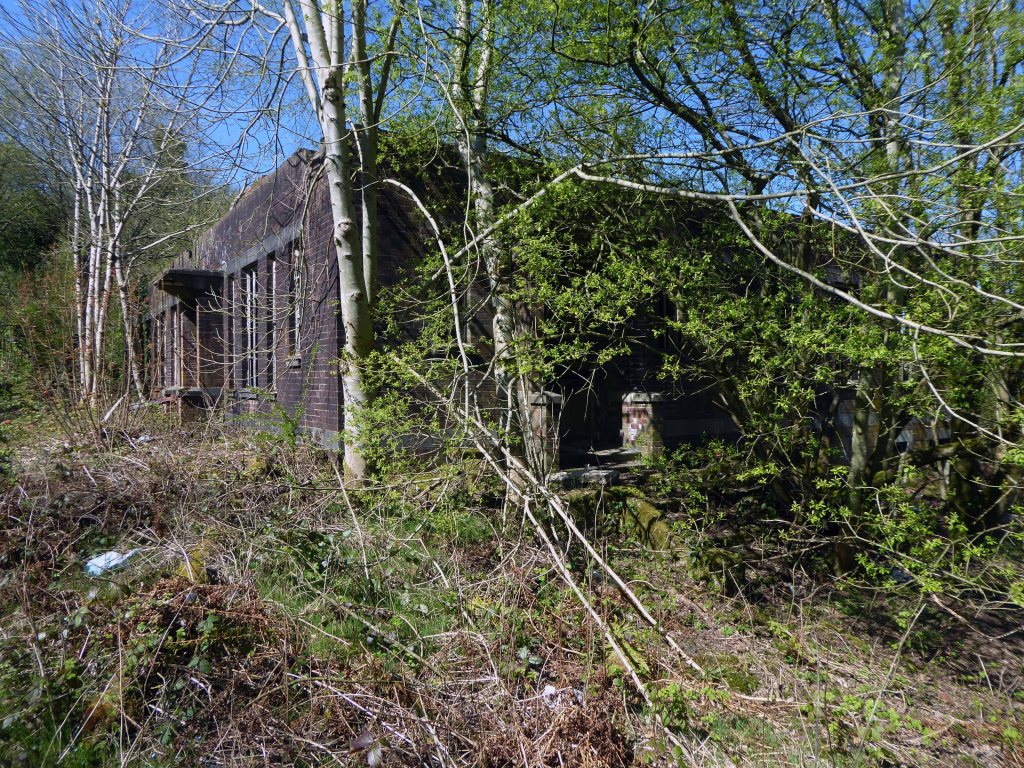
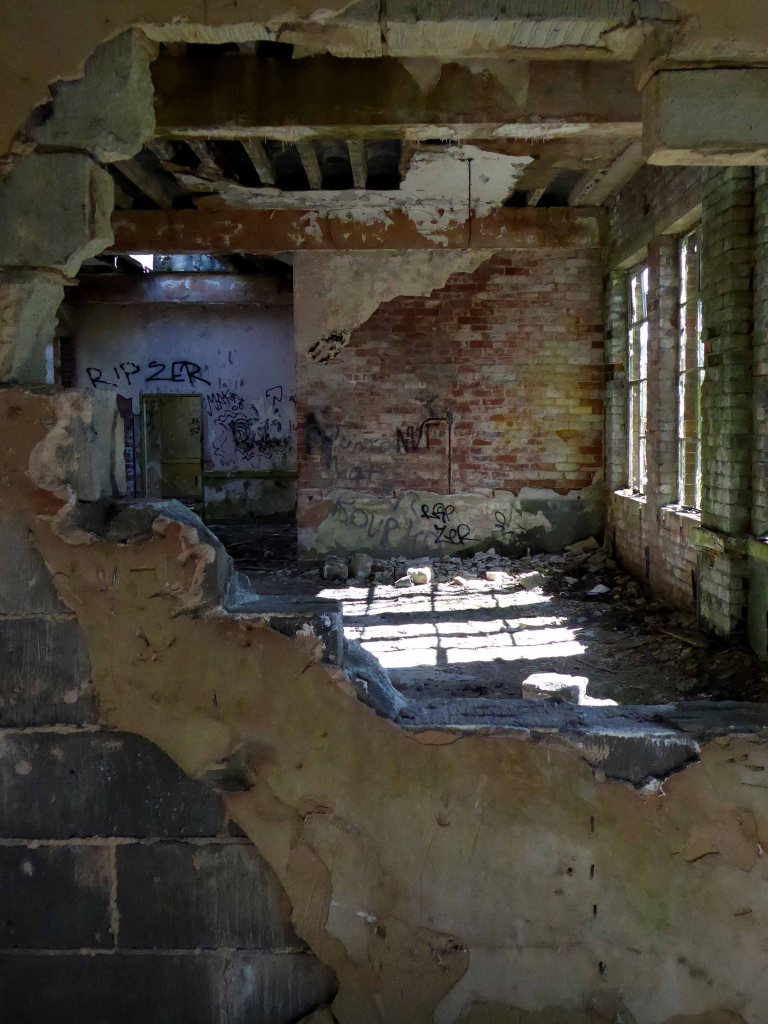
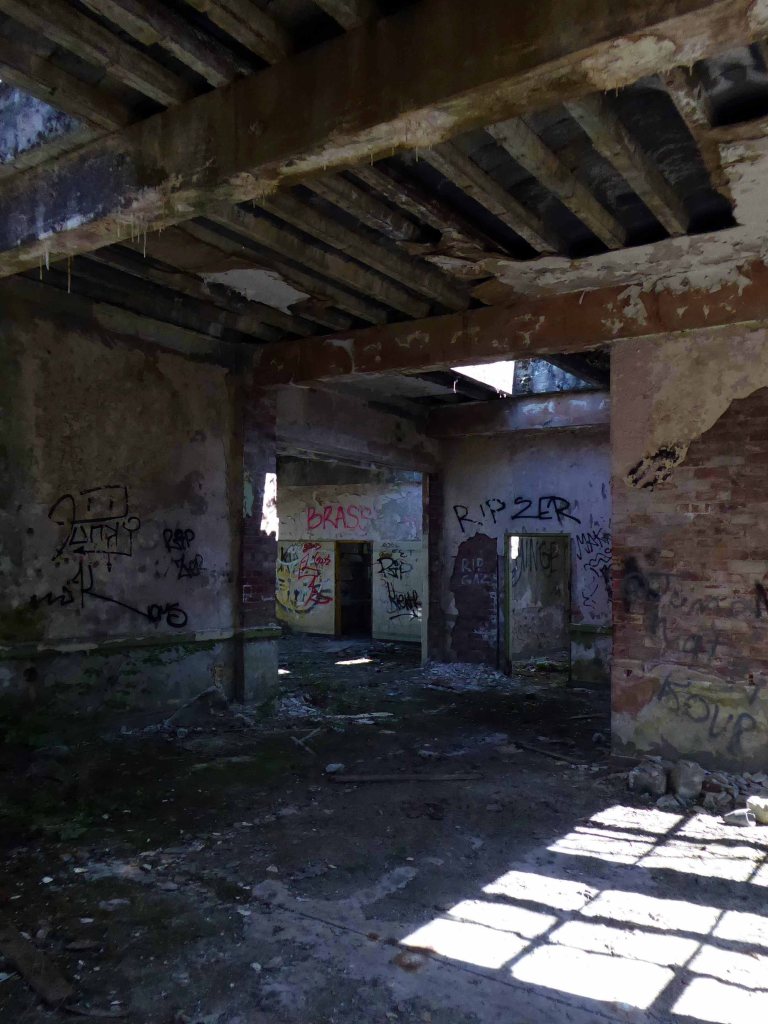
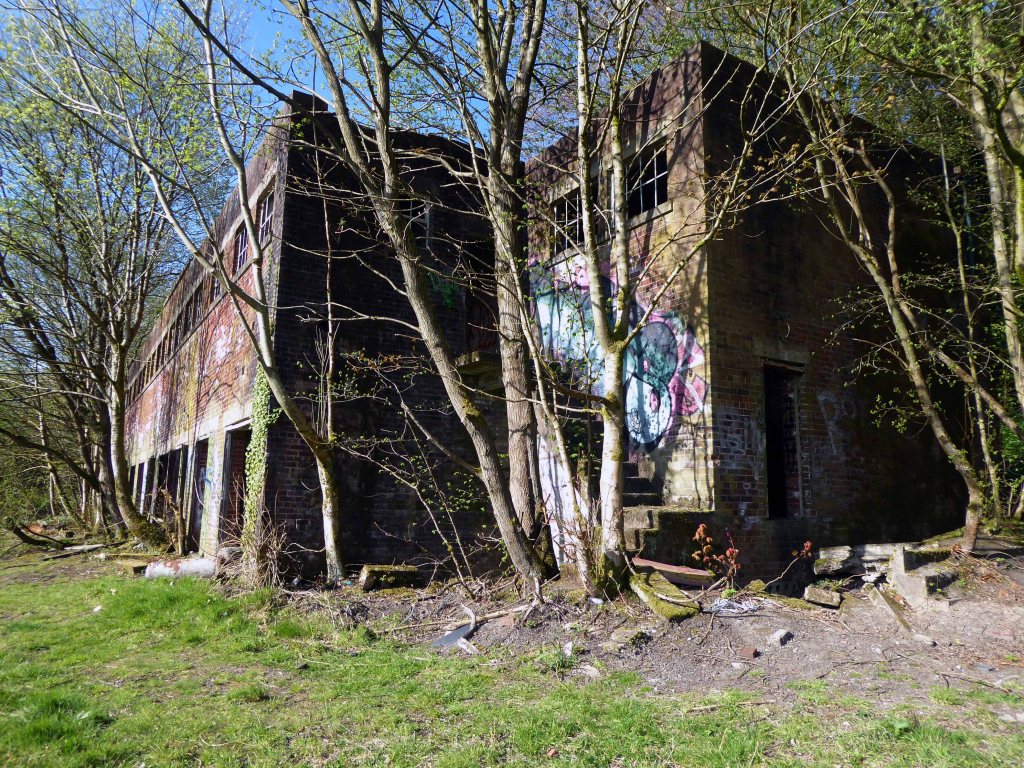
The Regent Road premises had originally been the marine engineering North Works of H&C Grayson. It appears that the southern block was converted to a warehouse at some point before being occupied by Merseyside Food Products in the 1950s.
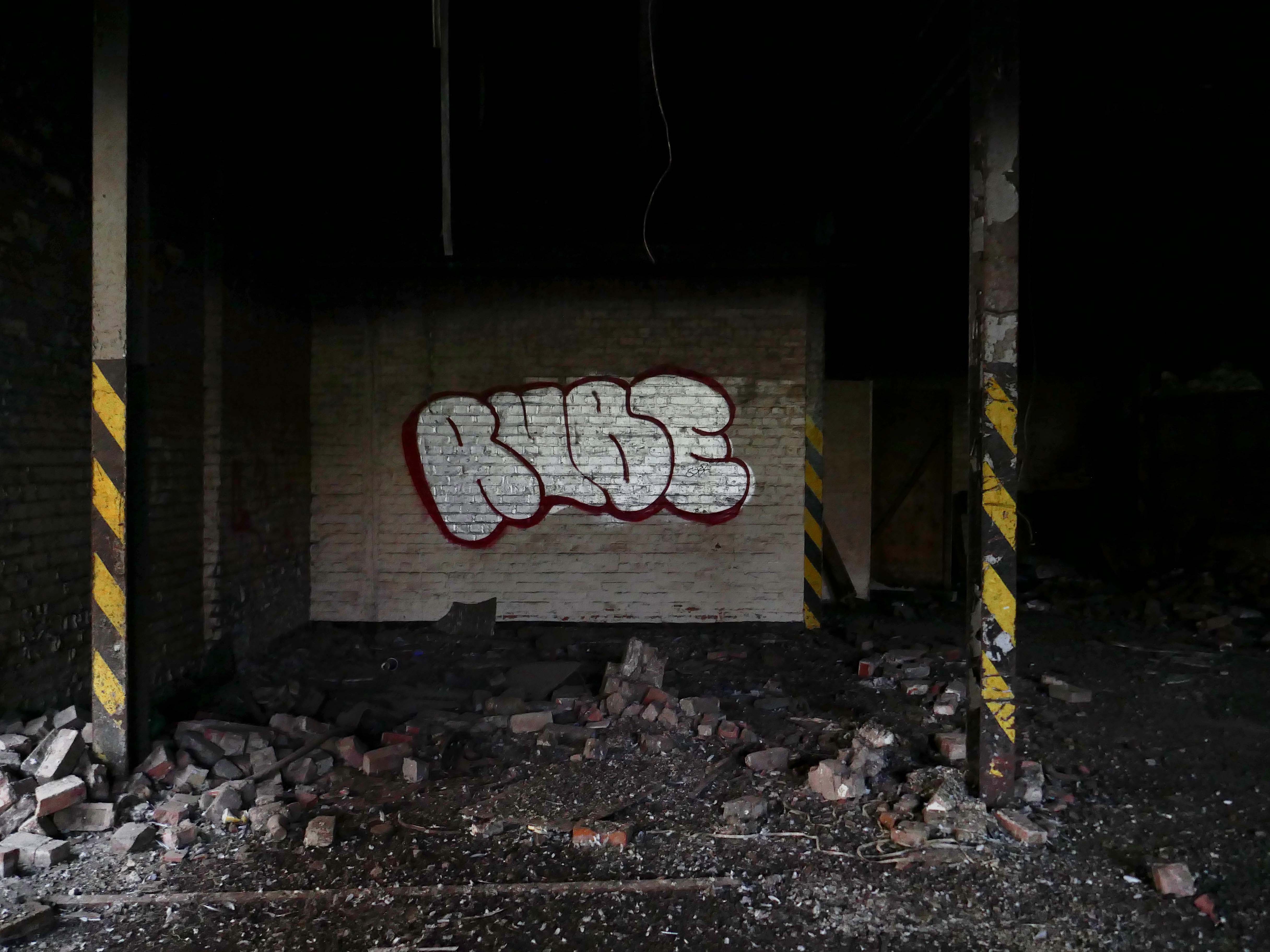
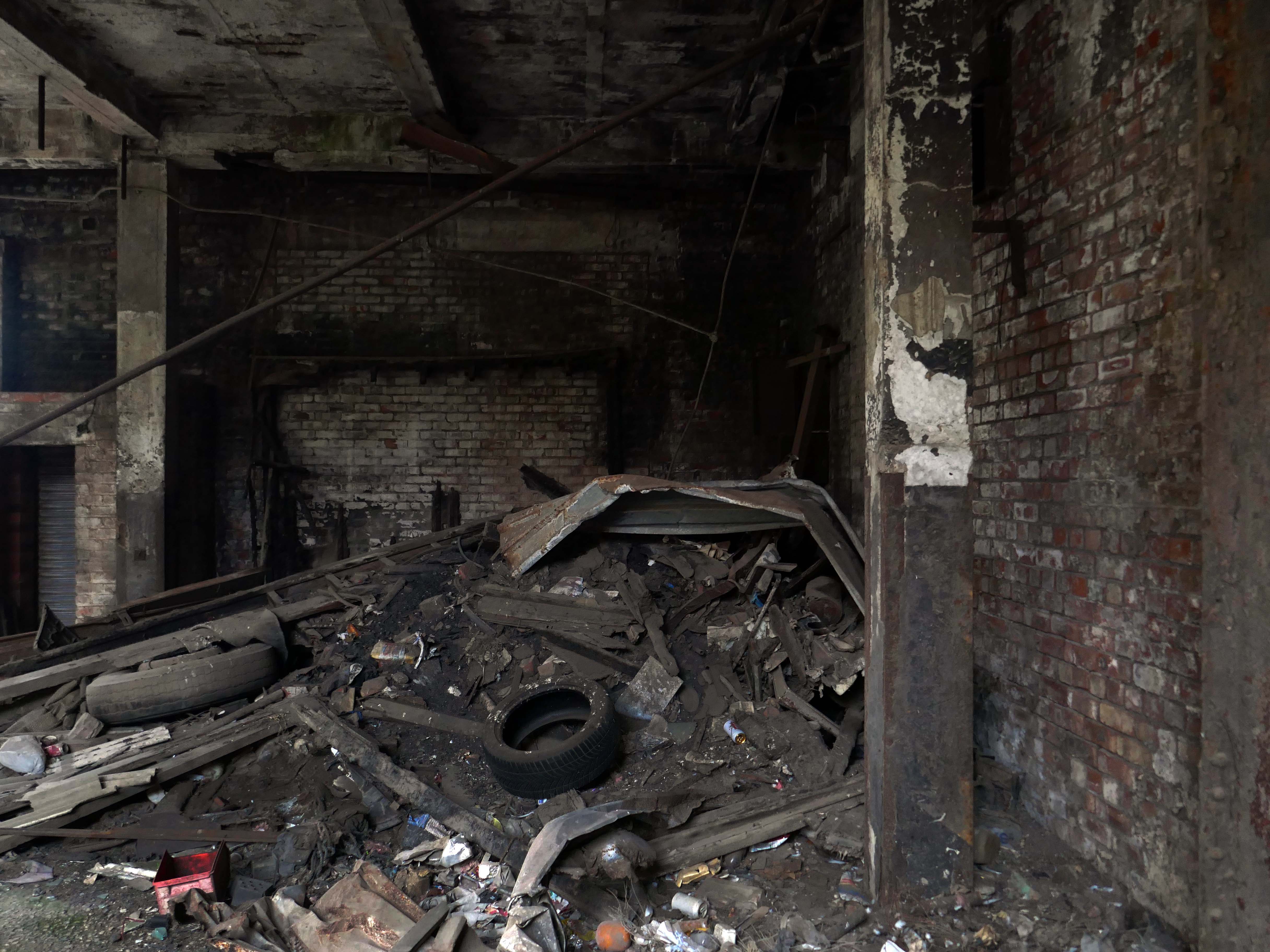
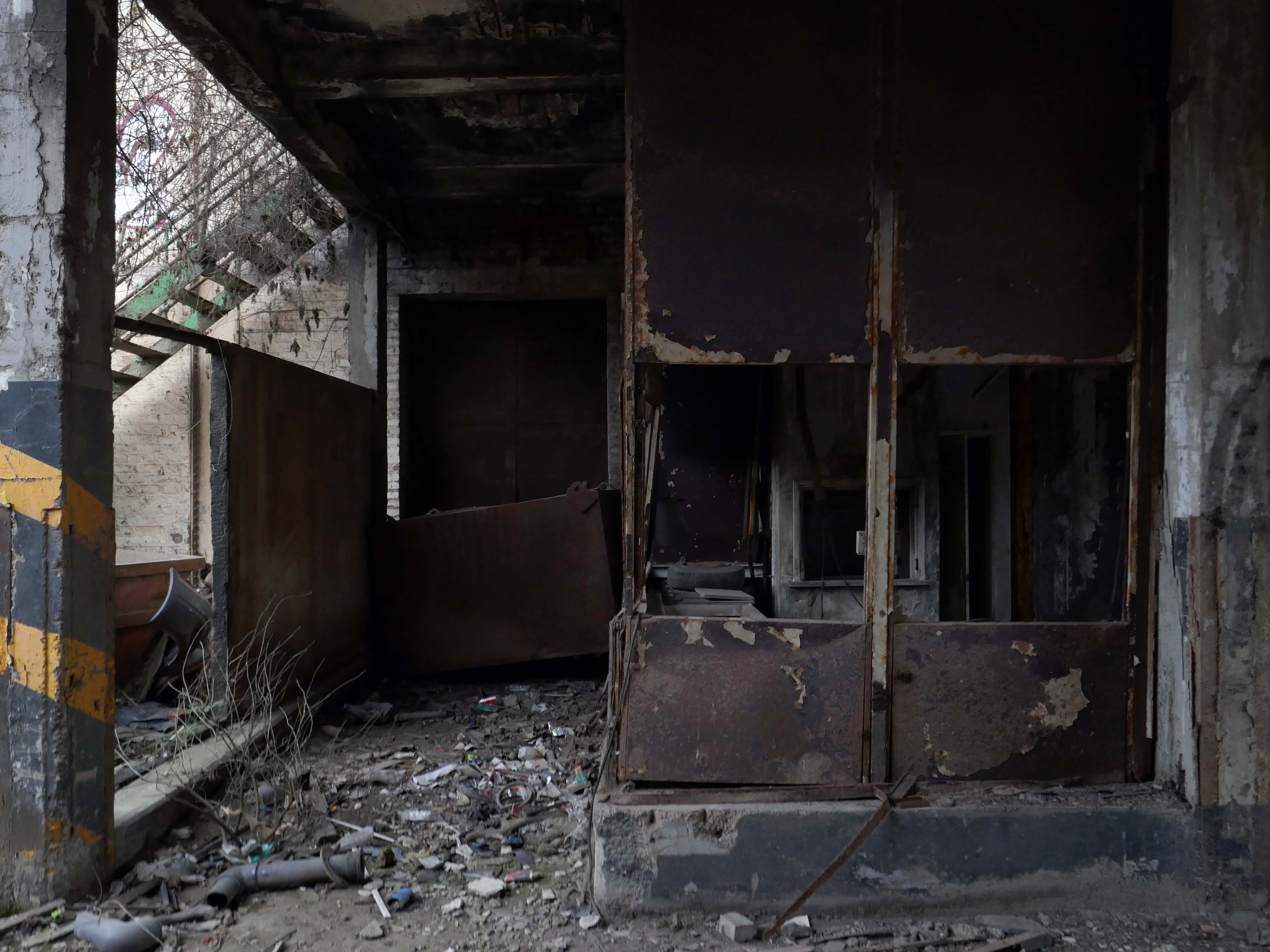
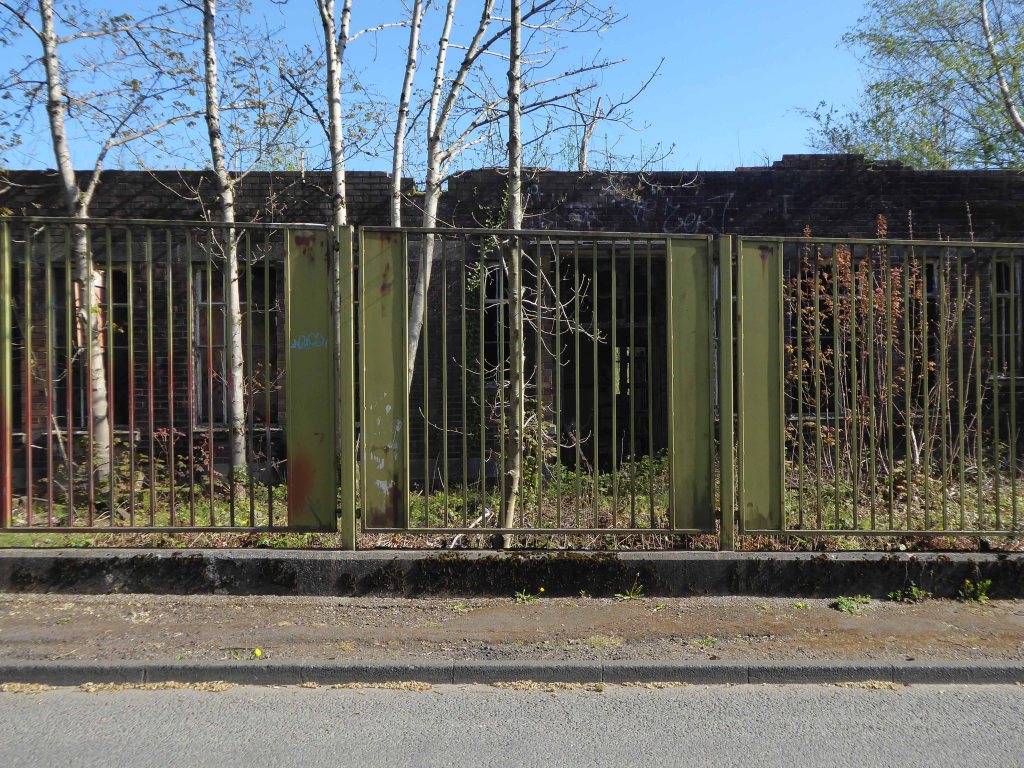
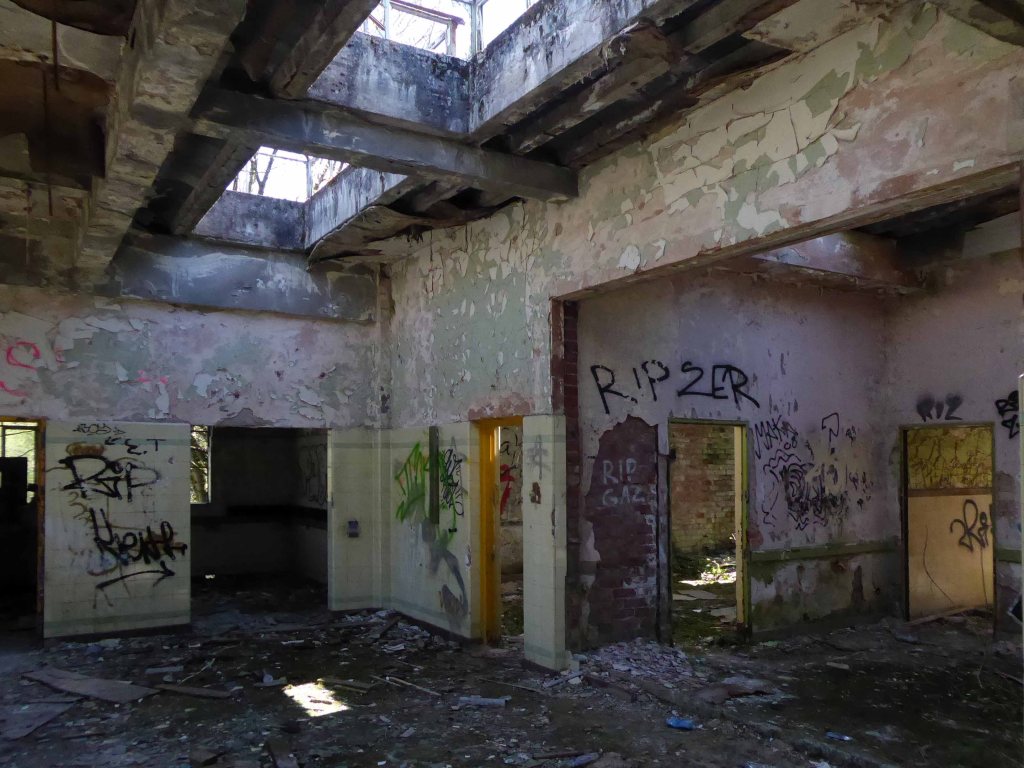
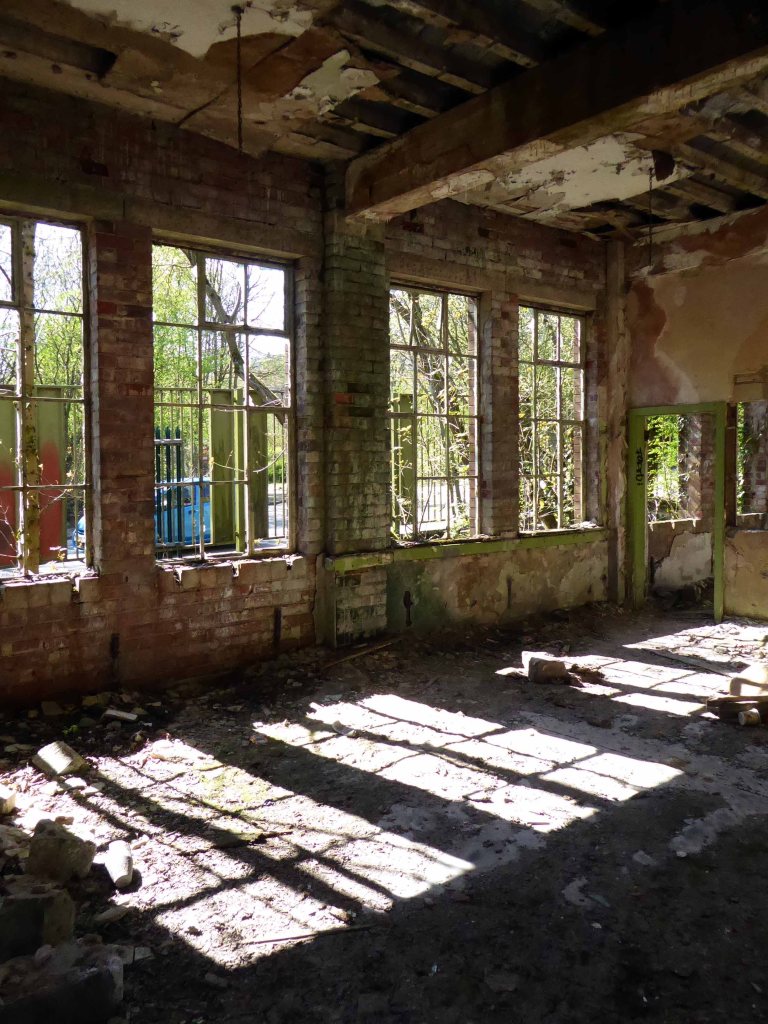
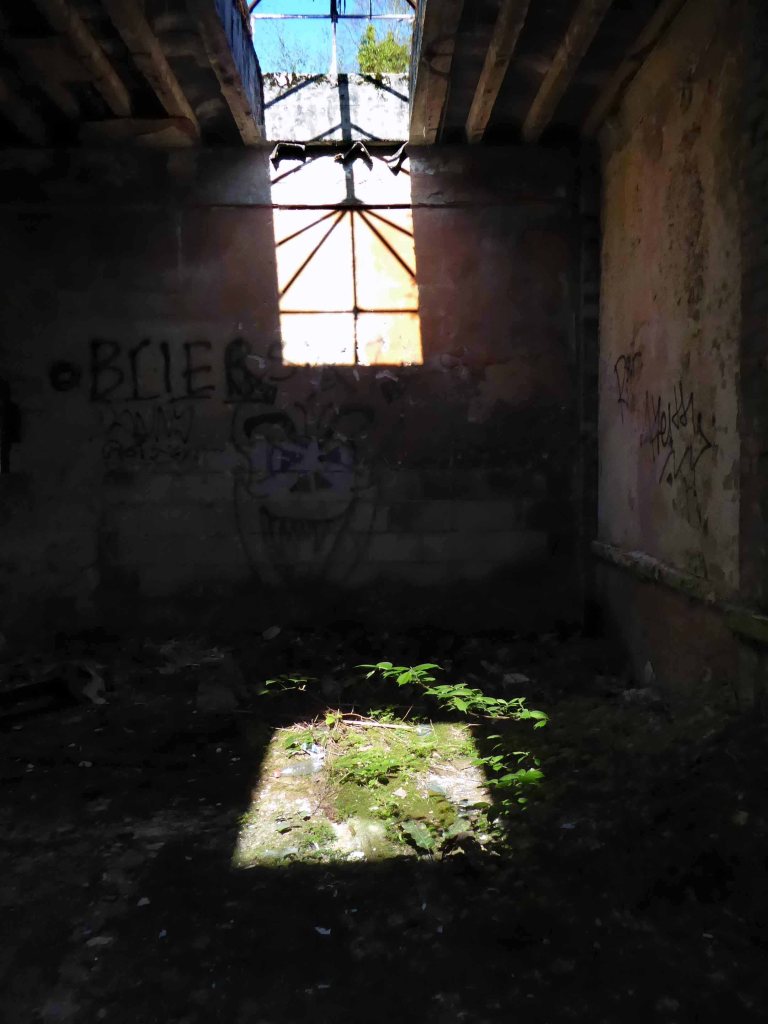
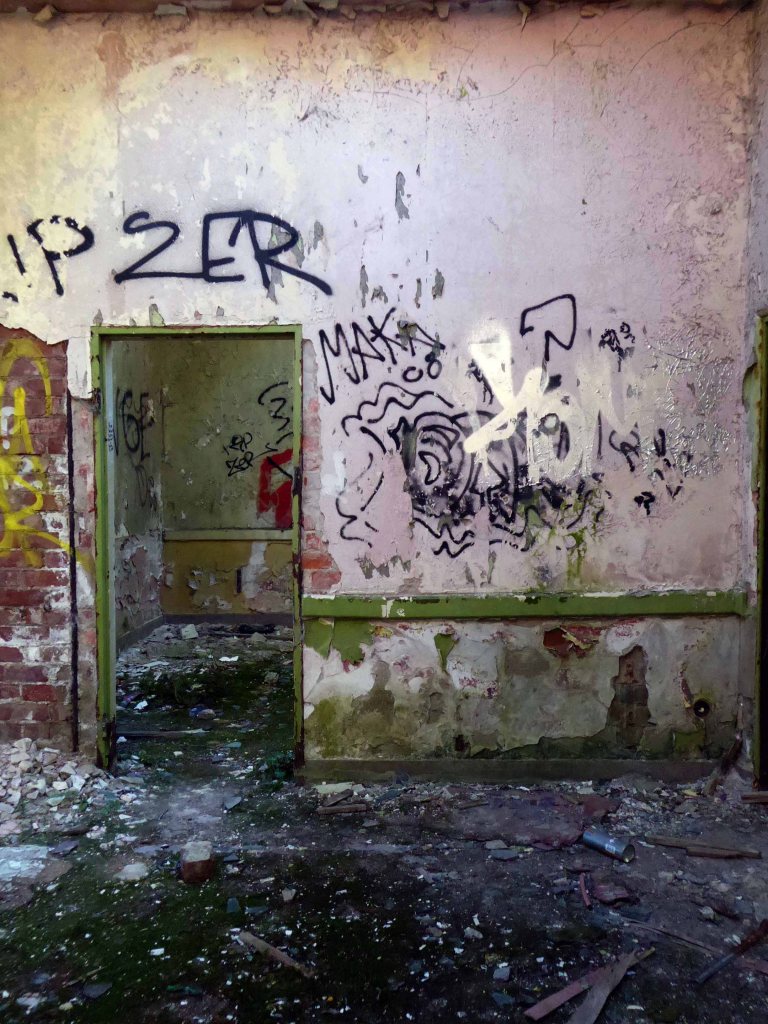
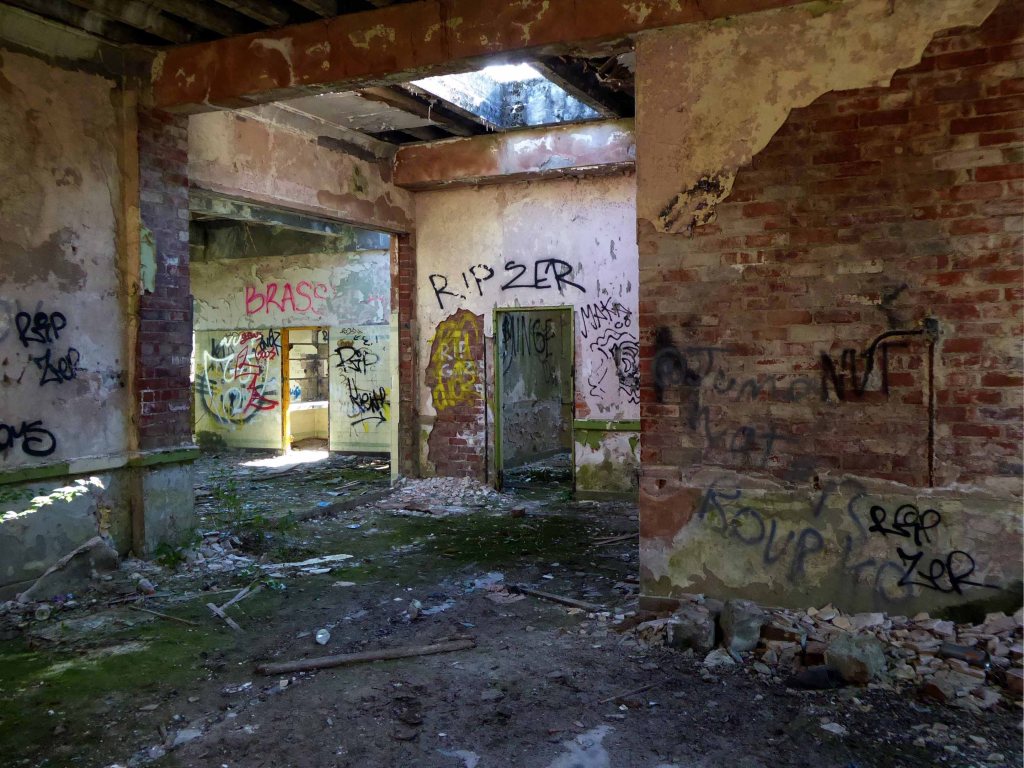
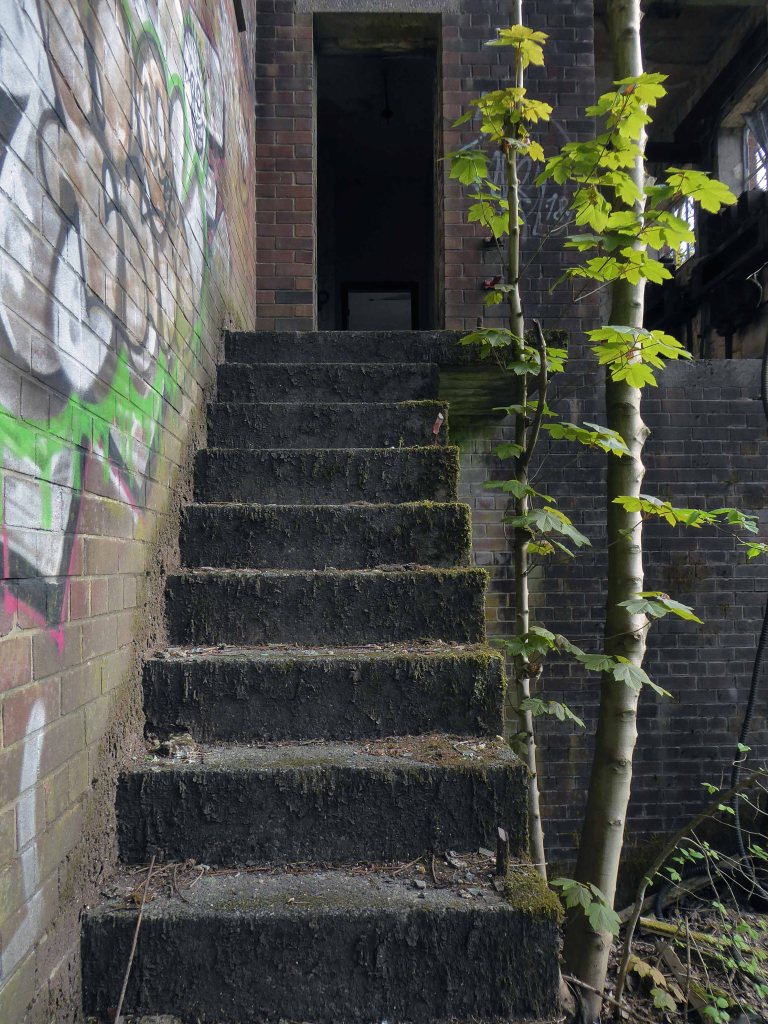
Having a casual afternoon stroll along the road, I espied a narrow gap in the railings, whilst I could never be considered a devotee of urbex, who can resist a narrow gap in the railings?
There are those who have been here before – the 28 Days Later folk take a much deeper peep.
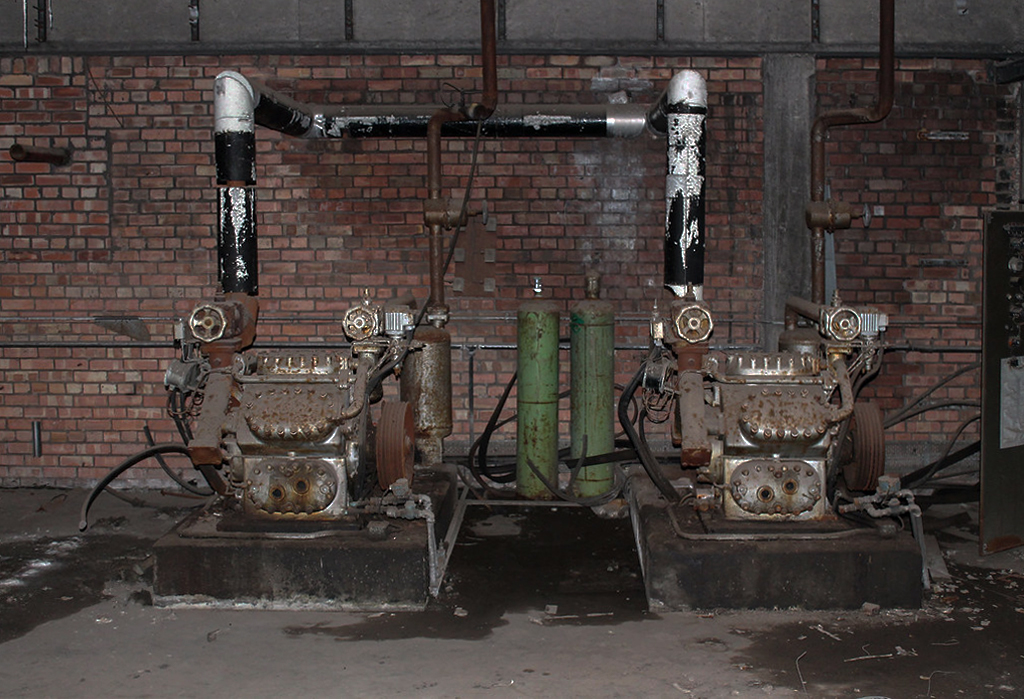
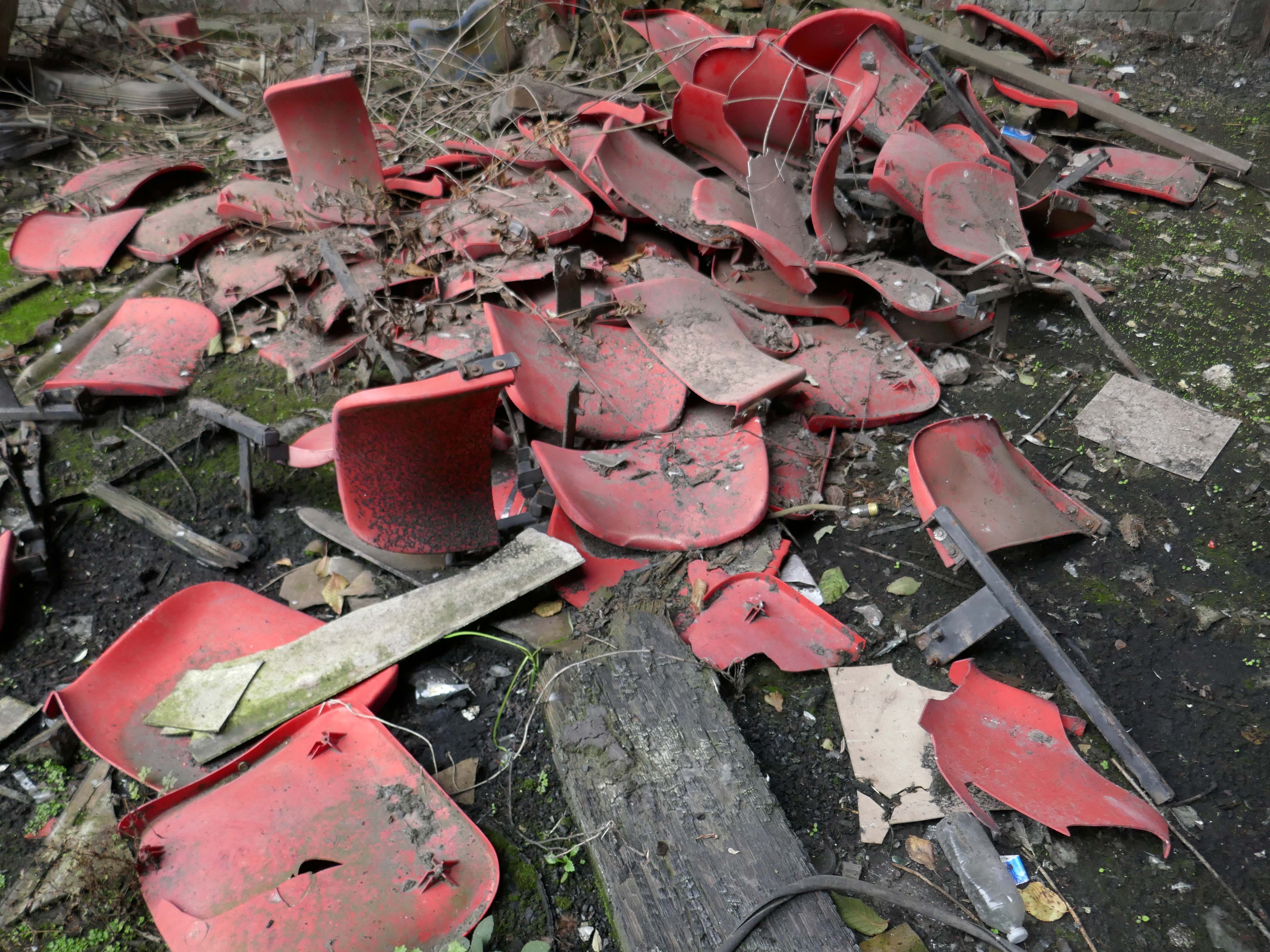
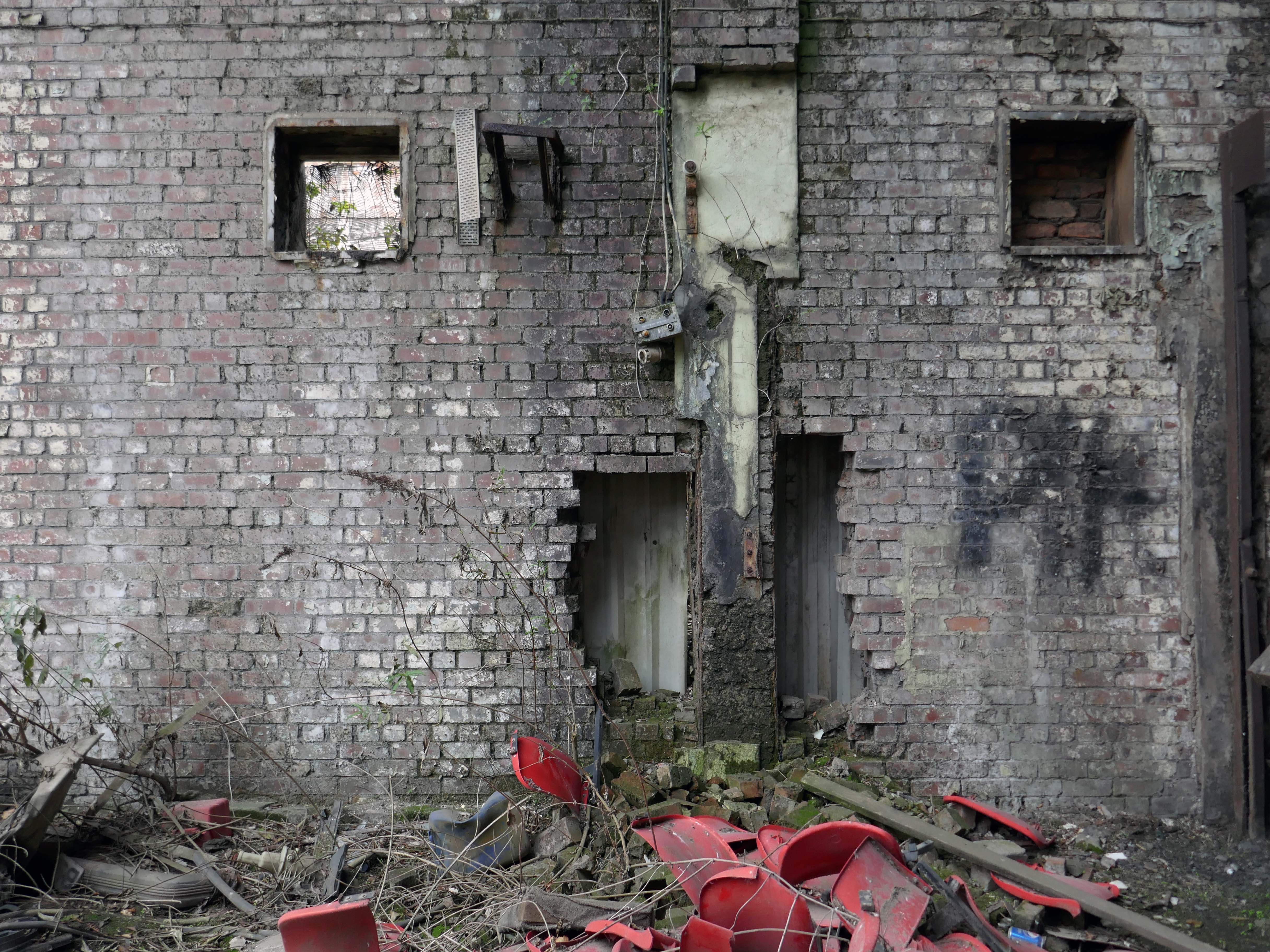
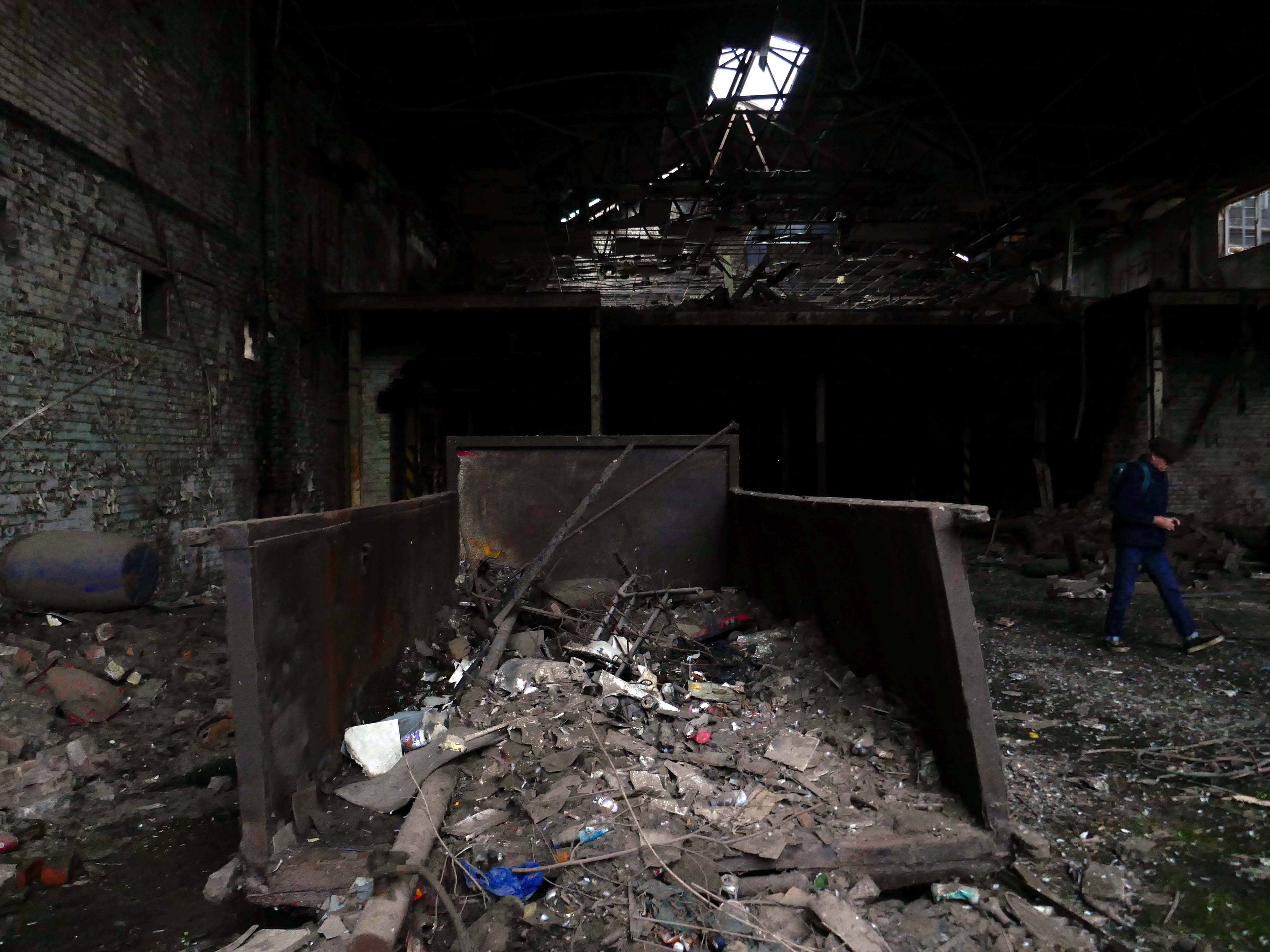
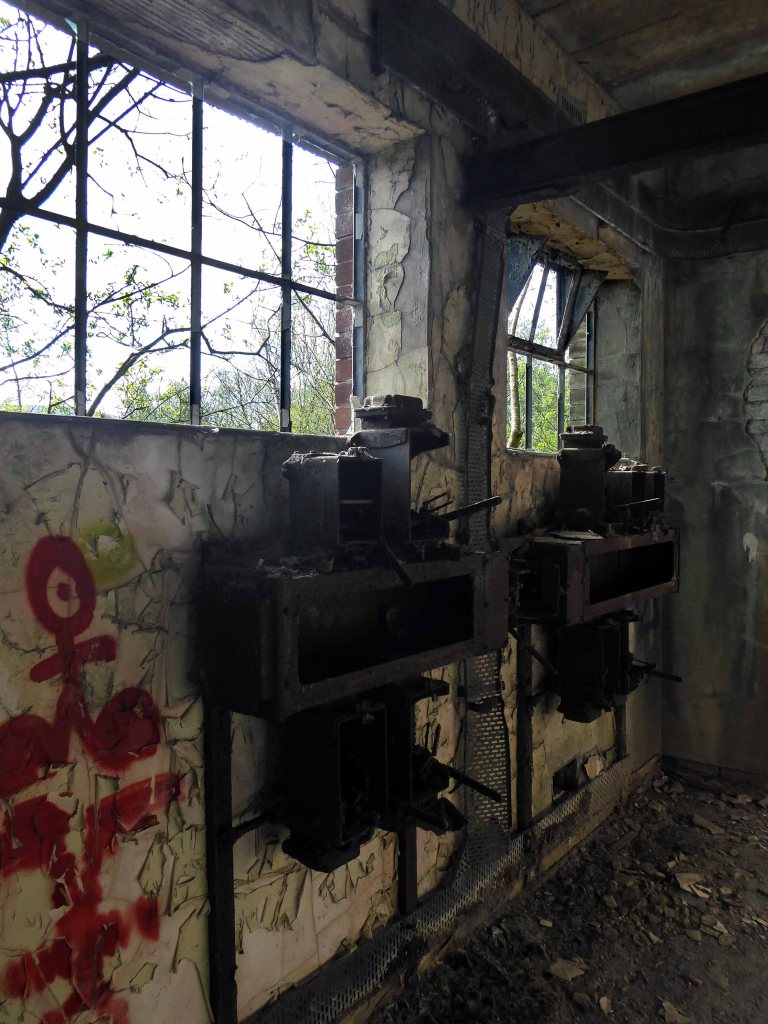
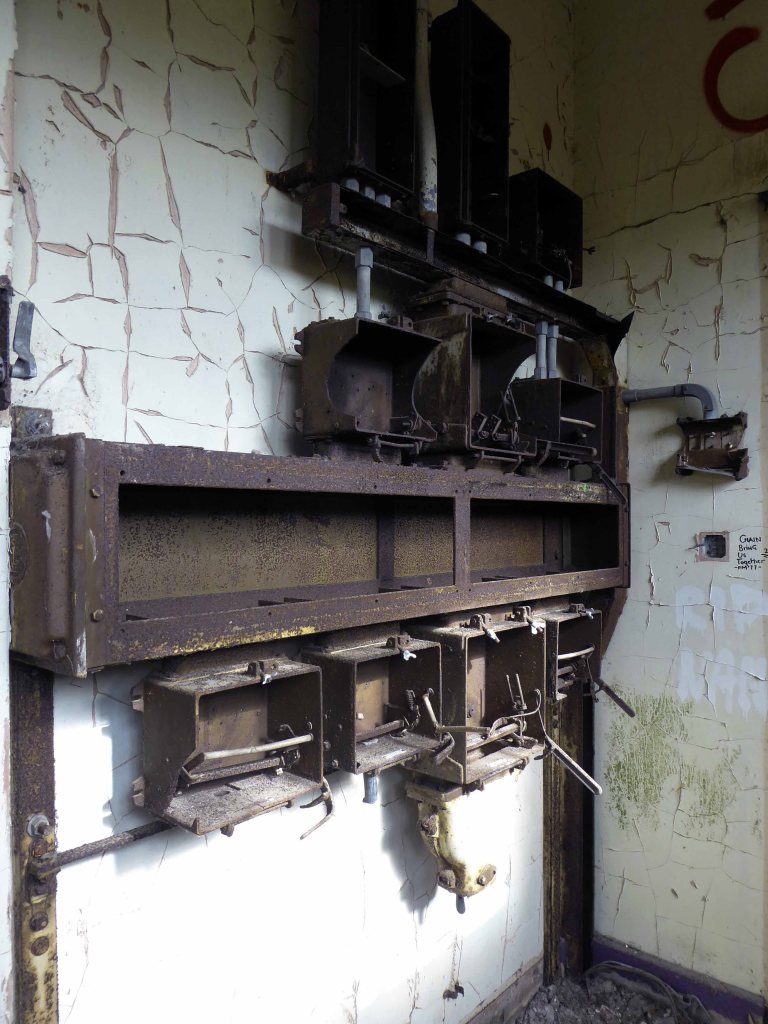
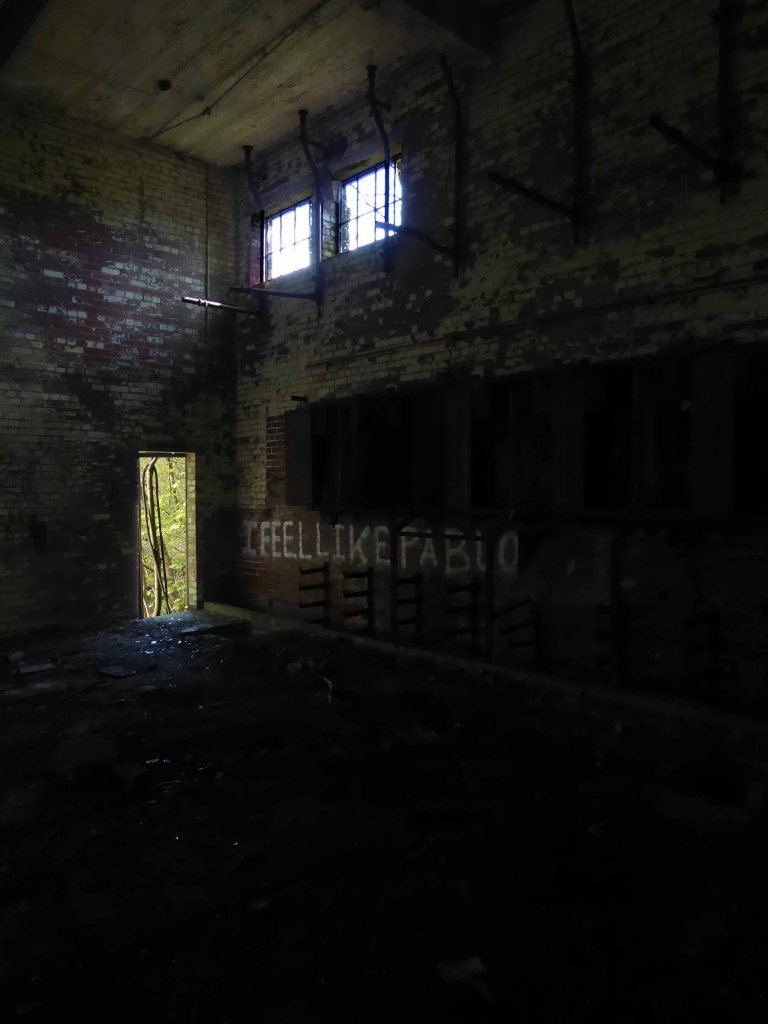
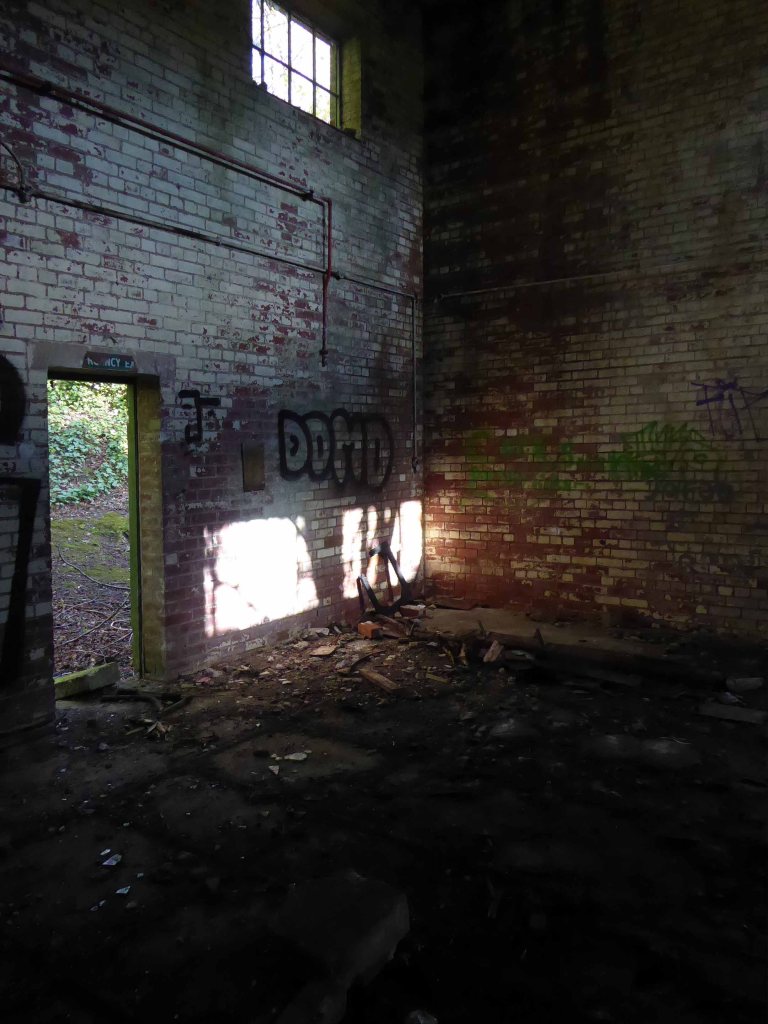
Uncovering some of the left behind plant.
And attracting a comment from a former employee:
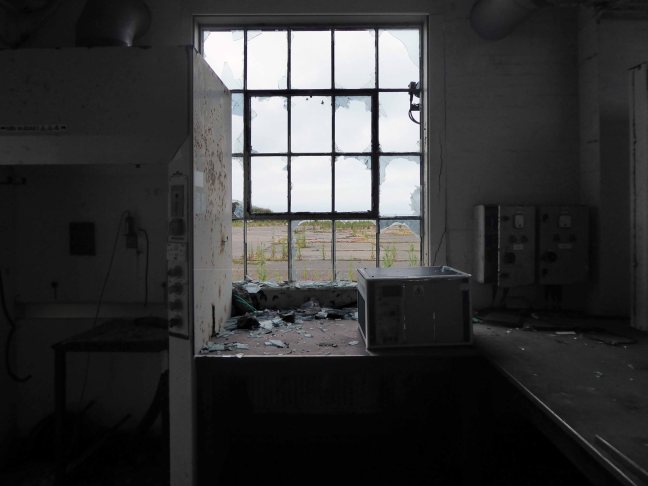
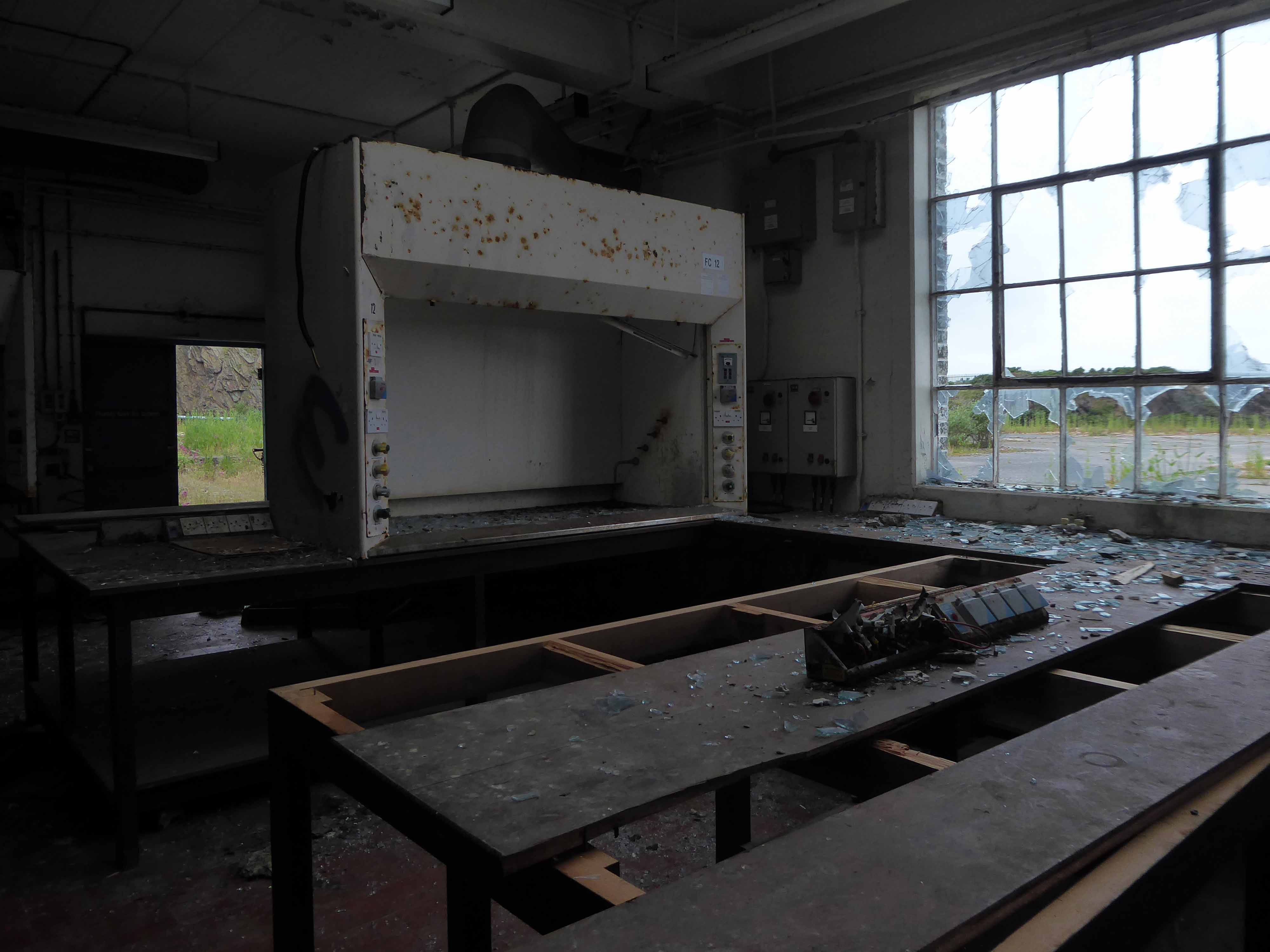
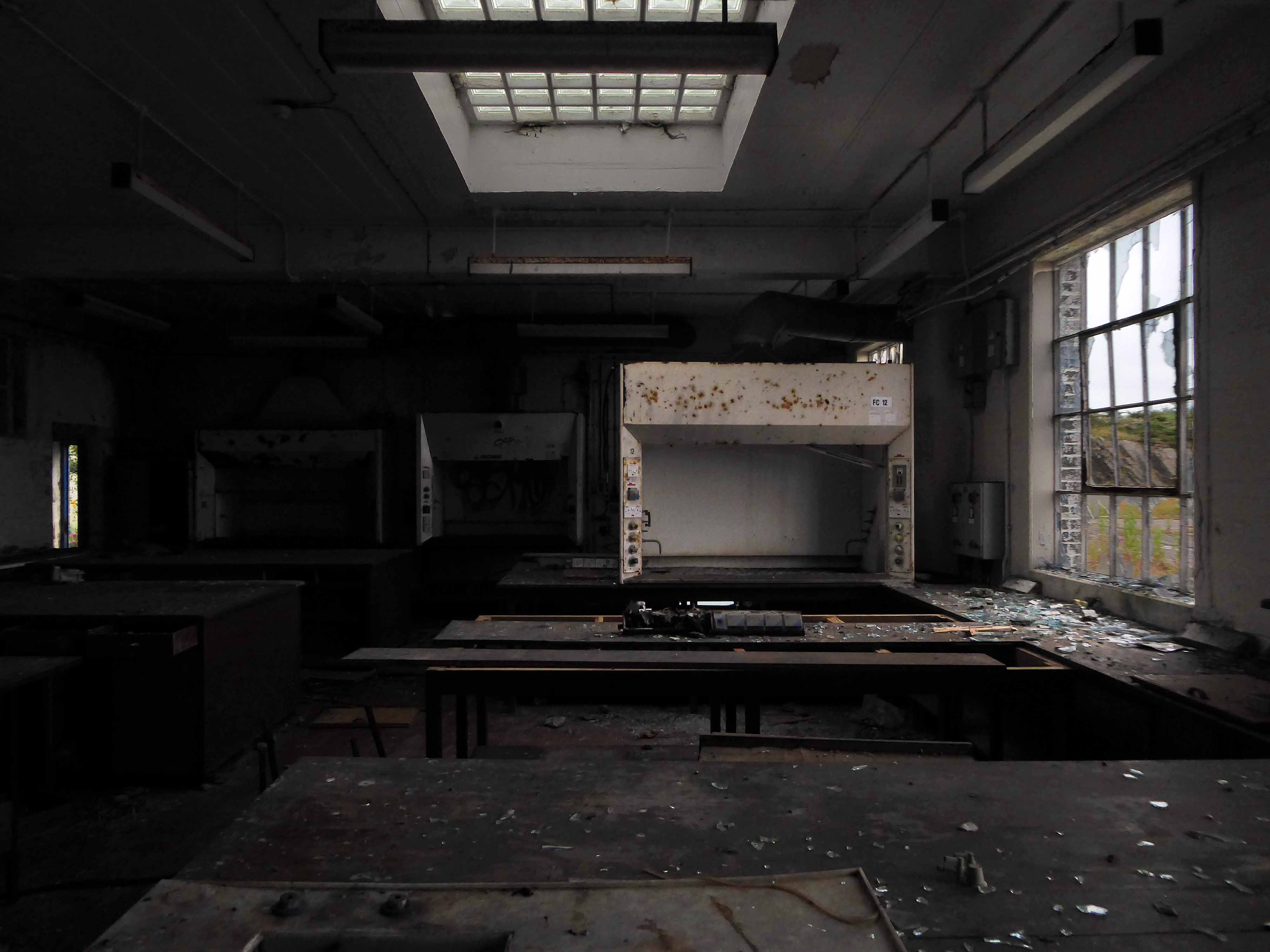
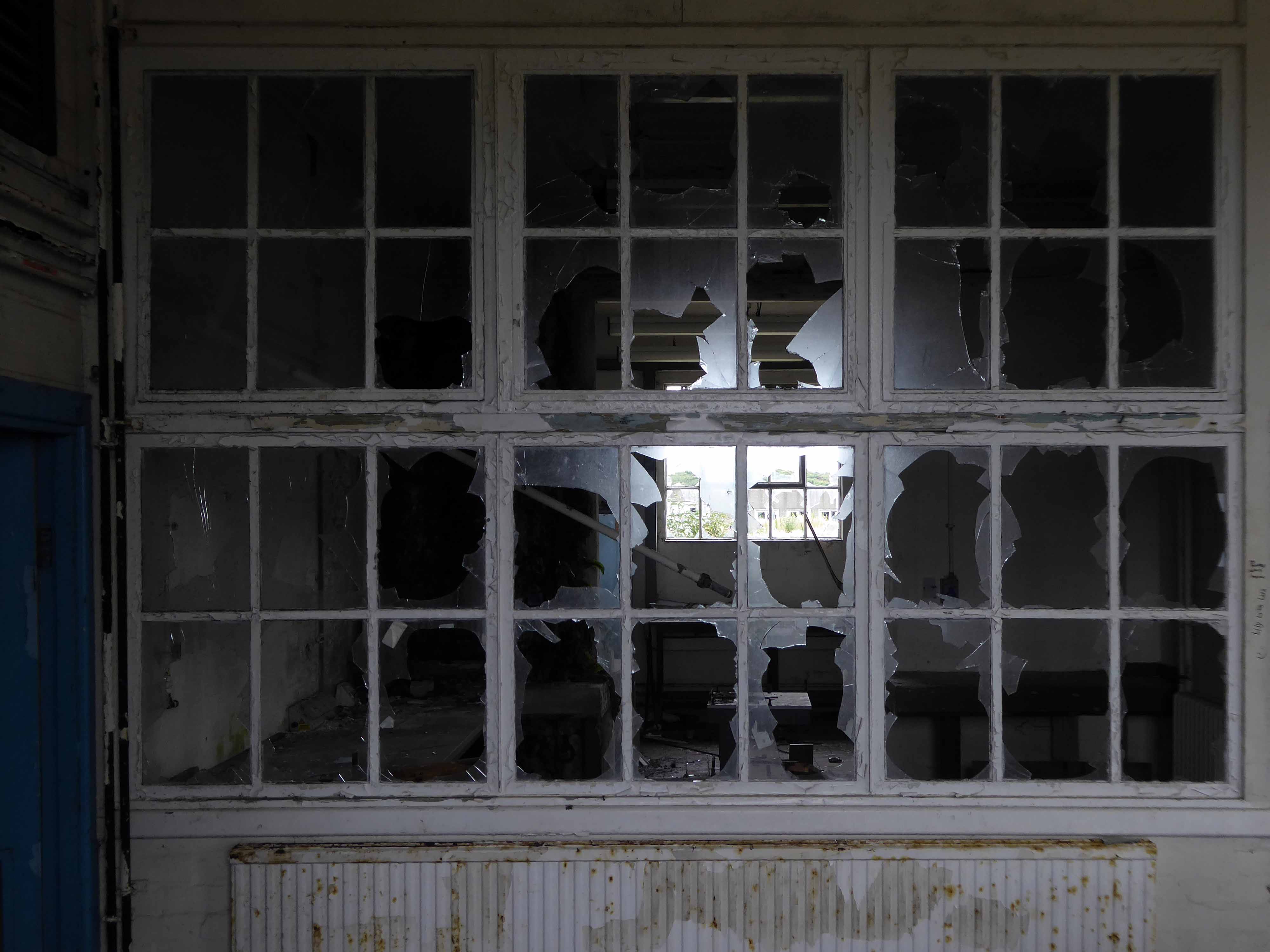
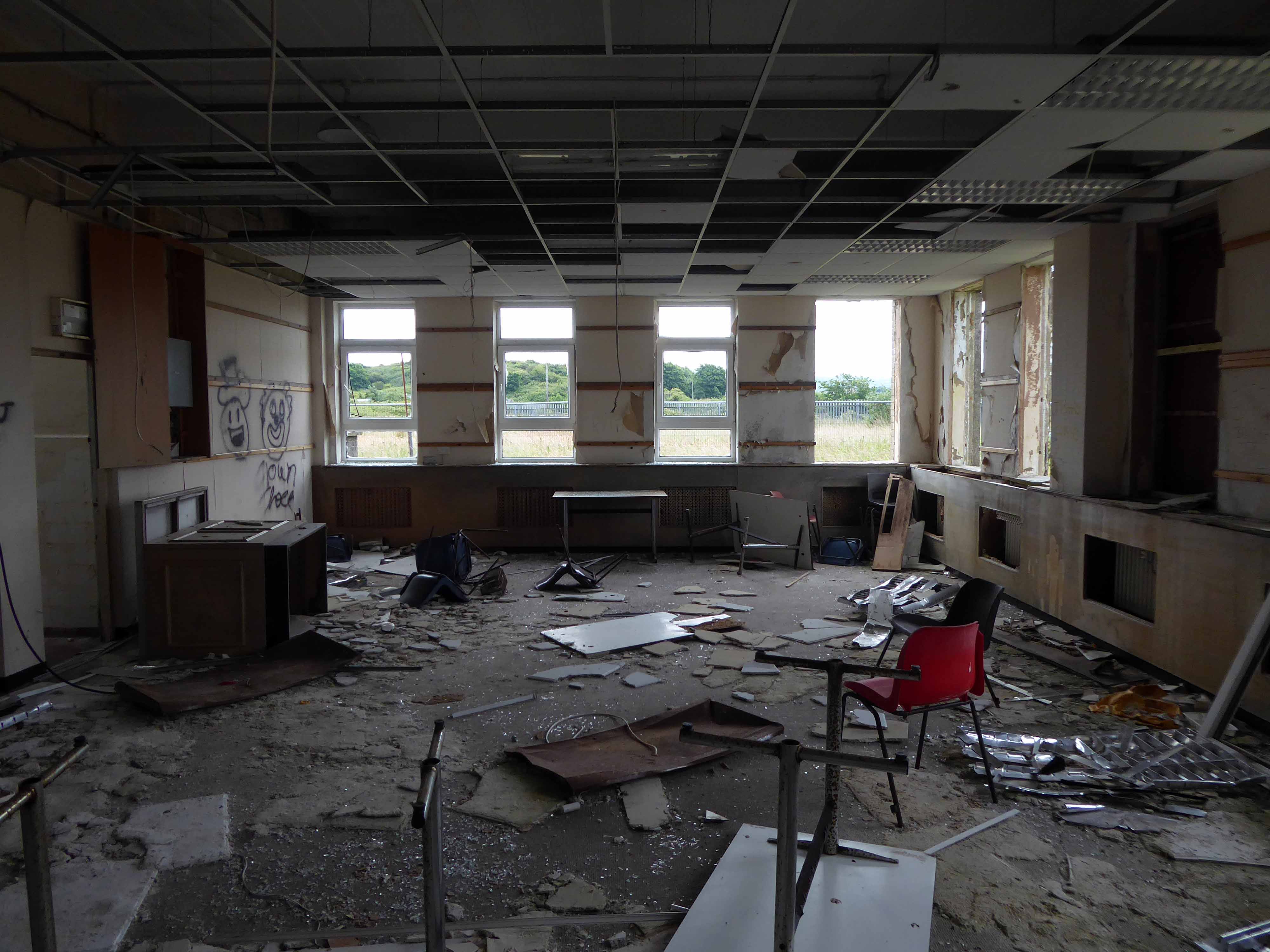
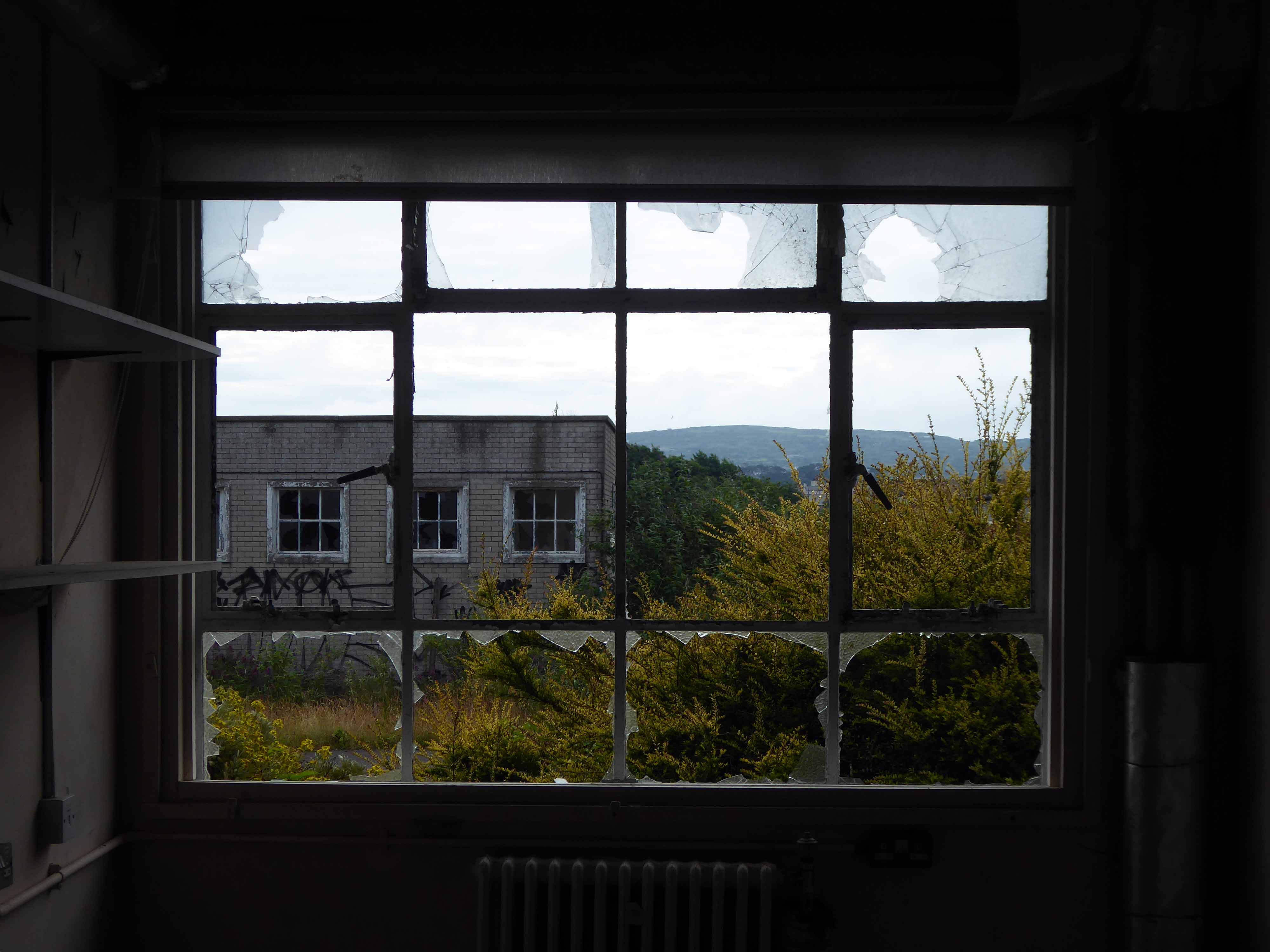
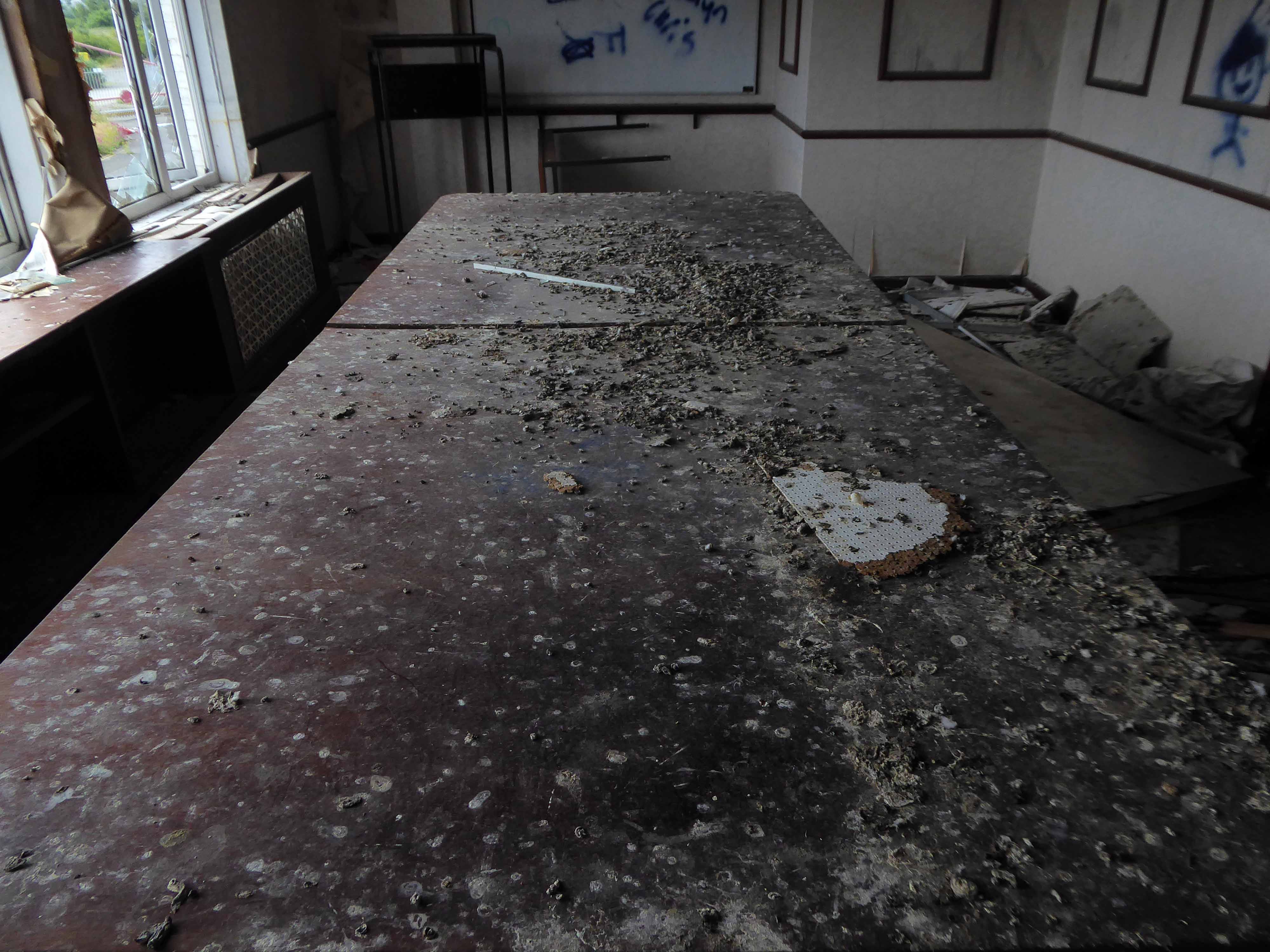
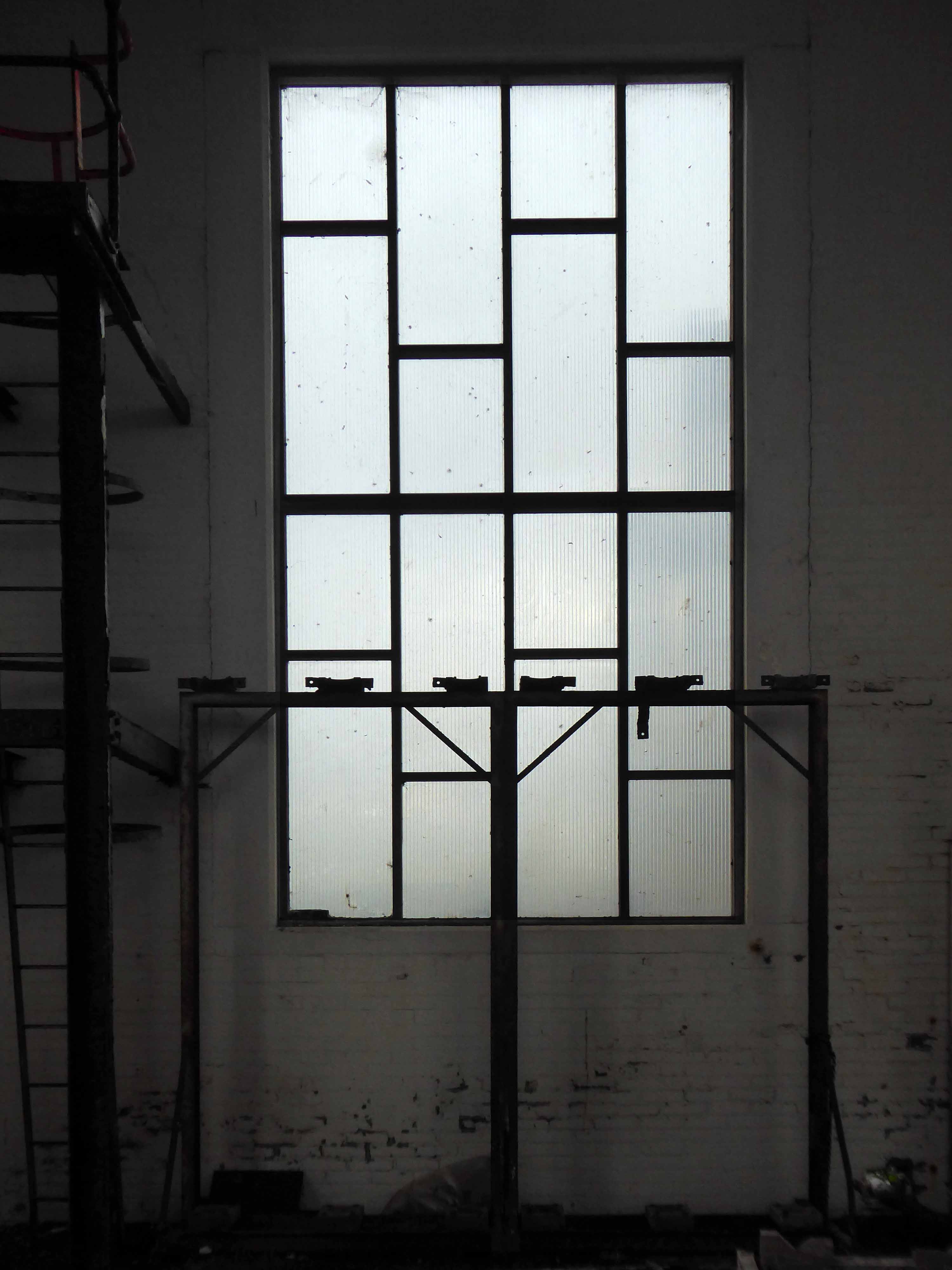
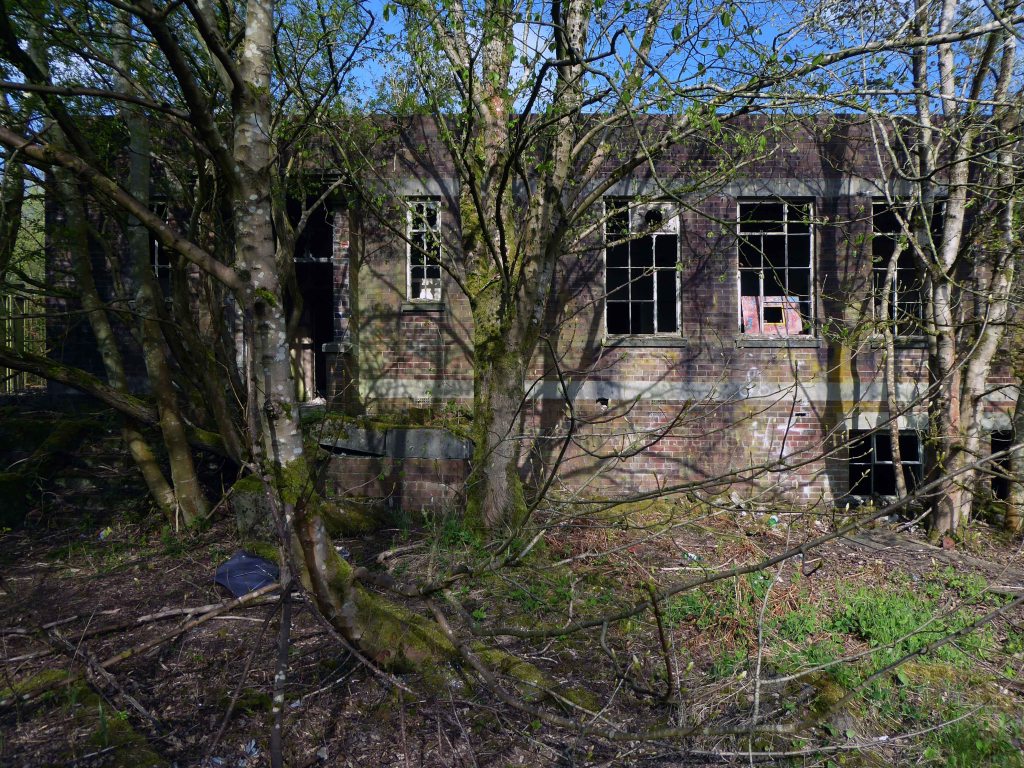
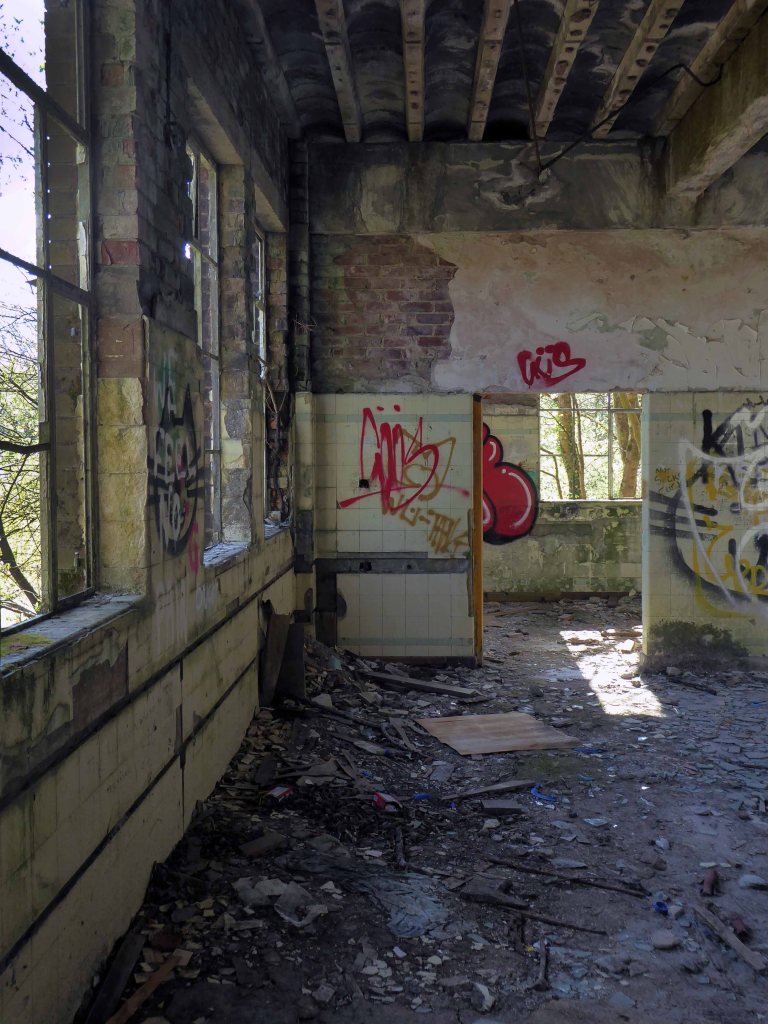
I was company microbiologist at this site, The sets of broken windows at the front of the building on the first floor were the laboratories.
The main photograph shows the chemistry laboratory, my microbiology laboratory was next door. The larger windows to the left provided light to a large open plan reception and office area. Within the factory, the main area had various packing machines for margarines, from 250g paper wrapped packets to 2 Kg catering packs.
A second packing area contained a machine that produced tinned margarine for the Ministry of Defence, who supplied it to the Army overseas.
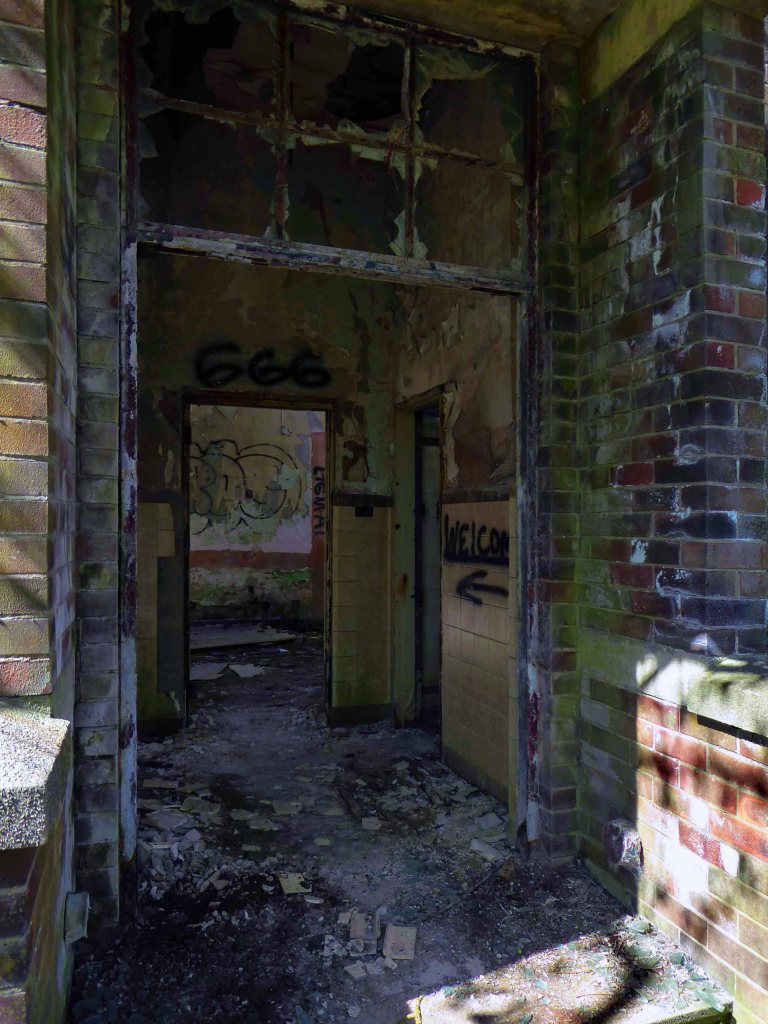
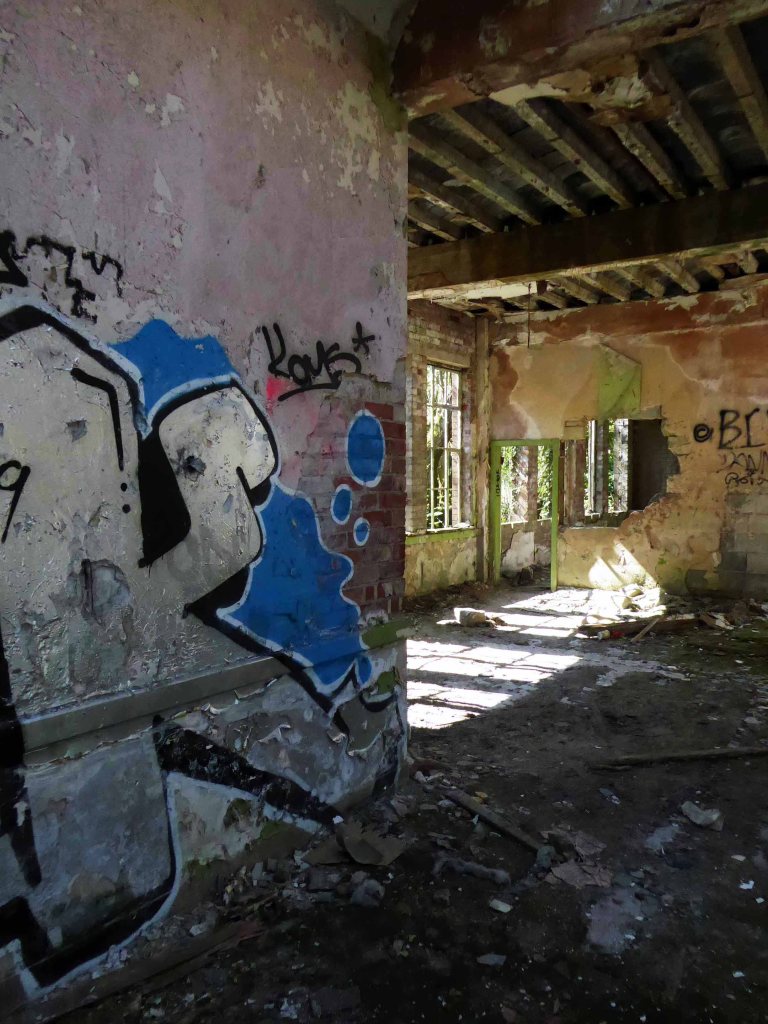
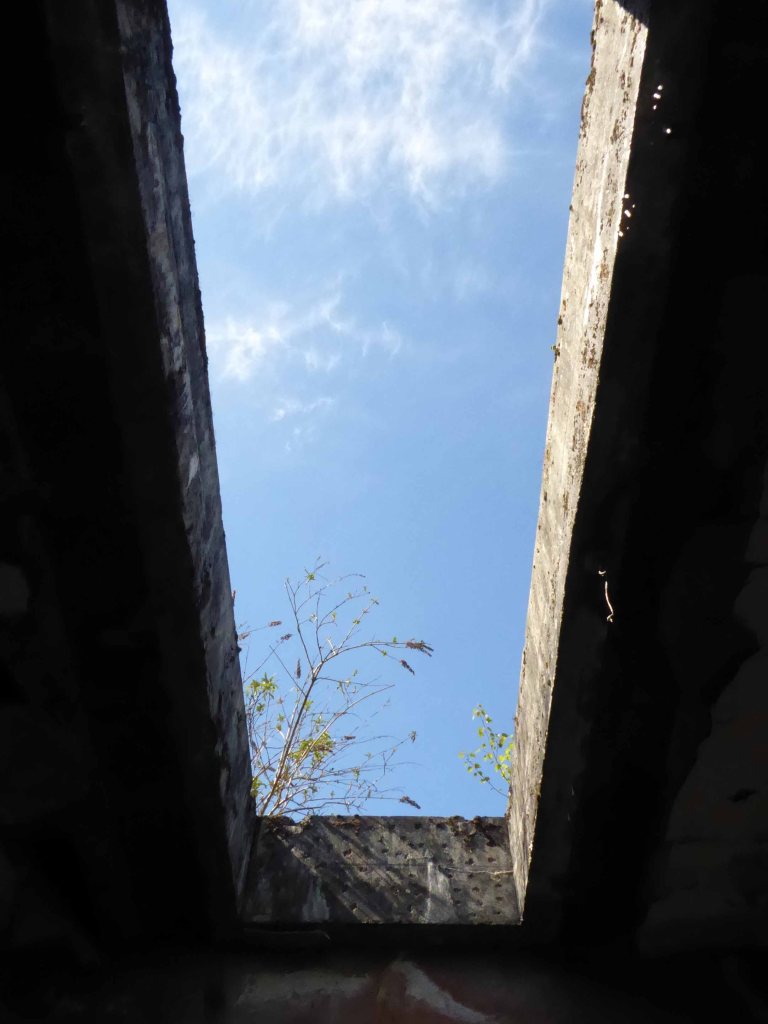
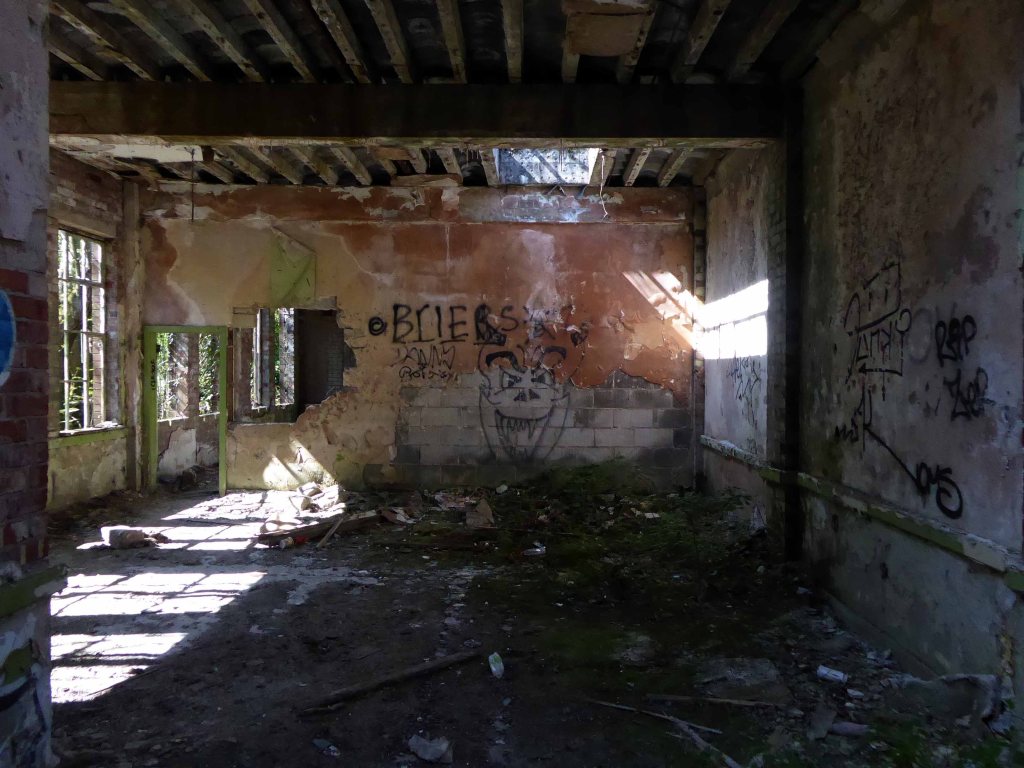
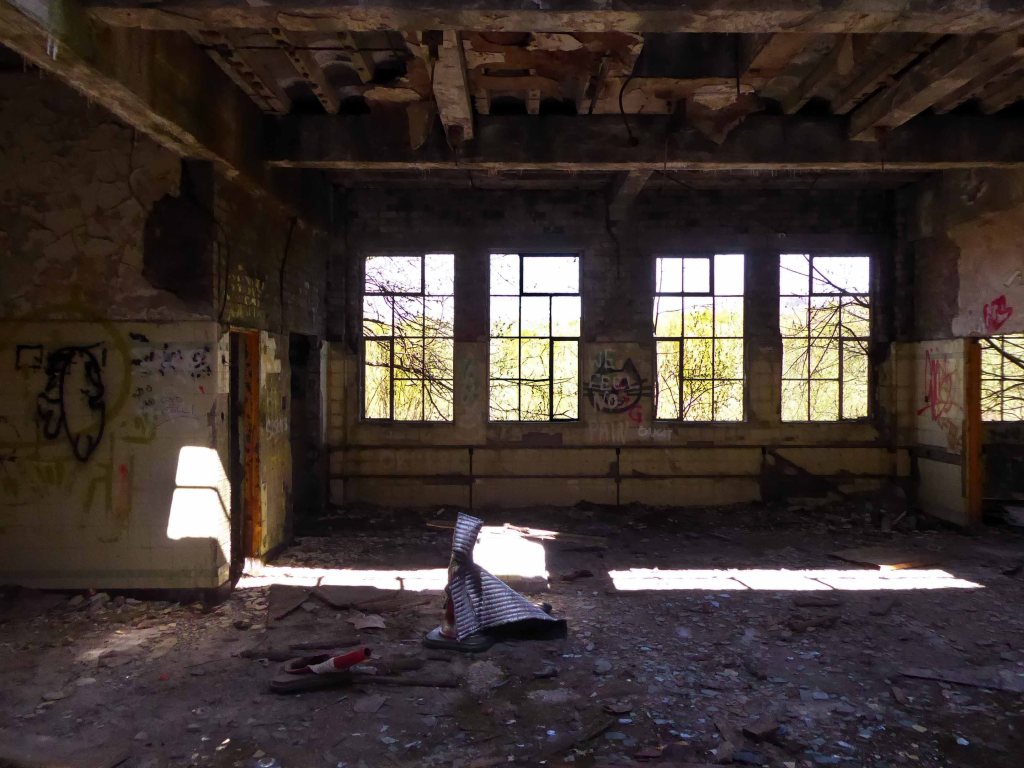
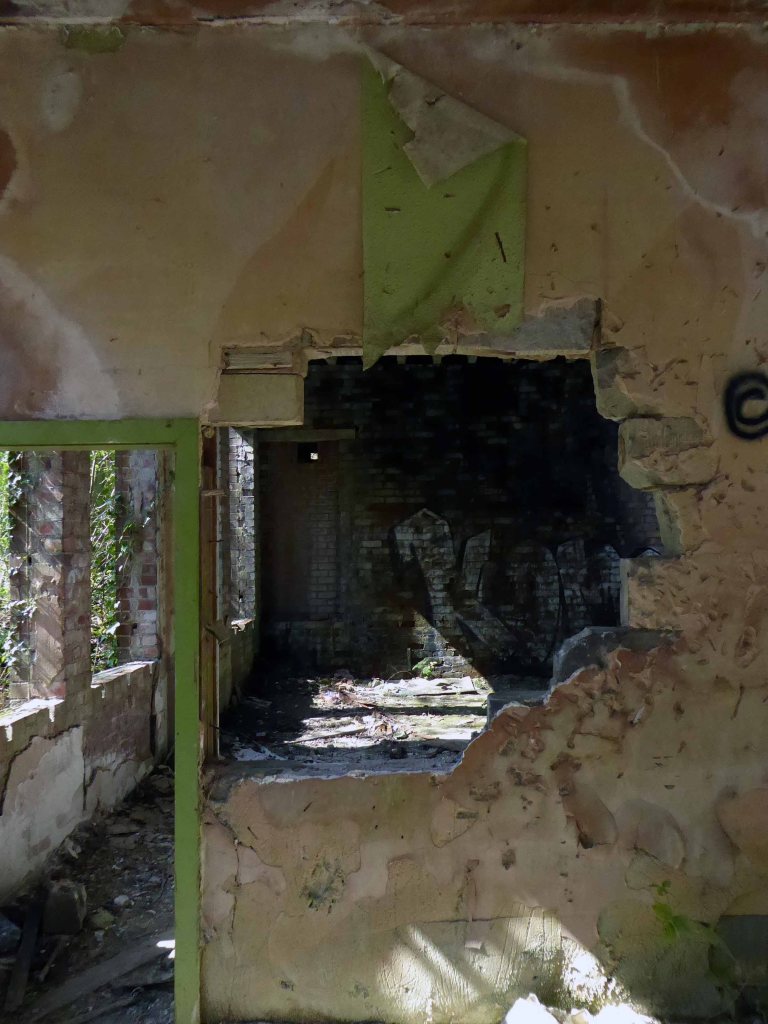
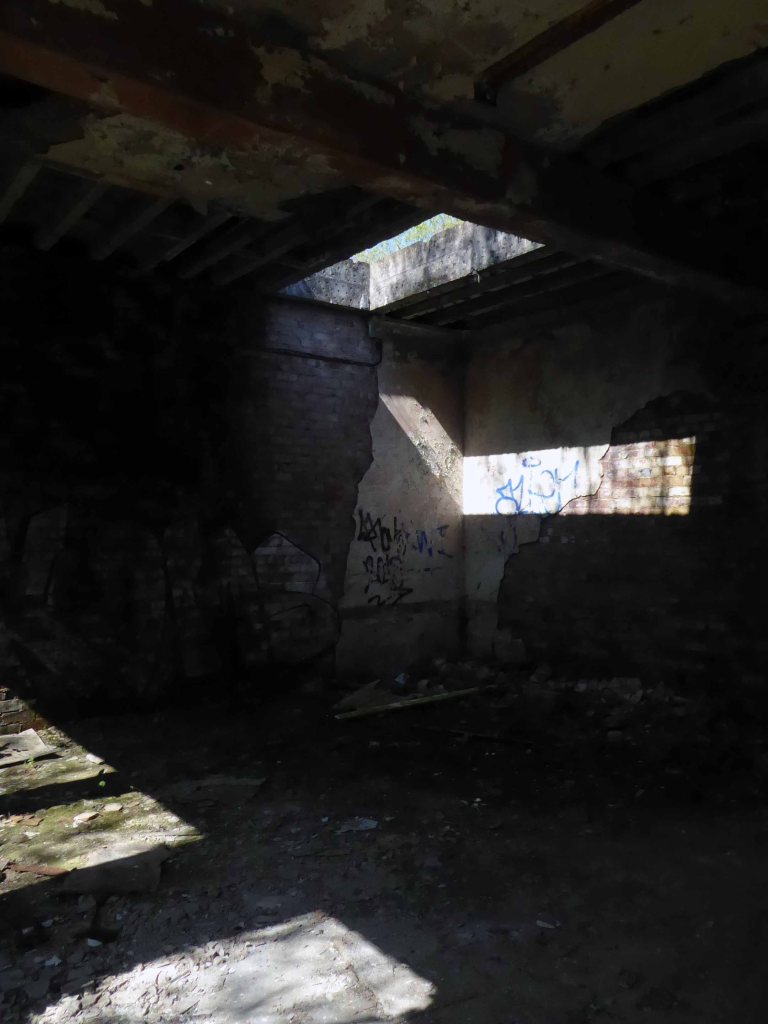
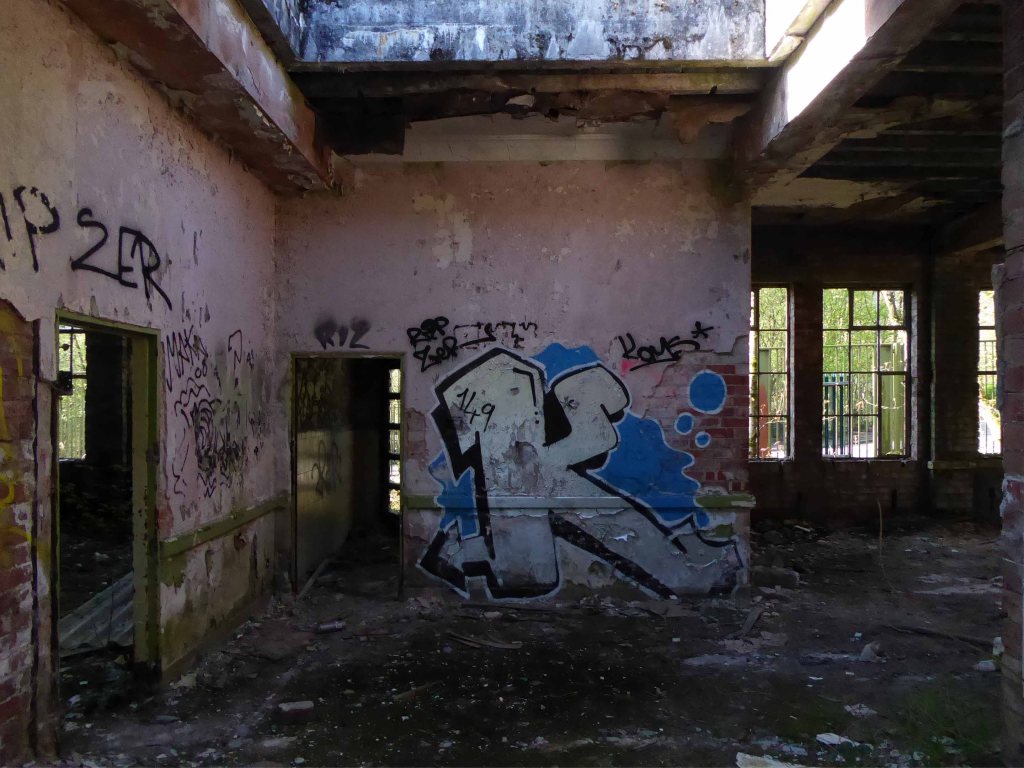
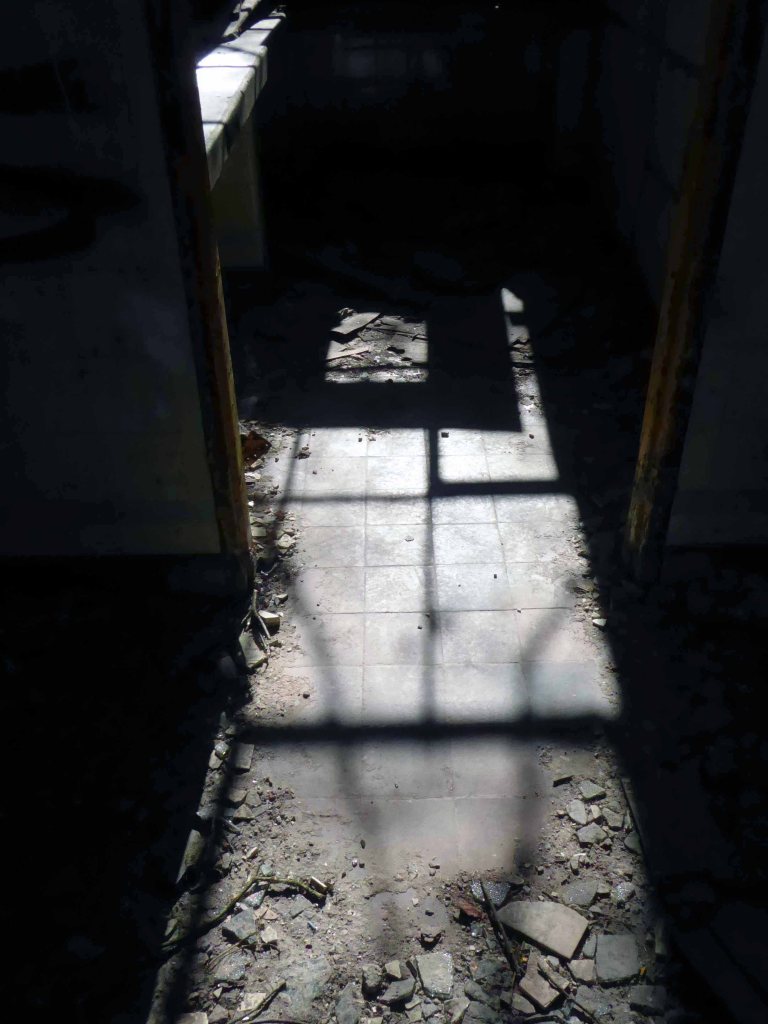
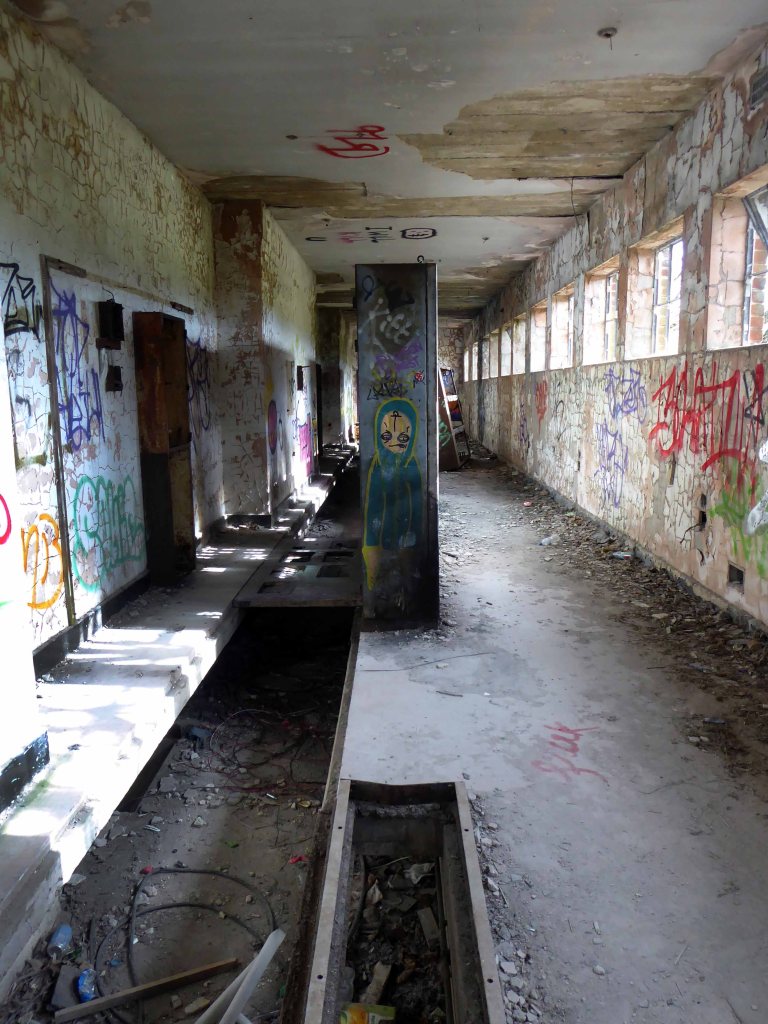
Whilst feeling that familiar frisson of mild trepidation, whilst walking through the debris, dirt and decay, it’s important to recall those who have walked and worked in these now derelict premises.
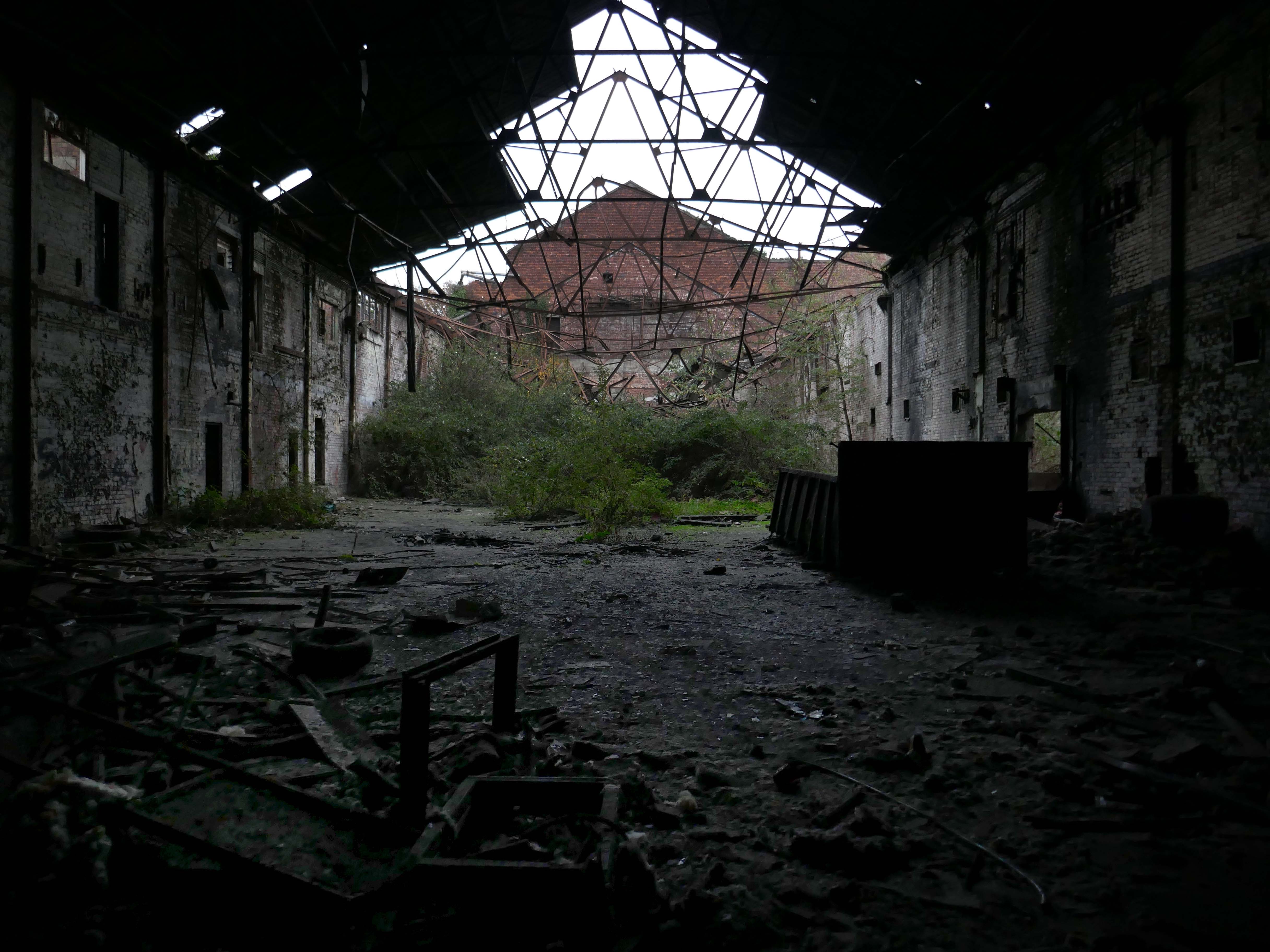
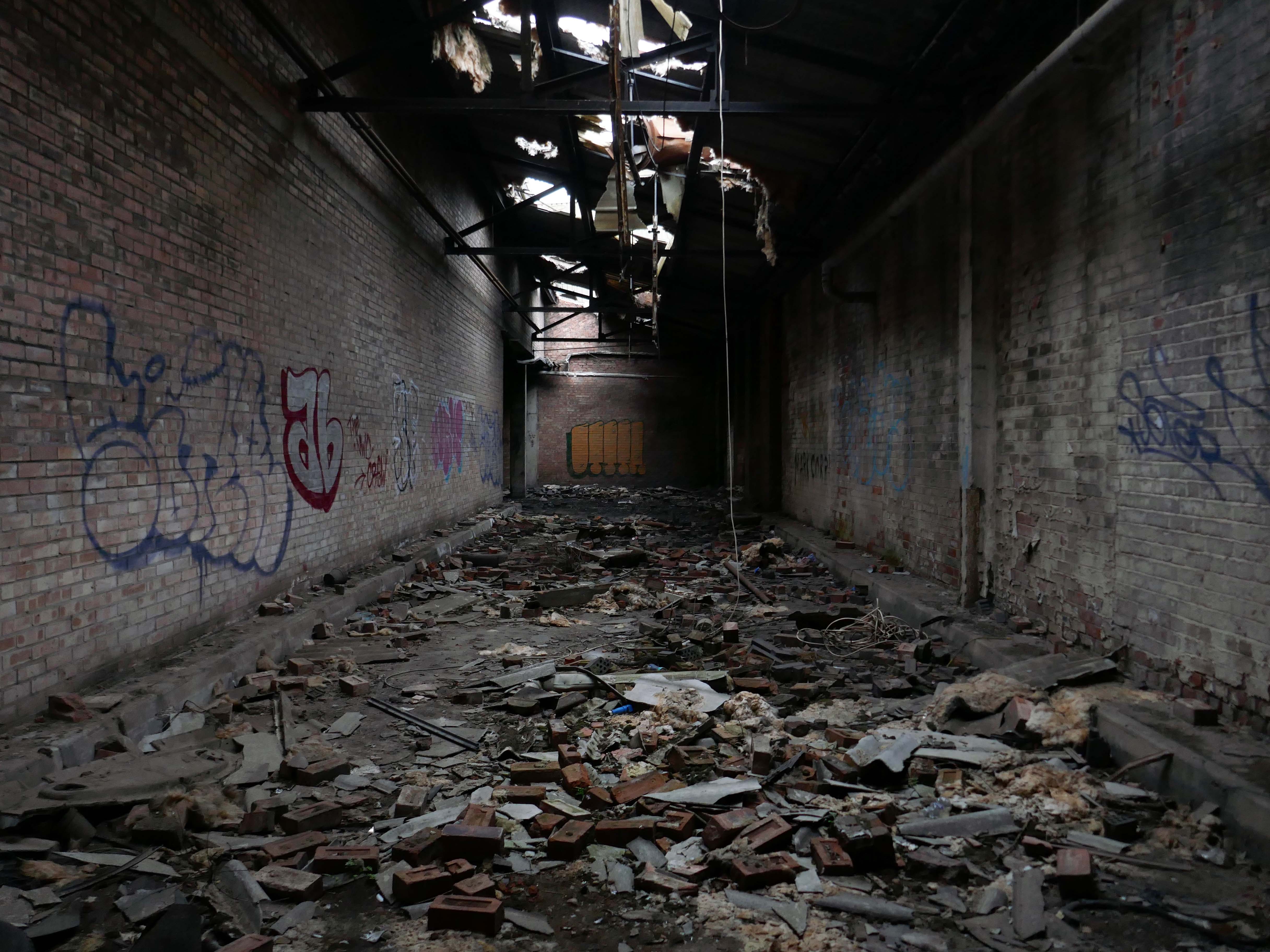
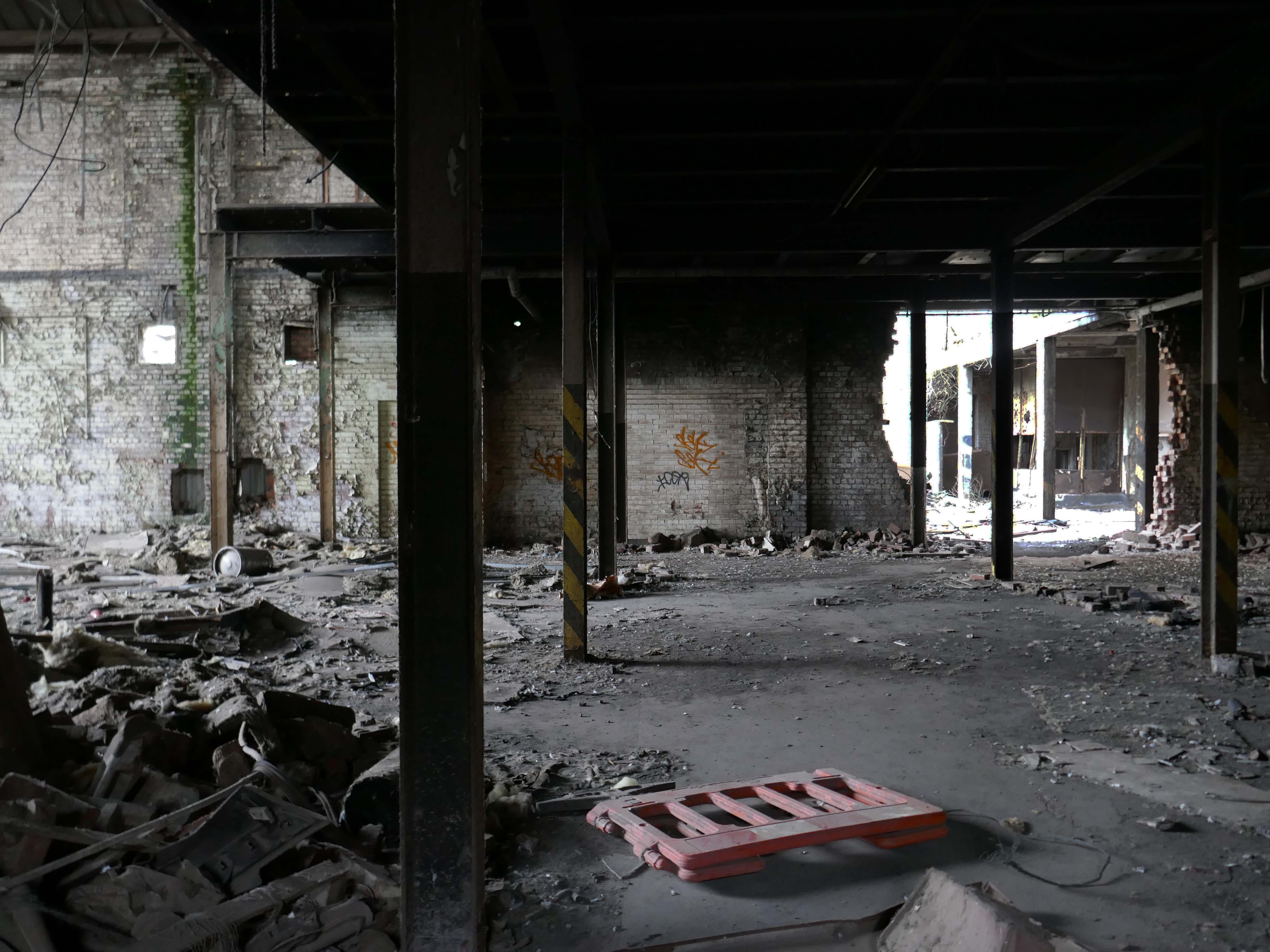
With that in mind here’s what I saw whilst feeling that familiar frisson of mild trepidation, whilst walking through the debris, dirt and decay,
Tyne Mill is one of a trio of mills designed by Oscar Faber for Spillers Ltd – the others are in Cardiff and Avonmouth and led to subsequent commissions from the company. Spillers began with a single mill in Bridgwater in around 1833, and during the 20th centruy had mills all over Britain.
Spillers operations were flour milling and manufacturing animal feeds, and they came to Newcastle in 1896. Grinding grain to flour produces both heat and fine dust a combination guaranteed to be a fire hazard. The fire retardant properties of reinforced concrete, and its relative cost effectiveness, made it a popular choice for mills and other industrial buildings.
Construction took place during the winter and a warming plant heated the concrete constituents before and after mixing, to control the setting time which governs how soon the slip-form shuttering can be moved to the next lift. The concrete was usually kept at 15.6 deg C, though this could be varied to speed or delay setting times.
The mill building has the actual mill above a warehouse area. Its footprint is 88.4m by 27.4m with 12 storeys and a maximum height of 51.2m. It has reinforced concrete columns and beams, but timber floors of 100mm thick Columbian pine with a 25mm thick maple strip finish. The walls are of 280mm thick brickwork with flashing on each floor to drain the cavity.
When completed, Spillers Tyne Mill was the largest flour mill in Europe and apparently the tallest milling building in the world. It could process 254,000 tonnes of grain annually, brought to the mill by ship via Spillers Quay or by rail on the track extension along Quayside.
A goods line down to the Newcastle quayside from Manors Station was agreed in 1845, but not authorized until 28th June 1863 and opened on 1st June 1870.
The Quayside Branch Line closed on 16 June 1969. The railway was in use for ninety-nine years and its eventual demise reflects the changes in the Quayside and Ouseburn themselves from shipping and industrial use to one now of housing and leisure facilities. The northern portal of tunnel 2 was removed when the Metro system was constructed in the late 1970s. The cutting above Lime Street was filled in in 1977 and the tunnel at the quayside bricked up and landscaped over in the 1990s. Only the Red Barns tunnel remains as a metro overrun facility.
24/7, completely free and always spaces! A hidden parking gem of Newcastle! 10 minute walk to Millennium Bridge. Security is almost non-existent but busy enough that trouble should be deterred.
A popular Newcastle car park will be staying locked up overnight in an effort to crack down on boy racers. Council bosses have confirmed plans to permanently close the Spillers car park in Ouseburn at 10pm each night after it was plagued with – significant anti-social behaviour.
The future of the car park is uncertain, with major redevelopment plans having emerged for the area.
While planning permission has expired for the controversial Whey Aye Wheel project, which would have seen Europe’s biggest observation wheel built at Spillers Wharf, there remain proposals to build housing on the riverside plot.
However as of September 2023 a car park is a car park – a car park with embedded remnants of the railway yard, interspersed with rapidly emergent plant life, and crumbling concrete obstacles.
The ingredients list of Wotsits Cheese reveals that cheese and dairy-derived components play a significant role in creating the mouthwatering flavor. The primary ingredients include corn and rapeseed oil, which form the base of the crunchy corn puffs. However, it is the cheese flavoring that truly brings the cheesy goodness to Wotsits cheese.
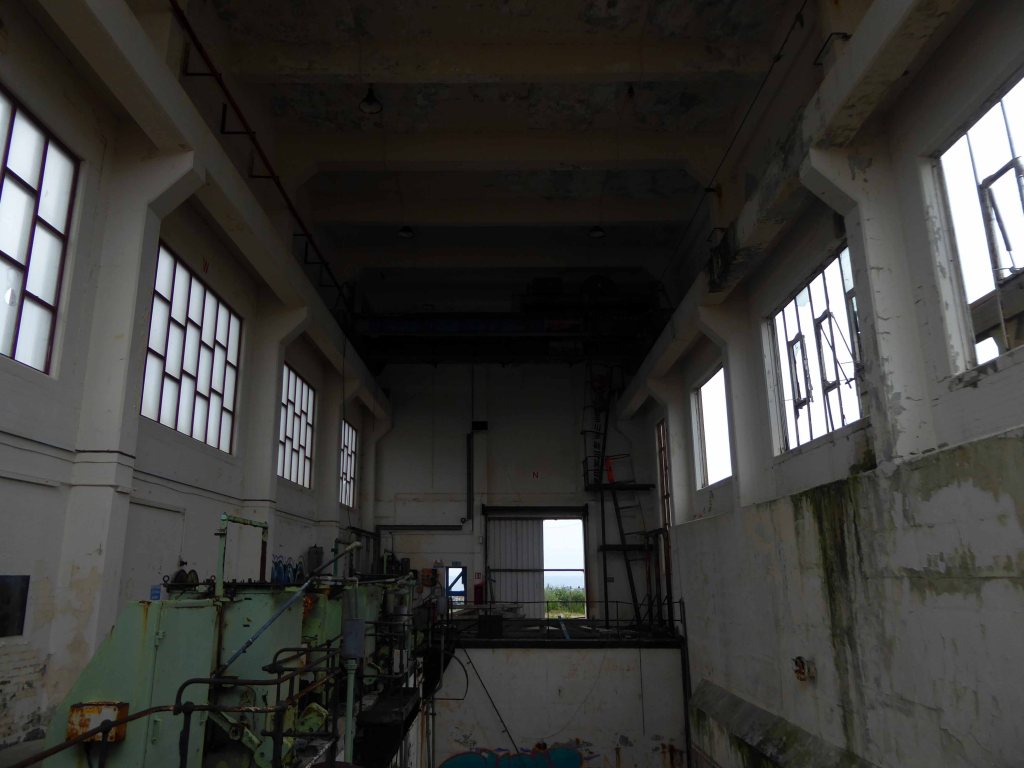
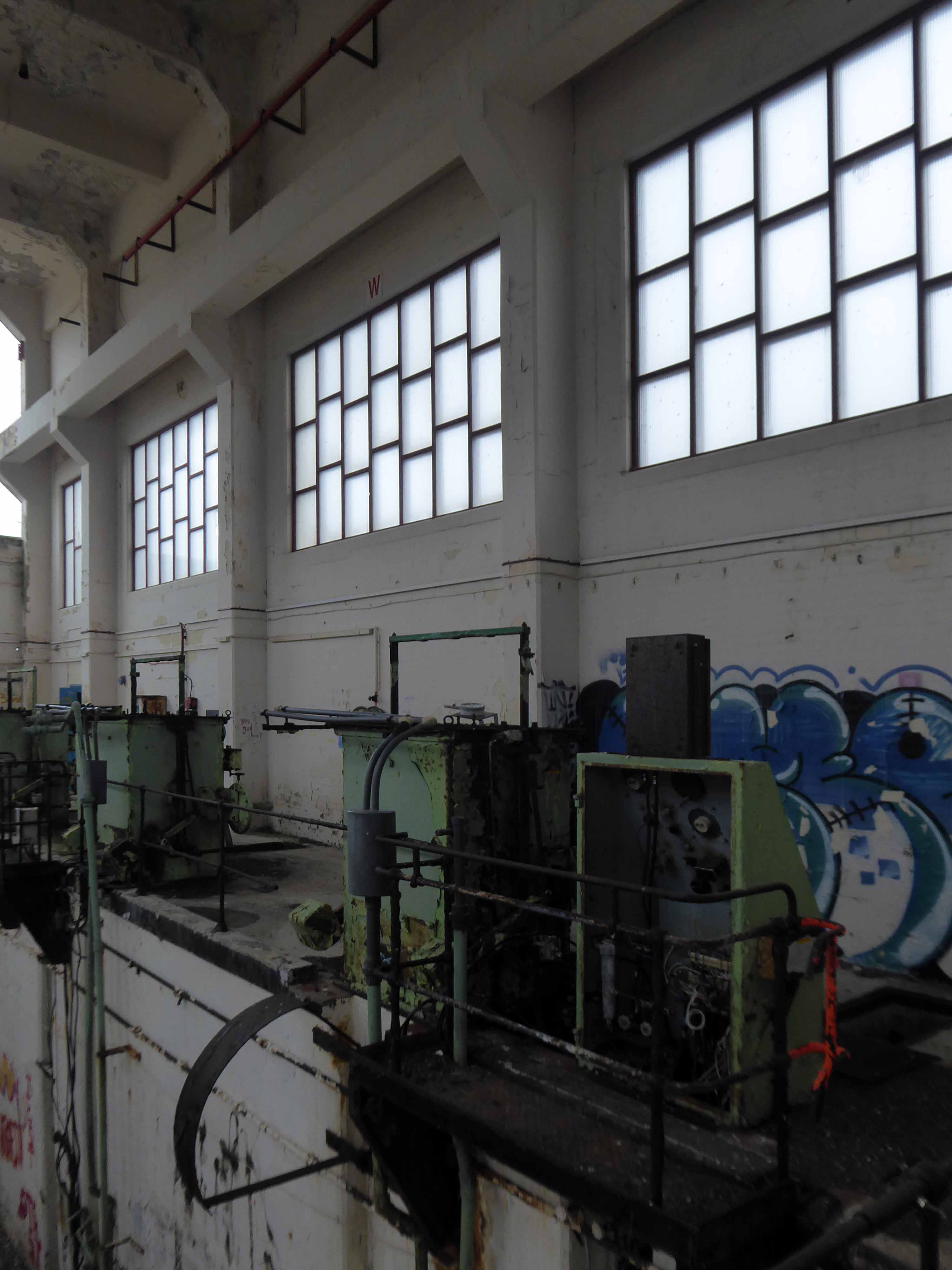
Having appraised the exteriors and pumping infrastructure, let us now consider the interior life of the site.
A site where a myriad working lives once unfolded – labourers, technicians, maintenance staff, administrators and managers.
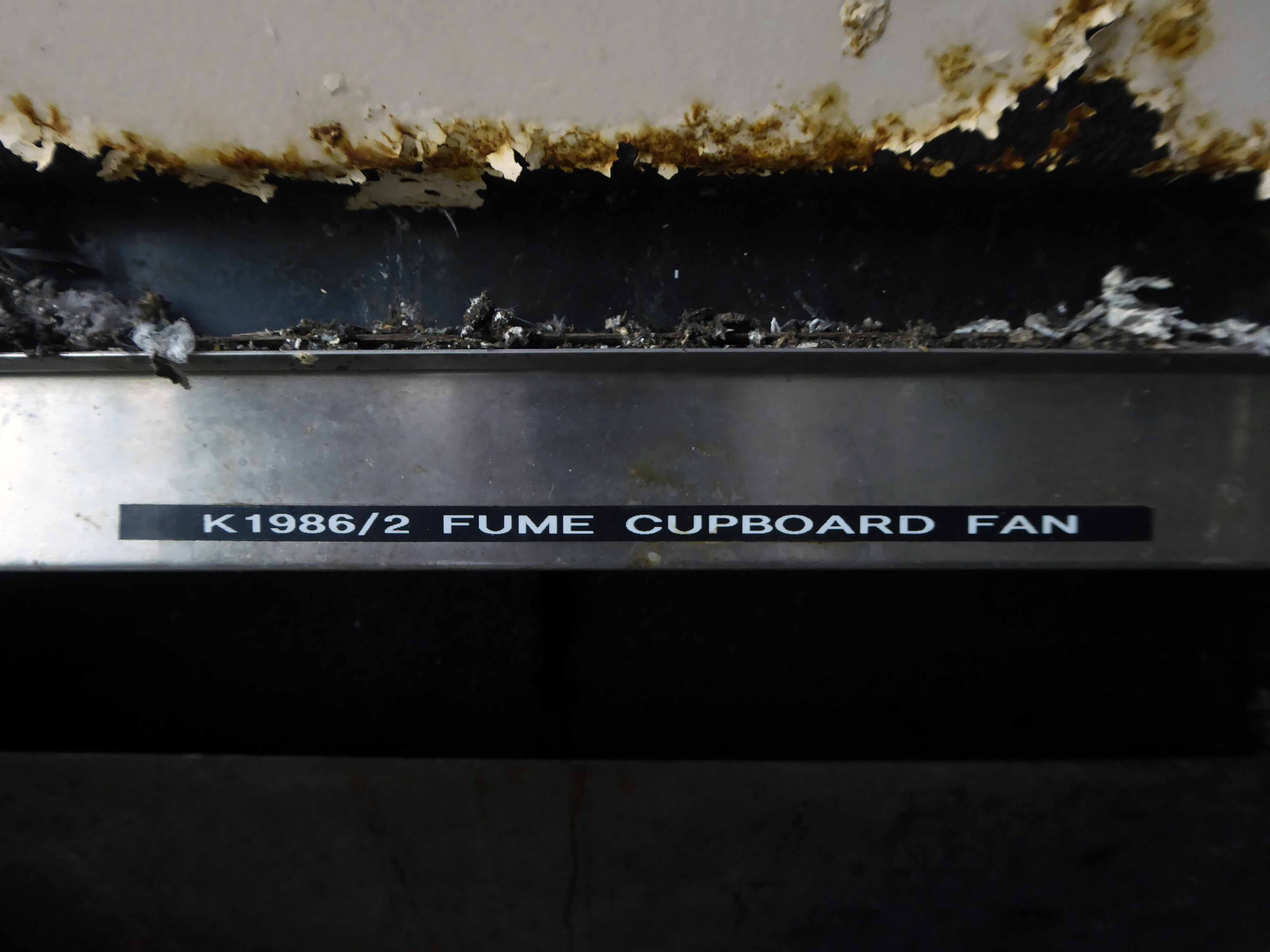
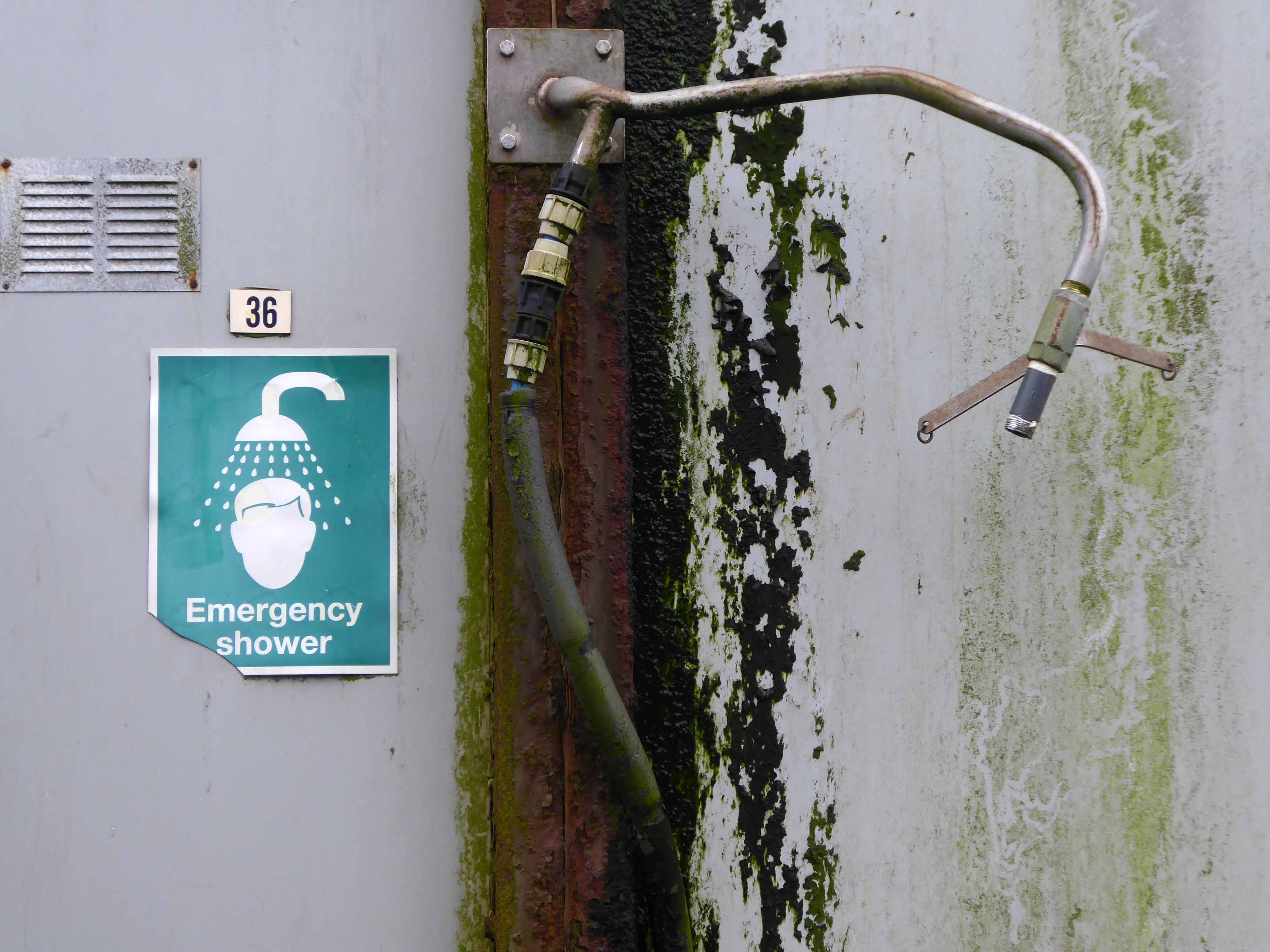
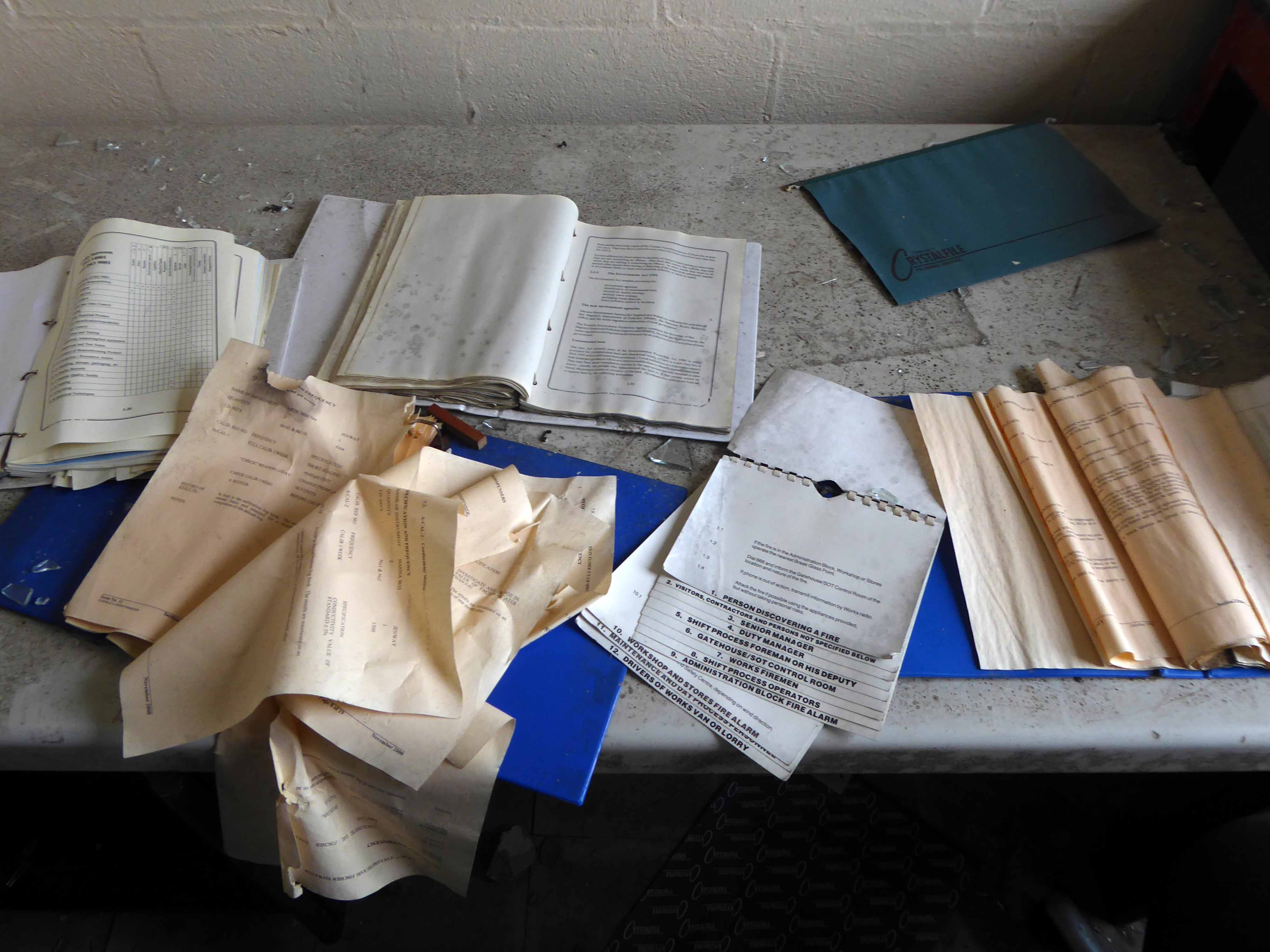
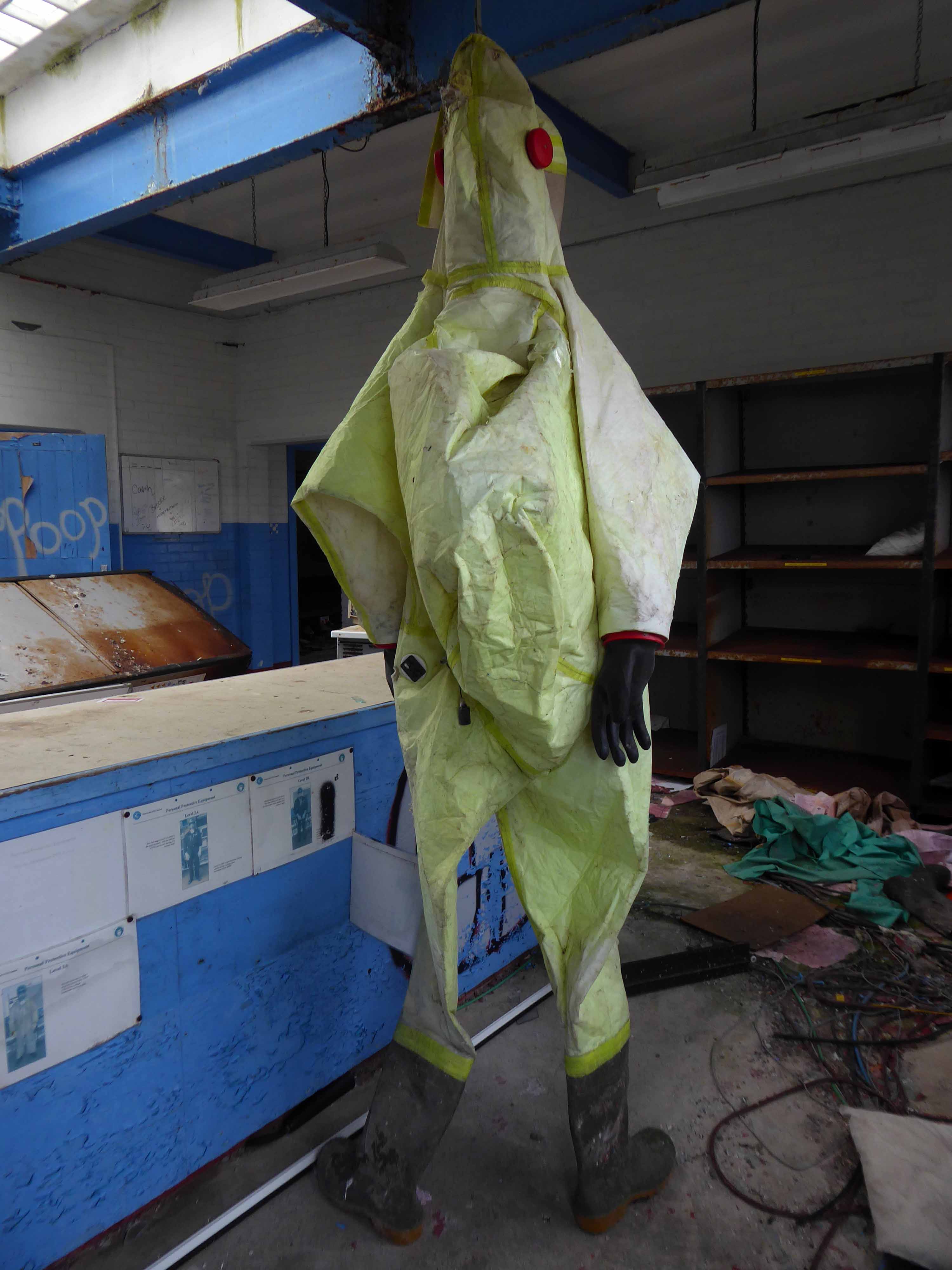
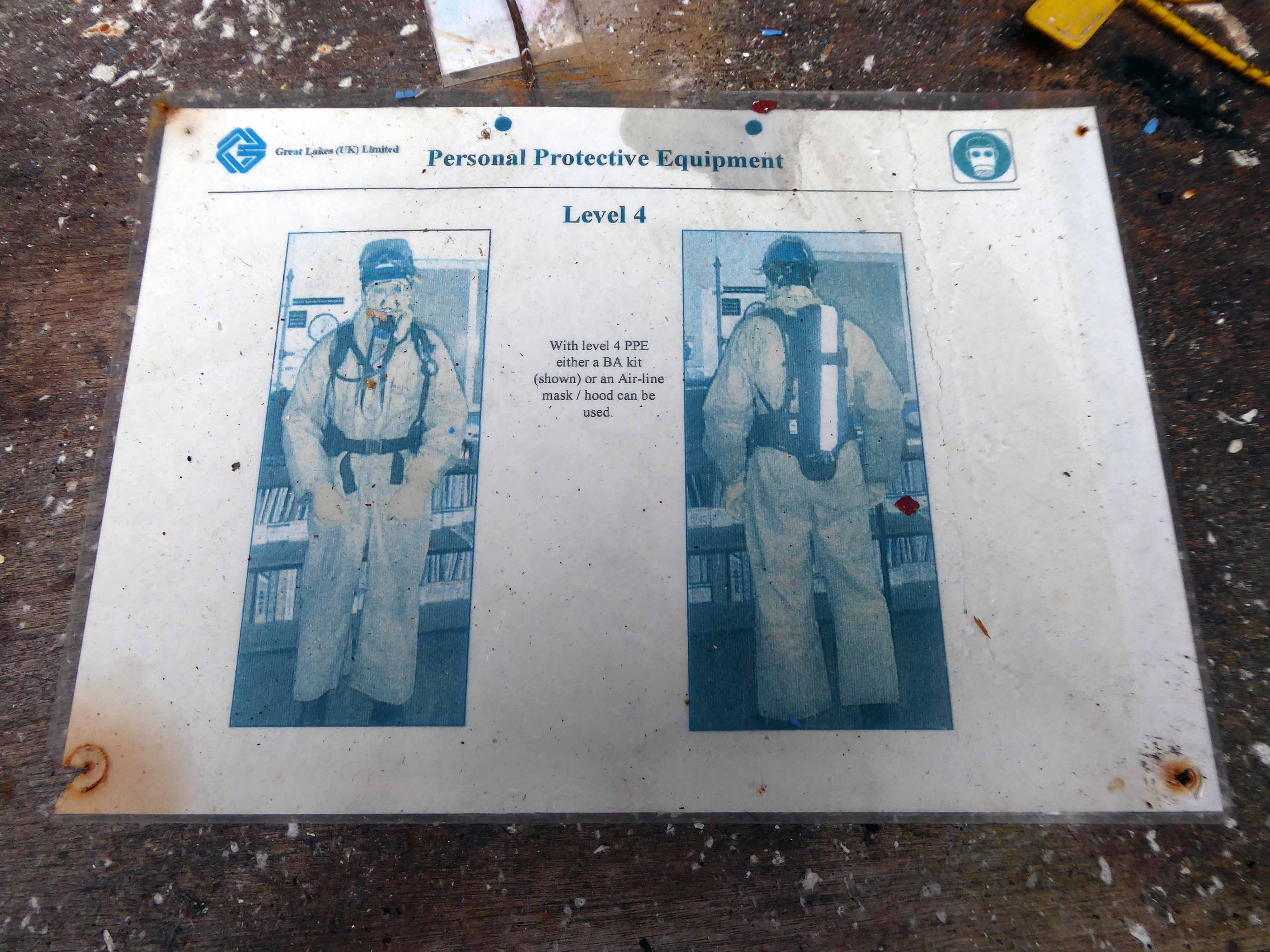
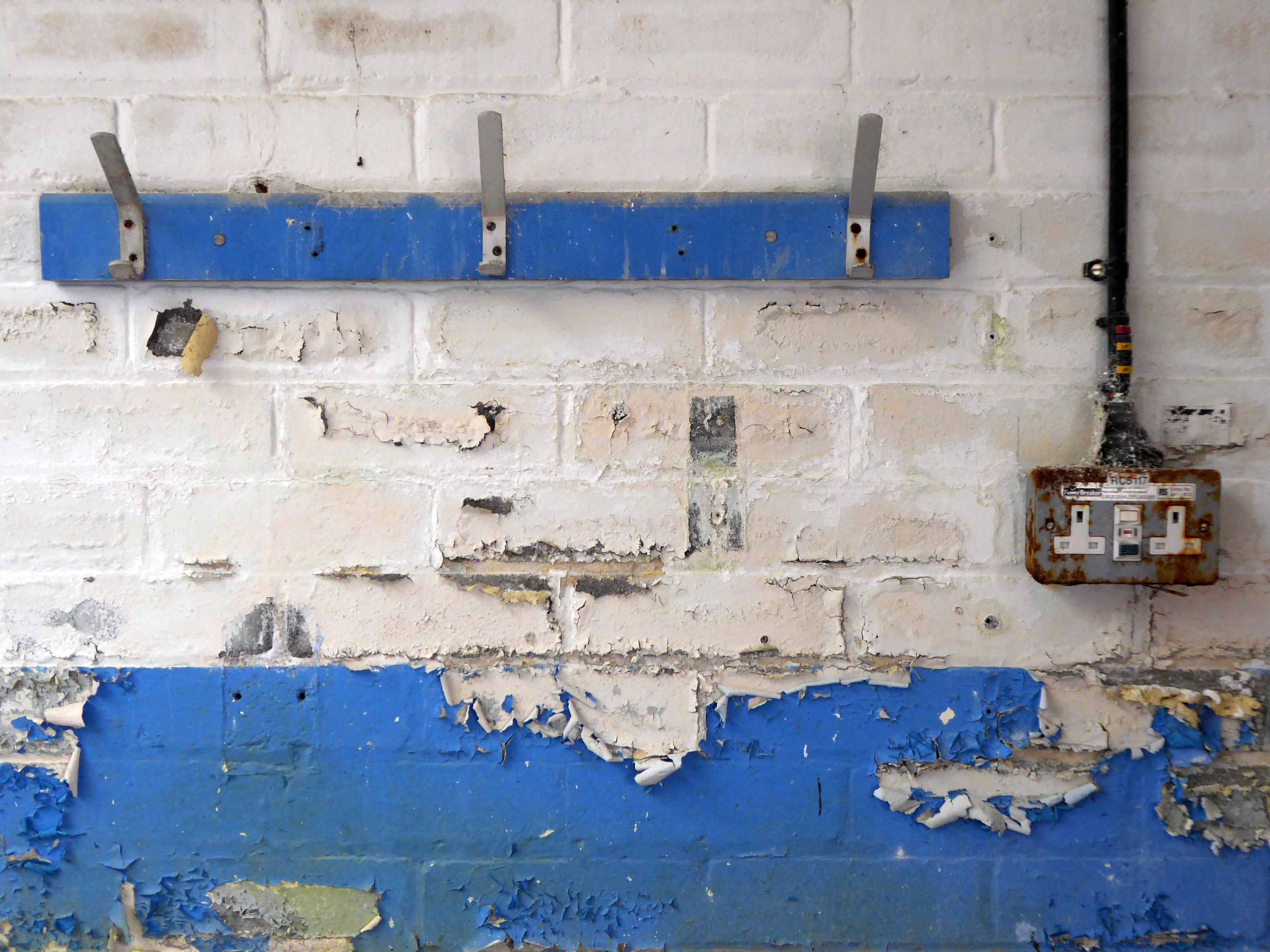
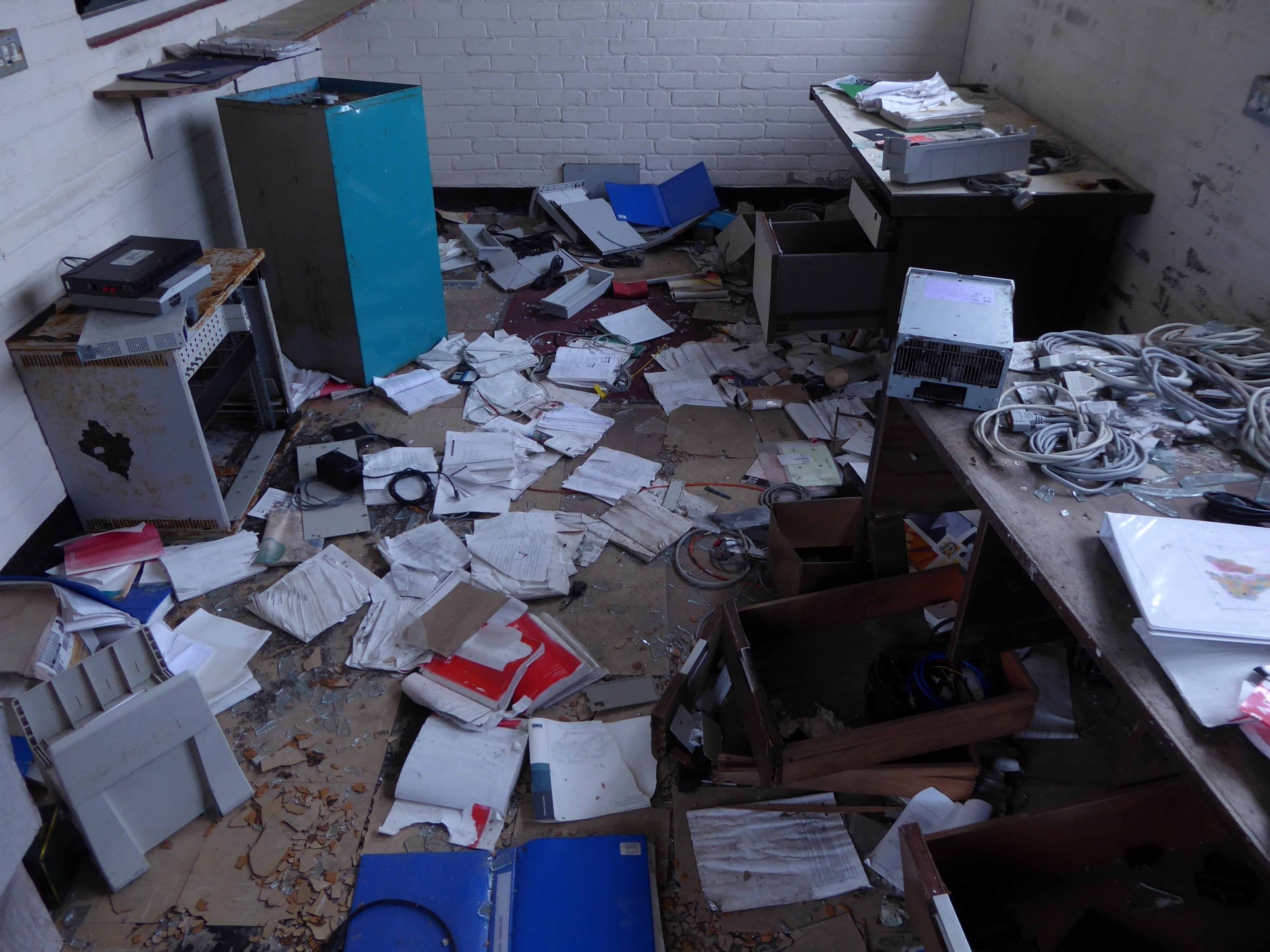
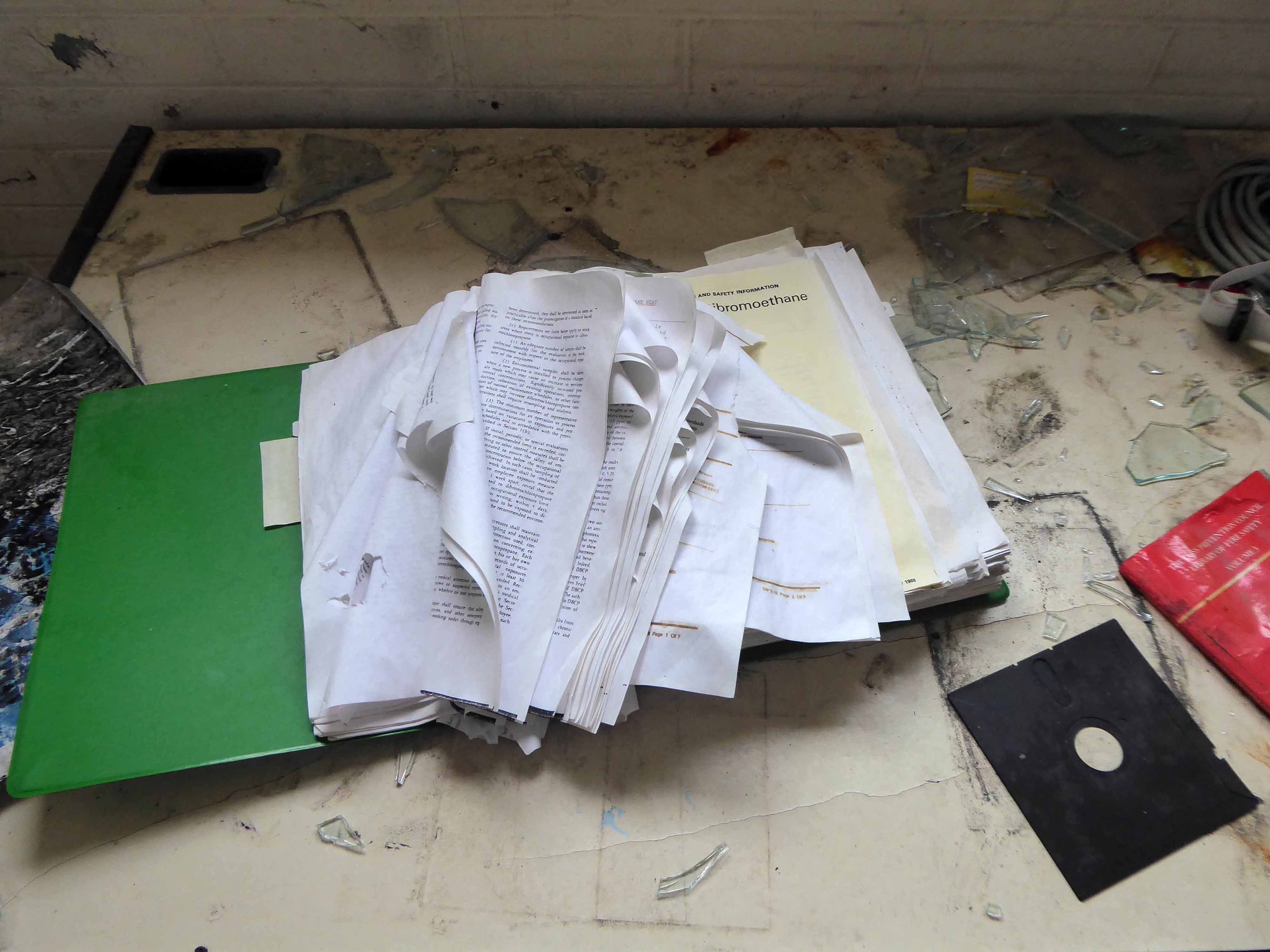
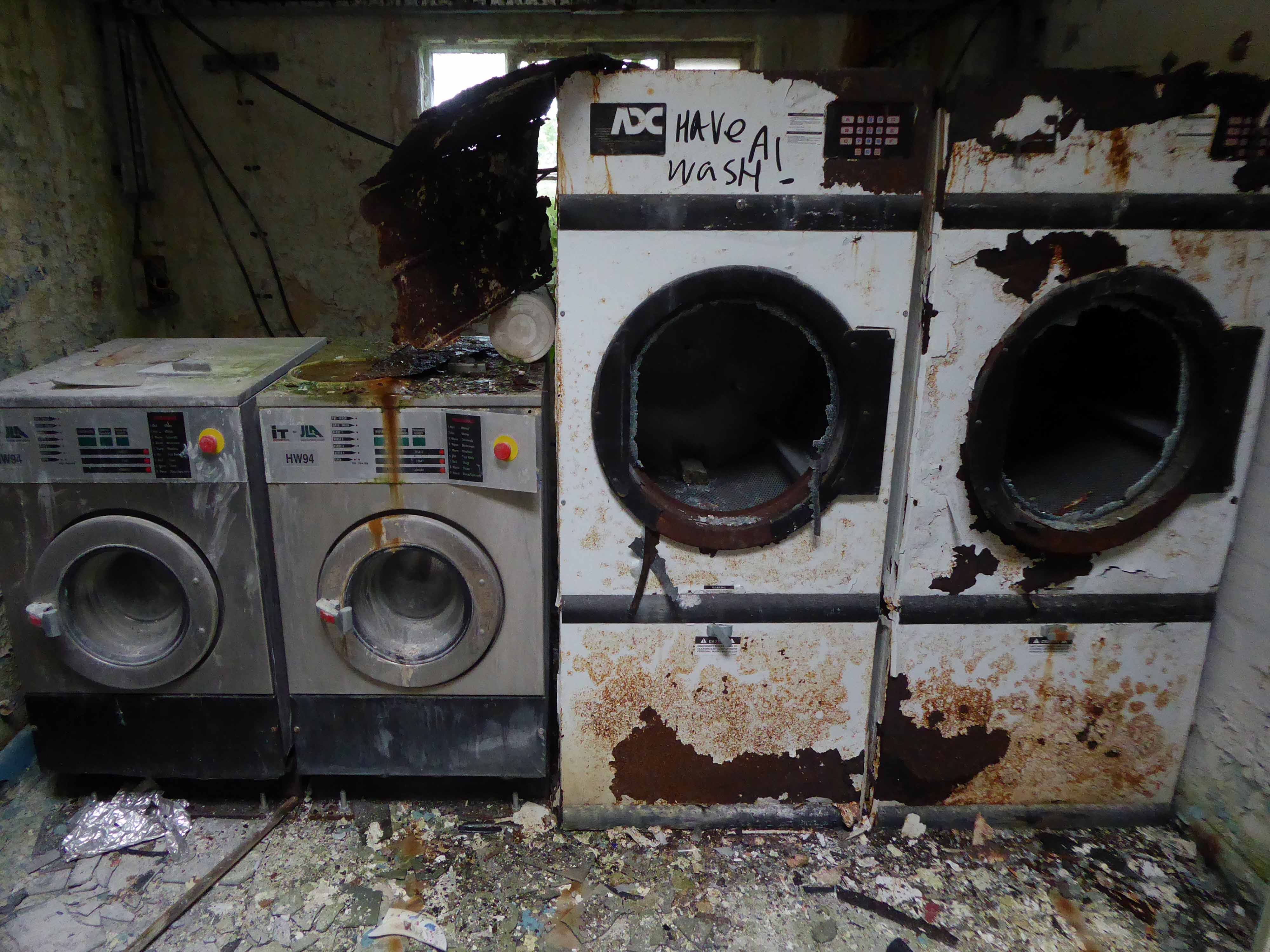
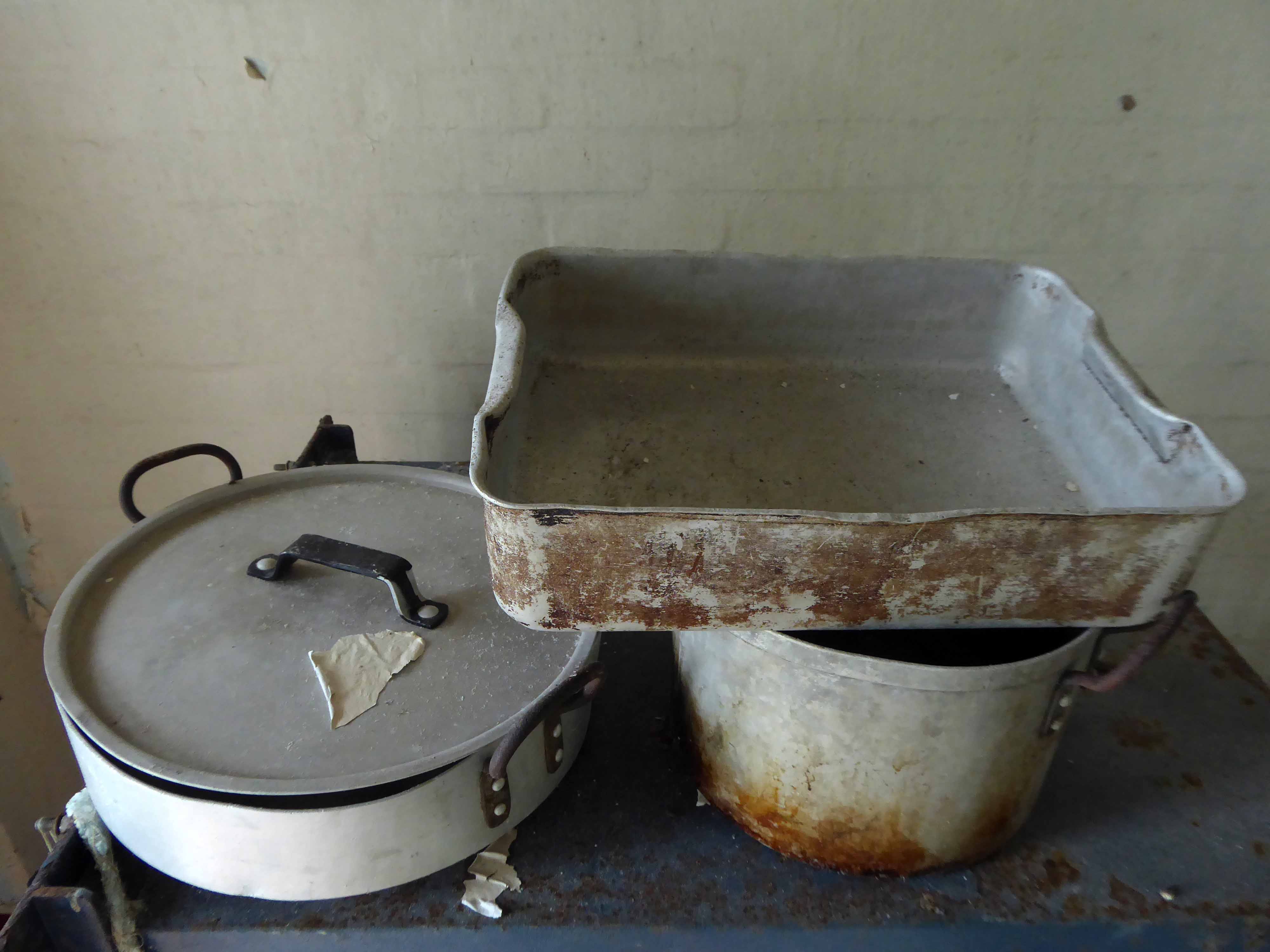
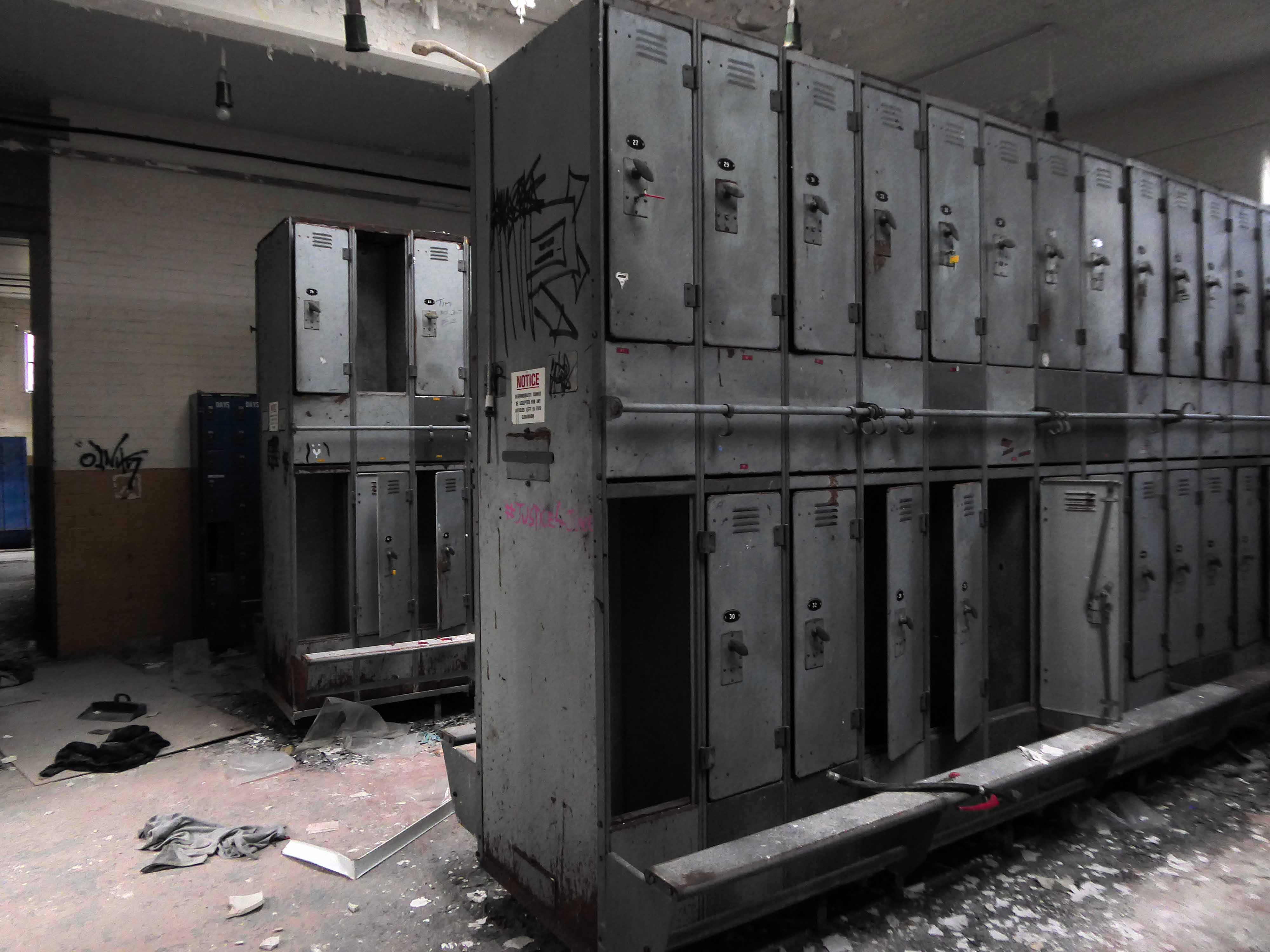
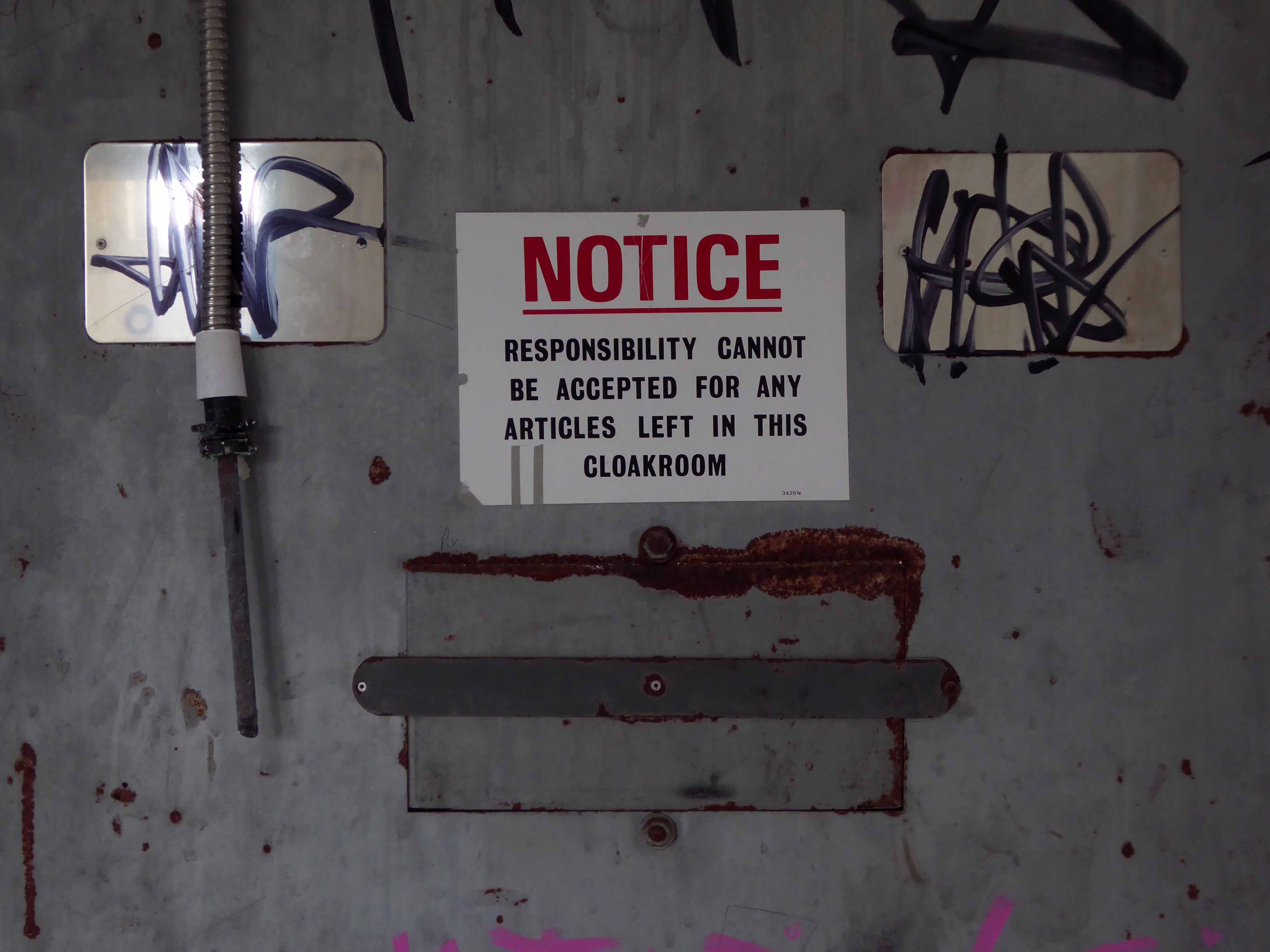
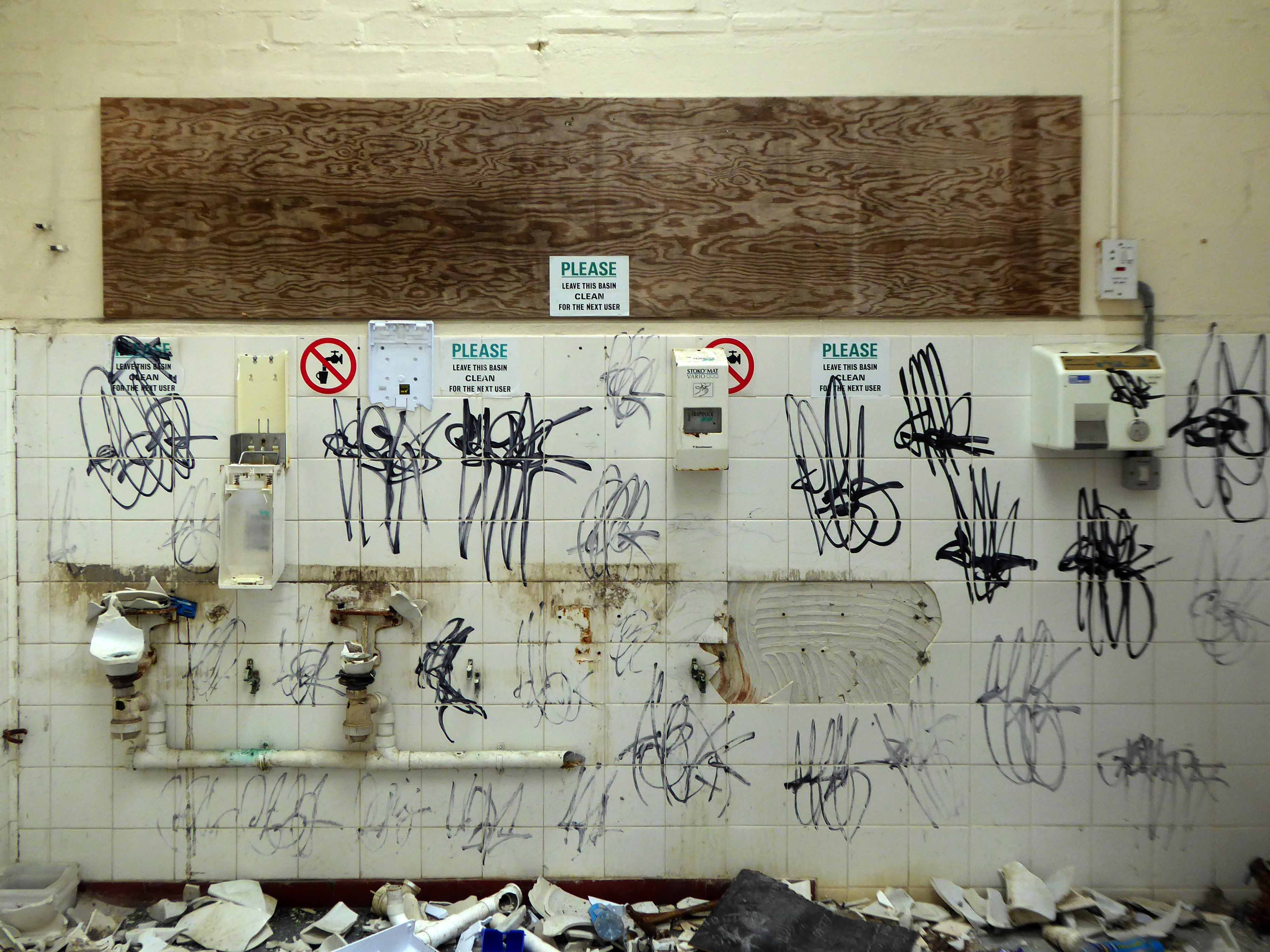
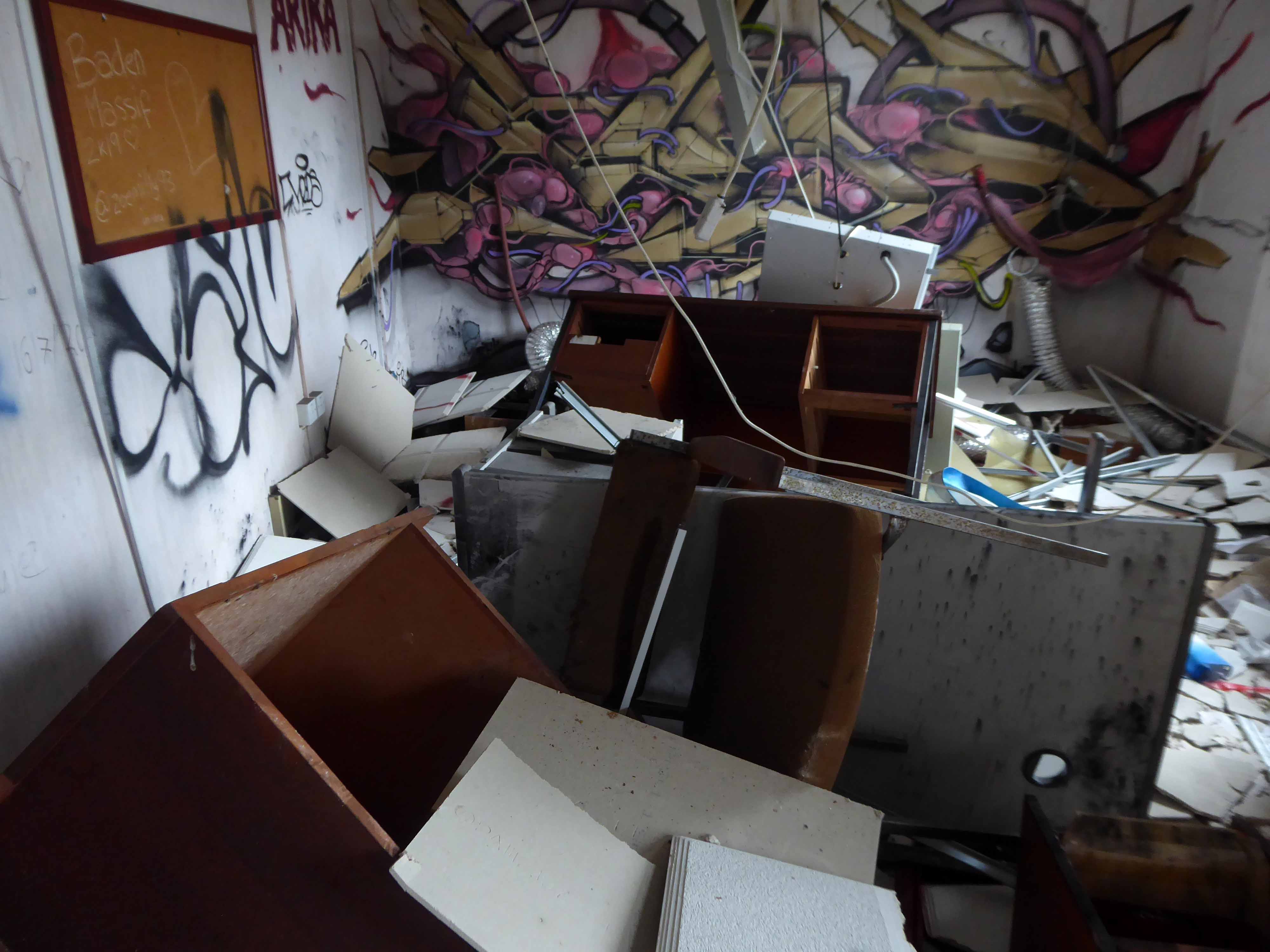
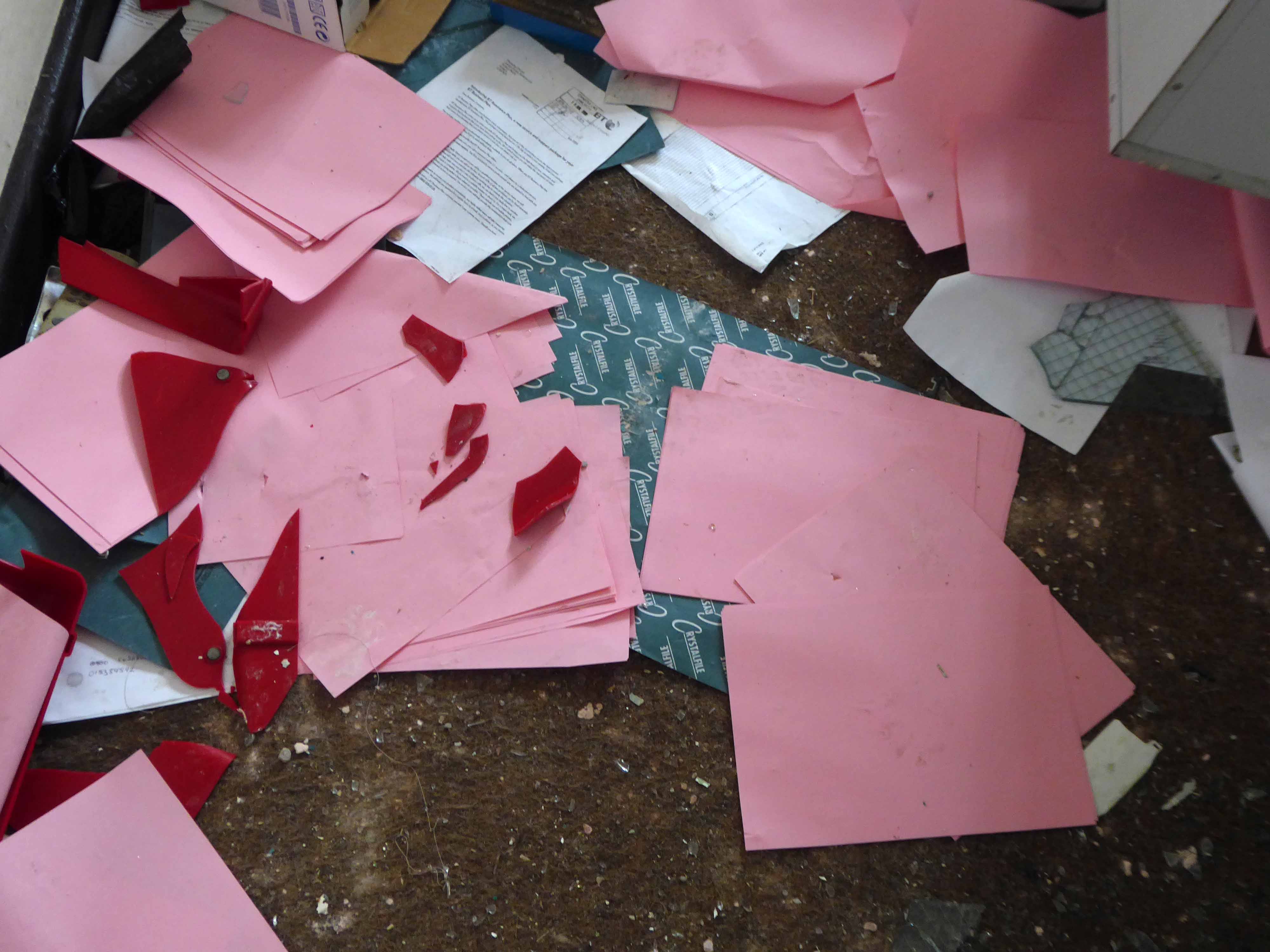
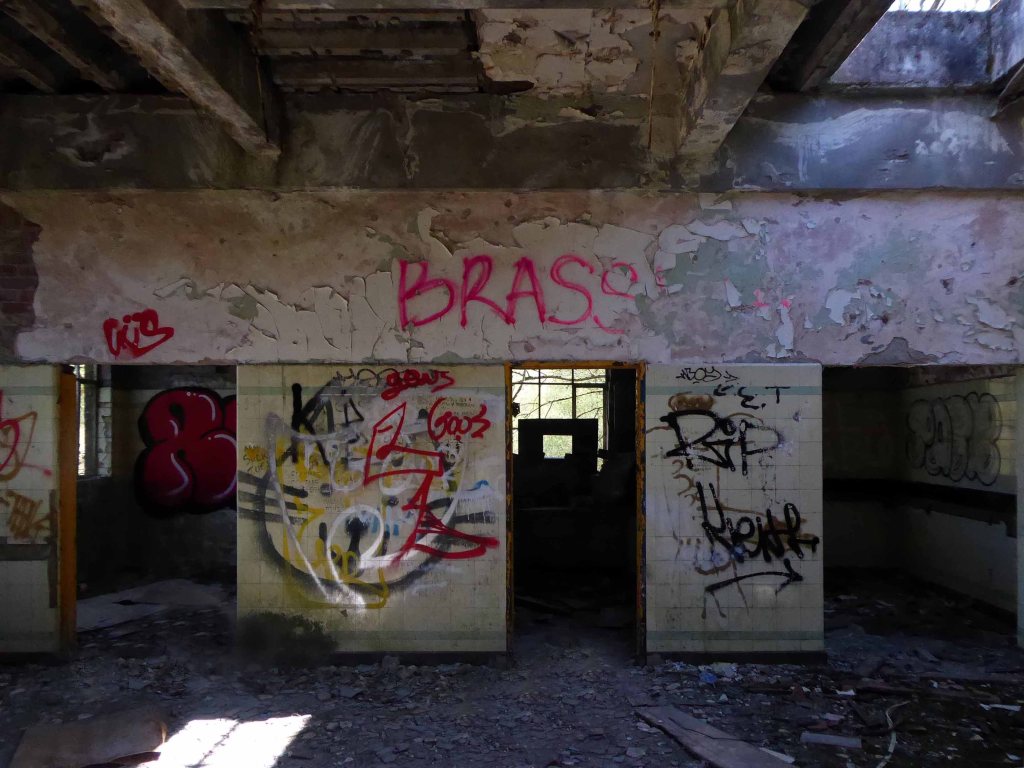
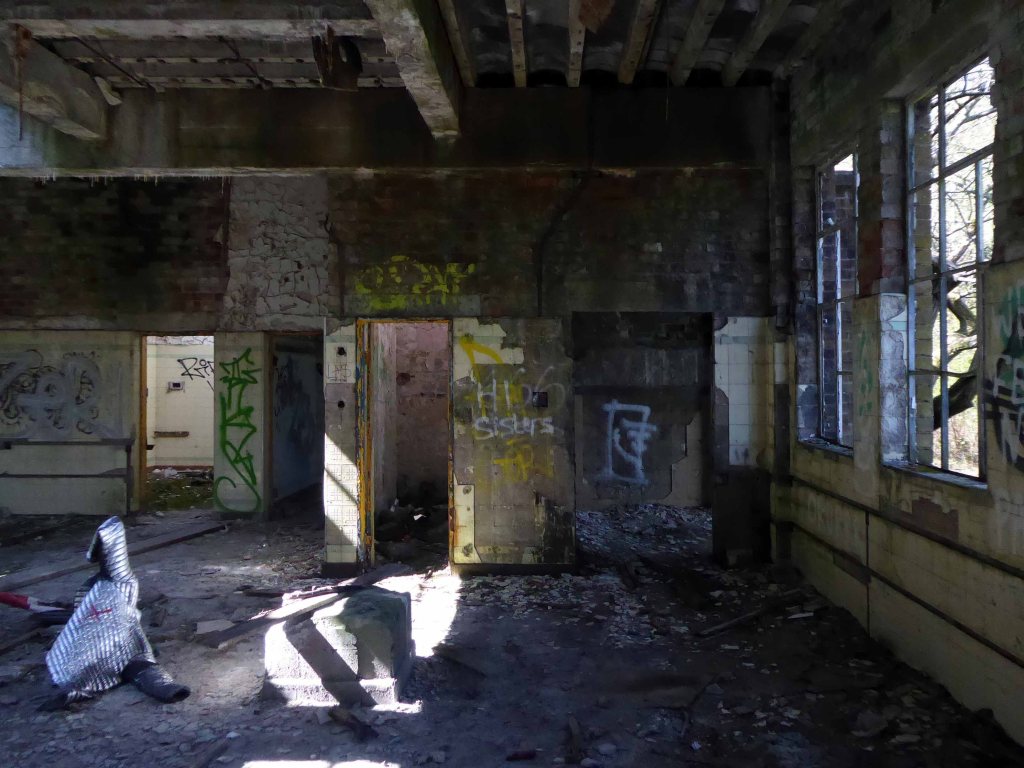
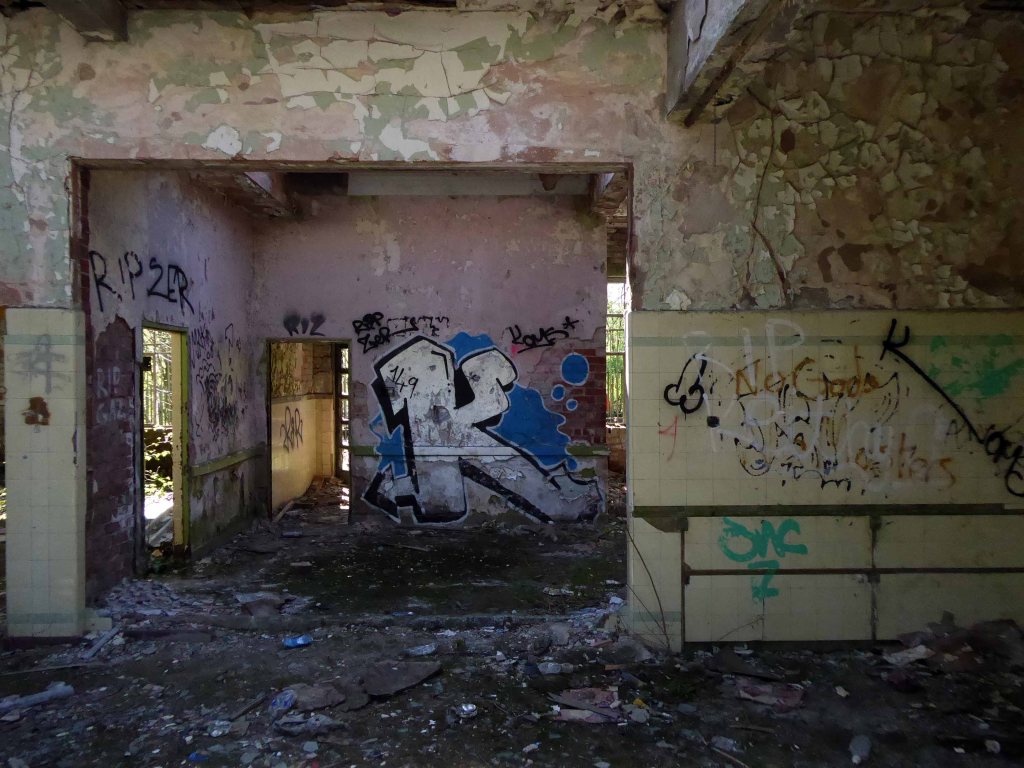
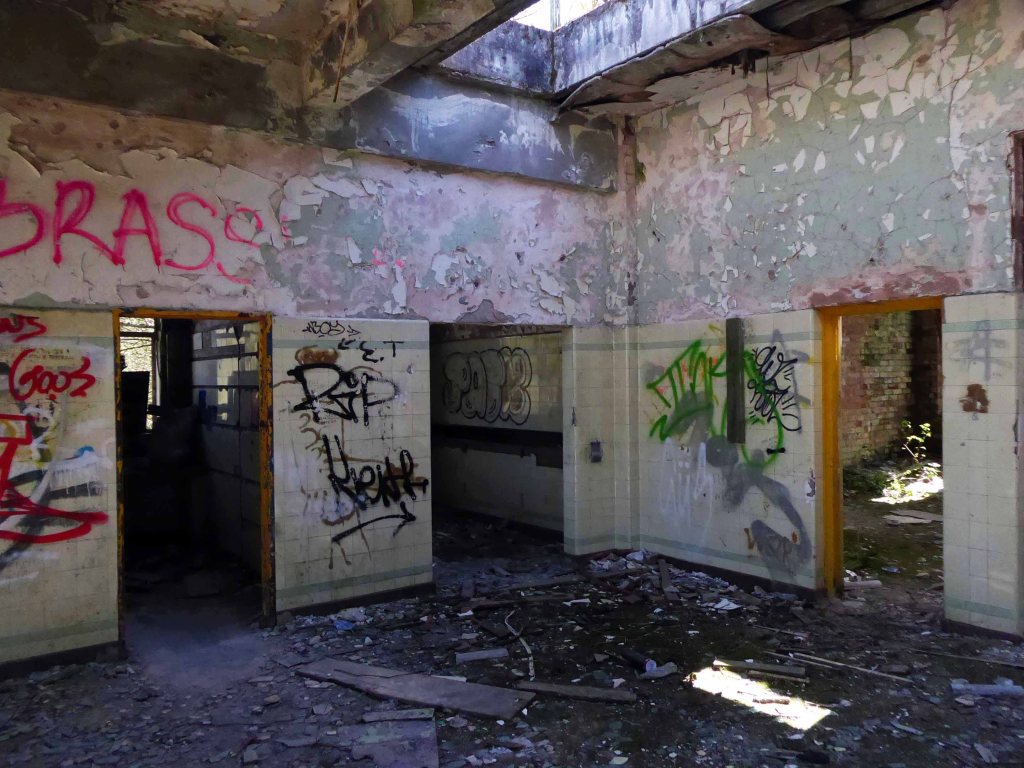
They are now but fleeting shadows, their documents strewn across upturned furniture, empty lockers their standing open and untended, laboratories whose processes have ceased. A chaotic canteen with no-one to cook for, unsafe safety suits and unwashed washrooms.
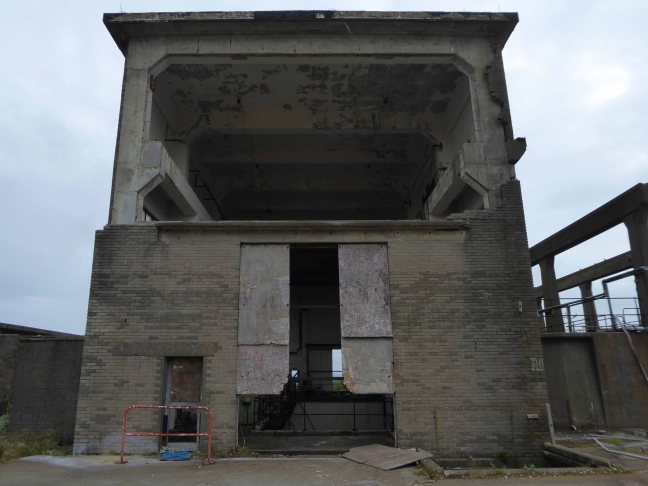
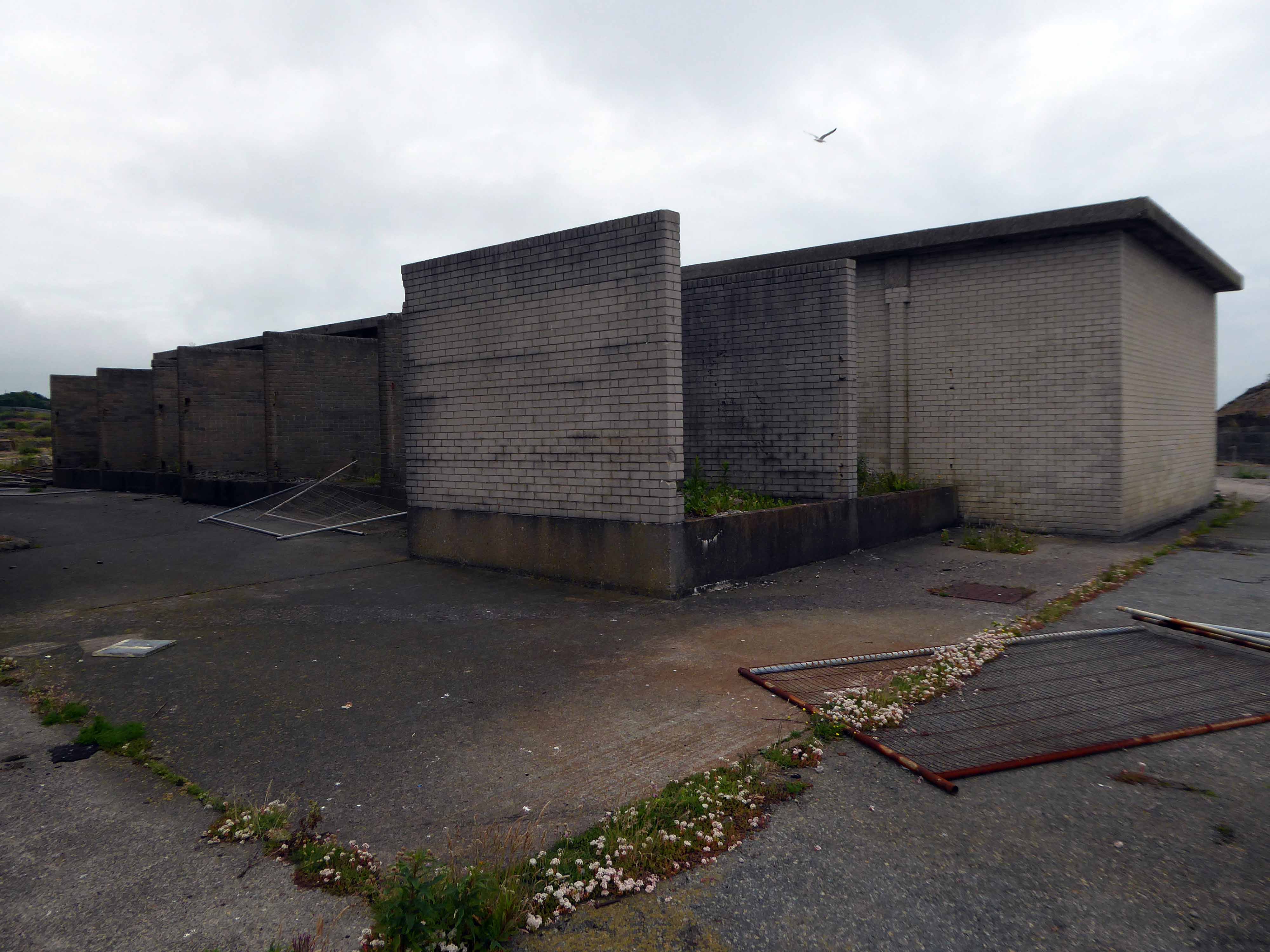
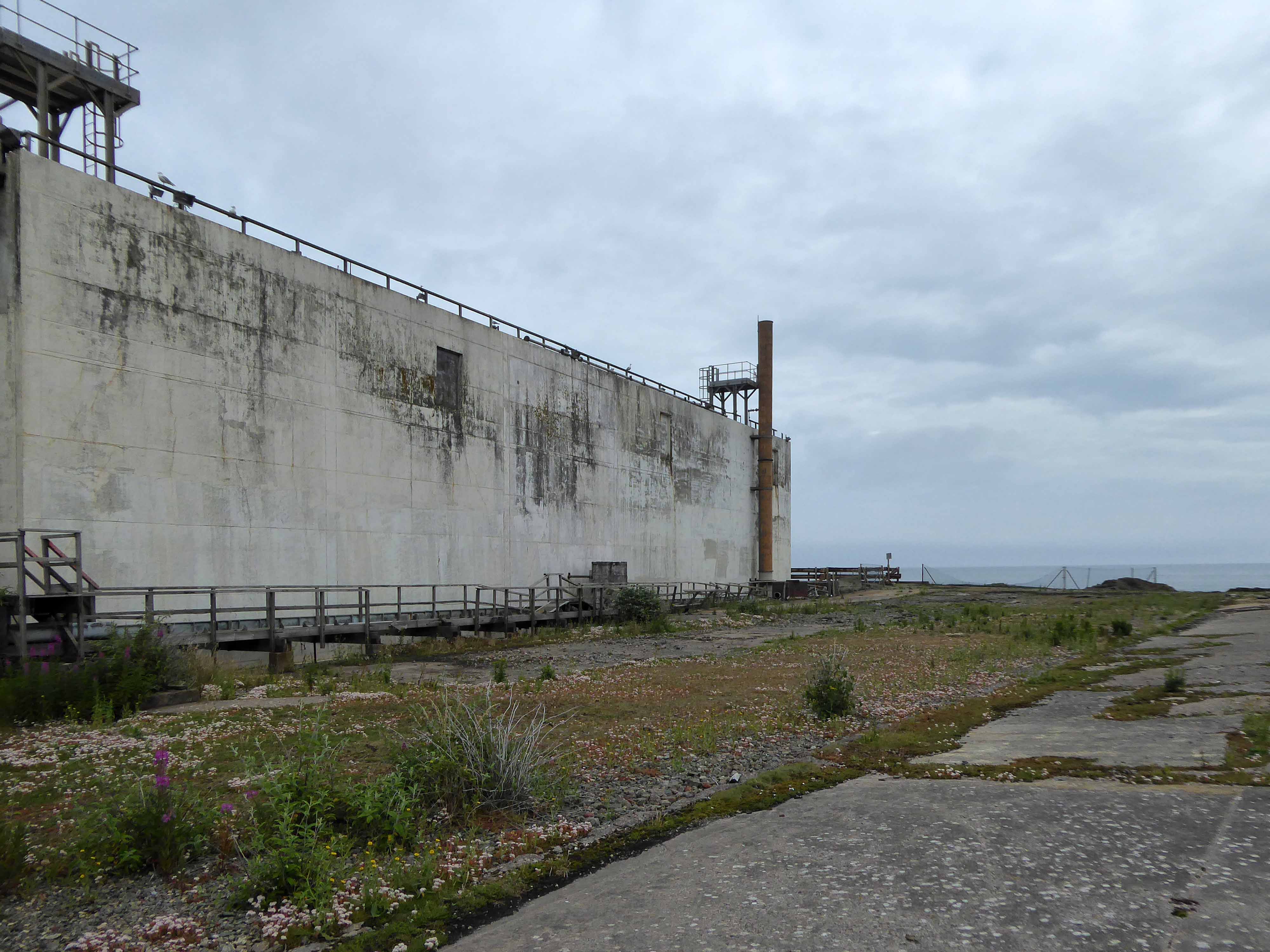
We have taken a trip around the extant exteriors of the processing plant.
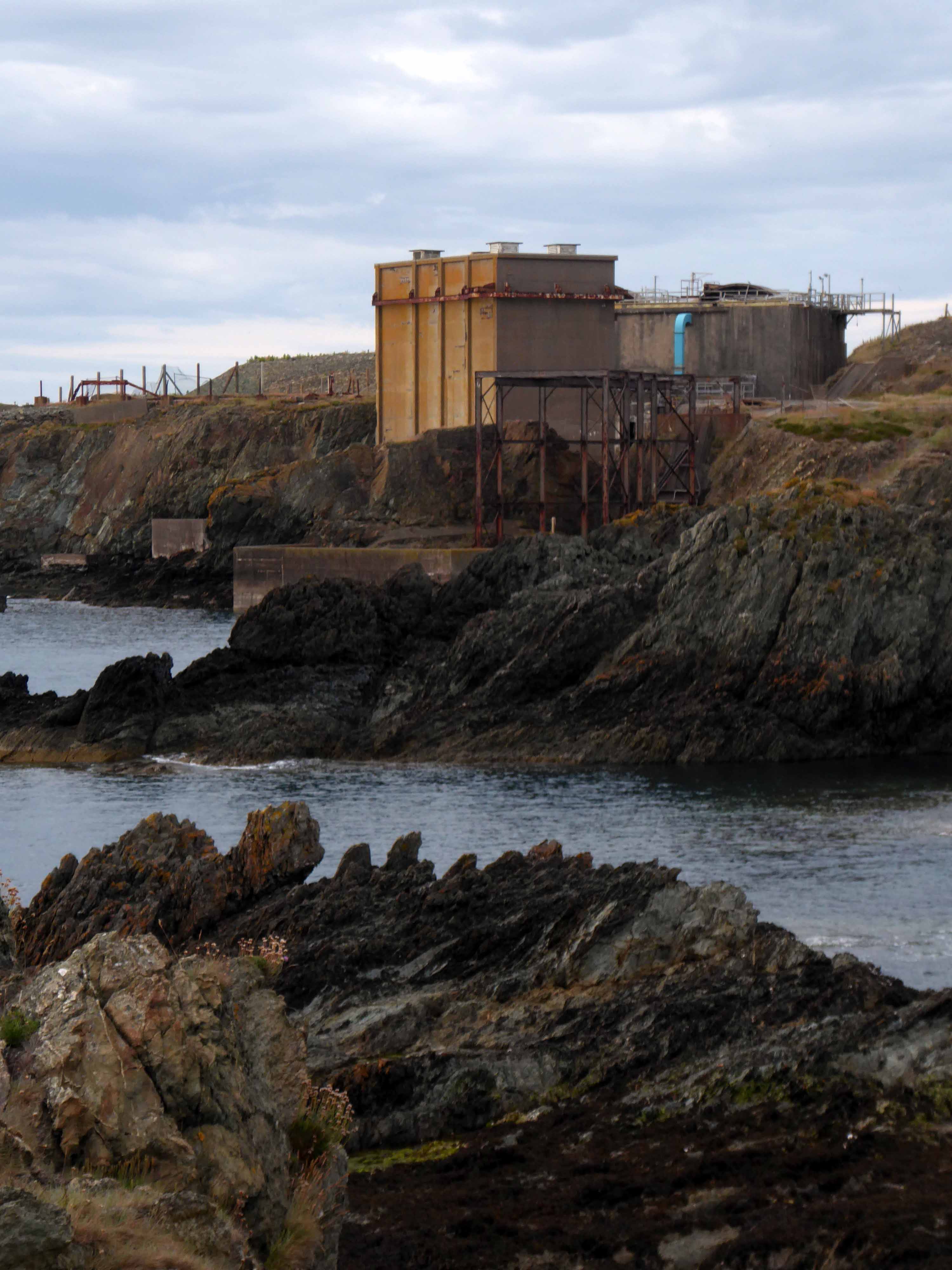
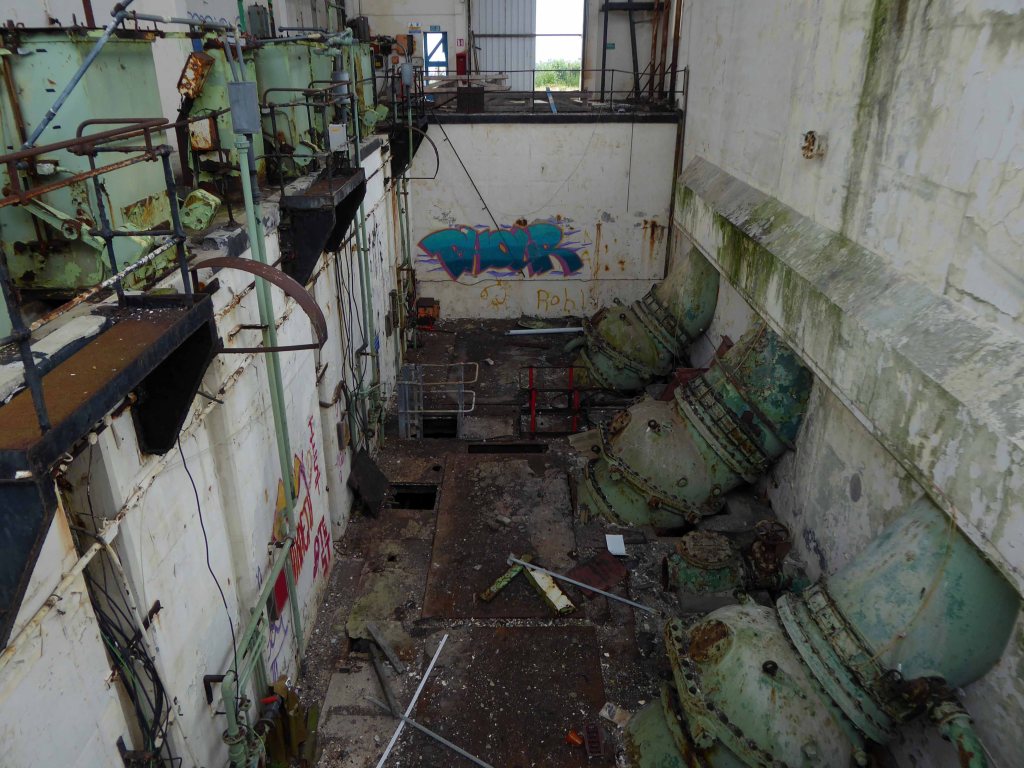
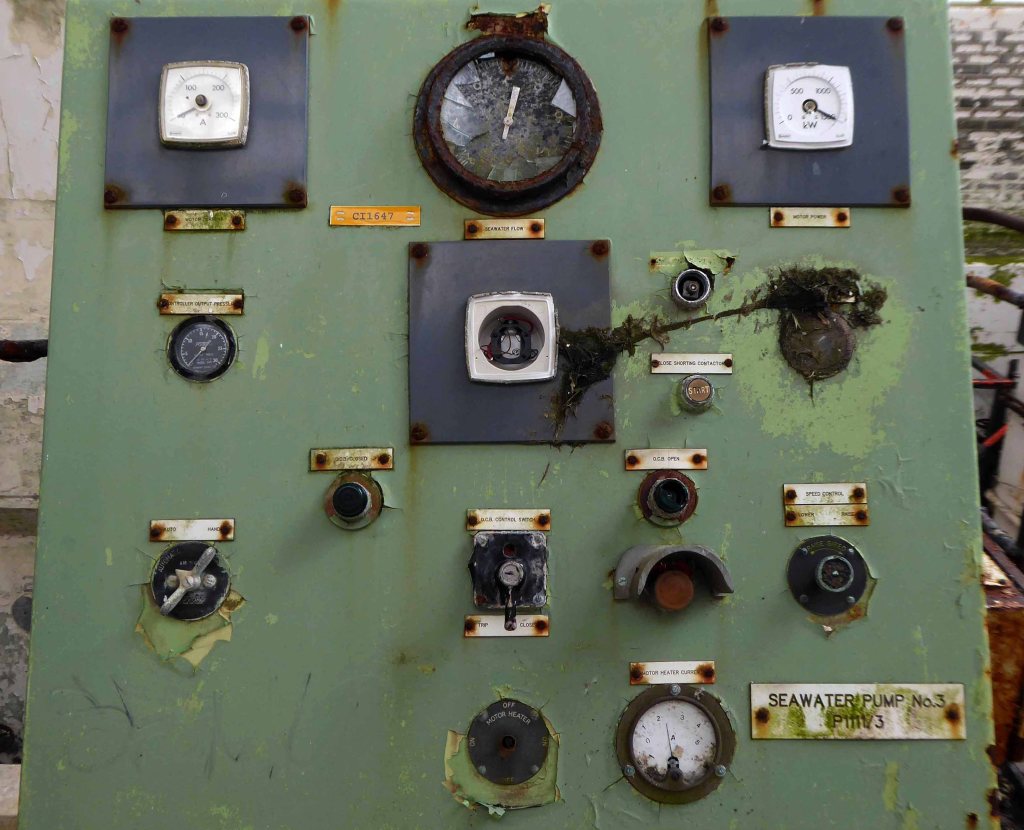
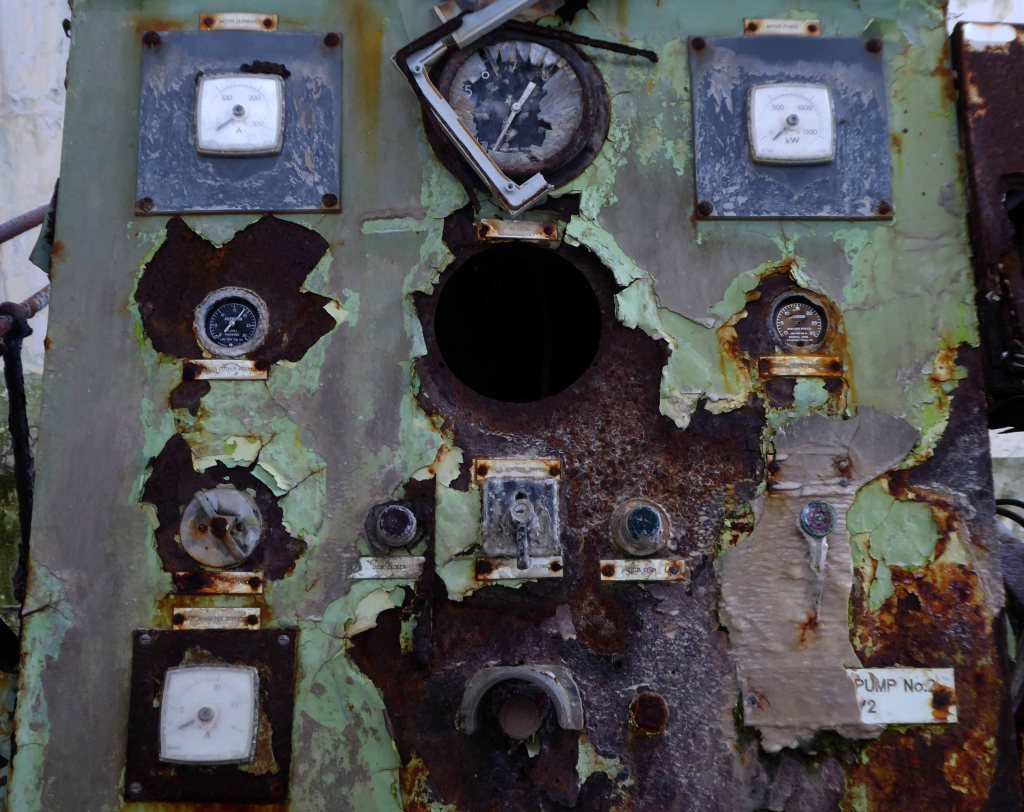
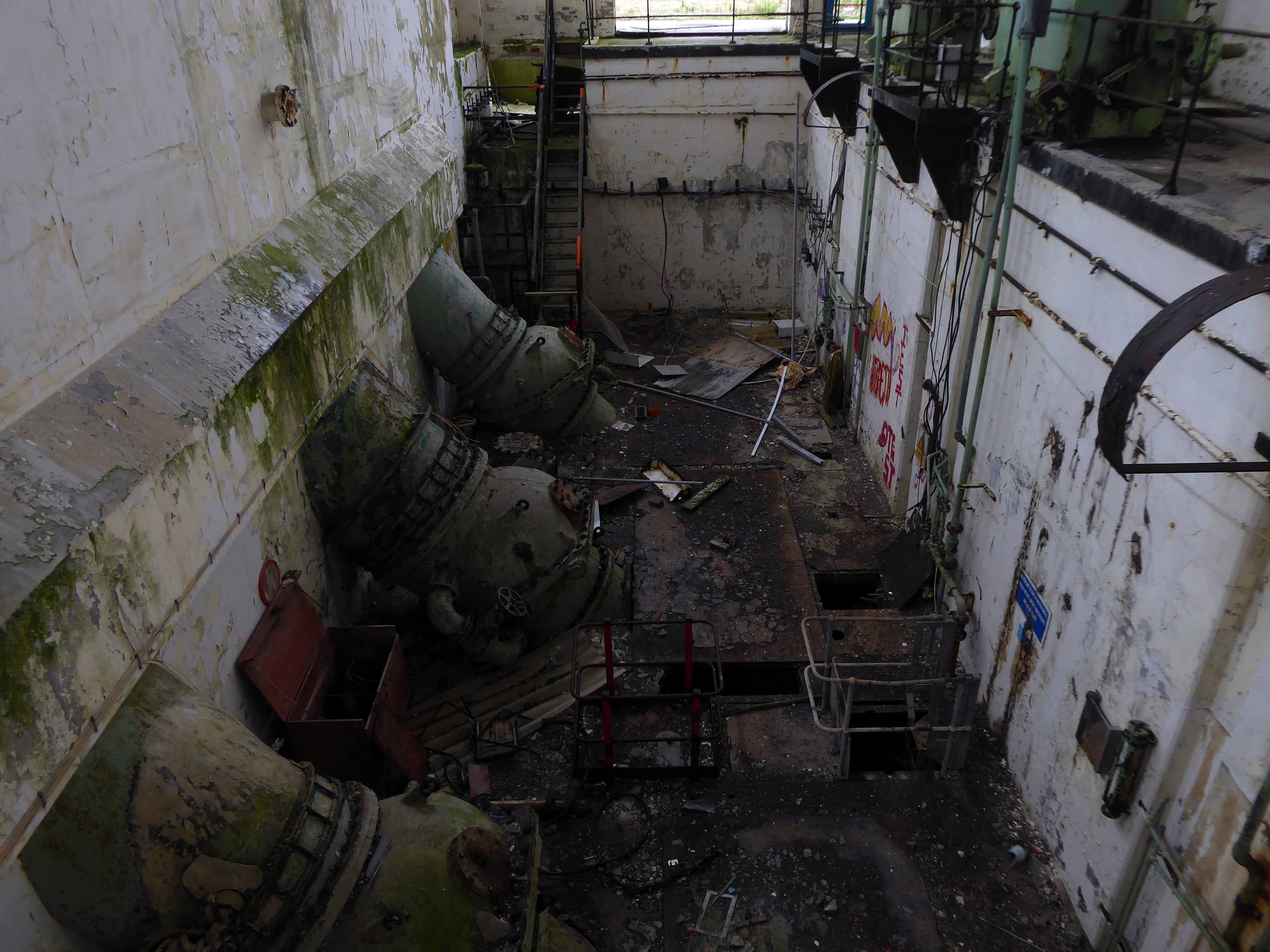
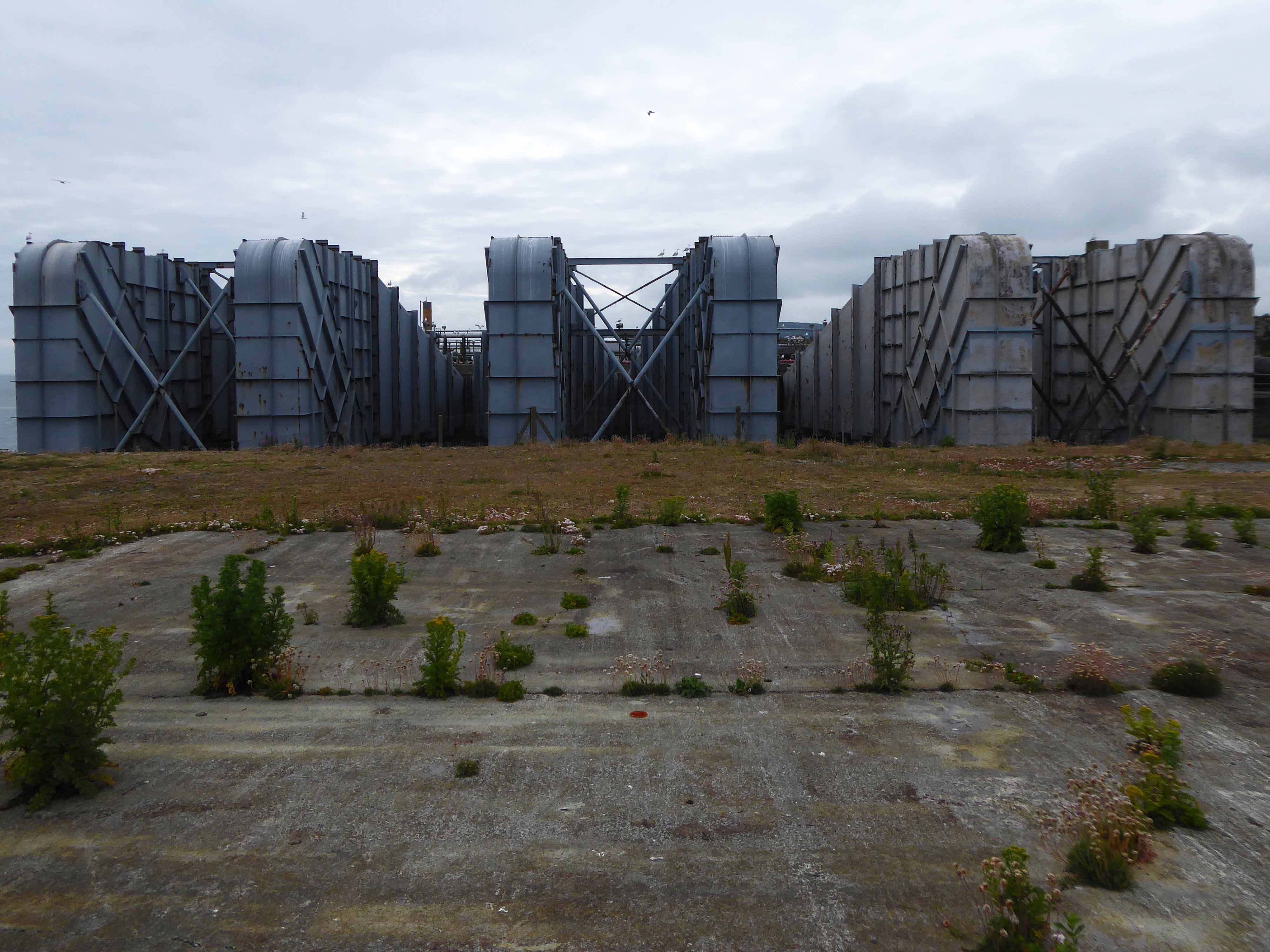
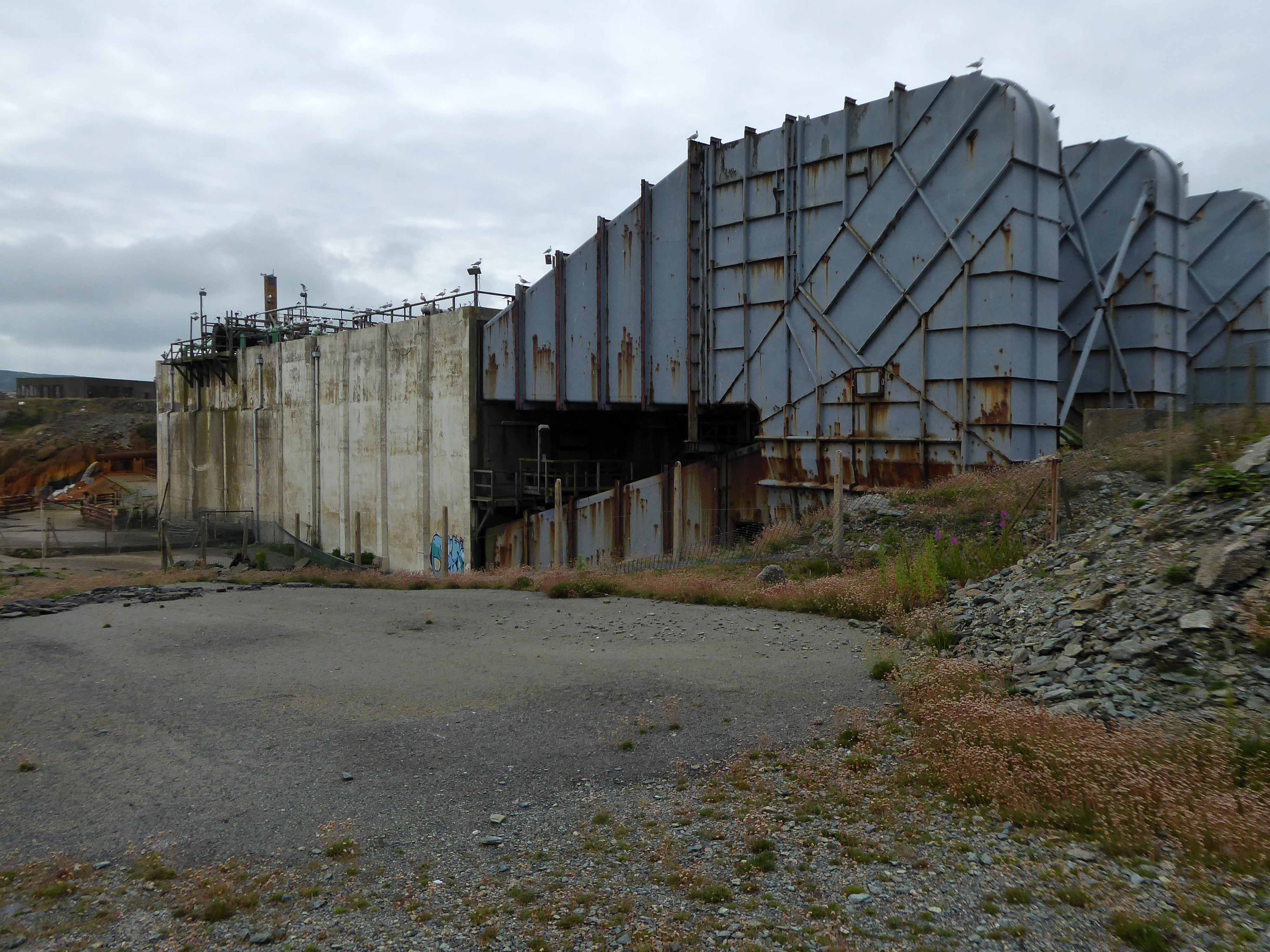
Now let’s turn our attention toward the epic infrastructure which extracted and pumped seawater.
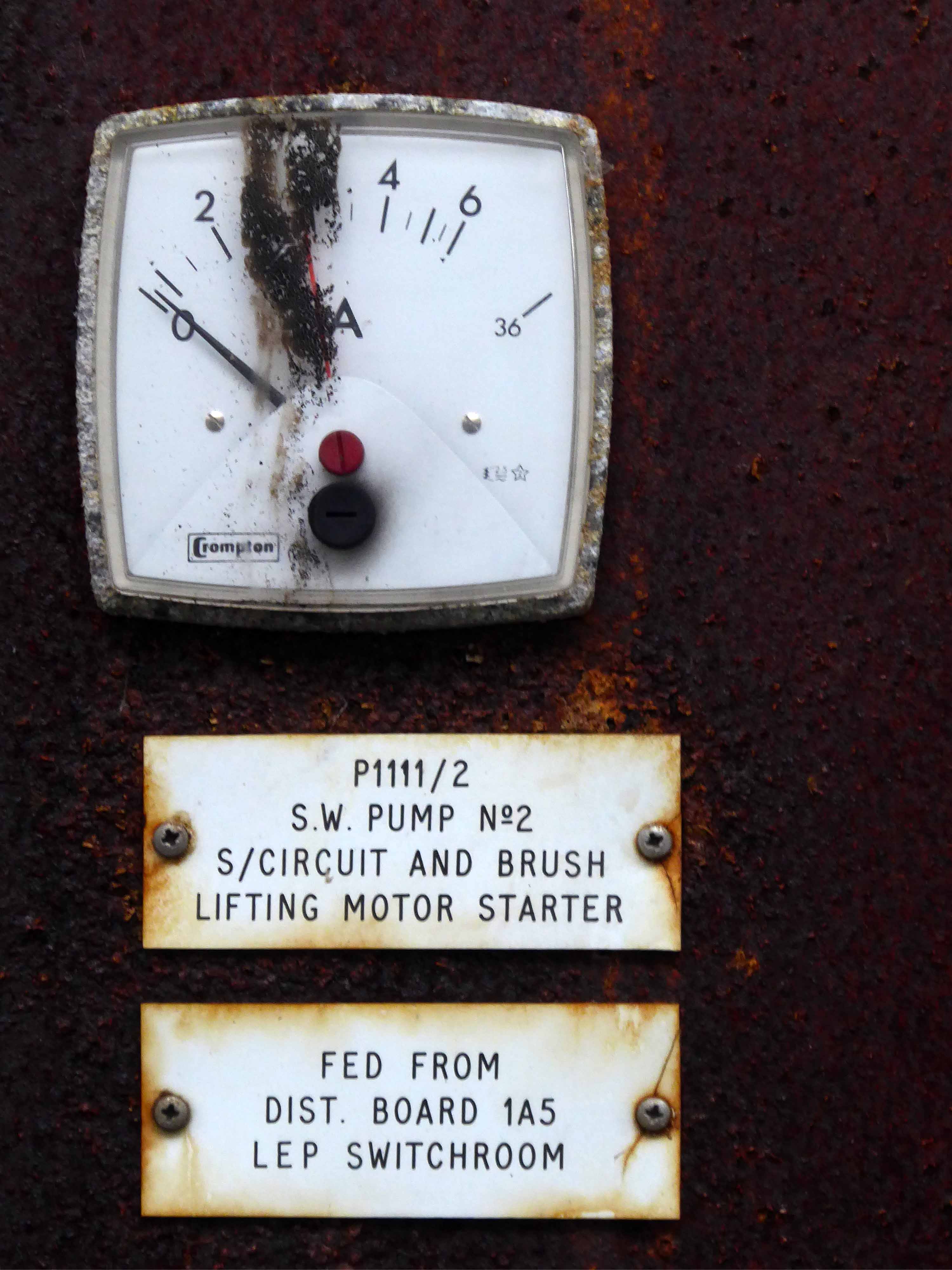
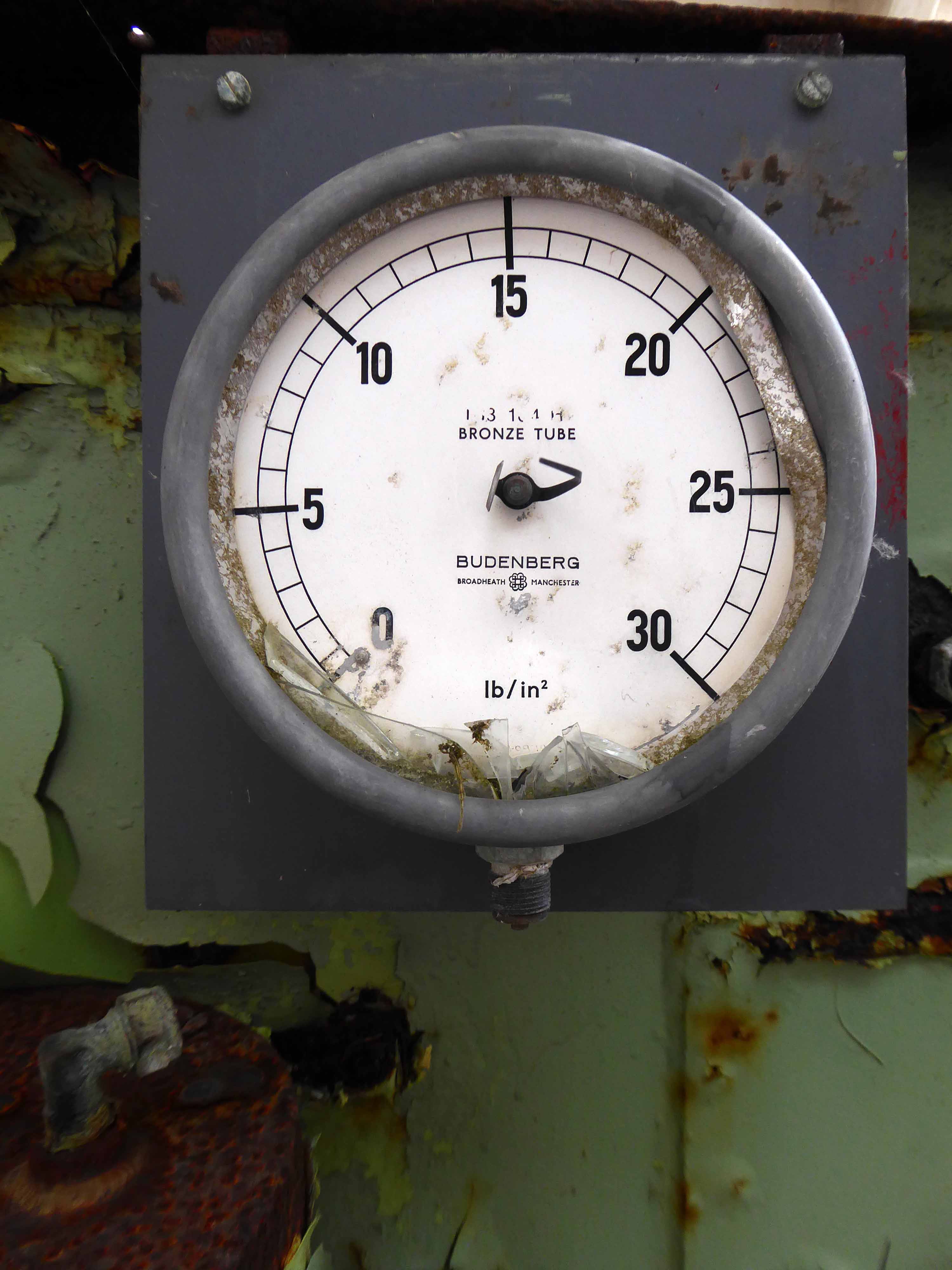
Sea water is sucked in and then lifted 50ft into sea water ponds by huge pumps where any debris is removed. It is then passed to the seawater main where chlorine and dilute sulphuric acid are added which releases the bromine. It is literally blown out of the water. This water is passed into the top of a tower where it drops over 20ft through the packed section of the tower. There it is met by currents of air travelling upwards. Where it meets these air currents the bromine gets stripped out the water, which is returned to the sea. Whilst the wet bromine laden air passes from the top of the tower to be treated with sulphur dioxide and water. This produces mists of hydrobromic and sulphuric acids.
This mist passes into an absorber, and the acid coalesces. From here, it blows to a collecting tank. The bromine free air returns to the blowing out tower and the cycle begins again. The acidic product is referred to as primary acid liquor. This is now pumped to the steaming out tower. It enters the top and is treated with chlorine and steam, which releases the bromine as vapour. It is then condensed to a liquid. The bulk of bromine goes to dibromoethane, whilst the remainder is sold or used to make other intermediates.
It takes about 22,000 tonnes of seawater to produce 1 tonne of bromine. Every minute 300,000 gallons of seawater are drawn in.
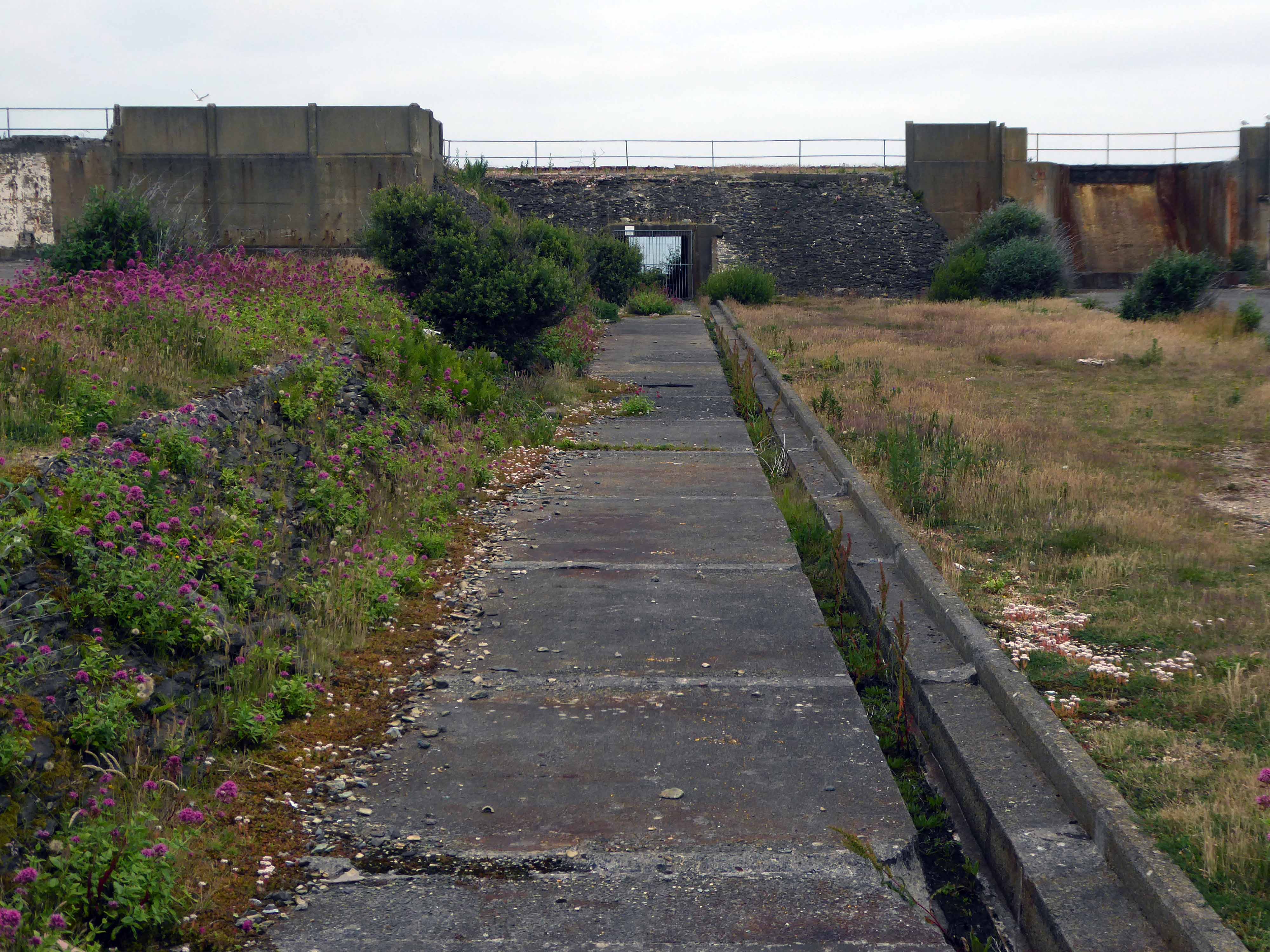
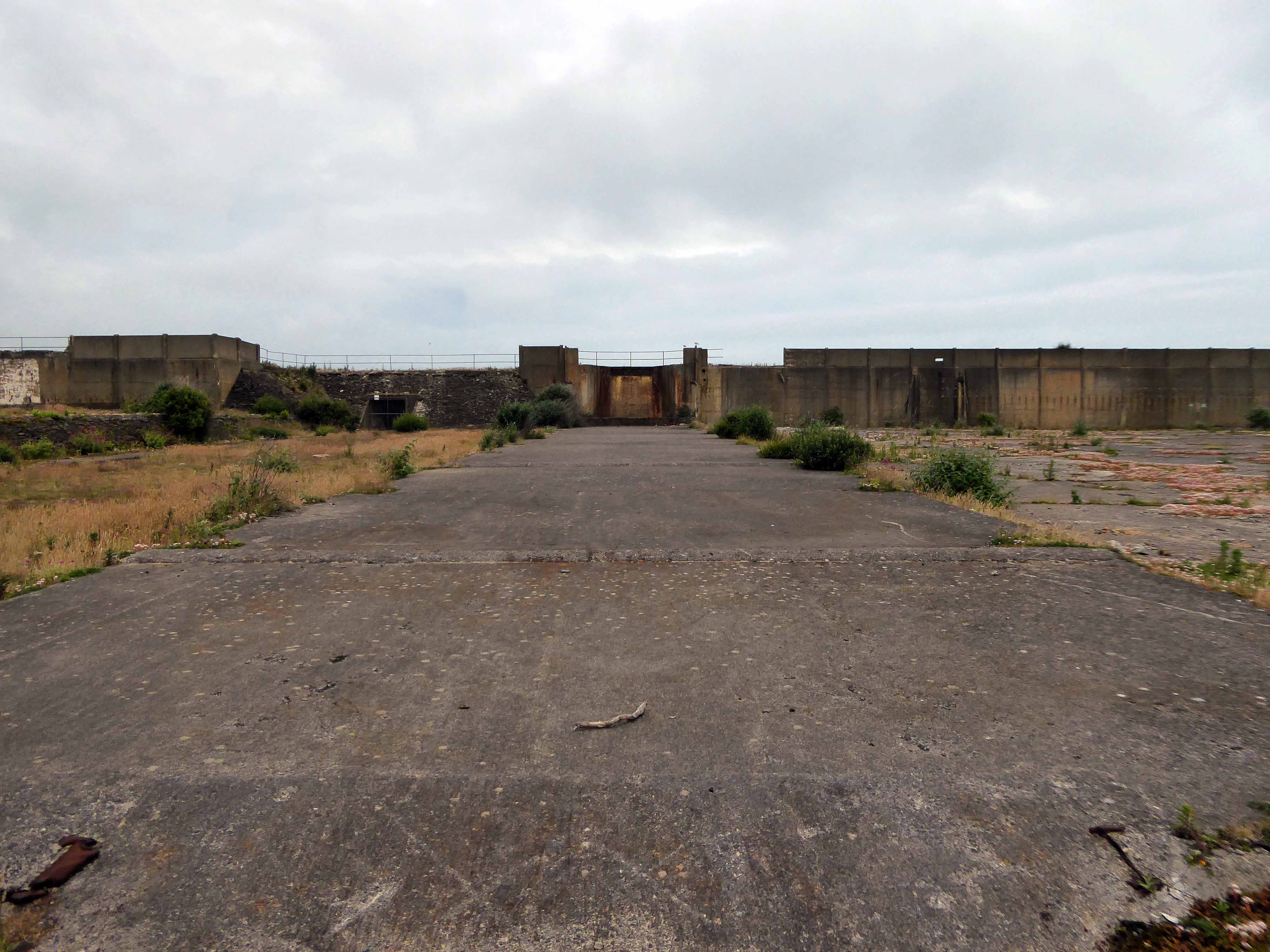
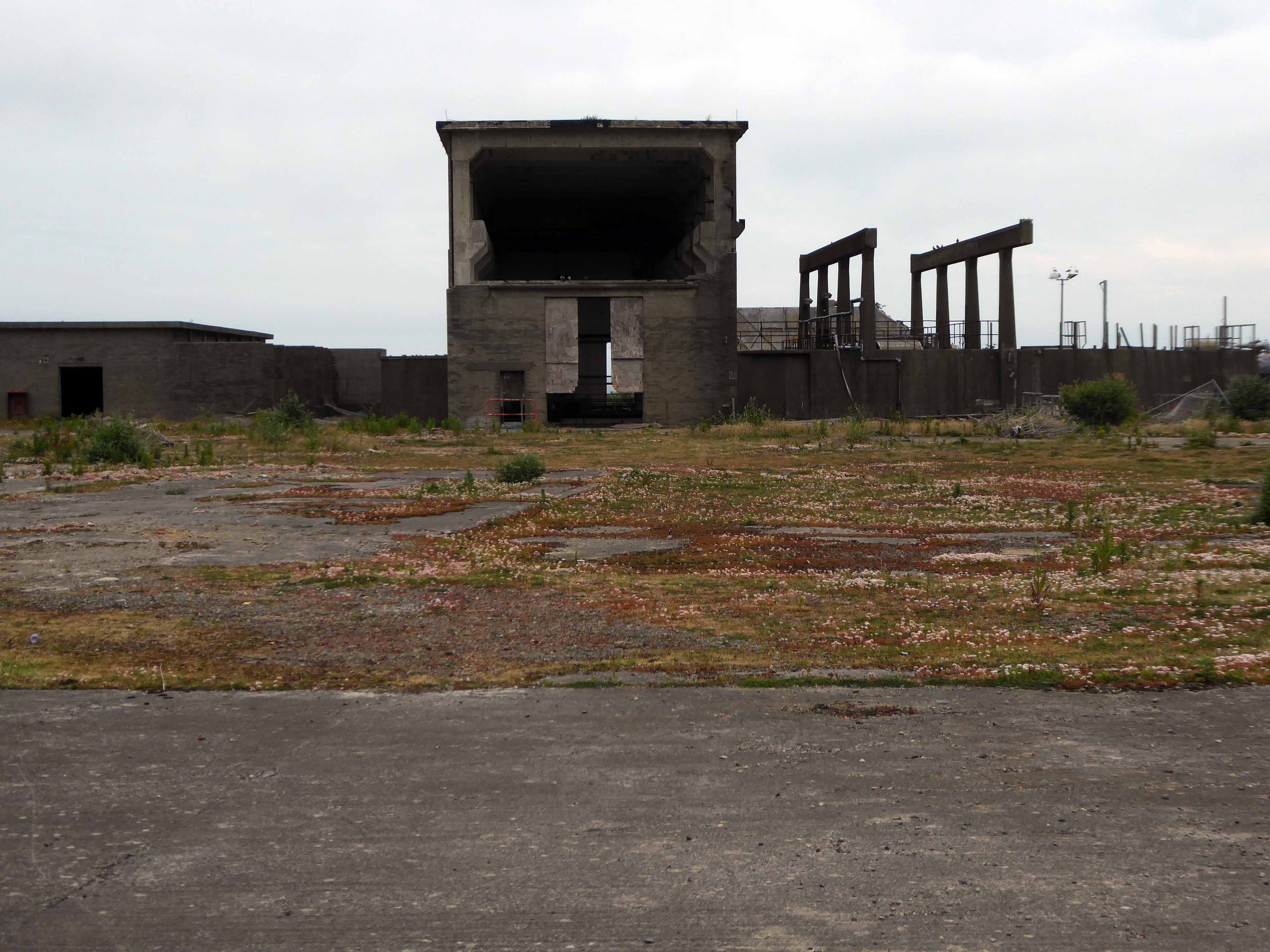
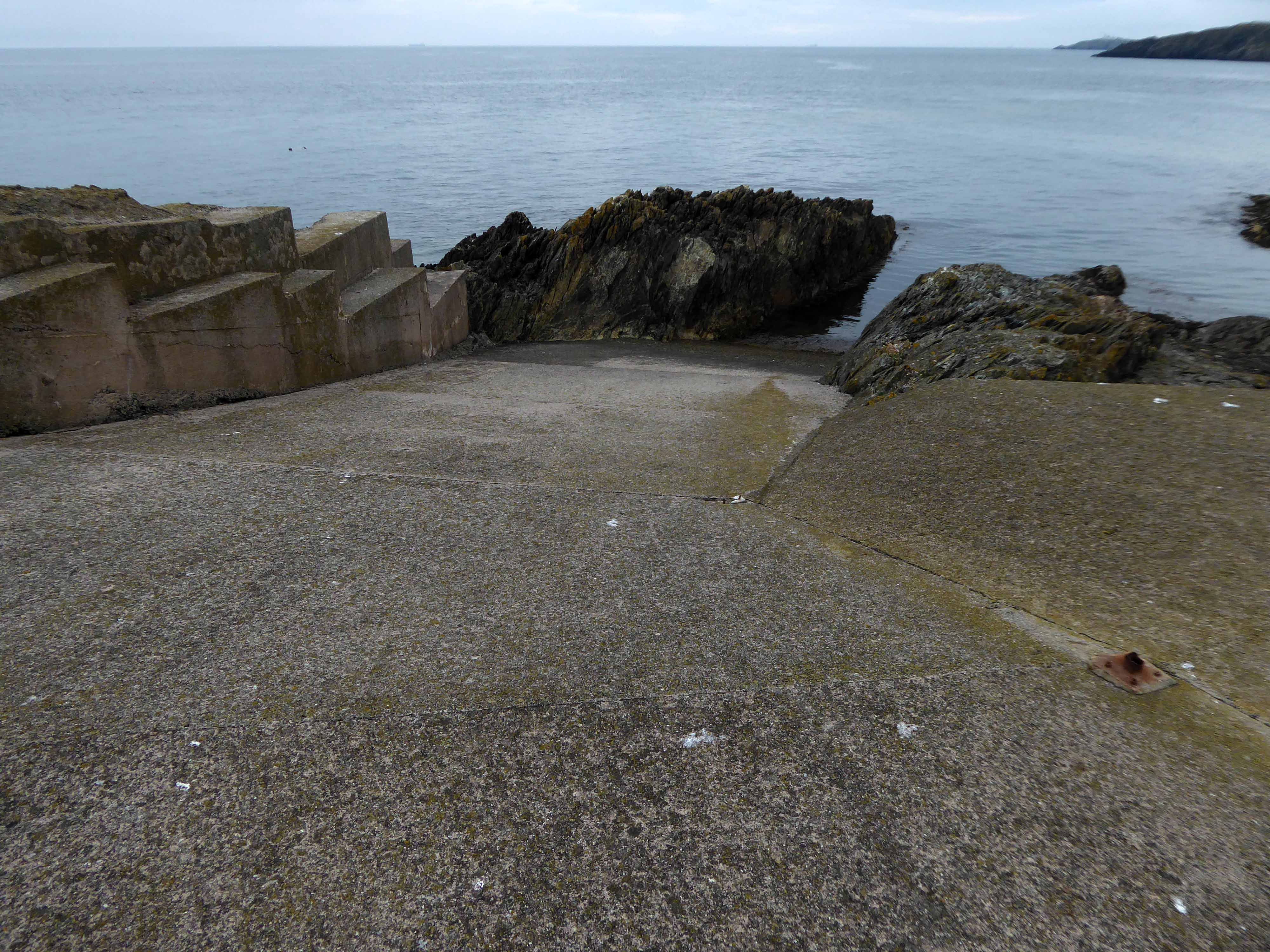
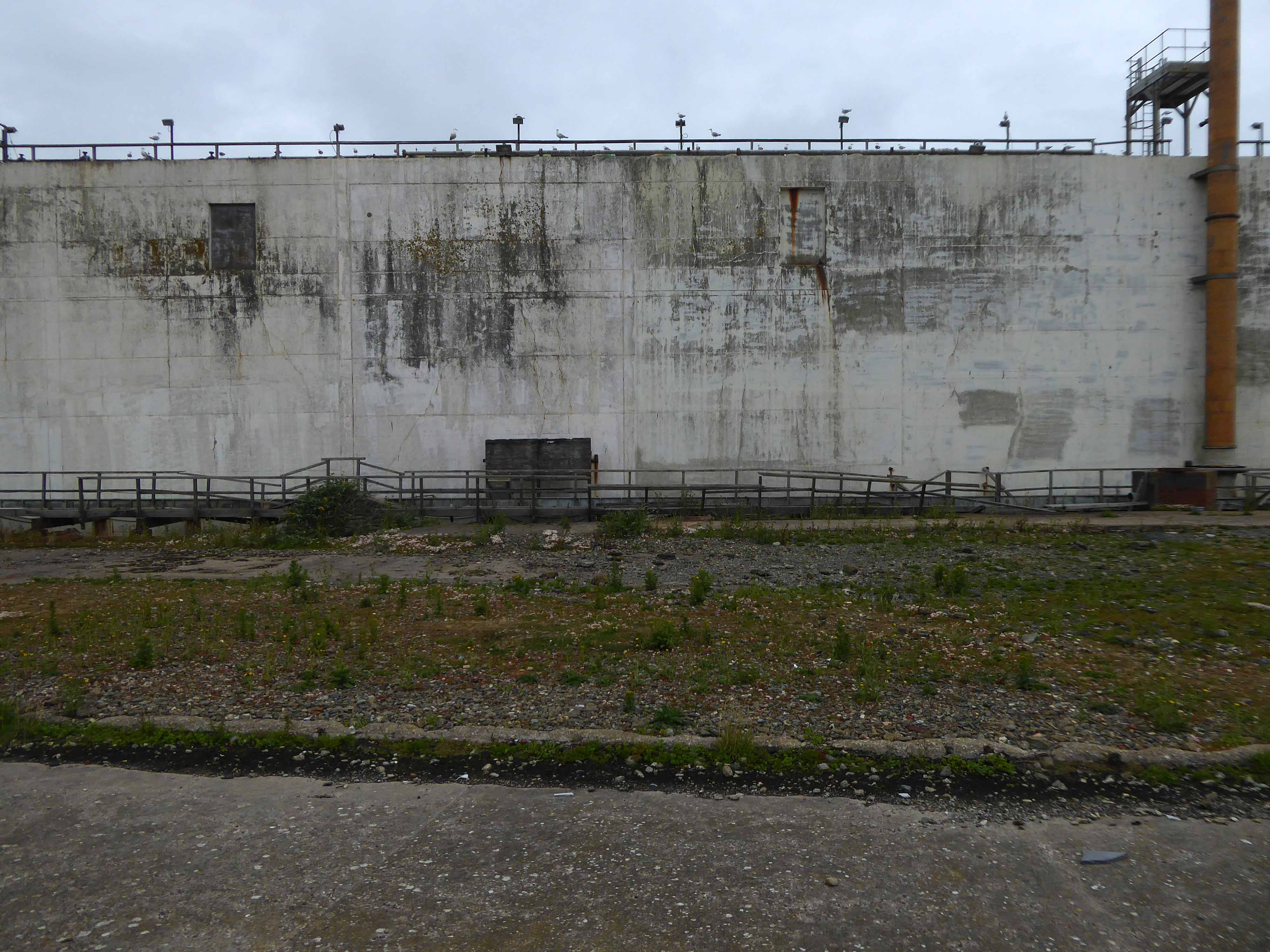
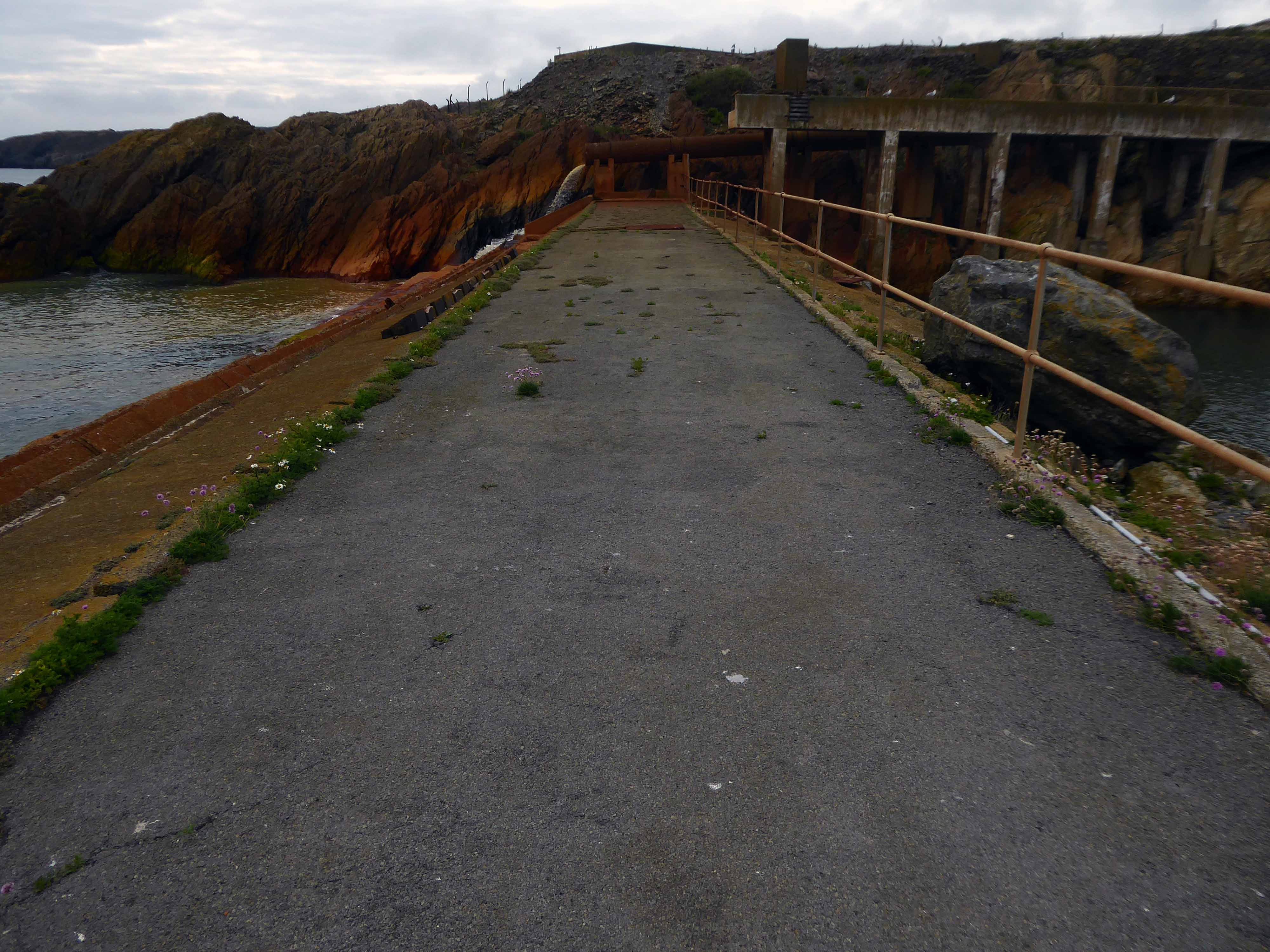
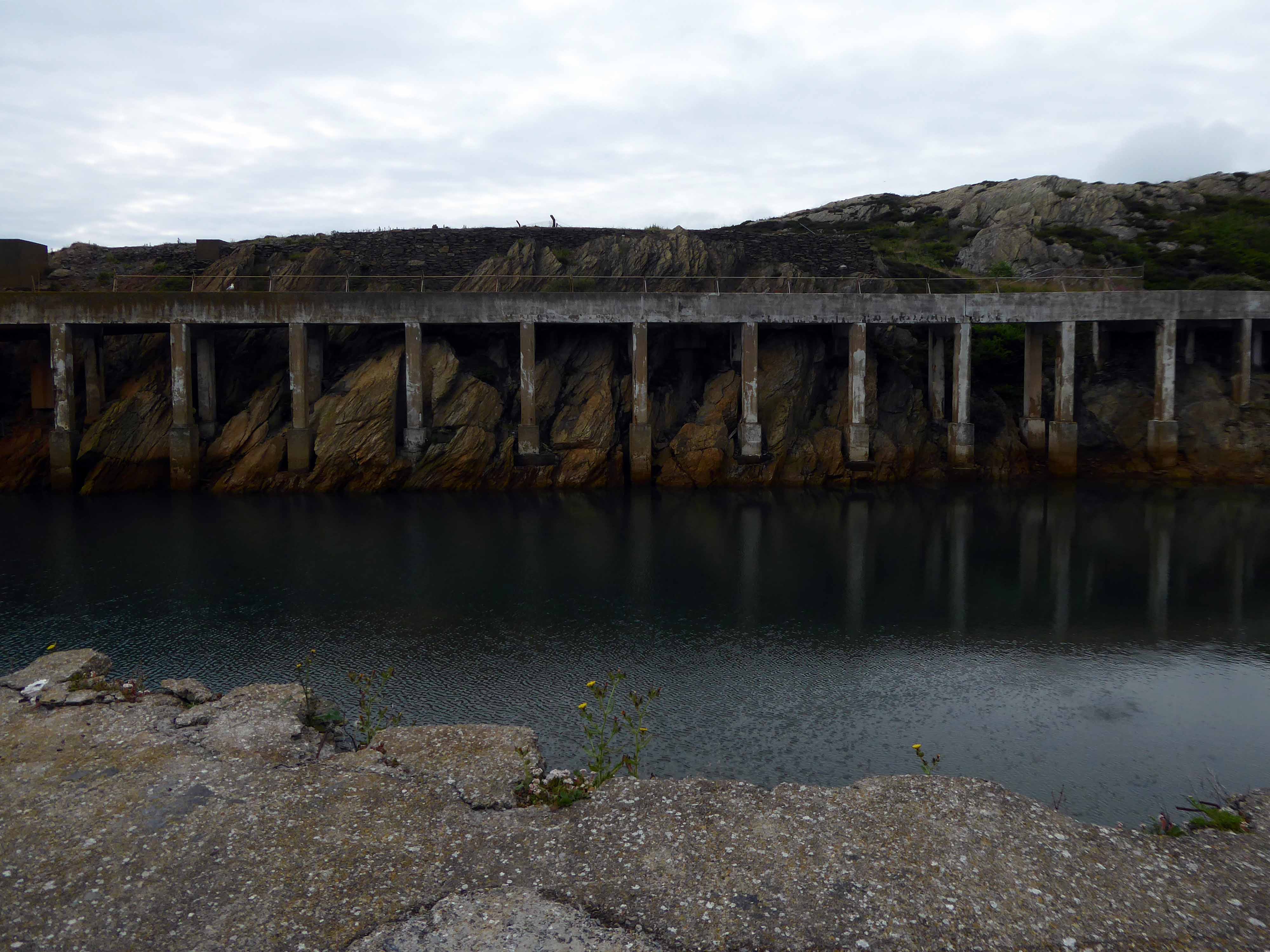
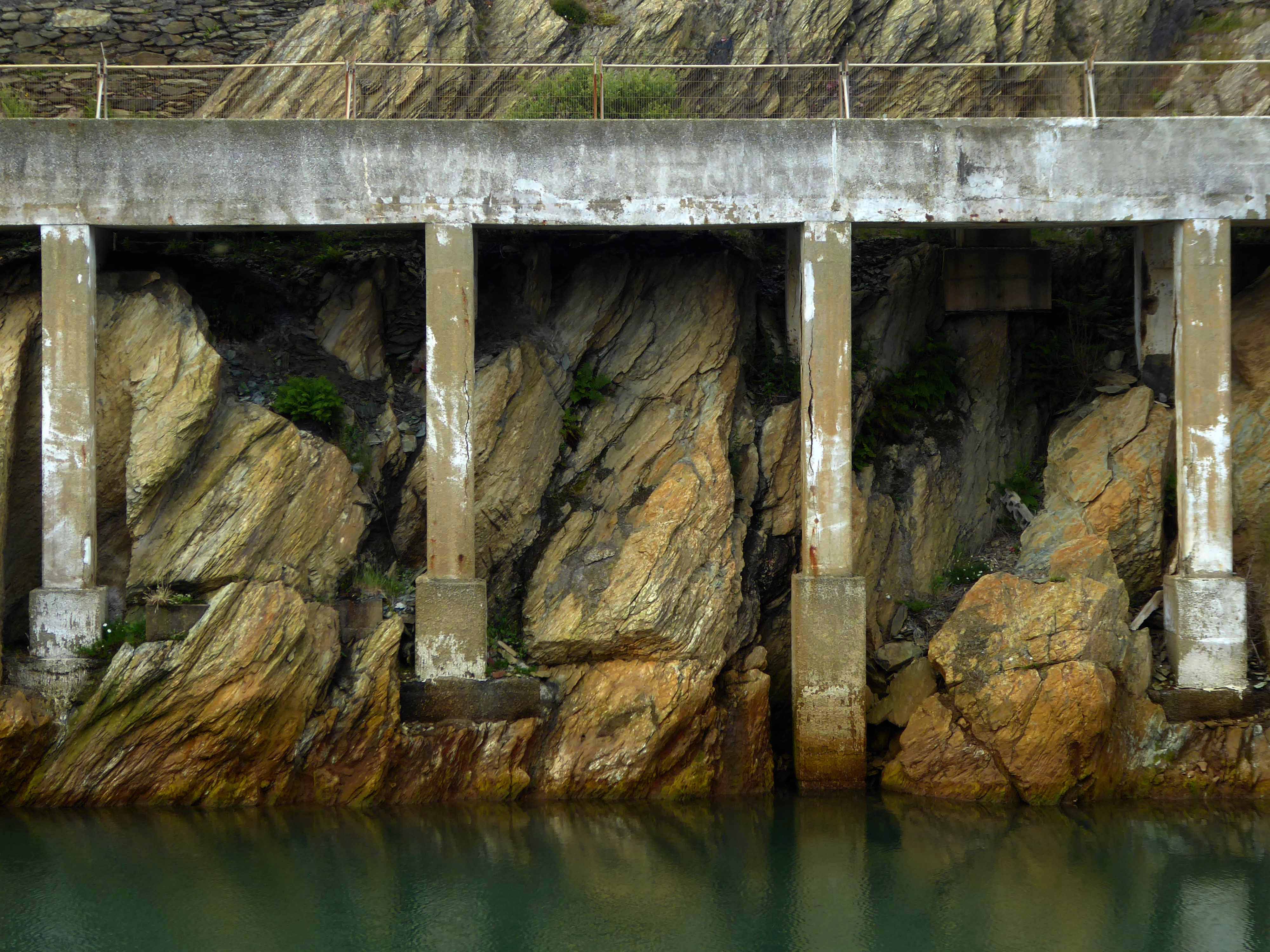
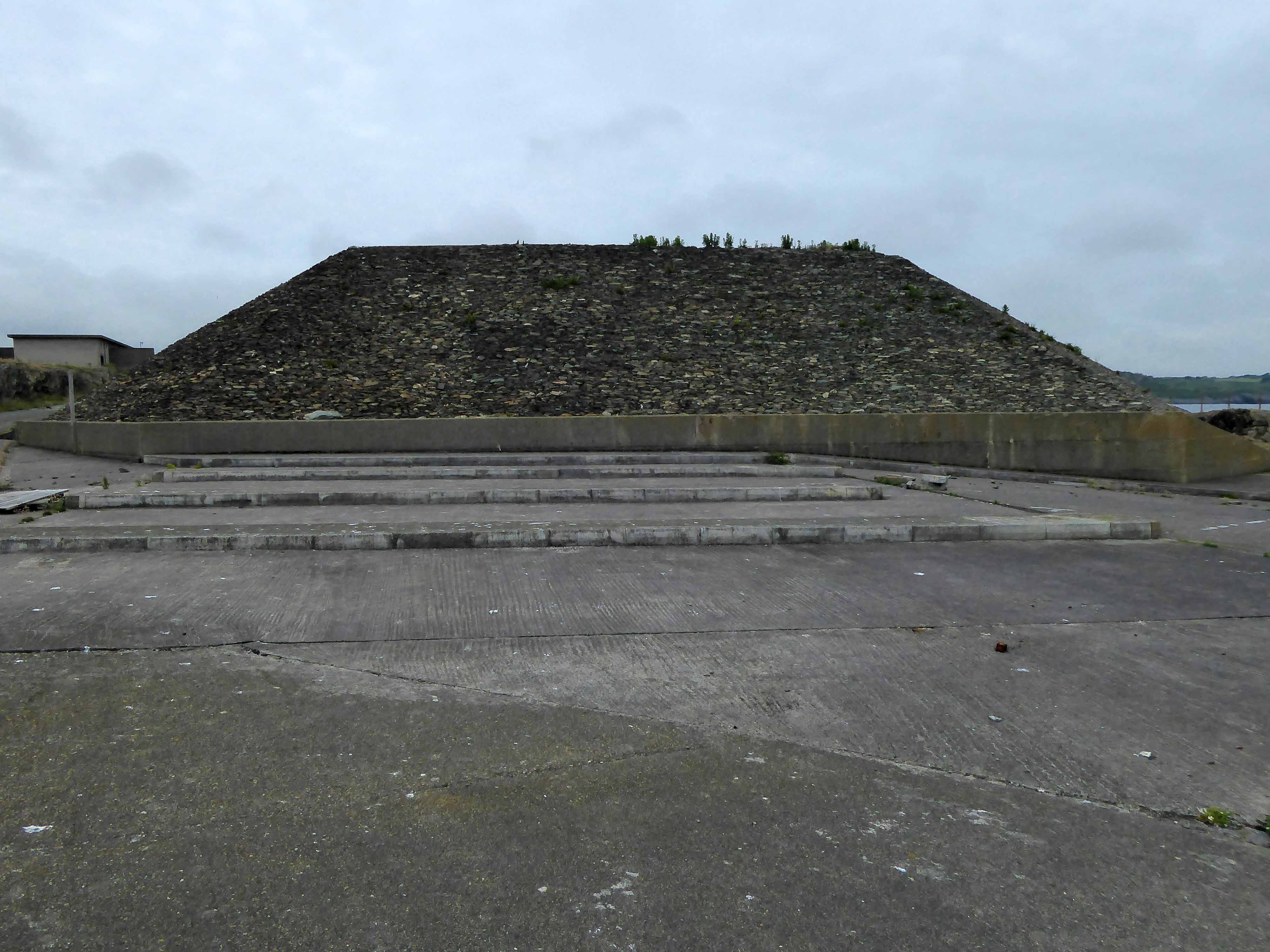
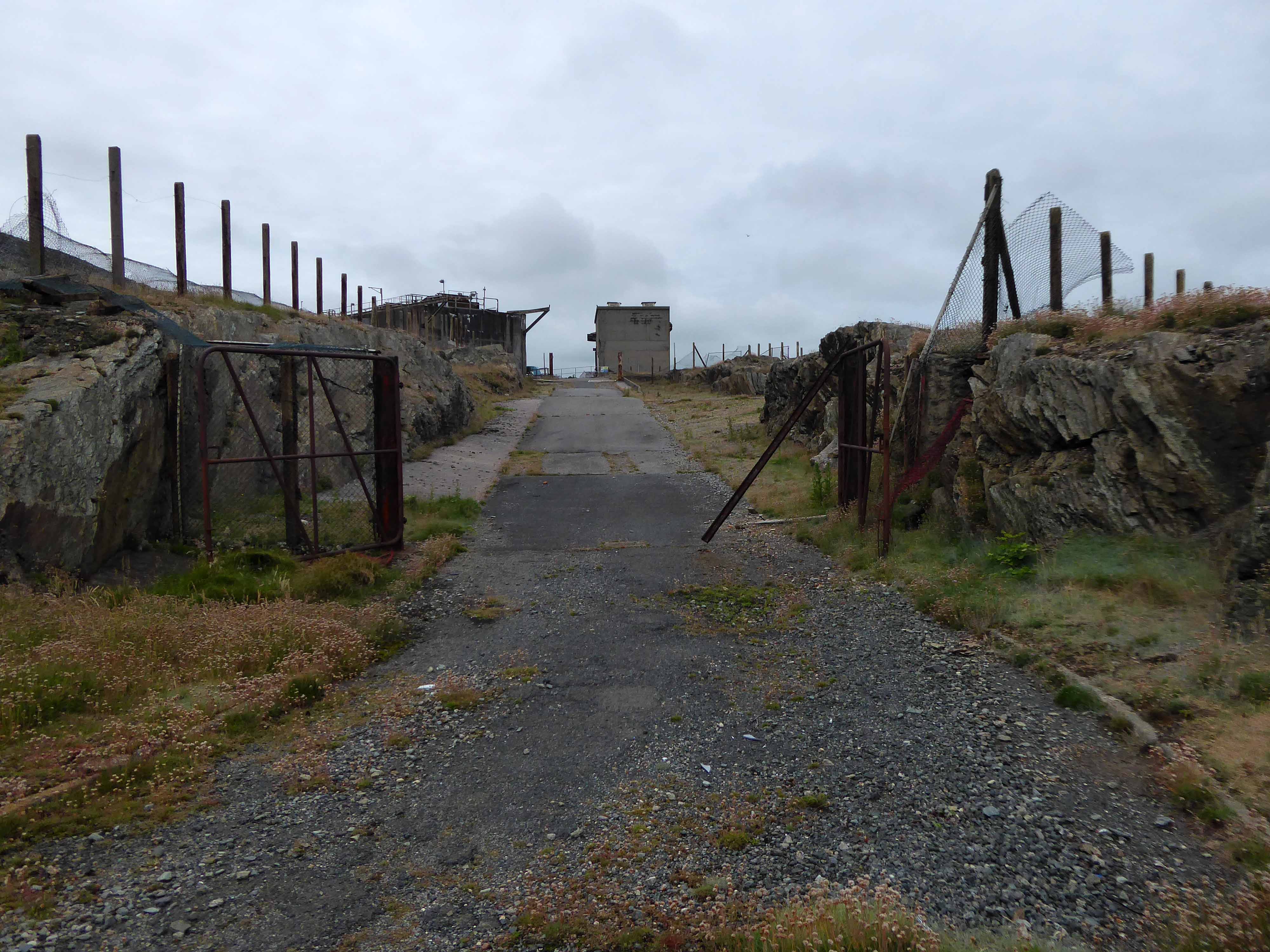
This now redundant technology has left a legacy of industrial dereliction amongst the ancient Pre-Cambrian rocks and sylvan seas of the Anglesey Coast.
This is a landscape which induces fear and fascination in equal measure.
Whatever is fitted in any sort to excite the ideas of pain, and danger, that is to say, whatever is in any sort terrible, or is conversant about terrible objects, or operates in a manner analogous to terror, is a source of the sublime; that is, it is productive of the strongest emotion which the mind is capable of feeling.
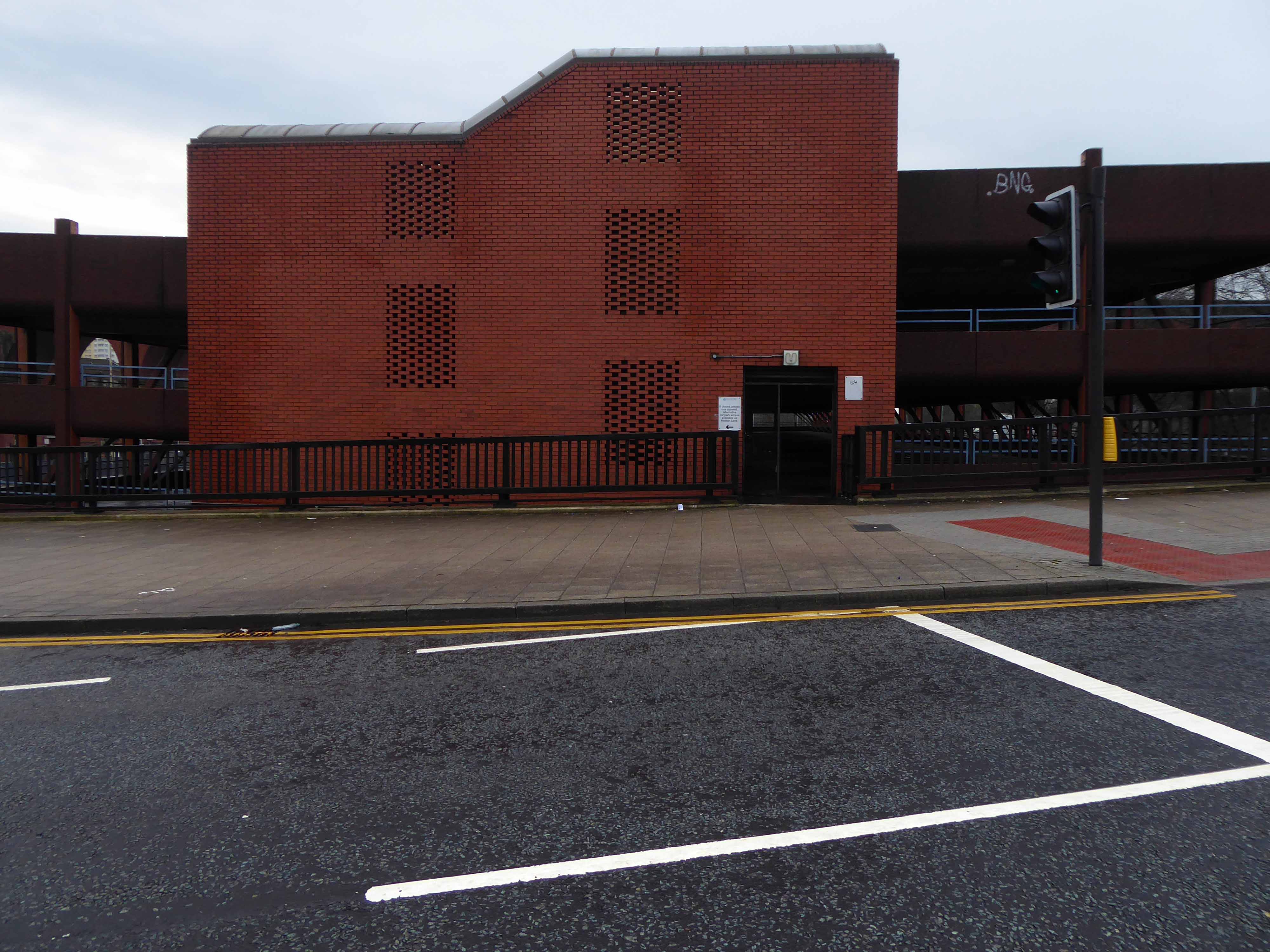
Walking the stairwells, ramps and interlocking tiers, the curious pedestrian becomes aware of the ambition and complexity of the scheme. Often identified on local social media groups as an anachronistic eyesore, I feel that it is a thing of rare and precious beauty.
Knock most of the precinct down, free the river, but keep this wall and what is within.
Anon
Some are slaughtering imaginary white elephants, whilst others are riding white swans.
Currently under the ownership of Stockport Borough Council, changes are afoot.
Work to redevelop Adlington Walk in Stockport starts this week, as the first stage in the regeneration of the 55-year-old Merseyway shopping centre.
As of today work is still in Covid induced abeyance, it is still possible to walk the old revamped Adlington Walk. The future of retail in particular and town centres in general is in the balance, the best of the past and the finest of the new should be the watchword.
The scheme and car park redevelopment, is managed by CBRE of Manchester.
The future shopper is looking for more than just a simple buying transaction, they want an experience, entertainment and excitement.
This is where Merseyway Shopping Centre’s future lies.
CBRE Group Inc. is an American commercial real estate services and investment firm. The abbreviation CBRE stands for Coldwell Banker Richard Ellis. It is the largest commercial real estate services company in the world.
Their net worth as of January 28th 2021 is $21.18 Billion.
It is to be hoped that these dreams of entertainment and excitement, may be realised in the not too distant future.
In the meanest of mean times, in the mean time let’s have a look around.
The future moocher is looking for more than just a simple buying transaction, they want an experience, entertainment and excitement.
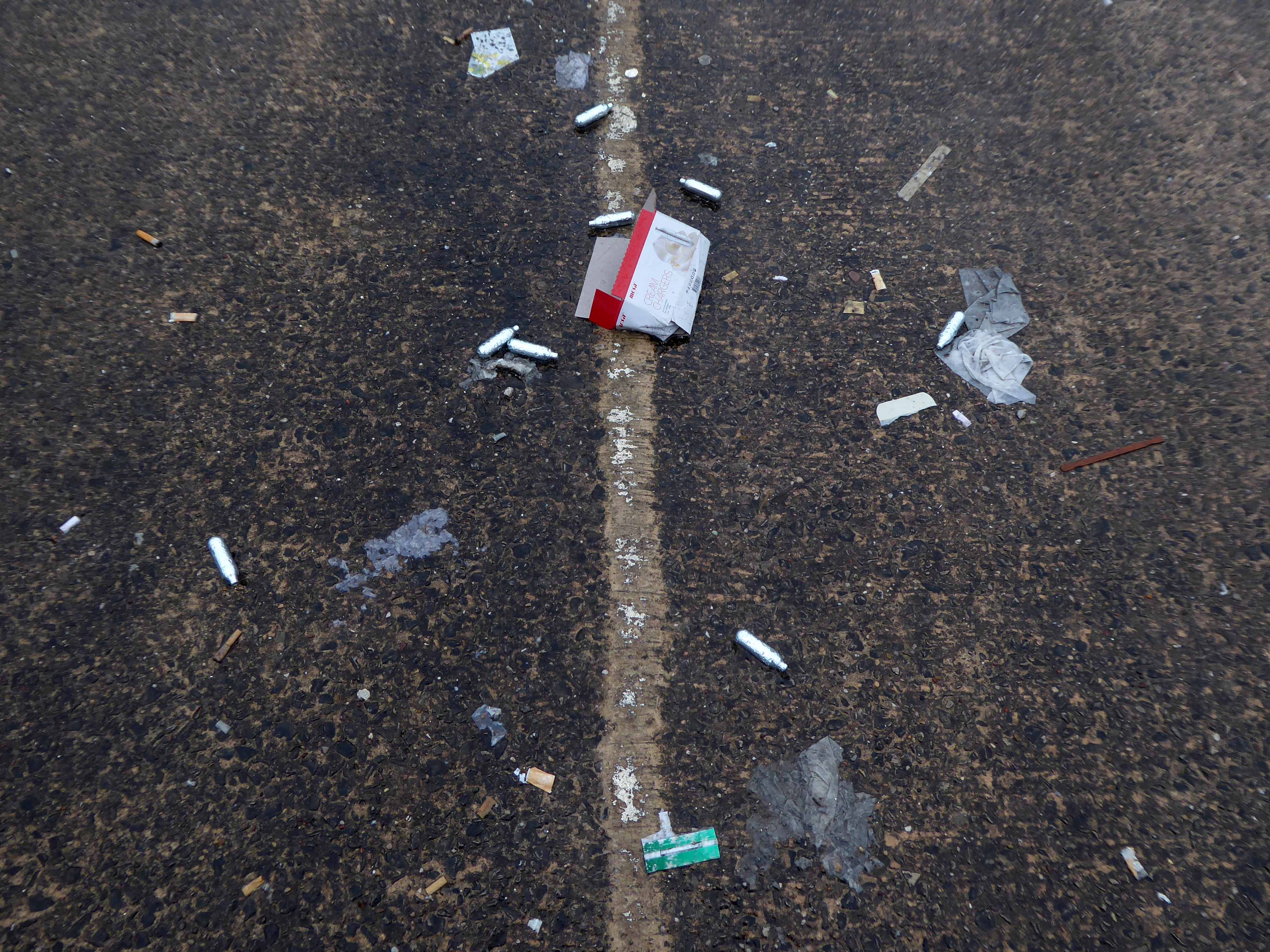
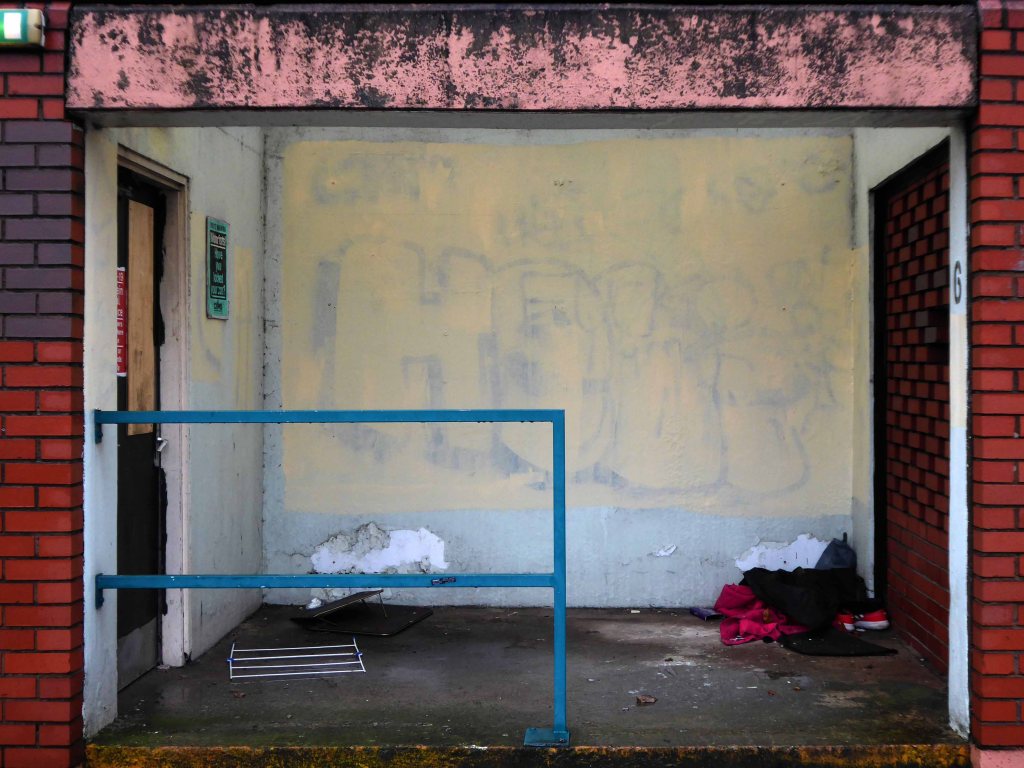
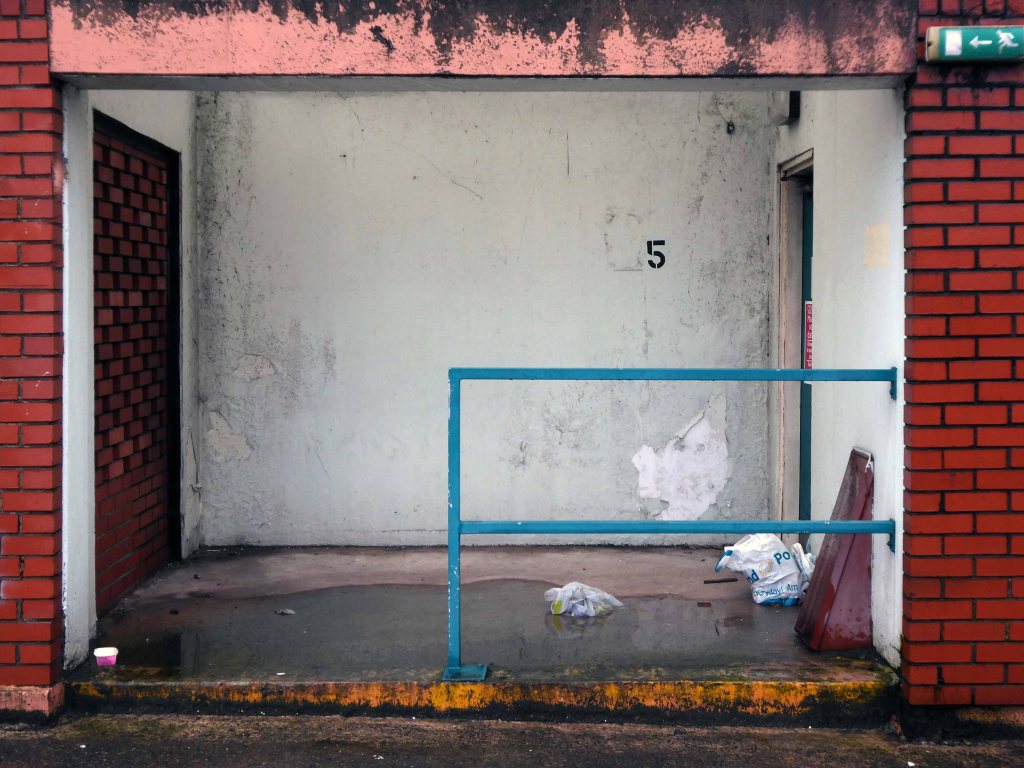
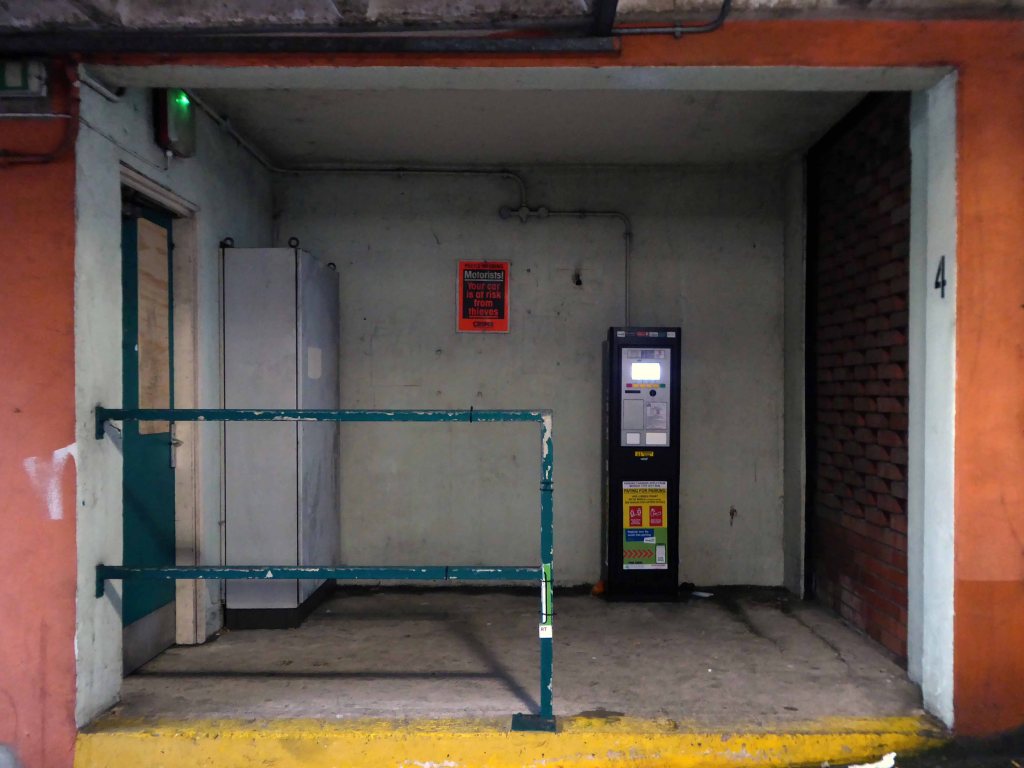
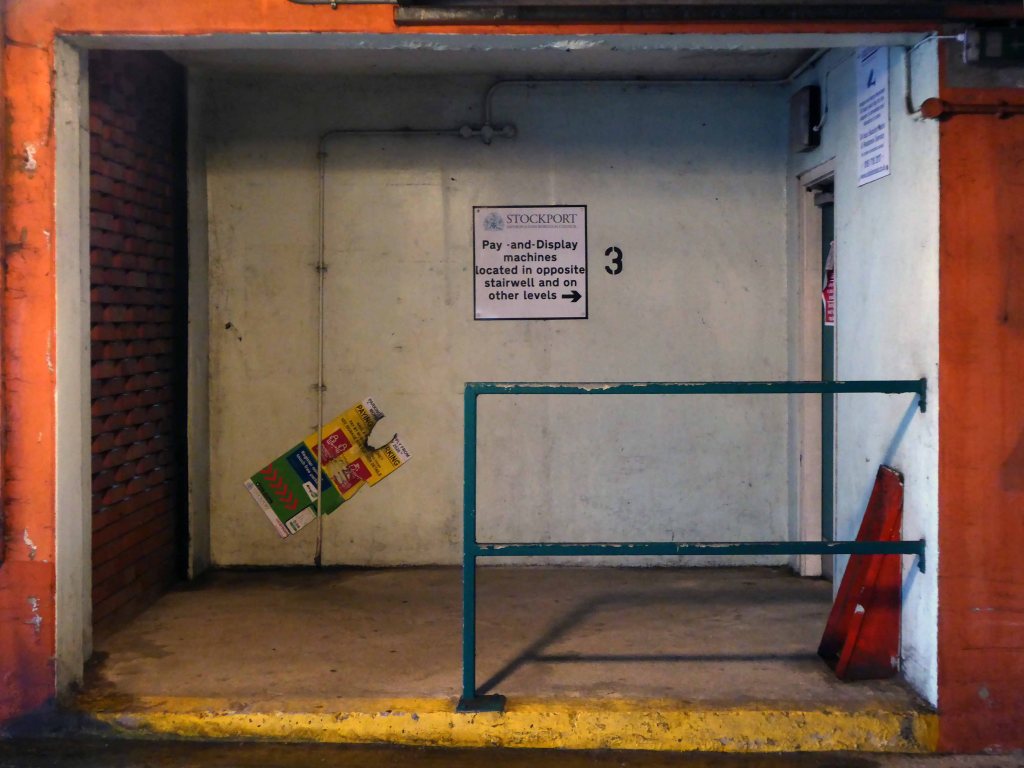
One of the great glories of cinema is that it has the power to take the mundane and make it magical. To most of us, car parks signify a world of pain, where fearsome red-and-white crash barriers dictate our fate and where finding a space is often like finding meaning in the collective works of Martin Lawrence. To others, they meant lost Saturday afternoons spent waiting for your mum to finally come out of Woolworths so you could rush home to catch Terrahawks.
Either way, car parks are grey and dull. In the movies, however, they are fantastic places, filled with high-level espionage, and high-octane chases.
I beg to differ, the cinema and TV has helped to define our perception and misconception of the car park.
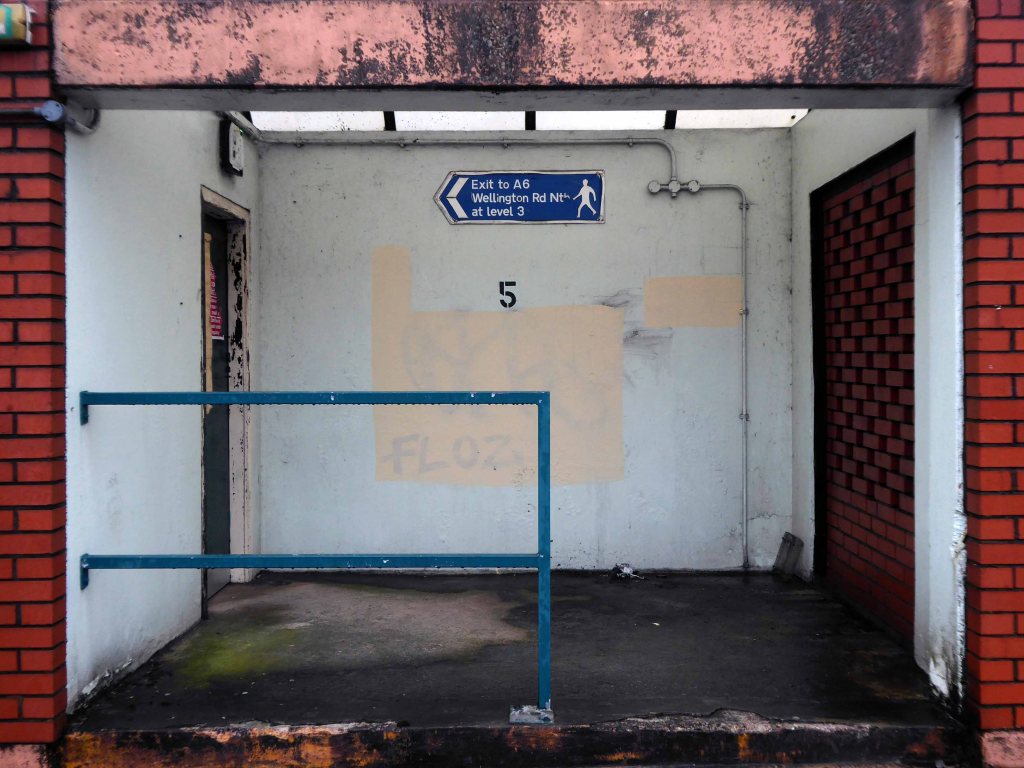
The modern day pedestrian may reclaim, redefine and realise, that far from mundane each actual exemplar is different, in so many ways. The time of day, weather, light, usage, abusage, condition, personal demeanour and mood all shape our experience of this particular, modern urban space.
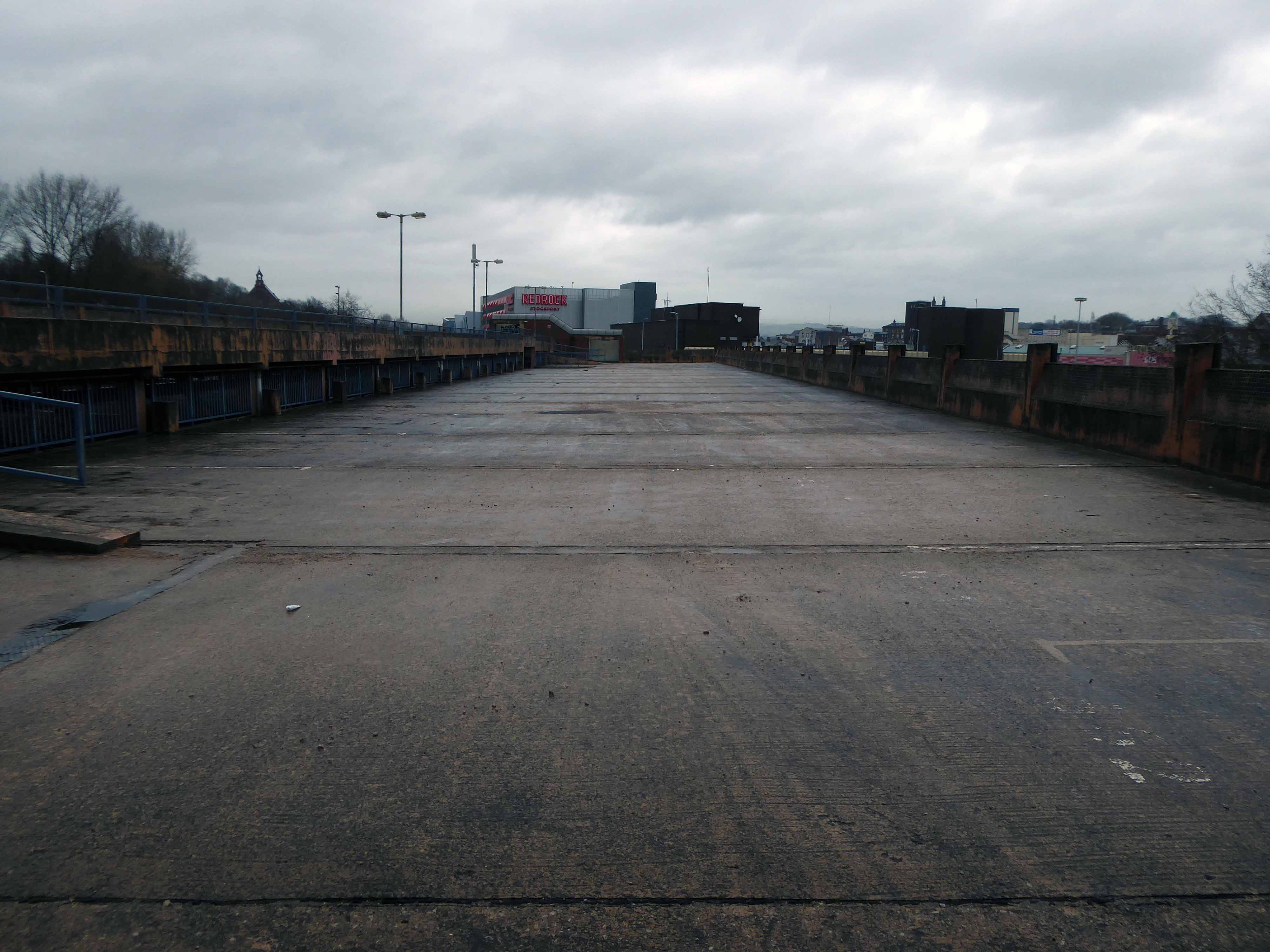
To walk the wide open spaces of the upper tier, almost touching the sky.
Is a far cry from the constrained space of the lower levels.
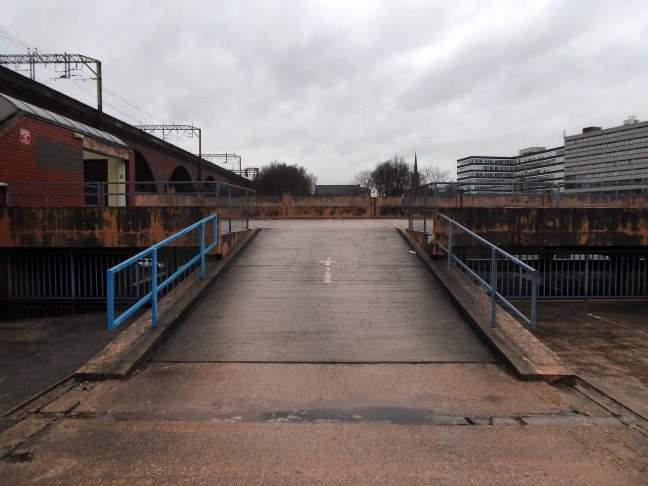
To walk the ramps with a degree of trepidation, visceral and fun.
This is an inversion of the car-centric culture, walking the concrete kingdom with a carbon-free footprint.
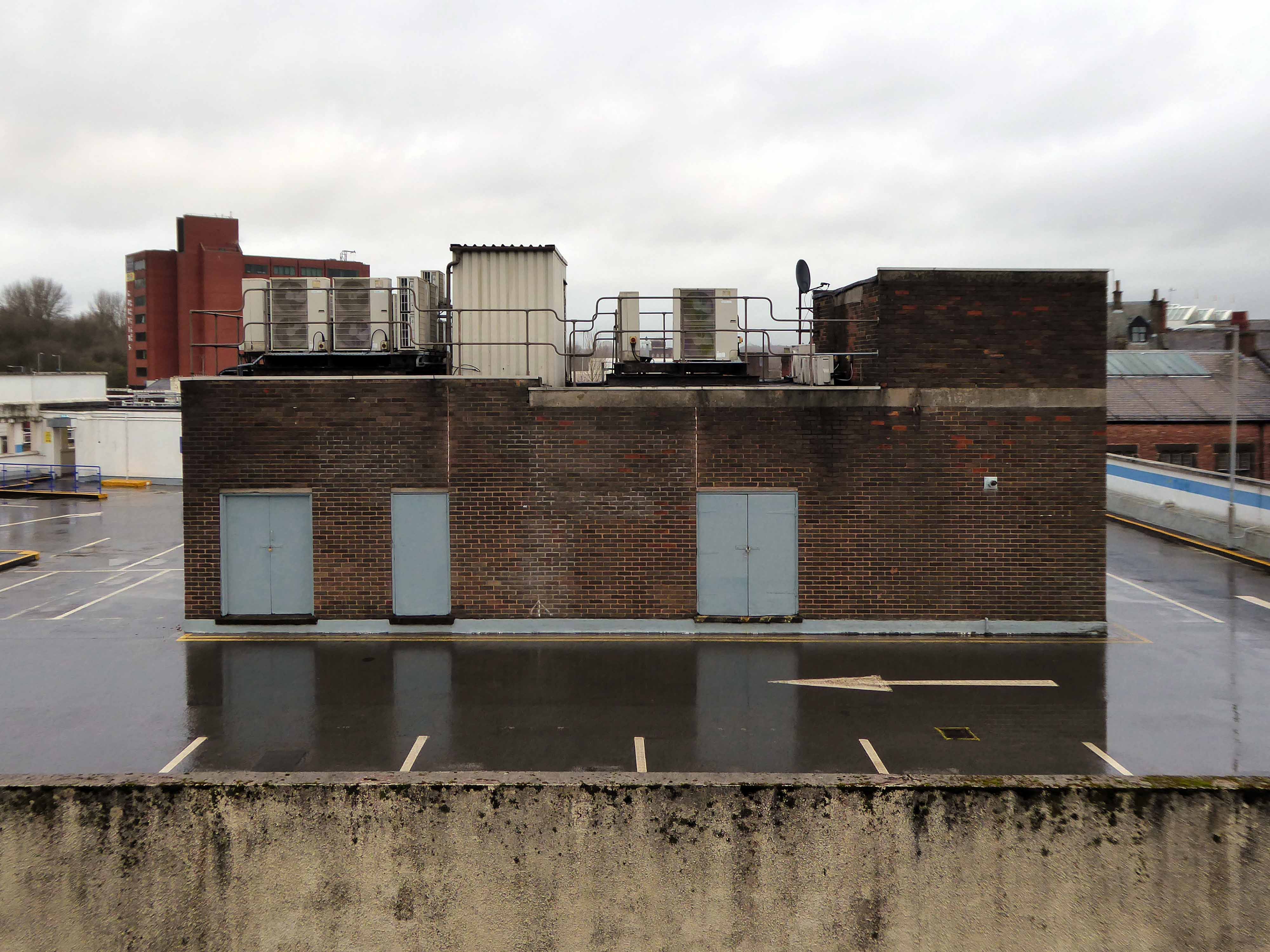
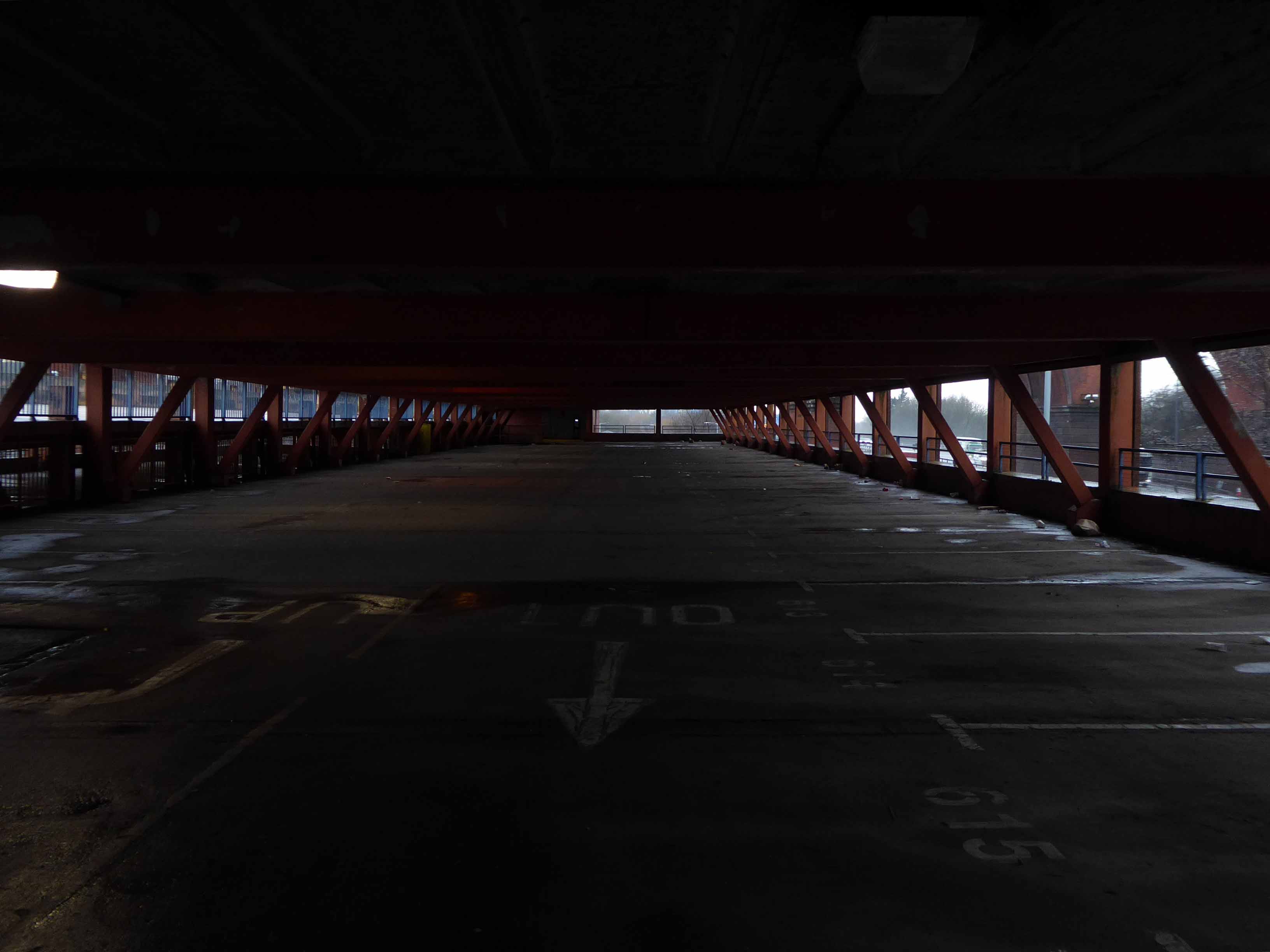
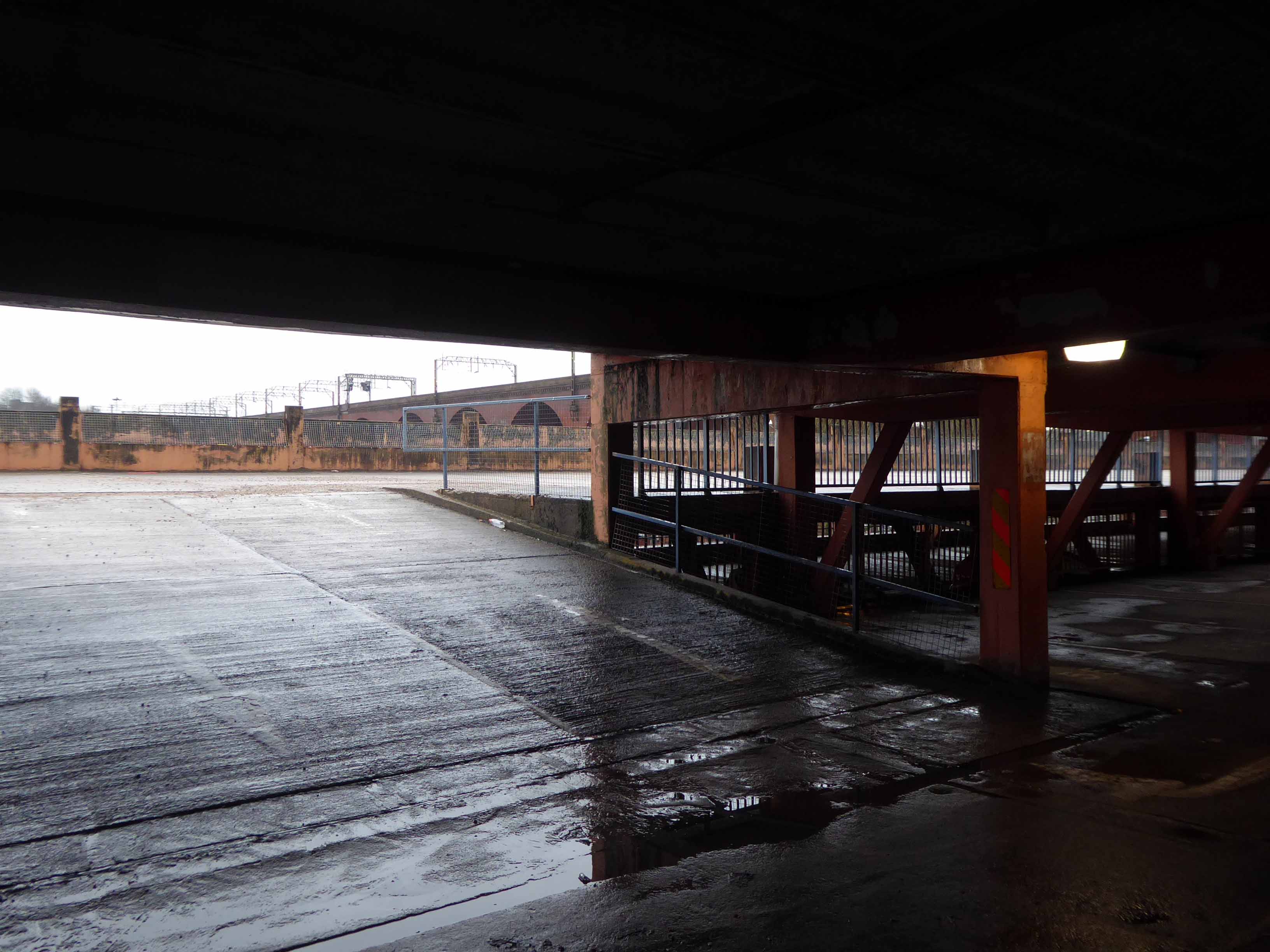
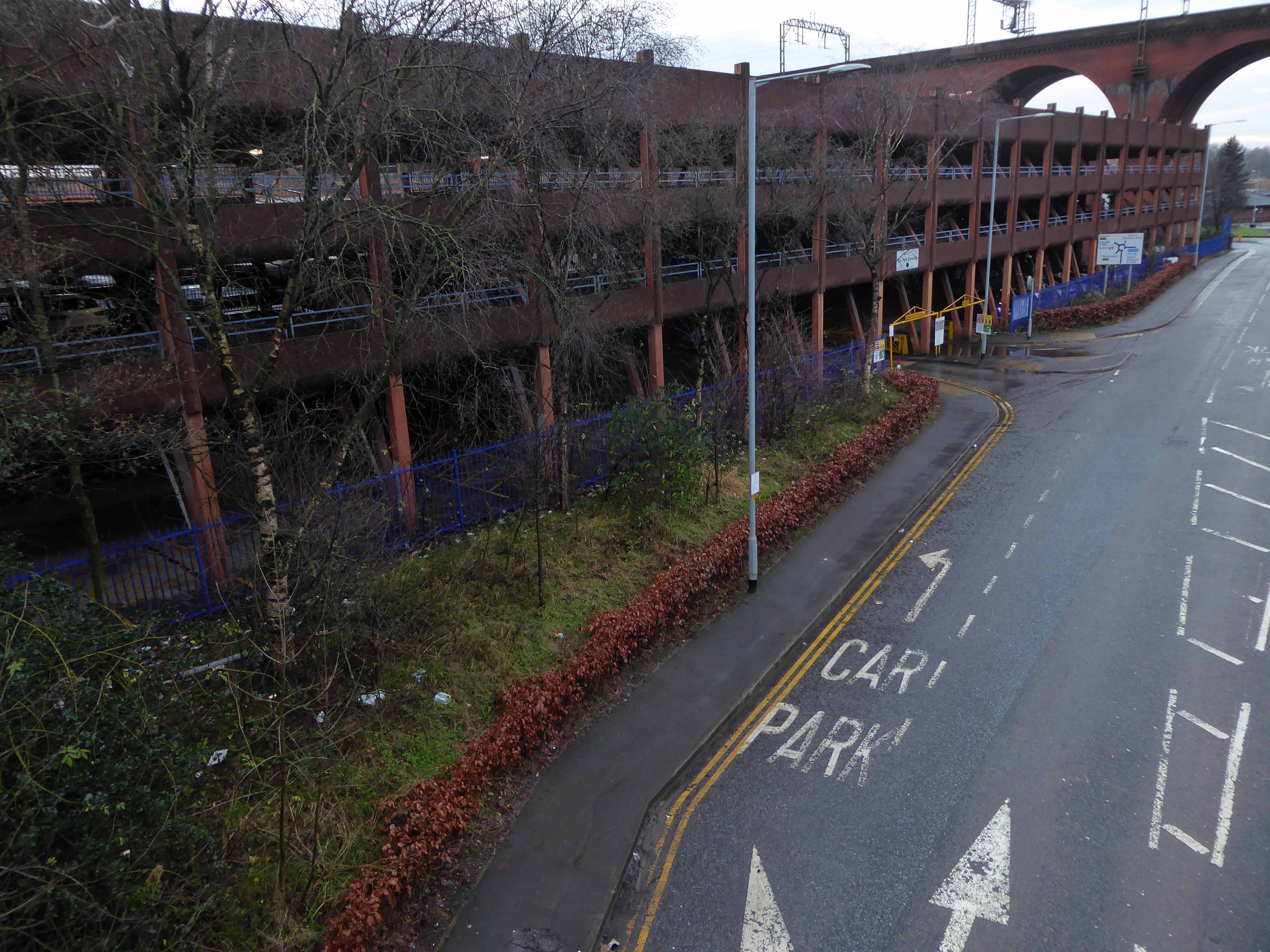
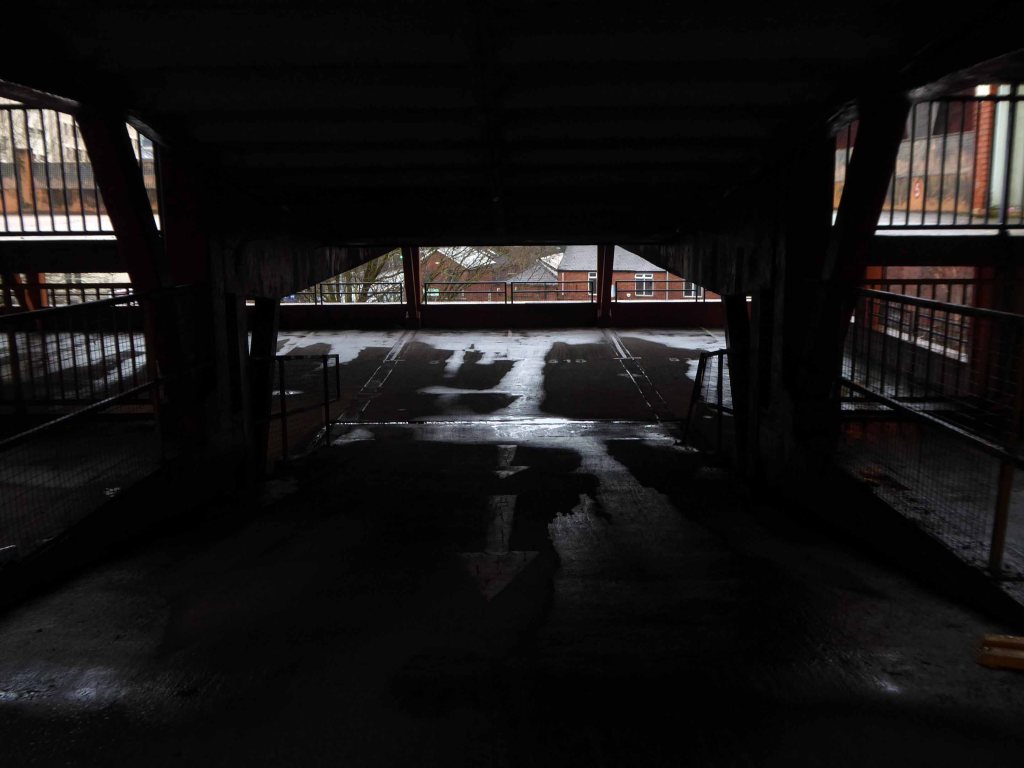
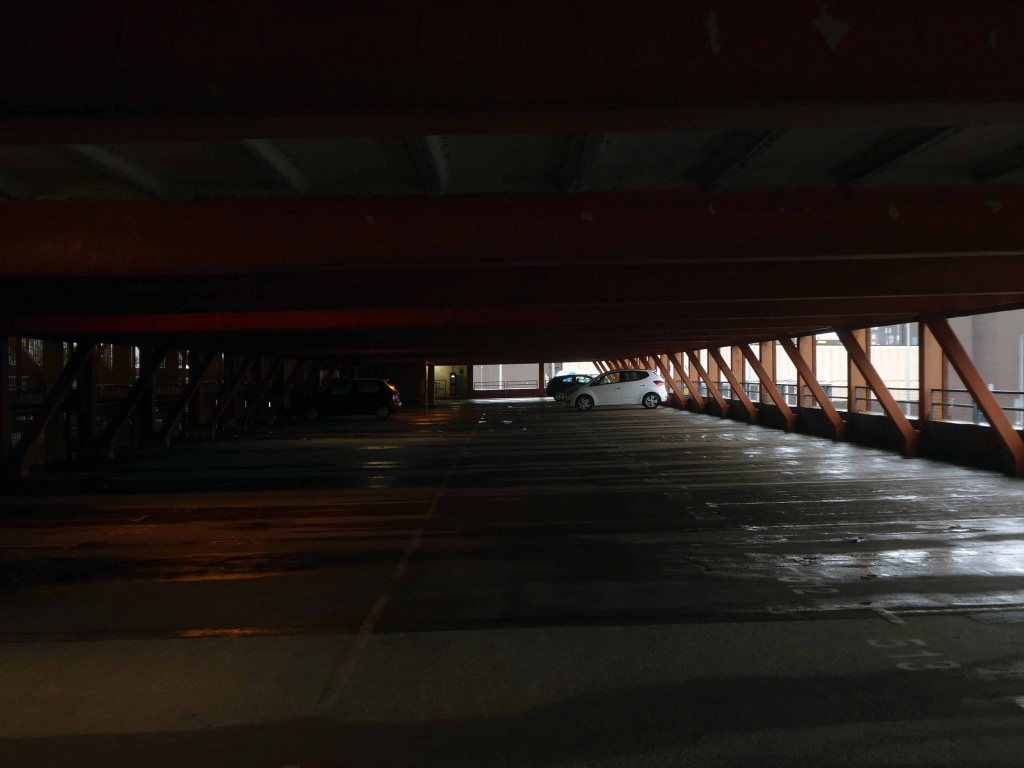
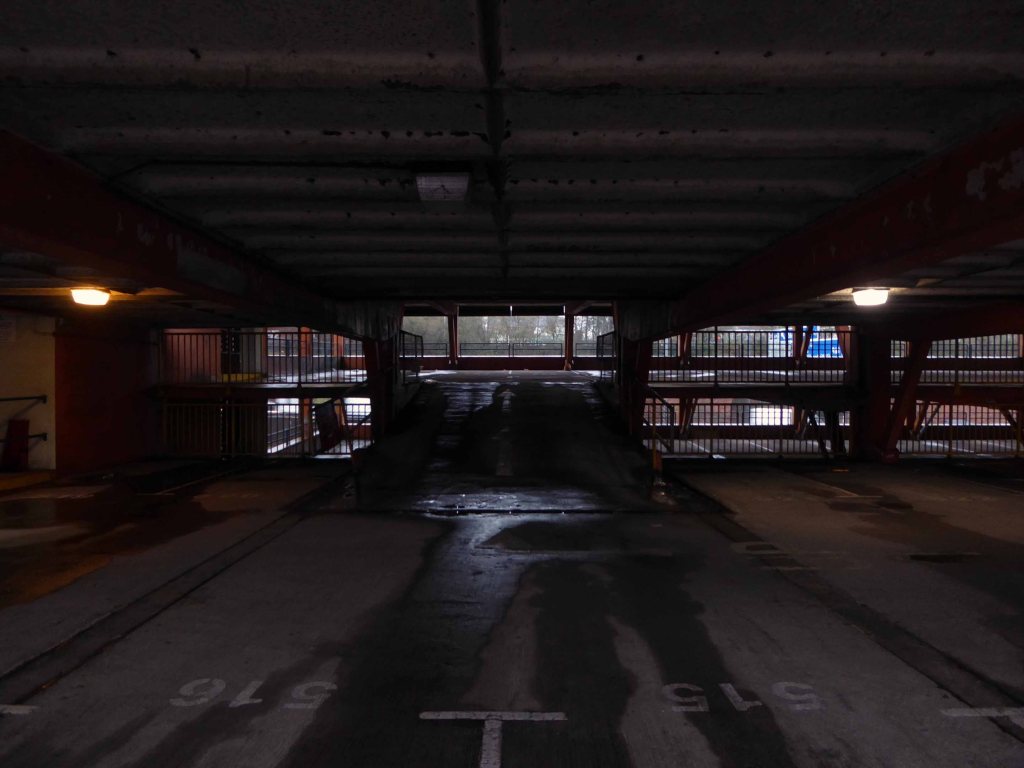
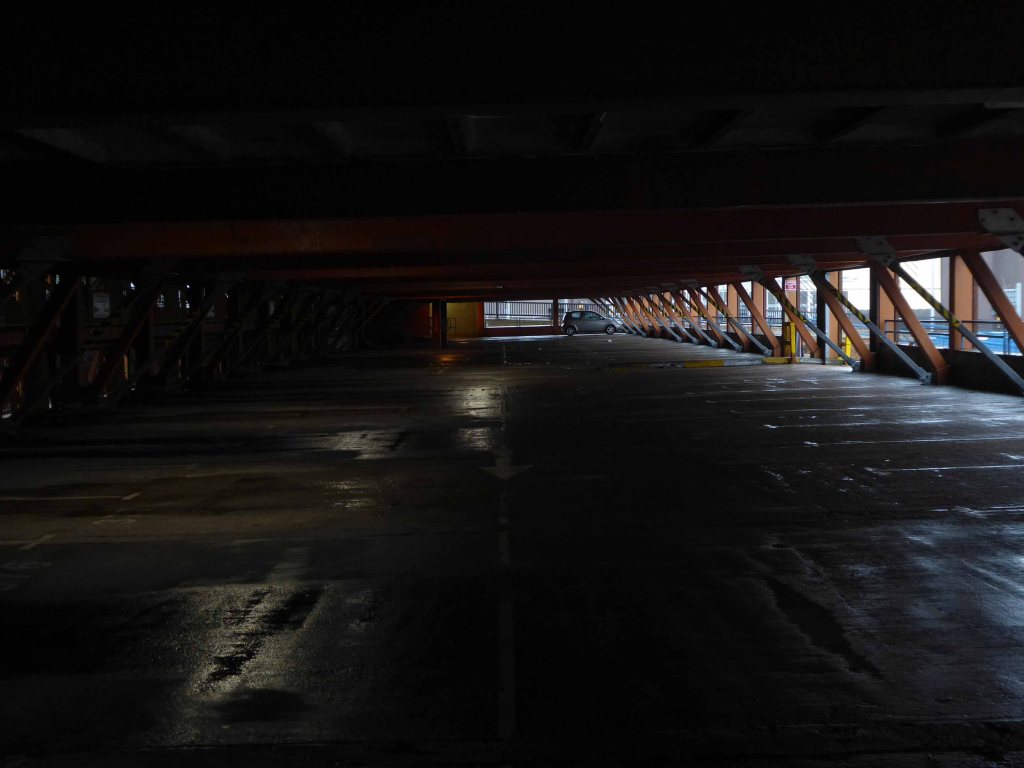
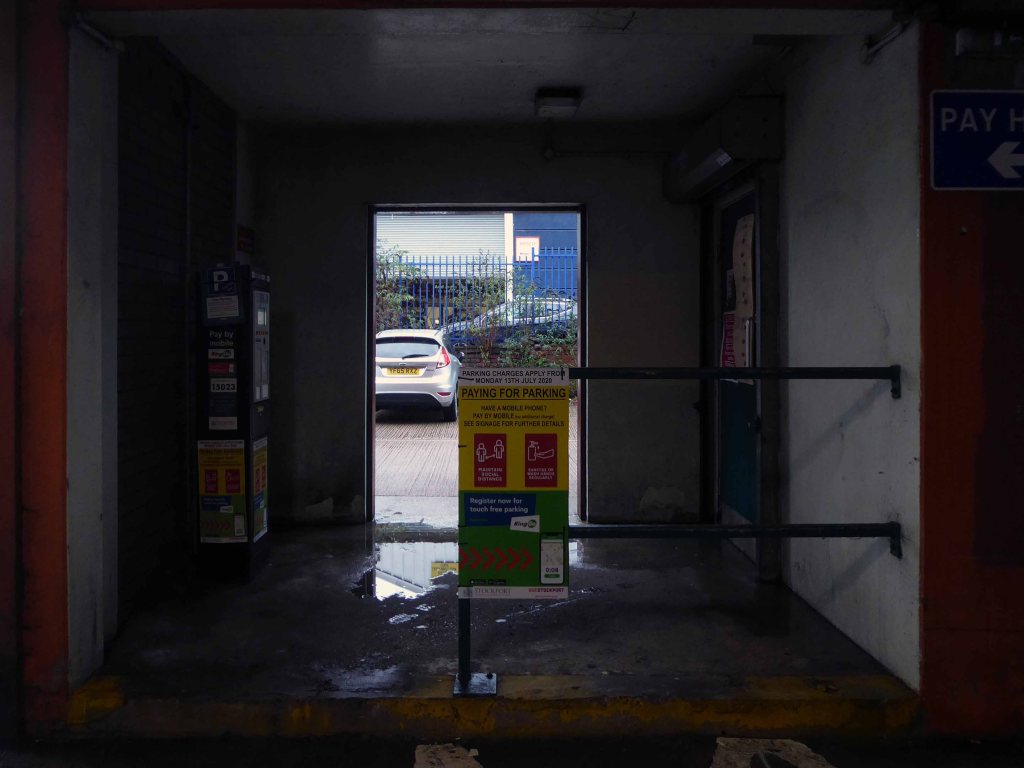
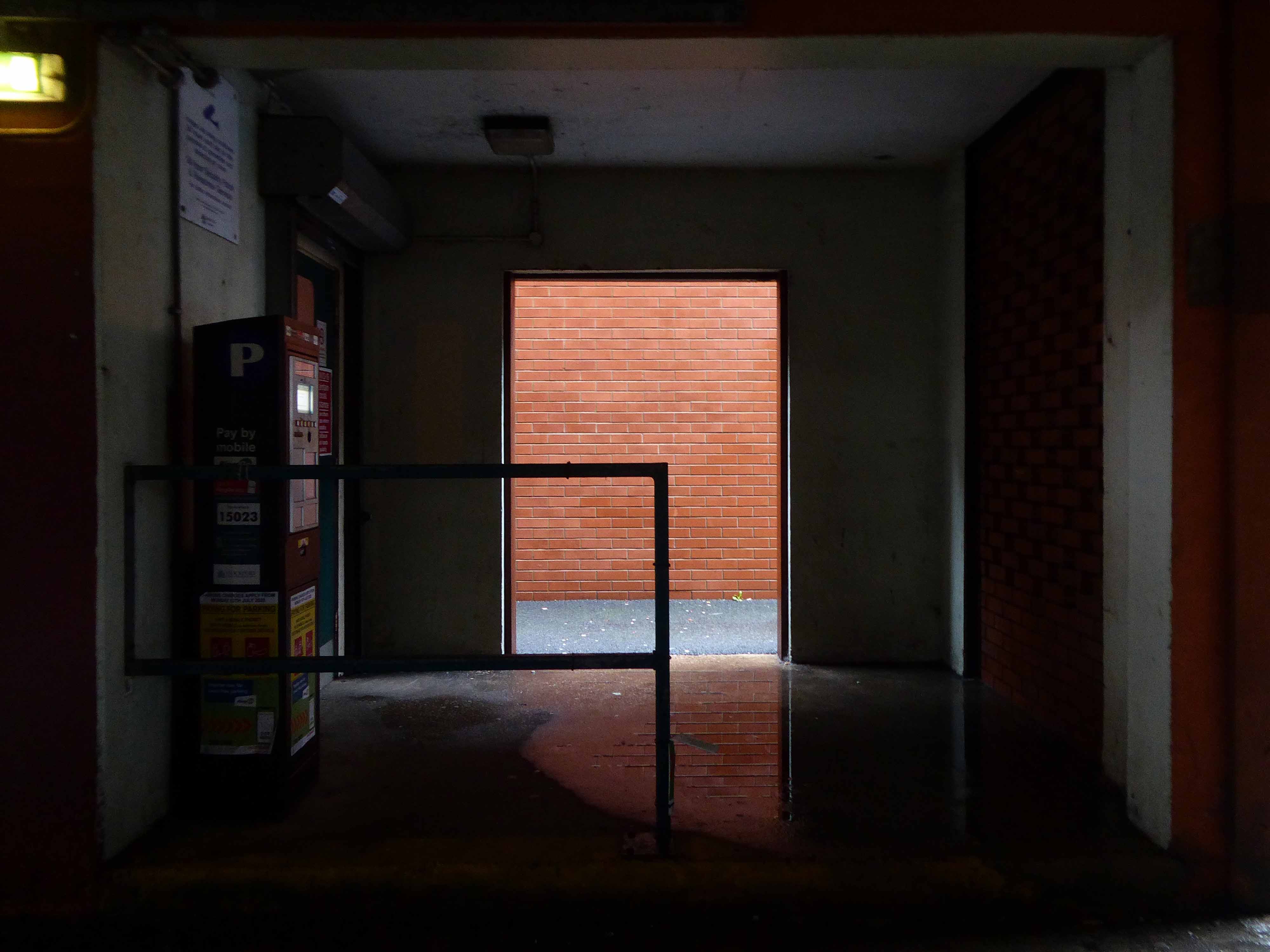
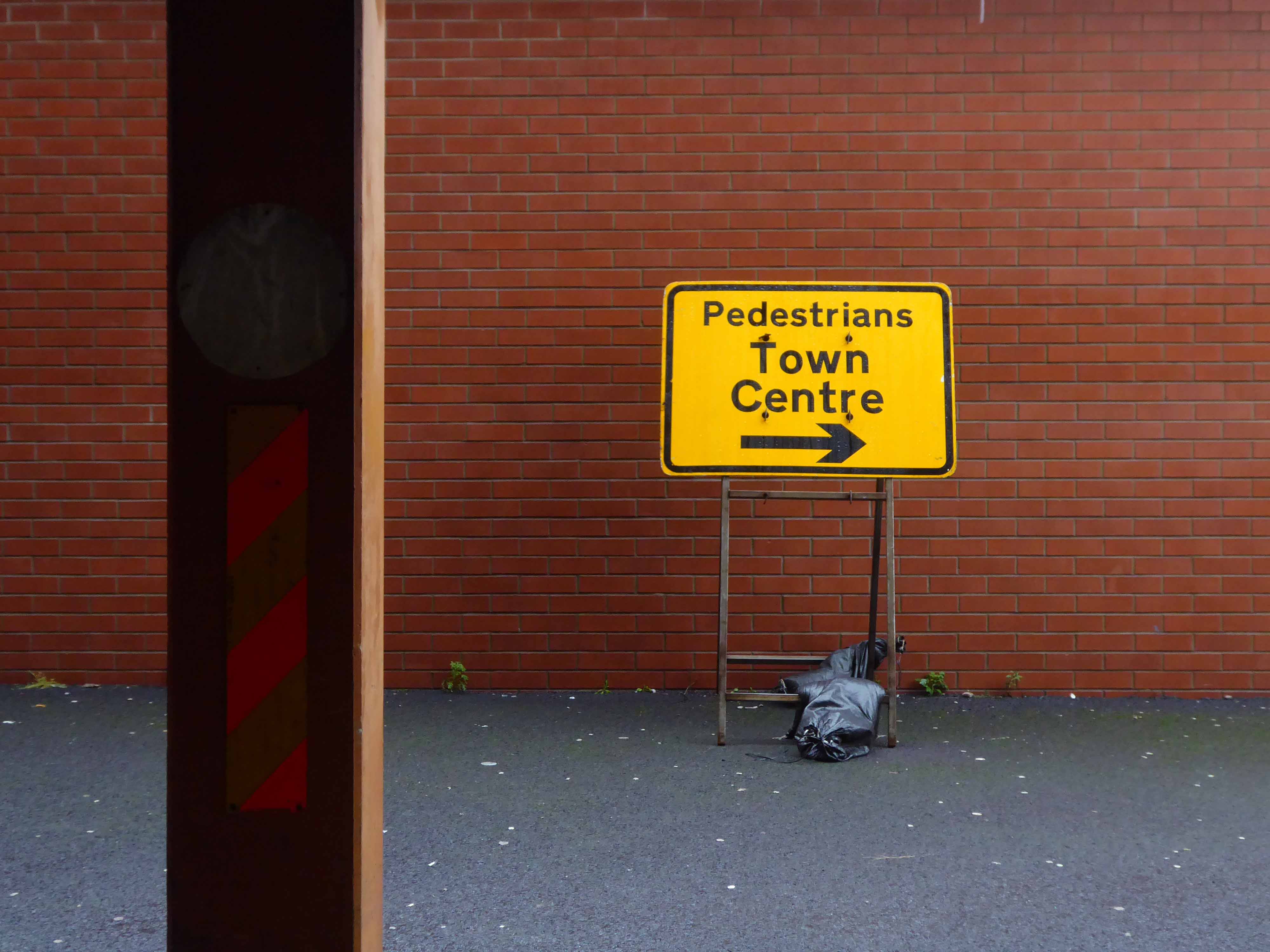
I was inspired by a recent viewing of All The Presidents Men to revisit my local multi-storey on Heaton Lane Stockport.
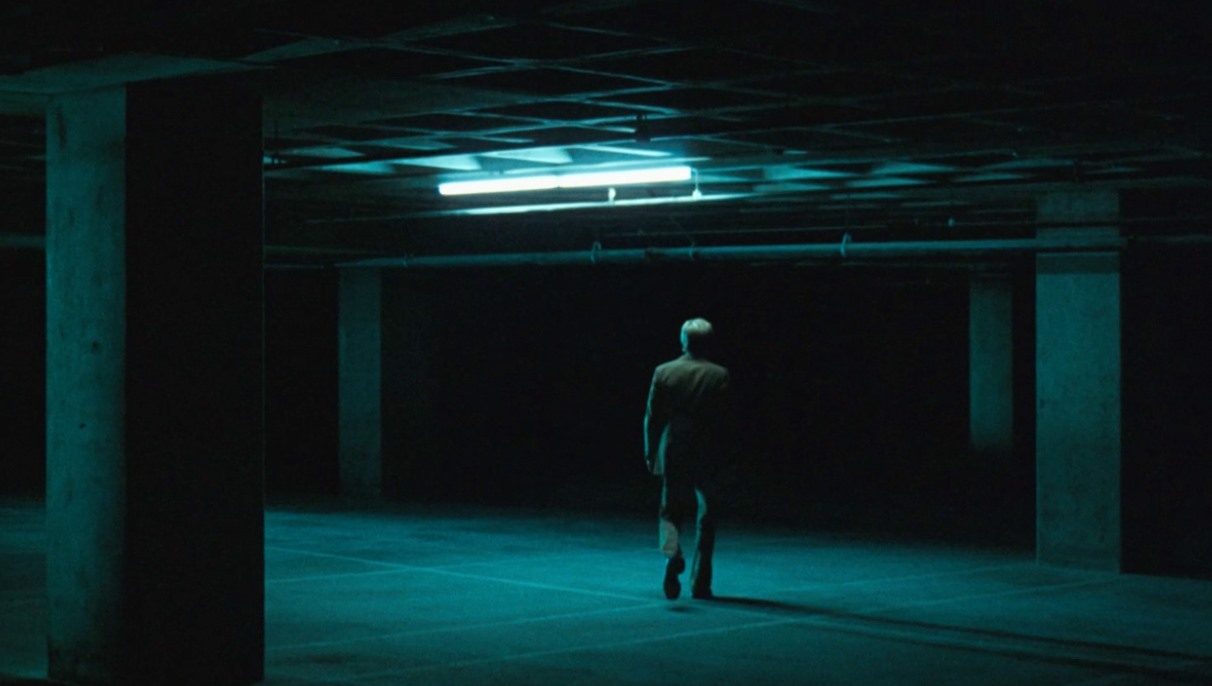
Cinematographer Gordon Hugh Willis Jr constructs a shadow world where informer and informed meet to exchange deep secrets, ever watchful, moving in and out of artificial light, tense and alert.
Look over your shoulder- there’s nobody there, and they’re watching you.
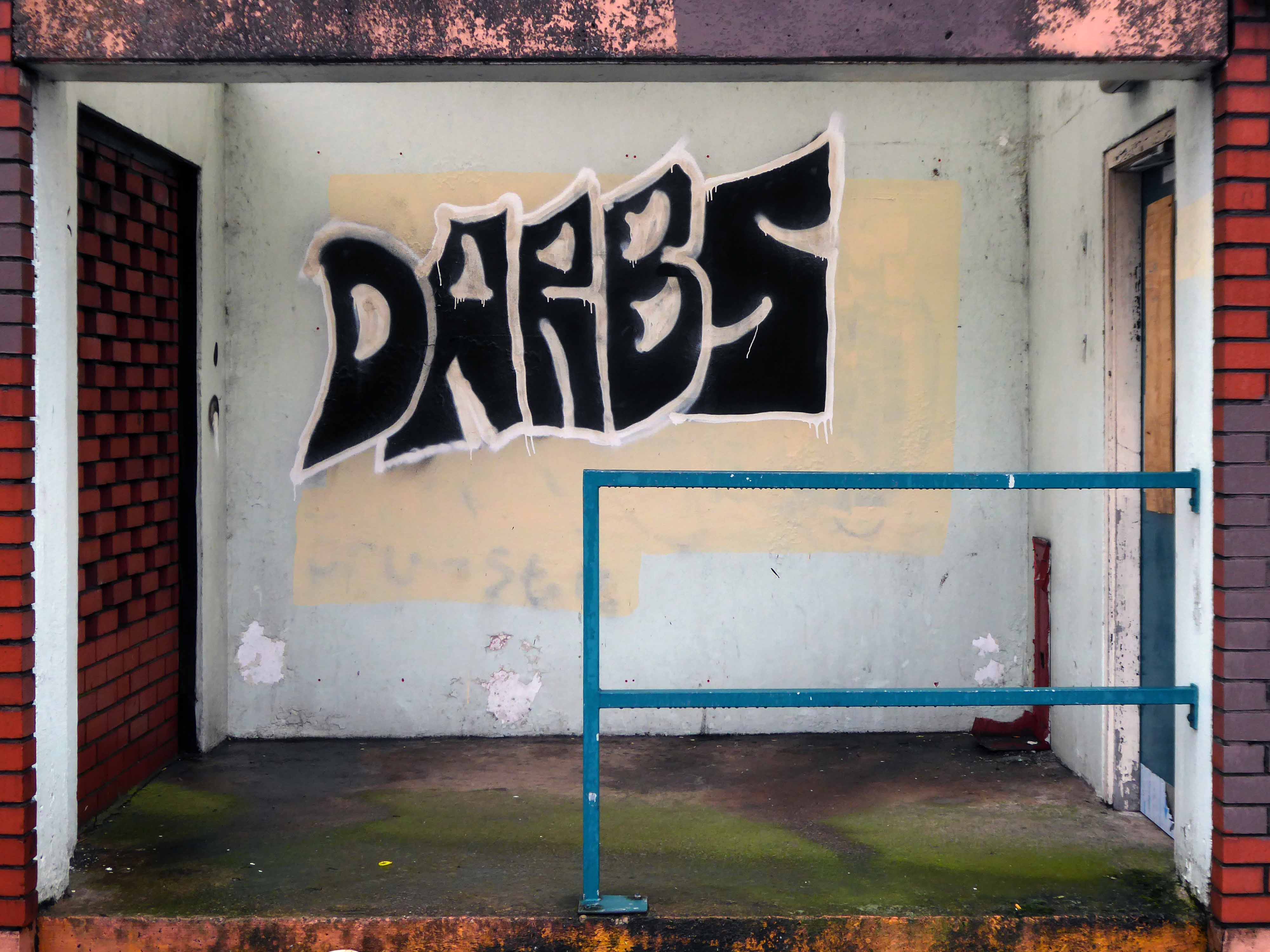
But they have been here.
To party.
To tag.
To live.
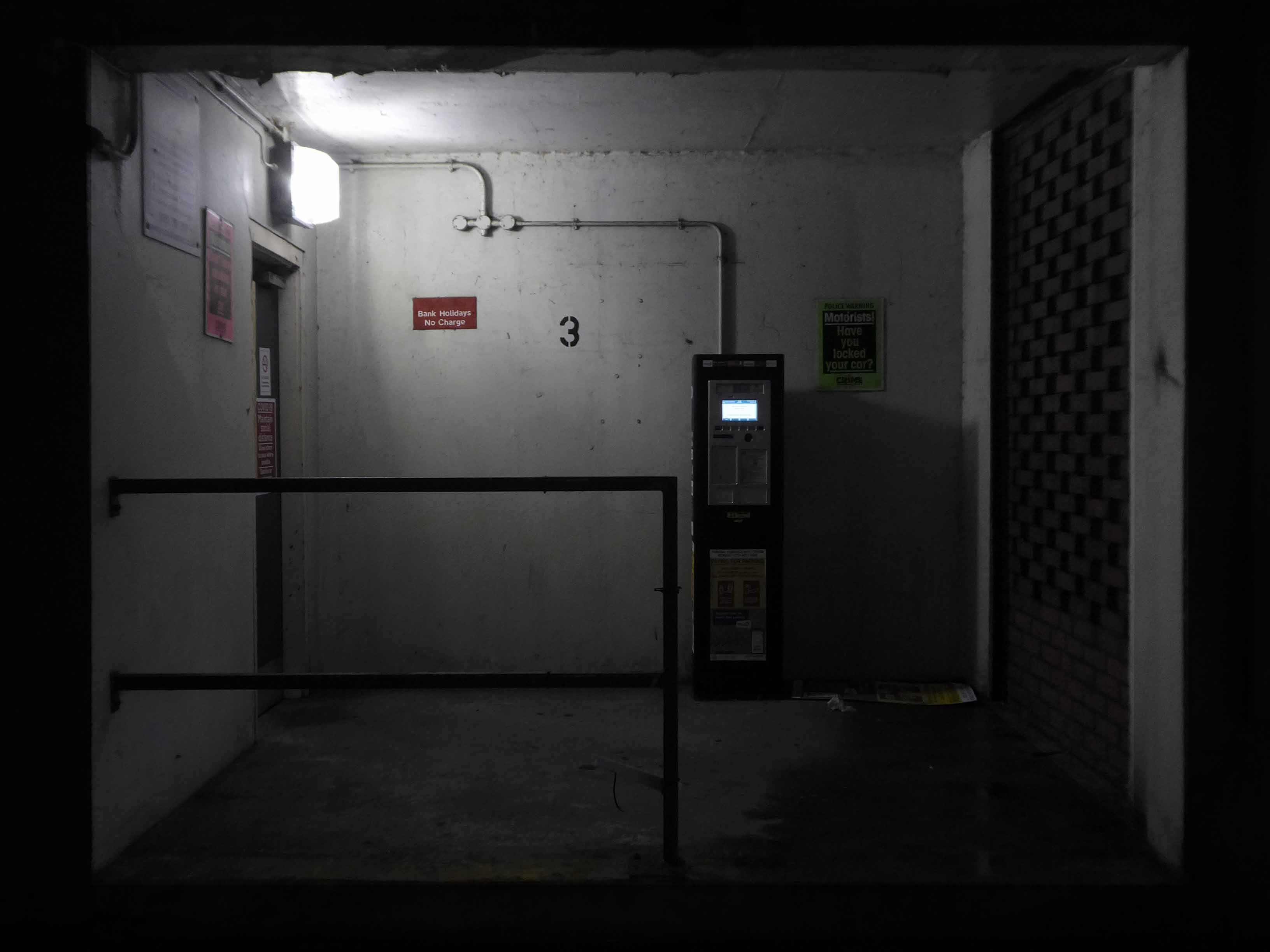
Pay here, your time is time limited, your presence measured.
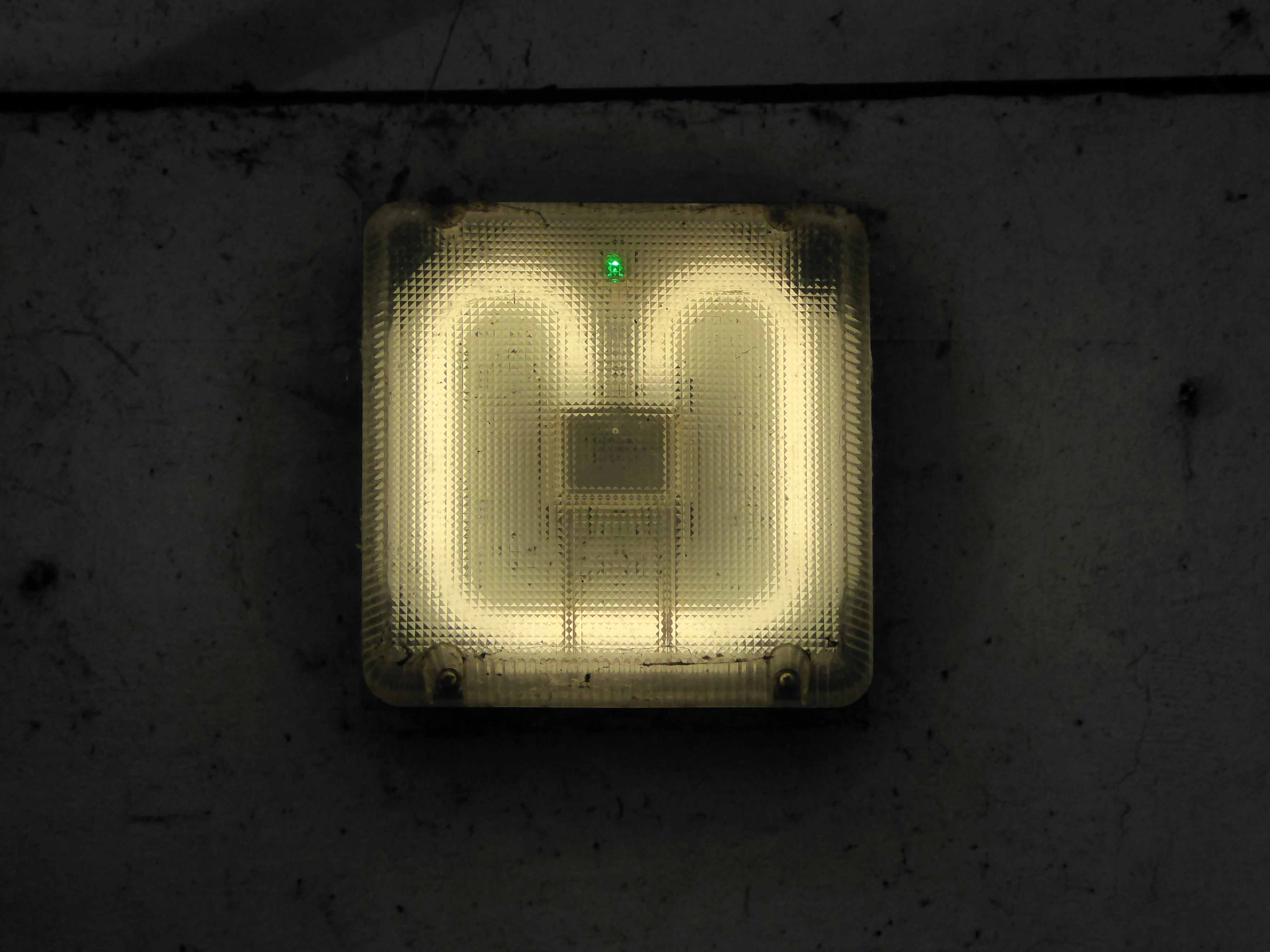
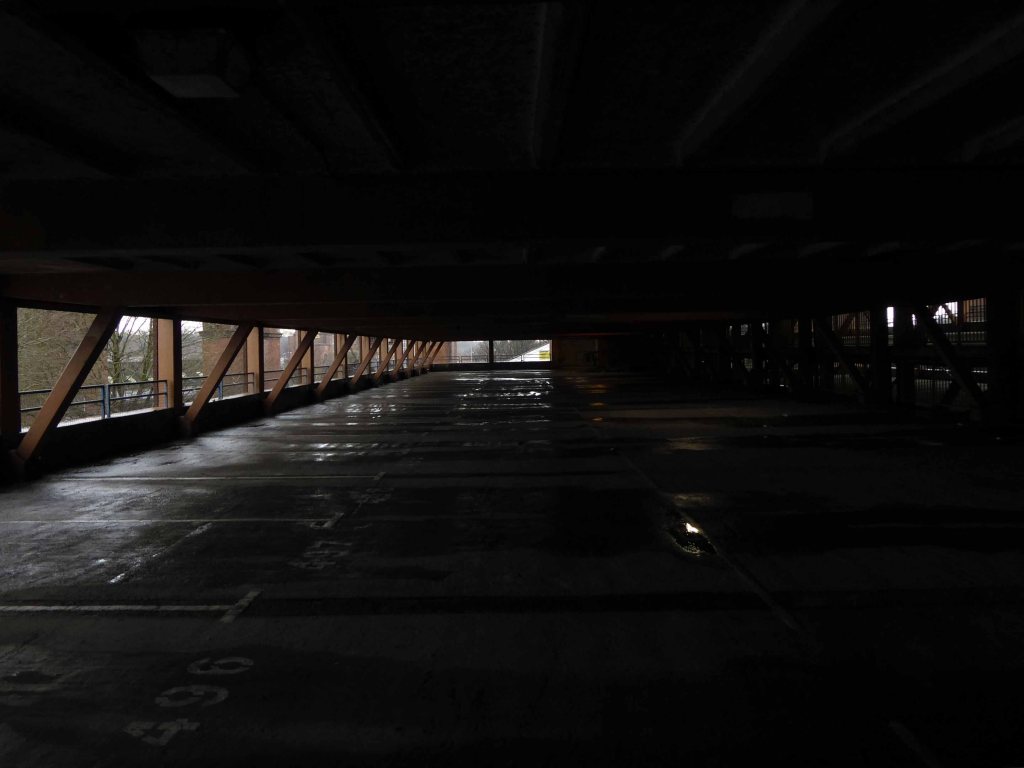
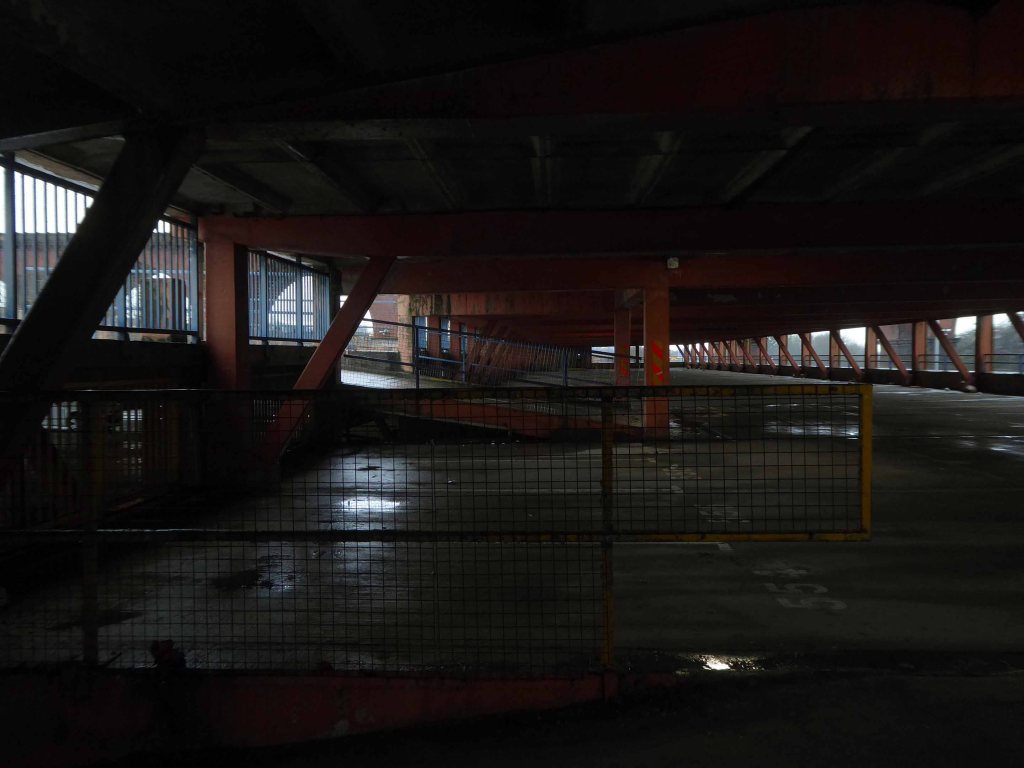
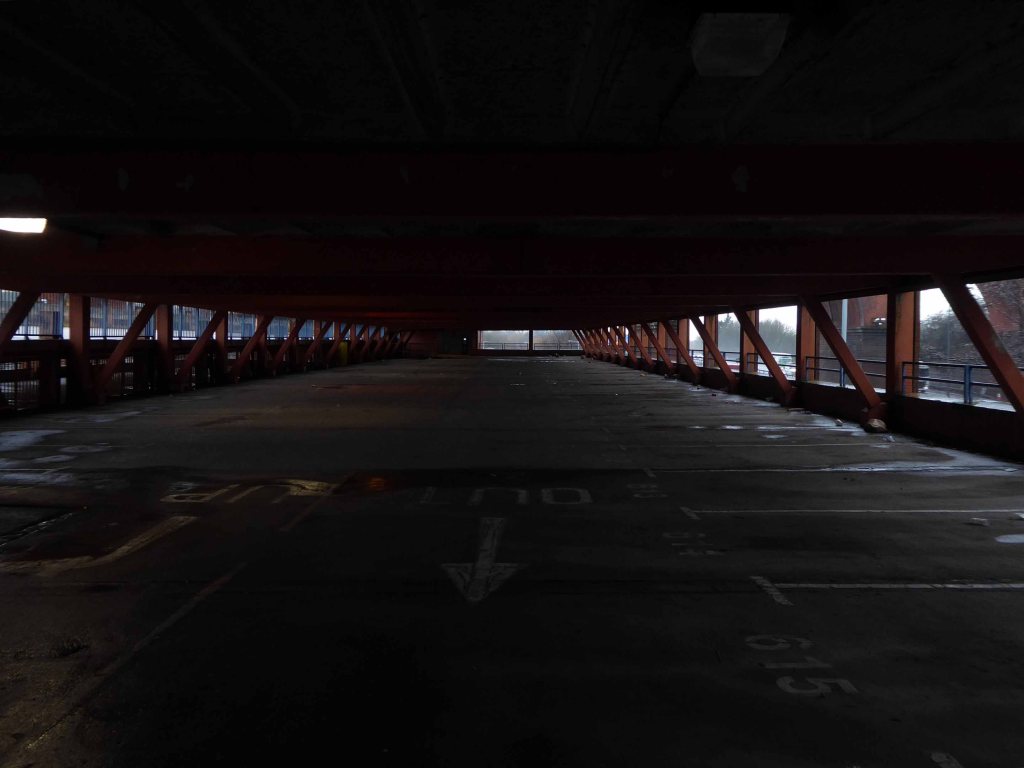
Let’s explore this demimonde together, wet underfoot, lit laterally by limited daylight, walking through the interspersed pools of glacial artificial glow.
Time’s up, check out and move on – tomorrow is another day, another car park; in a different town.
Cinema and car parks wedded forever in the collective popular cultural unconscious.
There comes a time in everyone’s life, when one simply must go to Rotherham, at least once – so I did.
To keep company with my personal town guide, Sheffield Modernist and local resident, Helen Angell.
I arrived early at Rotherham Central, so went for a solo wander.
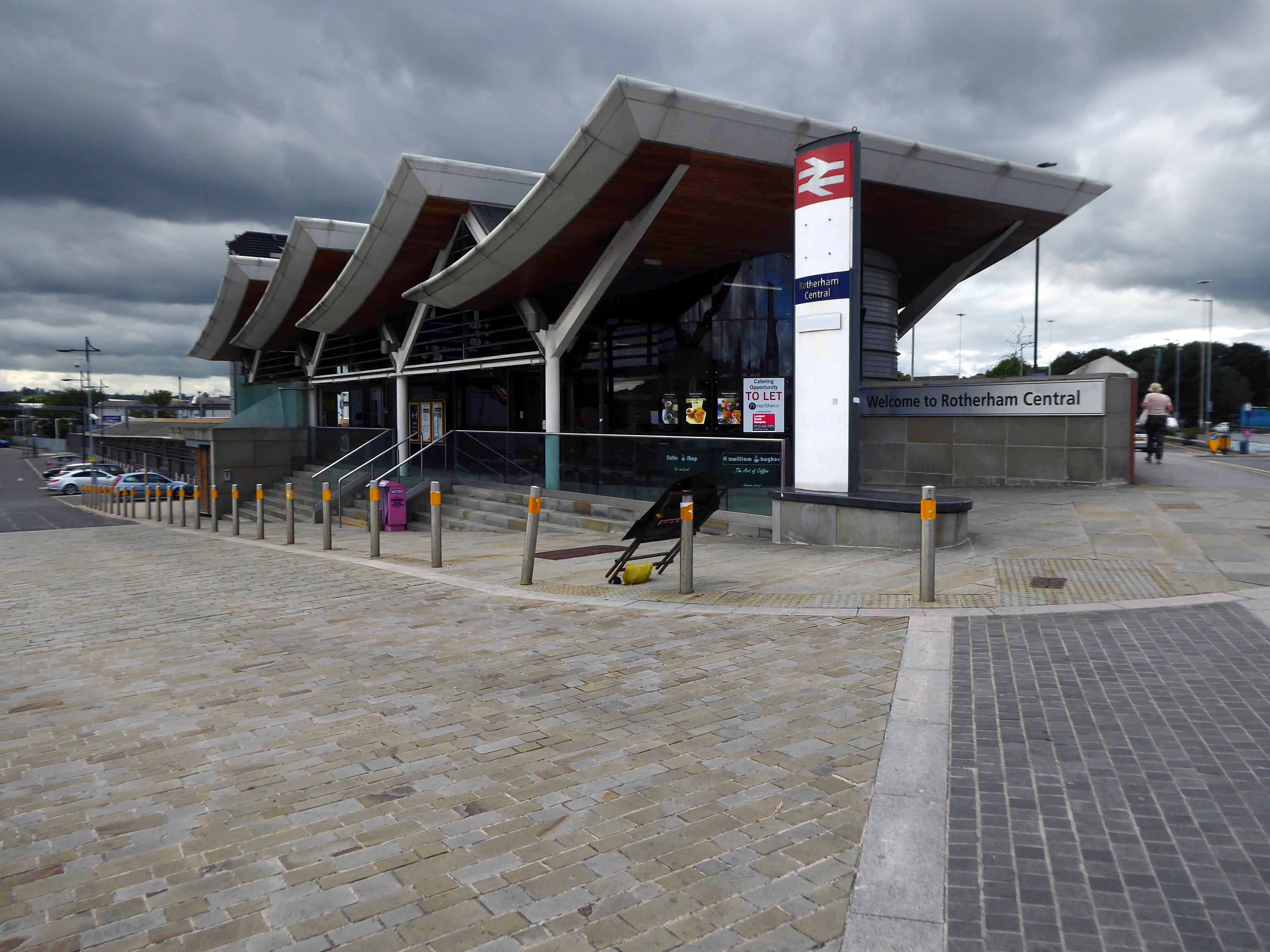
The station was originally named Rotherham, becoming Rotherham and Masborough in January 1889 and finally Rotherham Central on 25 September 1950.
The newish Rotherham Central station was opened to passengers on 11 May 1987, the present iteration on Friday 24 February 2012, as part of the Rotherham Renaissance plans for the regeneration of the town.
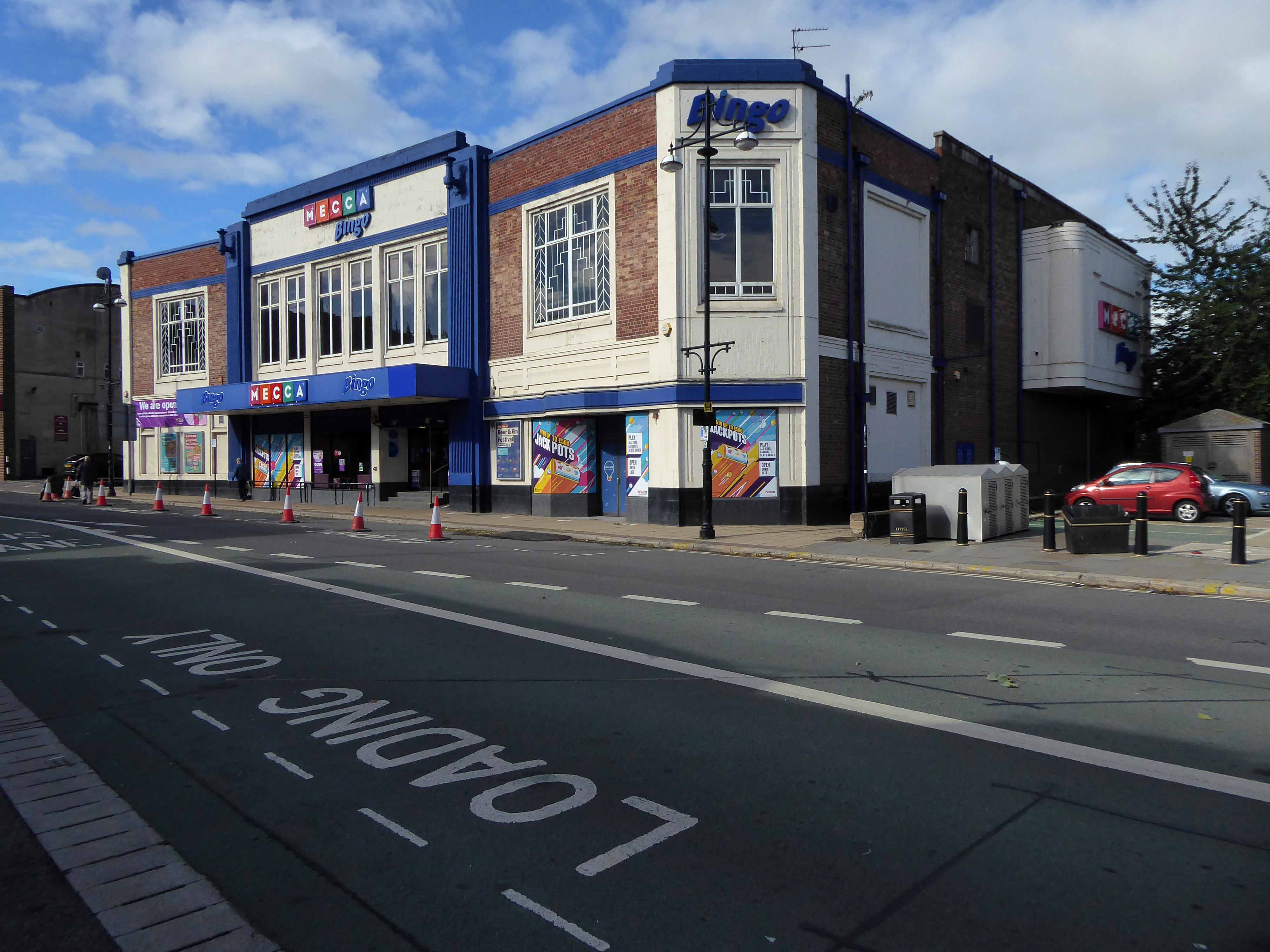
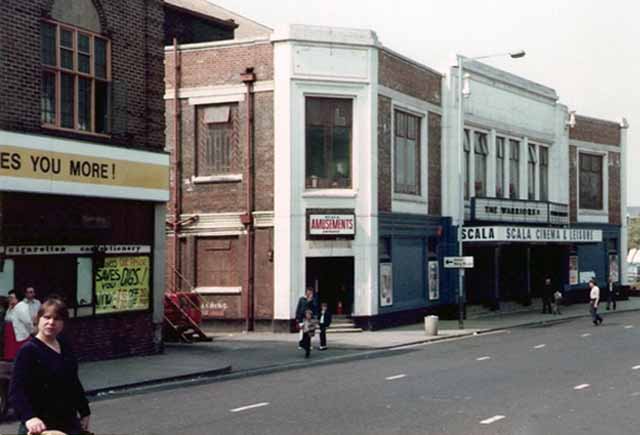
Opened 22 December 1934 as the Regal Cinema with Leslie Howard in Girls Please. Sandy Powell, the famous comedian attended opening night this 1,825 seat. It was designed by the Hull based architectural firm Messrs Blackmore & Sykes for local exhibitor Thomas Wade and was leased to the Lou Morris chain.
By 1937 it was operated by the London & Southern Super Cinemas Ltd. chain. The Regal Cinema was leased to the Odeon circuit in 1946 and was re-named Odeon. It was sold by the Rank Organisation to an independent operator in 1975 and renamed Scala Cinema, by 1981 using the circle only.
Closed 23rd September 1983 with the film Porky’s.
Became a bingo hall initially named Ritz but now Mecca. On 20th February 2020 the building was put up for sale by auction at an asking price of £600,000+, but failed to sell, with the maximum reached £590,000. Mecca bingo continues in the building.
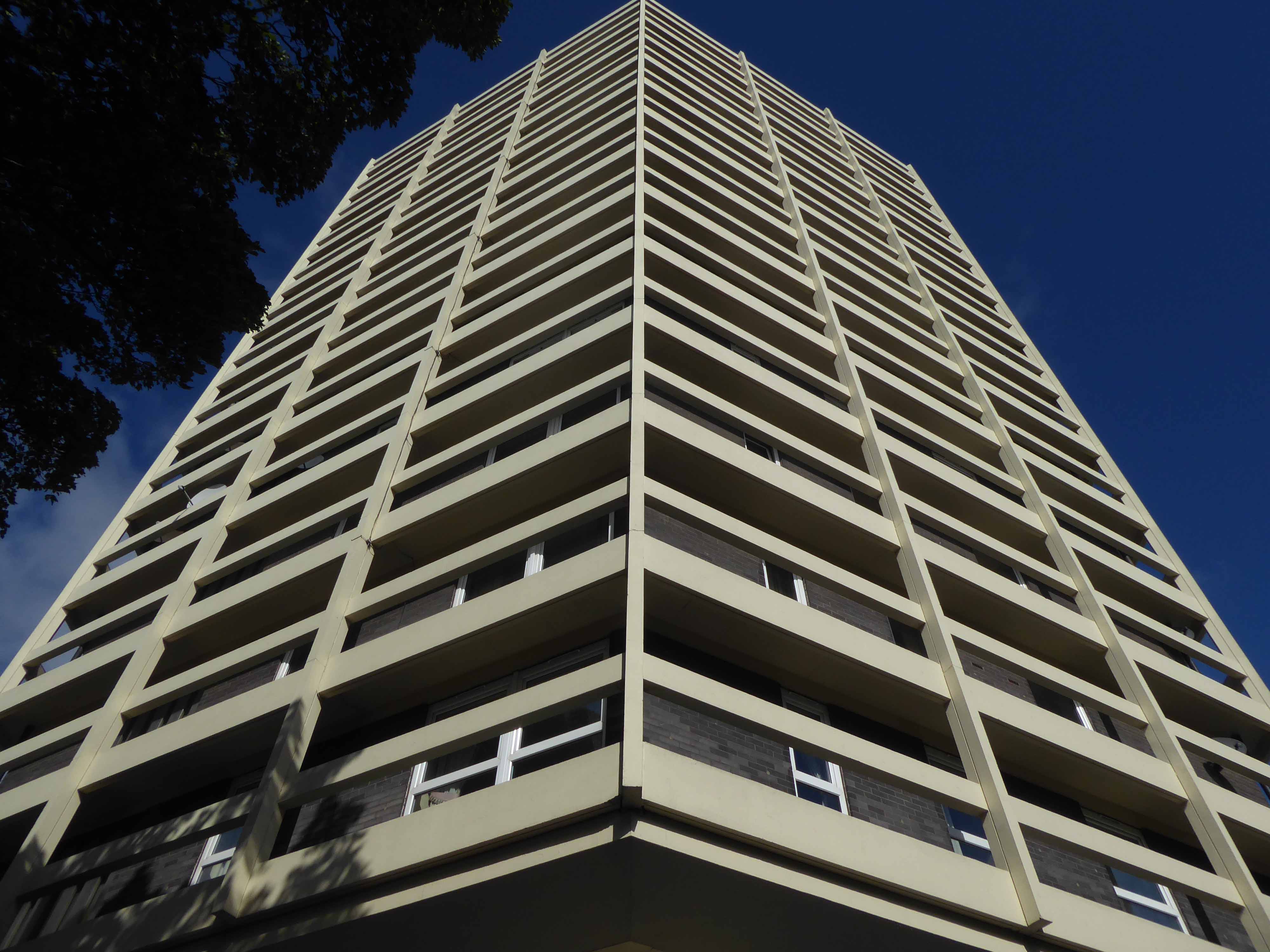
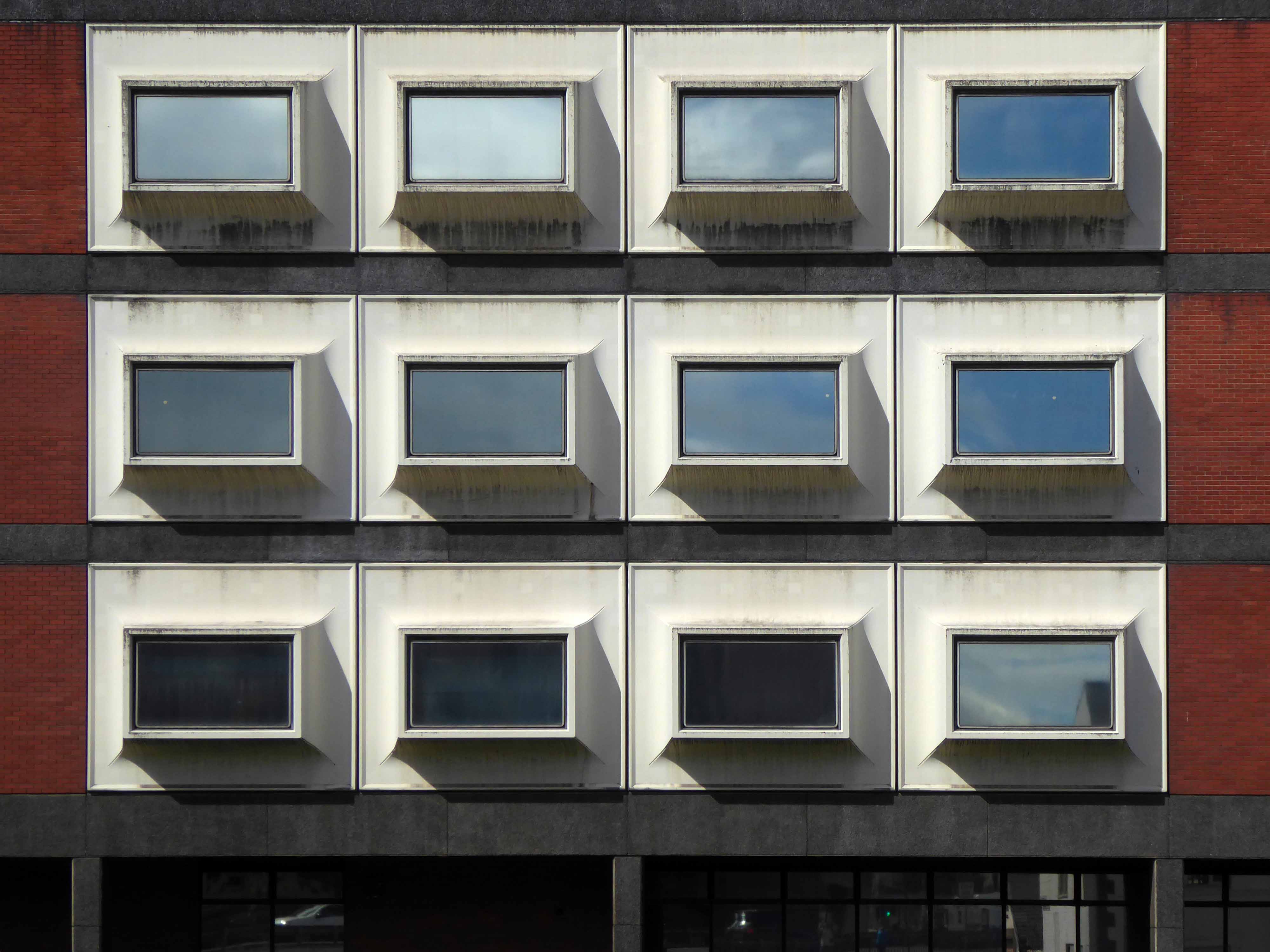
Main contractors J. Finnegan it’s thirteen storeys high – housing forty eight dwellings.
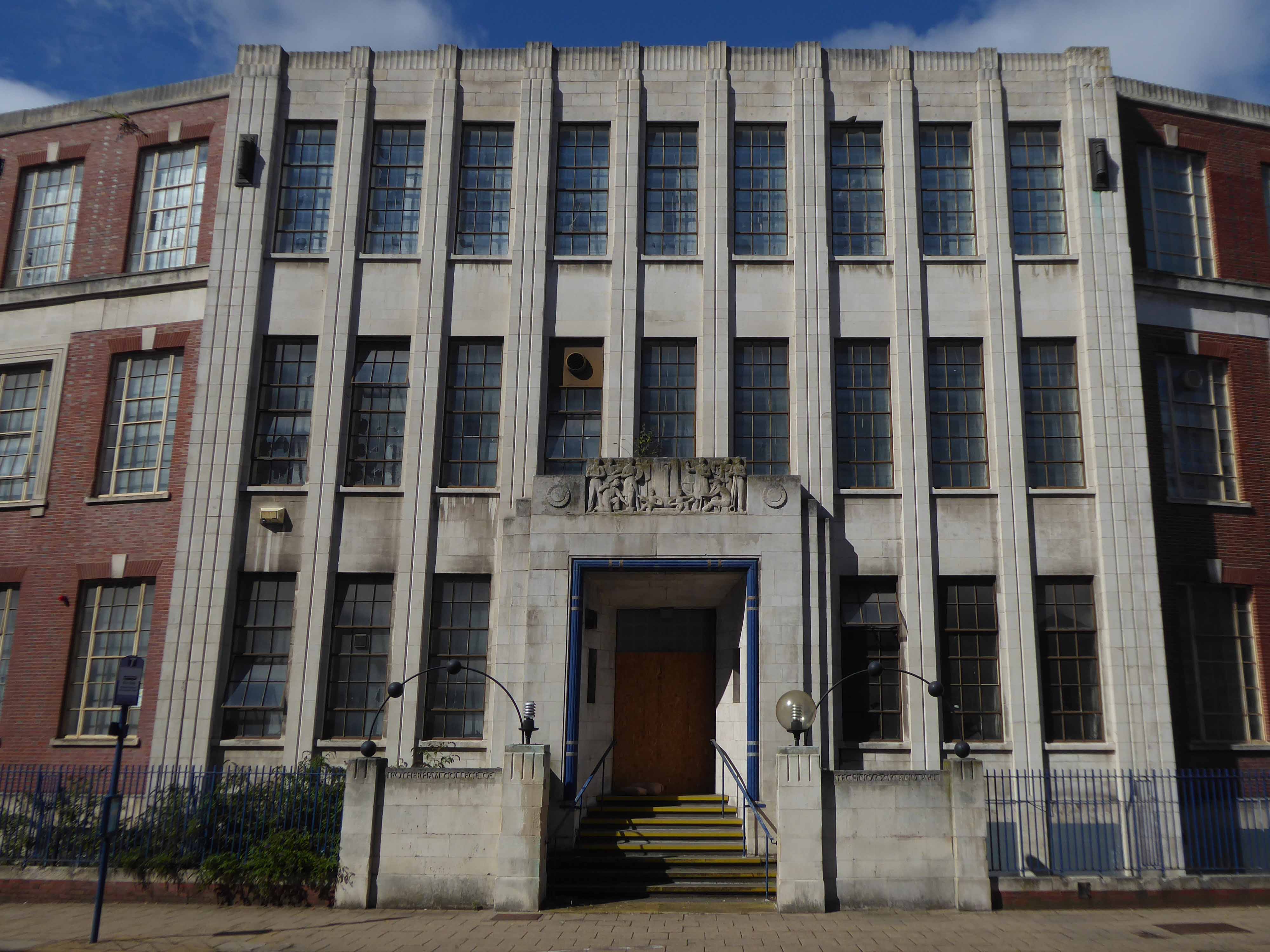
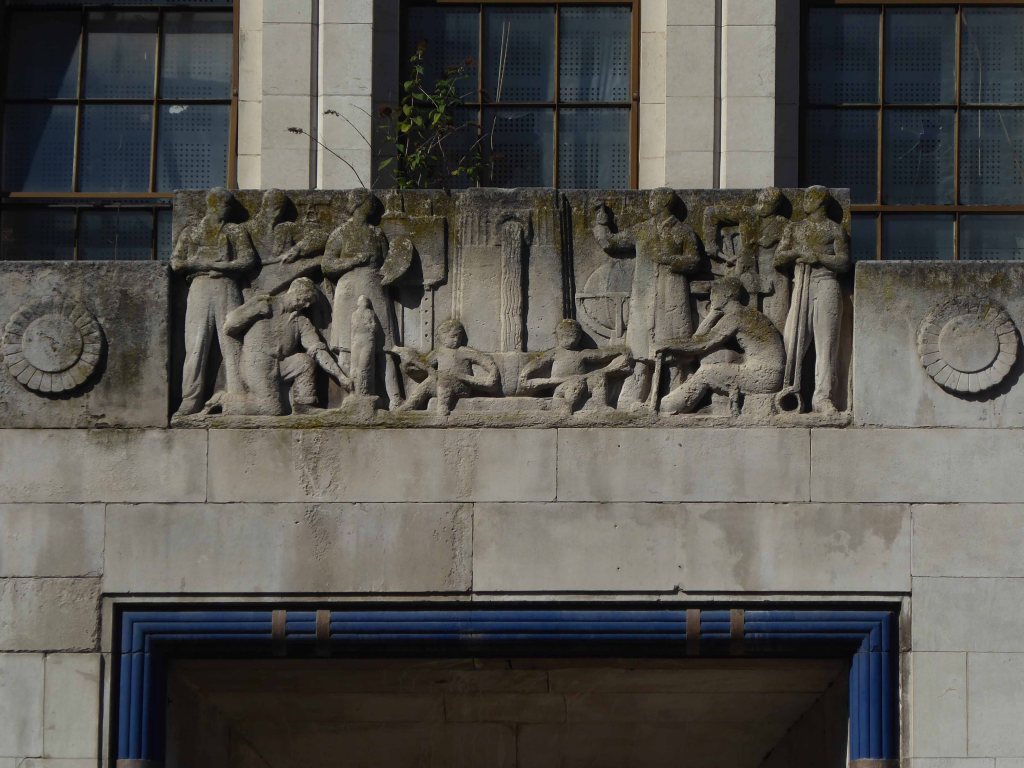
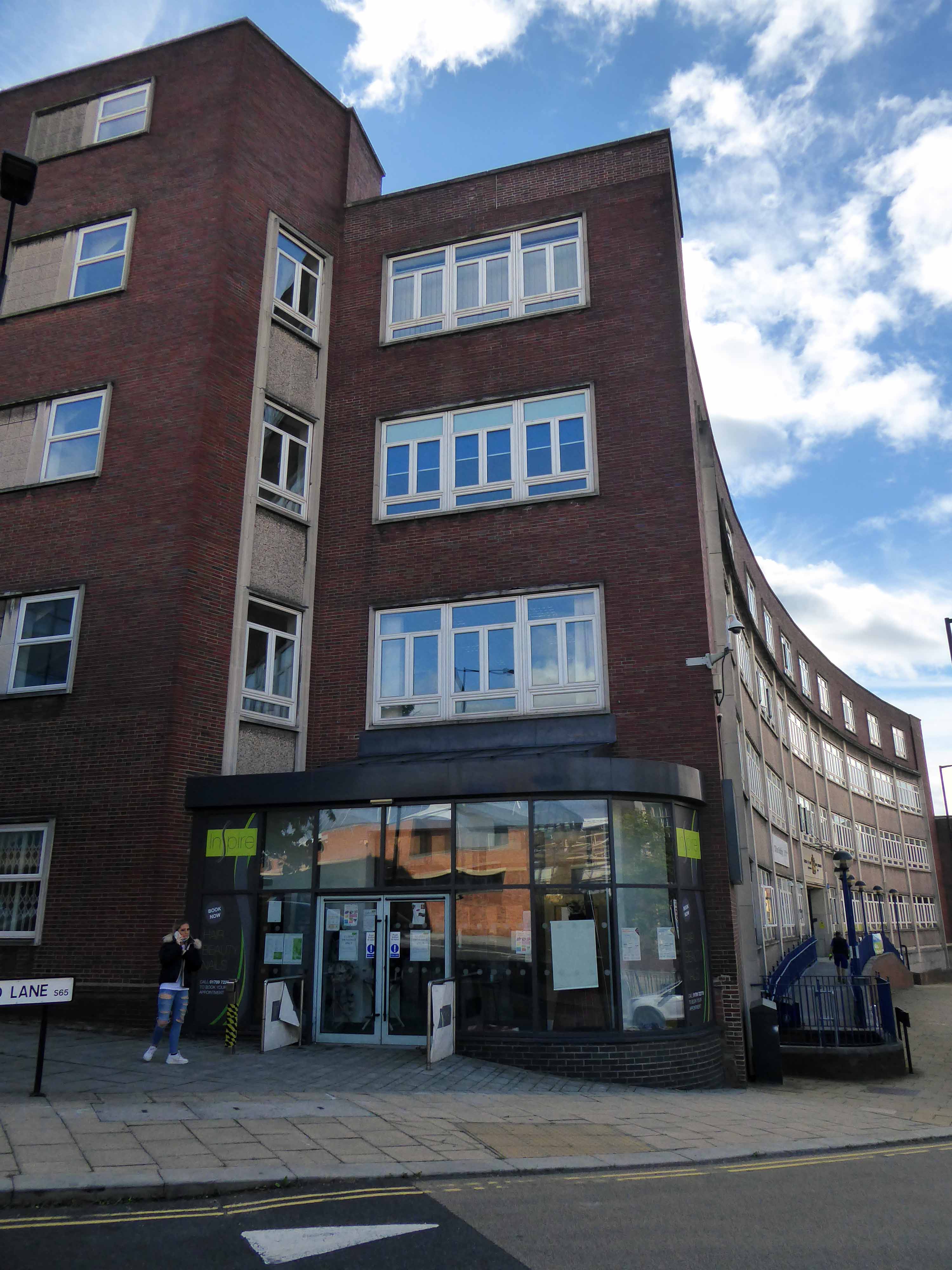
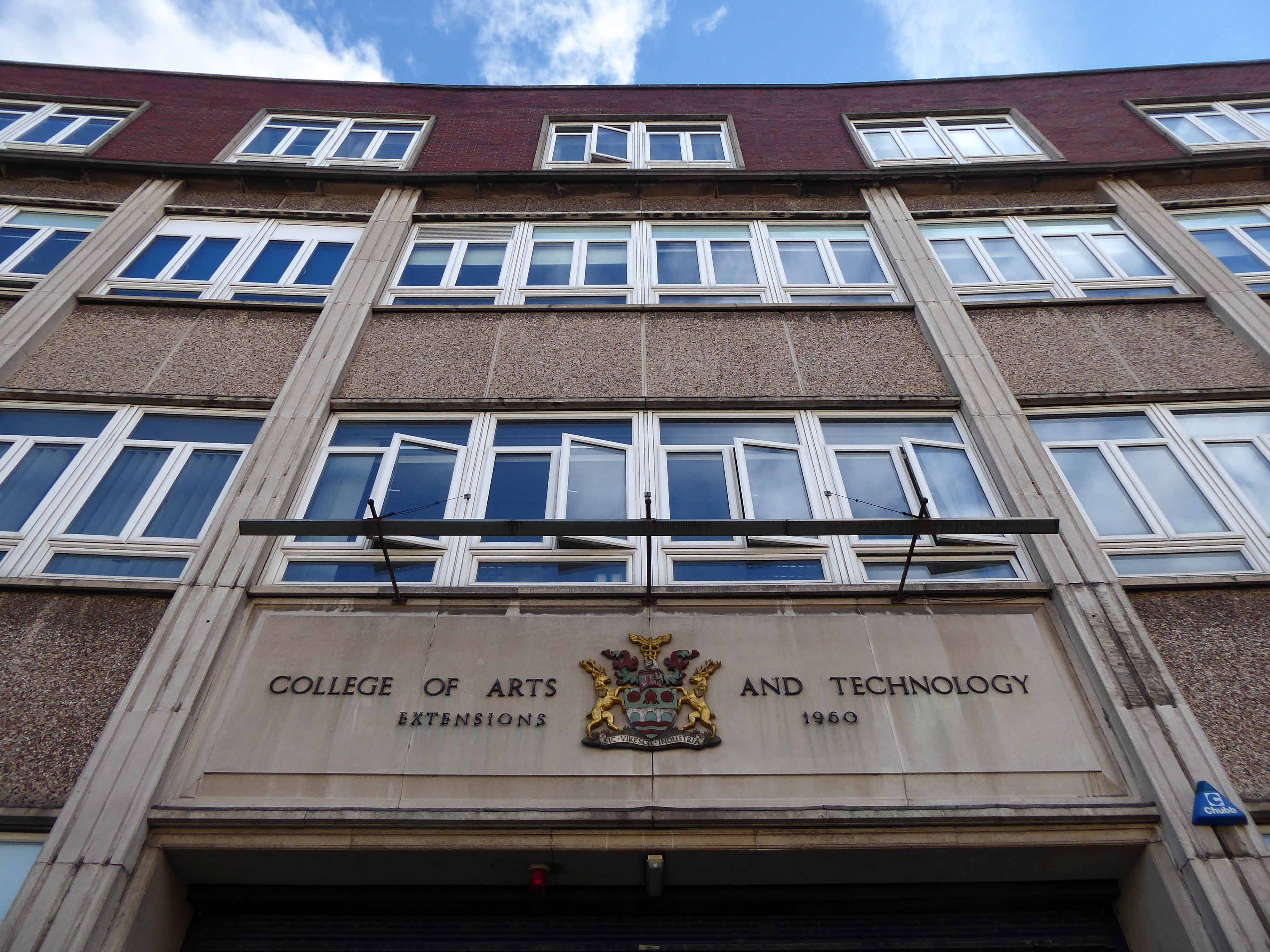
Interwar Technical College – Howard Building
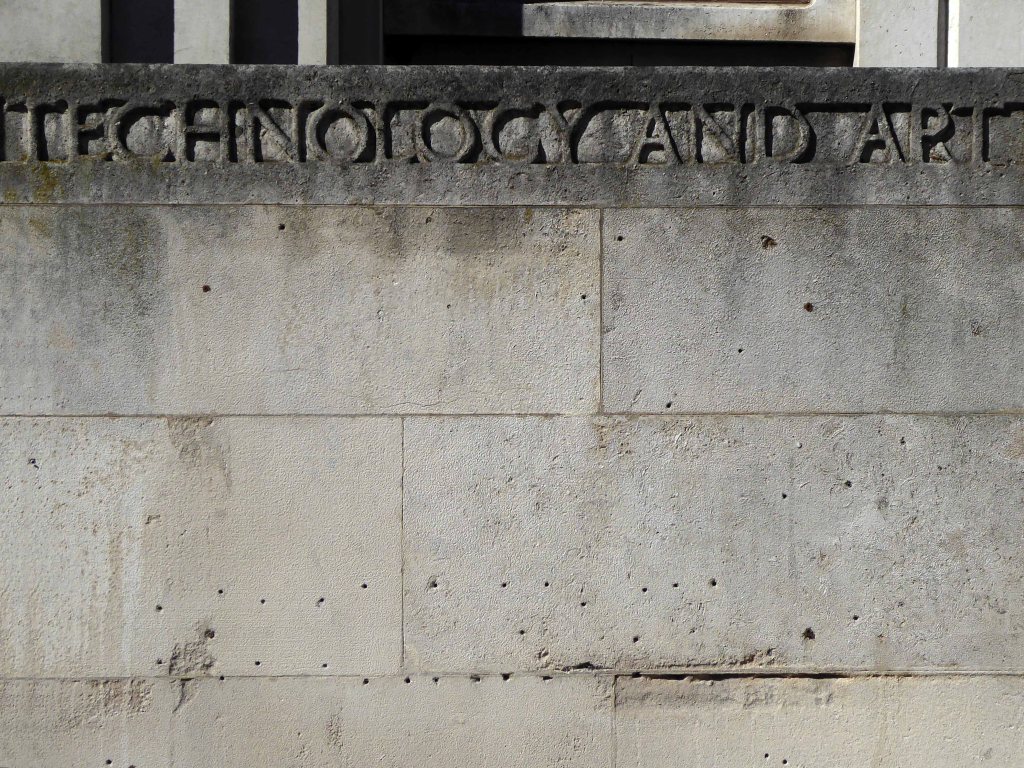
From the 1930s, it provided technical-orientated education from the Howard Building on Eastwood Lane, Rotherham. In 1981, three neighbouring colleges of arts, technology and adult education were merged into one. As a result, the college became known as Rotherham College of Arts and Technology.
Revised plans to convert the historic Howard Building in Rotherham town centre into self-contained studios and apartments have been approved by the planning board at Rotherham Council.
The prominent former college building was sold prior to going to auction last September after it was advertised as a development opportunity and given a guide price of £250,000 by local auctioneers, Mark Jenkinson & son.
A group of rogue property directors with links to a prominent derelict building in Rotherham have been banned for a total of 54 years. The six, of Absolute Living Developments, were found to have misled more than 300 people to invest at least £12 million in residential properties.
The firm was linked through a lender to Avro Developments, which had plans passed in 2015 to renovate former college block the Howard Building in Rotherham town centre.
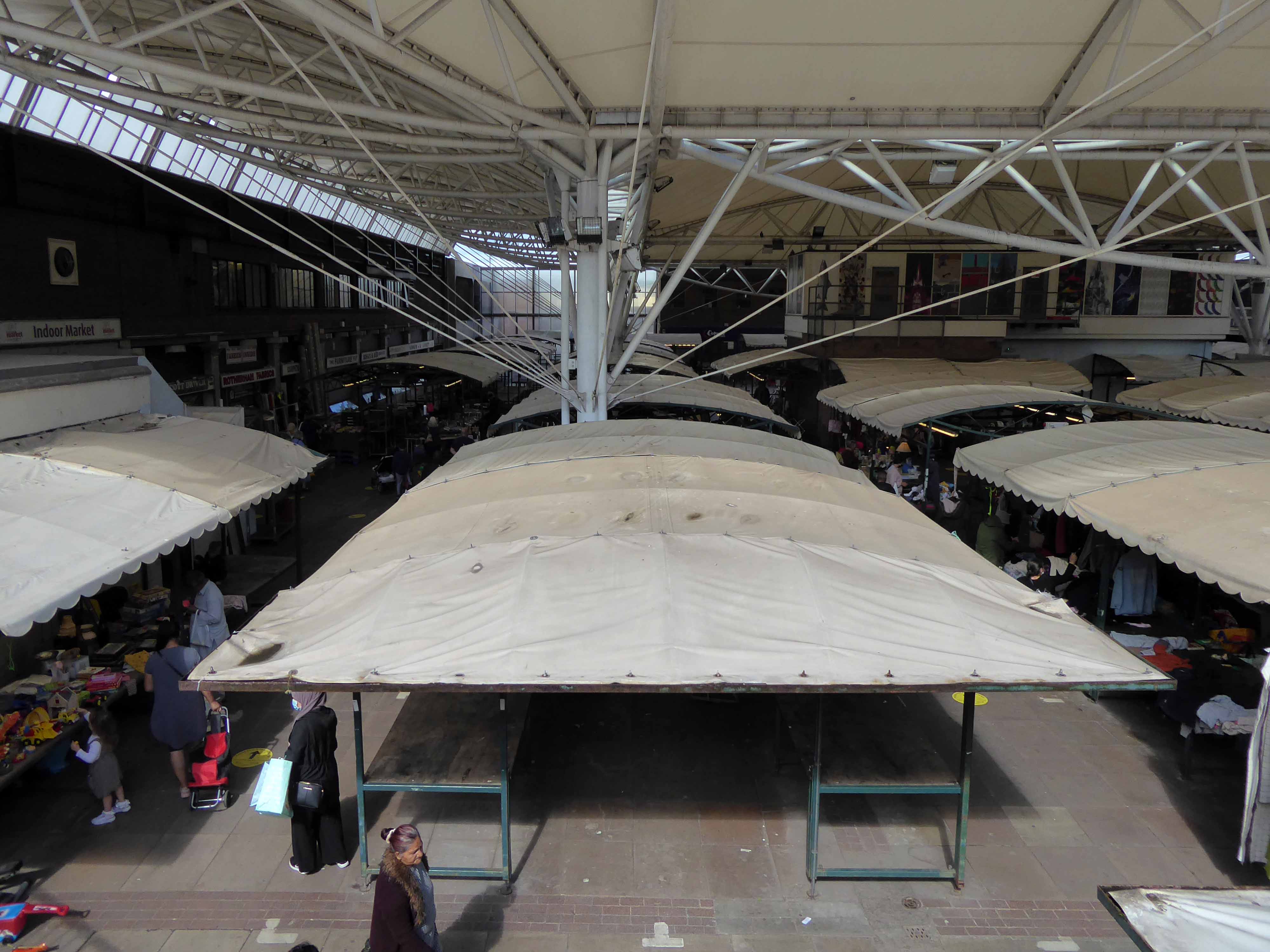
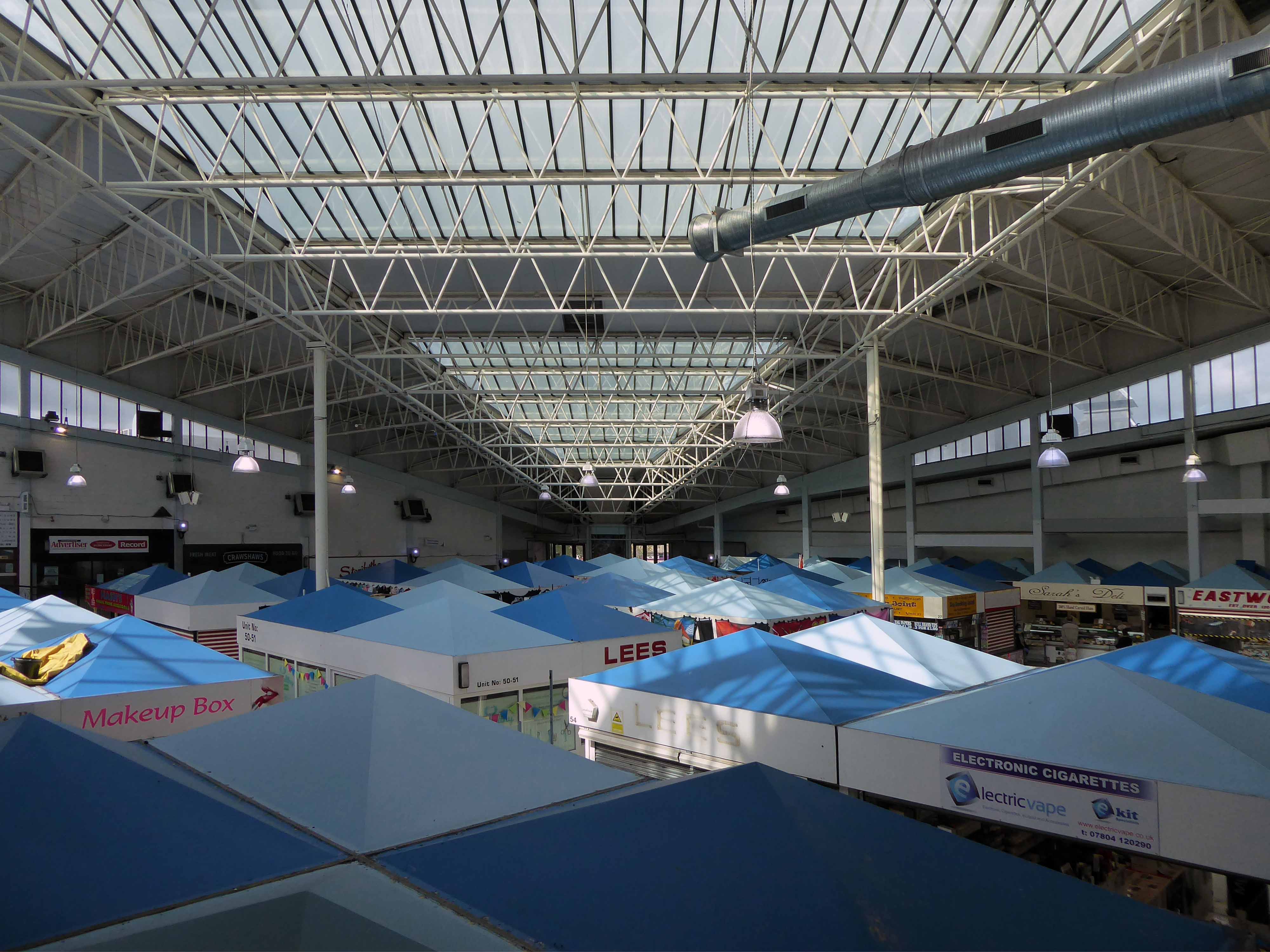
With a strident high tech canopy, very recently added – though Rotherham’s history stems back 800 years when it is thought that the original royal market charter was granted by King John in the year 1207.
There are traces of the 1970’s rebuild.
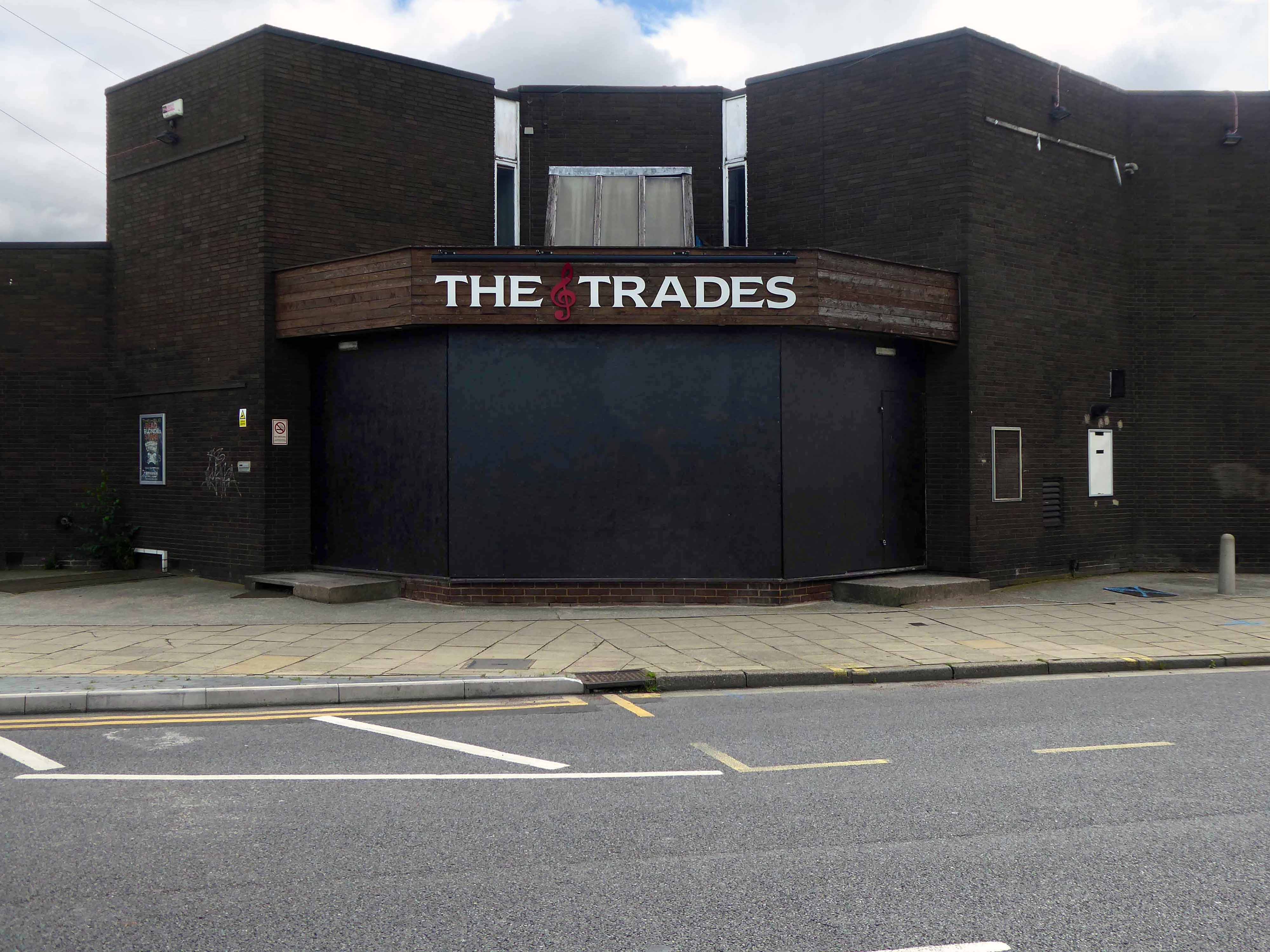
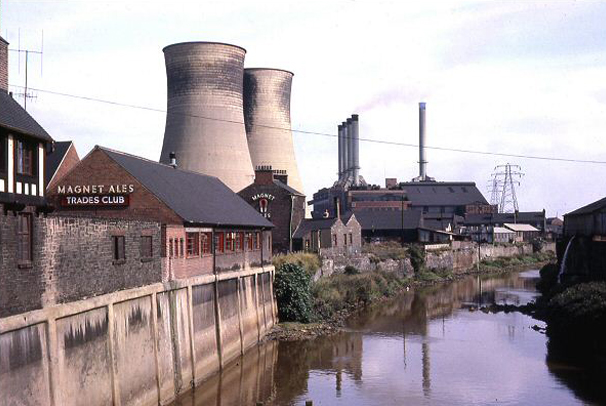
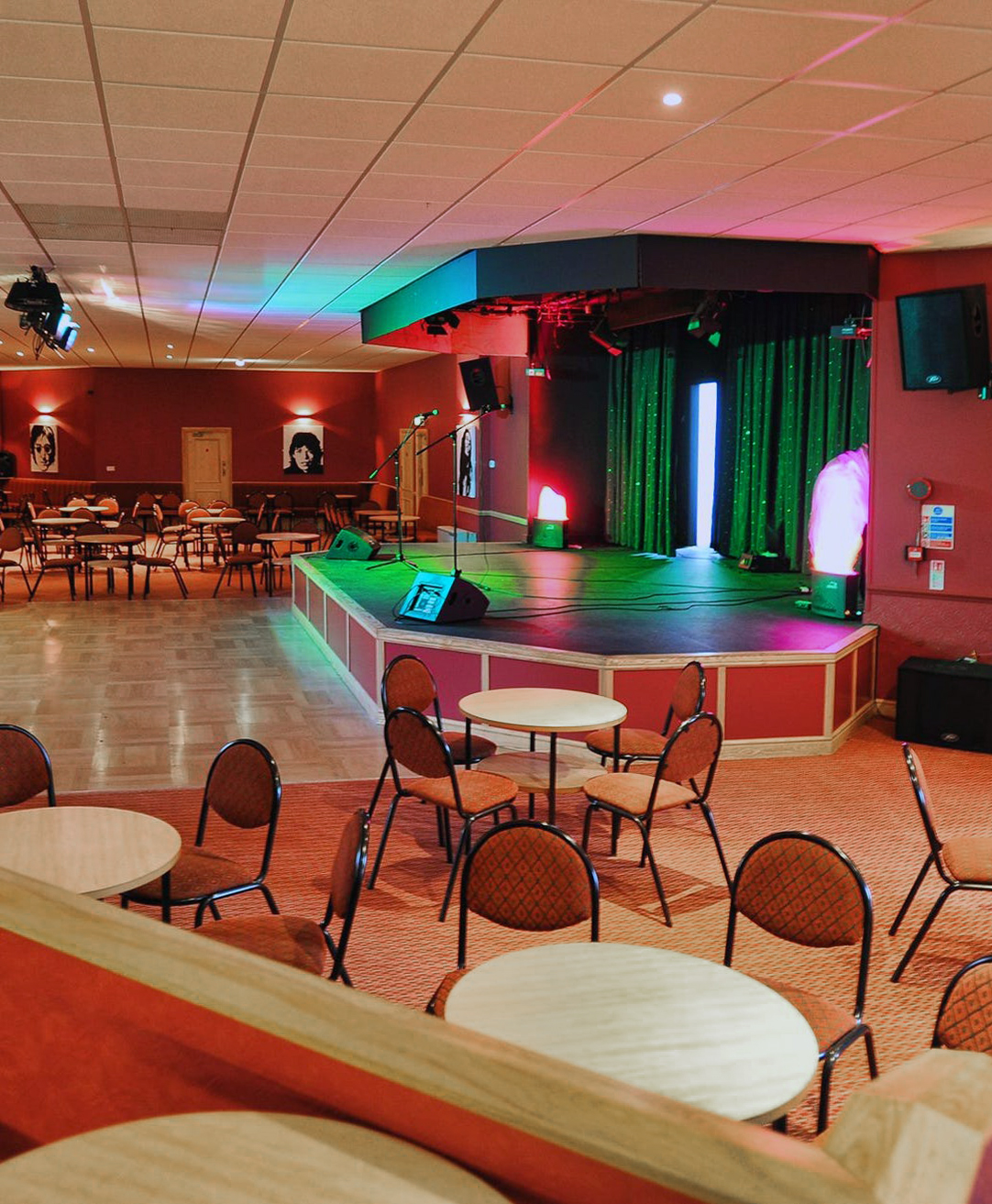
Bunker-like The Trades former music venue/pub, which replaced the former riverside Trades Club.
The PA now silenced.
This was an amazing event. The bands were really good and the drinks offers, while limited, were good. The ceiling in the ladies toilets had fallen through and was dripping, presumably there had been a leak from all the rain, but this didn’t lessen the awesome experience.
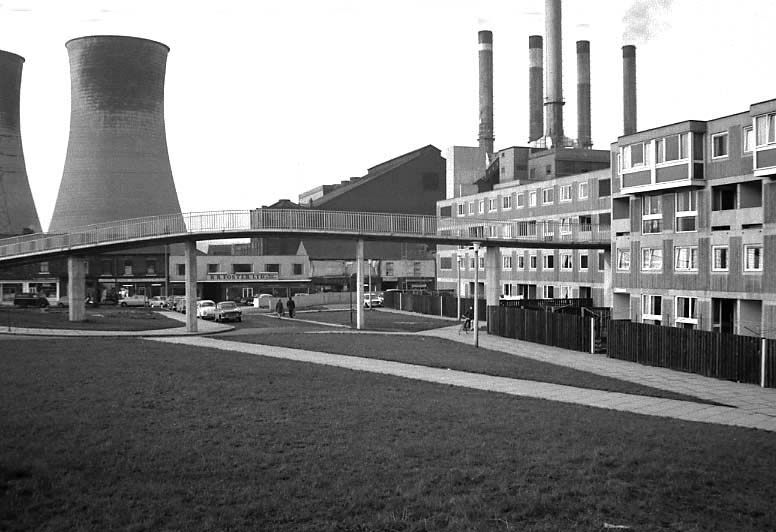
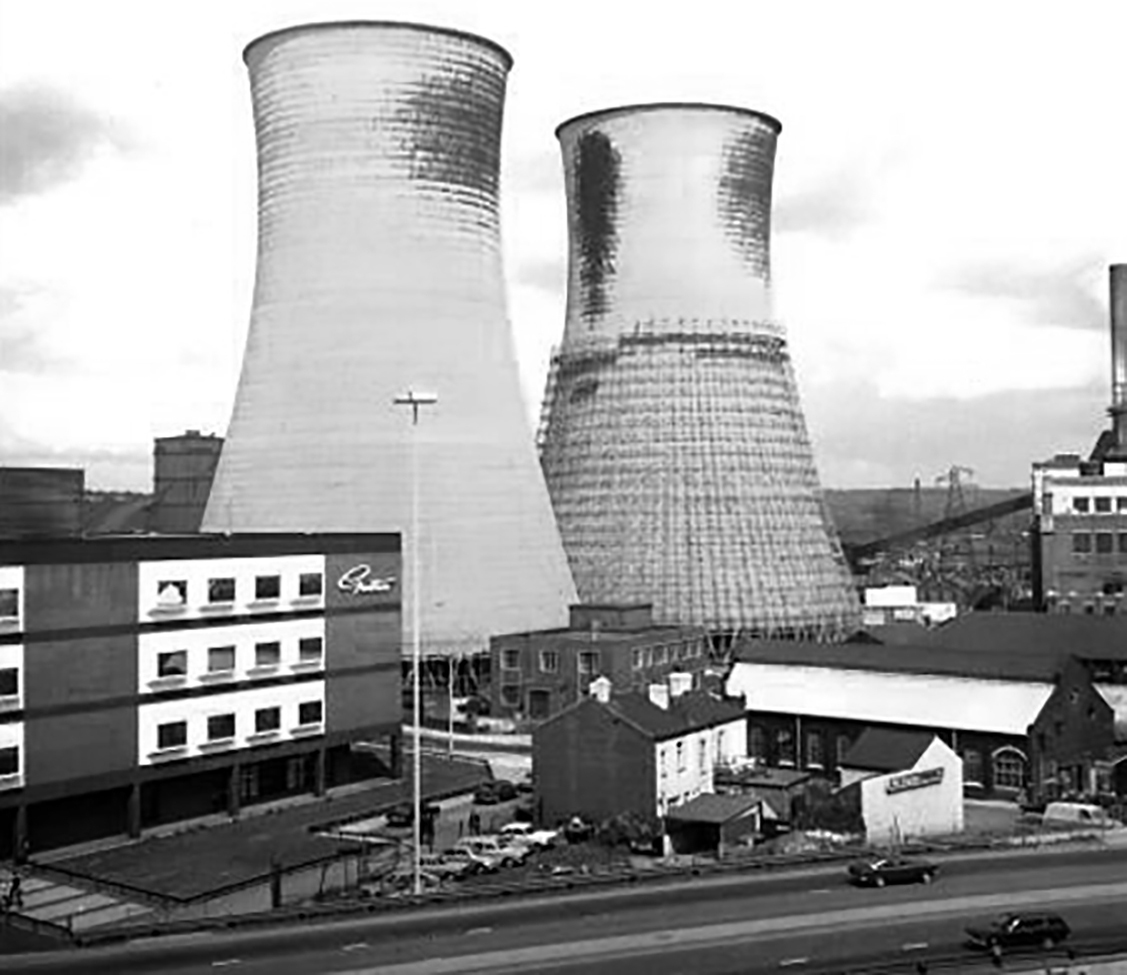
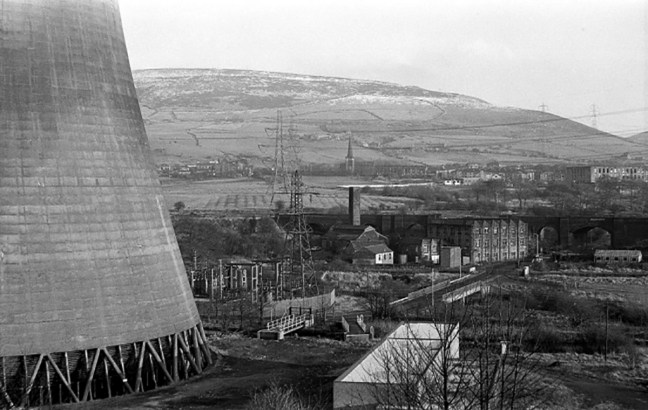
The cooling towers and flats are long gone – the coal-fired power station operated from 1923 until October 1978.
The Prince of Wales Power Station in Rotherham was located on Rawmarsh Road and was opened by the Prince of Wales – the future King Edward VIII.
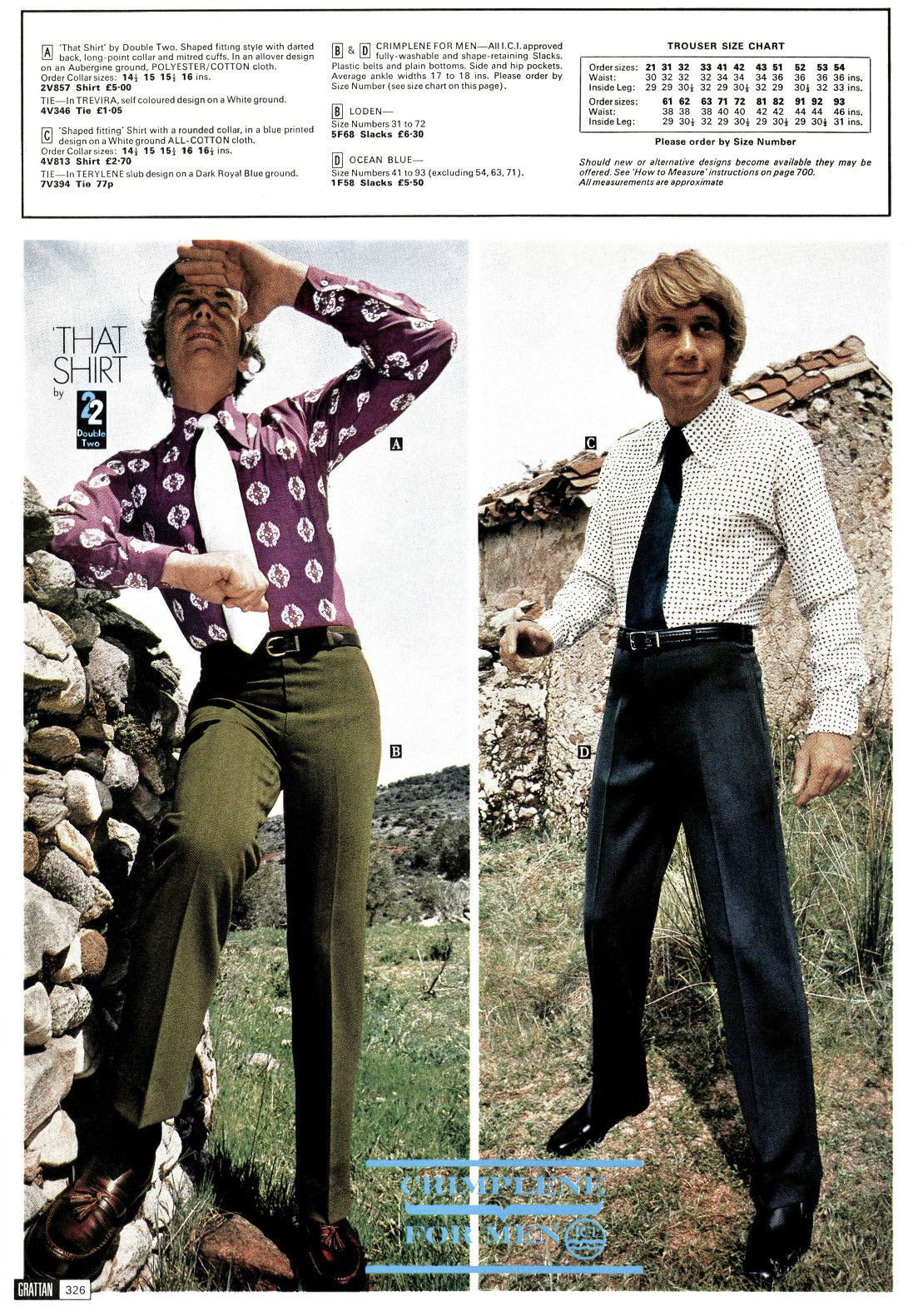
The former Grattans catalogue offices can be seen to the left.
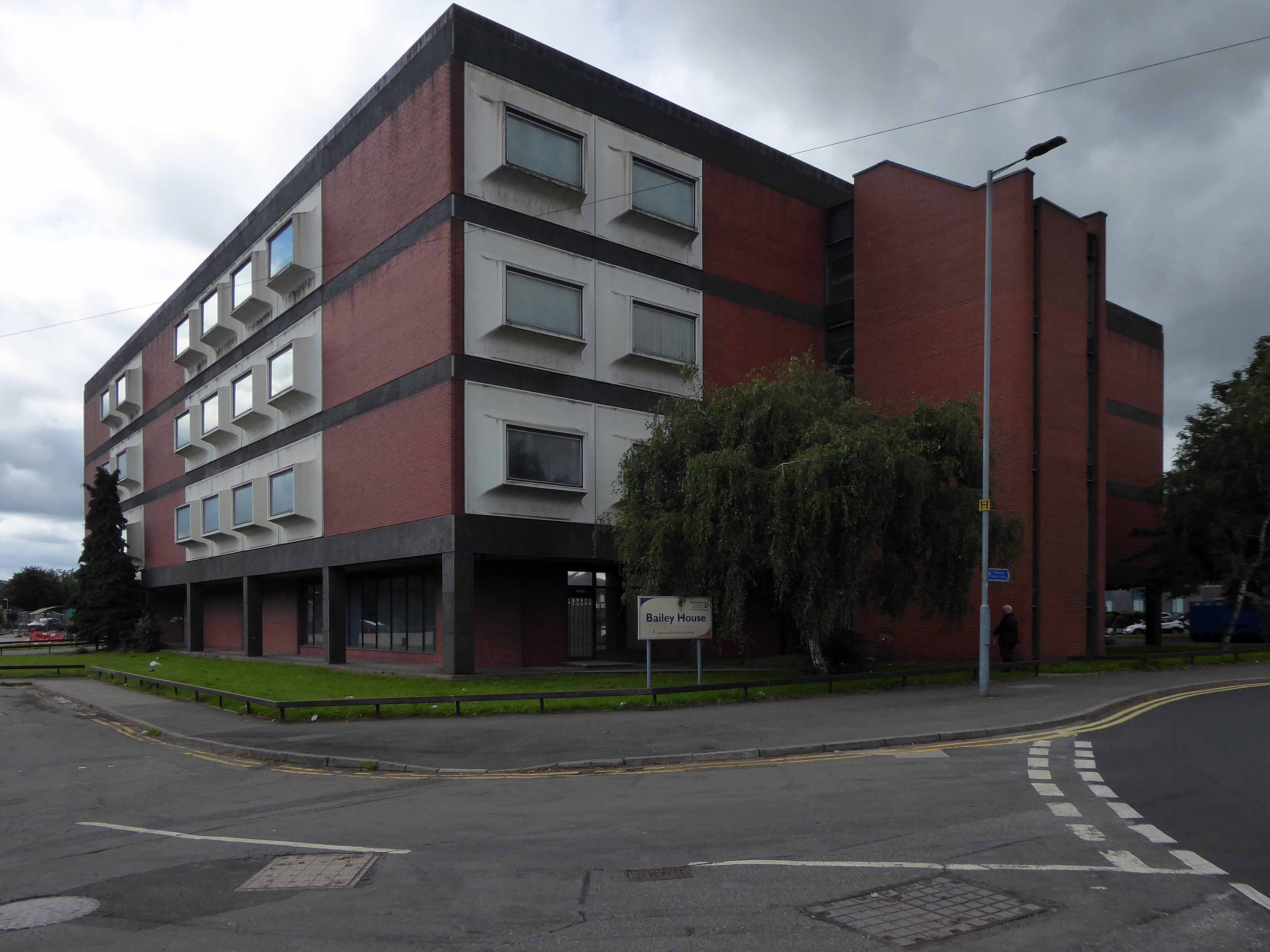
Renamed Bailey House and still in use by the local authority, its days it seems are numbered.
The building is named after Rotherham-born engineer Sir Donald Bailey whose ingenious bridge designs played a key role in shortening World War II, the house in which Bailey was born, 24 Albany Street is still standing.
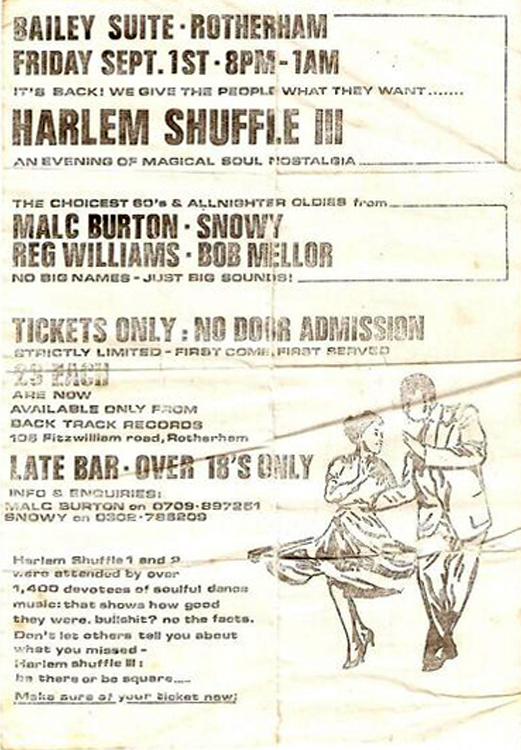
Sadly no longer home to the Harlem Shuffle
No big names – just big sounds.
There are some surviving power station buildings.
Along with electrical infrastructure.
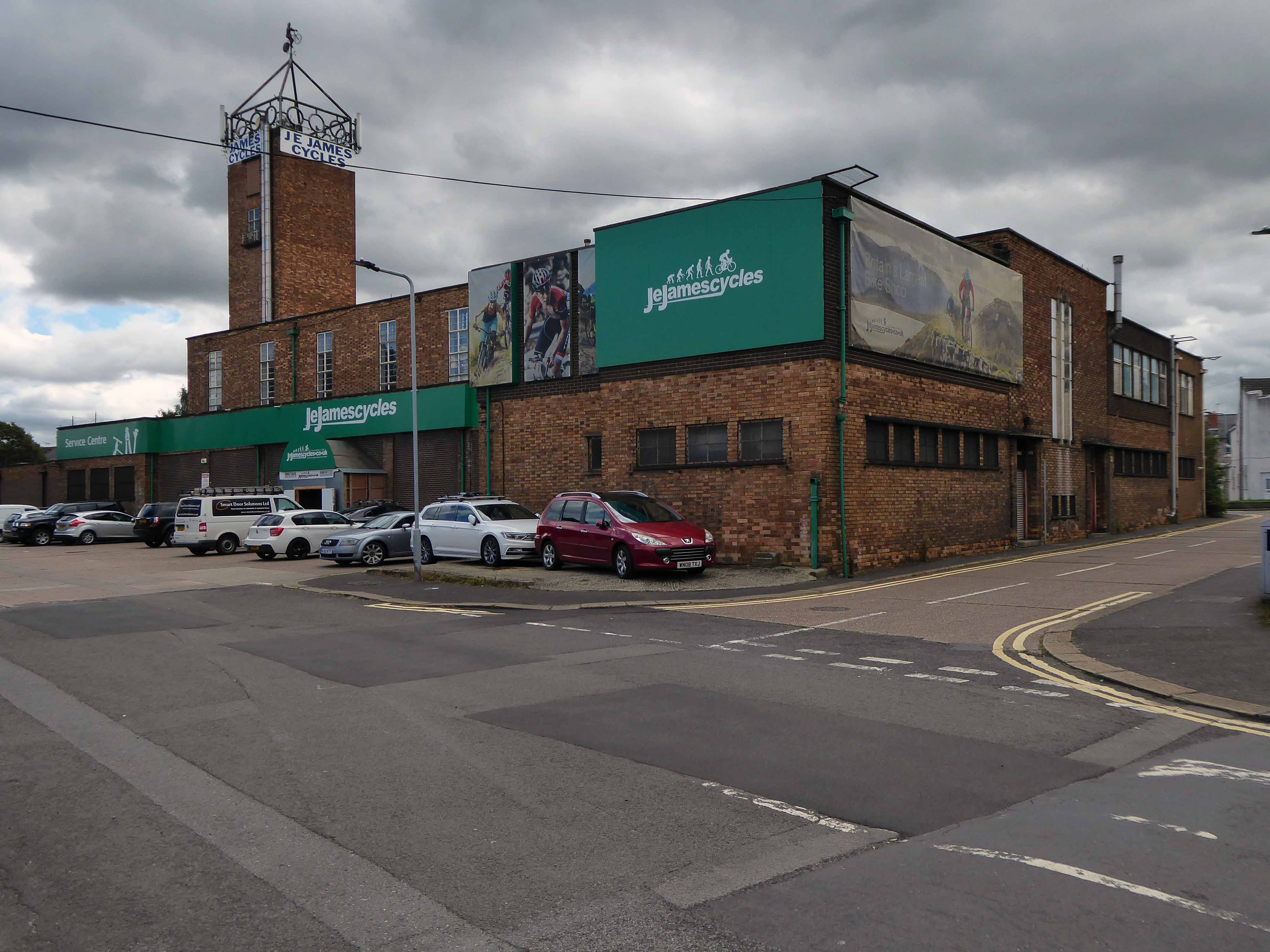
Up the road next, to the former fire station, which now houses J E James Cycles.
It is surrounded by typically atypical inter war housing.
I could make the wild assumption, that these flat roofed maisonettes were originally homes fit for firefighters.
With a final notable note regarding Rotherham’s hand painted council commissioned signage – I’d like to think that they have a sign writer in their employ.
Many thanks to my learned companion Helen – thanks for a fine day out, so much to see and do!
All that is solid melts into air as Marx and Marshall Berman told us.
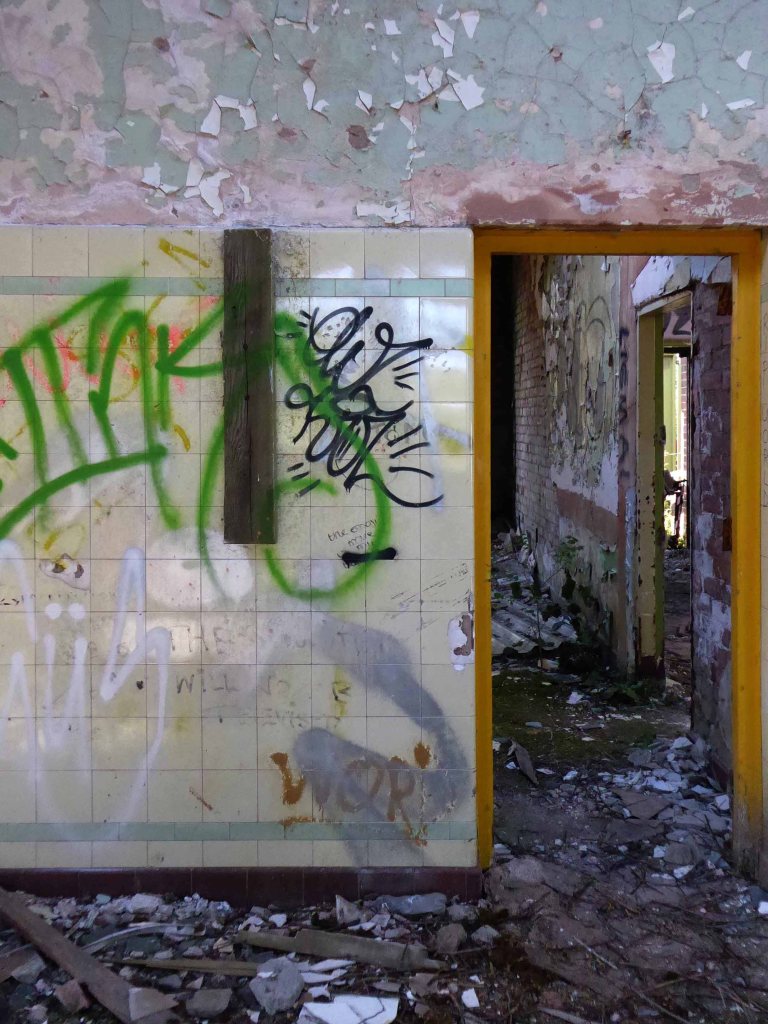
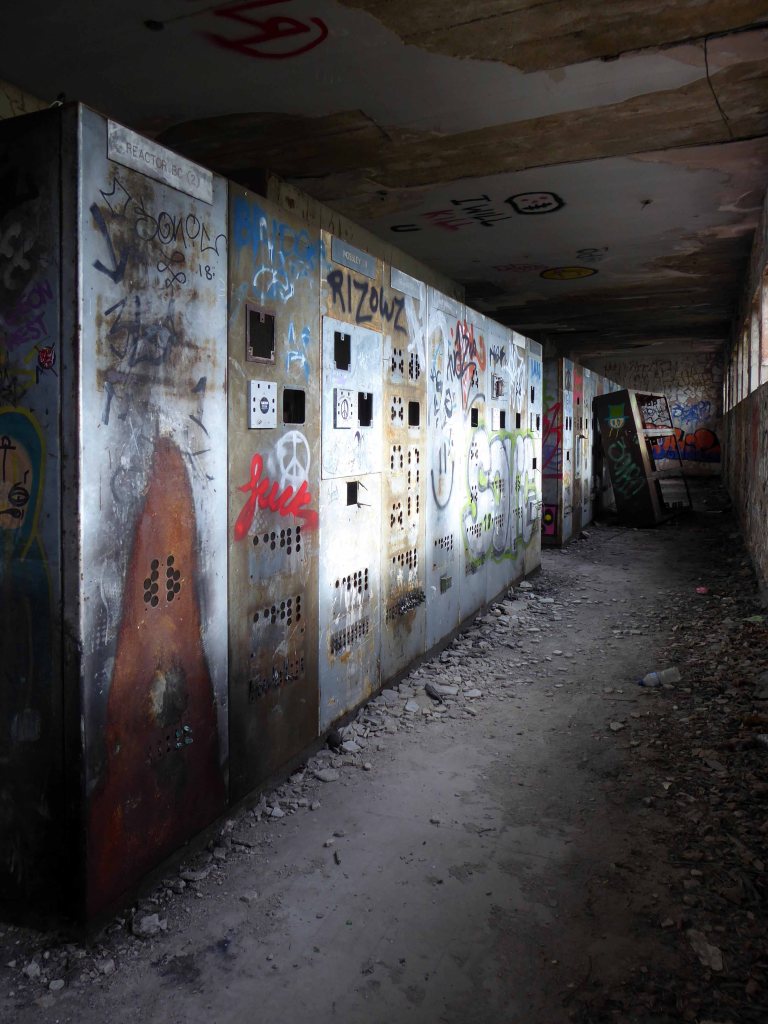
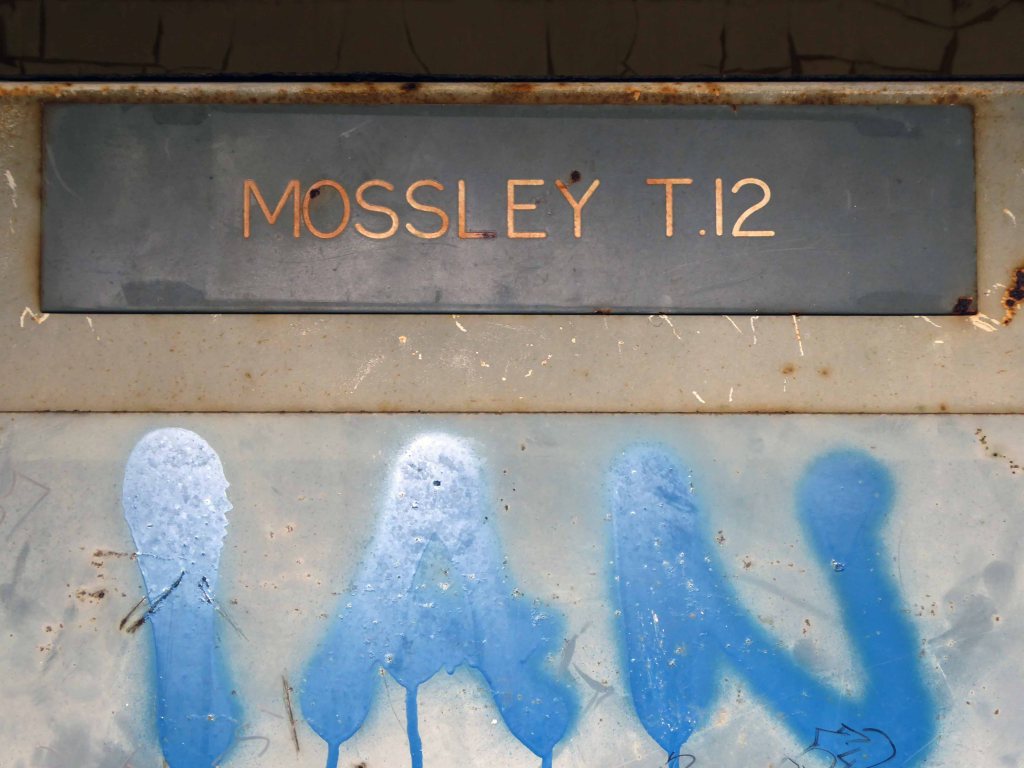
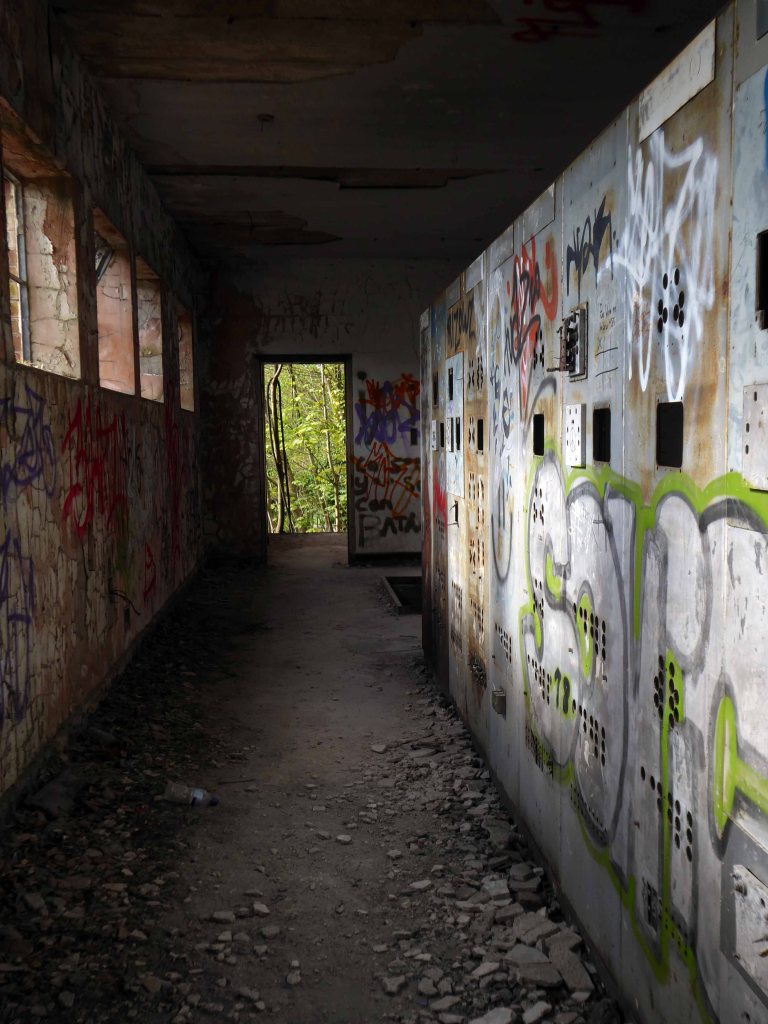
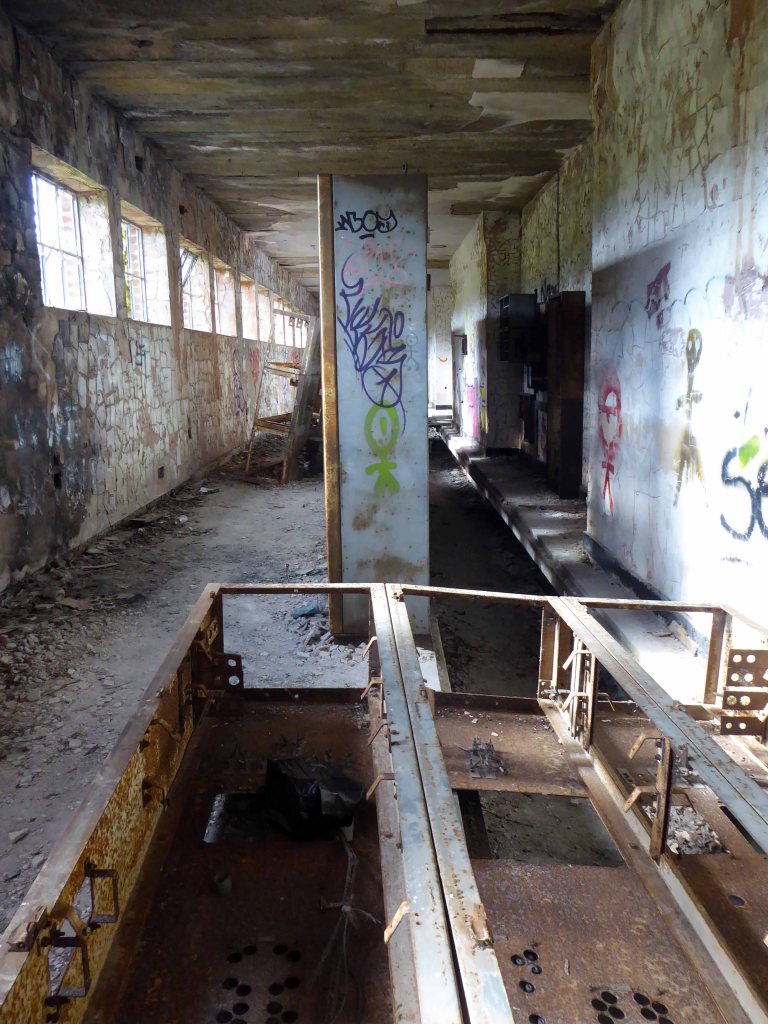
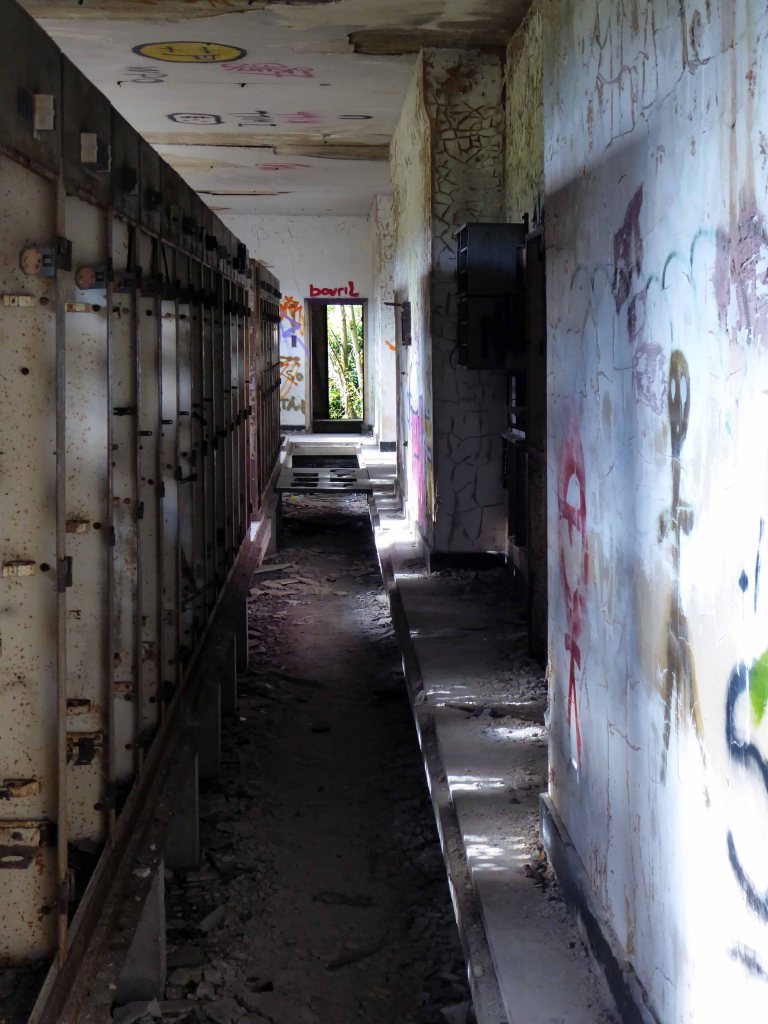
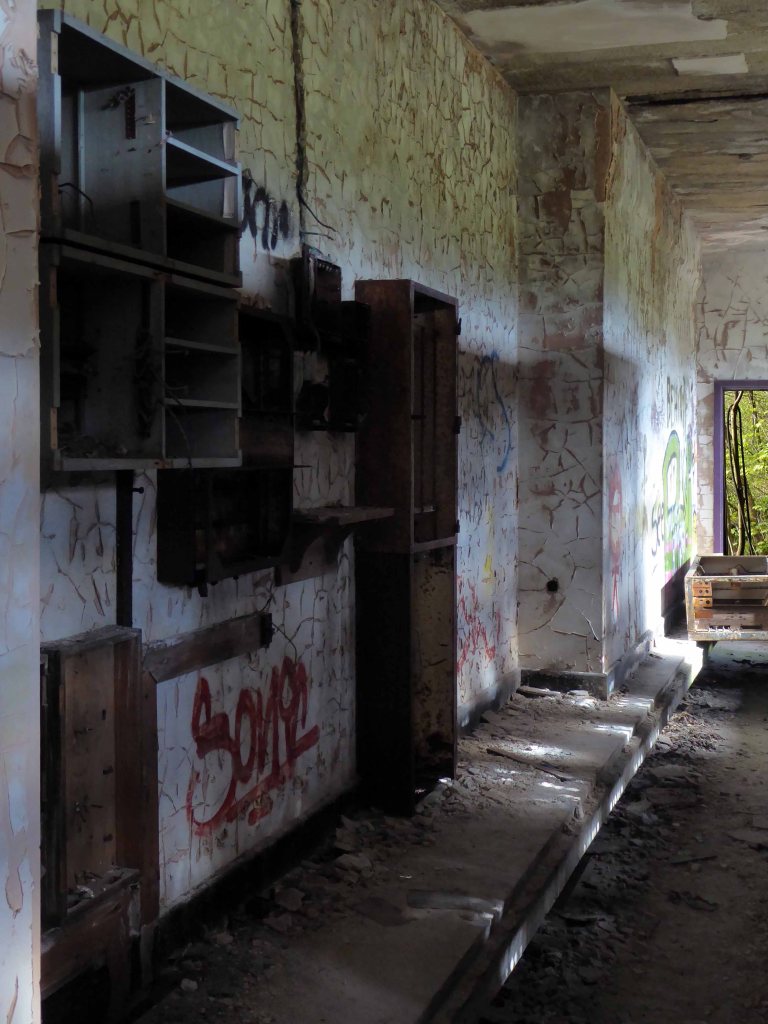
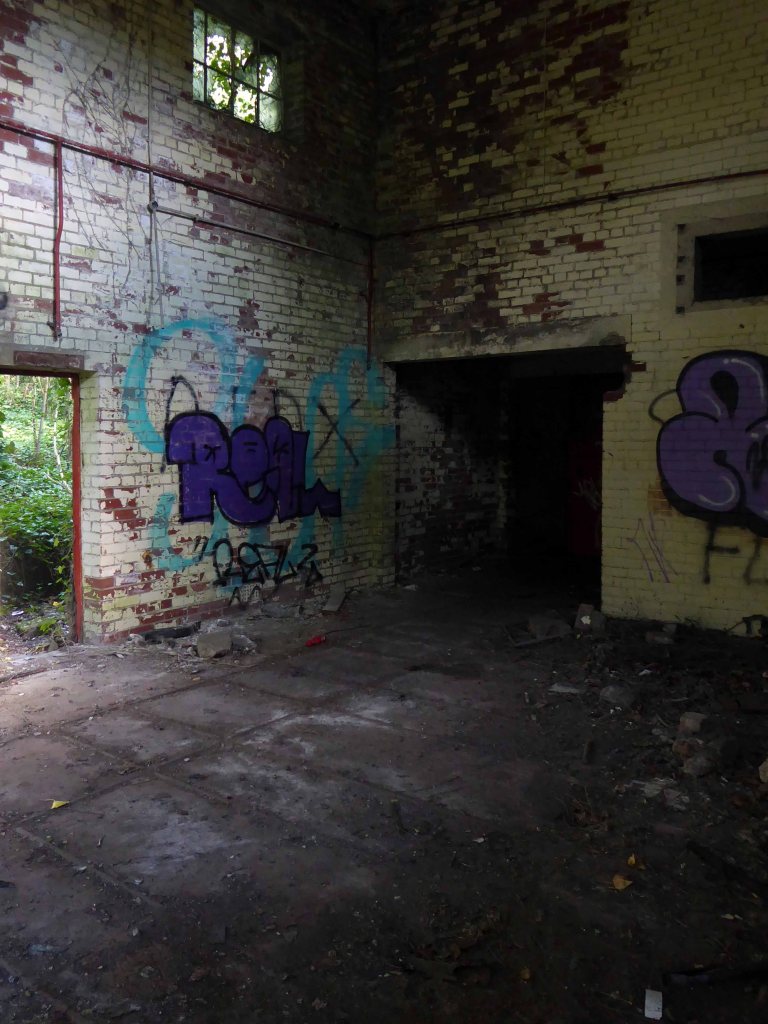
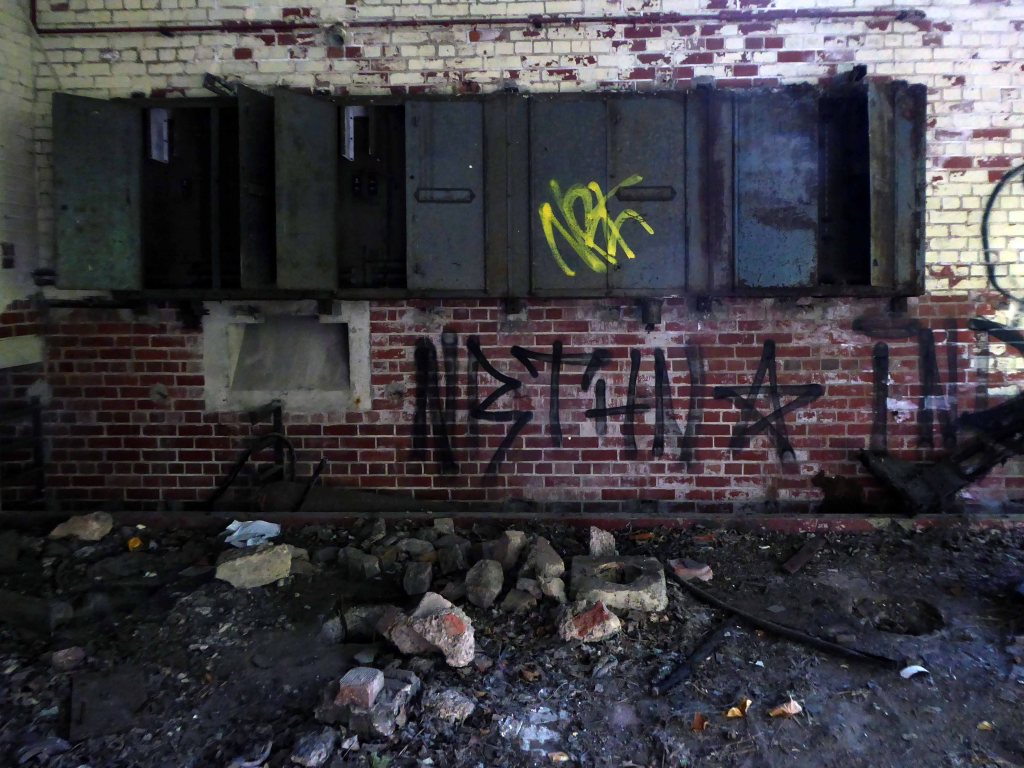
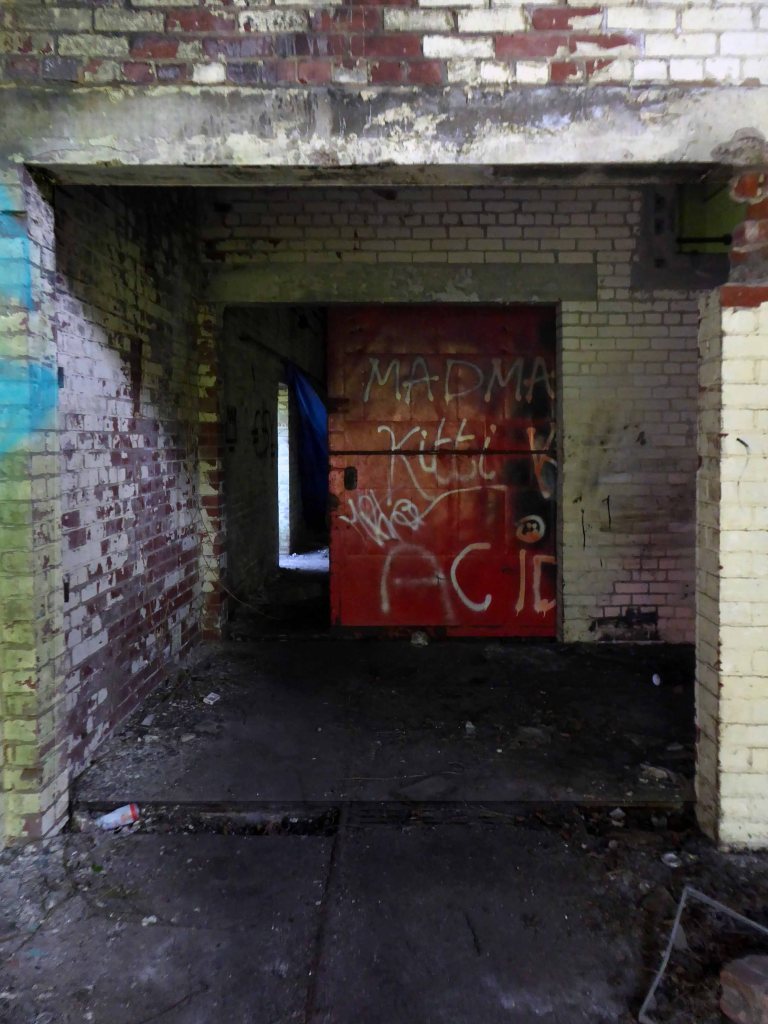
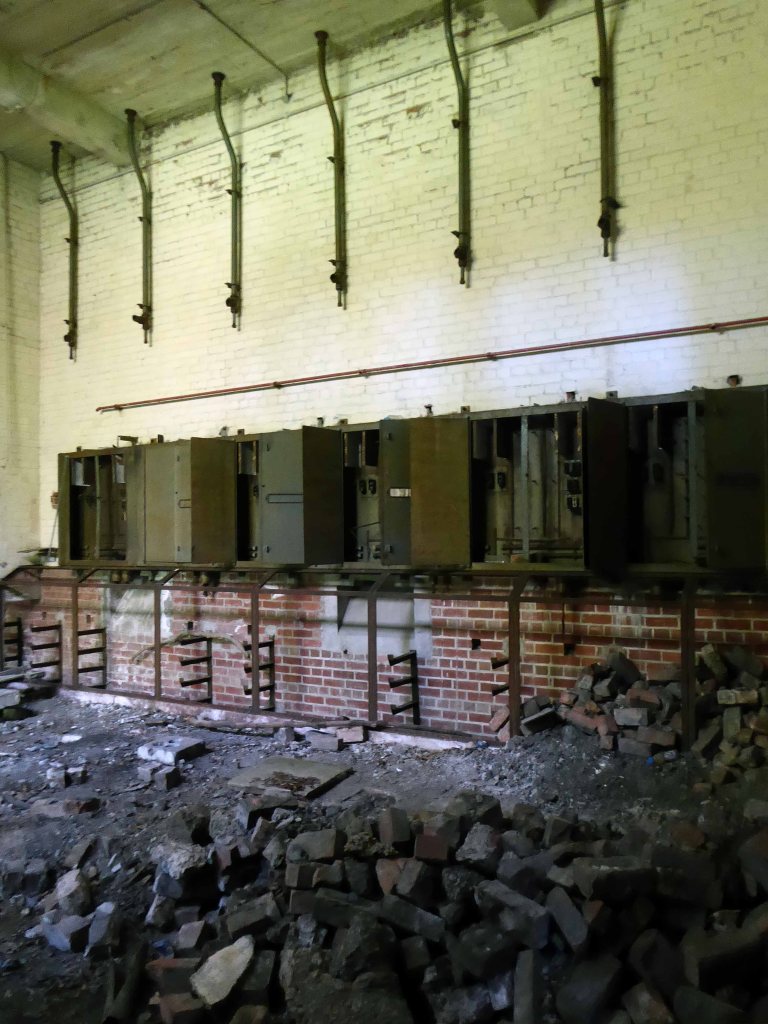
Though remnants remain – this is a short journey through a hole in fence, down into the warren of power station offices past.
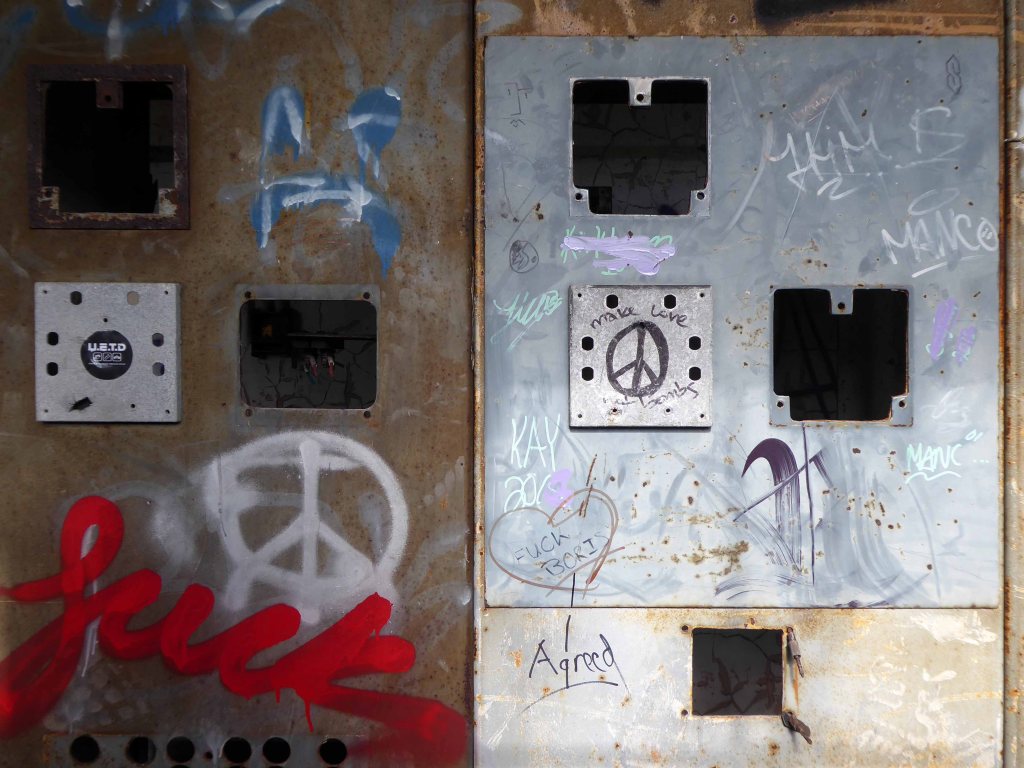
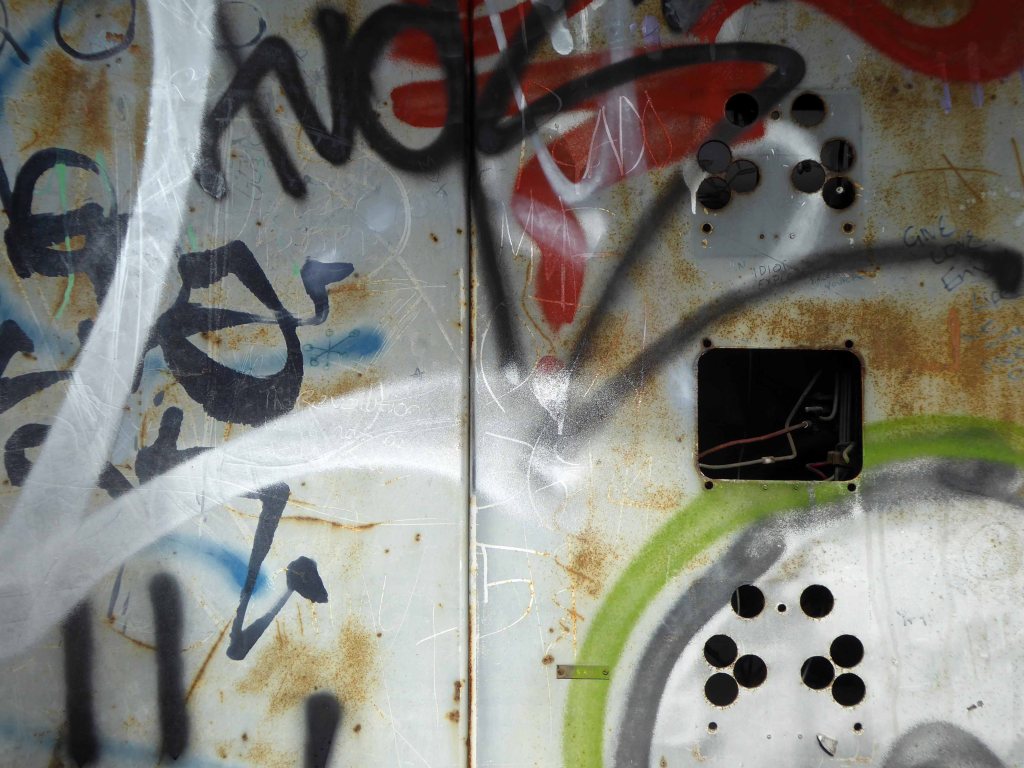
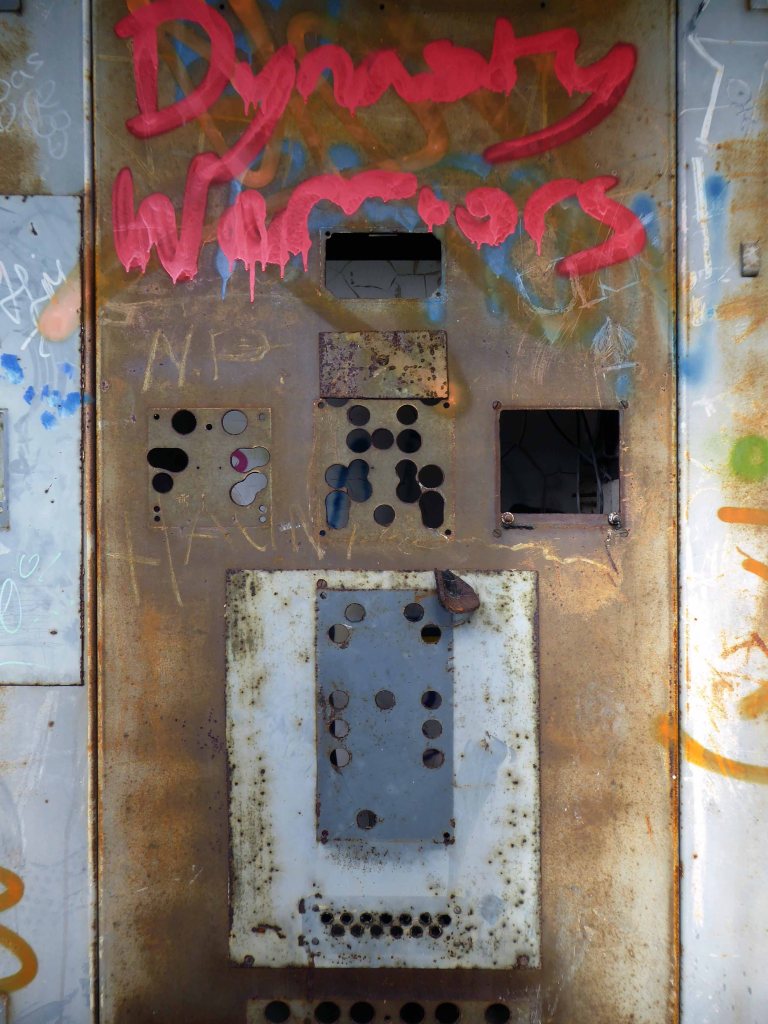
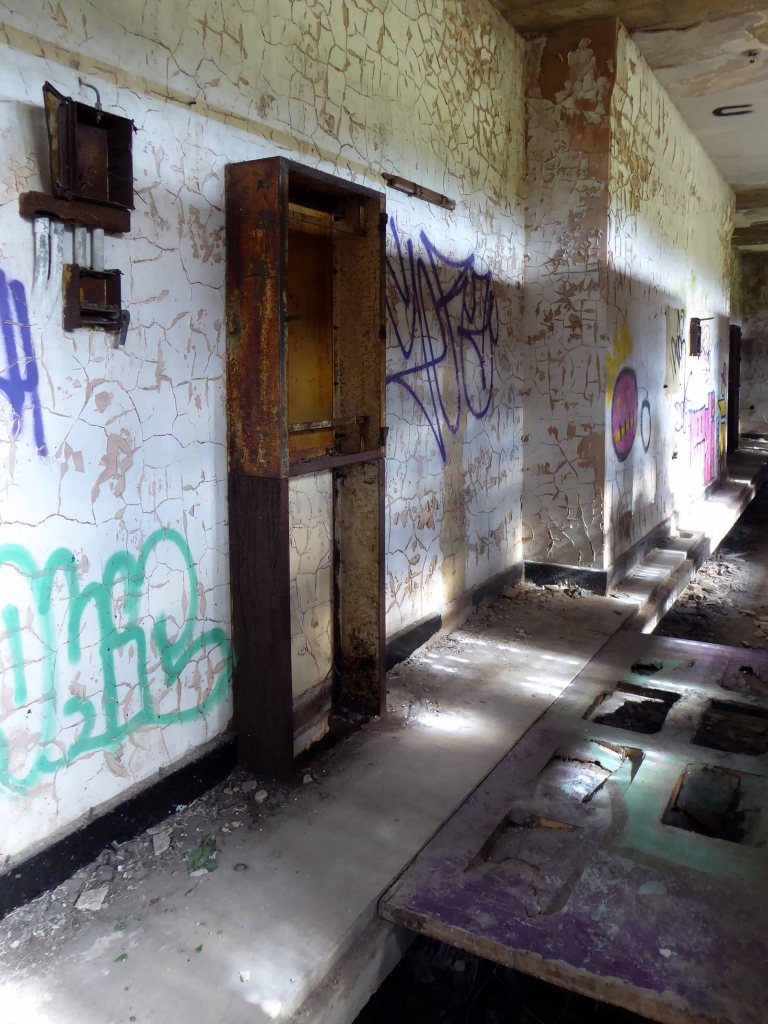
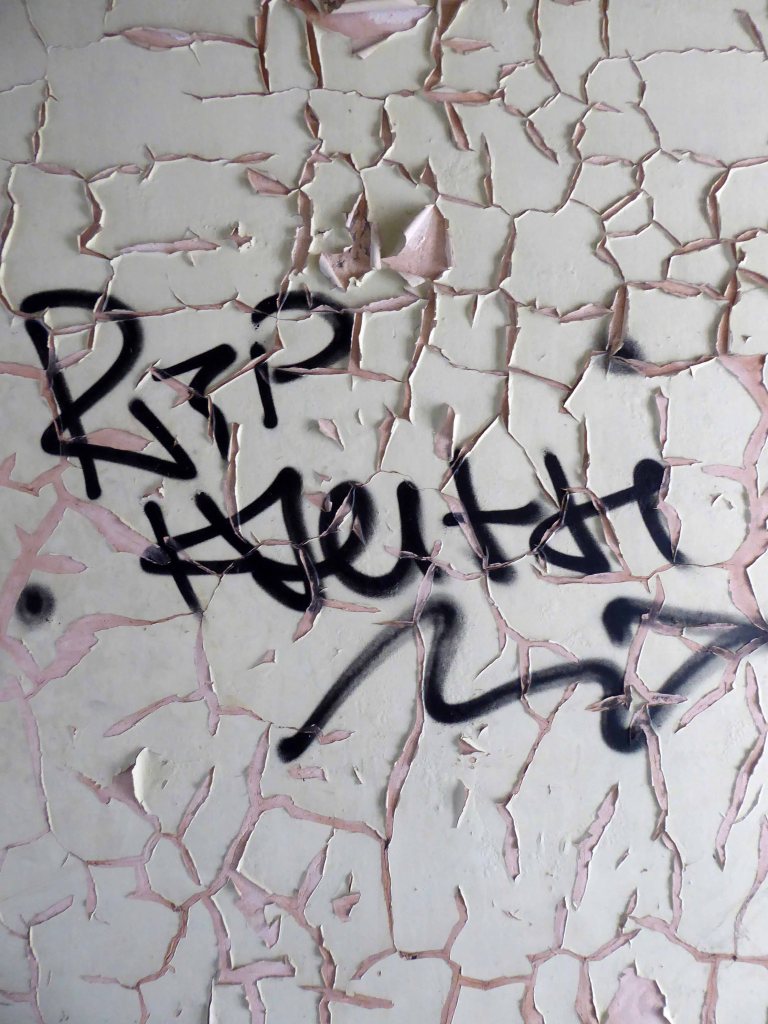
They have been stripped of their former use and meaning, transformed into a transitory art performance space, paint and plaster now peeling, appealing to the passing painter, partially reclaimed by nature.
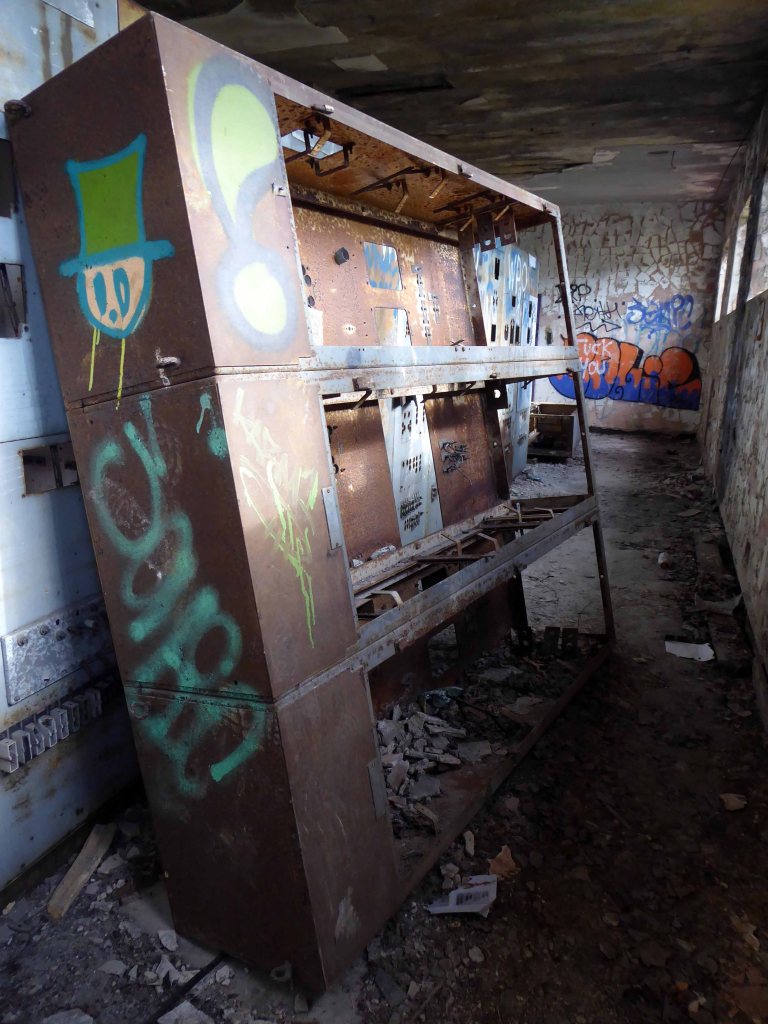
I’m back here to day in search of an abandoned control centre at the long gone Hartshead Power Station.
The station was opened in 1926 by the Stalybridge, Hyde, Mossley and Dukinfield Transport and Electricity Board.
The station was closed on 29 October 1979 with a generating capacity of 64 megawatts. It was demolished during the late 1980s, although part of the site is still used as an electrical substation.
First glimpsed on an urban exploration site, I had awaited an opportunity to slip through the fence and take a look around – here’s what I found.
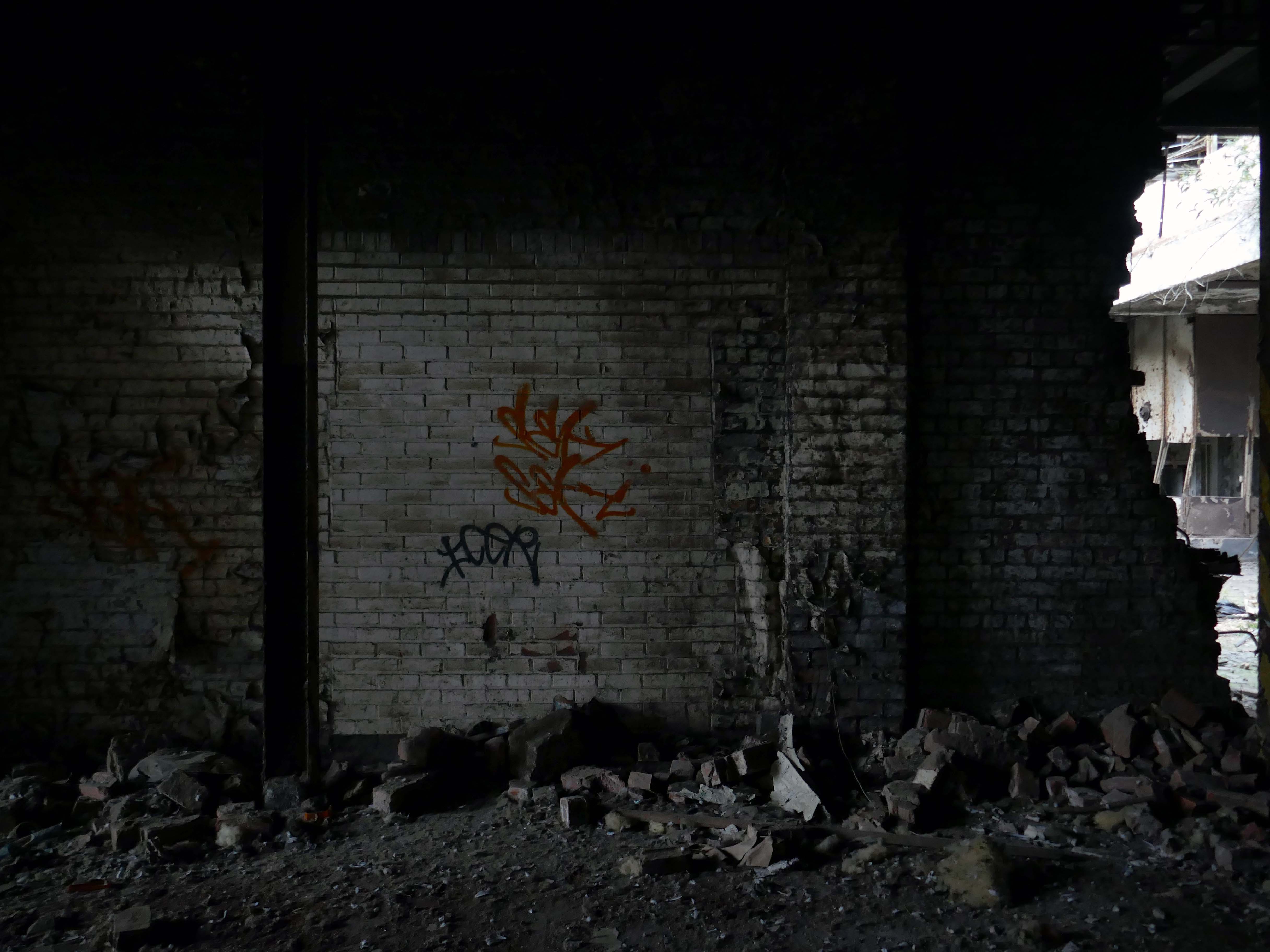
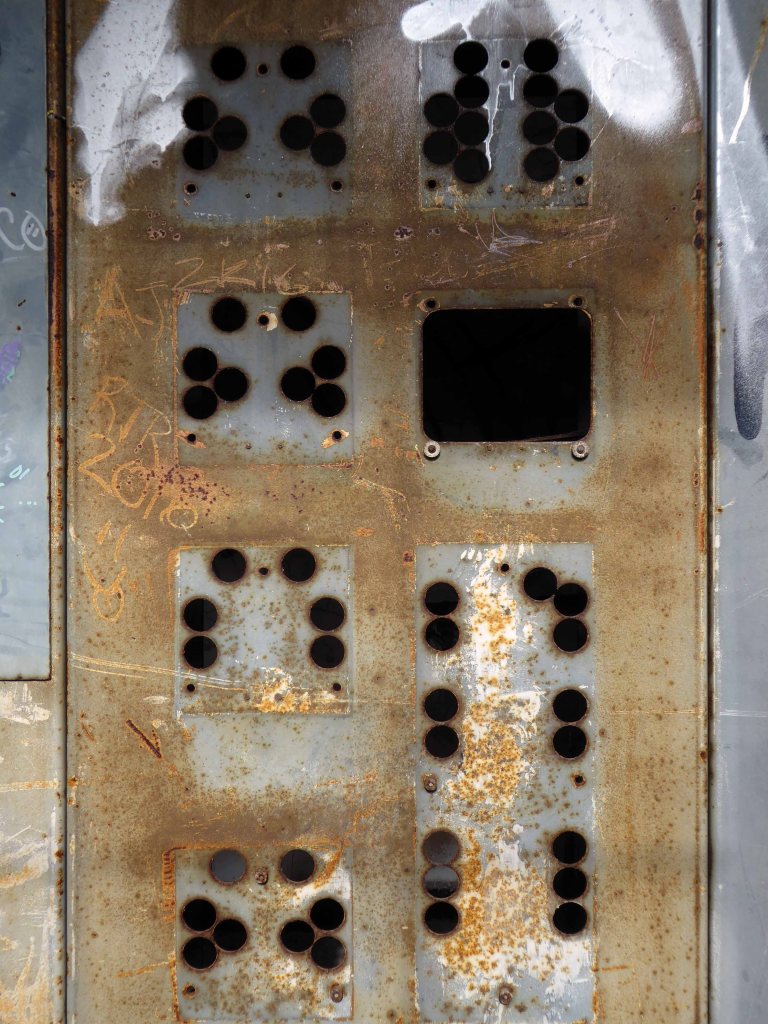
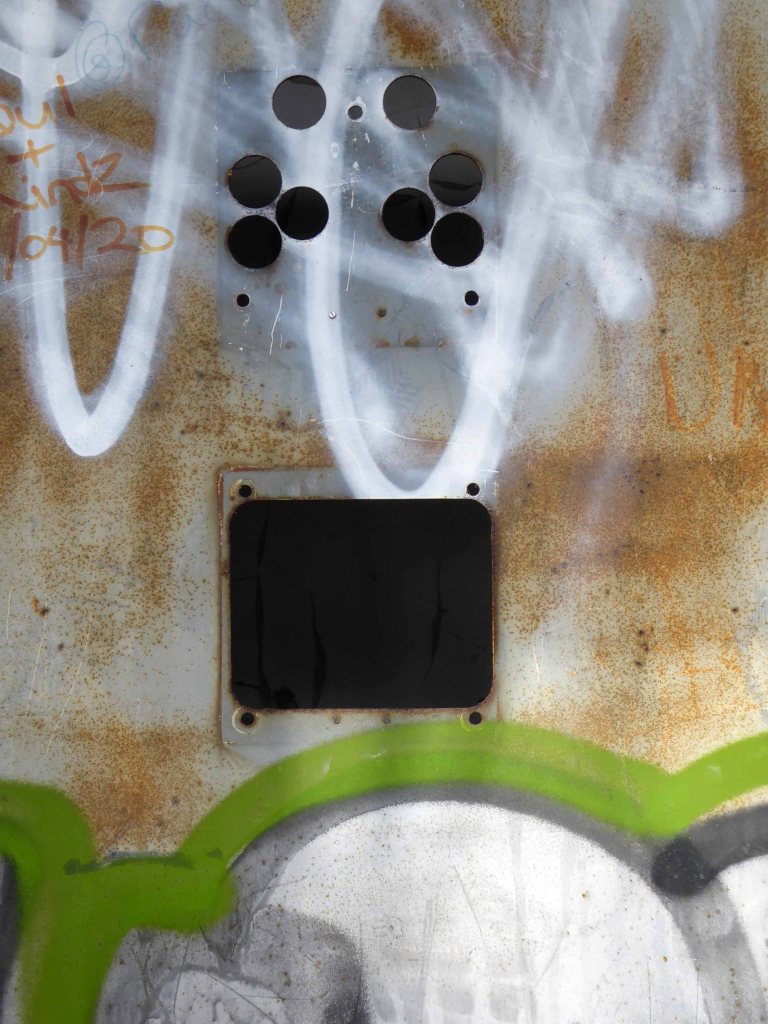
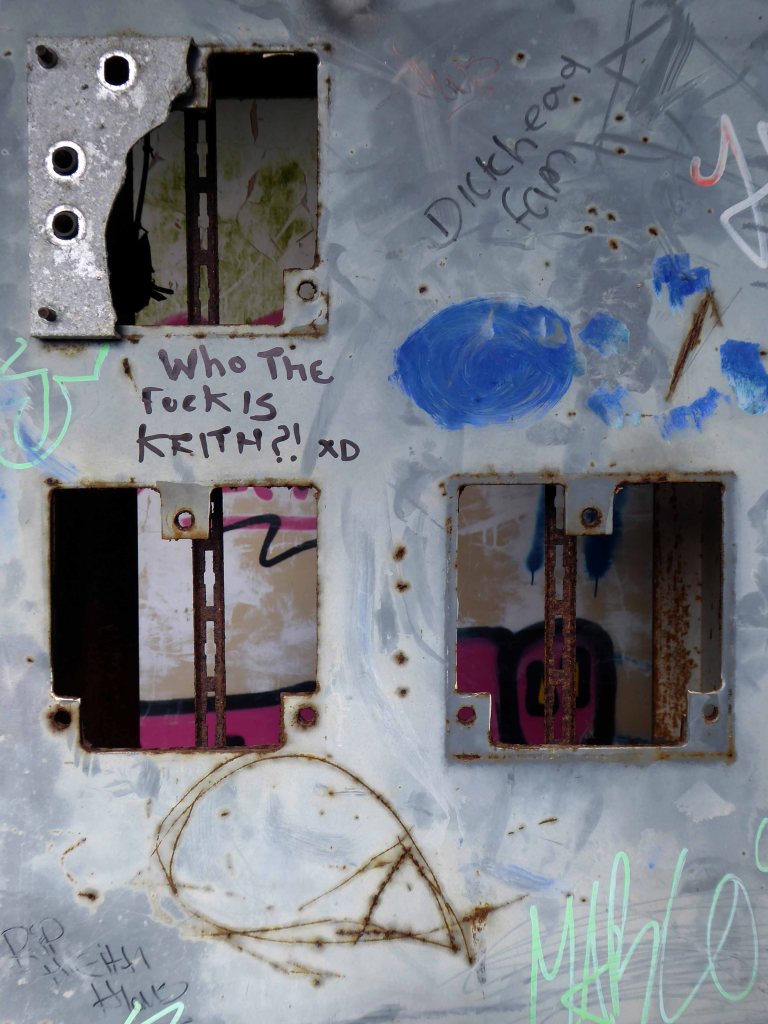
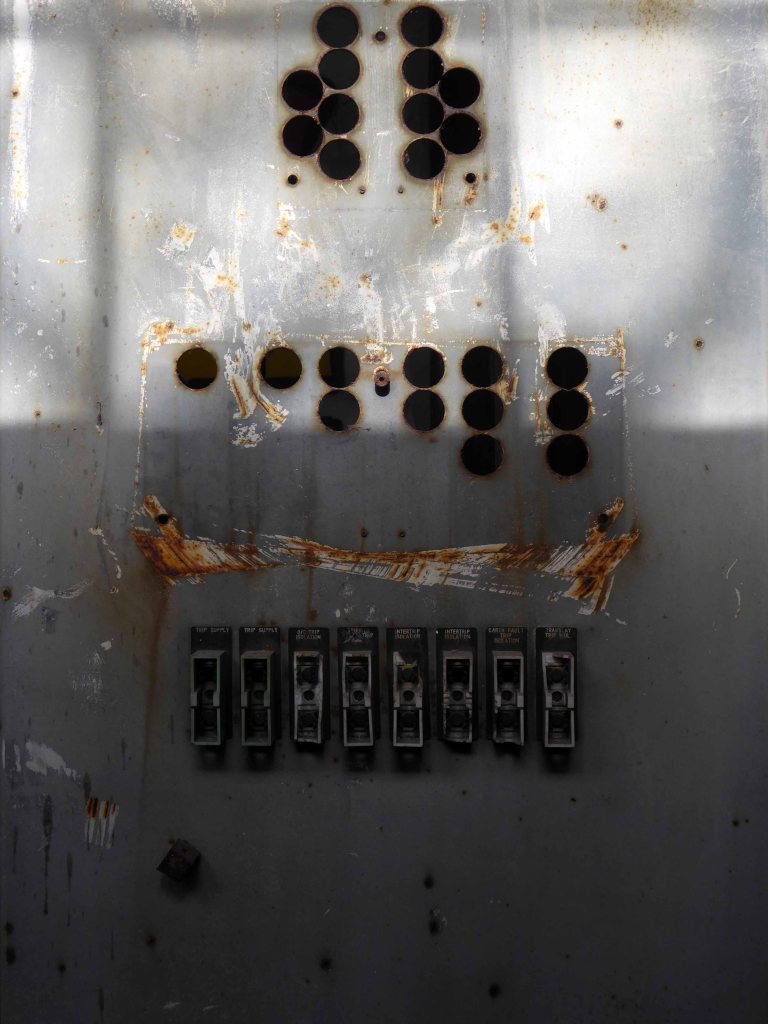
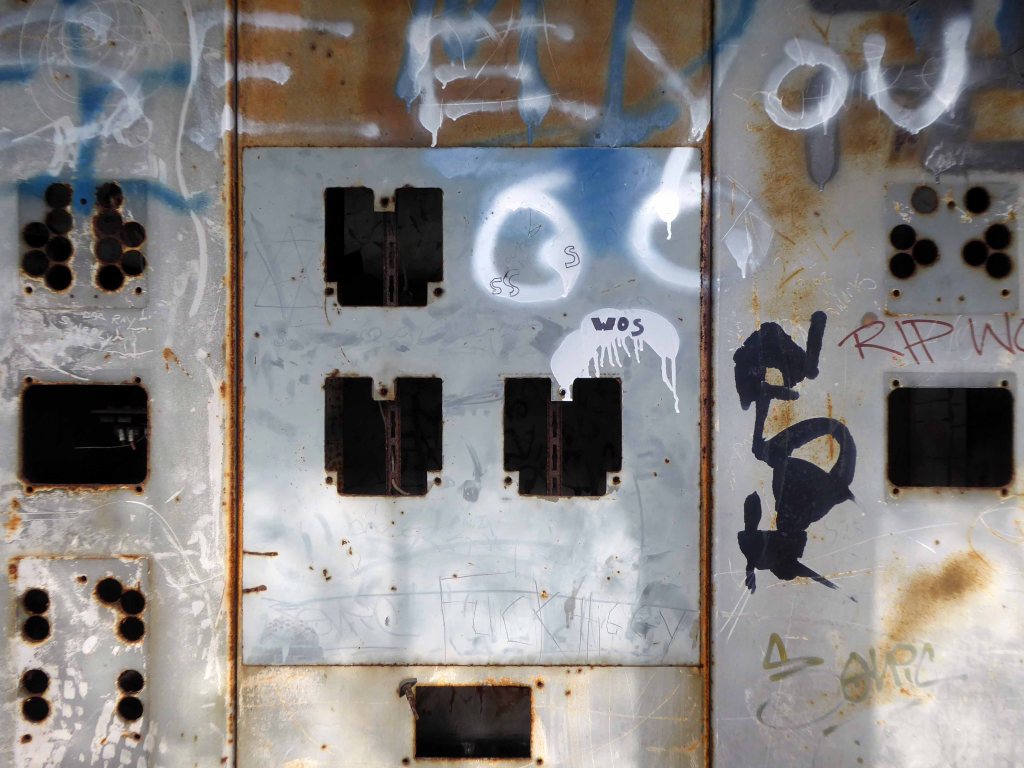
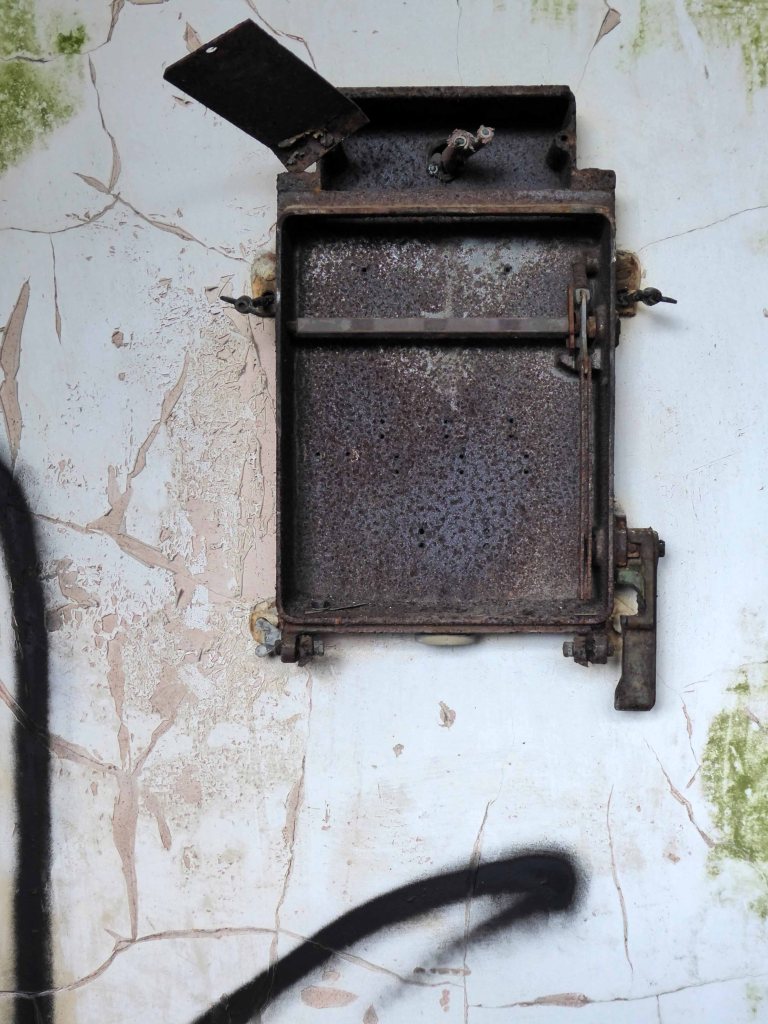
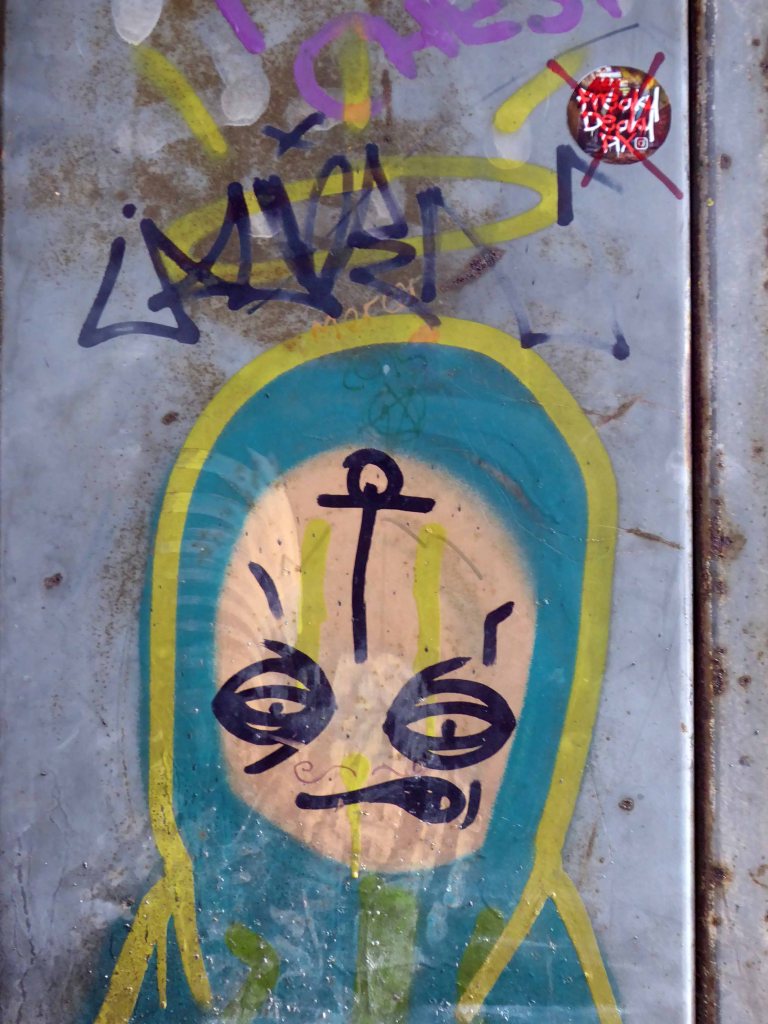
Most of the valuable equipment stripped out leaving and empty shell, covered in layers of the taggers’ interventions.
Eva Brothers of Crabtree Forge, Crabtree Lane, Clayton, Manchester.
1909 The partnership of James Eva, Archibald William Eva, Victor Eva, Arthur Eva, and Frank Eva, carrying on business as Forge-masters, at Crabtree-lane, Clayton, Manchester, under the style or firm of Eva Bothers was ended. All debts due would be settled by Archibald William Eva, Victor Eva, Arthur Eva, and Frank Eva, who continued the business under the same style.
By 1953 The EVA group of companies was the largest edge tool makers in the world, exporting most of their products. The associated companies included: Chillington Tool Co, Edward Elwell Limited of Wednesbury, A. W. Wills and Son Limited of Birmingham, John Yates and Co Limited of Birmingham, and the Phoenix Shovel Co Limited of Cradley Heath.
1958 Acquired T. Williams Drop forgings and Tools of Small Heath, Birmingham
1959 Planned to convert into a holding company; depressed demand for heavy engineering but continued group prosperity were anticipated.
1960 Eva Brothers paid dividends and made scrip issue; changed the name to Eva Industries as the holding company.
1976: Eva Brothers continued to be a part of Eva Industries.
This is where Manchester’s prosperity was created, engineering along with King Cotton, formed the financial foundations of the city. These industries are now all but vanished, along with the communities and skills that created them, work and wealth are elsewhere.
Years of free-market economics, acquisition, asset stripping, amalgamation and monopoly have bequeathed a legacy of loss.
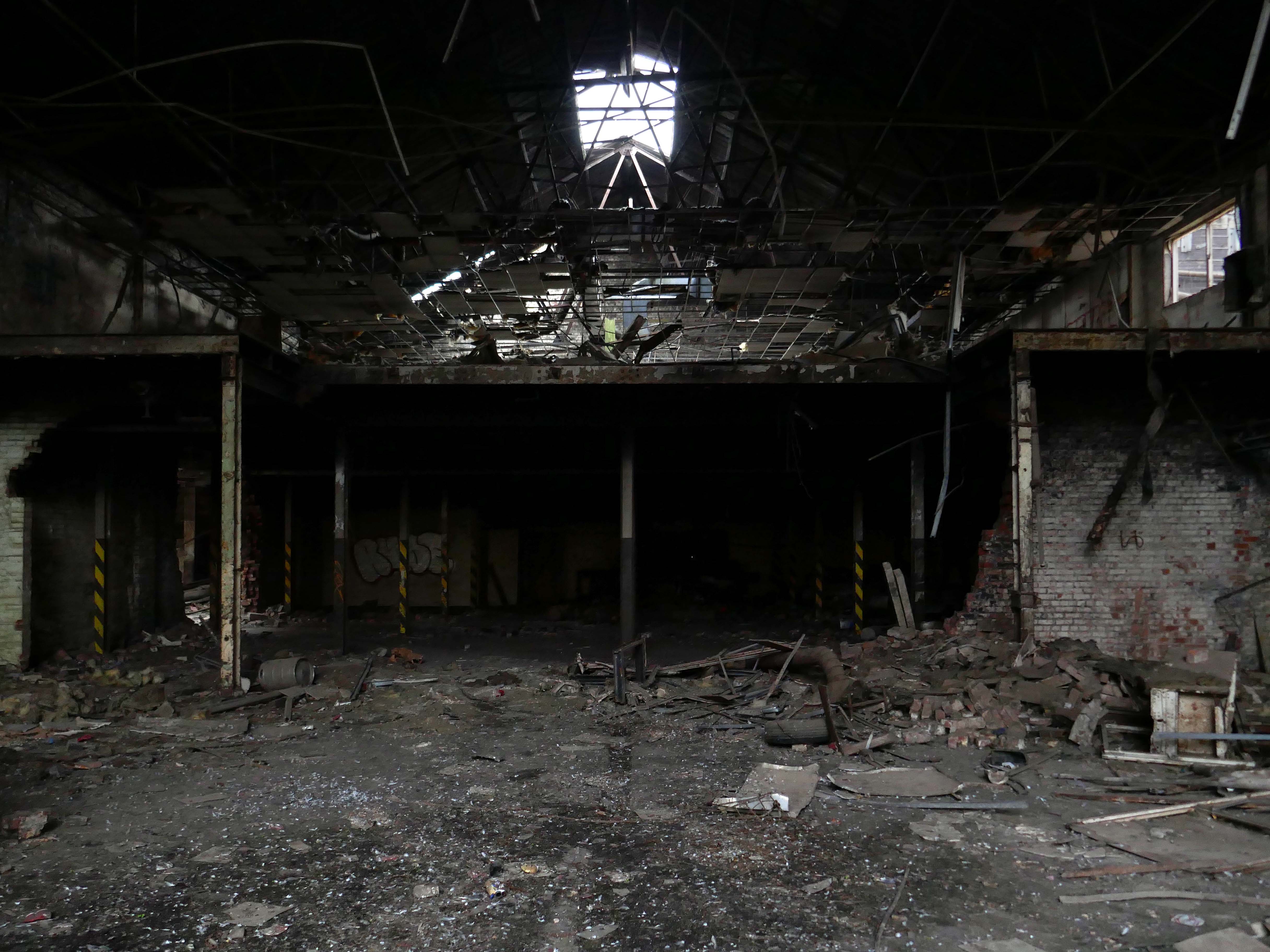
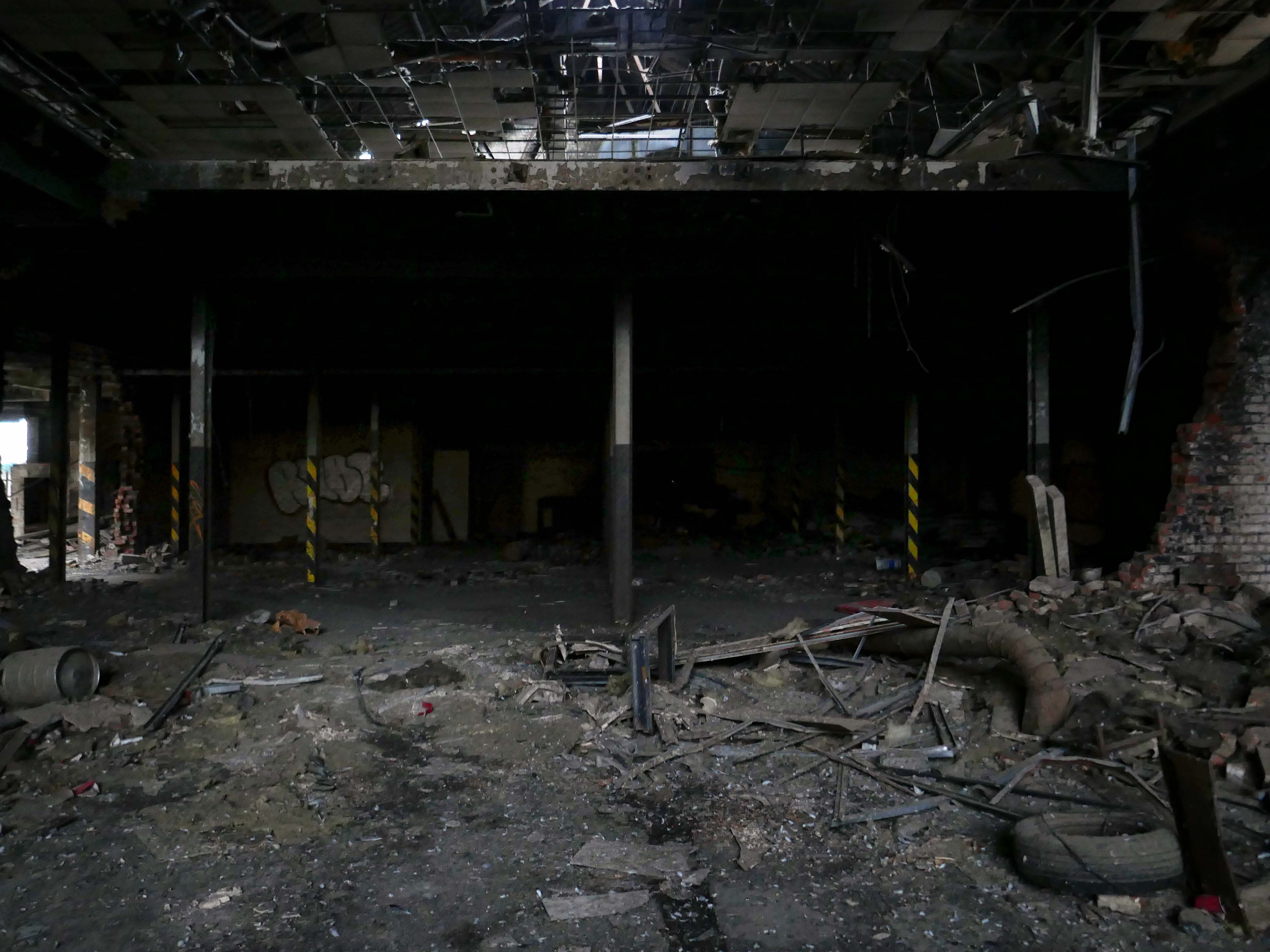
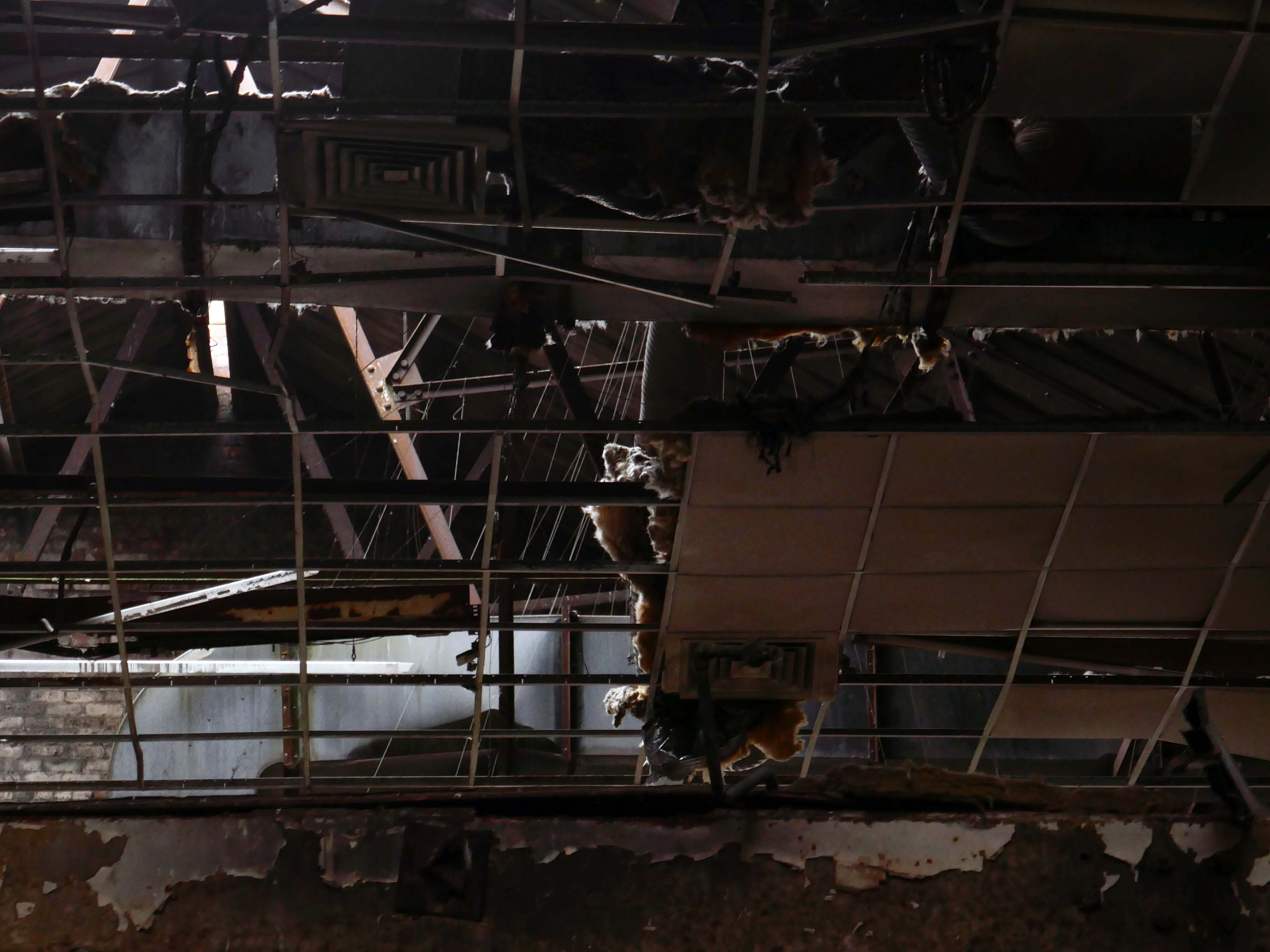
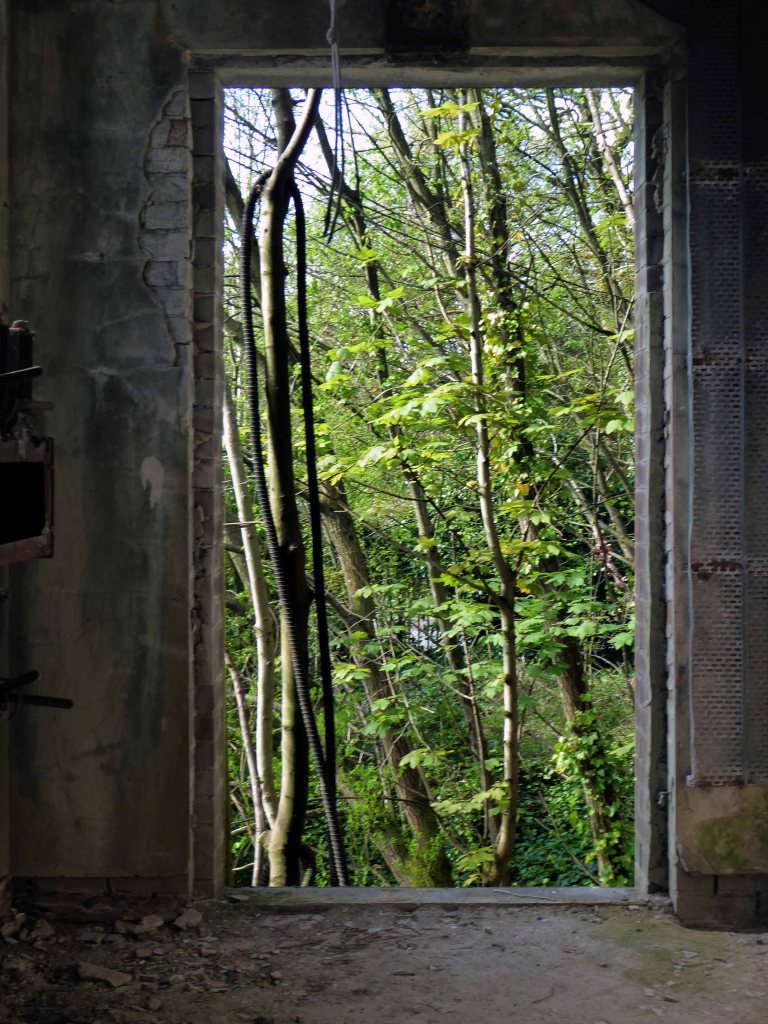
Once bustling and business like sheds and yards, are now forests of buddleia and bramble. The sound of metal on metal, but a dull memory, amidst the wilder side of wildlife and the gentle whisper of peeling paint.





























 Modern Mooch