Margate to Southend

Early morning passing by the yet to be reopened Dreamland, back then just a work in progress, it has had a more than somewhat chequered past.

Dogged persistence has assured its future:

Just before Christmas 1919, and almost exactly one year after the end of the Great War, John Henry Iles purchased Margate’s The Hall By The Sea, thus initiating the history of what would become Dreamland.

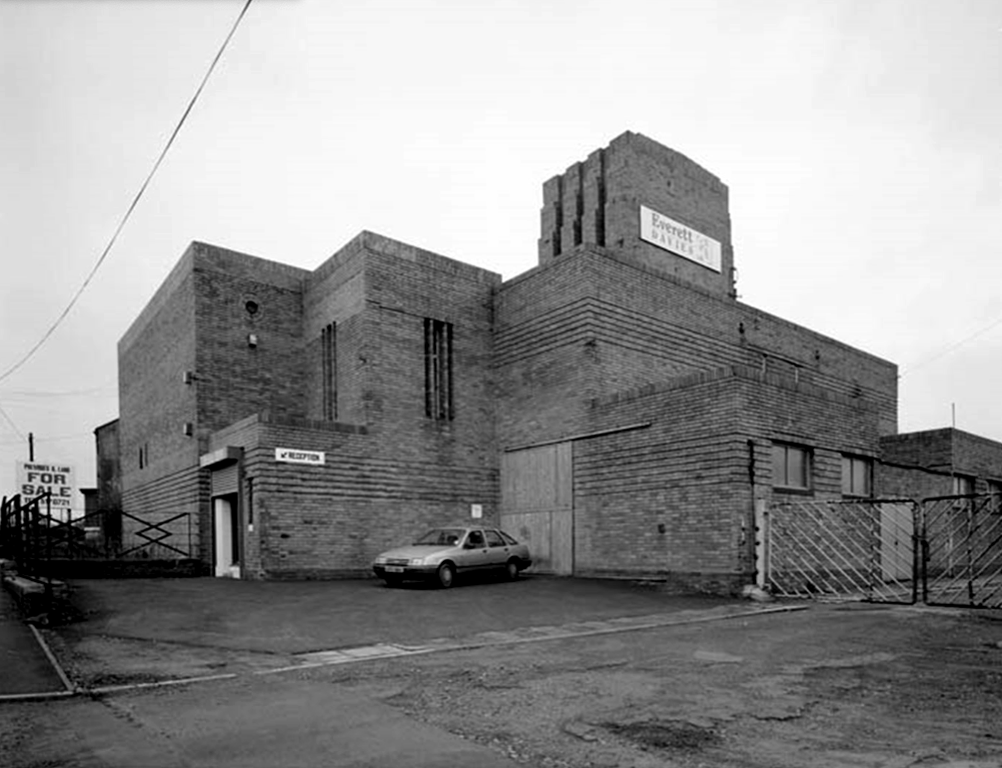
The Dreamland cinema replaced a smaller cinema on the site, with this modernist masterpiece opening in 1935. The super-cinema, designed by architects Julian Leathart and WF Granger.

After several years of campaigning to save the Dreamland site from redevelopment, and successful funding bids to the Heritage Lottery Fund and Department for Culture Media and Sport’s SeaChange Scheme, the Dreamland restoration project went live in January 2010, appointing a professional team to deliver The Dreamland Trust’s vision for a reimagined Dreamland, however, the battle was not over.

After a long restoration project, Dreamland opened its doors to the public on June 19 2015. The park was further reimagined and expanded in 2017 following additional investment, with new thrill rides, a much bigger events space, fresh designs, and a new welcome for a new generation of visitors.
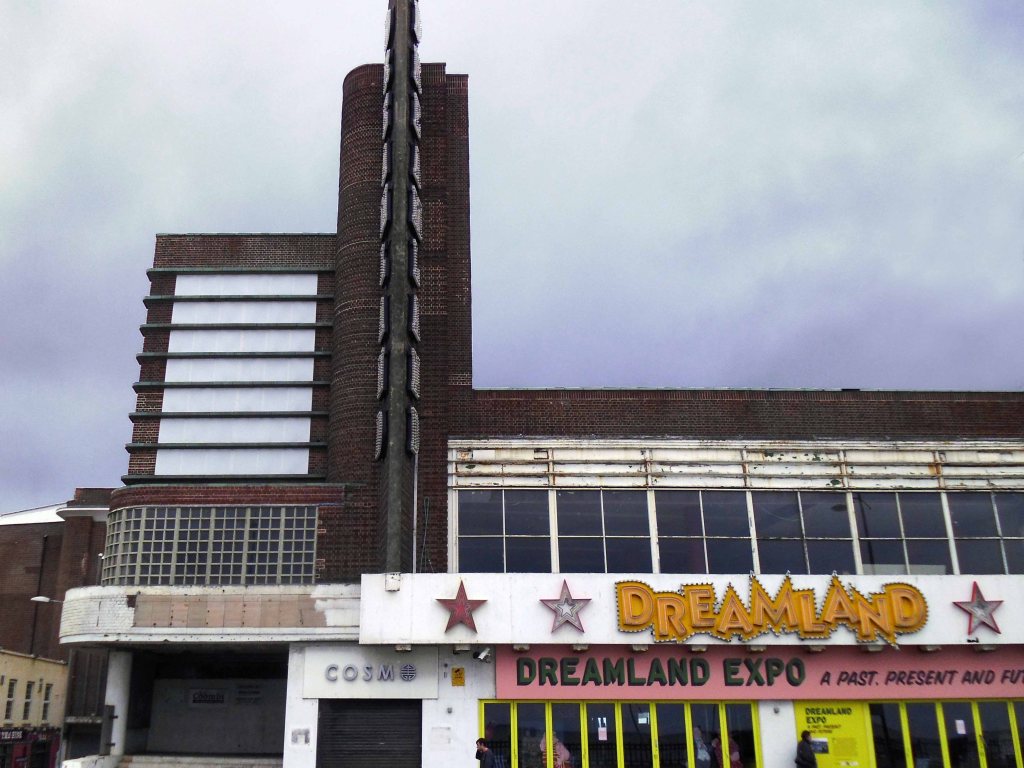
Dreamland

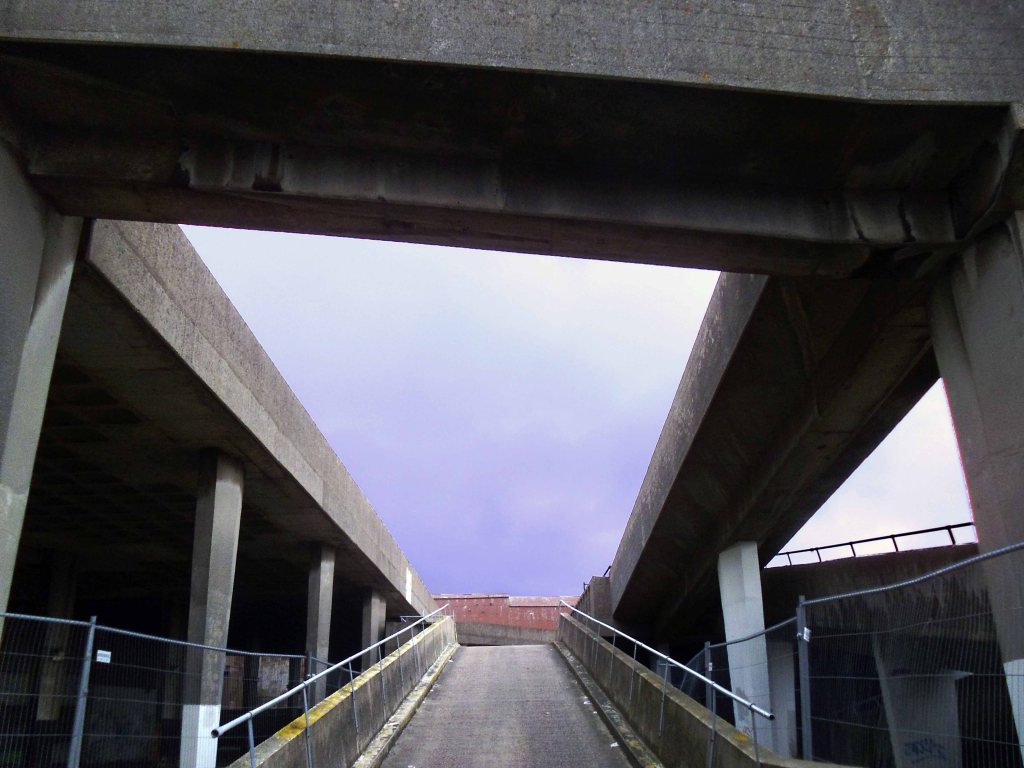
Just enough time to take a quick look inside the Arlington House car park then off we go again.
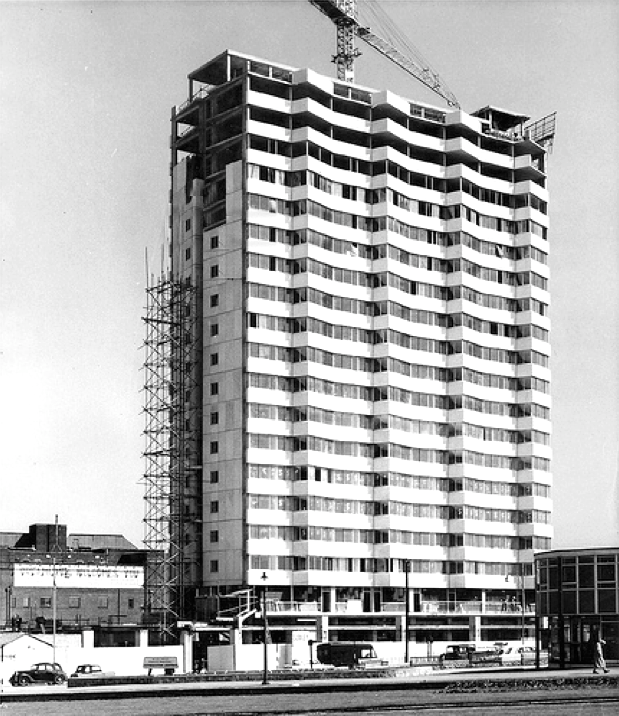
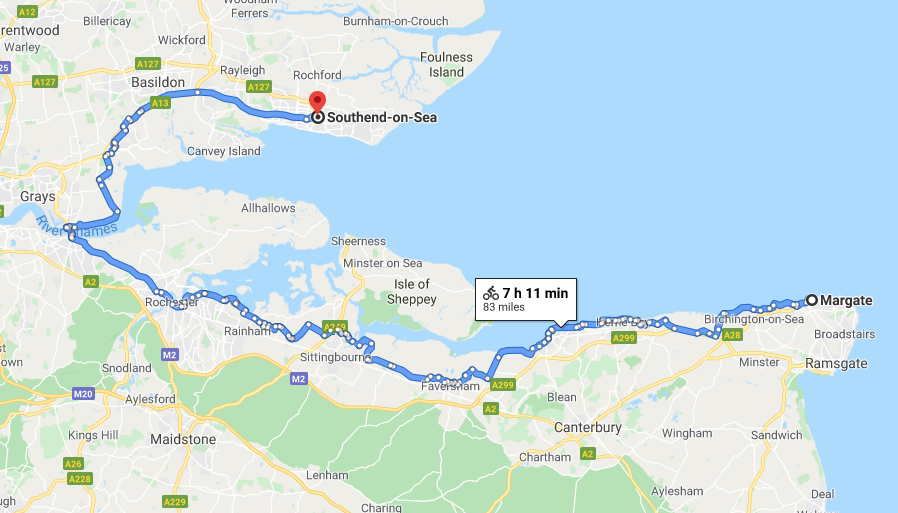
Tuesday 2nd September leaving Margate and cycling along the North Kent Coast.

Hotter than July and into a headwind.

A flat concrete surface raised above the oyster beds.
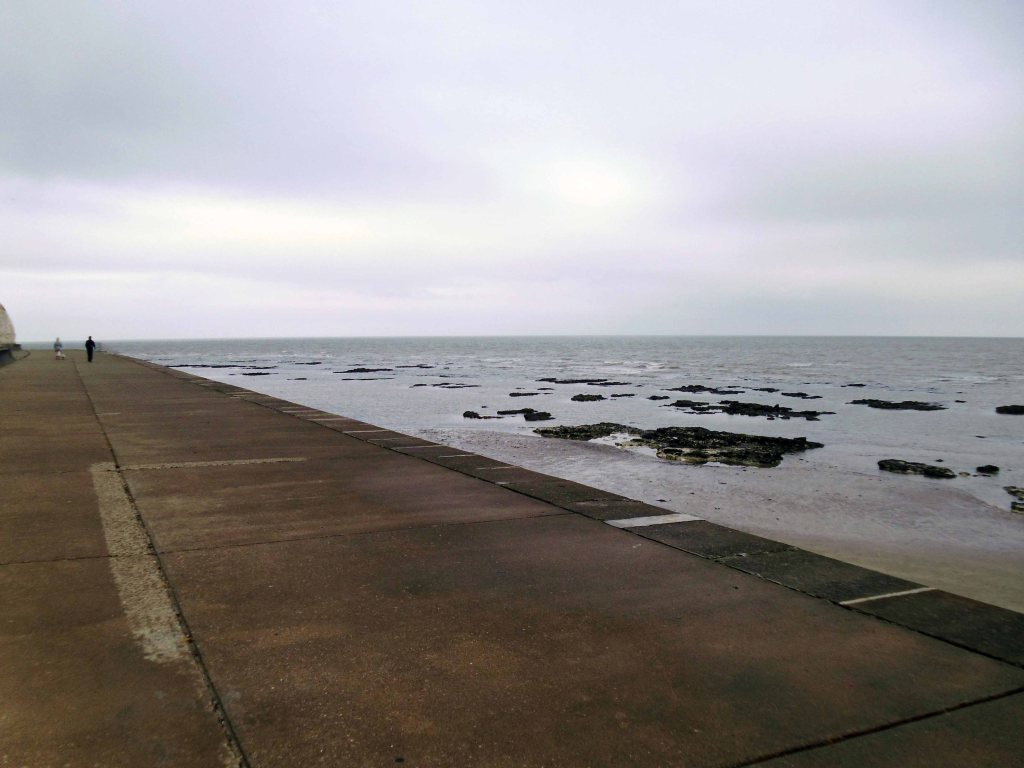
The Whitstable Oyster Fishery Company traces its roots back to 1793, but oysters have been a part of Whitstable’s history for far longer.

The Romans loved Whitstable oysters and documentation proves that they were sending oysters back to Rome in around 80AD.
Whitstable Oyster Company

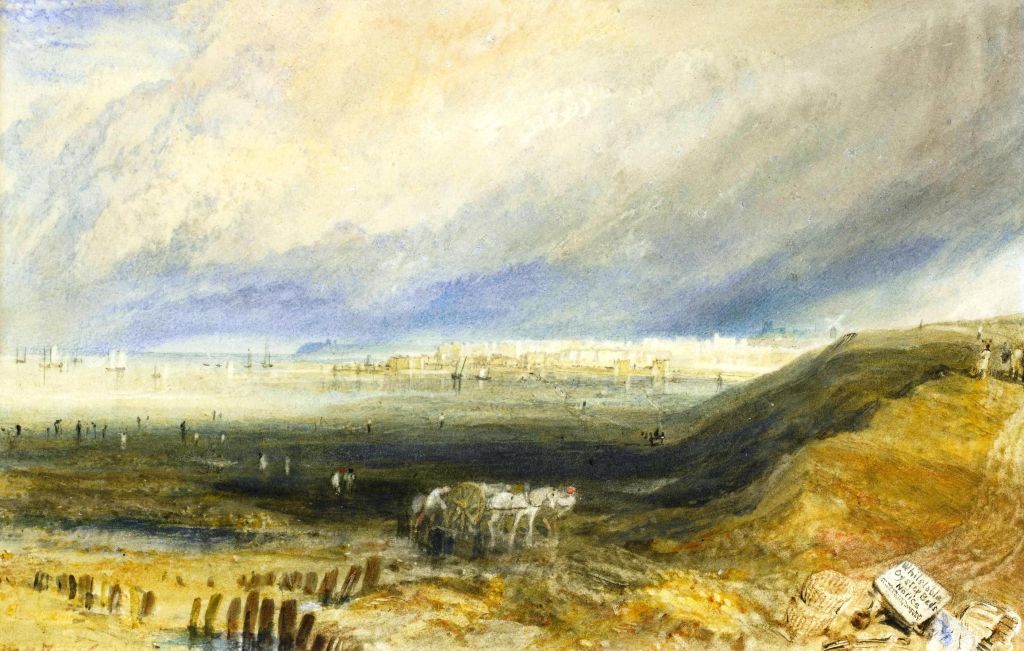
JMW Turner also found time to record the area.

Sold for £ 252,000 inc. premium
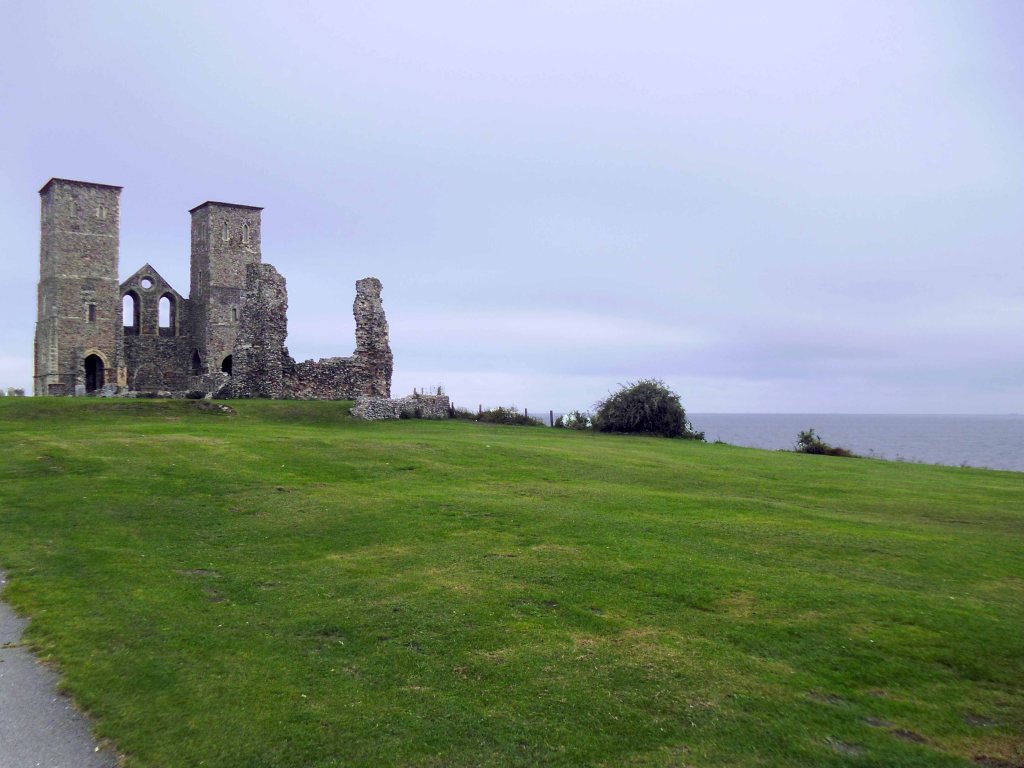
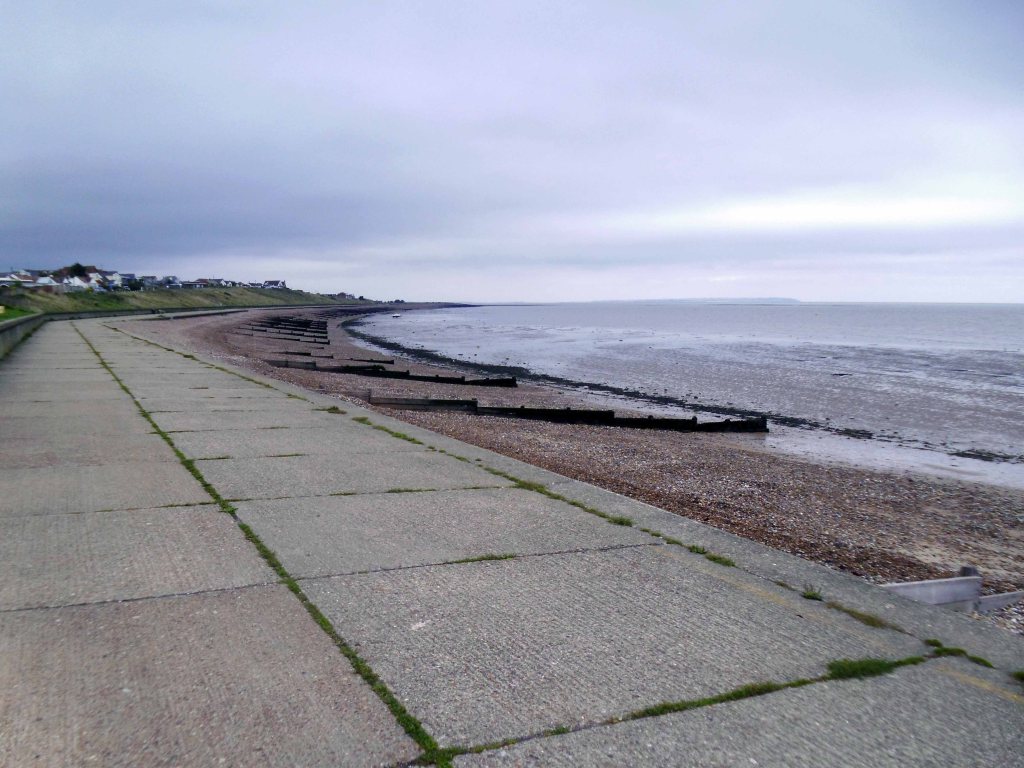
Along the long straight coastline the distinctive and distinguished silhouette of Reculver Castle can be seen in the distance.

Two thousand years ago the geography of this area was very different. The Wantsum, a sea channel up to 3 miles wide, cut off the Isle of Thanet from the mainland, and the Roman fort of Reculver stood on a promontory at the north end of the channel where it joined the Thames estuary. Today the Wantsum has silted up and become dry land.

By the 5th century the Romans had abandoned their defence of Britain and the fort at Reculver had fallen into disuse.

An Anglo-Saxon monastery was founded on the site in 669, reusing the existing defences, and the church of St Mary was built near the centre of the earlier fort. Documentary evidence suggests that the site had ceased to function as a monastic house by the 10th century, after which time the church became the parish church of Reculver.

Remodelling of the church in the 12th century included the addition of tall twin towers.

The medieval church was partly demolished in 1805, when much of the stone was reused to construct a new church on higher ground at Hillborough, but the twin towers were left. They were bought, repaired and underpinned by Trinity House in 1809.
English Heritage

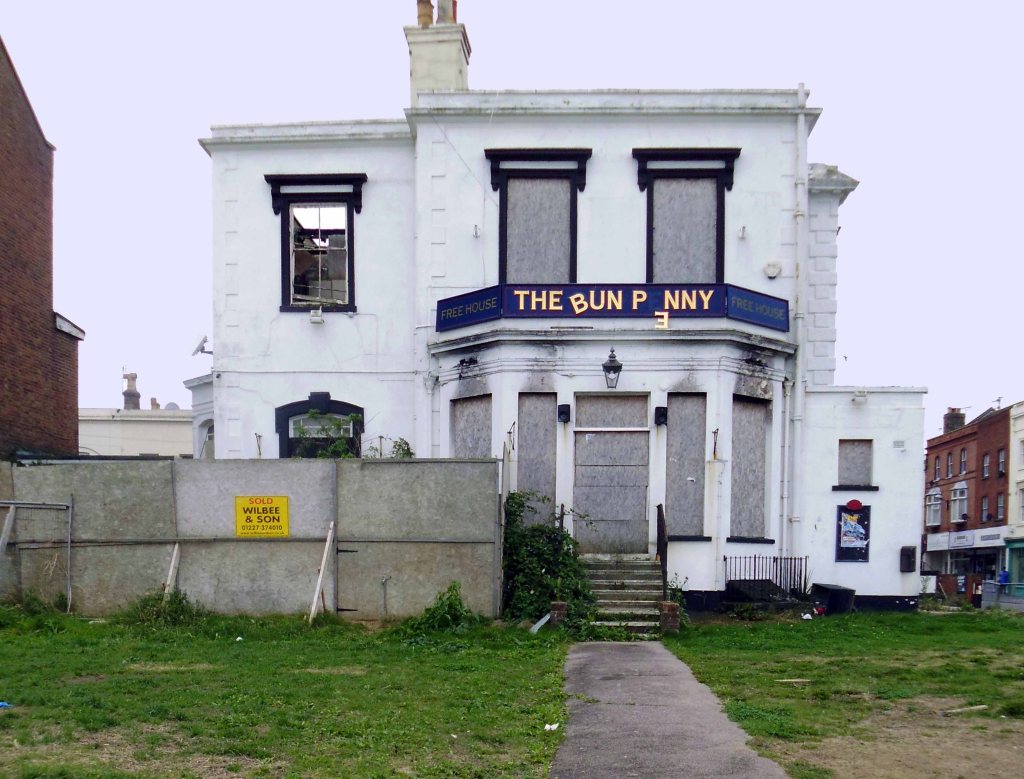
I breezed through Herne Bay past the curiously named Bun Penny pub

Burnt down in 2011 – the subject of ever changing plans and possibilities.
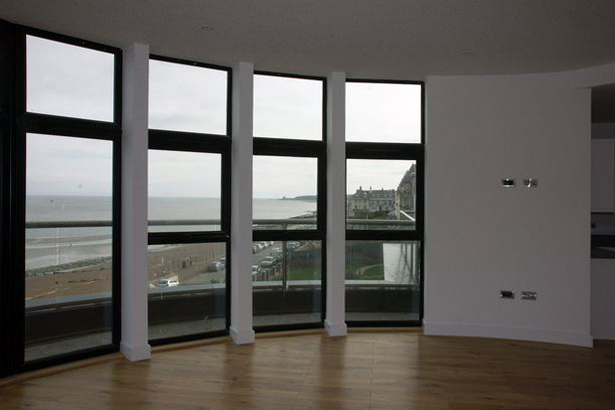
A derelict Herne Bay pub has been transformed into luxury seafront apartments and this is how much they cost.

We would encourage owners of other empty properties in the Herne Bay area to get in touch as we find new ways to rejuvenate the town and attract new people to work, live and visit.

Kent Live

Further along the unstable concrete coast we approach Whitstable.
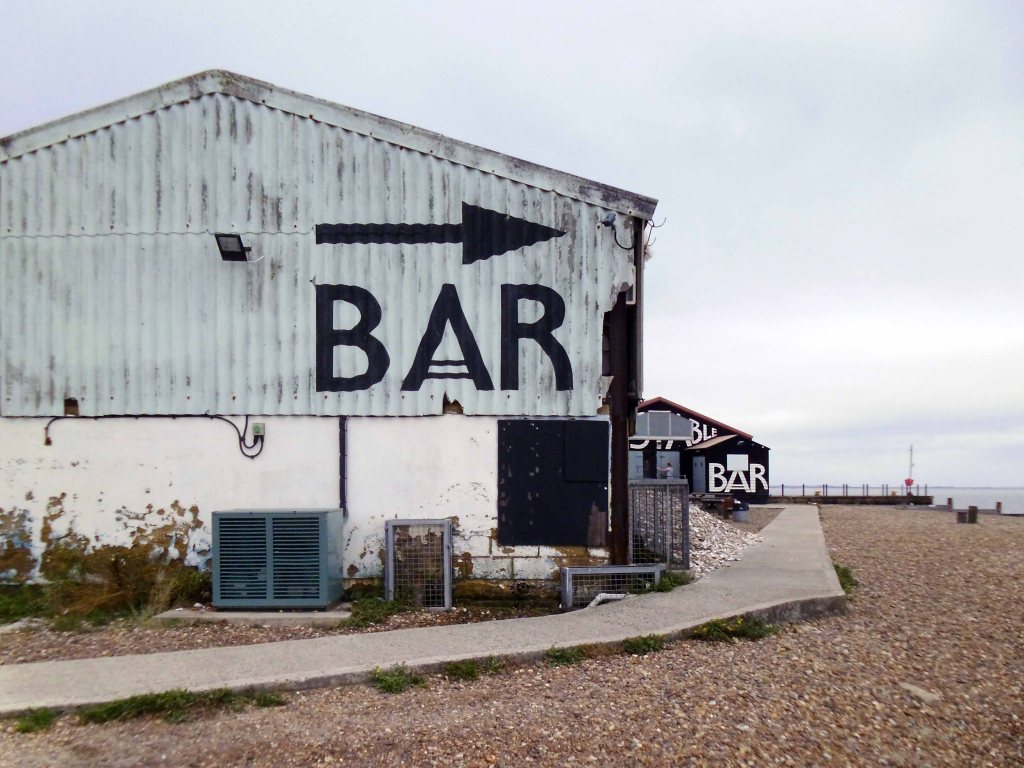
With its chi-chi cafes and bars, tastefully ramshackle shacks and snacks.
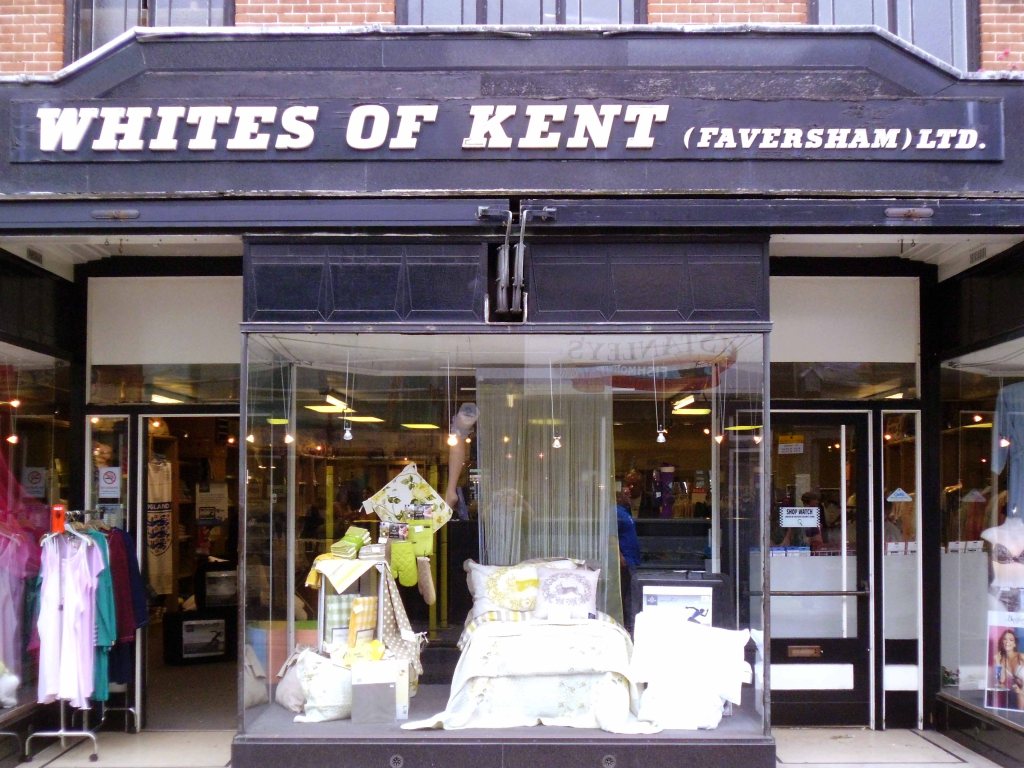
Profil fronted fascias for family run department stores.

Whites of Kent is a family company now into the third generation of close family members. The original story begins with a young ambitious girl of 18 who knew all about stocking repair machines. She travelled to Australia by boat then on to Switzerland and Paris where she trained women and gave demonstrations on the stocking machines.

In 1954 the retail side commenced again with a ladies underwear shop in Faversham’s Market Street, followed by a fashion shop in Market Street and then our current shop in Court Street.

We have in the past had shops in Sandwich, Sittingbourne, Herne Bay, West Malling, Folkestone and Cliftonville. Currently we have Whites of Kent shops in Faversham, Whitstable and Dover selling lingerie, linen, hosiery, underwear, slippers and more. See our Shop page for addresses, phone numbers and opening times.

Whites of Kent

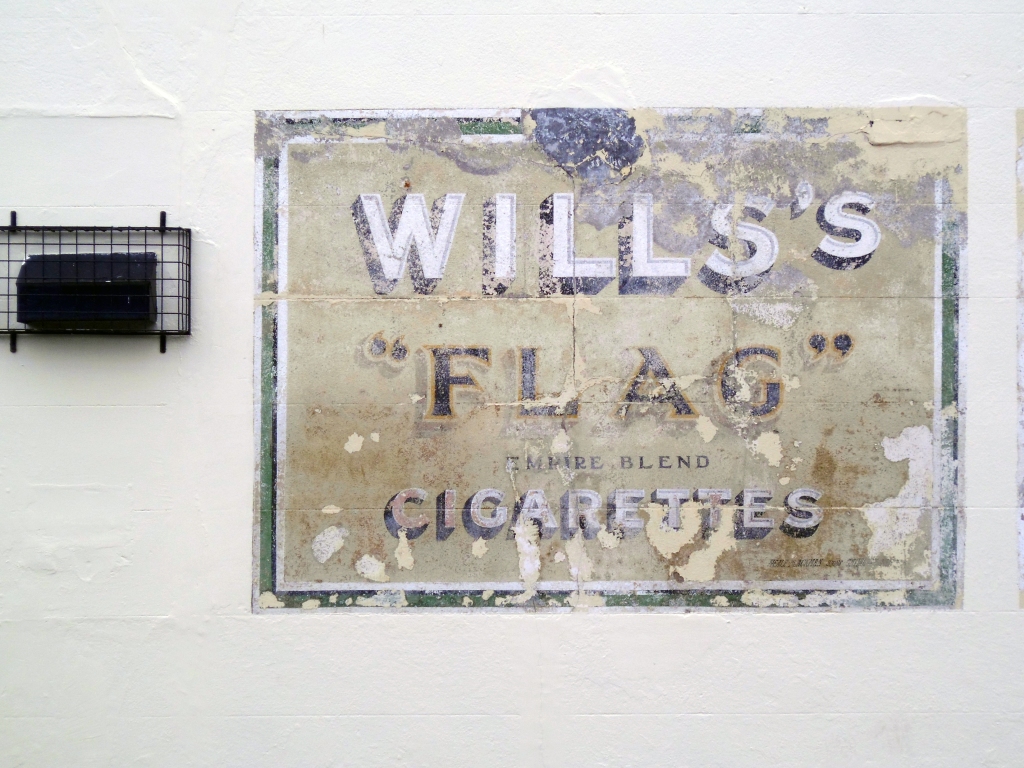
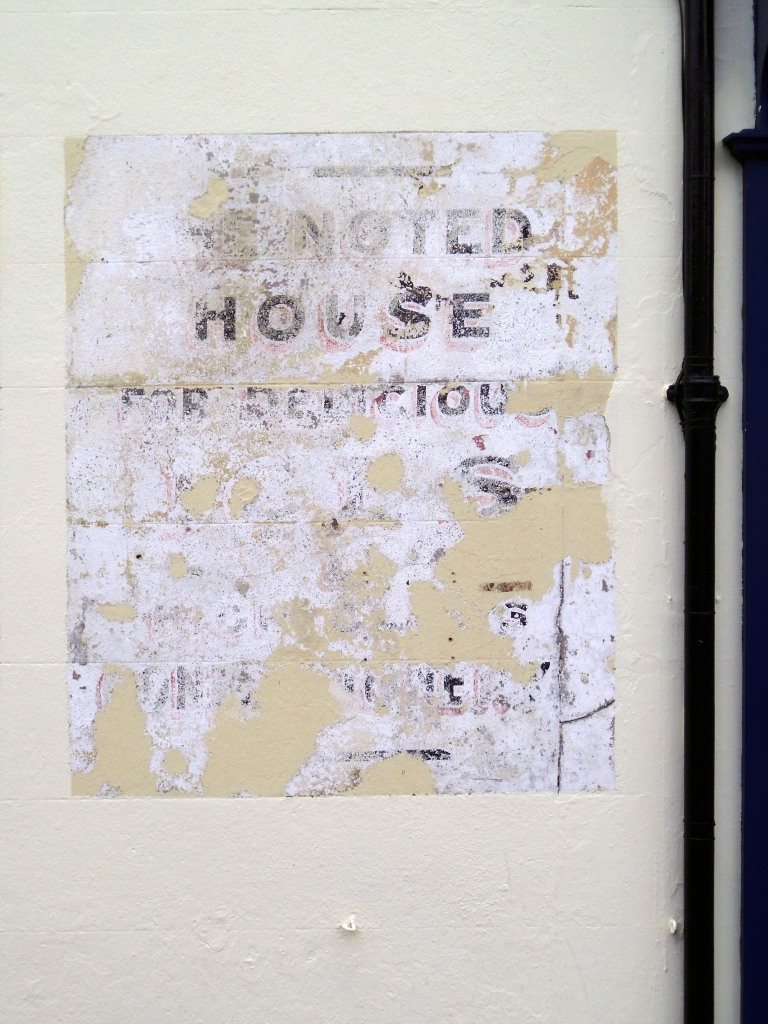
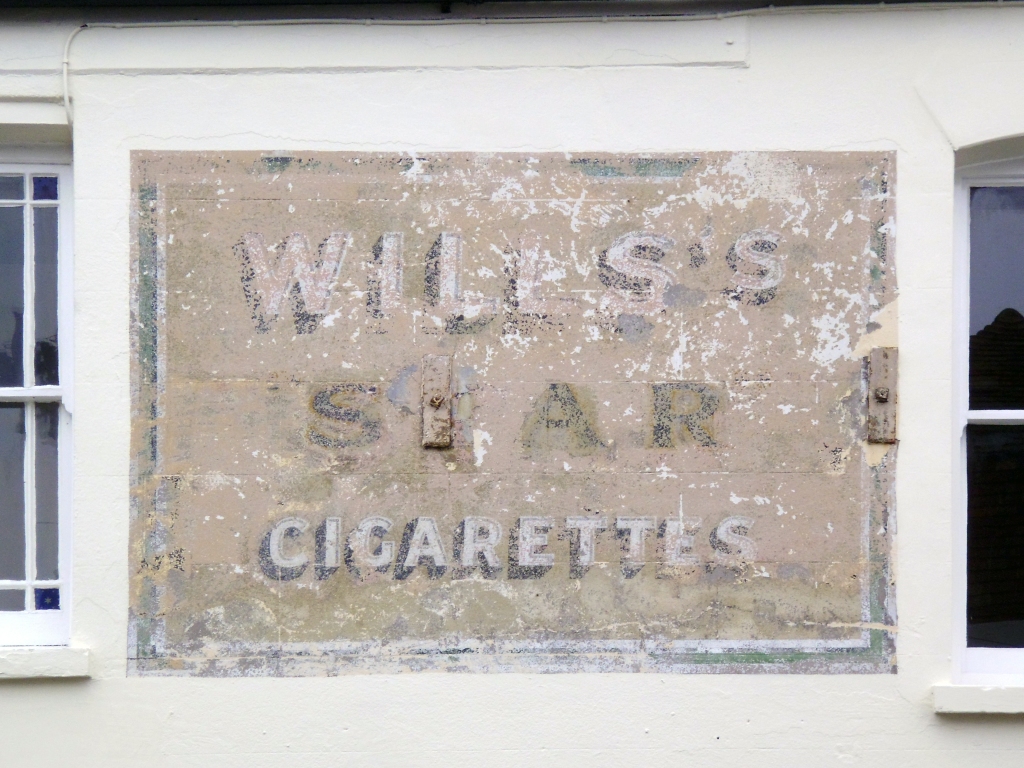
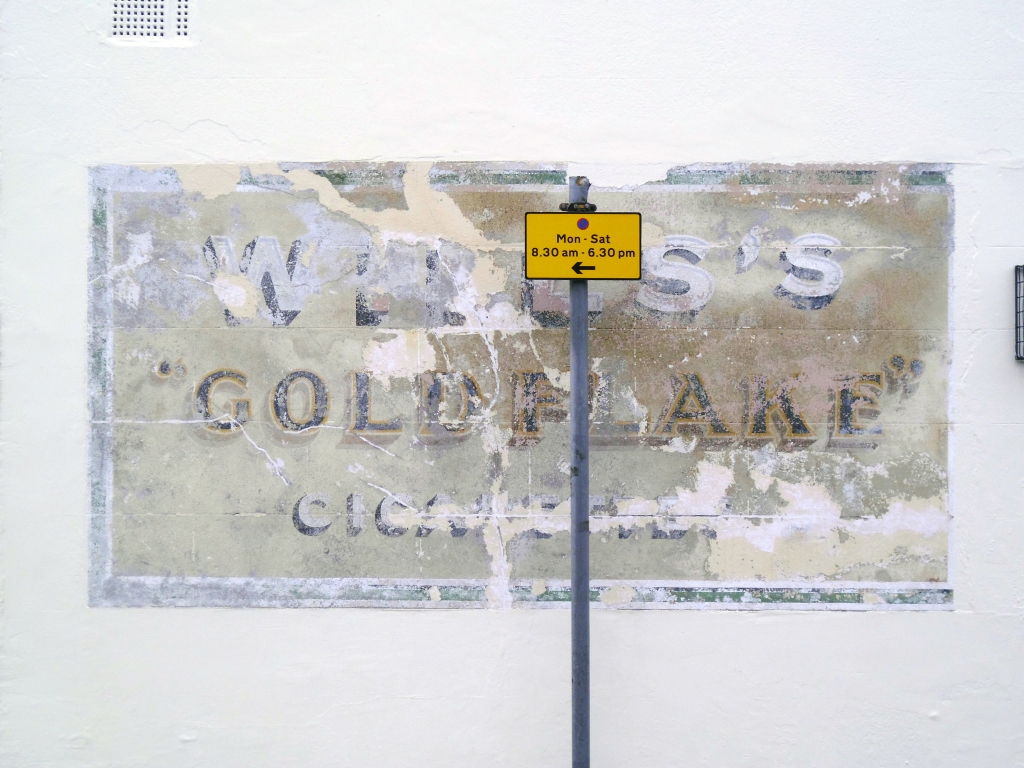
A fine display of tobacconist’s ghost signs.
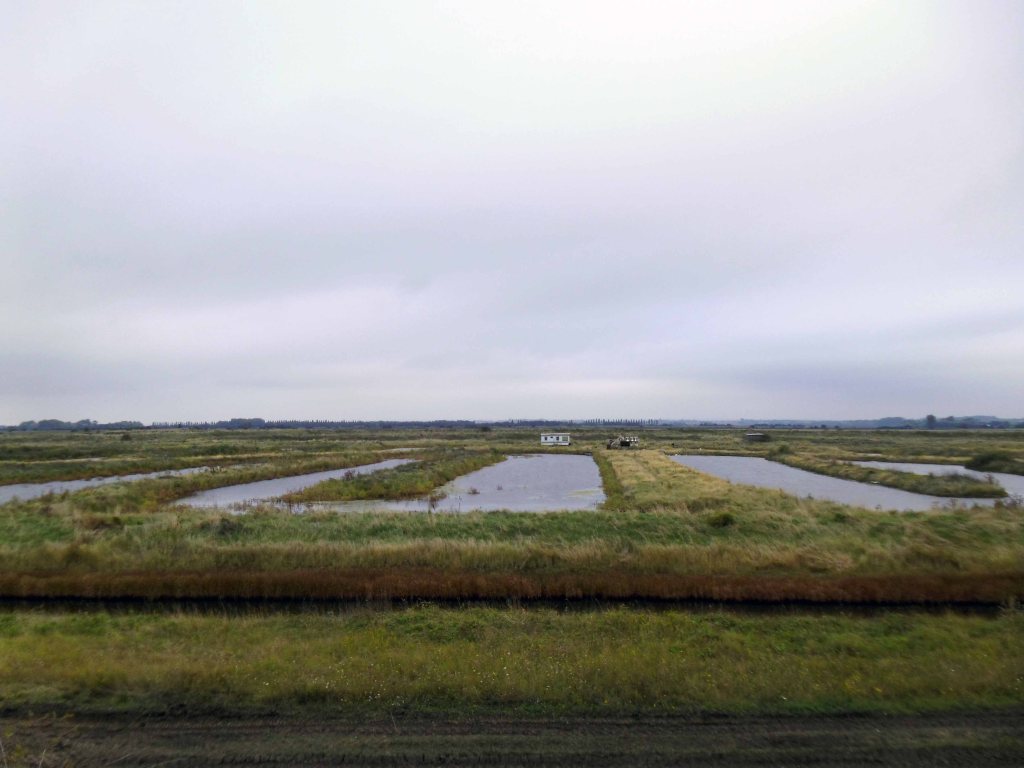
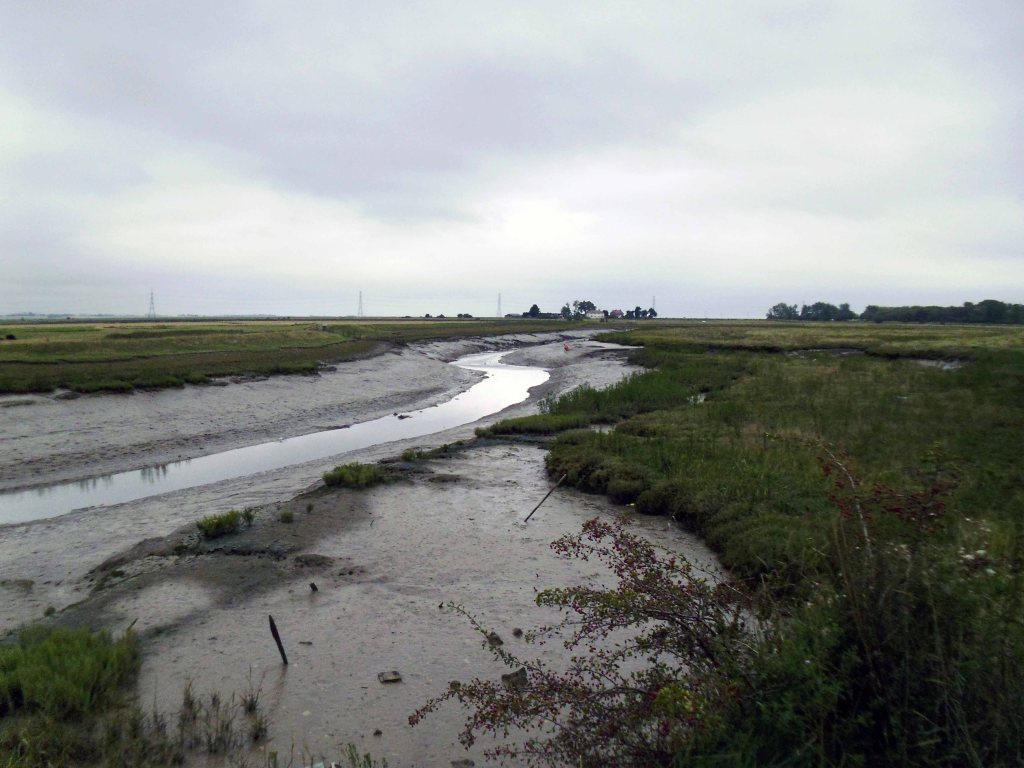
The road winds through the low marshes, across estuaries and inlets, between Seasalter and Graveney.
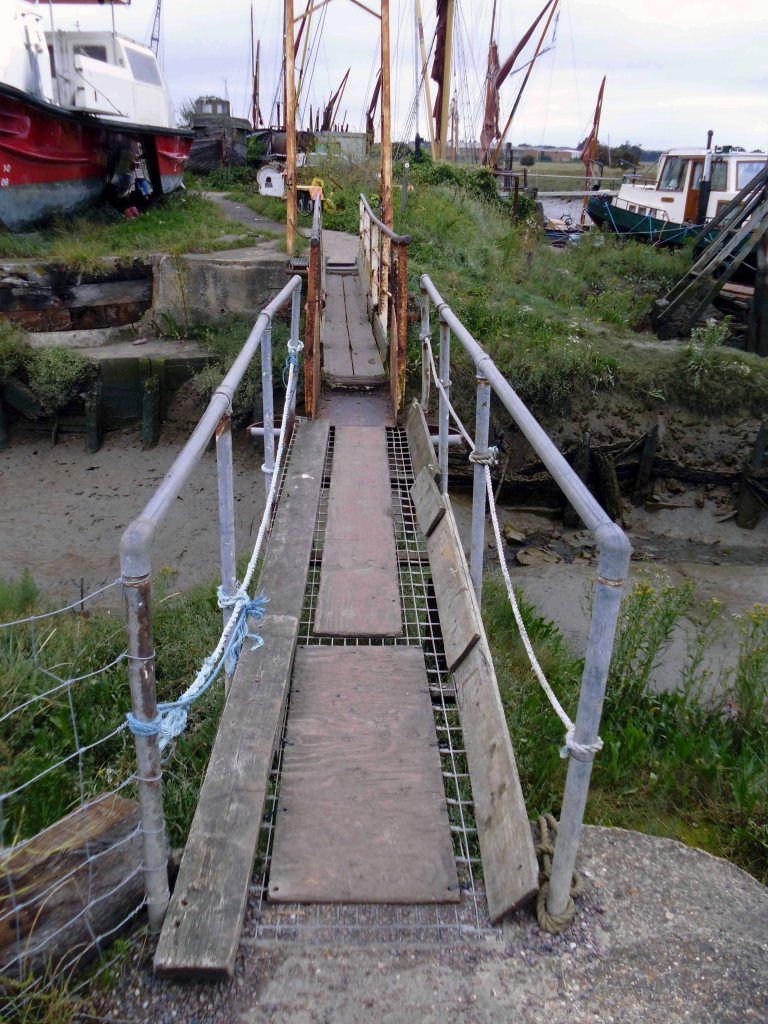
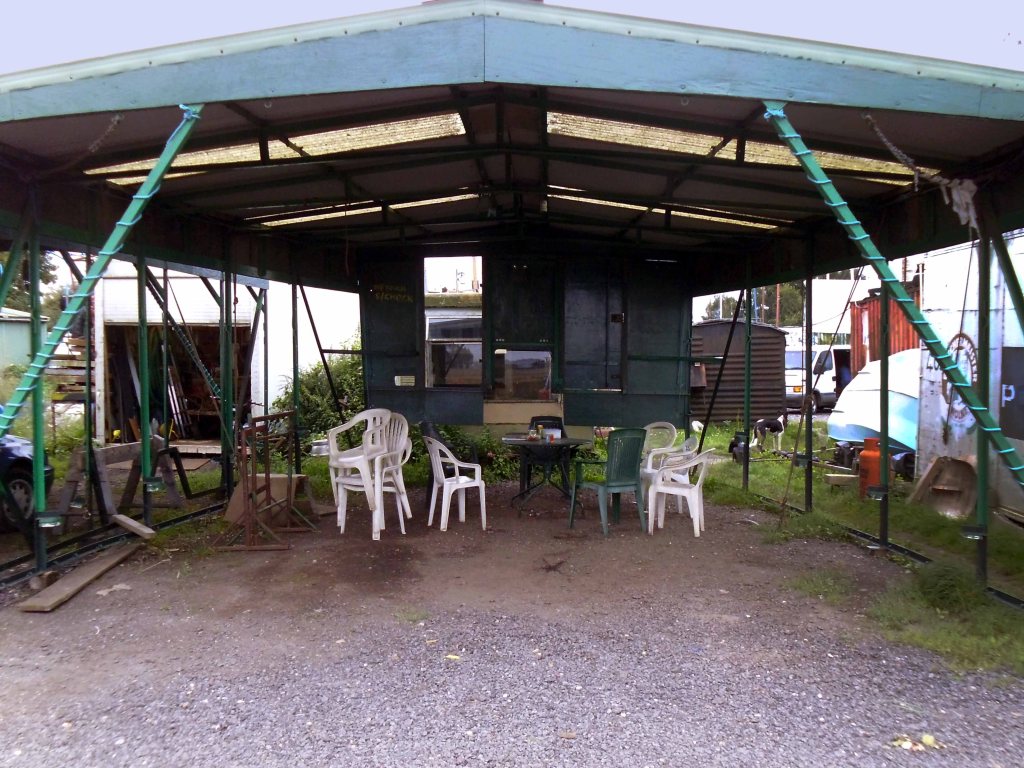
Home to a down home, home made fishing fleet.

Members of the 1st Battalion London Irish Rifles guarding the downed Junkers Ju 88A1

On September 27 1940 – a Luftwaffe bomber was shot down by two Spitfires over Graveney Marsh after a raid on London. This was the last ground engagement involving a foreign force to take place on the mainland of Great Britain.
Wikipedia

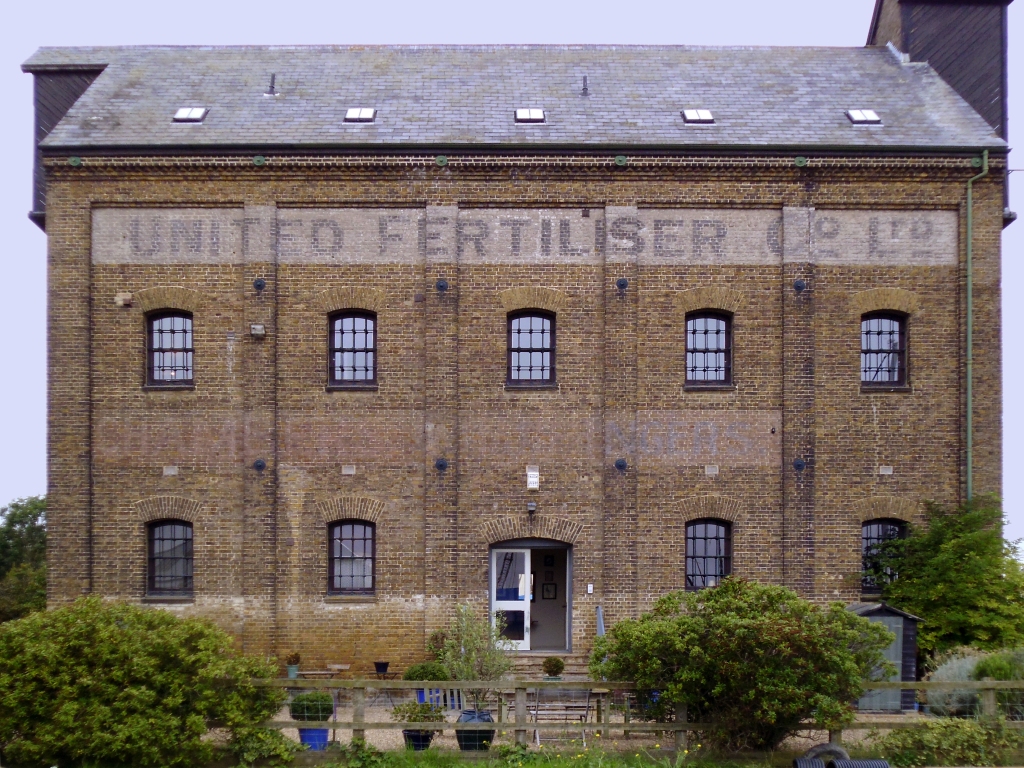
As is common in post-industrial England industrial buildings become executive homes, busy ports become marinas or moribund marshes.

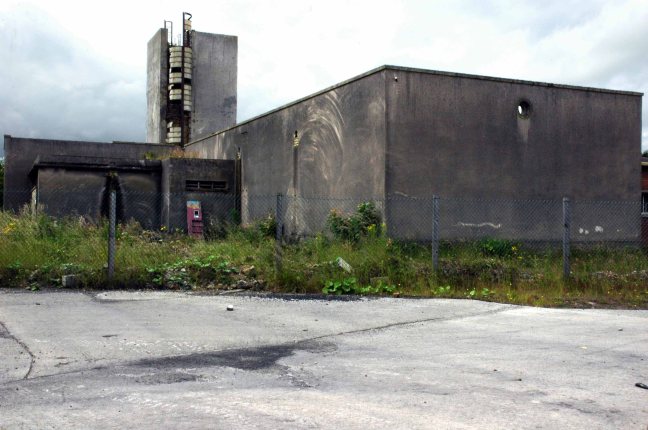
Ready for conversion to a bijou des-res.
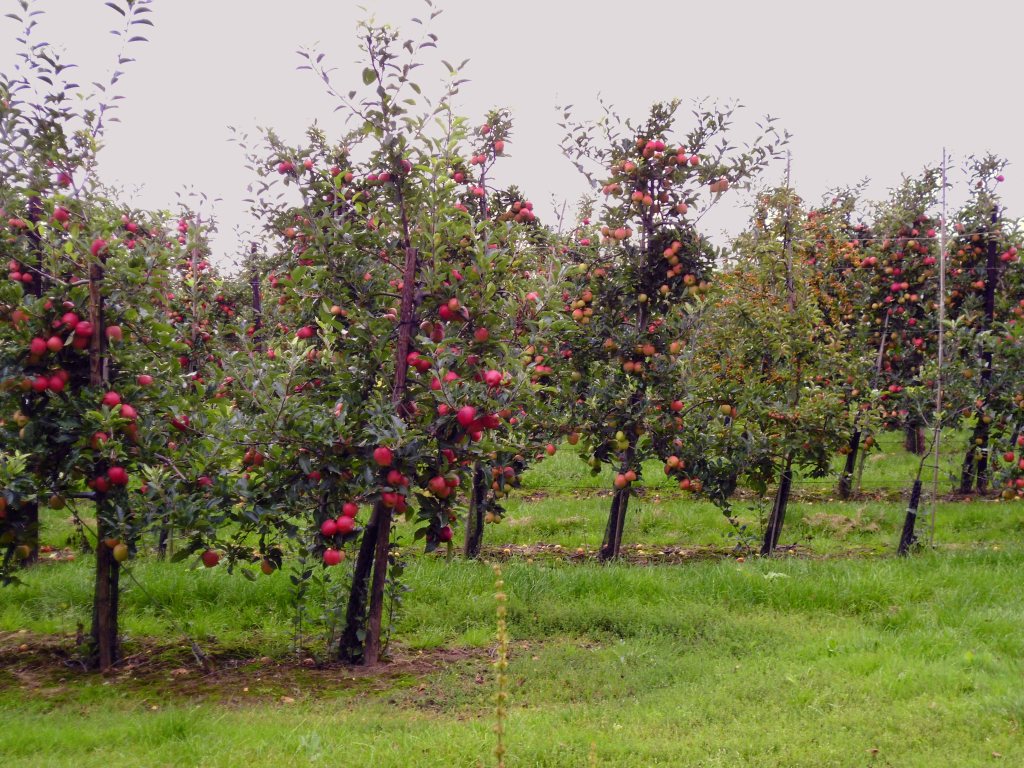
It was time to make time through the garden of England – pressing on past hillbilly hideaways.
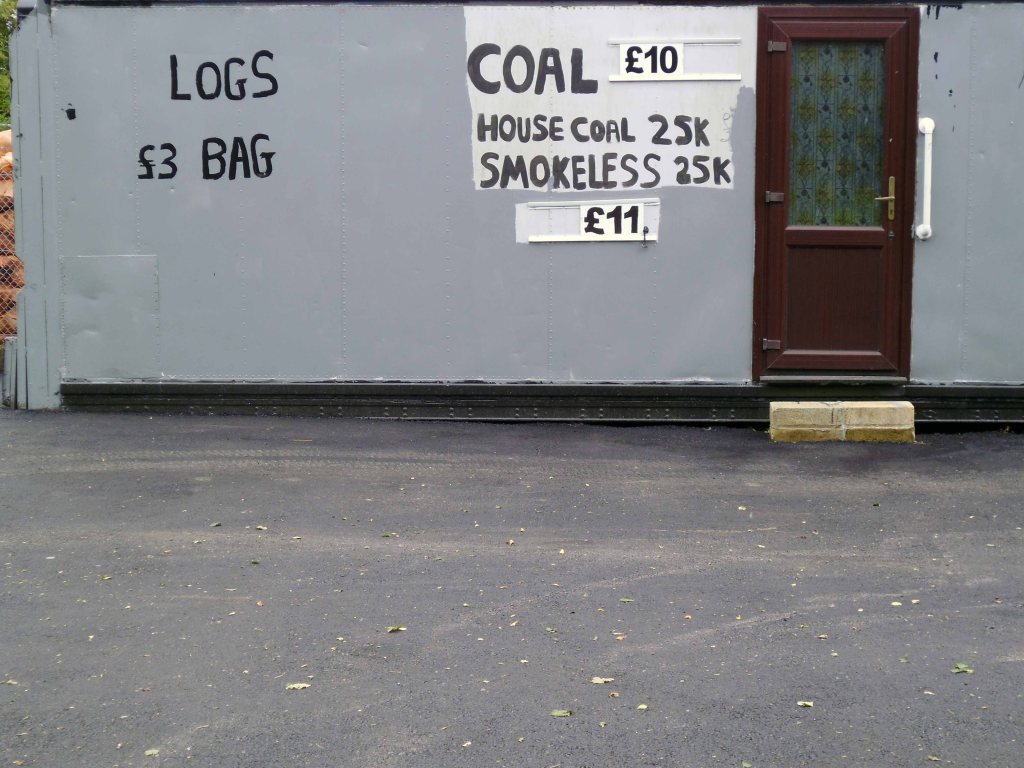
Housing late Ad Reinhardt’s.
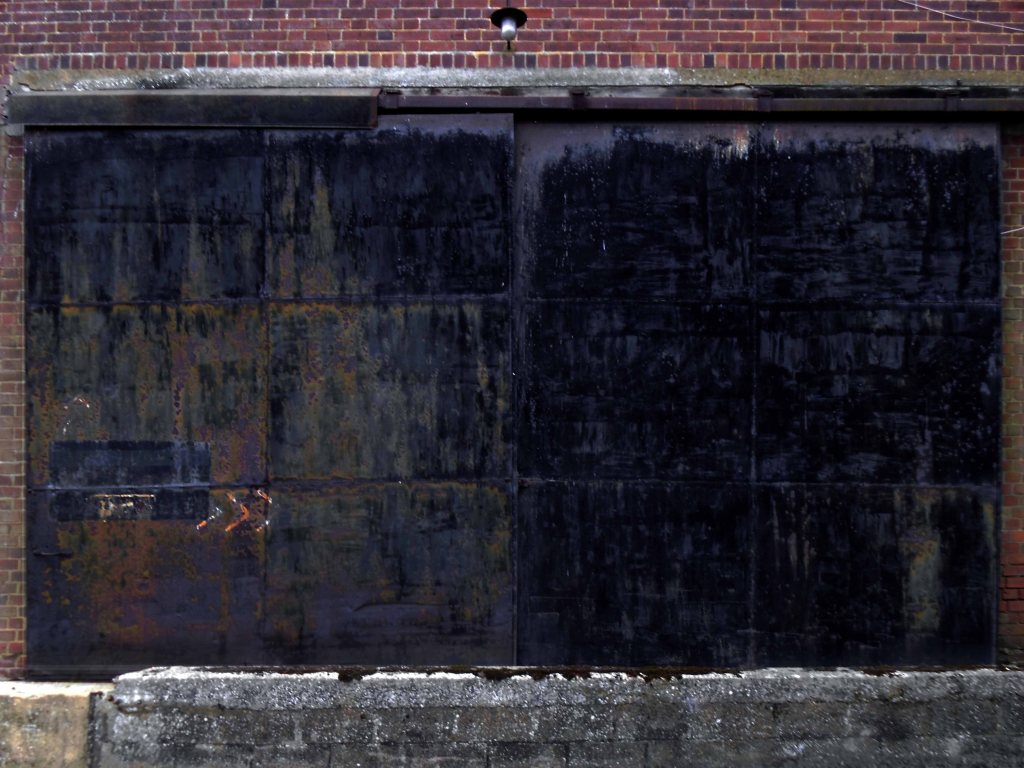
My painting represents the victory of the forces of darkness and peace over the powers of light and evil.
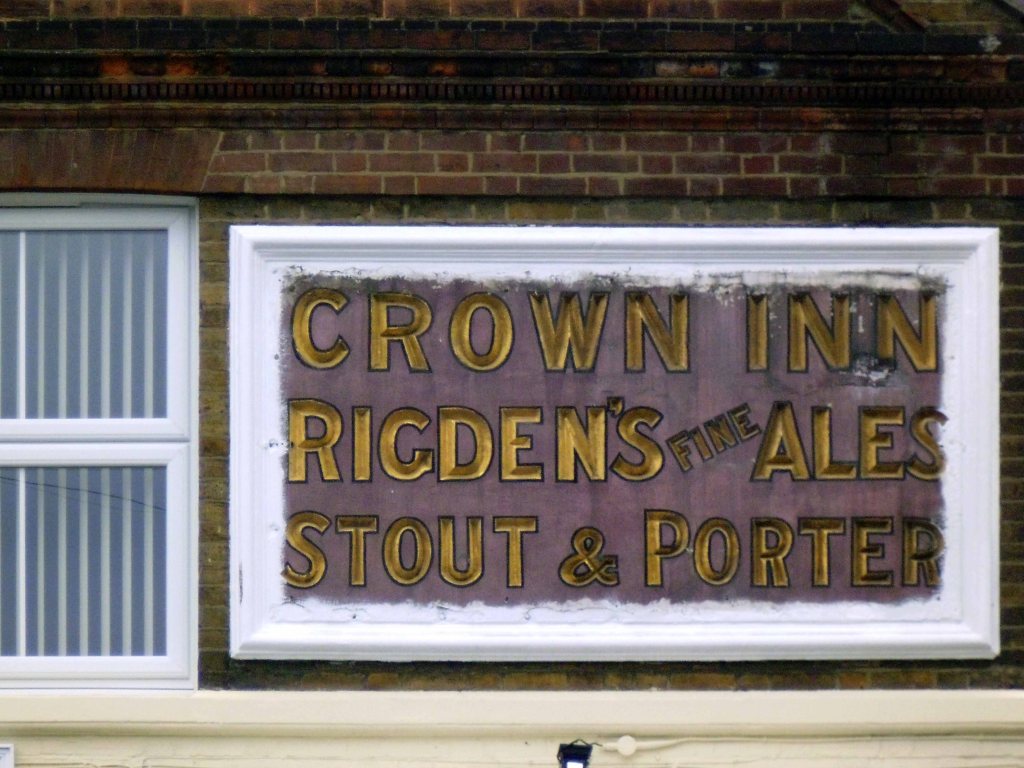
Founded in the early 1700s by Edward Rigden. Registered in 1902 as Rigden & Co. Merged with George Beer & Co. Ltd in 1922 to form George Beer & Rigden, not being limited until 1927.

Was acquired by Fremlins Ltd in 1948 and brewing ceased 1954.
Brewery History

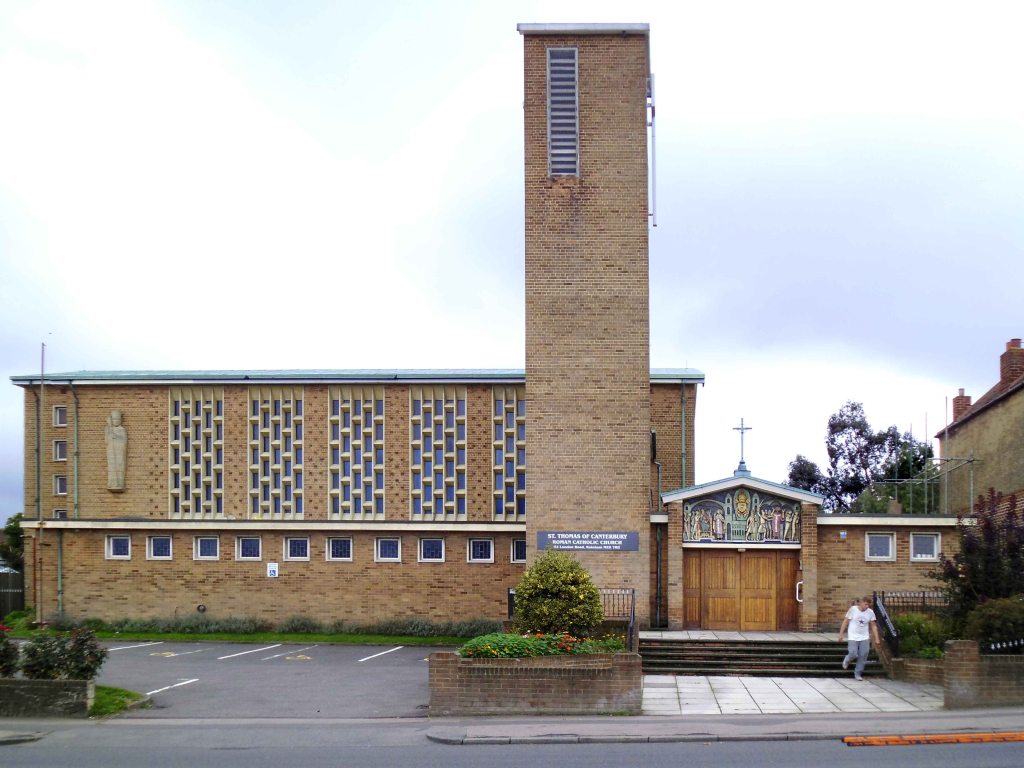
Dulled by dual carriageways and the dirty urban dust of a sunny late summer’s day – I was more than happy to discover this Modernist church in Rainham.

St Thomas of Canterbury RC

A  modern  church  of  1956-58  by  Eduardo  Dodds.  The  atmospheric interior is decorated with fine sculpture by Michael Clark, and ceramic panels by Adam Kossowski. The tower is a local landmark. The former temporary church of 1934 survives as the Parish Centre.
Taking Stock

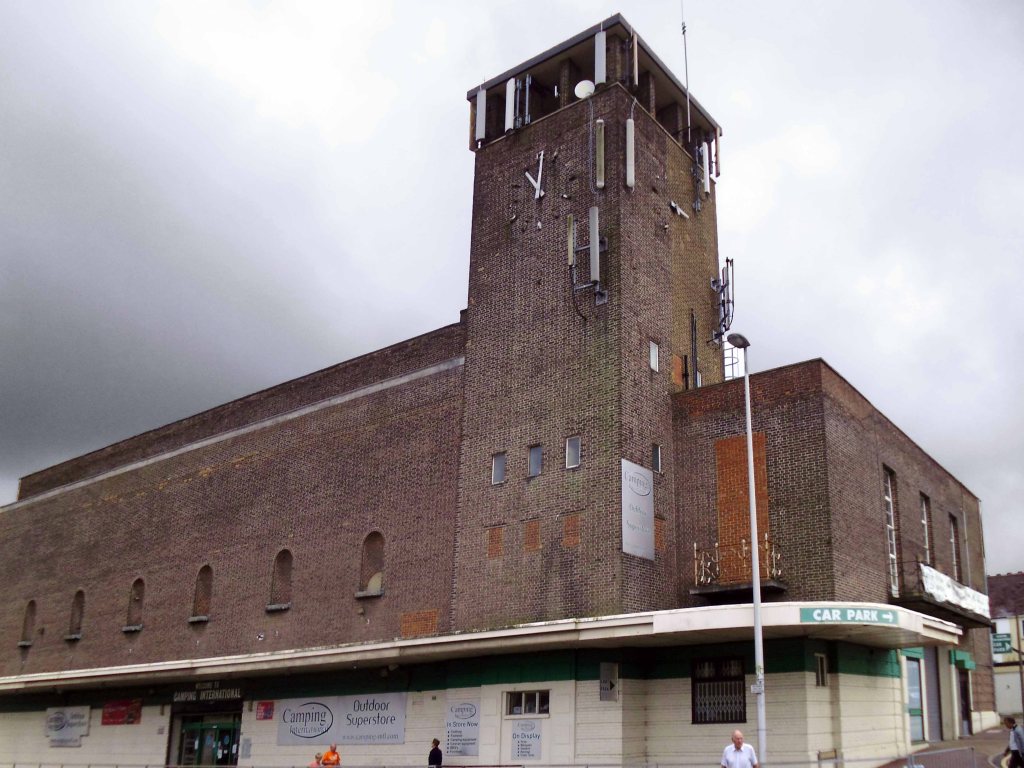
Followed by another brick behemoth the Gaumont Chatham.

The Palace Cinema was built by a subsidiary of the Gaumont British Theatres chain, and opened on 30th November 1936. The exterior had a tall square clock tower, which was outlined in neon at night – Architect Arthur W. Kenyon

Re-named Gaumon from 18th December 1950, closed by the Rank Organisation on 2nd February 1961 with John Gregson in The Captain’s Table.

It was converted into a 24-lane Top Rank Bowling Alley, which opened in December 1961. Eventually, this was the last of the Top Rank Bowls to close, closing on 31st October 1970.
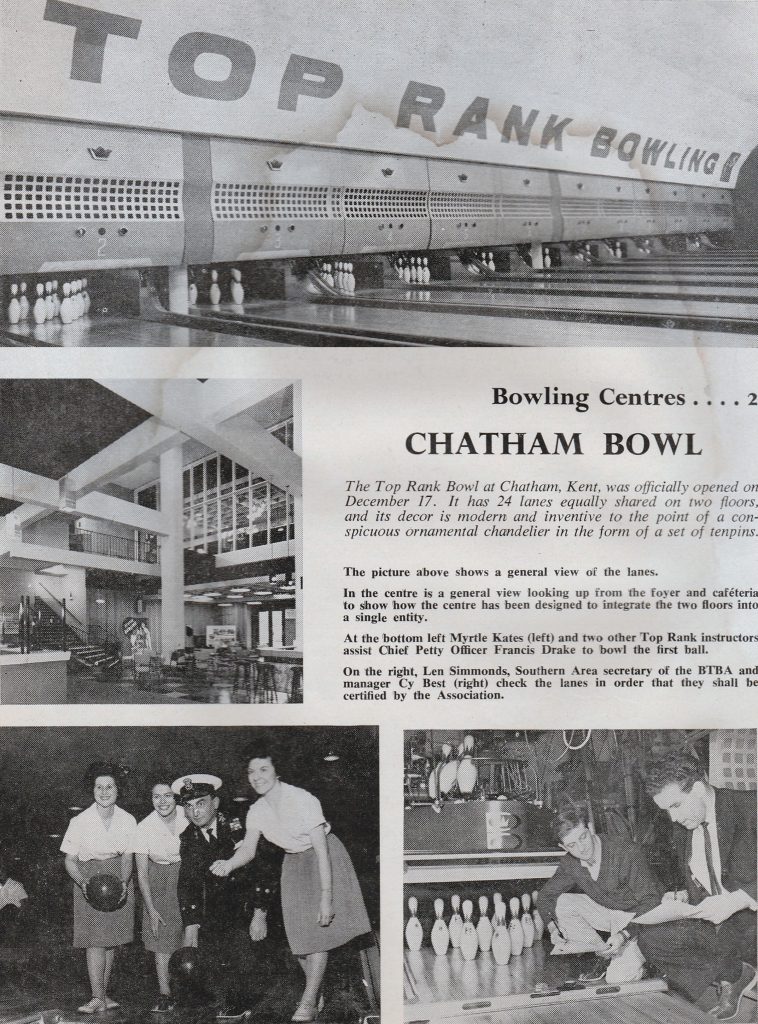
The building was converted into a B&Q hardware store, and the interior has been gutted. It was later in use as a camping centre, which remains open in 2010 as Camping International. The building is now known as Clock Tower House.
Cinema Treasures

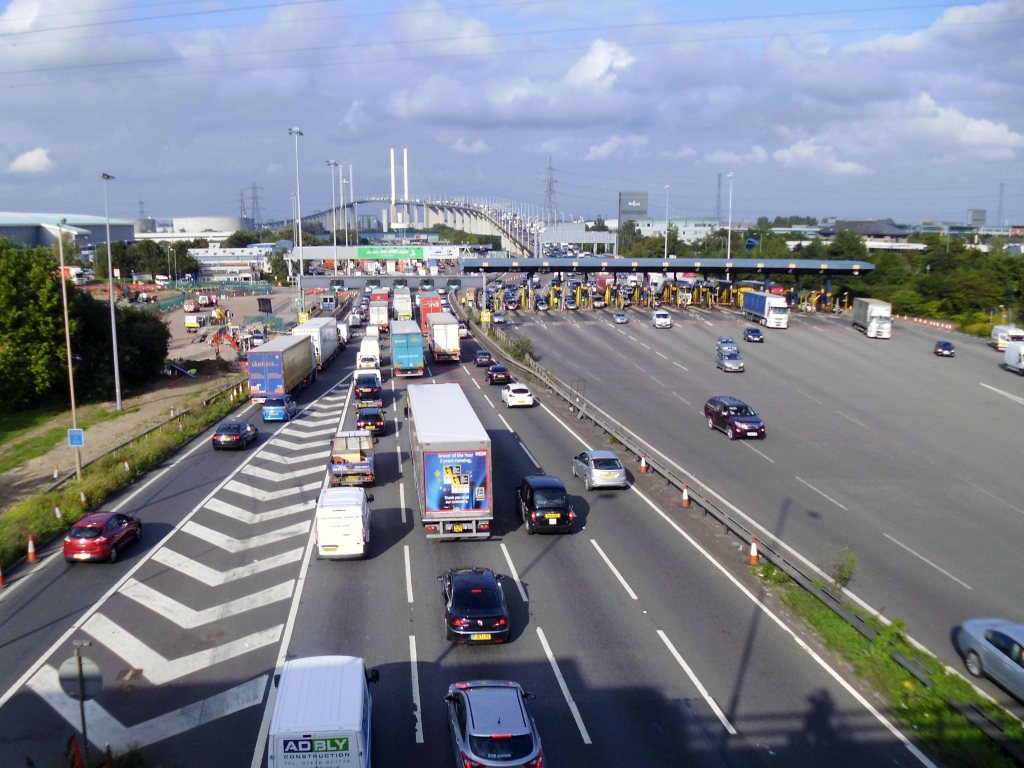
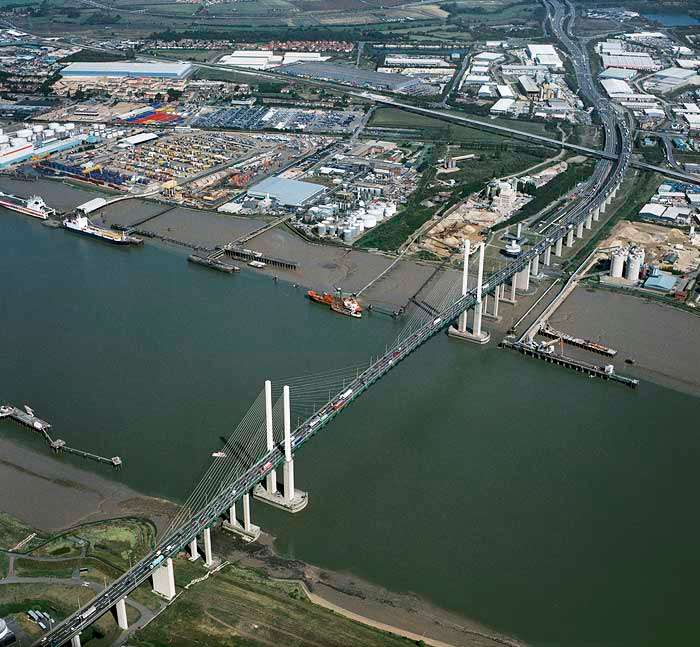
Queen Elizabeth II Bridge Toll.

Designed by German civil engineer Hellmut Homberg, the two main caissons supporting the bridge piers were constructed in the Netherlands. ] The bridge deck is about 61 metres high, and it took a team of around 56 to assemble its structure.

The bridge was opened by Queen Elizabeth II on 30 October 1991. The total cost of construction was £120 million. The proposed name had been simply the Dartford Bridge, but Thurrock residents objected and suggested the Tilbury Bridge, leading to a compromise. At the time of opening, it had the longest cable-stayed span of any bridge in Europe.
Wikipedia

I arrived at the Dartford Crossing hot and hungry – wandering towards the tunnel entrance, only to be apprehended by the authorities.

What are you doing here?

I pleaded for a glass of water and directions, happily I received both from a friendly member of staff.

Picked up by Range Rover and driven over to Essex free of charge.

Wearily I made my way across the county, no time for snaps it seems, simply wishing to hit town before nightfall. None of my B&Bs were booked ahead of time and I’ve never had a ‘phone. Finding a bed for the night proved troublesome – knocking on the door of a minor hotel, I was rebuffed by a Beatle suited, be-wigged figure:

Are you to take the vacancies sign down then – says I.

No – says he.

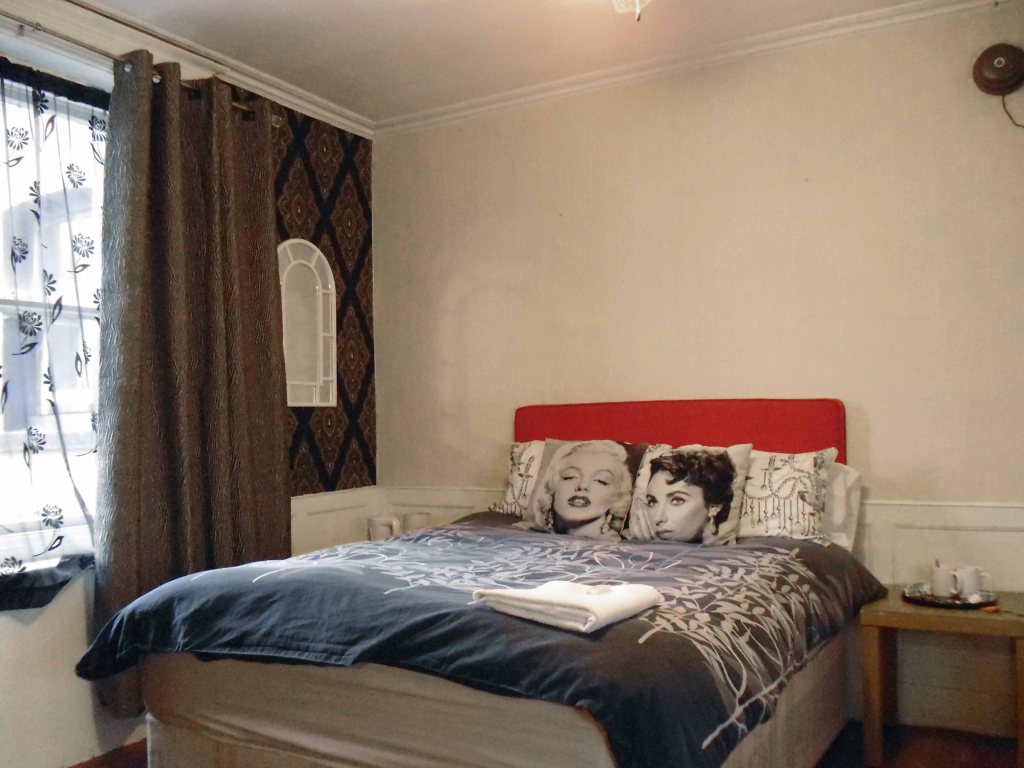
Under cover of darkness I holed up in a contractors’ flop house on the front, no-frills communal showers, short shrift and cold linoleum, but a welcome repose none the less.
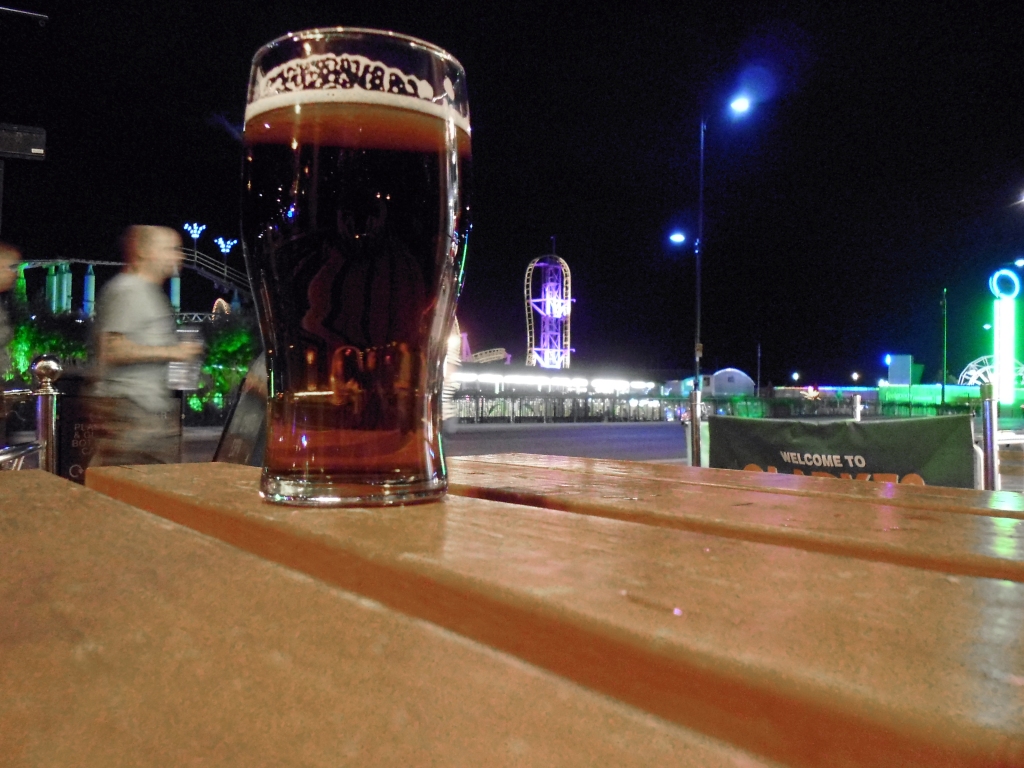
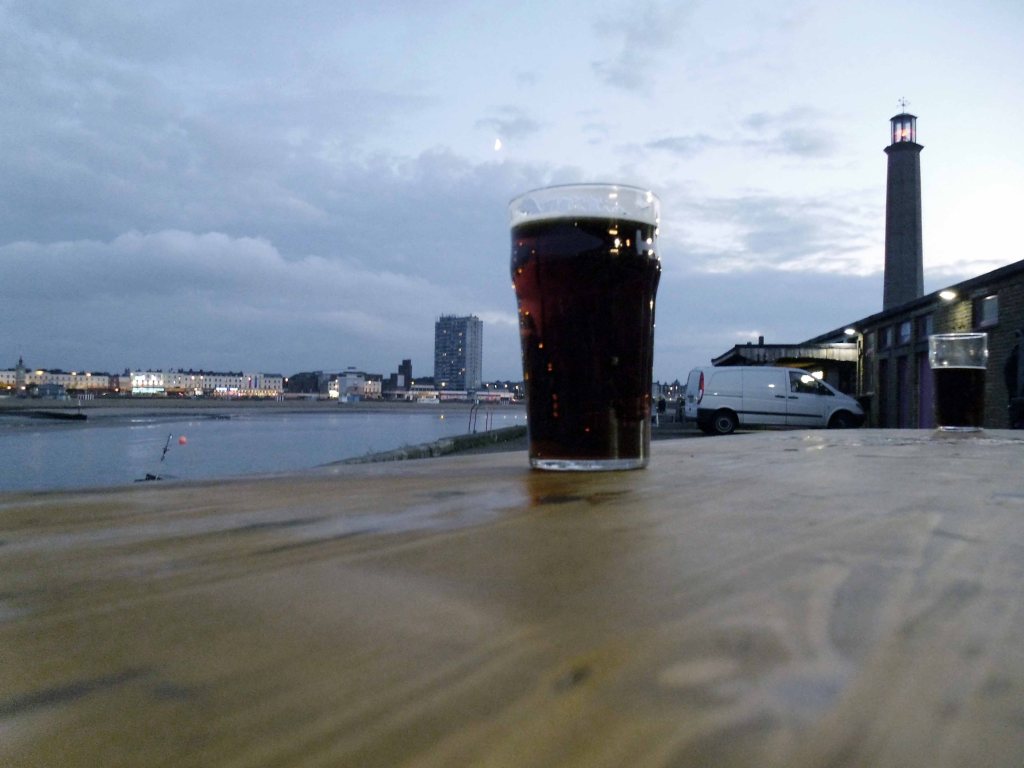
Some pints don’t touch the sides – this and several others didn’t, ‘neath the flickering lights of Southend by night.

A wobbly walk along the prom.
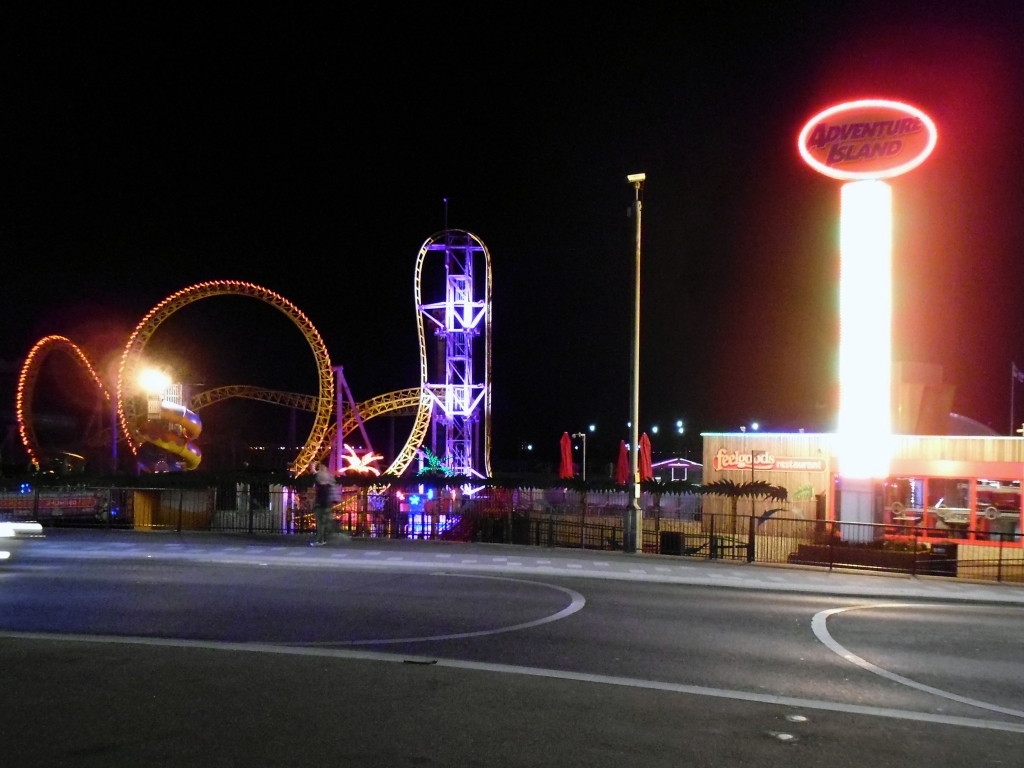
Fetching up with pic of the Kursaal.

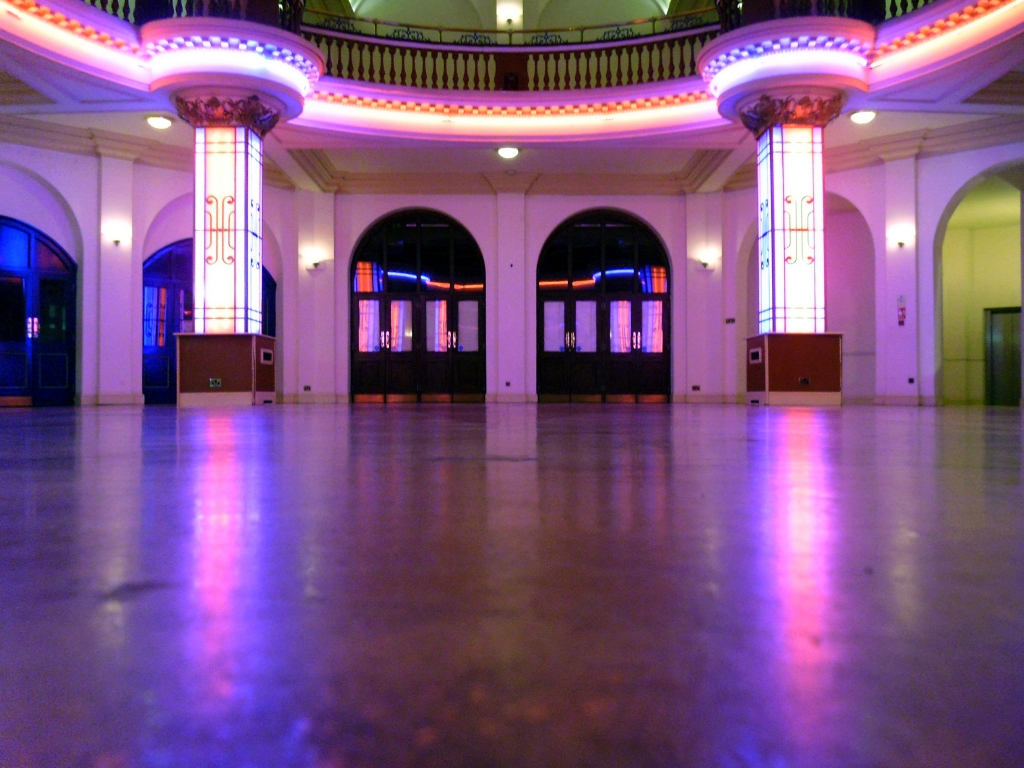
The Kursaal is a Grade II listed building in Southend-on-Sea which opened in 1901 as part of one of the world’s first purpose-built amusement parks. The venue is noted for the main building with distinctive dome, designed by Campbell Sherrin, which has featured on a Royal Mail special edition stamp.
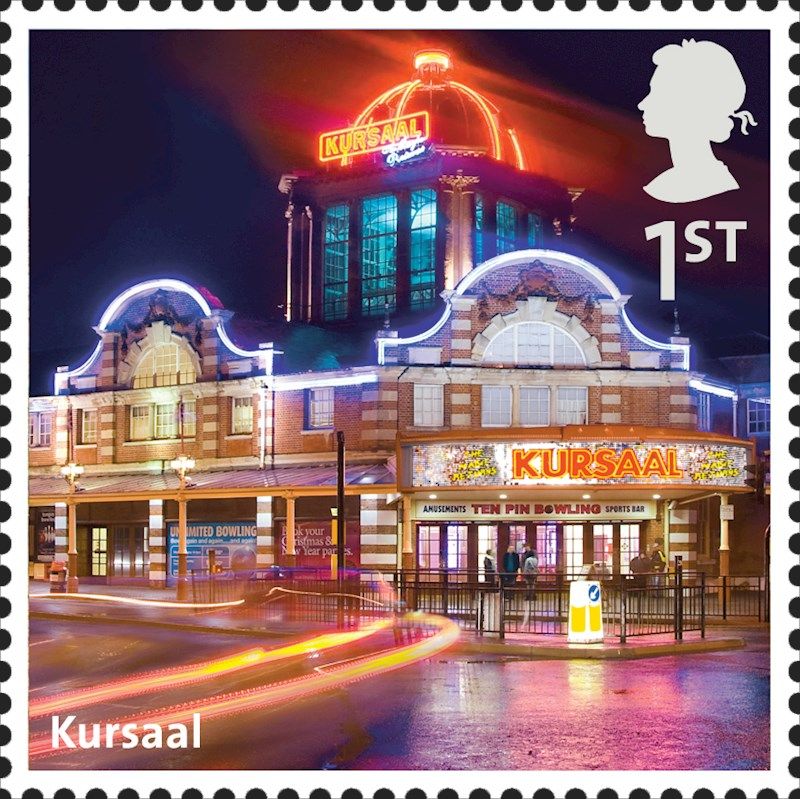
Wikipedia

Night night.

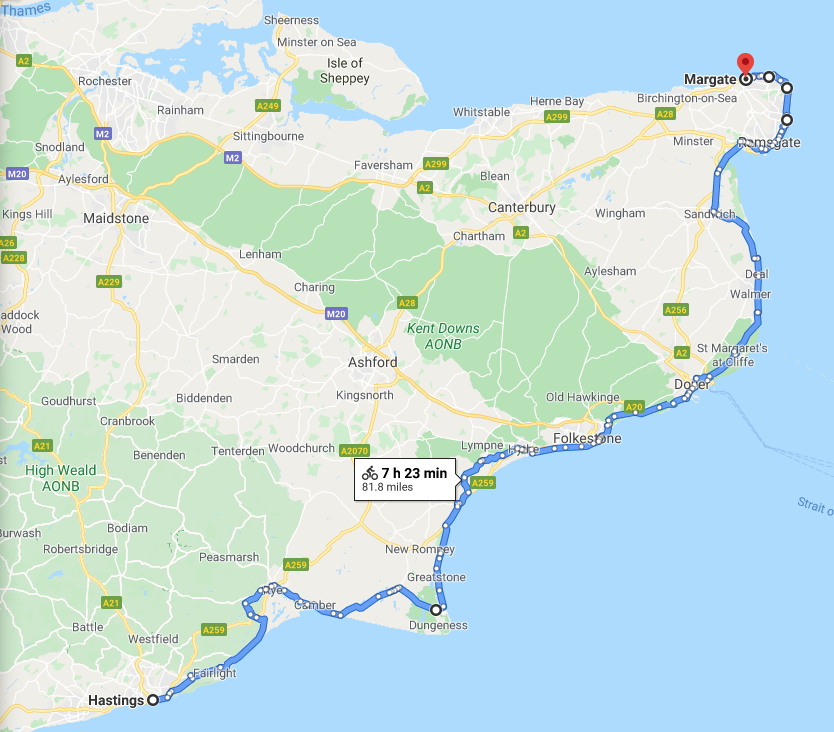
Hastings To Margate

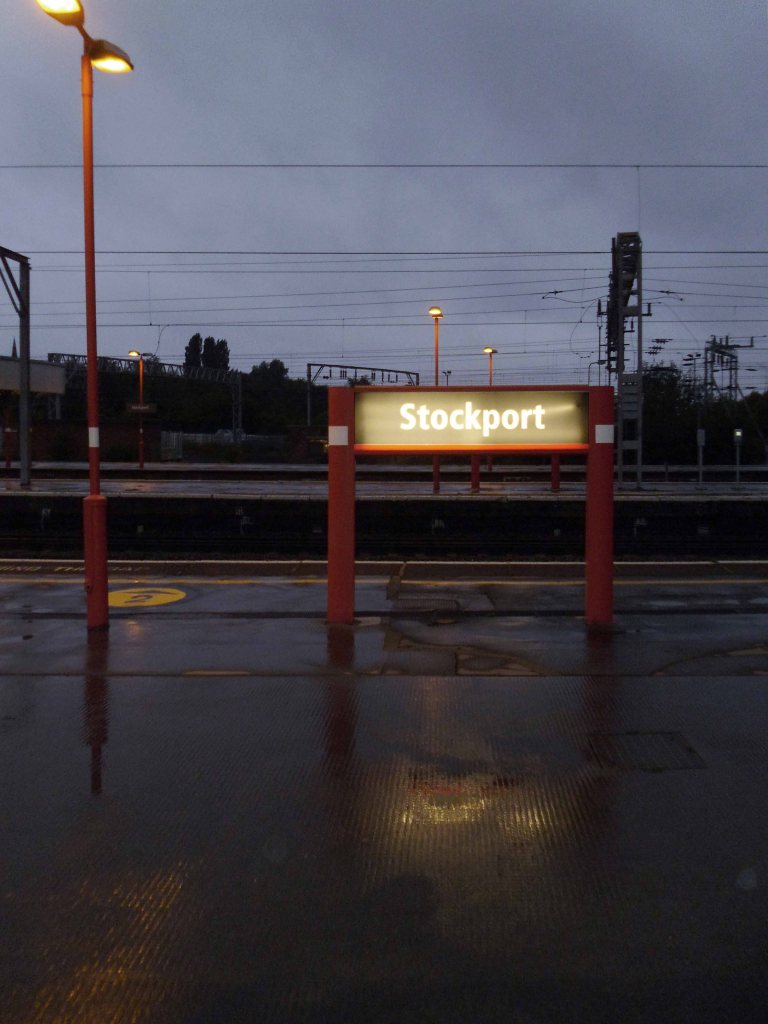
Early one morning, six o’clock on Saturday 30th August 2014 to be precise – I set out on my bike from my humble Stockport home, Pendolino’d to Euston, London Bridged to Hastings.

It was my intention to follow the coast to Cleethorpes, so I did.

Five hundred miles or so in seven highly pleasurable days awheel, largely in bright late summer sun. Into each life however, some rain must fall, so it did.

Kent, Essex, Suffolk, Norfolk and Lincolnshire flashed by slowly in lazy succession, to the right the sea – you can’t get lost, though I did. Following Sustrans signs is relatively easy, as long as they actually exist, when I reached Kings Lynn I decided to buy a map.

I set out at eight o’clock on Monday 1st September – I had taken early retirement in March. I would have normally been enrolling new students and teaching photography in a Manchester Further Education College, as I had done for the previous thirty years.

Not today thanks.

With the wind and my former career behind me, I cycled on with an unsurpassable sense of lightness and elation.

This is what I saw.

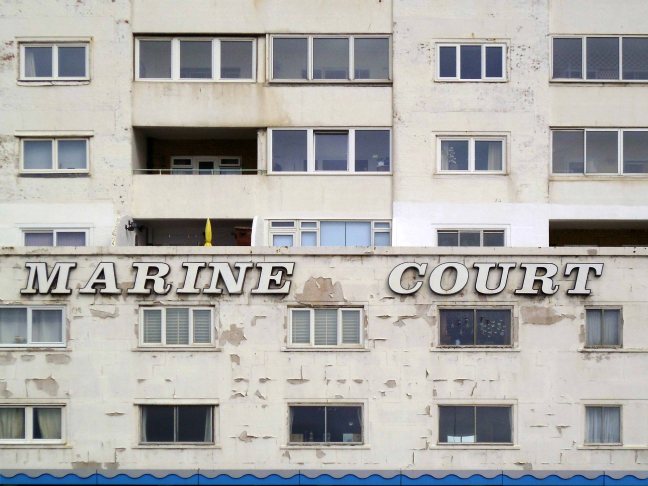
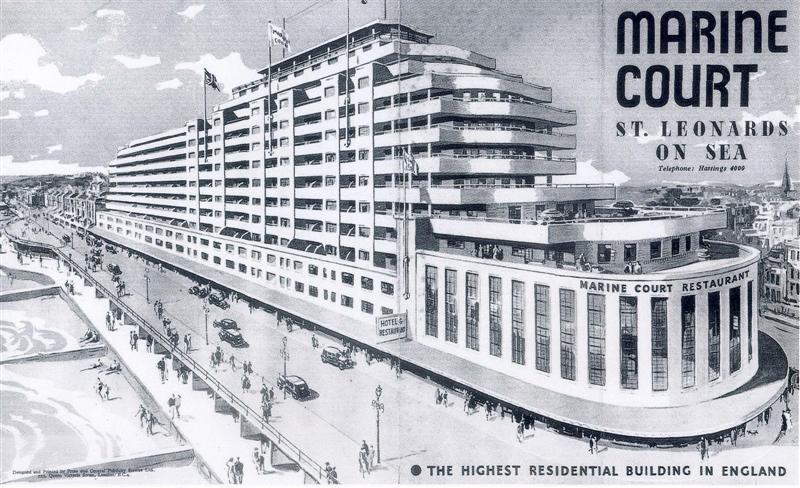
Above and below is Marine Court

The building was designed by architects Kenneth Dalgleish and Roger K Pullen, with overt references to the Cunard White-Star Line Queen Mary, which had entered commercial transatlantic service in 1936. The east end of Marine Court is shaped to imitate the curved, stacked bridge front of the Queen Mary; the eastern restaurant served to imitate the fo’c’sle deck of the ship.

Modernist Britain

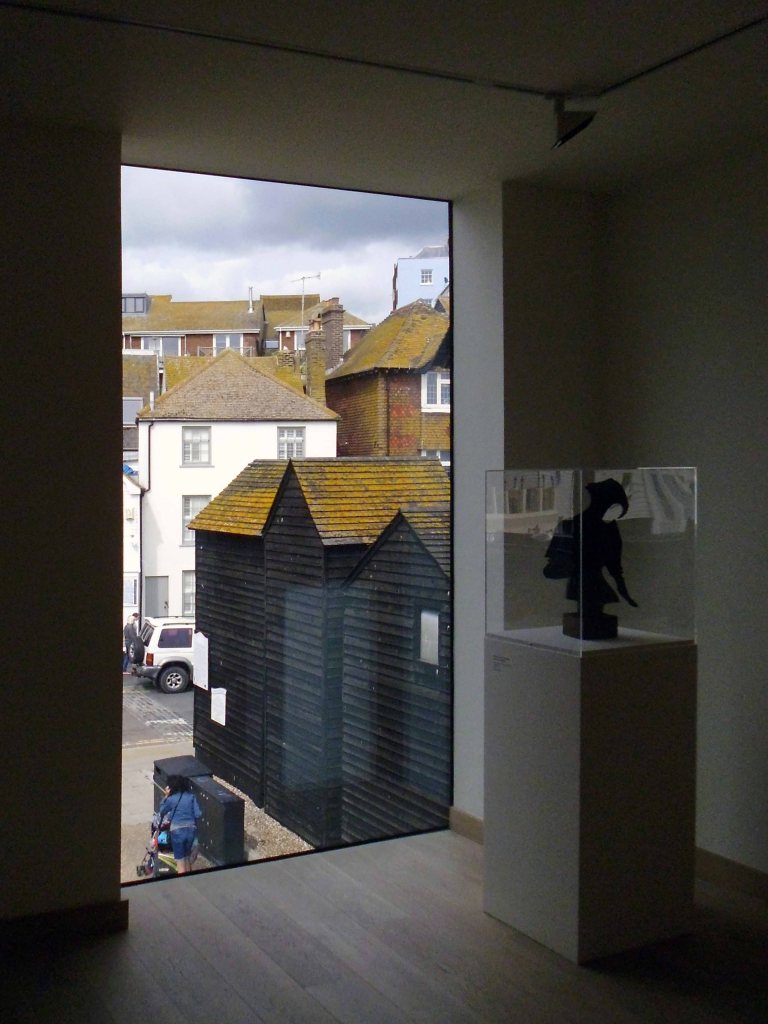
The then Jerwood Gallery looking towards the Old Town’s distinctive fisherman’s sheds.

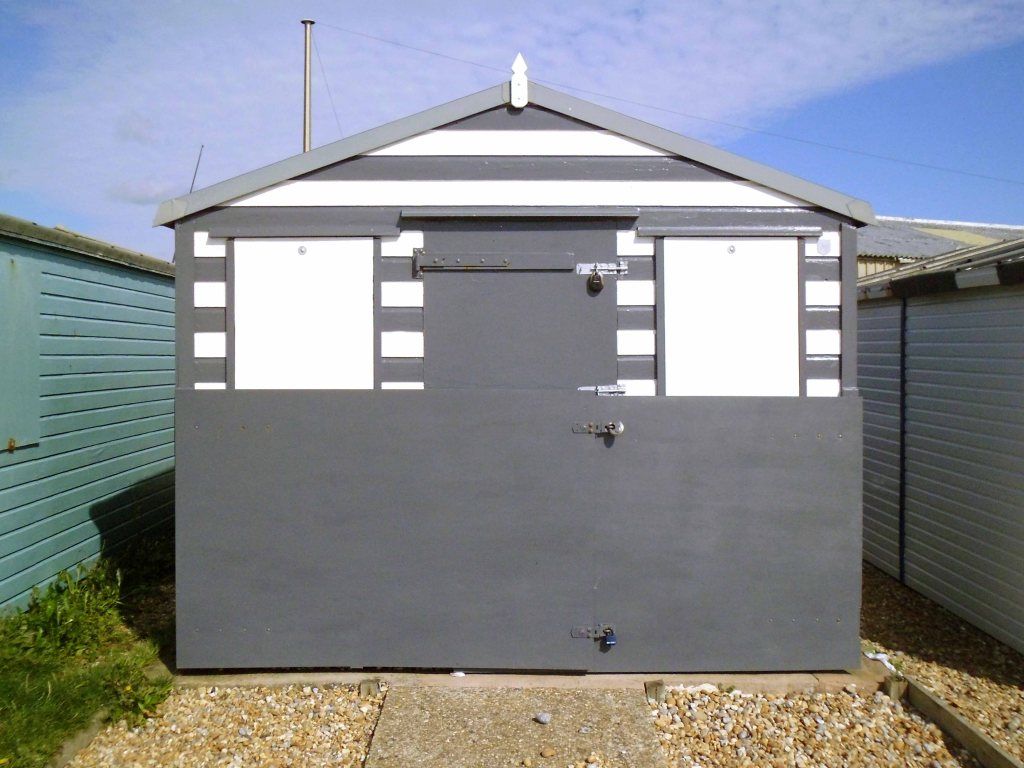
One grey beach hut bucks the trend.

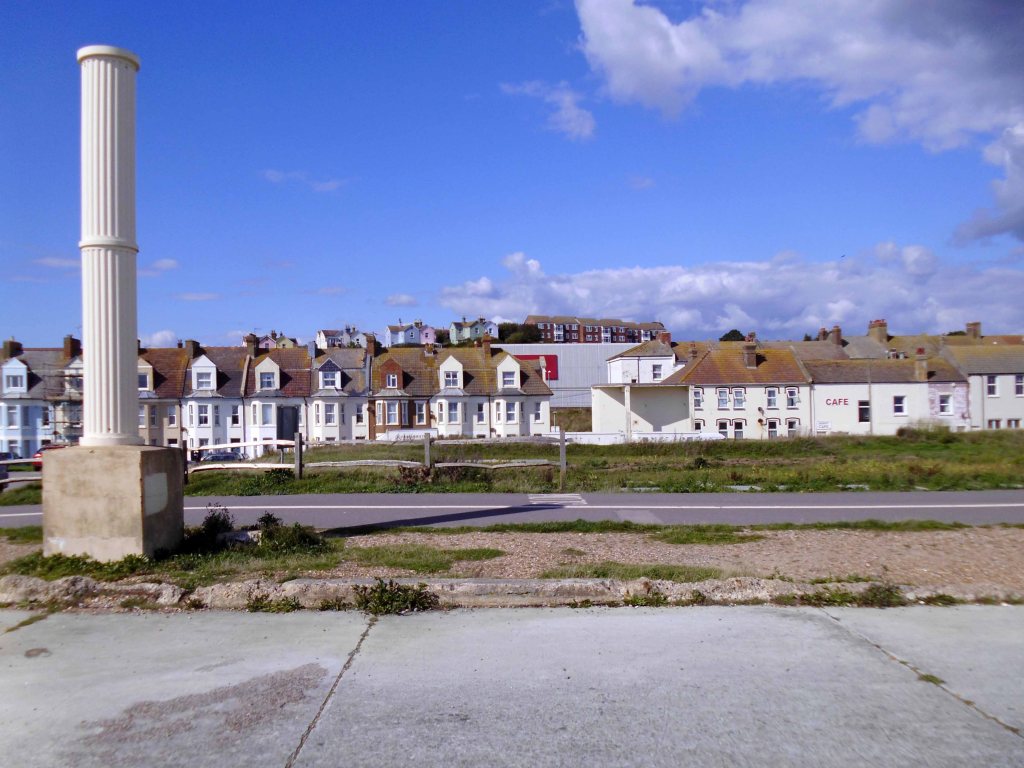
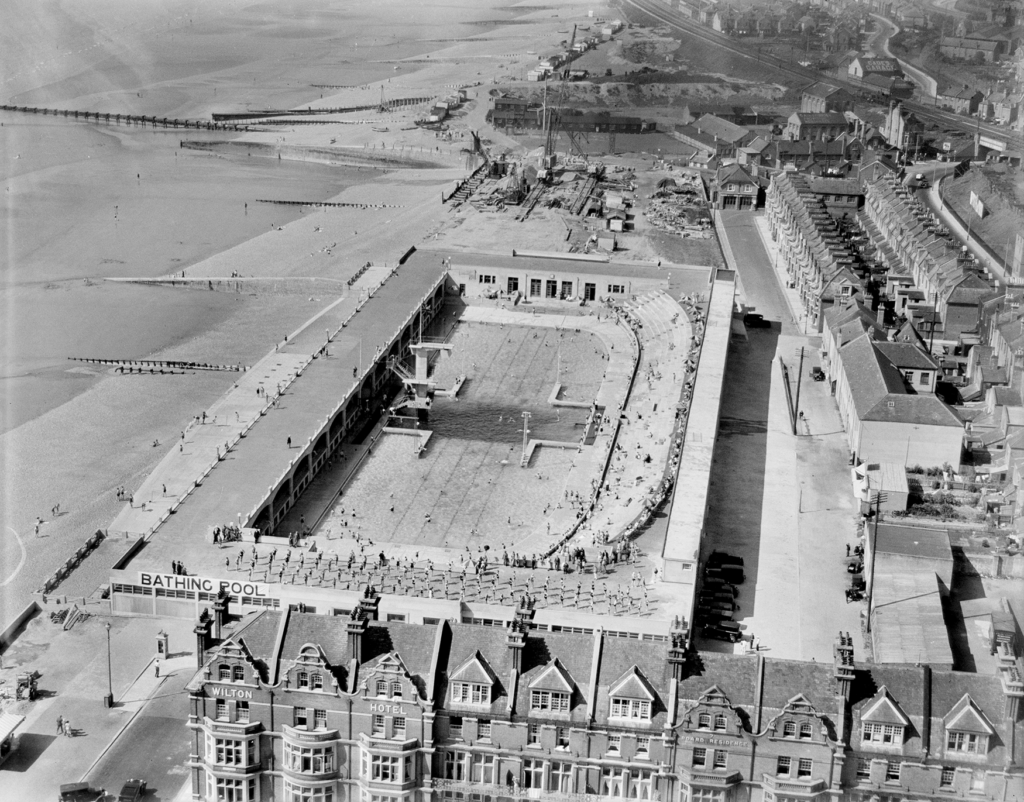
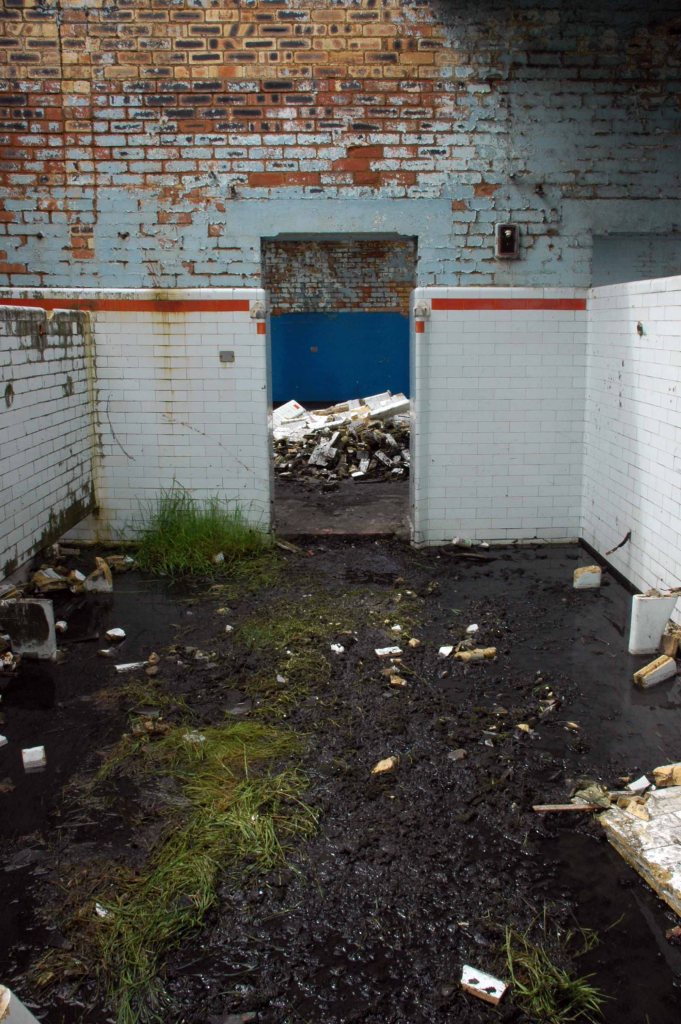
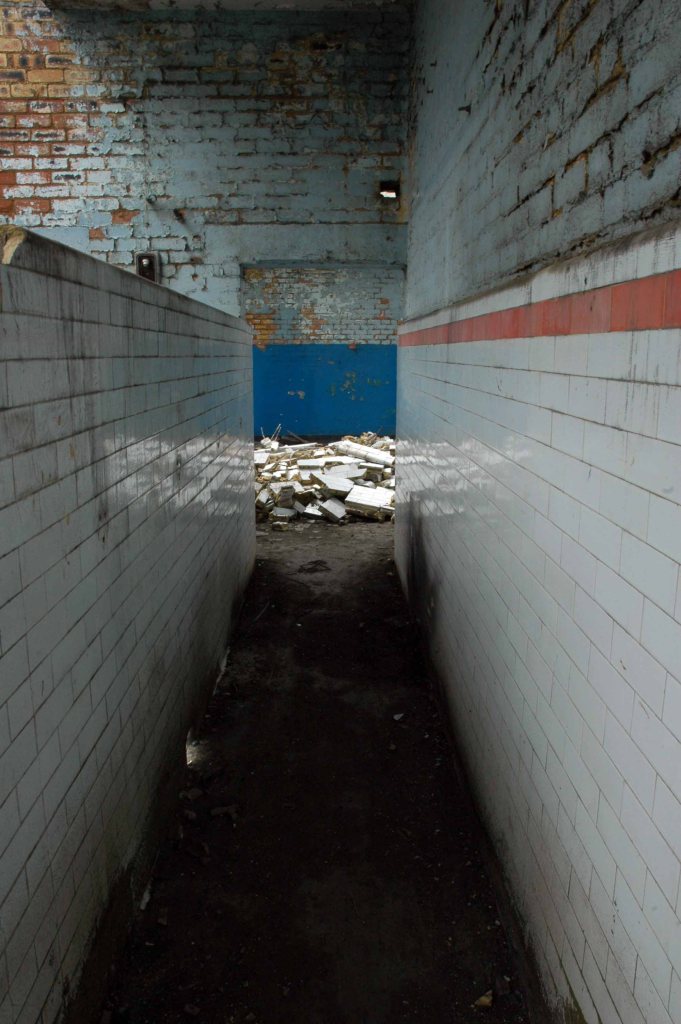
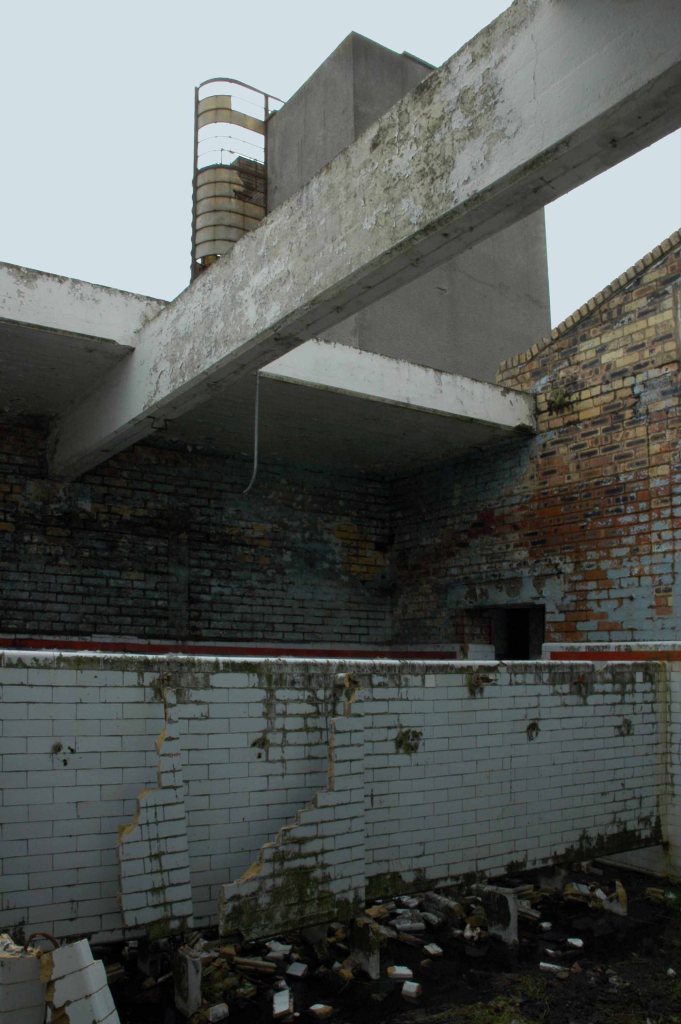
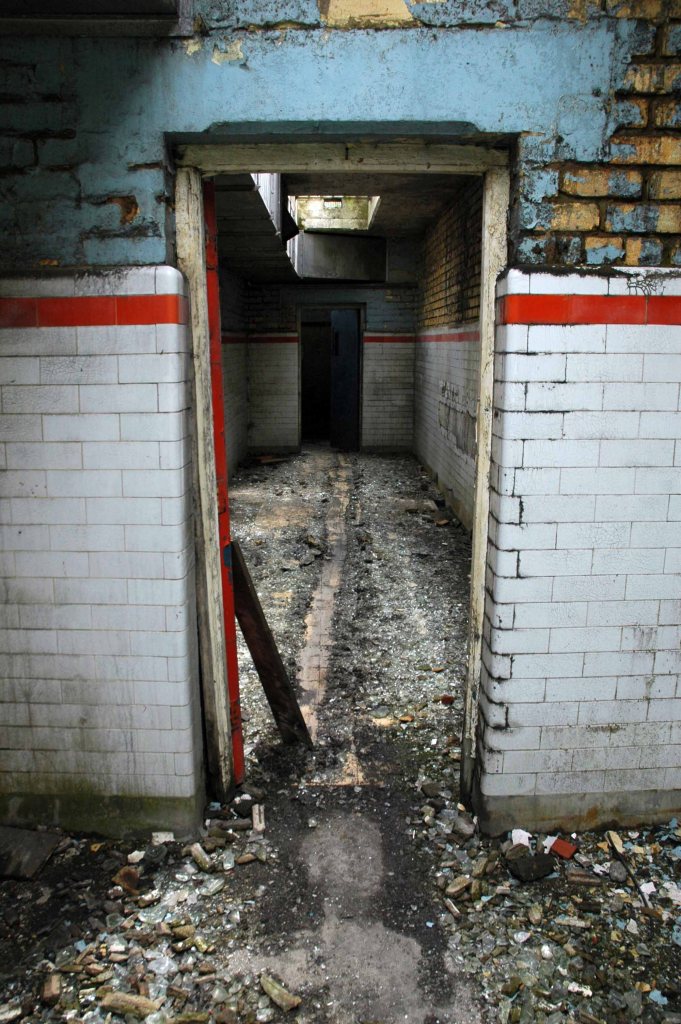
This is all that remains of the St Leonard’s Lido

Photo Historic England

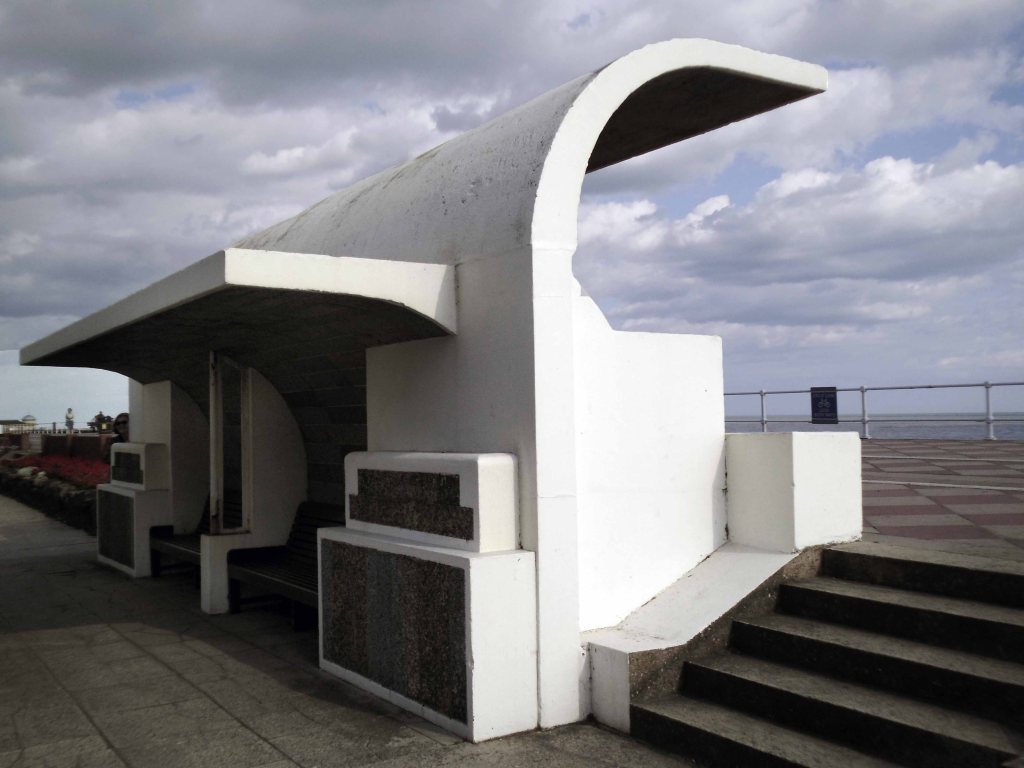
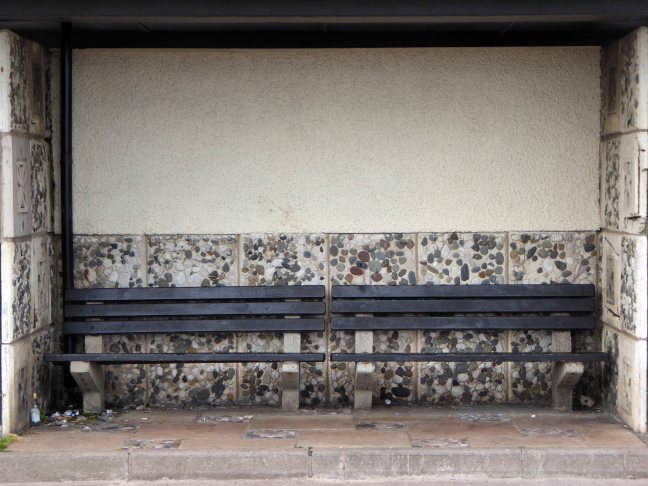
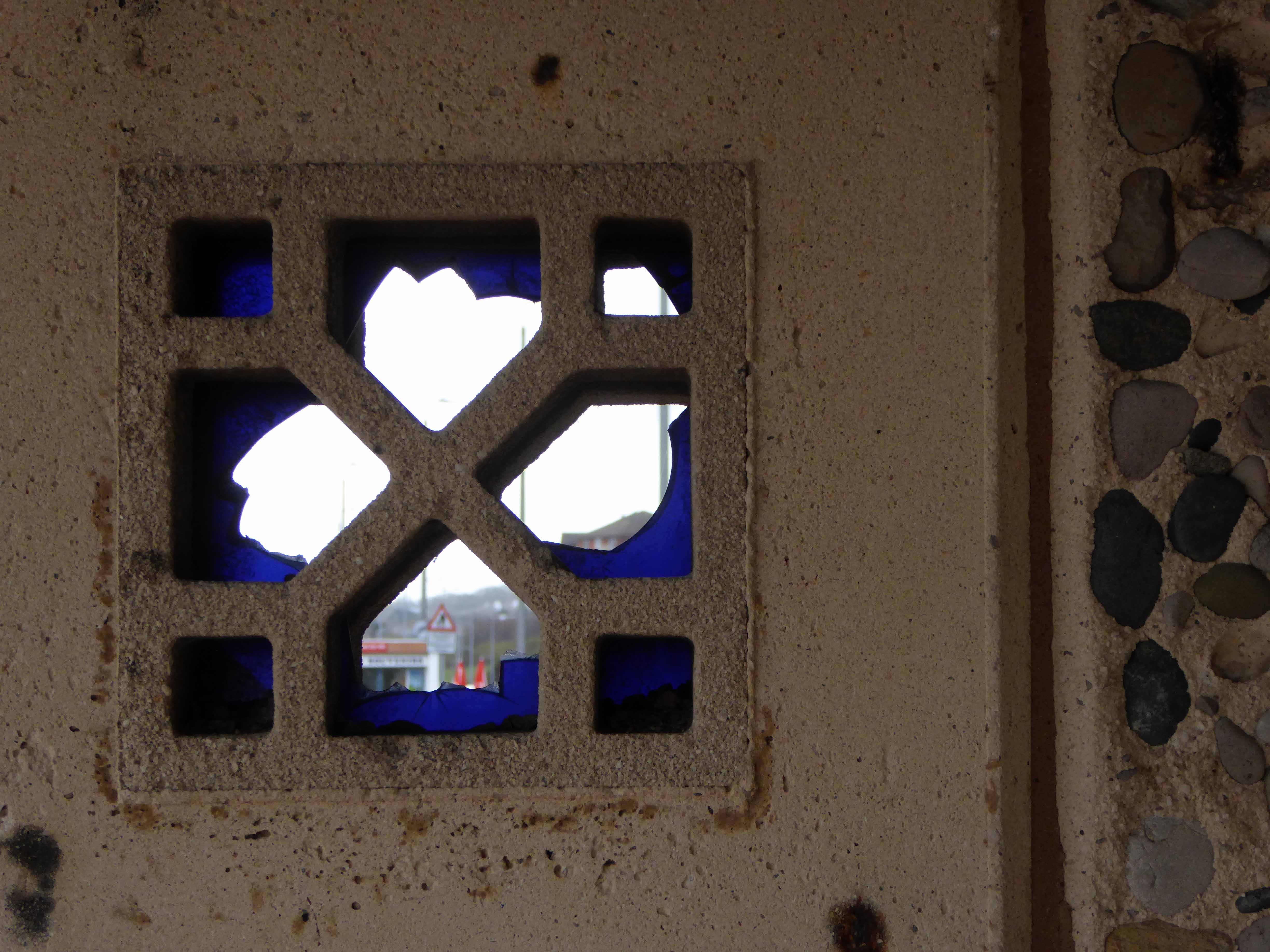
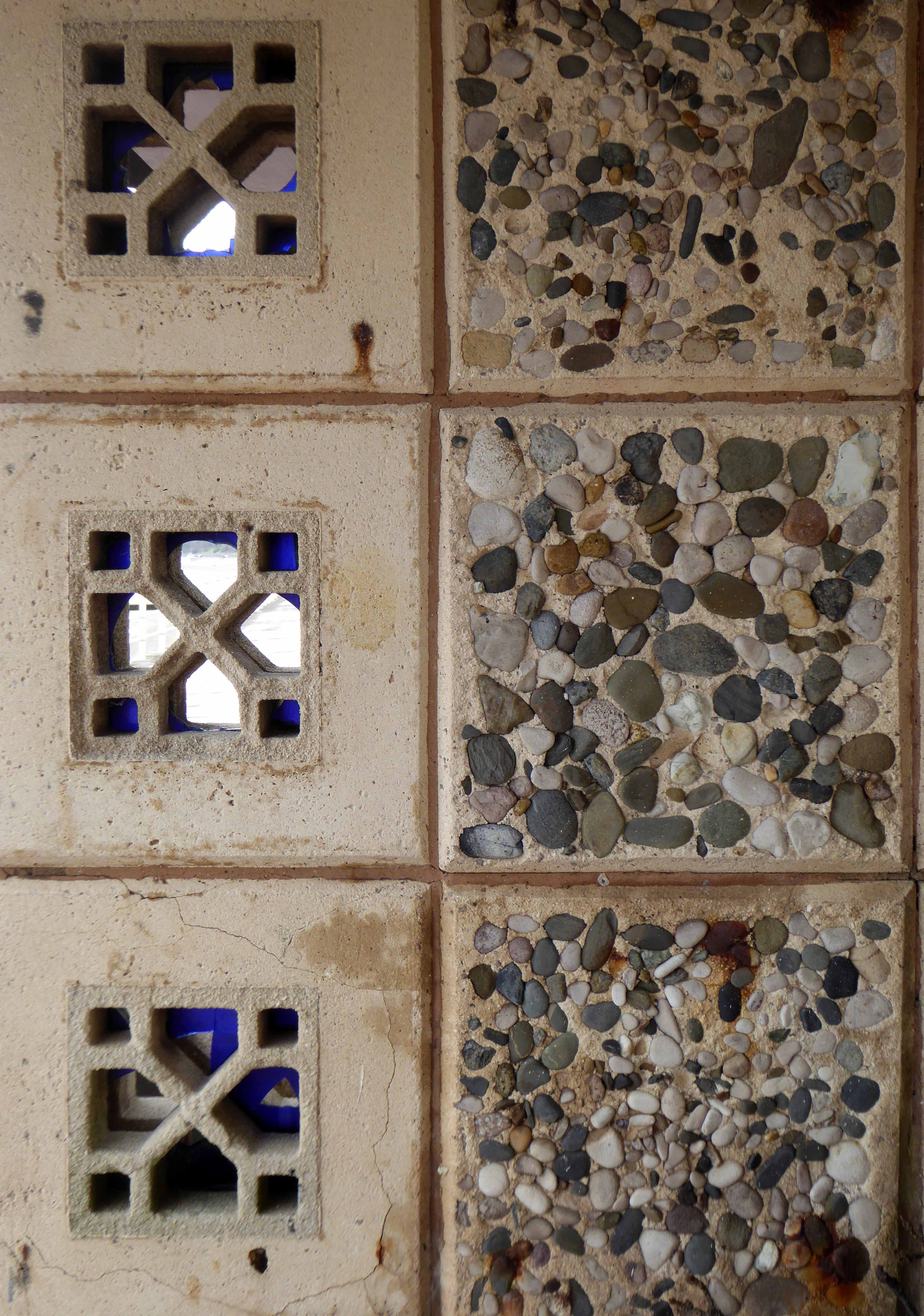
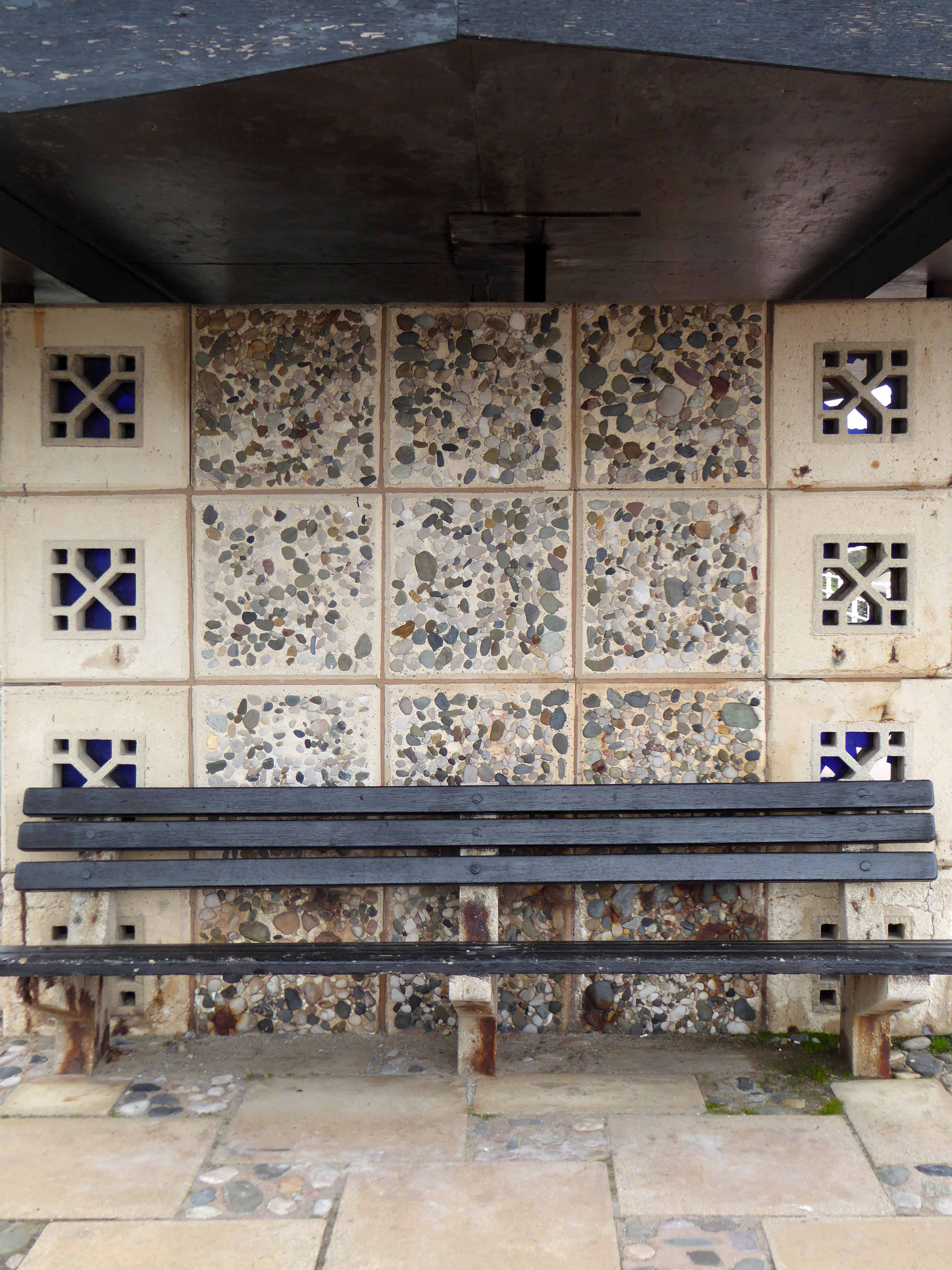
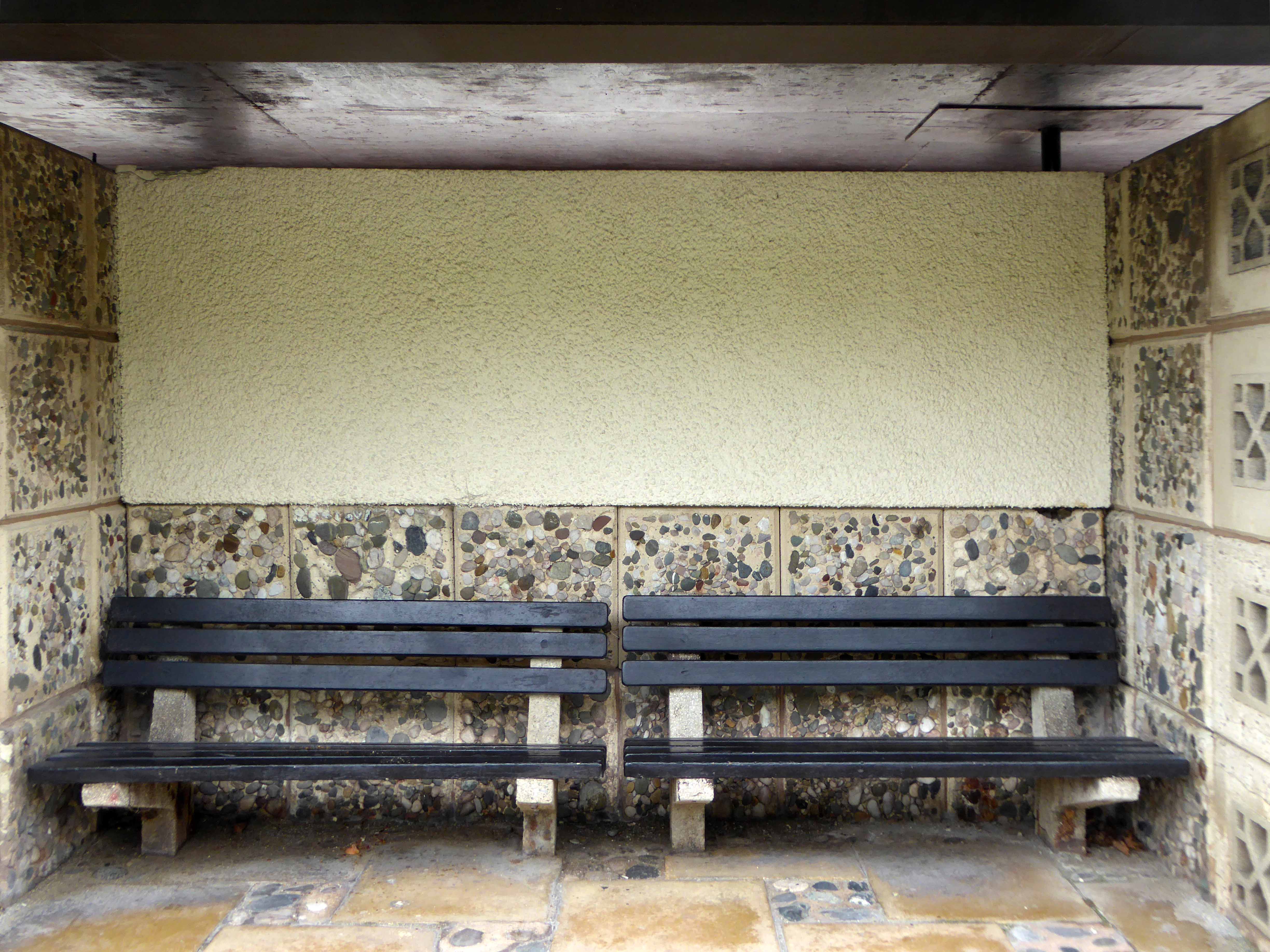
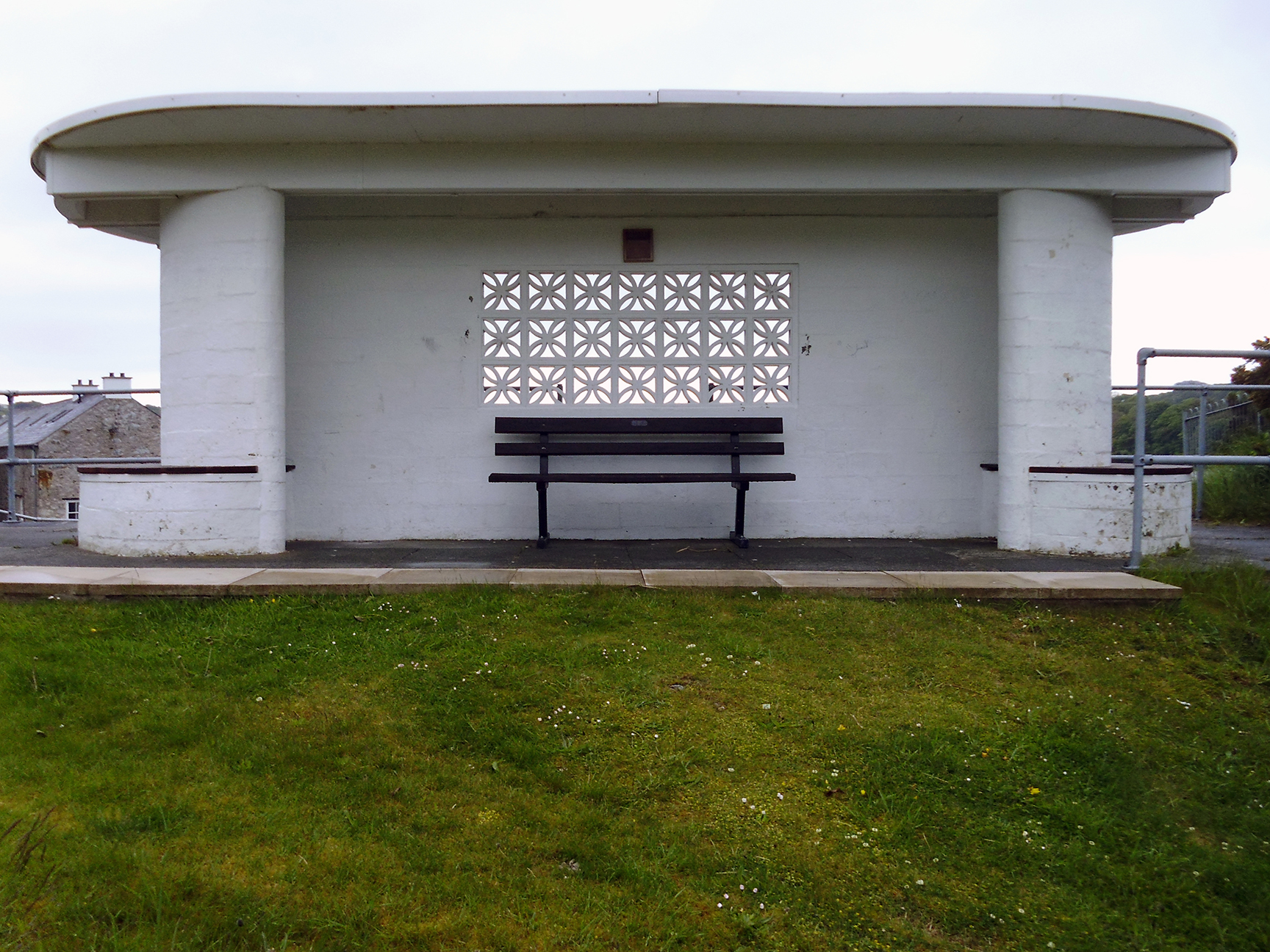
This is one of many seaside shelters devised by Sidney Little in constructing the concrete promenade – let’s head east.

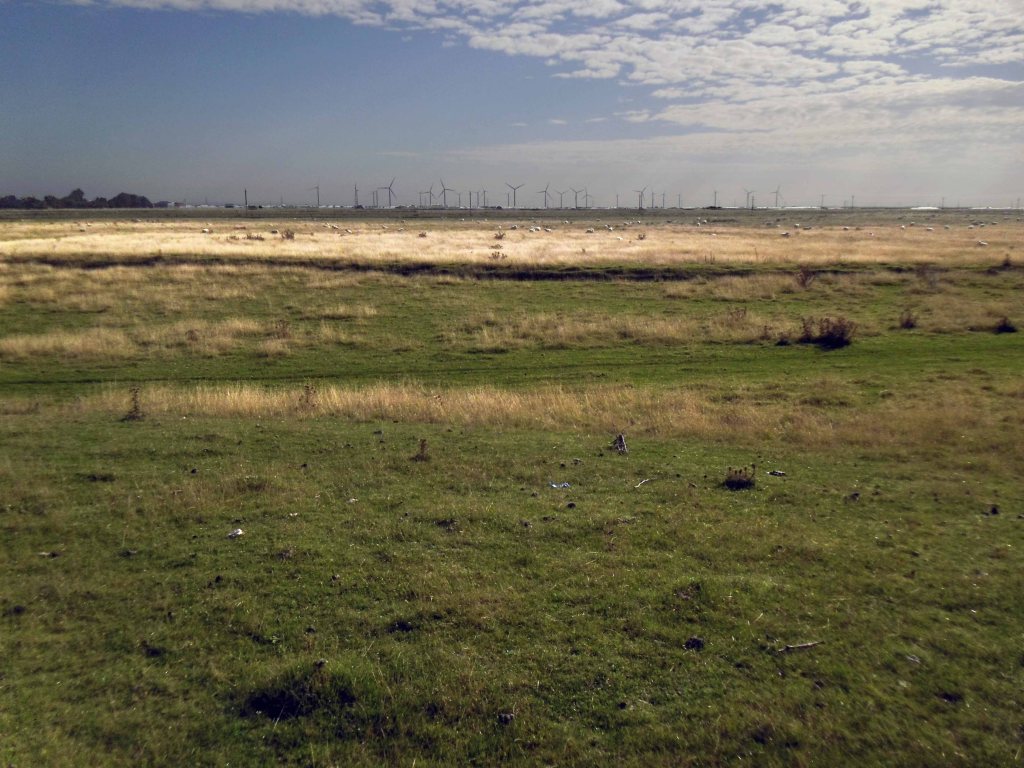
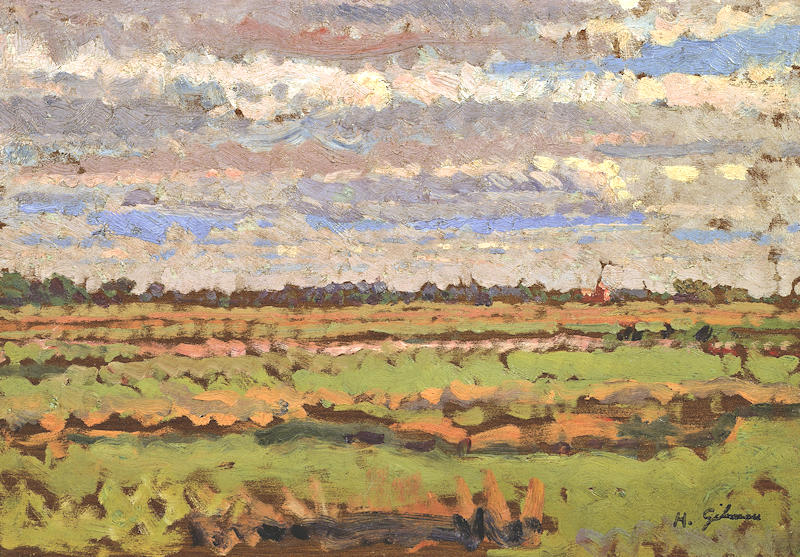
The view across the Romney Marshes from Camber toward Dungeness – which on this occasion I bypassed.

Harold Gilman

Beloved of many passing painters.

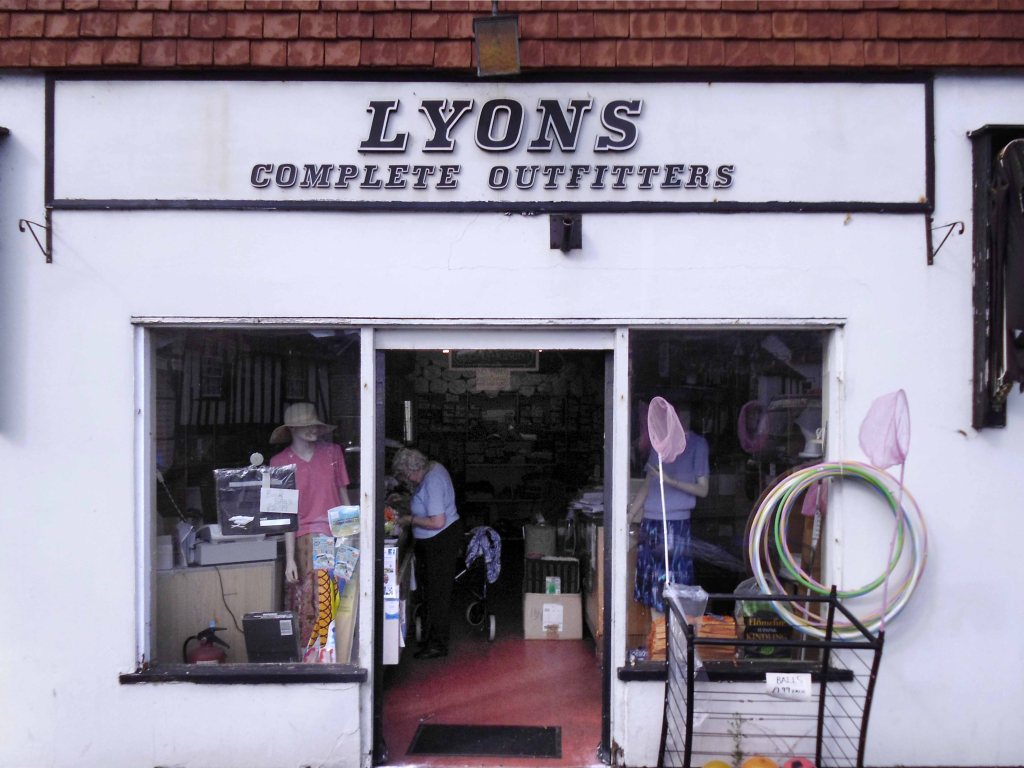
The first Profil aka Stymie Bold Italic encounter – Lyons of Lydd Romney.

Designed by Max and Eugen Lenz and first cast by Haas in 1947.

Fonts in Use

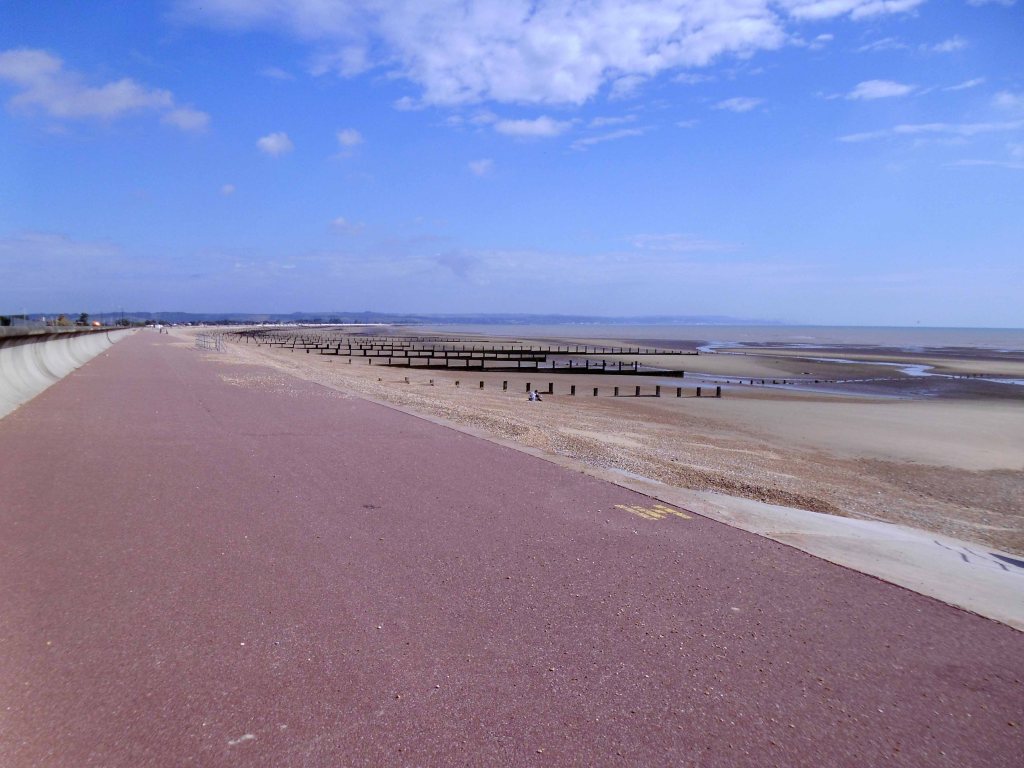
Heading towards Hythe on the coastal defence path.

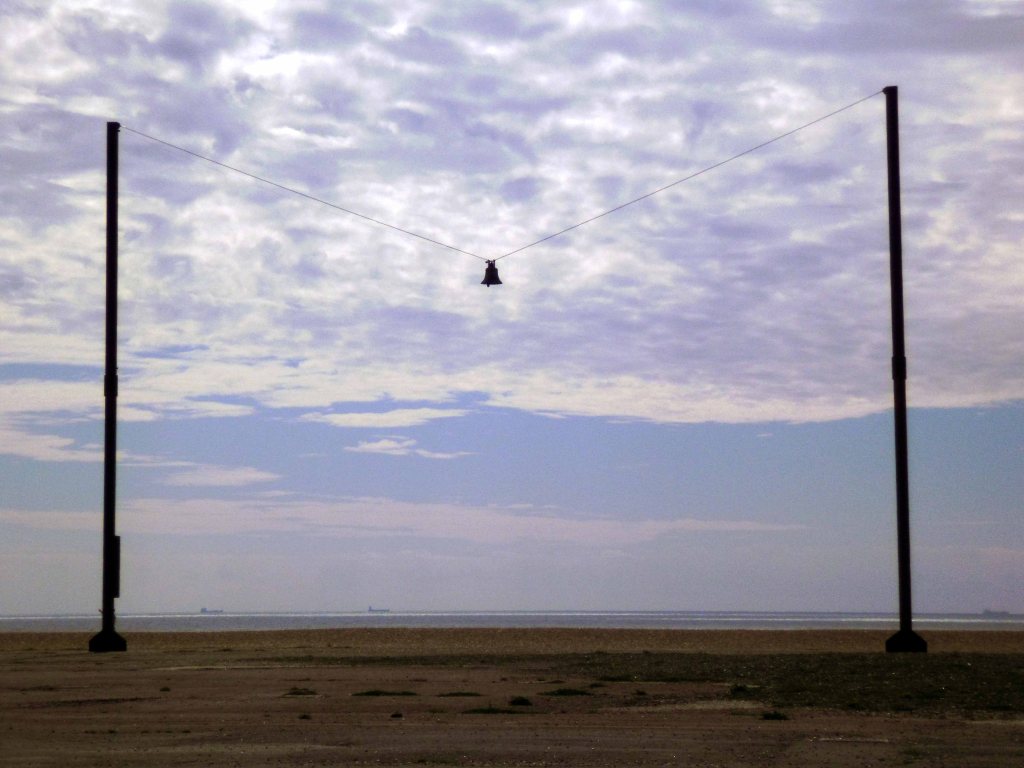
Out of Tune Folkestone Seafront, opposite The Leas Lift – is home to AK Dolven’s installation. It features a 16th-century tenor bell from Scraptoft Church in Leicestershire, which had been removed for not being in tune with the others. It is suspended from a steel cable strung between two 20m high steel beams, placed 30m apart.

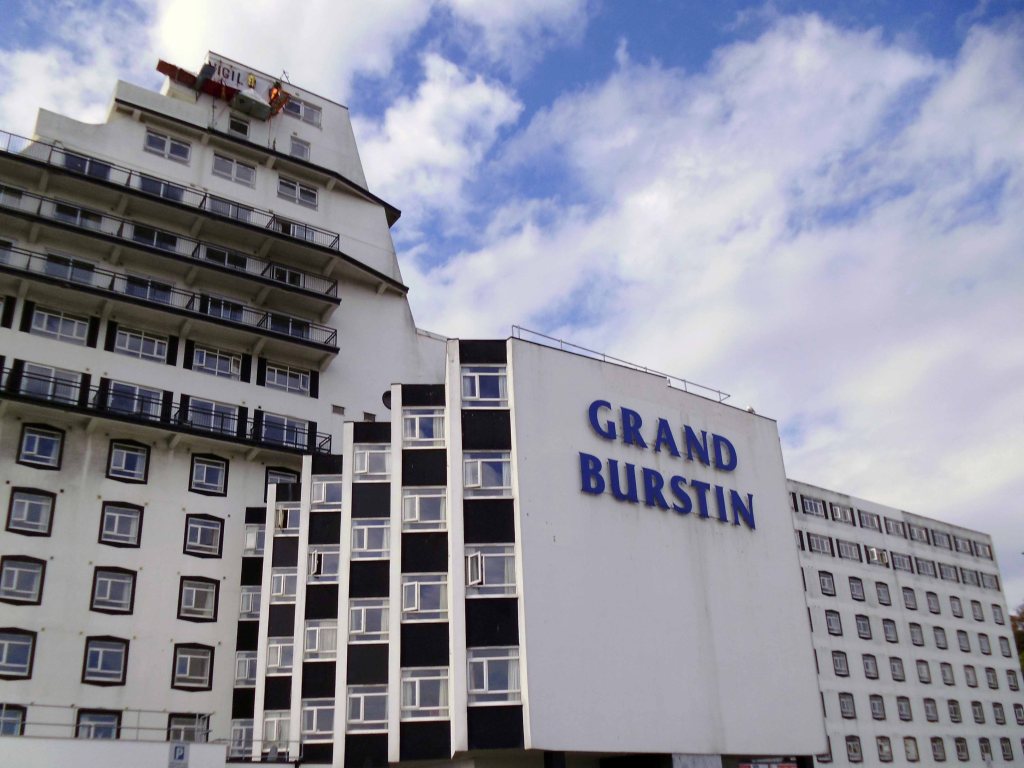
For Folkestone Triennial 2014, Alex Hartley’s response to the title Lookout is inspired by the imposing architecture of the Grand Burstin Hotel, which overlooks the Harbour. For his project Vigil, Hartley will use state of the art climbing technology to make a lookout point suspended from the highest point of the hotel. This climber’s camp will be inhabited for the duration of the Triennial, by the artist and by volunteers, all of whom will keep a log of what they observe. 

The current hotel was built in 1984 from the foundations of the Royal Pavilion Hotel, originally built in 1843. Out of the 4,094 reviews currently on TripAdvisor 974 are of the terrible rating which doesn’t inspire much hope.

The most recent review is titled – Dirty Dated Hotel With Clueless Staff.

Kent Live 2018

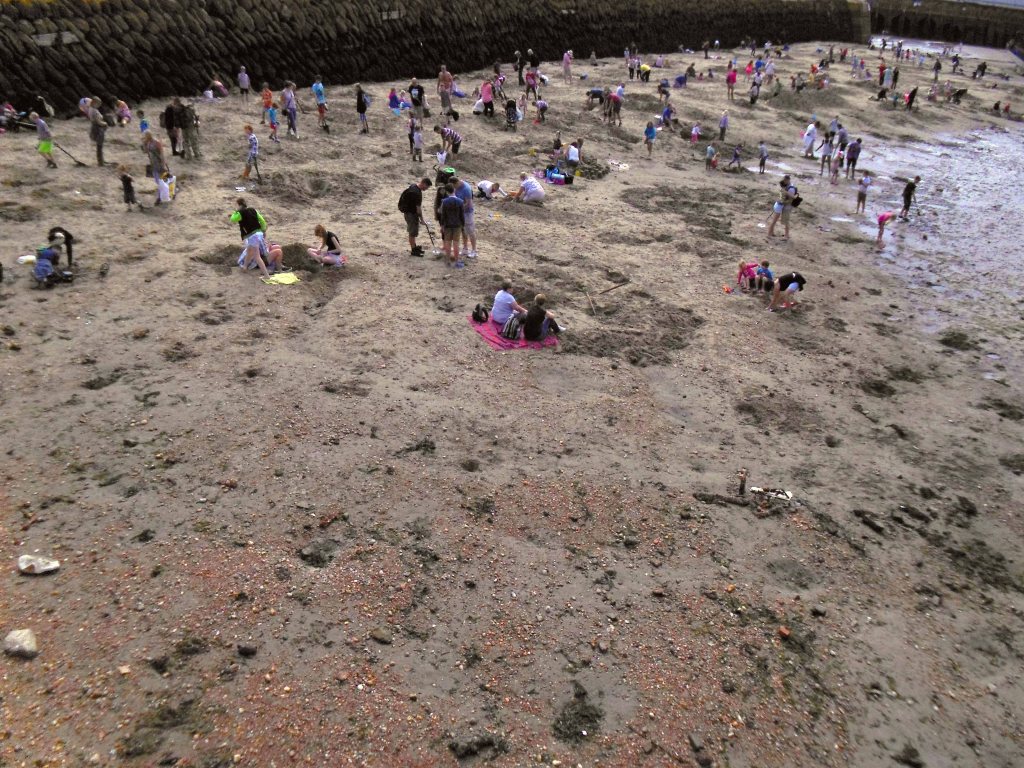
Gold rush with spades after artist Michael Sailstorfer hides £10,000 of gold on foreshore for town’s Triennial arts festival.

Guardian

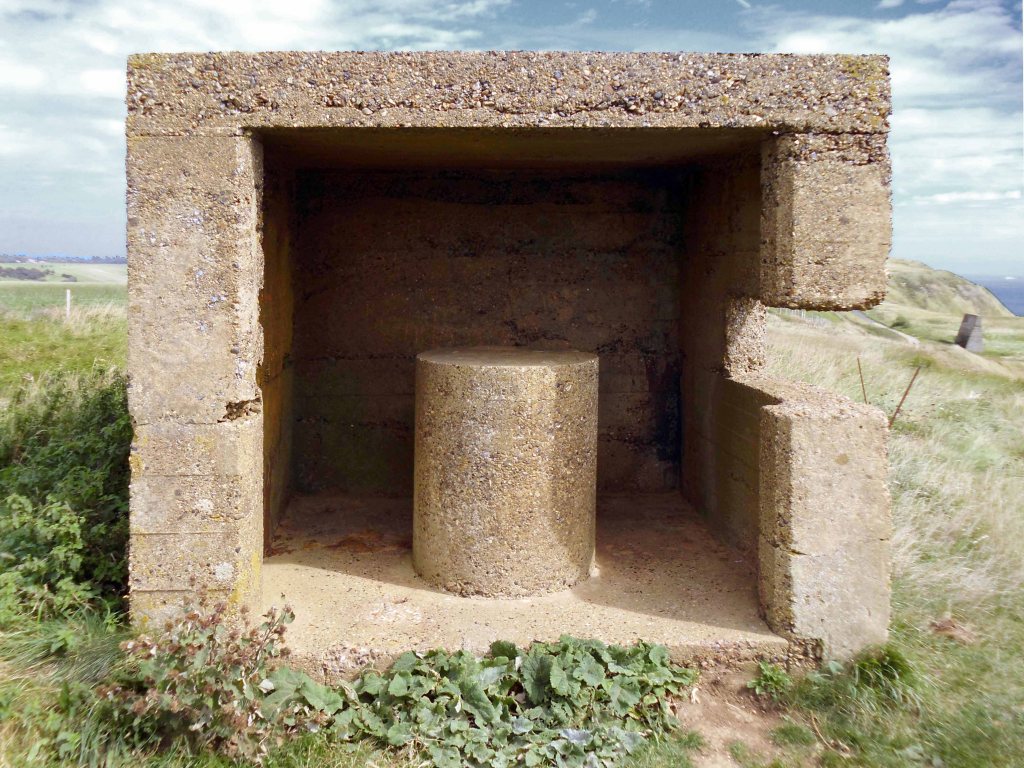
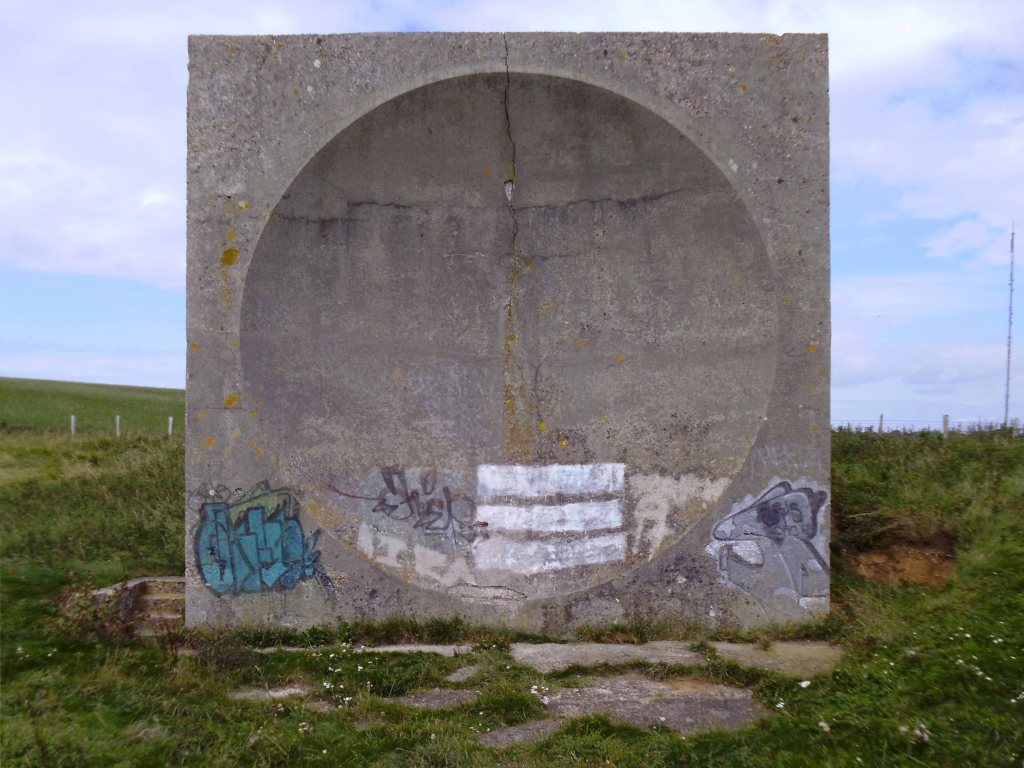
Abbot’s Cliff acoustic mirrors

Before the advent of radar, there was an experimental programme during the 1920s and 30s in which a number of concrete sound reflectors, in a variety of shapes, were built at coastal locations in order to provide early warning of approaching enemy aircraft. A microphone, placed at a focal point, was used to detect the sound waves arriving at and concentrated by the acoustic mirror. These concrete structures were in fixed positions and were spherical, rather than paraboloidal, reflectors. This meant that direction finding could be achieved by altering the position of the microphone rather than moving the mirror.

Graham Stephen

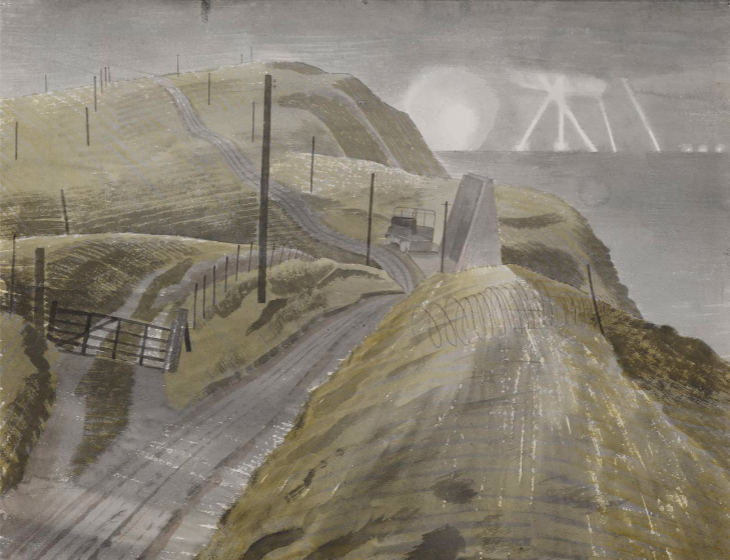
Eric Ravilious Abbot’s Cliff – 1941

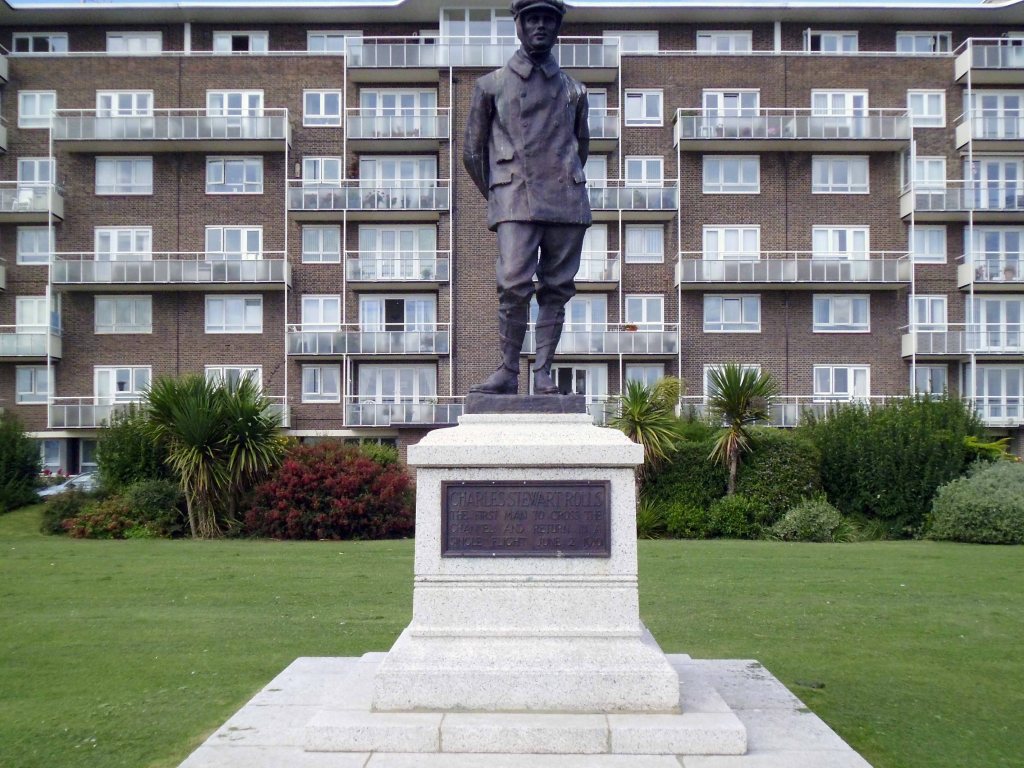
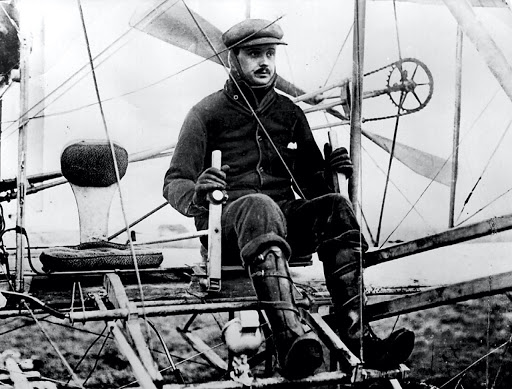
Charles Stewart Rolls was a Welsh motoring and aviation pioneer. With Henry Royce, he co-founded the Rolls-Royce car manufacturing firm. He was the first Briton to be killed in an aeronautical accident with a powered aircraft, when the tail of his Wright Flyer broke off during a flying display in Bournemouth.

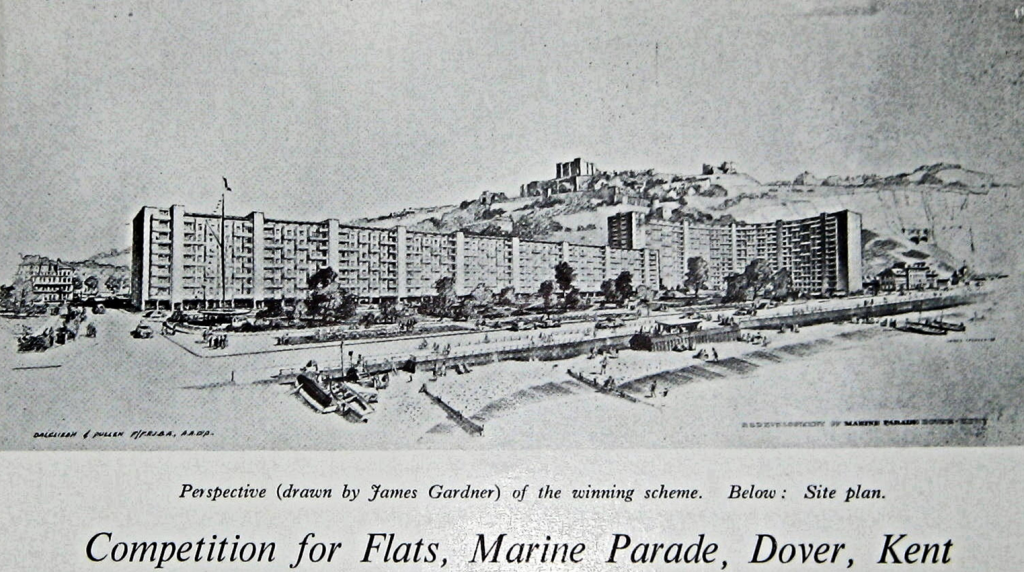
In September 1953 it was announced that Roger K Pullen and Kenneth Dalglish had won and were to receive 100 guineas, for a design for the Gateway Flats.

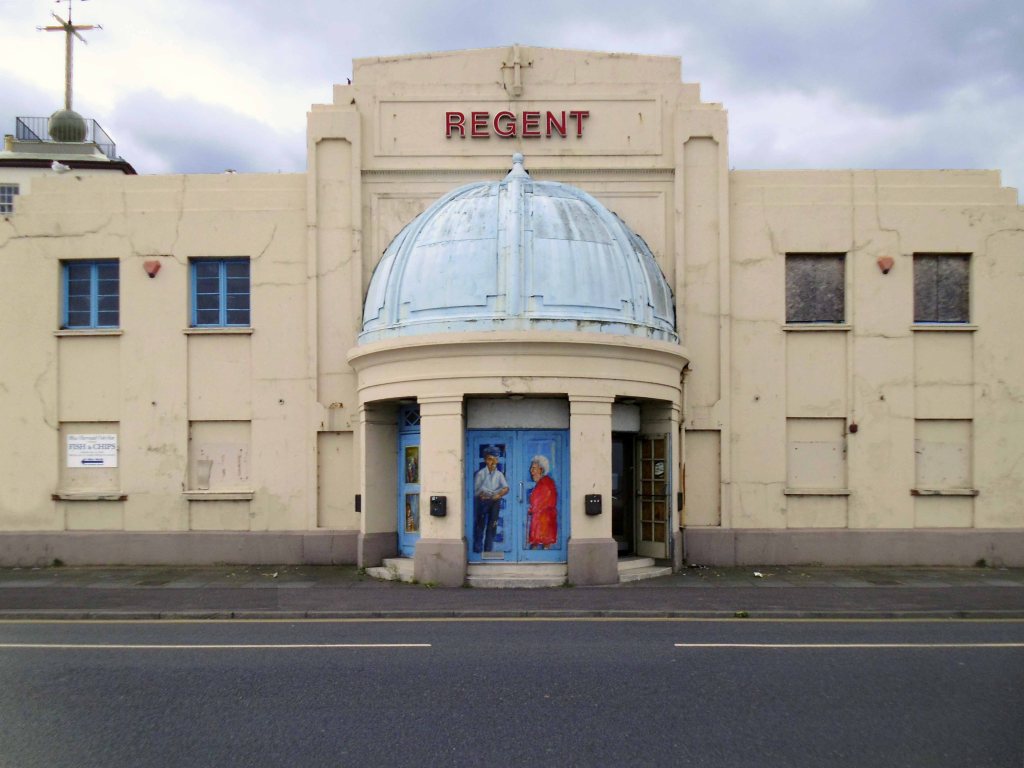
Local folks would love to re-open The Regent

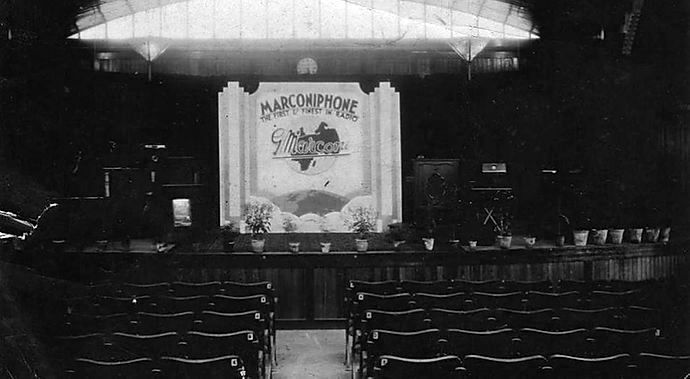
Behind the Art Deco facade of the Regent was once a grand ironwork and glass Pavilion, built to house regular performances by military bands, which the Edwardian holidaymakers loved. The Lord Warden of the Cinque ports, Lord Beauchamp, officially opened the Pavilion Theatre on Deal’s seafront in 1928.

Cinema Treasures

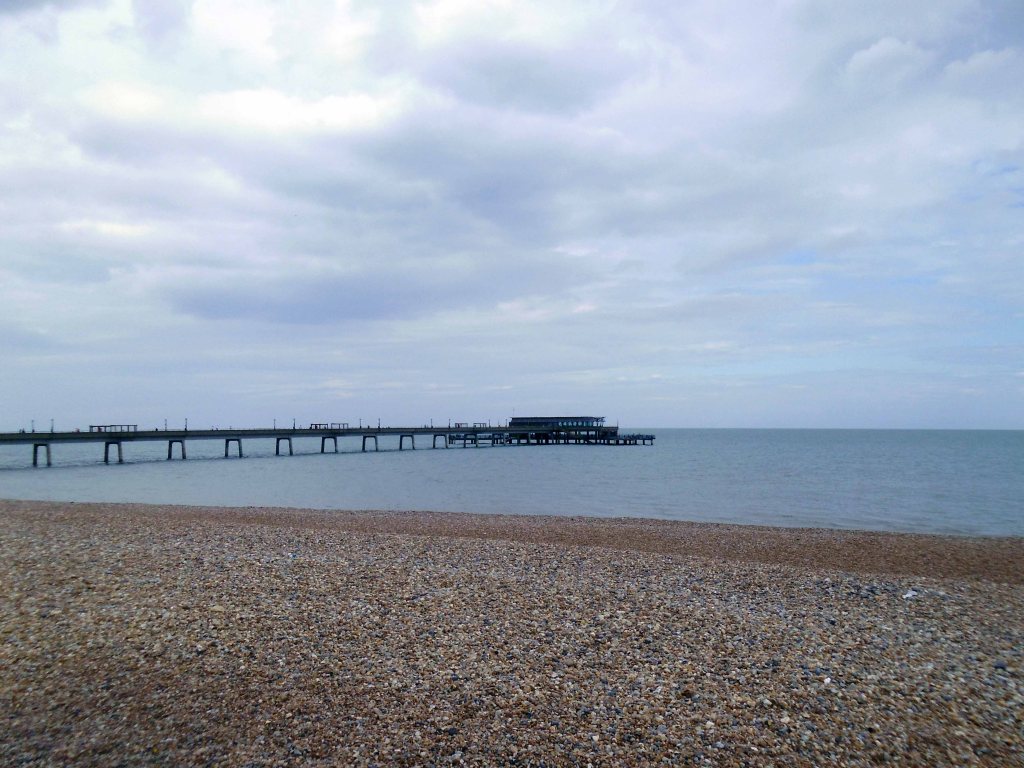
Deal Pier was designed by Eugenius Birch and opened on 8th November 1864, in 1954 work started on Deal’s third and present-day pier. The new pier took three years to build and was formally opened by the Duke of Edinburgh on 19 November 1957. It was the first seaside pleasure pier of any size to be built since 1910. Designed by Sir W Halcrow and Partners, the 1026ft-long structure comprises steel piles surrounded by concrete casings for the main supports. The pier head originally had three levels but, these days, the lower deck normally remains submerged.

Deal Web

Seafront Shelters Deal

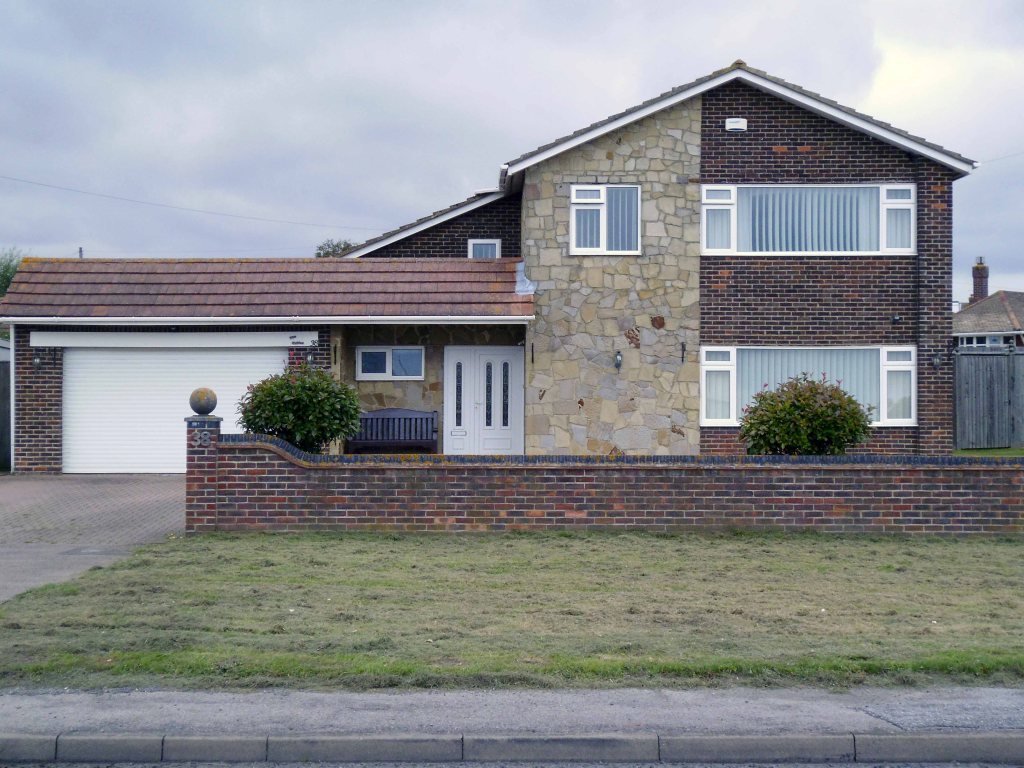
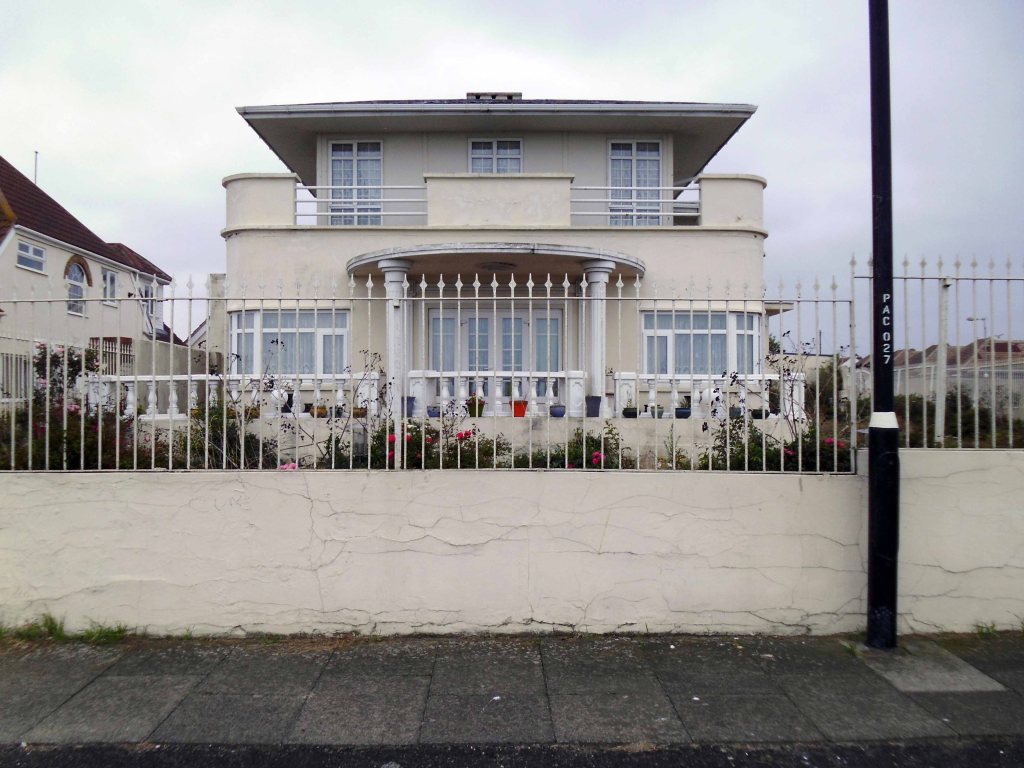
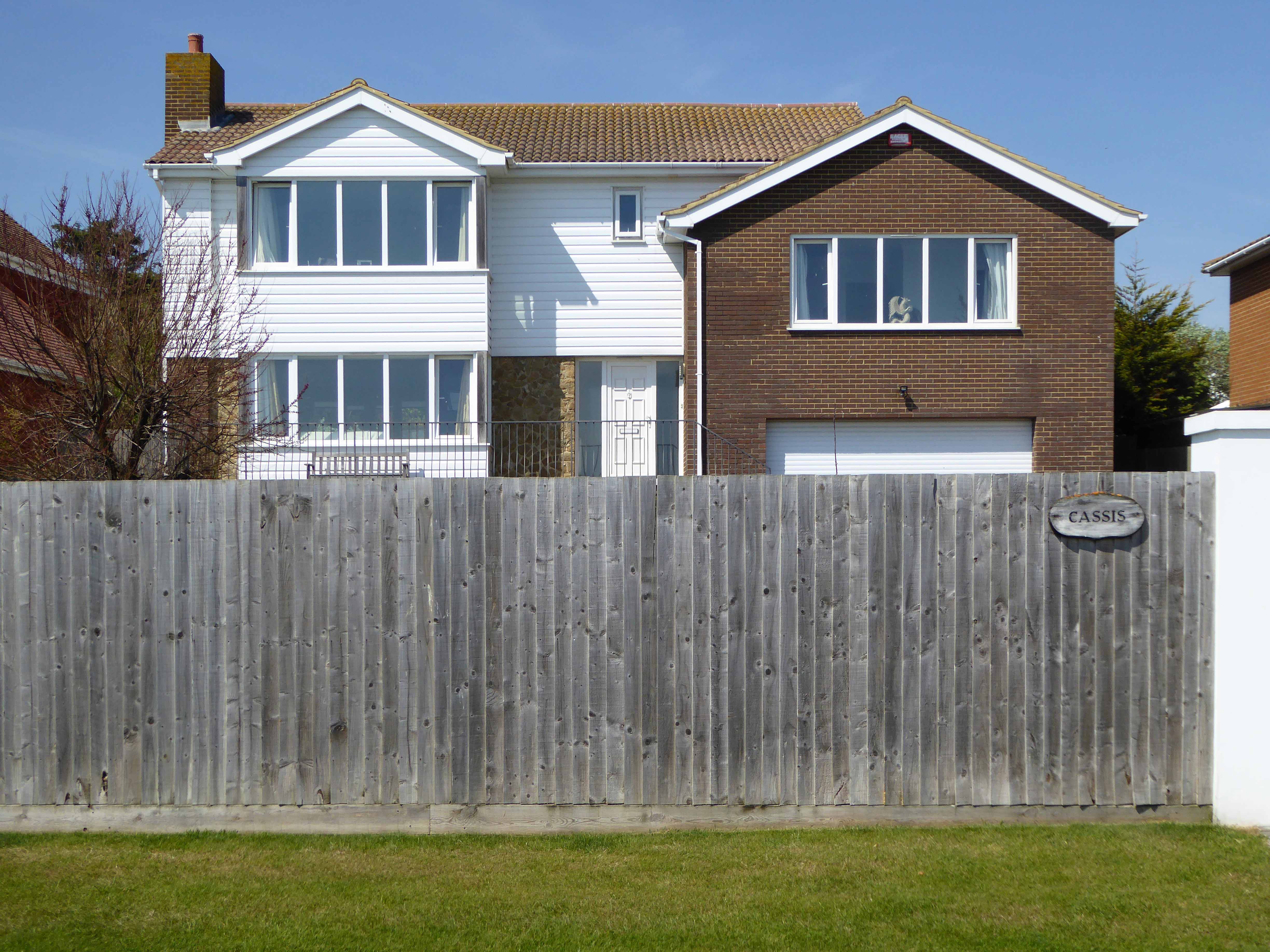
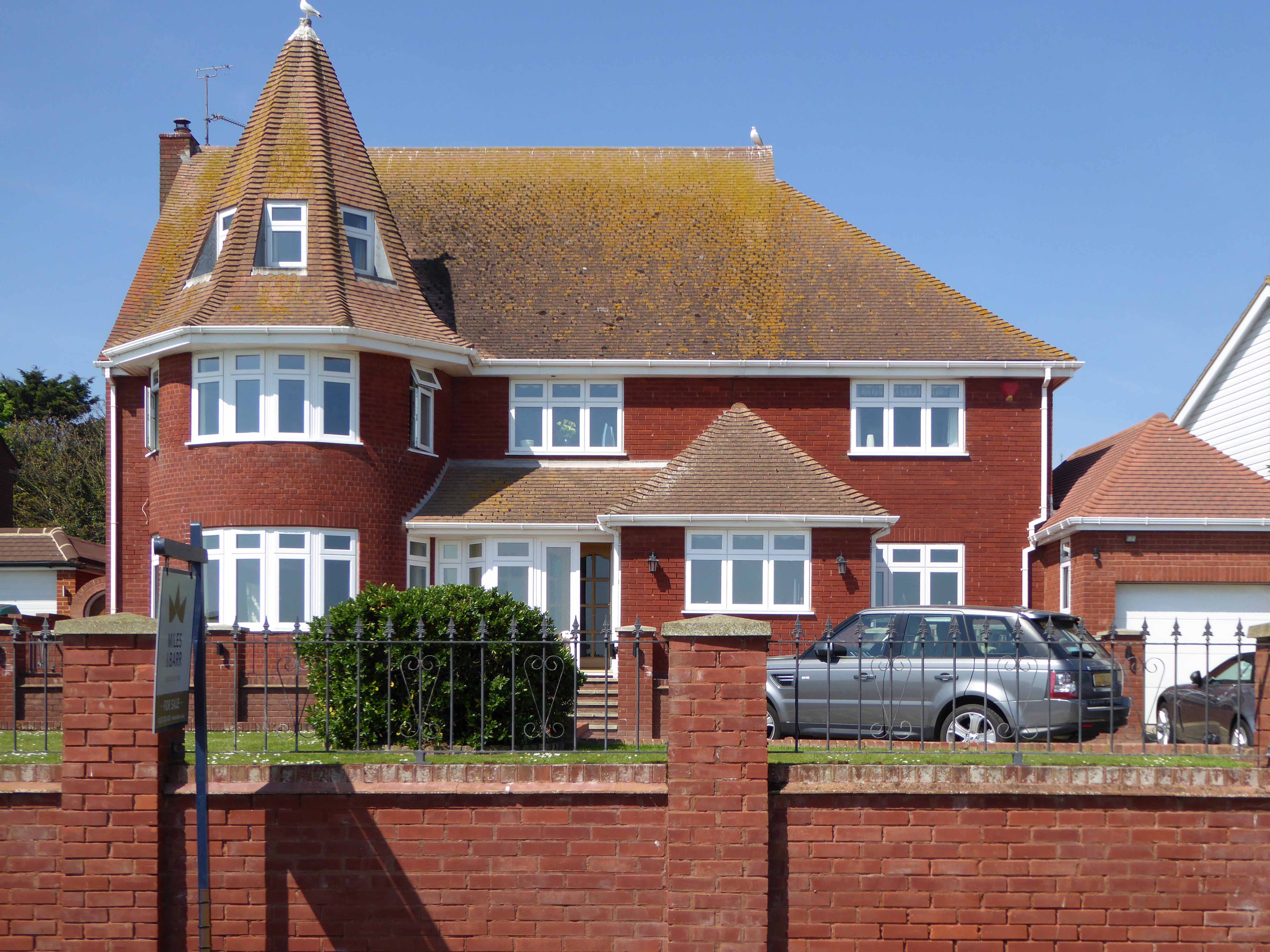
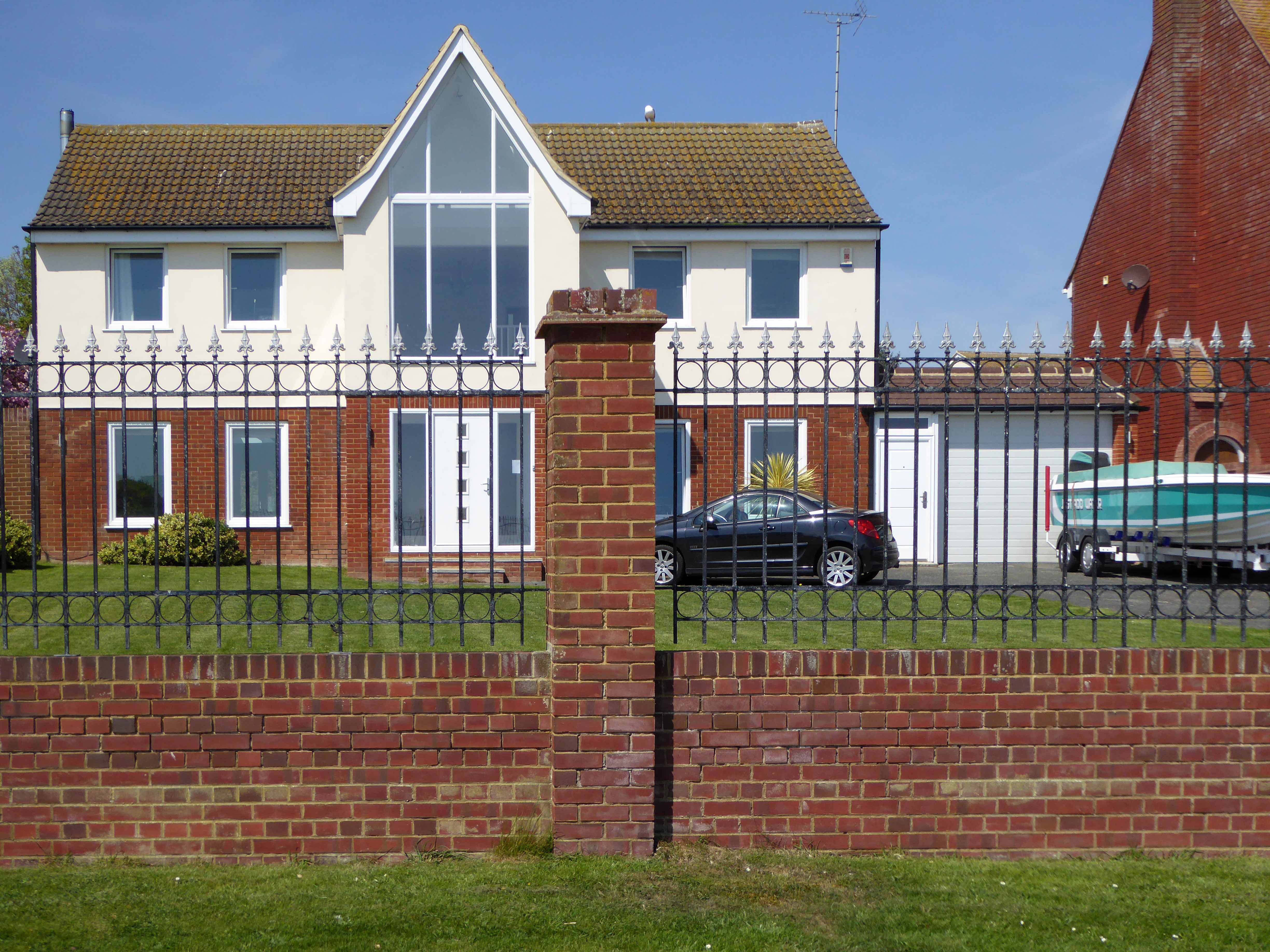
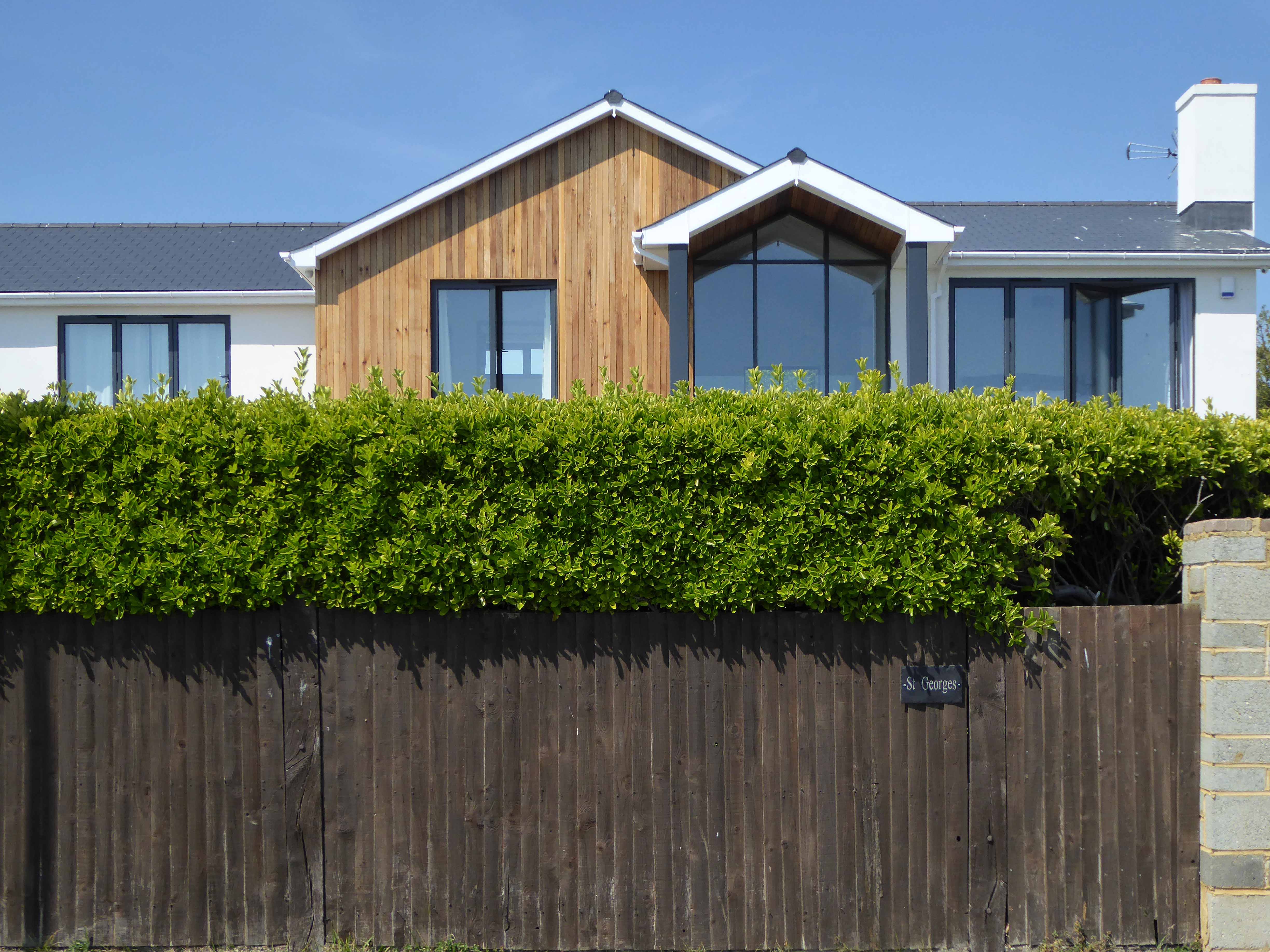
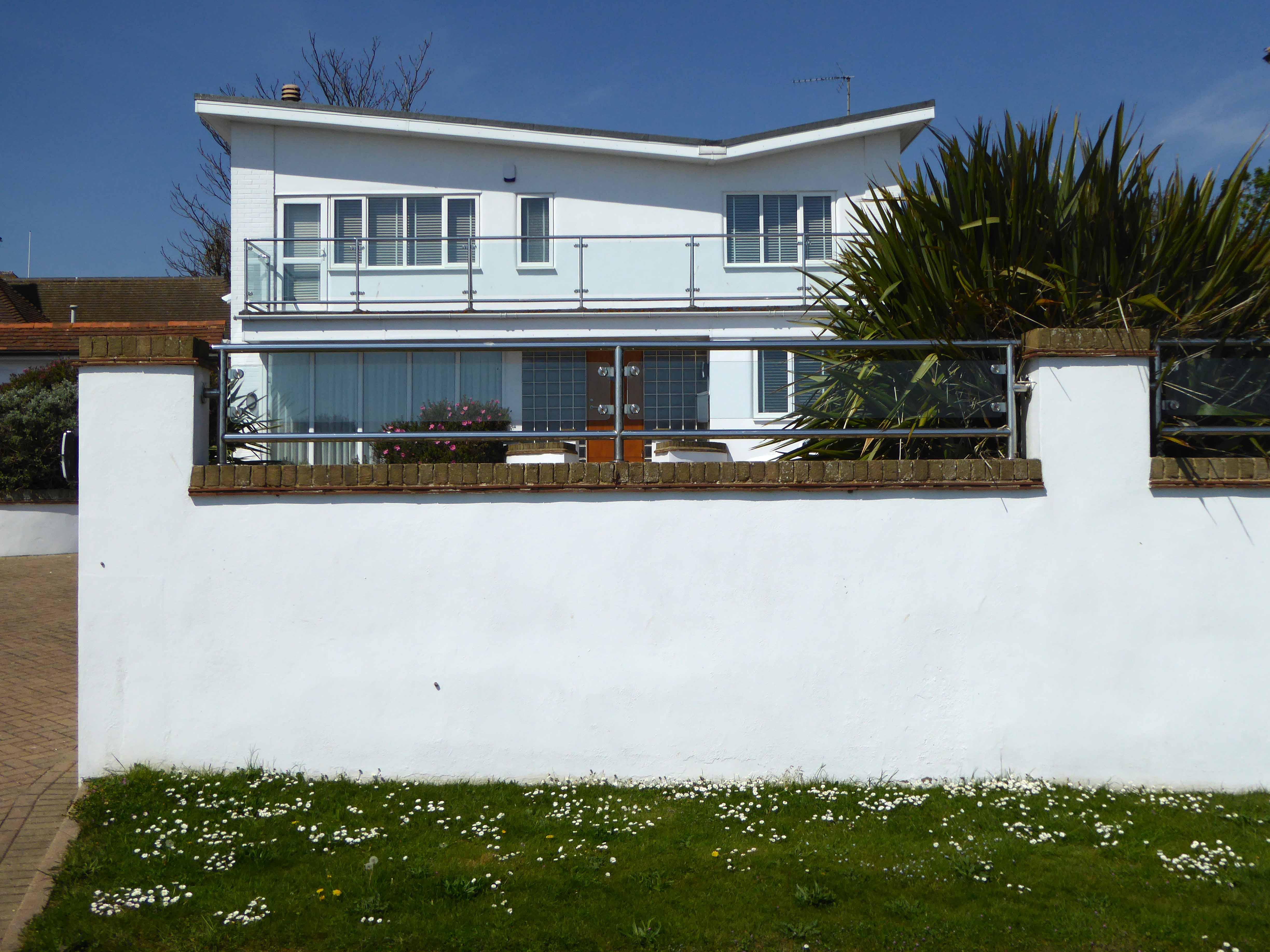
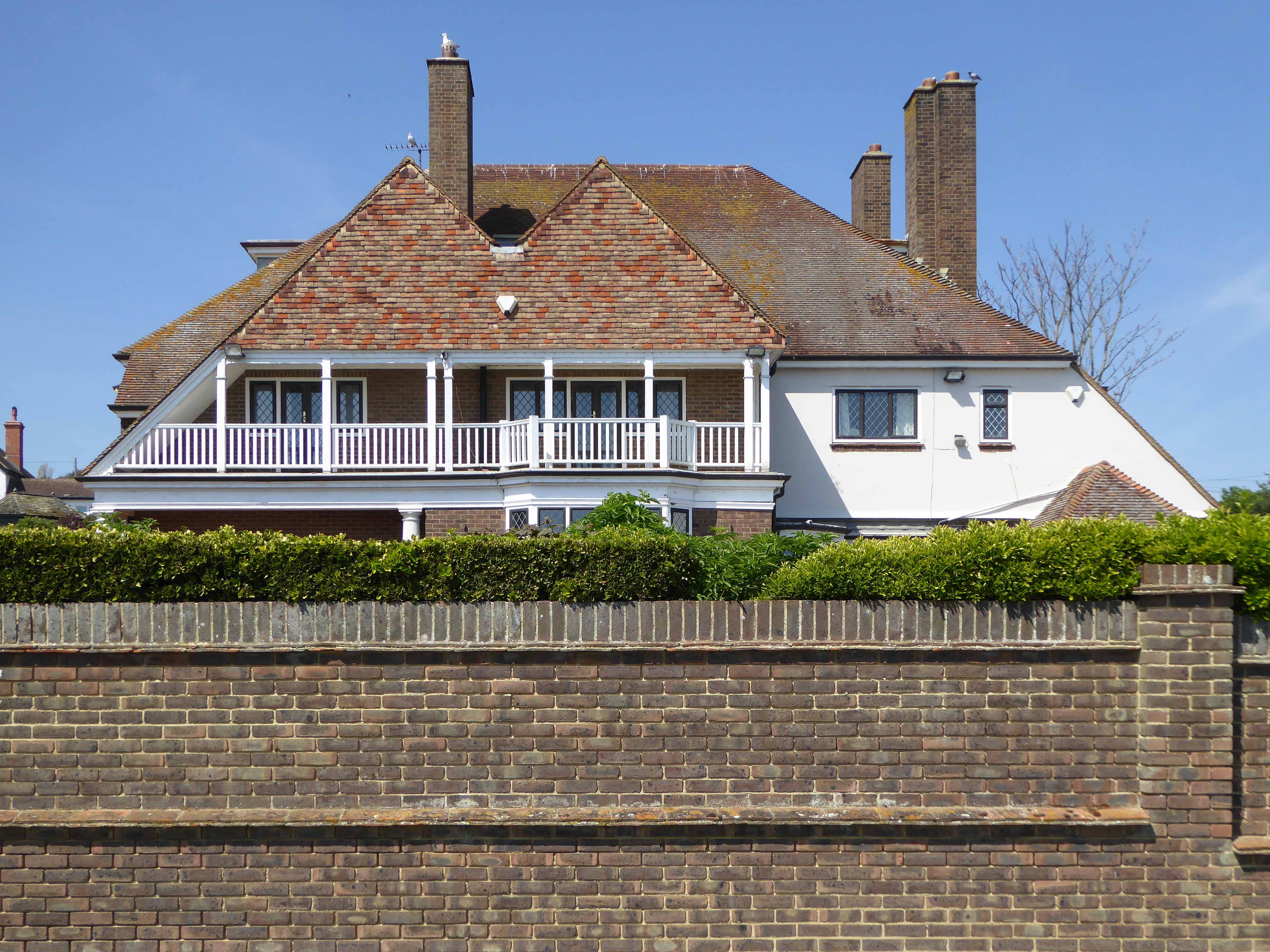
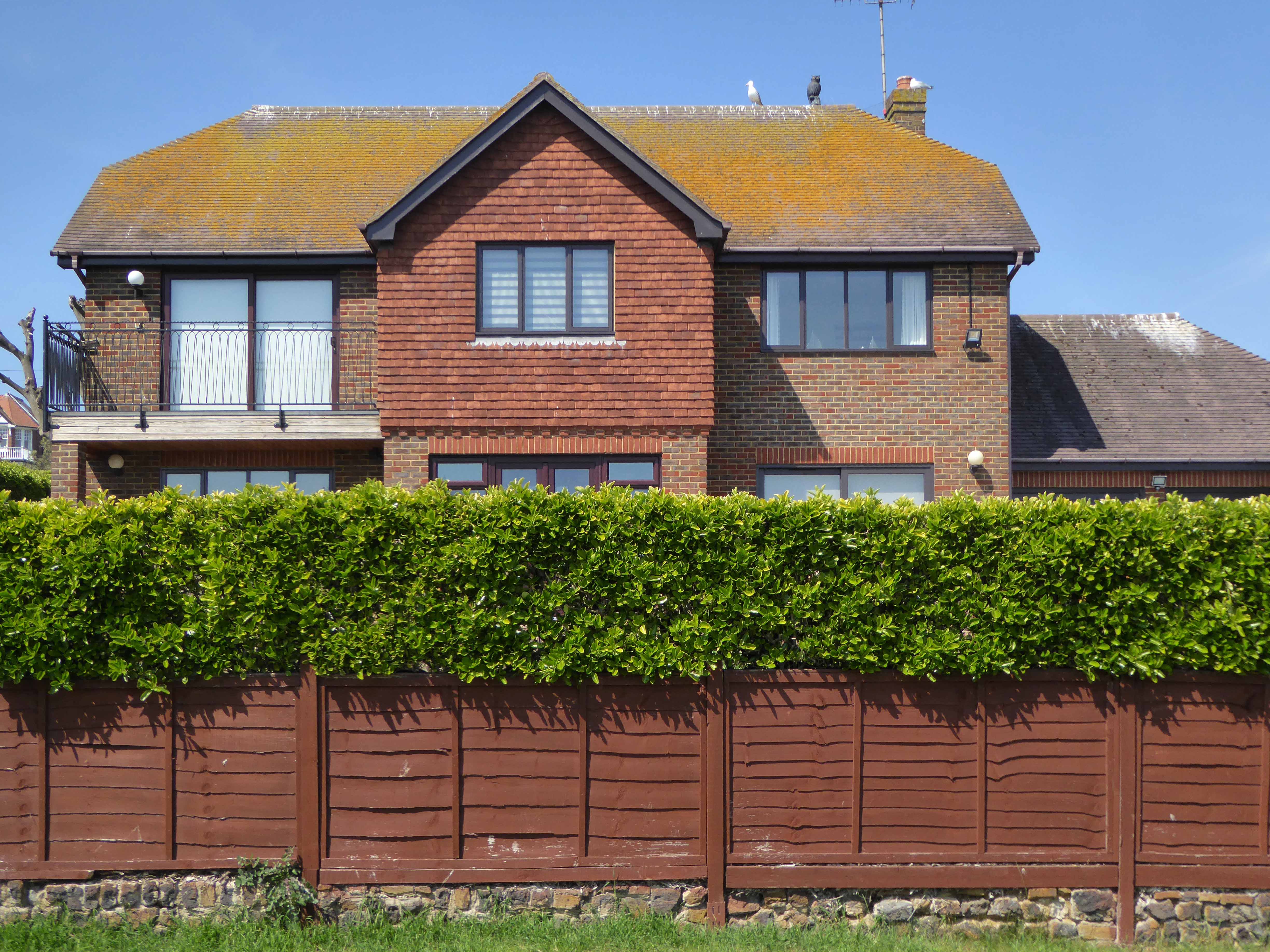
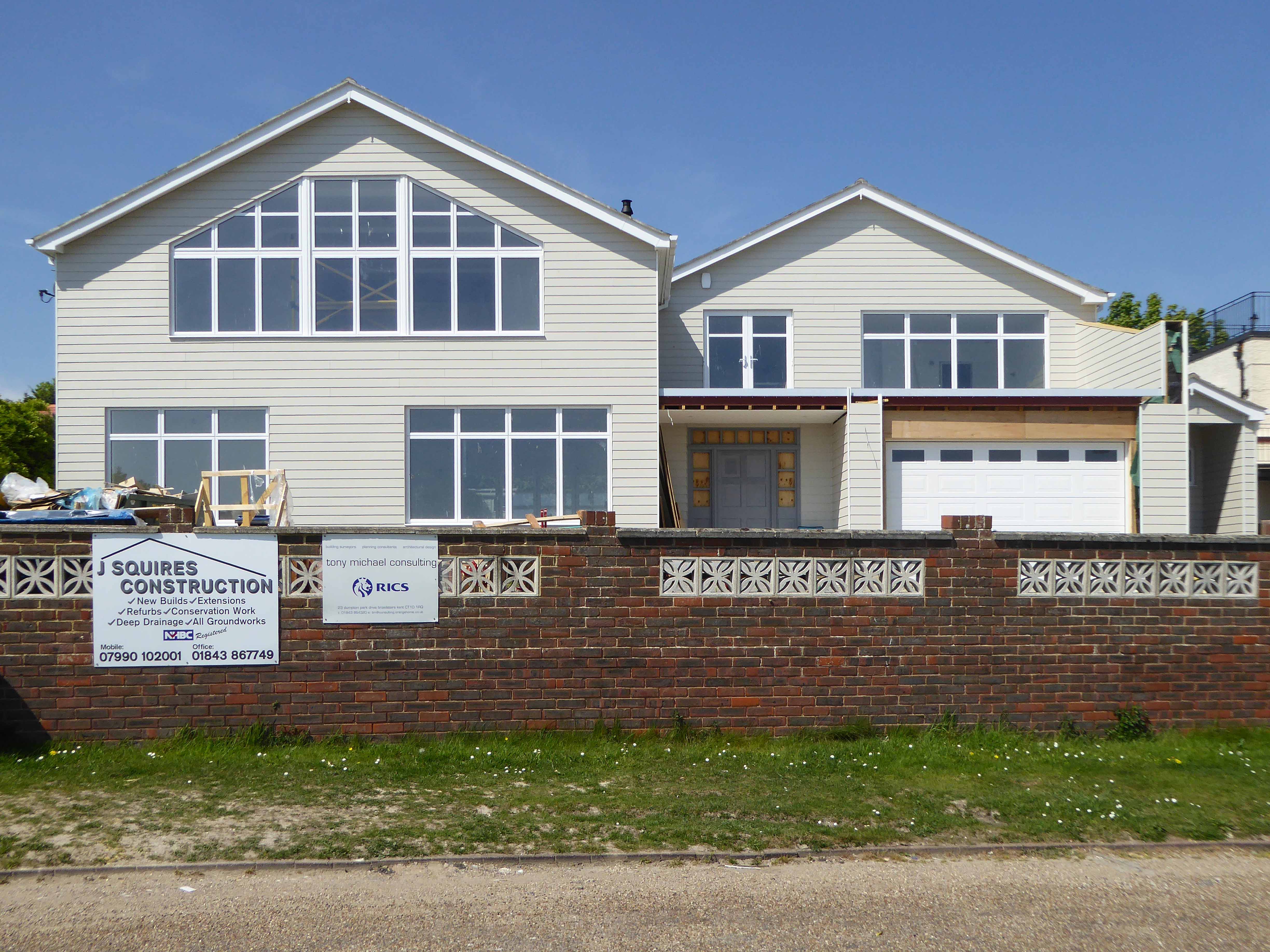
The Kent coastline is home to a vast variety of homes from the crazy clad Prairie Style ranch house to the Debased Deco.

Following ten fun hours of cycling time for a timely rest in the B&B.

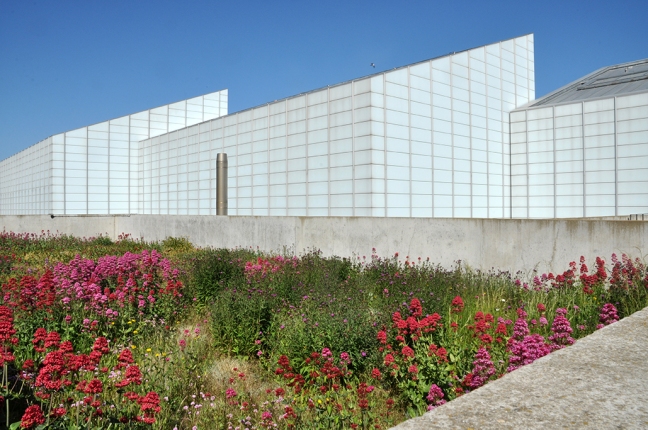
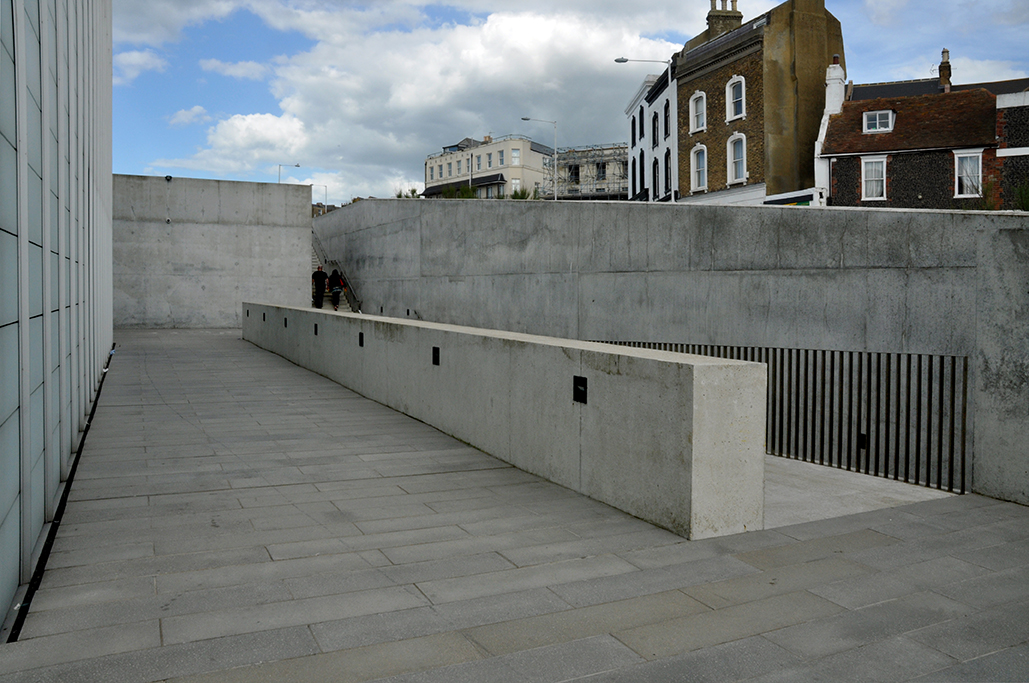
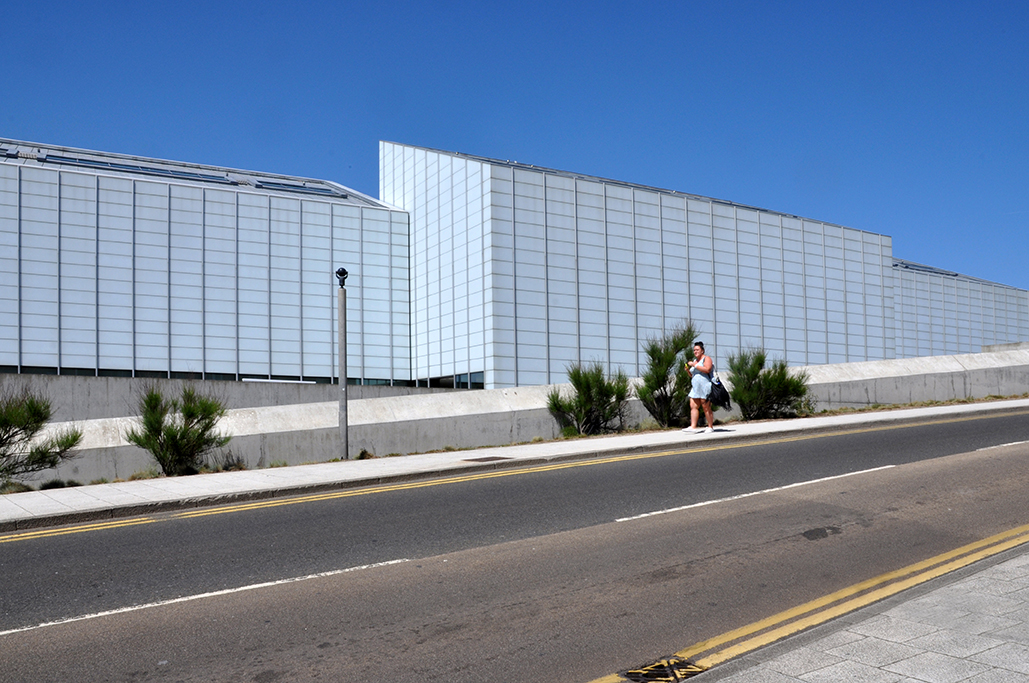
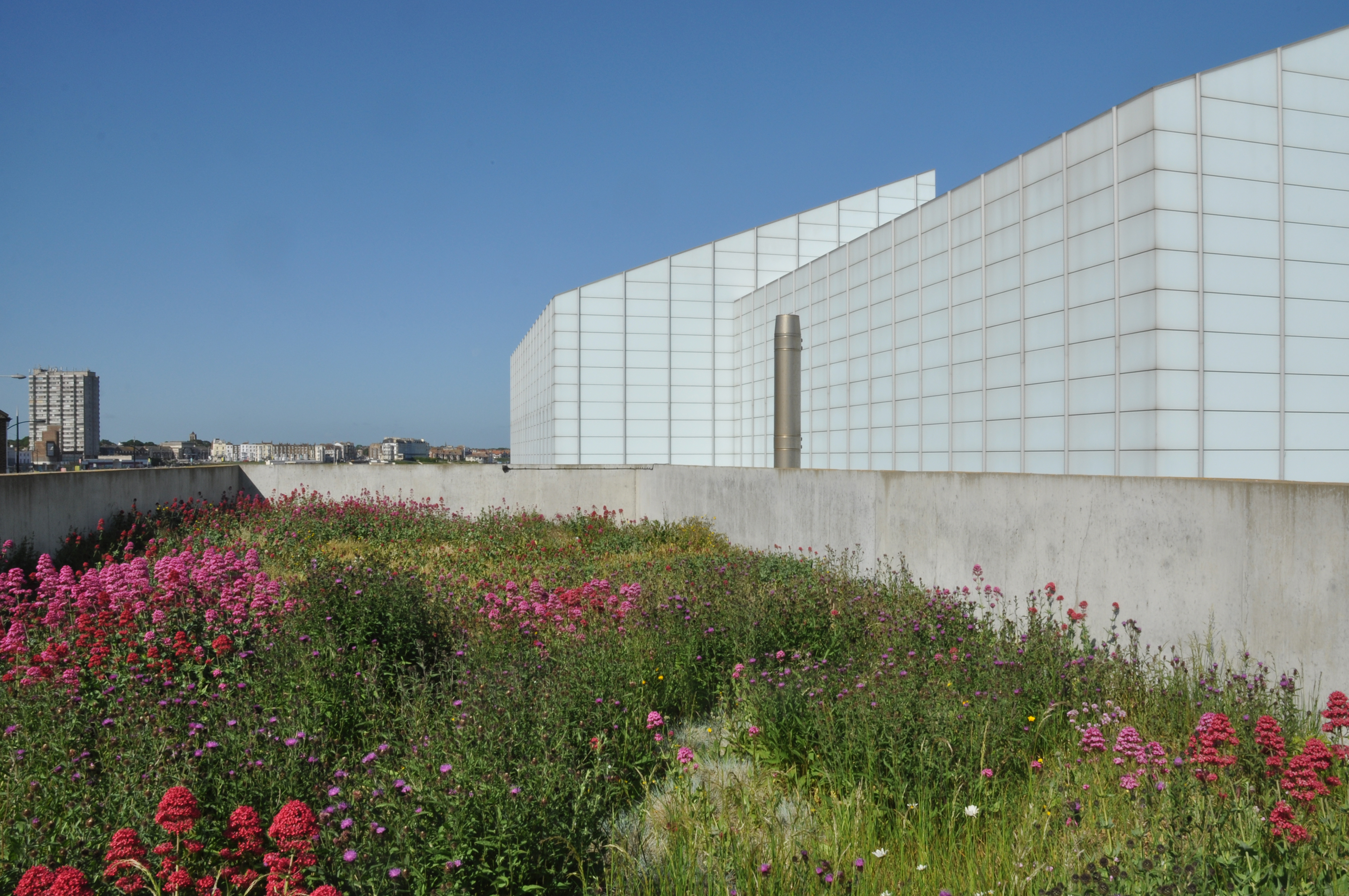
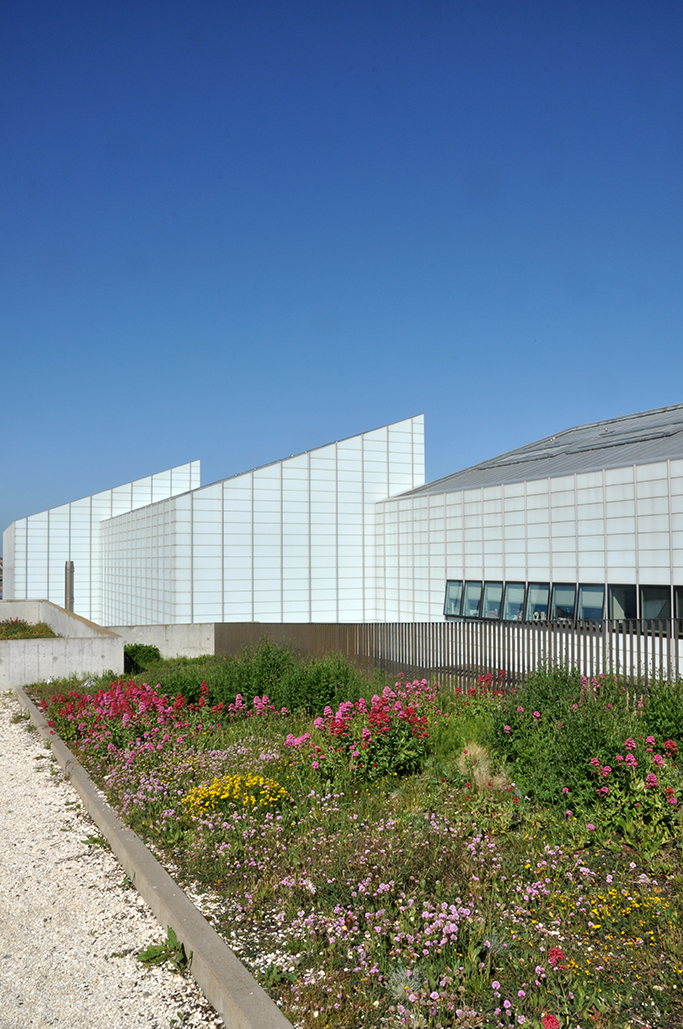
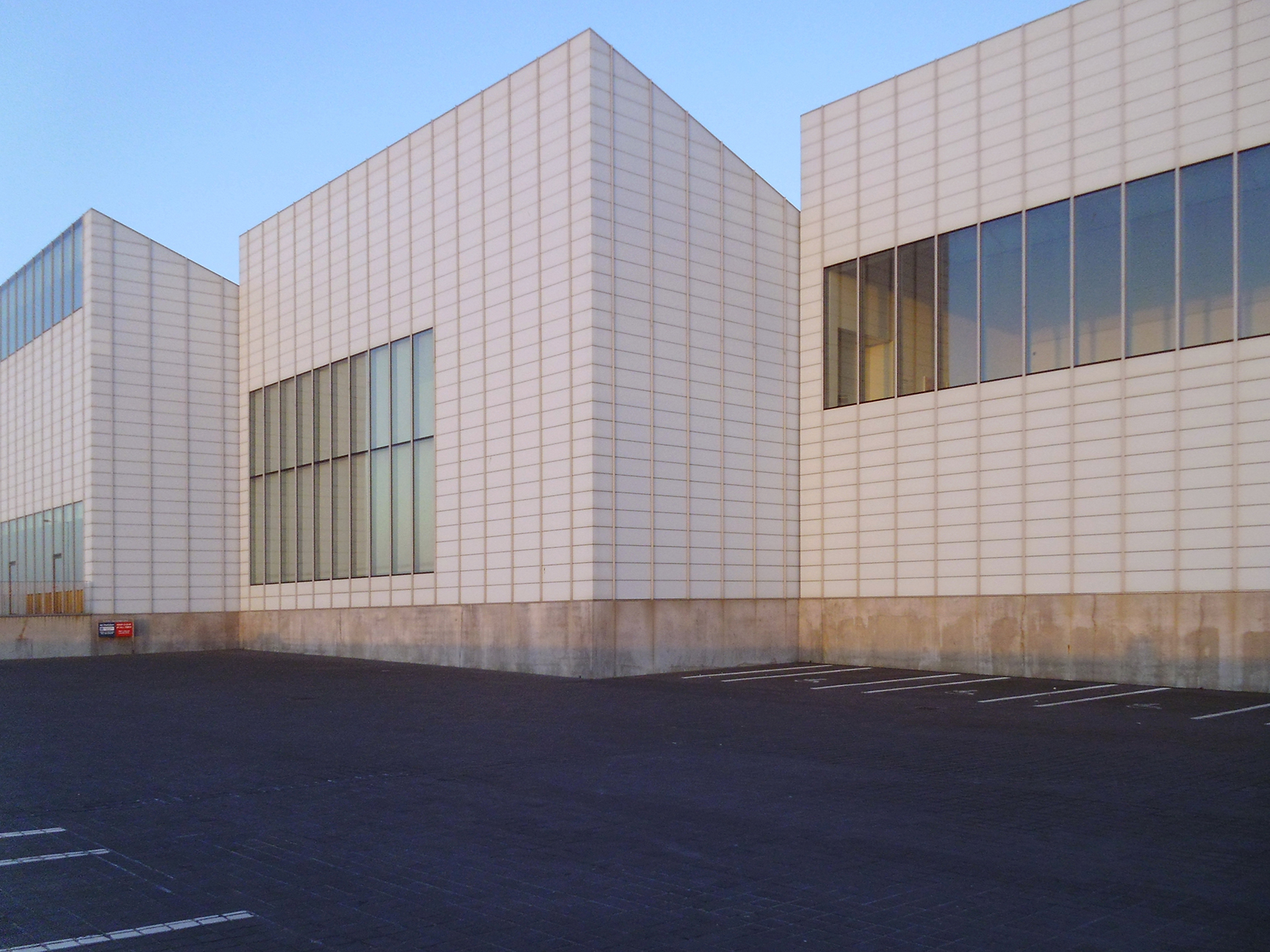
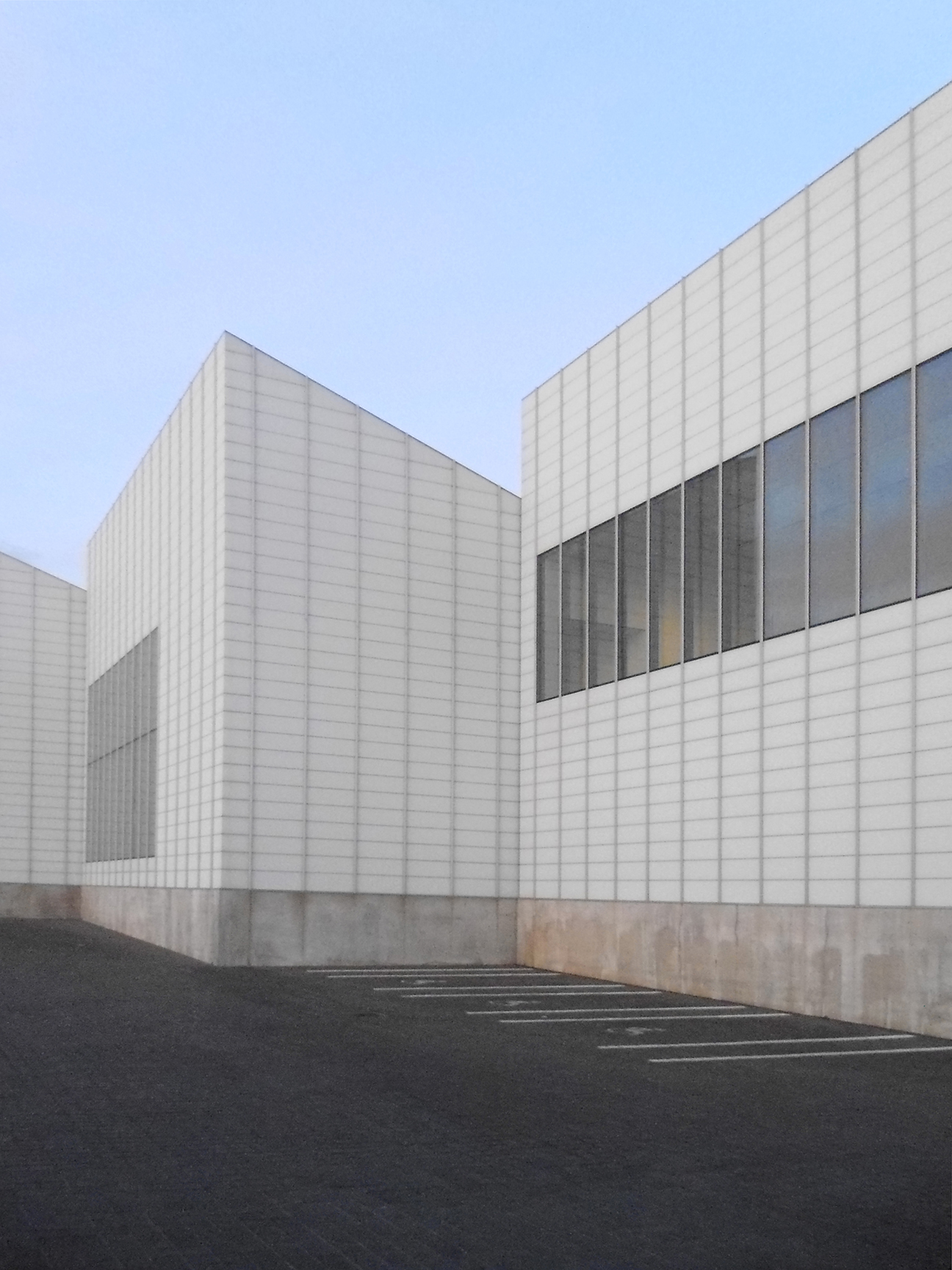
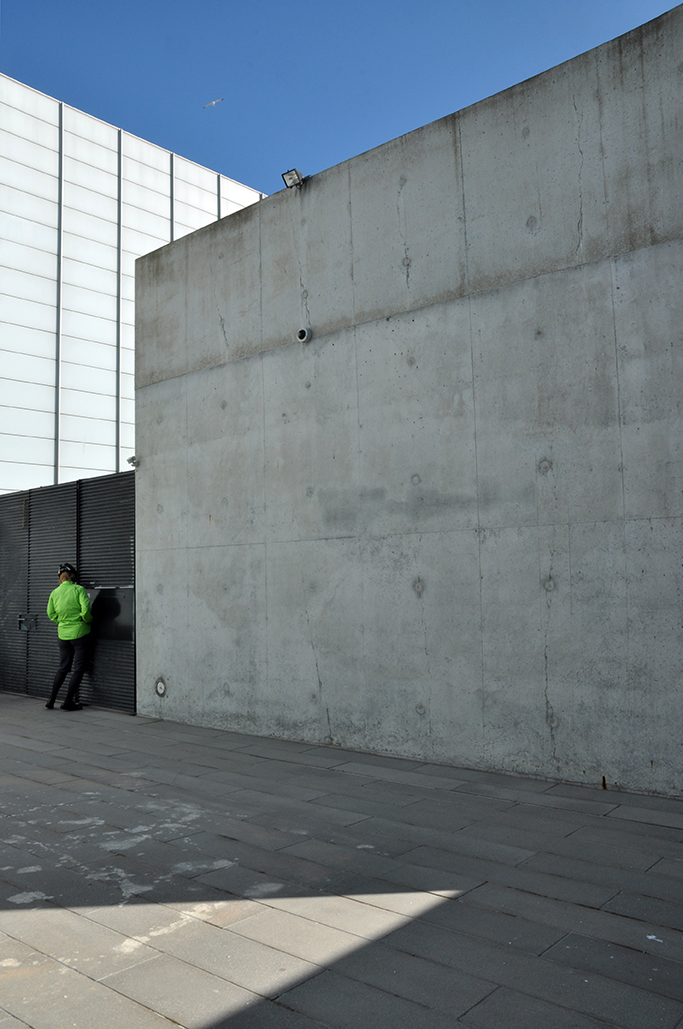
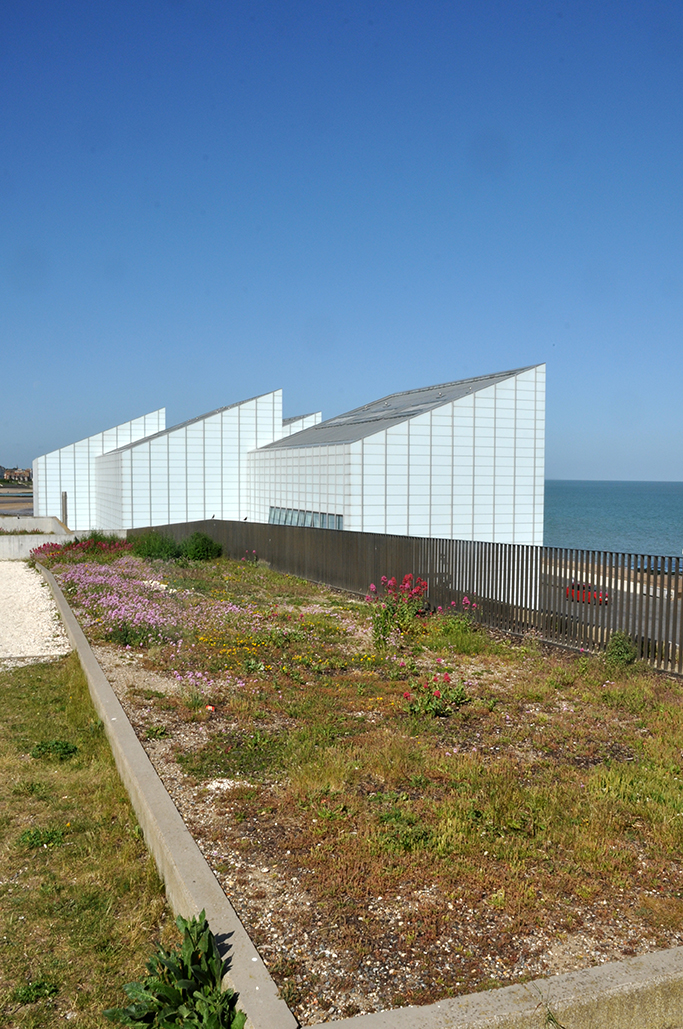
Passing by the prestigious Turner Contemporary

The building was designed by David Chipperfield – It was built on the raised promenade following a flood risk analysis. Construction started in 2008, and was completed for opening in April 2011, at a cost of £17.5 million. The gallery opened on 16 April 2011.

Wikipedia

Finally as the sun sets in the west, a pint of something nice in the Harbour Arms.

Night night.
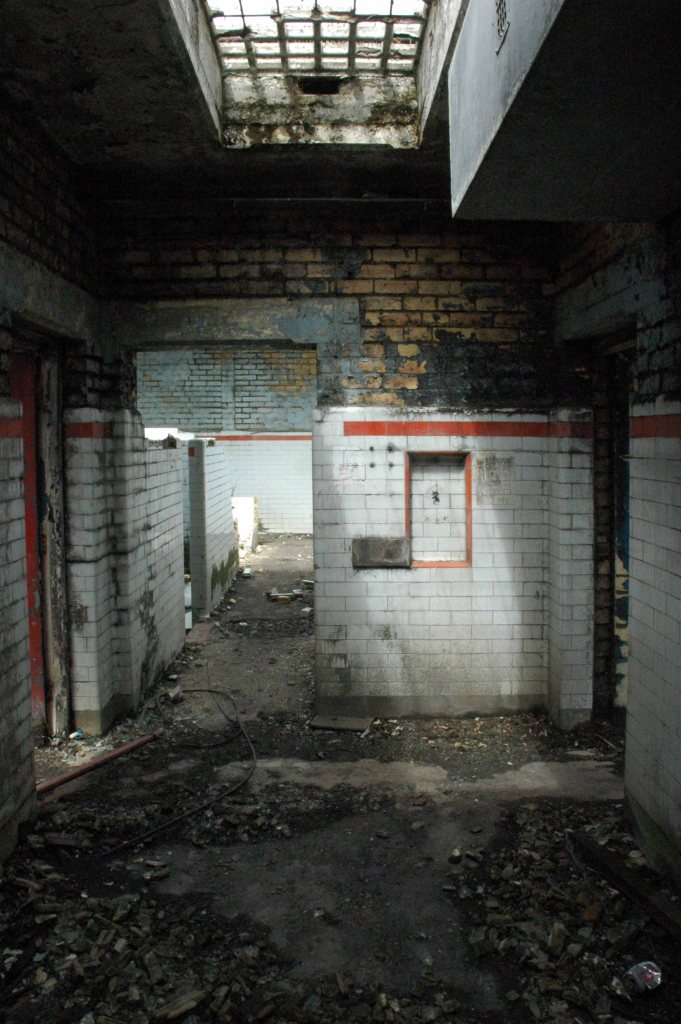
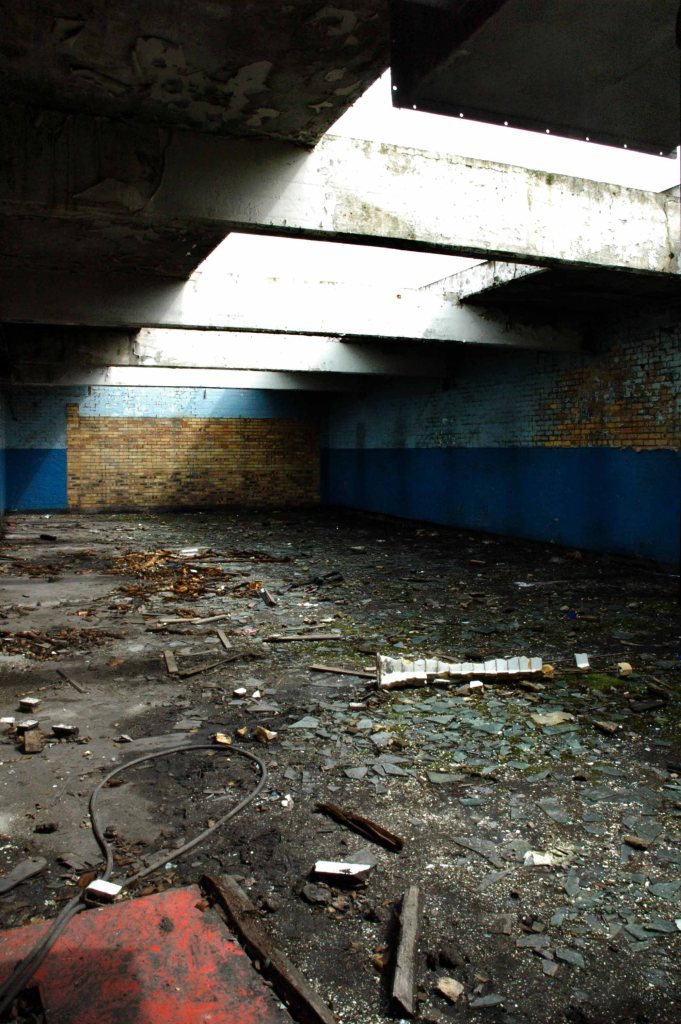
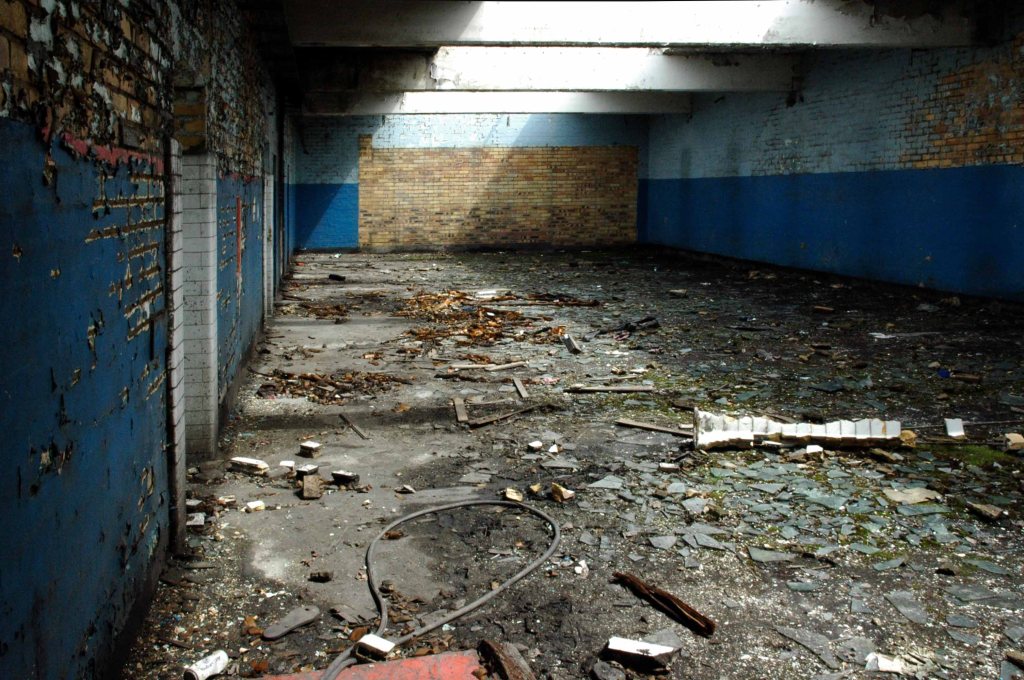
Lynemouth Pithead Baths

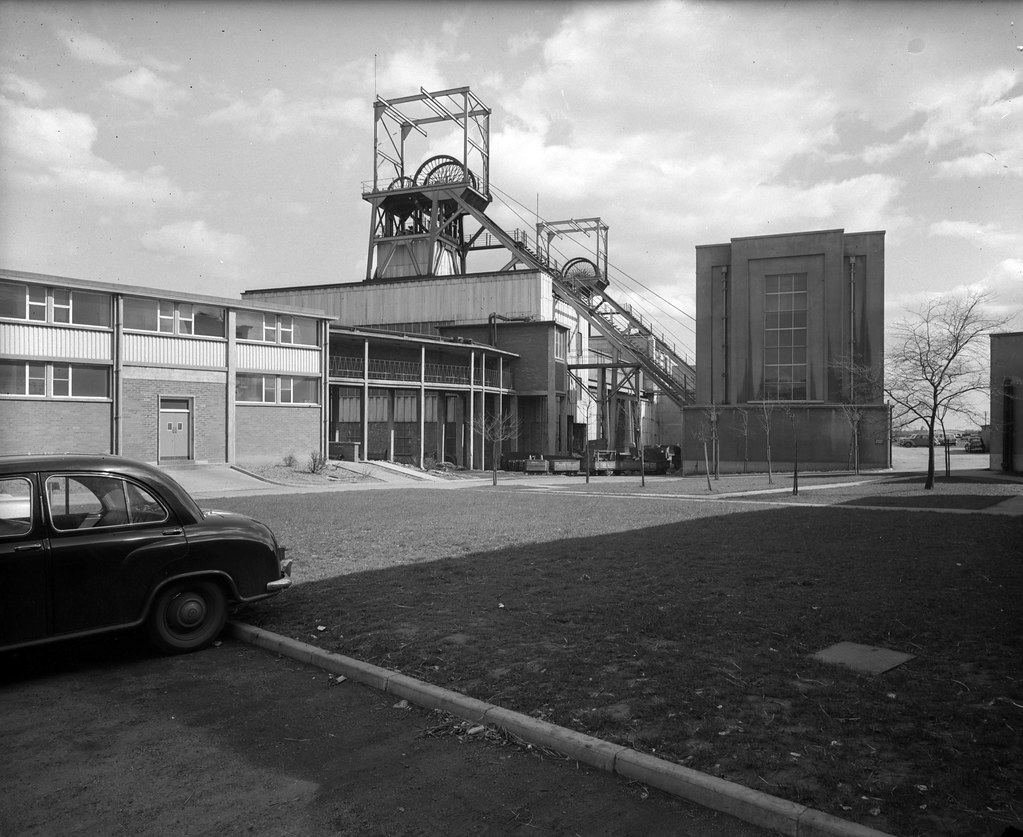
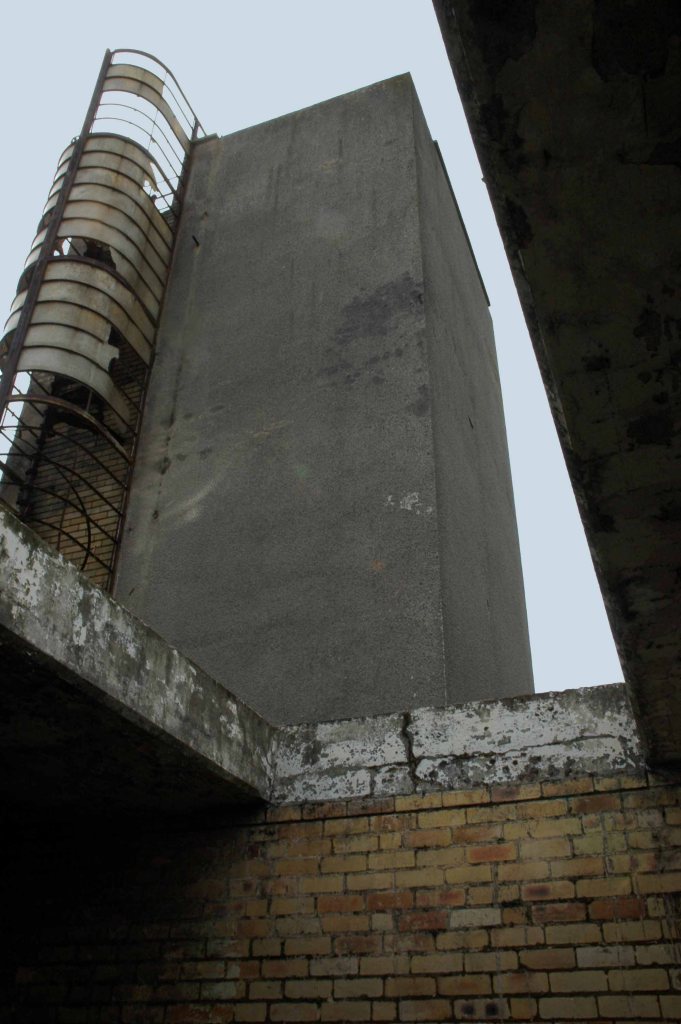
Pithead Baths 1938 by FG Frizzell.

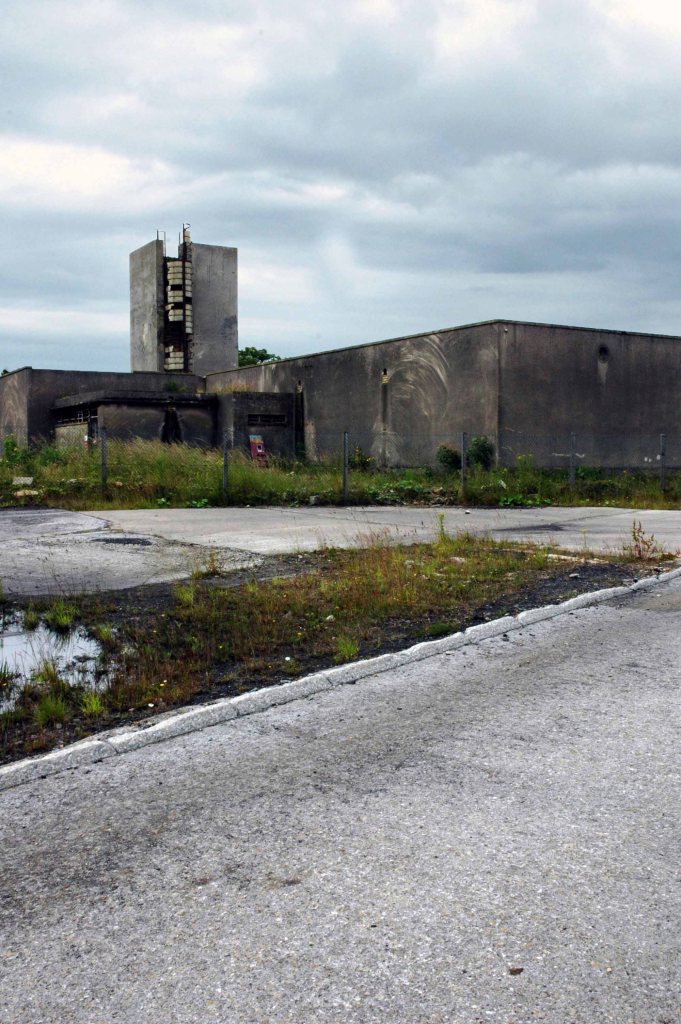
Pebbledashed over white brick. Roofs part concrete slab, part glazed behind parapet. Irregular plan, Modern Movement style. Group of blocks of varying height round tall central tower with rounded, glazed stair turret. Walls mainly sheer, with plinth and slight roof projection.
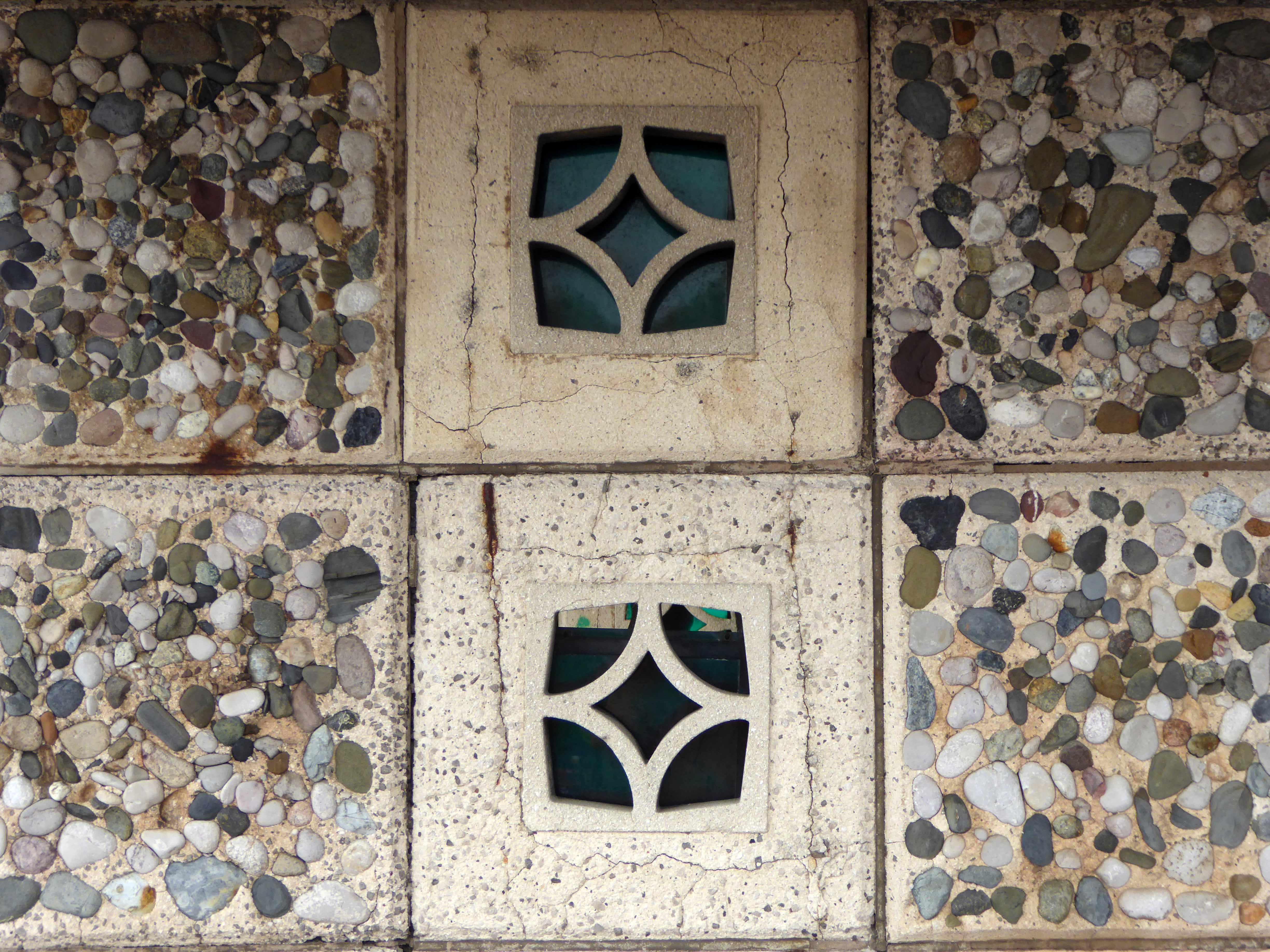
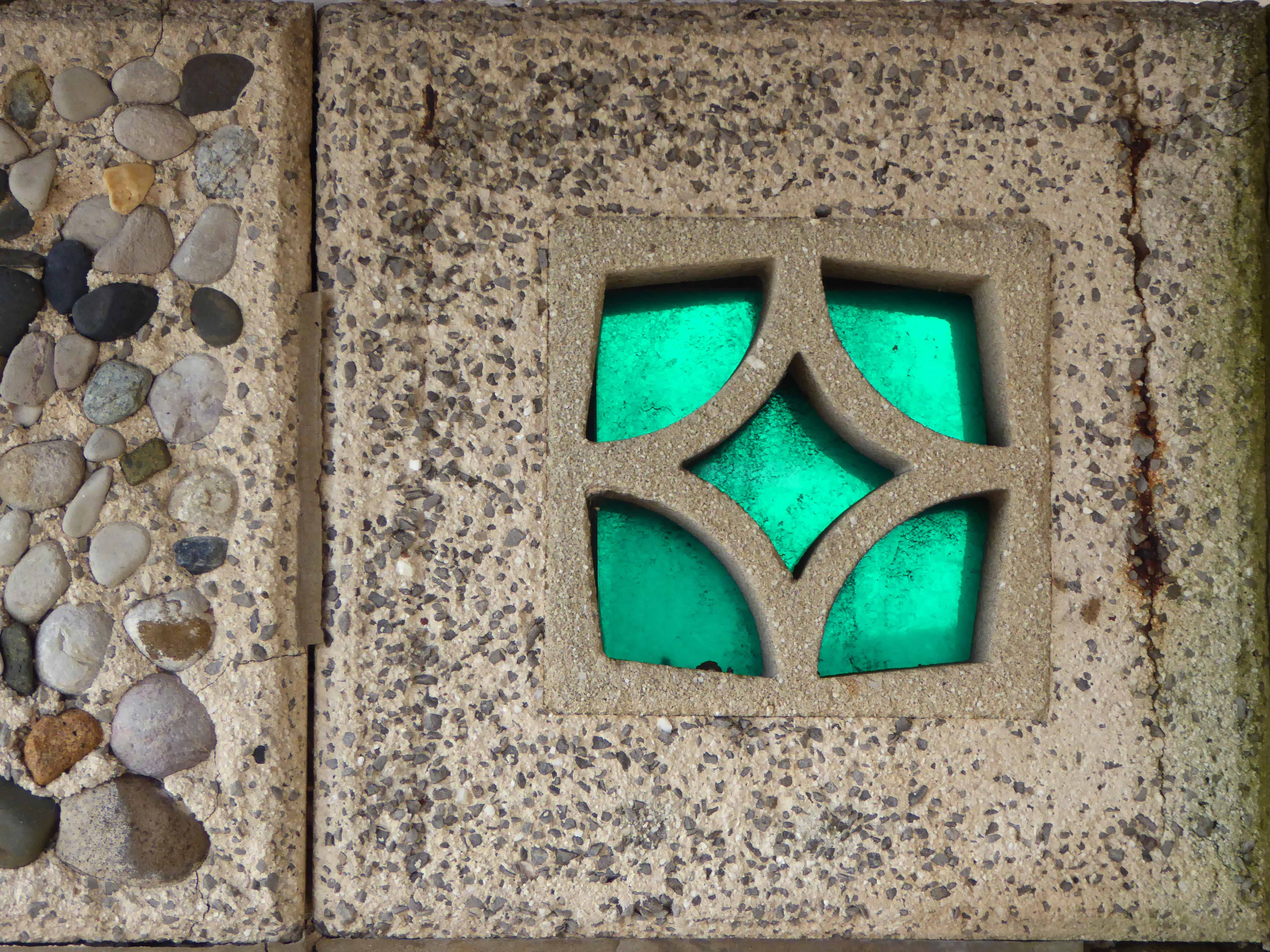
Long block on east of tower has central south projection with glazed, banded steel double door under high strip of windows beneath eaves overhang. Taller storeroom to west has similar doors in 2 recessed banded glazed bays; and abuts on south-east corner of tower. Similar double doors in base of tower. Large lower south-western canteen wing abuts on west side of tower and has banded glazing around two sides above a projecting sill. Slightly-projecting 3-bay office section to north has steel cross casements; on its return another casement and a door with hollow-chamfered jambs and flat hood. Taller bath block behind. Wave pattern on rainwater heads.

Listed 18th December 1985 Historic England

FG Frizell was also responsible for the Elemore Colliery Pithead Baths in James Terrace Sunderland.

This is the youngest colliery in the neighbourhood, having commenced operations for the Ashington Coal Co Lt. in 1934. The shafts, which are situated comparatively near to the coast, are two in number, and both were sunk to the High Main seam level, which is 486 ft from the surface. The downcast No. 1 is 18 ft in diameter and is used for coal-raising on two shifts per day, and the upcast, which has a diameter of 15 ft, is used for ventilation and emergency man riding only.

The seams being worked are the High Main, the Diamond, the Main, and the Yard. Each of these seams shows practically the same nature of roof and floor as throughout the two neighbouring collieries and the distance between the seams is also comparable. They are, of course, found at slightly greater depths at Lynemouth, the Yard seam, for example, being 660 ft. below the surface near to the shafts, as compared with some 300 ft. at Ellington.

Durham Mining Museum

April 1962

It was one of Britain’s largest collieries until it was closed in 1994.

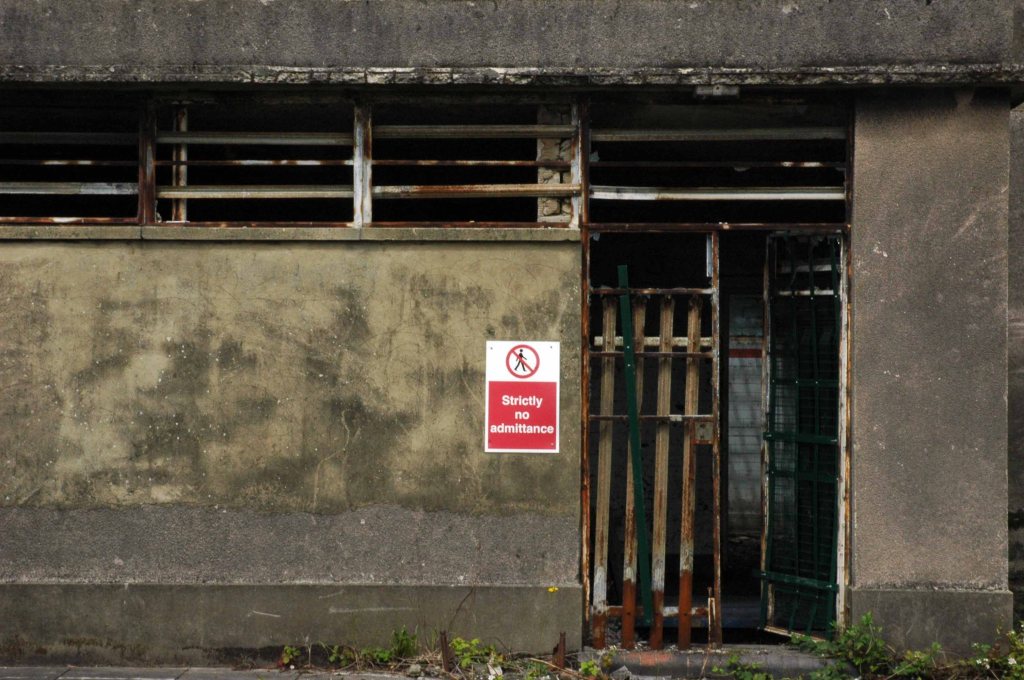
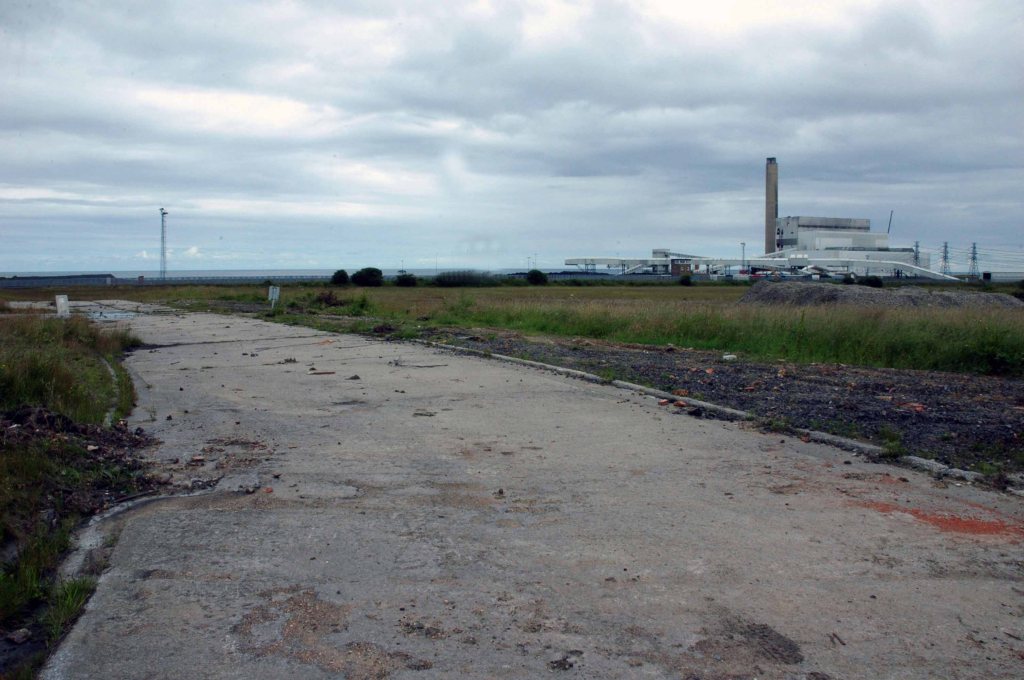
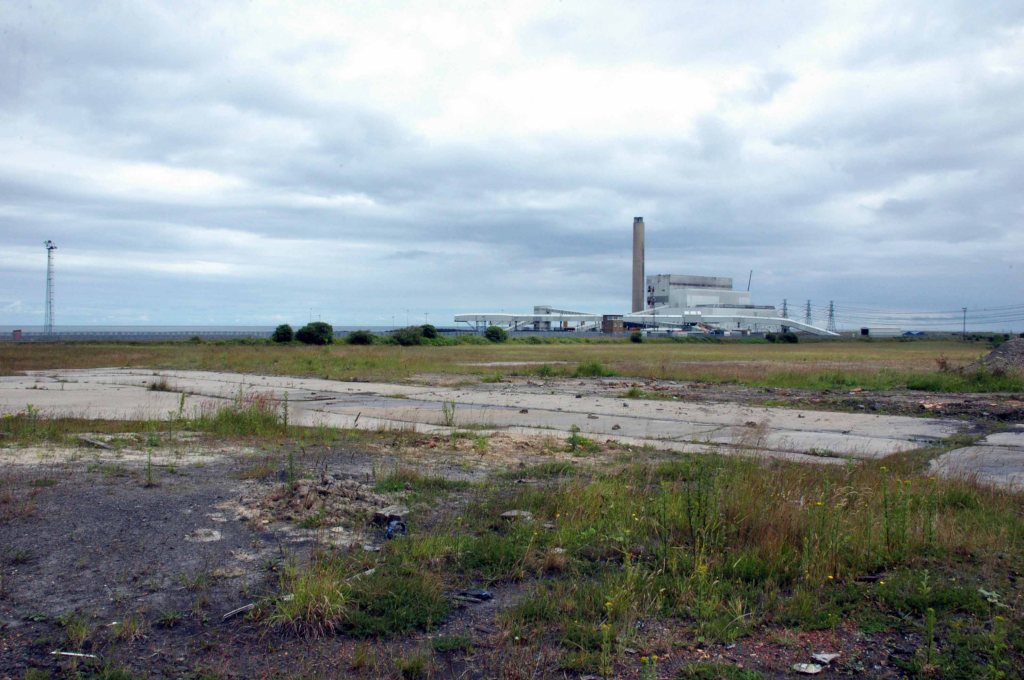
I was cycling the coast in July 2012 and happened by, seeing the tower of the baths from an adjacent path, passing by the faded signage.

Into the raw expanse of a now empty post-industrial landscape.

And on towards the bath house.

I am not by nature an urbex urban explorer, simply an explorer.

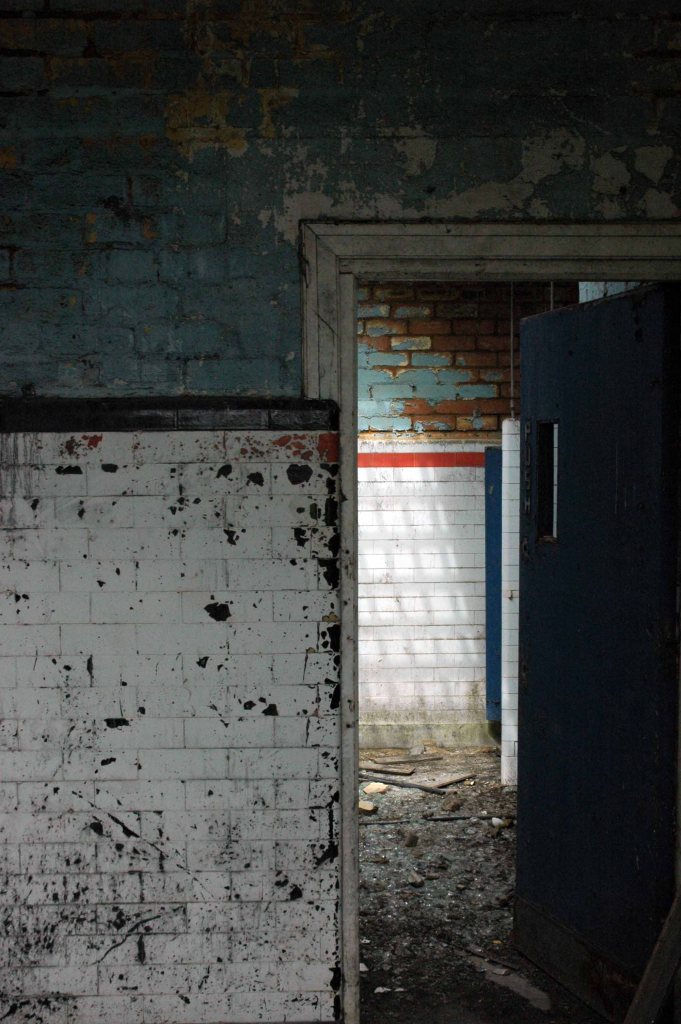
Entering the open site, I was well aware of the significance of the building and its history – working lives that had constructed the baths, entered and left through those very same doors.

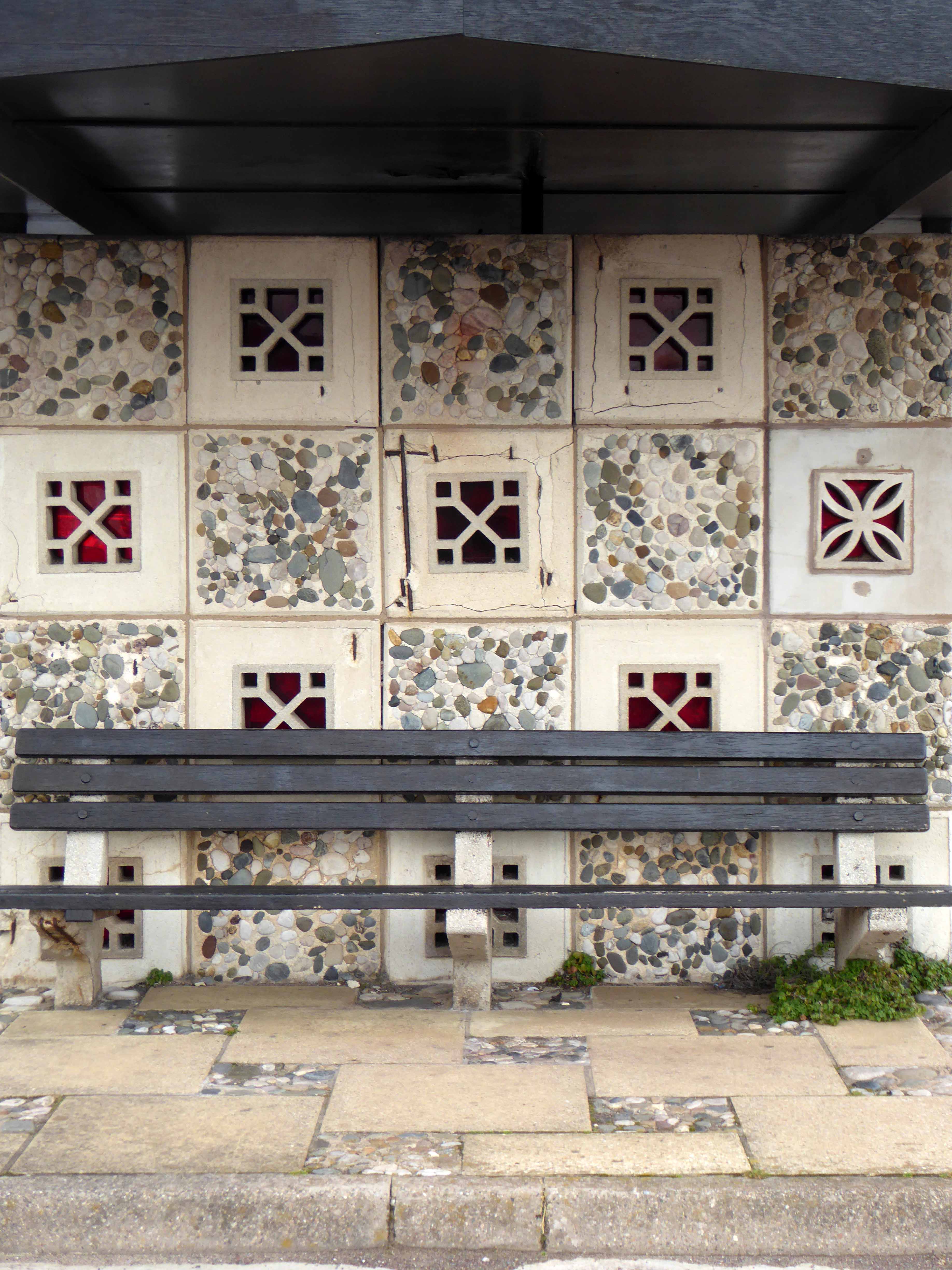
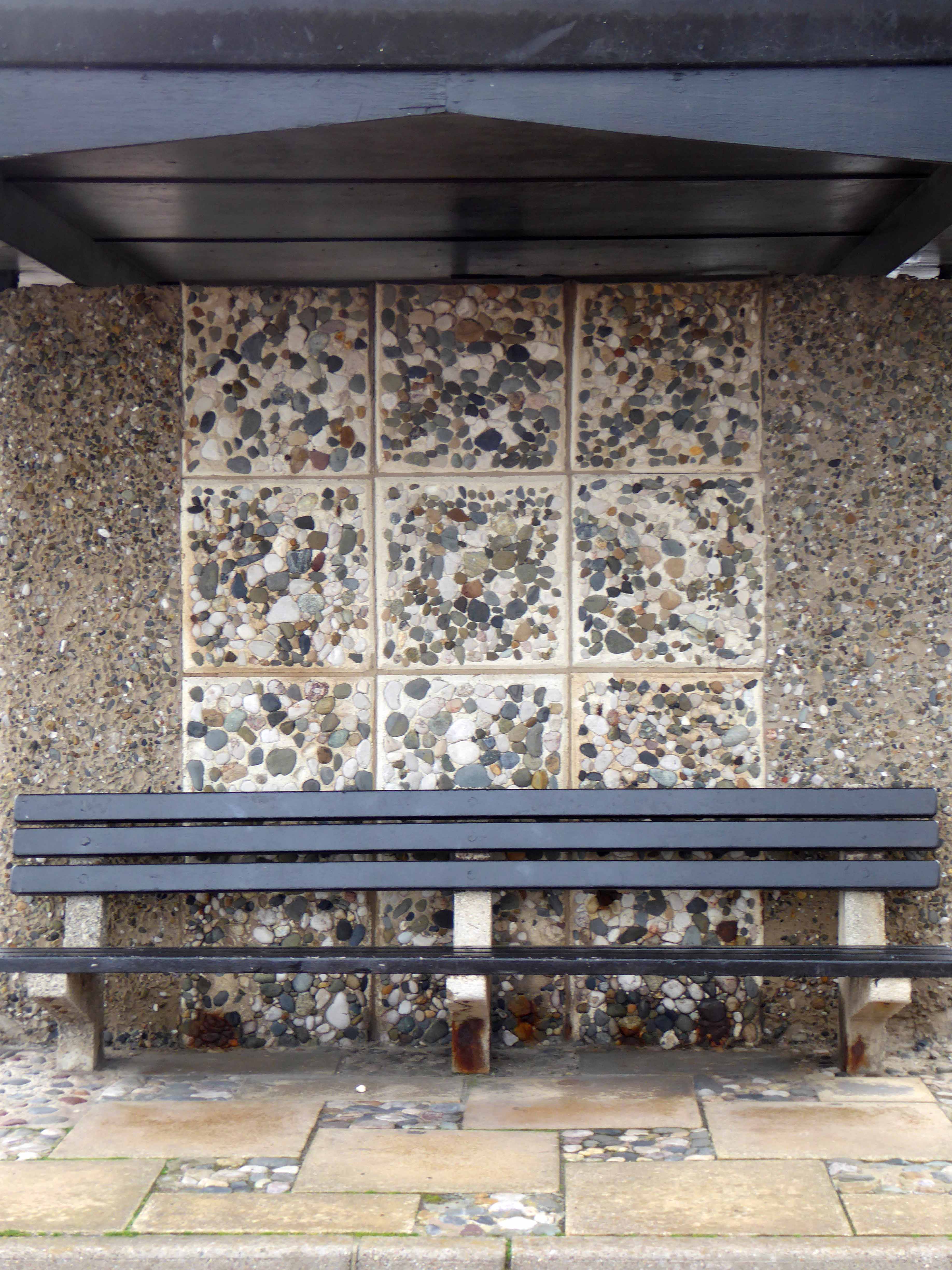
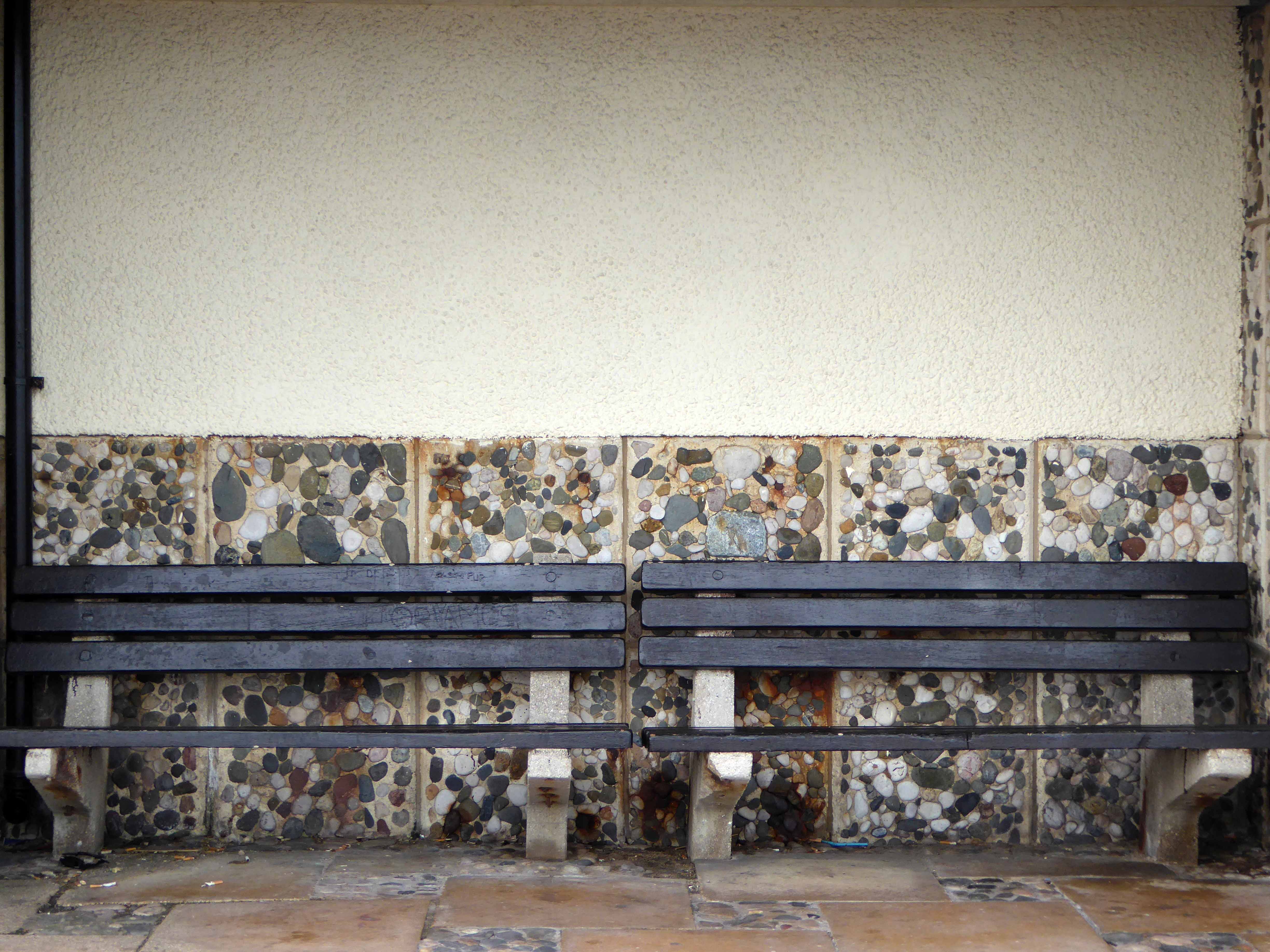
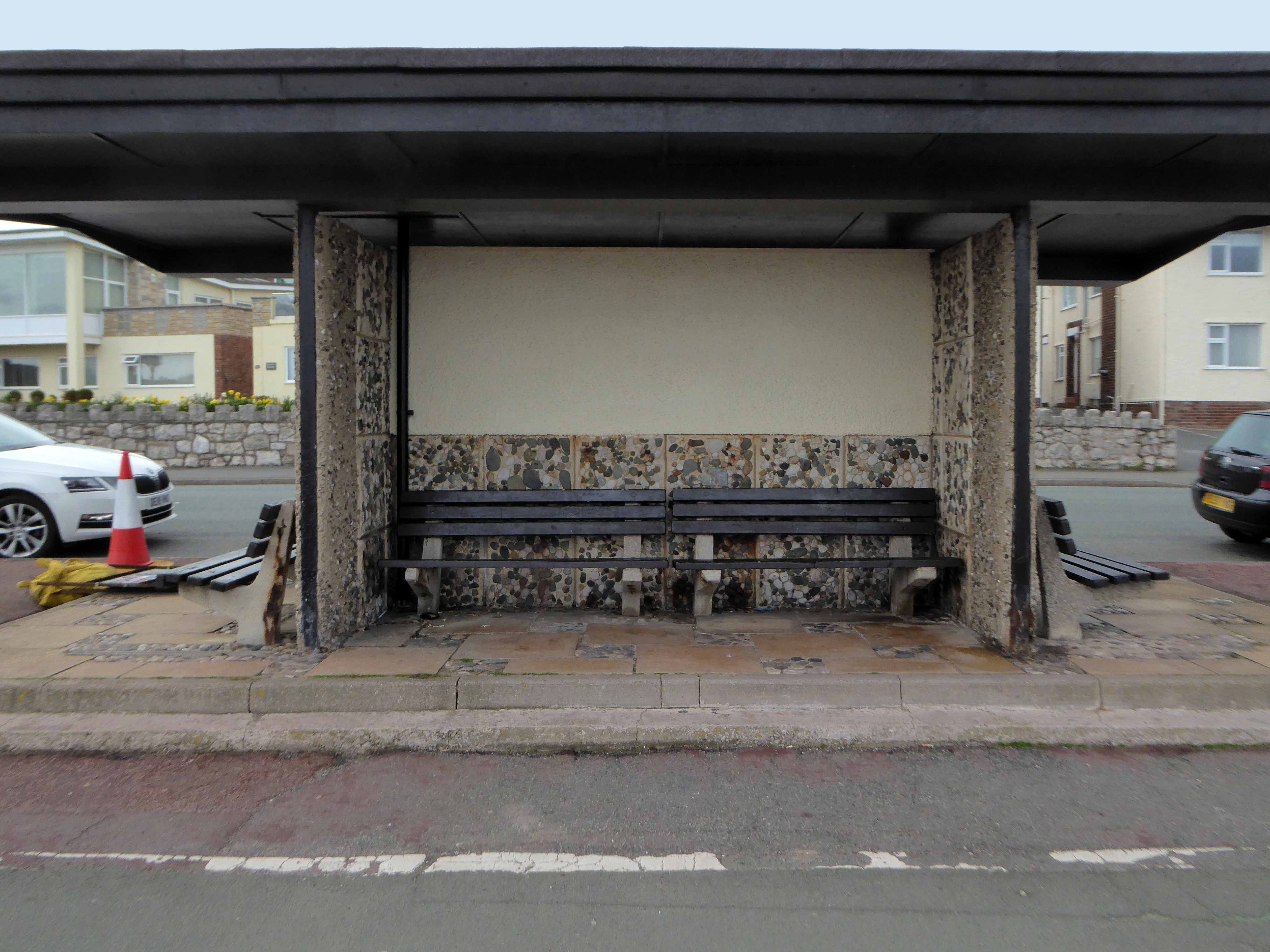
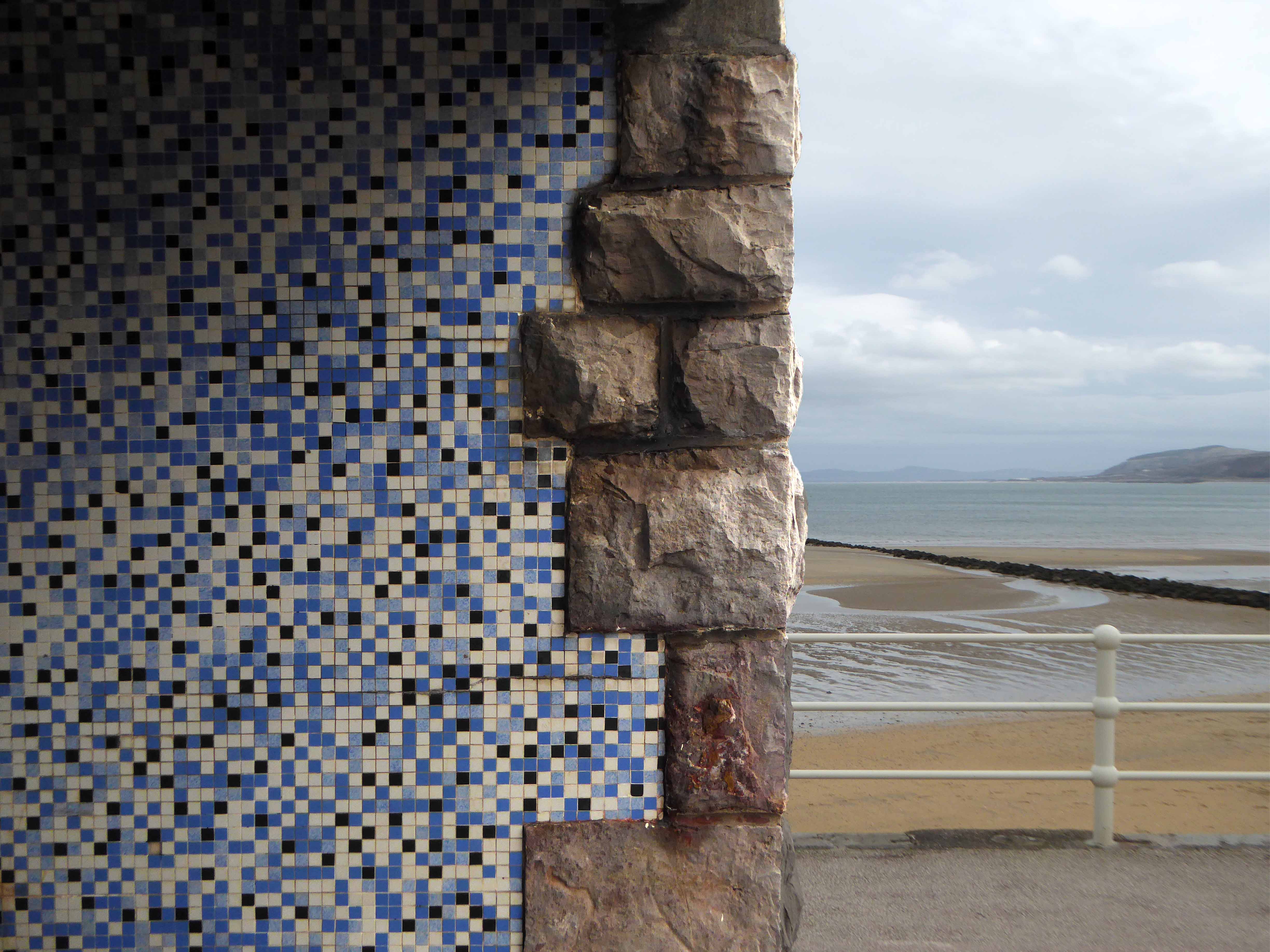
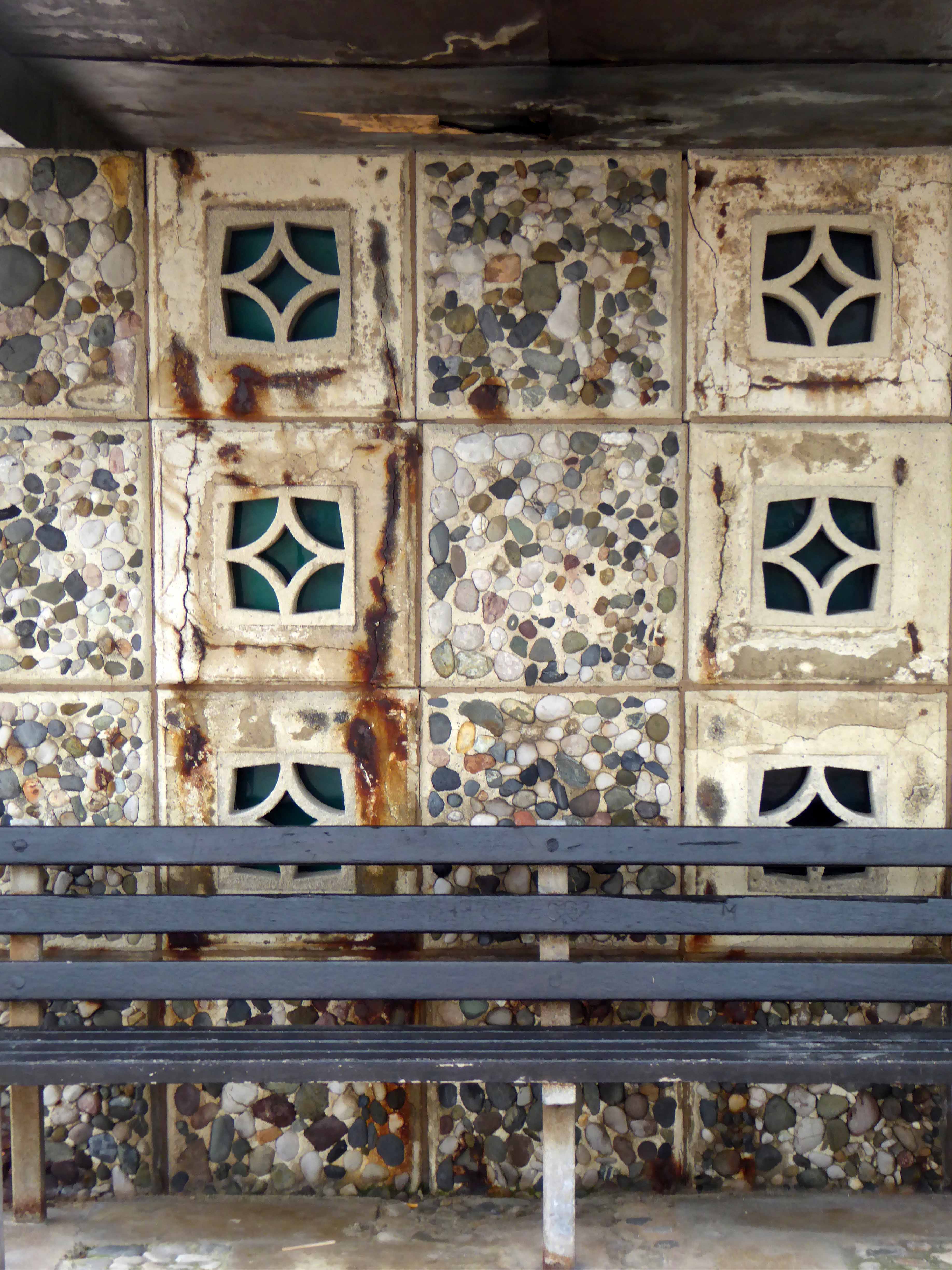
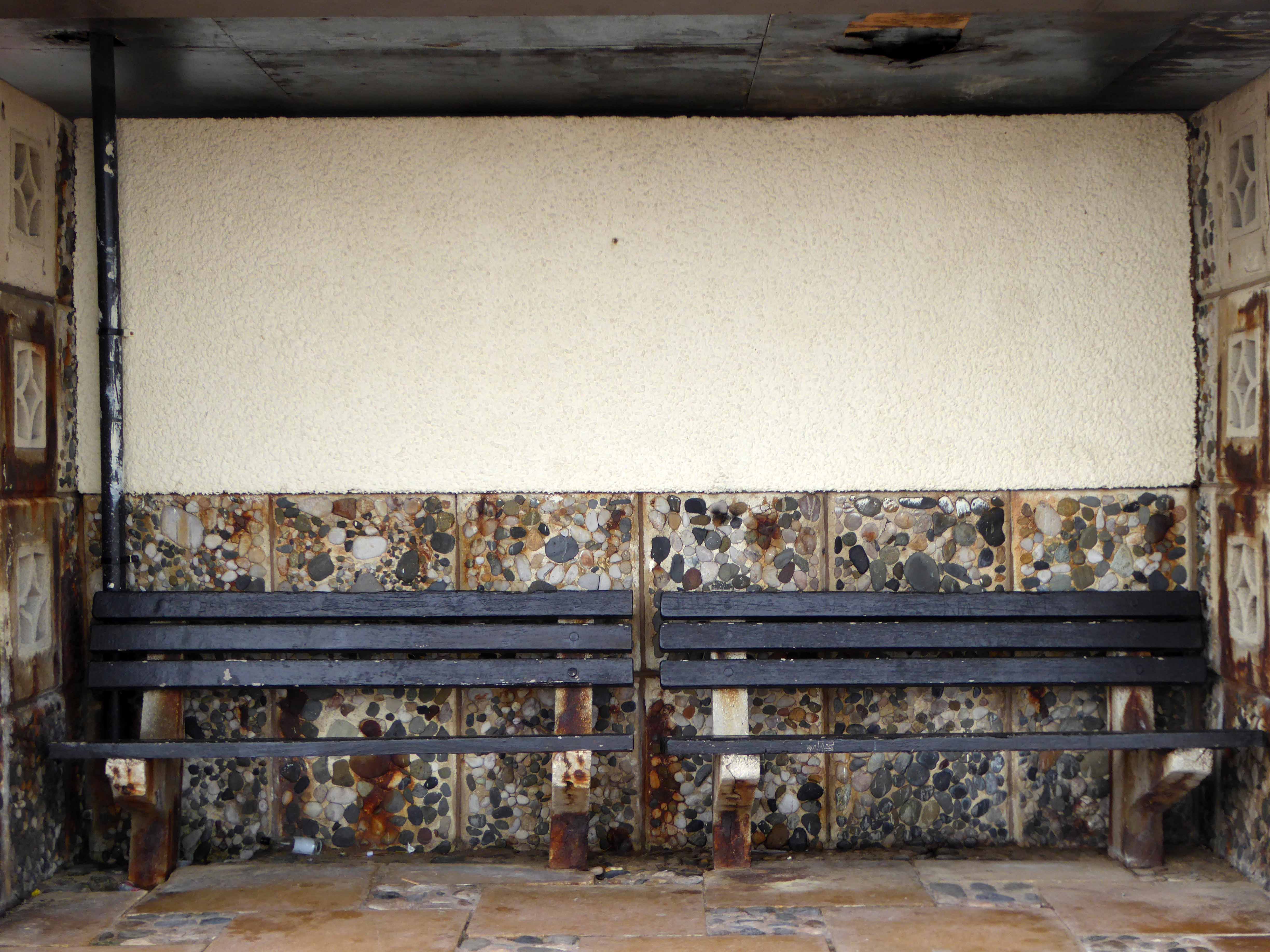
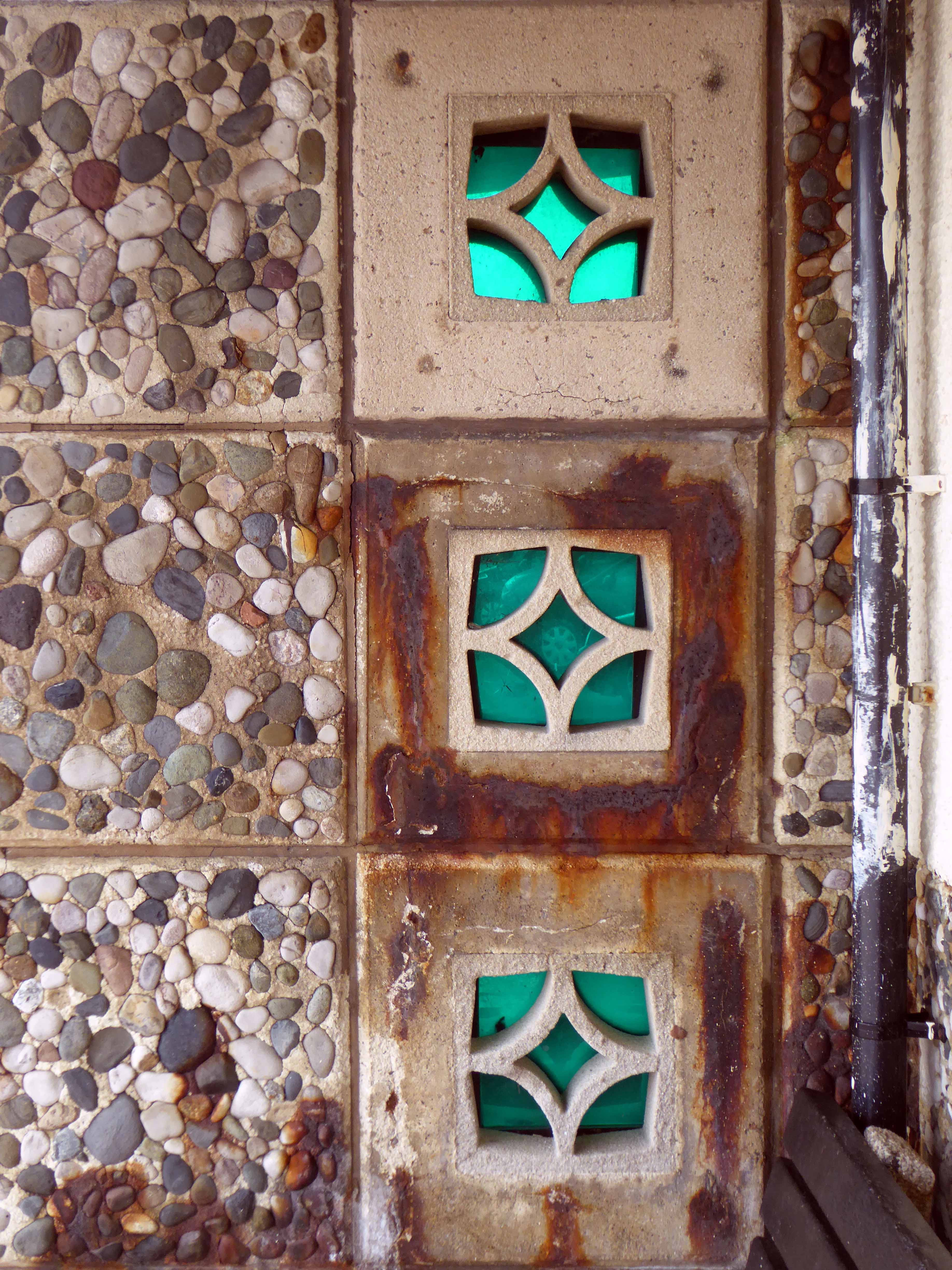
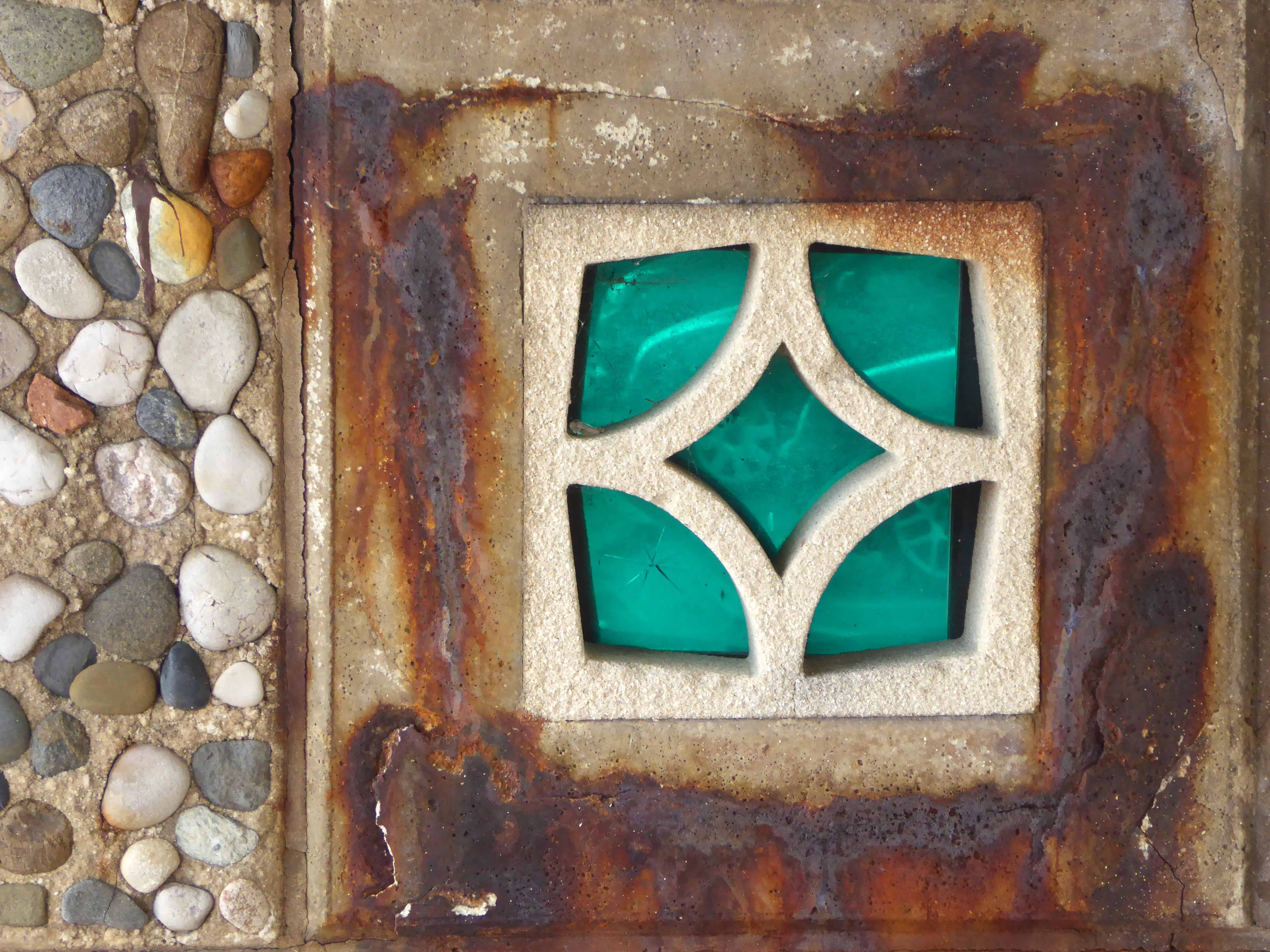
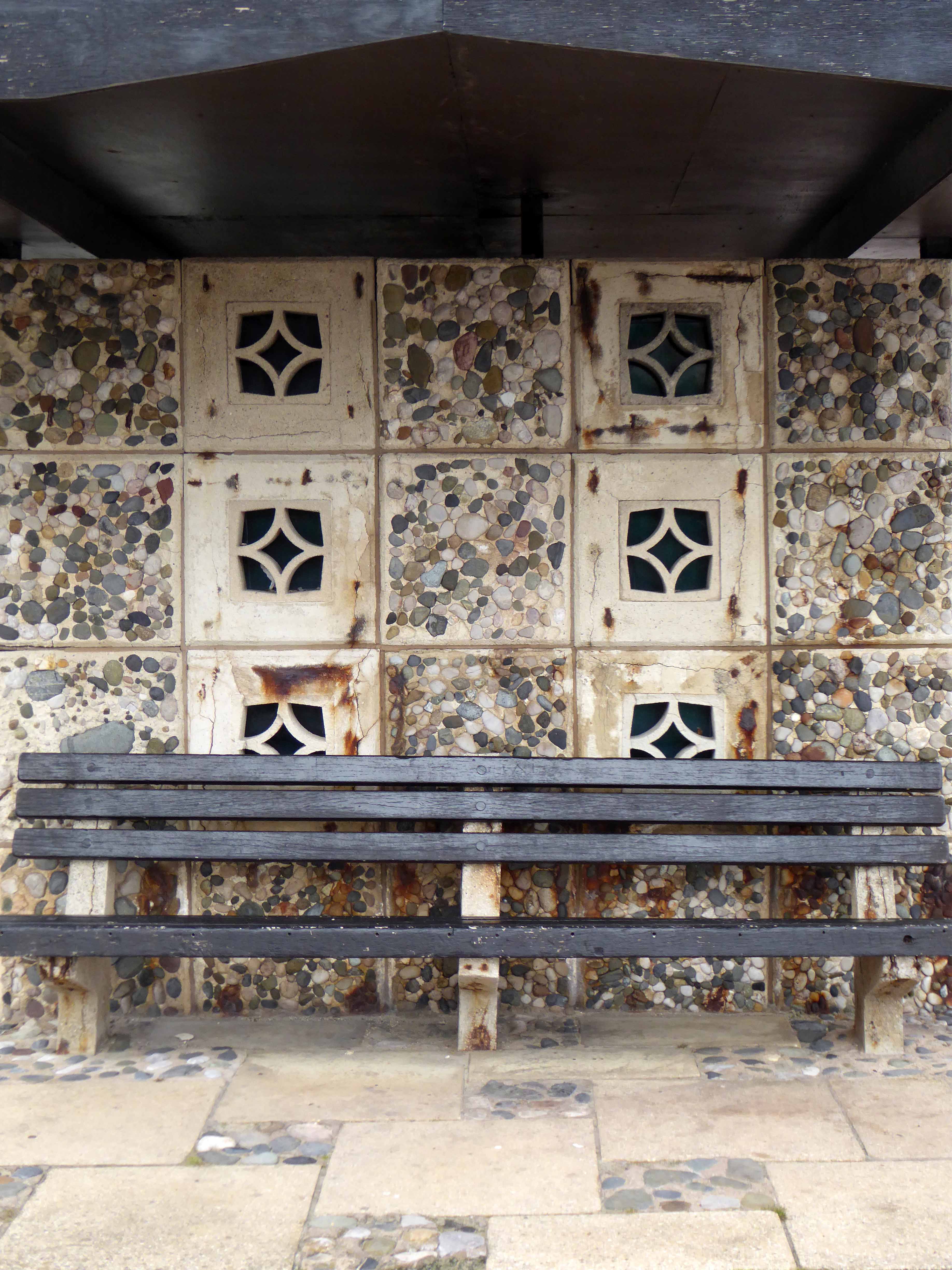
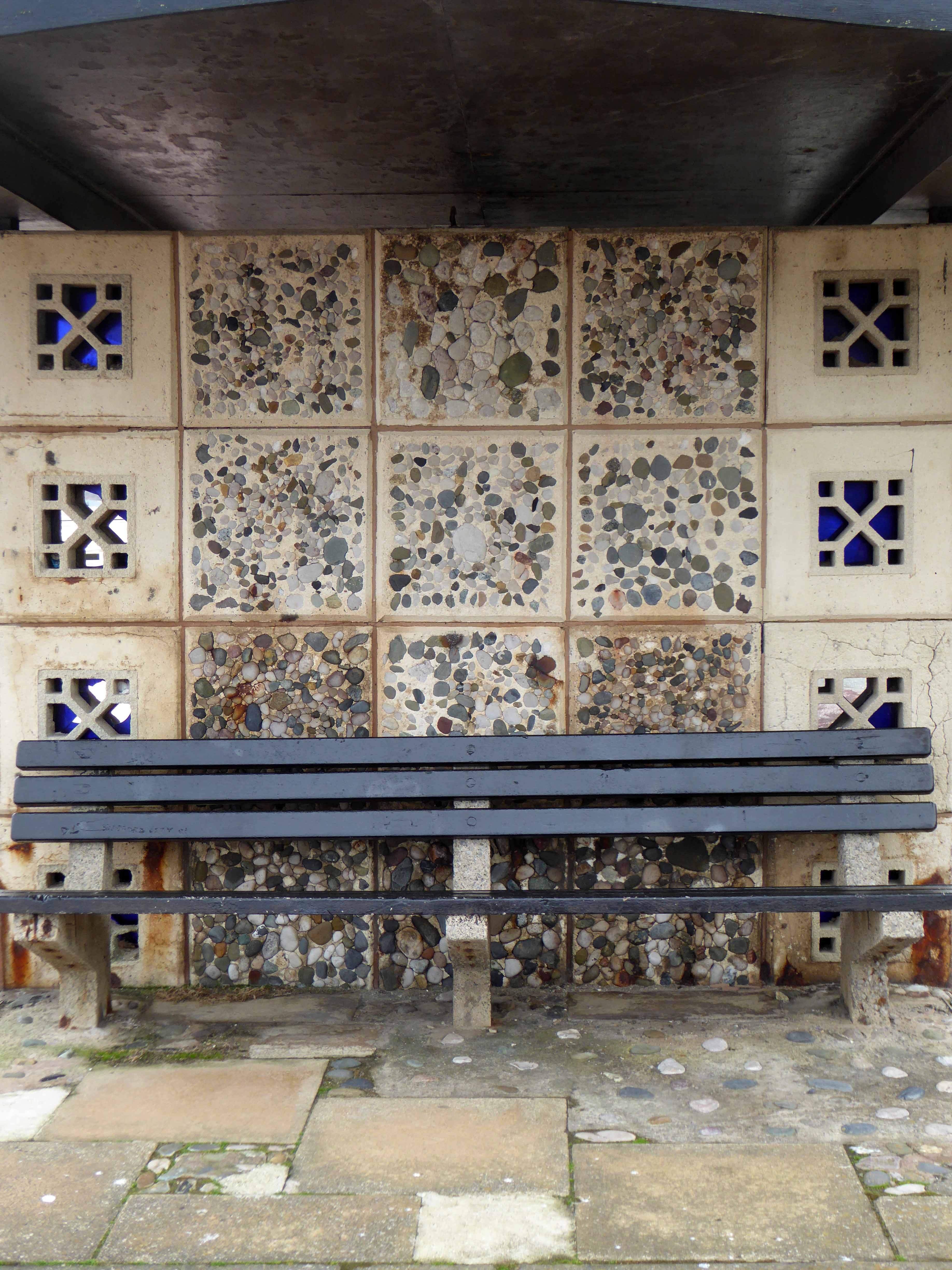
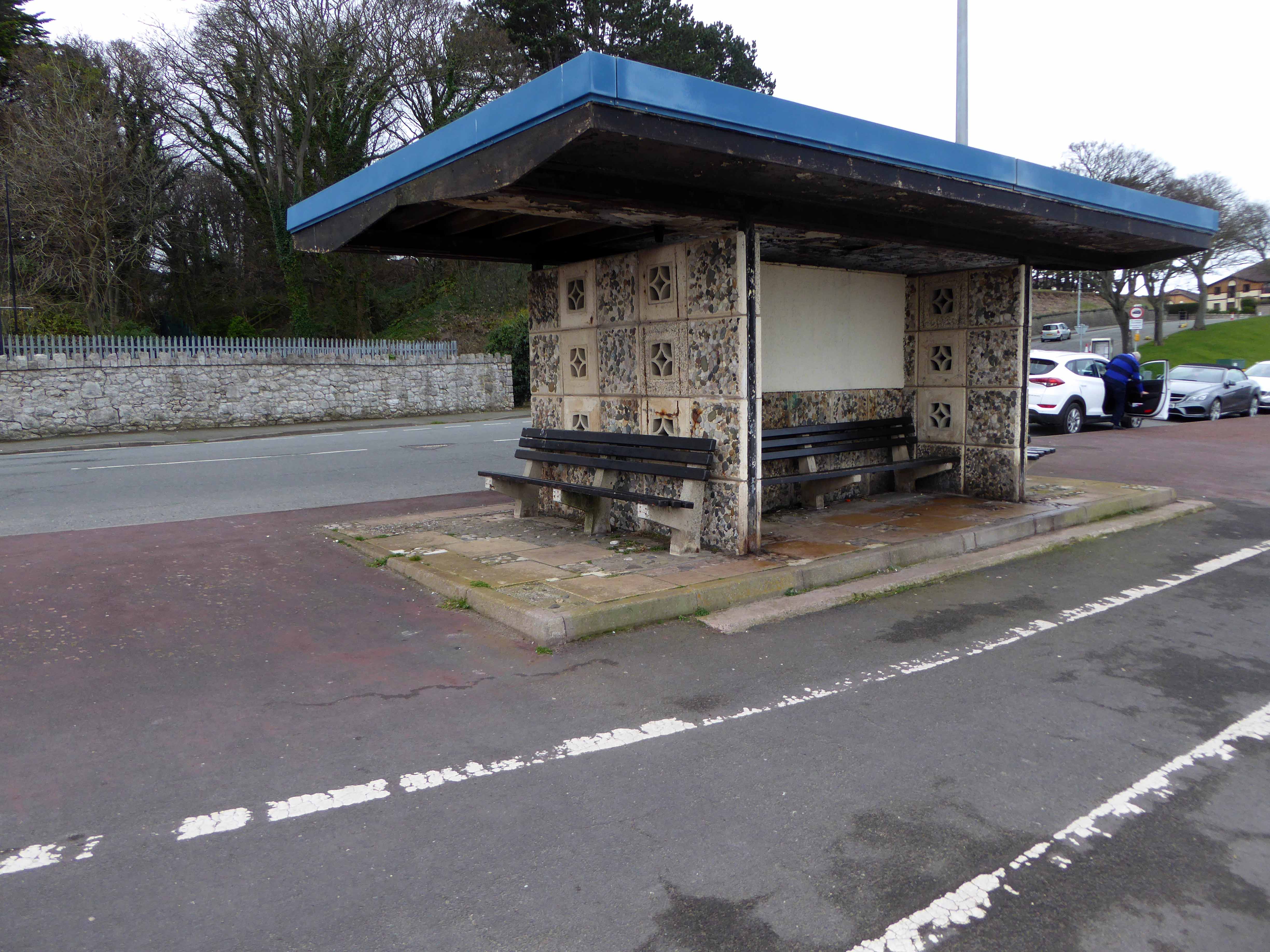
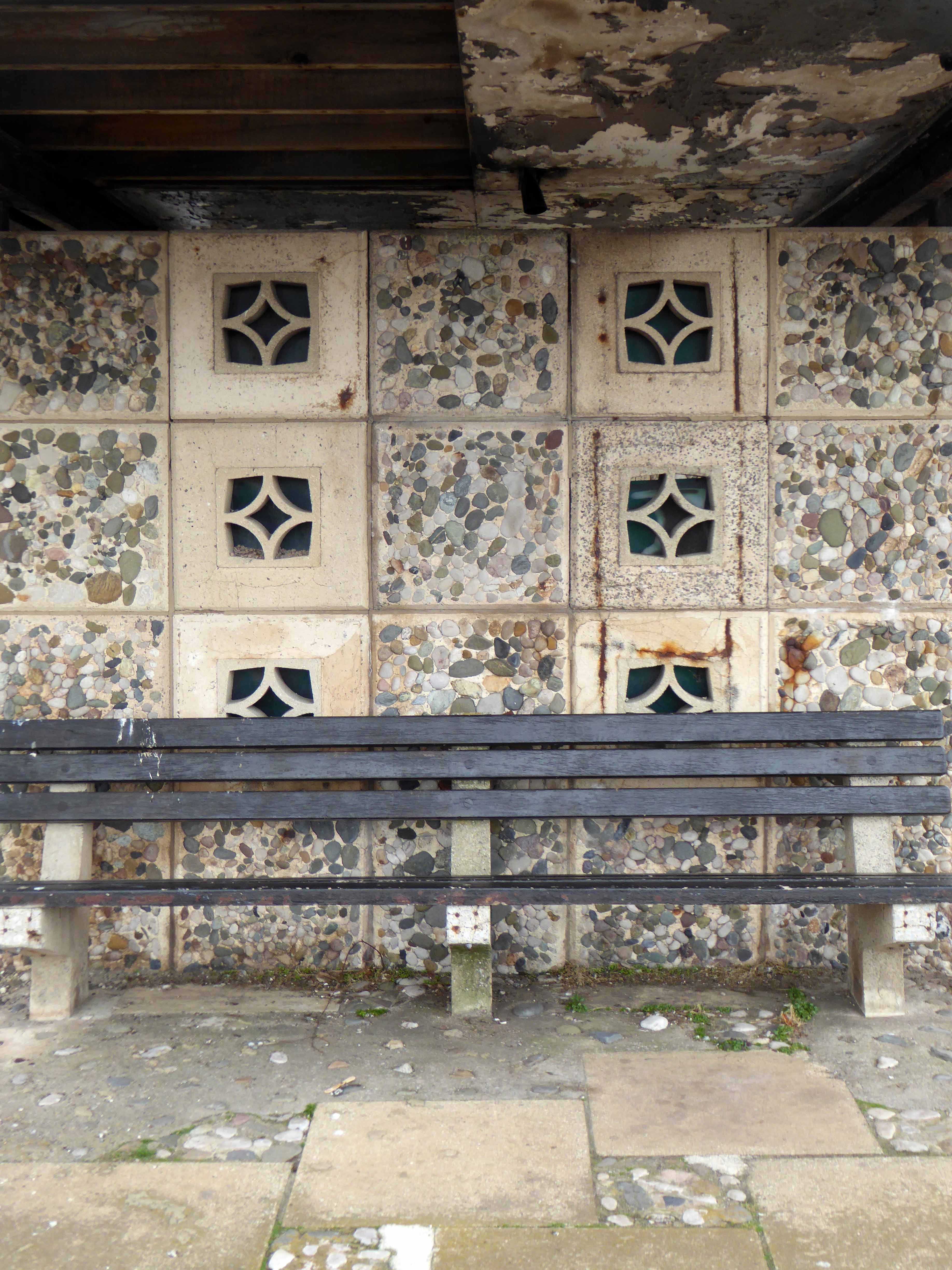
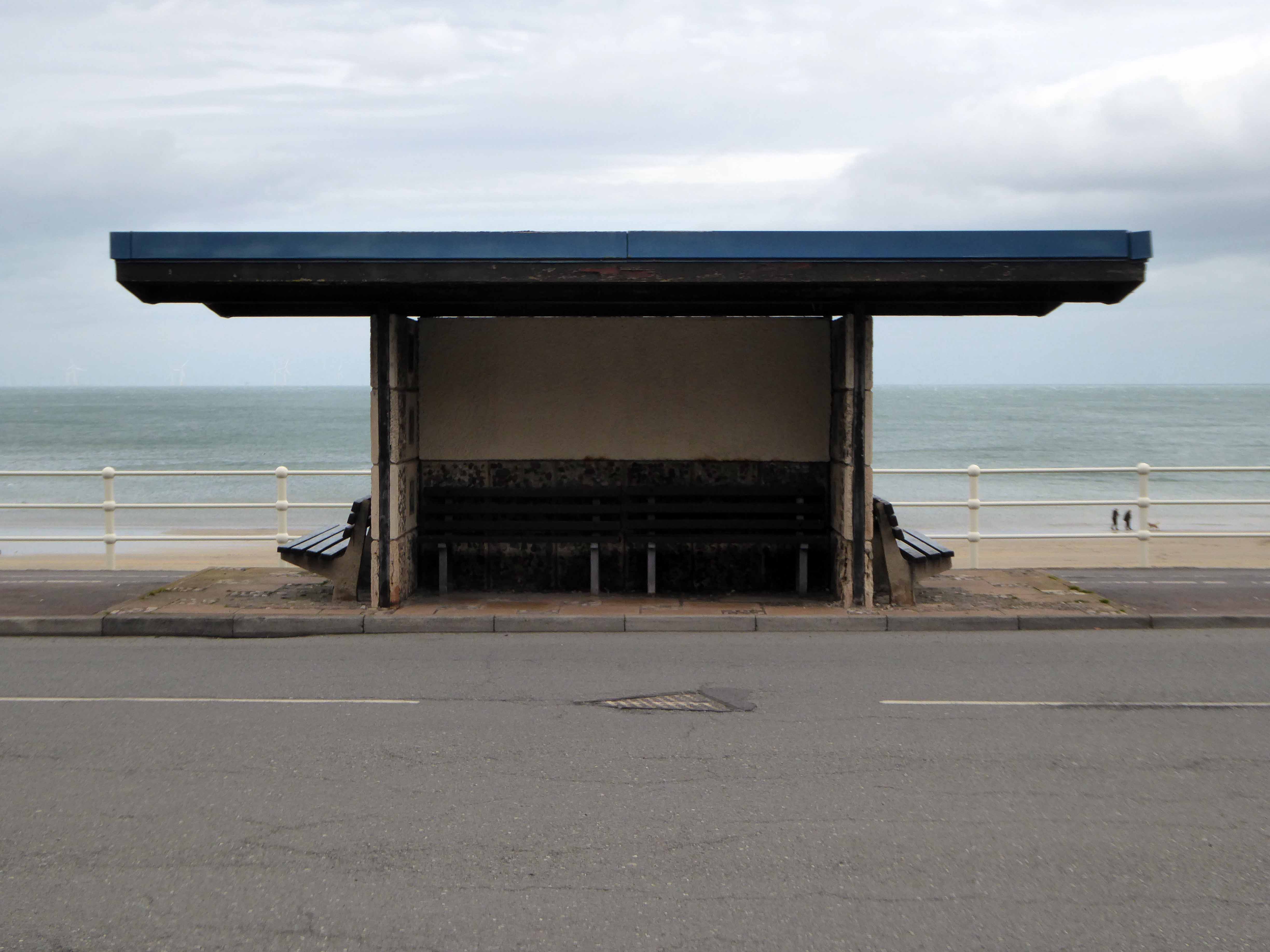
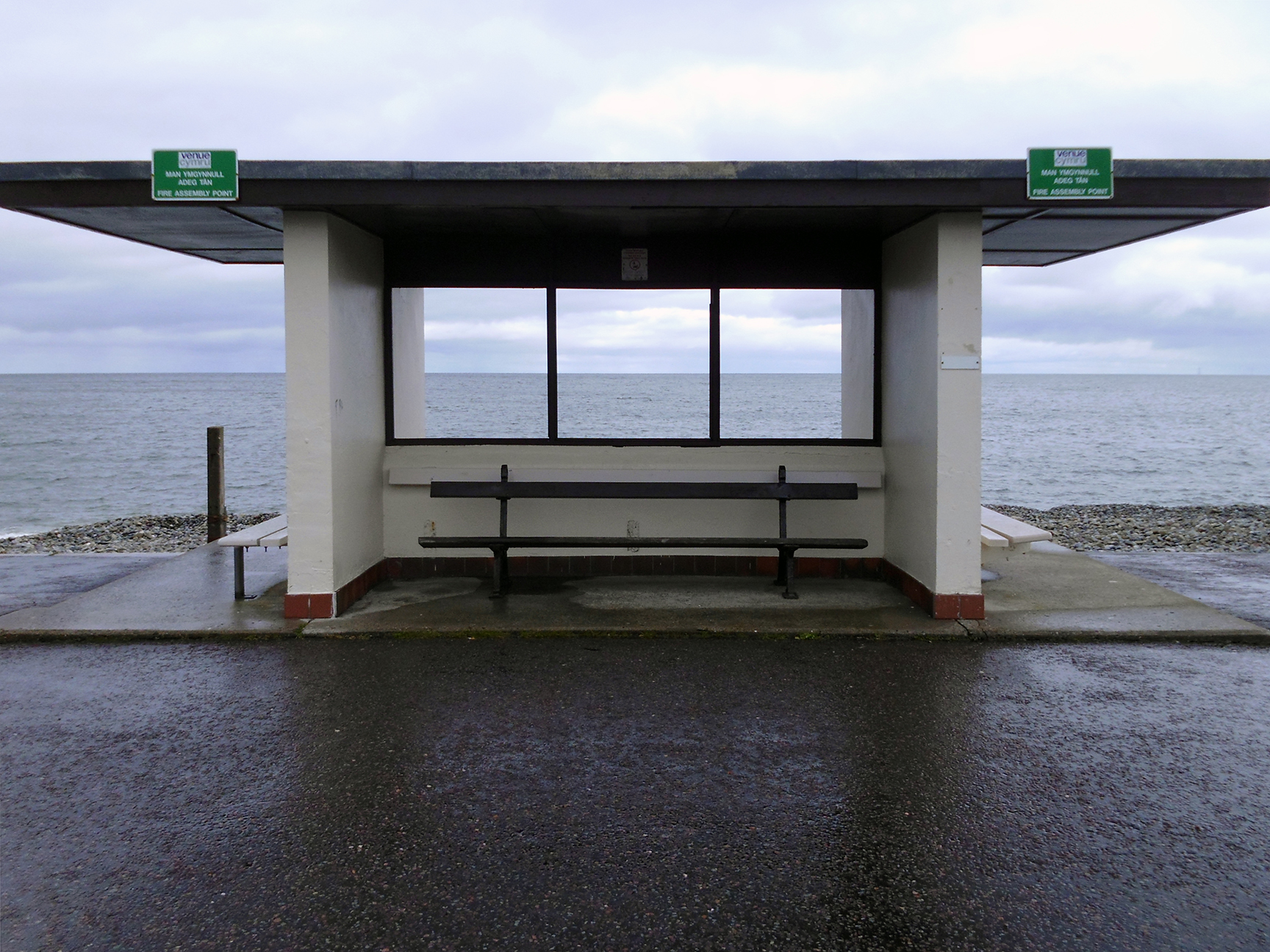
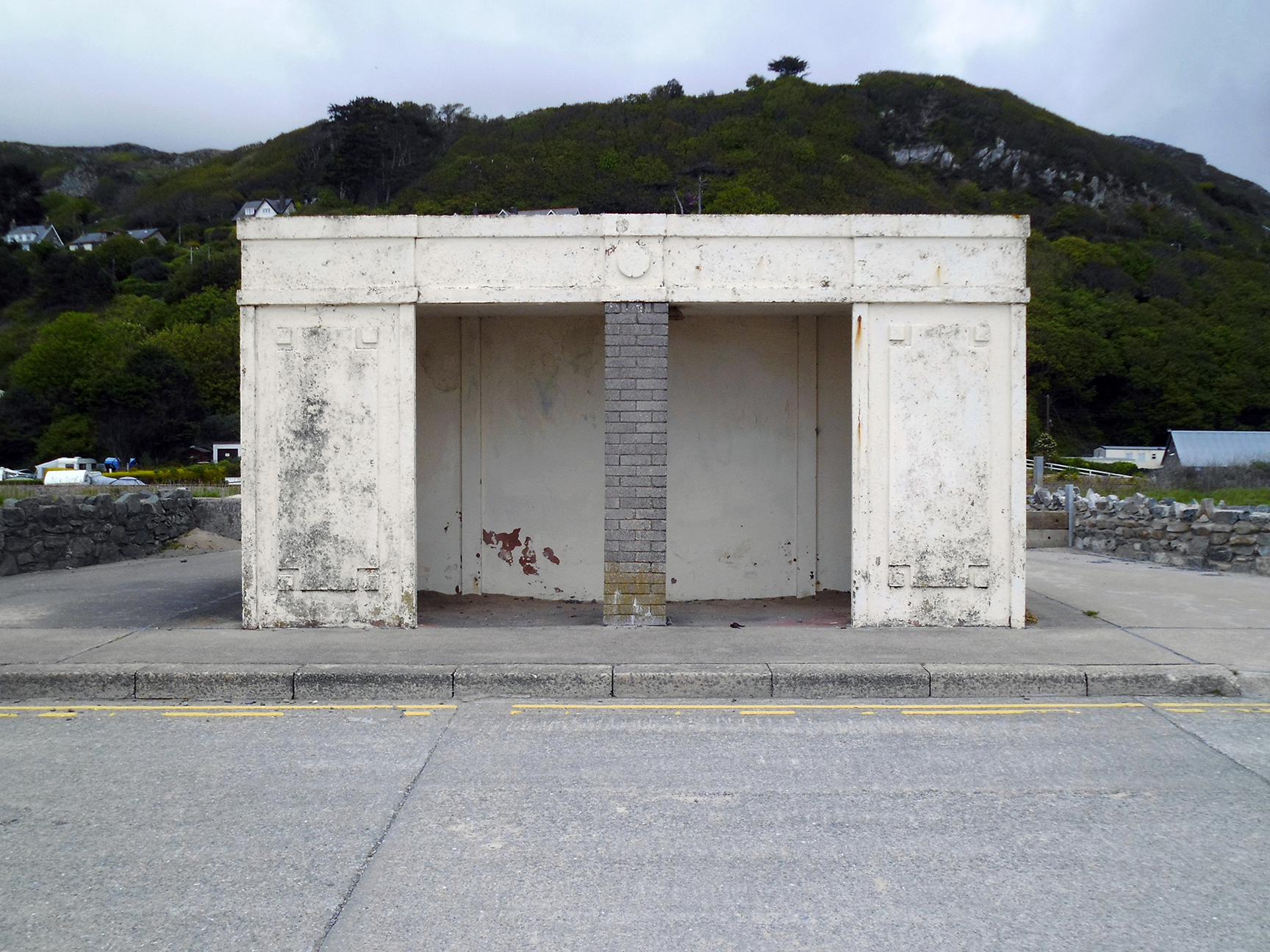
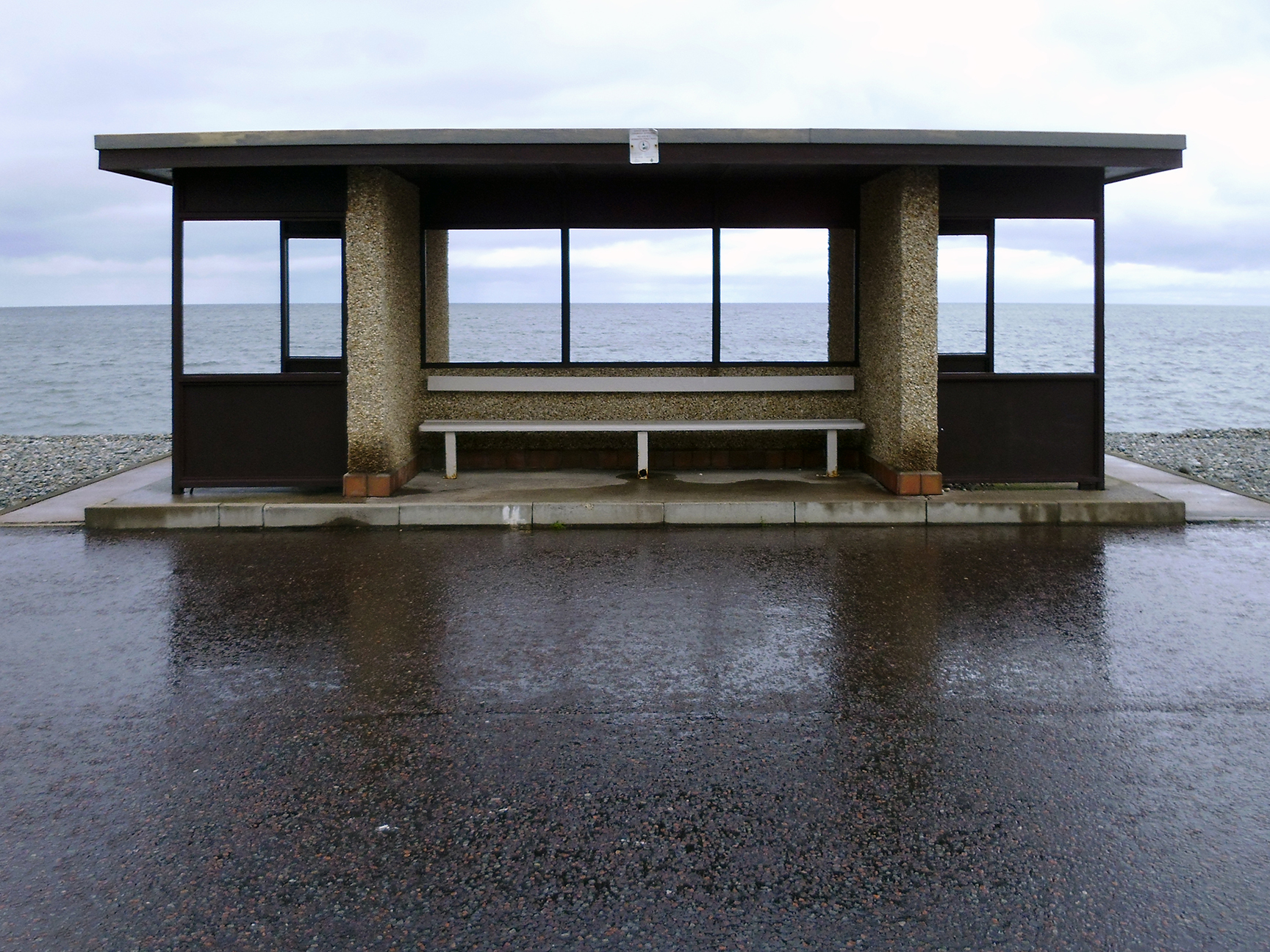
Shelters Rhos to Colwyn

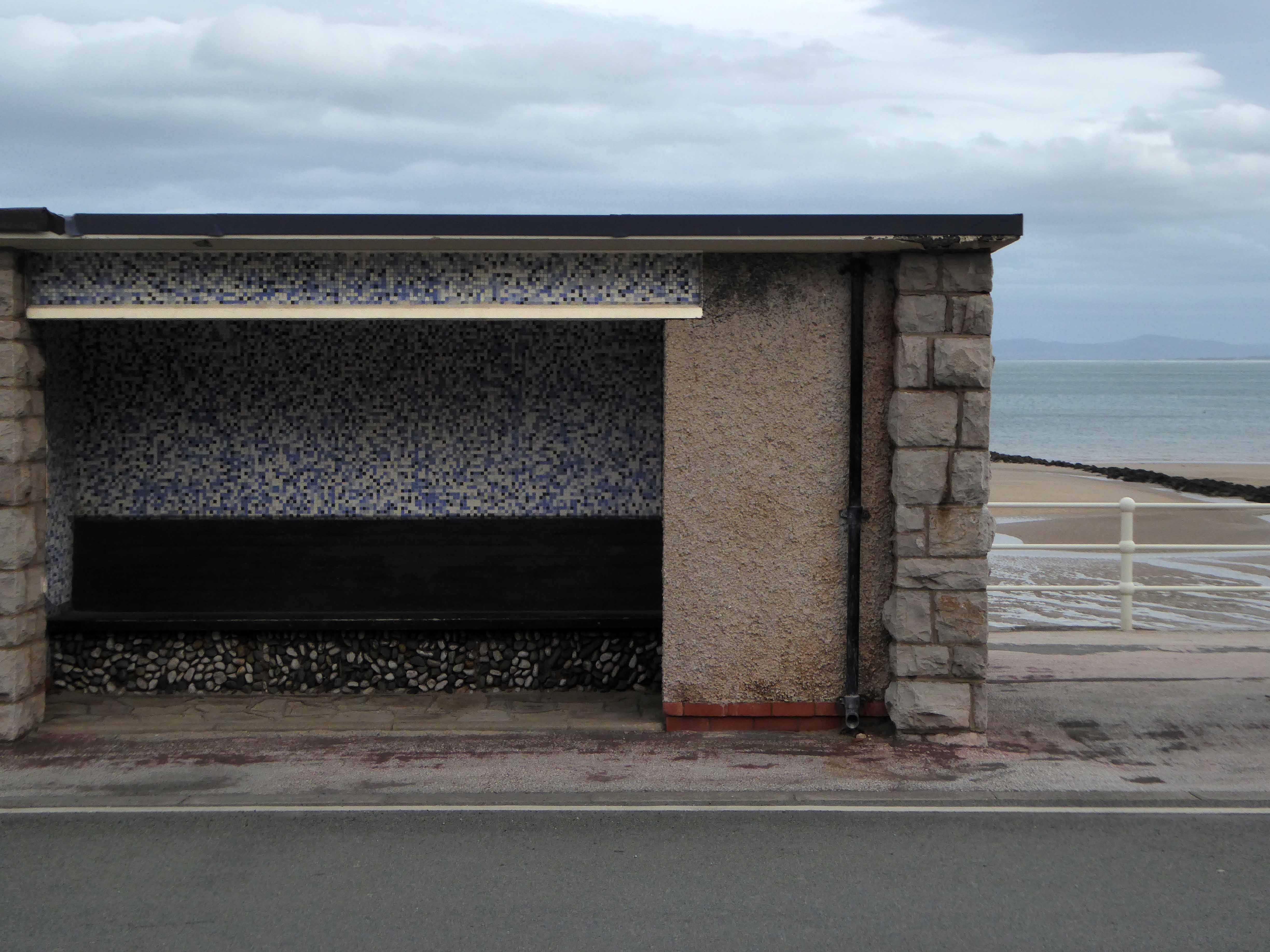
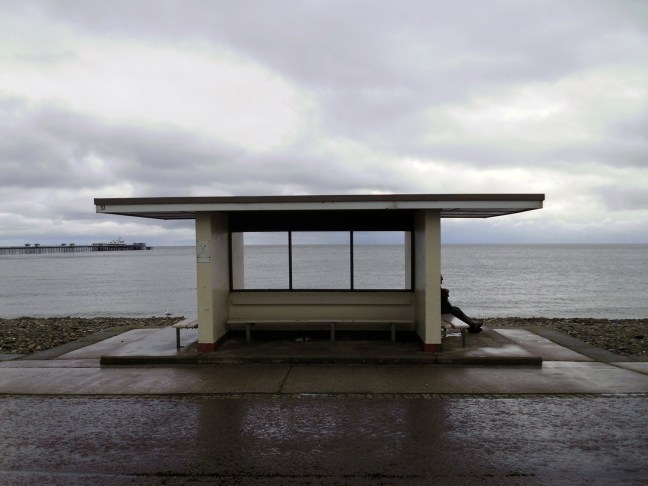
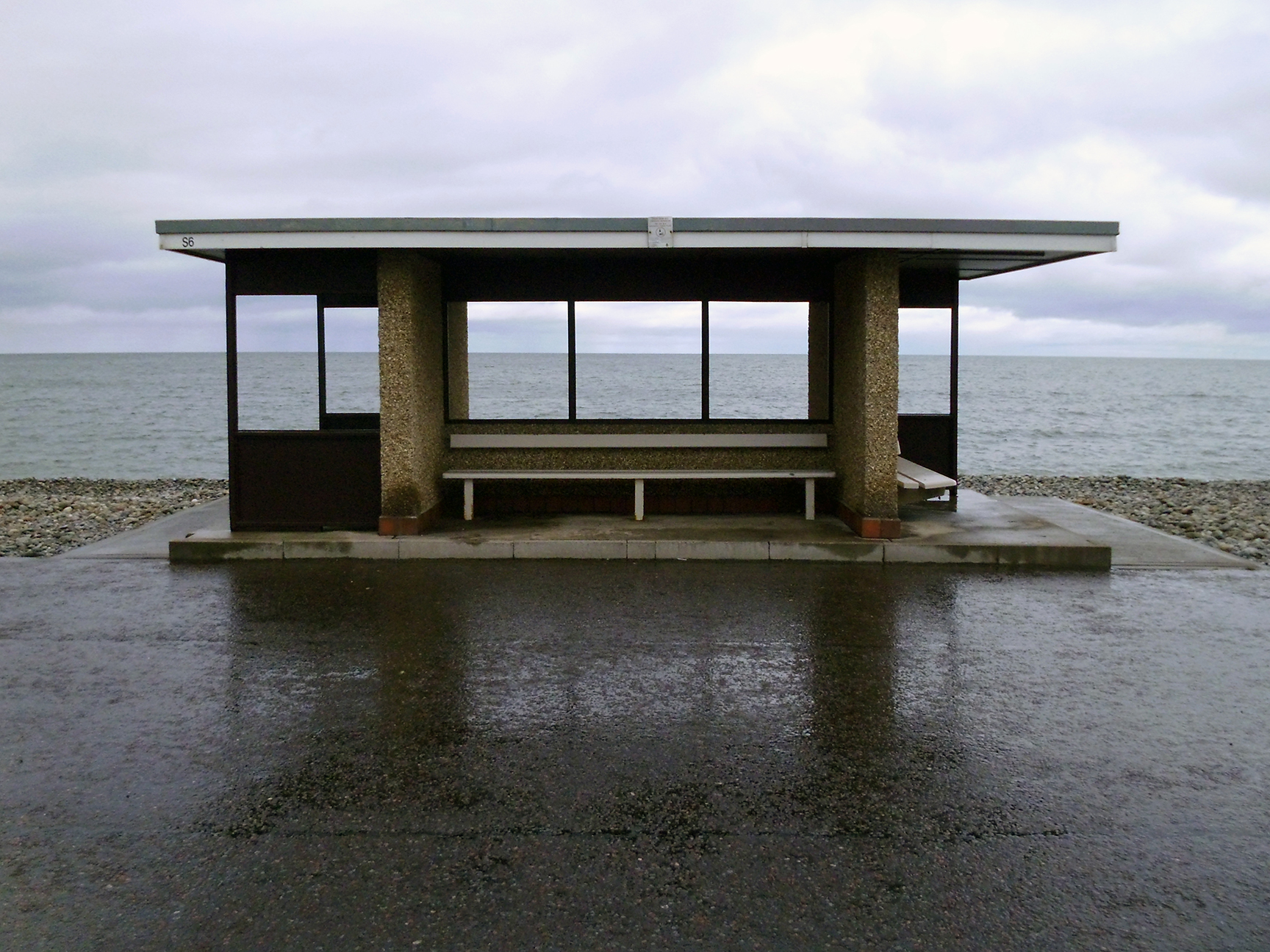
I have previously sought succour in your shady shelters, as unrelenting sheets of steel grey rain peppered the wind whipped Irish sea.

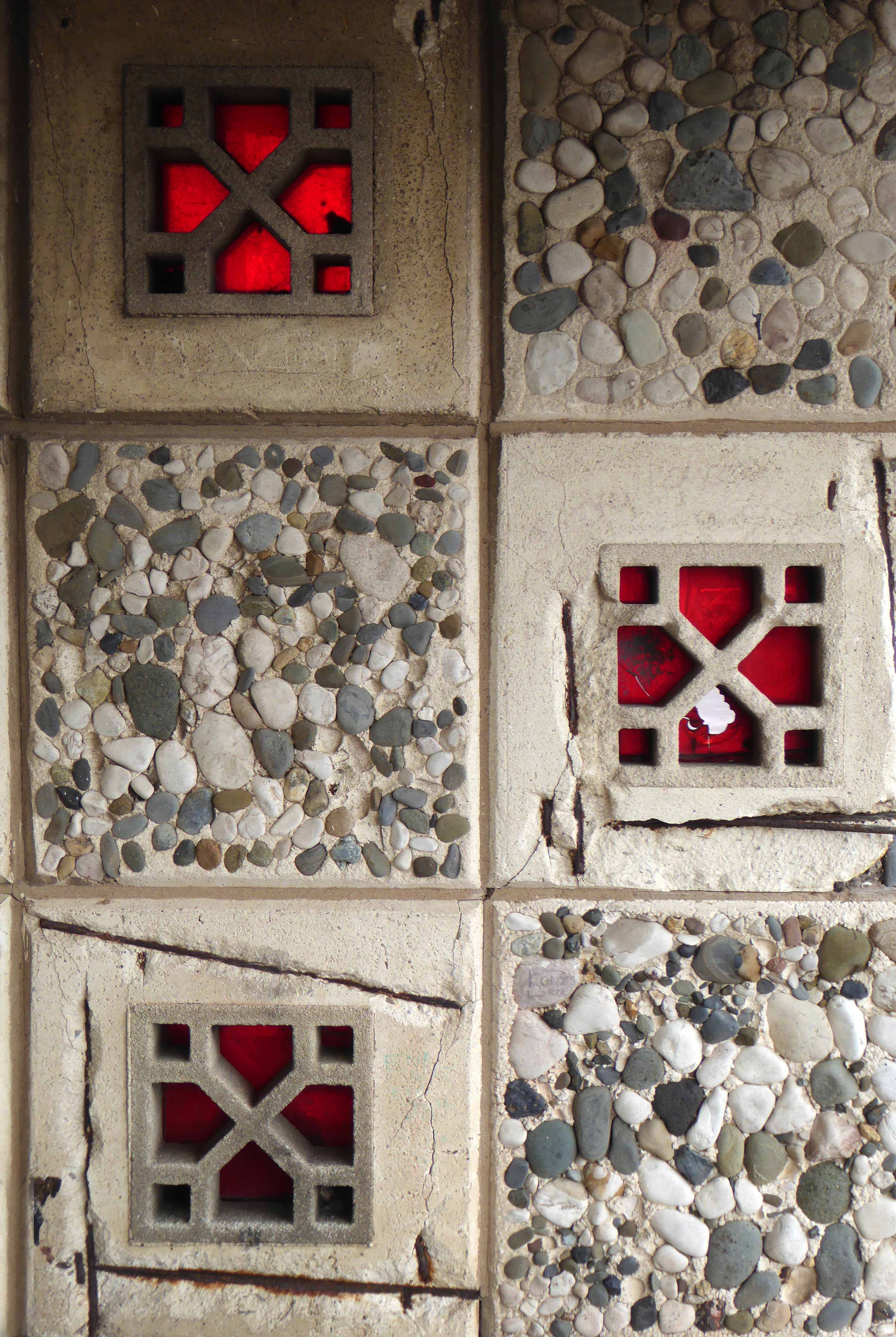
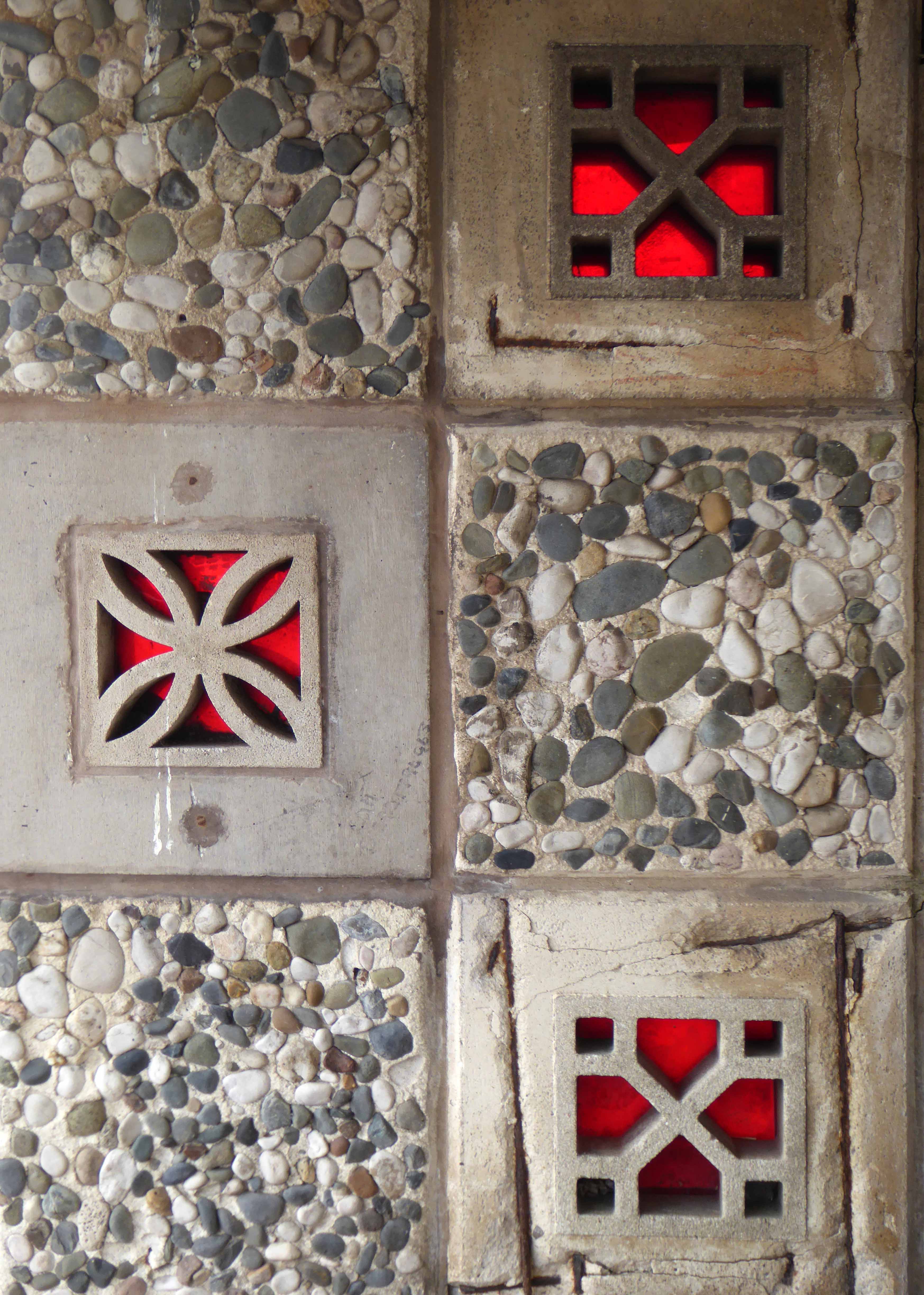
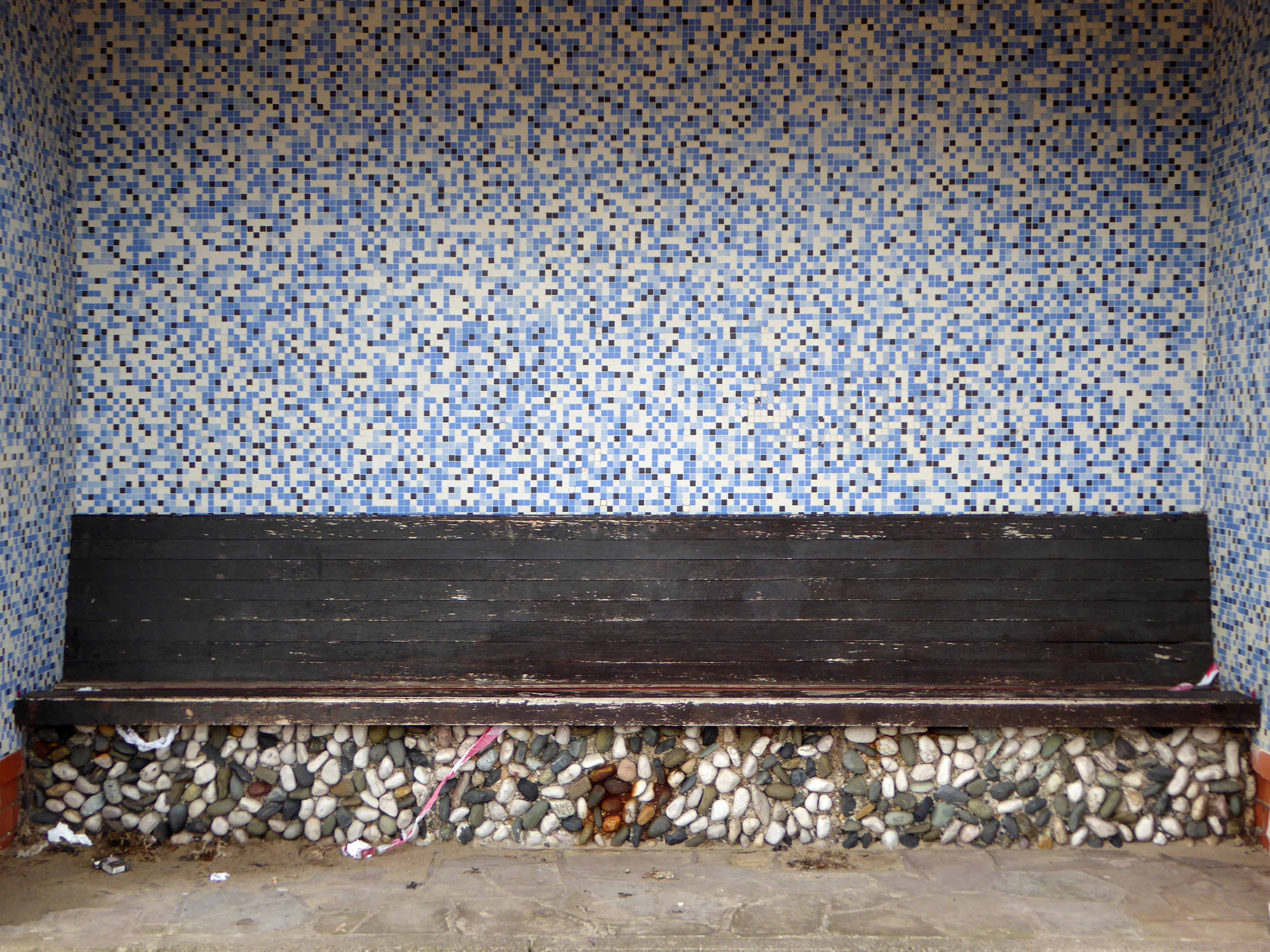
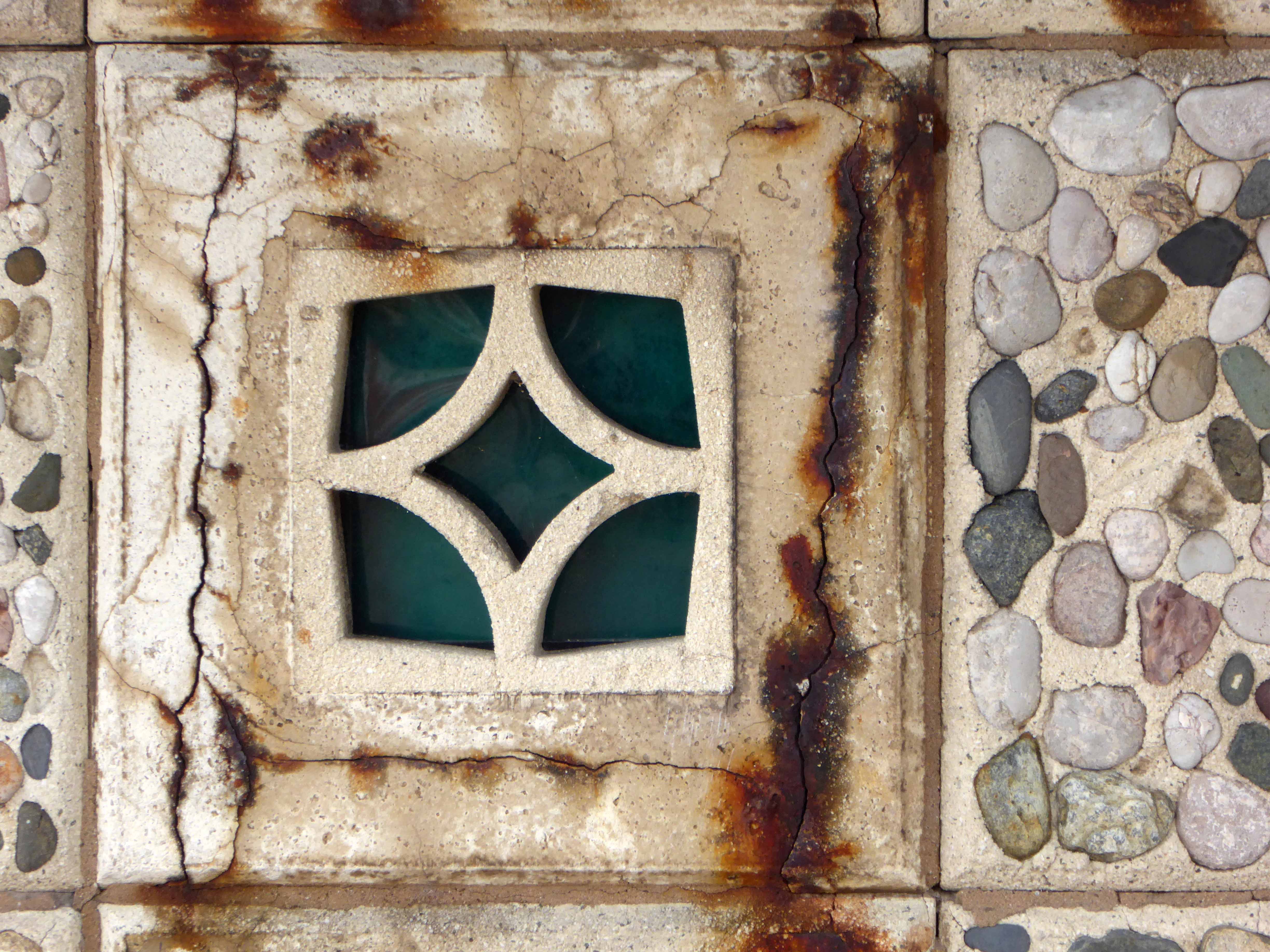
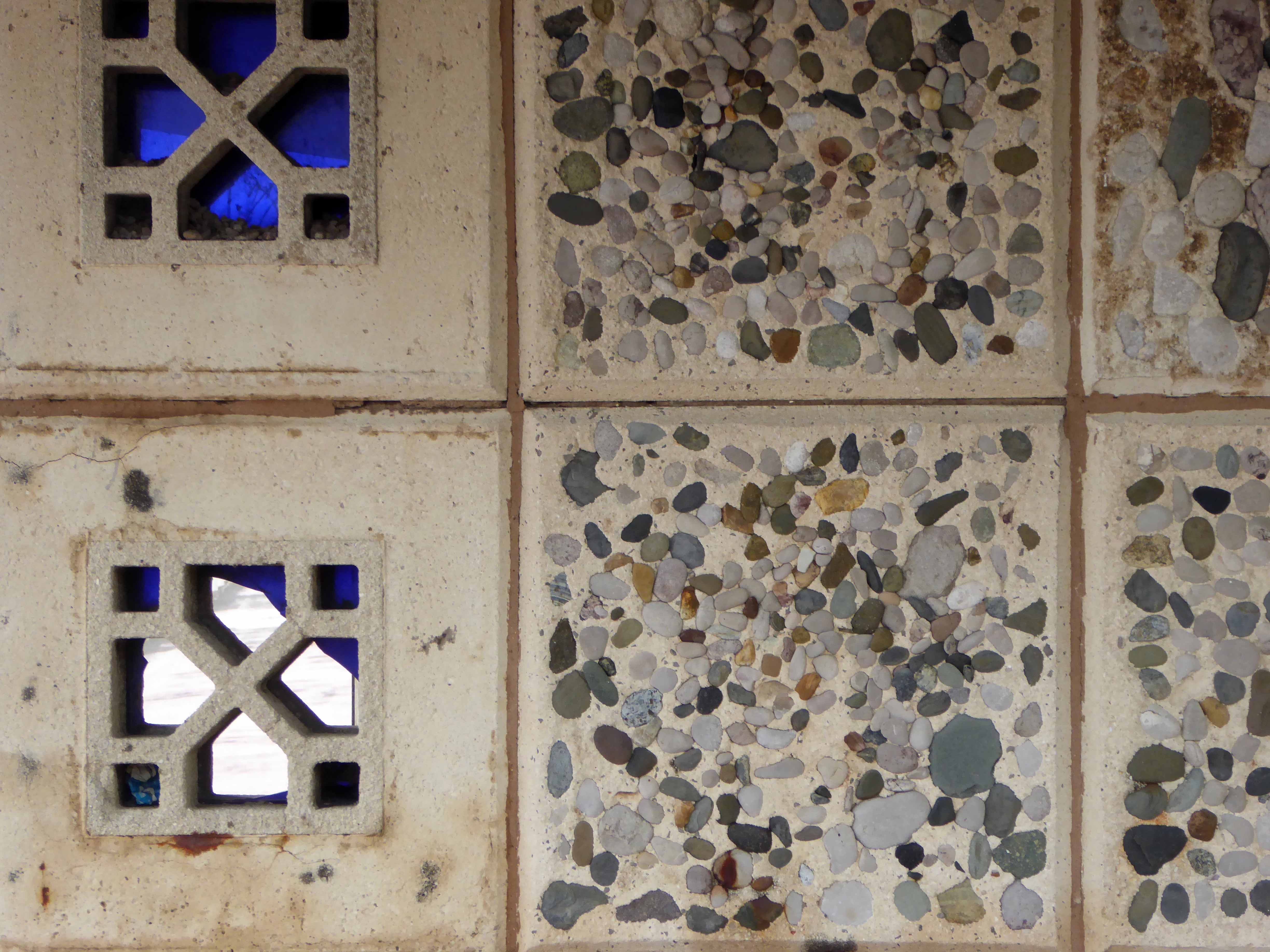
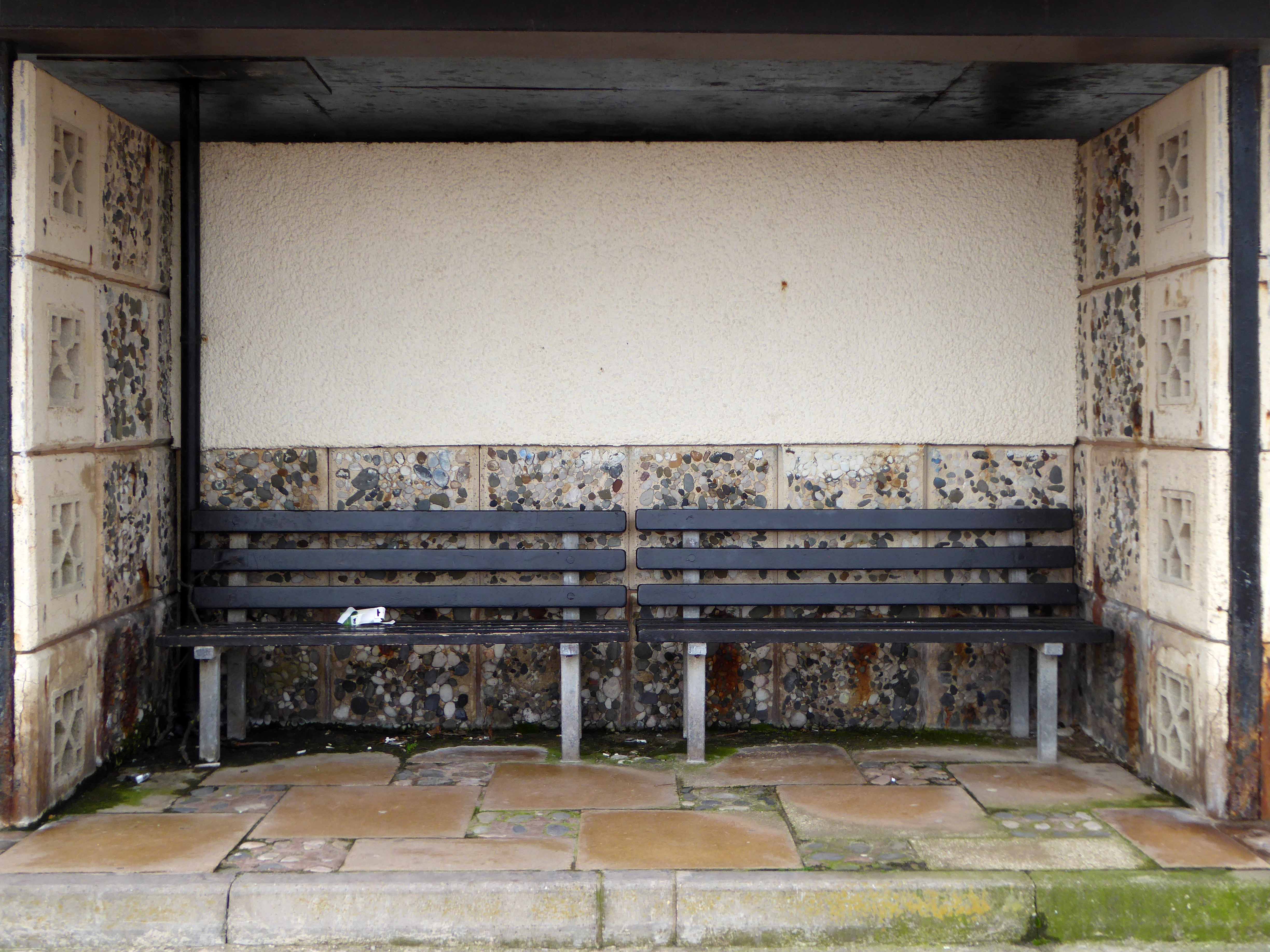
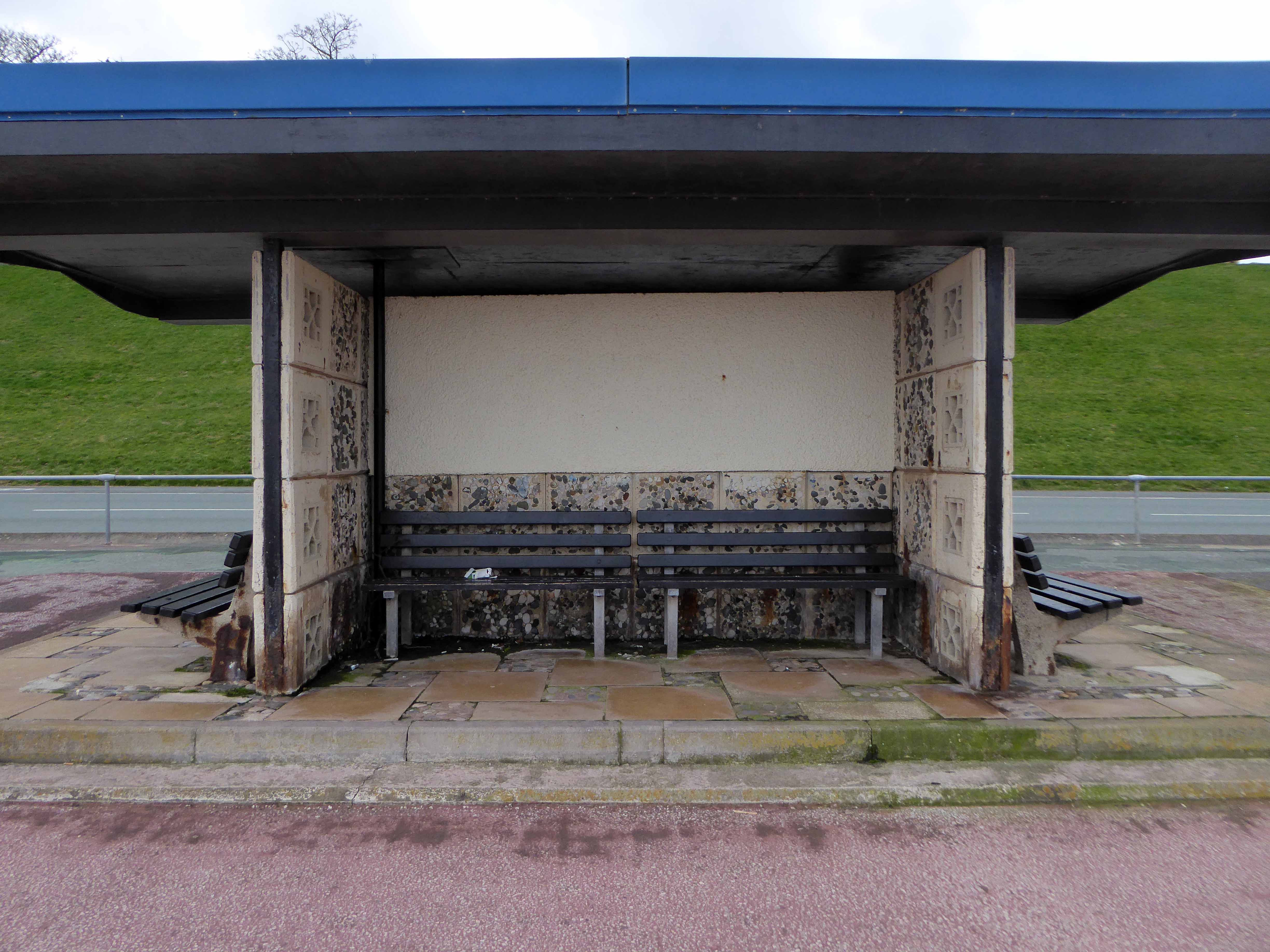
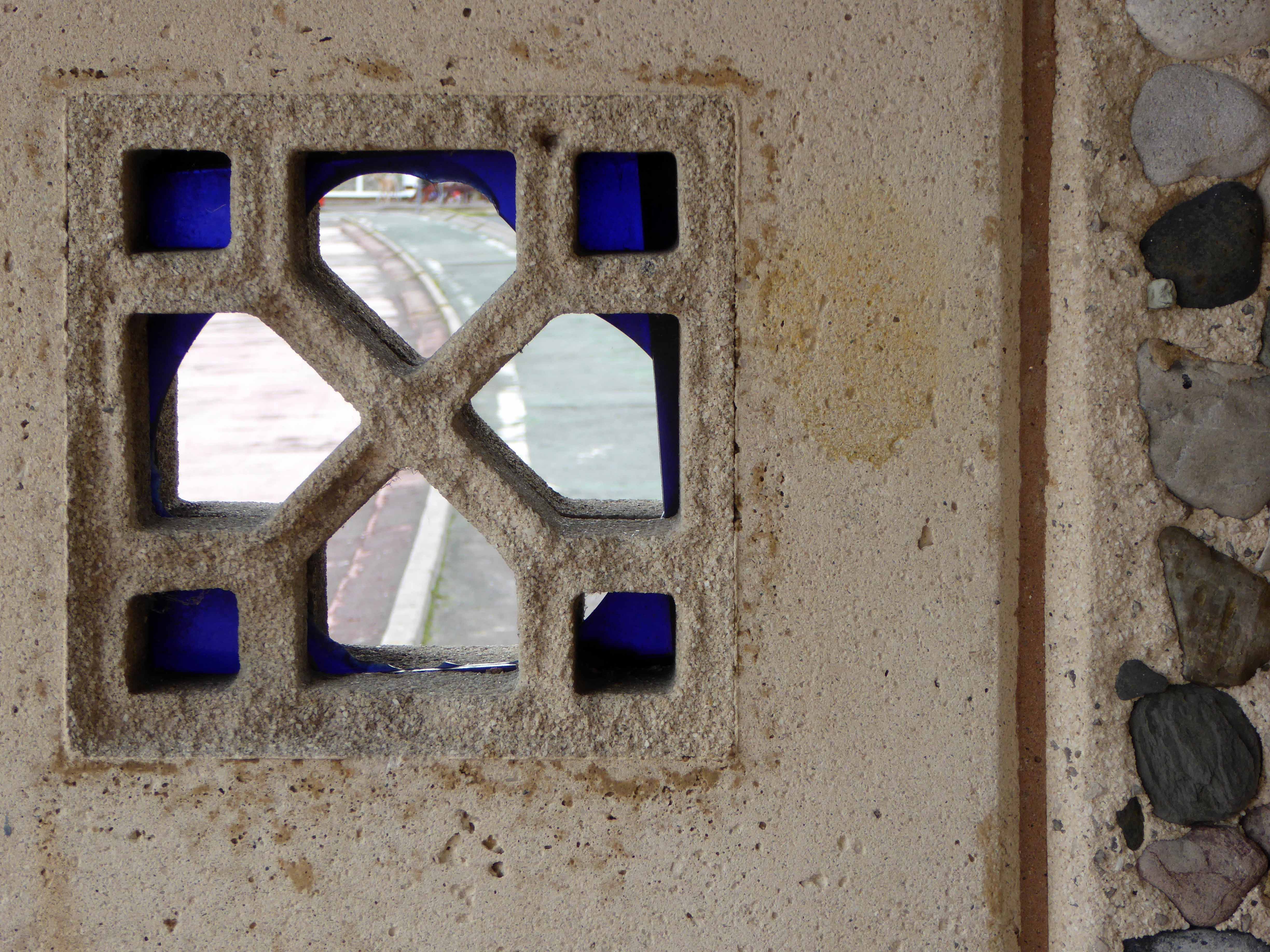
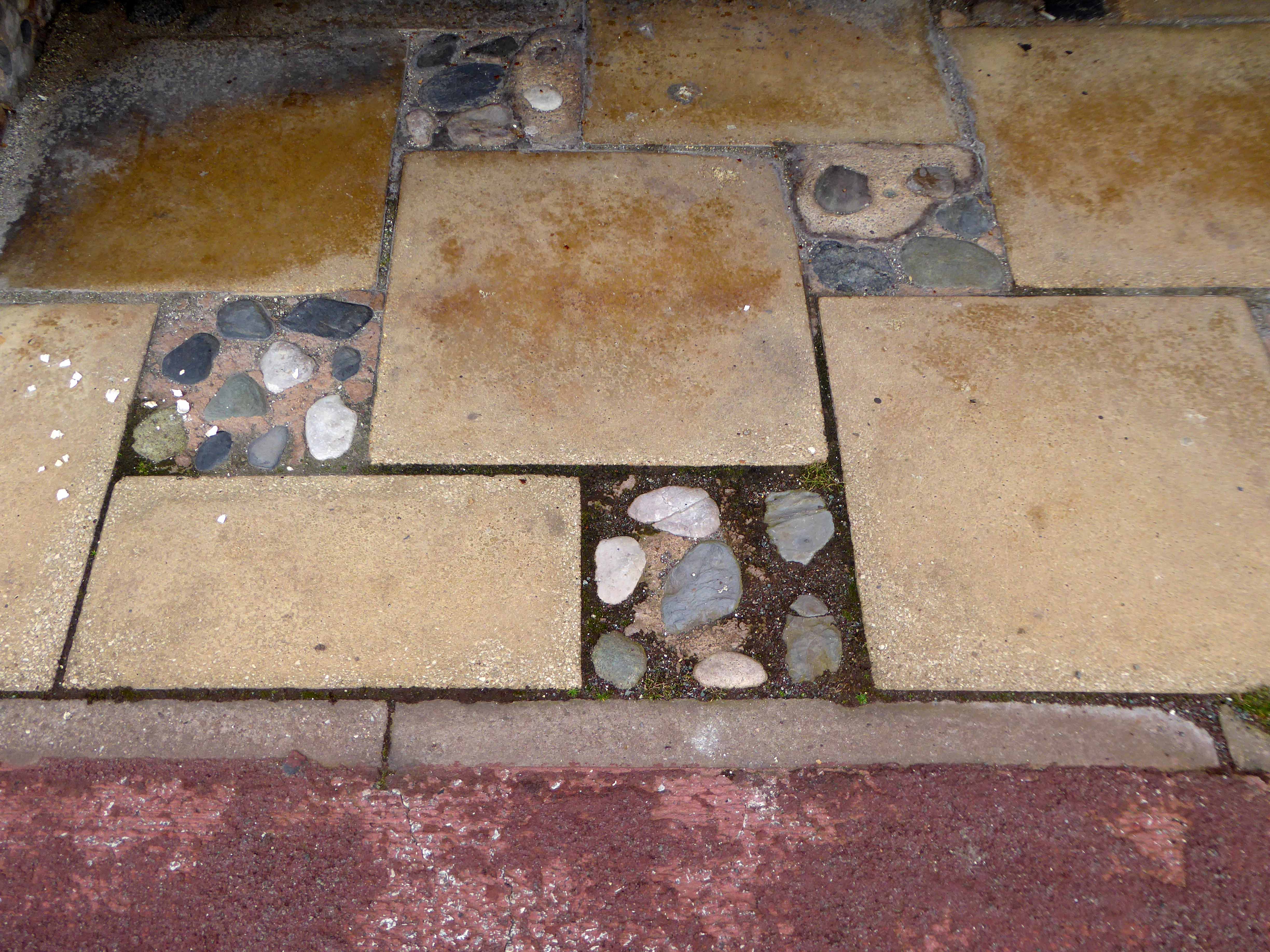
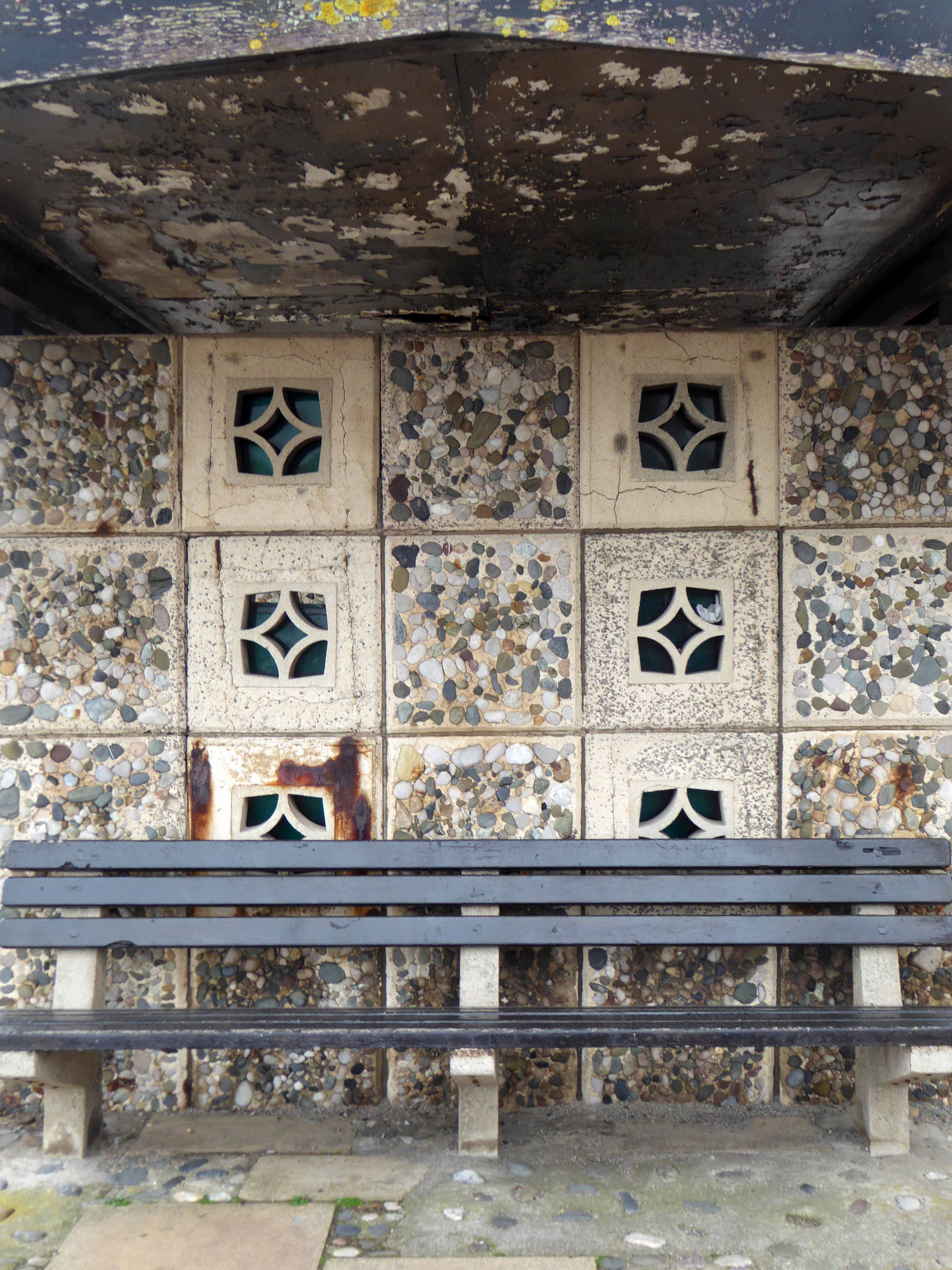
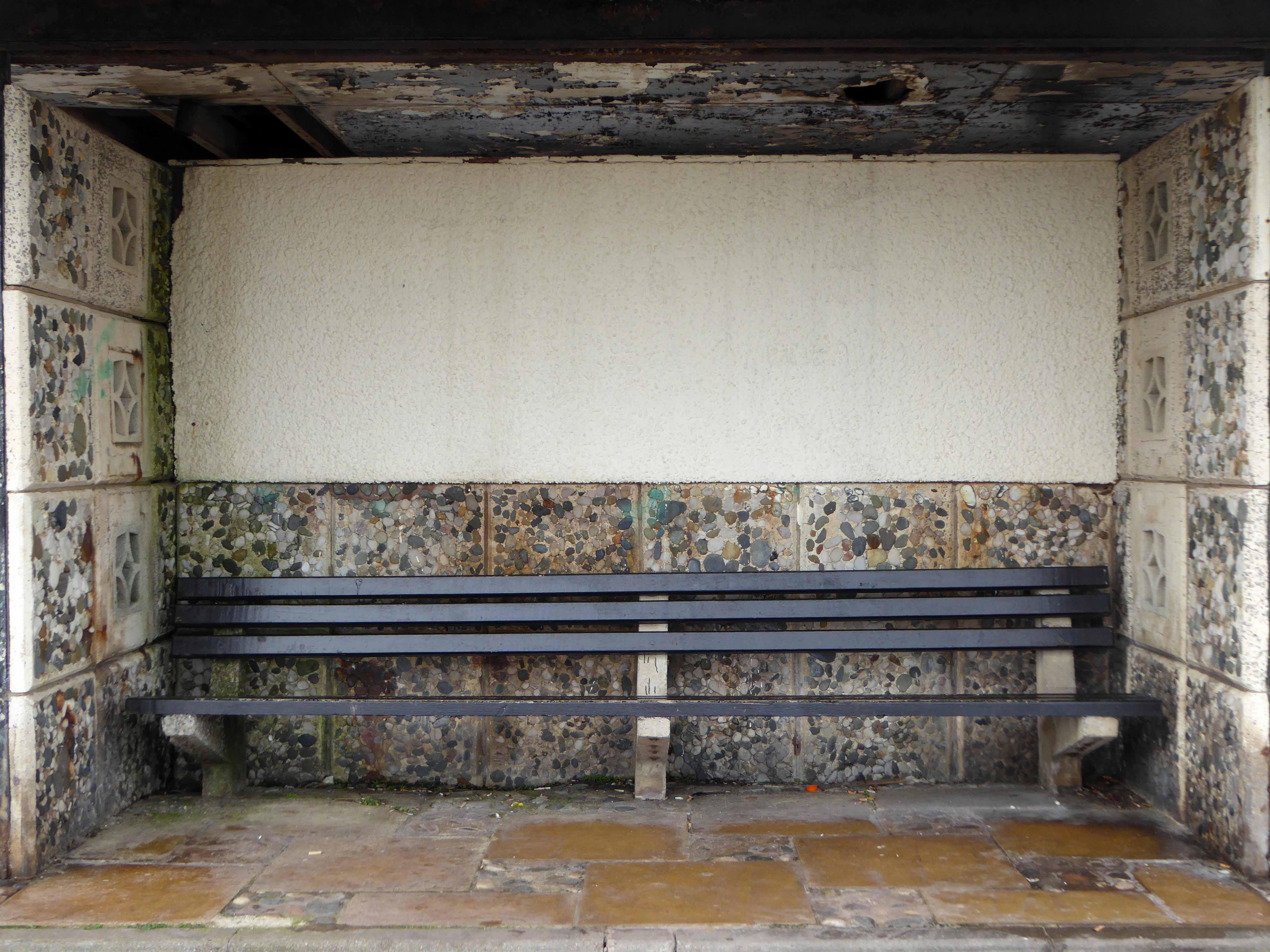
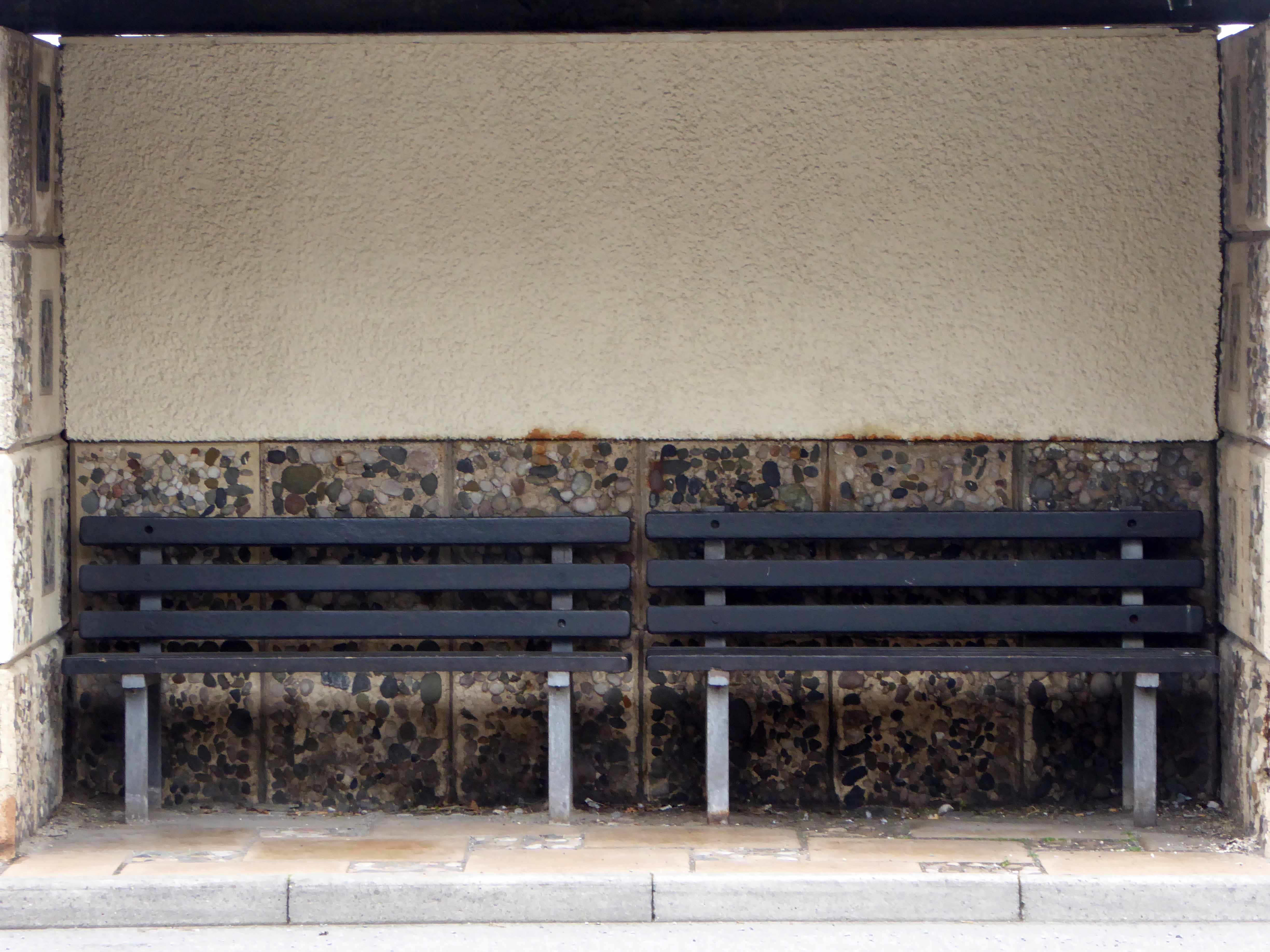
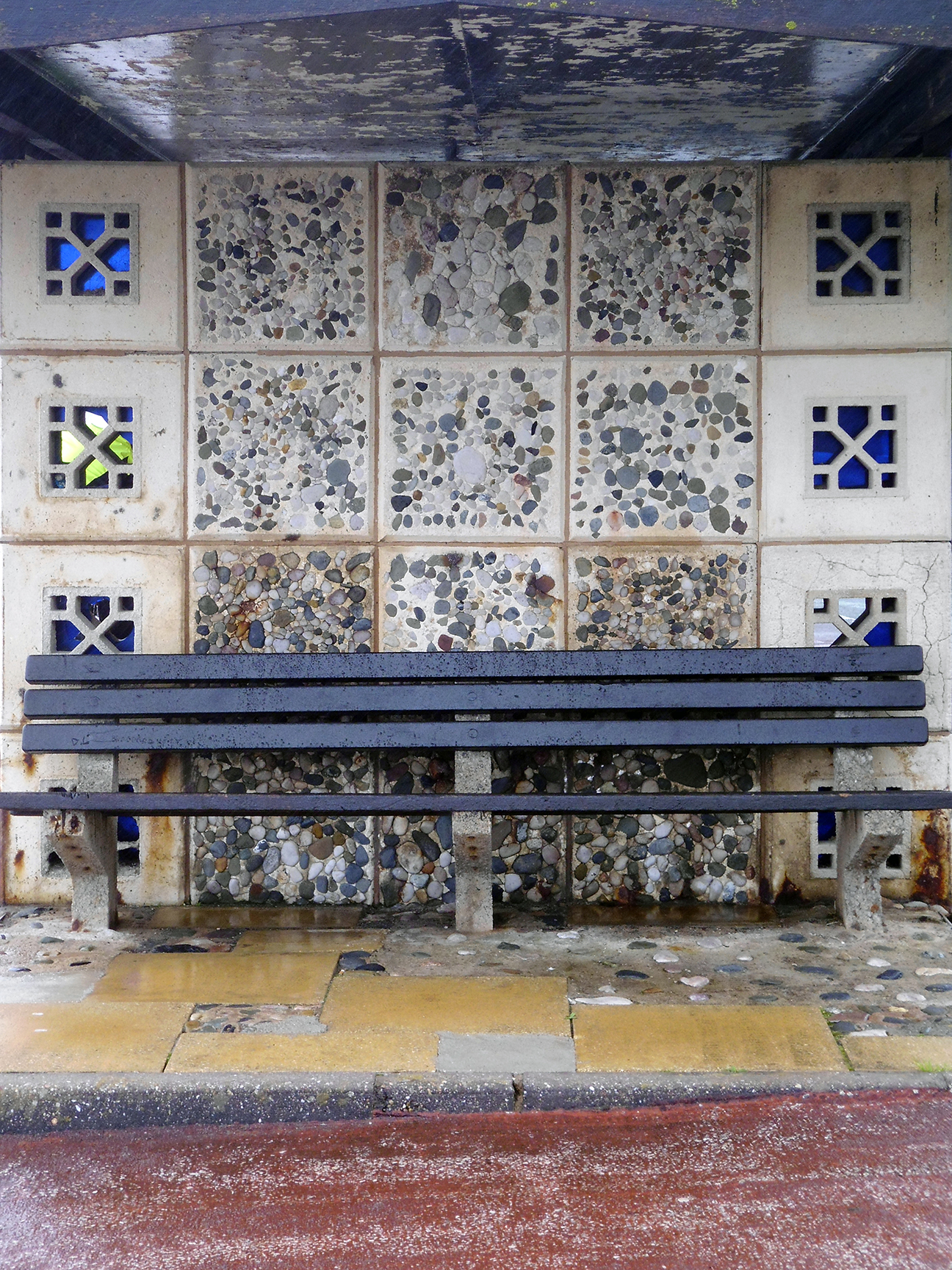
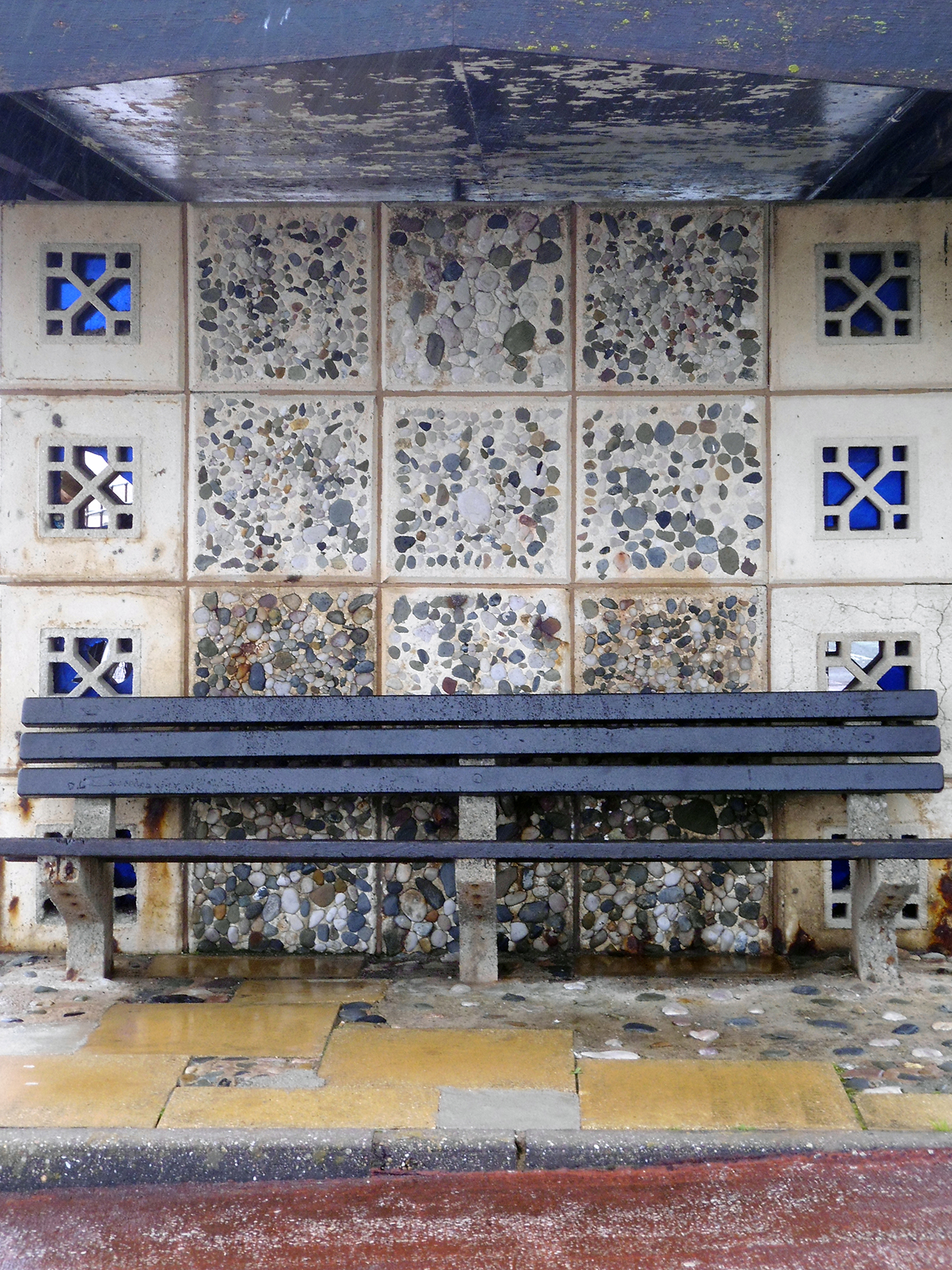
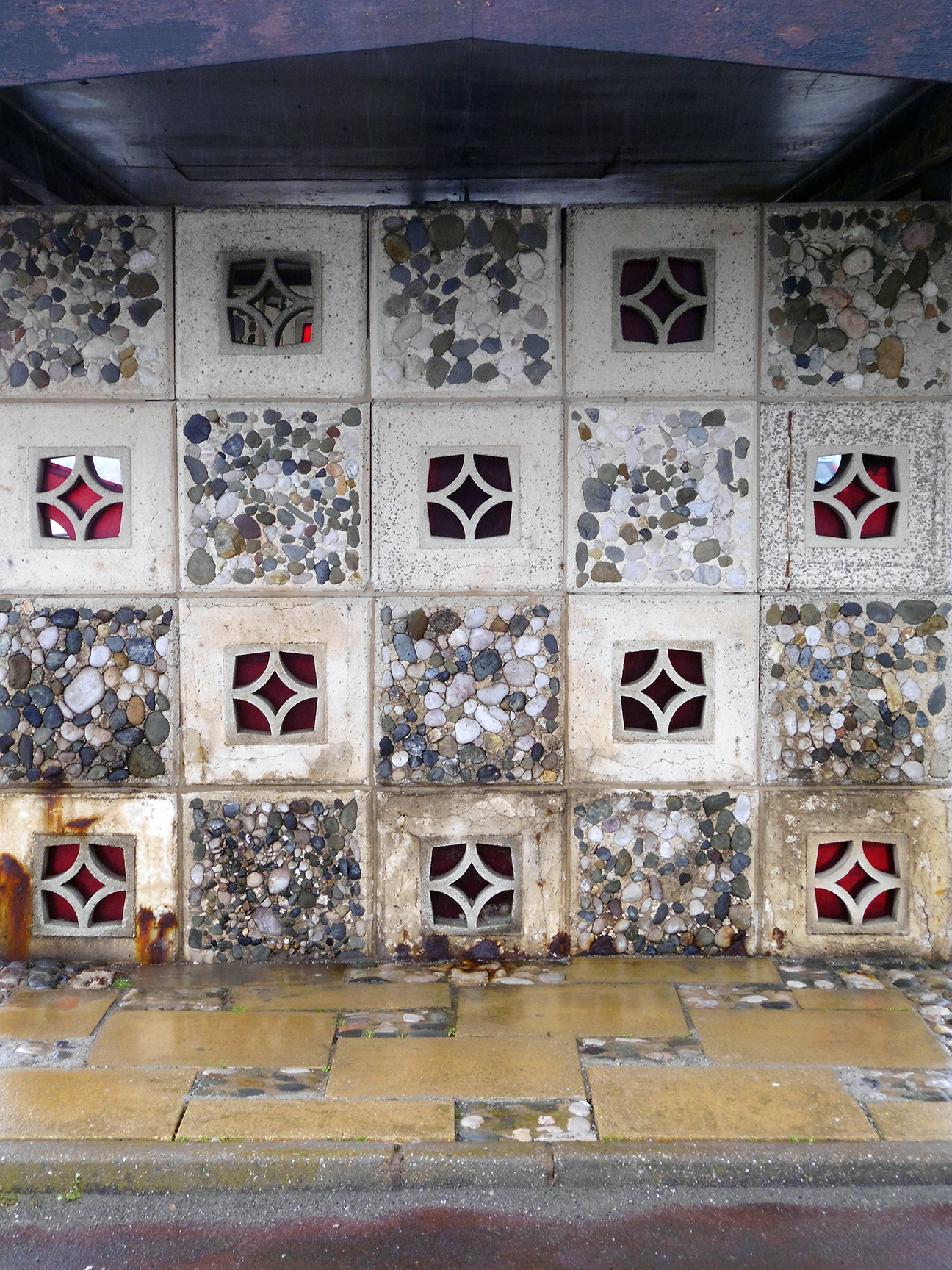
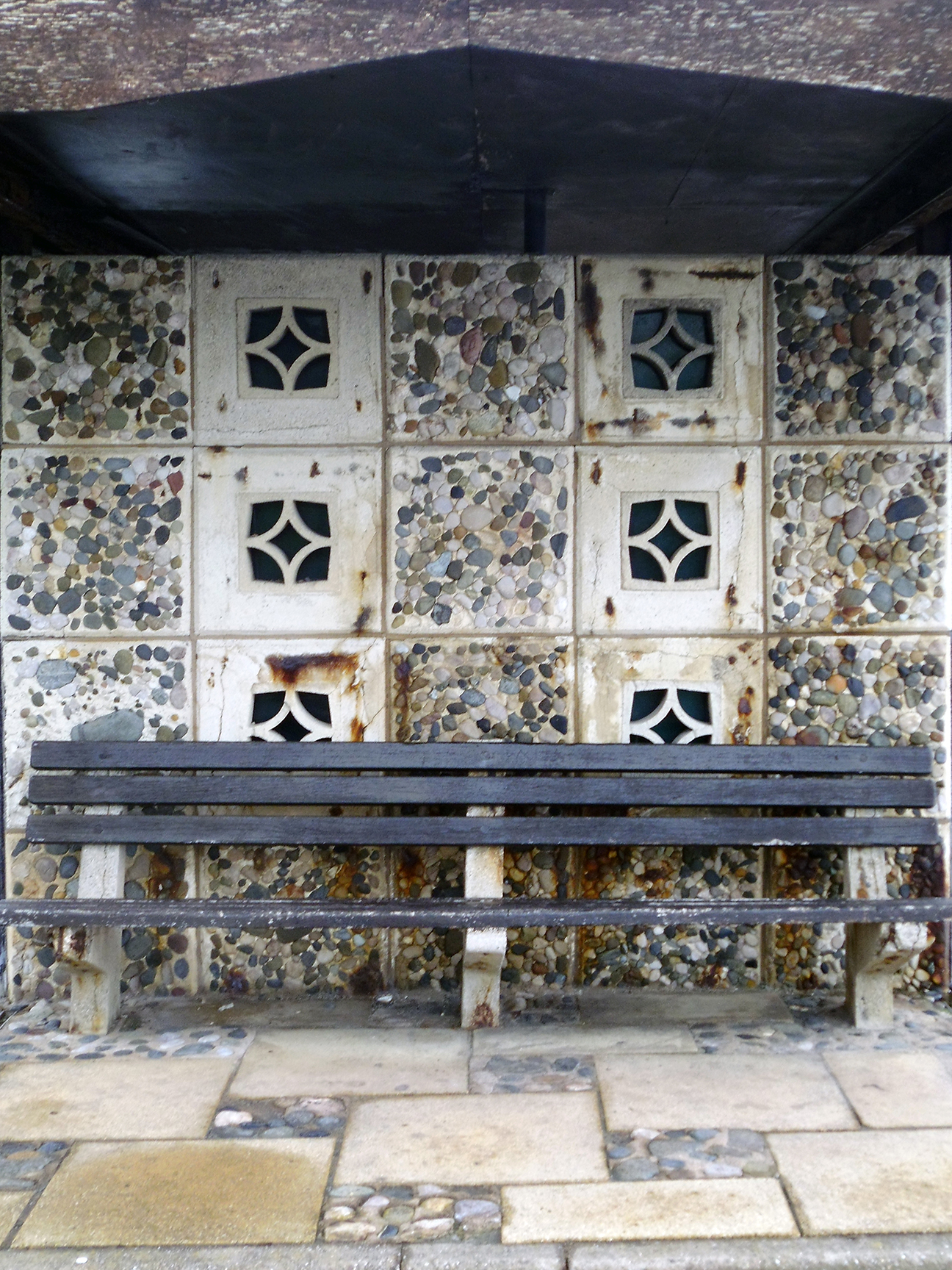
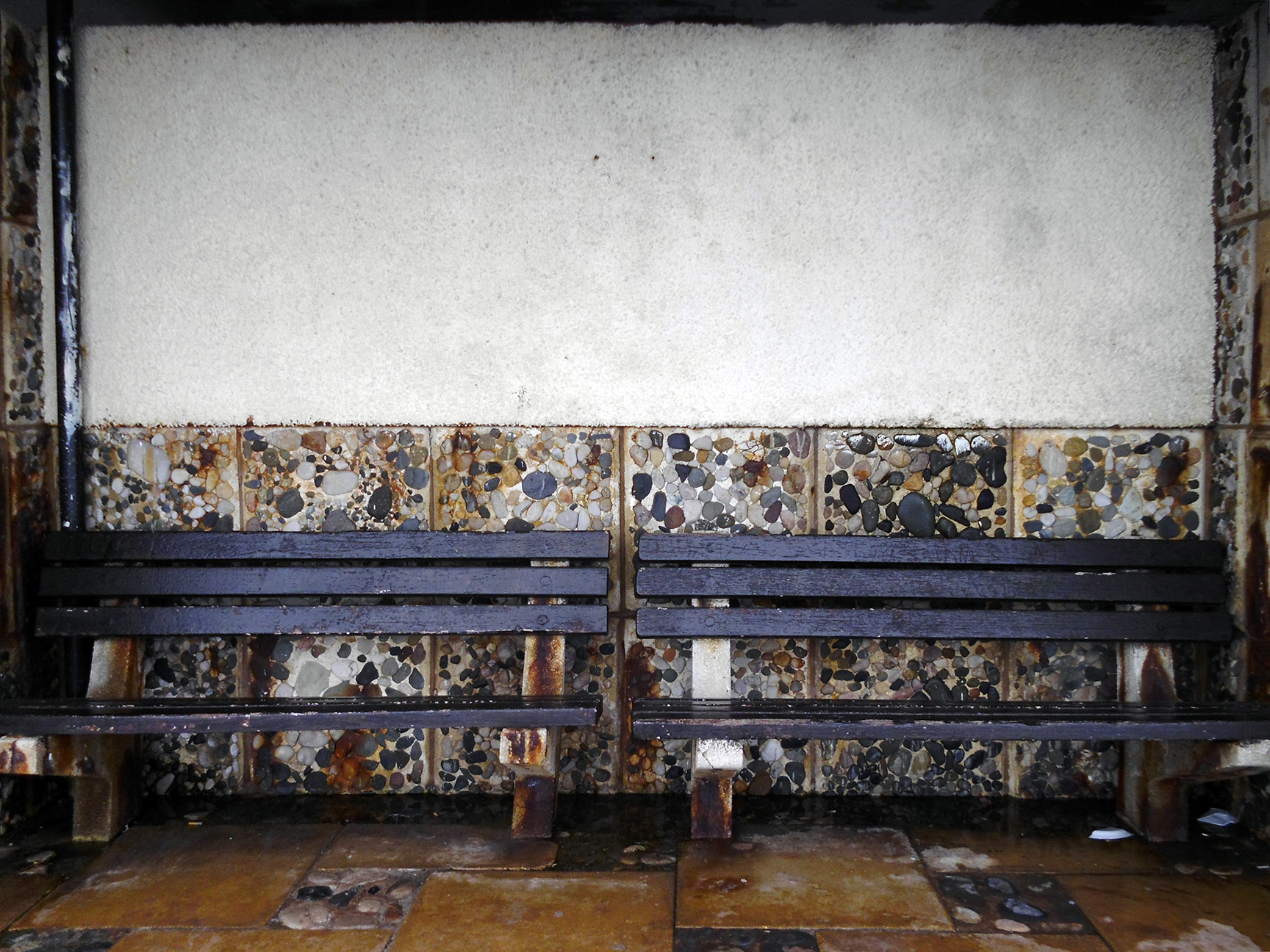
A concrete cornucopia of Californian screen block, glass, pebbledash, mosaic and crazy paving.

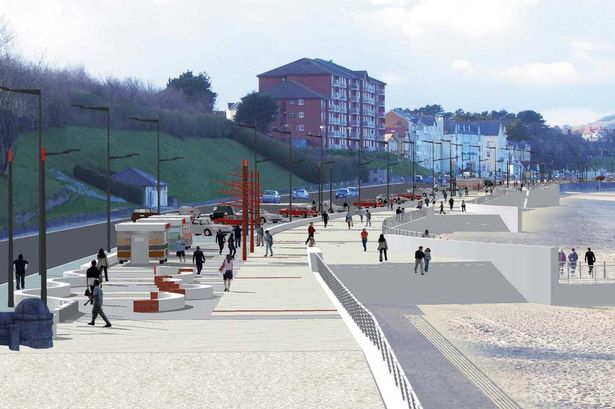
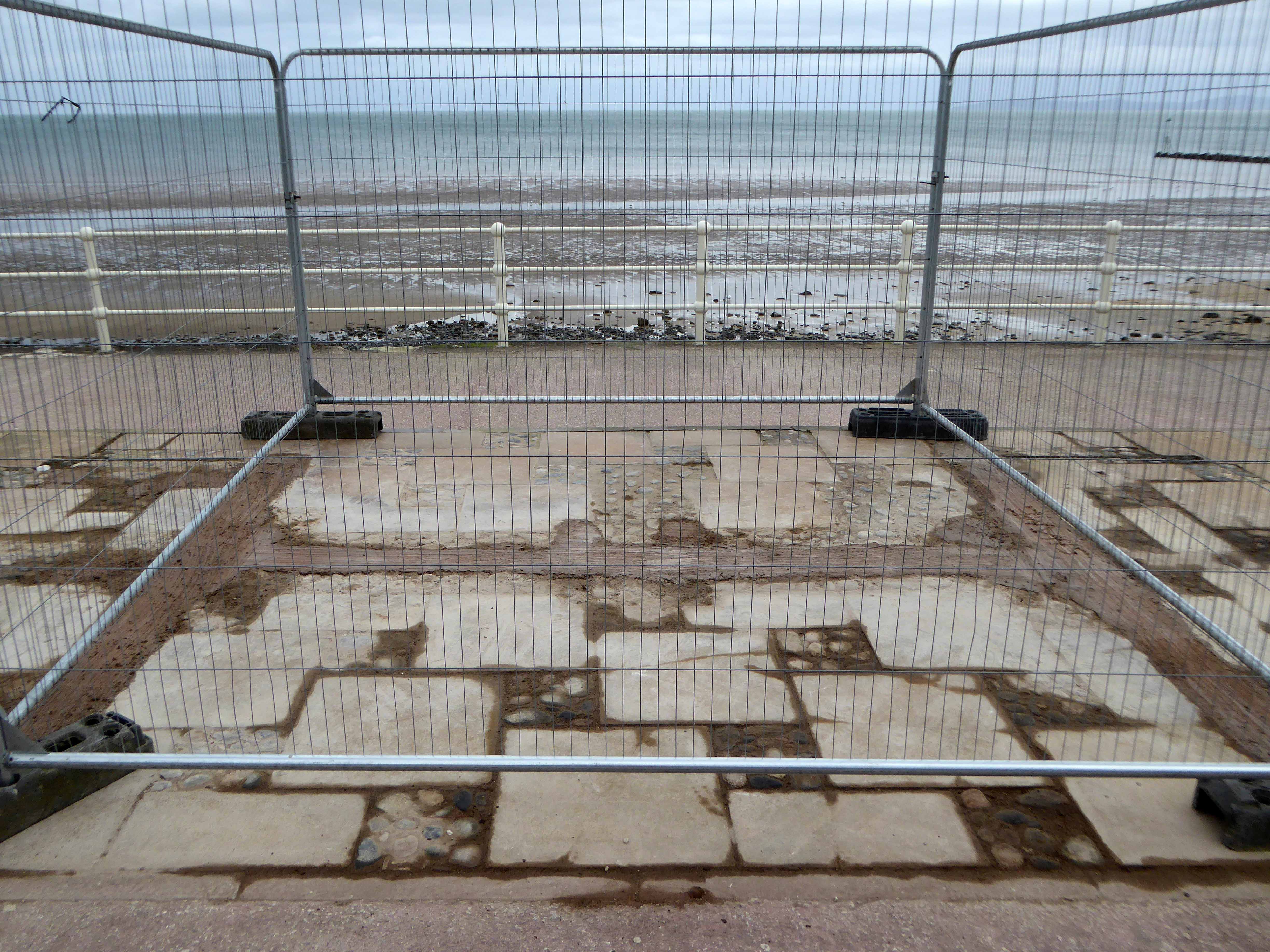
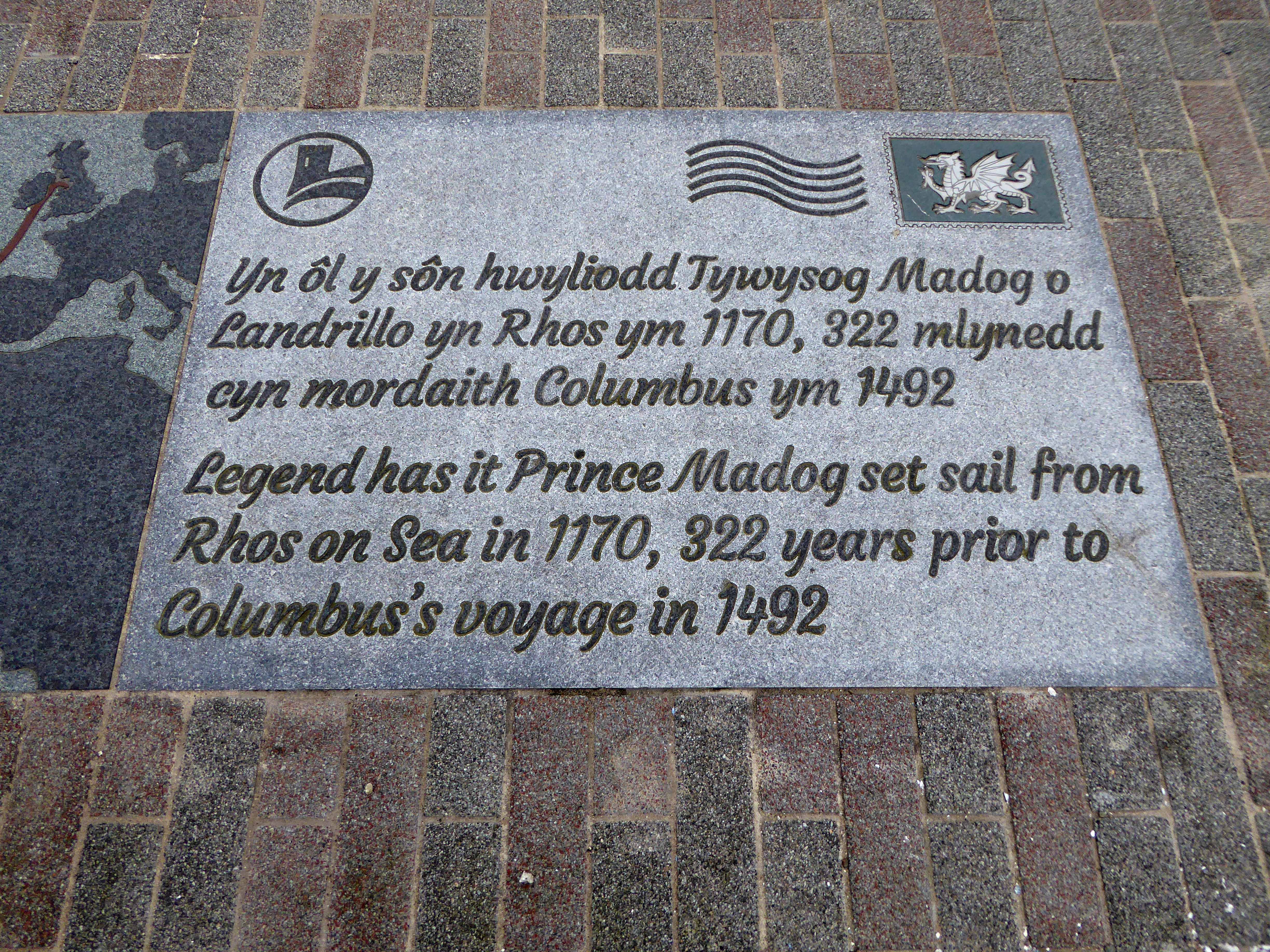
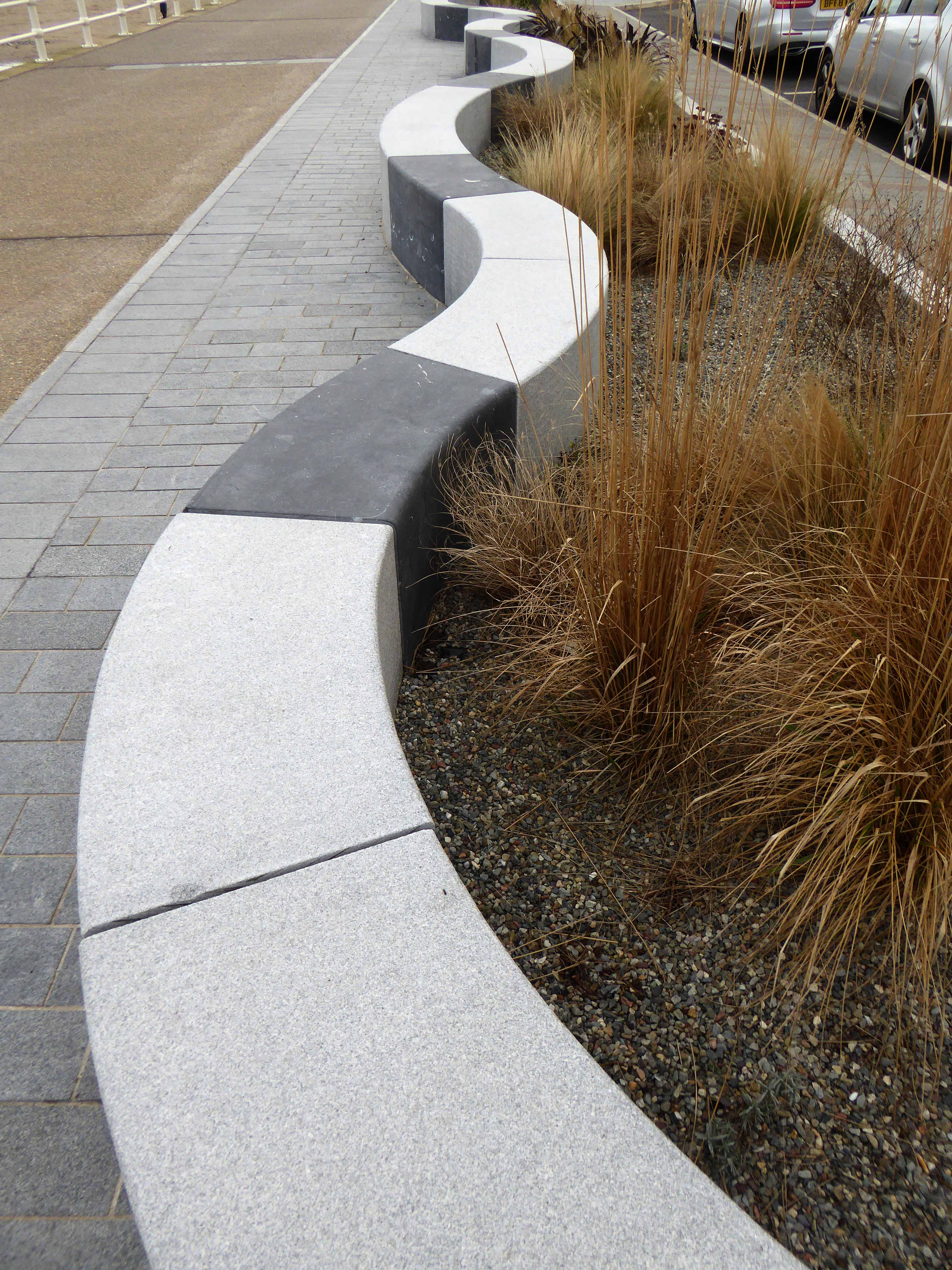
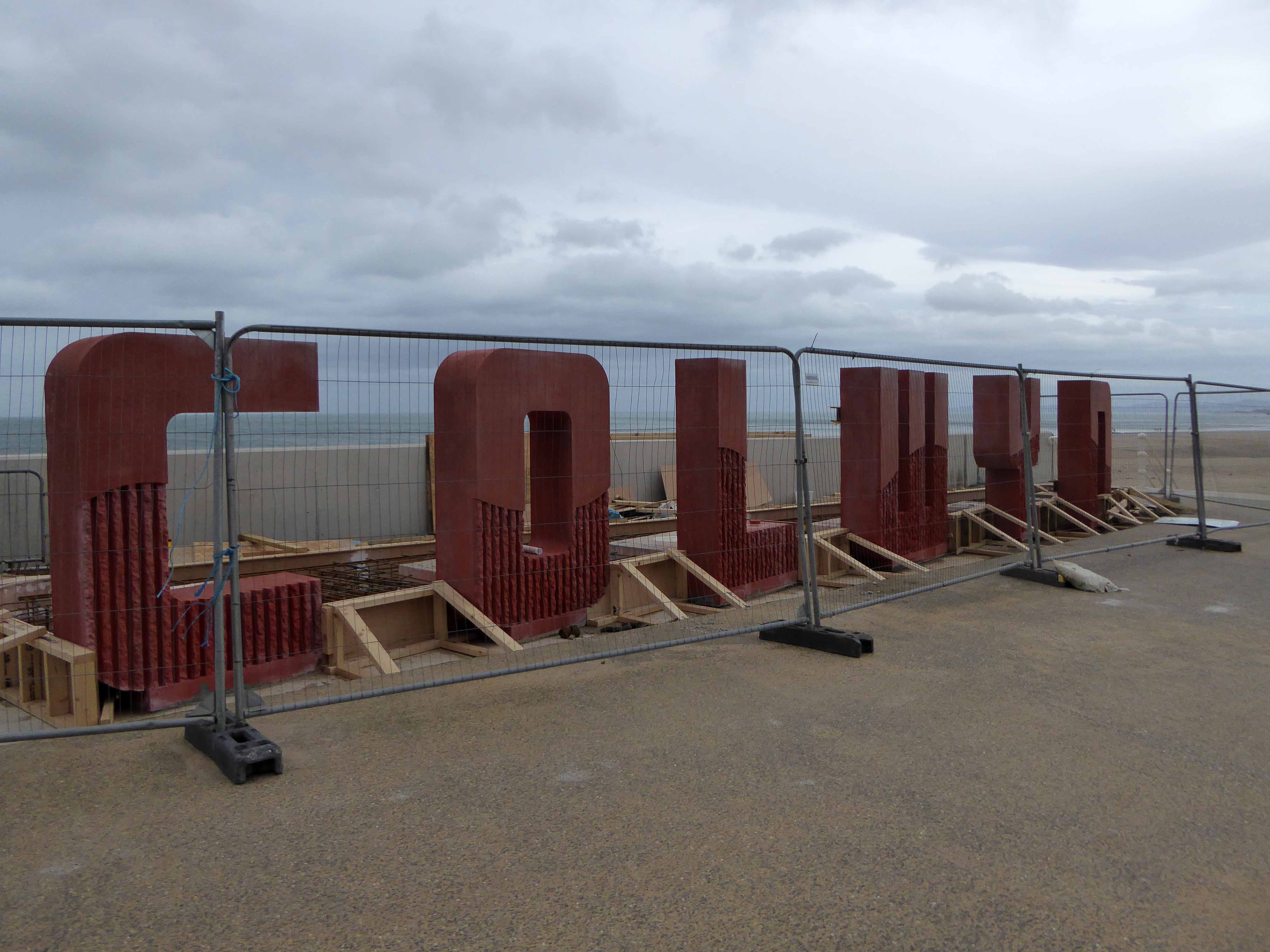
Municipal modernism under threat as the unstoppable force of coastal improvement lumbers on, a pantechnicon of shiny surfaces, sensitive planting, contemporary seating and laser-cut, contextually appropriate historical panels.

As Hardscape introduces a wholesome dose of CGI style medicine to the promenade

I for one will miss you all when you’re gone.

Next time I pass all this will seem as a dream, a tale told by a fool full of sand and fury signifying nothing.

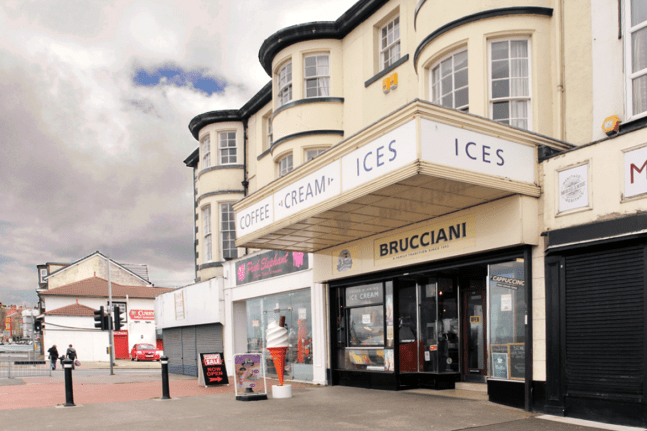
Brucciani’s – Morecambe

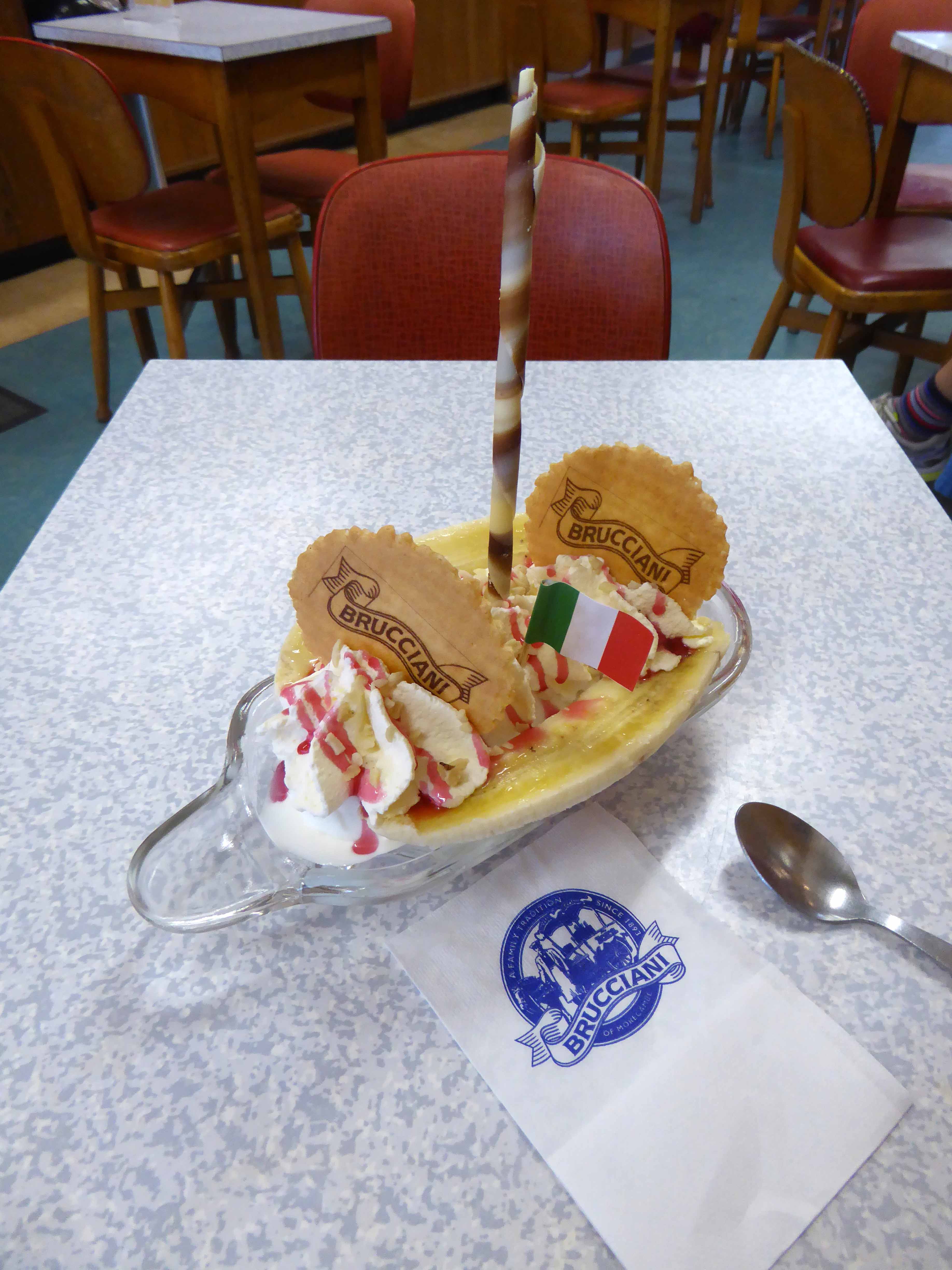
Brucciani – 217 Marine Rd Central, Morecambe LA4 4BU217

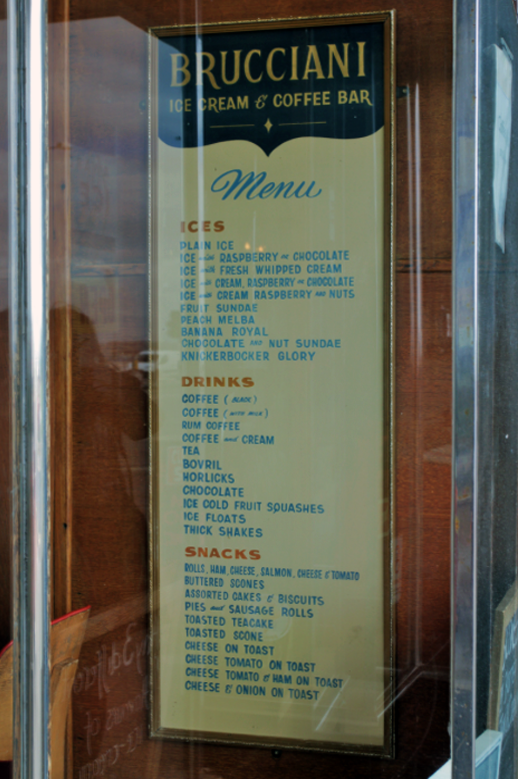
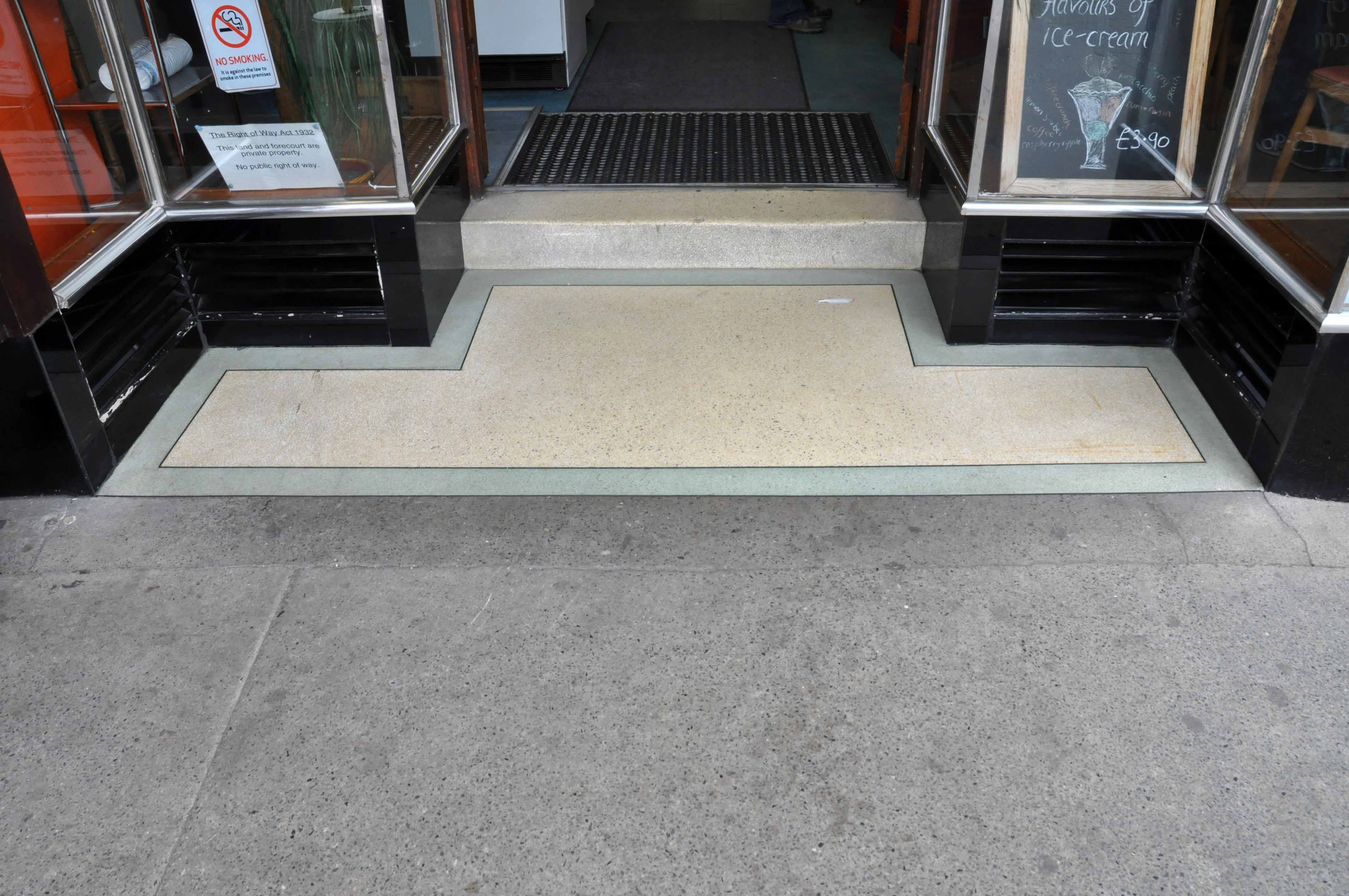
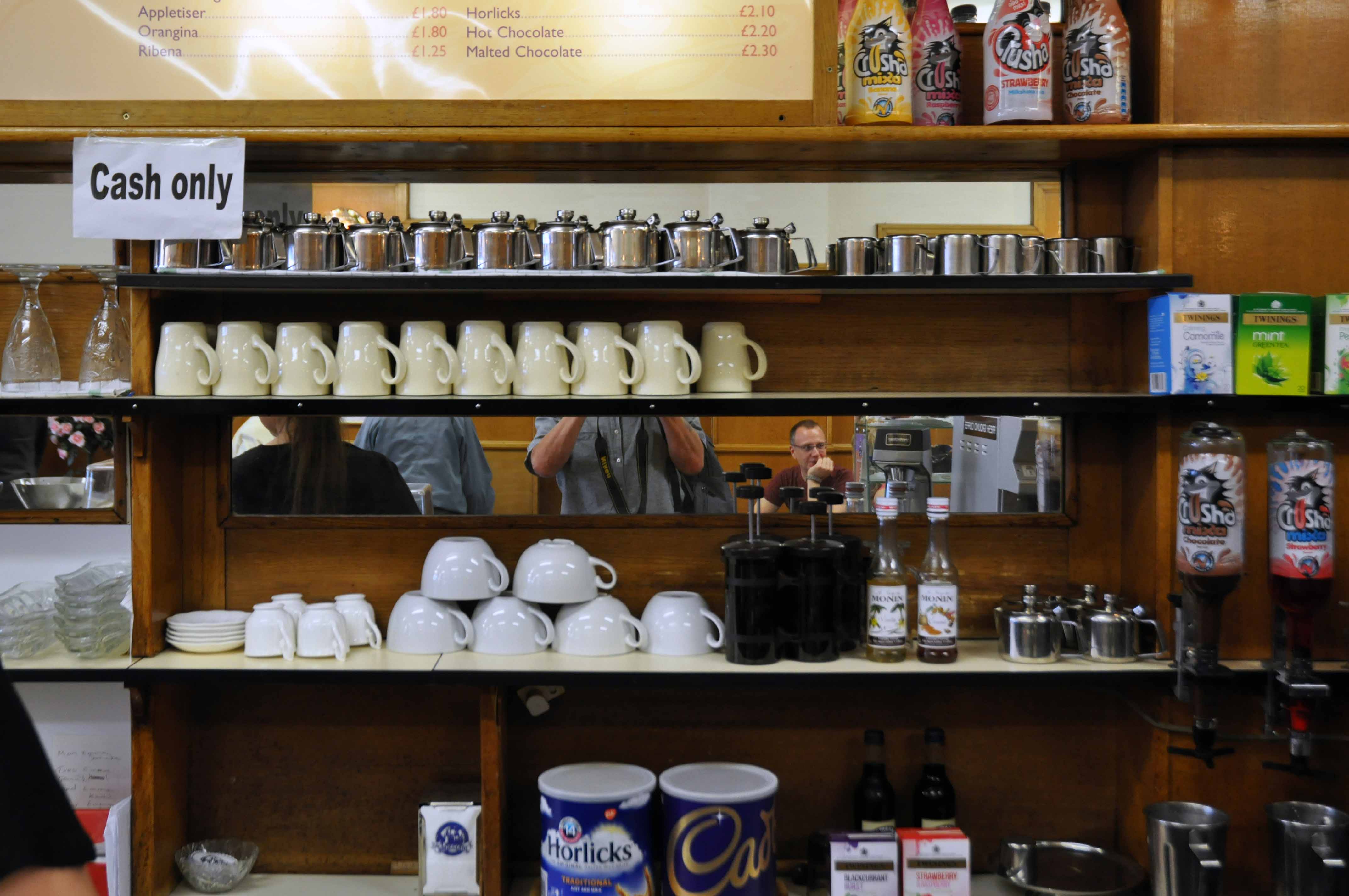
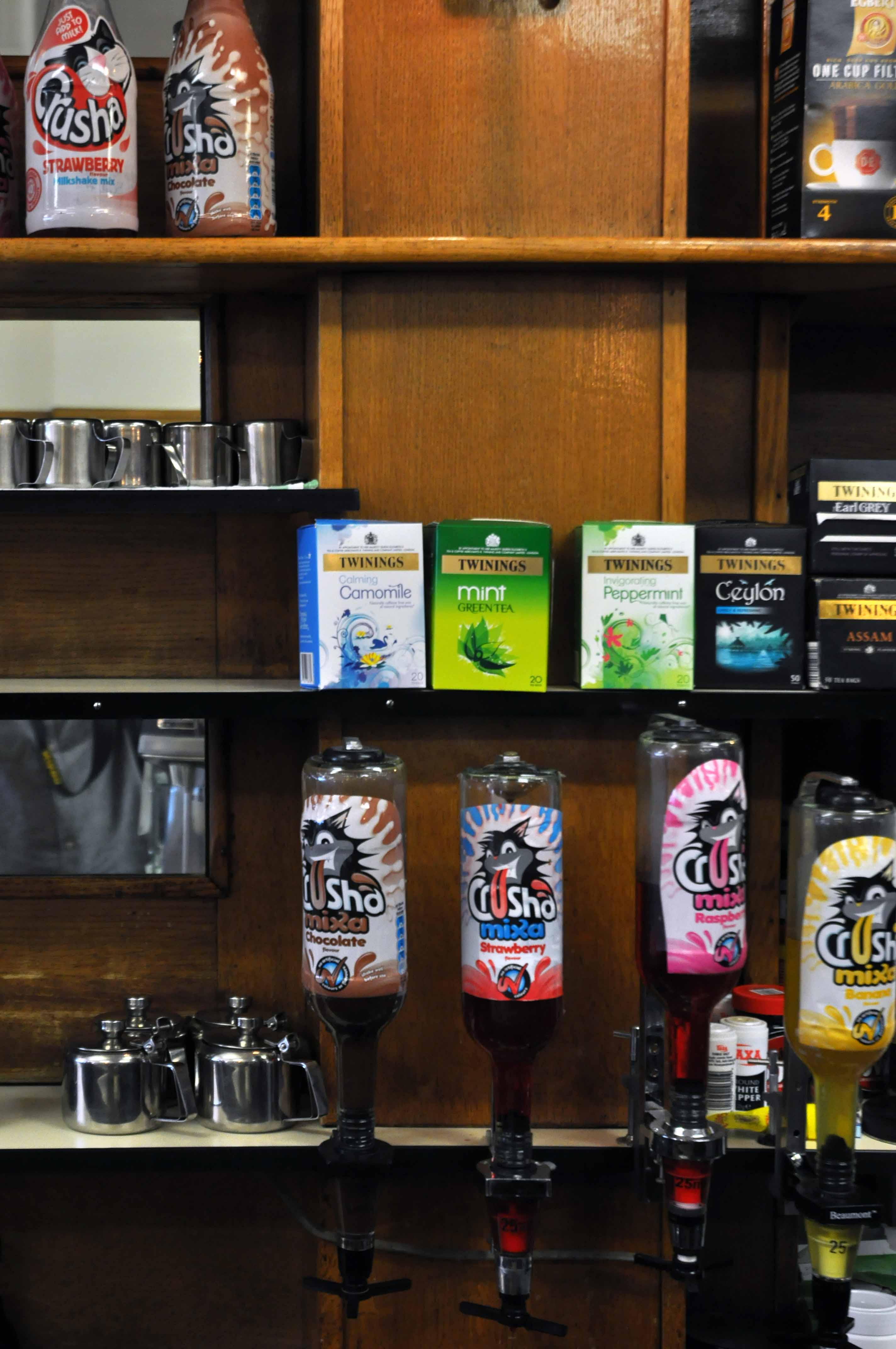
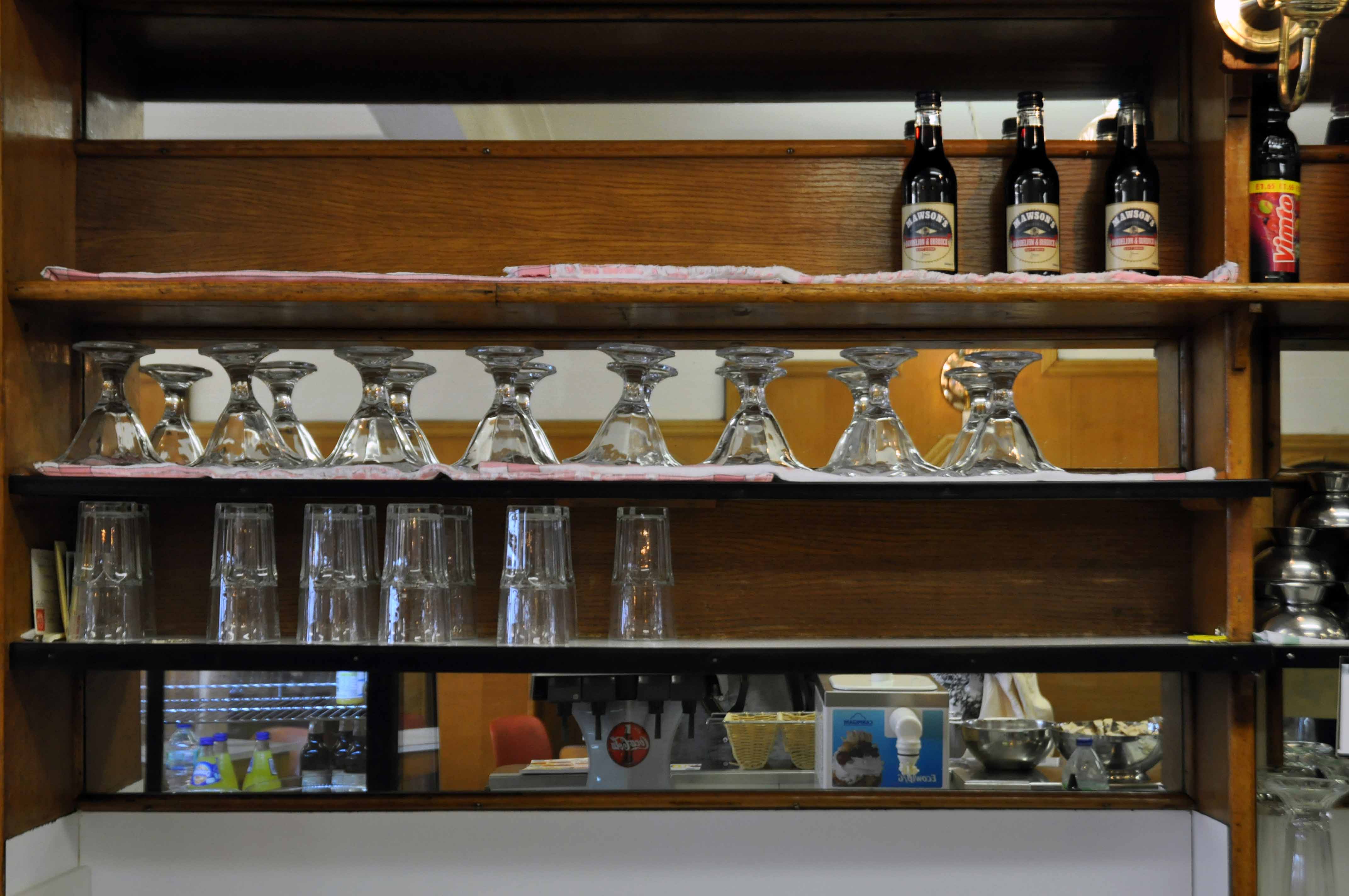
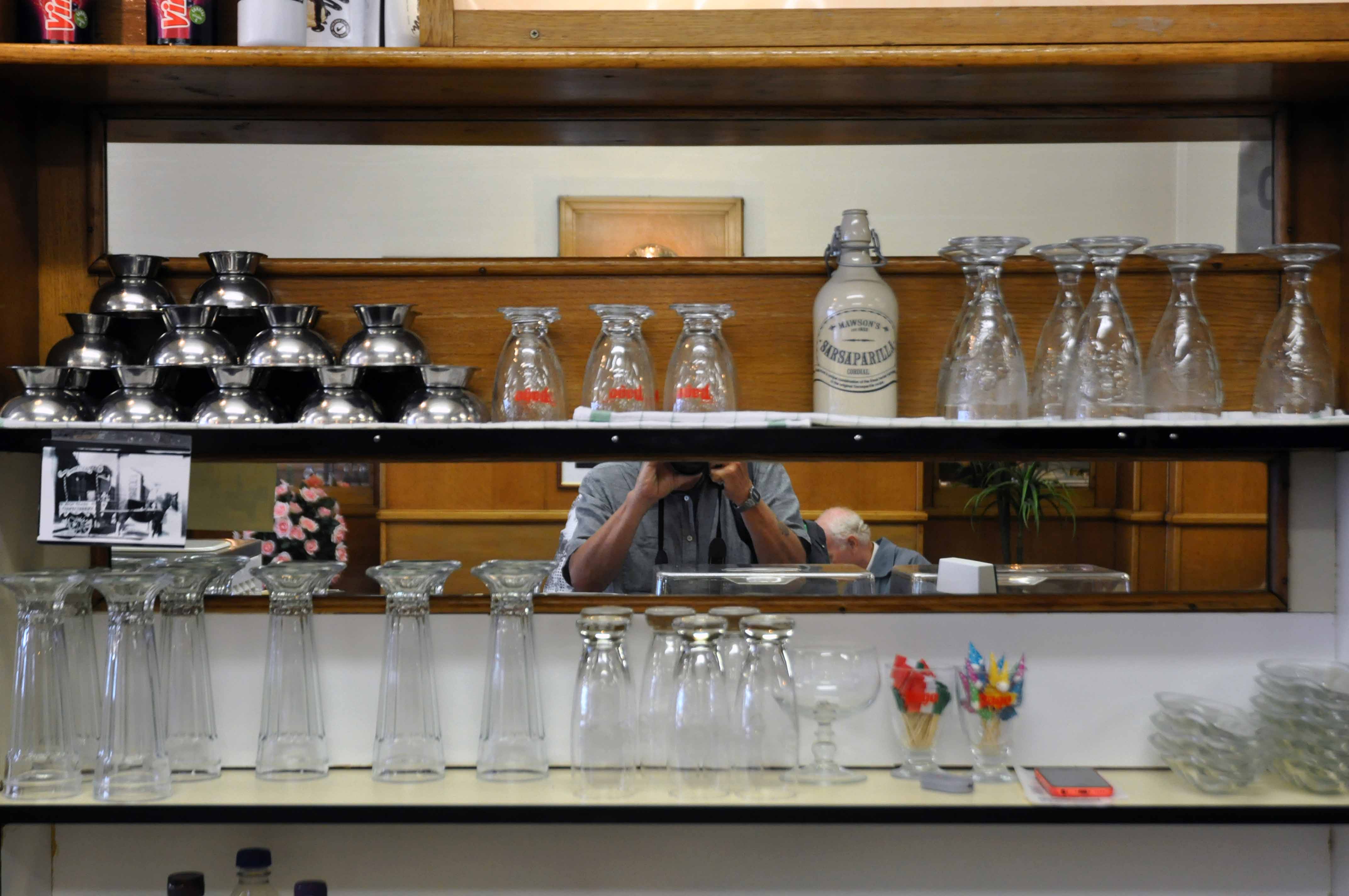
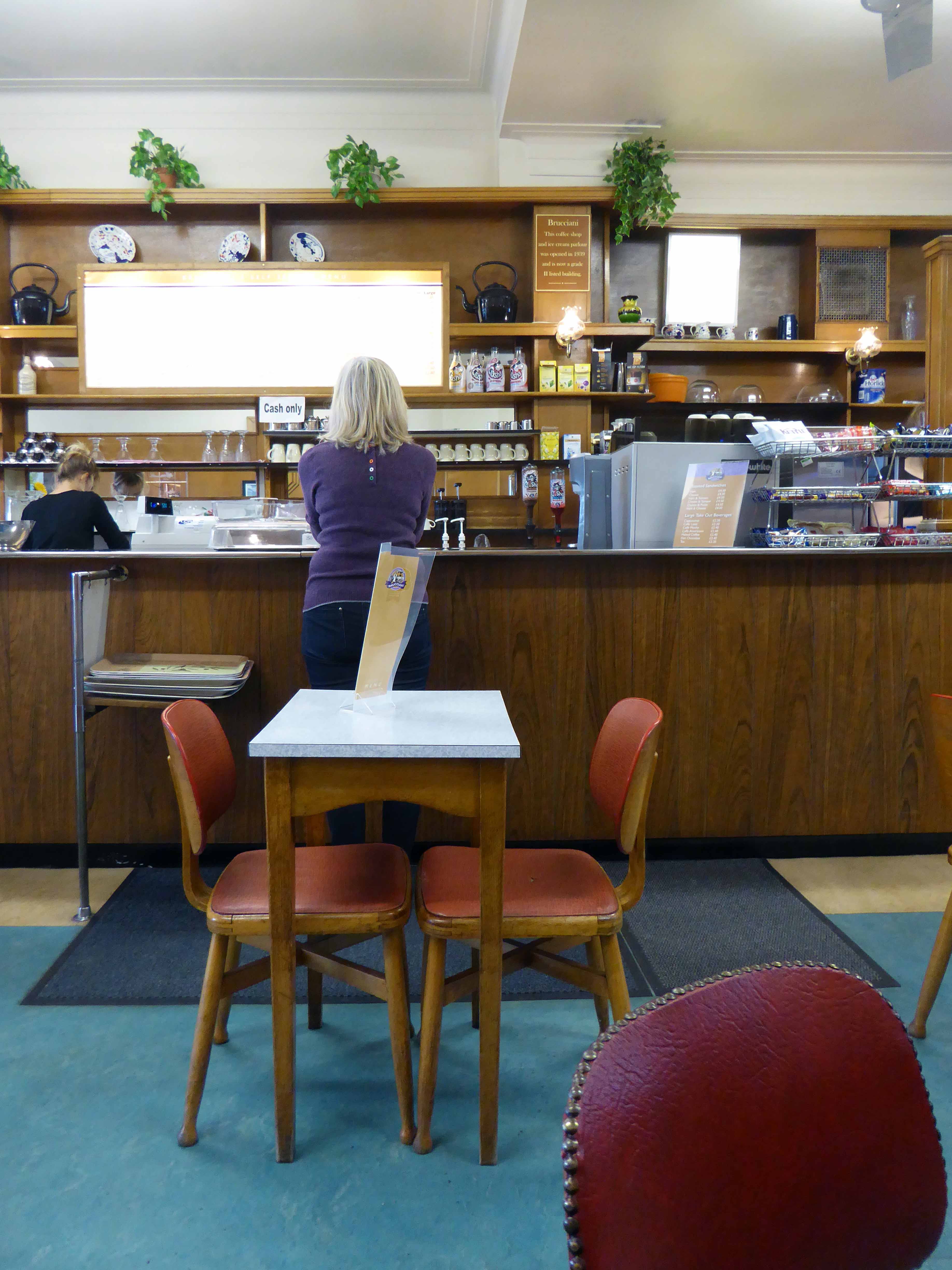
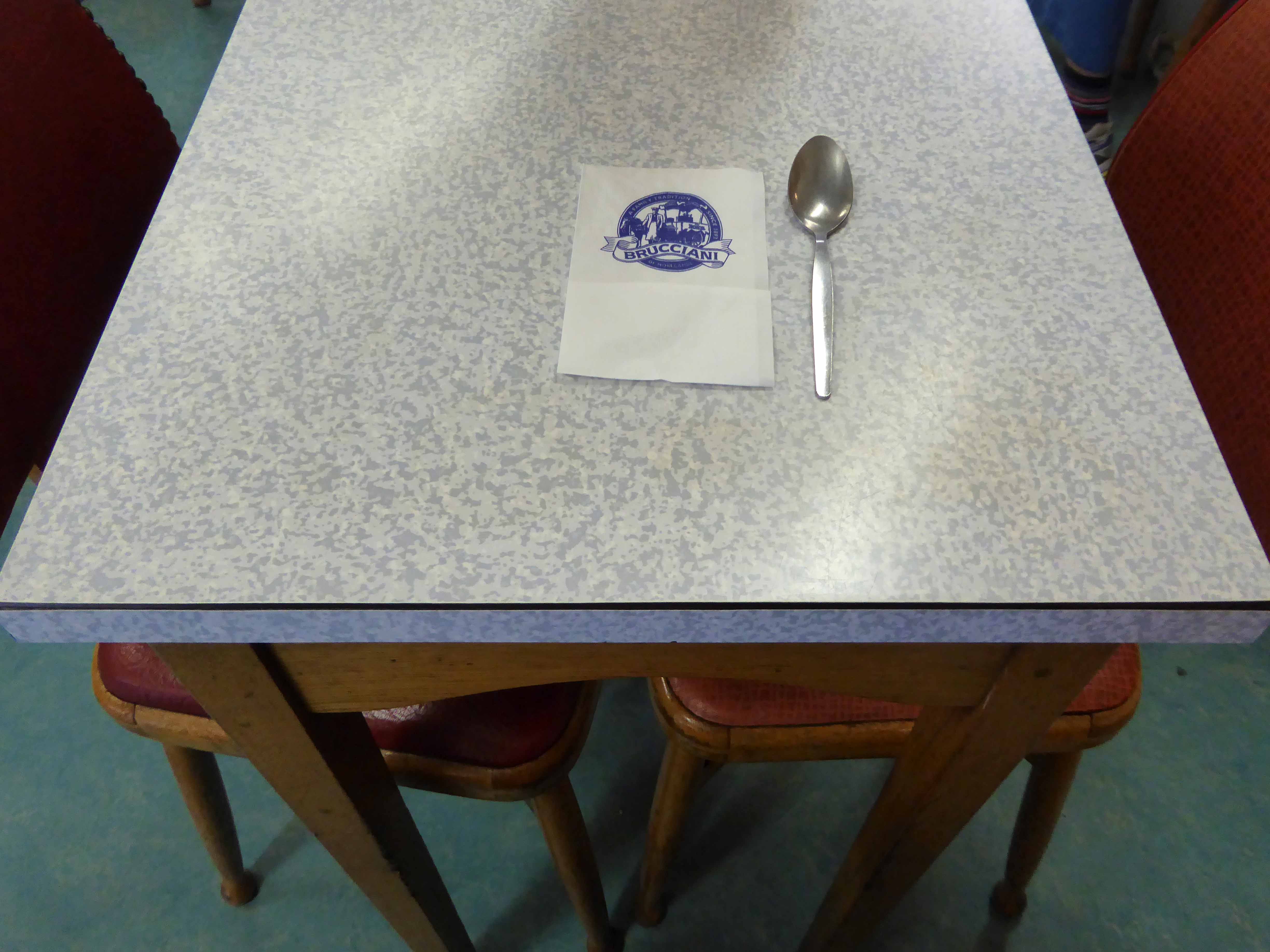
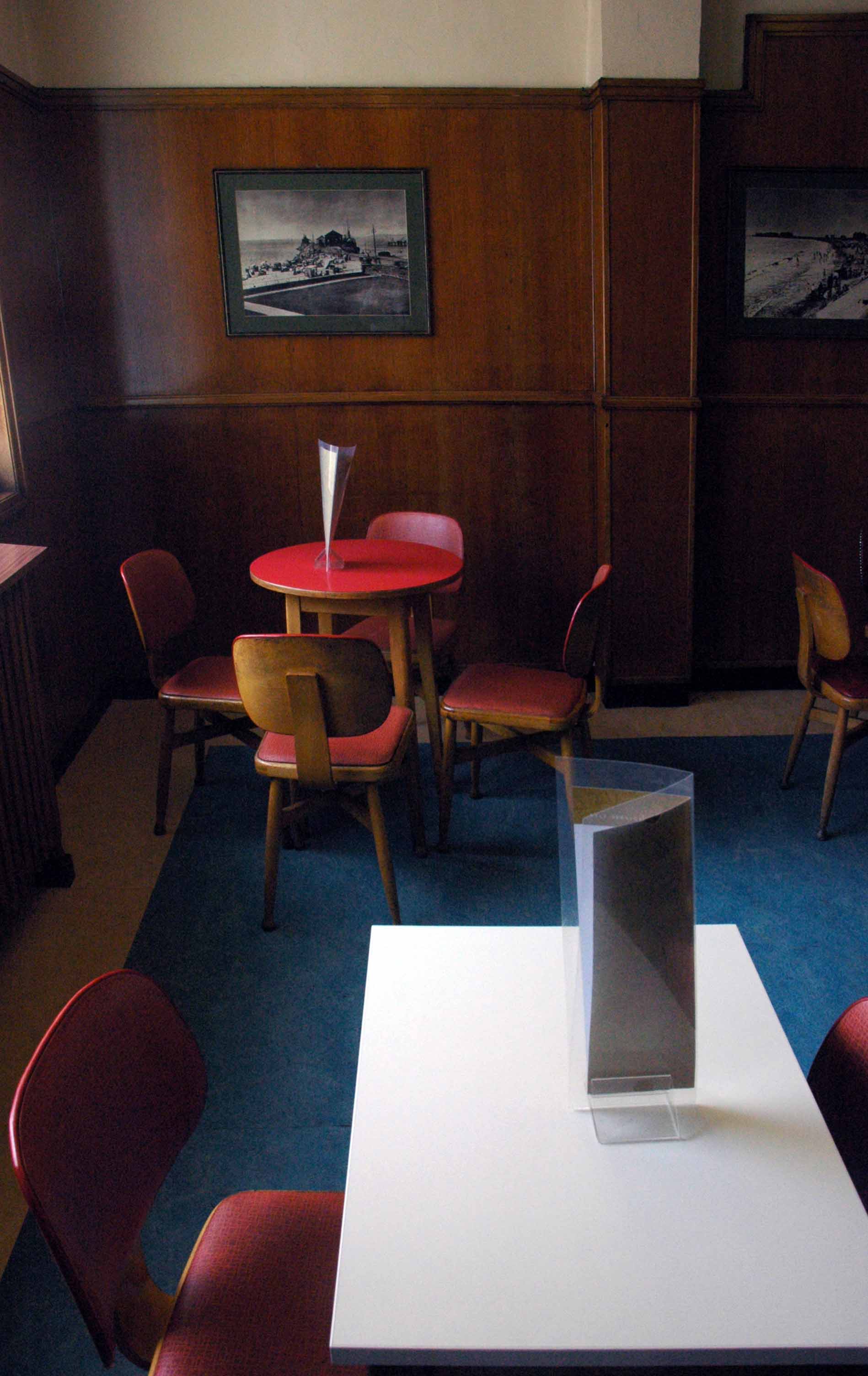
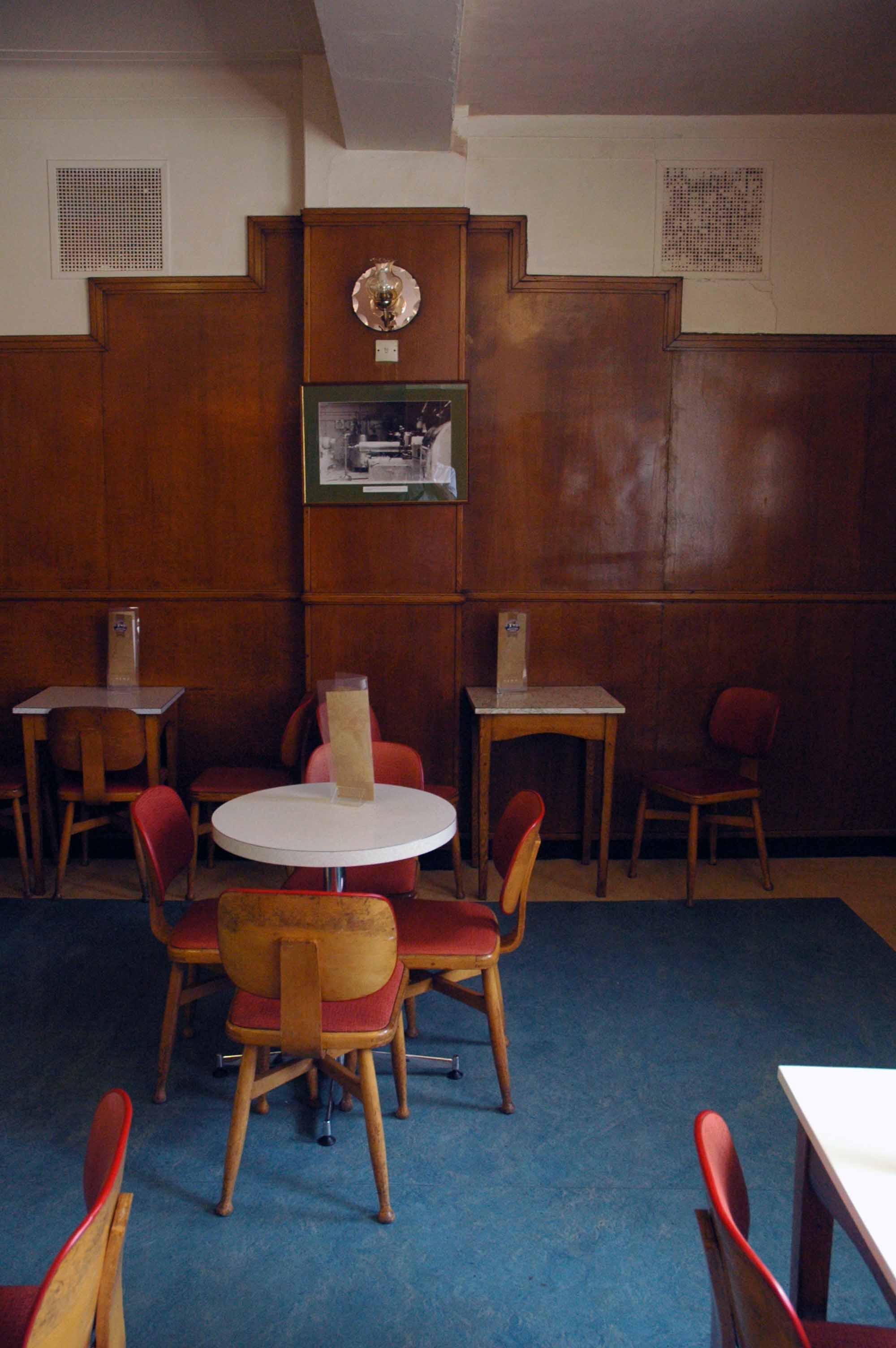
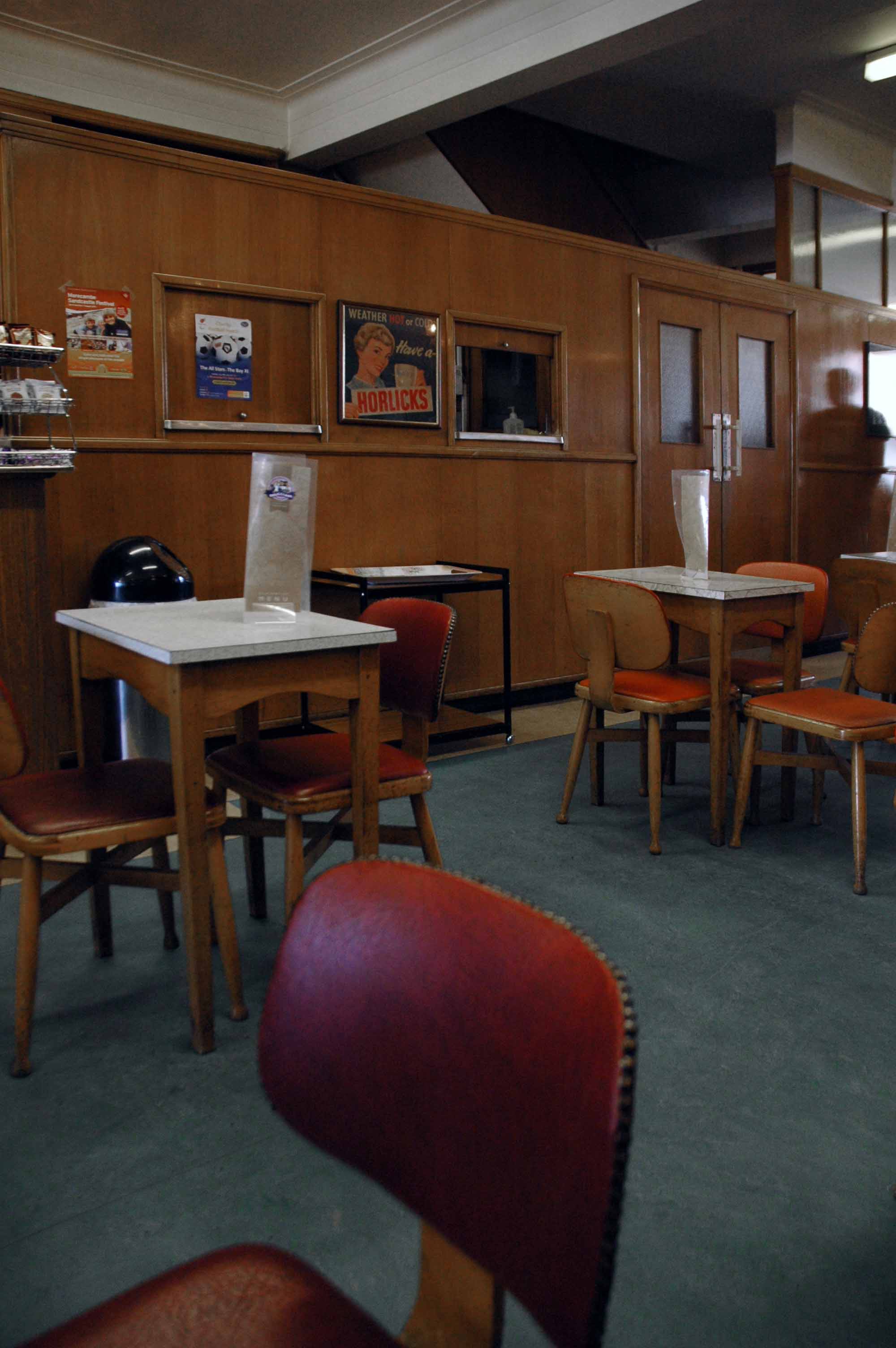
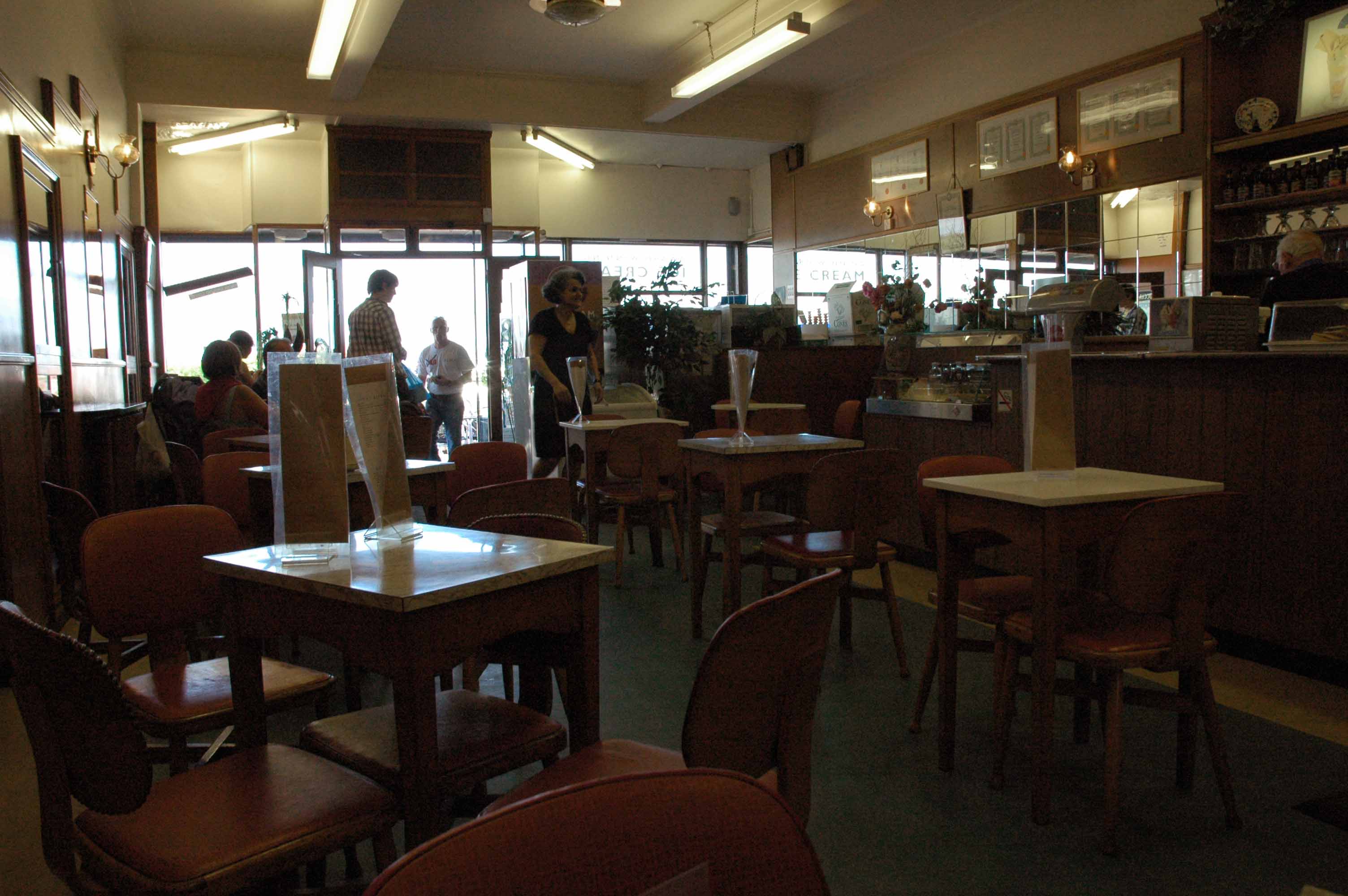
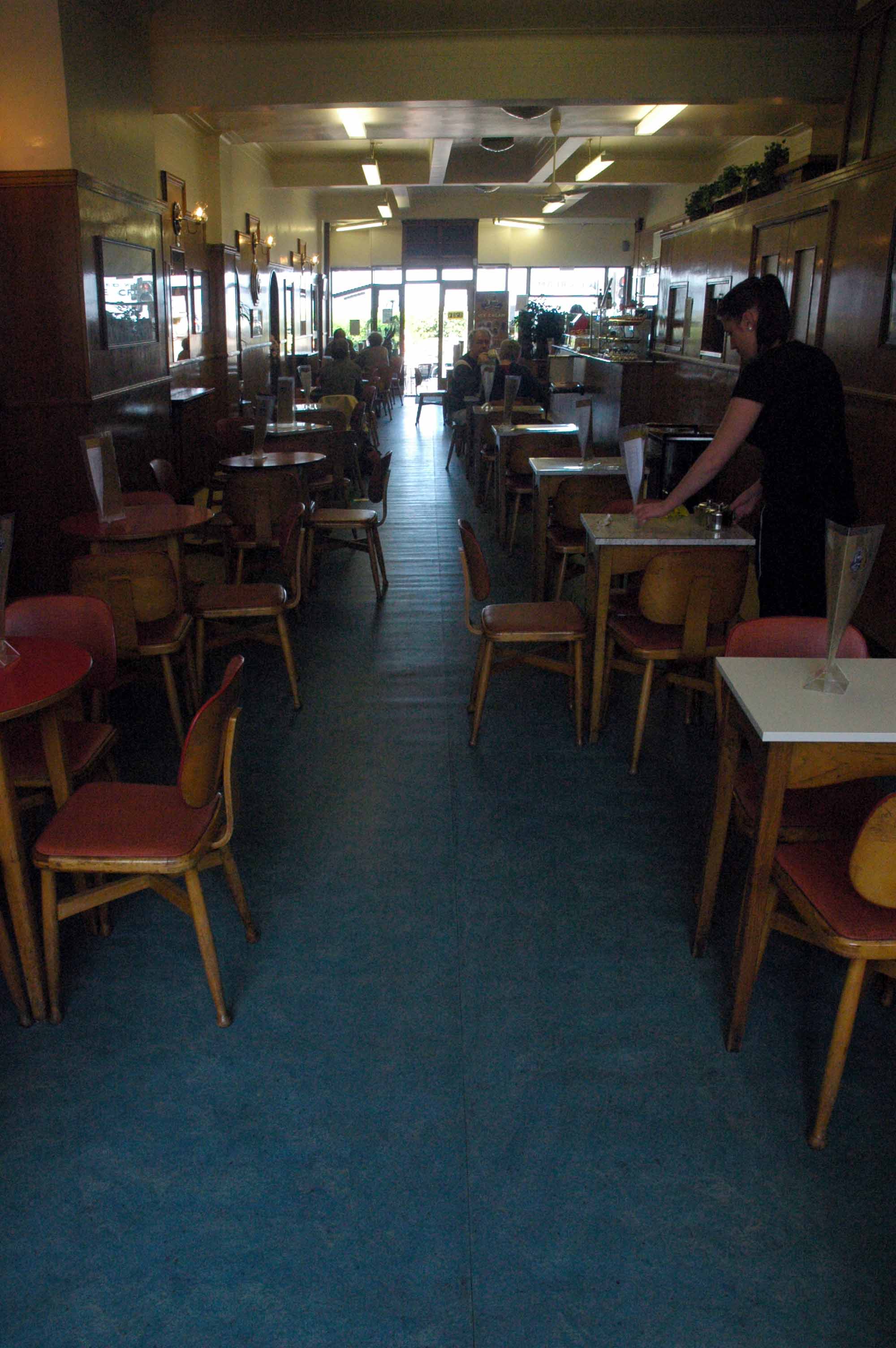
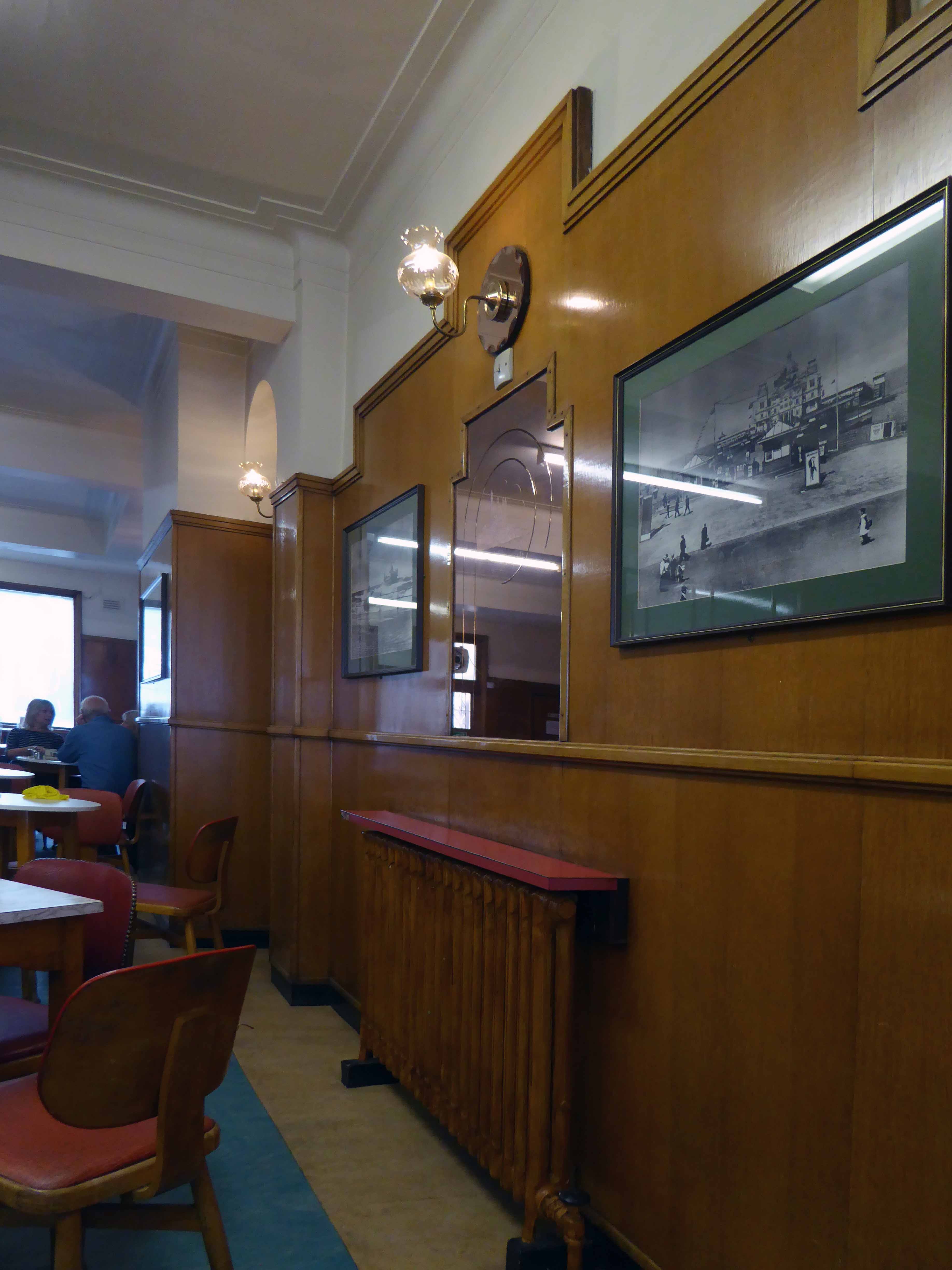
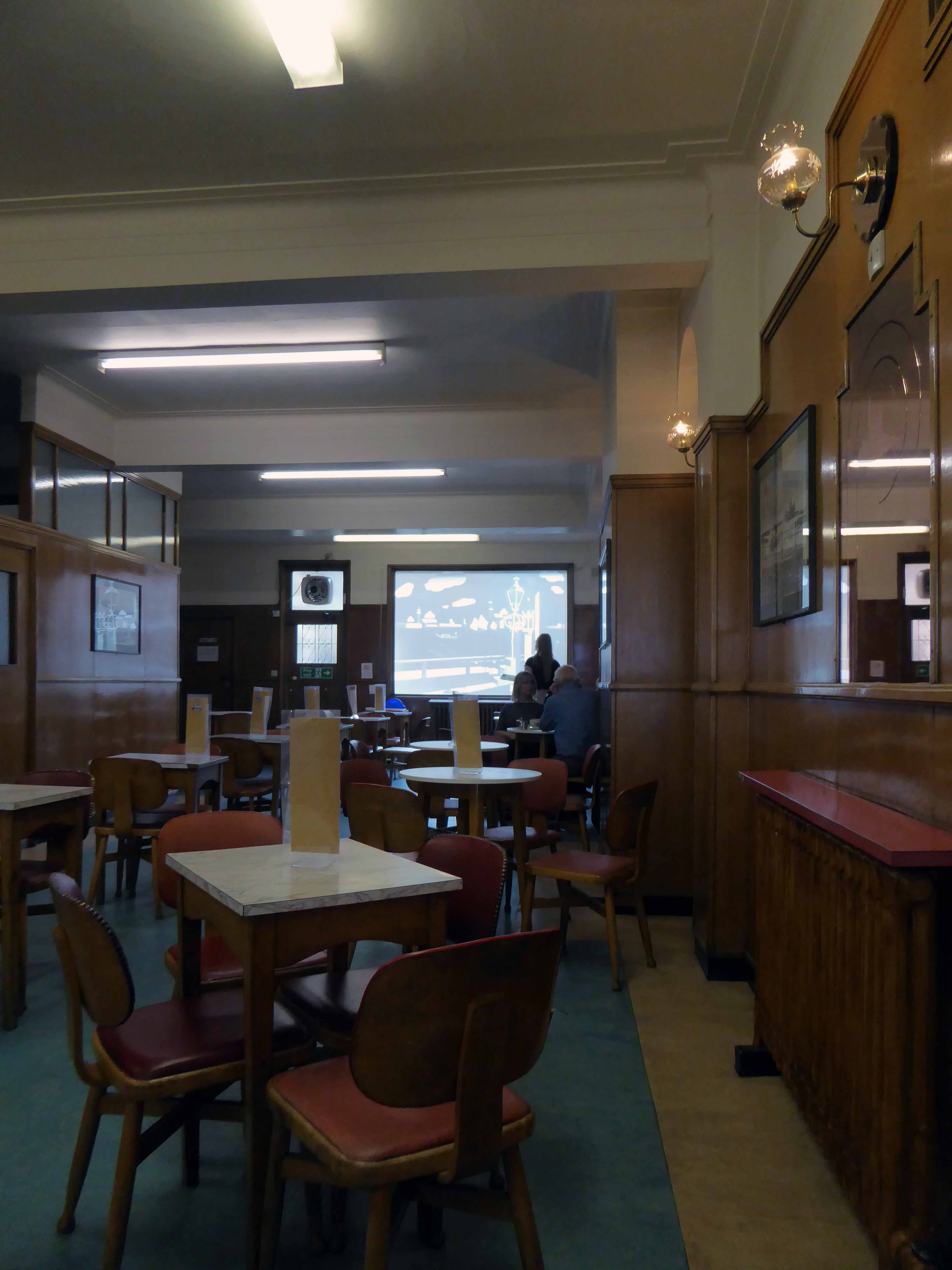
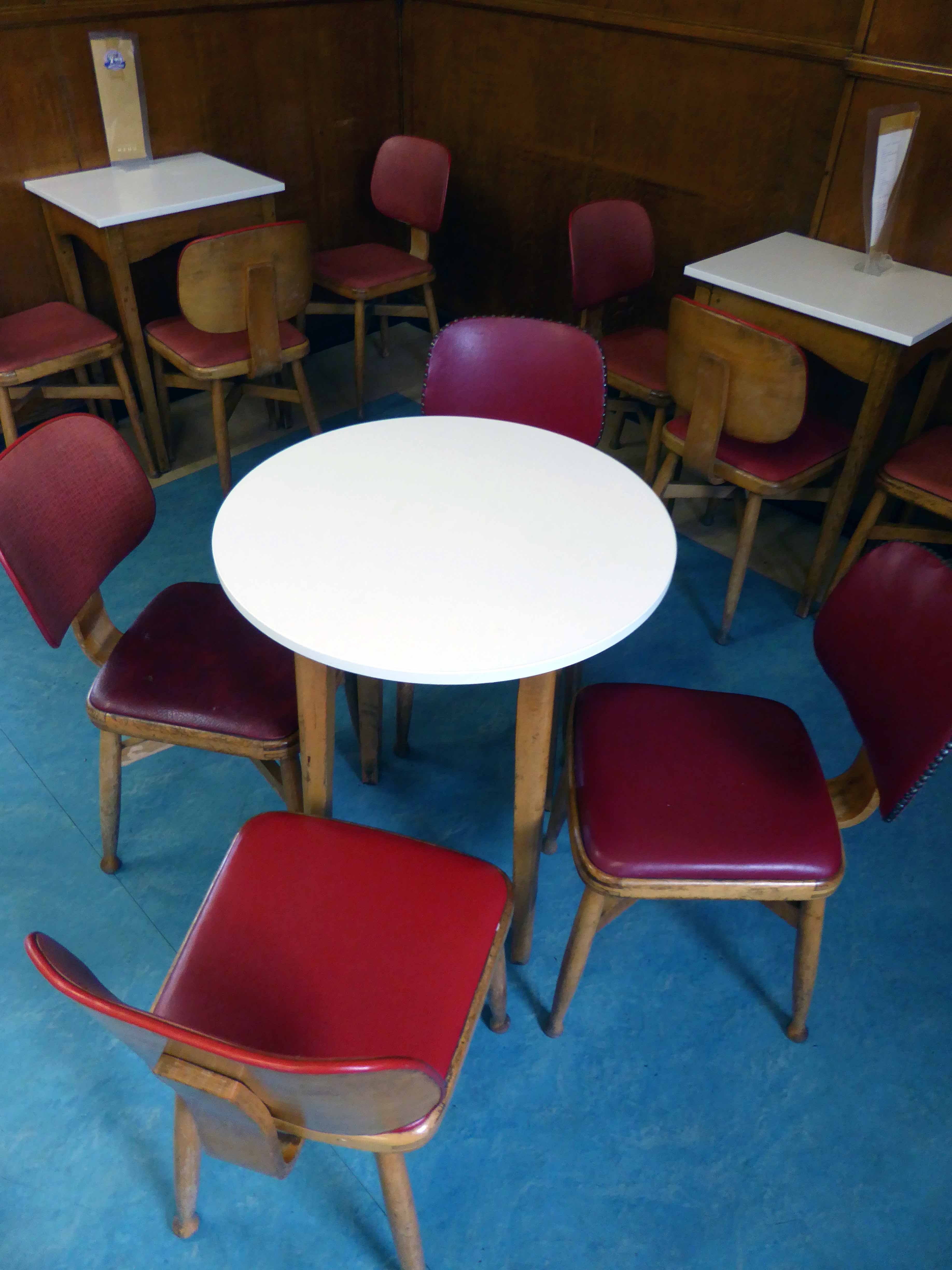
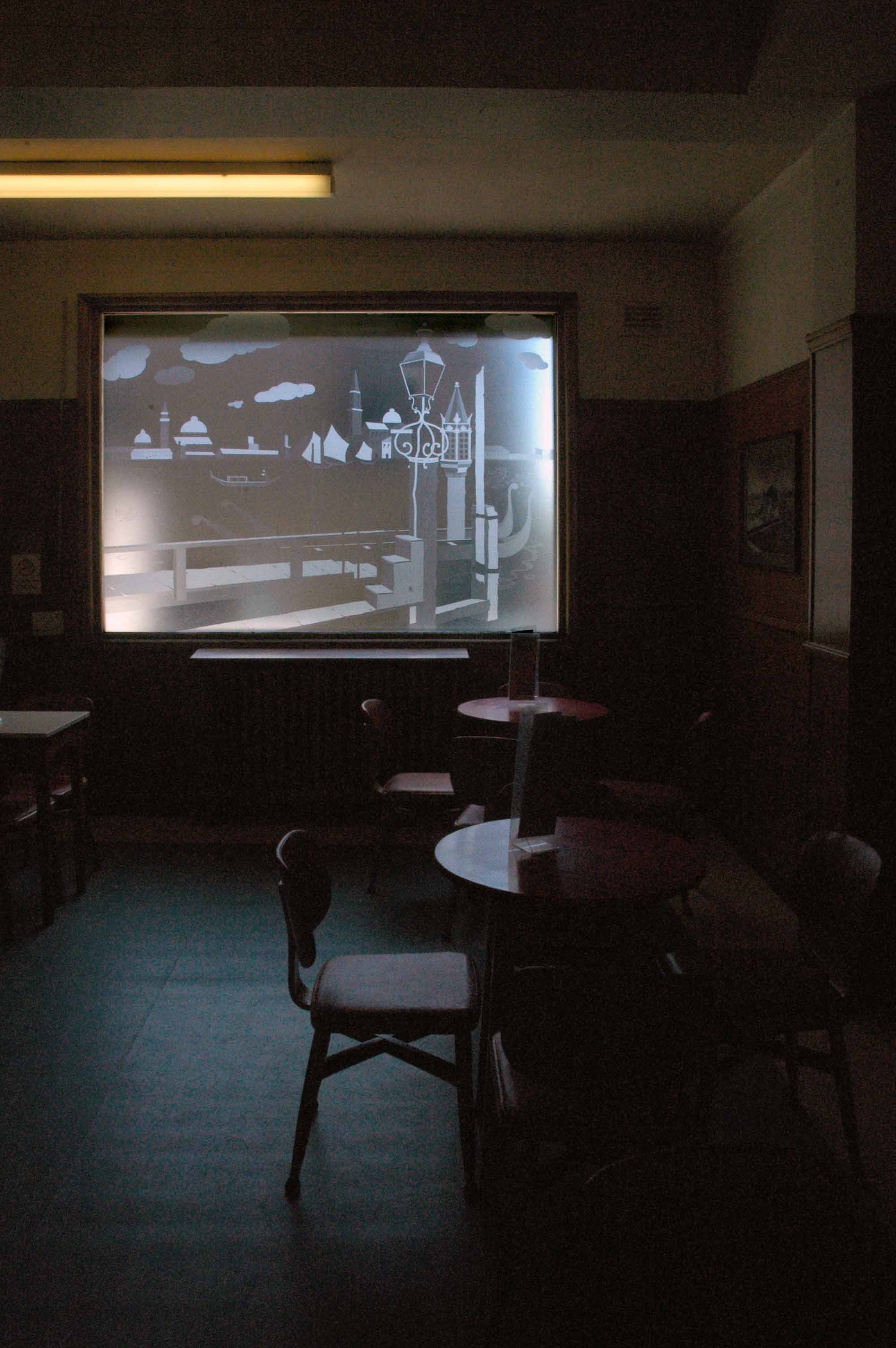
Built on the eve of war in 1939, the local paper feared that Brucciani’s might not be good for the sedate Victorian image of Morecambe and that its presence could be positively harmful to young people. Originally a milk bar, Brucciani’s typifies the simple, geometric ‘high street deco’ styling popular at the time. The brown wood and chrome exterior has black lacquer base panels to the street, porthole lamps above the doors, ziggurat pattern doors, classic deco handles and original menus. The interior preserves extensive wall panelling, a slightly reworked counter, red Formica tables, red upholstered chairs, wall-to-wall etched glass of Venetian canal scenes, mirrors, deco clocks and even the original penny-in-the-slot cubicles in the cloakrooms.

Classic cafés

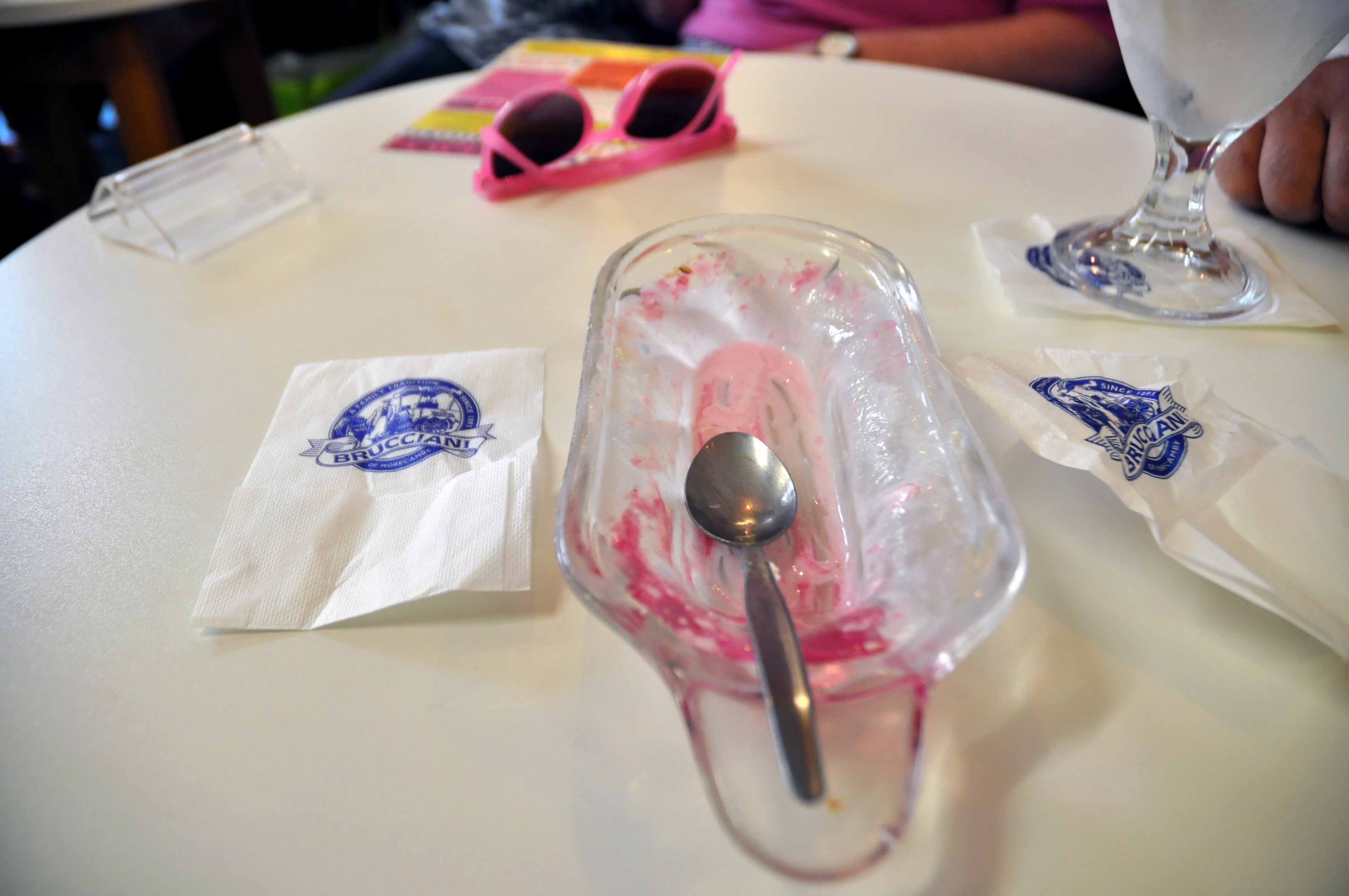
I’ve been coming here for over ten years now, alone or in company, come rain or shine and without fail, as sure as ice is nice, I have a banana spilt – or to be more precise a Banana Royal.

Screen Shot 2018-04-27 at 13.53.13

Jenny Steele 2015

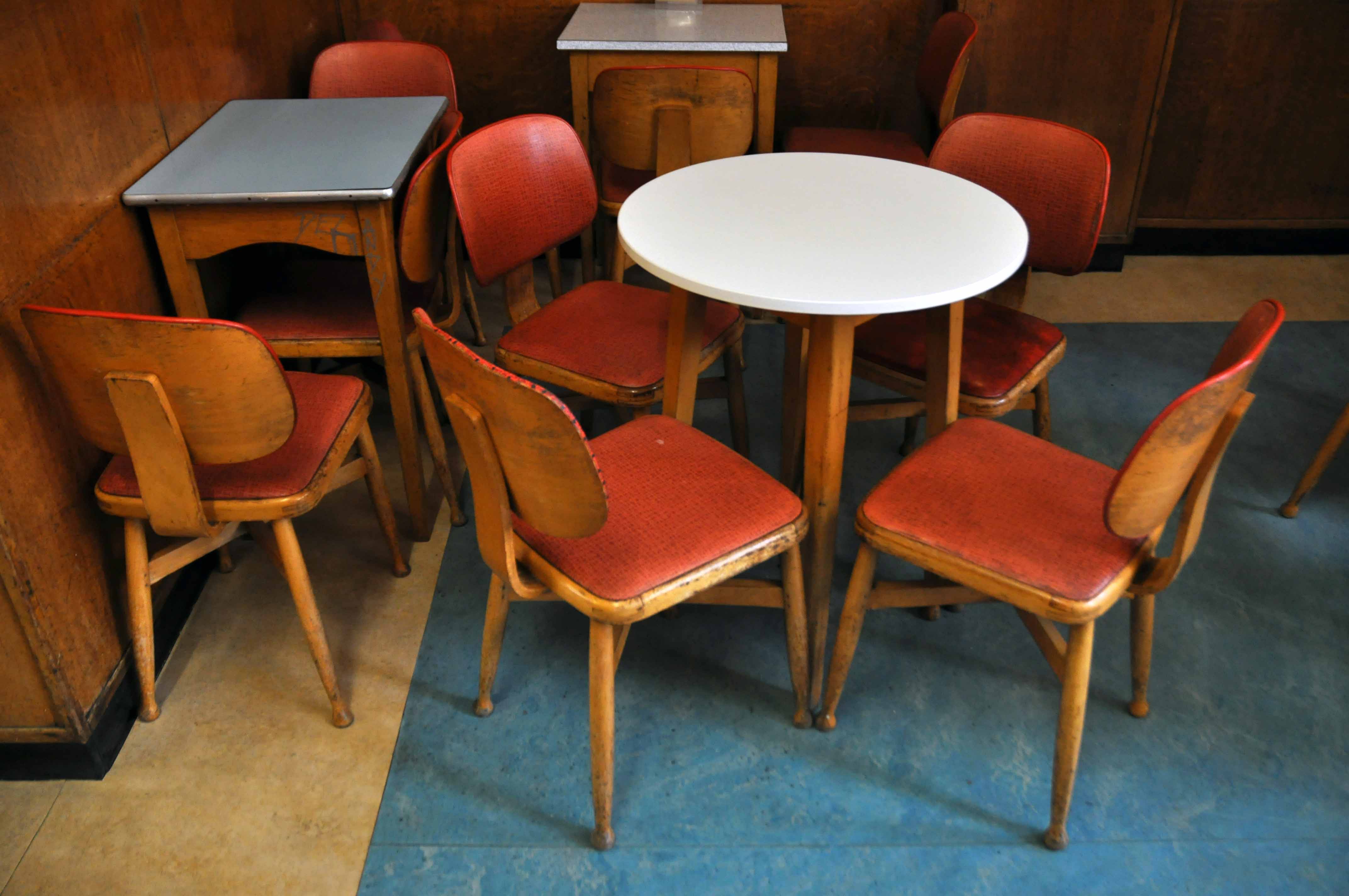
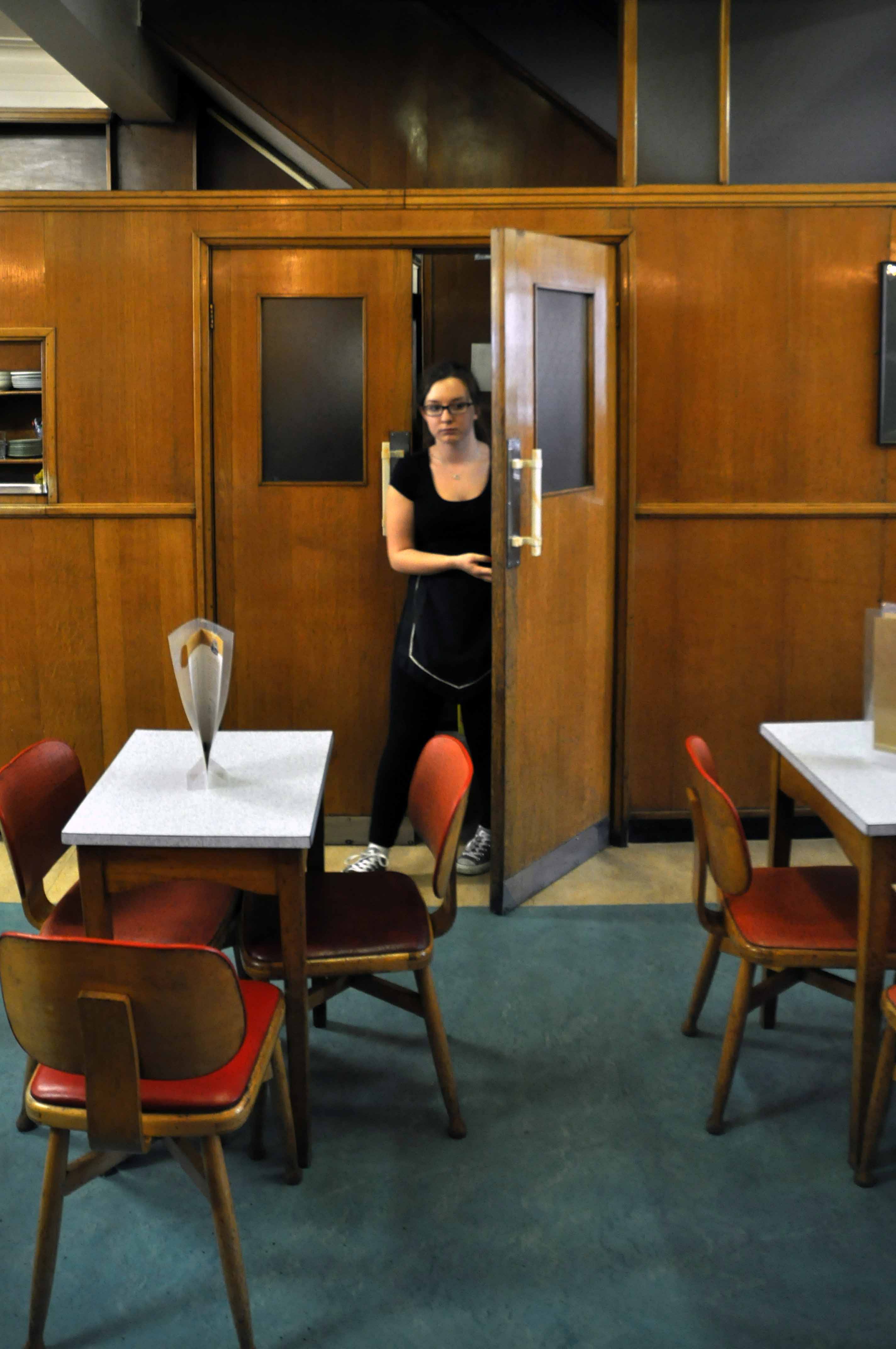
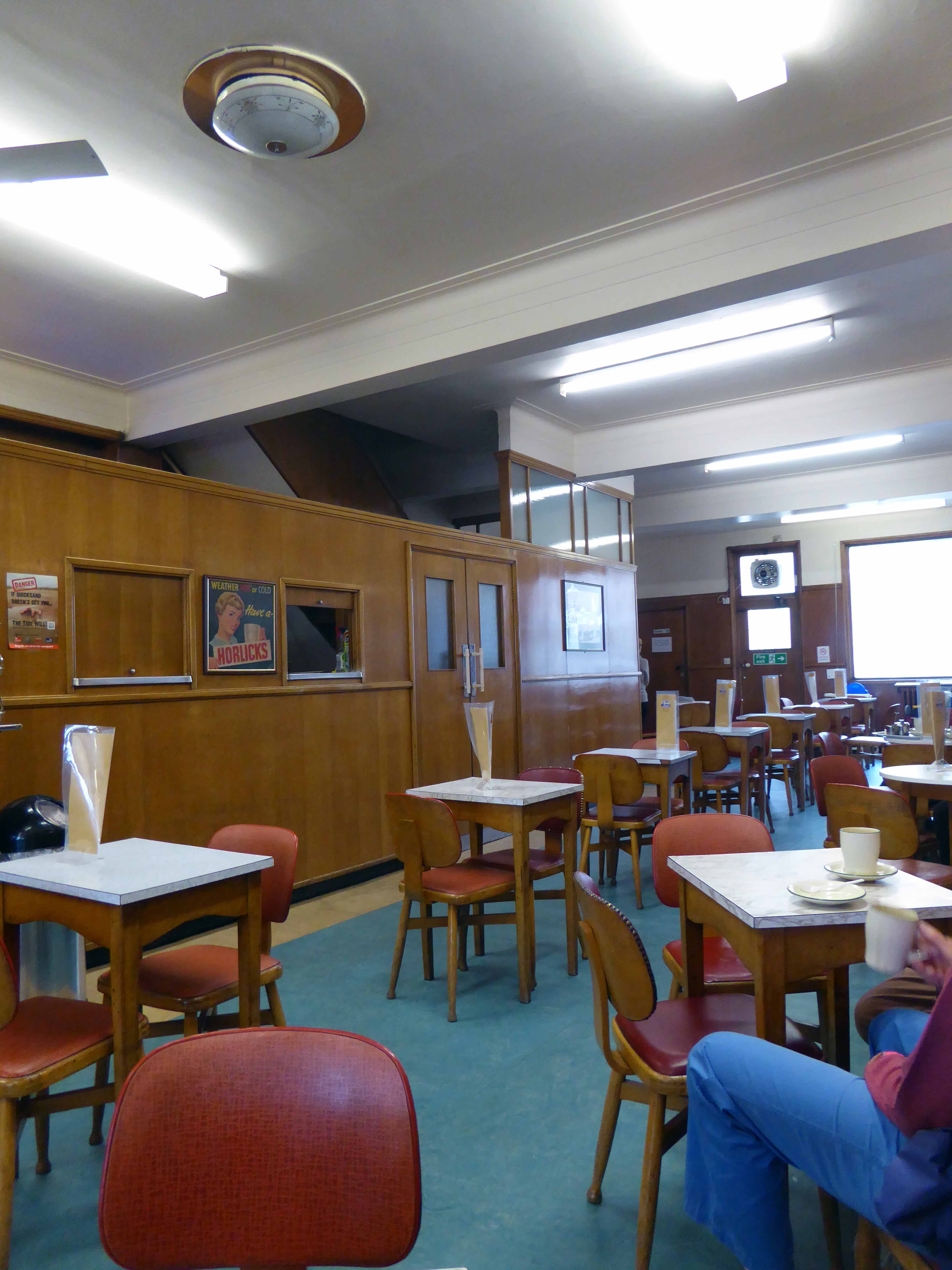
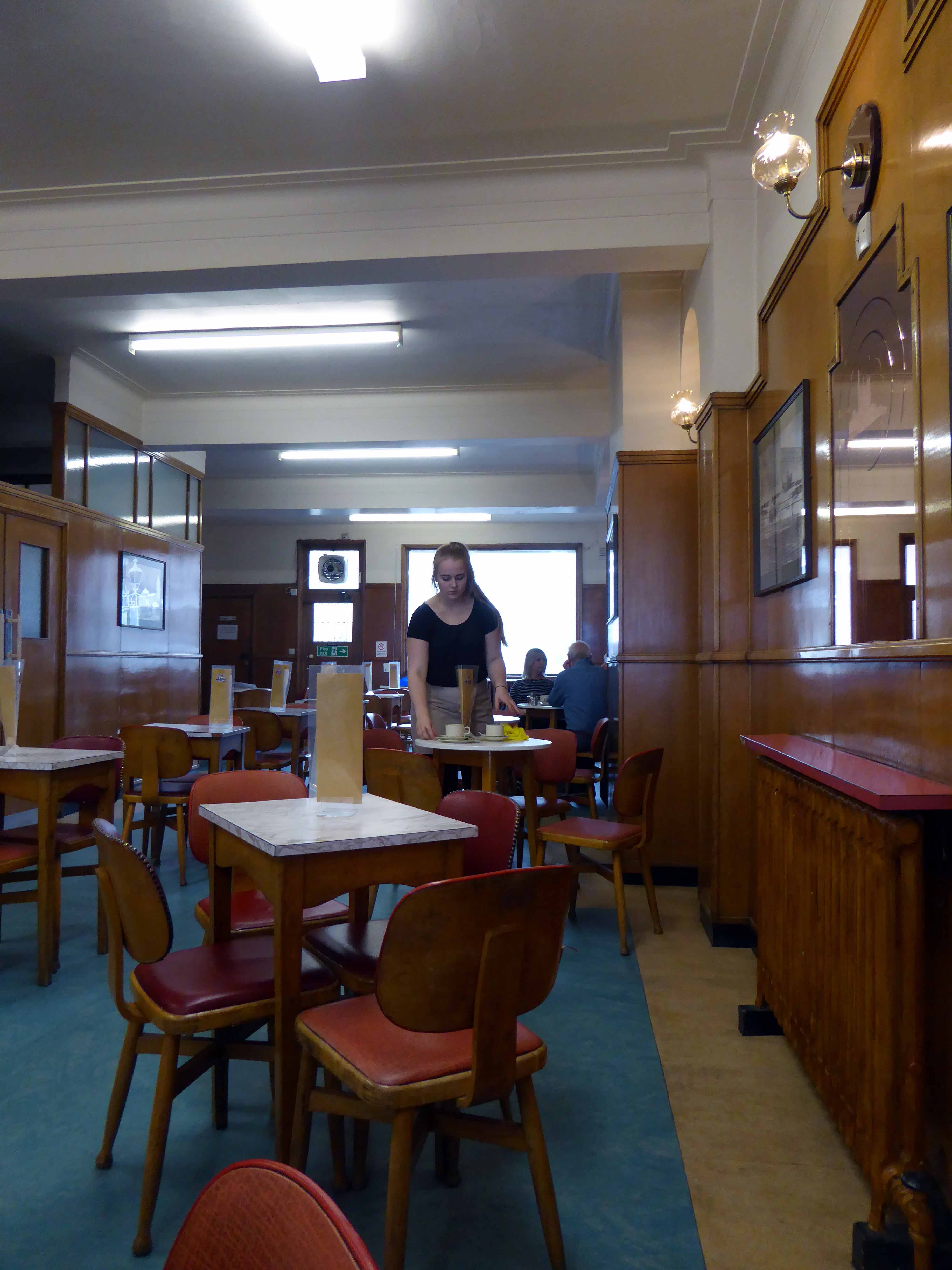
This is a café with a café menu, café furniture, café staff and service.

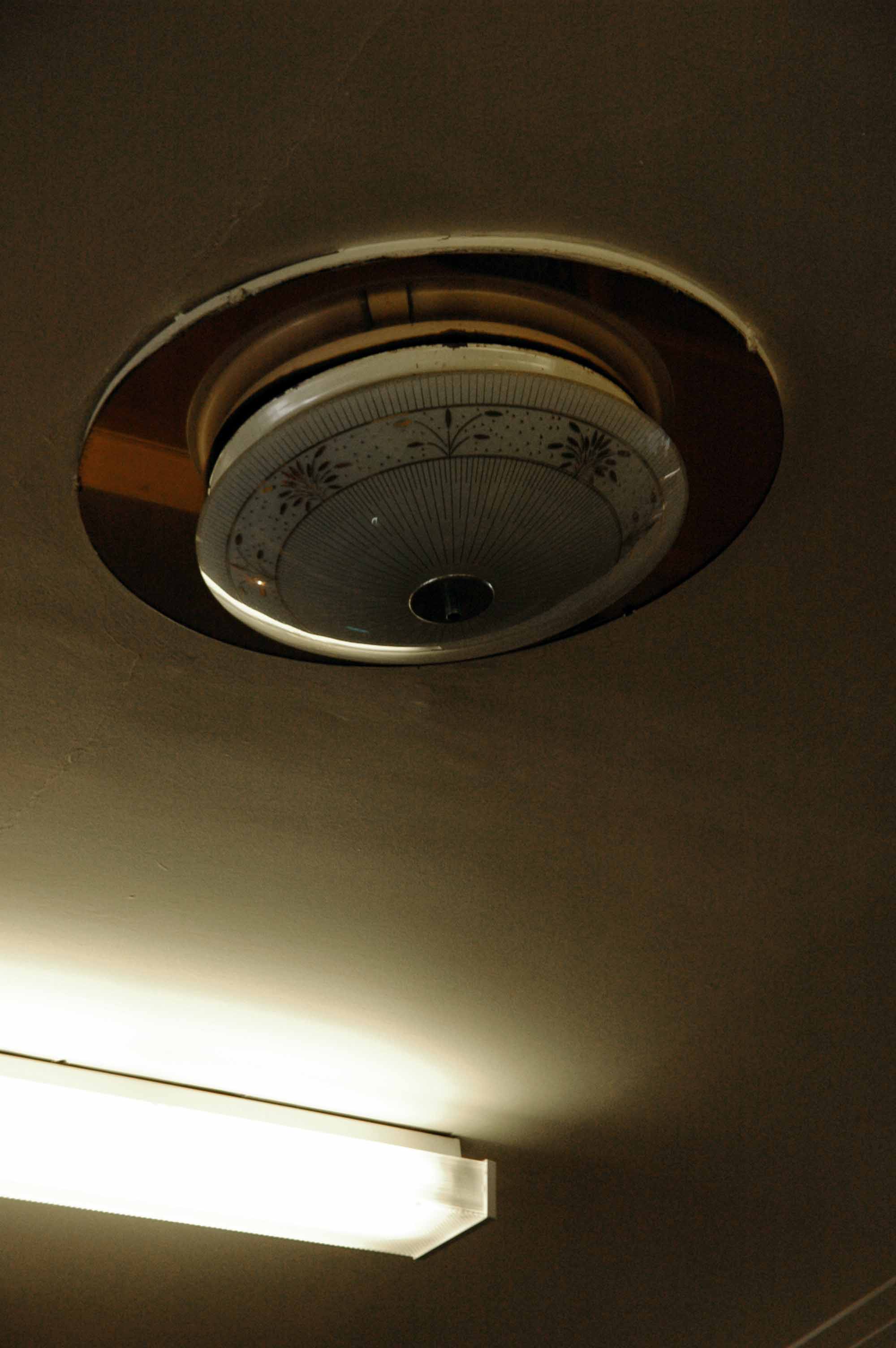
It only ever wanted and wants to be a café, unchanged by the uncaring winds of vicissitude and fashion. To tread the turquoise and tan linoleum, ‘neath the period lighting fixtures and fittings, to be seated on the warm red leatherette, one elbow on the circular Formica table is to enter into into a pact with a perfect past.

It’s on the front you can’t miss it – overlooking the Sunset Bay.

DSC_0233 copy

DSC_0200 copy

DSC_0201 copy

DSC_0202 copy

DSC_0203 copy

P1210019 copy

P1210017 copy

P1210020 copy

DSC_0217 copy

cafe copy

caffe2 copy

DSC_0014 copy

DSC_0015 copy

DSC_0016 copy

DSC_0051 copy

DSC_0219 copy

DSC_0232 copy

P1210018 copy

P1210021 copy

P1210022 copy

P1210023 copy

P1210024 copy

caff copy


Humberston Fitties

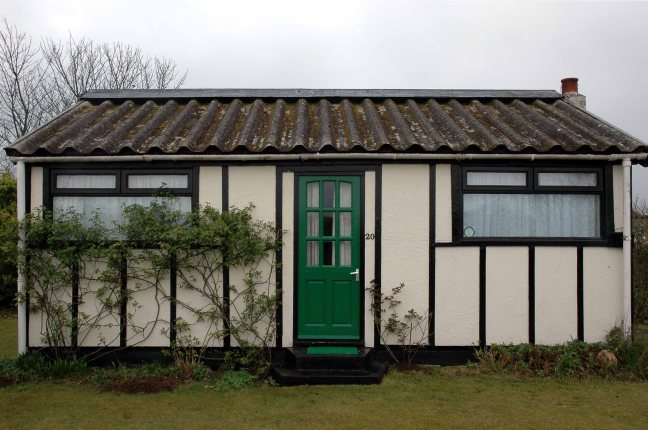
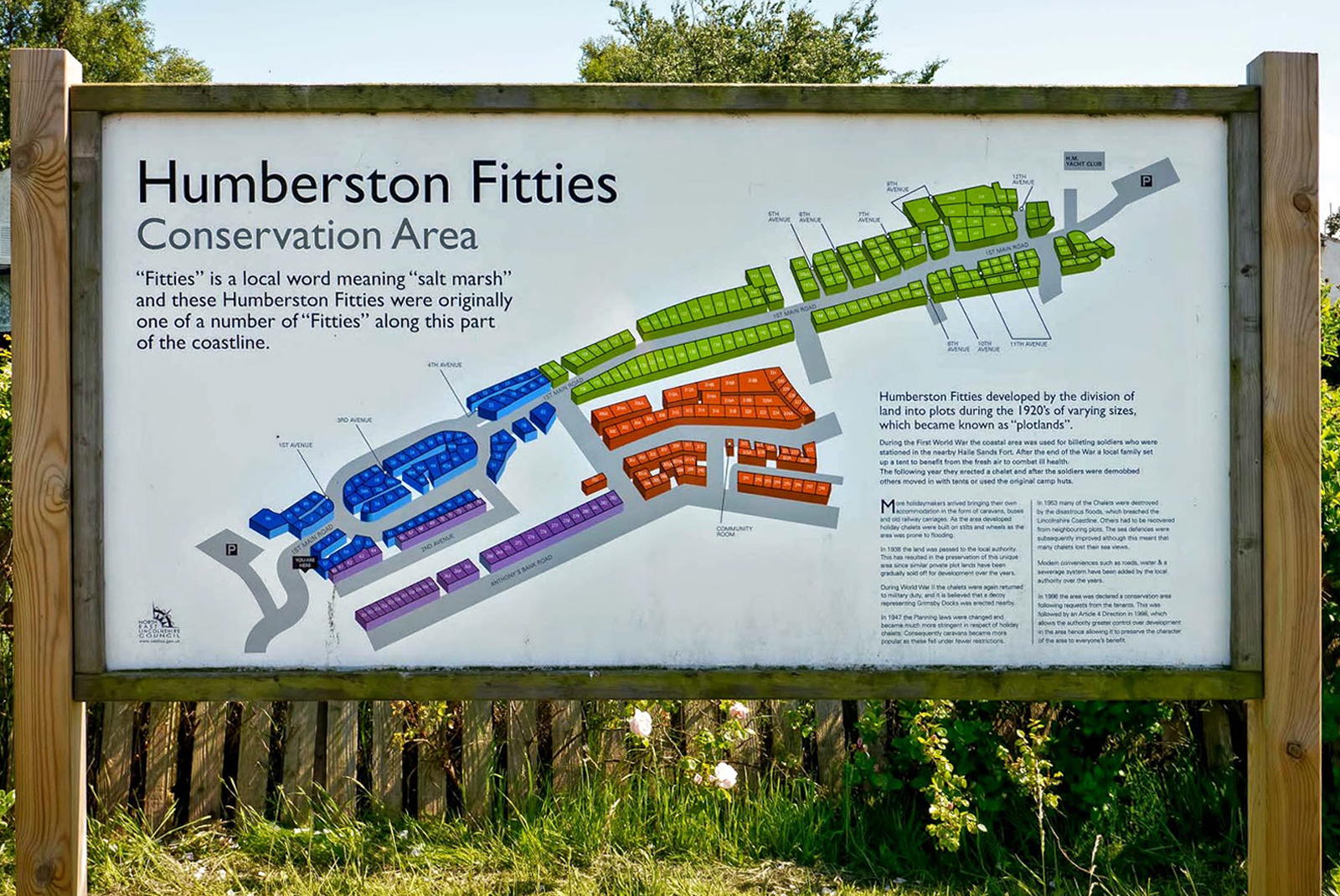
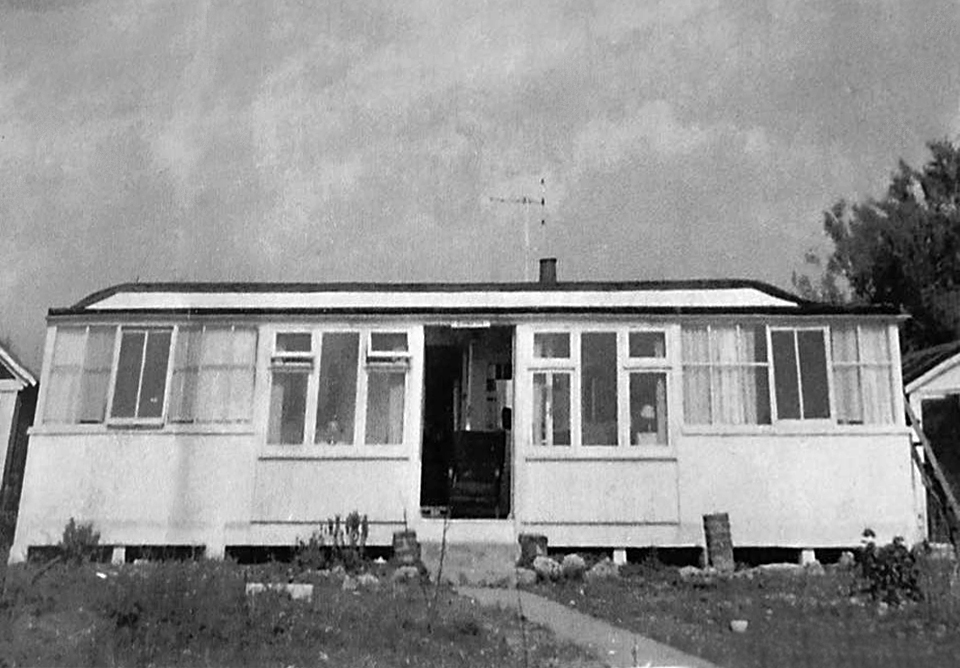
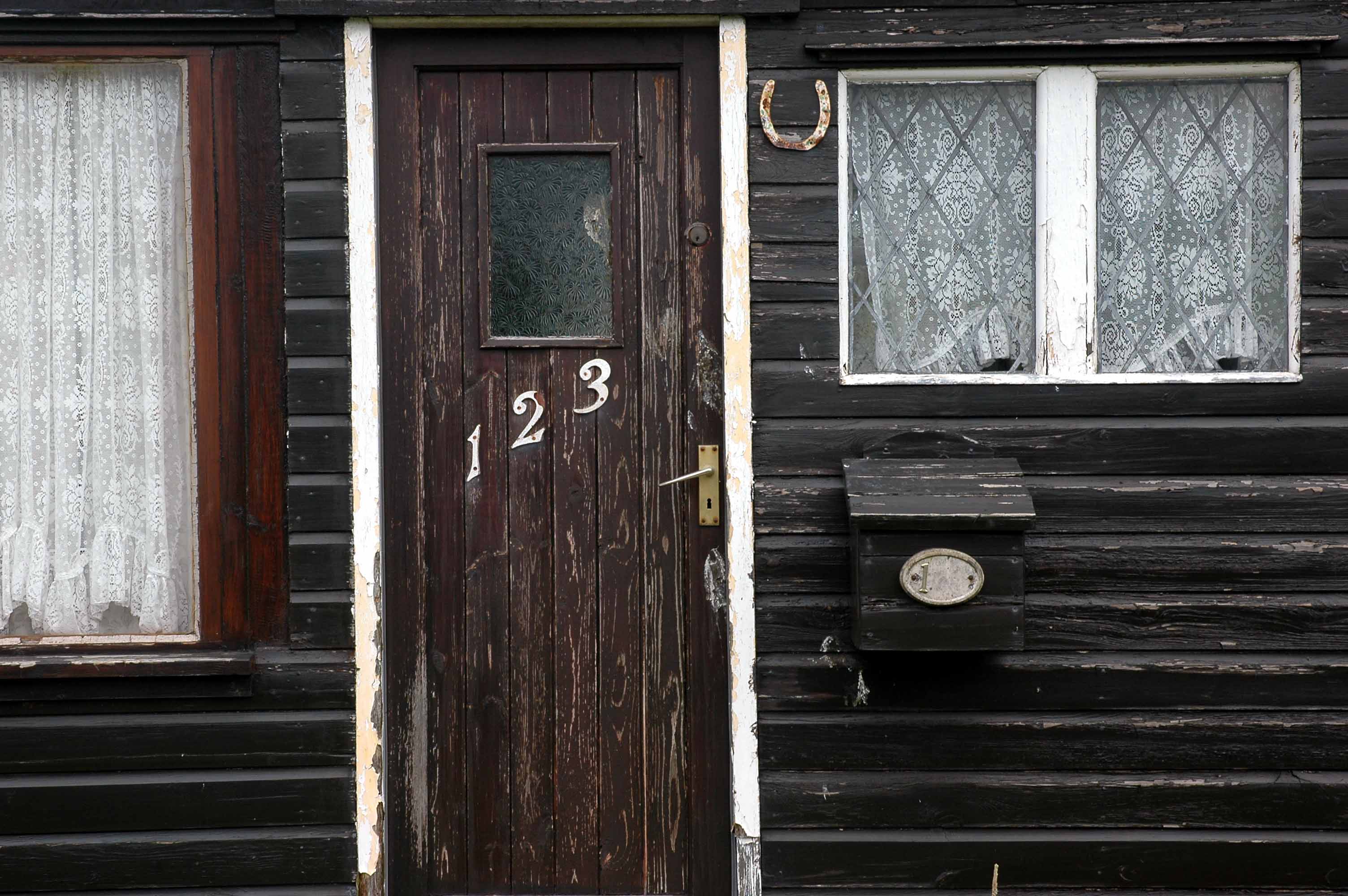
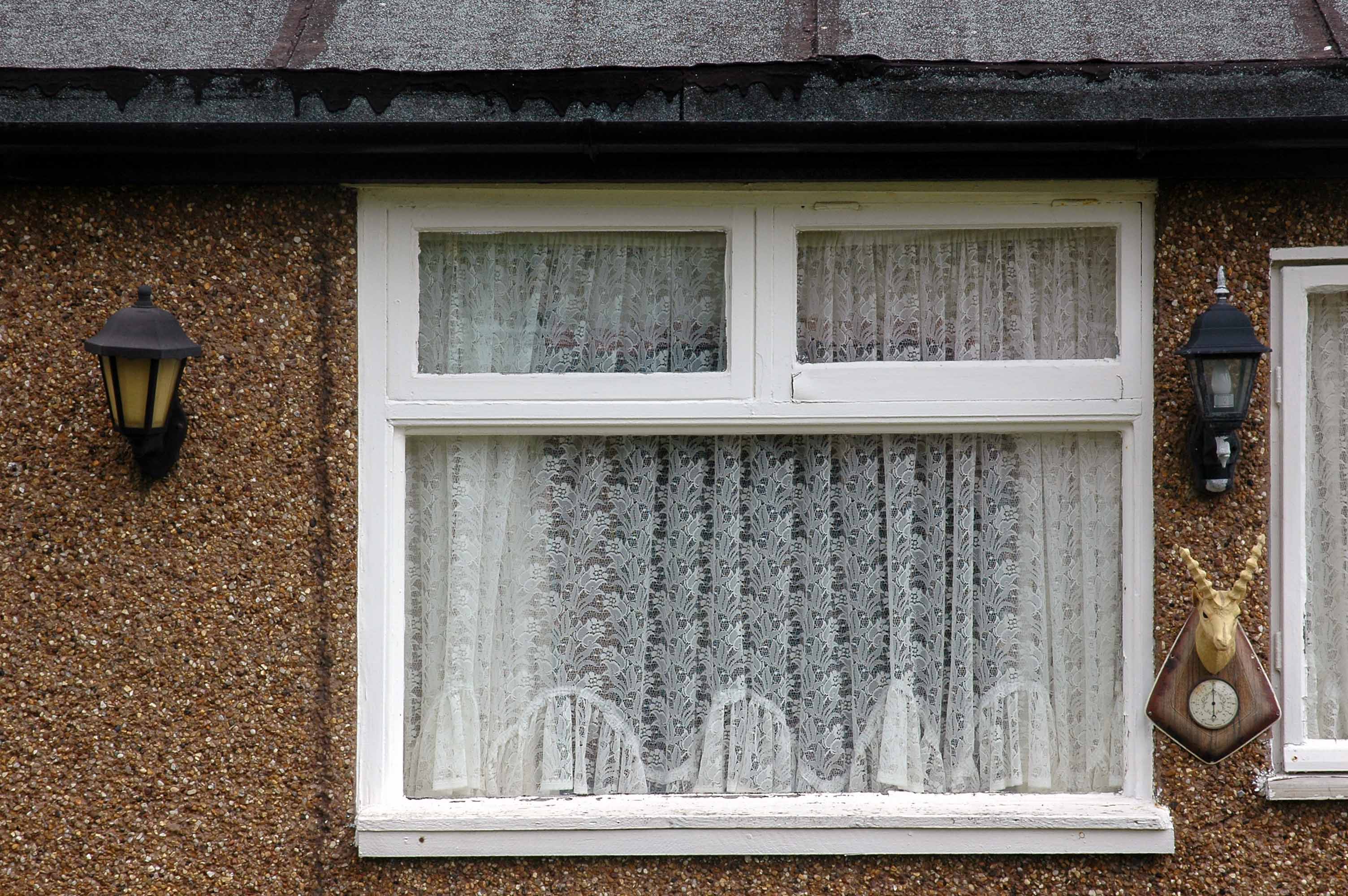
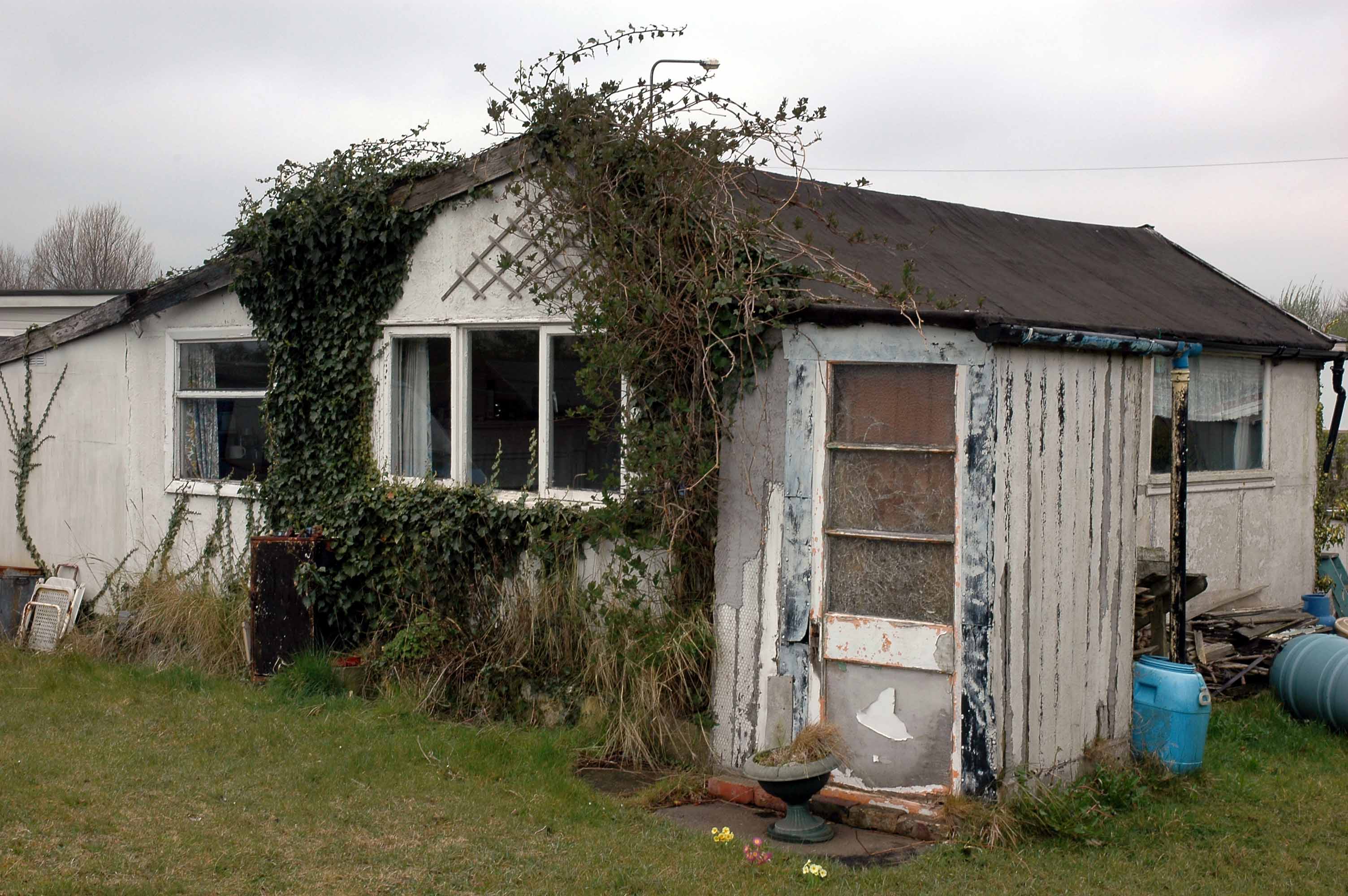
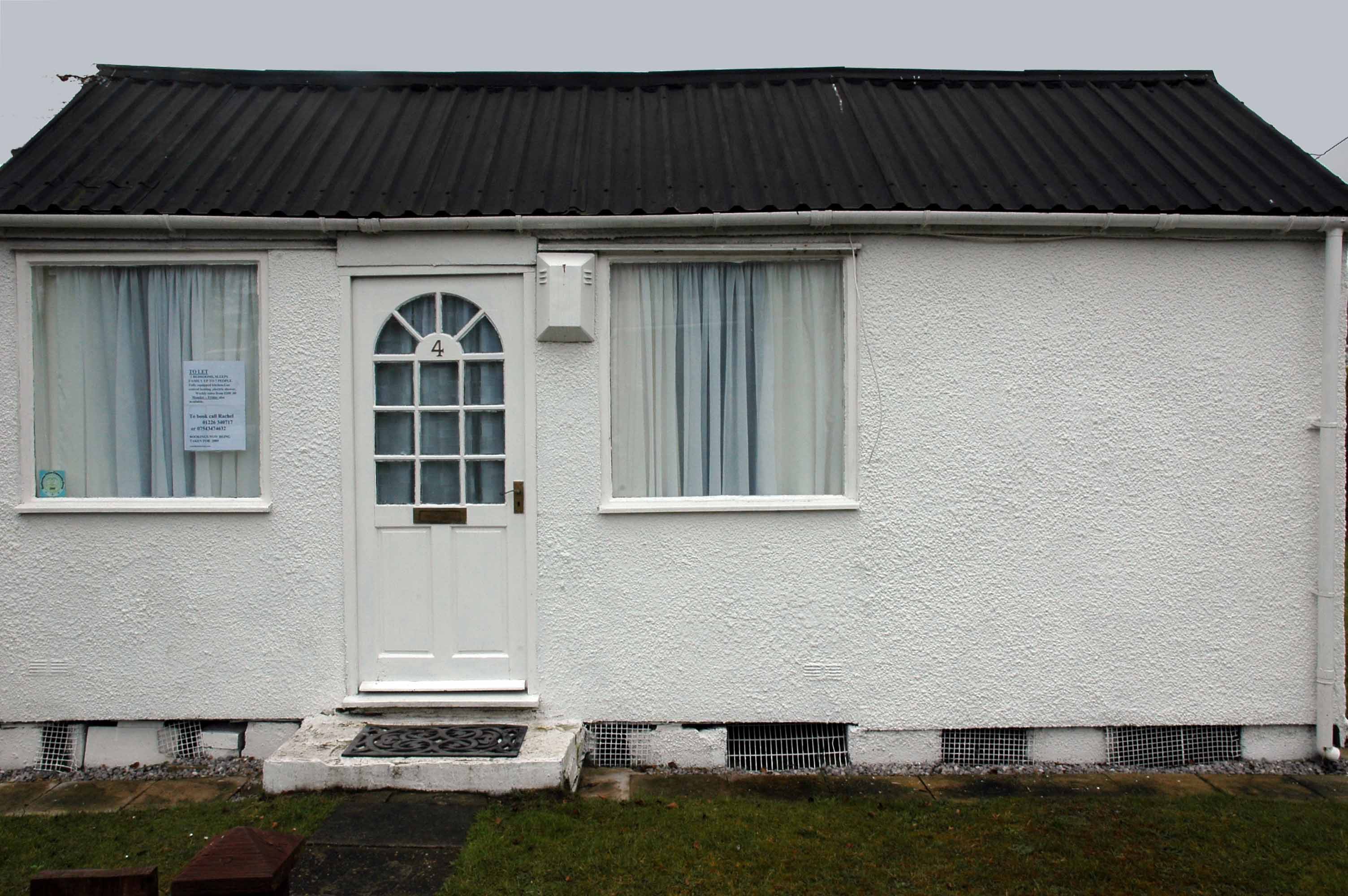
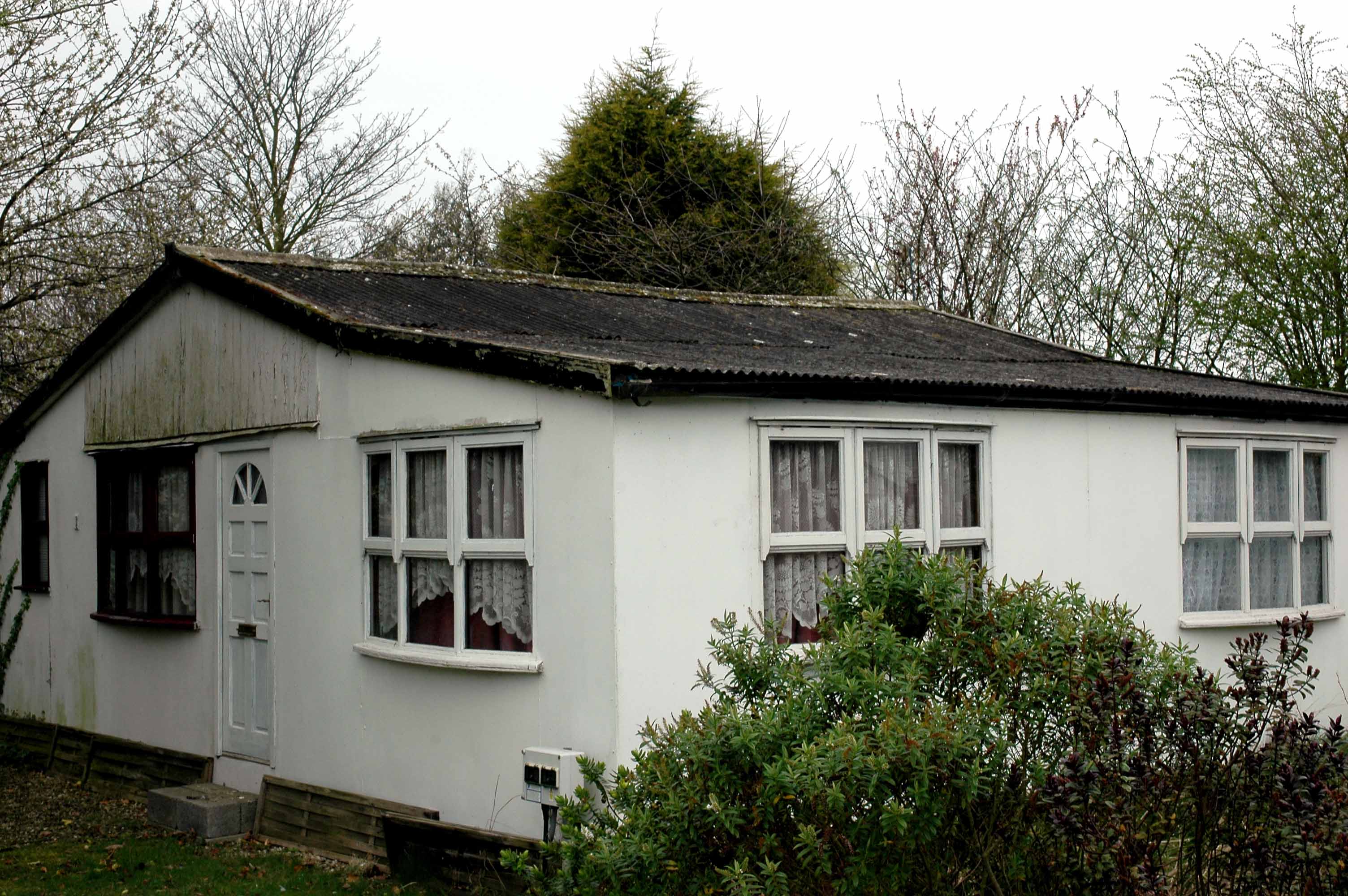
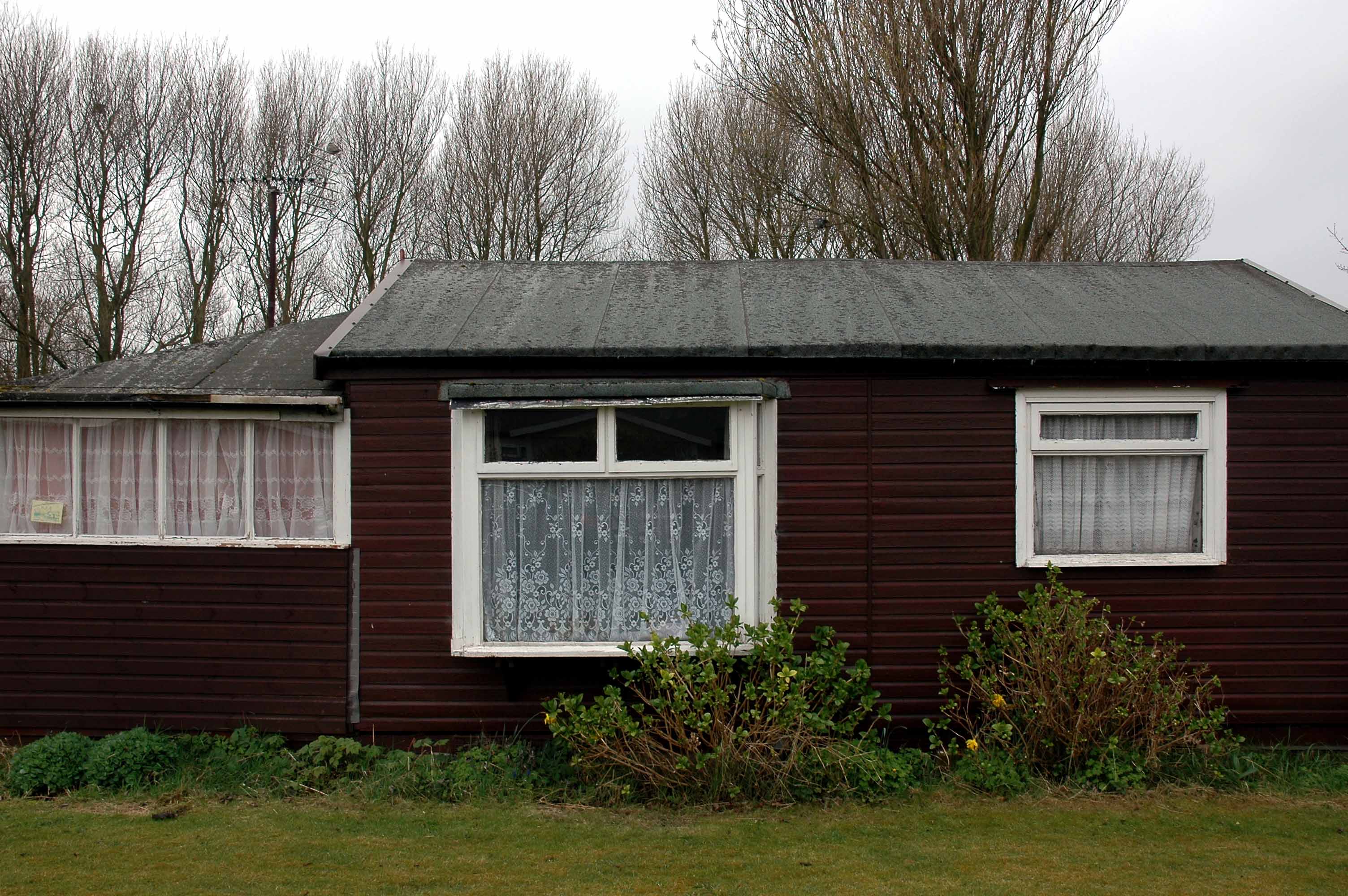
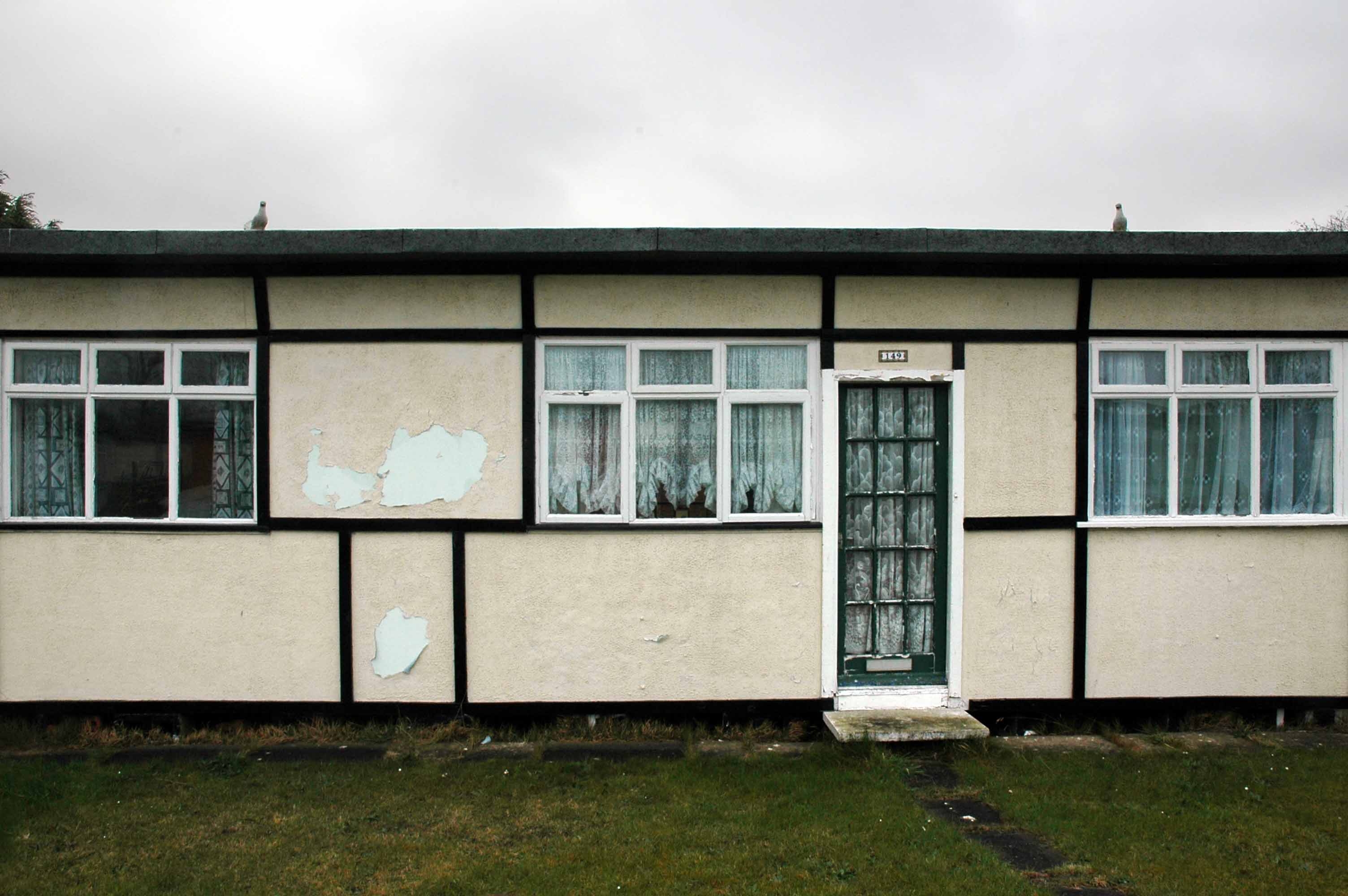
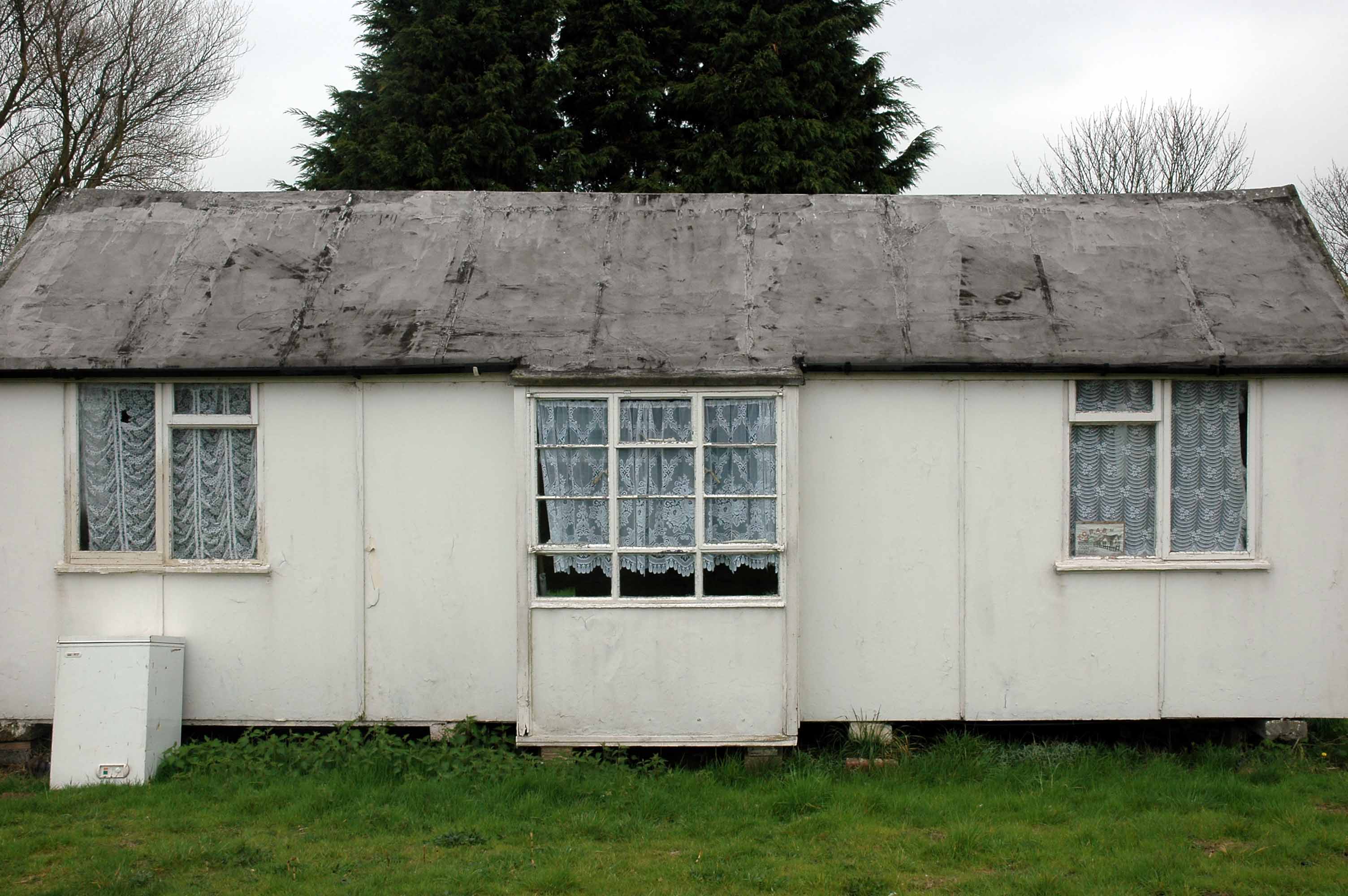
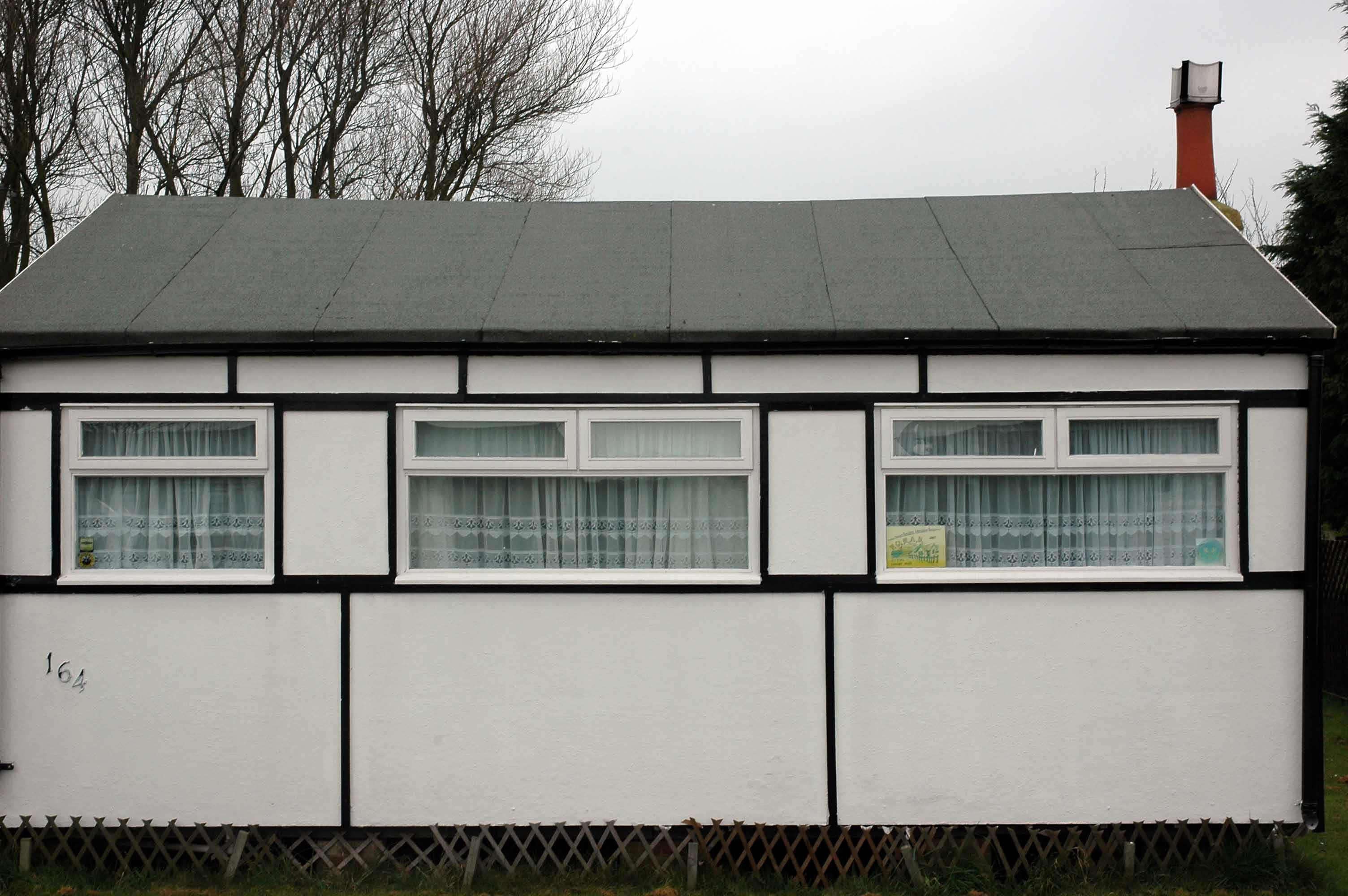
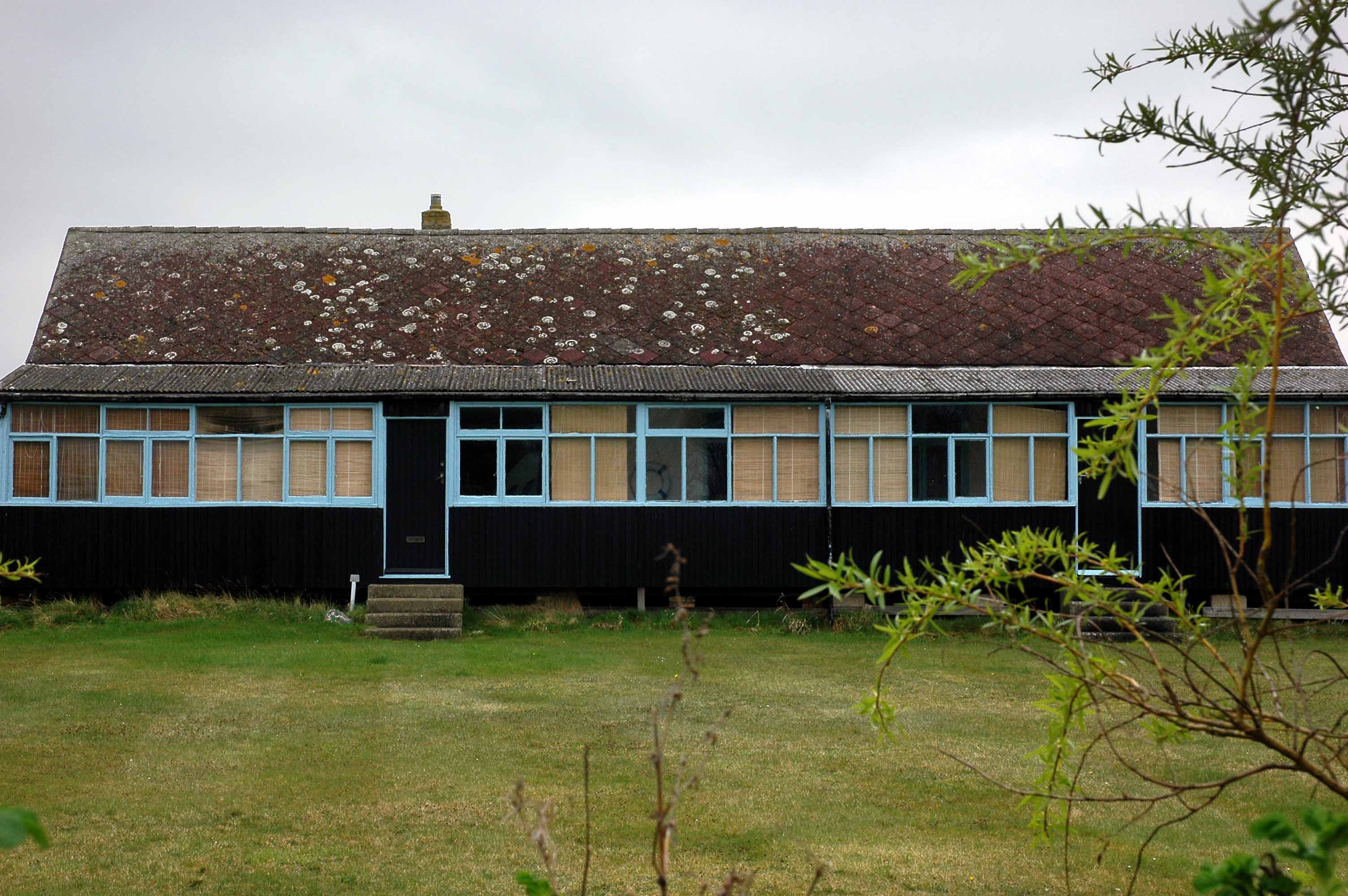
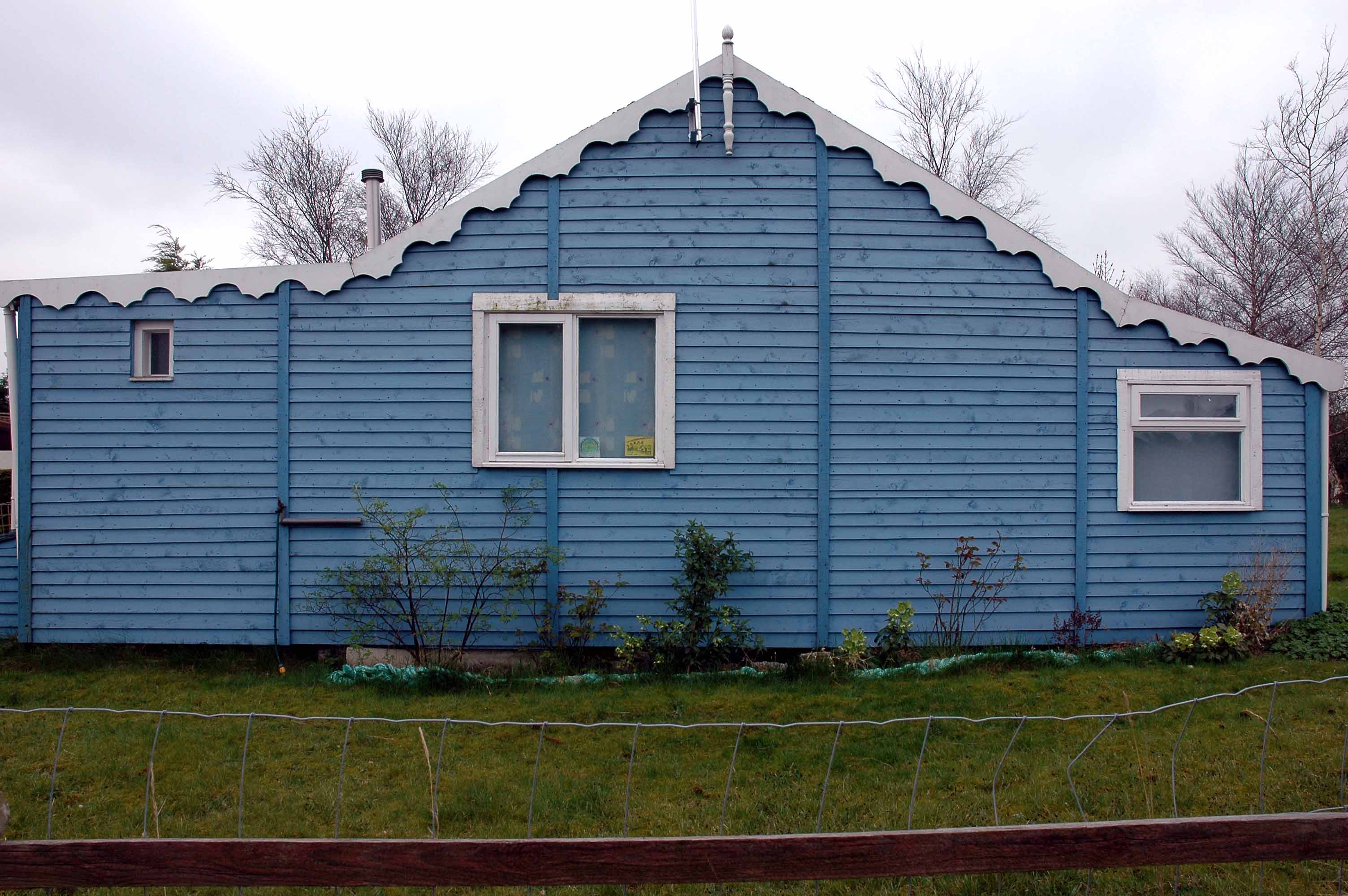
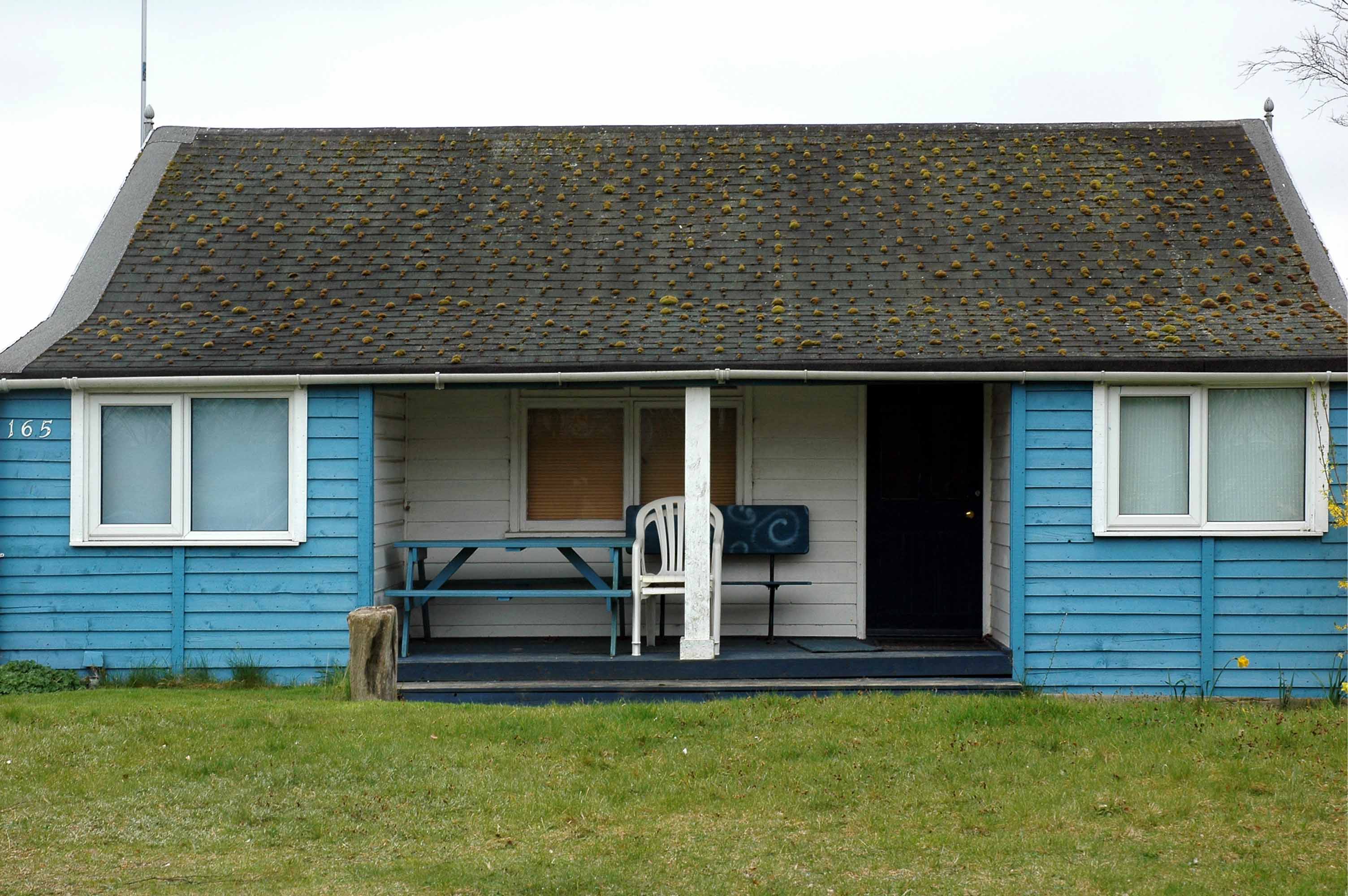
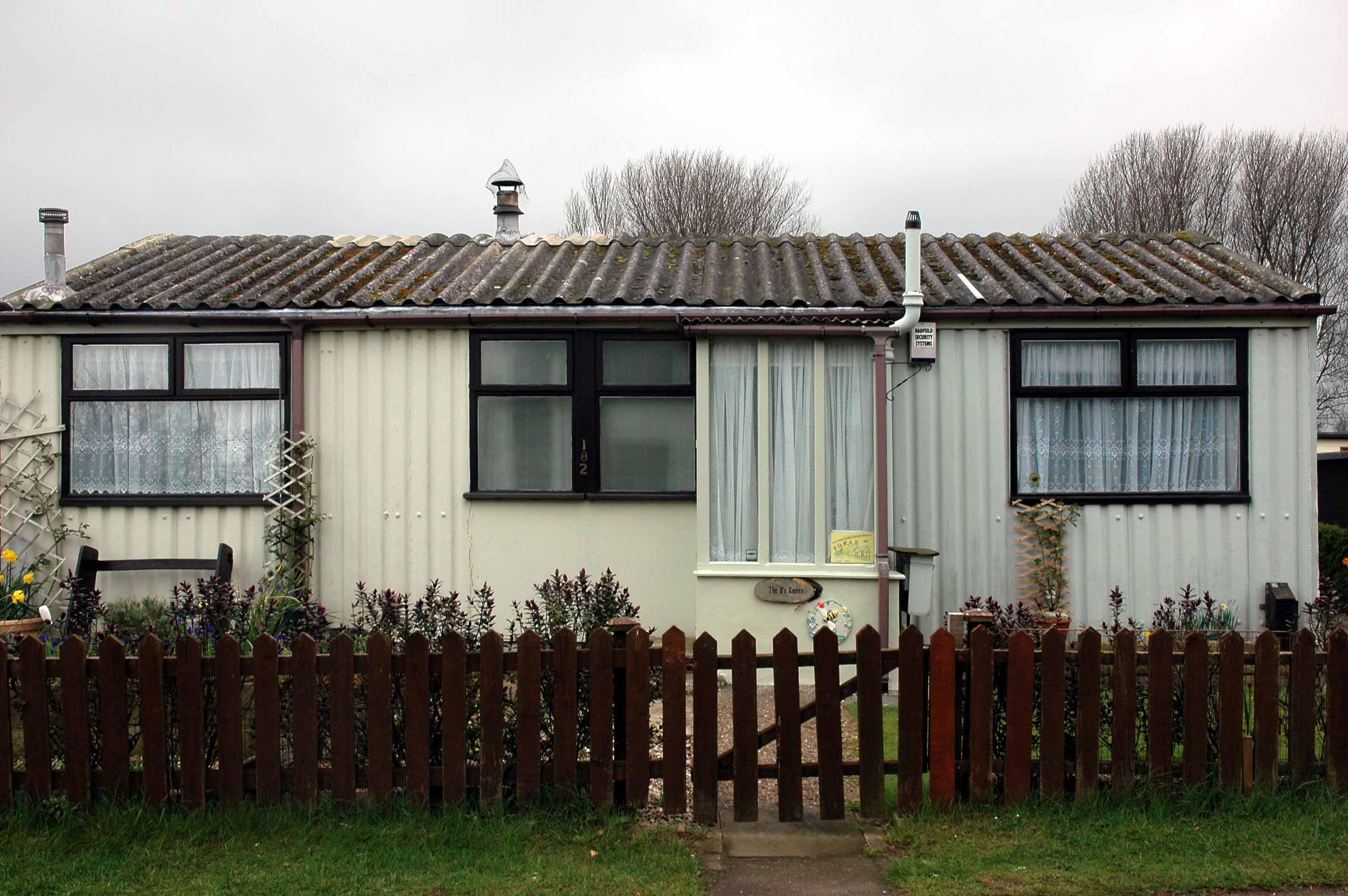
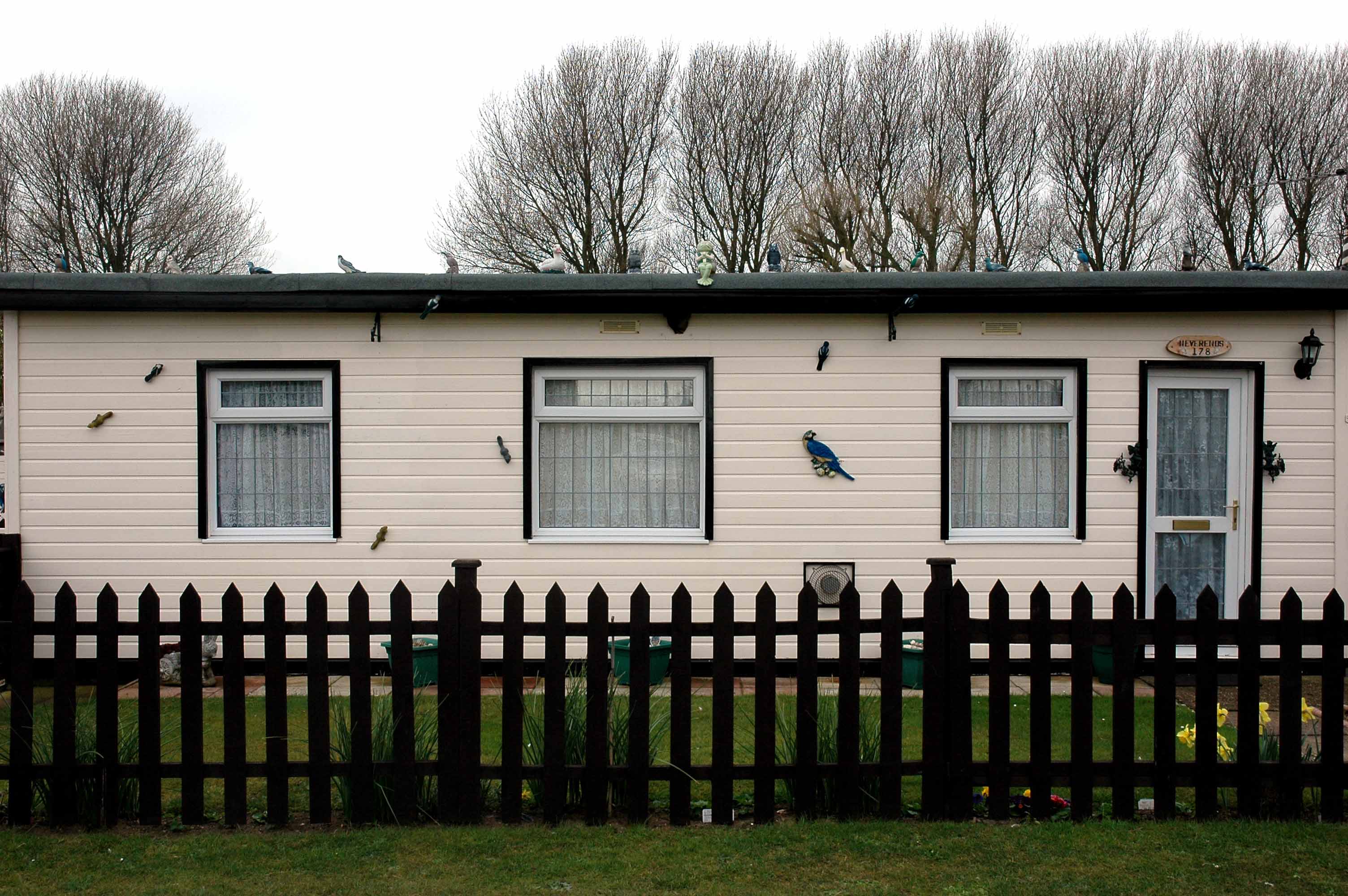
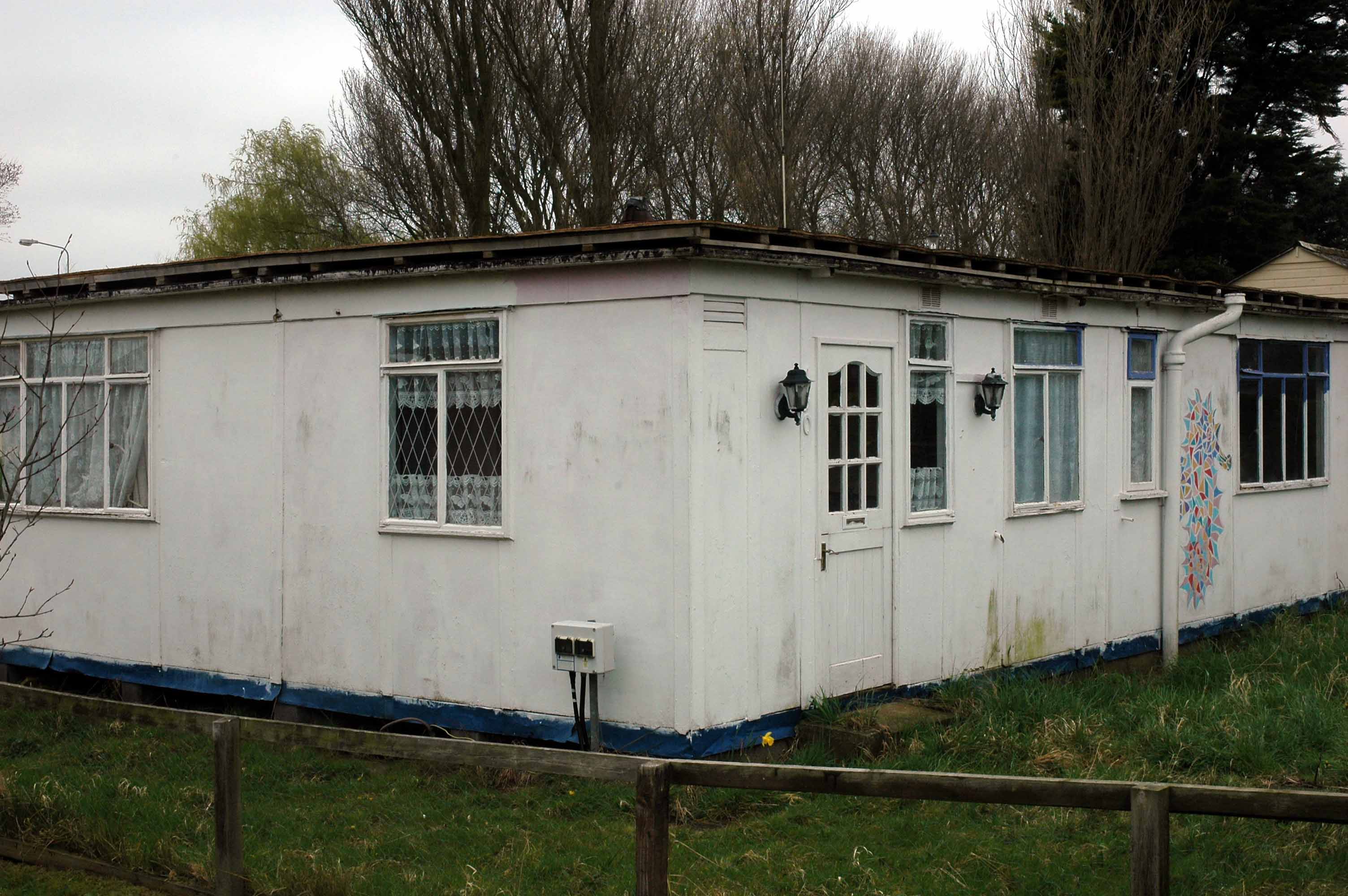
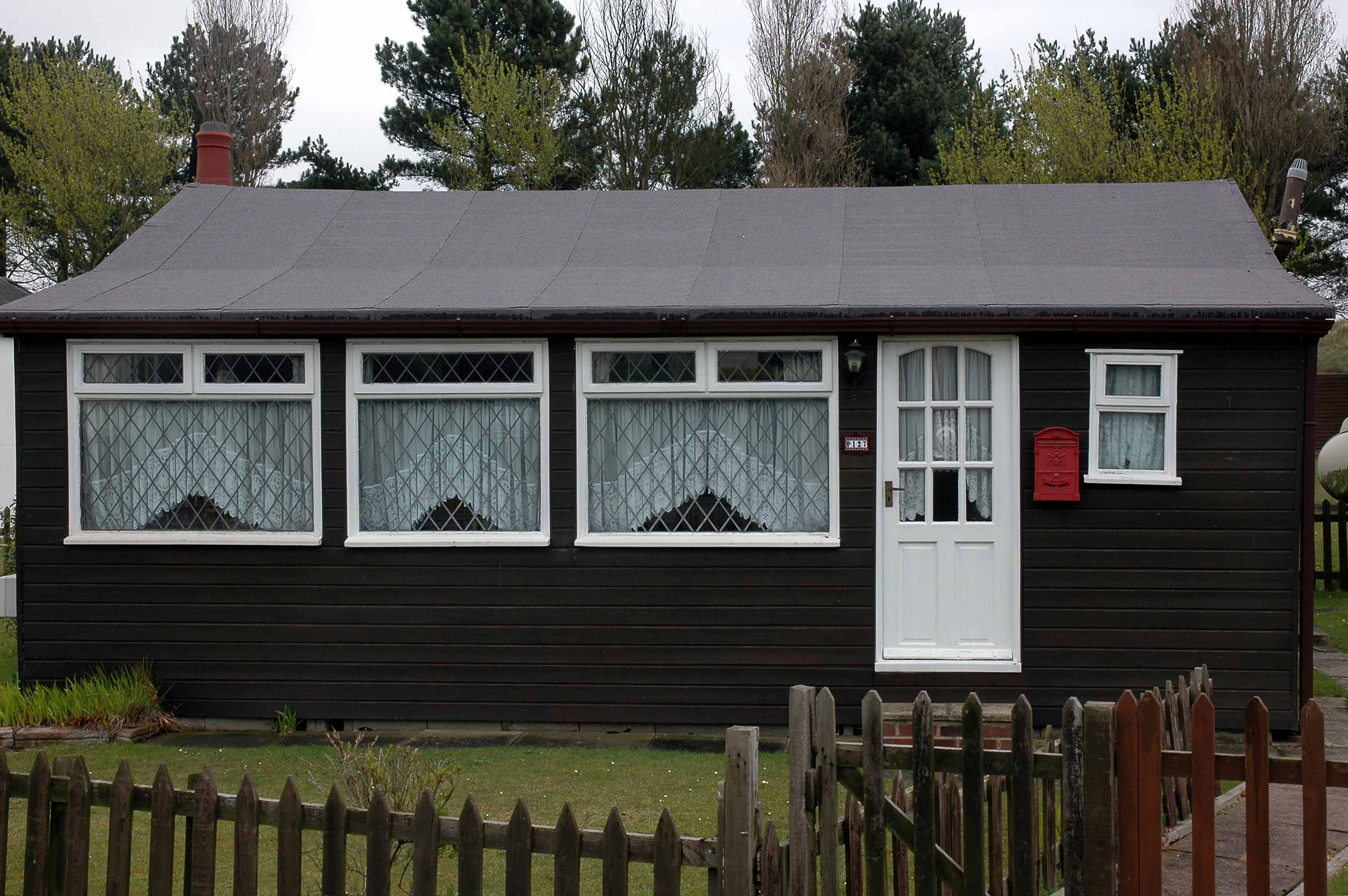
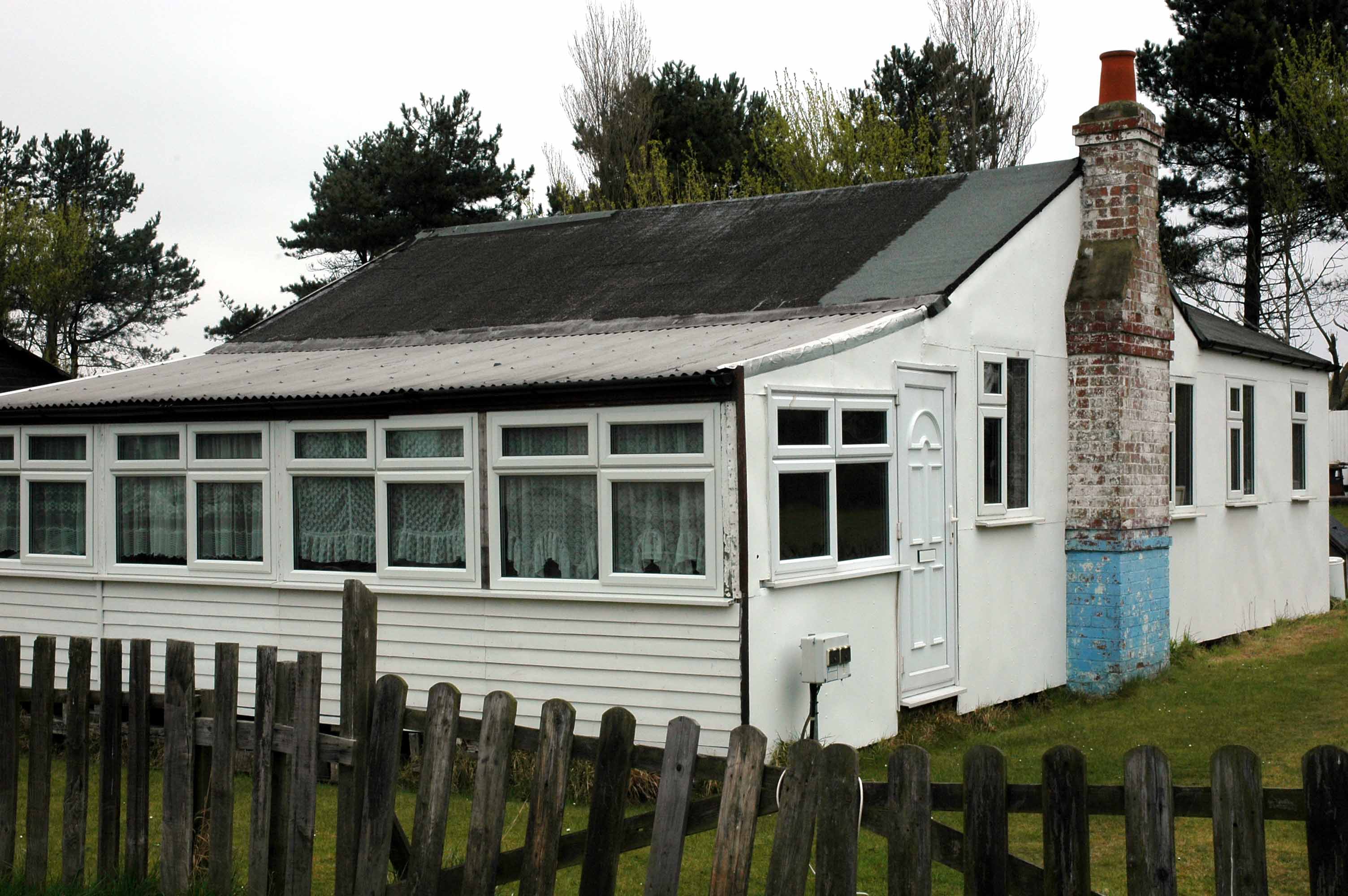
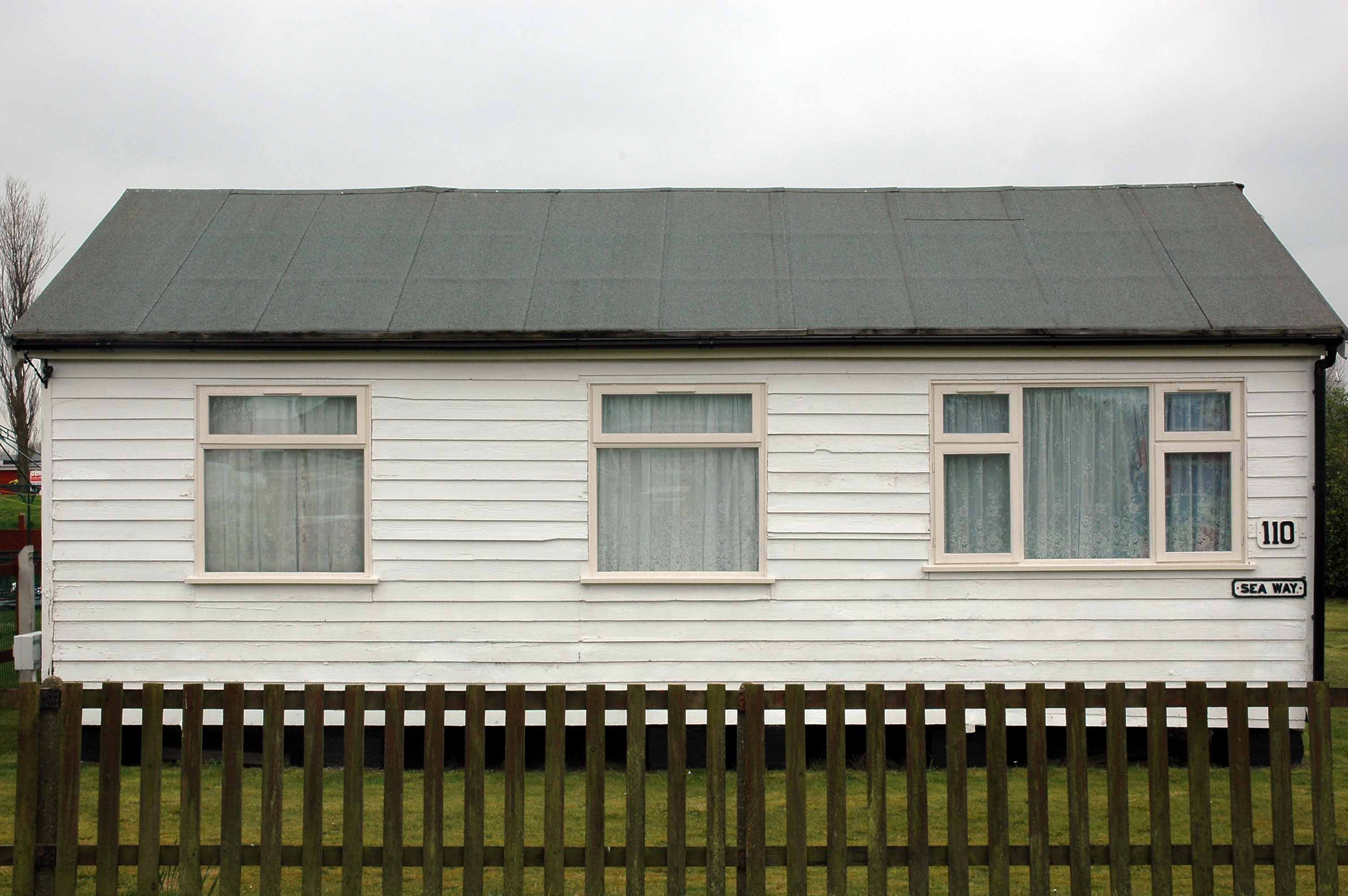
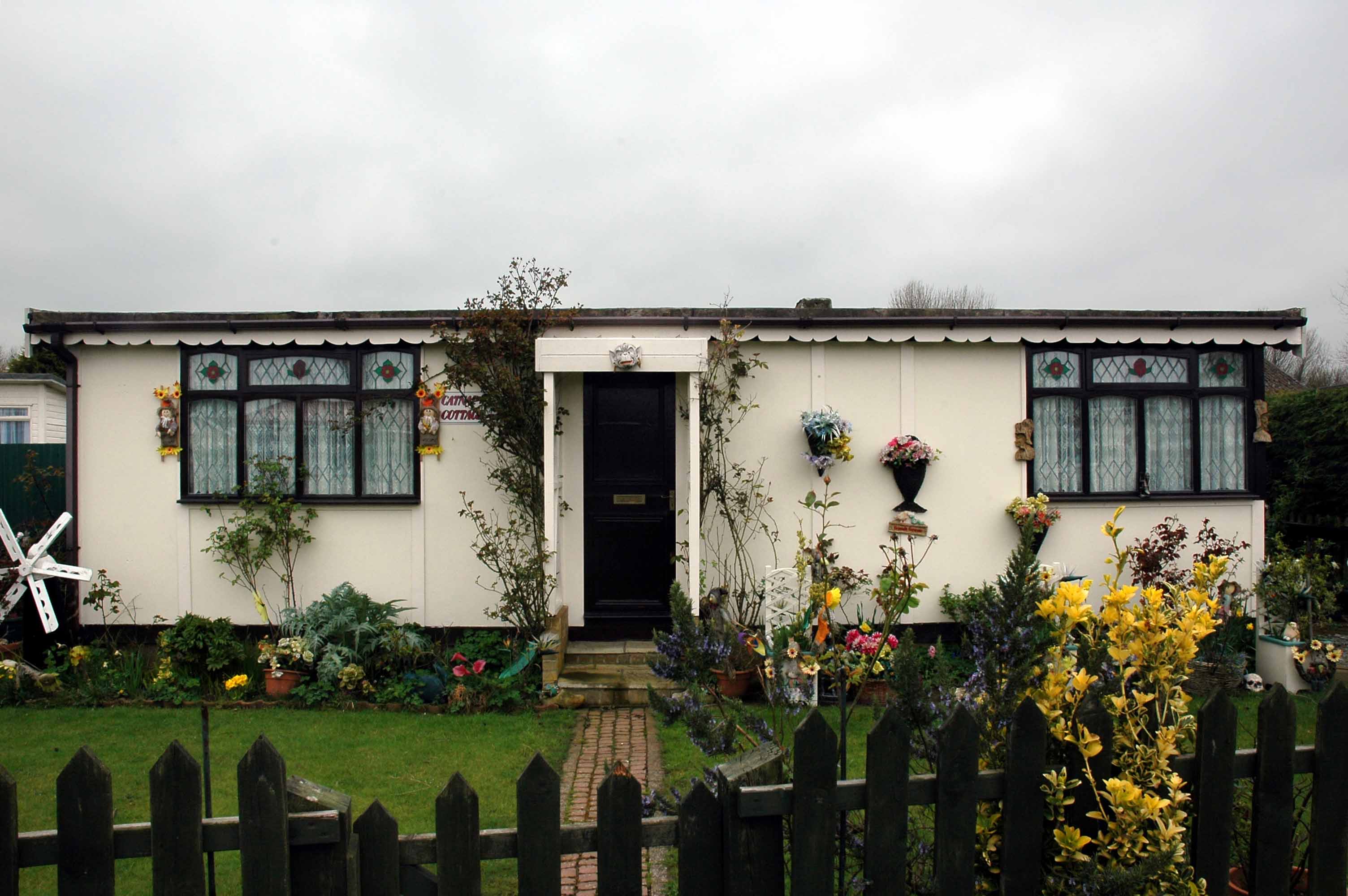
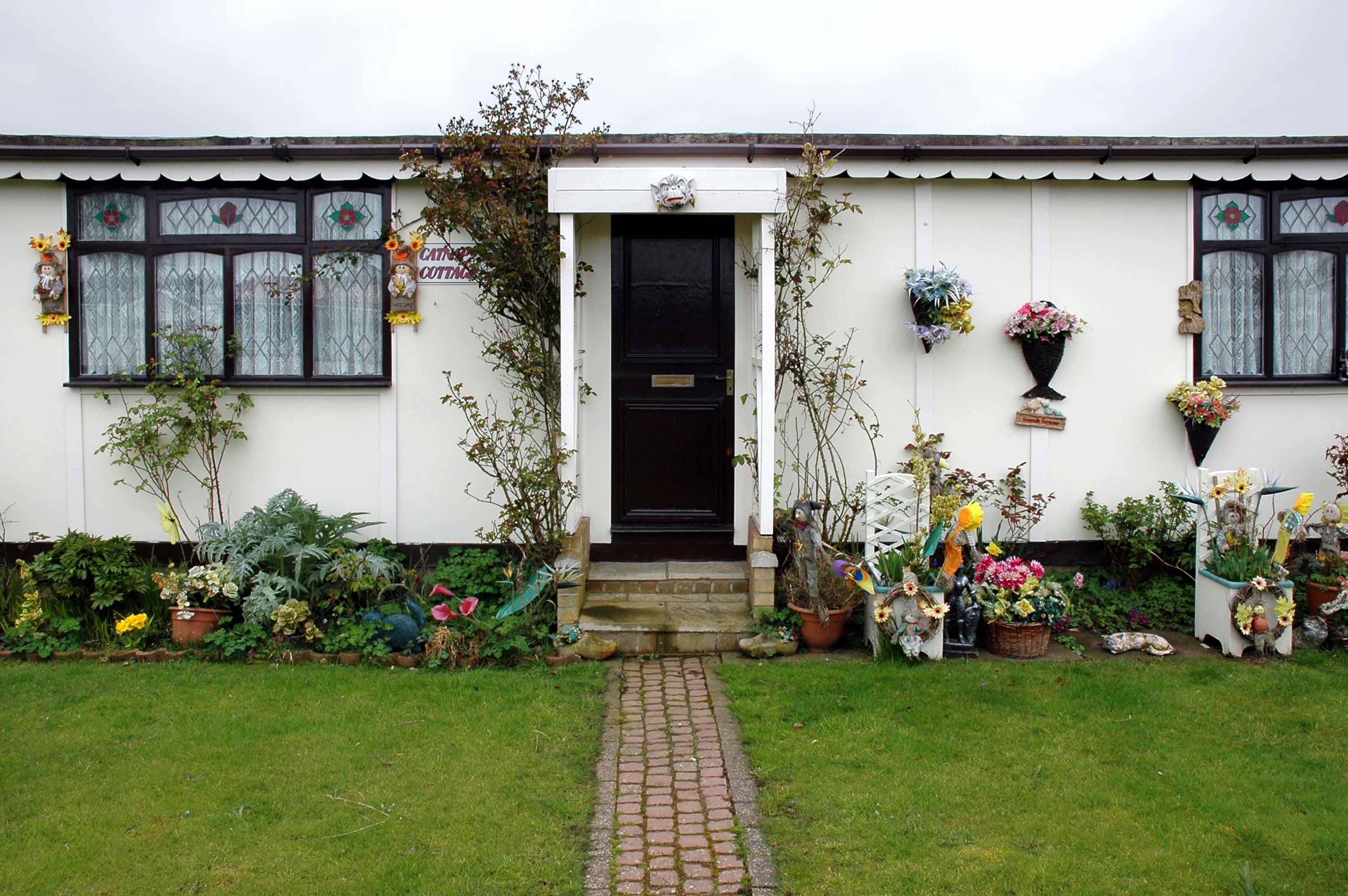
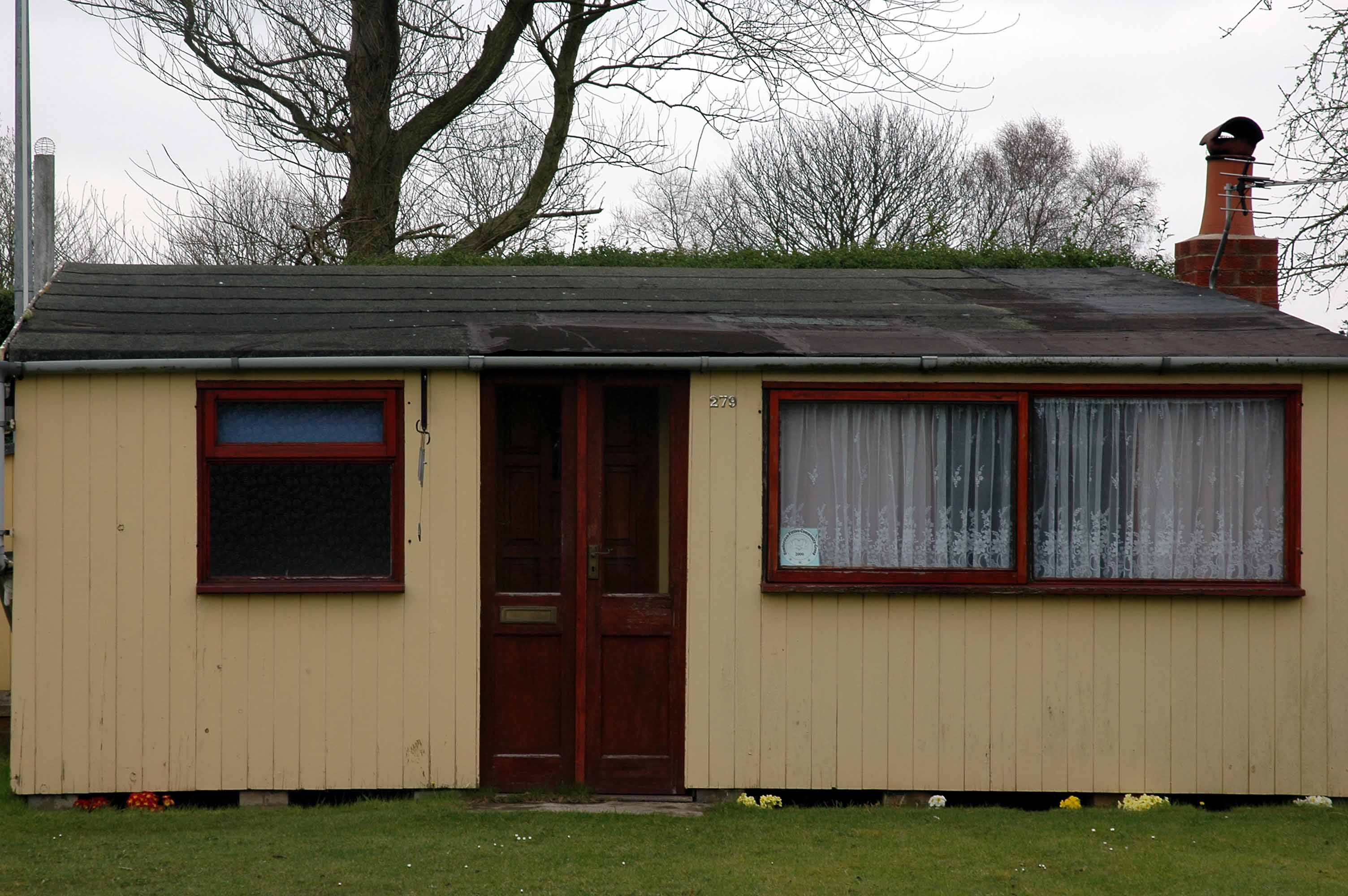
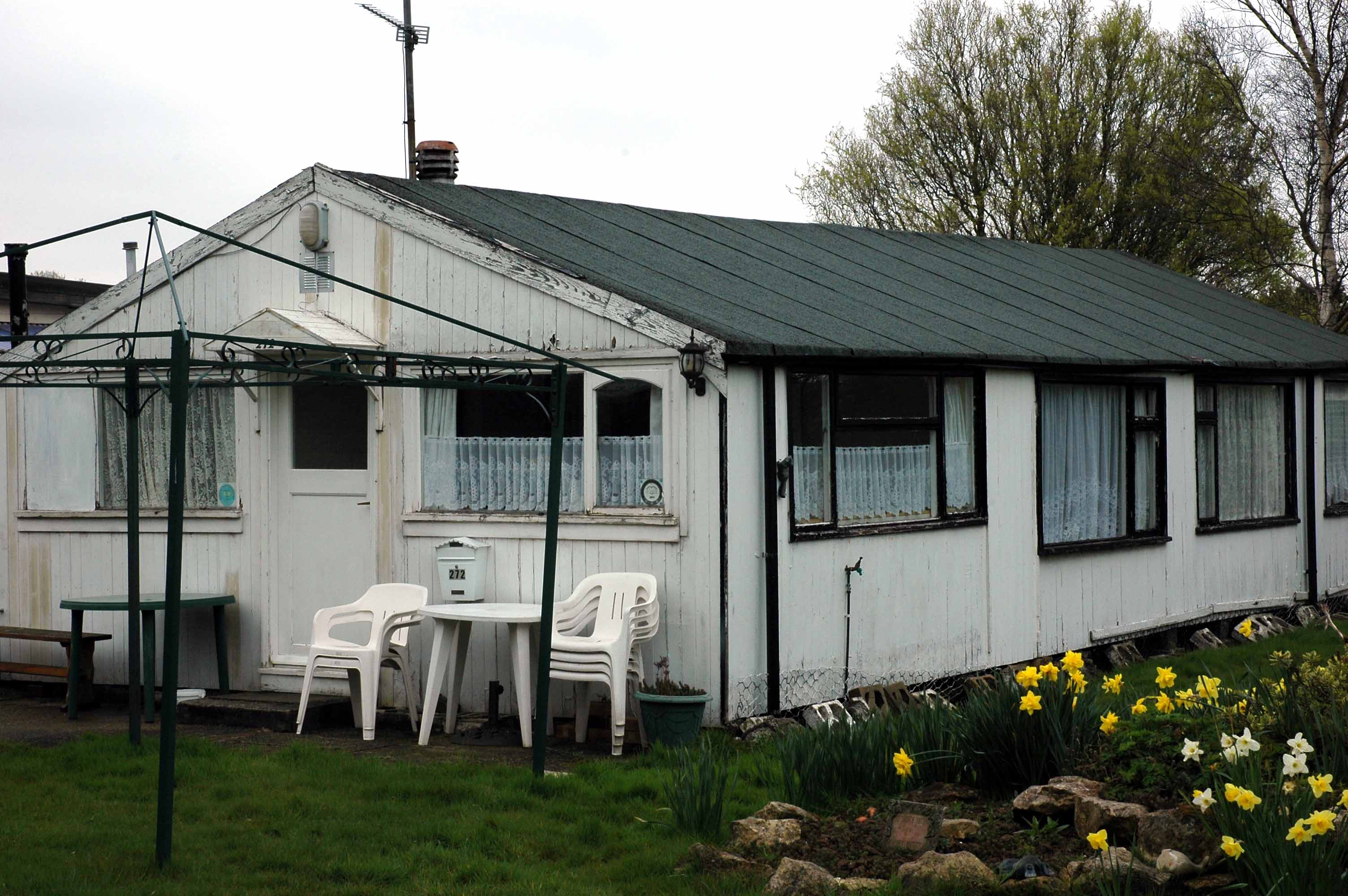
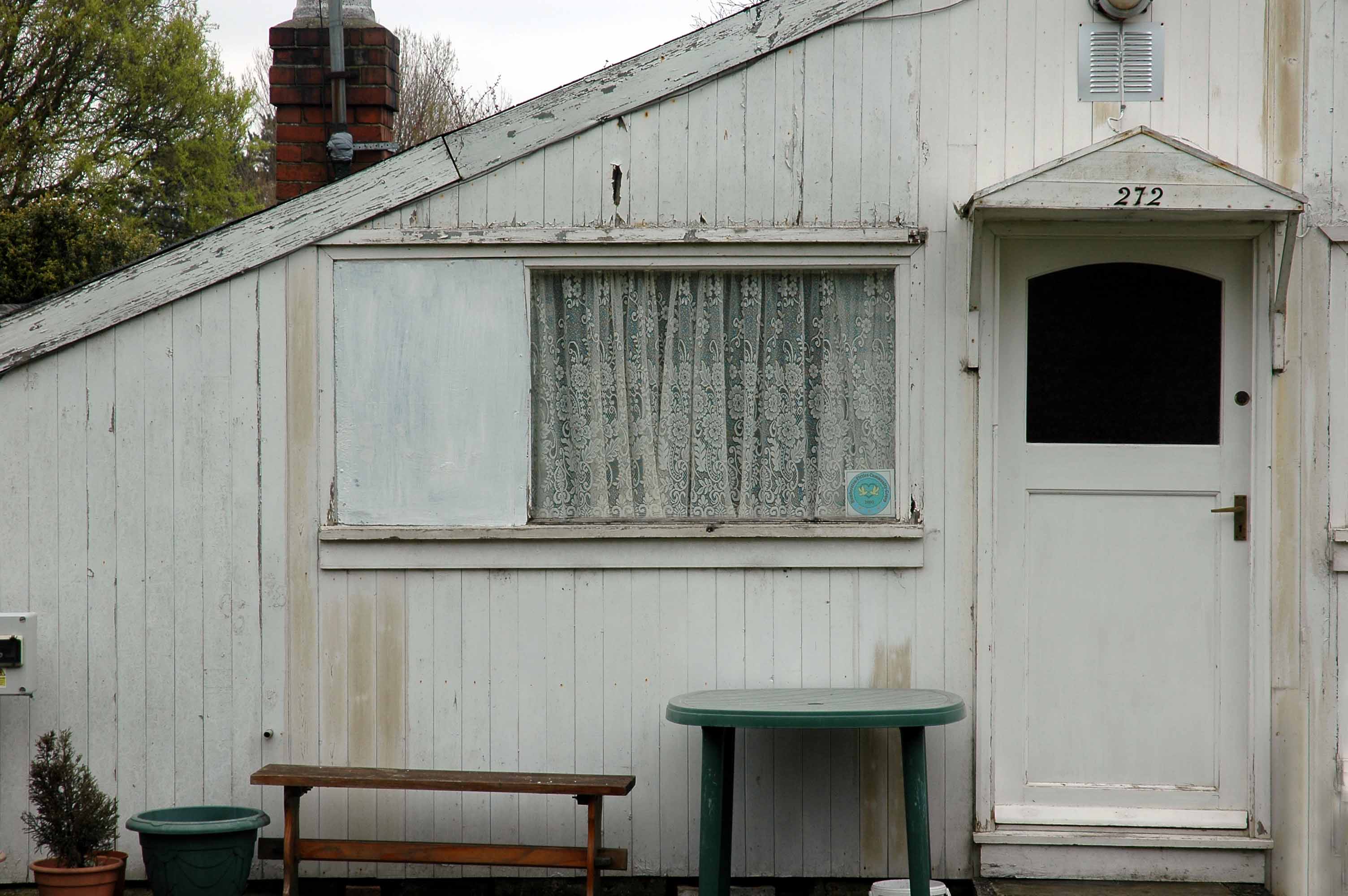
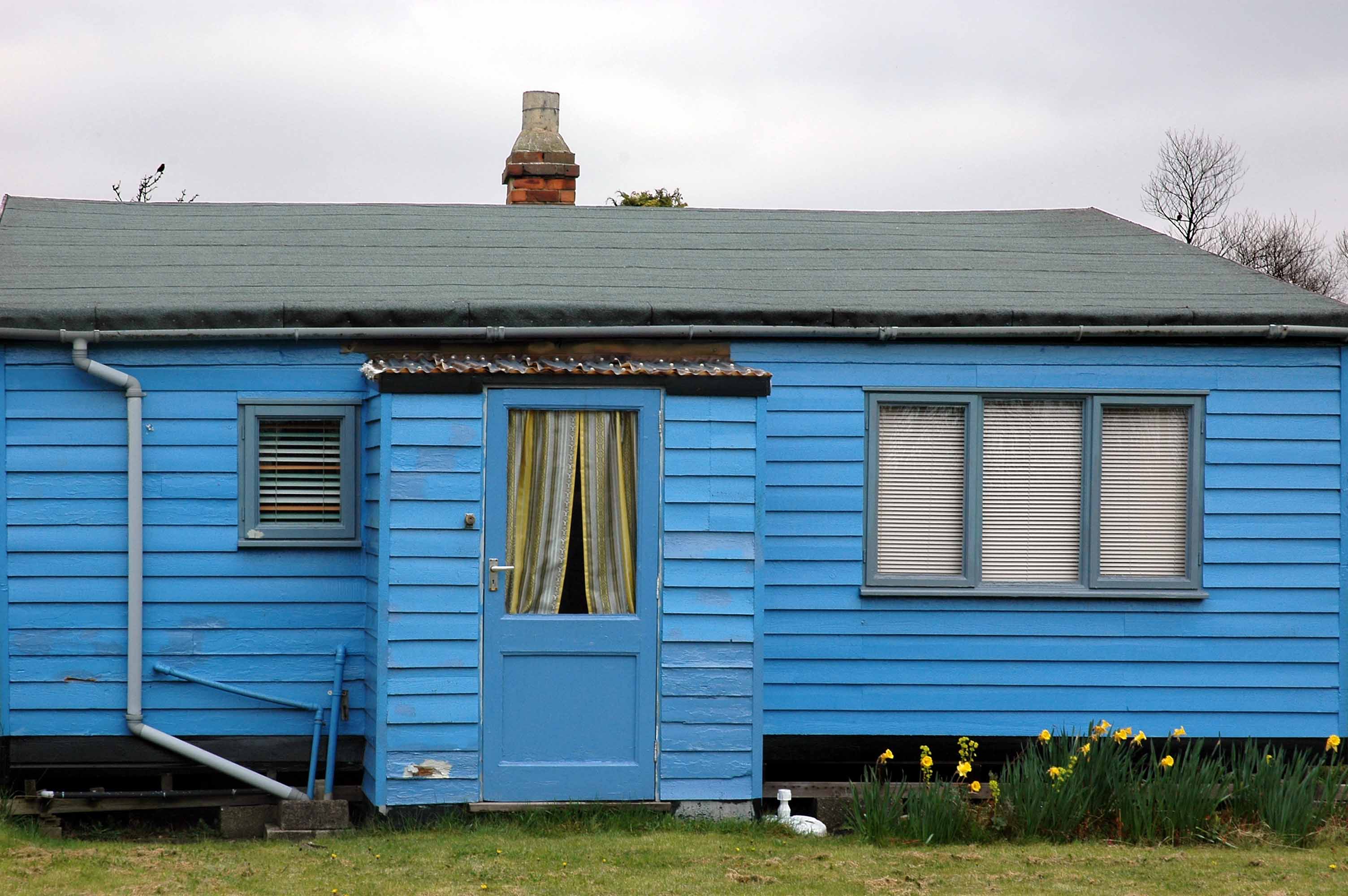
Betwixt and between the two world wars, the shortage of housing for the homeless, hopeless and dispossessed lead to an acceleration in the building of an informal architecture – the so-called Plotlands.

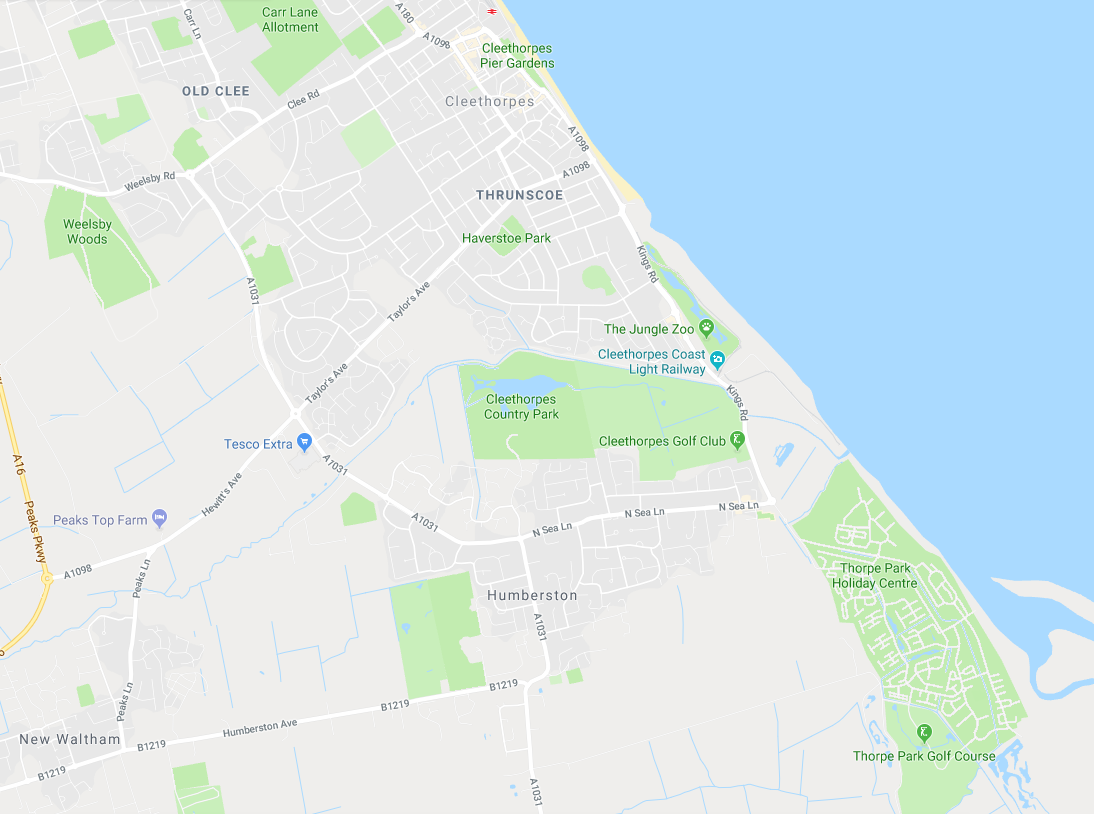
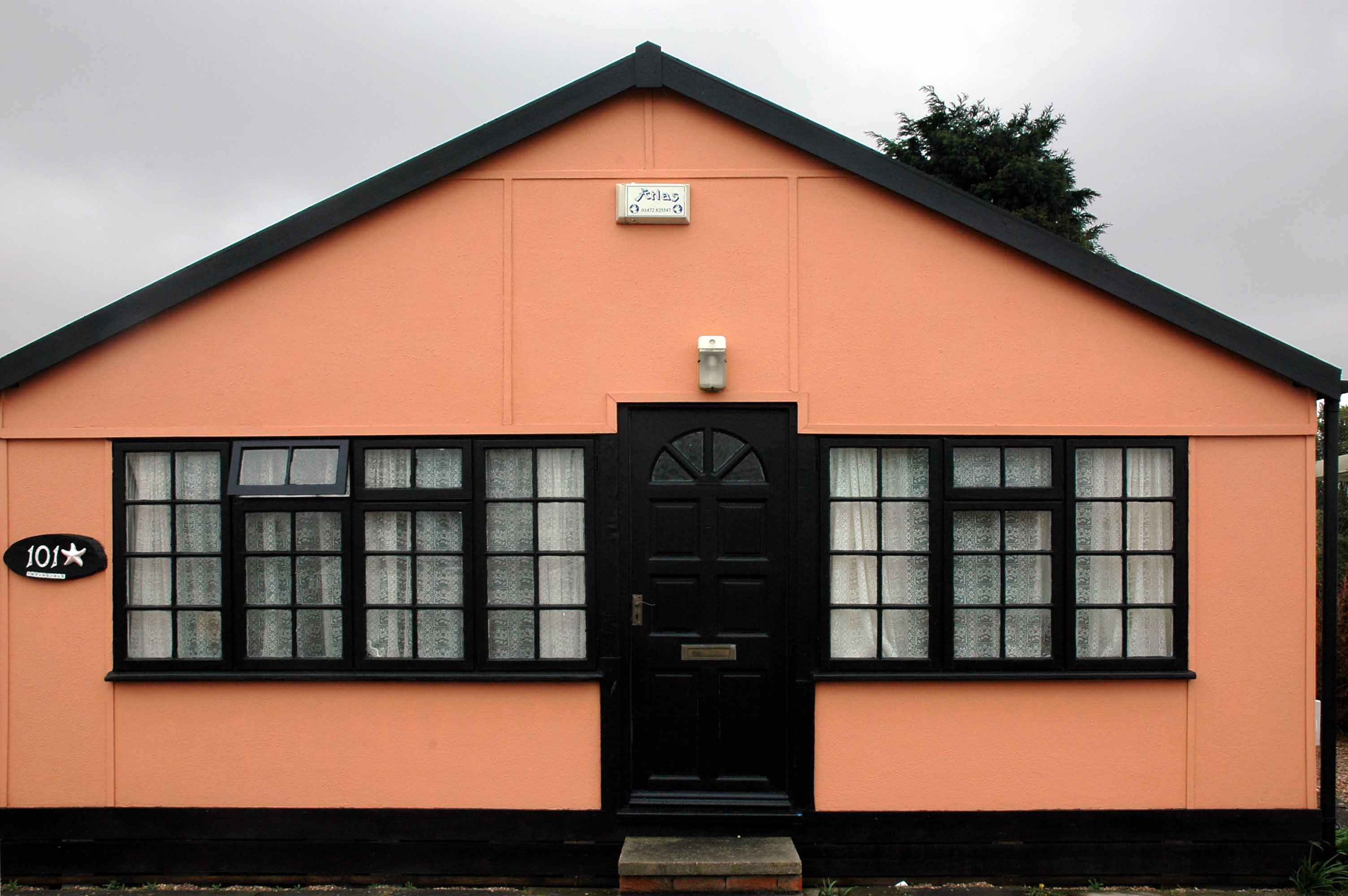
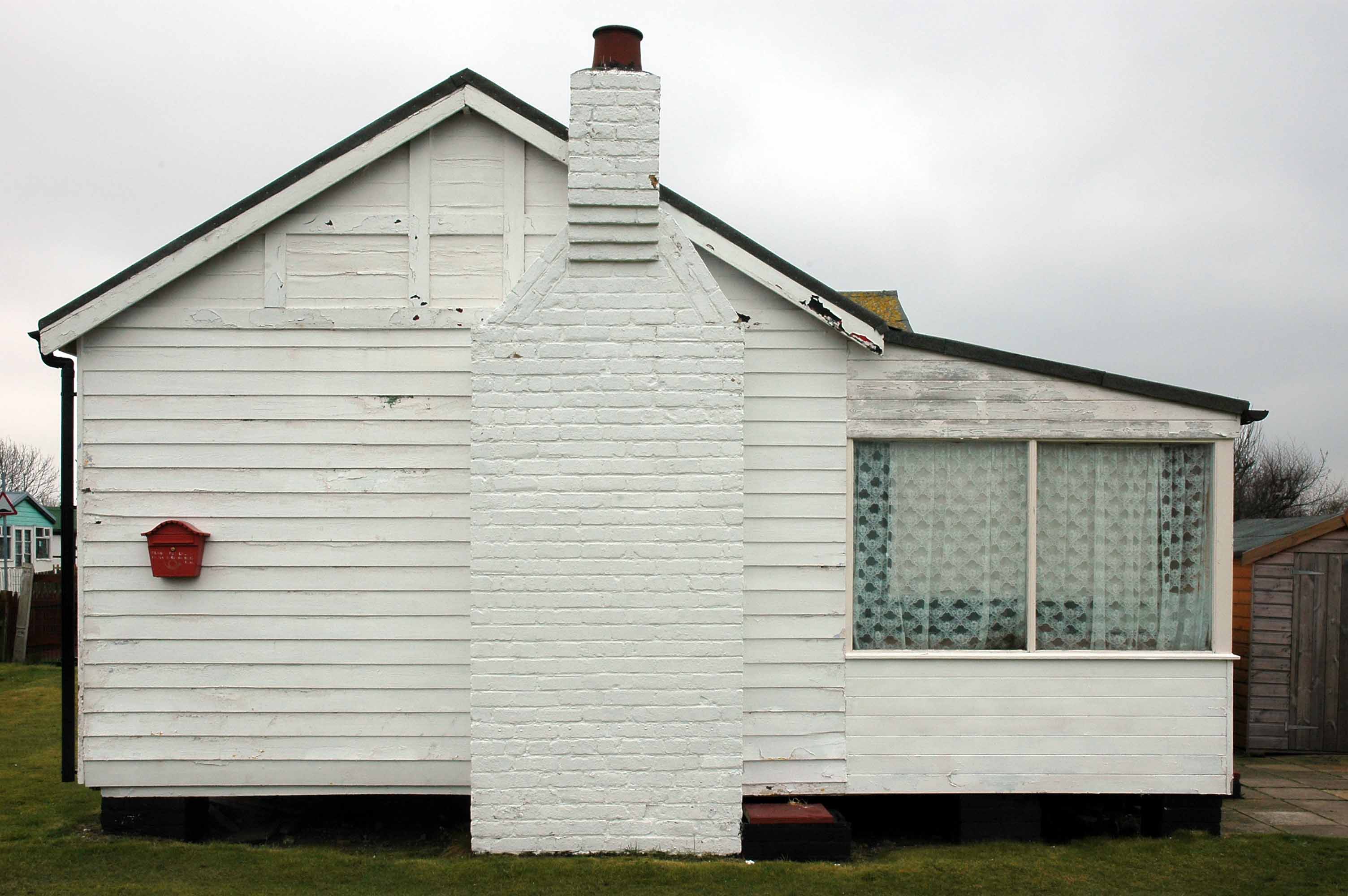
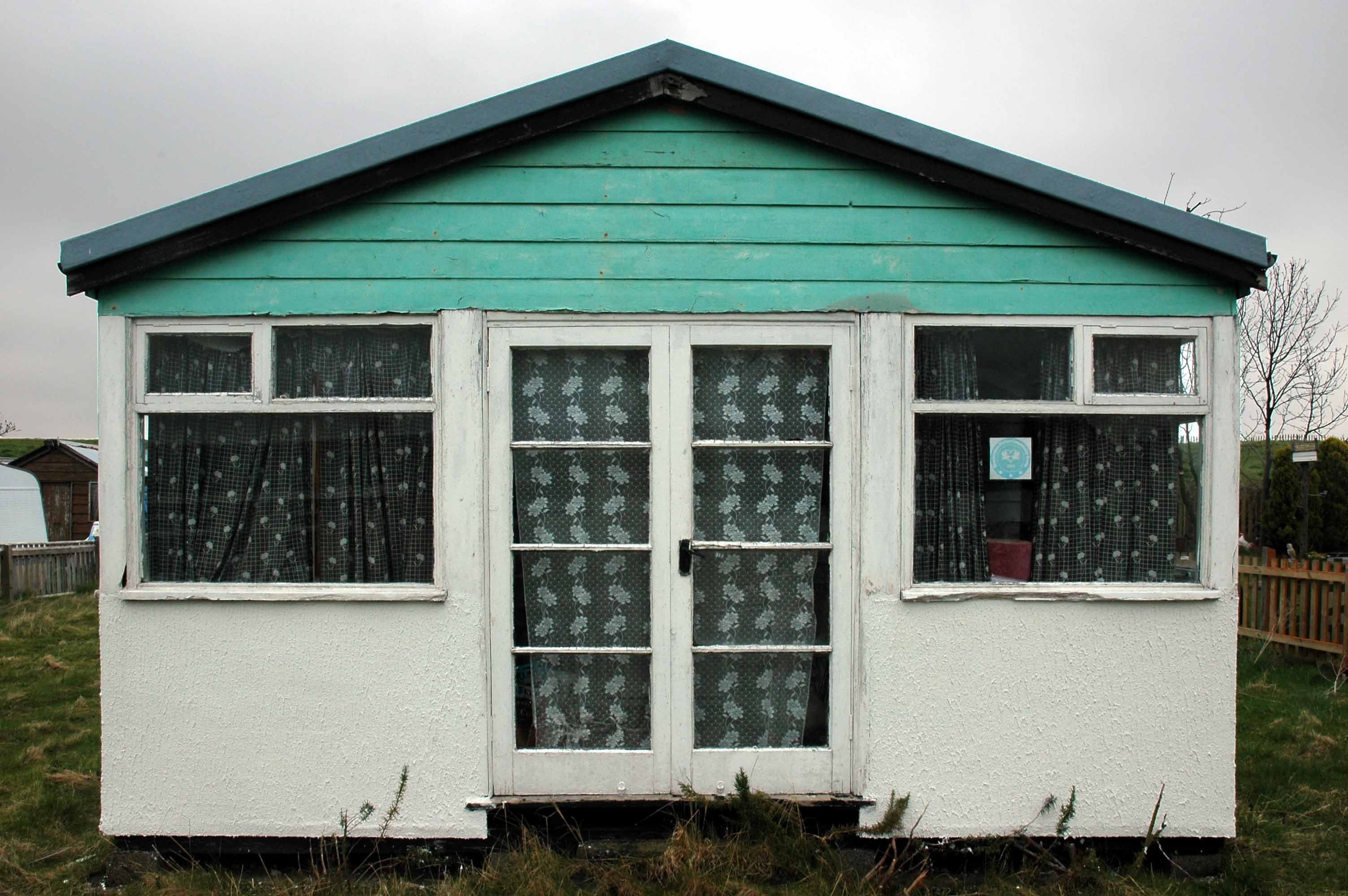
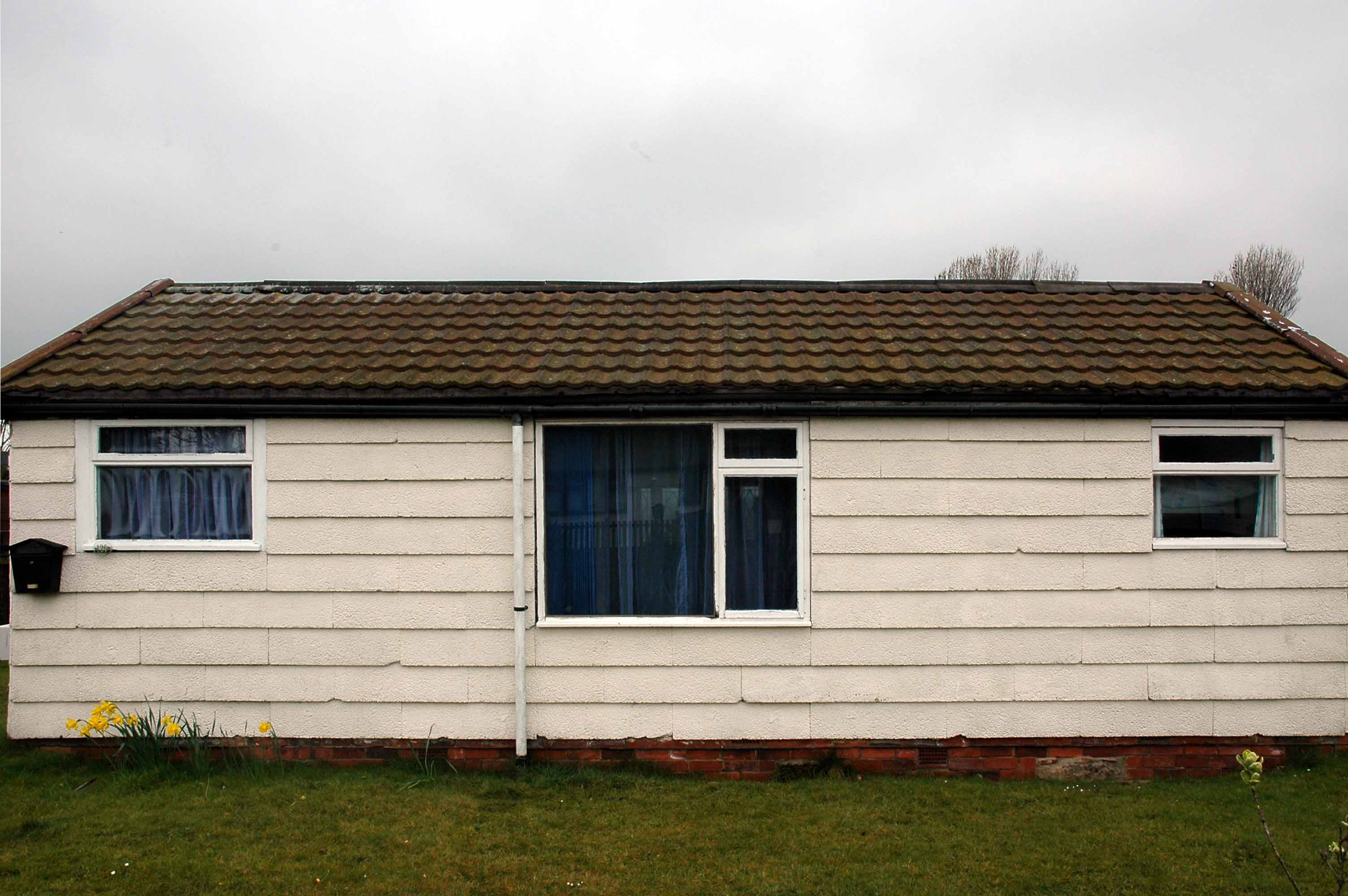
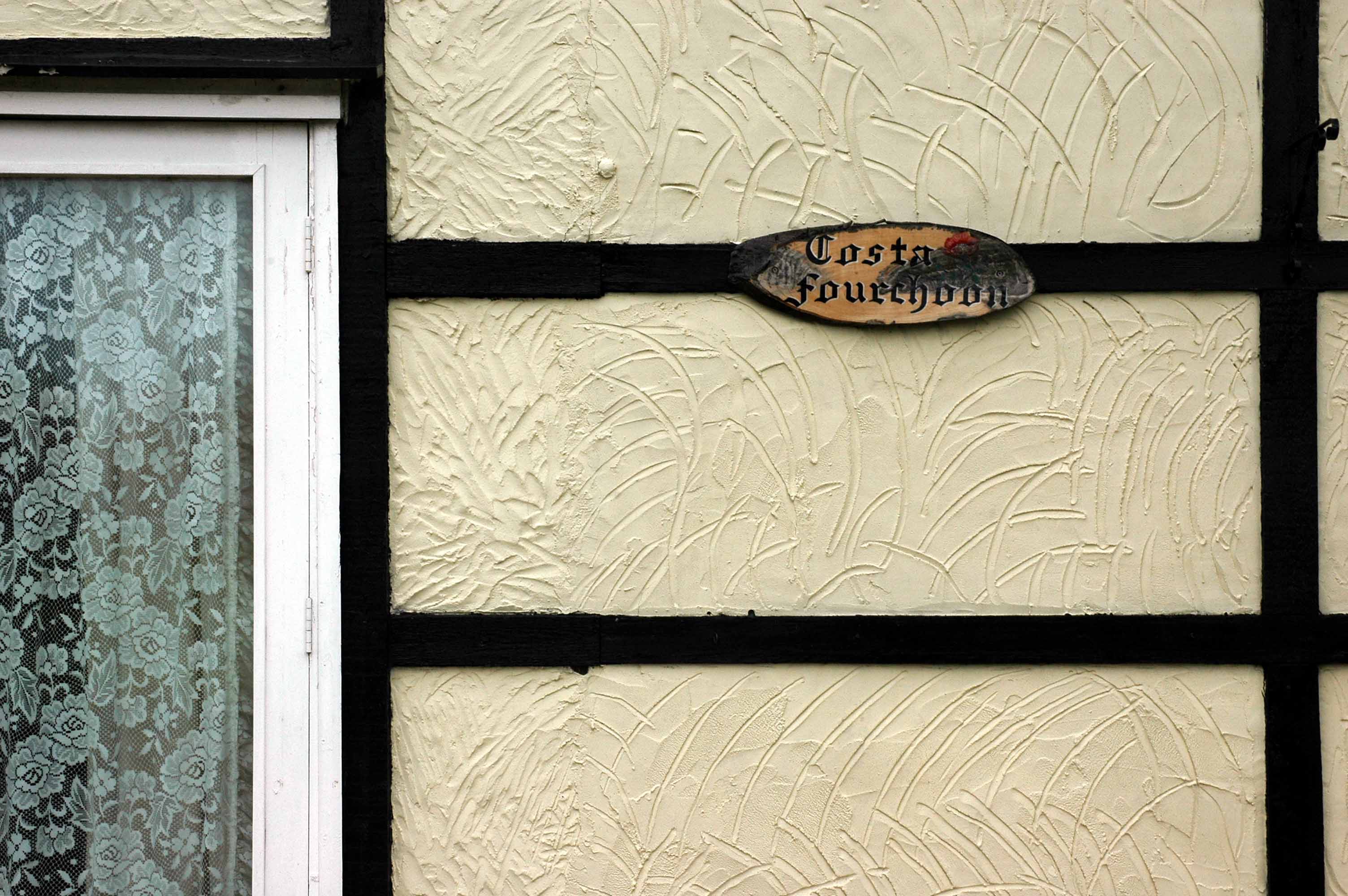
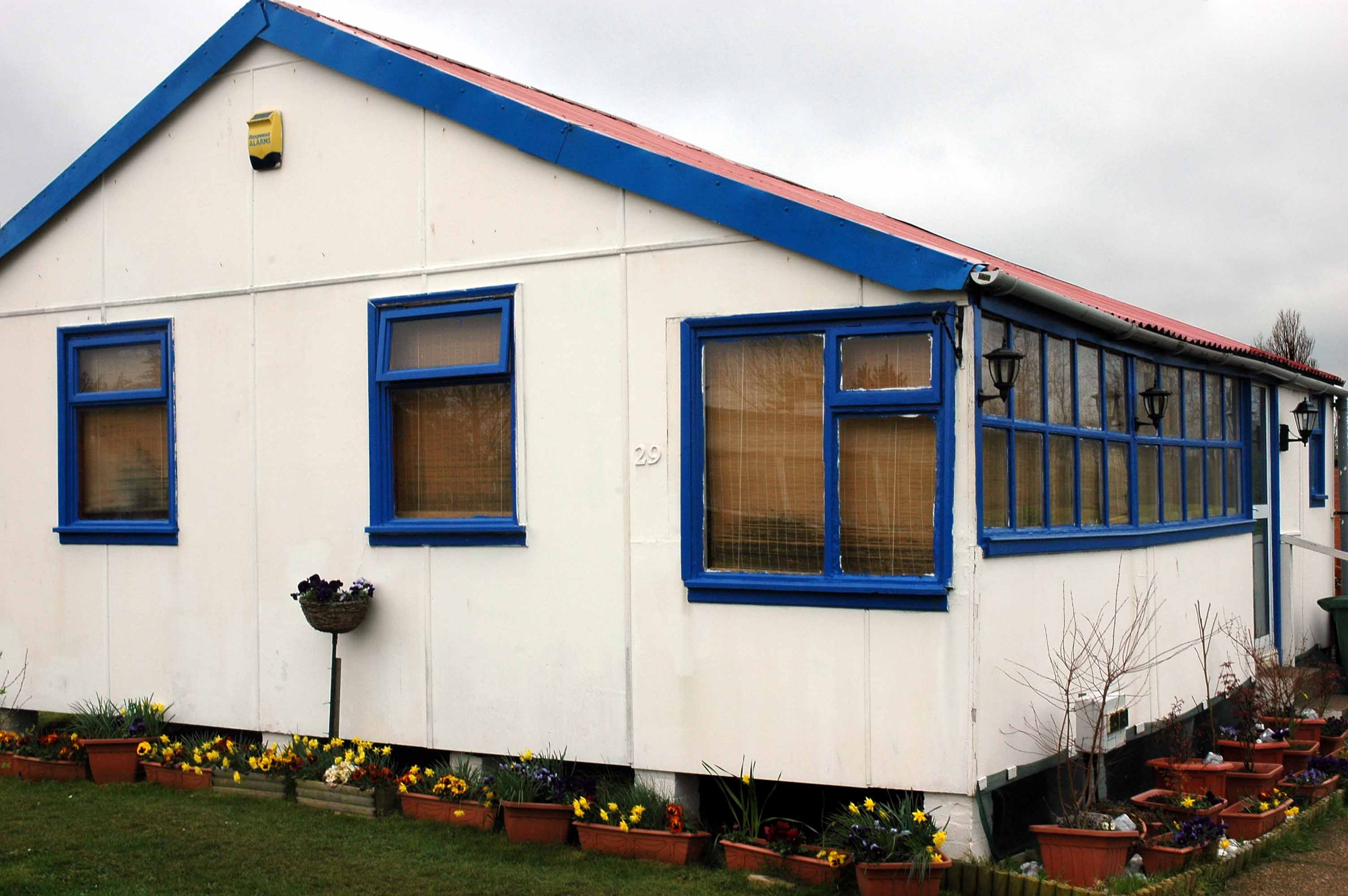
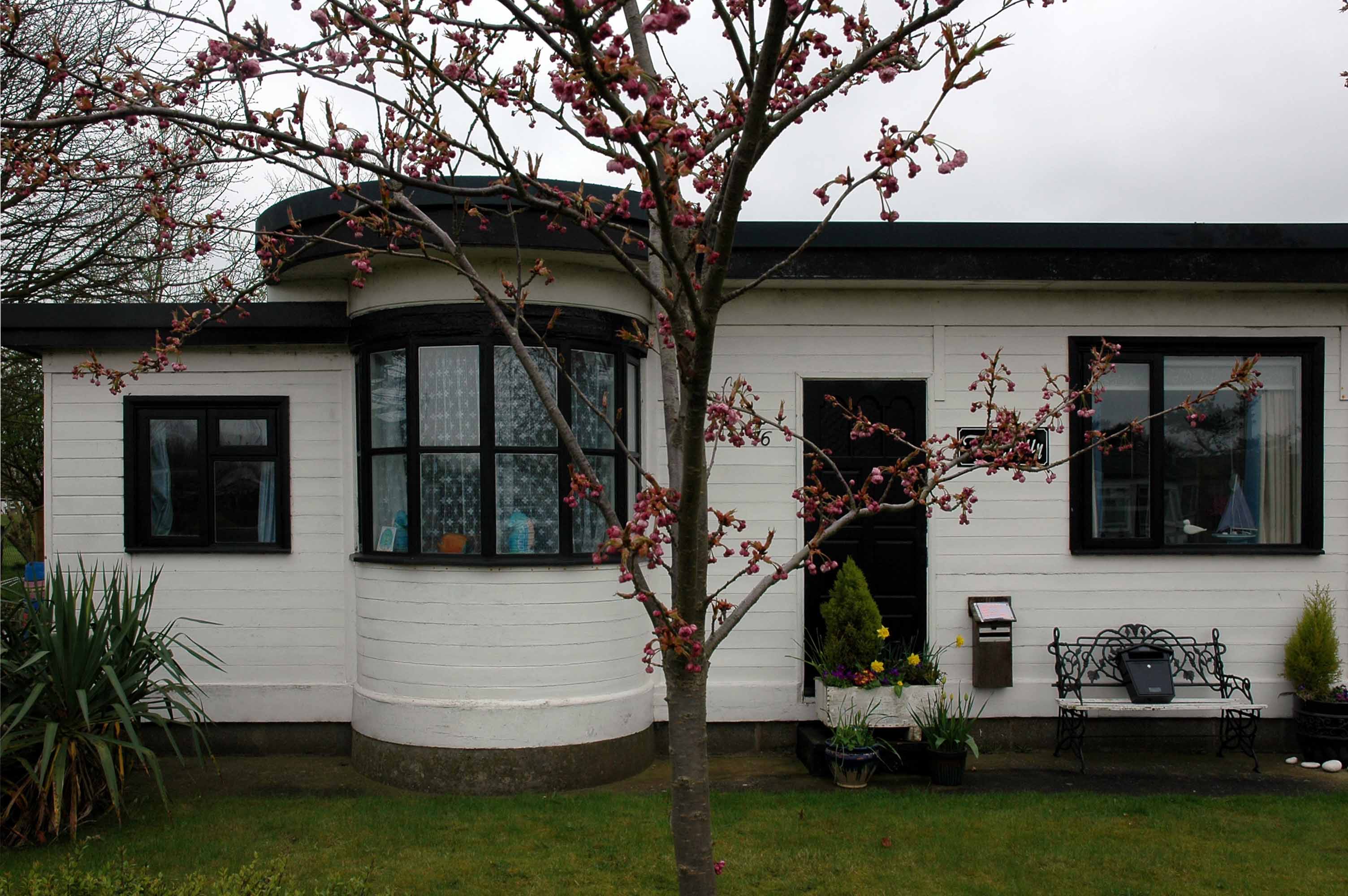
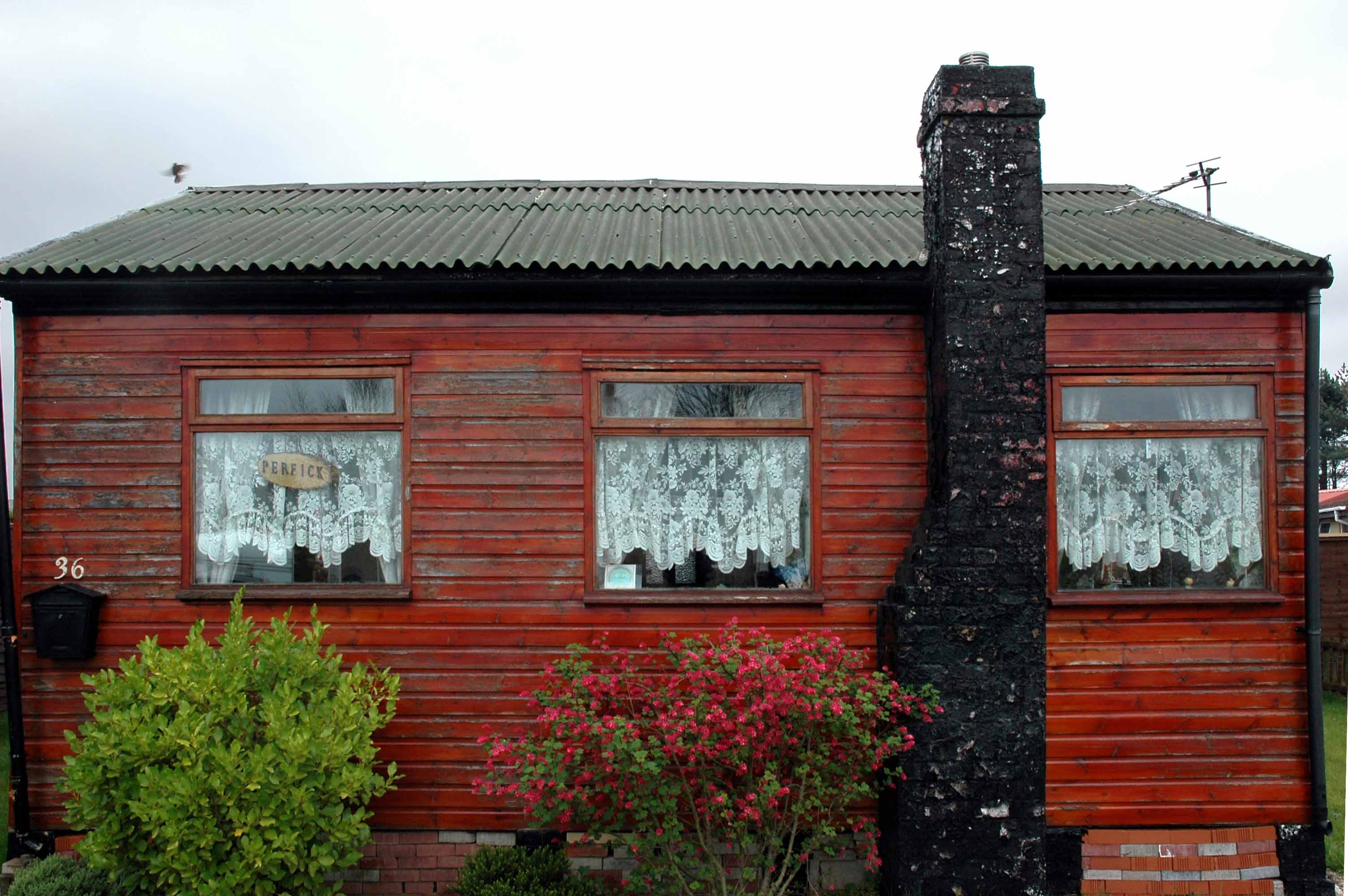
One such area and precious survivor from the last century is the Humberston Fitties – situated to south of Cleethorpes, preserved in time by the happy homesteaders.

Screen Shot 2018-03-04 at 14.47.01

Though under threat from Local Authority negligence or intervention, three hundred and twenty chalets prevail – against the incursion of planning regulations, building specs and a lack of respect.

_P1090924_edited-1

I feel a real affinity for all Plotlands, having spent many summers in the converted Pagham railway carriage, belonging to my Aunty Alice and Uncle Arthur. They relocated to the south coast seeking cleaner air for Arthur’s ailing, industrialised northern lungs, thus prolonging his life.

tamarisk

Tamarisk – Pagham

So here are the photographs I took on a visit to The Fitties in July 2008, I walked the home made roads, amazed by the vigour and variety of shape, size, personal affectation and practical pragmatism, of this all too human architecture.

This is a particular form of independent minded Modernism – hand-forged from the vernacular.

It is better to have your head in the clouds, and know where you are, than to breathe the clearer atmosphere below them, and think that you are in paradise.

Henry David Thoreau

123 copy

barometer

DSC_0003

DSC_0004

DSC_0005

DSC_0006

DSC_0007

DSC_0009

DSC_0010

DSC_0012

DSC_0013

DSC_0014

DSC_0015

DSC_0016

DSC_0017

DSC_0018

DSC_0019

DSC_0020

DSC_0021

DSC_0022

DSC_0023

DSC_0024

DSC_0025

DSC_0030

DSC_0032

DSC_0033

DSC_0035

DSC_0036

DSC_0037

DSC_0038

DSC_0040

DSC_0041

DSC_0042

DSC_0043

DSC_0044

DSC_0045

DSC_0046

DSC_0047

DSC_0048

DSC_0049

DSC_0051

DSC_0052

DSC_0054

DSC_0055

DSC_0056

DSC_0057

DSC_0058

DSC_0059

DSC_0061

nets copy

nets2 copy

roof copy

sea way copy

verandah


Sea Front Shelter – Hastings

I have been here before, adoring the full range of Hasting’s sea front shelters.

They form an integral part of the general scheme designed and overseen by The Concrete King Sidney Little.

On my most recent visit the most distant shelter was receiving a wash and brush up, a brand new coat of paint or two, restored to bright red and white shipshape order, this land locked delight looked ready to set sail across the adjacent Channel to who knows where.

Offering a somewhat occluded view of blue skies and faraway shores, the bus stops here and goes on forever and forever.

P1170950

P1170955

P1170956


P1170961

P1170963


P1170965

P1170966

P1170967

P1170968

P1170969

P1170970

P1170971

P1170972

P1170973

P1170974

P1170976

P1170977

P1170978

P1170979

P1170980

P1170982

North Foreland Estate – Broadstairs

Where the lone lawn ranger, meets the top of the range Range Rover.

Yippee ki oh ki-yay!

Forever out to out Lutyens.

I think you’re probably out to lunch.

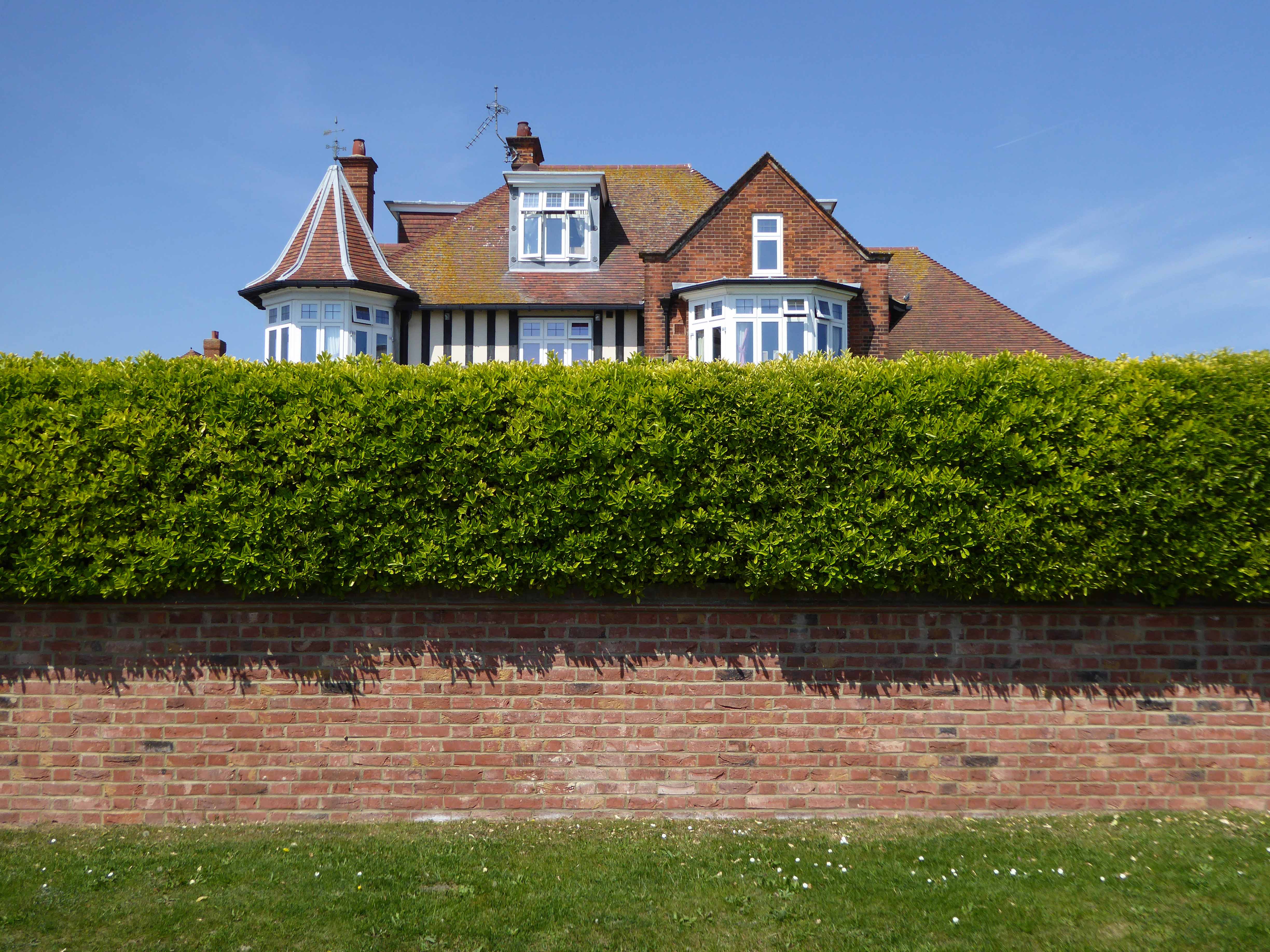
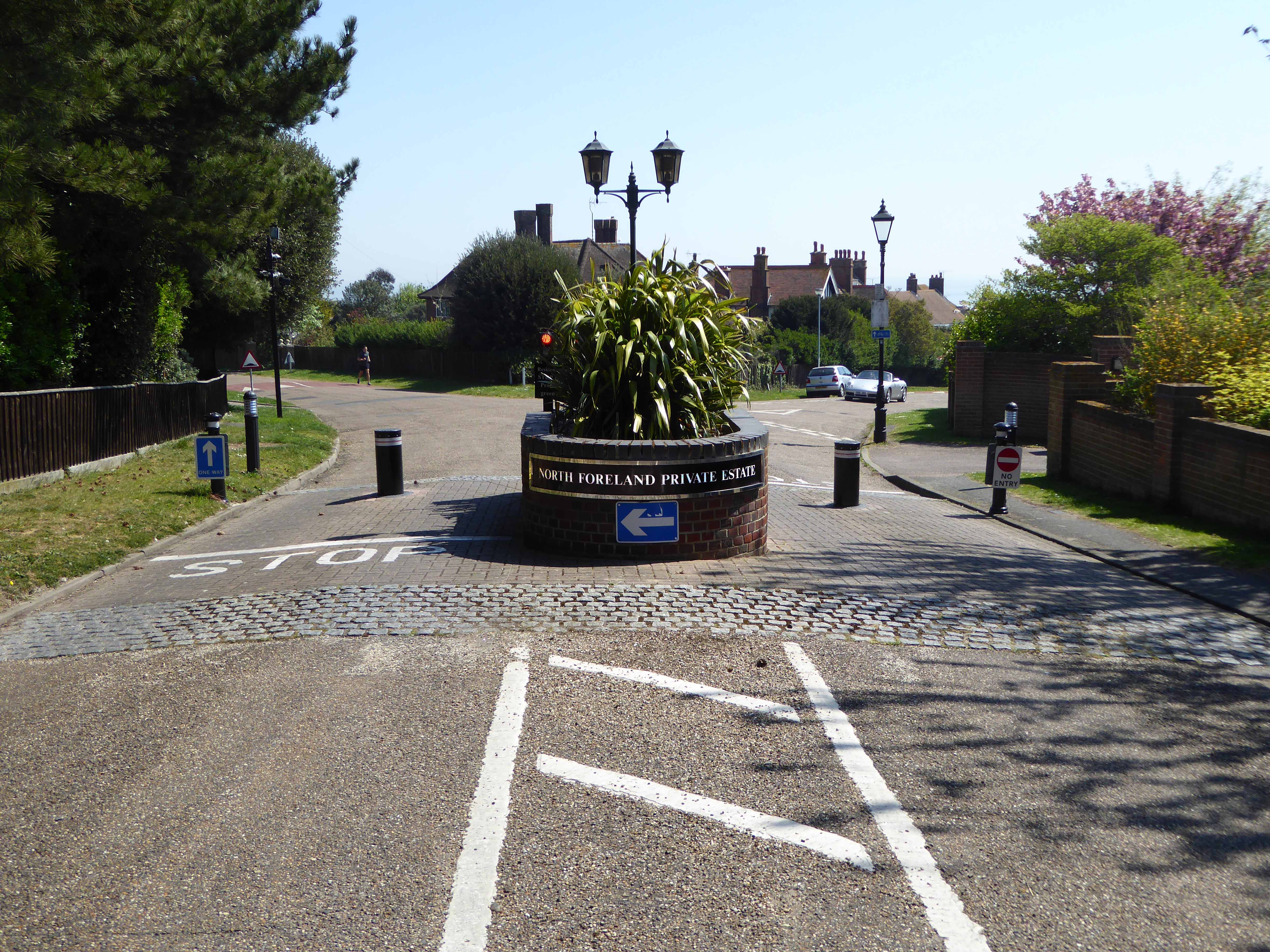
To walk the shoreline path through North Foreland Estate, is to walk an intentionally unintentional free market, mash-up of architectural history.

Hey ho let’s go!

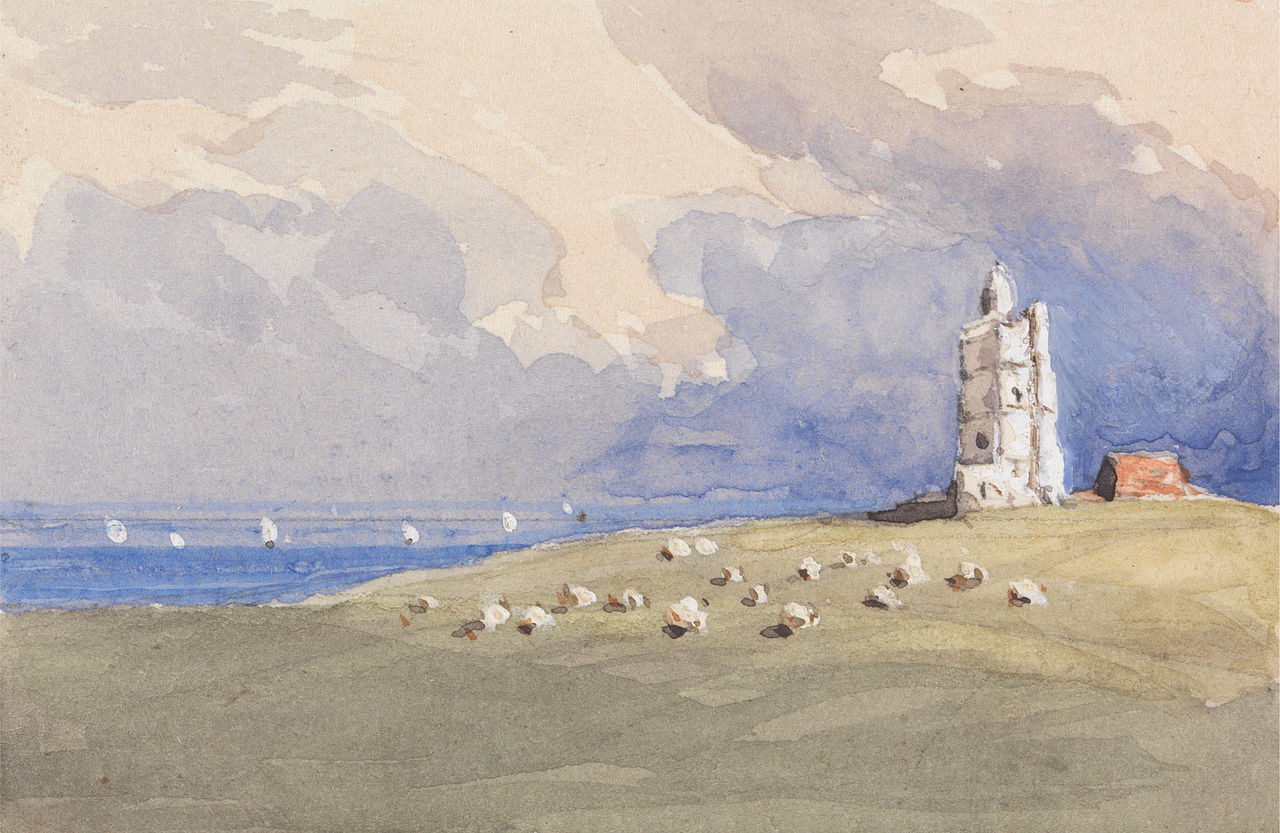
To begin at the beginning, 1636 a lighthouse is erected – leaping forward somewhat:

During World War II a number of radar stations were set up by German forces in France and the Netherlands to detect allied aircraft flying across the English Channel and a chain of top secret radar jamming stations were set up by British scientists along the south east coast of Britain. An array of transmitters was set out around gallery of the lighthouse controlled by equipment in the lower lantern as part of this chain.

1280px-North_Foreland_Lighthouse_by_George_Jackson

The North Foreland lighthouse was last manned lighthouse in the UK, but was automated in a ceremony presided over by the Duke of Edinburgh in 1998.

It seems appropriate that the DoE should preside over the automation, however, I digress.

This is a gently rolling coast line, low chalk cliffs harbouring sandy coves and spies.

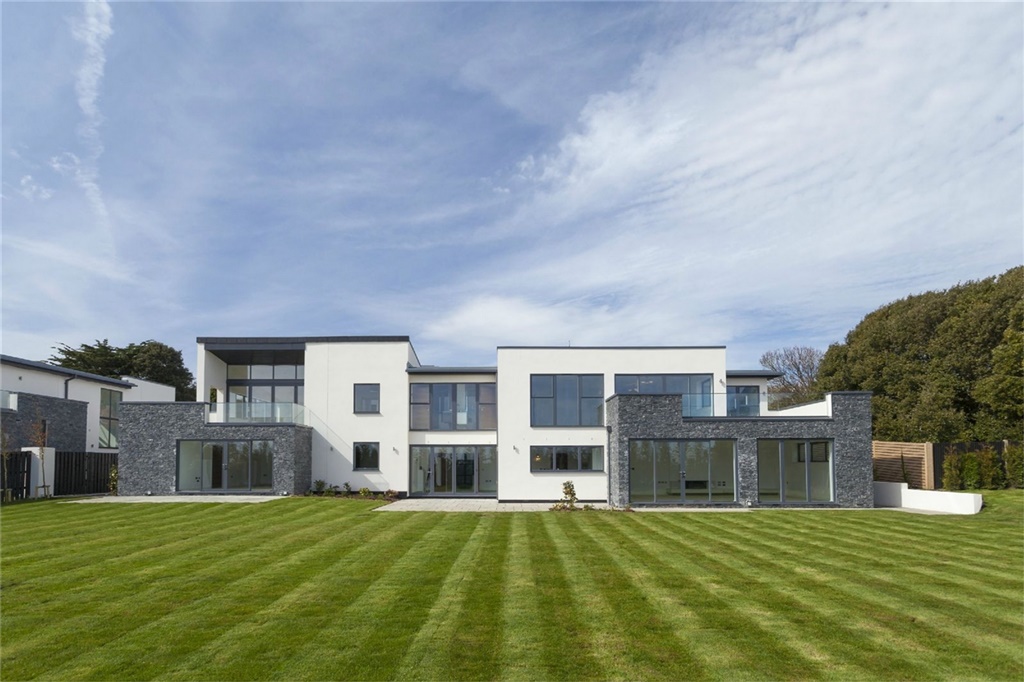
And the wealth of nations, £2,000,000 gets you this shiny hunk of real estate.

e5d99b95-661e-49d2-b89a-9db836b15c68-xl

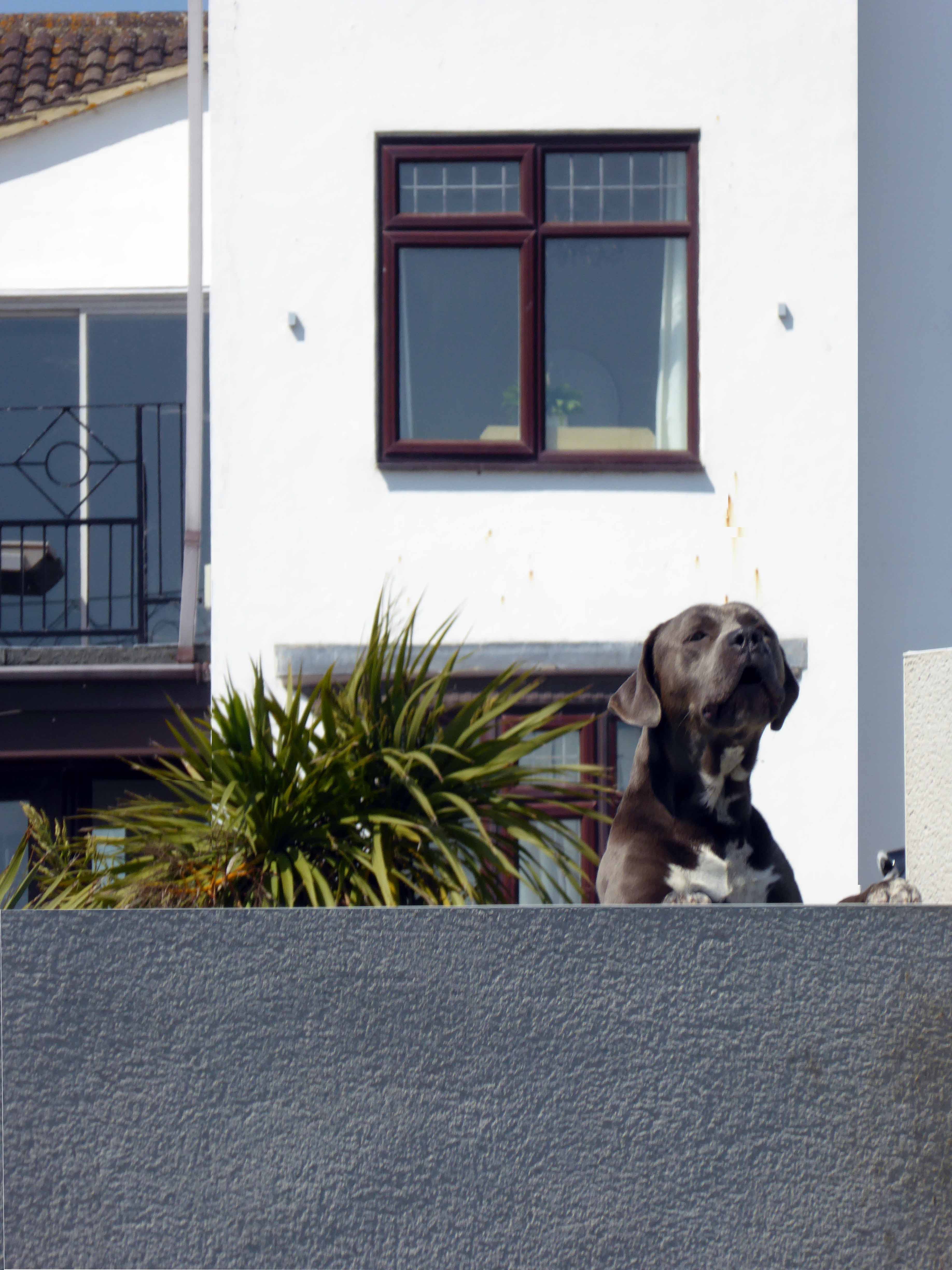
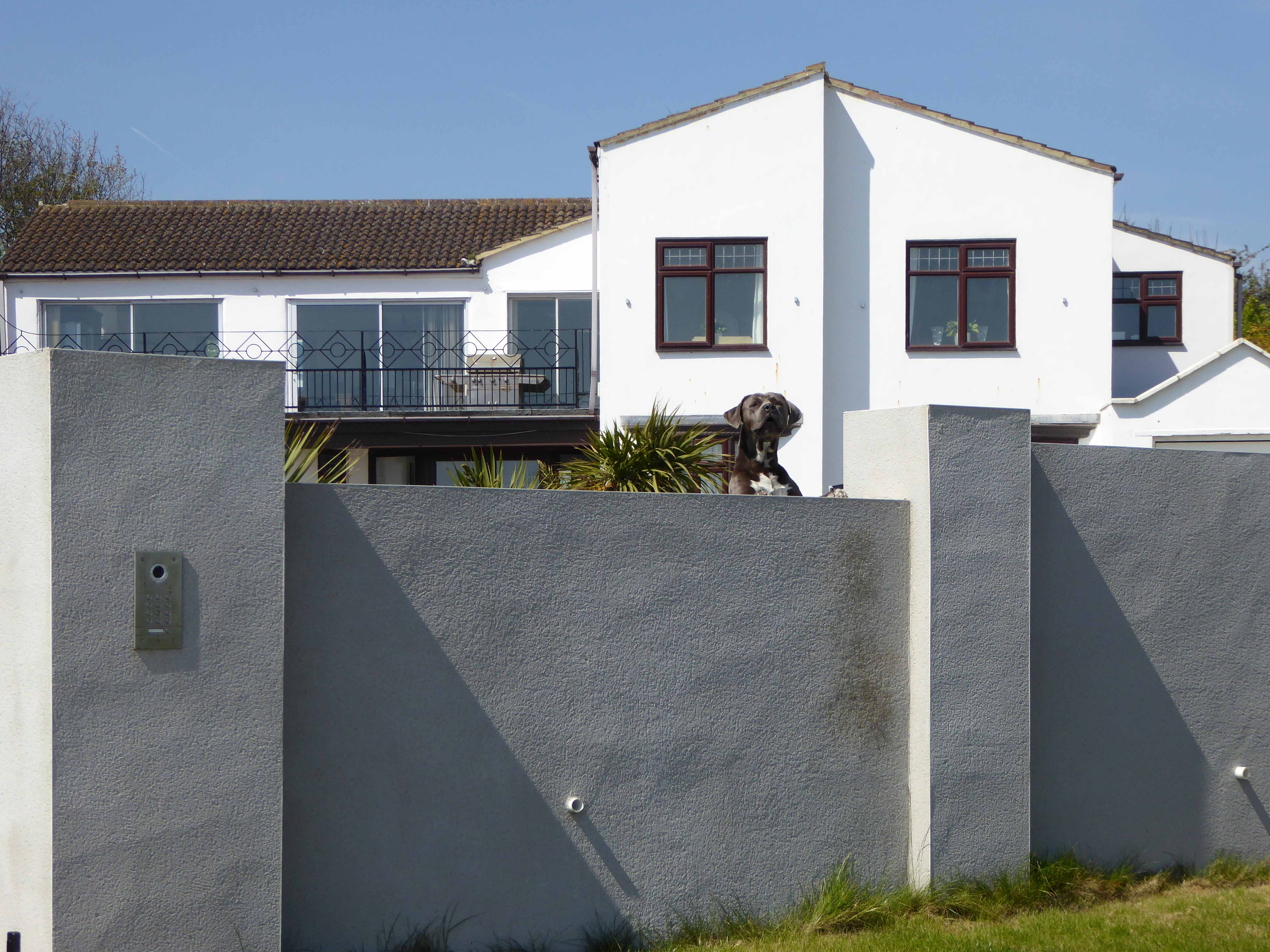
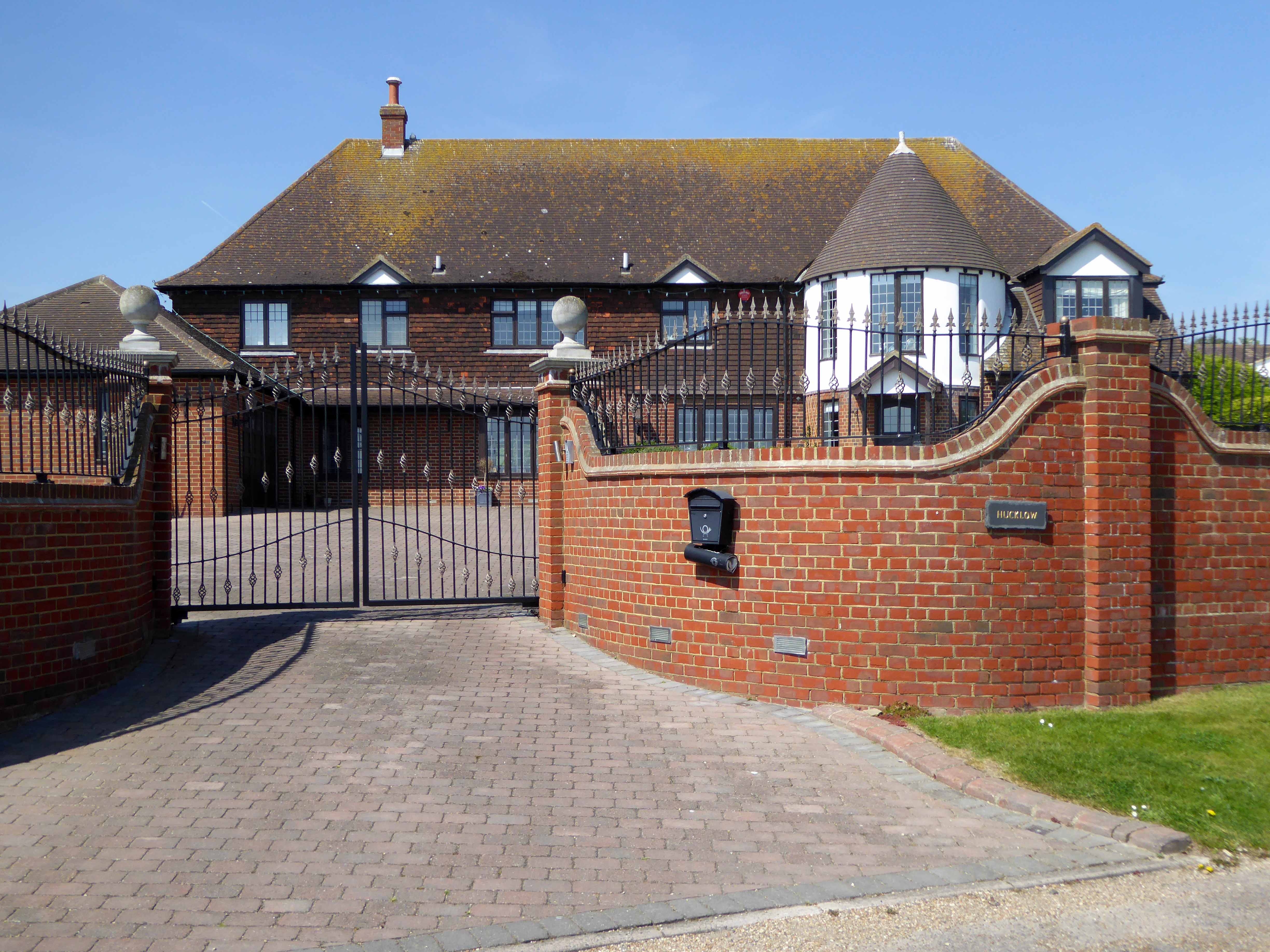
A gated community, double negated through further gating, ornamental railings, well clipped hedges, picket fences, high grey stuccoed walls, and attendant dogs.

Big dogs, very big dogs, fortunately with even bigger walls.

P1040768 copy

As is often the case in such areas the residents are short of nothing – excepting residents.

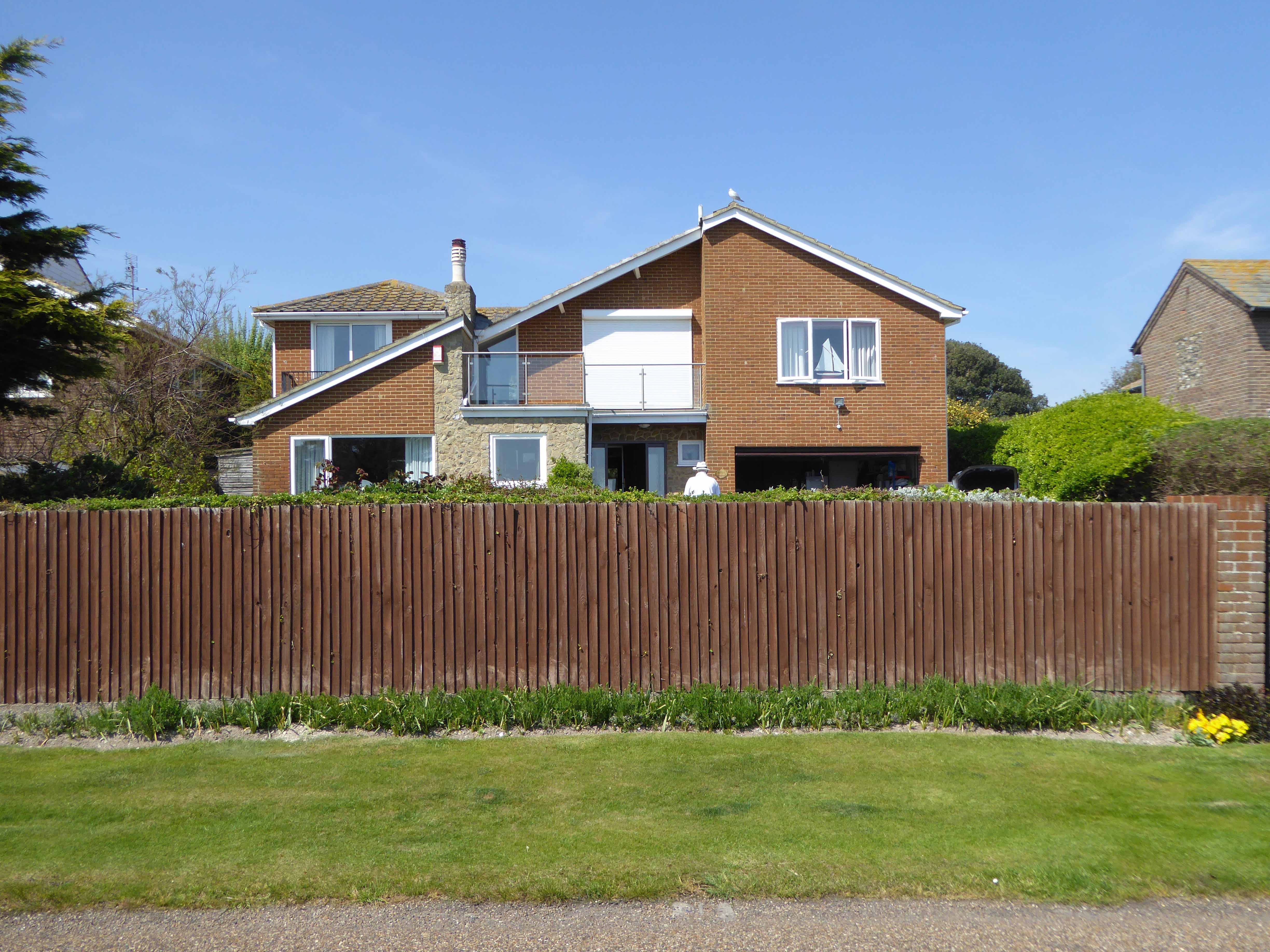
There was but on lone lawnmower owning owner to nod to.

P1040755 copy

Last seen, receding towards his quasi sixties, semi-dormered detached, hat intact.

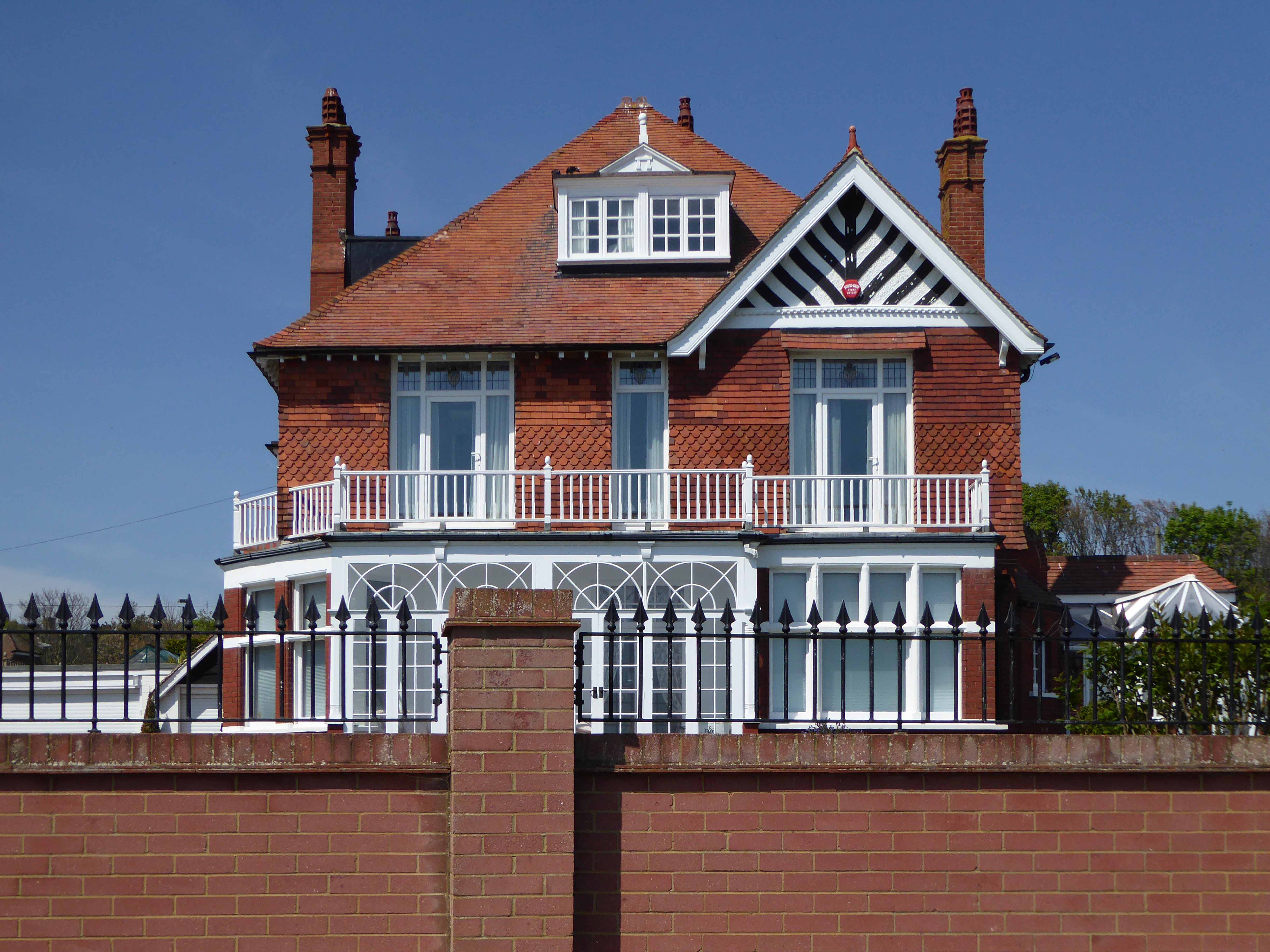
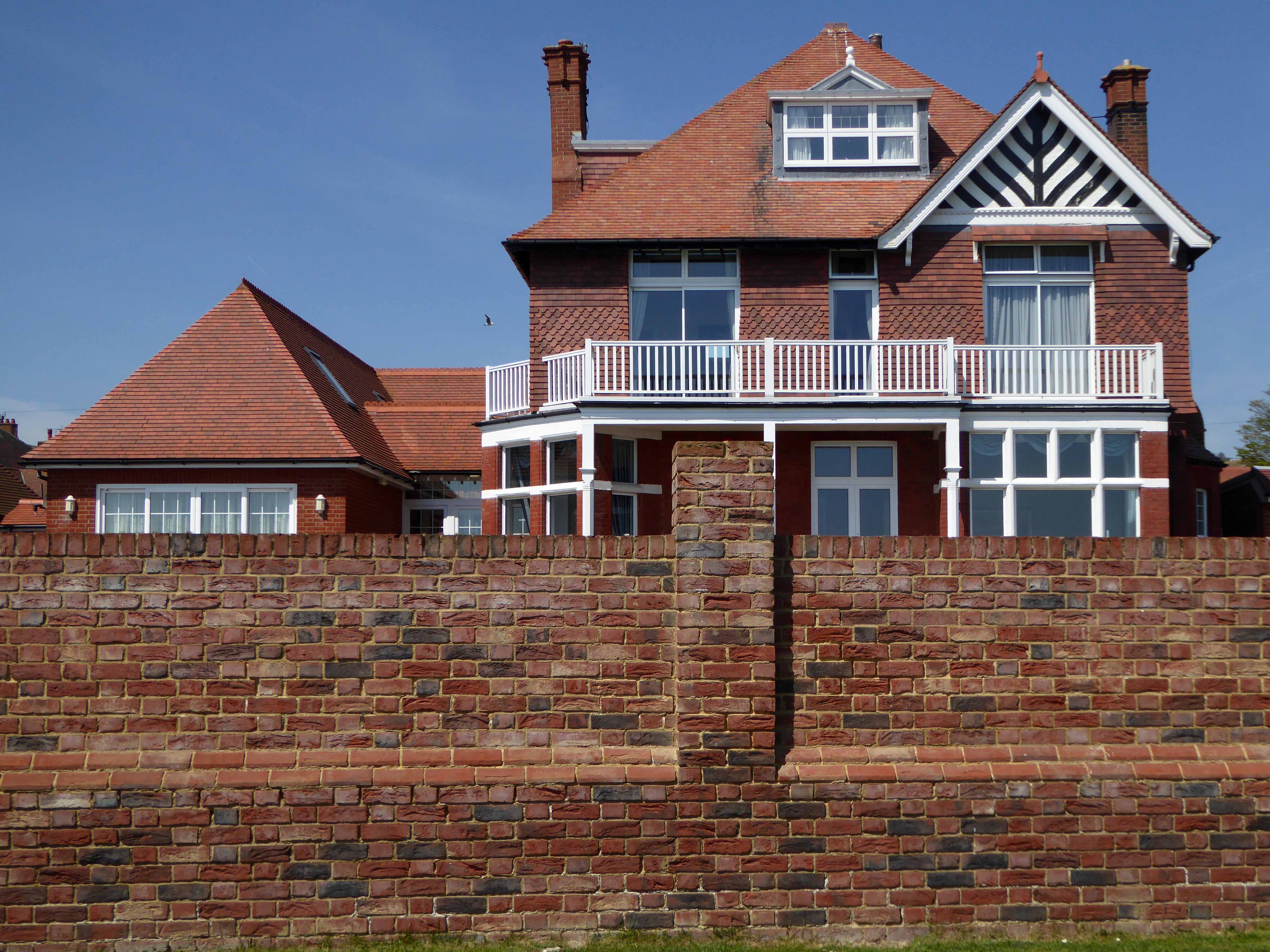
So accompany me now through the New England homes of the new England, admire the Mock Gothic, Super Krazed Moderne, pseudo Tudo-Jacobethan delights that await us.

P1040756 copy

P1040757 copy

P1040758 copy

P1040759 copy

P1040762 copy

P1040763 copy

P1040764 copy

P1040766 copy

P1040767 copy

P1040769 copy

P1040770 copy

P1040771 copy

P1040772 copy

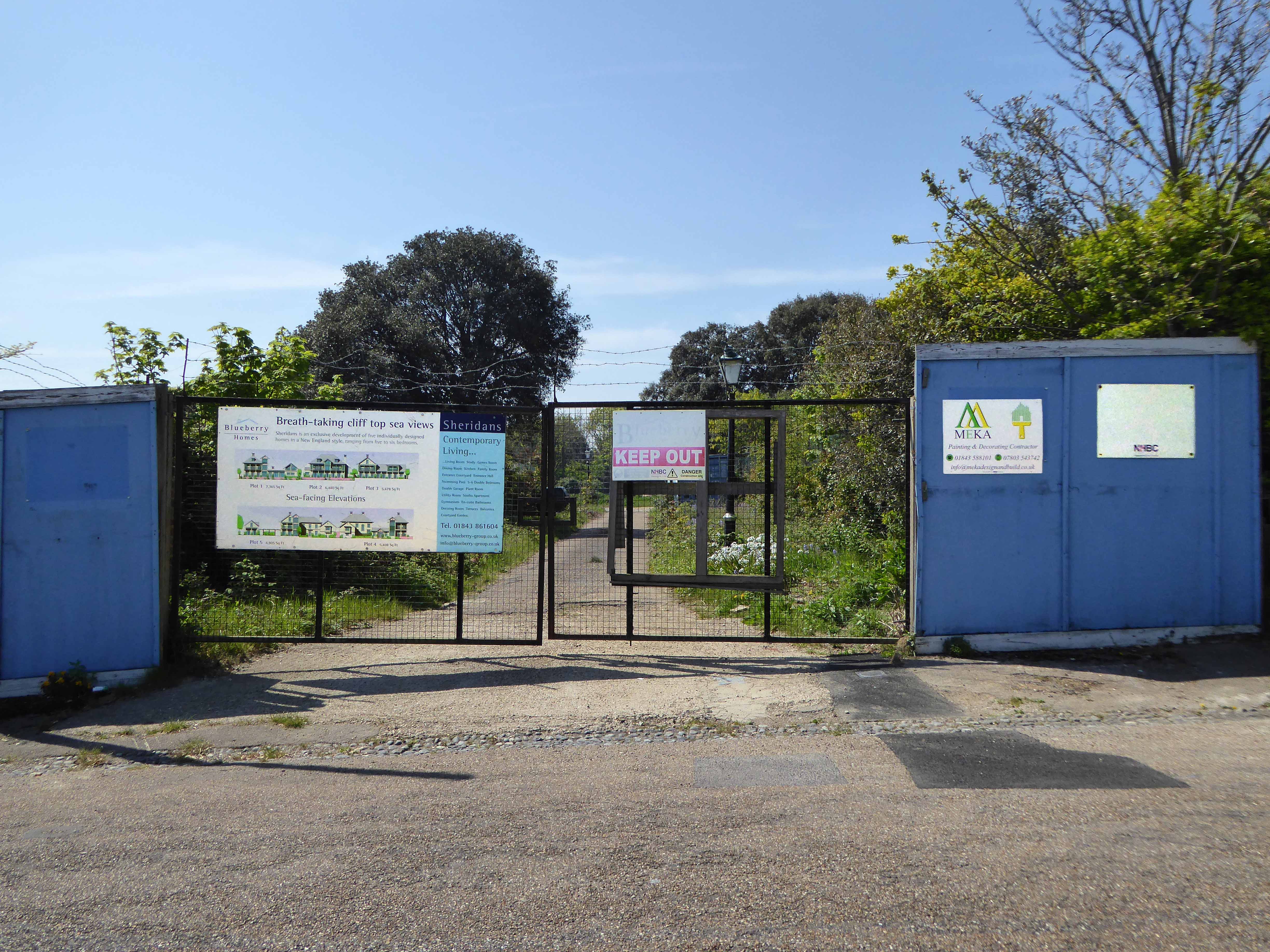
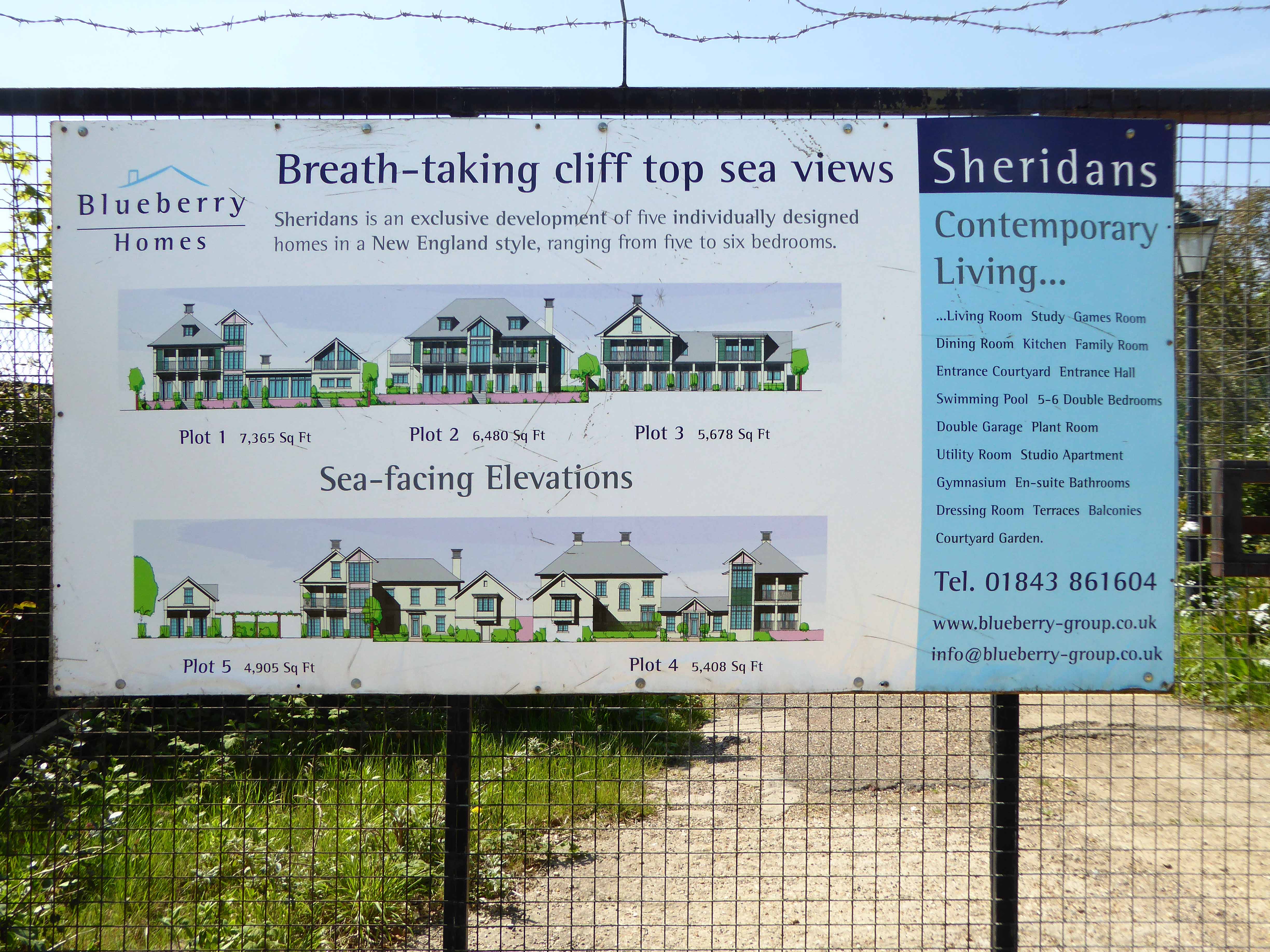
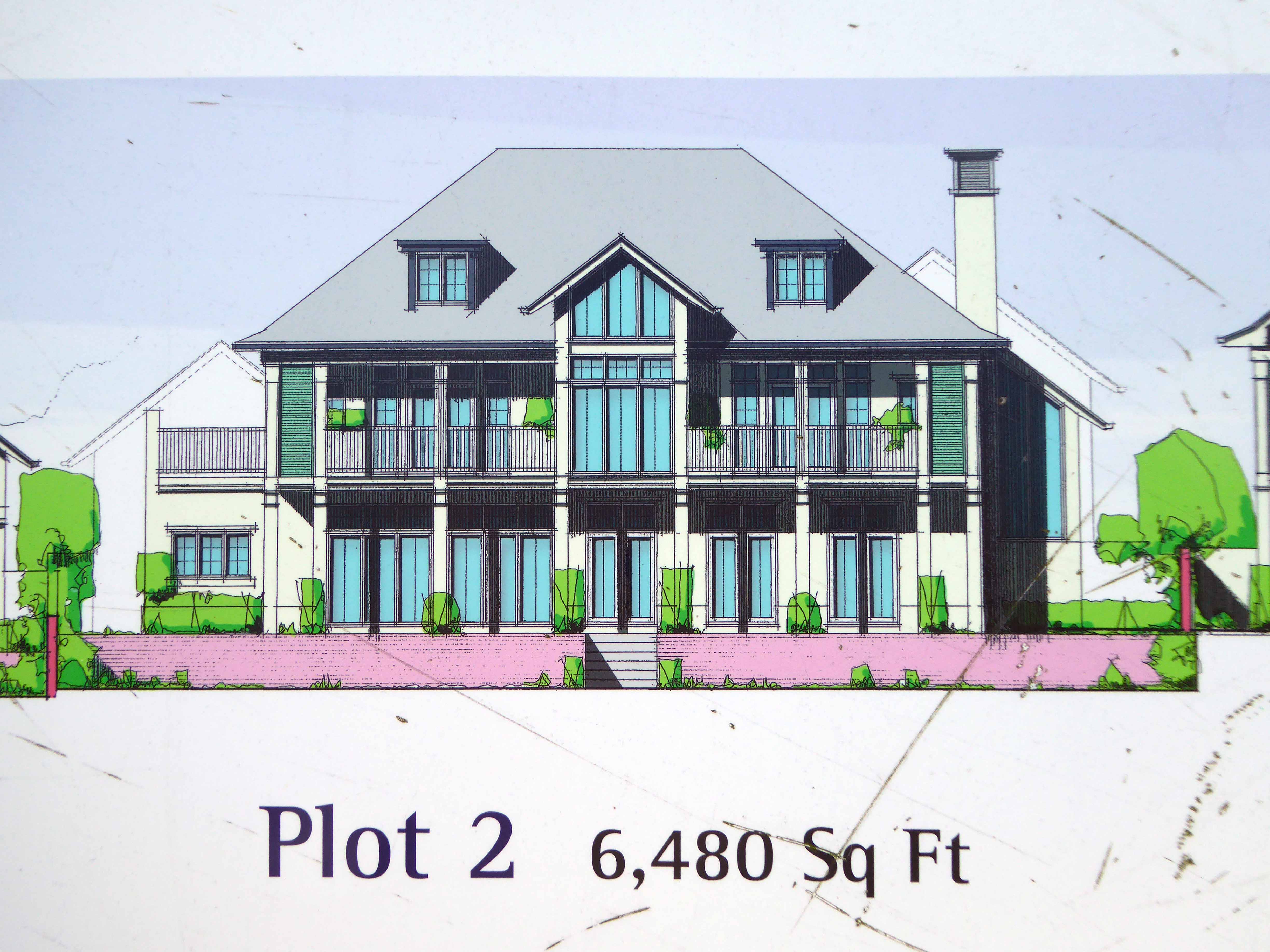
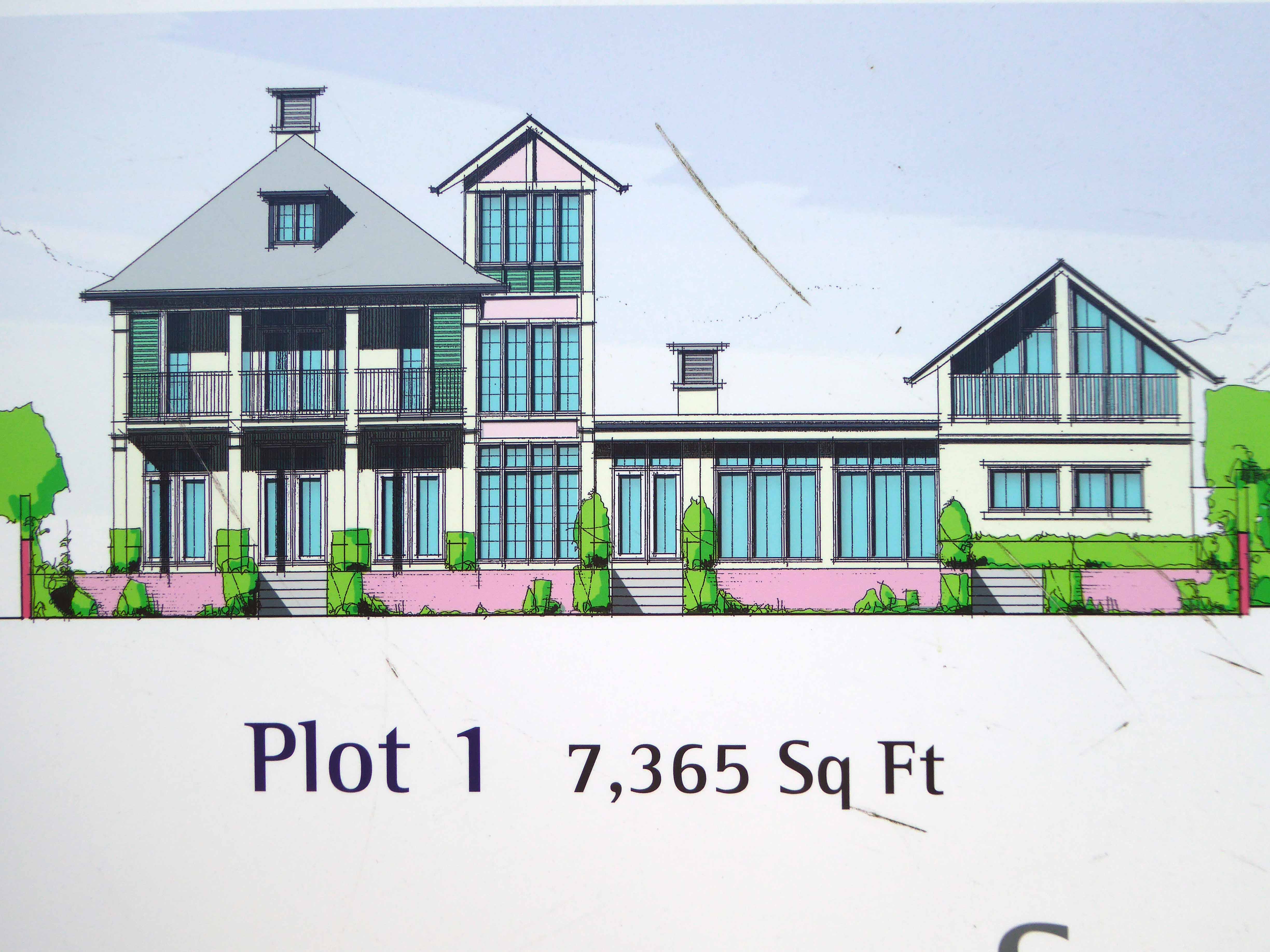
Too rich for your undernourished pockets, have you considered a drawing of a house?

High concept, conceptual housing for the under-housed.

P1040780 copy

P1040774 copy

P1040775 copy

P1040777 copy

So farewell the North Shoreland I’ll leave you to get on with your high value, property based, rise and fall bollard lifestyle I, like Felix – kept on walking.

P1040783 copy


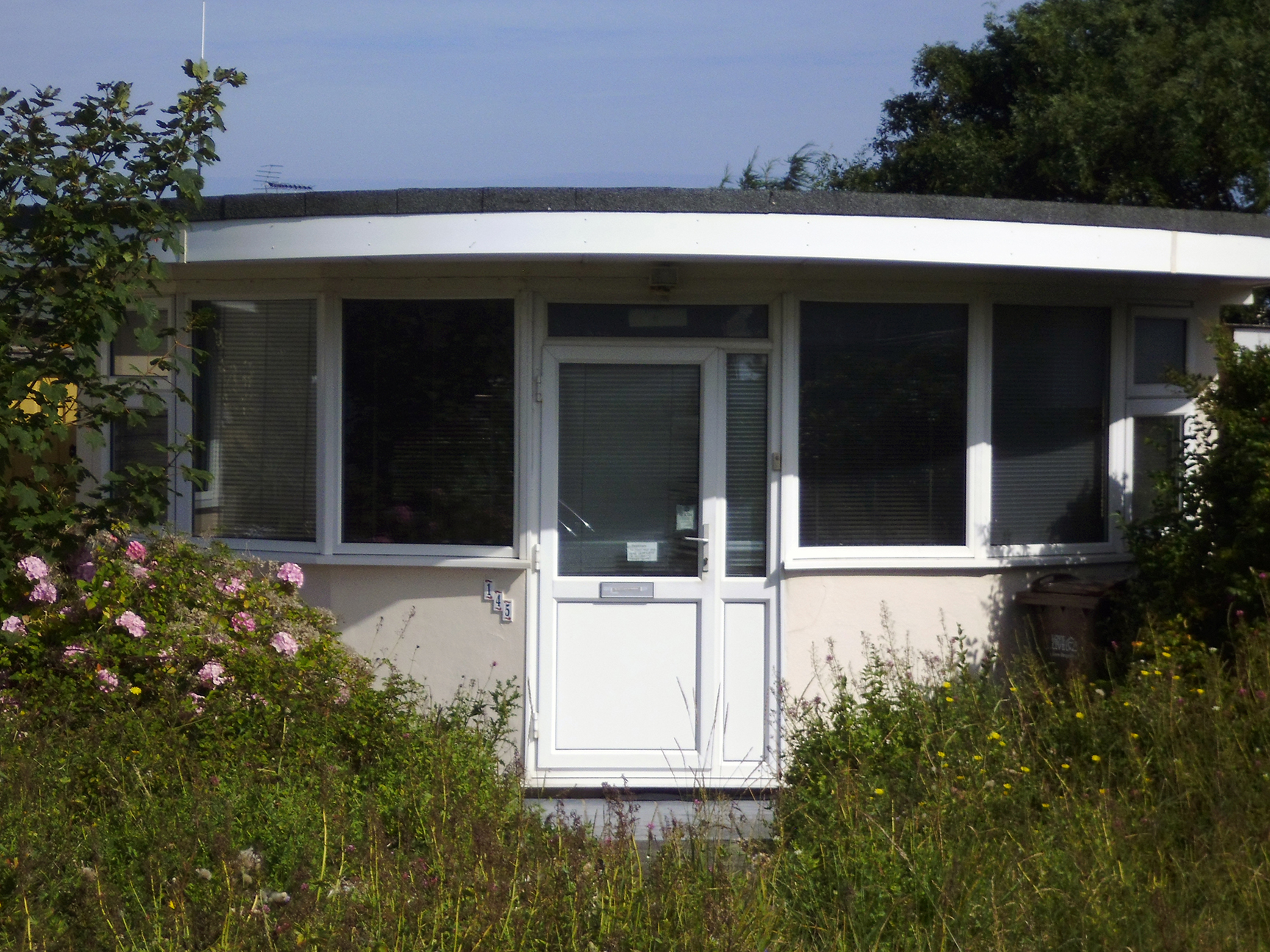
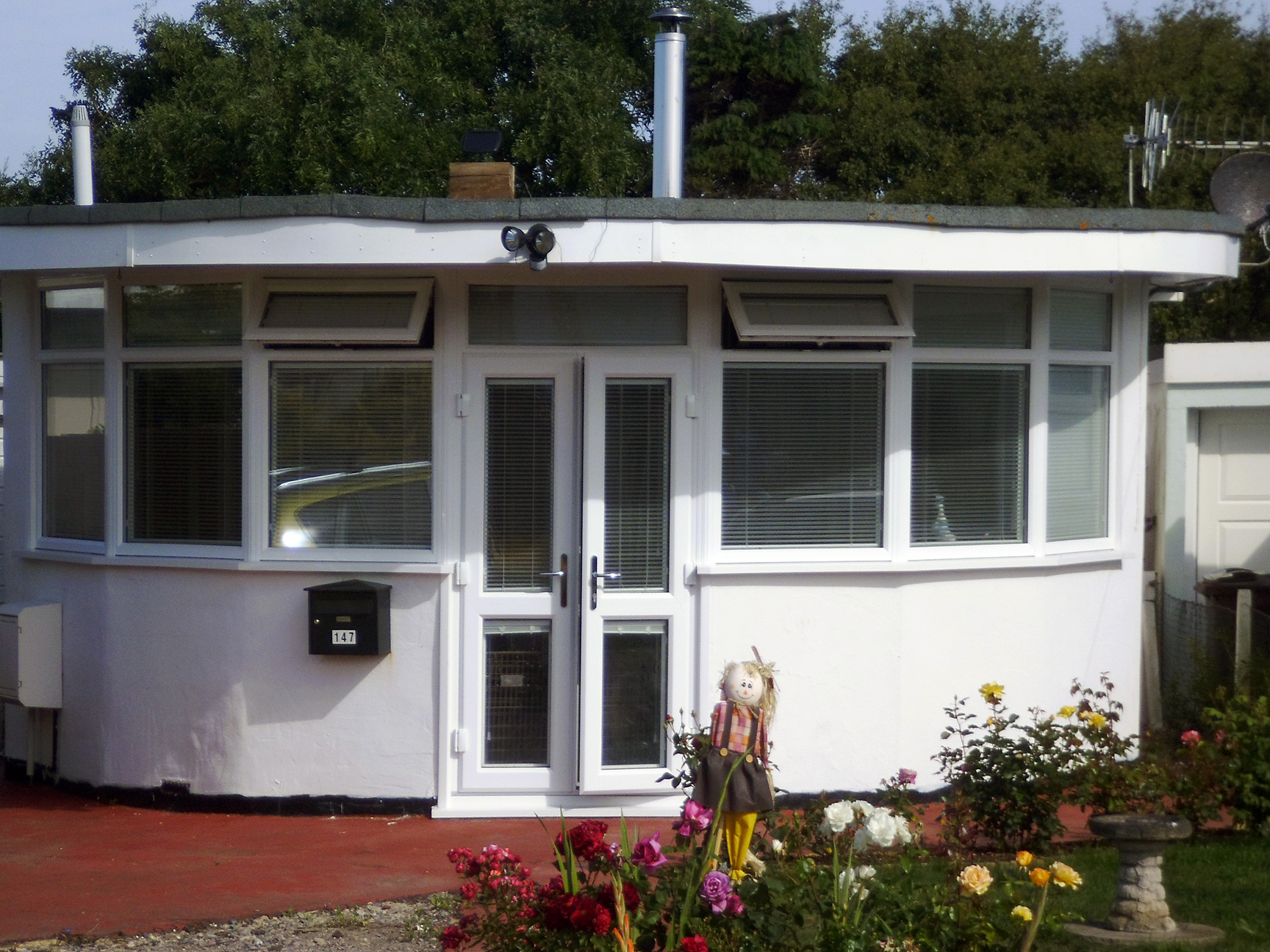
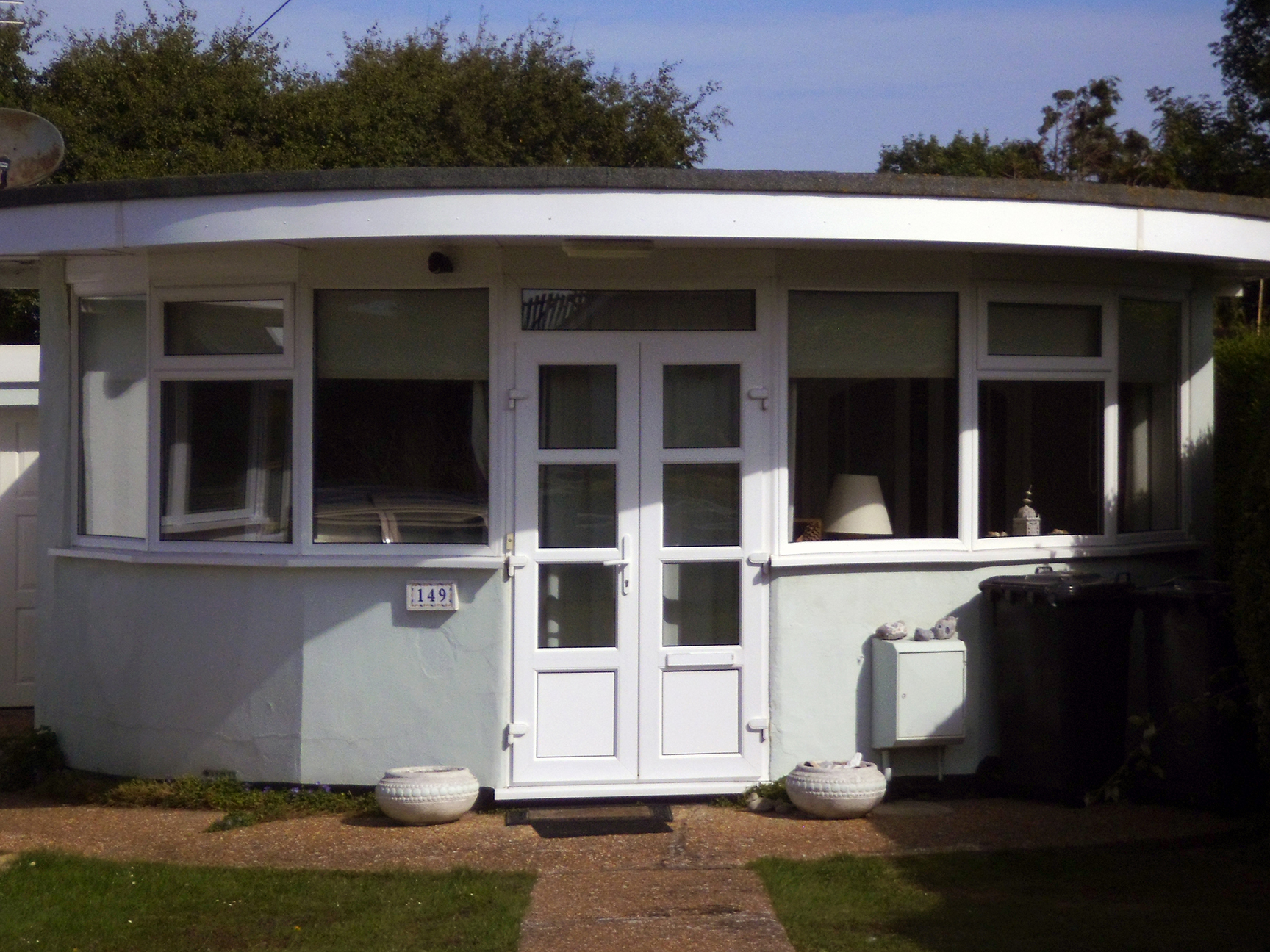
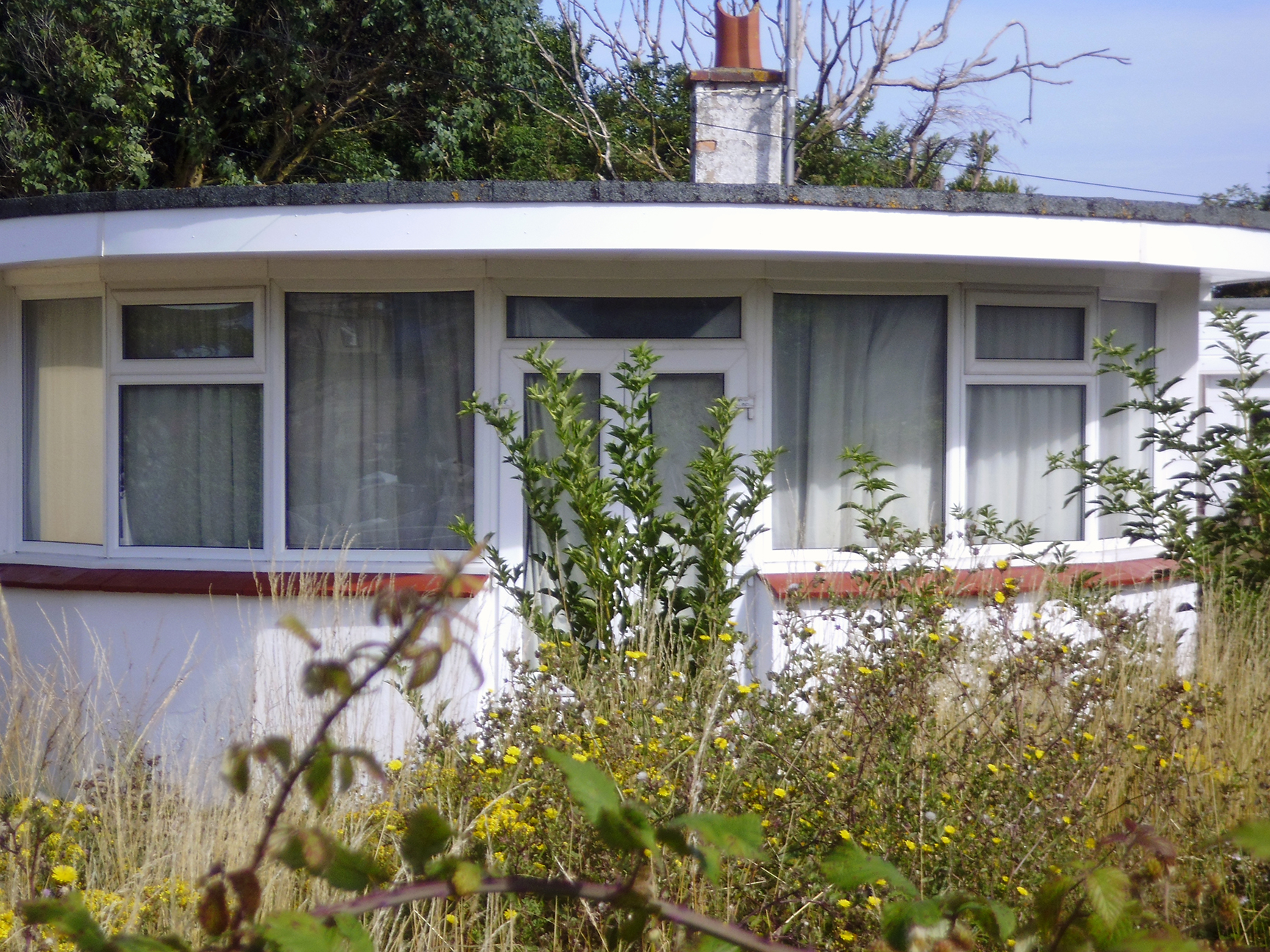
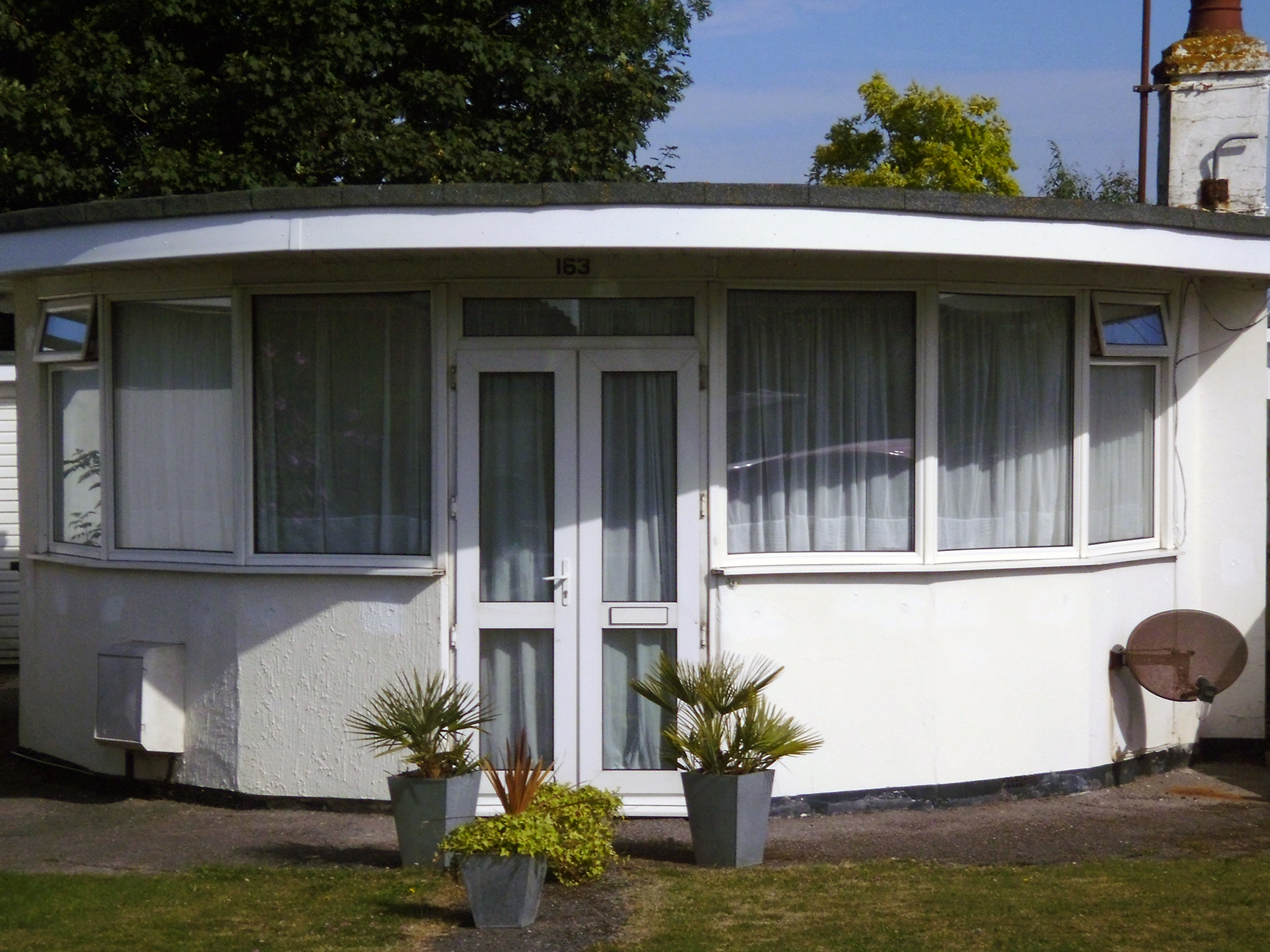
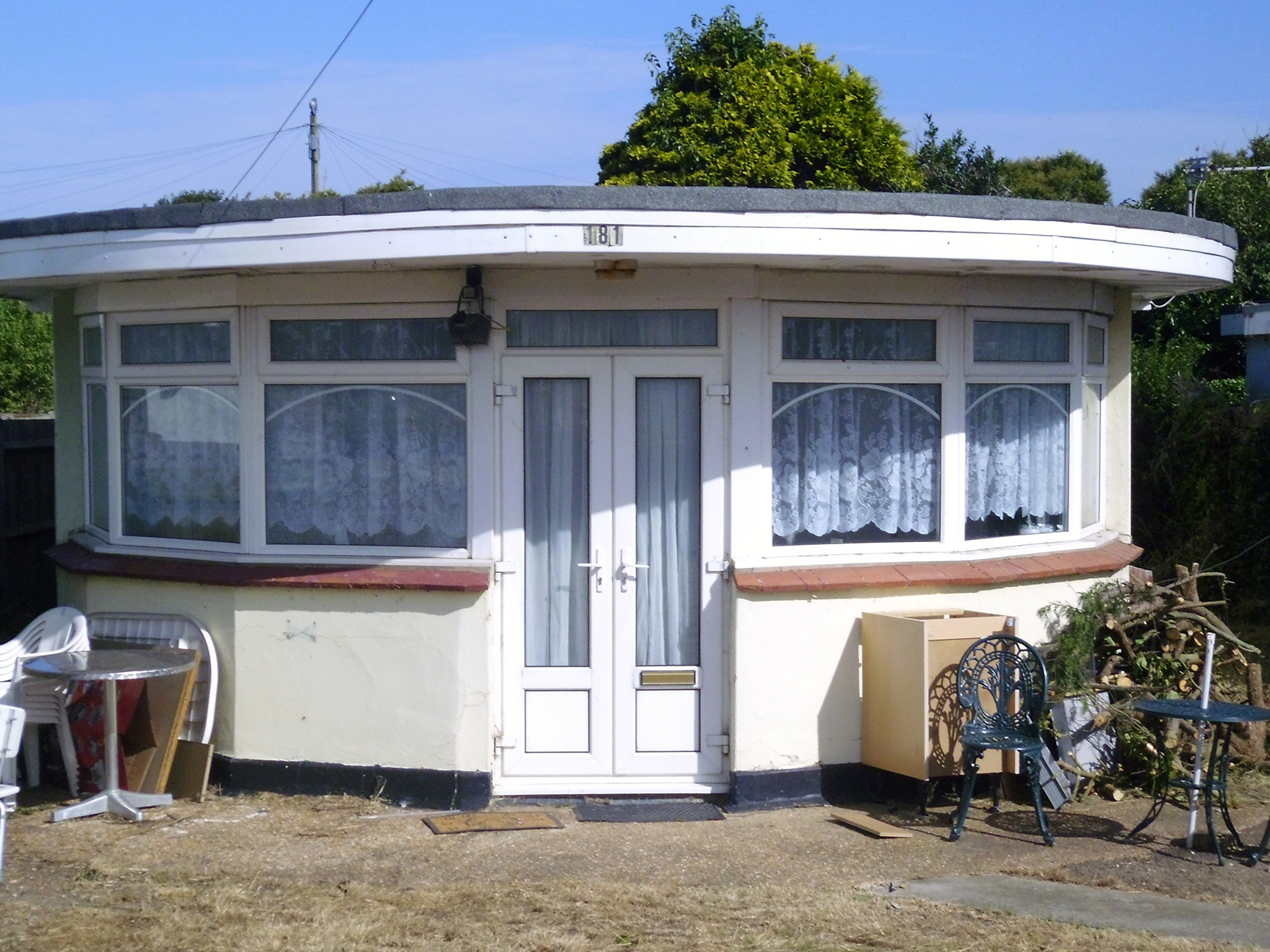
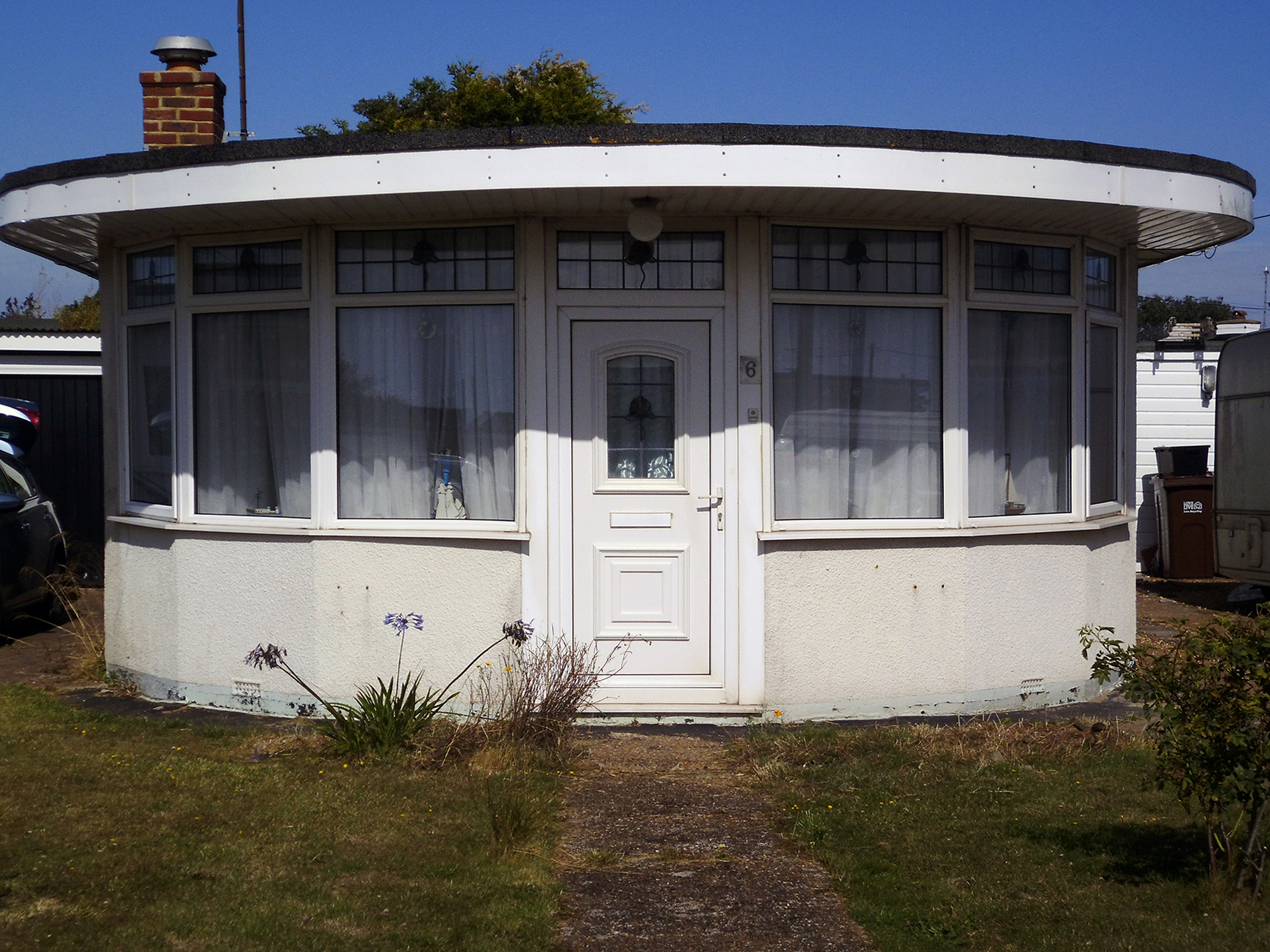
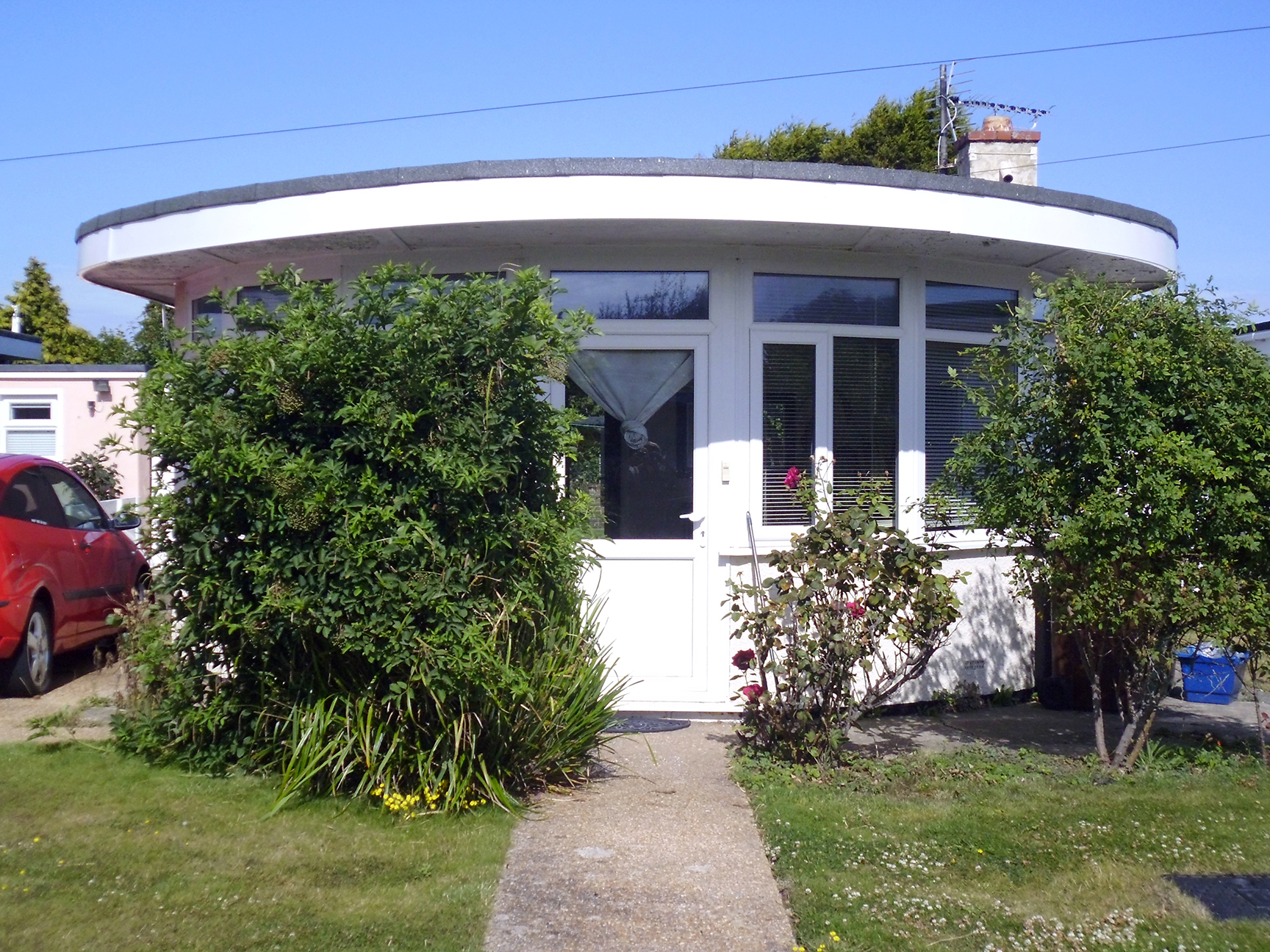
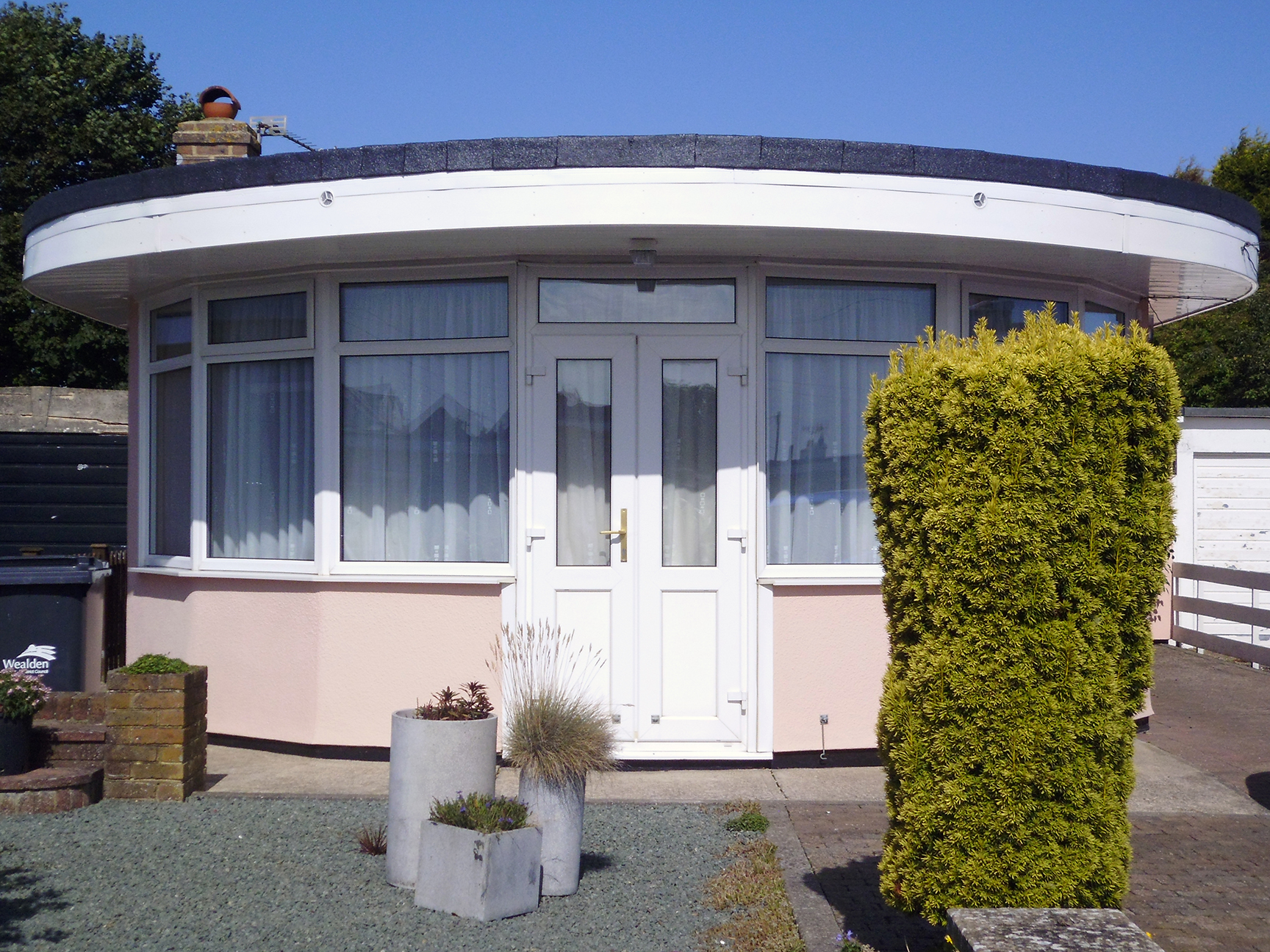
Pevensey – Oyster Bungalows

Hardly by accident, passing Pevensey Bay by bike one sunny summer’s day, hurriedly intent on catching up with old friends.

Having visited here some years ago, under the guidance of pal Pauline, I was as ever, over eager to renew our previously brief acquaintance.

There they were waiting patiently, to the left of a long straight road, running parallel to the adjacent shore.

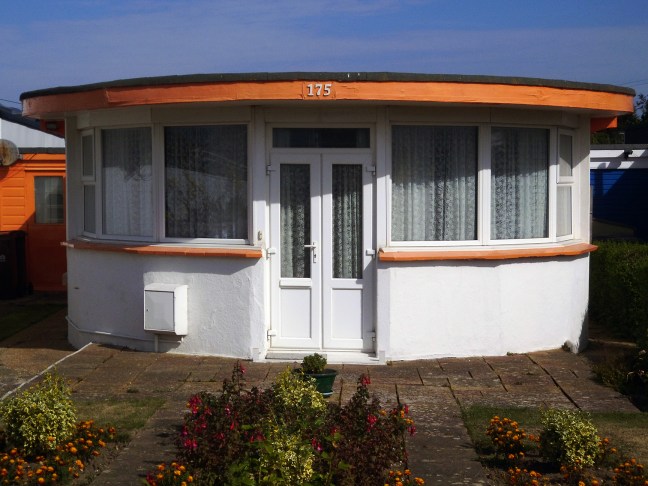
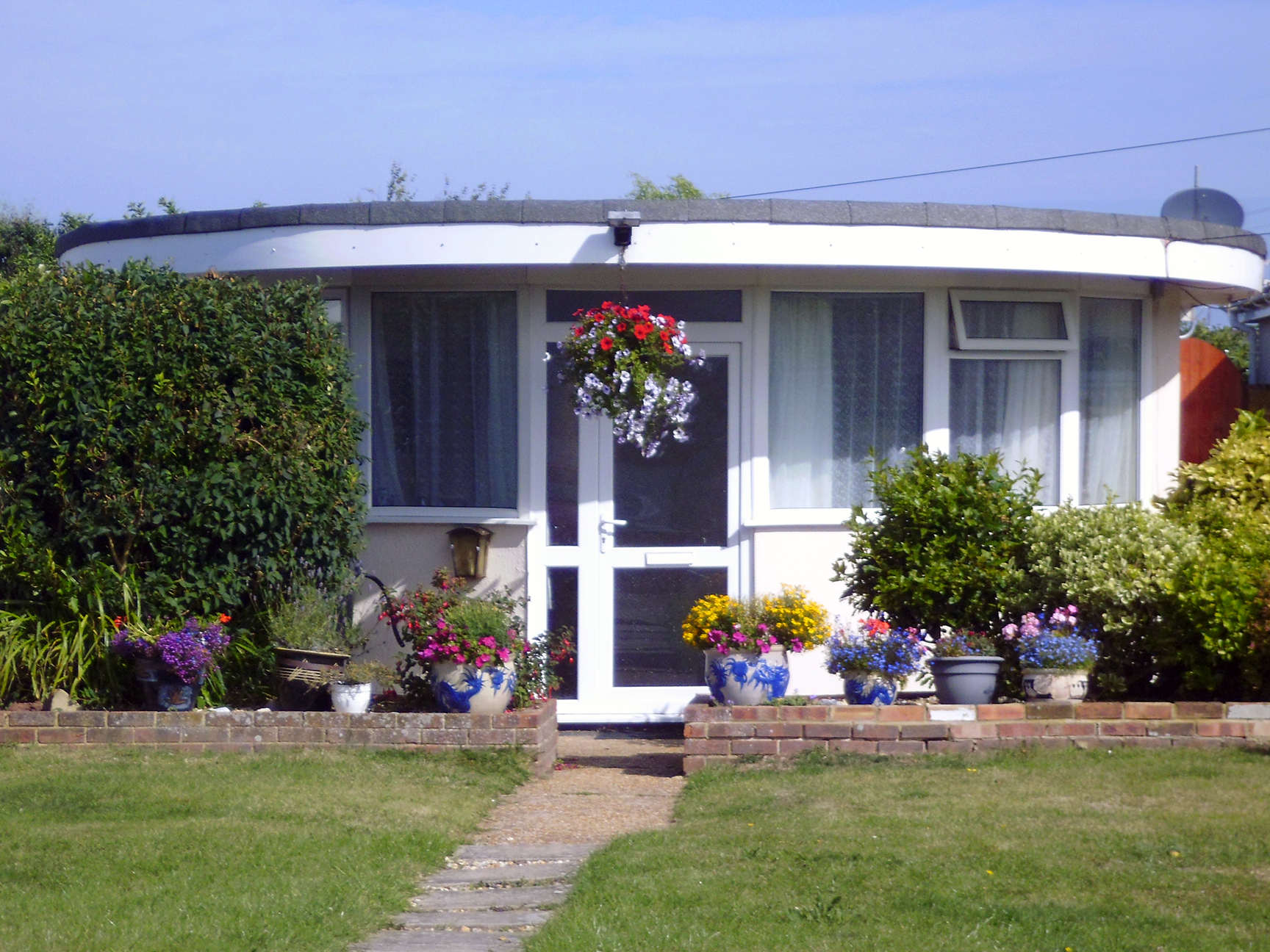
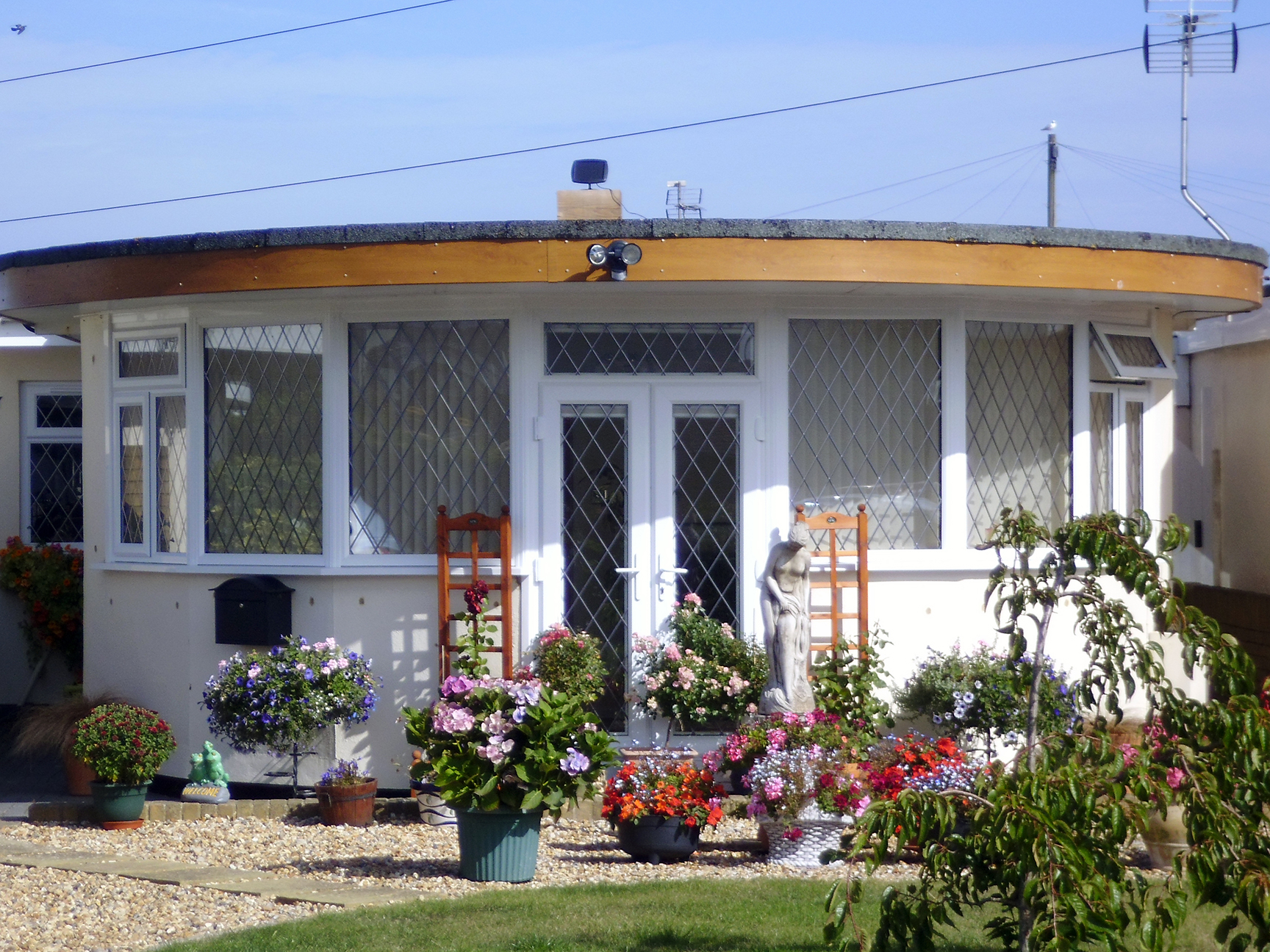
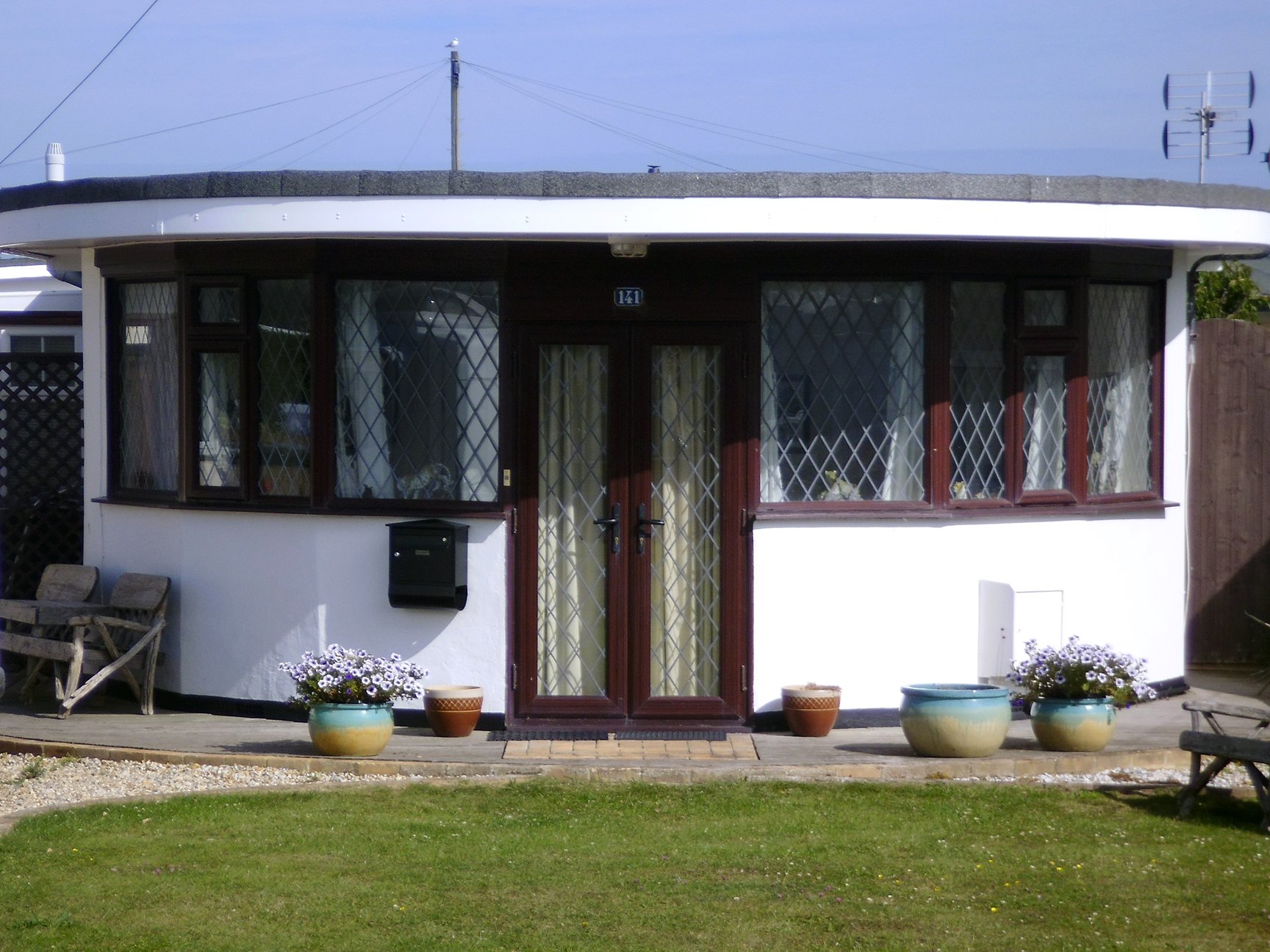
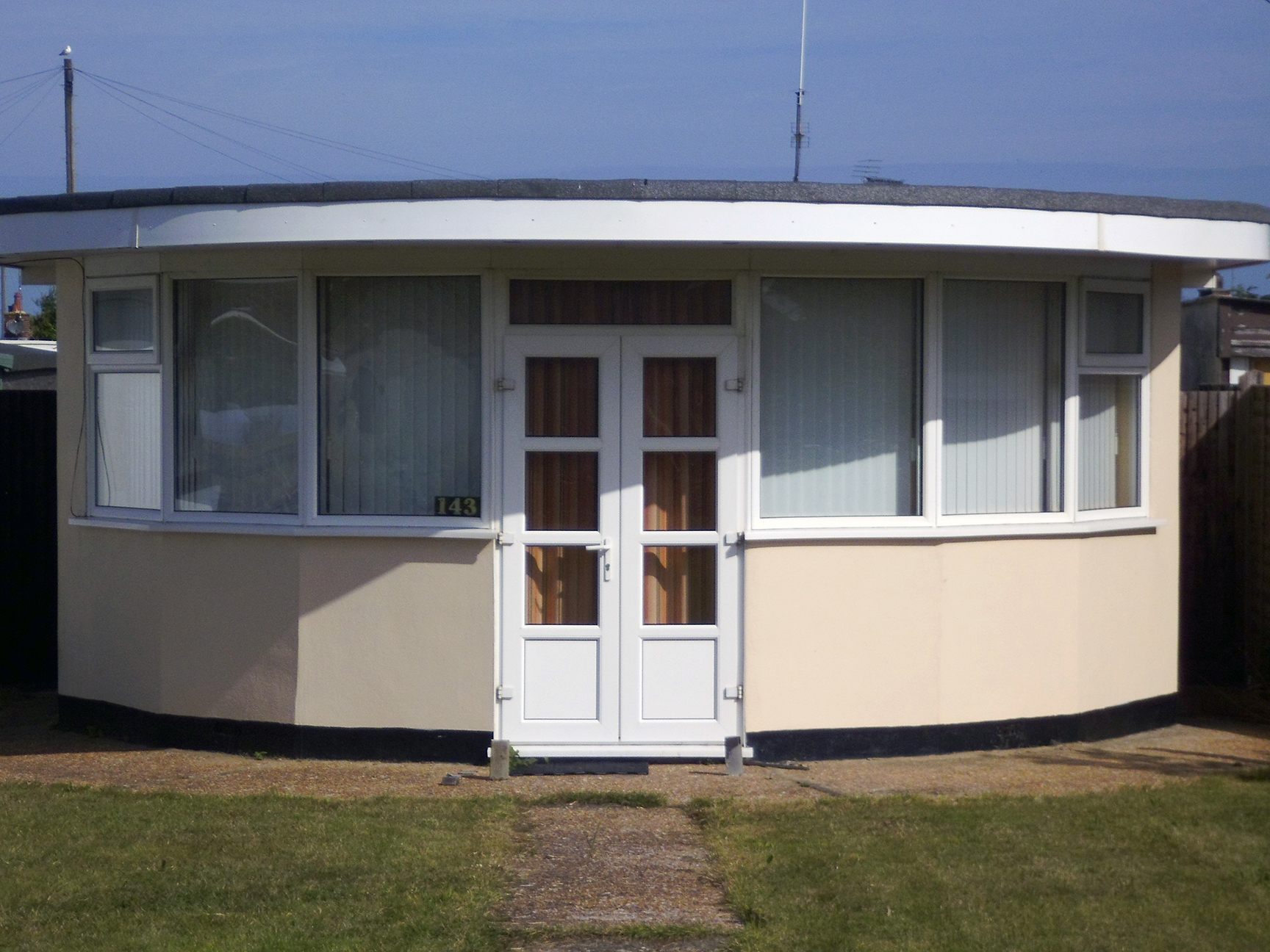
Oyster Bungalows – so called for their cylindrical form and formerly scalloped barge boards.

Holiday homes the work of designer / architect: Martin & Saunders Limited built: 1937 – 1939.

Small and perfectly formed, they all seem to have suffered the indignities of ageing none to gracefully.

Subject to the whims of fashion and the uPVC expediency of our age.

Typically no two are the same, variegated planting, neglect and graceless addenda grace the previously pristine homes.

For all that, their diminutive charm remains undiminished.

My spirits lifted as I strolled by, inevitably yours will too.

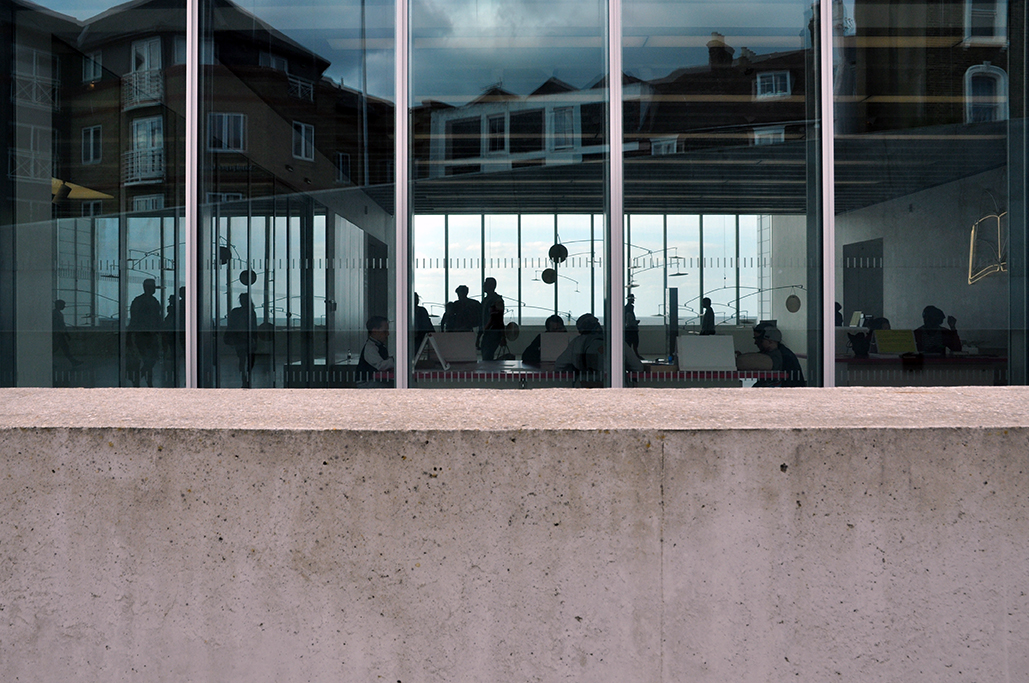
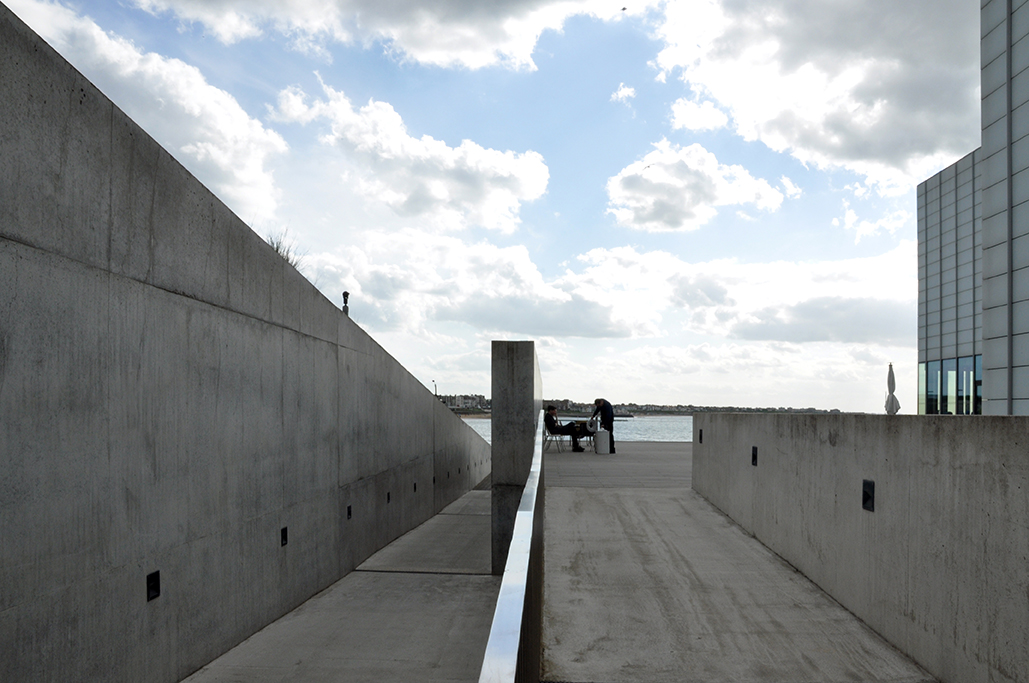
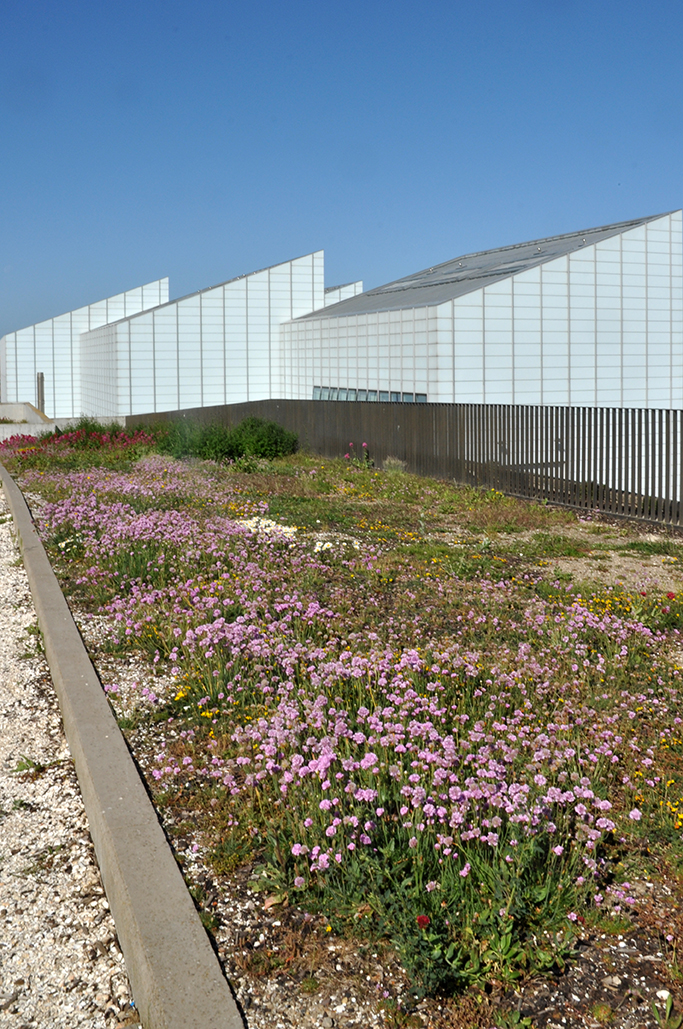
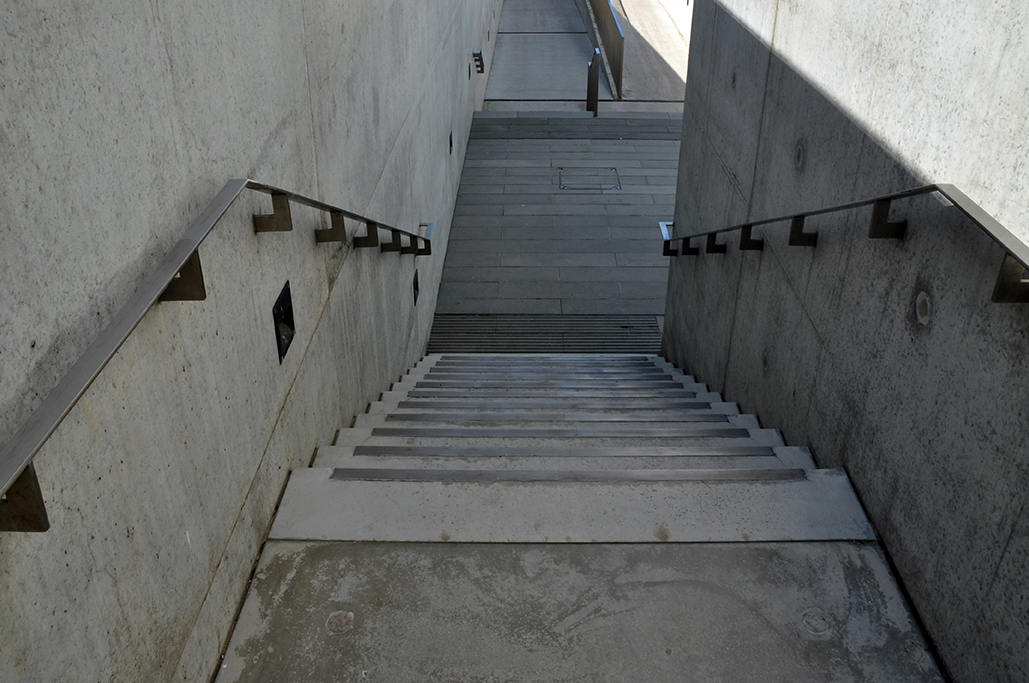
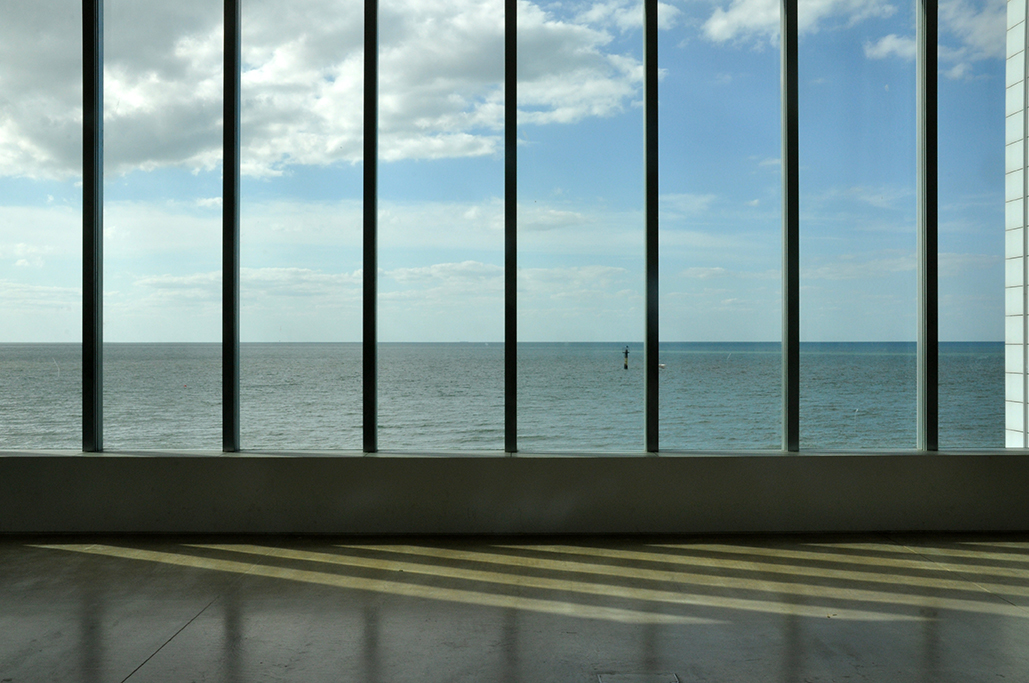
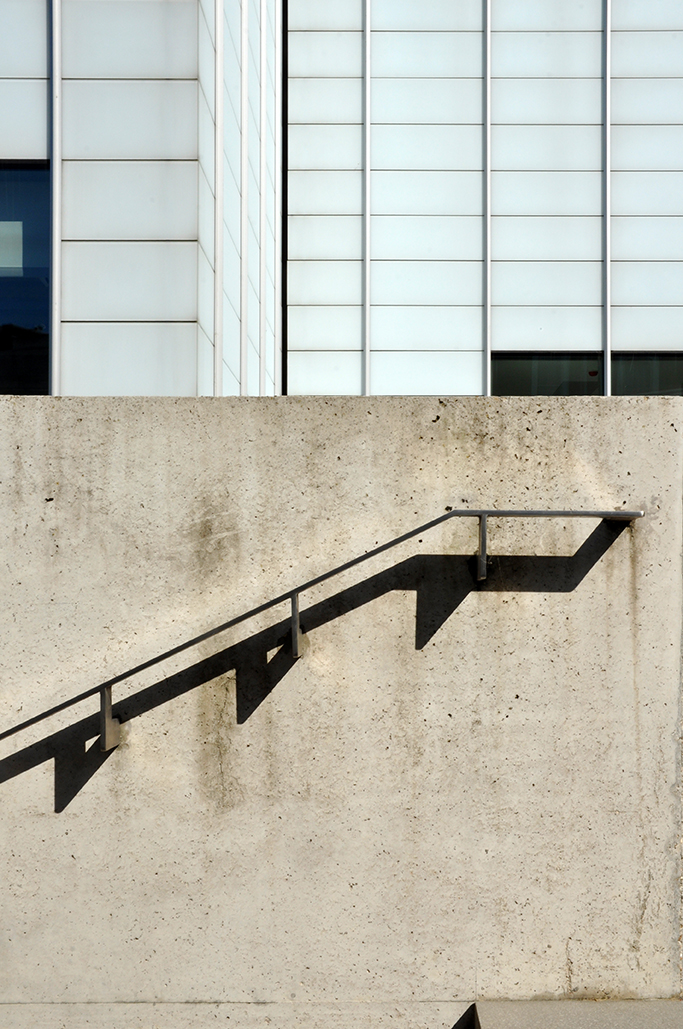
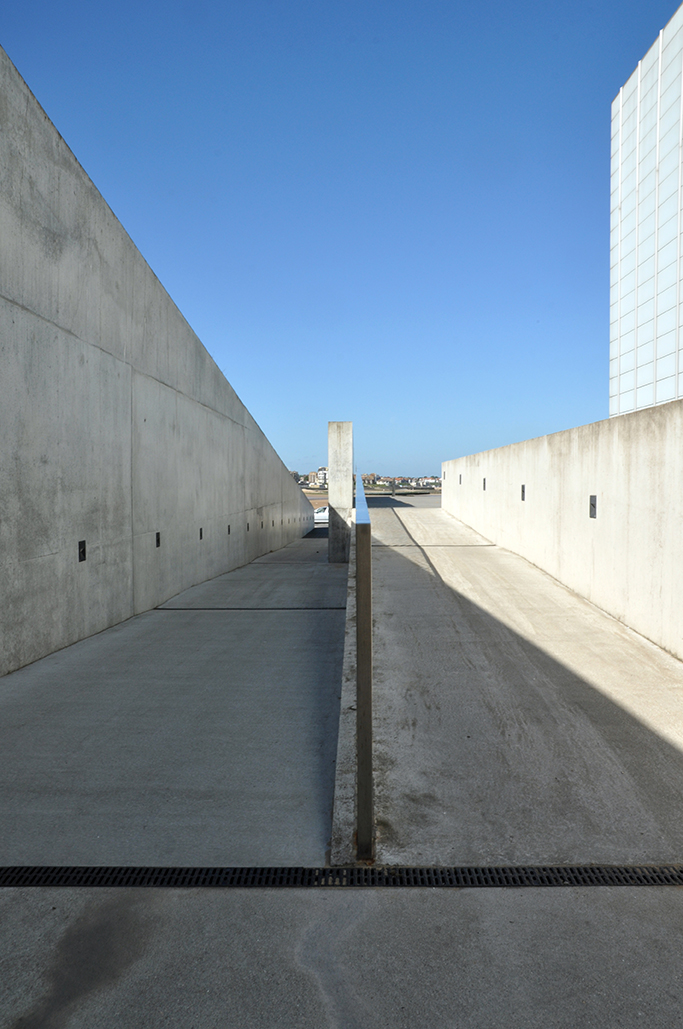
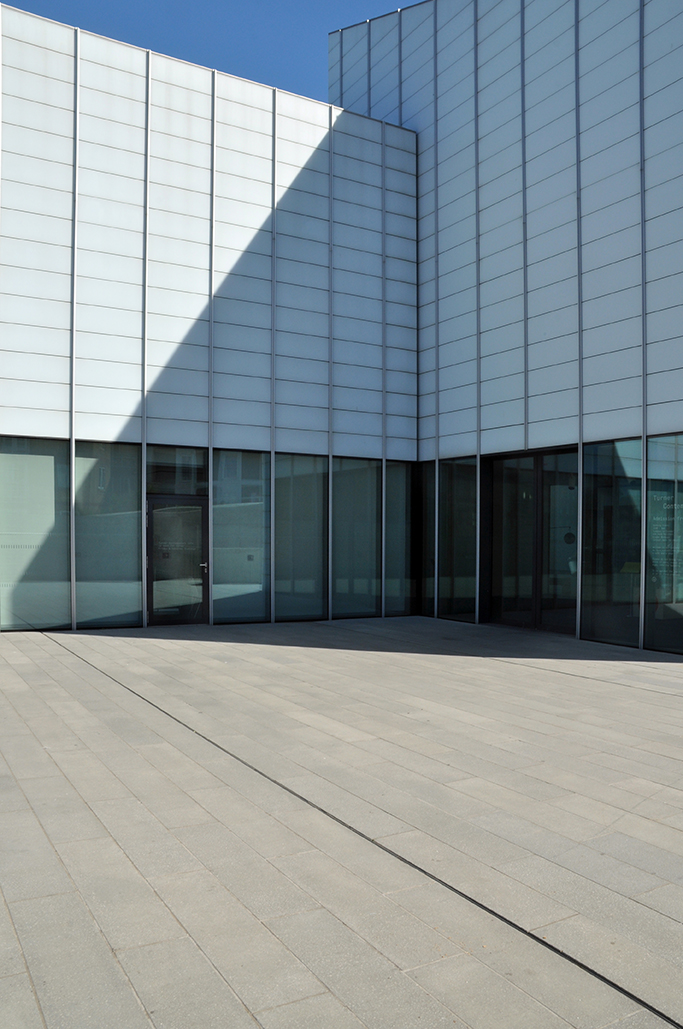
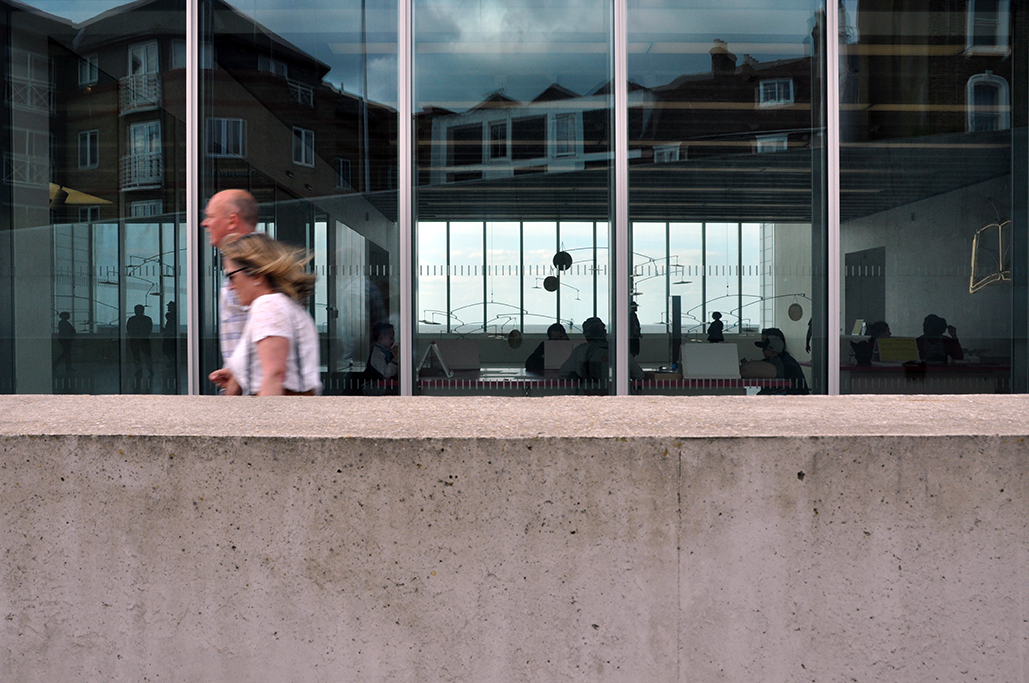
Margate – Turner Contemporary

Mr Turner came here way back when,

The same sea lapped a different shore,

A gallery stands where he passed,

If passing pop in,

Or wander the perimeter in search of a sense,

Of well being, or otherwise,

Seeking a link with some not too distant past,

When a different sea lapped the same shore.

https://www.turnercontemporary.org

DSC_0398 copy

DSC_0401 copy

DSC_0400 copy

DSC_0608 copy

DSC_0490 copy

DSC_0488 copy

DSC_0493 copy

DSC_0489 copy

DSC_0396 copy

DSC_0494 copy

P1070766 copy

P1070740 copy

DSC_0498 copy

DSC_0487 copy

DSC_0500 copy

DSC_0502 copy

P1070738 copy

DSC_0497 copy

DSC_0503 copy

DSC_0402 copy

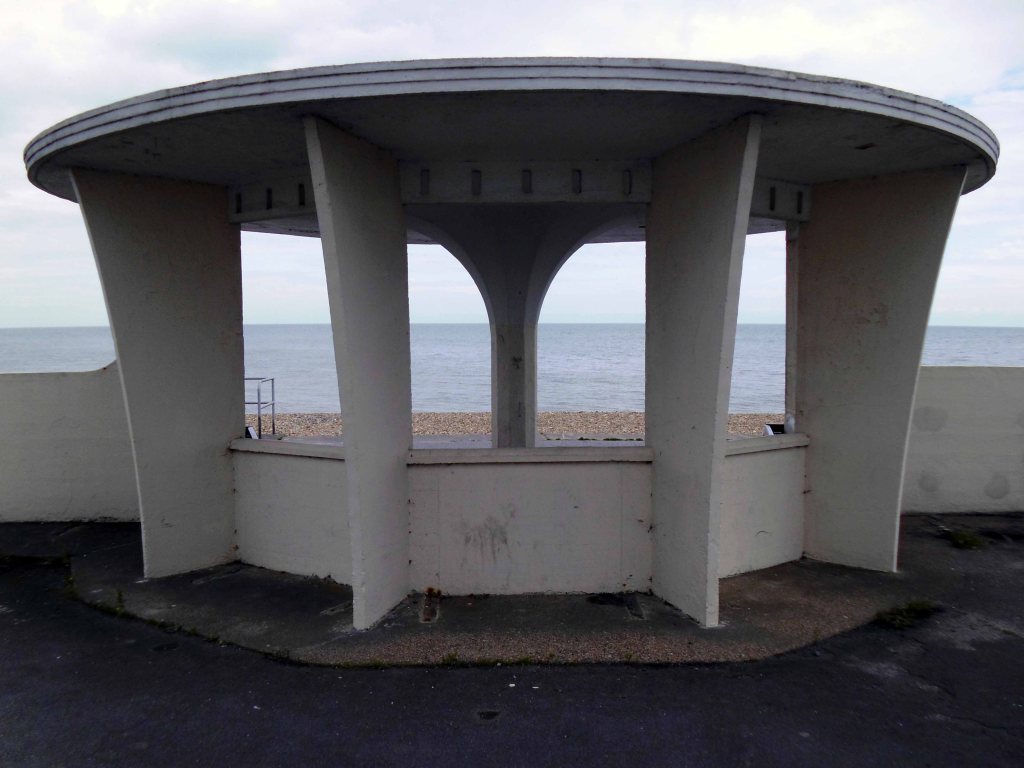
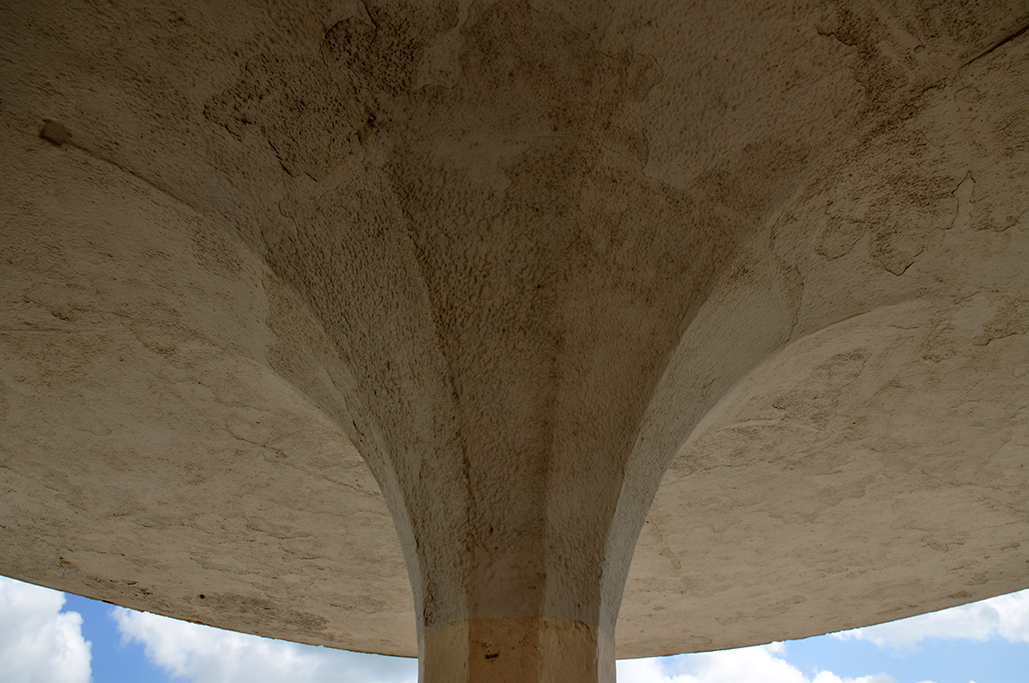
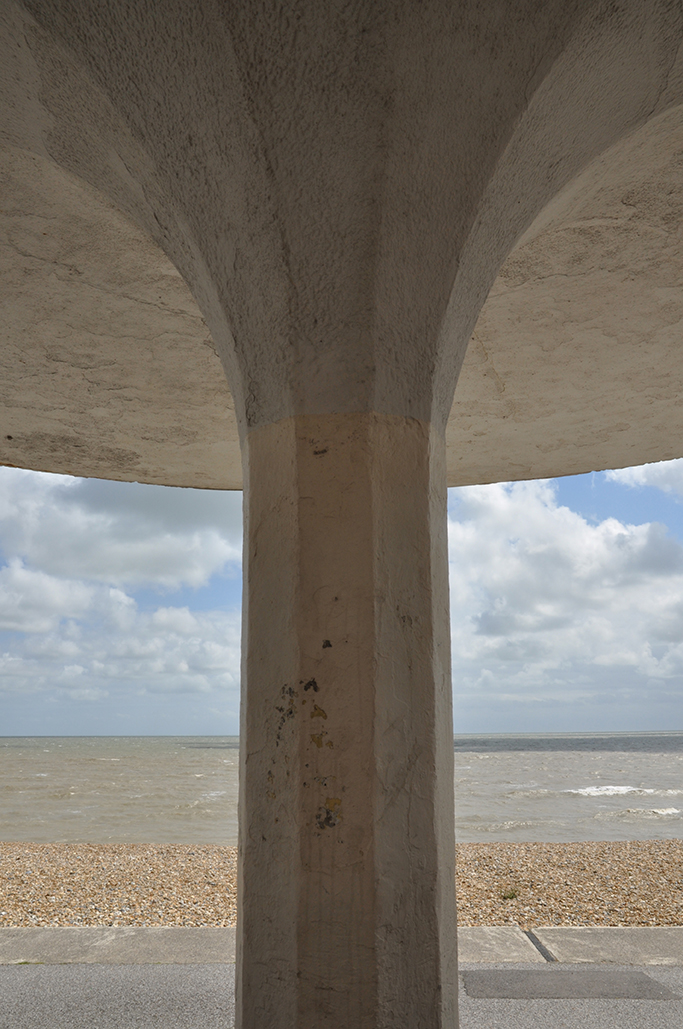
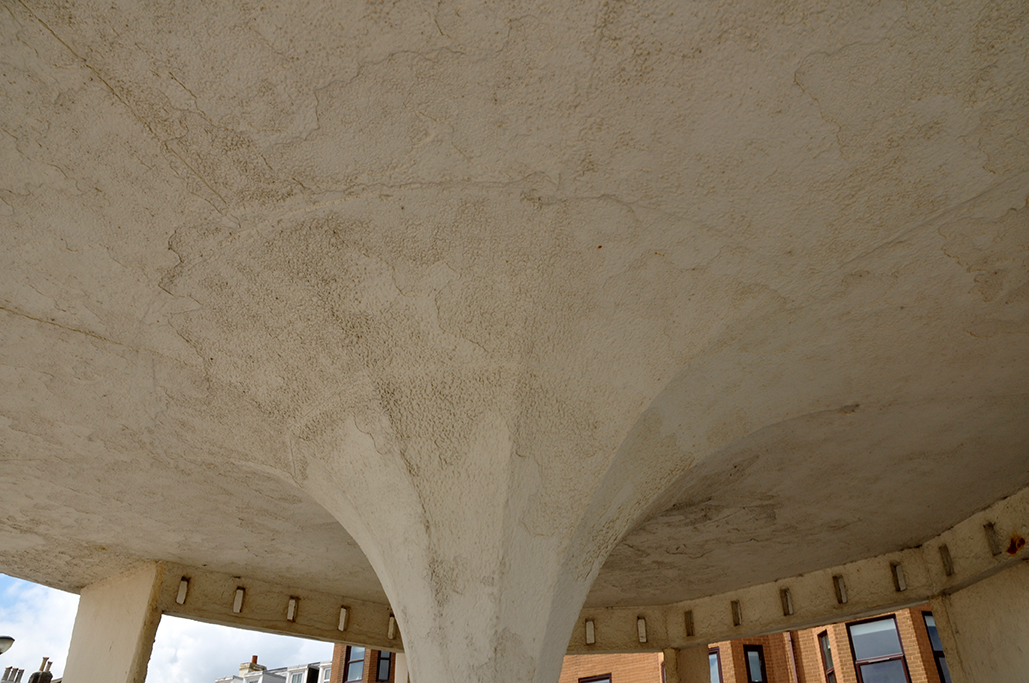
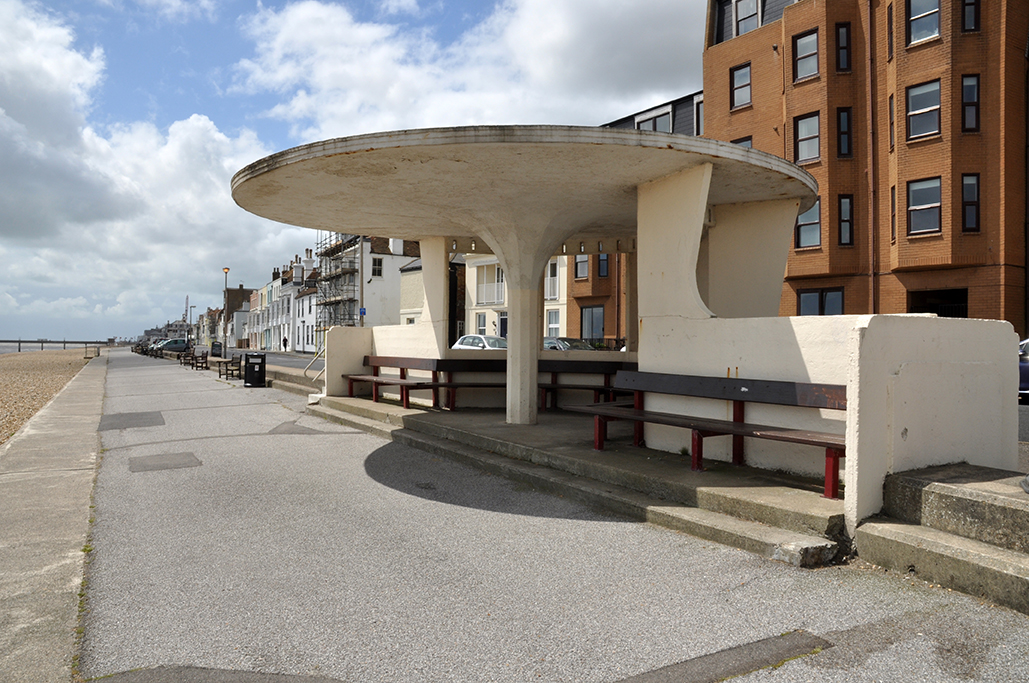
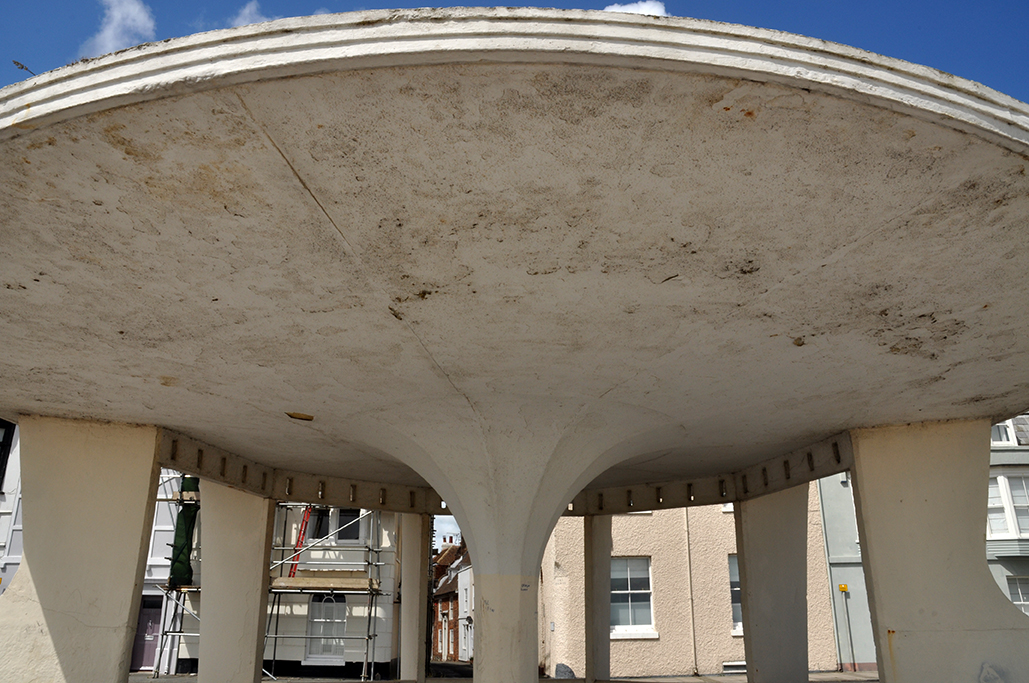
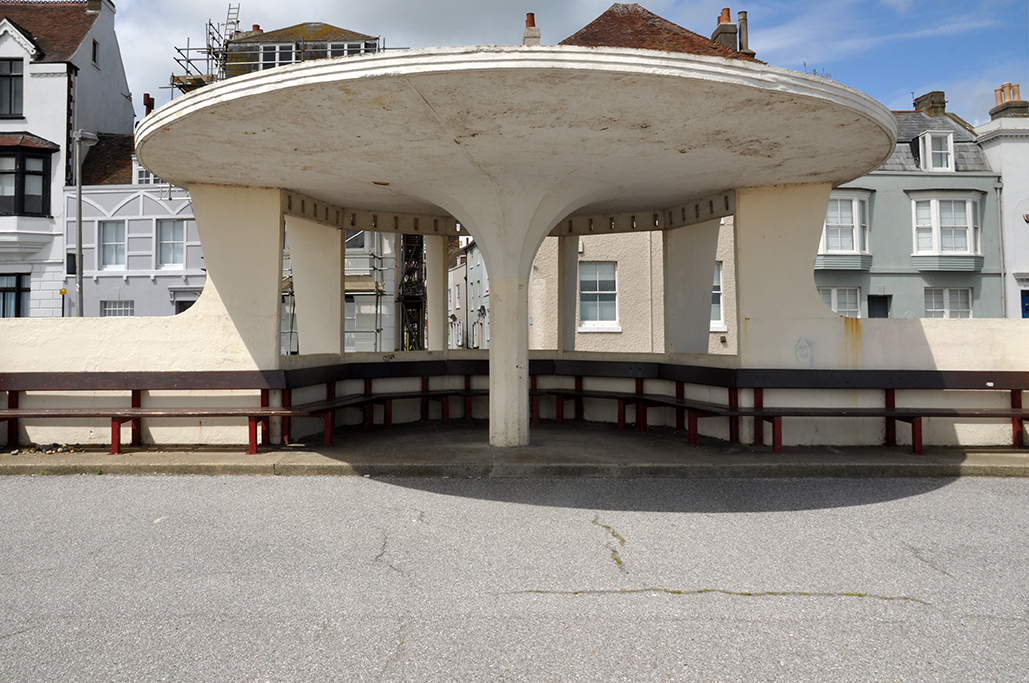
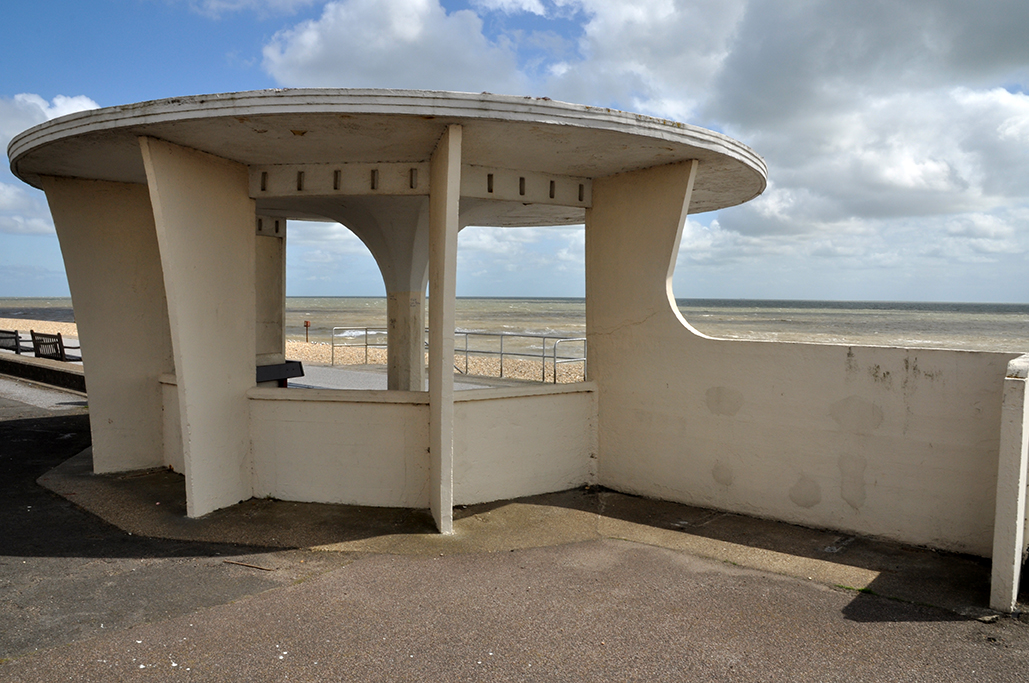
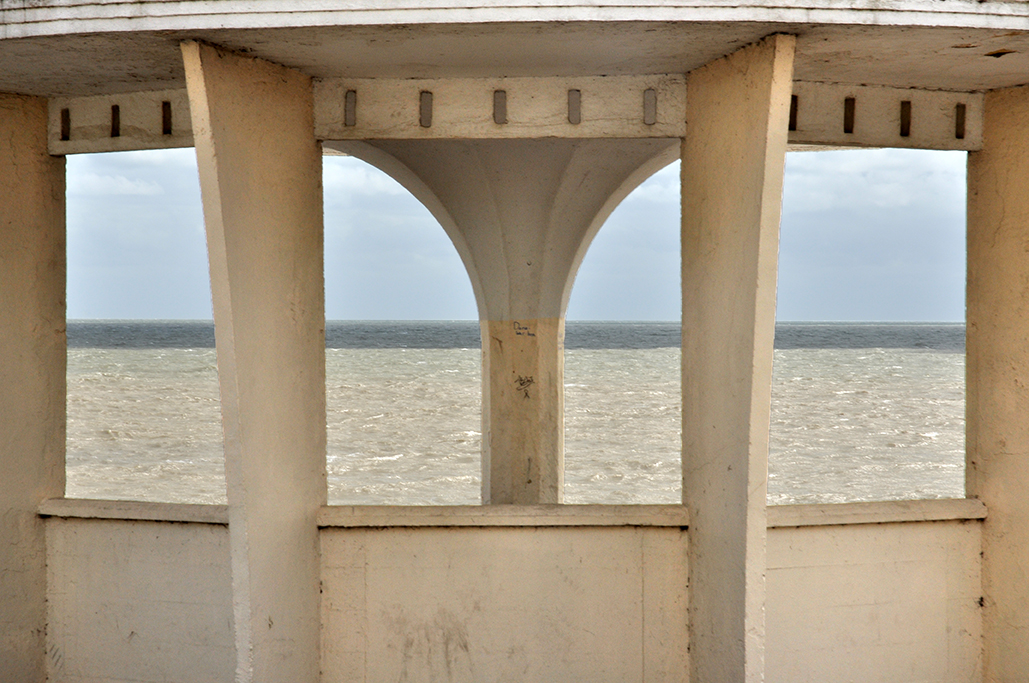
Deal – Seaside Shelters

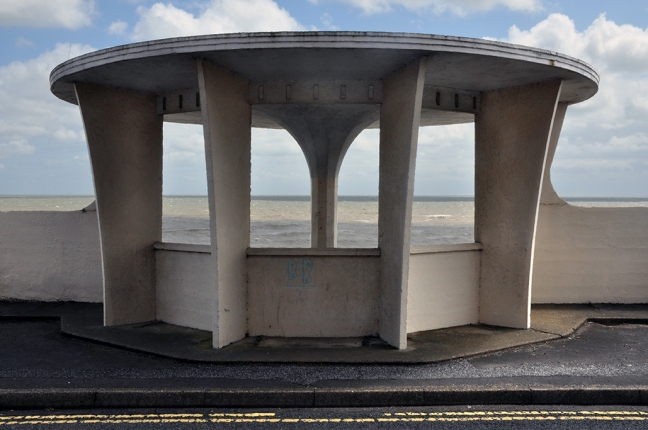
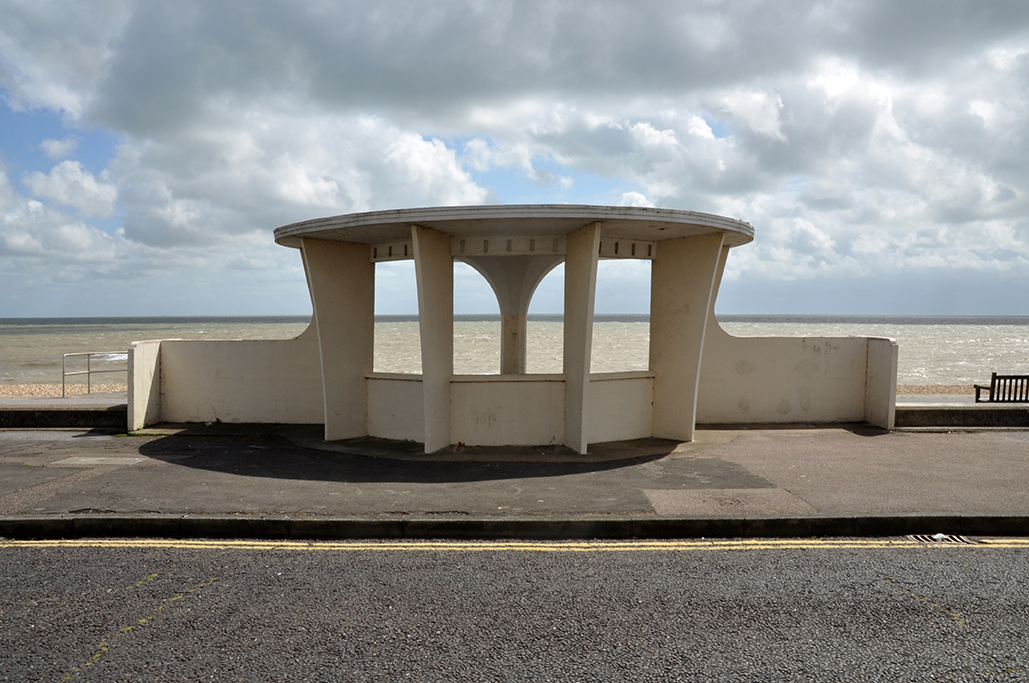
Two.

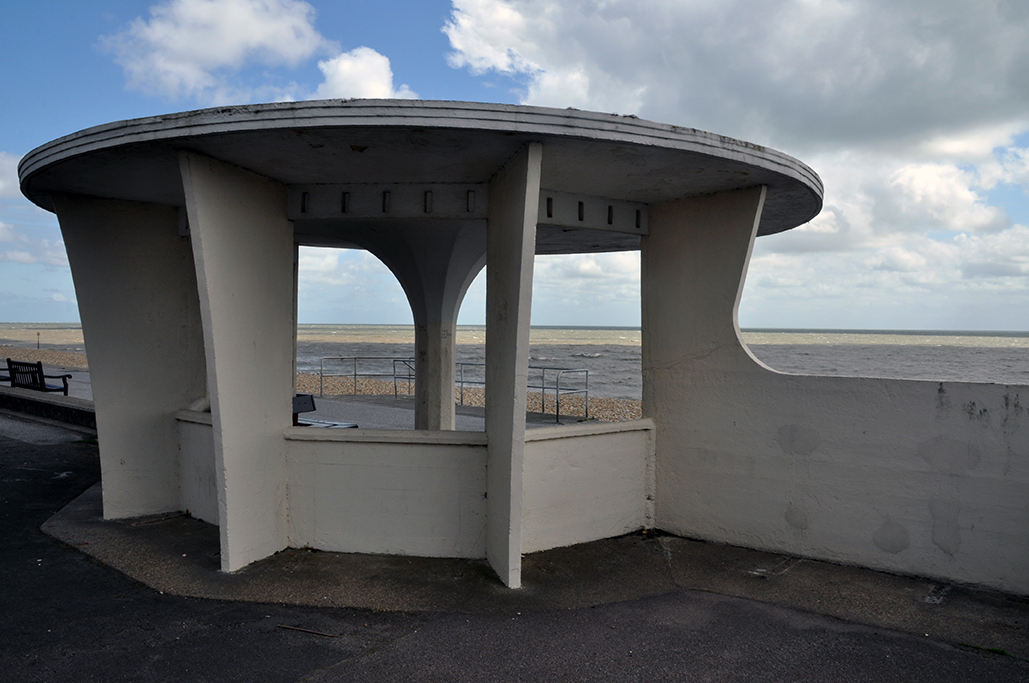
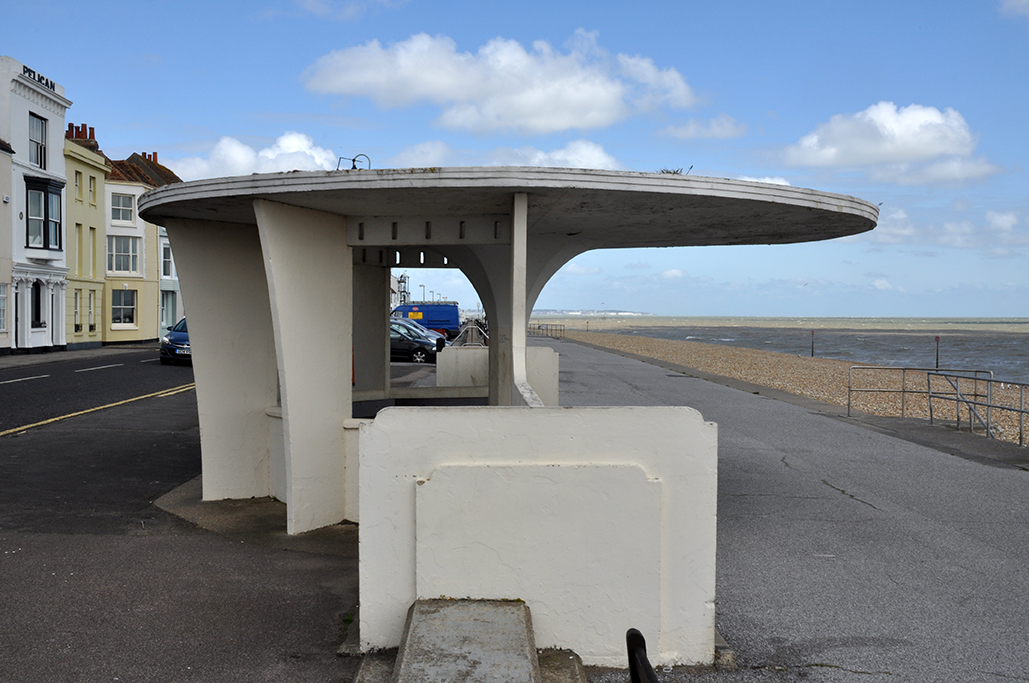
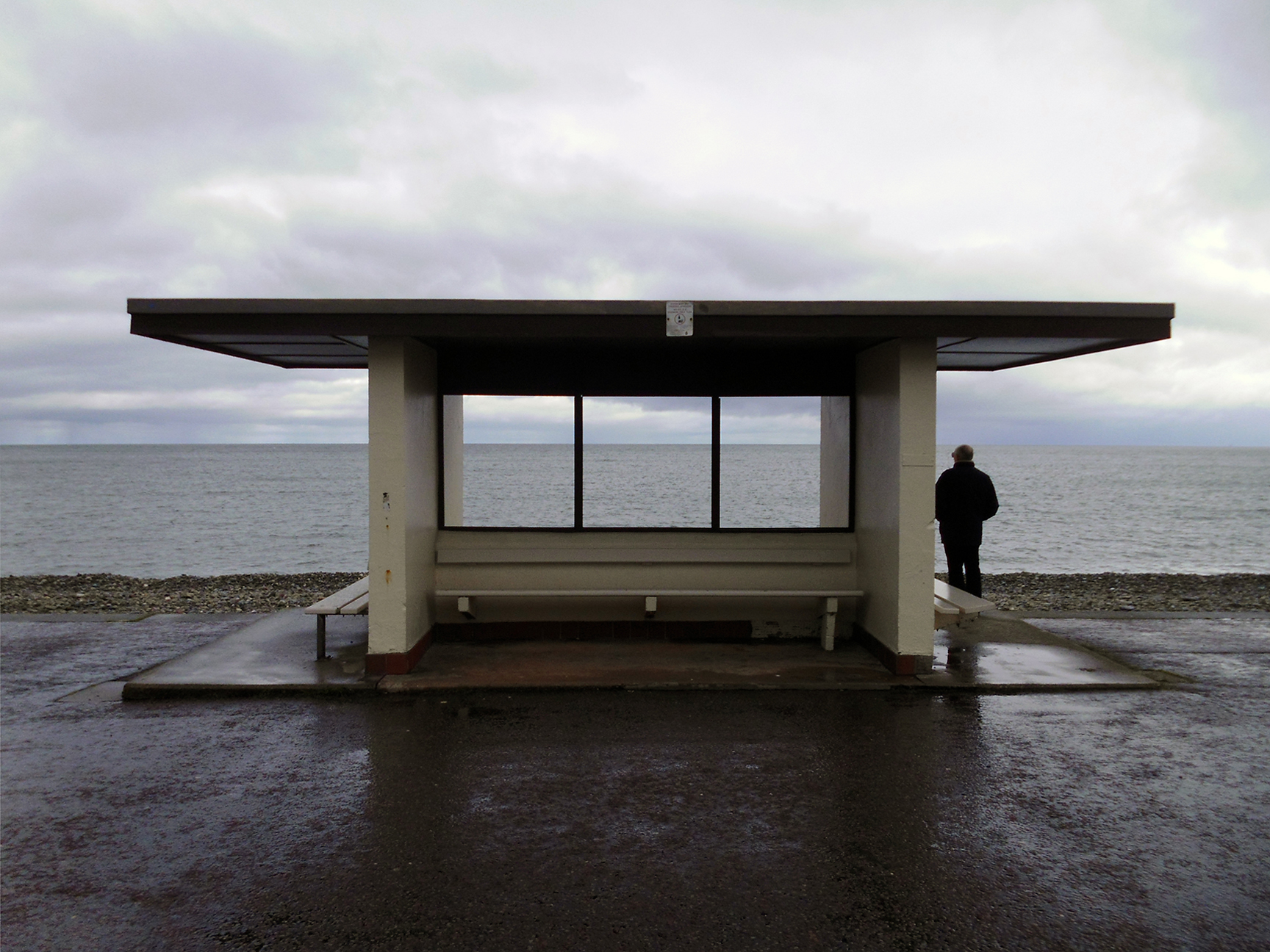
Parachuted from who knows where, onto the unsuspecting seafront.

Backed by a rambling range of well behaved Georgian terraces, facing a remorselessly mutable sea.

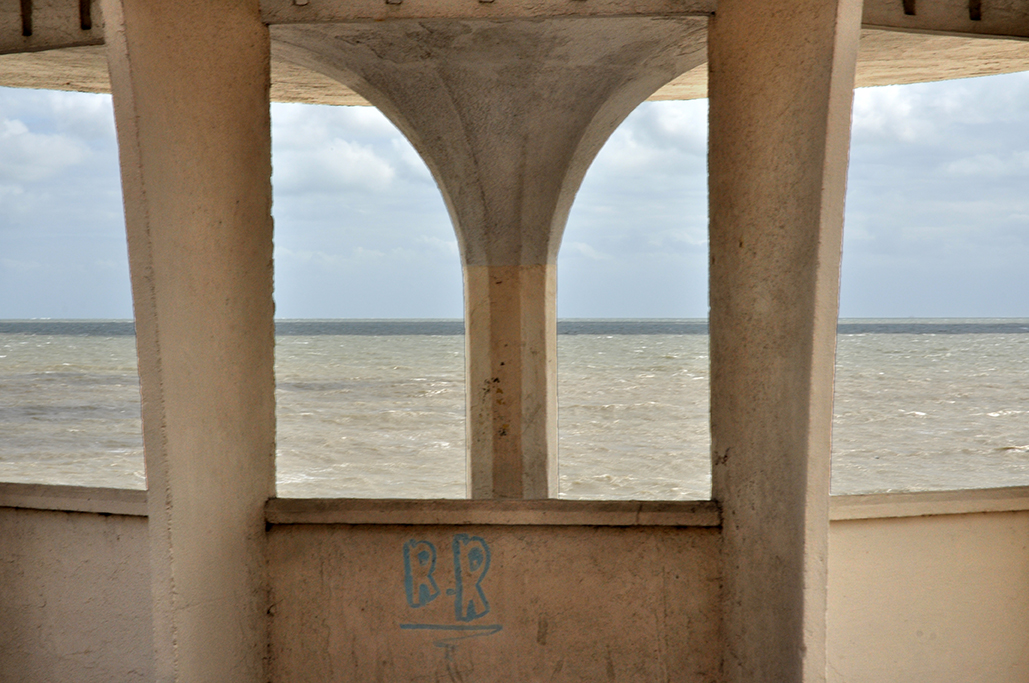
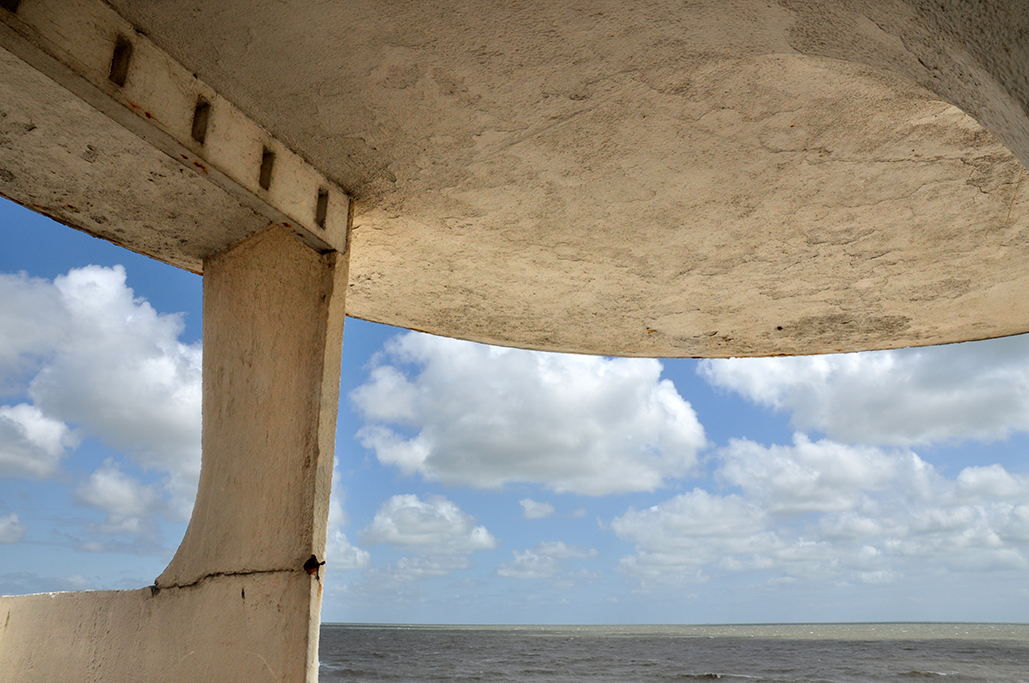
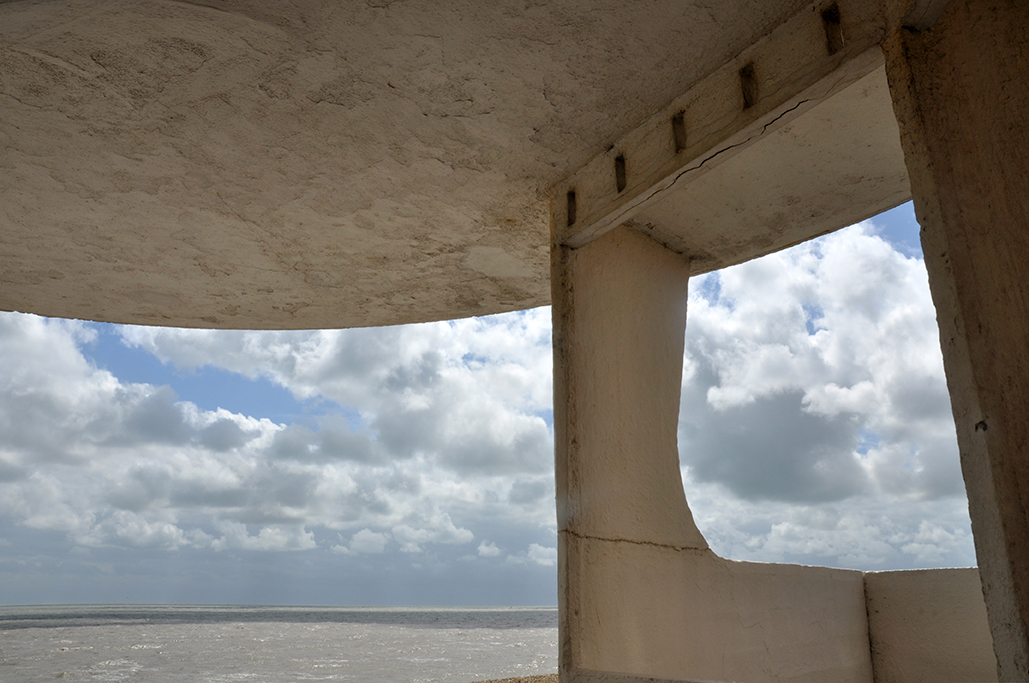
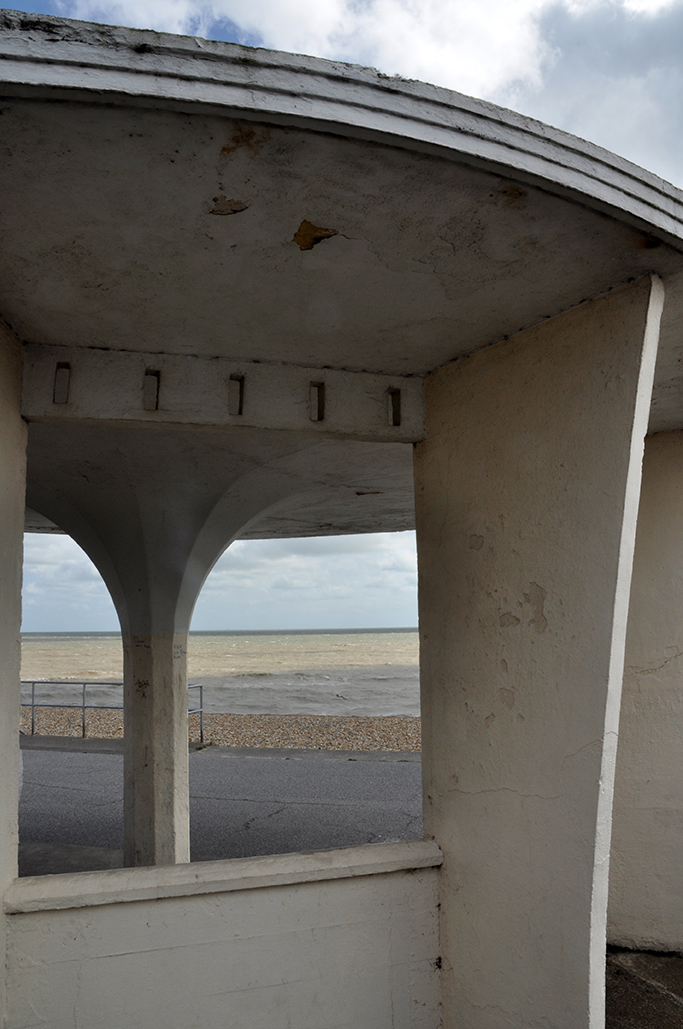
Affording space age shelter to the passing pilot of an ever imminent future.

Sit in, look through, out and beyond.

DSC_0876 copy

DSC_0875 copy

DSC_0874 copy

DSC_0873 copy

DSC_0872 copy

DSC_0871 copy

DSC_0870 copy

DSC_0869 copy

DSC_0868 copy

DSC_0865 copy

DSC_0864 copy

DSC_0863 copyDSC_0862 copy

DSC_0861 copy

DSC_0860 copy

DSC_0859 copy

DSC_0858 copy

DSC_0856 copy

North Wales – Shelters

There are days when there is little else to do on the seashore than stare endlessly out to sea, seeking respite from the unrelenting rays of the sun, or conversely turning one’s back on the incoming squall.

Hunker down and hope.

For these very same and sane reasons, the urban district councils have provided you with the very means to realise the wildest of your wildest dreams.

The shelter

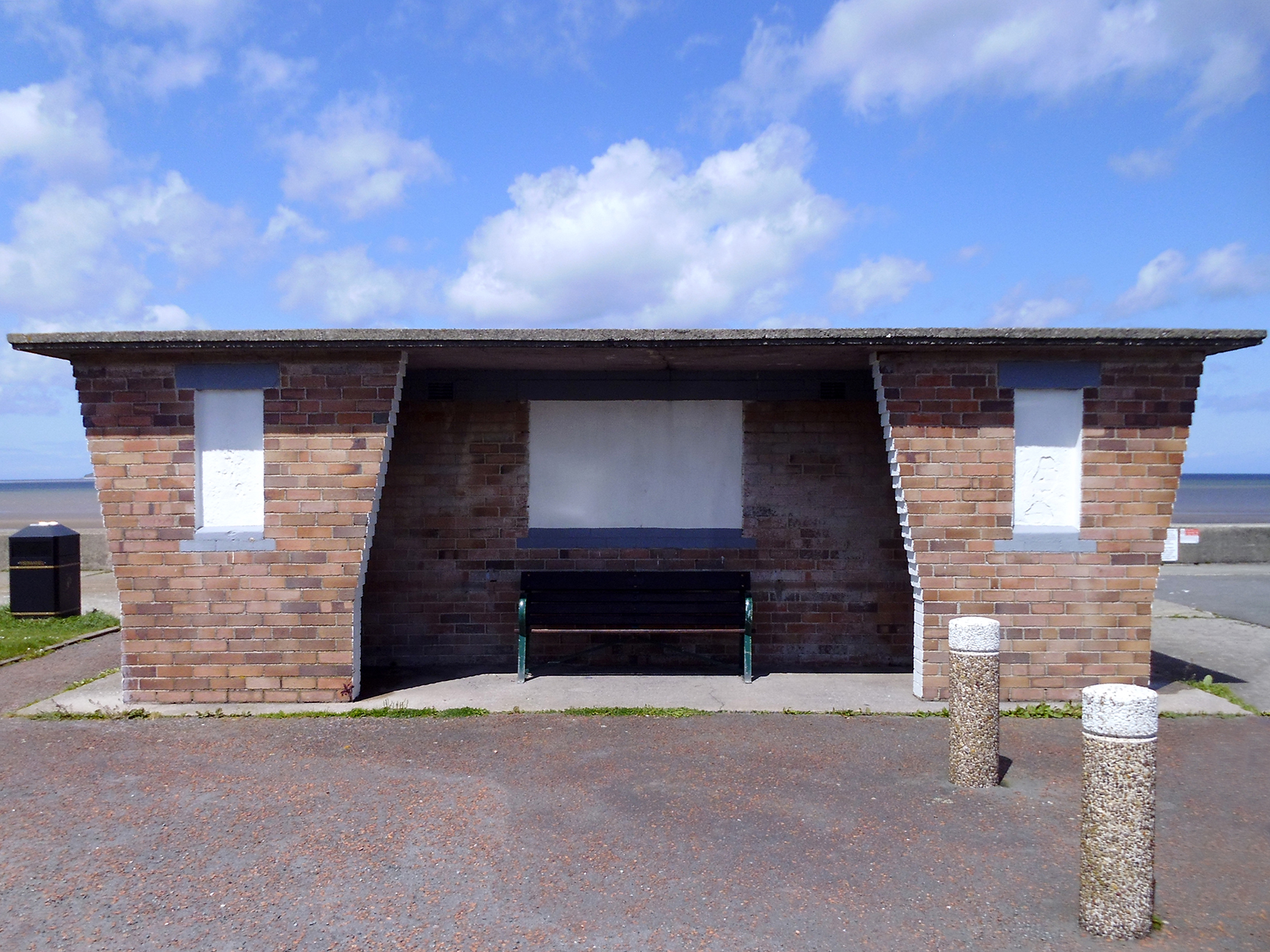
No two are the same, look carefully – they are nuanced, under financed, resilient and emboldened against the elements. Design applied by untutored hand, cast in concrete, stone and brick, glazed, unglazed and amazing.

Set a spell, take your shoes off.

Y’all come back now, y’hear?

P1070626 copy

P1070637 copy

P1070535 copy

P1070625 copy

P1070374 copy

P1070636 copy

P1070639 copy

P1070480 copy

P1070635 copy

P1070633 copy

P1070623 copy

P1070627 copy

Hove – Seafront Flats

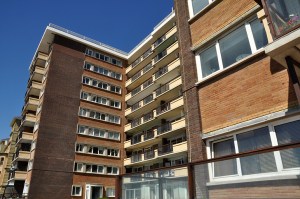
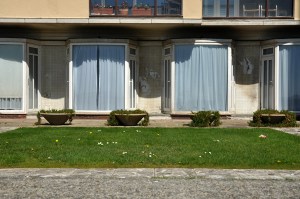
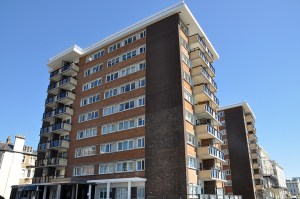
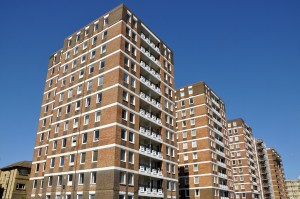
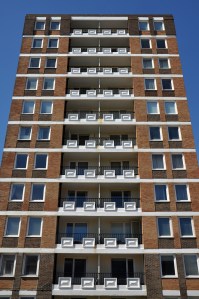
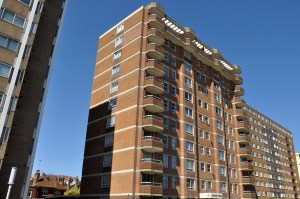
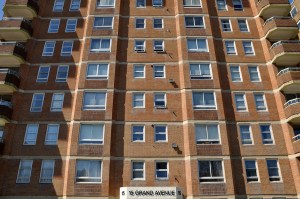
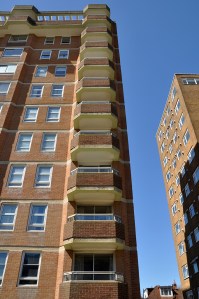
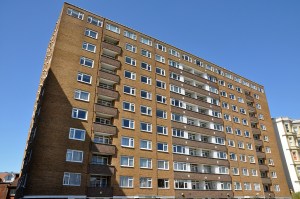
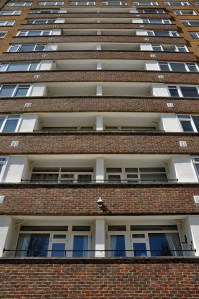
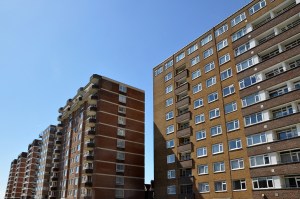
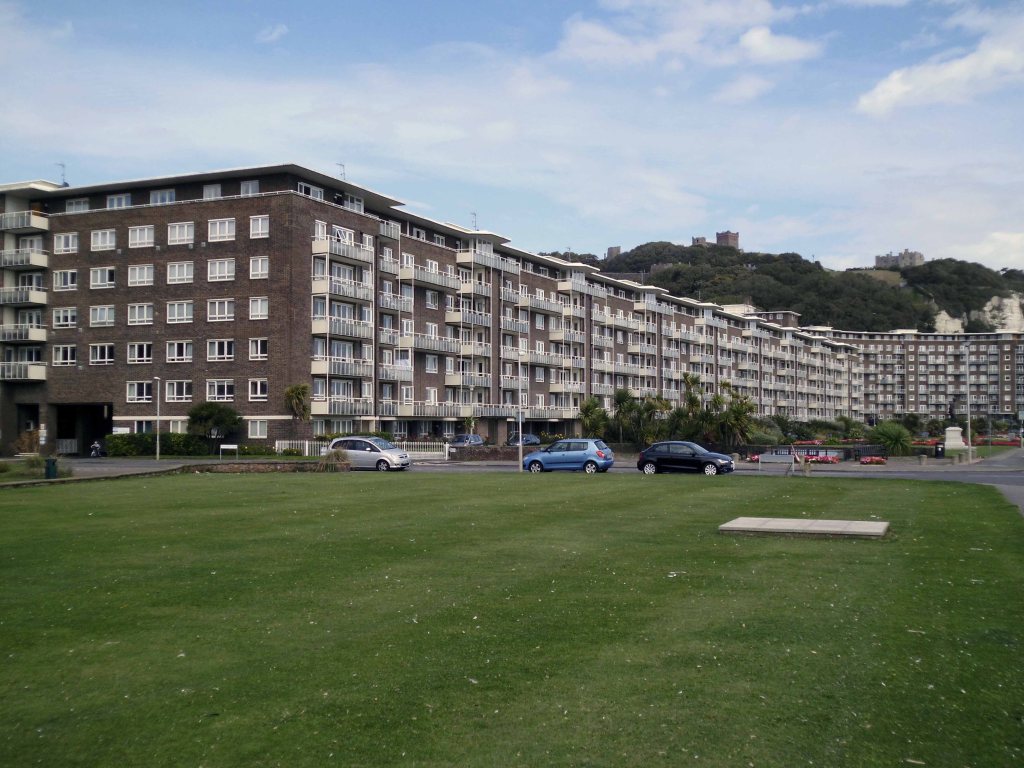
The seashore seems ideally suited to tall well appointed private housing, this is the architecture and landscape of wealth and privilege.

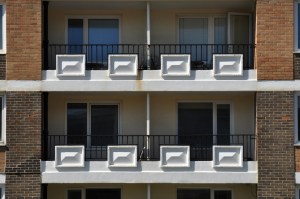
Built and maintained in the finest sixties and seventies Modernist style and fashion, affording panoramic visits across the Hove Lawns to the sea, and the soft rolling hinterland of the Downs.

If you’ve got the dollar, you’ve got a room with a view, or two.

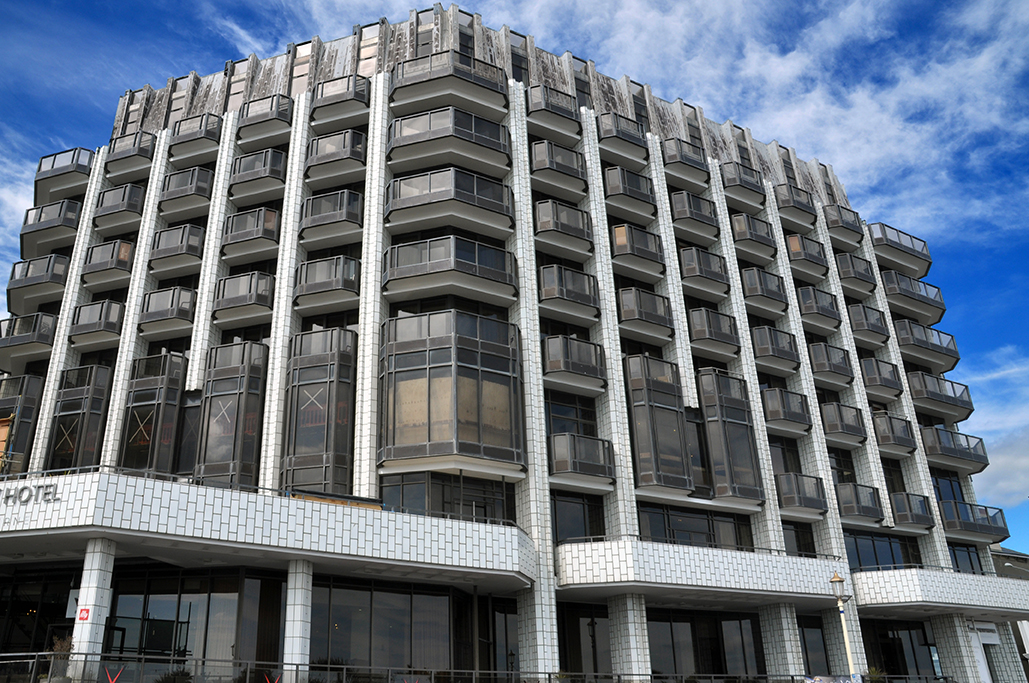
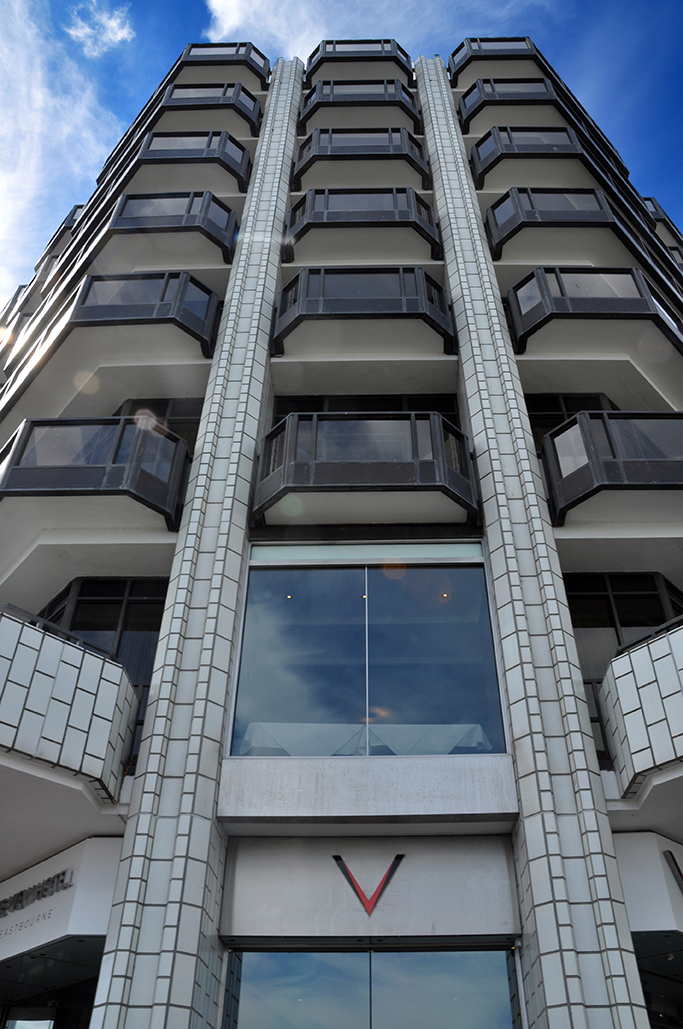
Eastbourne – The View Hotel

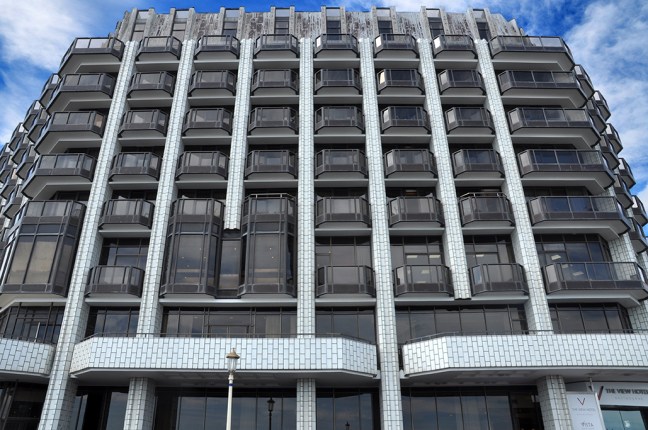
Standing immutable on the south coast seafront is the View Hotel, forever almost changing.

A seventies delight of exuberant geometry, tiled detail, protruding balconies and audacious window frames.

Its confidence is overwhelming.

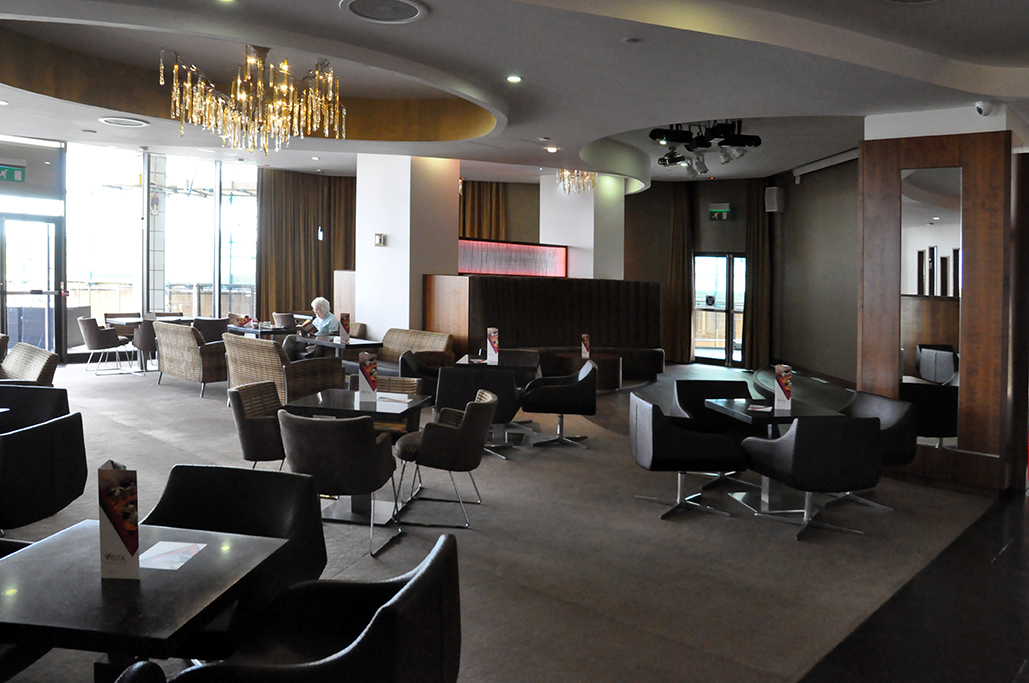
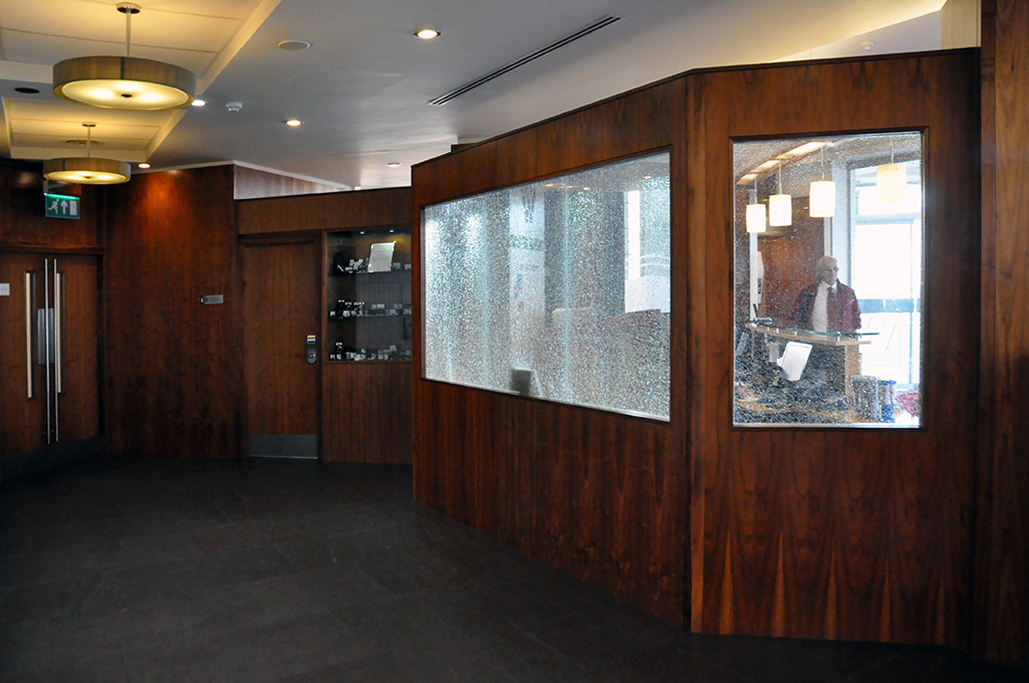
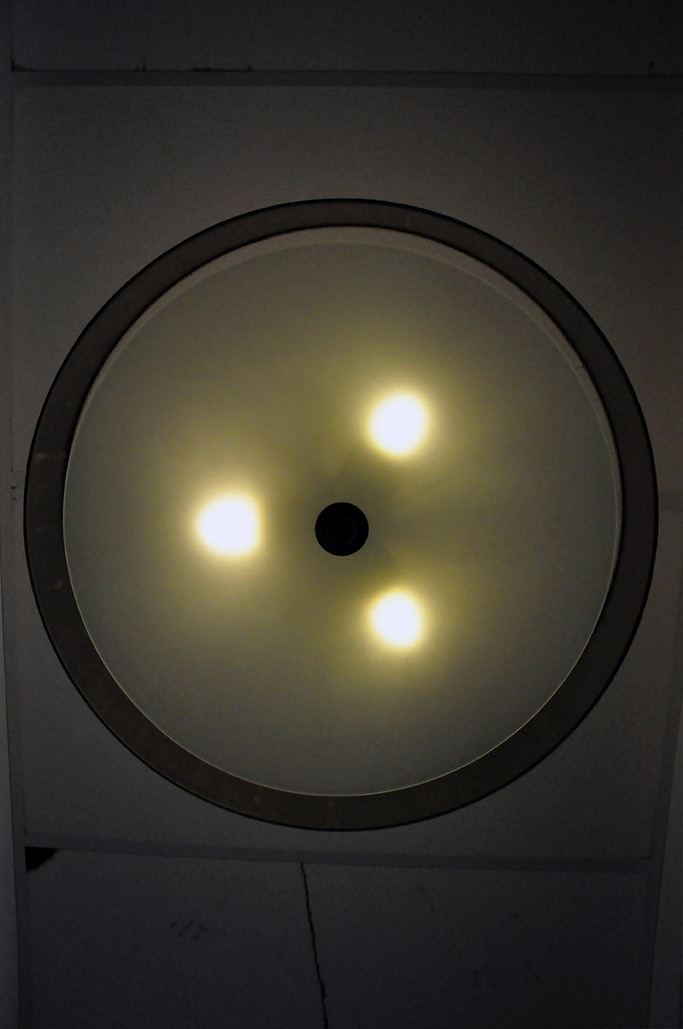
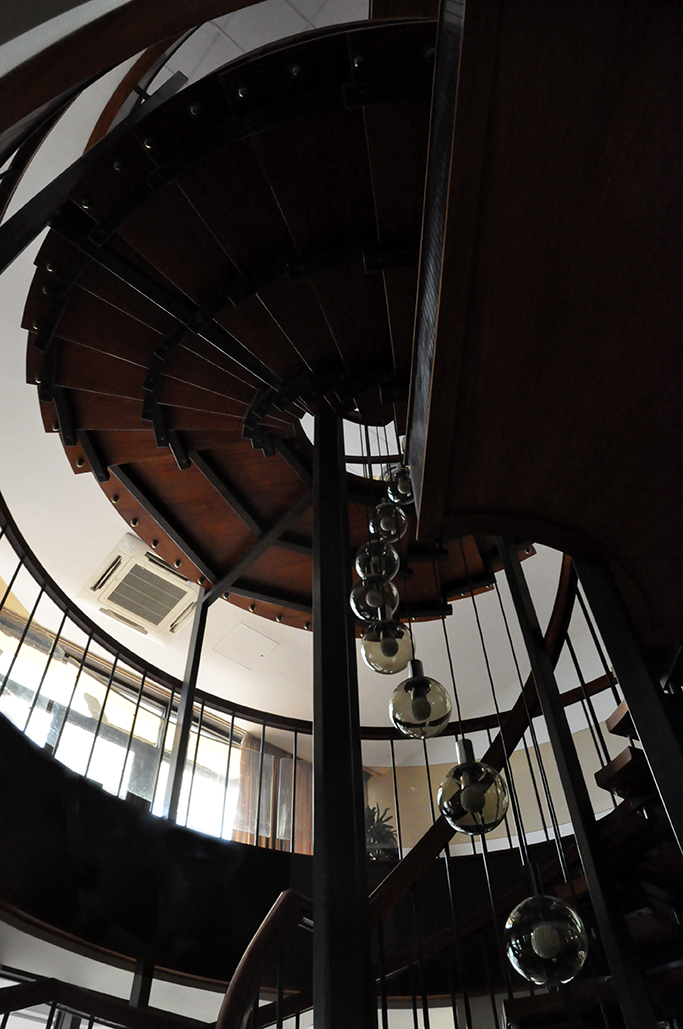
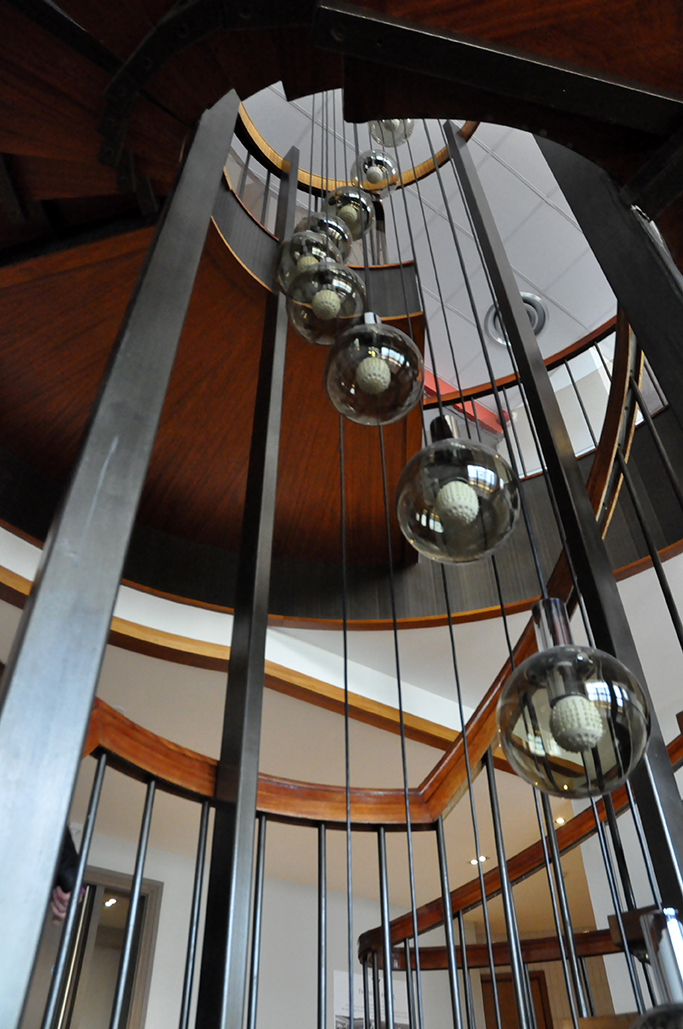
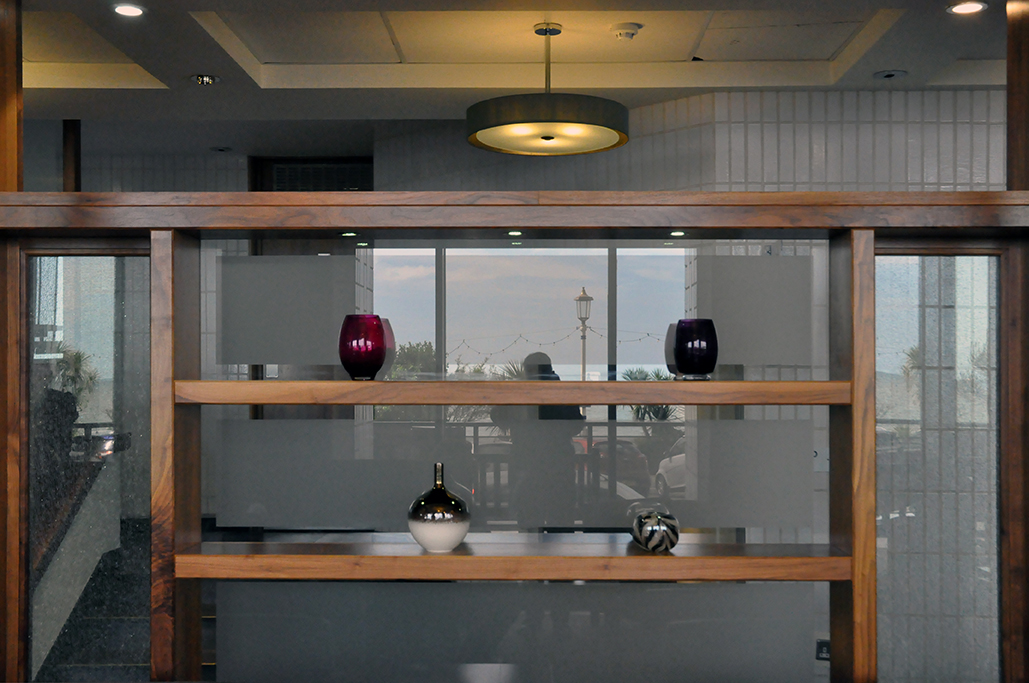
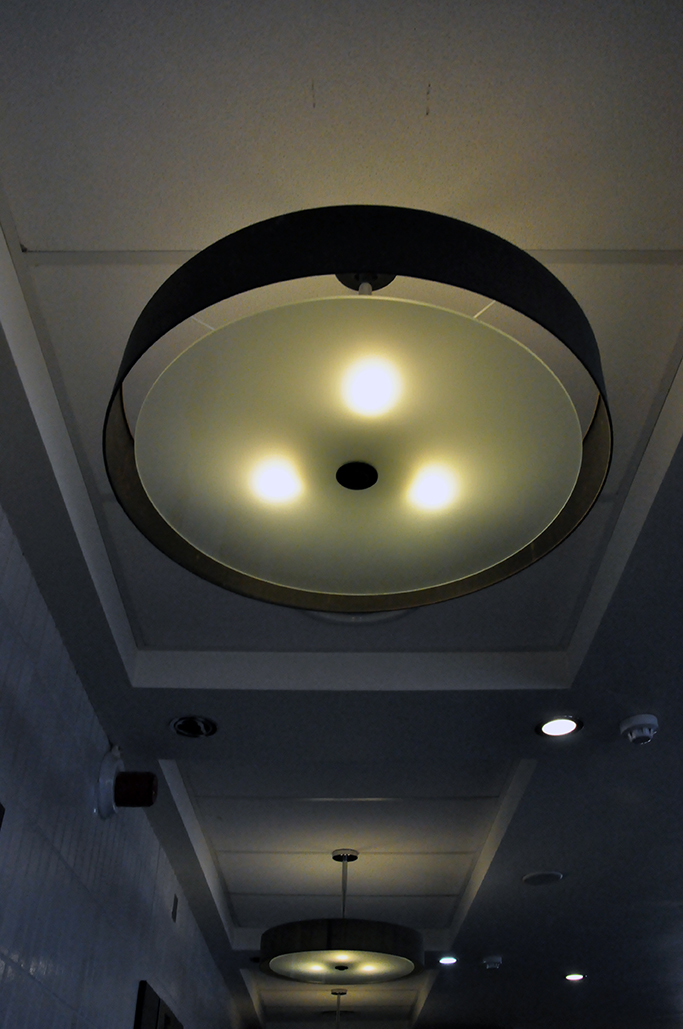
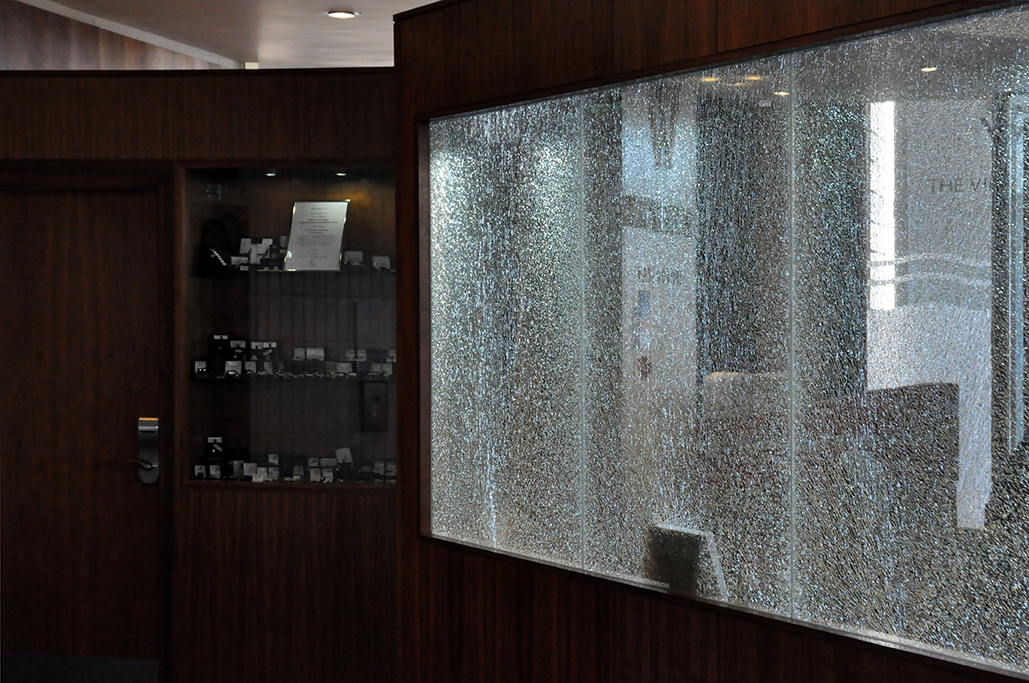
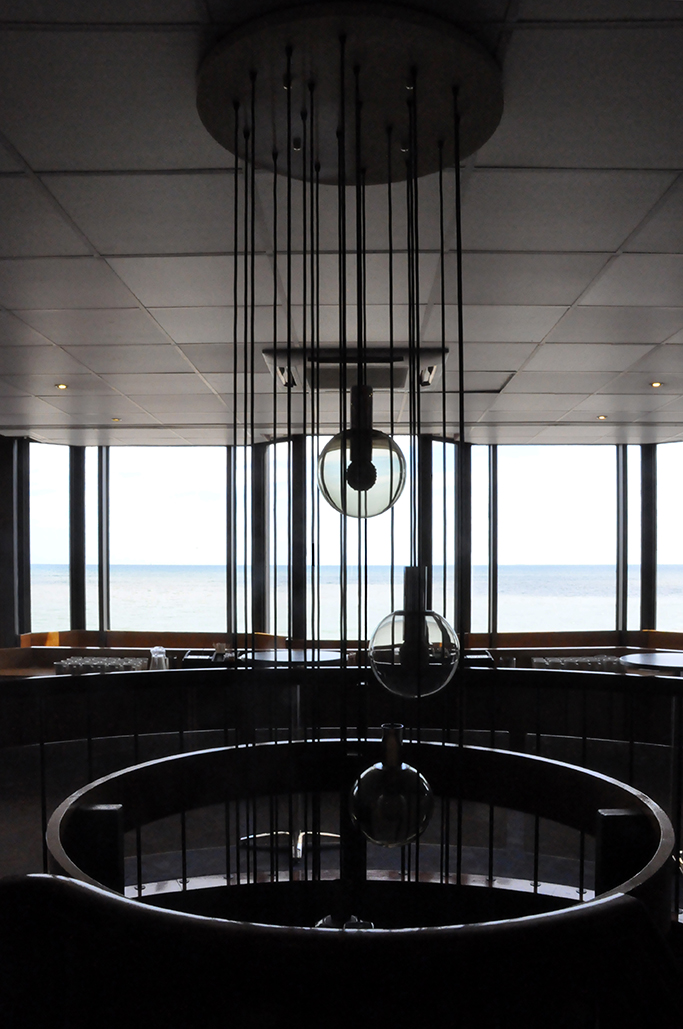
Recently refurbished this trade union run hotel and conference centre has preserved much of its period  interior detail, a swirling spiral stairway, unique circular light fittings, dark hardwood fittings and furnishings.

Suitable setting for high espionage or low talking.

Swept along by the verve, vivacity and capacious volume, I suggest you take a peak.

http://www.theviewhoteleastbourne.com

DSC_0201 copy

DSC_0195 copy

DSC_0192 copy

DSC_0207 copy

DSC_0210 copy

DSC_0205 copy

DSC_0199 copy

DSC_0197 copy

DSC_0196 copy

DSC_0206 copy

DSC_0209 copy

DSC_0194 copy

St Leonards Bulverhythe – Valley of the Lost Ice Cream Vans

Somewhere at the edge of the World ice cream vans go to die, I know I saw them from the train back from Brighton, I just had to go and have a look. I was received warmly by the busy proprietors going busily about their business, readying the working vans for their working day on the coast. It seems they break the invalids up for spares keeping the ageing vehicles on the road for another season – dispensing joy to jolly girls and boys in cornet, tub and lolly form. There is however something inevitably heartbreakingly poignant, seeing the signage fade, in the southern sun, as brambles weave in and out of open window, steering wheel, wheel arch and fridge. Ask not for whom the chimes chime. They chime for you. Nevermore.

DSC_0722 copy

DSC_0706 copy

DSC_0718 copy

DSC_0725 copy

DSC_0709 copy

DSC_0697 copy

DSC_0727 copy

DSC_0732 copy

DSC_0735 copy

DSC_0737 copy

DSC_0736 copy

DSC_0740 copy

DSC_0742 copy

DSC_0749 copy

DSC_0744

DSC_0739 copy

DSC_0728 copy

DSC_0746 copy