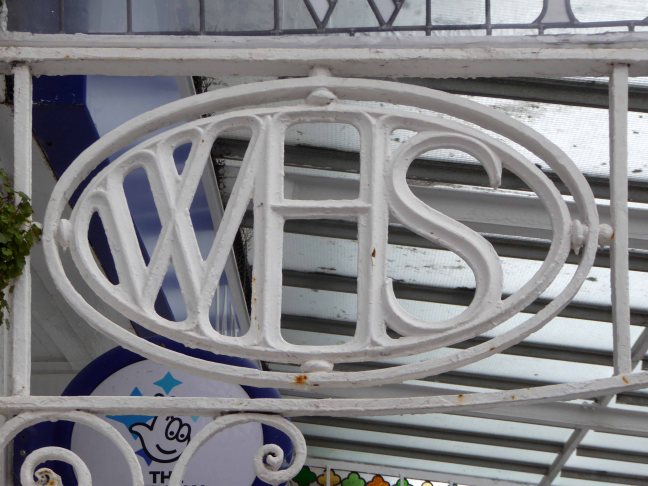
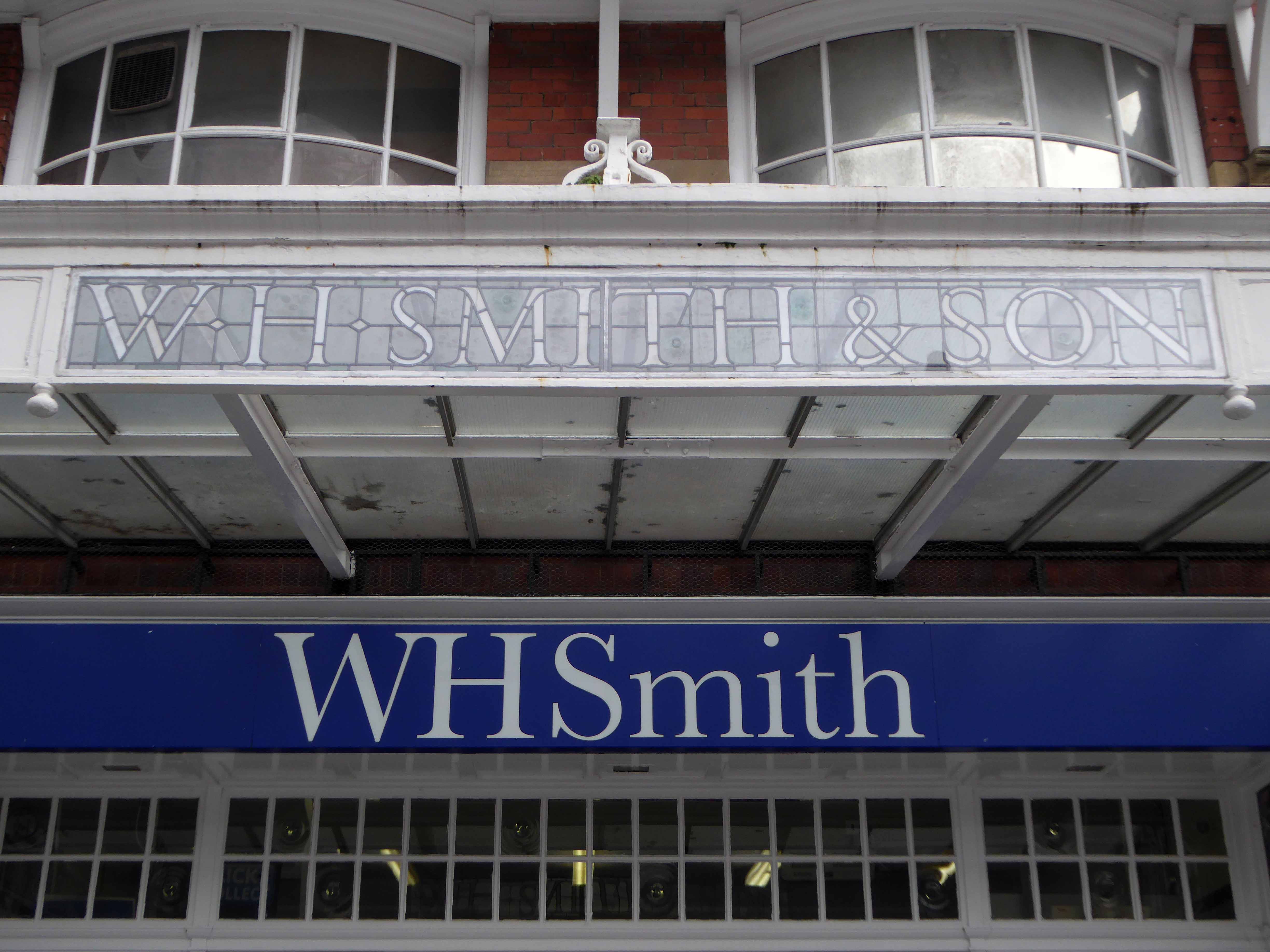
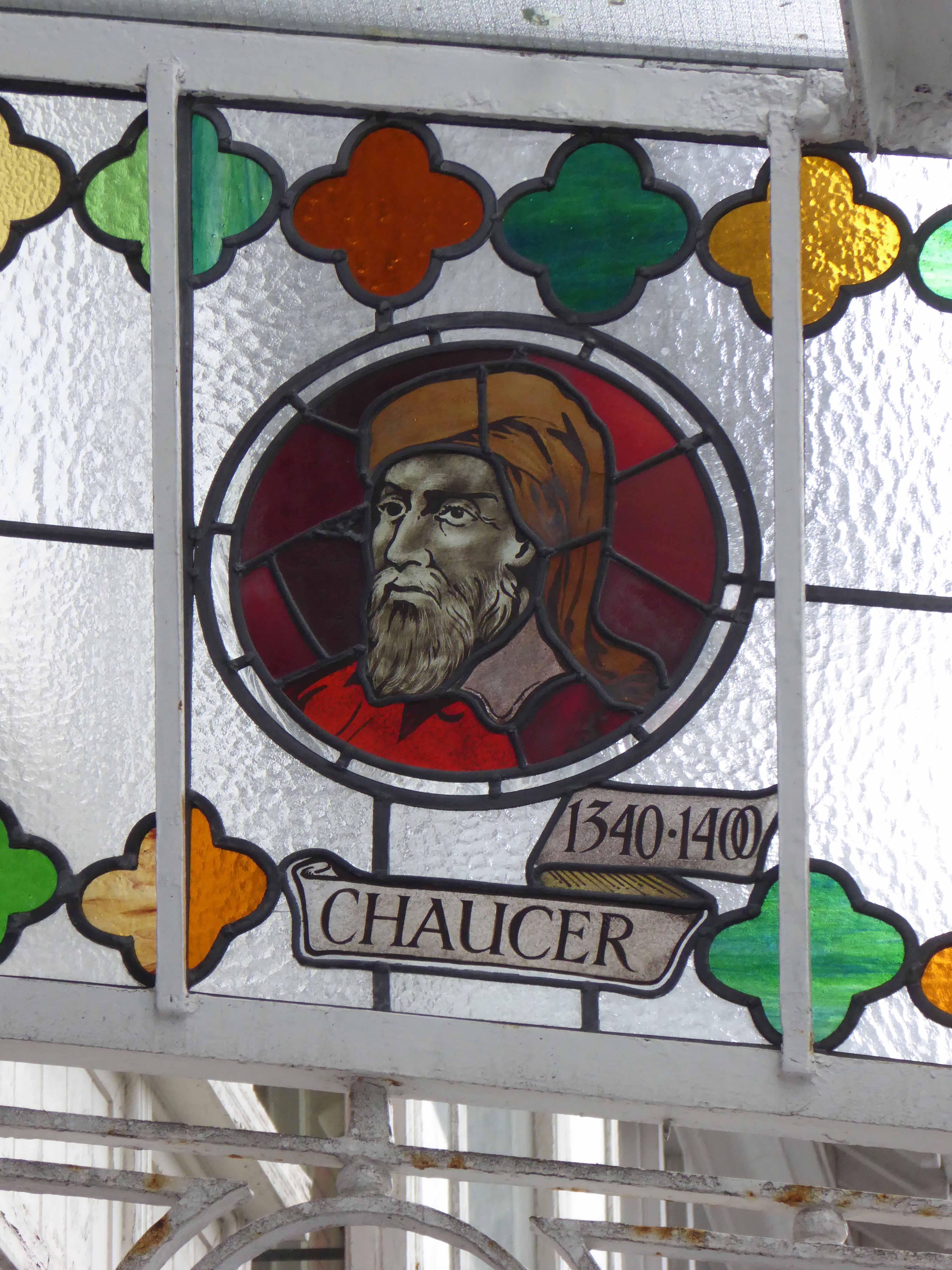
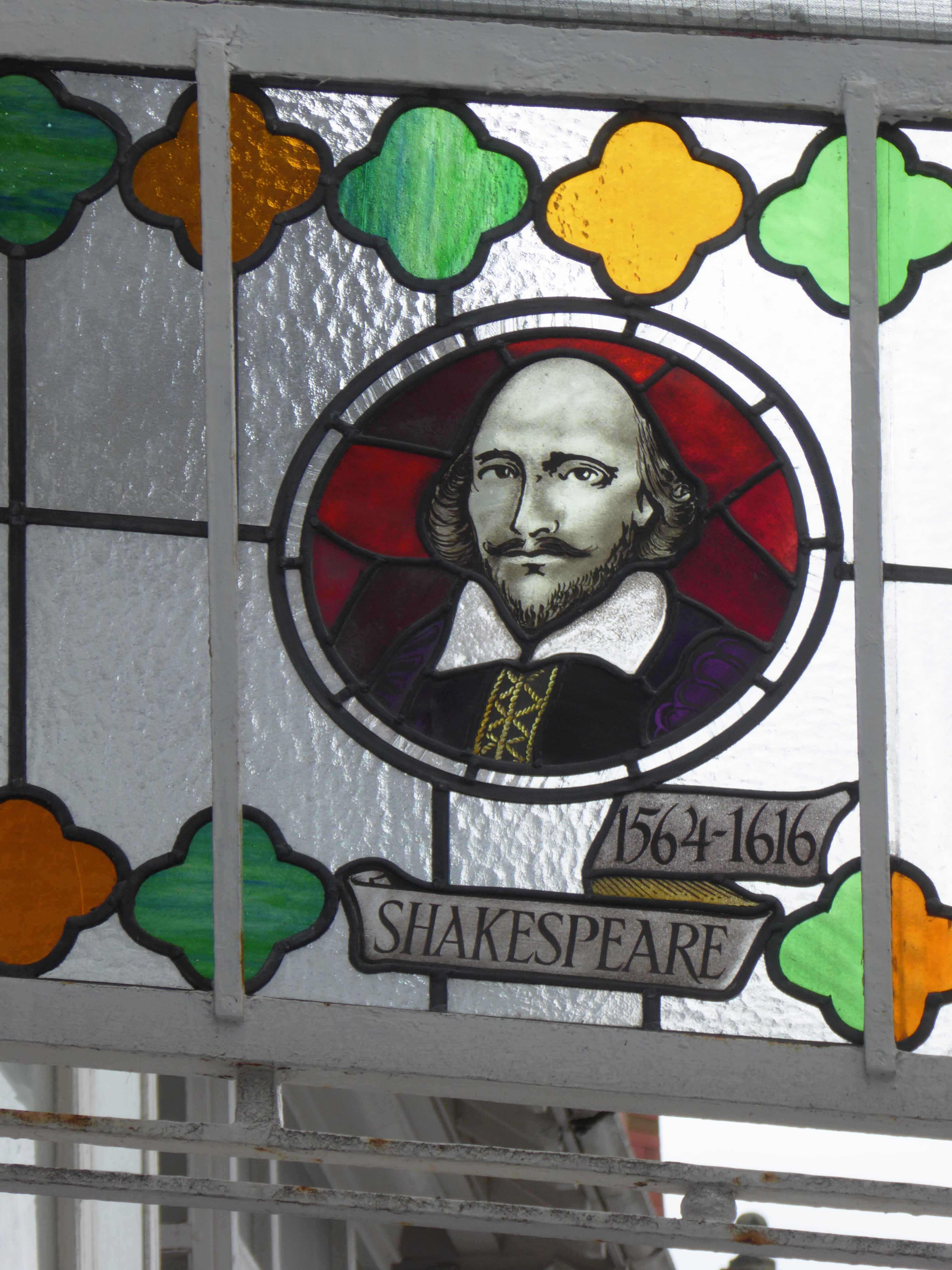
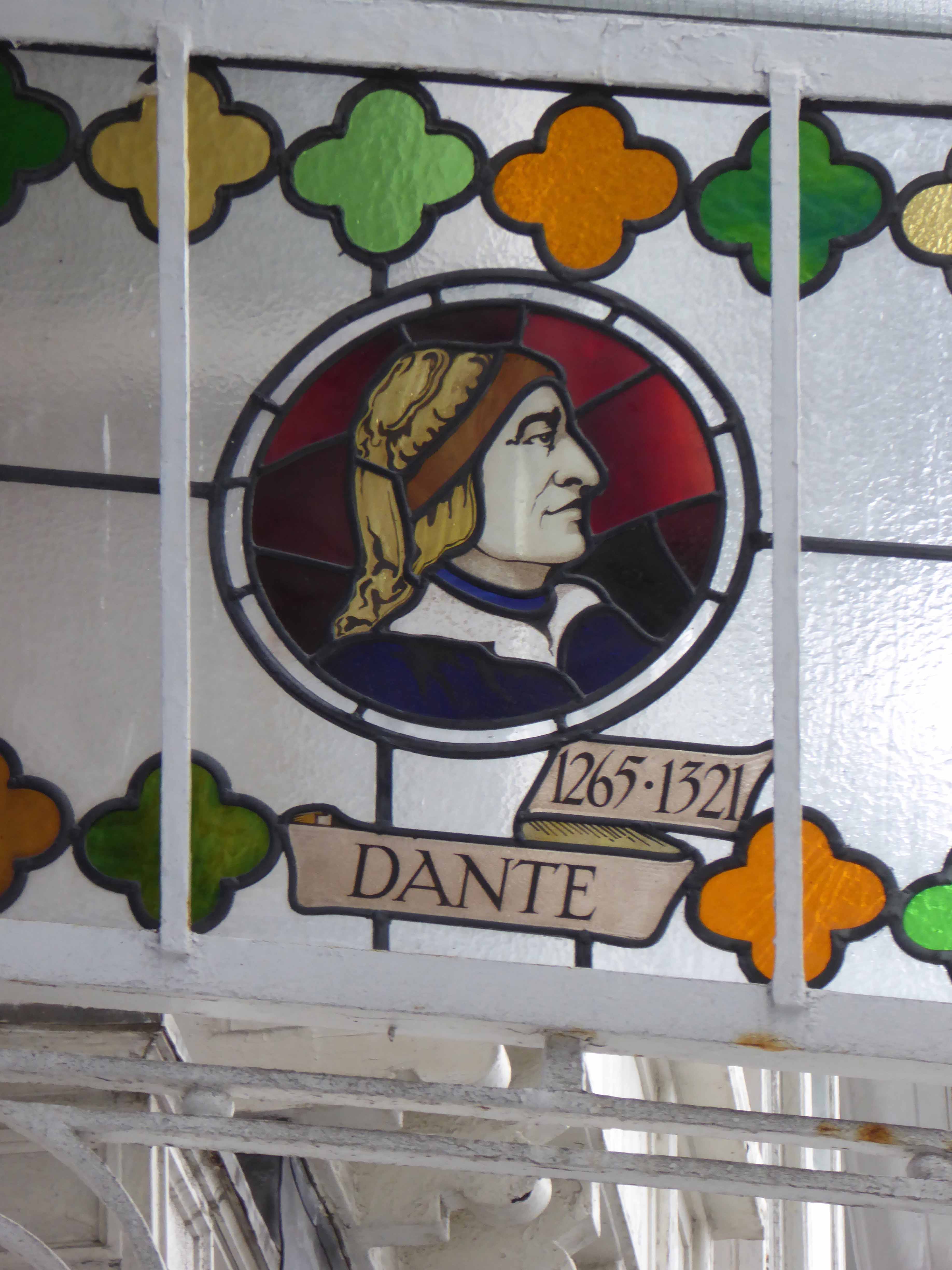
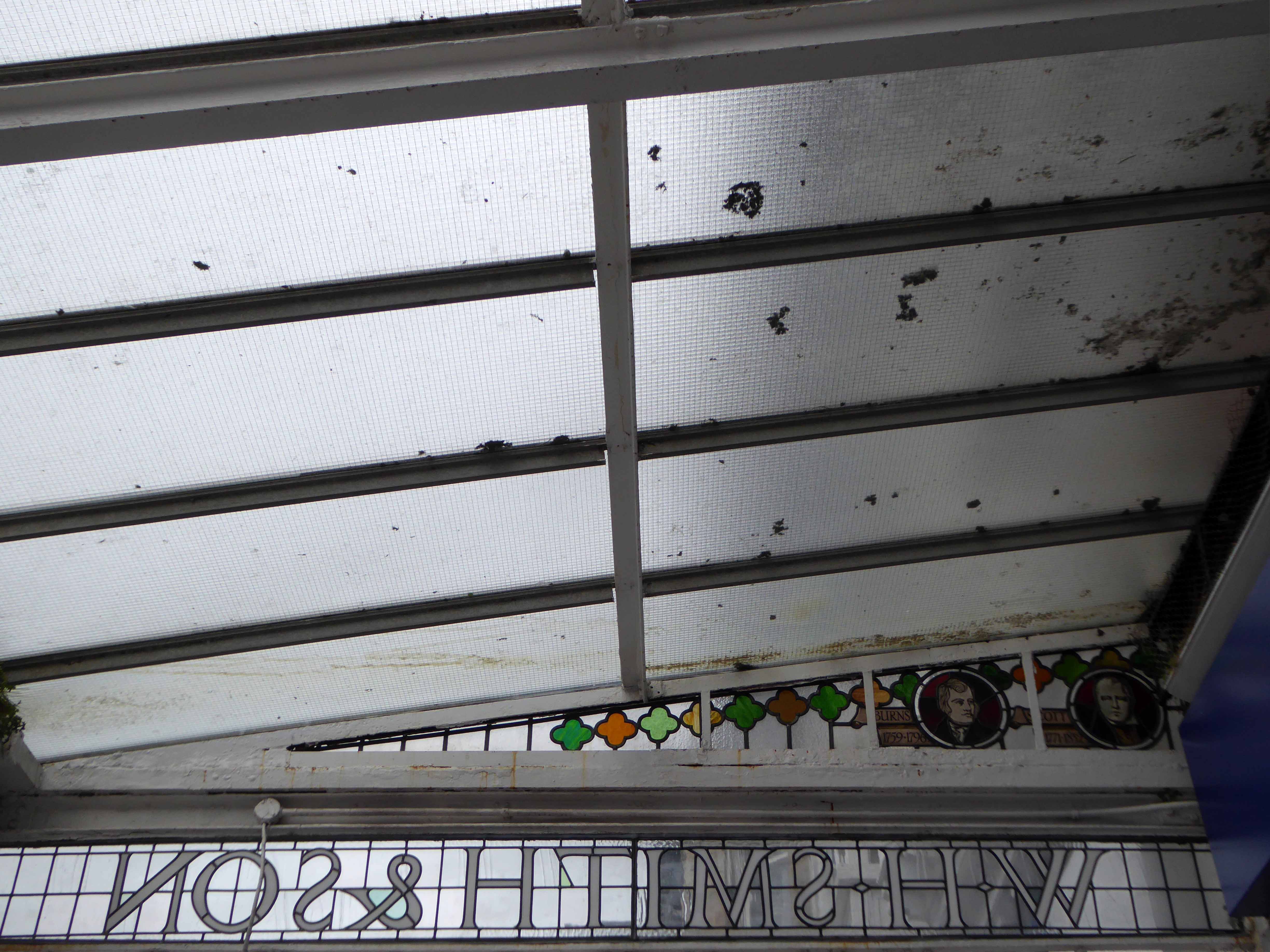
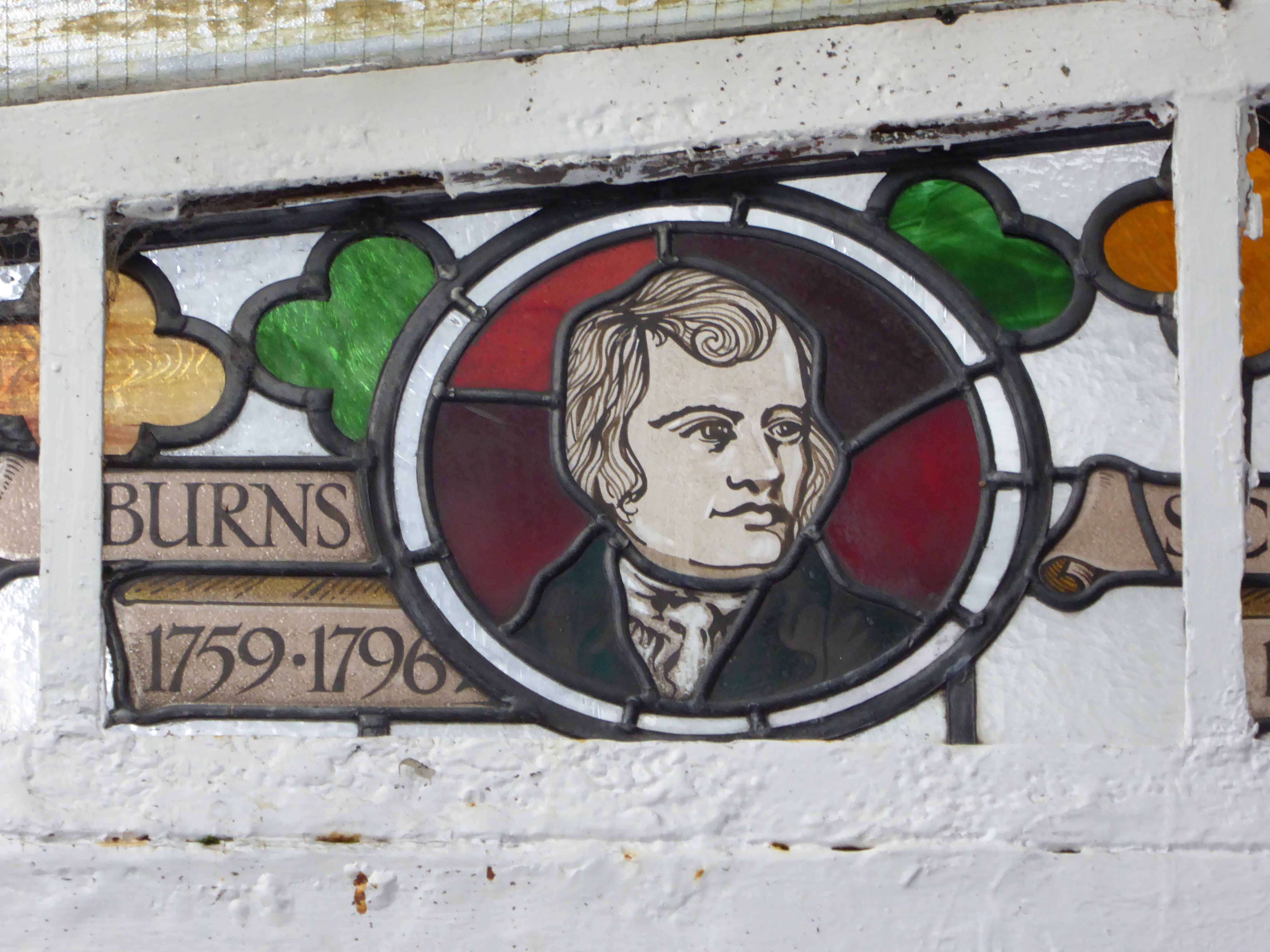
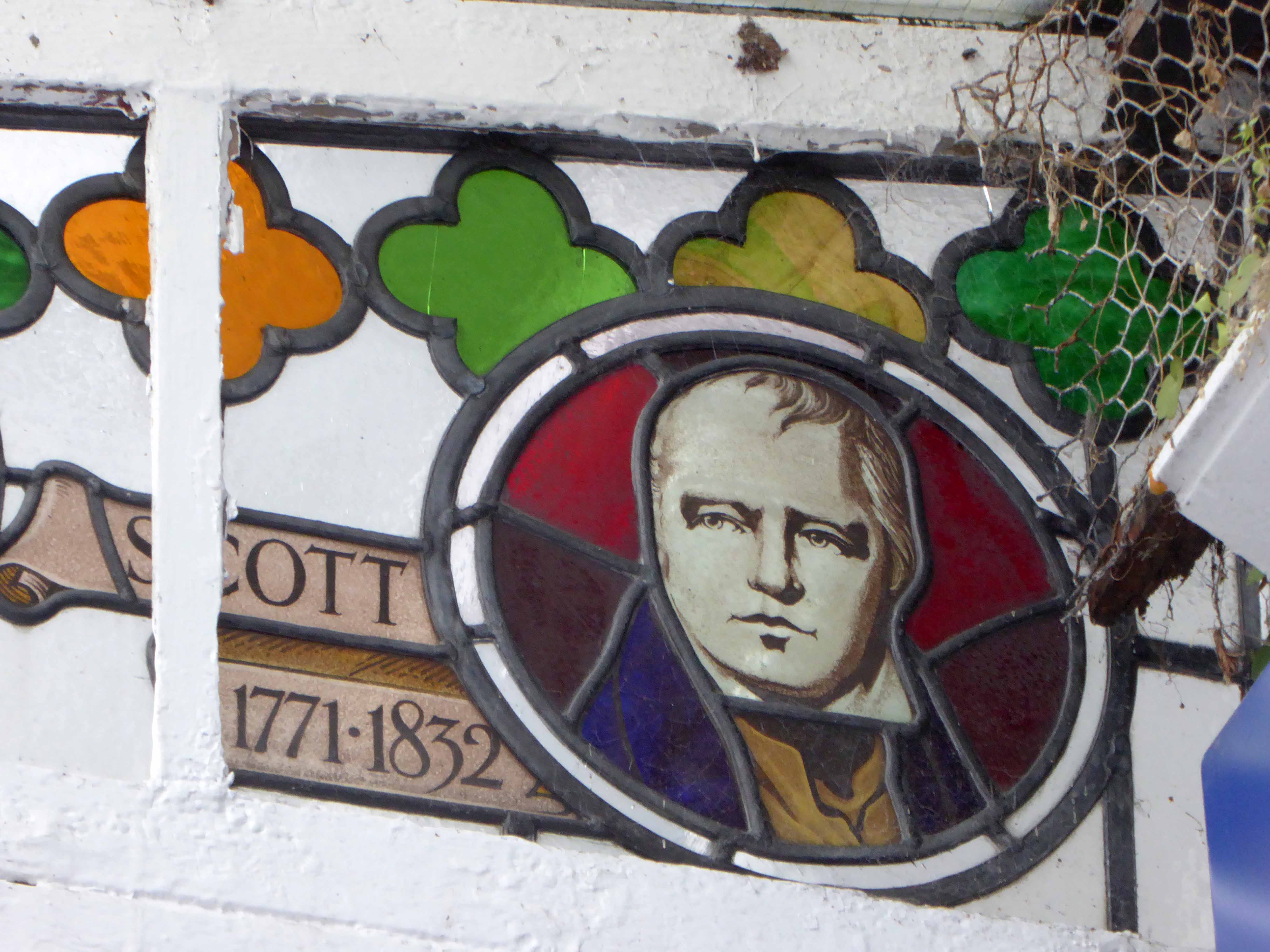
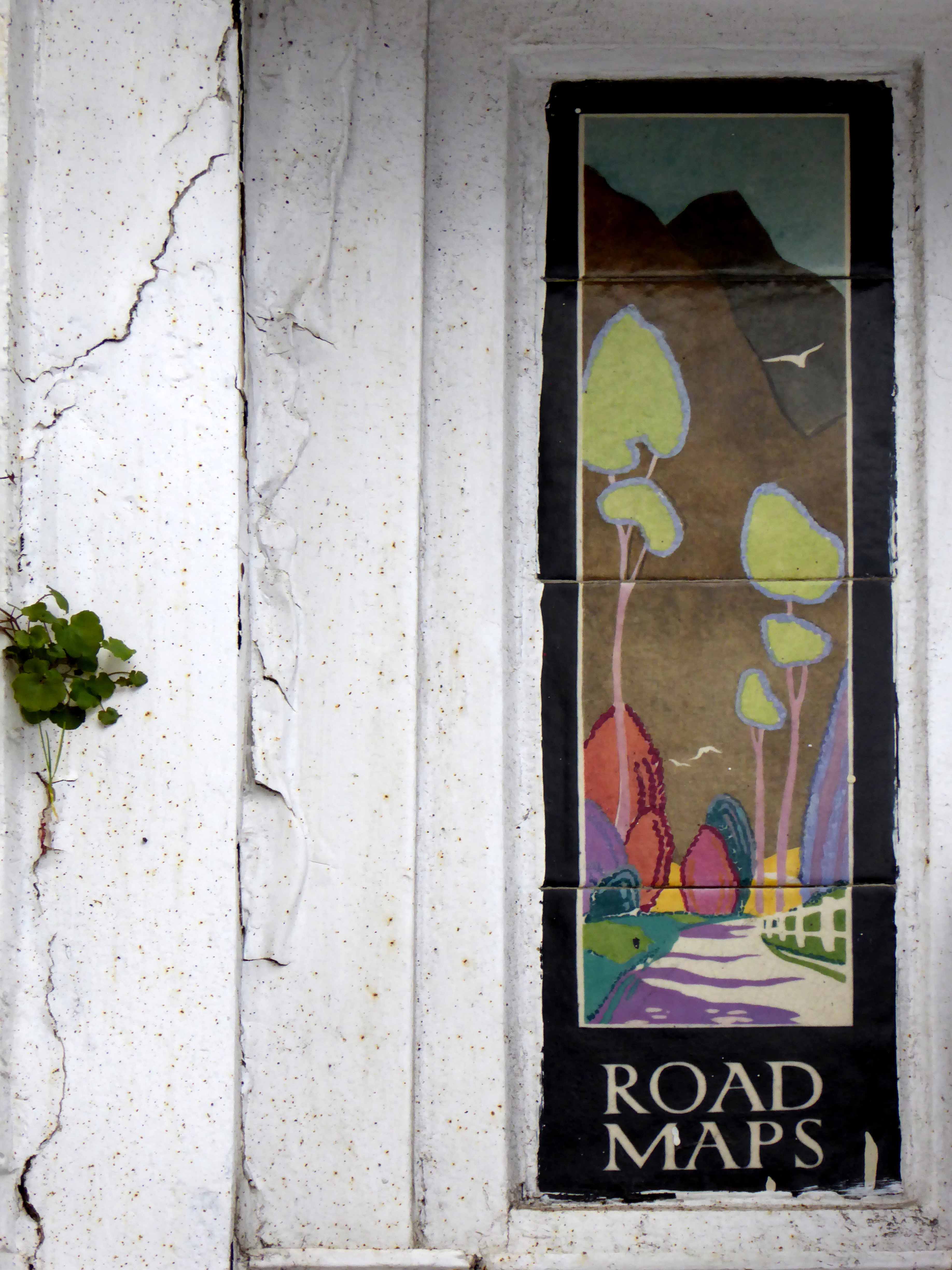
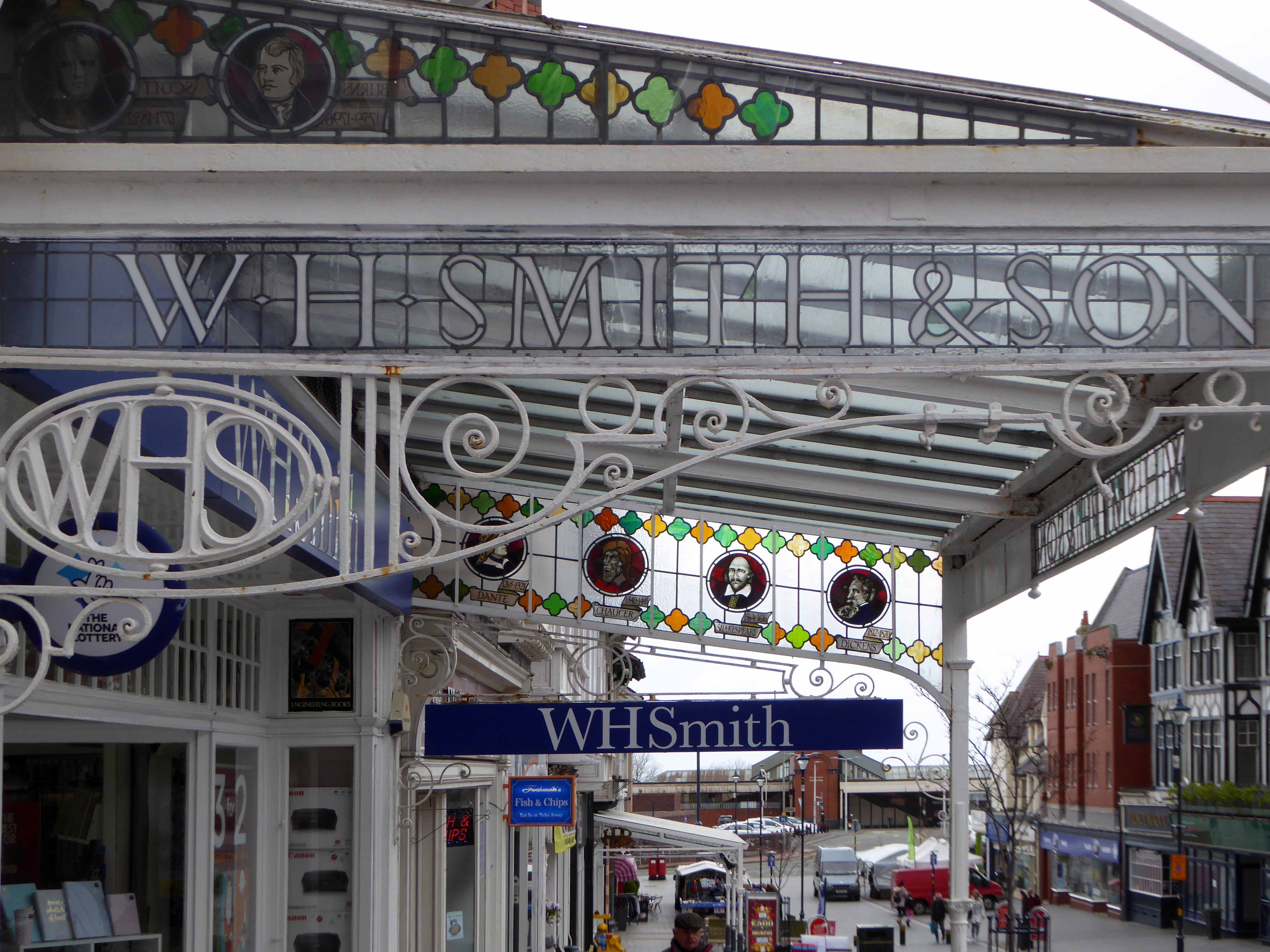
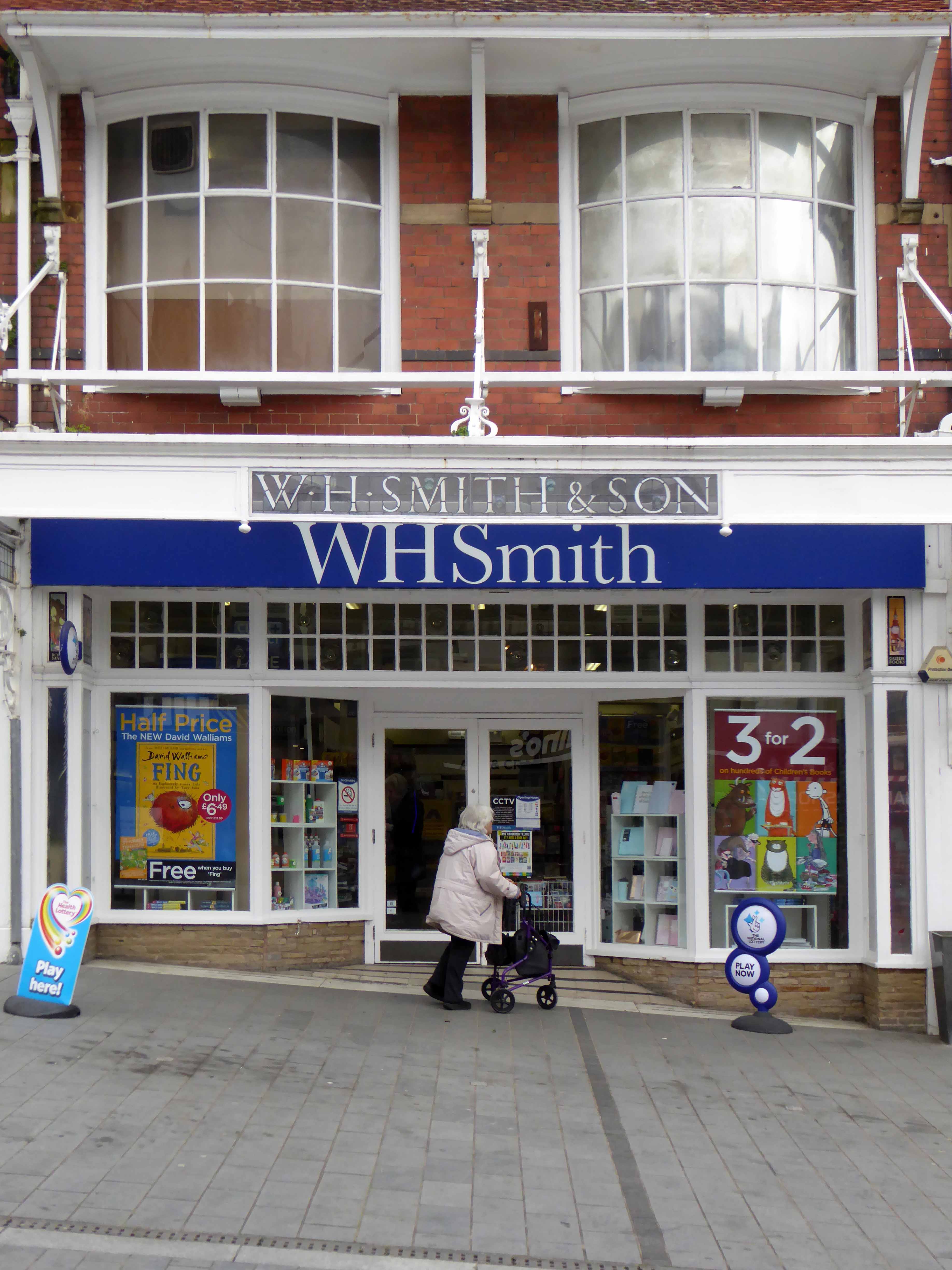
Now here I am in Colwyn Bay generally minding my own and everybody else’s business, when all of a sudden I noticed a cast iron glazed awning.
Proudly announcing the proprietors – sadly supported by a distressing modern addition – now I’m not one to decry and debunk the rising tide of modernity, I’m all in favour of unisex clothing and central heating.
But the unchecked encroachment of vacuous vinyl really is the limit.
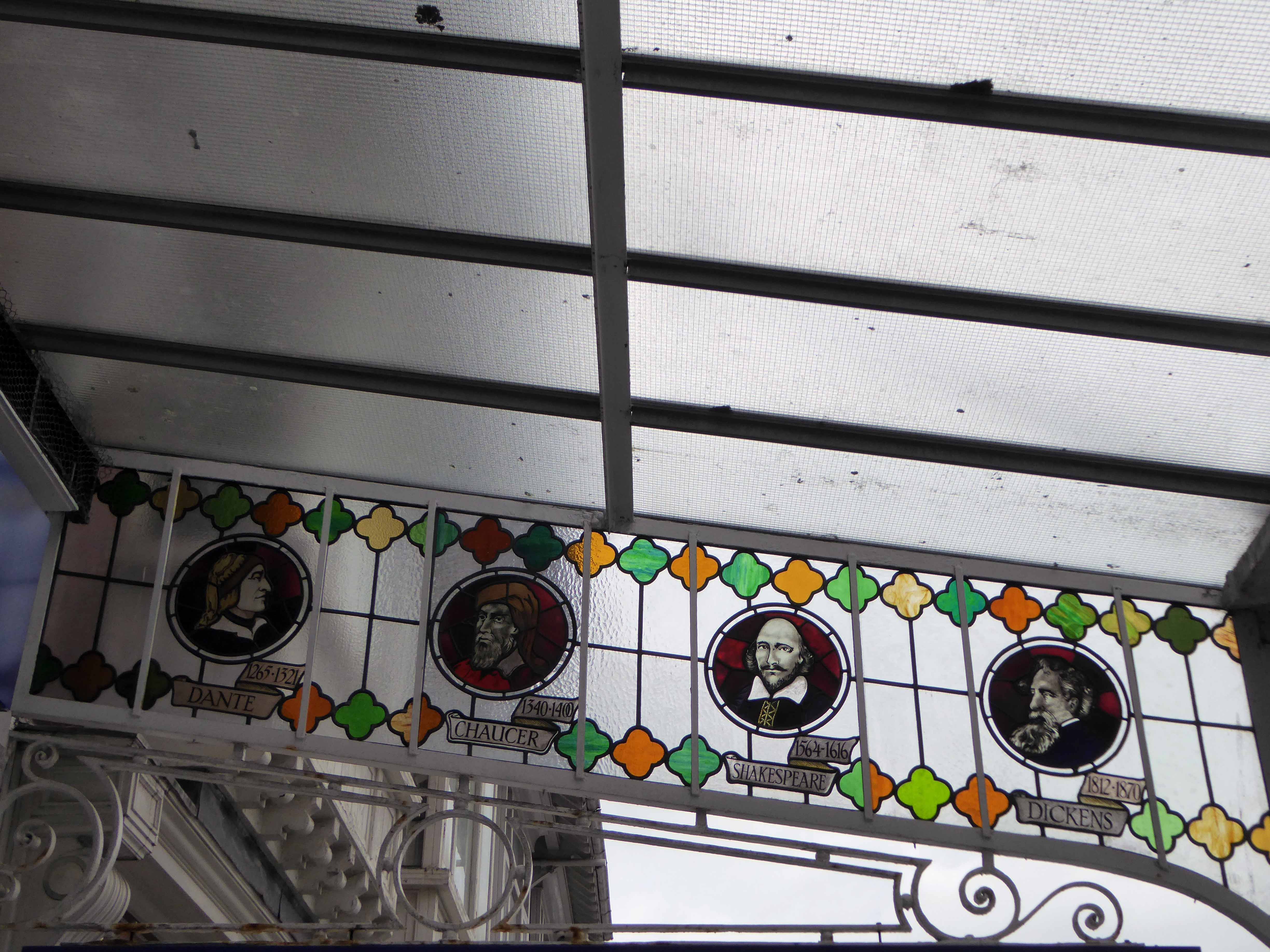
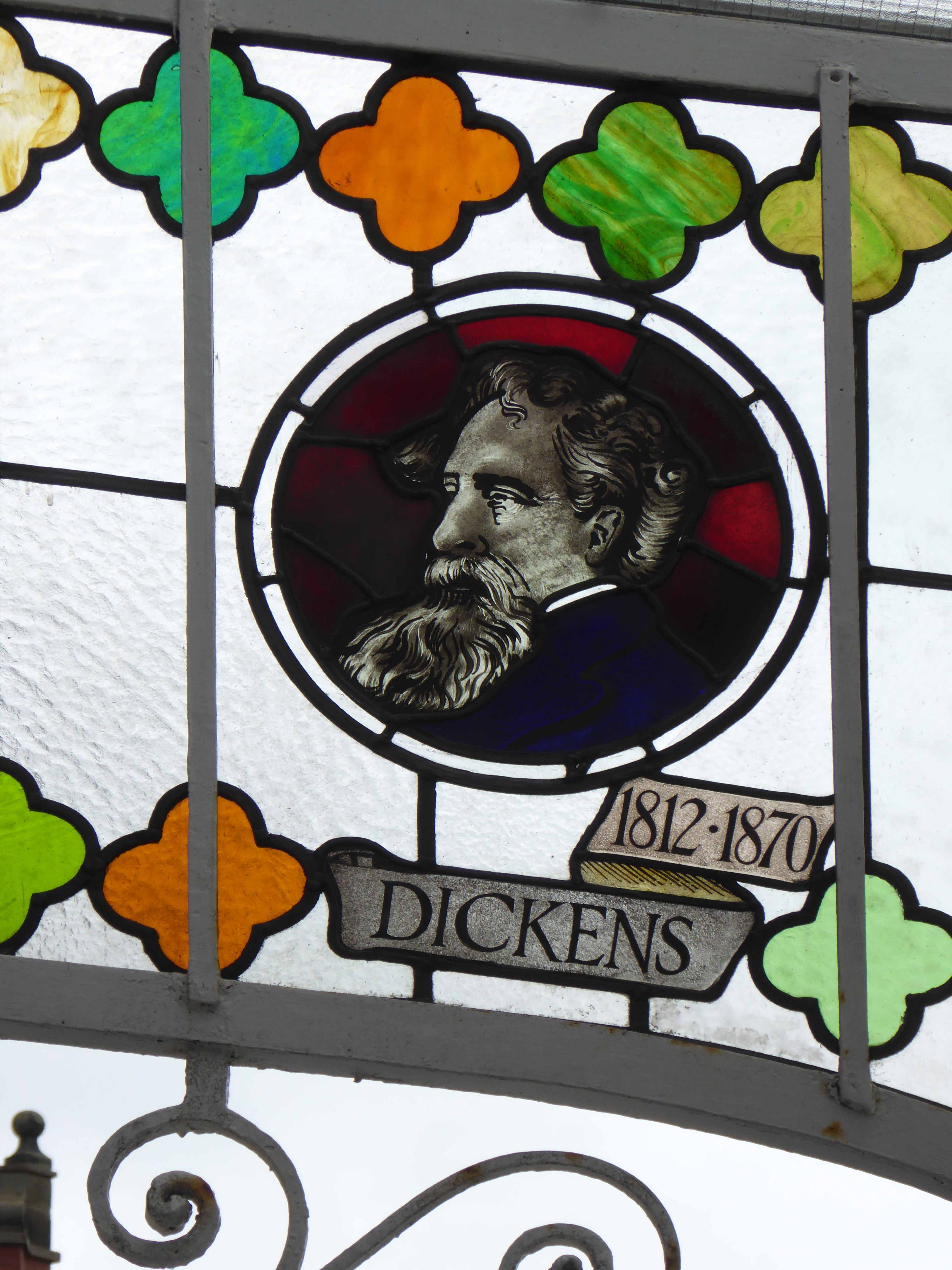
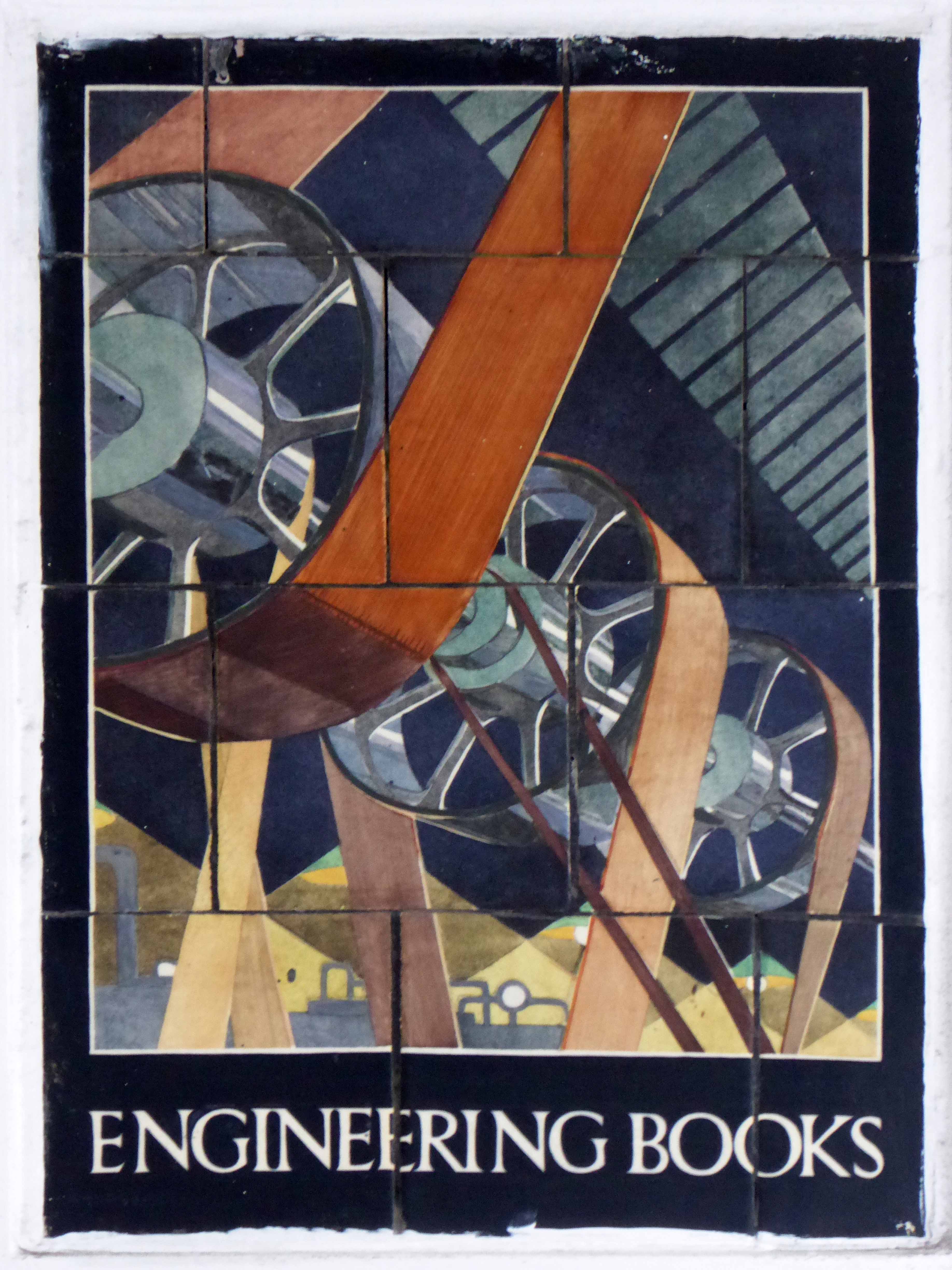
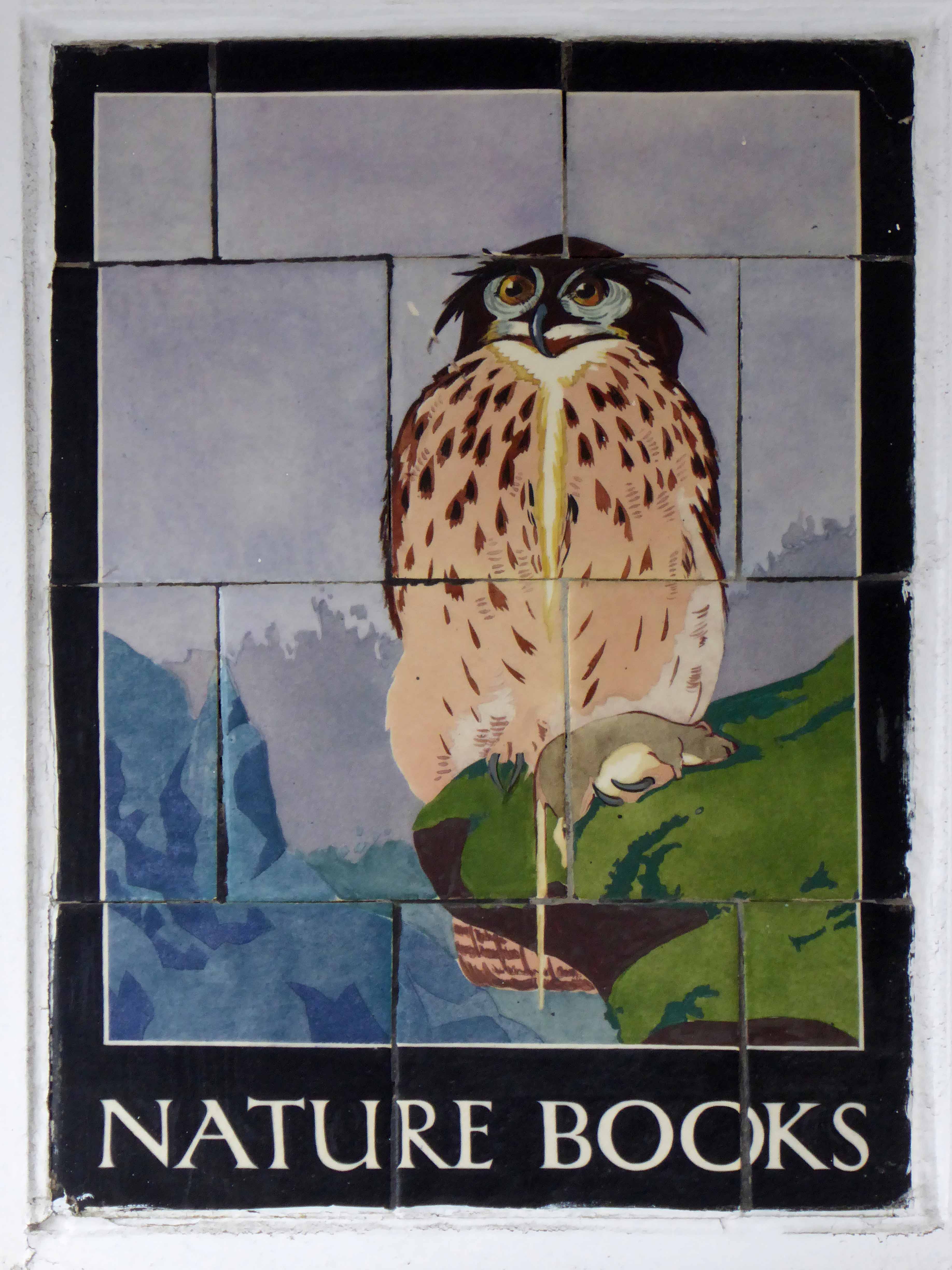
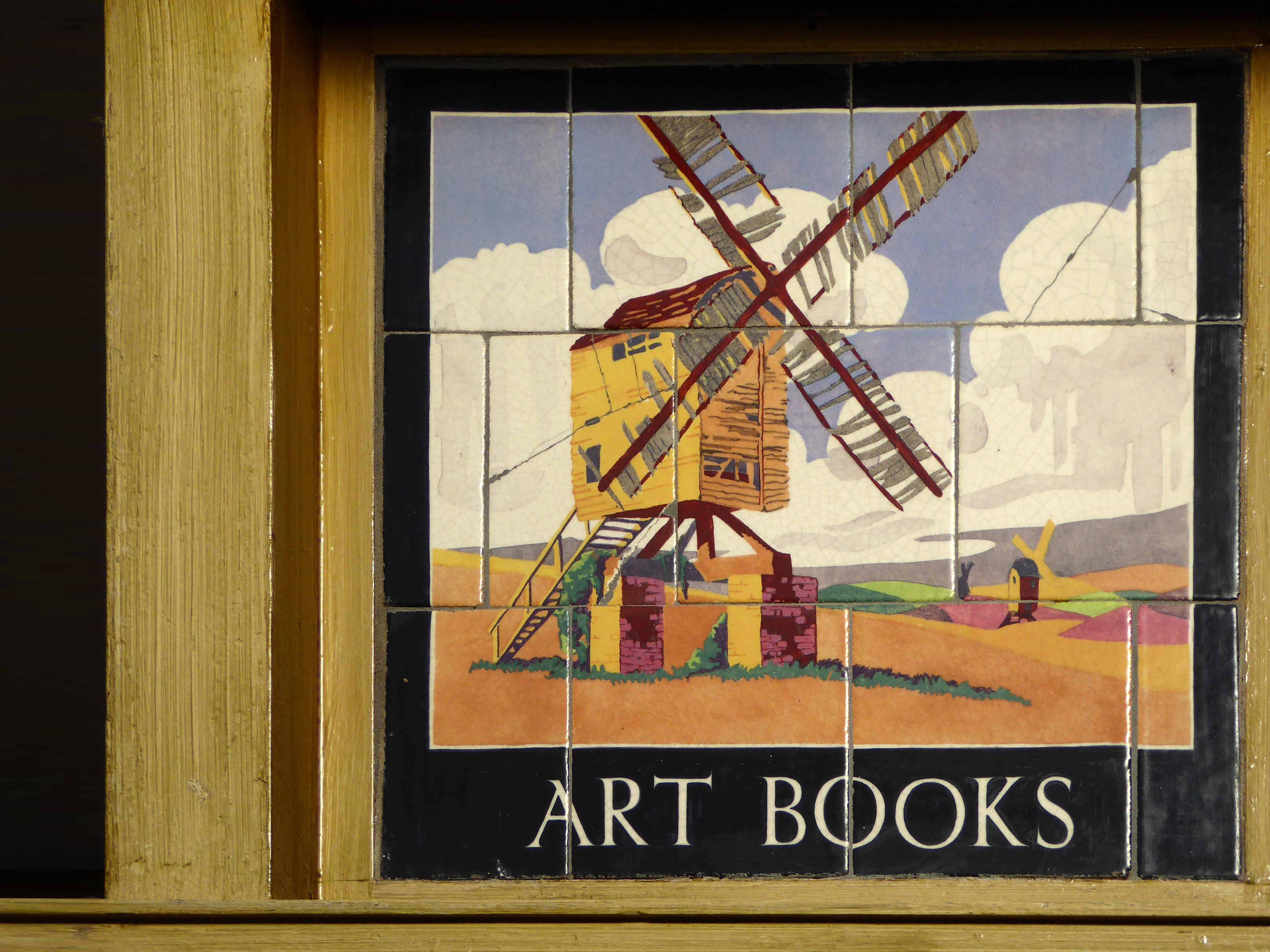
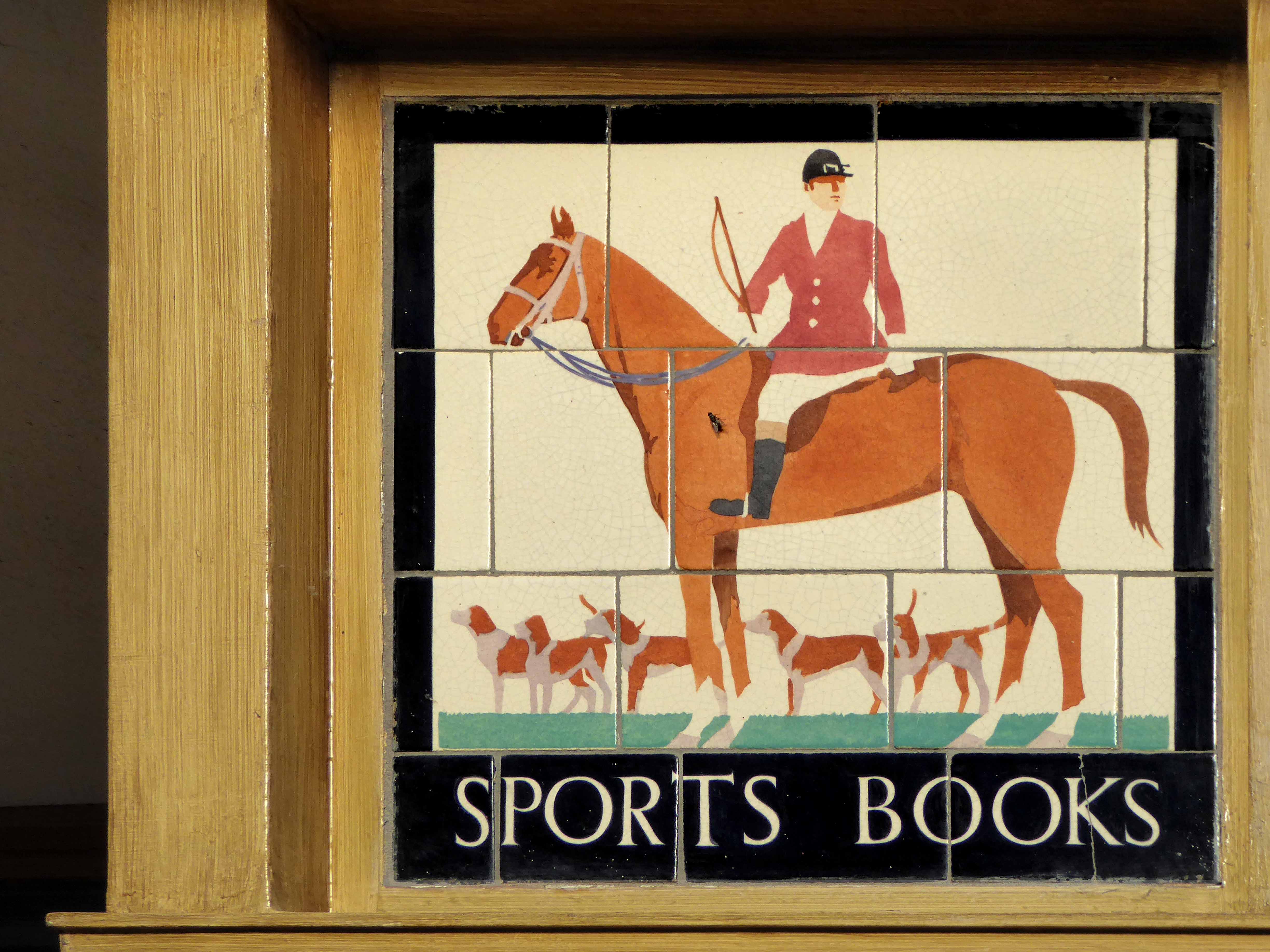
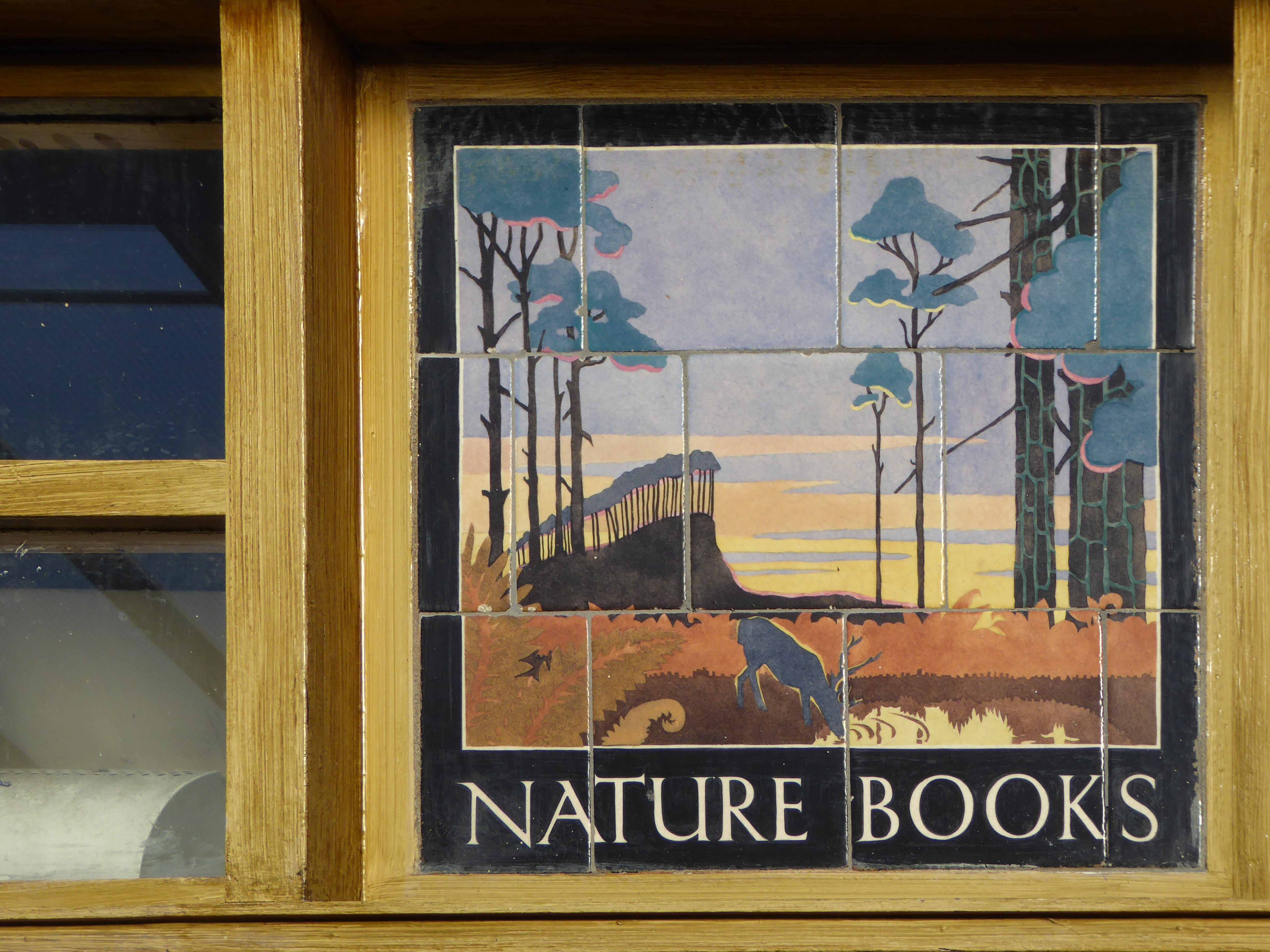
Businesses displayed a degree of dignified permanence unknown to the current high street trader. So here it is writ larger than life in stained glass and Carter’s Tiles.
Loud and proud.
And as an addendum here are the delightful tiles from the Llandudno branch, snapped two years previously.
This in so many senses is where it all began – my first encounter with the visual arts was through my Aunty Alice’s postcard album. Predating visits to Manchester City Art Gallery in my mid-teens, I was lost in a world of post WW1 printed ephemera, rendered less ephemeral by careful collection and collation. Sitting entranced for hours and hours absorbing the photography, text and illustration of hundreds of unseen hands.
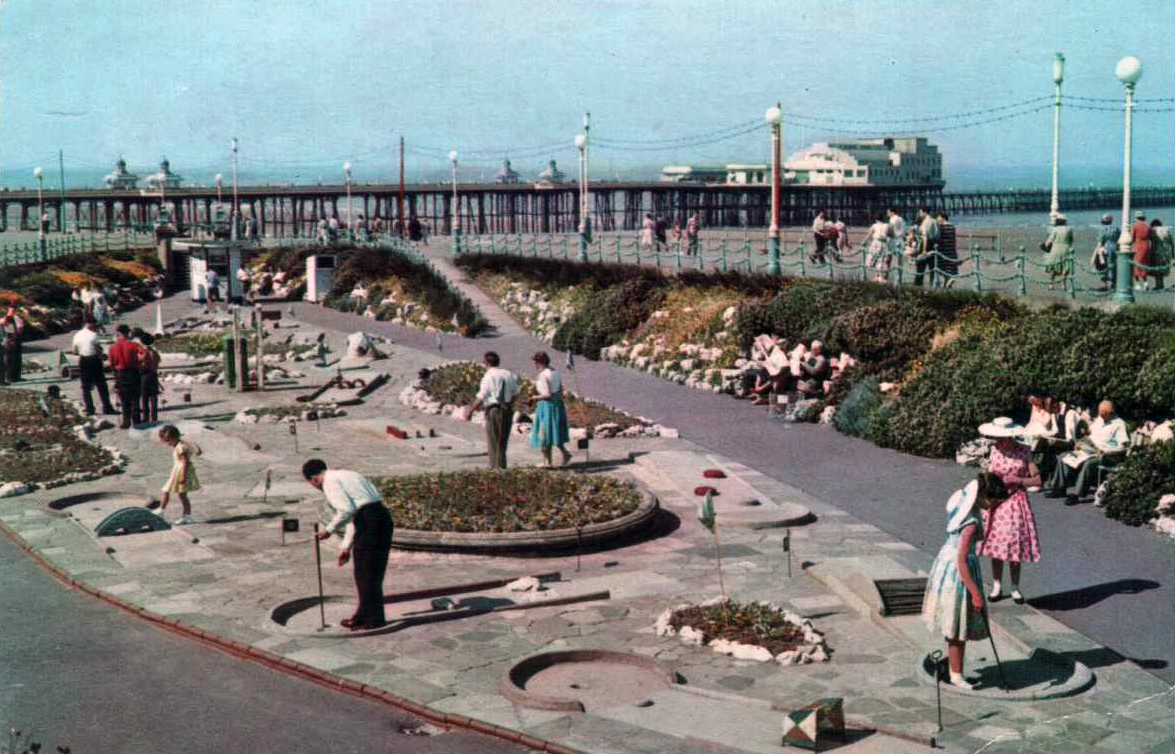
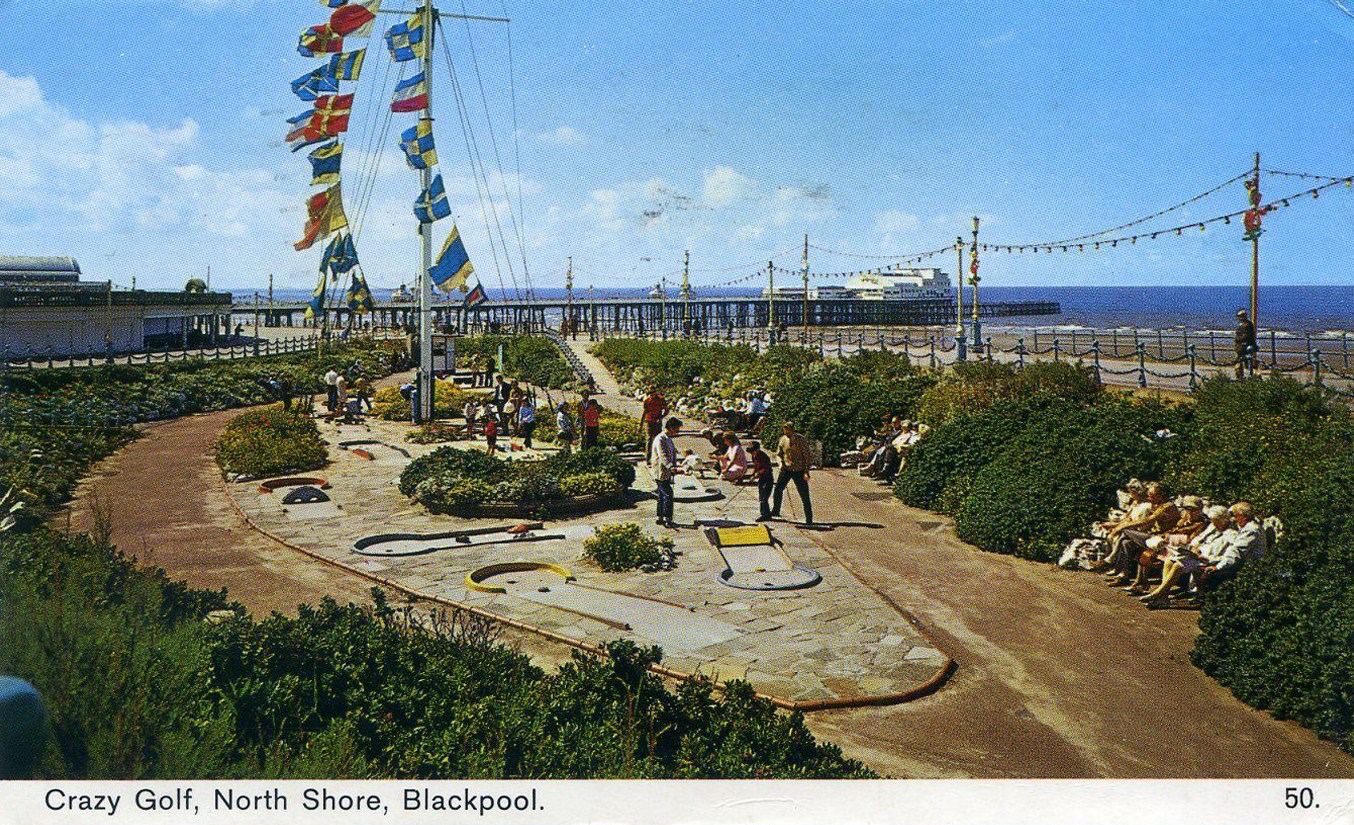
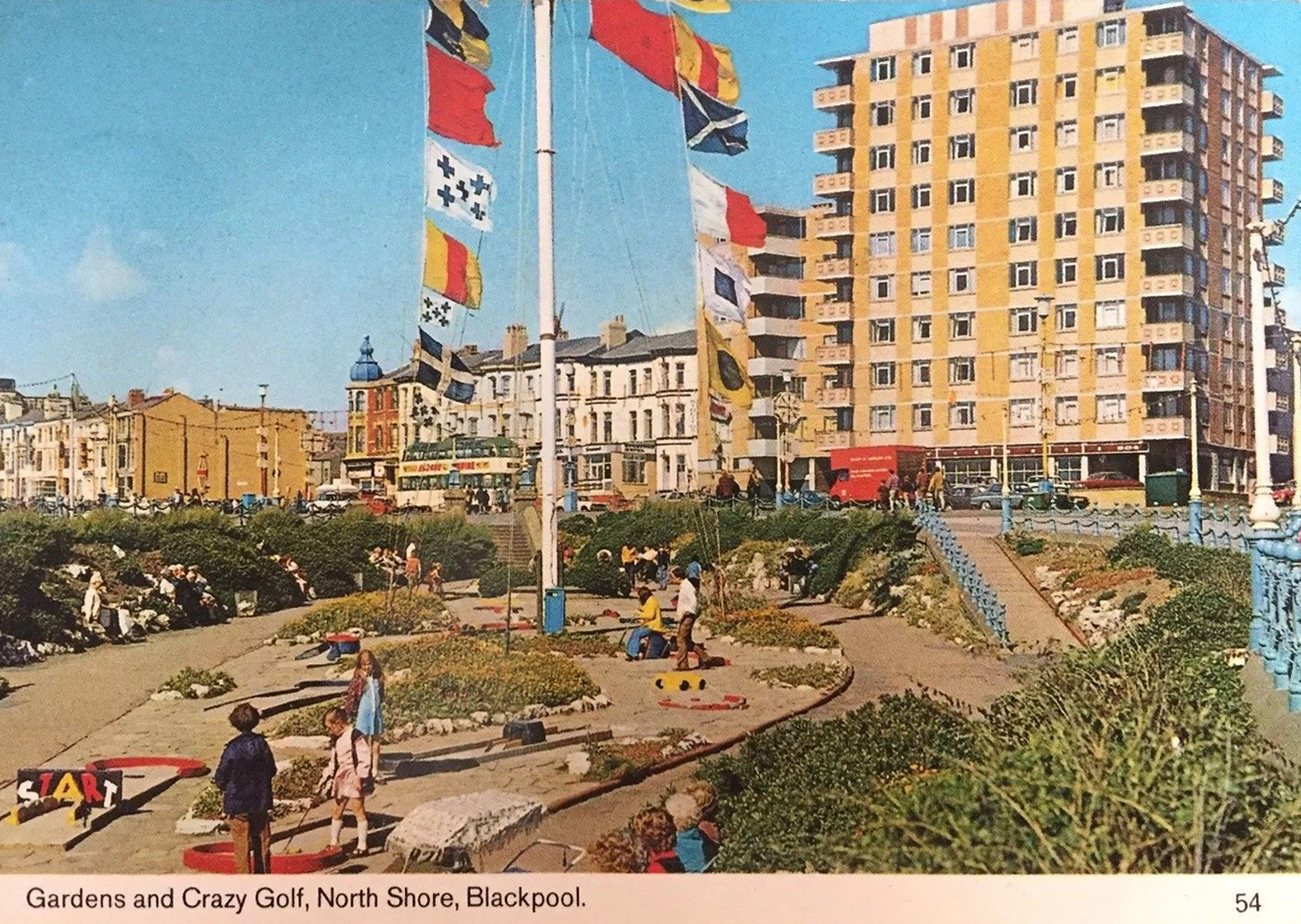
This is North Shore Blackpool – behind the Metropole in the early 60s.
The colour is muted by the then state of the art colour reproduction, the holiday dress is constrained by the codes of the day. Light cotton frocks and wide brimmed sun hats, shirts tucked in belted slacks, sandals and shorts – purely for the pre-teens.
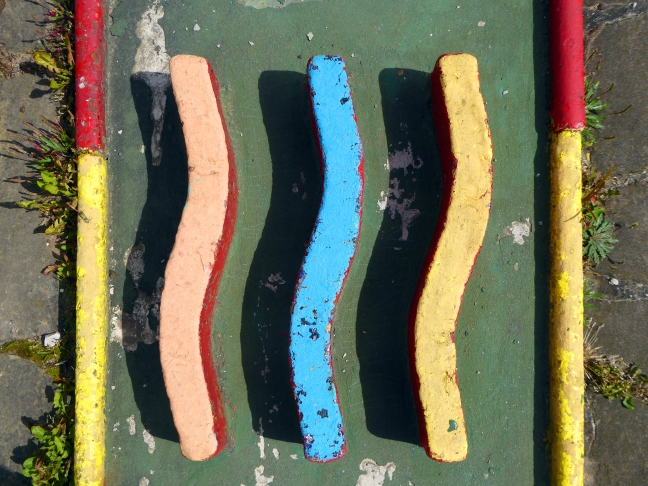
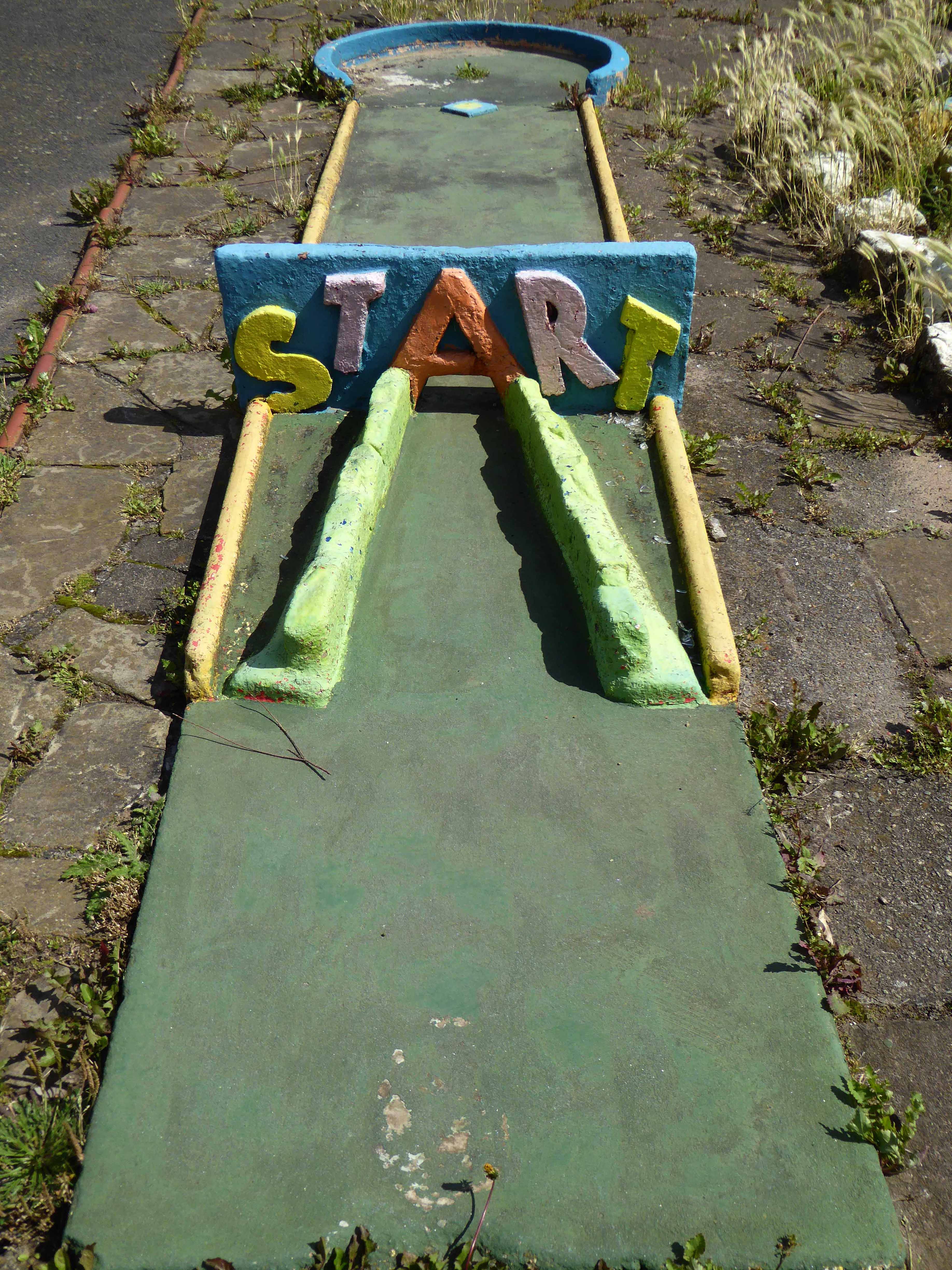
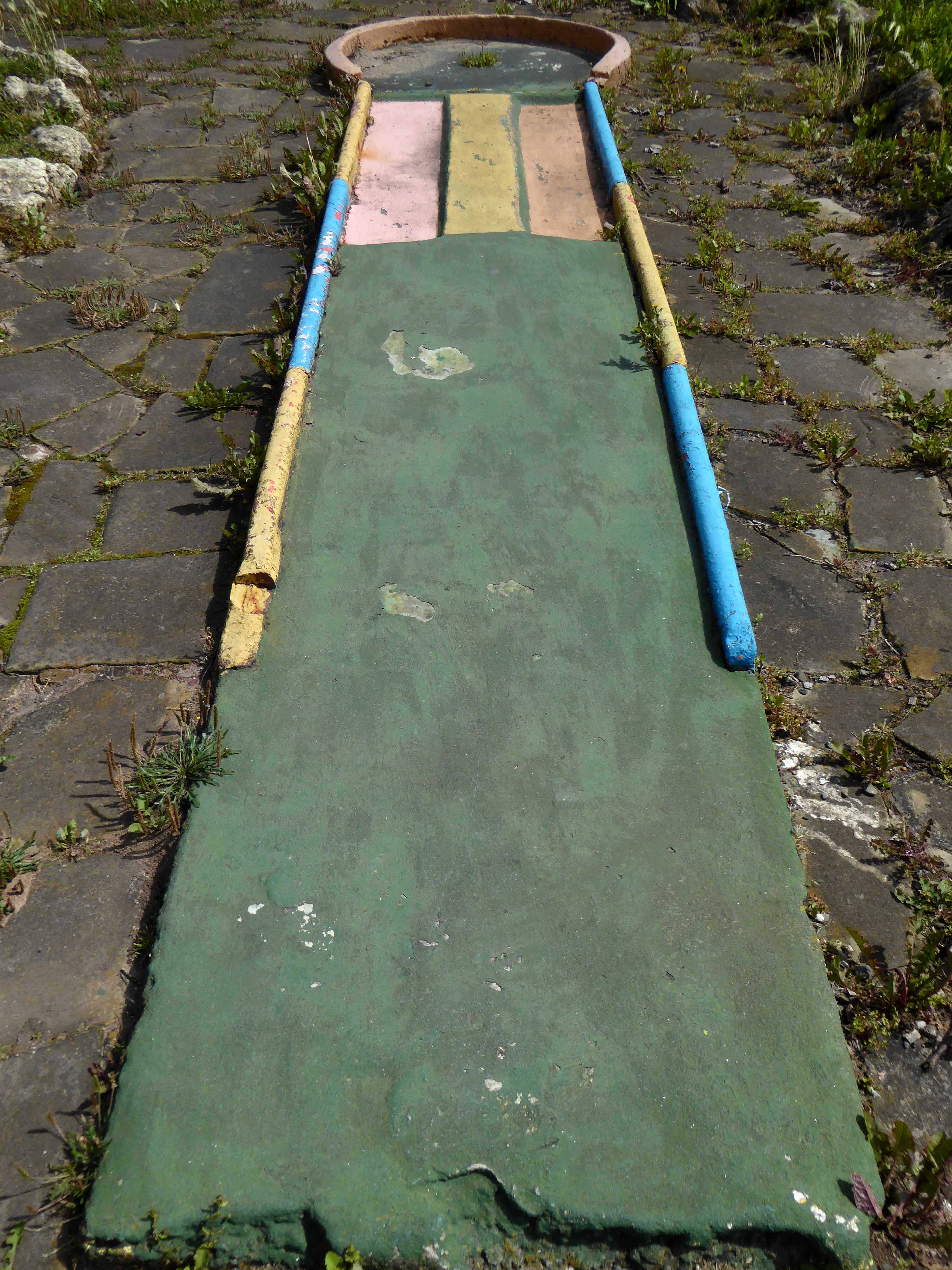
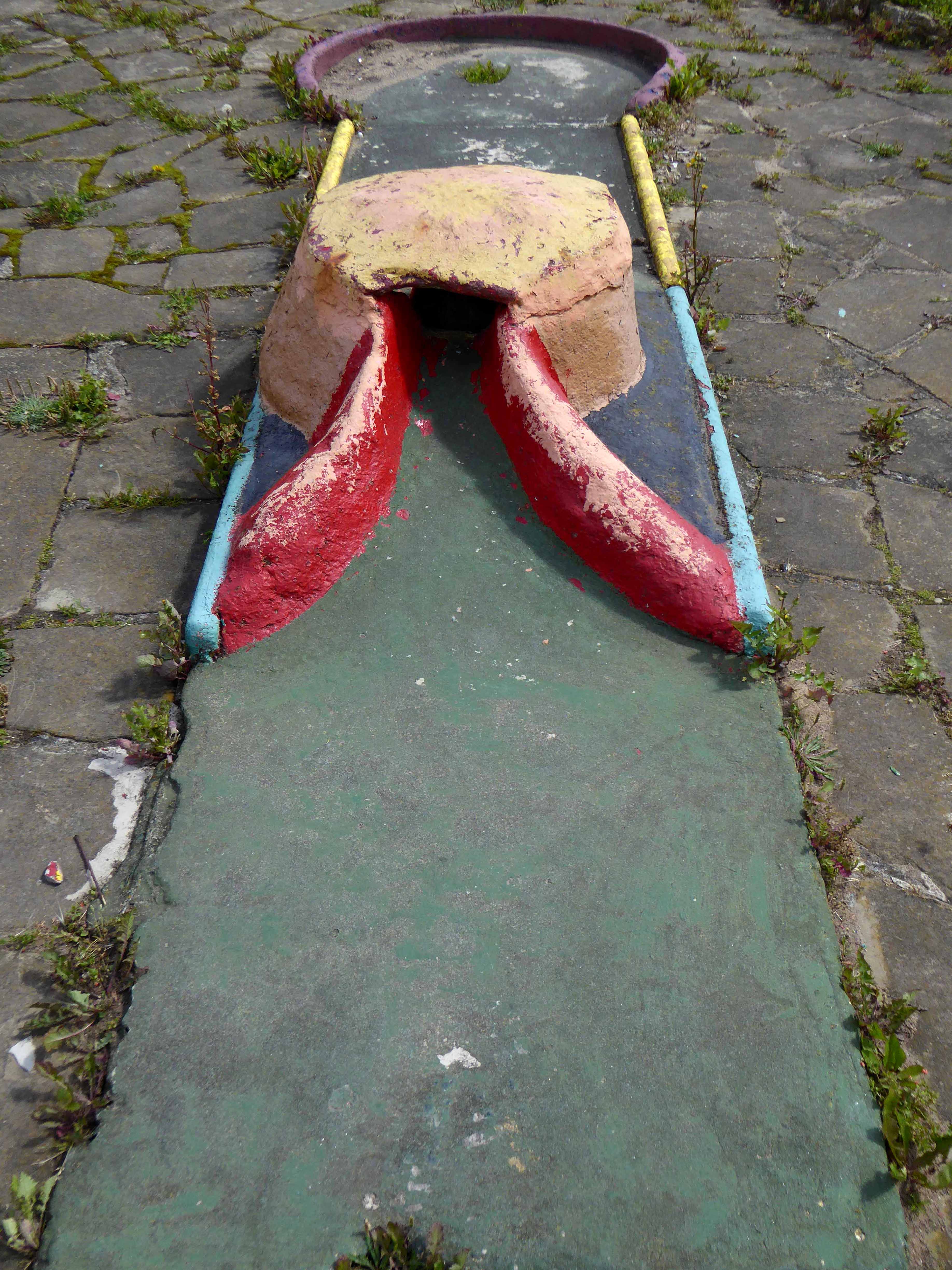
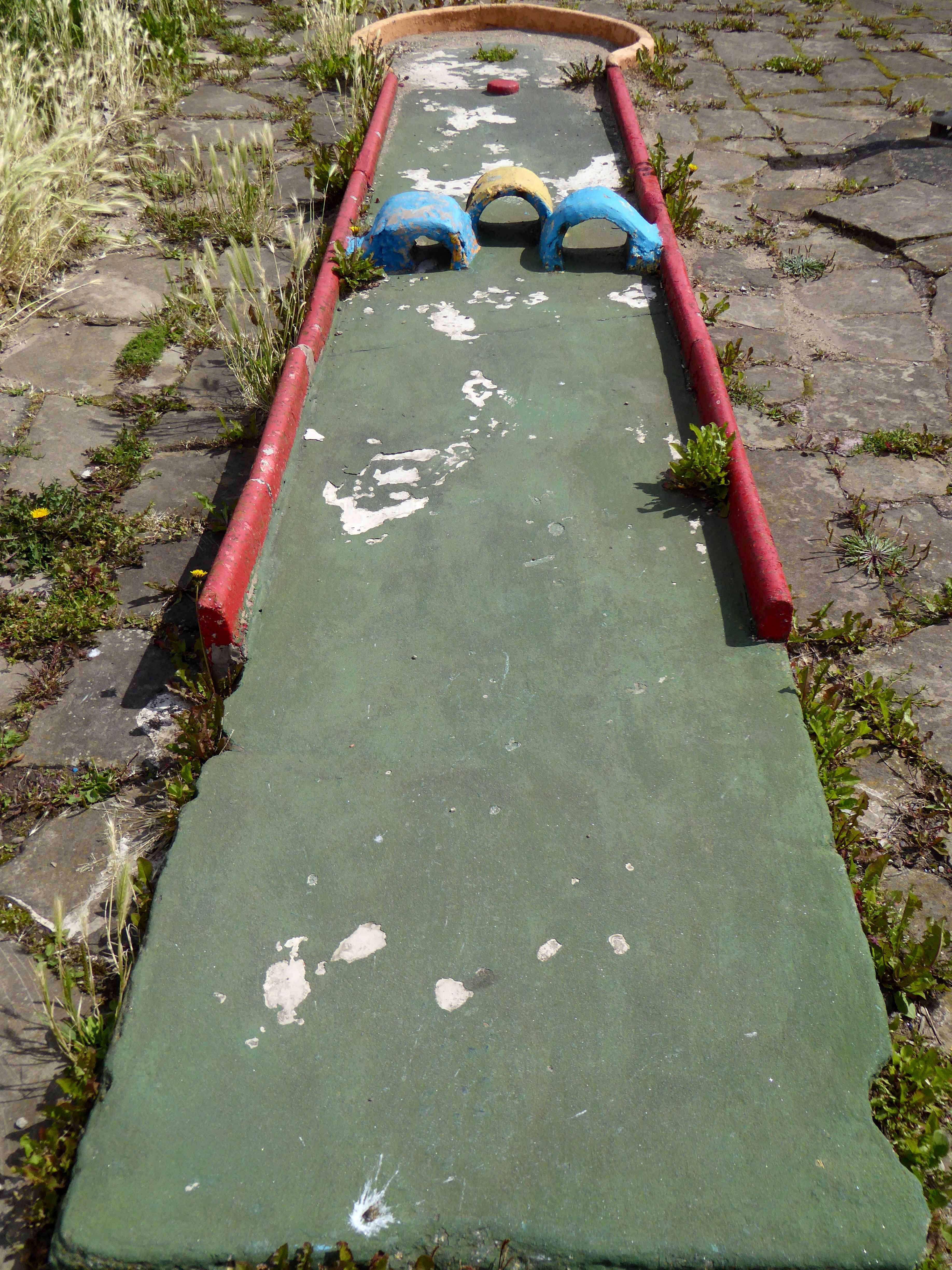
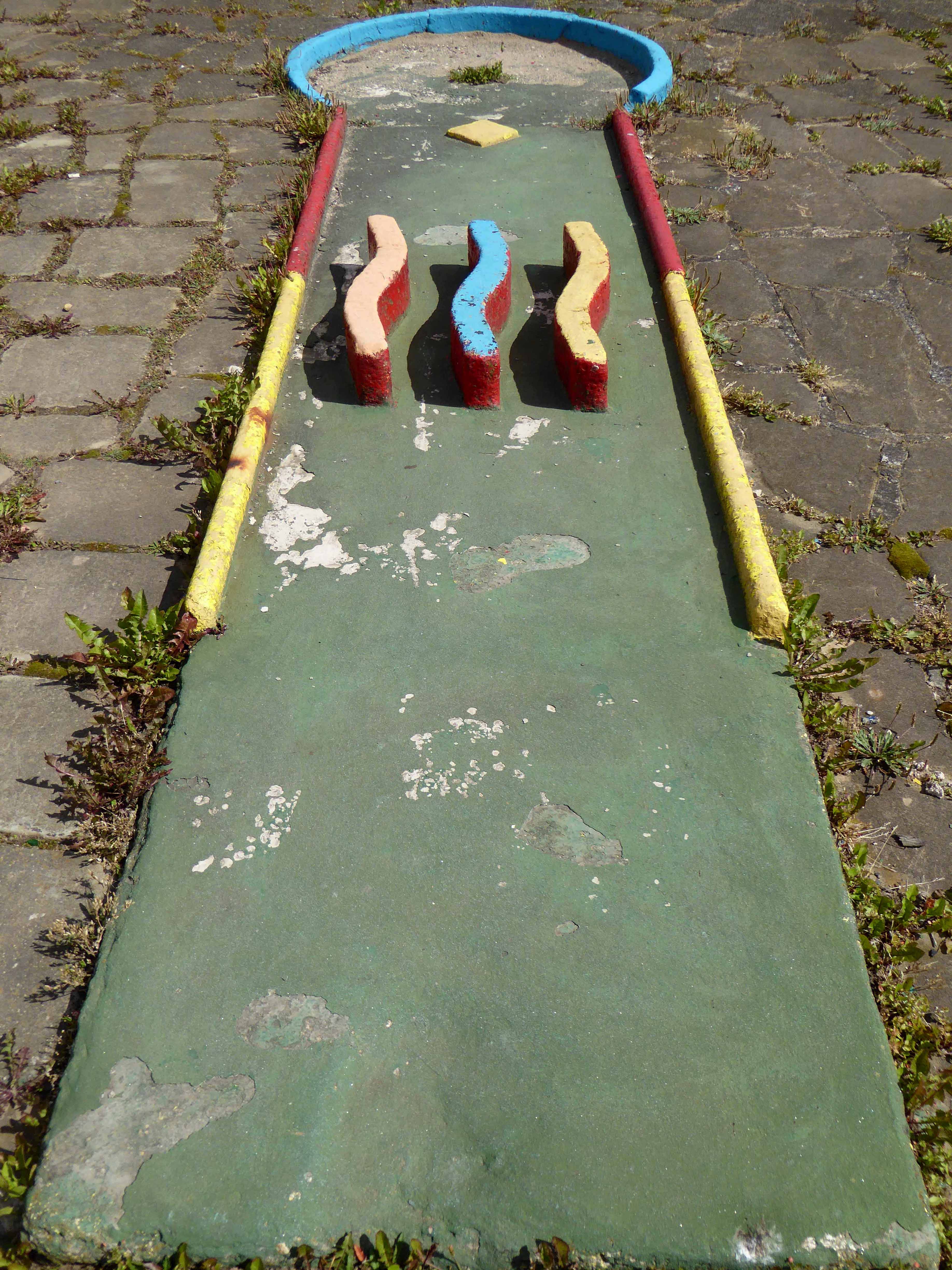
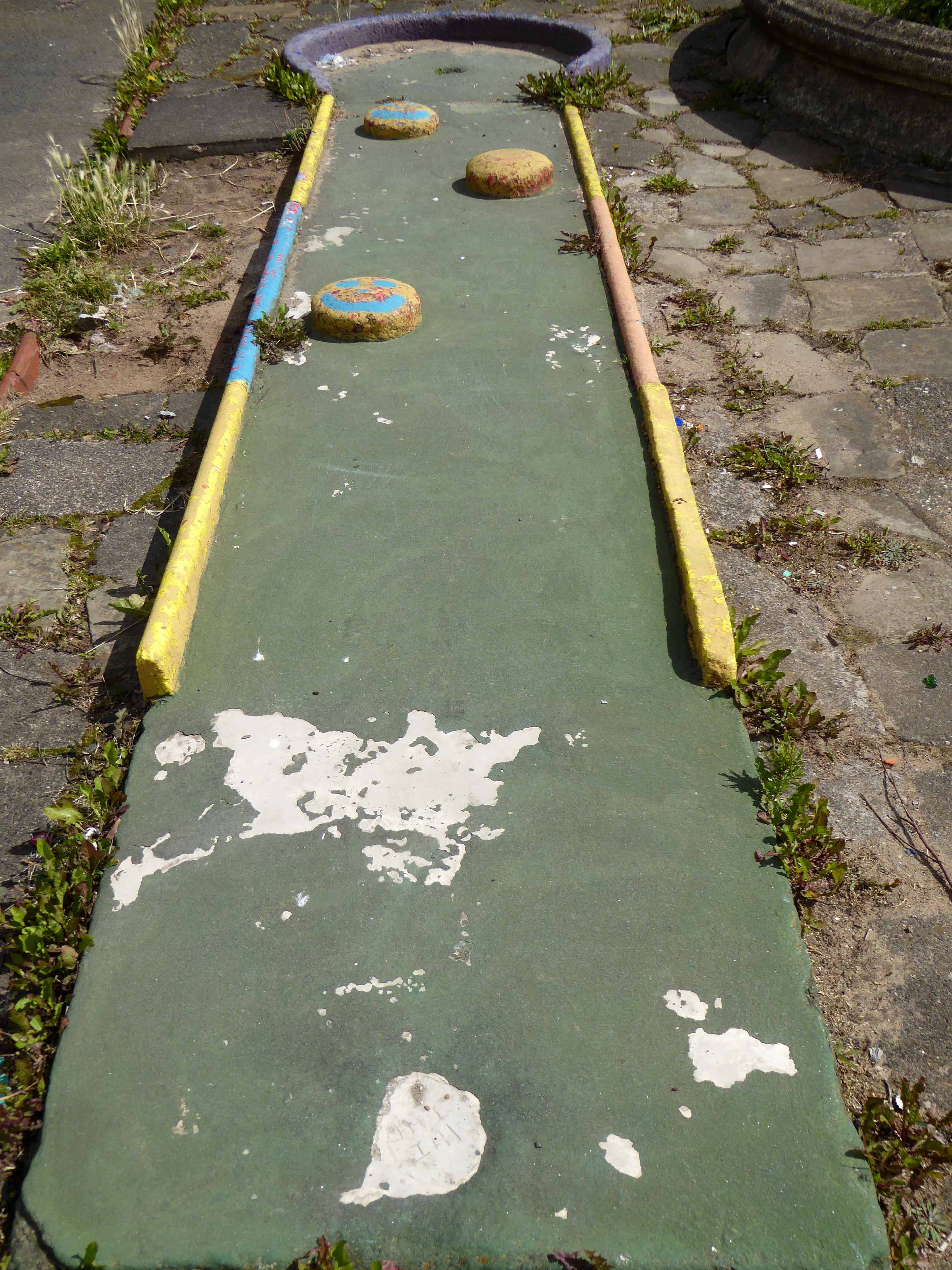
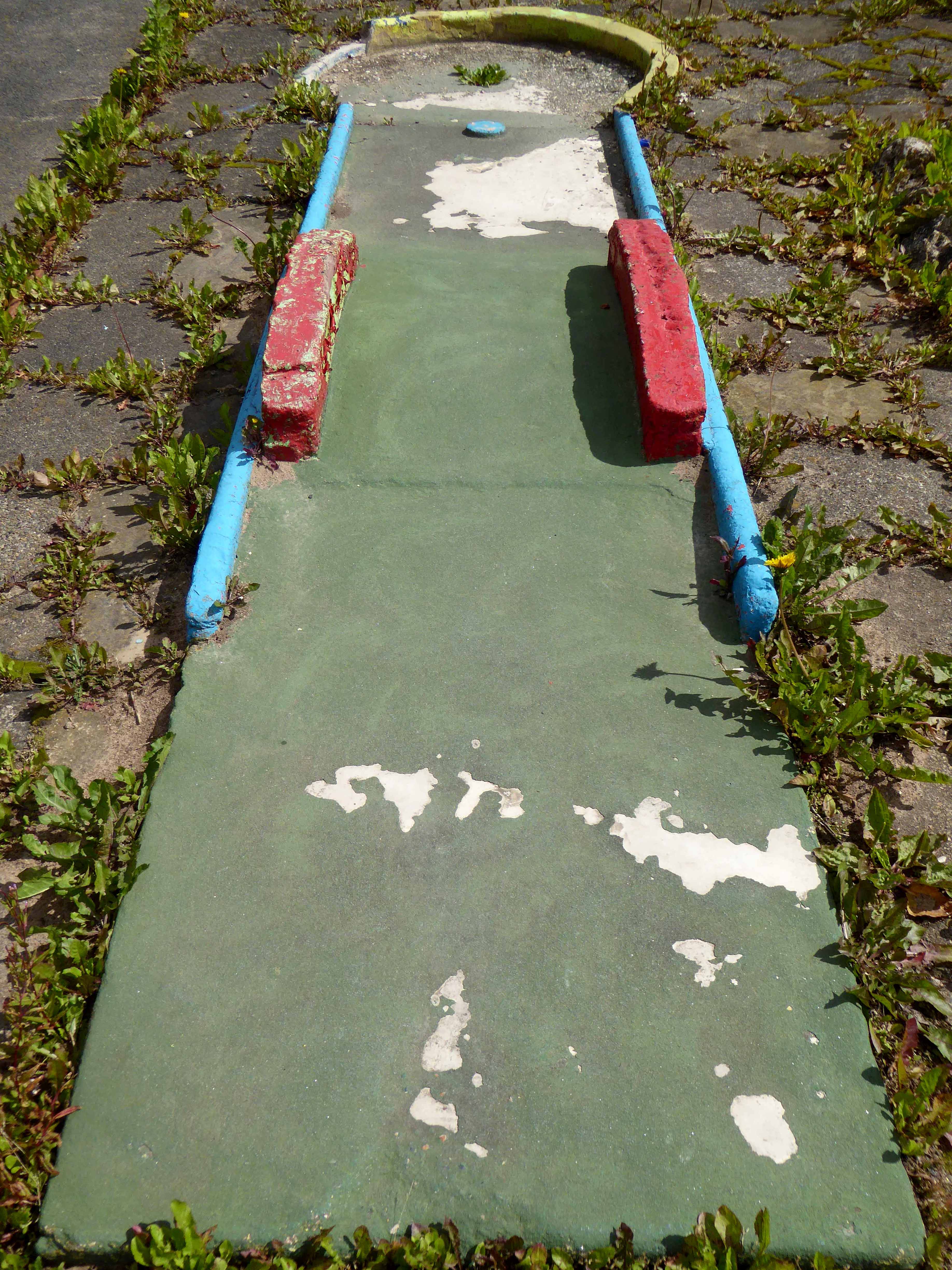
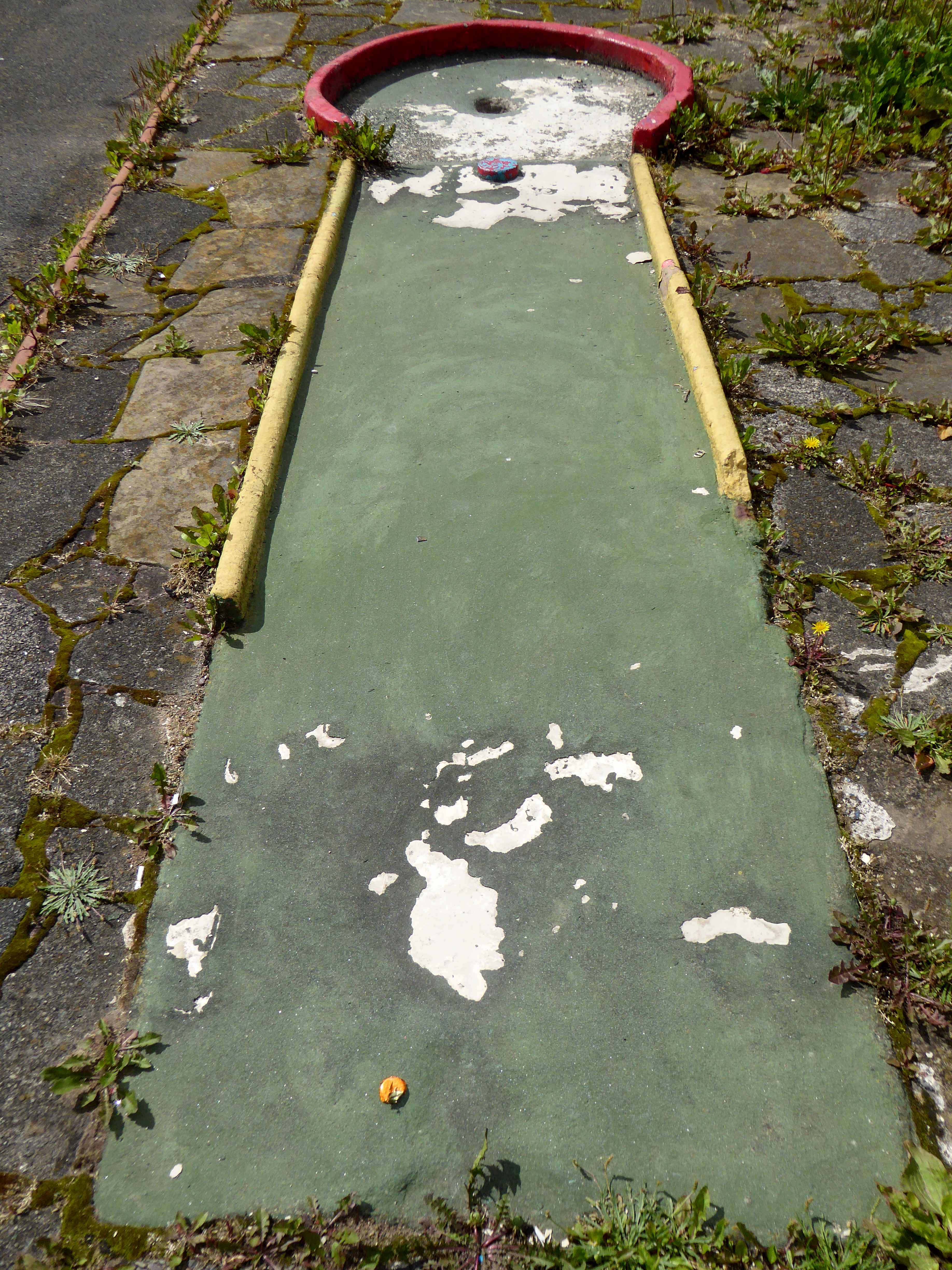
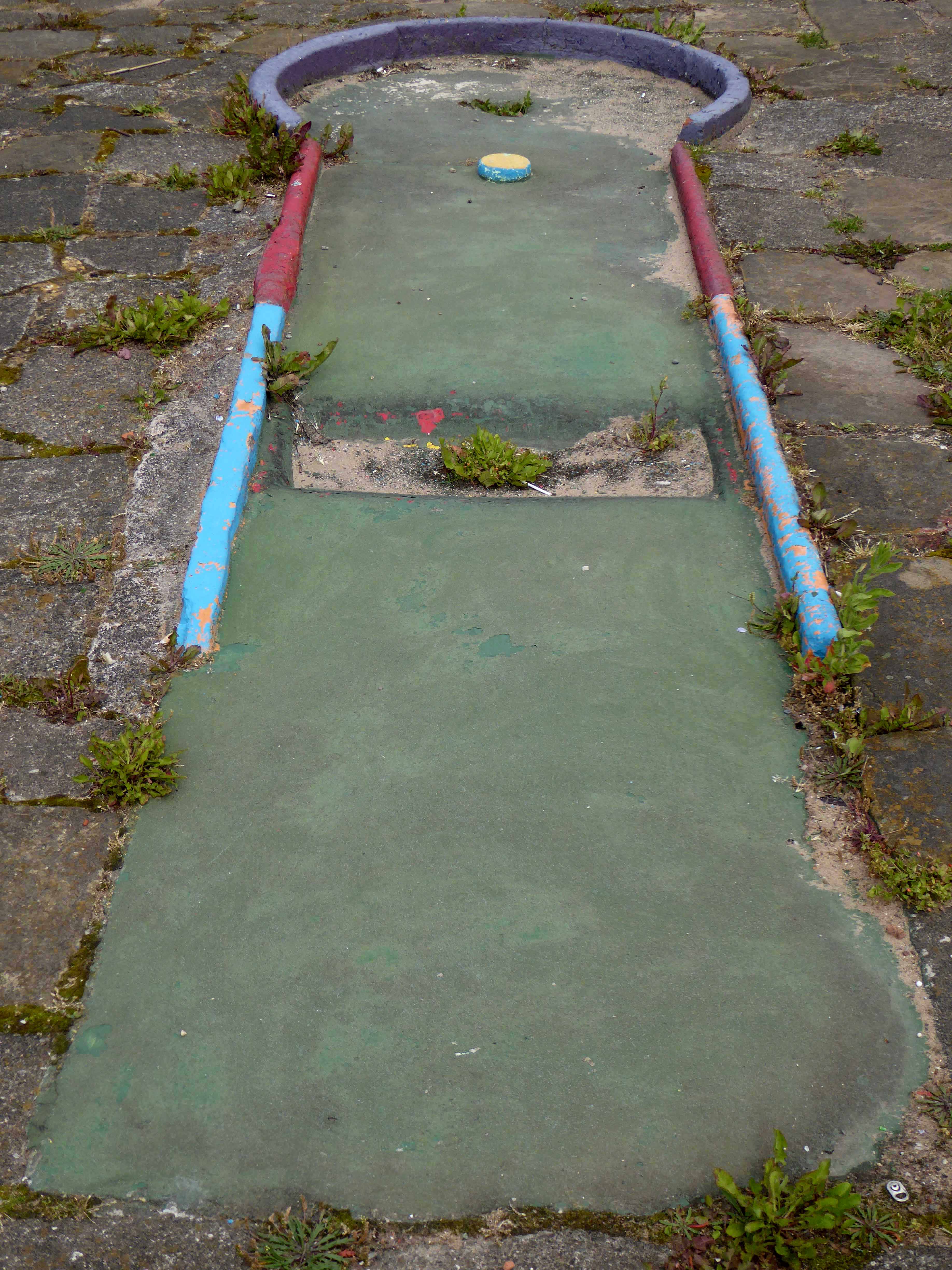
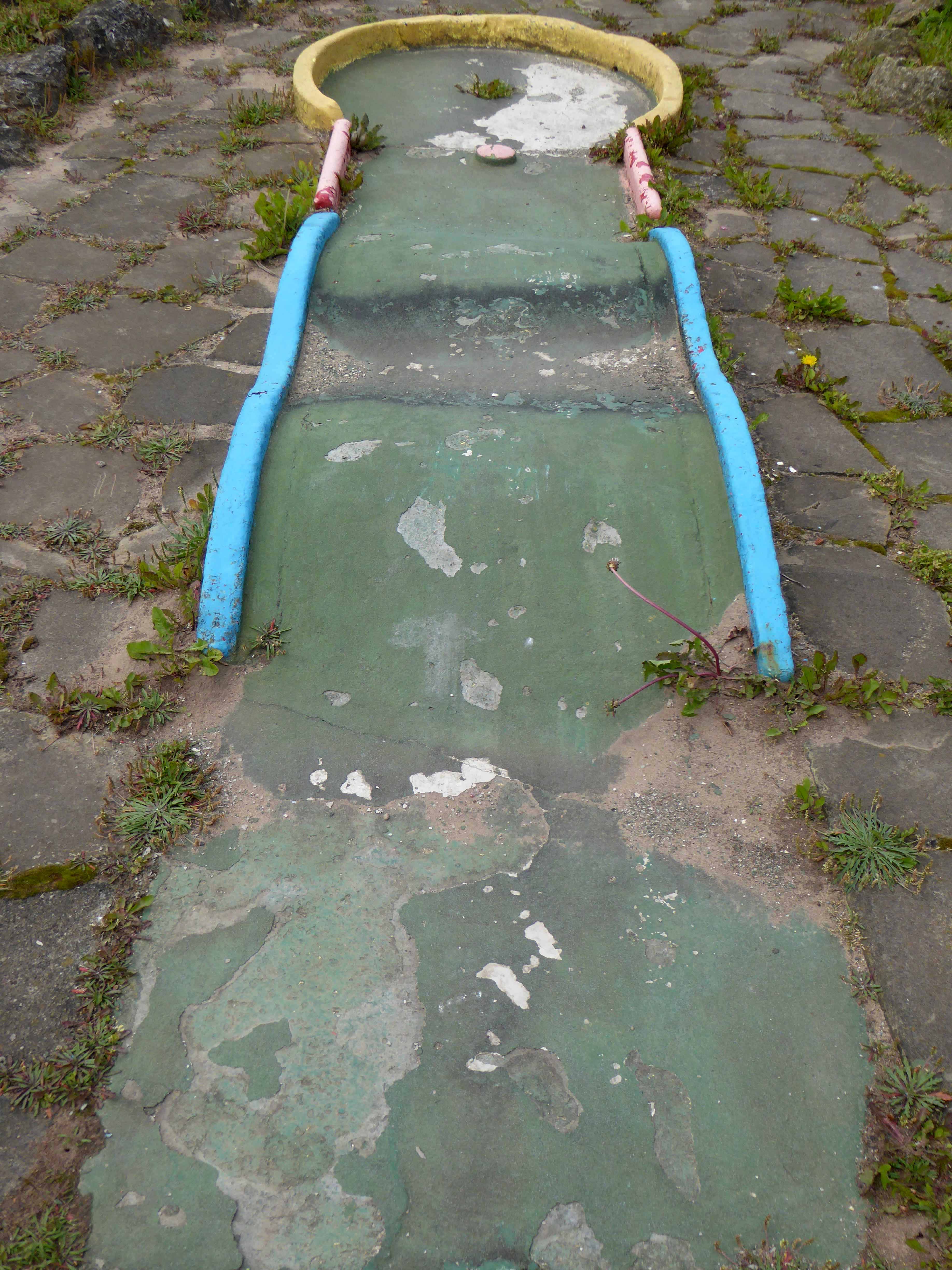
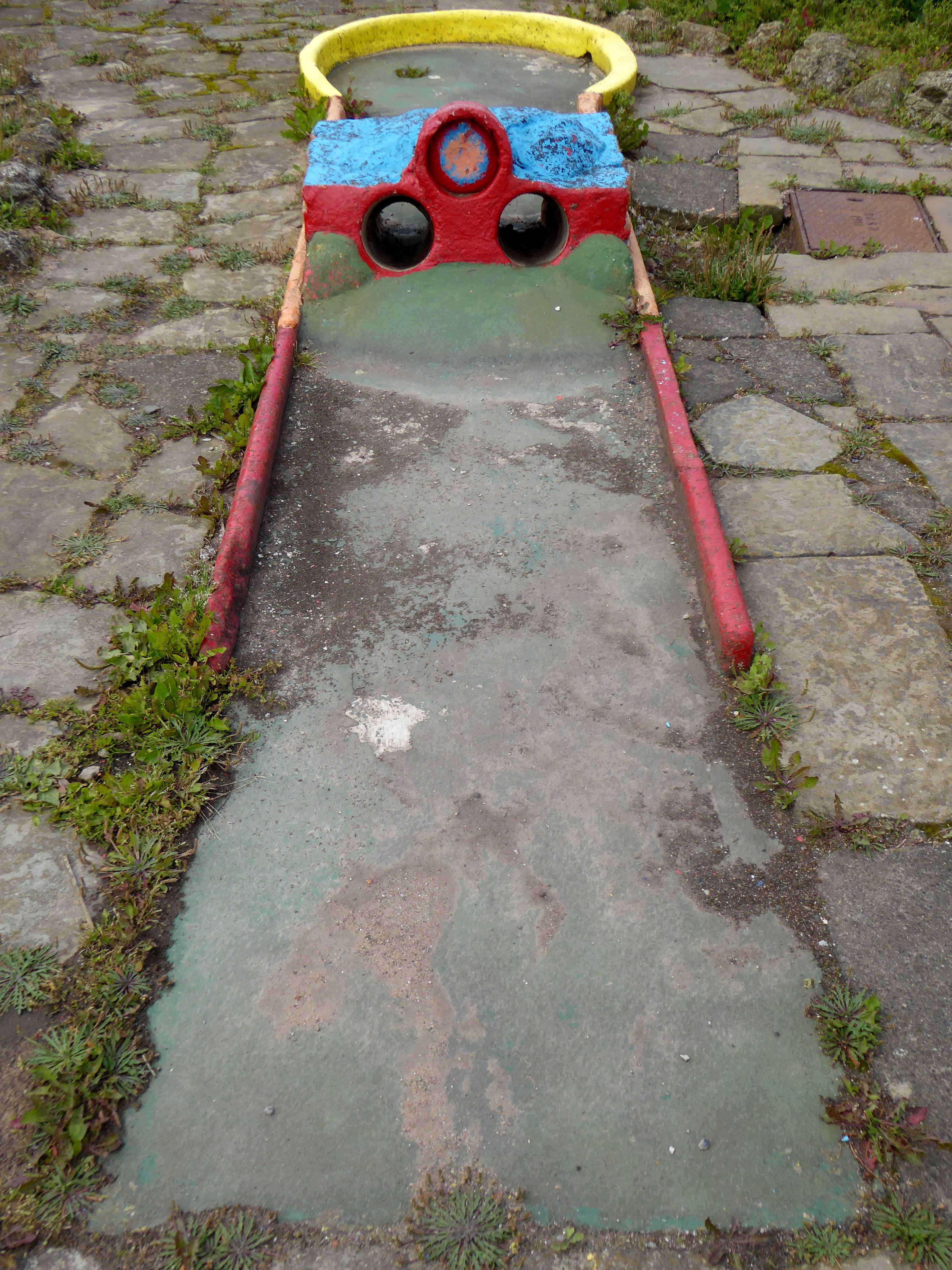
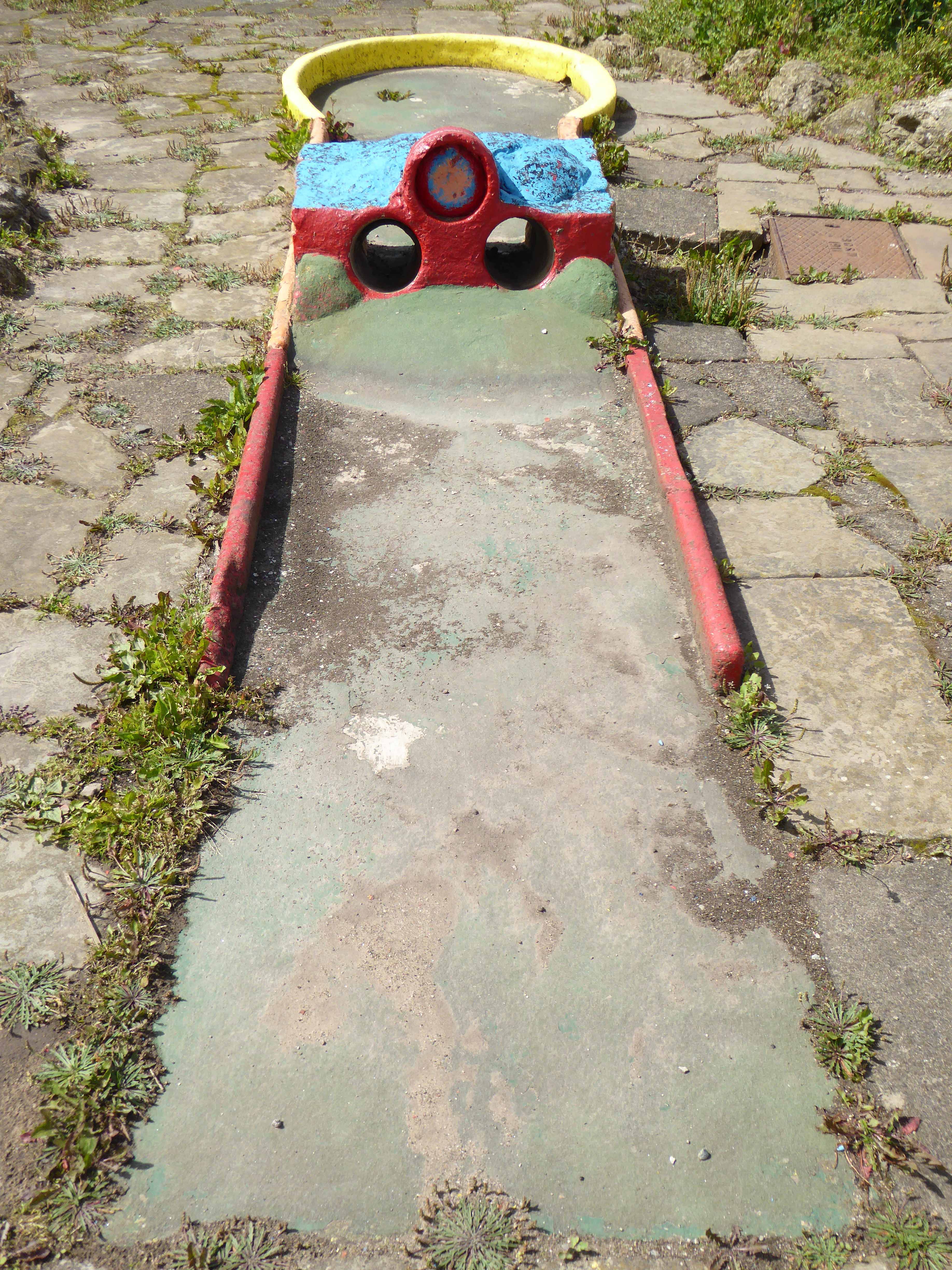
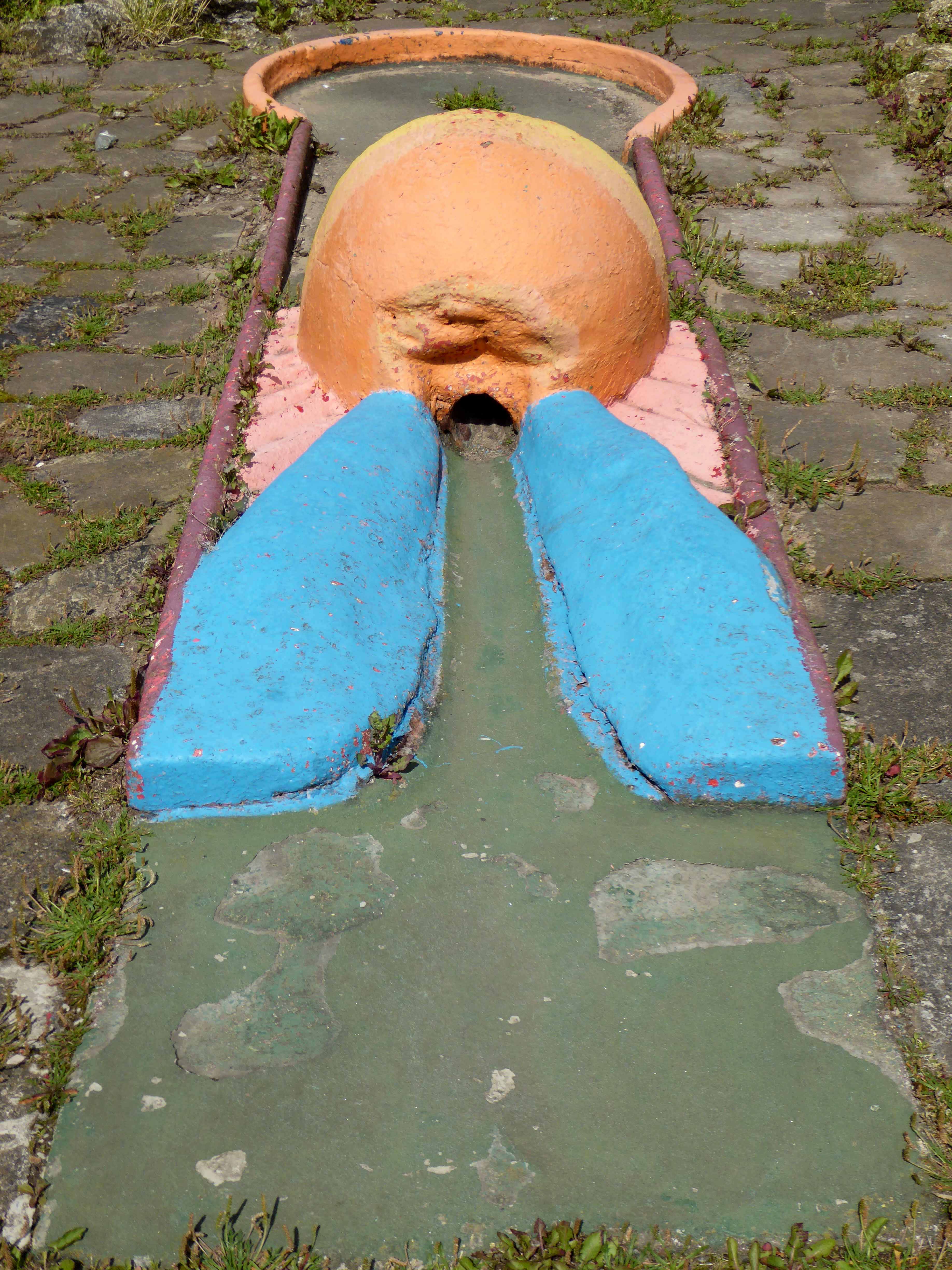
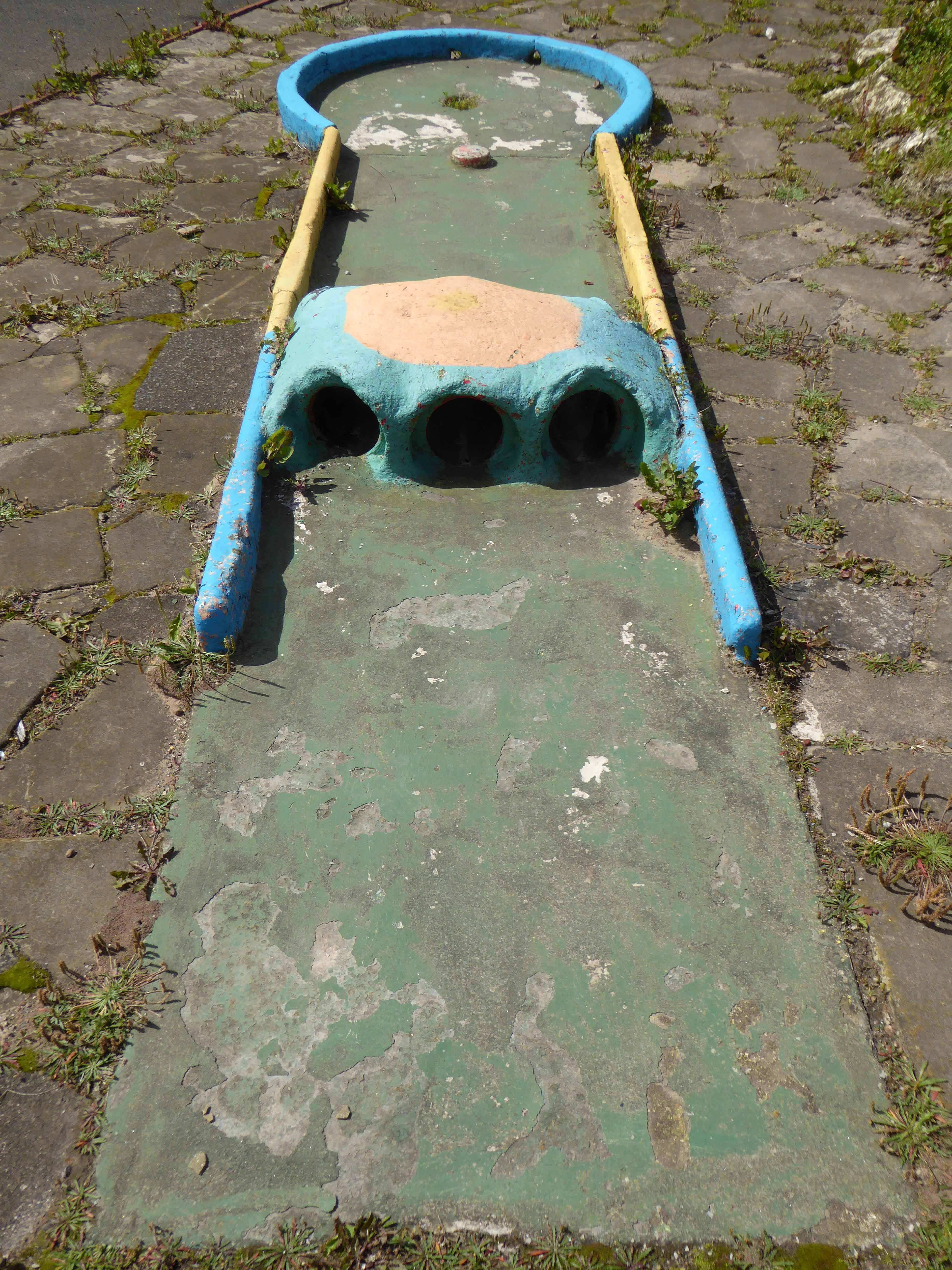
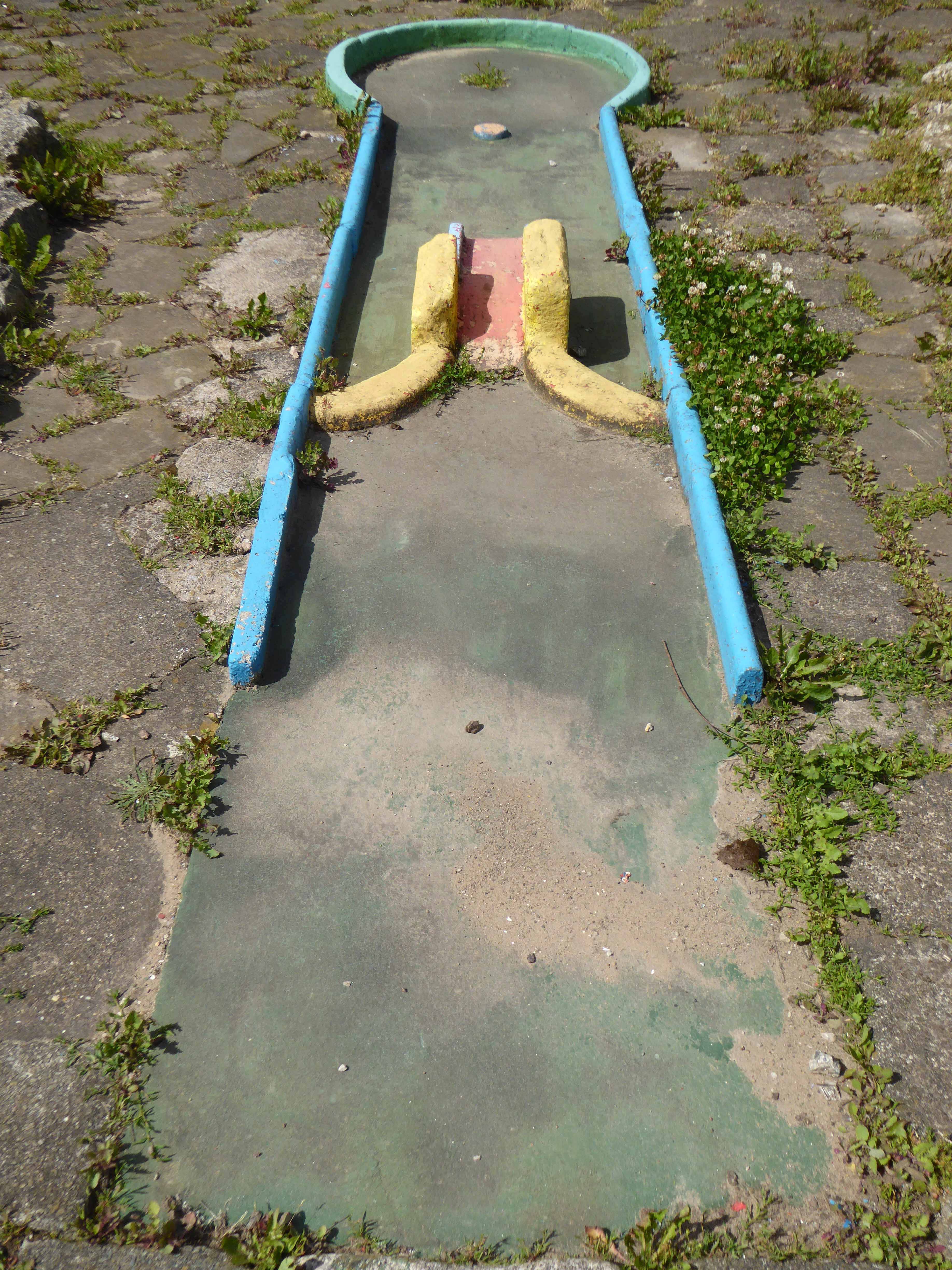
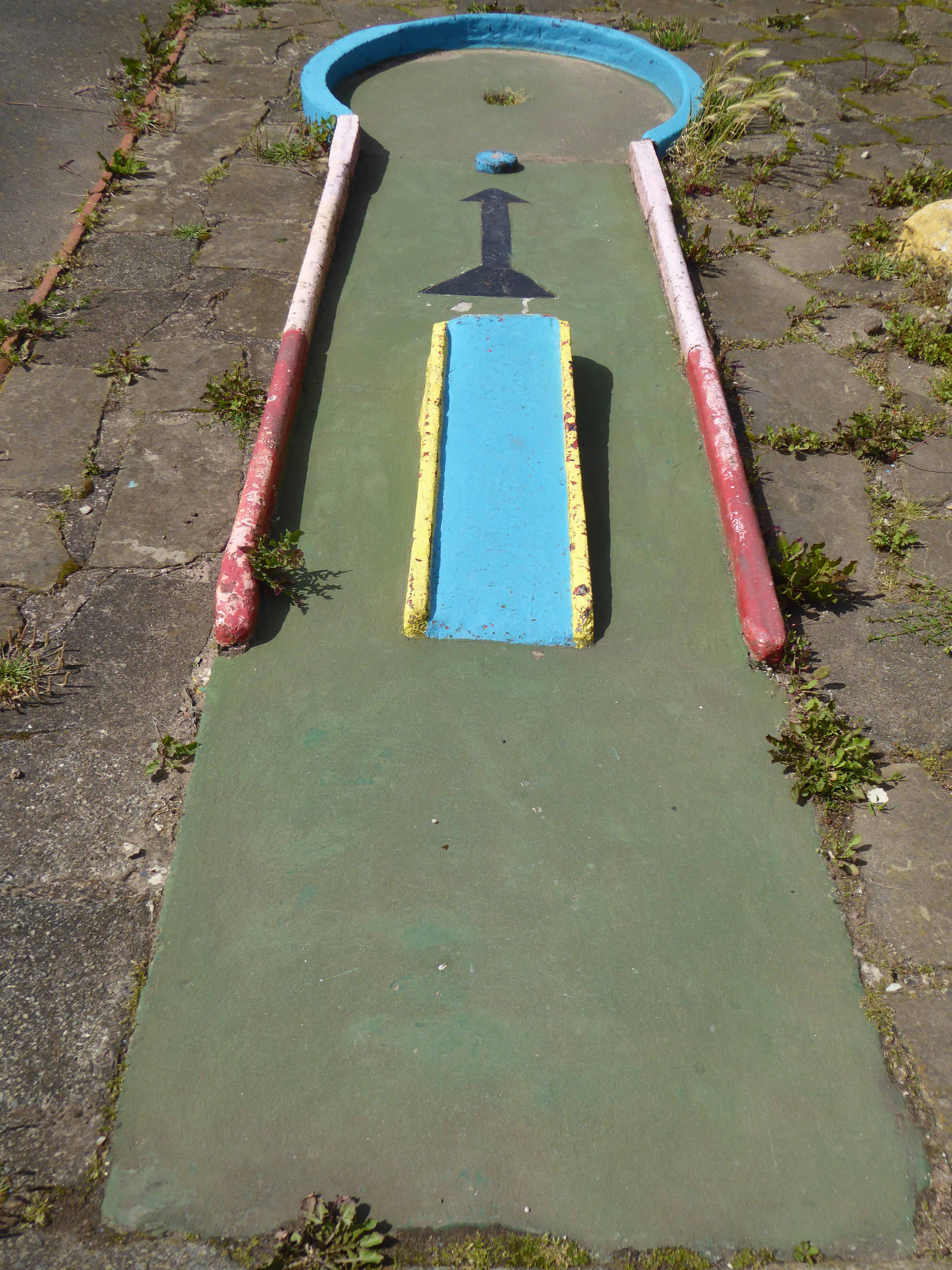
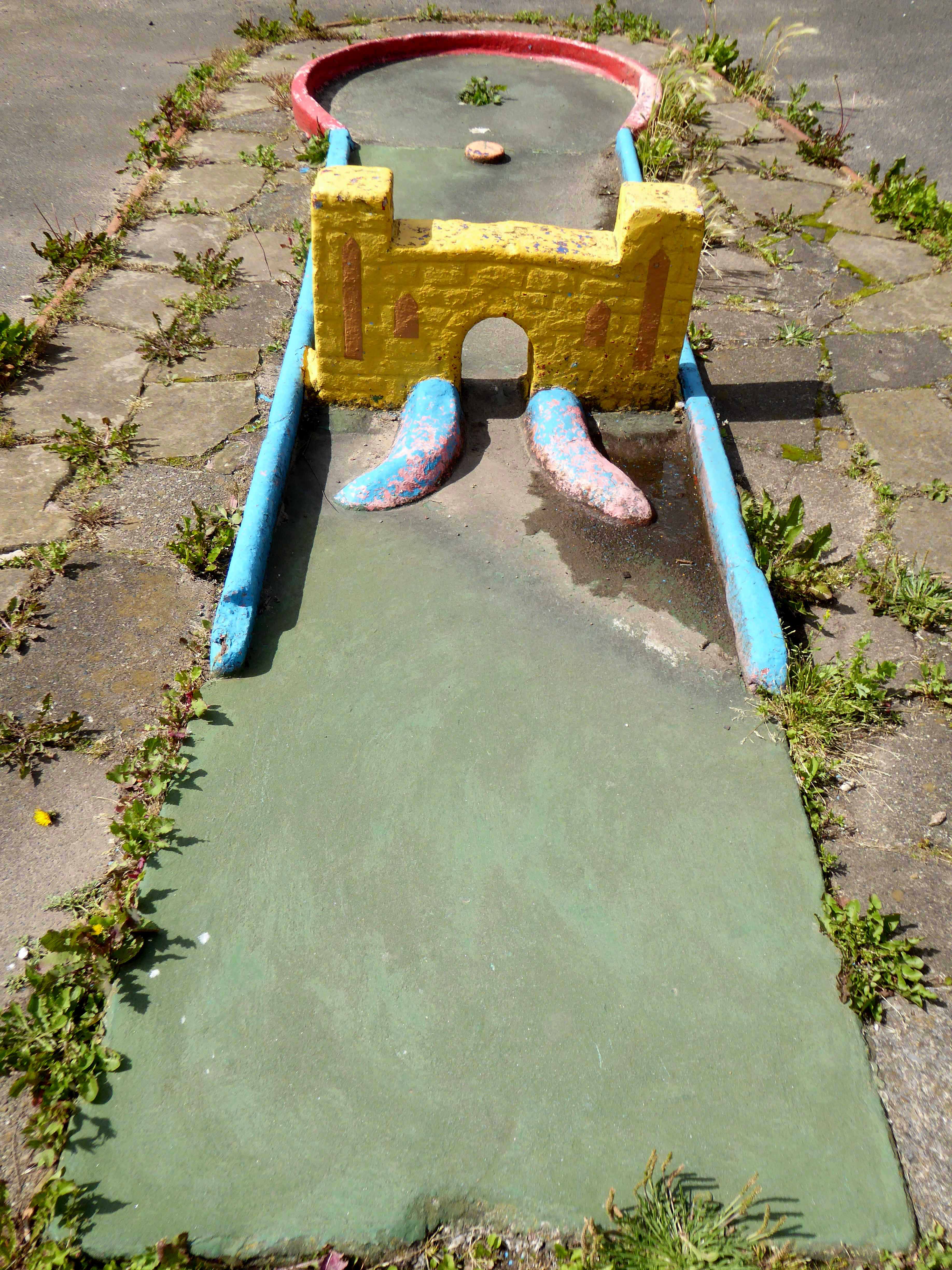
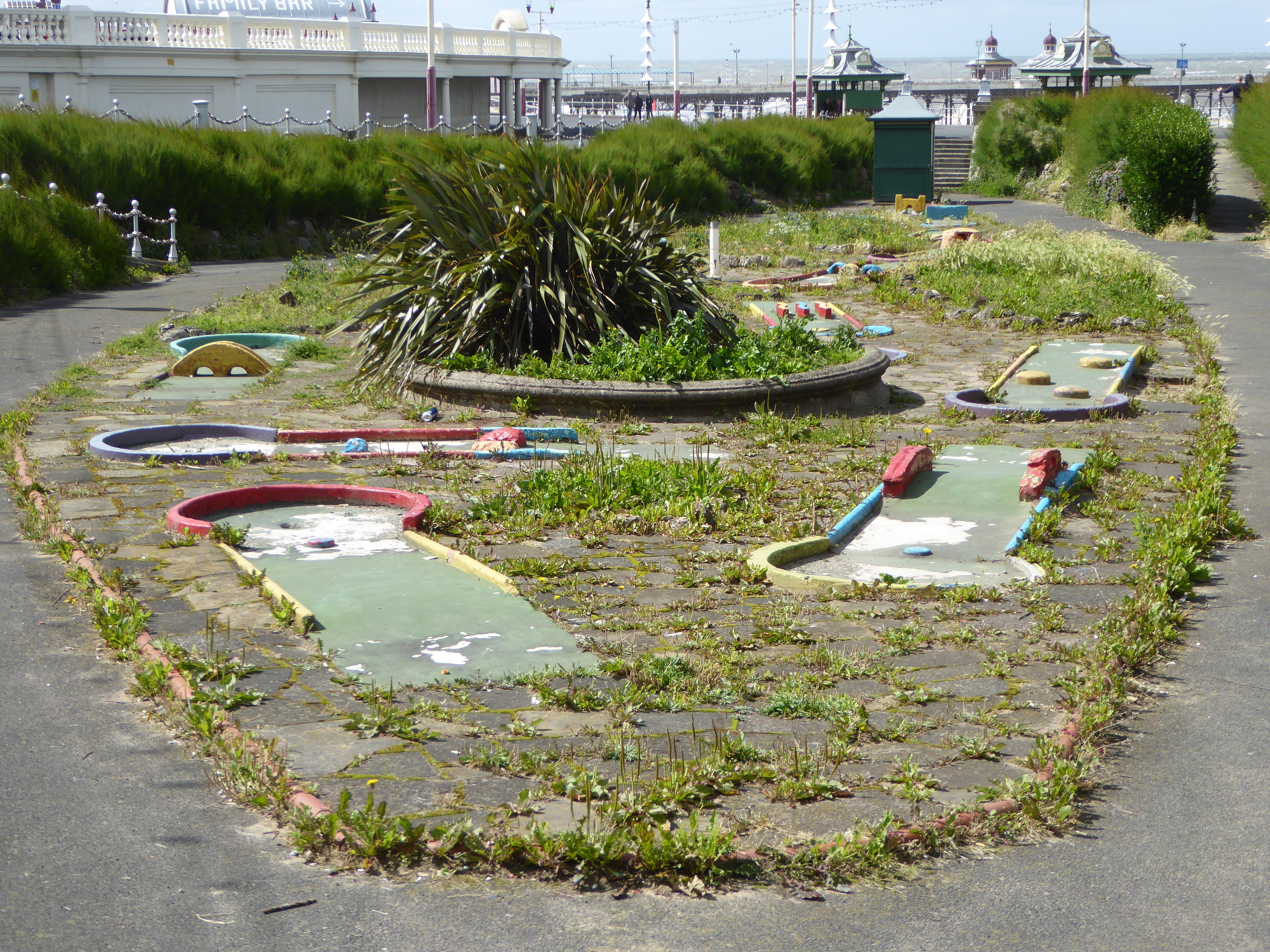
The focus and locus of fun is located on the prom and what better way to squander a moment or eighteen, than with a pleasurable round of crazy golf. Municipal Modernist frivolity rendered corporeal in corporation concrete, repainted annually ahead of the coming vacationers.
Domesticated Brutalism to soften the soul.
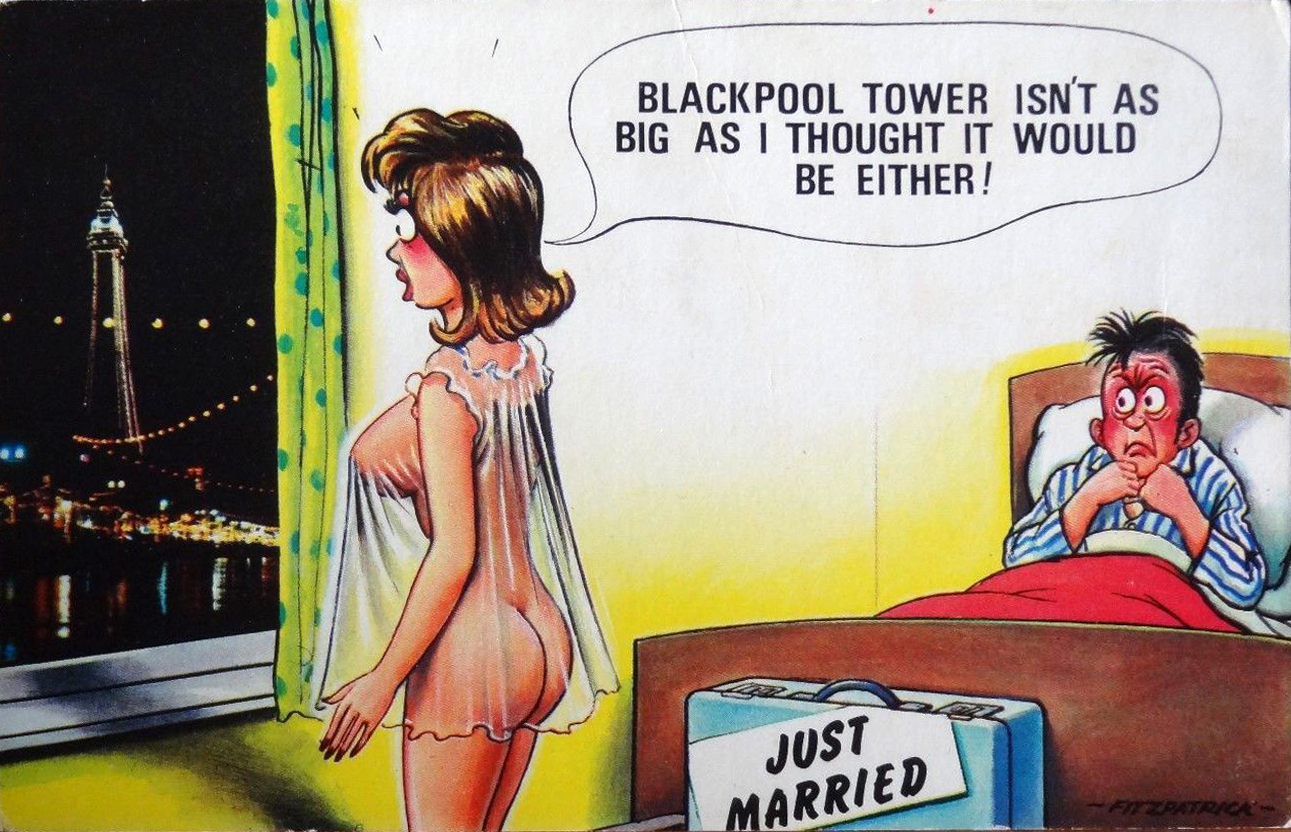
And there can be no better away to inform the awaiting world of your capricious coastal antics than a picture postcard, so playfully displayed on the corner shop carousel – 10p a pop.
Stopping to chuckle at the Bamforth’s mild mannered filth, yet finally purer of heart, opting for the purely pictorial.
Man and boy and beyond I have visited Blackpool – a day, week or fortnight here and there, the worker’s working week temporarily suspended with a week away.
Times have now changed and the new nexus is cash, all too incautiously squandered – Pleasure Beach and pub replacing the beach as the giddy stags and hens collide in an intoxicating miasma of flaming Sambuca, Carling, Carlsberg and cheap cocktails – for those too cash strapped for Ibiza.
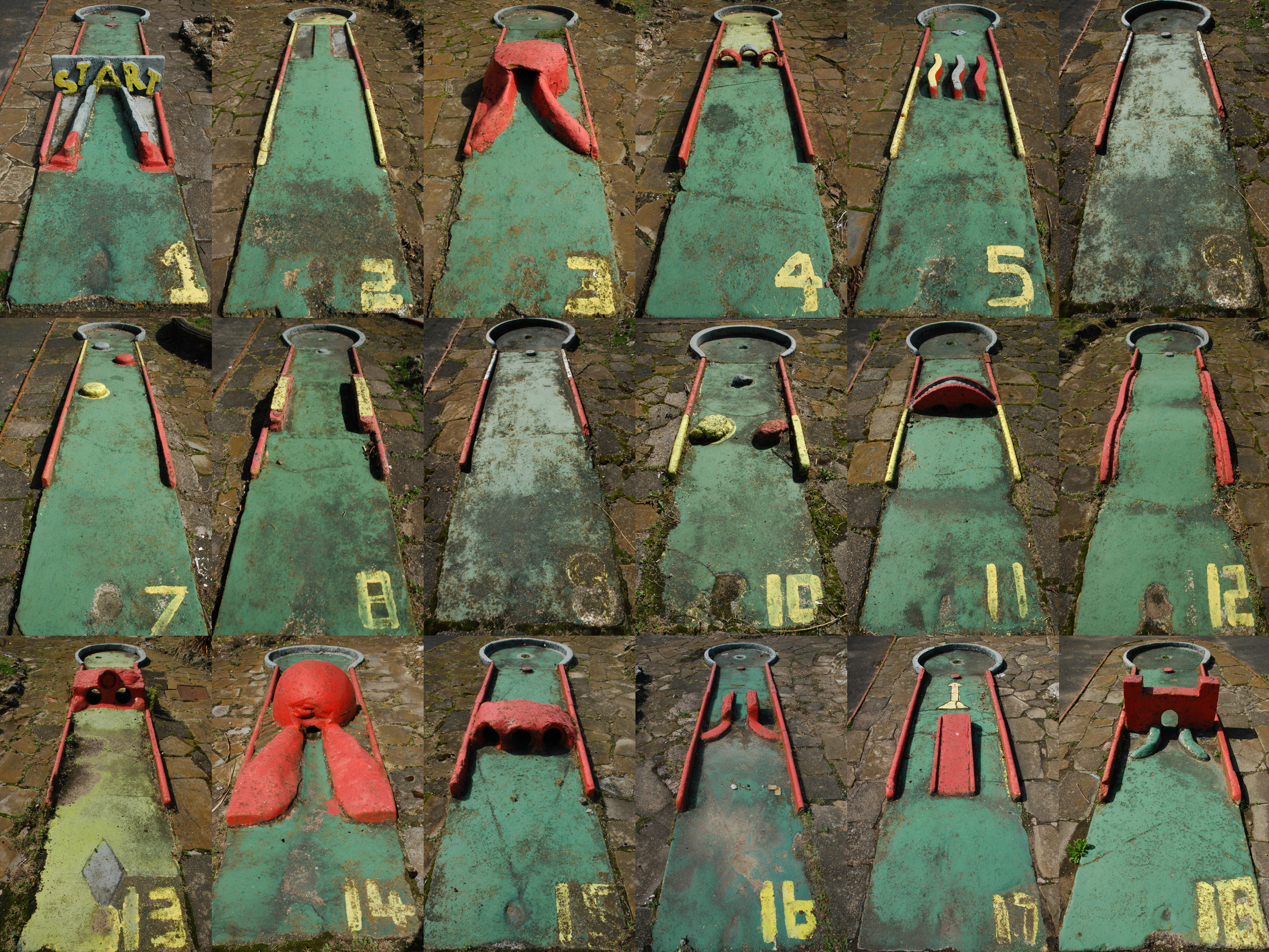
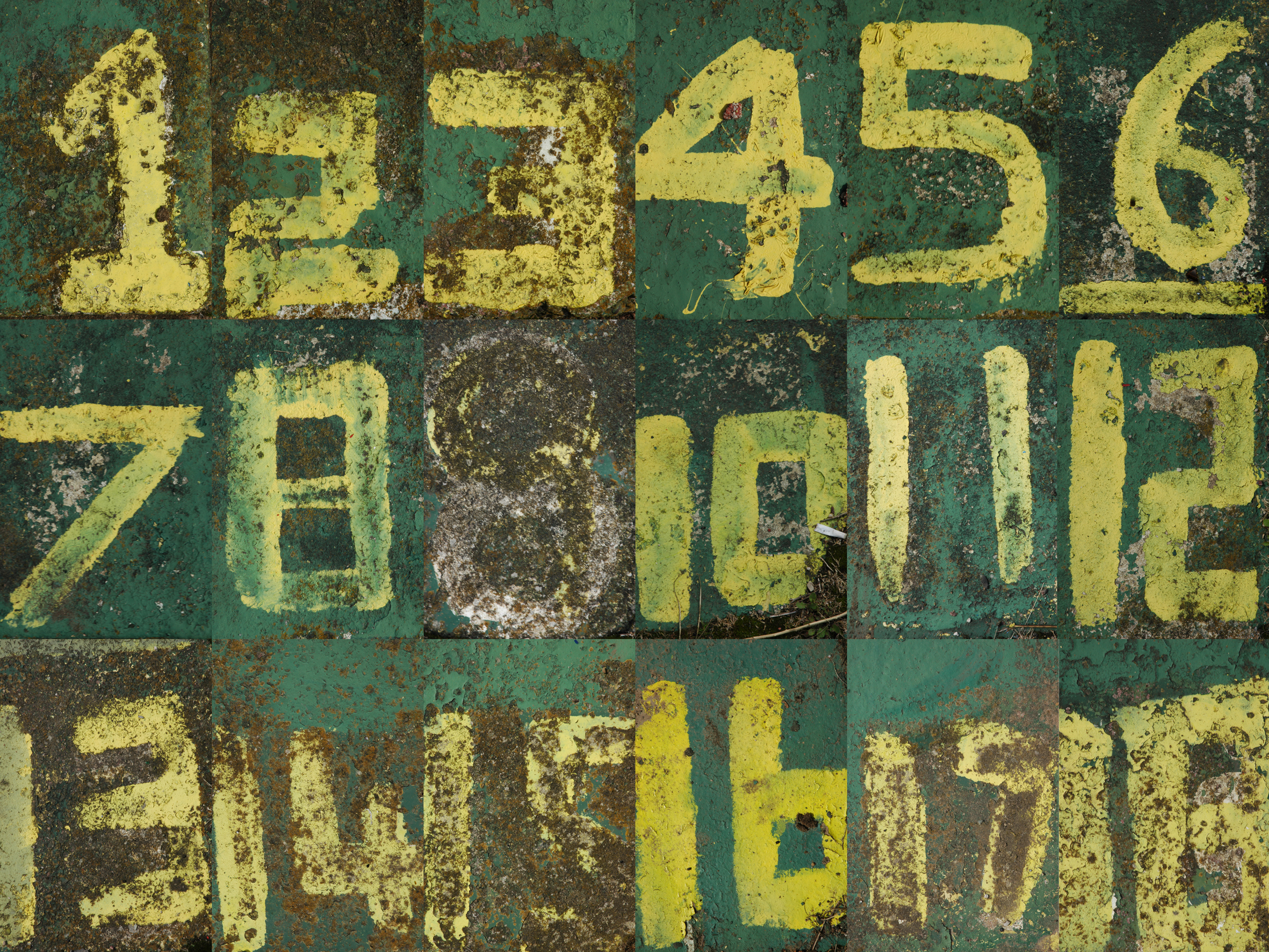
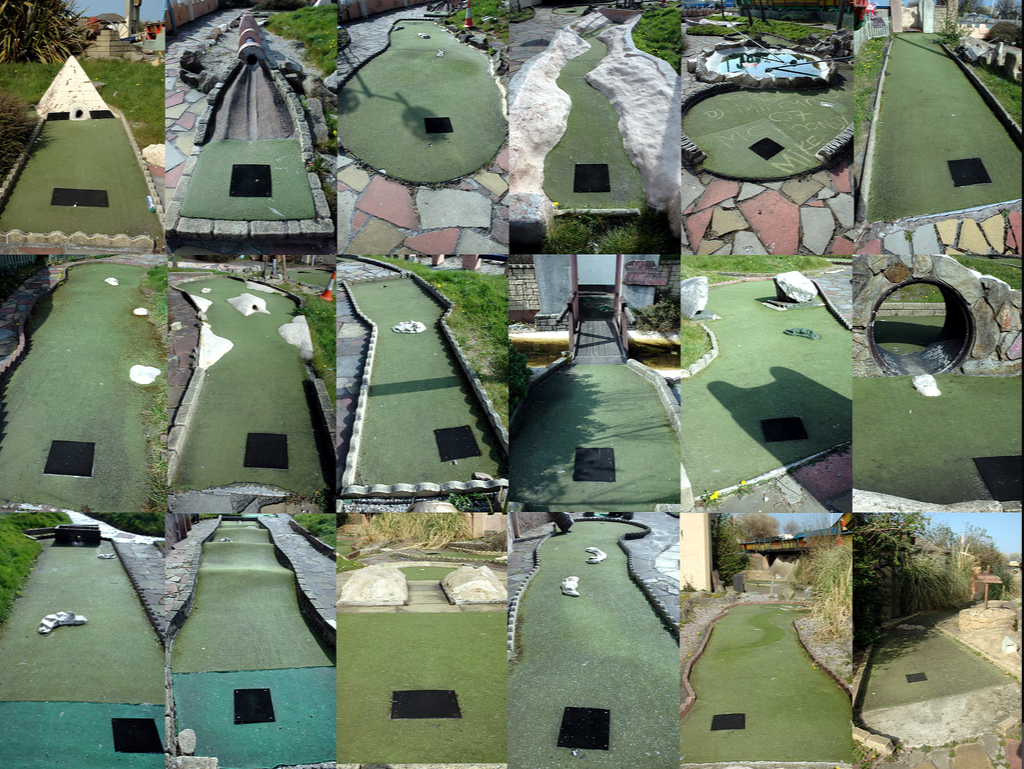
The numbers are up – 18 times nothing is nothing – each year as I revisit, the primarily primary colour paint wears a little thinner in the thin salt air and the whining westerly wind, of the all too adjacent Irish Sea.
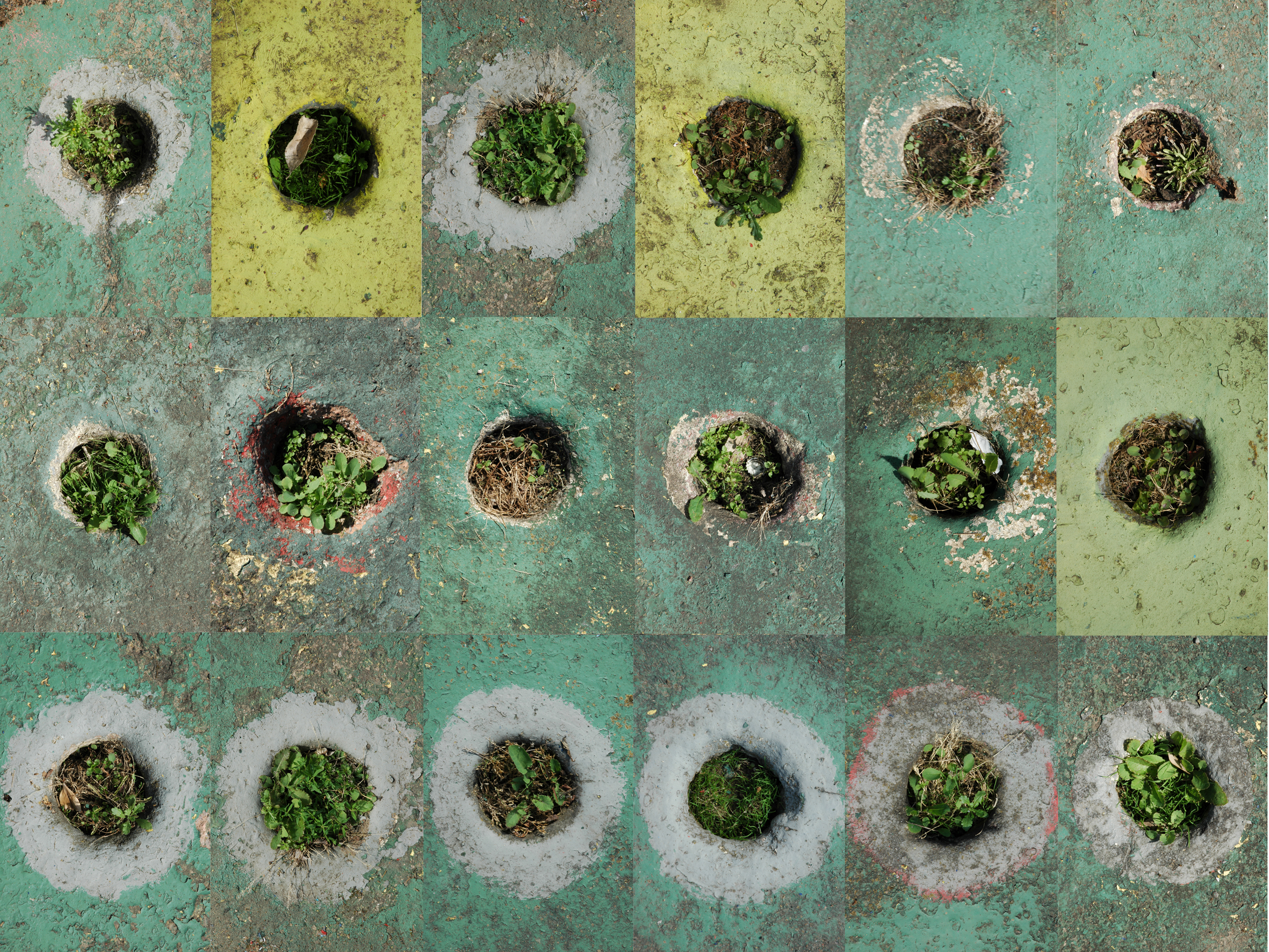
Overgrown and underused awaiting the kids and grown ups that forever fail to show. On one visit the sunken course had become the home of the daytime hard drinkers, they suggested we refurbish and run the course as a going concern. I declined lacking the time, will and capital for such a crazy enterprise.
Antonio Fusciardi emigrated in the 1960s in search of a better life. He opened a number of businesses in Ireland. In 1965 he met Anna Morelli at an Italian wedding and romance blossomed. The couple married and set up home in Marine Parade, Eastbourne. They worked very hard in establishing the business and attributed their success to ambition, dedication and the family.
1-3 Sandside, Scarborough, North Yorkshire, YO11 1PE.
Do you remember the first time?
Sometime around 2011, I fell in love with the Harbour Bar Scarborough.
A family business serving home made ice cream since 1945.
It’s a magical world of mirrors, melamine, signs and ice creams.
Since then I’ve been back for a banana split and take the opportunity to take a few more snaps, I never leave anything less than overwhelmingly happy and full.
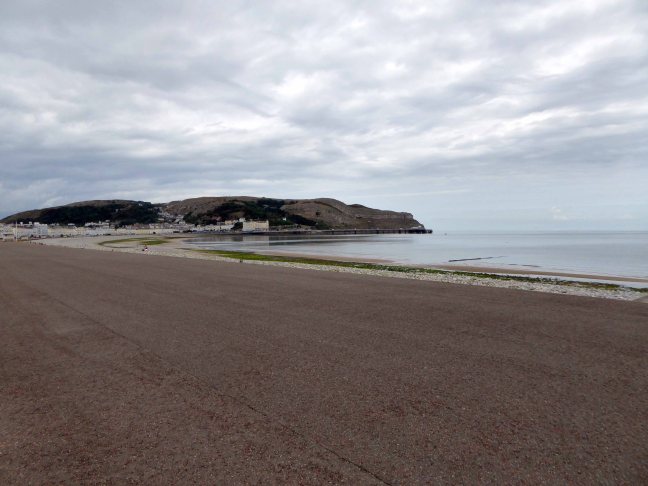
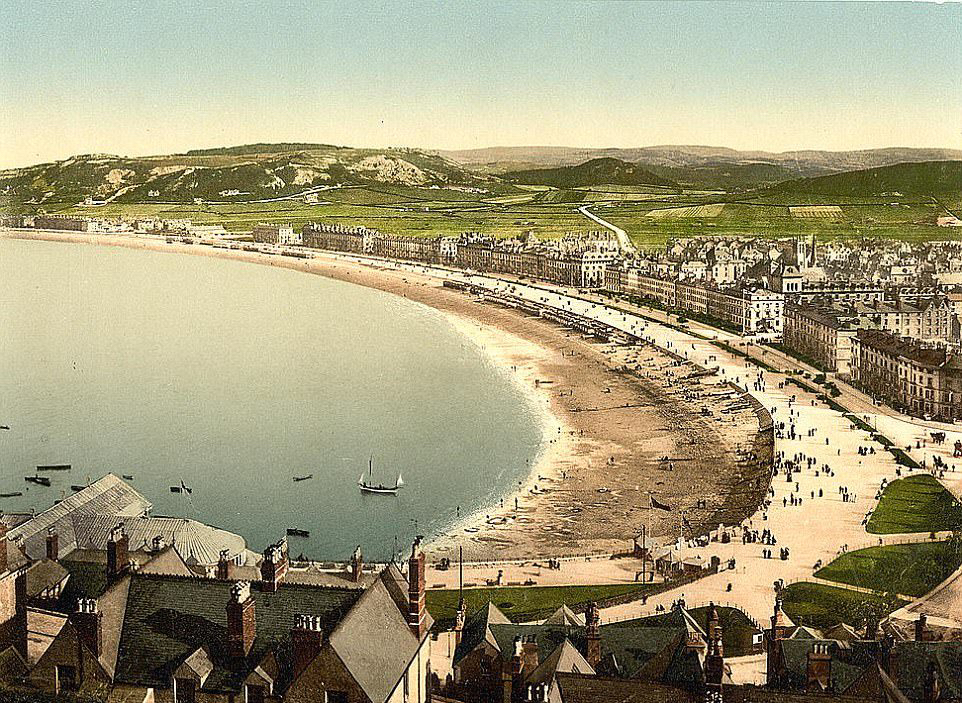
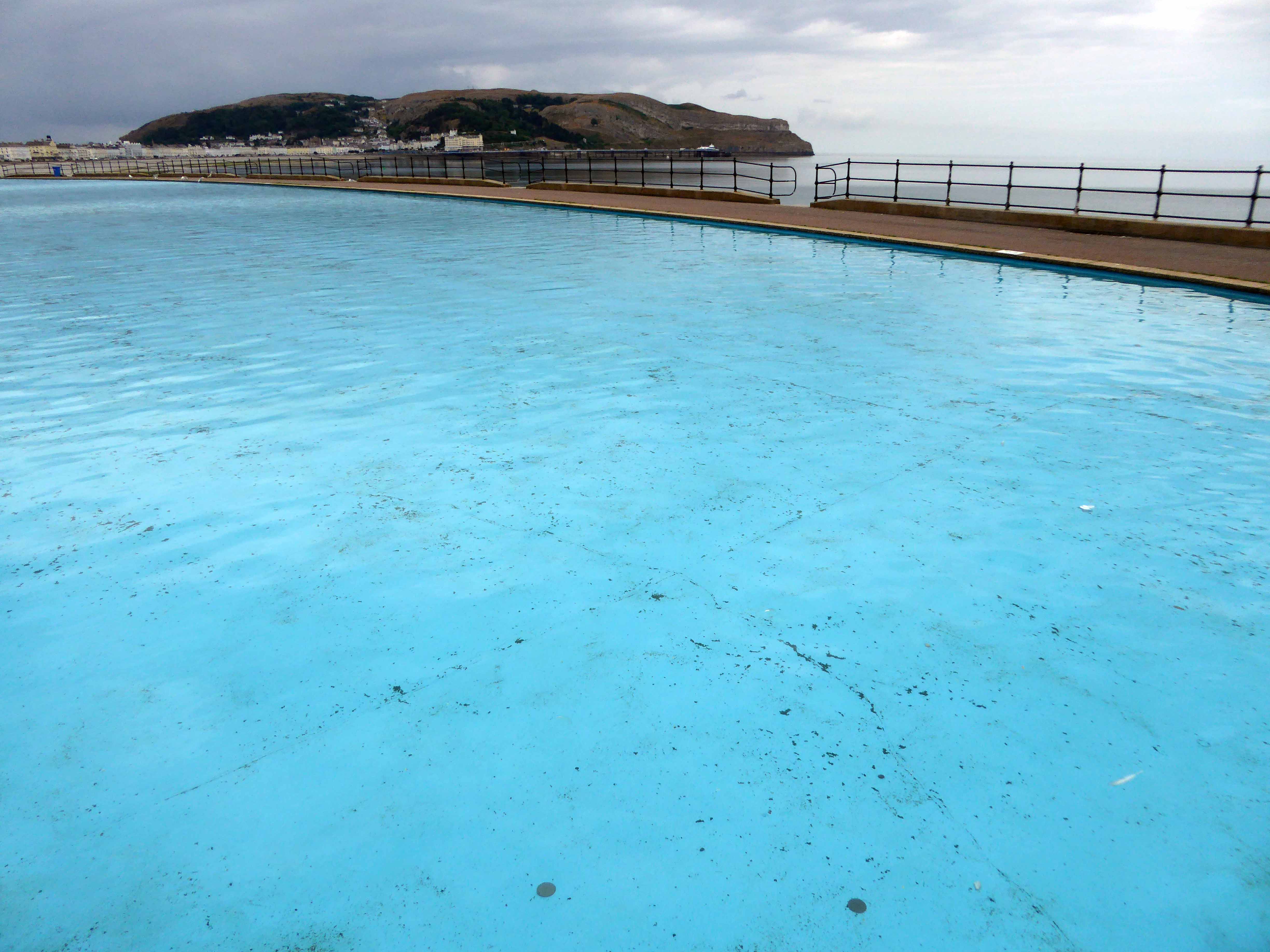
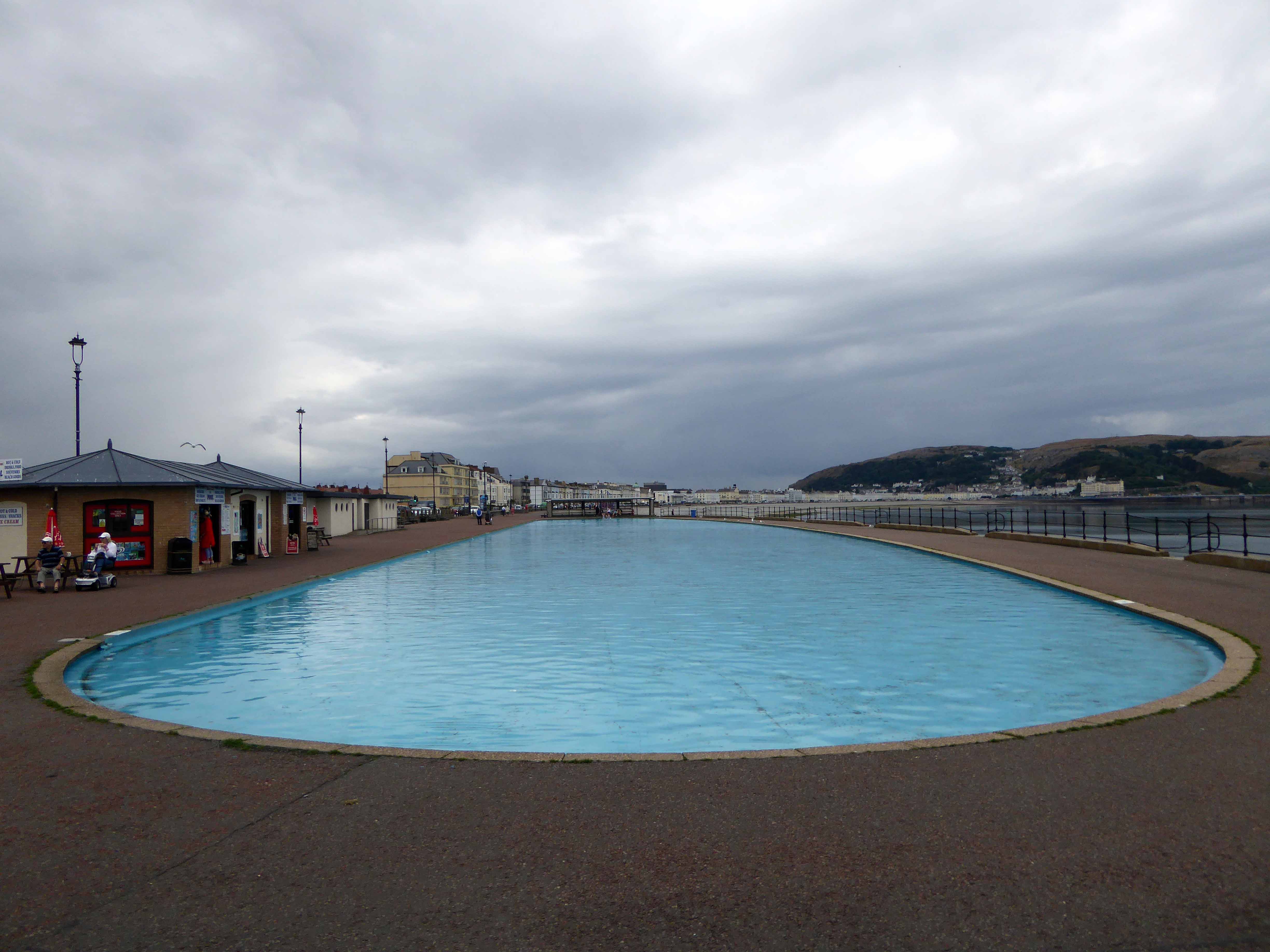
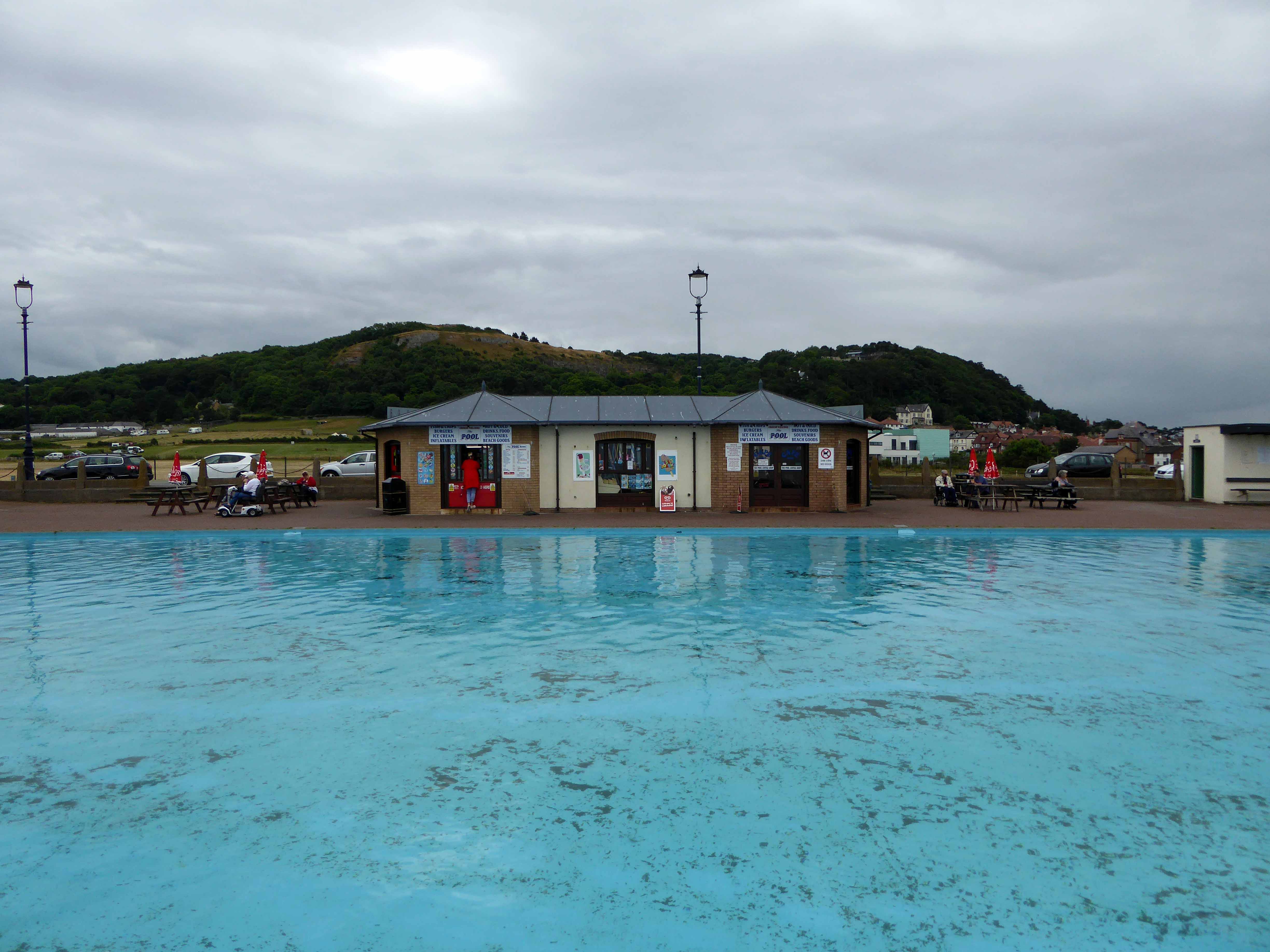
The town of Llandudno developed from Stone Age, Bronze Age and Iron Age settlements over many hundreds of years on the slopes of the limestone headland, known to seafarers as the Great Orme and to landsmen as the Creuddyn Peninsula.
Some years later.
In 1848, Owen Williams, an architect and surveyor from Liverpool, presented landowner Lord Mostyn with plans to develop the marshlands behind Llandudno Bay as a holiday resort. These were enthusiastically pursued by Lord Mostyn. The influence of the Mostyn Estate and its agents over the years was paramount in the development of Llandudno, especially after the appointment of George Felton as surveyor and architect in 1857.
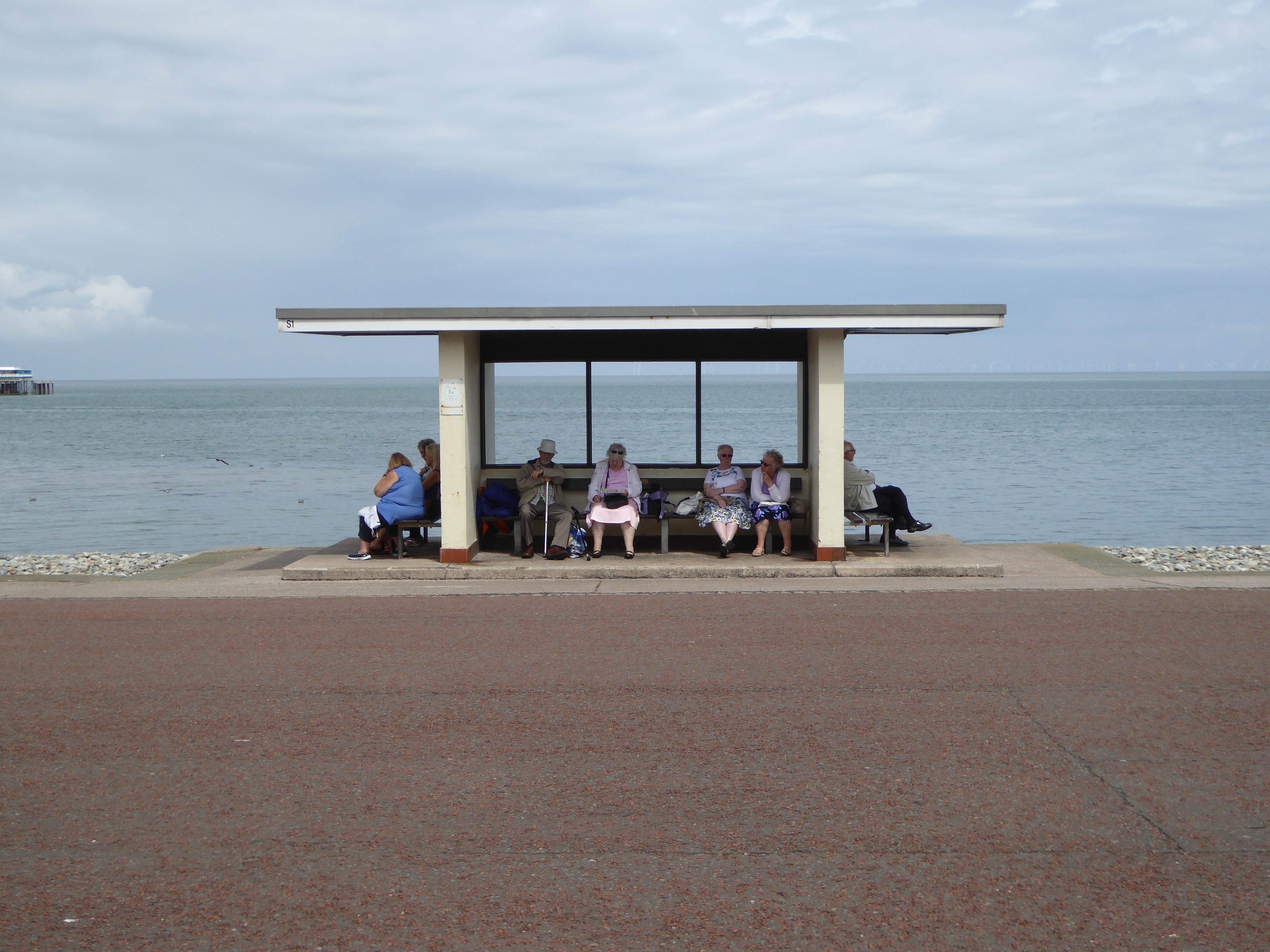
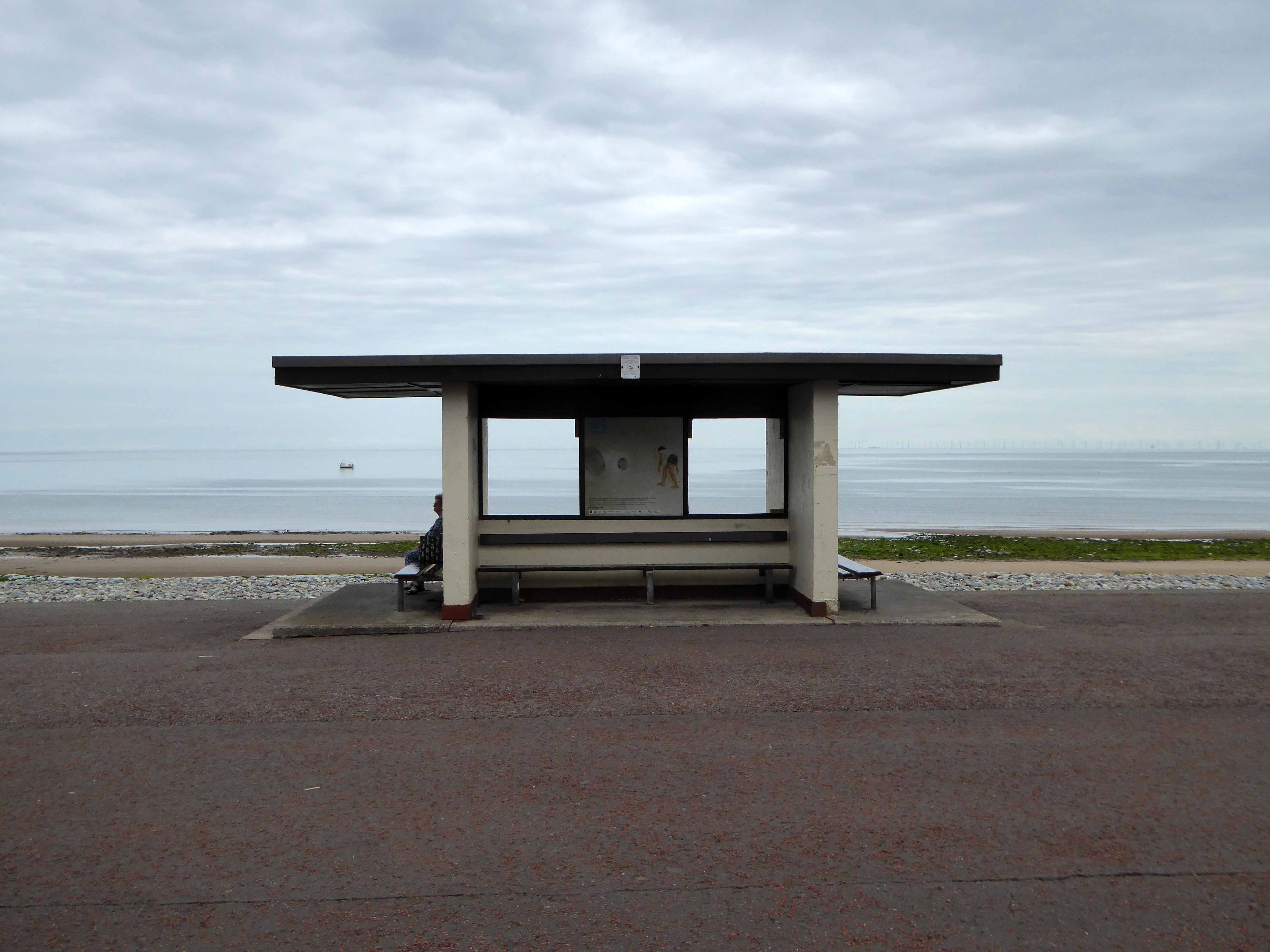
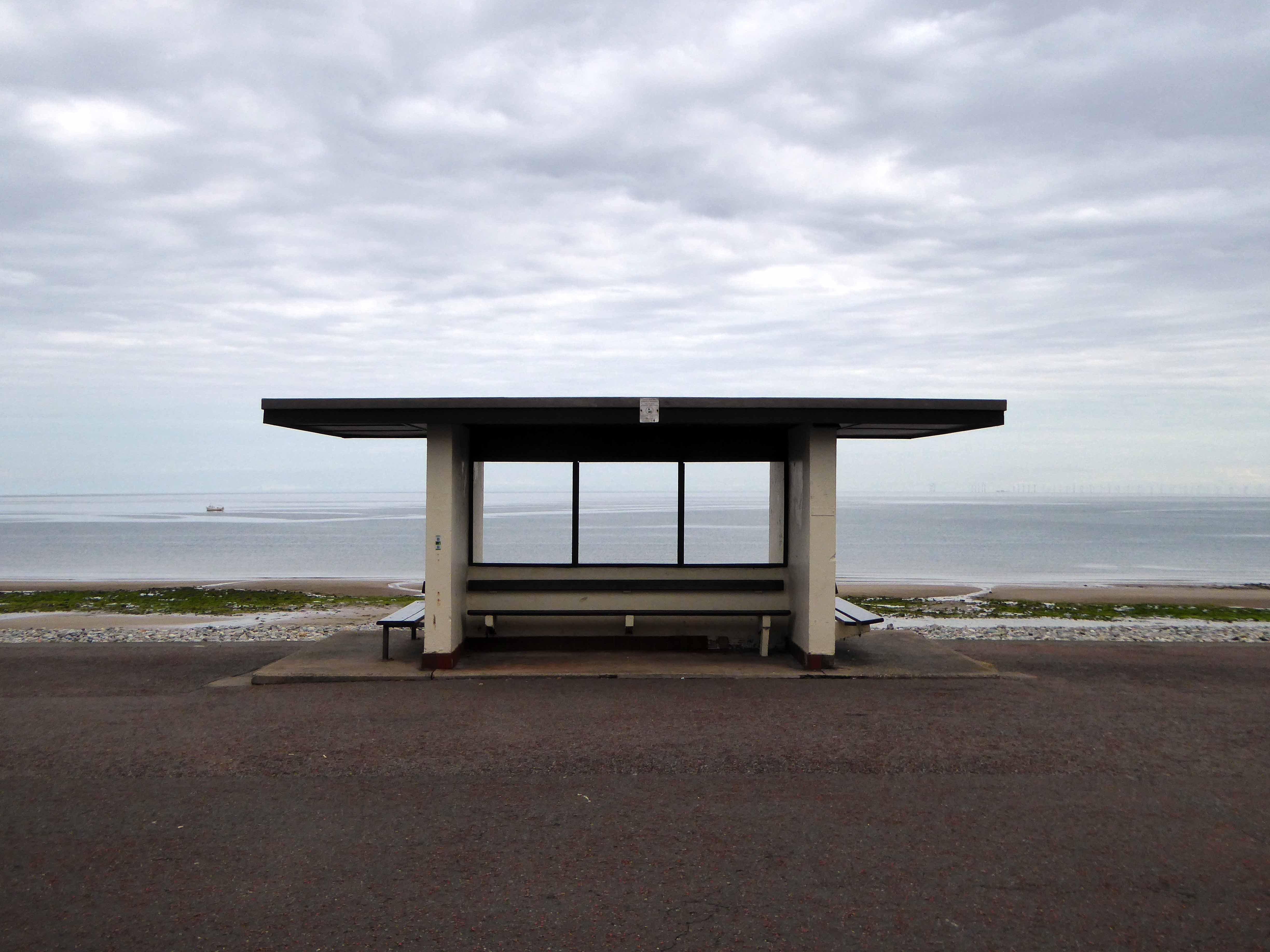
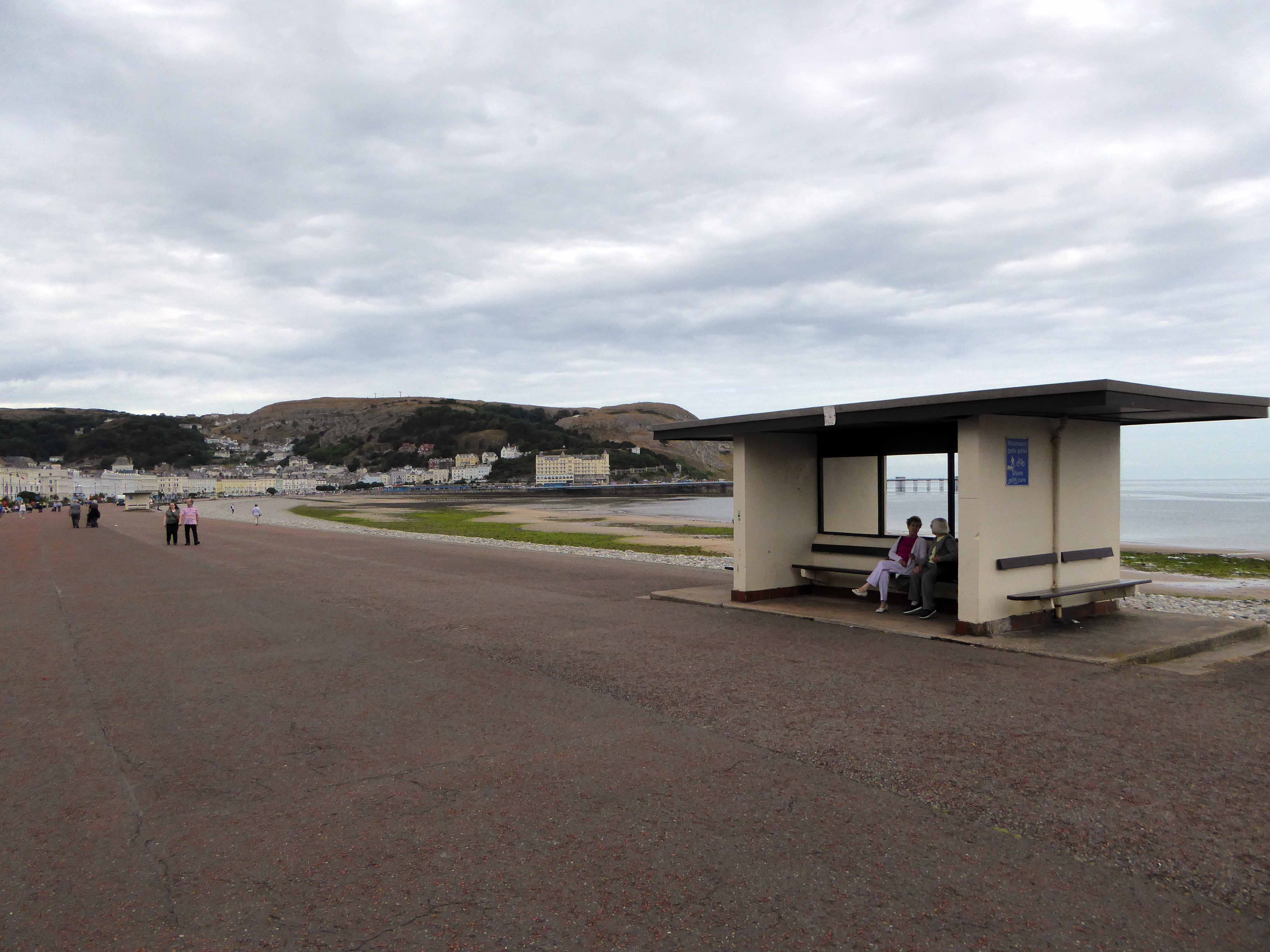
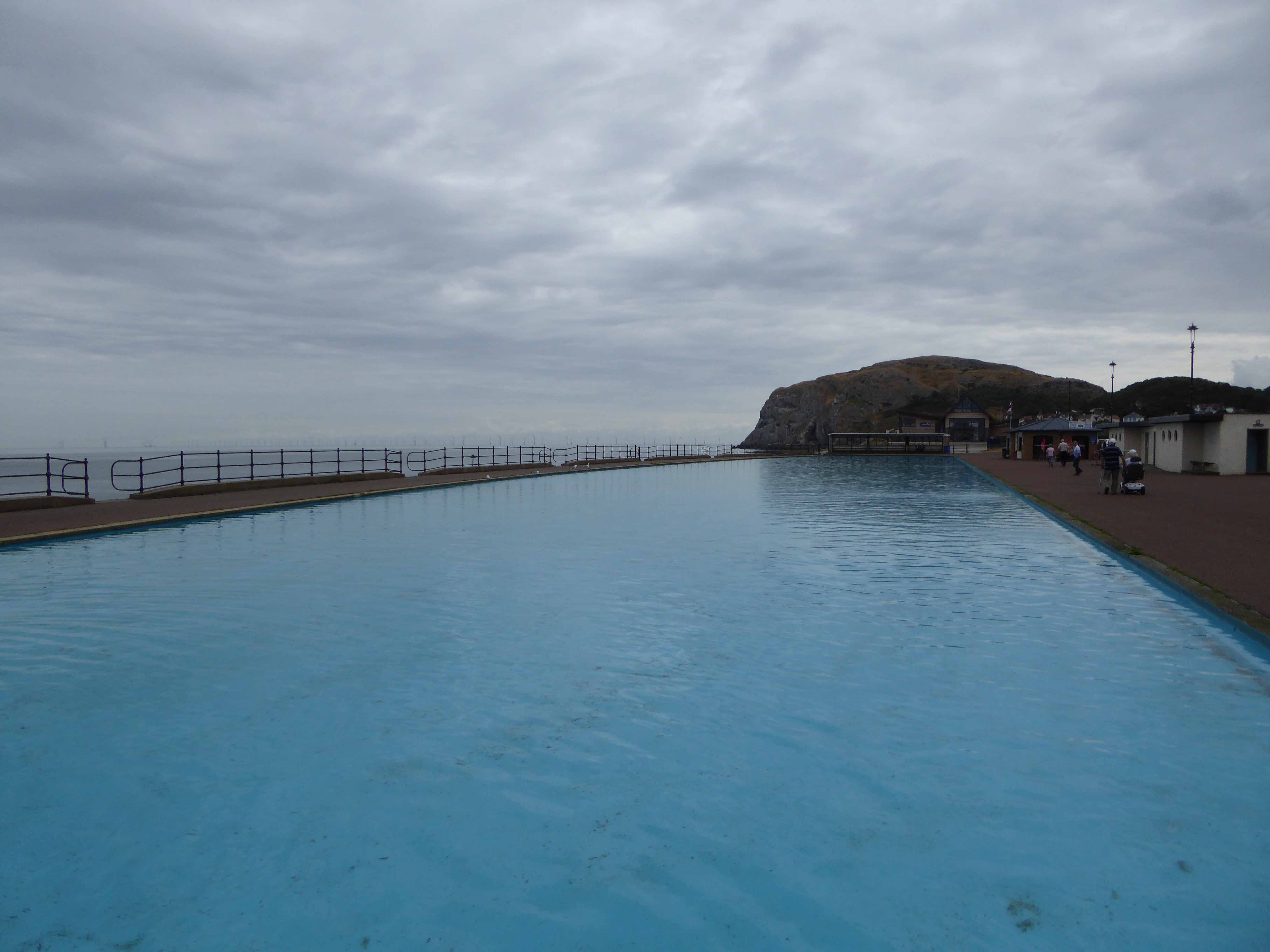
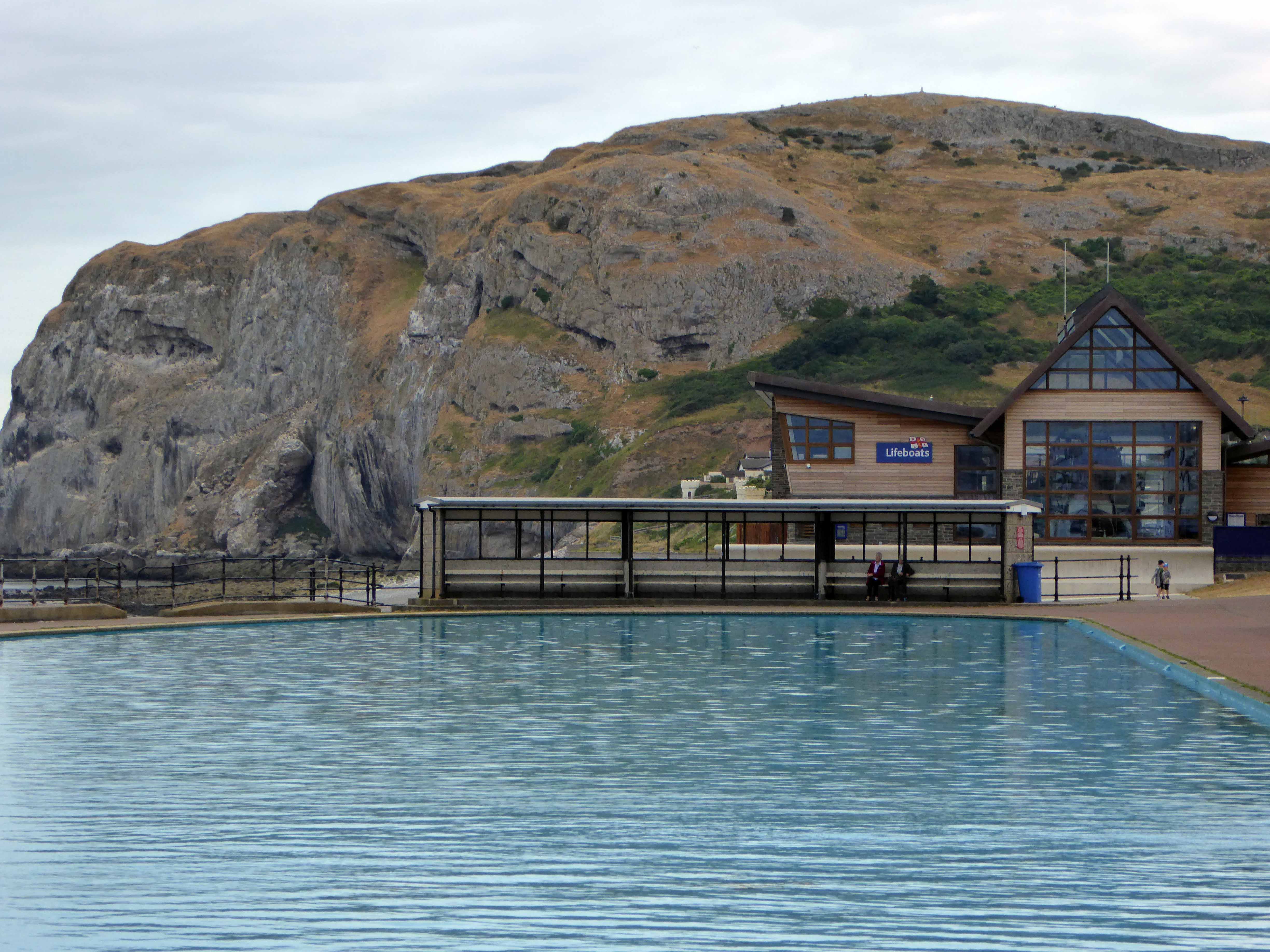
The edge of the bay is marked by concrete steps and a broad promenade, edging a pebbled beach which arcs from Orme to Orme.
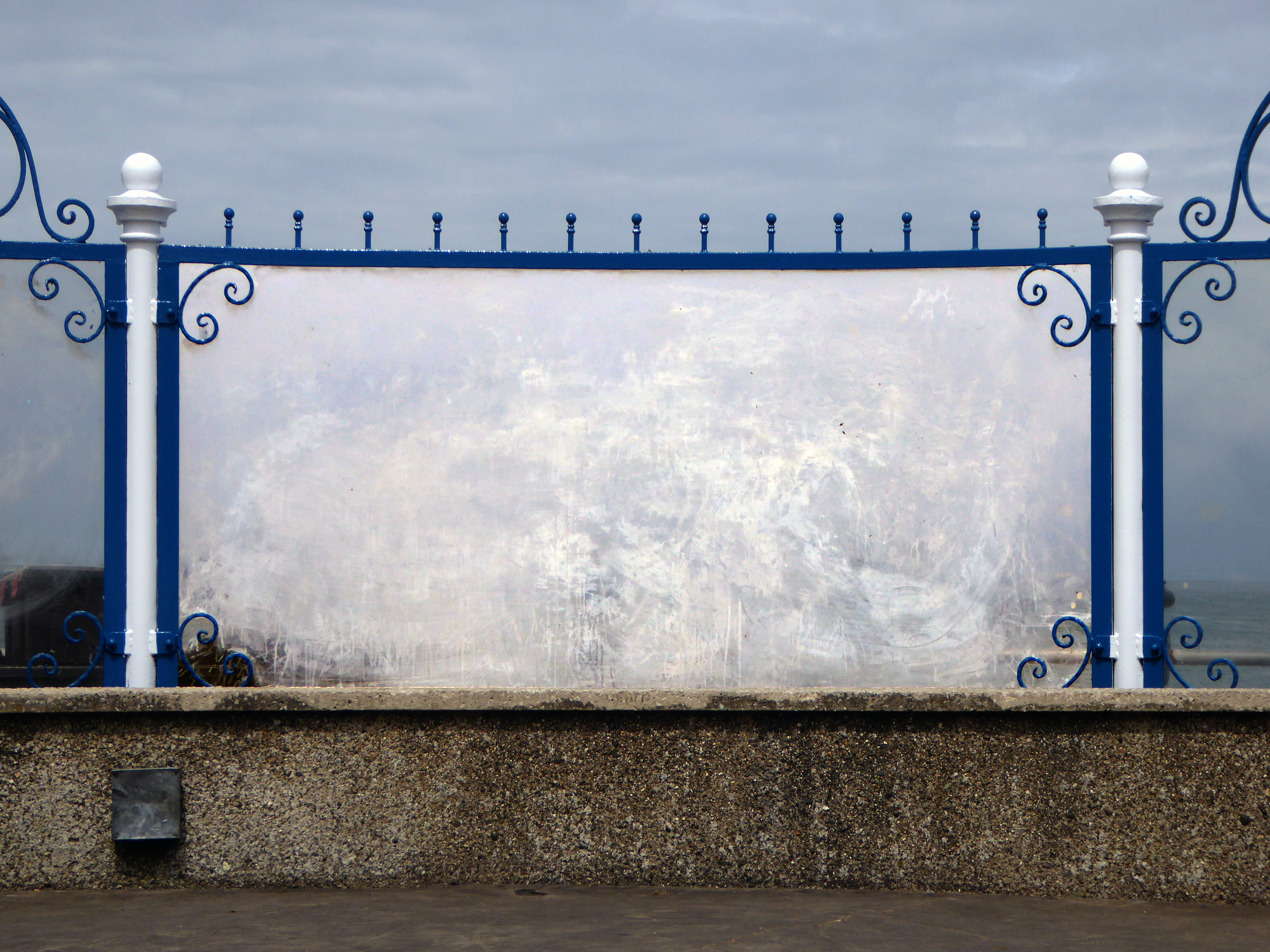
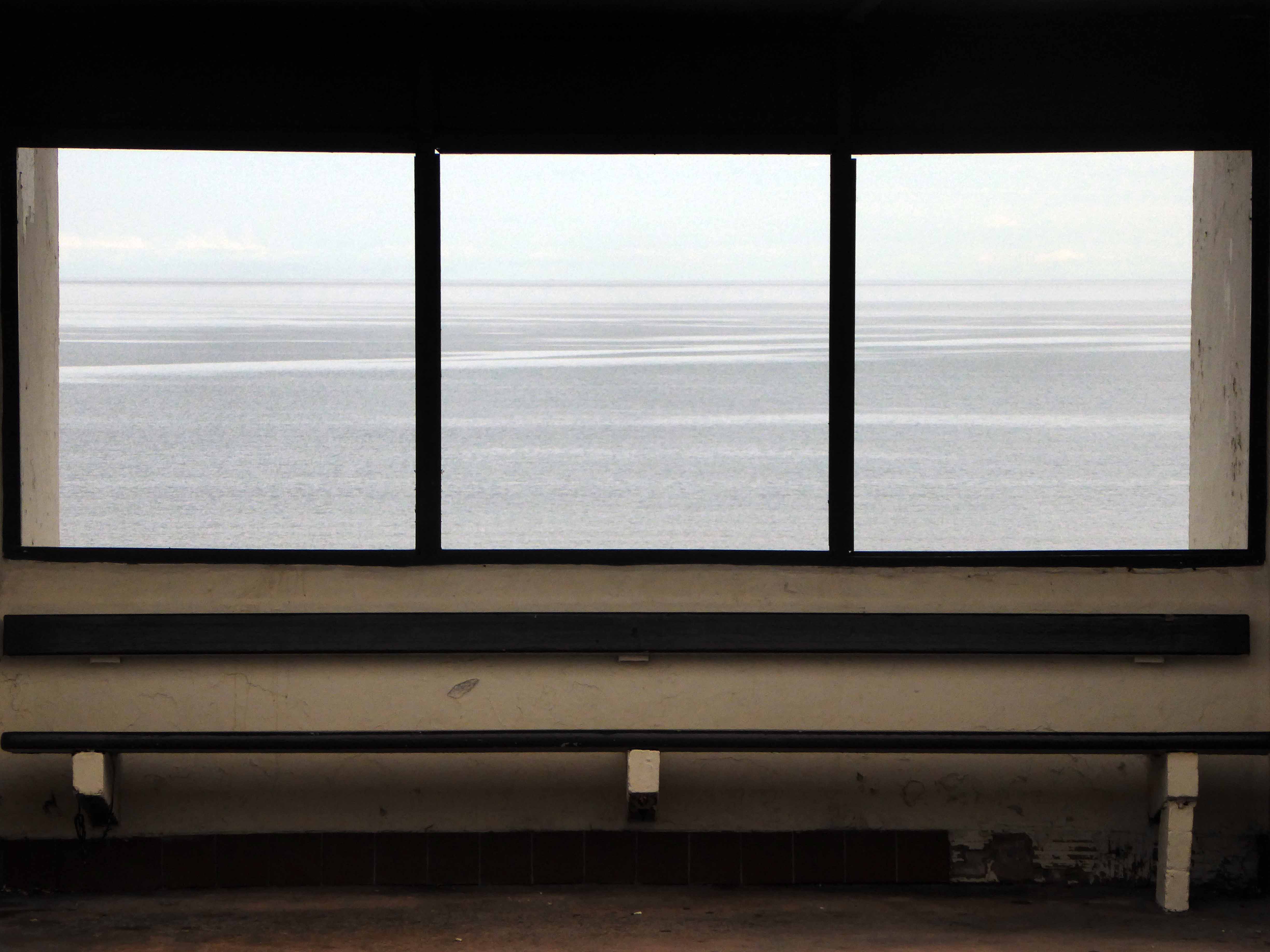
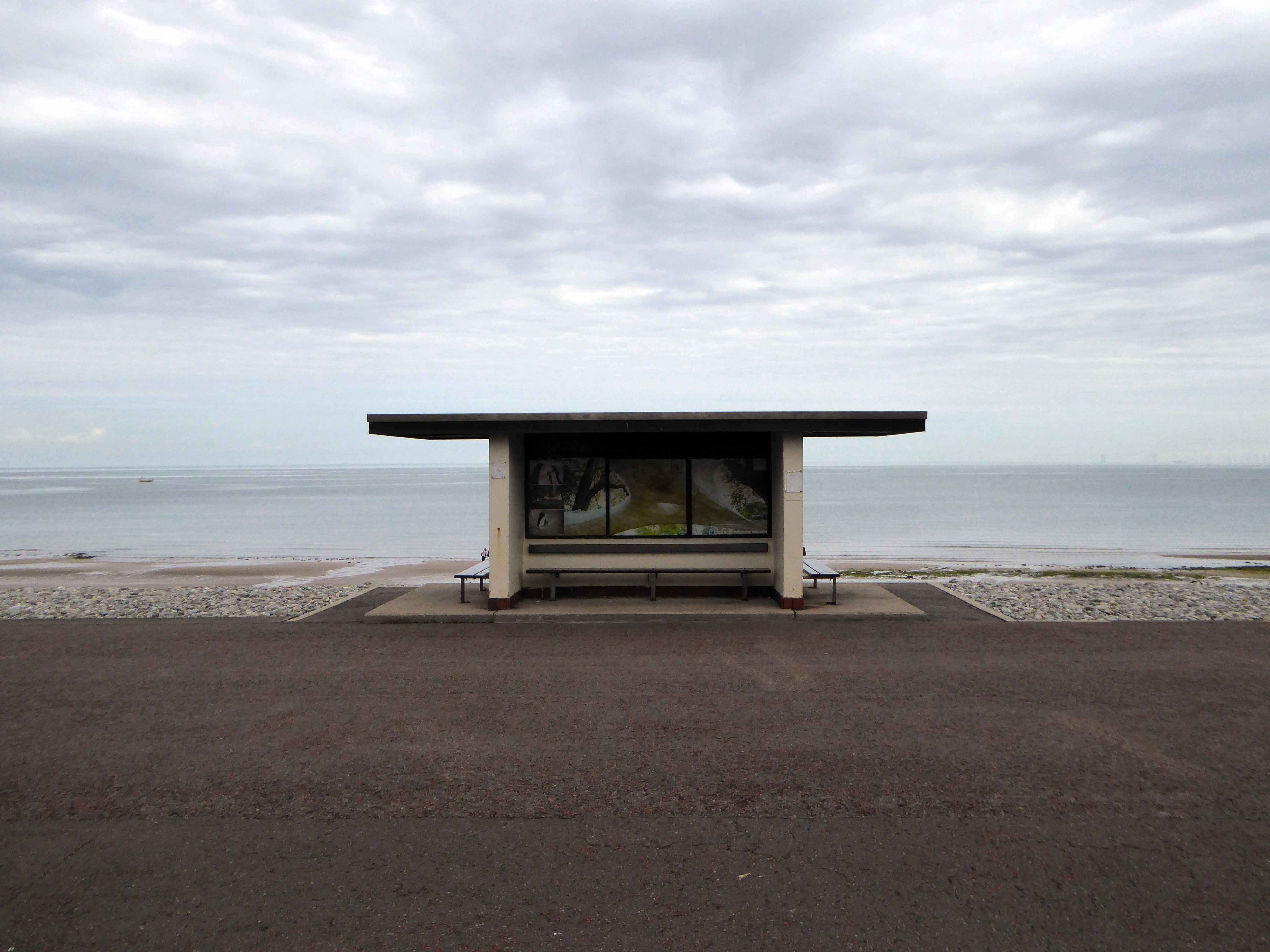
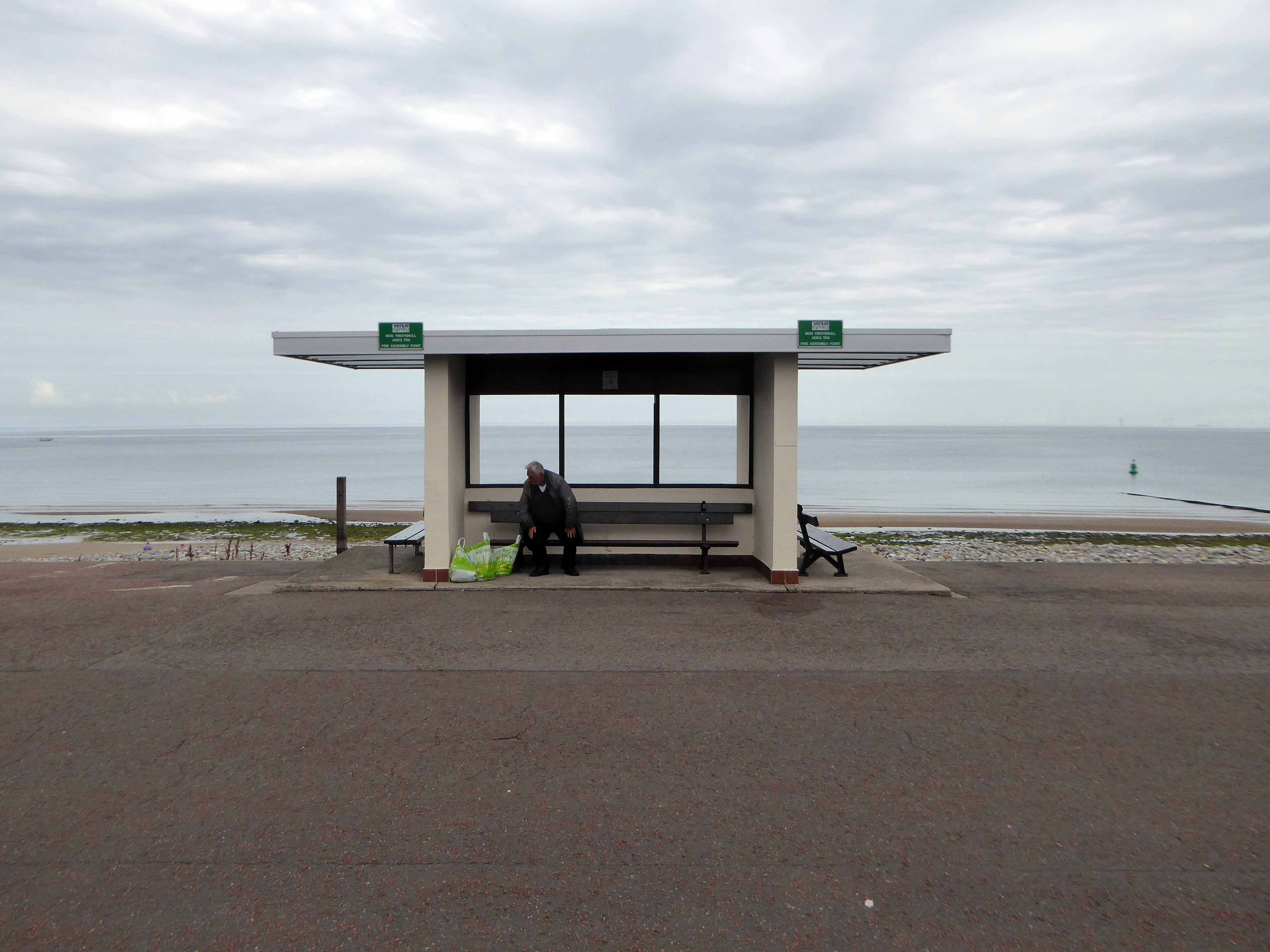
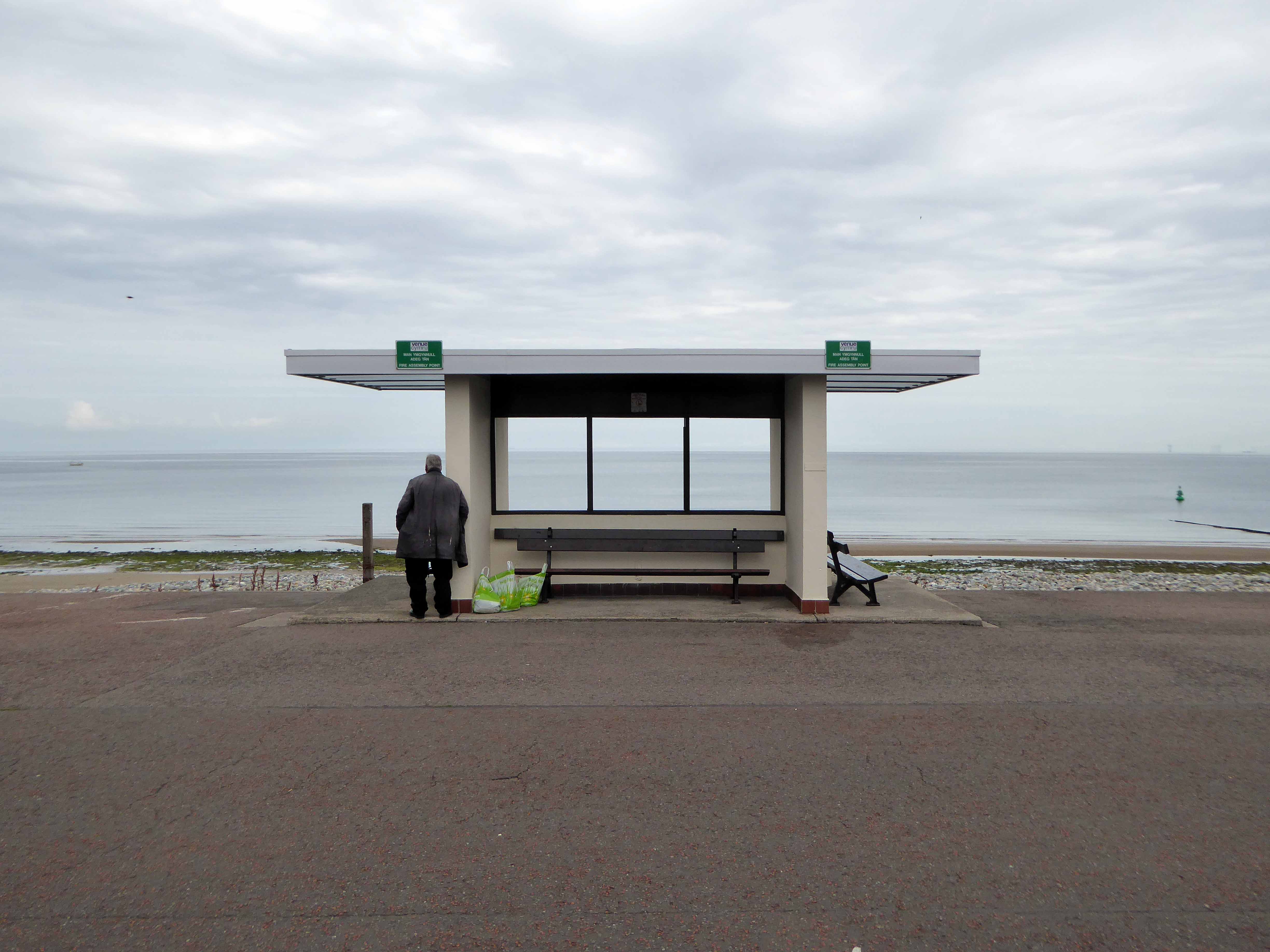
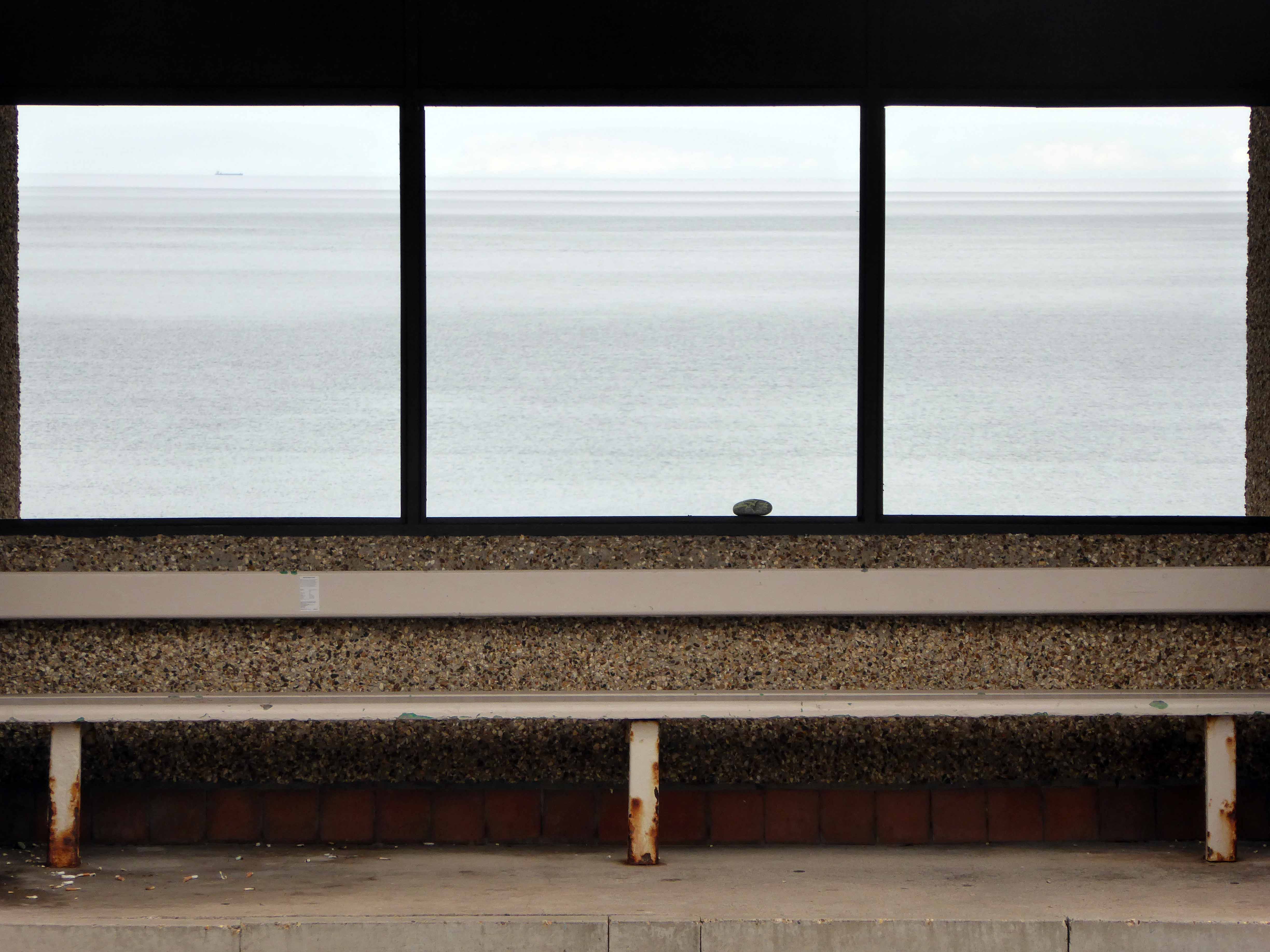
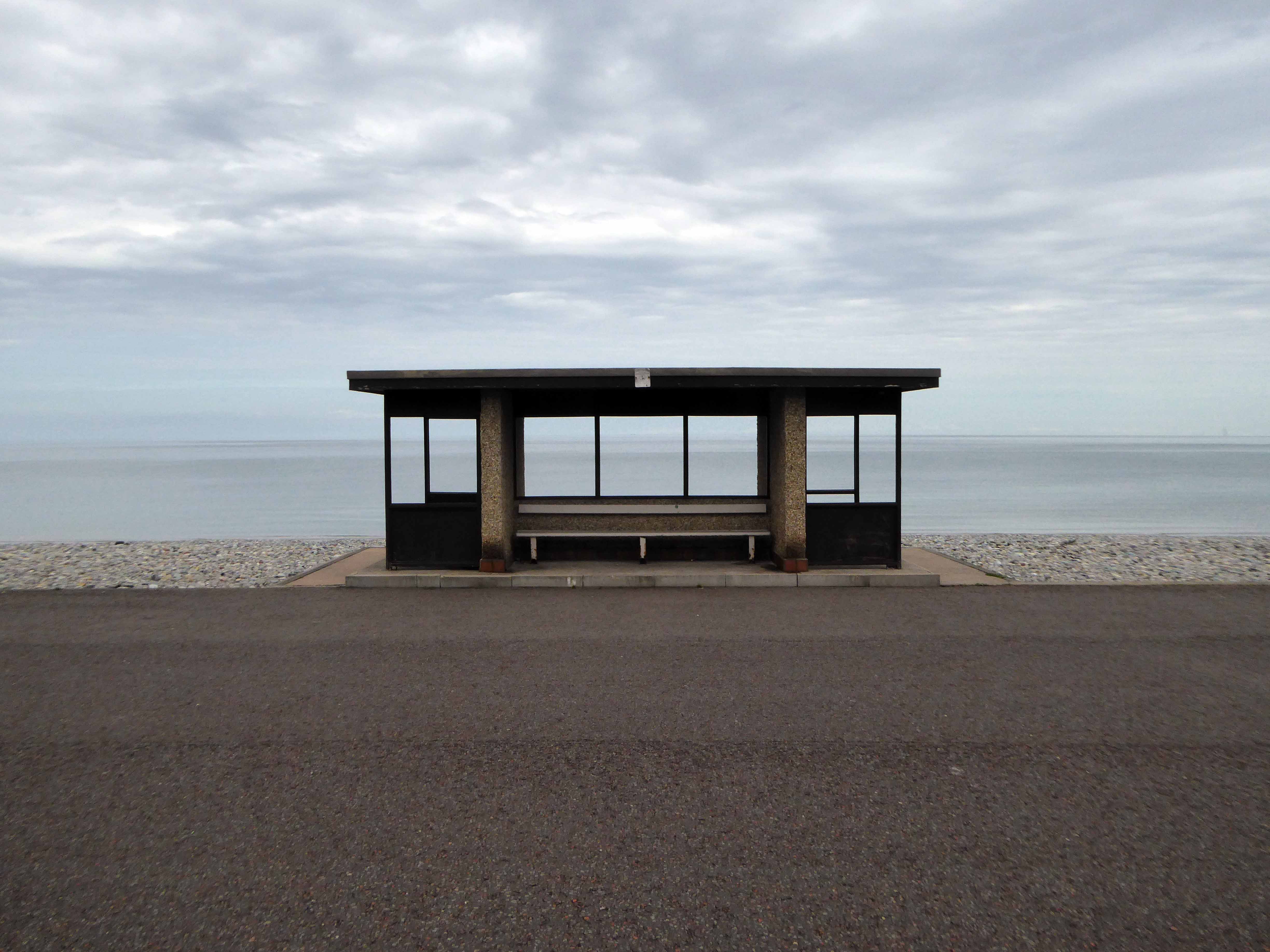
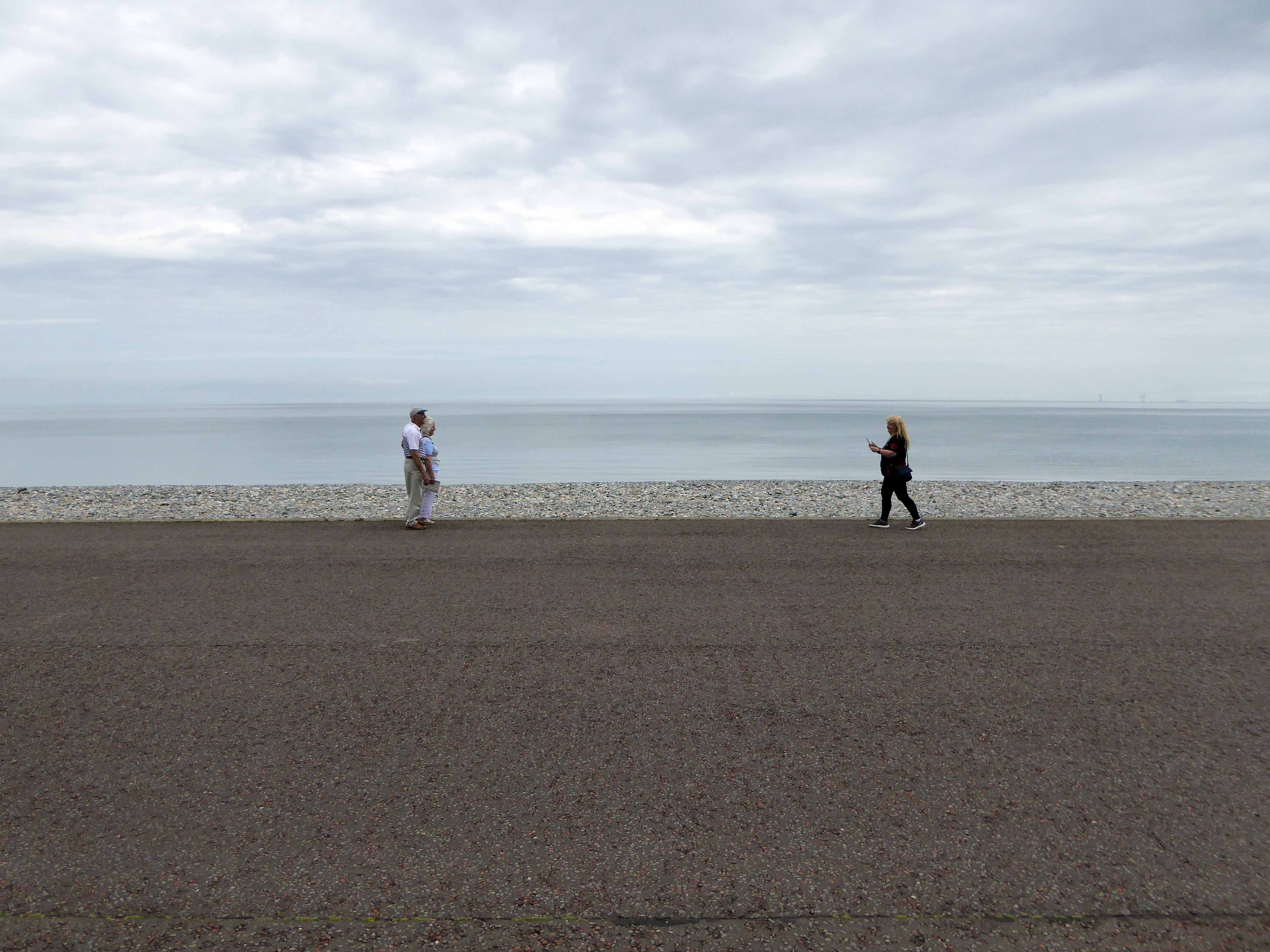
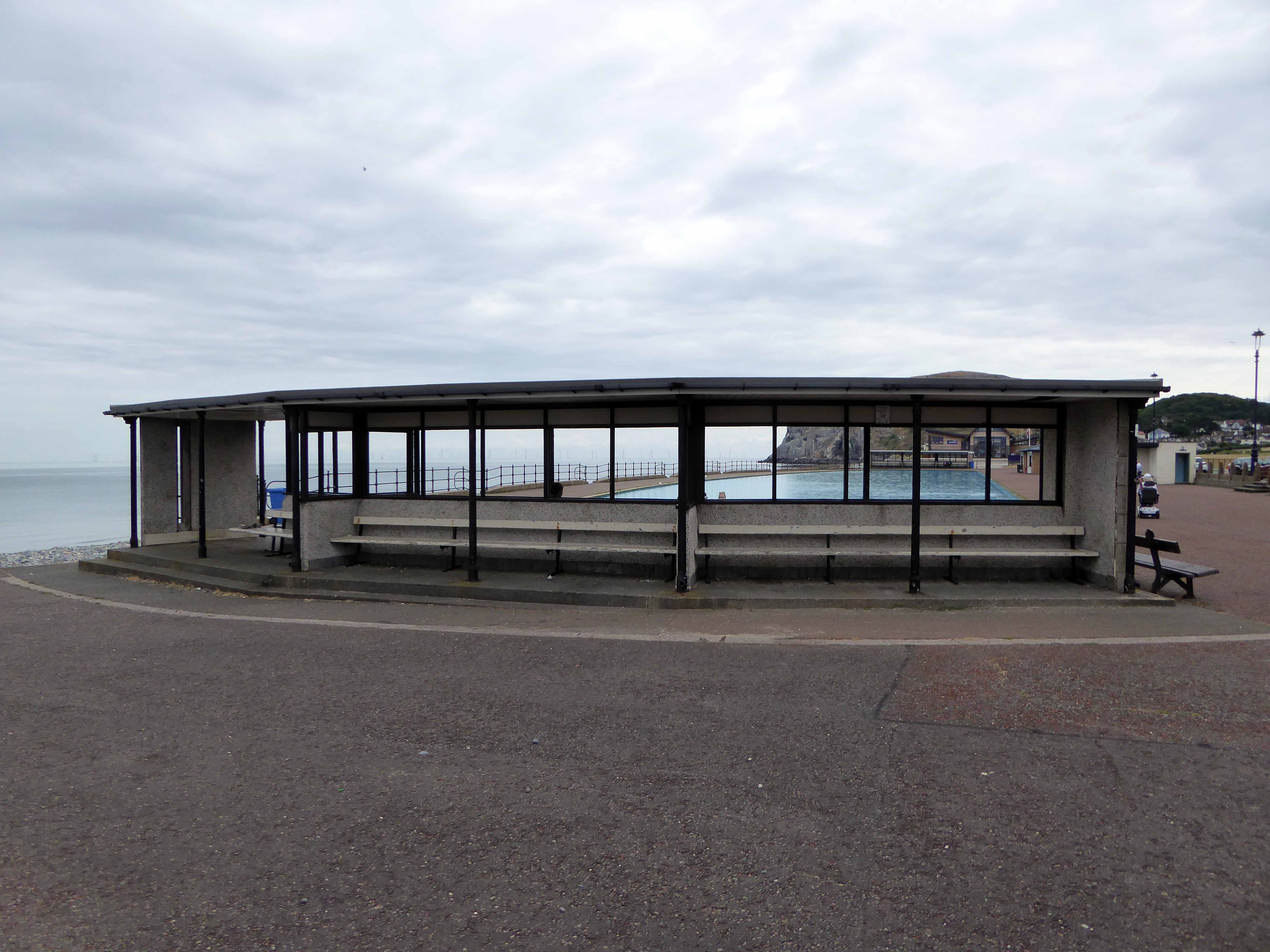
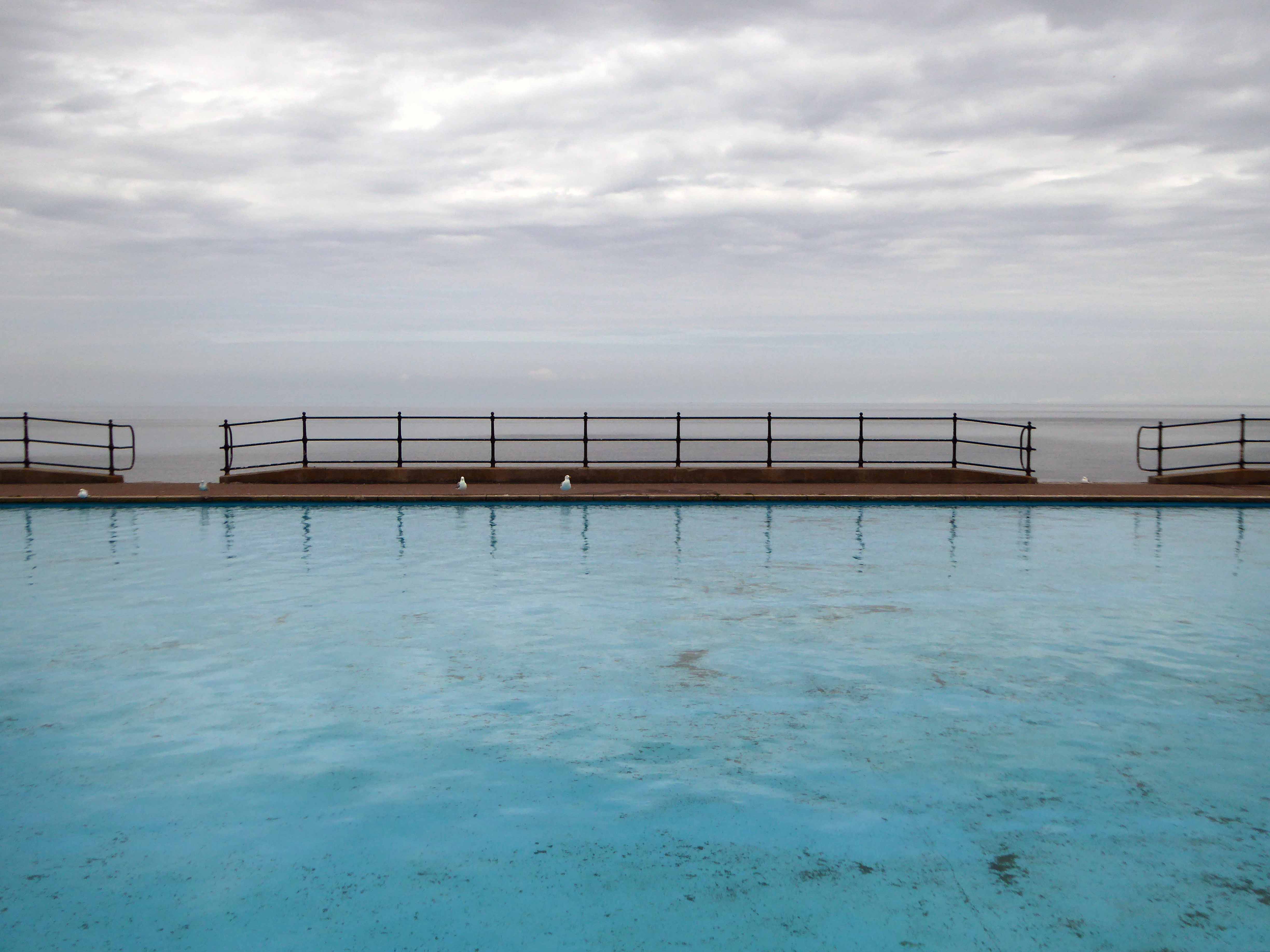
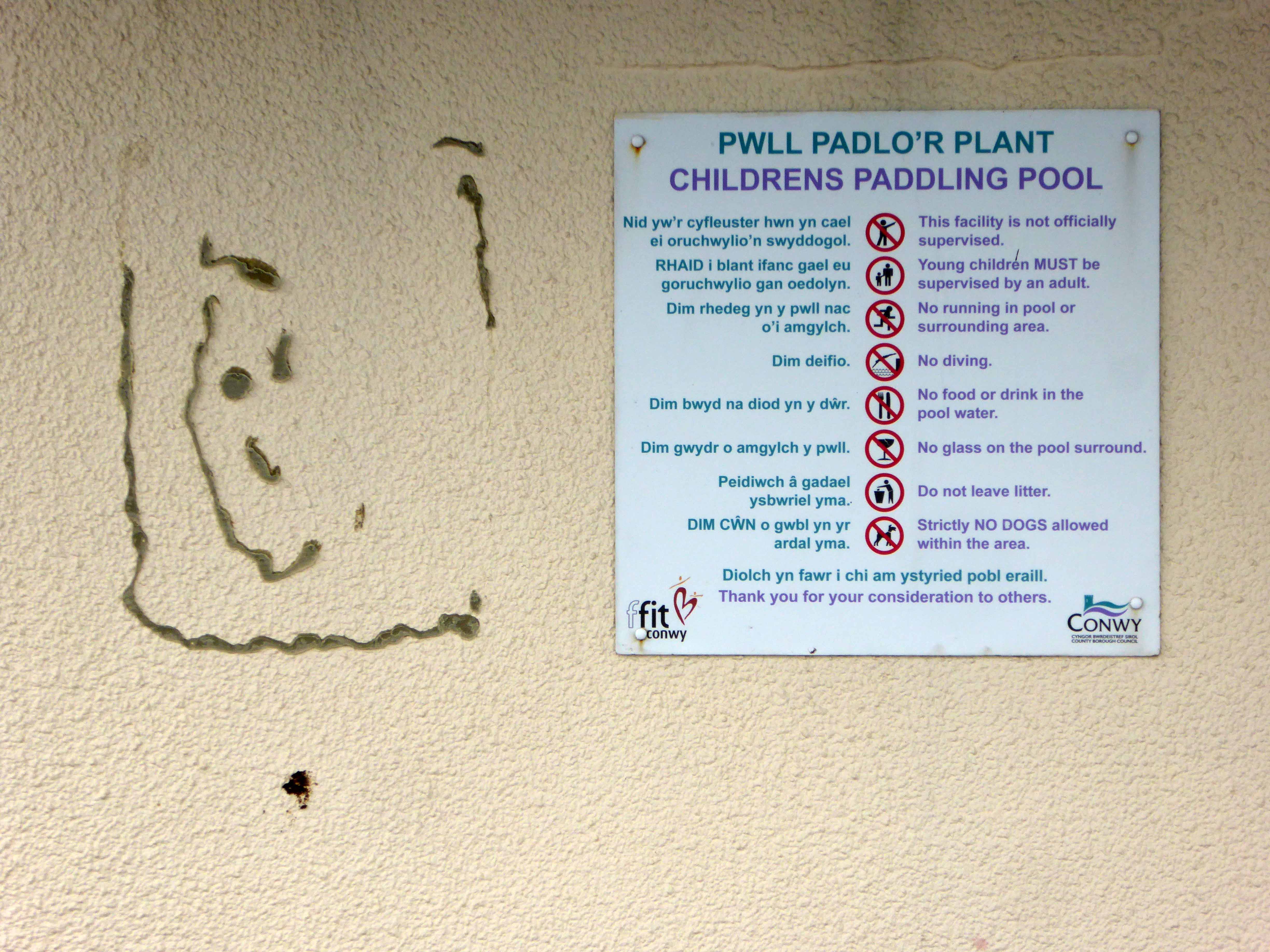
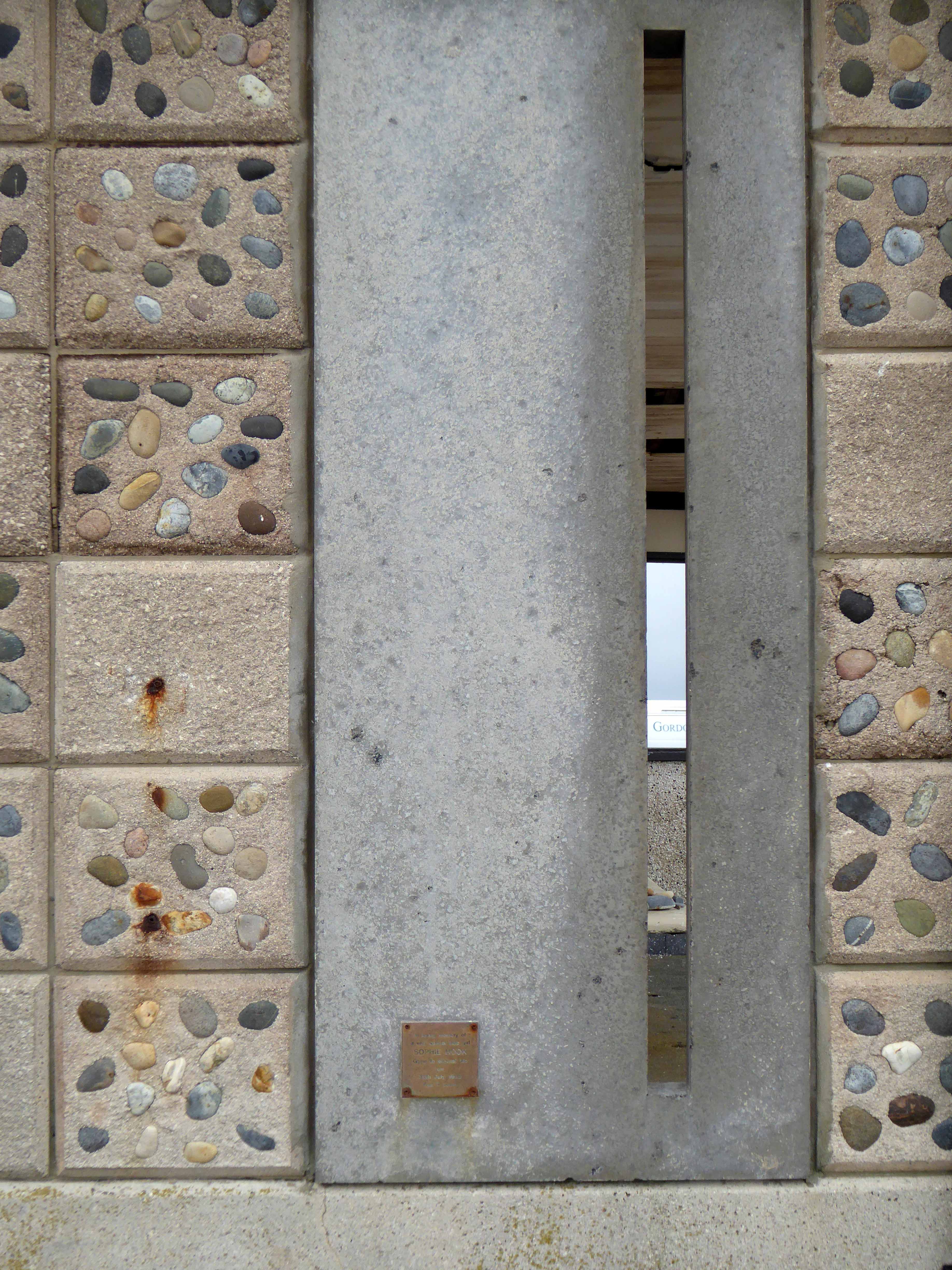
Walk with me now and mark the remarkable shelters, paddling pools and bandstand screens, along with the smattering of people that people the promenade.
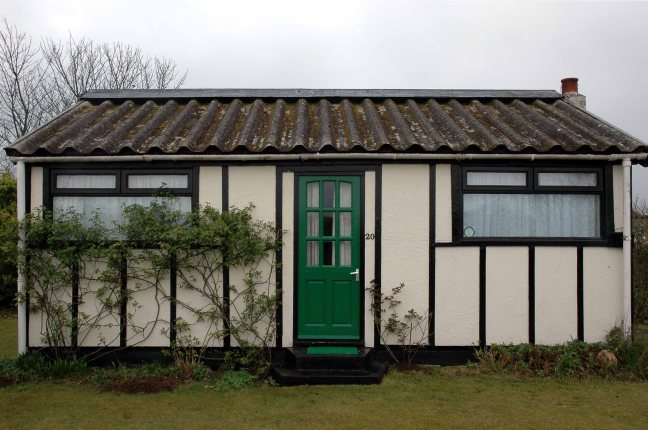
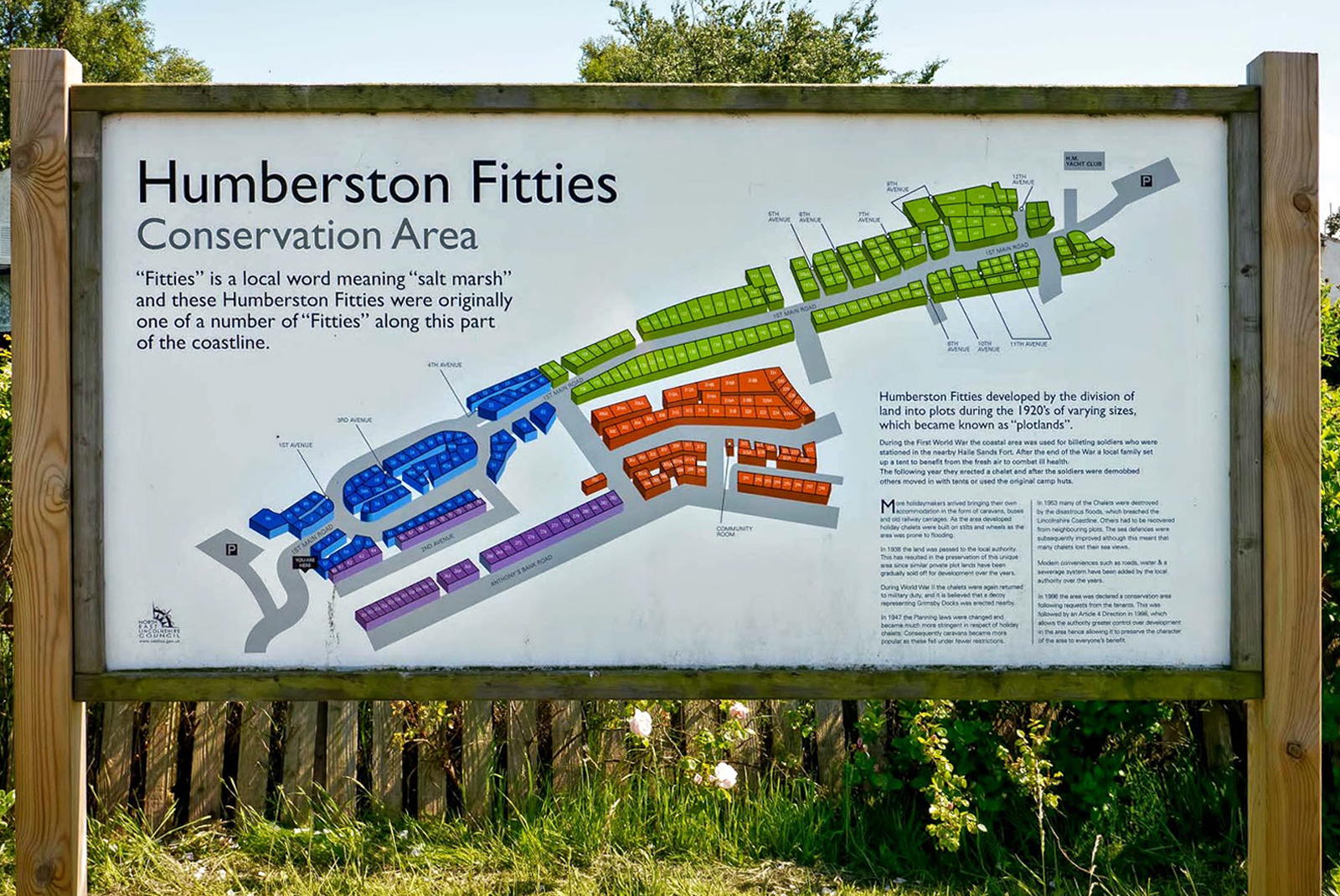
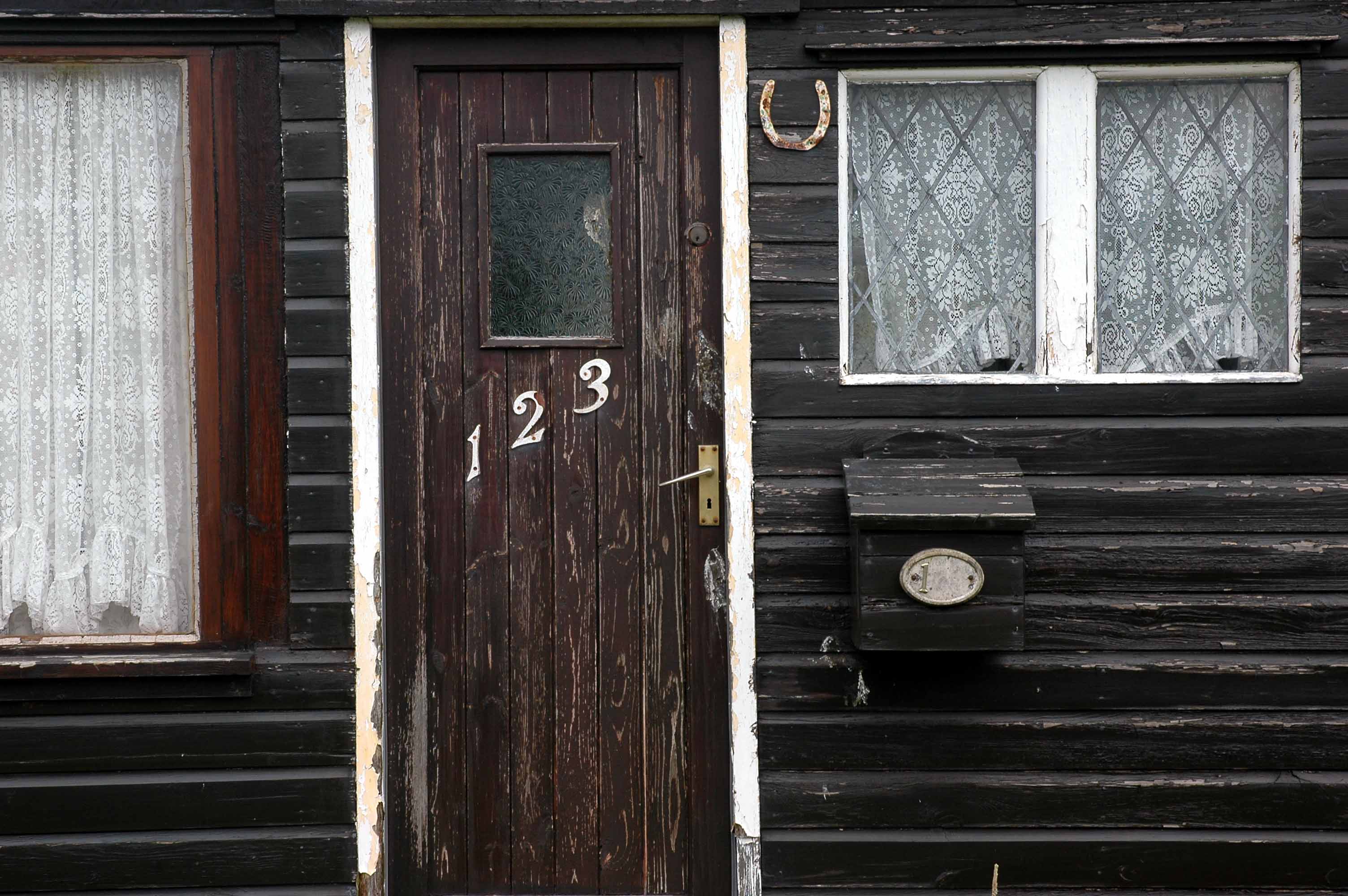
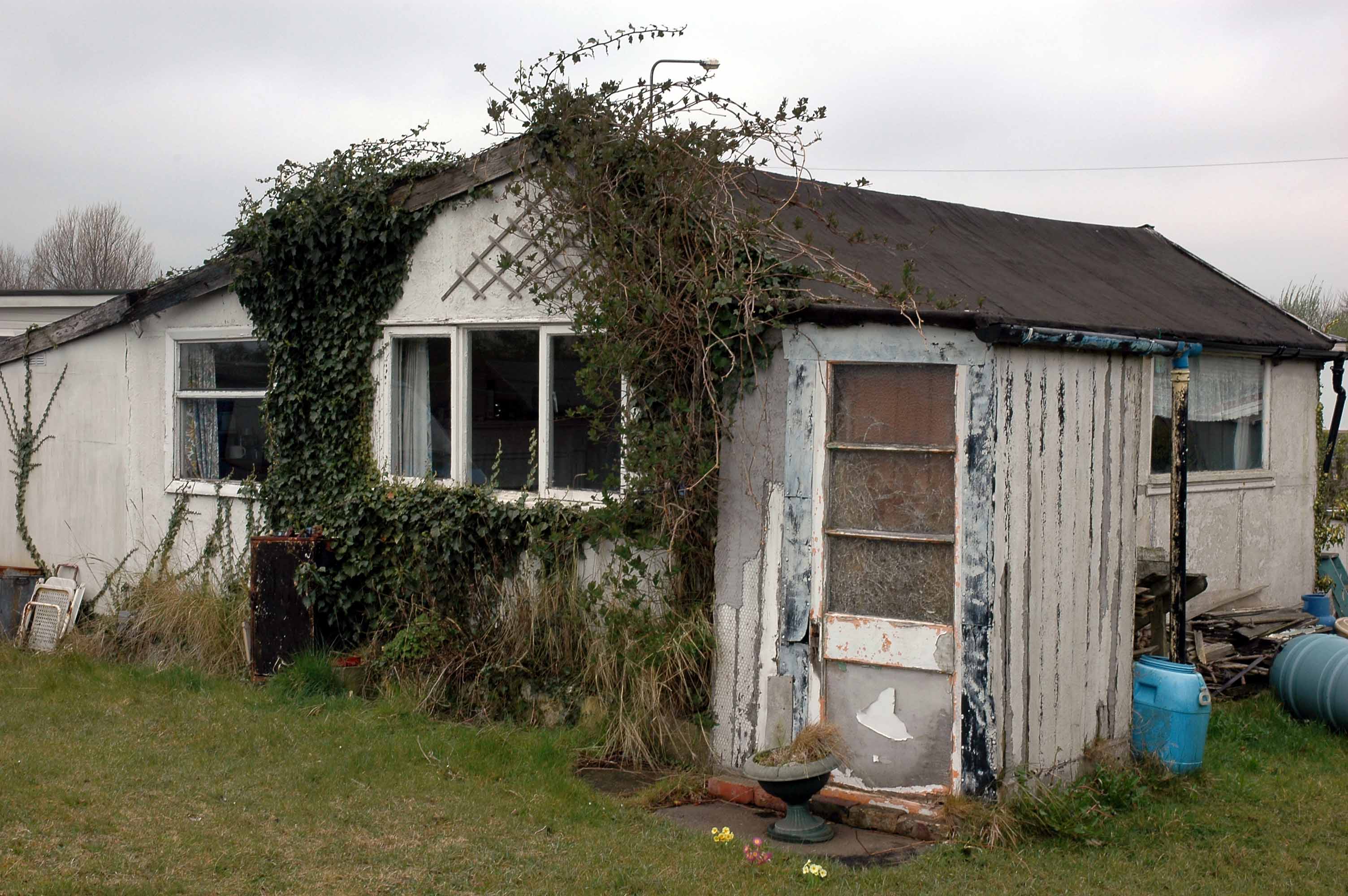
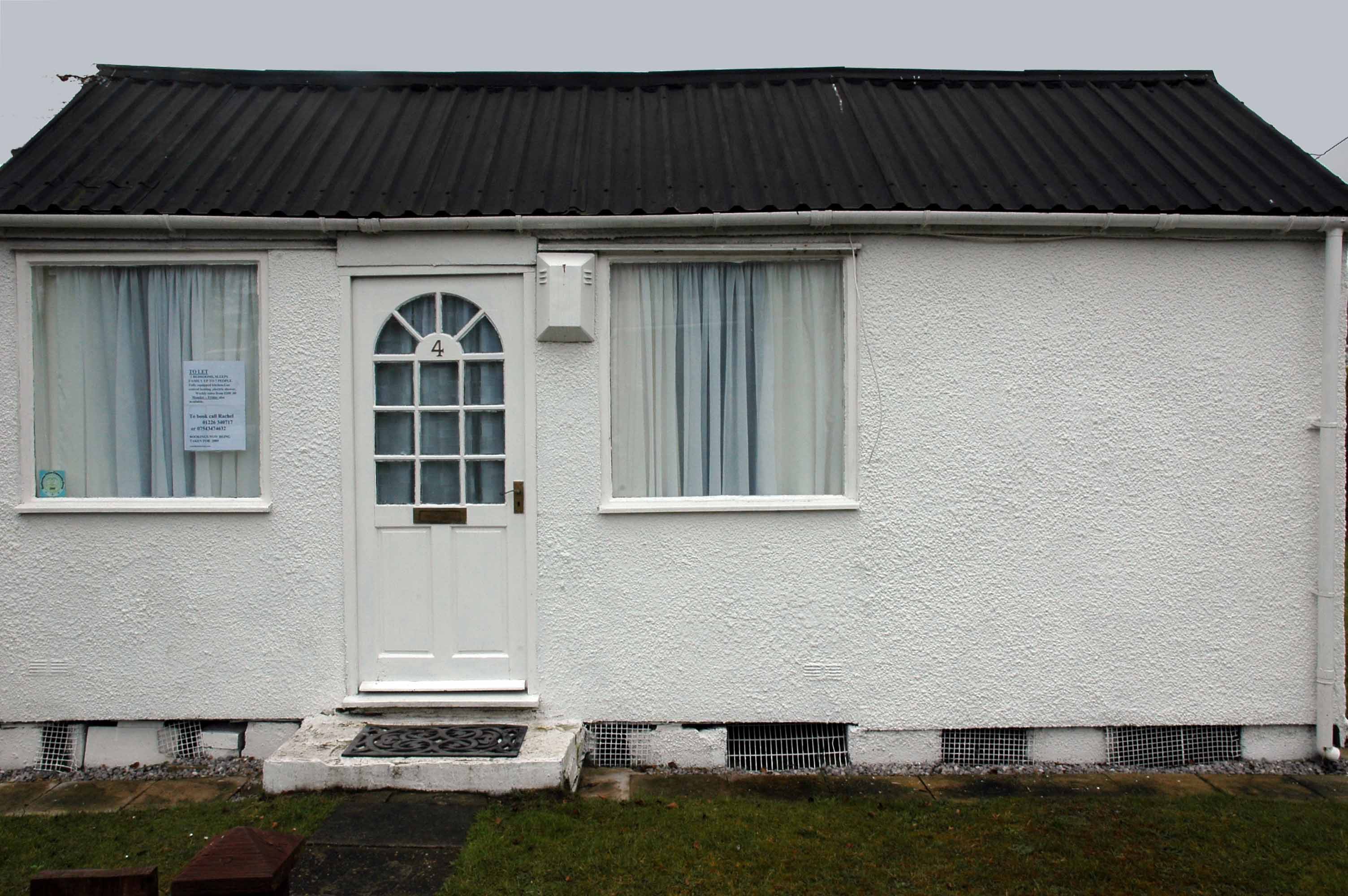
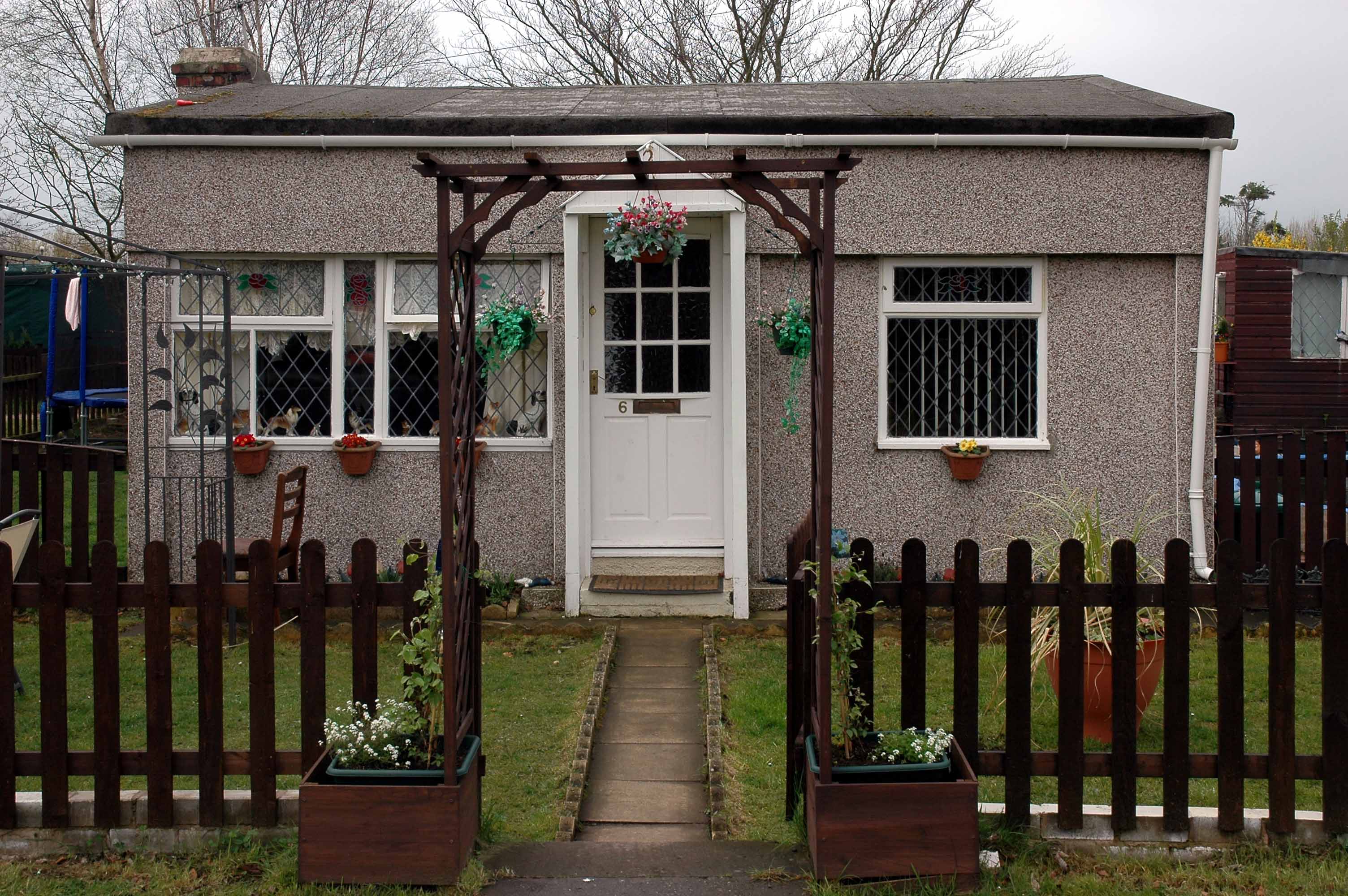
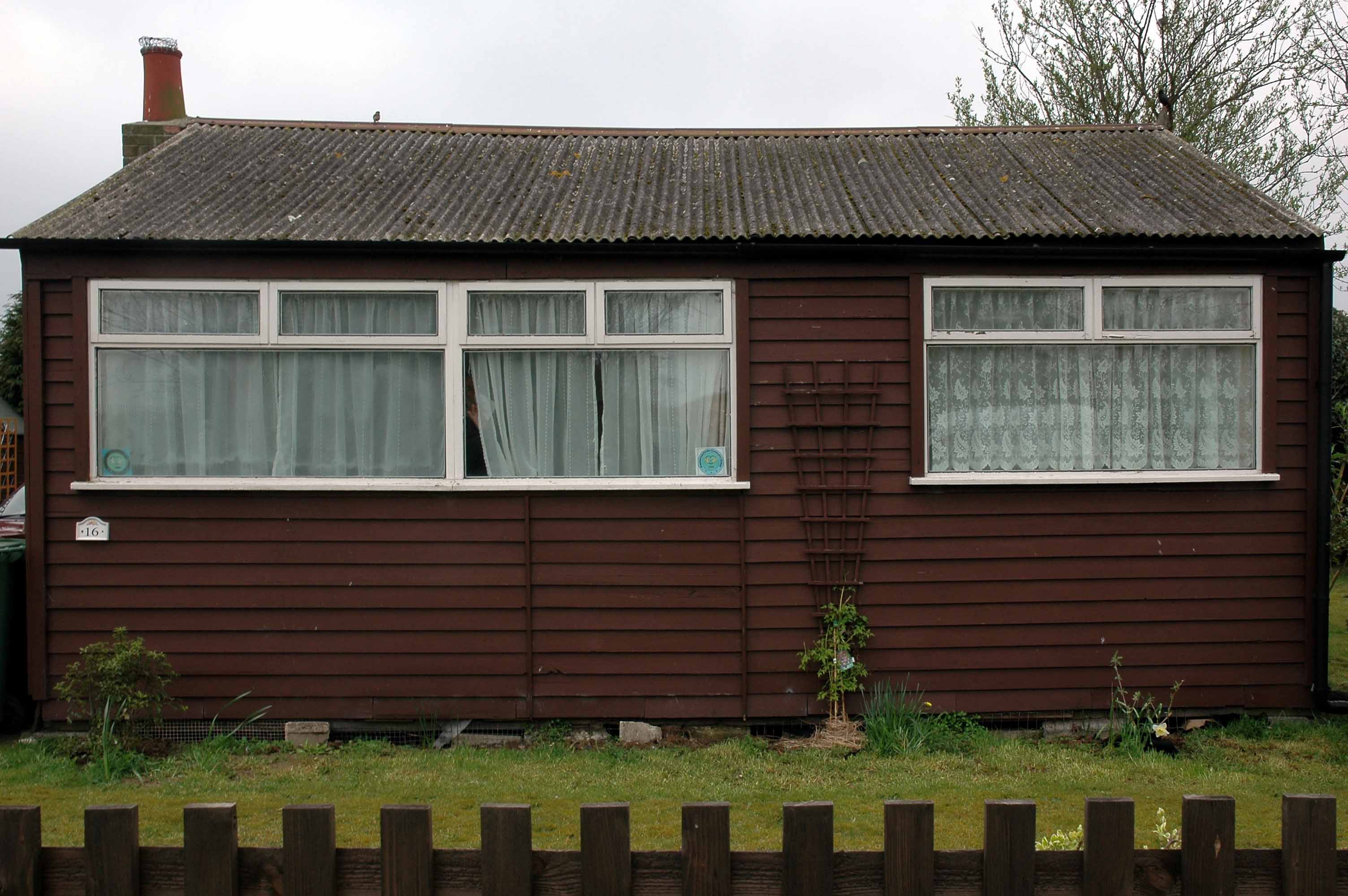
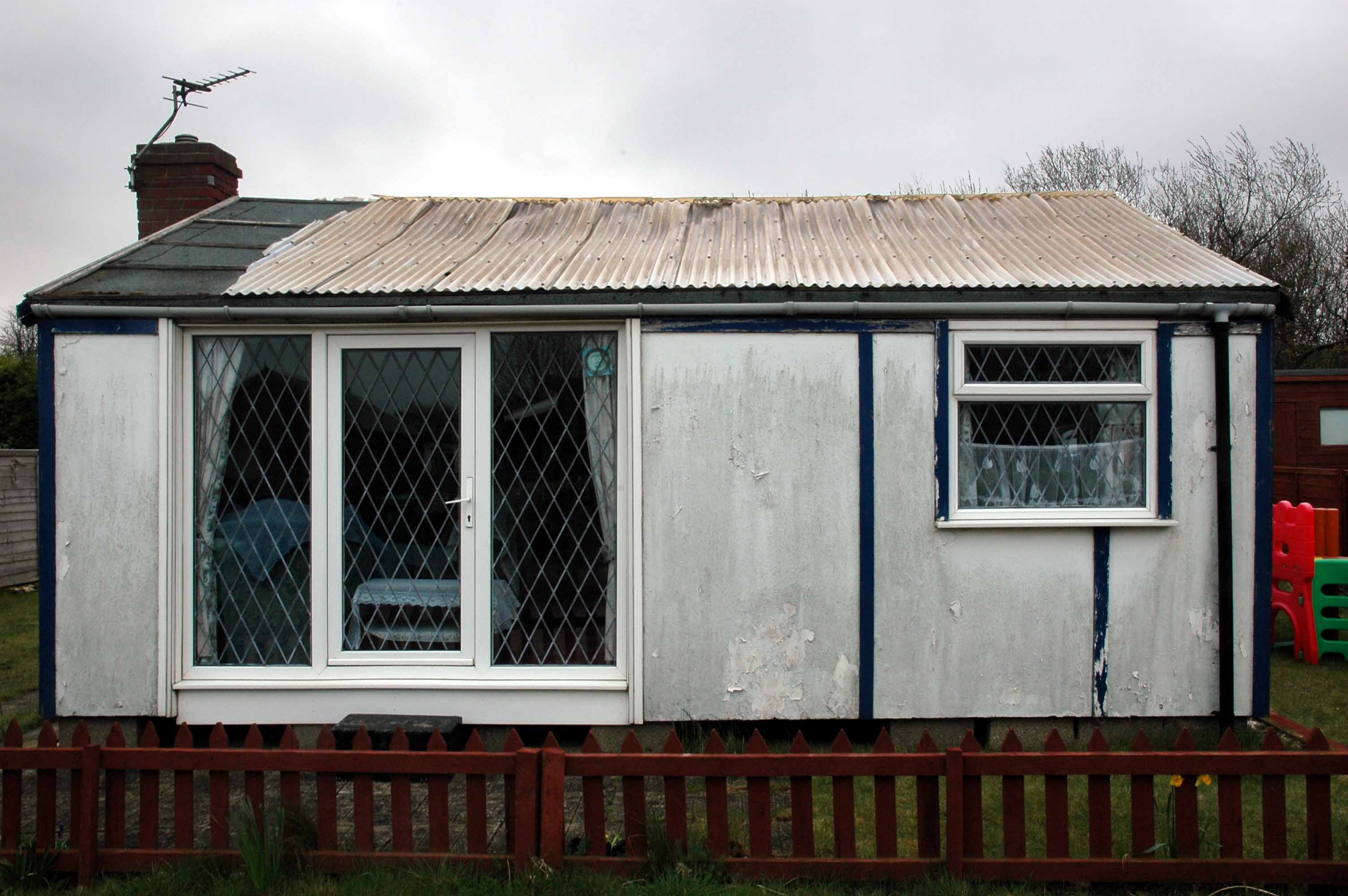
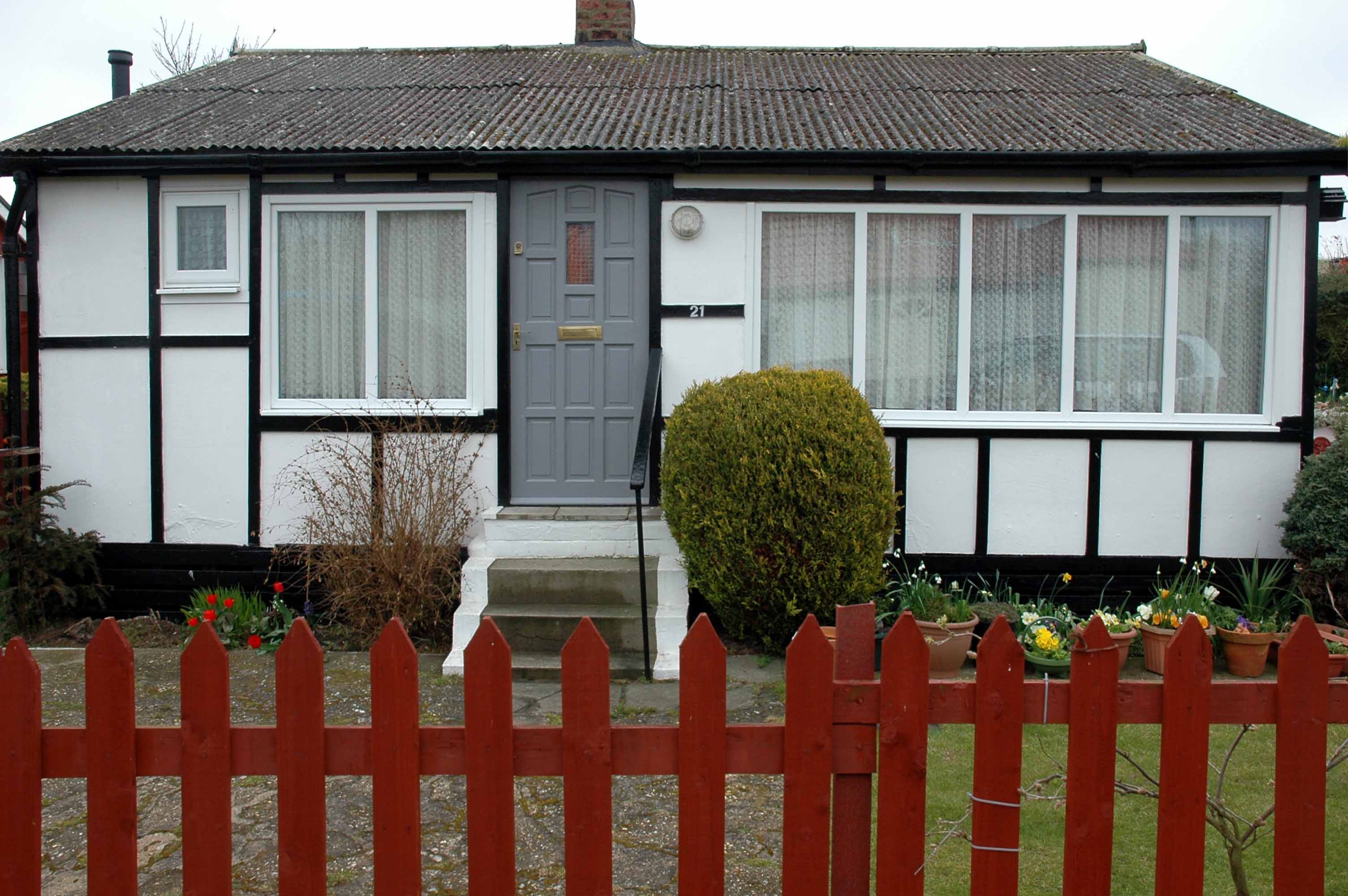
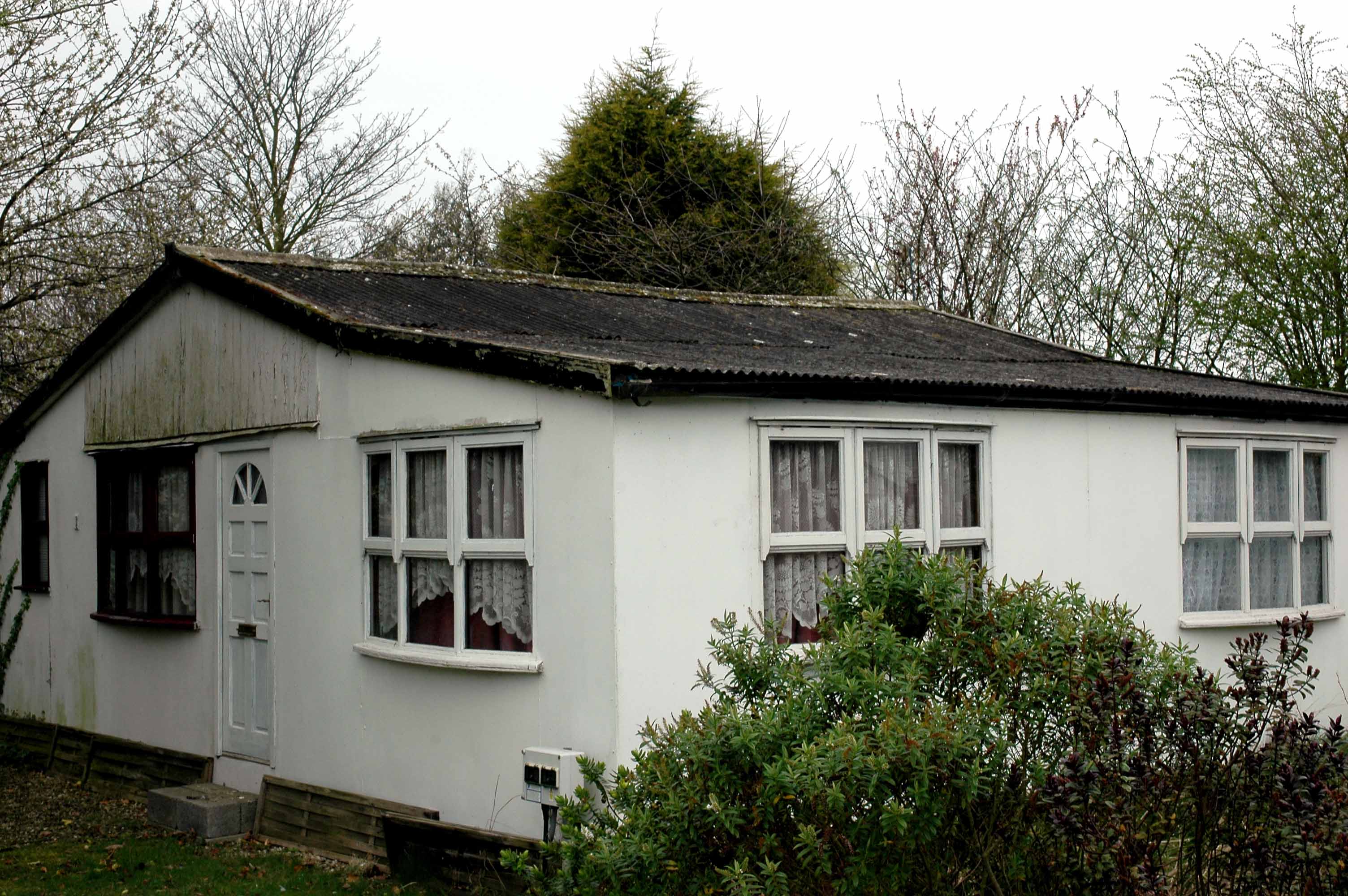
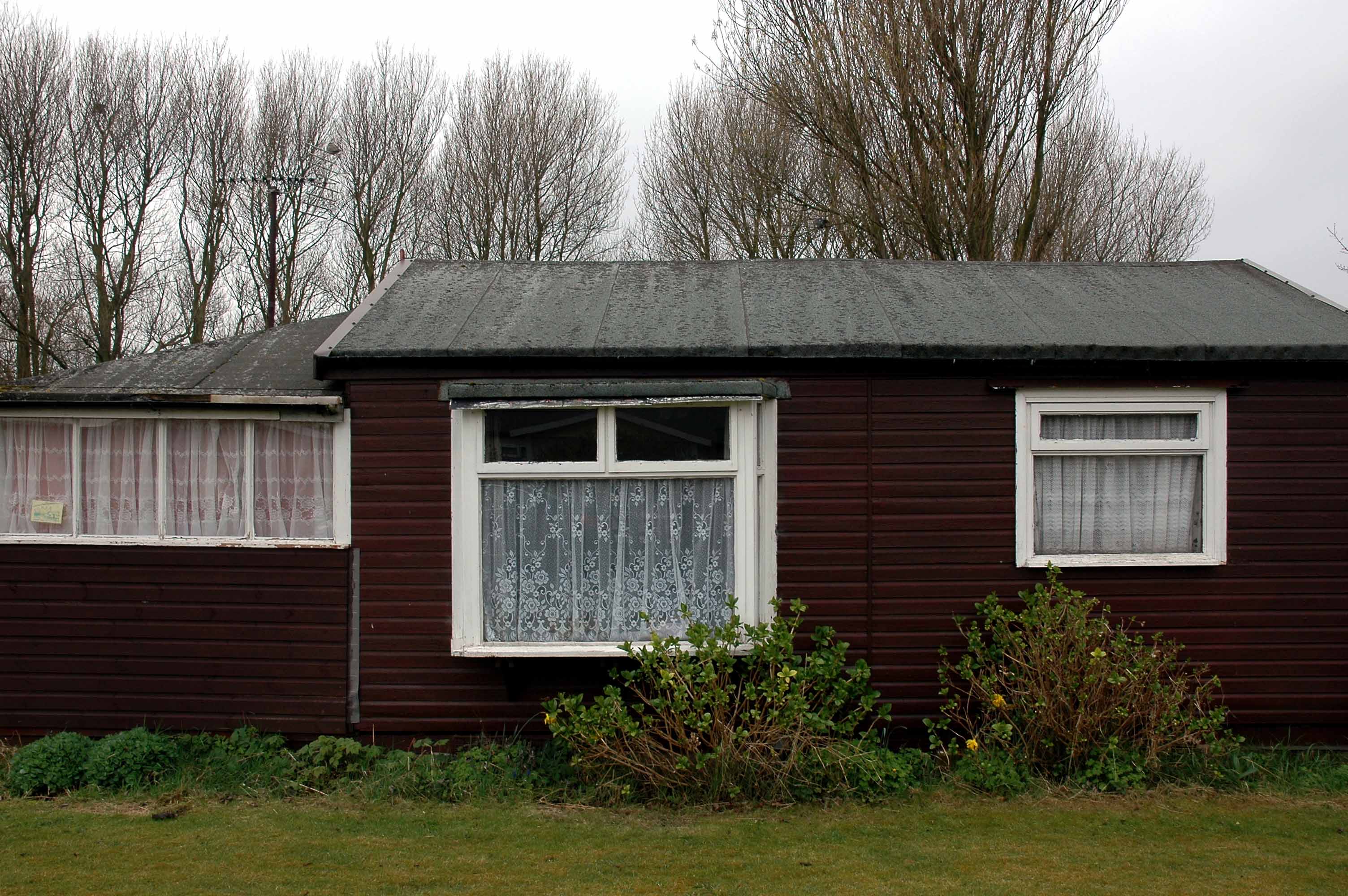
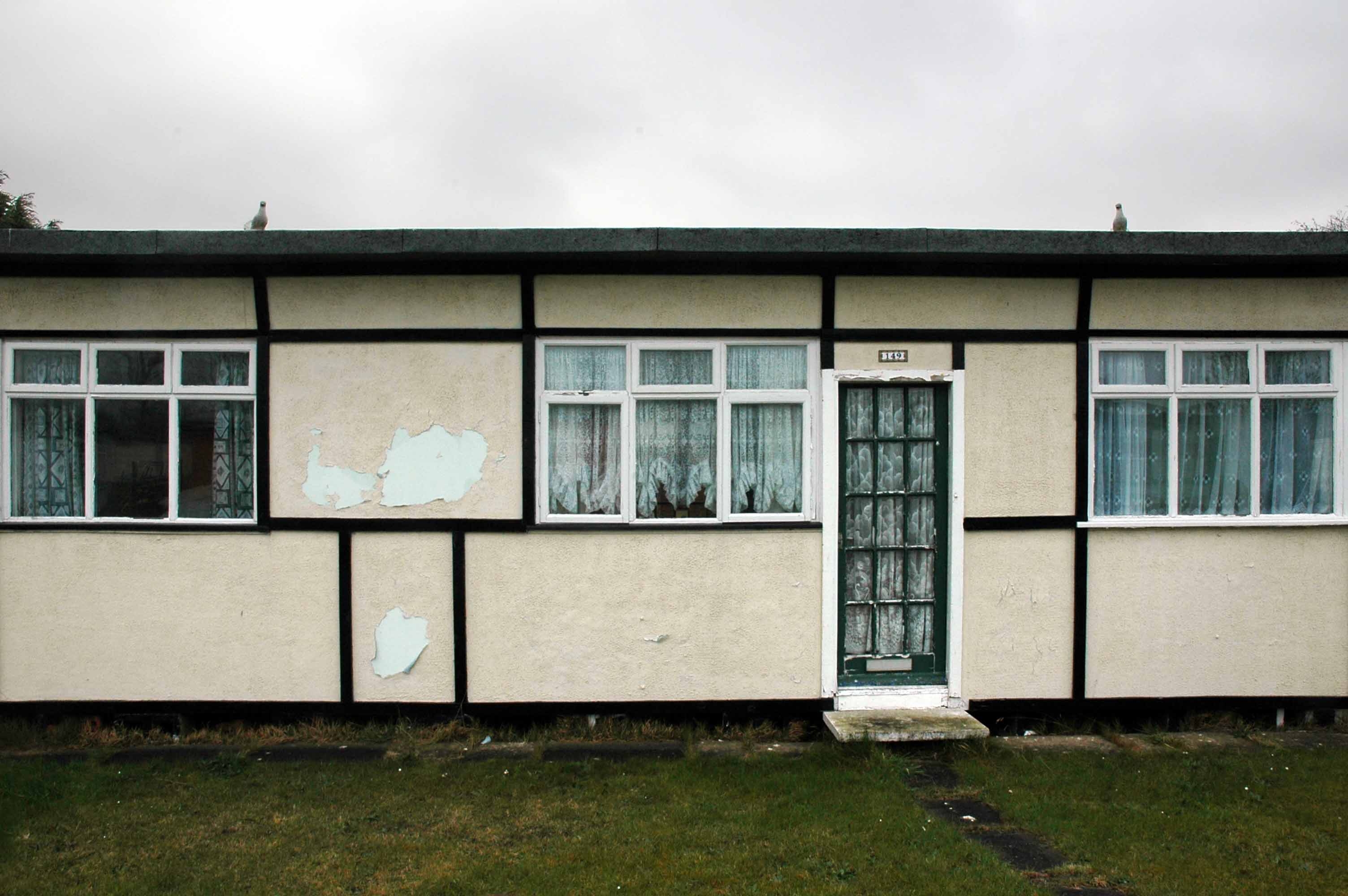
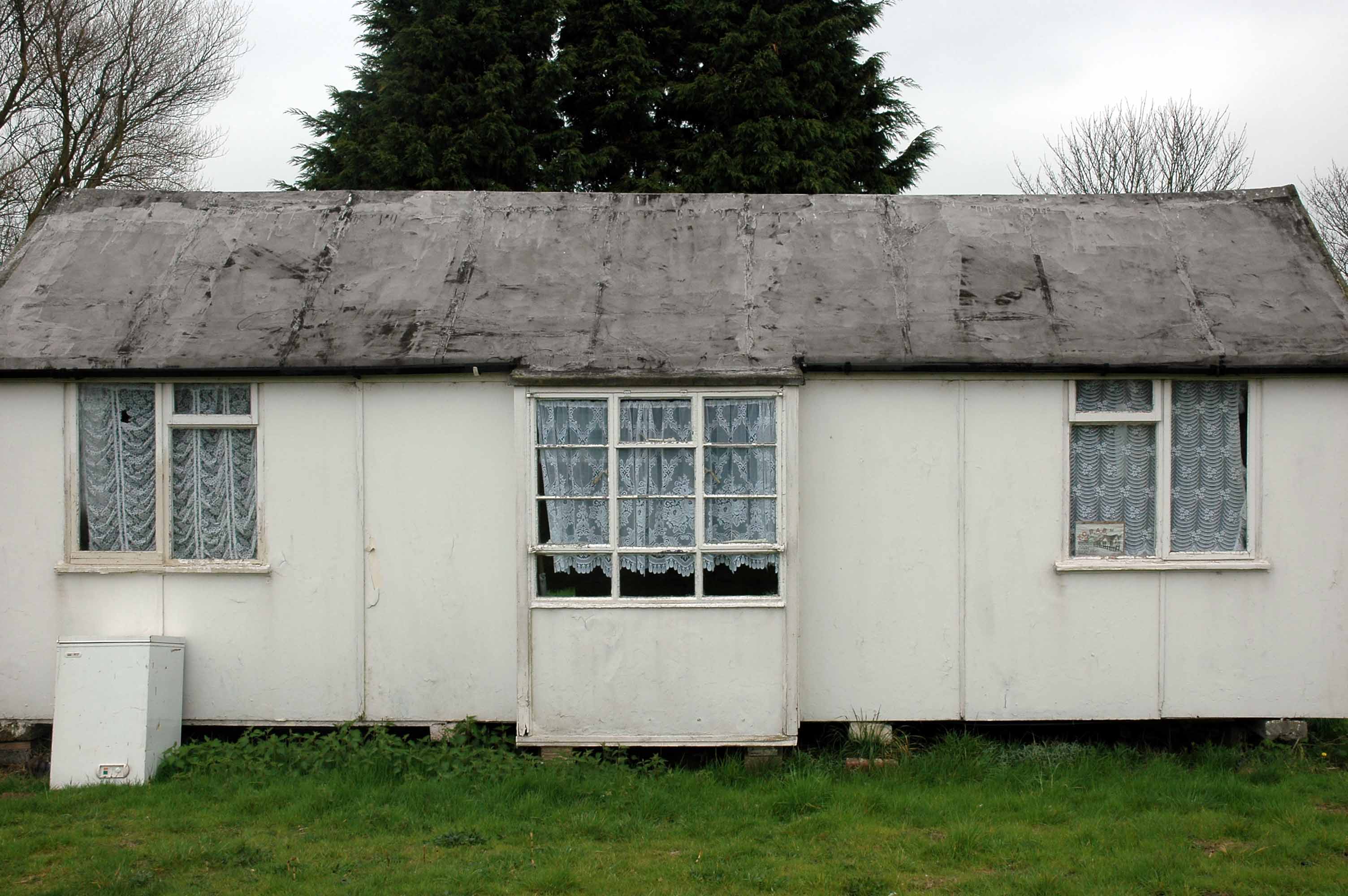
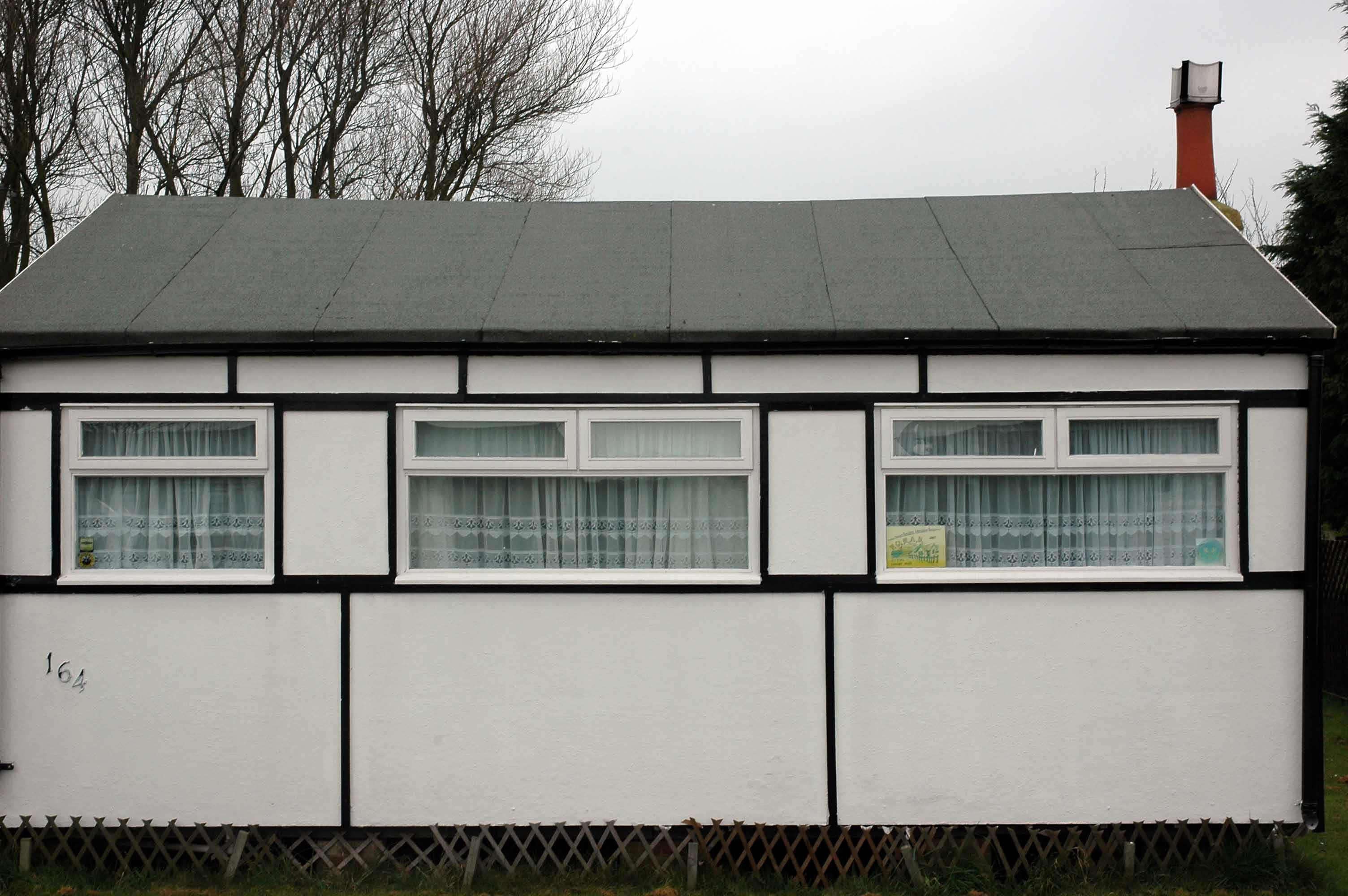
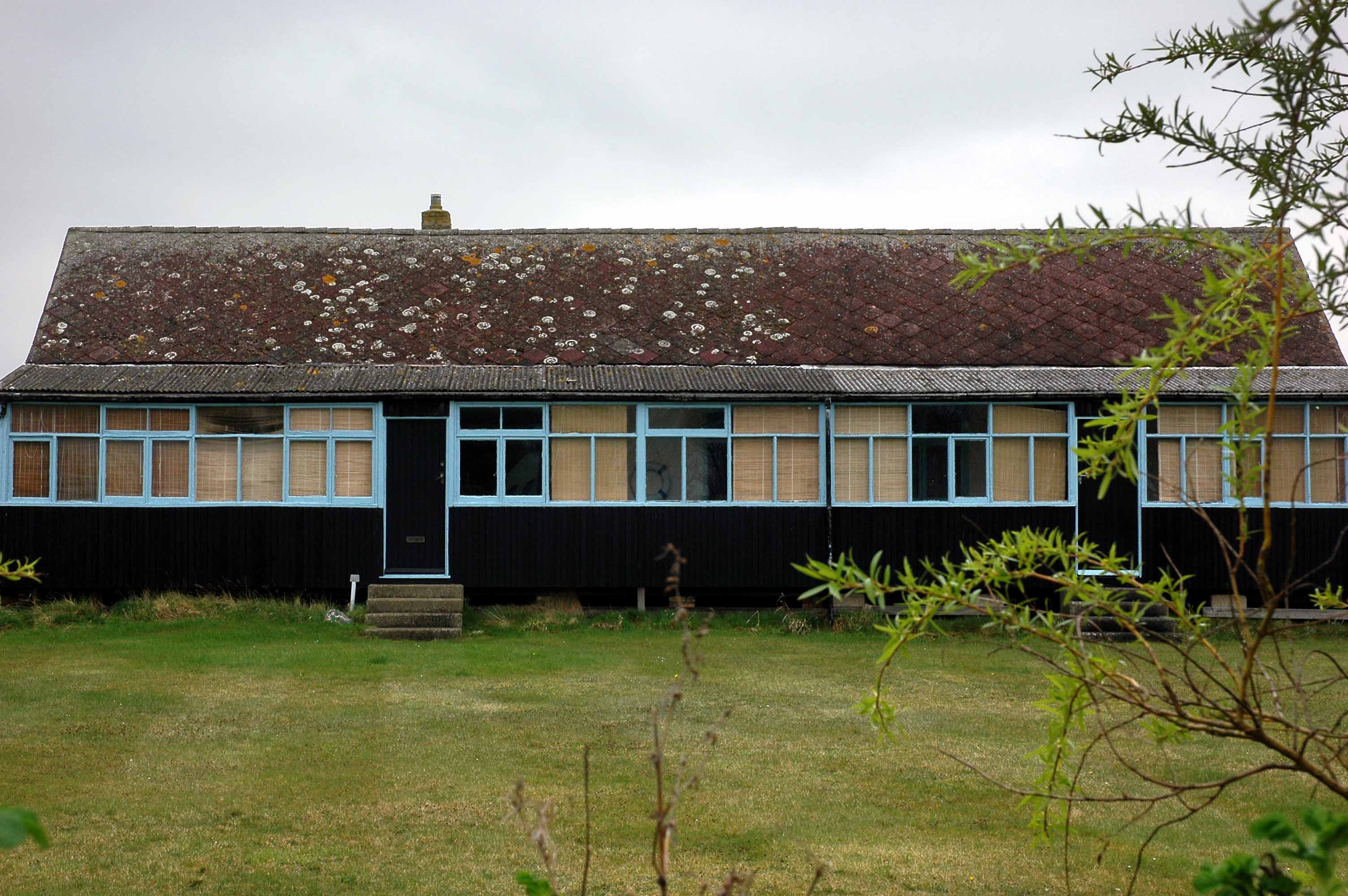
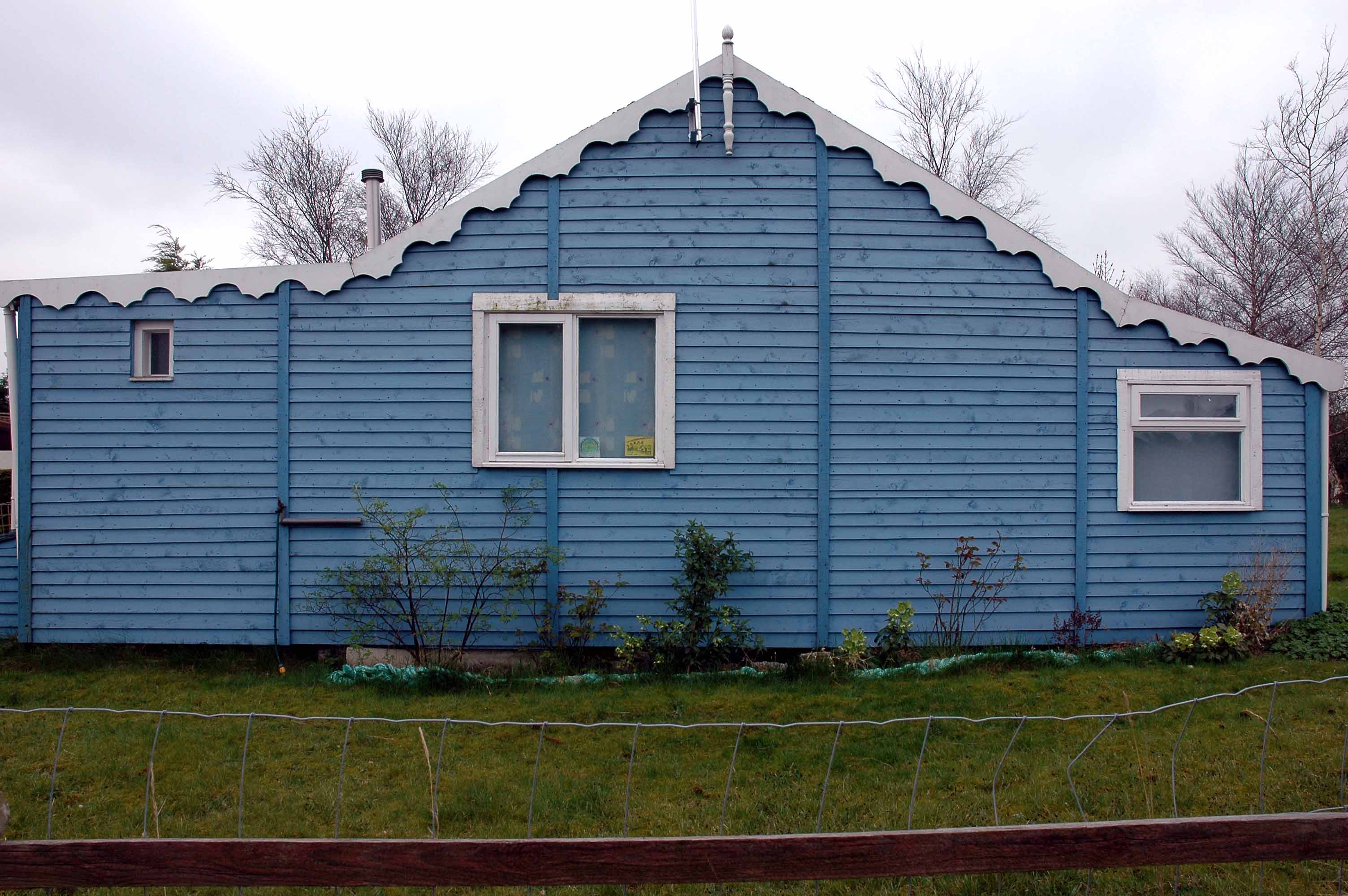
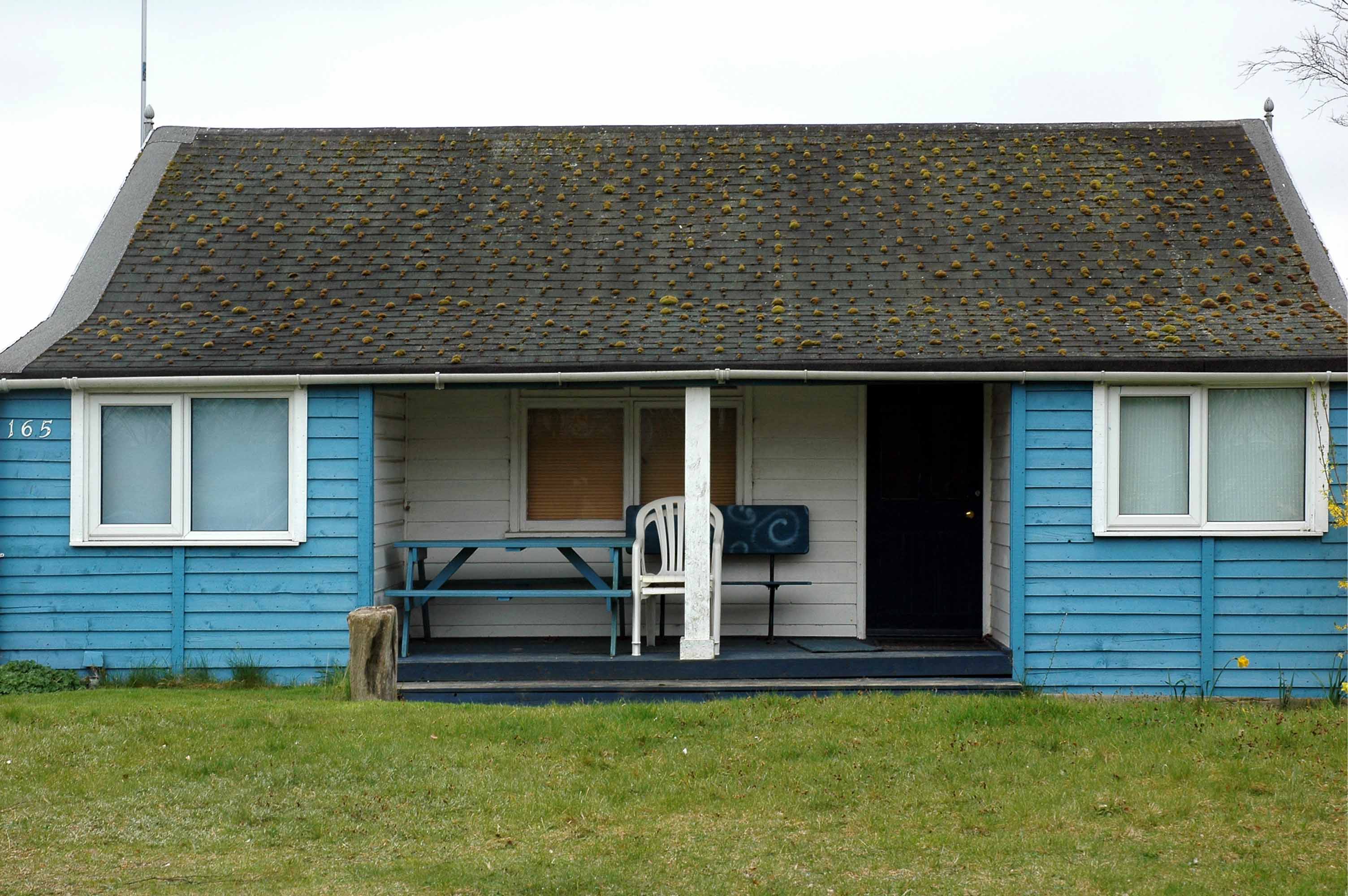
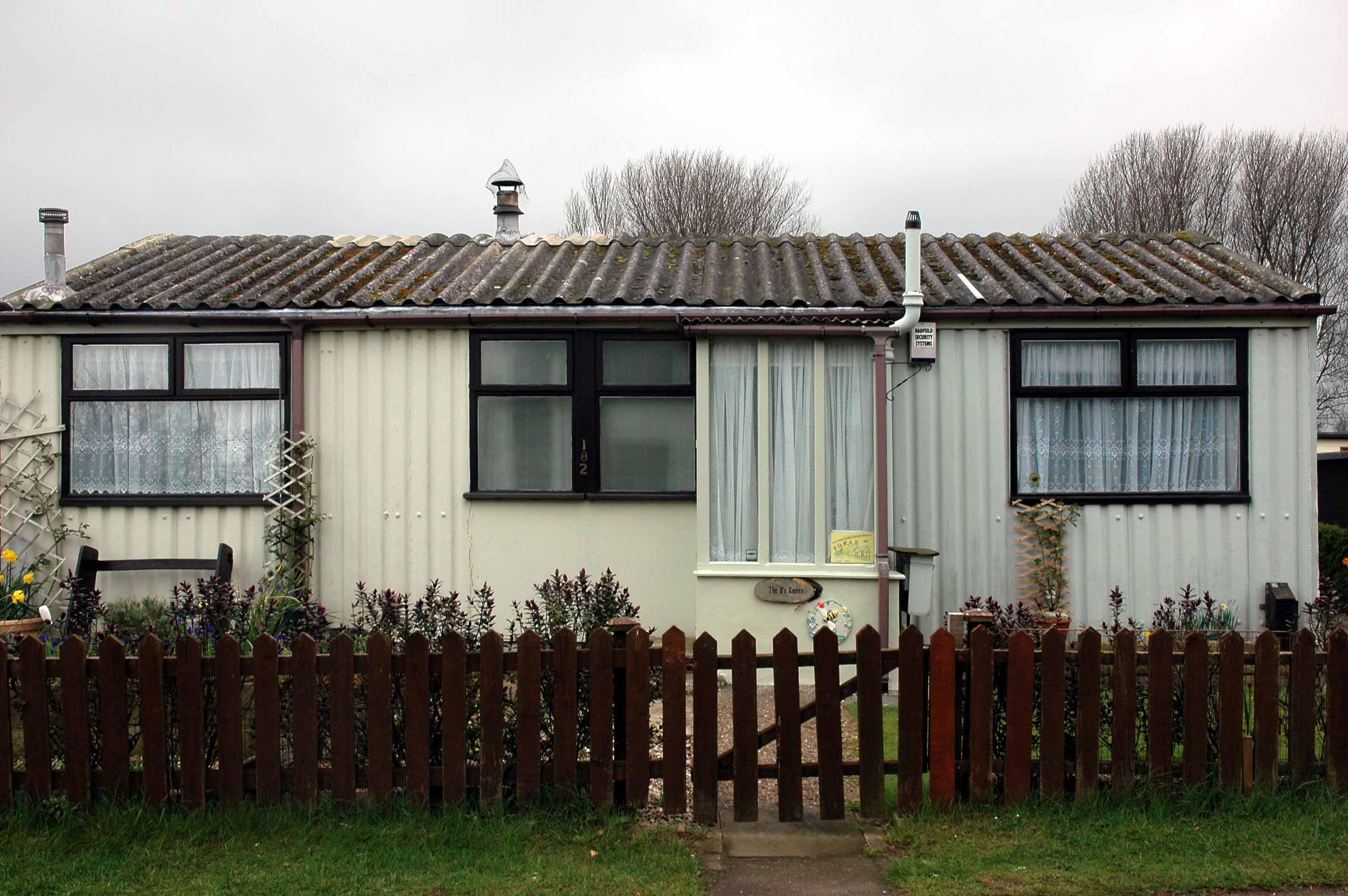
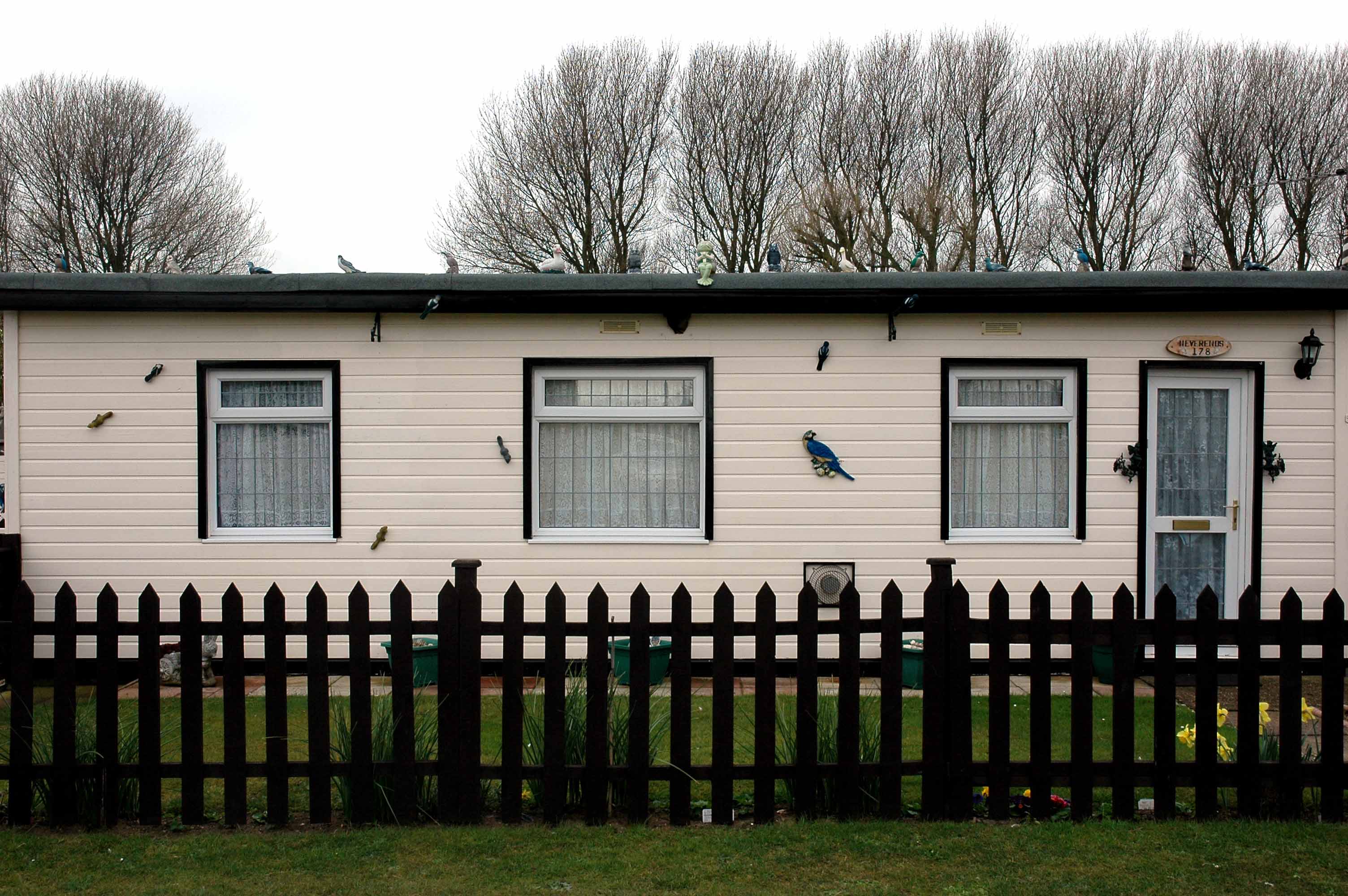
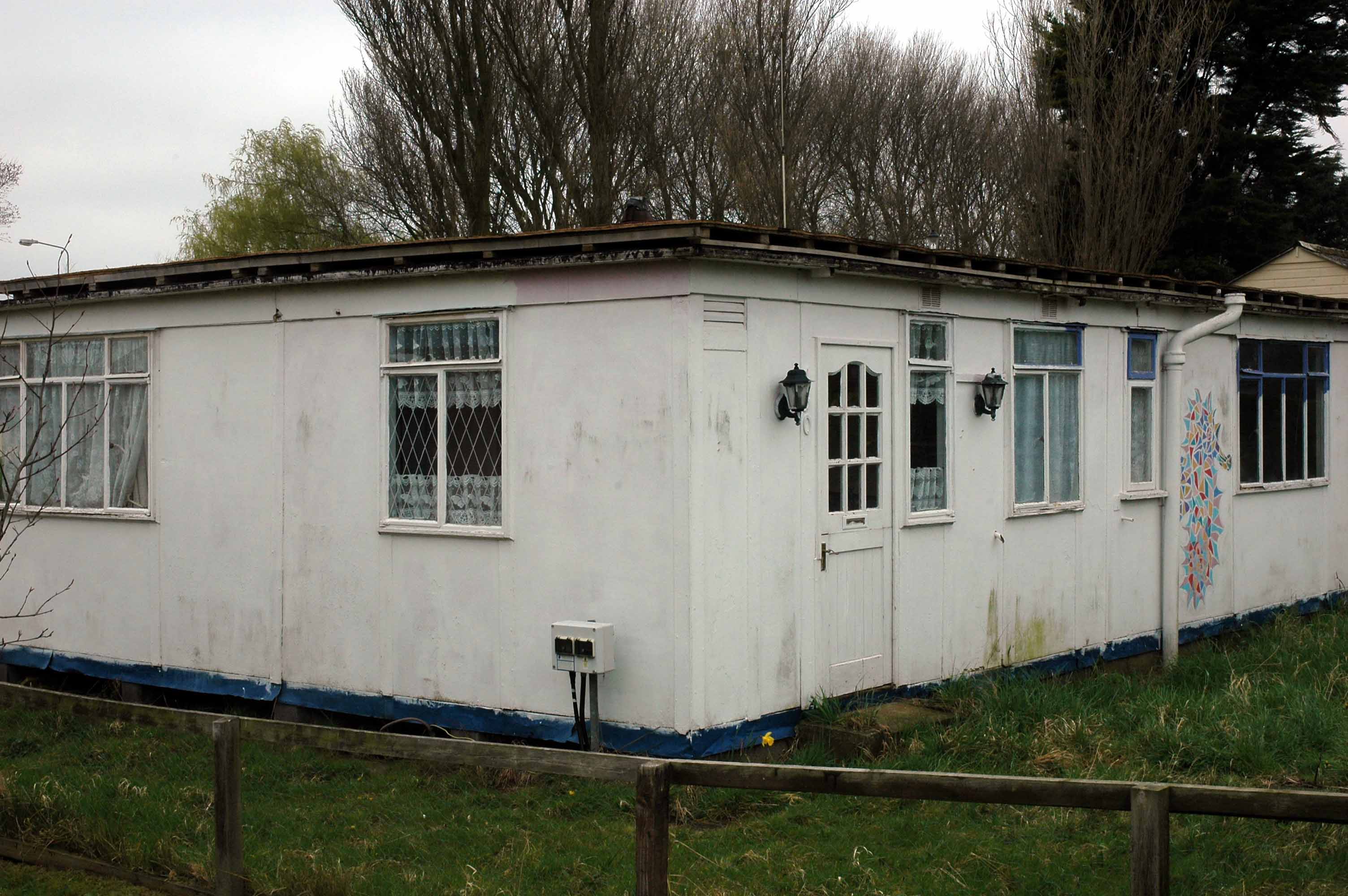
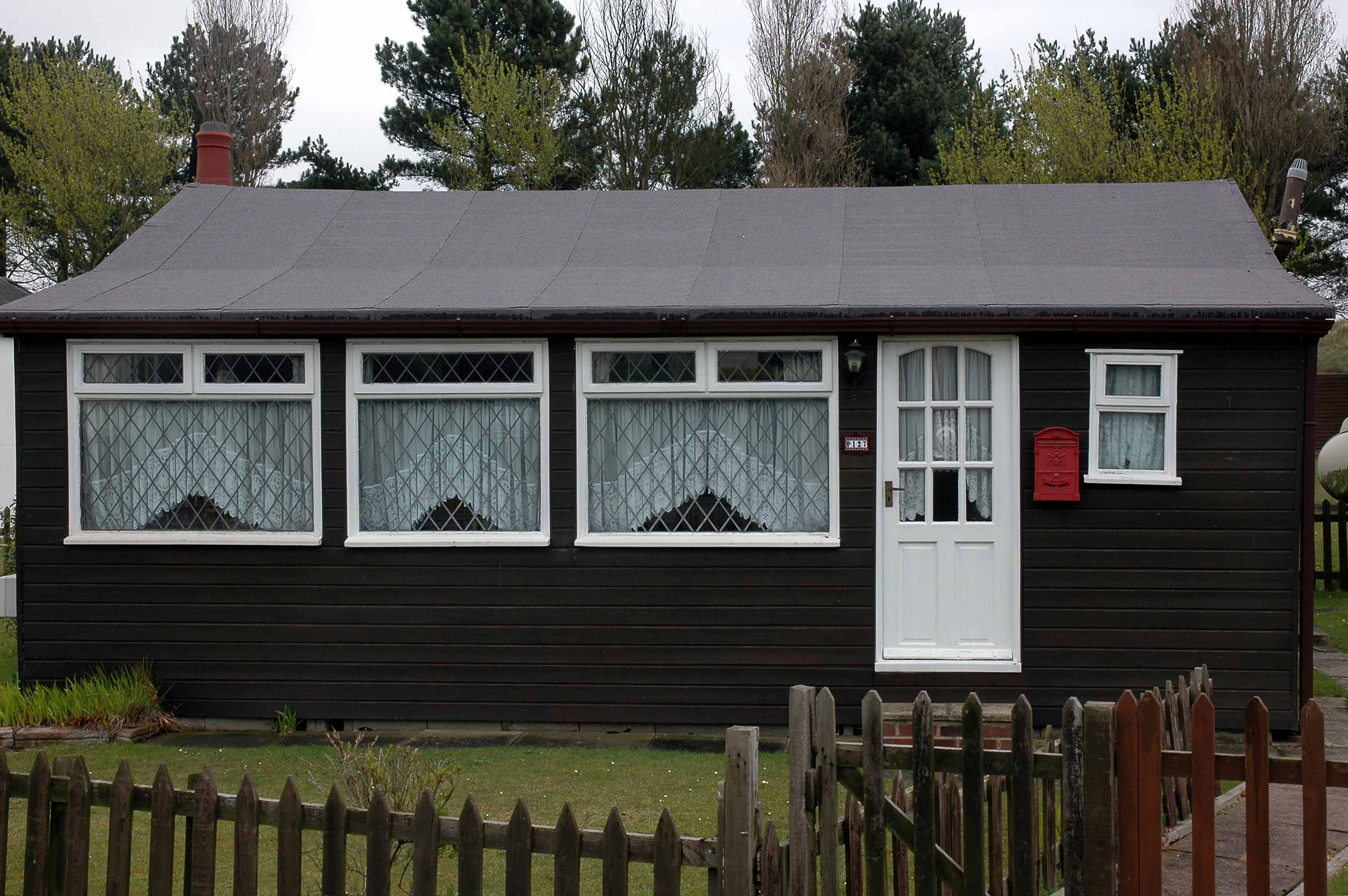
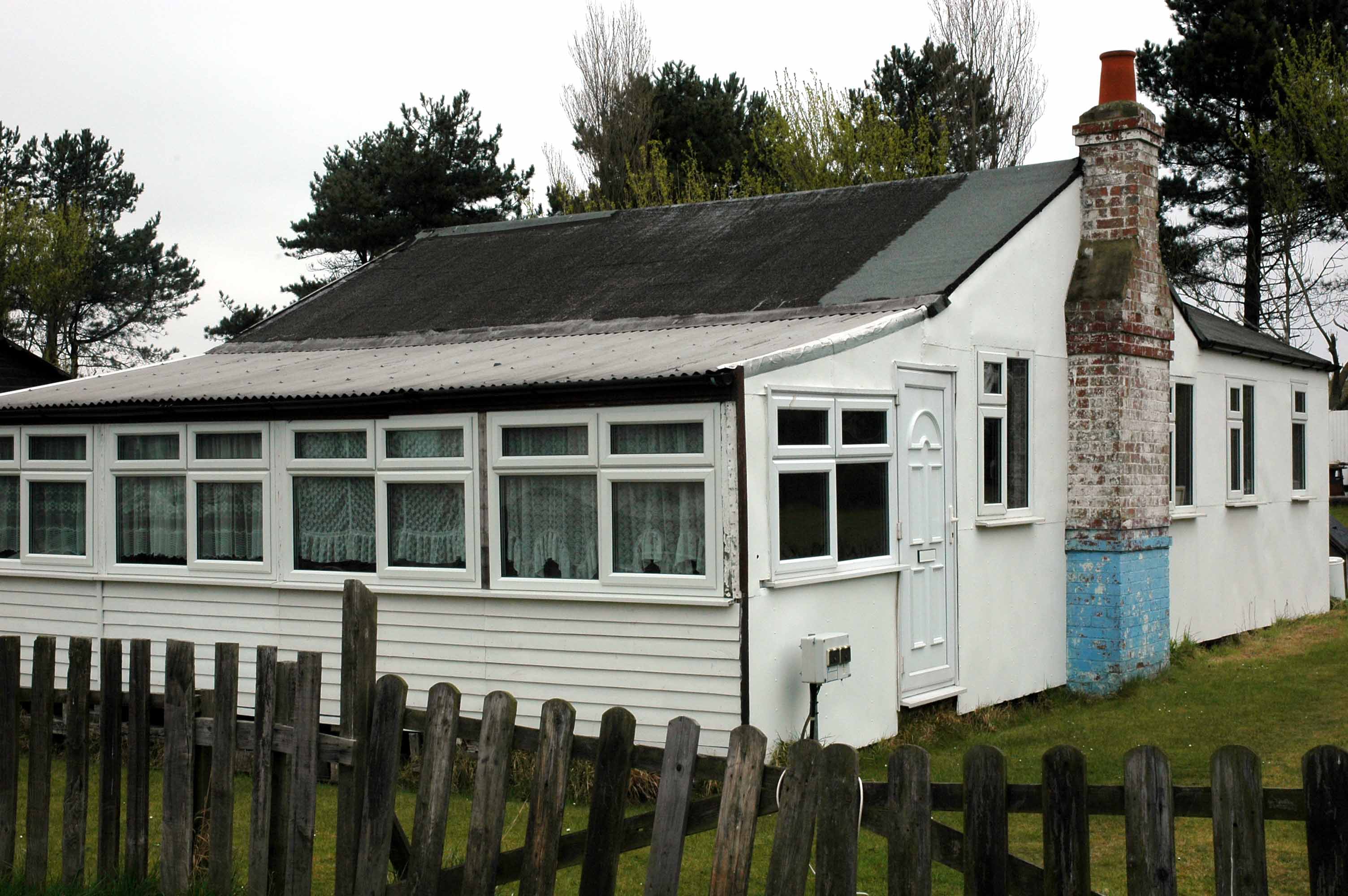
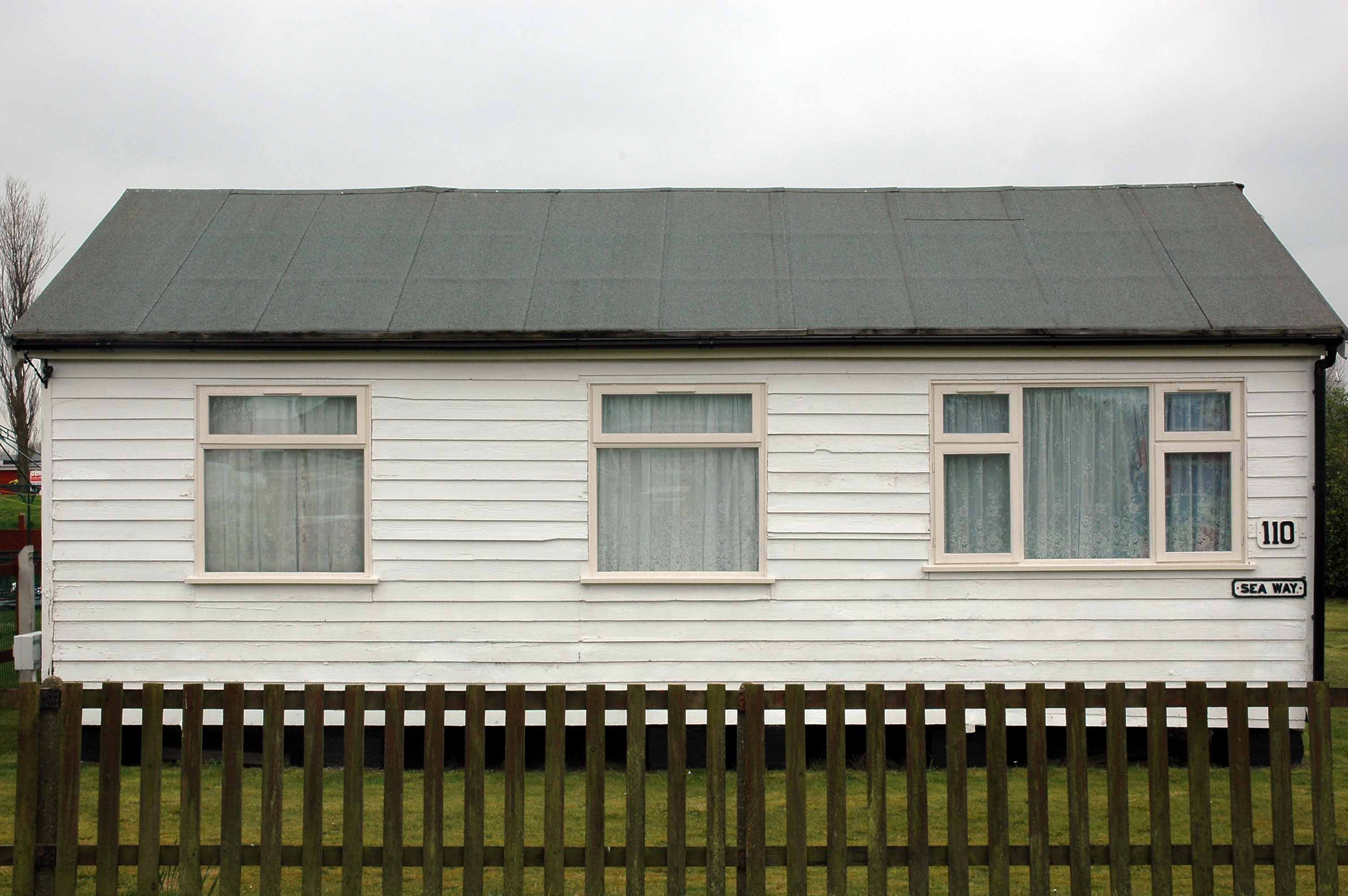
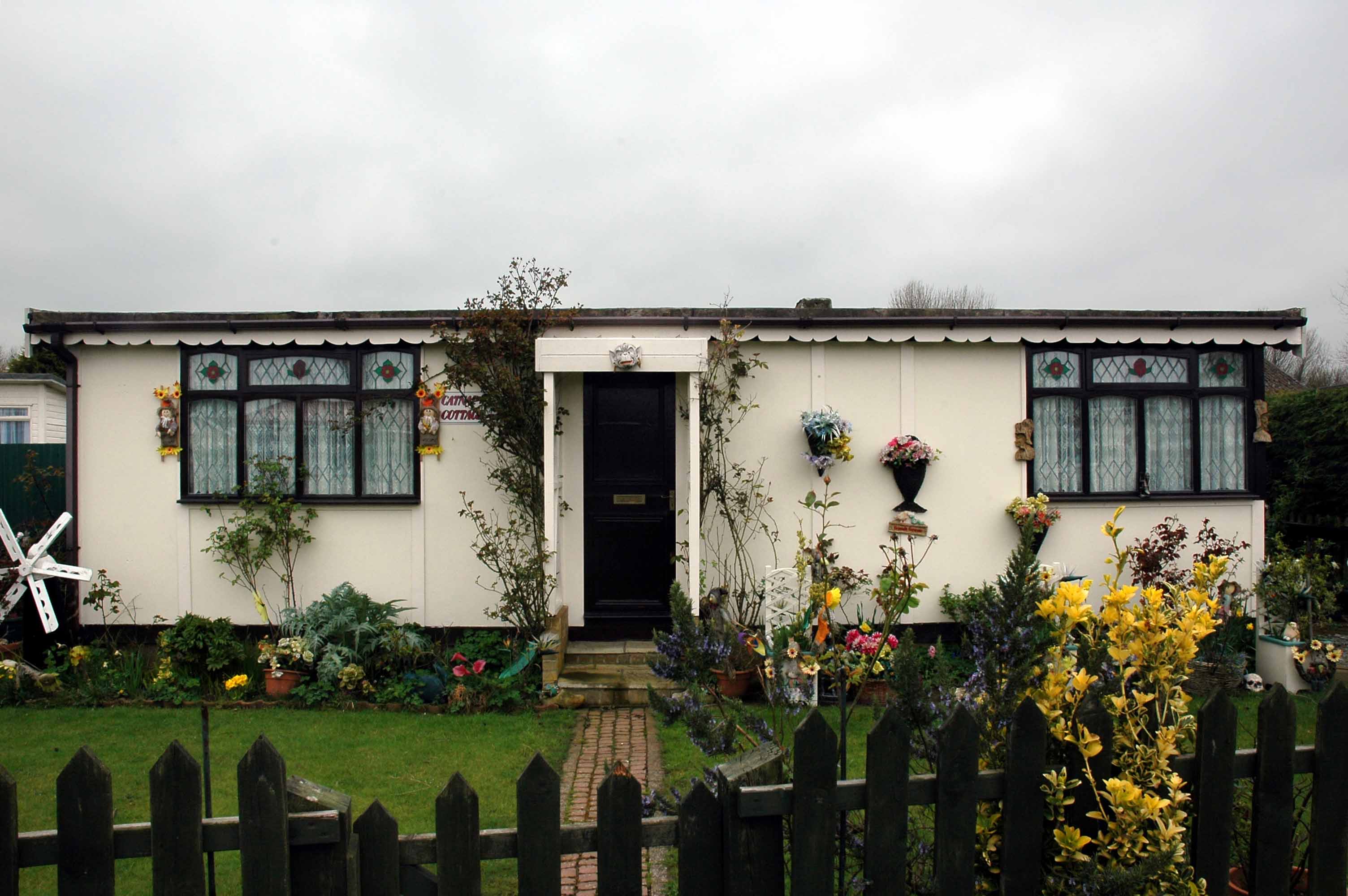
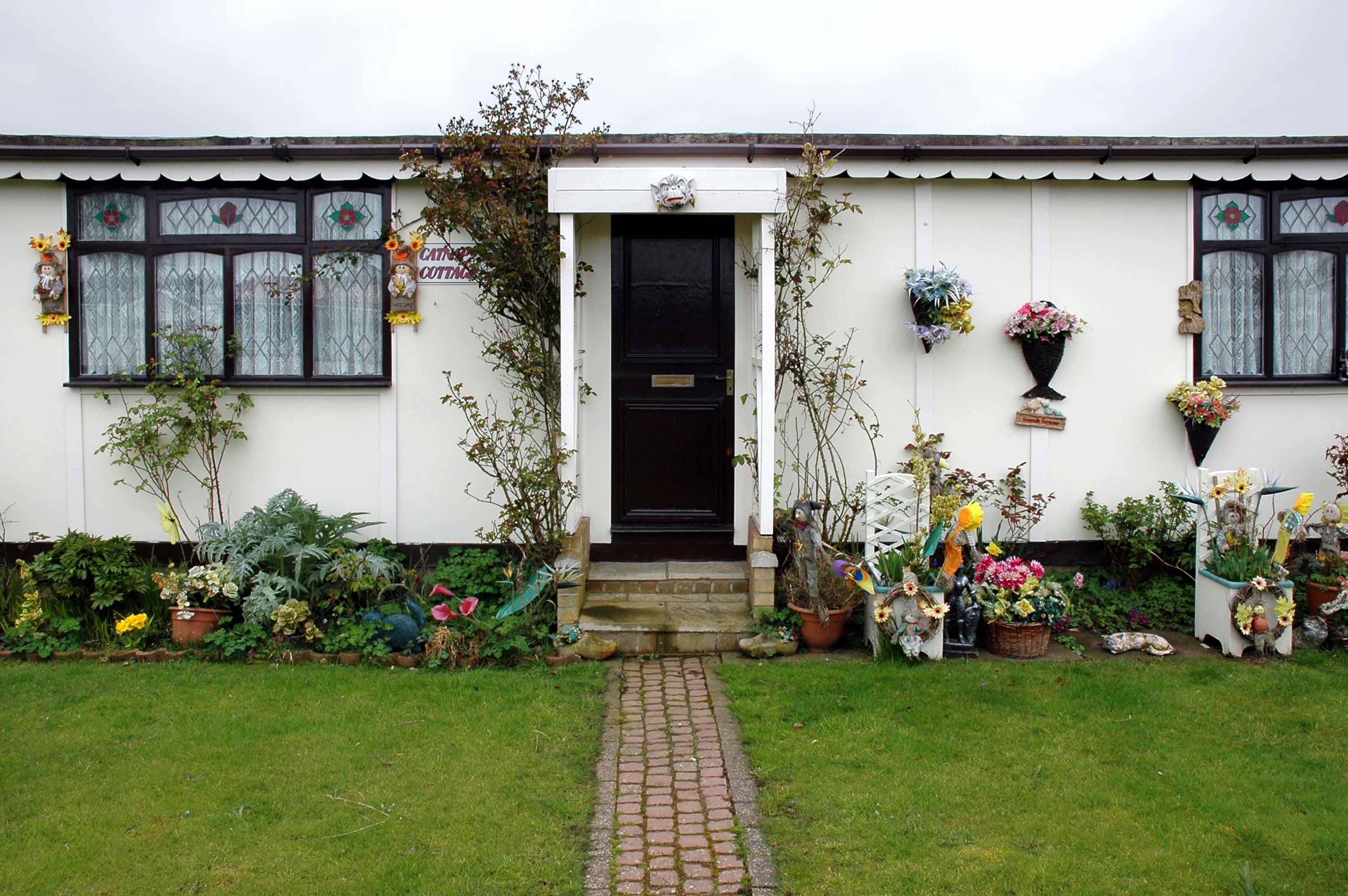
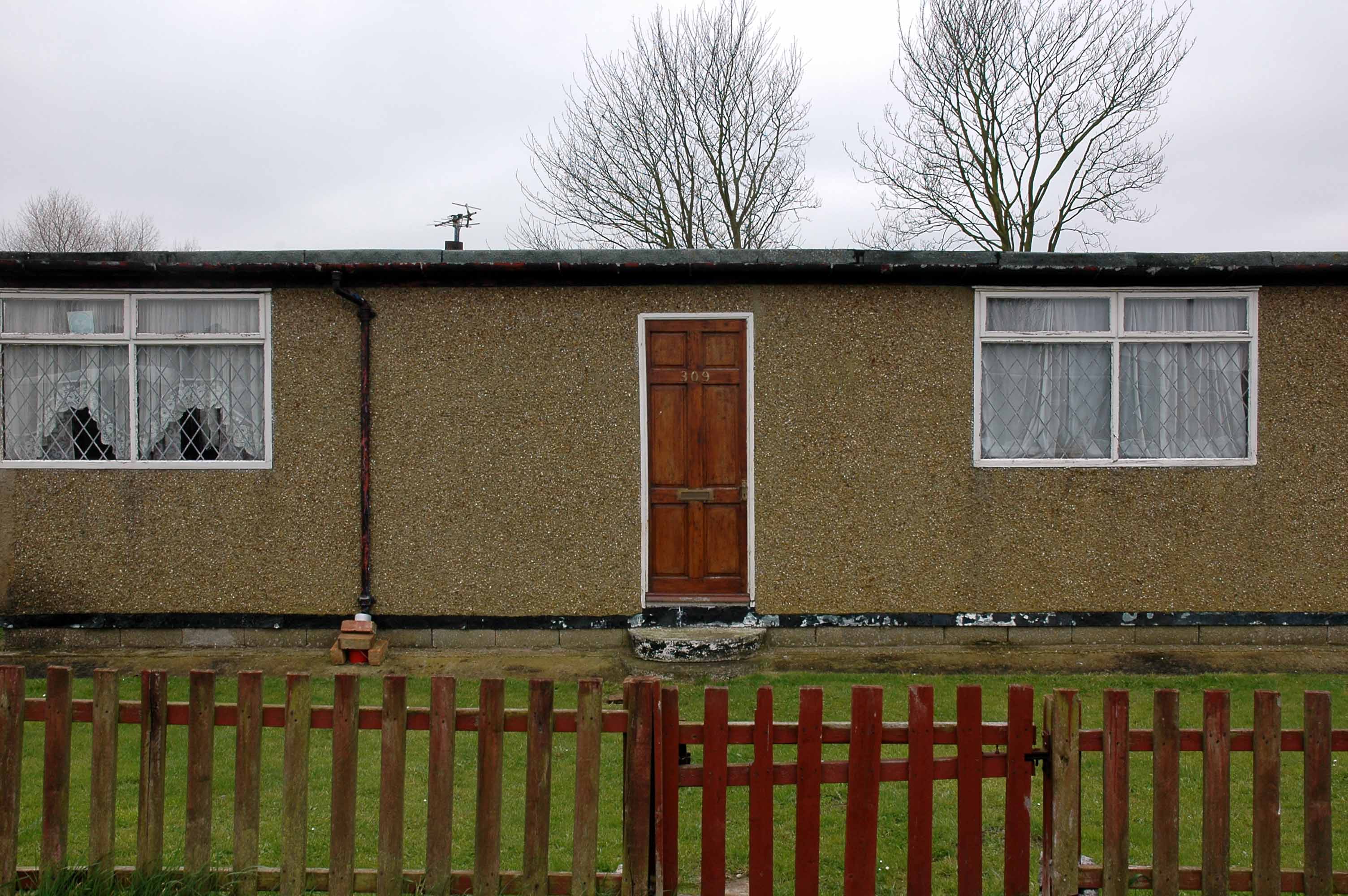
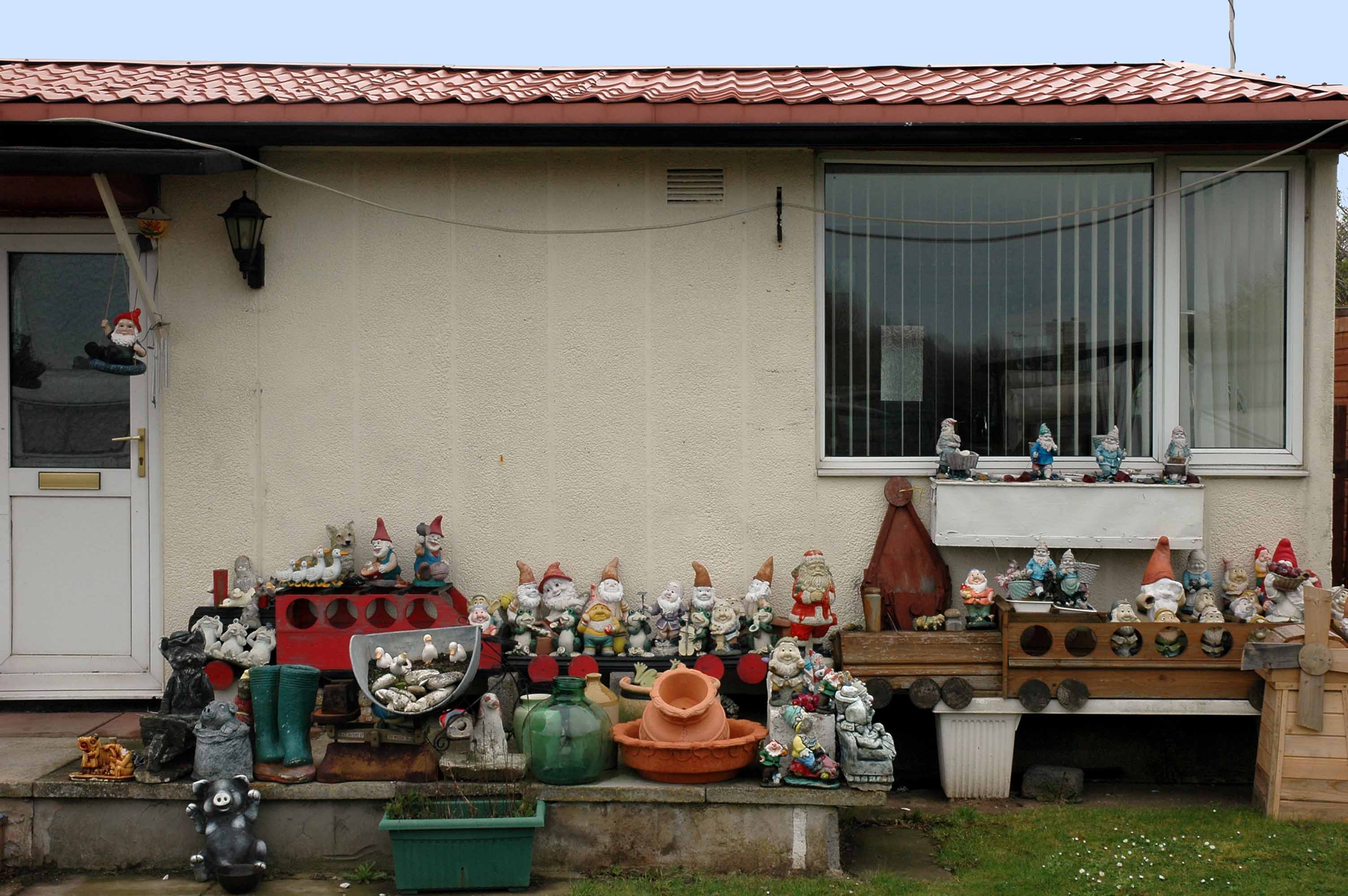
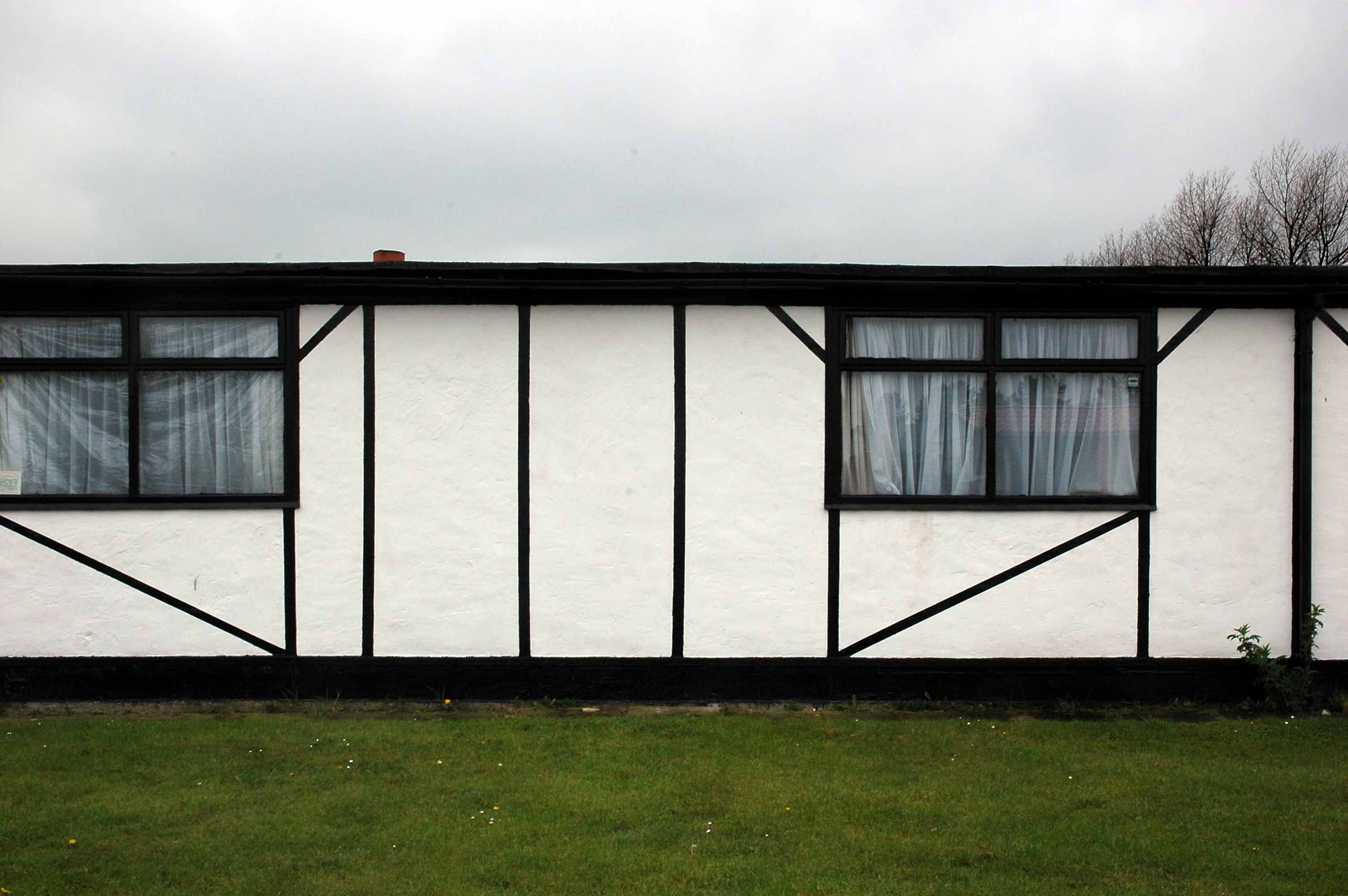
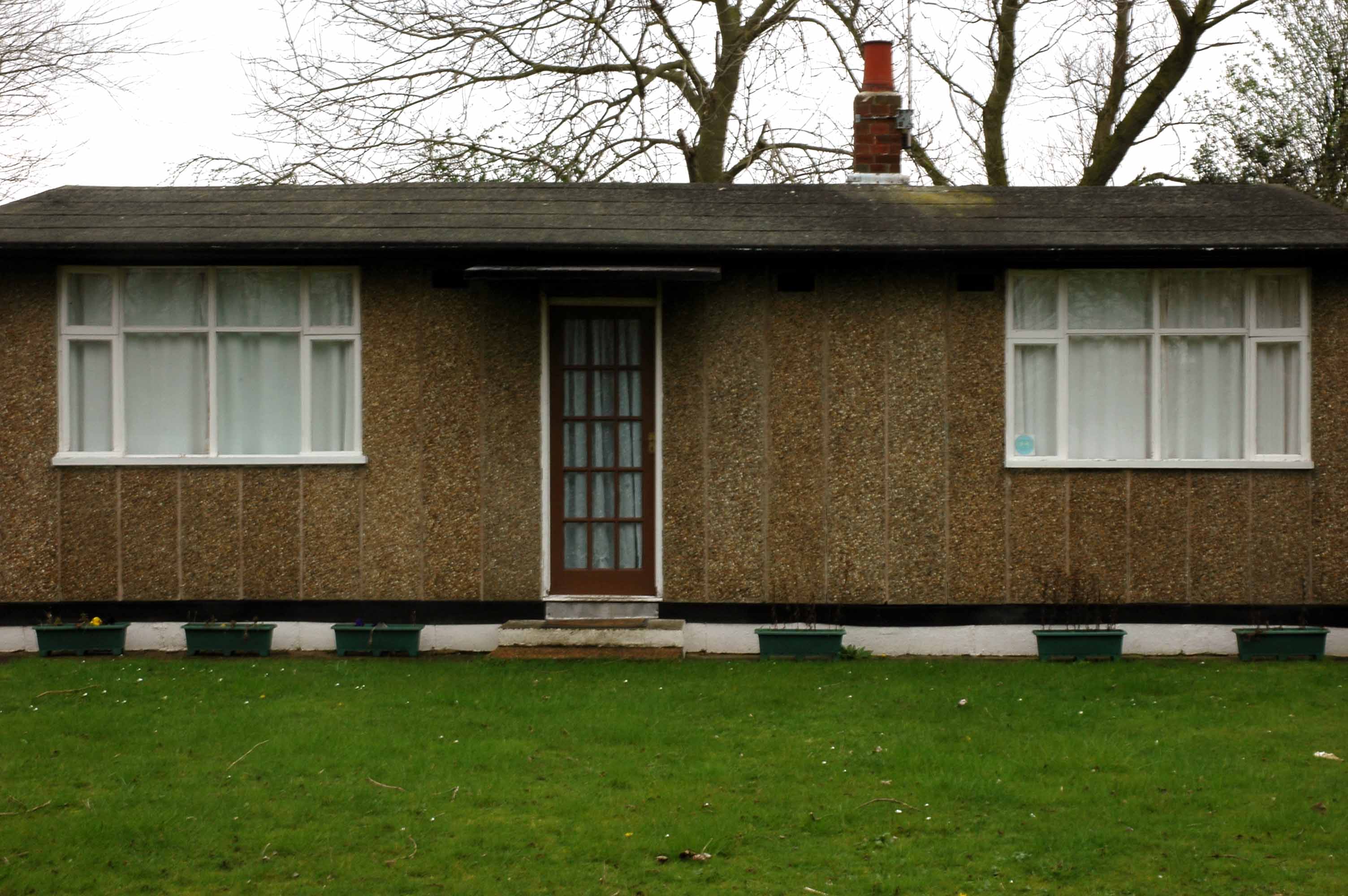
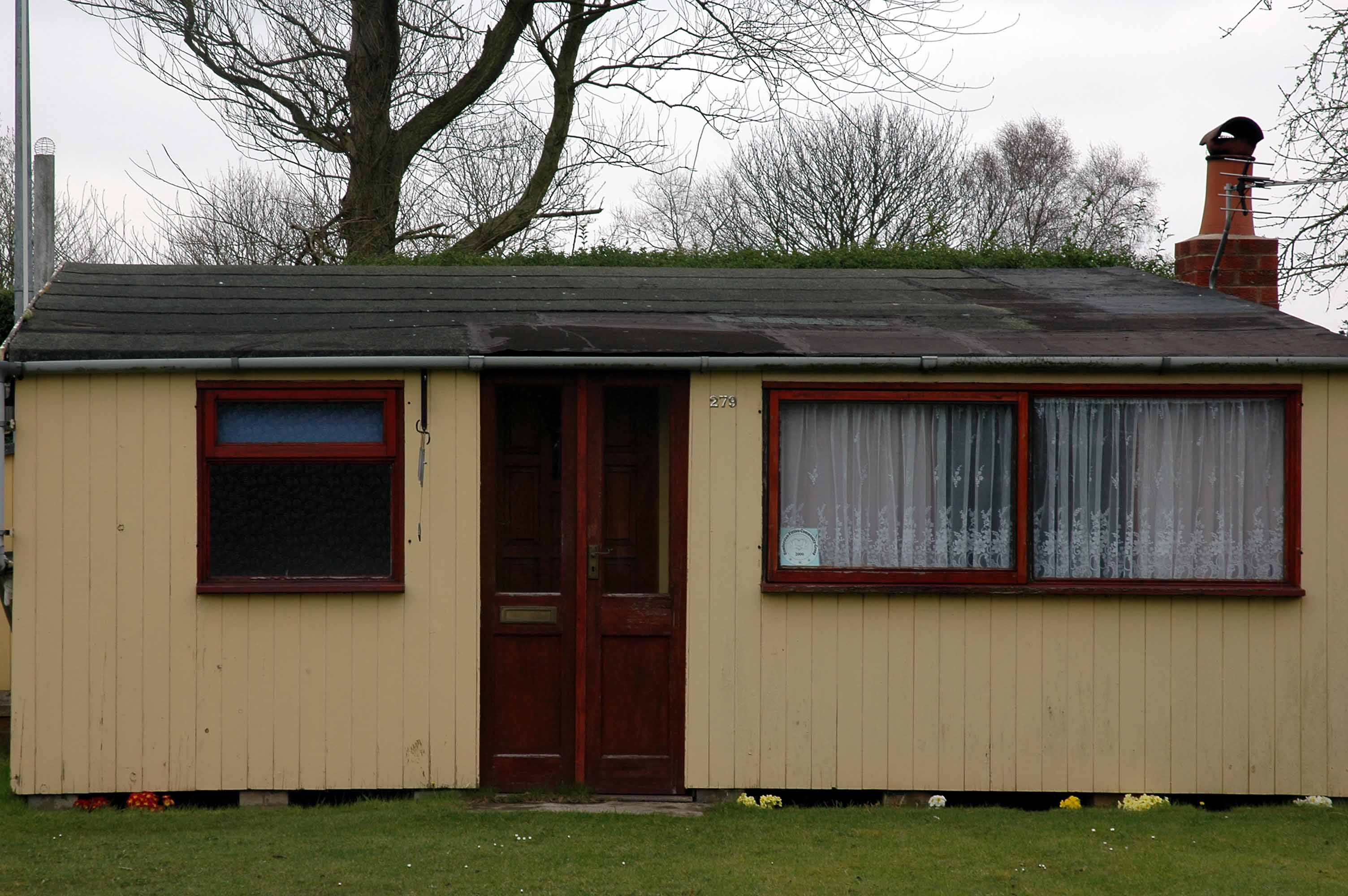
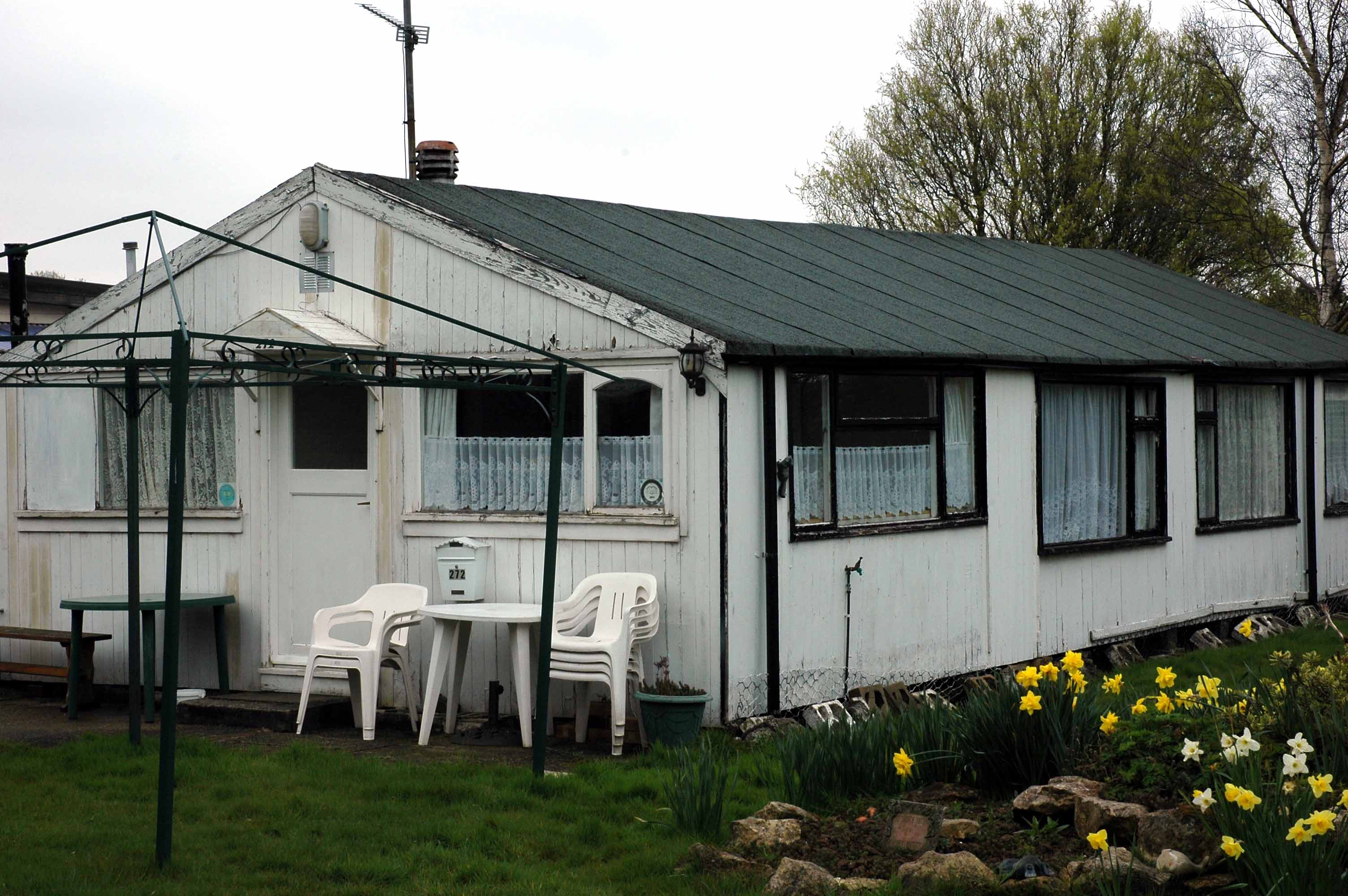
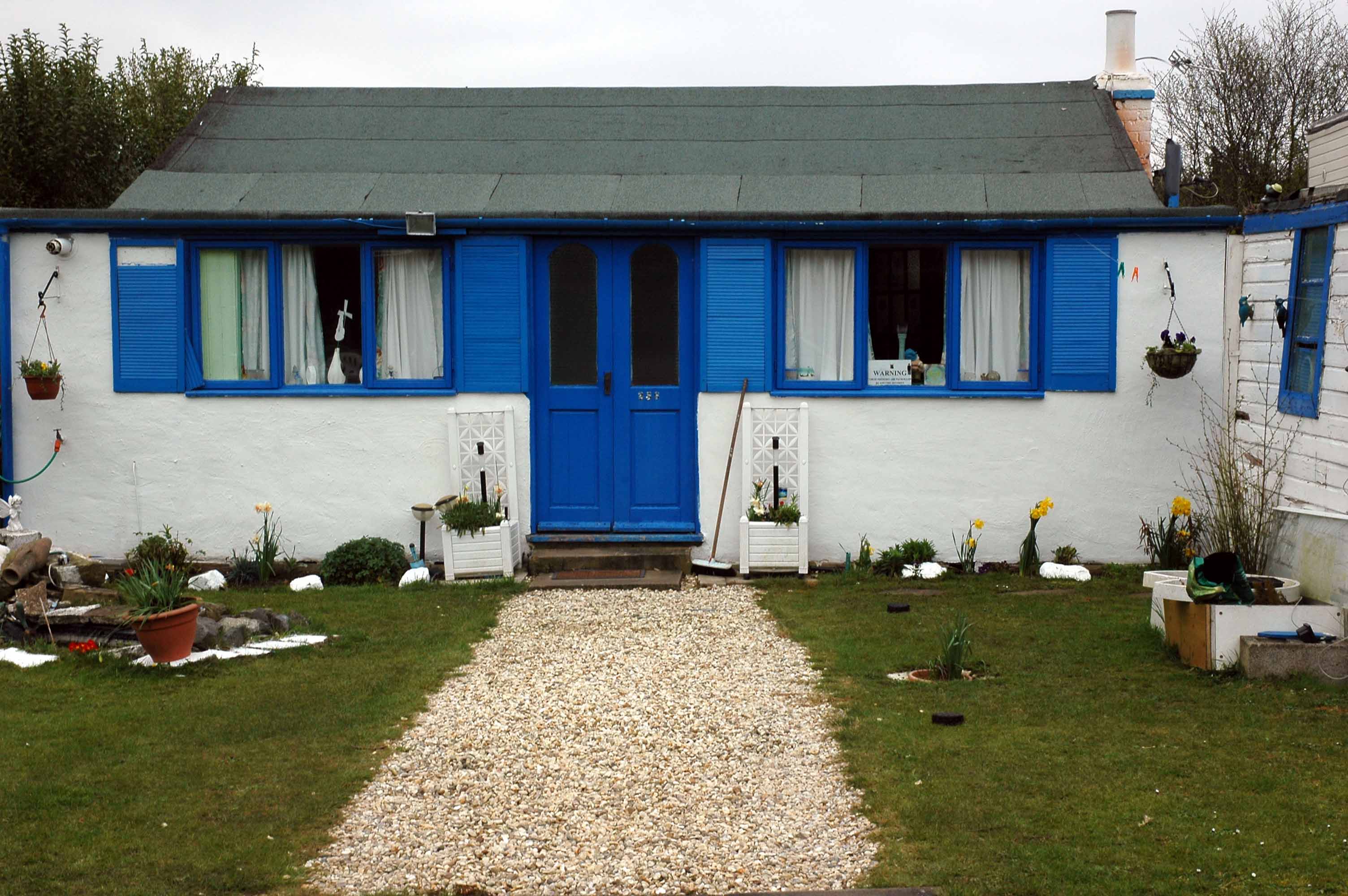
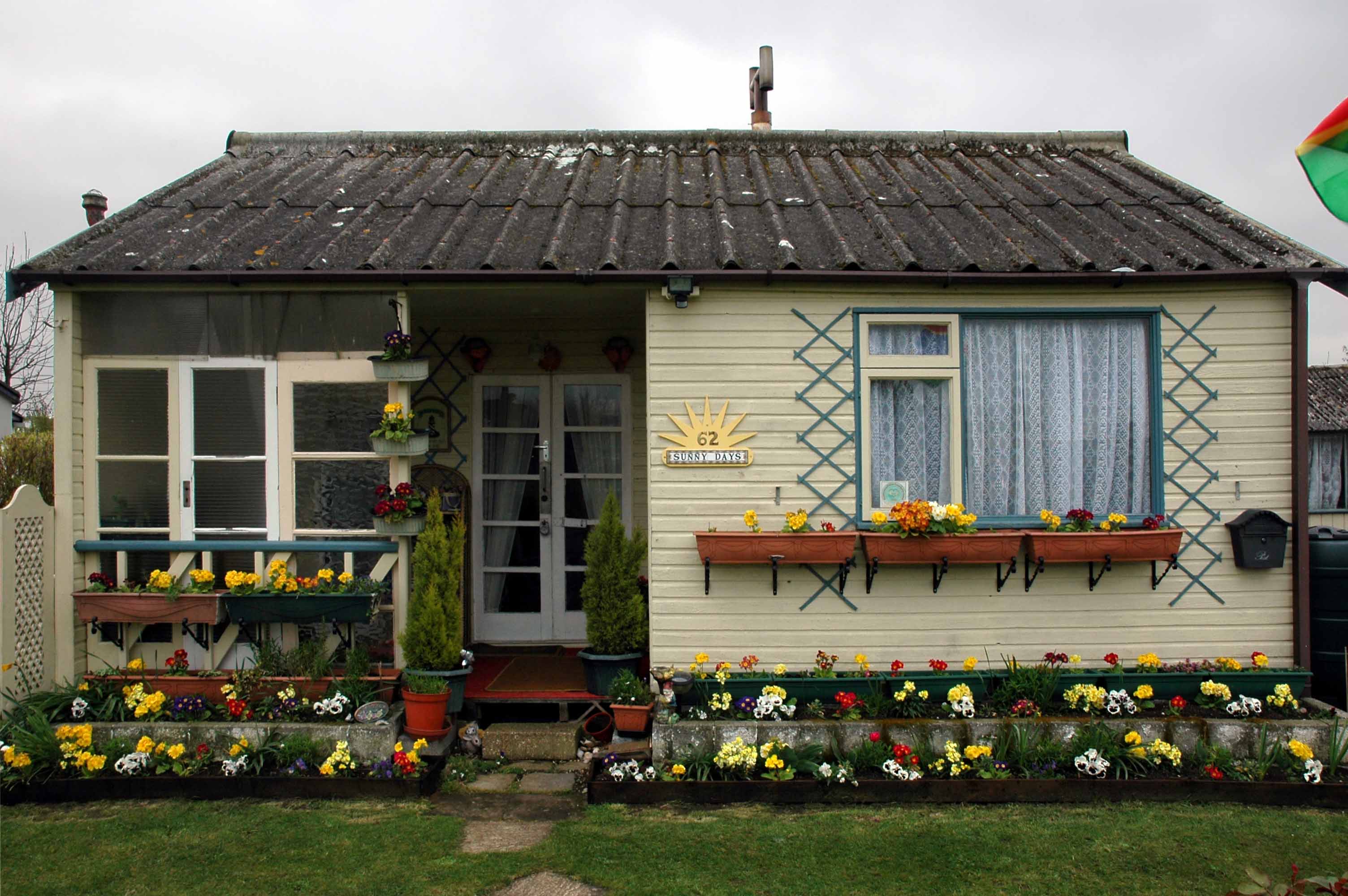
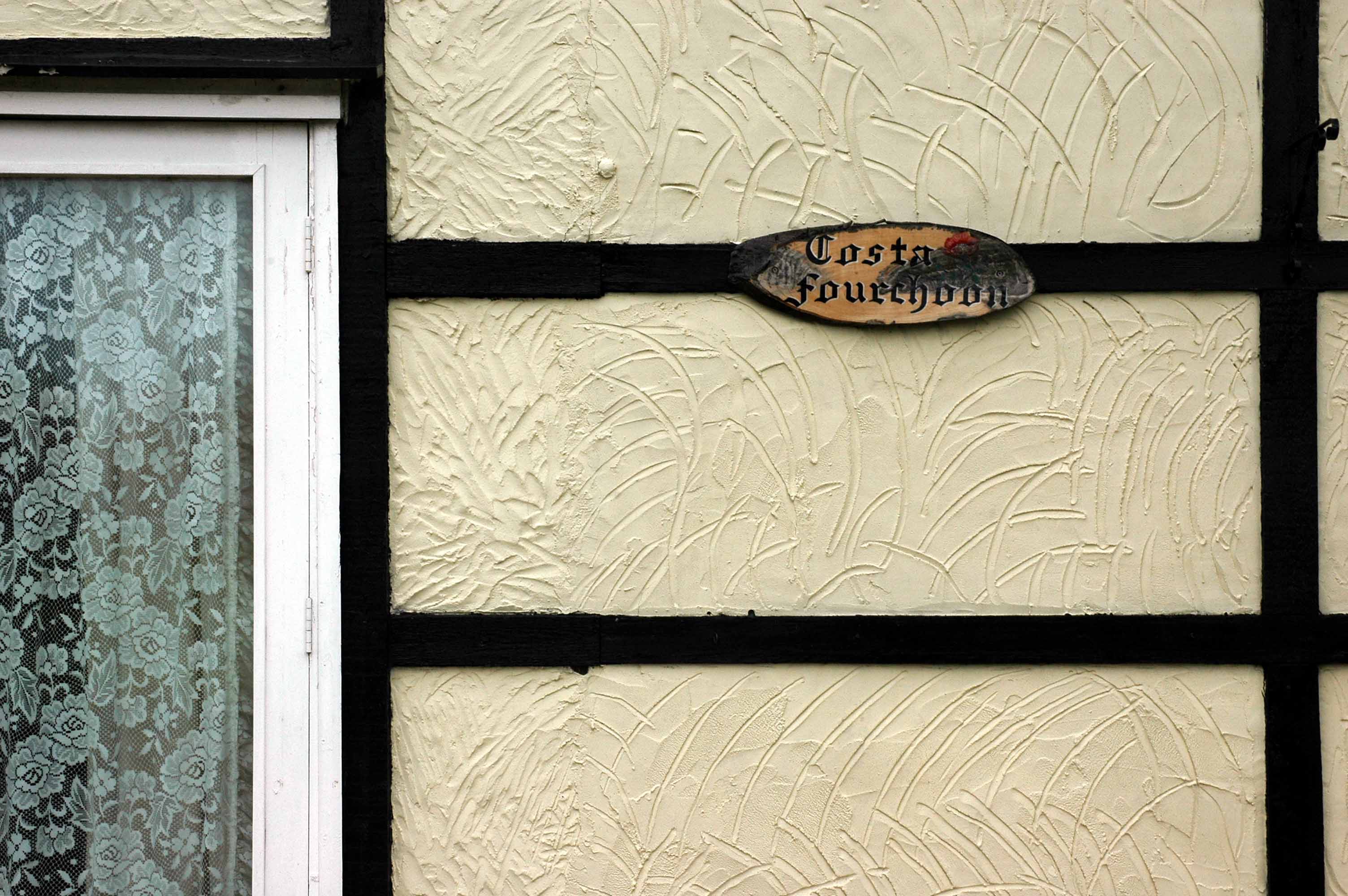
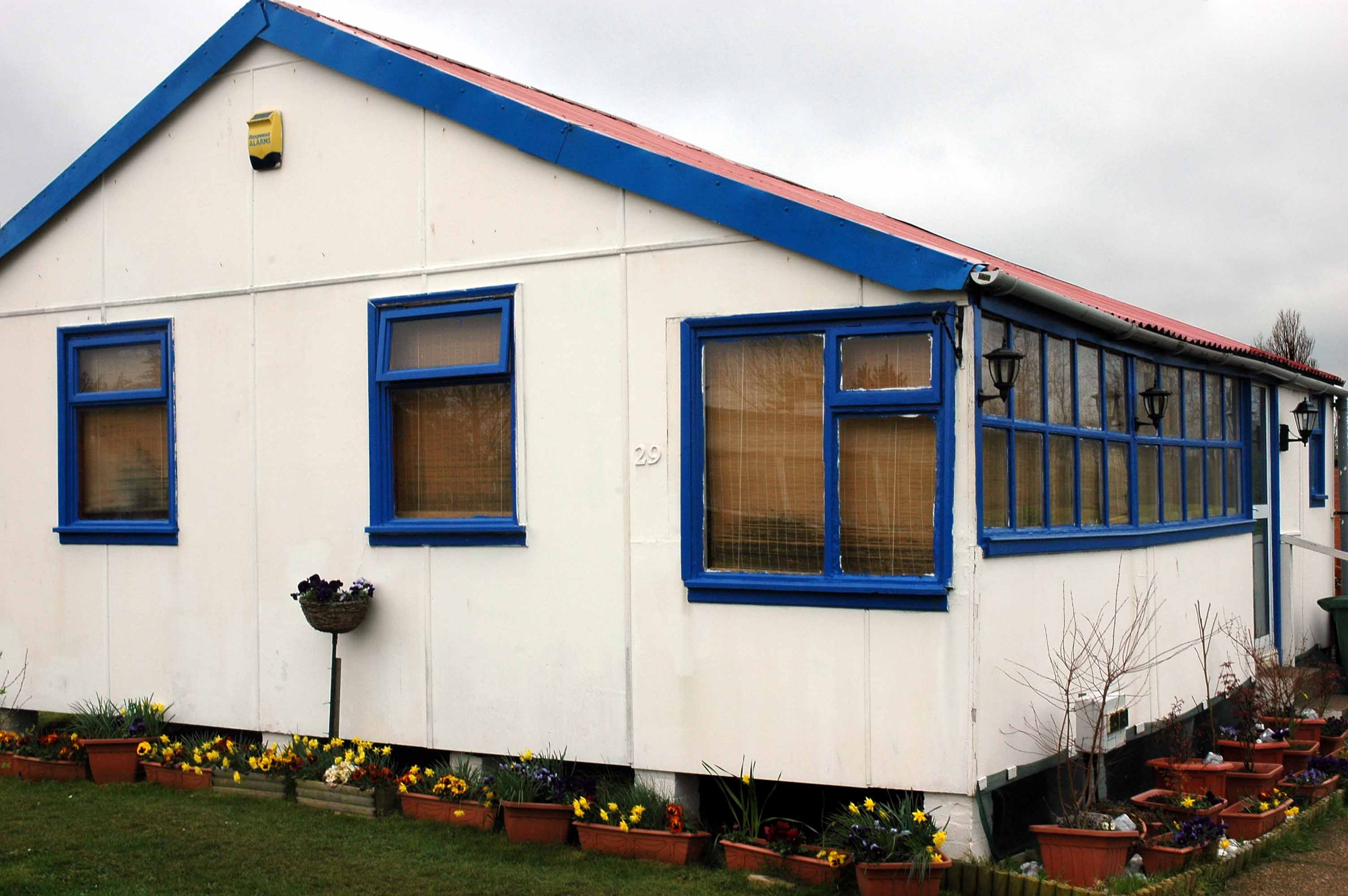
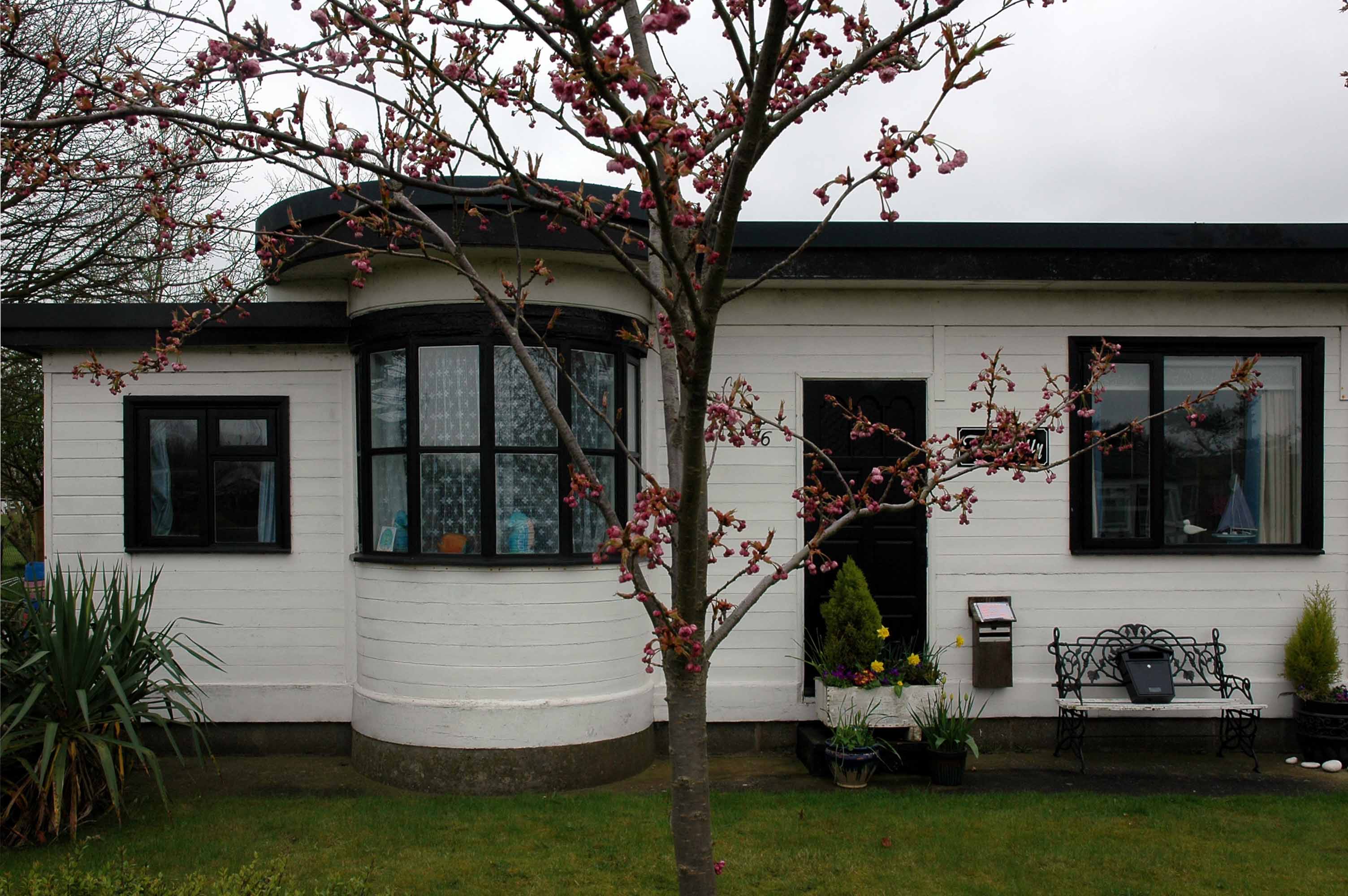
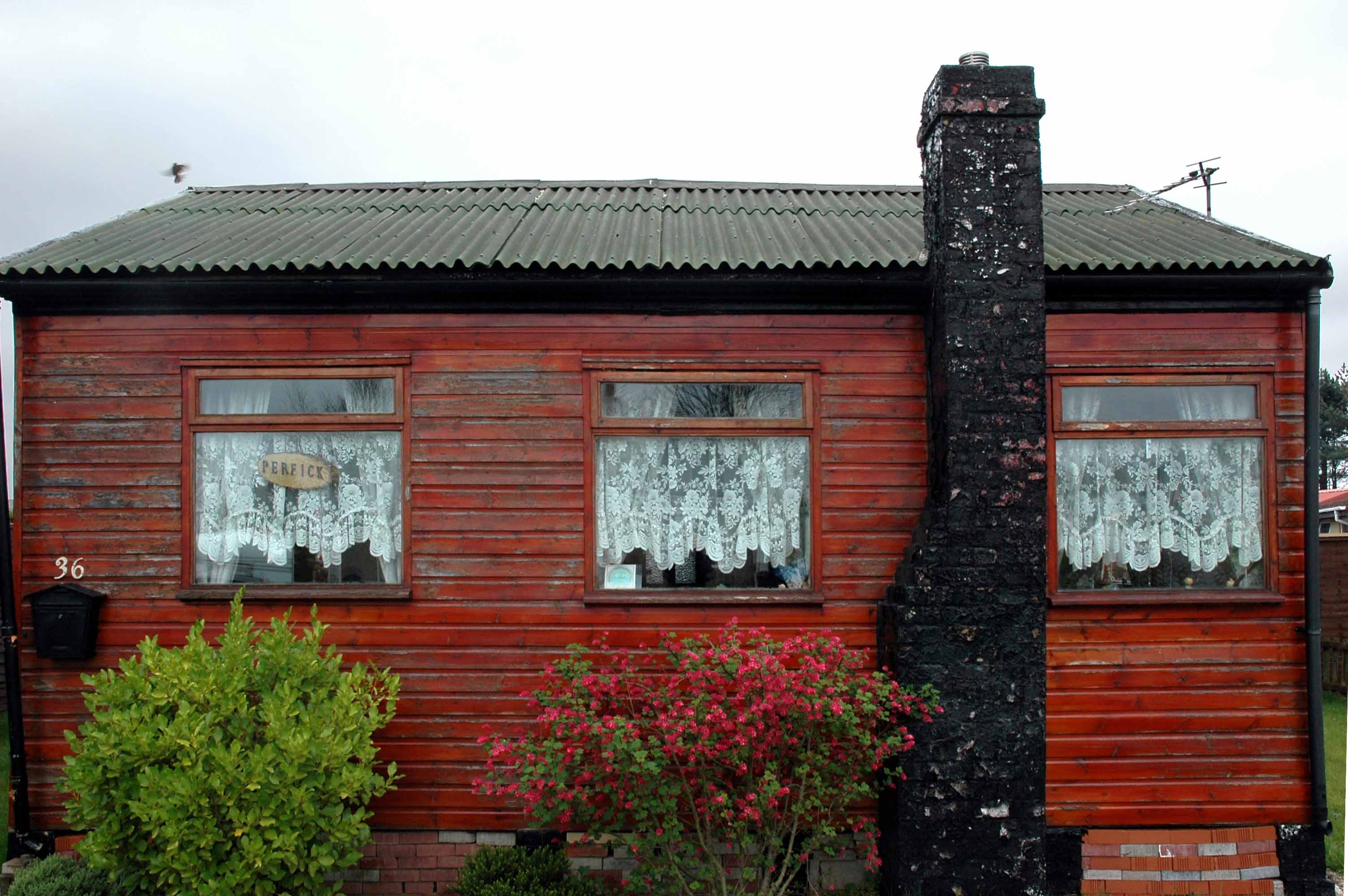
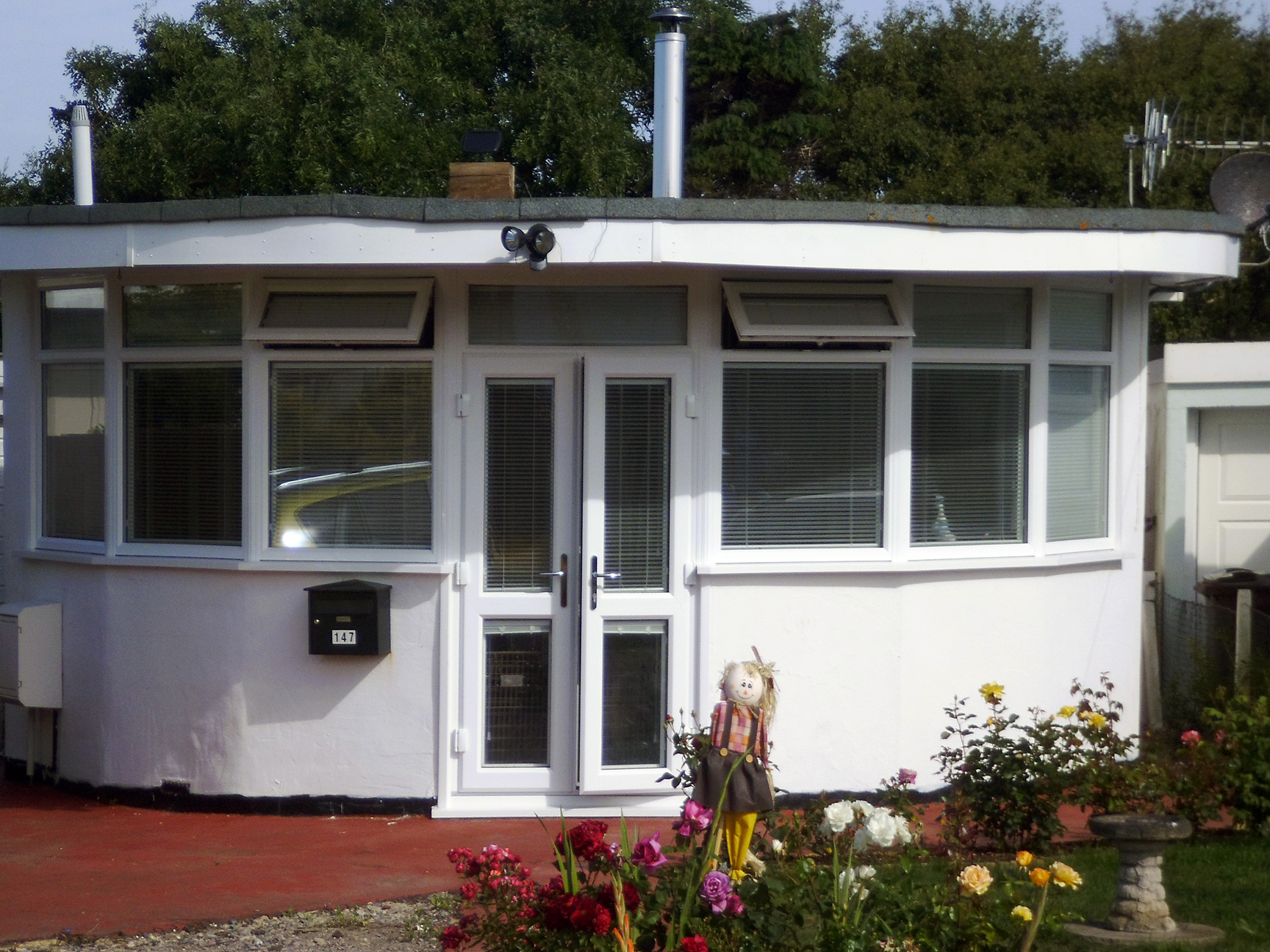
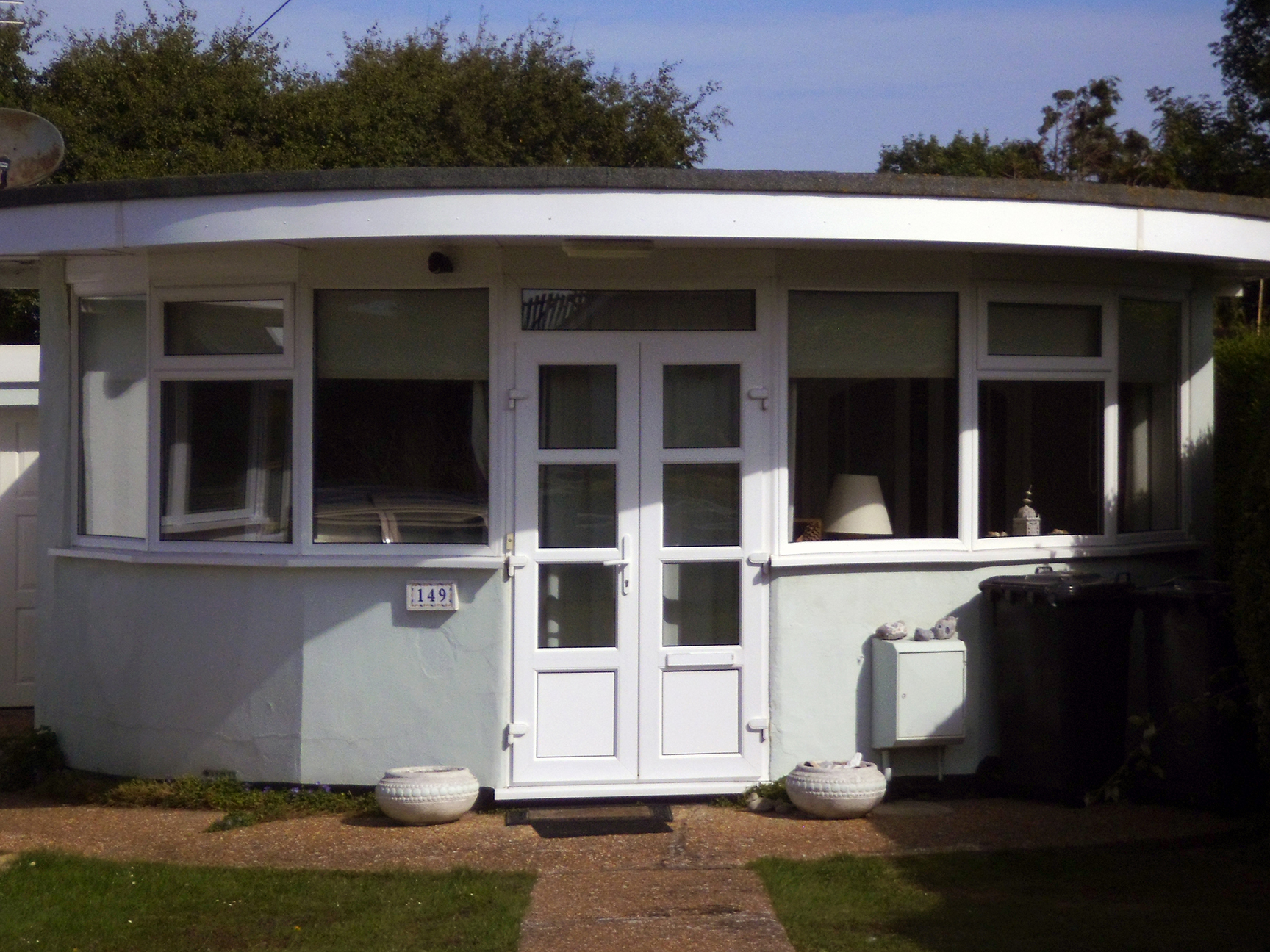
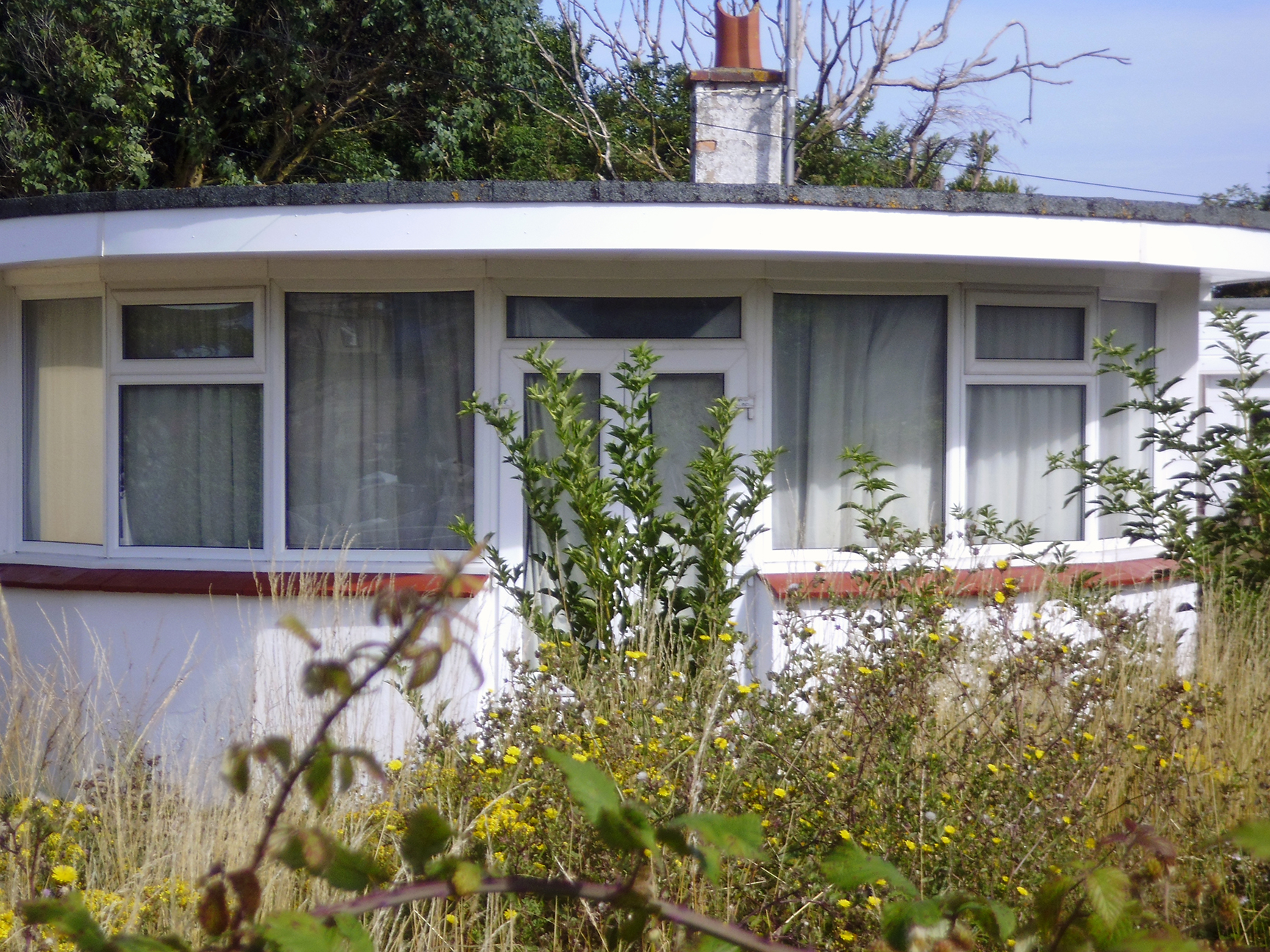
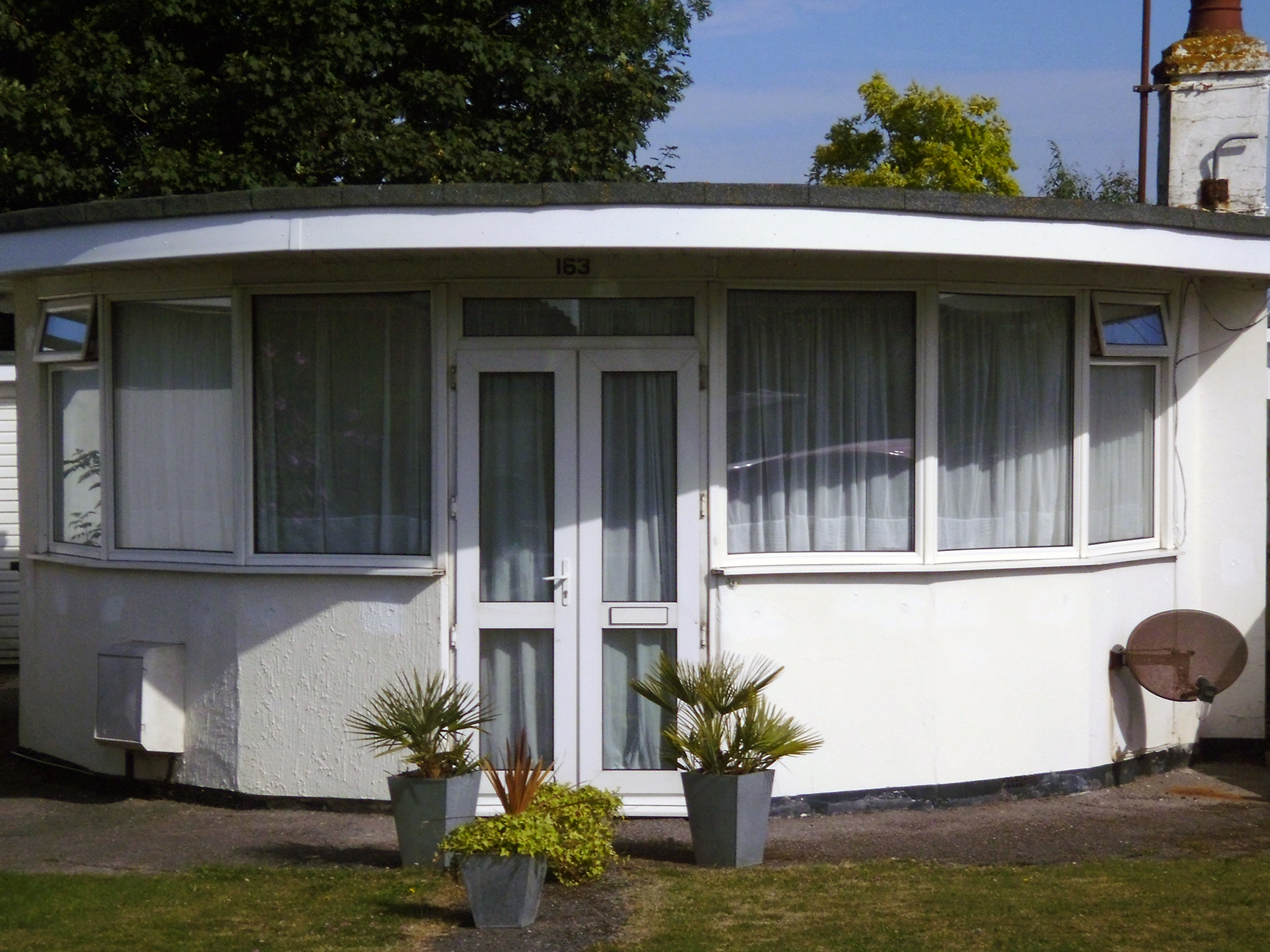
Betwixt and between the two world wars, the shortage of housing for the homeless, hopeless and dispossessed lead to an acceleration in the building of an informal architecture – the so-called Plotlands.
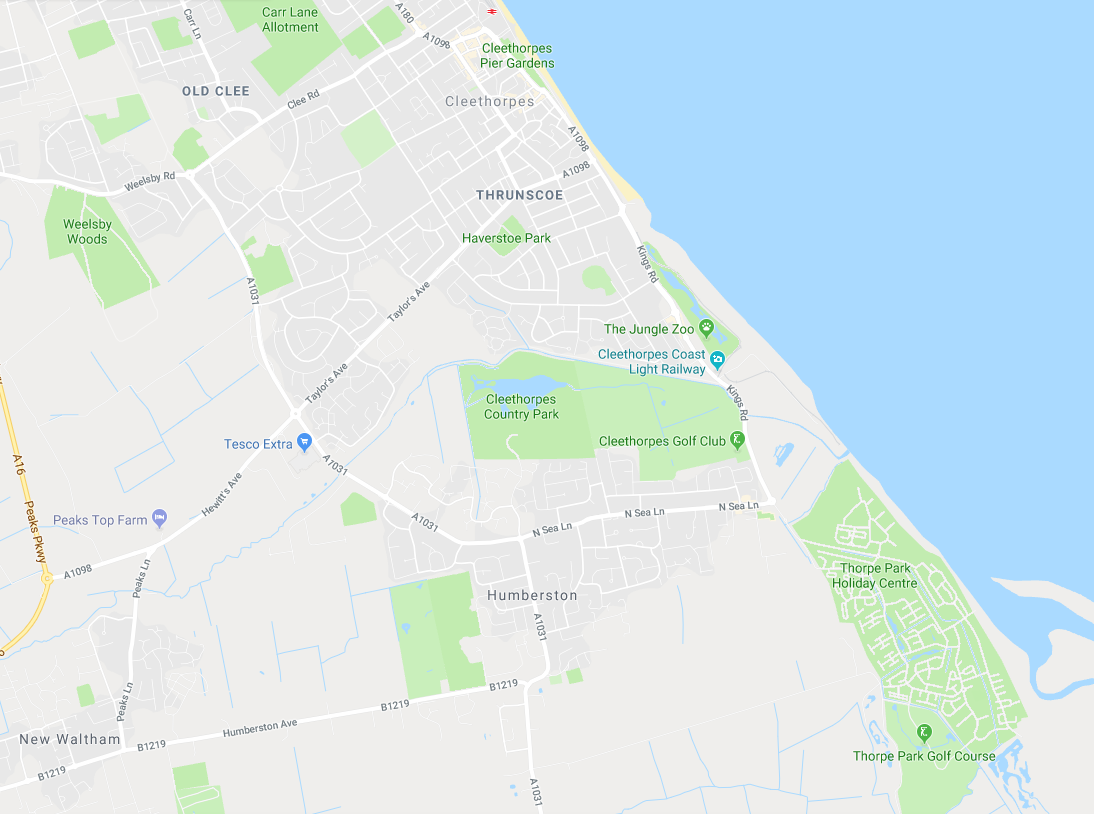
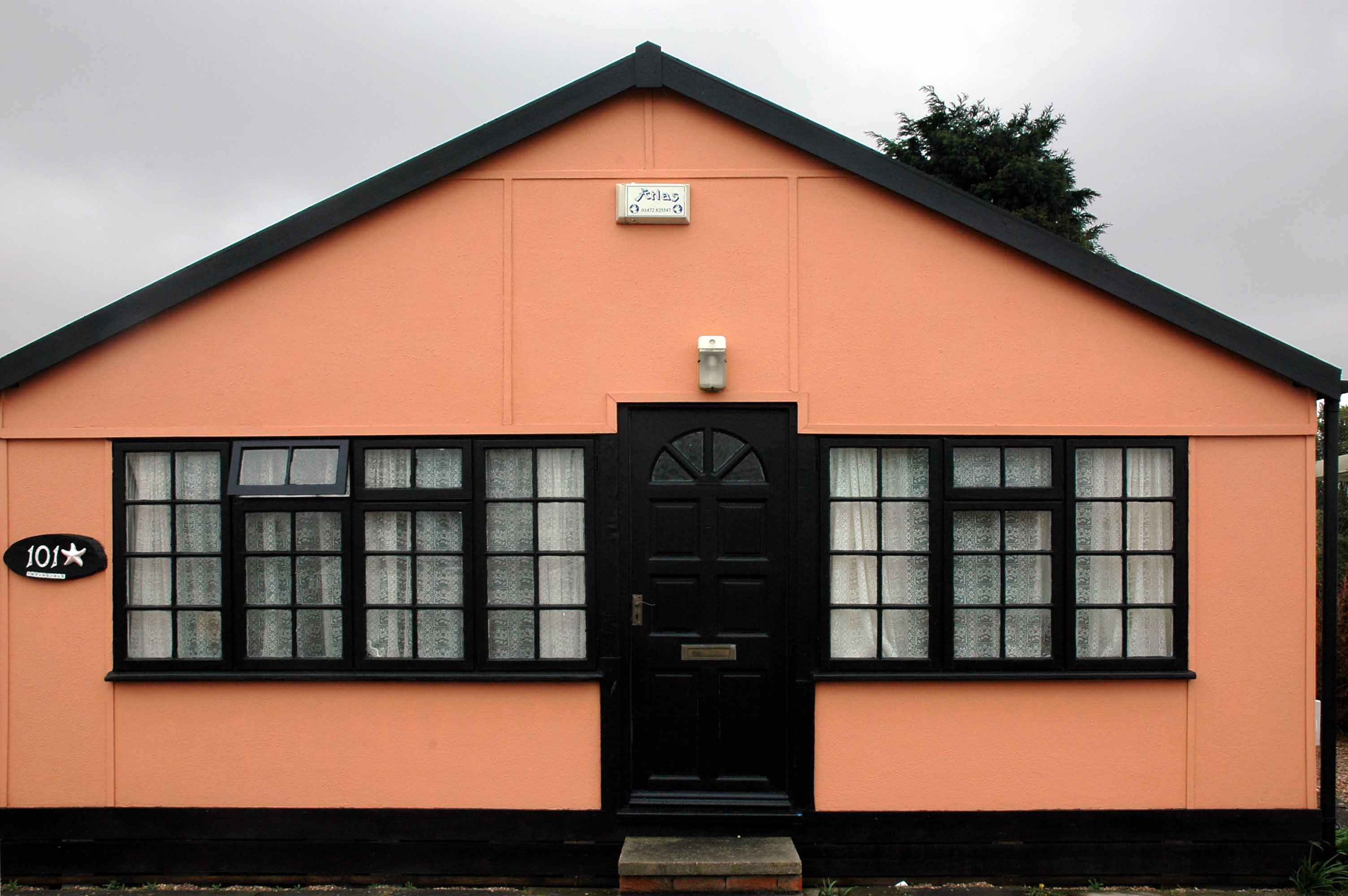
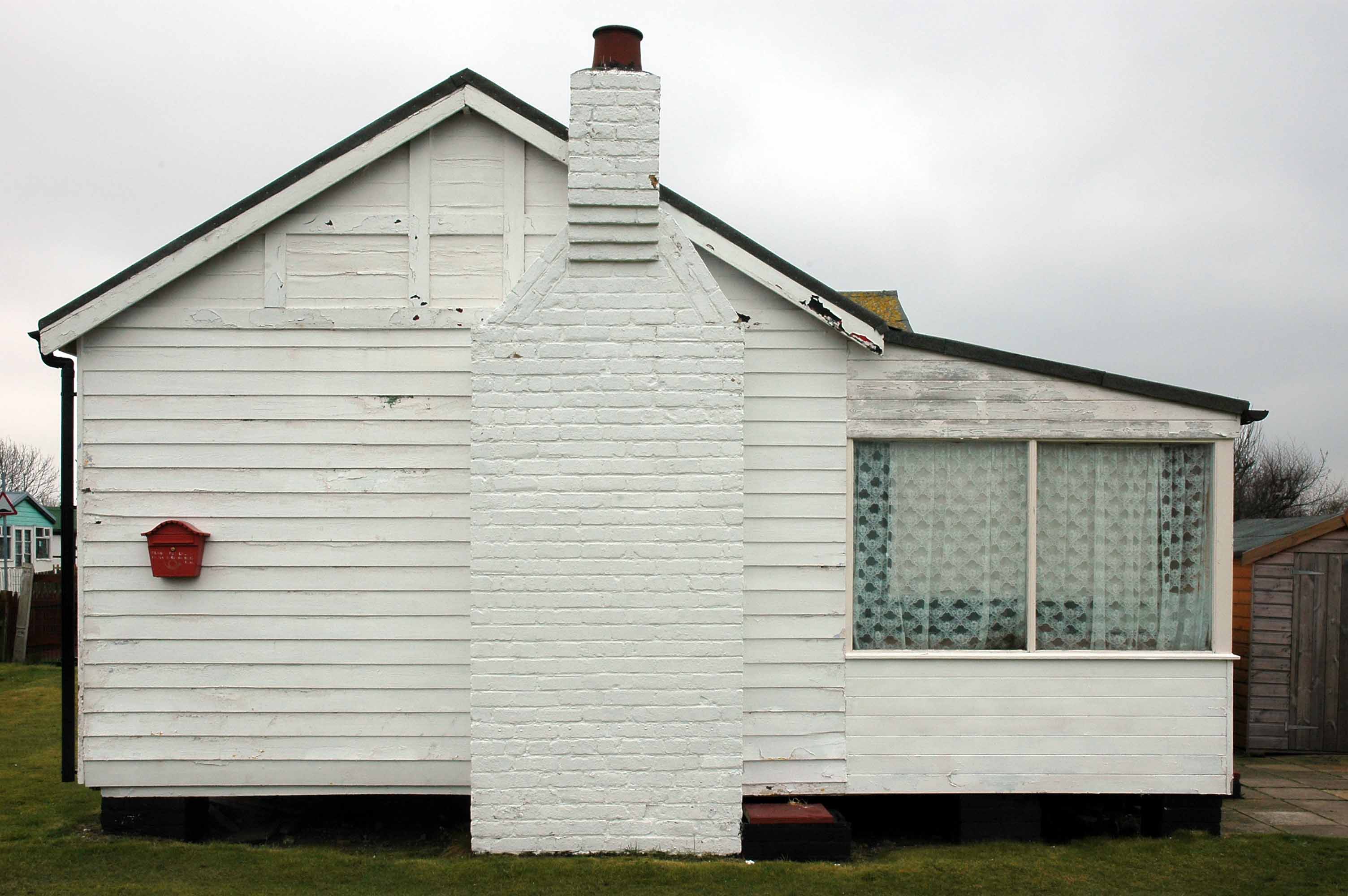
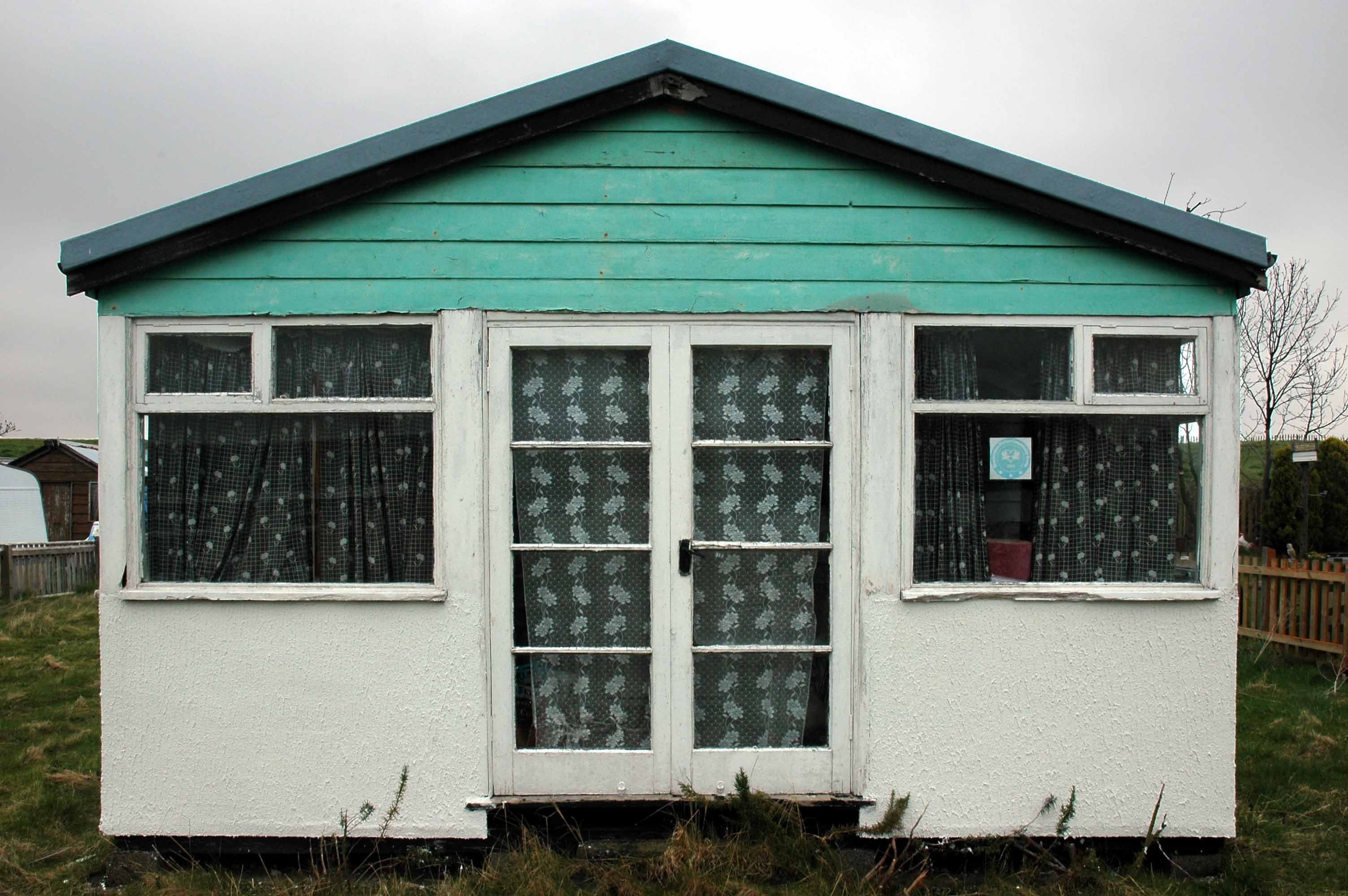
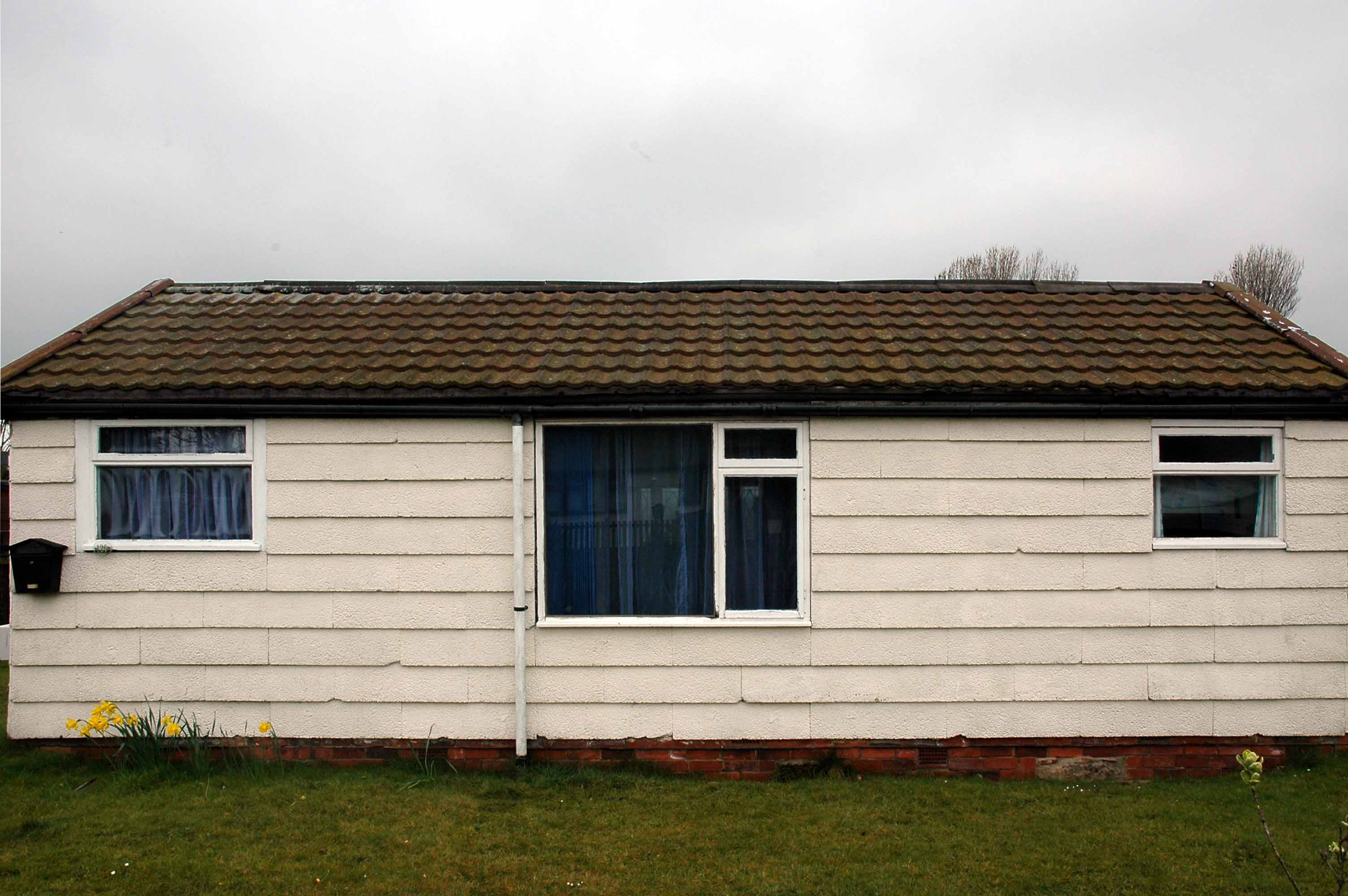
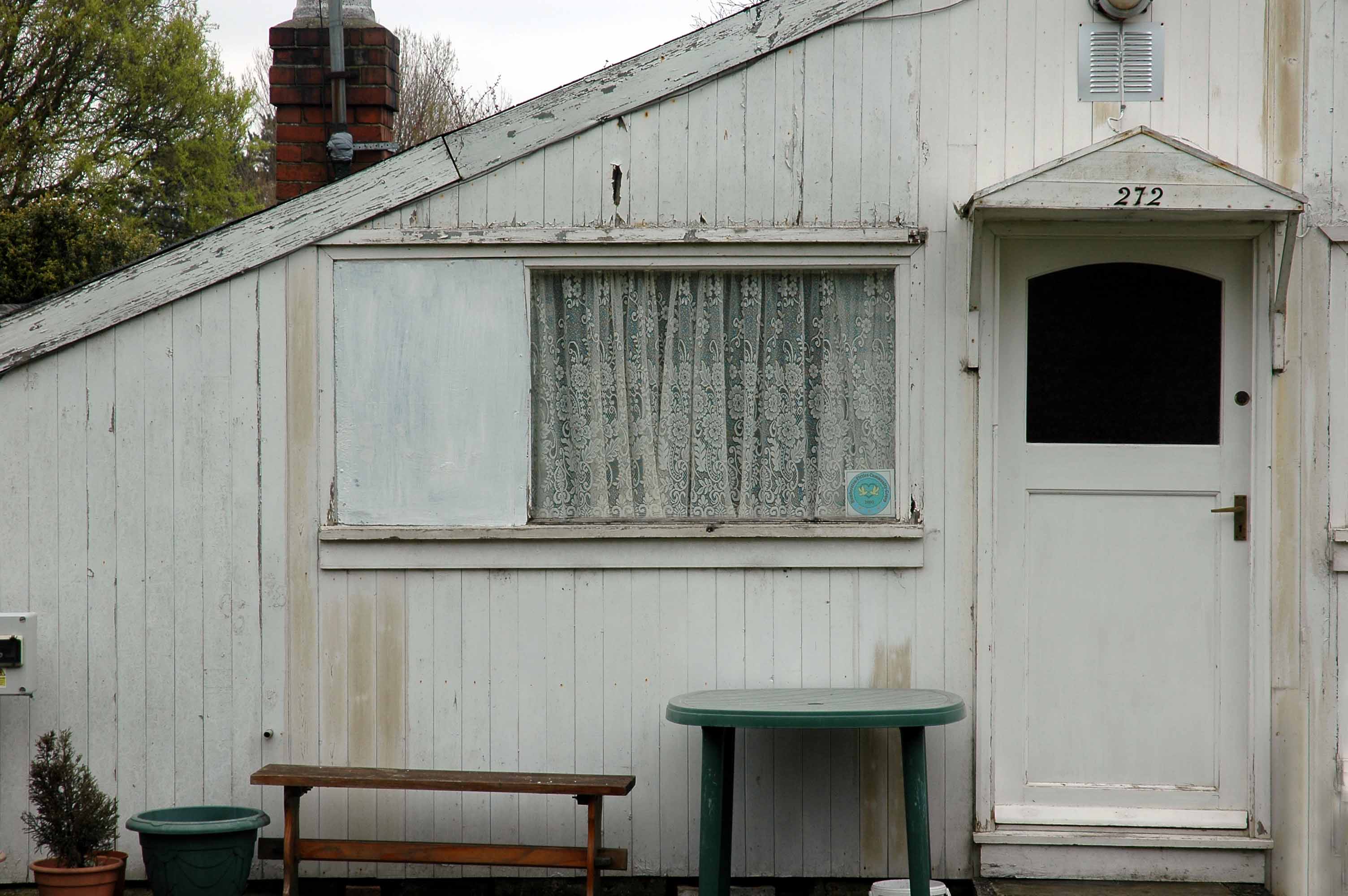
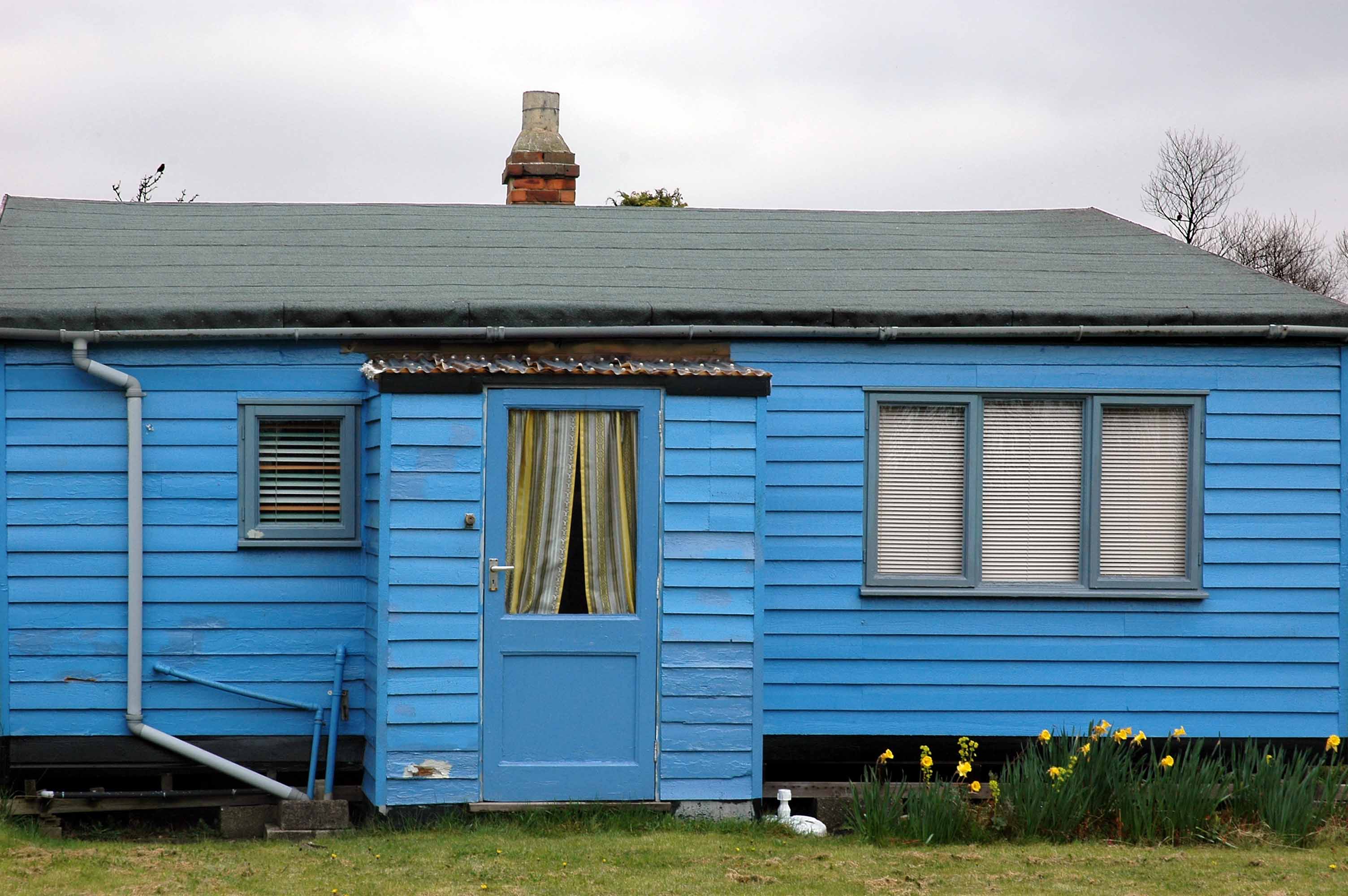
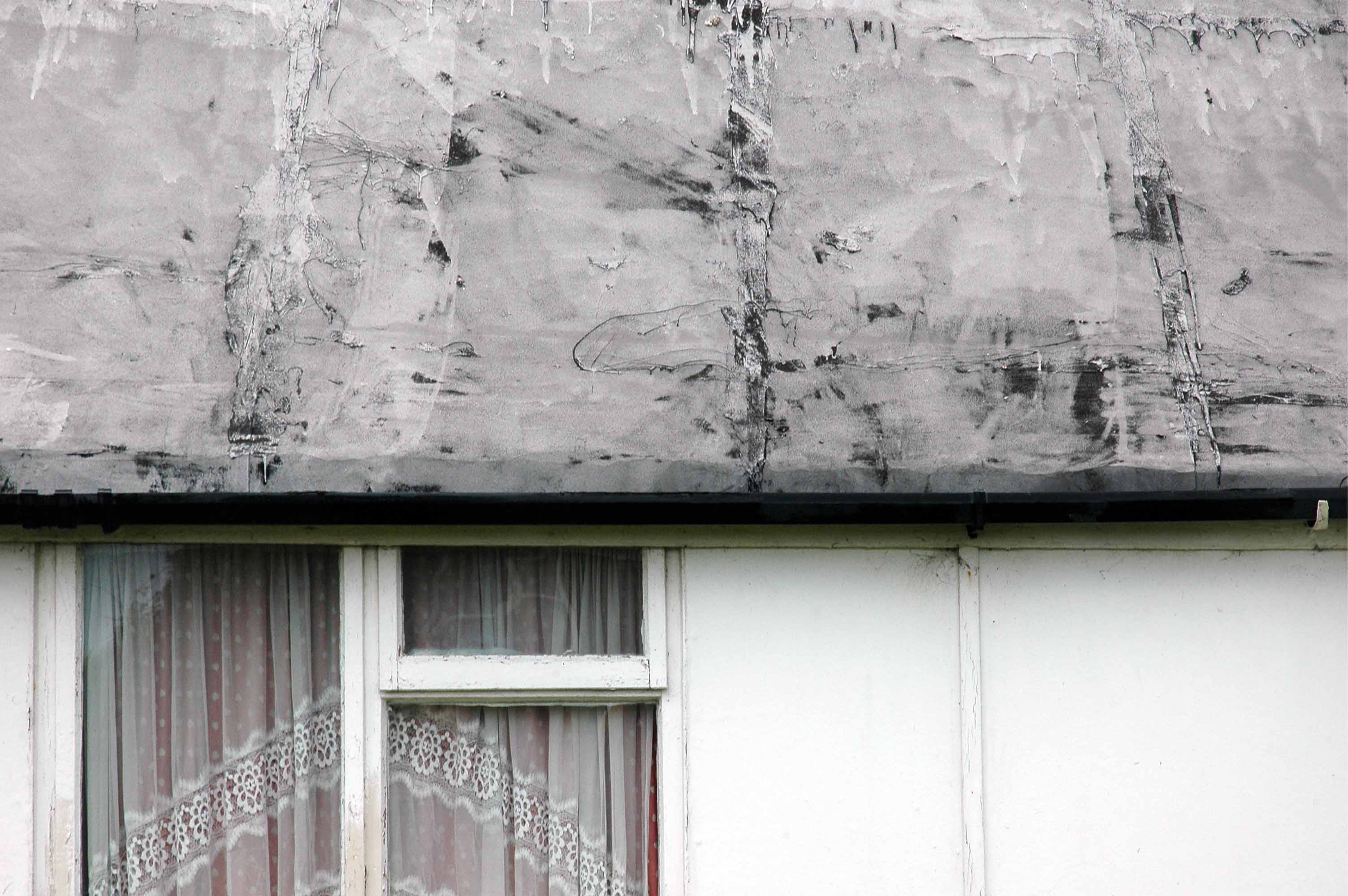
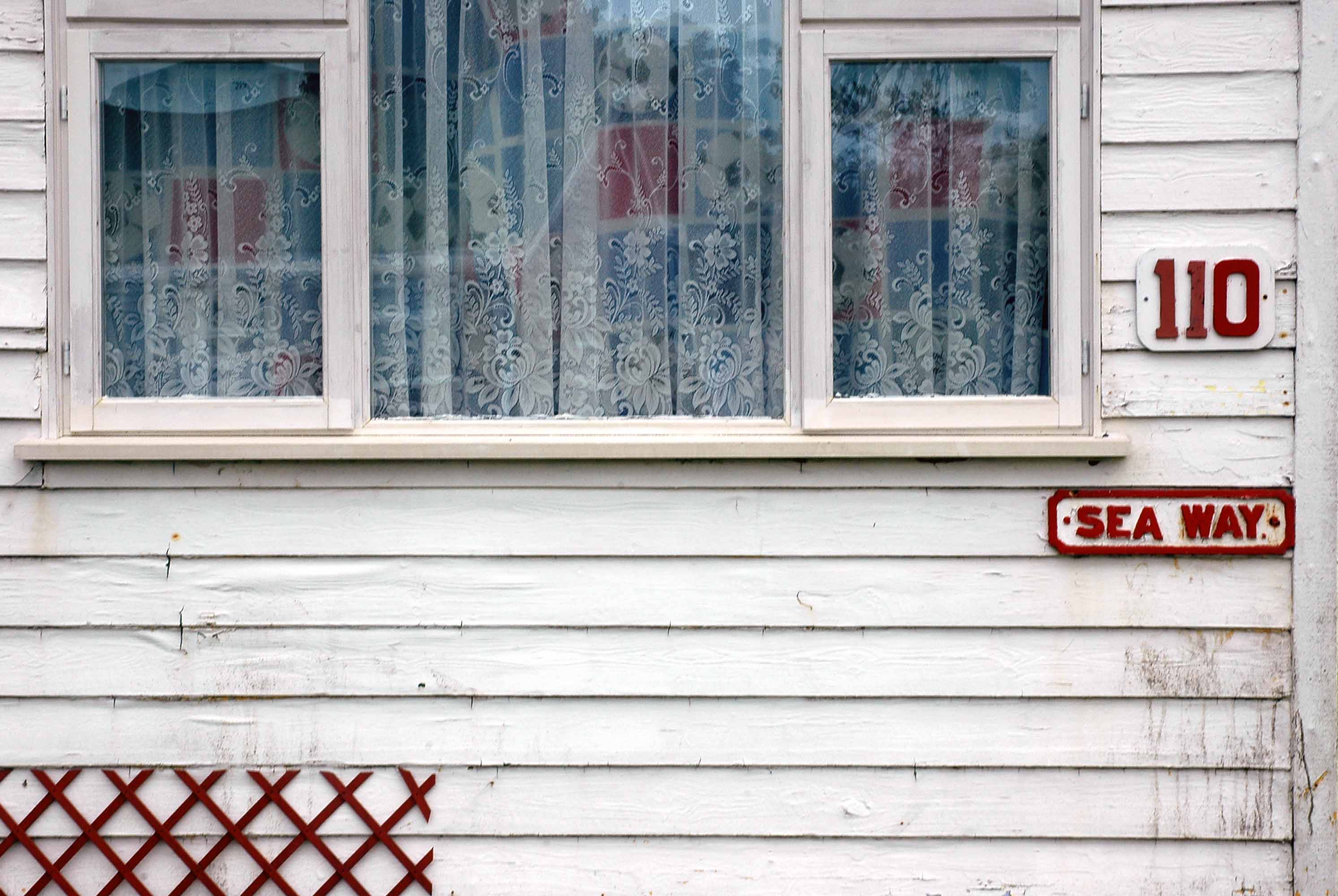
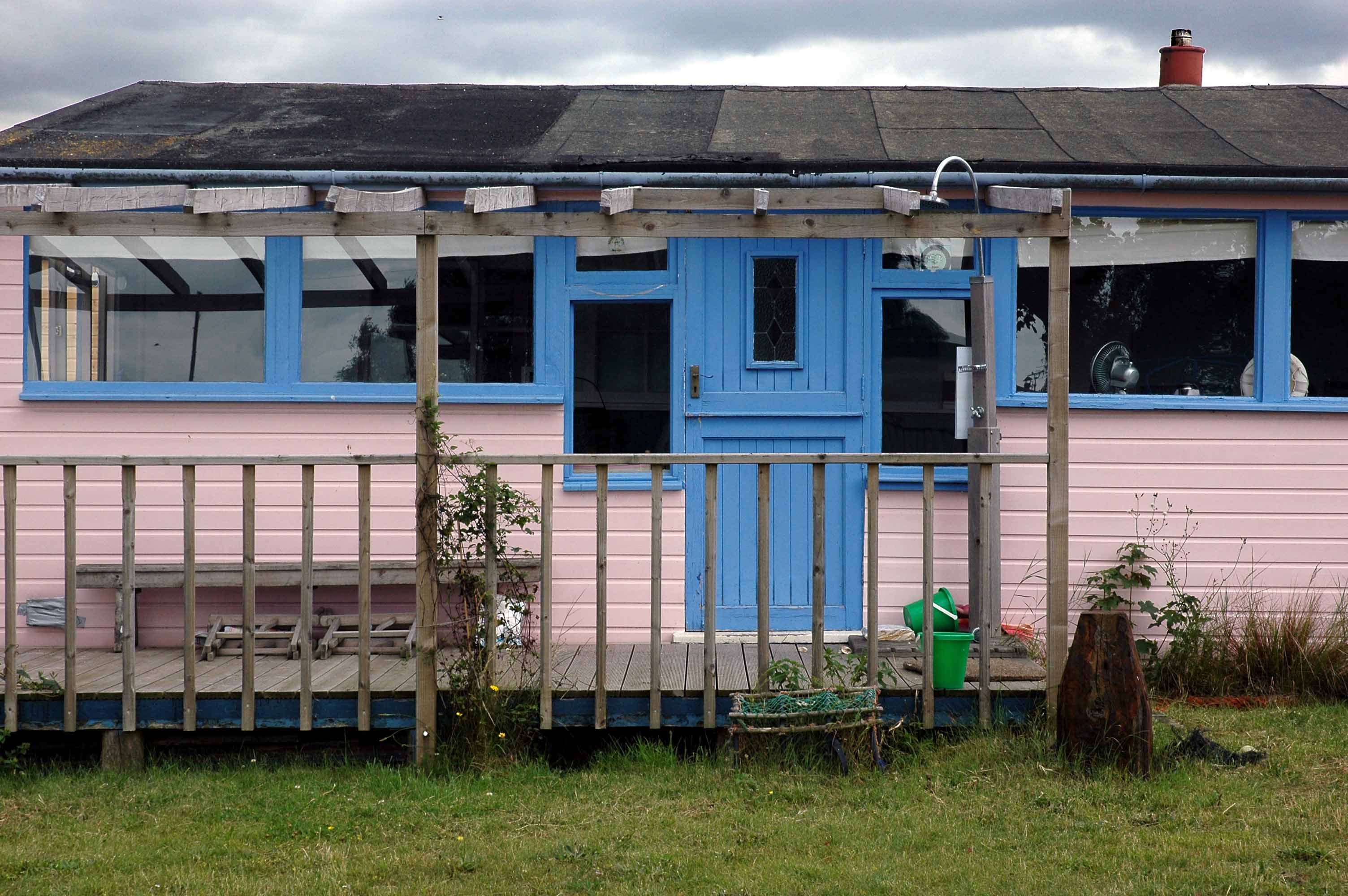
One such area and precious survivor from the last century is the Humberston Fitties – situated to south of Cleethorpes, preserved in time by the happy homesteaders.
Though under threat from Local Authority negligence or intervention, three hundred and twenty chalets prevail – against the incursion of planning regulations, building specs and a lack of respect.
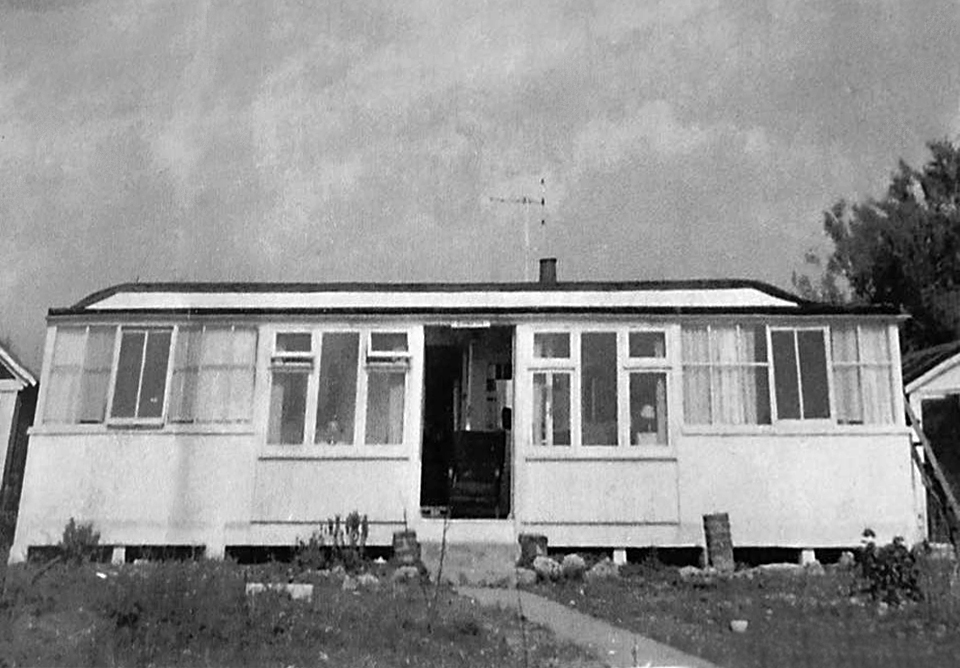
I feel a real affinity for all Plotlands, having spent many summers in the converted Pagham railway carriage, belonging to my Aunty Alice and Uncle Arthur. They relocated to the south coast seeking cleaner air for Arthur’s ailing, industrialised northern lungs, thus prolonging his life.
Tamarisk – Pagham
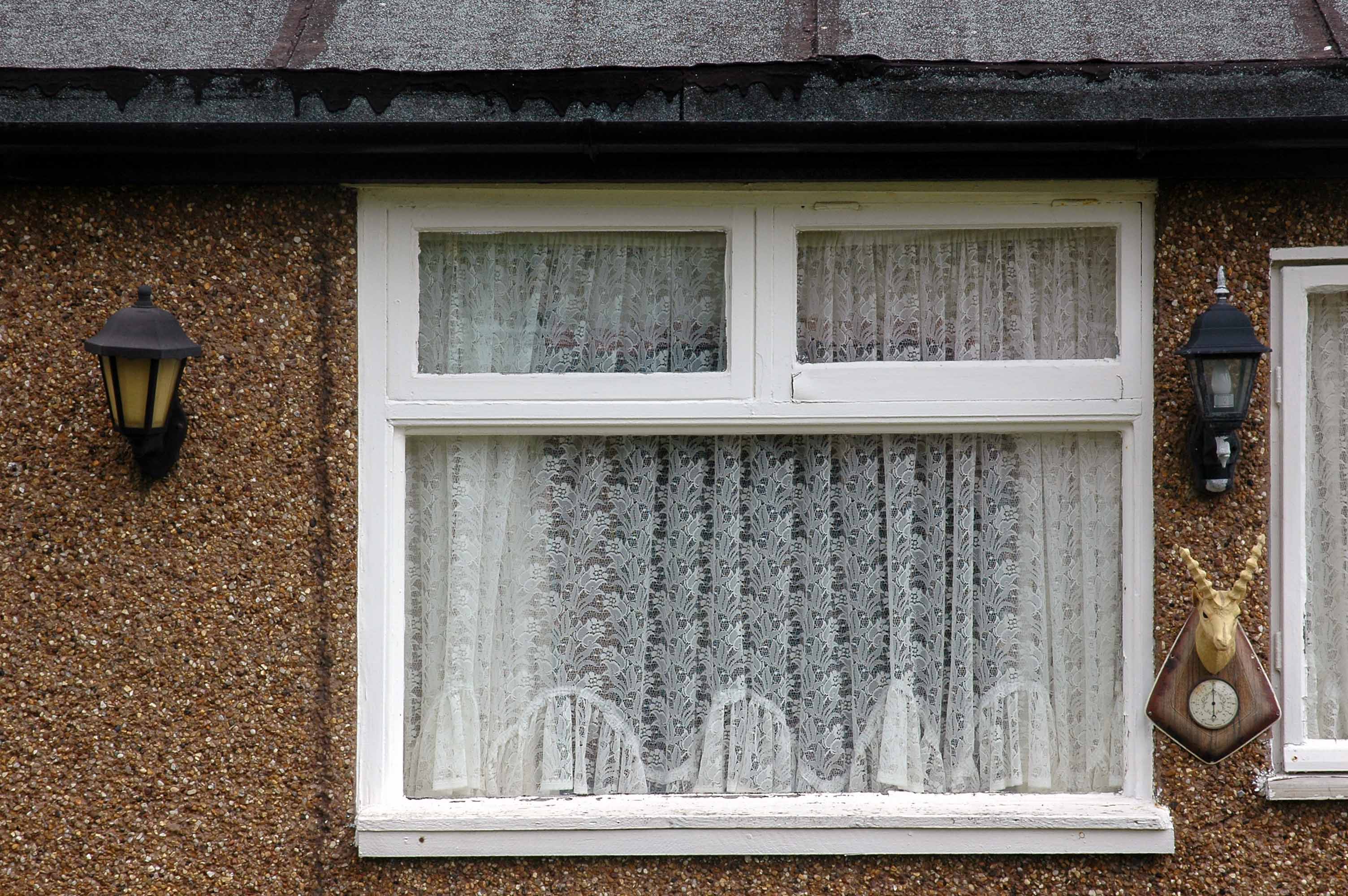
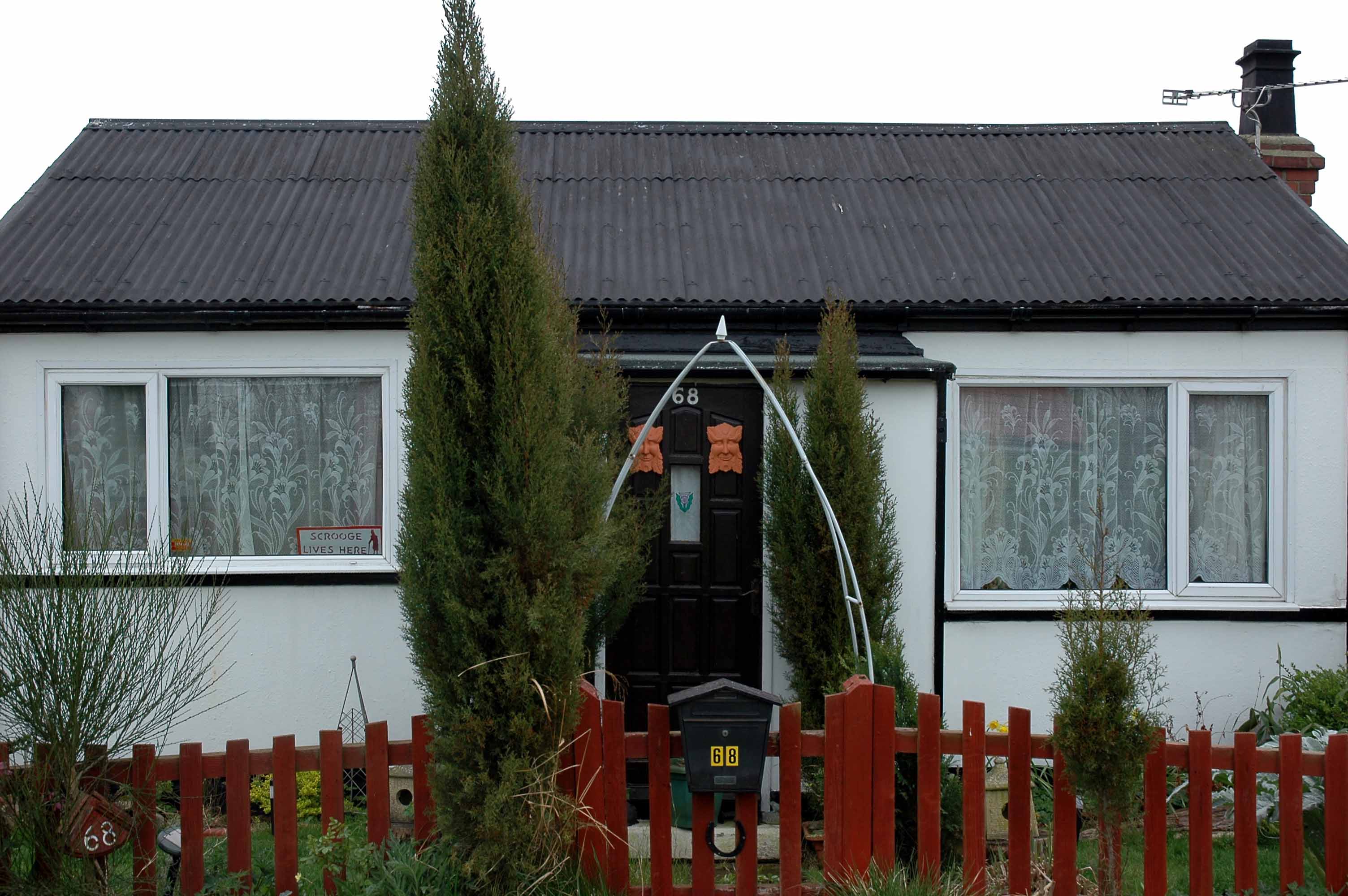
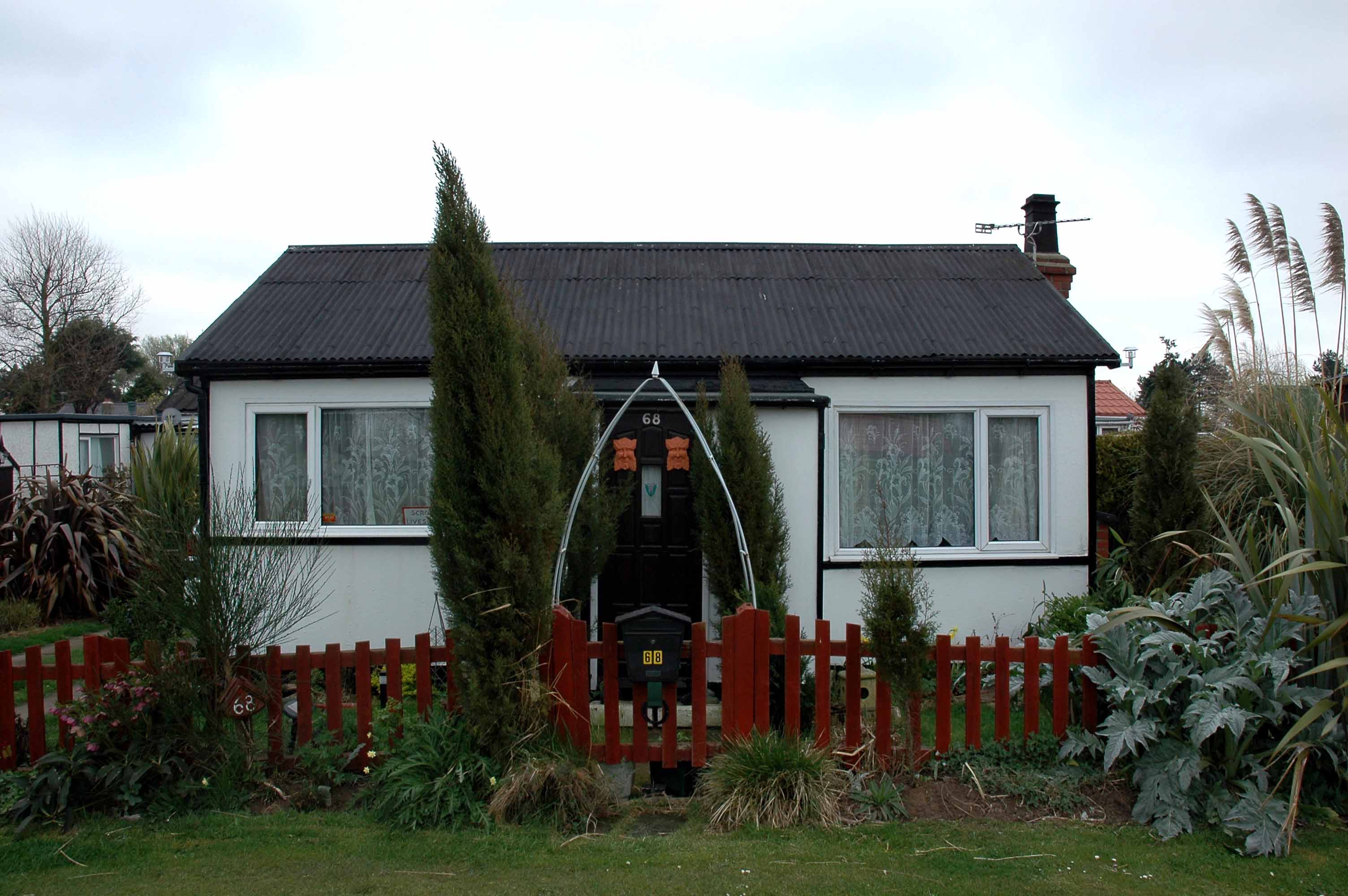
So here are the photographs I took on a visit to The Fitties in July 2008, I walked the home made roads, amazed by the vigour and variety of shape, size, personal affectation and practical pragmatism, of this all too human architecture.
This is a particular form of independent minded Modernism – hand-forged from the vernacular.
It is better to have your head in the clouds, and know where you are, than to breathe the clearer atmosphere below them, and think that you are in paradise.
On my most recent visit the most distant shelter was receiving a wash and brush up, a brand new coat of paint or two, restored to bright red and white shipshape order, this land locked delight looked ready to set sail across the adjacent Channel to who knows where.
Offering a somewhat occluded view of blue skies and faraway shores, the bus stops here and goes on forever and forever.
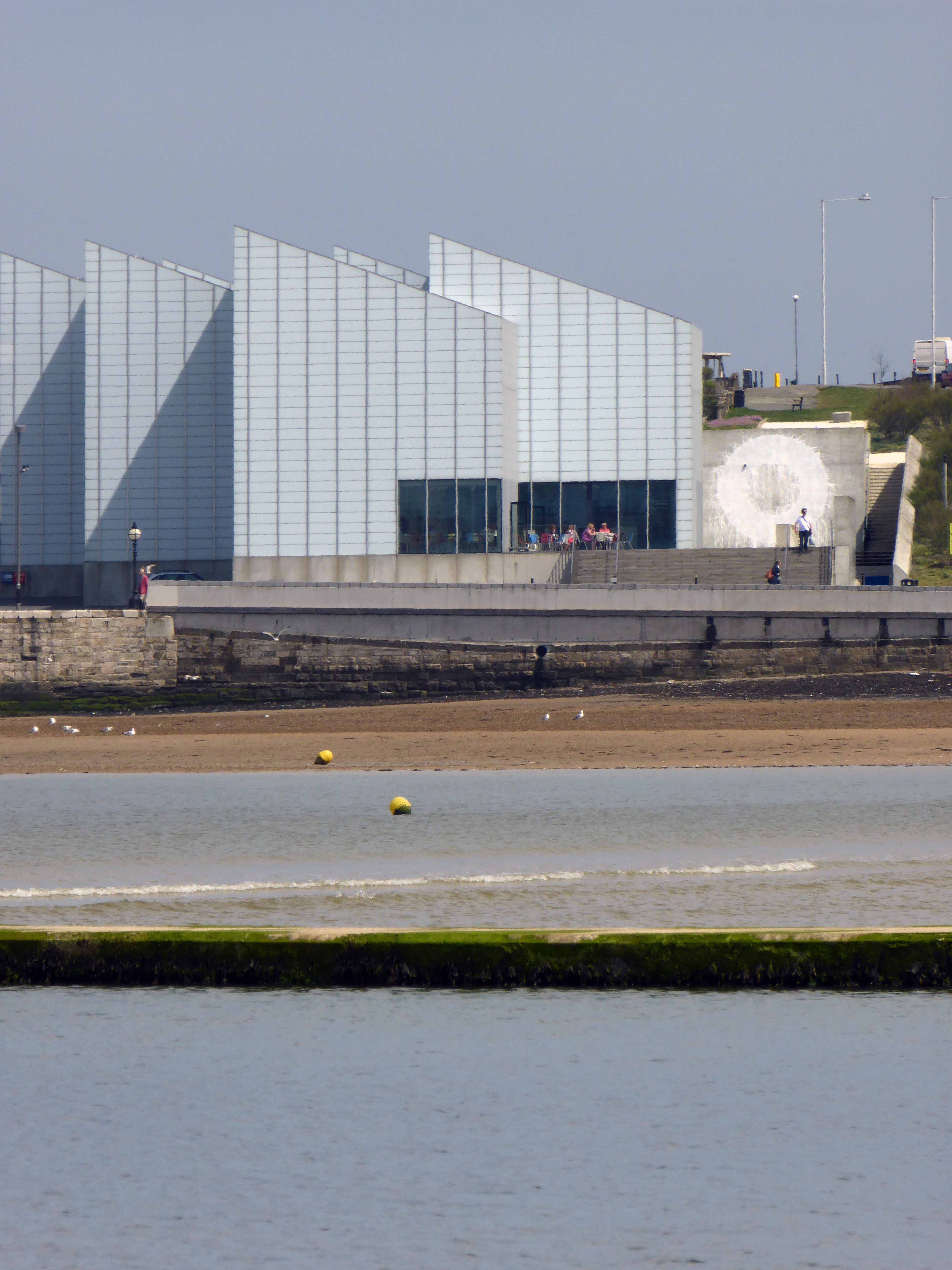
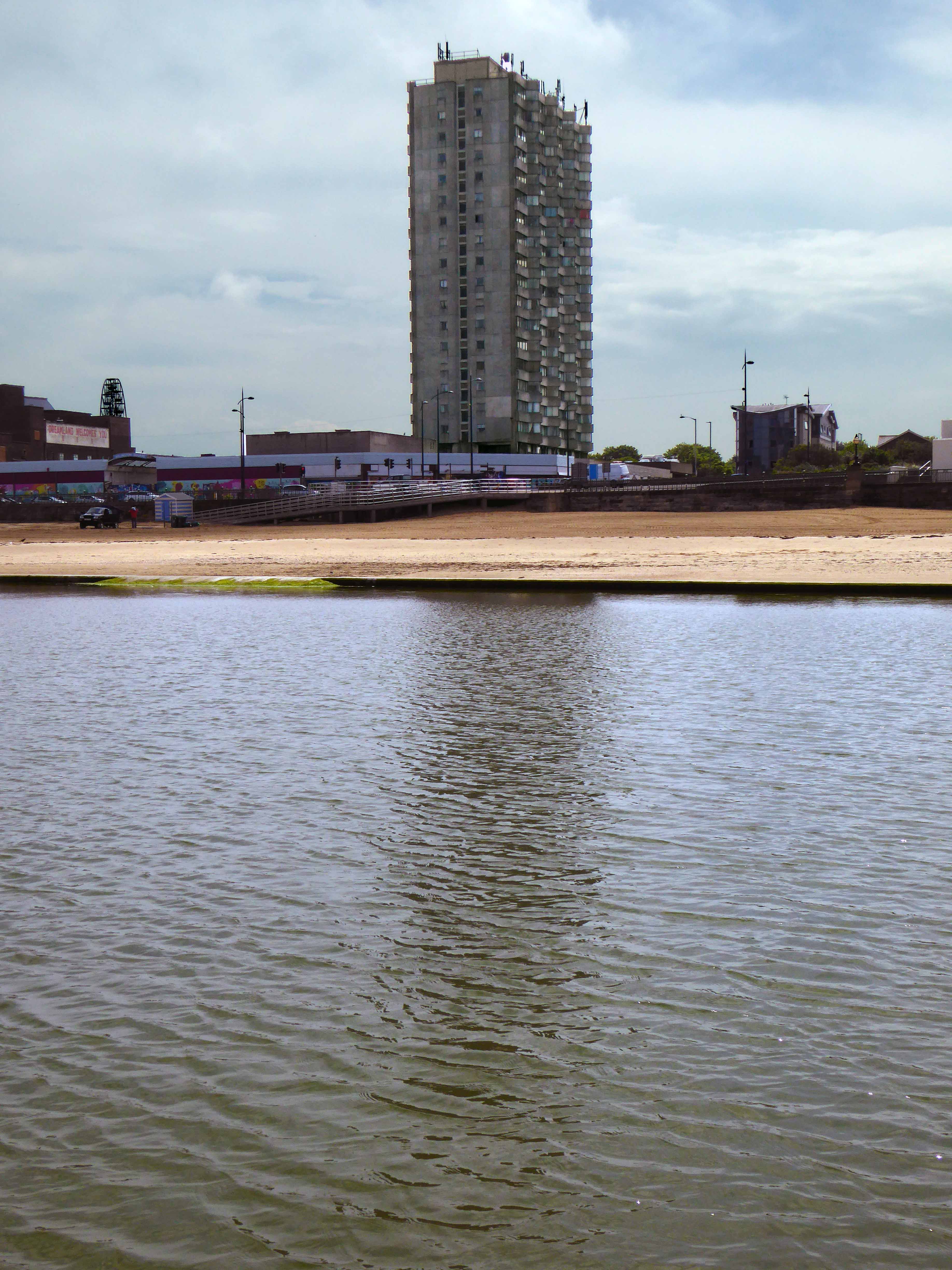
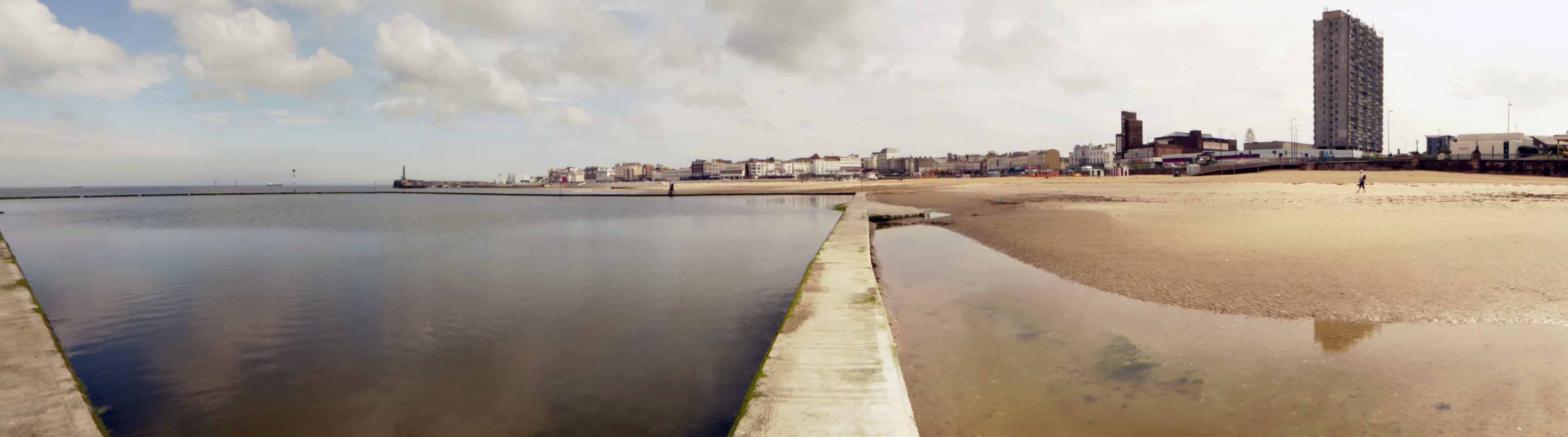
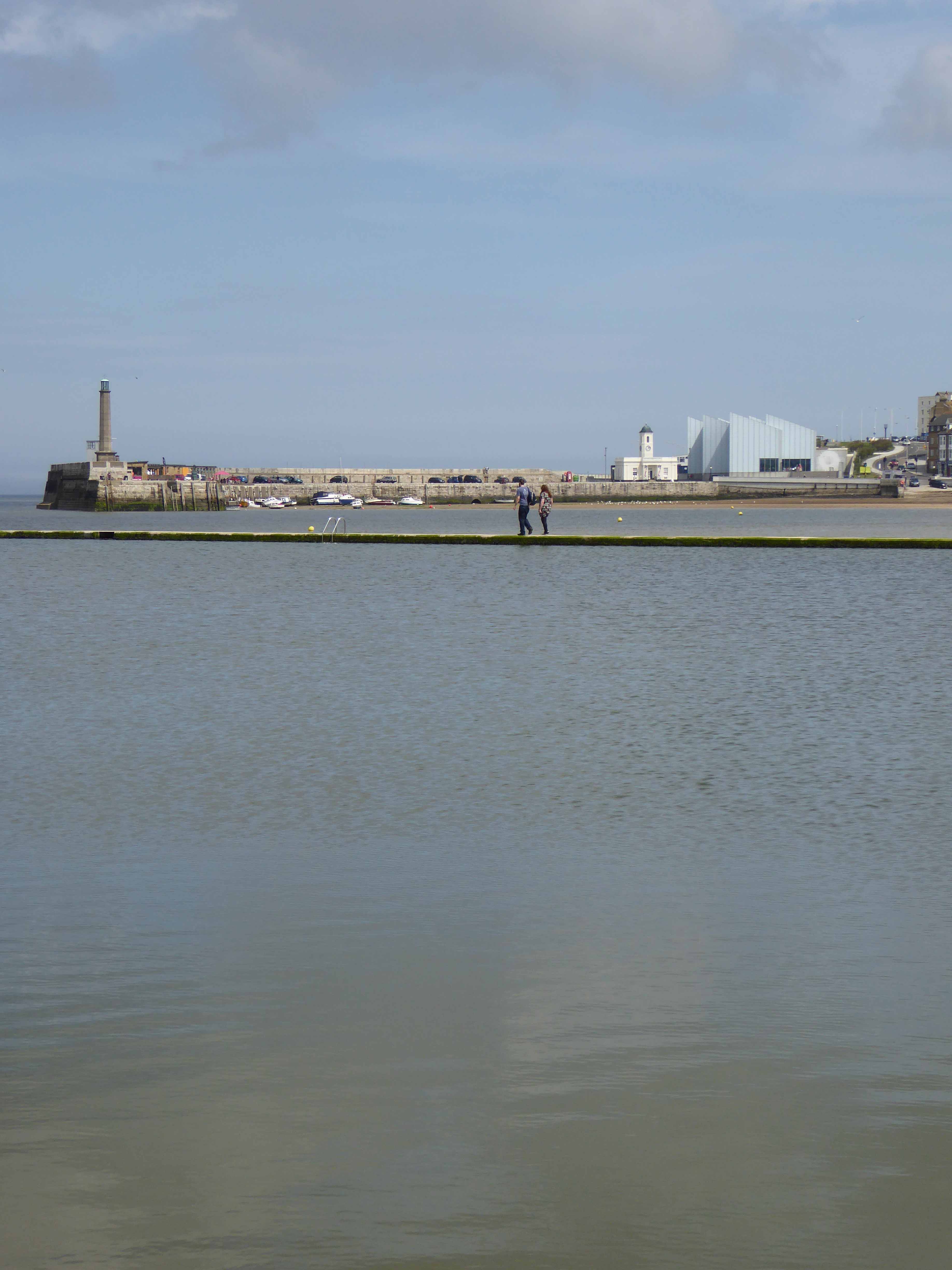
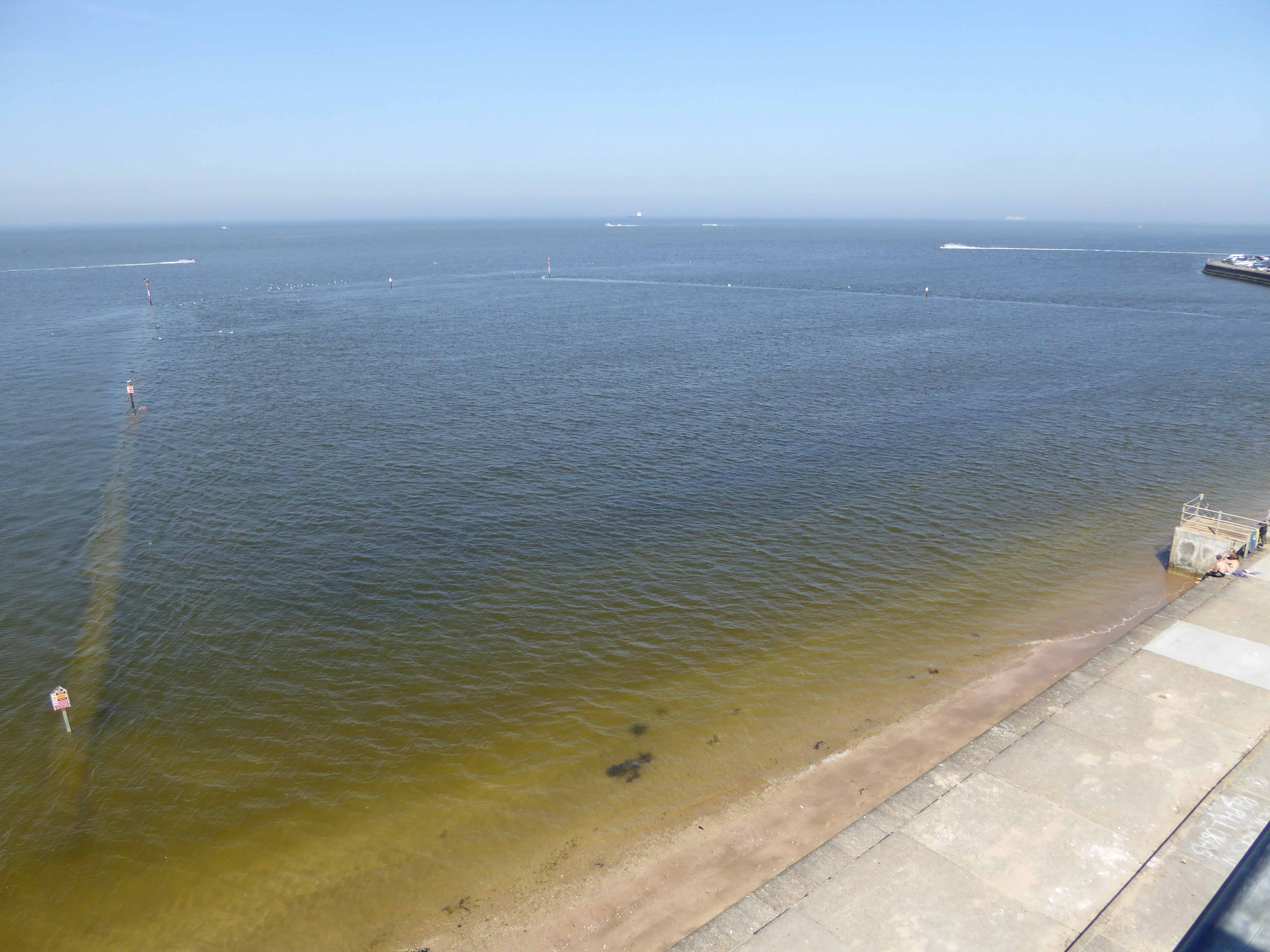
The first tucked in by the prom, a moments walk from the station and overlooked by the imposing Arlington House and the shimmer of the Turner Contemporary
– alas no longer the domain of the wild swimmer.
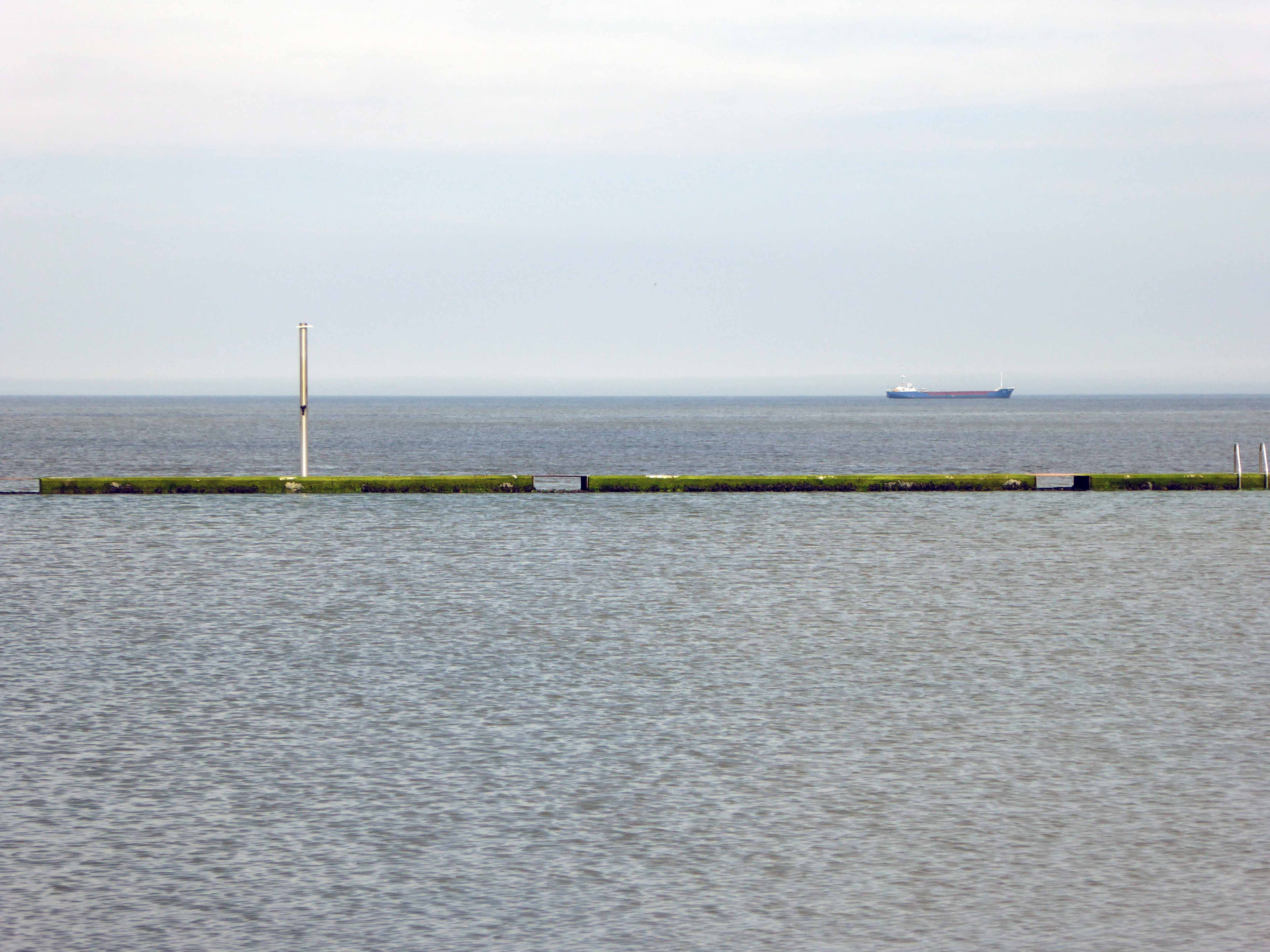
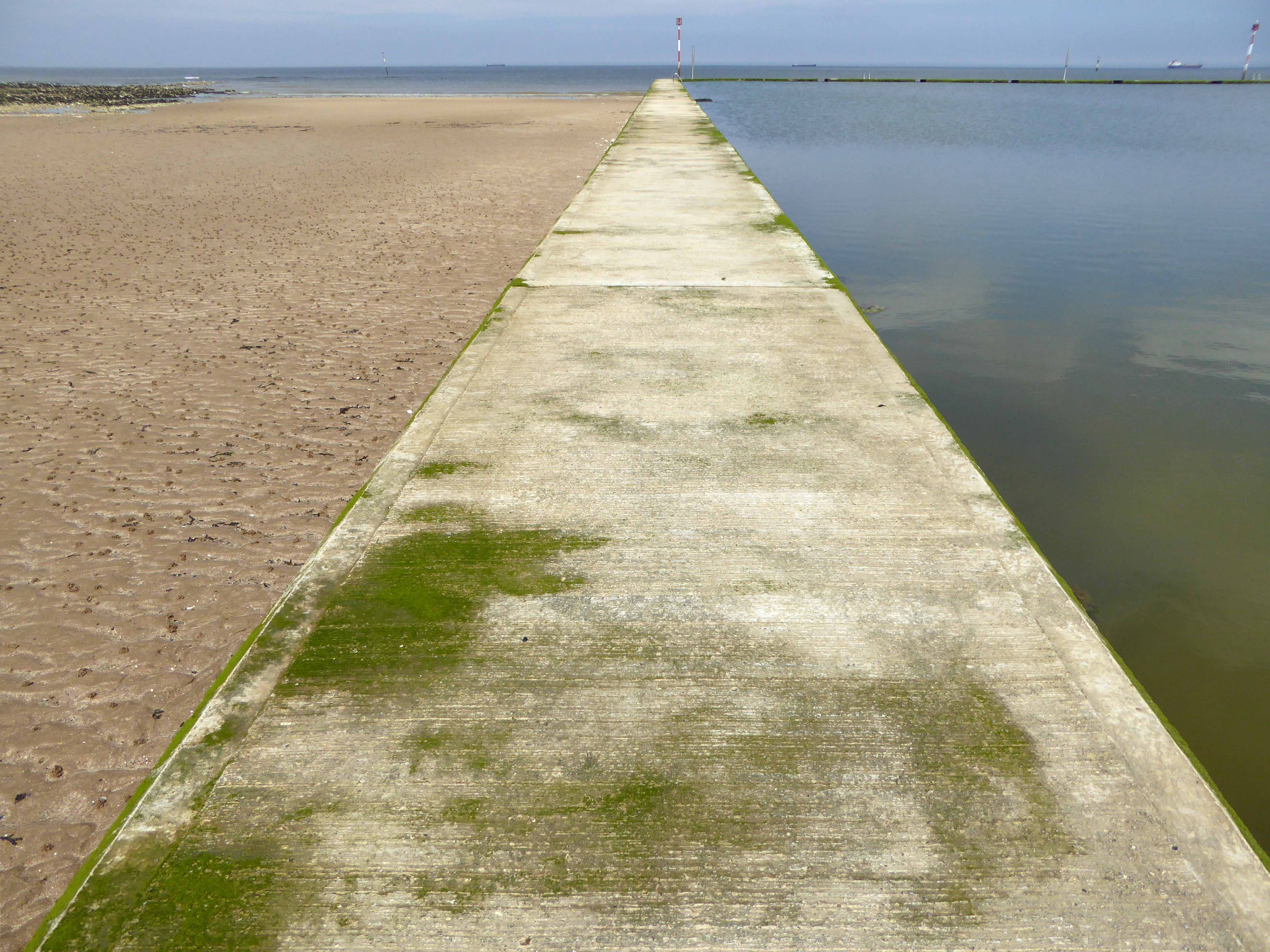
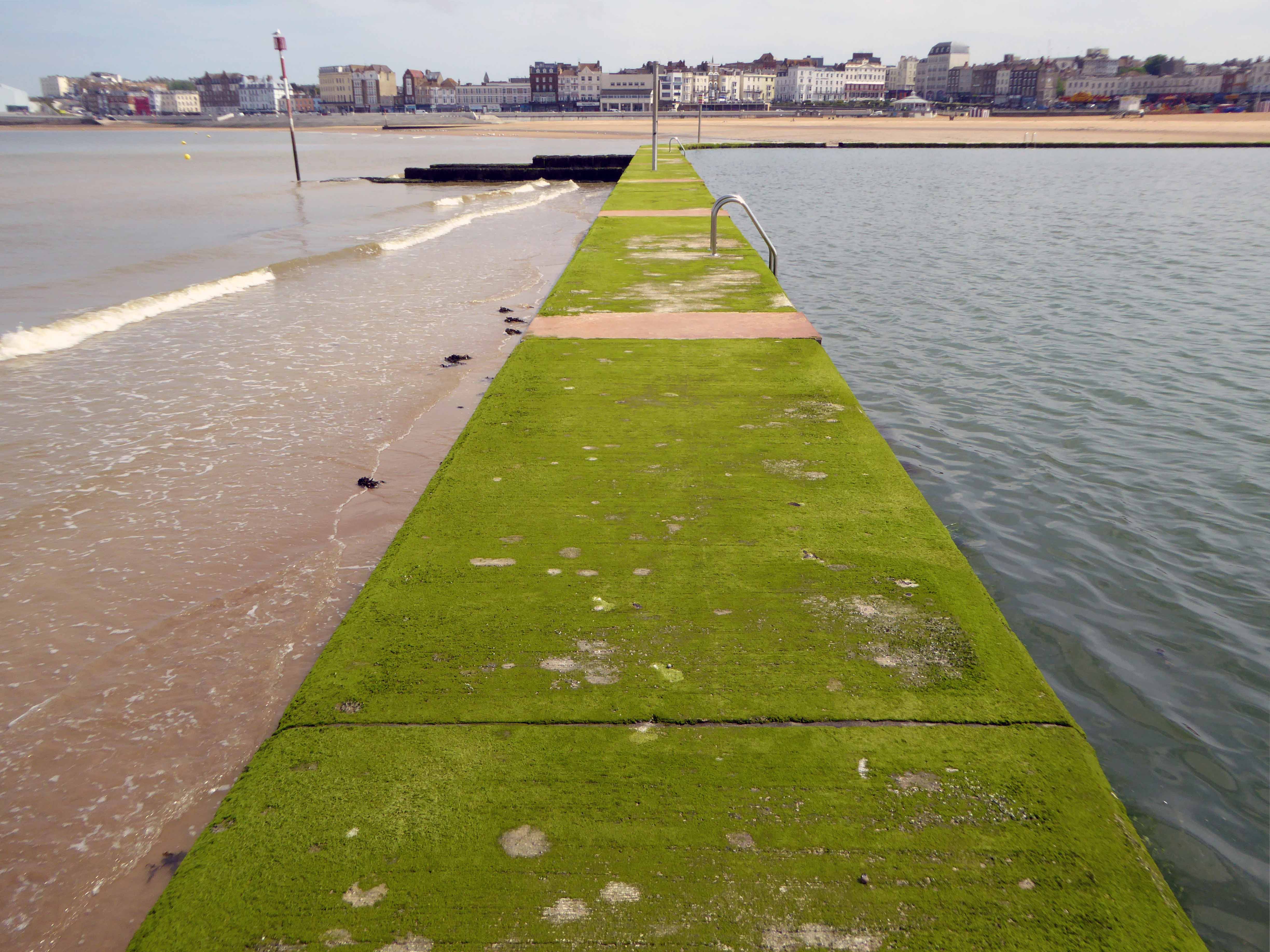
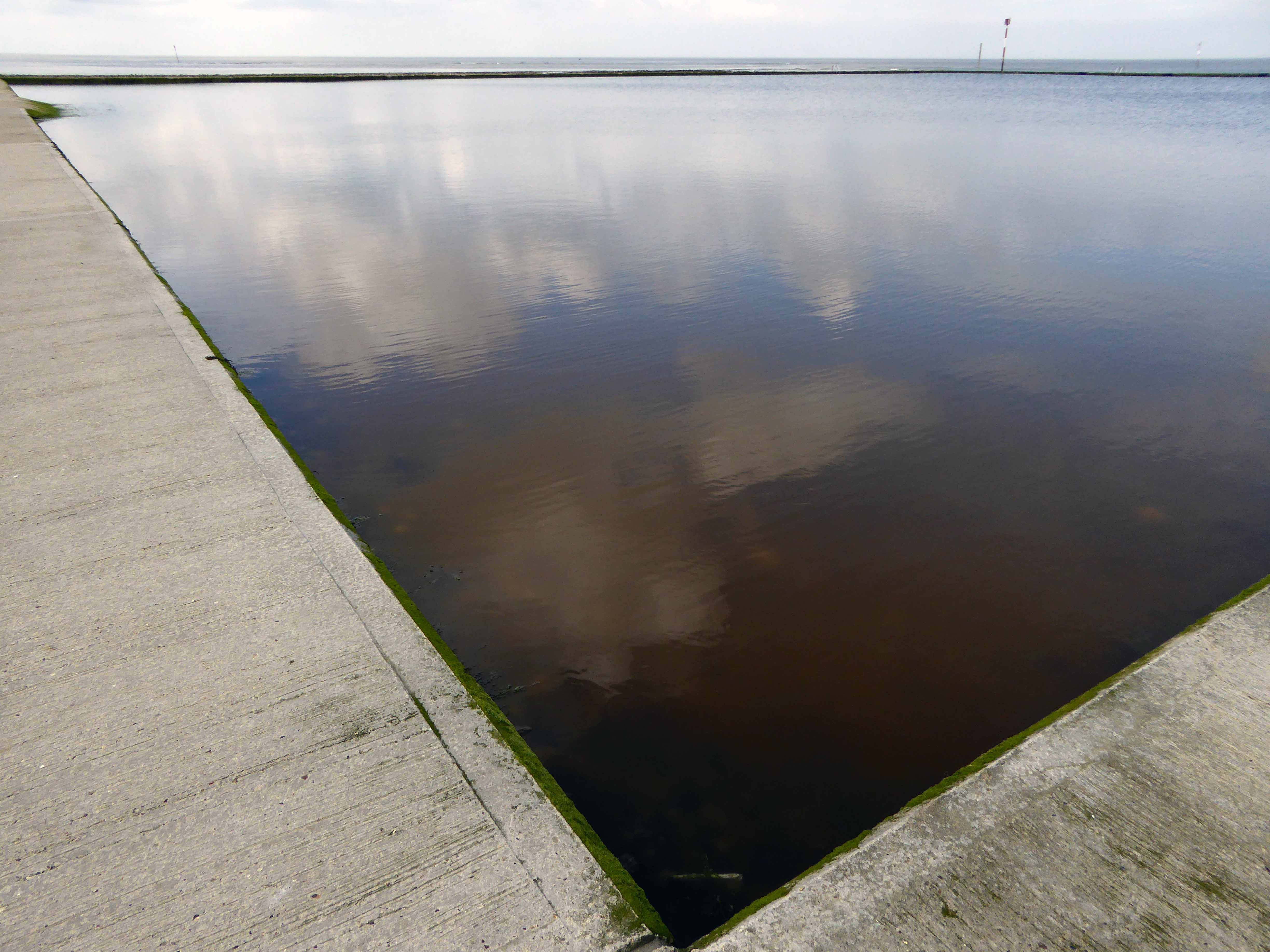
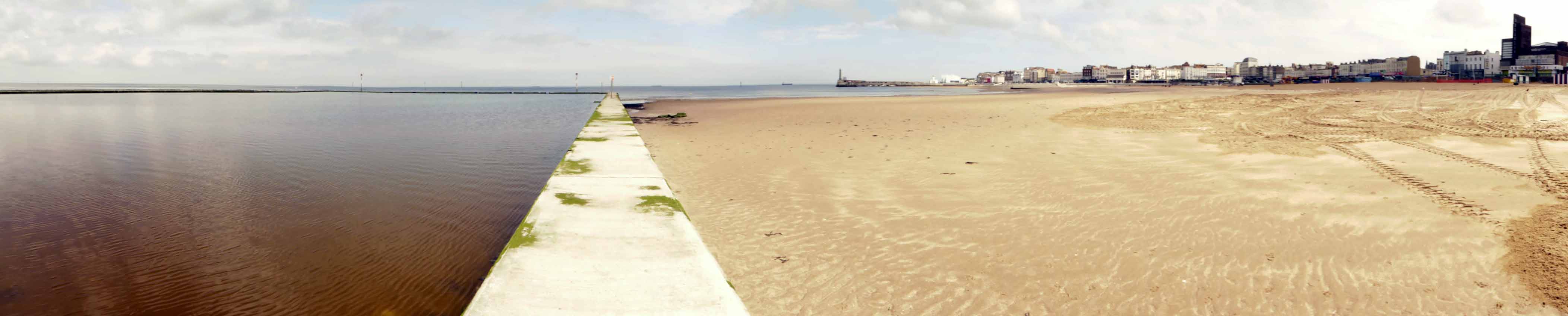
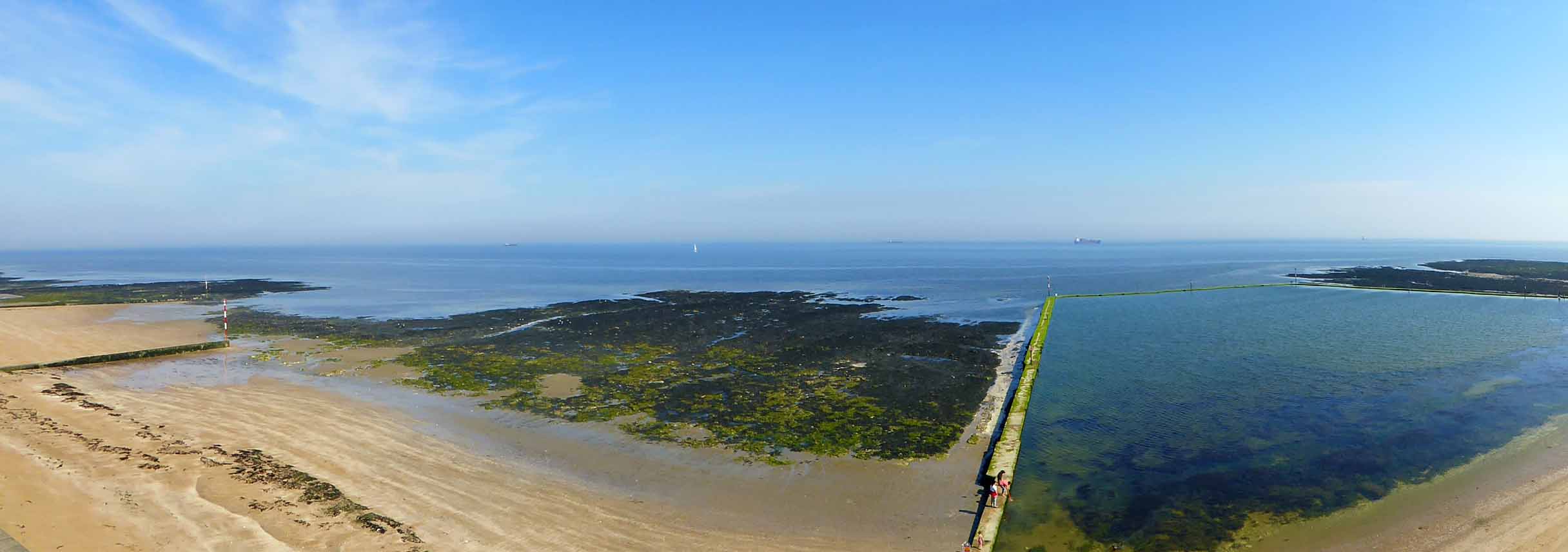
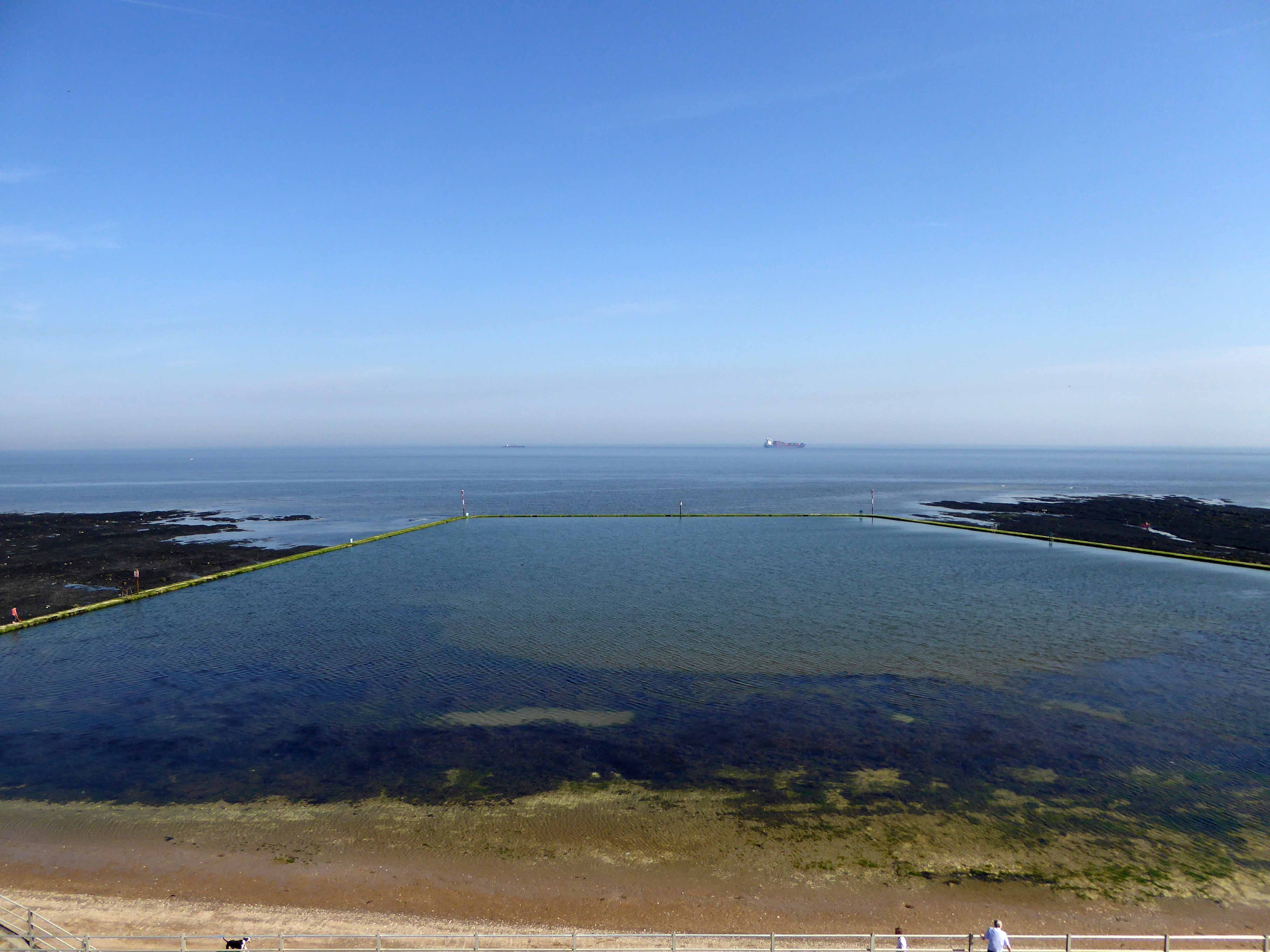
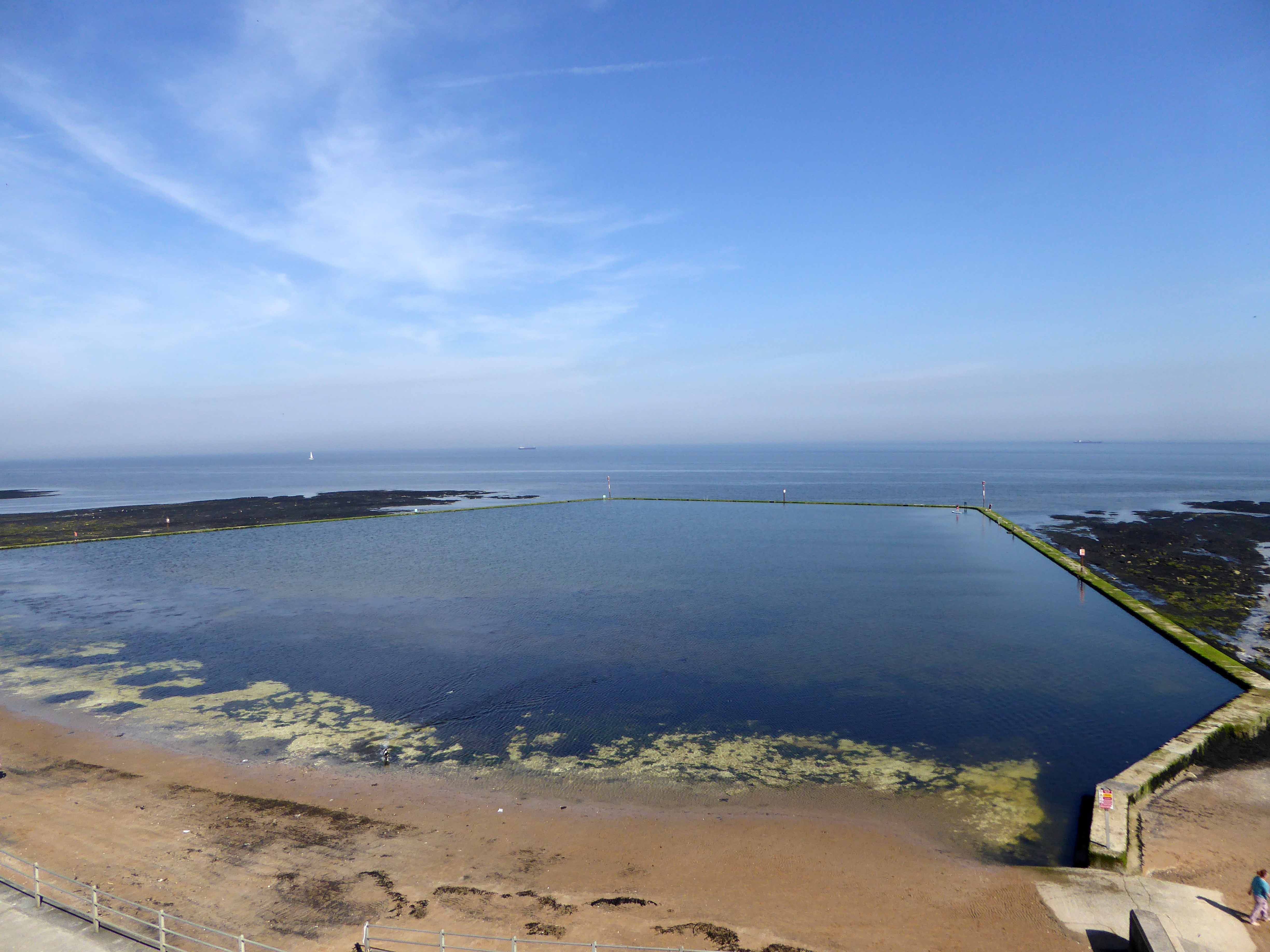
A large delicious expanse of seawater, now sadly designated as a boating pond.
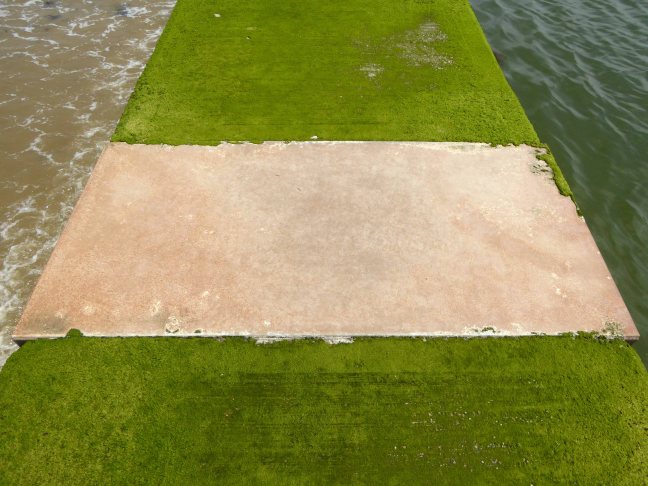
I was drawn magnetically to this elemental artifice, where untamed waters meet a controlled concrete geometry, waves temptingly lapping the walls.
Would that it could be open again to the town’s swimmers.
I am latterly reliably informed, that the pool is well used by local aquarists, despite the Local Authority’s prohibitions and ministrations – bravo!
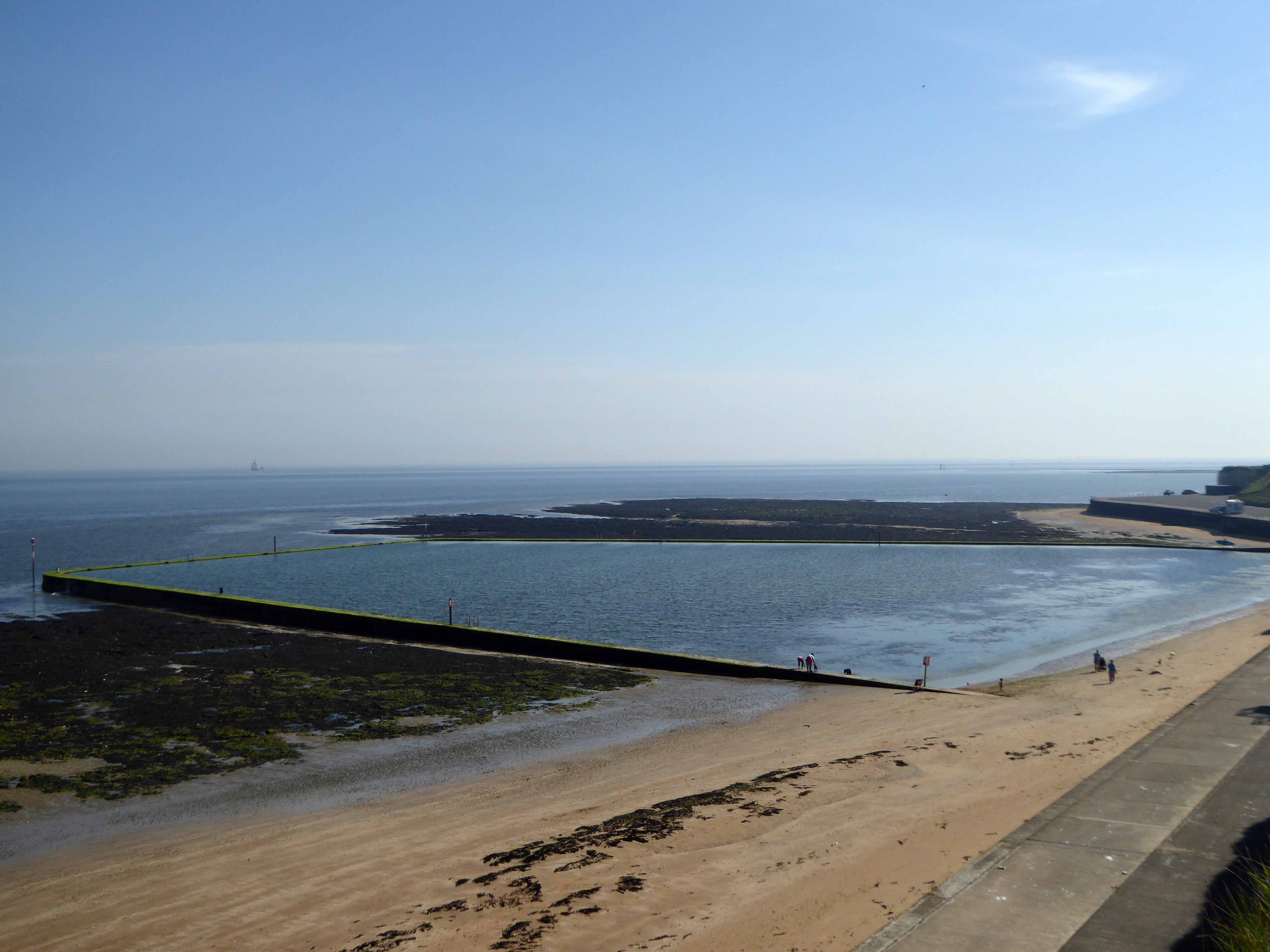
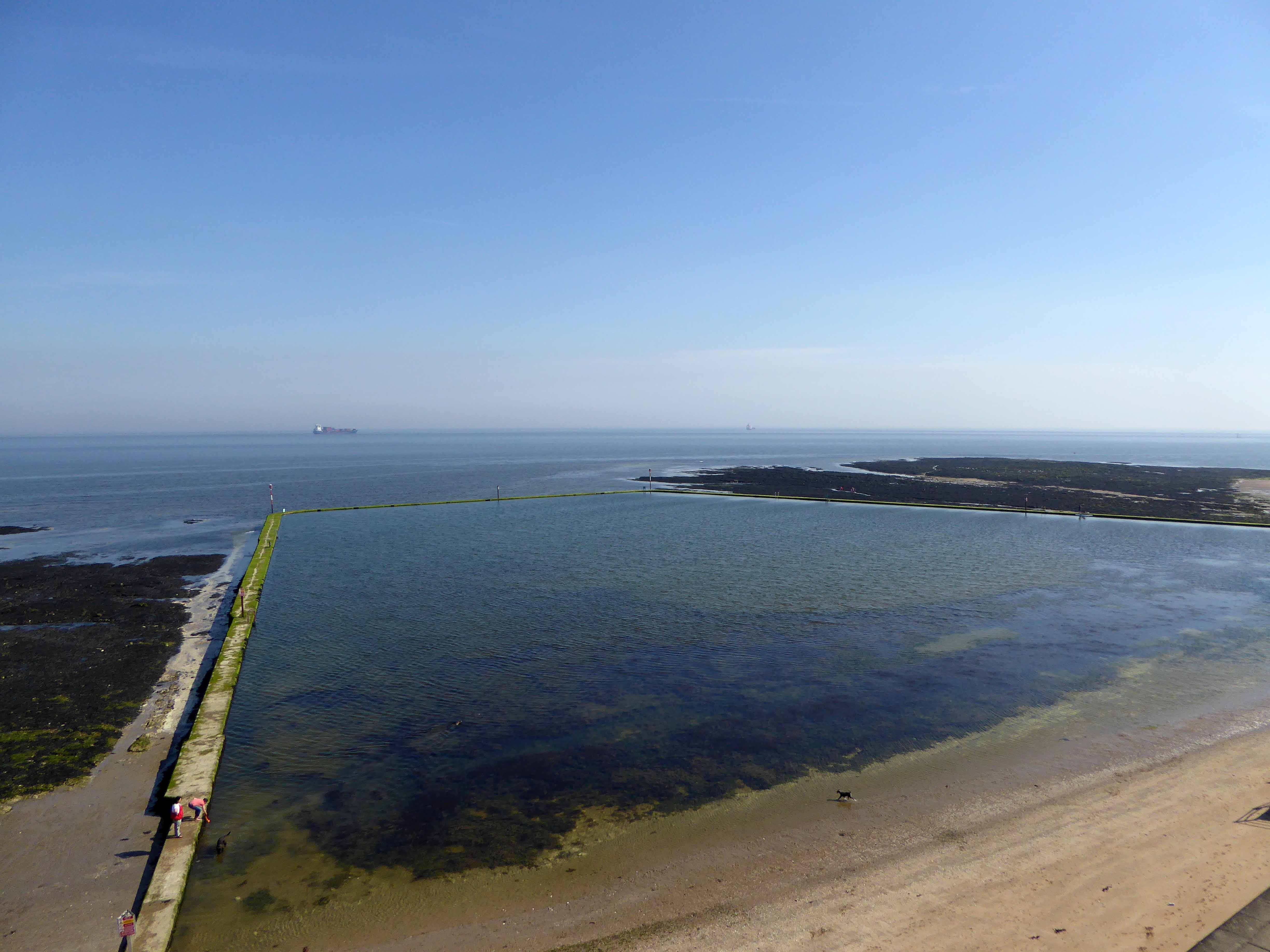
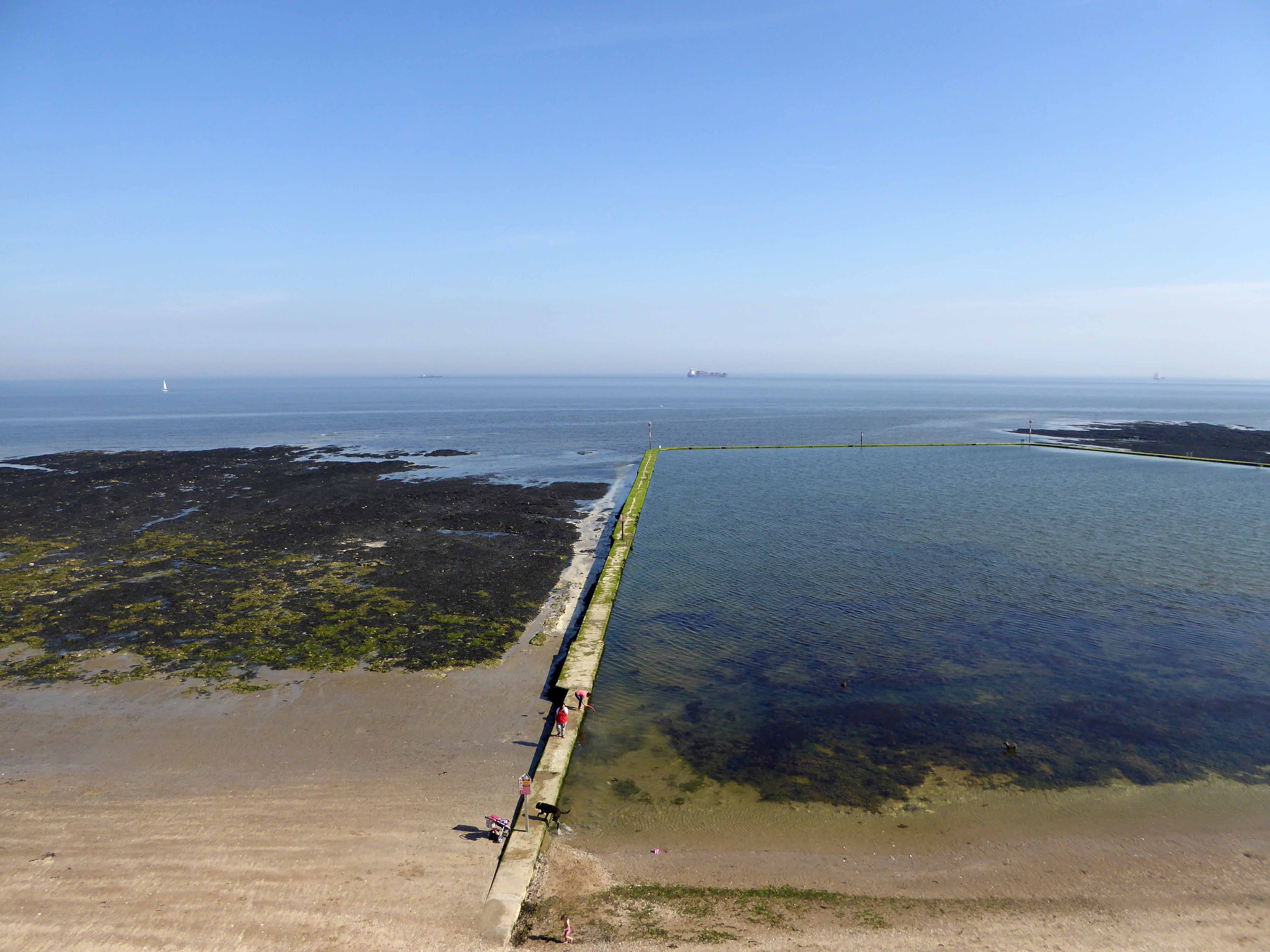
The second at Walpole Bay still open to the swimmer and what’s more it’s listed.
Walpole Bay Tidal Pool, one of two tidal pools designed by Margate’s borough engineer in 1937, constructed in concrete blocks reinforced by reused iron tram rails, is listed at Grade II for the following principal reasons: * Structural engineering interest: an ambitious project because of its scale, the weight of each concrete block, and that work needing to be carried out day and night because of the tides; * Scale and design: impressive in scale and shape, occupying 4 acres and three sides of a rectangle, the sides 450 feet long diminishing towards the seaward end which was 300 feet long; * Social historical interest: provided an improvement to sea bathing at the period of the greatest popularity of the English seaside; * Degree of intactness: intact apart from the loss of the two diving boards which do not often survive; * Group value: situated quite near the remains of the 1824-6 Clifton Baths (Grade II), an 1935 lift and the other 1937 tidal pool.
Where the lone lawn ranger, meets the top of the range Range Rover.
Yippee ki oh ki-yay!
Forever out to out Lutyens.
I think you’re probably out to lunch.
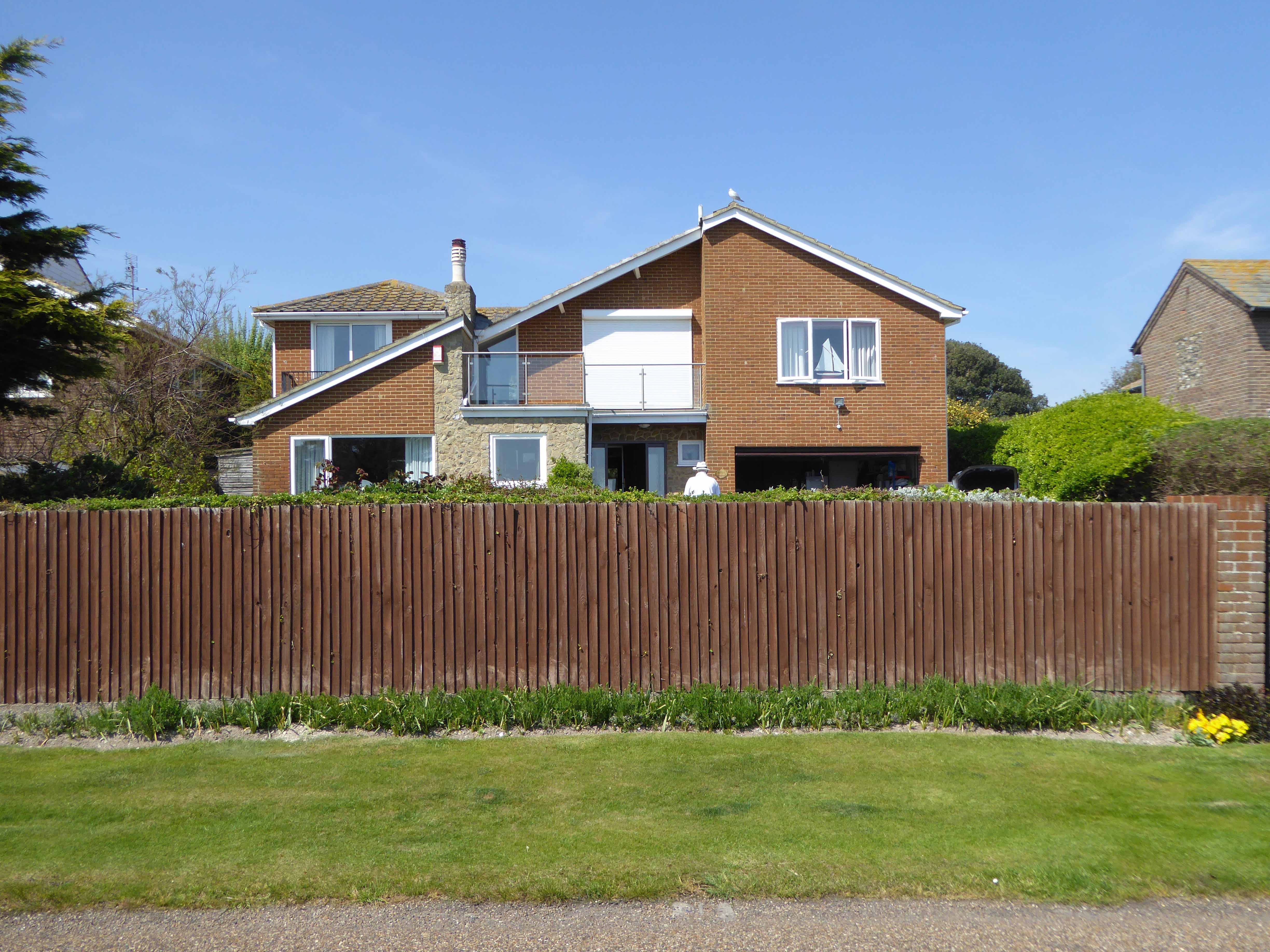
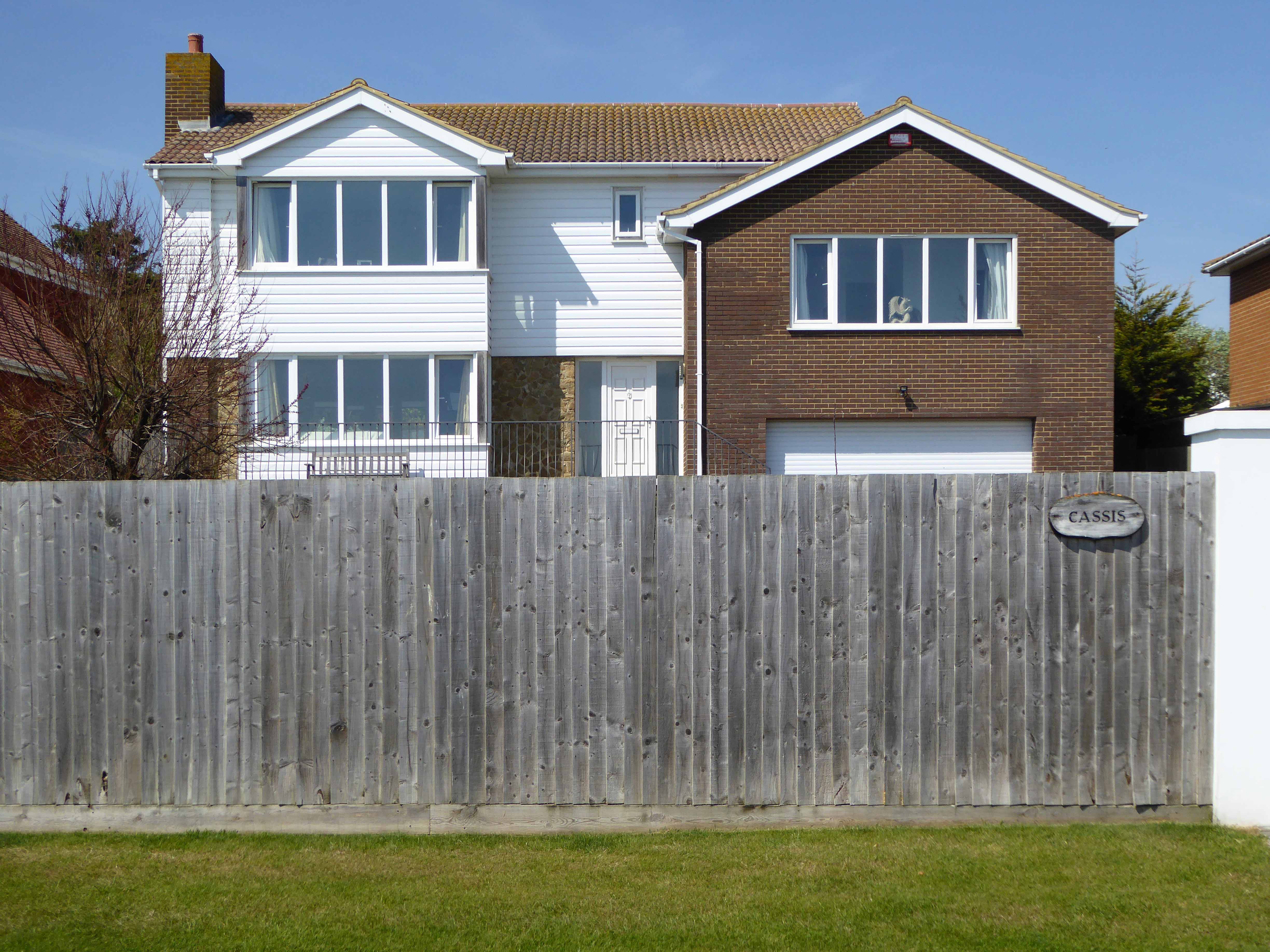
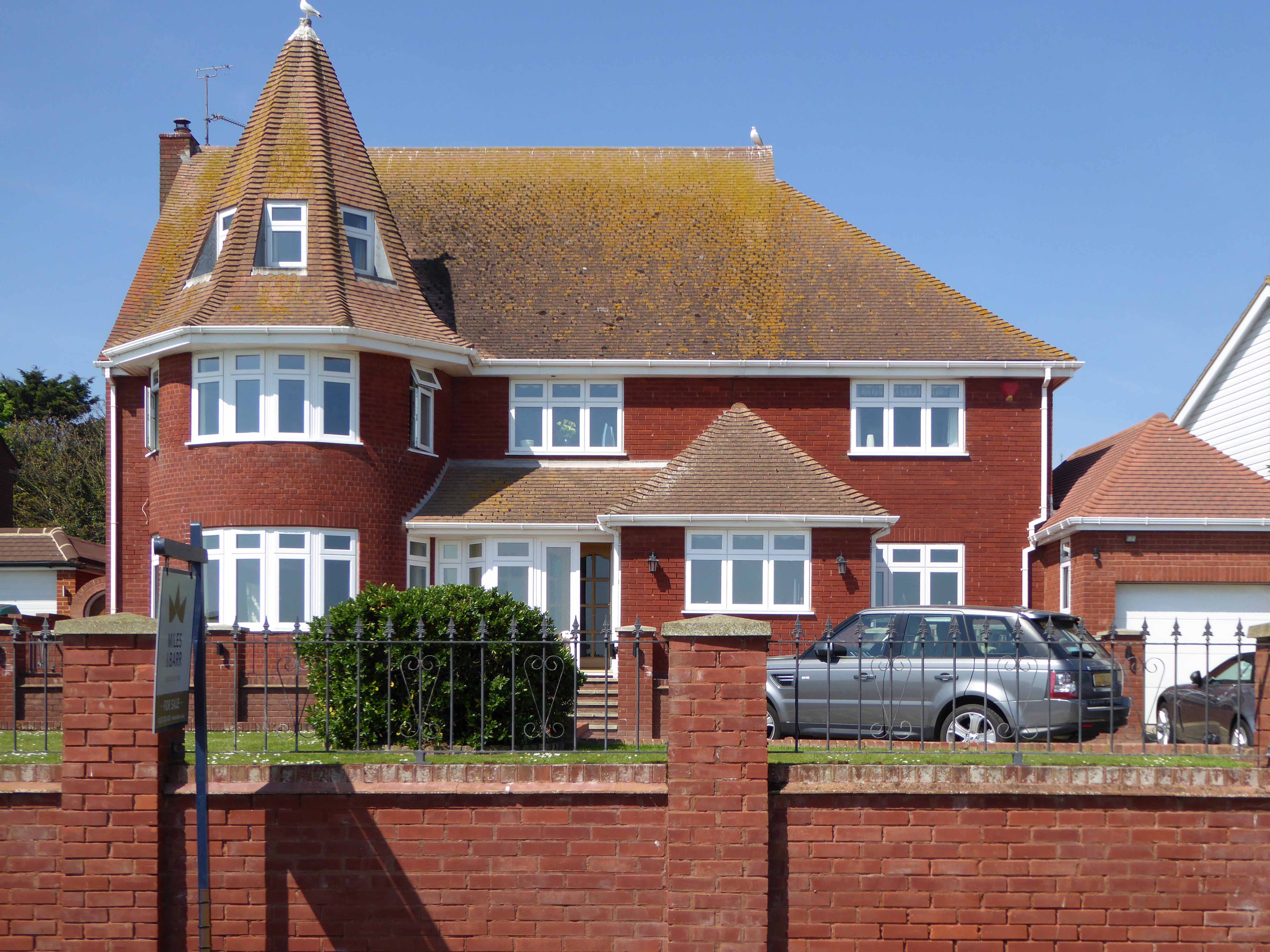
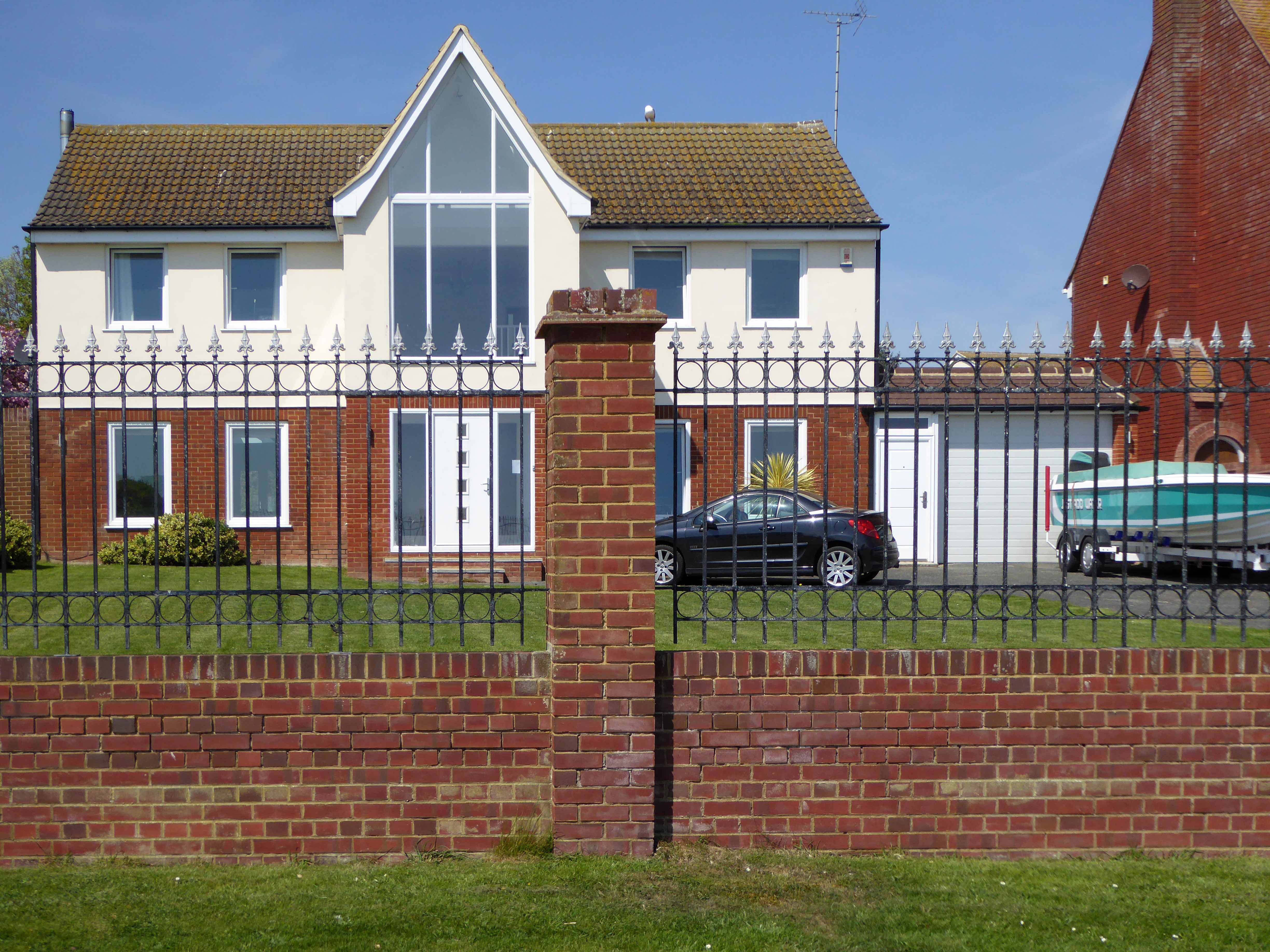
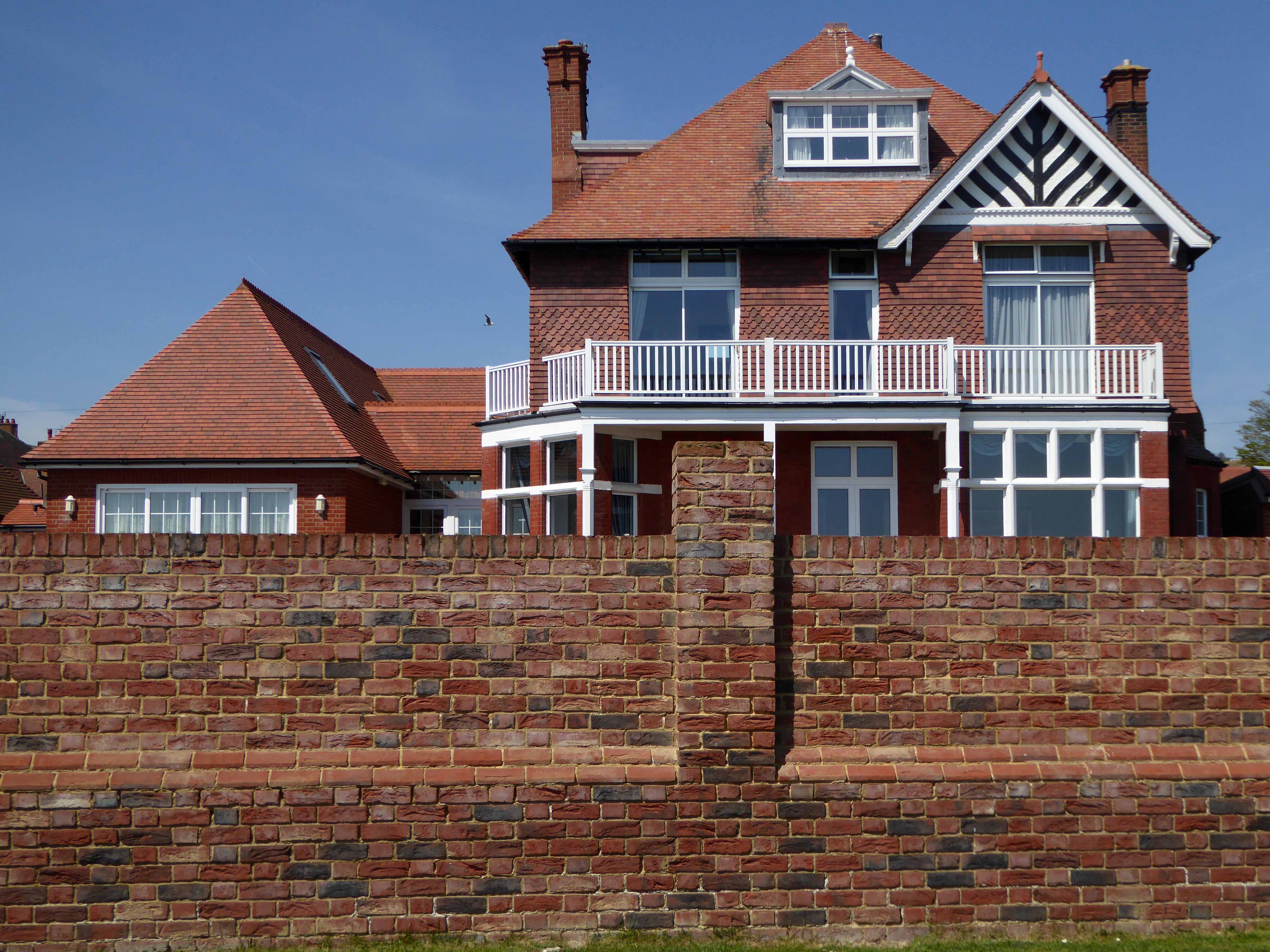
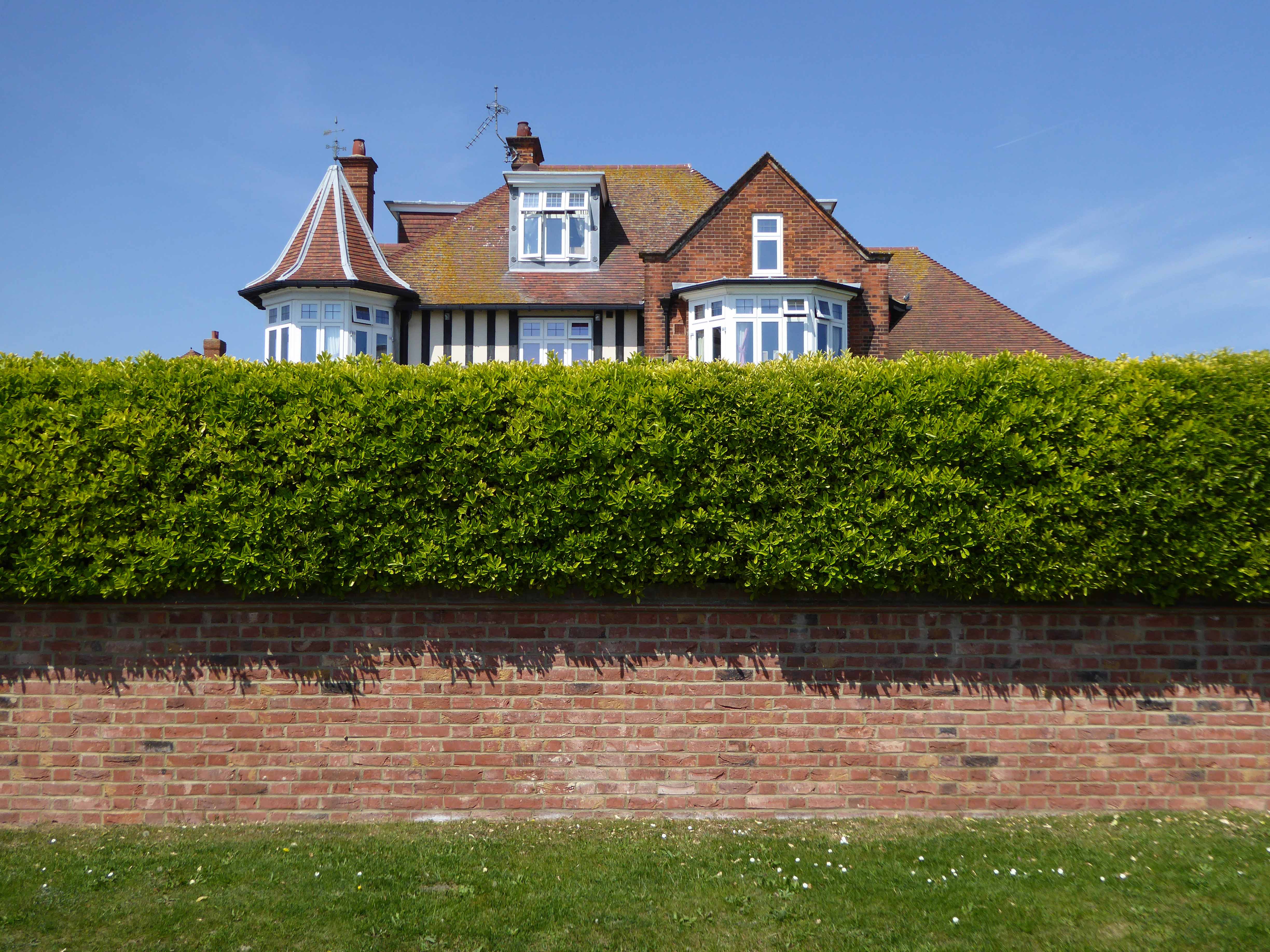
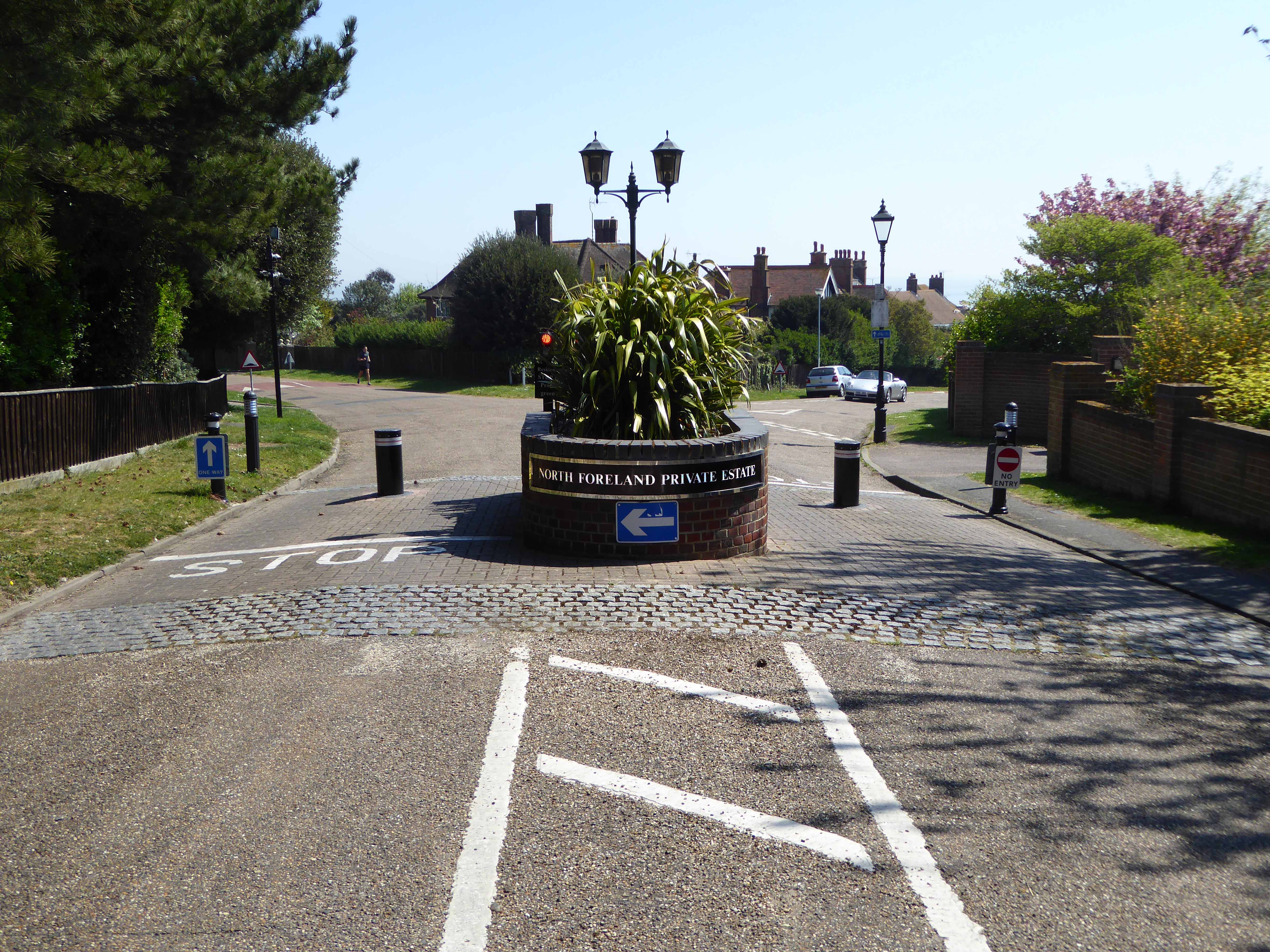
To walk the shoreline path through North Foreland Estate, is to walk an intentionally unintentional free market, mash-up of architectural history.
Hey ho let’s go!
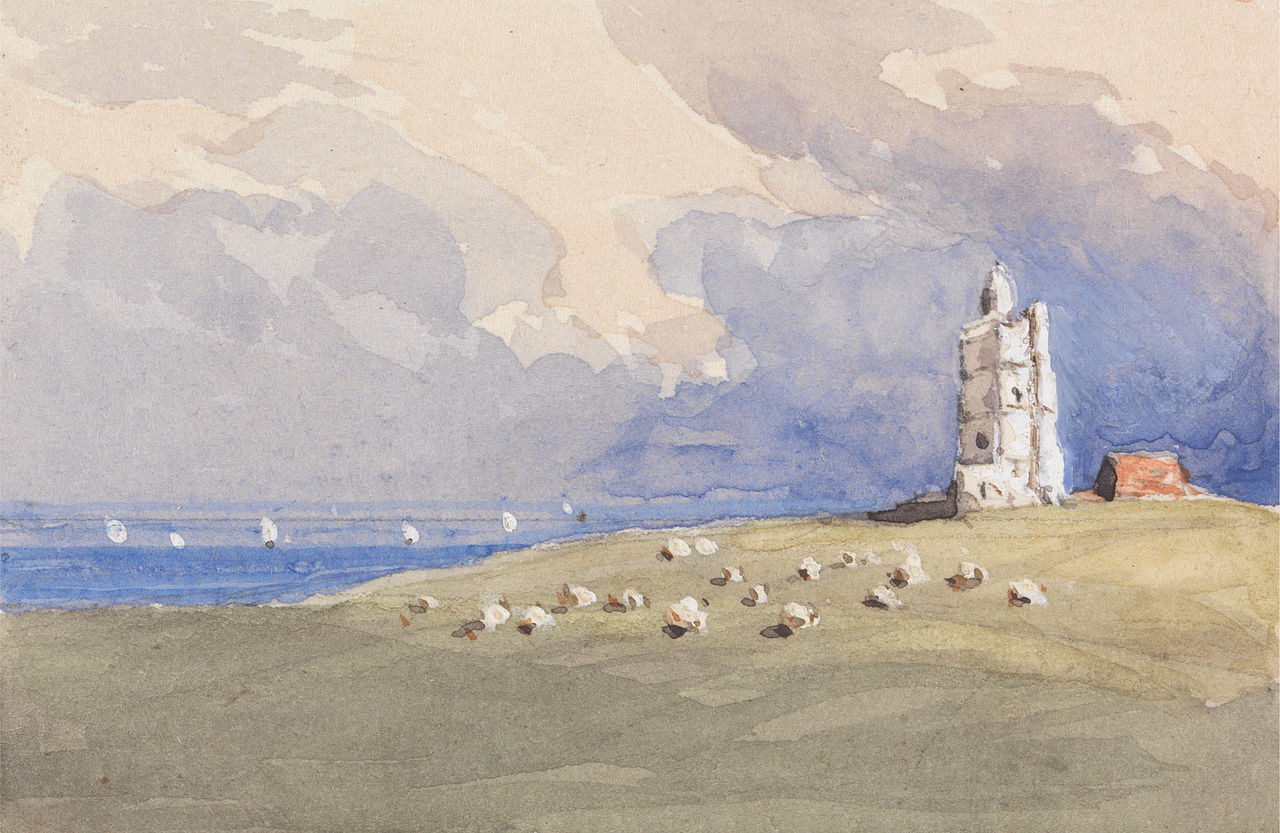
To begin at the beginning, 1636 a lighthouse is erected – leaping forward somewhat:
During World War II a number of radar stations were set up by German forces in France and the Netherlands to detect allied aircraft flying across the English Channel and a chain of top secret radar jamming stations were set up by British scientists along the south east coast of Britain. An array of transmitters was set out around gallery of the lighthouse controlled by equipment in the lower lantern as part of this chain.
The North Foreland lighthouse was last manned lighthouse in the UK, but was automated in a ceremony presided over by the Duke of Edinburgh in 1998.
It seems appropriate that the DoE should preside over the automation, however, I digress.
This is a gently rolling coast line, low chalk cliffs harbouring sandy coves and spies.
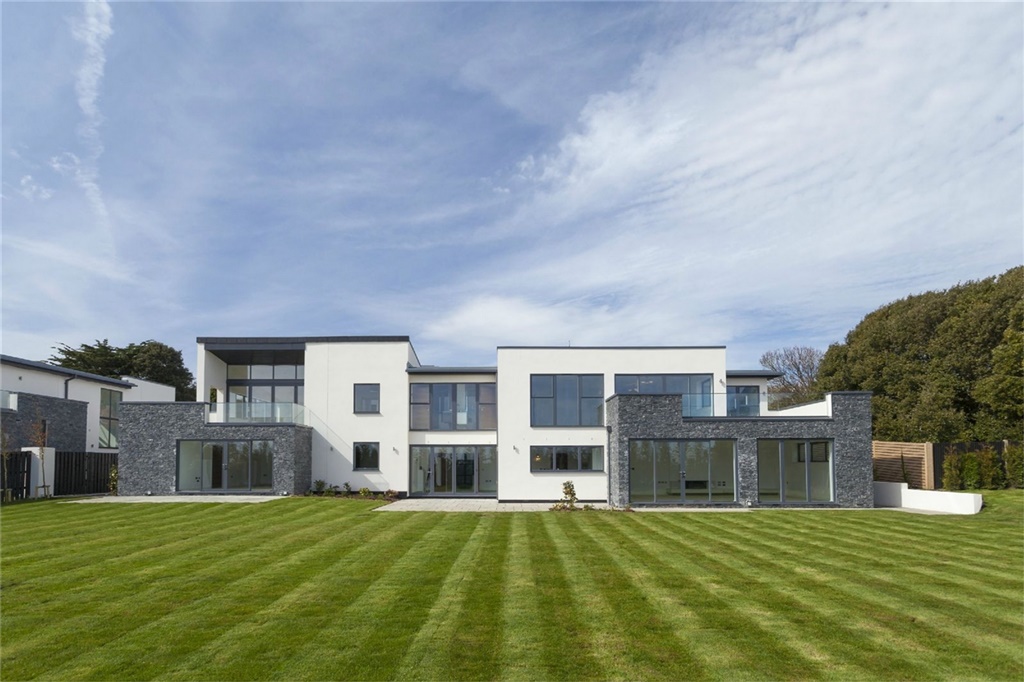
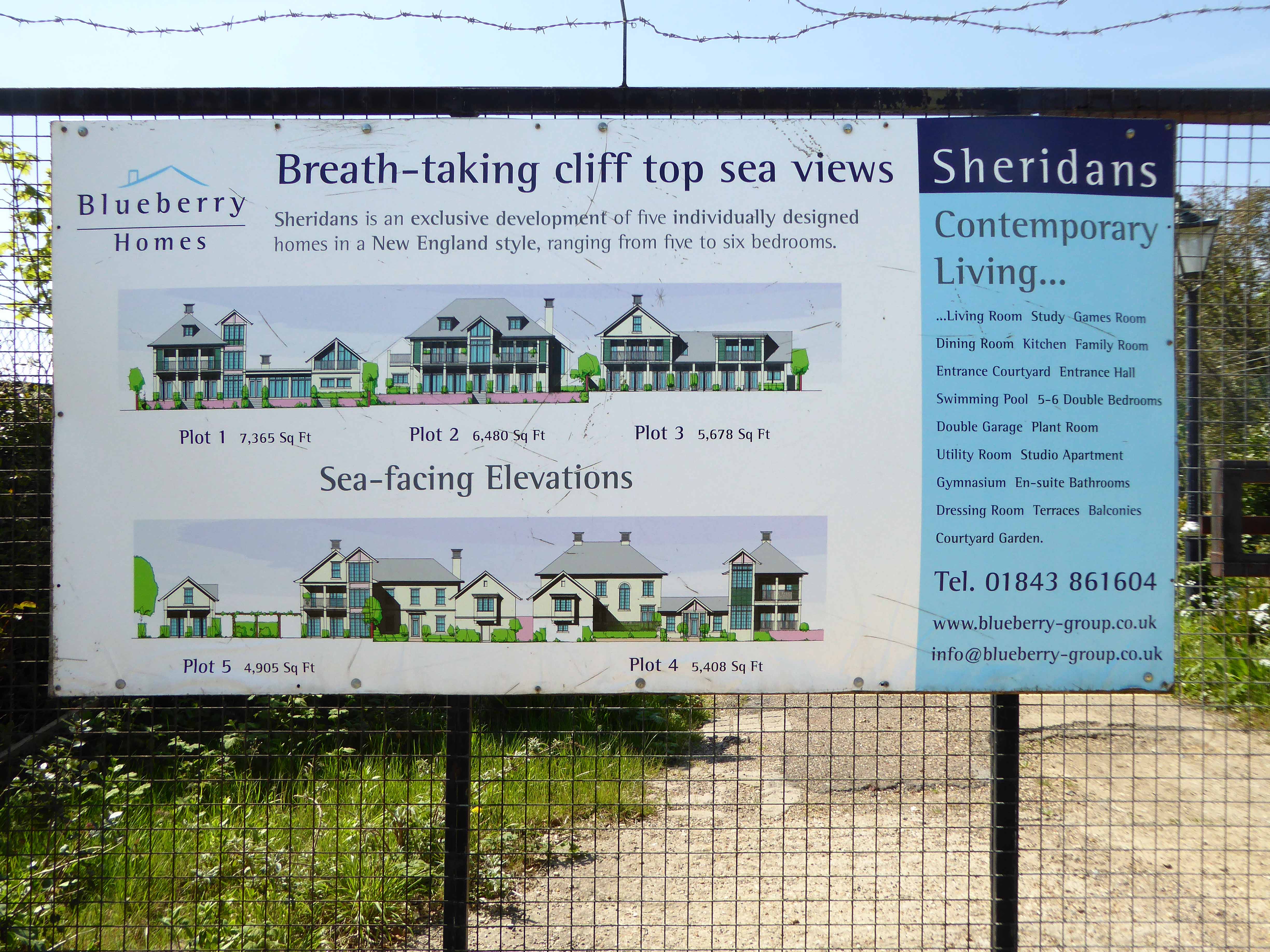
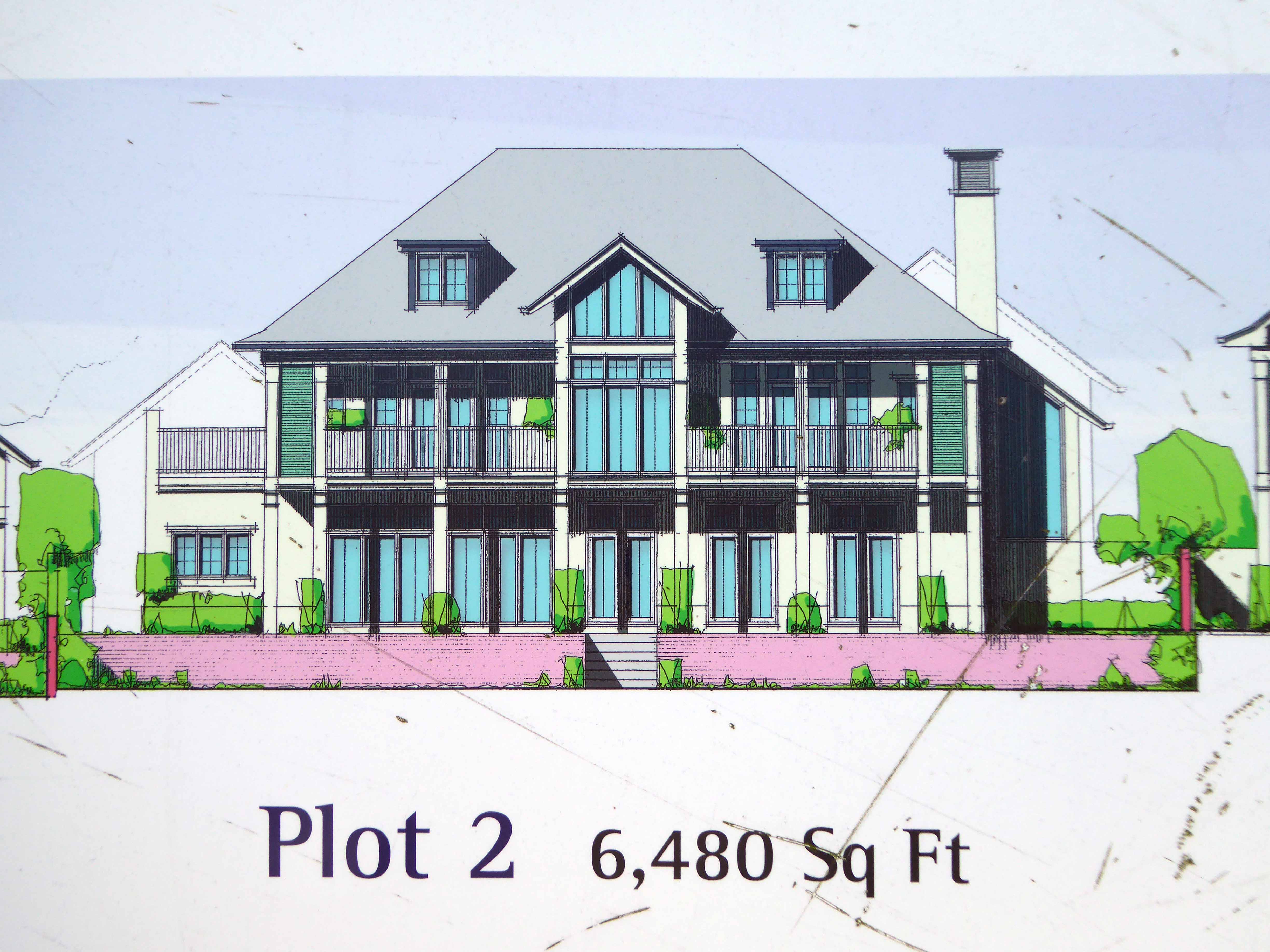
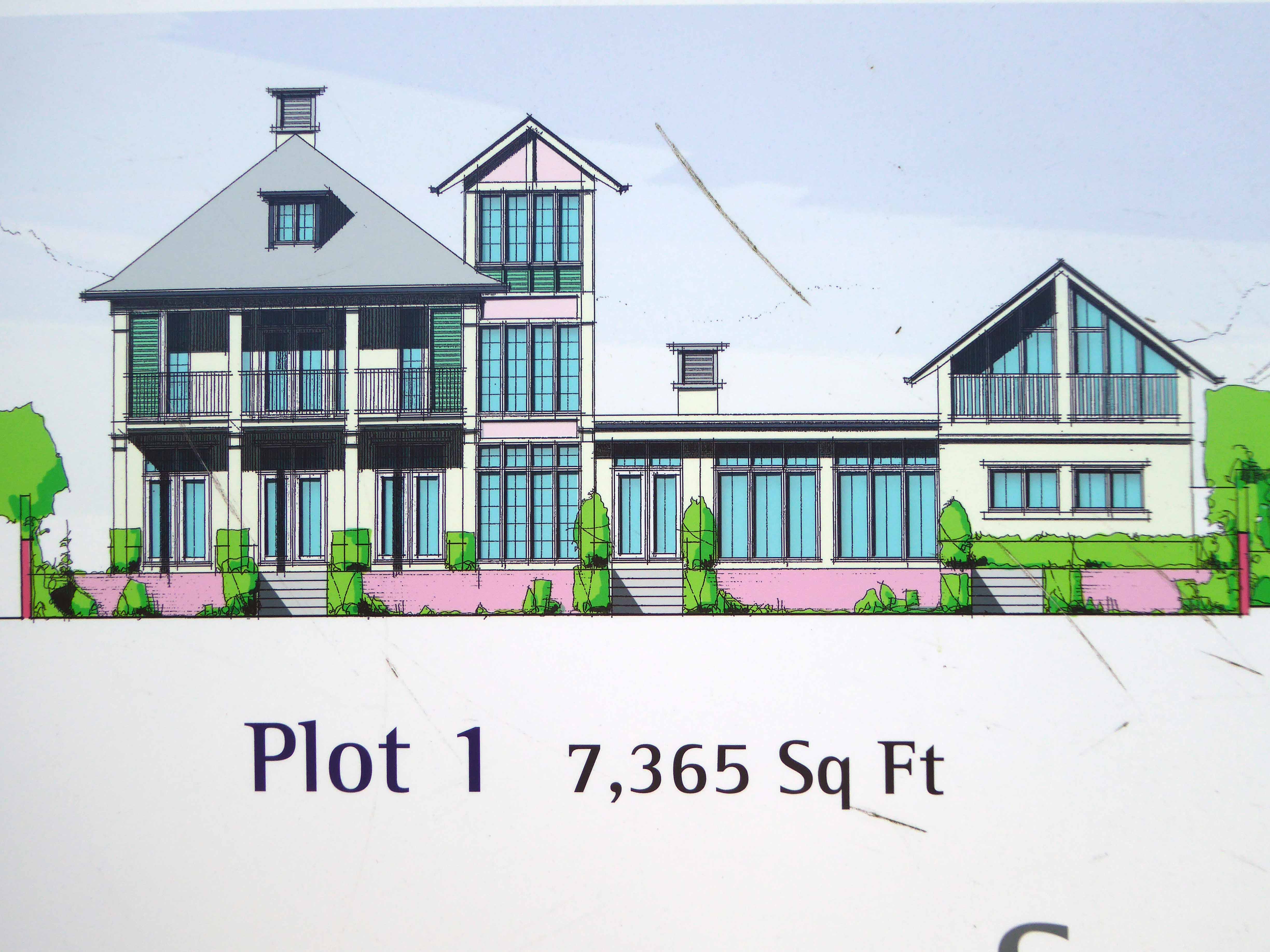
And the wealth of nations, £2,000,000 gets you this shiny hunk of real estate.
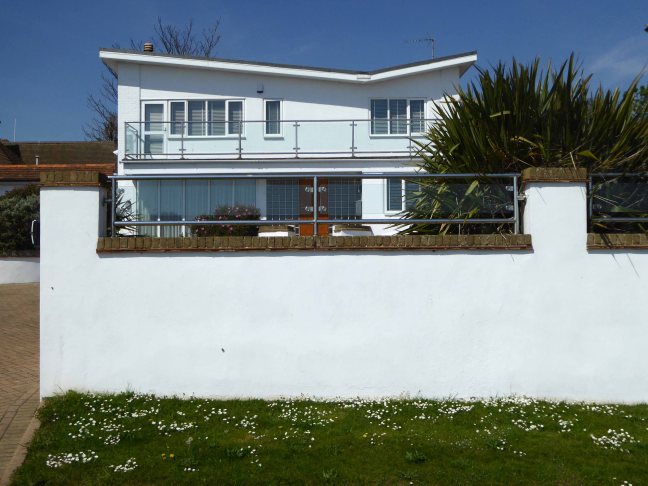
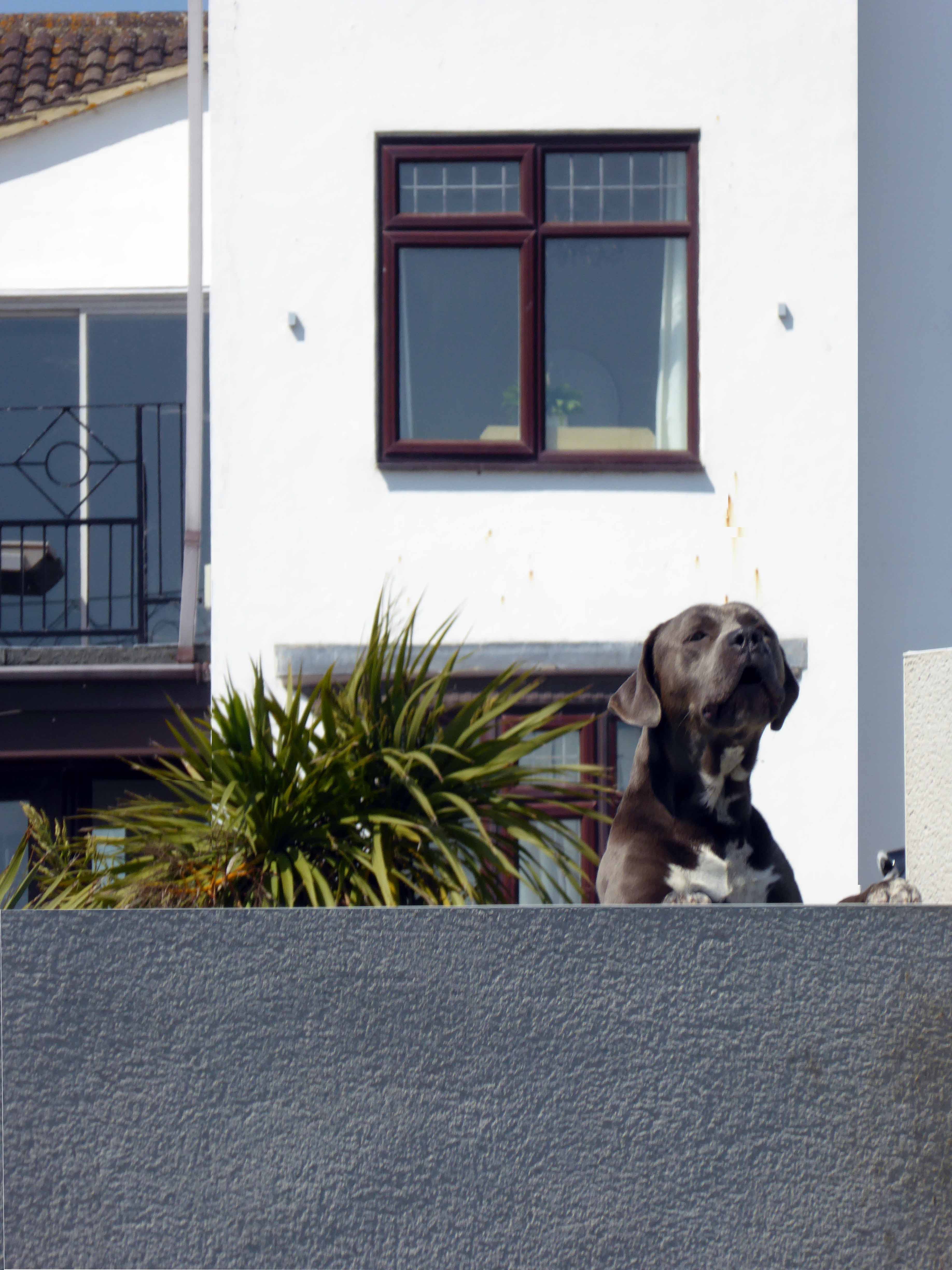
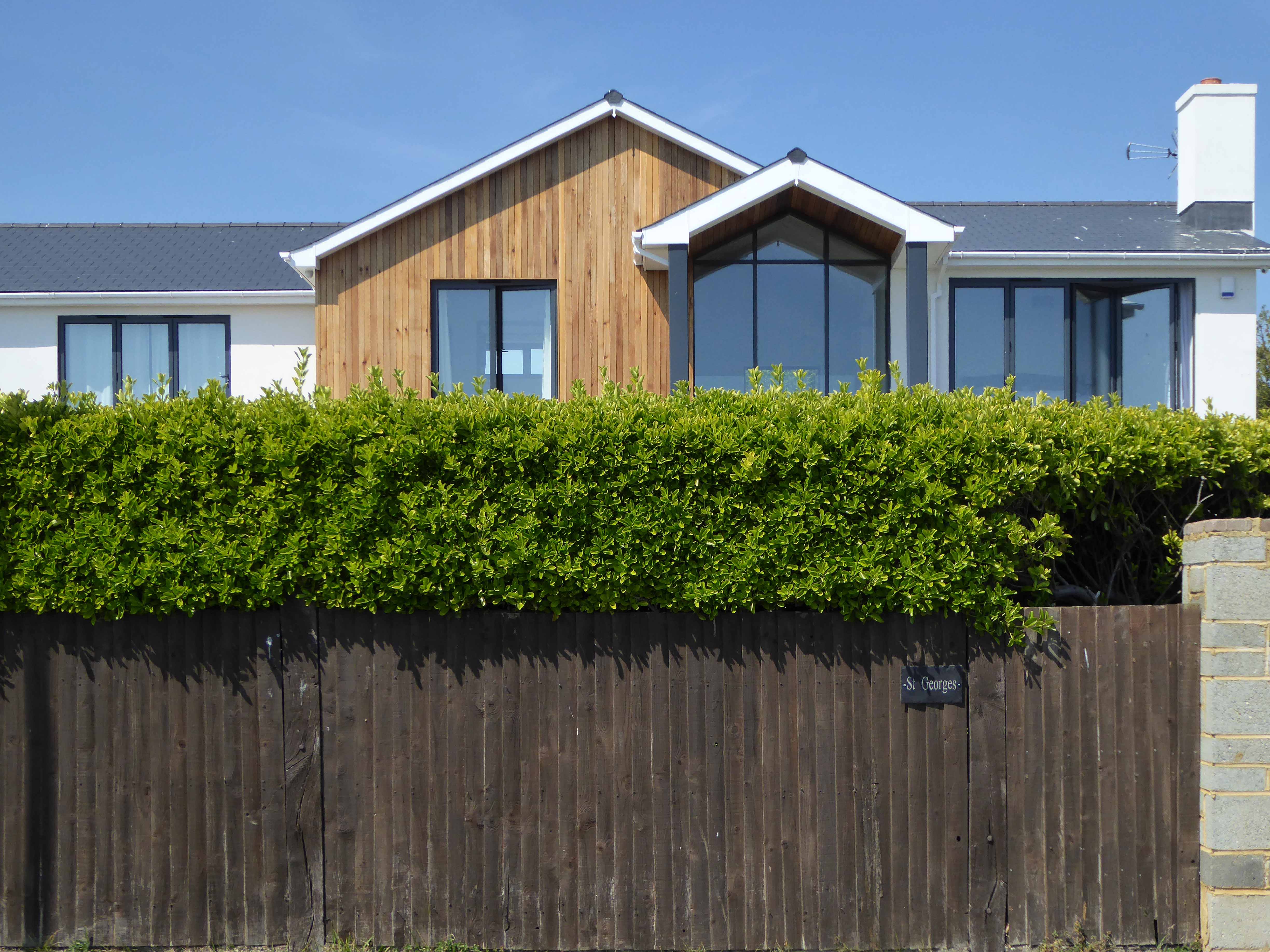
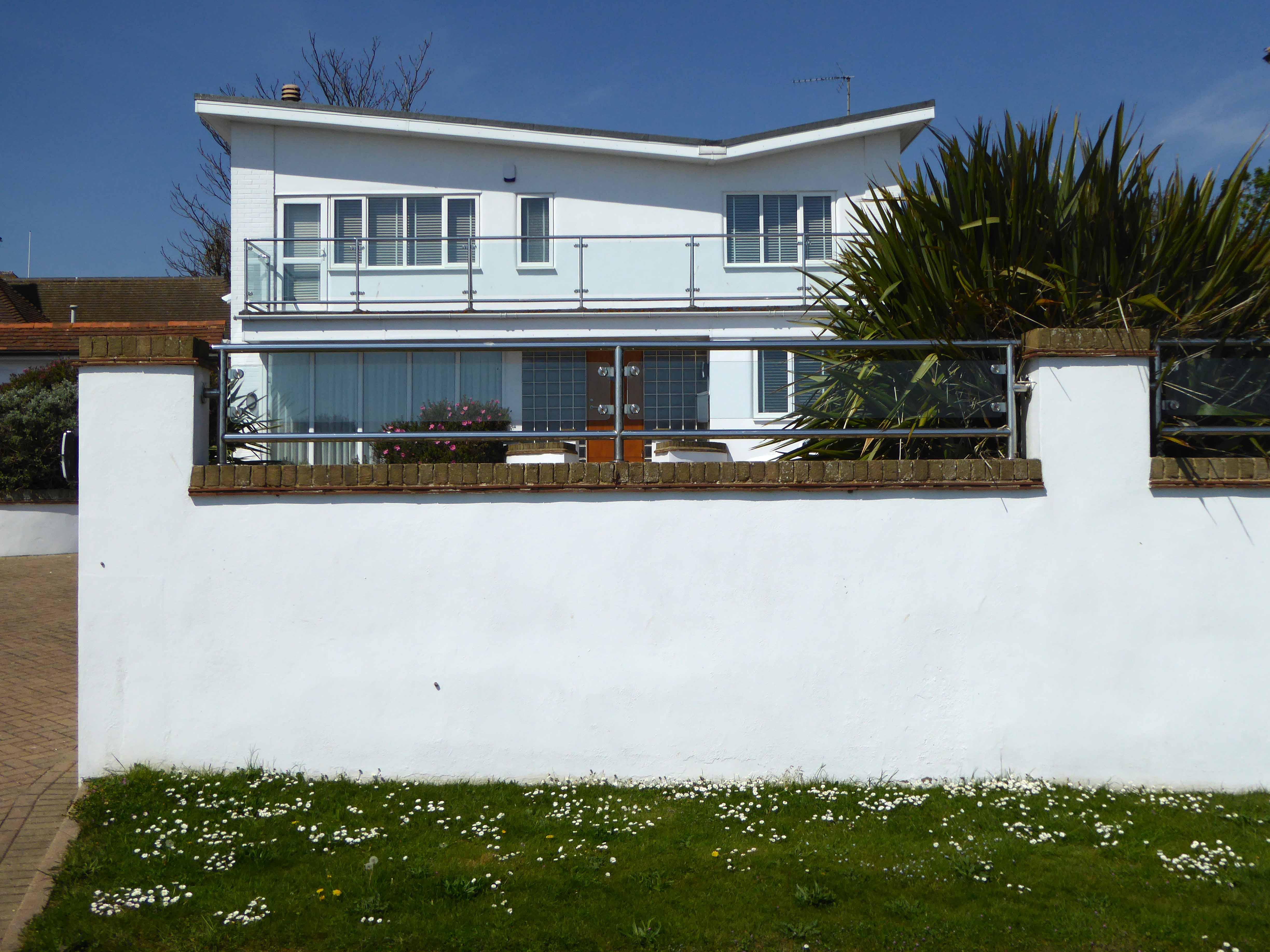
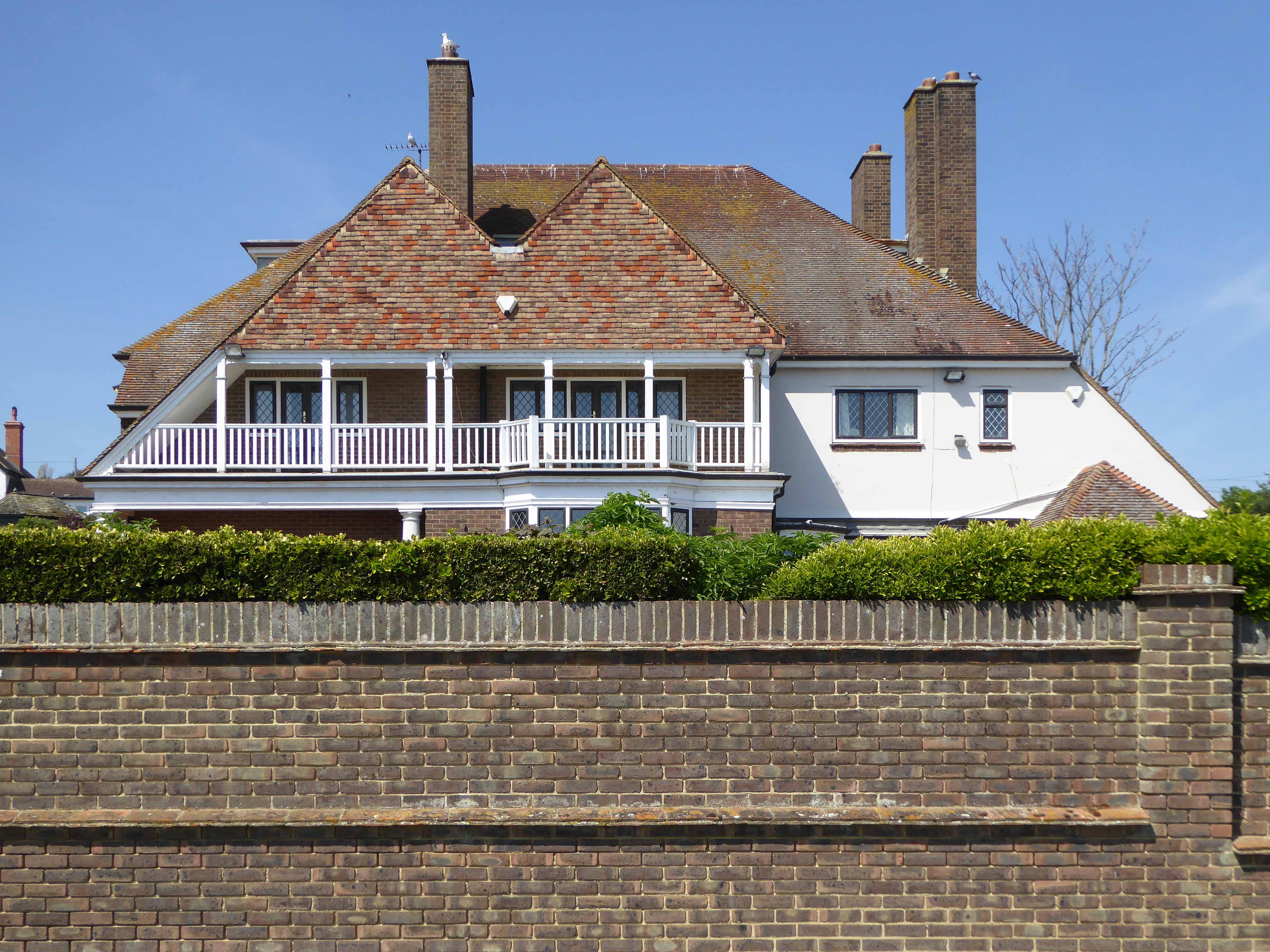
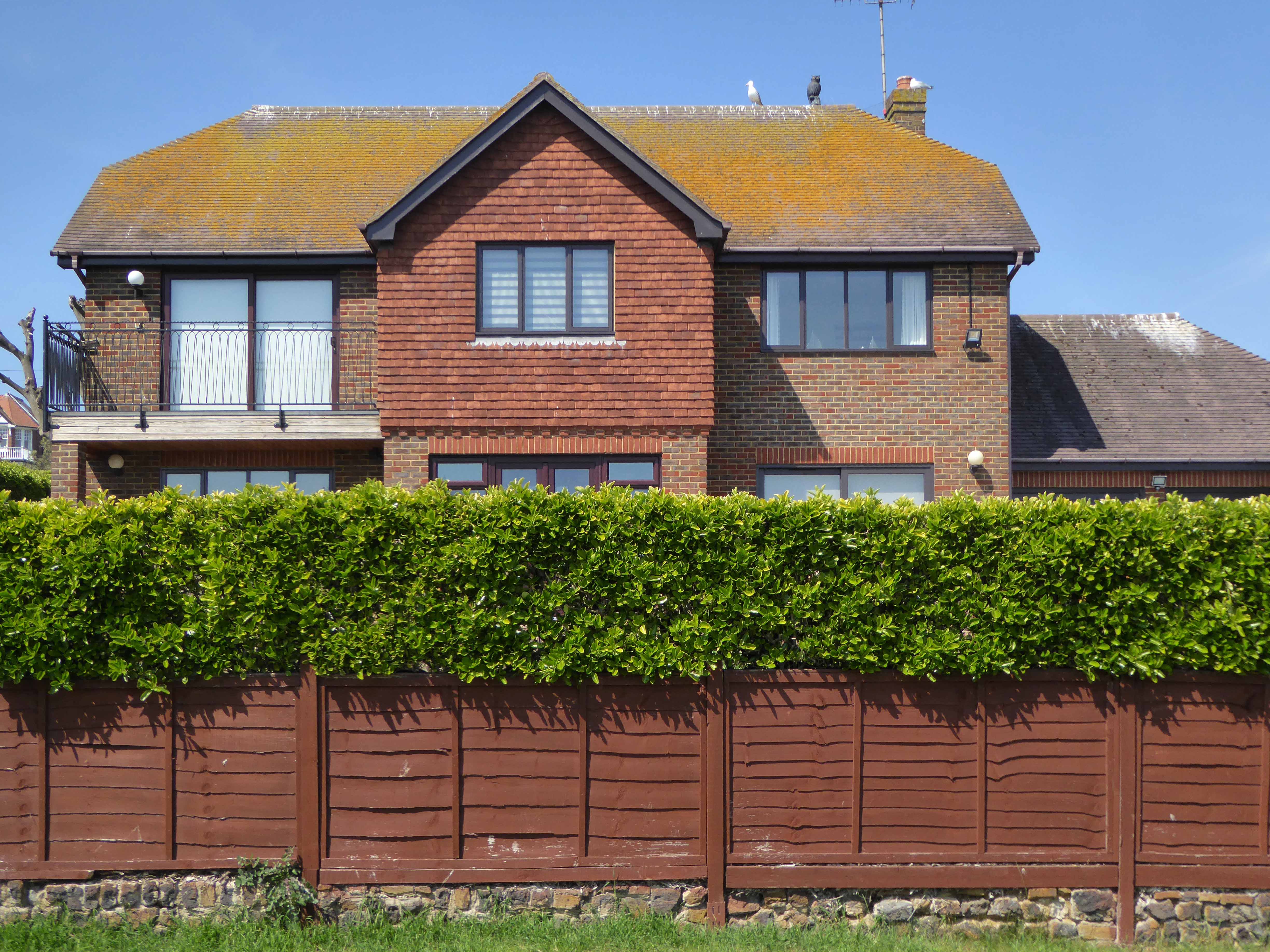
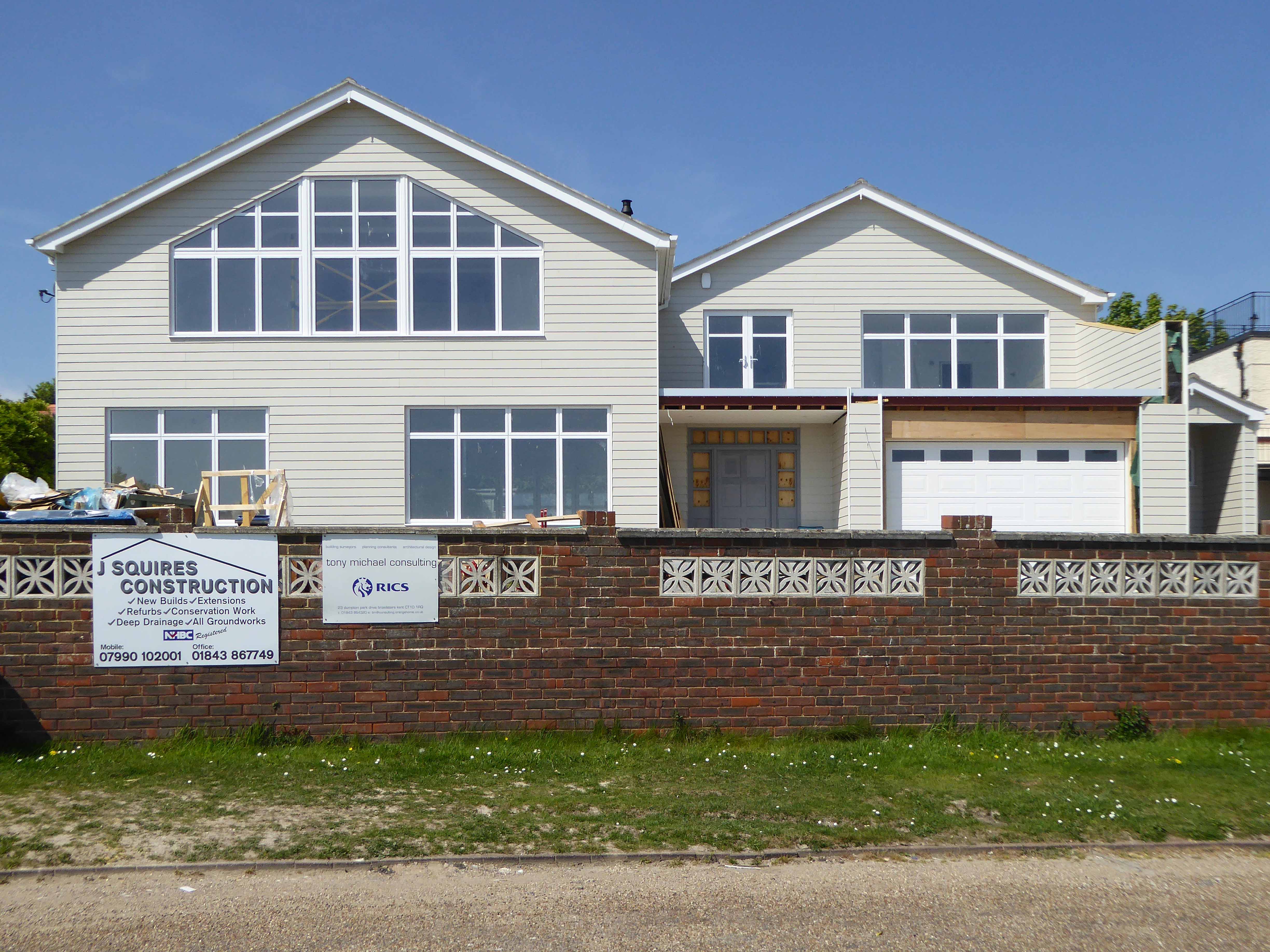
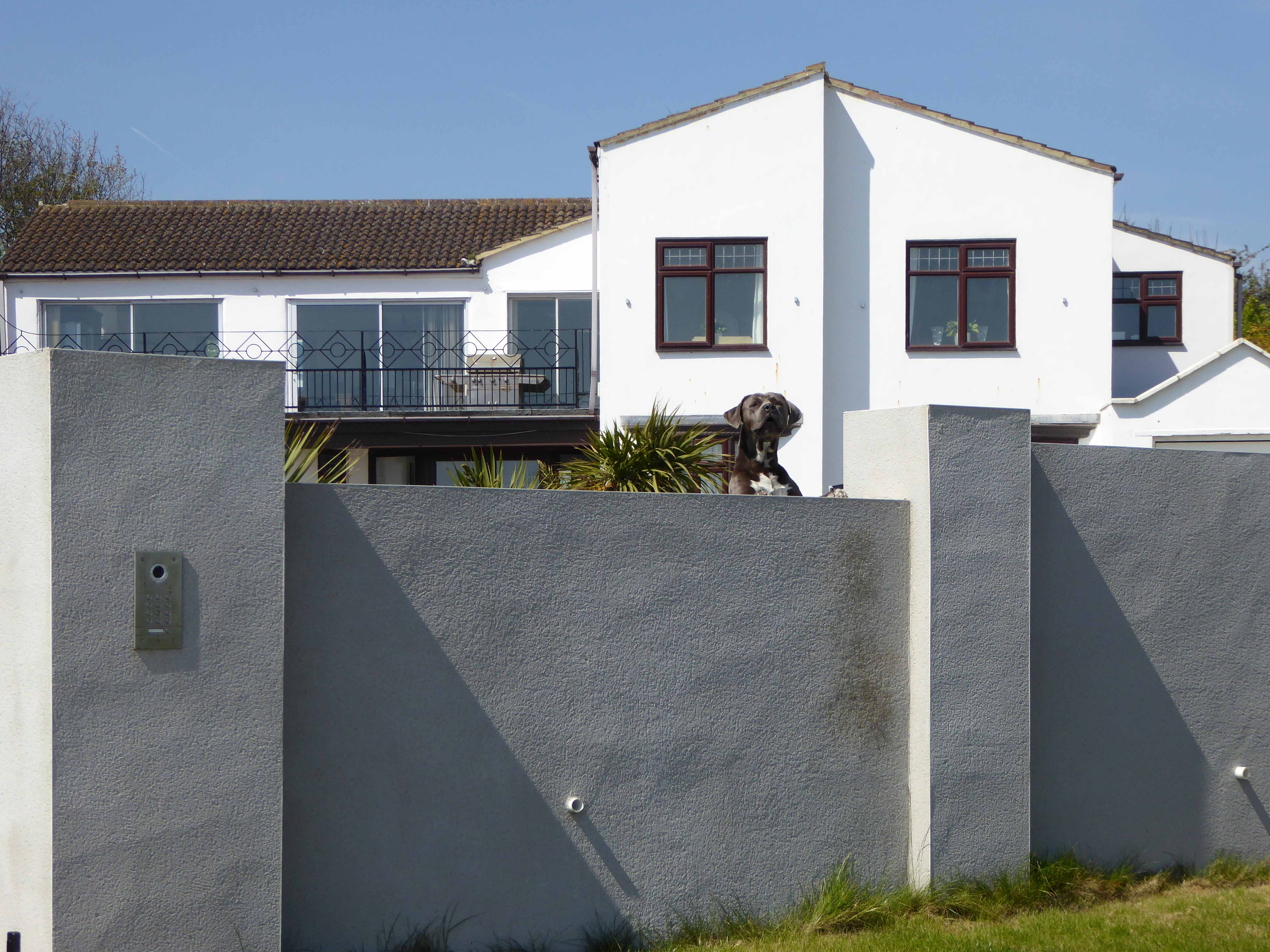
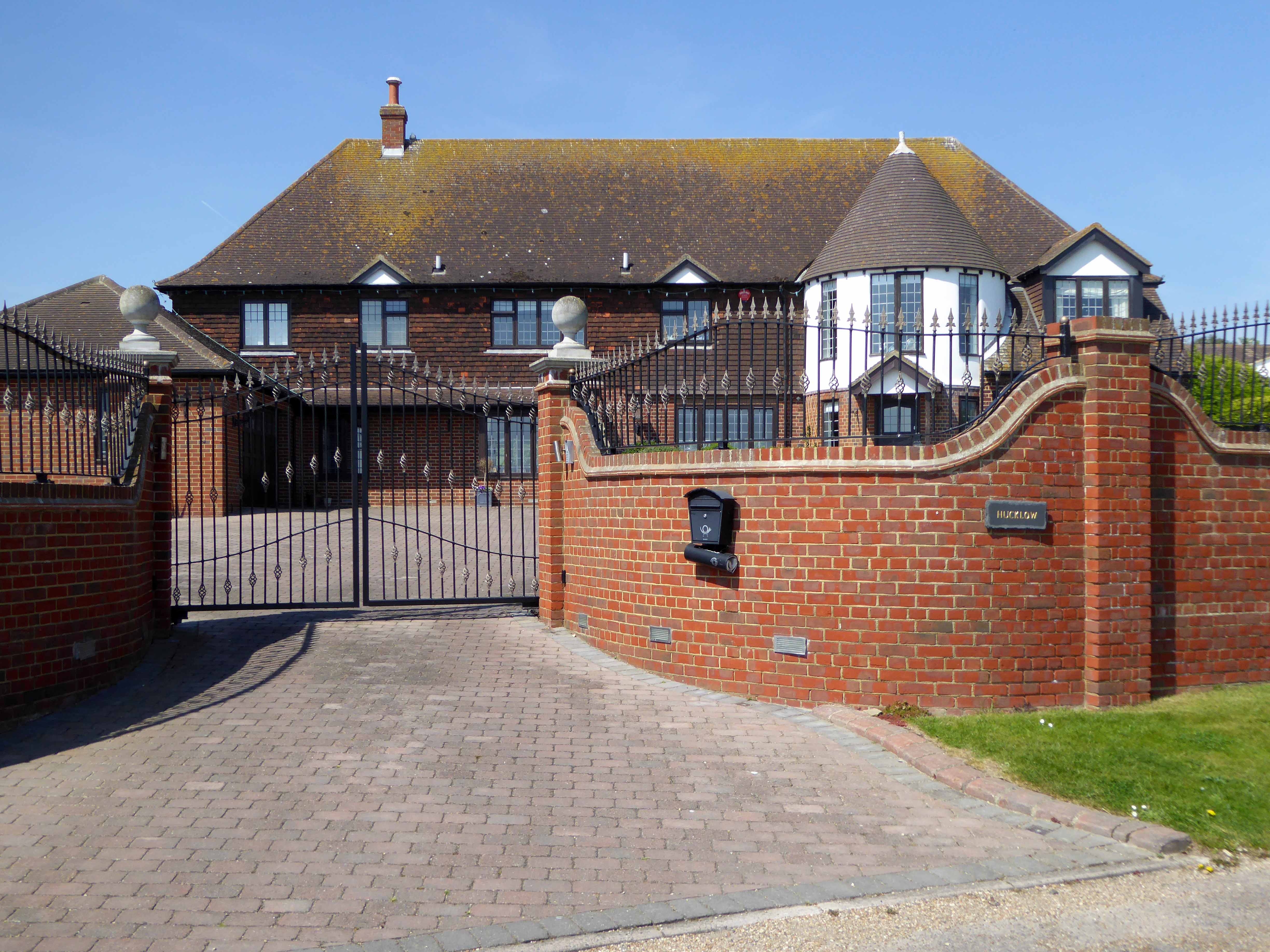
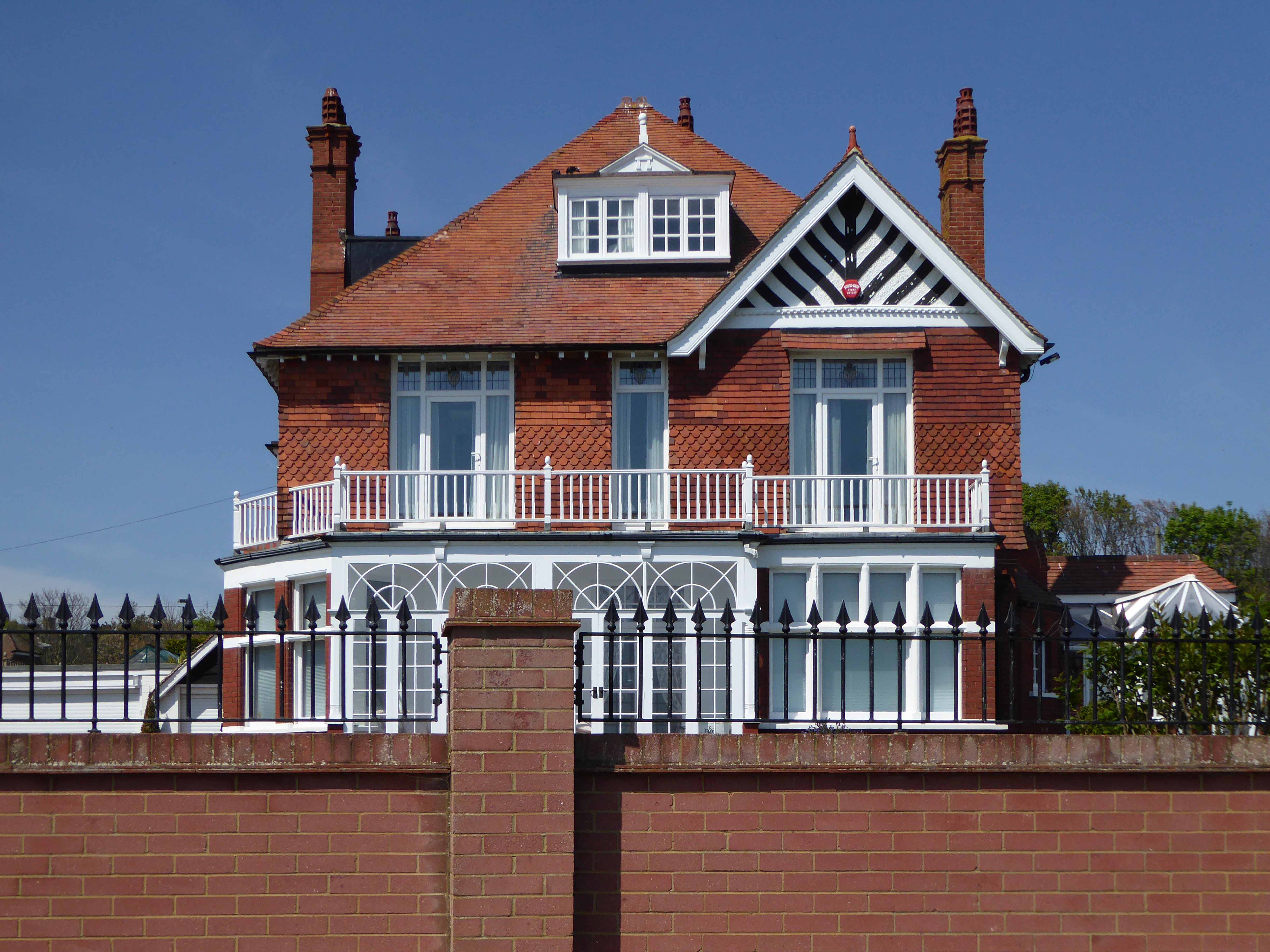
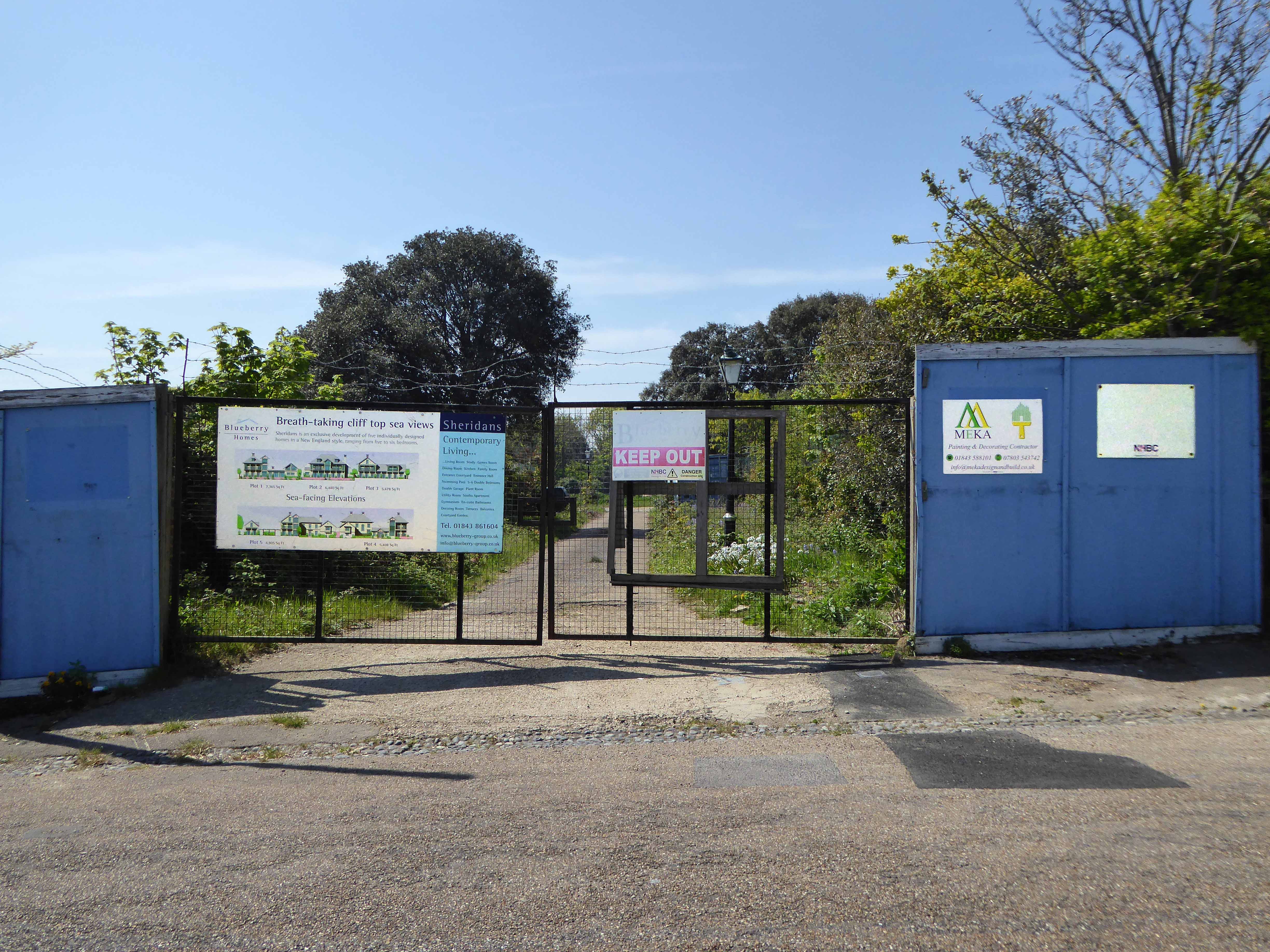
A gated community, double negated through further gating, ornamental railings, well clipped hedges, picket fences, high grey stuccoed walls, and attendant dogs.
Big dogs, very big dogs, fortunately with even bigger walls.
As is often the case in such areas the residents are short of nothing – excepting residents.
There was but on lone lawnmower owning owner to nod to.
Last seen, receding towards his quasi sixties, semi-dormered detached, hat intact.
So accompany me now through the New England homes of the new England, admire the Mock Gothic, Super Krazed Moderne, pseudo Tudo-Jacobethan delights that await us.
Too rich for your undernourished pockets, have you considered a drawing of a house?
High concept, conceptual housing for the under-housed.
So farewell the North Shoreland I’ll leave you to get on with your high value, property based, rise and fall bollard lifestyle I, like Felix – kept on walking.
“But now I have come to believe that the whole world is an enigma, a harmless enigma that is made terrible by our own mad attempt to interpret it as though it had an underlying truth.”
Umberto Eco
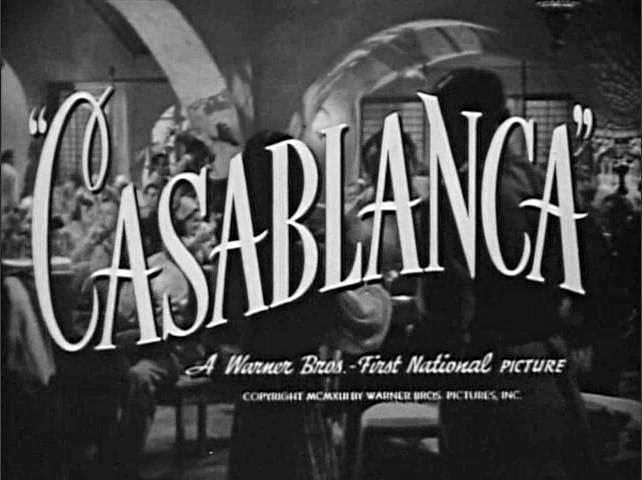
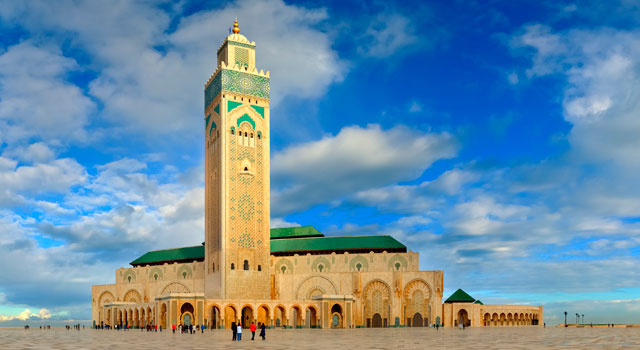
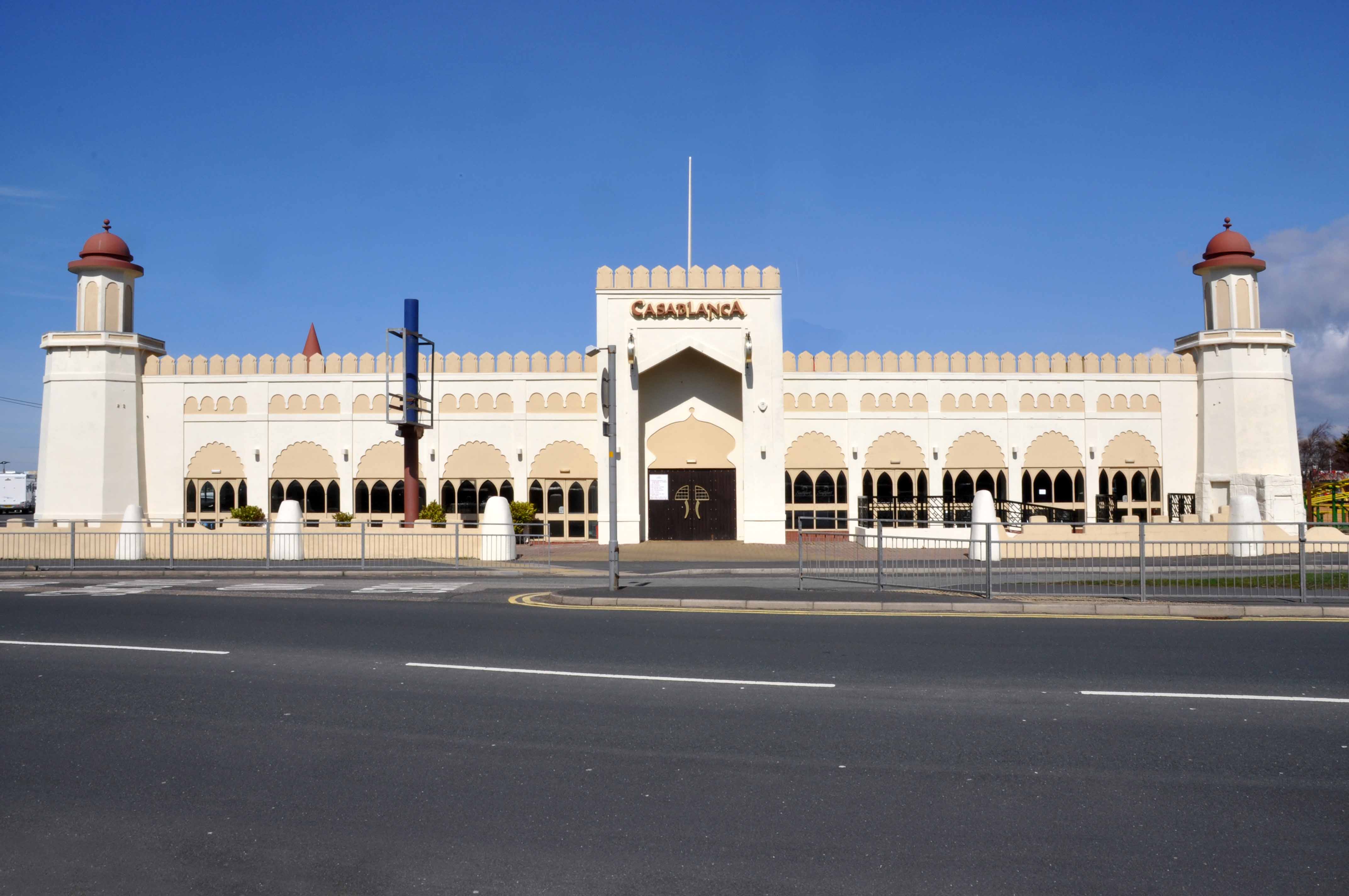
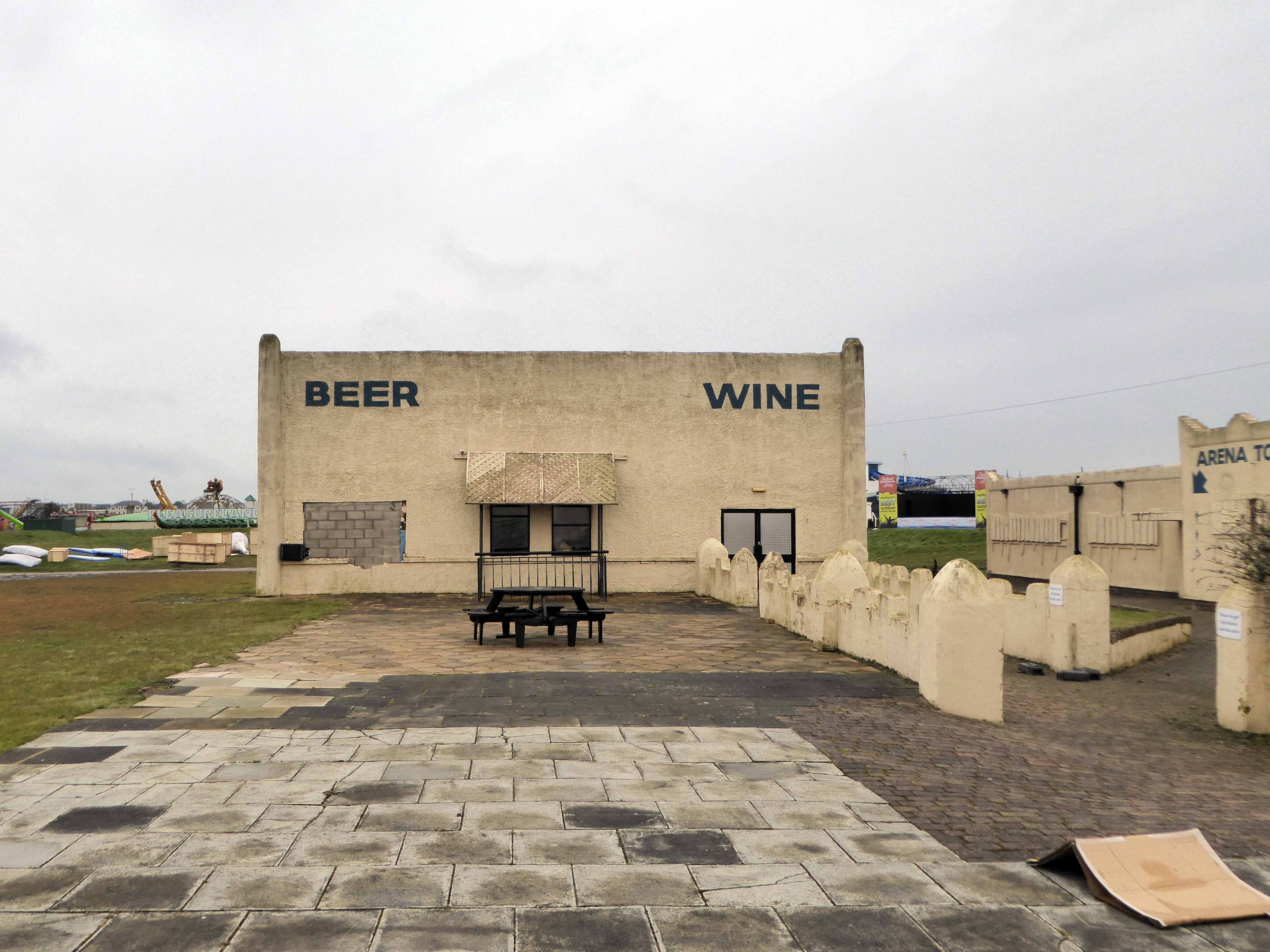
Somewhere between Las Vegas Nevada and Casablanca Morocco lies Southport.
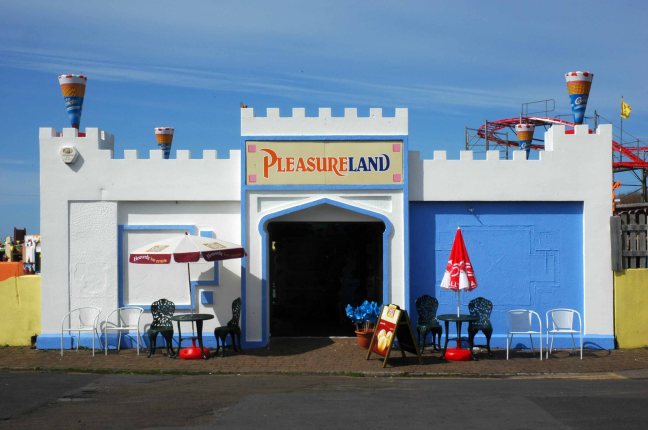
Somewhere in Southport lies Pleasureland.
Separated by oceans and oceans of artifice.
A puzzle wrapped in a riddle, wrapped in an enigma, wrapped in a wind blown fish and chip paper, tipped lazily onto the edge of Lancashire.
The seaside itself an invention of the railways, and an expanding leisured class.
To begin in the middle, the Hollywood cinema creates an Orientalist mythology around Morocco. A confection of exotic confinement, conspiratorial glances and romance.
Who are you really, and what were you before?
What did you do and what did you think, huh?
We said no questions.
Here’s looking at you, kid.
Which in turn becomes parody of itself, constructing an airport that apes its own constructed image, a brash reflection in an eternally wonky mirage of a mirror.
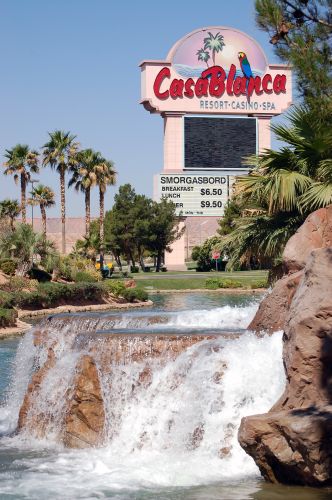
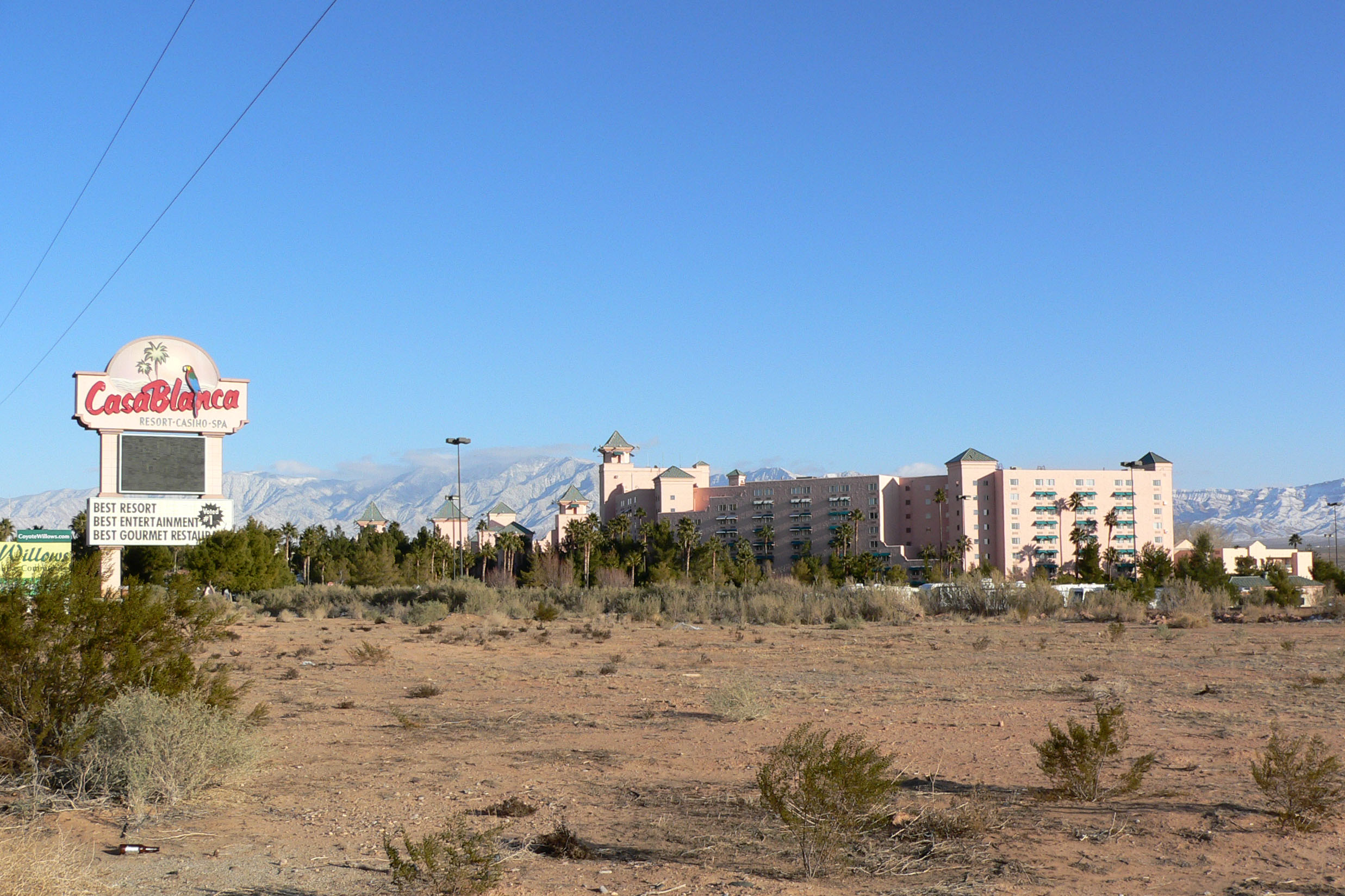
The same mirror that reflects across the Atlantic, to that cap it all capital of Kitsch.
A veritable smorgasbord of visual treats and retreats in Mesquite Nevada.
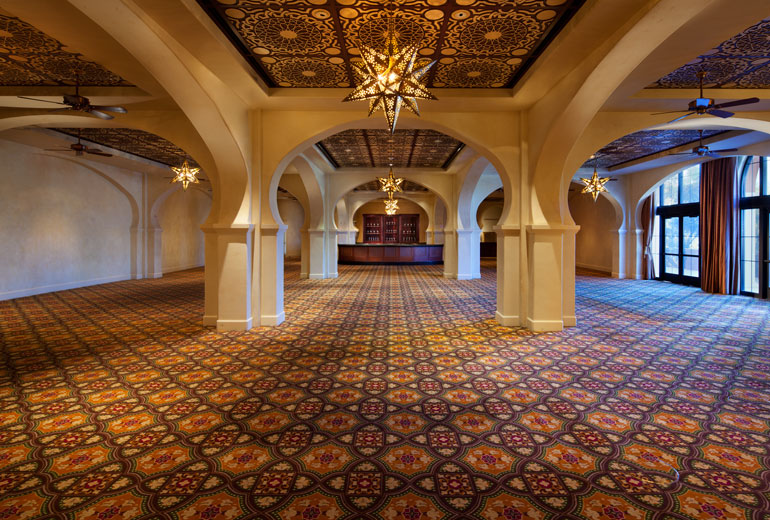
Or the Casablanca Ballroom Westin Lake Hotel – Las Vegas.
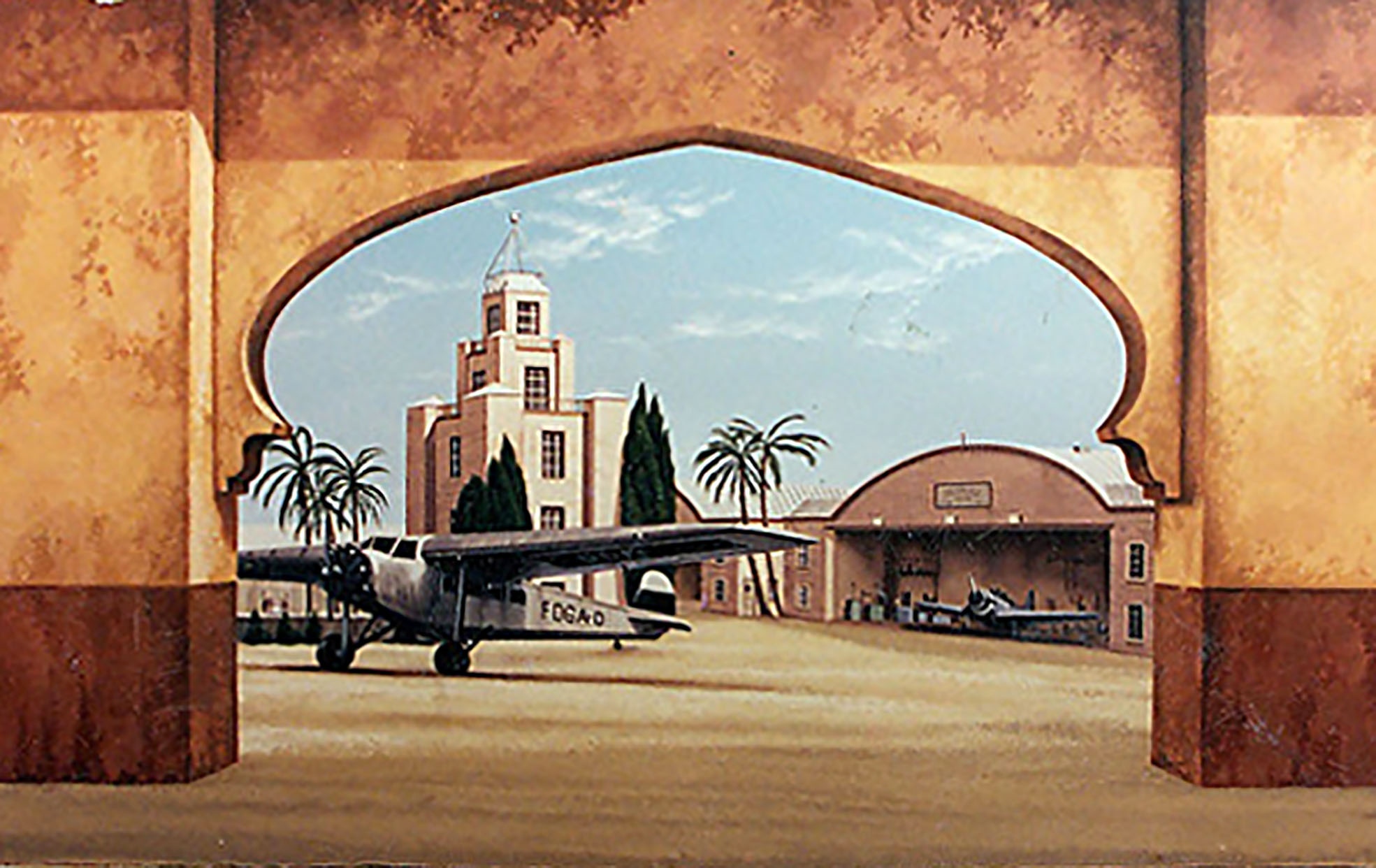
Flying home to the Warner Brothers Stage 16 Restaurant
Or indeed Southport.
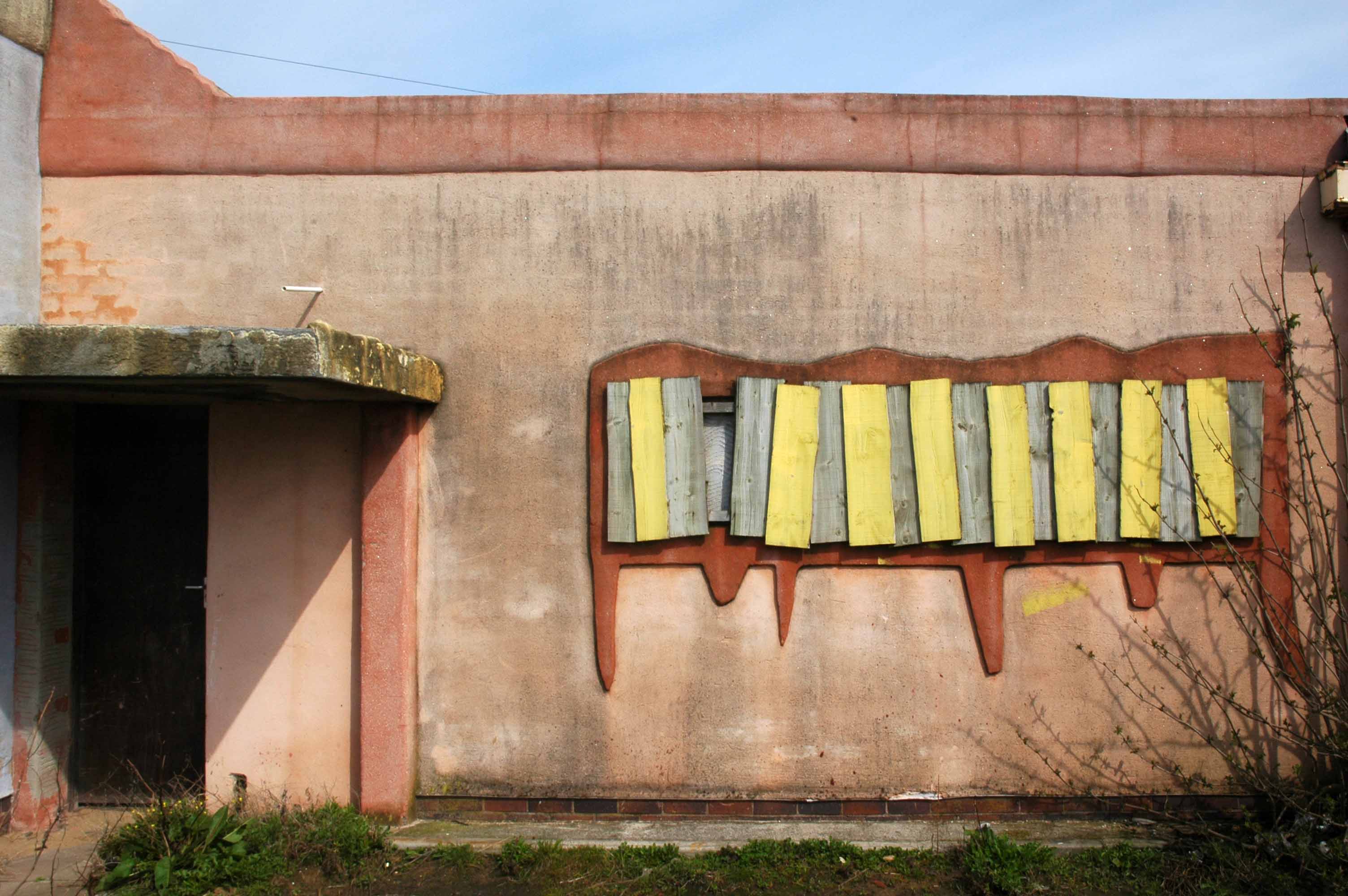
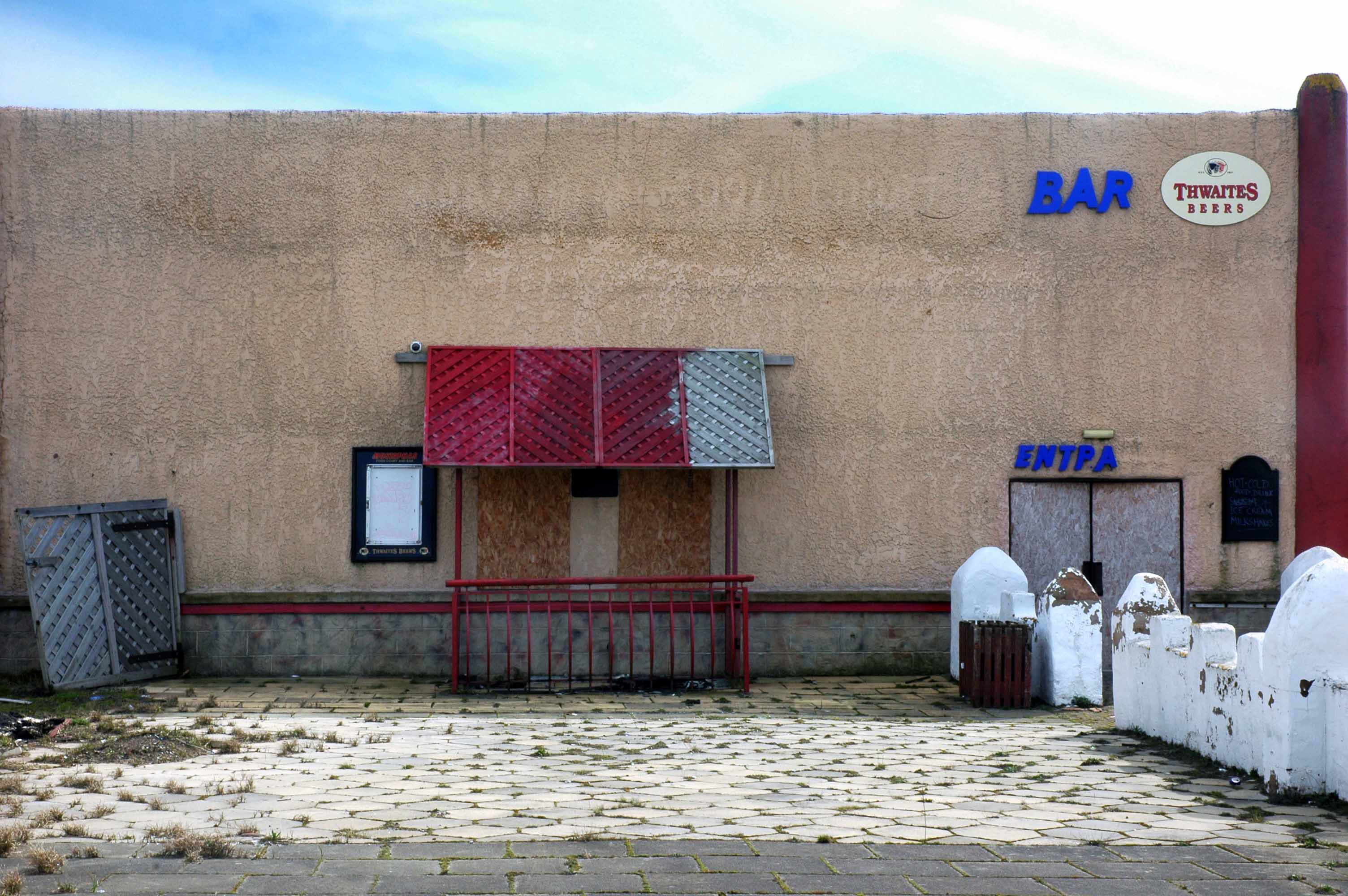
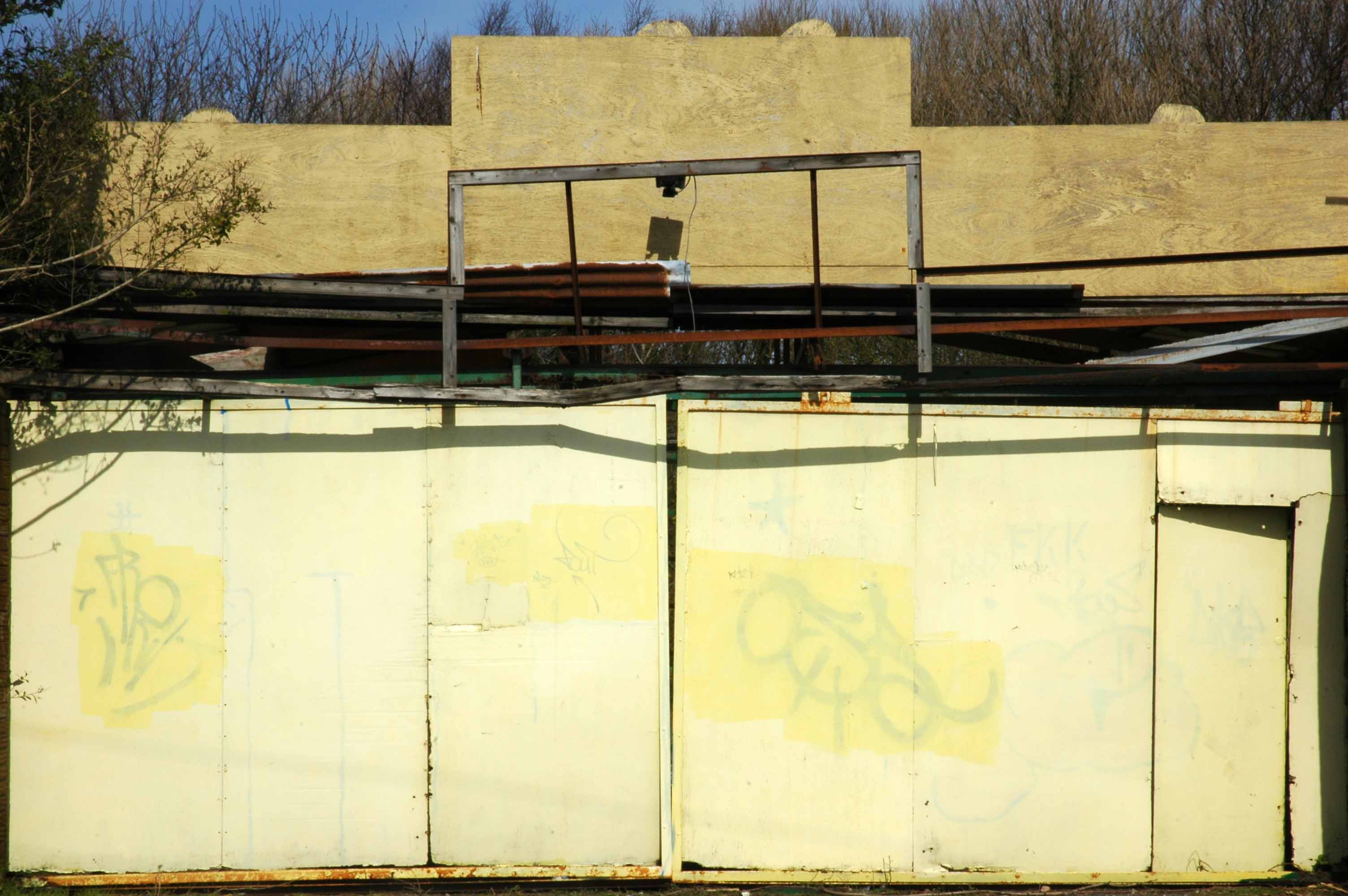
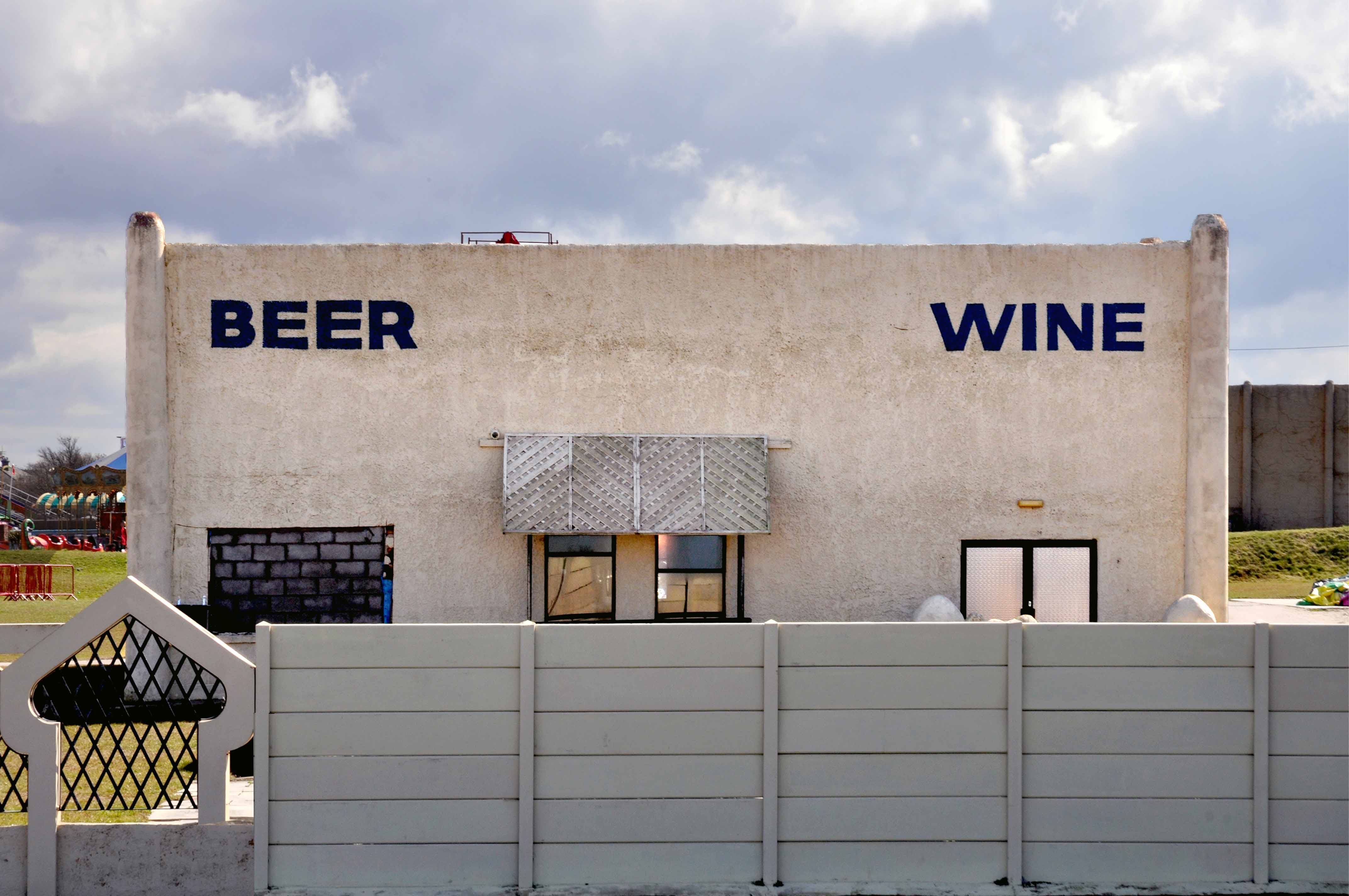
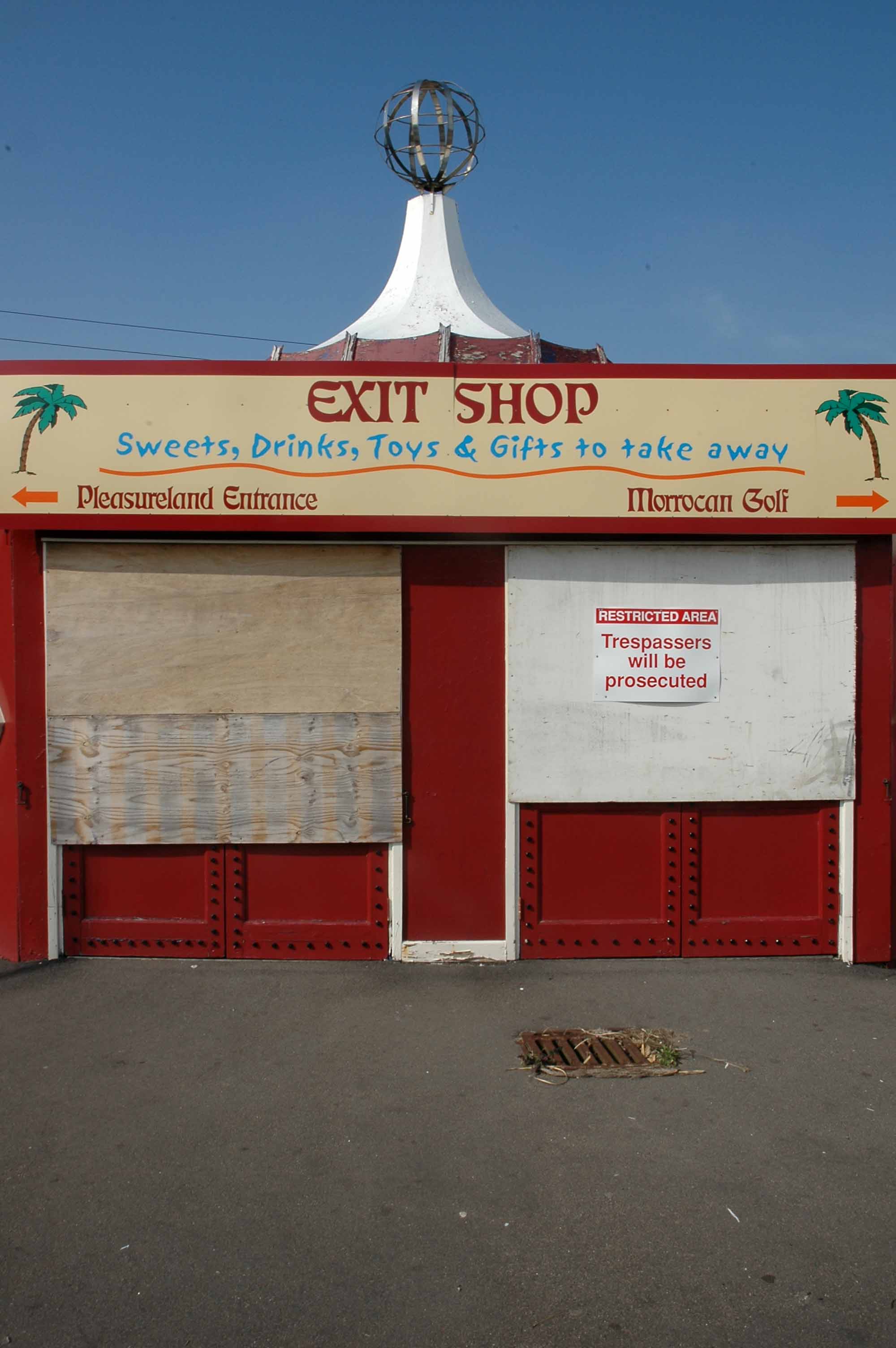
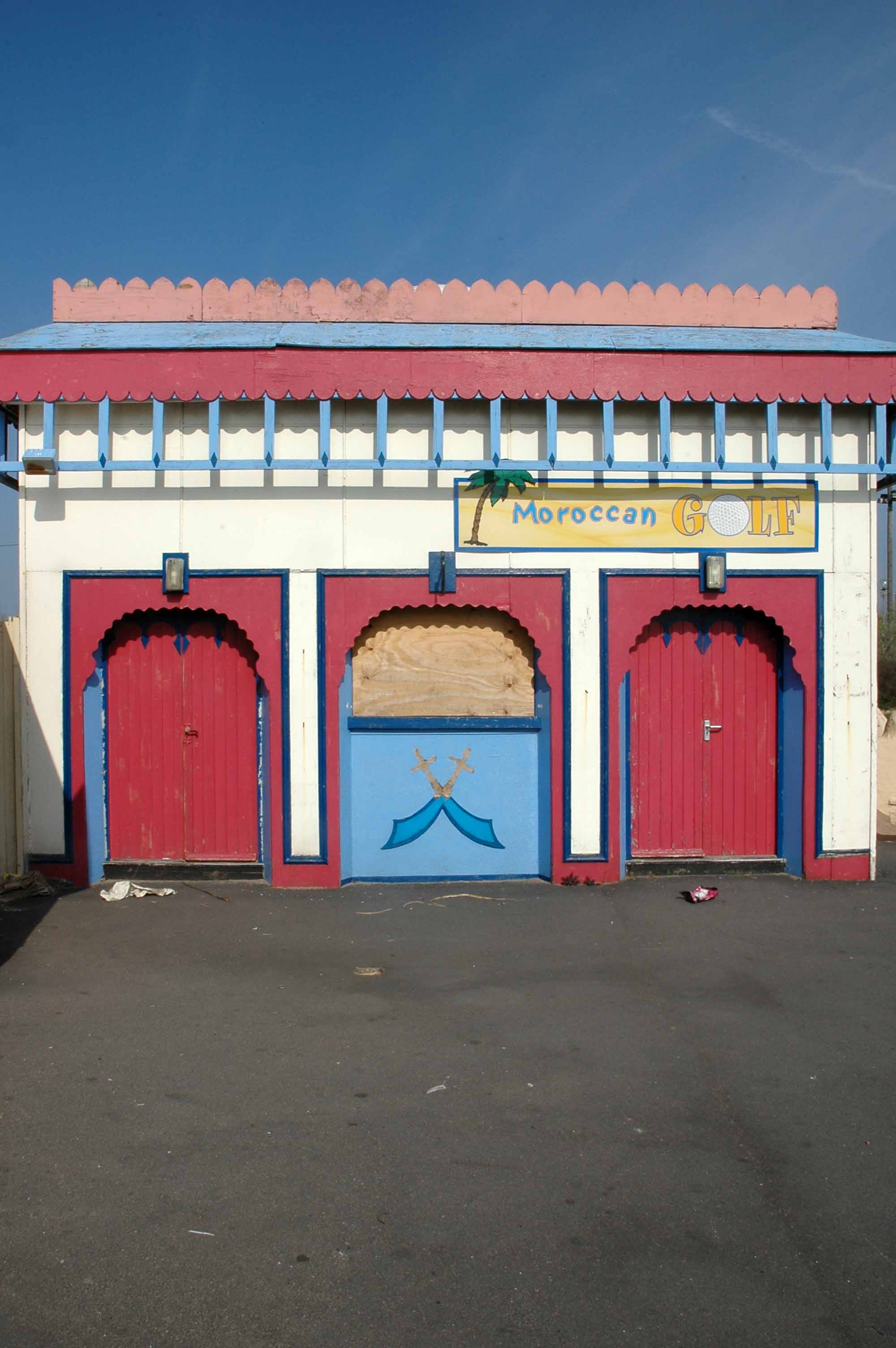
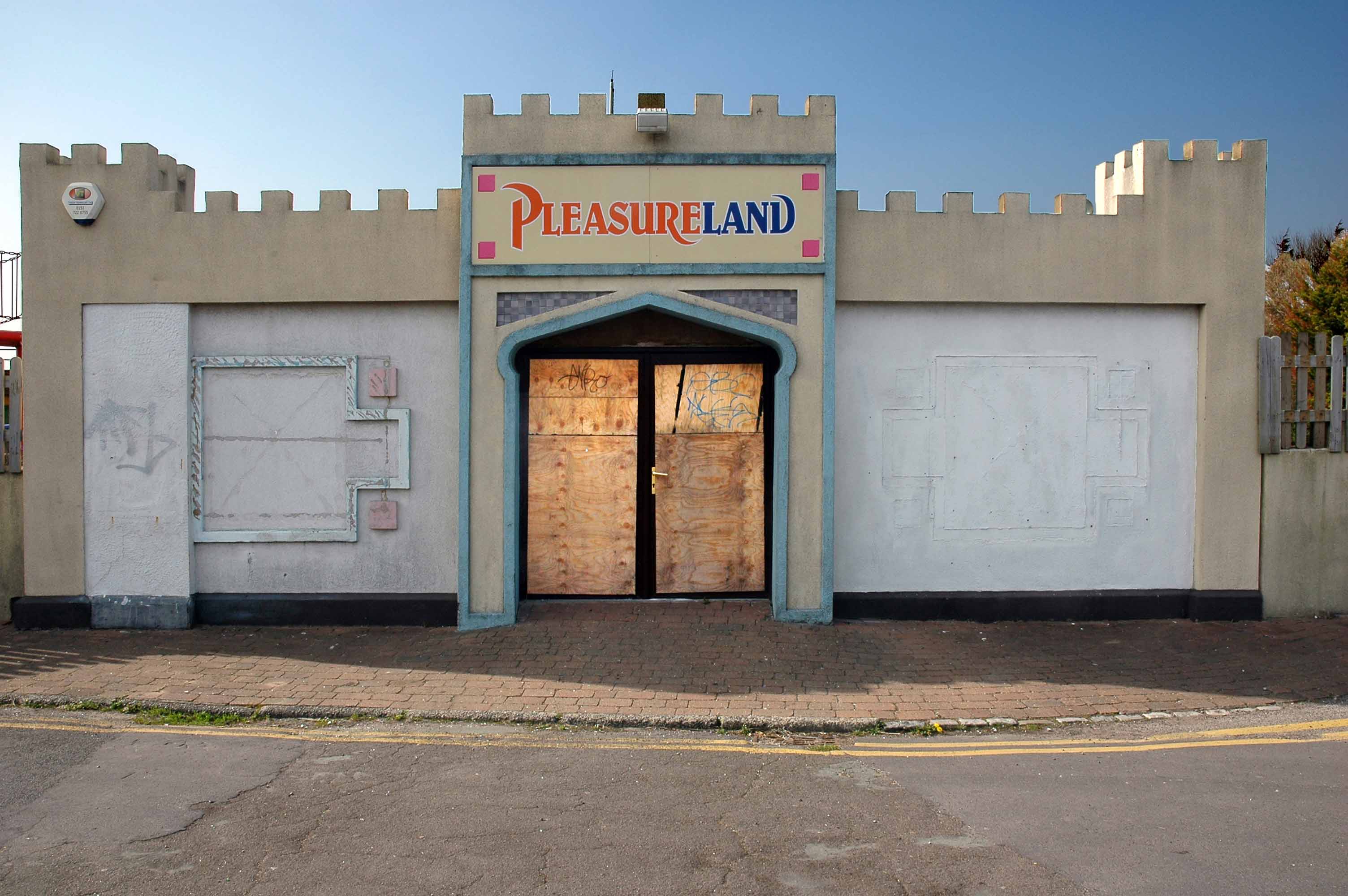
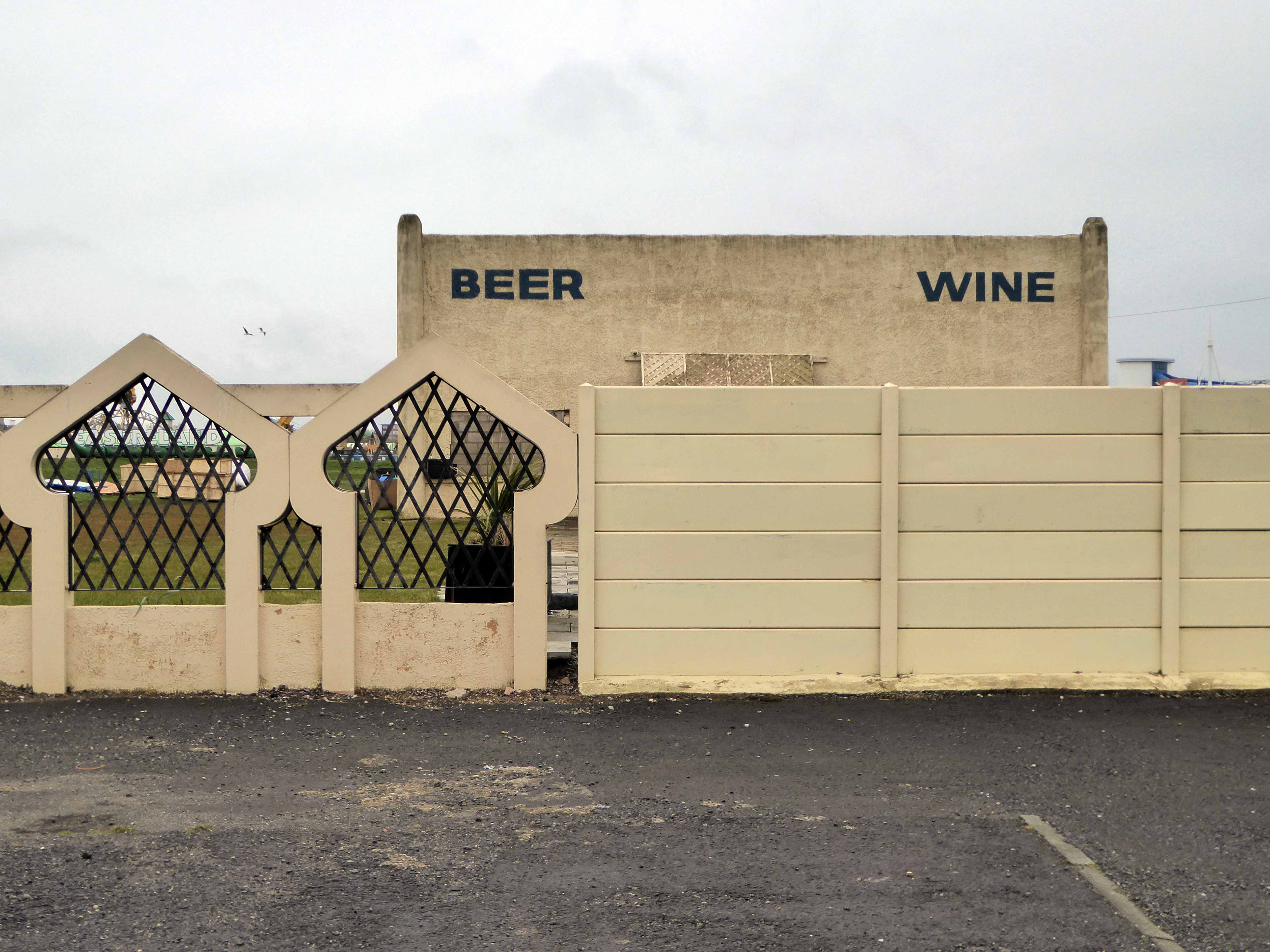
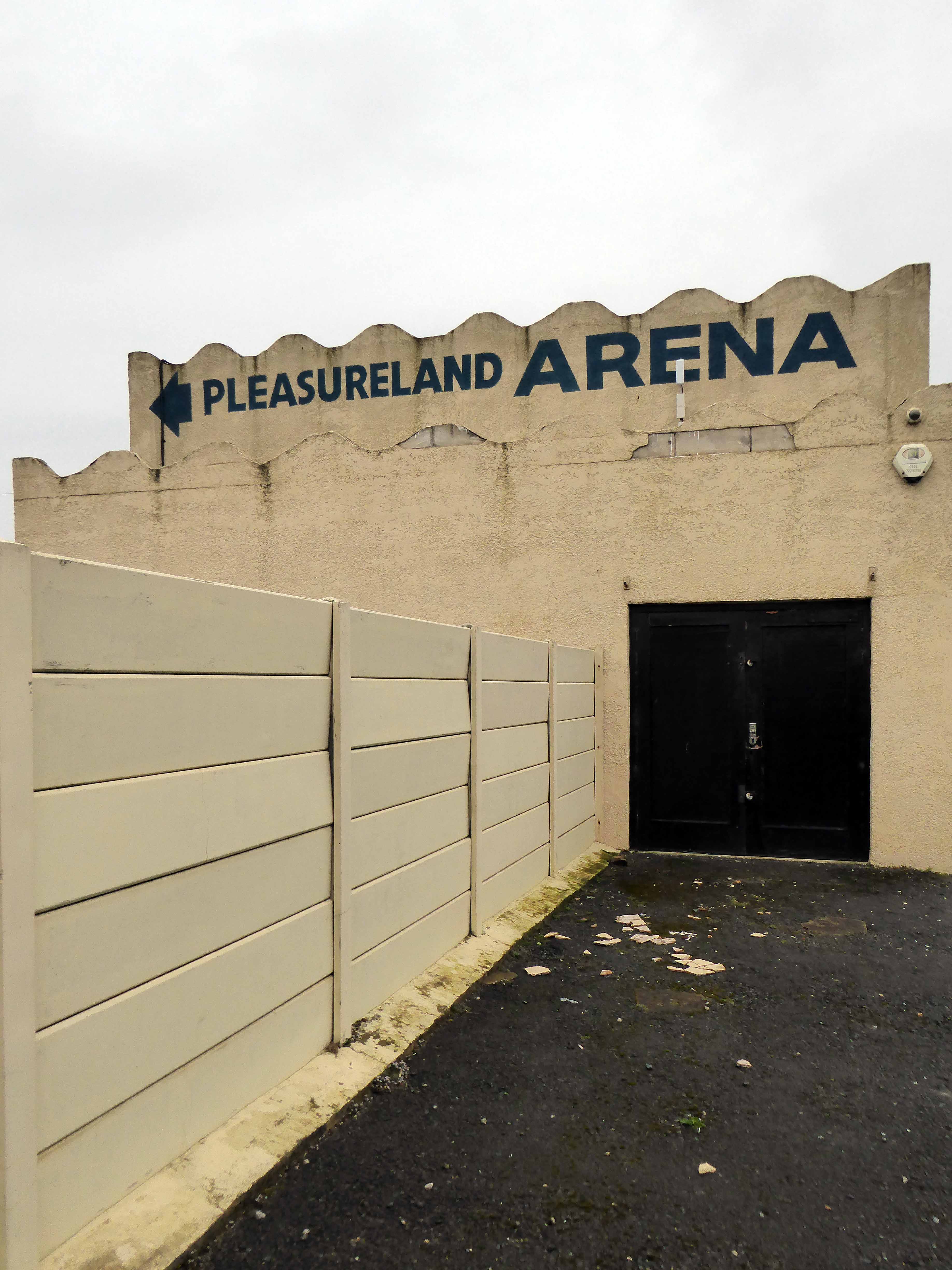
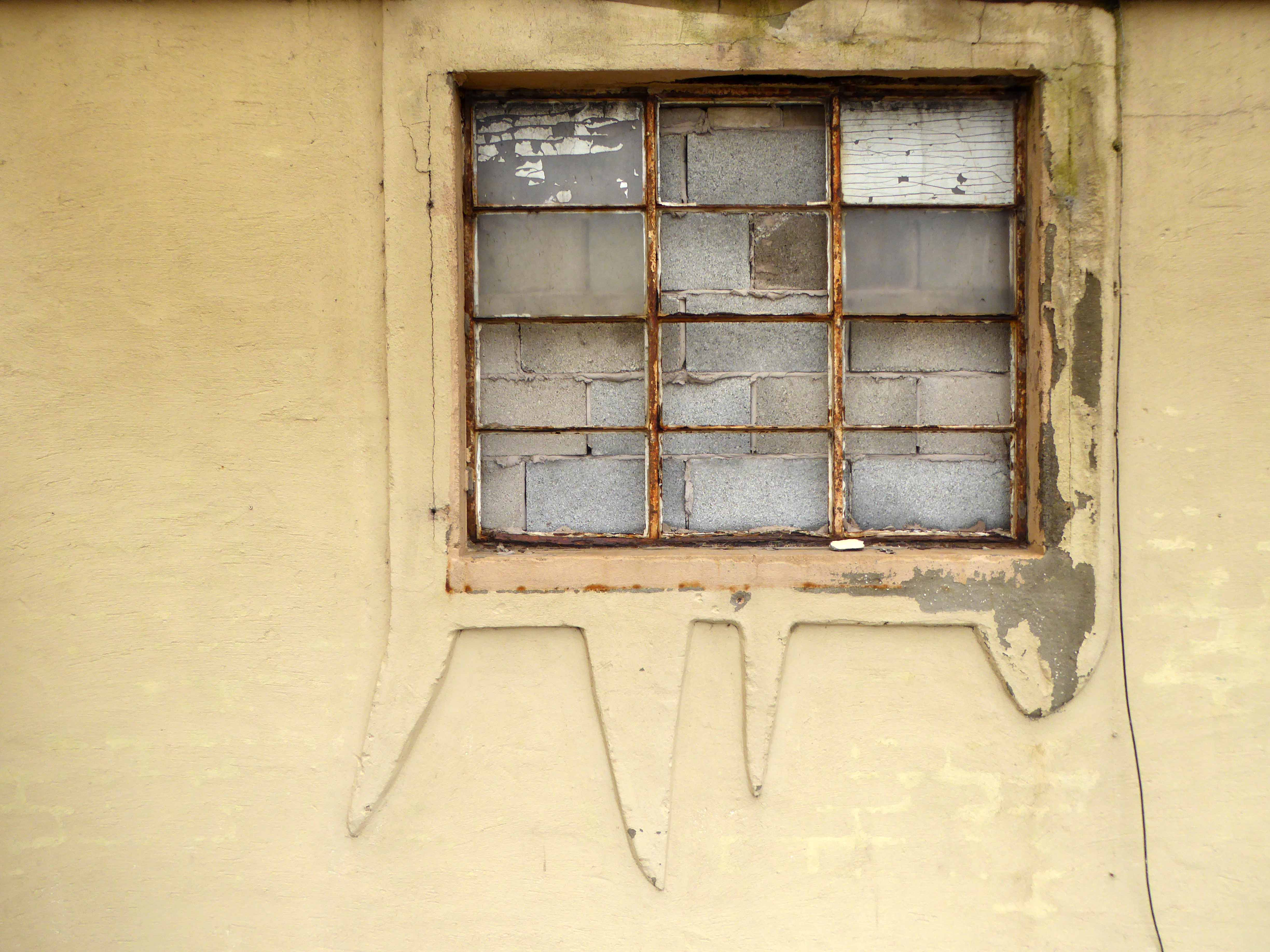
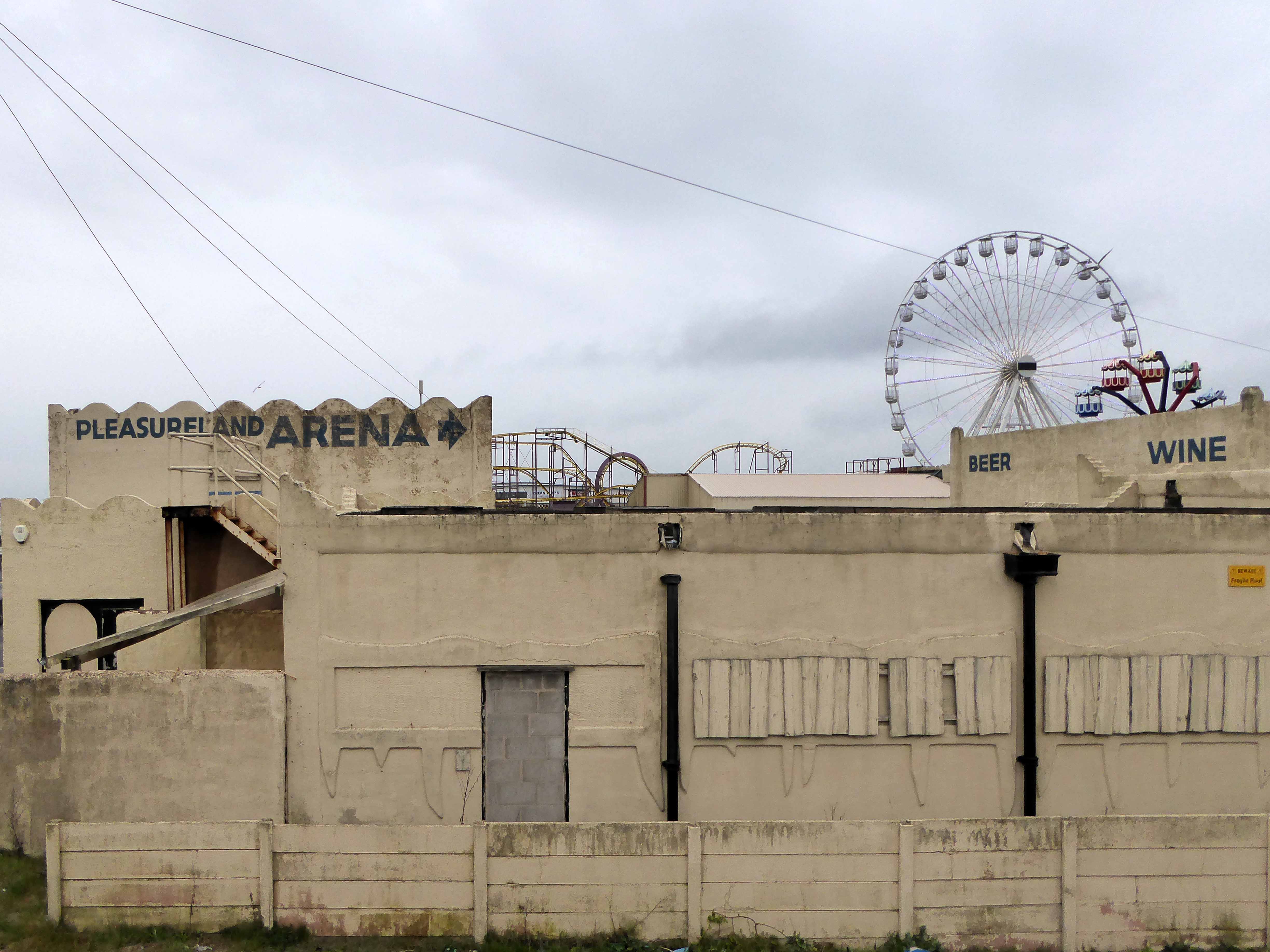
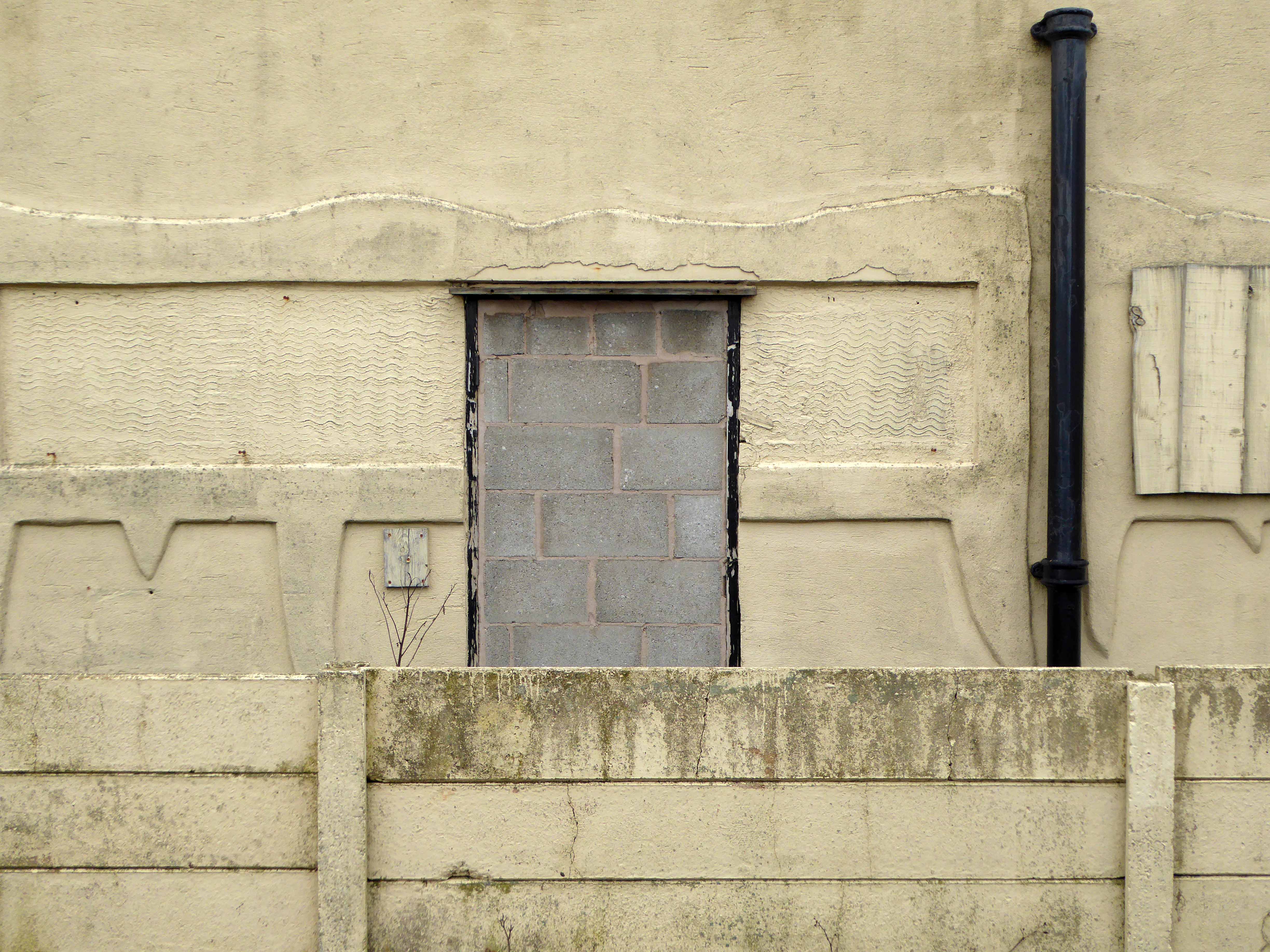
2011 – I had my first close up and personal encounter with the wood frame, chicken wire and faux adobe render rendering of North Africa, on the coast of North West England. It was in a state of semi-advanced neglect, an extraordinary experience. Pleasureland had already faked it’s own demise, a pre-boarded up, boarded up frontier town.
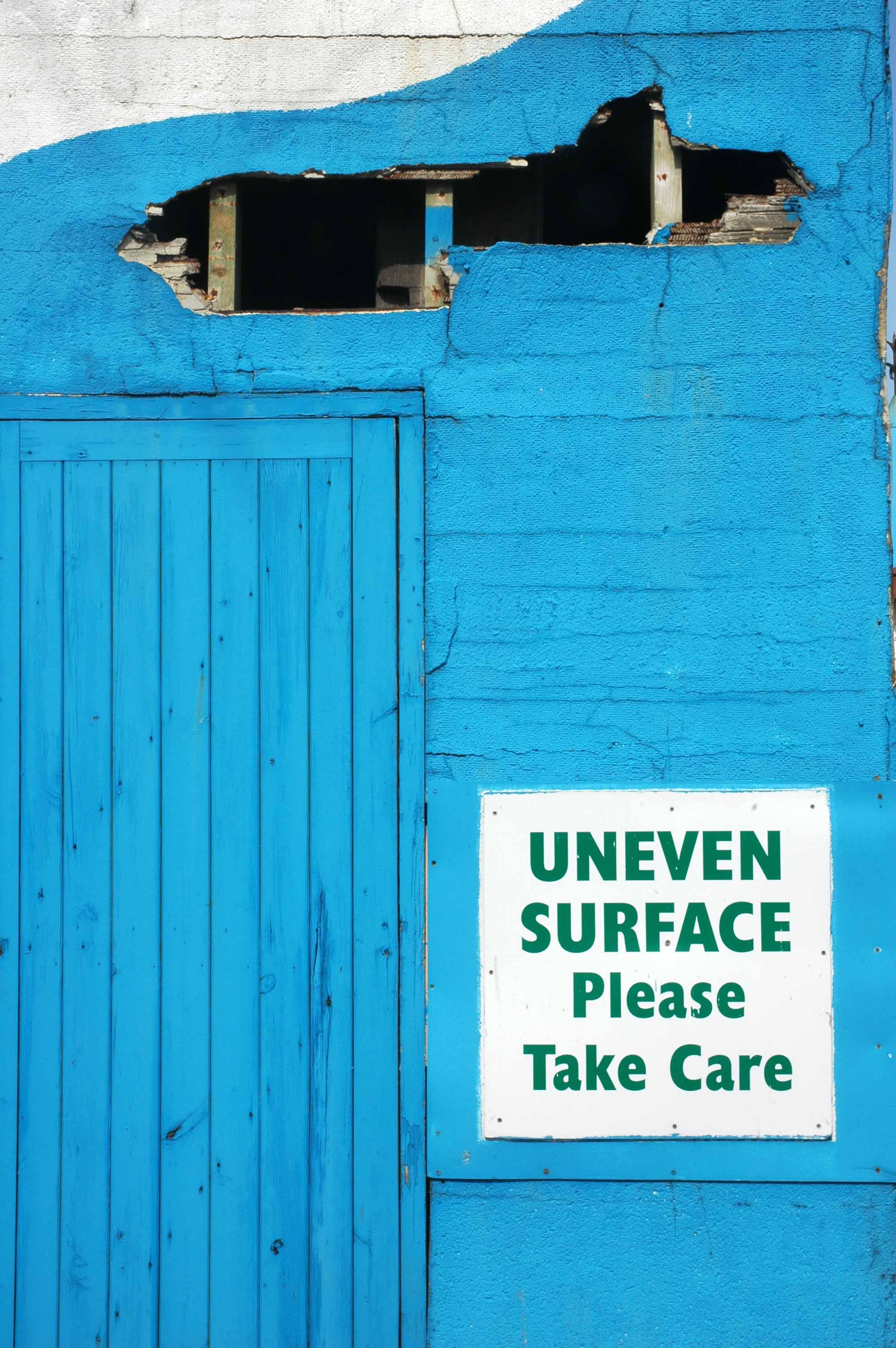
Where the edges of meaning are blurred beyond belief, take care.
We are dealing with uneven surfaces.
Who could resist a Moroccan themed crazy golf course?
You are now entering a Scoobidoo-esque scenario, where the mask is never finally removed, nothing is revealed.
2016 – I returned, the world had turned a revival was in part taking place, some of the pleasure returned to Pleasureland, whilst the seafront facing bars remained empty.
One man holds the key the glue, that bonds these distant lands.
The myth to end all myths.
For he is forever in his own orbit, omniscient.
Make the world go away And get it off my shoulders Say the things you used to say And make the world go away
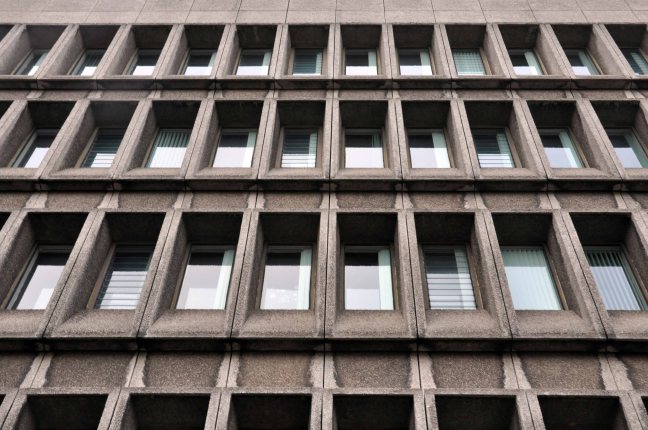
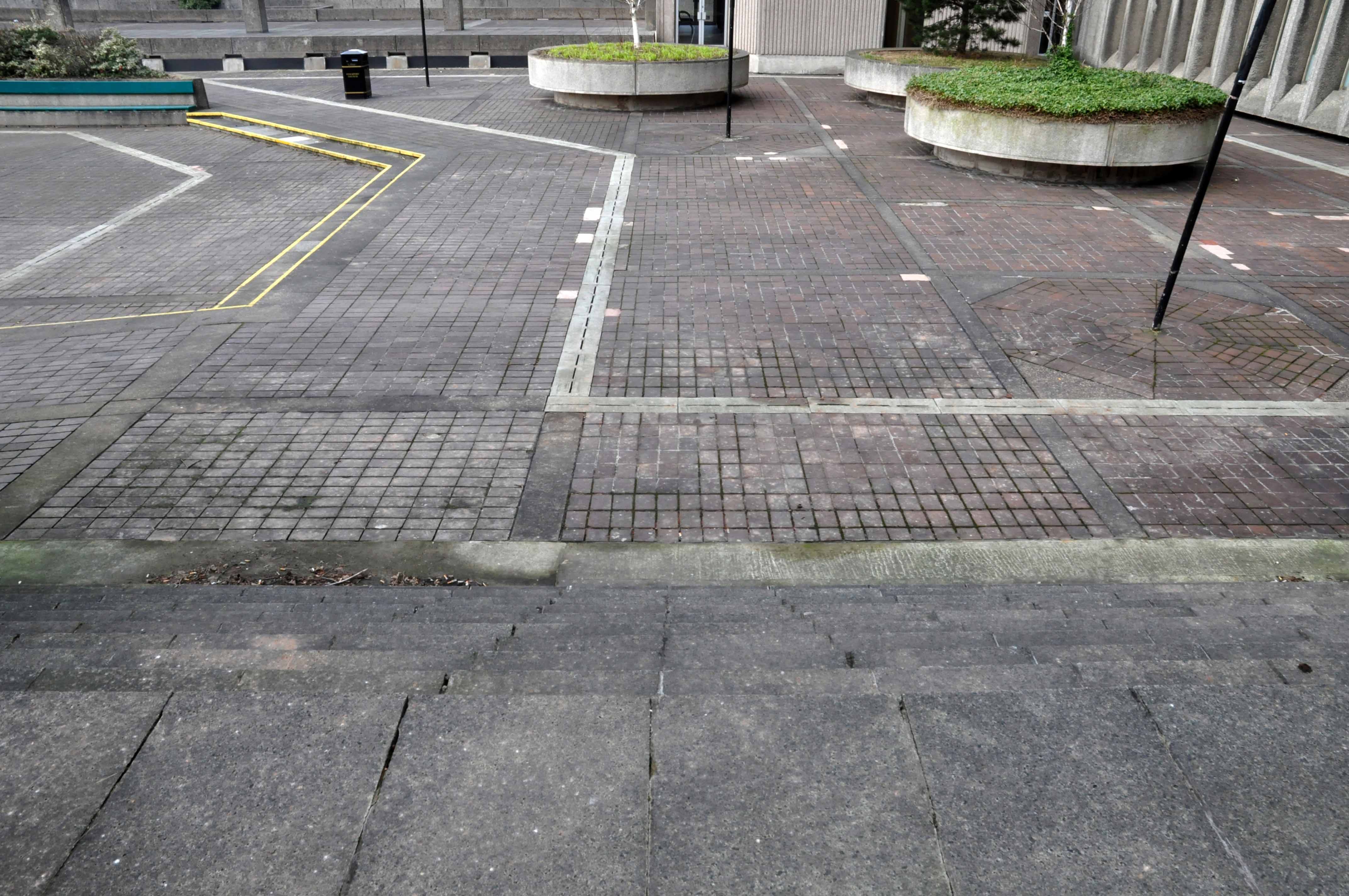
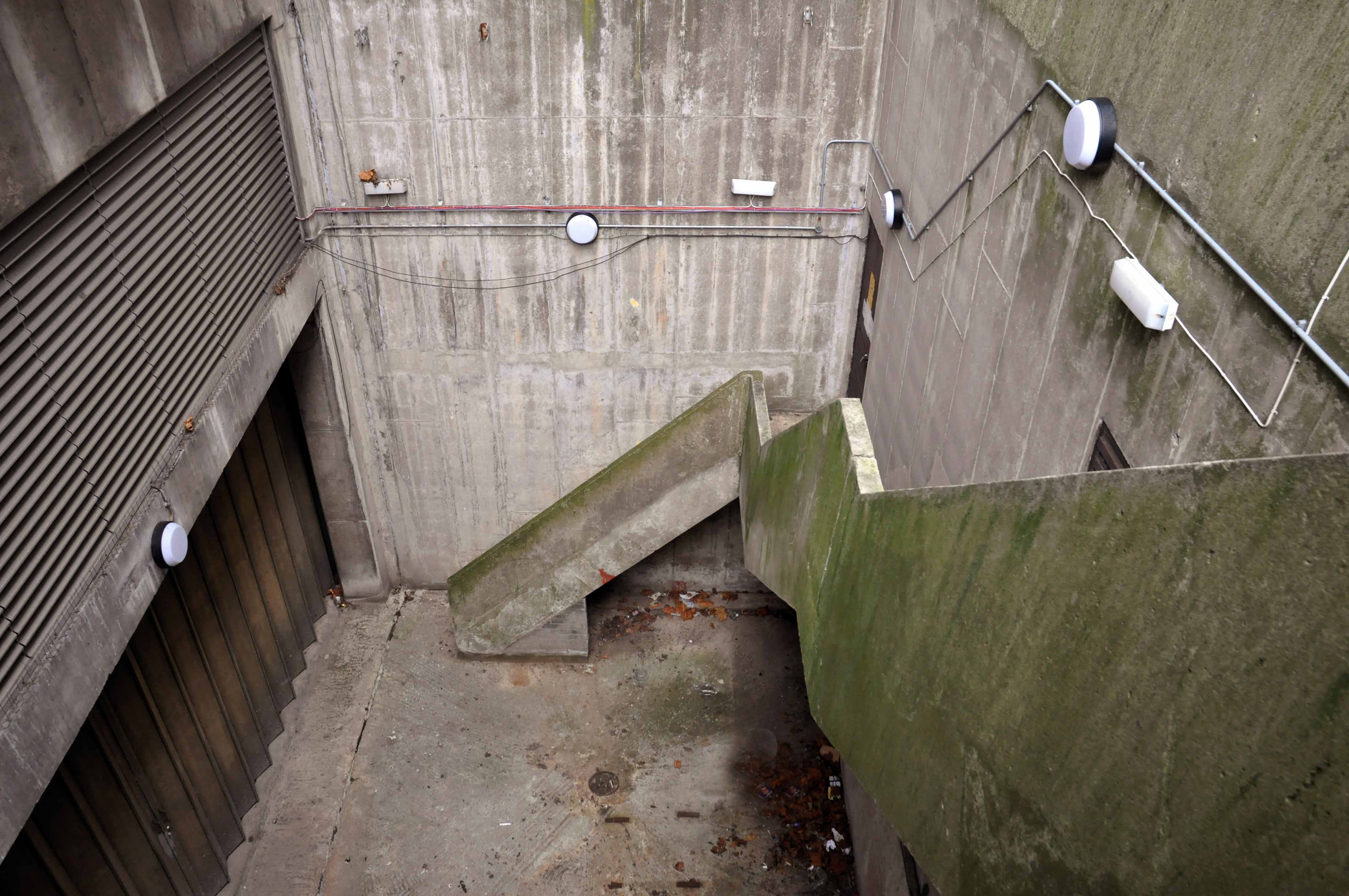
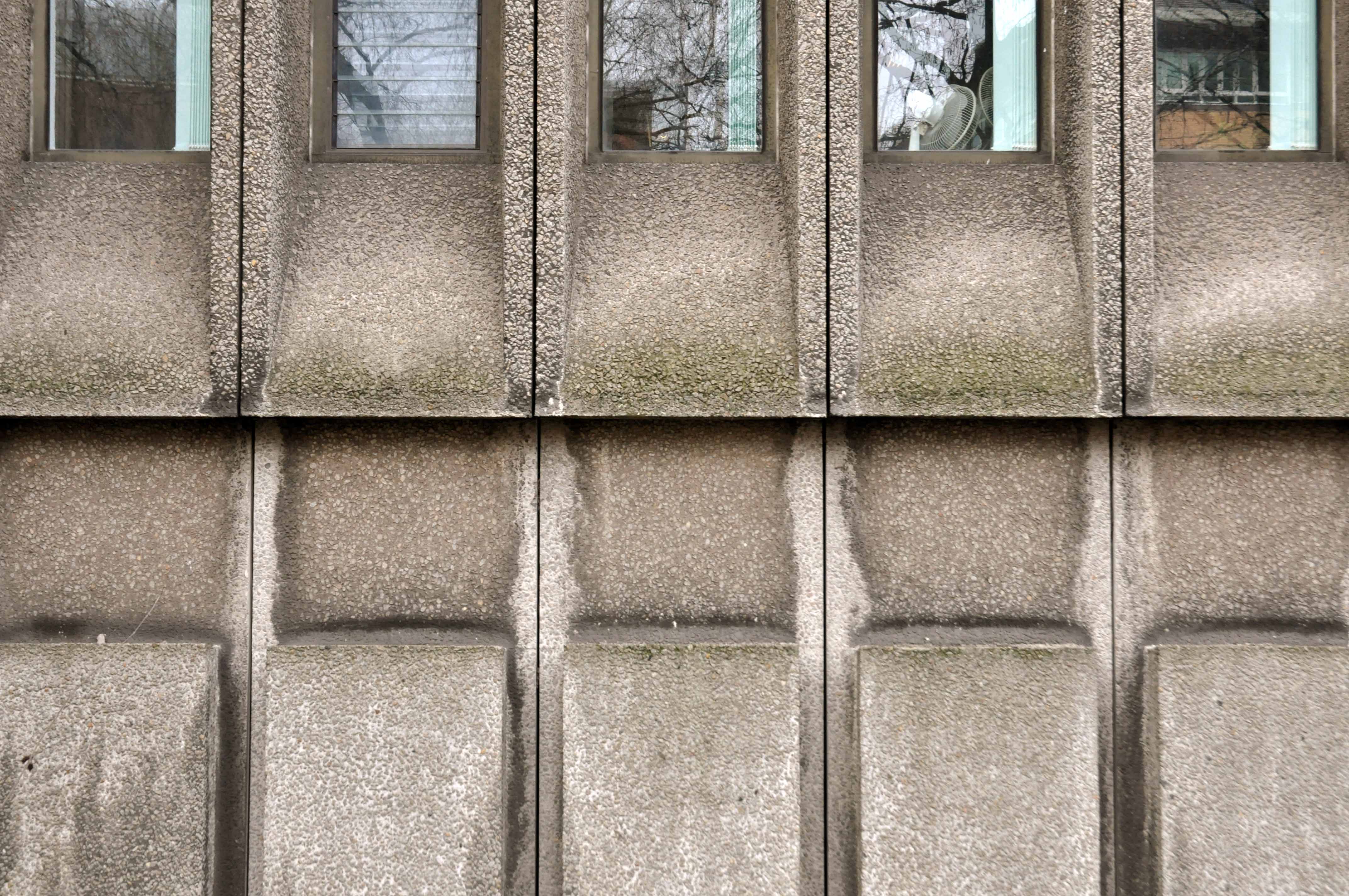
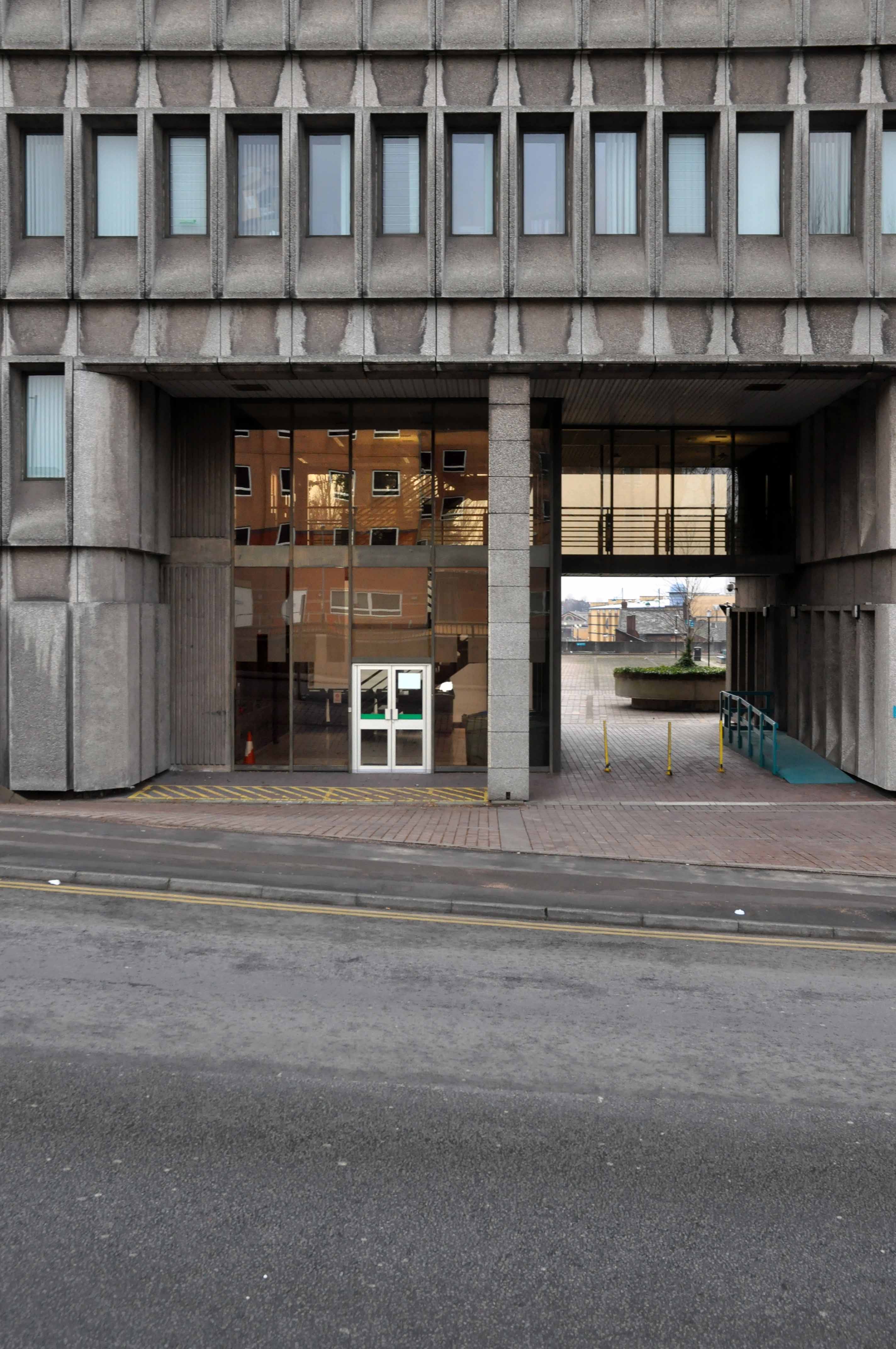
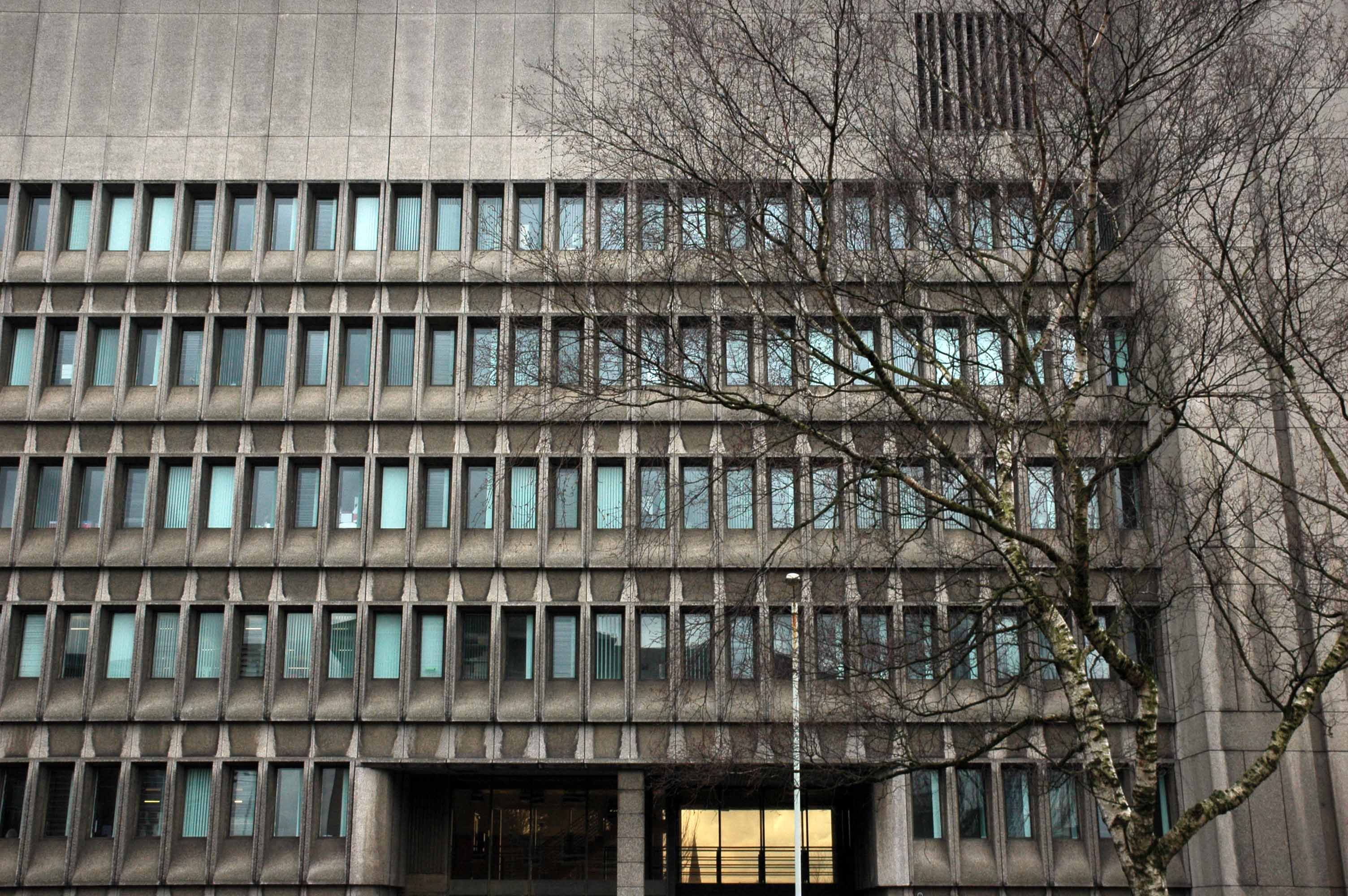
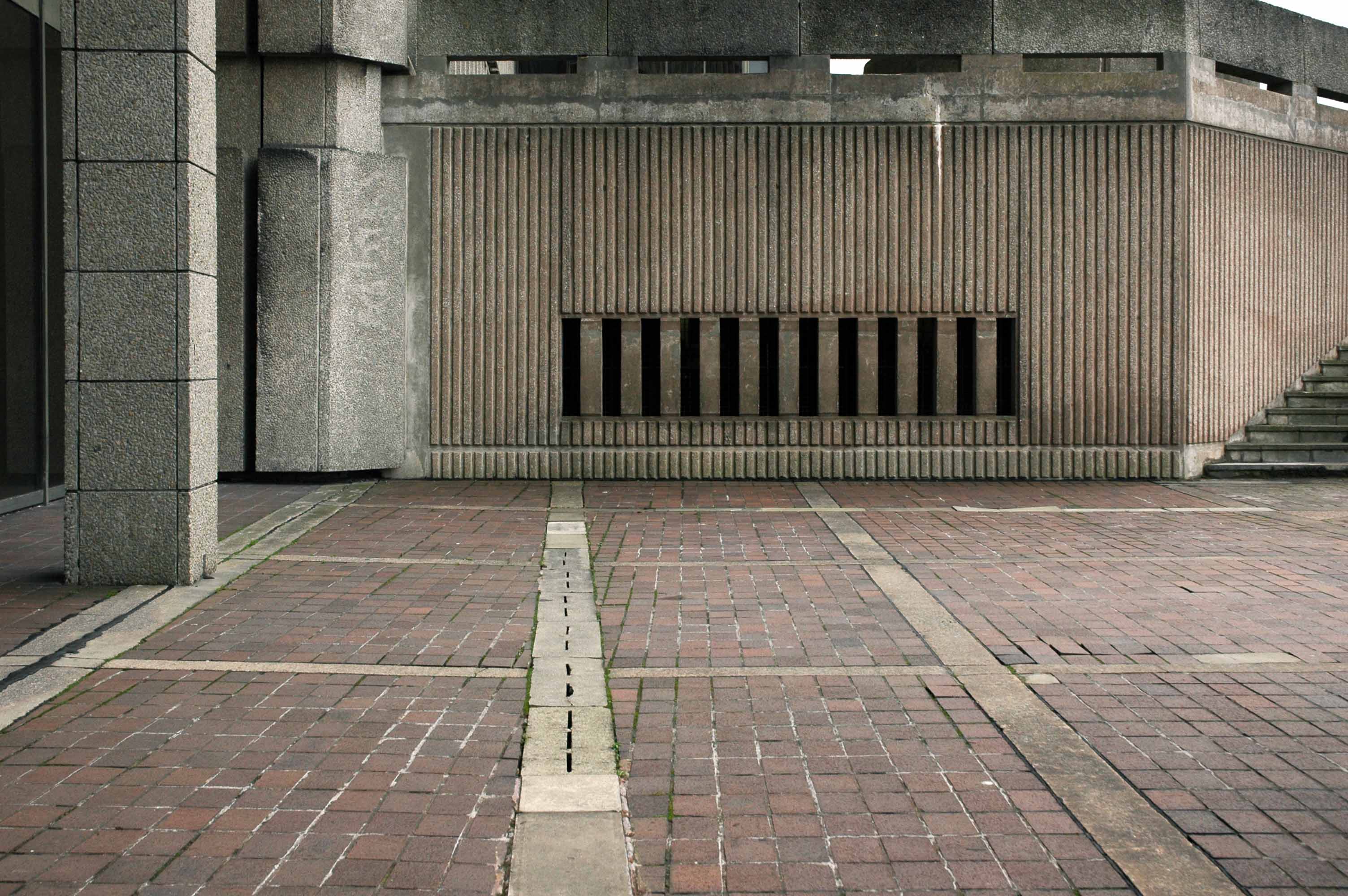
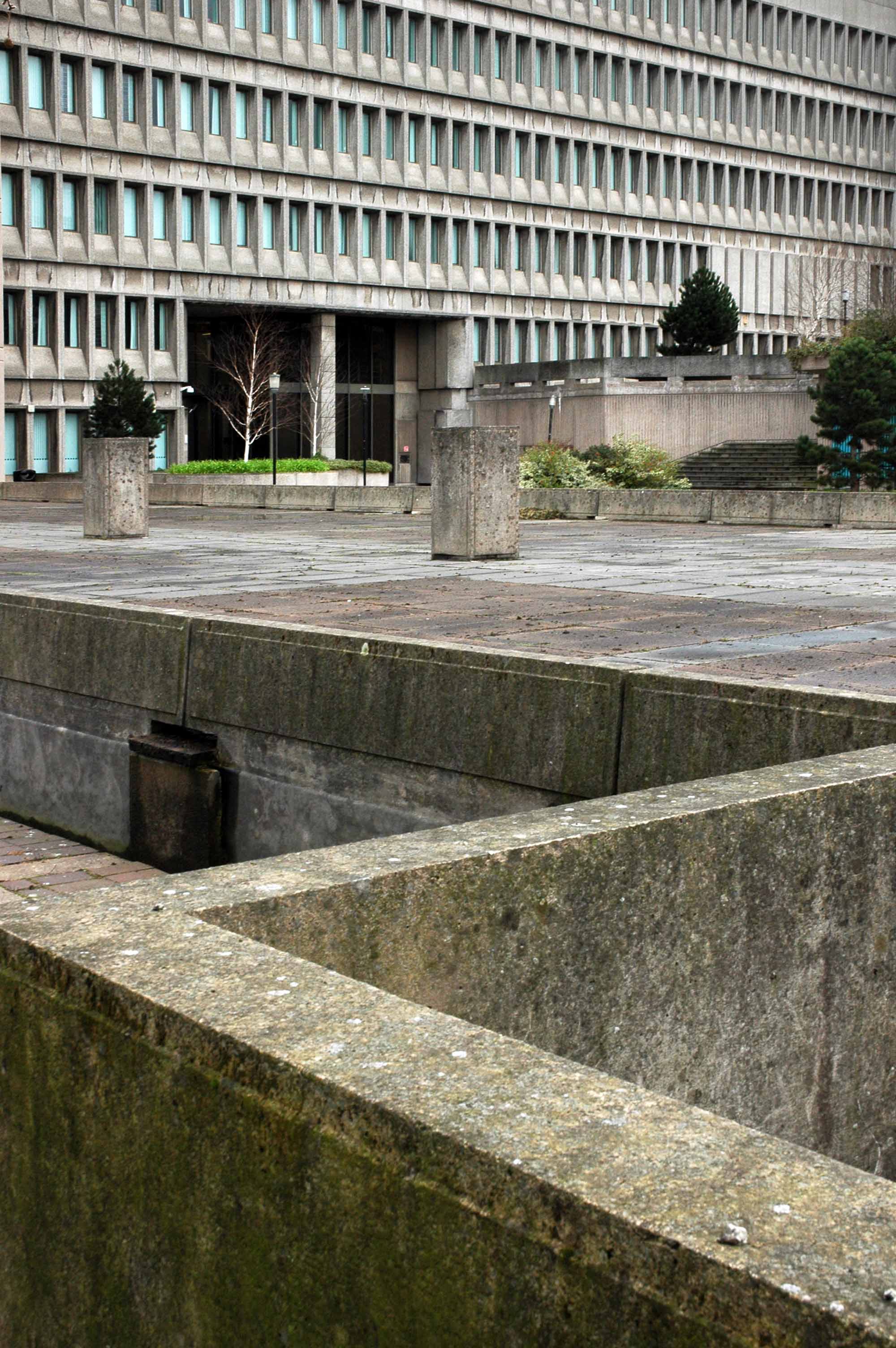
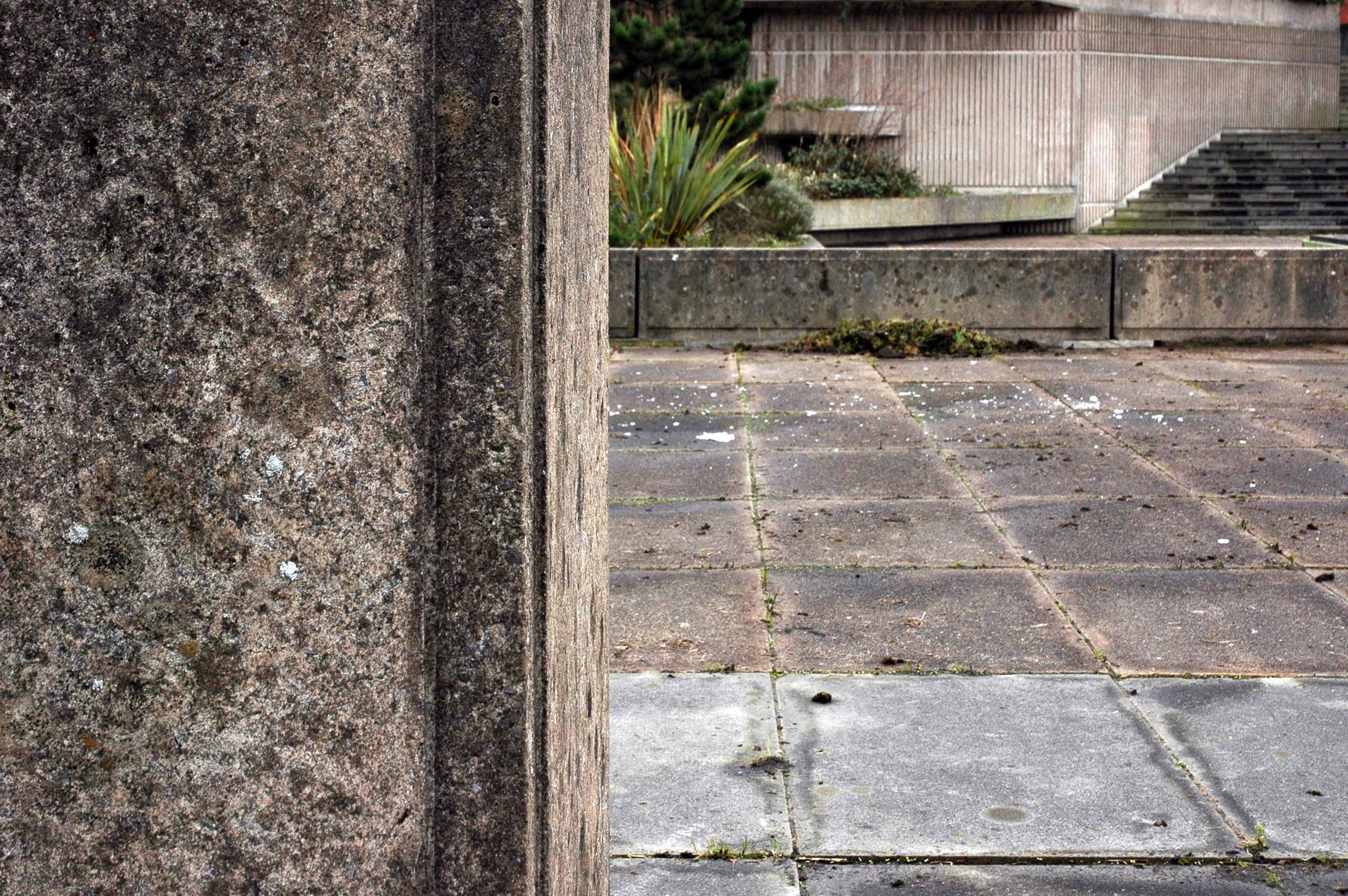
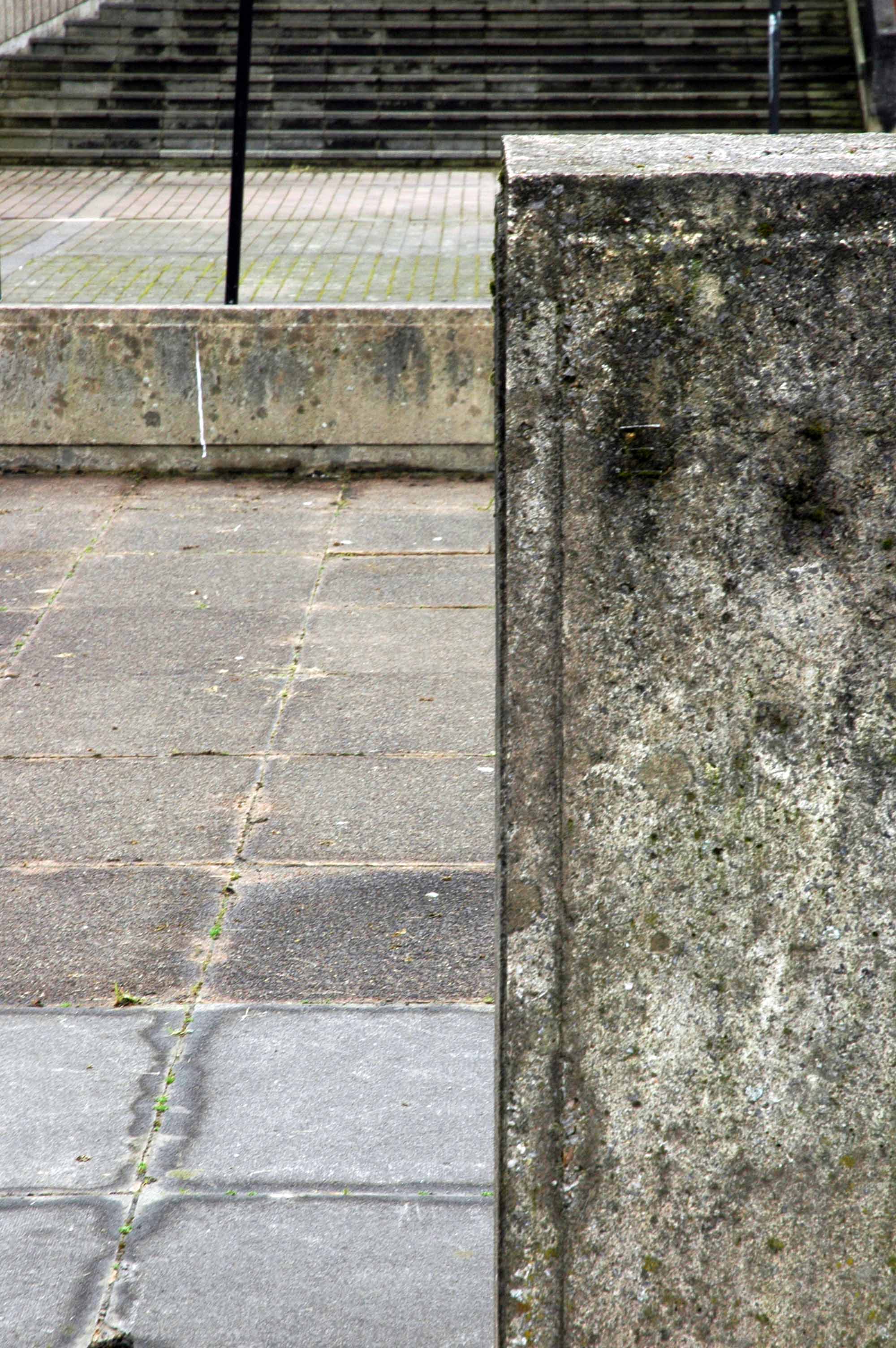
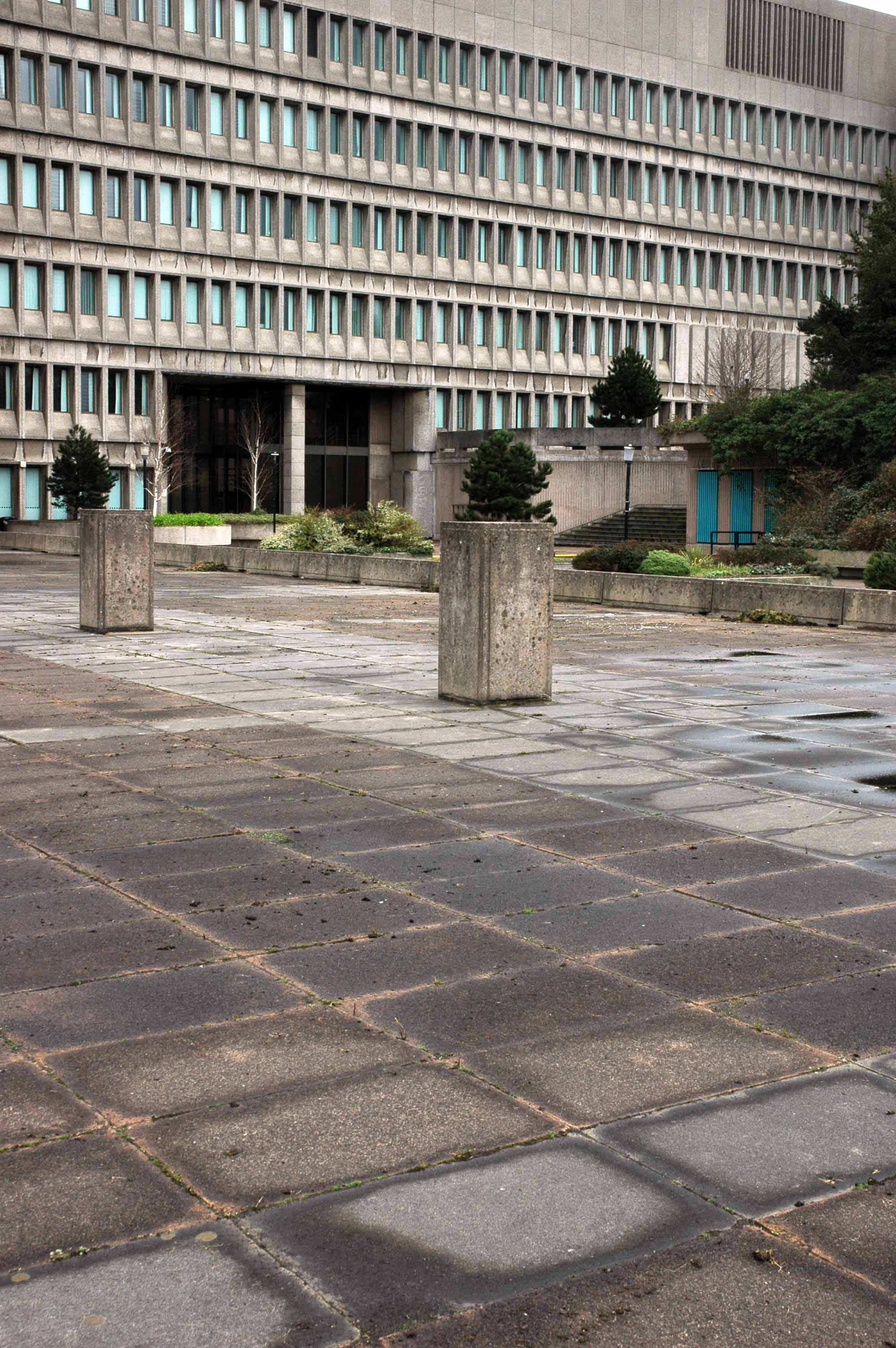
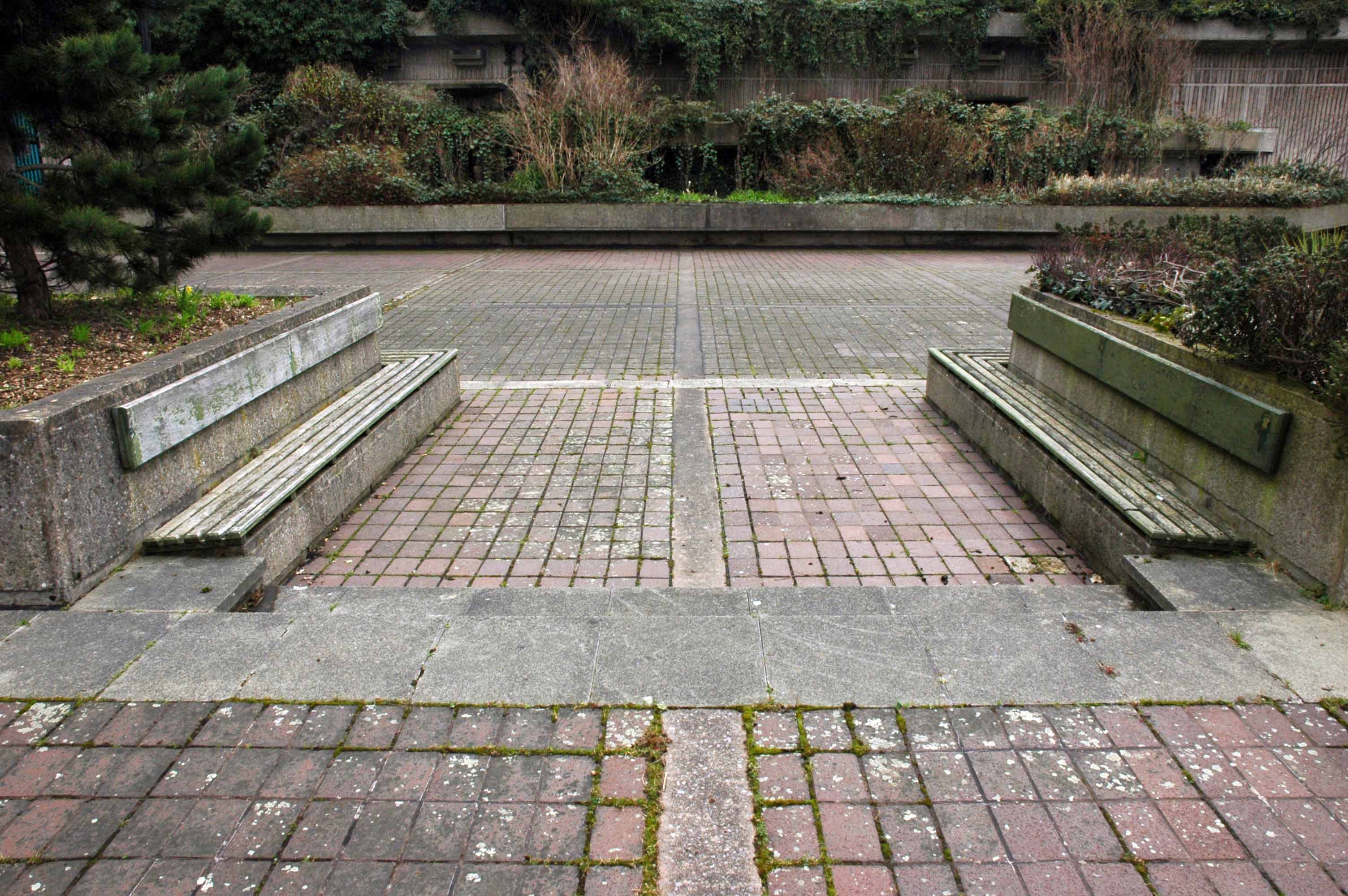
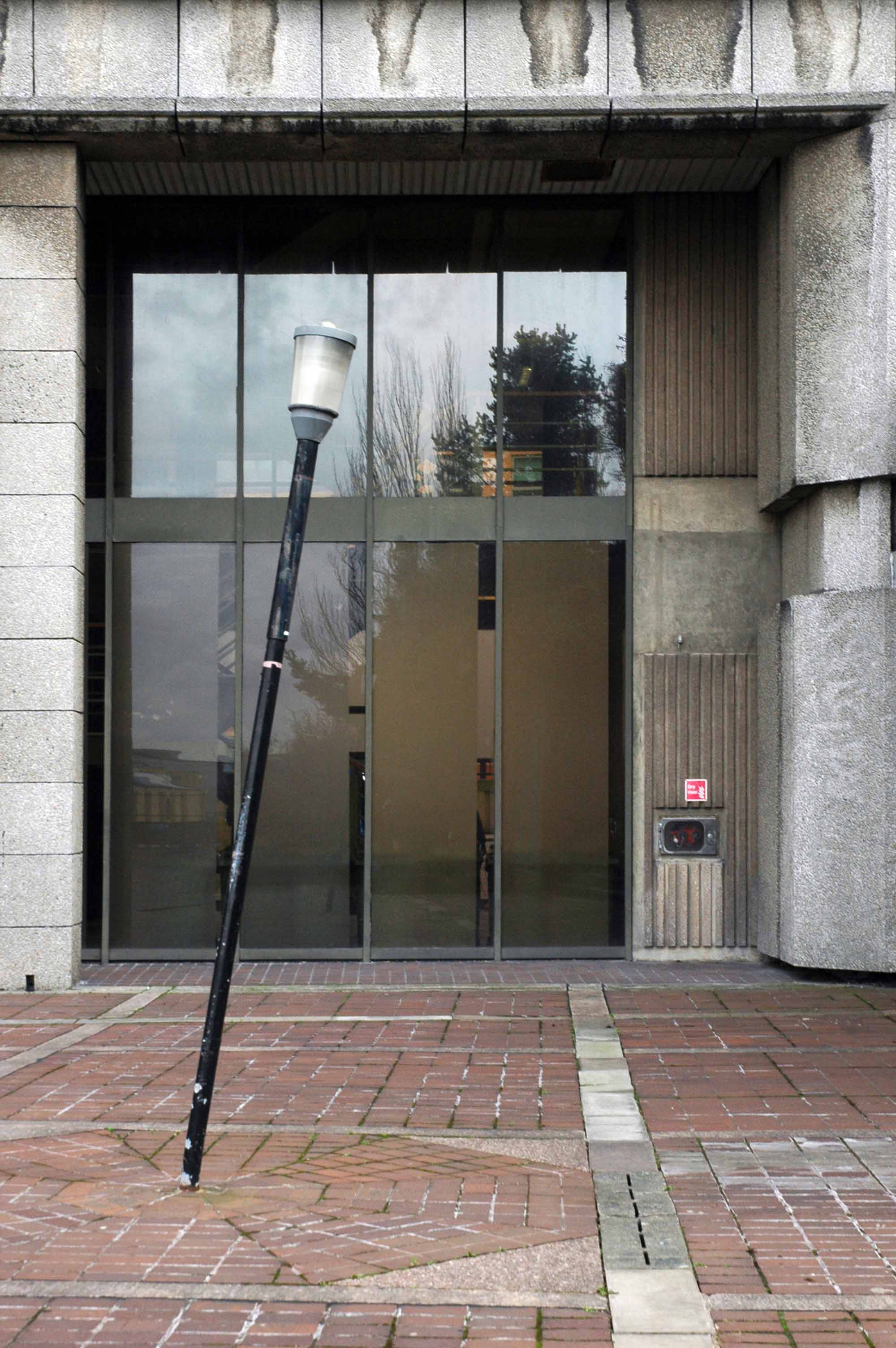
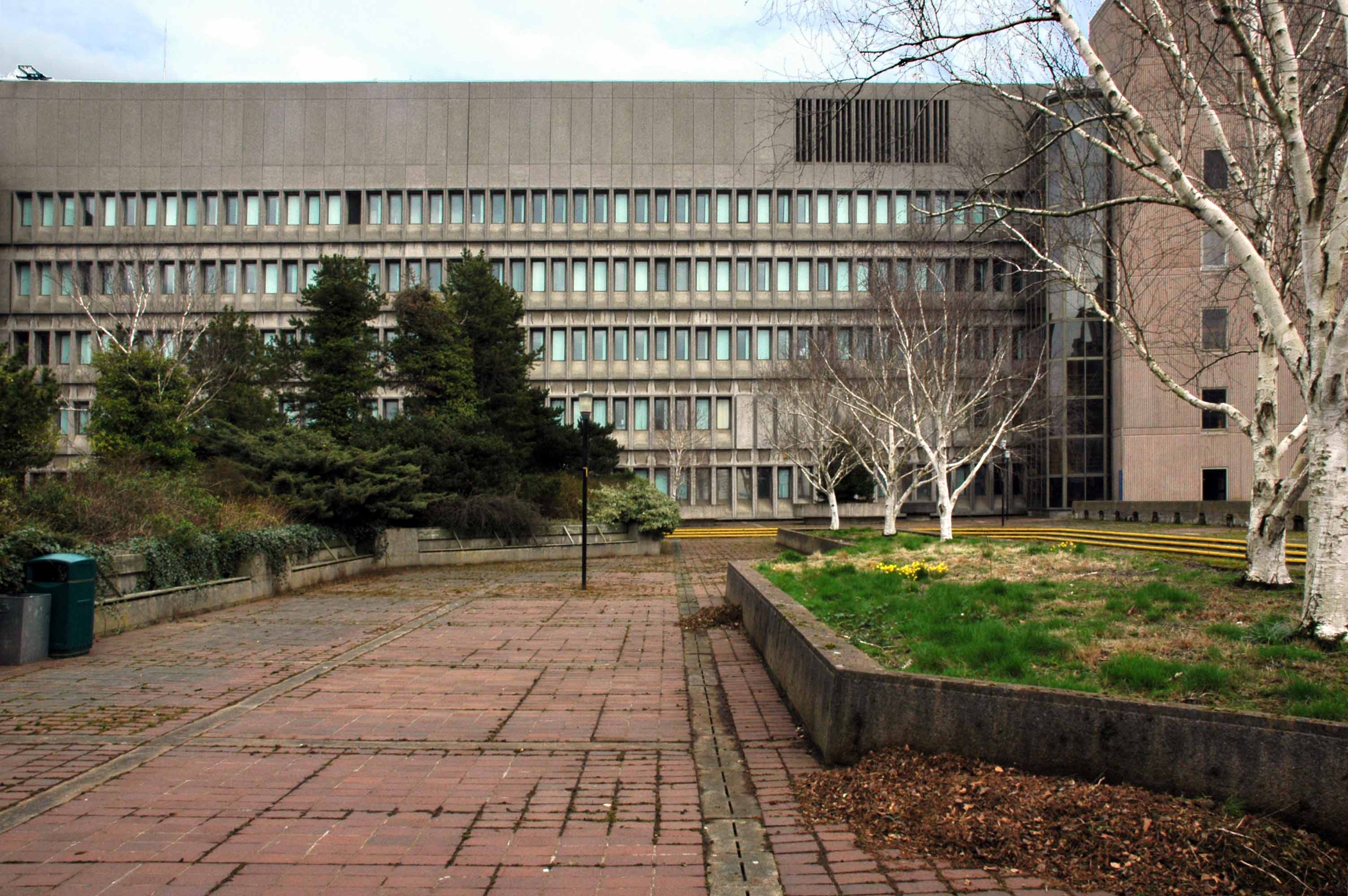
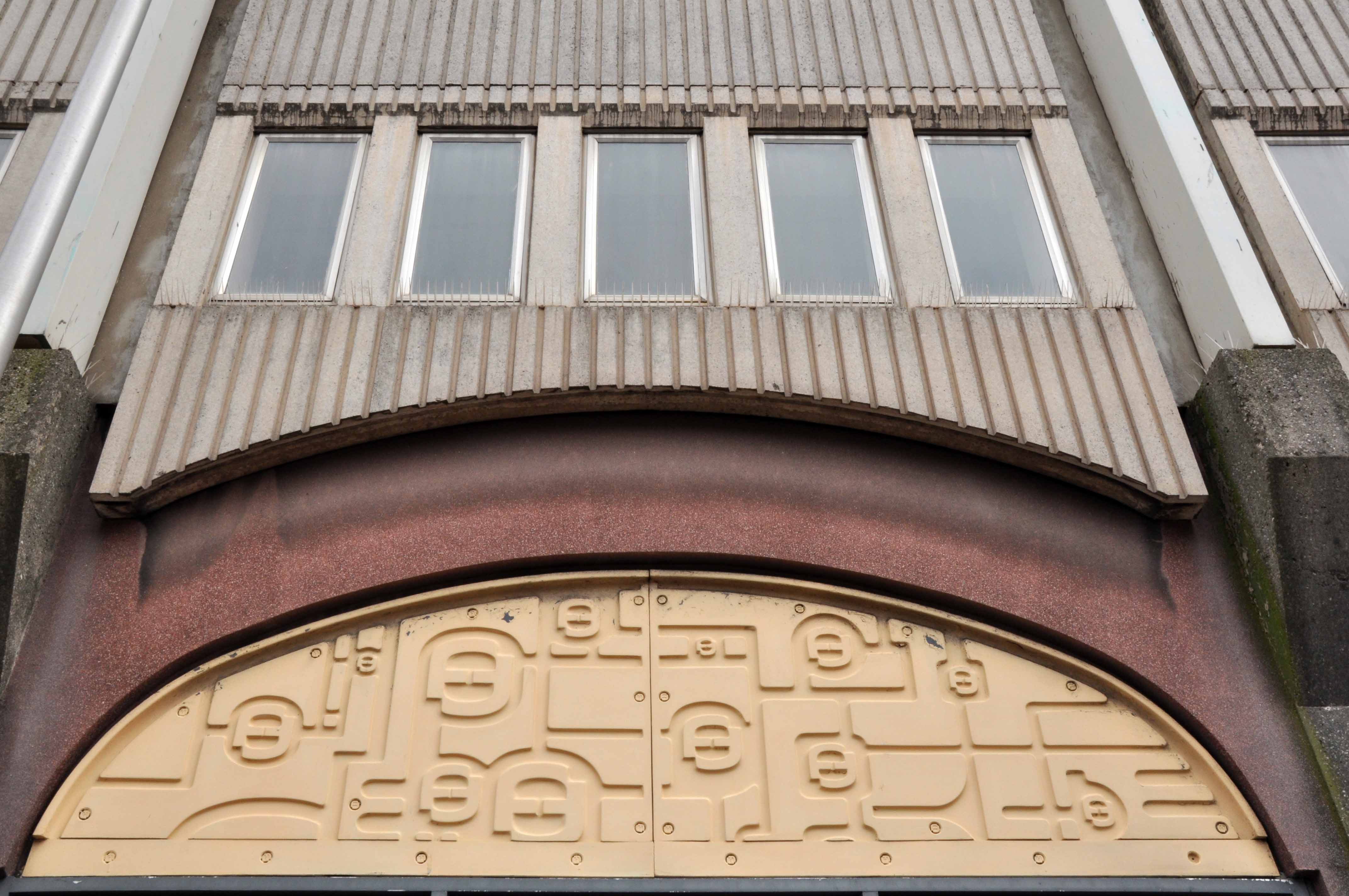
Famed as an imaginary TV police station, this civic building is a civic building I simply can’t resist. I return on a regular basis to wander and snap. This is an open public space that seems little loved and has few visitors.
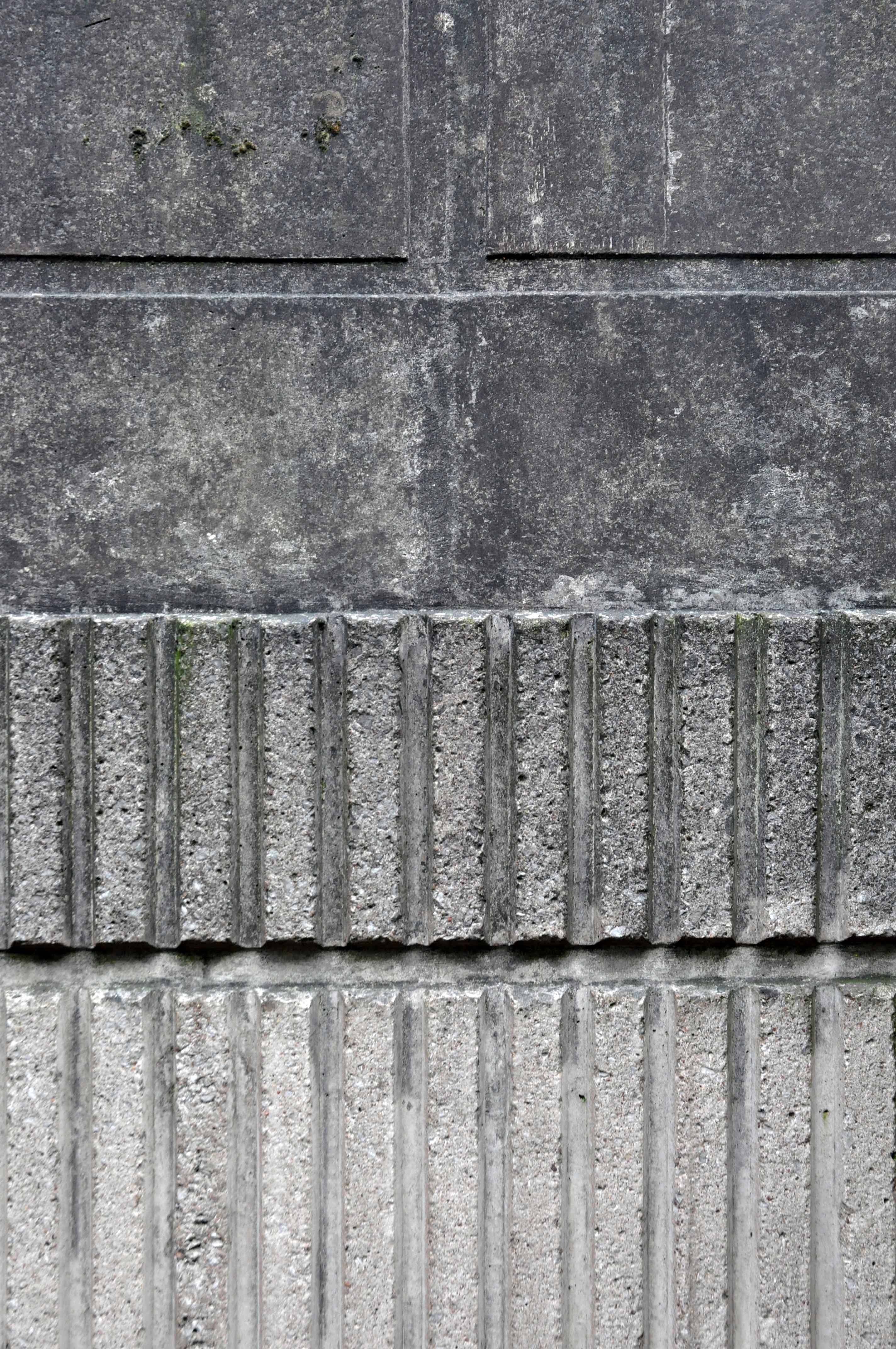
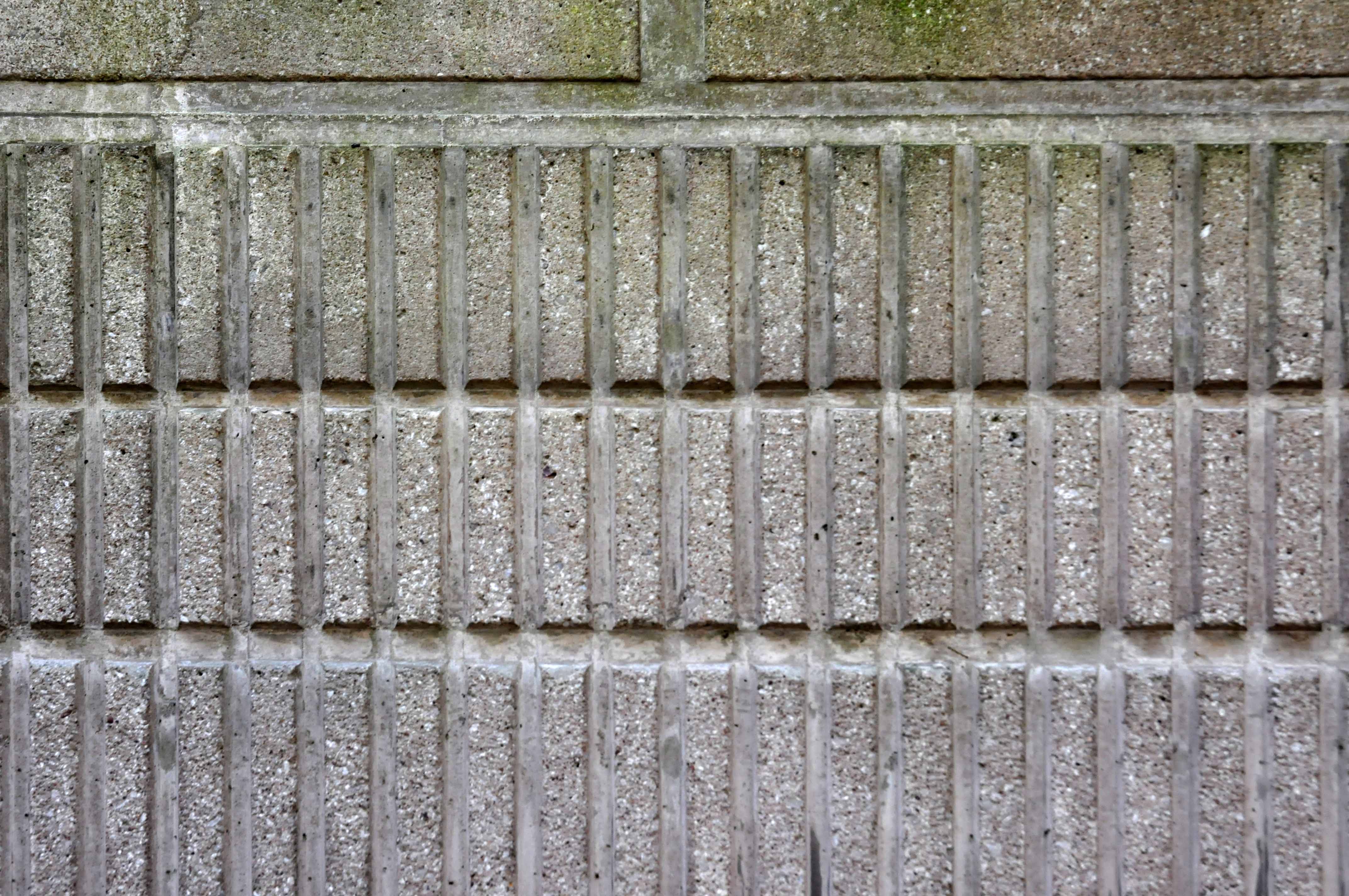
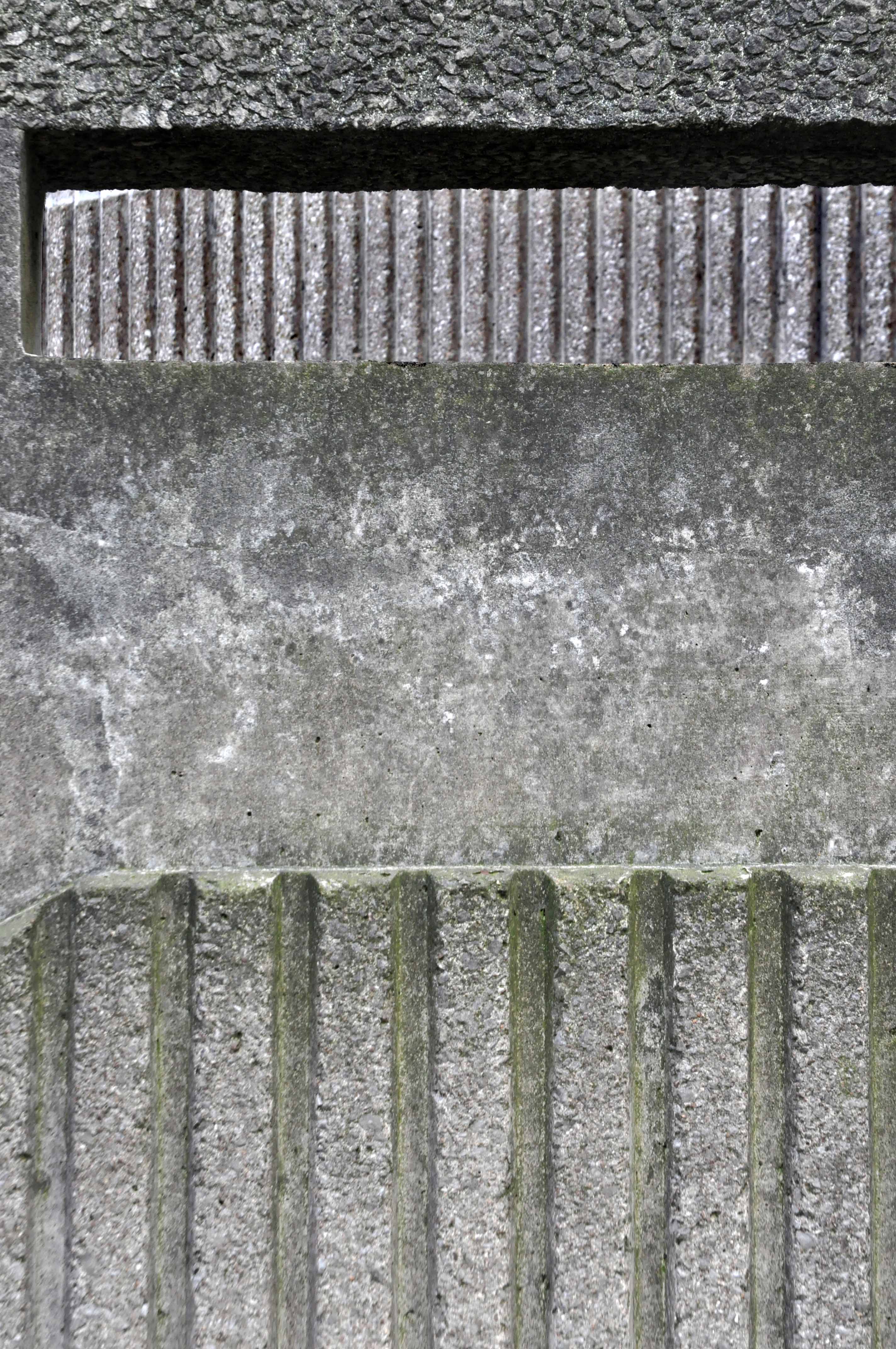
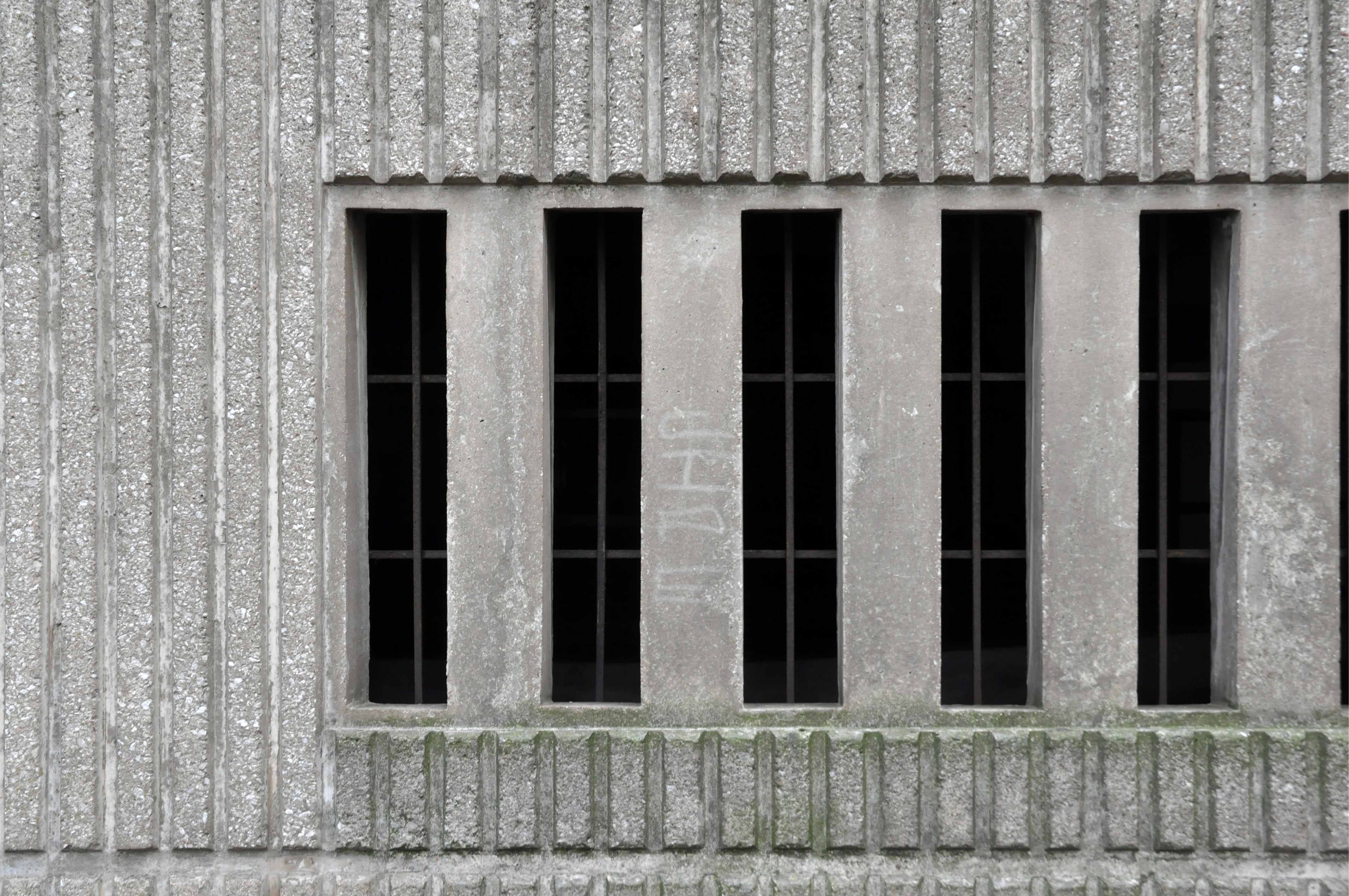
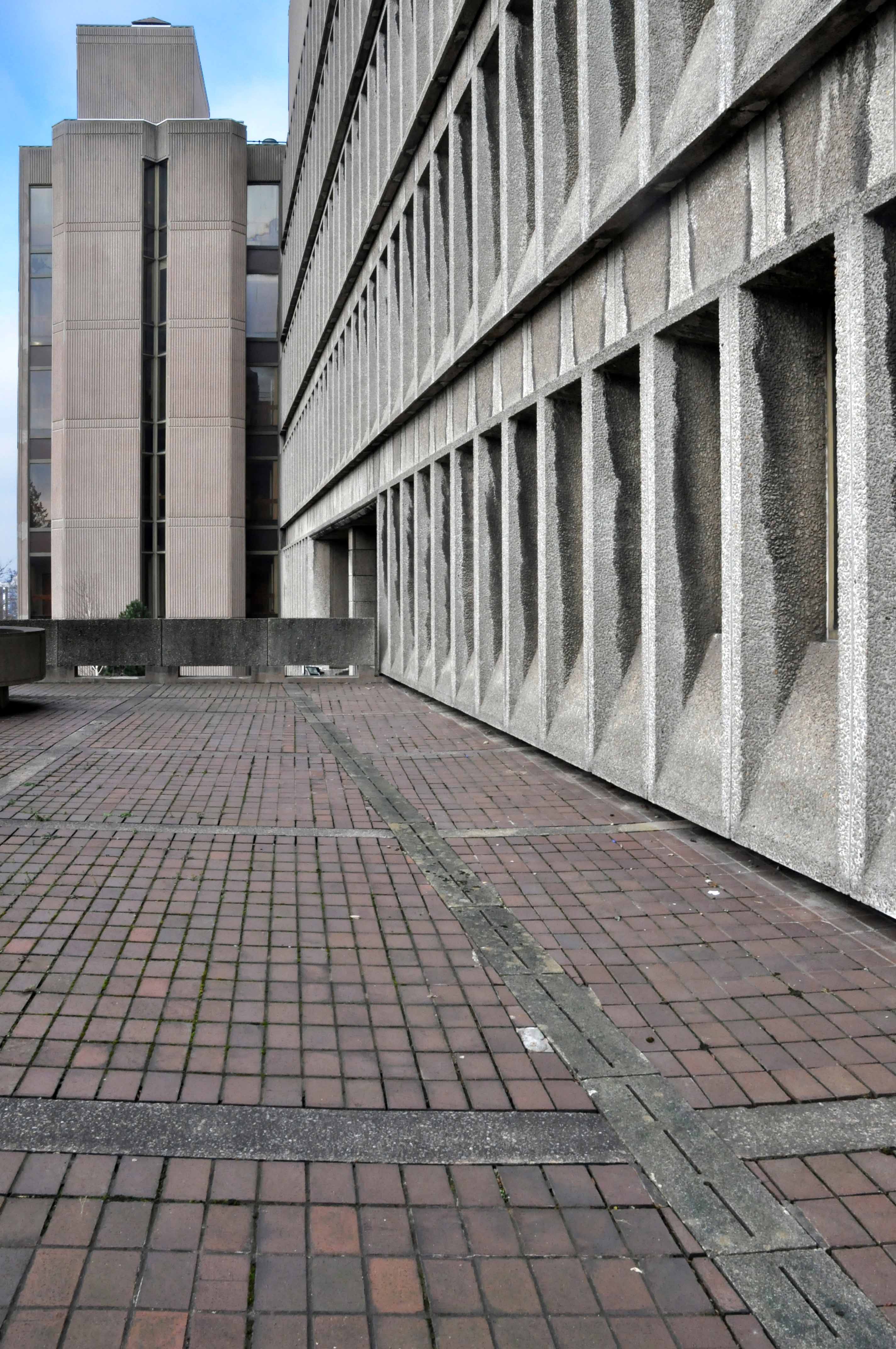
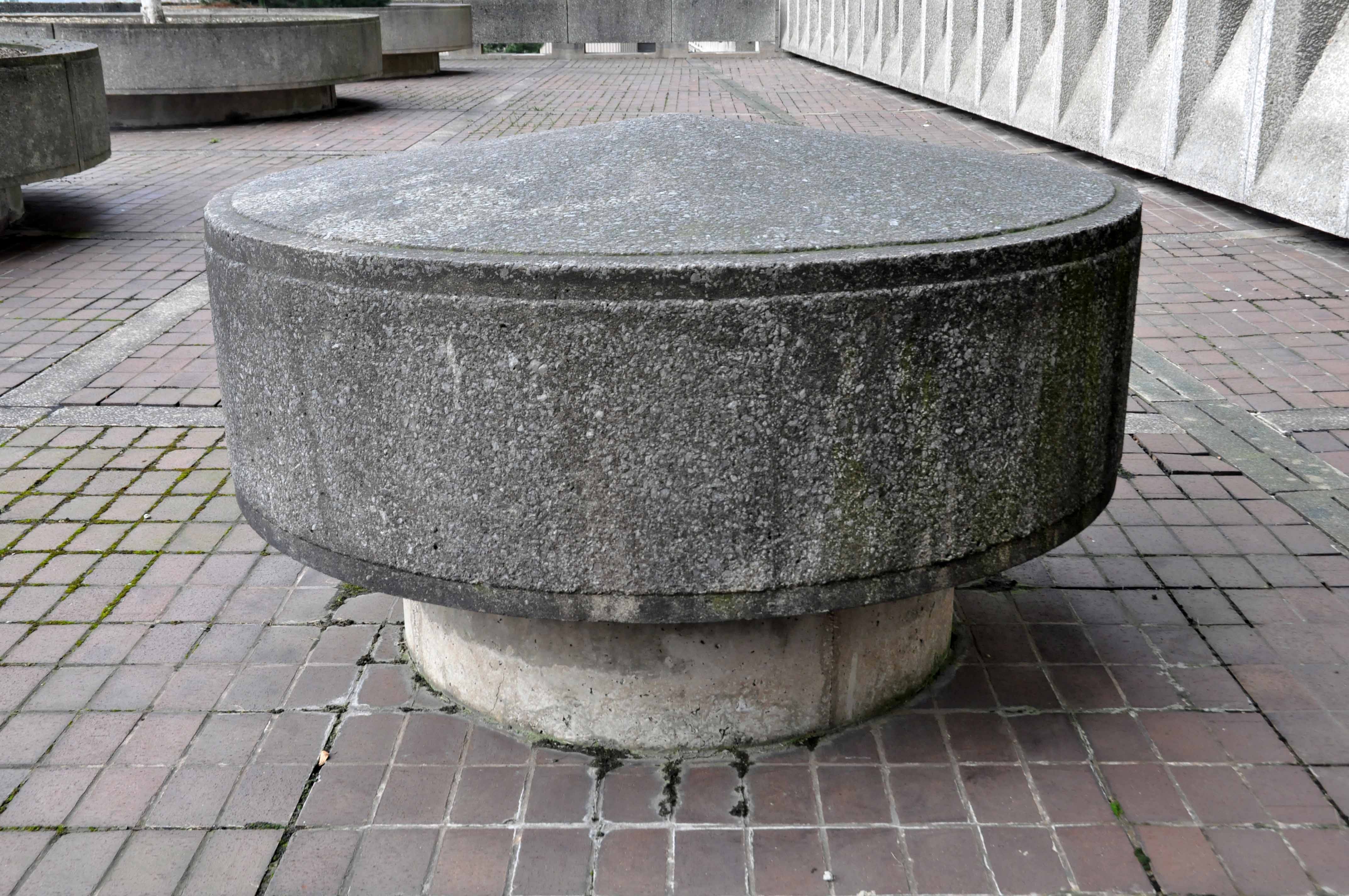
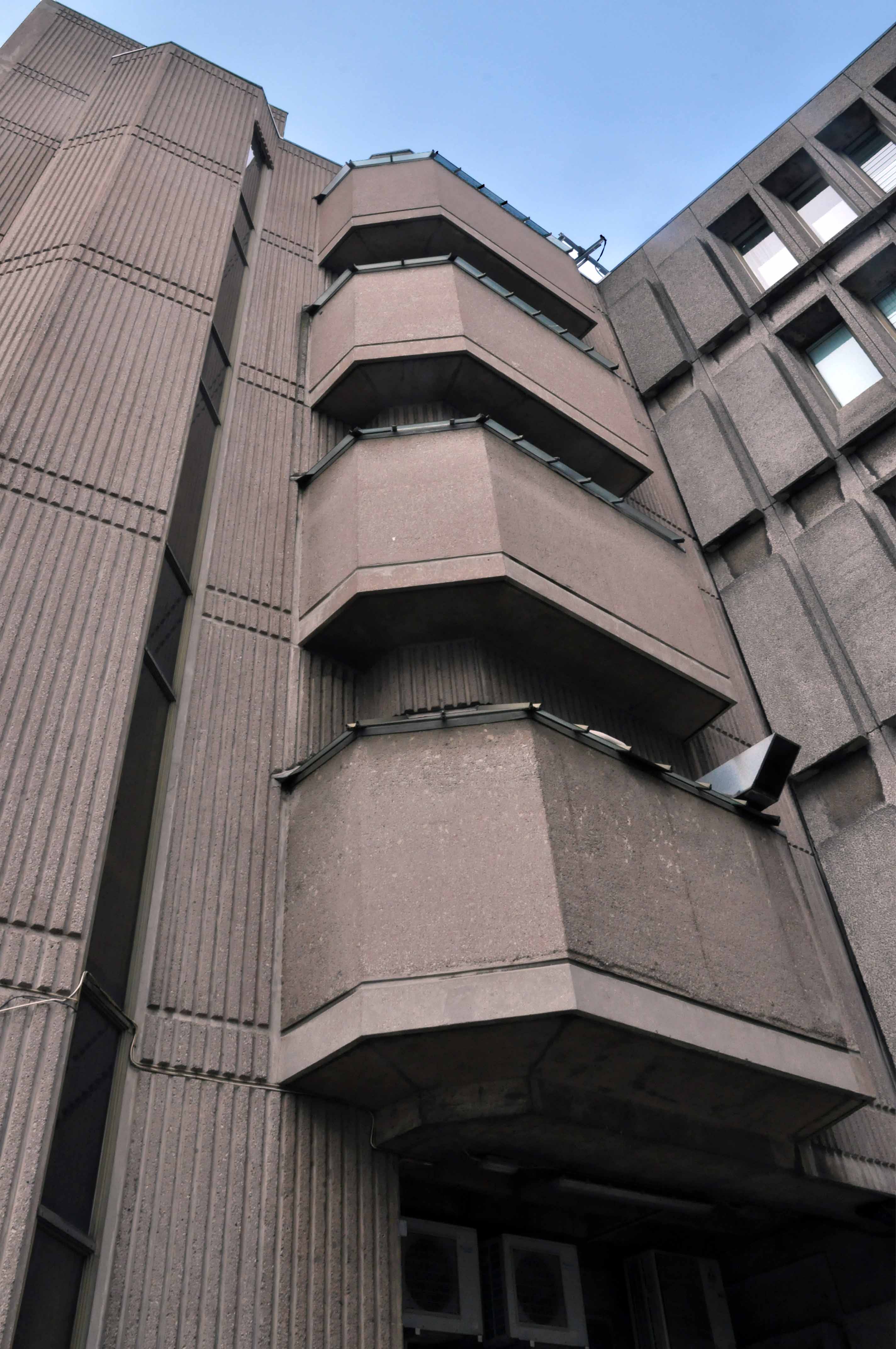
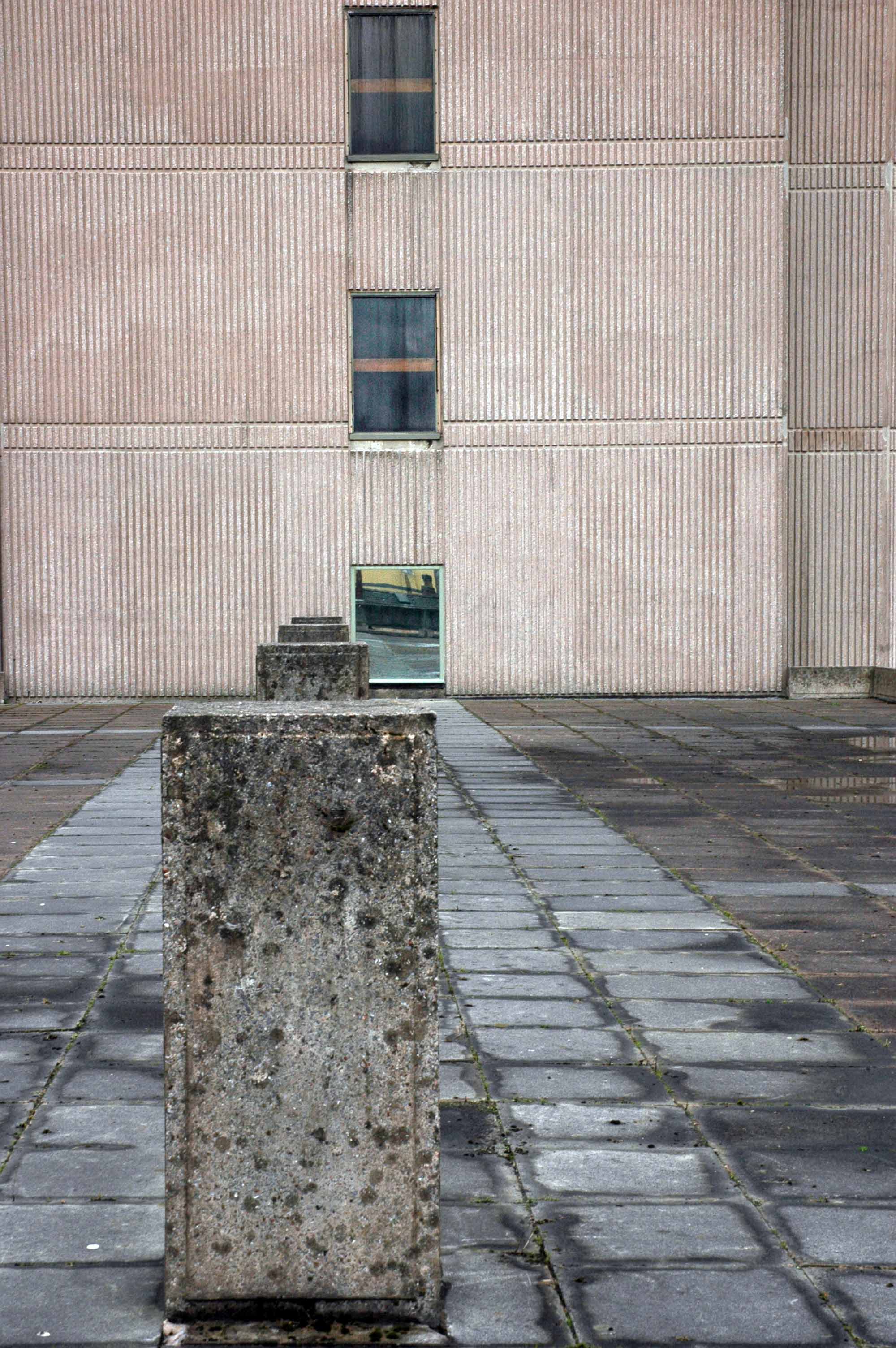
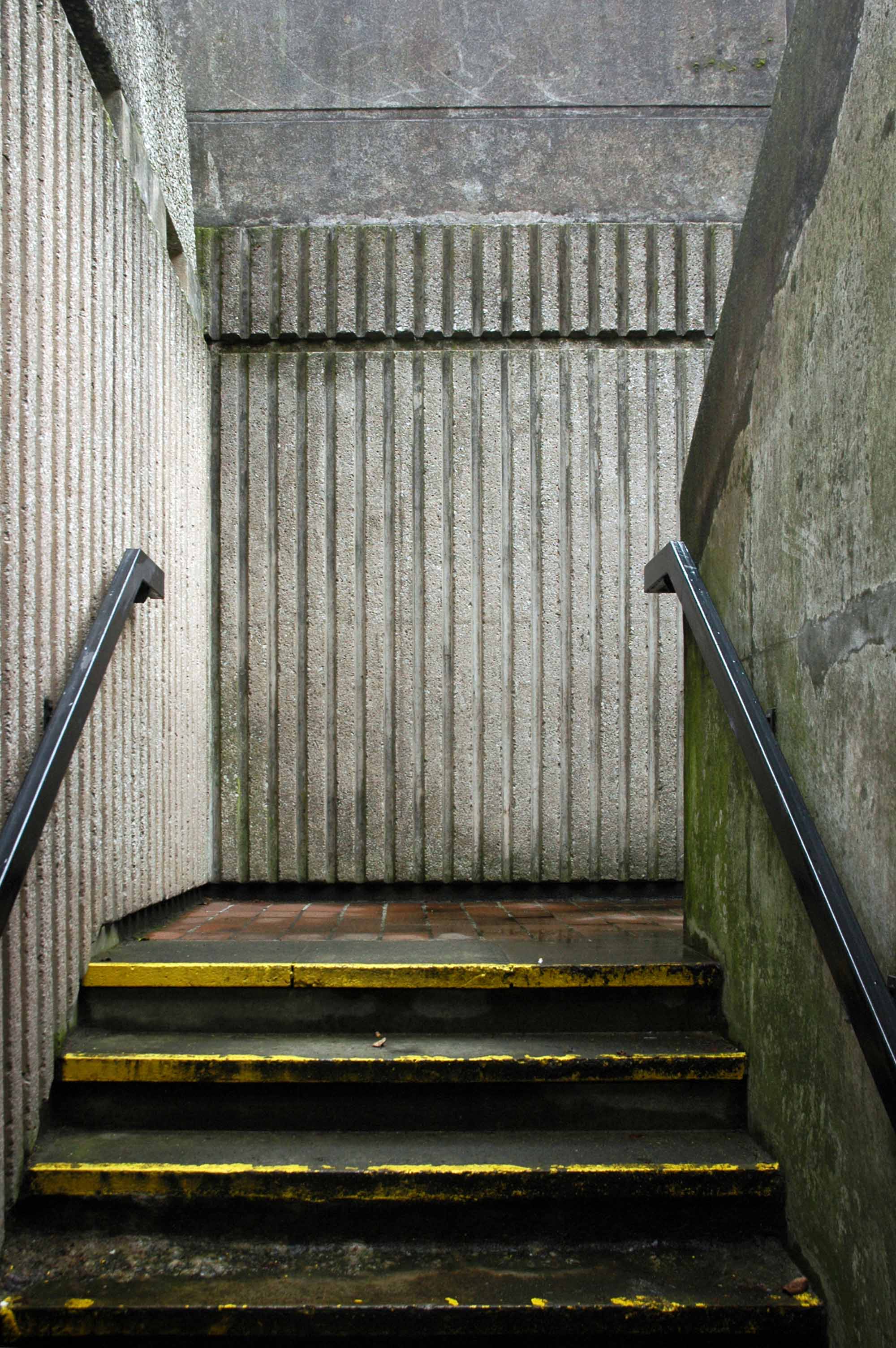
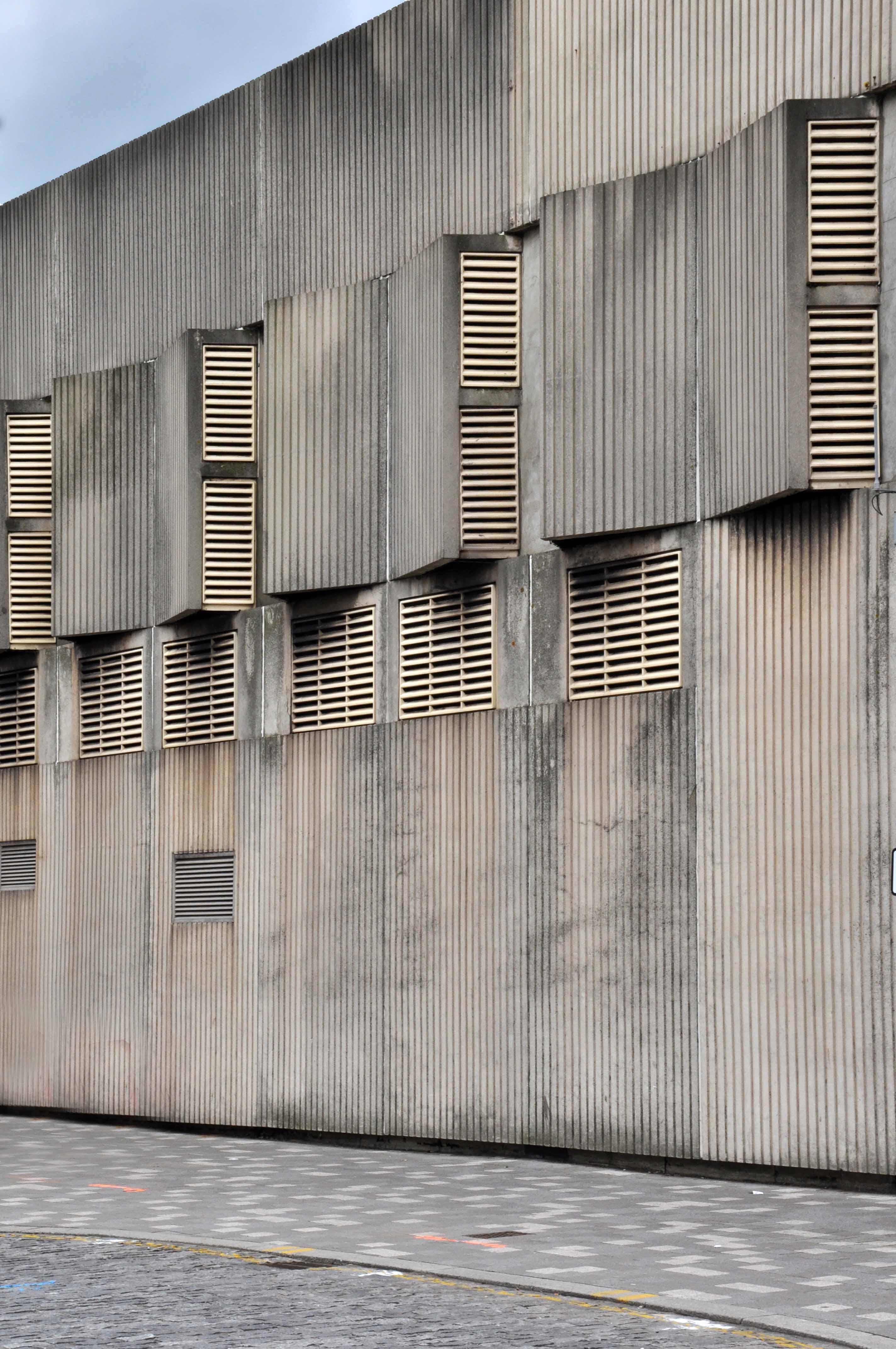
It is quite literally concrete poetry incarnate, a careful collision of form, tone, texture and line, softened with sympathetic planting.
There had been proposals to extend the Town Hall provison since 1945, which were finally realised in 1975. Built at a cost of £1,500,000 – to provide additional office provision for the Local Authority. A further two blocks were planned but never built.
Stopford House was built 1975 and designed by JS Rank OBE, Director of Development & Town Planning, Stockport Council.
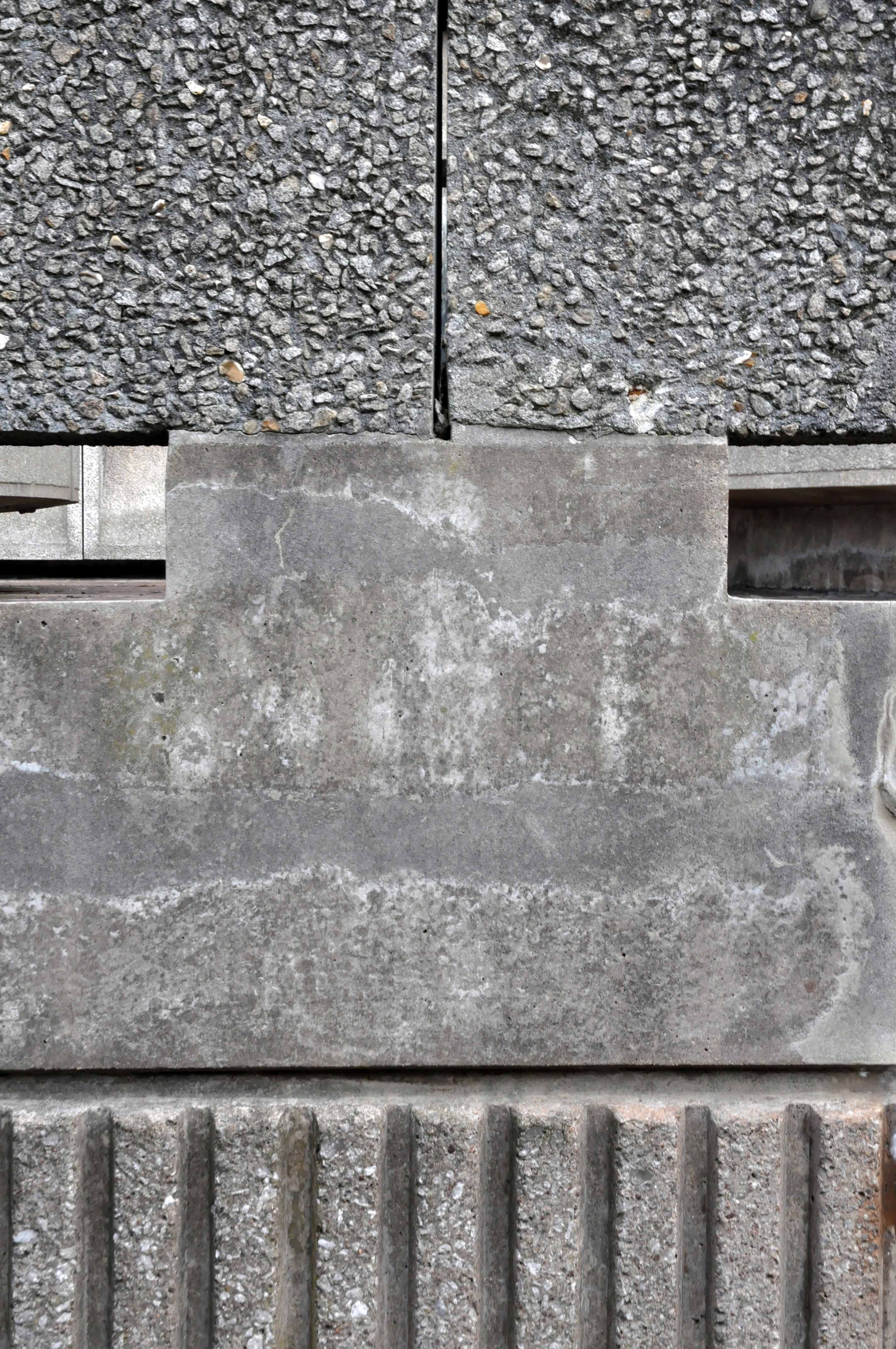
The main block is clad in 1400 exposed aggregate precast panels and the link blocks have ribbed walls constructed with in situ concrete, bush hammered to expose the limestone aggregate. The precast panels were carefully matched in order to harmonize with the existing Town Hall, the mix contained coarse aggregate from the Scottish Granite Company of Creetown, a fine Leemoor sand from the Fordamin Company, together with white cement.
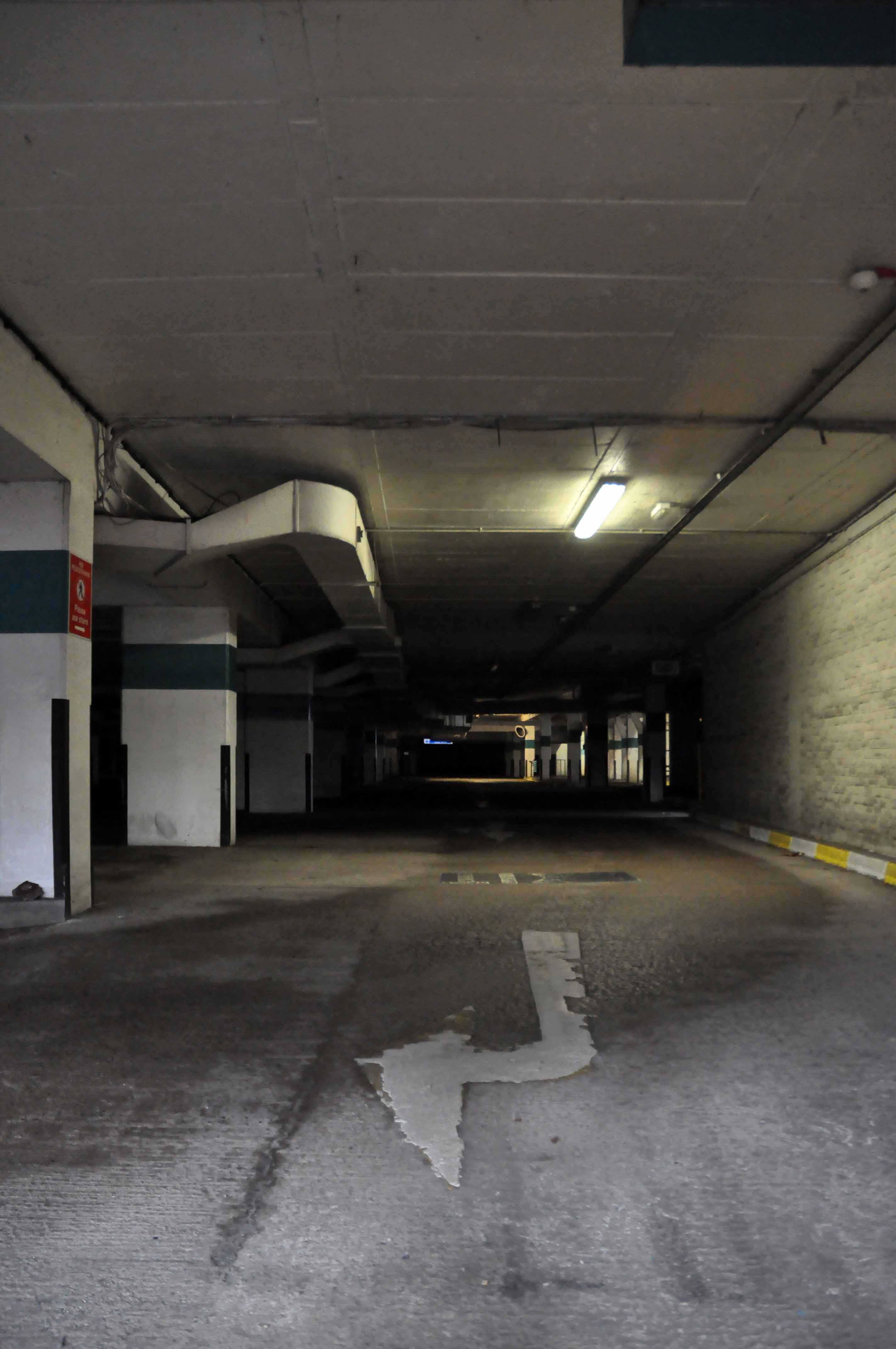
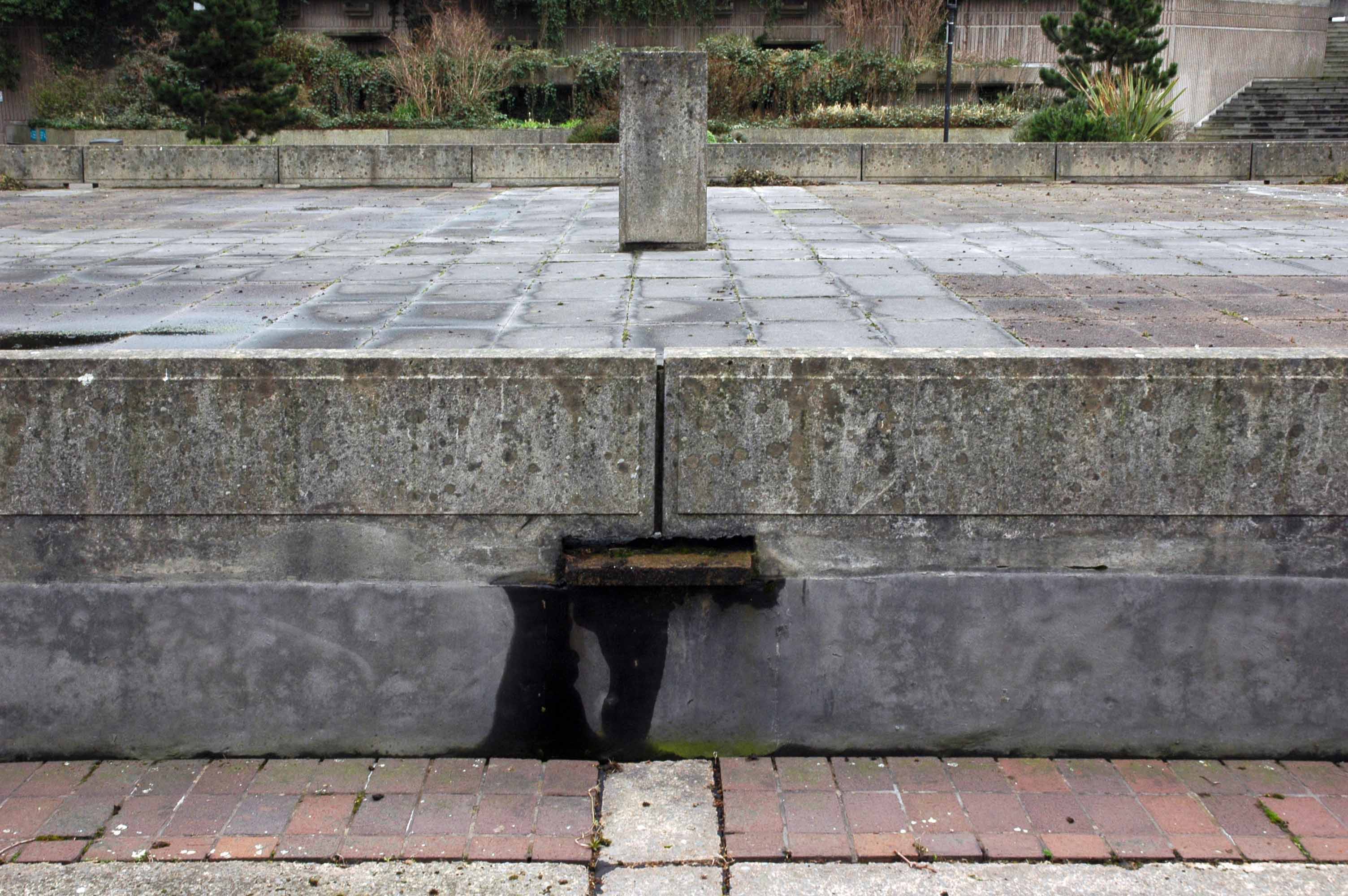
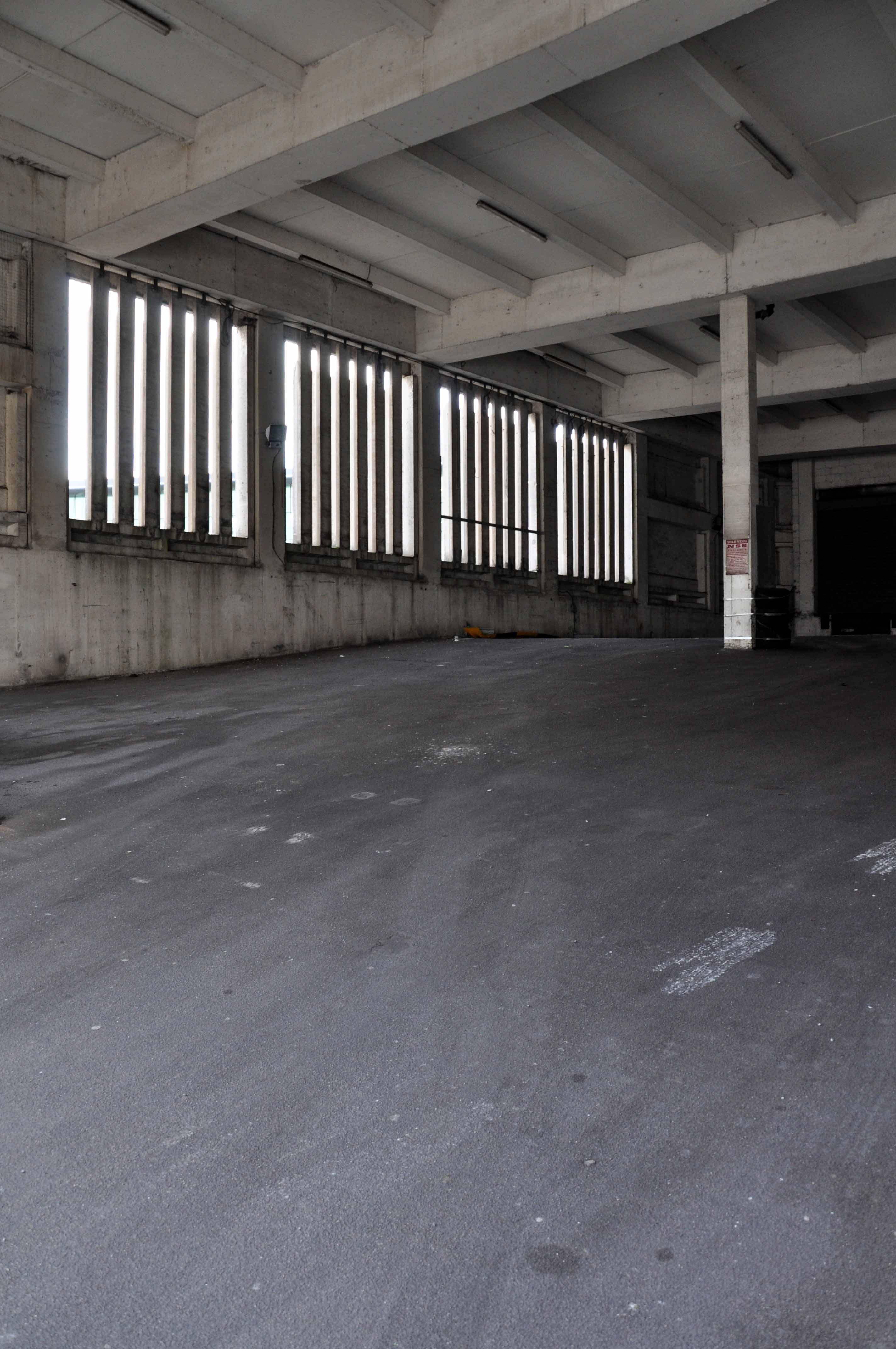
There are two levels of underground parking beneath the whole of the development. The piazza betwen the blocks was to have had a water cascde falling into a pond running the whole length of the area. Though exciting and expansive in the modern manner the piazza area, sadly, seems little used.
It needs a little love pop by and say hello sometime.
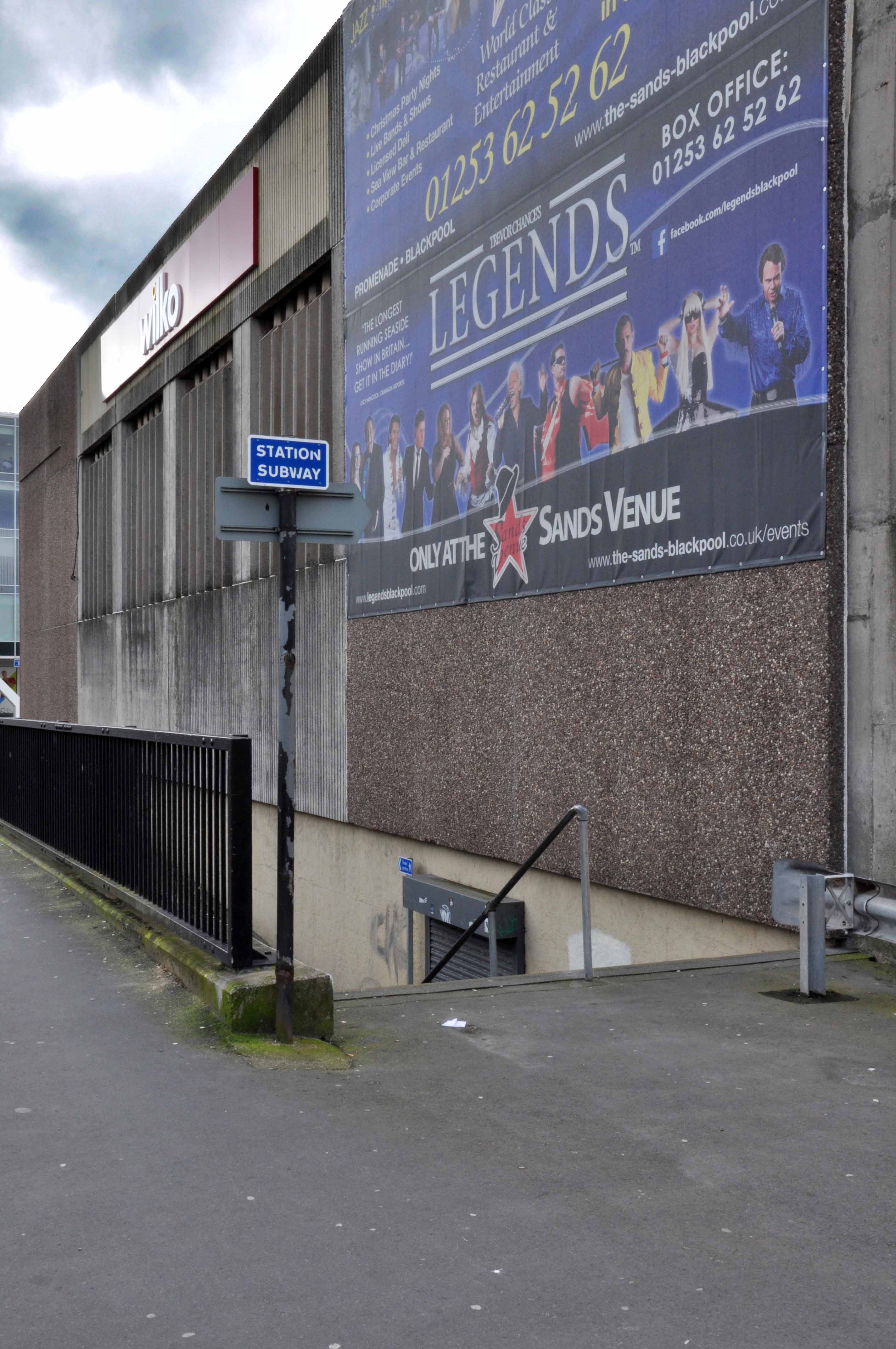
Cars and closures caused the station to withdraw up the road, to its current much smaller site.
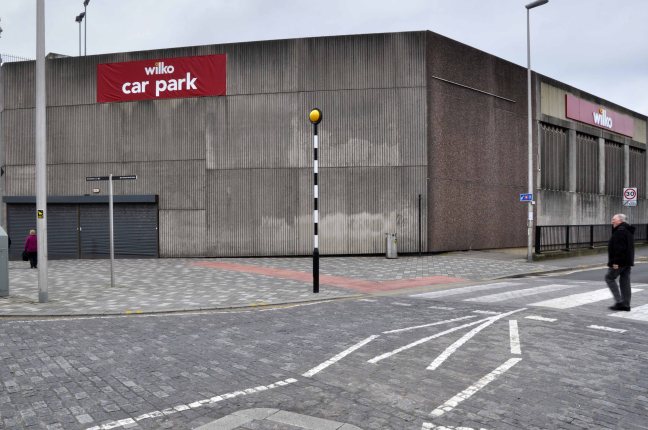
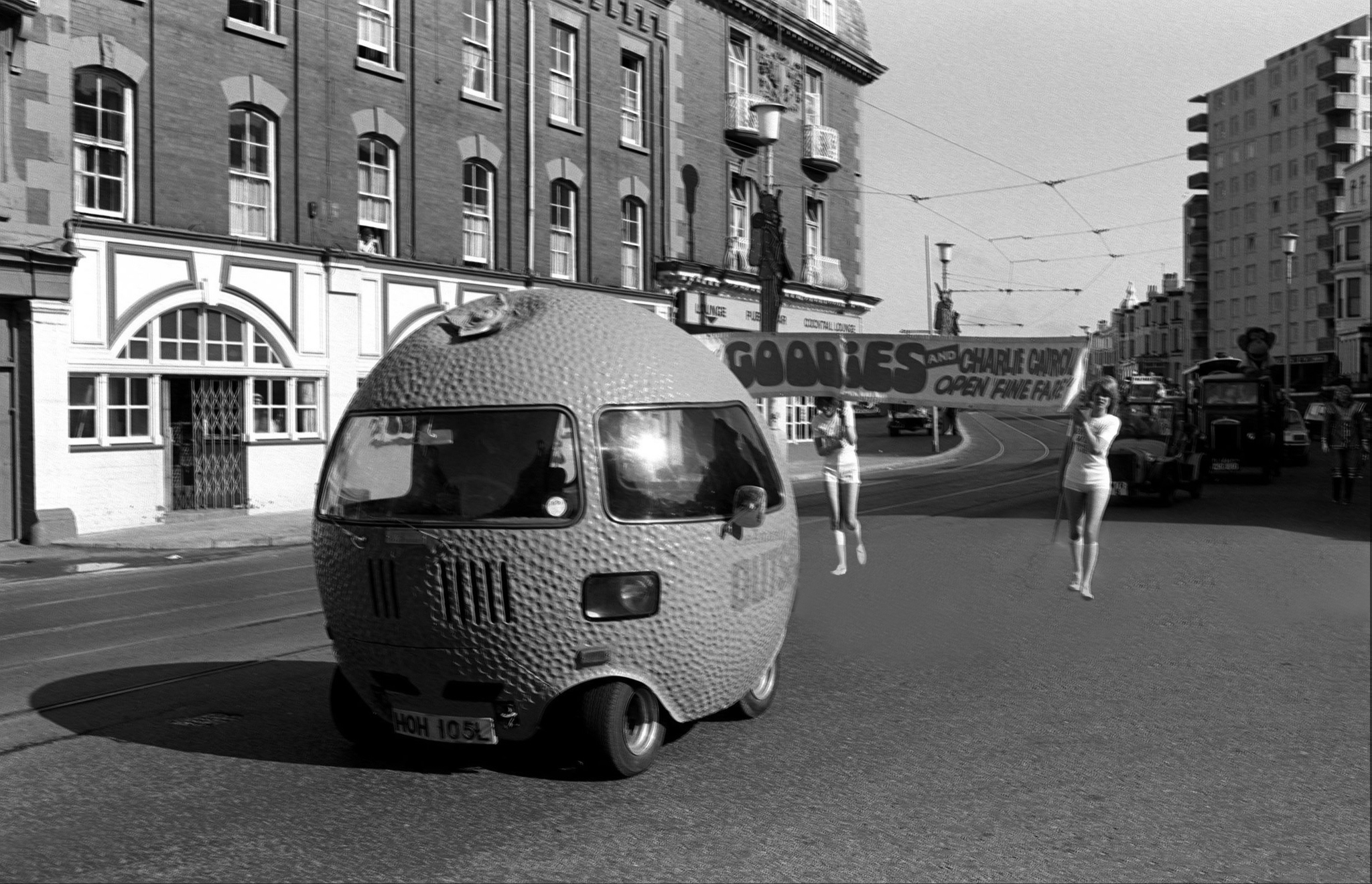
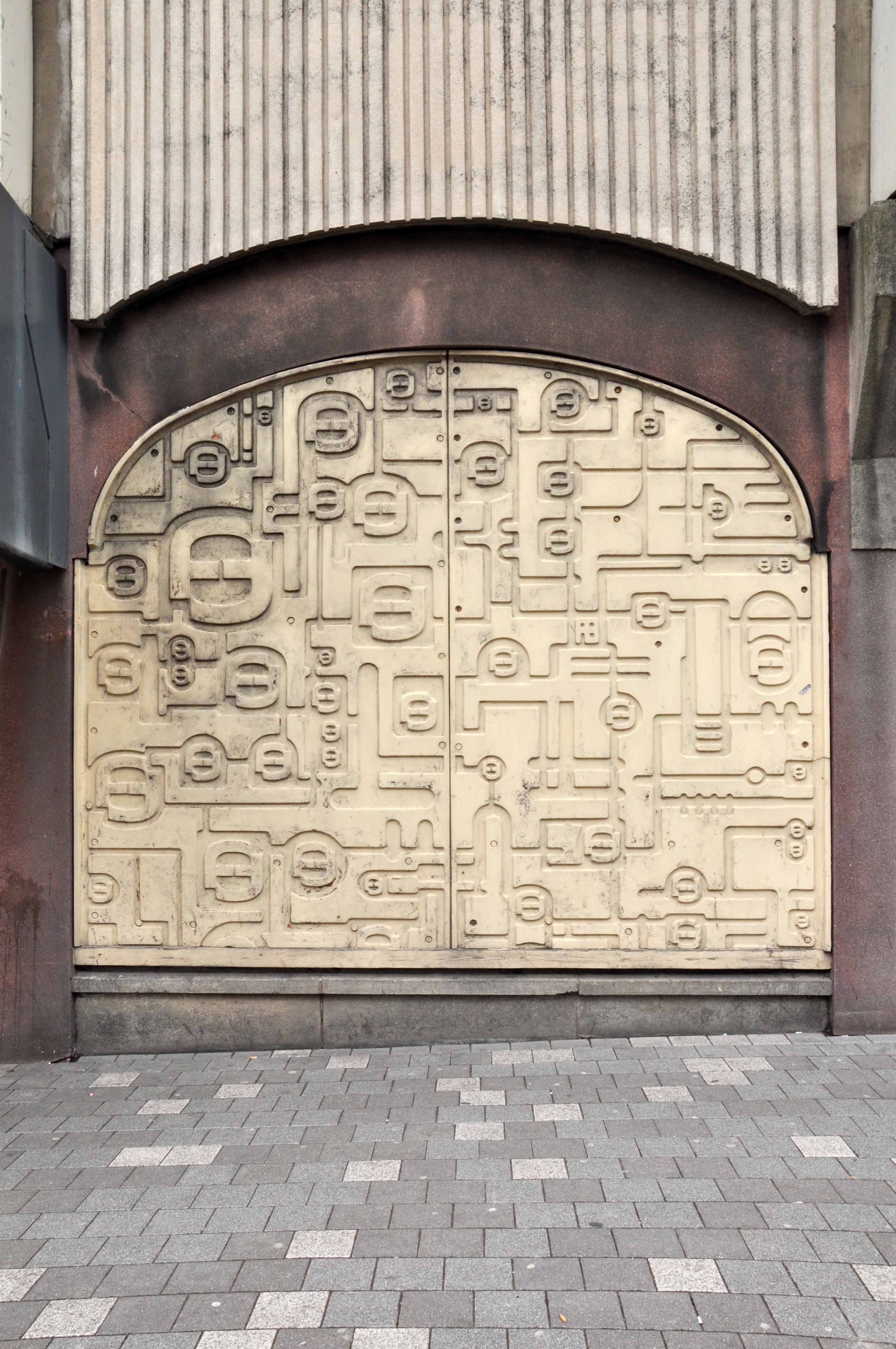
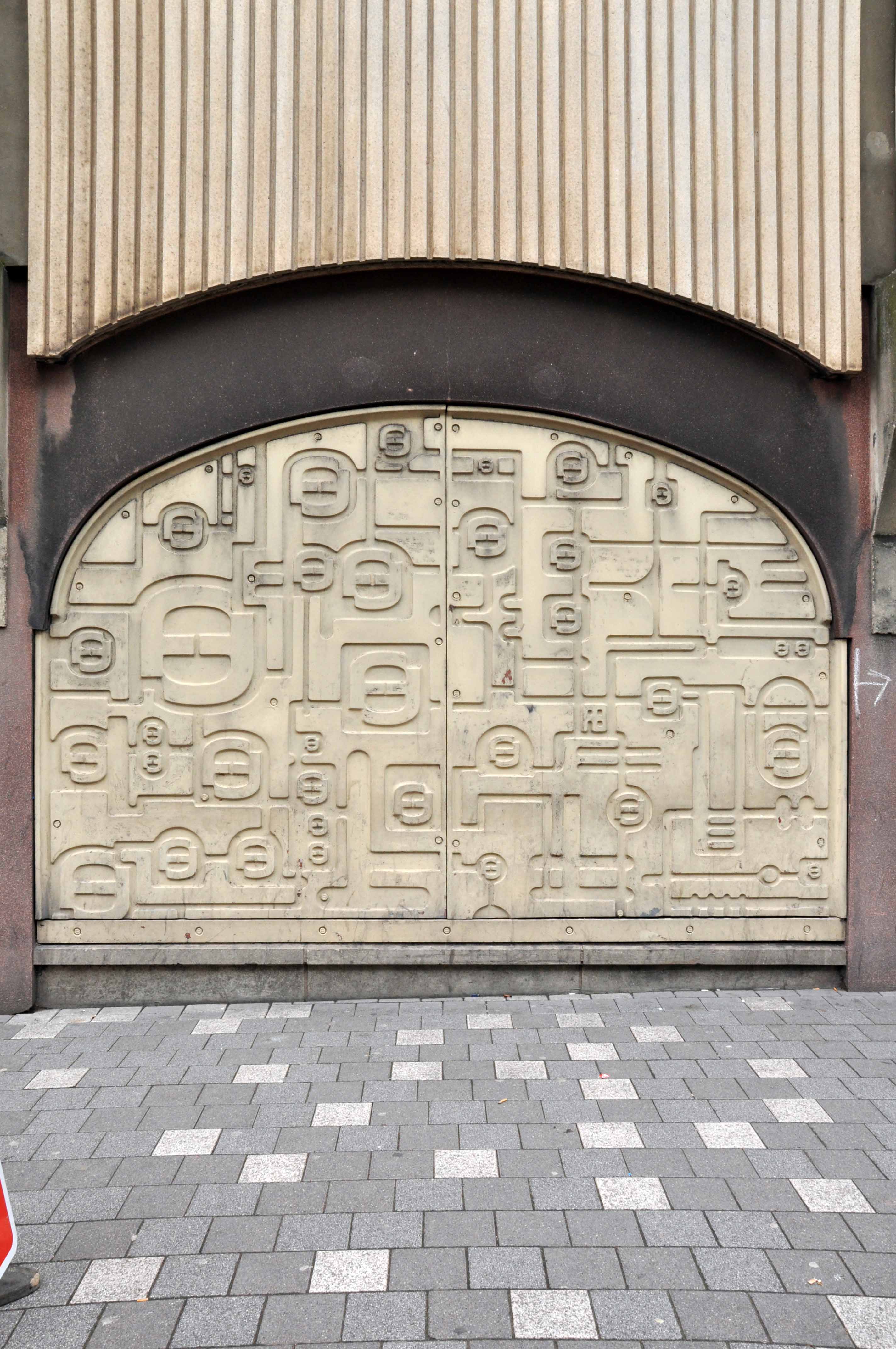
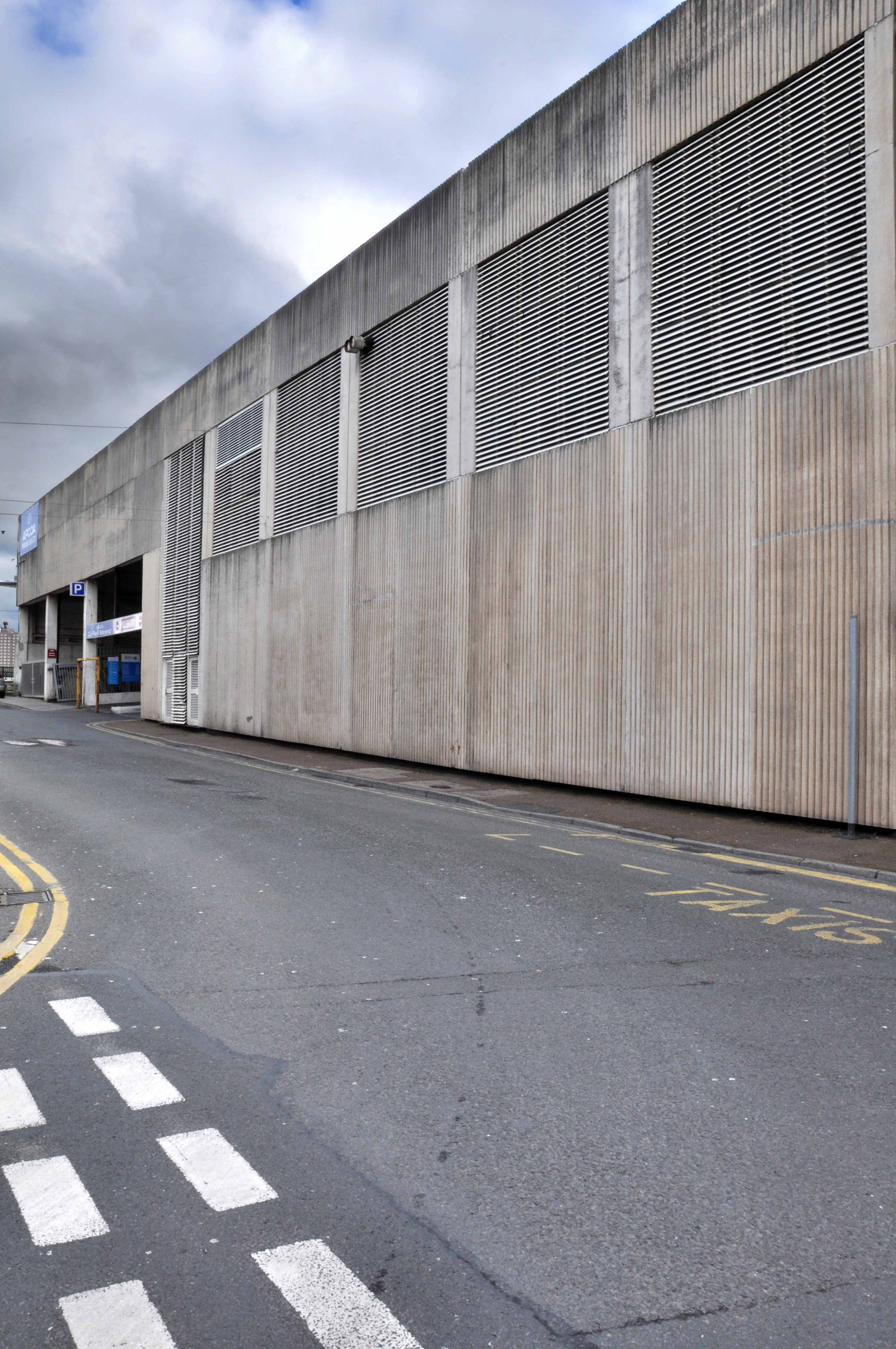
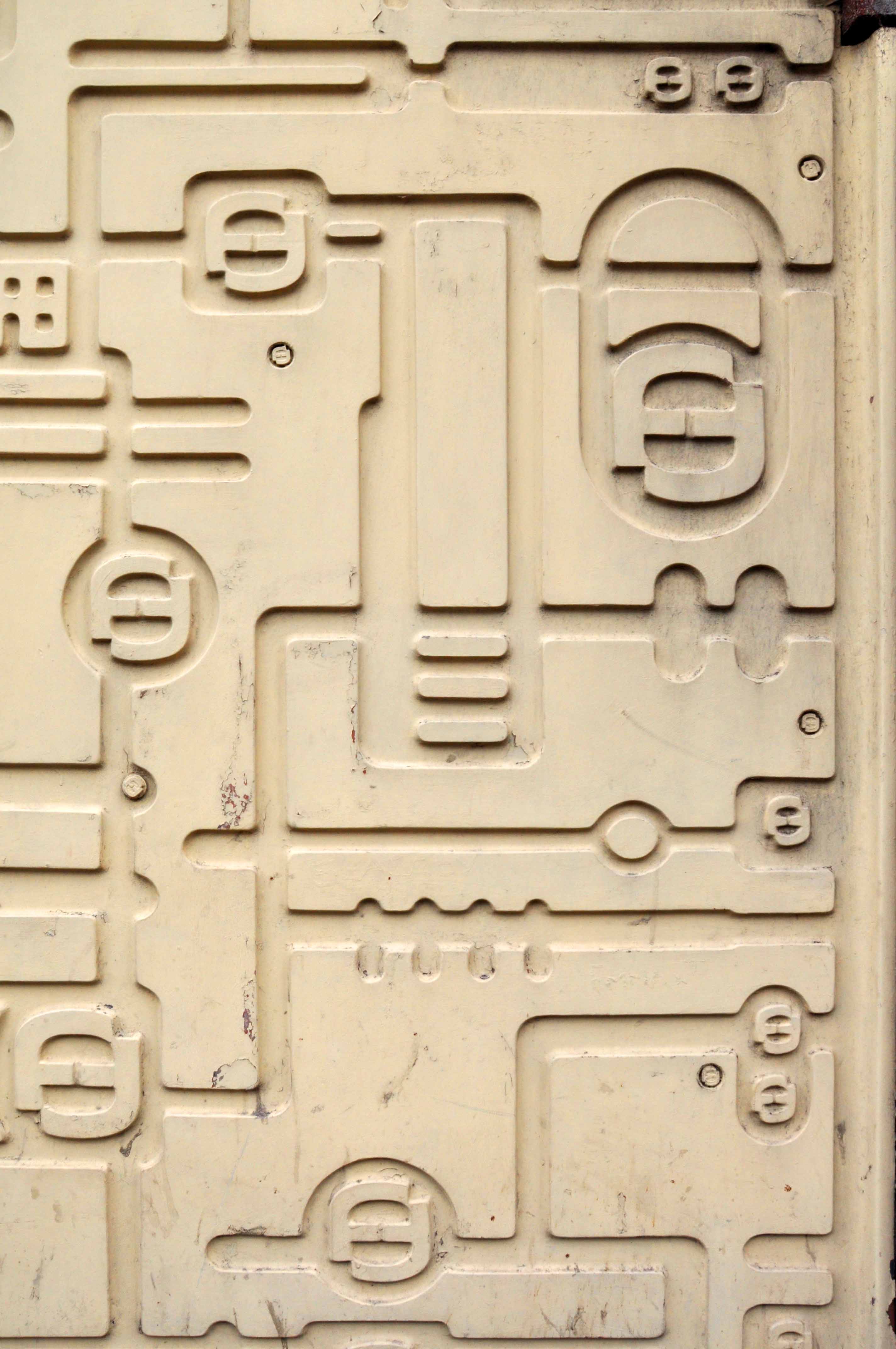
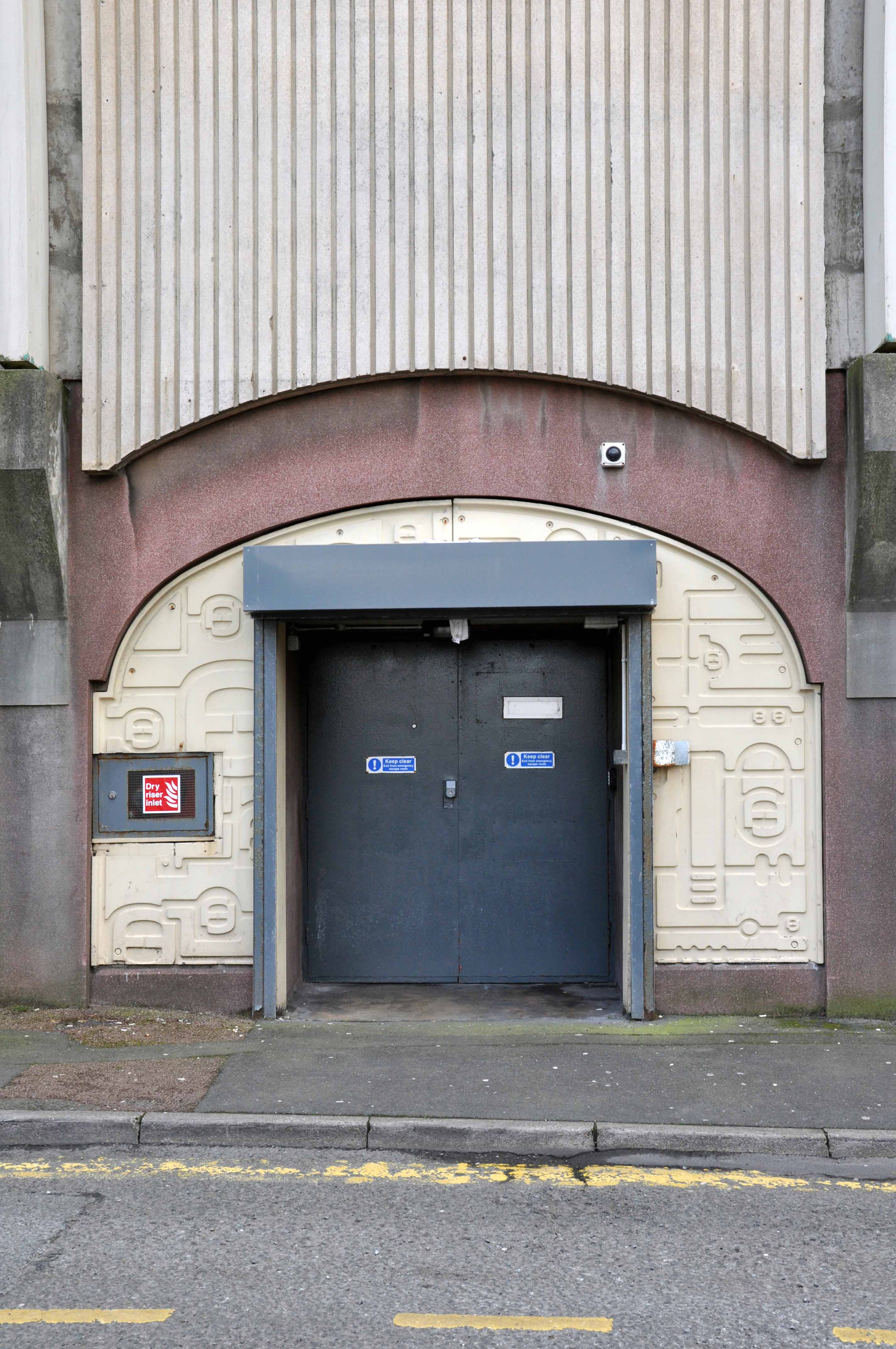
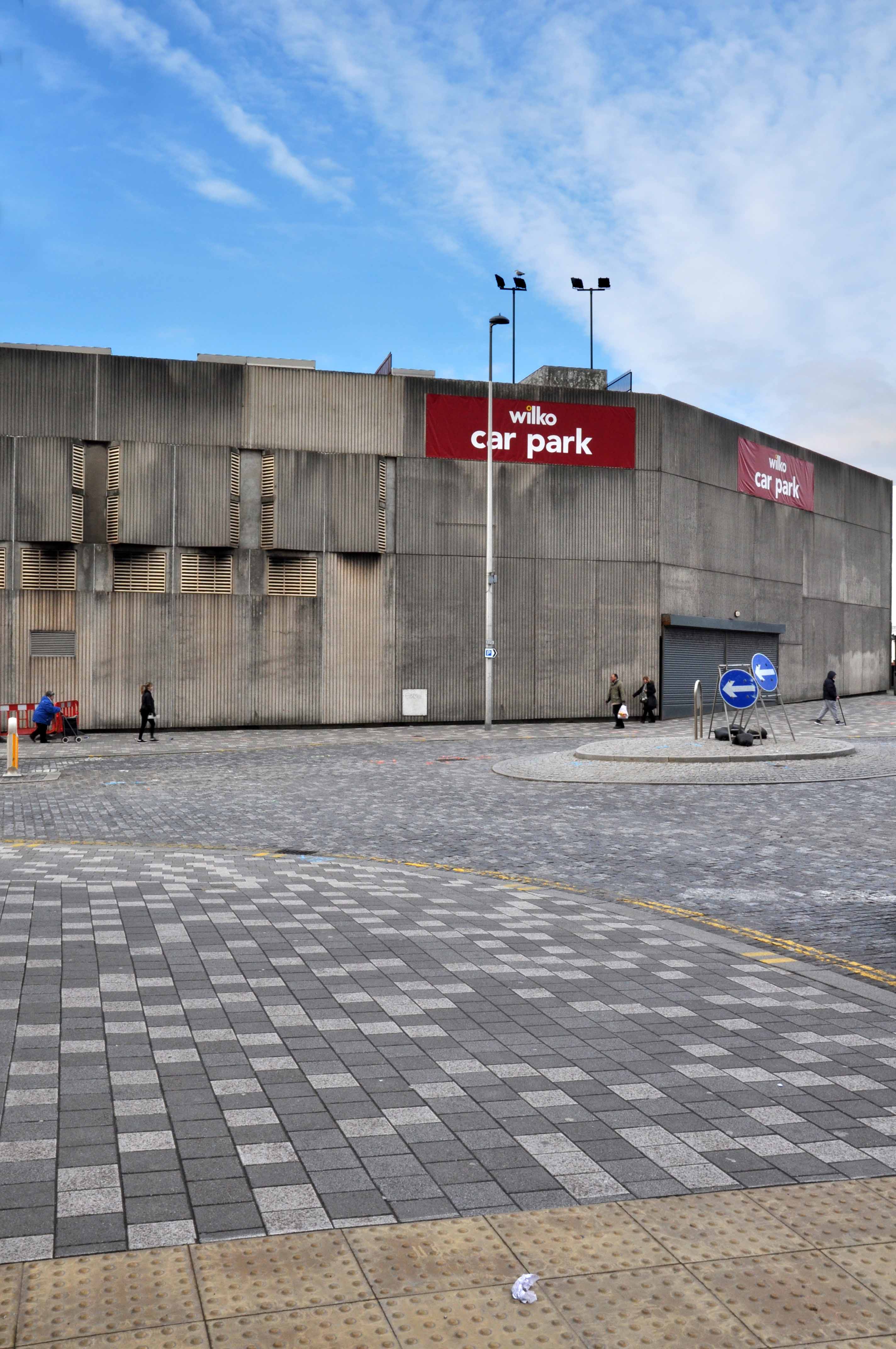
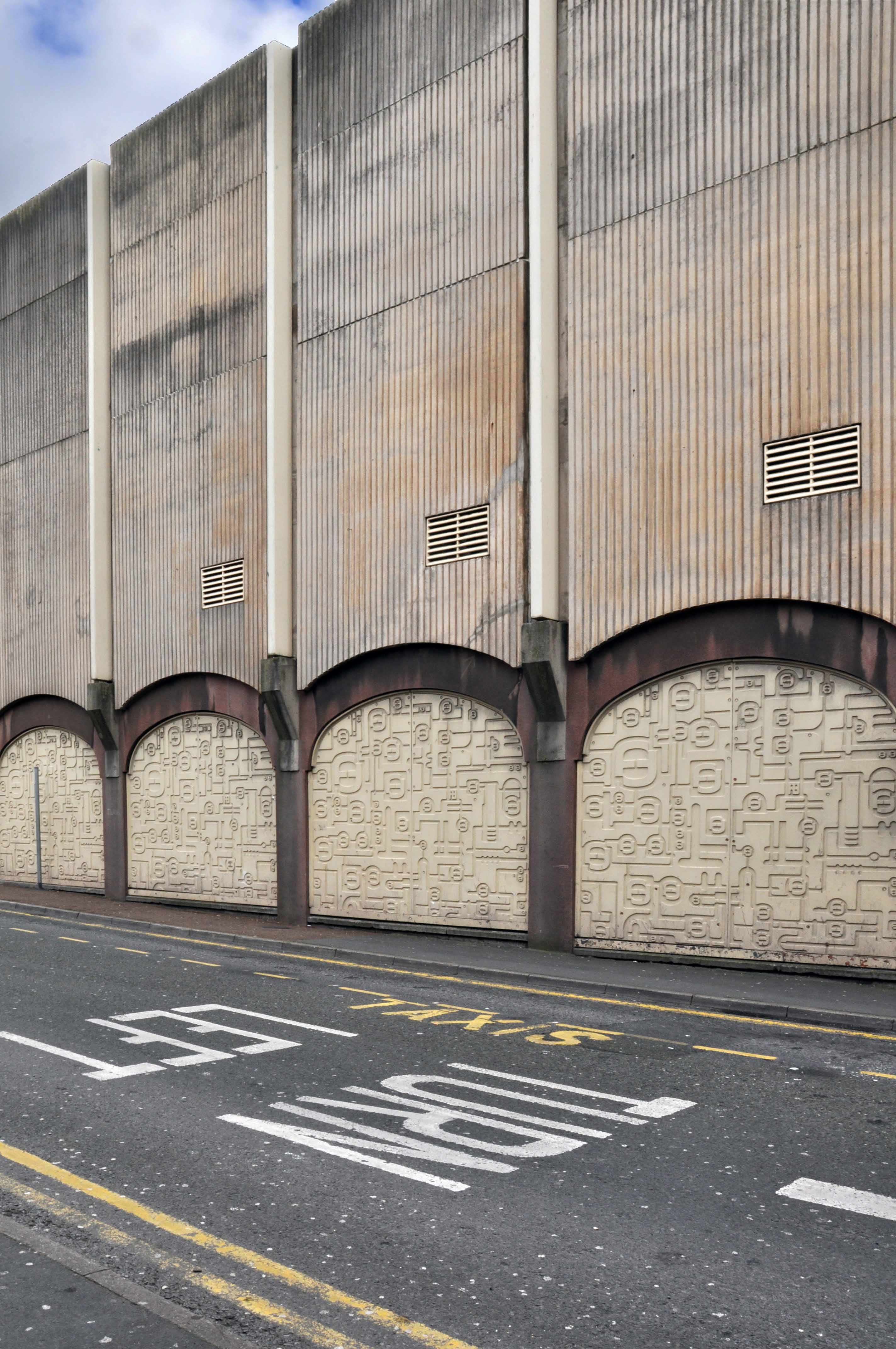
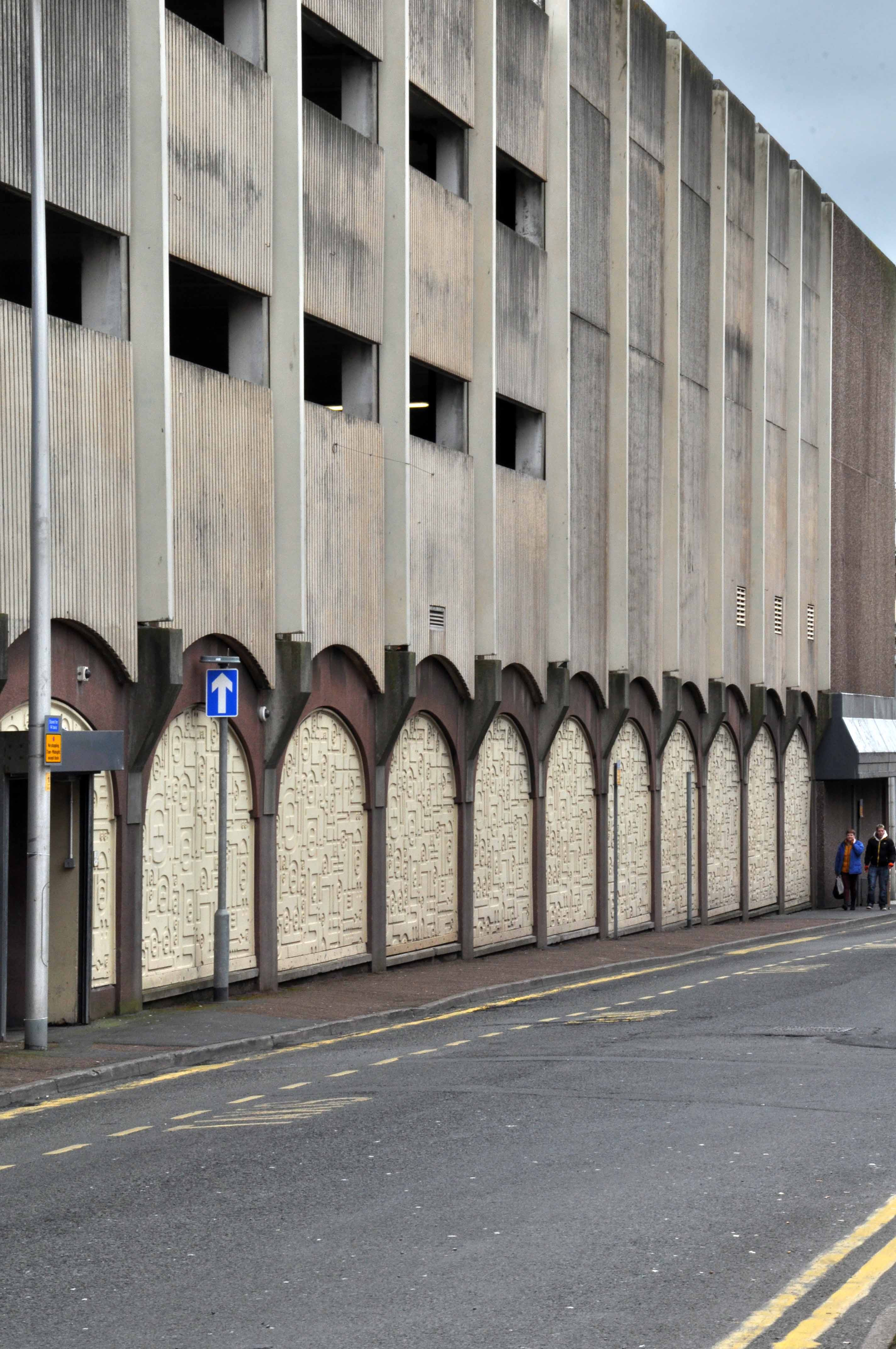
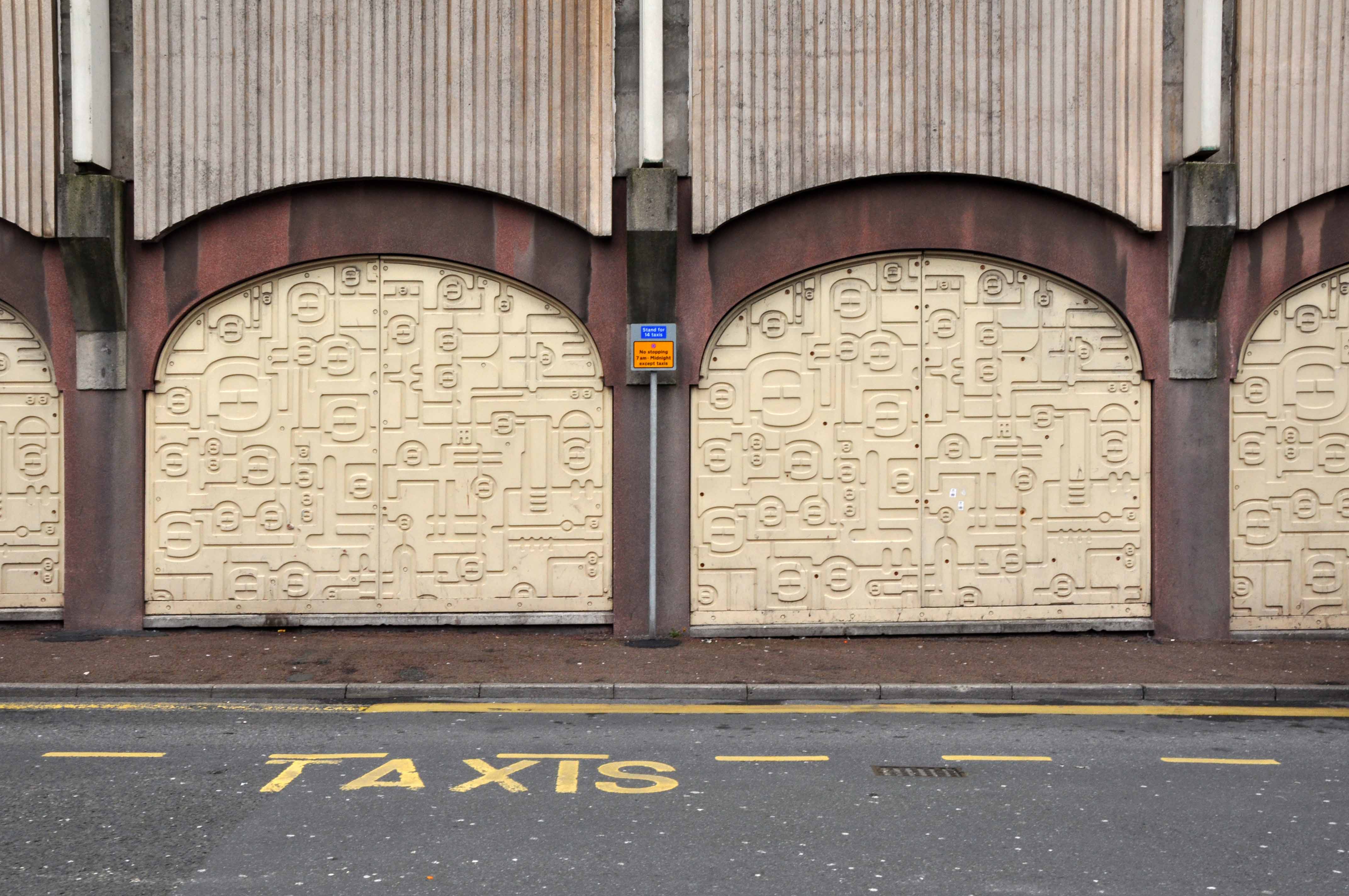
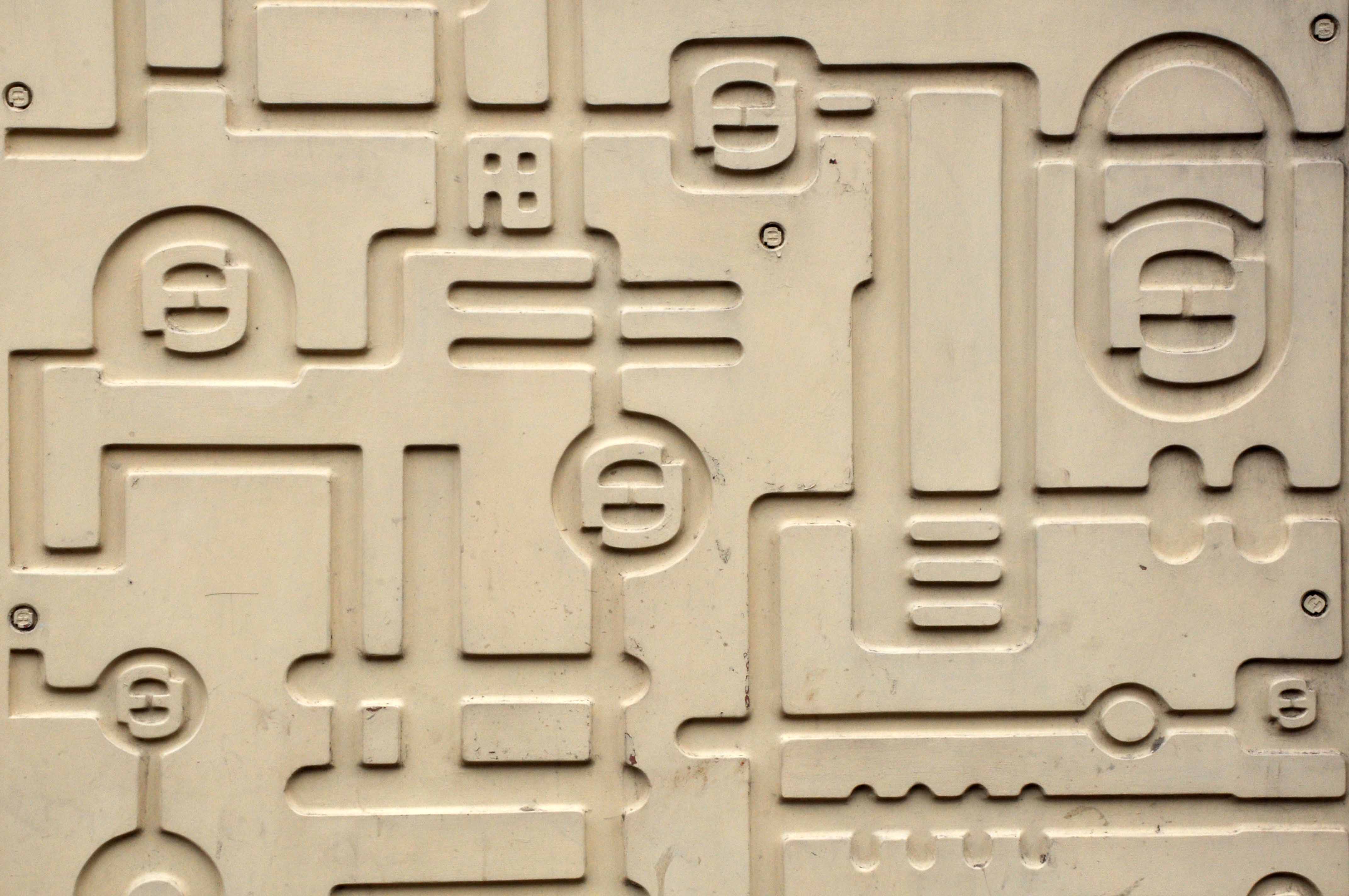
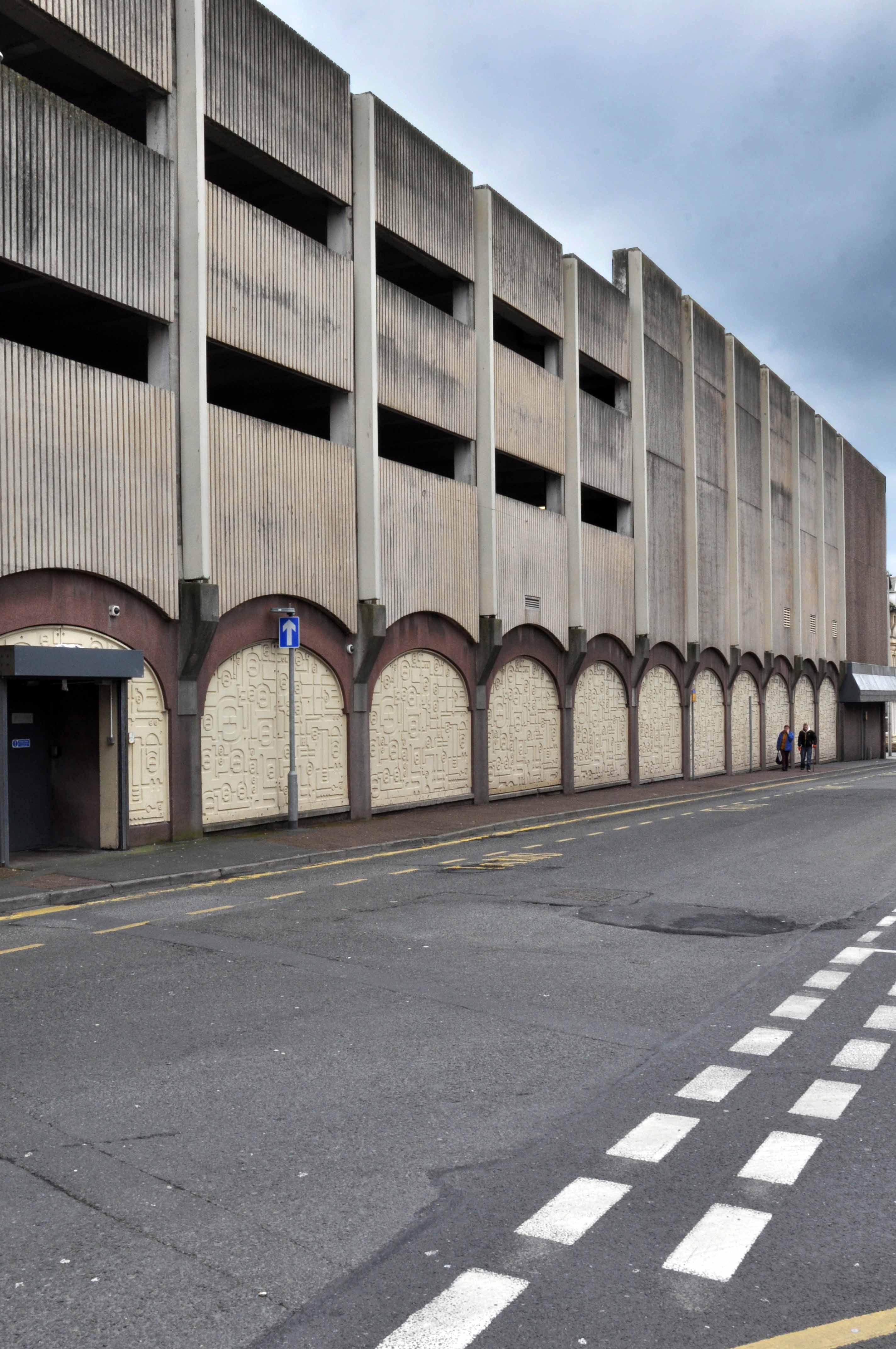
Subsequently Fine Fare arrives with a fanfare of moulded plastic panels, and cast concrete walls.
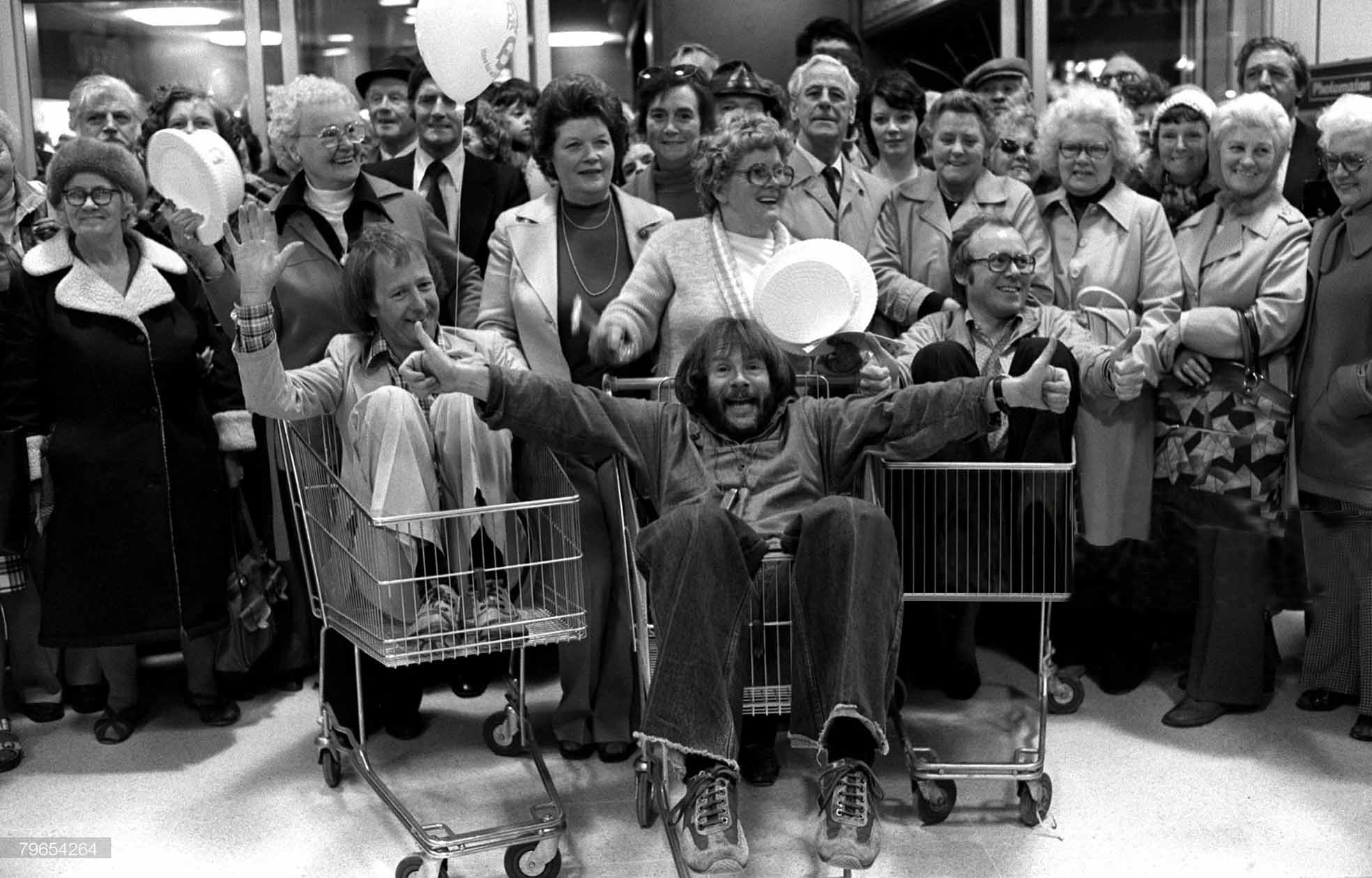
Opened on May 22nd 1979 by the Goodies.
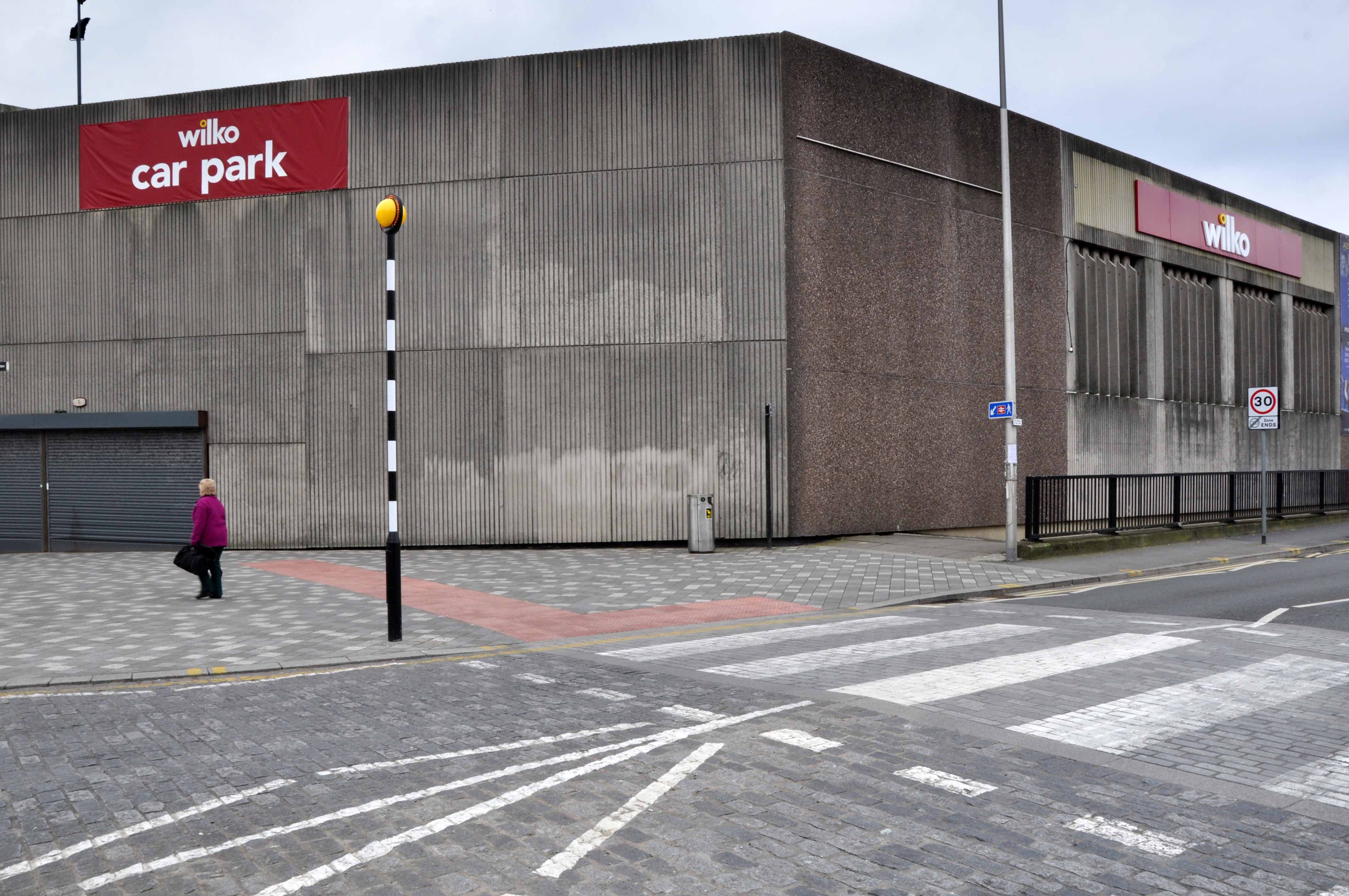
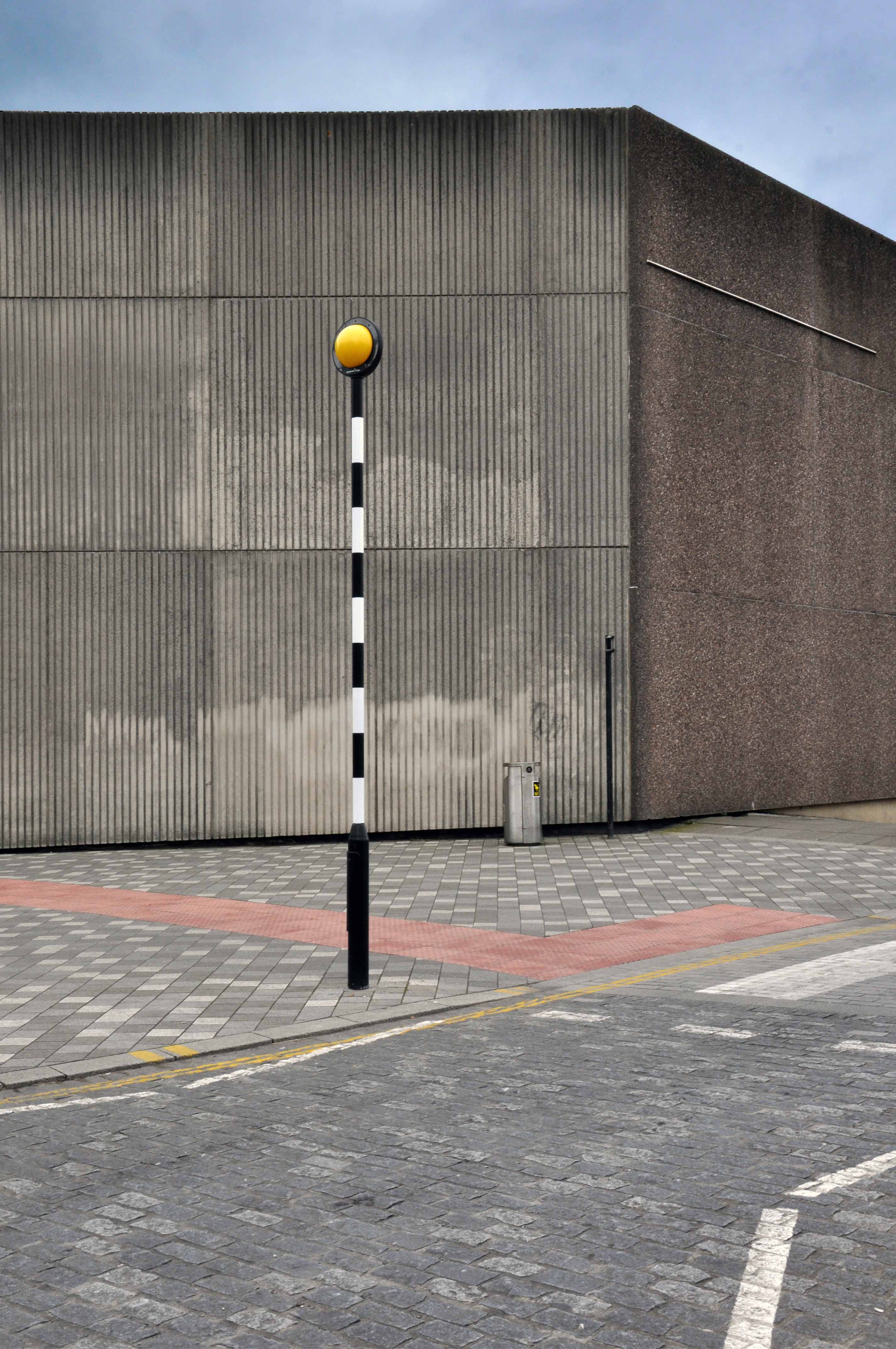
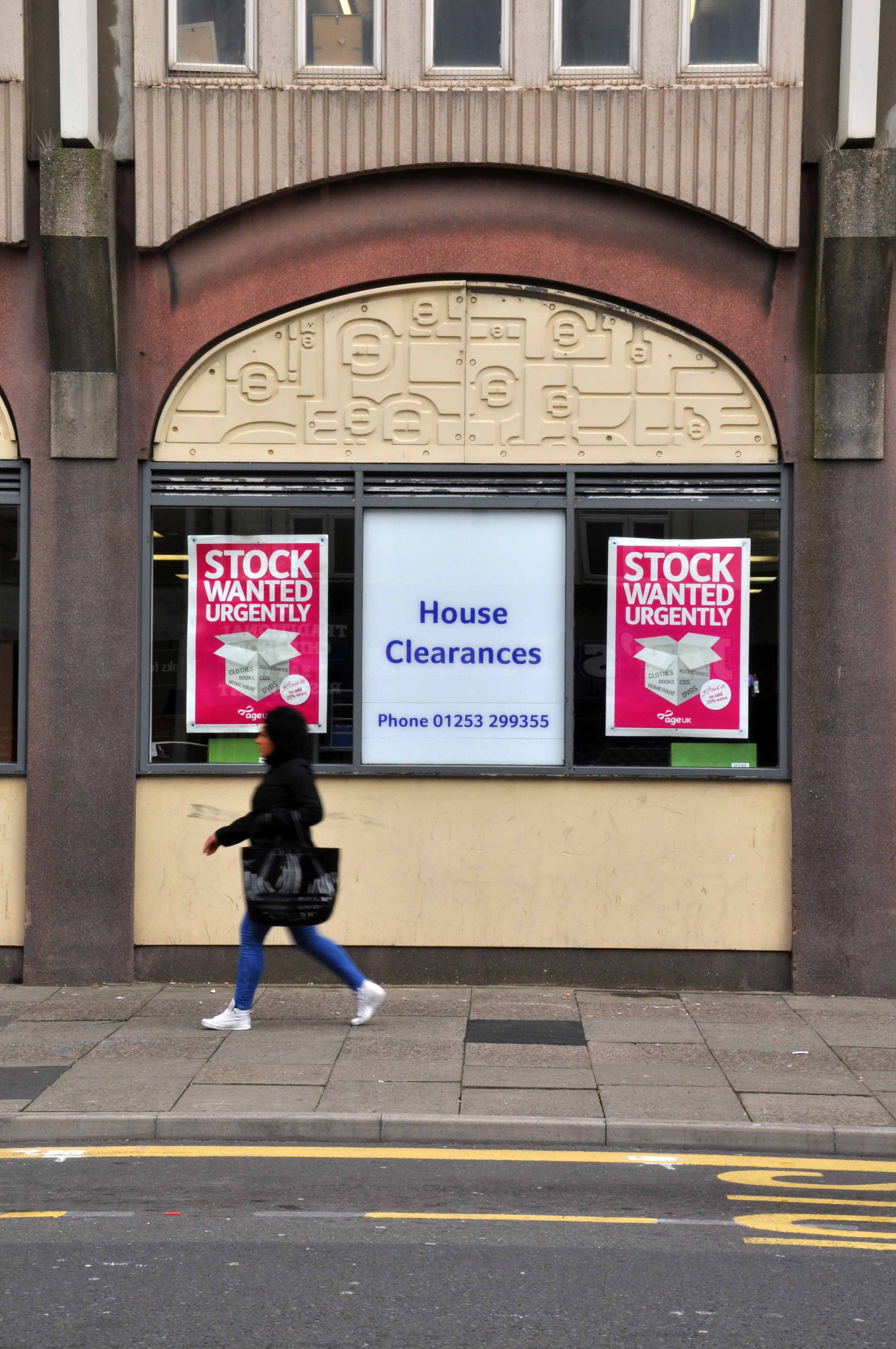
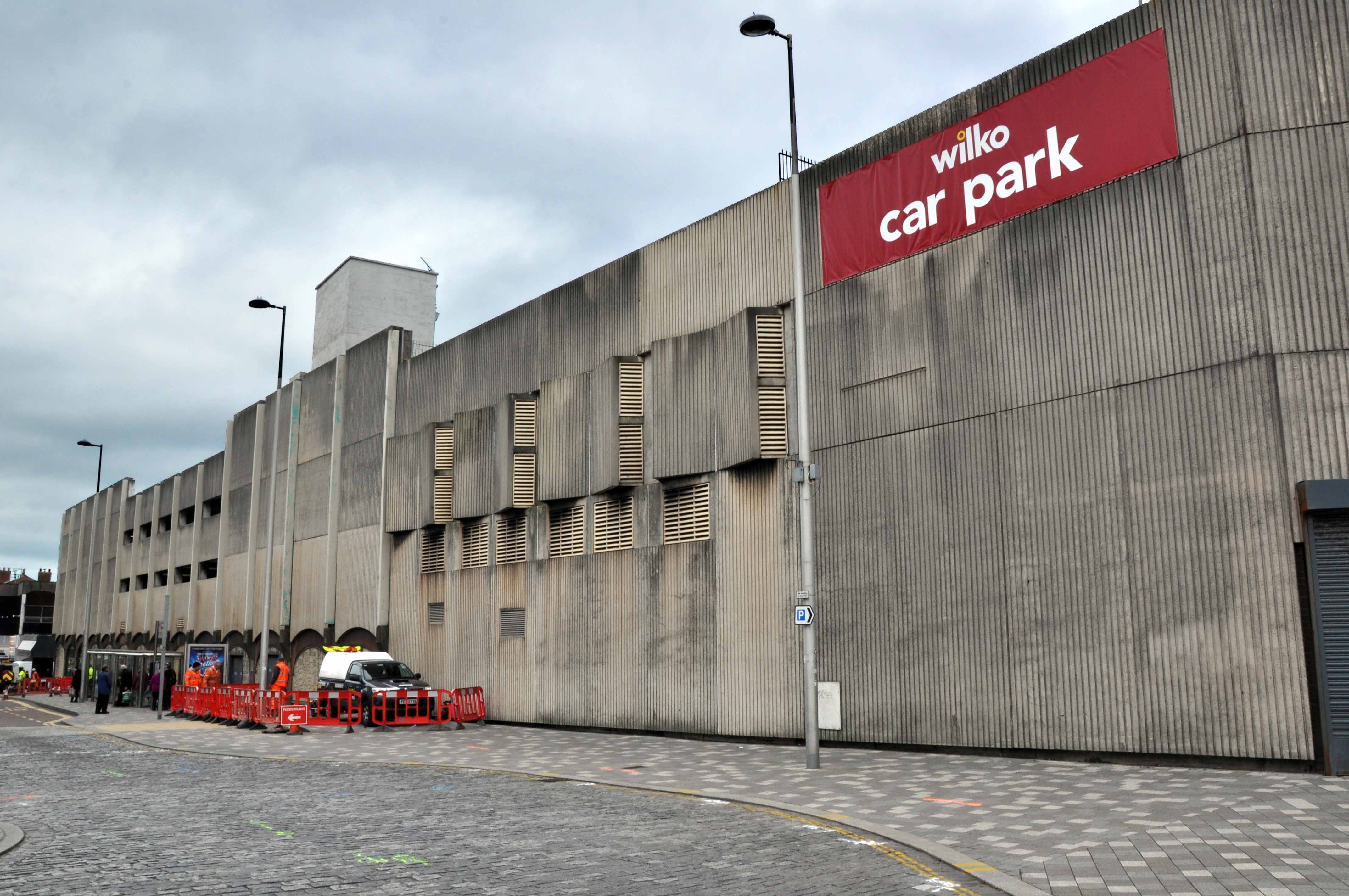
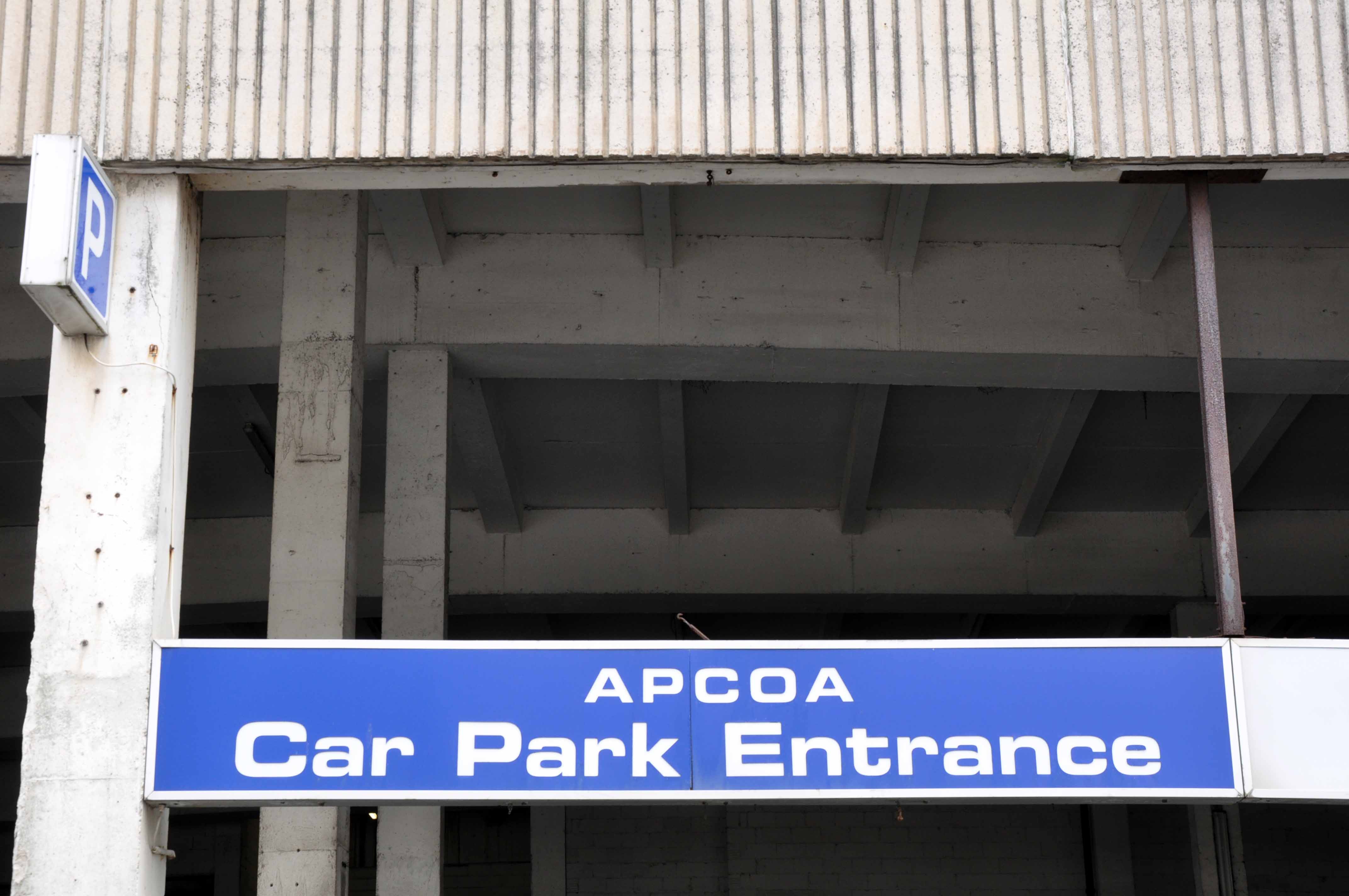
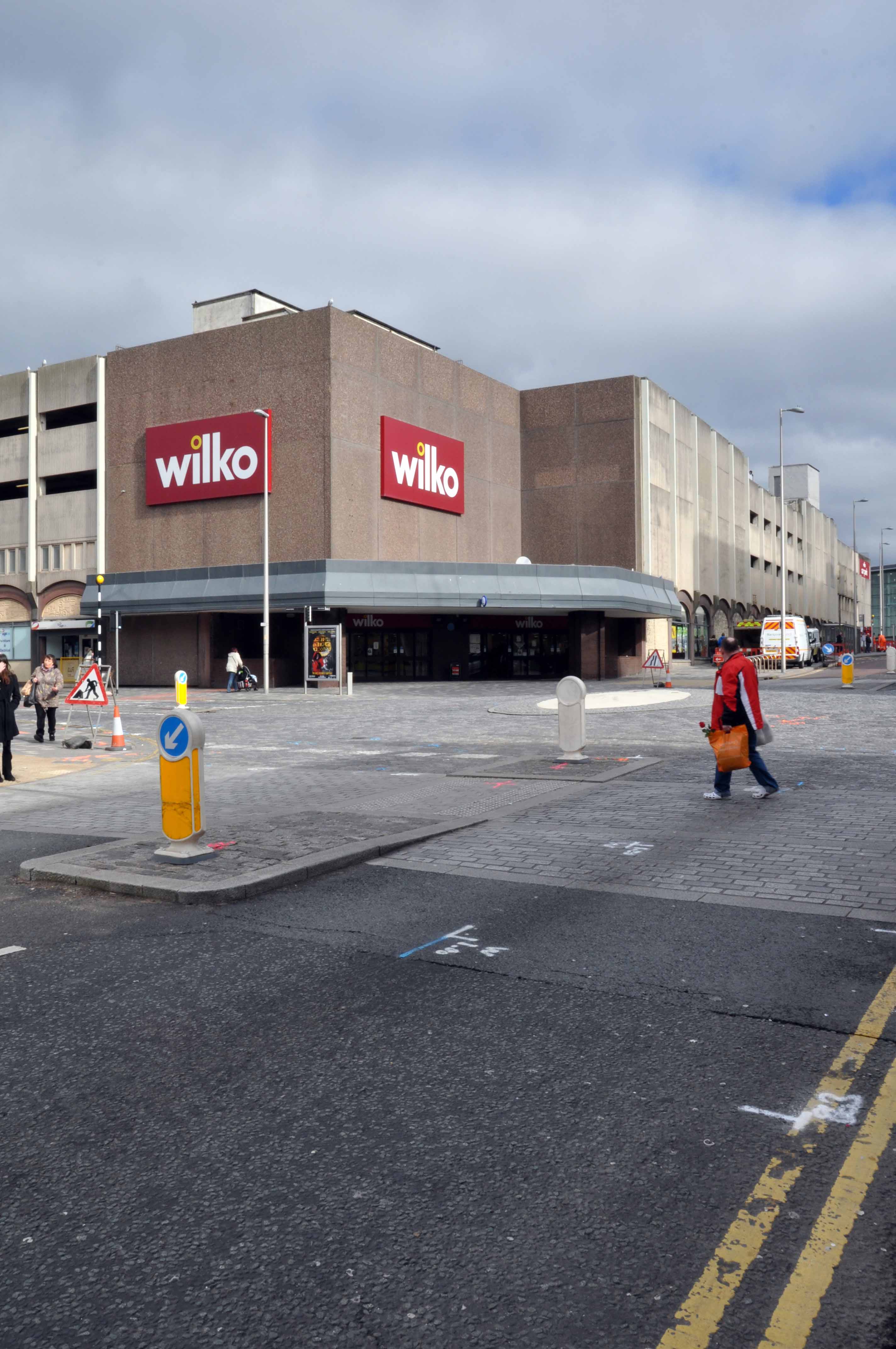
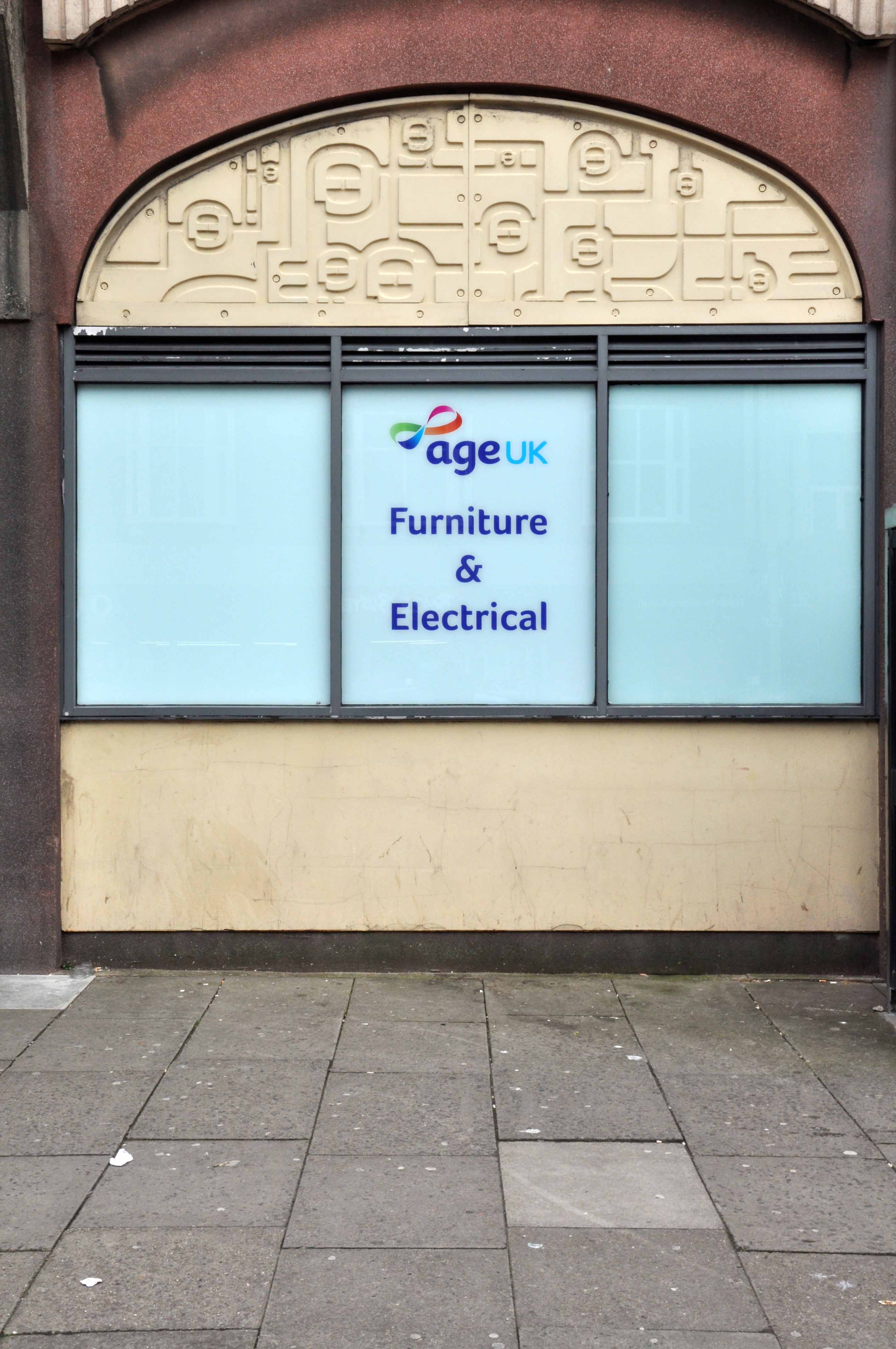
Superseded by Food Giant, Gateway, Dunnes Stores, Kwik Save and Somerfields – possibly others, currently Wilkinson’s Wilko Superstore and Age UK, retaining at all times the attractive integral car park.
Wilko is now to be relocated and the site redeveloped as part of the second phase of the £220m Talbot Gateway – whereby trams will link the promenade with the Station.
Possibly.
The tale is the typical mix of Council, Developer on/off, binary obfuscation, secrecy, smoke and mirrors.
Councillor Fred Jackson says:
“We are in talks with our development partner Muse but there is a confidentiality agreement so there is very little I can say.”
Whatever the outcome I do hope the panels are saved, having notified Historic England several weeks ago, I eagerly await their hurried and considered response…
In the meantime get y’self on the choo-choo to Blackpool North toot sweet, and have a gander at a fine Fine Fare plastic panel or two, before you can’t.
I’ve been here before, innocently snapping – without incident.
A super-large Roger Booth cop shop and courts, concrete combo.
So why not go back just one last time, prior to demolition and redevelopment.
So I did.
Following the acquisition and demolition of Progress House the Bonny Street Station is to be relocated, and the former site, under the ownership of Blackpool Council, set to become who knows what – who knows?
Progress House, Clifton Road, Marton.
The Council knows, it plans to develop a new site for the defunct Central Rail Station
A giant of the steam age that became a car park
It is 50 years since Central Railway Station closed with the land being used for a car park ever since. It was proposed as the site for the super-casino until that bid failed to win government backing. Since then plans for an indoor snow-based attraction have also failed to make any progress.
Today happily, snow-based attractions are still failing to make any progress.
Blue skies and chill early March air greeted me, across the wind swept, precast concourses and piazzas – warmish grey, against brightish blue.
I simply didn’t expect the boy in blue – ten minutes of light/half hearted interrogation.
“Who, what, why, where are you?”
Responding in a clear concise and non-confrontational manner, I was free to go about my legal business, taking these pictures for you.
It seems that post-war Lancashire police stations are under threat, often the work of County Architect Roger Booth, and to my mind buildings of both interest and quality, they are nevertheless disappearing fast.
Wigan is now a smart new hotel, now cracks a noble heart good-night, sweet prince; and flights of angels sing thee to thy rest – in your merrily clad Premiere Inn.
Blackpool and Bury are both to be demolished.
What is going on, are we running out of crime?
On the day of our visit to Morecambe, there was no obvious evidence of miscreants on the prowl, though appearances can be deceptive -consider this incident of March 2008:
Morecambe Police Station was evacuated on Wednesday night after an elderly man took a suspicious package into the building.
Police said the man brought the object into the reception, said it was suspicious and quickly left.
Officers called the Bomb Disposal Team from Chester who said it was an ‘improvised device’. All houses near to the station in Thornton Road were evacuated and the area was cordoned off for two and a half hours.
The area was declared safe shortly before 8.30pm.
Further research reveals:
Though locals are also encouraged to use online services:
The modern day cop shop faces an uncertain future it seems. So get out there toot sweet, take a look behave responsibly at all times and remember folks it’s not a crime to snap a Bobby or their place of work.
It is not illegal to take photographs or video footage in public places unless it is for criminal or terrorist purposes.
There will be places where you have access as a member of the public, but will have to ask permission or may be prevented altogether. These could include stately homes, museums, churches, shopping malls, railway stations and council or government buildings. You need to check the situation out on a case by case basis.
Built and opened in 1967, designed by the County Architect Roger Booth, who was also responsible for a whole host of buildings in Lancashire between 1962 and 1983.
Almost fifty years on, the building still speaks of modernity, optimism, light and learning. It’s well used and loved by the public and the charming and helpful staff – many thanks, for your time and assistance.
Application was made for listing, this was not accepted – there have been significant changes to both the external and internal structure over time.
The vertical, impressed cast concrete panels, shown above, have been replaced by brick.
The original suspended *bean can* lighting system has also been replaced. At night, I was told it was hard to navigate the building using the limited spot illumination, so a box of bike lights were kept and handed out, to permit the safe, well-lit passage of library users.
Concentric hexagonal rings of suspended strip lighting are now in place.
Sadly the vivarium, contained in a glassed link corridor, was short lived.
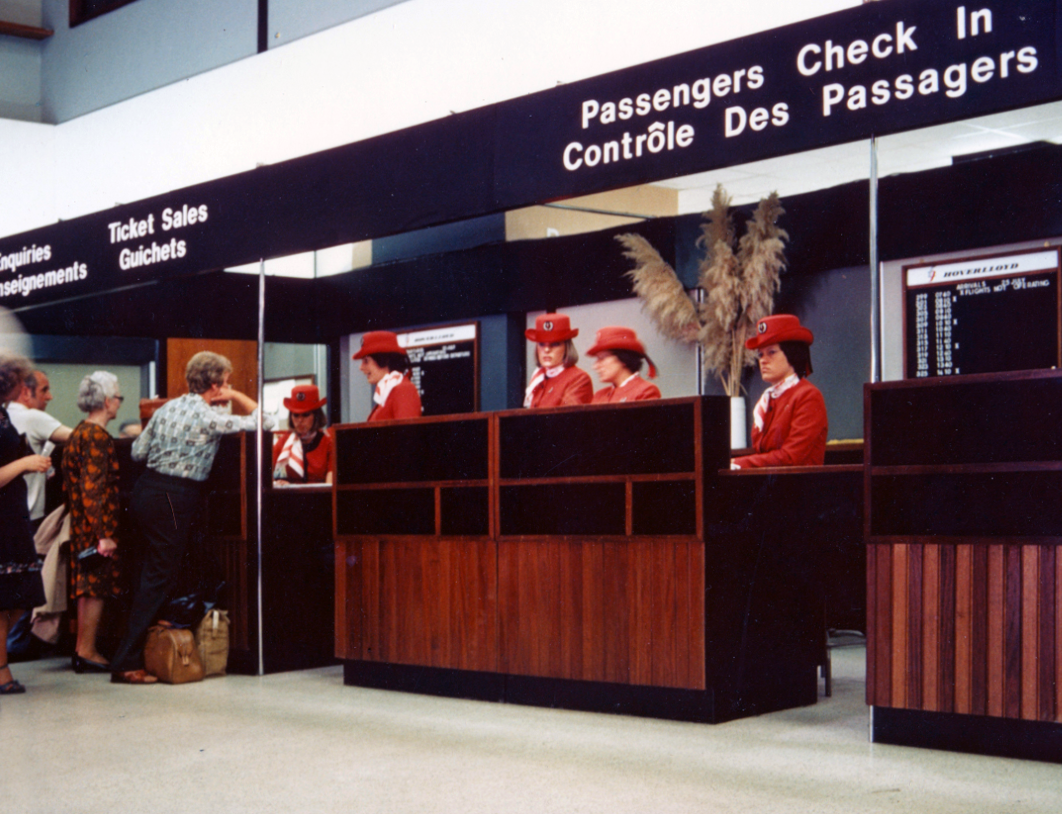
The passengers’ every need was attended to with alacrity and style.
“As a Stewardess your appearance was paramount, a beautician would come in during training to teach us how to apply make up.”
But it simply wasn’t enough.
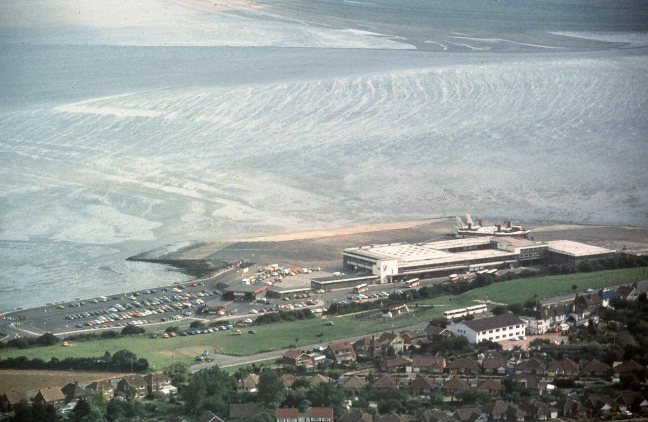
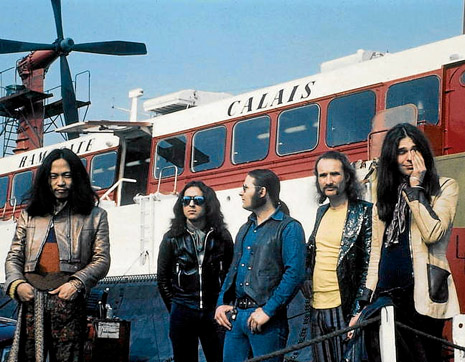
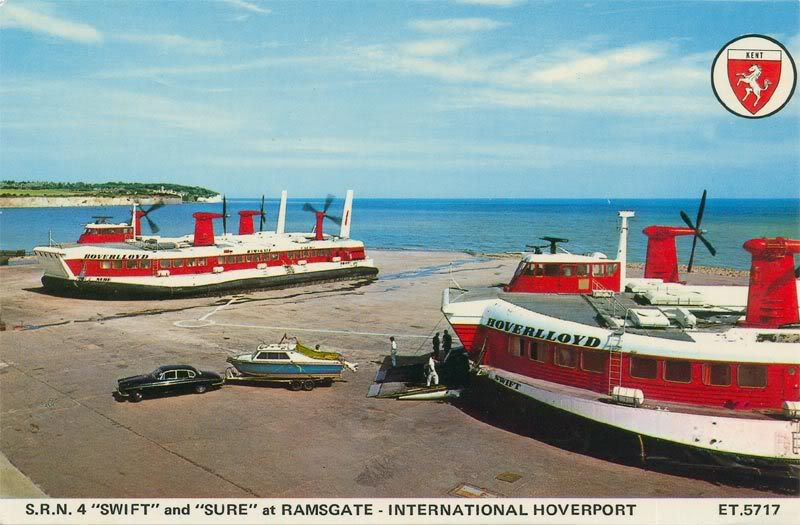
The life of Christopher Cockerell’s bold British invention, was short and bumpy.
Genevieve Payne, a former stewardess:
“I remember the summer of 1979 as a year of really bad weather and rough seas.”
“I was working on a craft in a force 8, so on this day we were literally hitting the ceiling, passengers were throwing up everywhere.”
“One lady became hysterical I had to slap her to calm her down.”
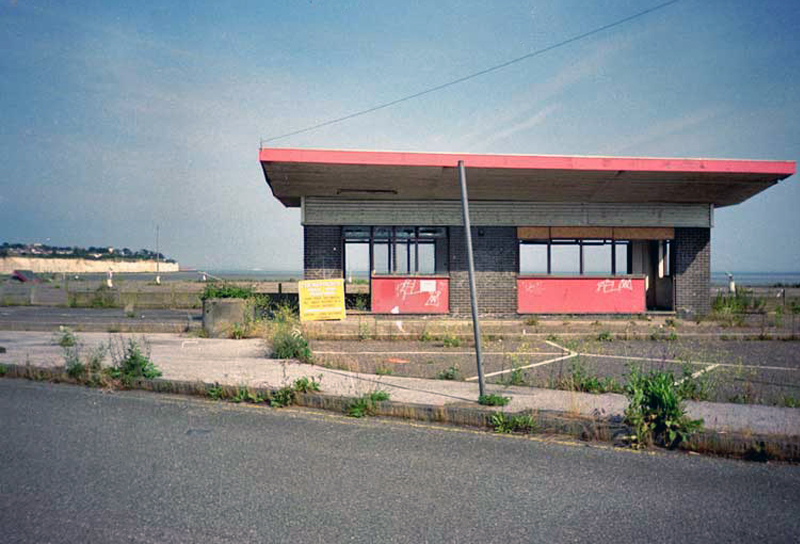
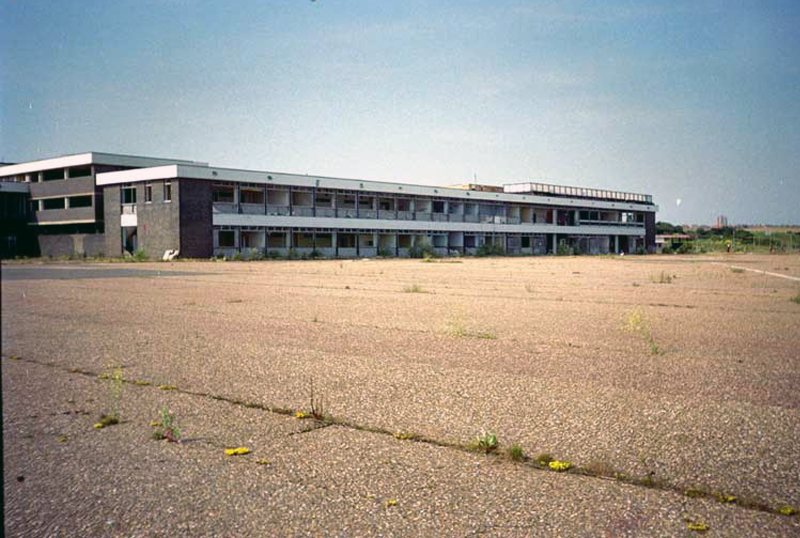
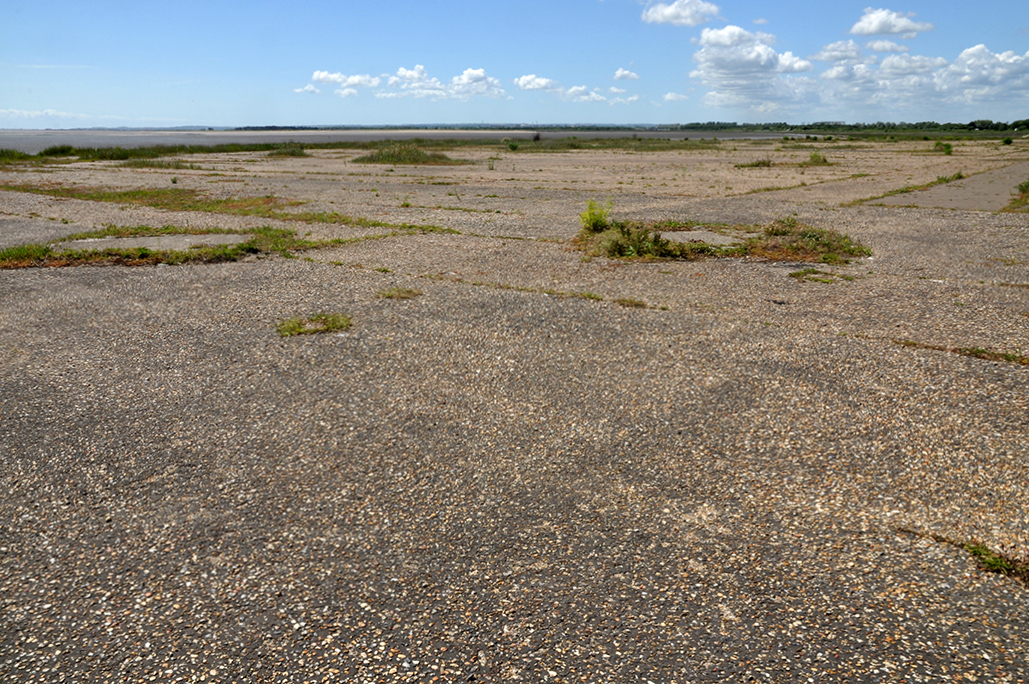
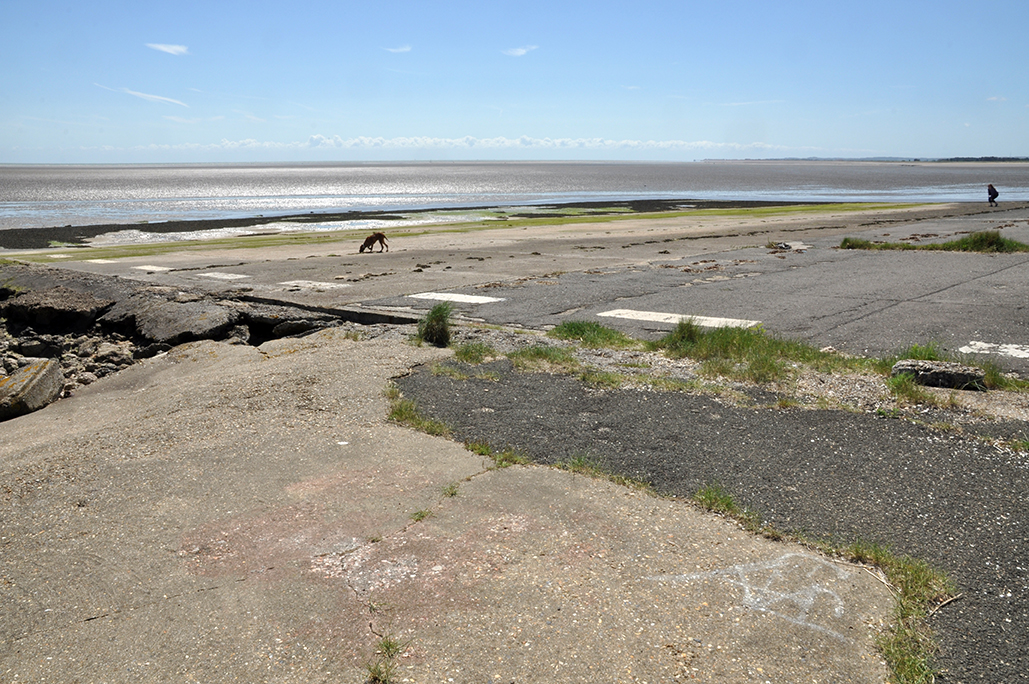
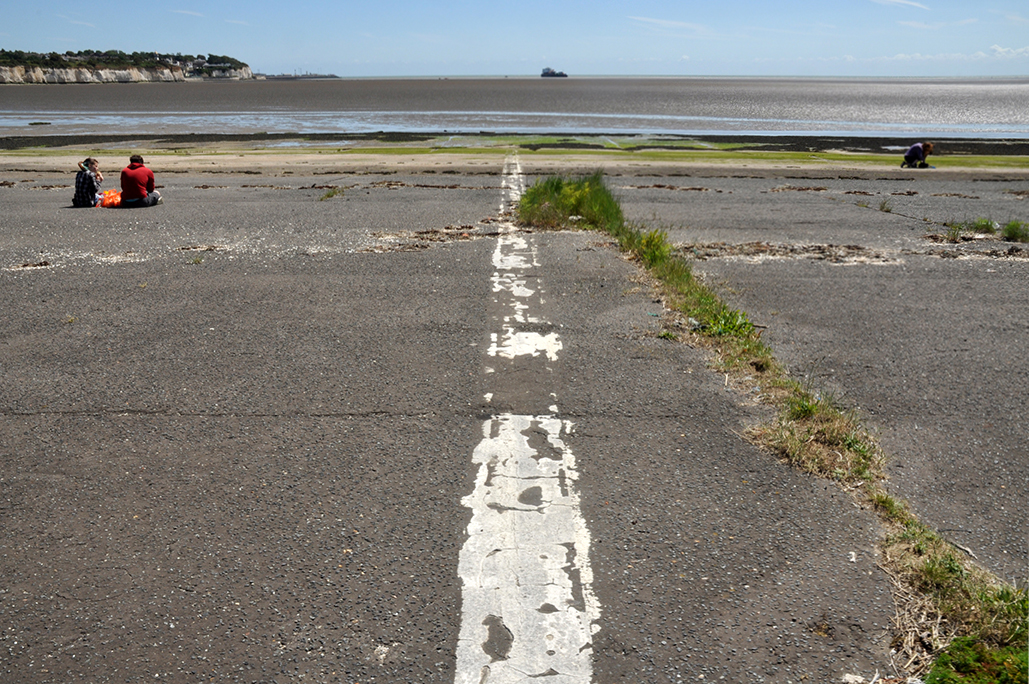
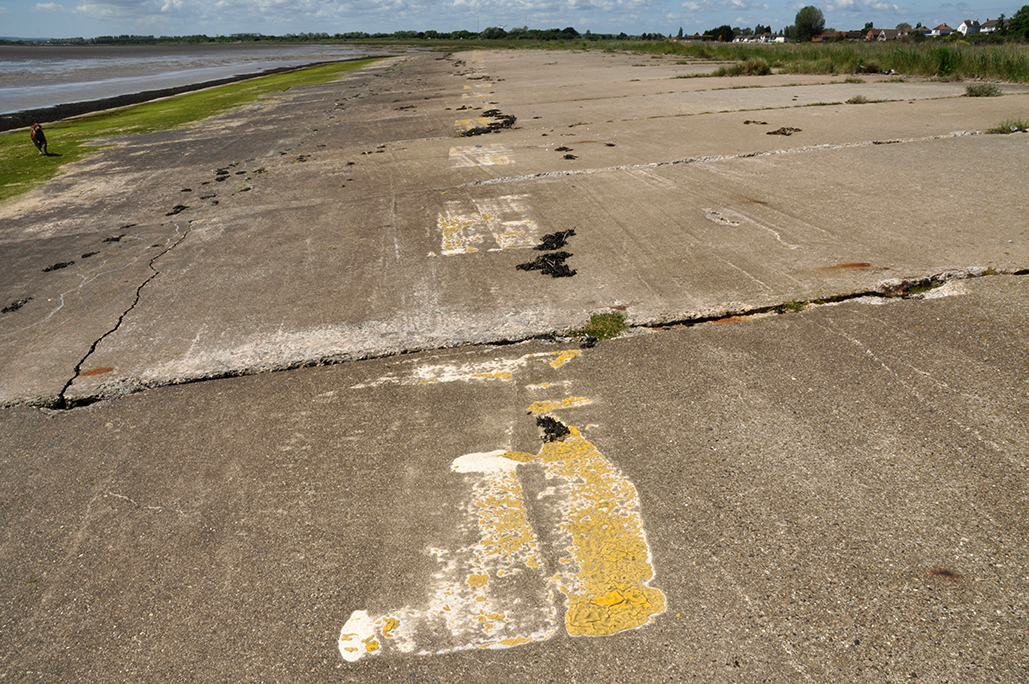
By the 1980’s Pegwell and the hovercraft were in terminal terminus decline.
It’s a lot less bother without a hover.
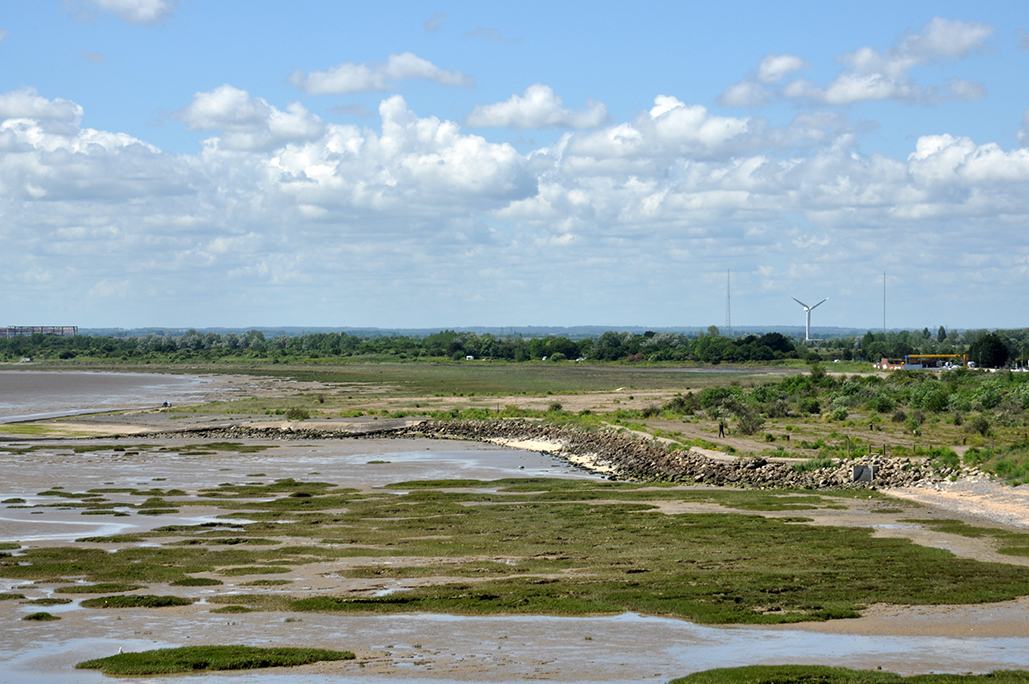
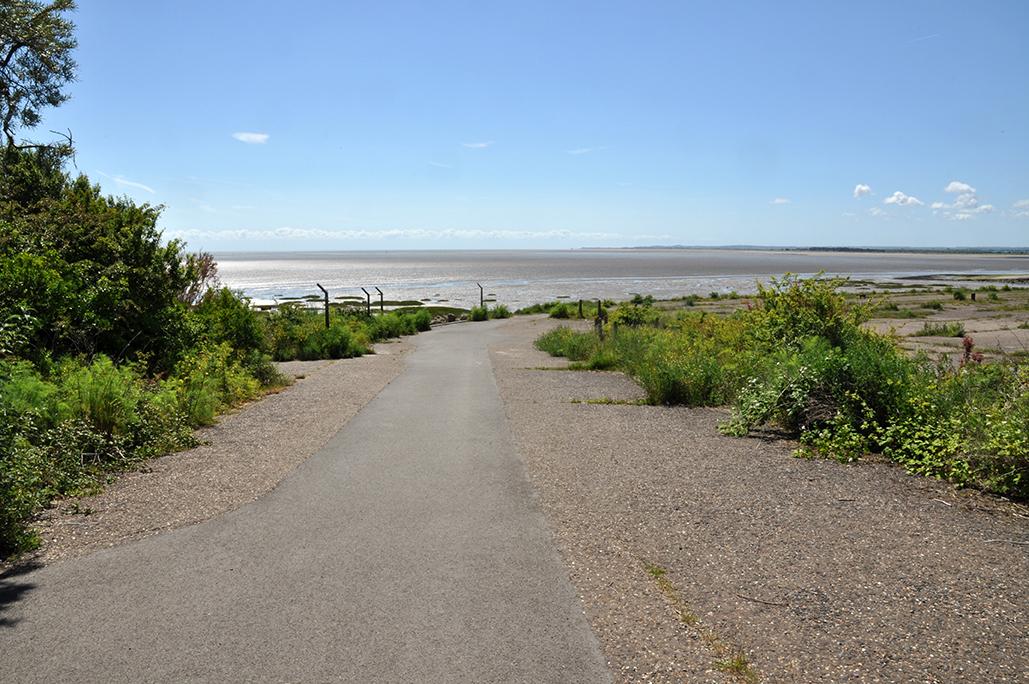
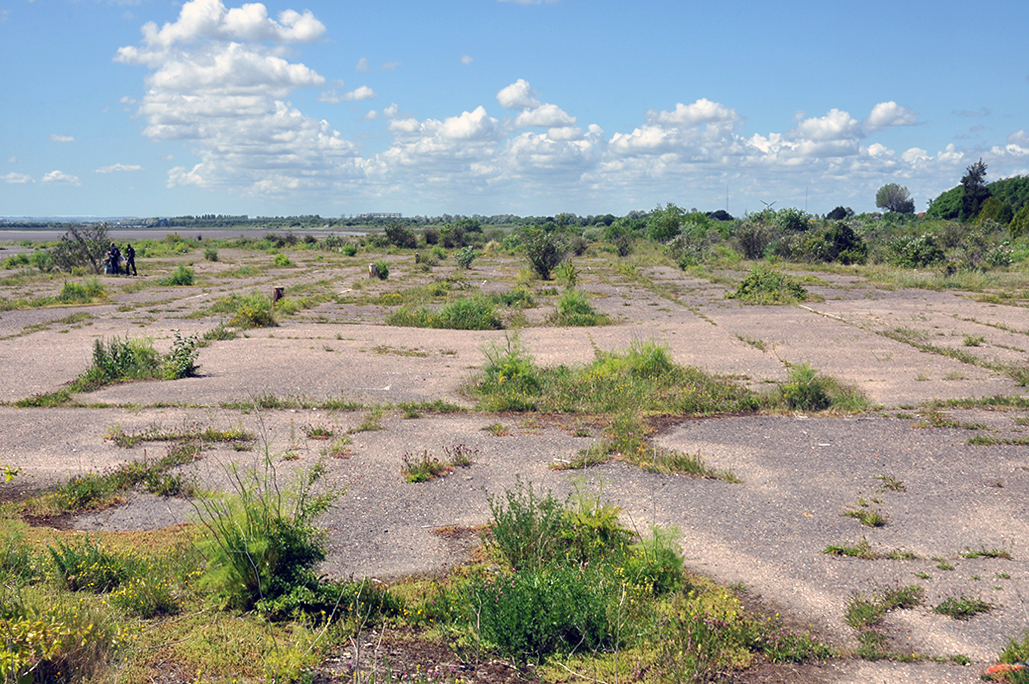
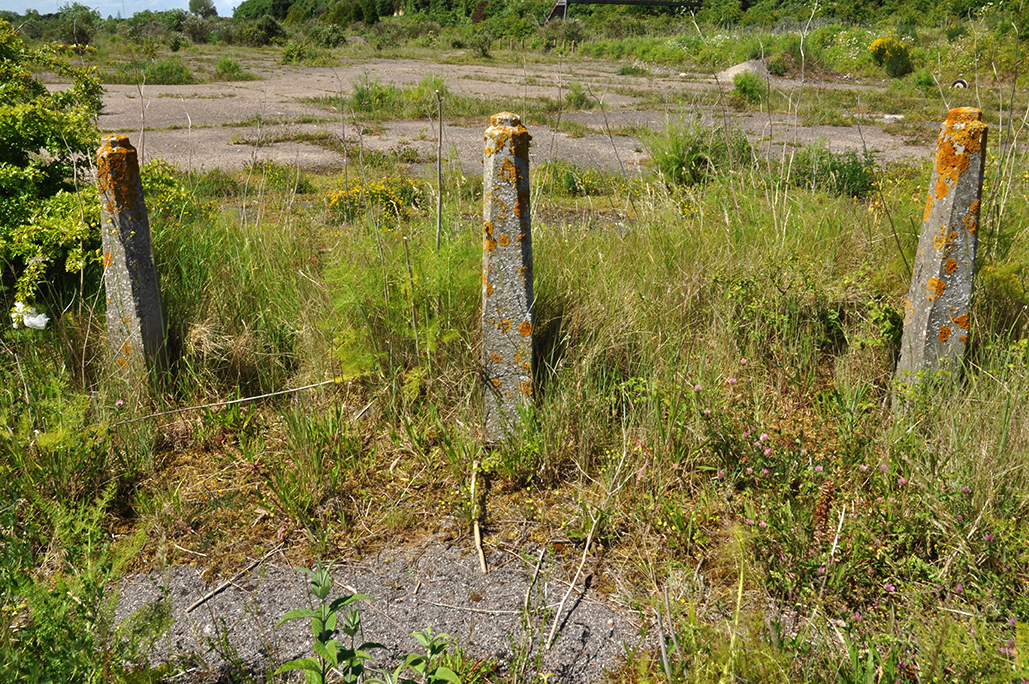
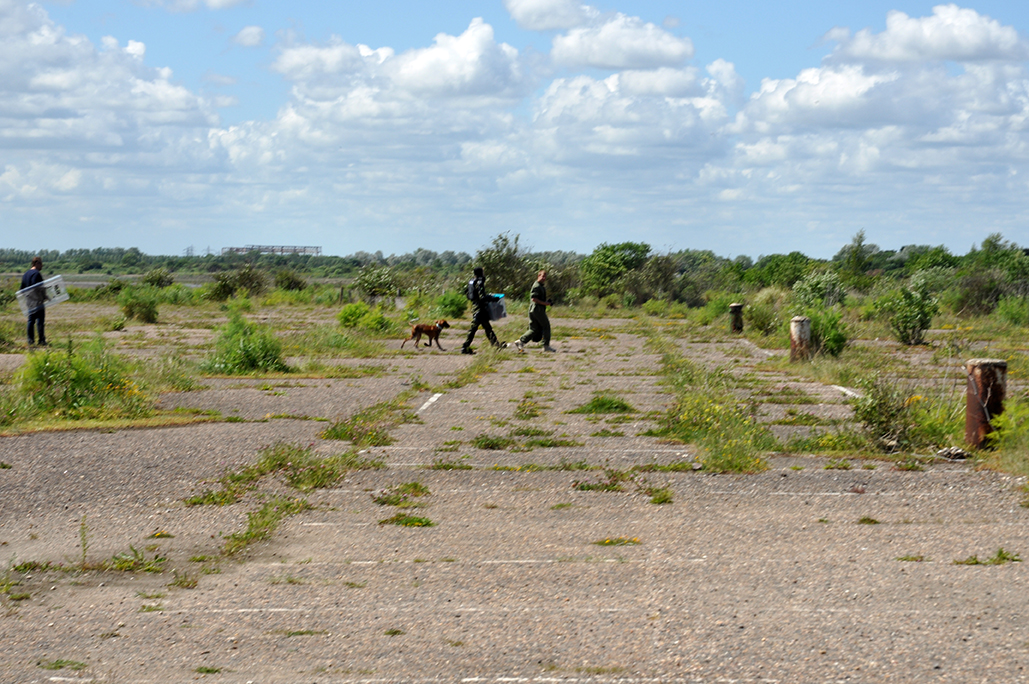
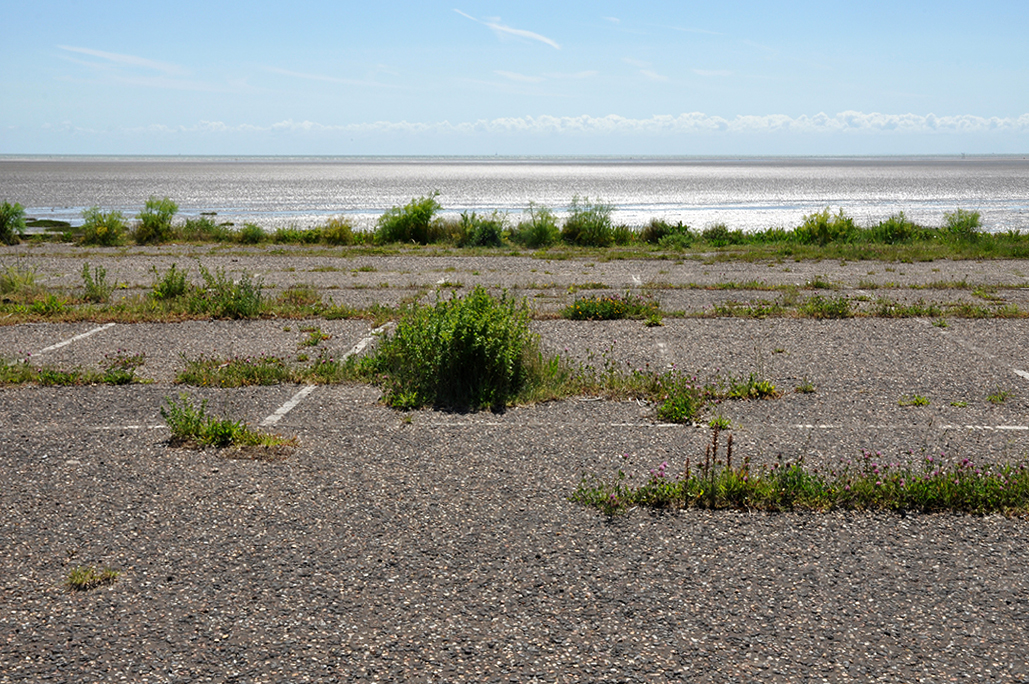
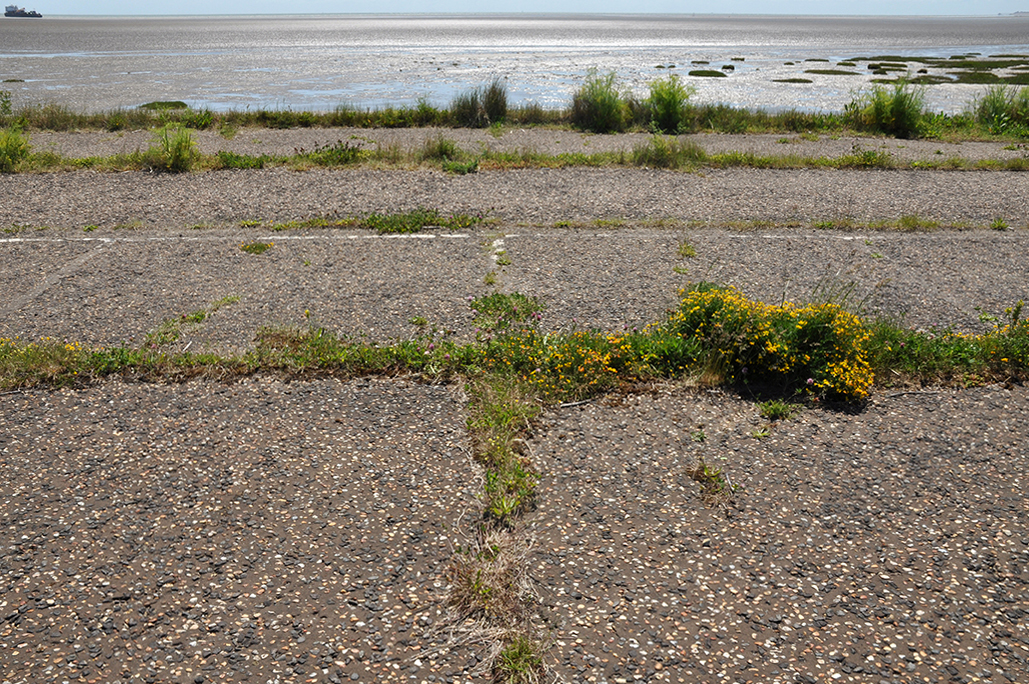
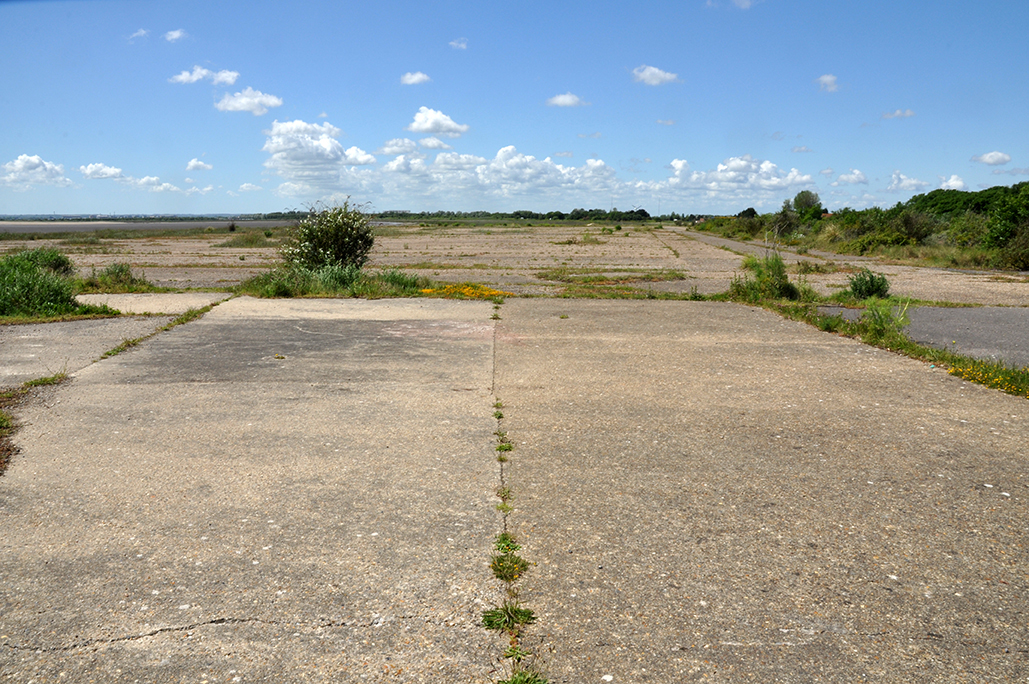
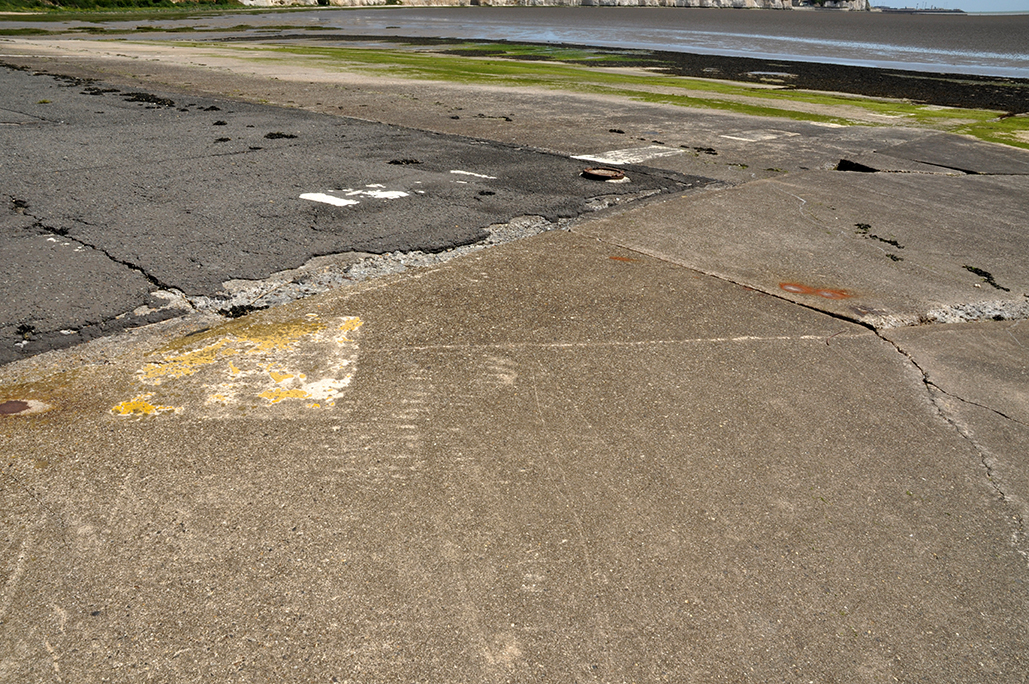
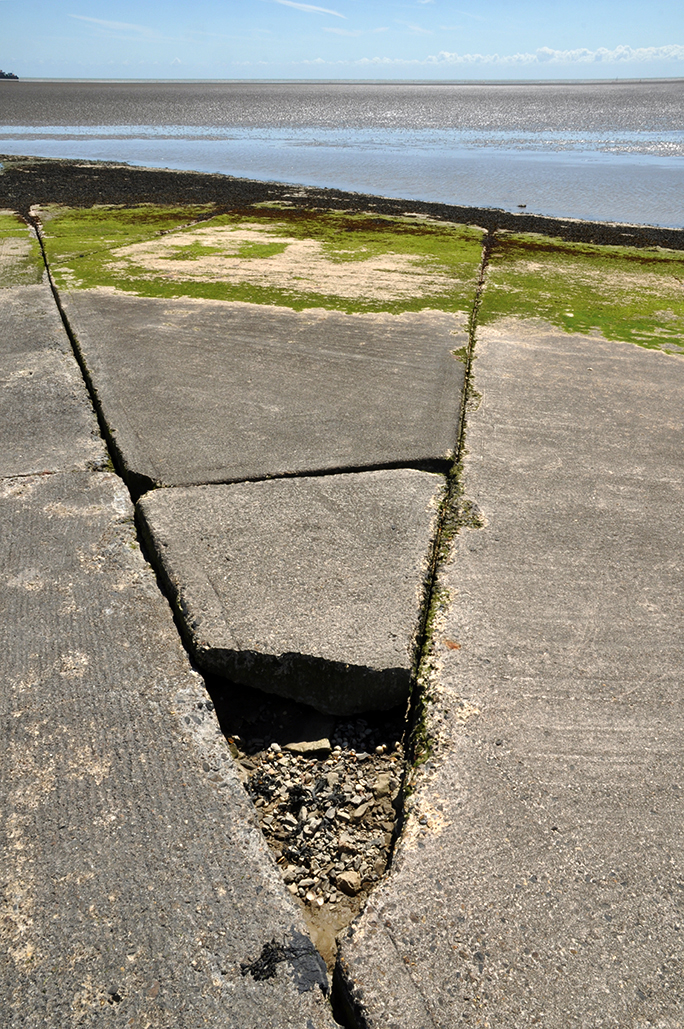
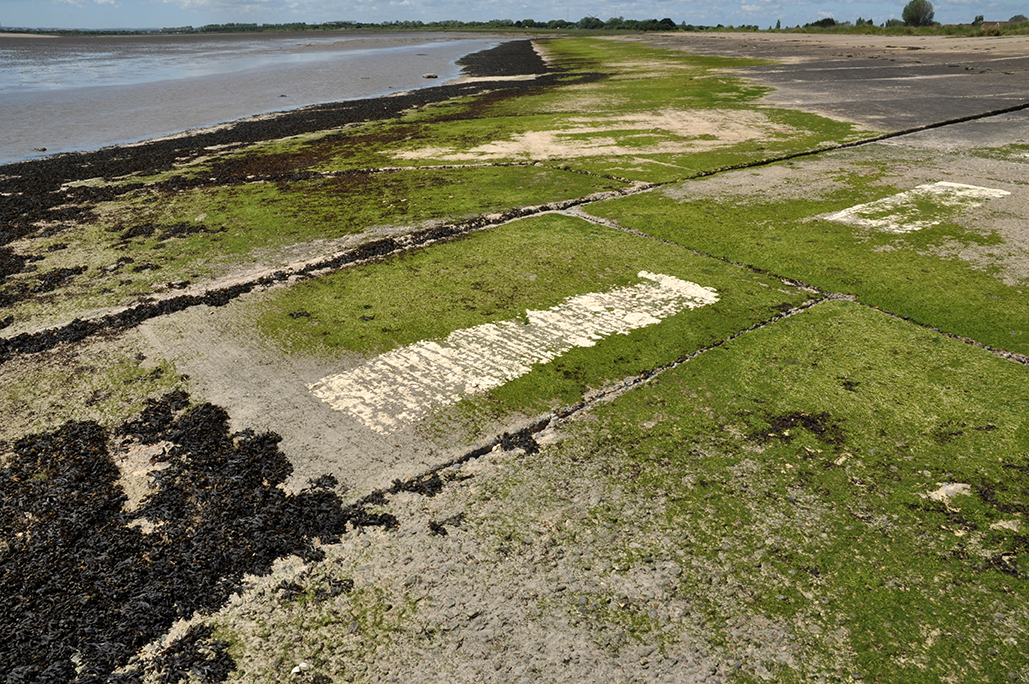
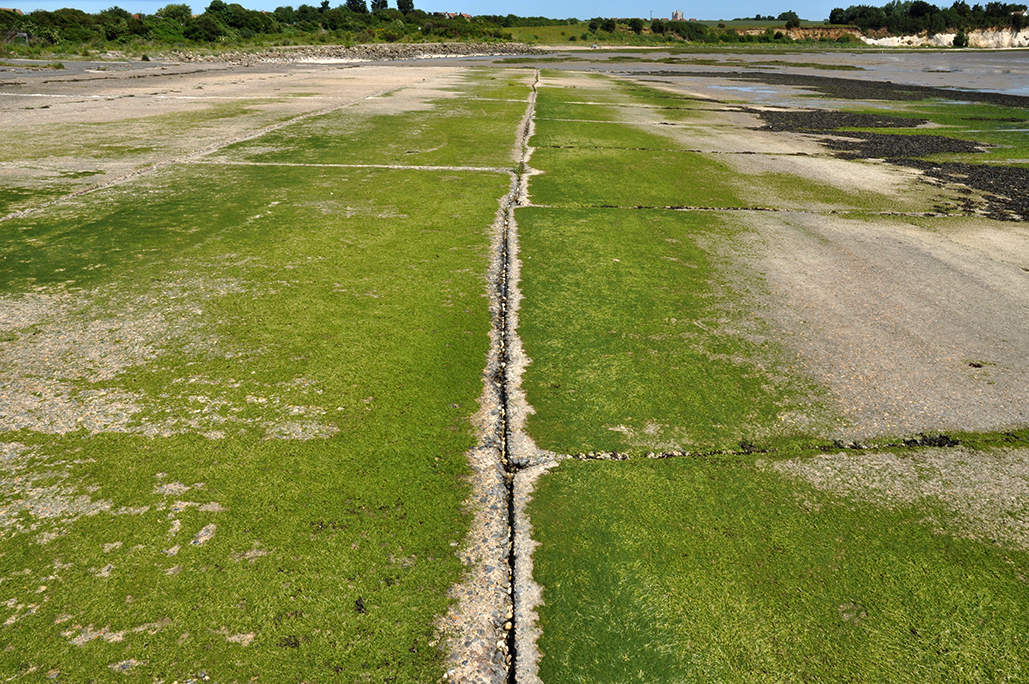
What prevails is the shoreline, a concrete landing skirt and the slow process of reclamation, as nature decides that the council is quite right to decide to create a nature reserve.
Facing happily out to sea, hard by Hastings promenade, sits Arthur Green’s, former menswear shop of some considerable distinction. Currently operating as an antiques centre, the whole of the perfectly preserved, period interior is now listed by English Heritage.
A mosaic porch and glass lined vestibule, invite you into a palace of dark hardwood fittings, capacious drawers, glass fronted cabinets, and an ornately carved cashiers booth, all topped off and lit by crystal chandeliers.
Few such example still exist intact, their contents usually ripped out, ripped off and reinstalled in chi-chi overpriced, cosmopolitan boutiques – suits you sir?
I think not!
My thanks to the helpful and patient staff who informed and facilitated my mooching.
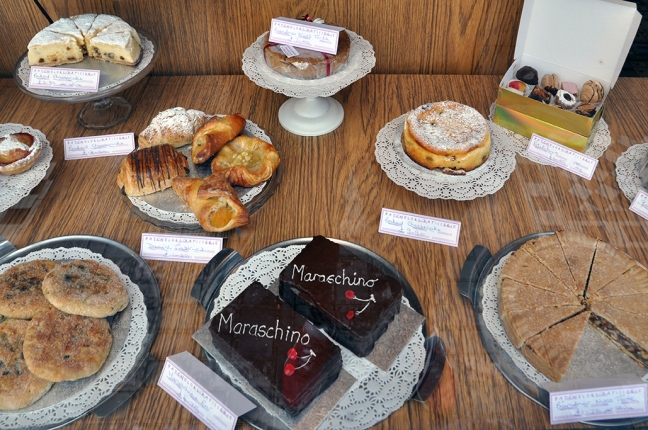
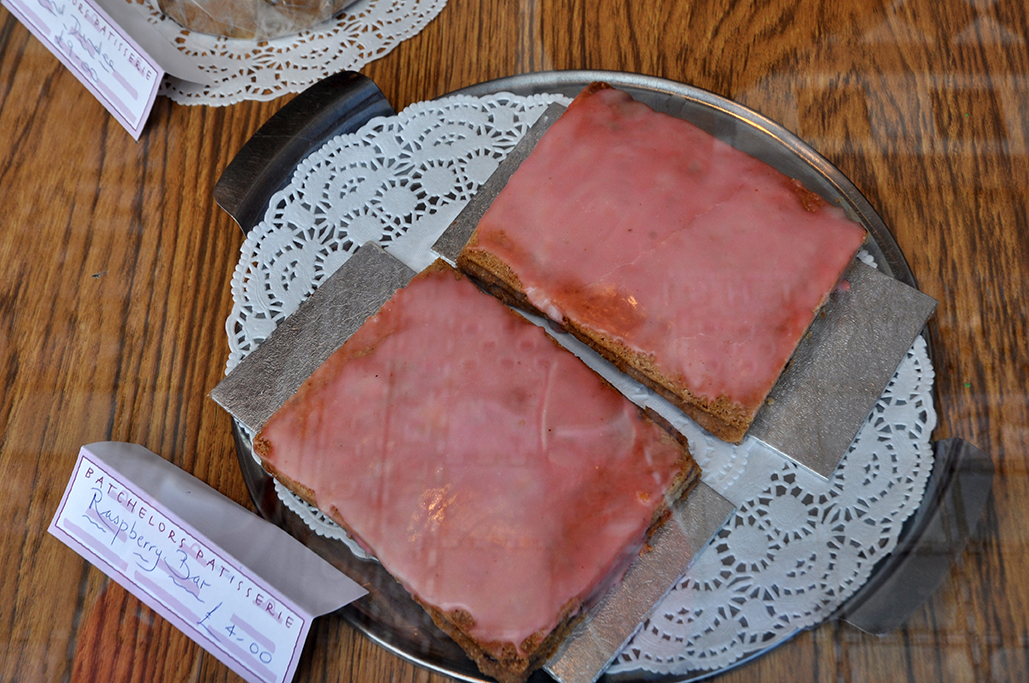
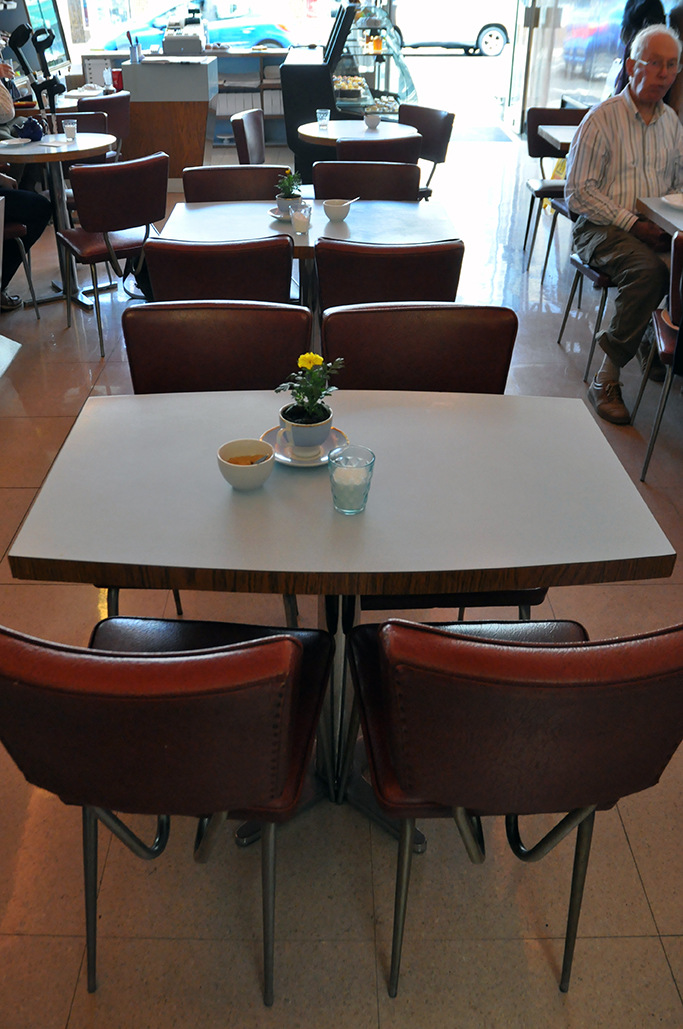
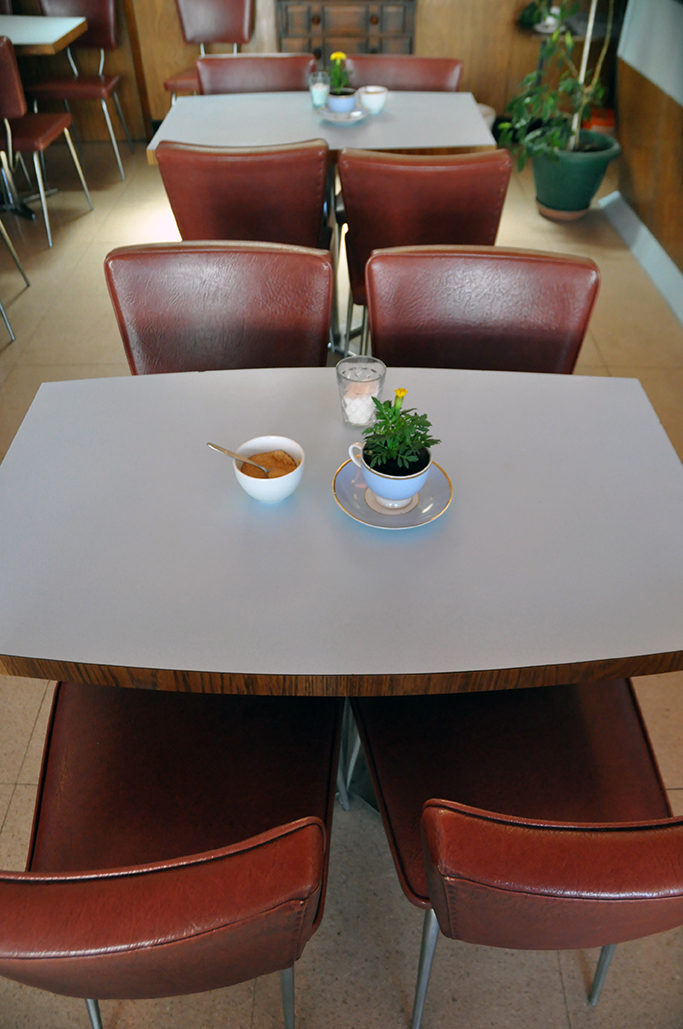
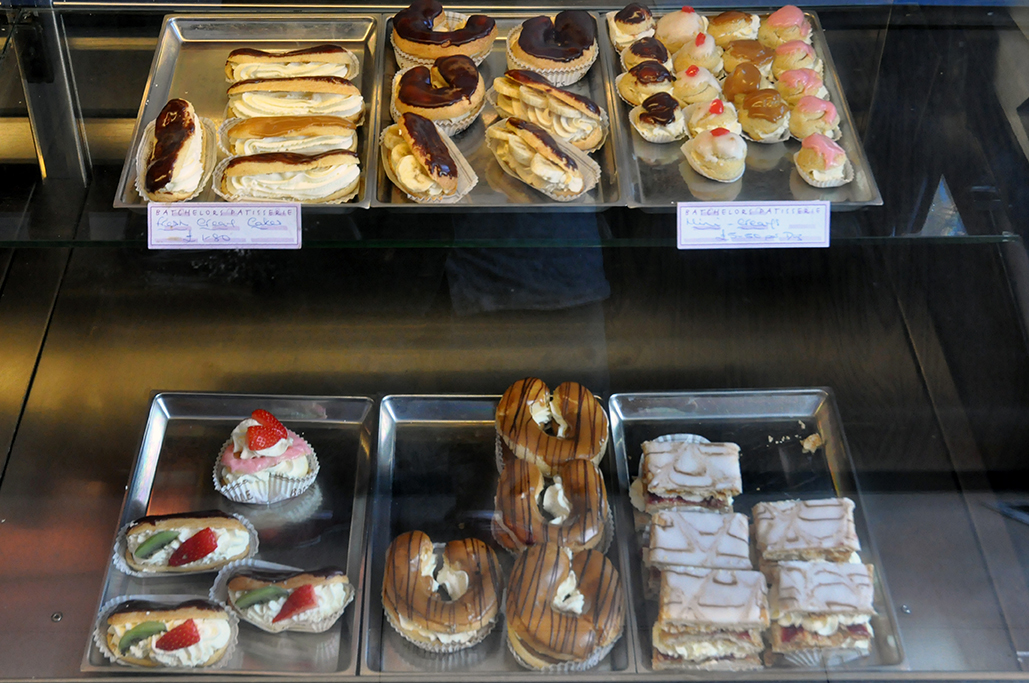
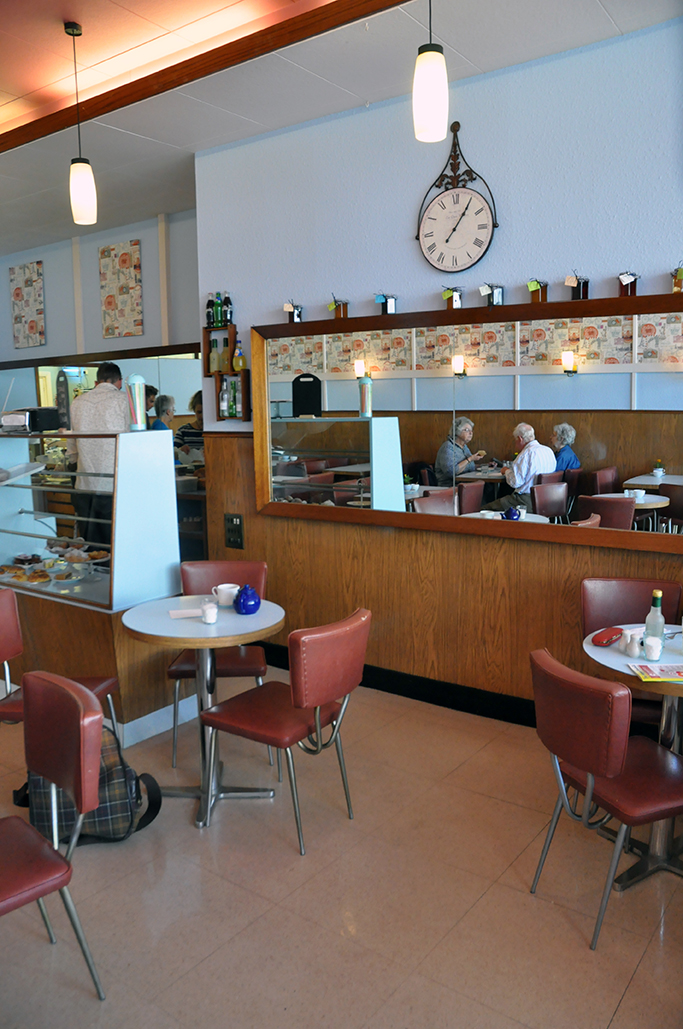
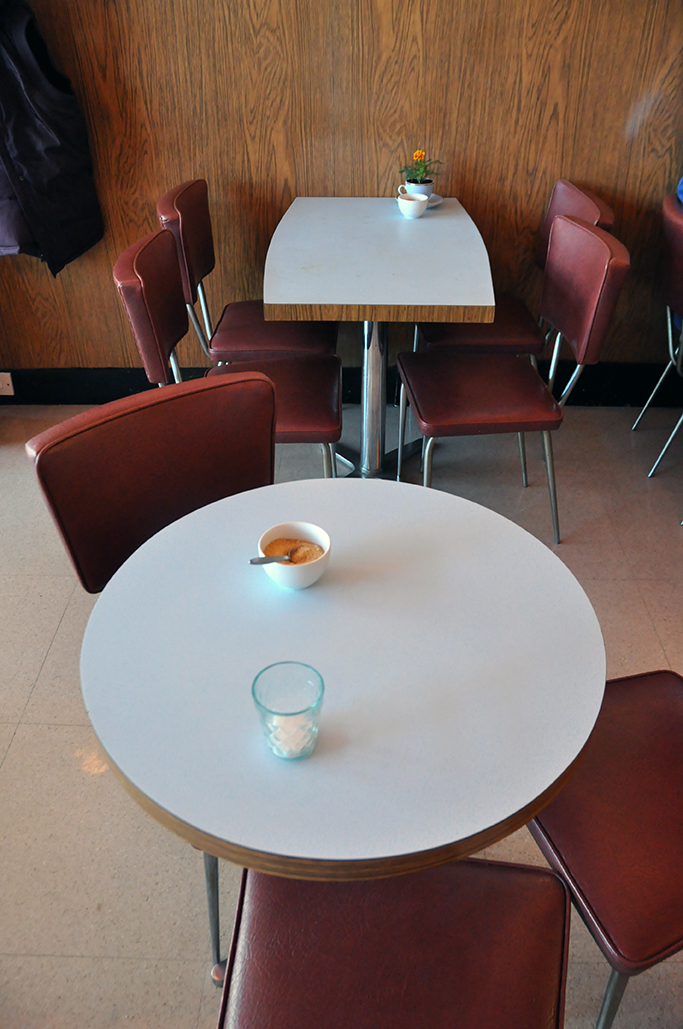
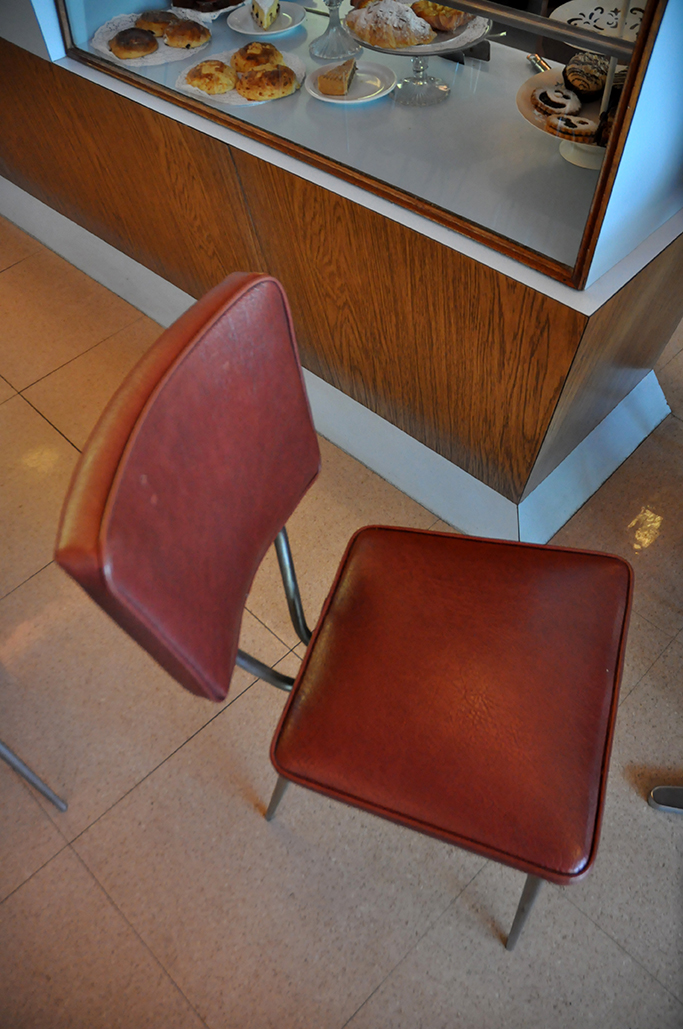
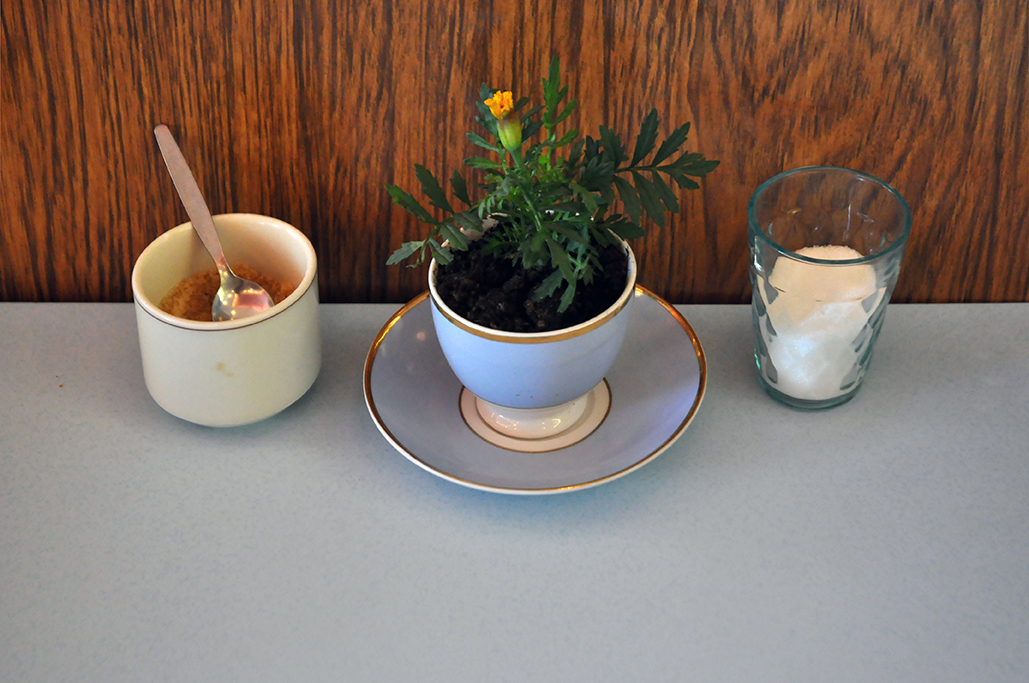
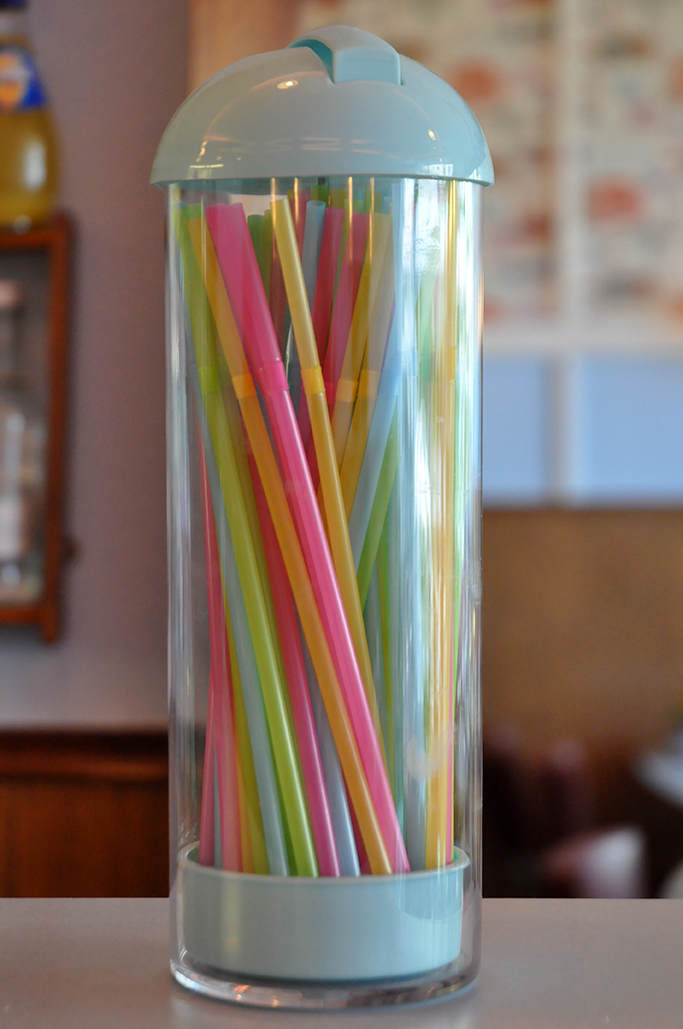
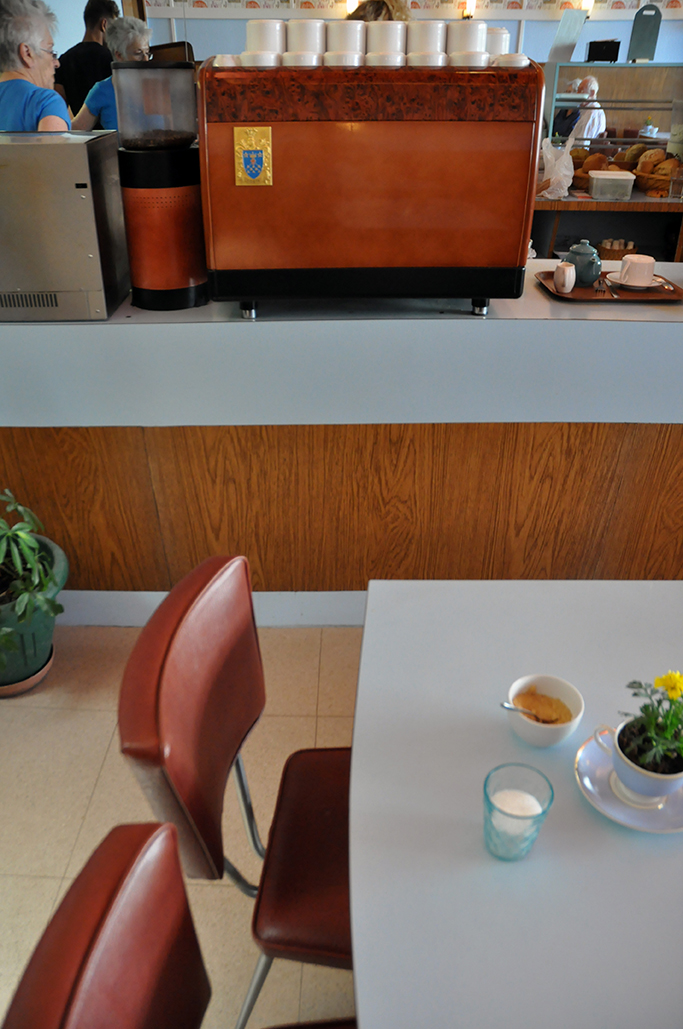
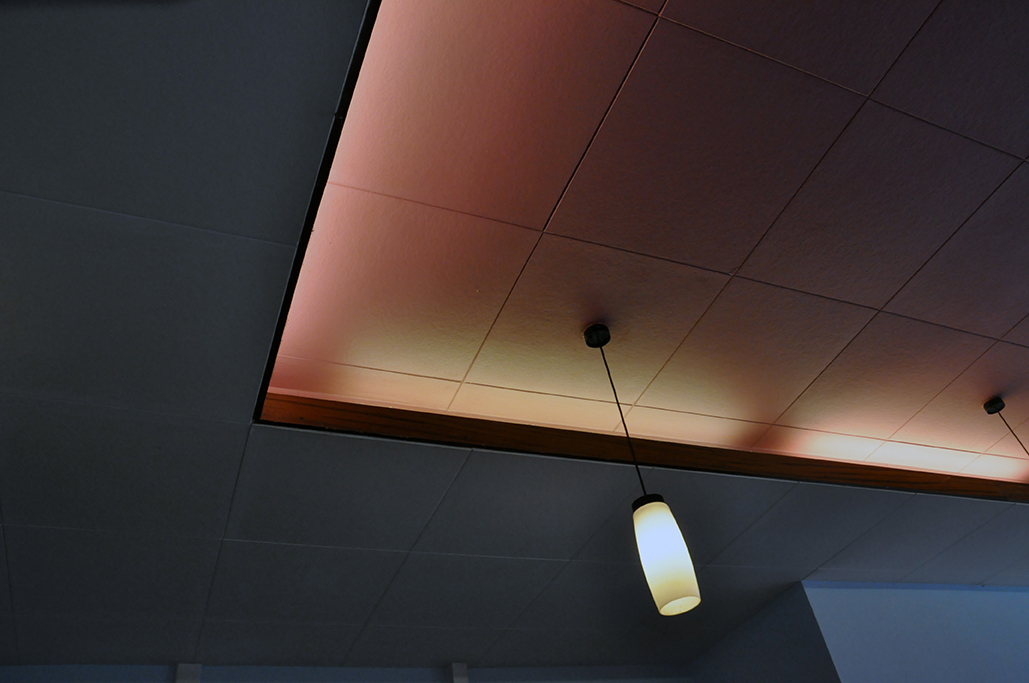
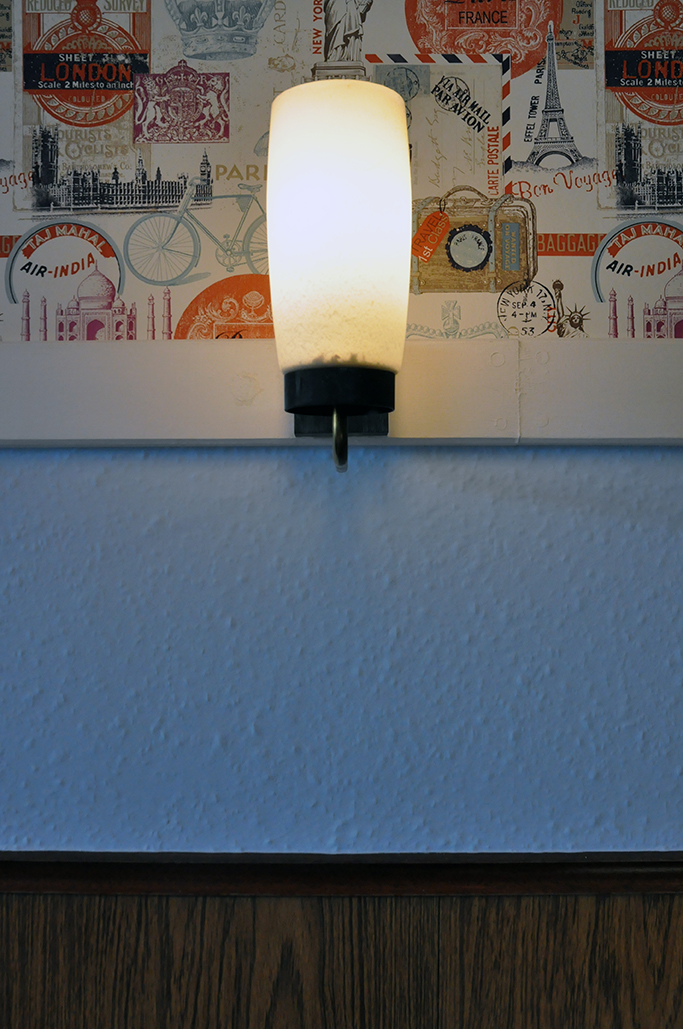
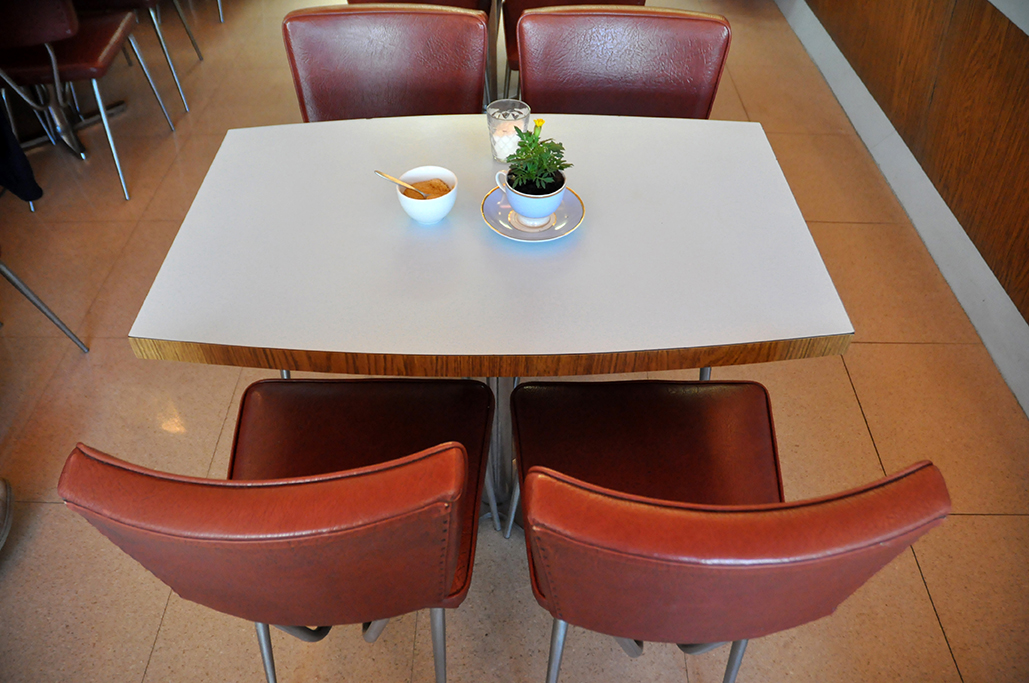
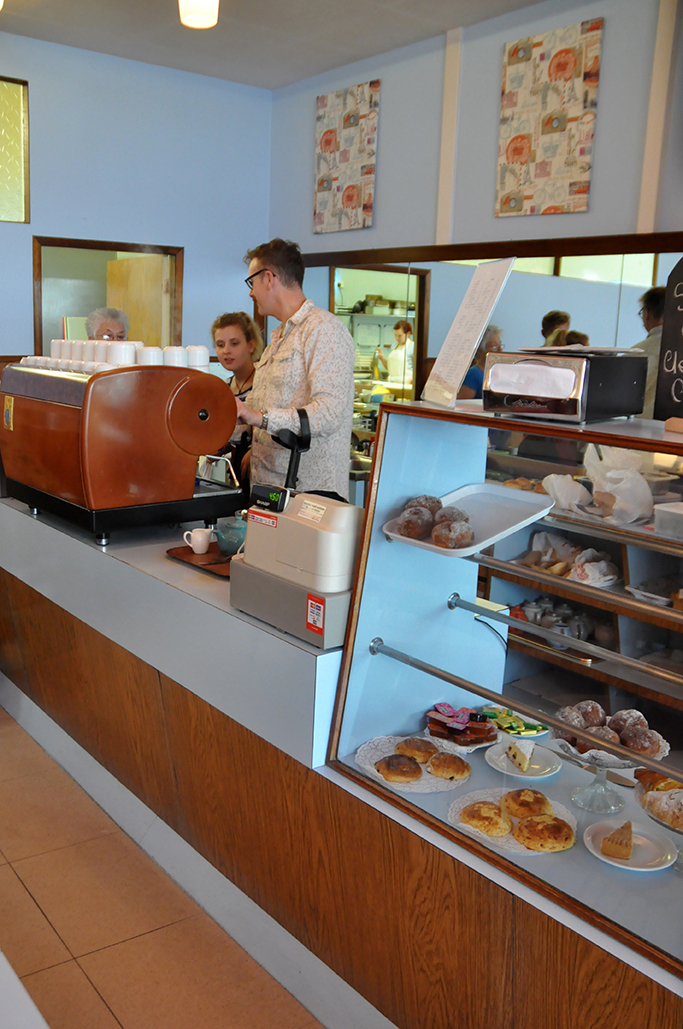
Idly meandering through Cliftonville, along Northdown Road, I chanced upon the most delightful of cake shop windows. Being something of an aficionado of cakes, shops and windows it seemed like an ideal opportunity to snap away, with customary broad-smiling, wide-eyed enthusiasm. Furthermore why not go in? I was met with the most charming of receptions from the patron Stuart Turner and staff – not unreasonably inquisitive regarding my impromptu picture taking, I explained my particular interest in the patisserie. The interior of the 50’s bakery, shop and café is perfectly preserved, with a little sympathetic restorative work. Well upholstered and formica topped the furniture is the finest of its kind, each table graced with fresh flowers, condiments and loving care and attention. An exquisite array of breads, pastries and cakes, resting on delicate doilies, displayed in glass fronted cases. I encourage you to visit, take tea, take cake, take away the fondest of sweet memories.