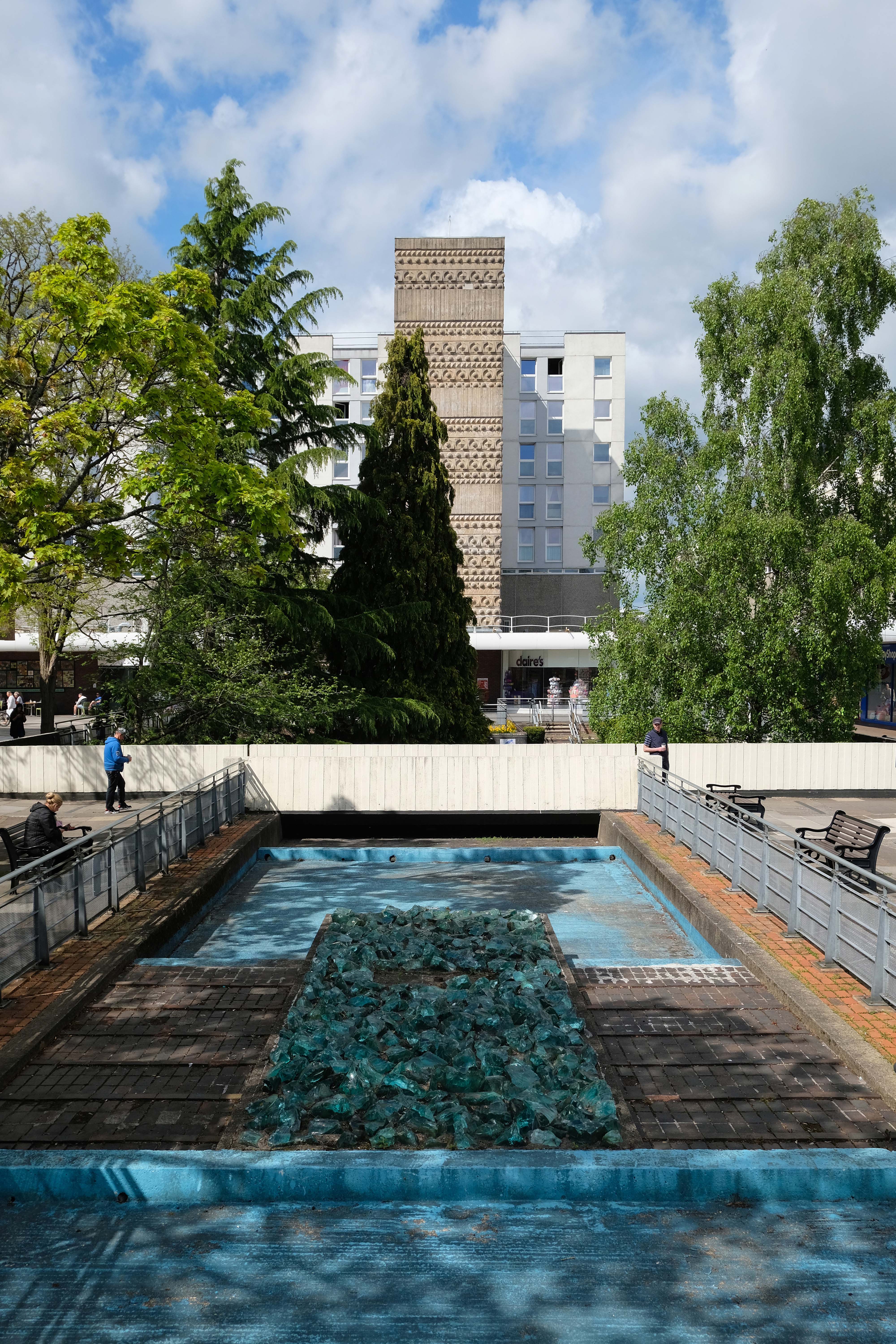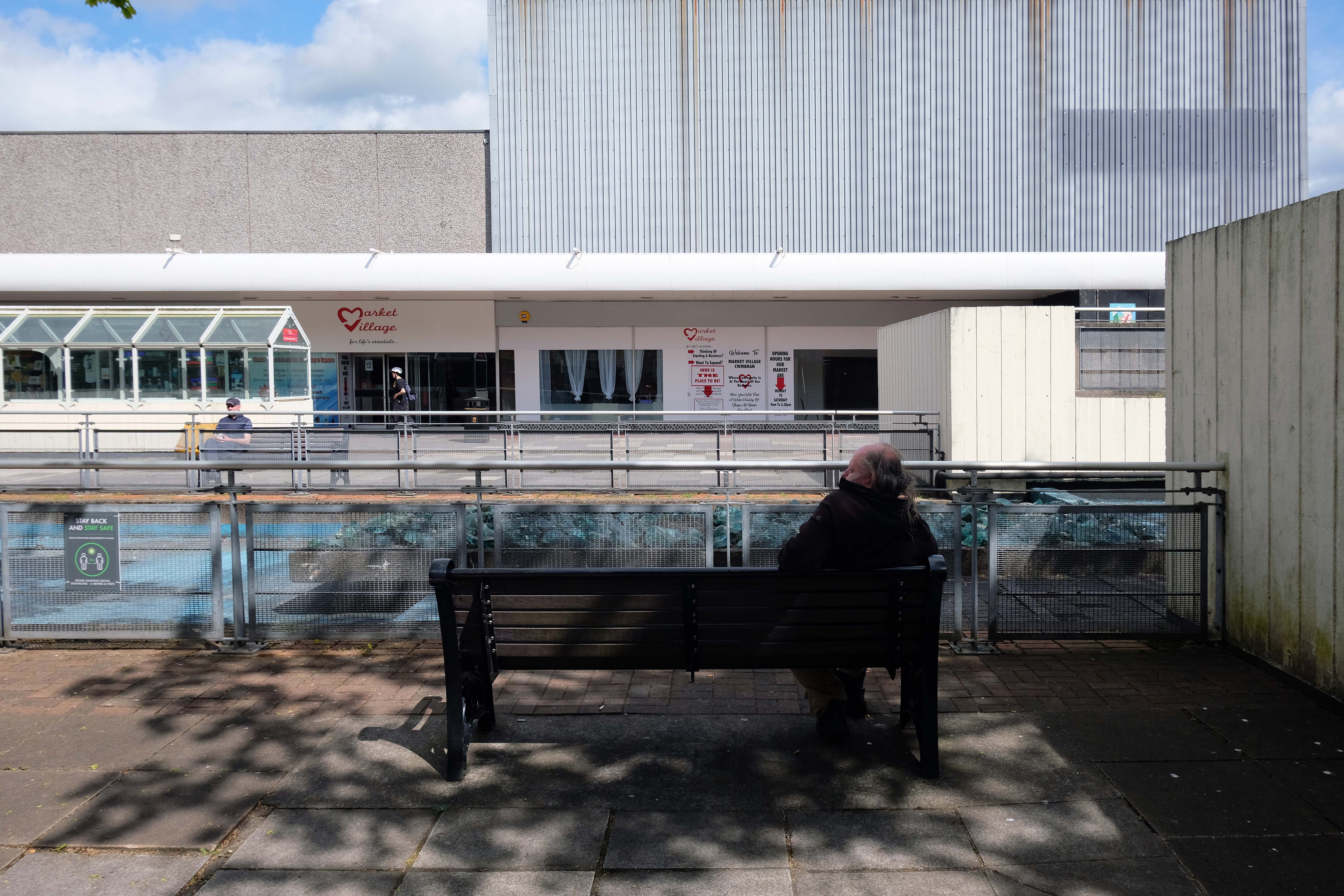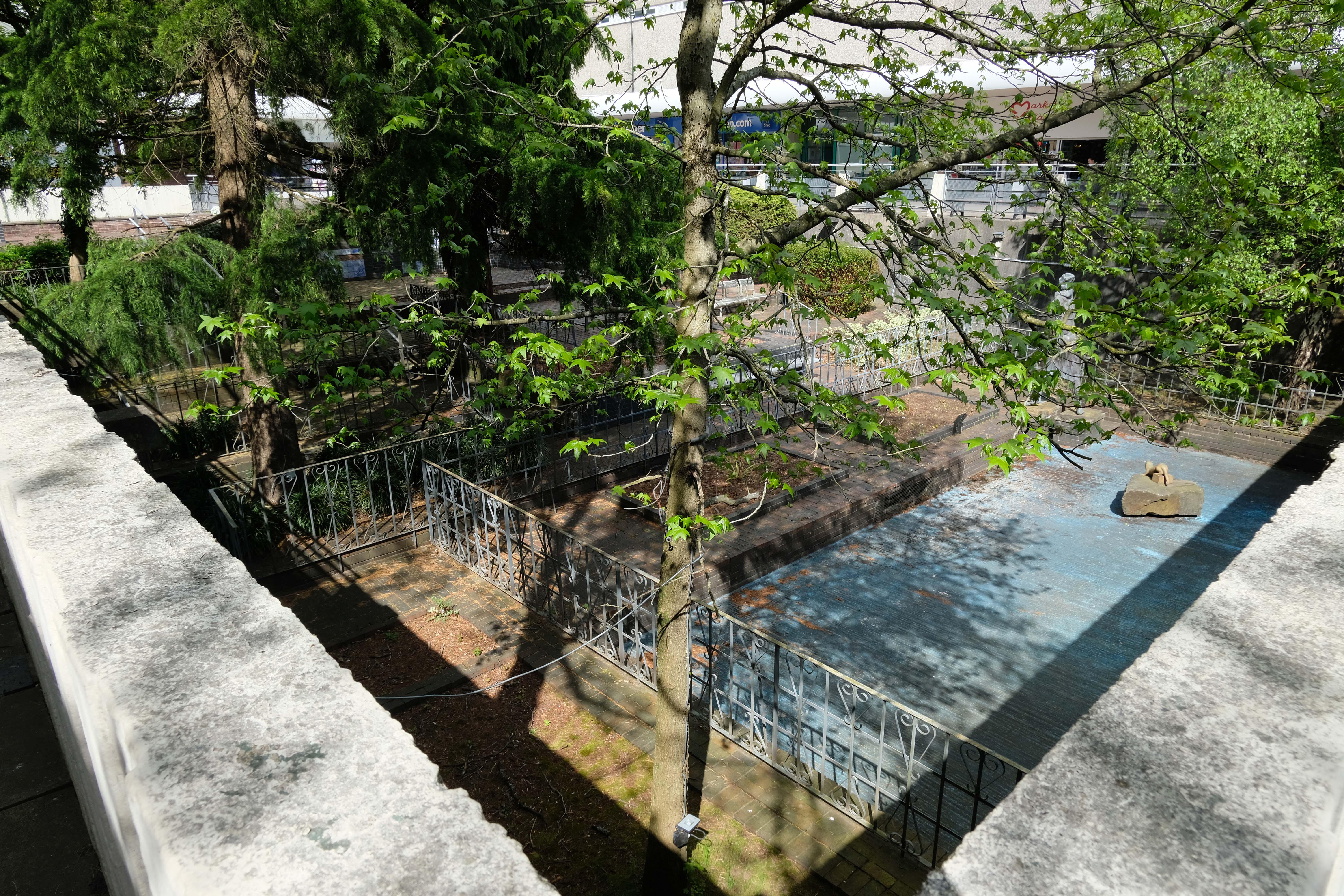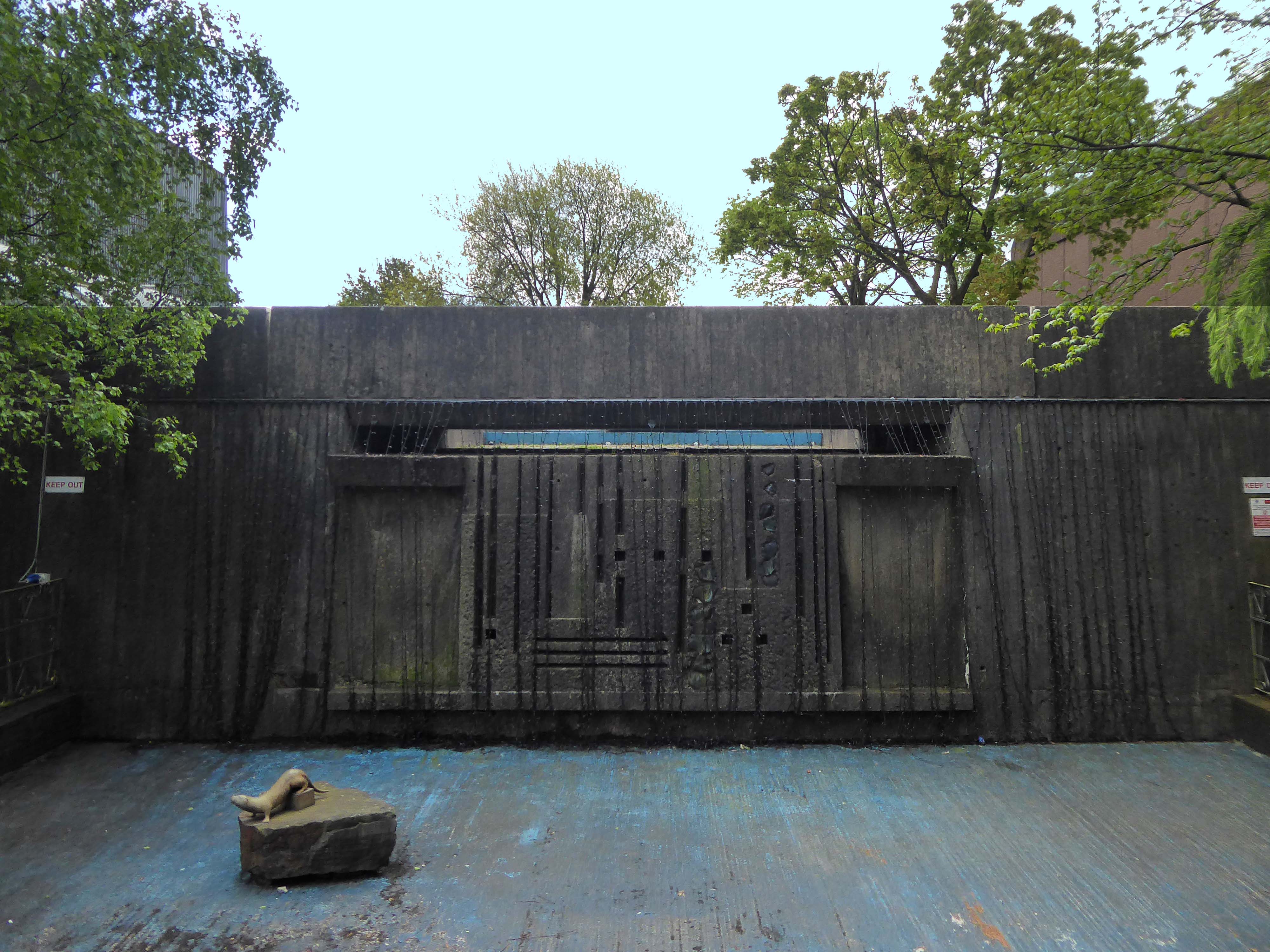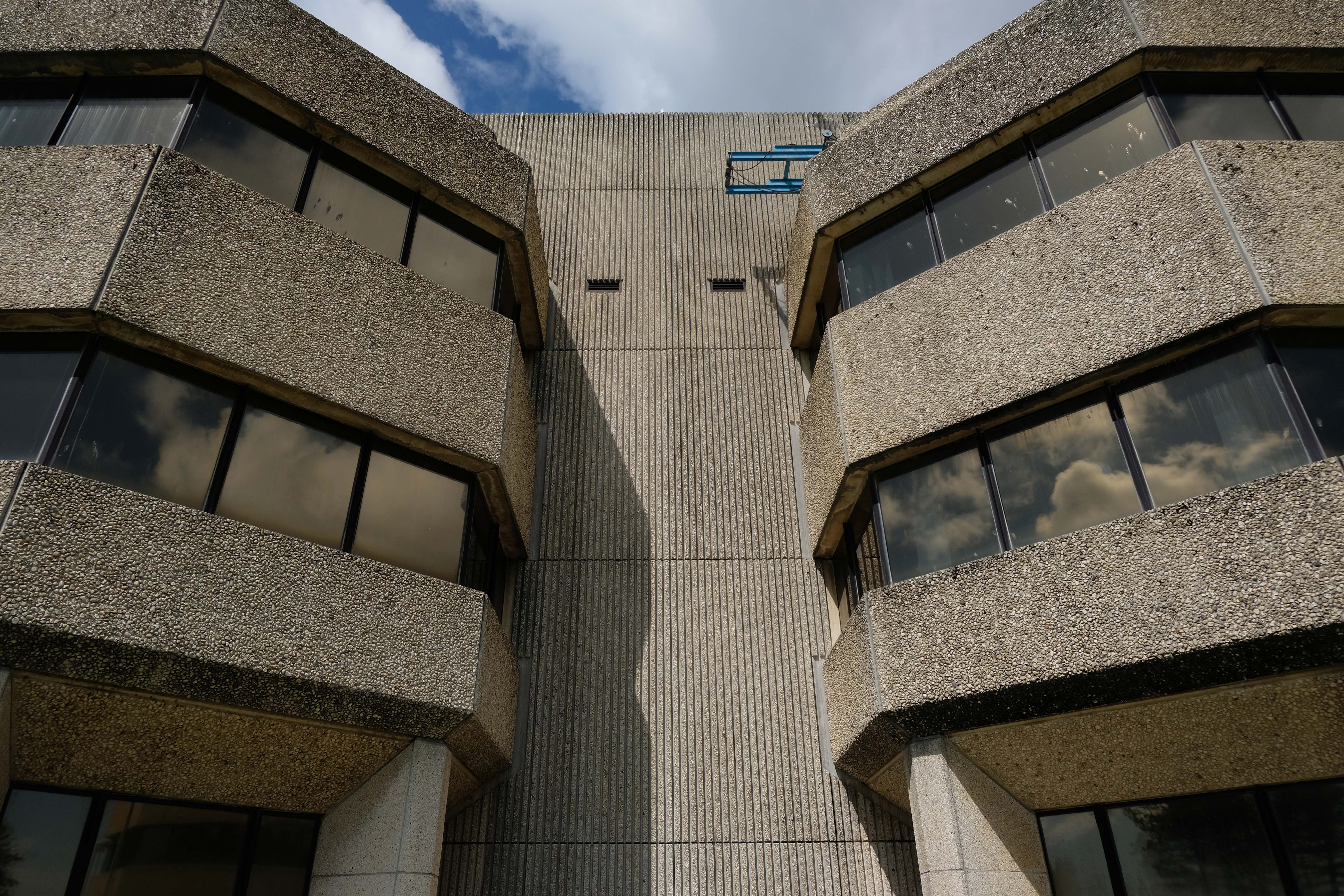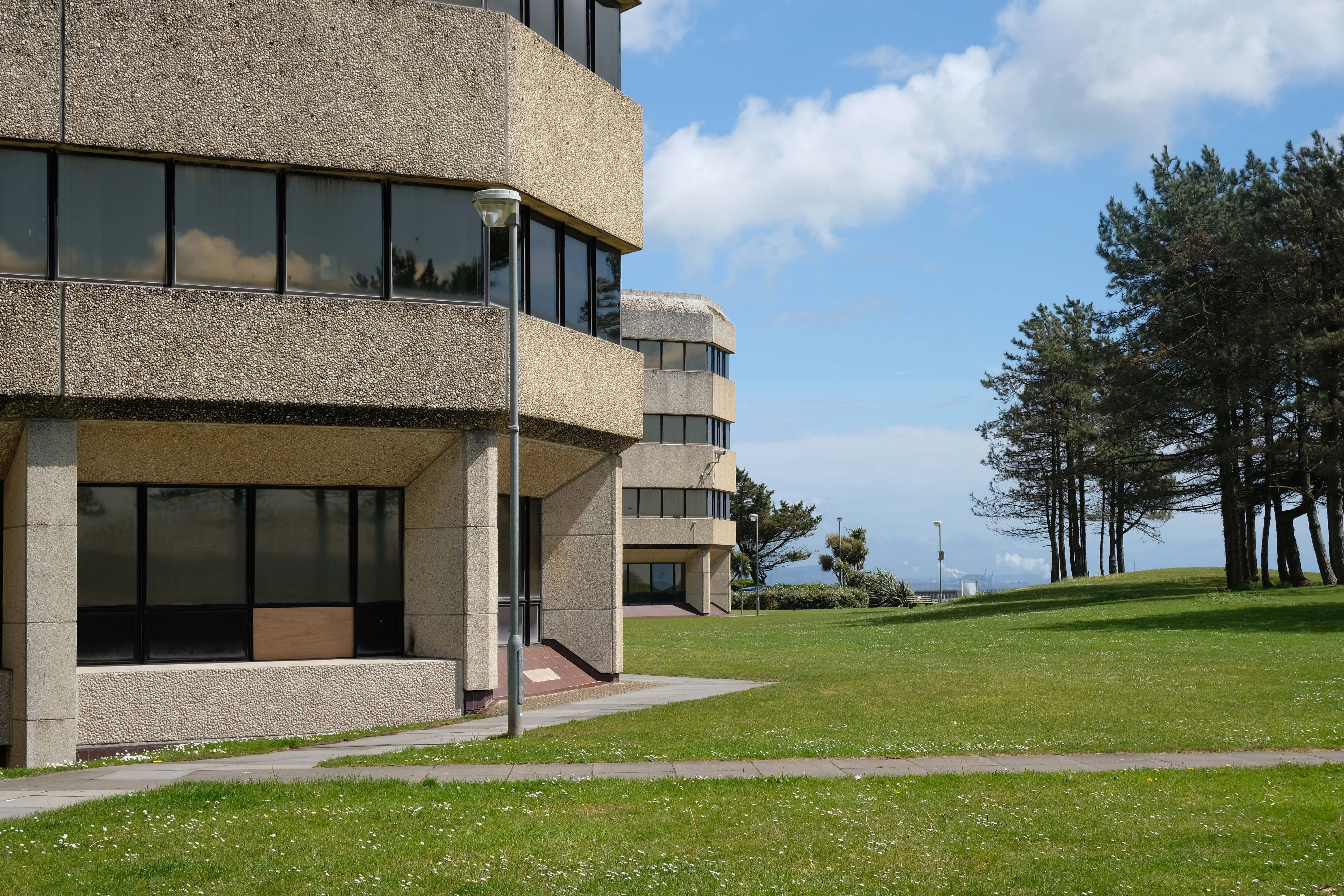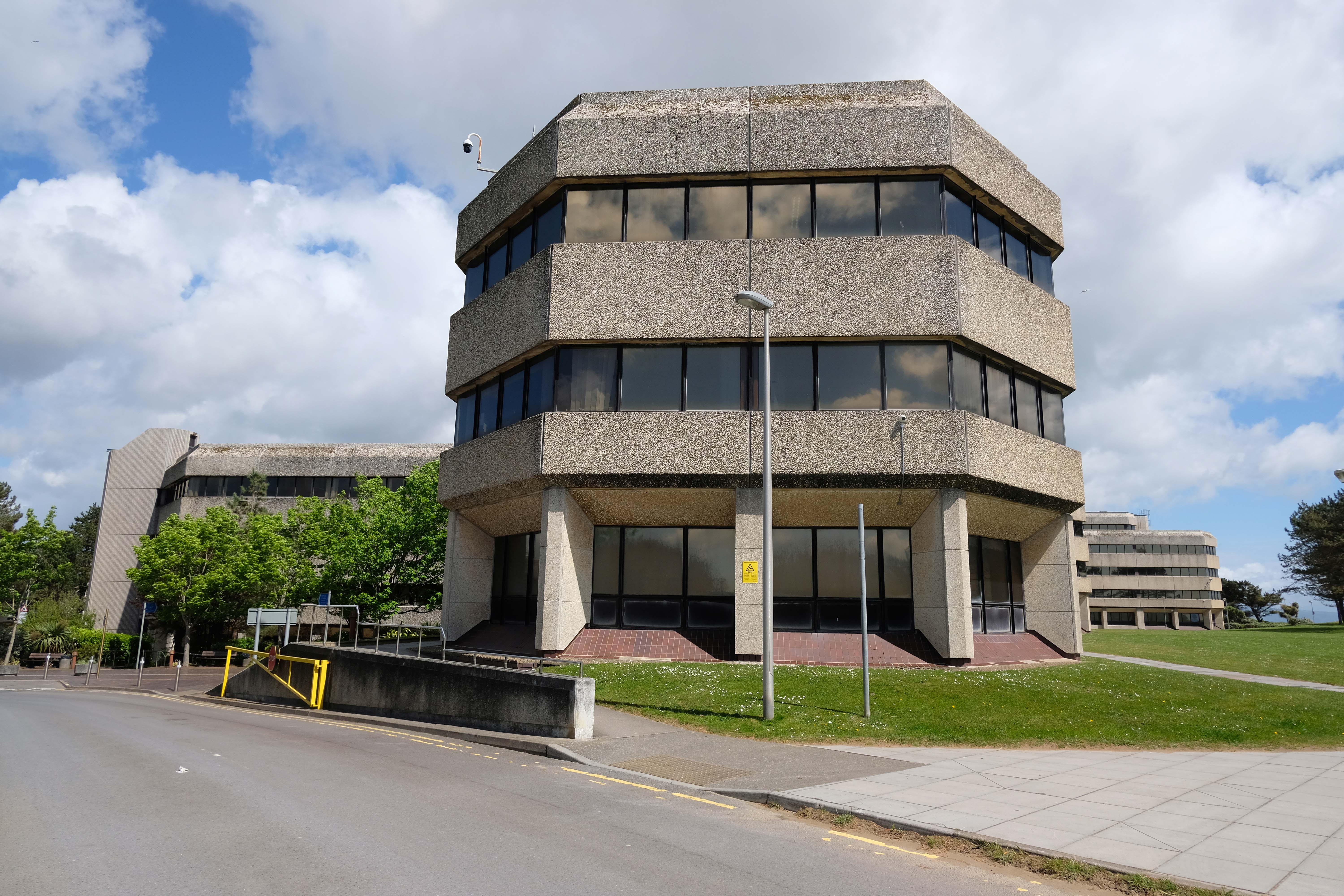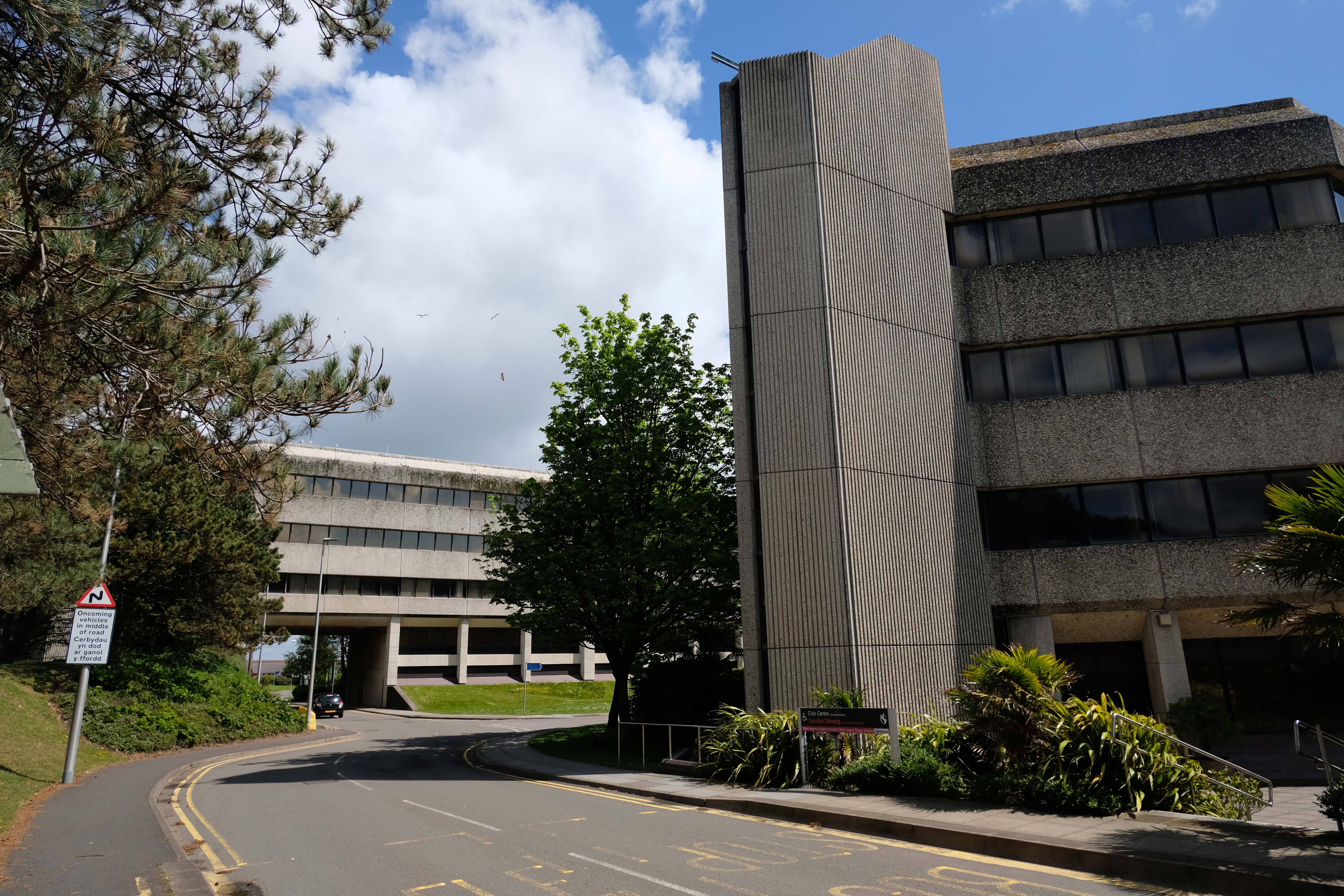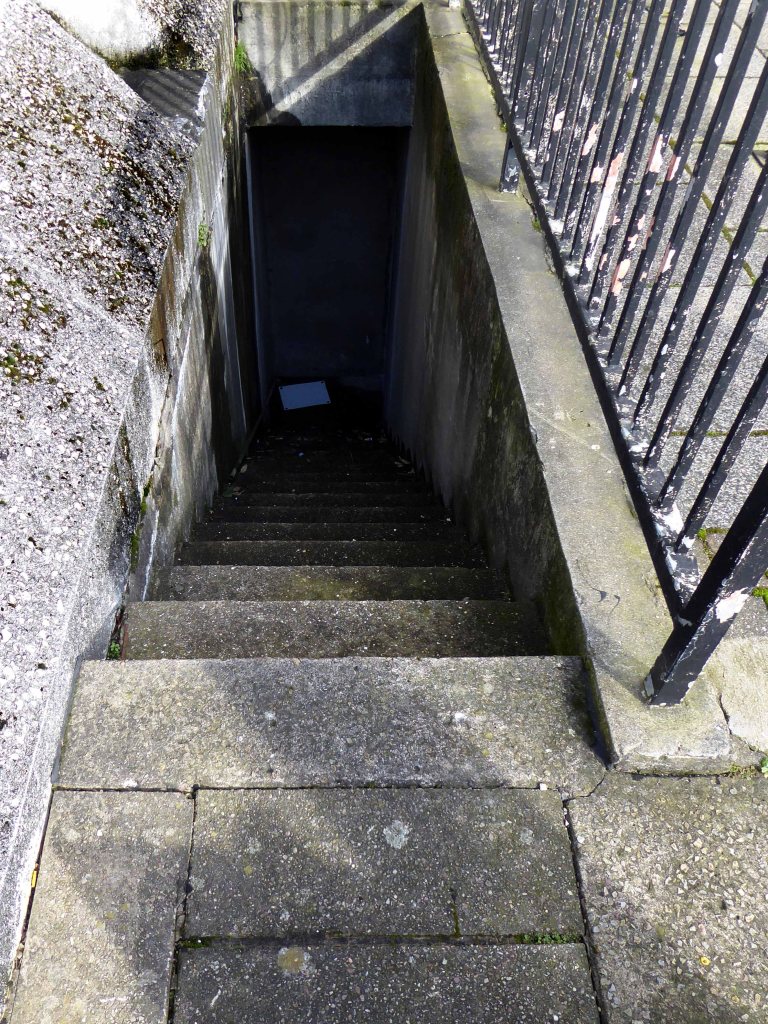
Lately I have been frequenting bad houses Places no respectable man would be seen I hate myself for my weakness My past sickens me I tell myself I will not go Even as I drive there
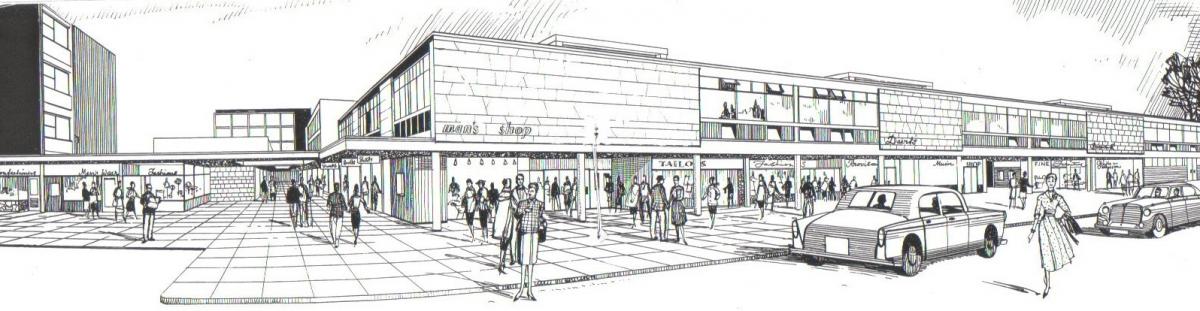
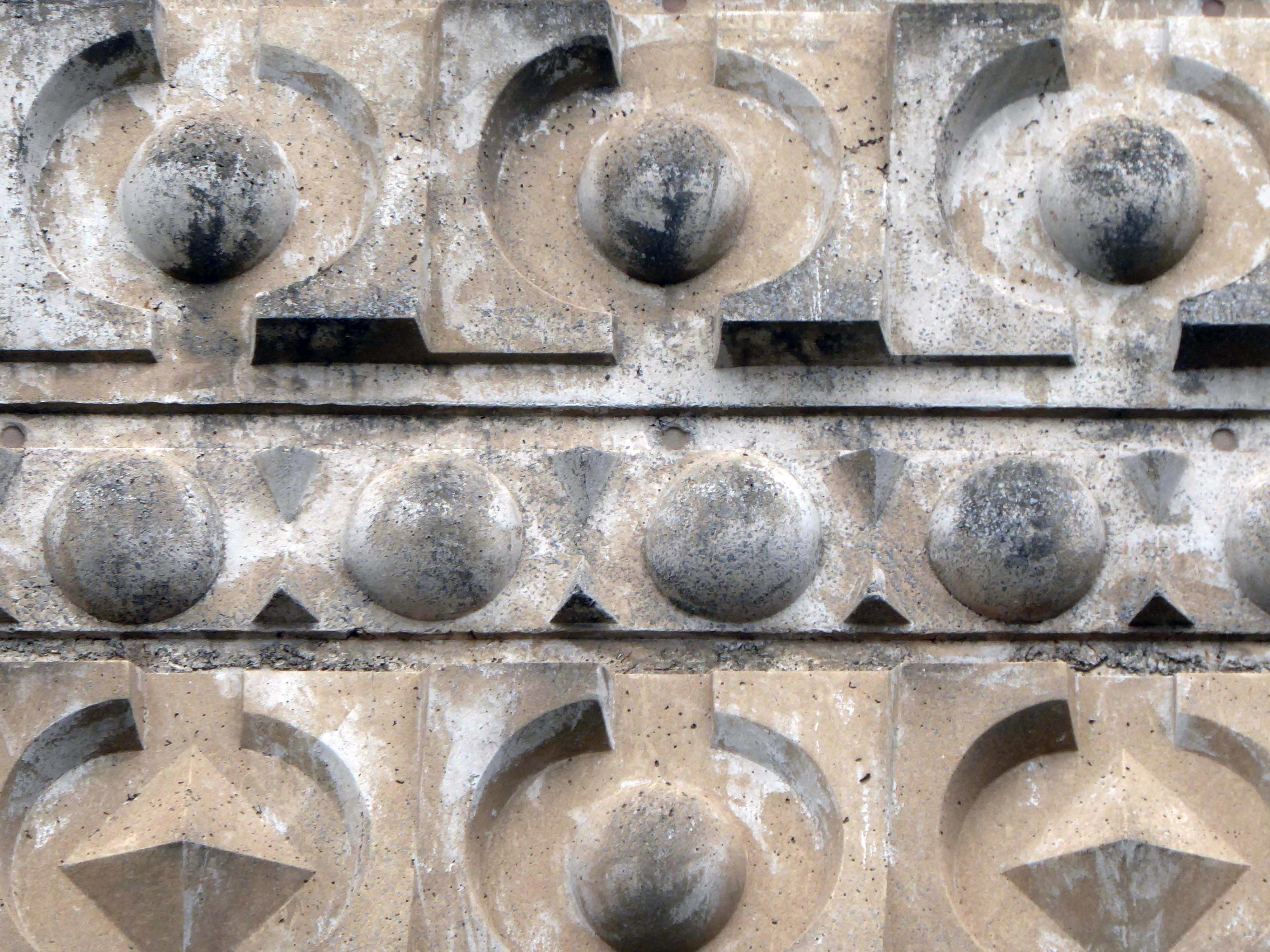
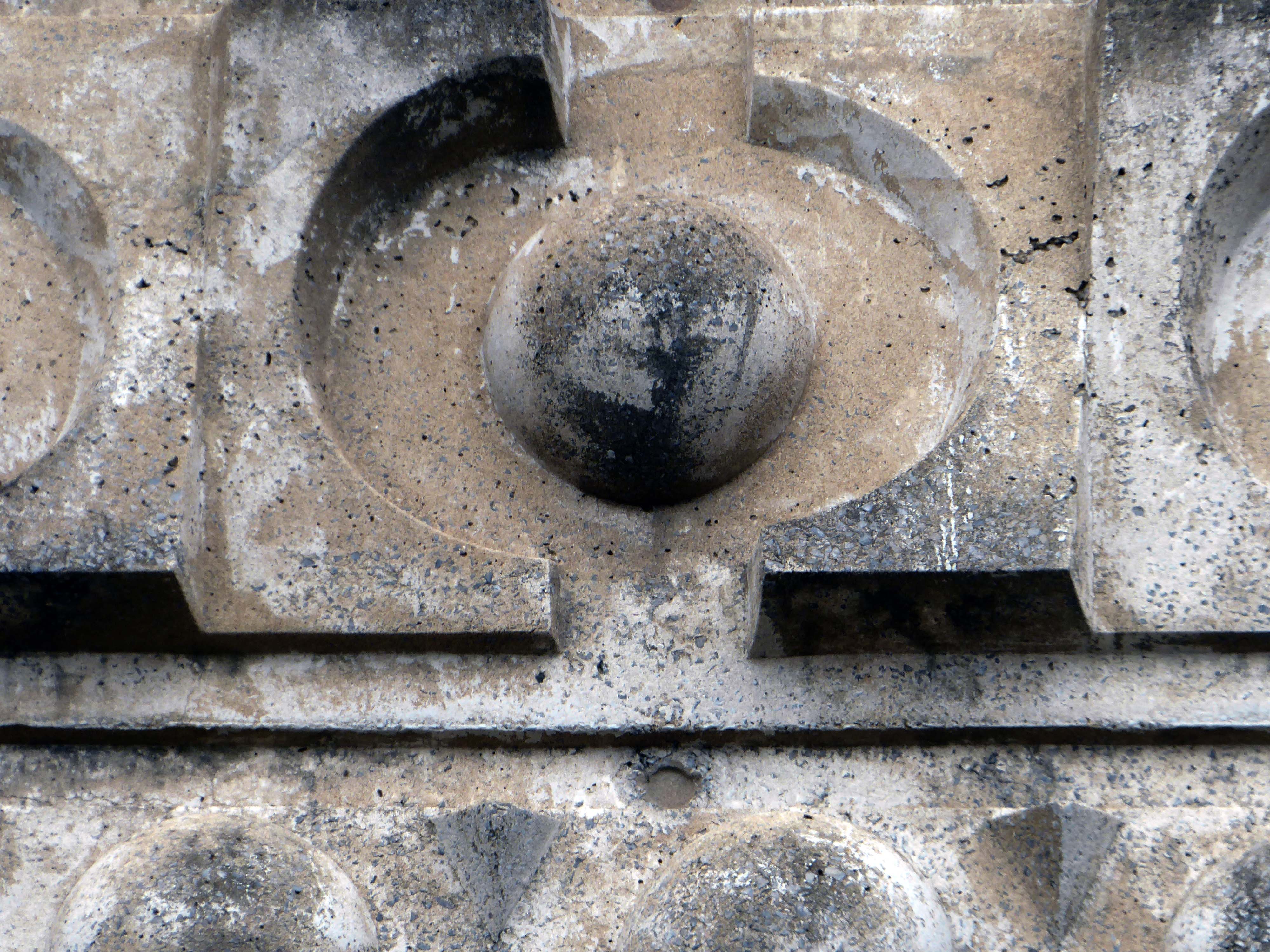
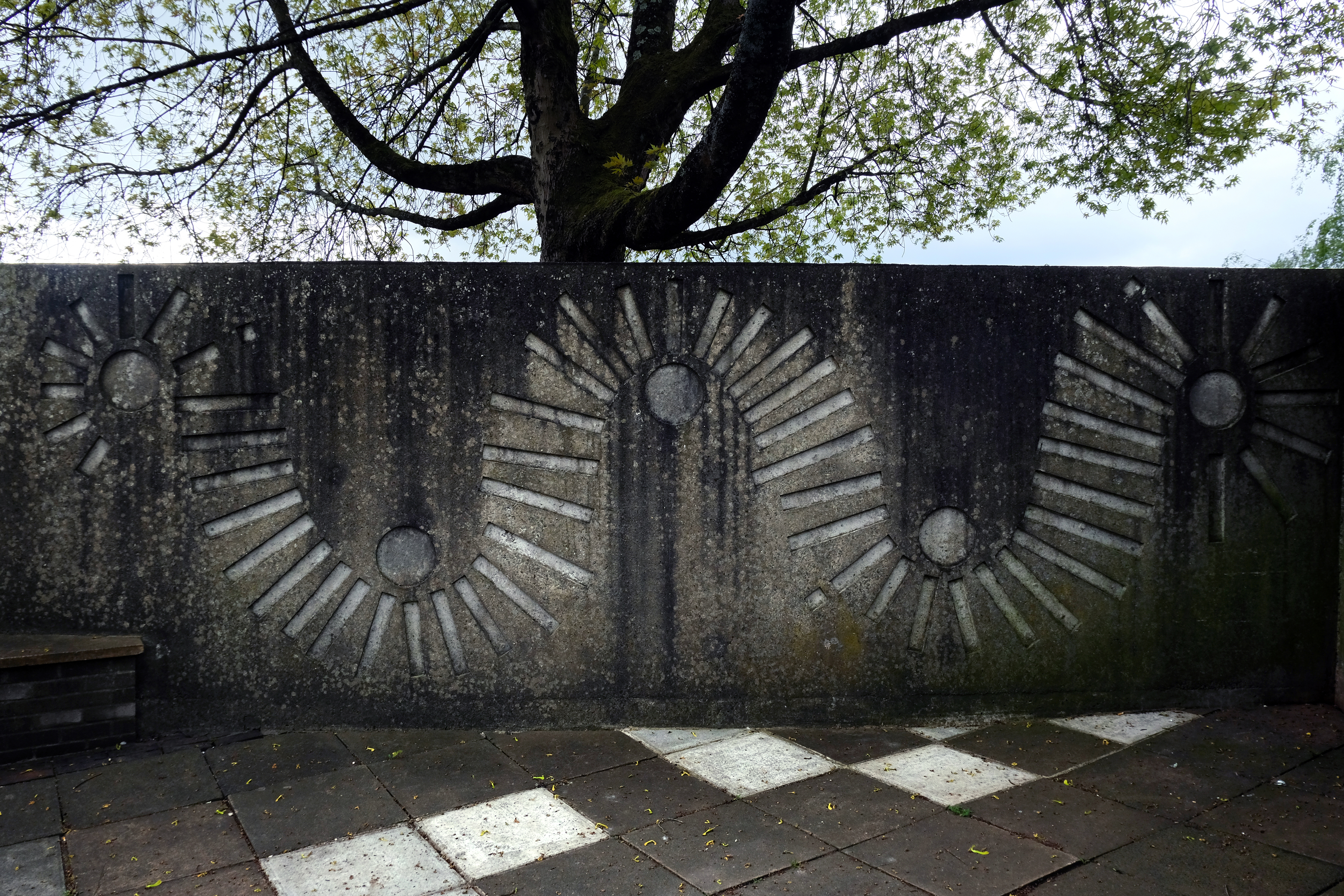
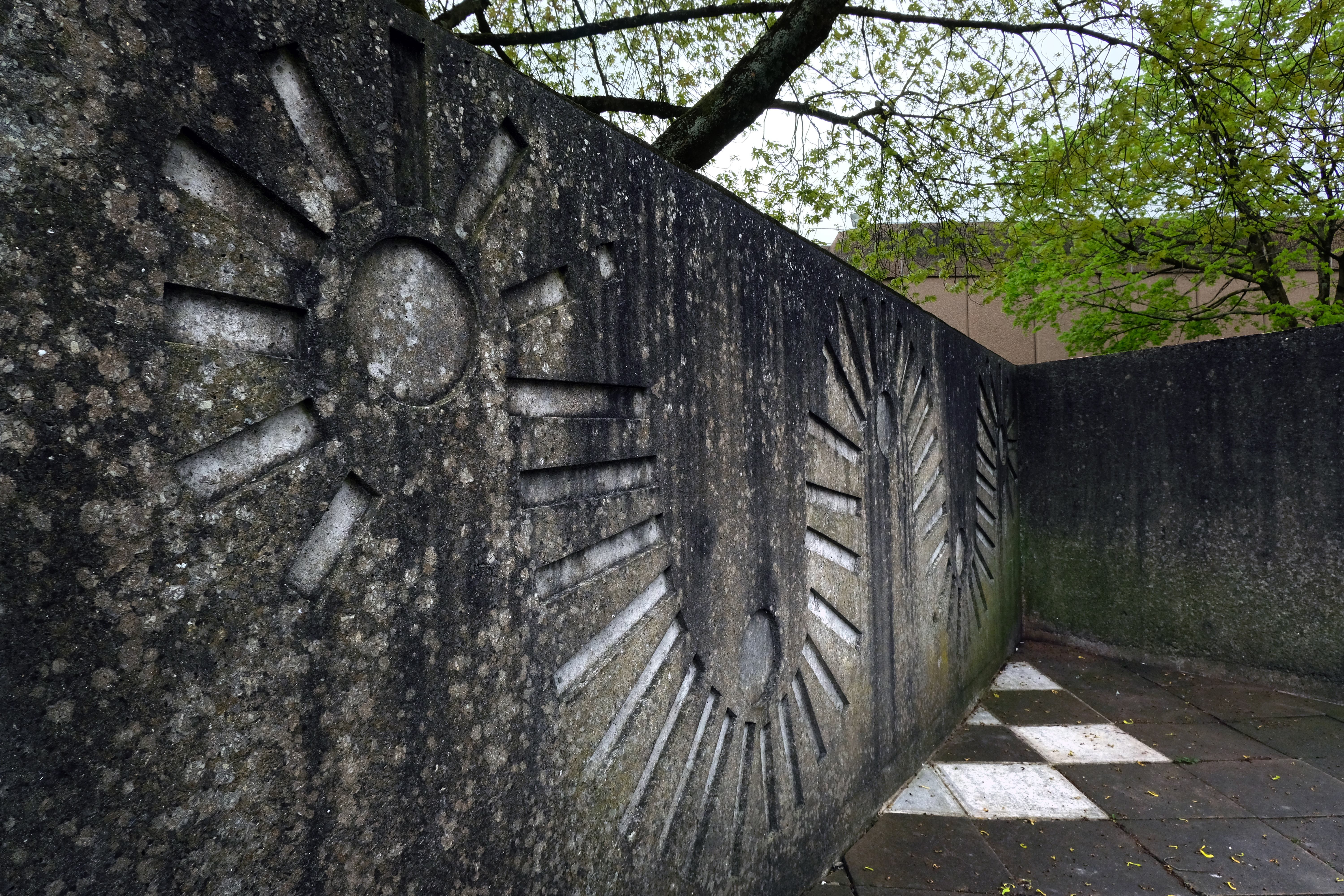
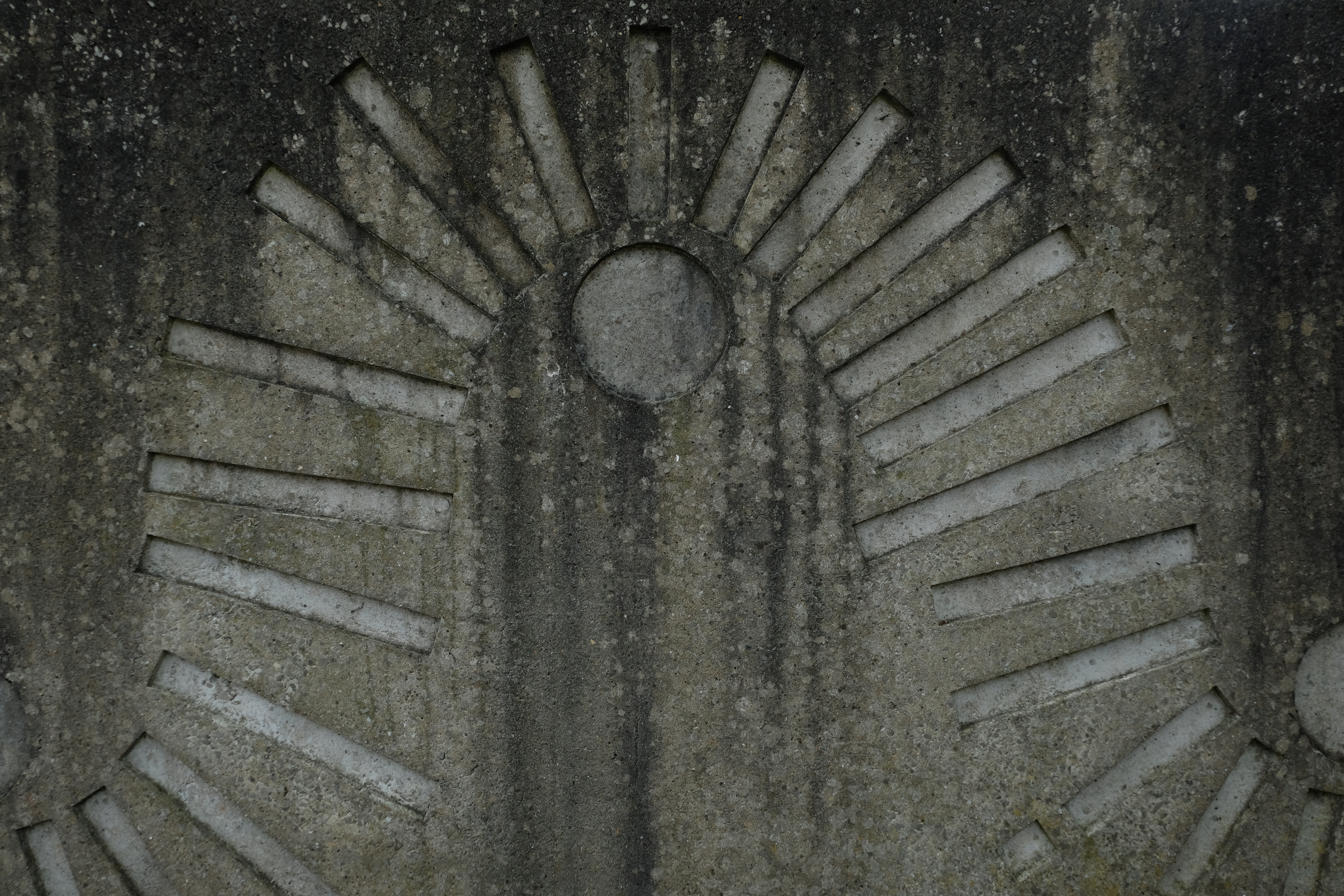
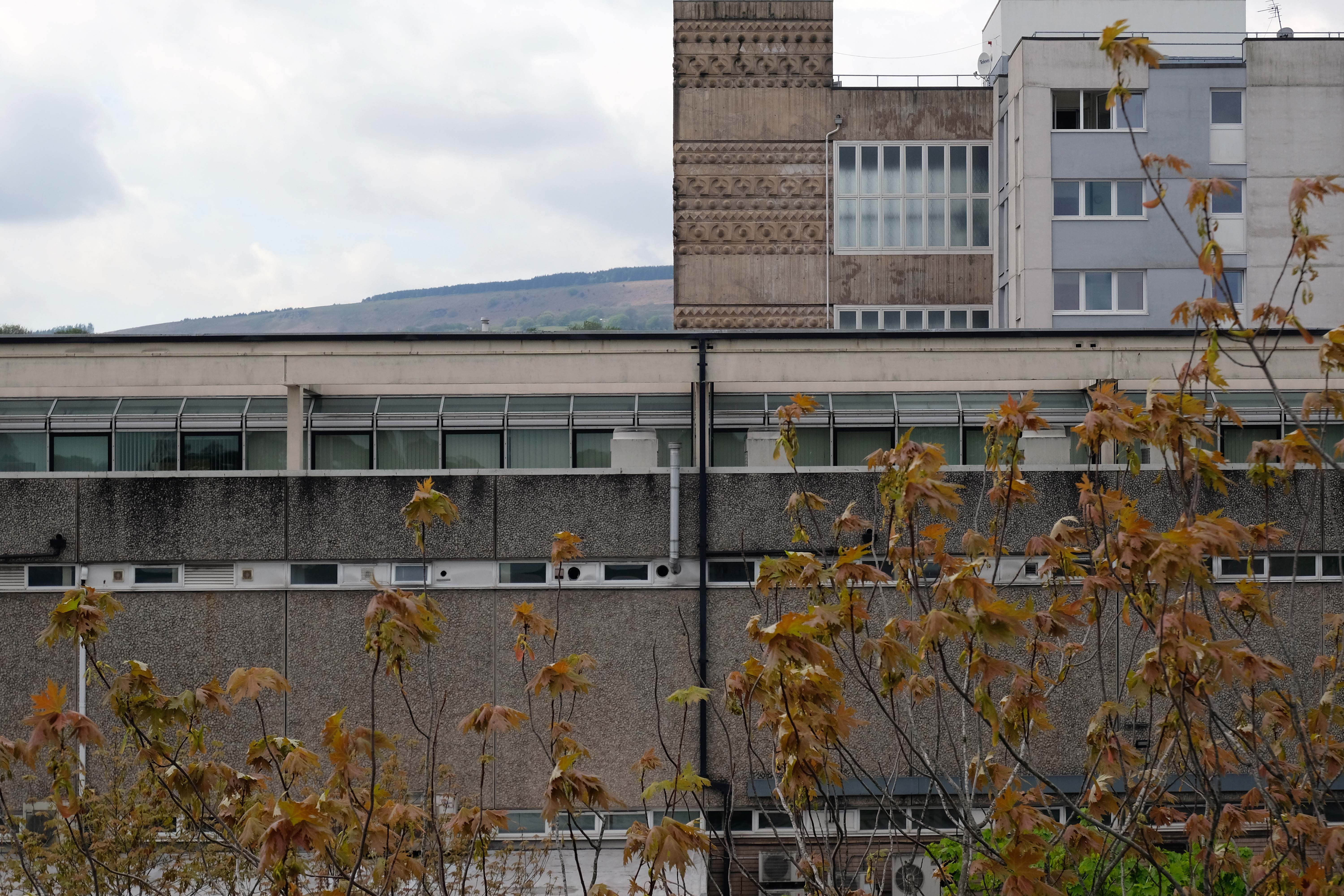
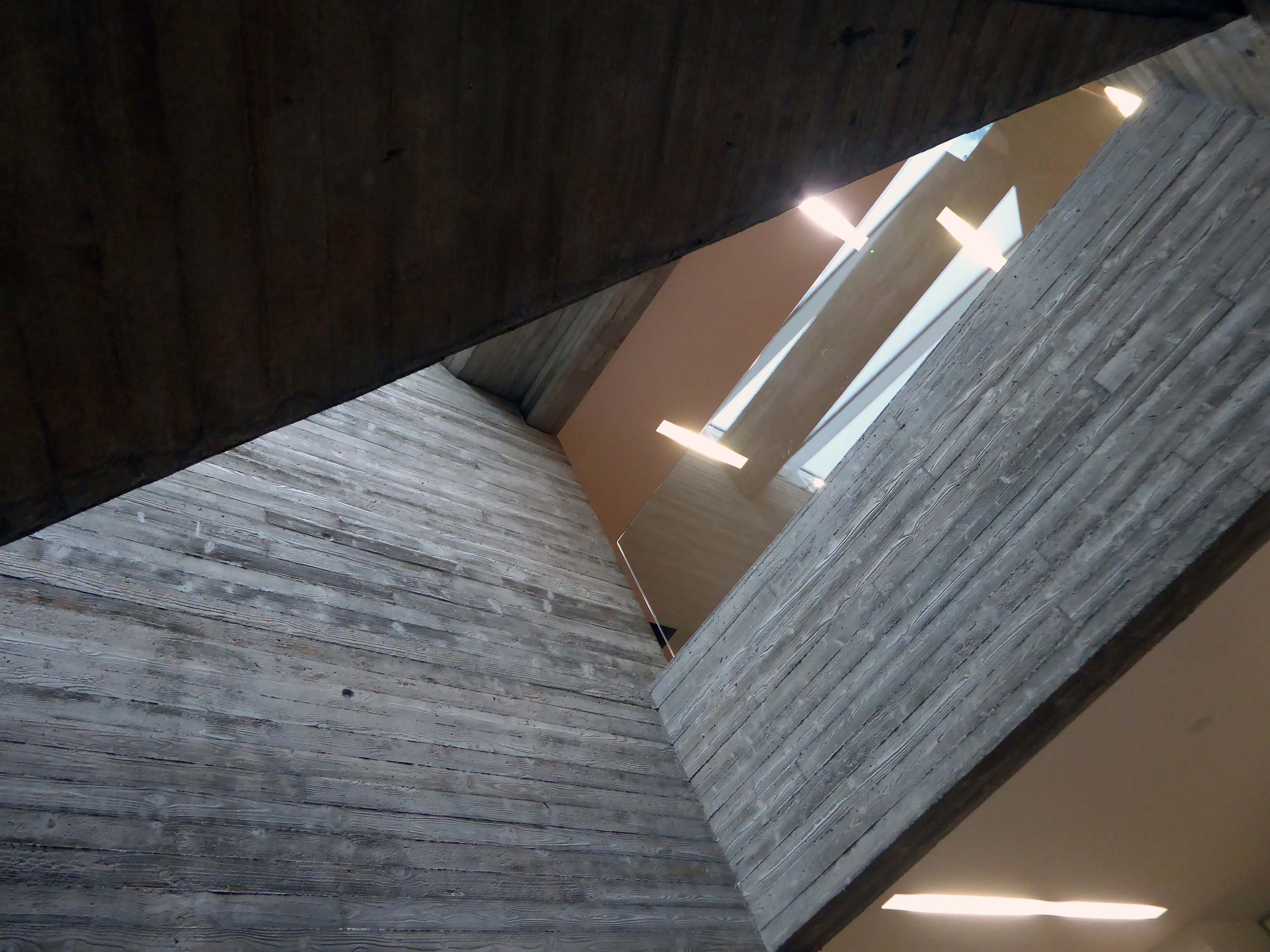
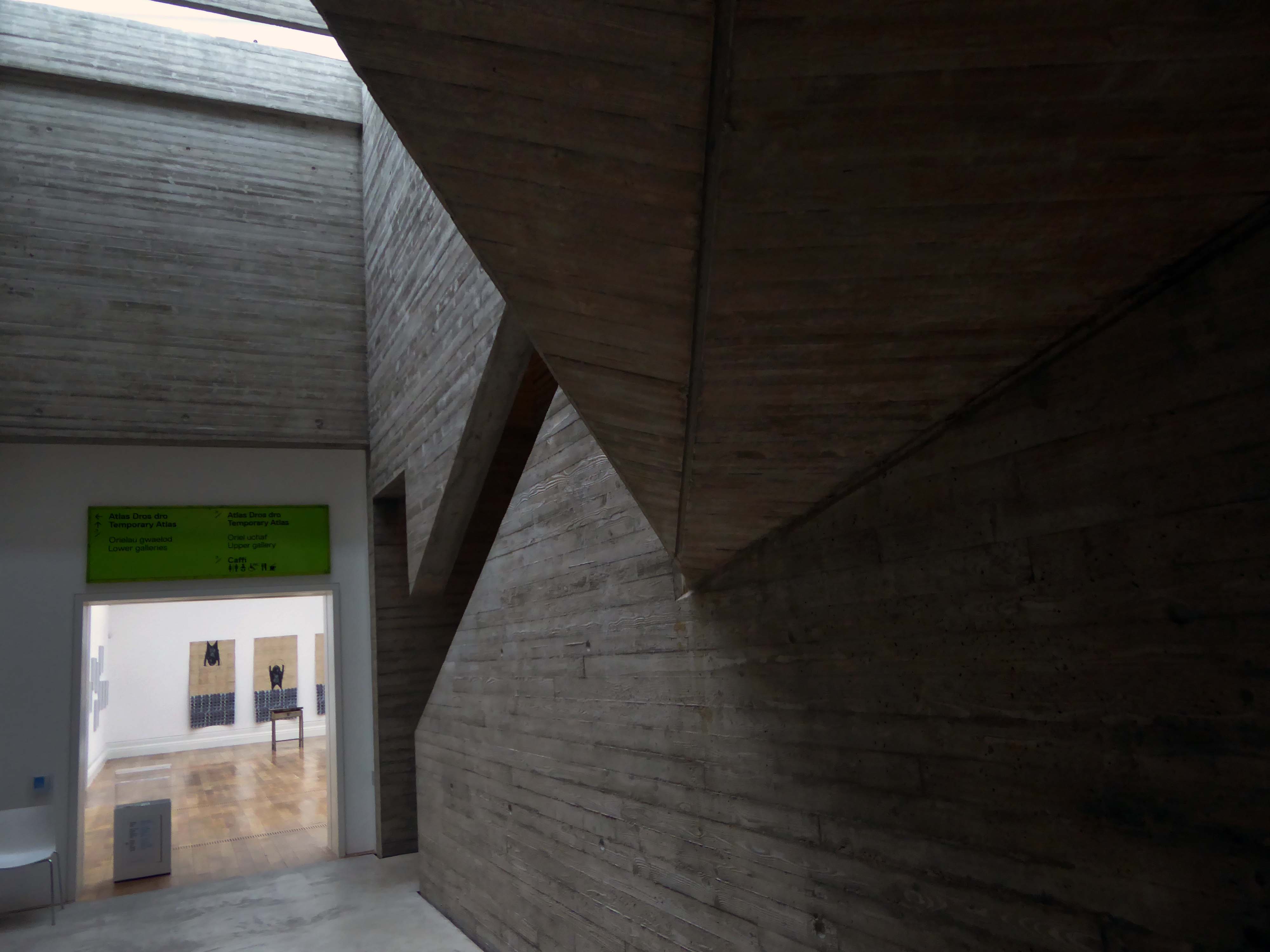
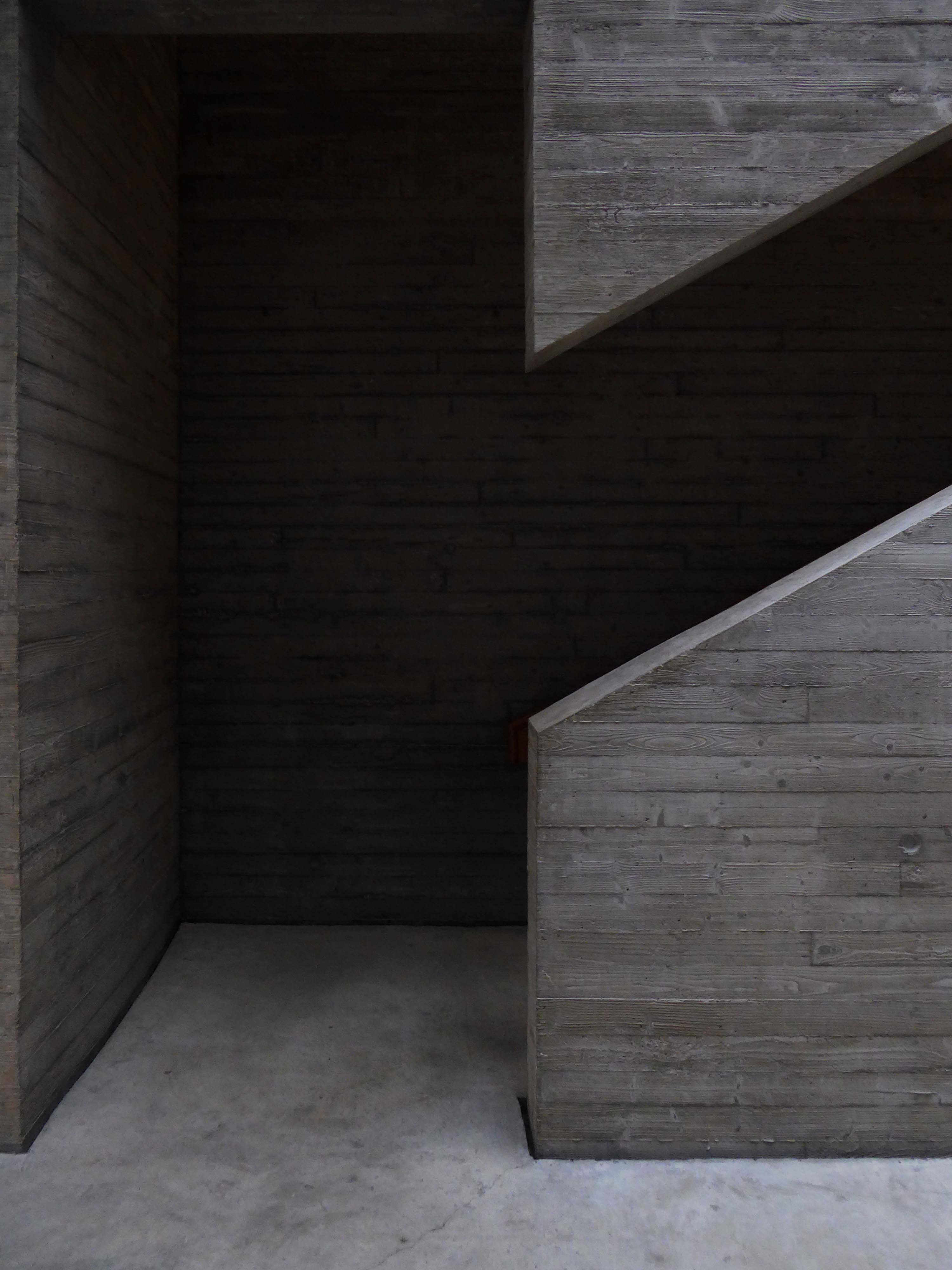
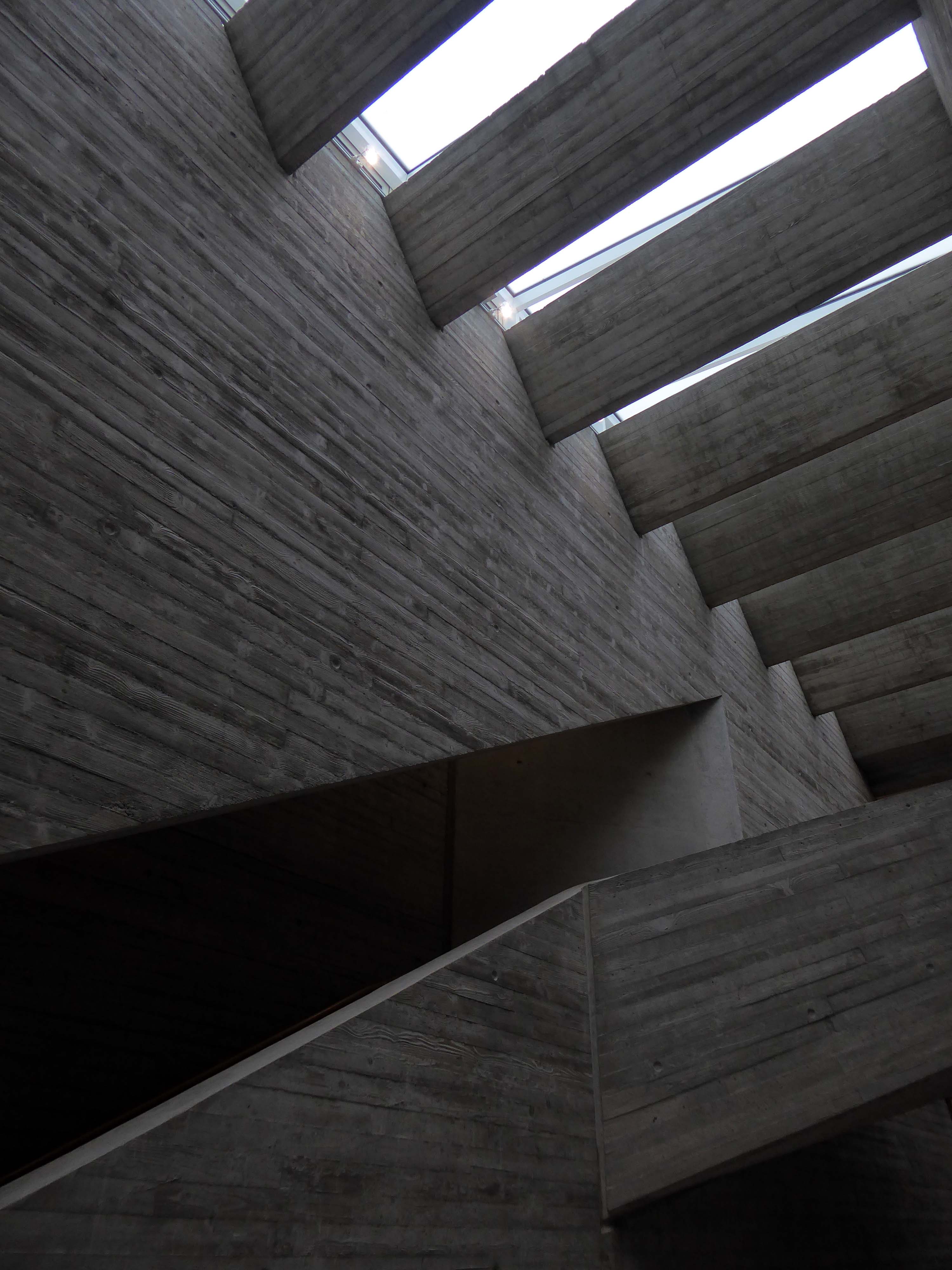
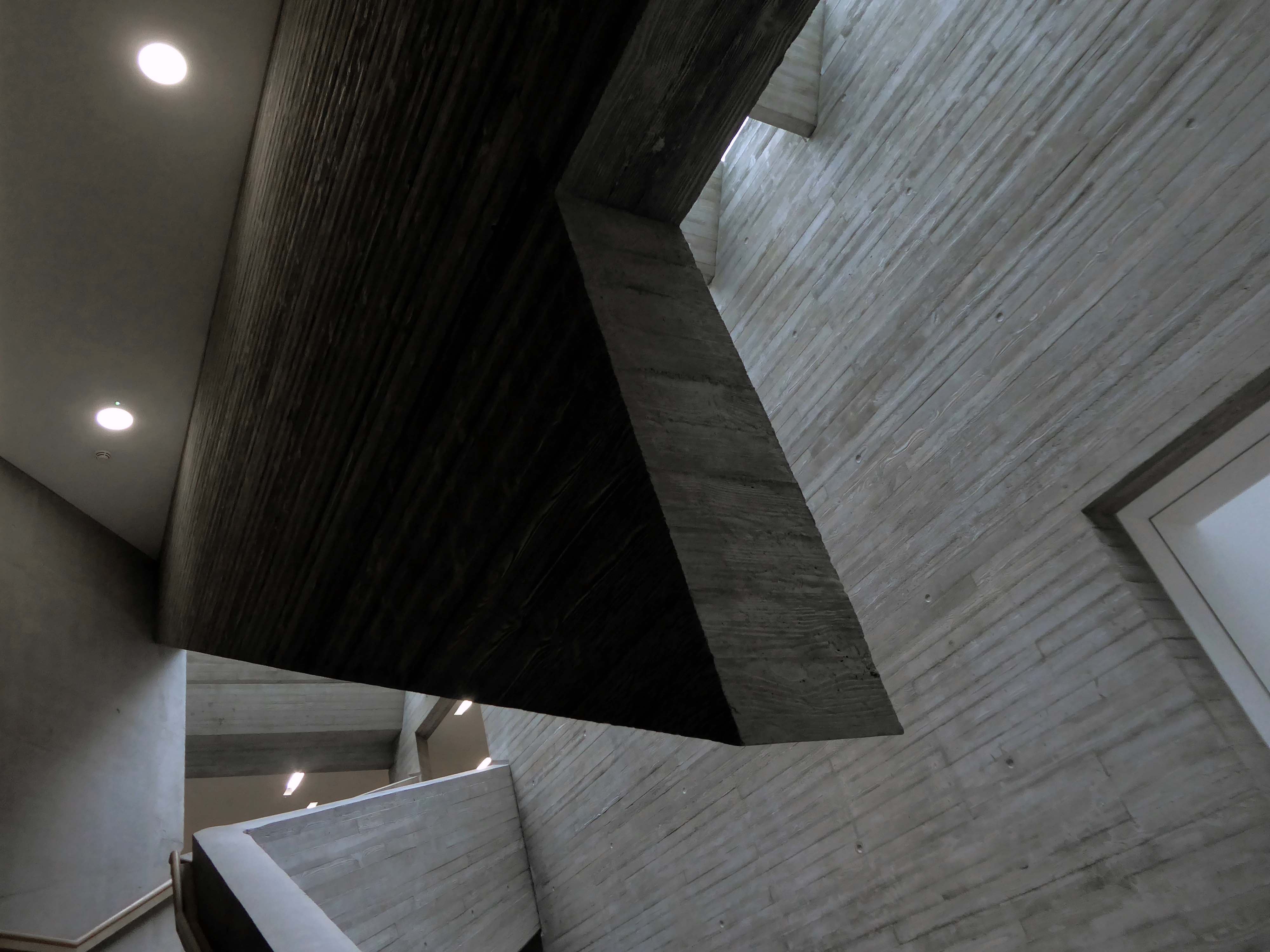
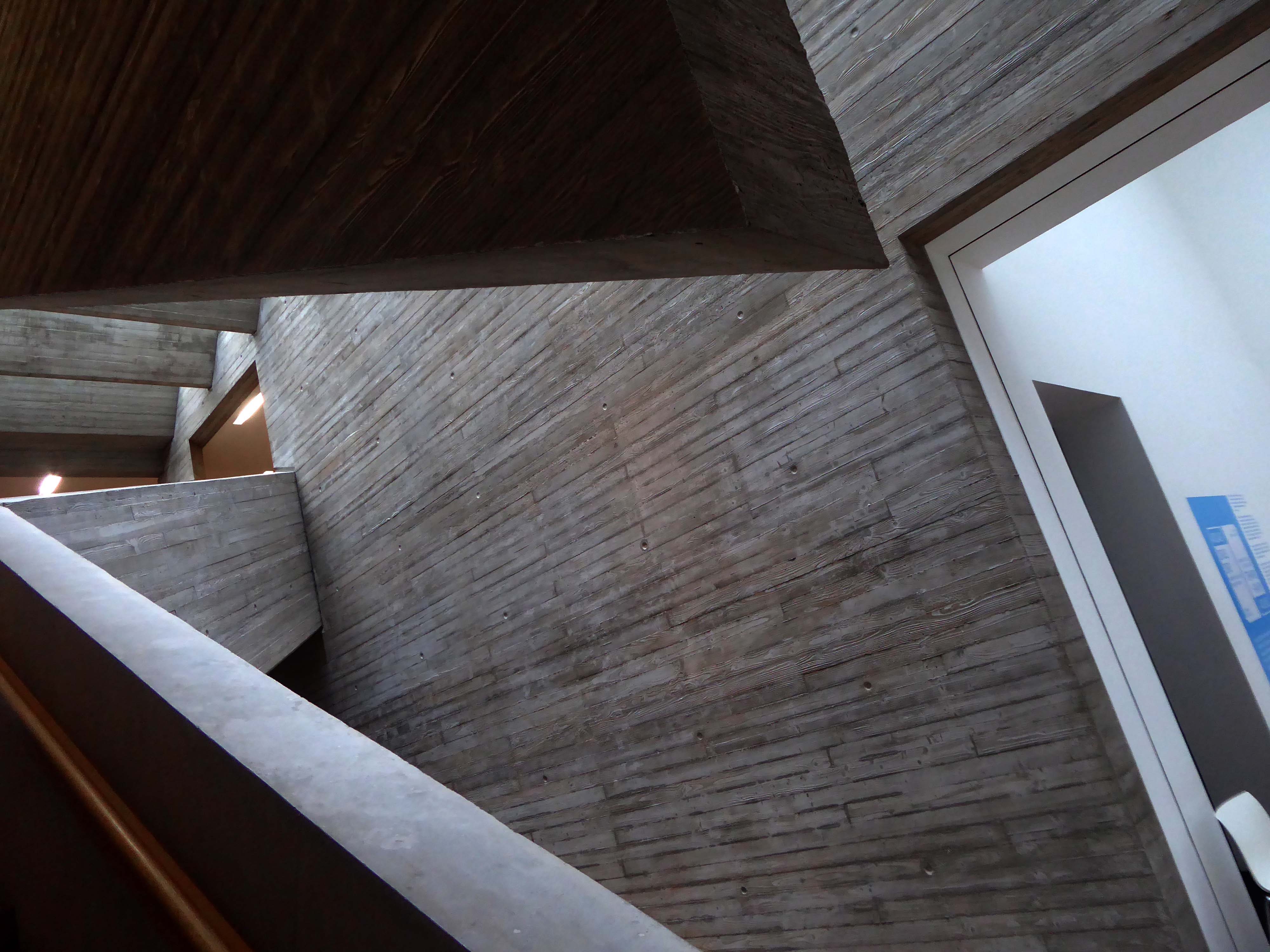
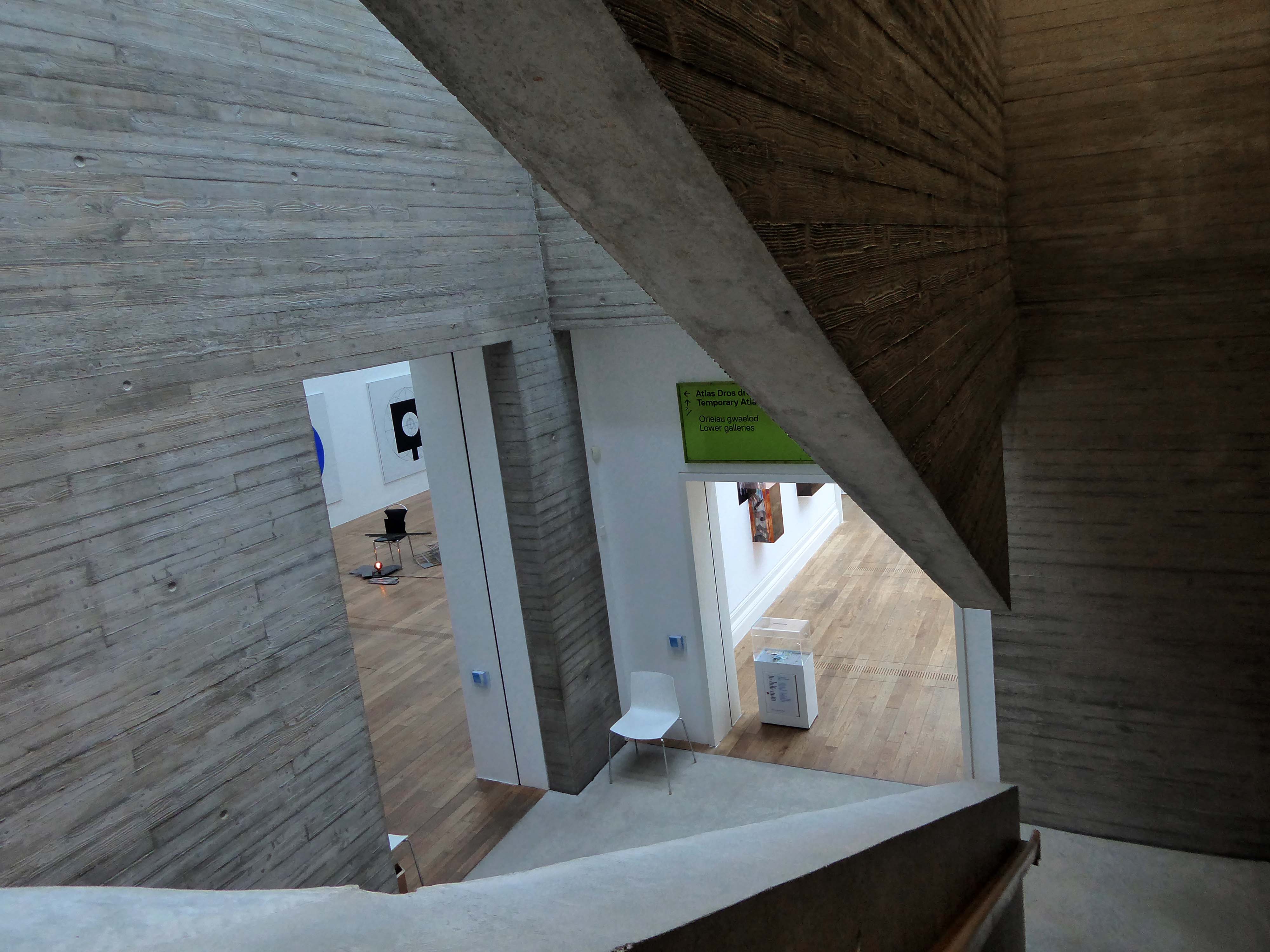
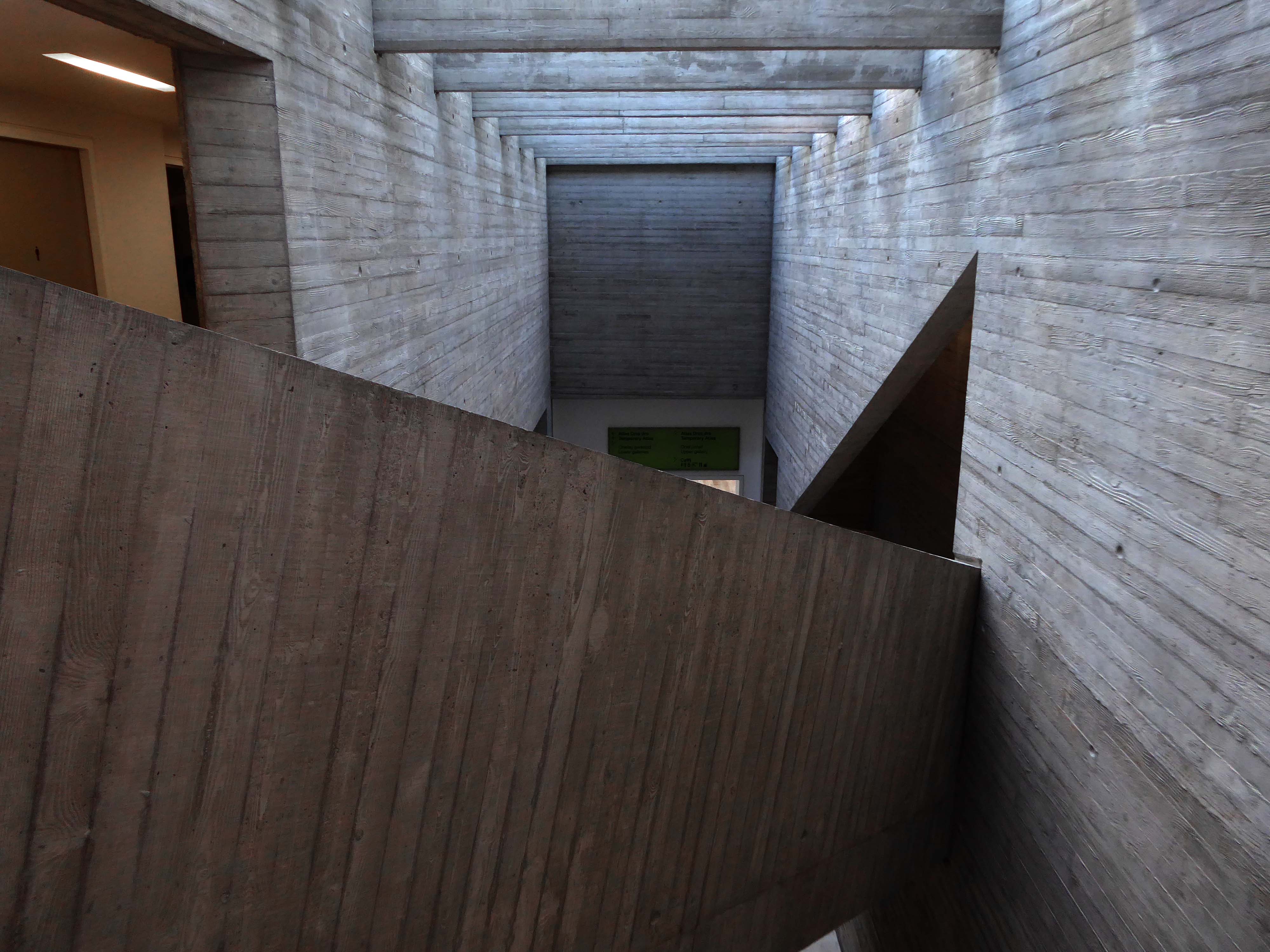
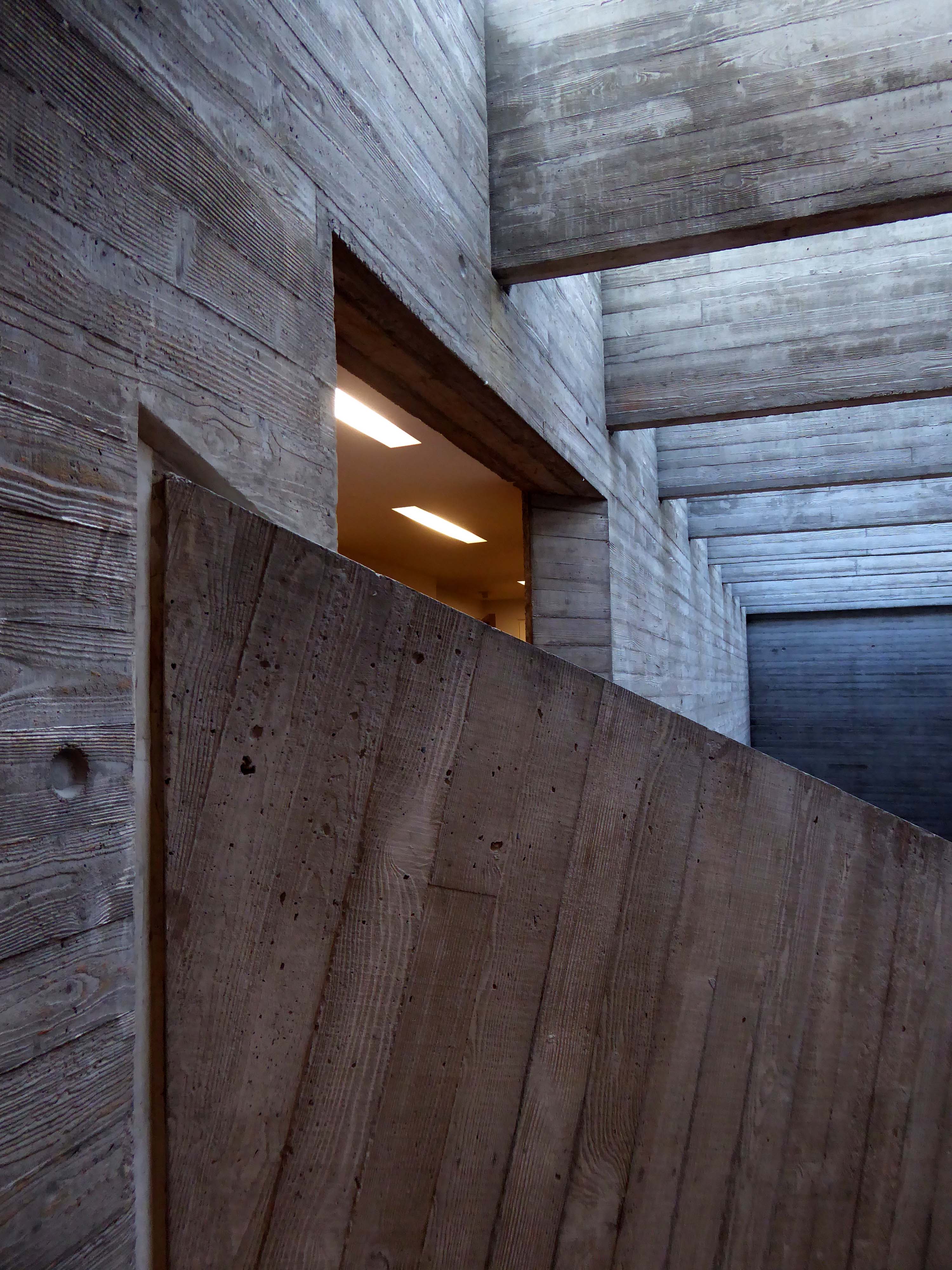
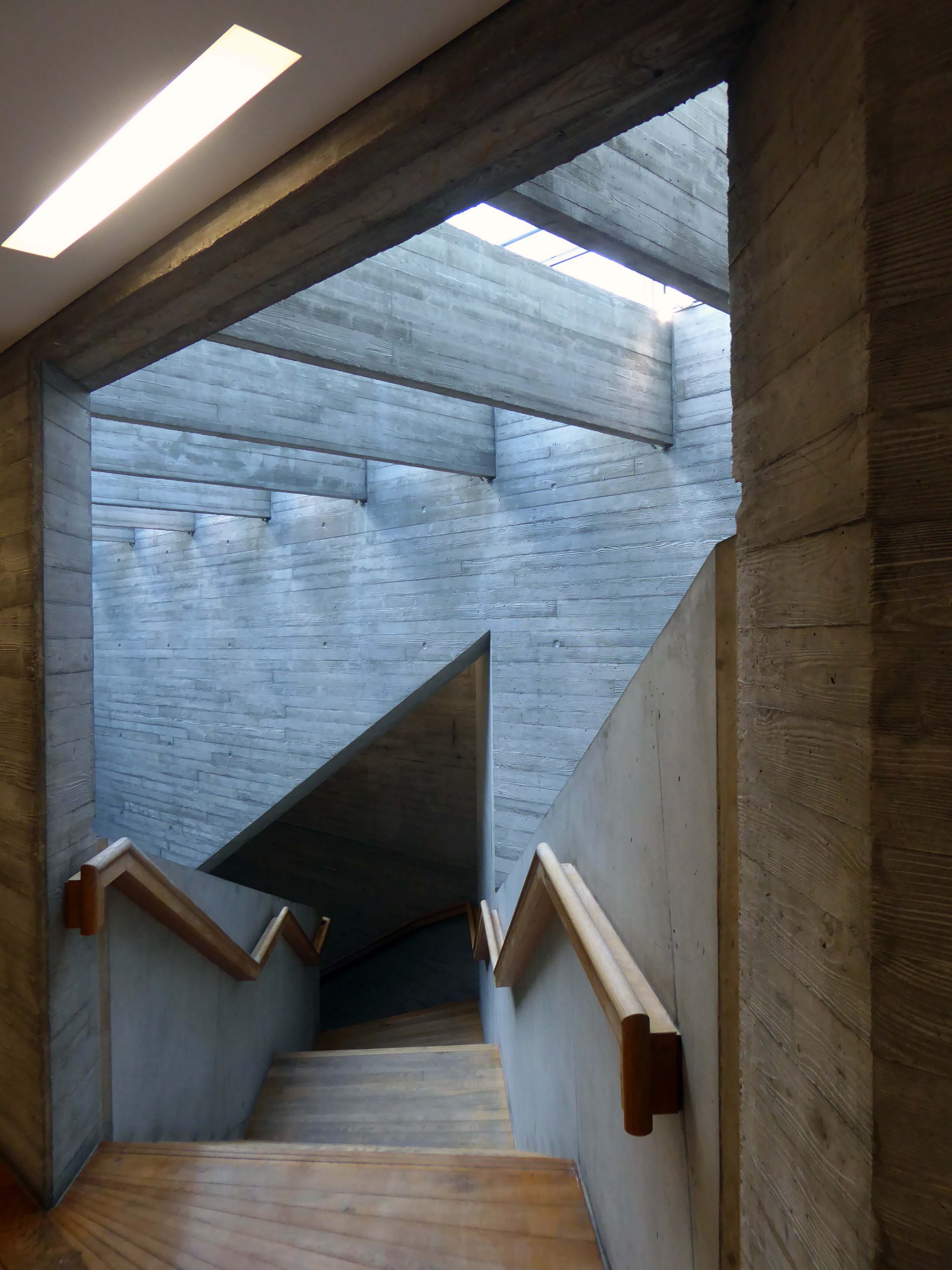
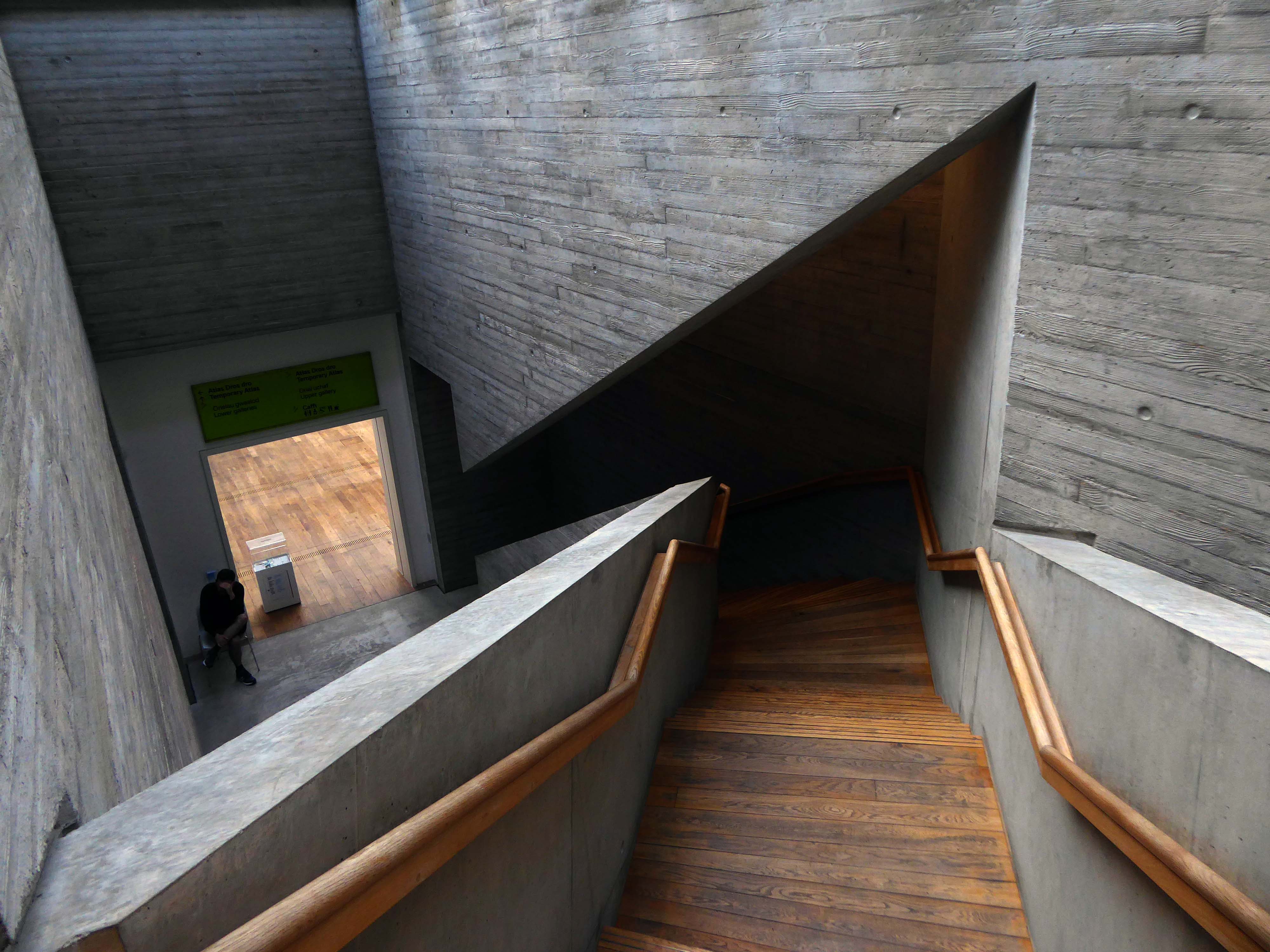
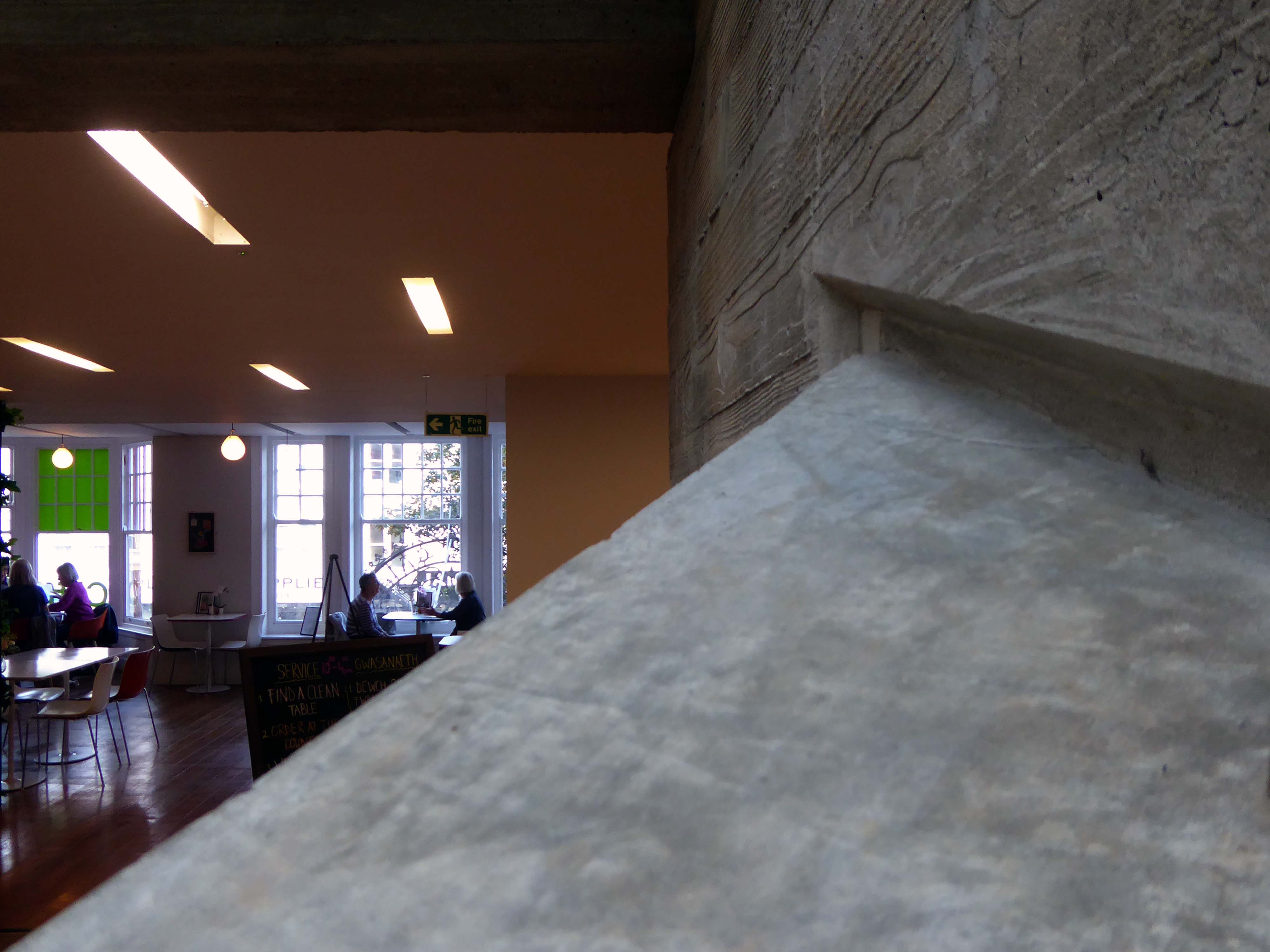
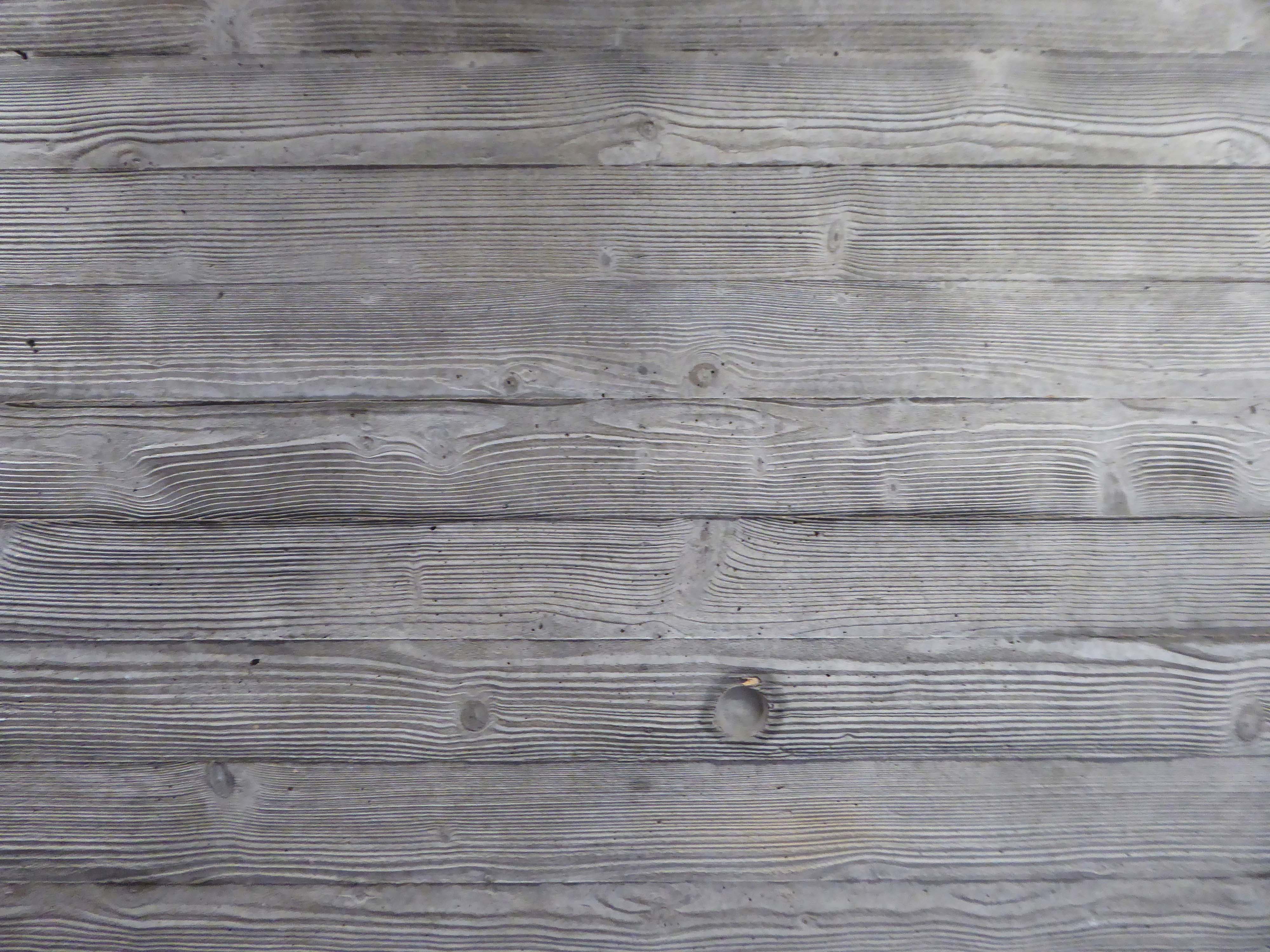
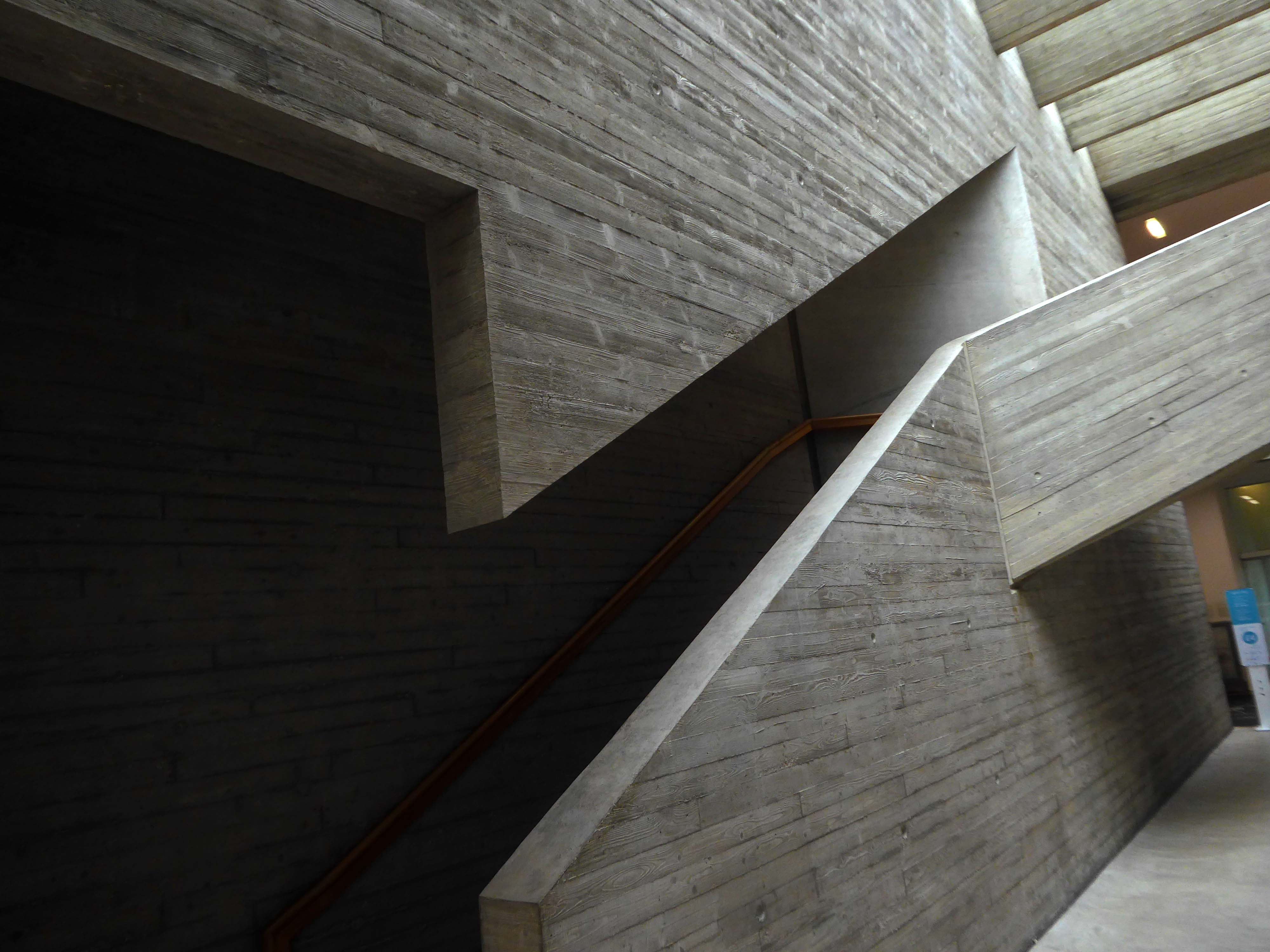
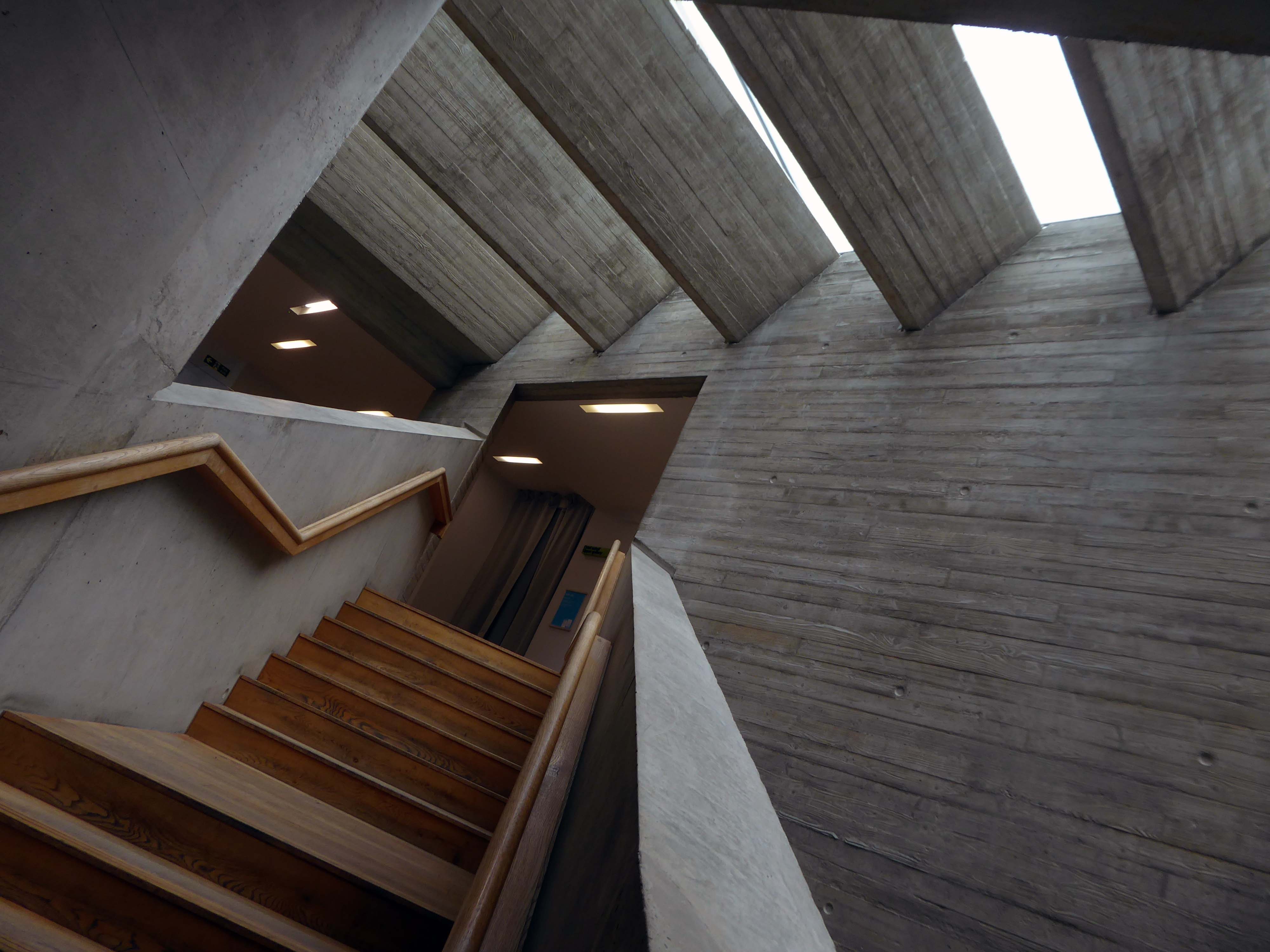
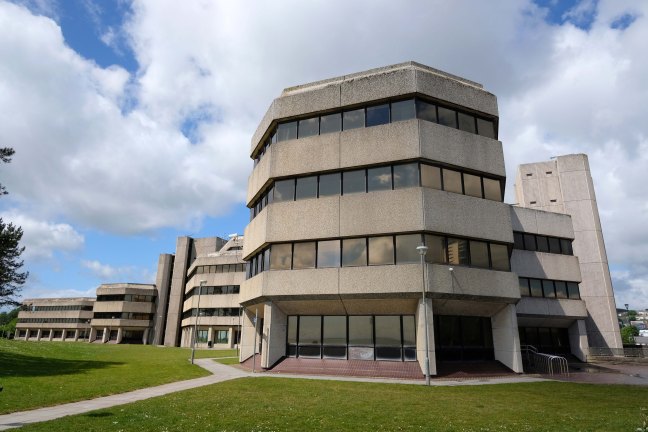
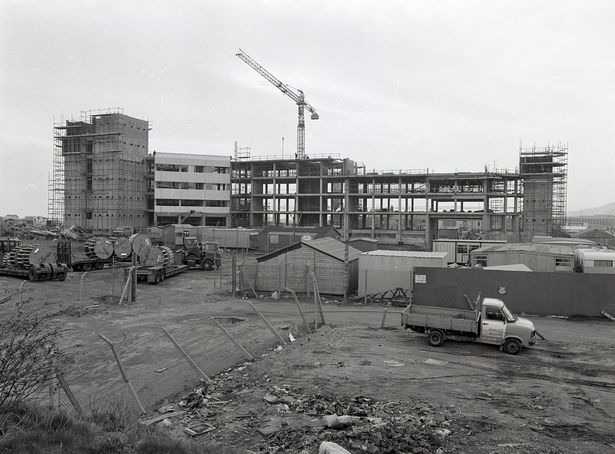
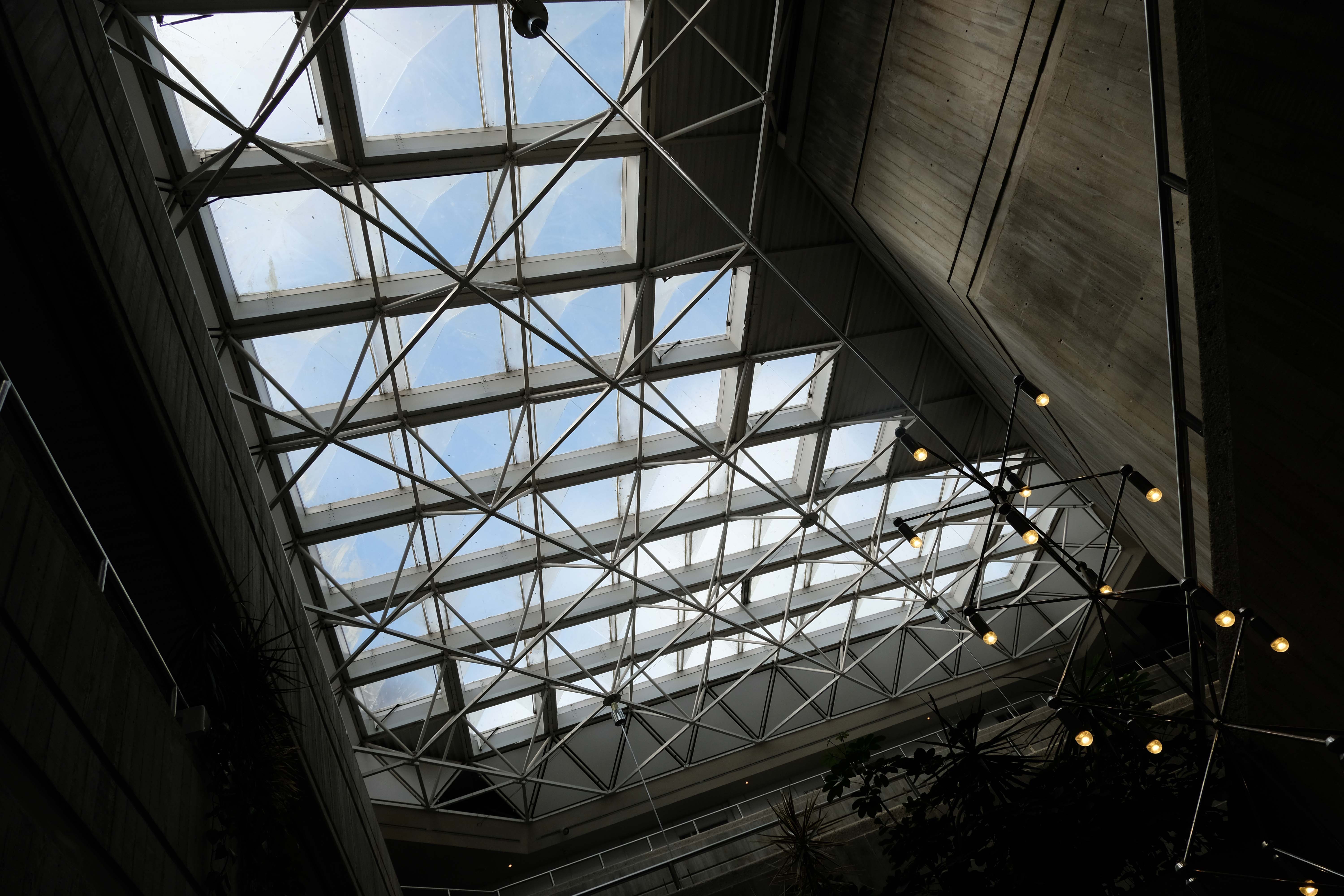
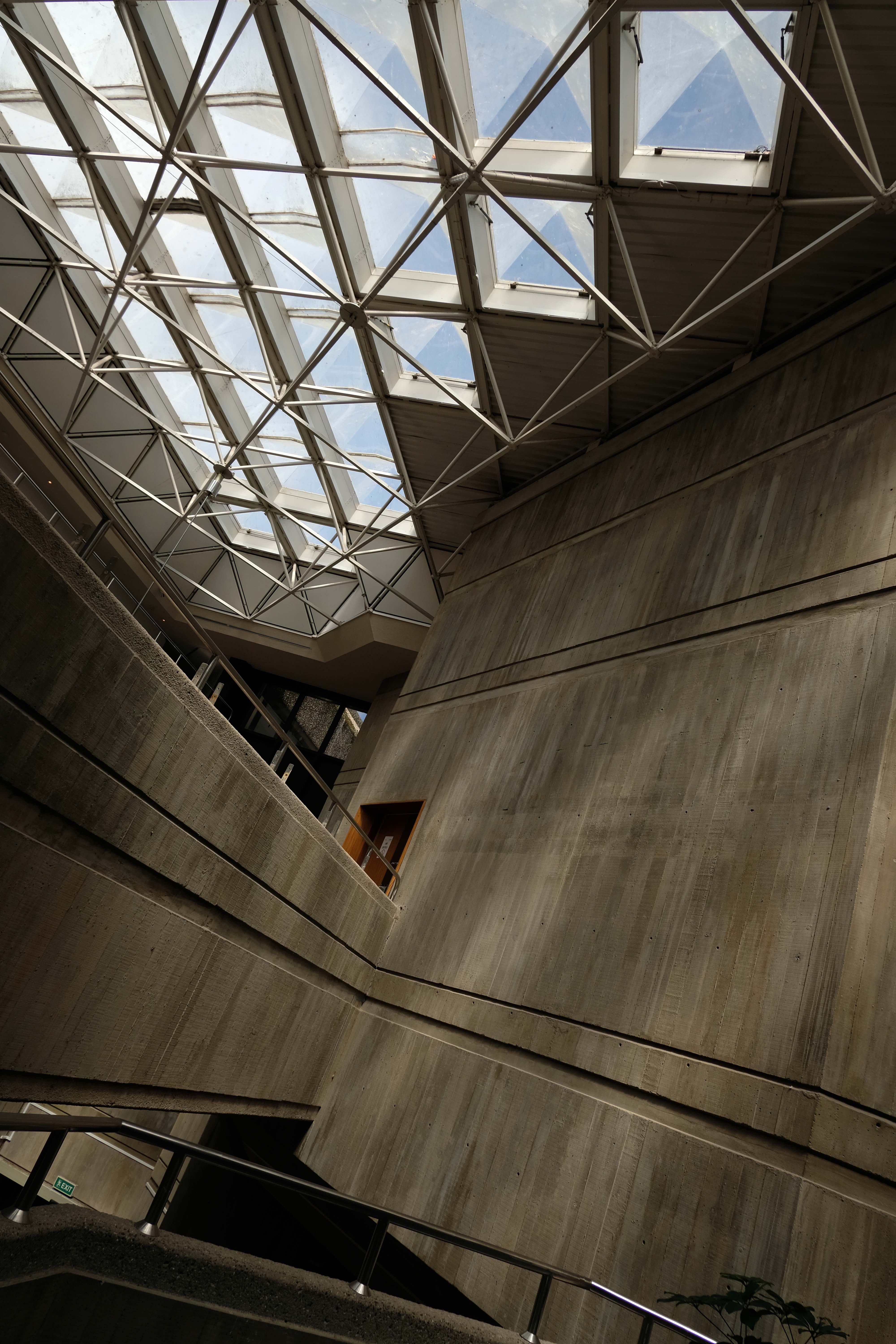
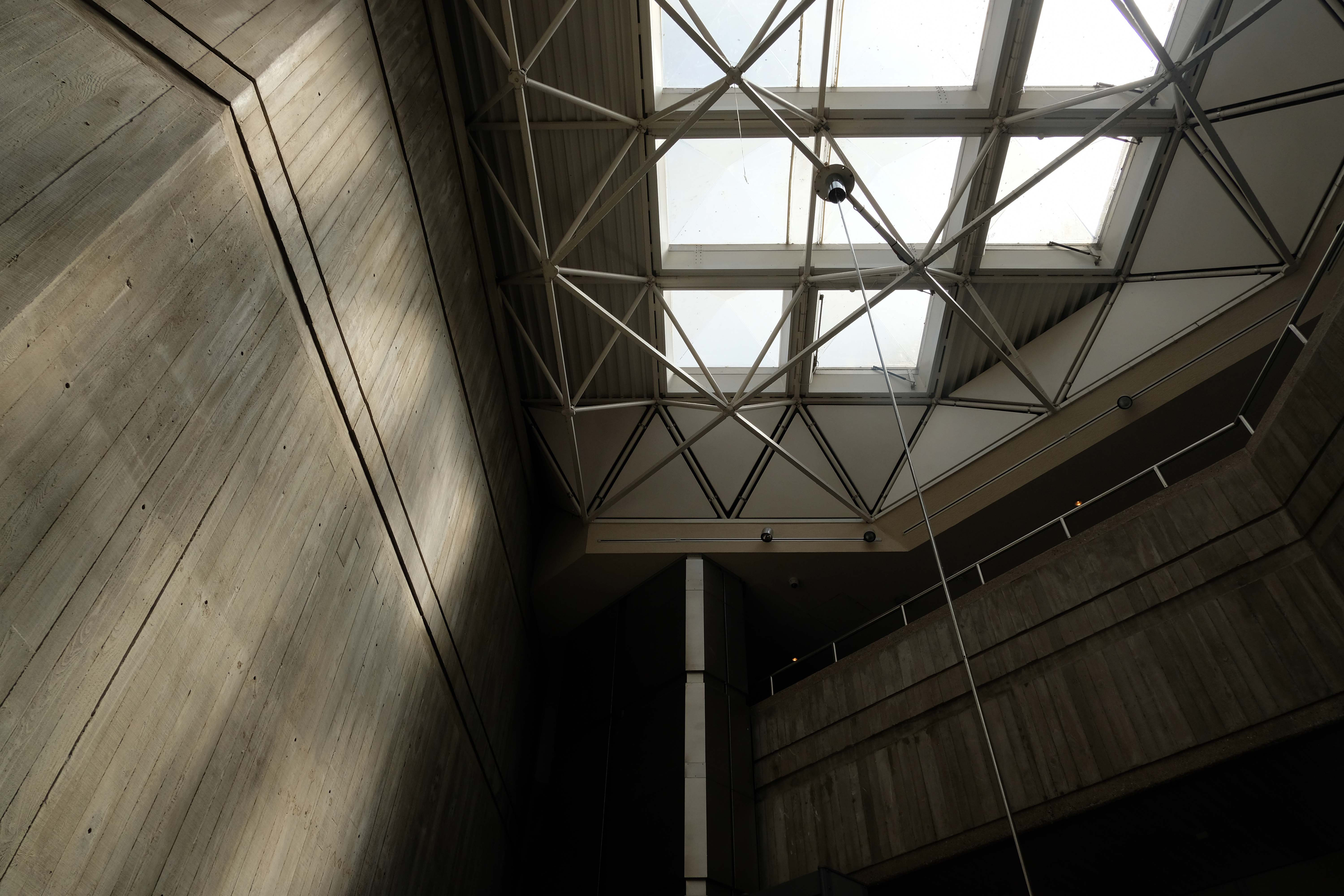
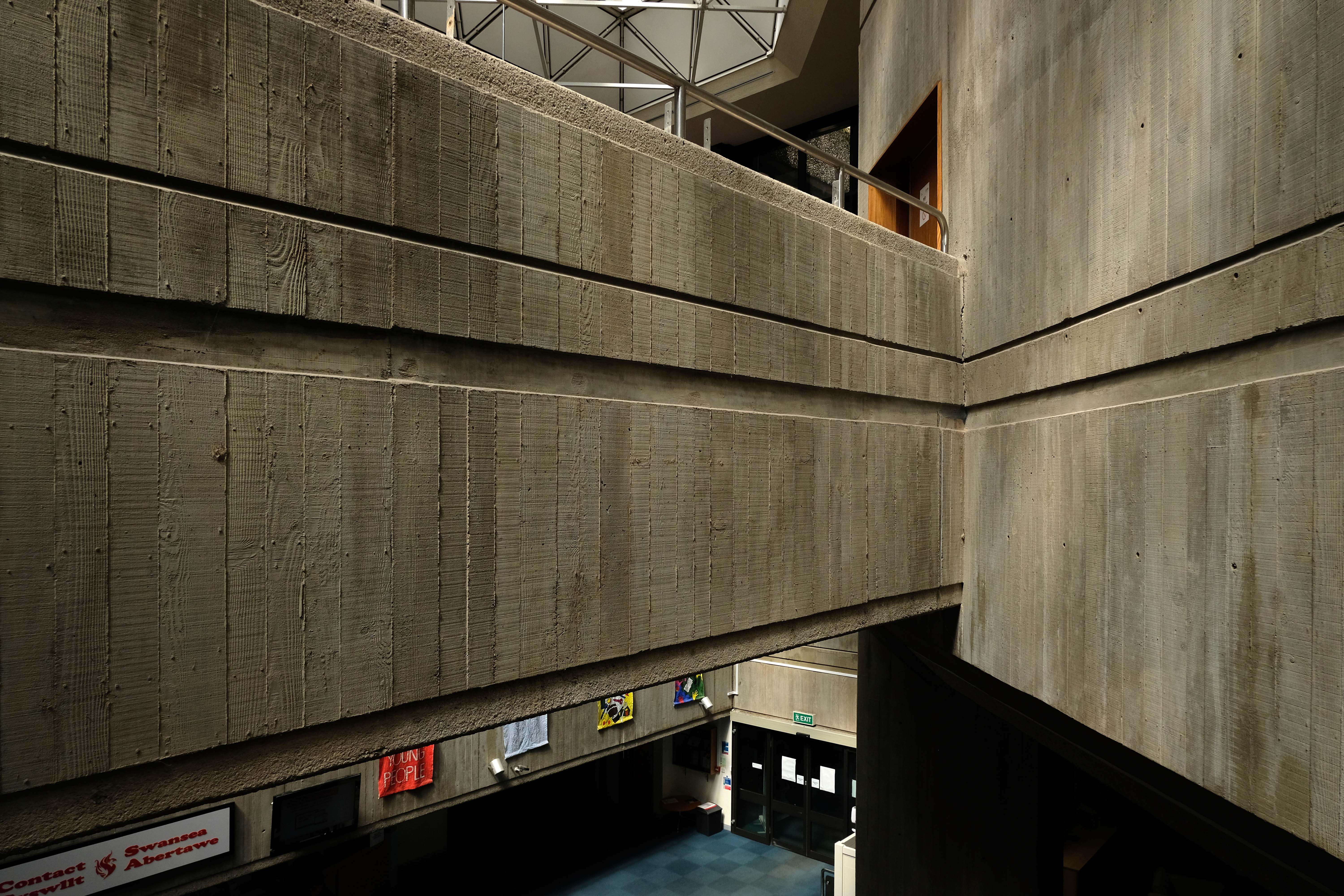
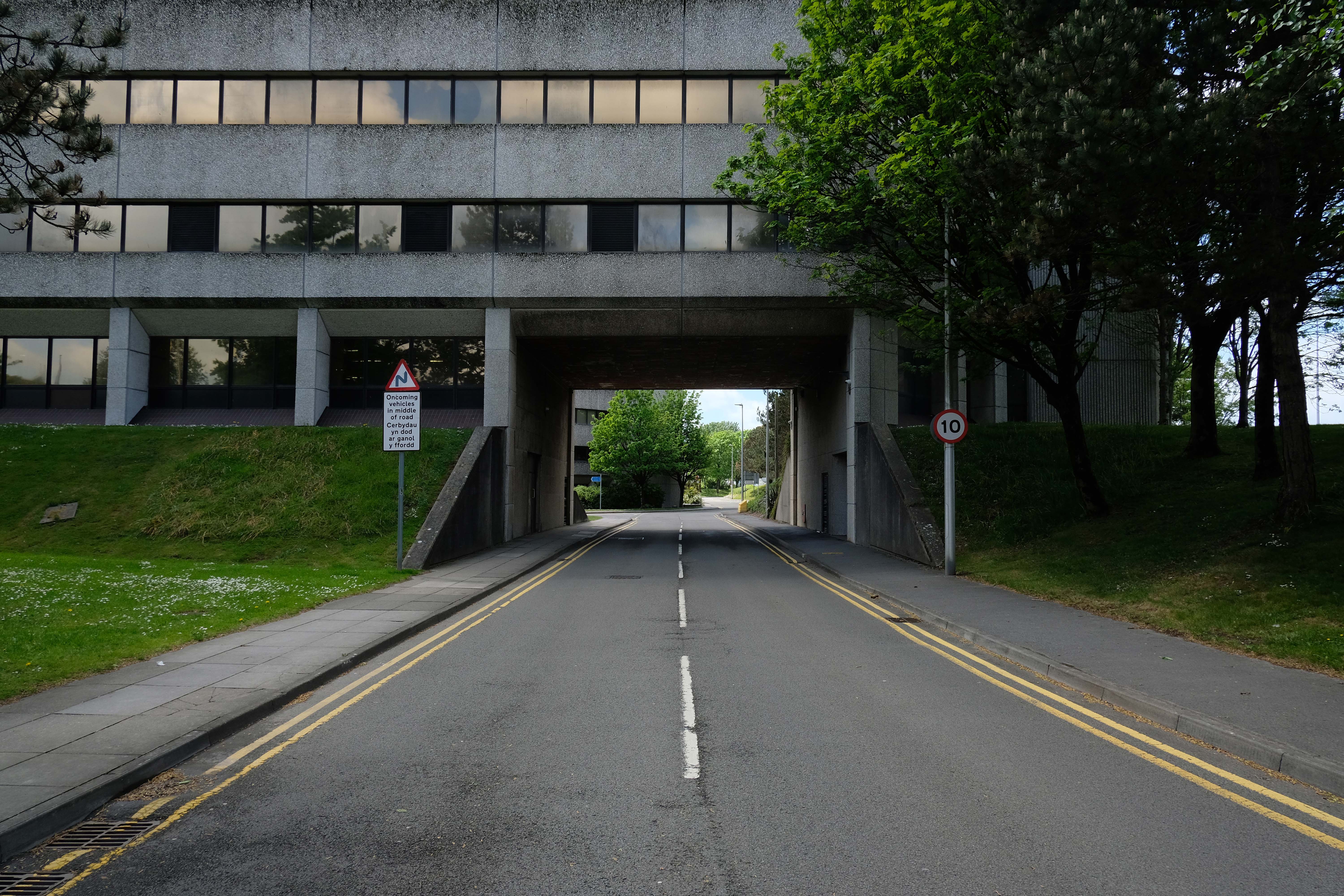
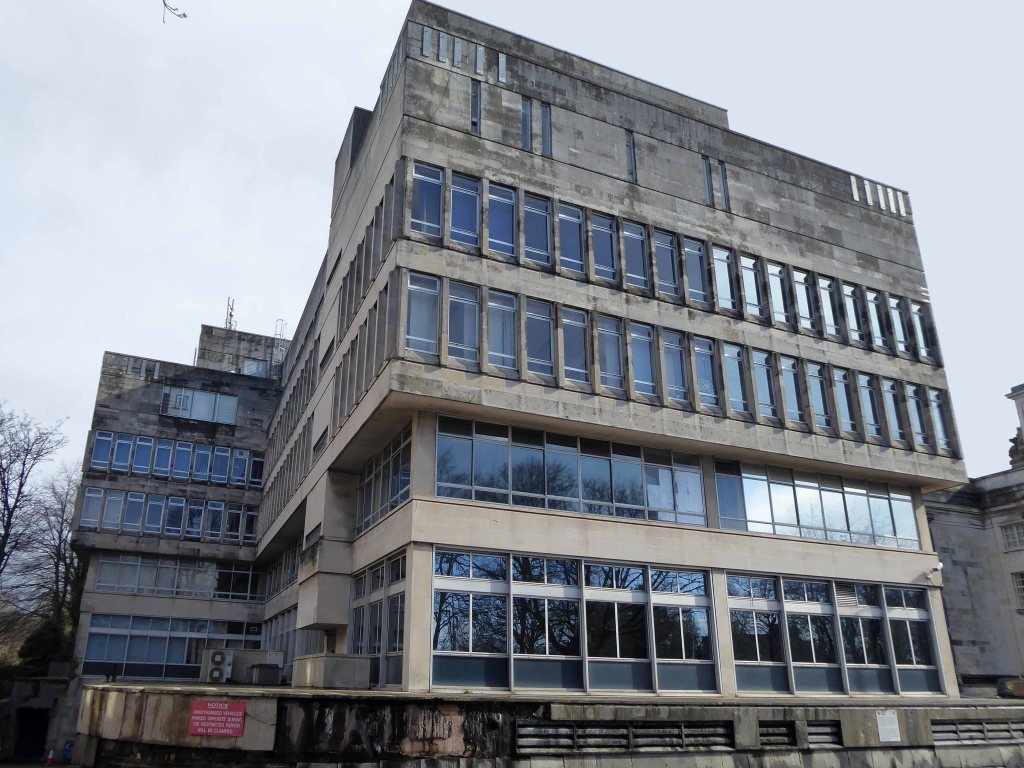
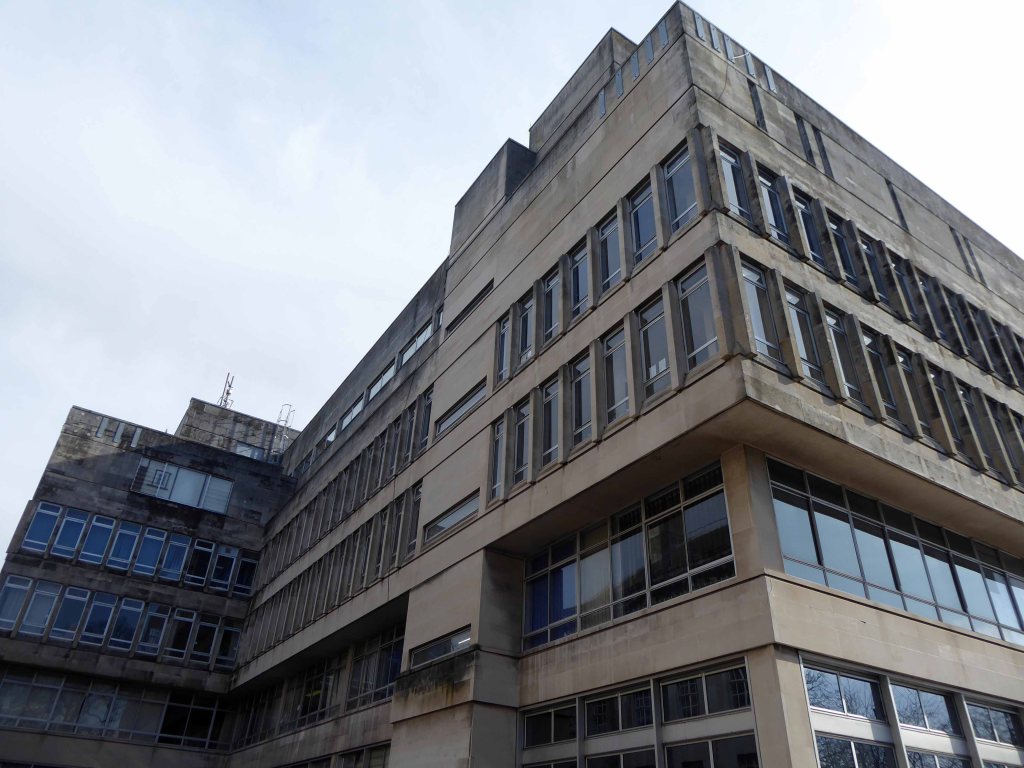
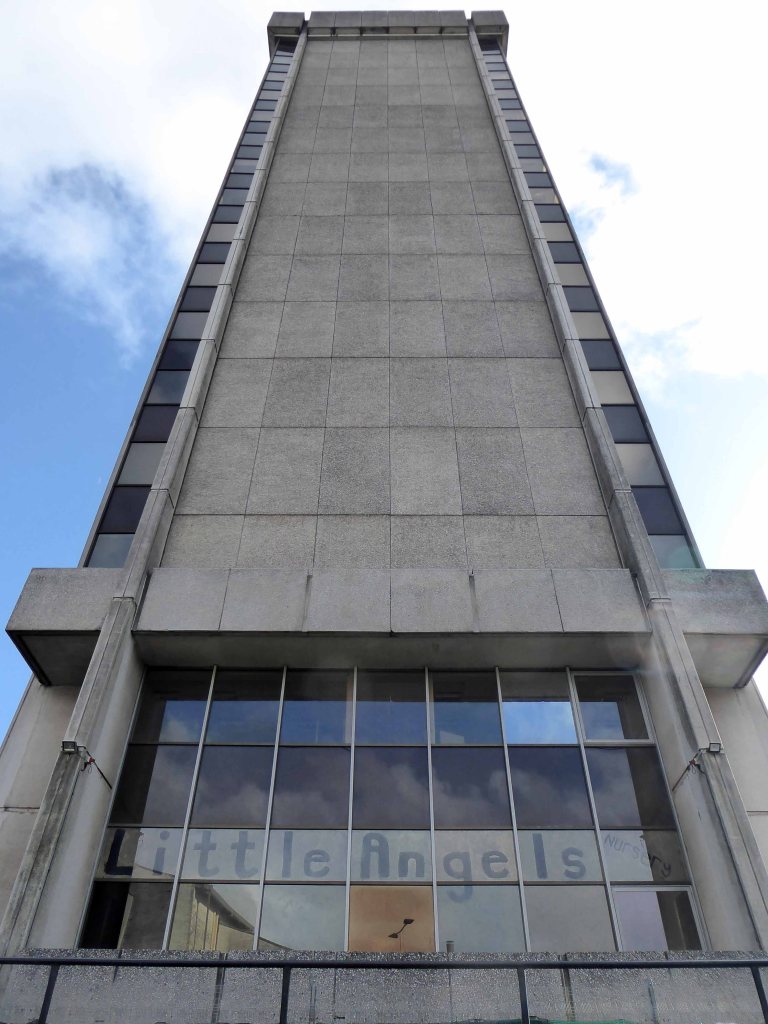
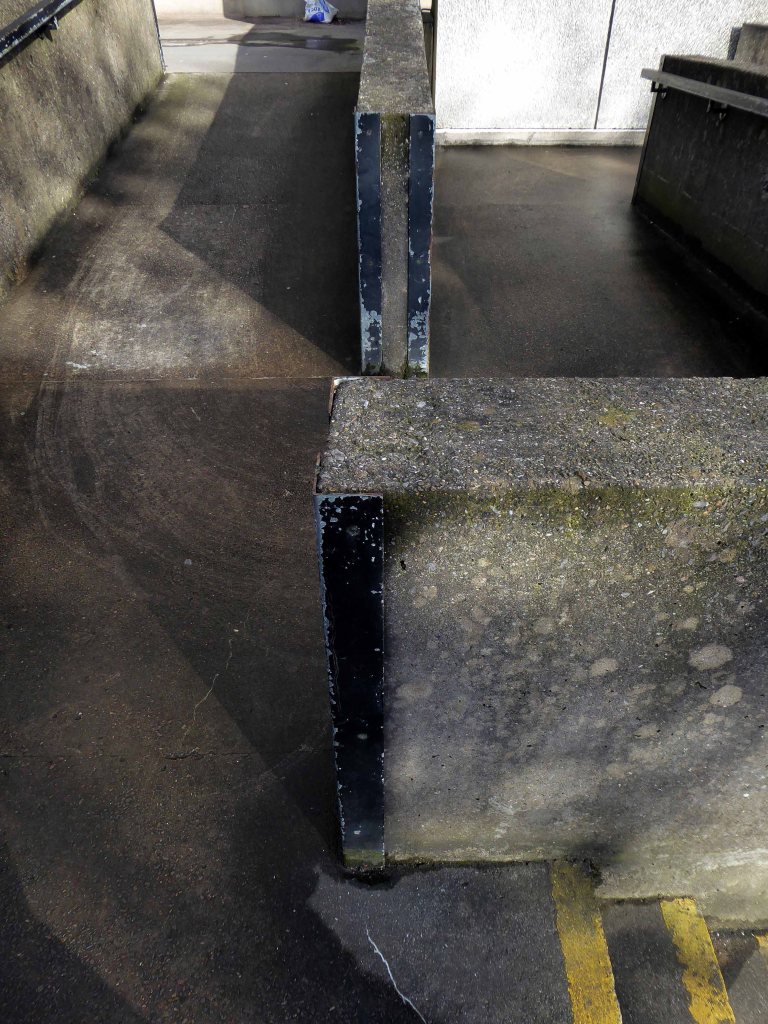
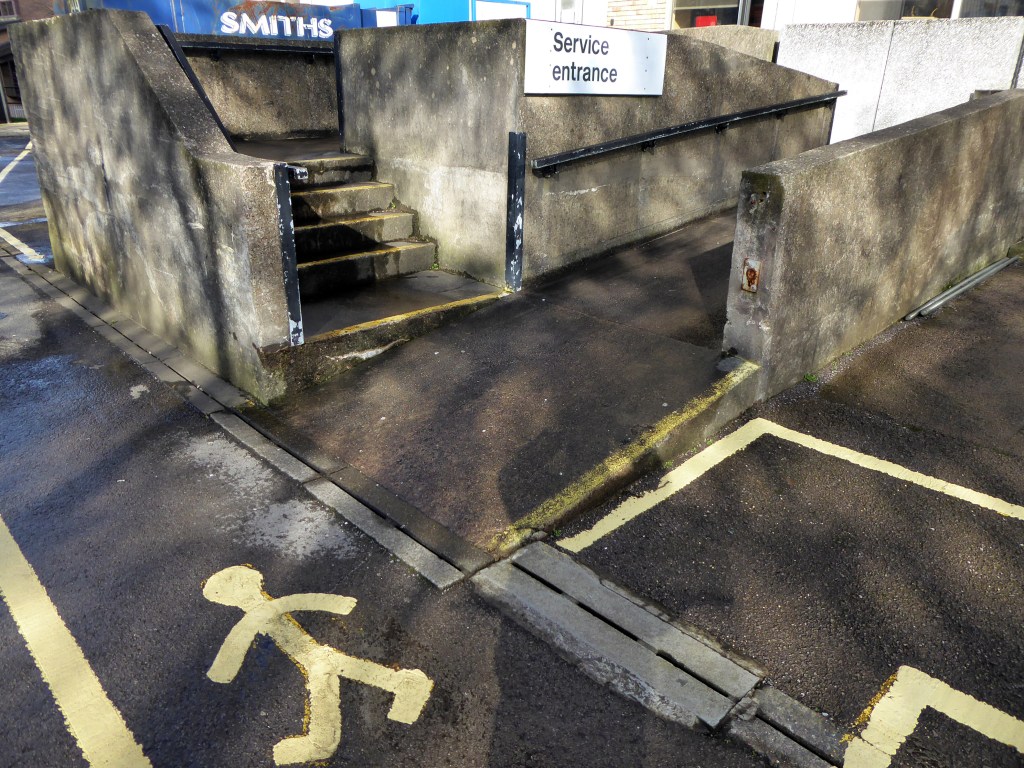
Architects: J Webb as County Architect and CW Quick as the job architectof the West Glamorgan County Architects Department 1982
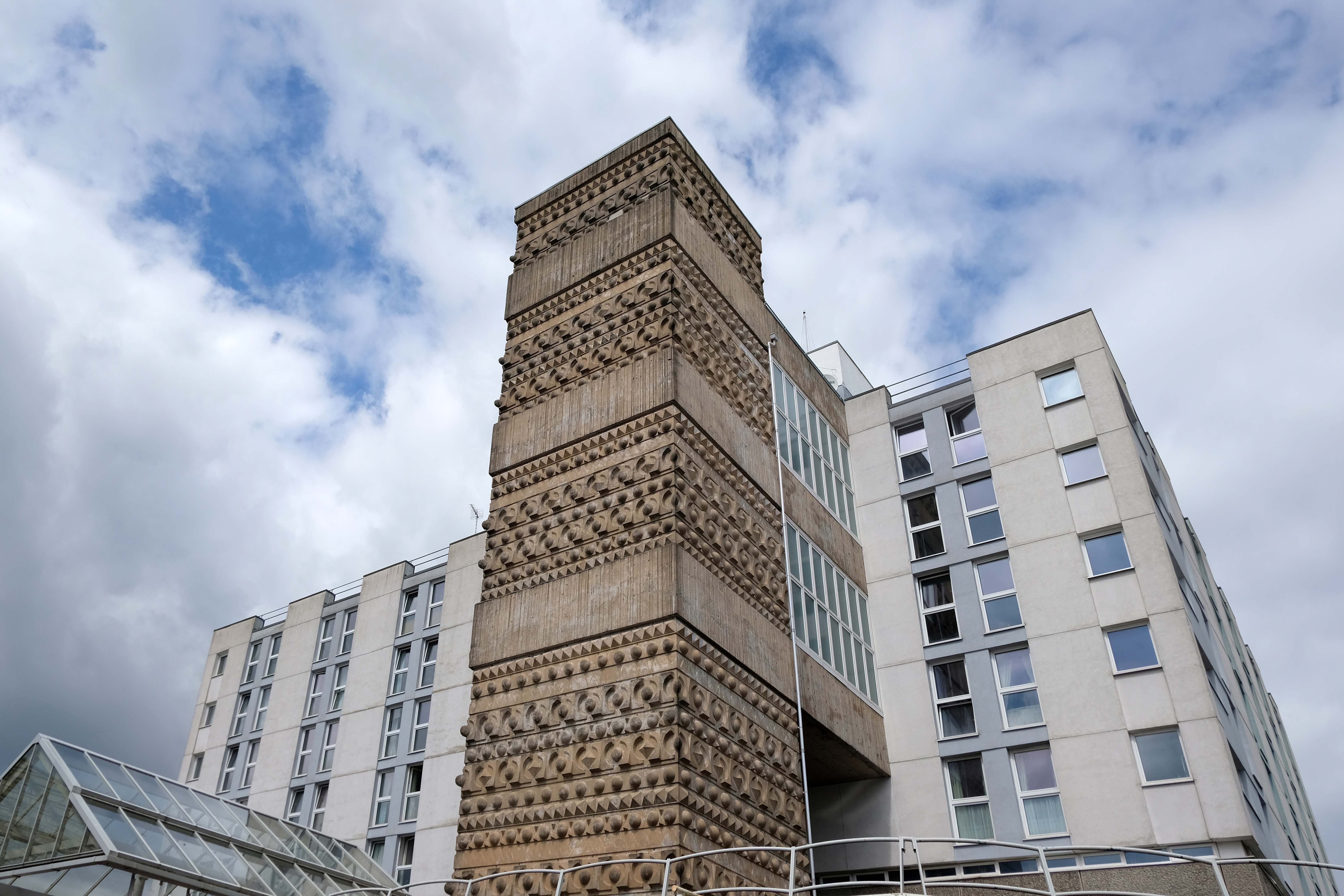
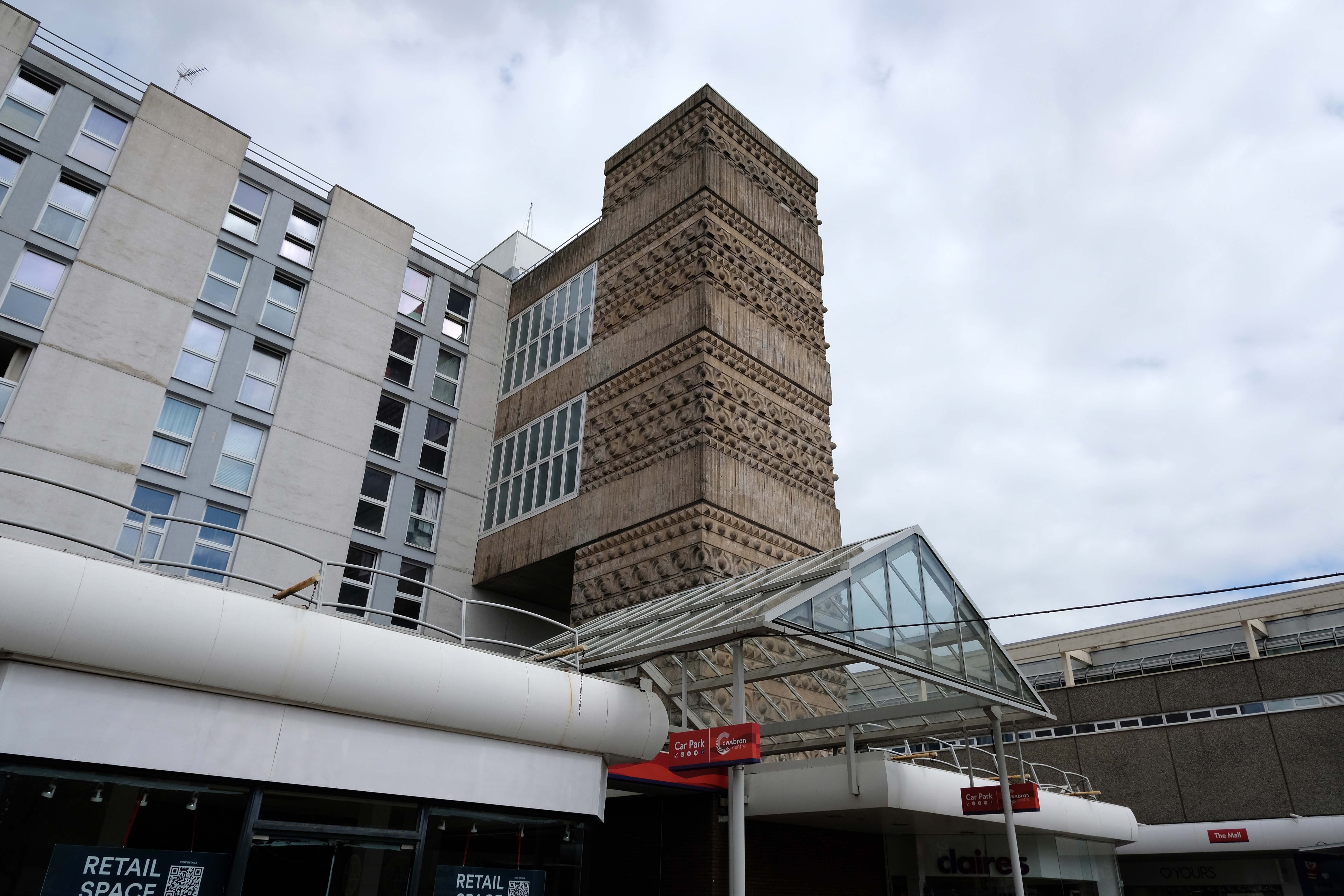
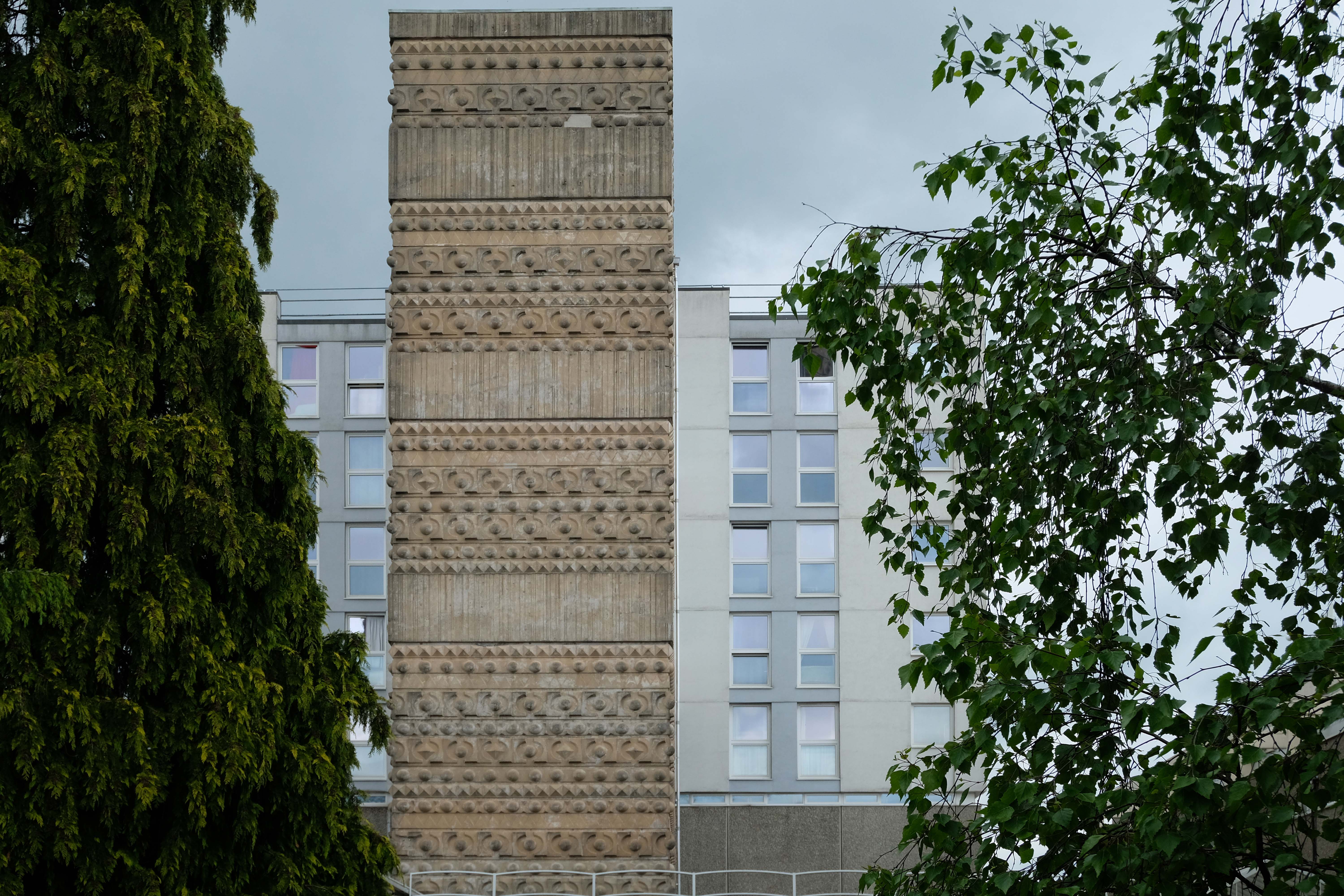
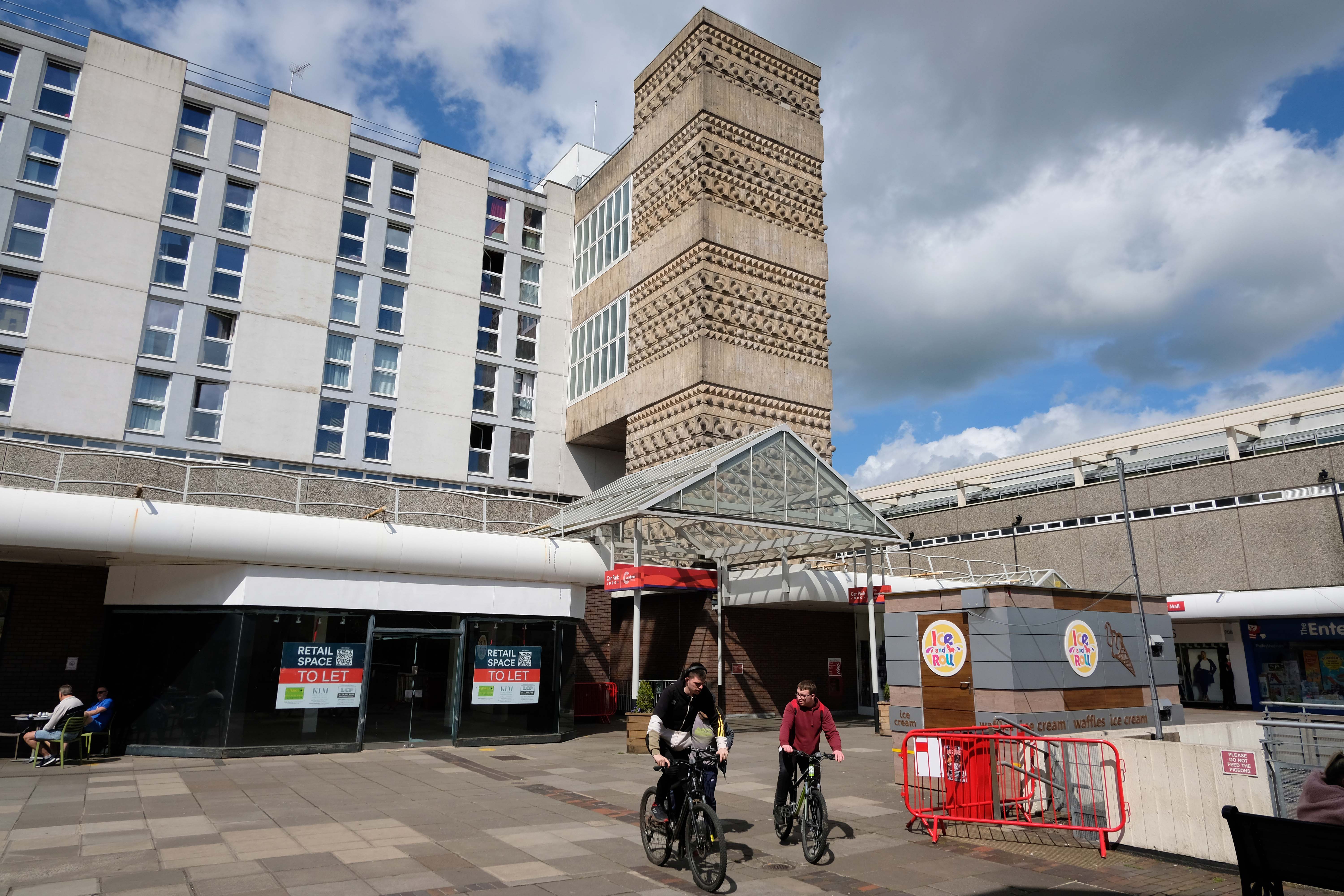
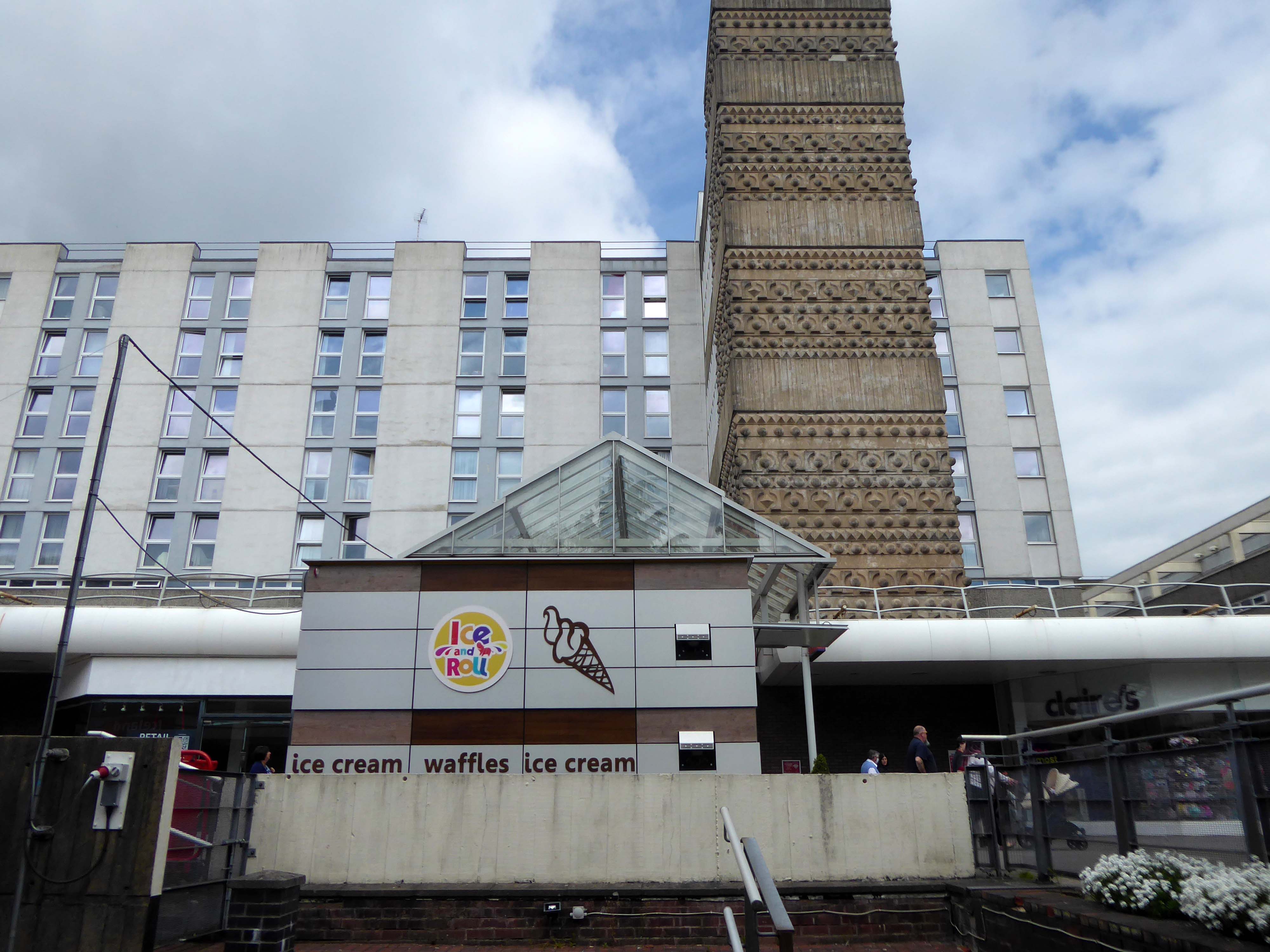
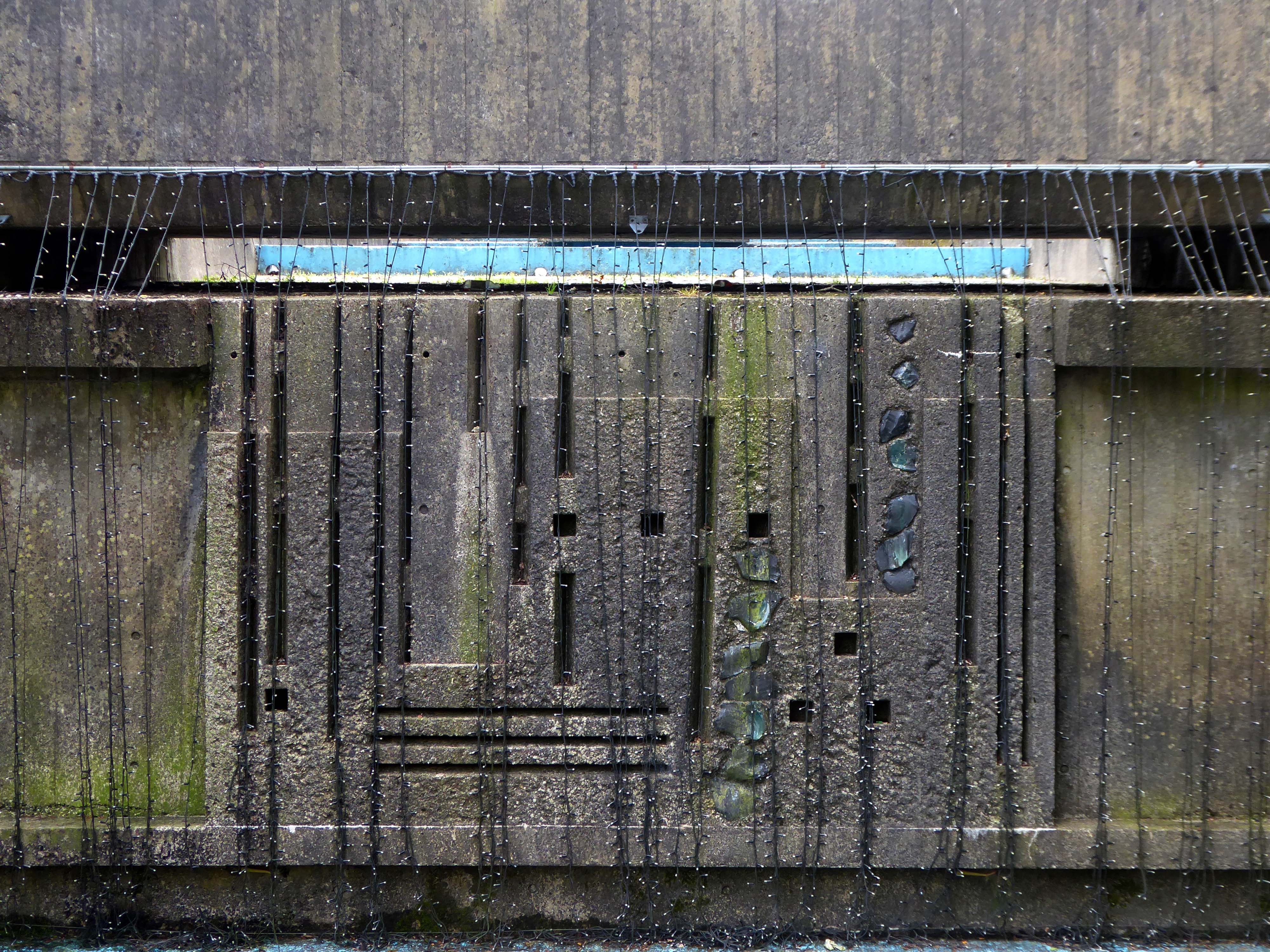
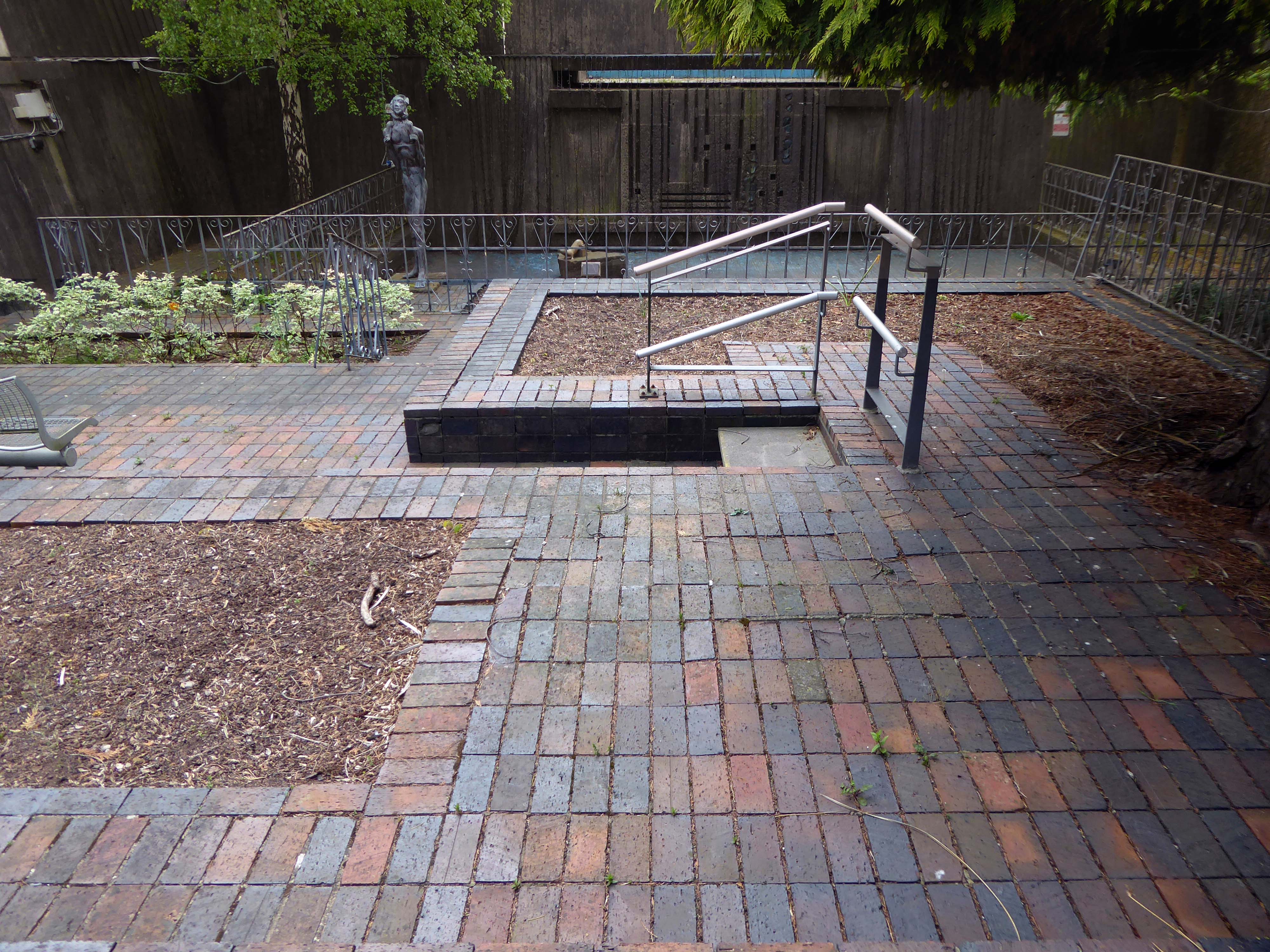
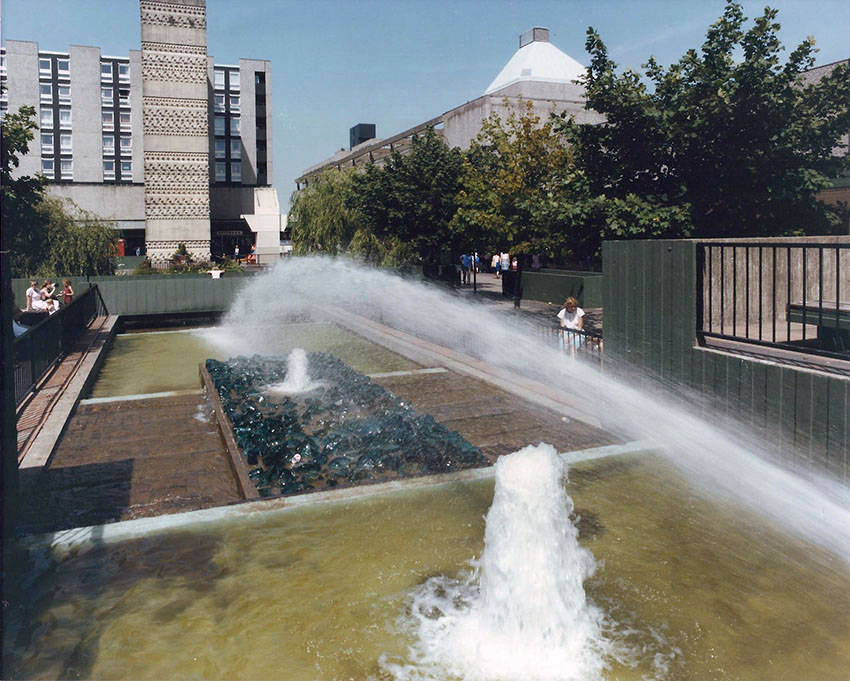
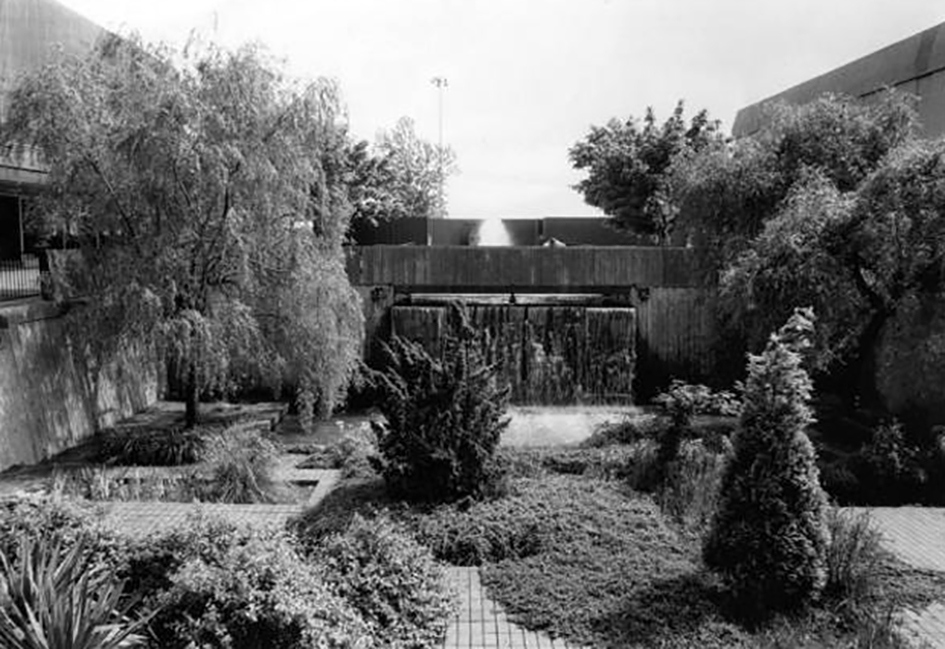
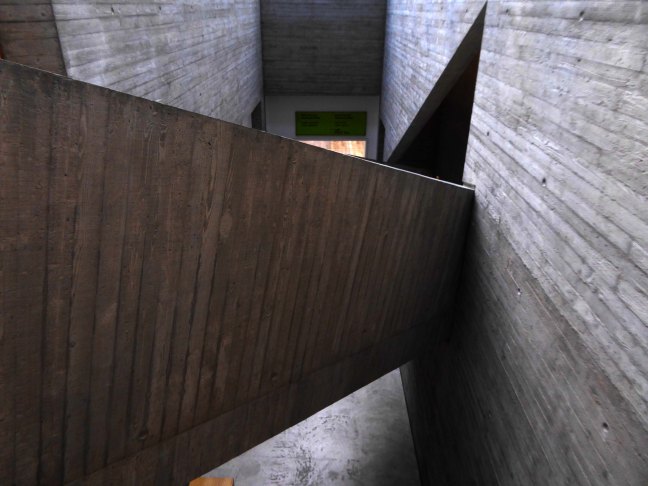
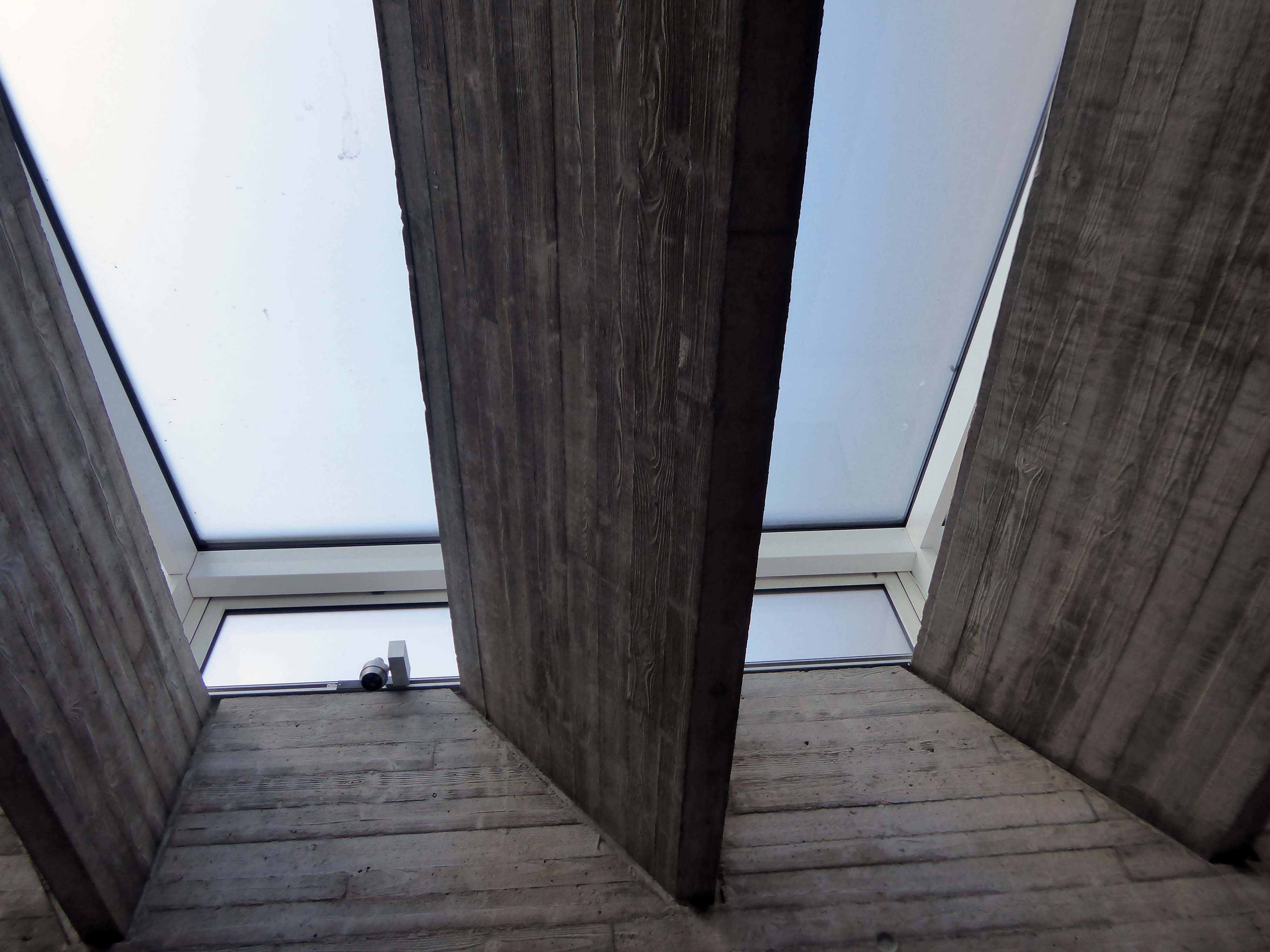
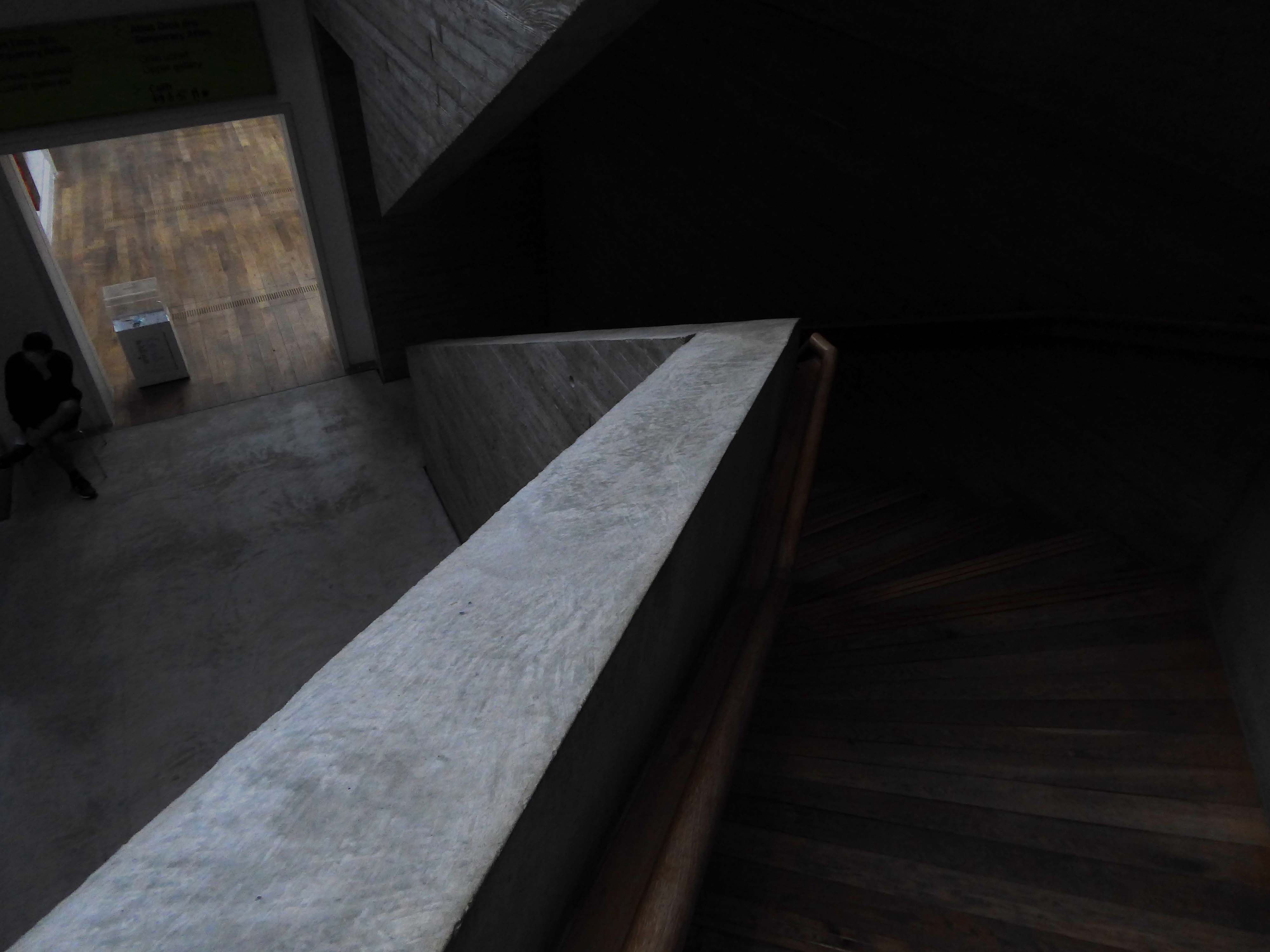
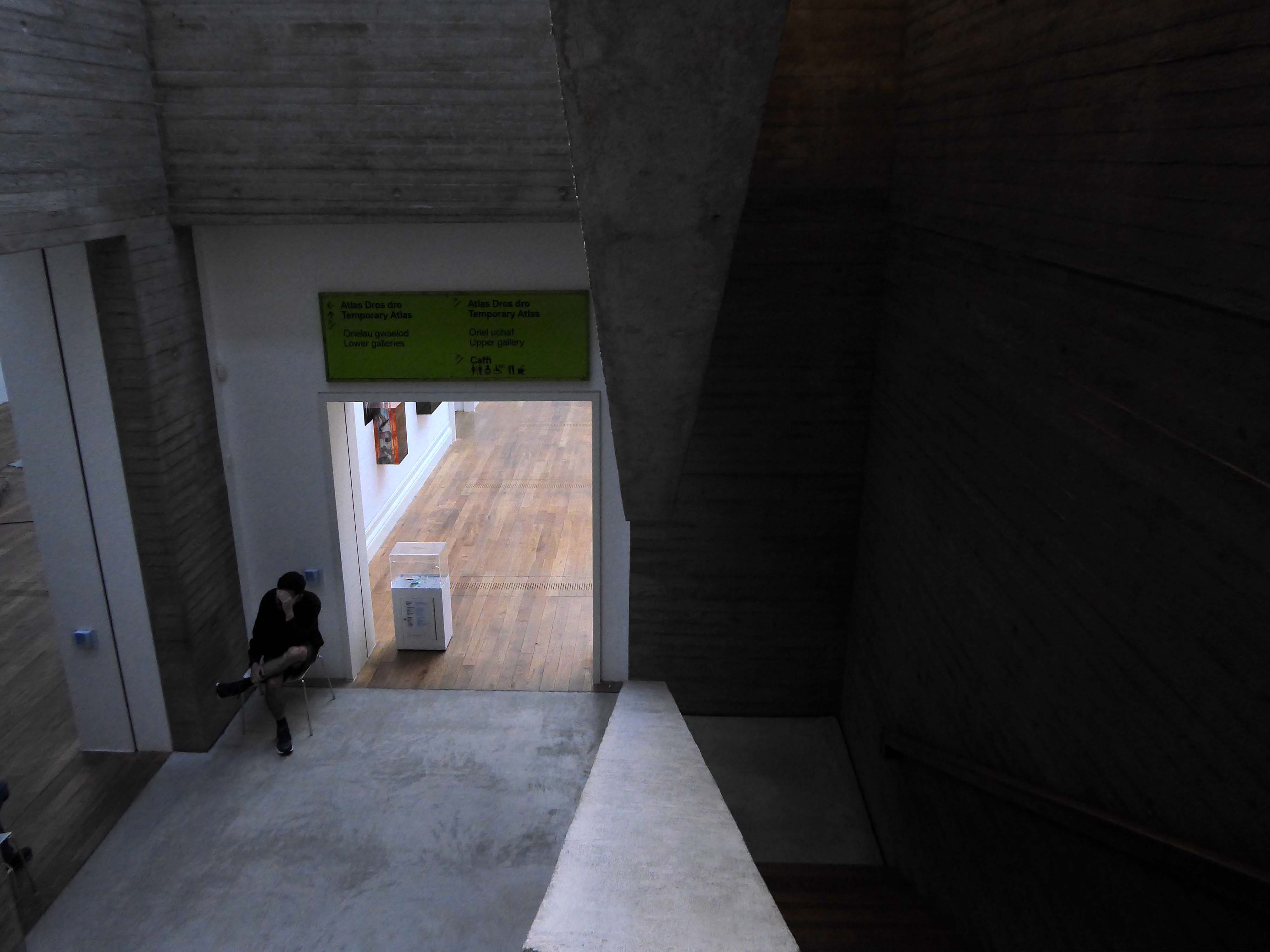
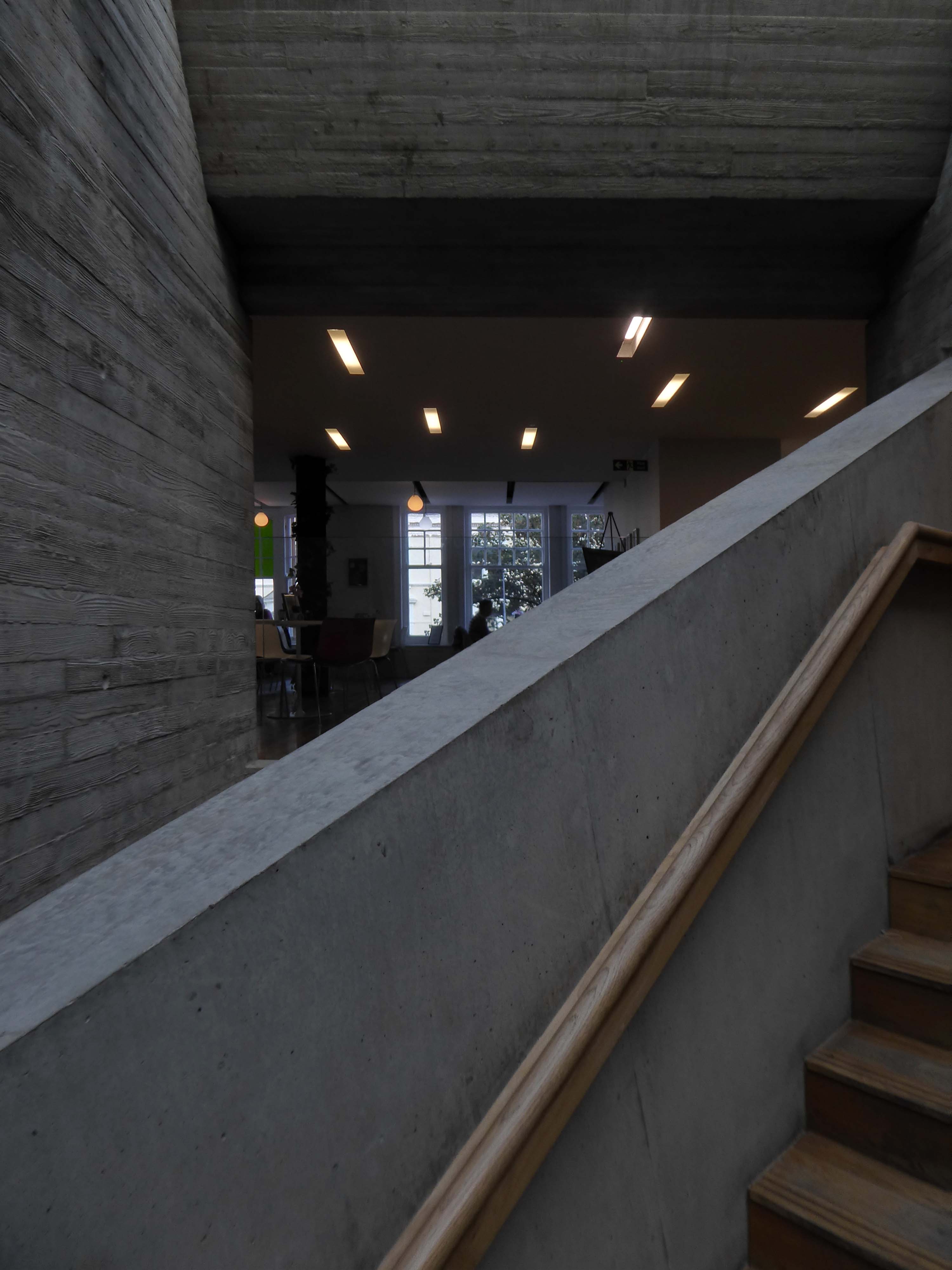
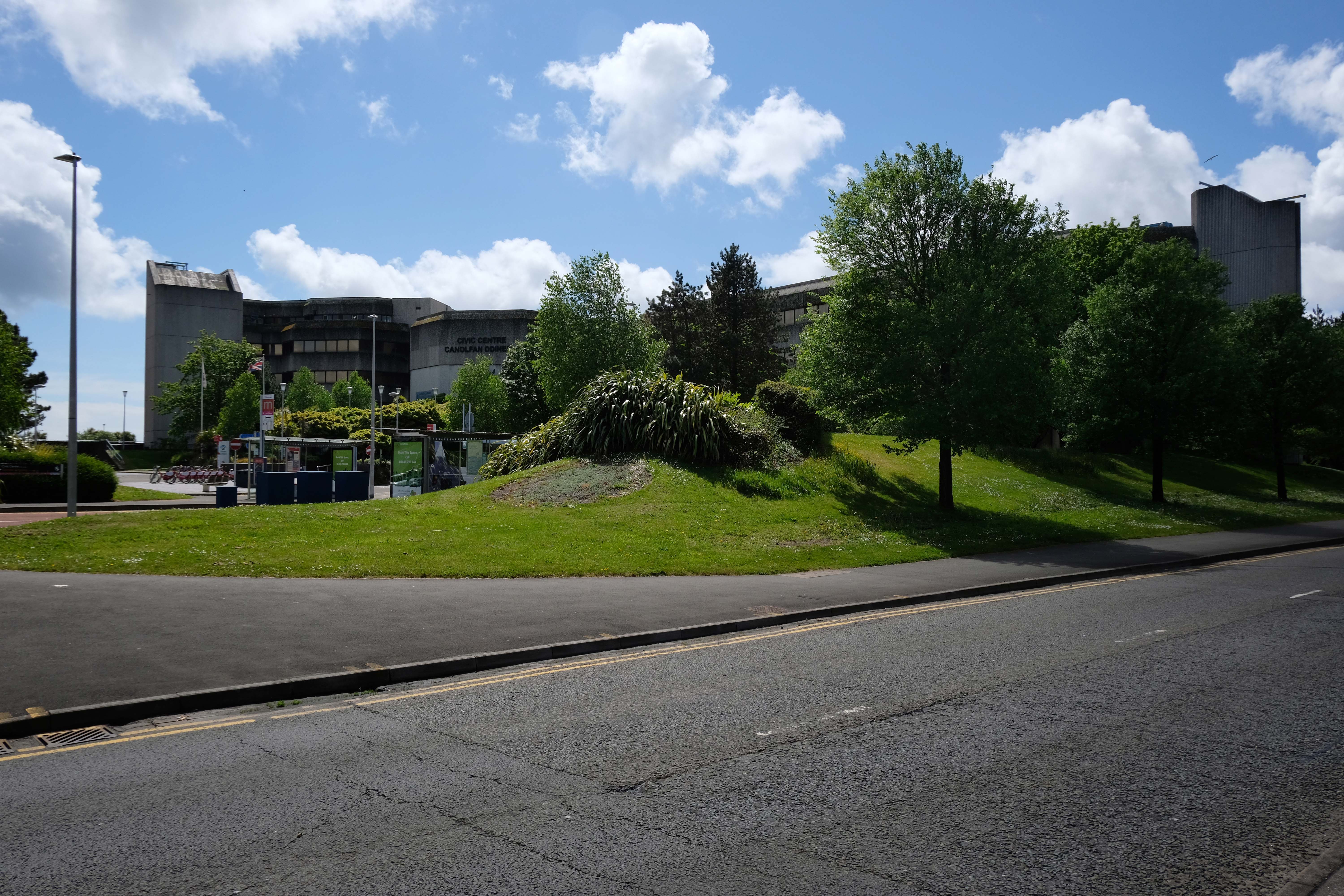
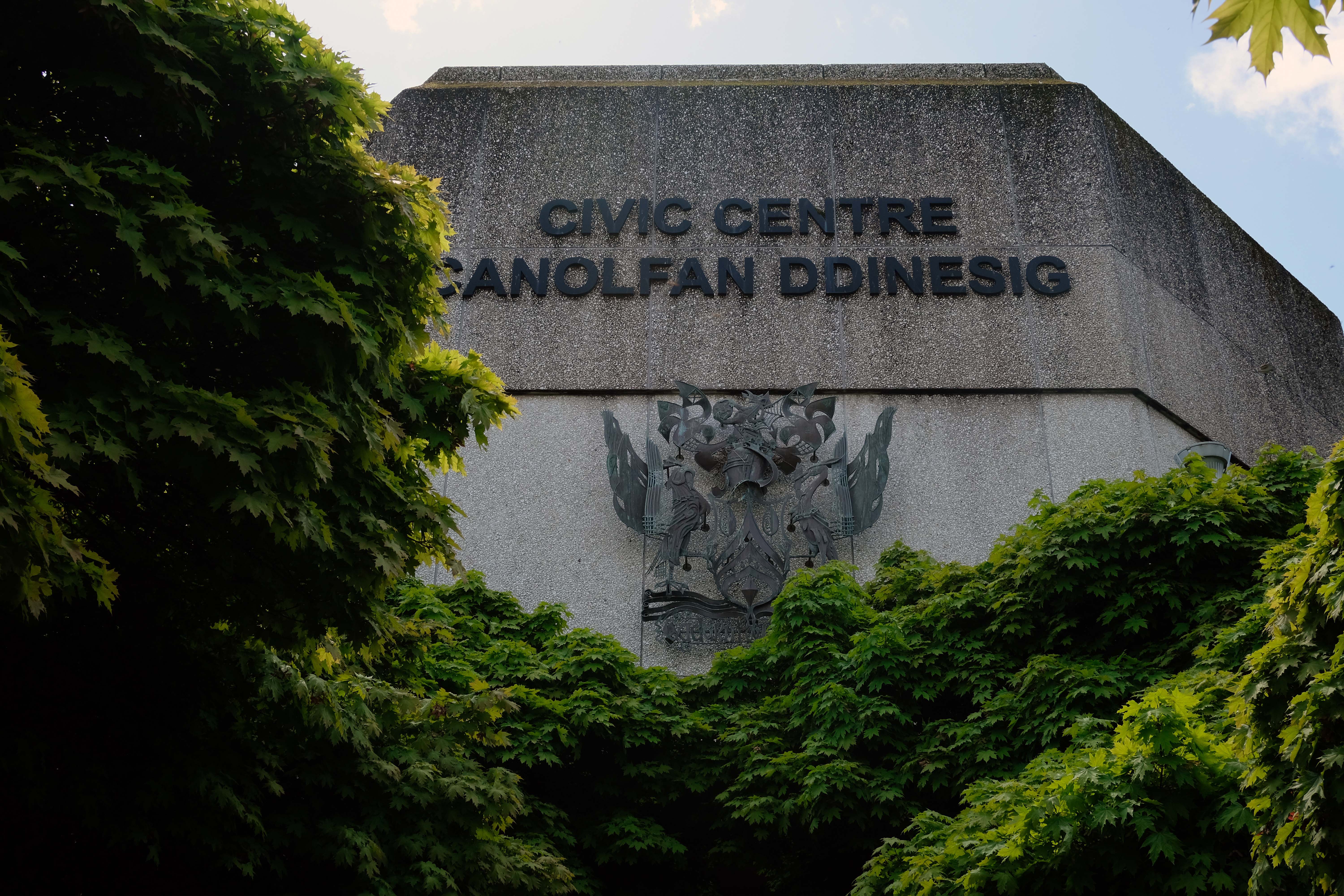
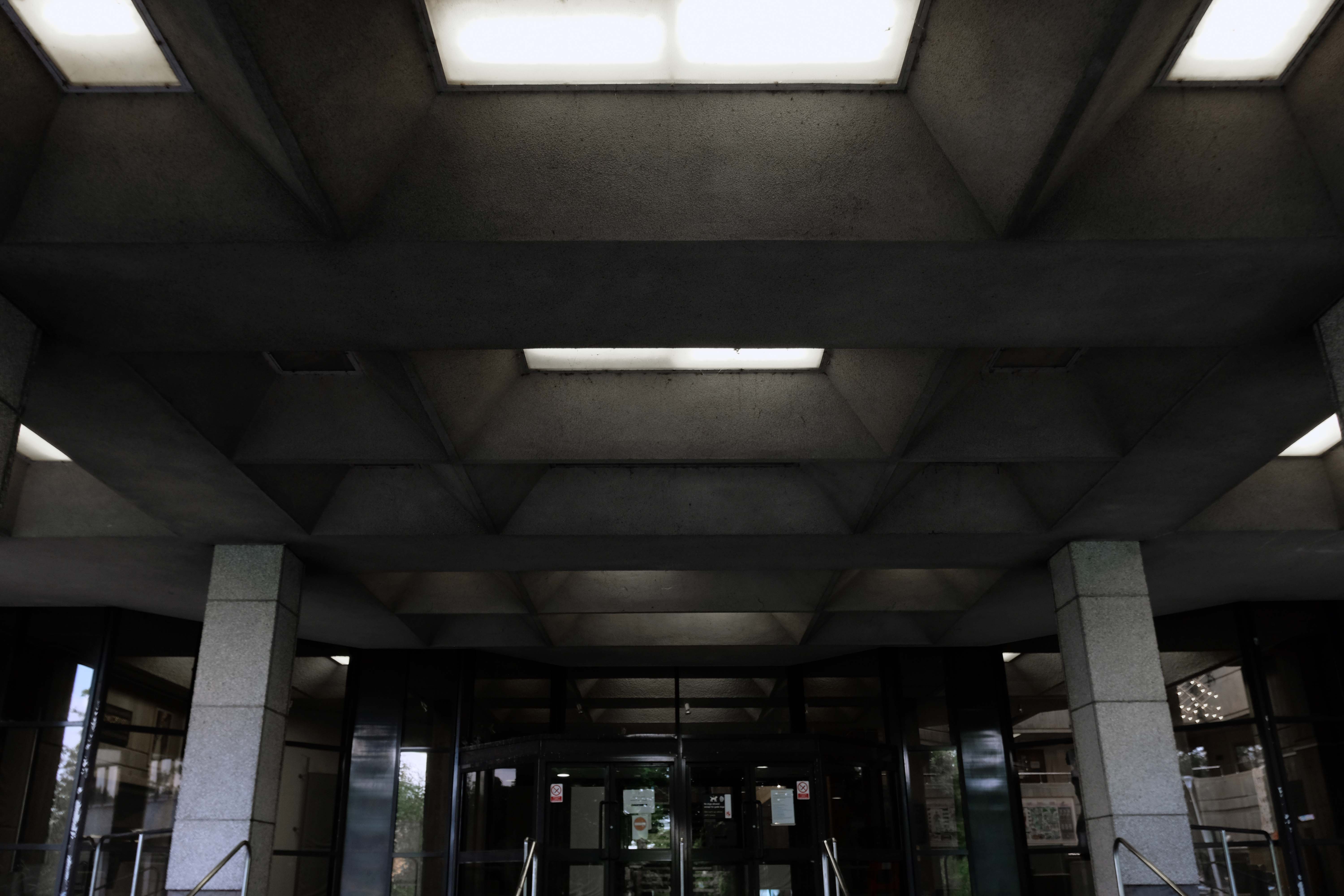
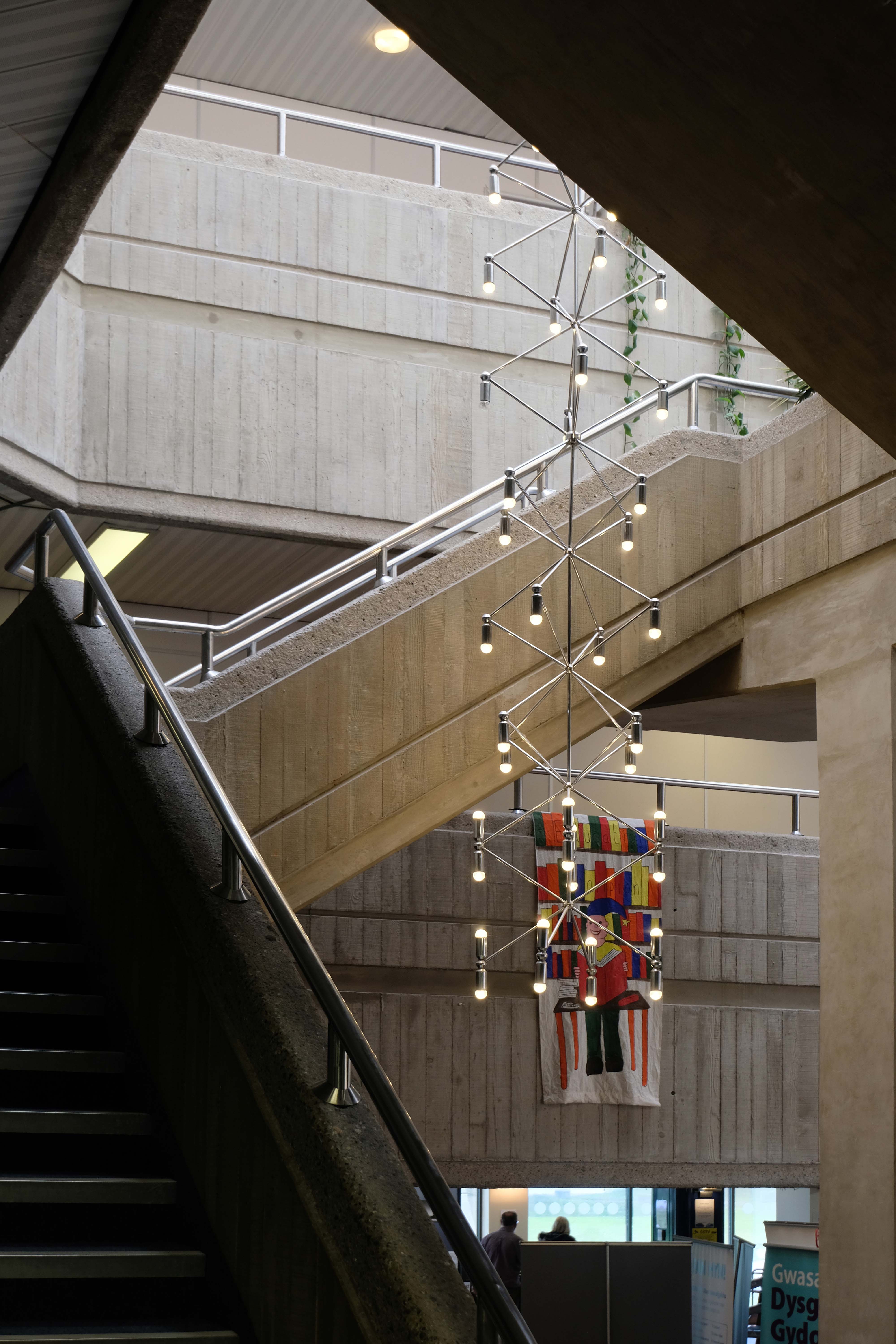
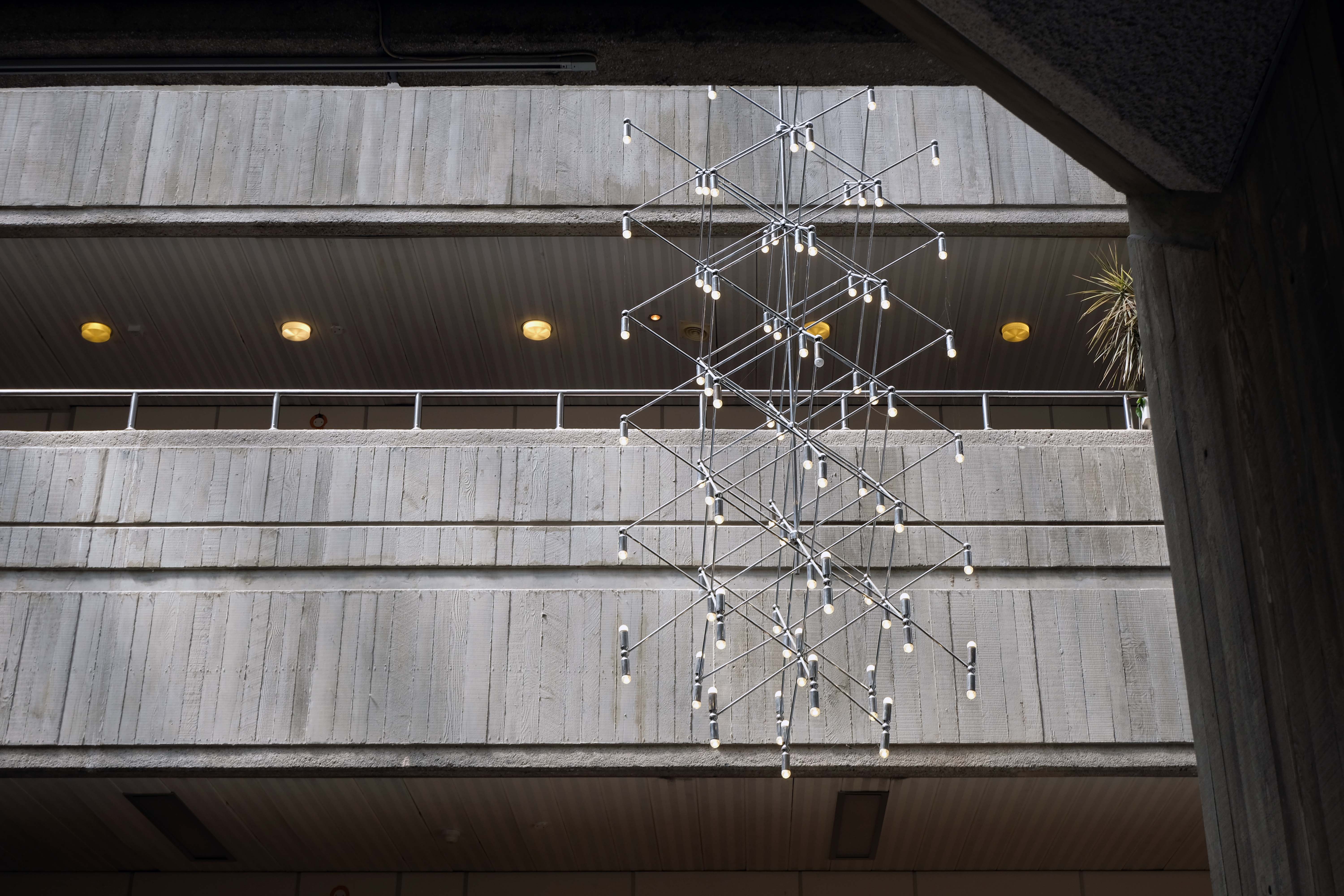
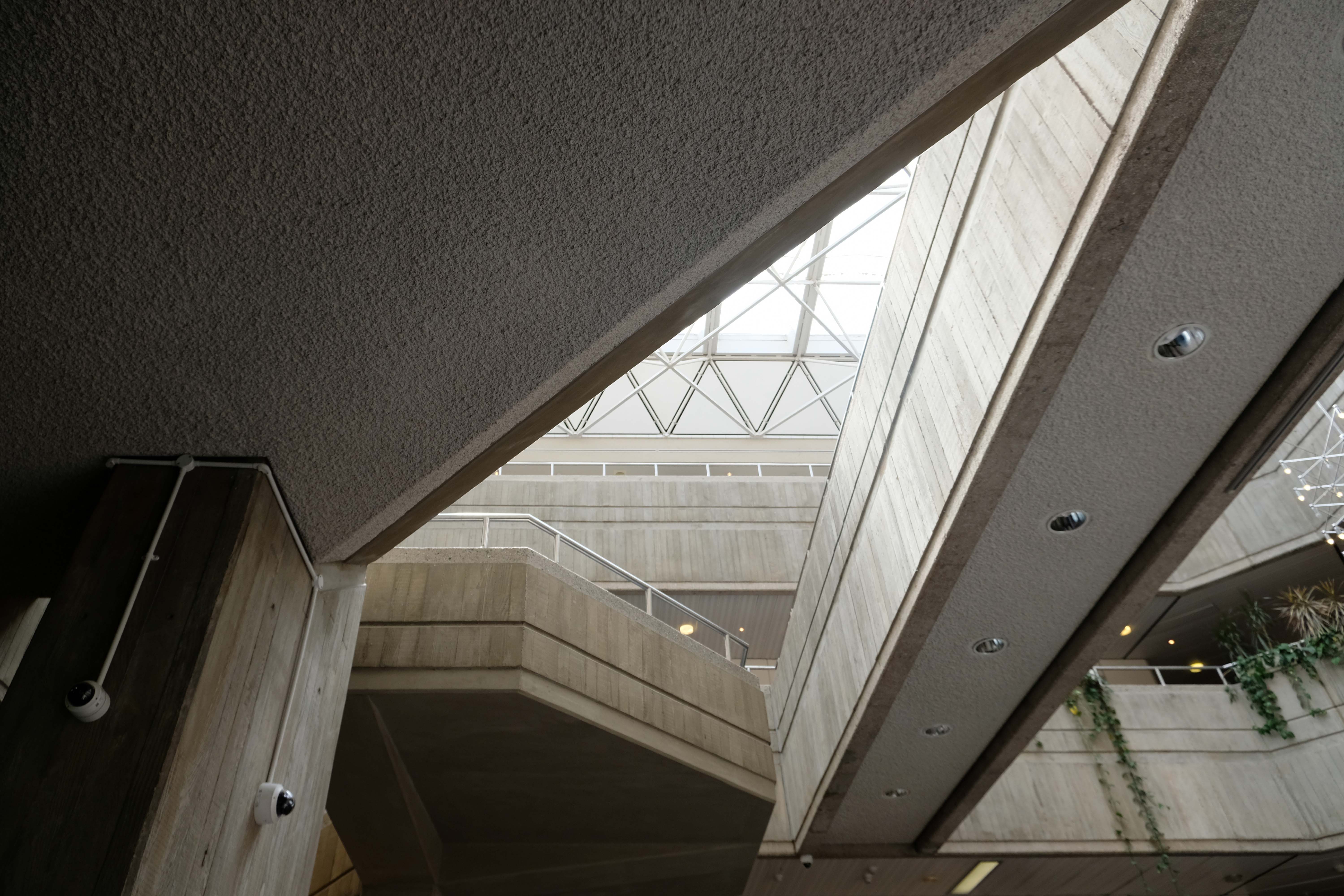
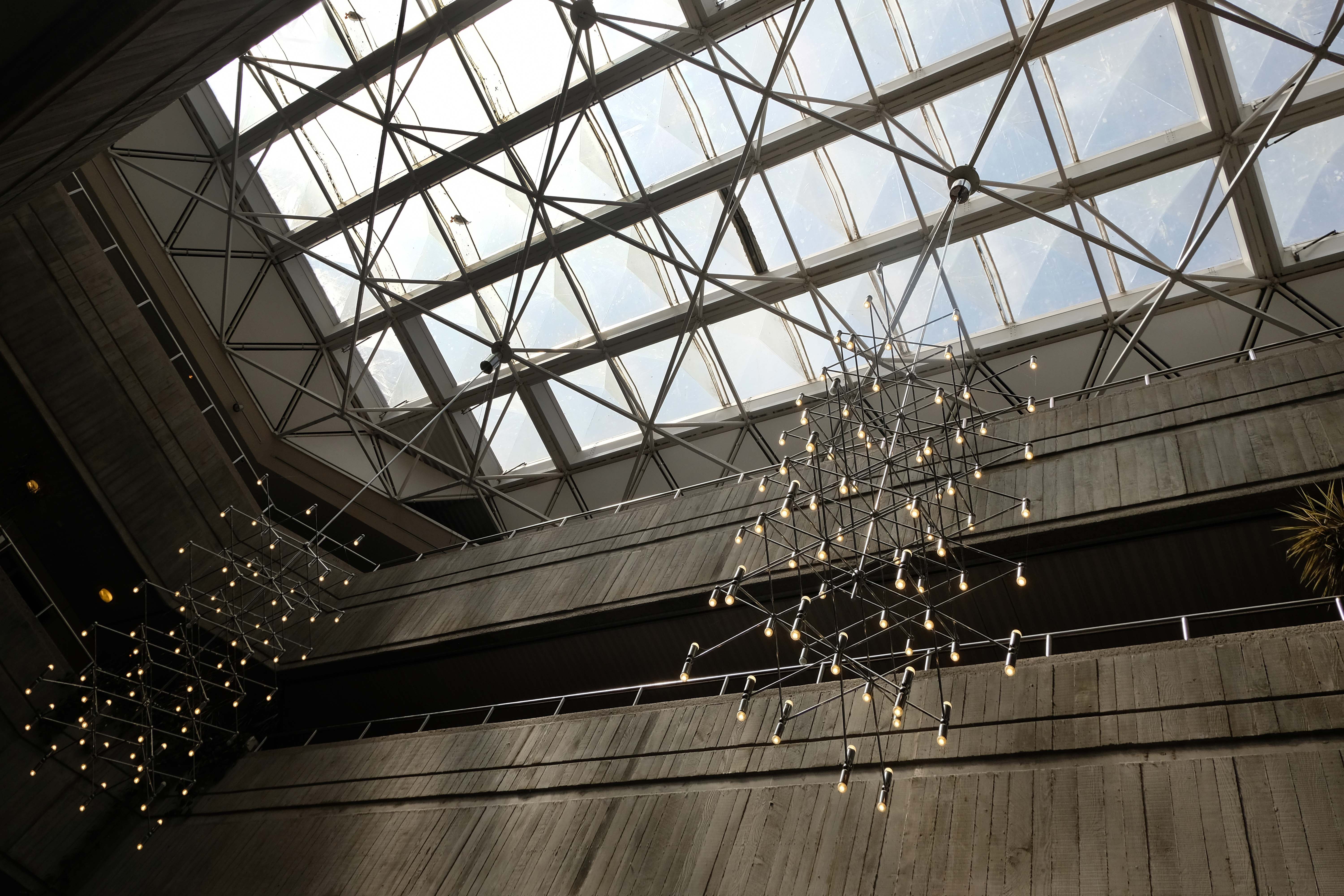
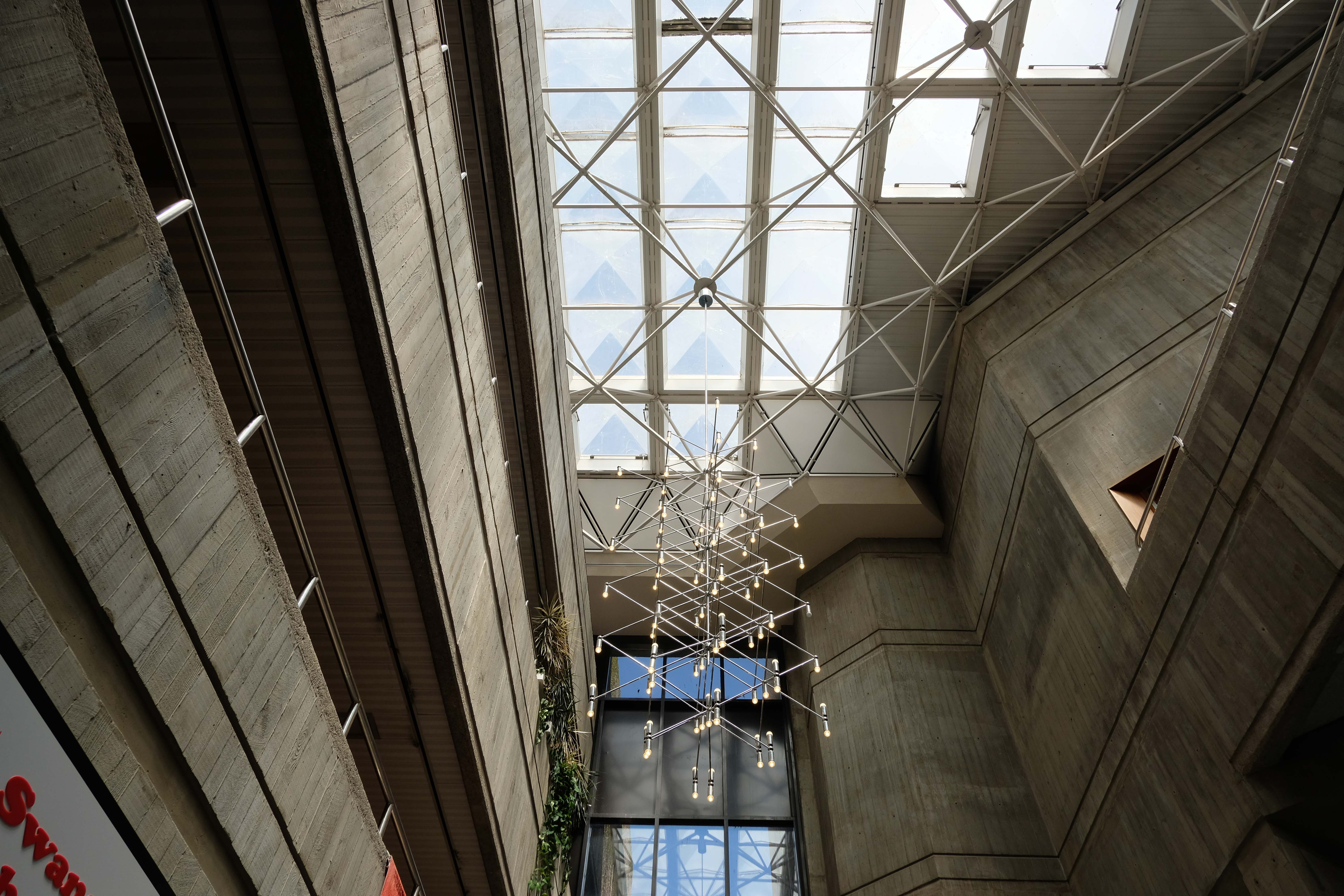
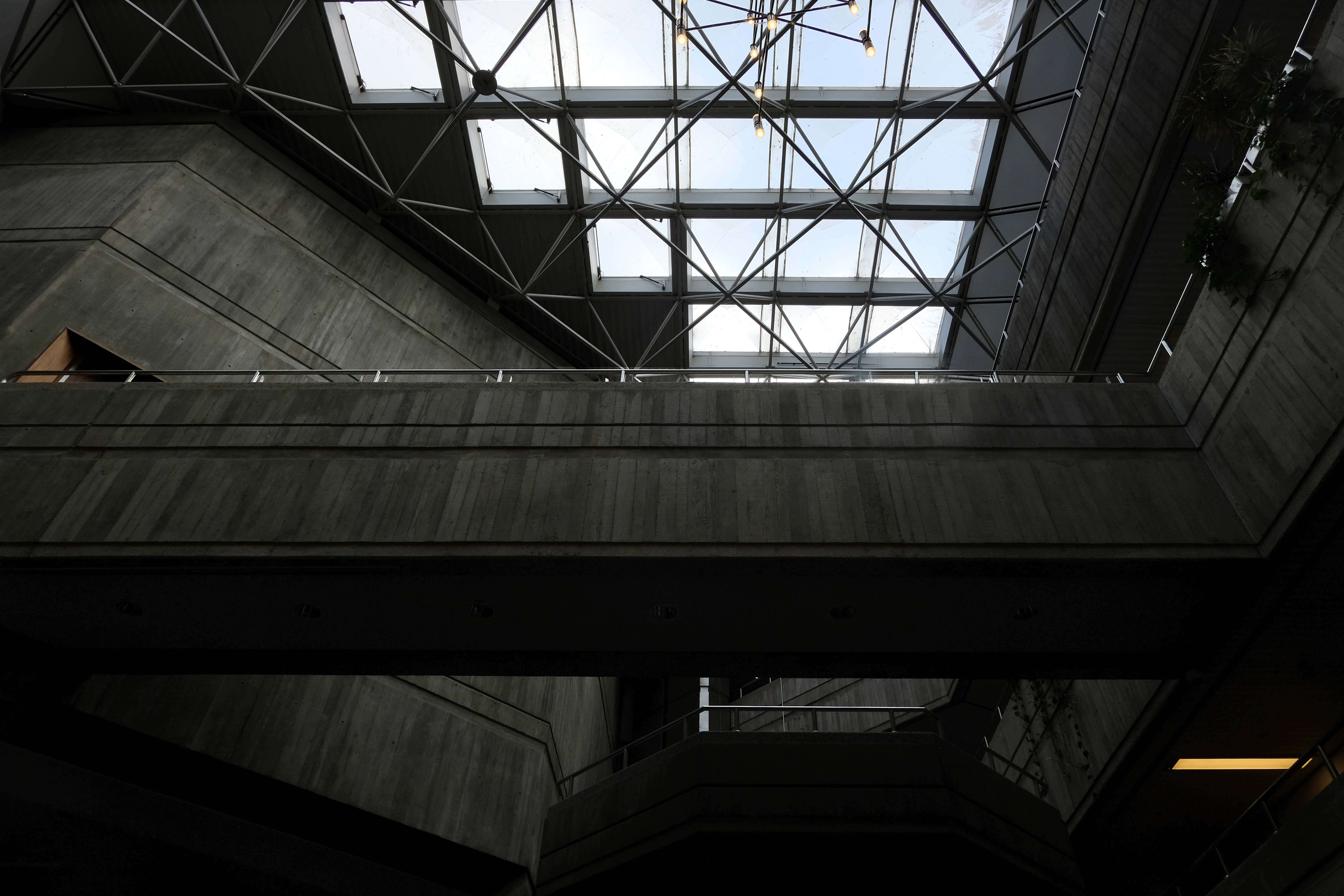
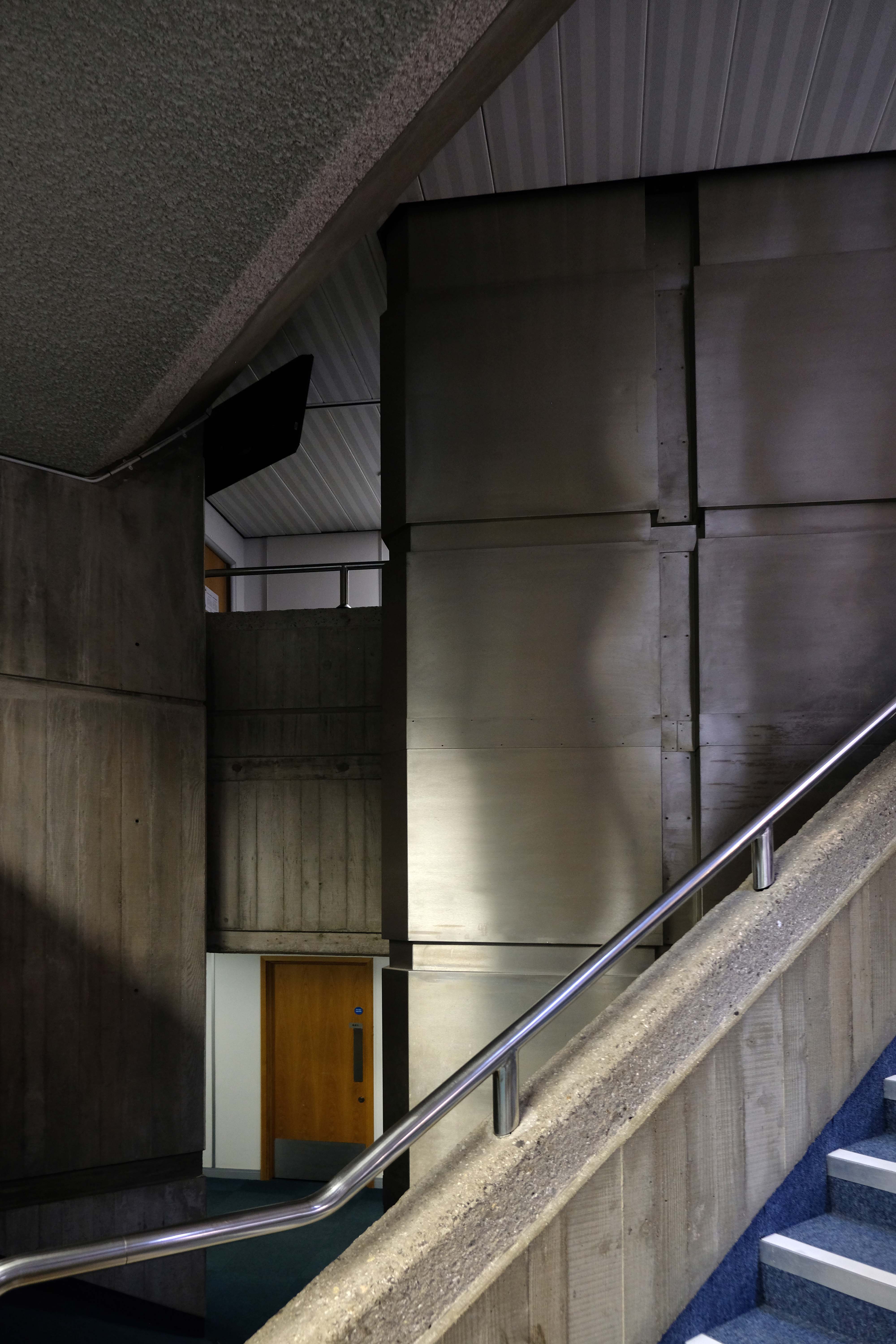
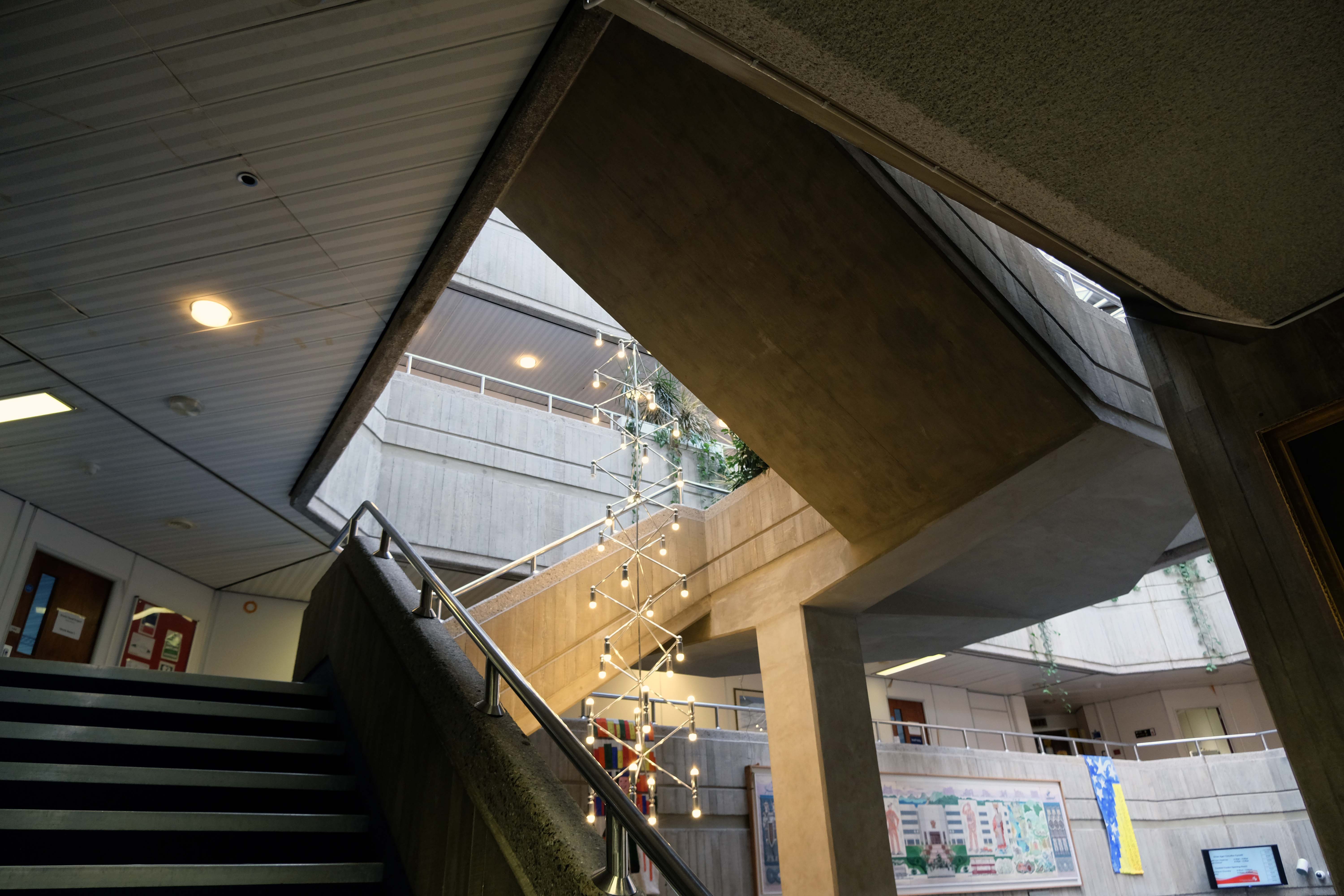
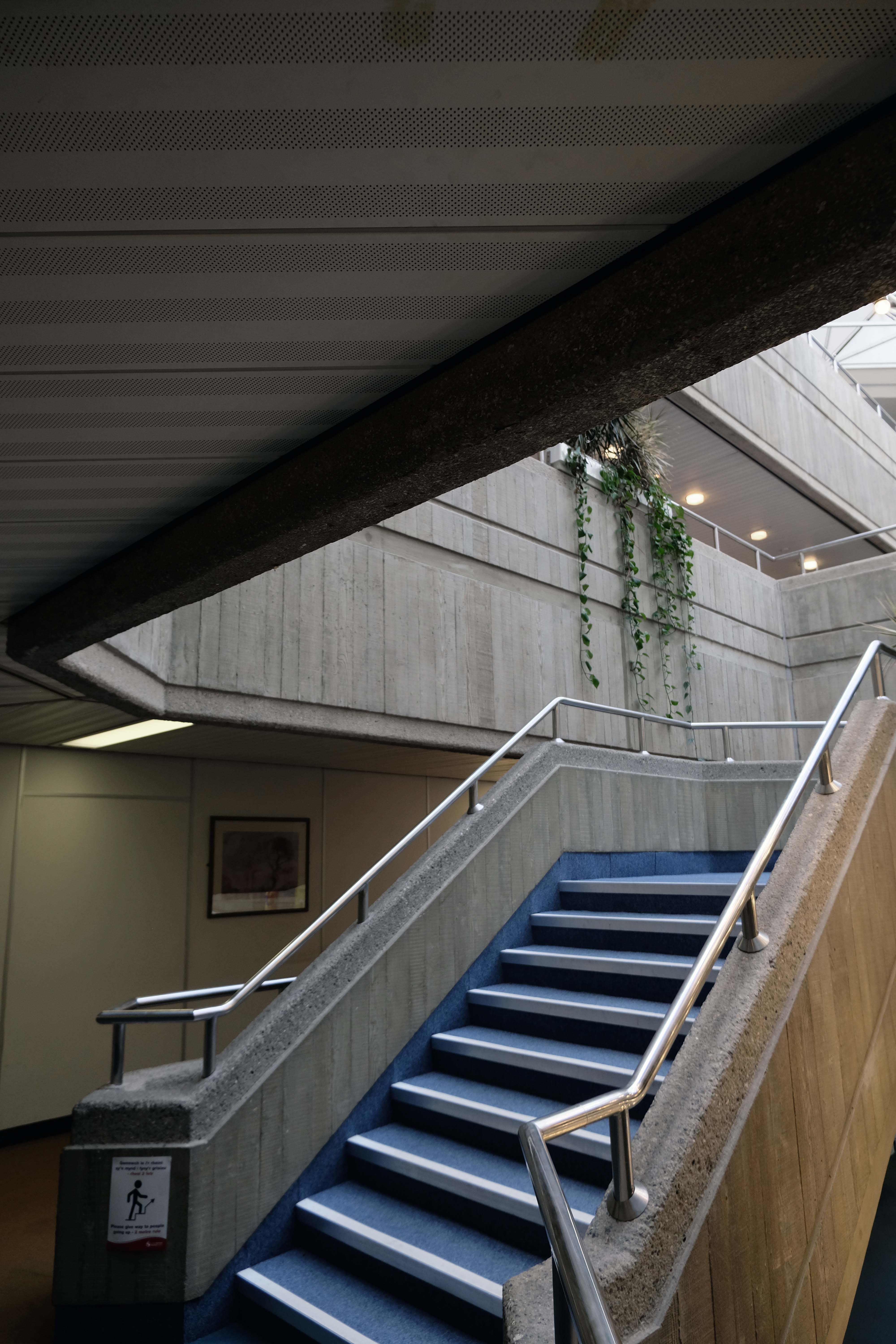
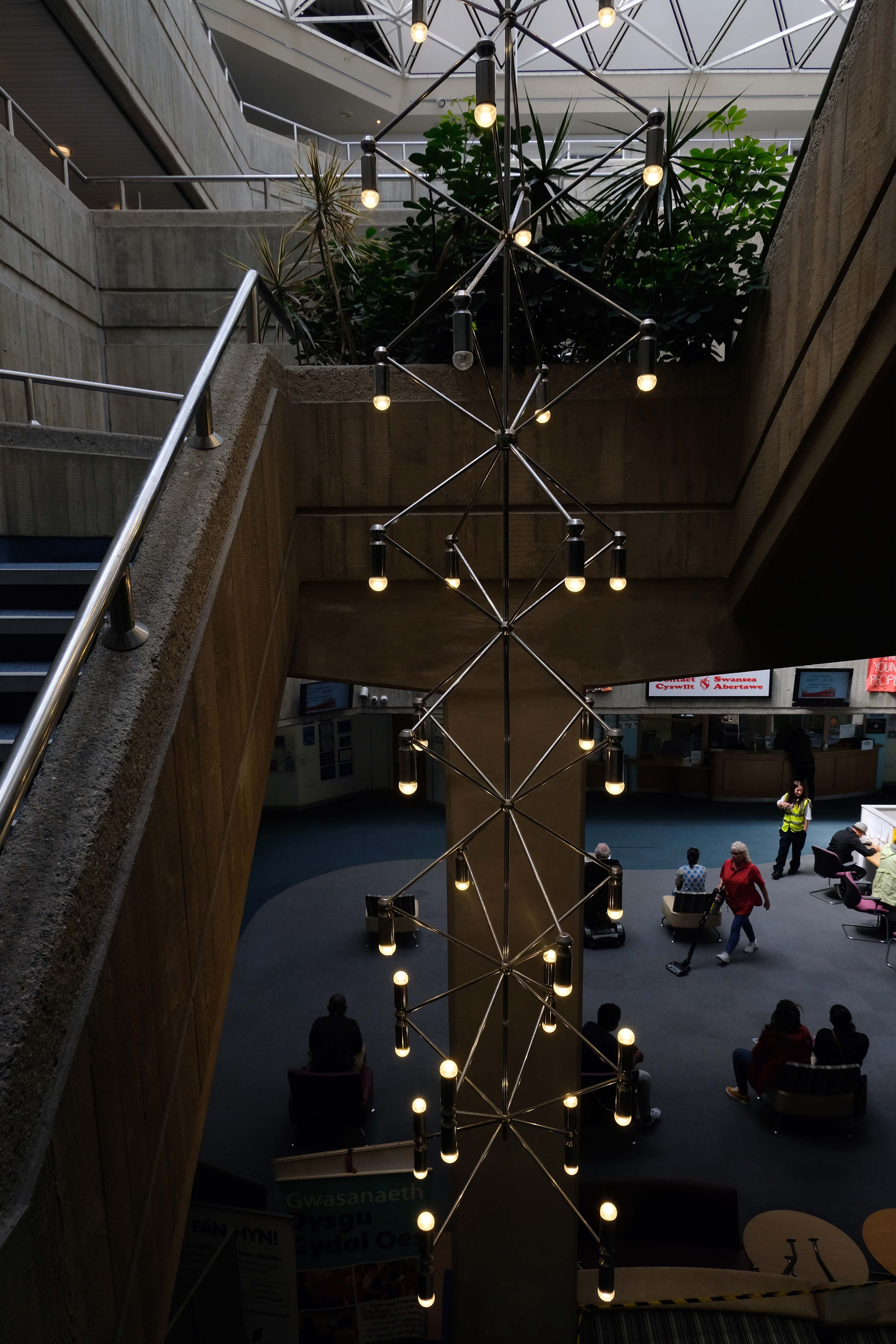
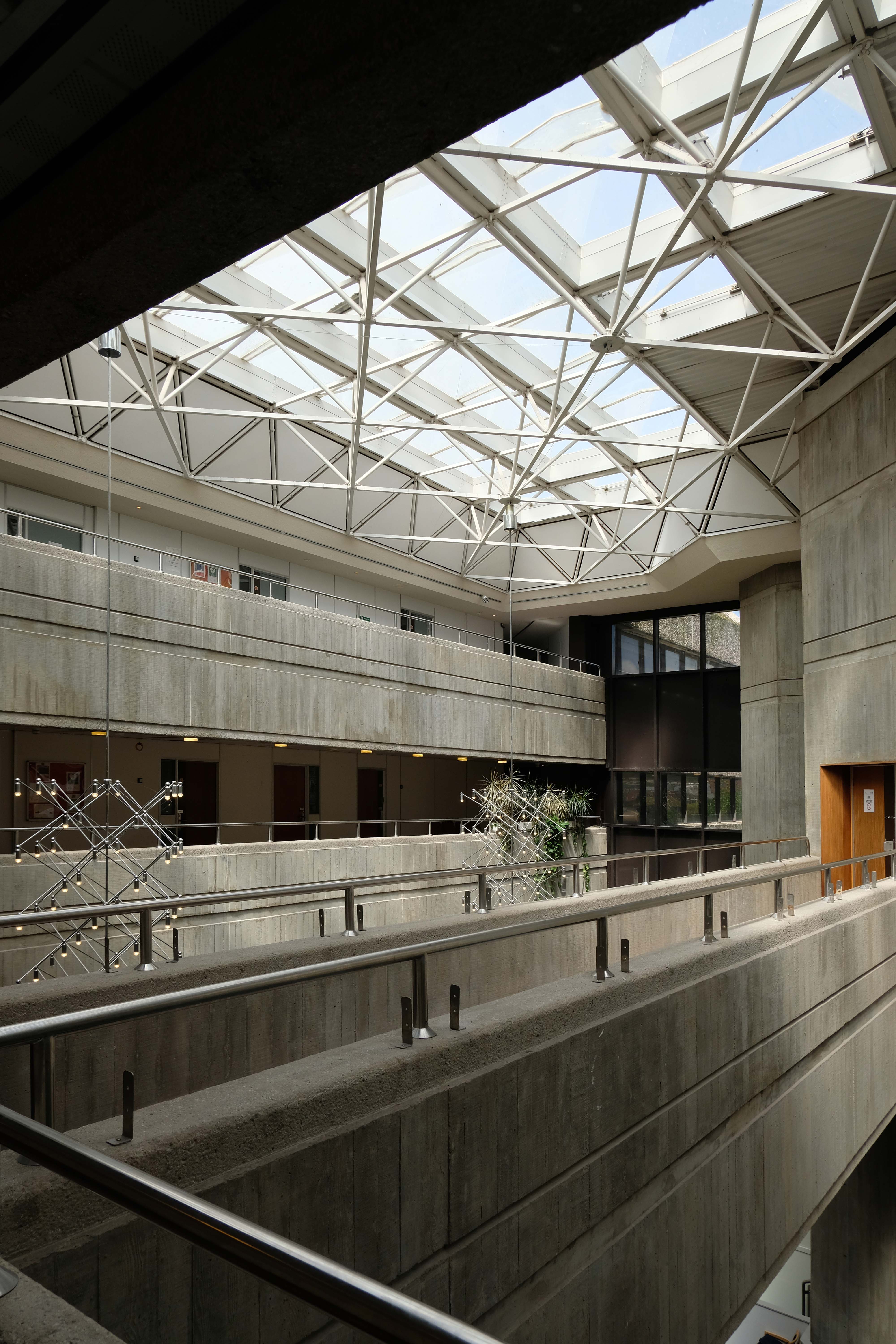
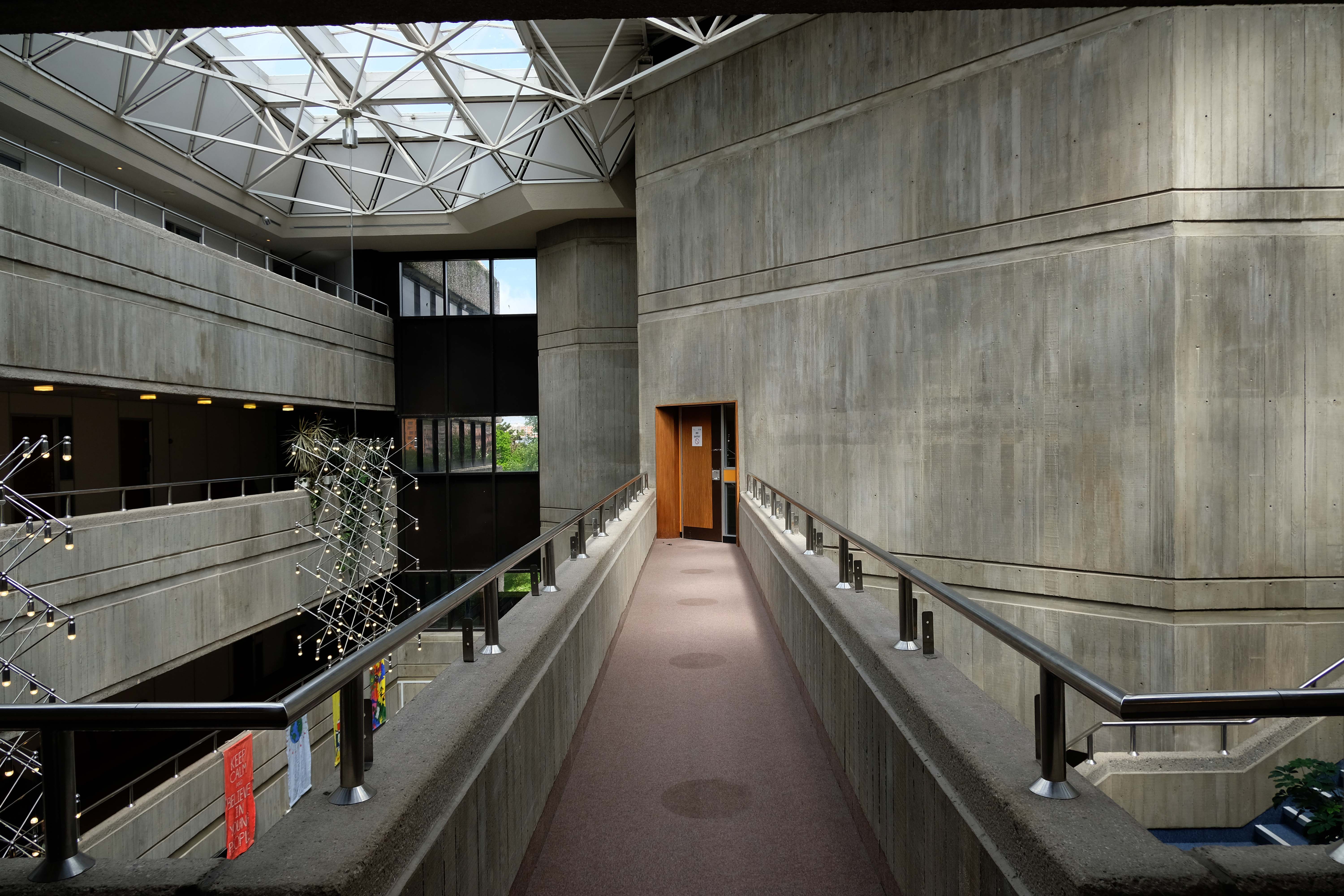
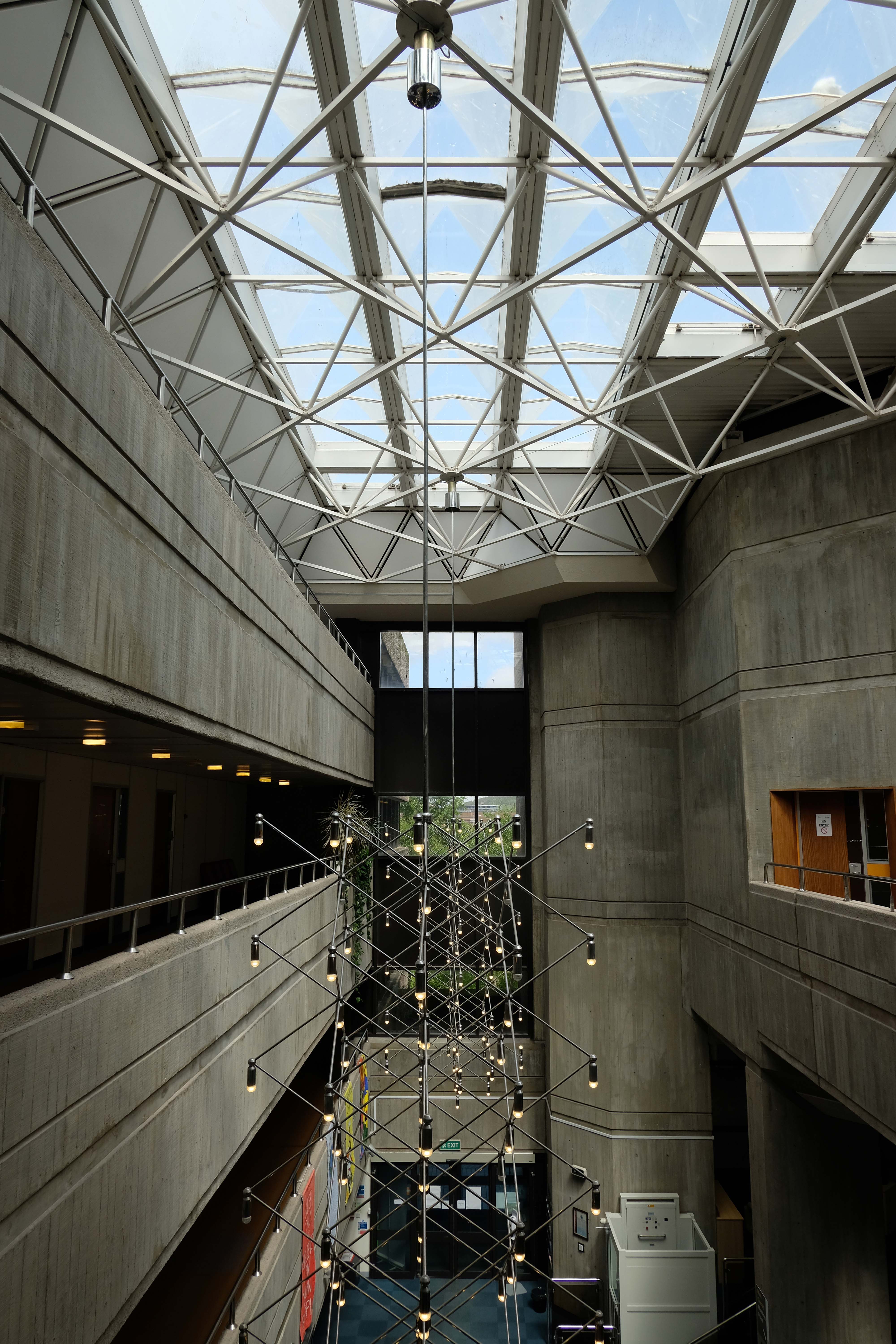
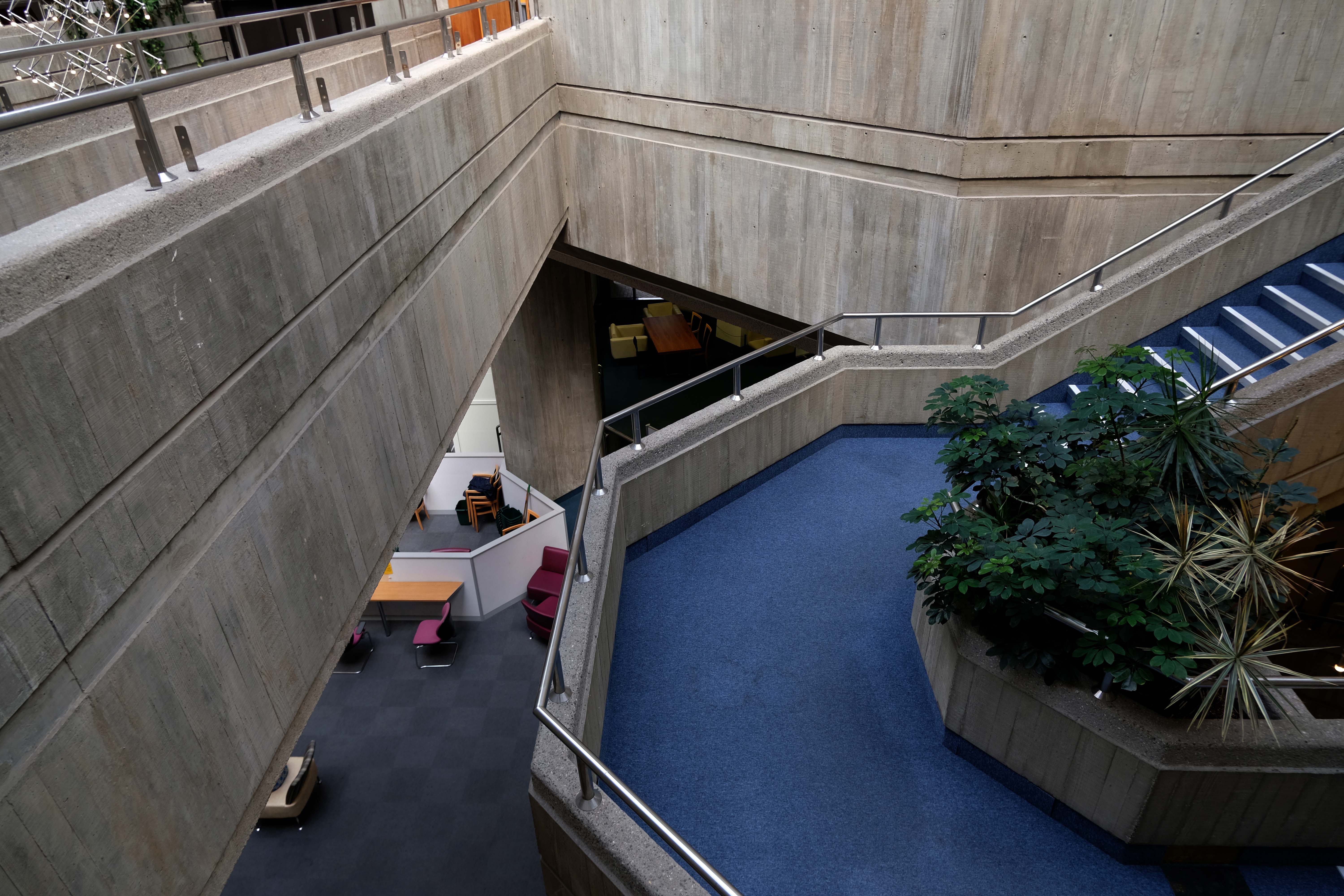
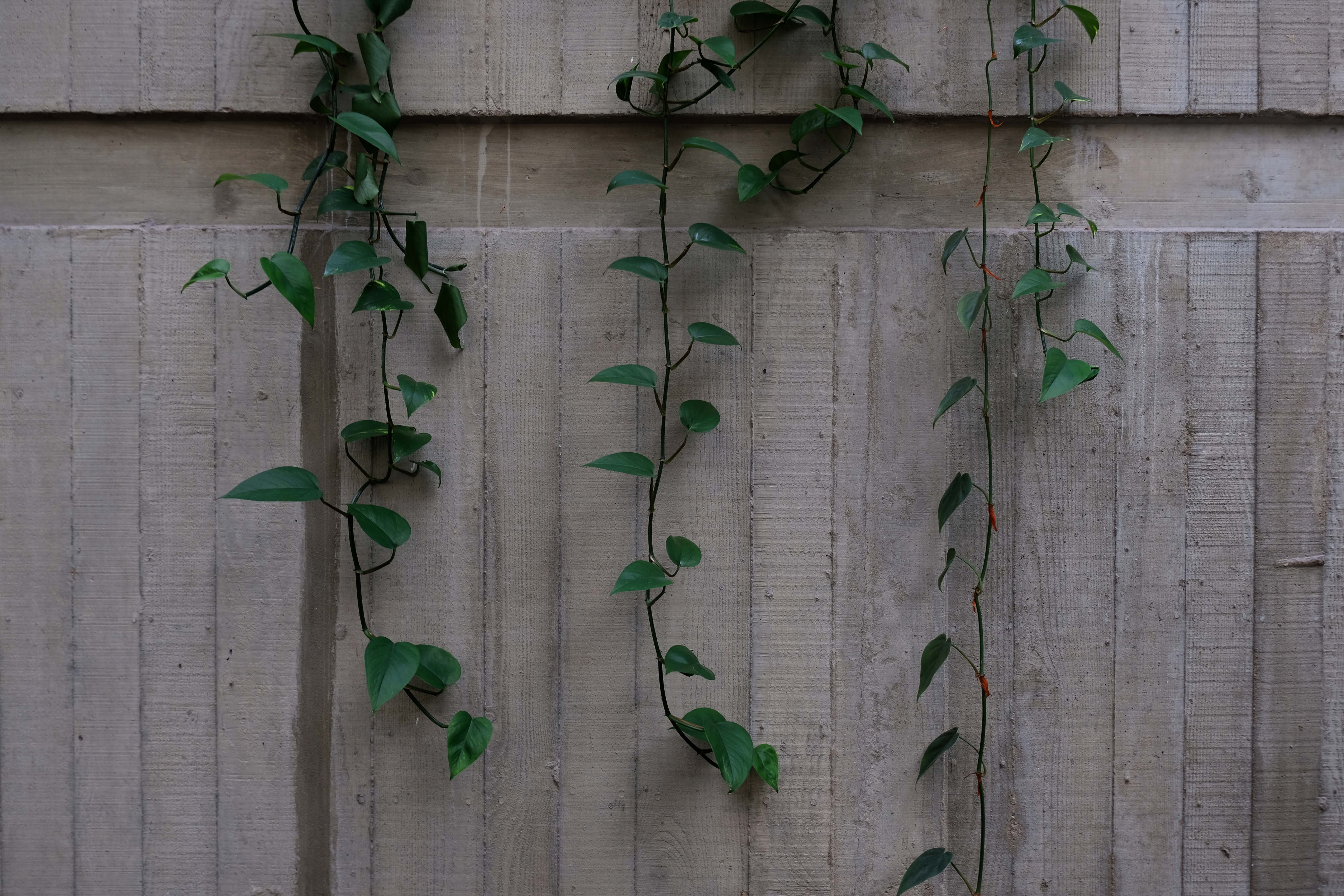
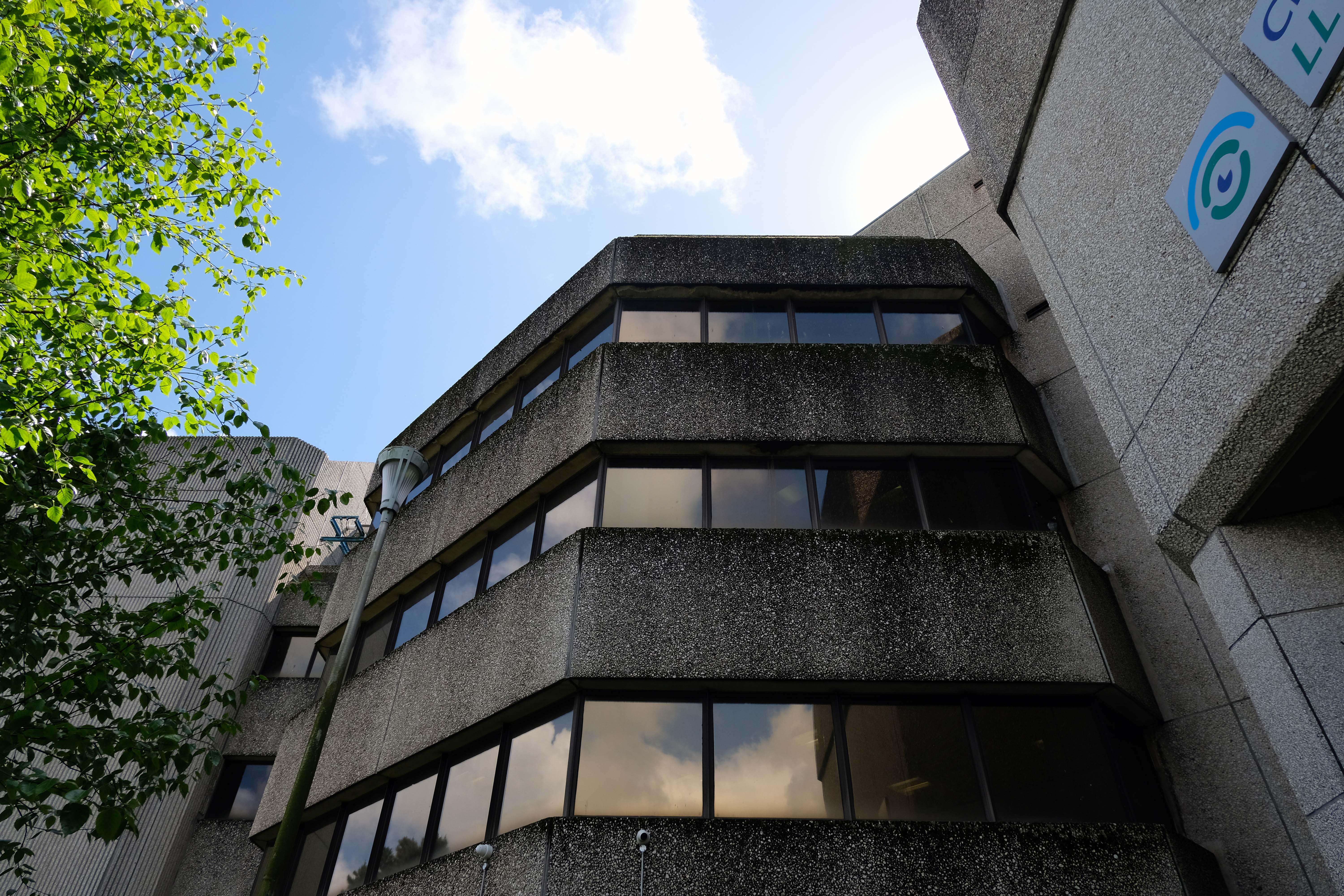
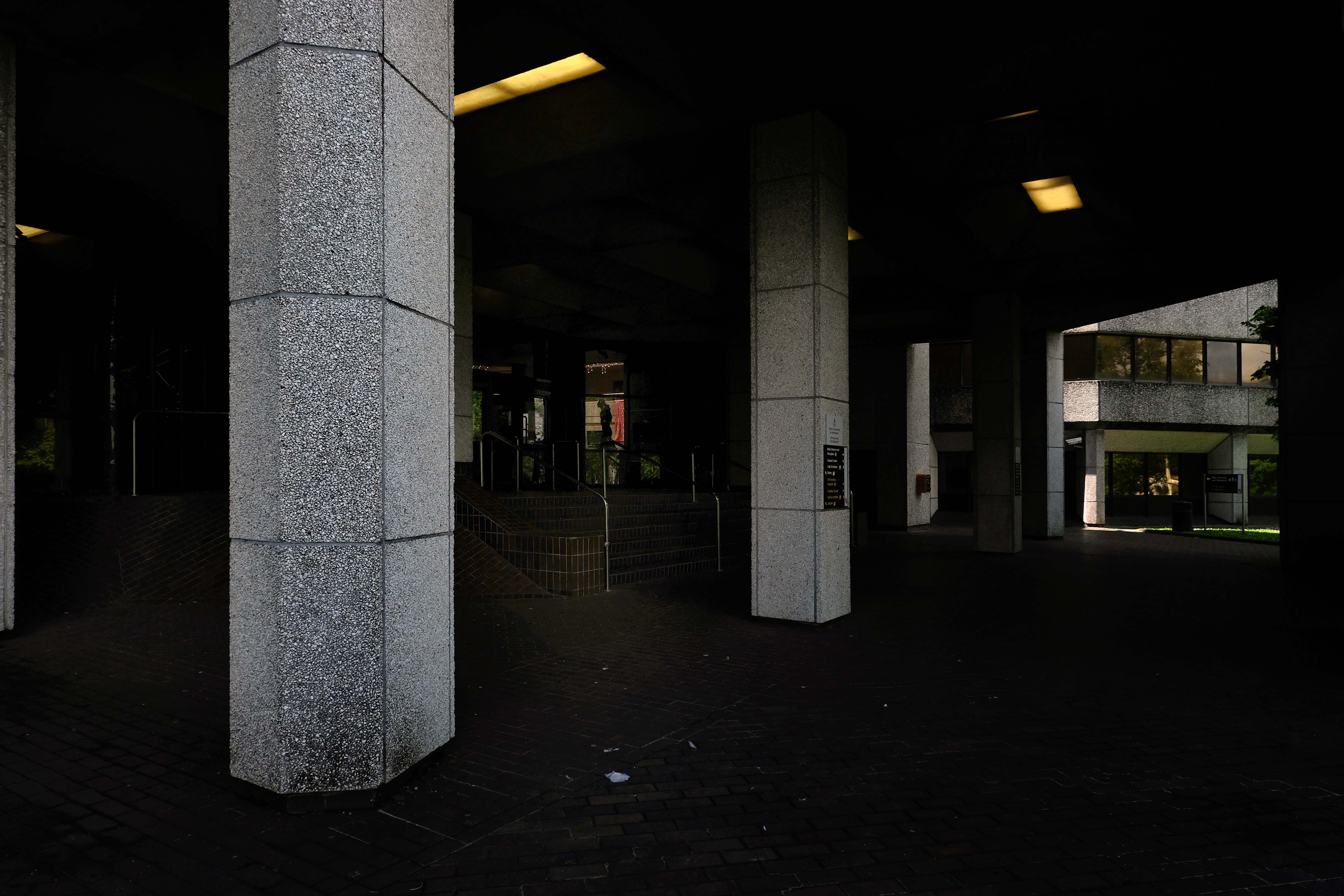
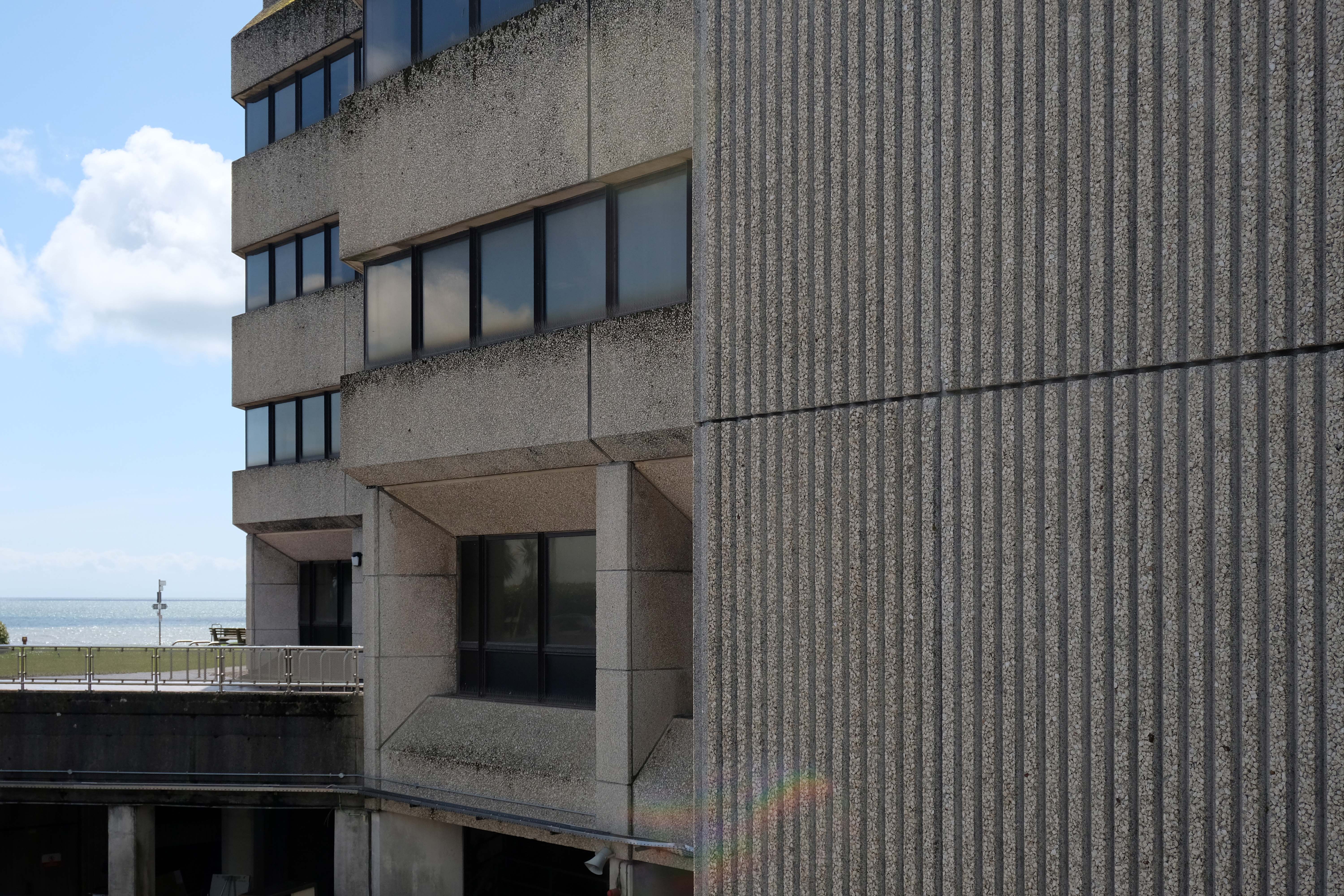
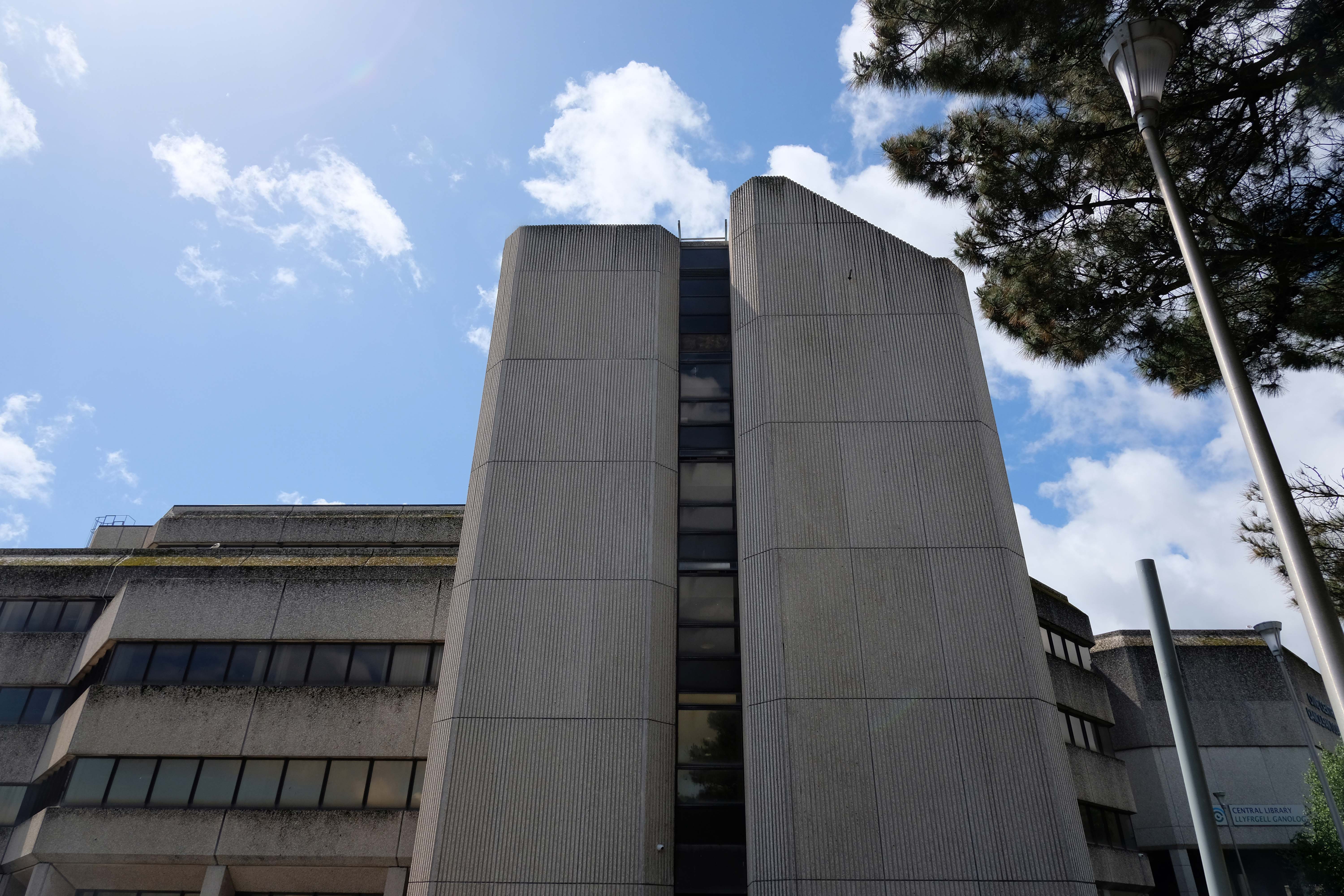
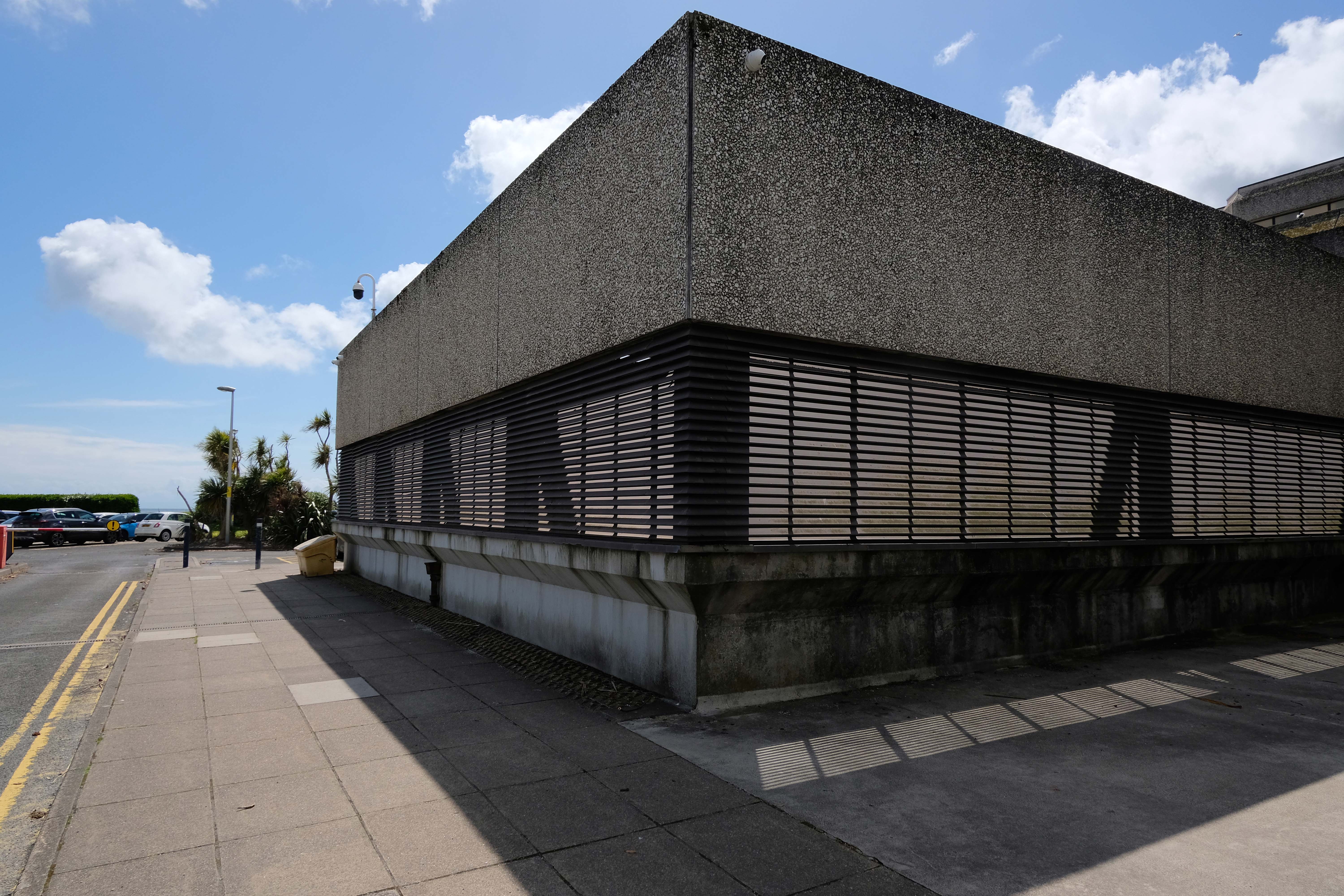
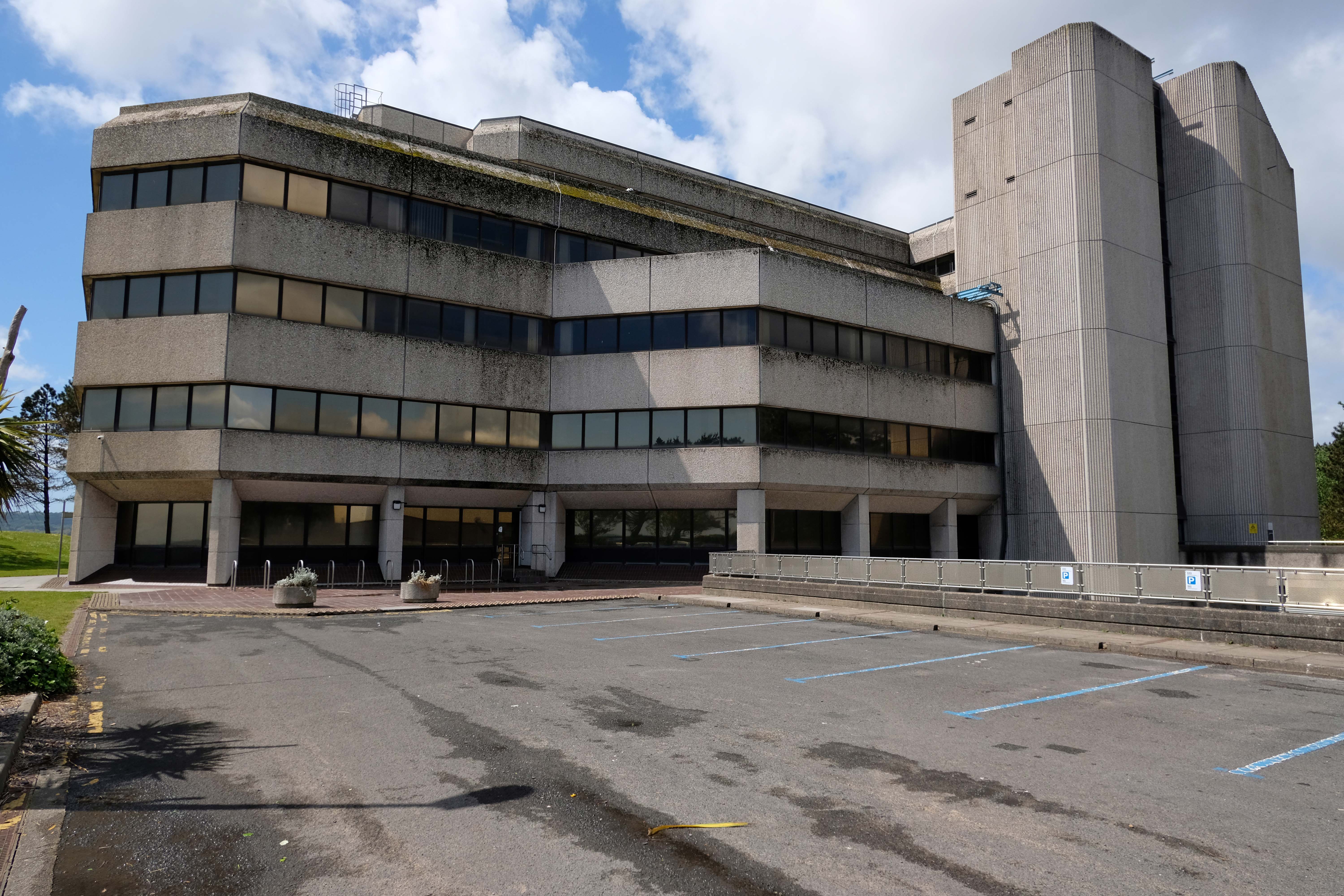
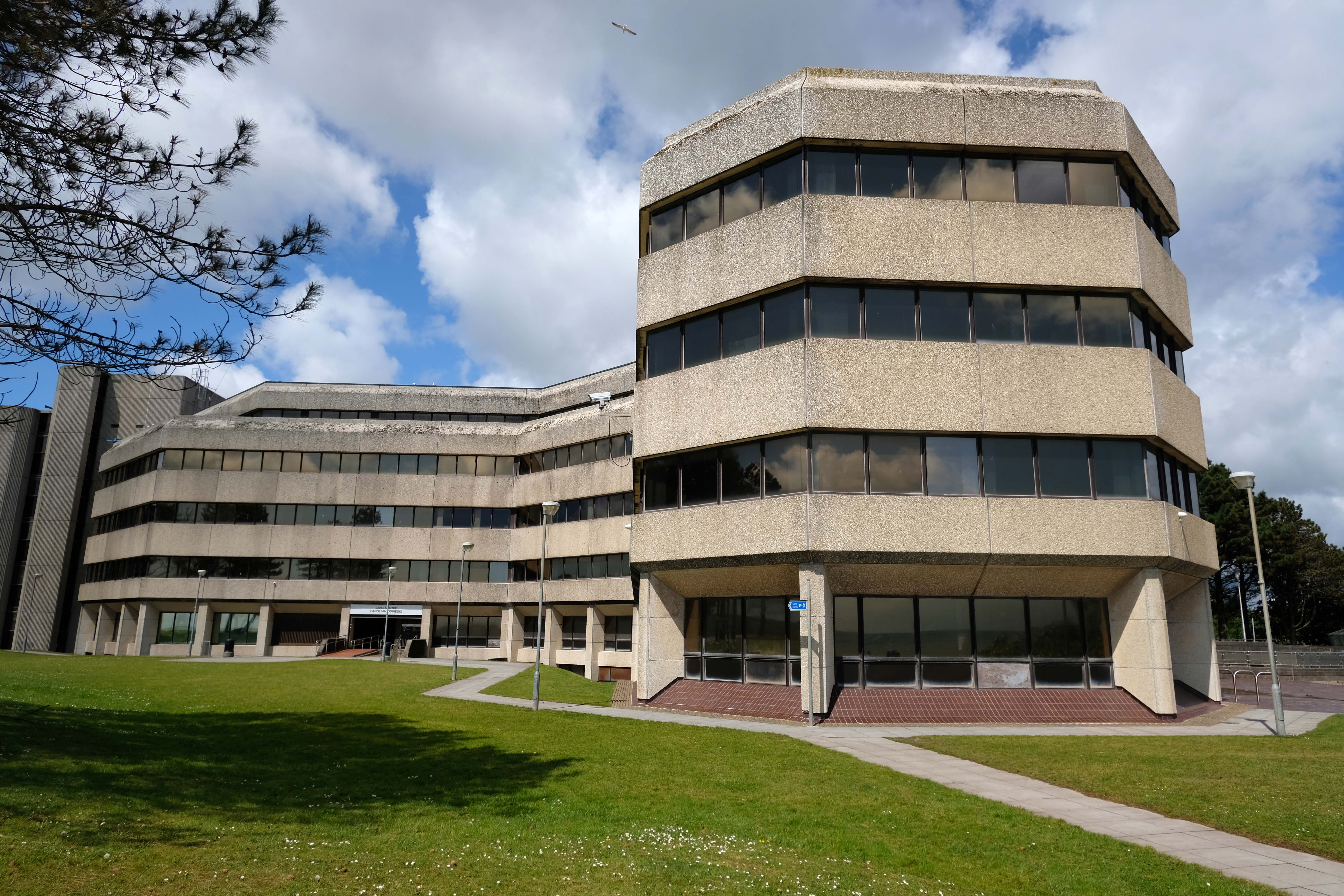
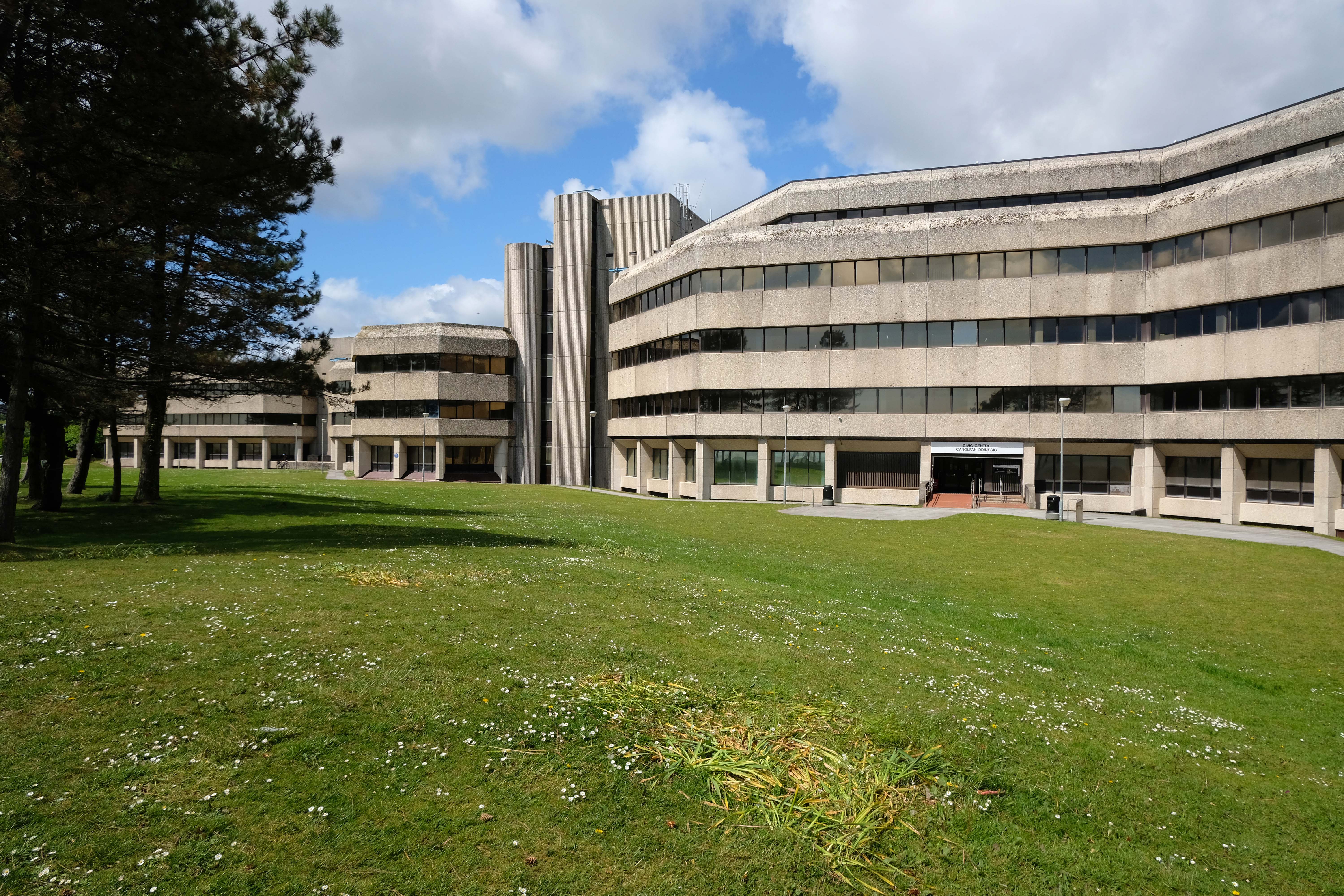
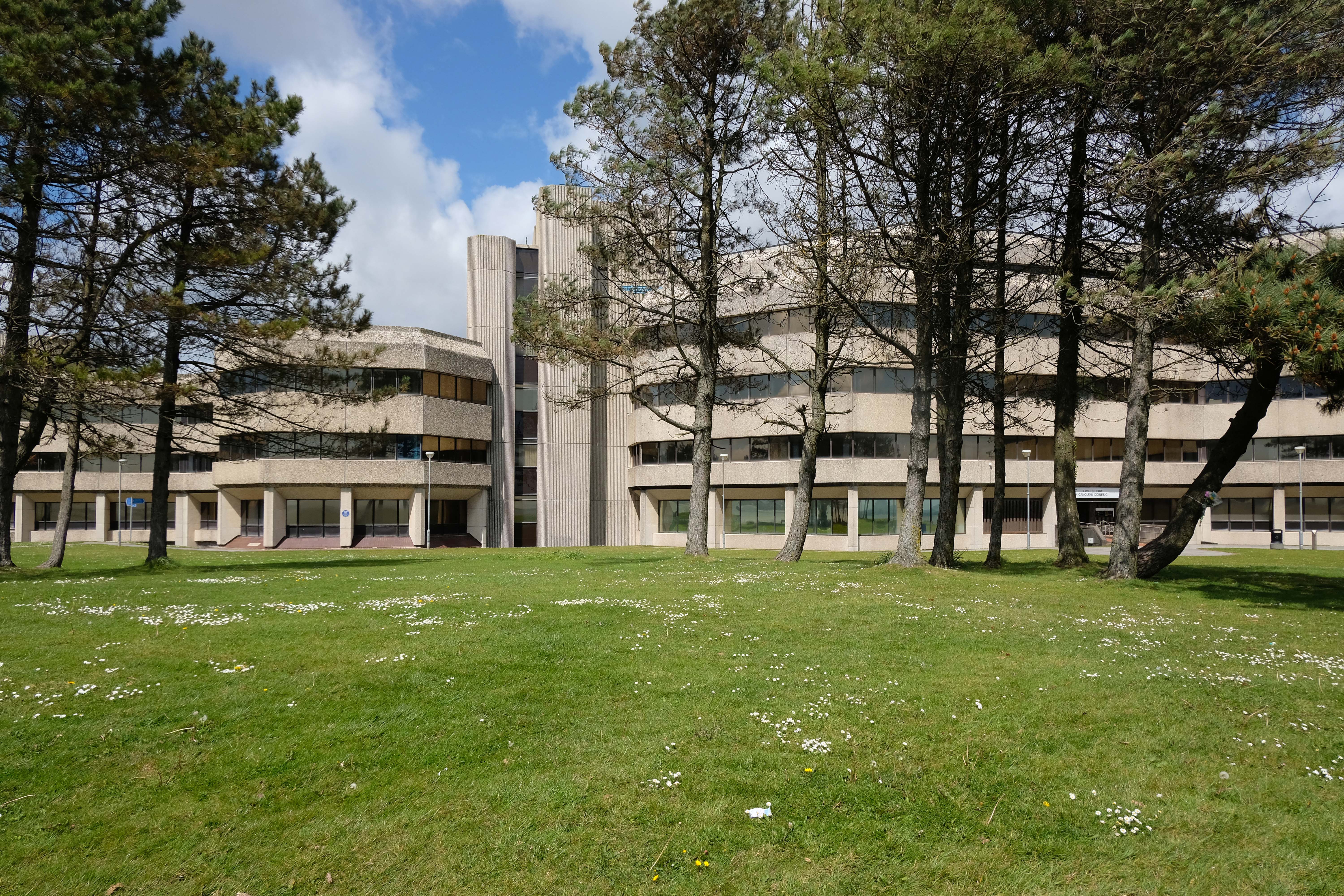
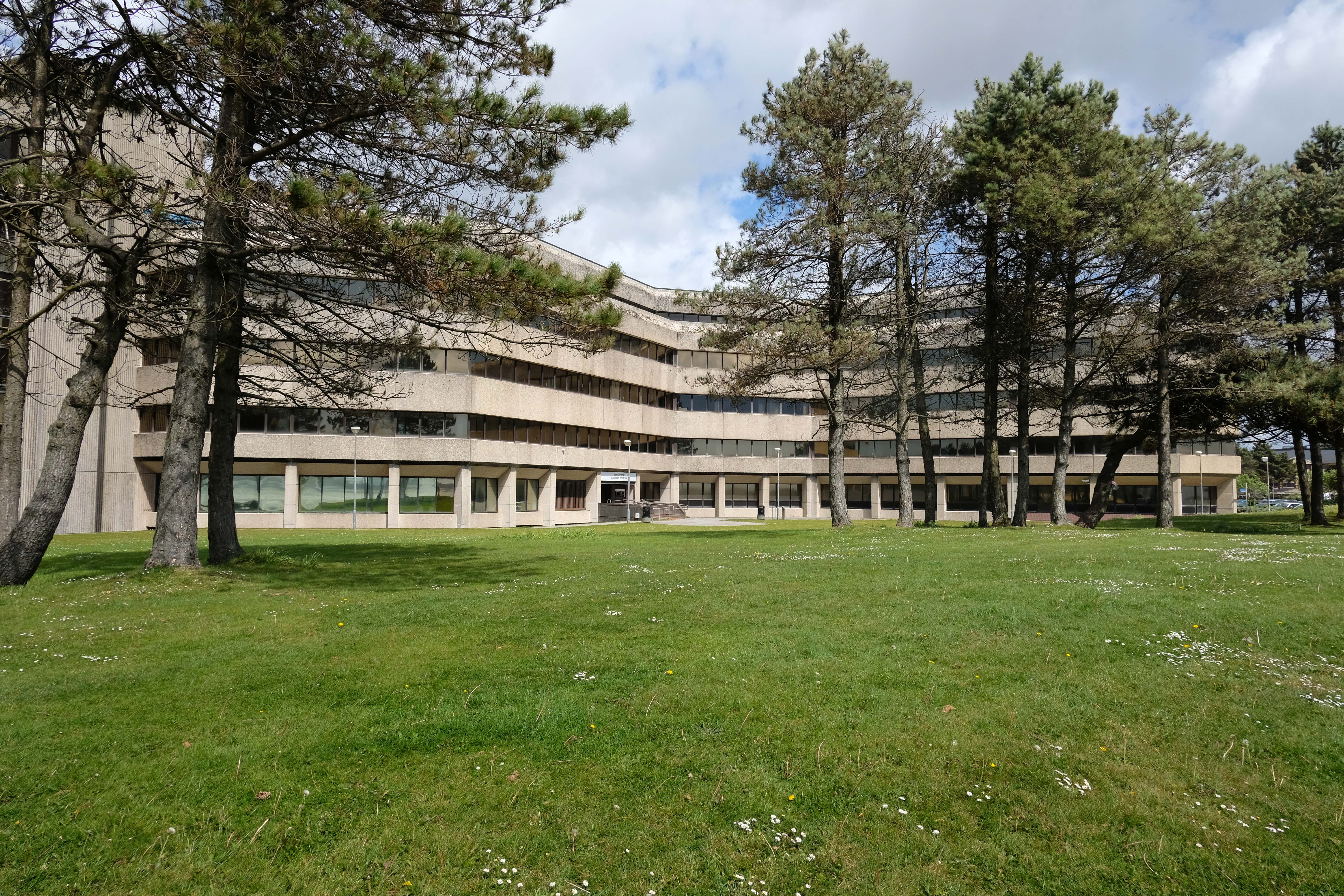
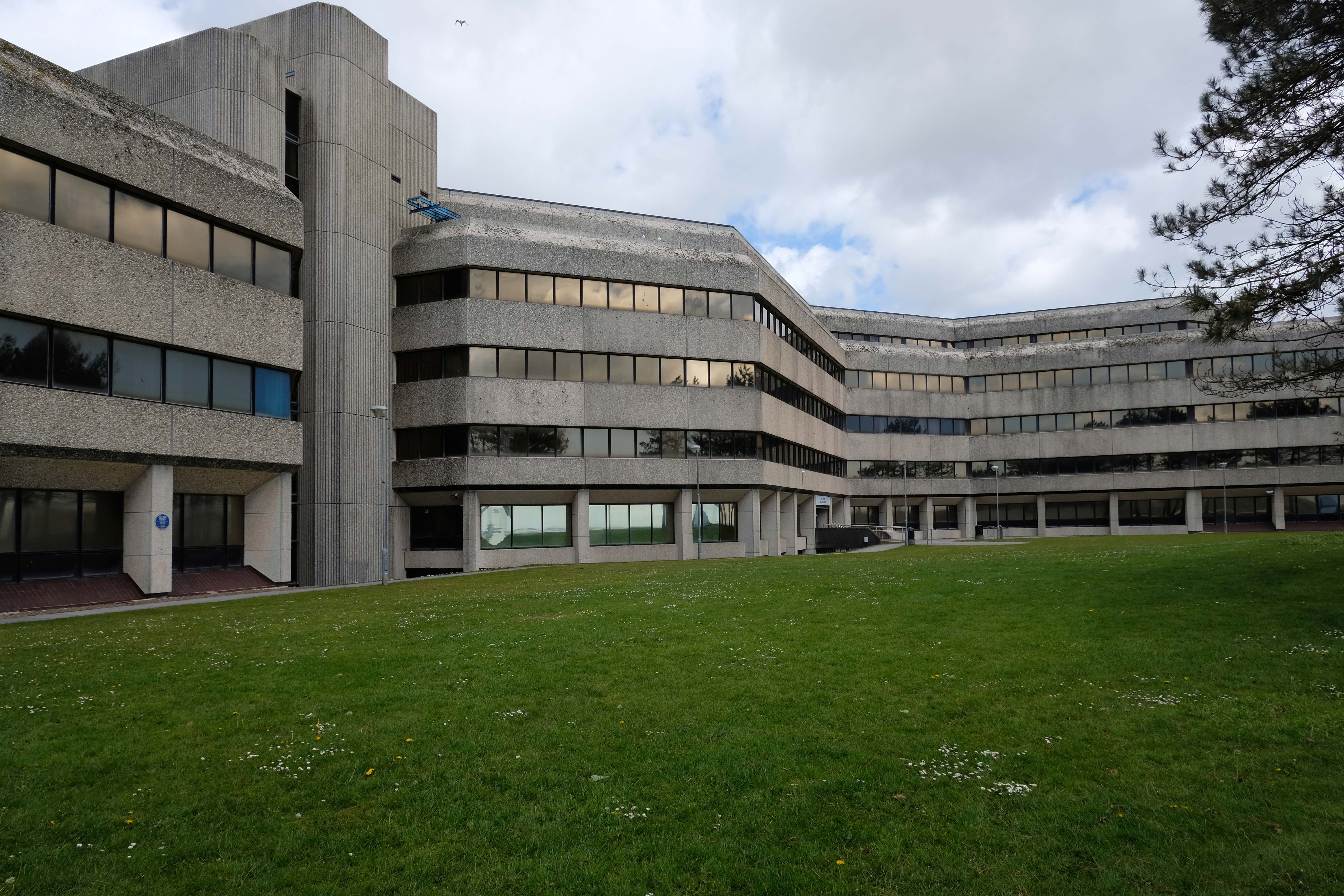
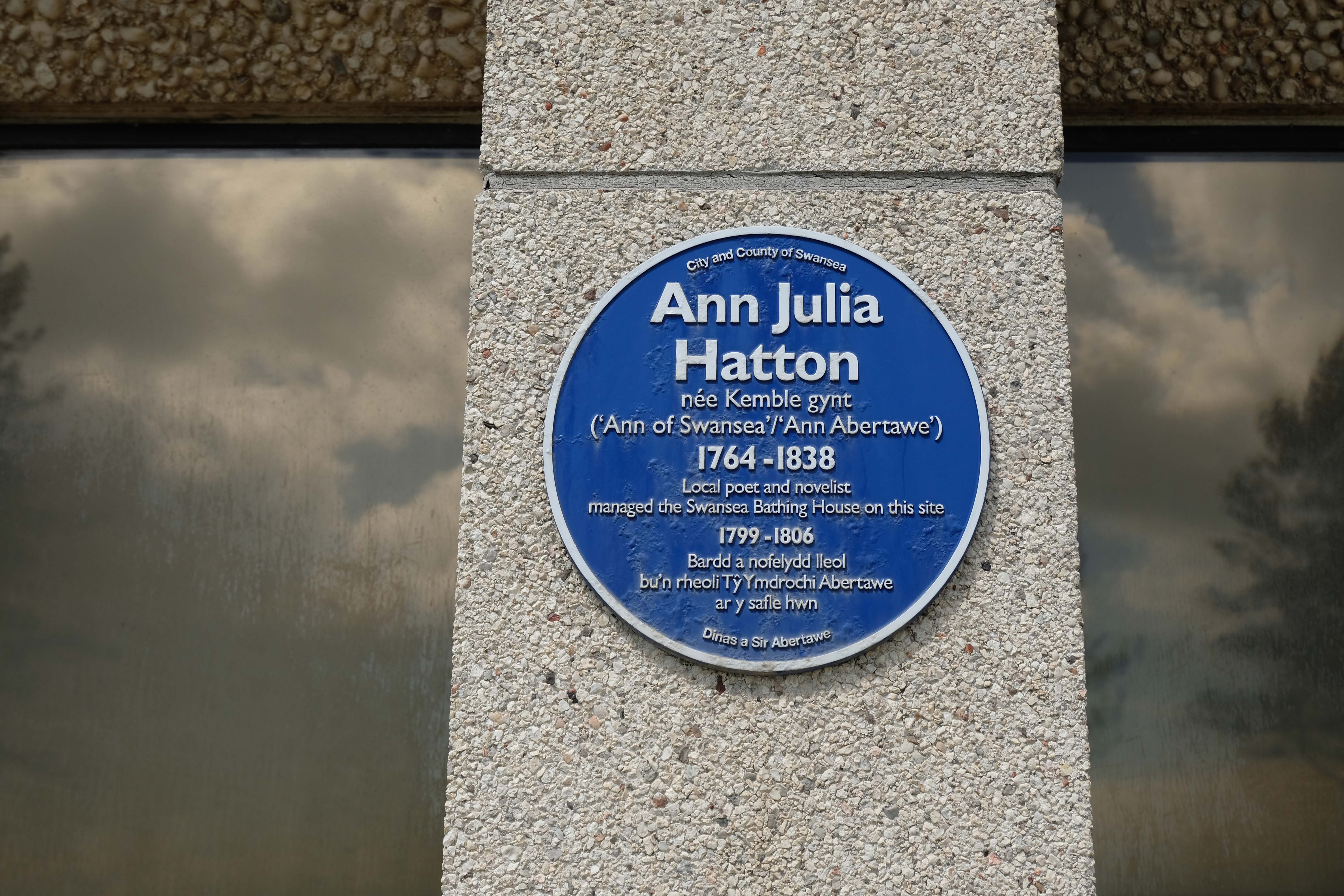
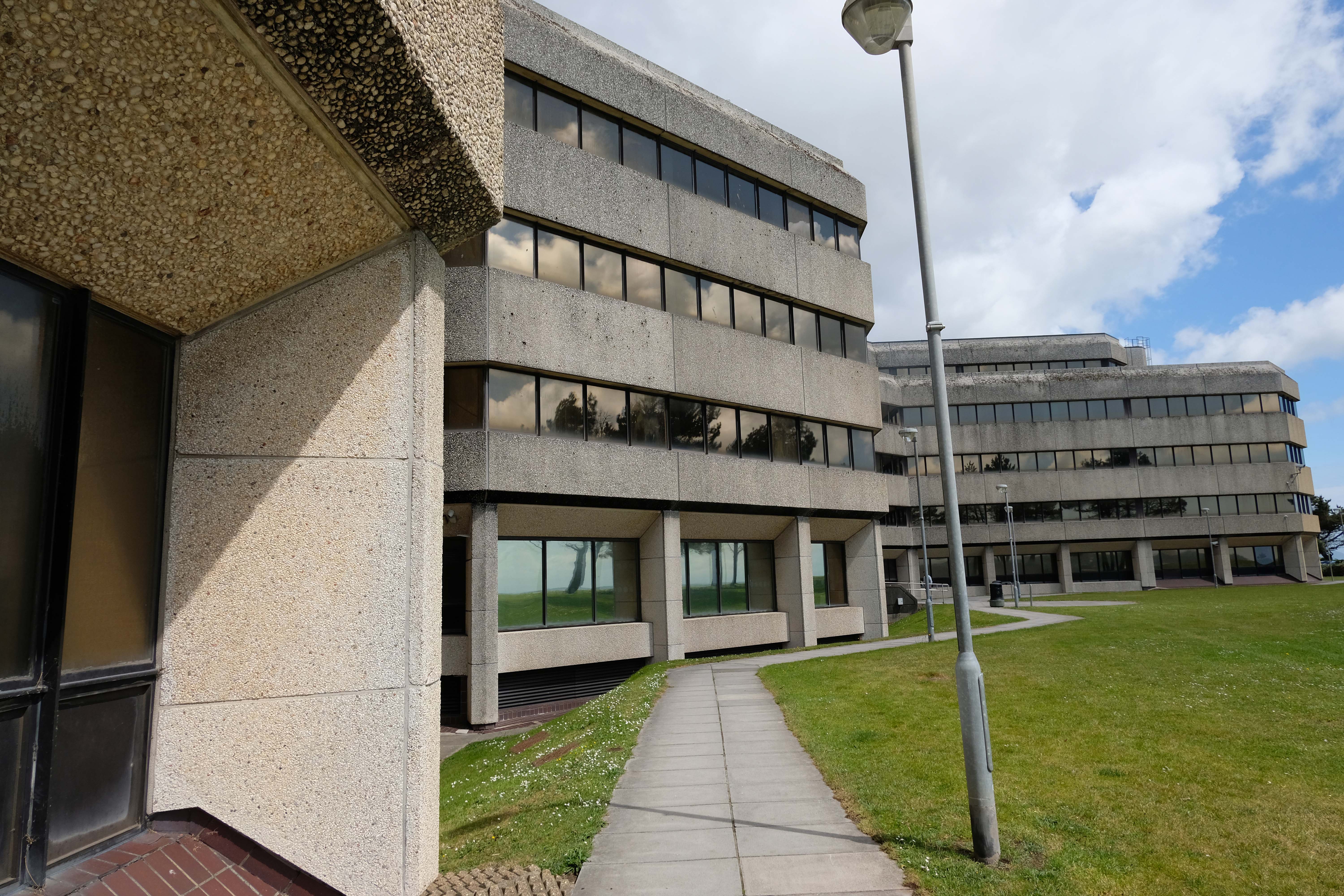
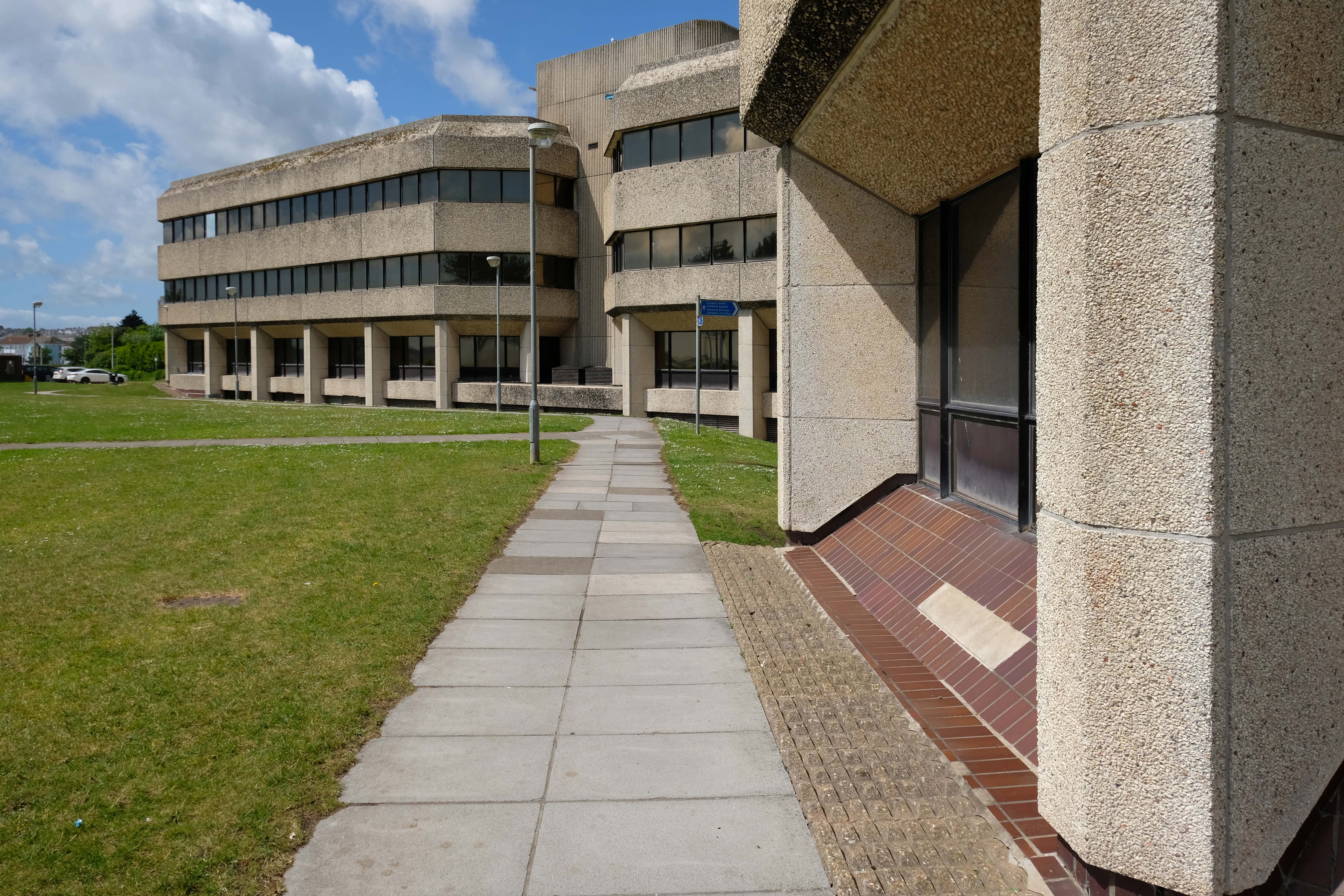
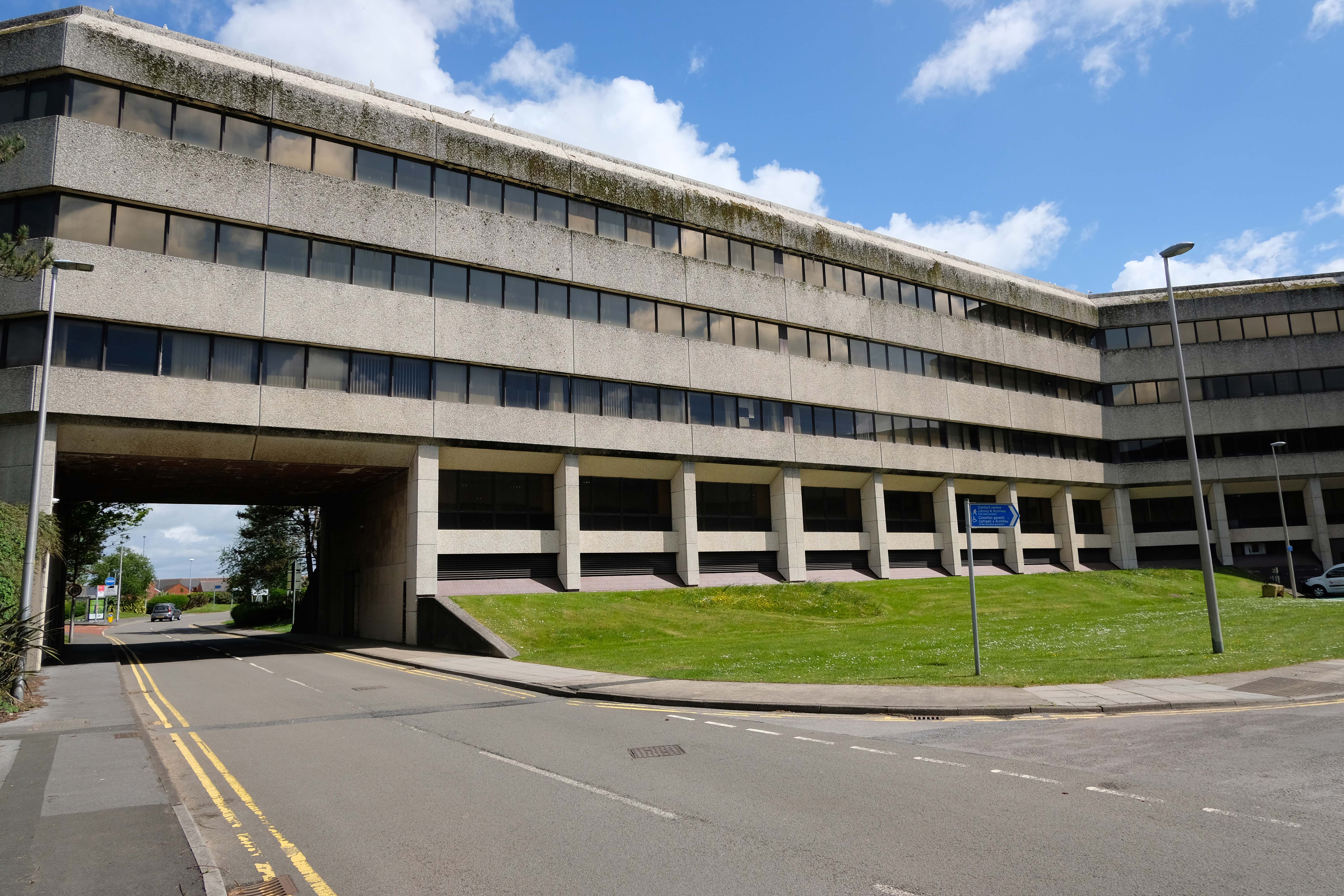
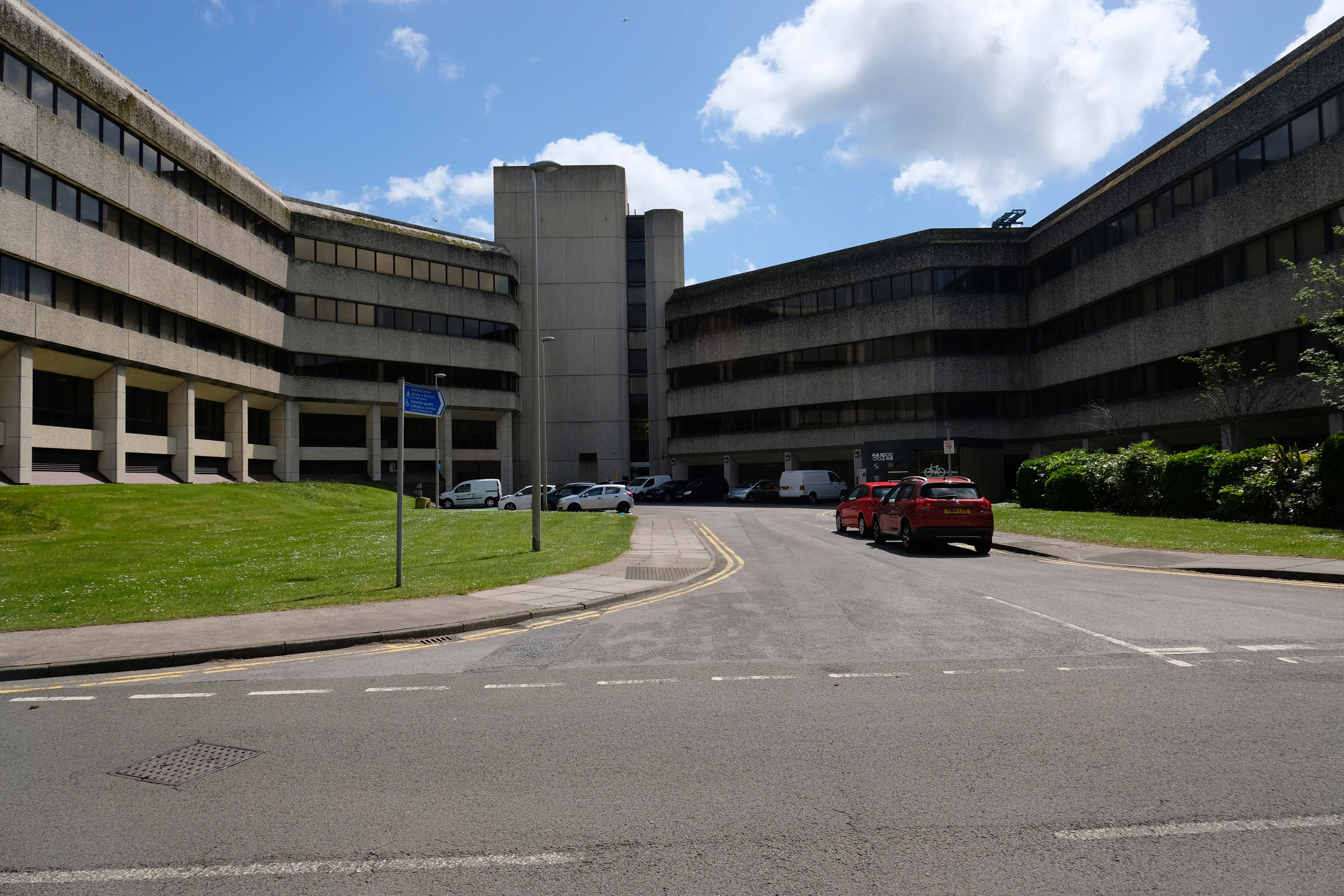
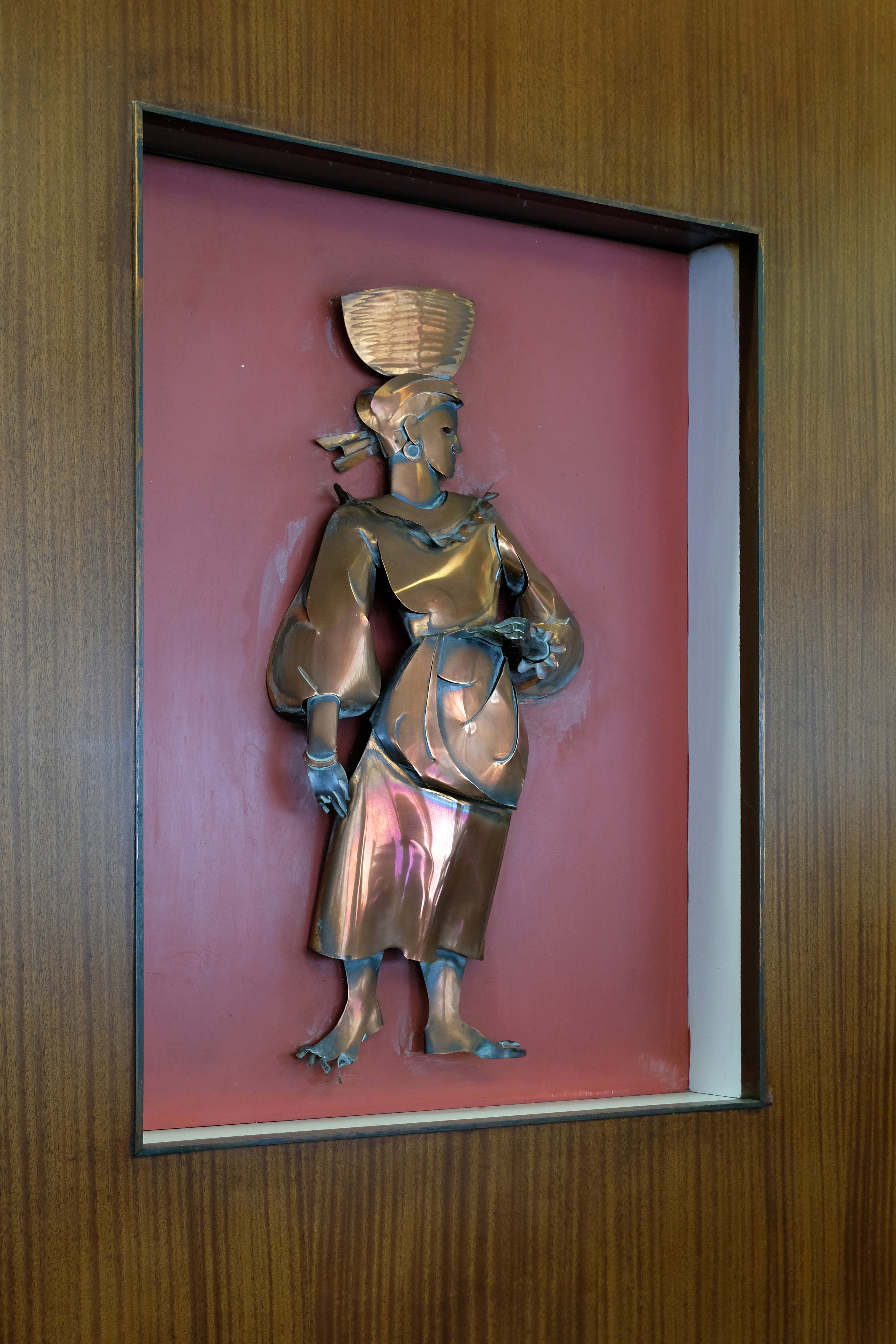
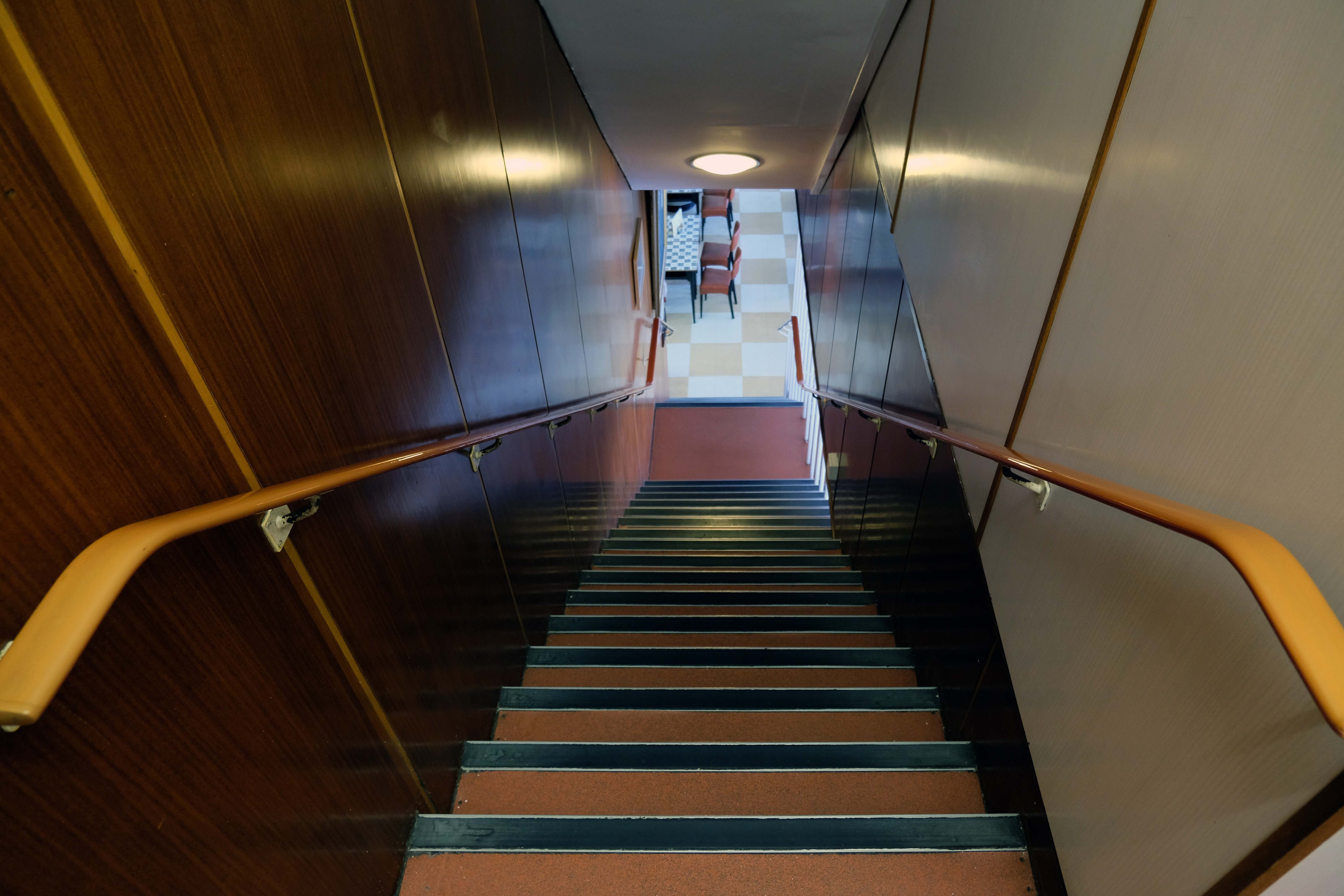
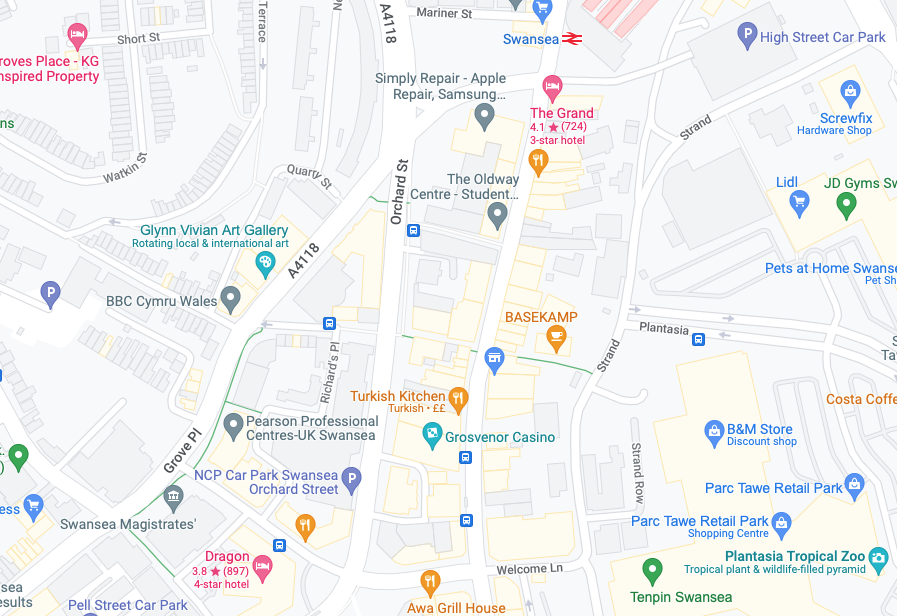
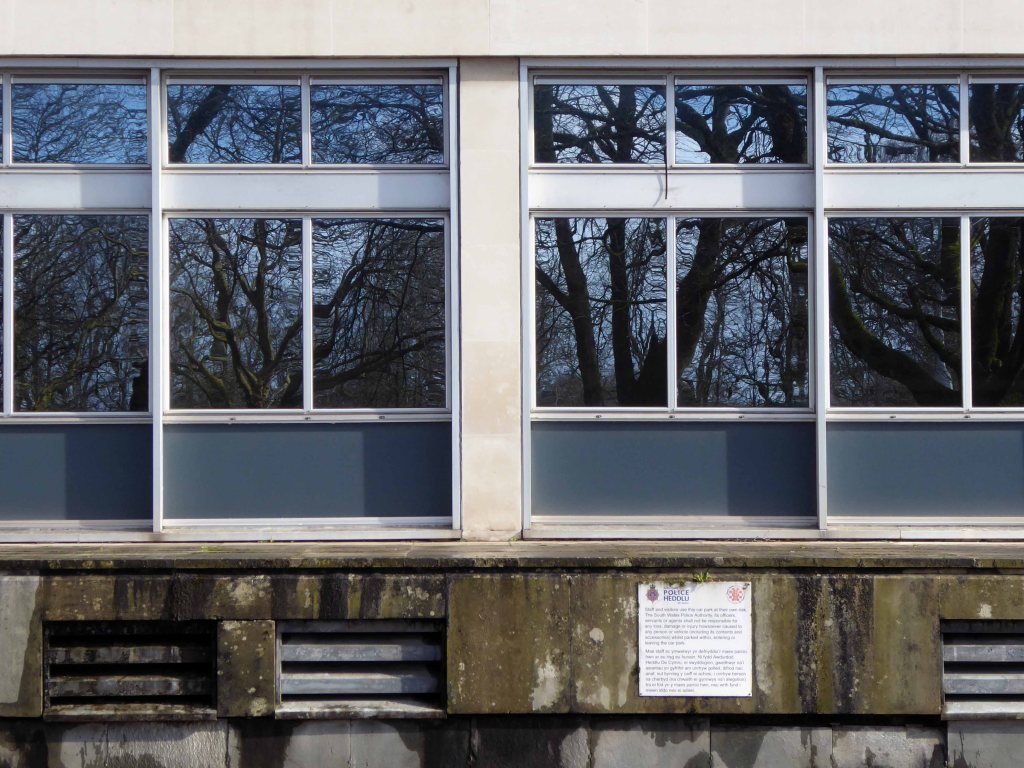
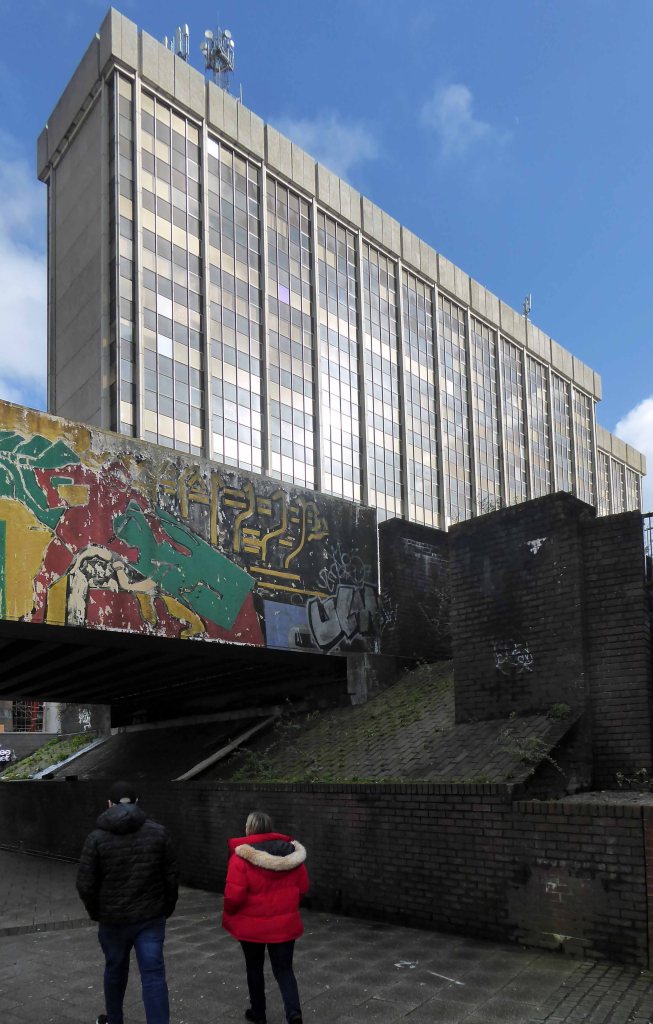
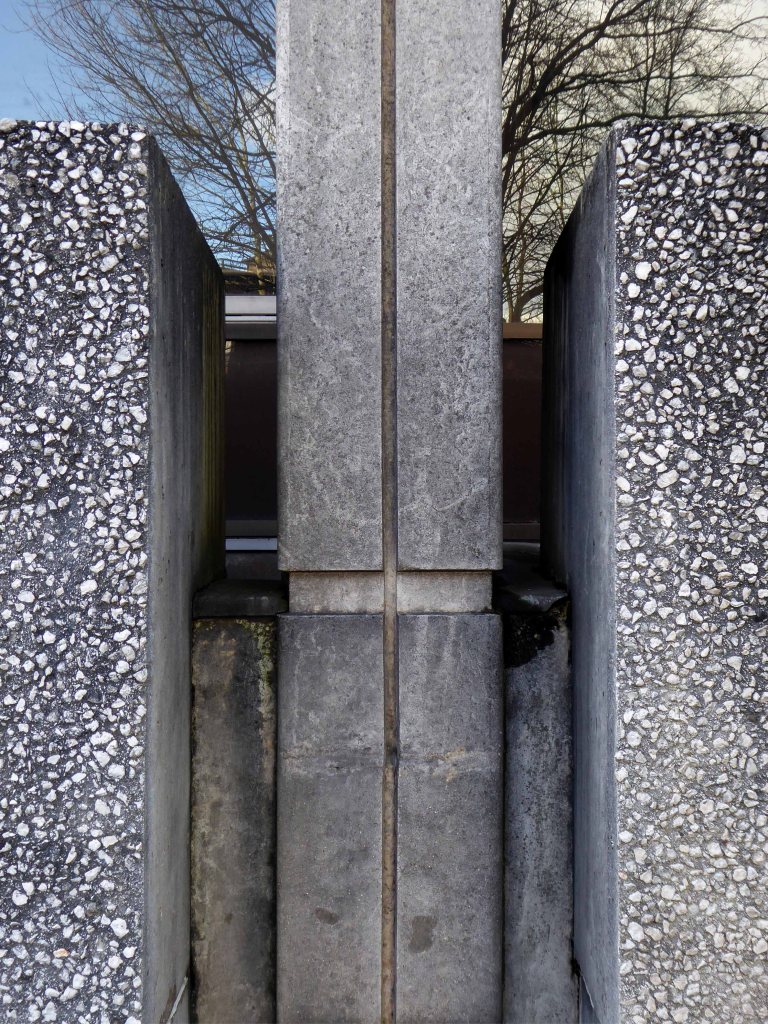
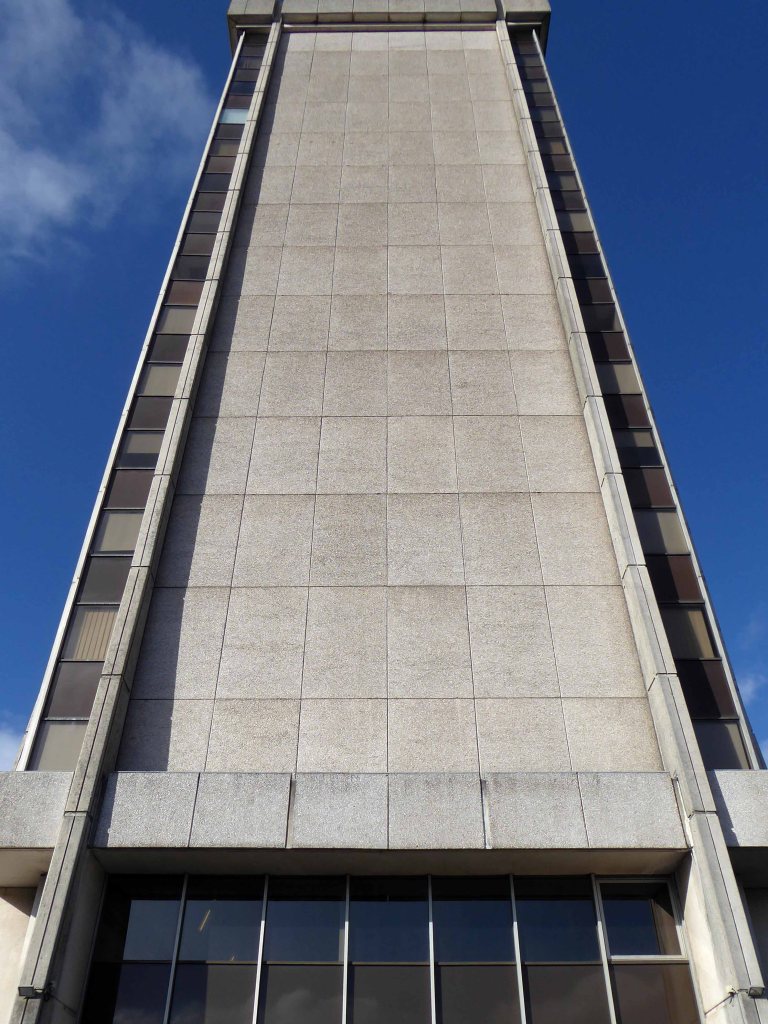
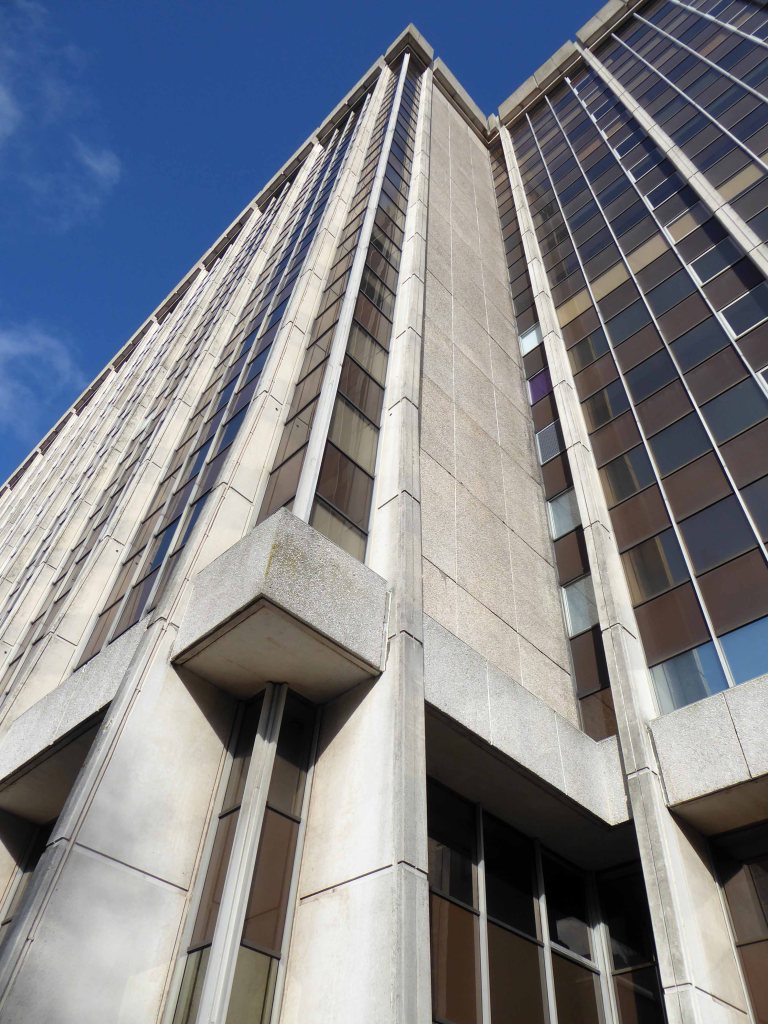
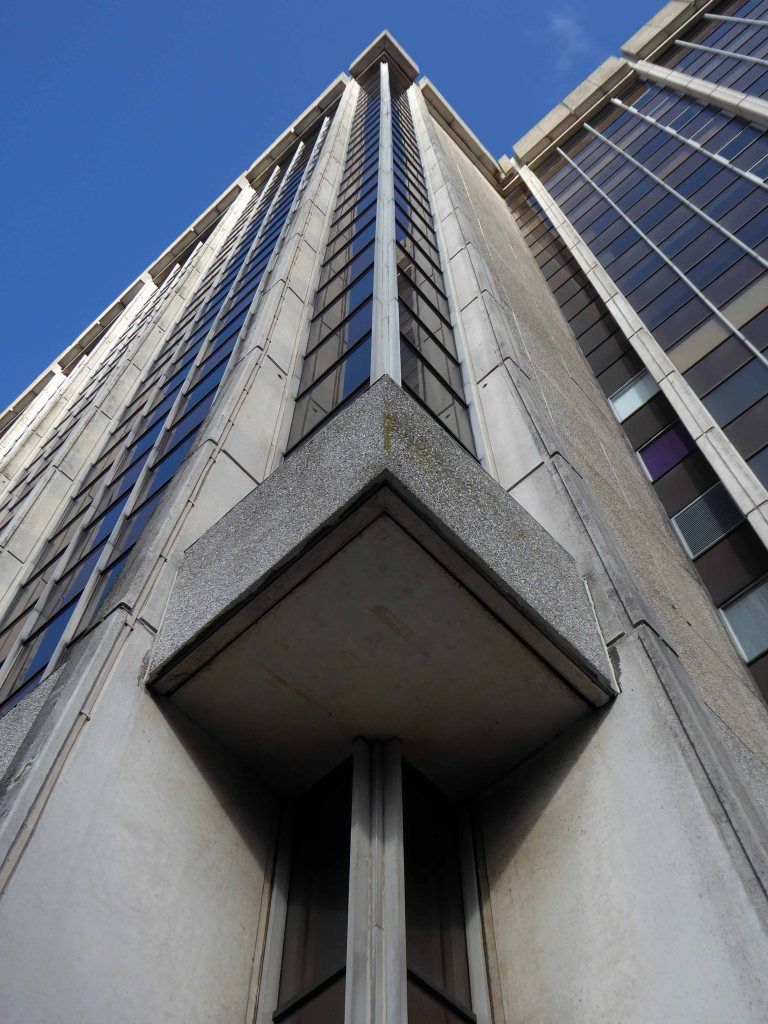
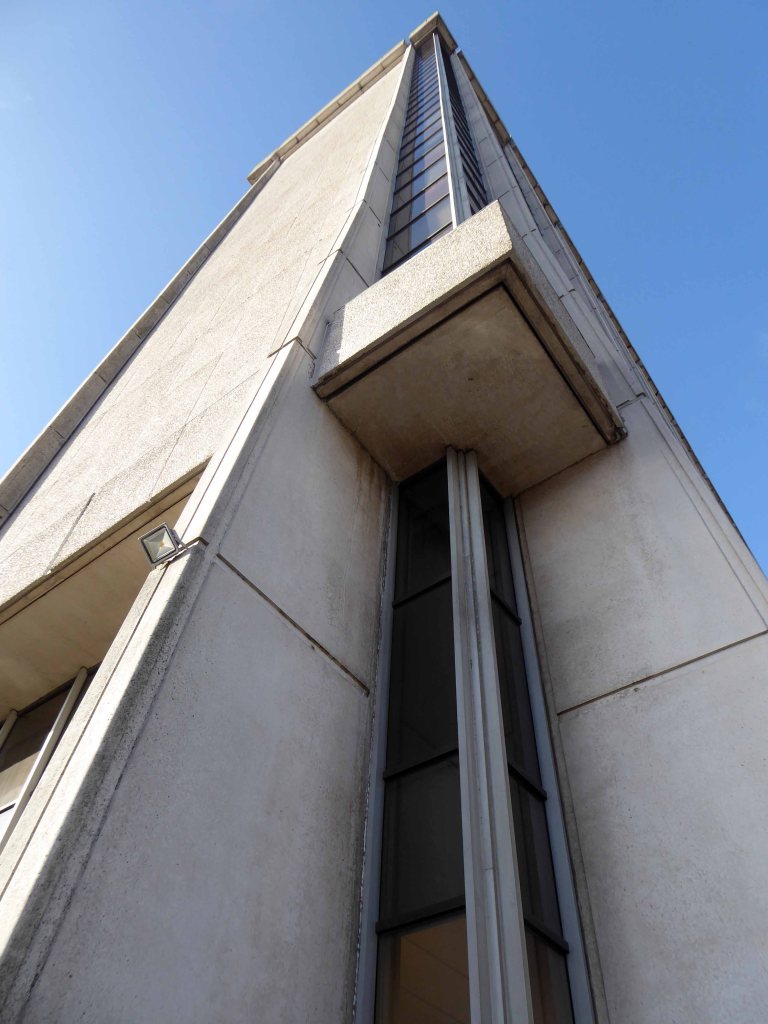
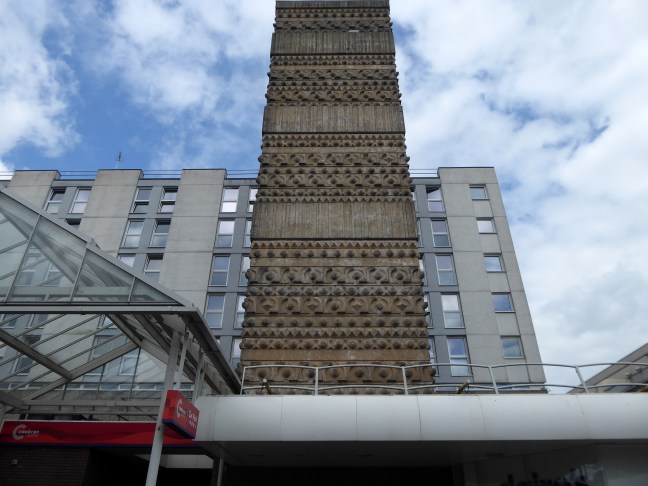
Canolfan Ddinesig Abertawe formerly known as County Hall.
Confused?
Don’t be, it’s all quite simple really.
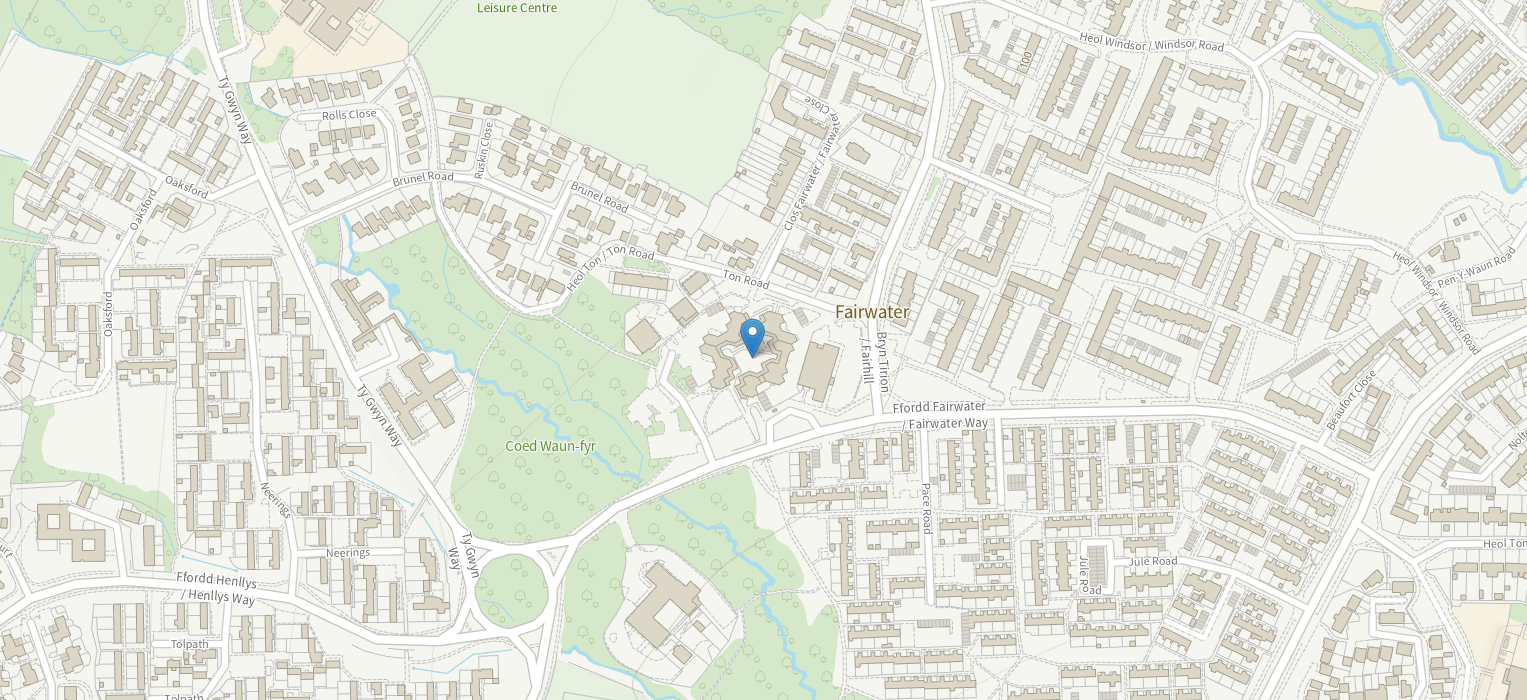
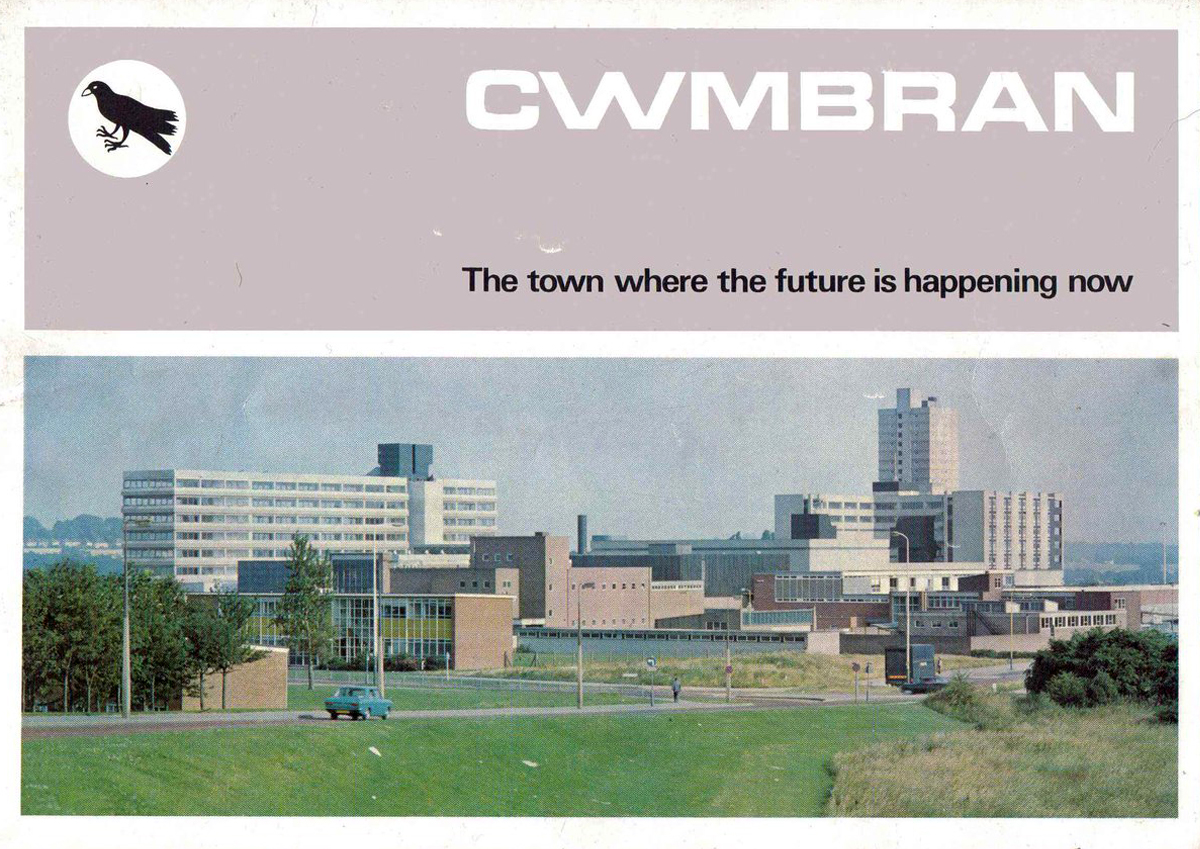
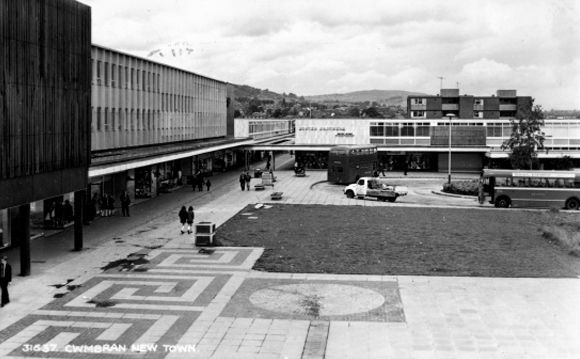
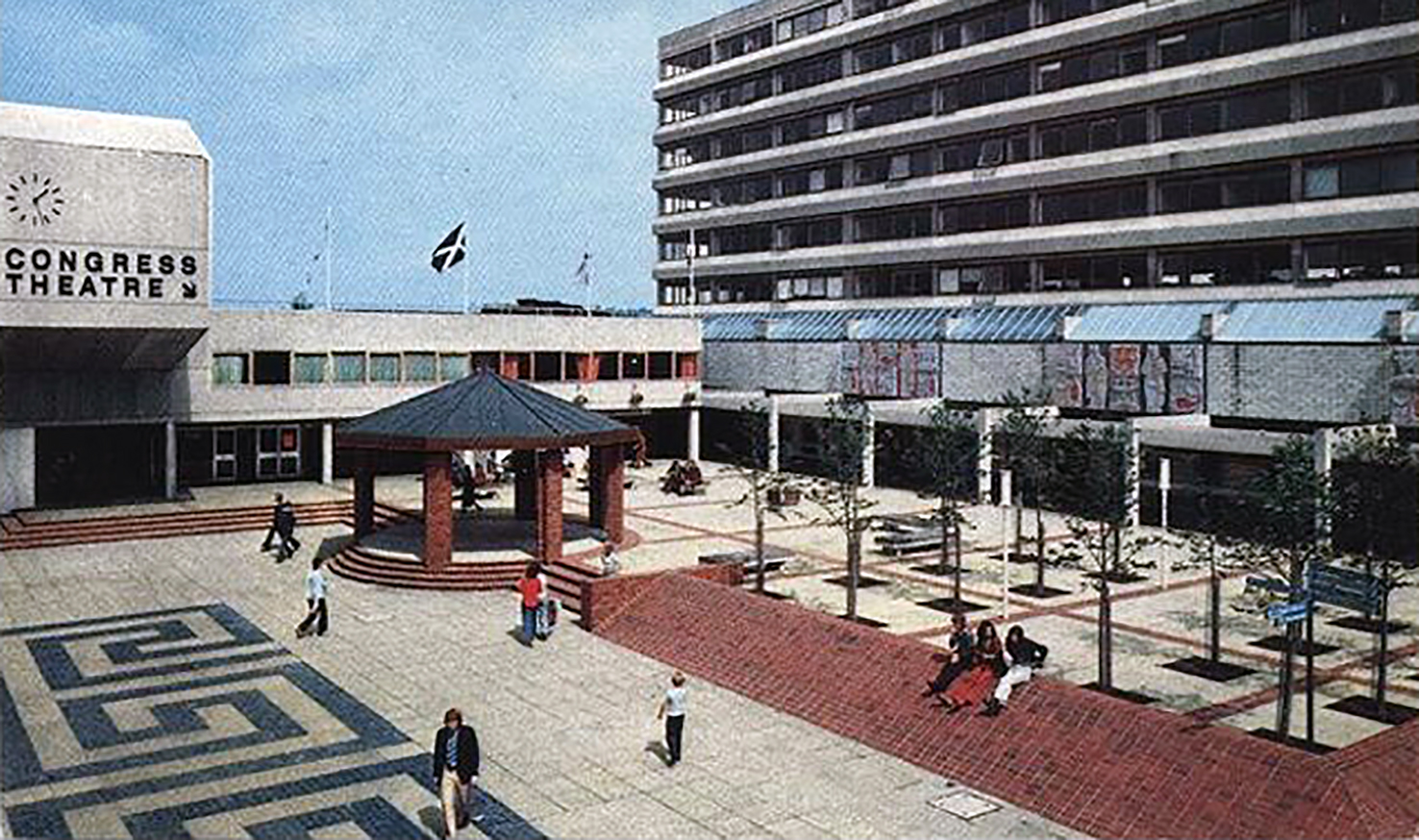
Following the implementation of the Local Government Act 1972, which broke up Glamorgan County Council and established West Glamorgan County Council, the new county council initially met at Swansea Guildhall. Finding that this arrangement, which involved sharing facilities with Swansea Council, to be inadequate, county leaders procured a dedicated building, selecting a site formerly occupied by an old railway goods yard associated with the Mumbles Railway.
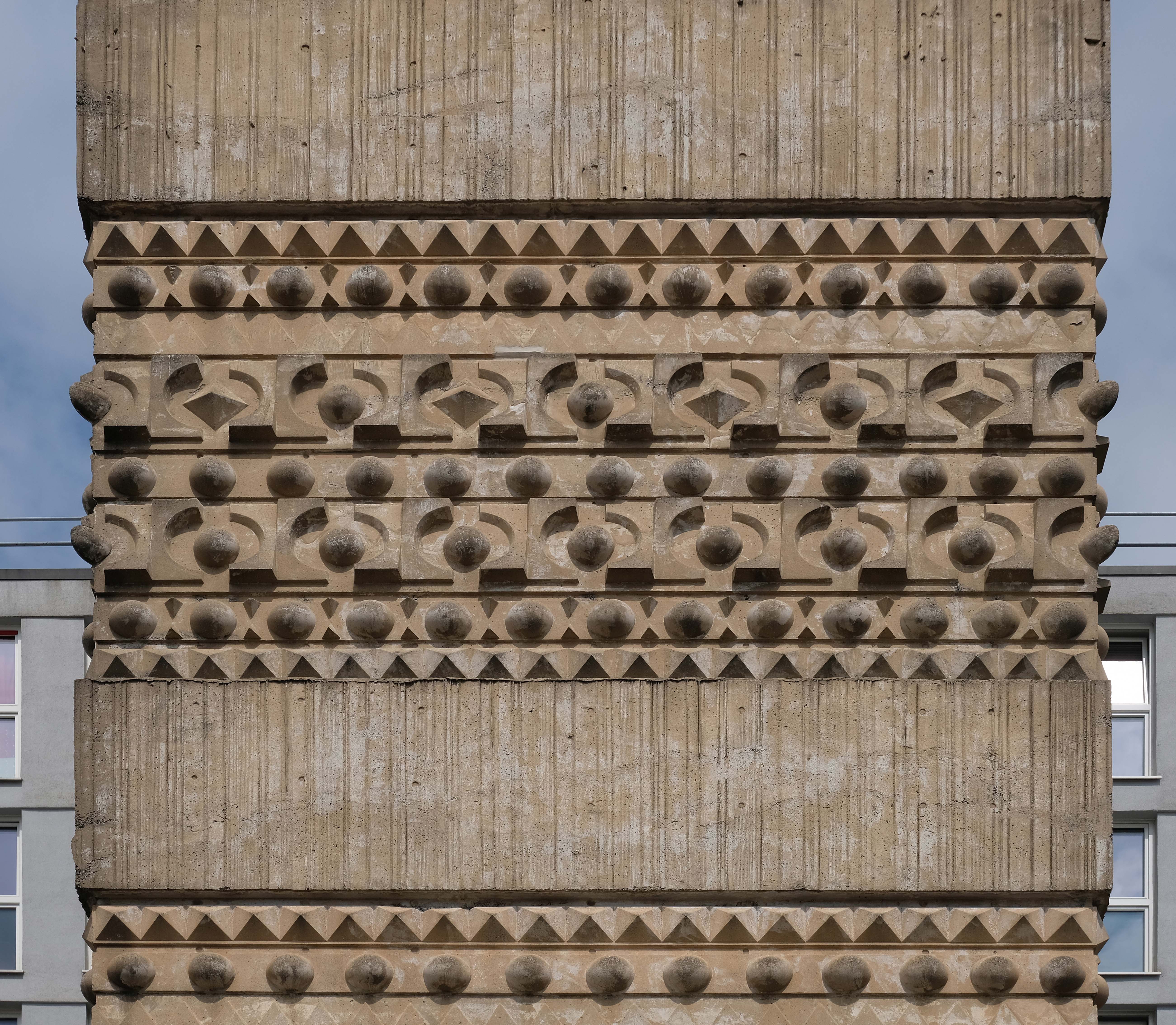
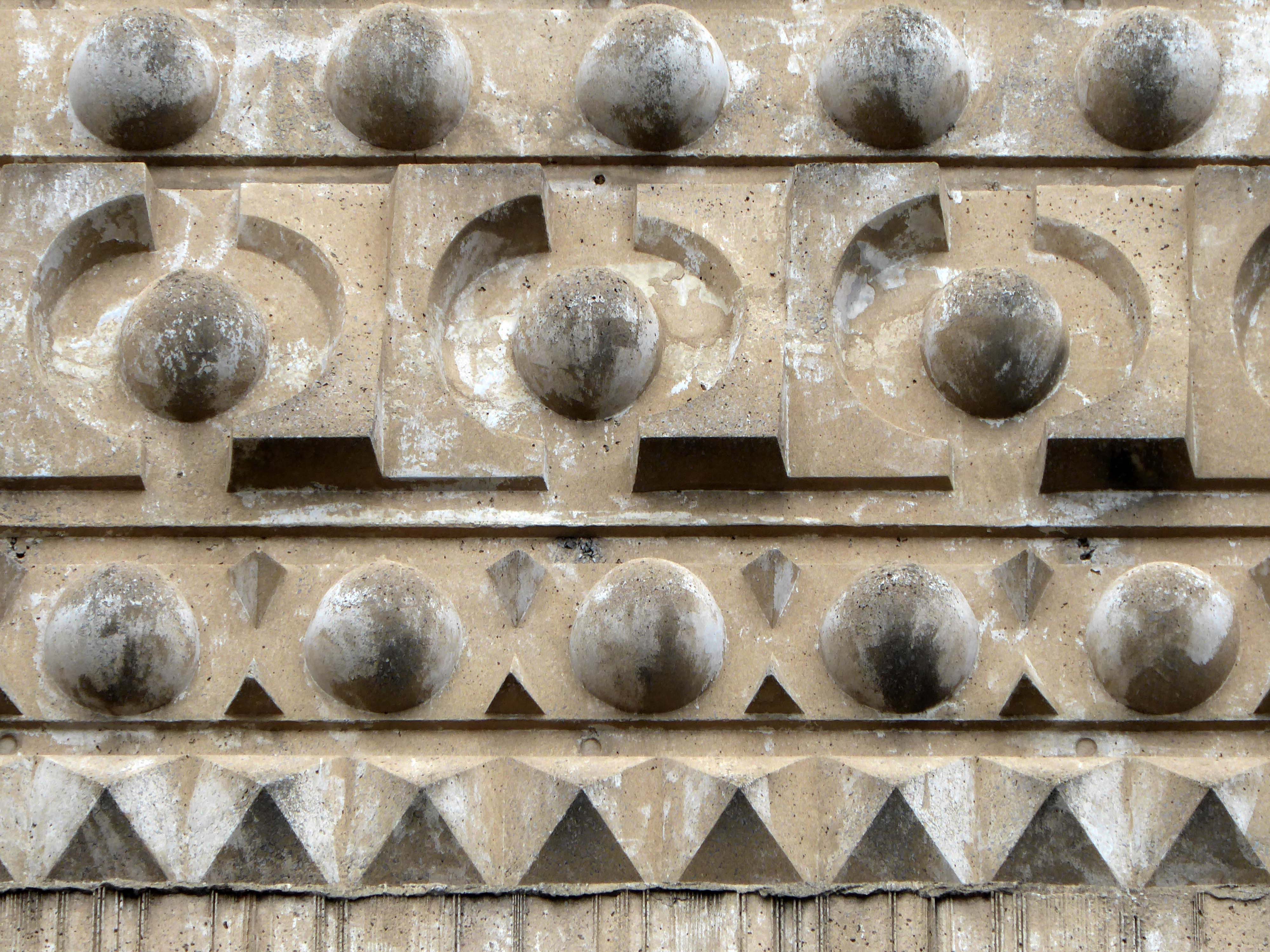
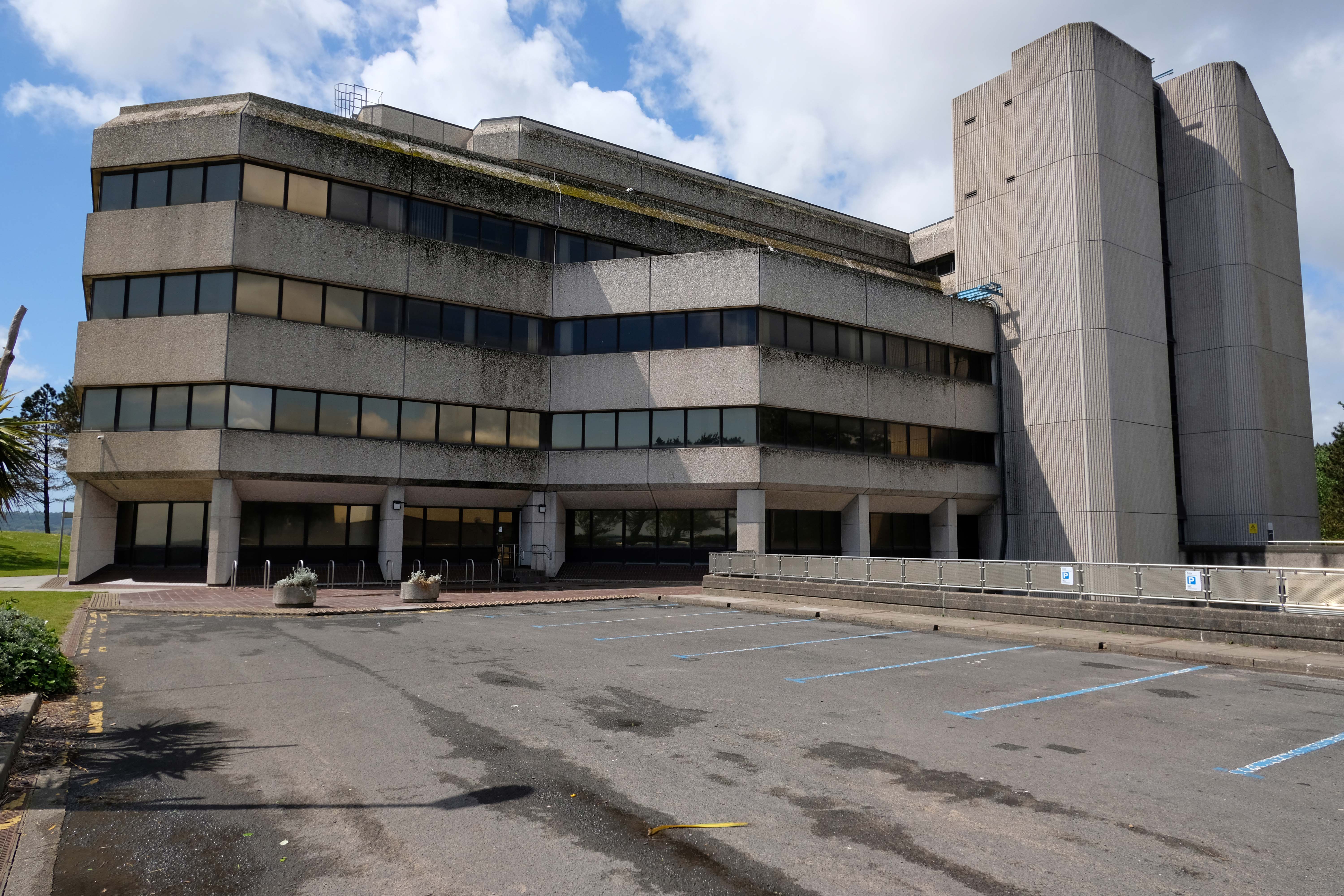
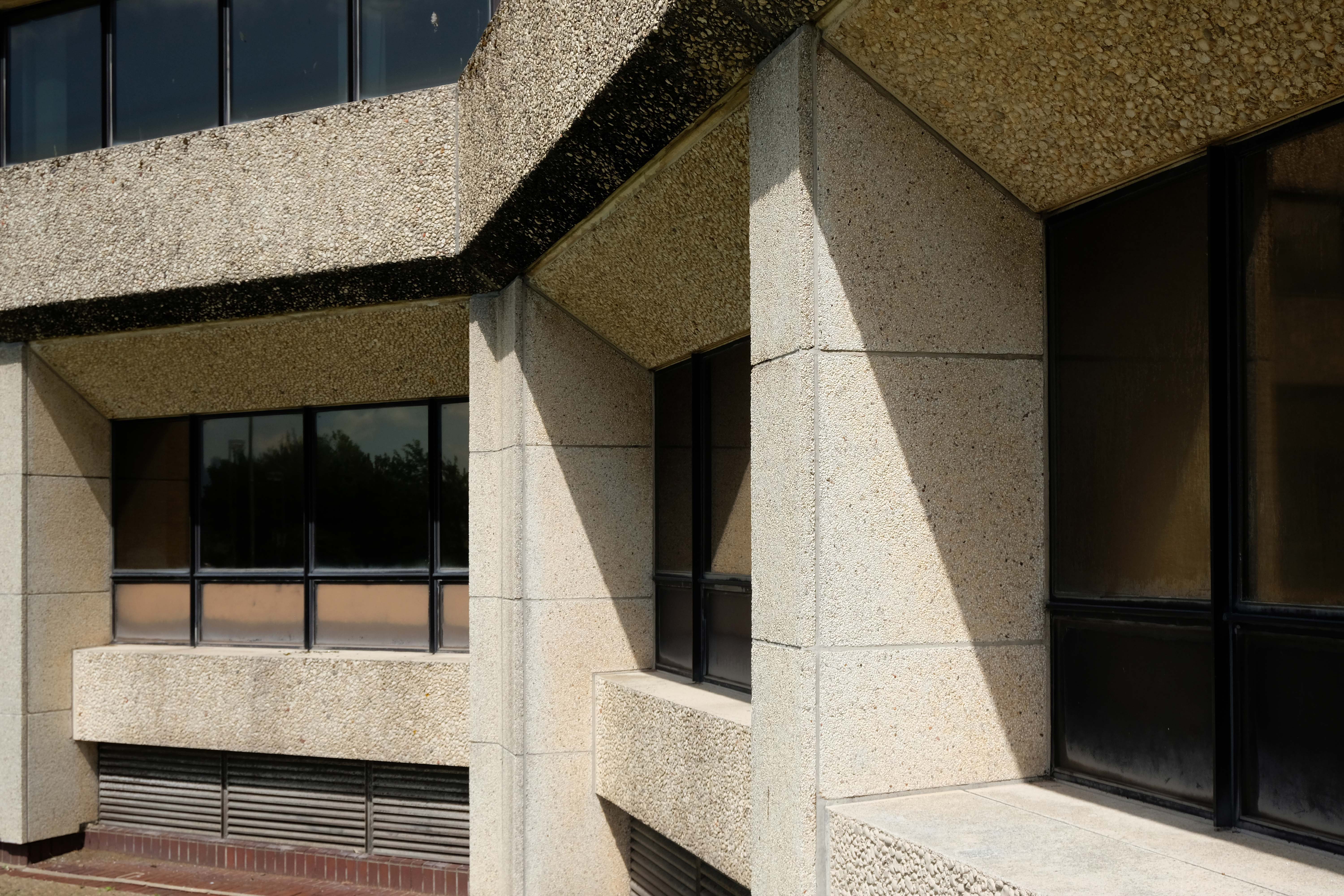
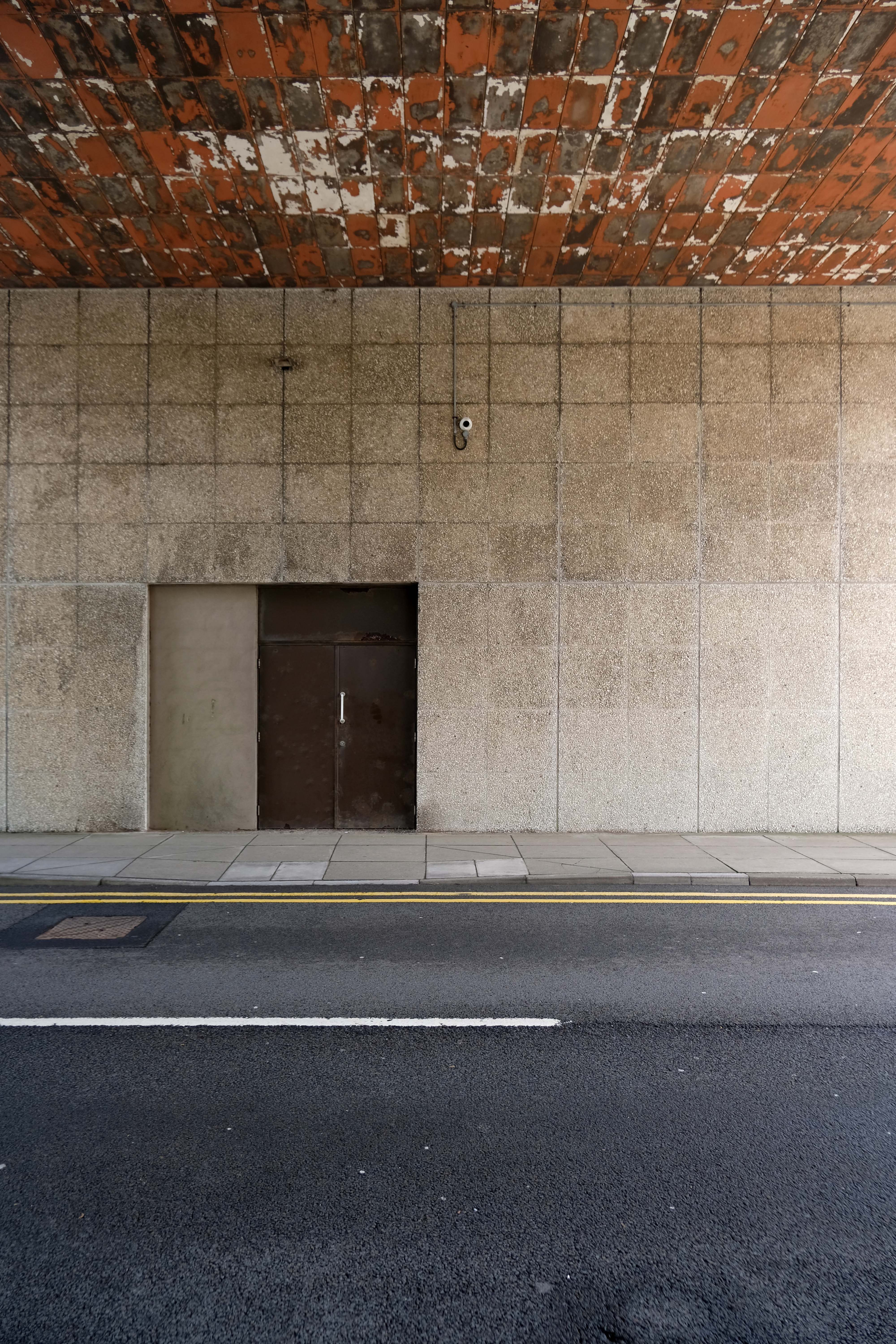
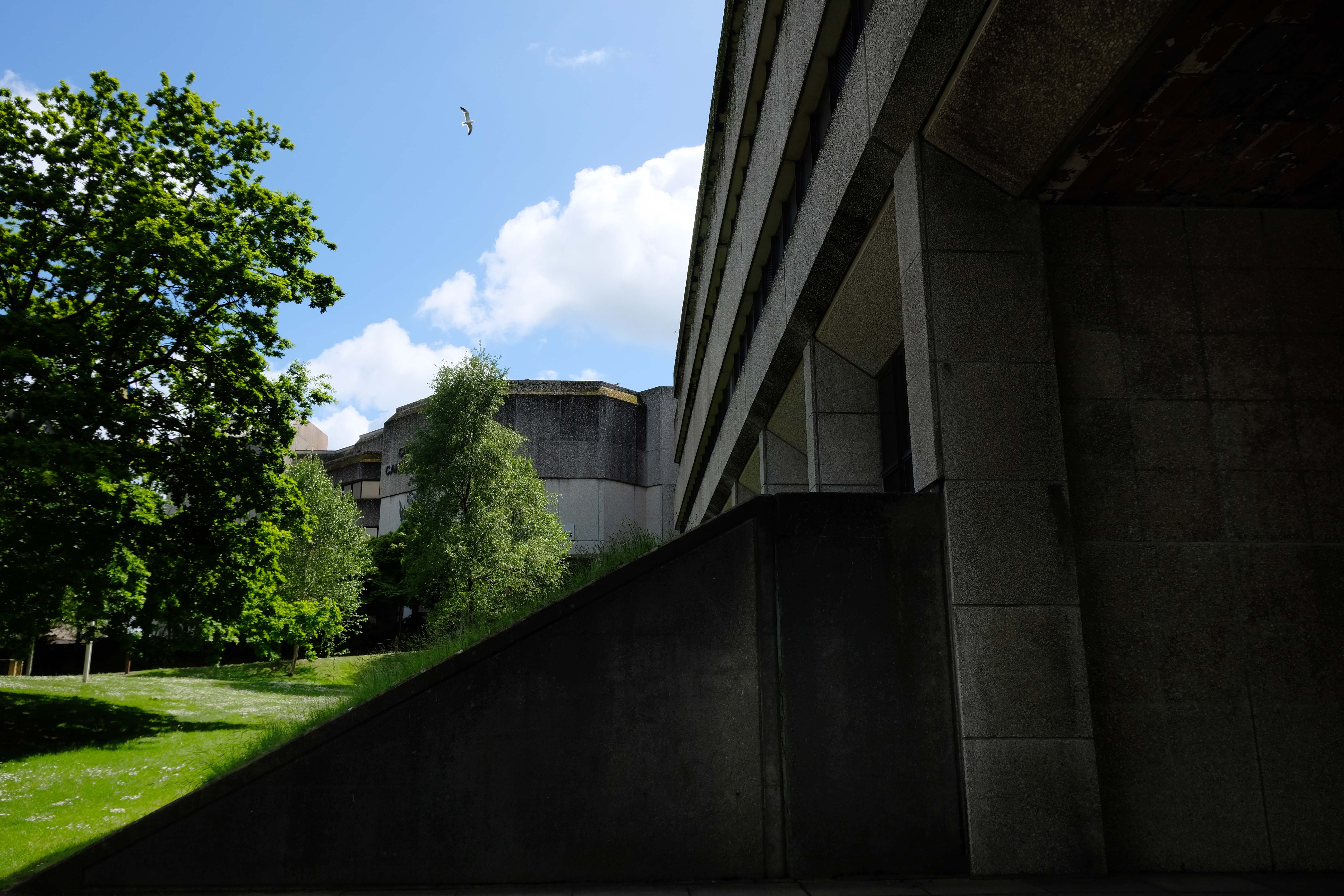
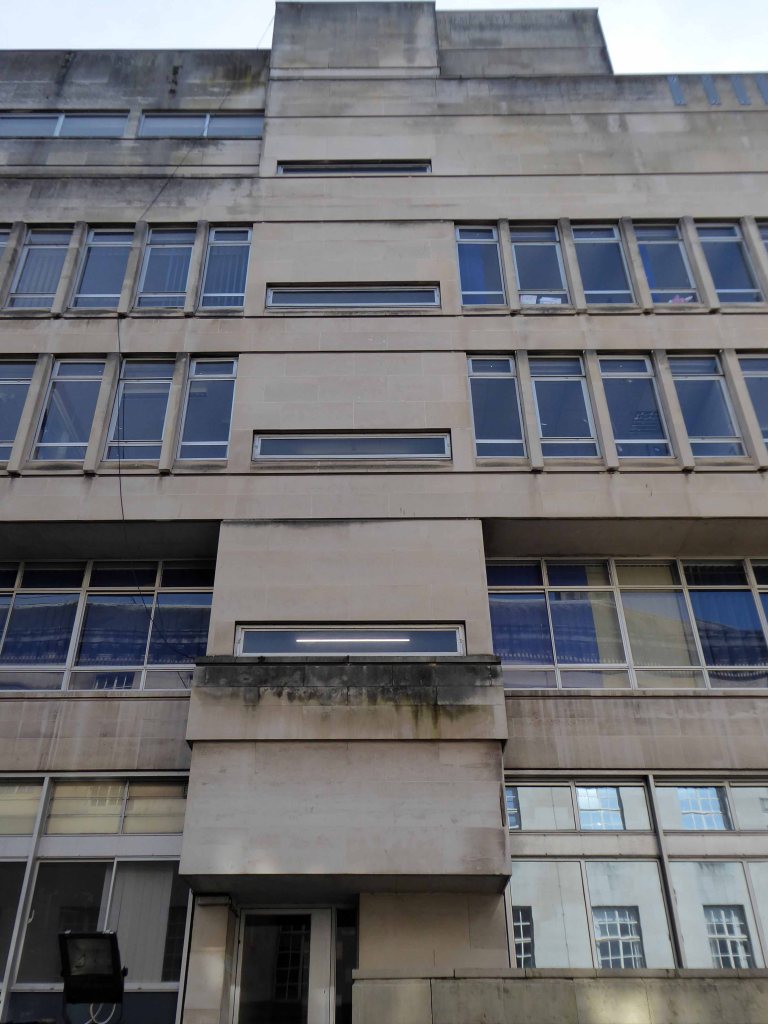
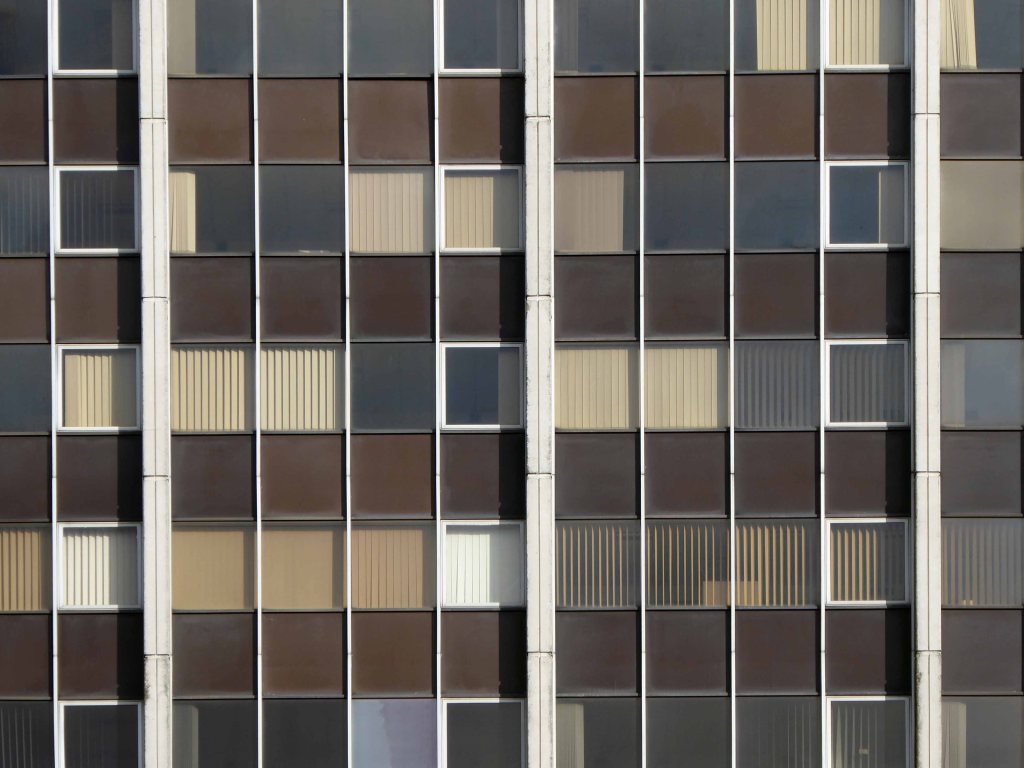
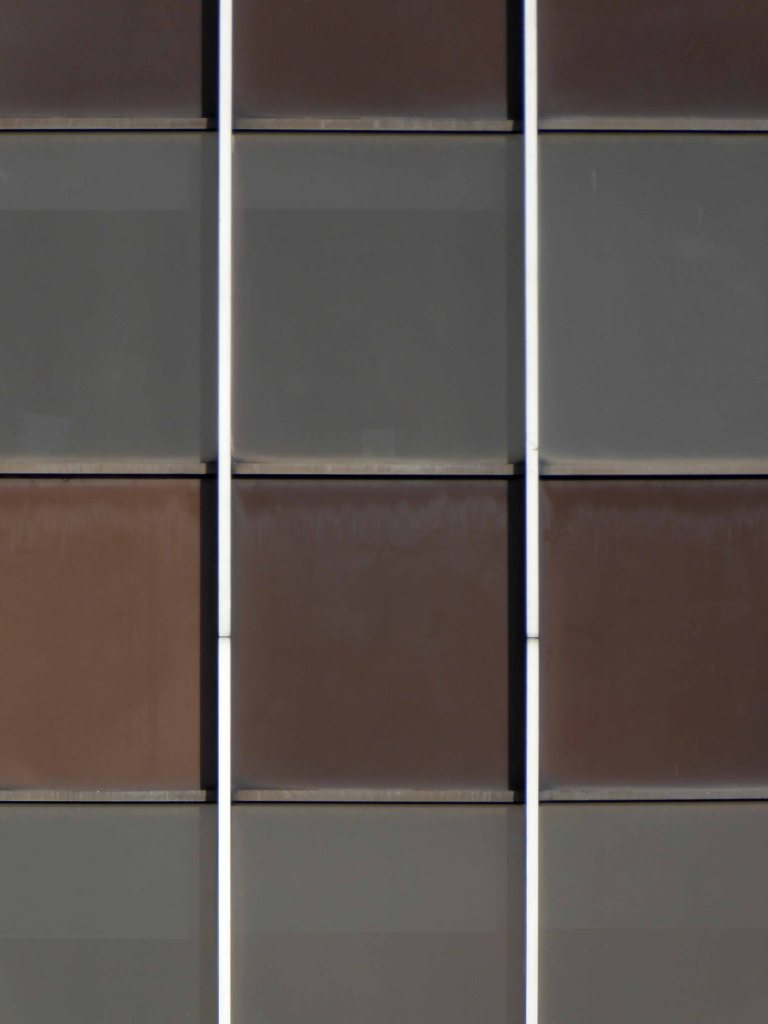
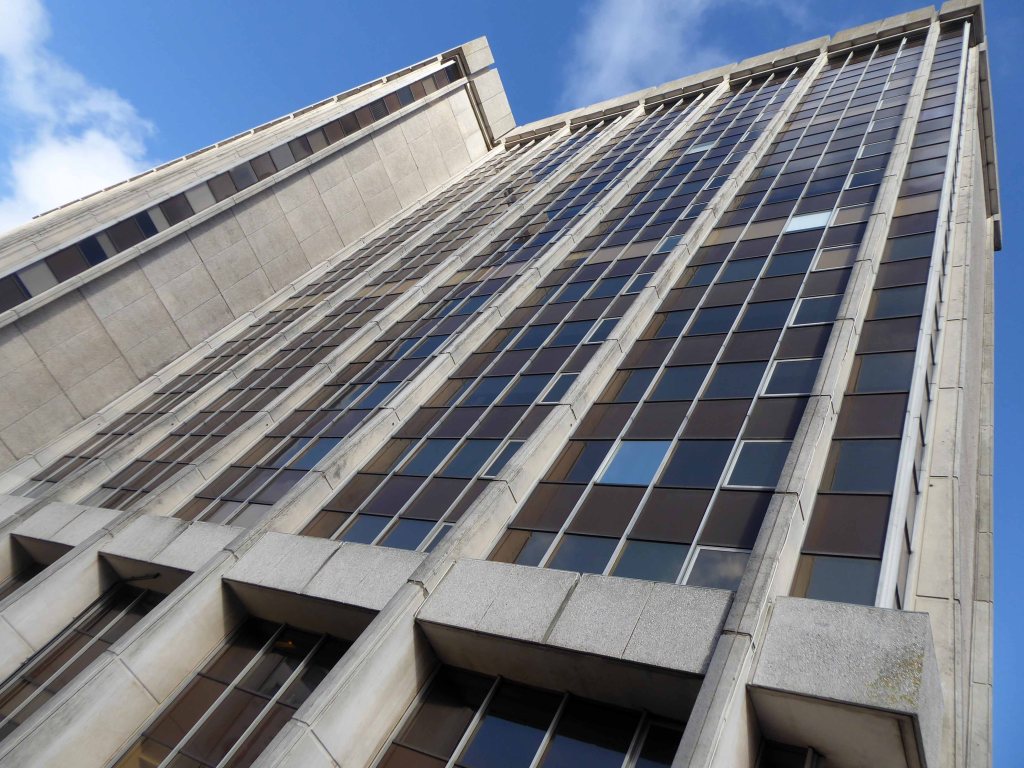
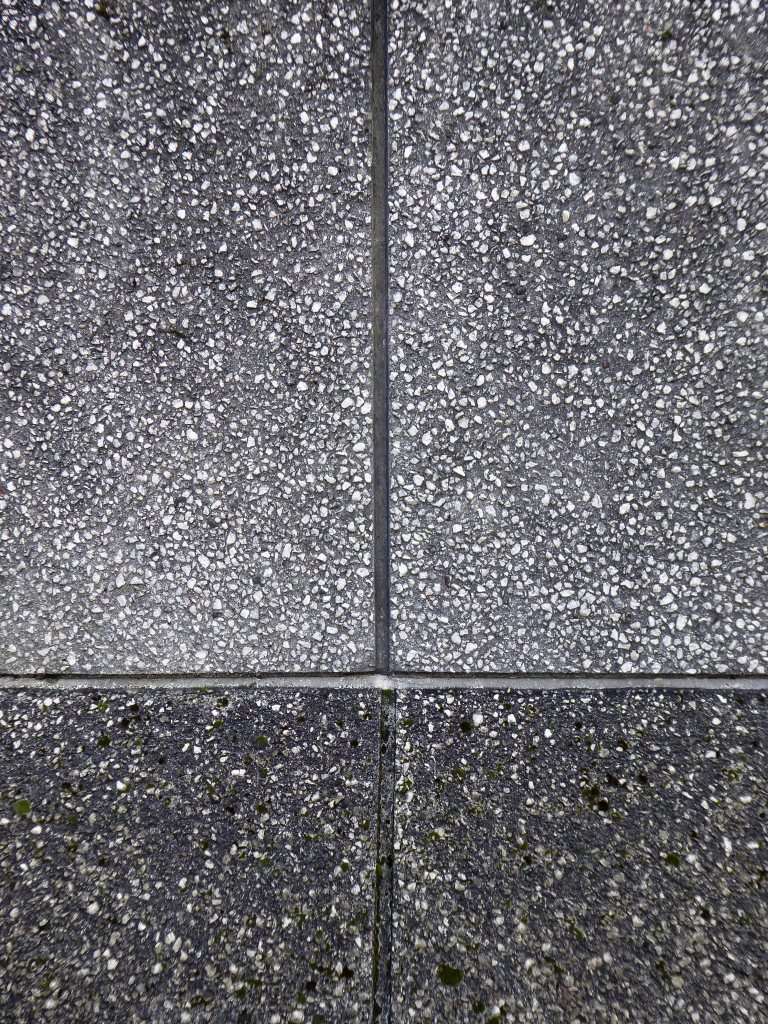
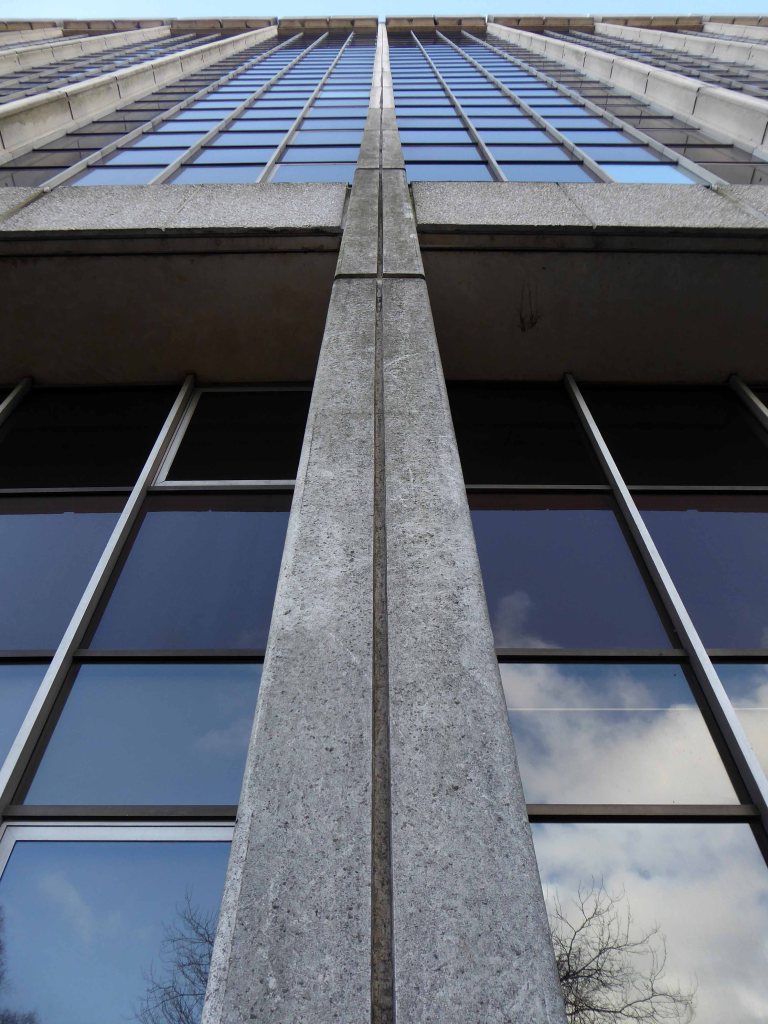
The design features continuous bands of glazing with deep washed calcined flint panels above and below.
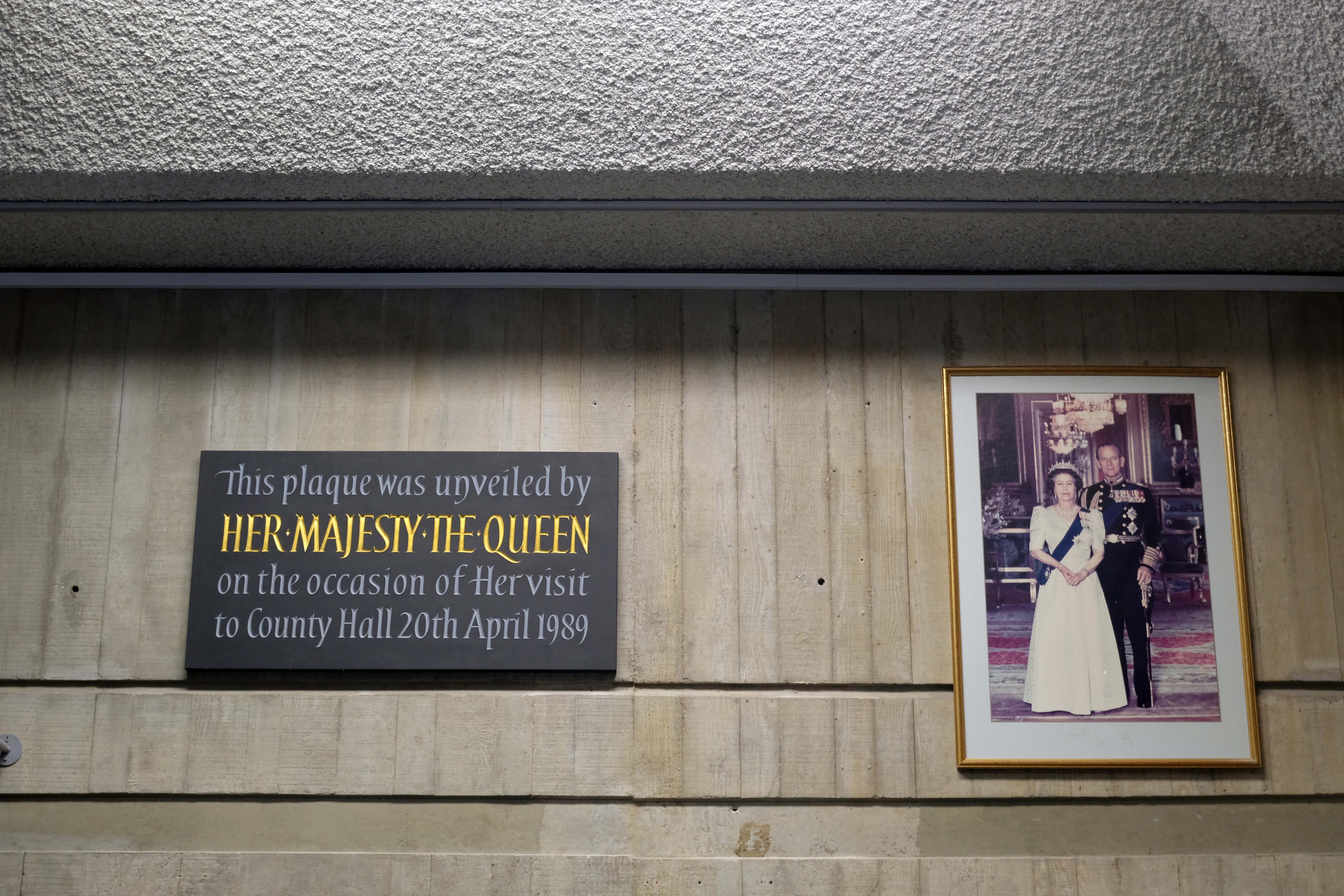
Queen Elizabeth II, accompanied by the Duke of Edinburgh, visited on 20 April 1989.
After local government re-organisation in 1996, which abolished West Glamorgan County Council, ownership of the building was transferred to Swansea Council. It was renamed Swansea Civic Centre on 19 March 2008, and Swansea Central Library moved into the complex as part of a redevelopment scheme.
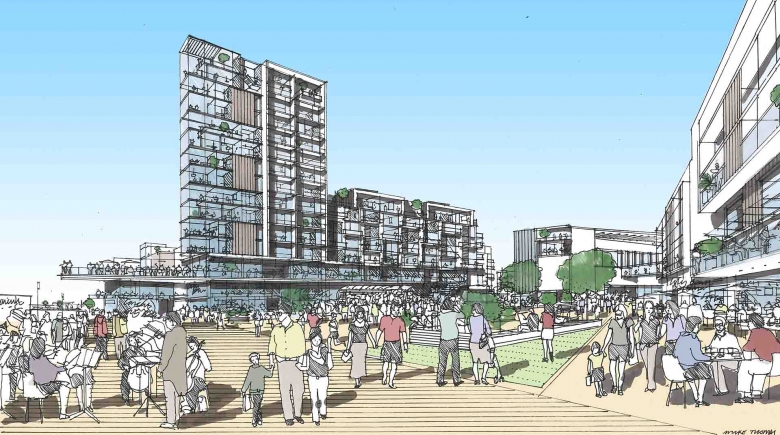
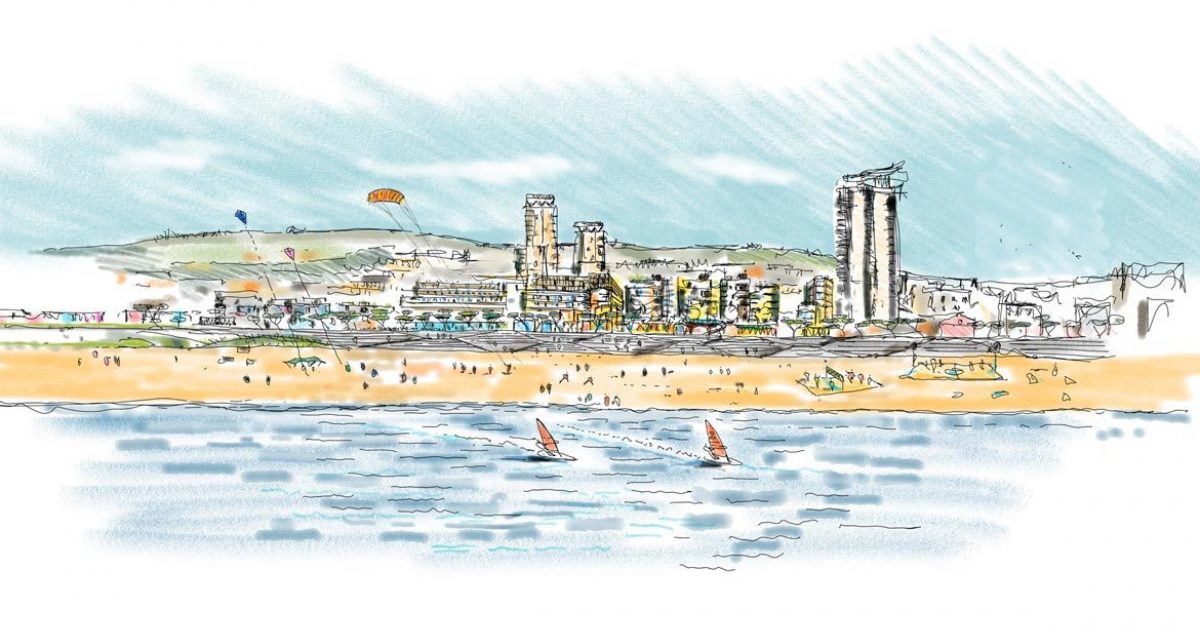
Urban Splash seem to have a slightly vaguer vision.
In March 2021, plans to find a new use for the location continued to still be a commitment of Swansea council, with the announcement of the transfer of the central library and other public services to the former BHS and now What! store on Oxford Street.
Swansea Civic Centre is at risk the Twentieth Century Society says so – they are strongly opposed to demolition of the iconic building and have submitted an application to have the building listed as Grade II.
I do not know what fate awaits it, I only know it must be brave – to paraphrase Dimitri Zinovievich Tiomkin, Ned Washington, Gary Cooper and Frankie Laine – it’s High Noon and counting.
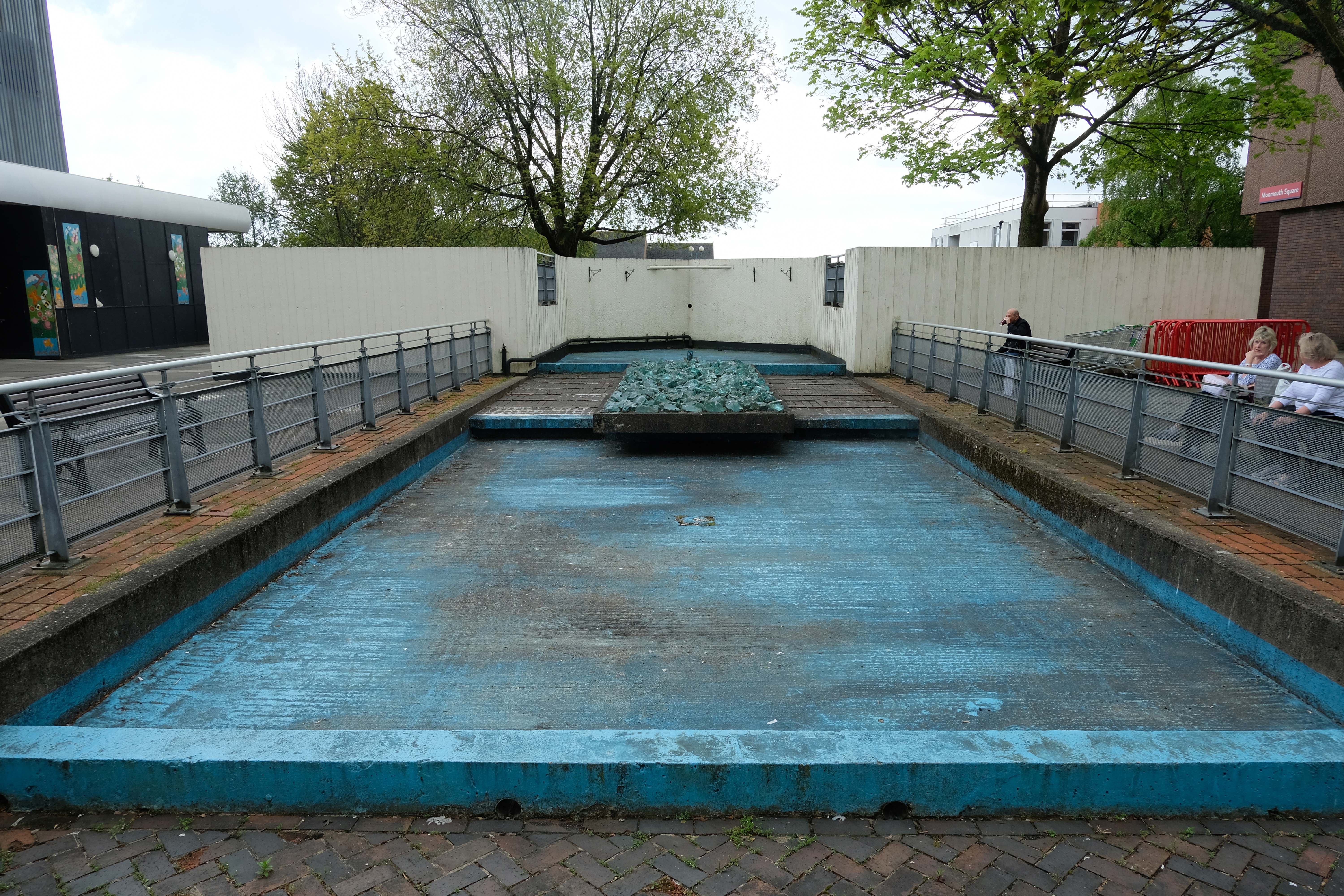
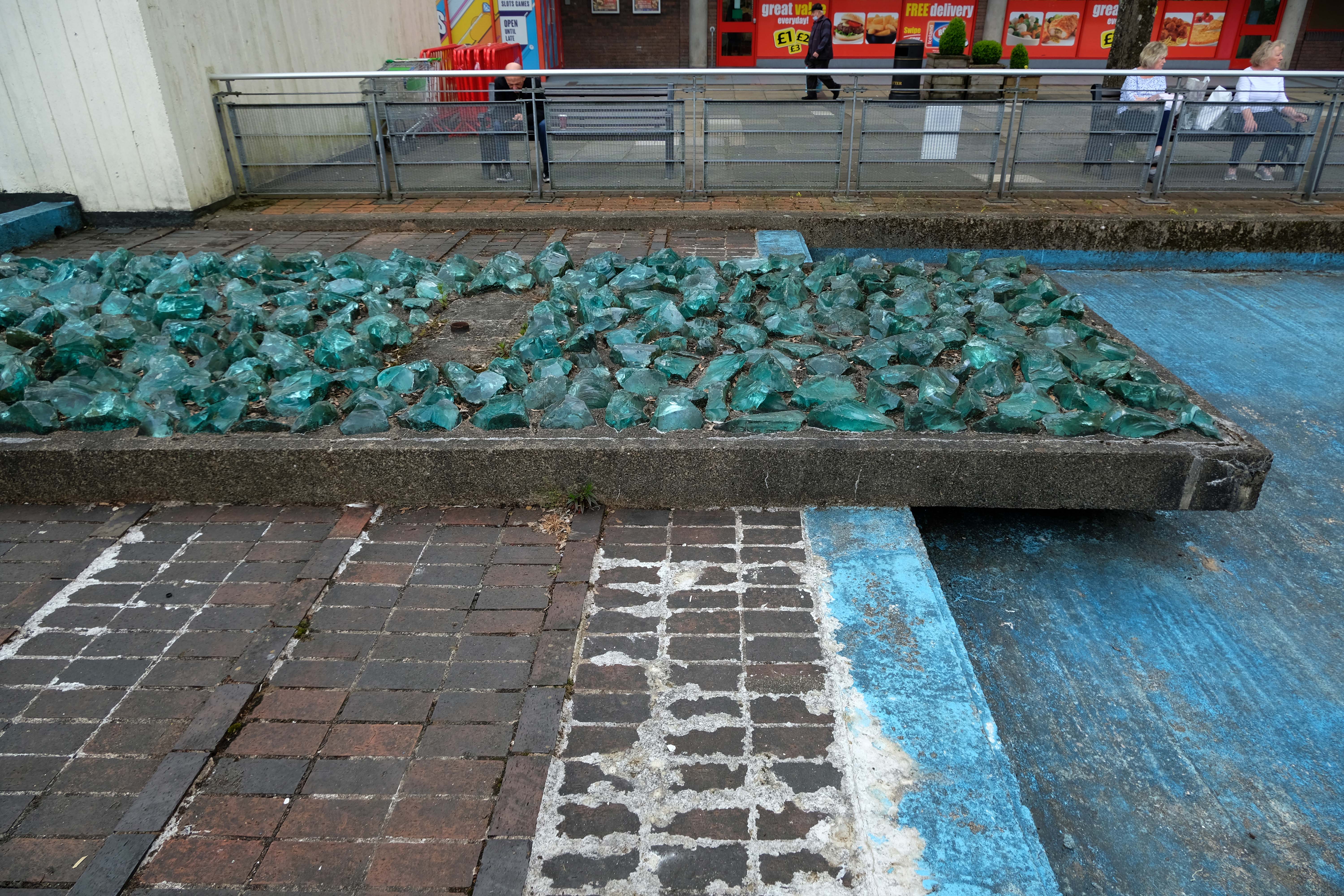
Any road up as of the 11th of May it looked just like this:
Diolch yn fawr once again to Catrin Saran James for acting as my spirit guide.
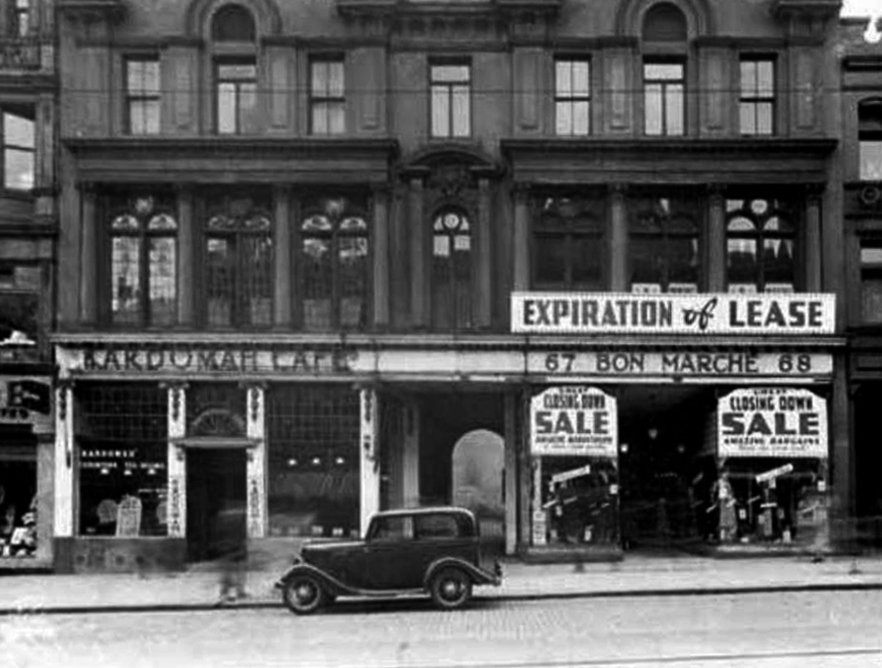
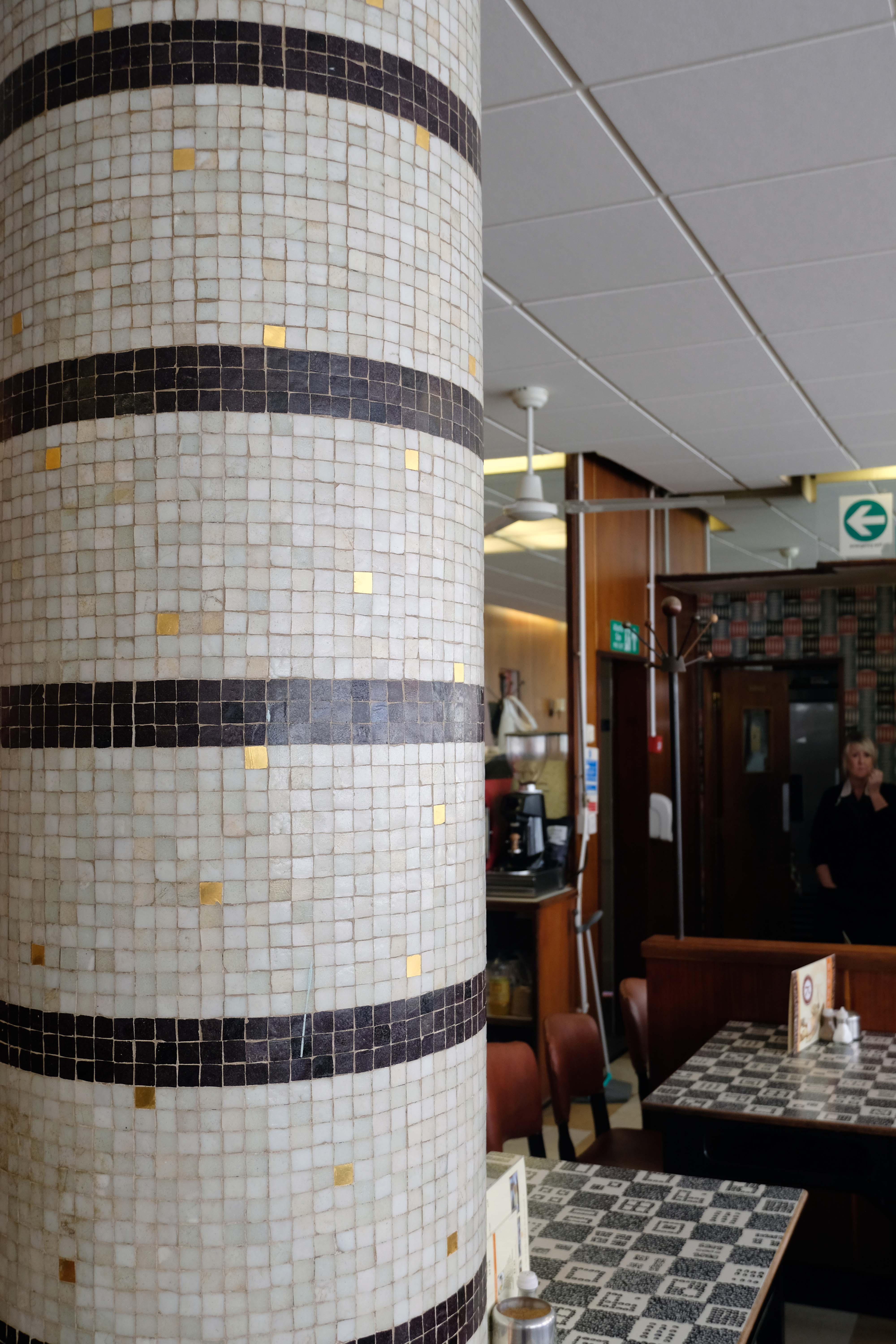
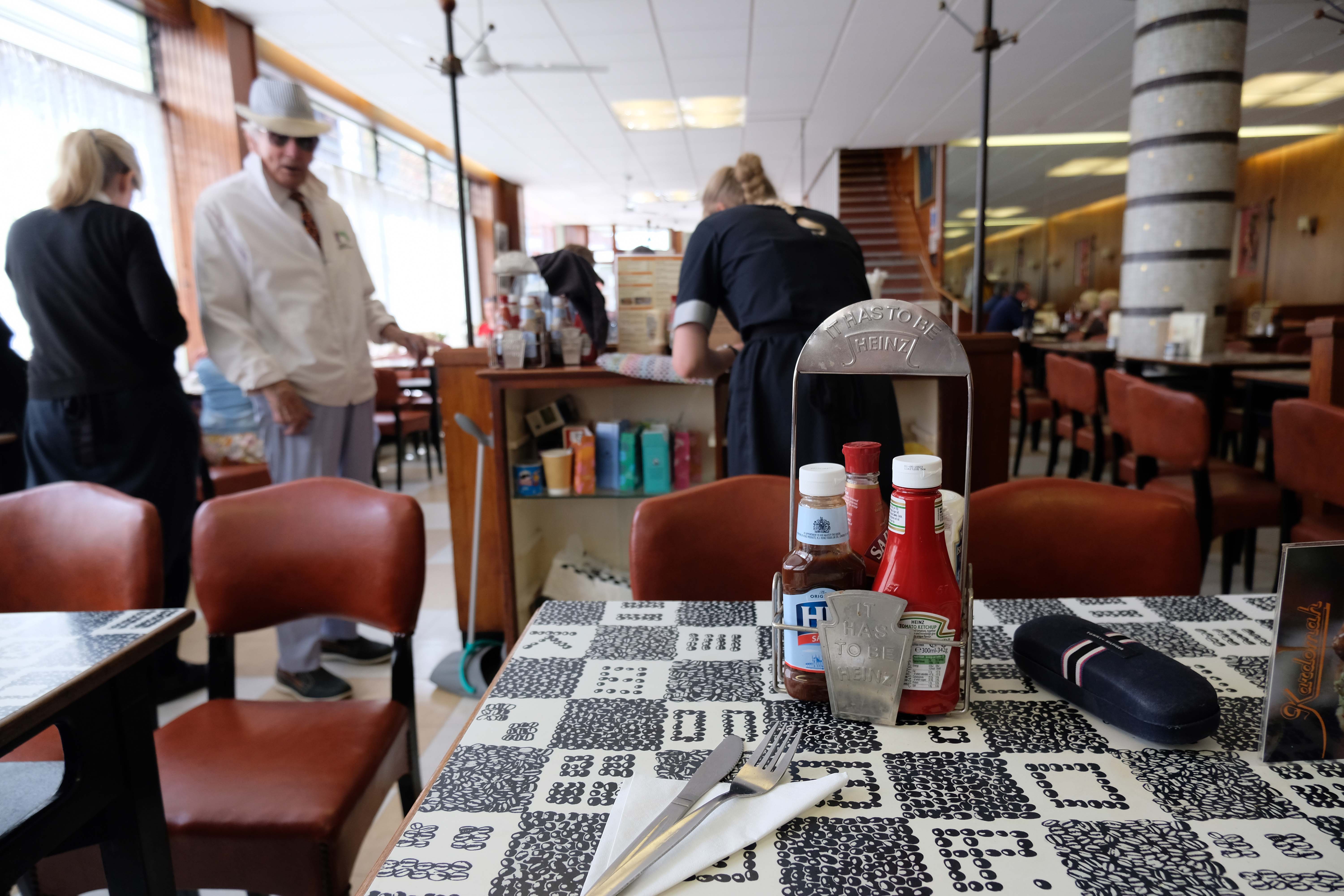
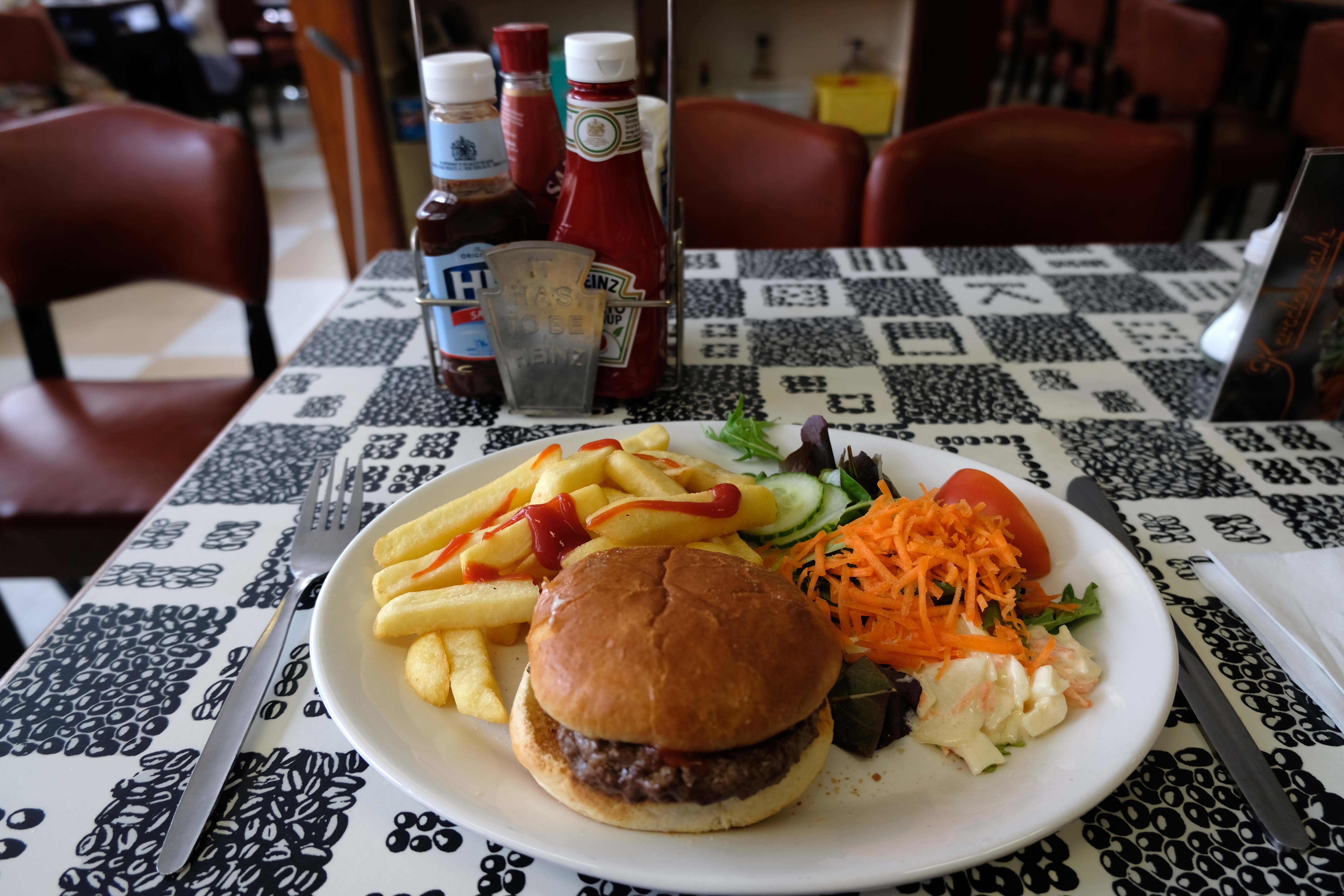
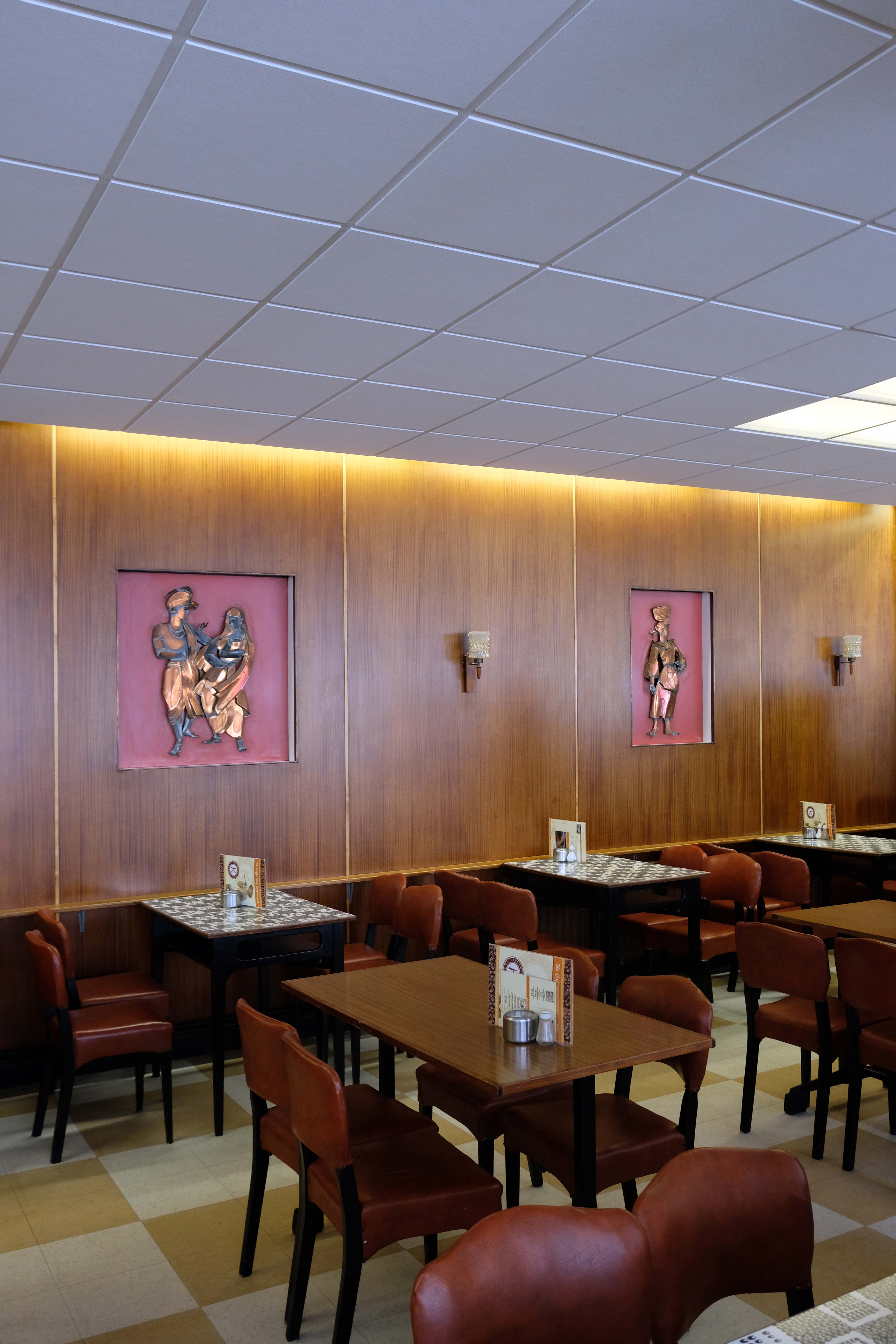
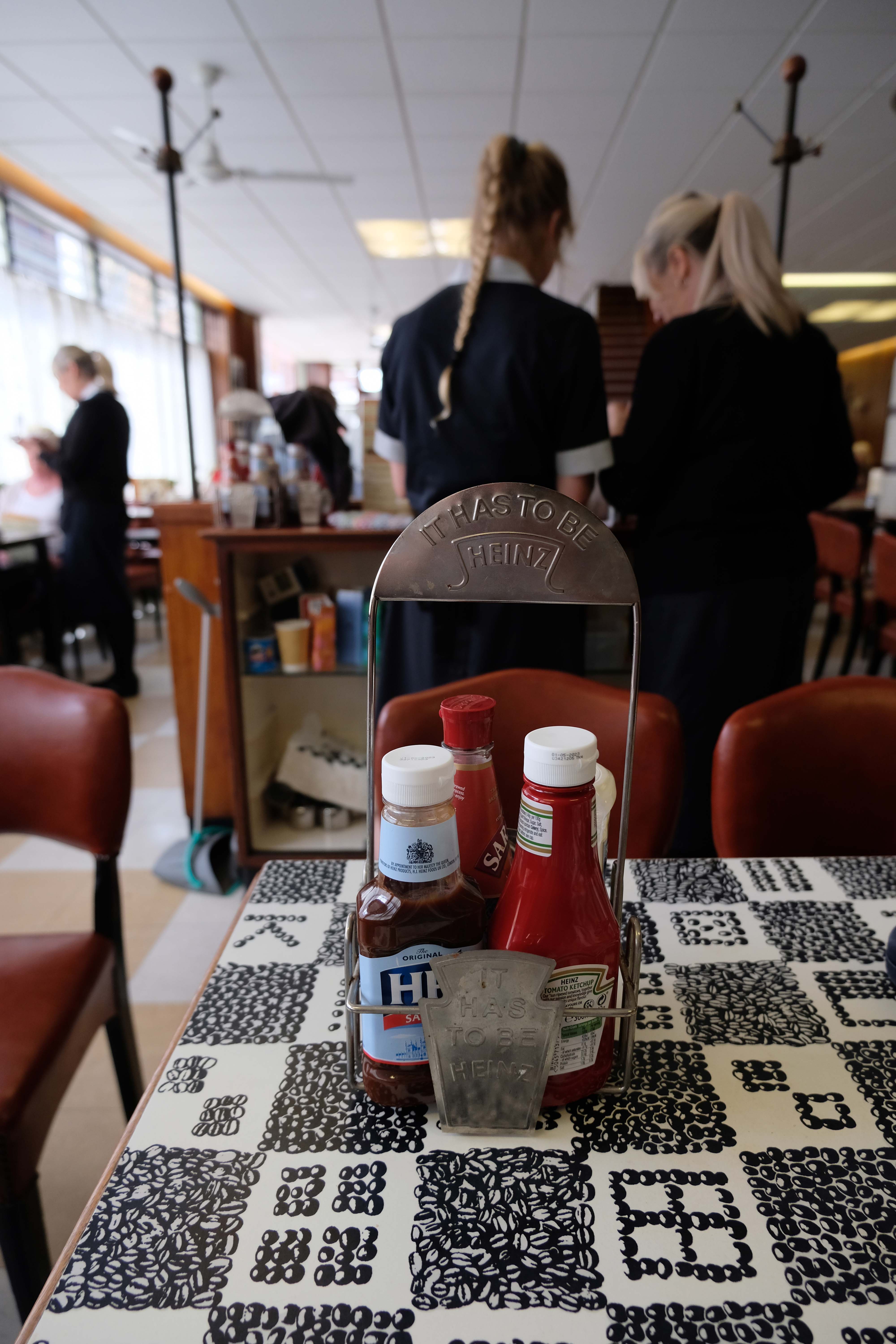
Welcome, at the Kardomah Cafe we have a long history of excellent service, great food and wonderful coffee. We are an independent, established, family run business of nearly 50 years. Traditional values are important to us and have helped us create a warm and friendly atmosphere, which is seen by many of our customers as an important part of their lives, a place to meet their friends, whilst enjoying quality food and drink.
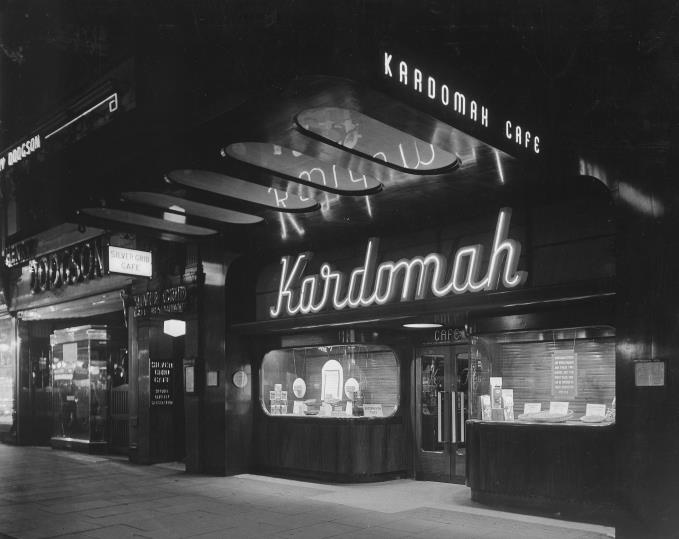
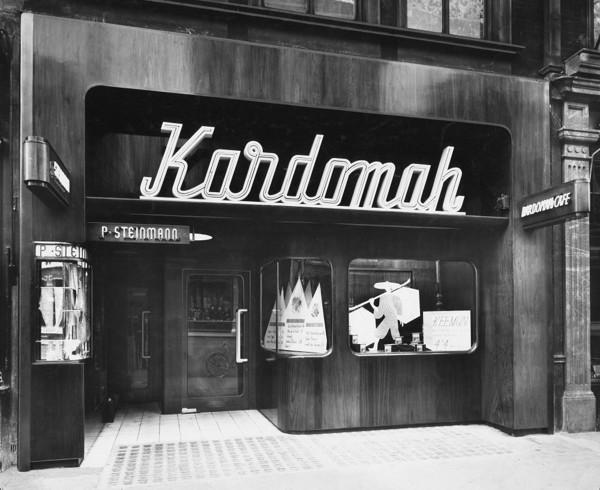
The company that created the Kardomah brand began in Pudsey Street, Liverpool in 1844 as the Vey Brothers teadealers and grocers. In 1868 the business was acquired by the newly created Liverpool China and India Tea Company, and a series of brand names was created beginning with Mikado. The Kardomah brand of tea was first served at the Liverpool colonial exhibition of 1887, and the brand was later applied to a range of teas, coffees and coffee houses. The parent company was renamed Kardomah Limited in 1938. The brand was acquired by the Forte Group in 1962, sold to Cadbury Schweppes Typhoo in 1971, and became part of Premier Brands some time between 1980 and 1997. The brand still exists, selling items such as instant coffee and coffee whitener.
The Kardomah Cafés in London and Manchester were designed by Sir Misha Black between 1936 and 1950.
ManchesterLondon – Ribapix
The original Swansea branch was at 232 High St, and known as ‘The Kardomah Exhibition Cafe & Tea Rooms’, moving to the Castle Street in 1908.
Castle Street
The Castle Street cafe was the meeting place of The Kardomah Gang, which included Dylan Thomas, and was built on the site of the former Congregational Chapel where Thomas’s parents were married in 1903. The cafe was bombed during WW2 and was later replaced by the present Kardomah Coffee Shop Restaurant in Portland Street.
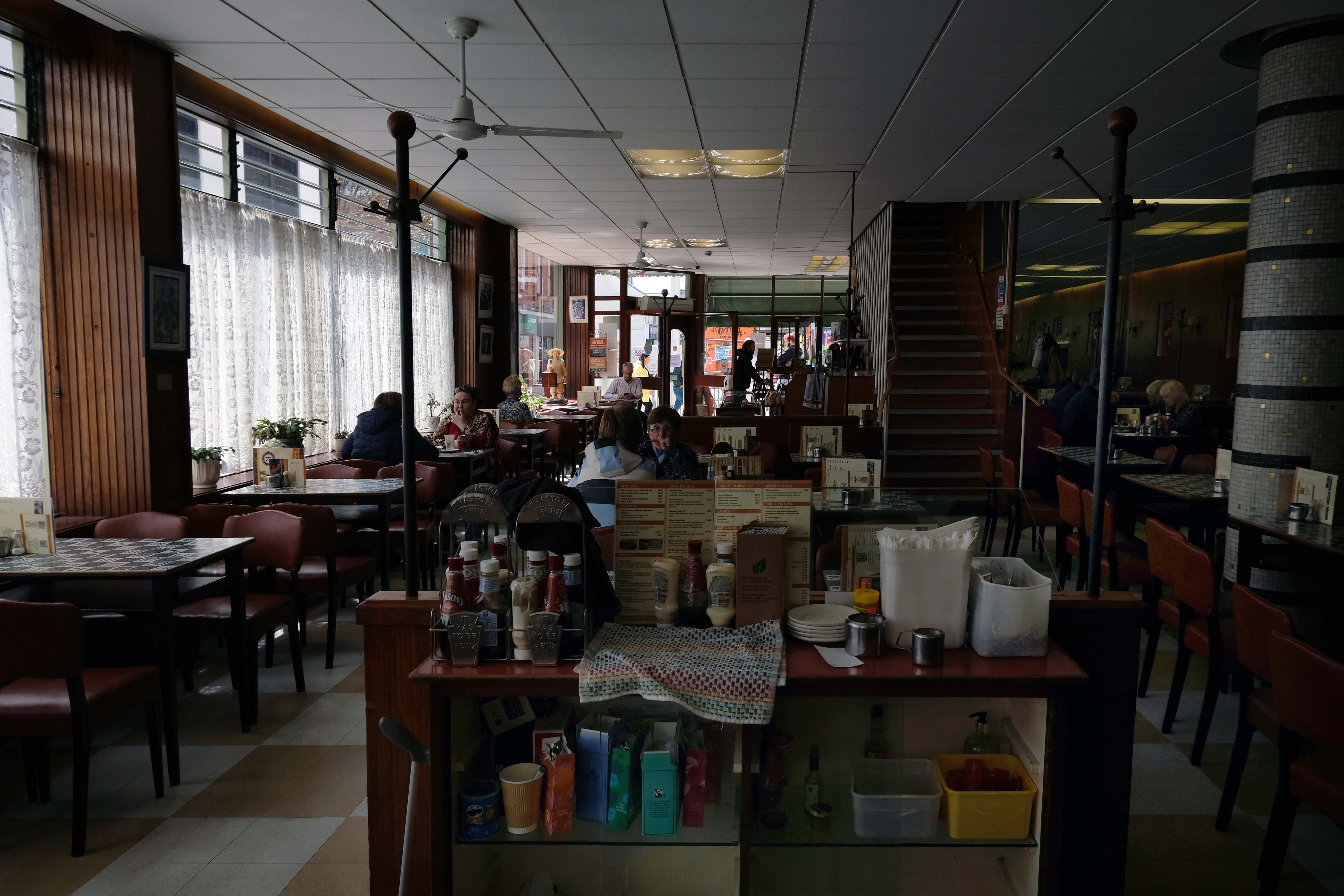
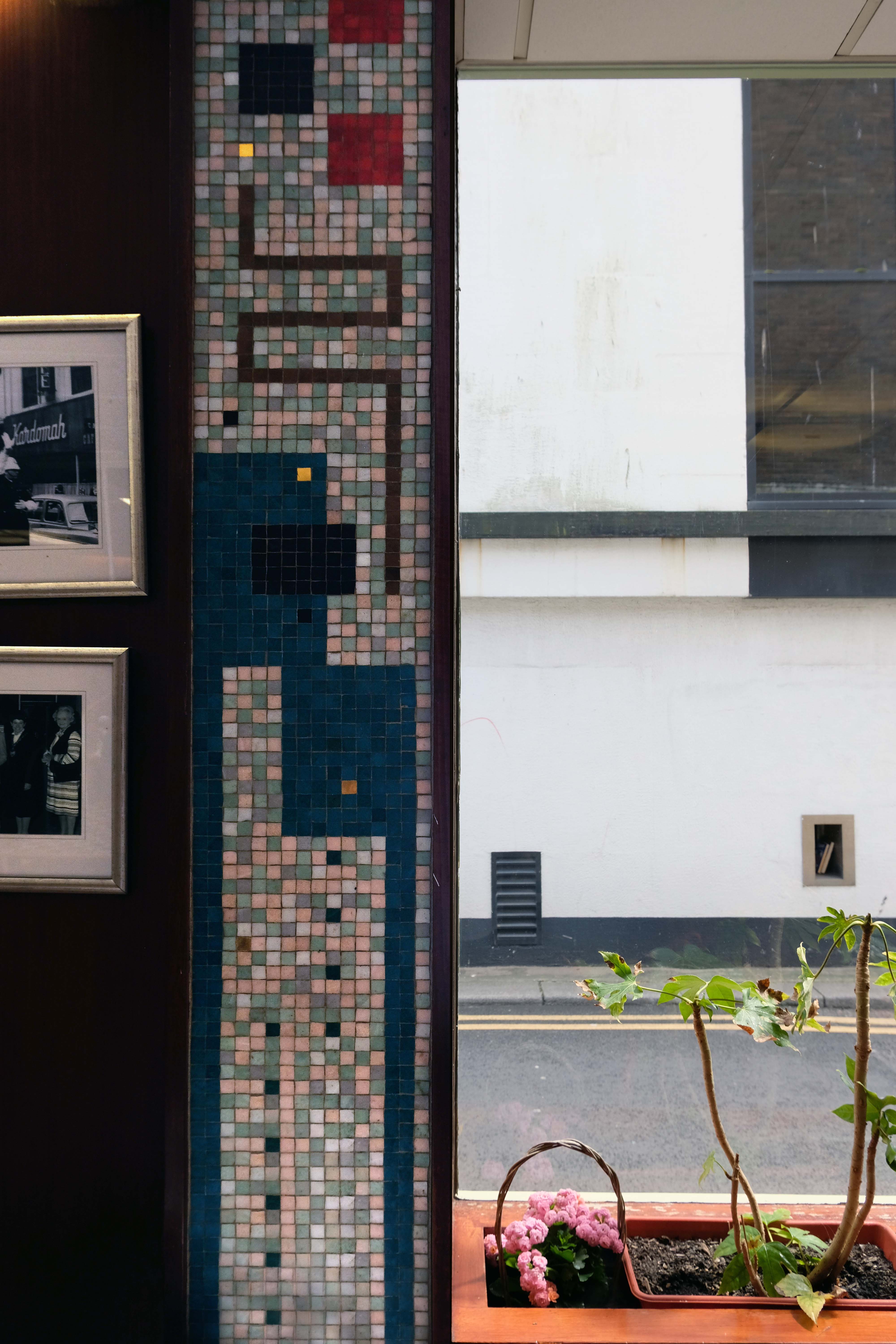
I’d never had the pleasure of visiting a Kardomah before, imagine my delight when I was directed there by local artist, activist and archivist Catrin Saran James, during our delightful Swansea Moderne tour!
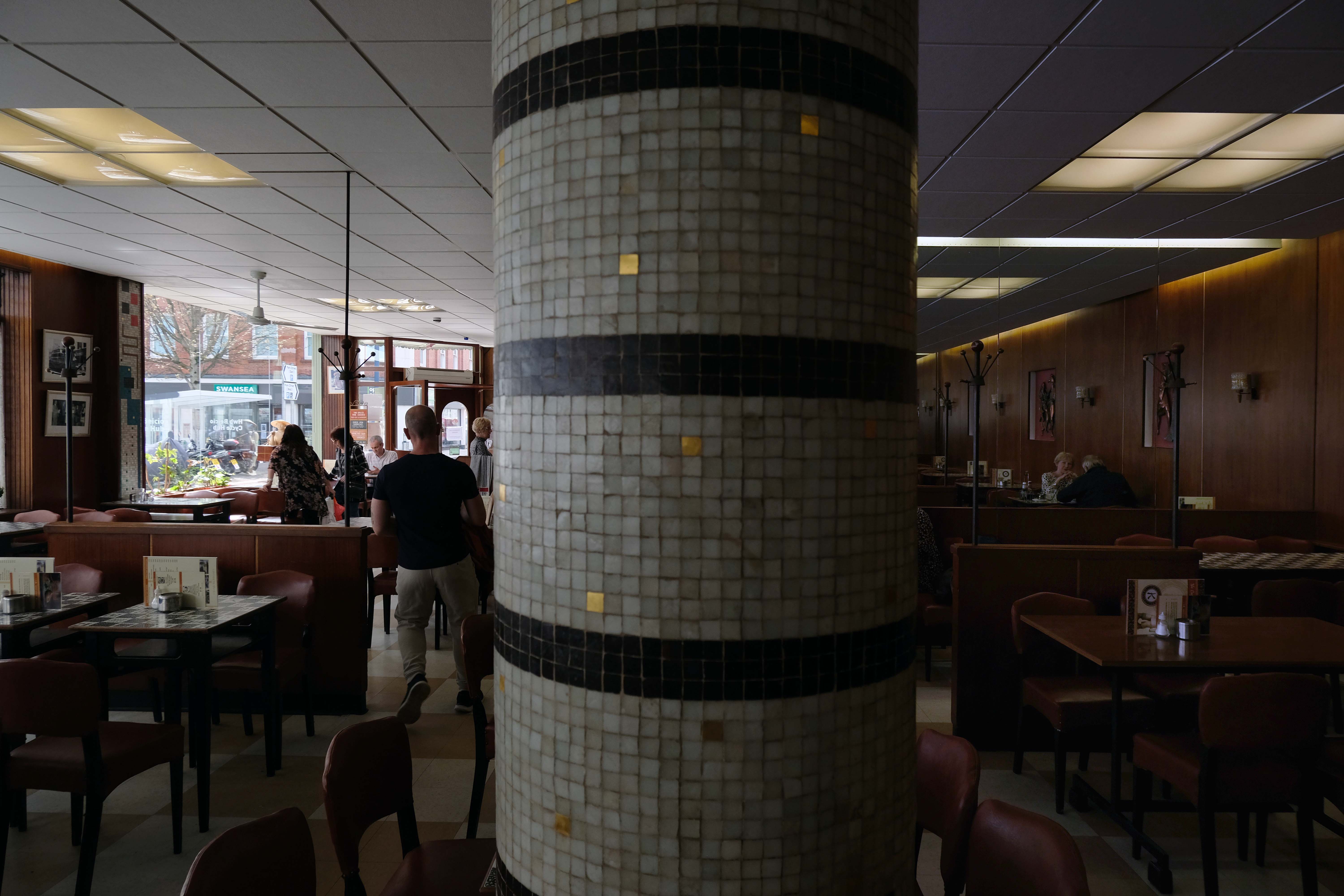
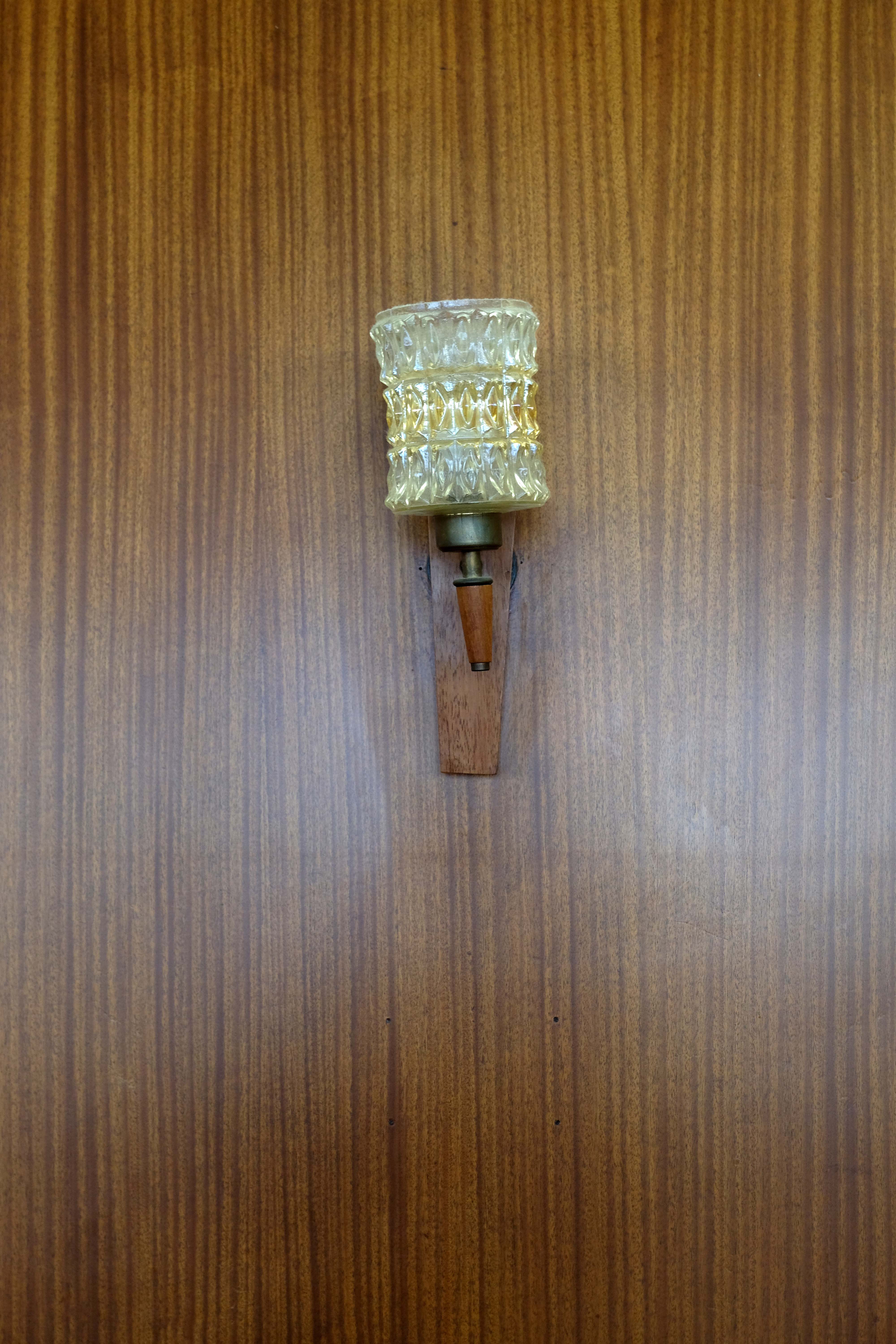
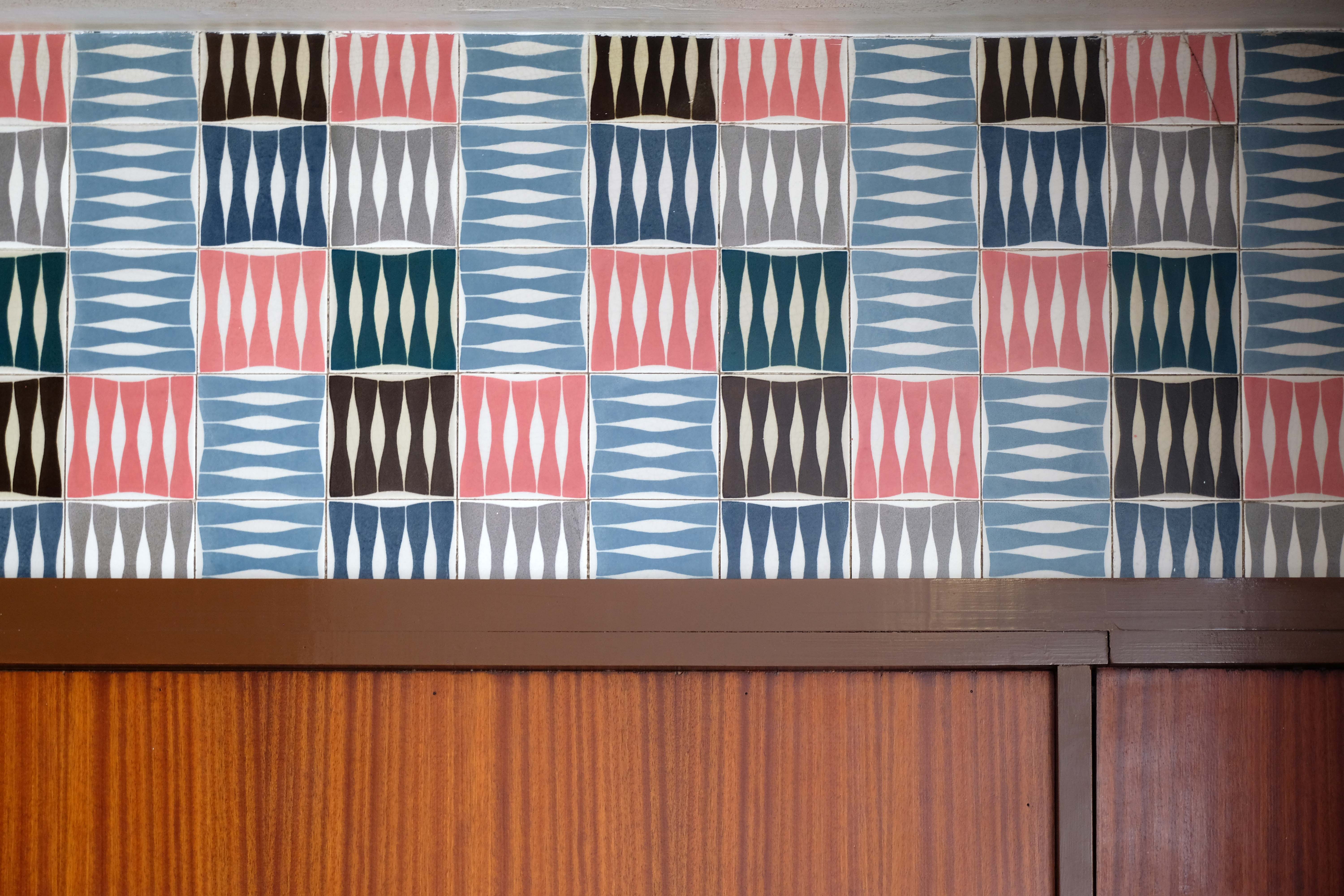
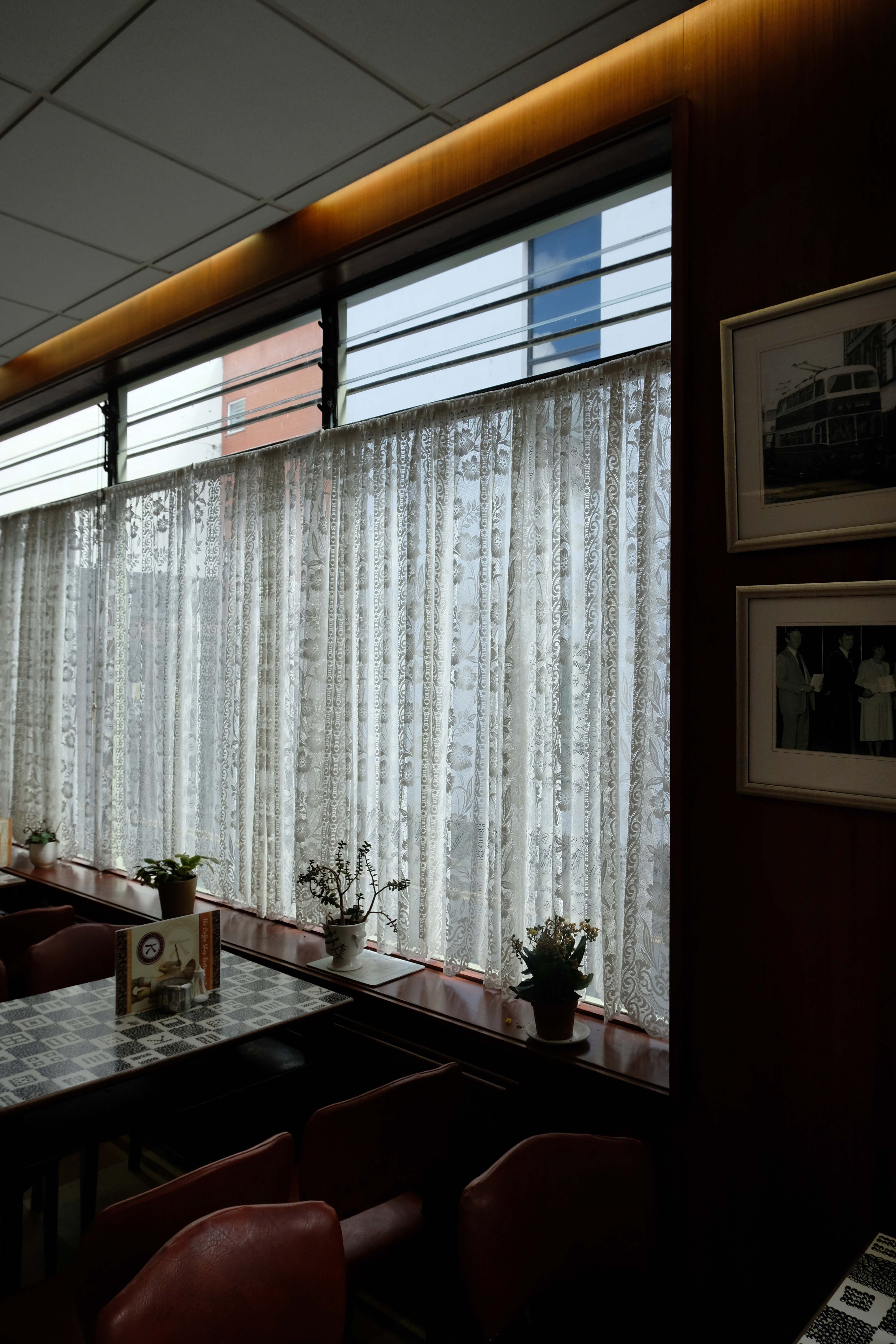
Following an extensive walk from one end of town to the other, I returned there for a late midday bite to eat and a sit down – it looked a little like this:
Many thanks to the staff and customers for putting up with me wandering around for a while with my camera, whilst they worked and ate.
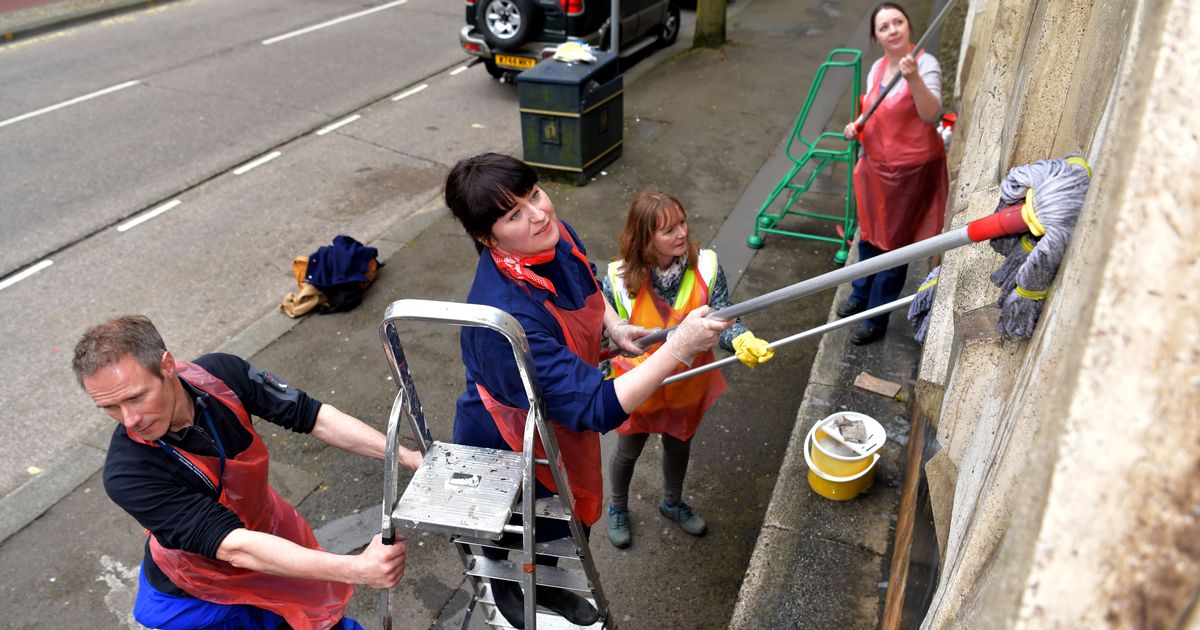
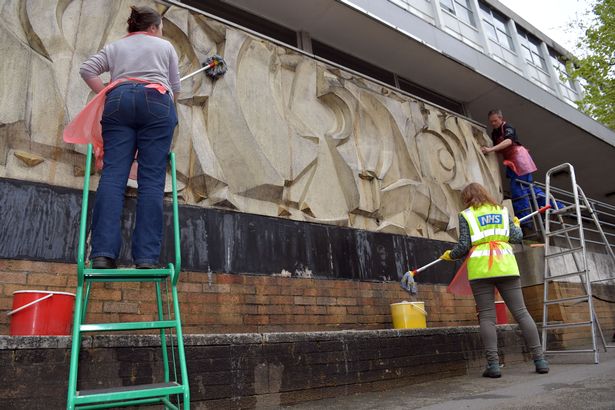
To 2015 when local artist and archivist Catrin SaranJames is undertaking a little reverse vandalism by way of guerrilla restoration or adfer gerila if you will.
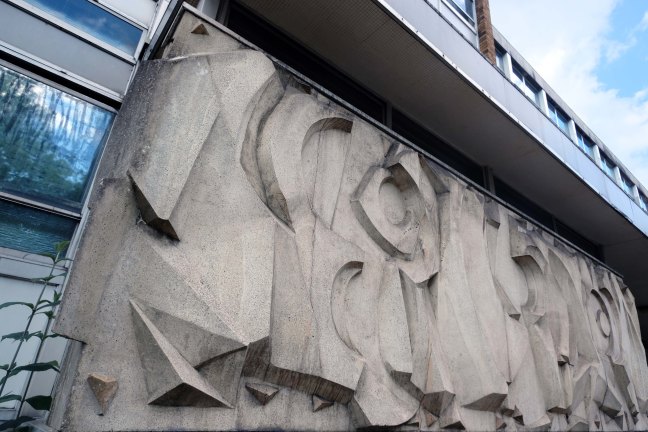
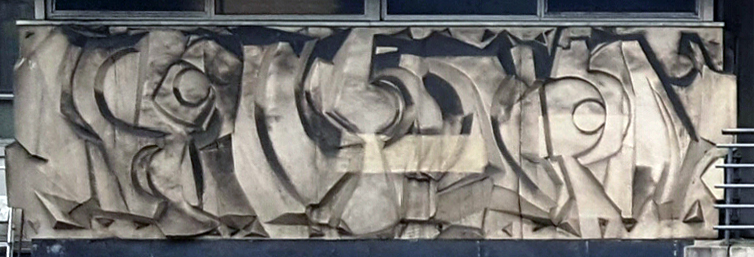
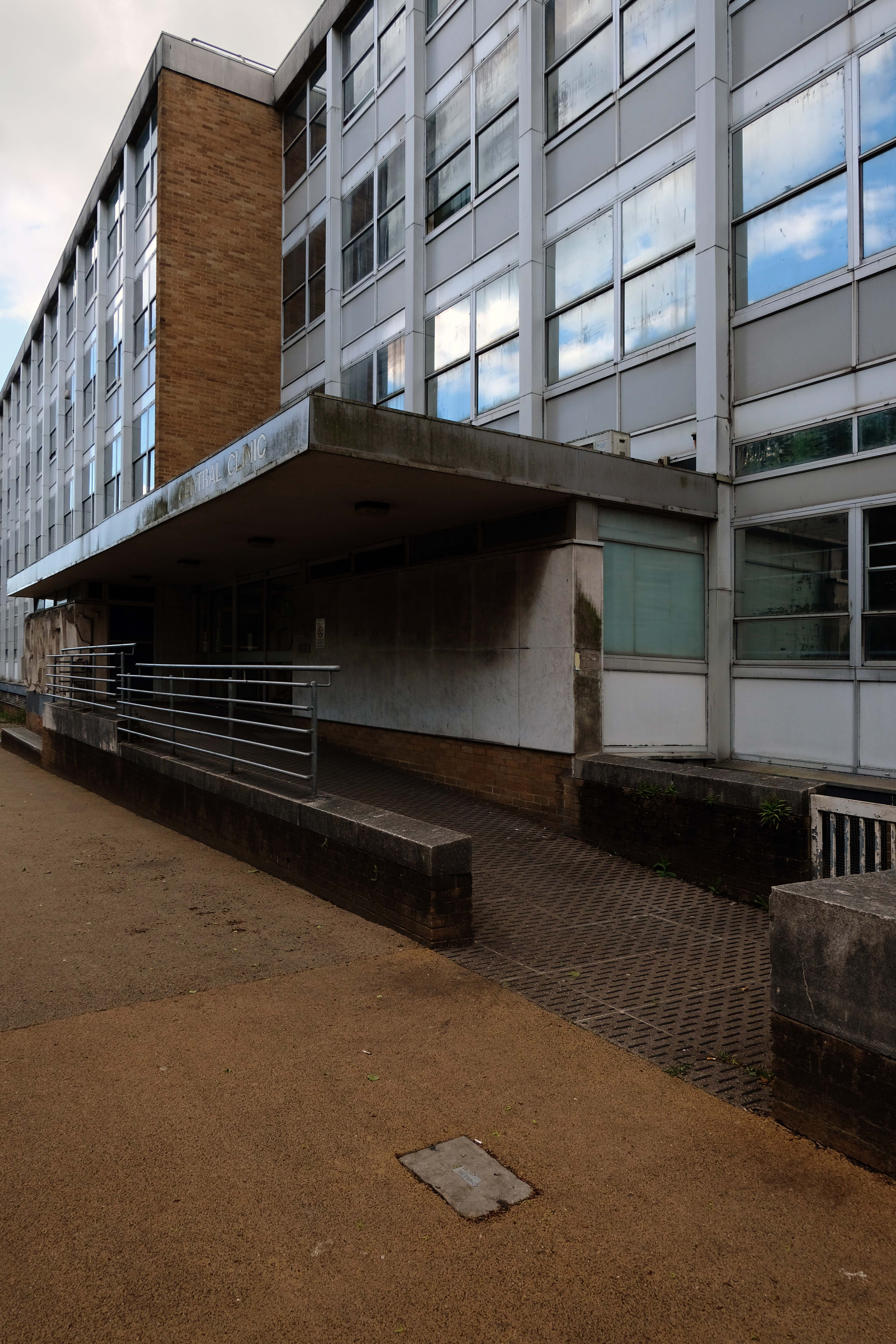
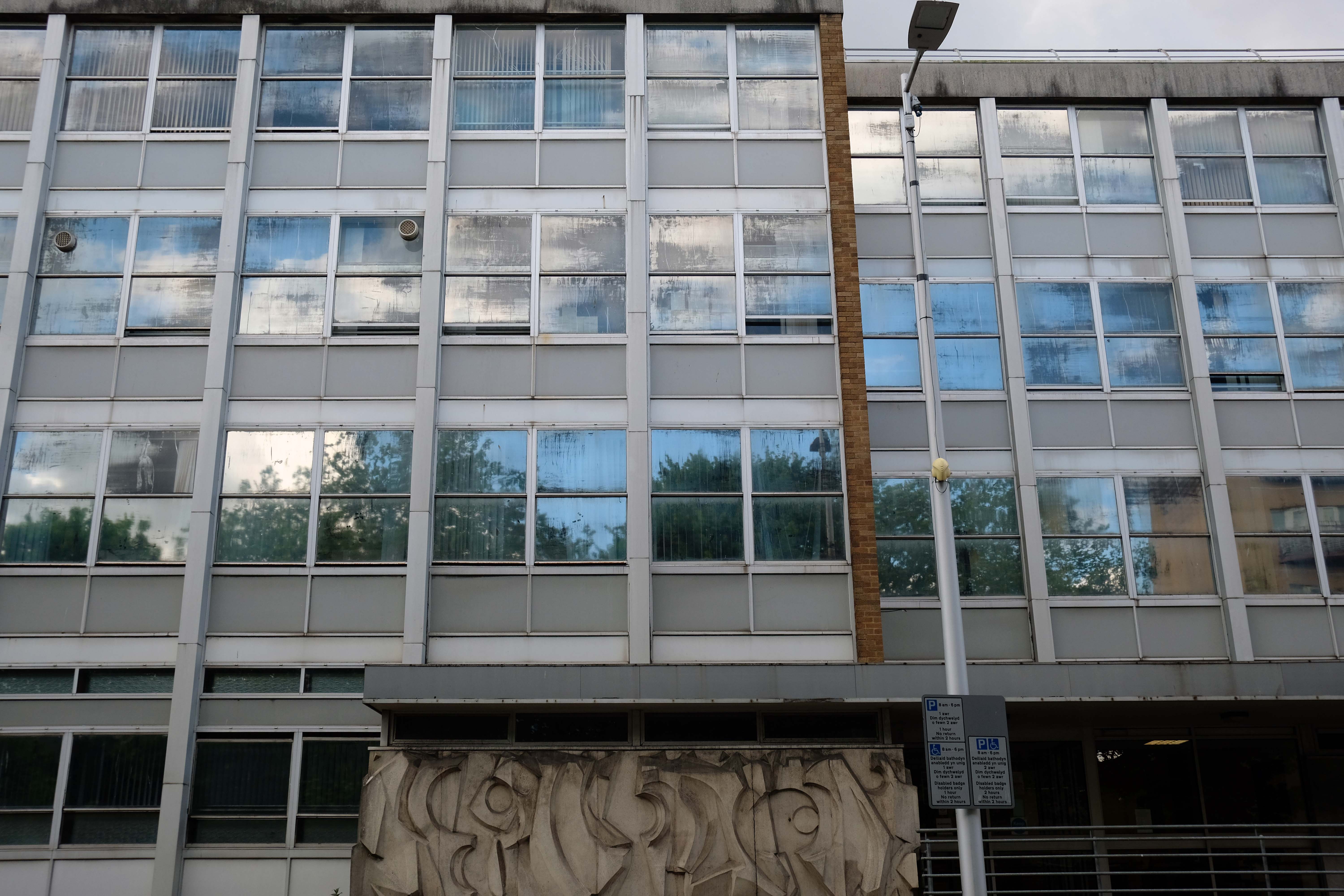
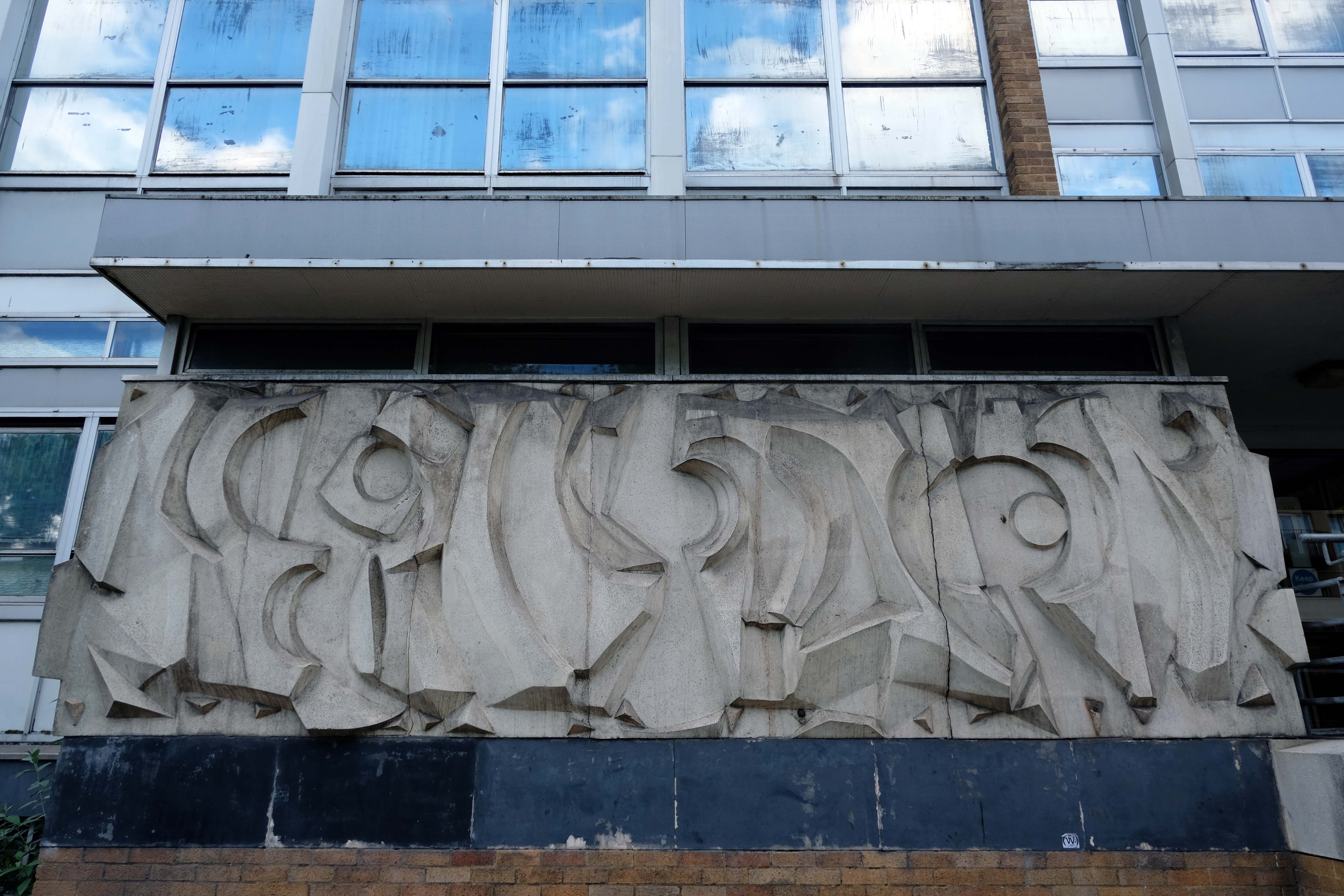
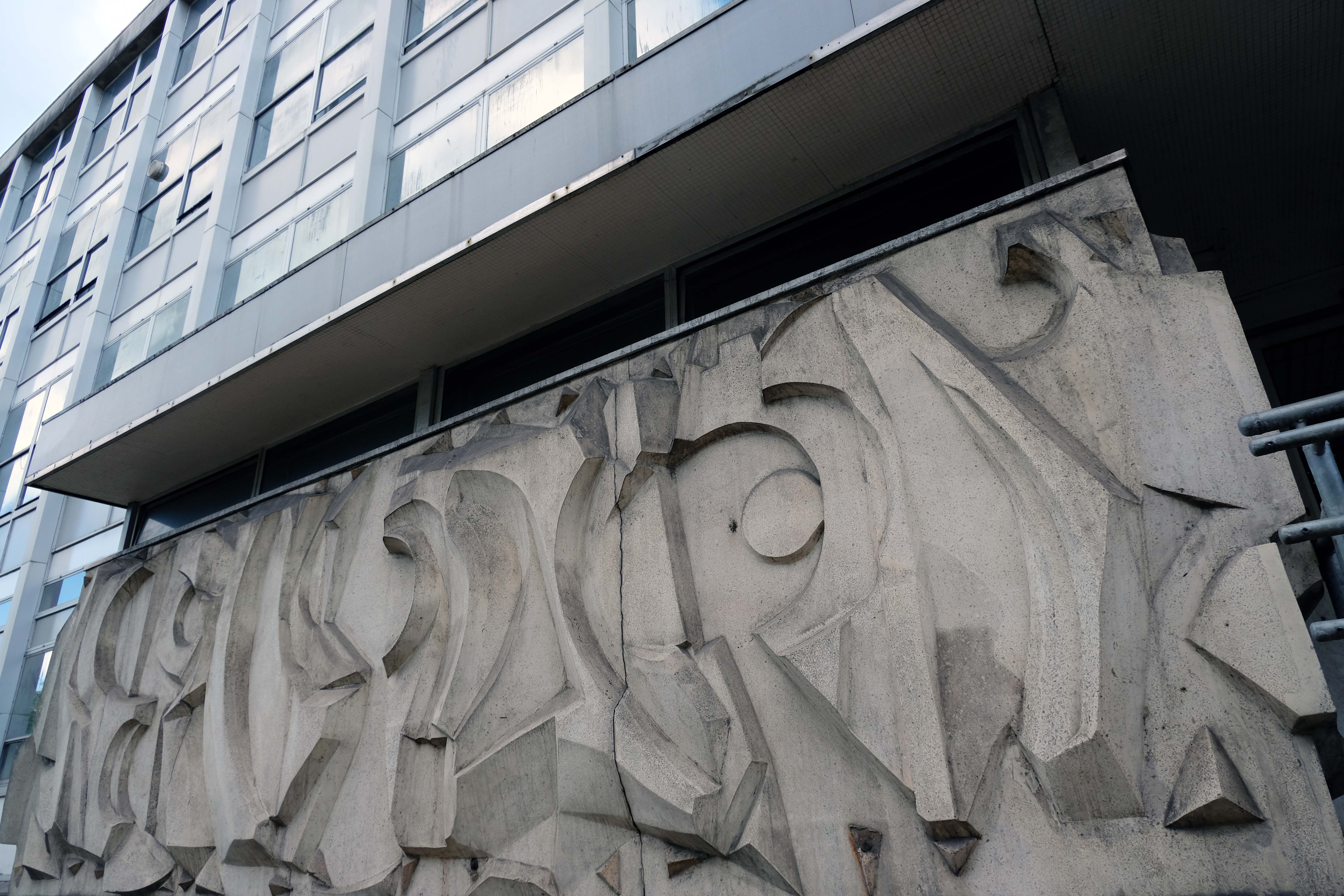
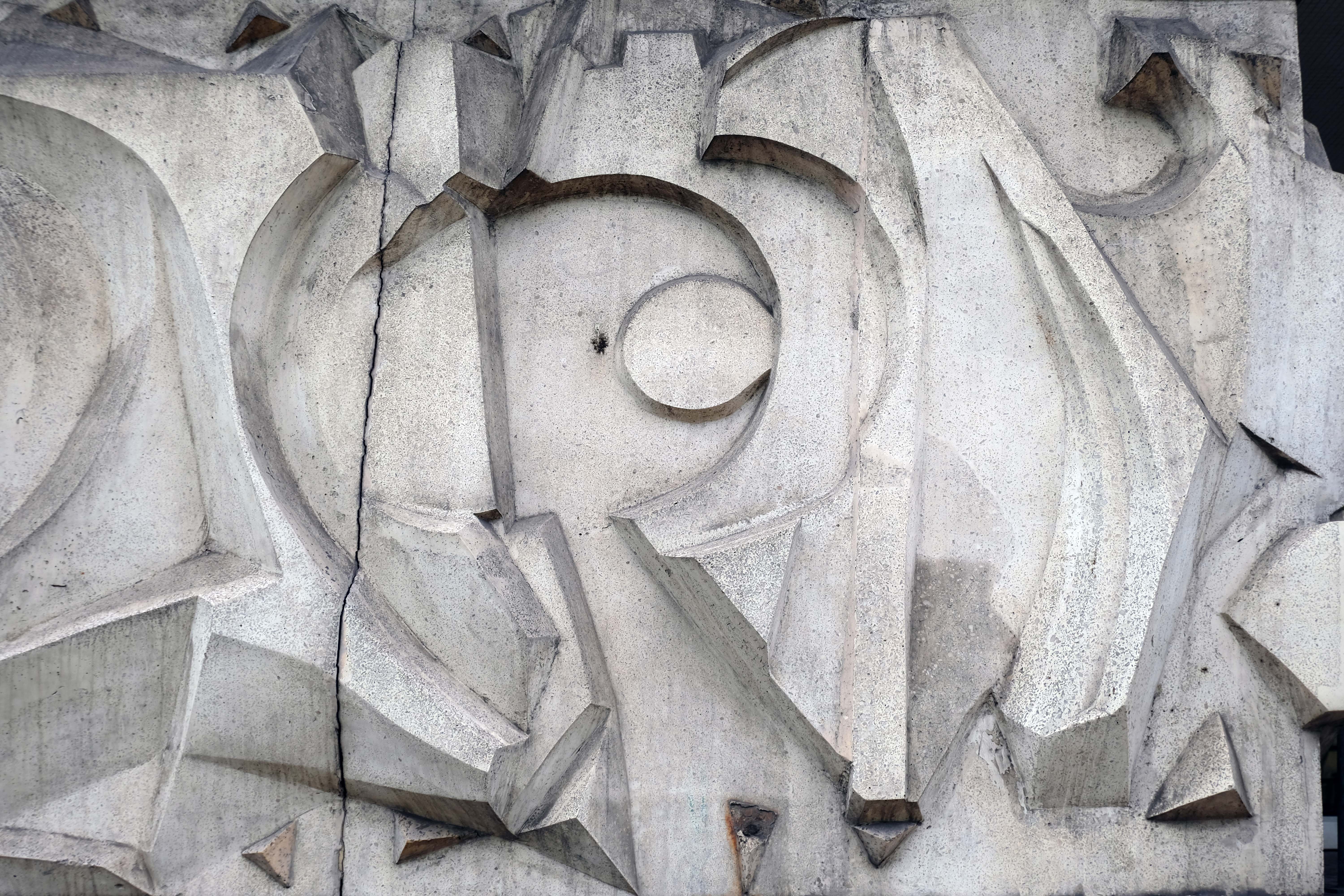
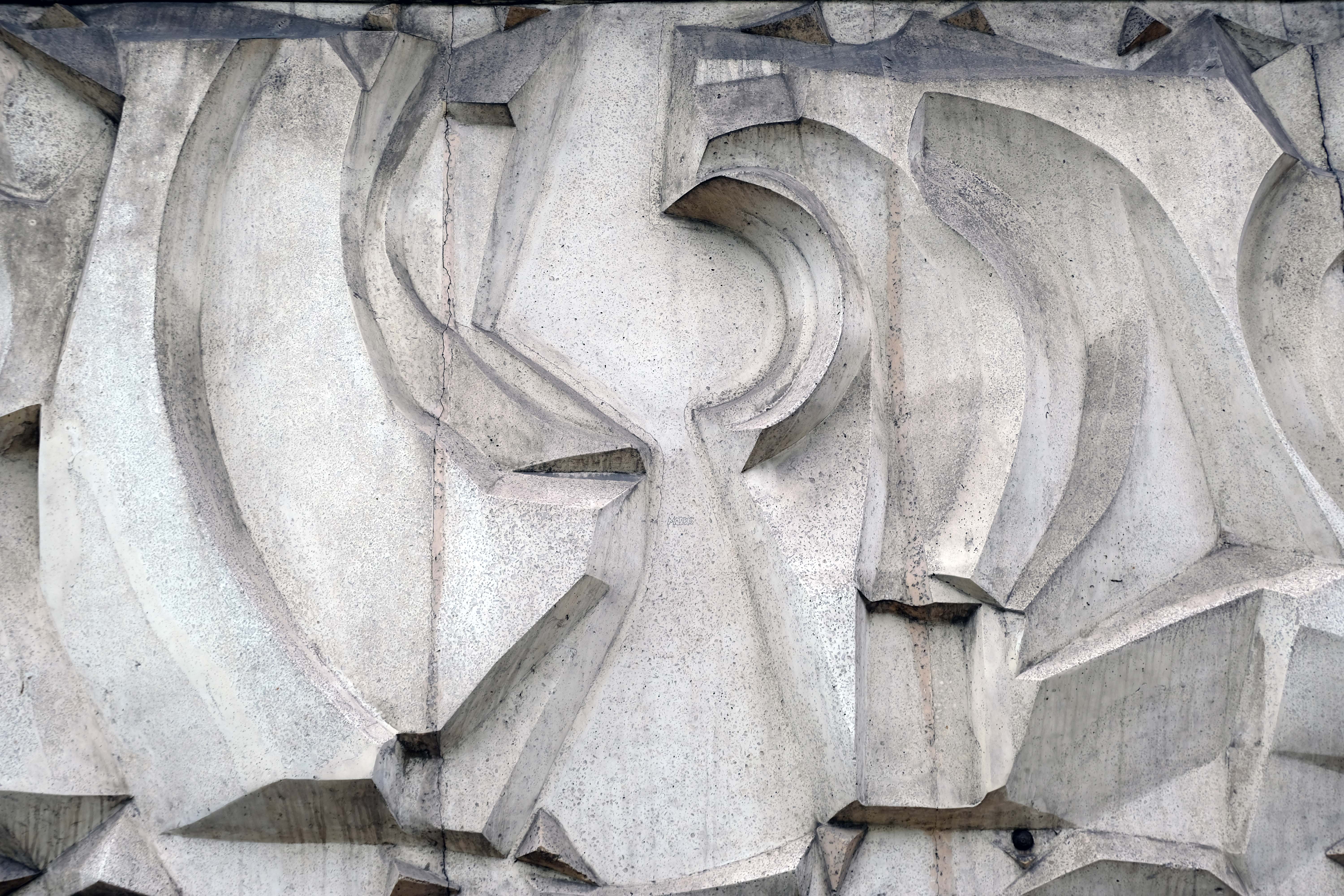
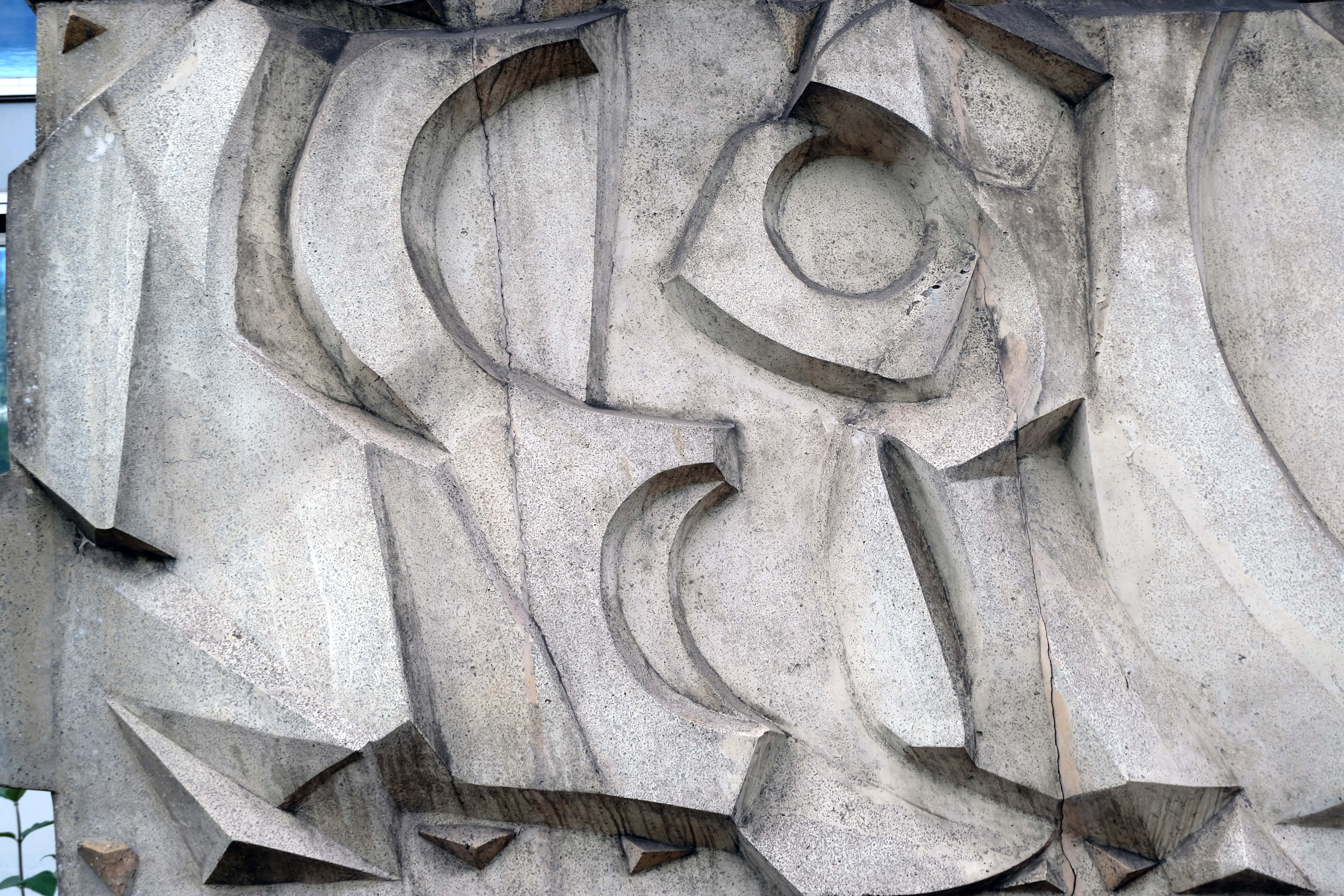
Leading to a full scale cleaning of the Harry Everington 1969 concrete mural adorning the Central Clinic.
It was under Harry’s guidance that students from the Swansea College of Art produced the mural which was put on the building’s exterior back in 1969.
It was fantastic to have had an email from the ABMU Health Board earlier this year. Martin Thomas who leads the ABMU Heritage Team contacted me as he was researching what public art the health board owned.
Martin came across my Guerrilla Restoration work and the previous work I’d done in highlighting cleaning samples of Harry Everington’s 1969 abstract concrete sculptural mural over the last 5 years.
Taken from the ABMU Heritage blog, here’s what Martin said of the project:
When we started this group we carried out a scoping exercise to see what historical artefacts the health board owned and this mural came up.
When I did more research I found out about Catrin’s project and we thought it would be a good idea to help finish what she had started.
We thought this would be a great opportunity for us to clean a very neglected sculpture.
Subsequently her gallant restoration endeavours made headline news in Wales Online.
Fast forward to Wednesday May 11th 2022 – I am aboard the Transport for Wales train, Swansea bound!
Catrin had kindly forwarded me a clear and comprehensive guide to Swansea’s Modernist architecture.
Characteristically, I promptly got lost, fortunately we had arranged to meet at the National Waterfront Museum – which was clearly signposted. Following a chat and a cuppa we swanned off, visiting the Civic Centre and a lovely array of post-war retail outlets.
We parted and I went on my merry way – I can’t thank you enough for your company and erudition Catrin, diolch yn fawr.
Eventually I arrived at the Clinic, I feel that the best time to visit a medical centre is when you are fighting fit, with an overwhelming interest in cast concrete, rather than plaster casts.
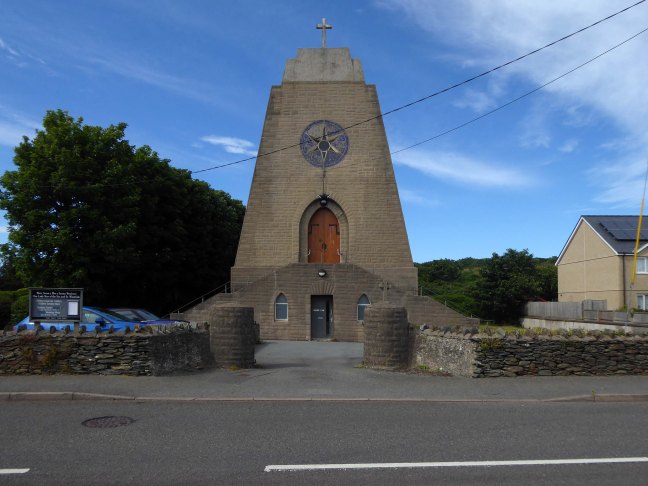
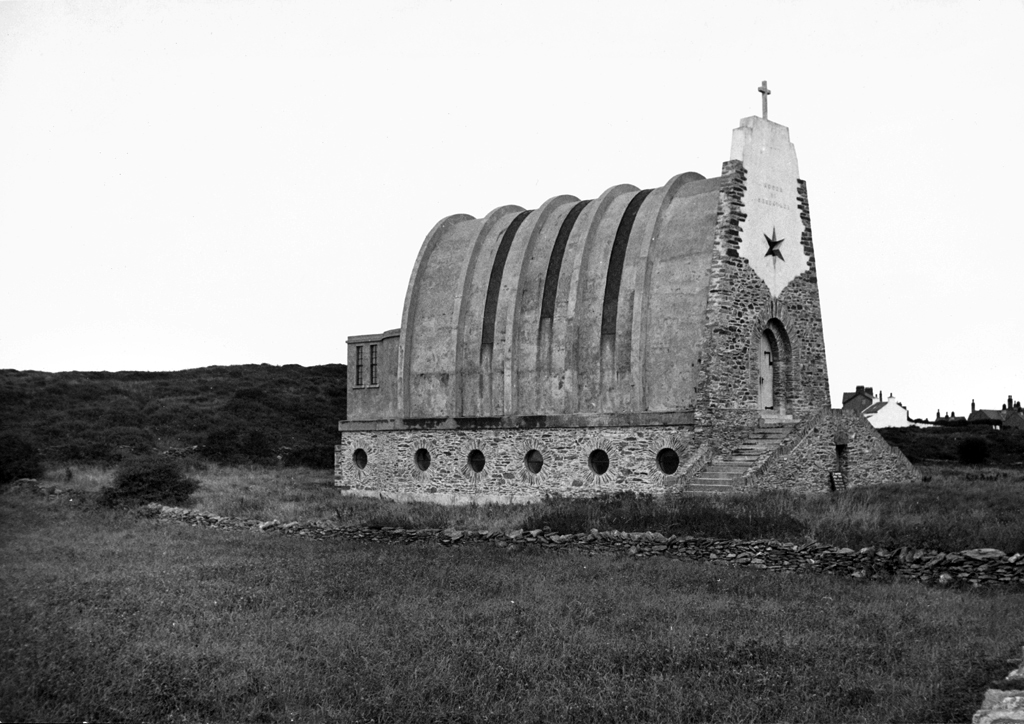
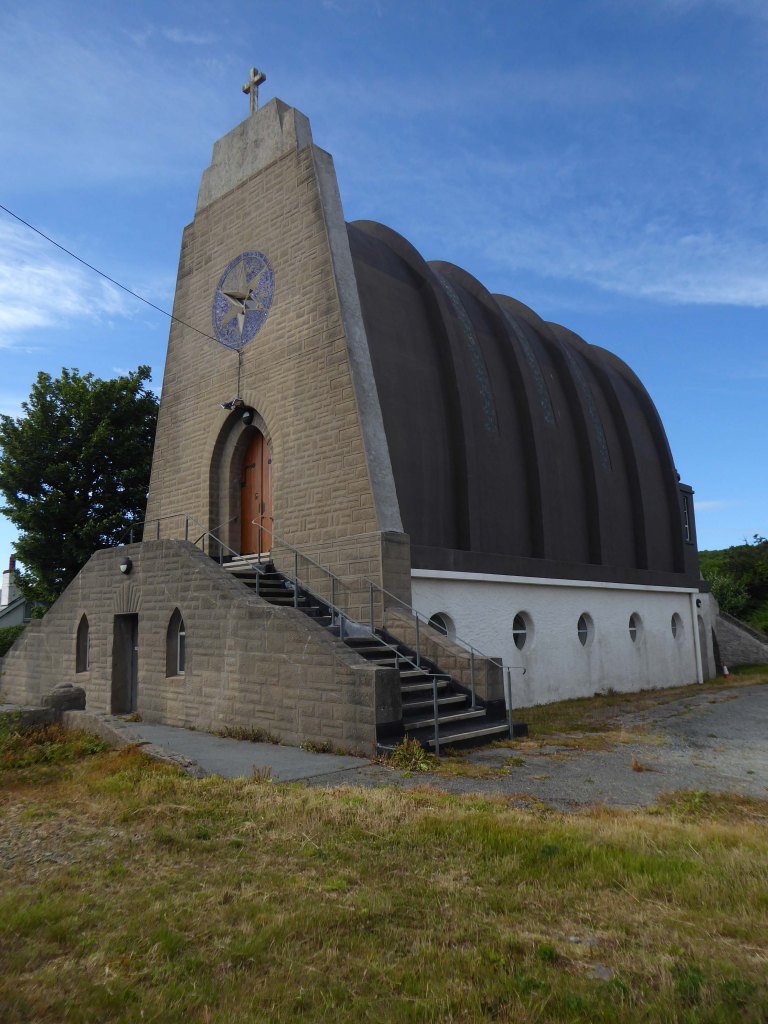
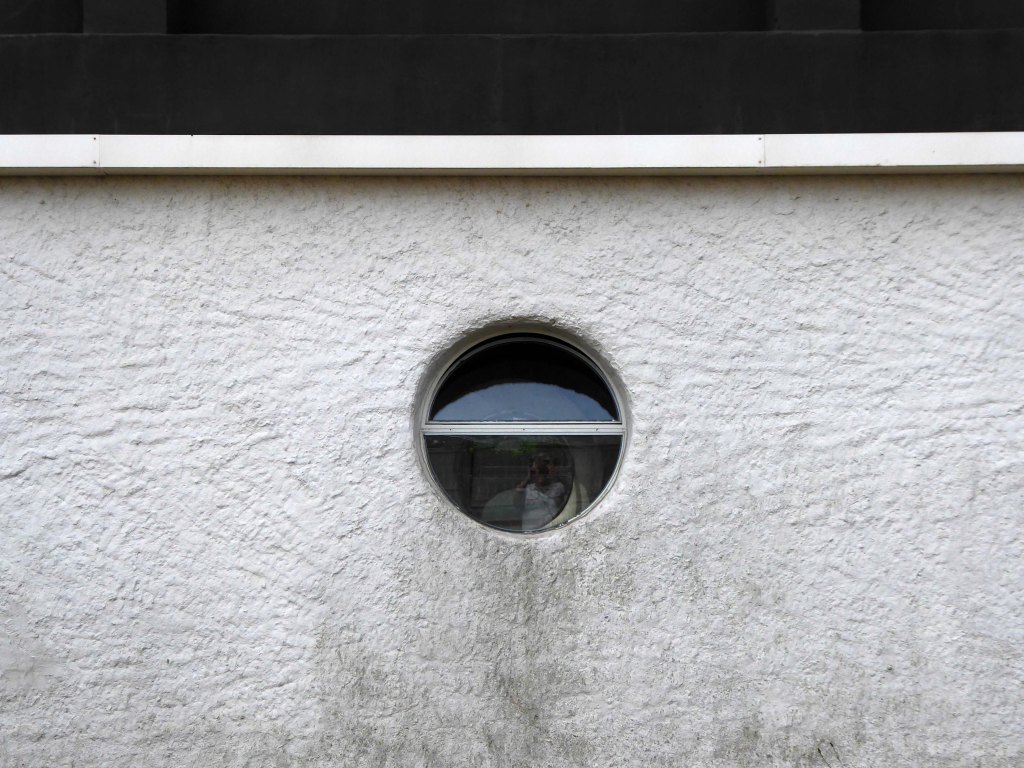
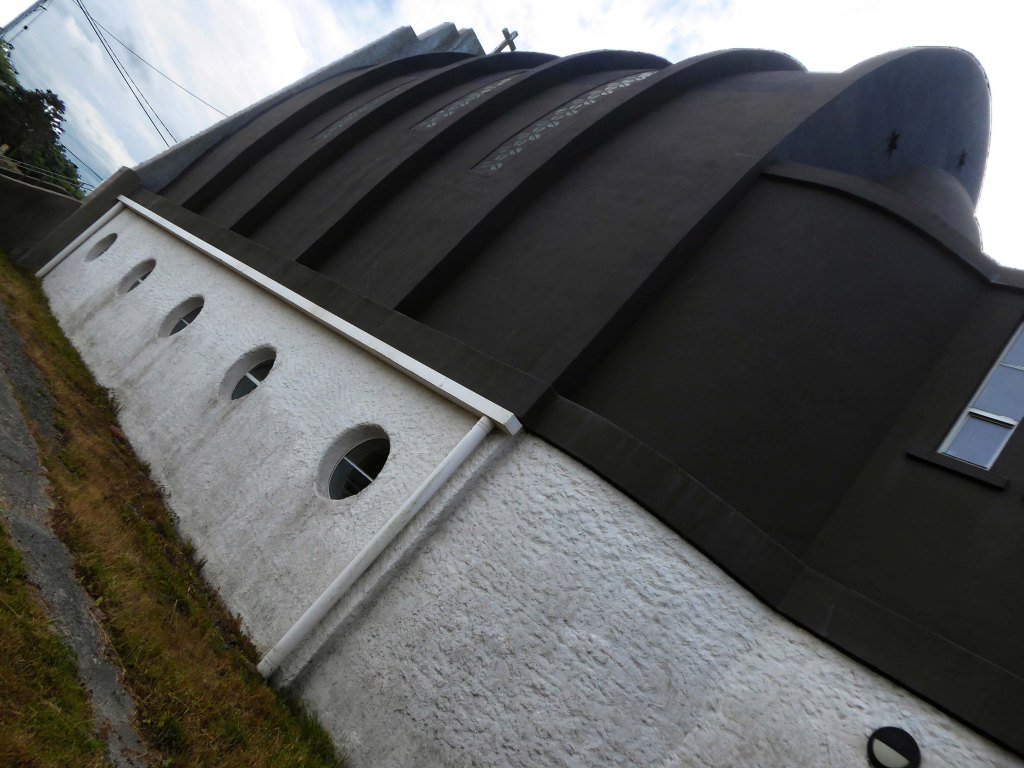
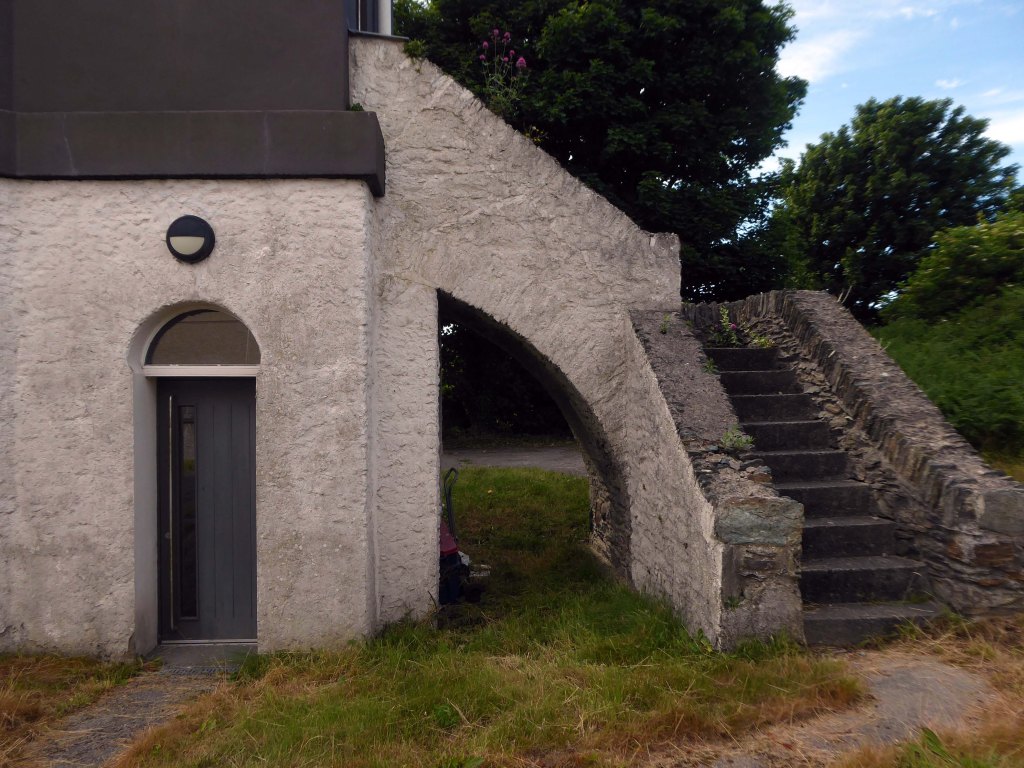
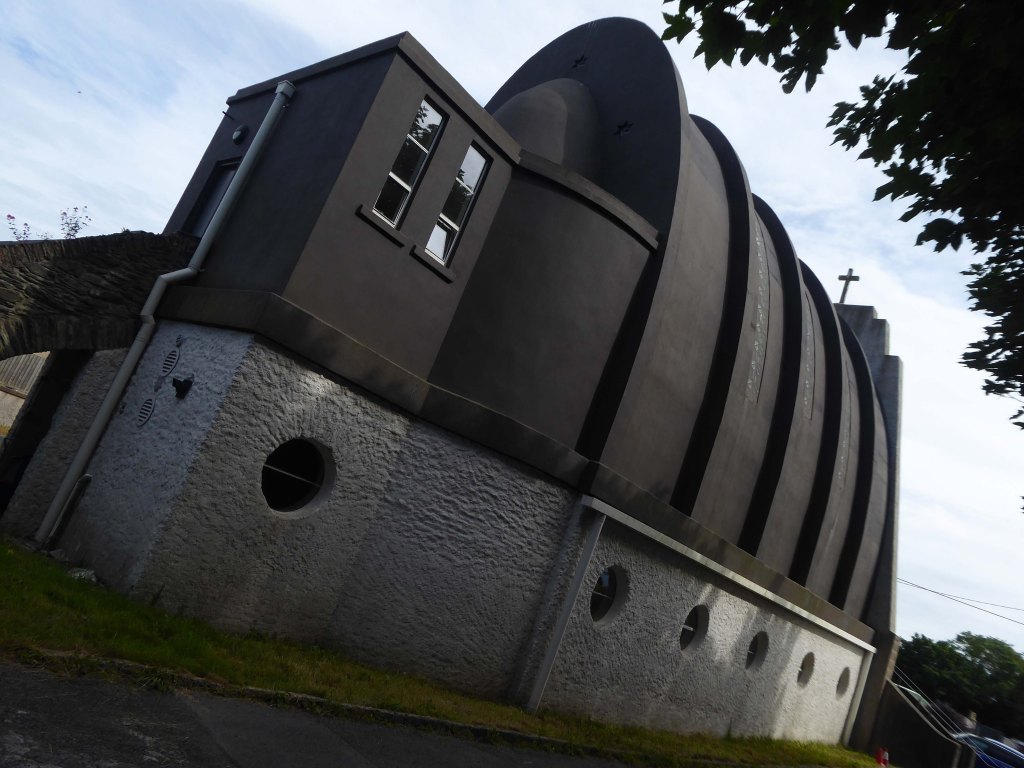
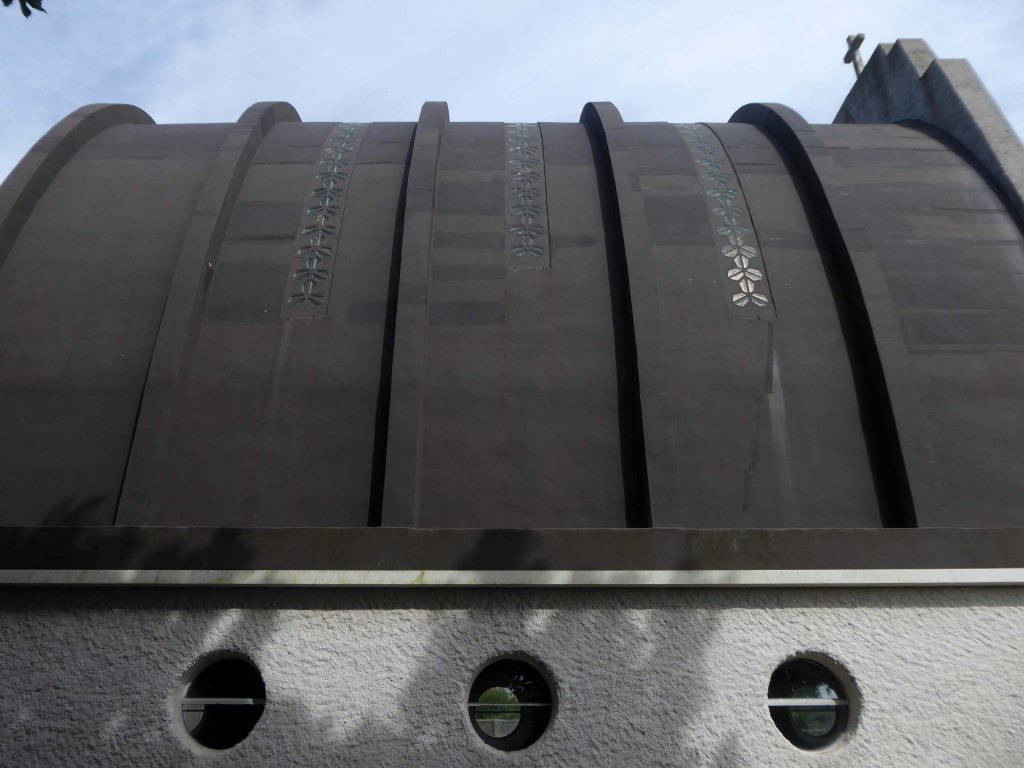
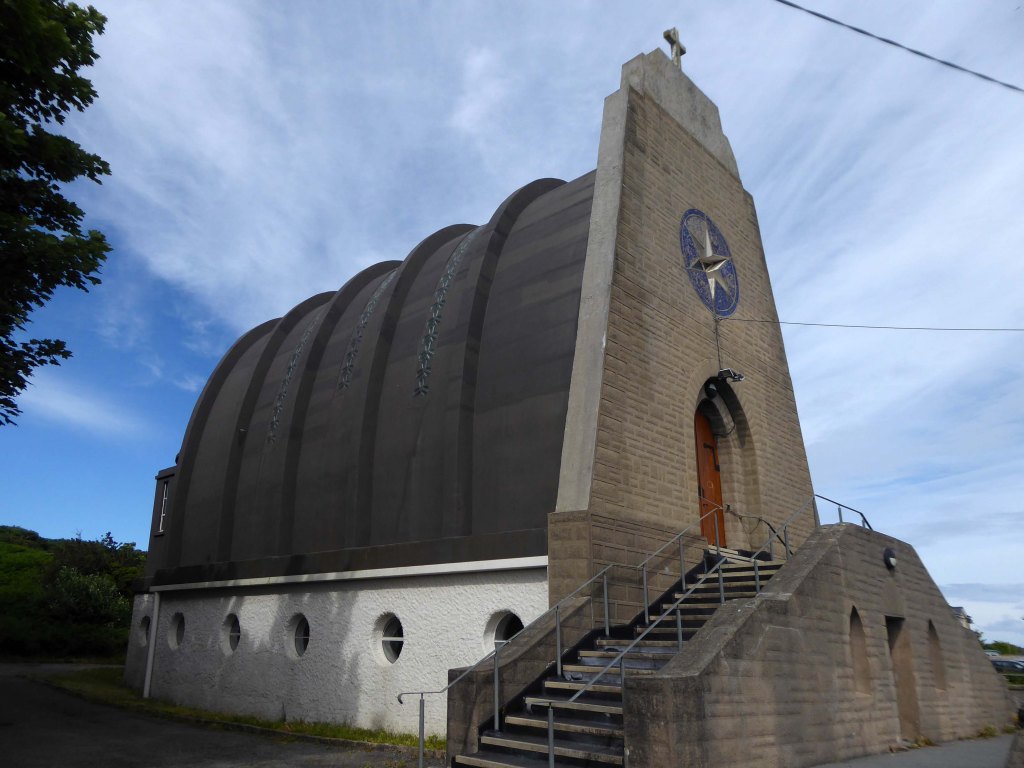
The Church of Our Lady Star of the Sea was built using reinforced concrete around 1937 and its dedication carries tribute to sailors lost at sea. The roof is designed to resemble the hull of a boat, and the windows in the crypt port holes. These aspects reflecting the maritime heritage of Amlwch.
Designed by Giuseppe Rinvolucri, the church closed in 2004 due to deterioration to the concrete, but was restored in 2010 and reopened in May 2011.
In the 1920s Giuseppe met an Englishwoman from Staffordshire, Anna Gwenmore Sopwith, who was on holiday in Italy, and they married in Turin in 1925. They returned to Staffordshire in 1928, then moved to Conwy, North Wales, in 1929. She died two years later. He considered joining the priesthood, but then embarked on his career as an ecclesiastical architect, building Catholic churches
From the 1930s he was living at St Francis Grange, Glan Conwy, an art deco style dwelling overlooking the Conwy estuary.
Prior to the construction of adjacent houses and the treatment of the concrete shell.
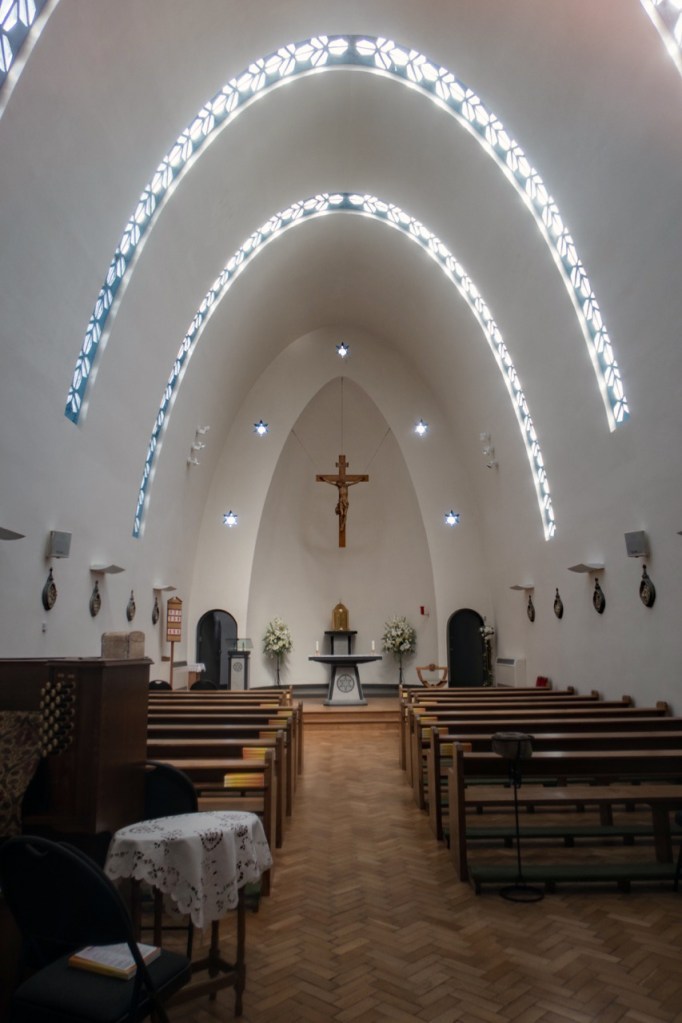
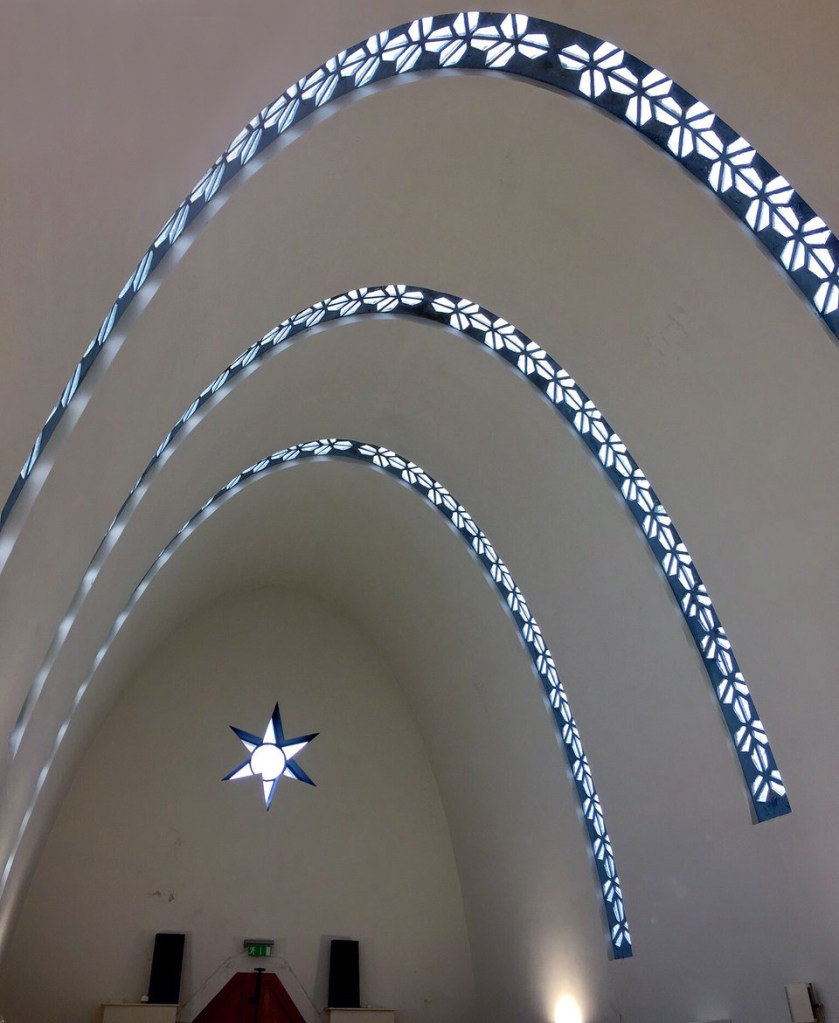
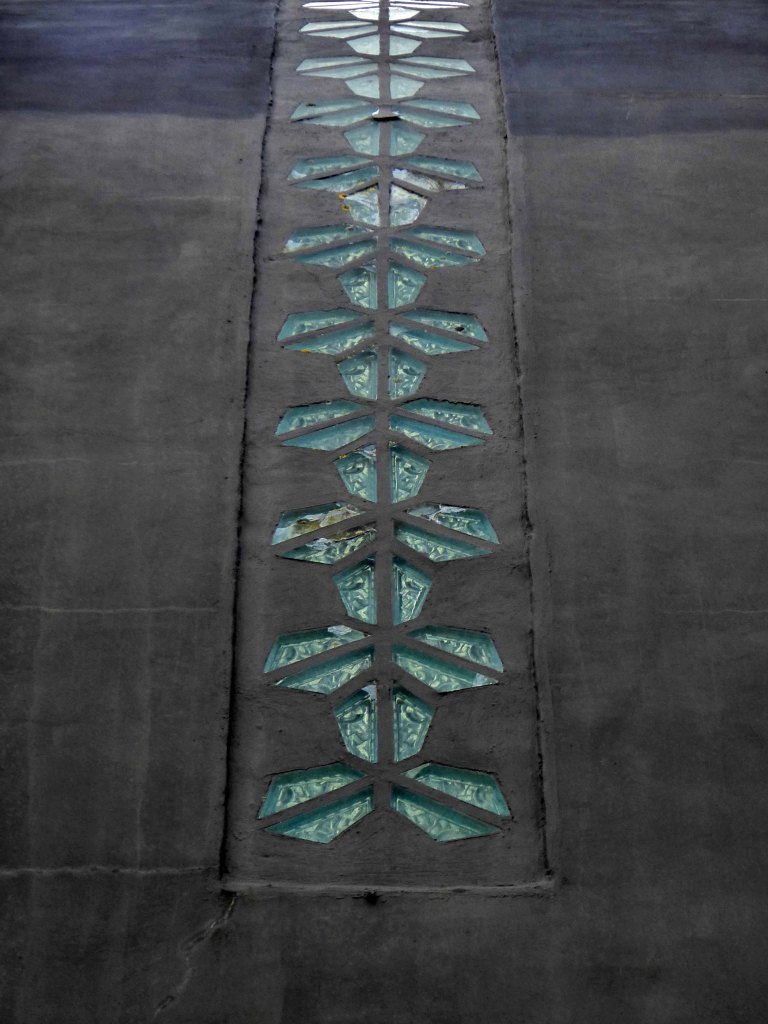
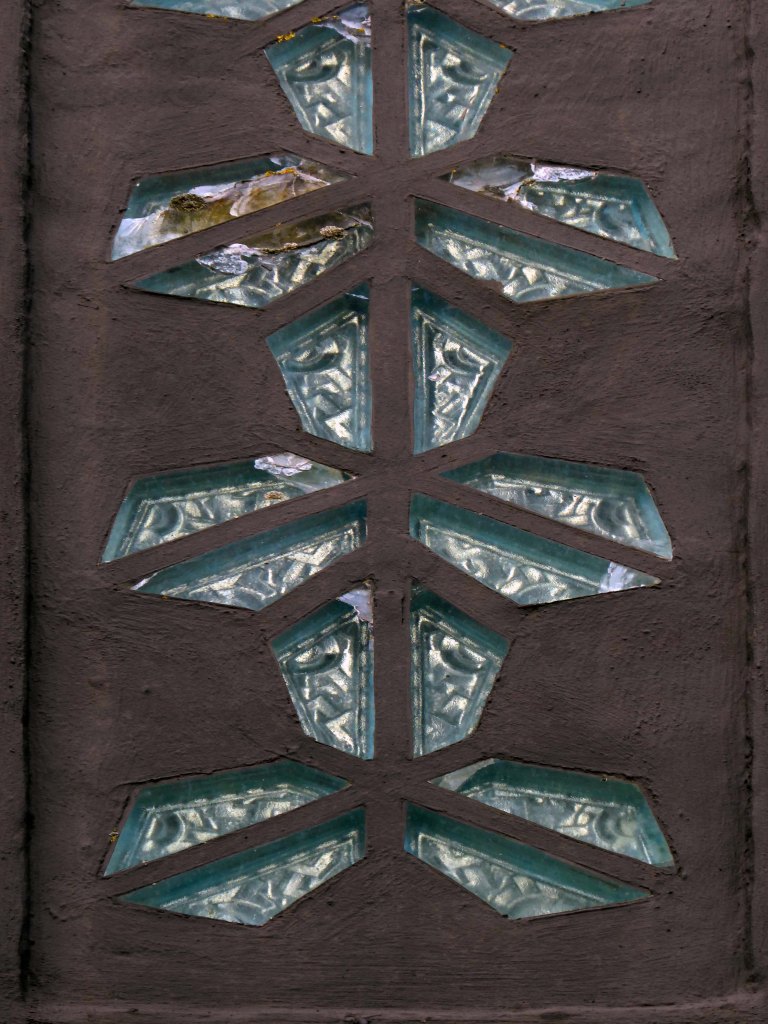
The main entrance leads into a small vestibule with raking sides; further doorways lead into the end of the main body of the church. The ribbing that is such a prominent feature of the exterior of the church also dominates the design of the interior; the body of the church illuminated by bands of geometrically patterned lights between the ribs. The lateral walls have marble panels which also follow the pattern of the ribs; to the top are paired panels, each with a moulded quatrefoil plaques depicting biblical scenes, plain paired panels below. The marbled panels continue at the far end of the church, raised up over round-headed doorways flanking a recess painted with a depiction of the crucifixion; star shaped lights follow the line of the domed arch.
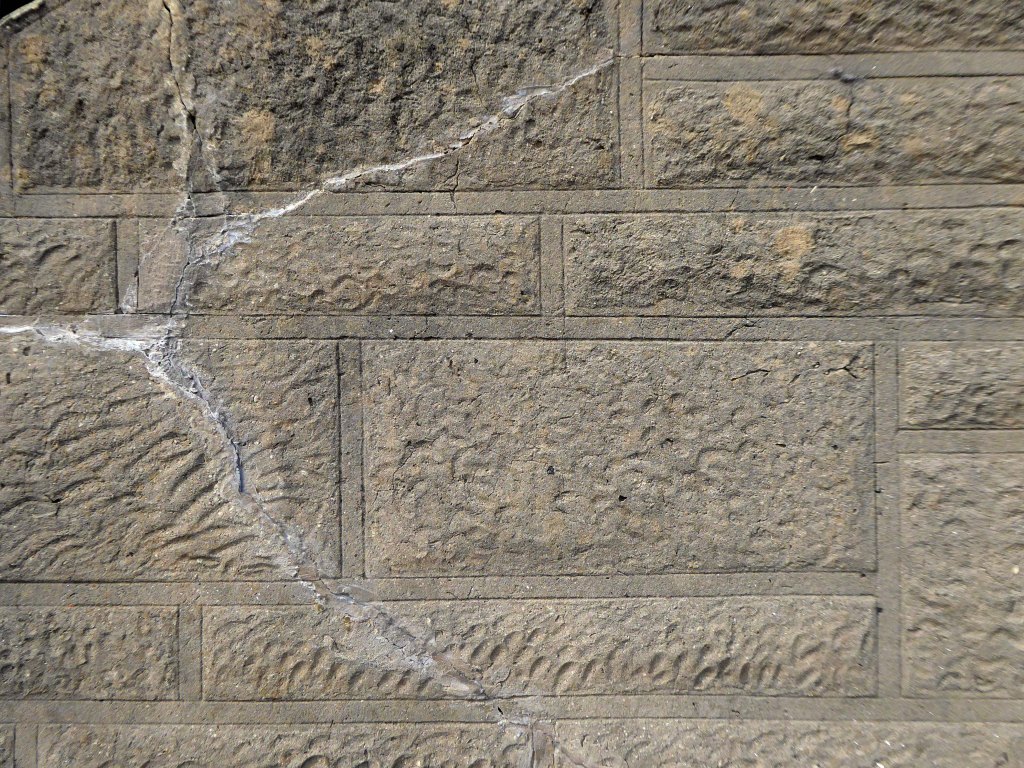
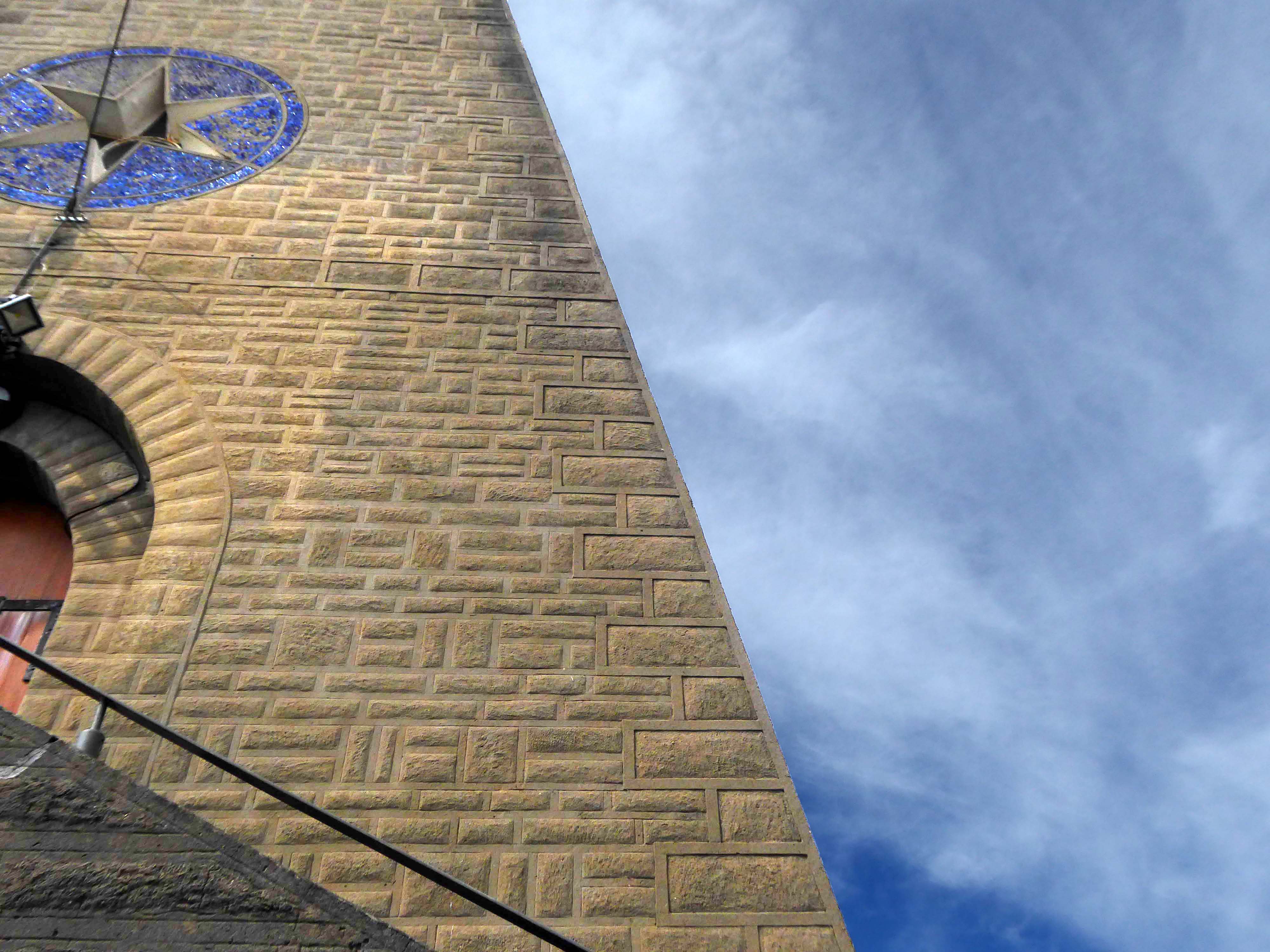
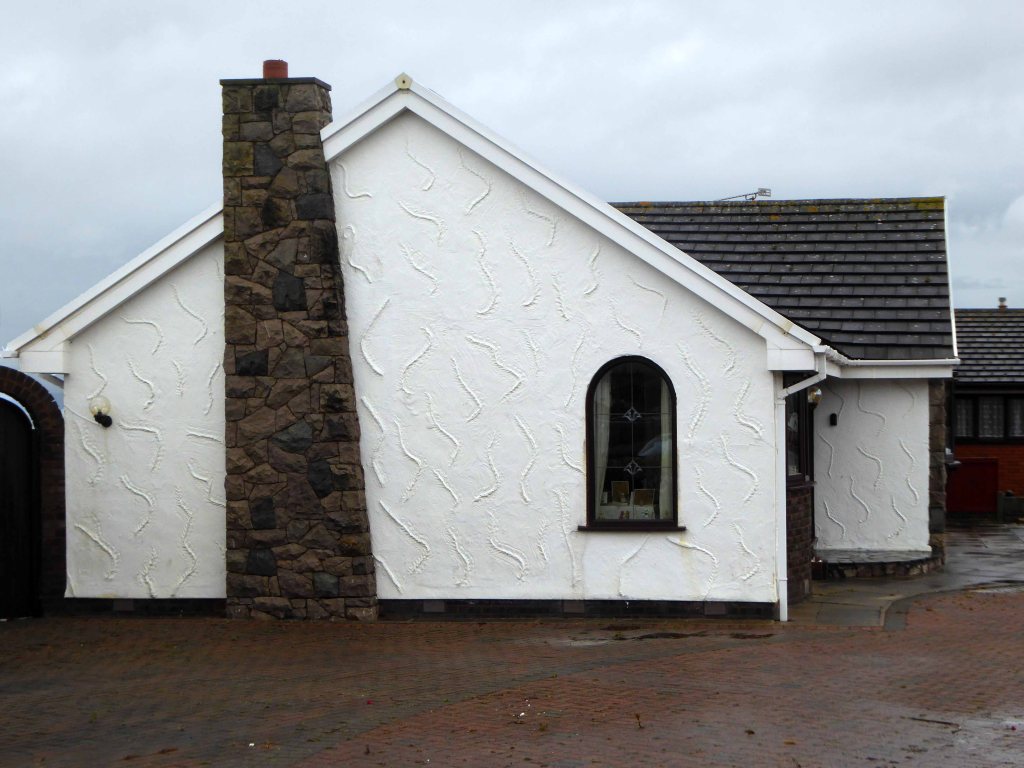
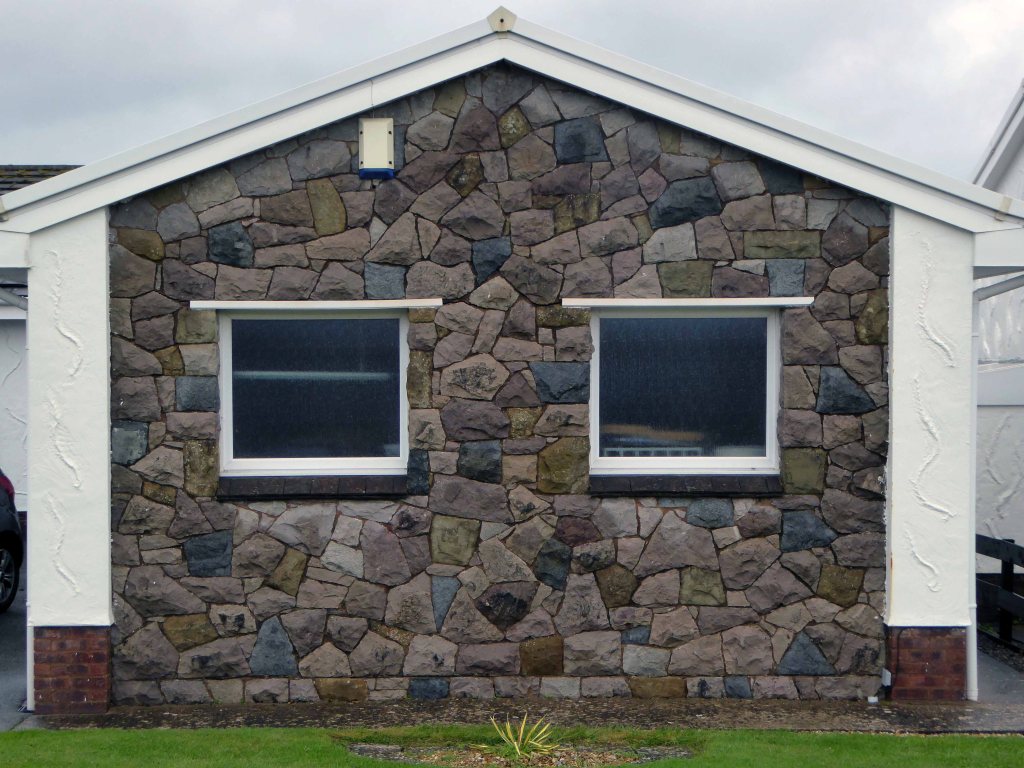
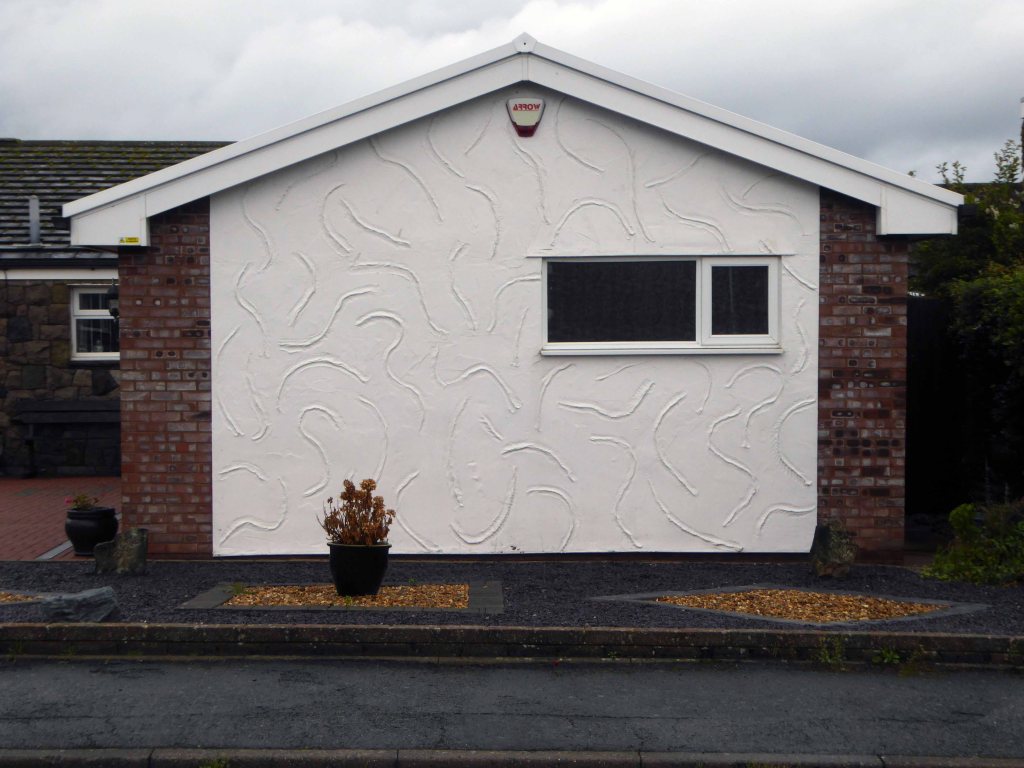
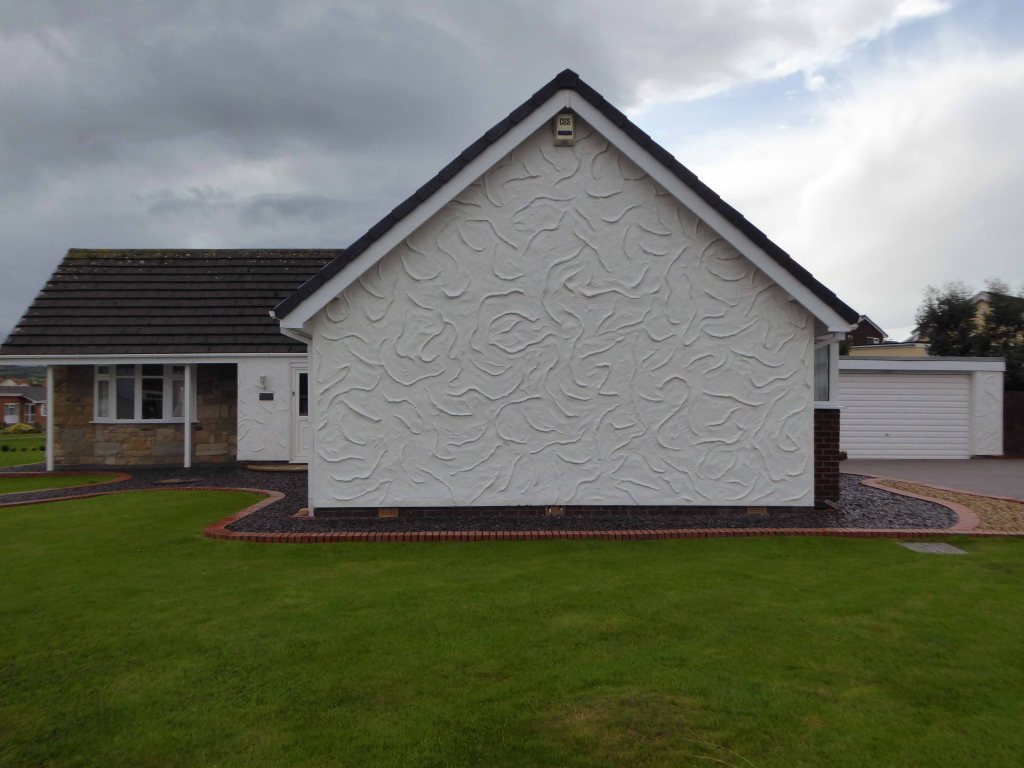
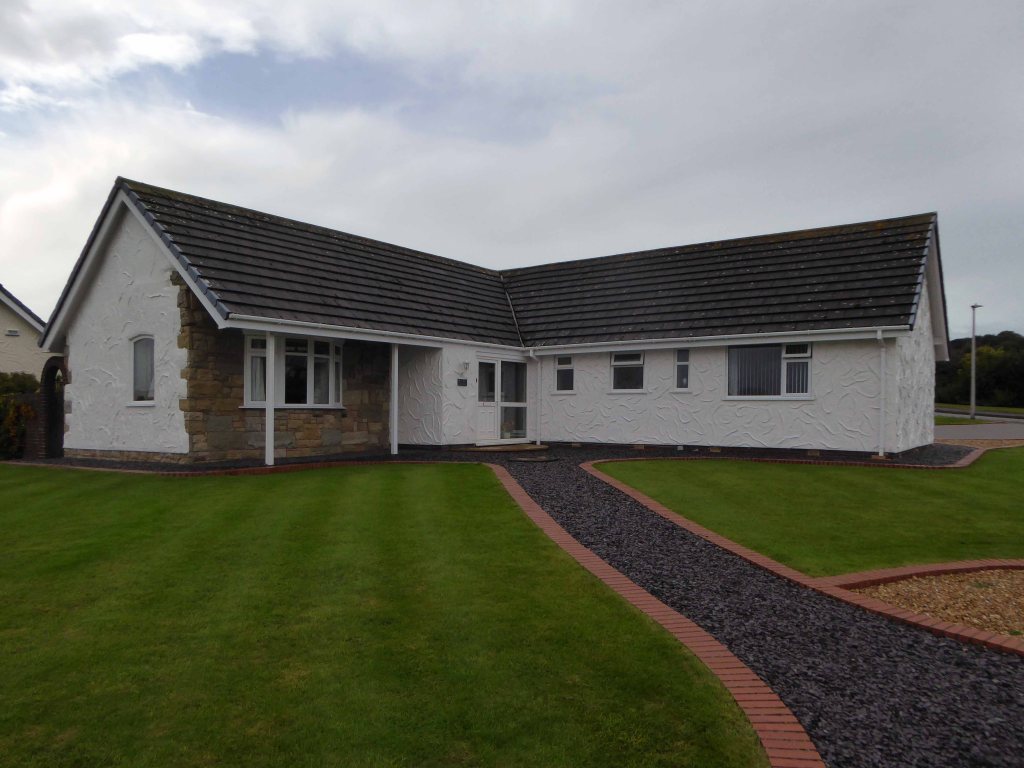
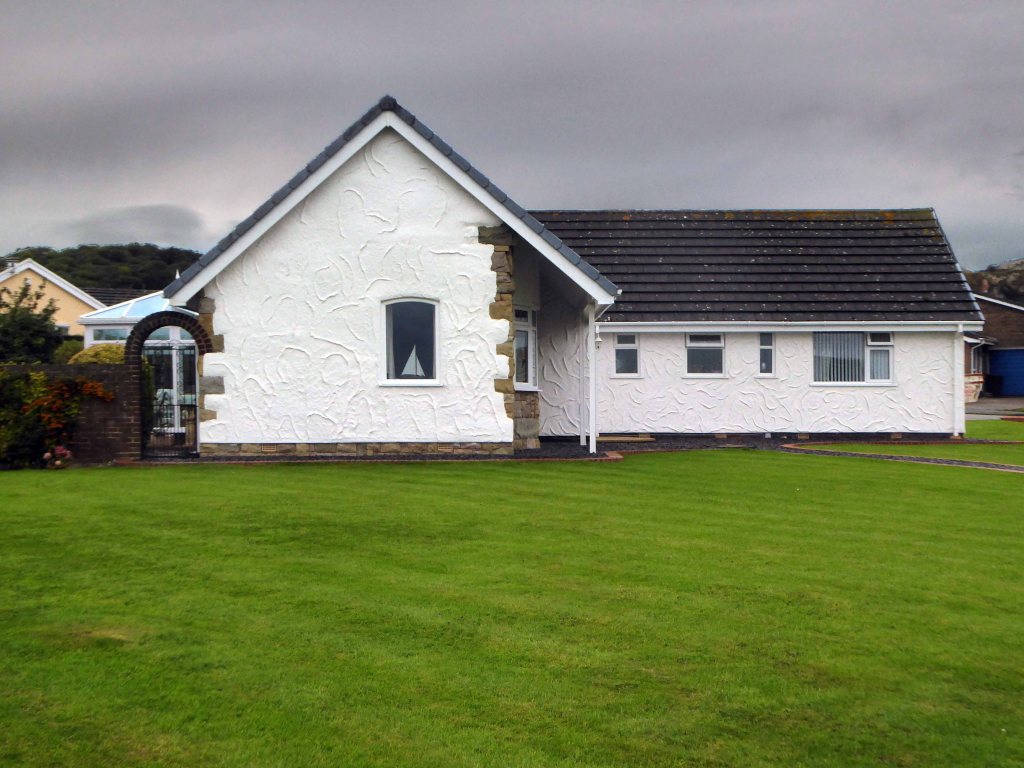
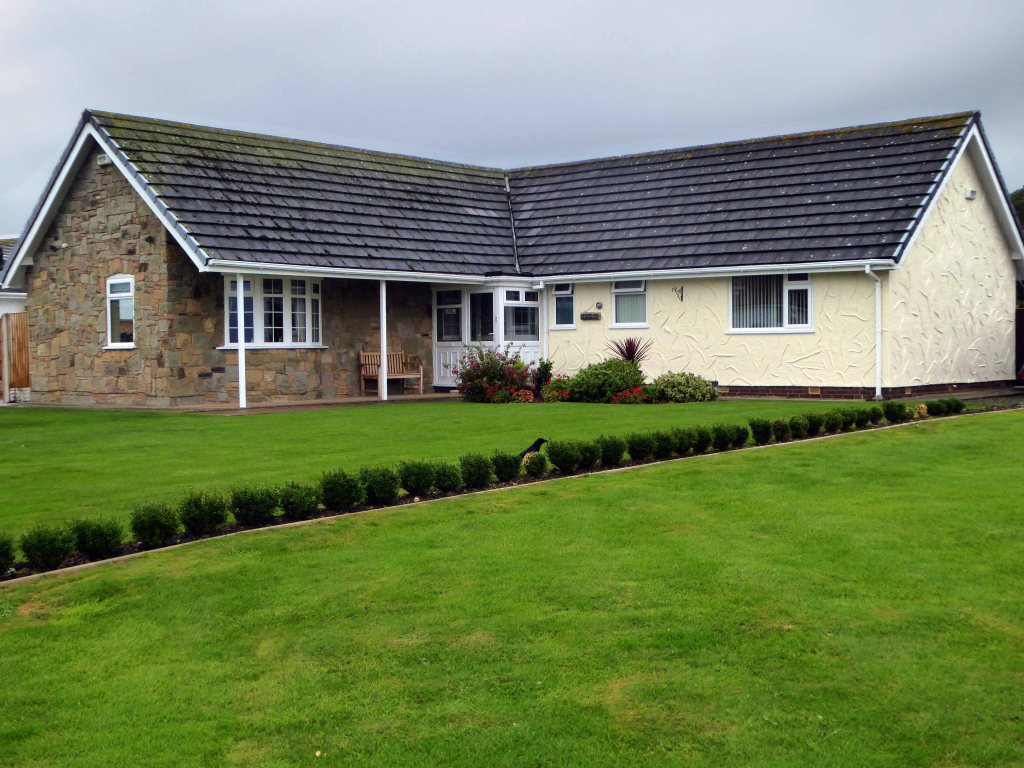
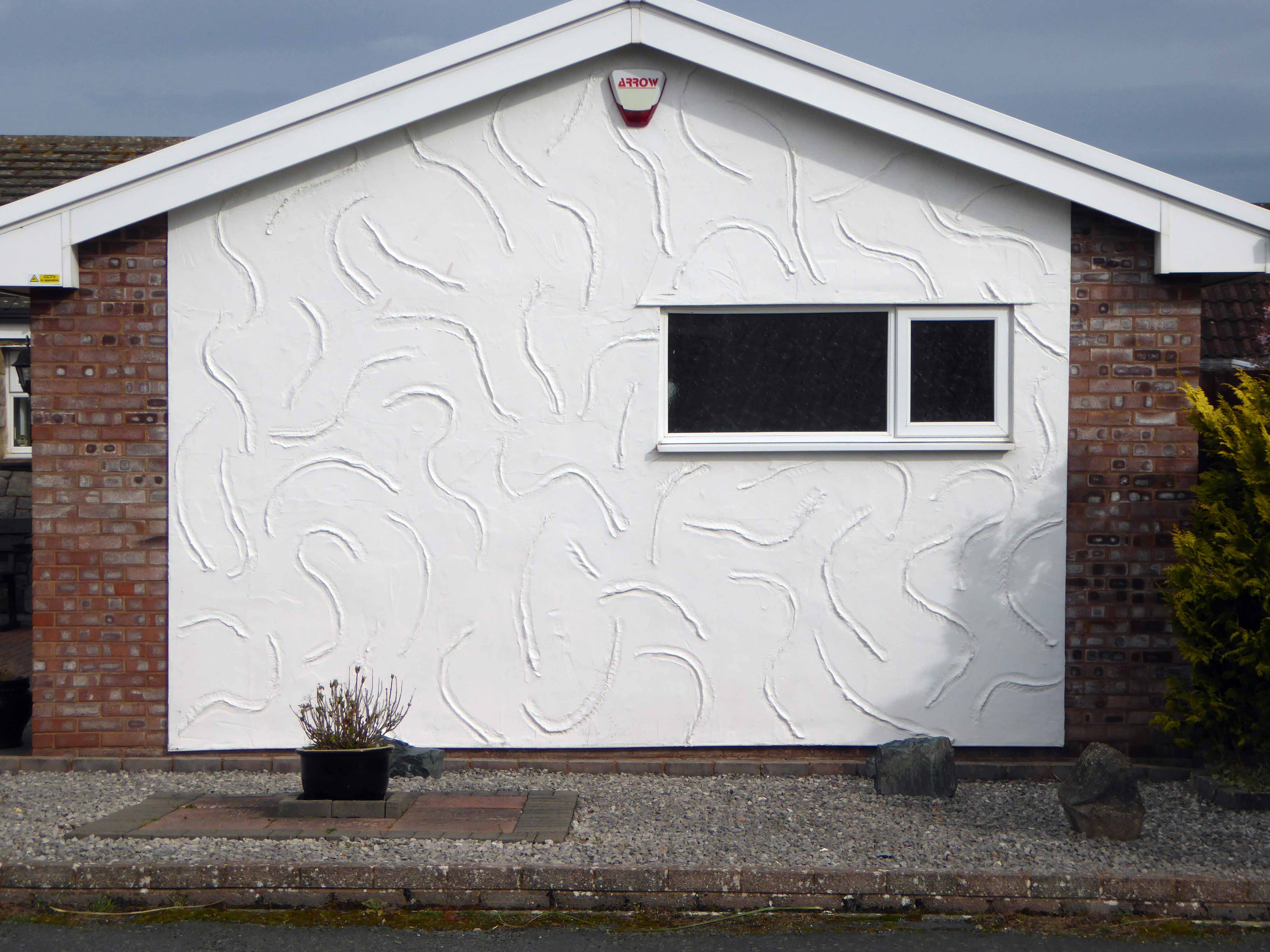
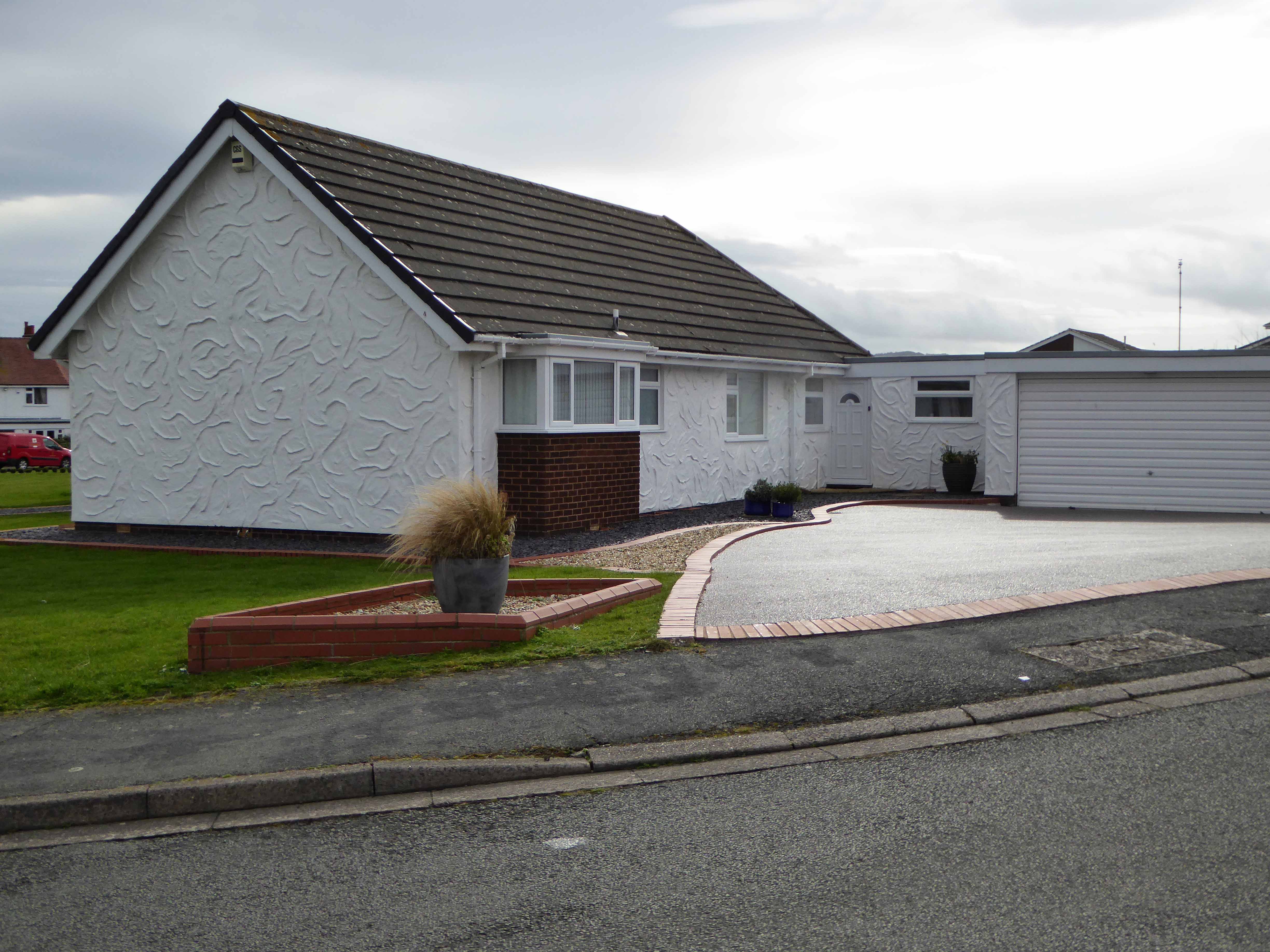
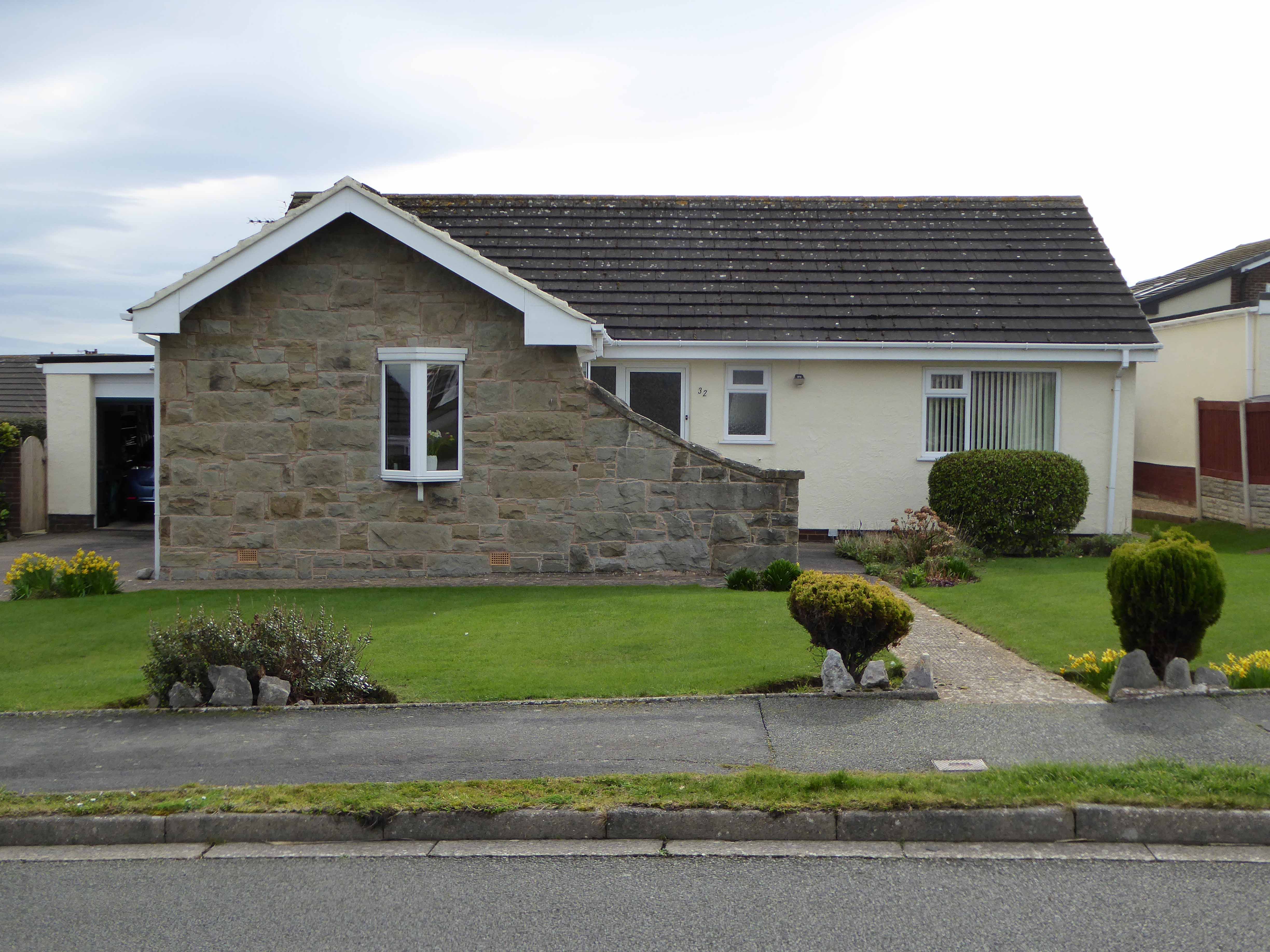
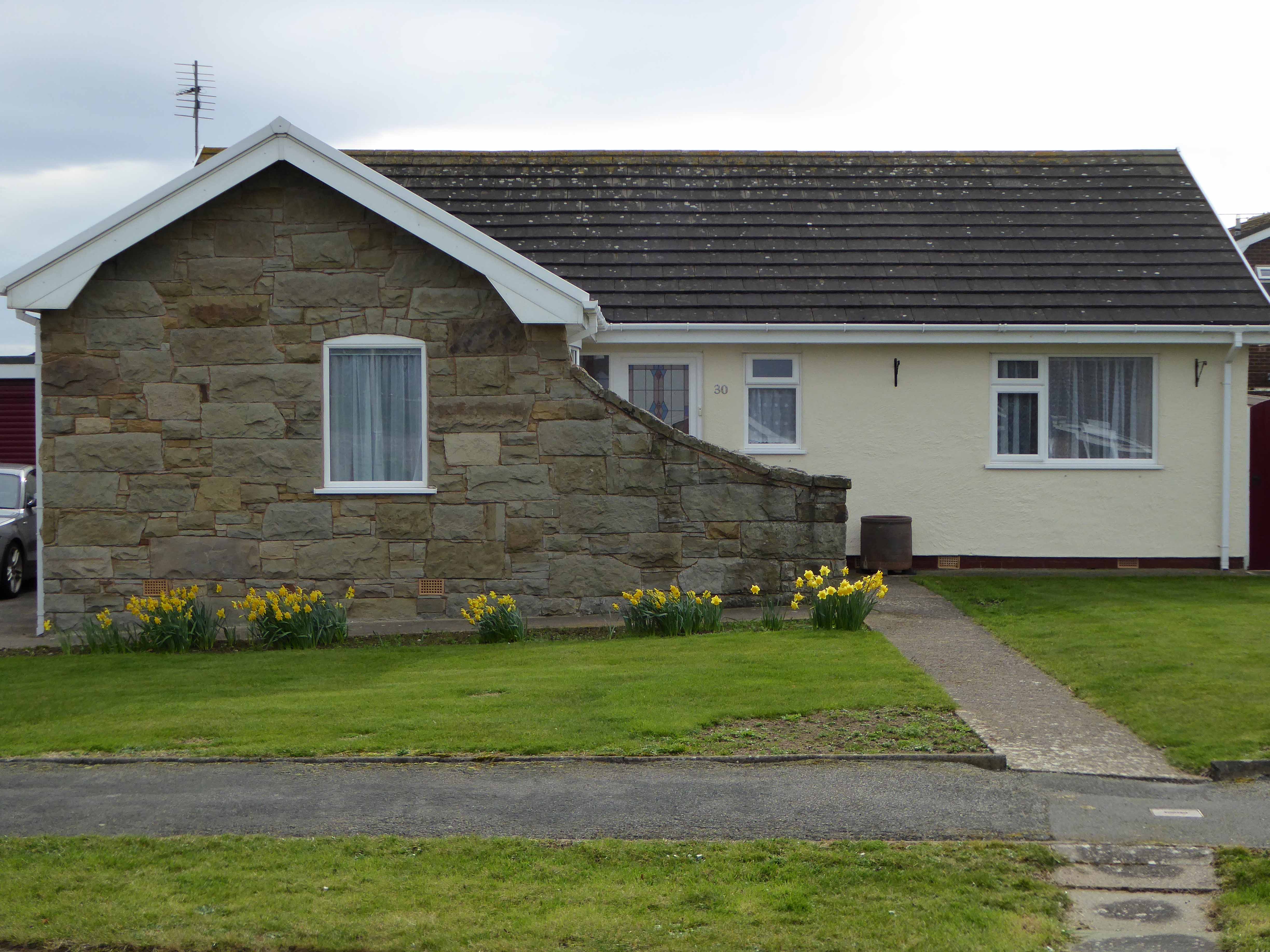
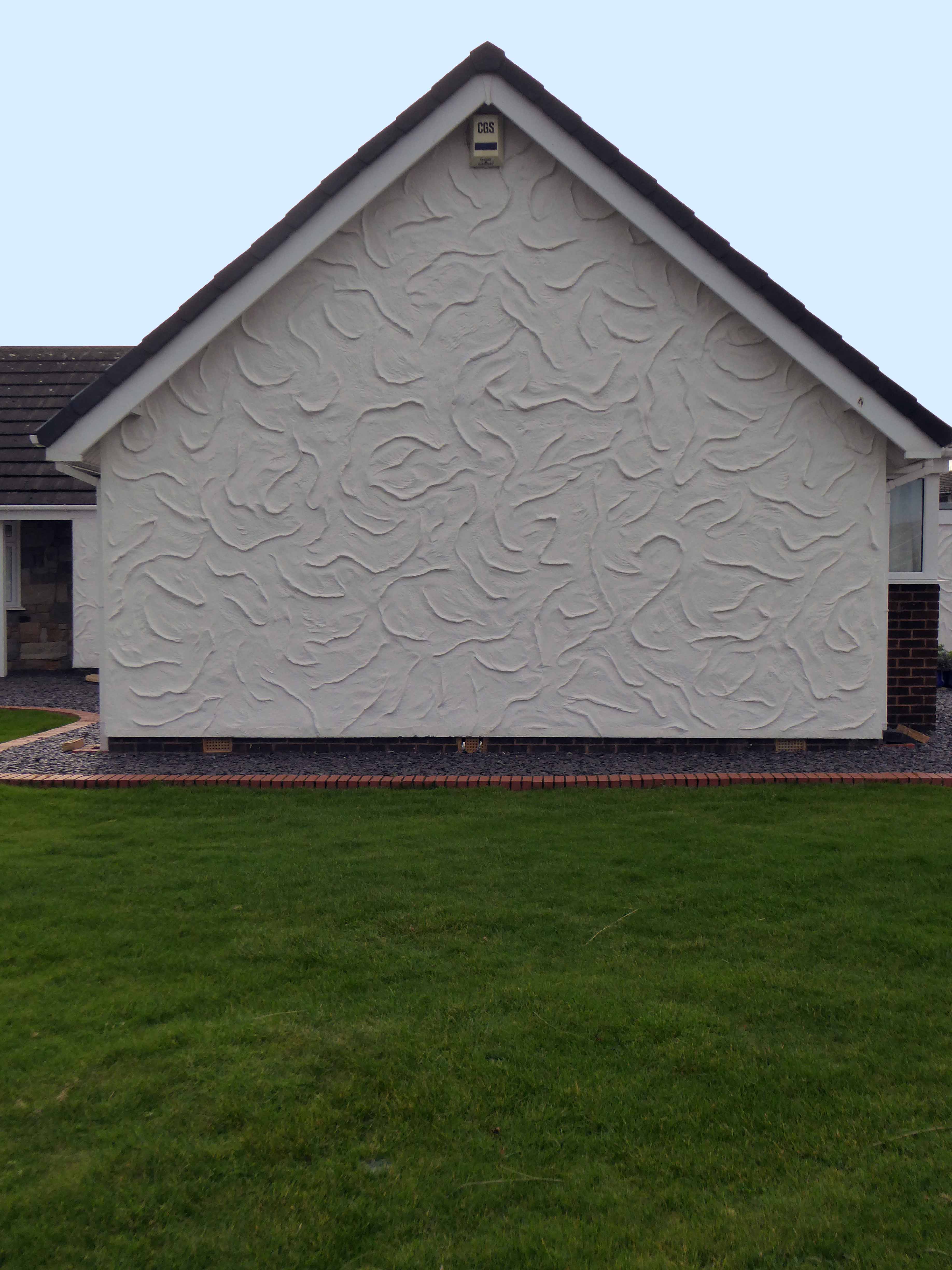
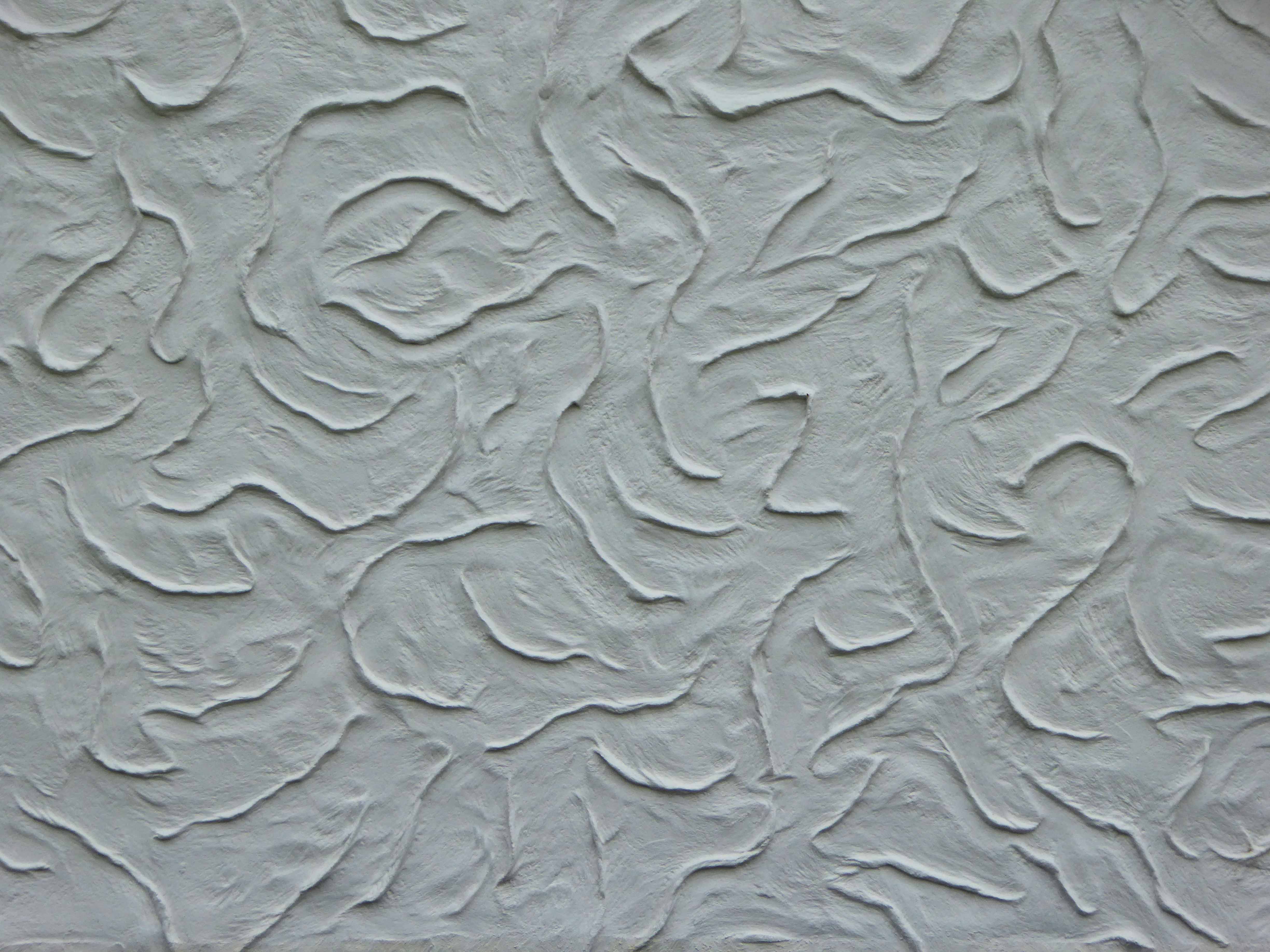
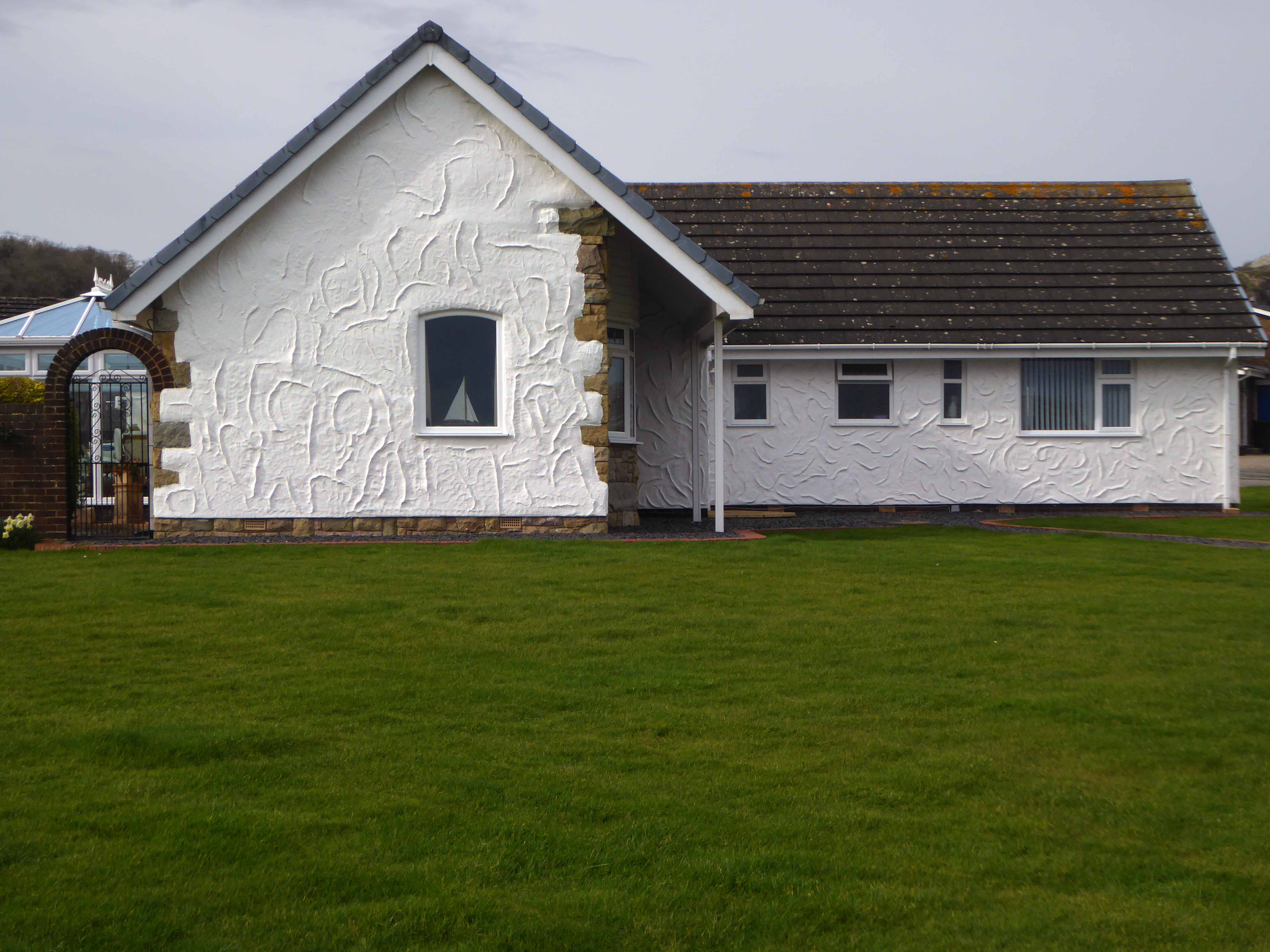
I think it is worthy of mention how the whole mass of imitation stone frontage was done by one plasterer long gone called Llew – Inja Rock, whose pretty unique style of work is still to be seen elsewhere around town today. He once showed me how it was done, all with a little teaspoon. What patience and what a proven good job to stand the trial of time of 40-plus years without a great deal, if any, remedial work. A sound memorial to a good working man.
For many years I have cycled y on my tours around Anglesey- often stopping to marvel at this concrete anachronism.
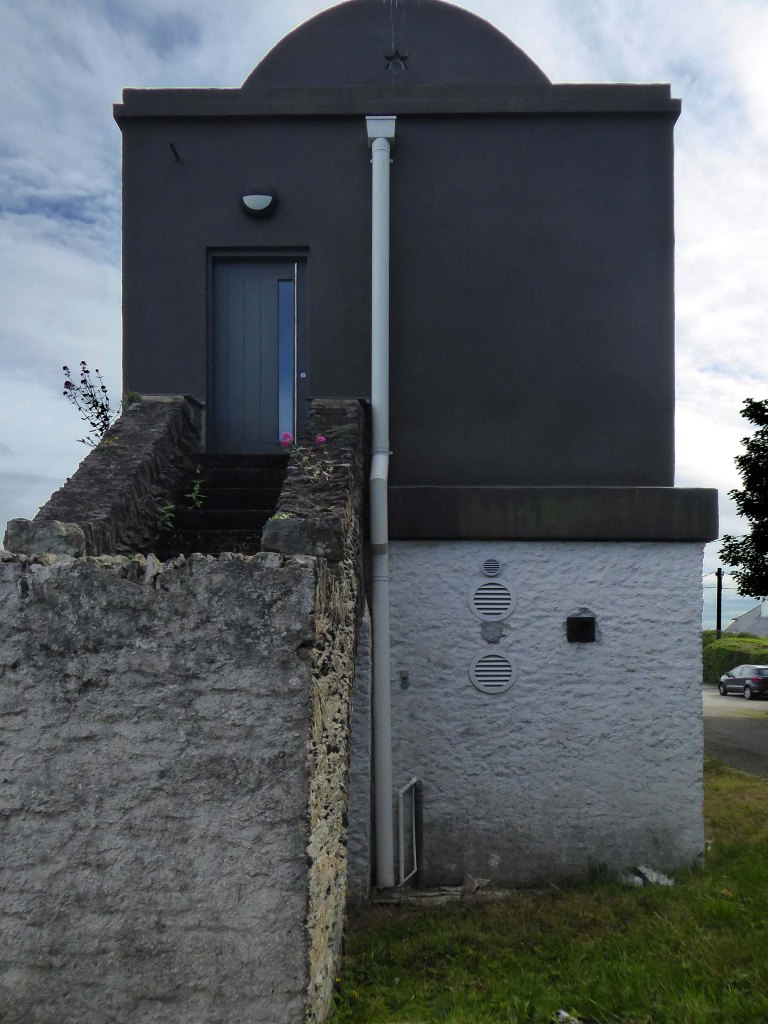
This time I stopped to walk around and take some snaps – here they are.
The Pevsner Buildings of Wales guide calls it:
A piece of Italian architectural daring of the 1930s – a soaring reinforced concrete and brick vault formed on six arches, expressed as ribs externally and internally, with a conical apse. Three transverse bands of glazing in geometric trefoils of white and blue.
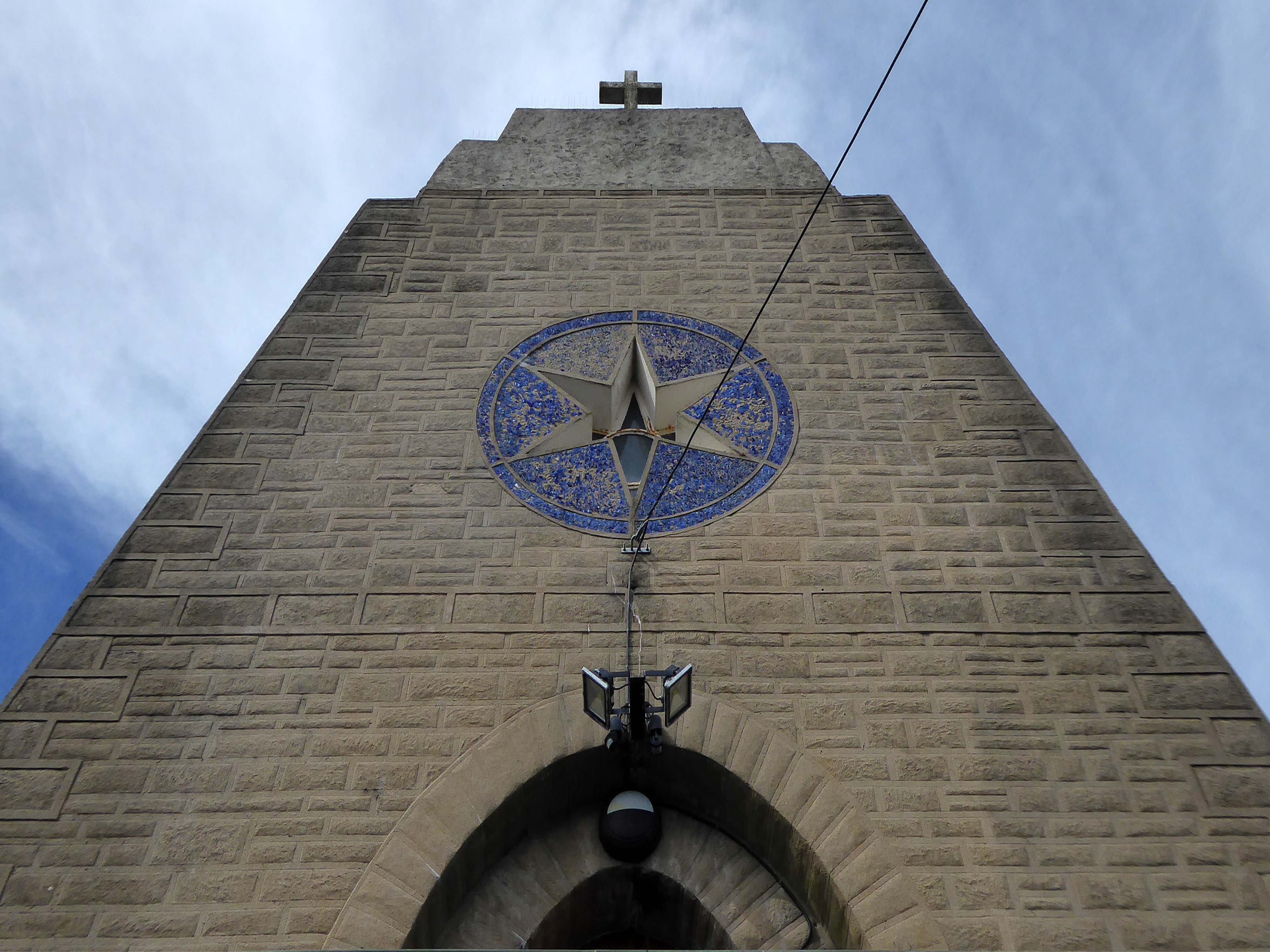
Five glass stars – made in France, perforate the East wall round the apse.
Rinvolucri’s team of builders constructed the innovative parabolic vault in six months in 1935.
The same guide calls it Futurist, closer to Freyssinet’s 1920s airship hangars at Orly, Paris, than to Catholic Church design, and unlike the conservatism of Anglesey building.
He died in 1962 and is buried in St Agnes Road Cemetery, Conwy with Mina, who died in 1991.
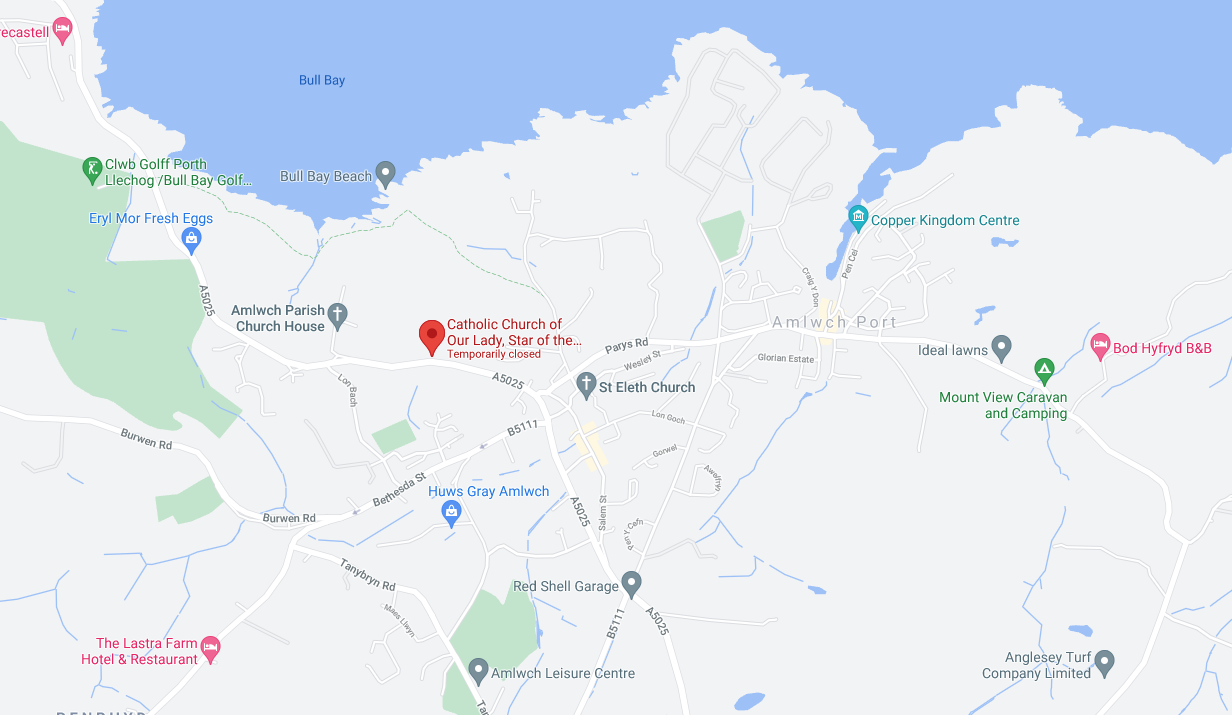
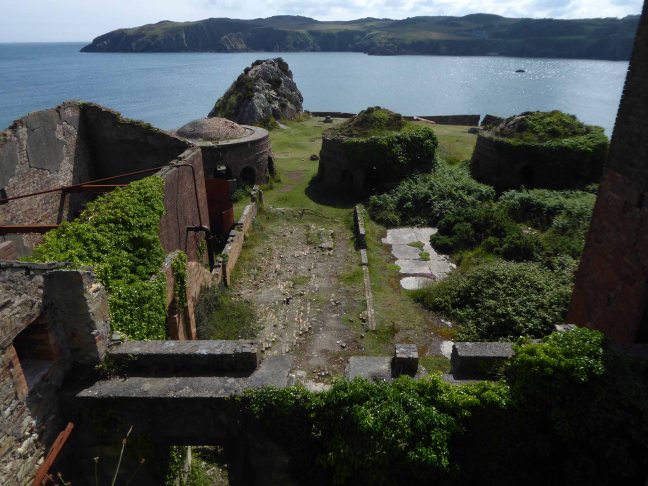
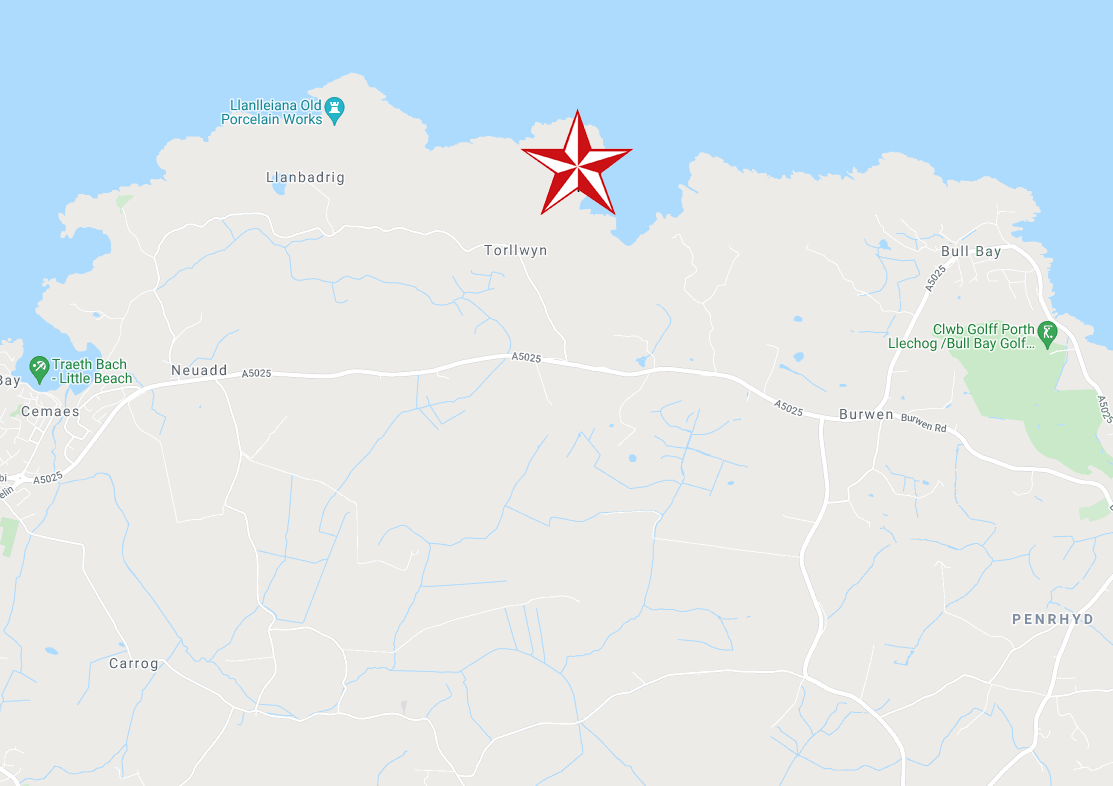
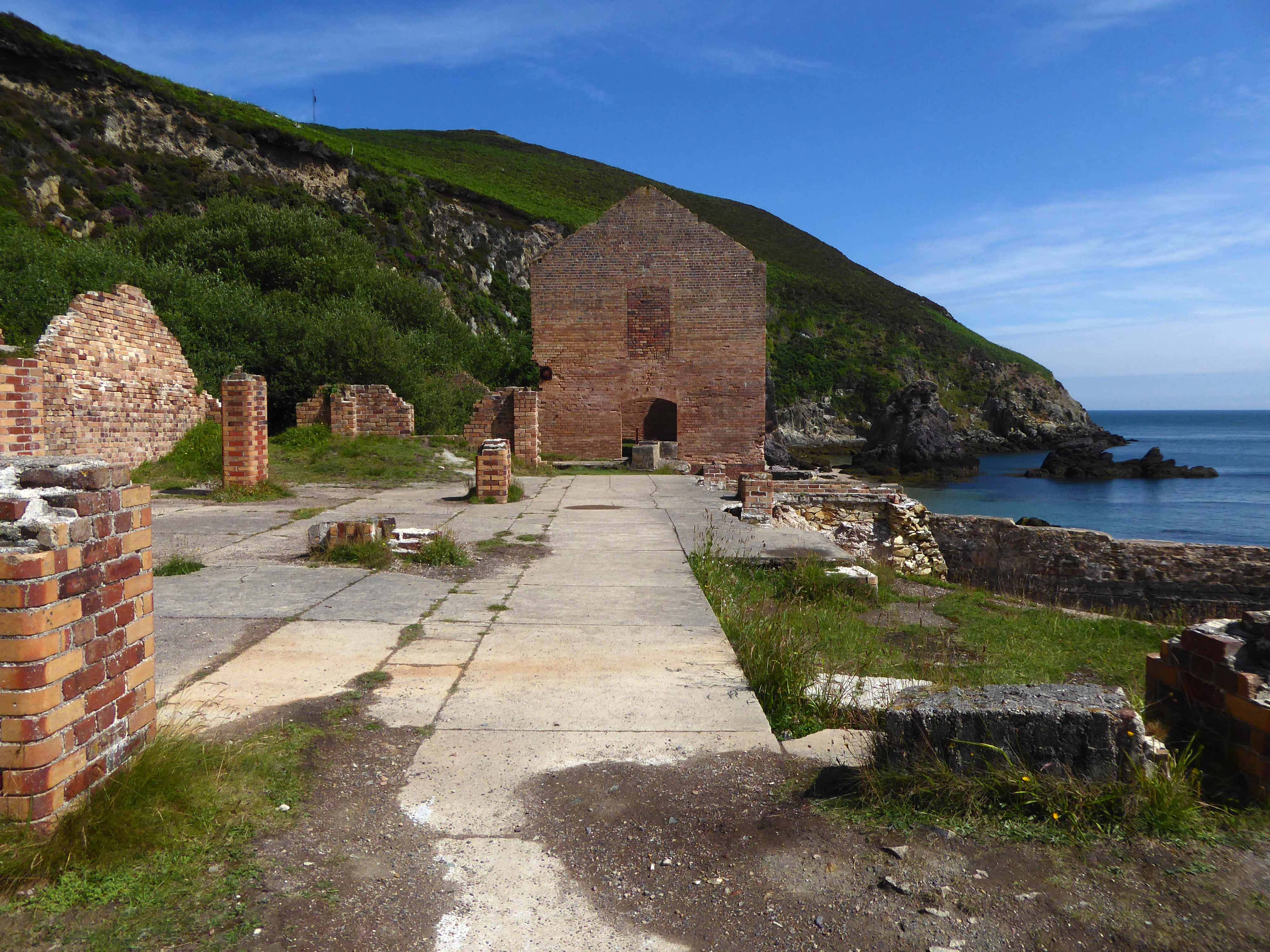
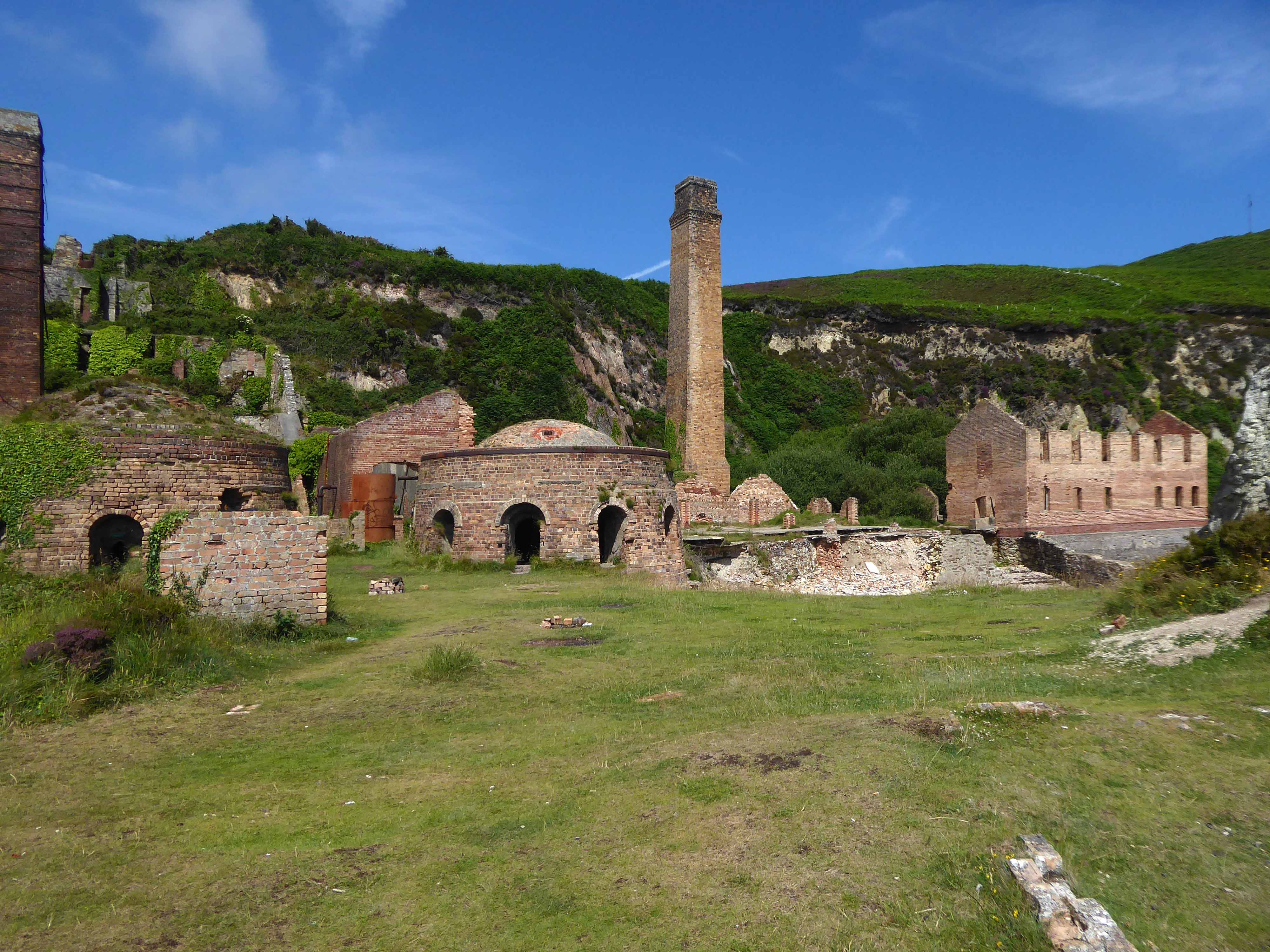
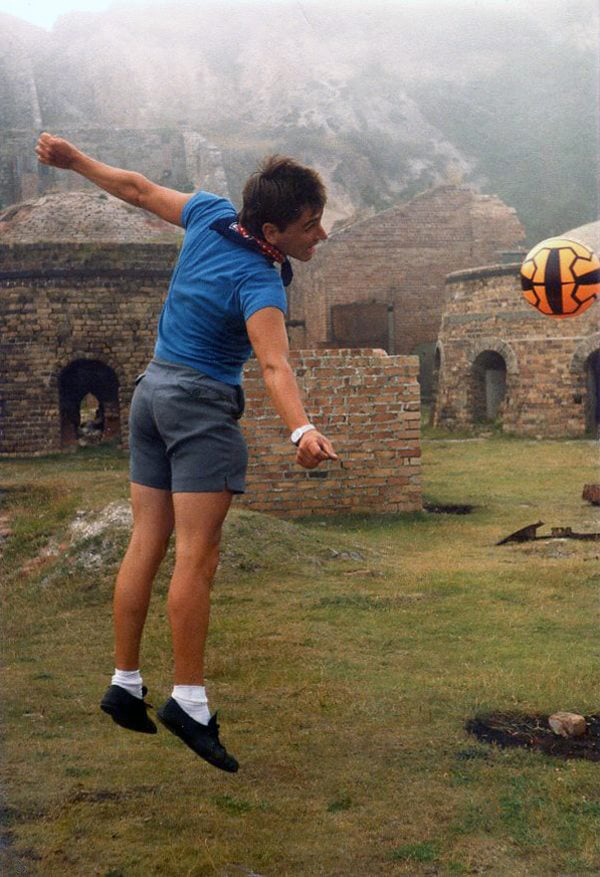
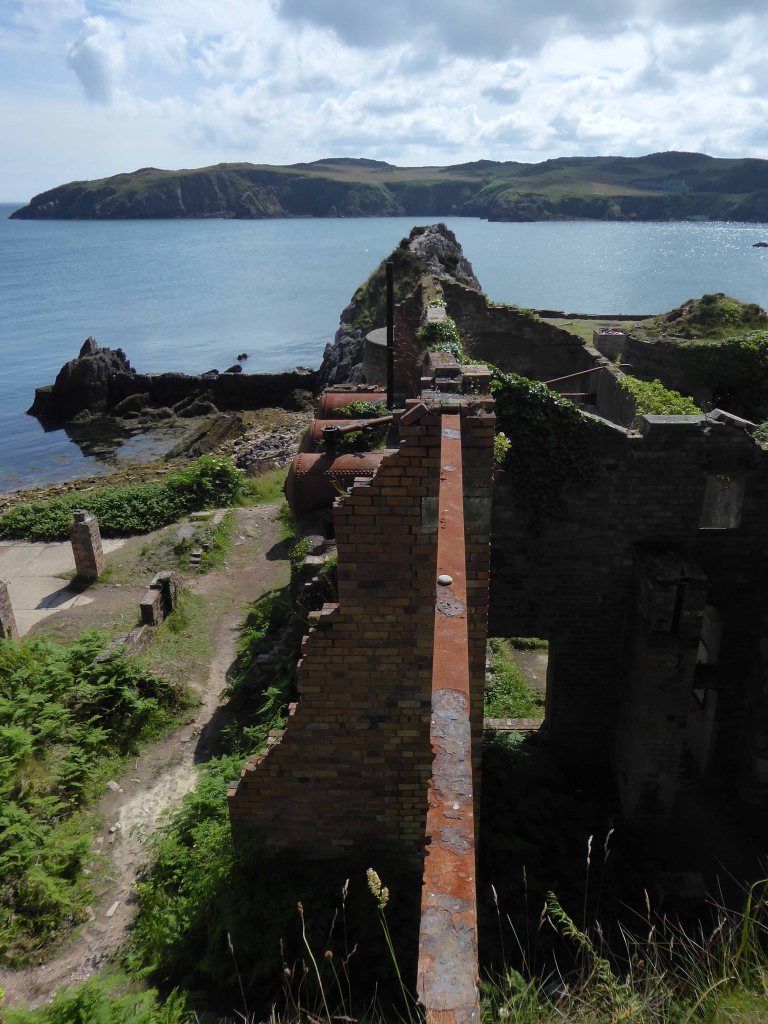
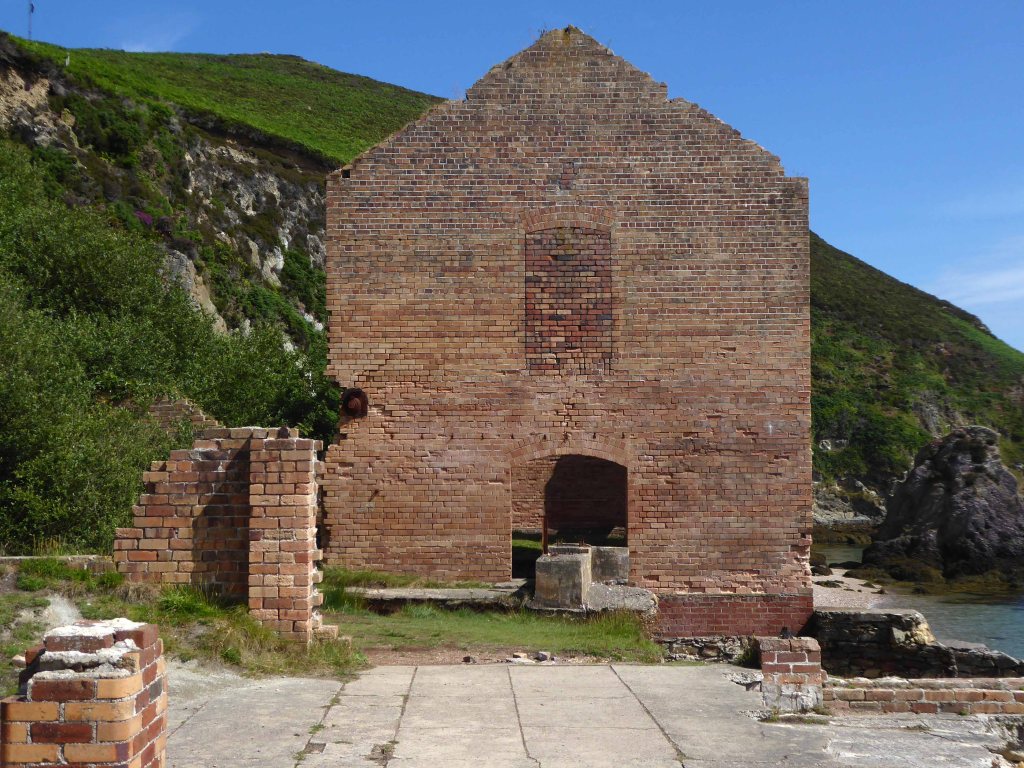
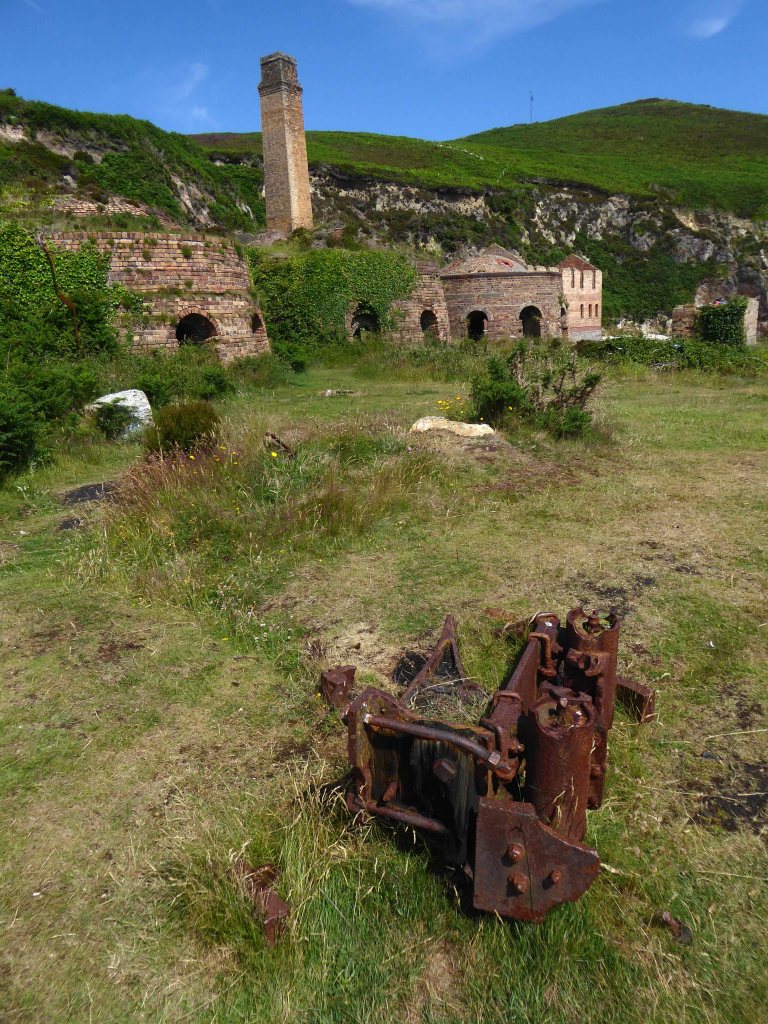
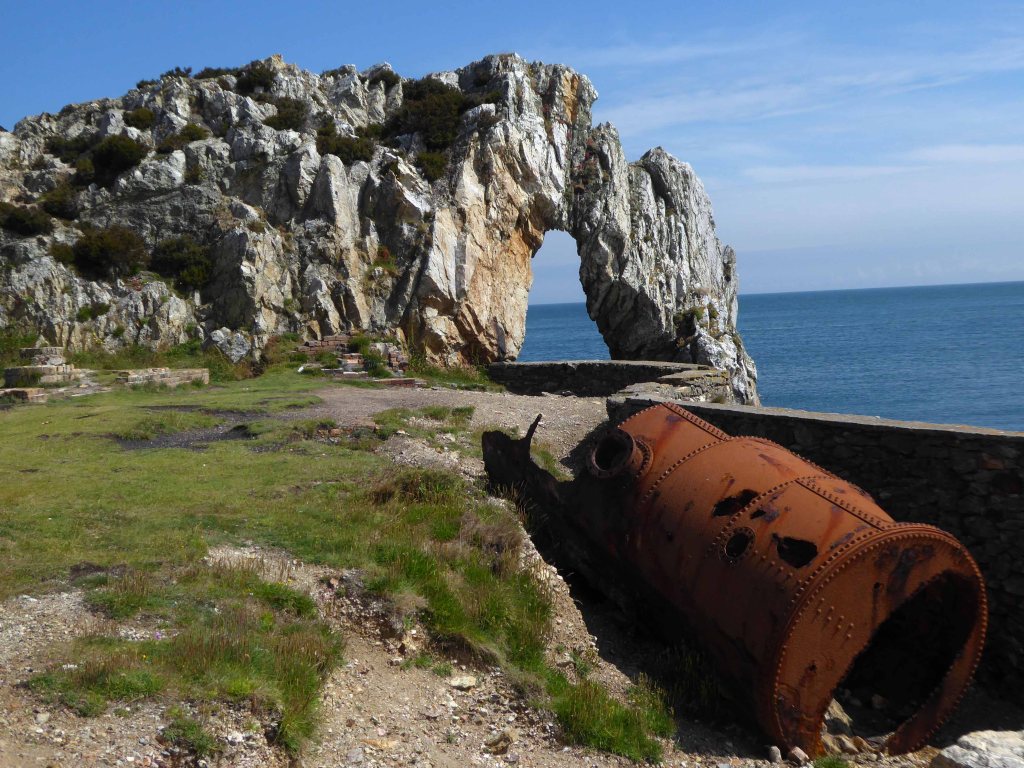
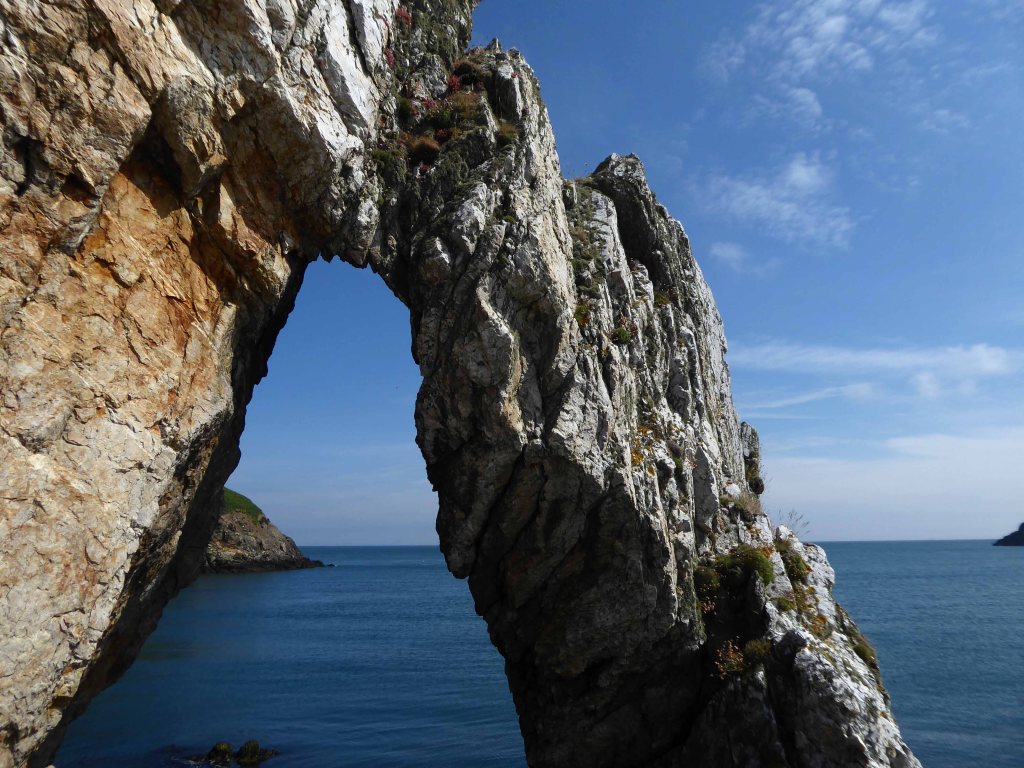
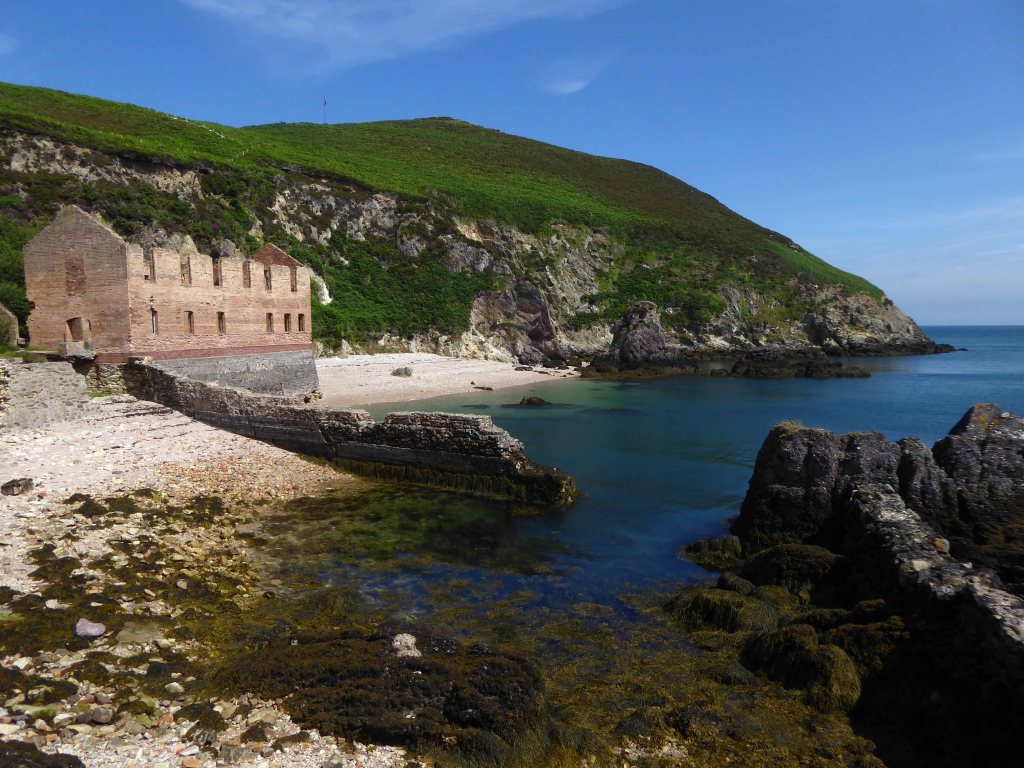
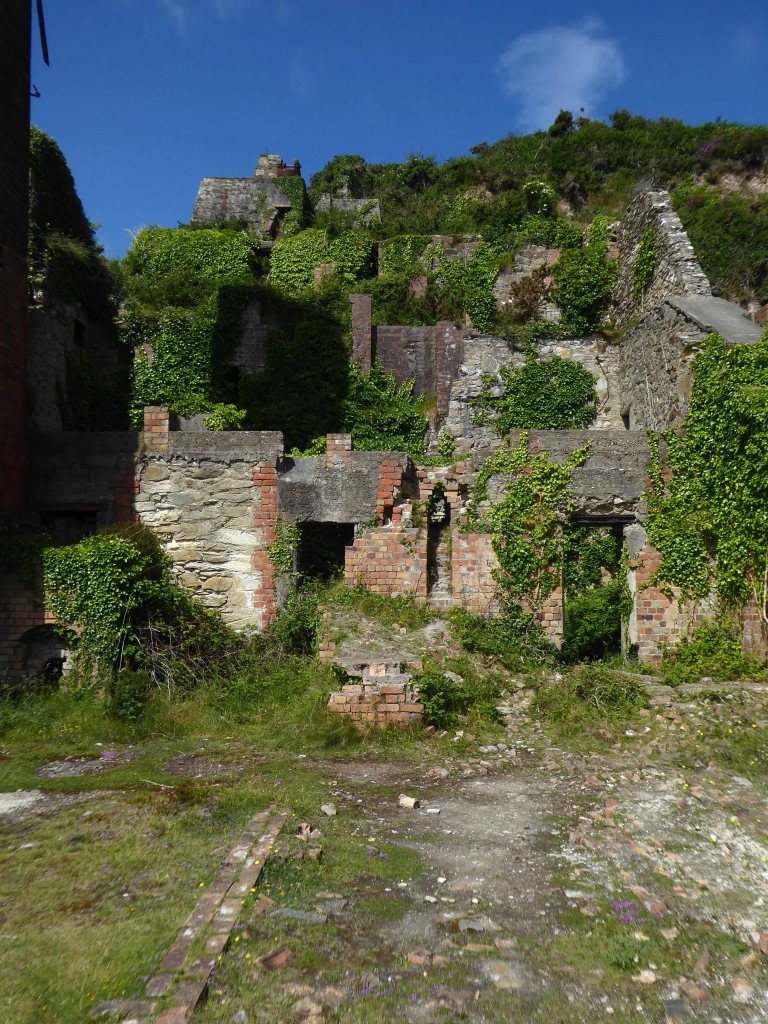
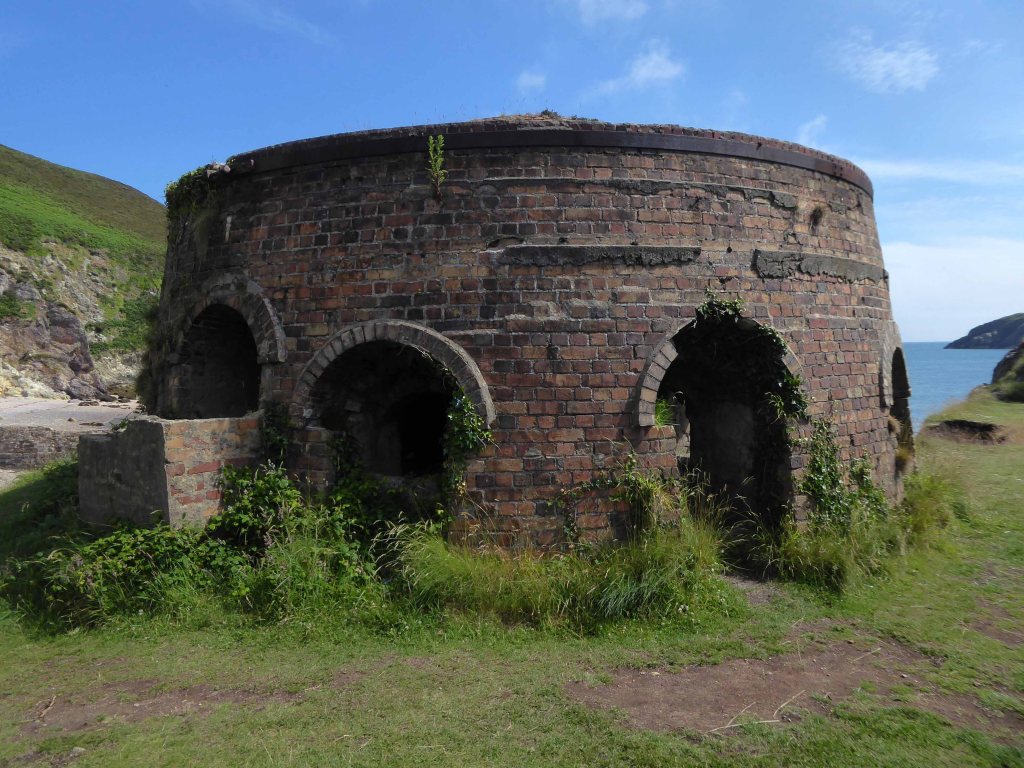
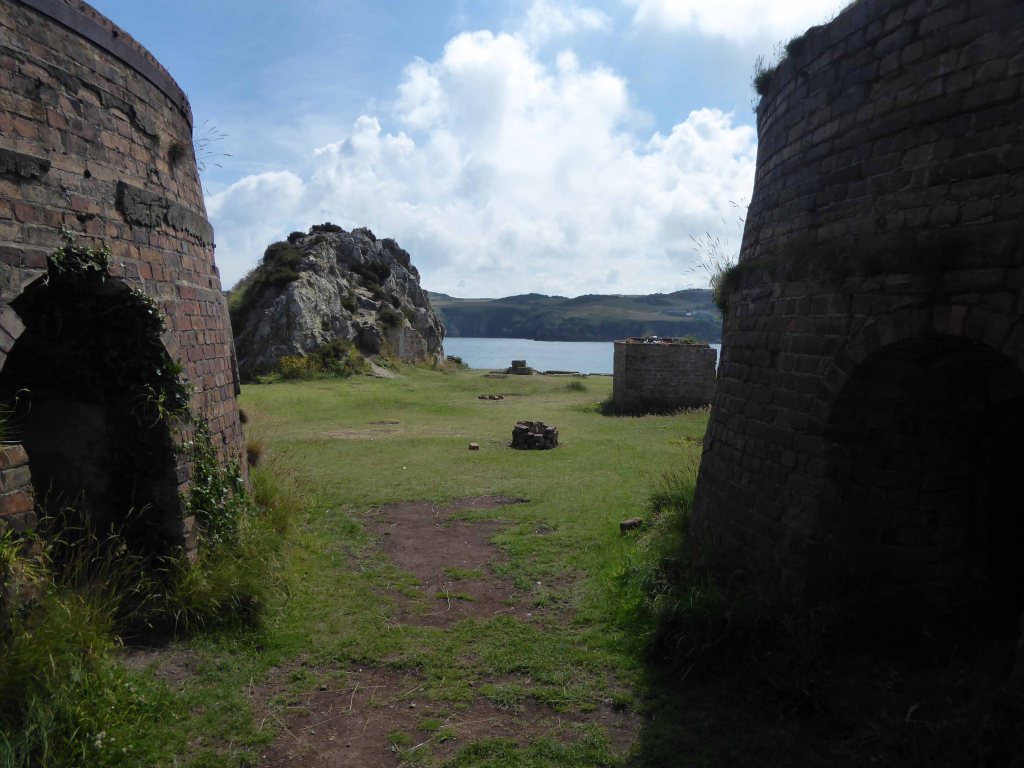
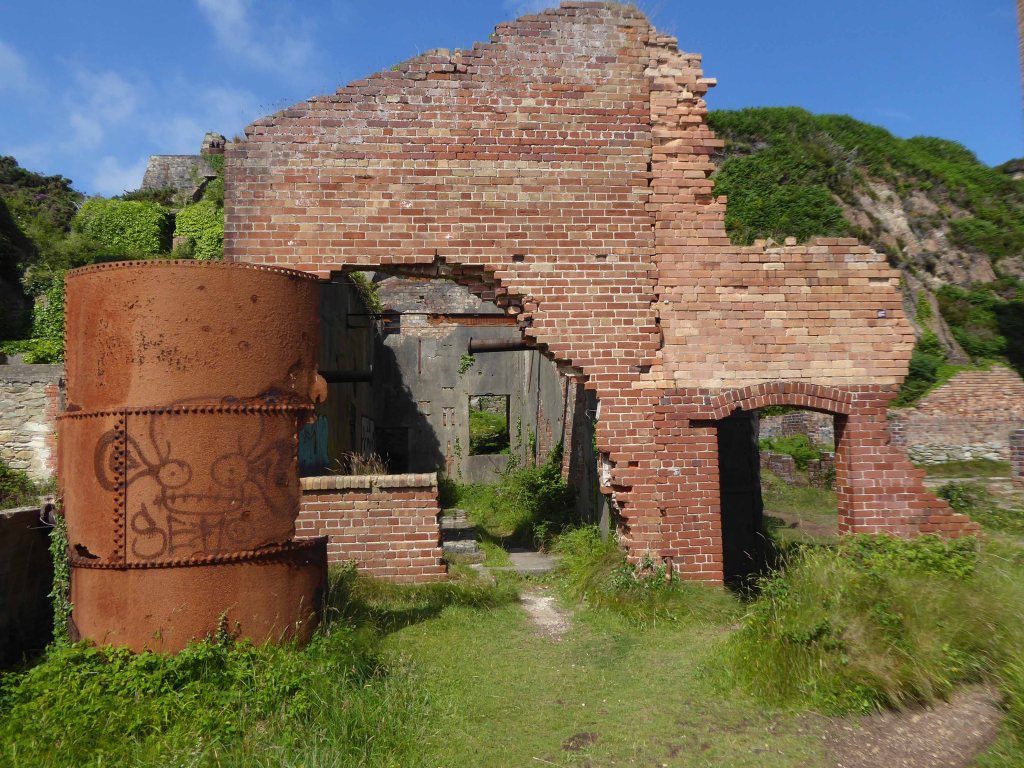
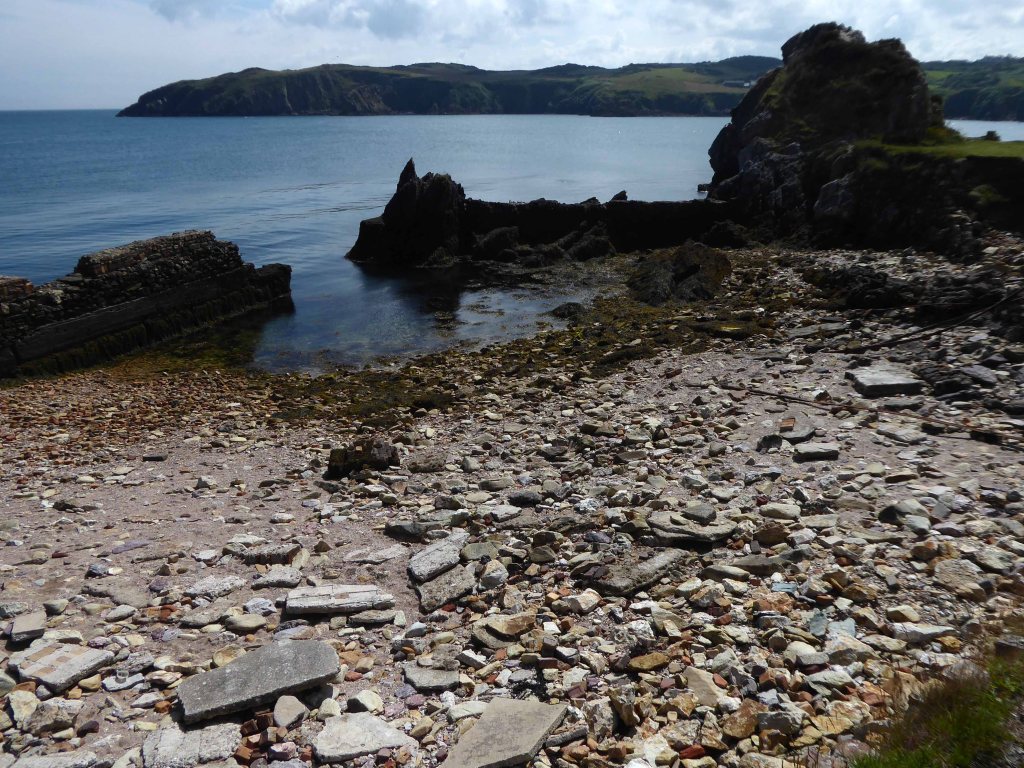
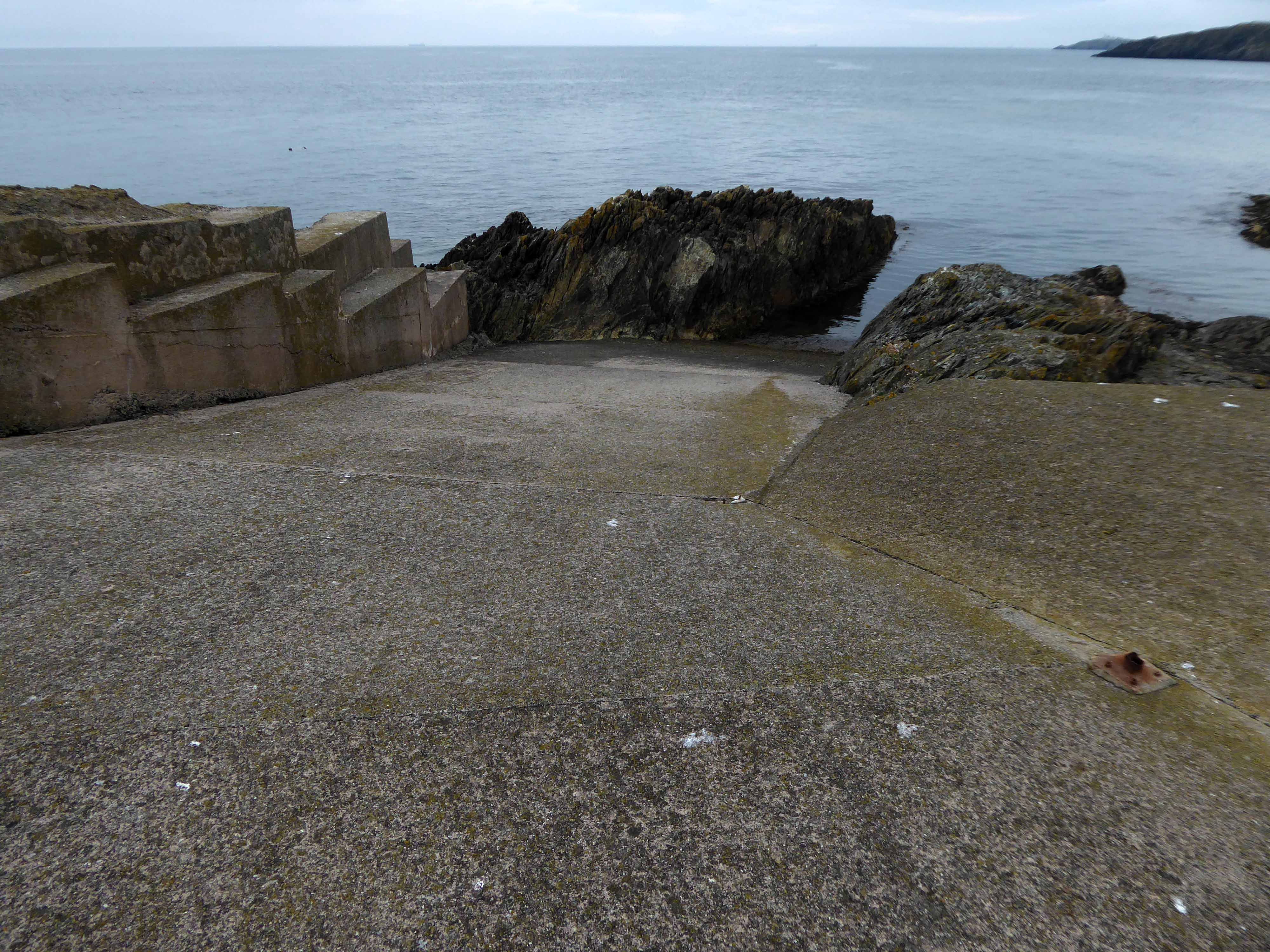
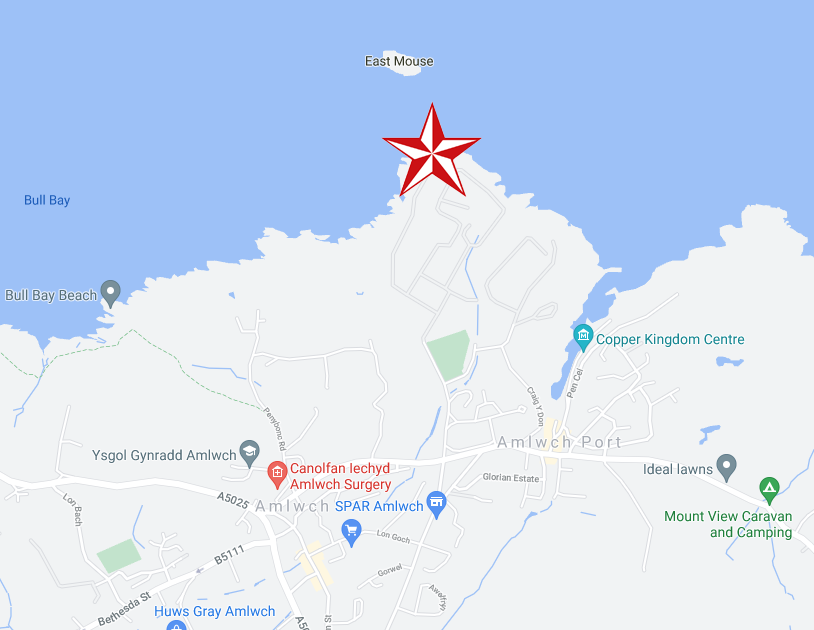
Located twixt Bull Bay and Cemaes Bay, accessed whilst walking the Anglesey Coastal Path.
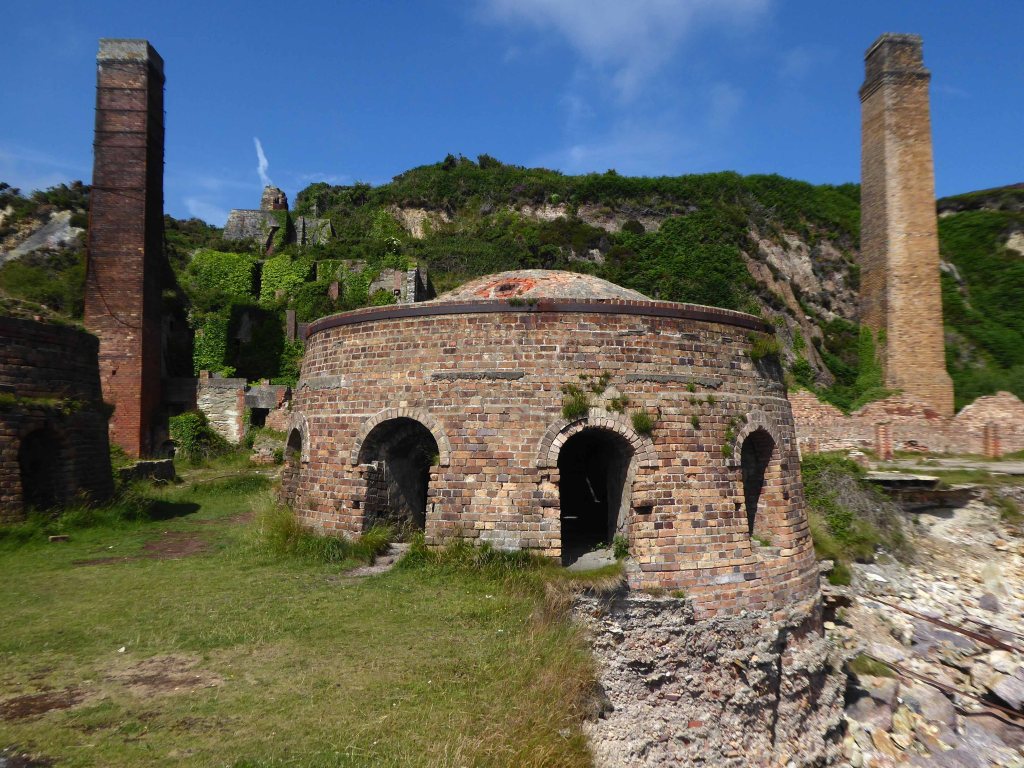
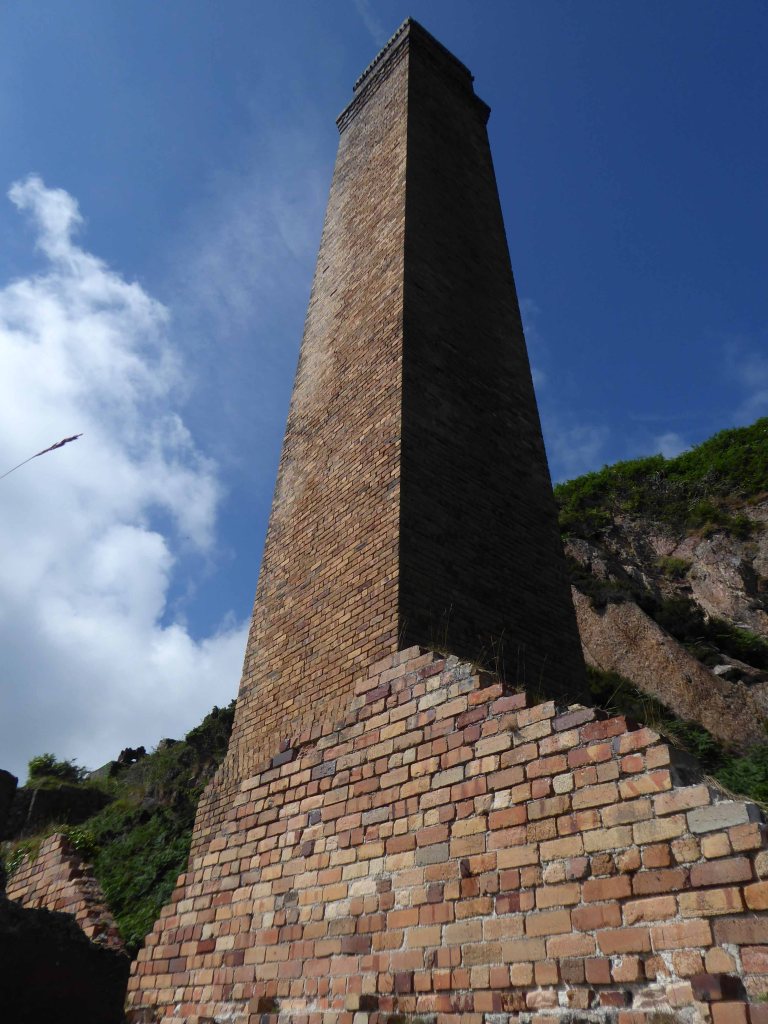
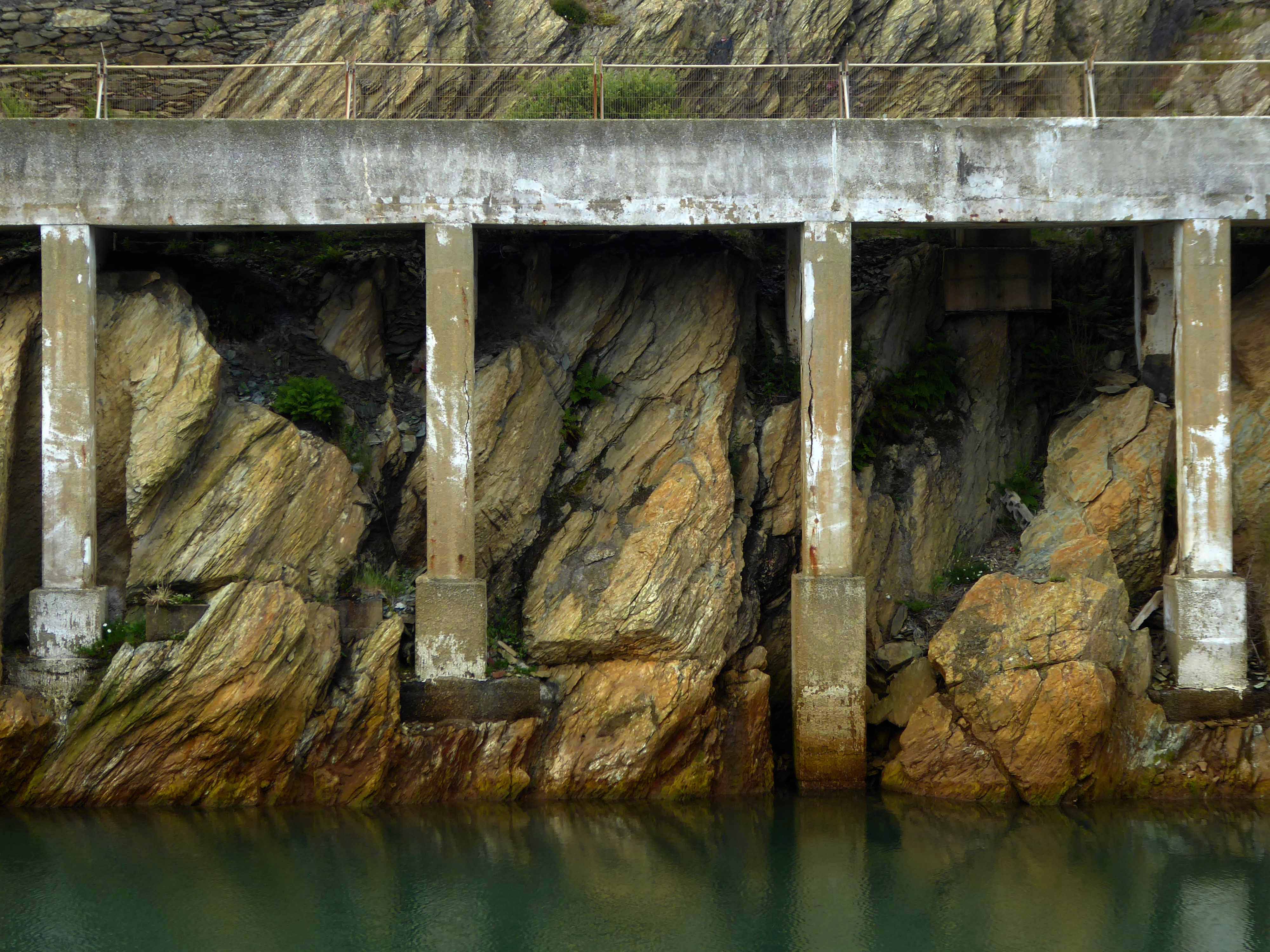
The area is rich in Quartzite, central to the production of Silica Bricks, which are resistant to high temperatures, much in demand at the height of the Industrial Revolution for lining steel furnaces.
The ore on the headland was first mined around 1850, with the ore being hewn out the living rock by hand.
A little railway brought the ore to the cliff above the brick works, then lowered by gravity to the works below, where the rocks would be pummelled and rendered to a size that could be further processed.
Mining by manual endeavour lasted from around 1850 to 1914, the hazardous harbour and alleged poor quality products hastening the enterprises’s demise.
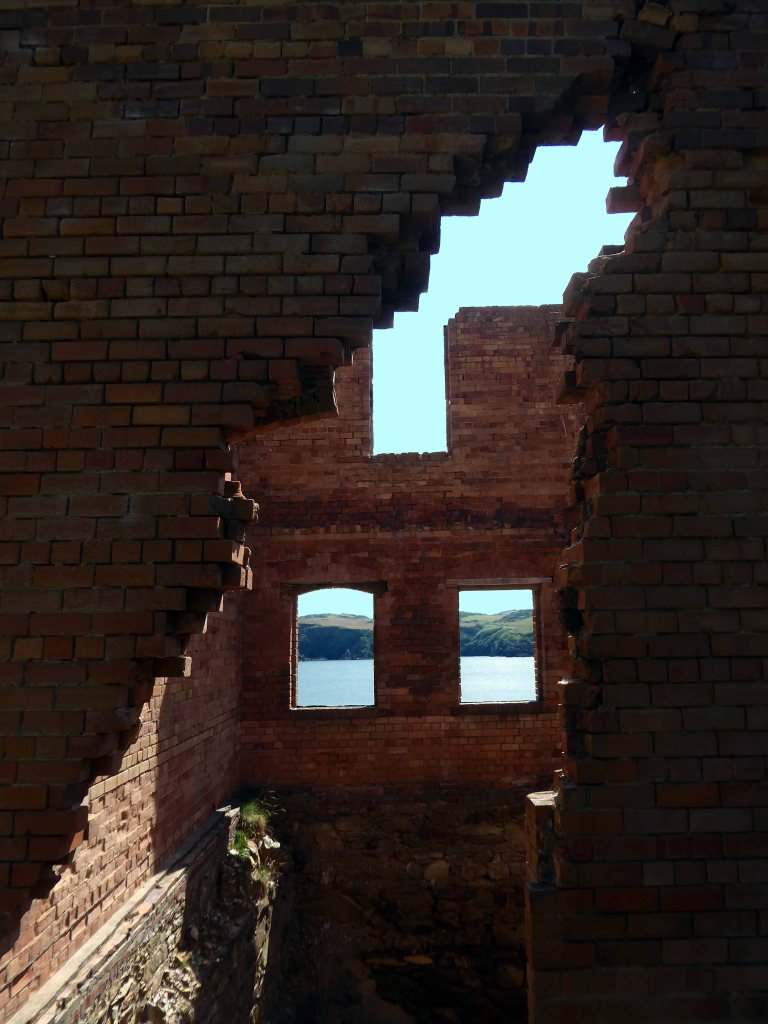
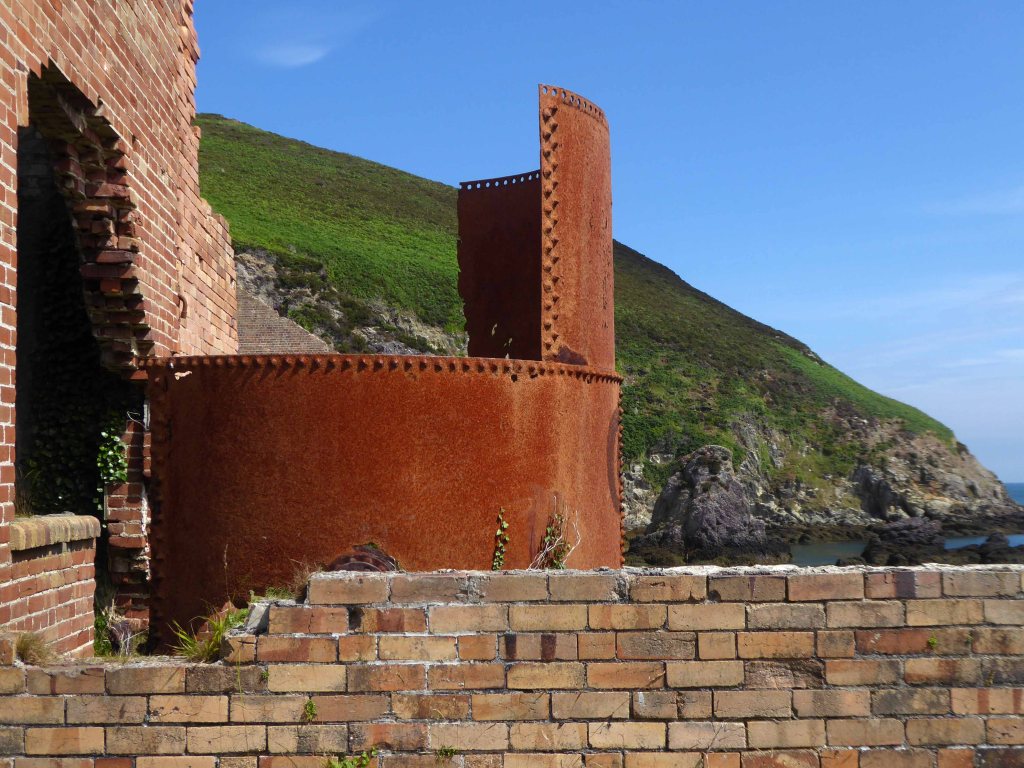
Porth Wen brickworks was designated as a scheduled monument by Cadw in 1986 and classified as a post-medieval industrial brickworks.
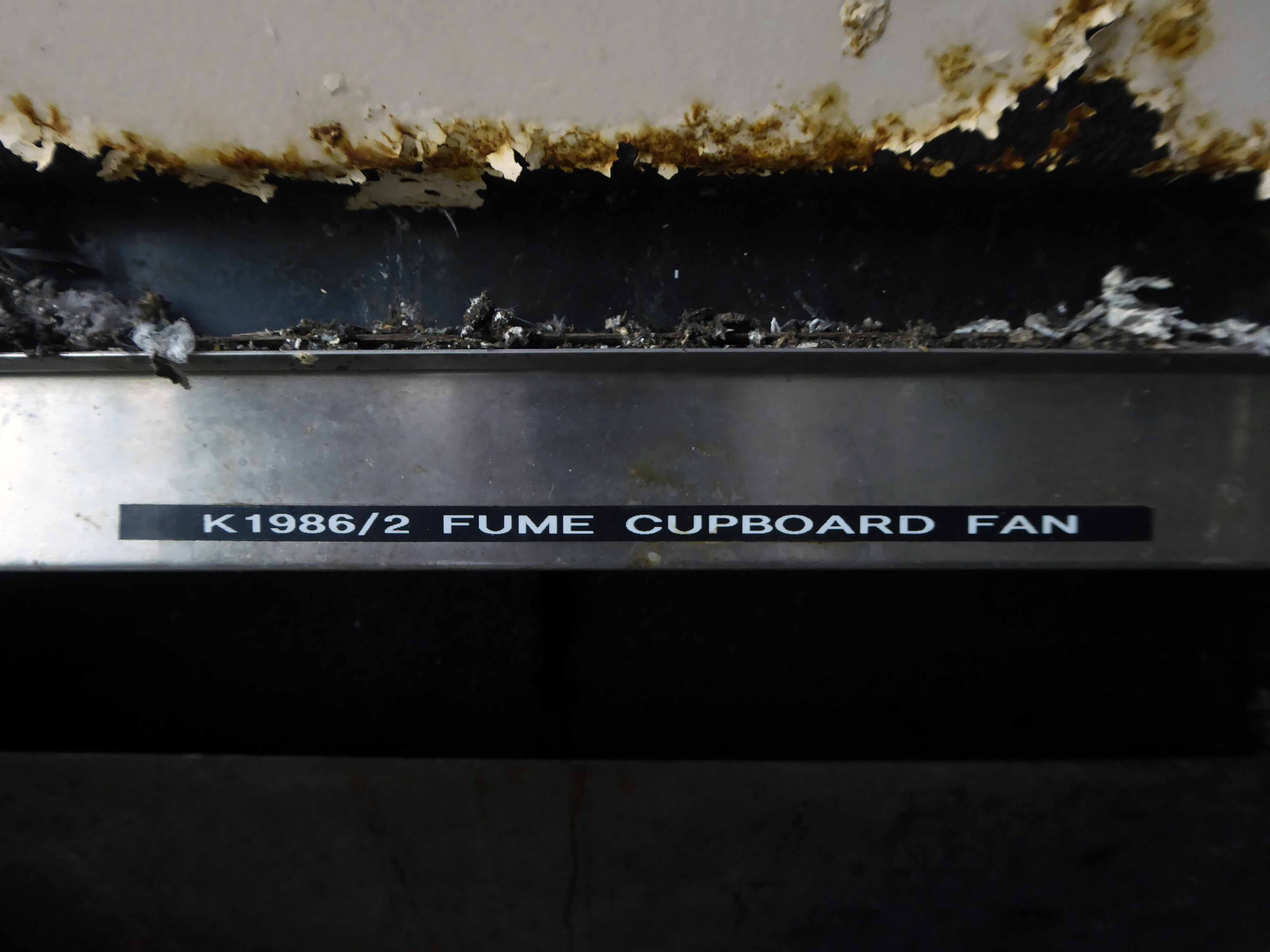
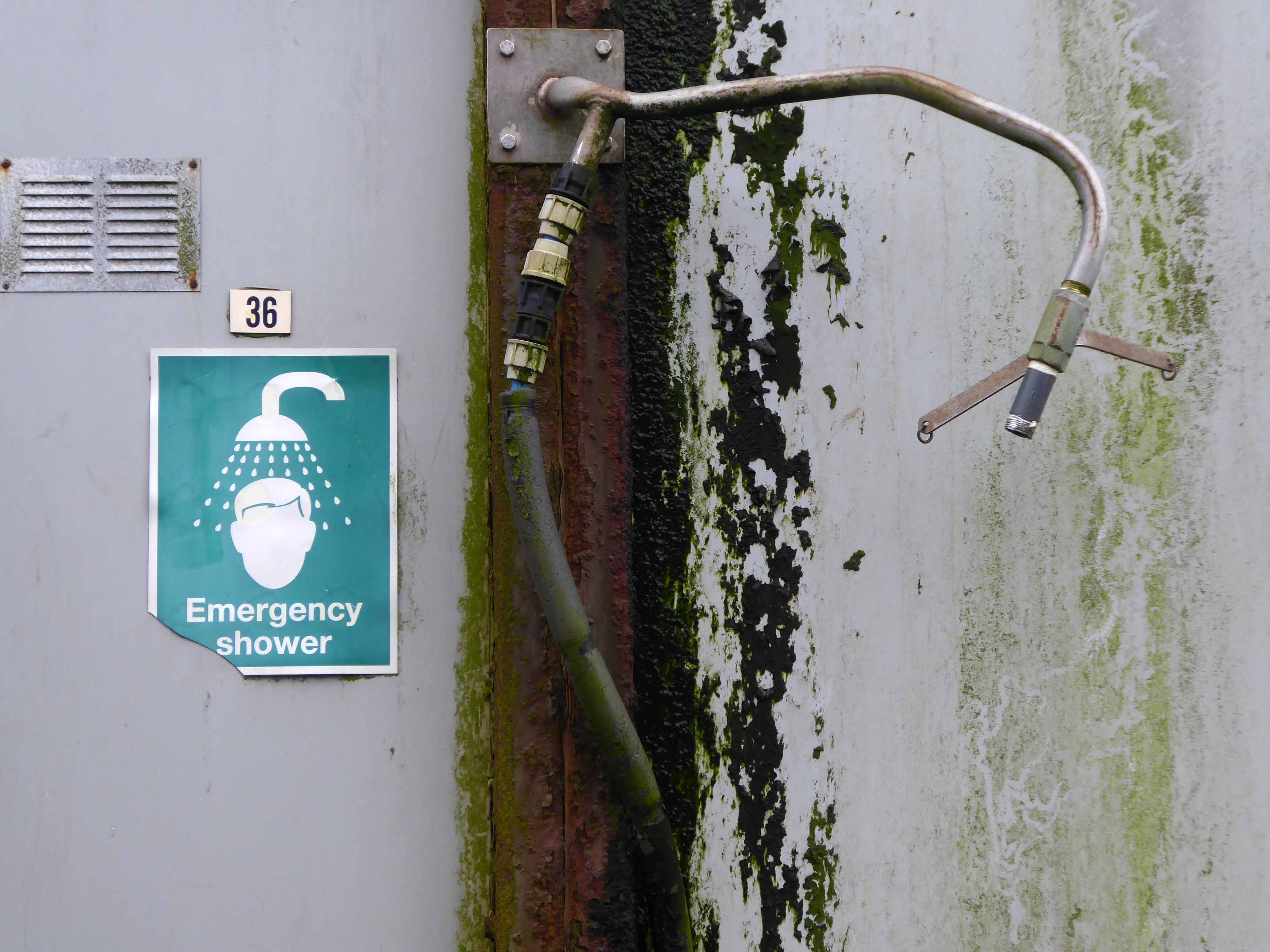
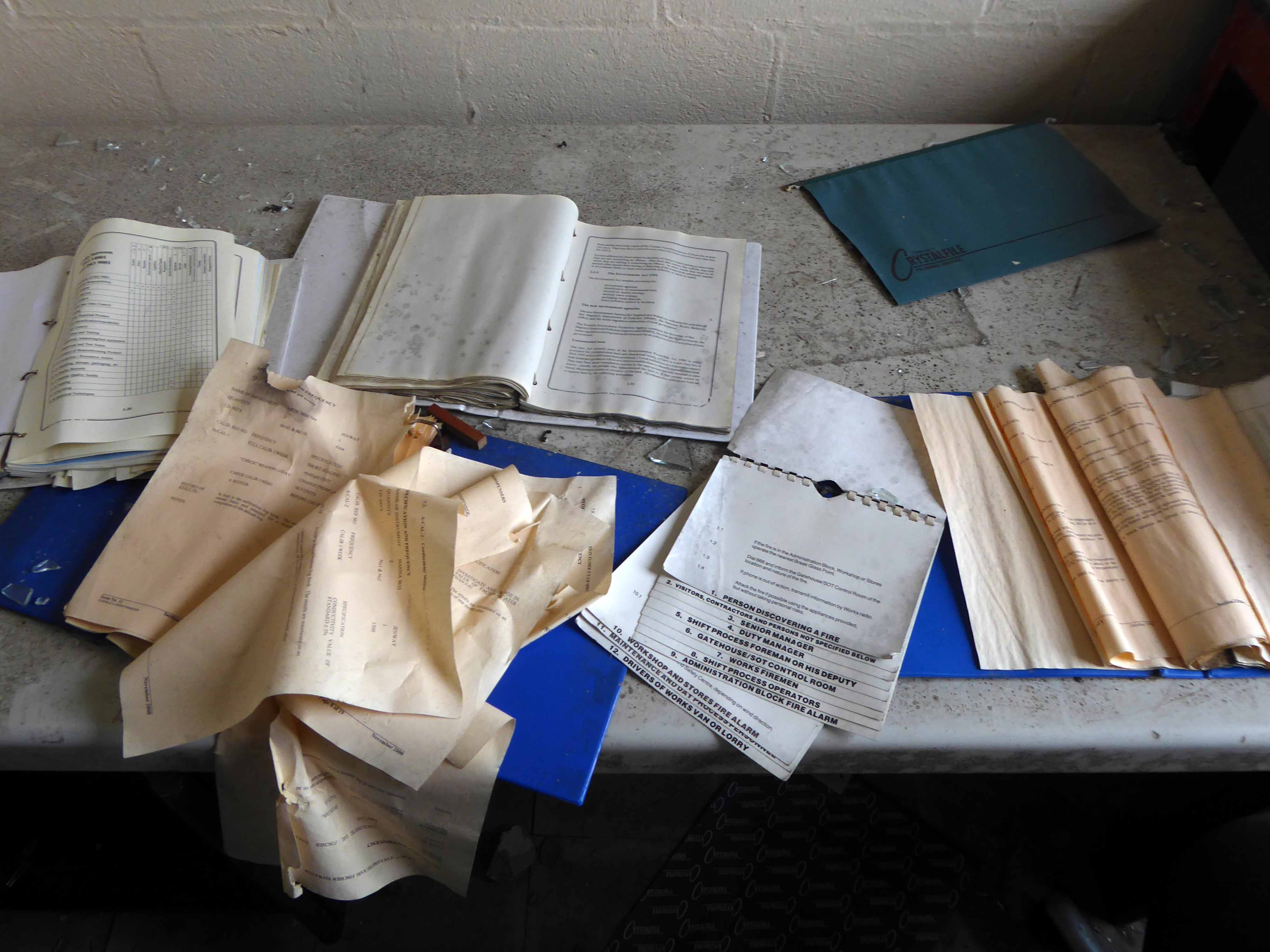
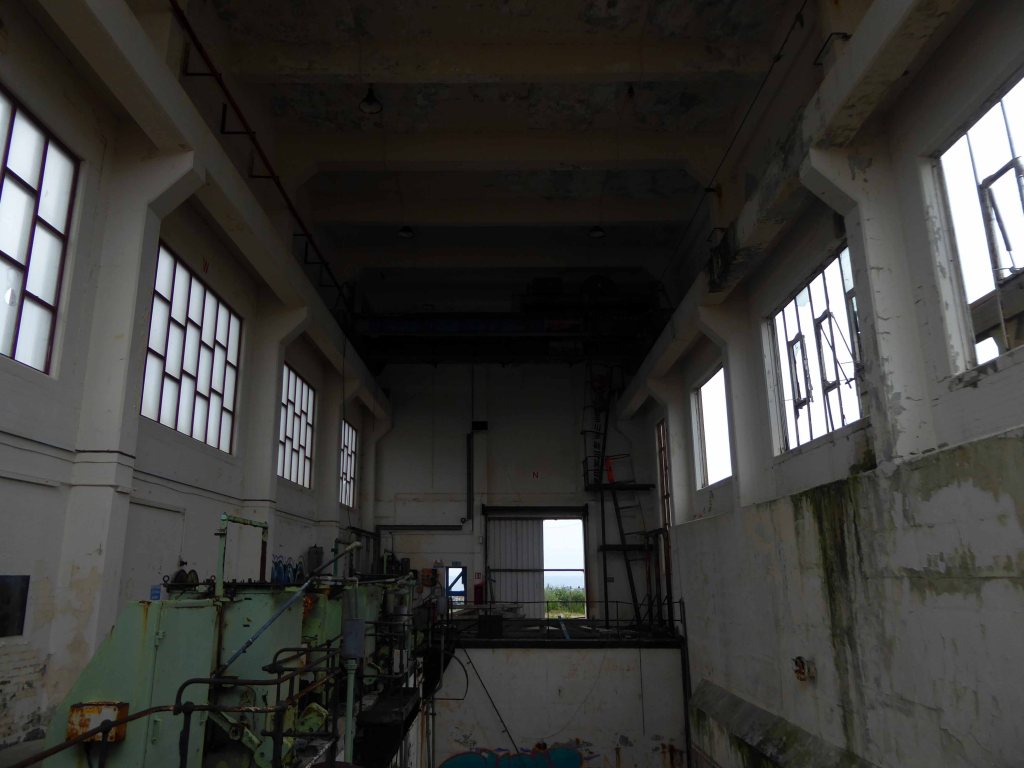
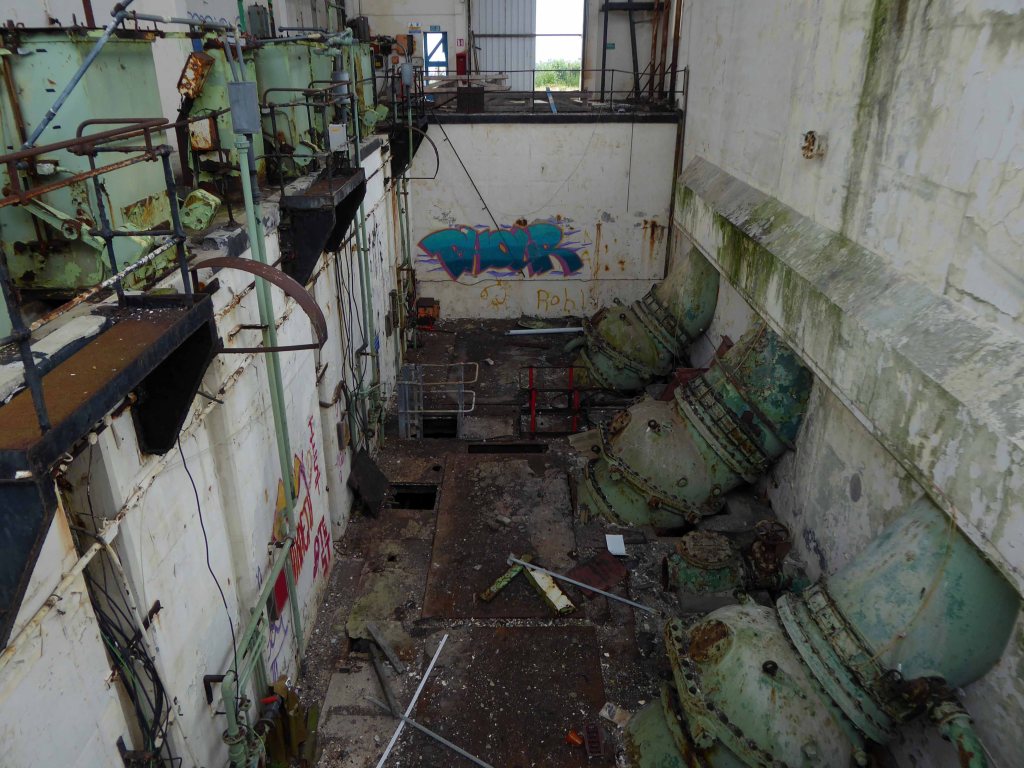
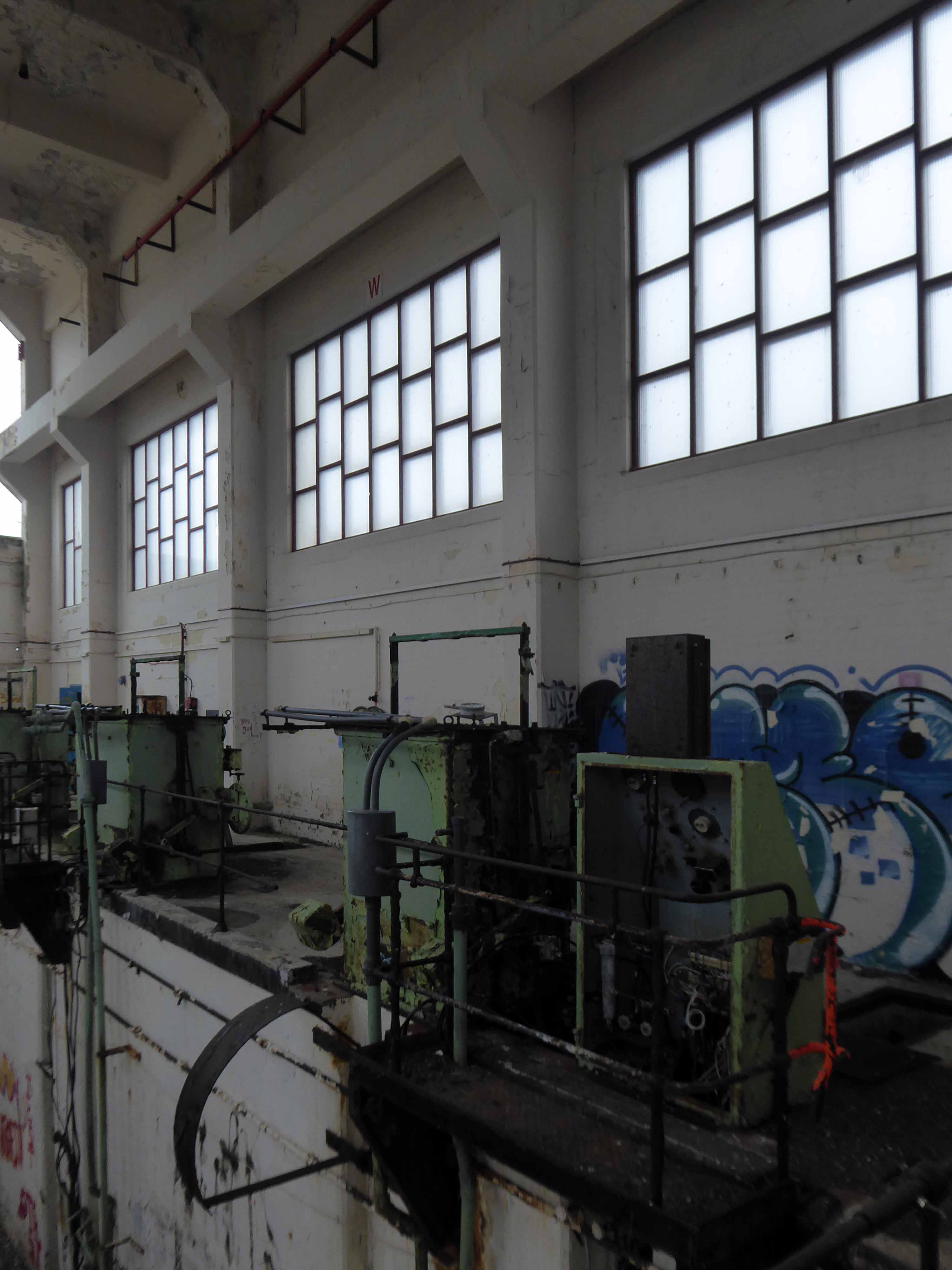
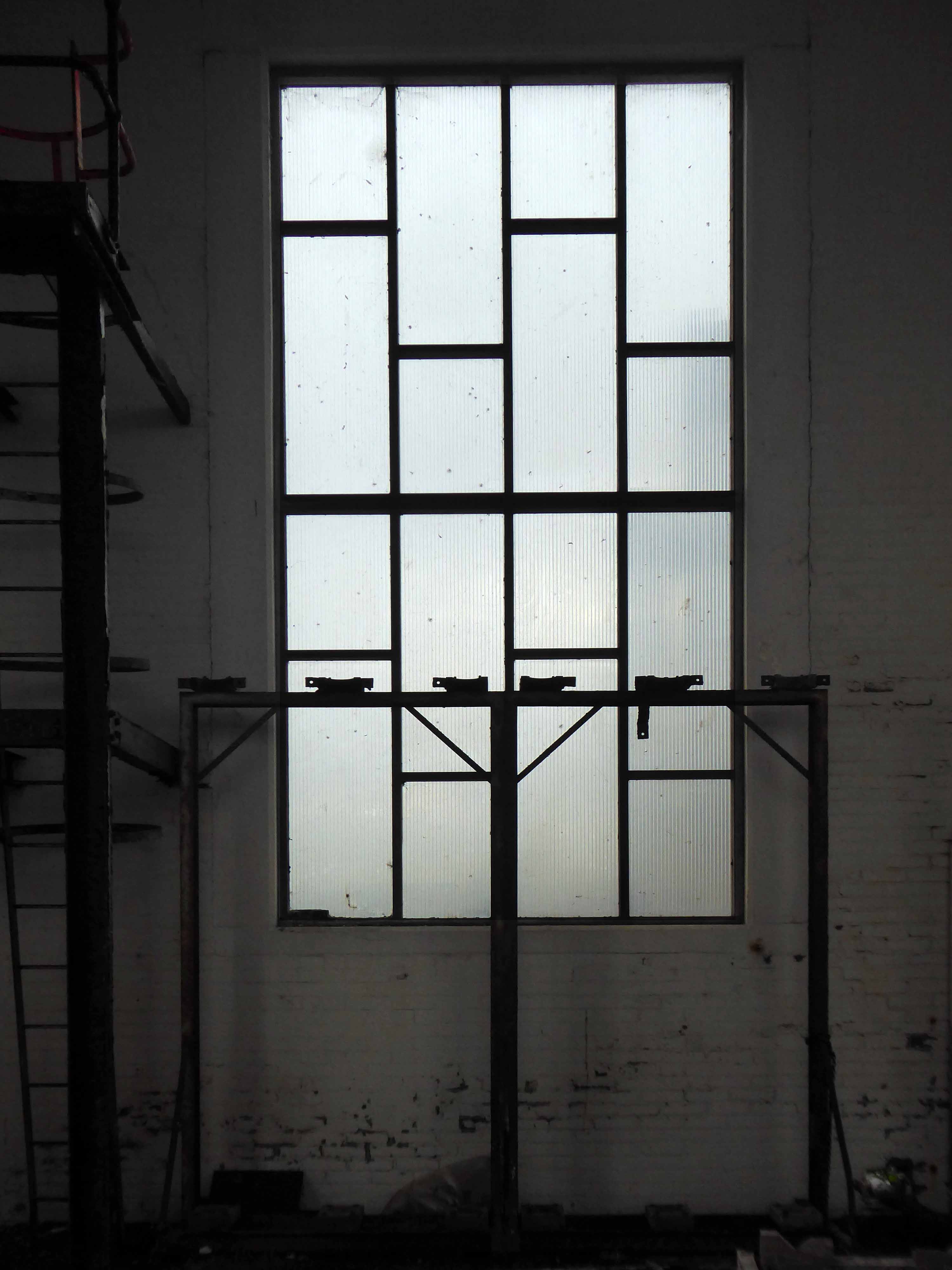
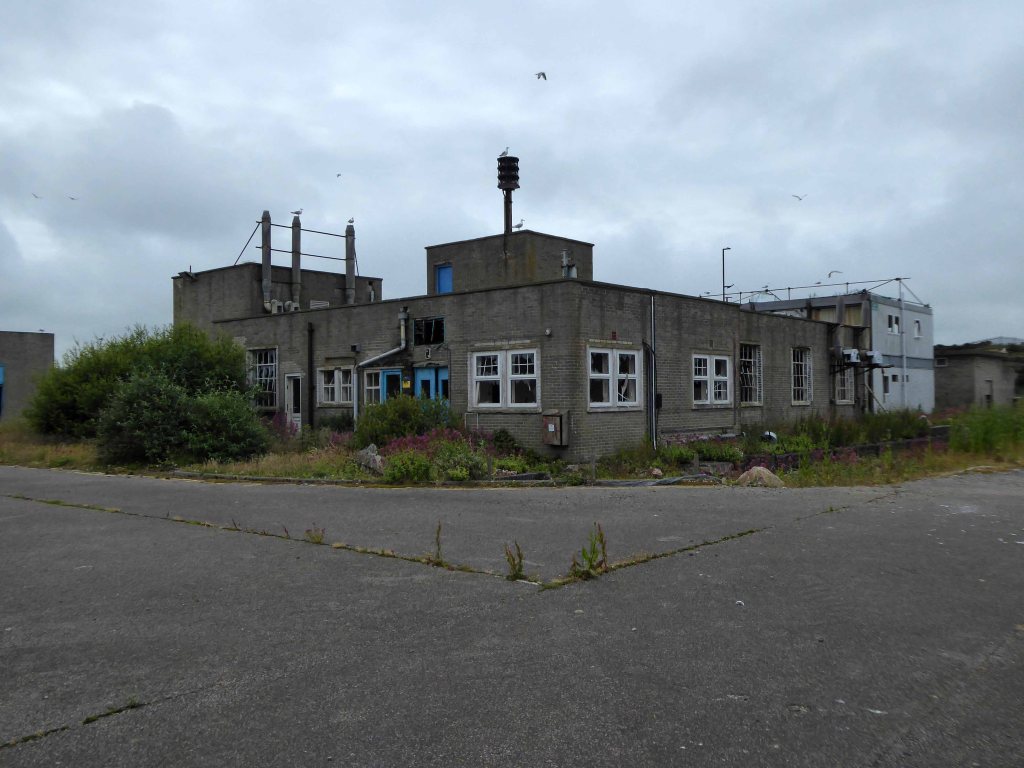
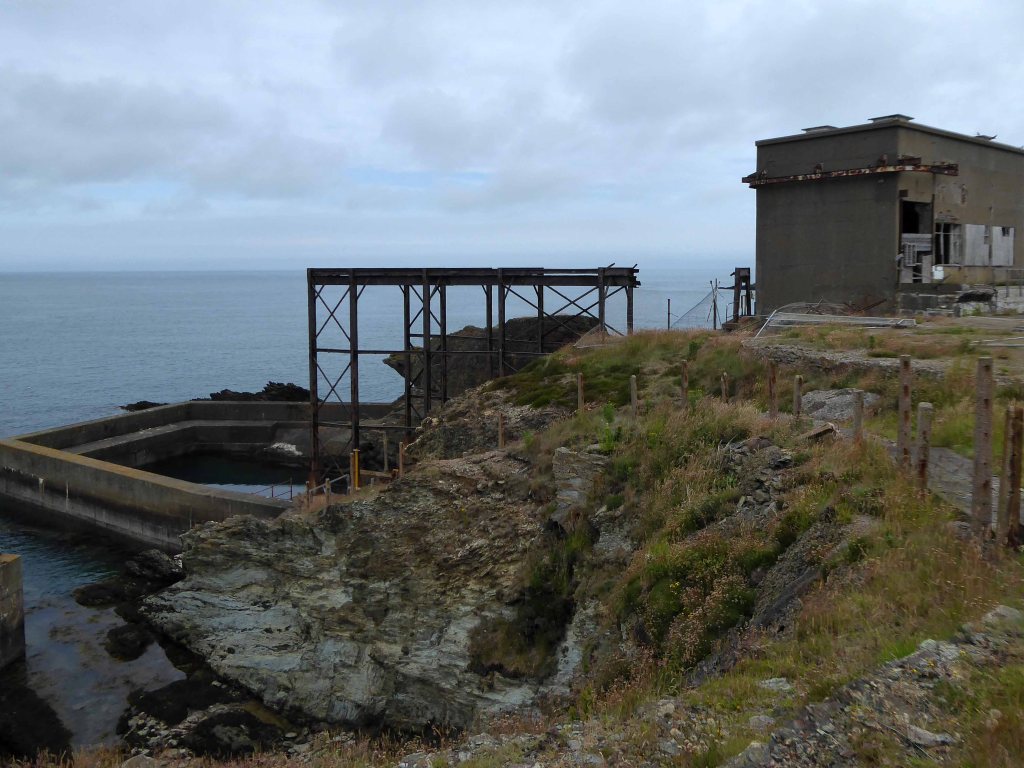
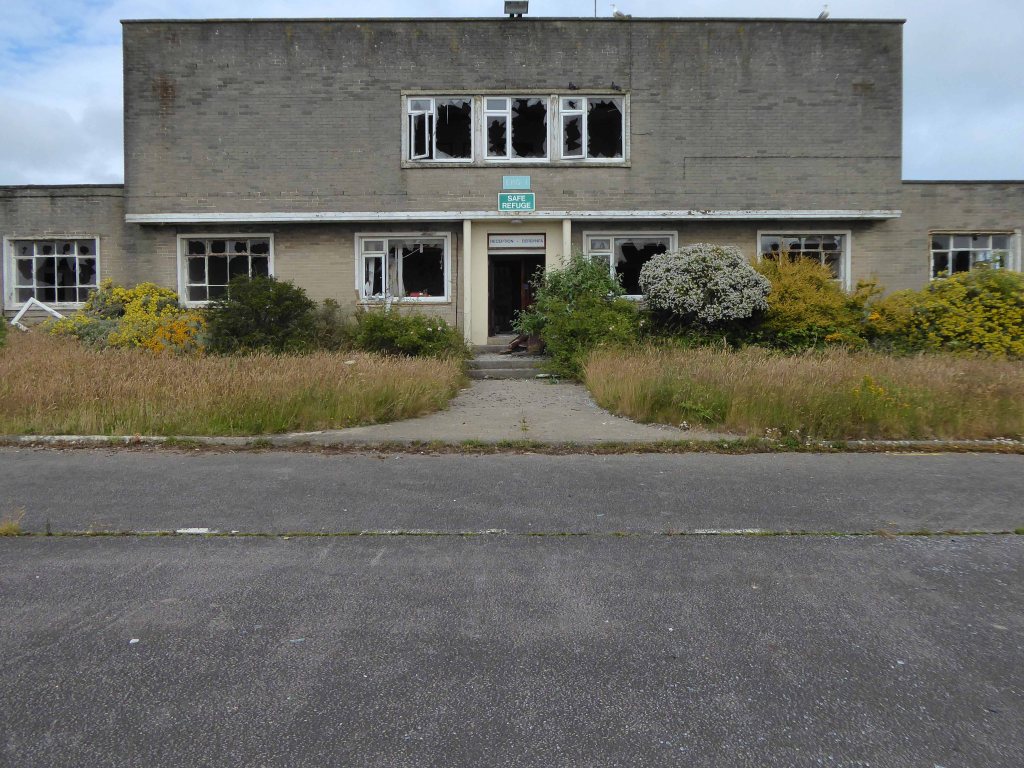
Having appraised the exteriors and pumping infrastructure, let us now consider the interior life of the site.
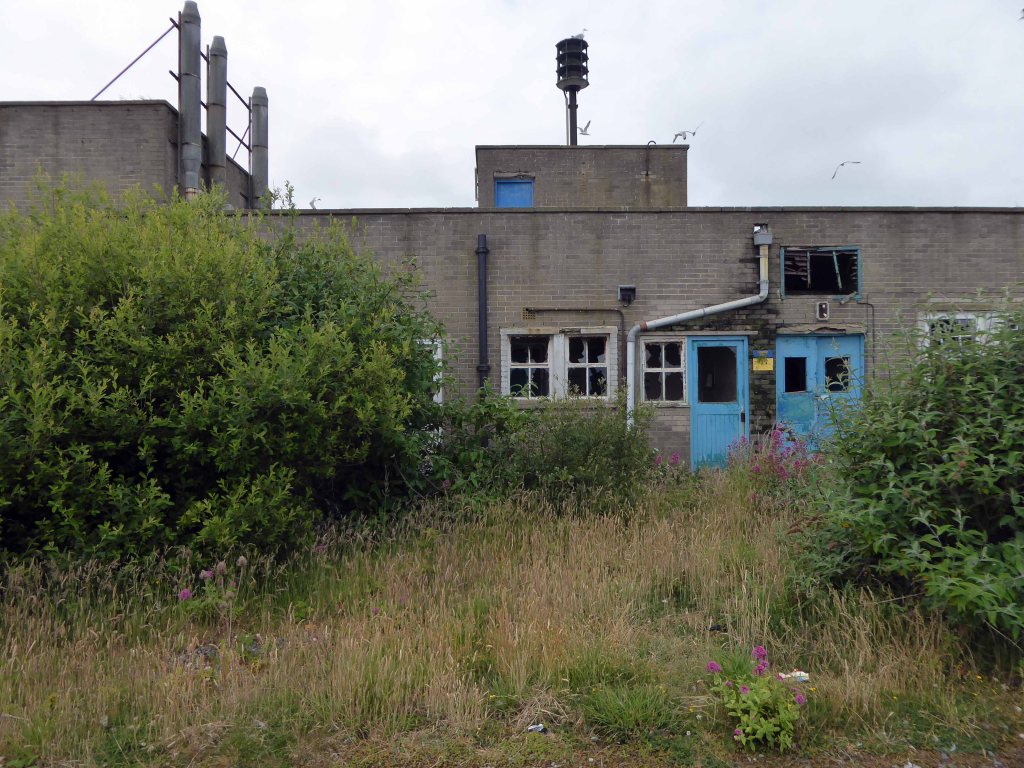
A site where a myriad working lives once unfolded – labourers, technicians, maintenance staff, administrators and managers.
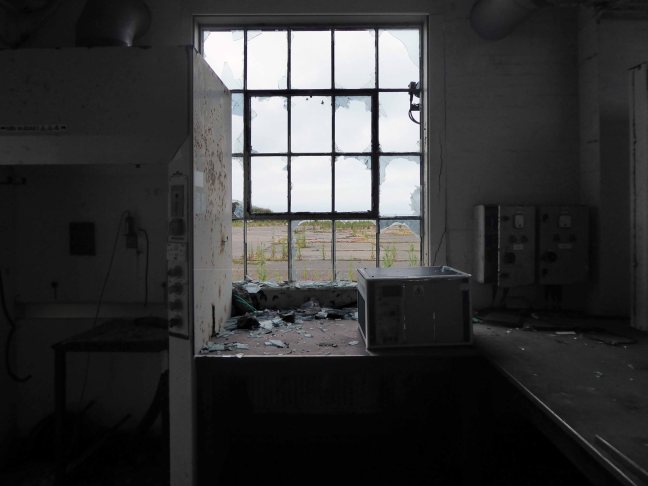
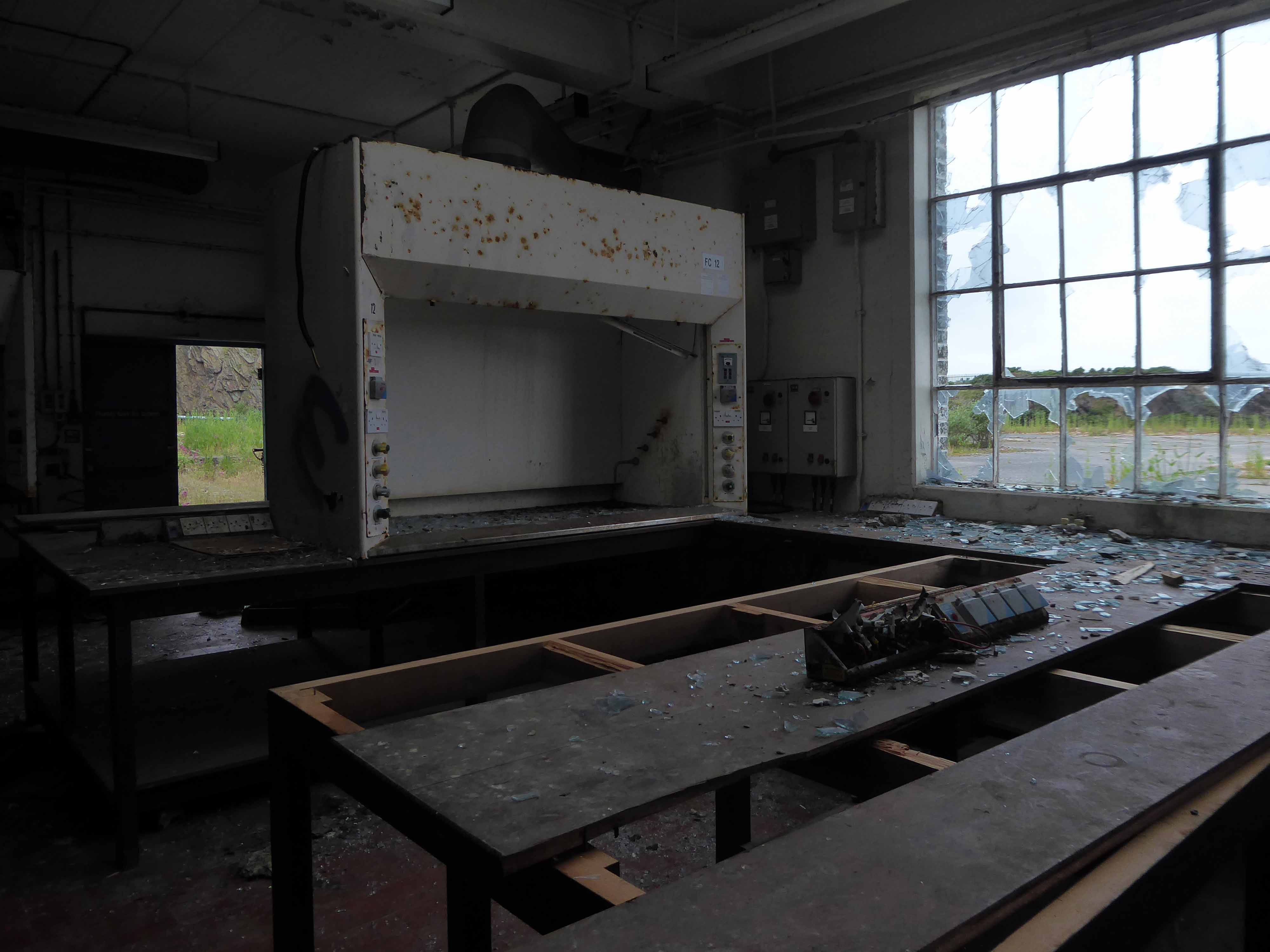
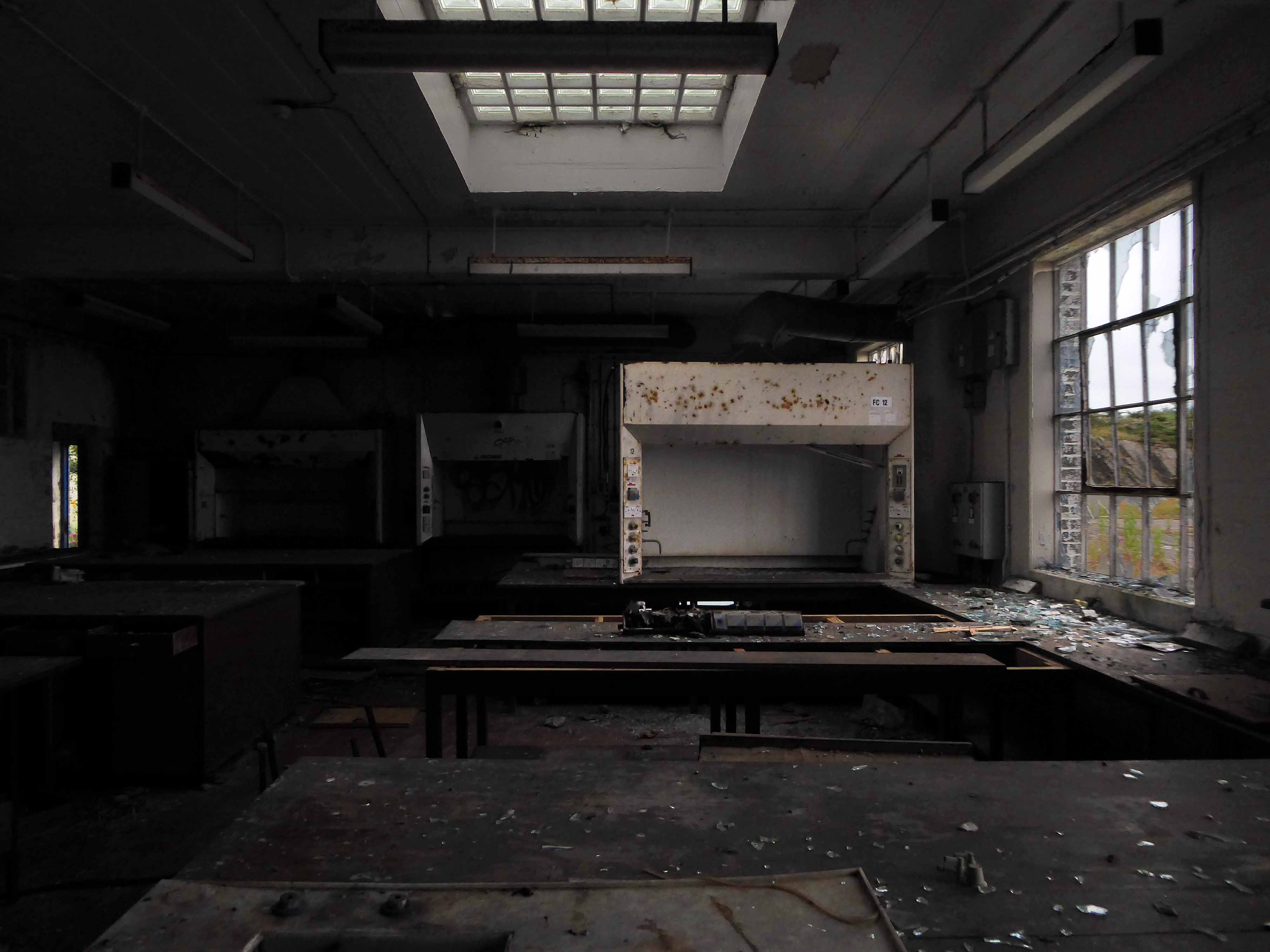
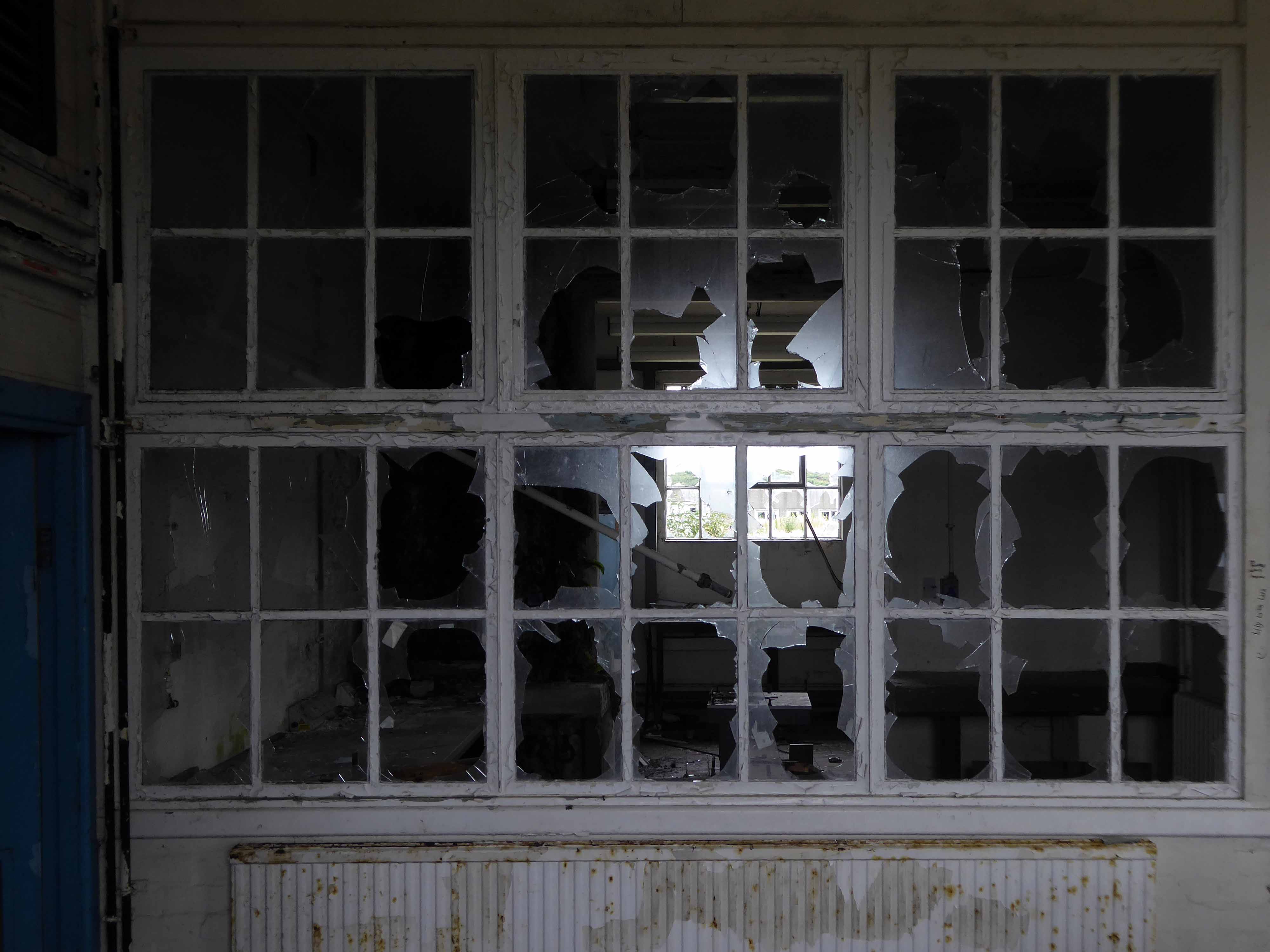
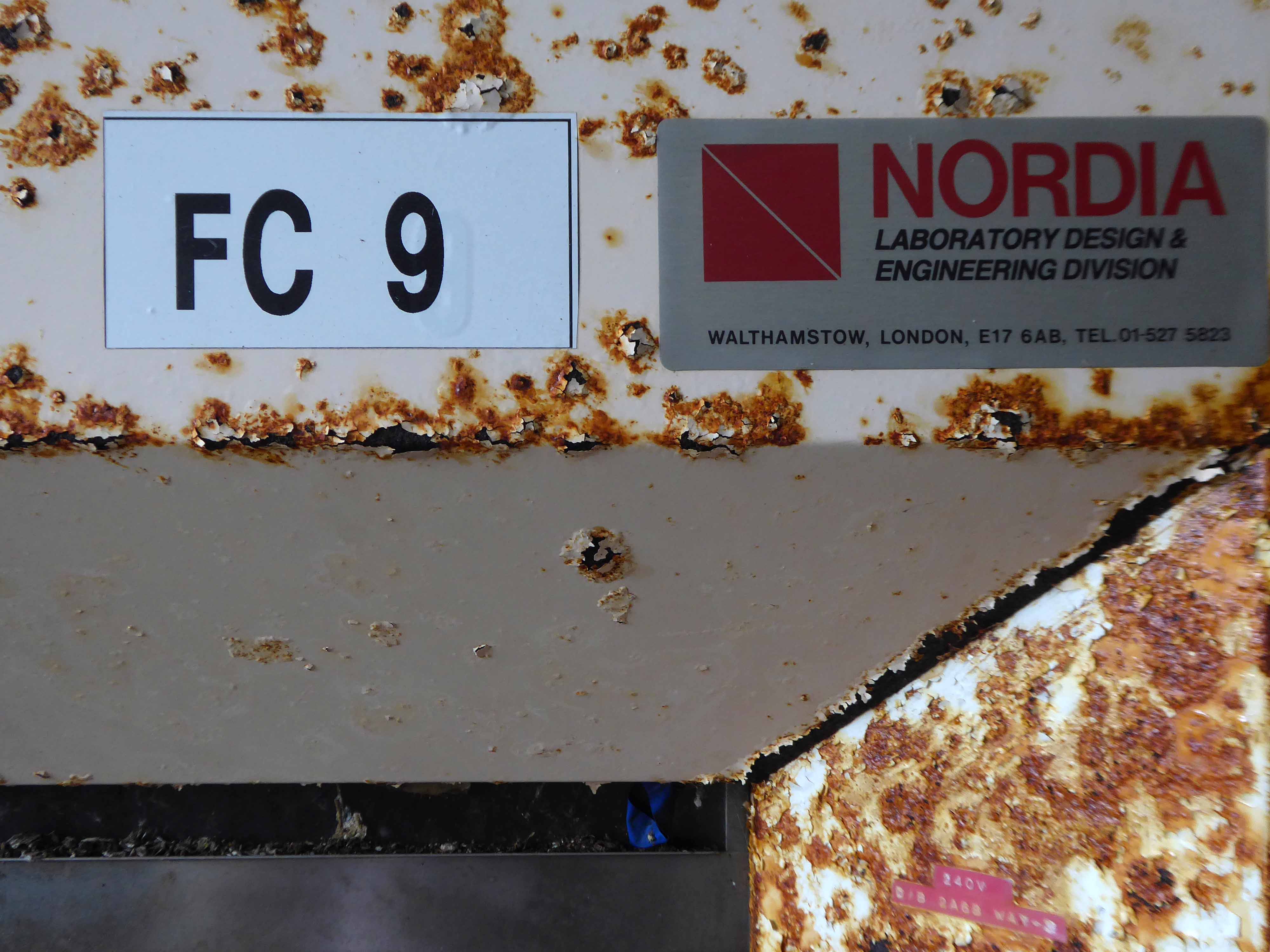
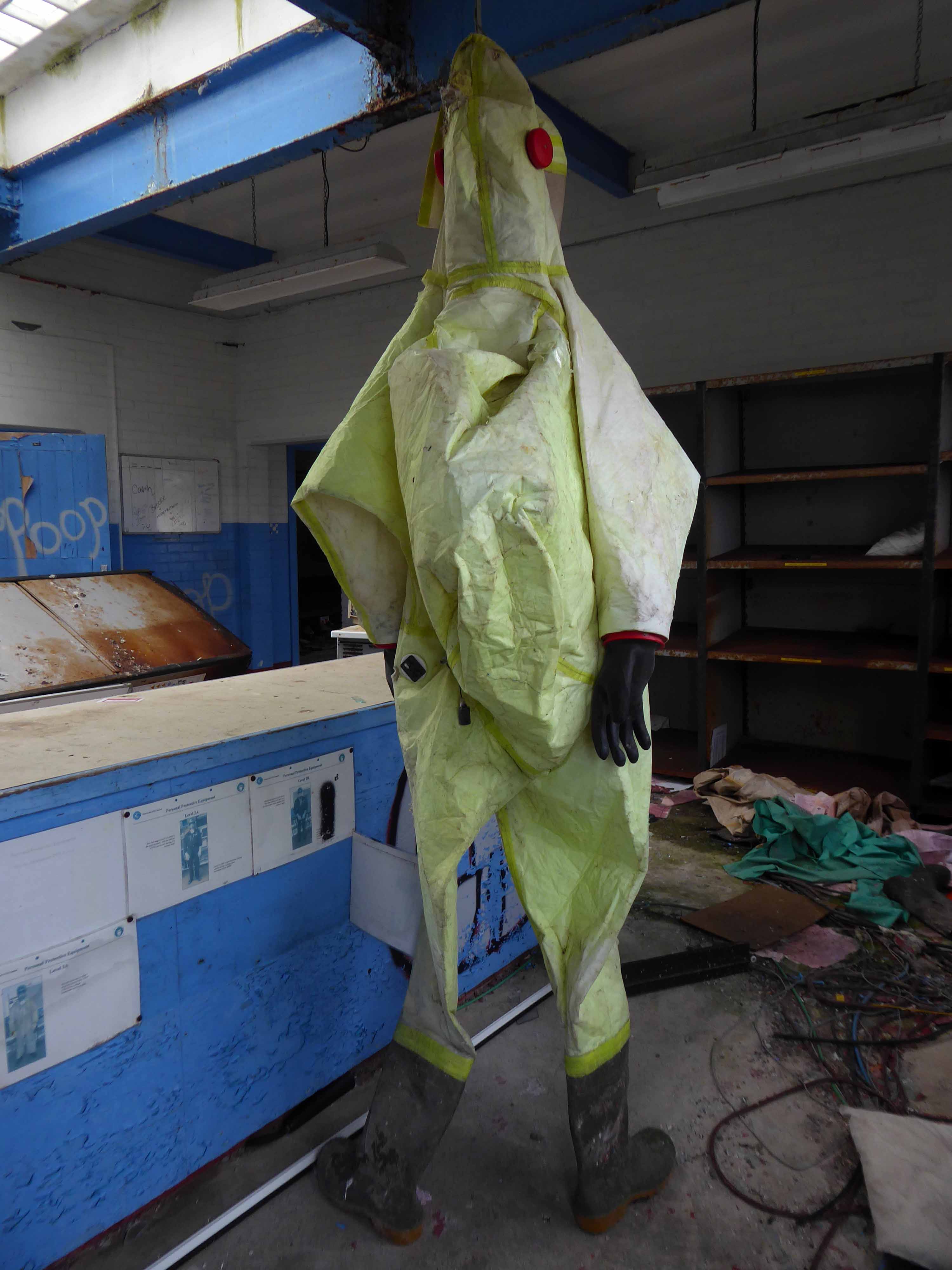
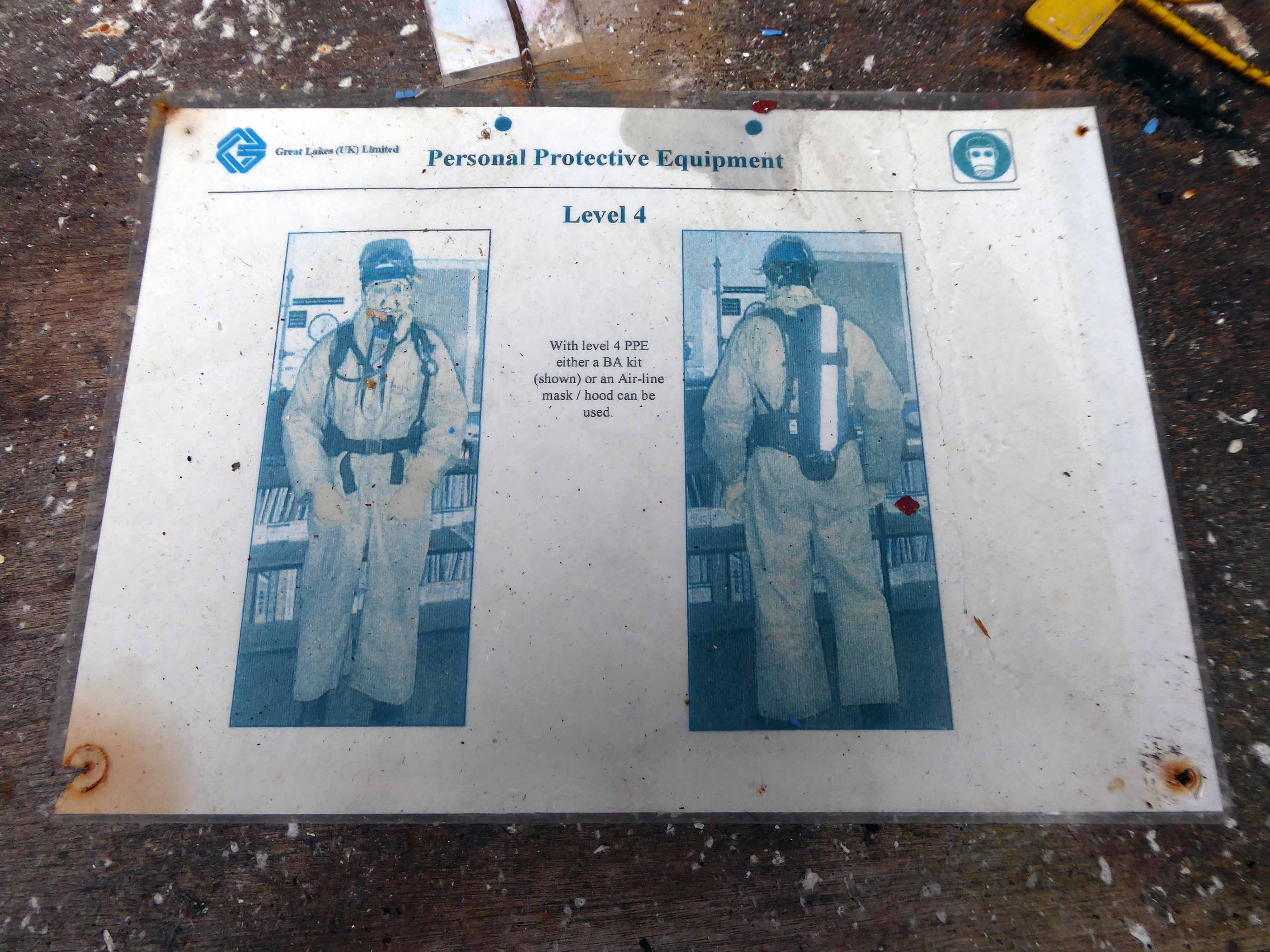
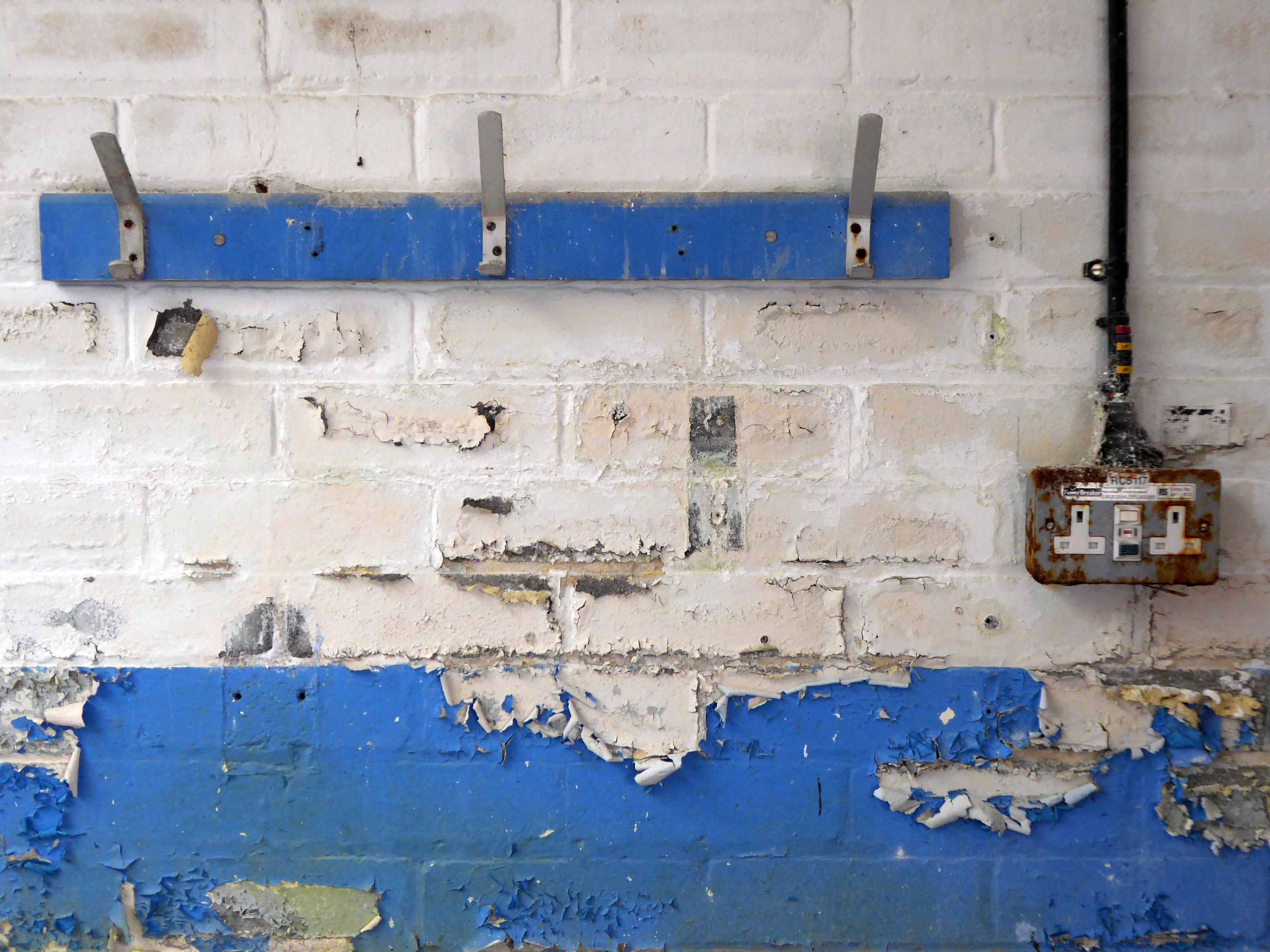
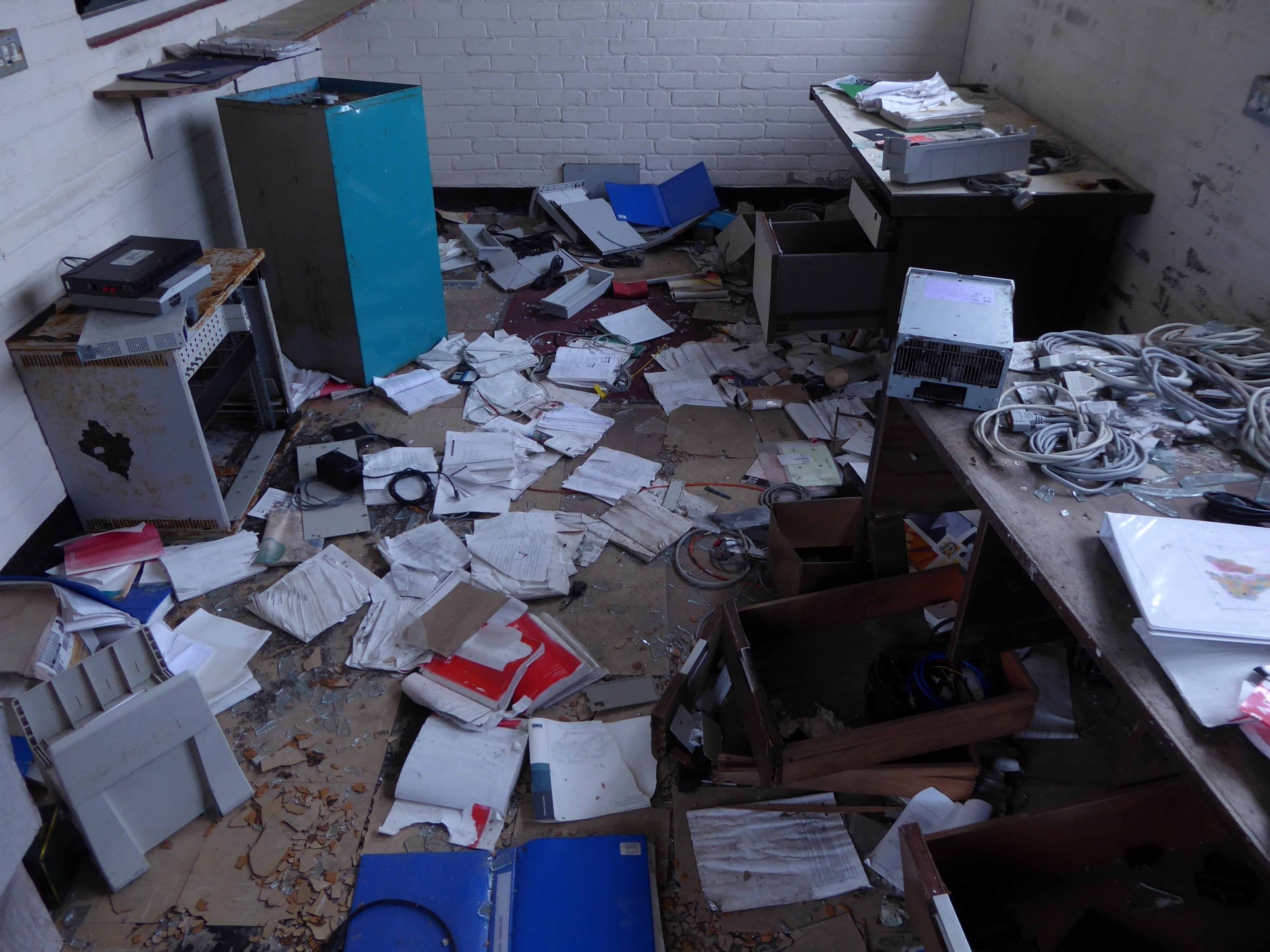
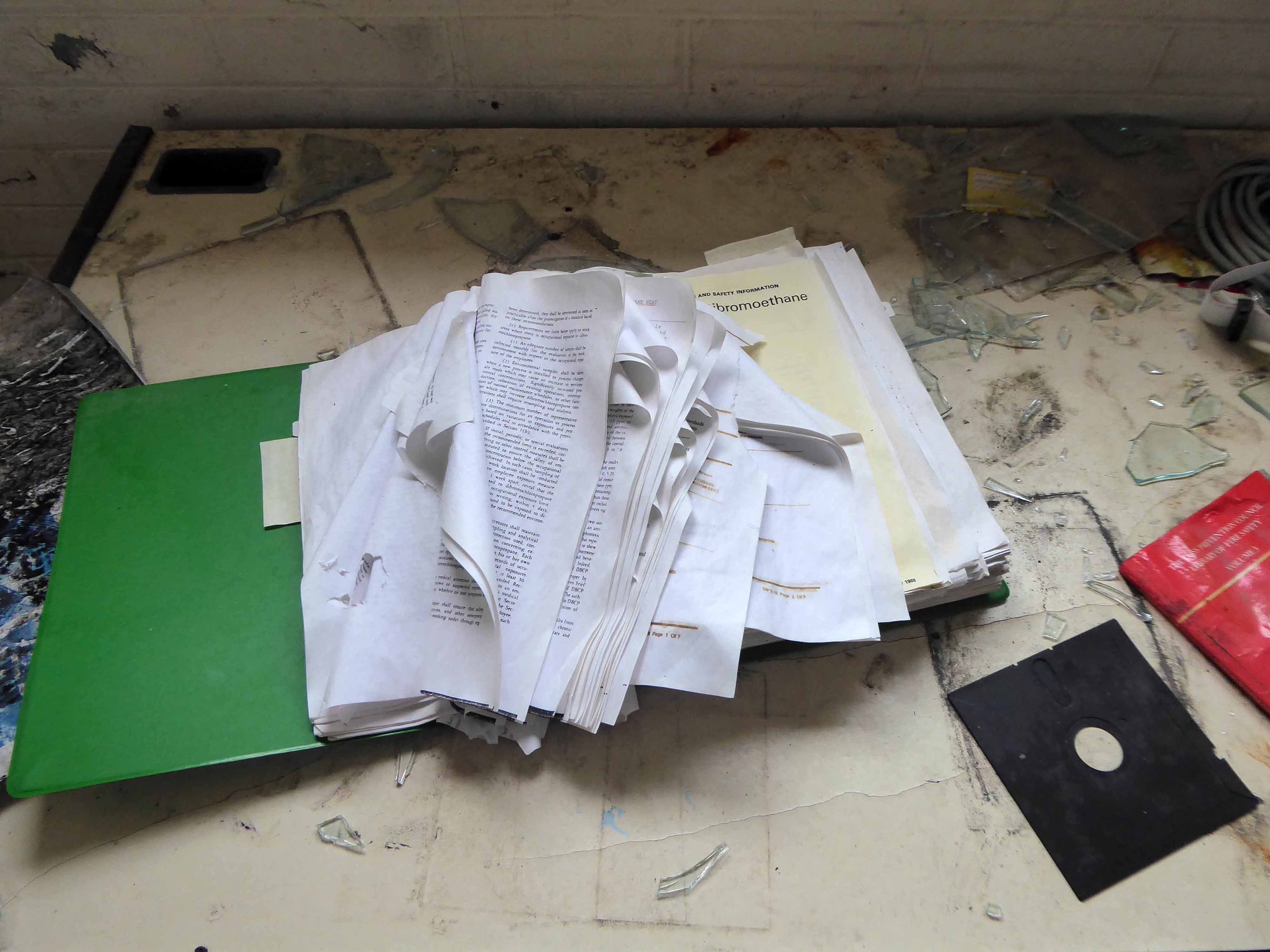
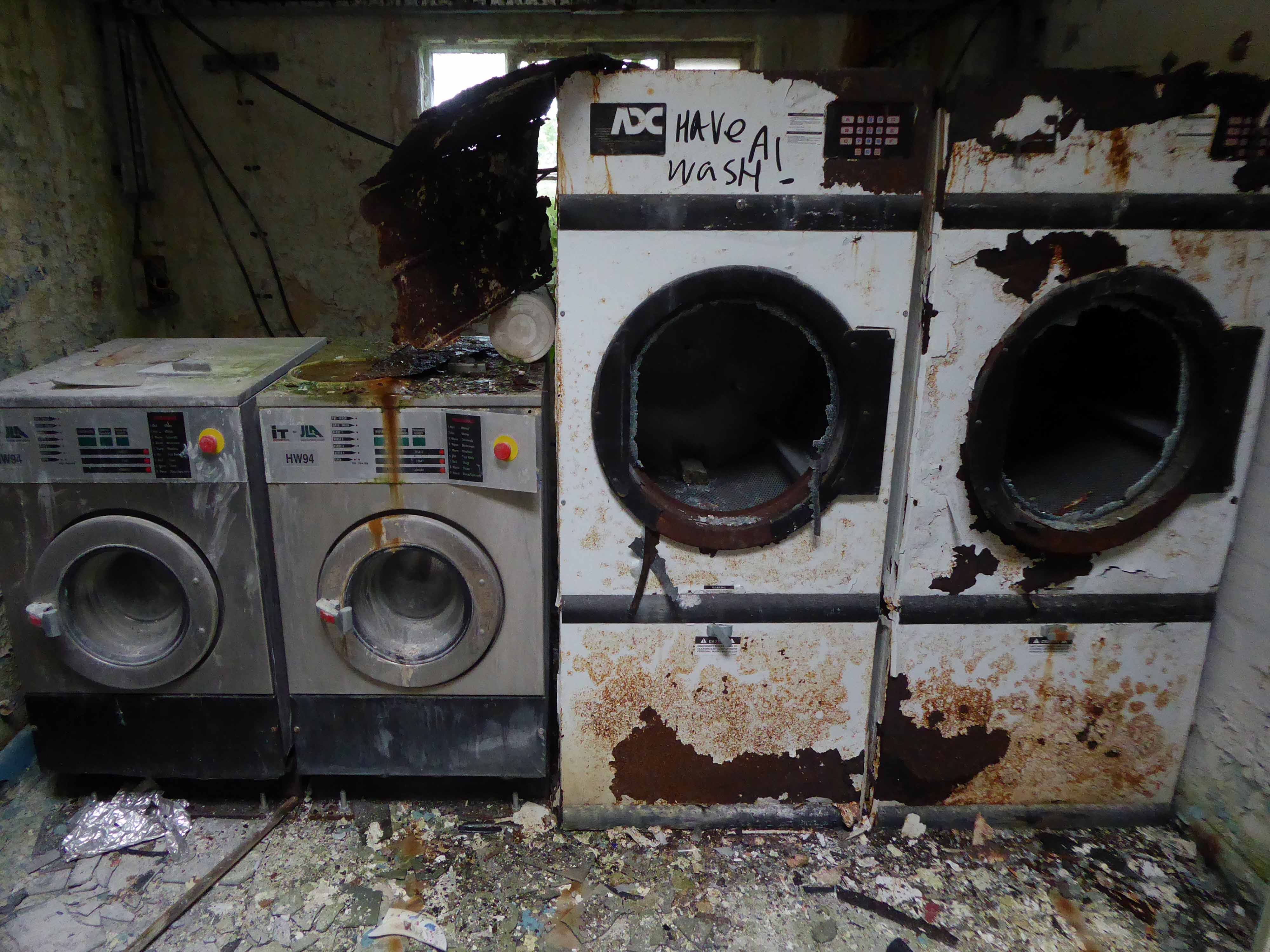
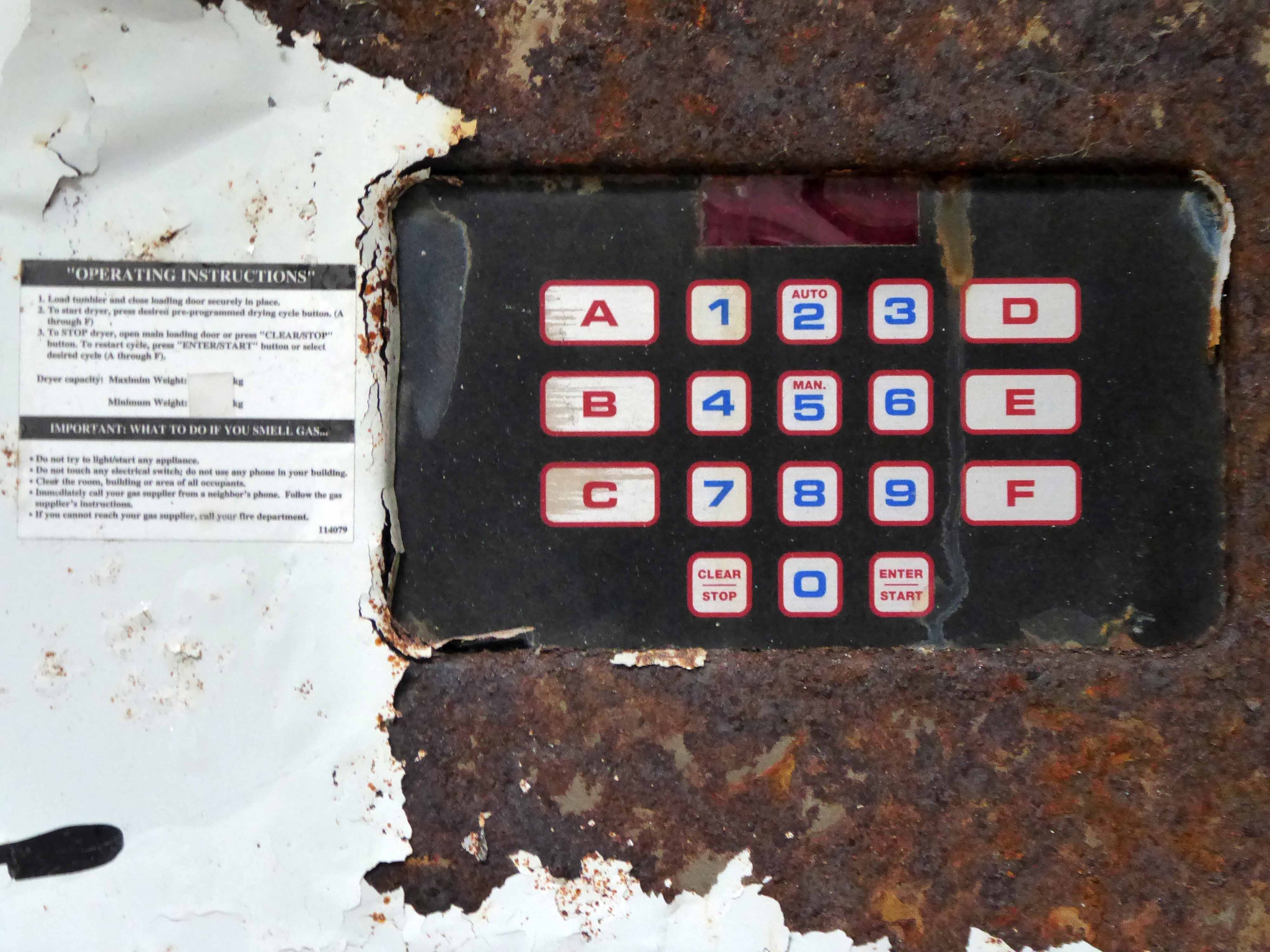
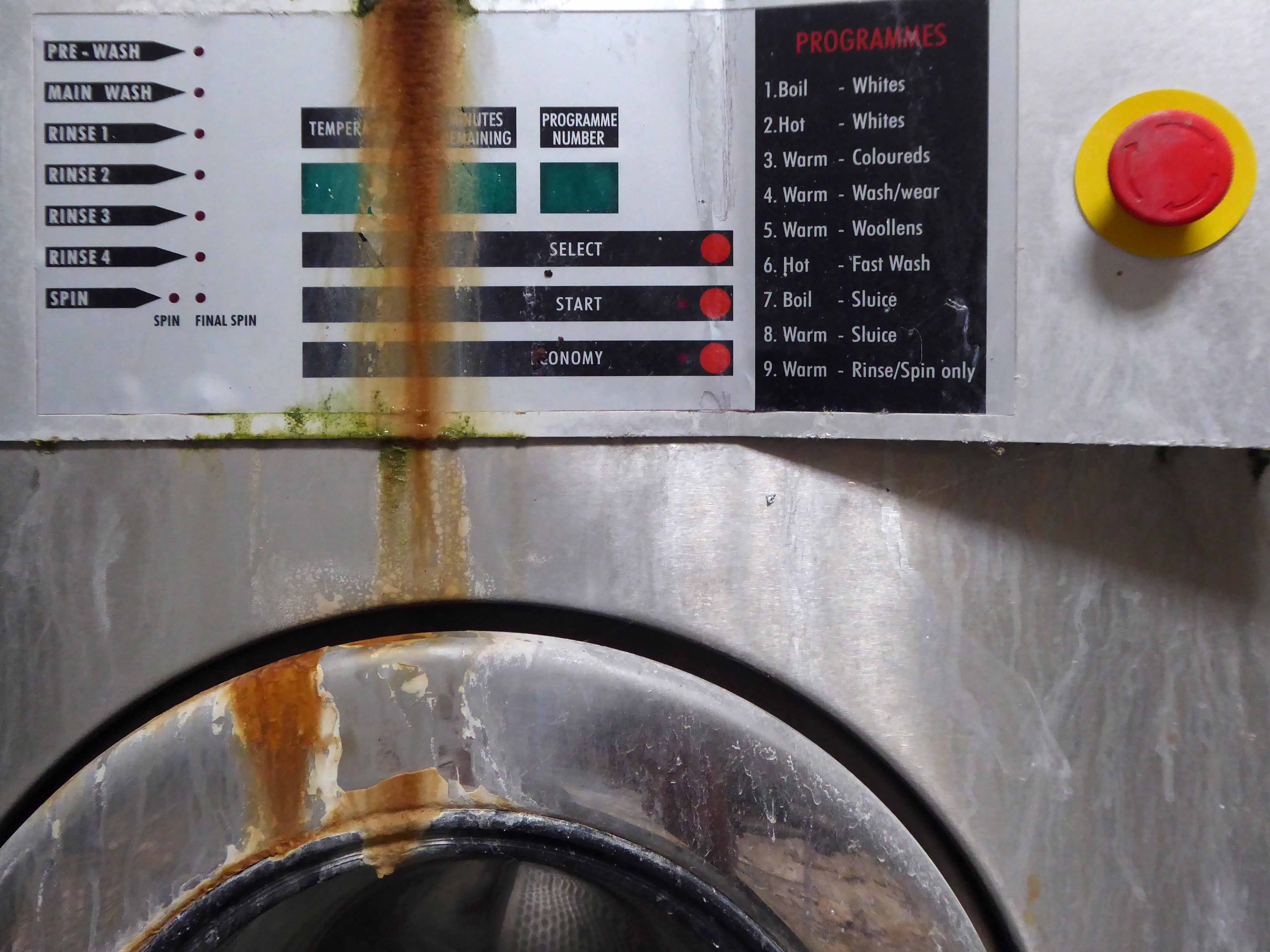
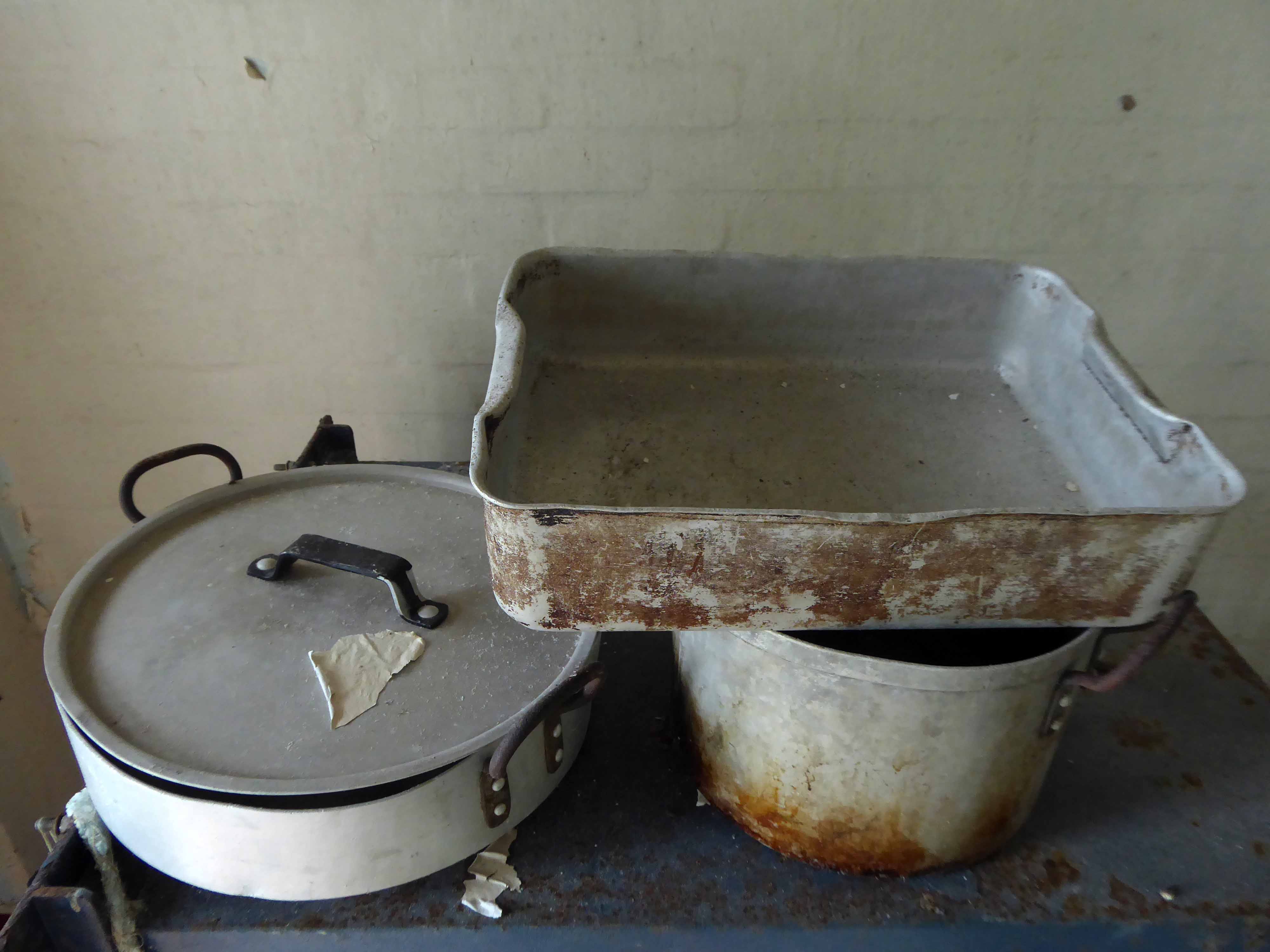
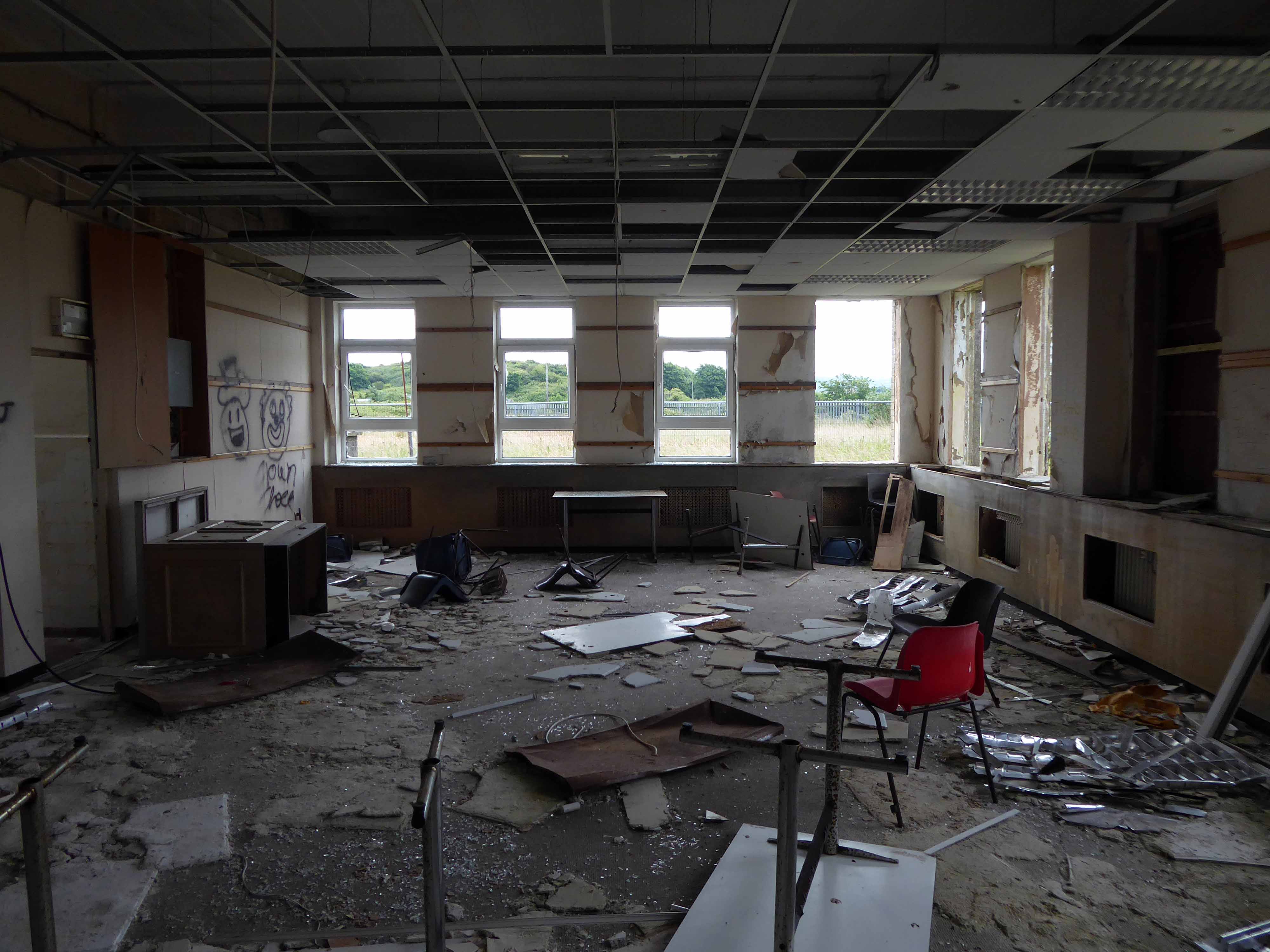
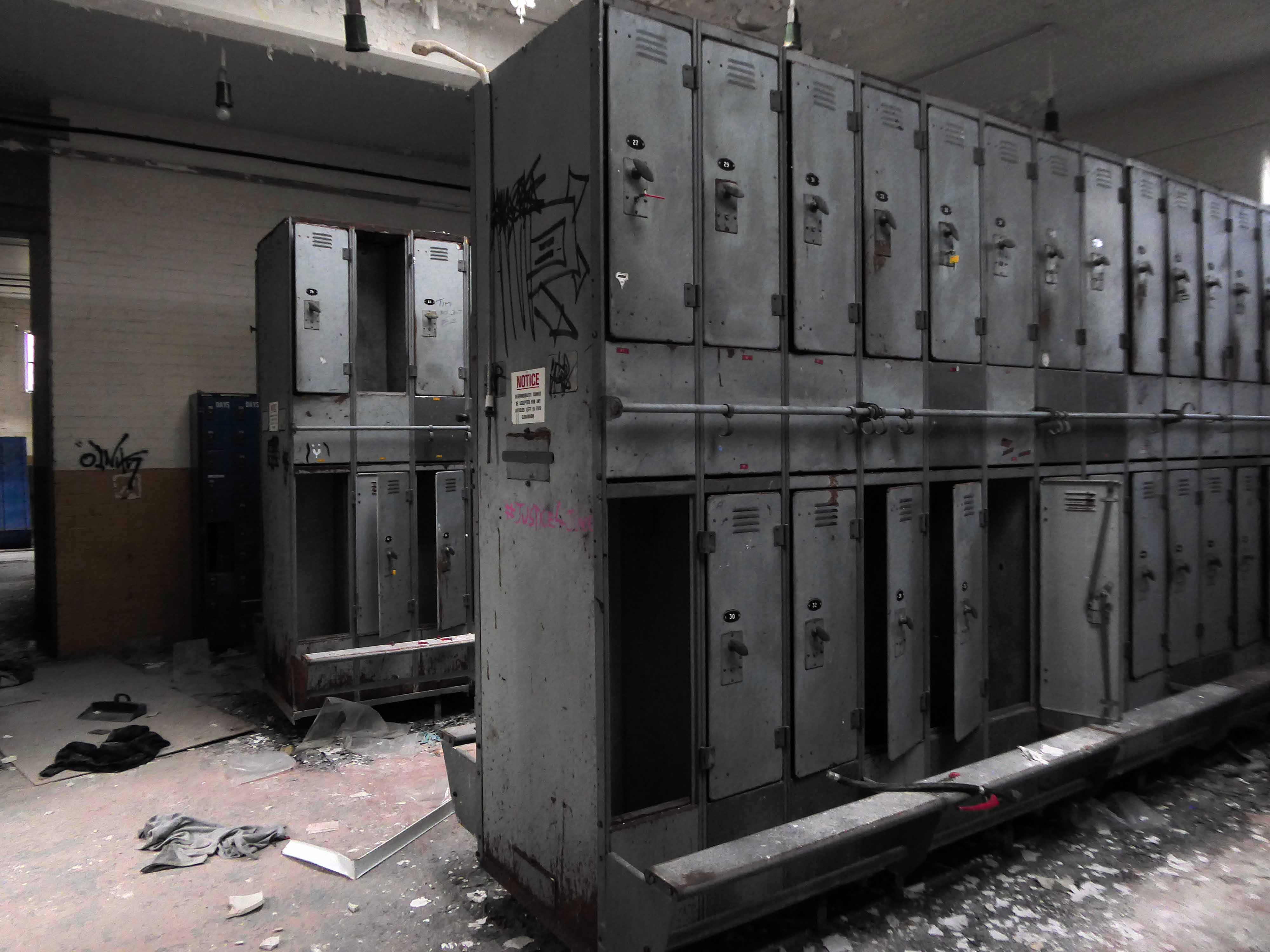
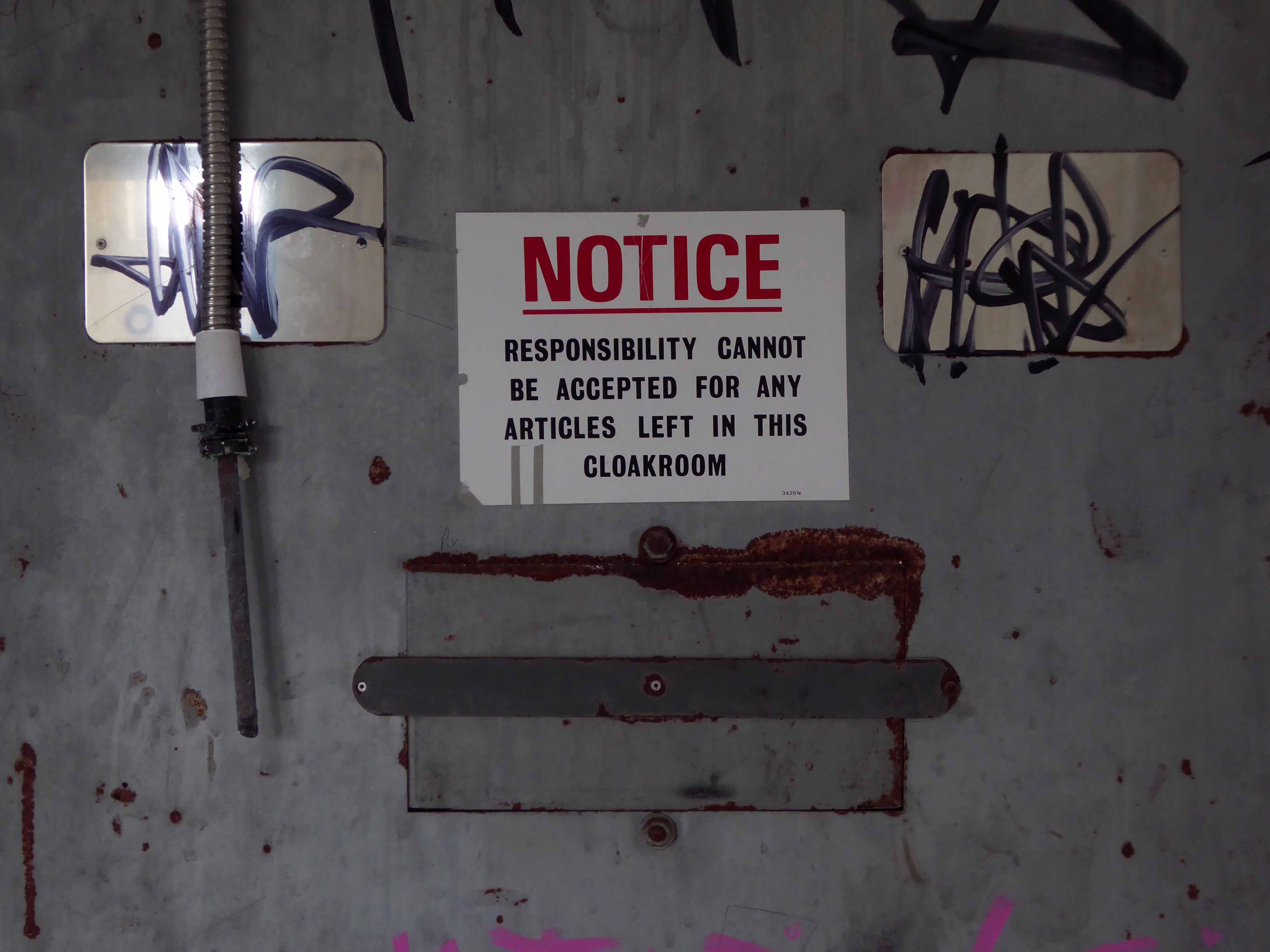
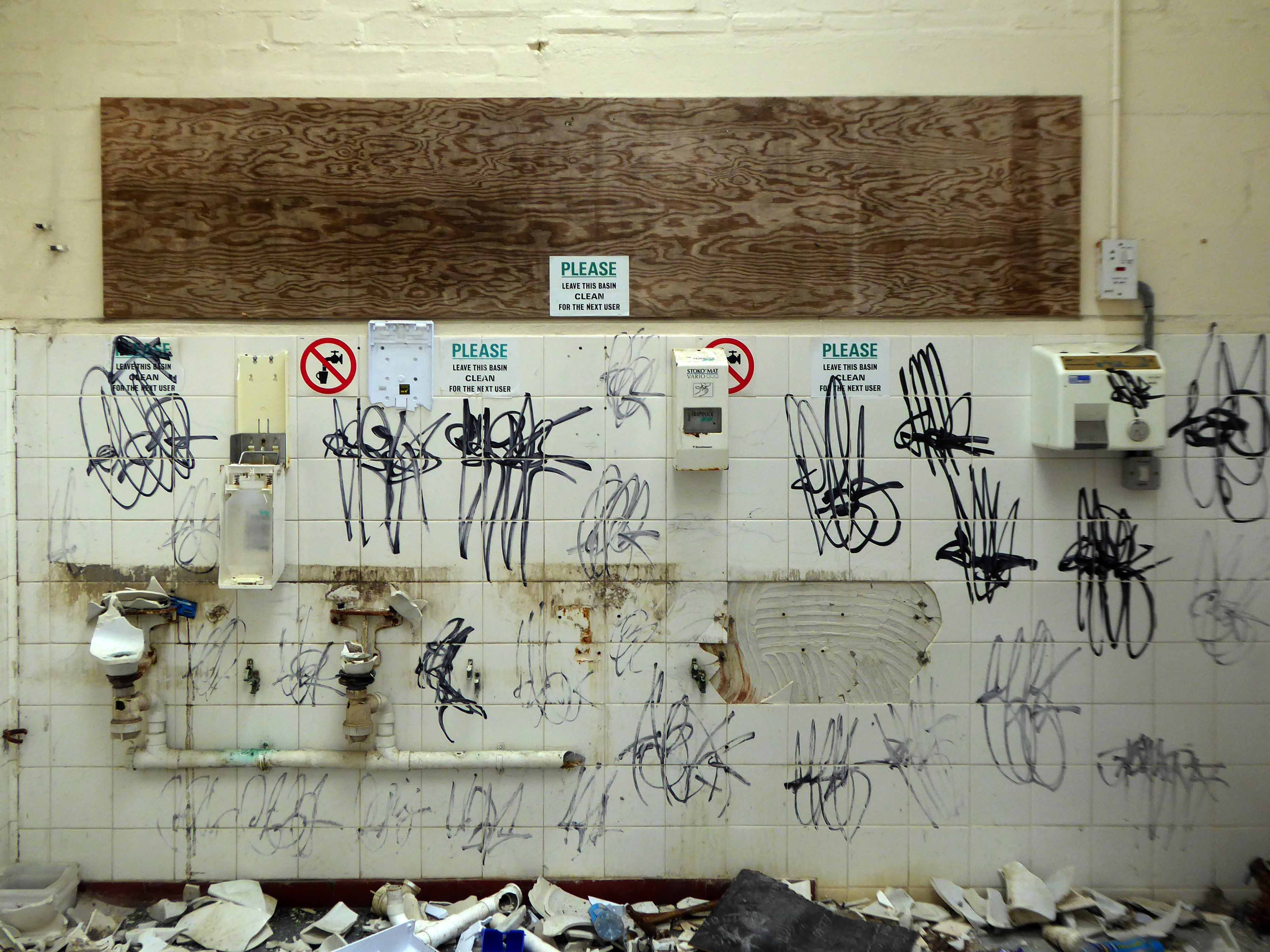
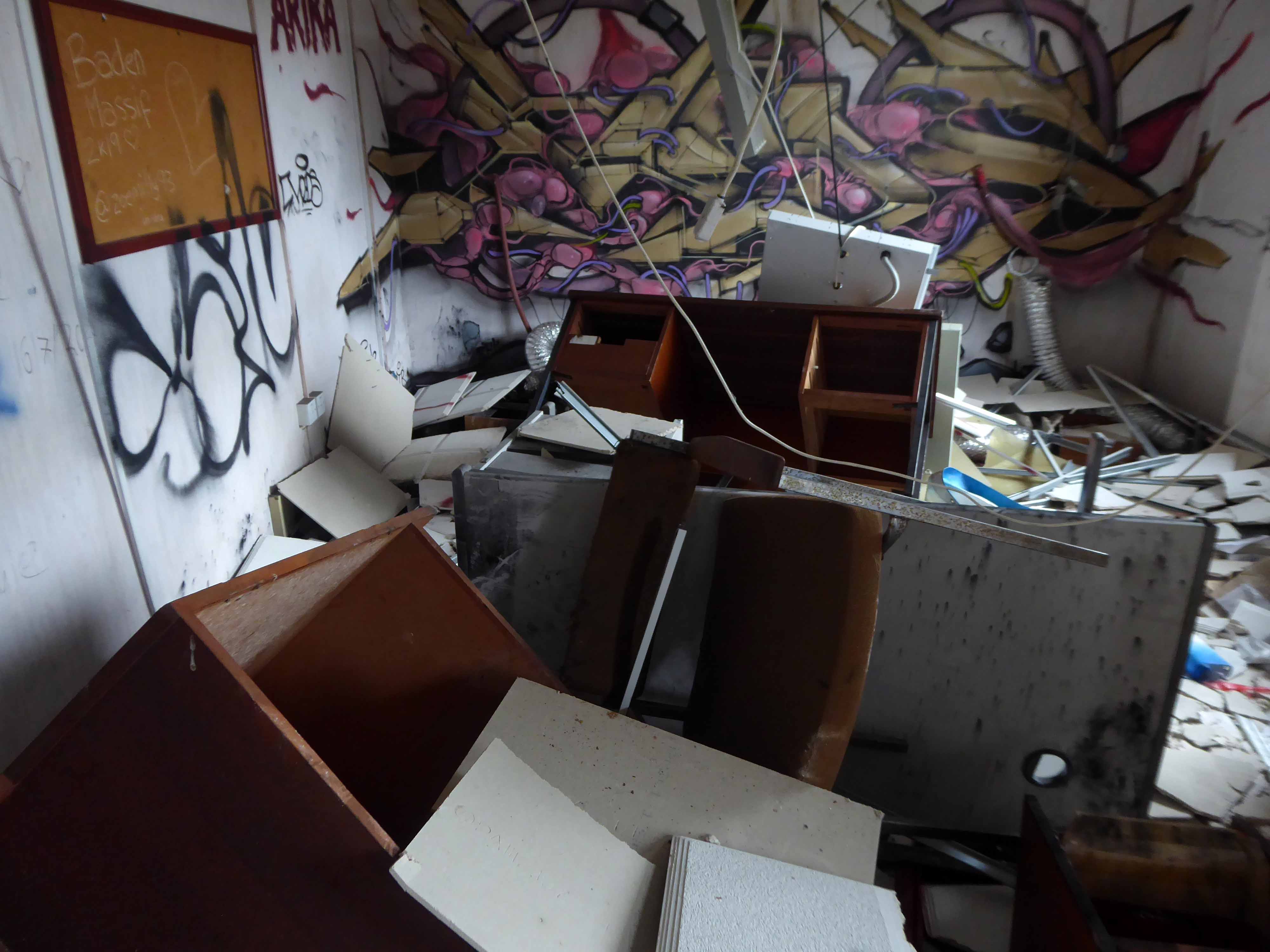
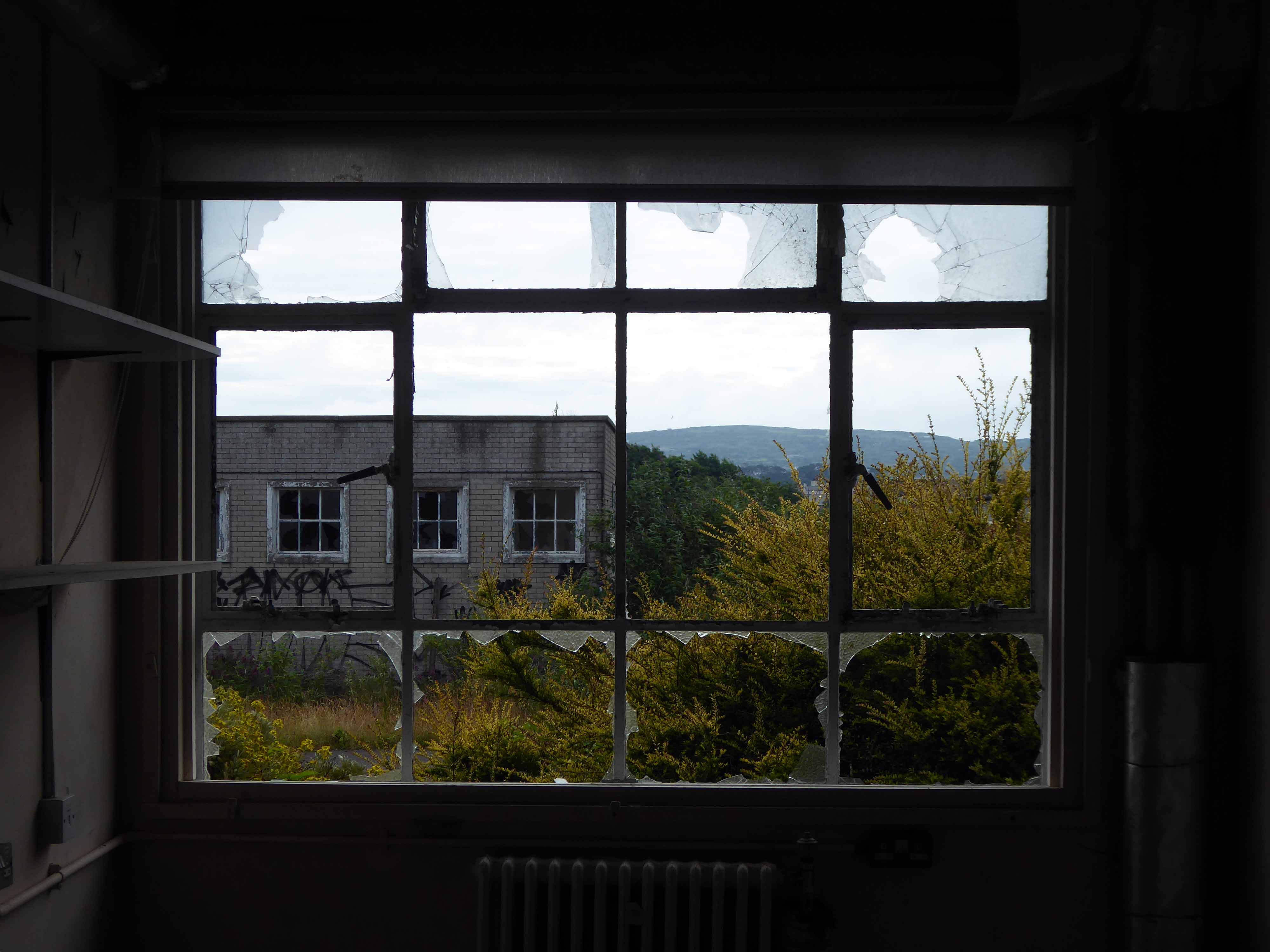
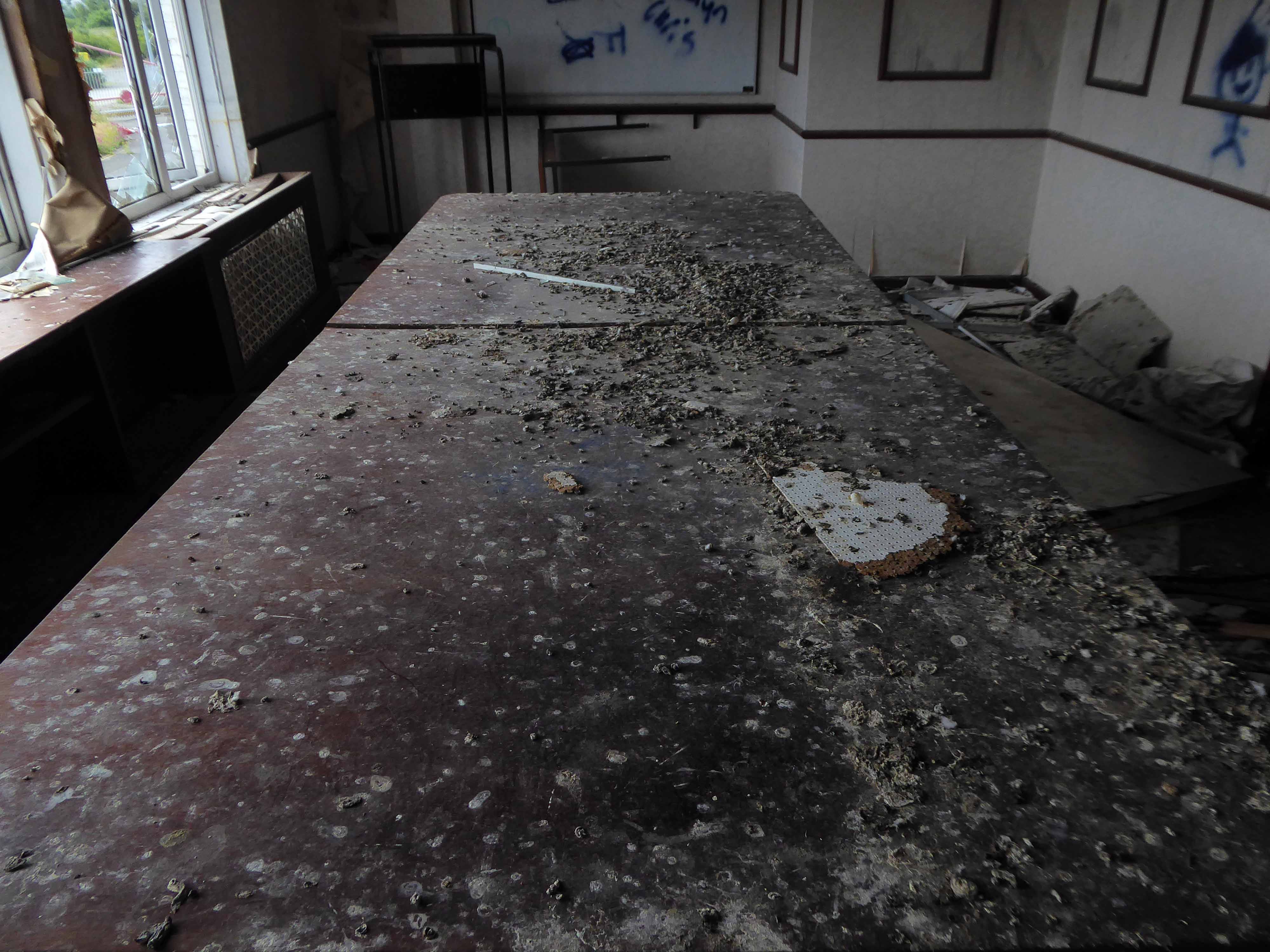
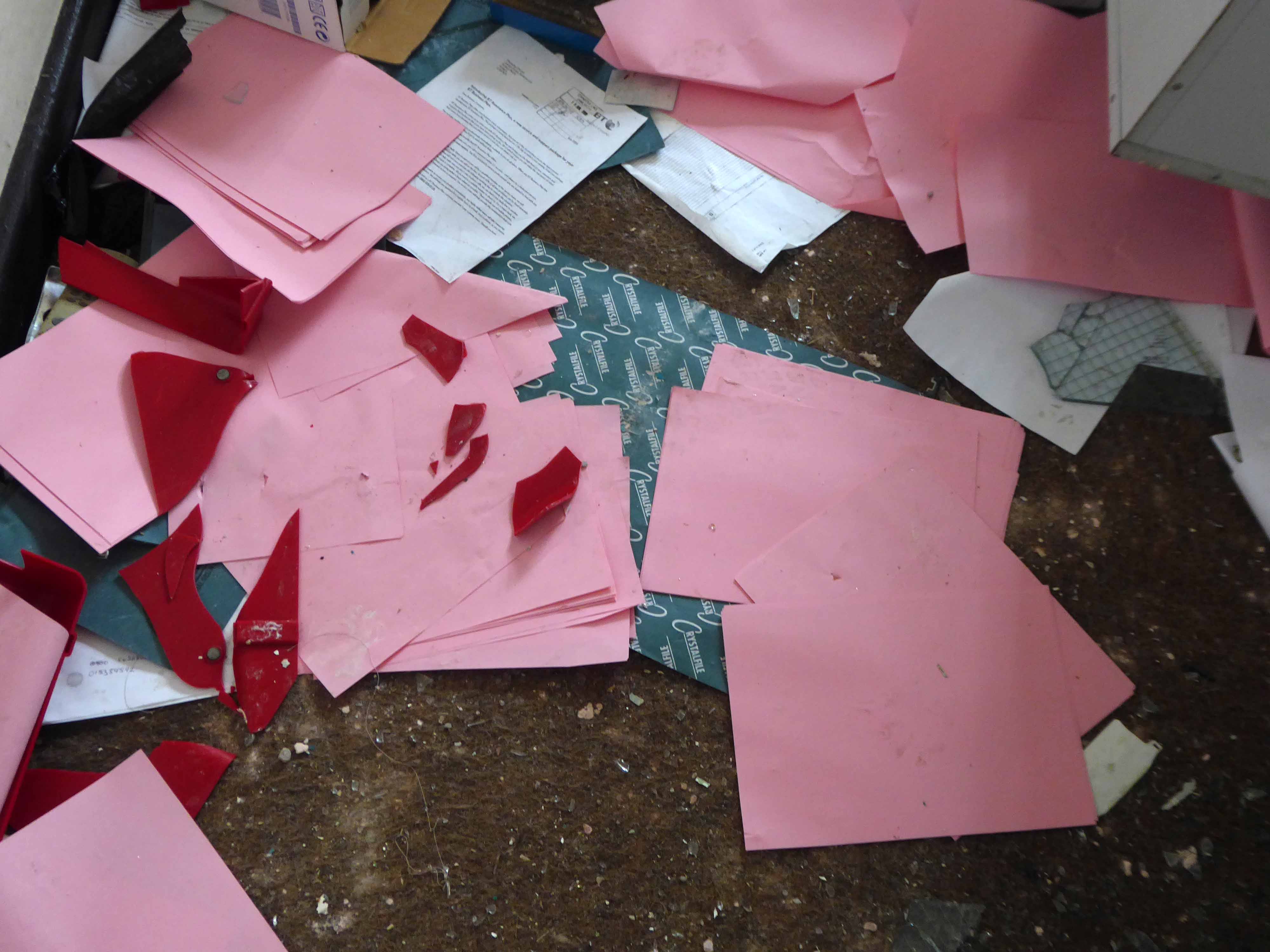
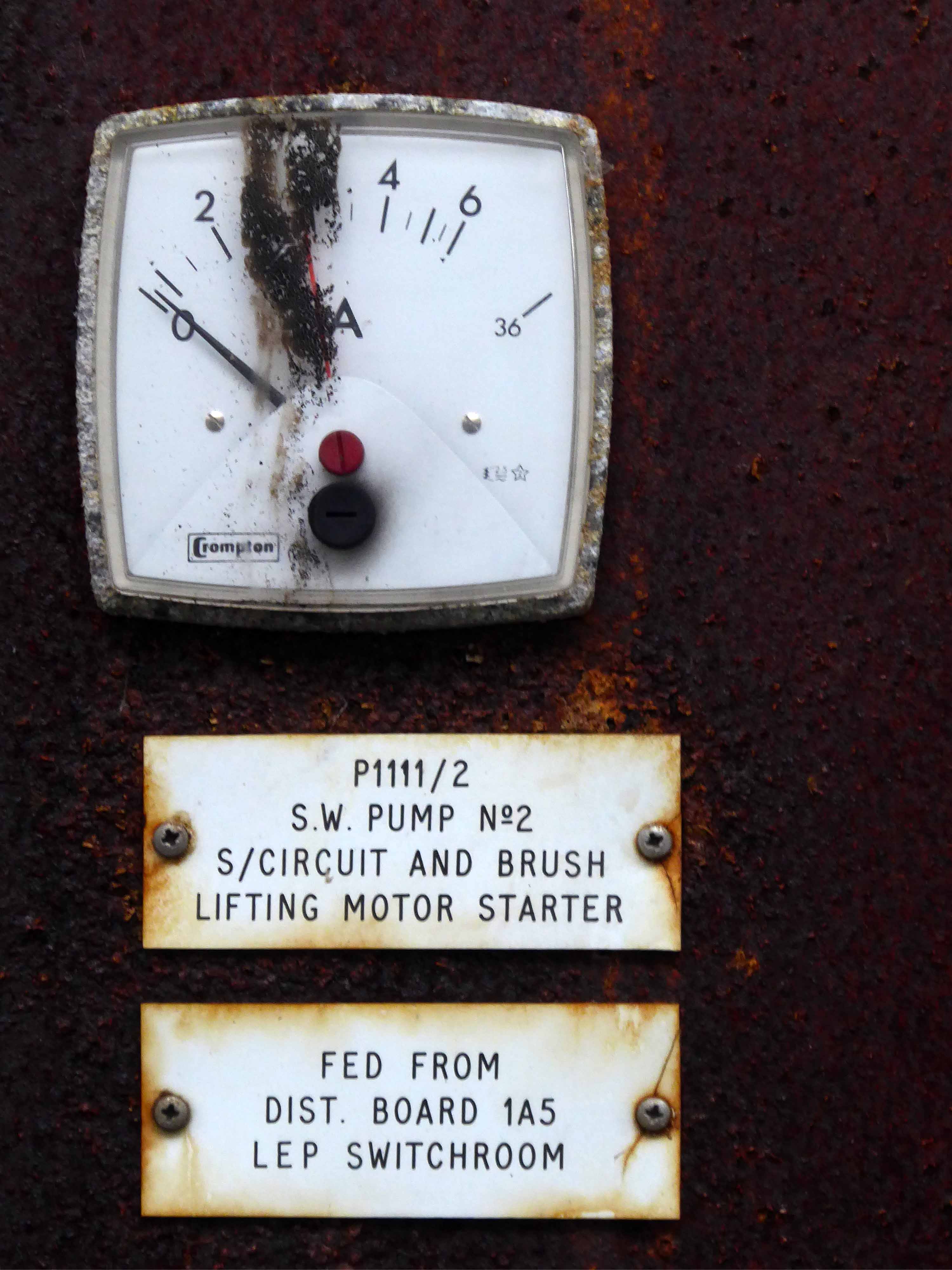
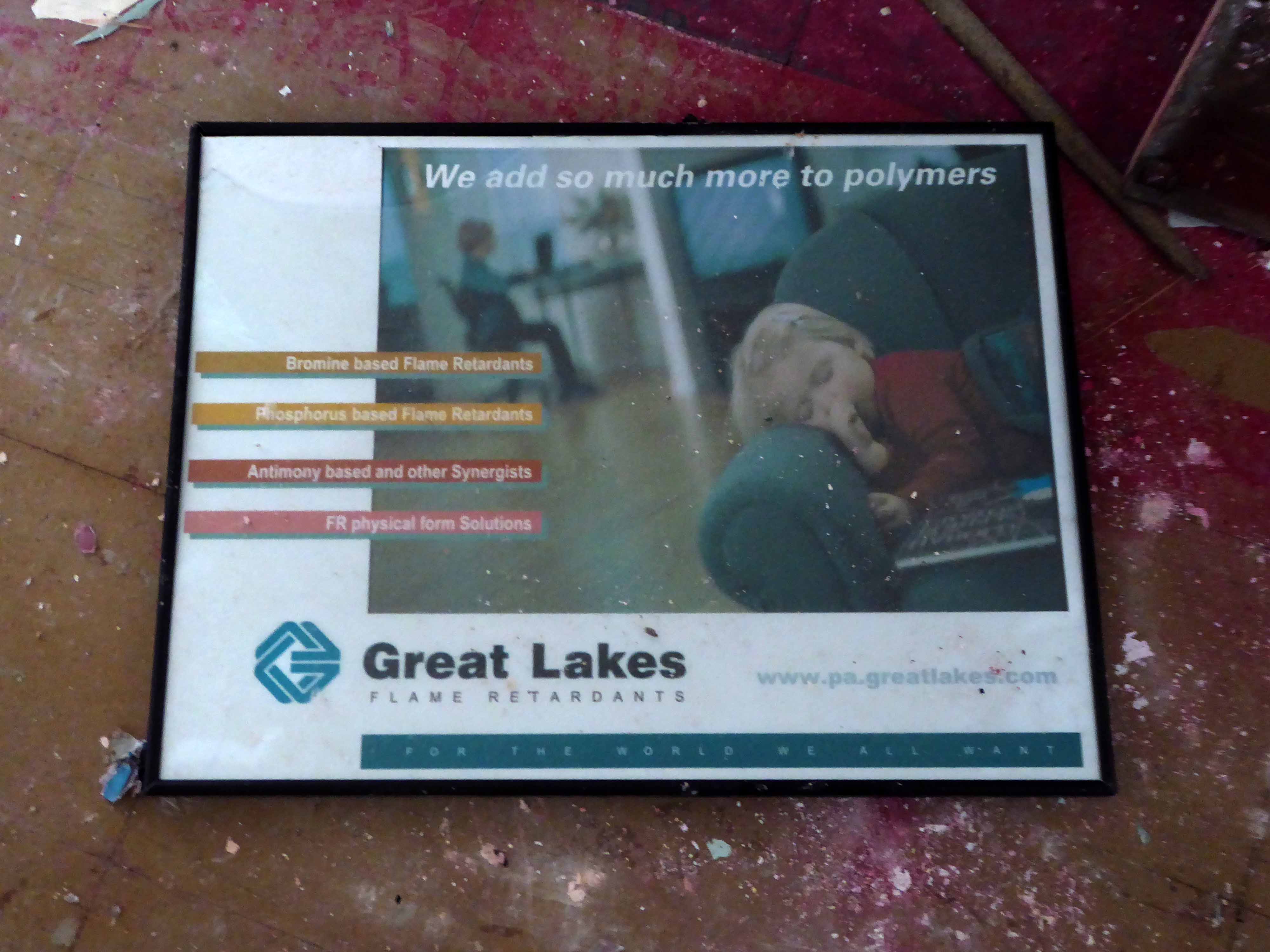
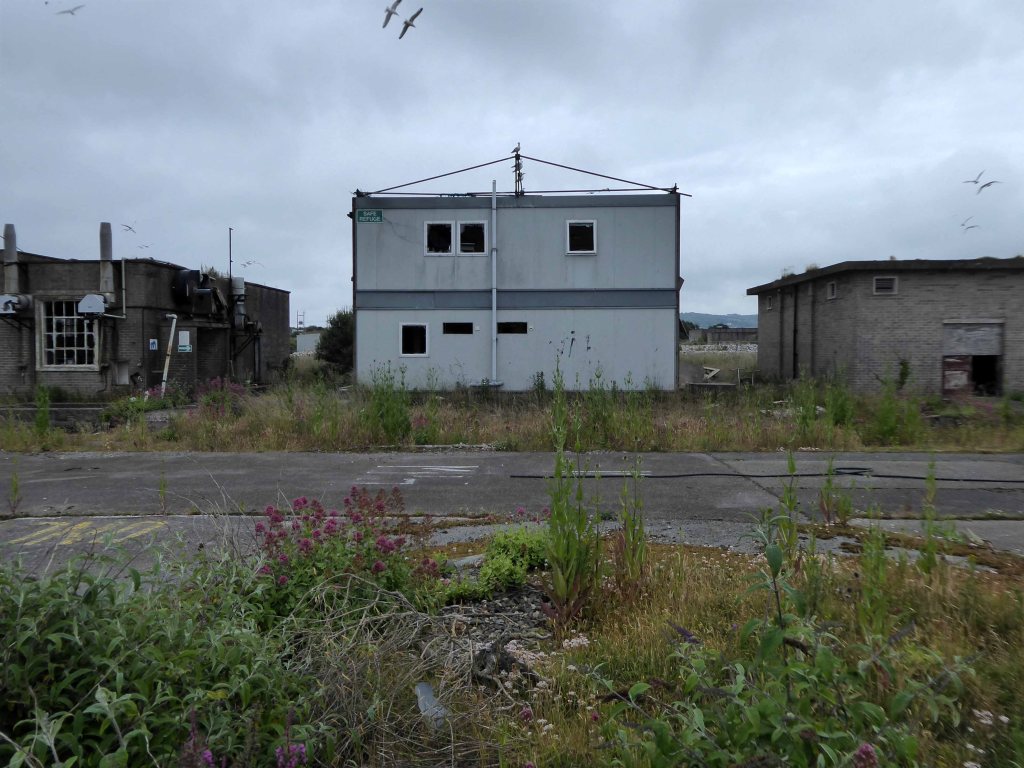
They are now but fleeting shadows, their documents strewn across upturned furniture, empty lockers their standing open and untended, laboratories whose processes have ceased. A chaotic canteen with no-one to cook for, unsafe safety suits and unwashed washrooms.
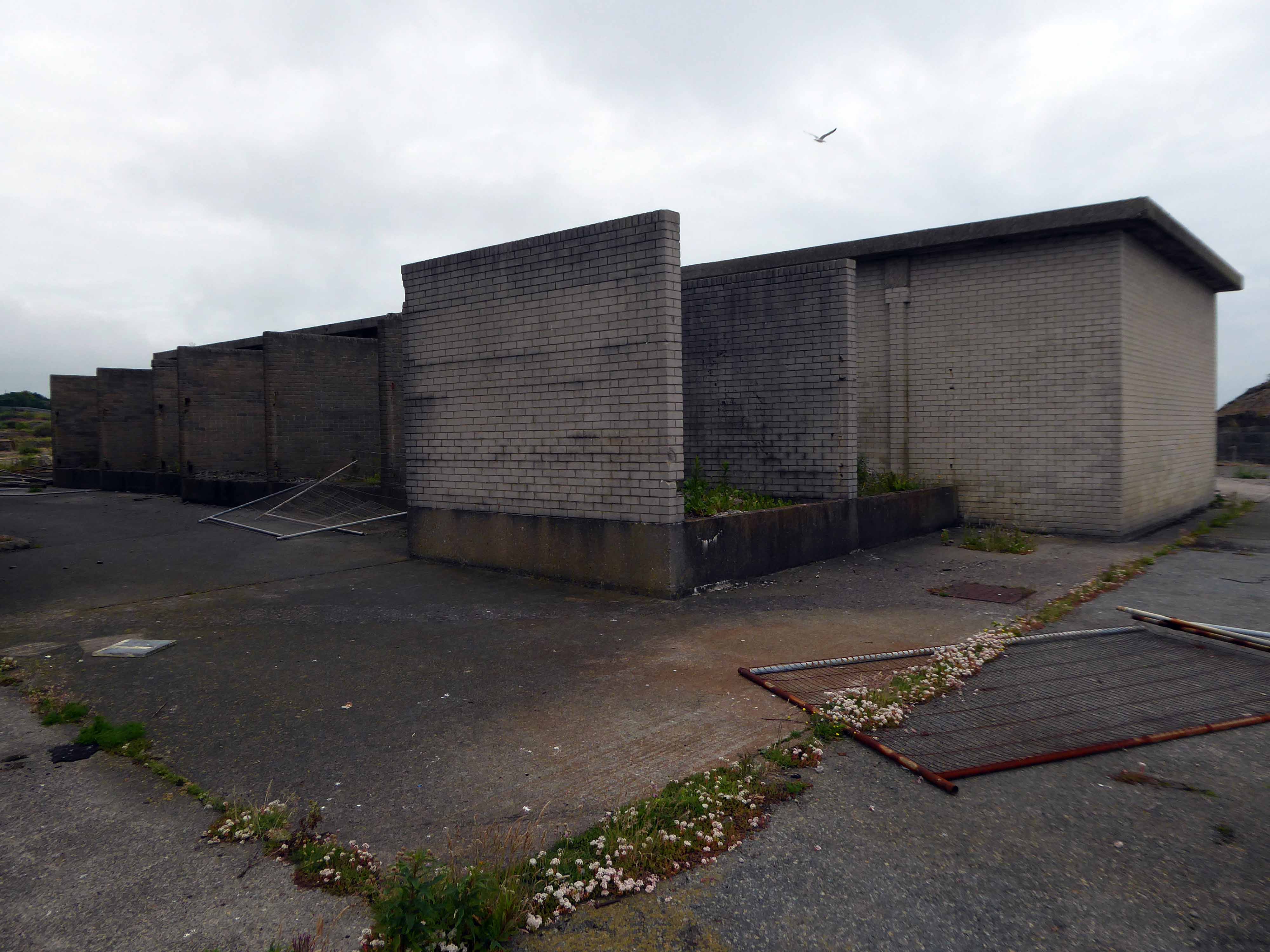
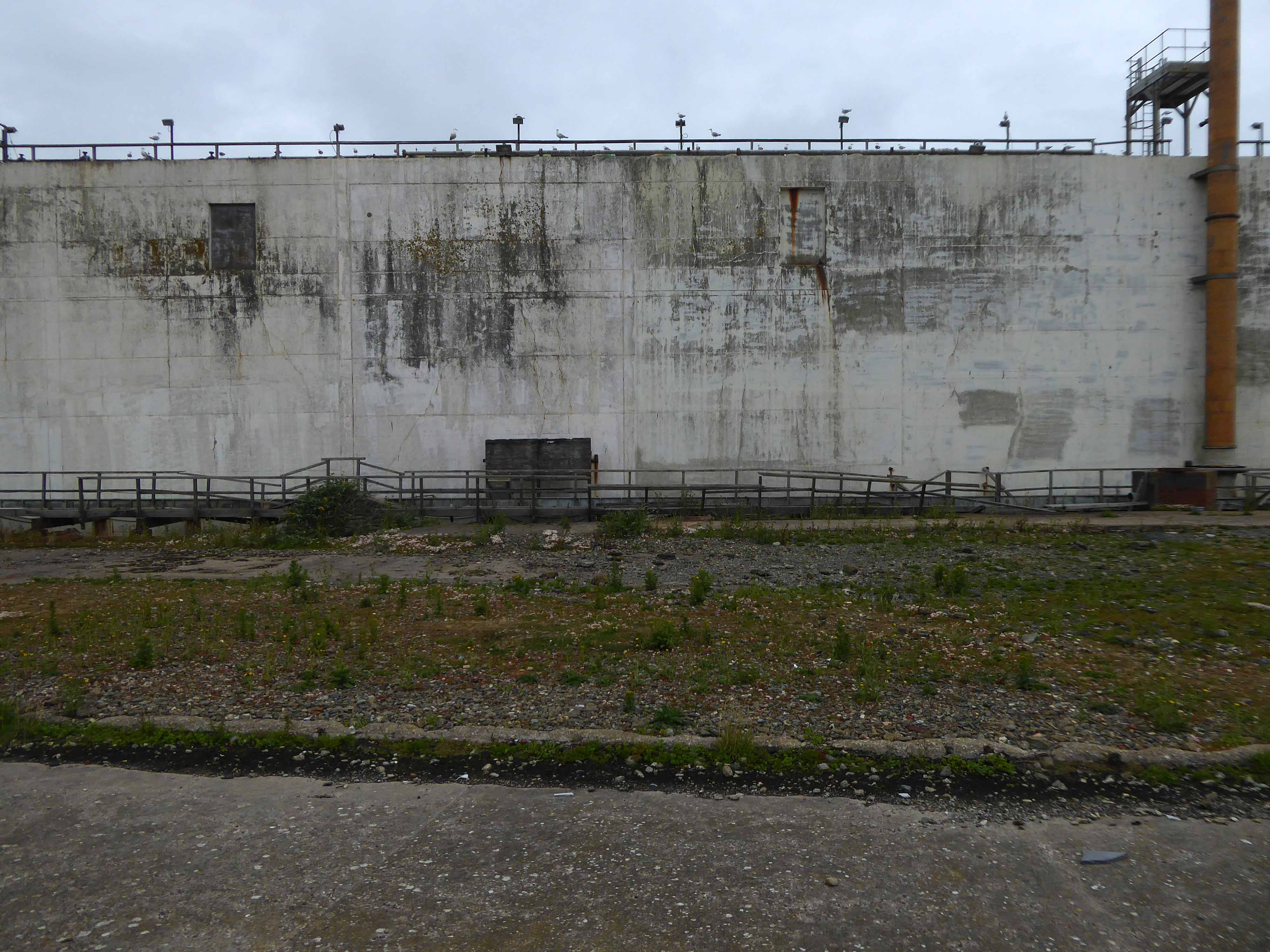
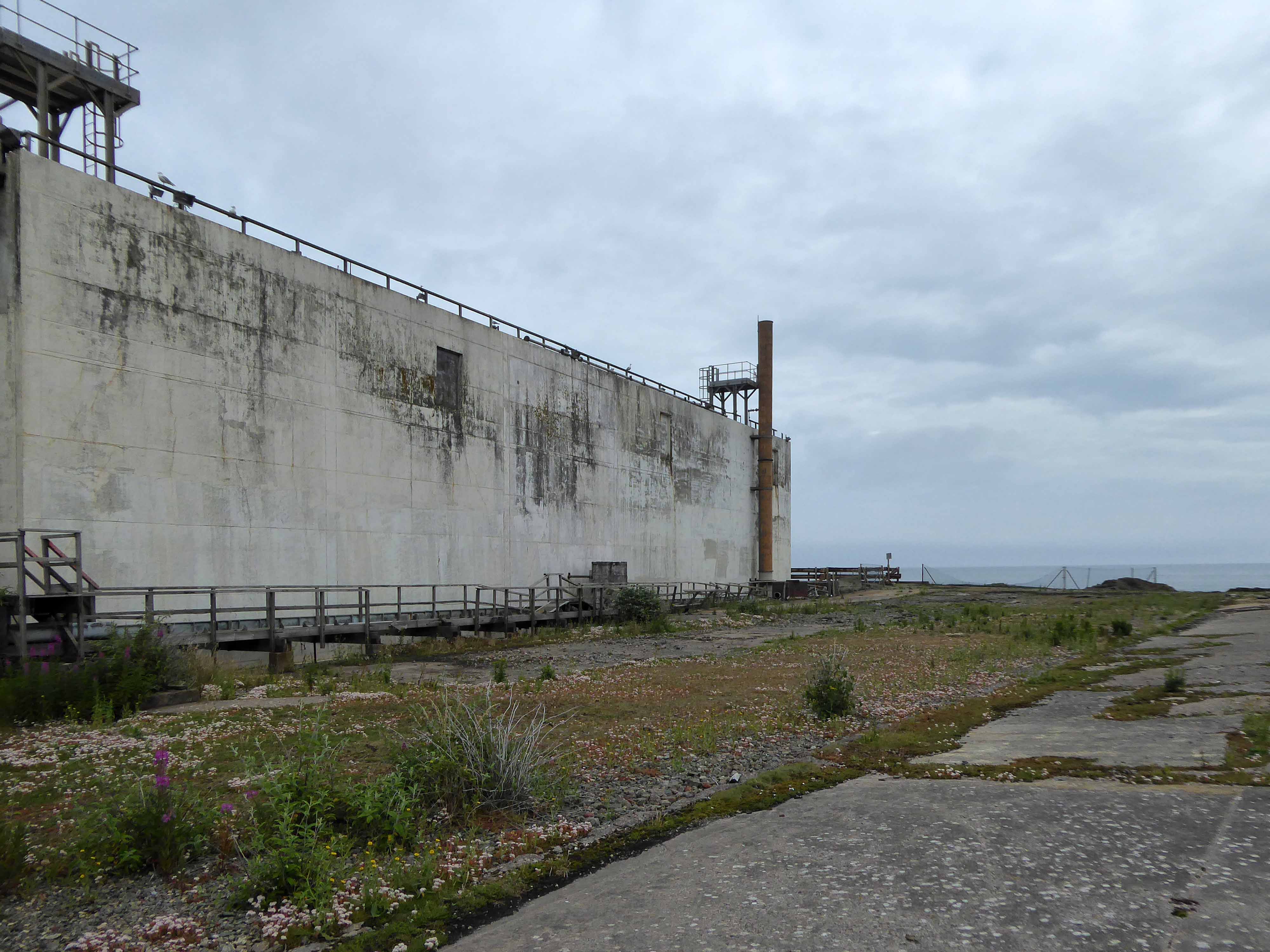
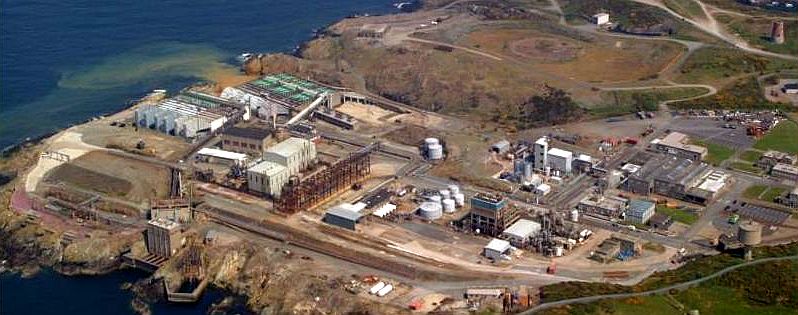
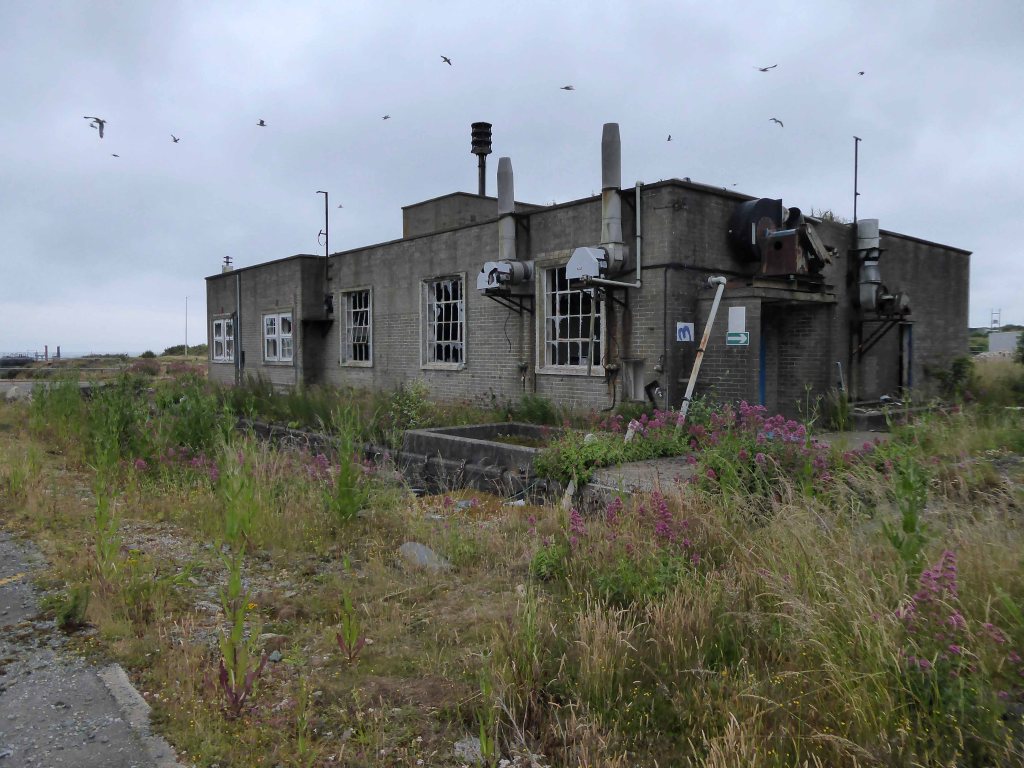
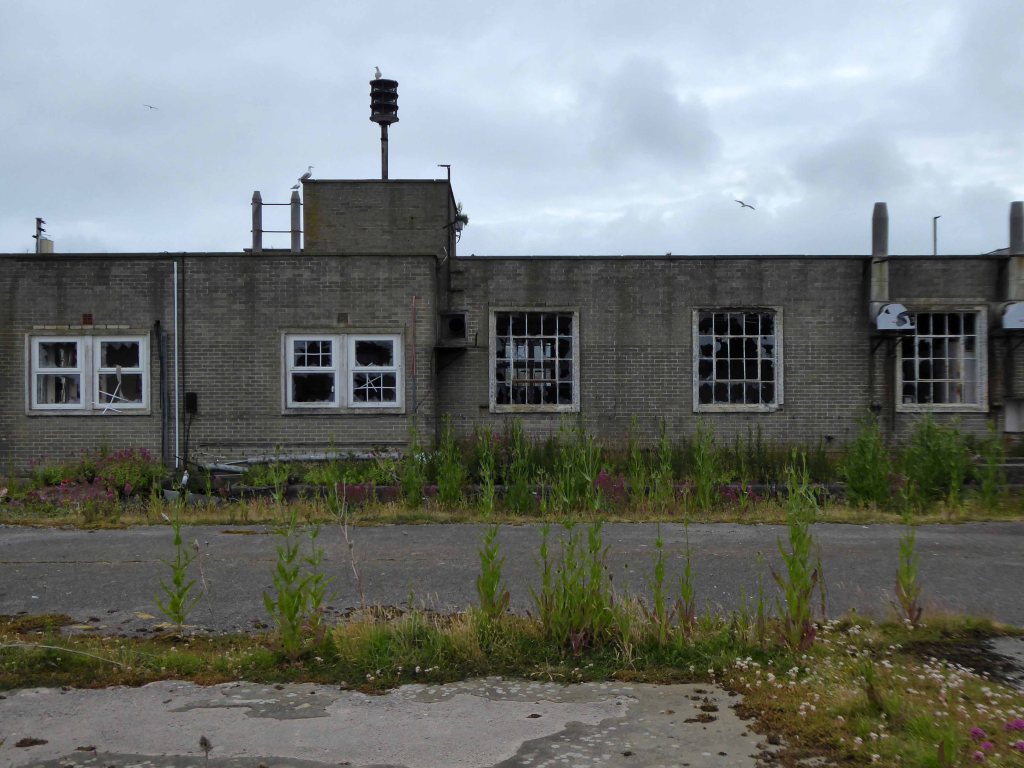
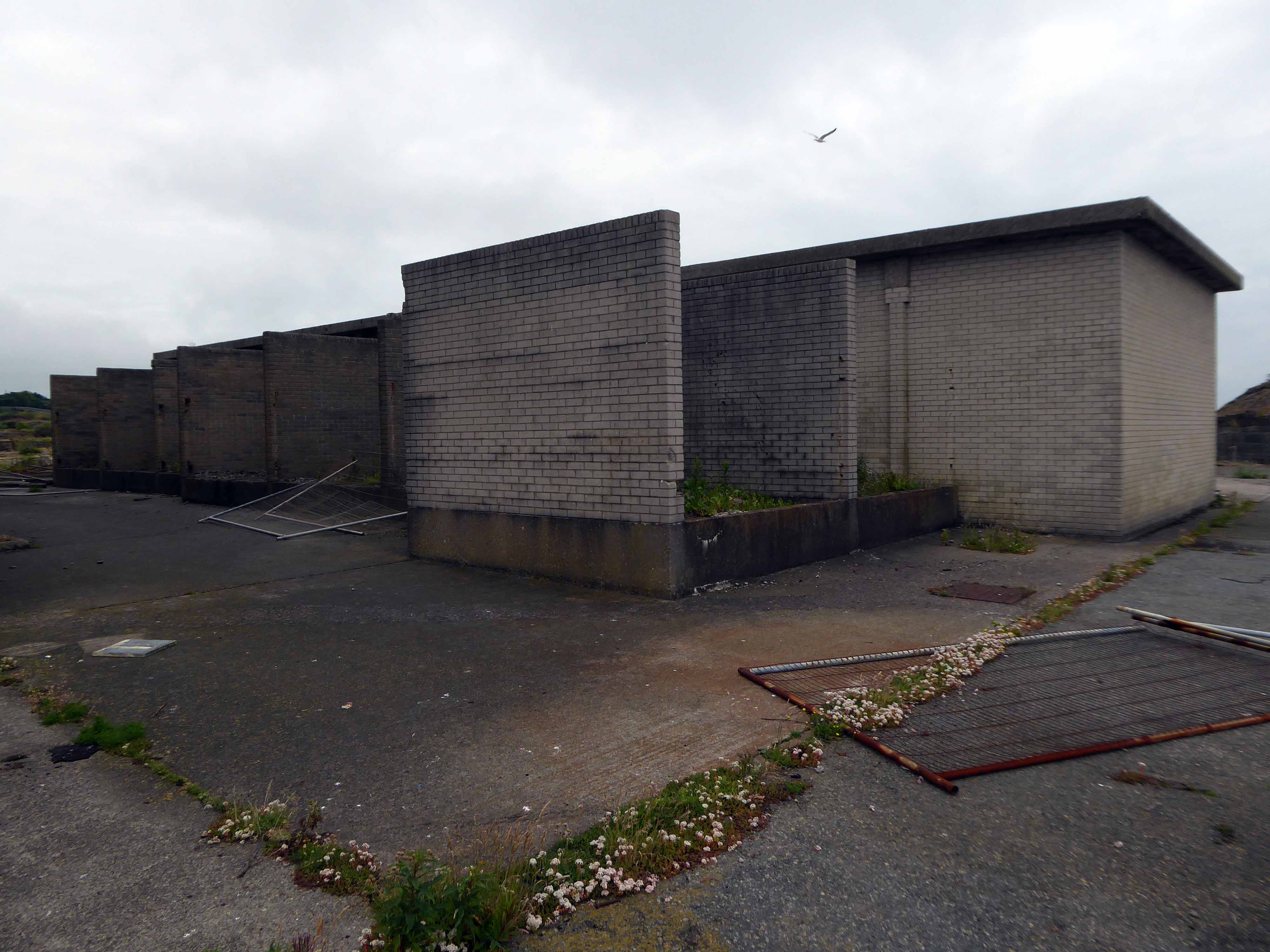
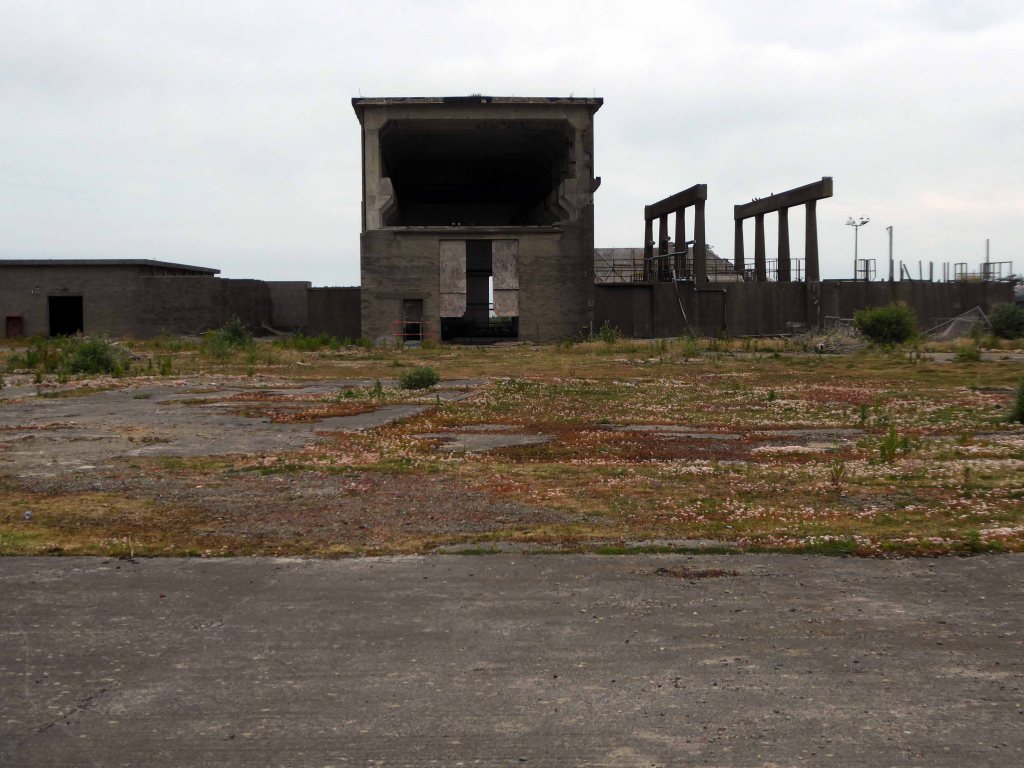
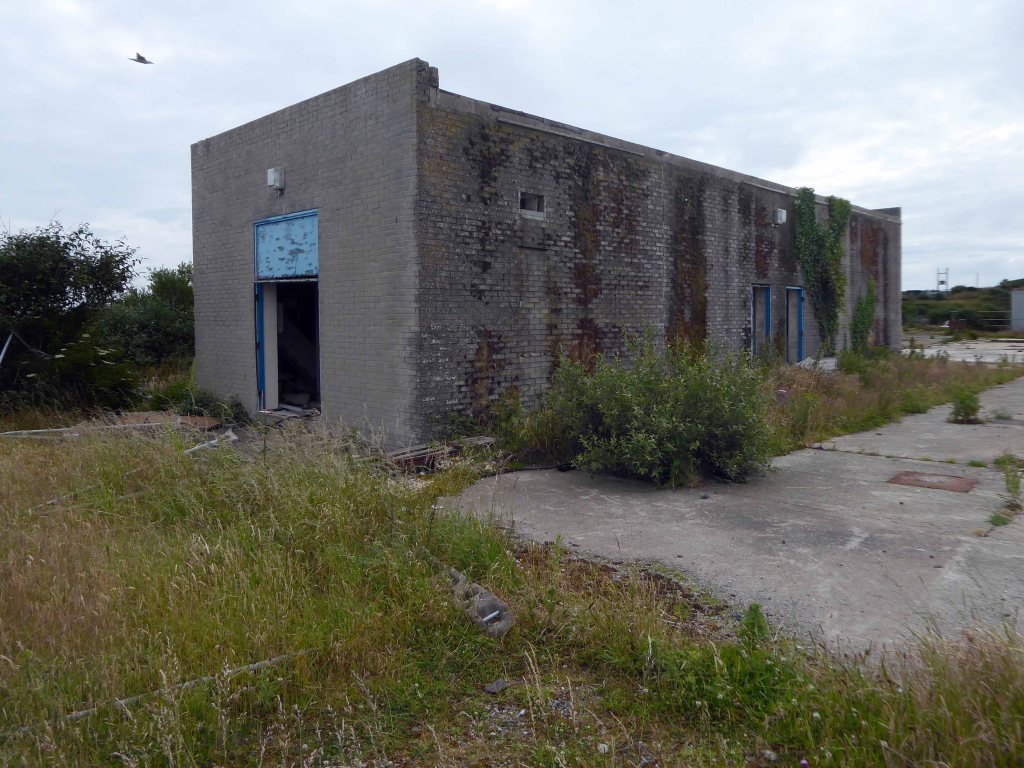
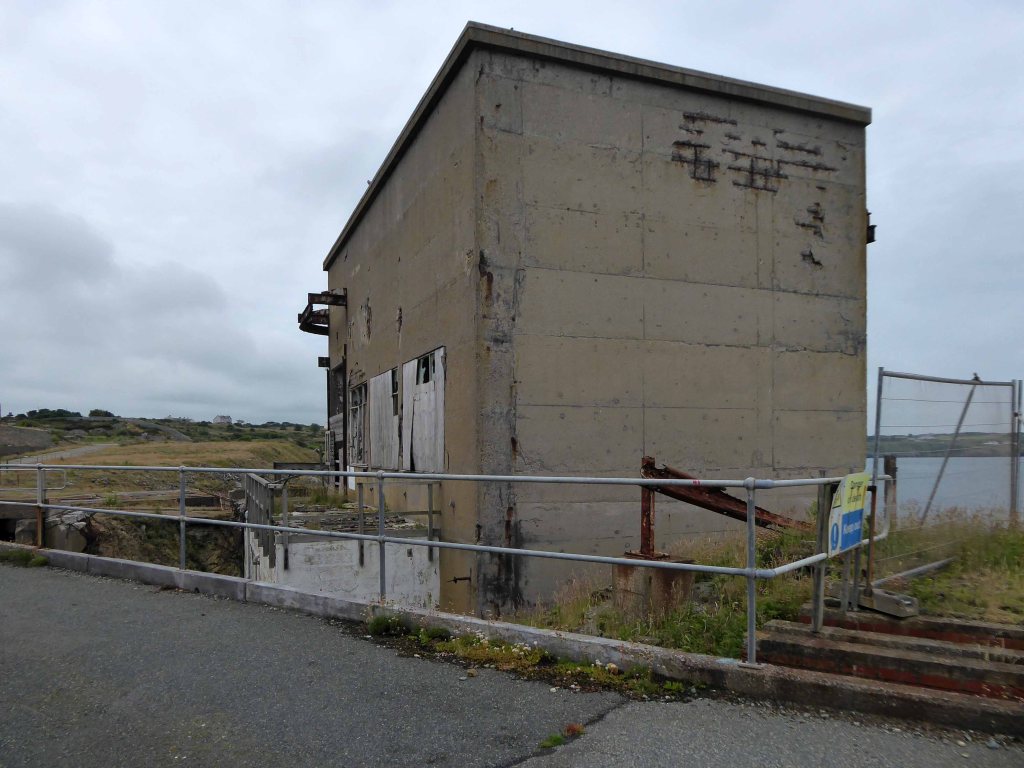
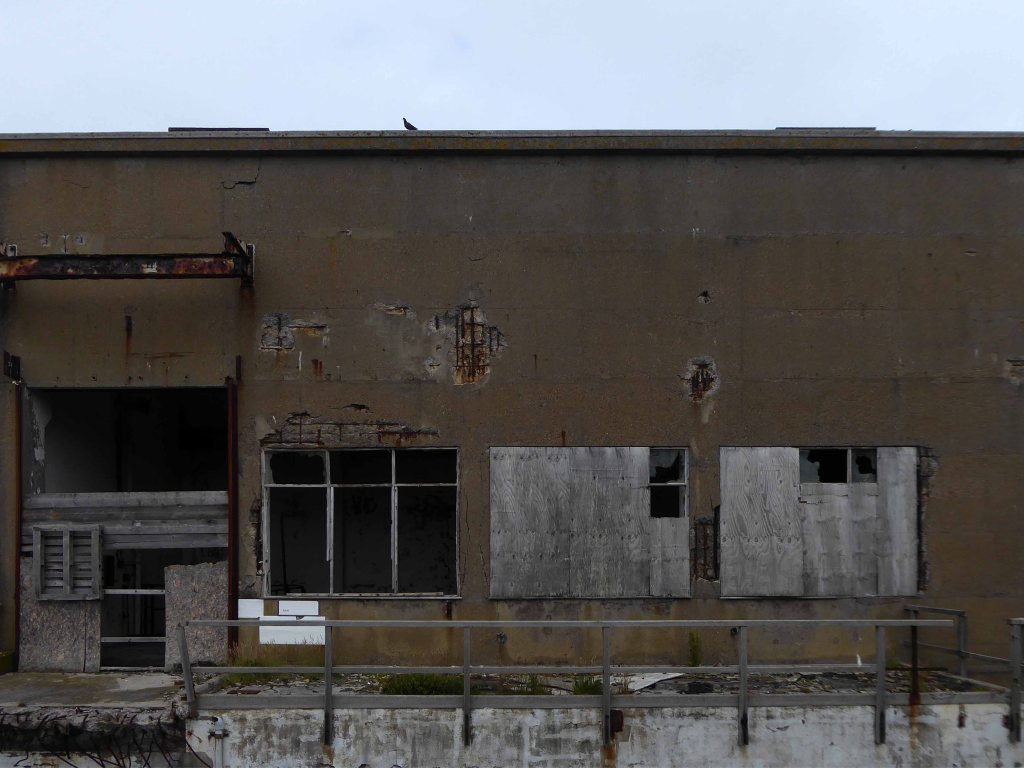
We have taken a trip around the extant exteriors of the processing plant.
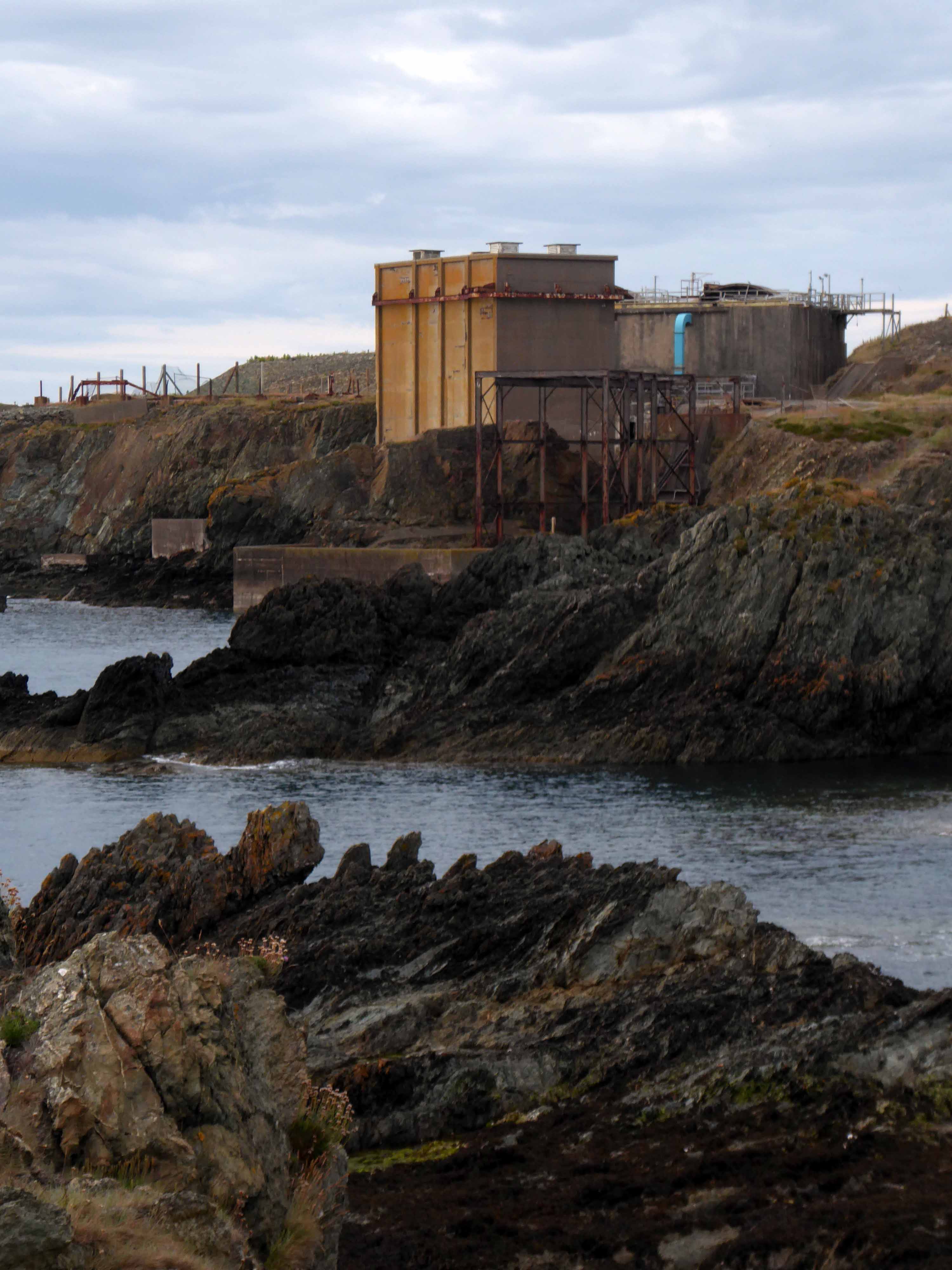
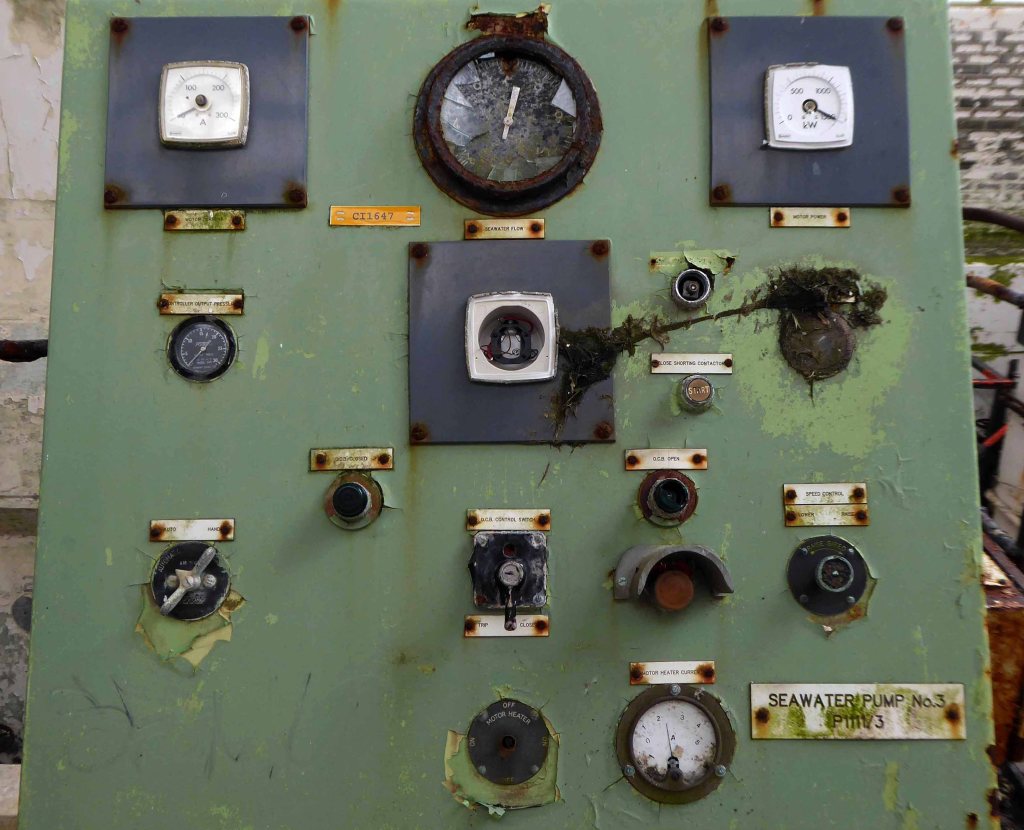
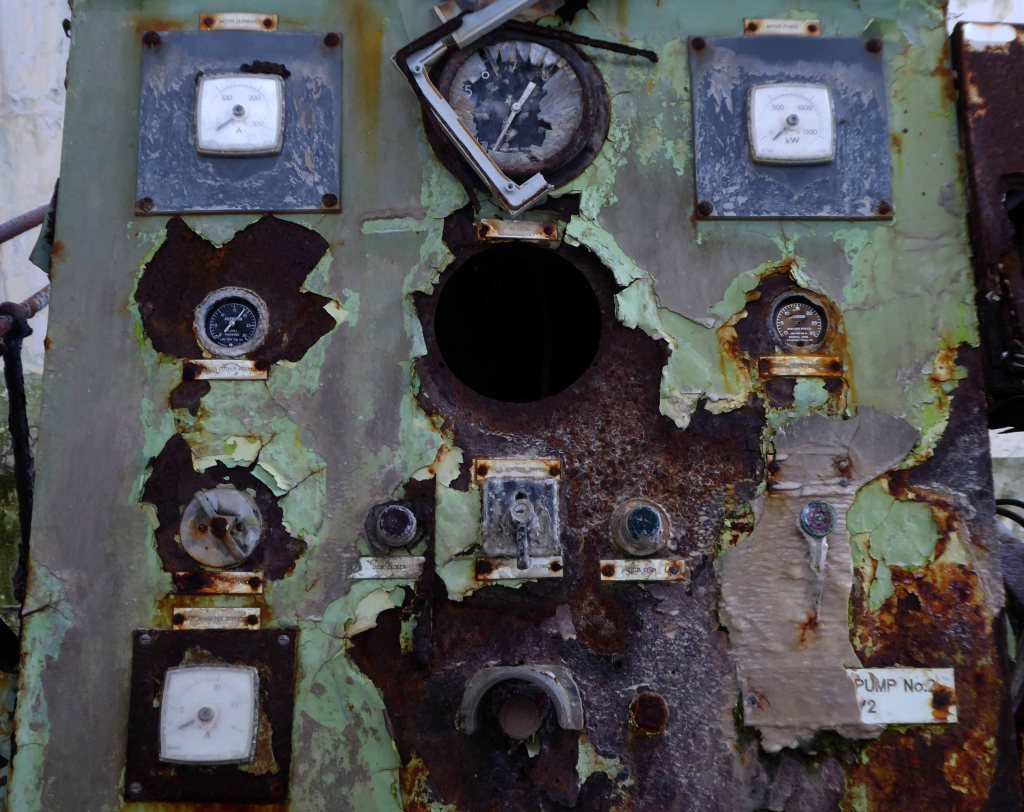
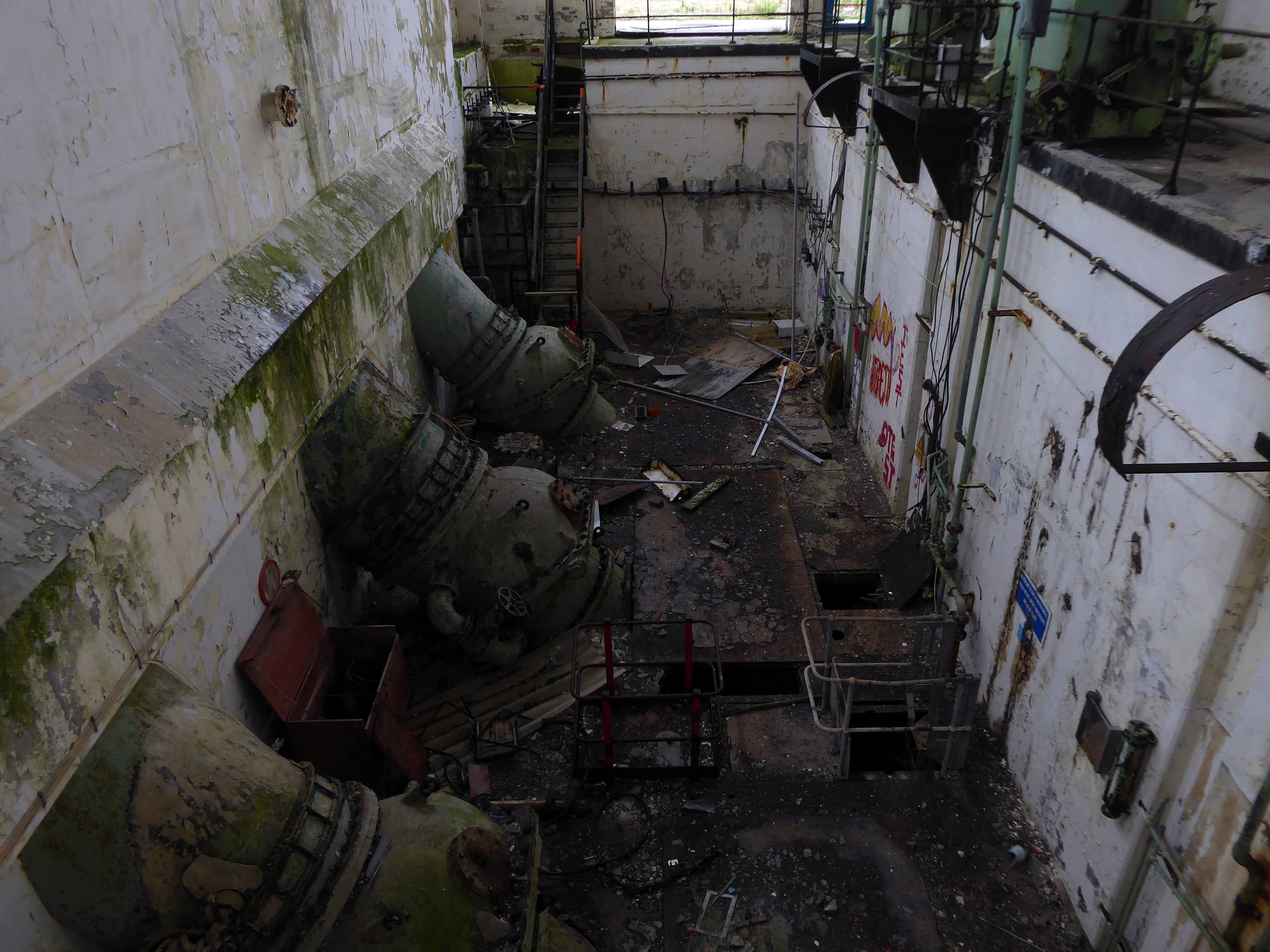
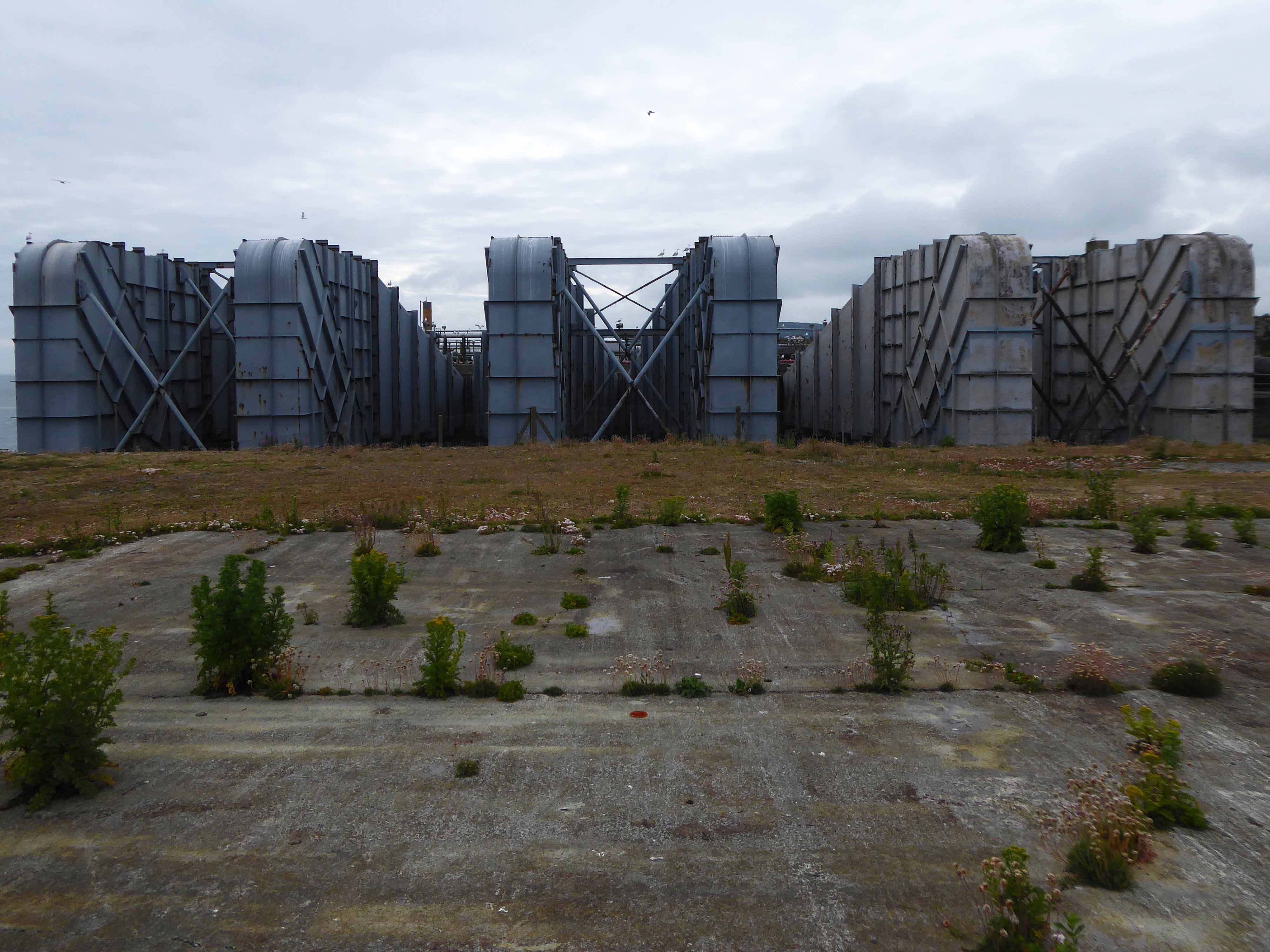
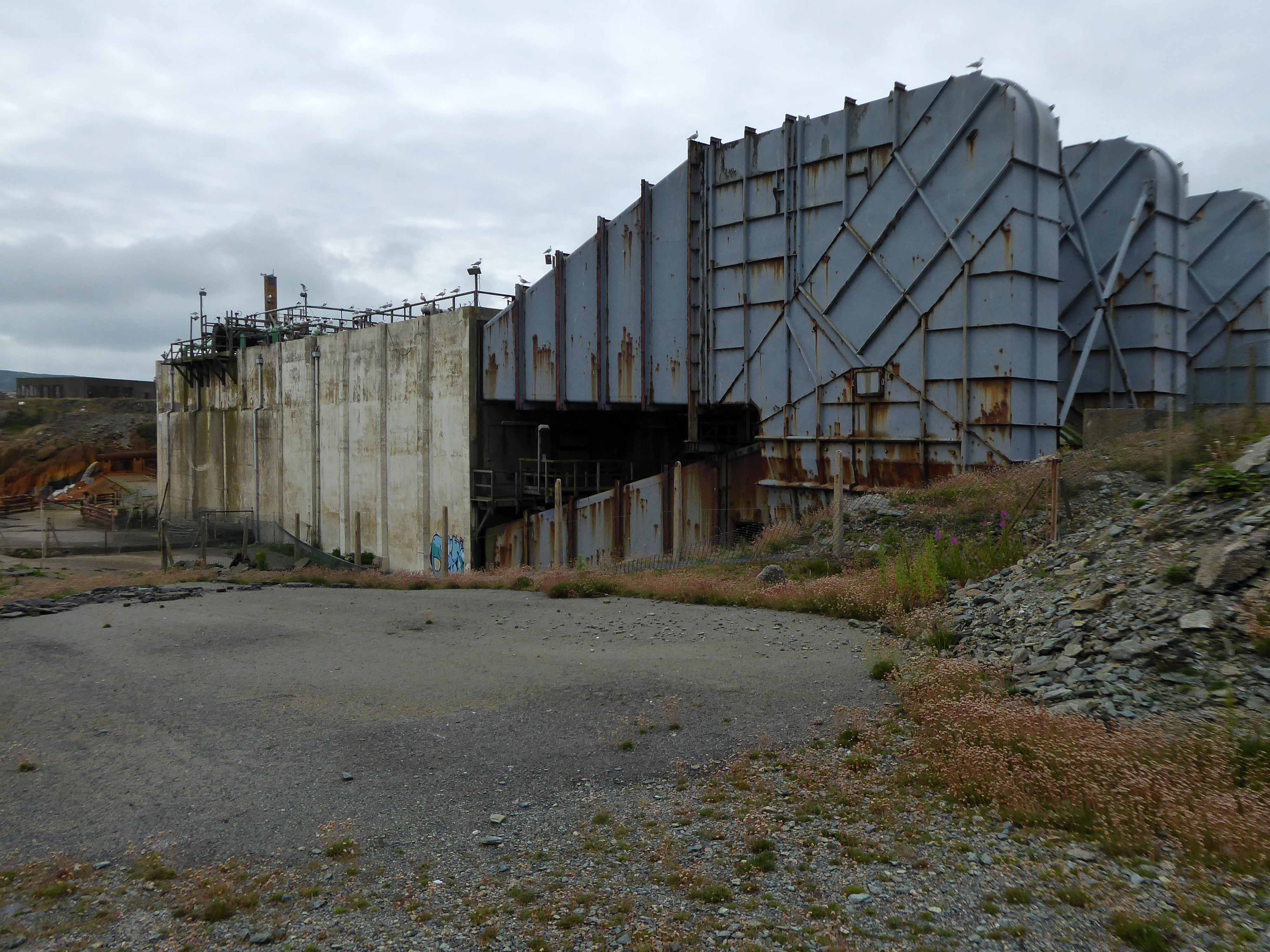
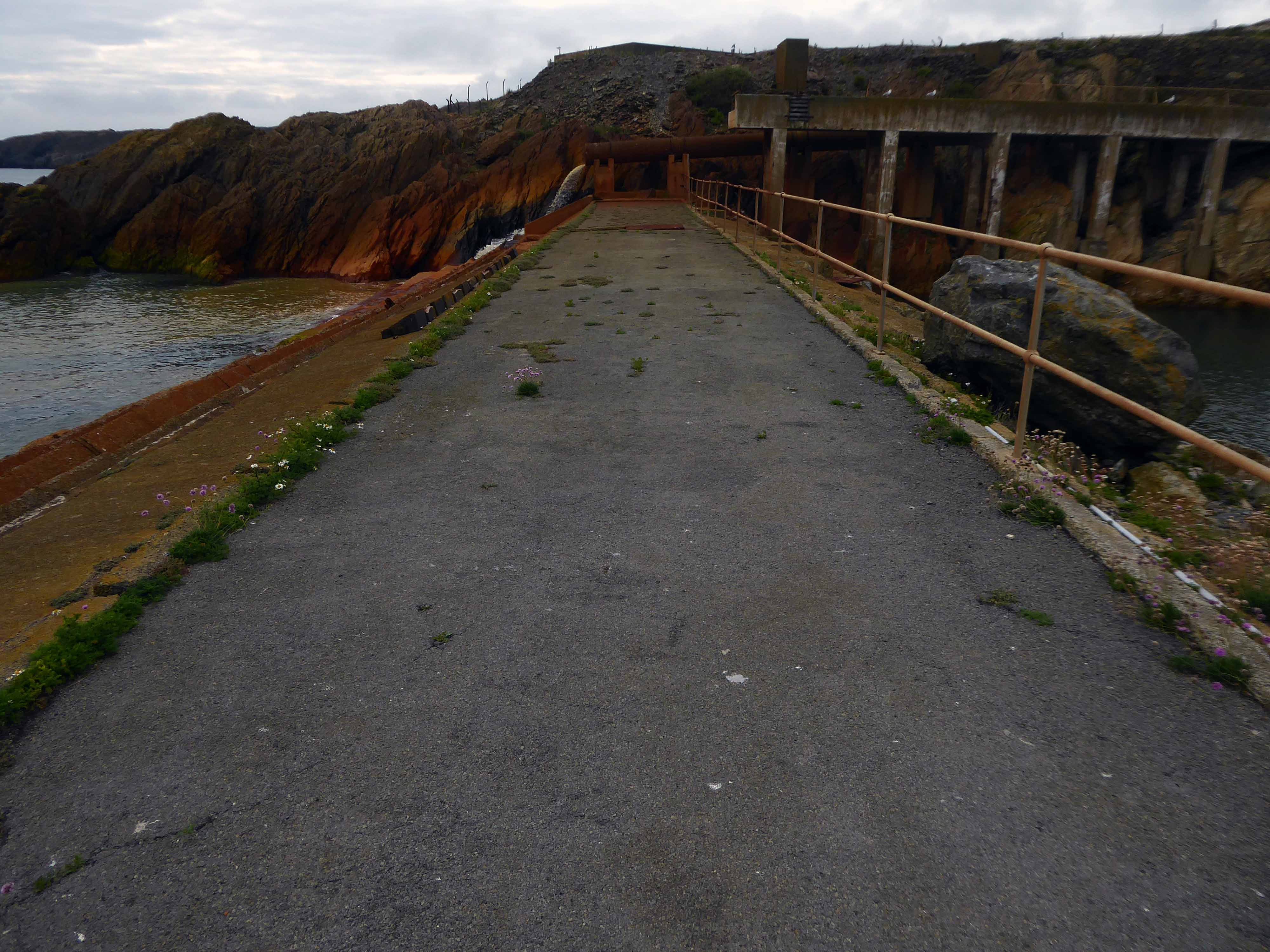
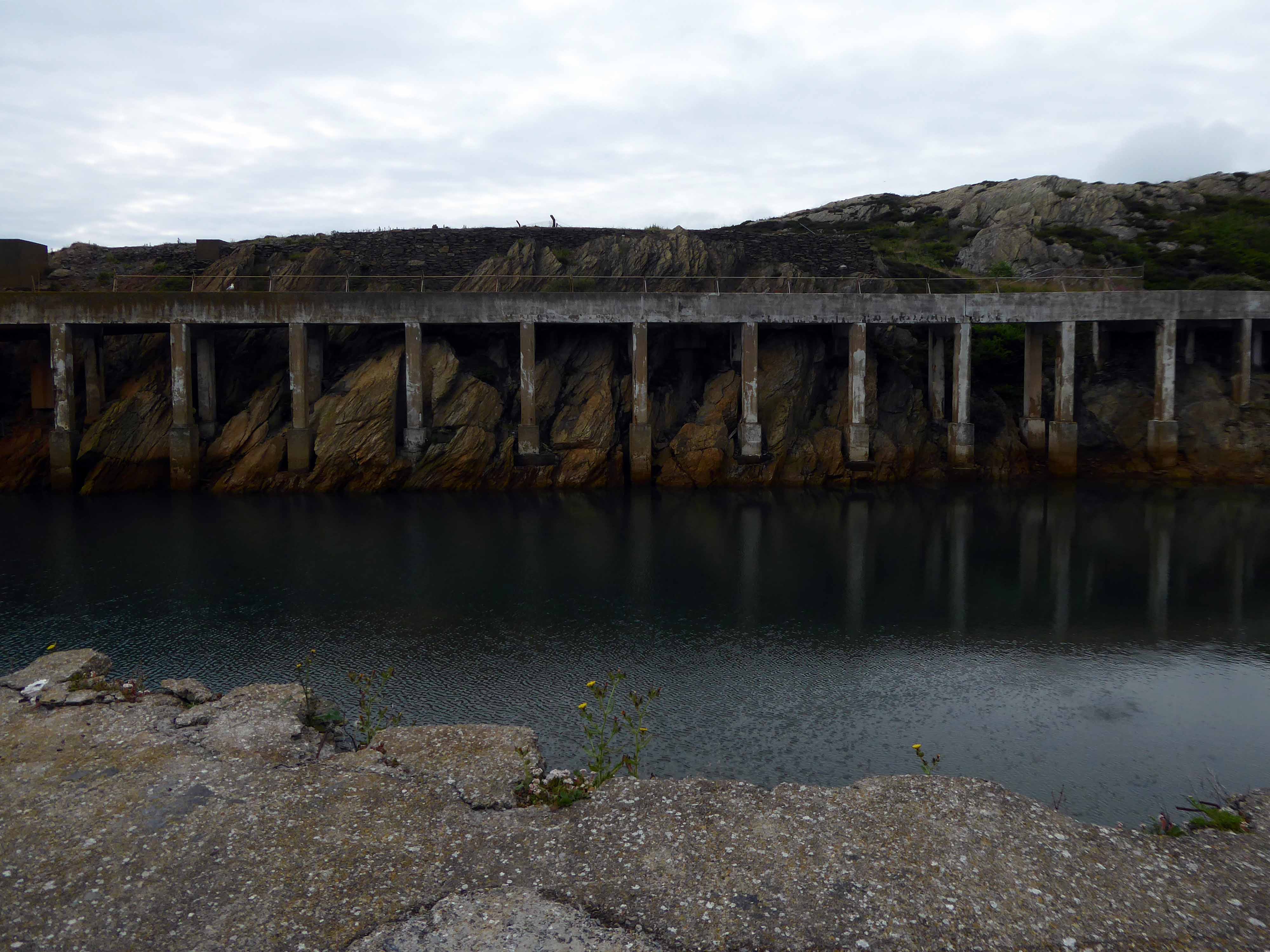
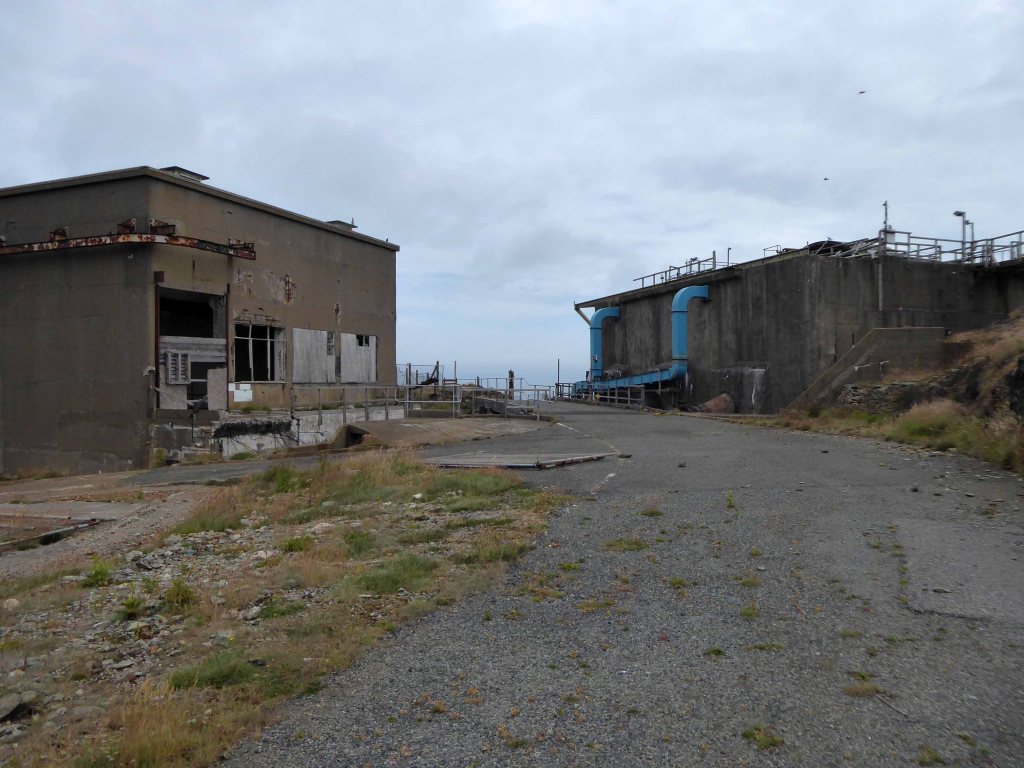
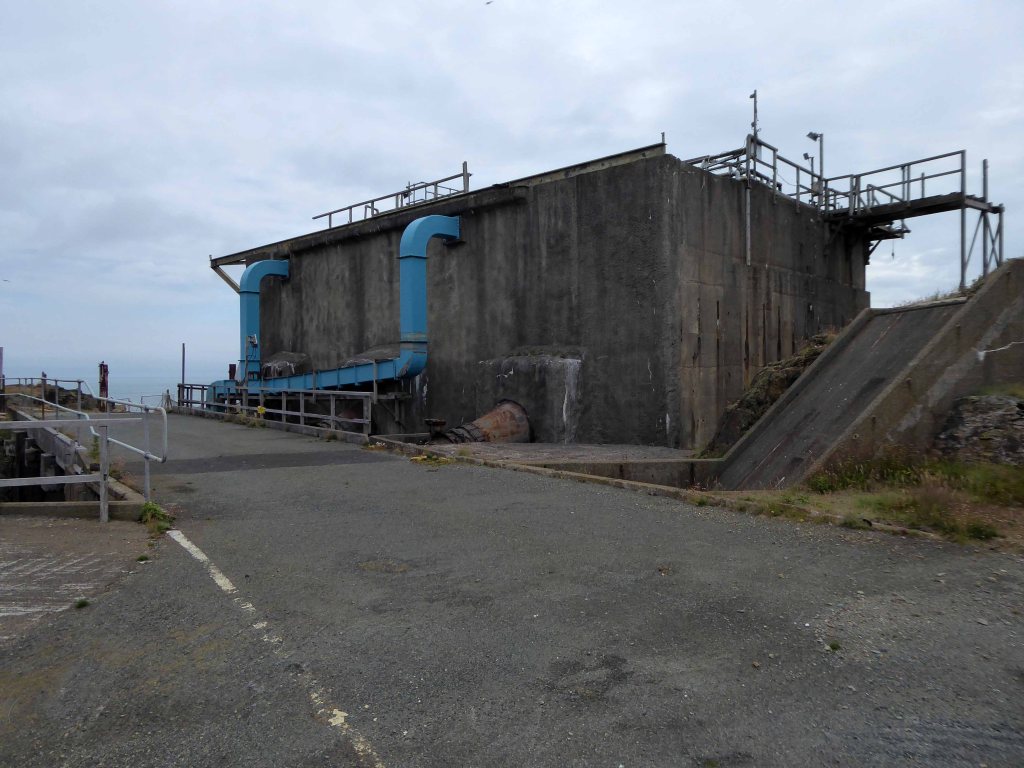
Now let’s turn our attention toward the epic infrastructure which extracted and pumped seawater.
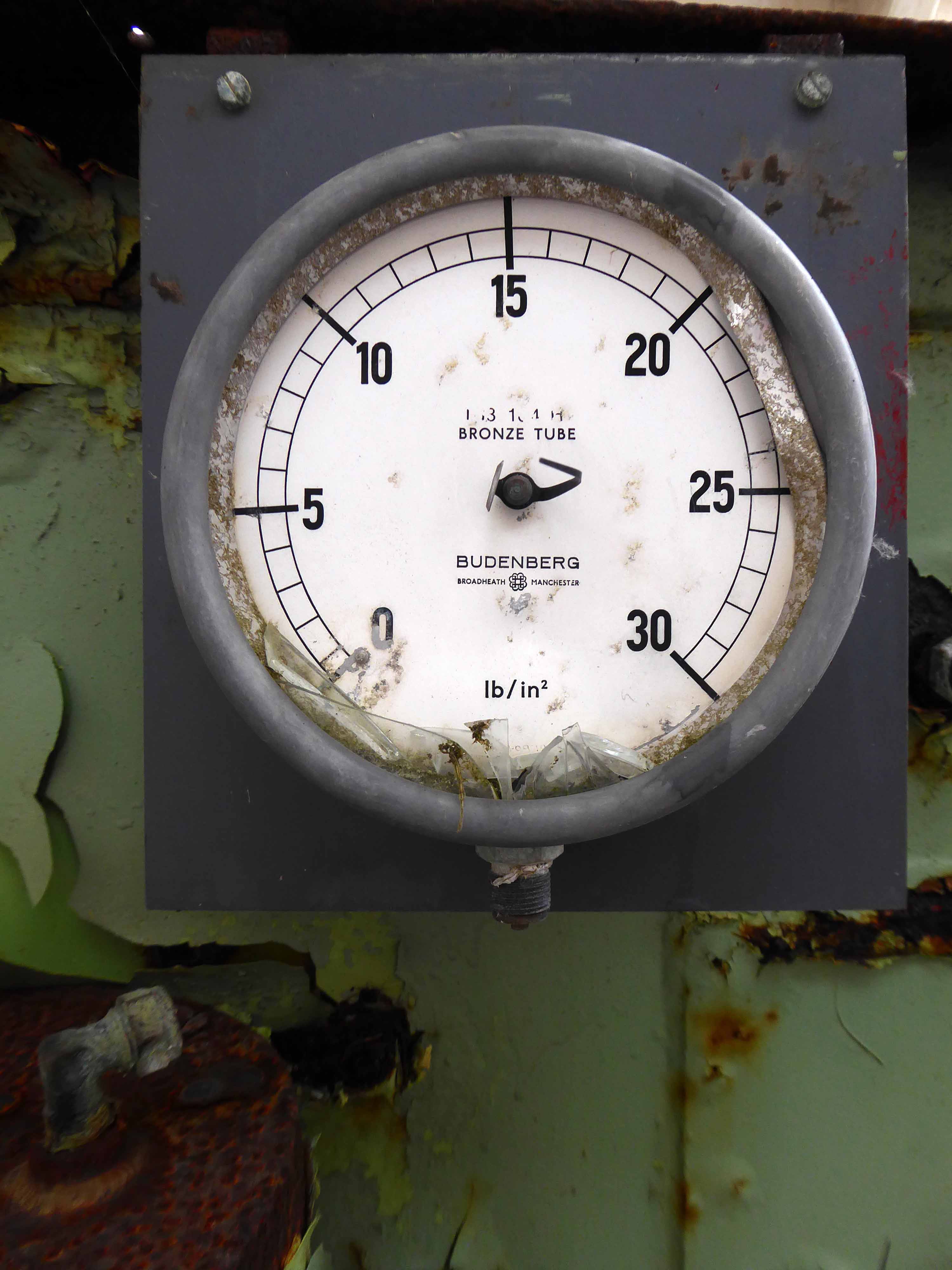
Sea water is sucked in and then lifted 50ft into sea water ponds by huge pumps where any debris is removed. It is then passed to the seawater main where chlorine and dilute sulphuric acid are added which releases the bromine. It is literally blown out of the water. This water is passed into the top of a tower where it drops over 20ft through the packed section of the tower. There it is met by currents of air travelling upwards. Where it meets these air currents the bromine gets stripped out the water, which is returned to the sea. Whilst the wet bromine laden air passes from the top of the tower to be treated with sulphur dioxide and water. This produces mists of hydrobromic and sulphuric acids.
This mist passes into an absorber, and the acid coalesces. From here, it blows to a collecting tank. The bromine free air returns to the blowing out tower and the cycle begins again. The acidic product is referred to as primary acid liquor. This is now pumped to the steaming out tower. It enters the top and is treated with chlorine and steam, which releases the bromine as vapour. It is then condensed to a liquid. The bulk of bromine goes to dibromoethane, whilst the remainder is sold or used to make other intermediates.
It takes about 22,000 tonnes of seawater to produce 1 tonne of bromine. Every minute 300,000 gallons of seawater are drawn in.
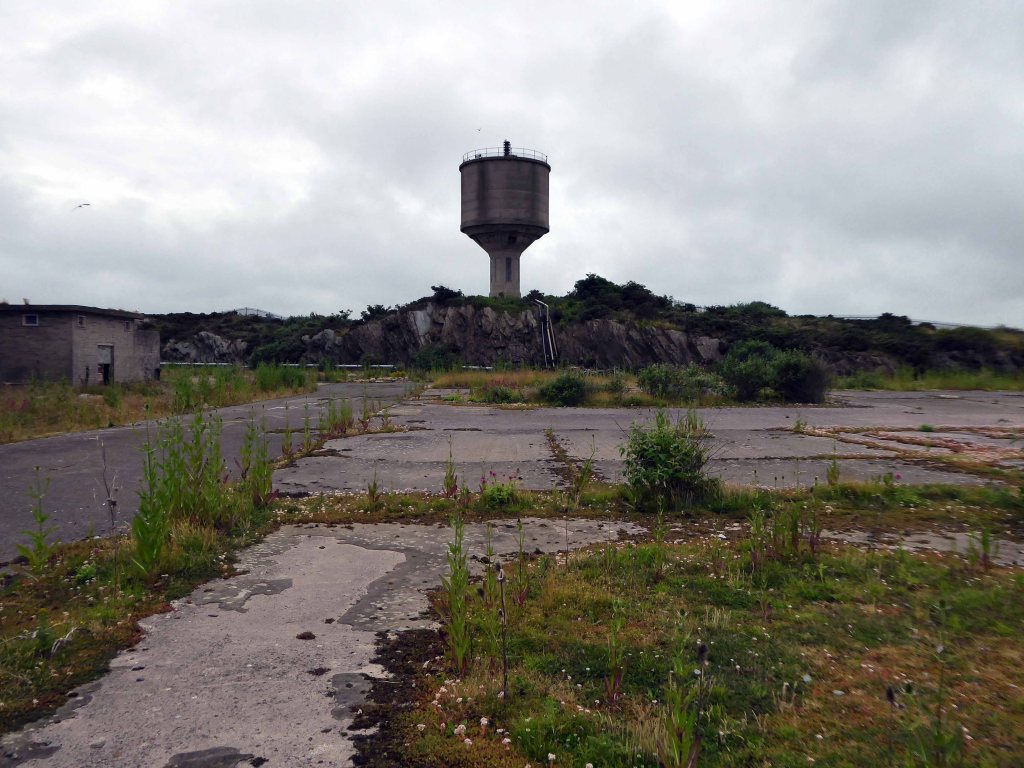
This now redundant technology has left a legacy of industrial dereliction amongst the ancient Pre-Cambrian rocks and sylvan seas of the Anglesey Coast.
This is a landscape which induces fear and fascination in equal measure.
Whatever is fitted in any sort to excite the ideas of pain, and danger, that is to say, whatever is in any sort terrible, or is conversant about terrible objects, or operates in a manner analogous to terror, is a source of the sublime; that is, it is productive of the strongest emotion which the mind is capable of feeling.
Amlwch has been the centre of the world’s copper industry, a coastal town on Anglesey with a long history of trade, the coming and going of goods.
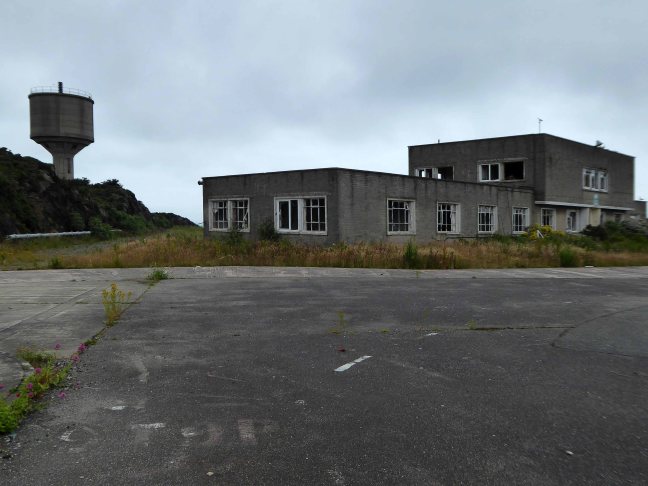
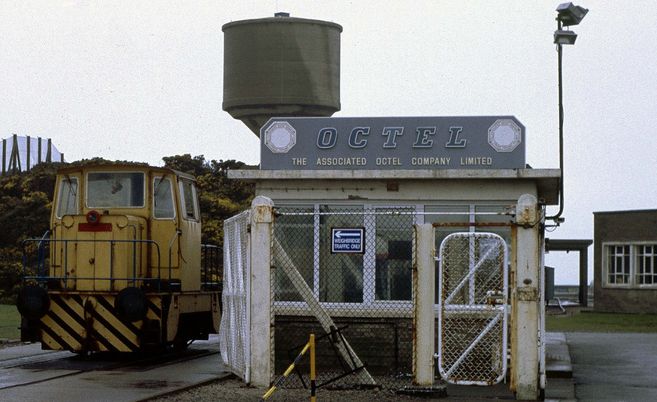
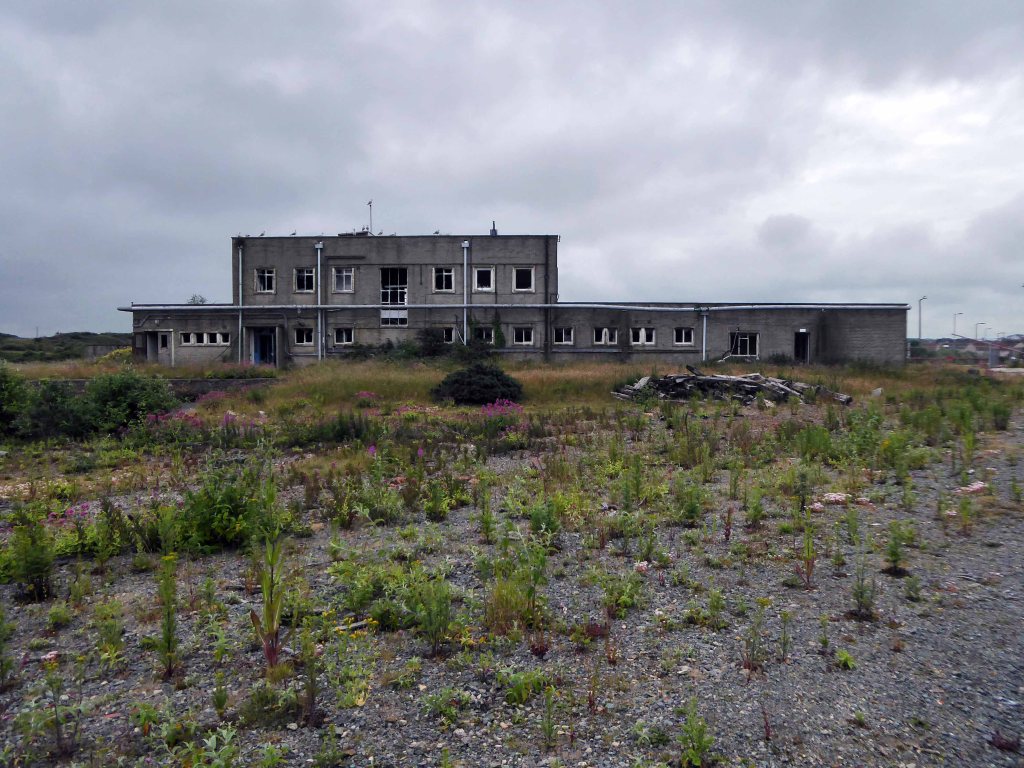
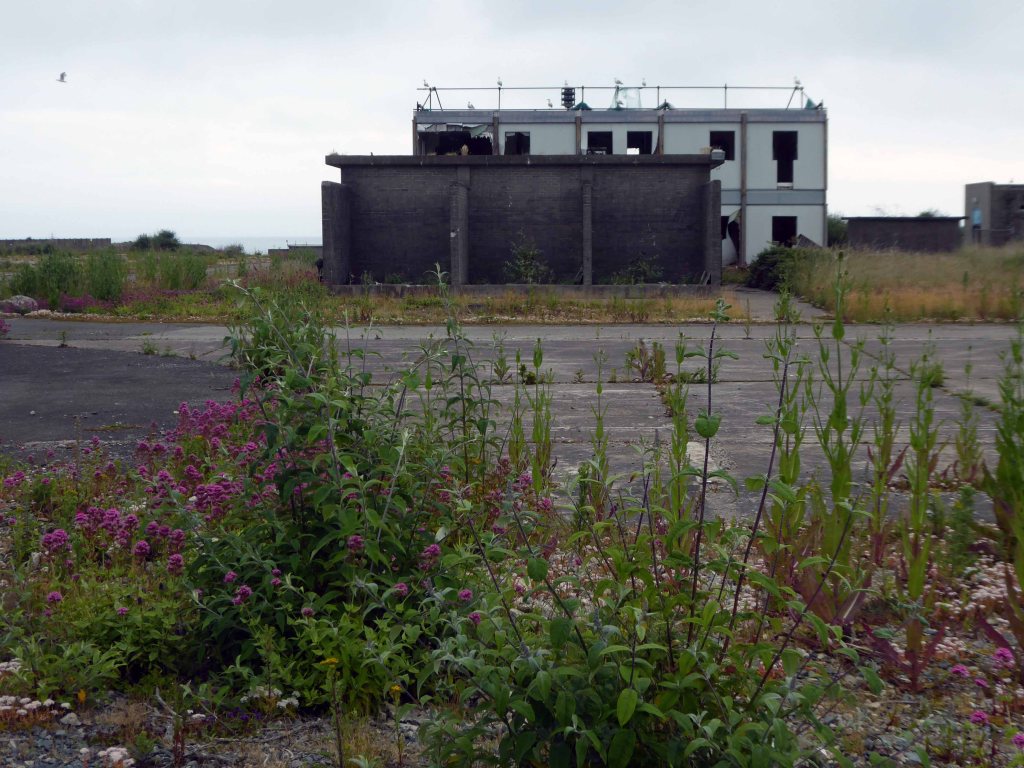
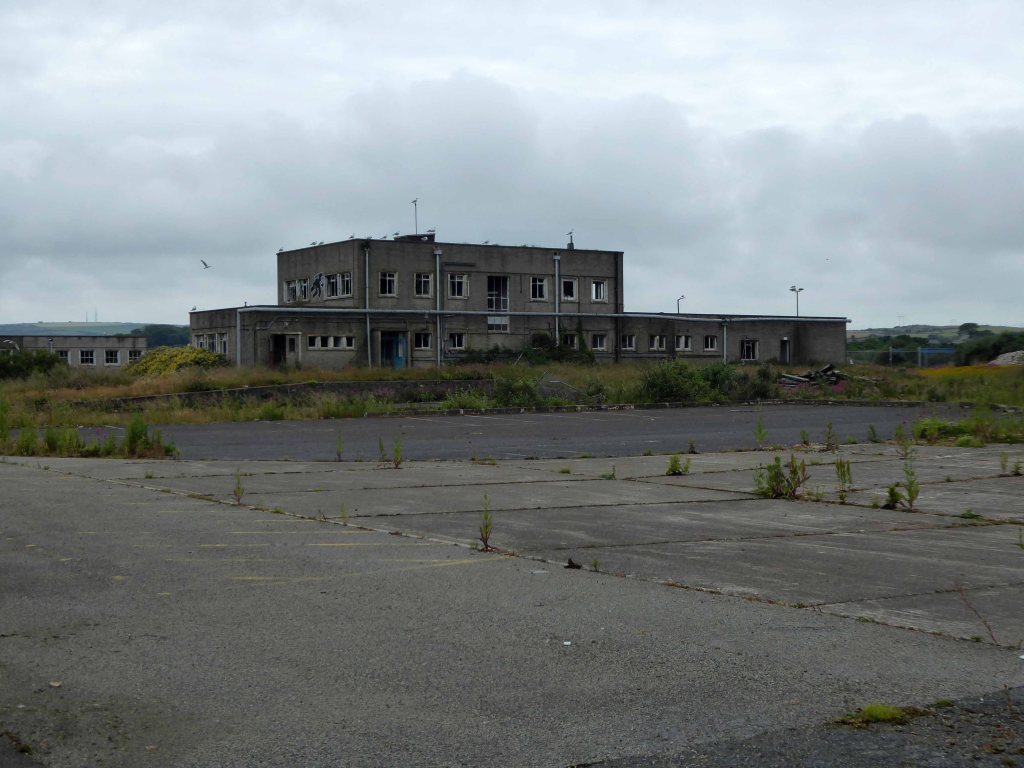
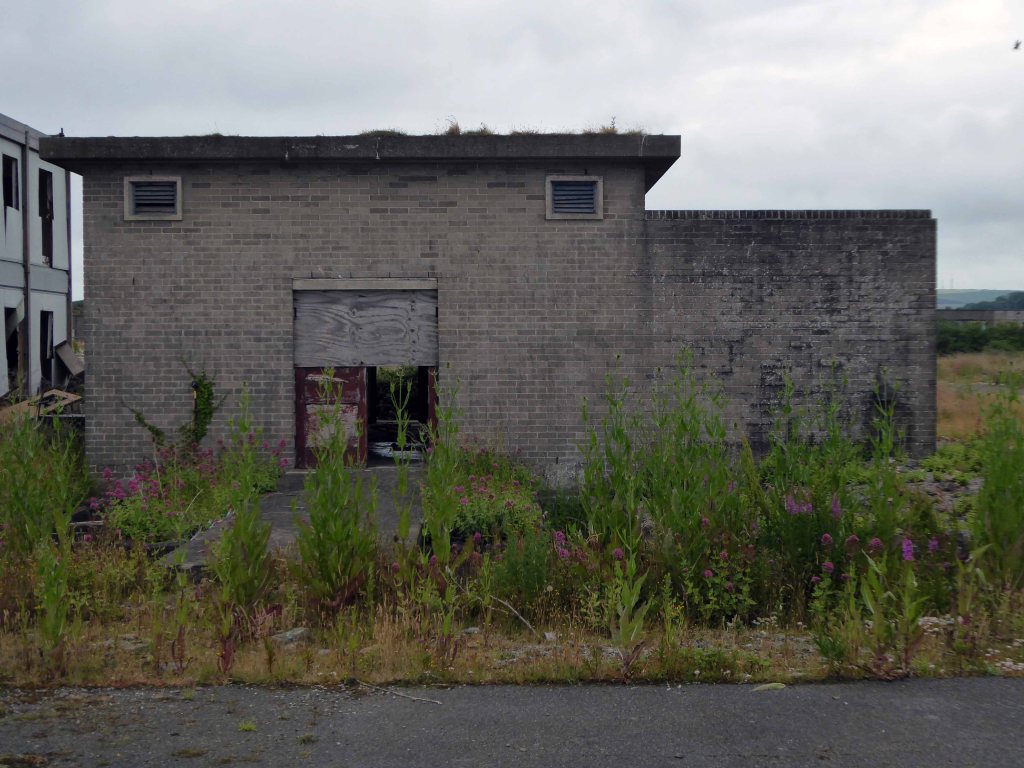
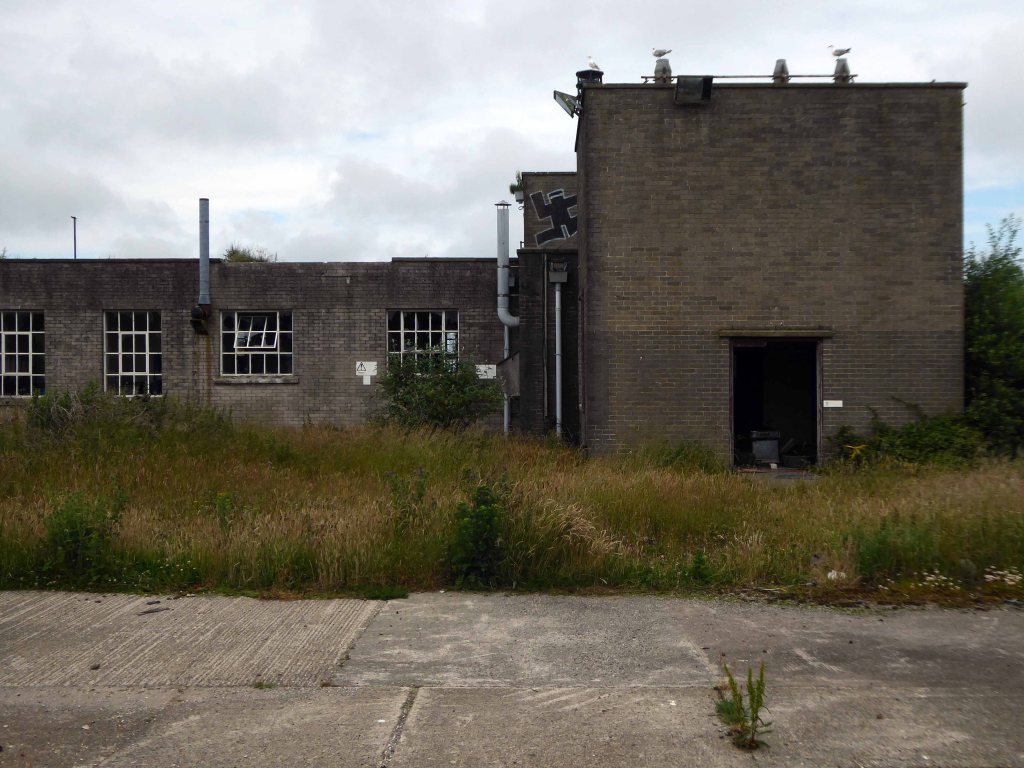
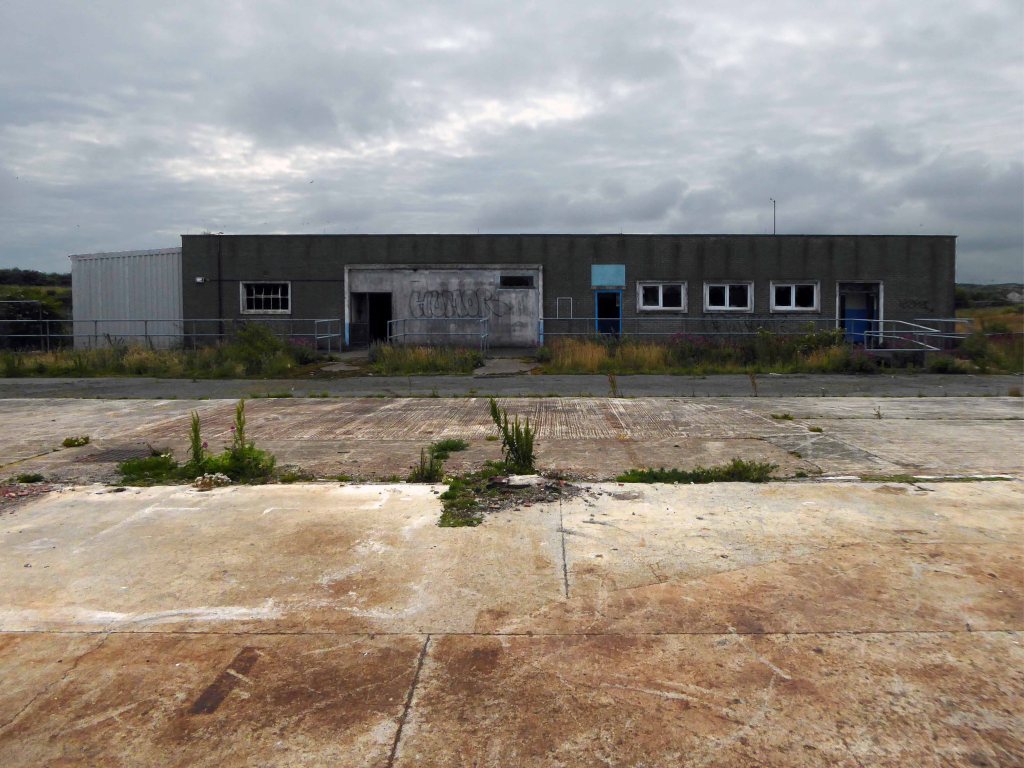
Once the site of a processing plant extracting bromine from sea water.
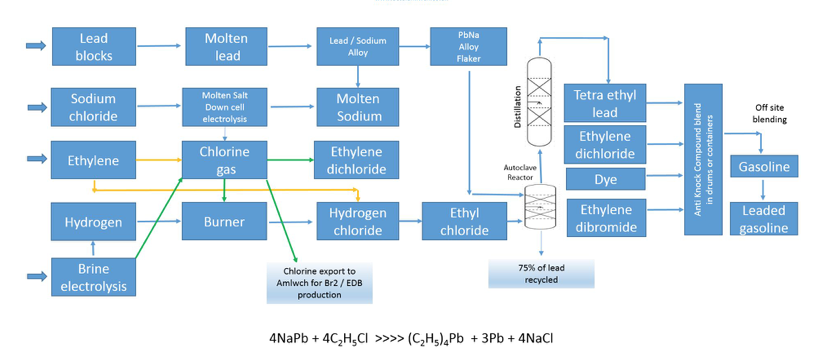
The Associated Octel factory was built to extract bromine from seawater and turn it into an additive for petrol engines. At the time, petrol used in road vehicles contained lead. Engine knocking was a common problem, when the mixture of air and fuel didn’t burn efficiently with each detonation. This could damage engine cylinders over time. The additive produced here reduced knocking and improved engine efficiency.
As the health effects of lead in vehicle exhaust gases became better understood, unleaded petrol was developed. It was introduced to UK filling stations in the 1980s, and leaded petrol was later phased out. As demand for anti-knock additive reduced, the Octel factory diversified into other bromine products and was taken over by Great Lakes Chemical Corporation. In 2003, the corporation decided to close the works with the loss of more than 100 jobs.
A detailed history of the site can be found here at Octel Amlwch.
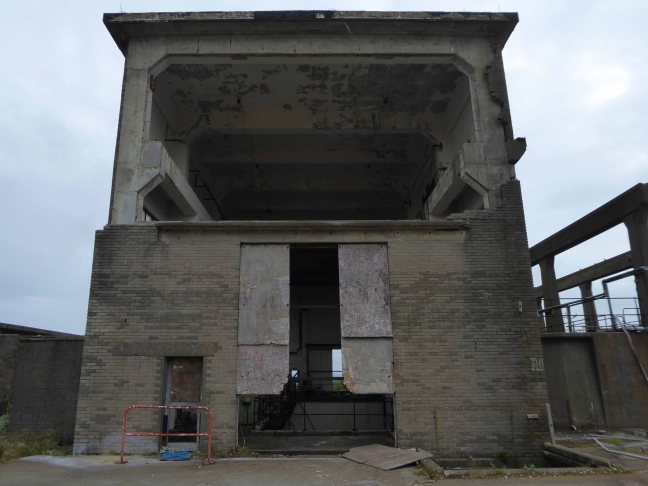
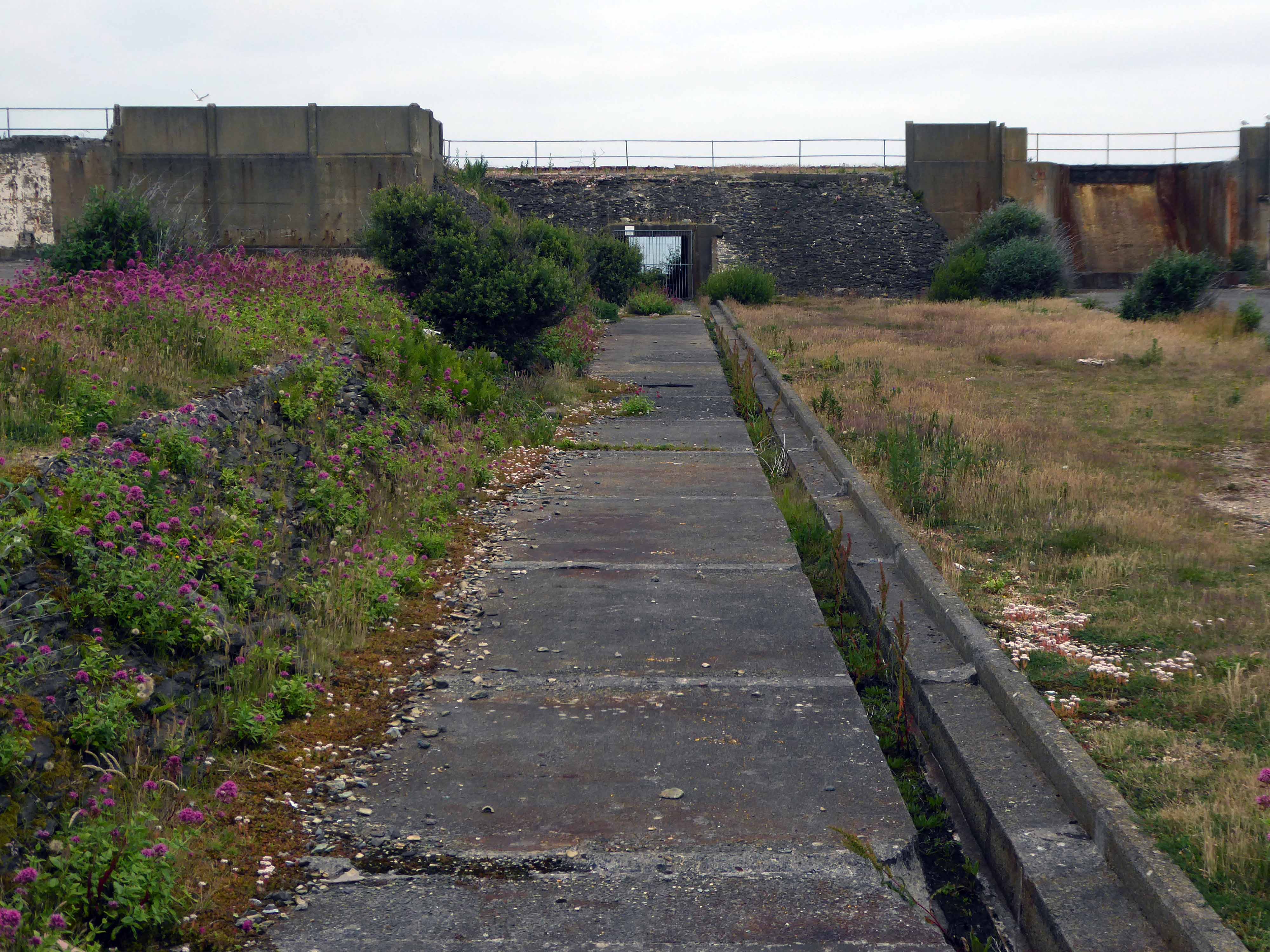
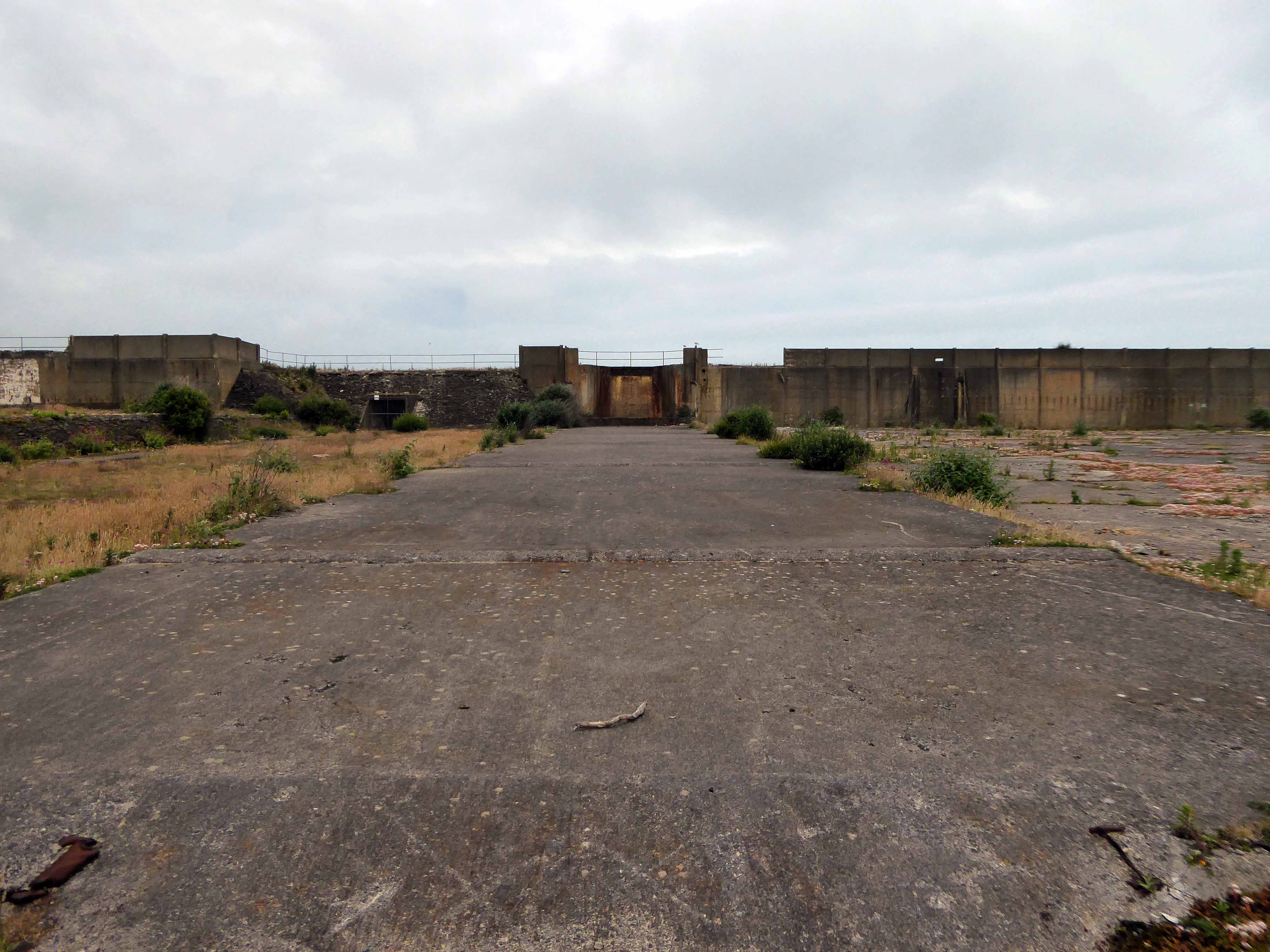
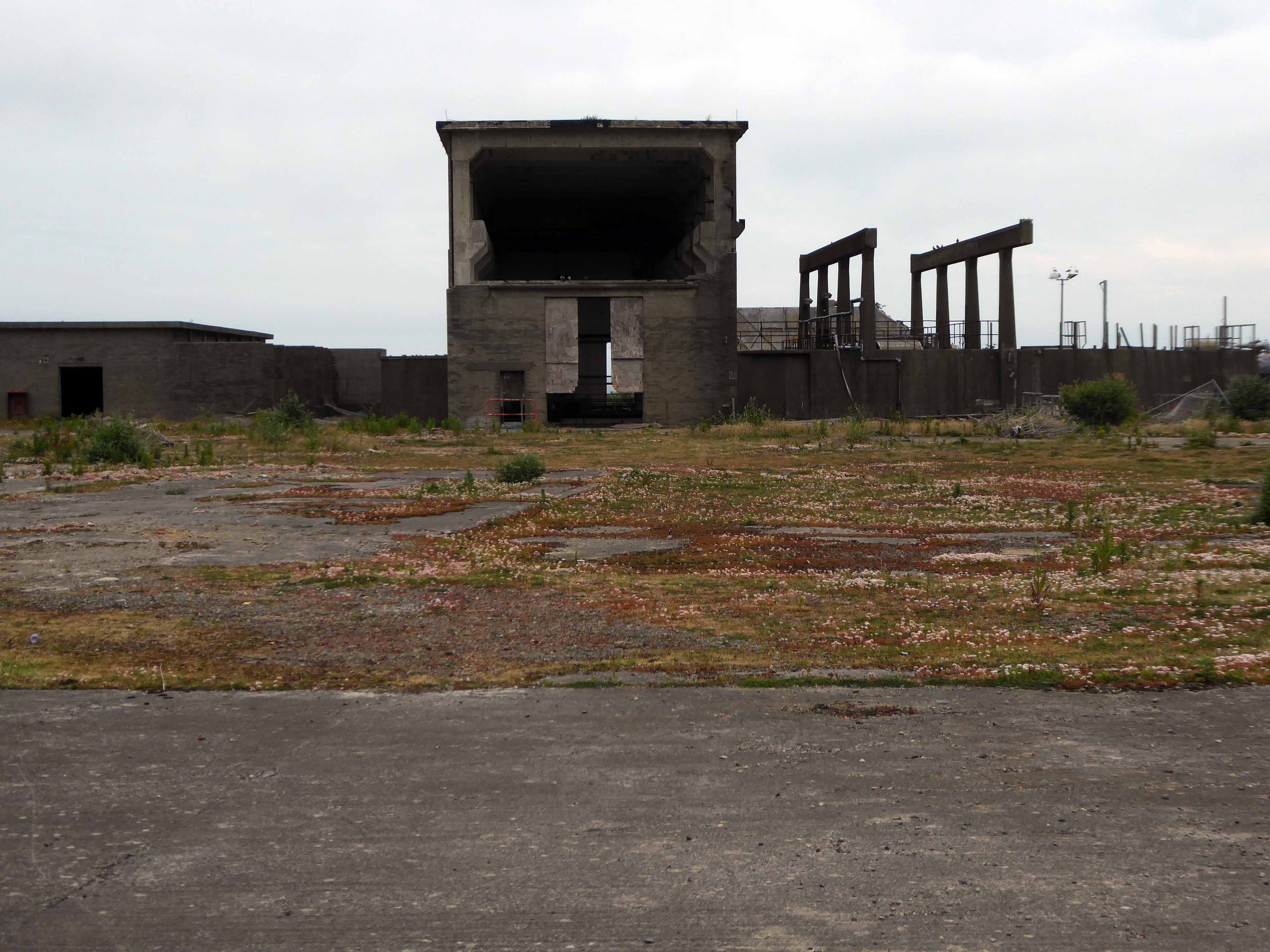
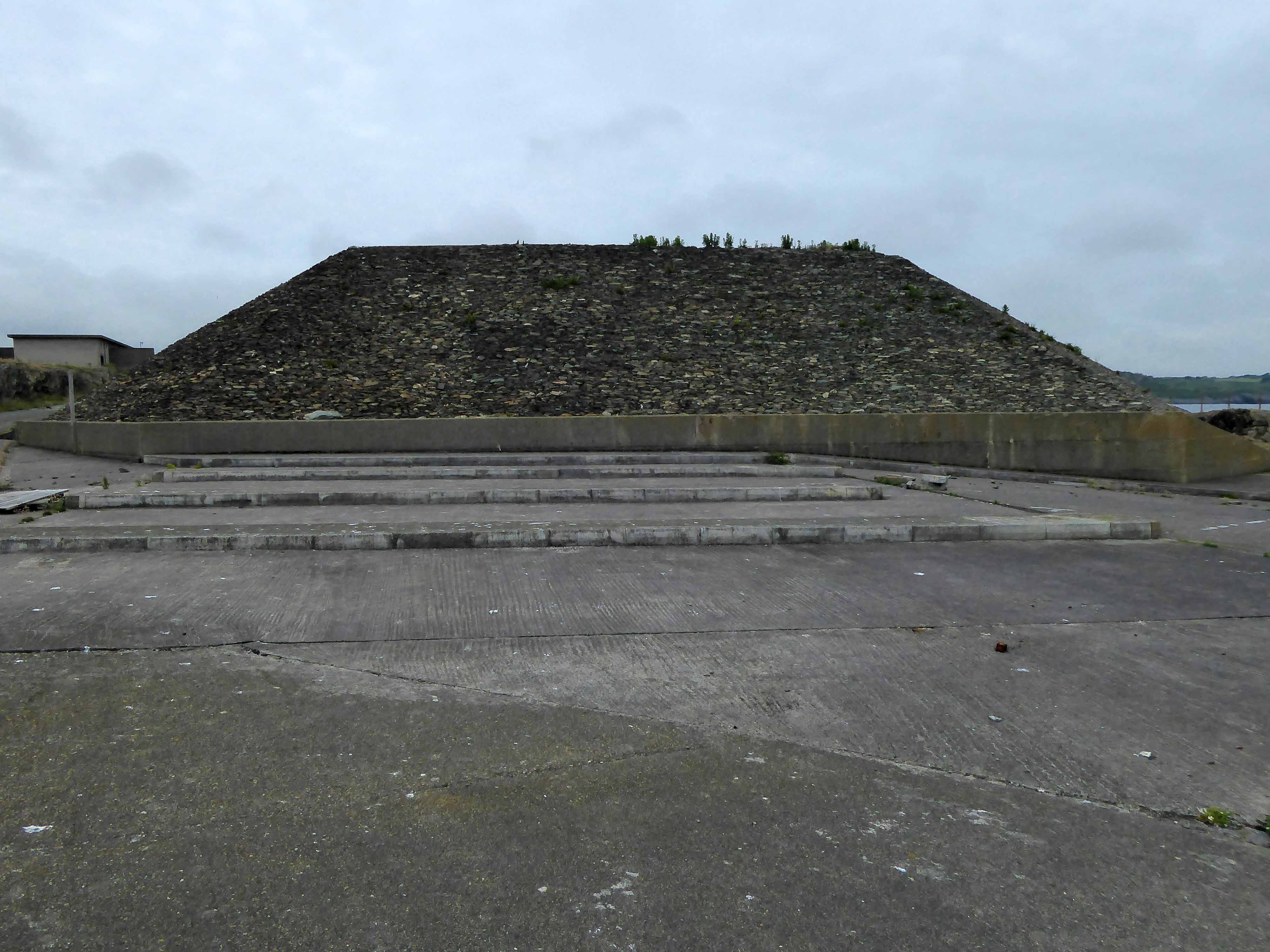
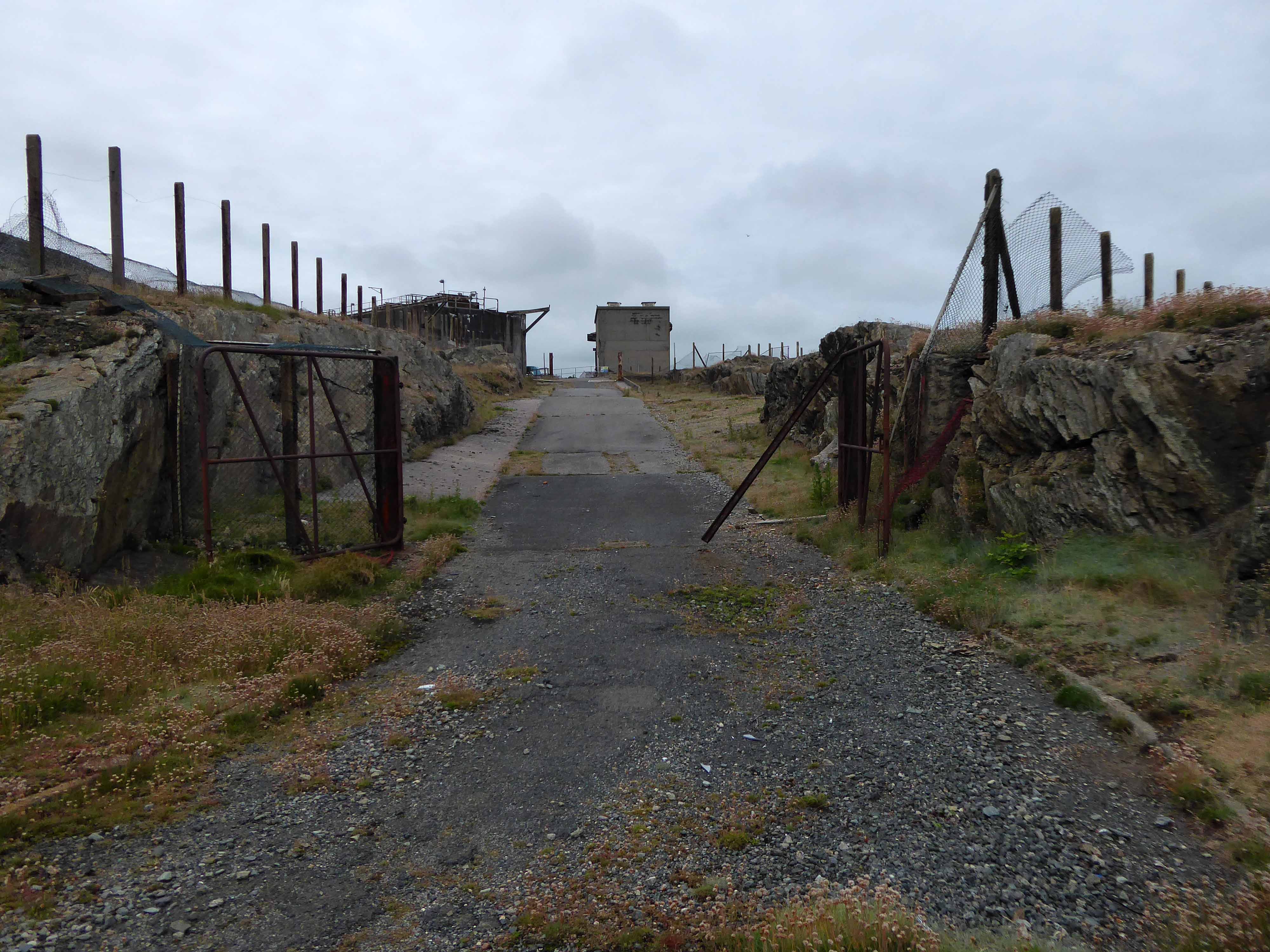
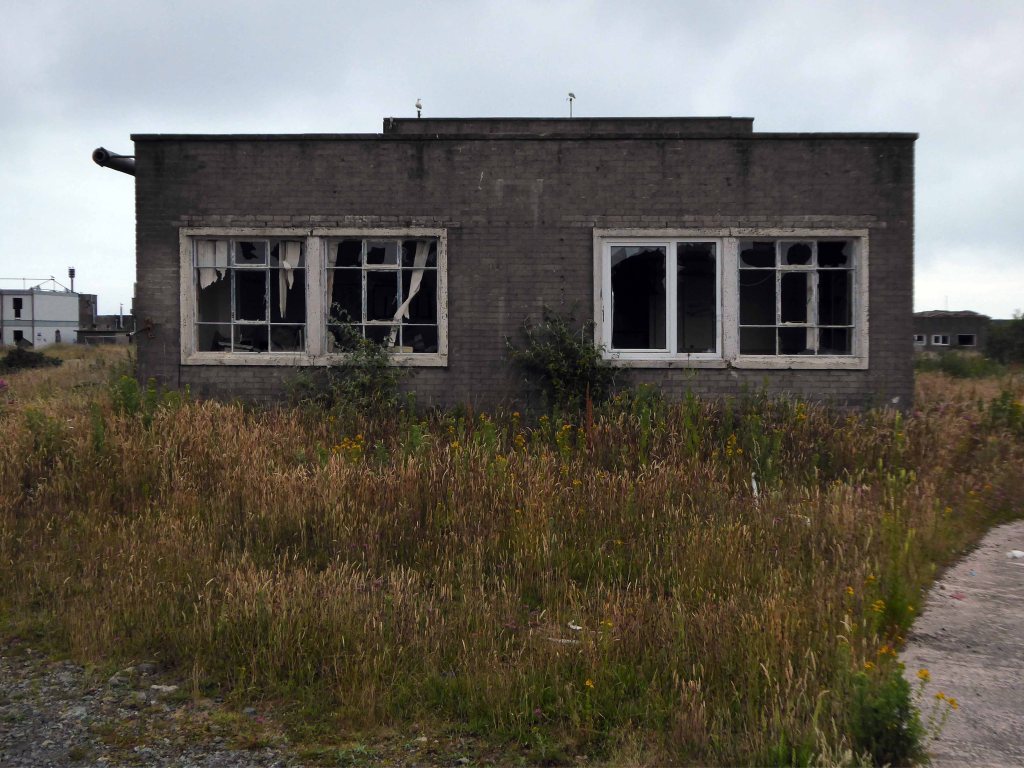
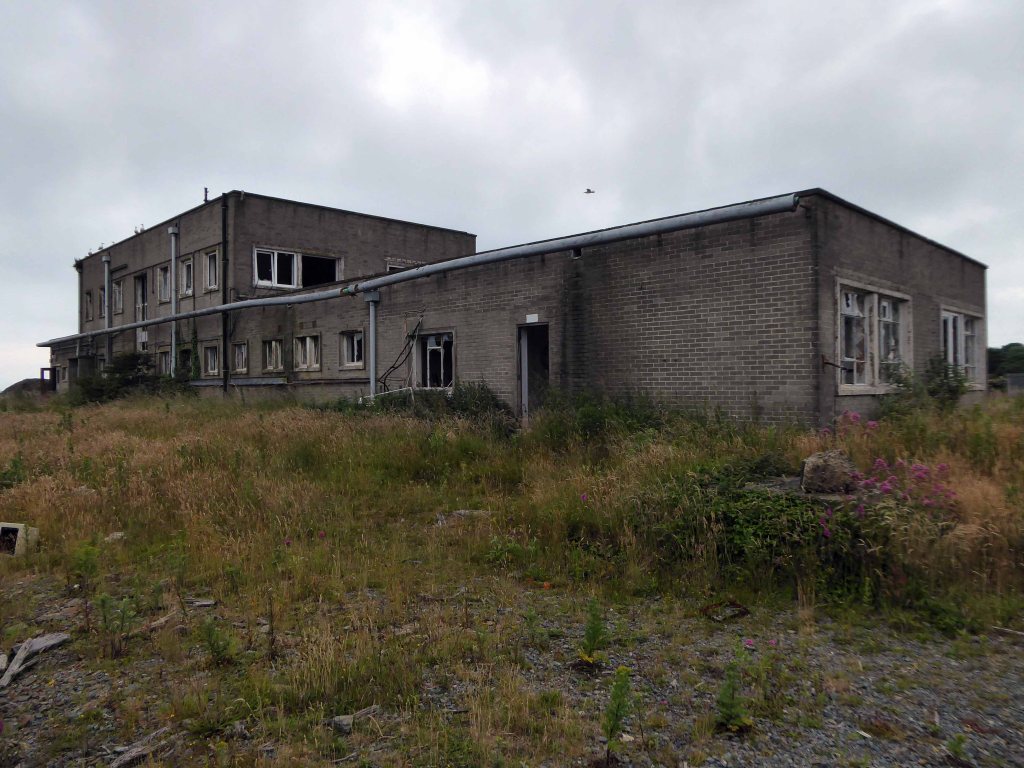
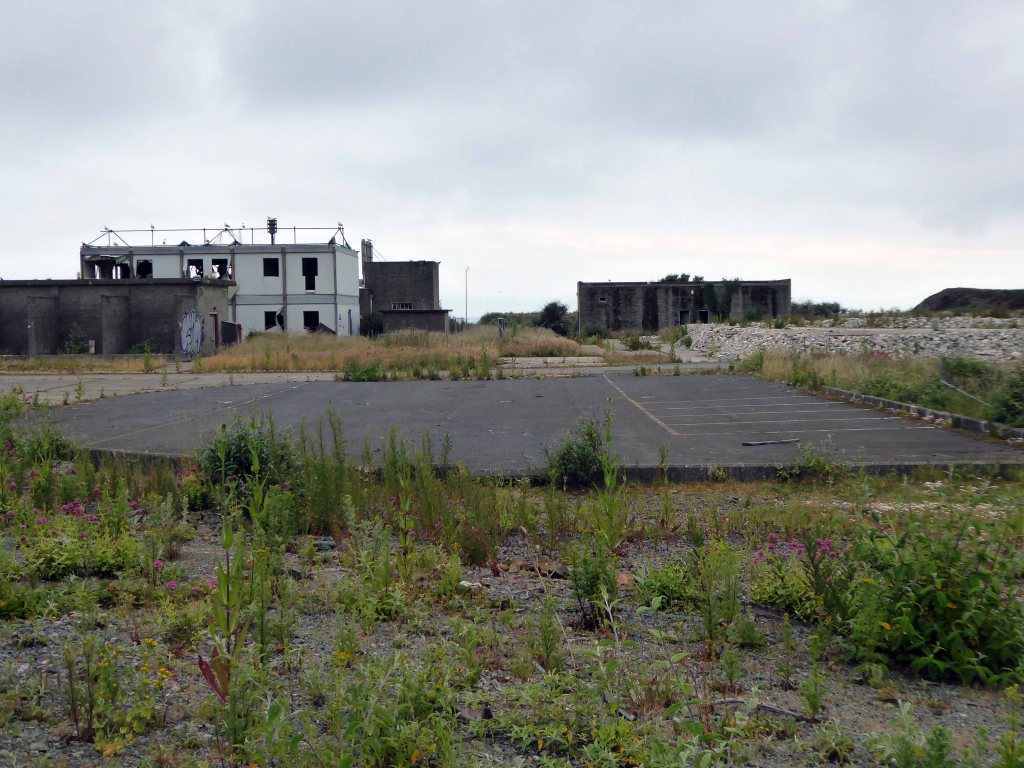
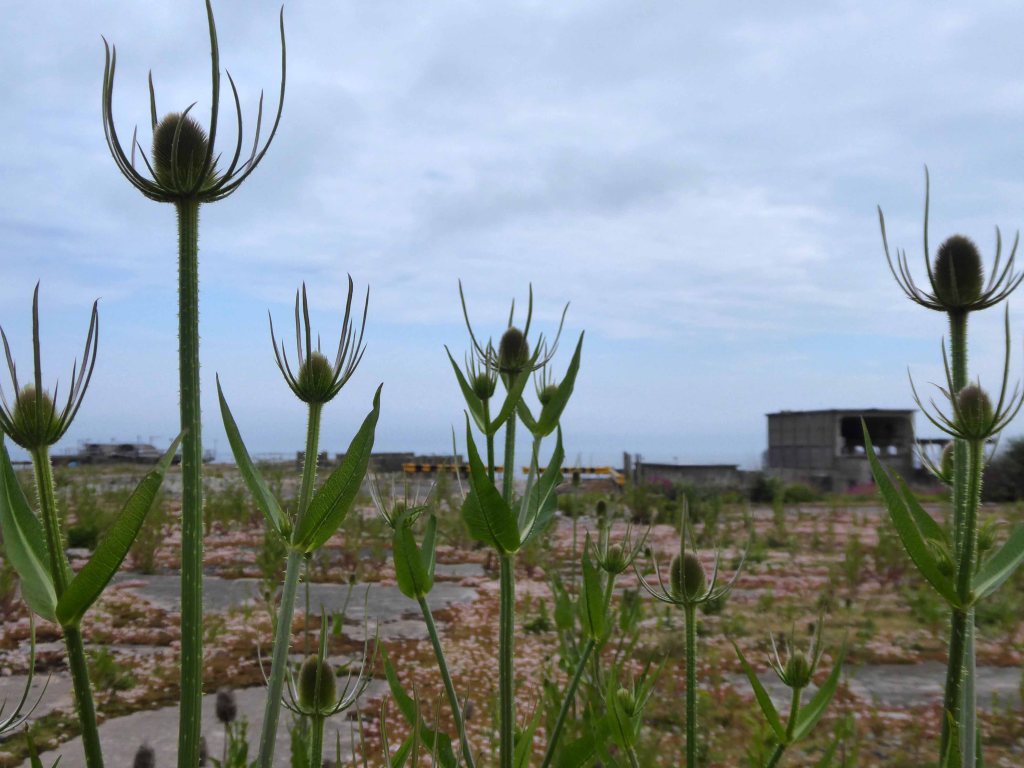
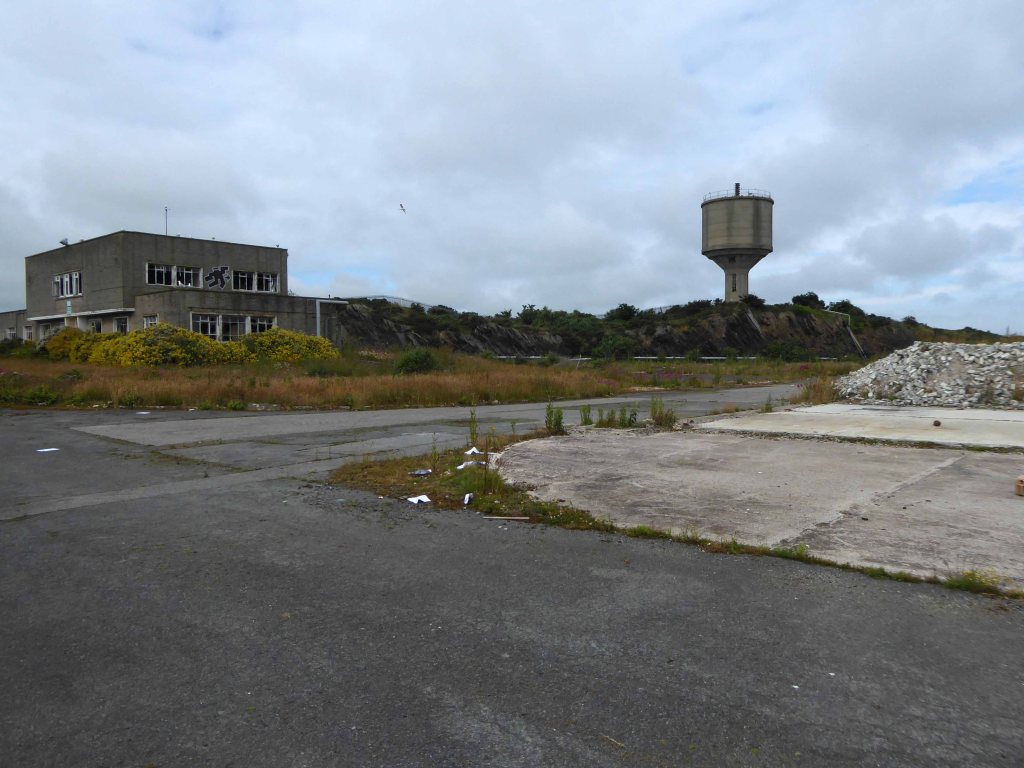
The site has been subject to arson attacks and partial demolition, the extant buildings tagged, tattered and torn.
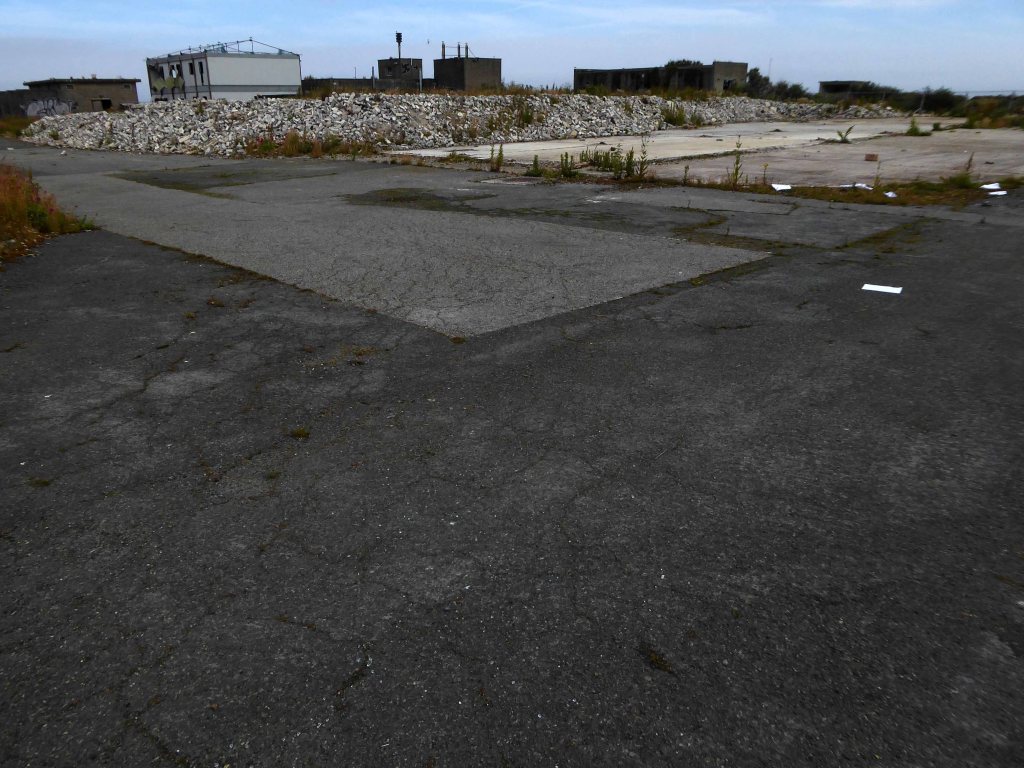
Slowly but surely nature breaks through the tarmac and concrete.
The gate is open, the lights are out, there’s nobody home.
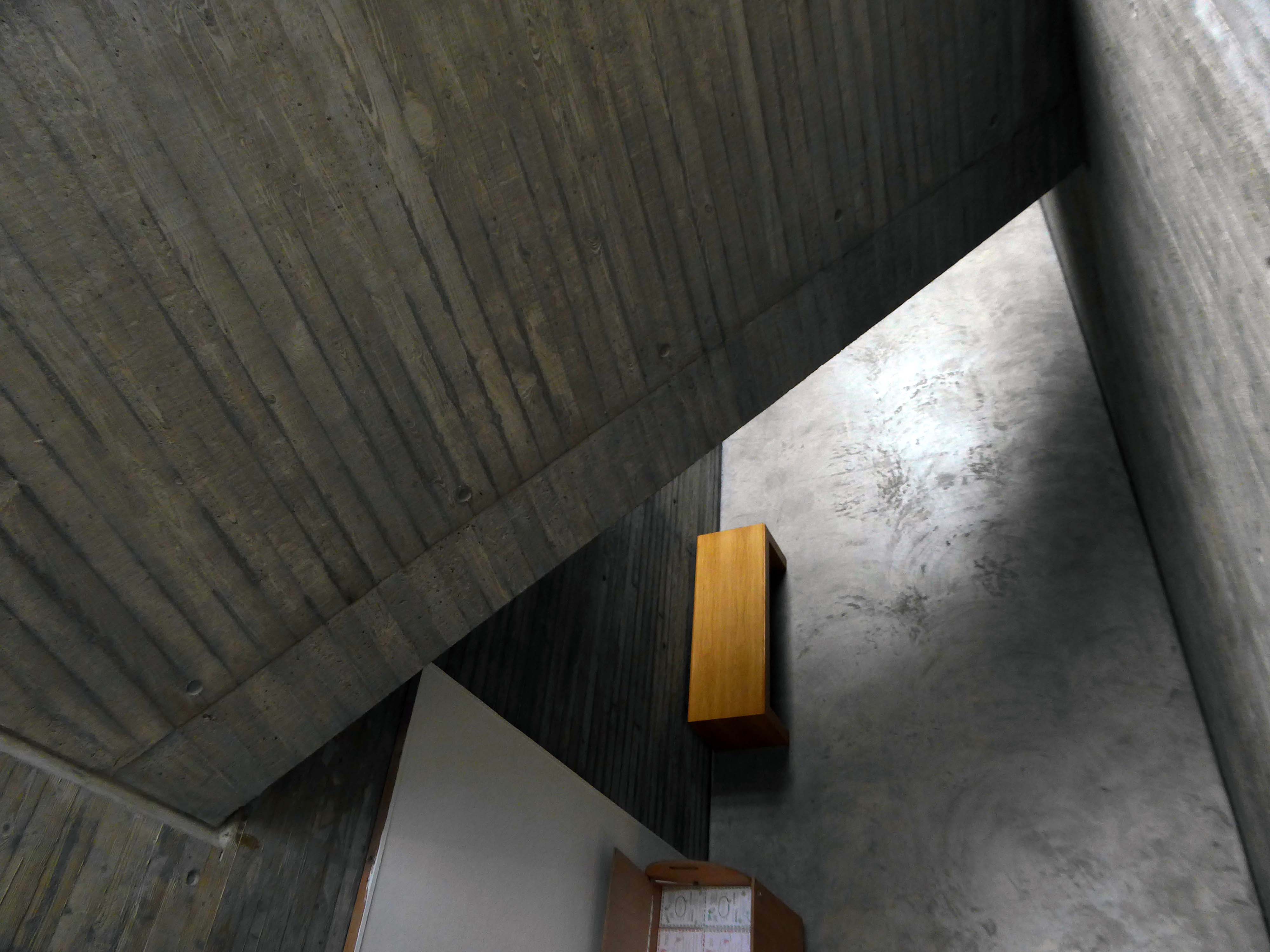
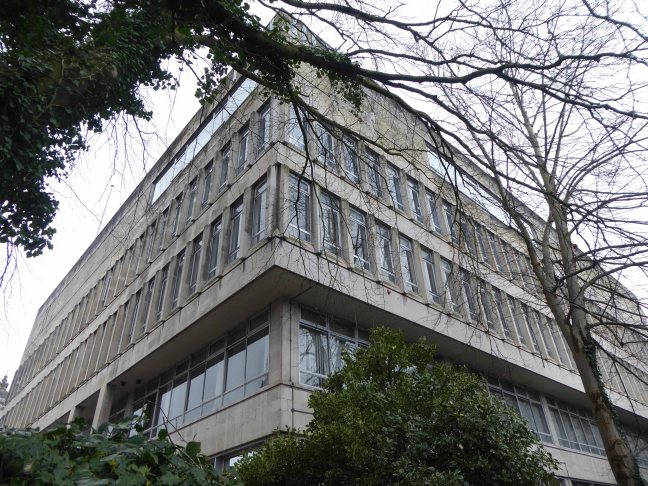
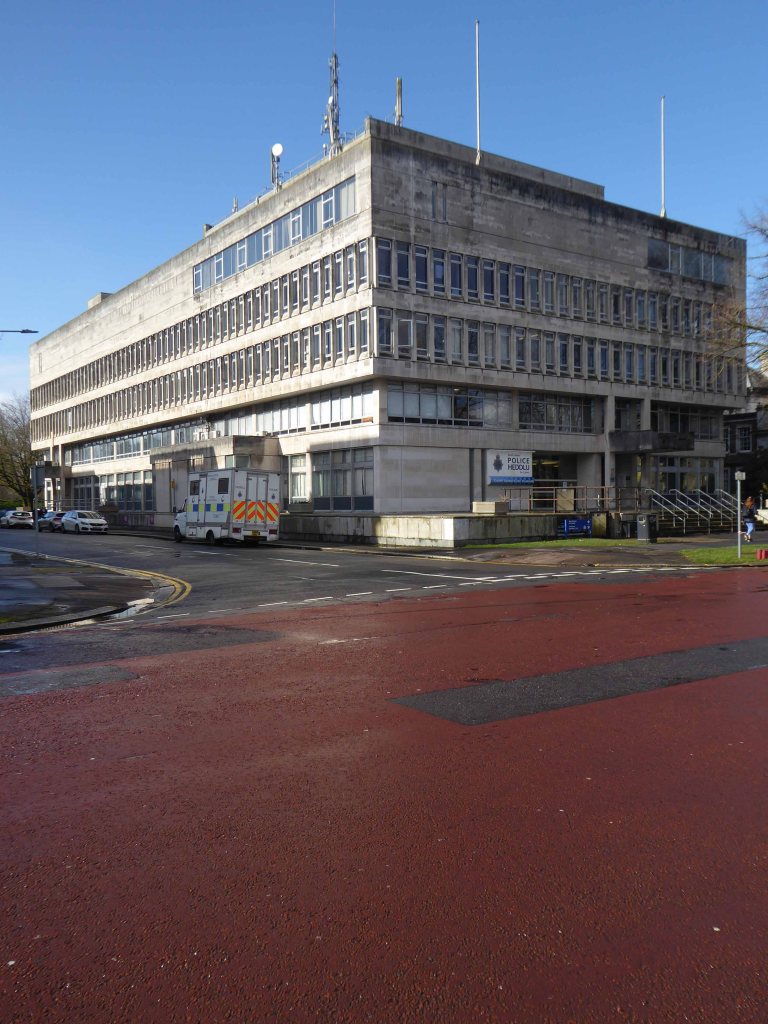
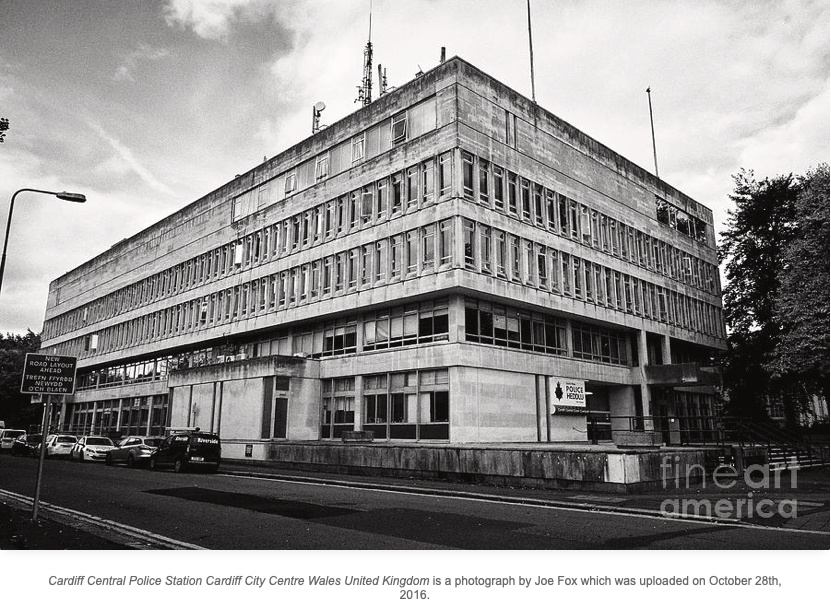
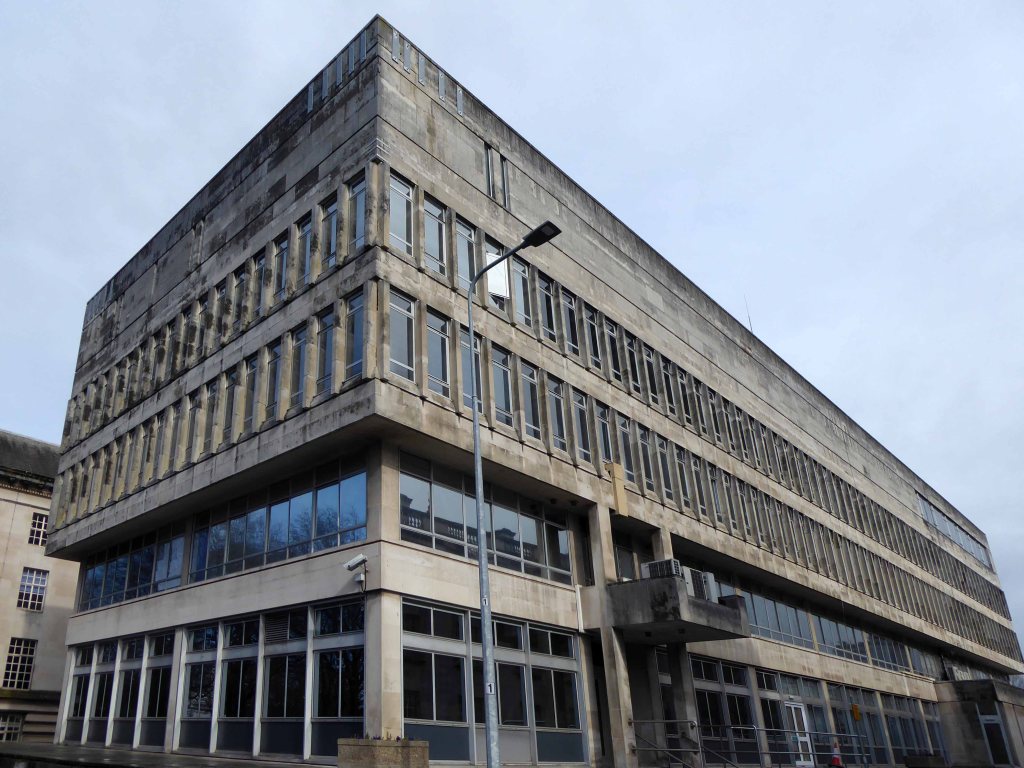
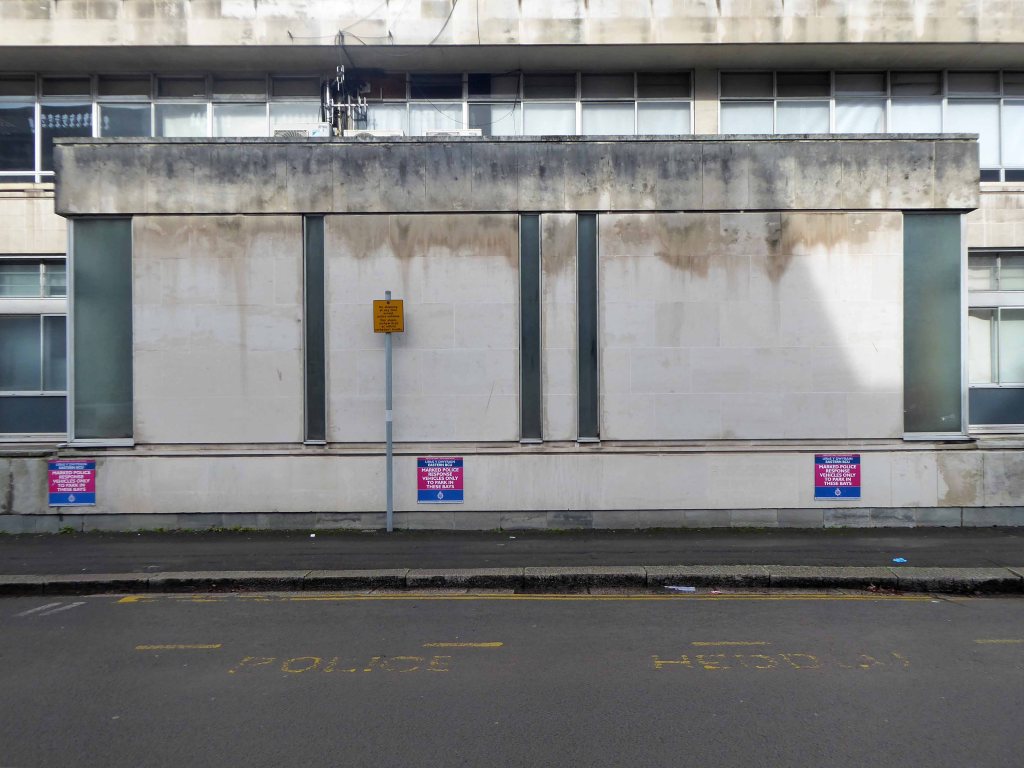
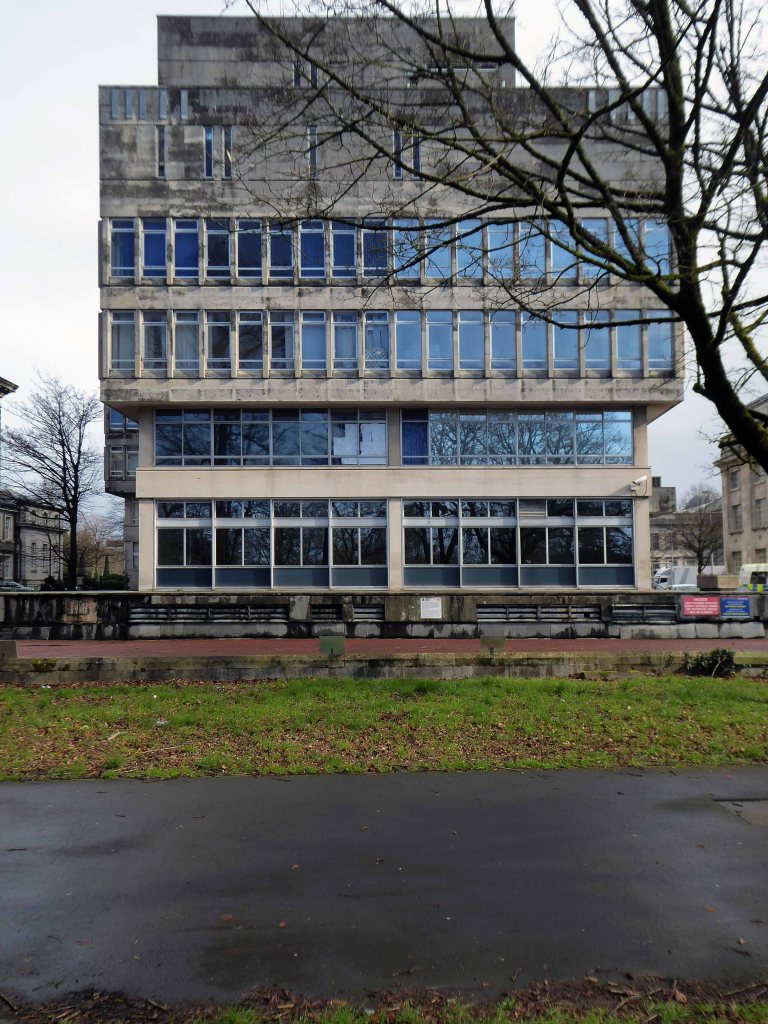
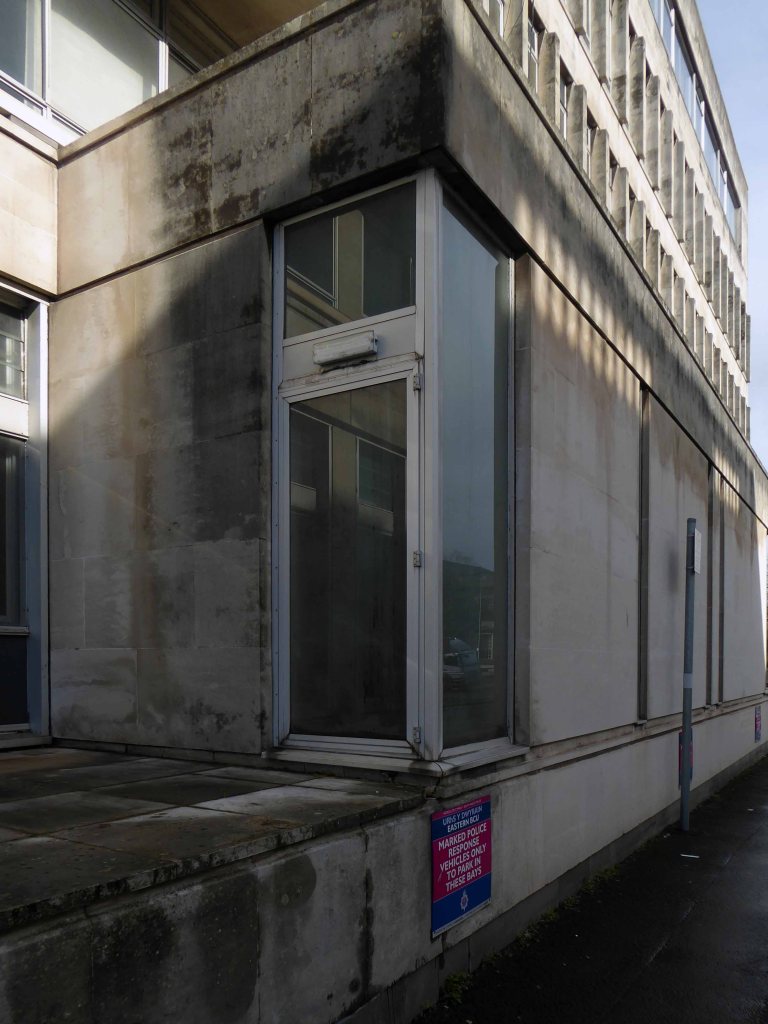
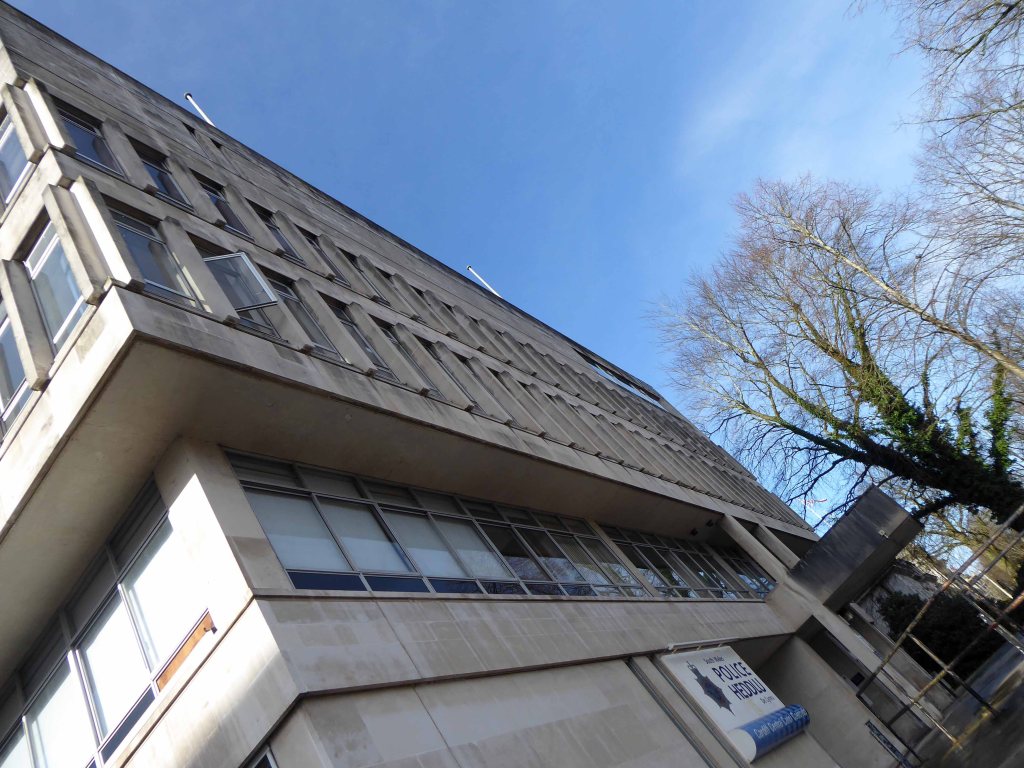
The current five storey Cardiff Central police station was designed by Cardiff’s city architect John Dryburgh and built on the southern corner of Cathays Park between 1966 and 1968. It is described as: The most successful post-war building in Cathays Park and the only post-war building in the area: To be both modern and majestic
The detention facilities at the station were inadequate with only four cells. These were replaced by sixty cells at the new Cardiff Bay police station, which opened in 2009.
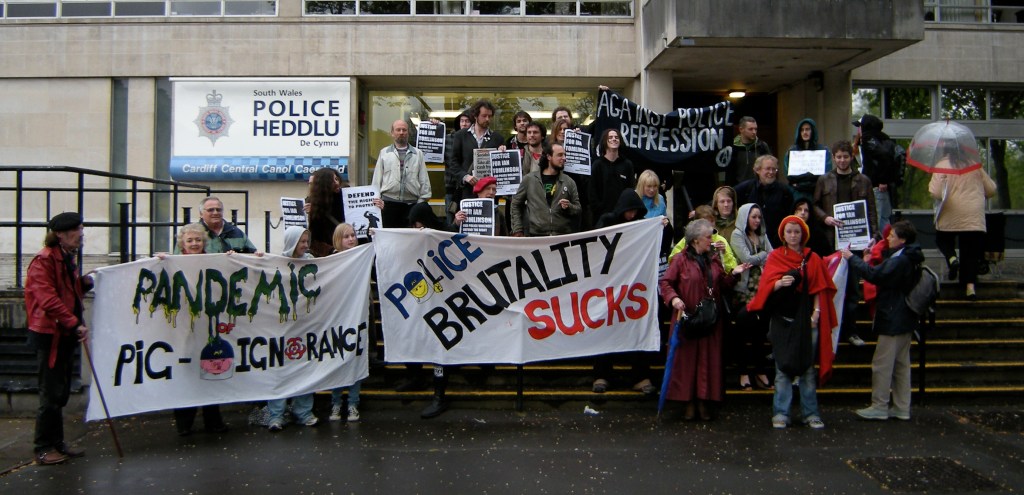
This year’s Mayday protests in Cardiff took place outside Cardiff Central Police Station to show the opposition to the increasing criminalisation of public protest.
No Borders South Wales activists were in attendance to show solidarity with fellow protesters and register our opposition to repressive police tactics at all forms of public demonstrations.
The protest was good natured and lively, with lots of music and singing.
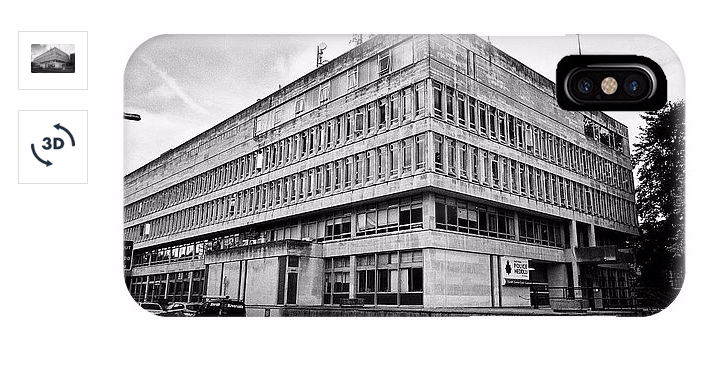
The building is celebrated by photographer Joe Fox via Fine Art America
Who are happy to reproduce the image in the form of this delightful phone case, for the princely sum of twenty two pounds.
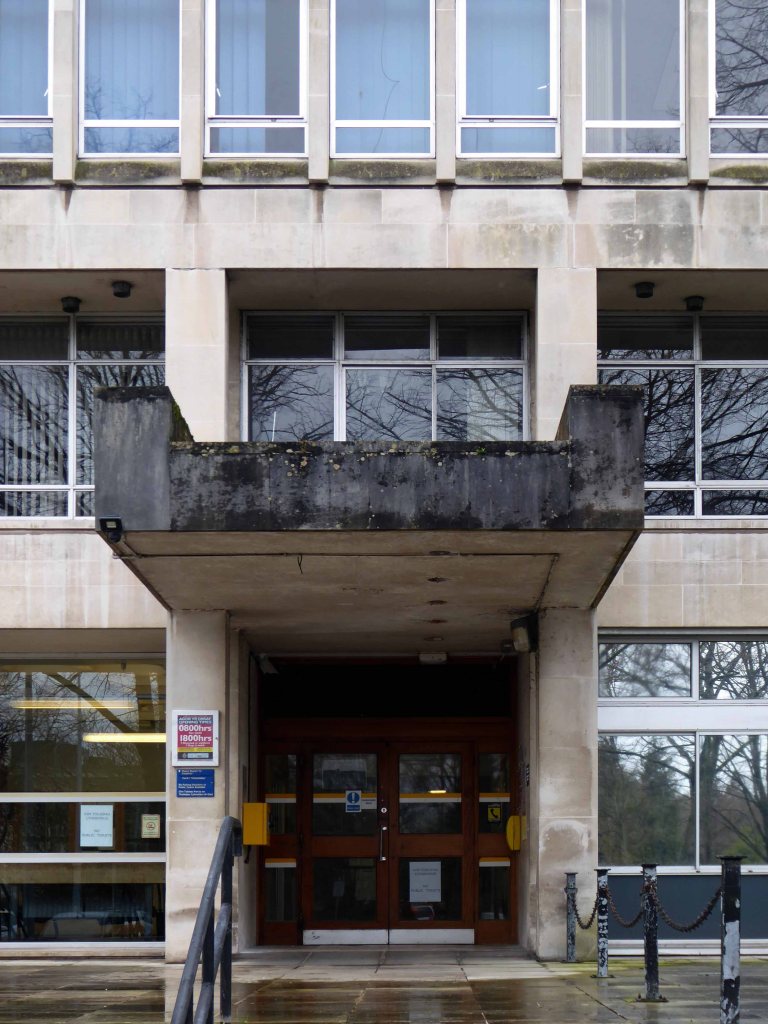
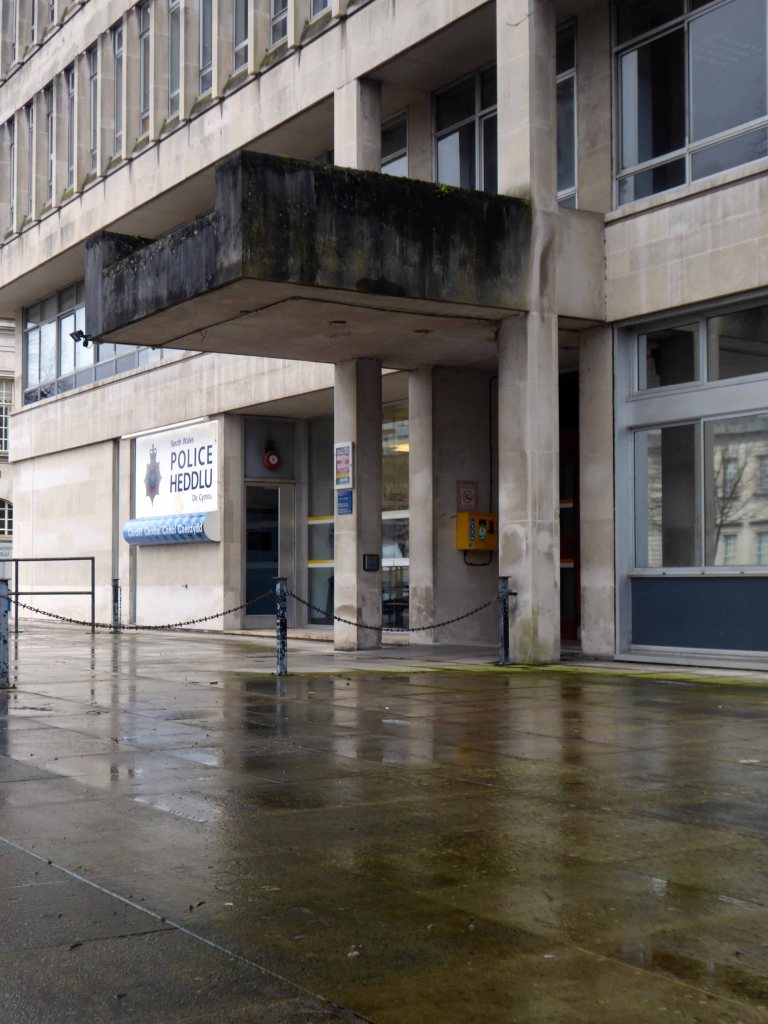
I myself was taken by its unapologetic system built panelling, all-round convivial confidence and cantilevered porch.
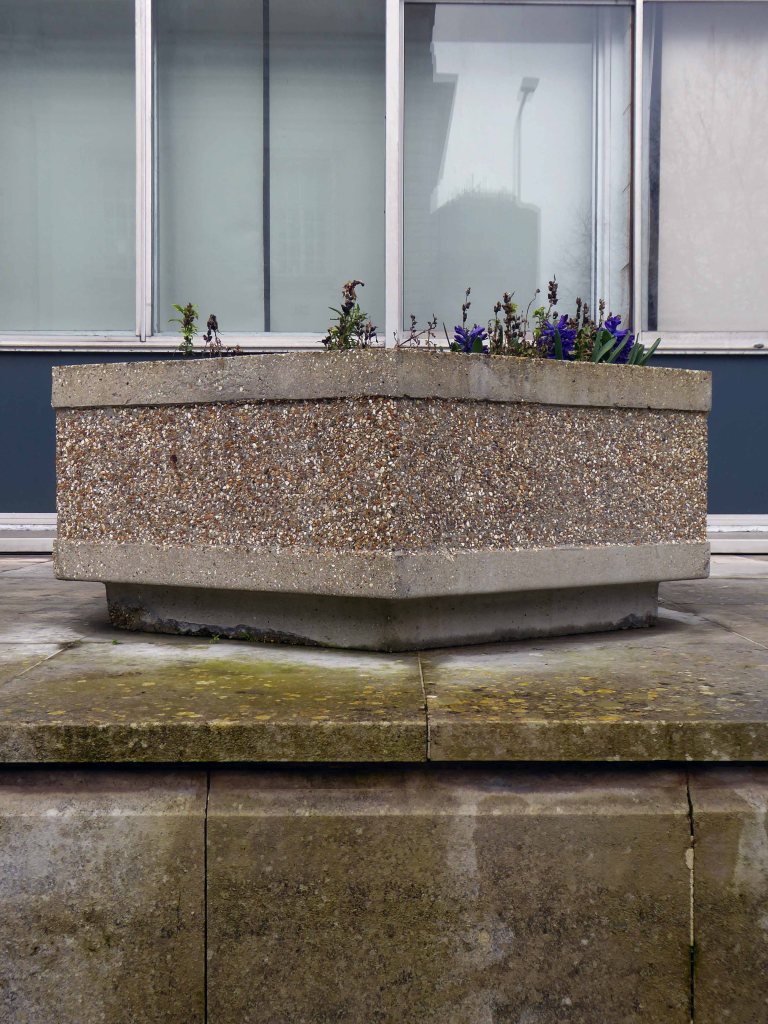
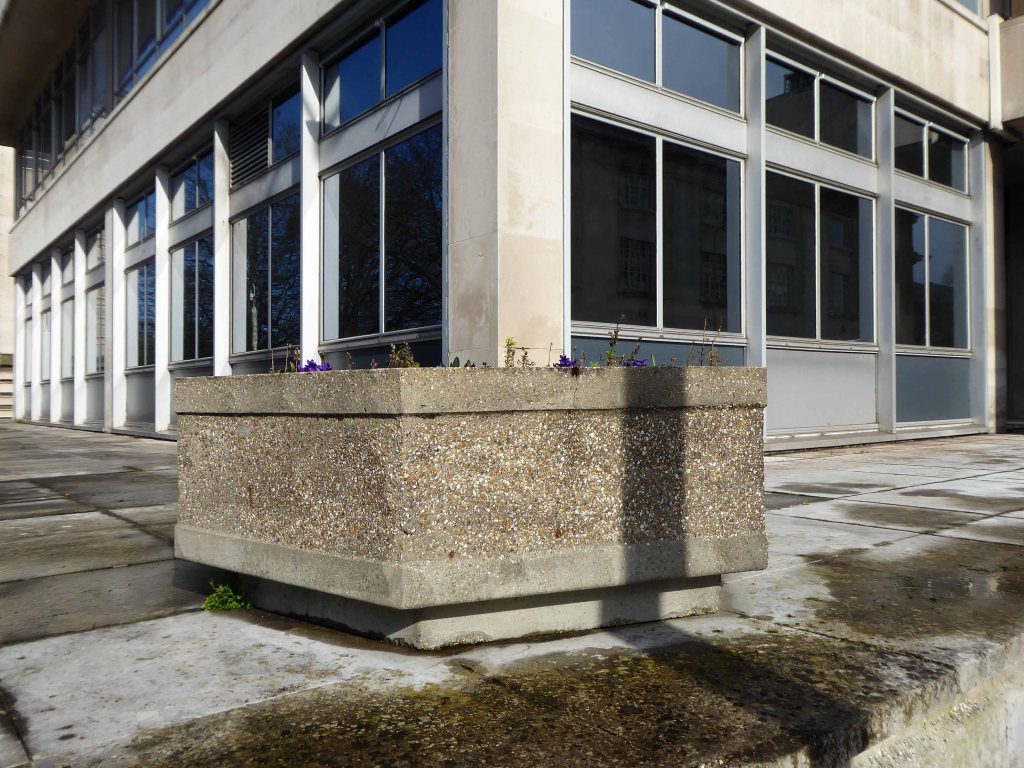
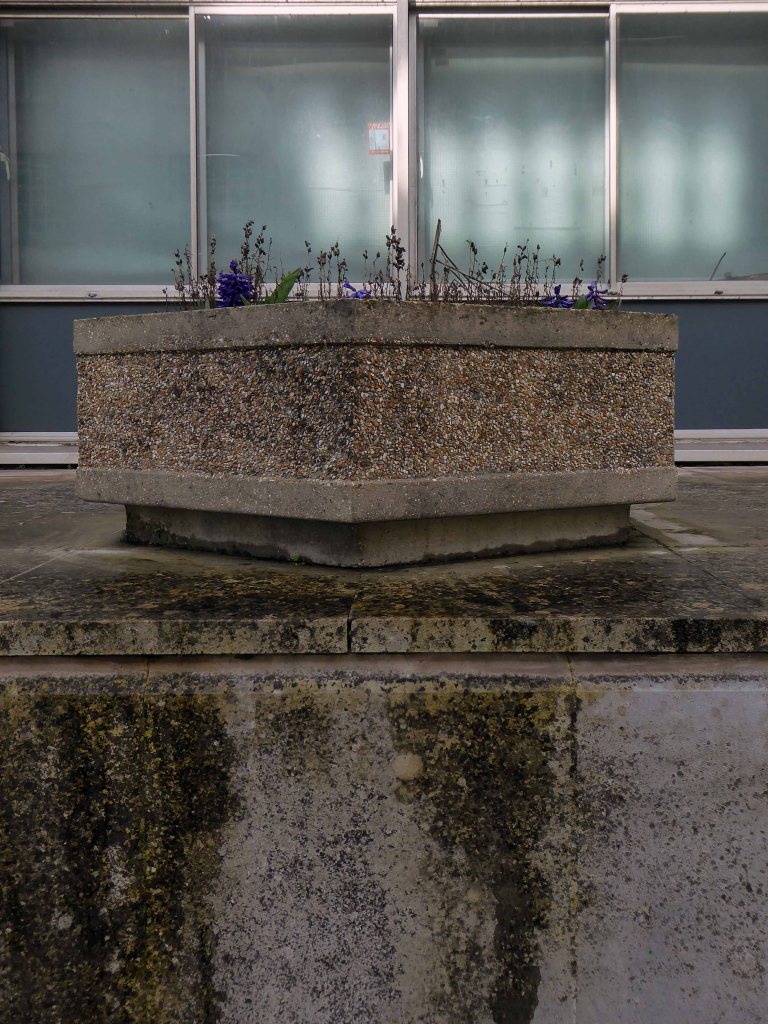
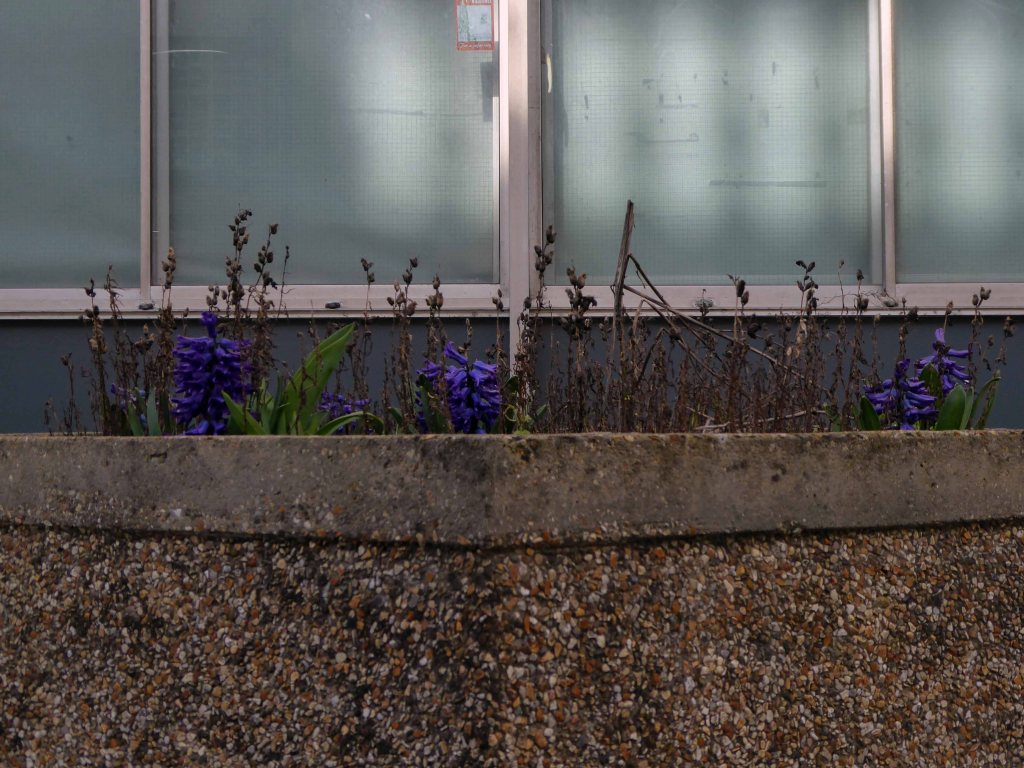
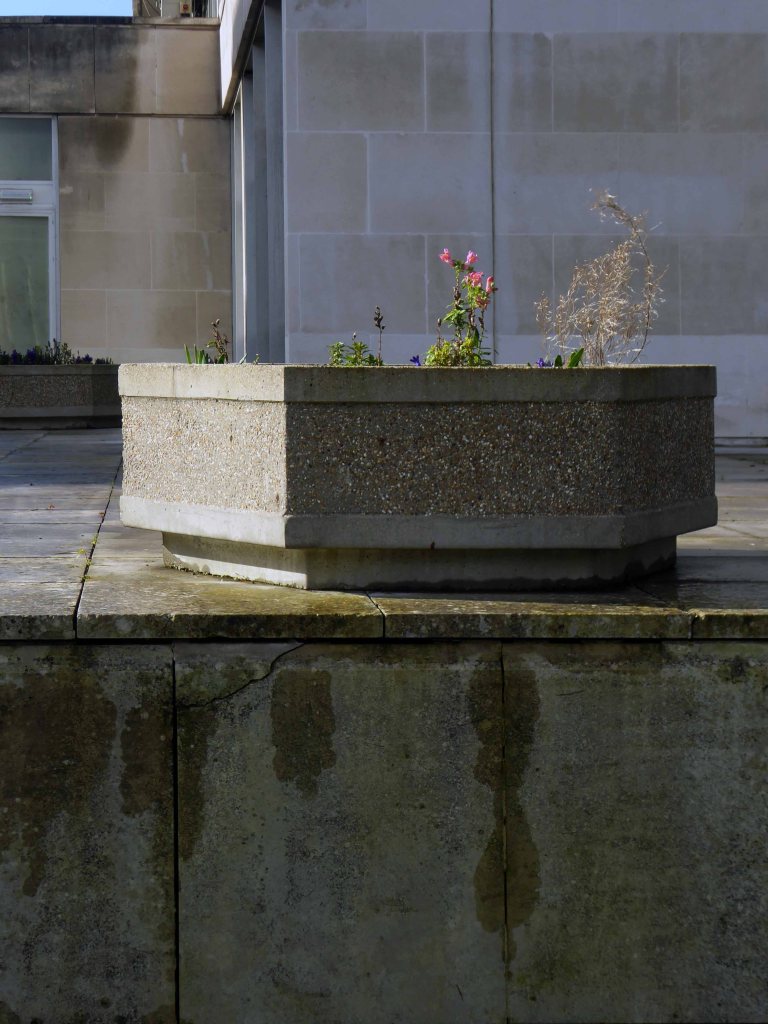
Plus an exciting array of concrete planters – exhibiting an exciting array of seasonal planting schemes.
Well with a wander around should you find y’self down that end of town.
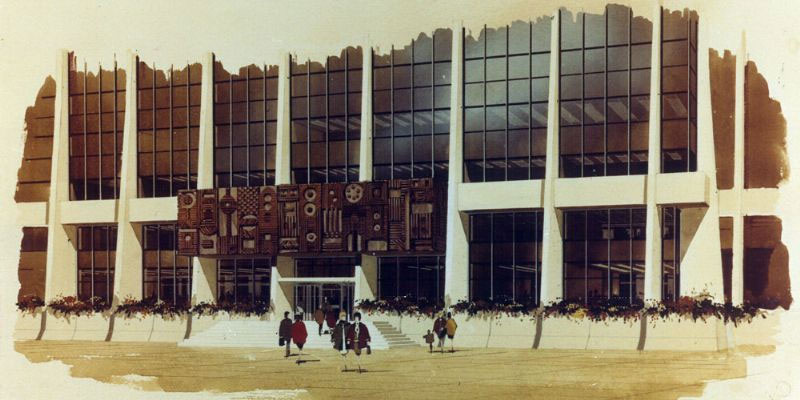
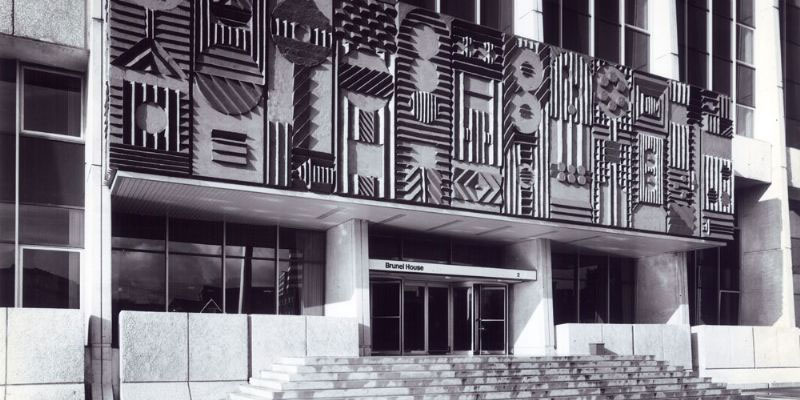
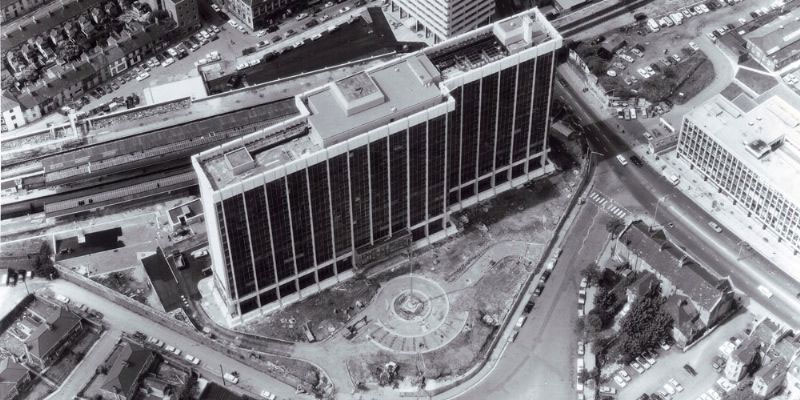
Originally built to house the regional British Rail offices – it seems that Great Western House has always been Brunel House.
Designed by Seymour Harris – who have also been responsible for the recent refurbishment.
The building is now in multiple occupancy, used for a wide range of services and uses, bringing new life to fine mid-century structure.
Sadly its entrance relief is now nowhere to be seen.
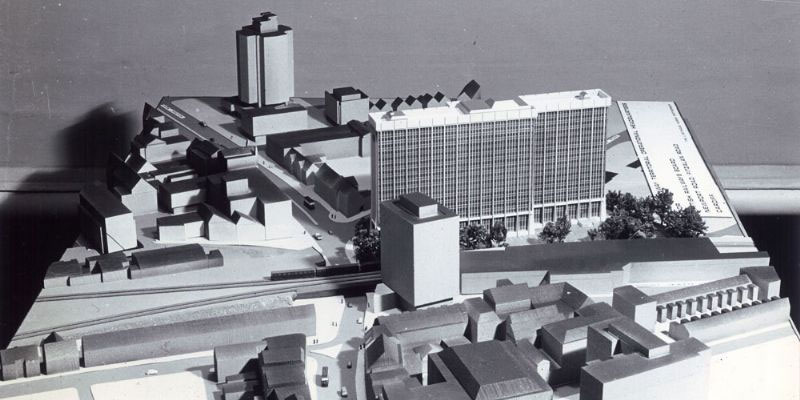
Archive photographsSeymour Harris Architects
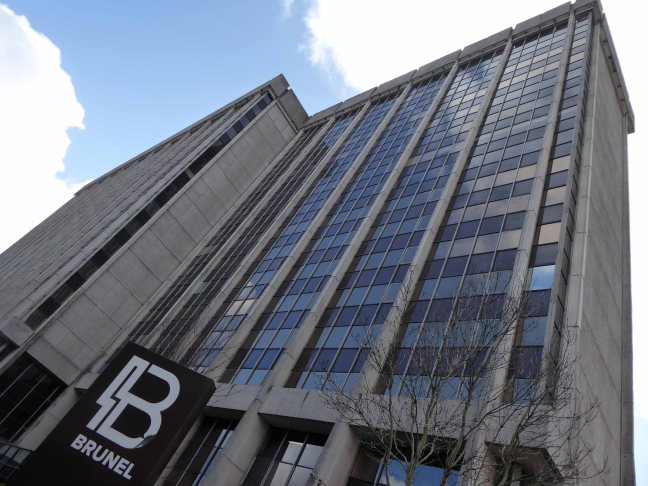
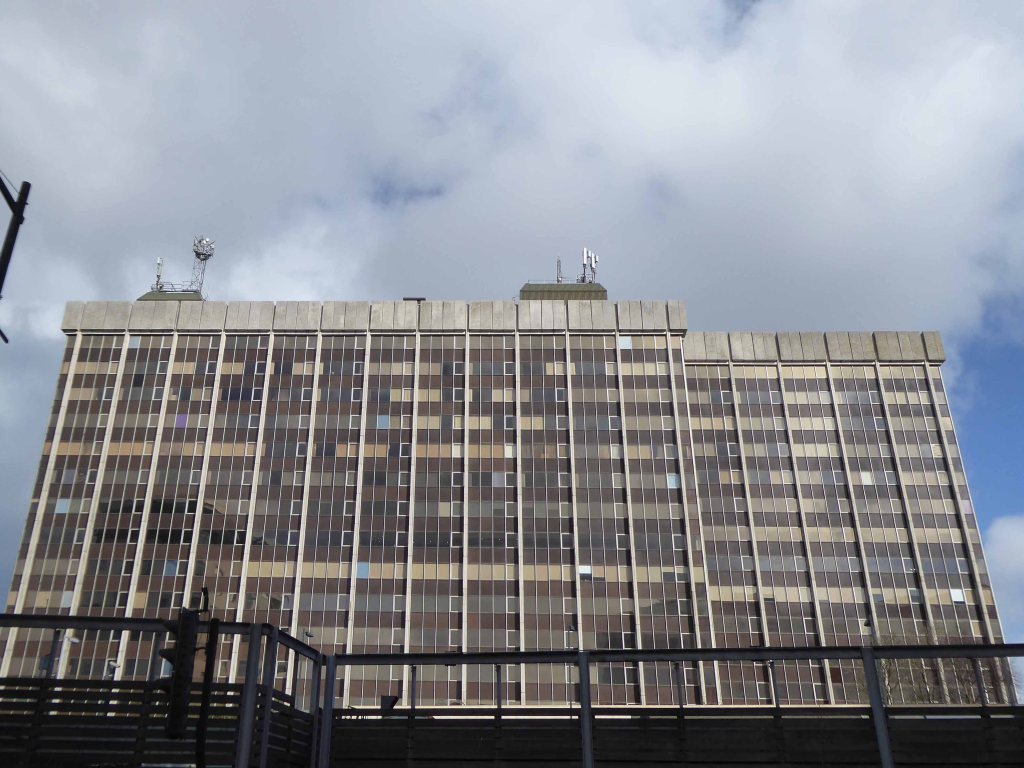
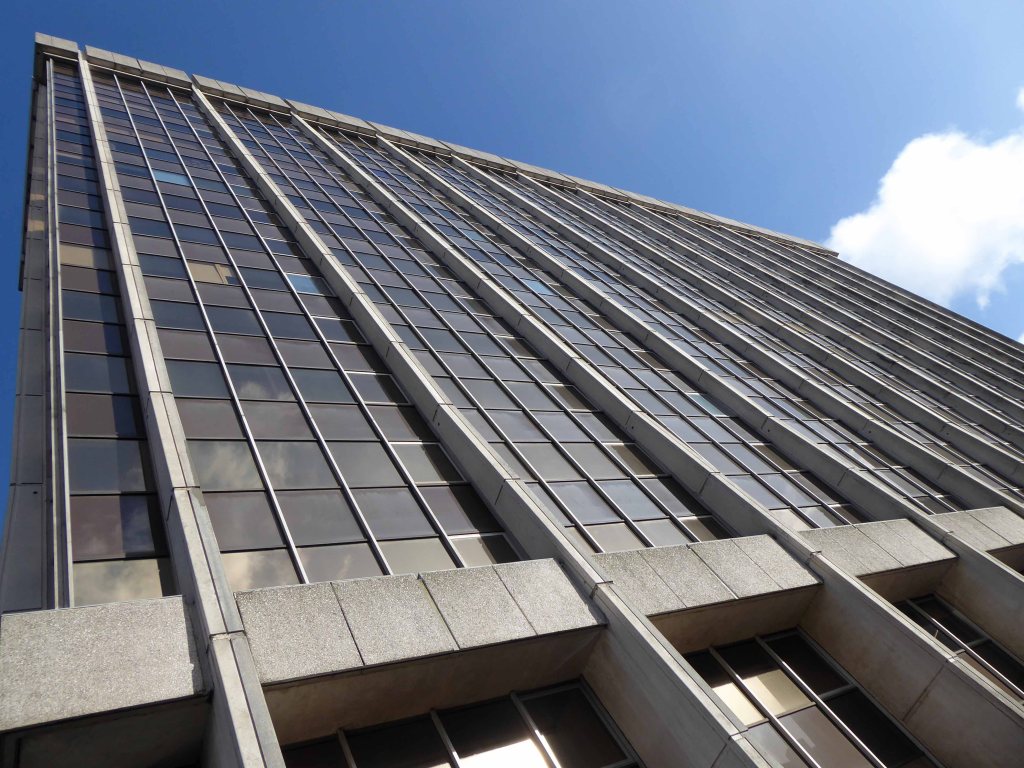
Sixteen floors standing at 190 feet, two enormous interlocking slabs – it is the largest commercial property in Wales.
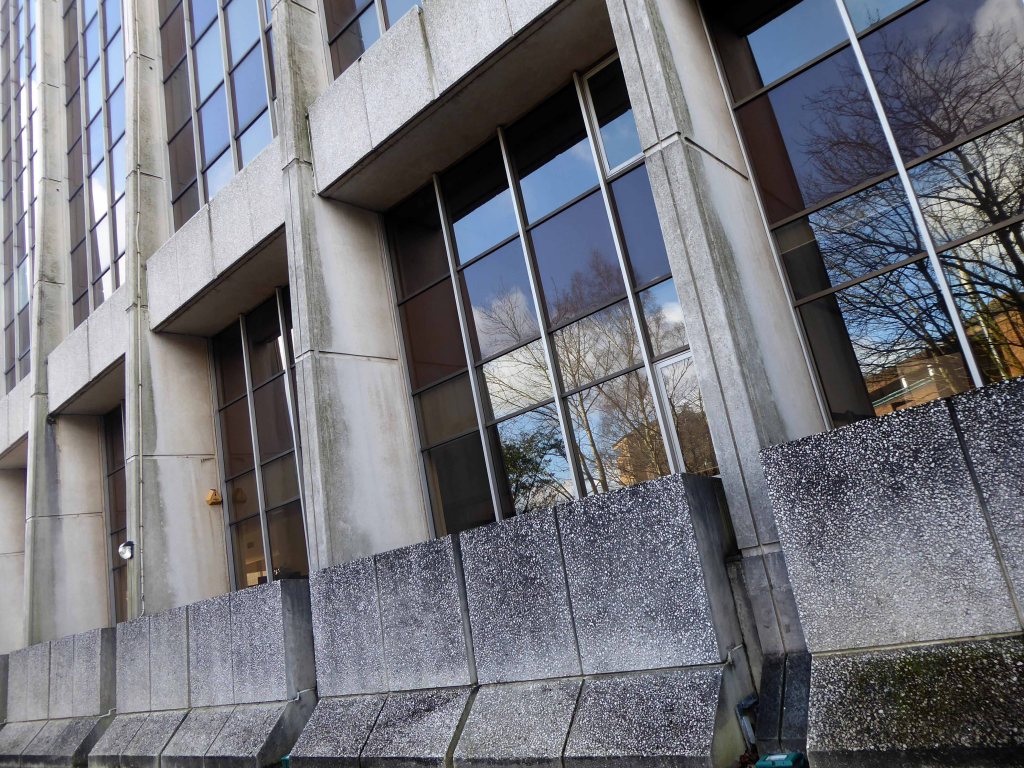
Seen from afar your are hit by its impressive rear elevation, with a distinctive grid defined by the slender window frames and a restrained yet earthy palette.
This is then broken up by strong vertical concrete columns.
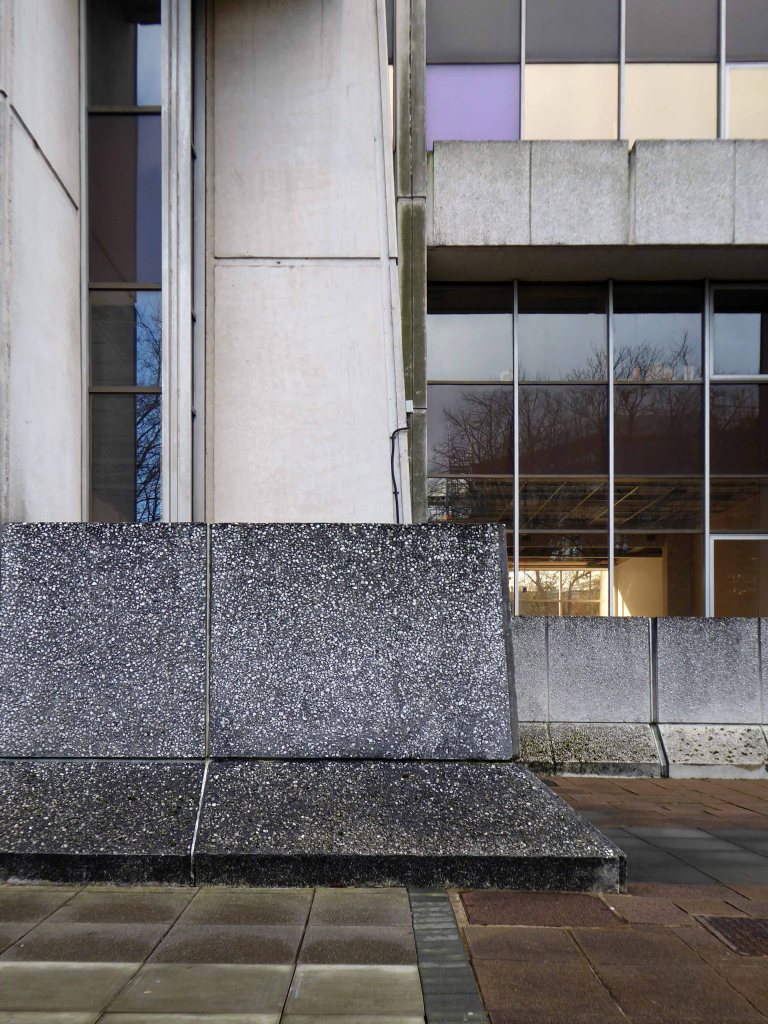
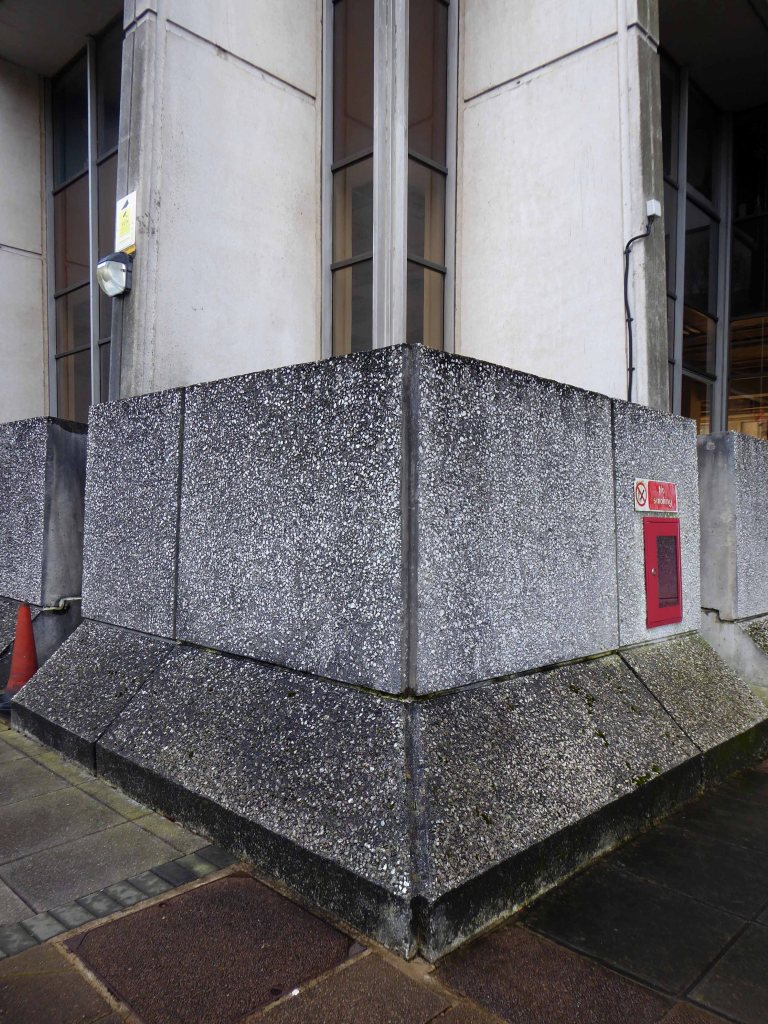
With bold structural detailing, using a variety of aggregates and finishes.
Side elevations are brut concrete, with limited window space.
Where surfaces and volume conjoin there is further interesting structural detail.
Service areas to the rear.
An exciting encounter with a building of substance and quality – go take a look for y’self.
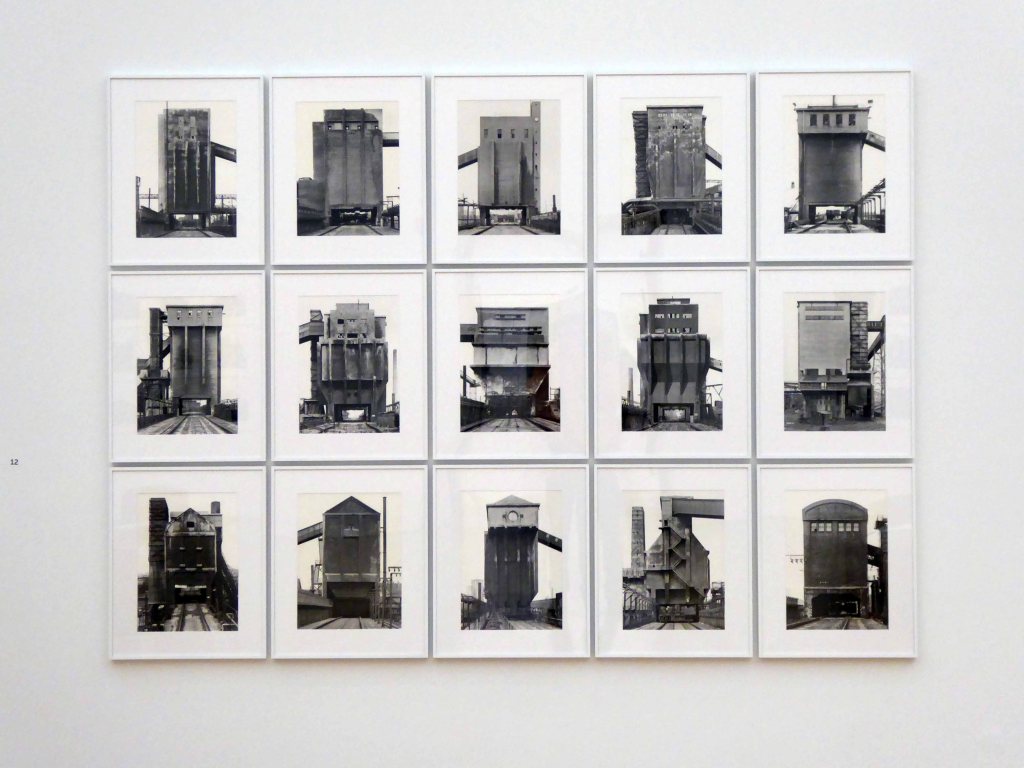
I have admired the work of Bernhard and Hilla Becher ever since seeing their photographs in the one and only Tate at the time, in old London town.
An early example, possibly twelve small black and white prints of pit head winding gear, assembled in a three by four grid.
I became intrigued by the notion of serial art and typology, later in the seventies working as a Systems printmaker.
Very much in the tradition of Max Bill and Richard Paul Lohse.
In more recent years I have worked as a documentary photographer, at time paying homage to Bernhard and Hilla.
By placing several cooling towers side by side something happened, something like tonal music; you don’t see what makes the objects different until you bring them together, so subtle are their differences.
So on hearing of their exhibition at the National Museum of Wales in Cardiff, I excitedly booked my train ticket from Manchester.
Saturday 29th February 2020 – an auspicious Leap Year – knowingly taking a leap into the known unknown.
Braving the imminent threat of Storm Jorge.
I was given the warmest of welcomes by the gallery staff, spending a good while chatting to James, a fellow enthusiast.
My first surprise was the Bechers’ drawings, painting and notebooks.
A revelation.
Then onwards into two large, light spaces, with the work – actual Becher archive prints, displayed with the reverence that they deserve.
Given space to breath, in a calm contemplative area.
With a quiet attentive audience.
So here that are in situ – worth the wait, worth the train ticket, worth the two way seven hour rail trip. Seeing the prints close up reading the exposure, the thrill of the dodge and burn, a lifetime’s ambition realised.
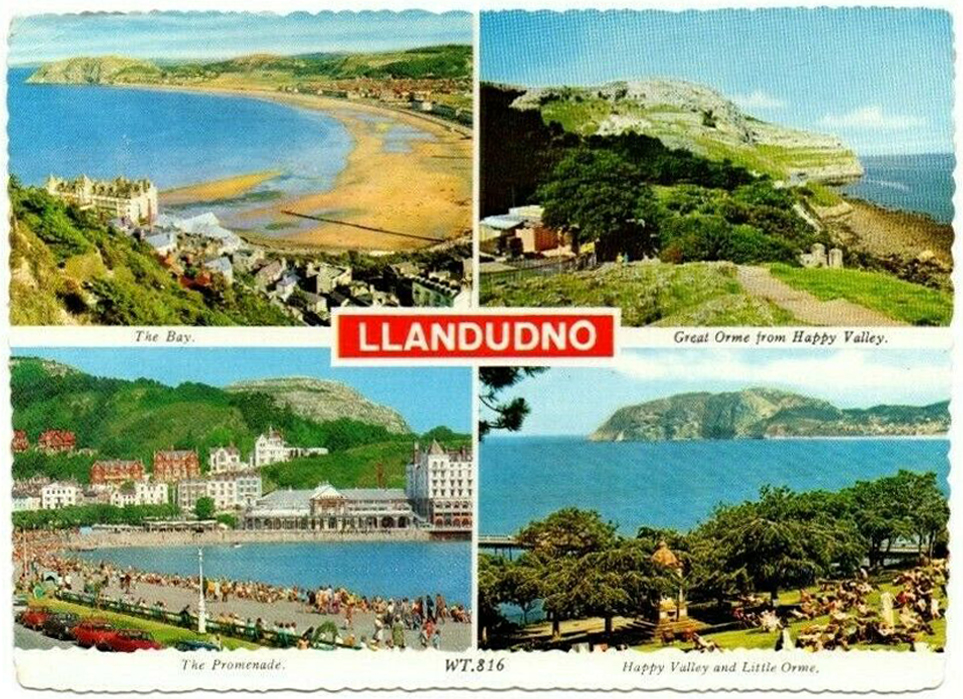
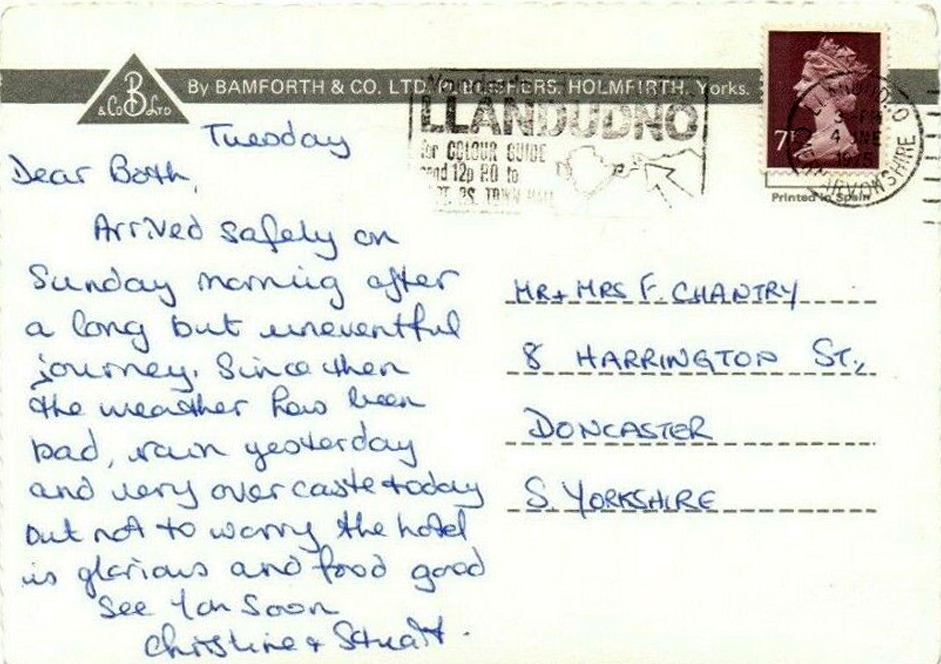
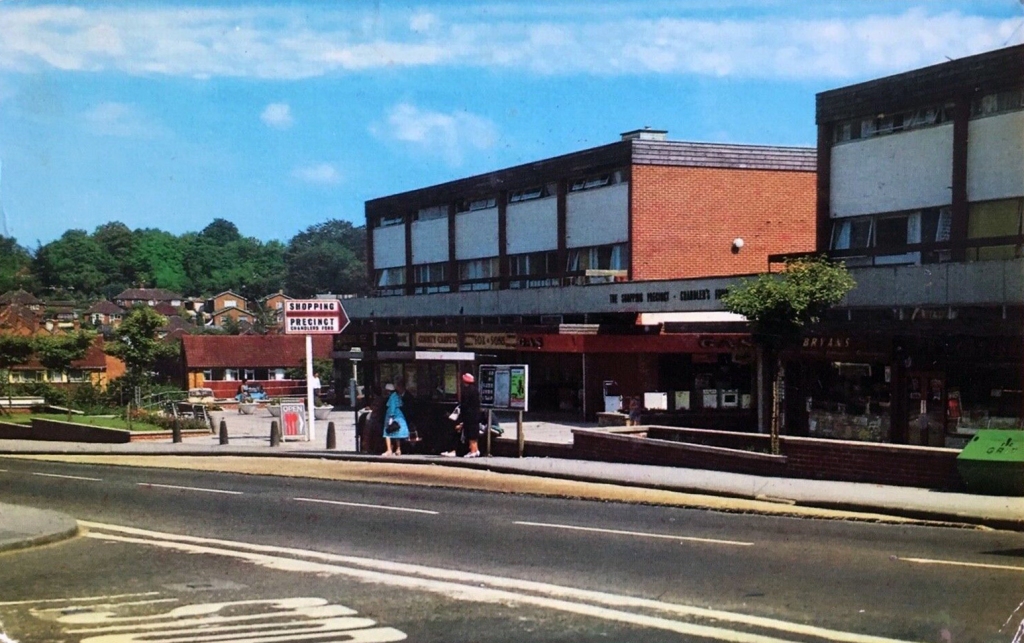
This time of year, with limited light and an inclement climate, it’s far easier to travel by picture postcard. Researching and searching eBay to bring you the finest four colour repro pictures of our retail realm.
We have of course been here before – via a previous post.
It is however important to keep abreast of current coming and goings, developments are ever so often overwritten by further developments.
Precincts my appear and disappear at will – so let’s take a look.
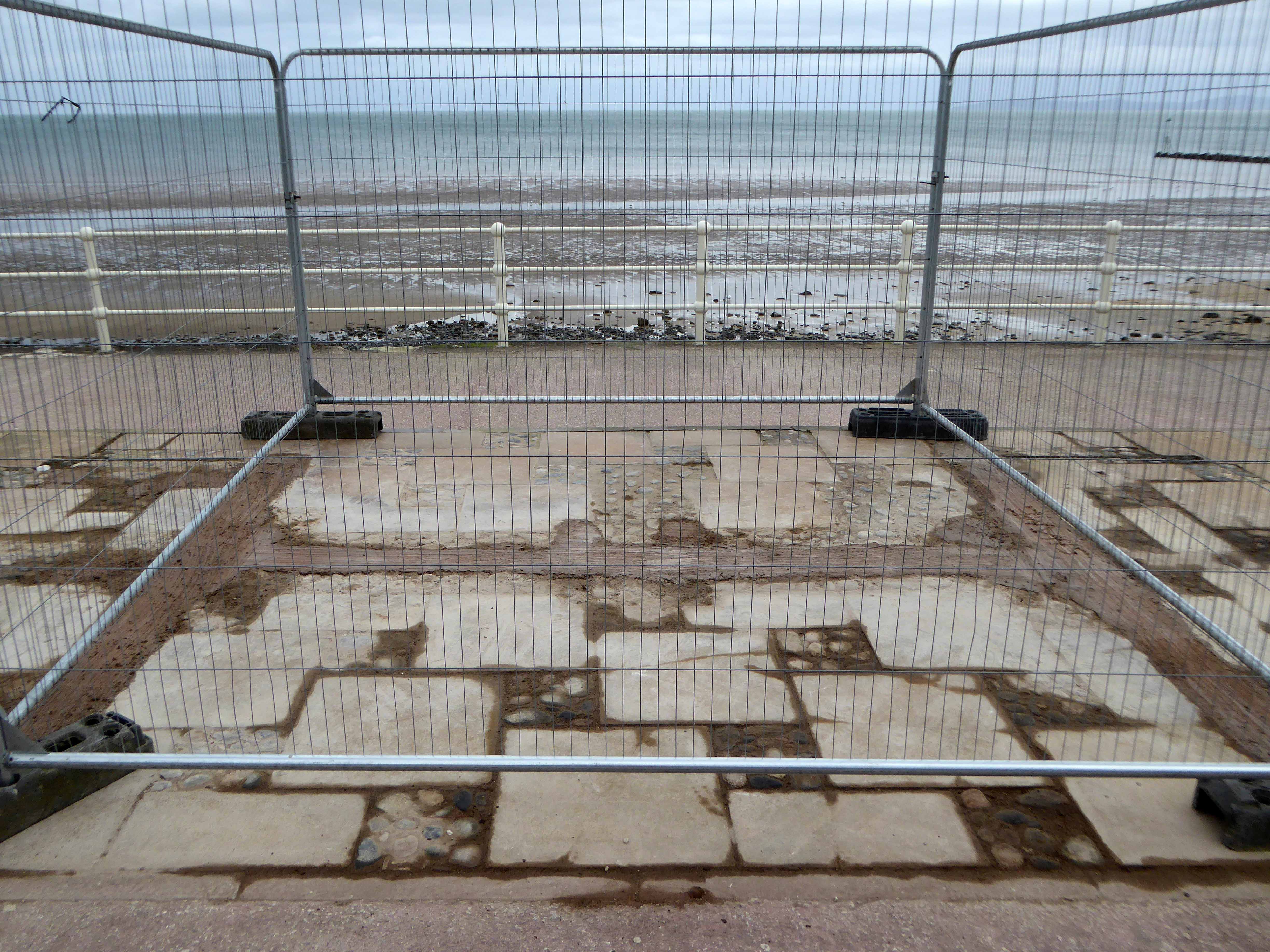
I thought that you may have all been removed – phase two of several phases reshaping the hard landscape of Wales.
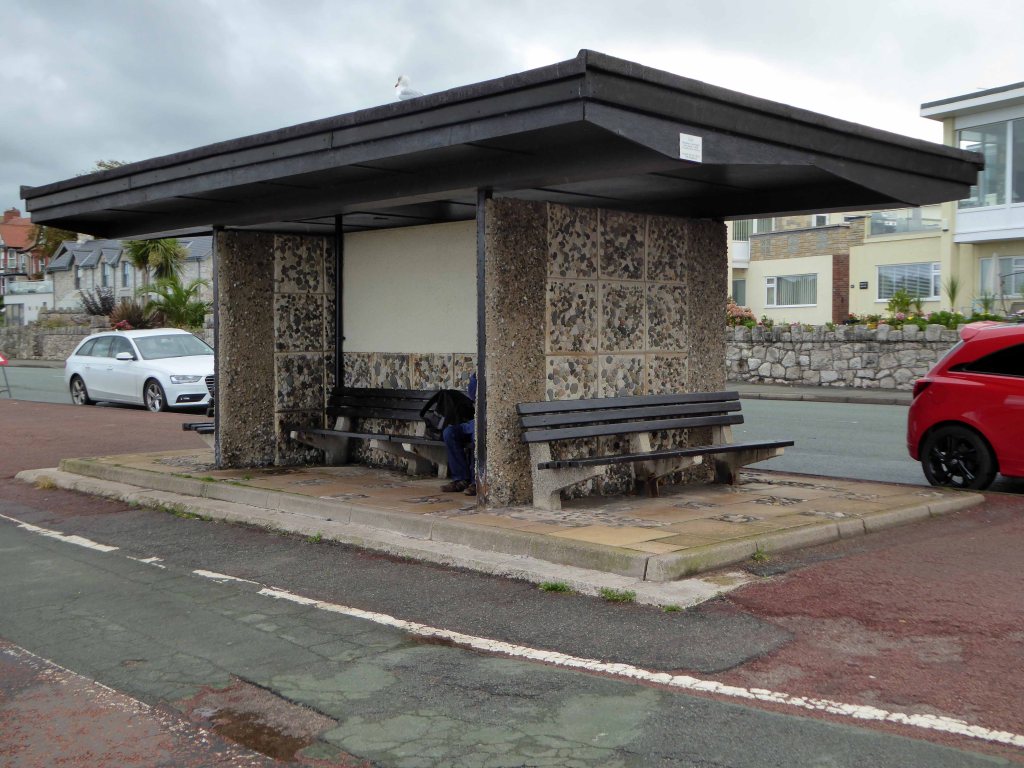
It seems I was incorrect – I’m happy to report that as of last Friday only one of our shelters is missing.
So I more or less repeated the task undertaken on my last visit.
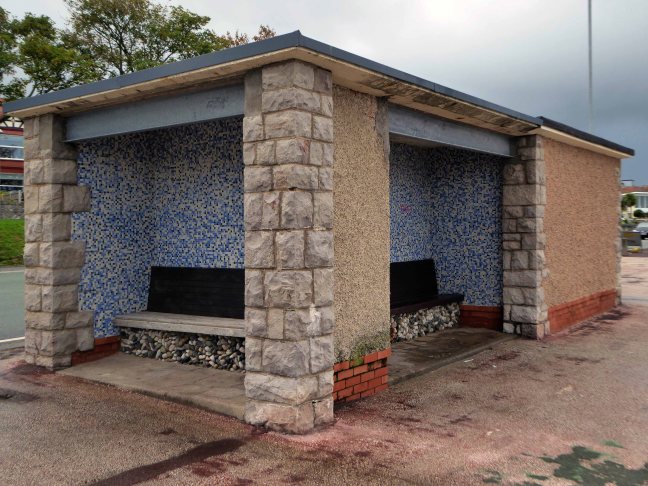
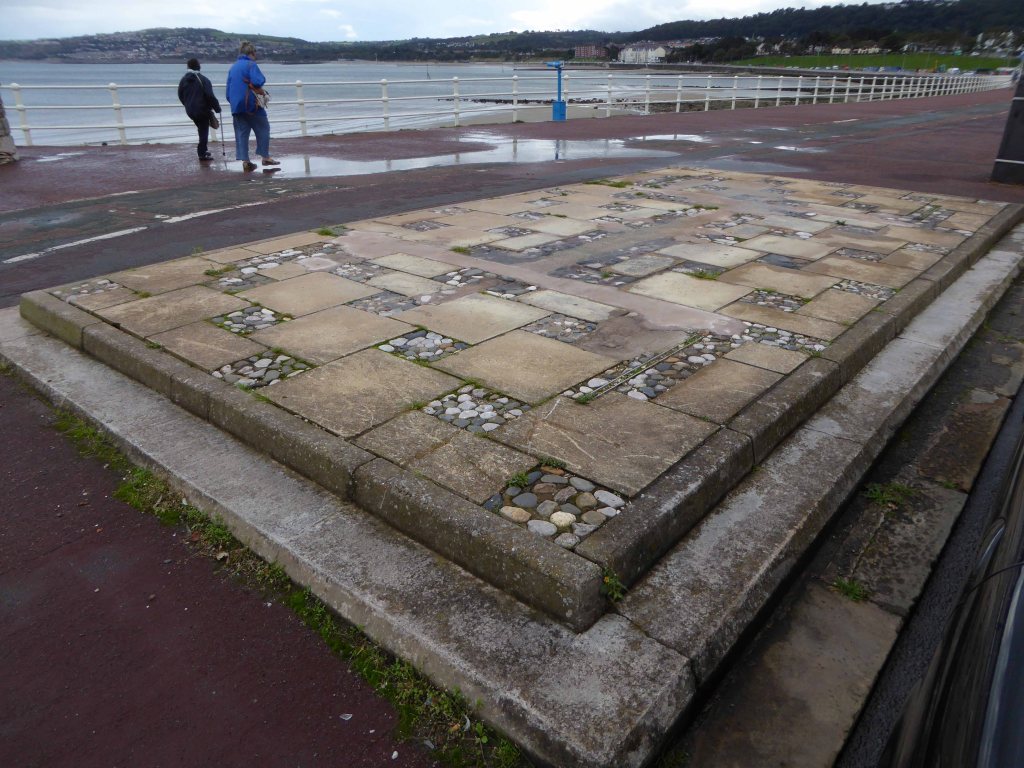
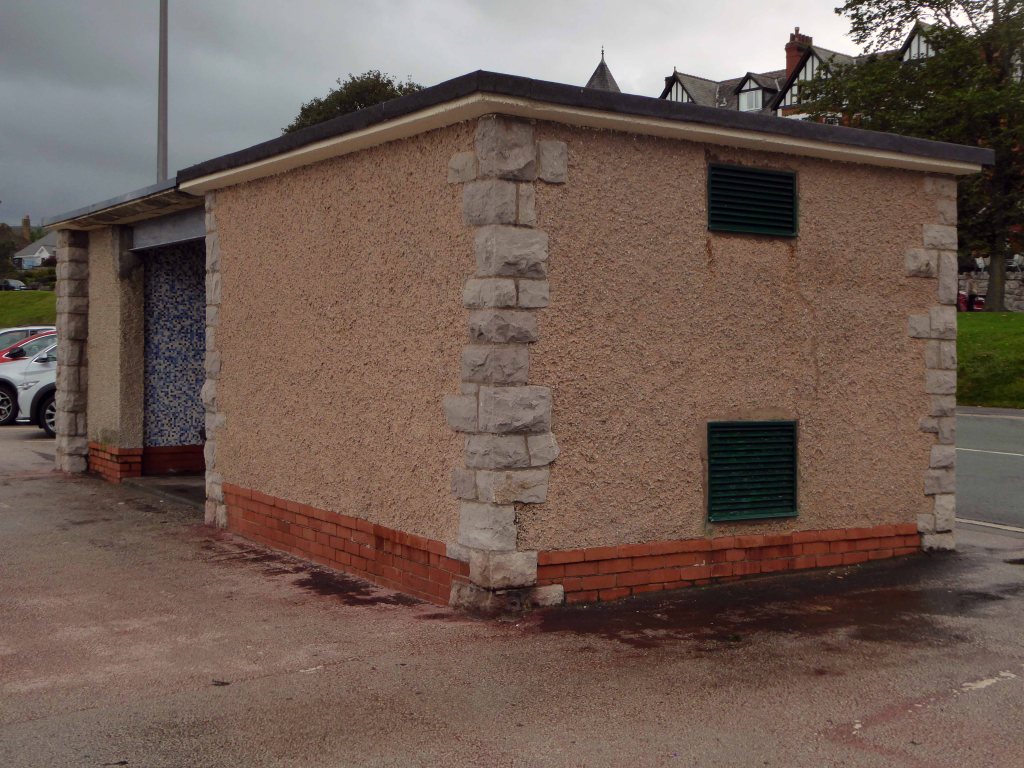
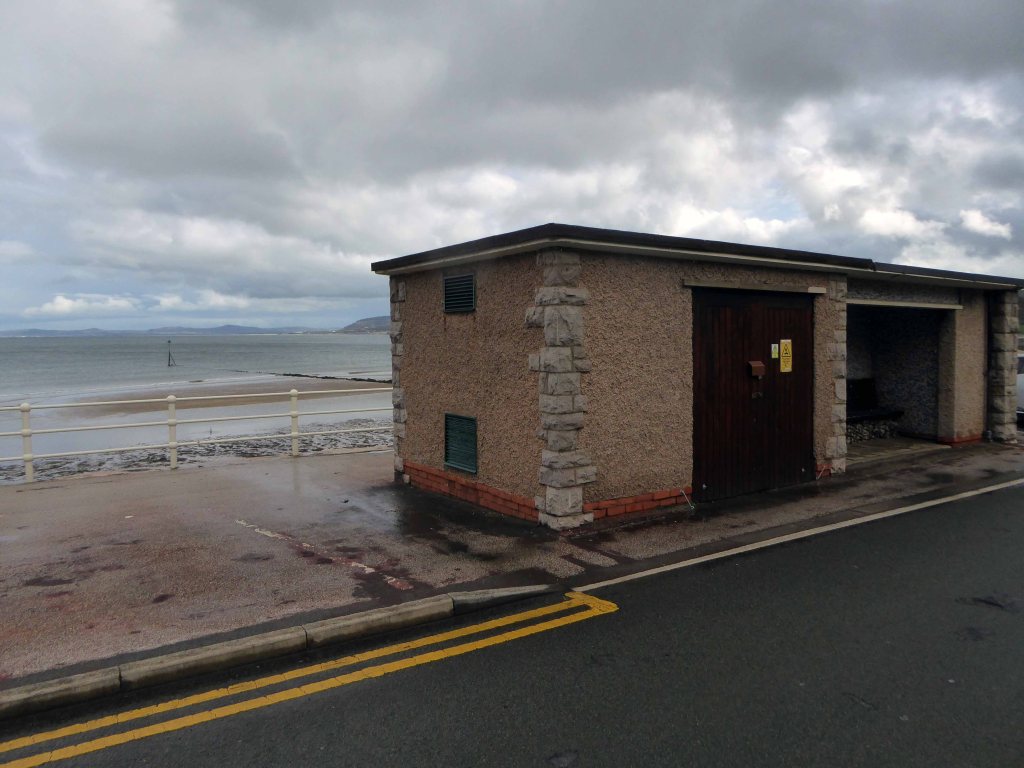
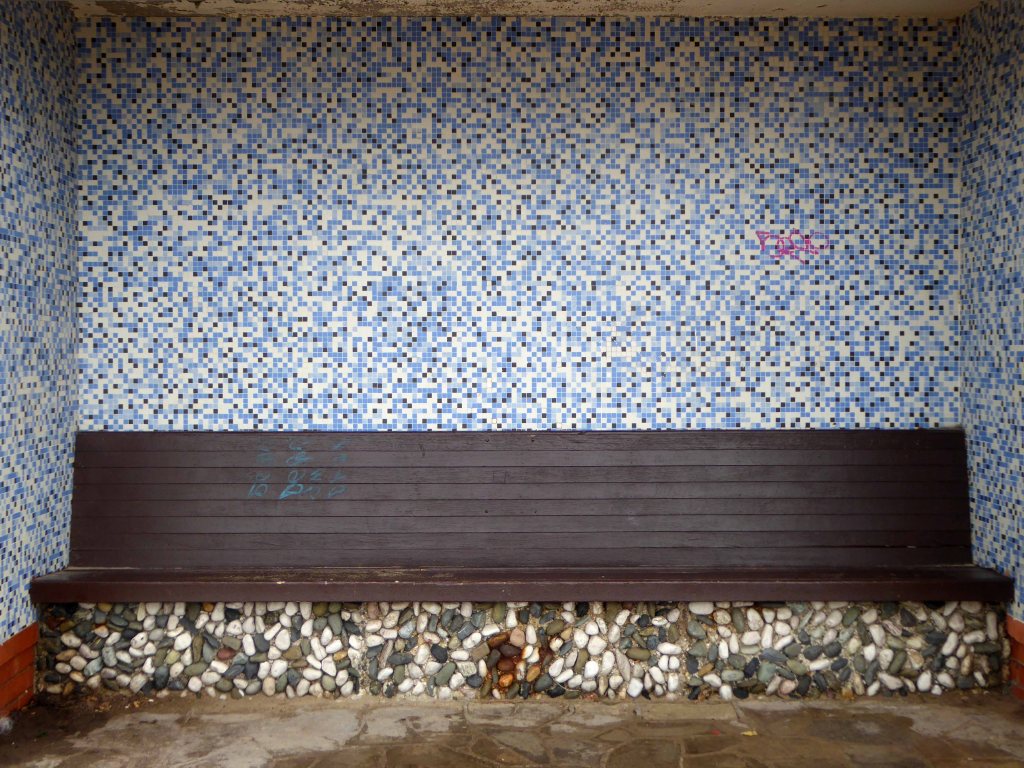
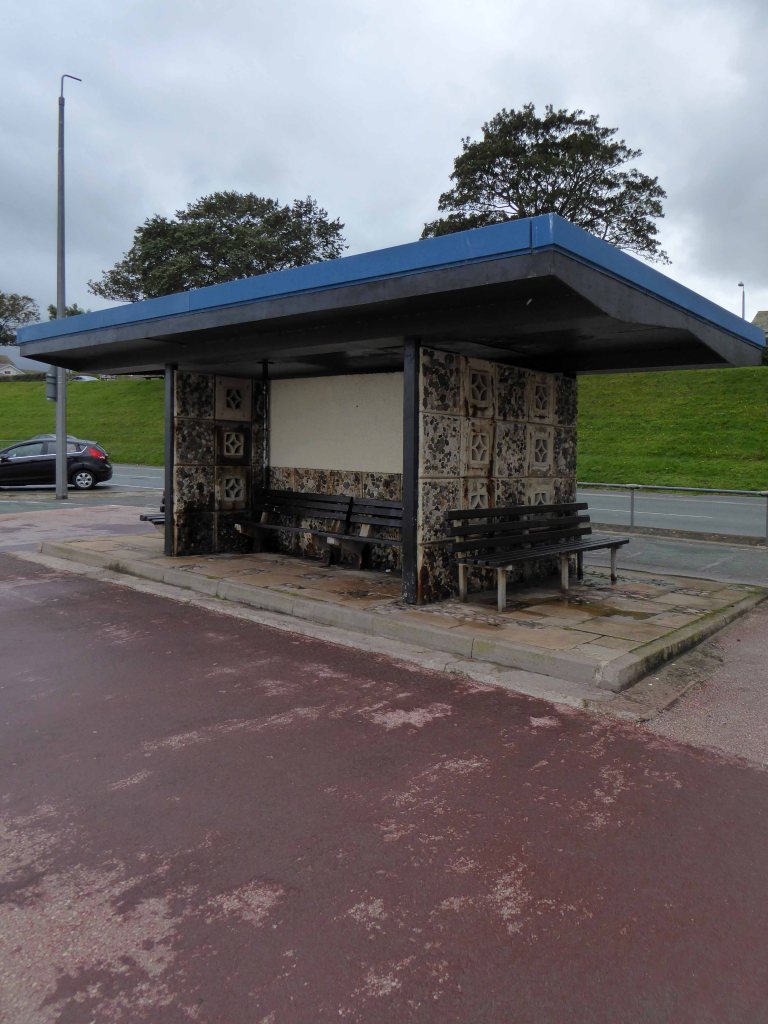
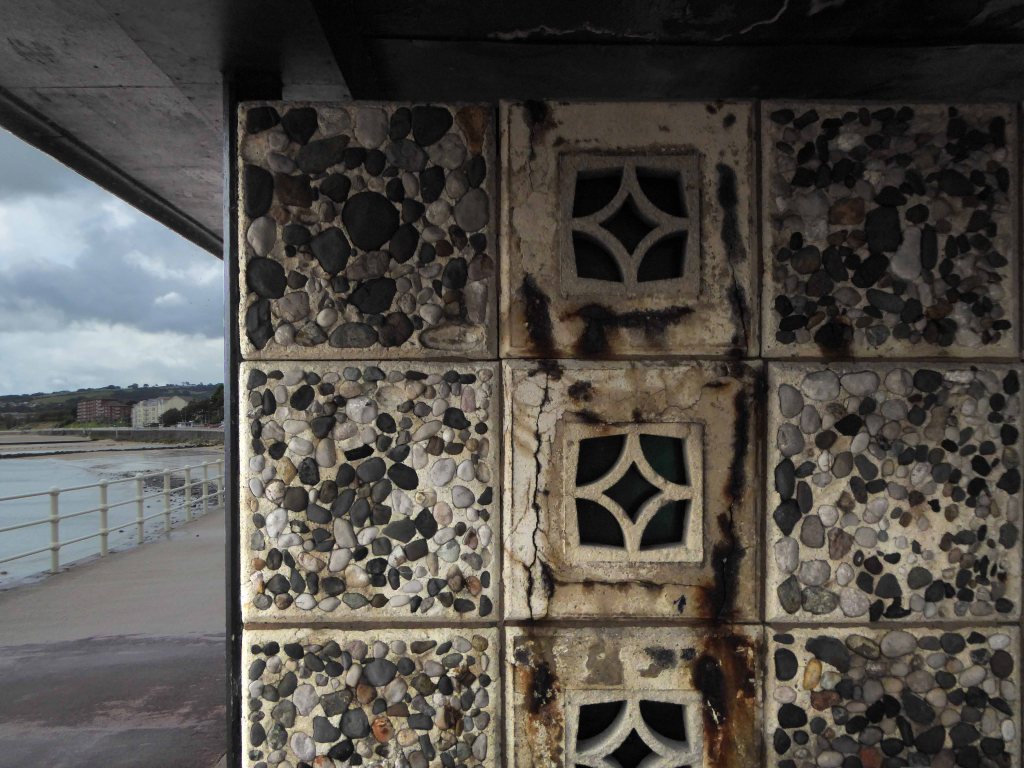
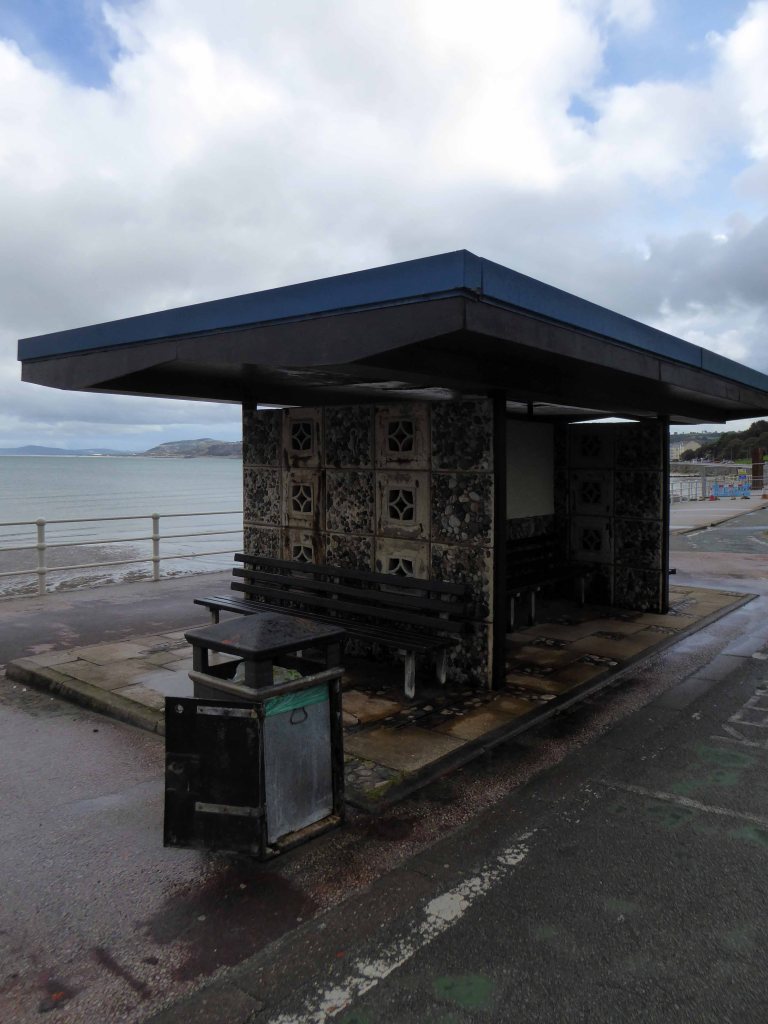
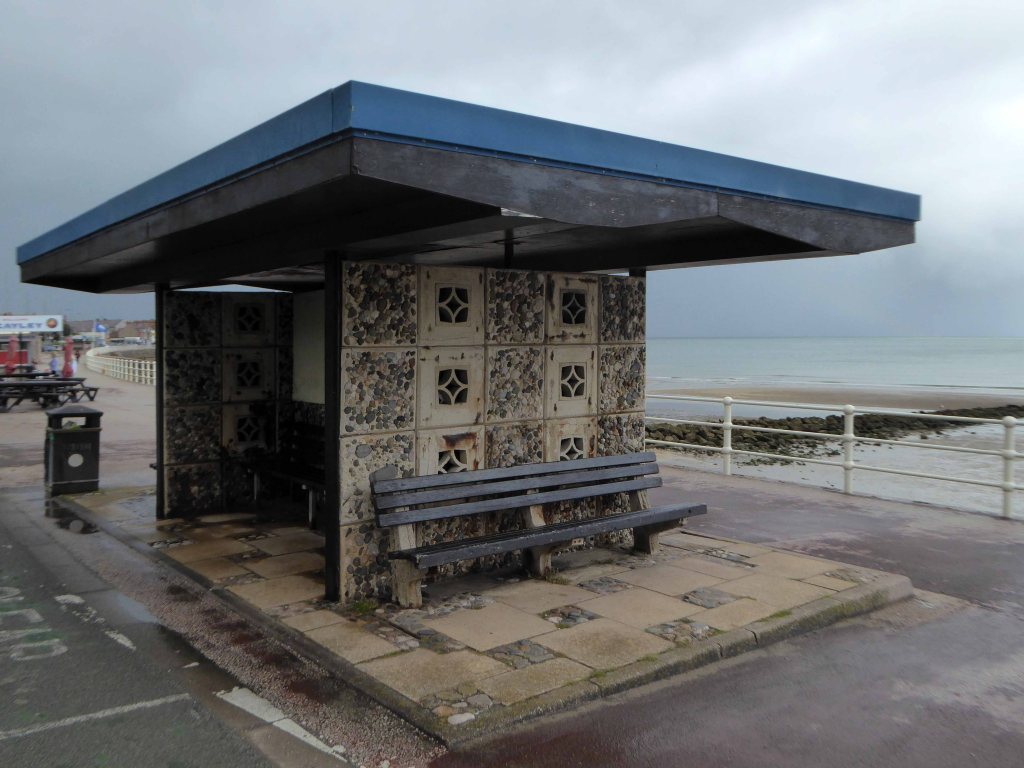
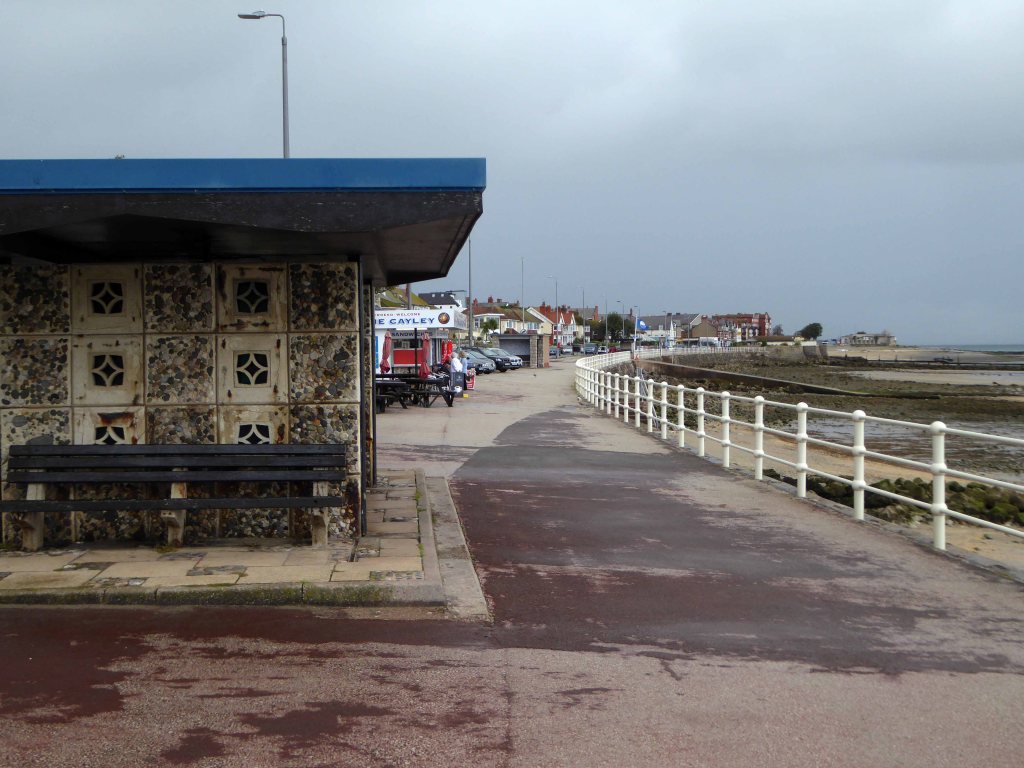
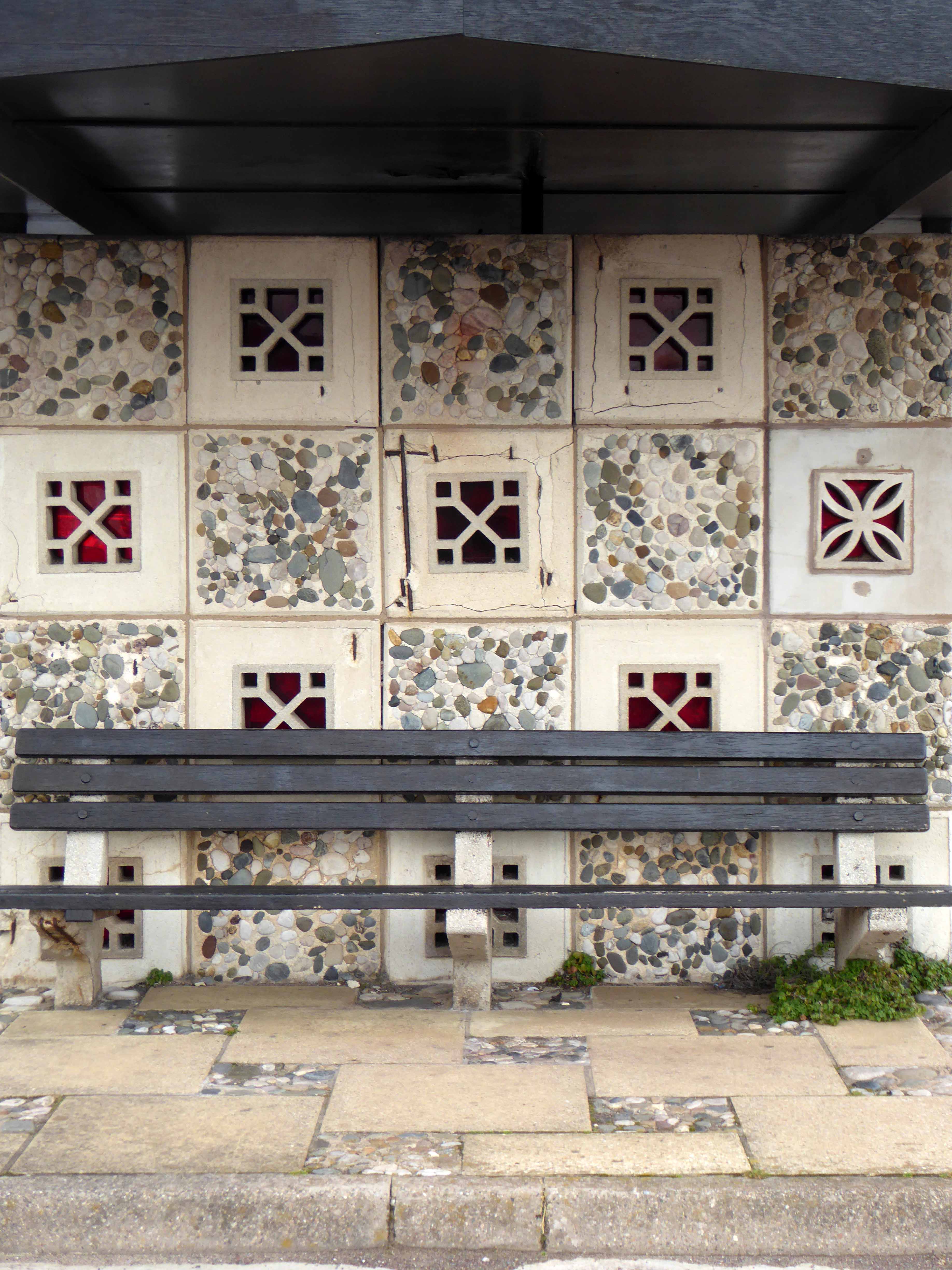
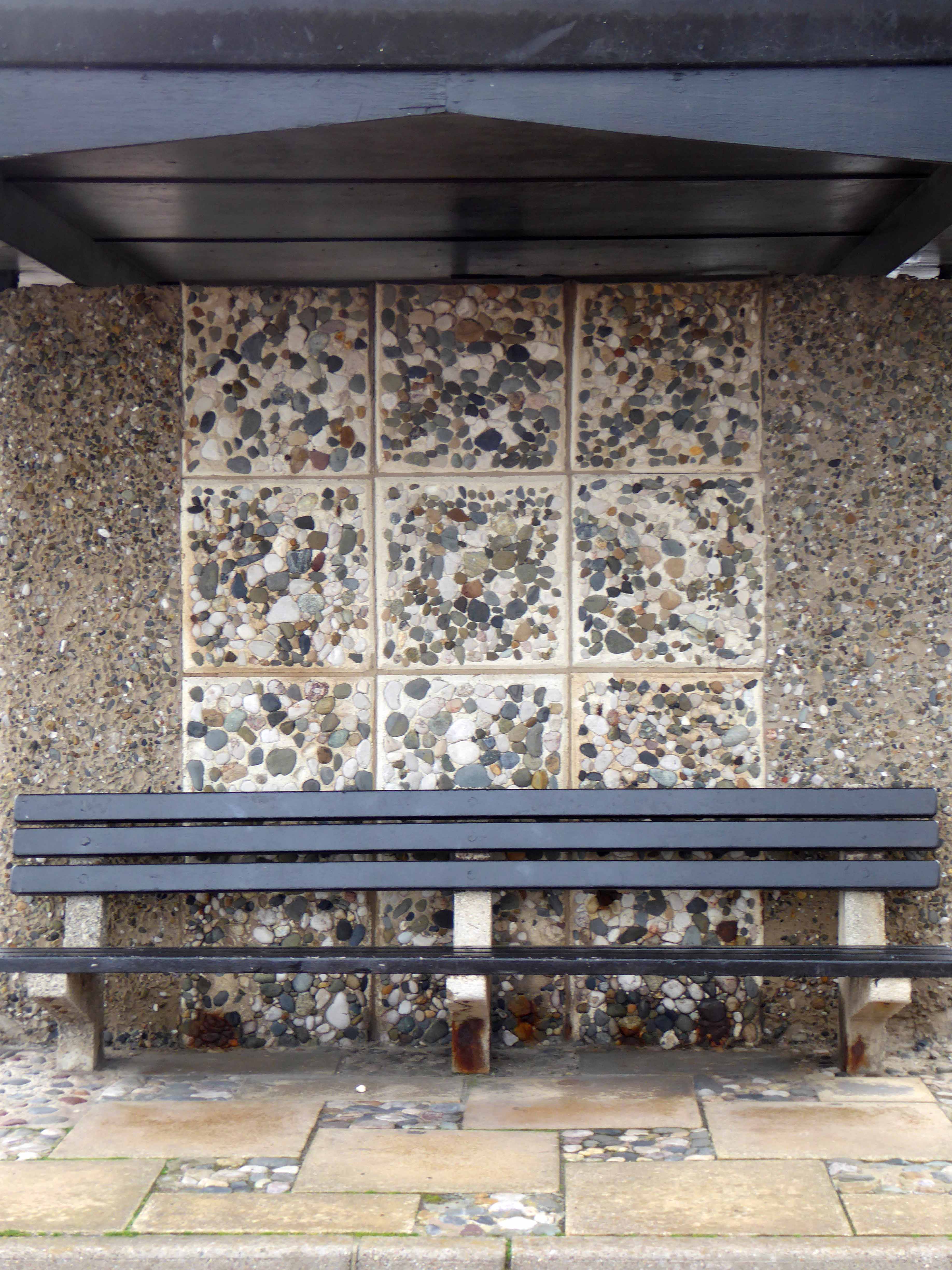
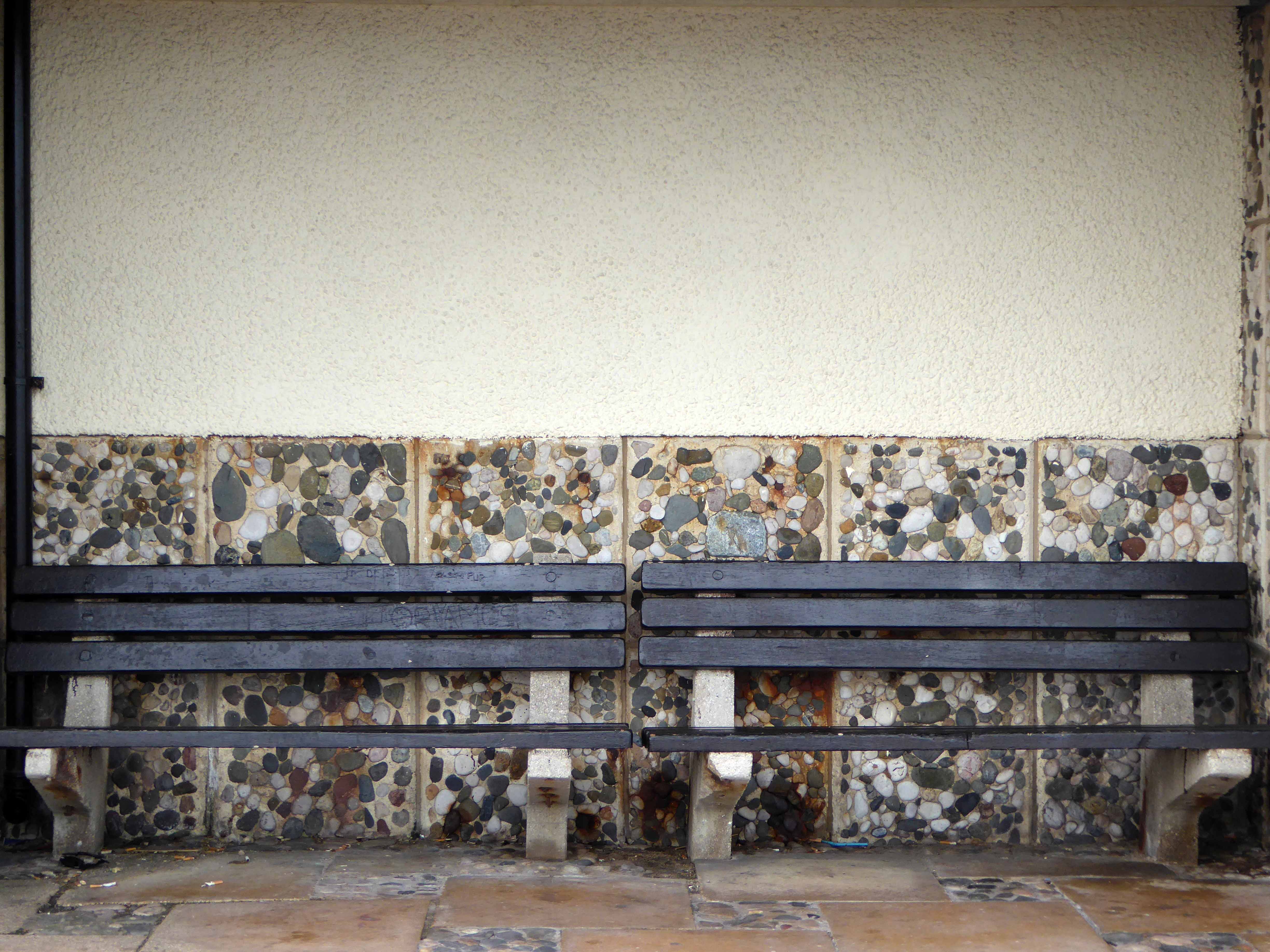
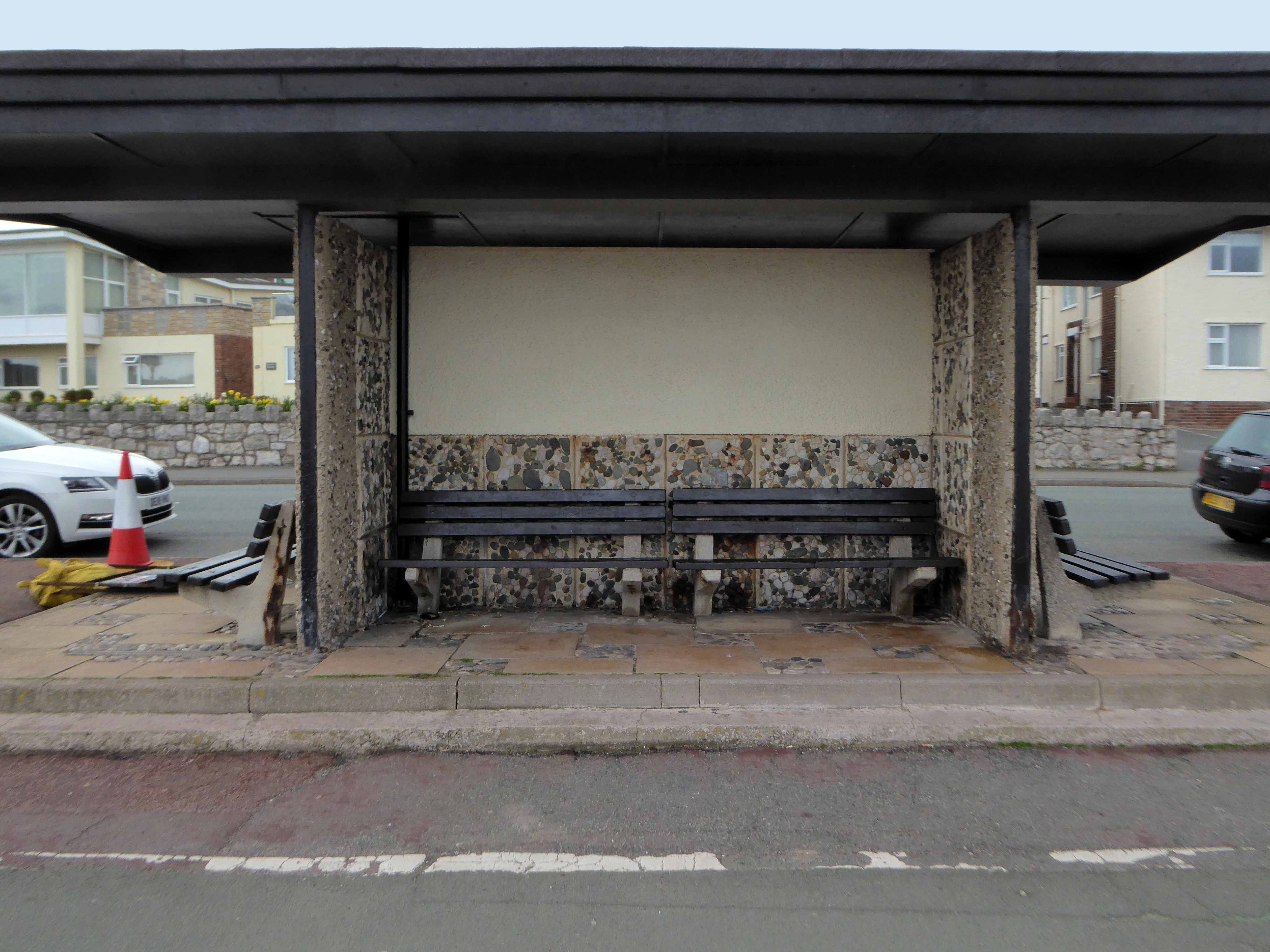
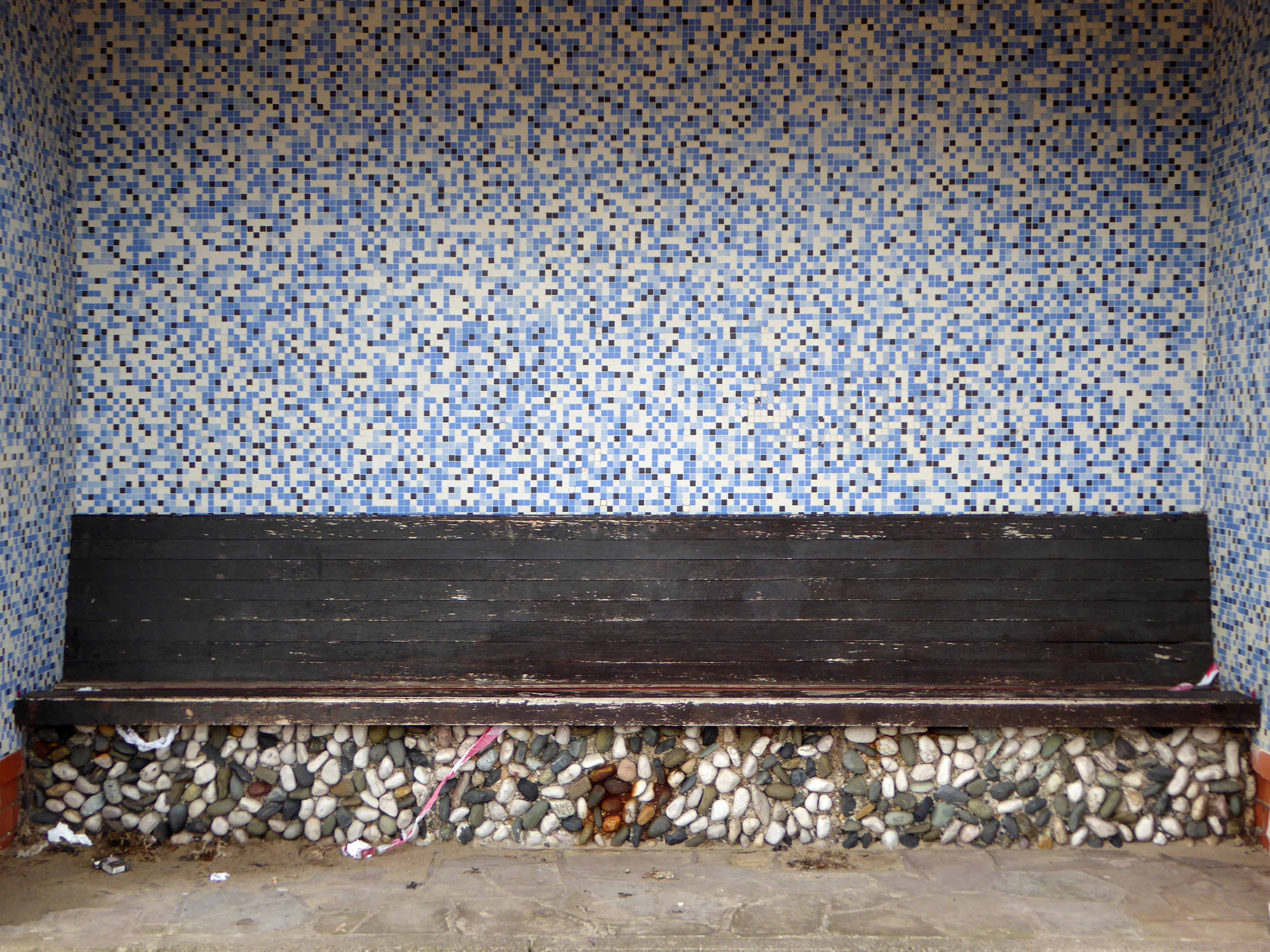
Yet another series of photographs of the amalgamated municipal mash-up – concrete glass pebbles pebbledash paving mosaic and imagination rendered corporeal courtesy of Cyngor Bwrdeistref Sirol Conwy.
And the constantly berated Undeb Ewropeaidd.
Jubilant Leave supporters in Conwy are celebrating a convincing win in the historic EU referendum vote.
The Brexit backers secured a majority of more than 5,000, winning the poll by 35,357 votes to 30,147 votes.
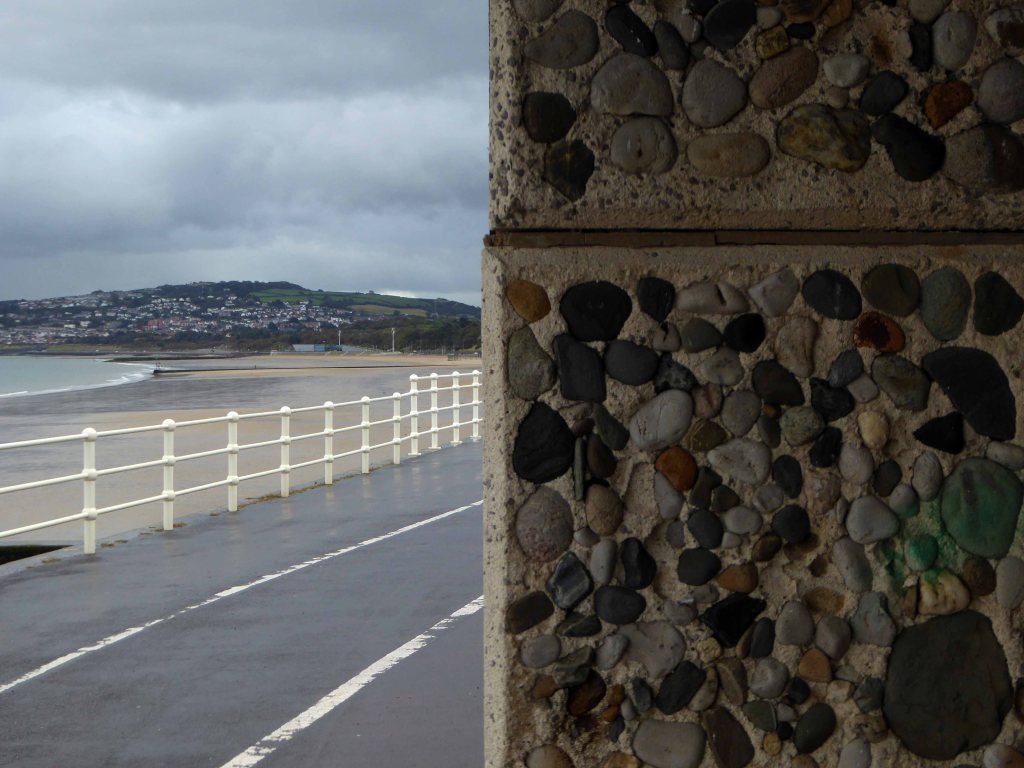
So here we are almost all present and correct – let’s take a stroll down the prom together, stopping only to snap and shelter from time to time, from the short sharp September showers.
Baby it happens when you’re close to me My heart starts beating – hey a strong beat. Oh I can’t leave you alone Can’t leave you alone
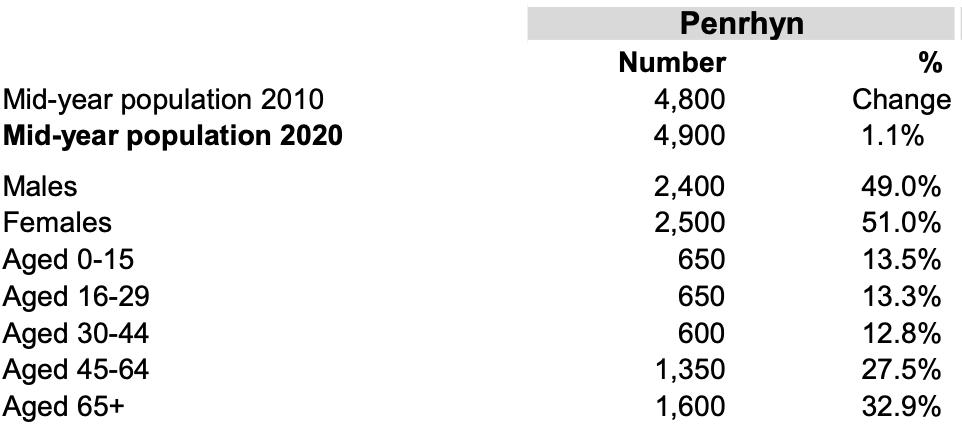
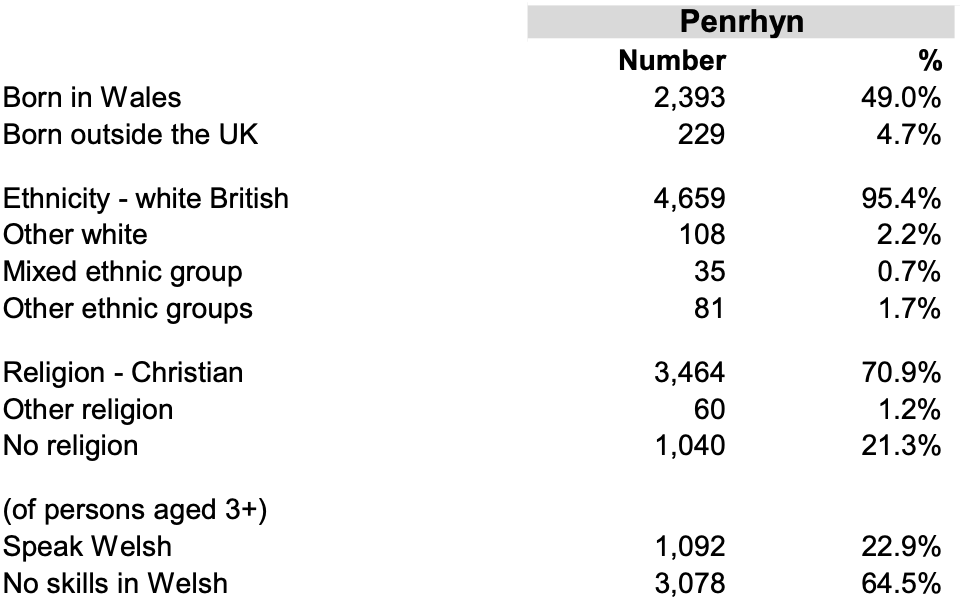
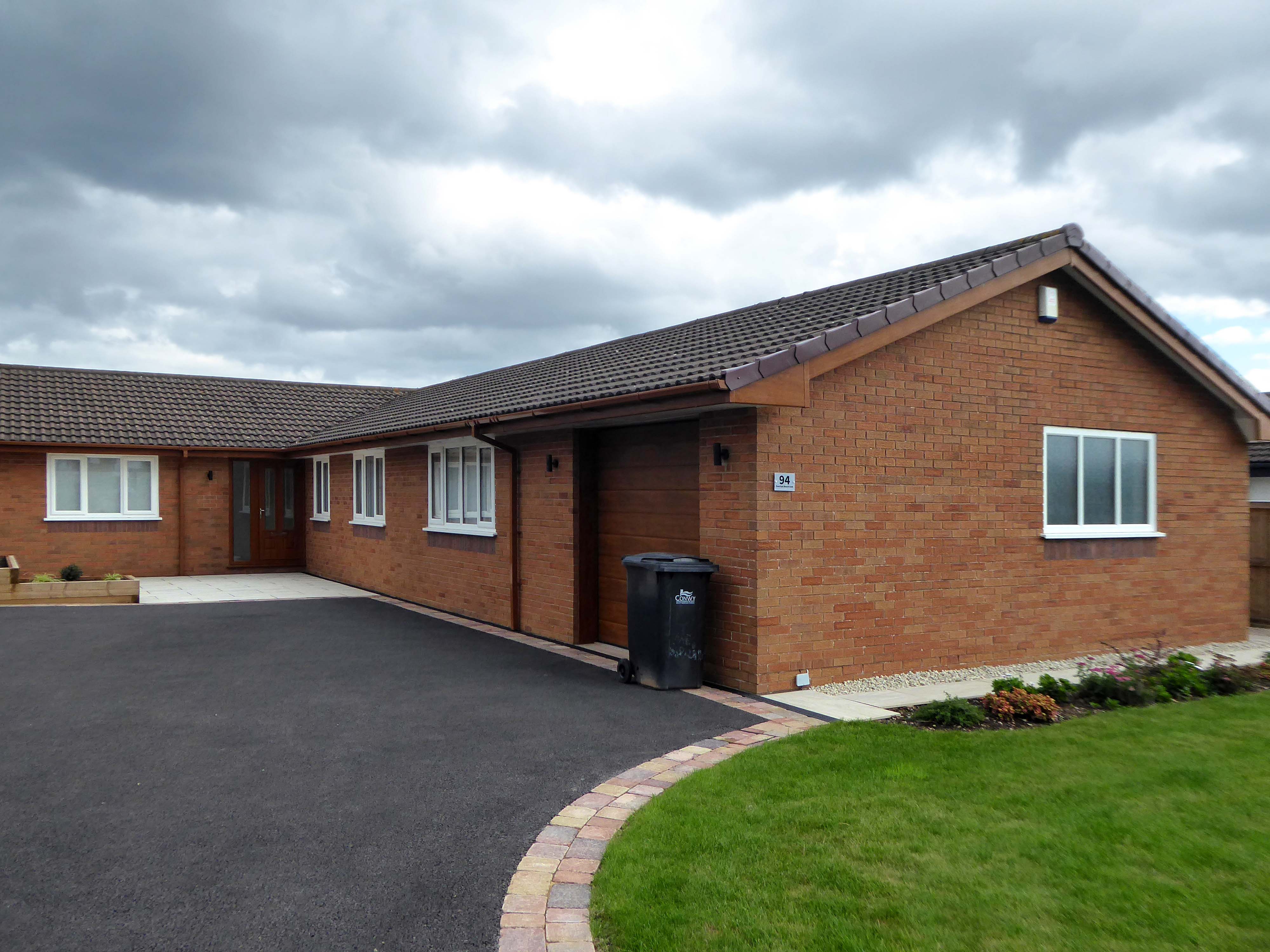
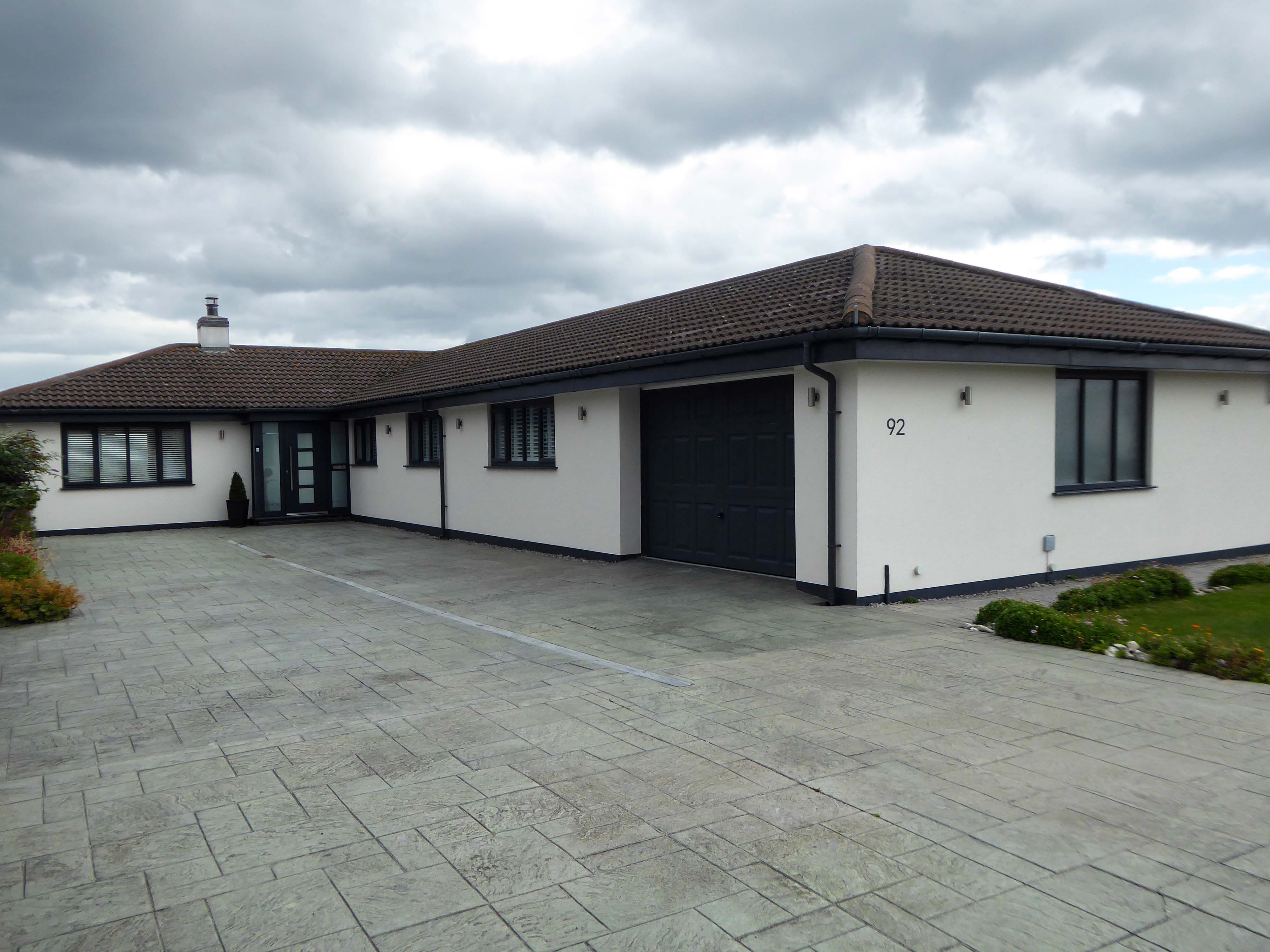
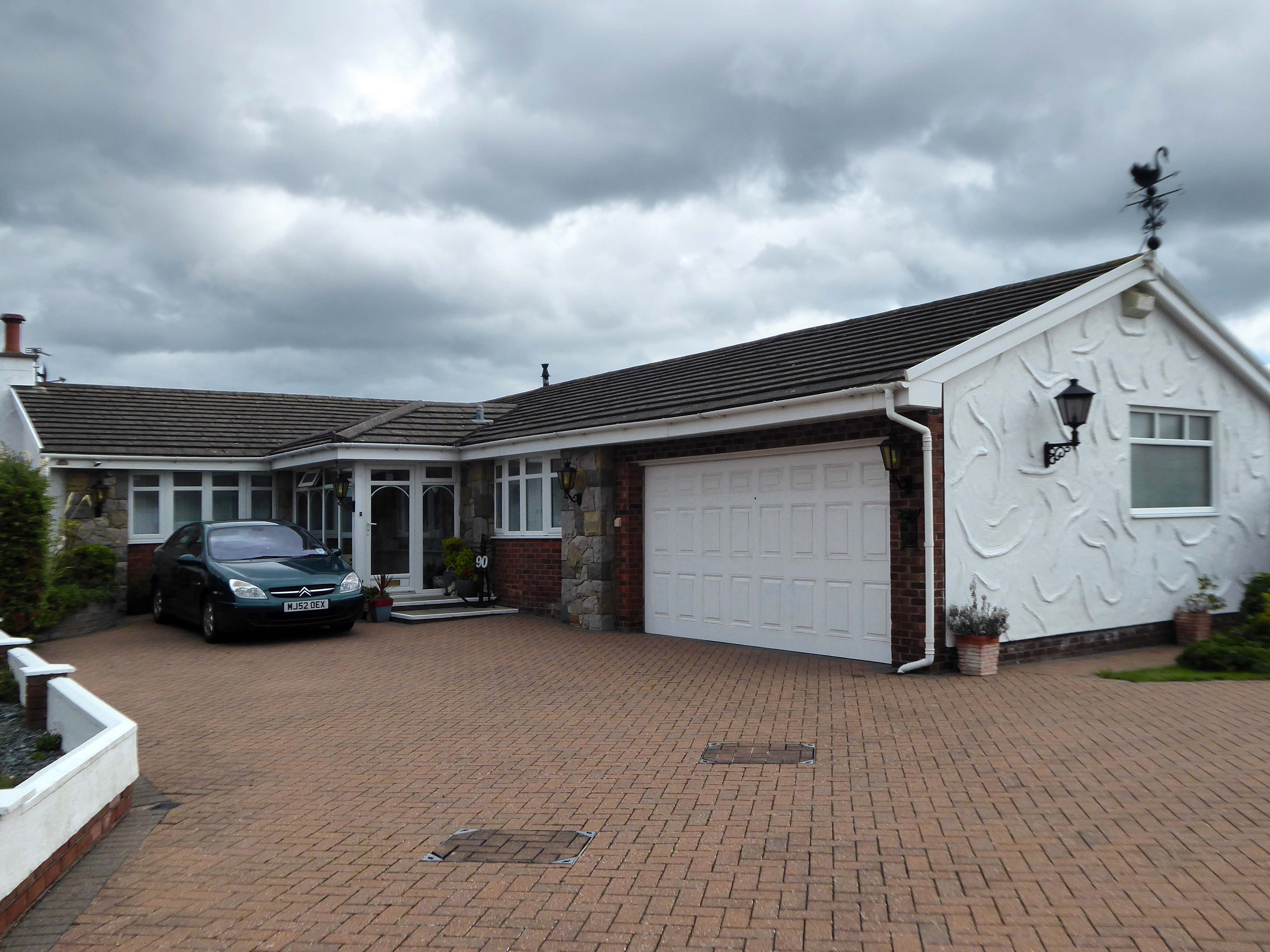
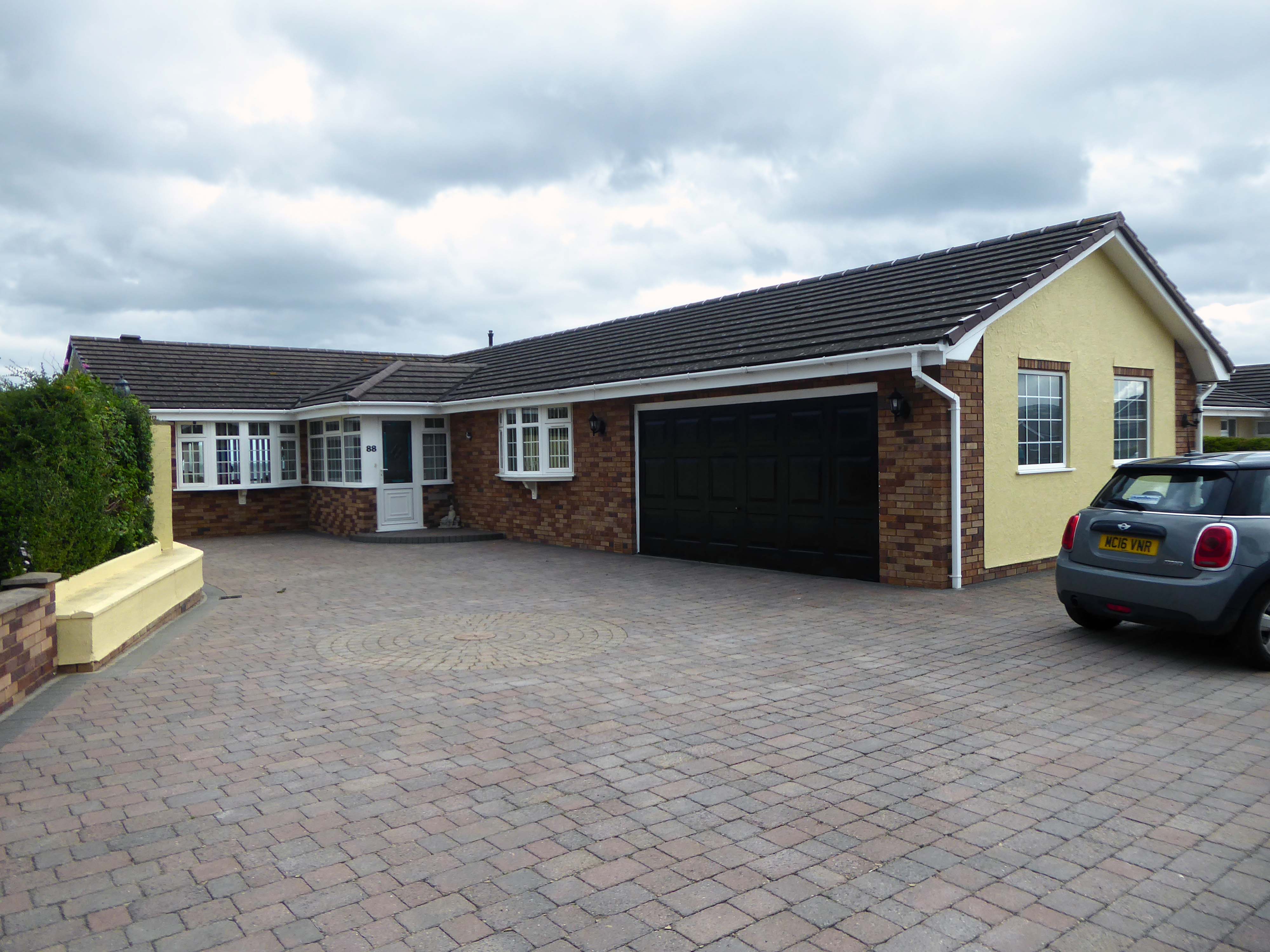
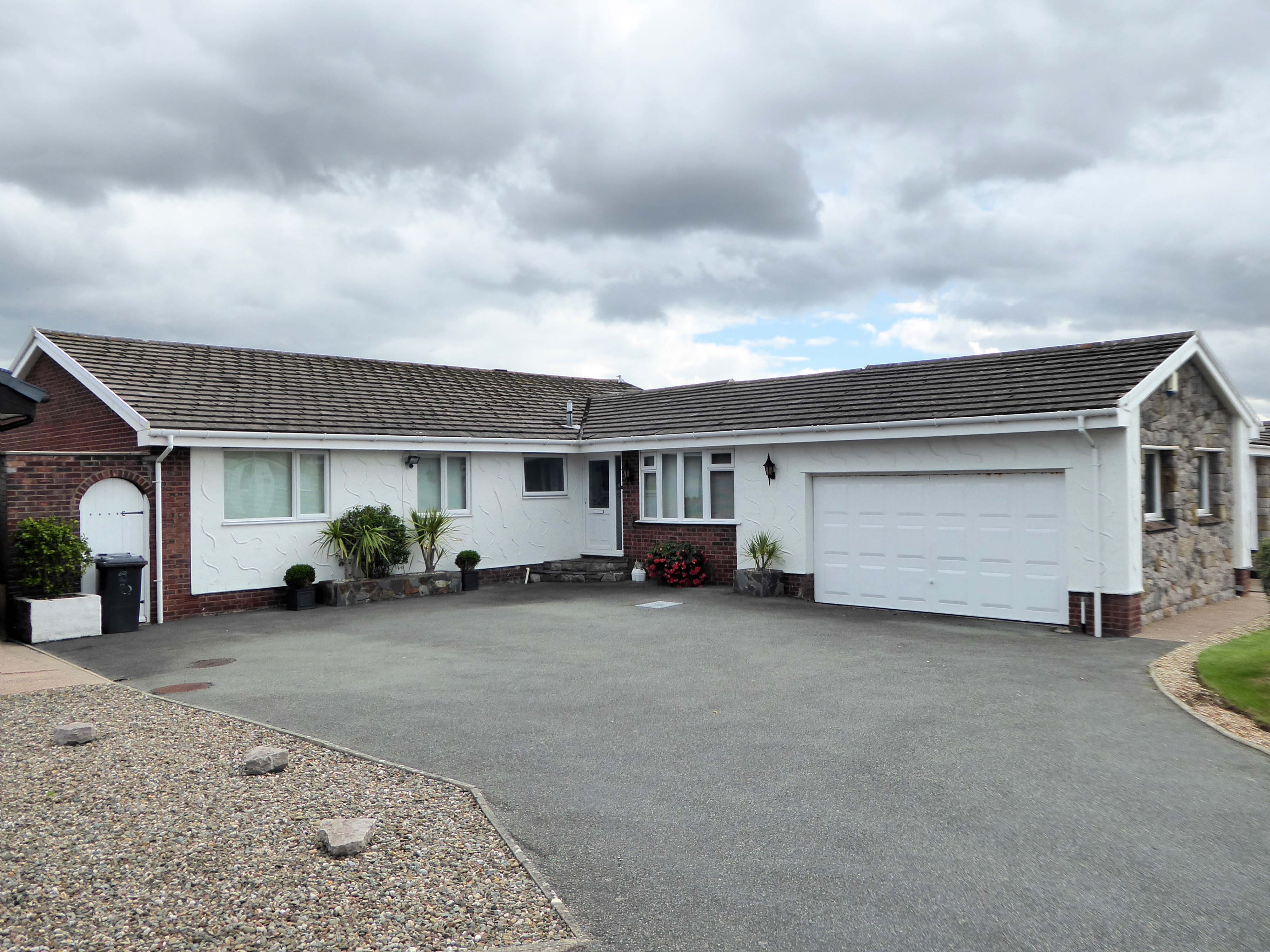
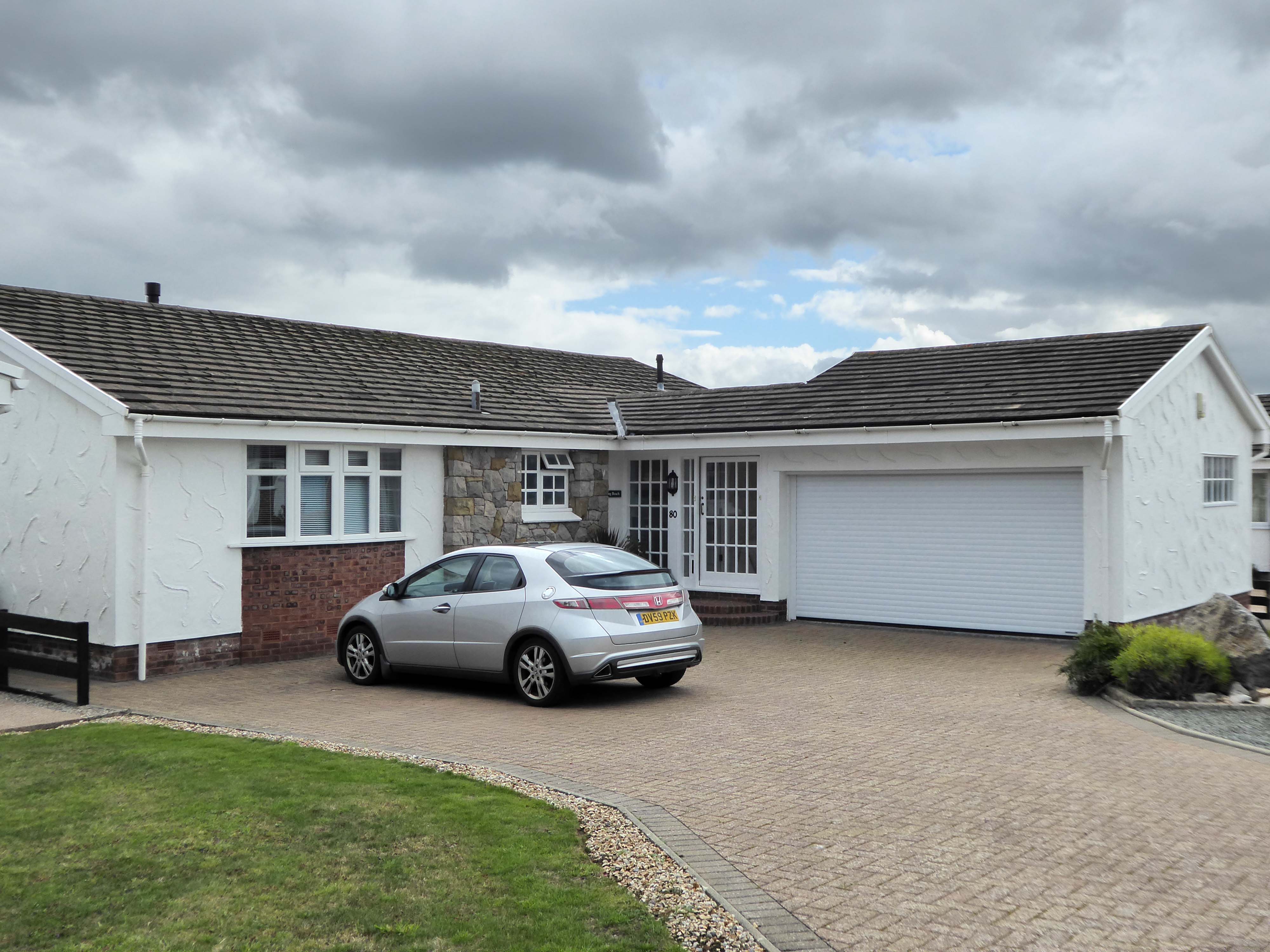
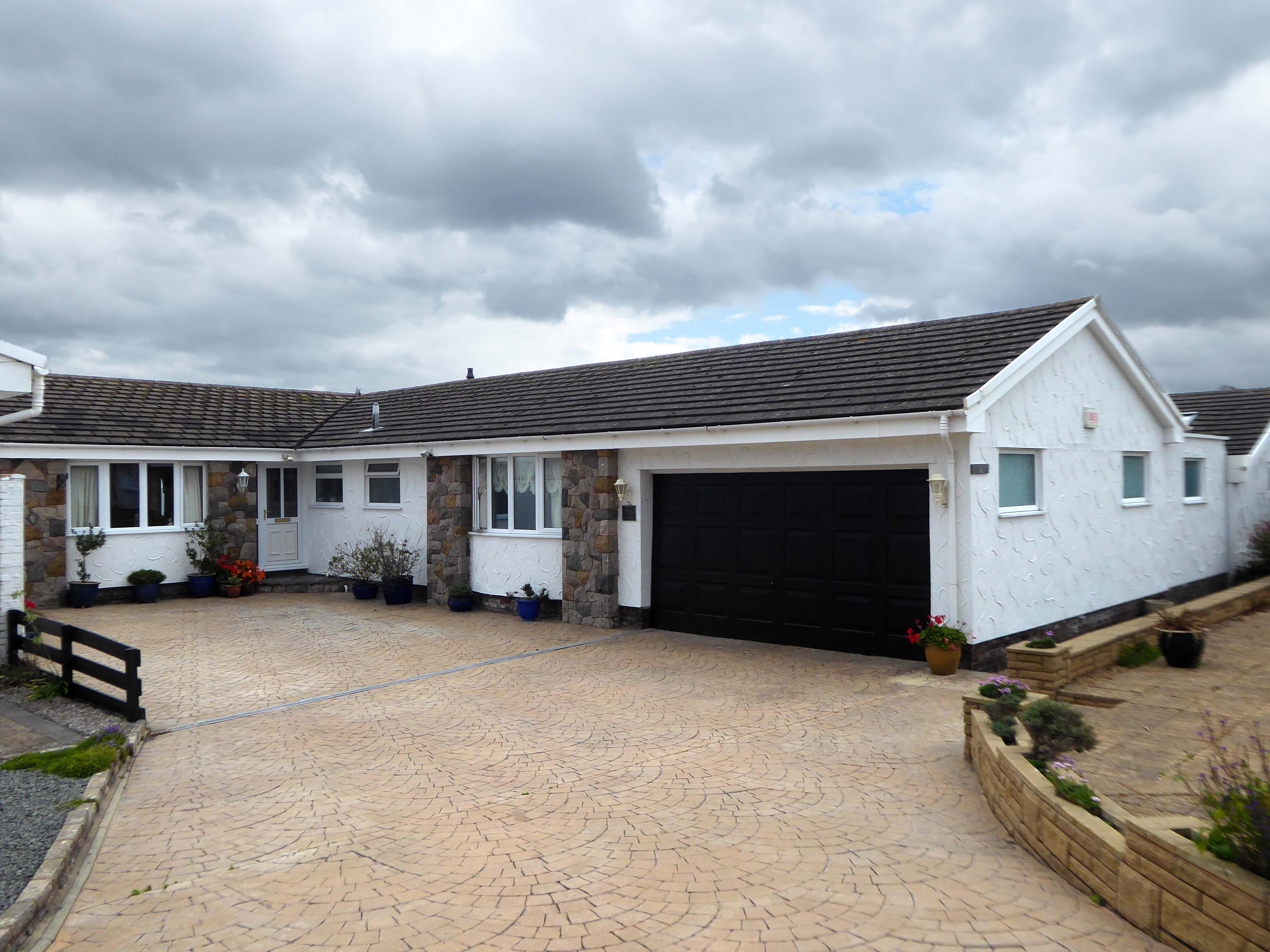
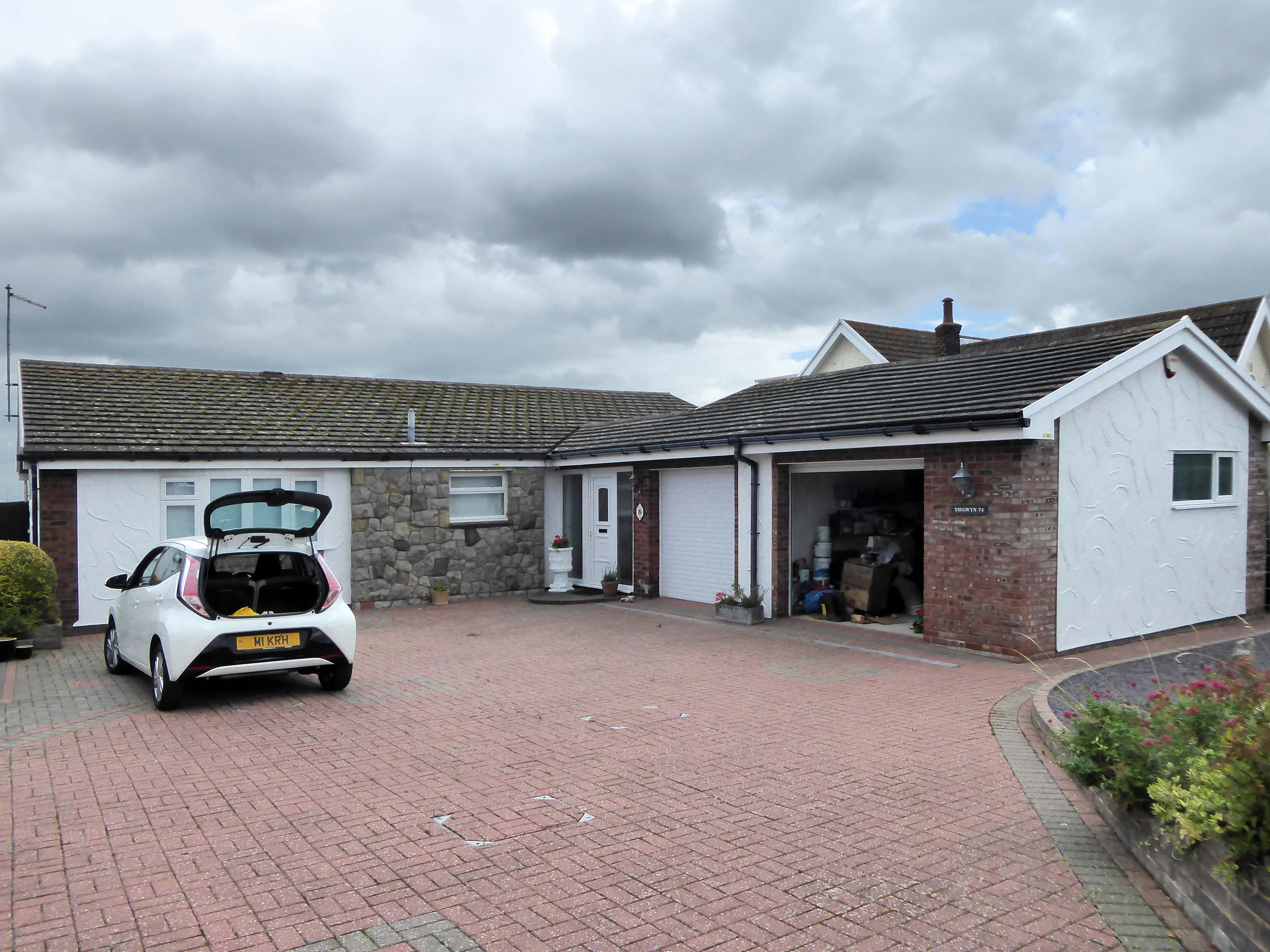
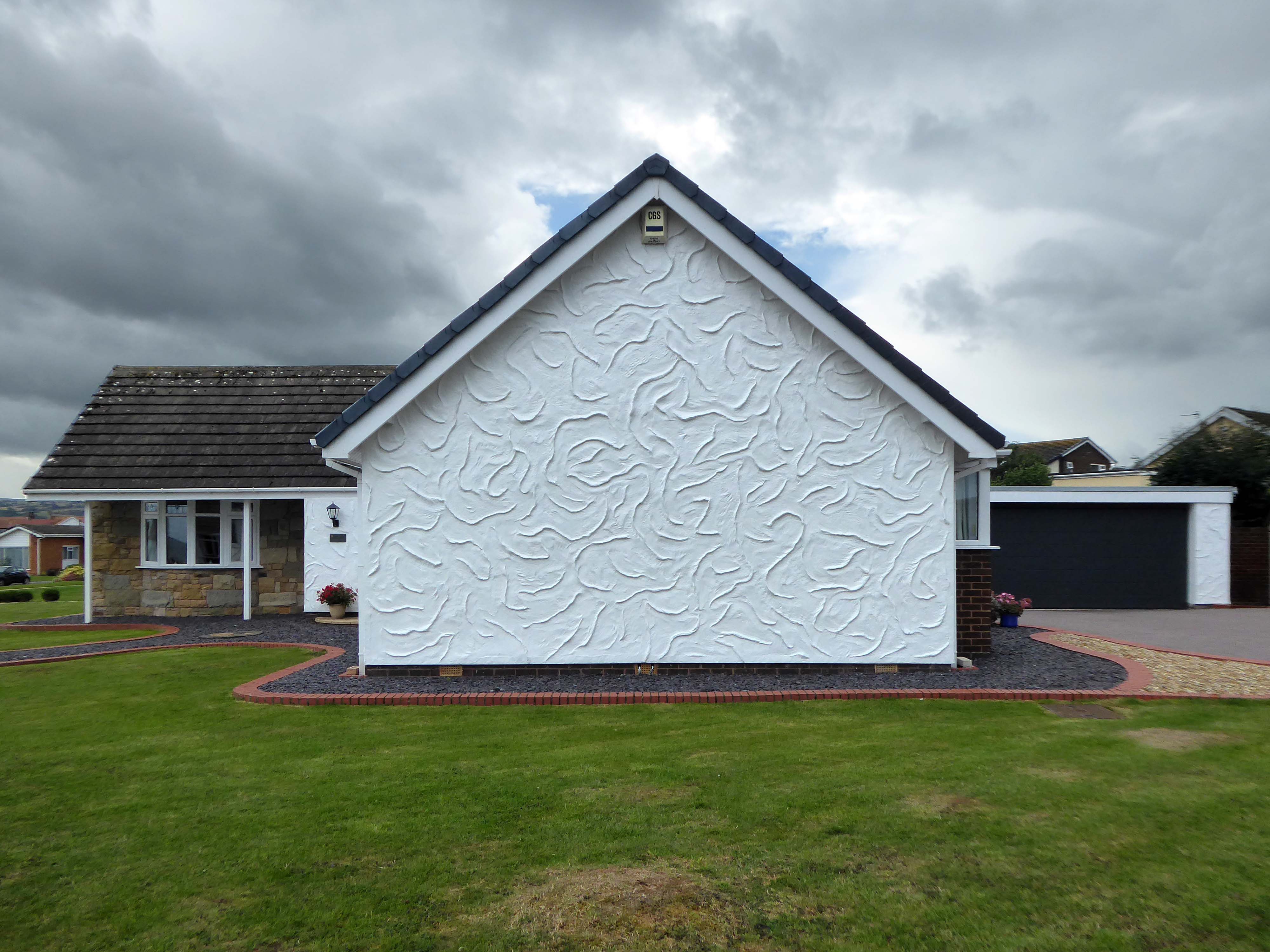
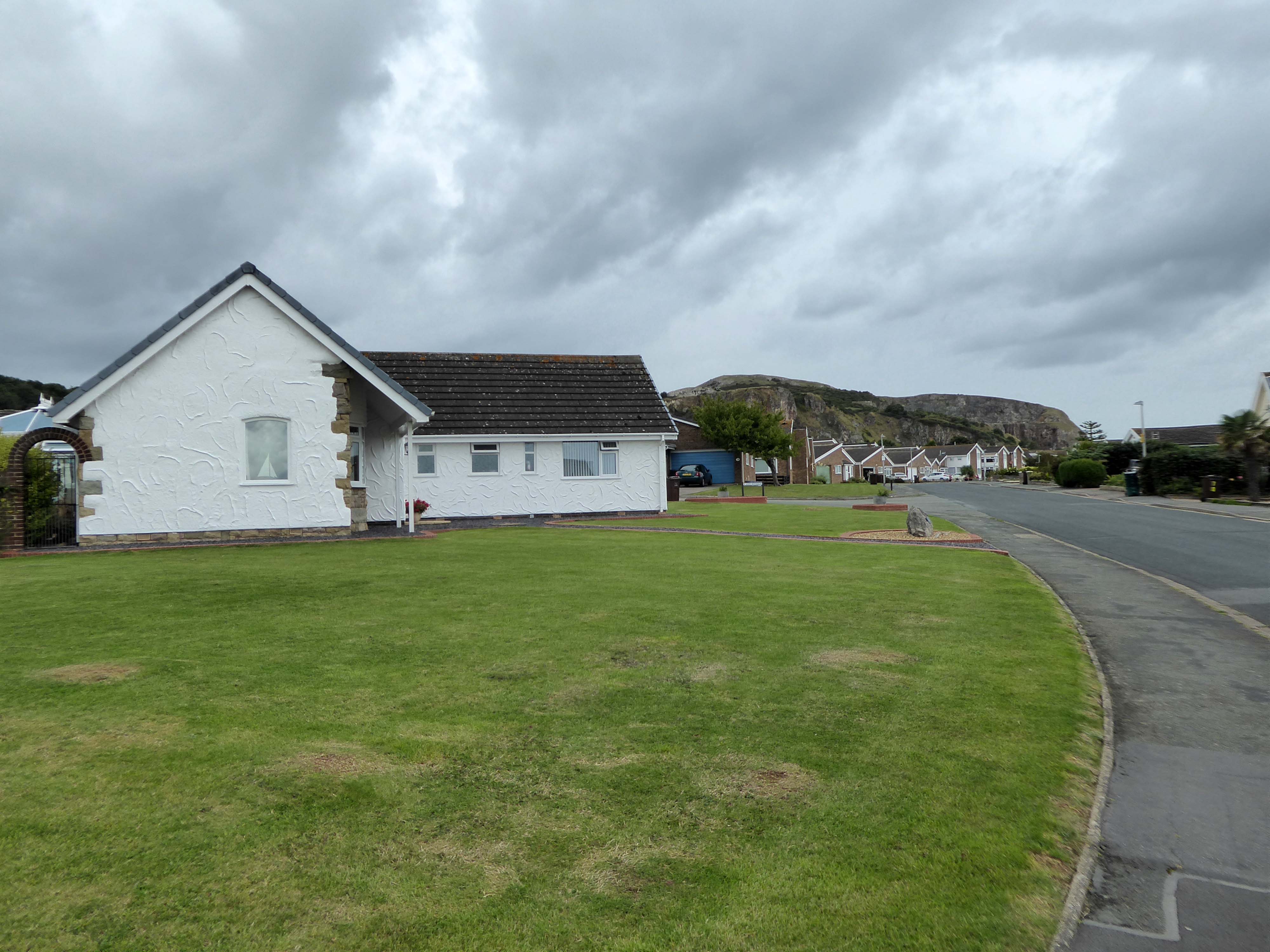
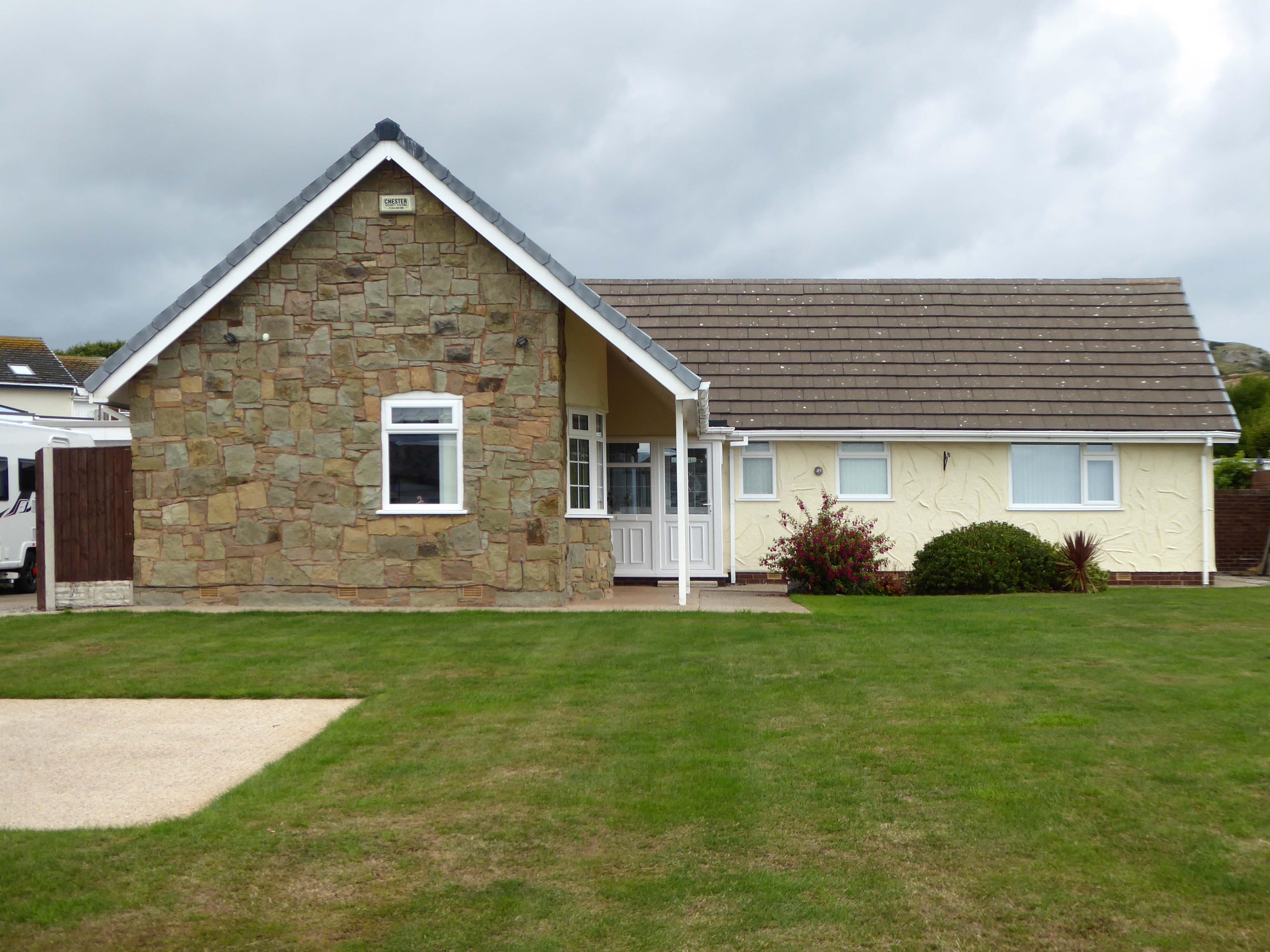
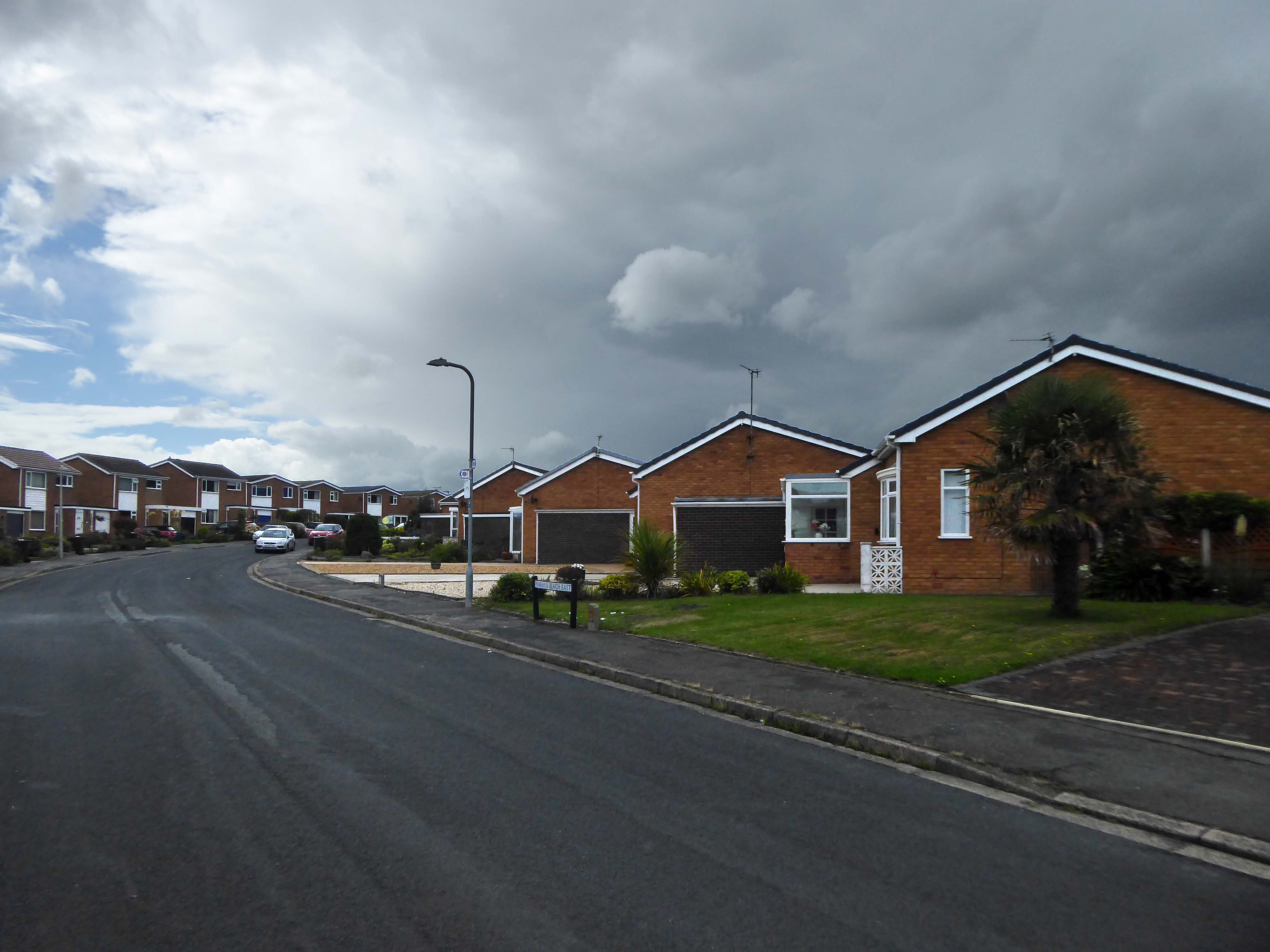
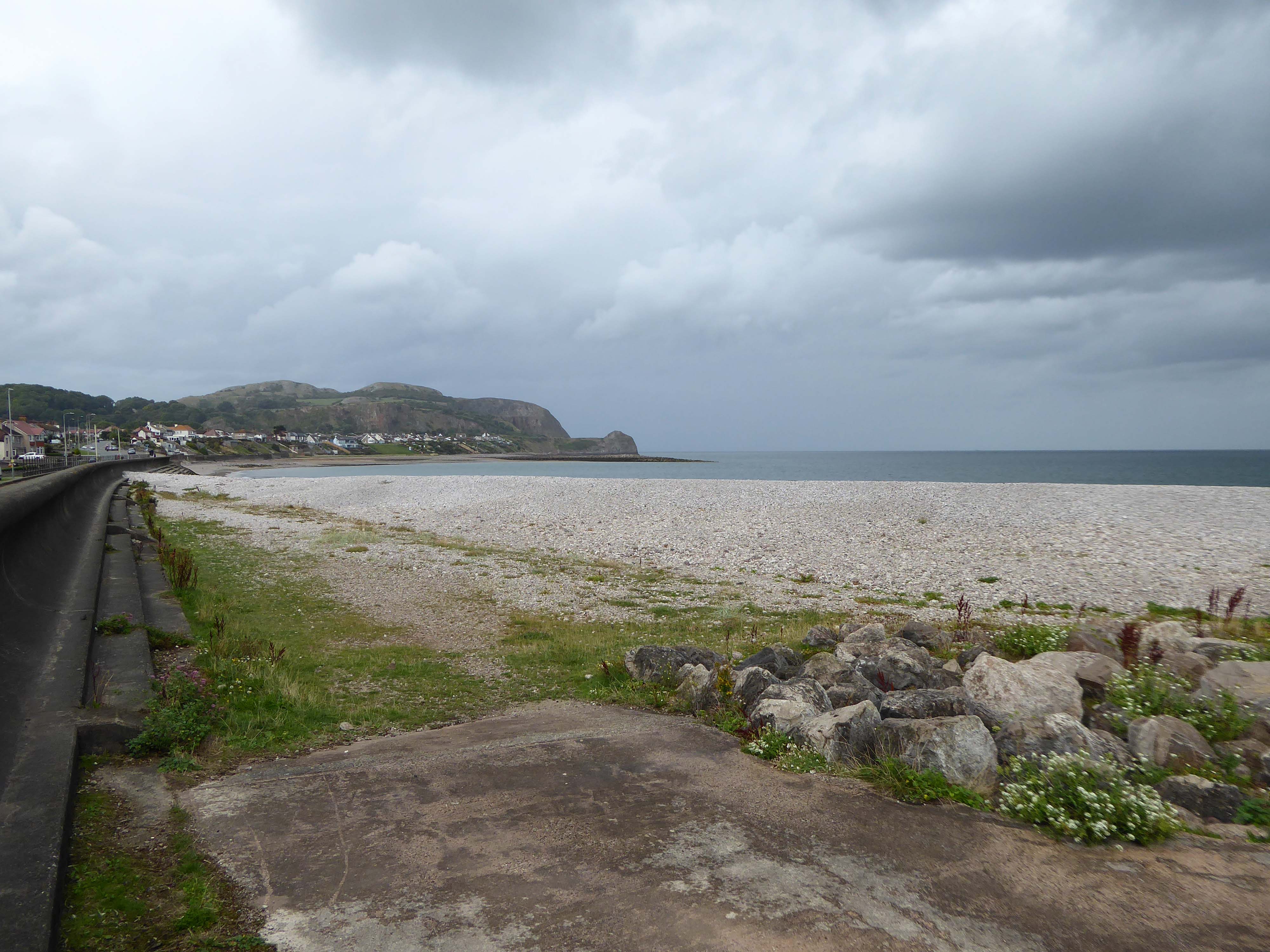
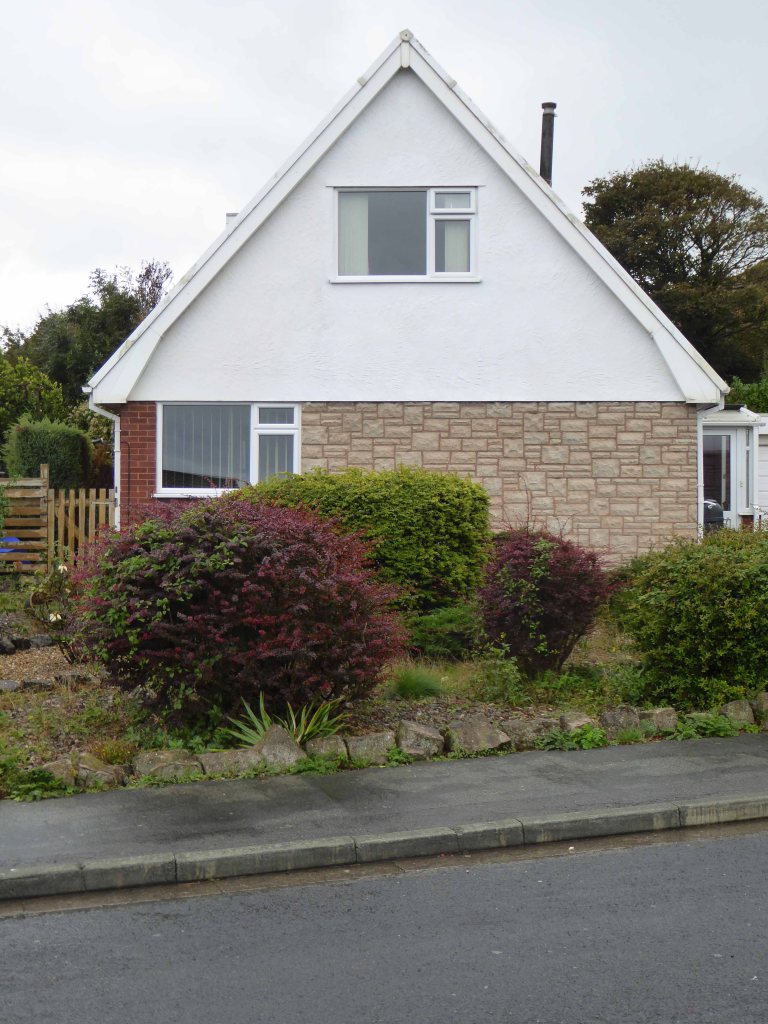
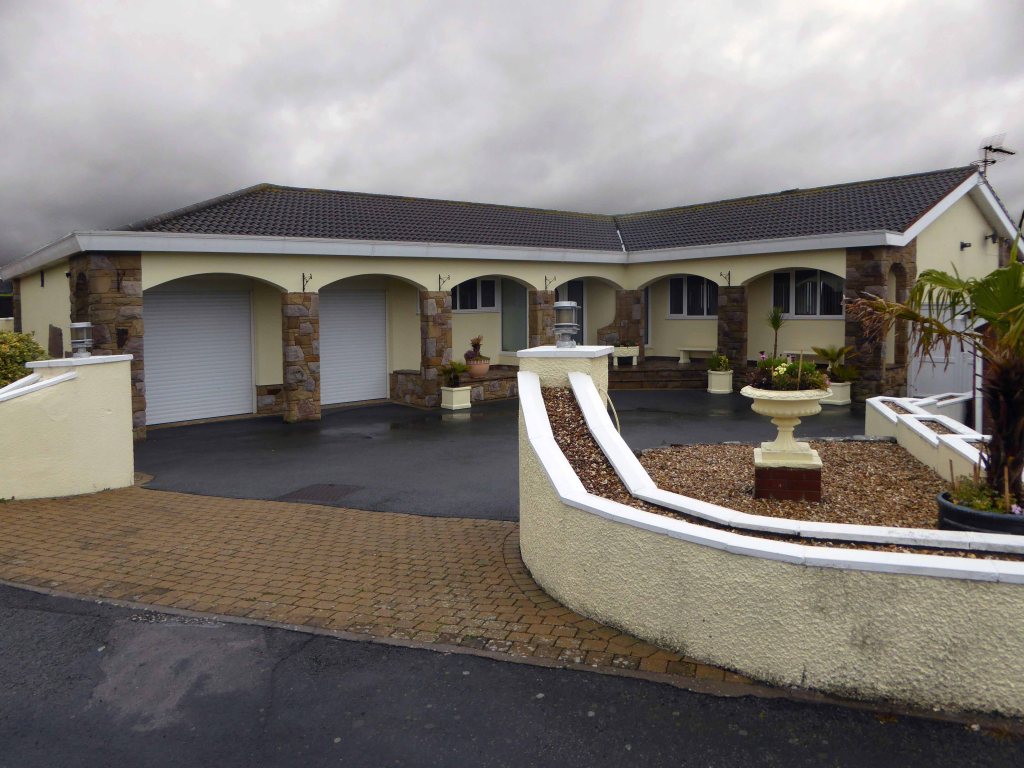
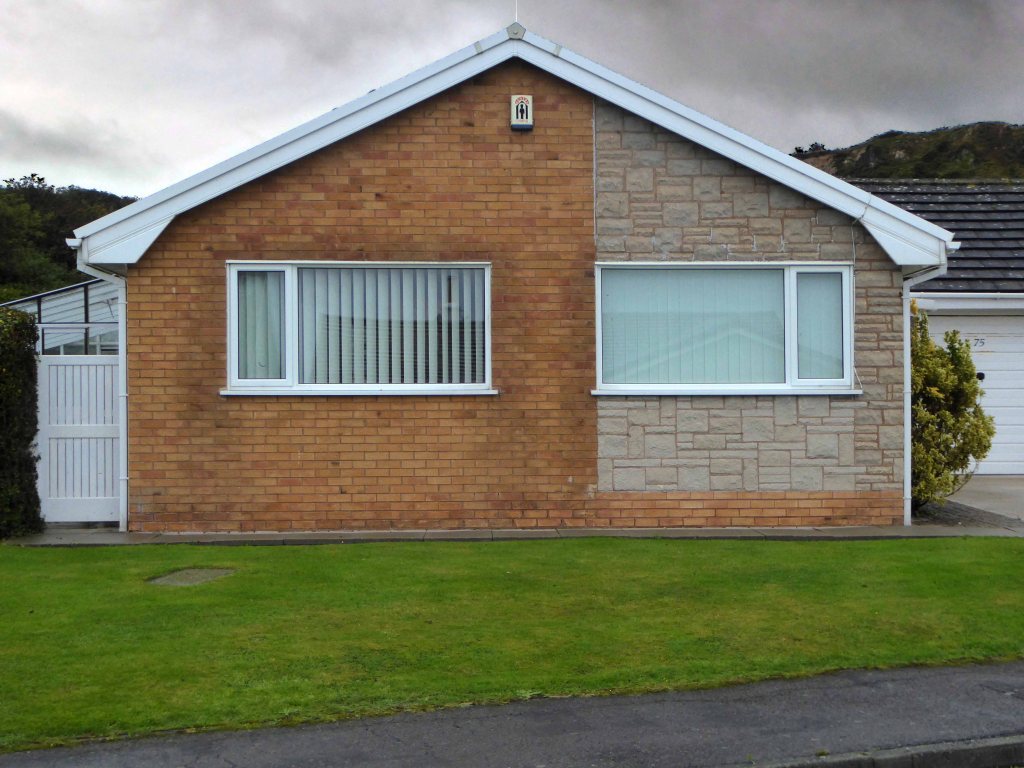
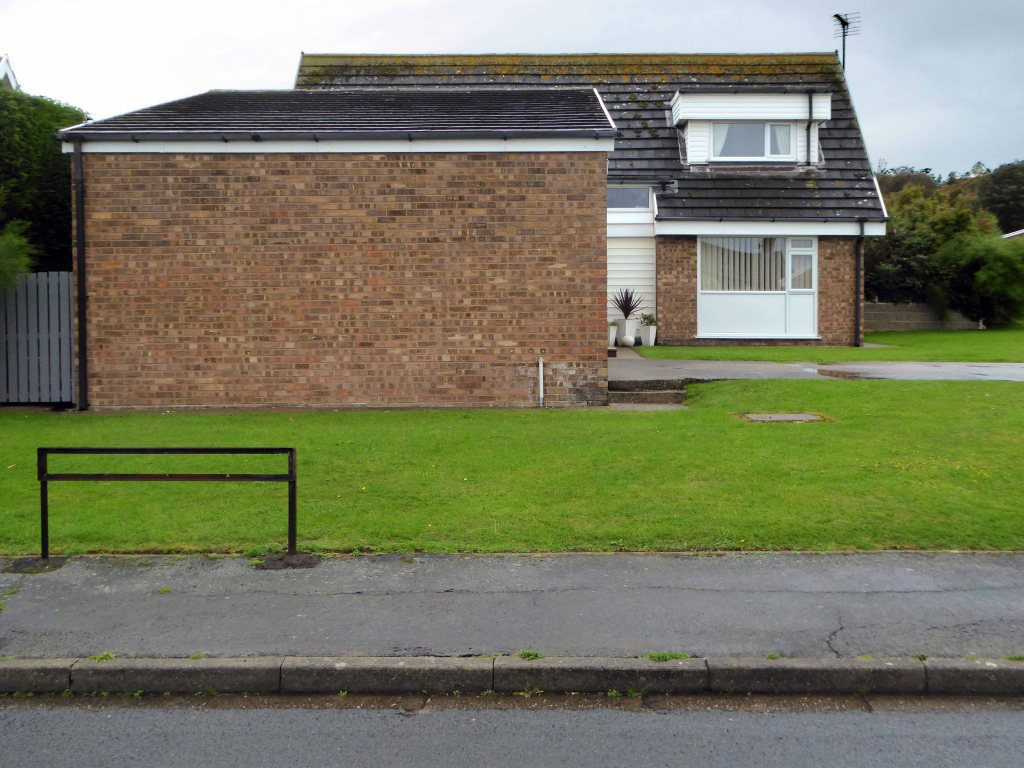
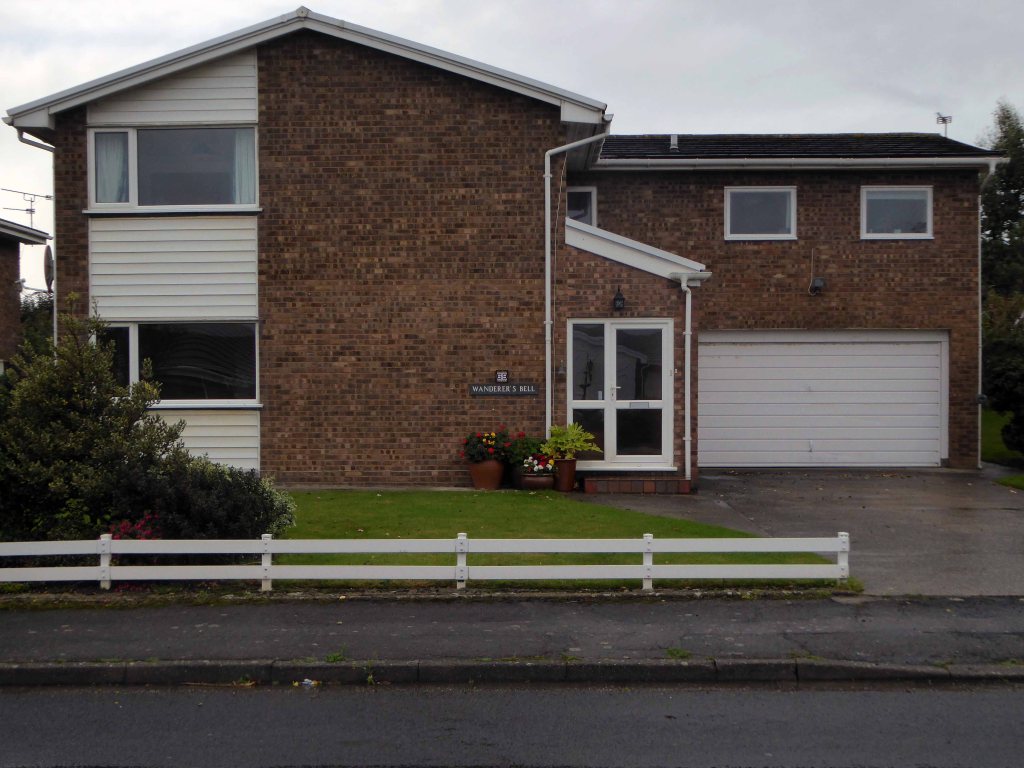
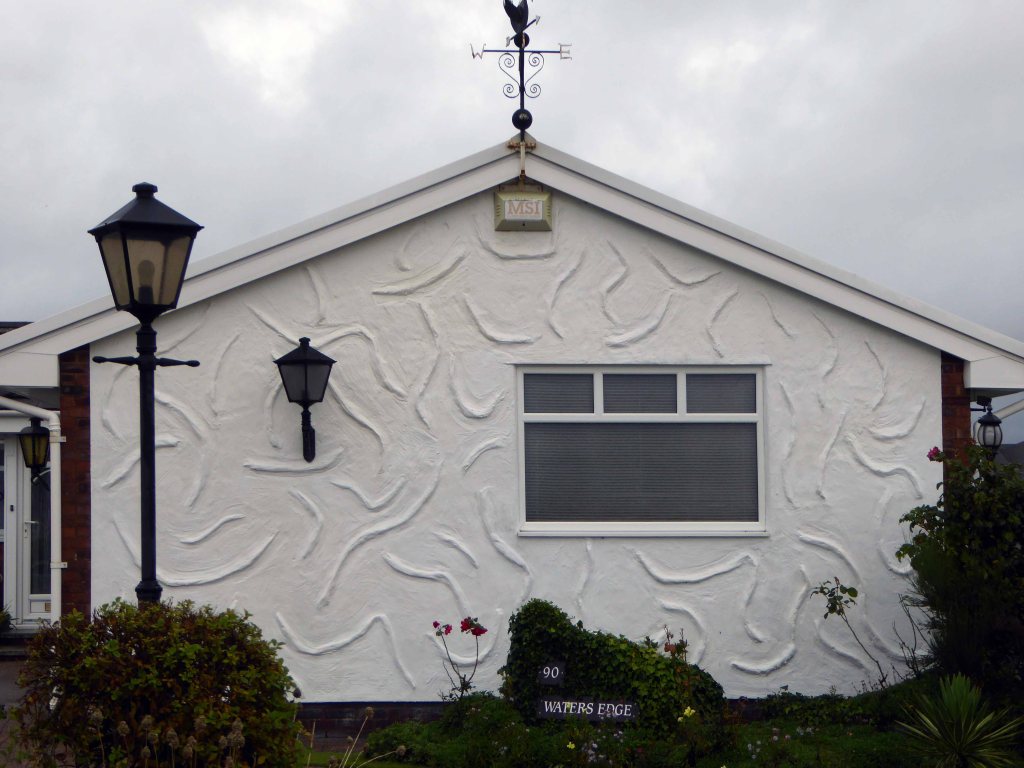
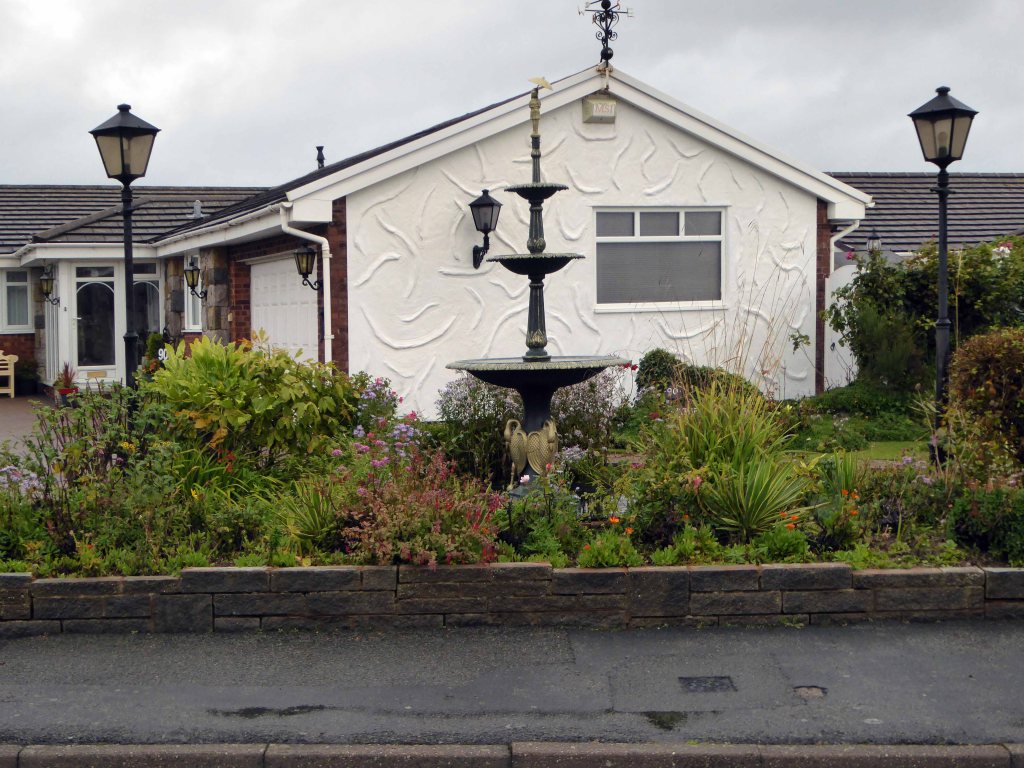
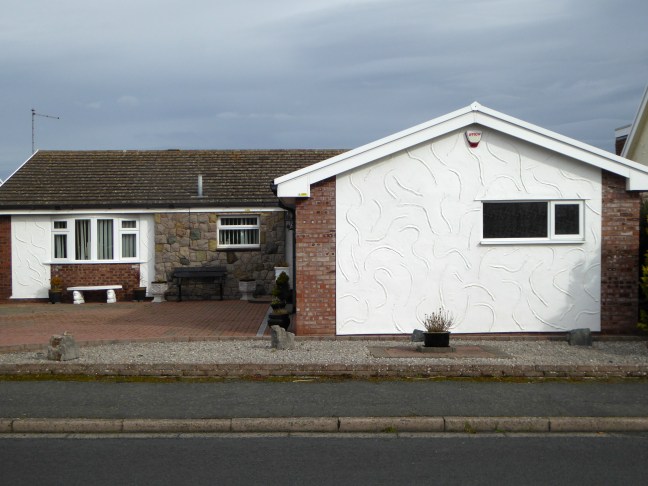
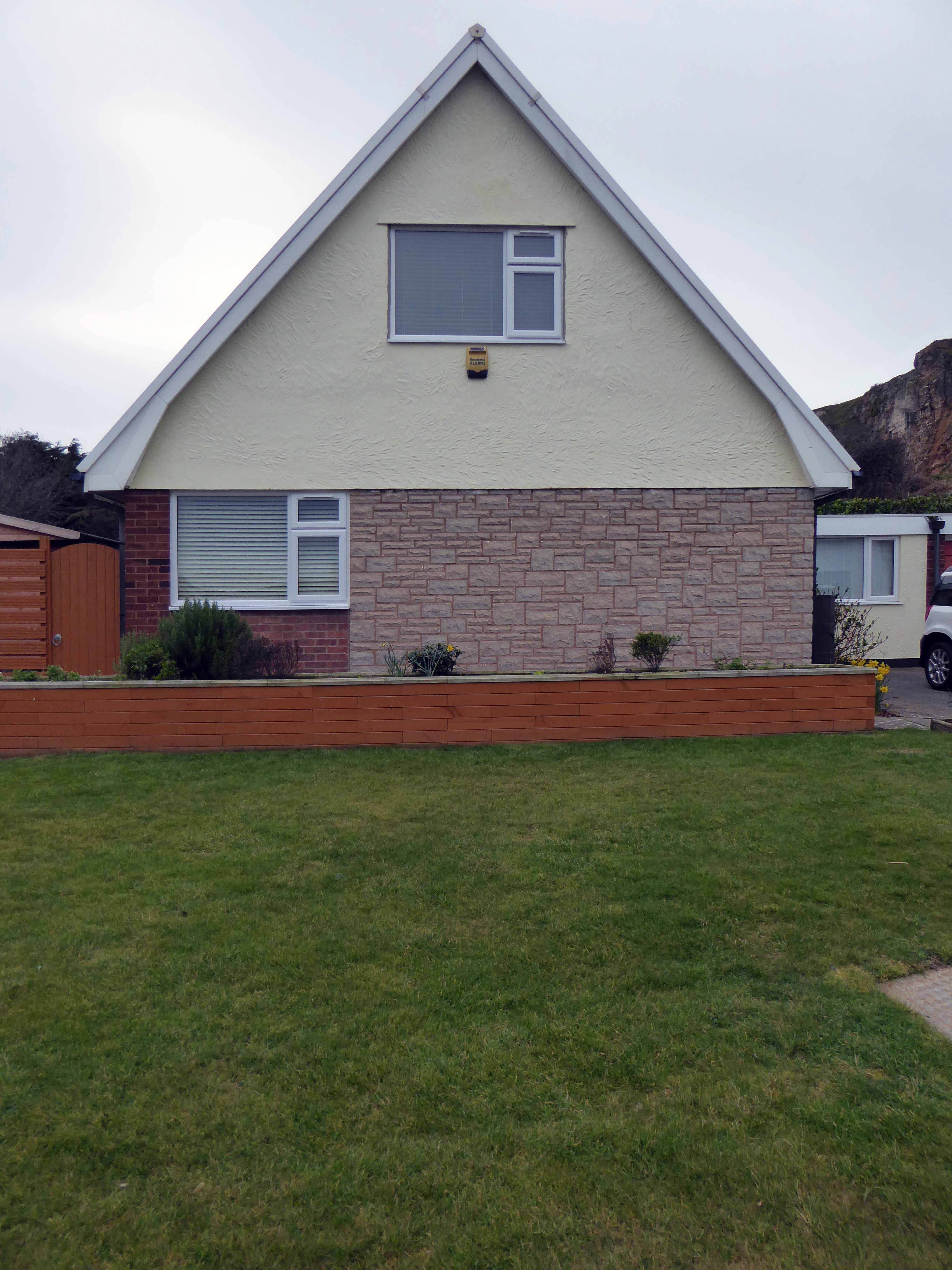
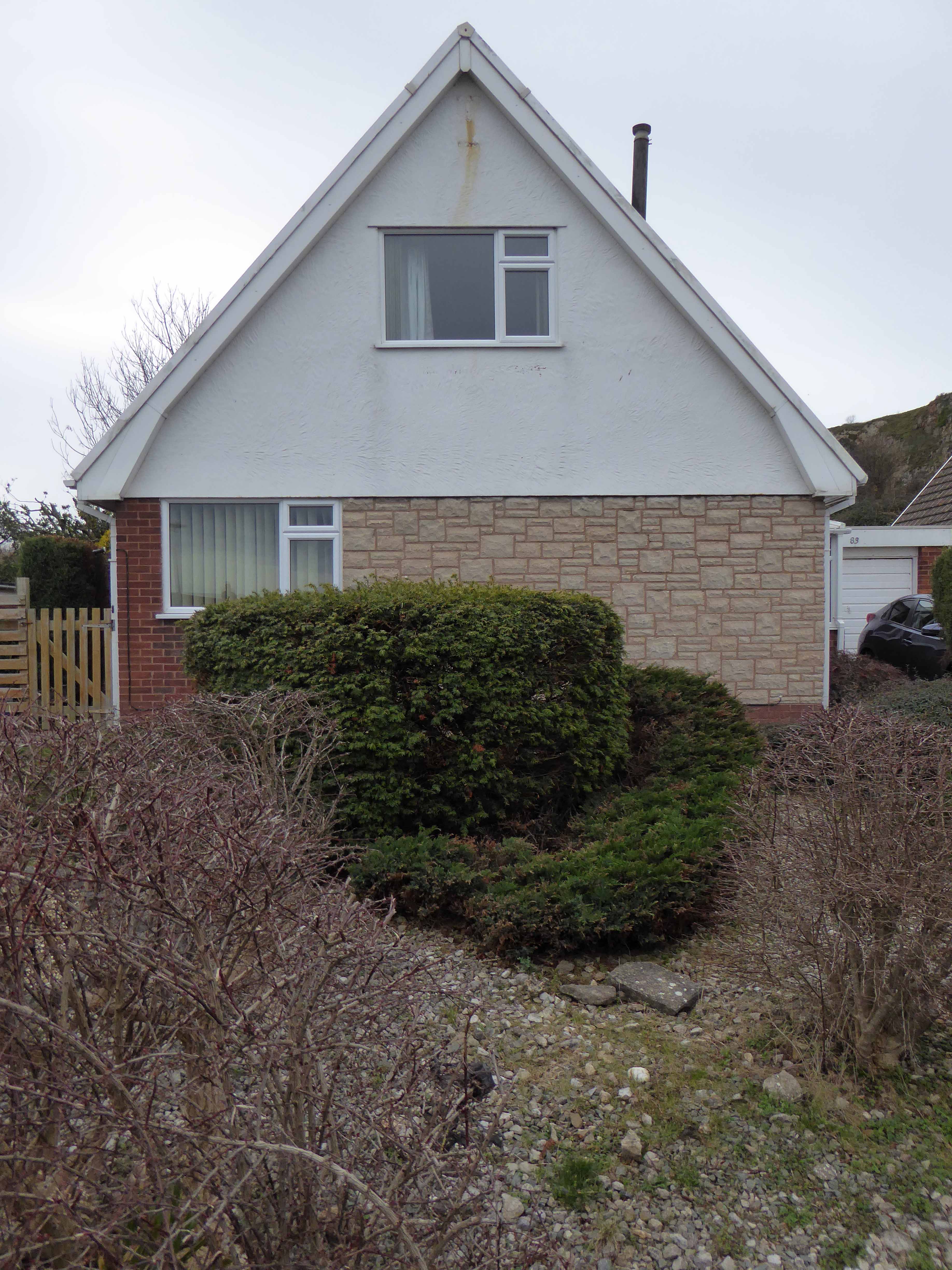
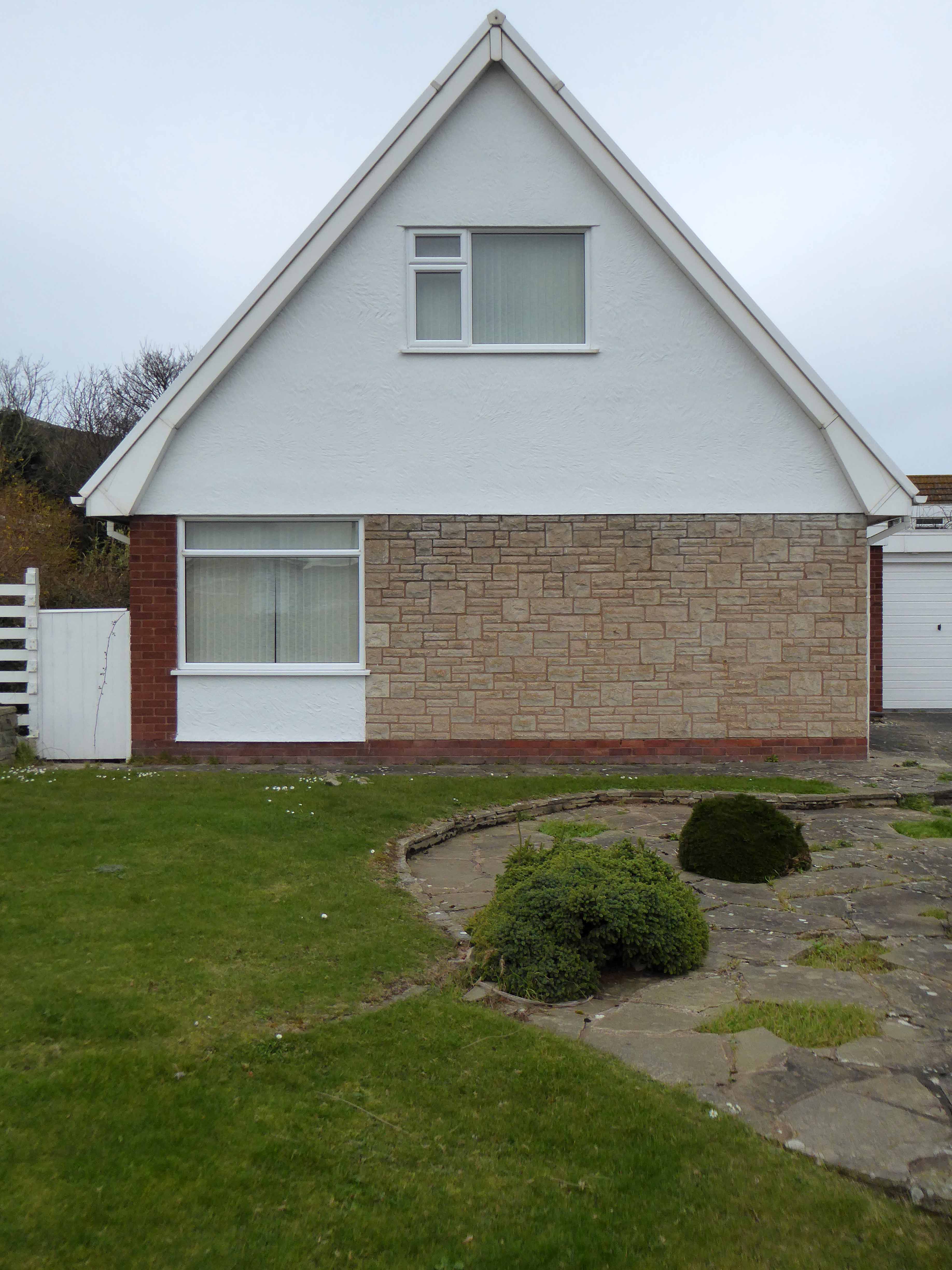
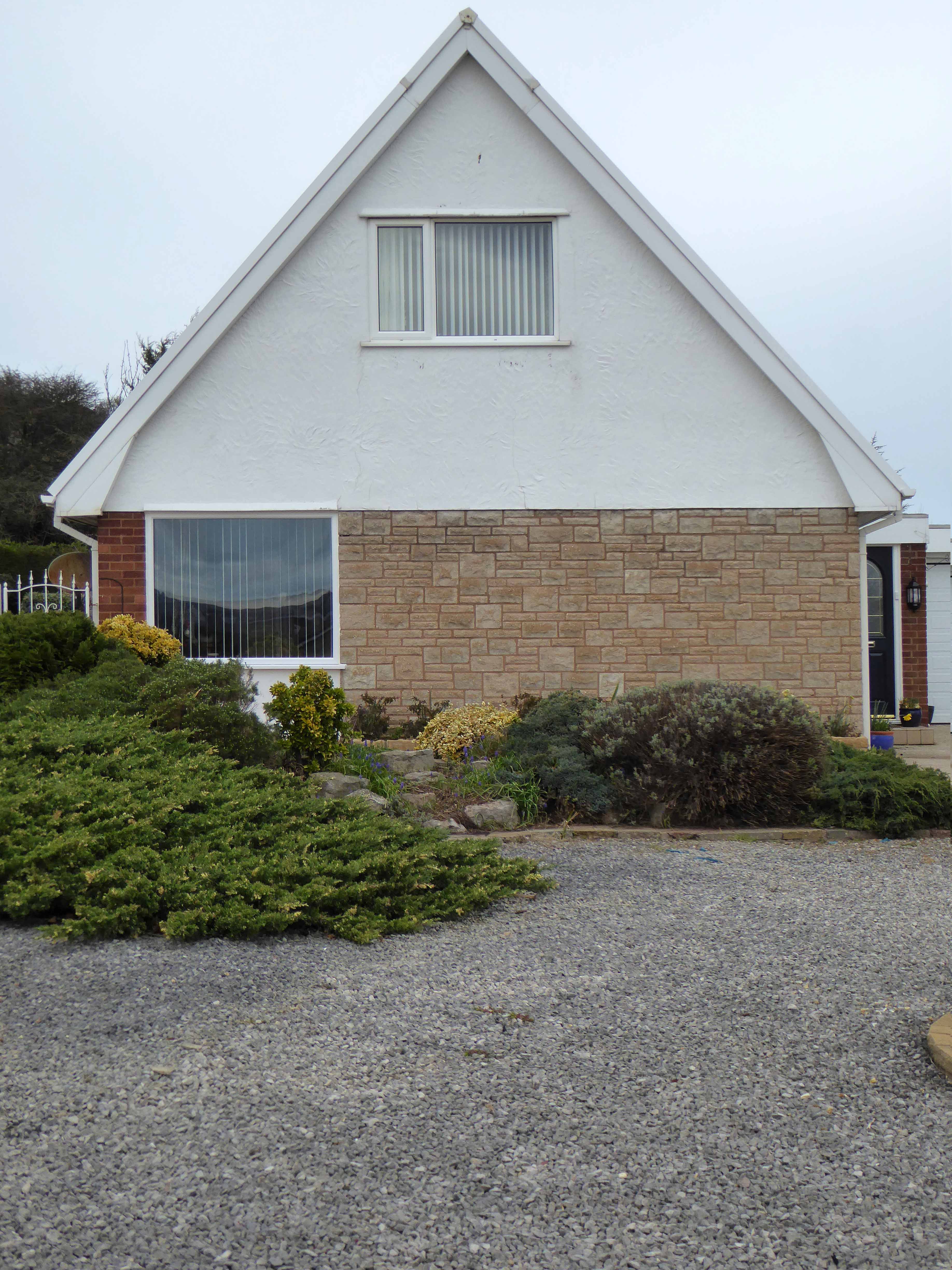
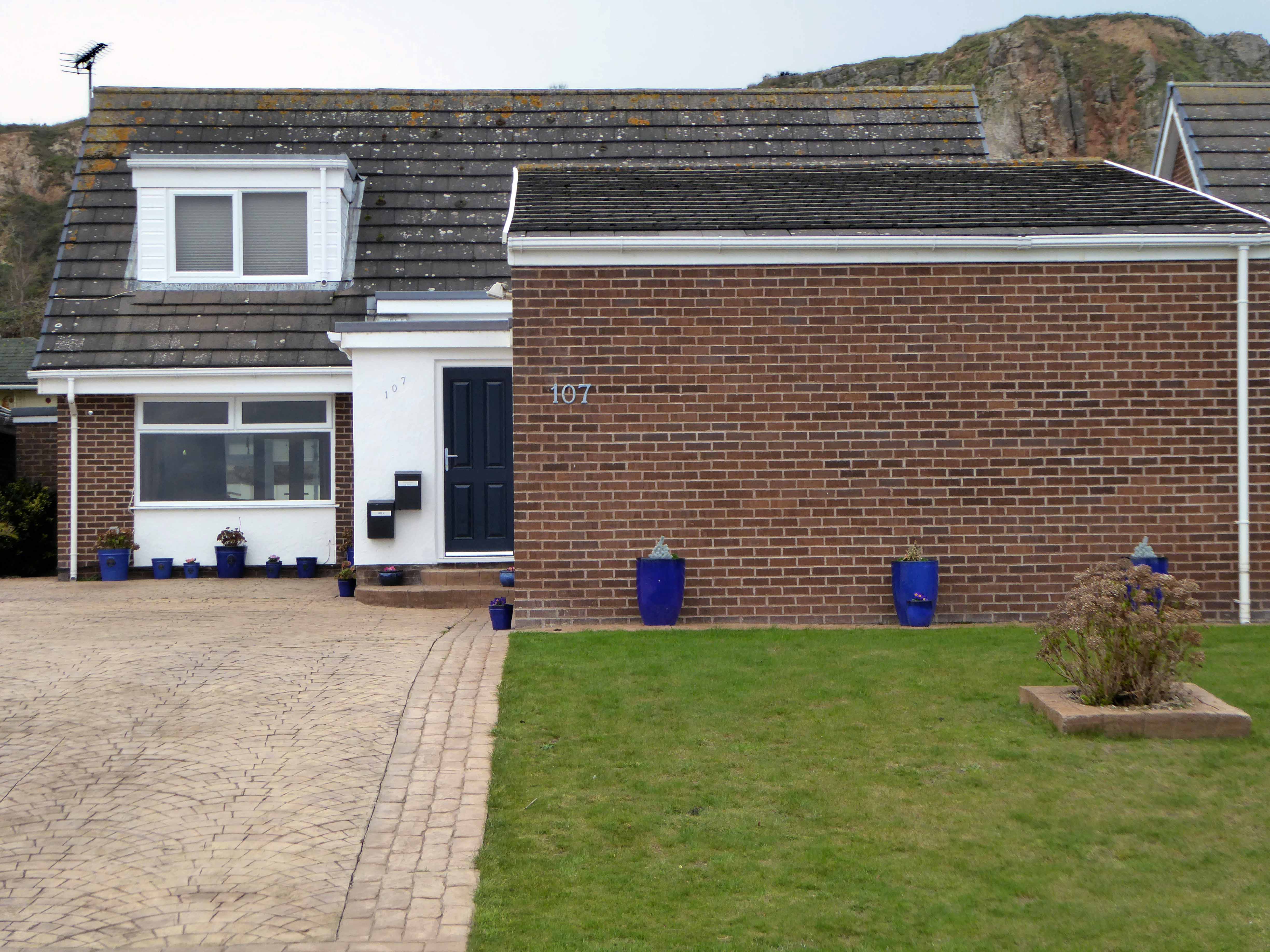
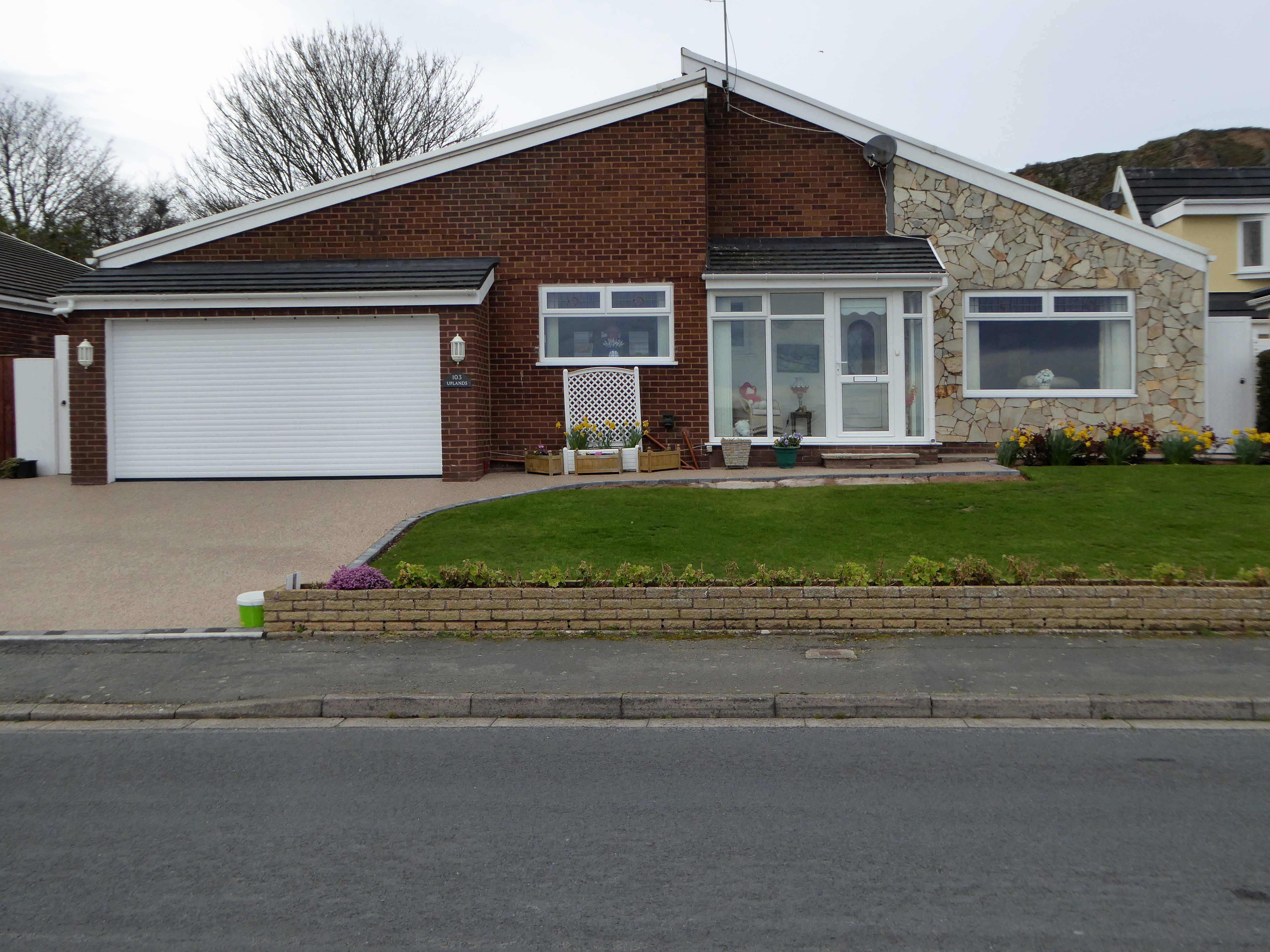
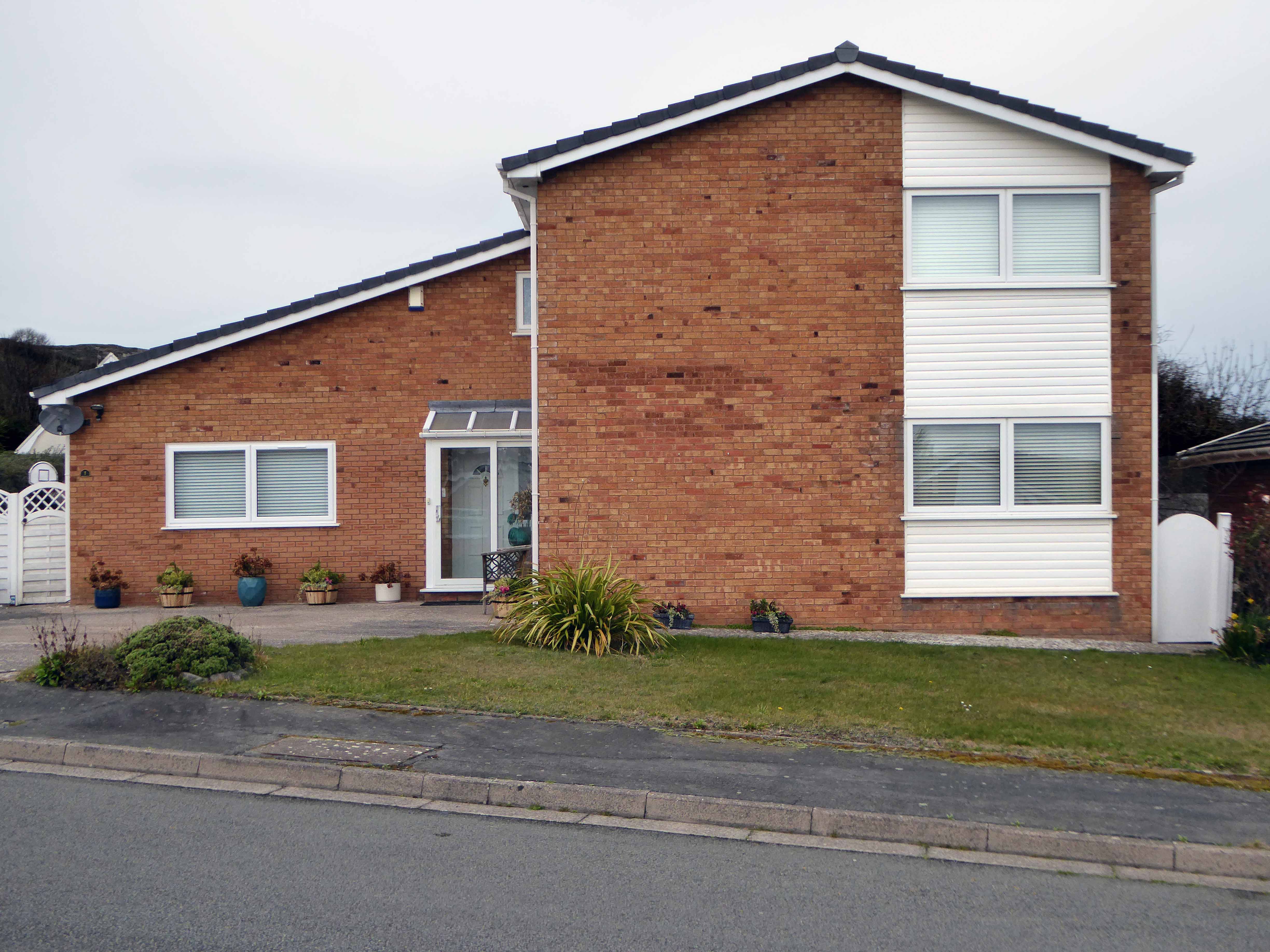
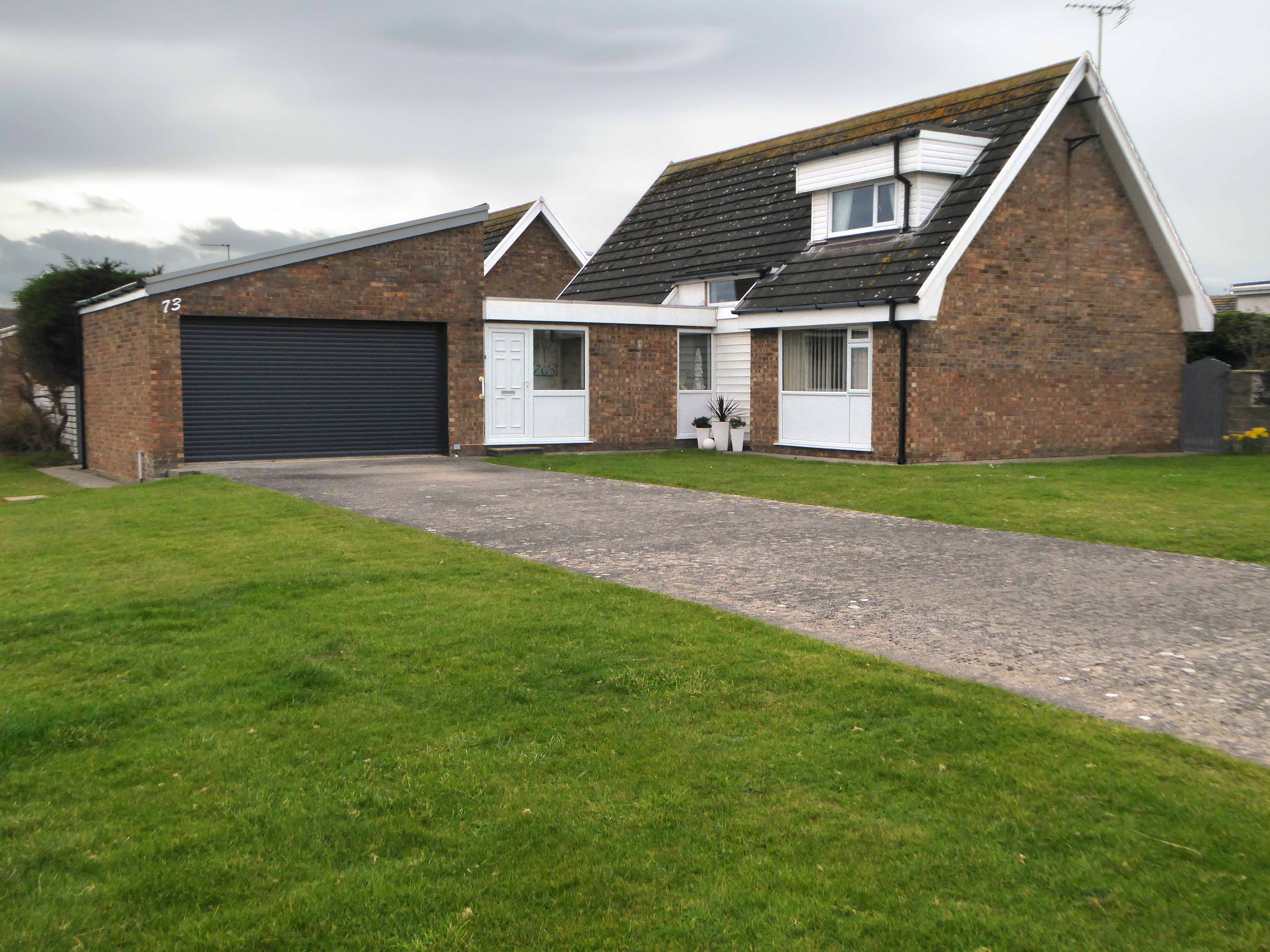
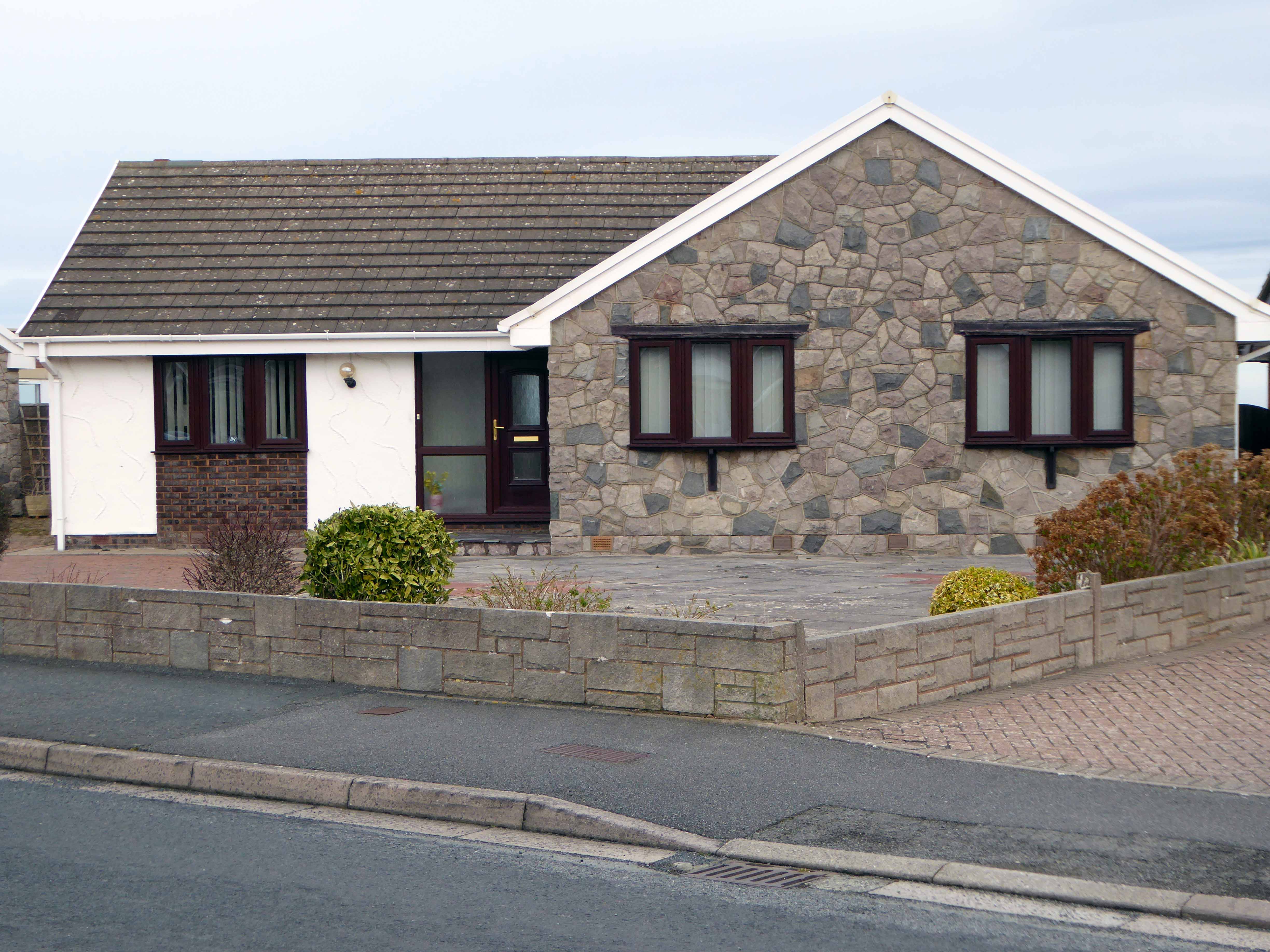
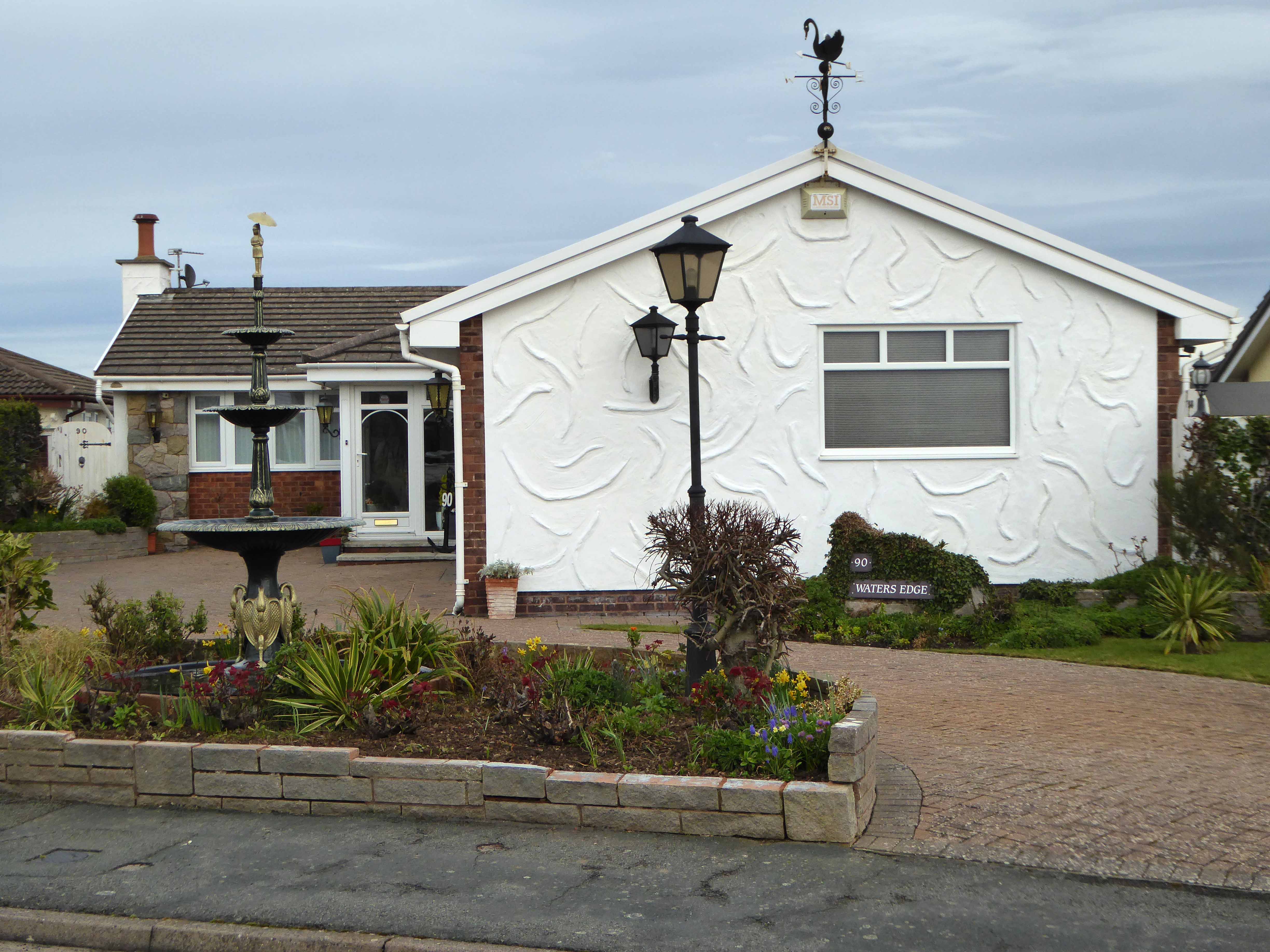
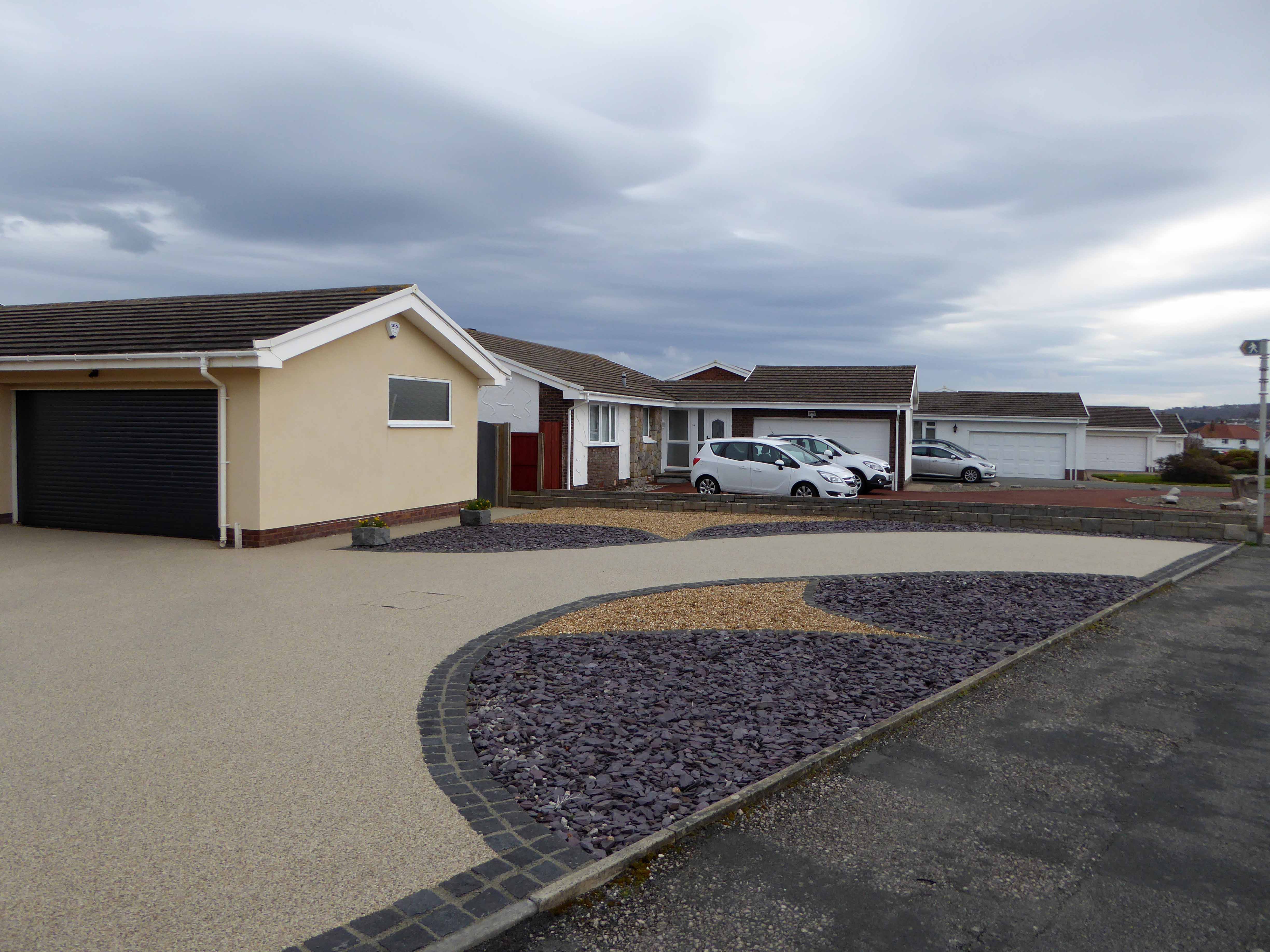
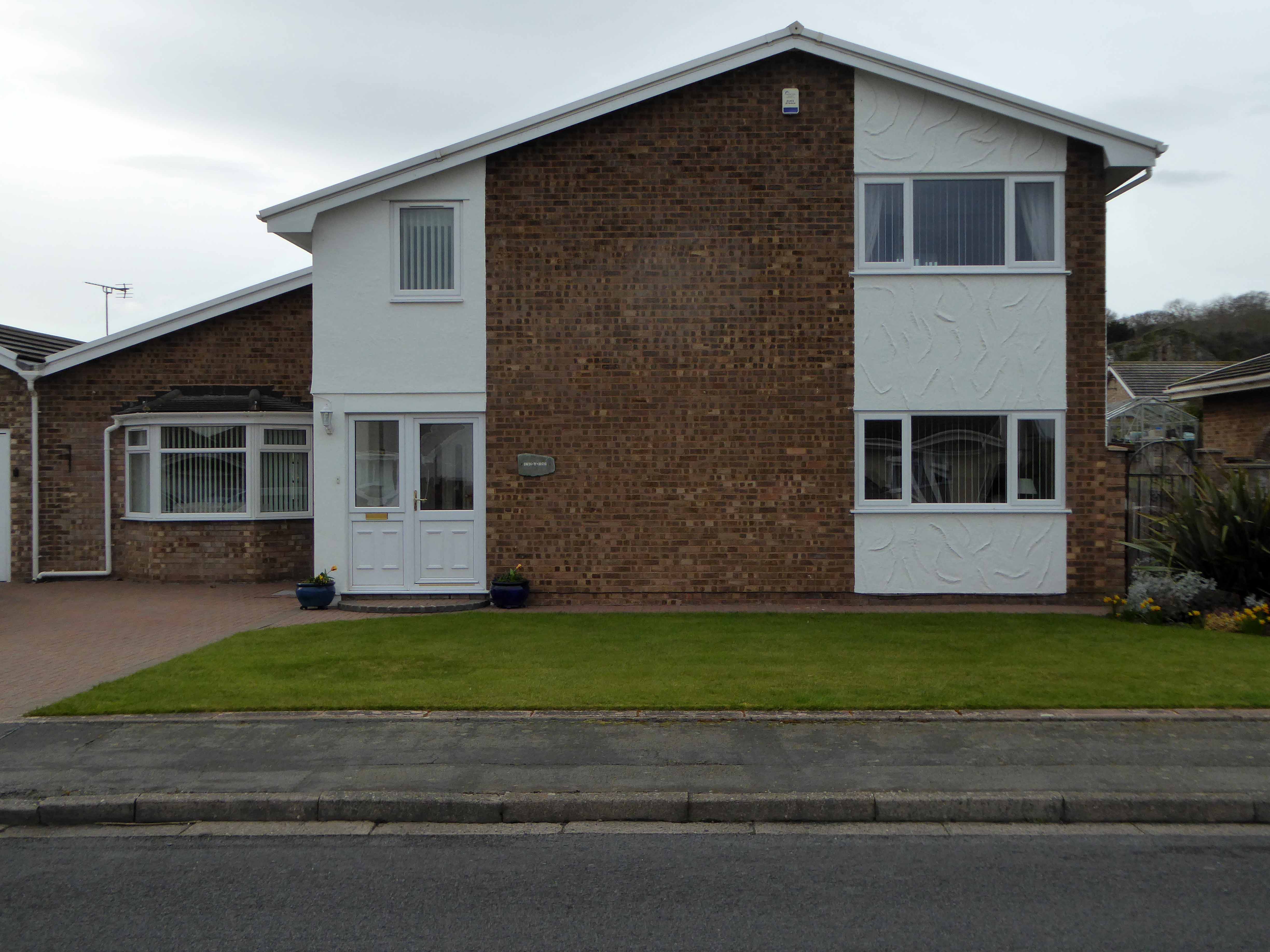
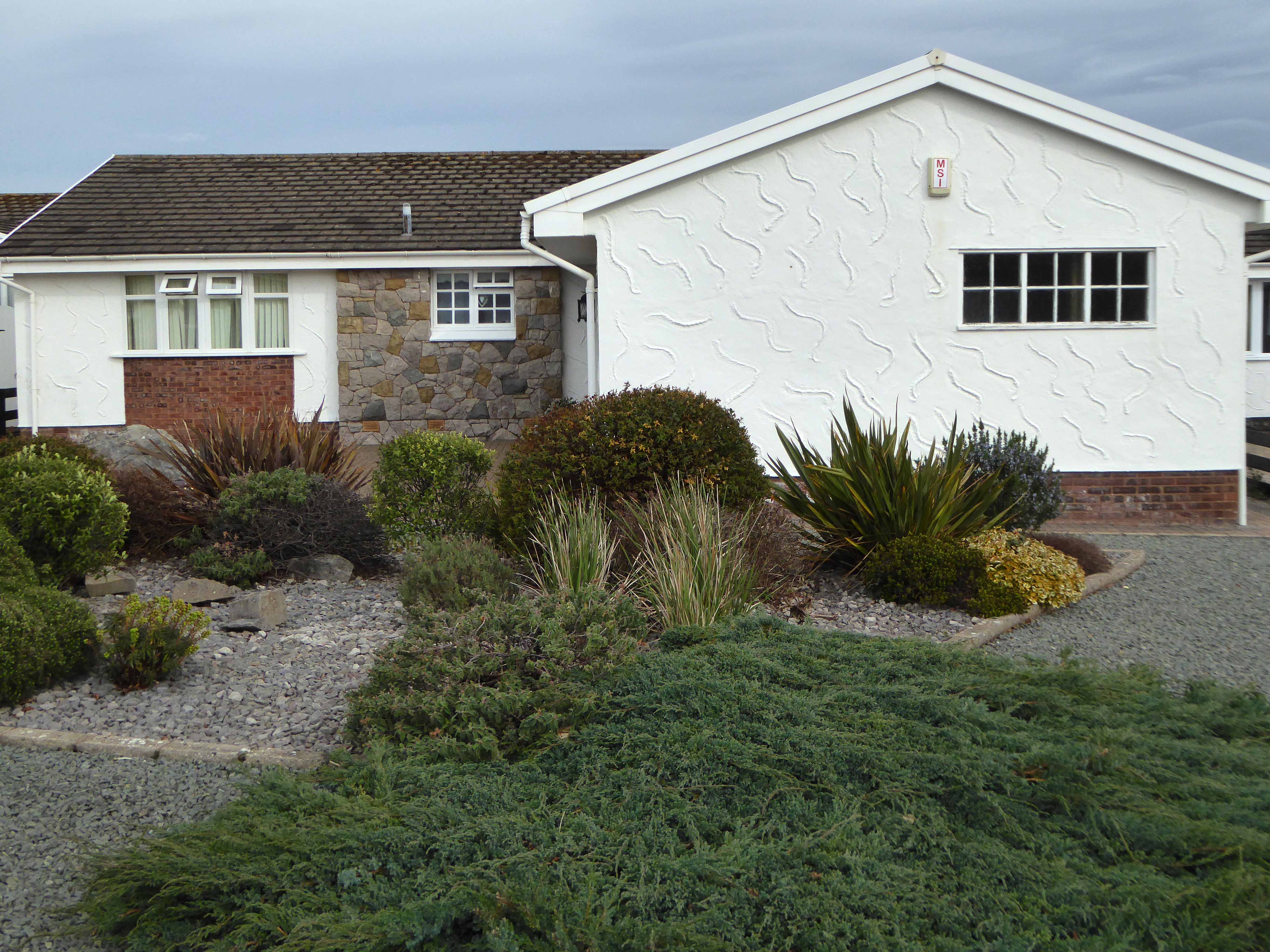
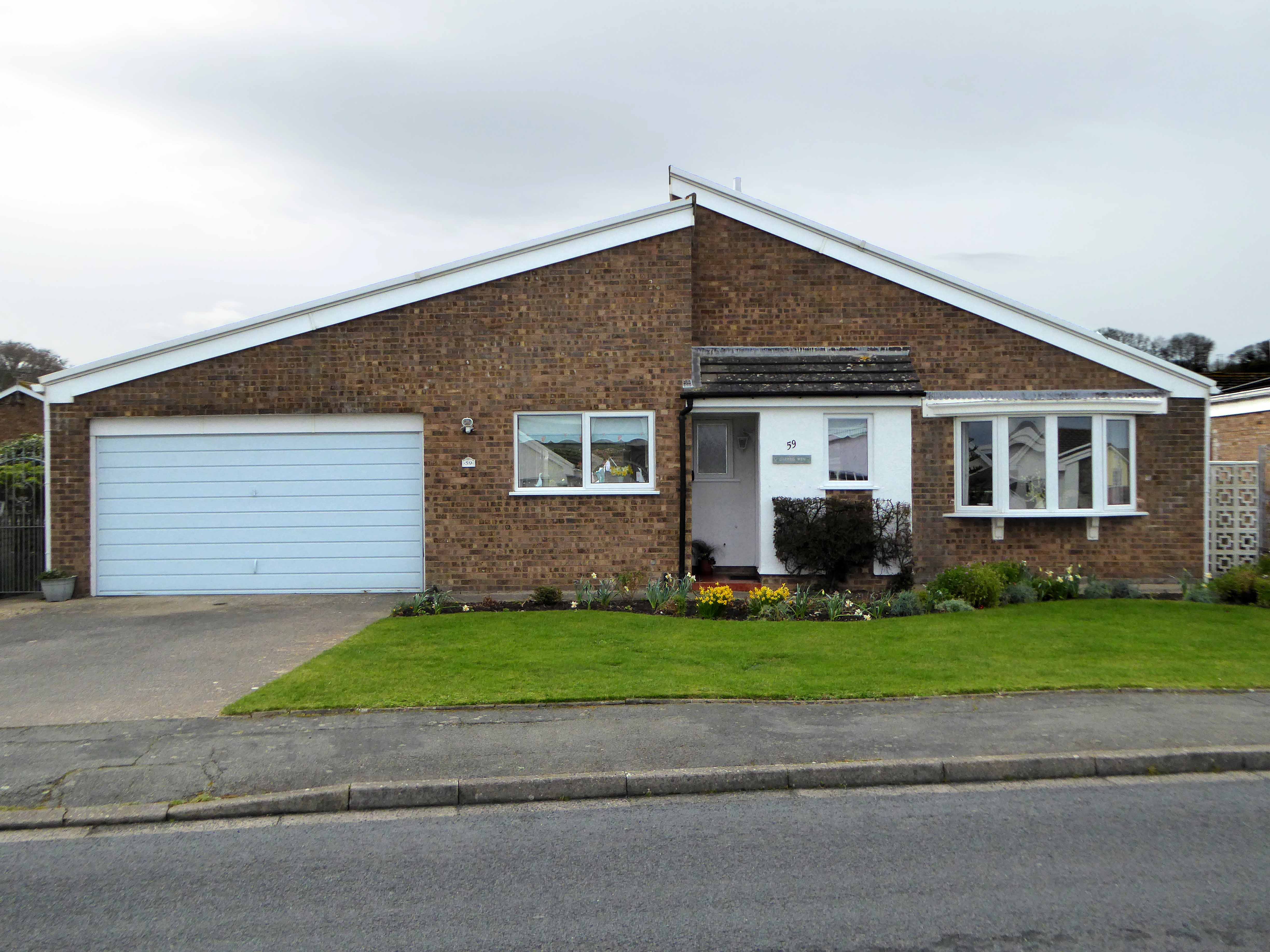
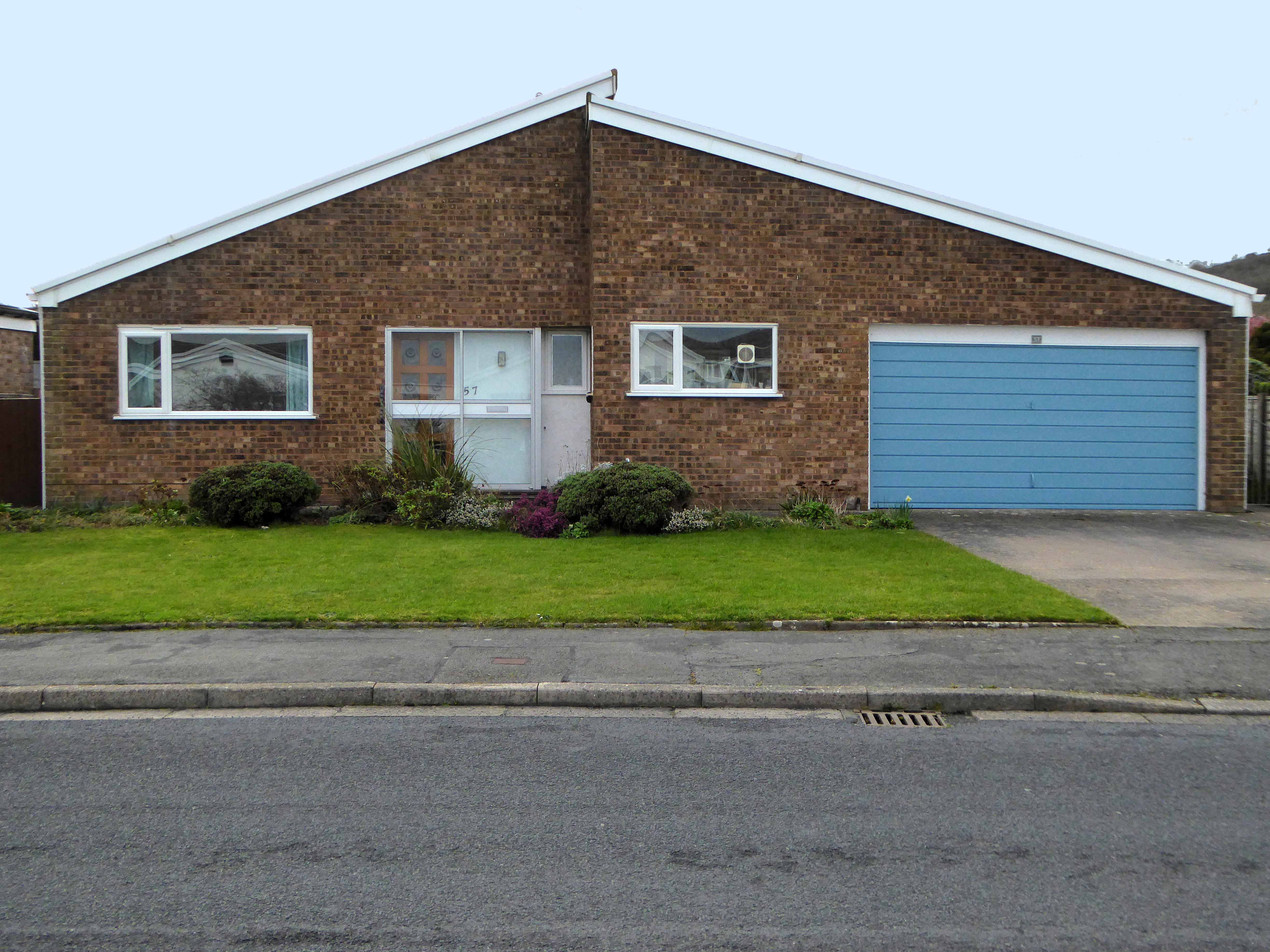
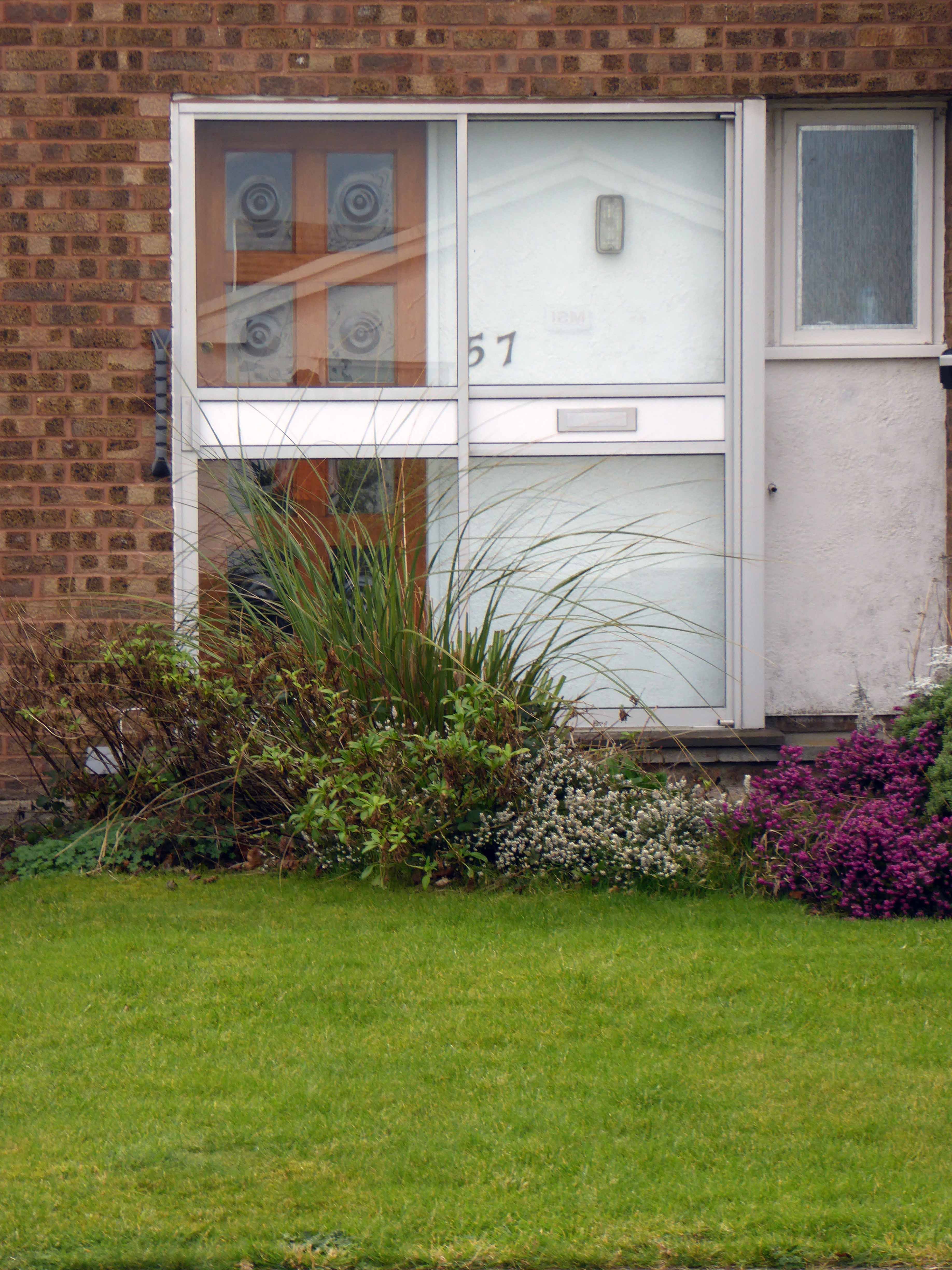
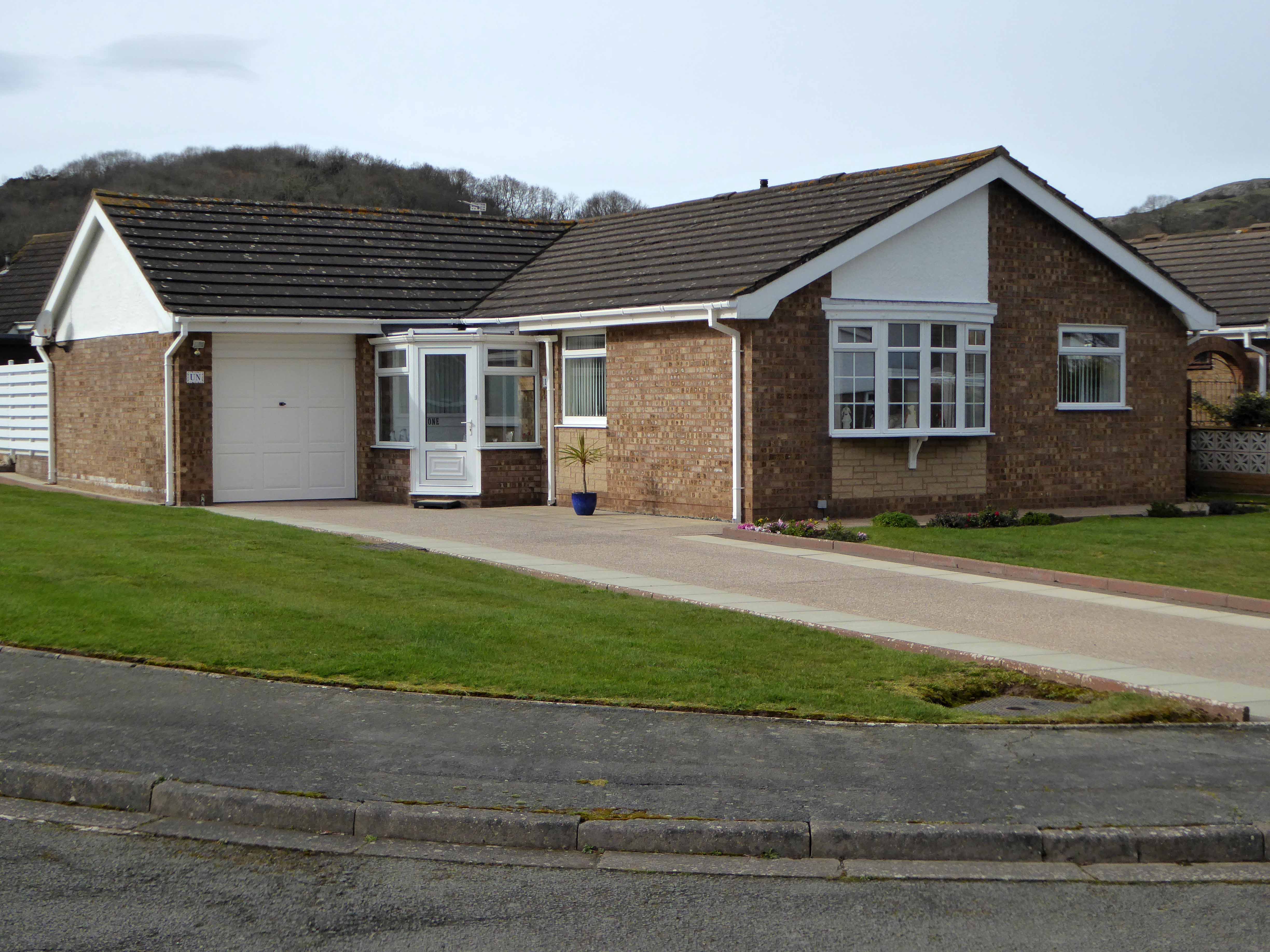
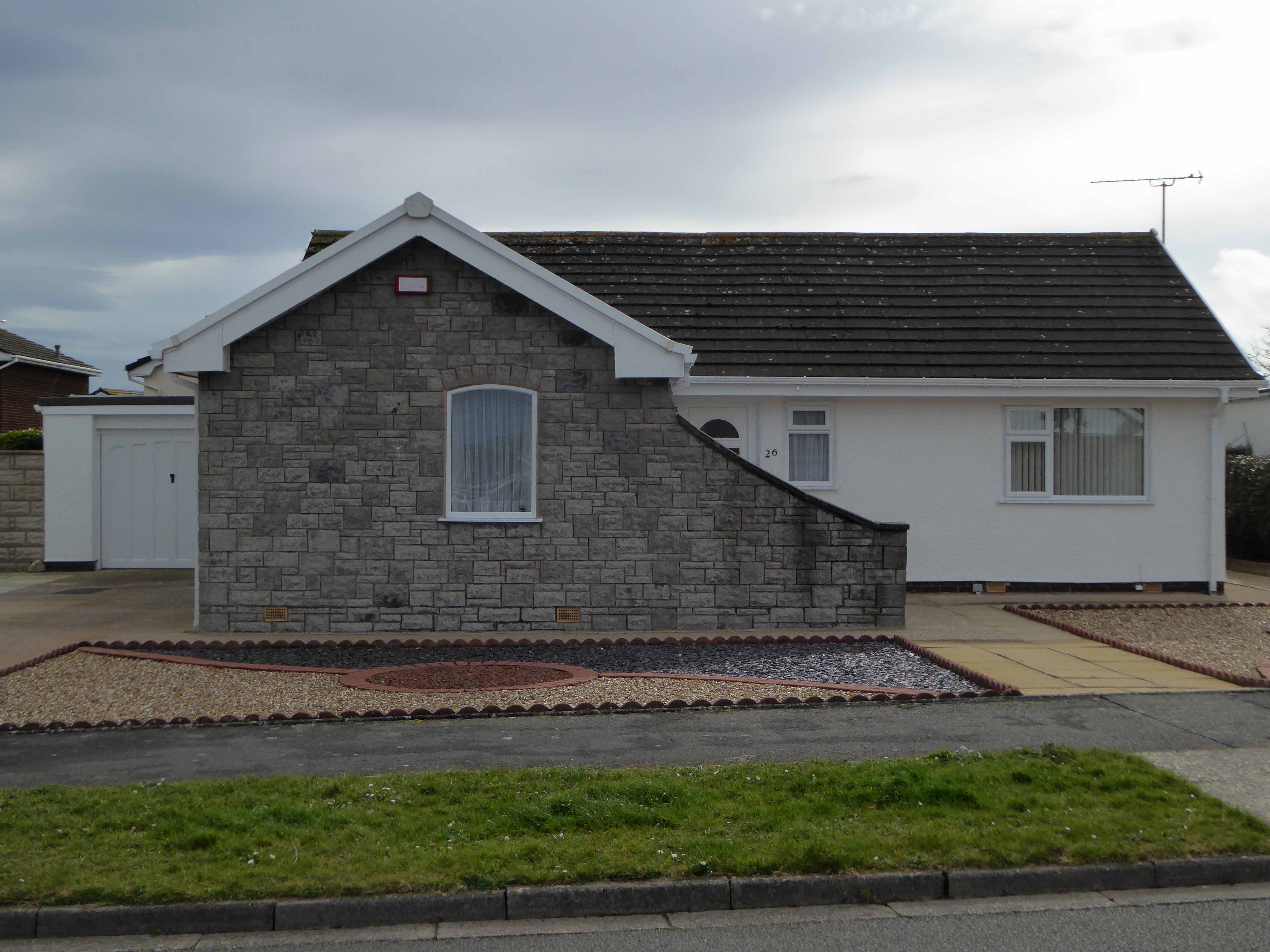
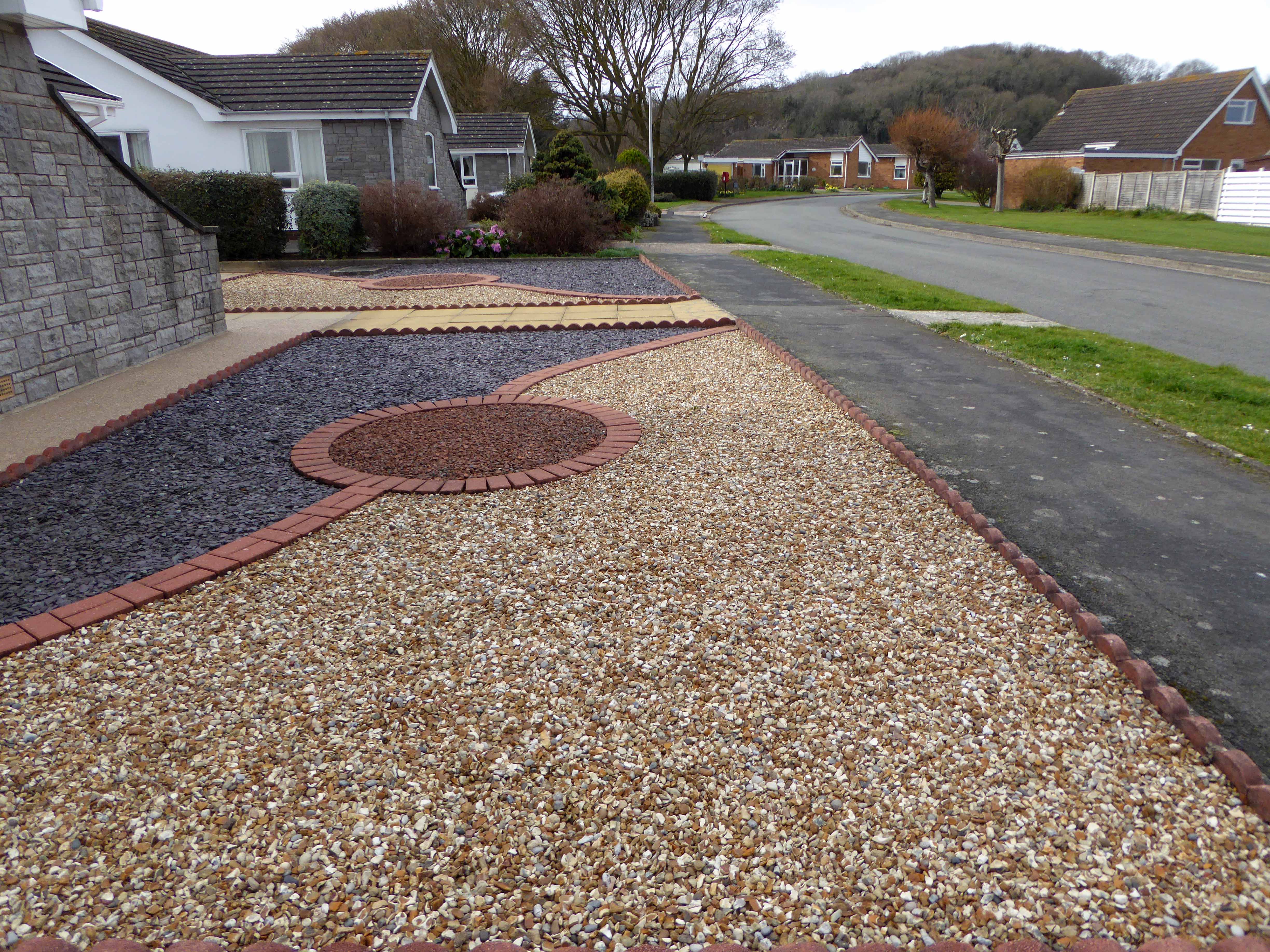
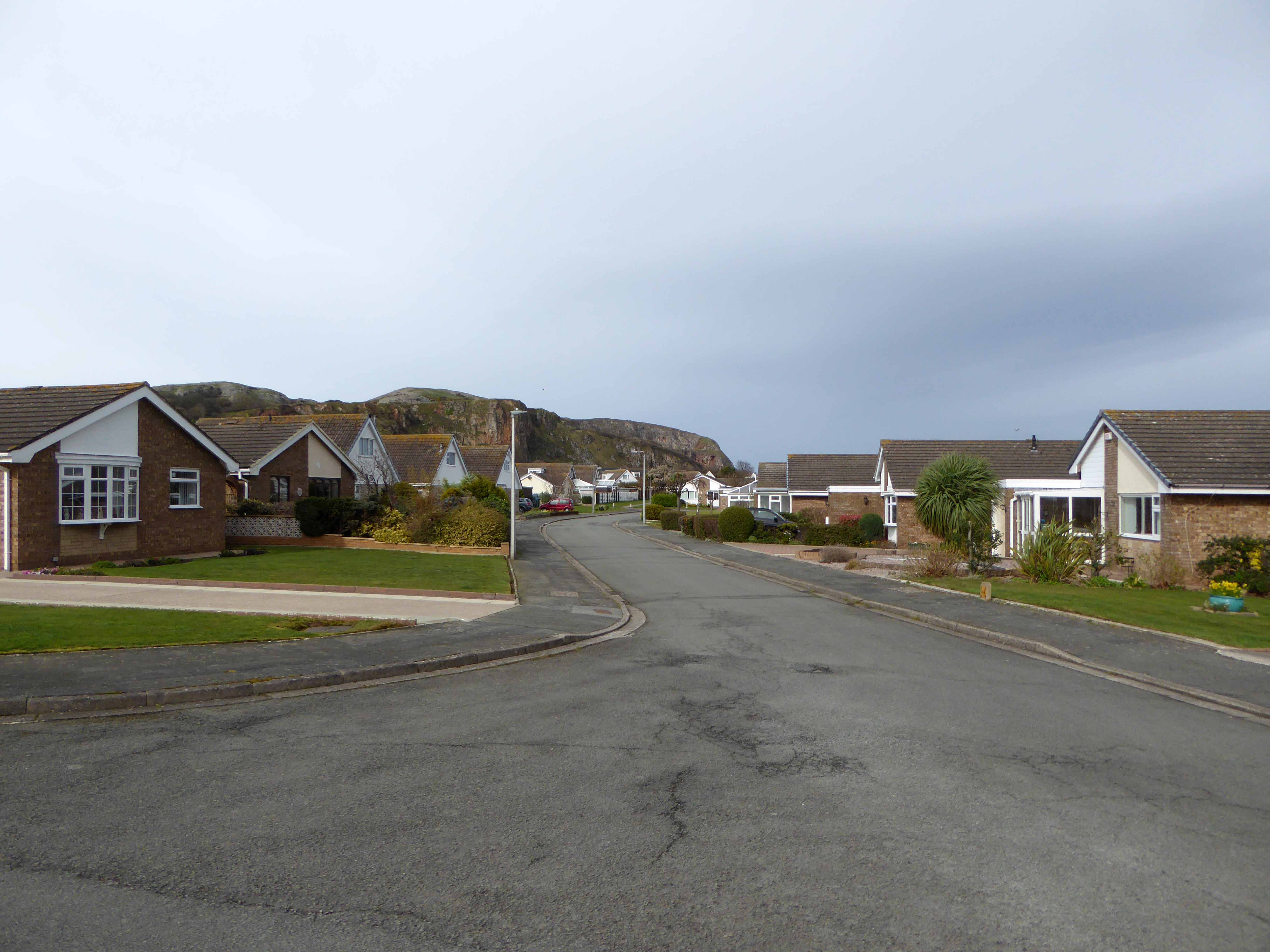
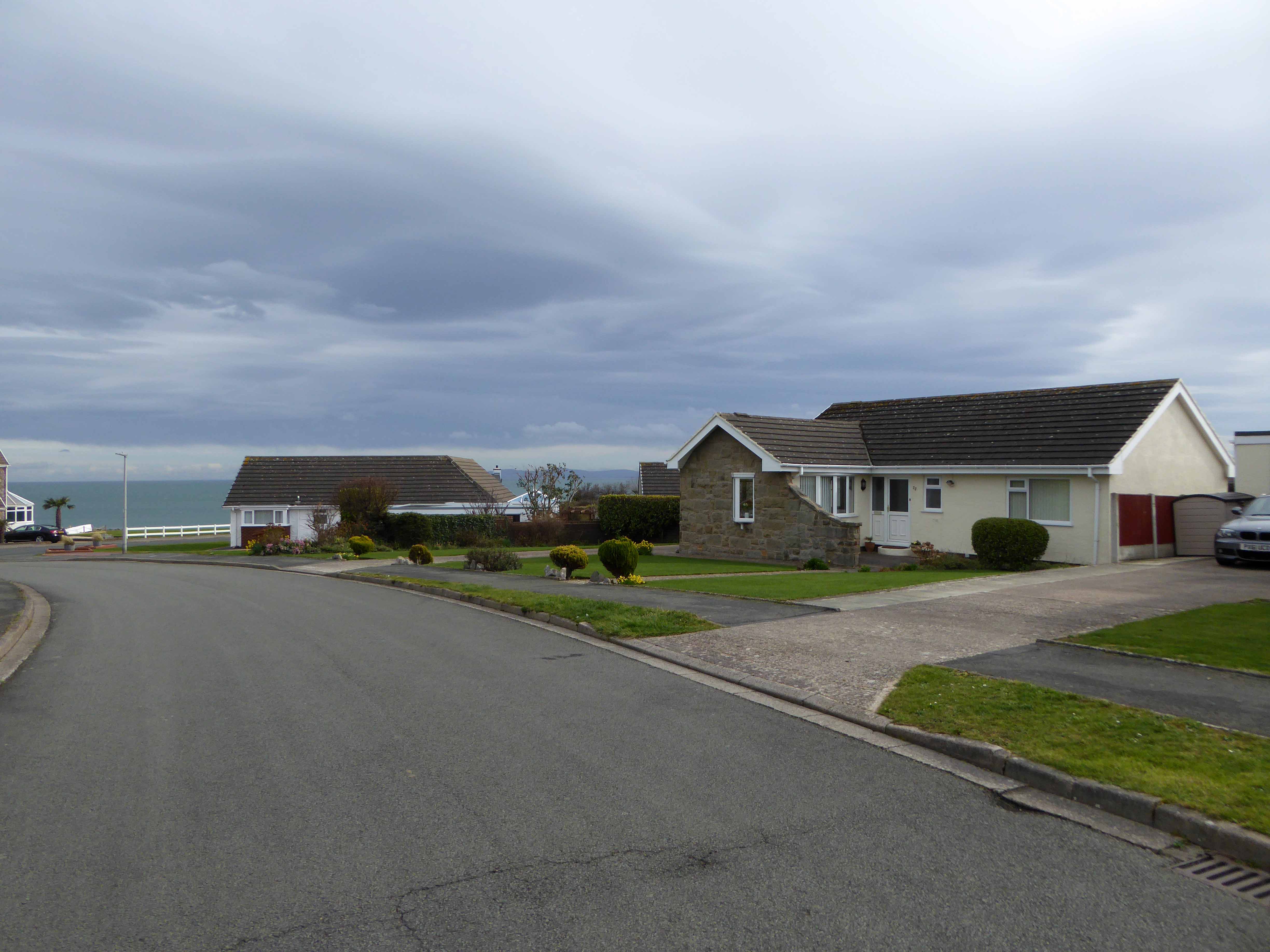
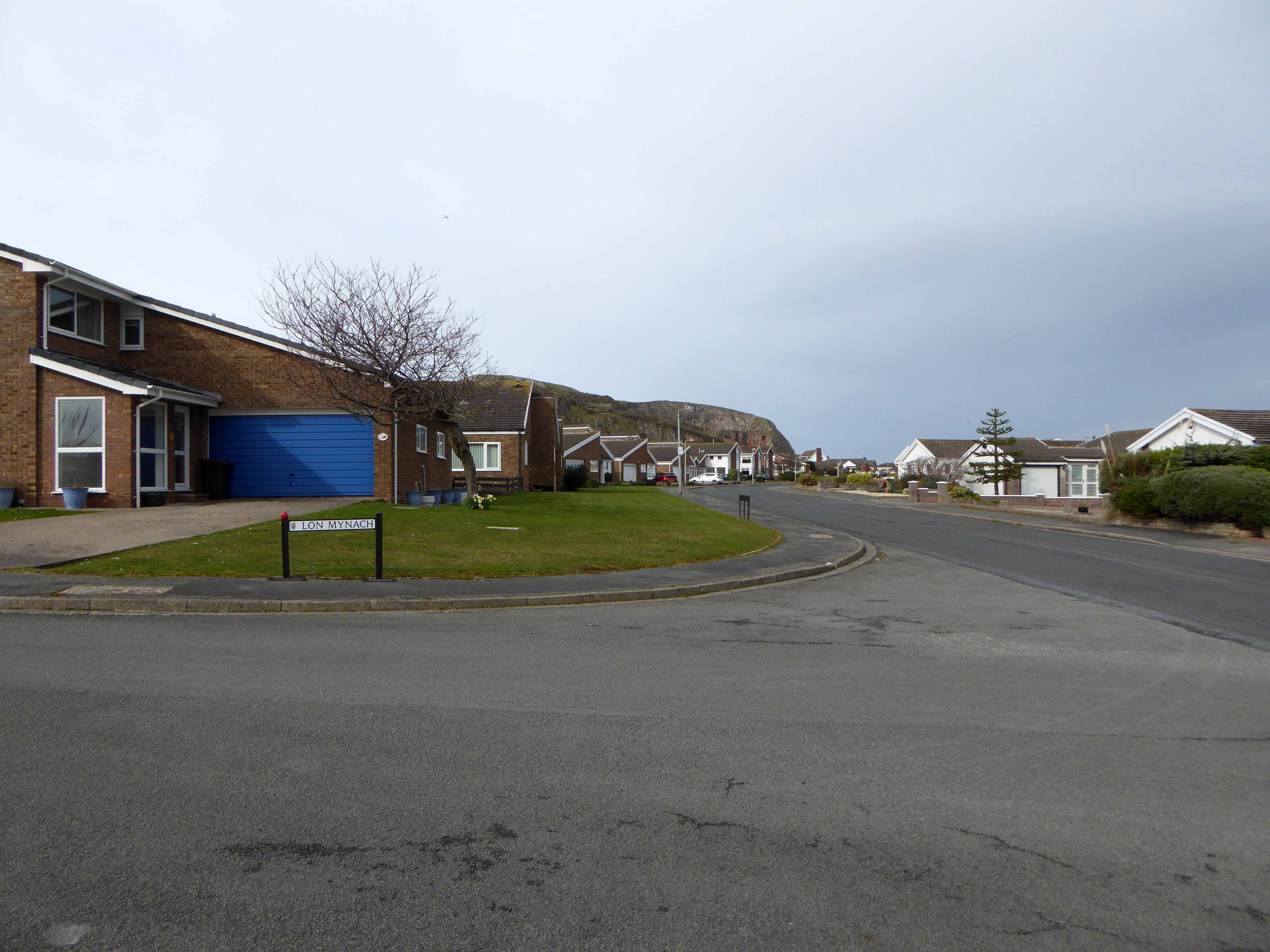
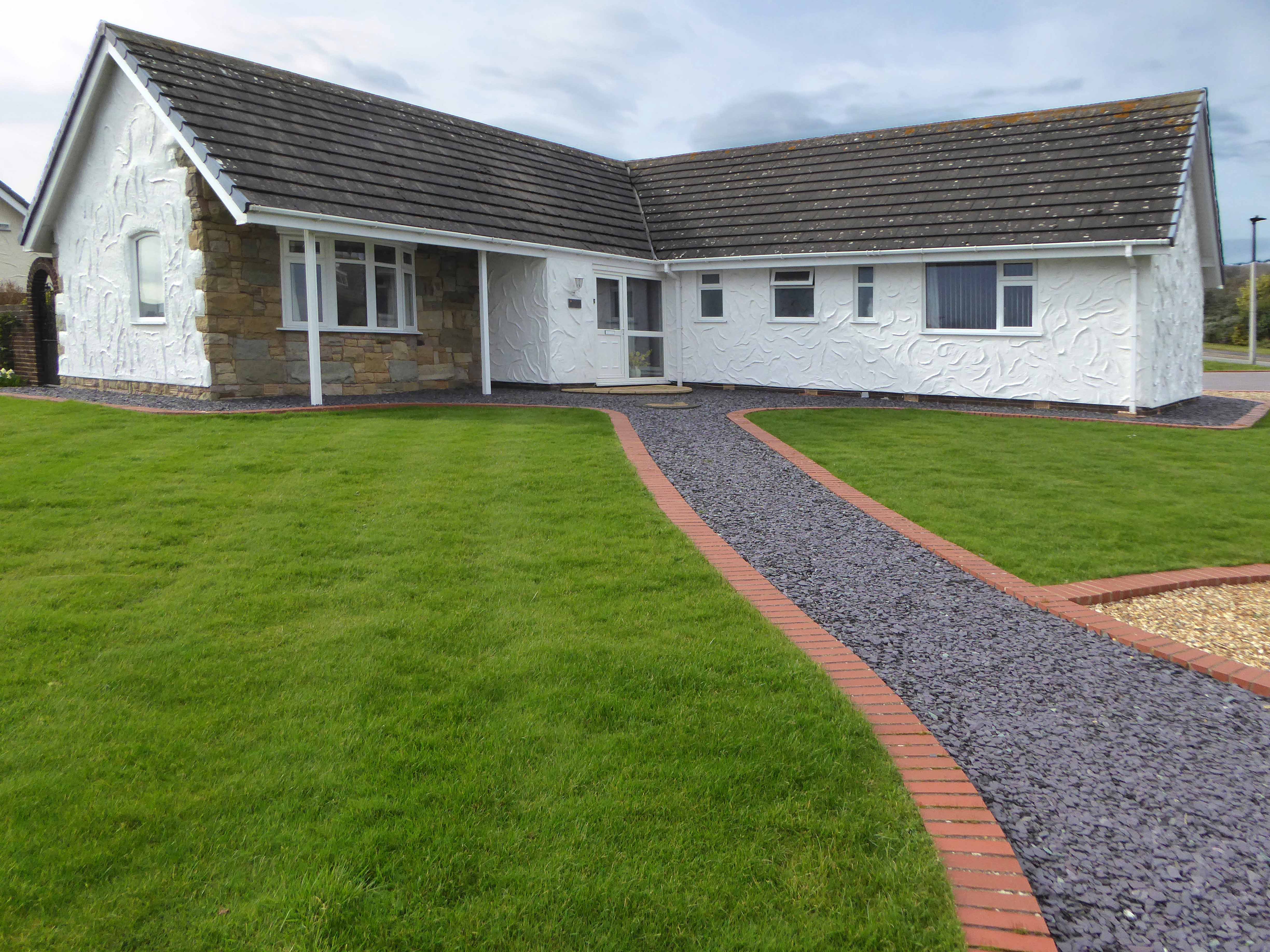
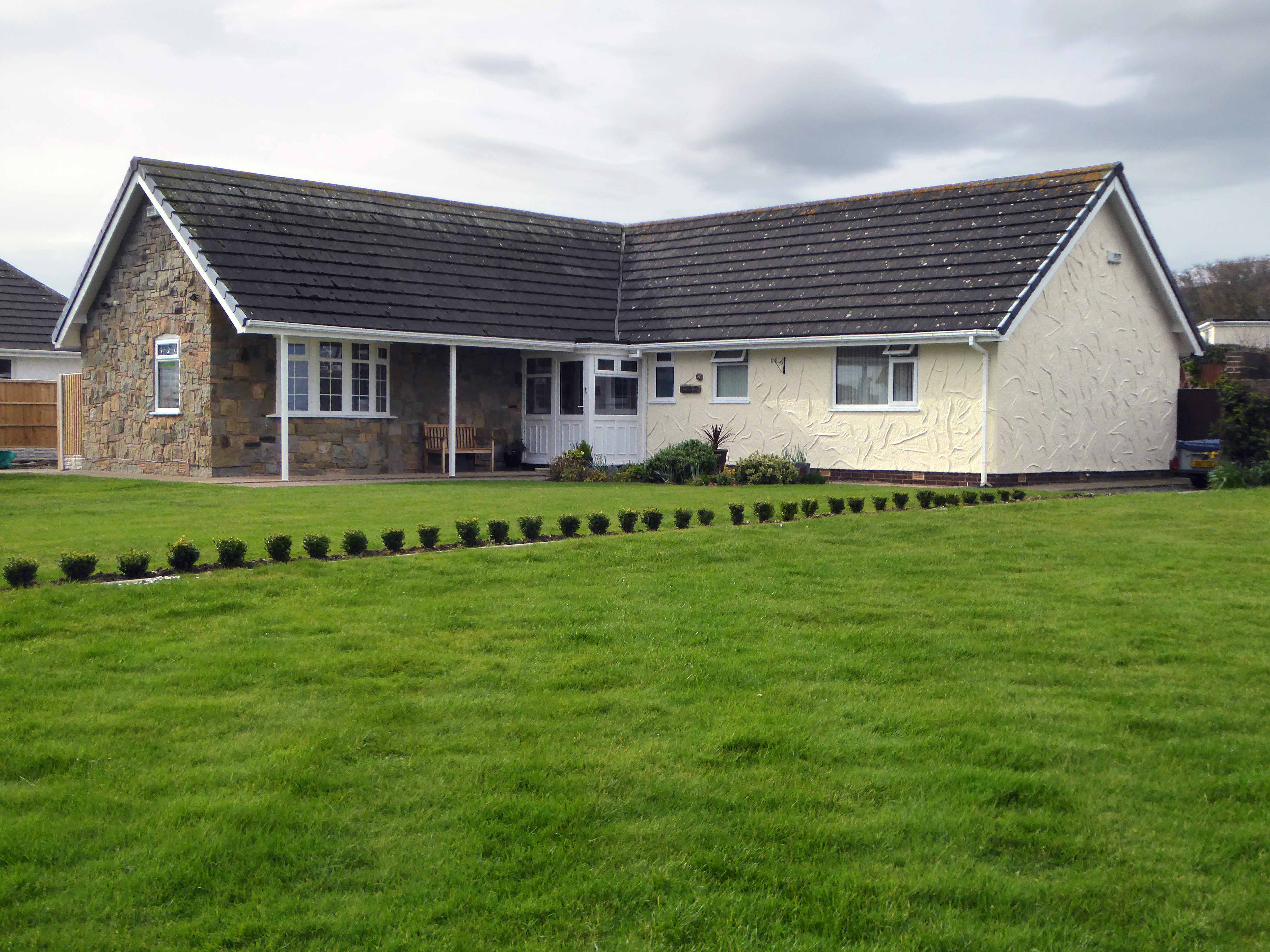
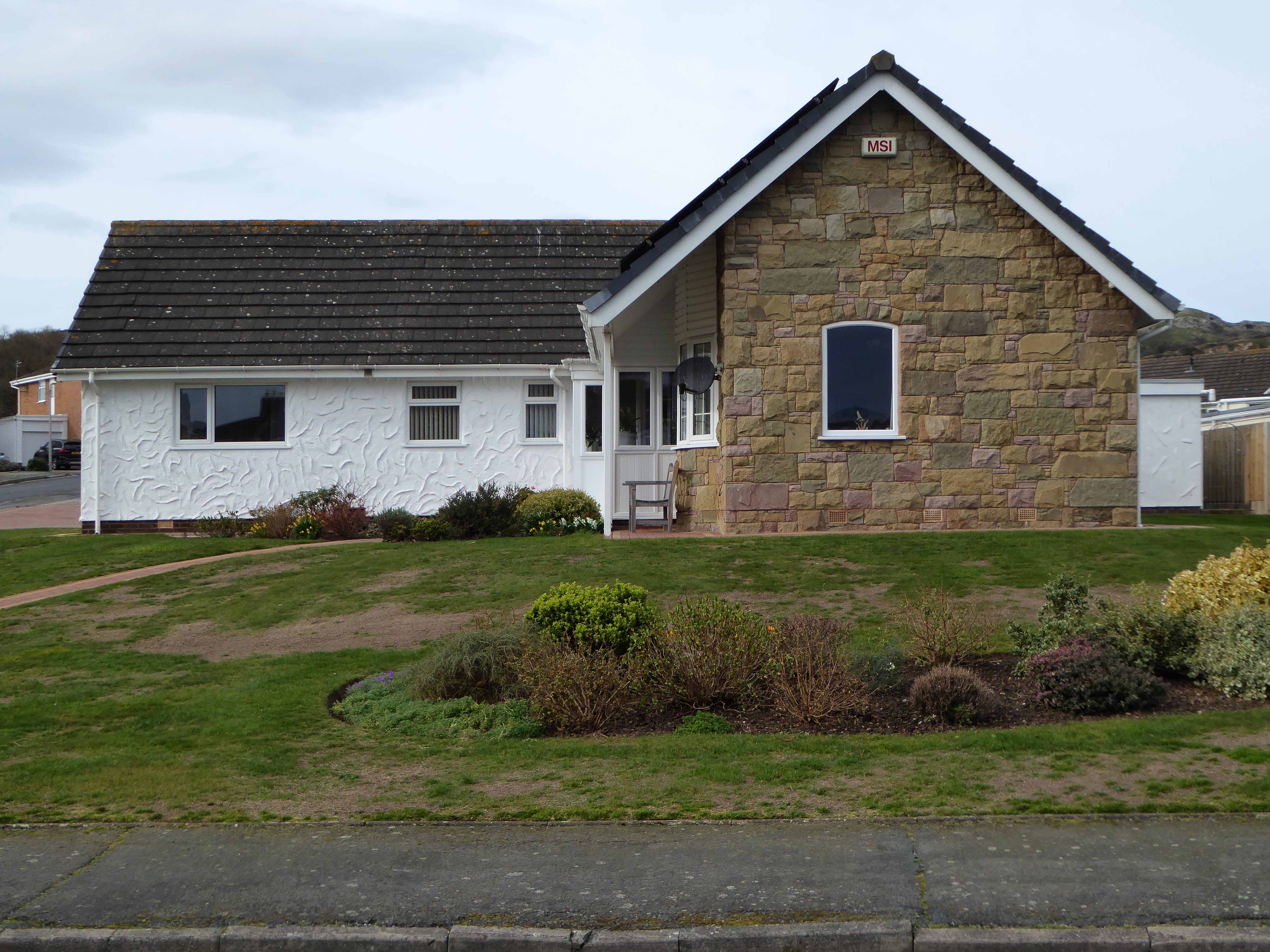
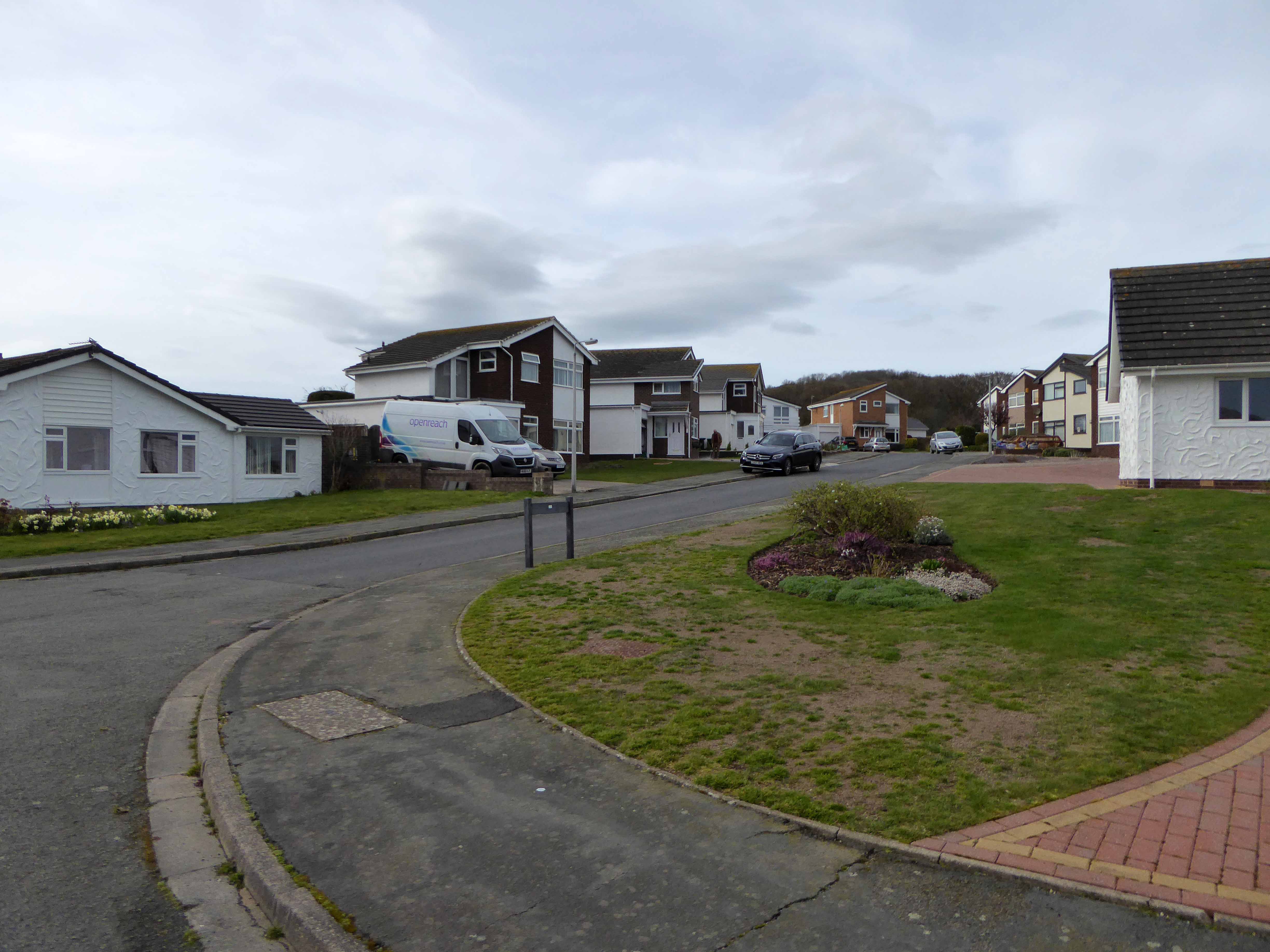
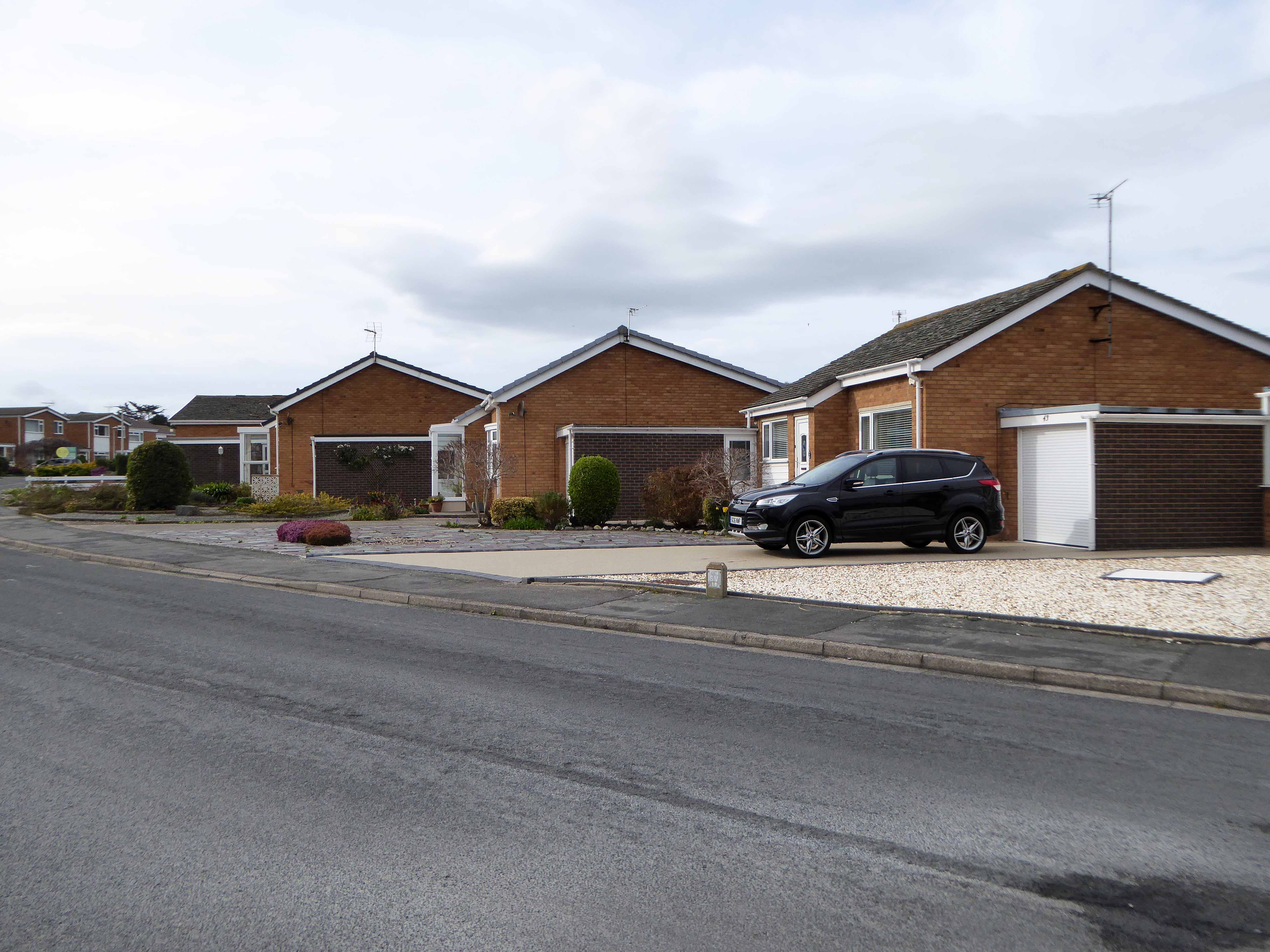
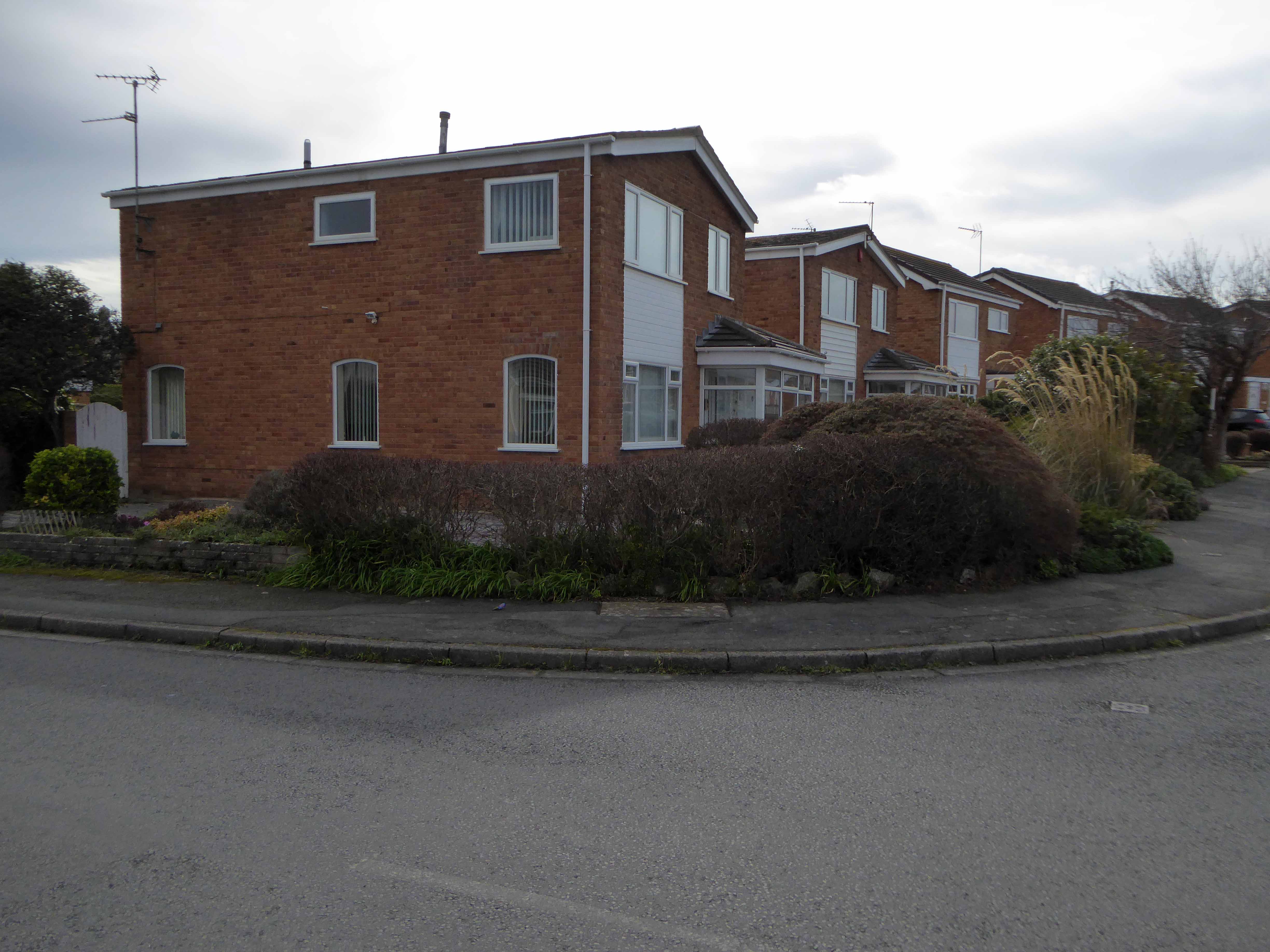
I walk over the Little Orme and there you are so well behaved – trimmed topped and tailed polished window washed windswept so sub-urbane.
Nothing ever happens here or does it?
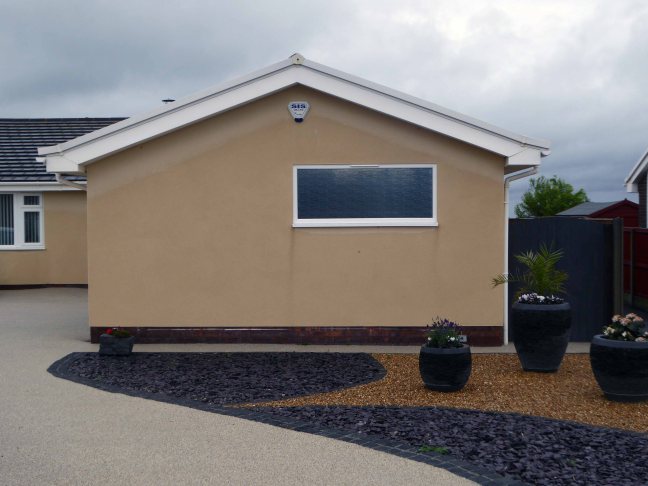
The highly popular singing duo Anne Ziegler and Webster Booth retired to a small bungalow in Penrhyn Bay.
It provided a location for an episode of Hetty Wainthropp Investigates.
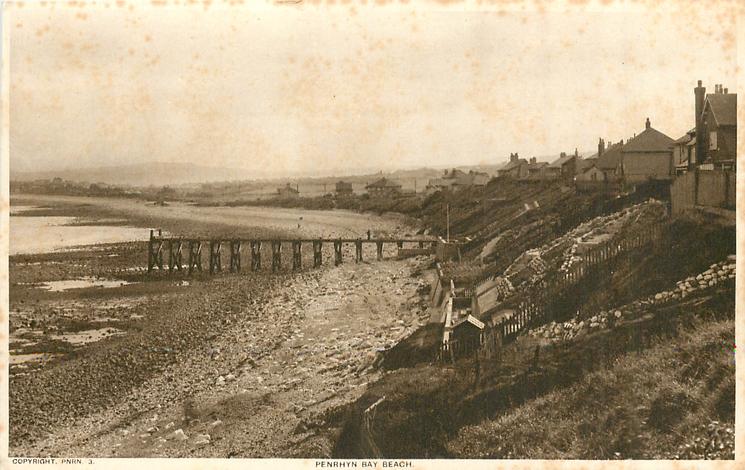
Originally a small farming community, Penrhyn Bay came to rely heavily on the employment opportunities of the limestone quarry operating since the mid-19th century, and served by its own narrow gauge railway, but quarrying ceased in 1936.
However, Penrhyn Bay expanded rapidly in the 20th century to become a desirable suburb of Llandudno – my you’re a hot property.
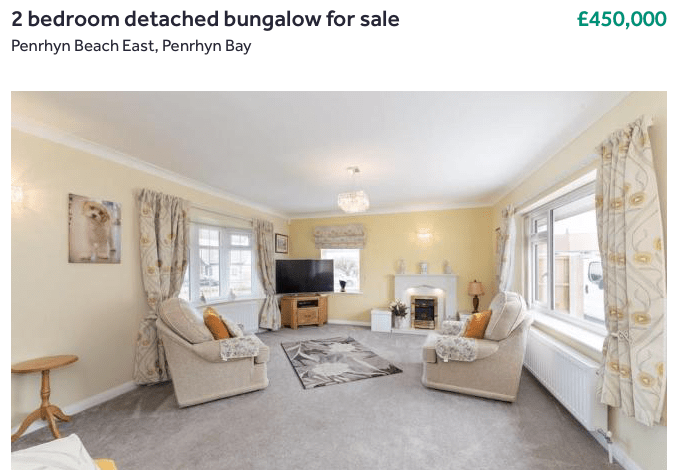
Almost half a million pounds and counting as the ever mounting mountain of retiring and retired knock upon your over ornate uPVC doors.
So here we are, as the rain clears and the sun almost breaks – your carefully rendered and stone clad walls, not quite awash with a golden midday glow.
Just like Arnie and General McArthur I’ll be back – I shall return.
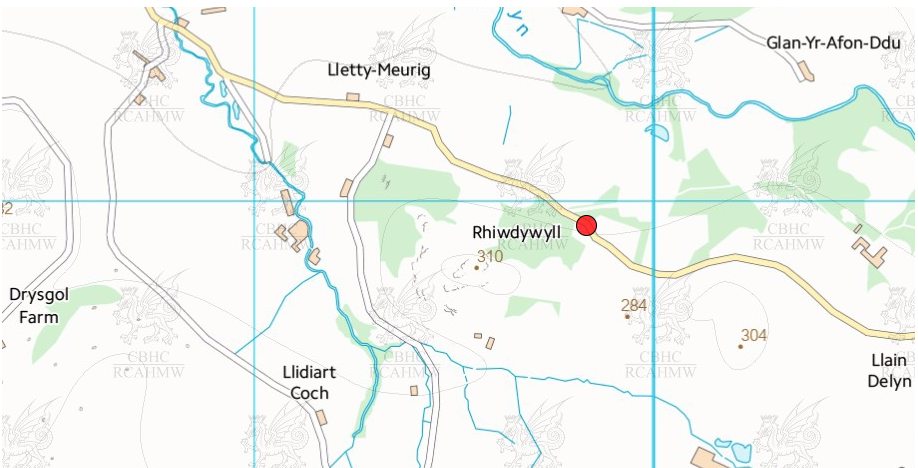
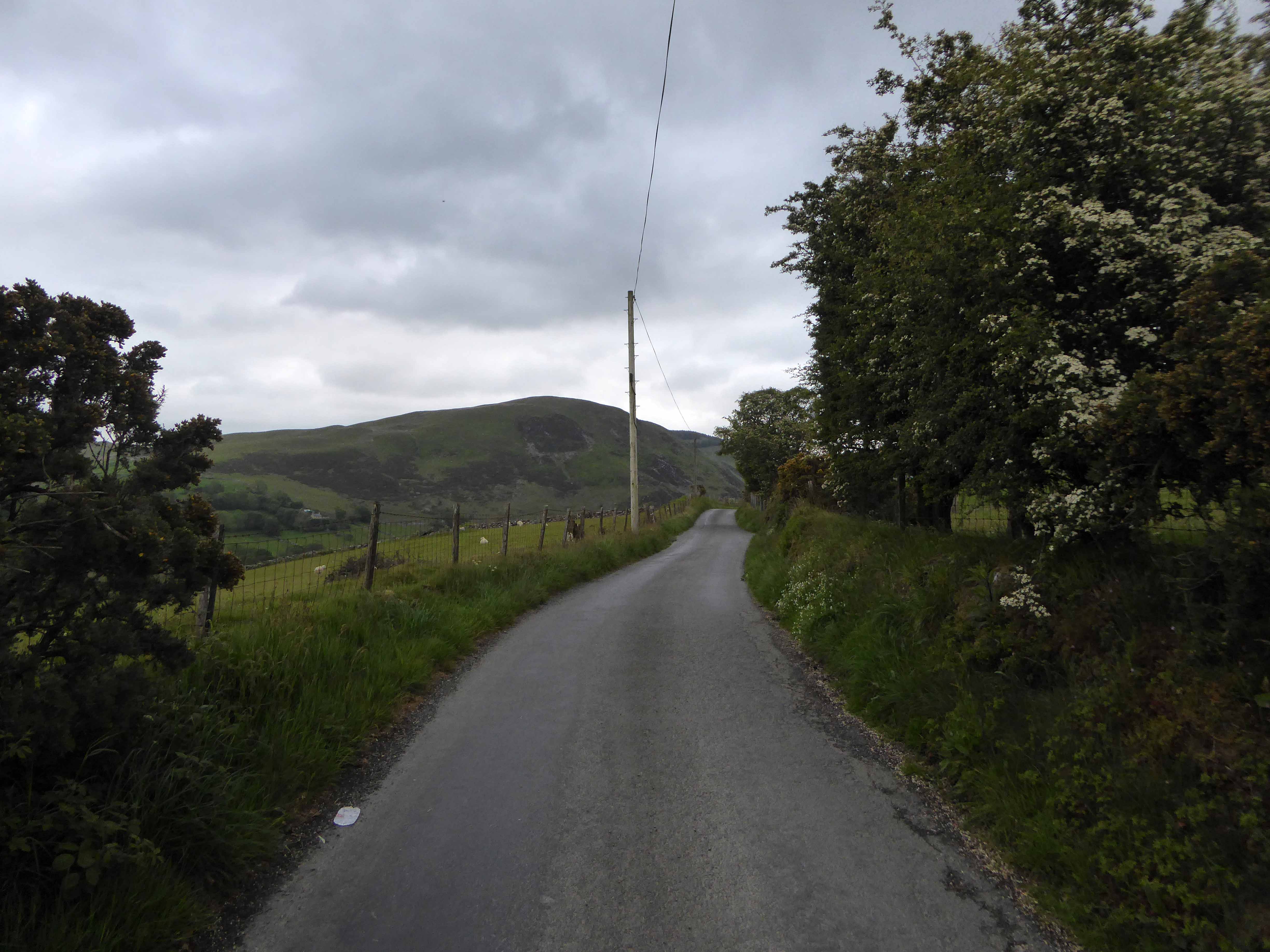
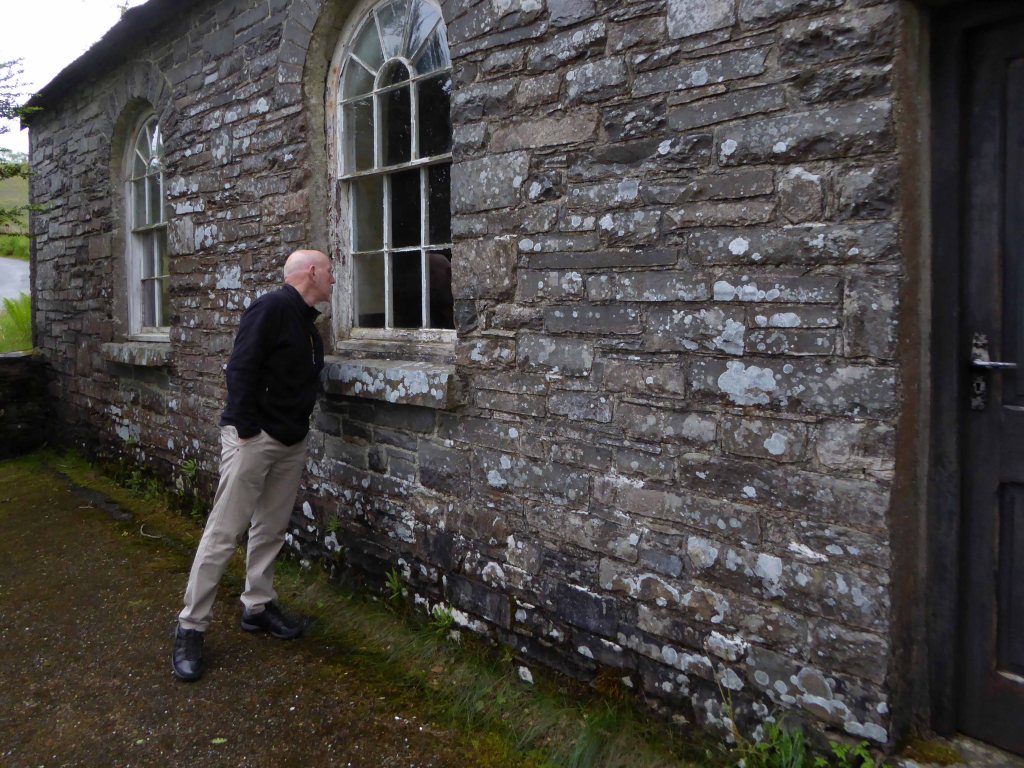
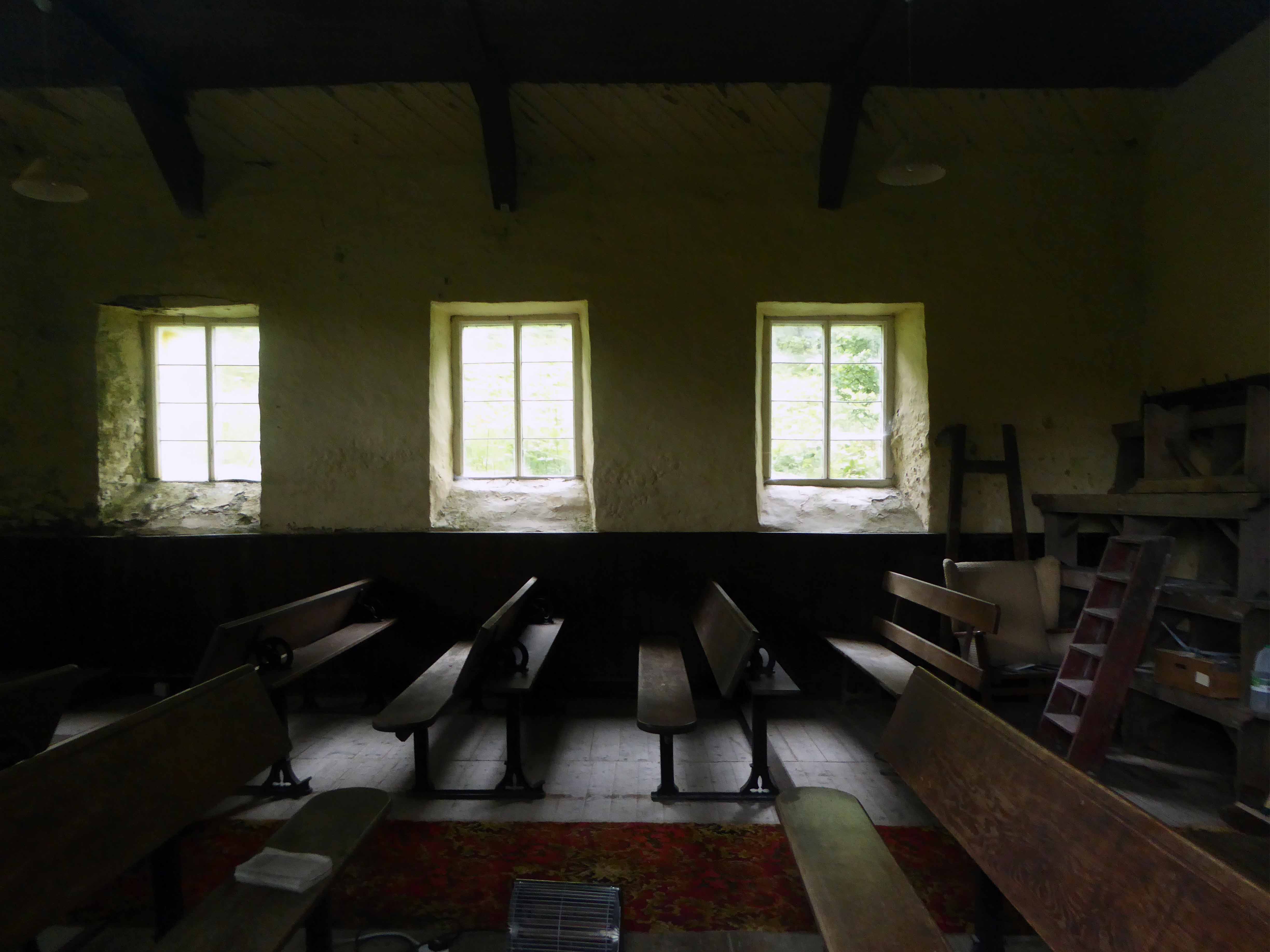
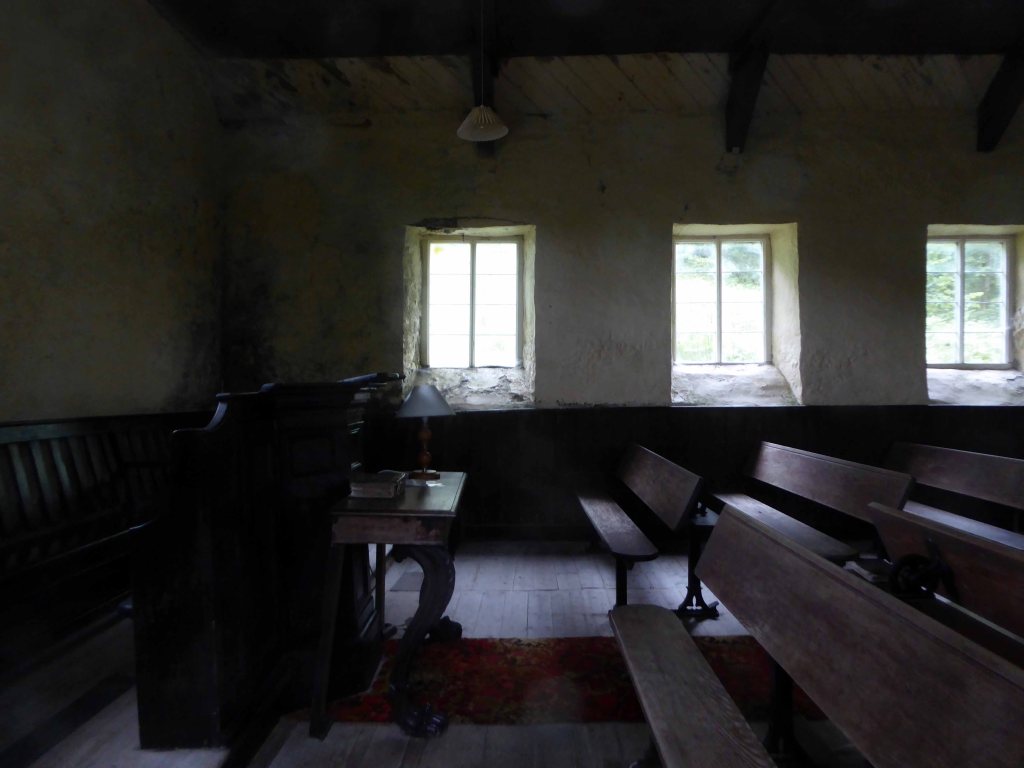
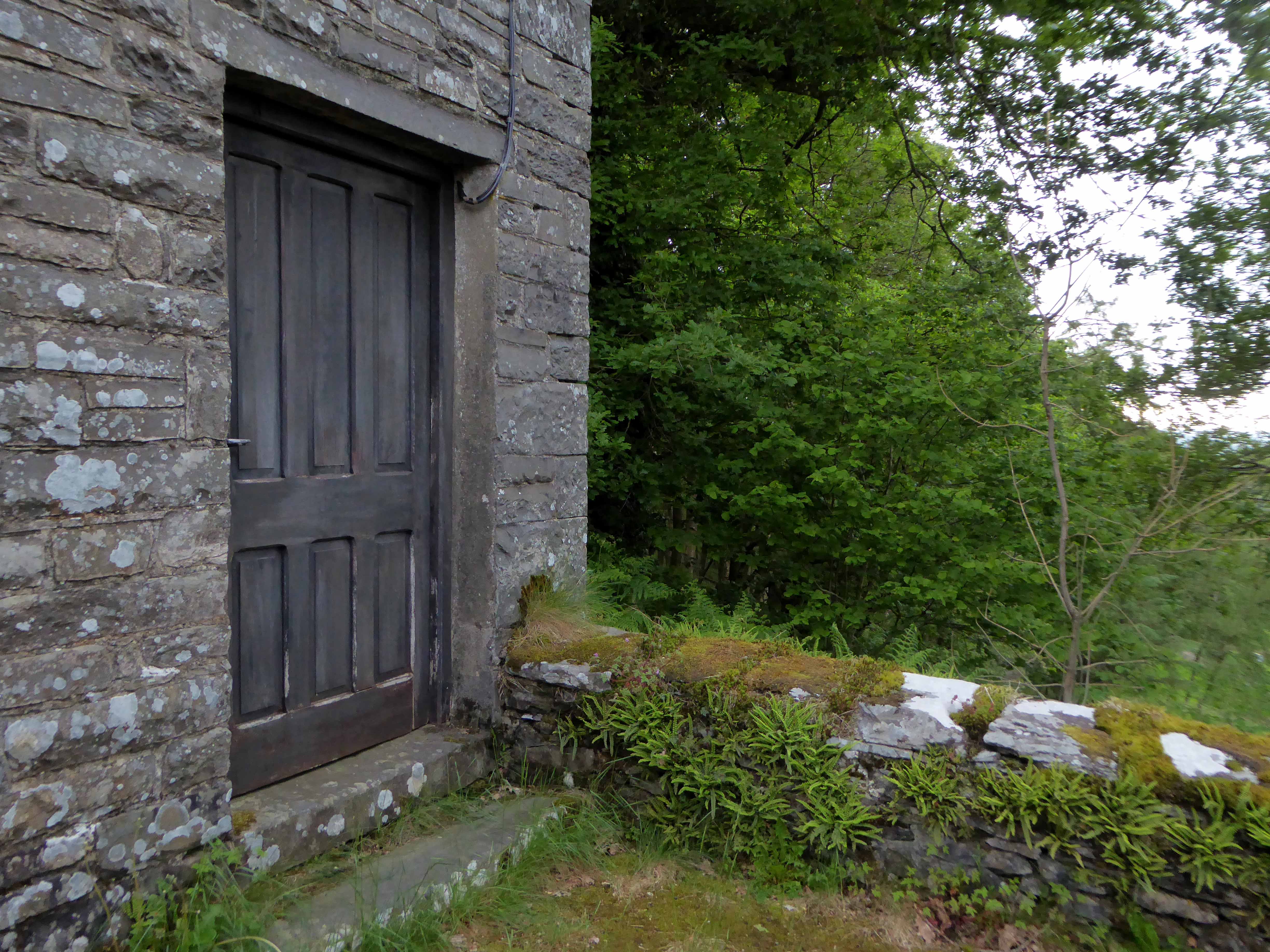
Digressing for once from the modern to the near modern in an ancient landscape. Having cycled to Tregaron I took a walk along the Mountain Road with chapel hat peg expert Tim Rushton.
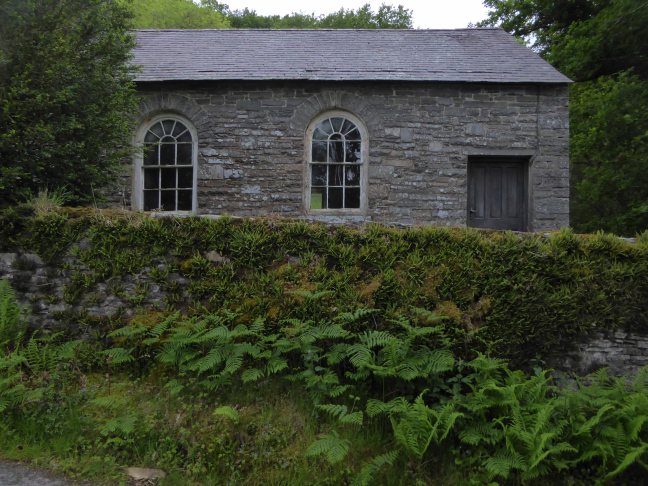
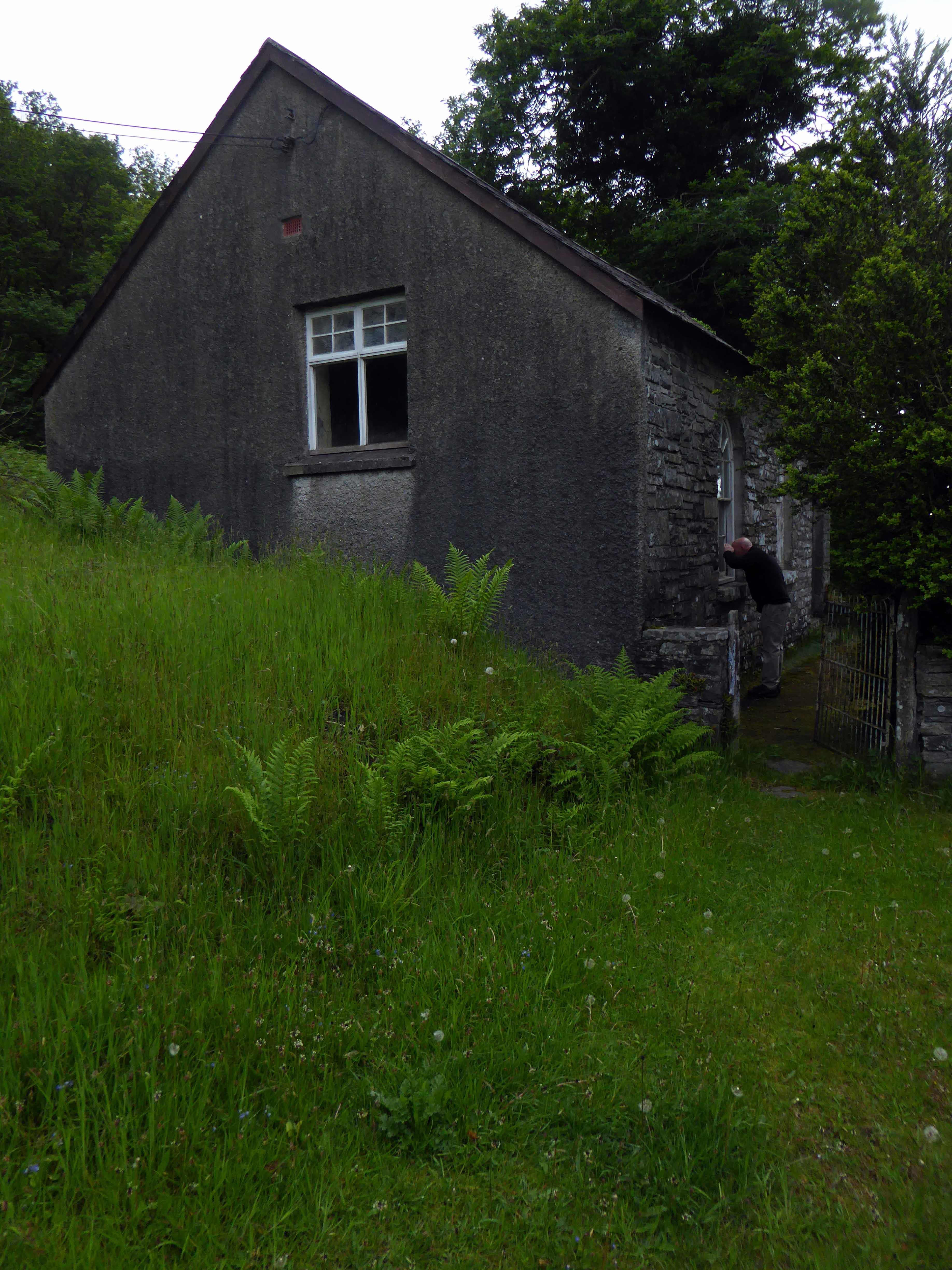
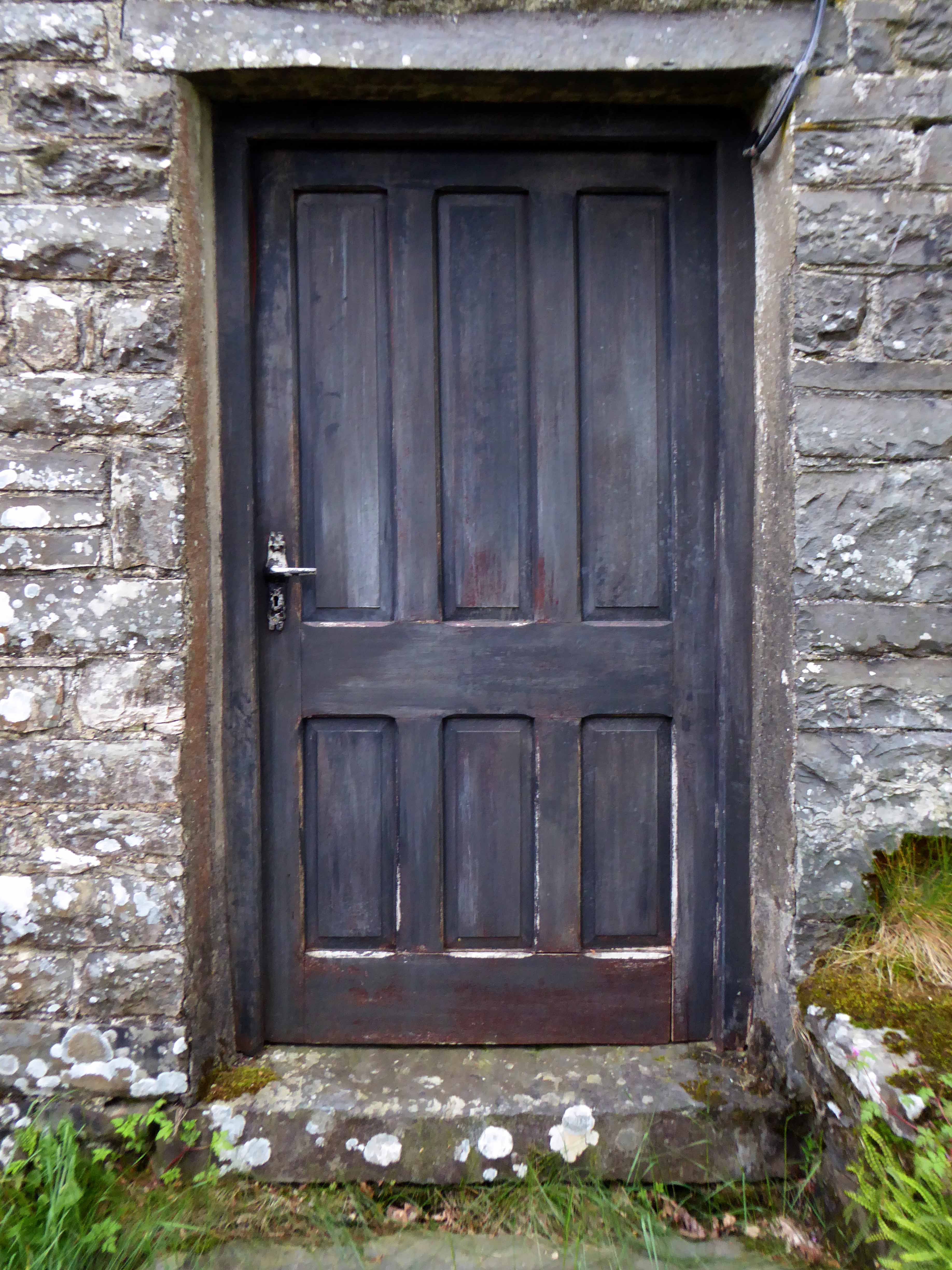
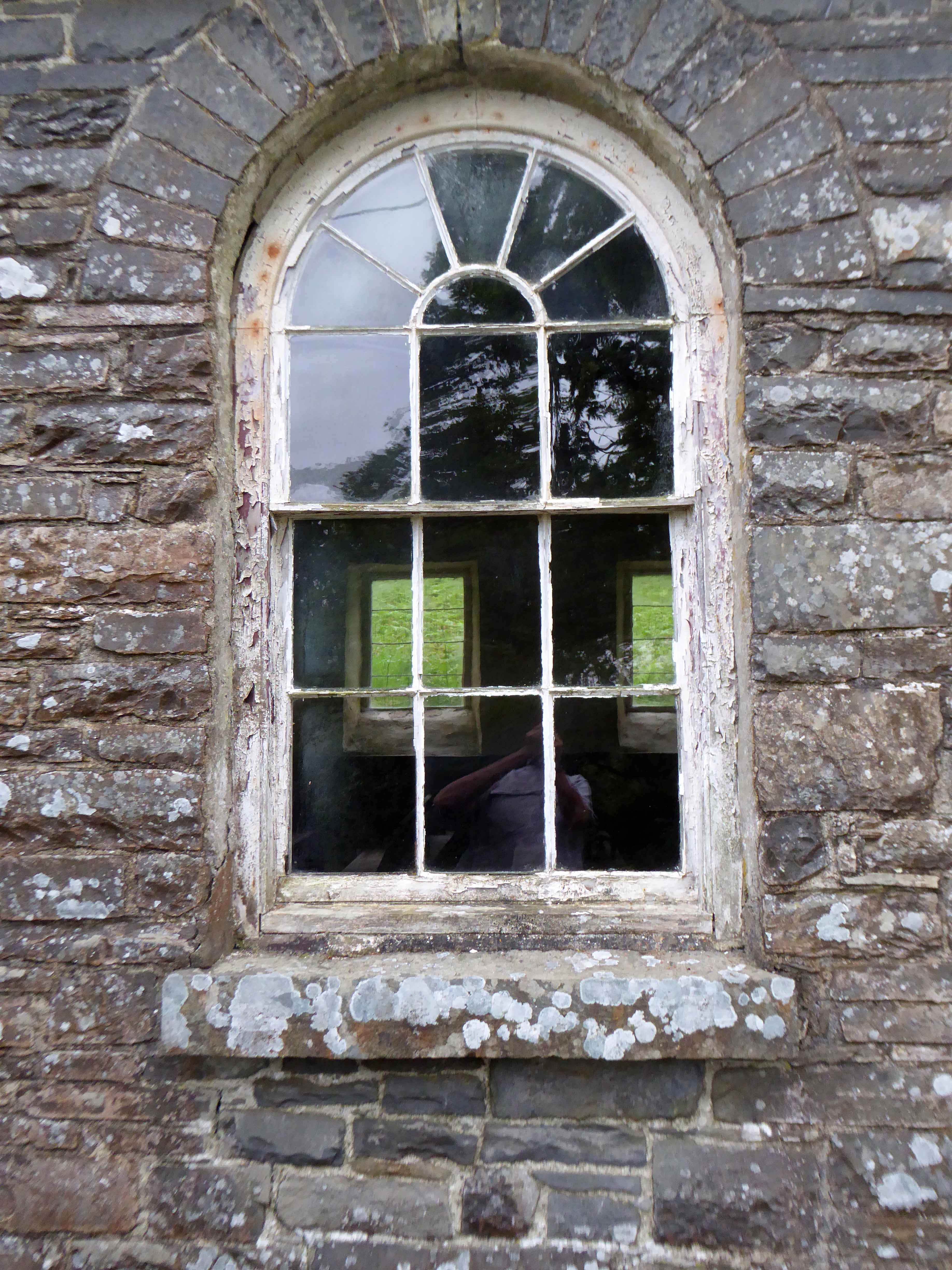
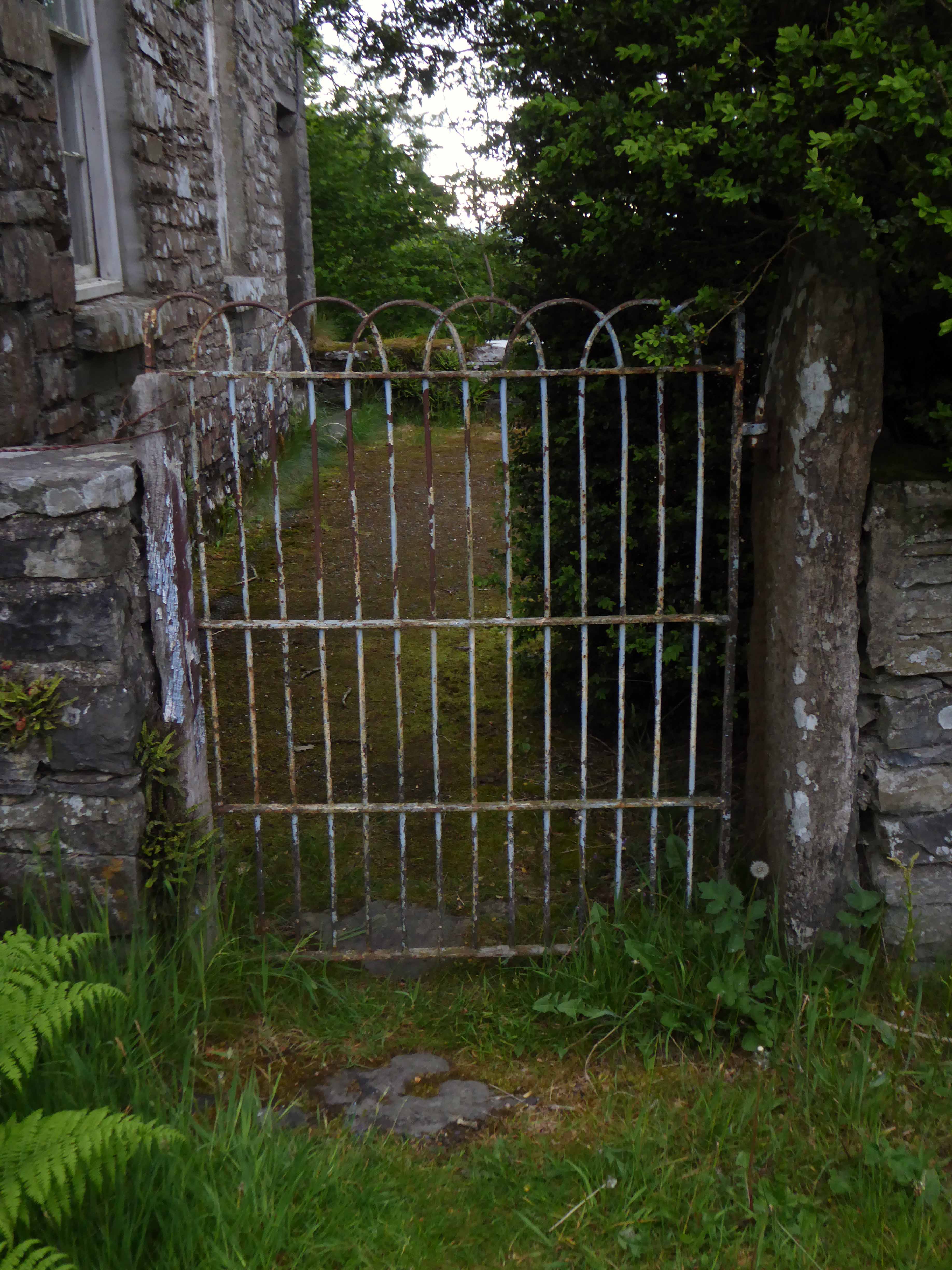
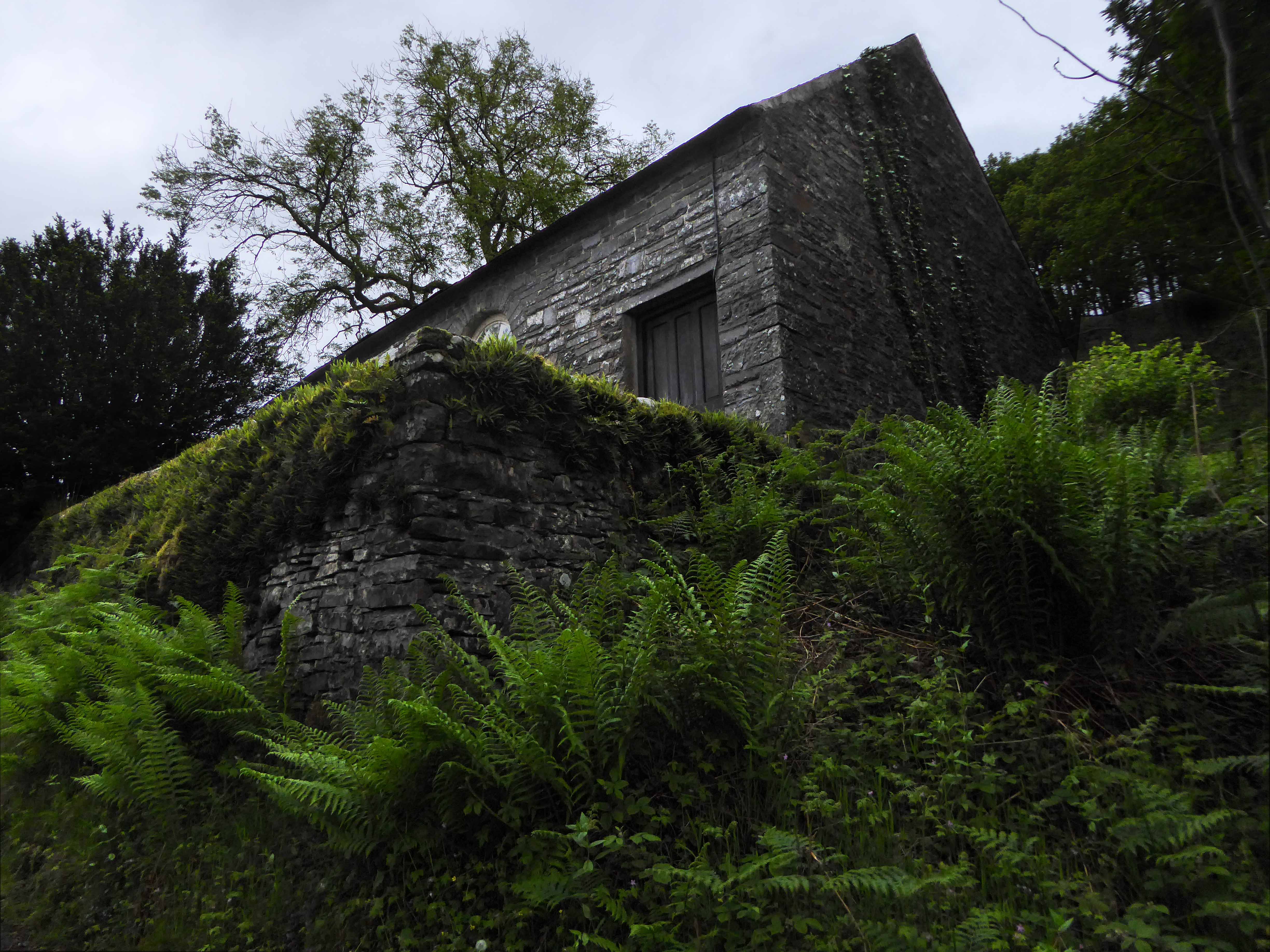
Afore very long we came upon a chapel, set slightly back from the track, tucked snugly into the trees.
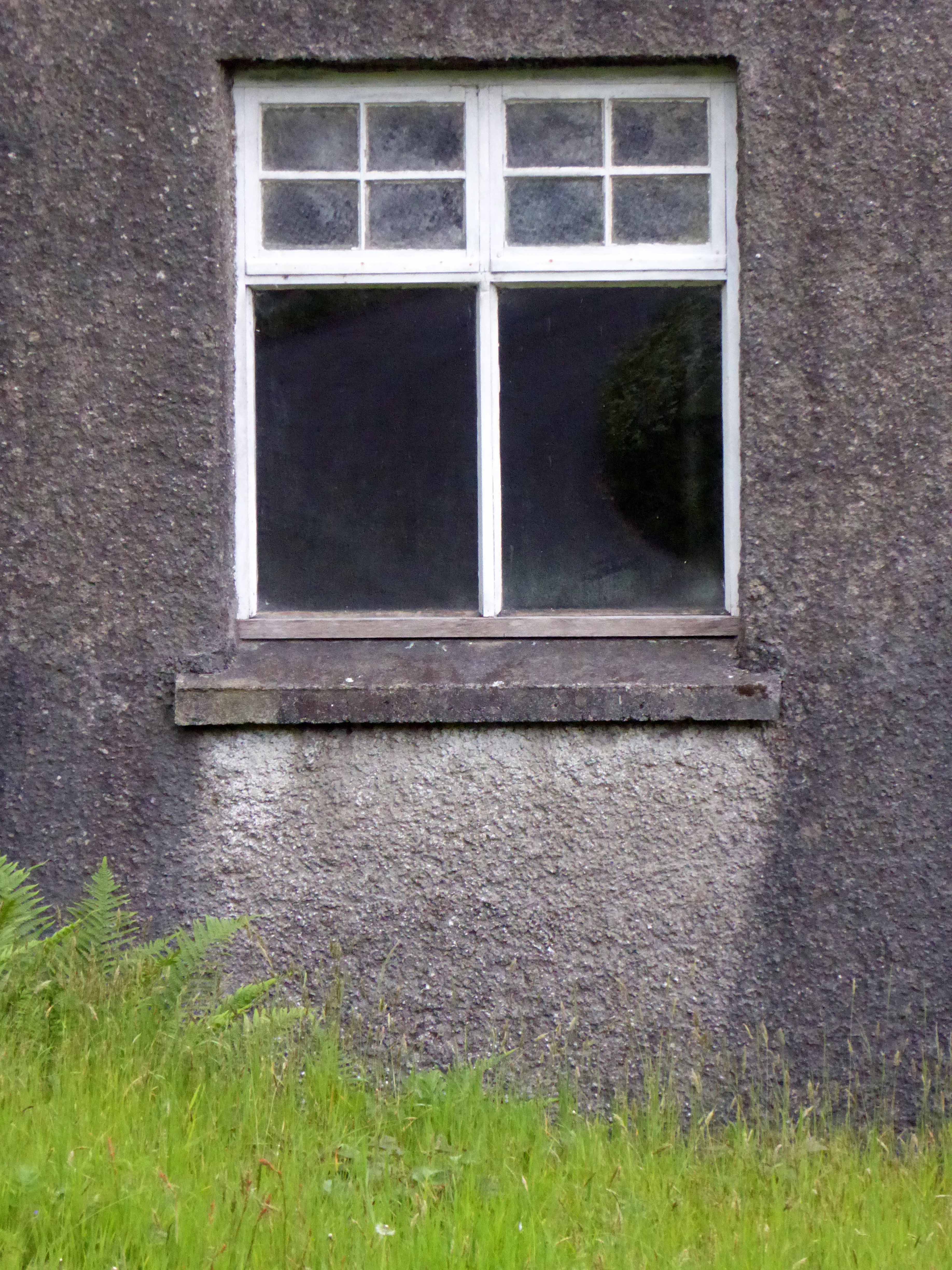
Deserted yet maintained, grass trimmed the low structure sealed soundly against the weather.
Calvinistic Methodist small chapel/schoolroom of 1866, a branch of Bwlchgwynt Chapel, Tregaron. Simple plastered interior with cast-iron and timber combined pews and desks. Small plain pulpit. Listed as the best preserved of the small branch chapels in the region. Historically important as illustrating the spread of non-conformity during the mid to later C19 in sparsely populated upland districts.
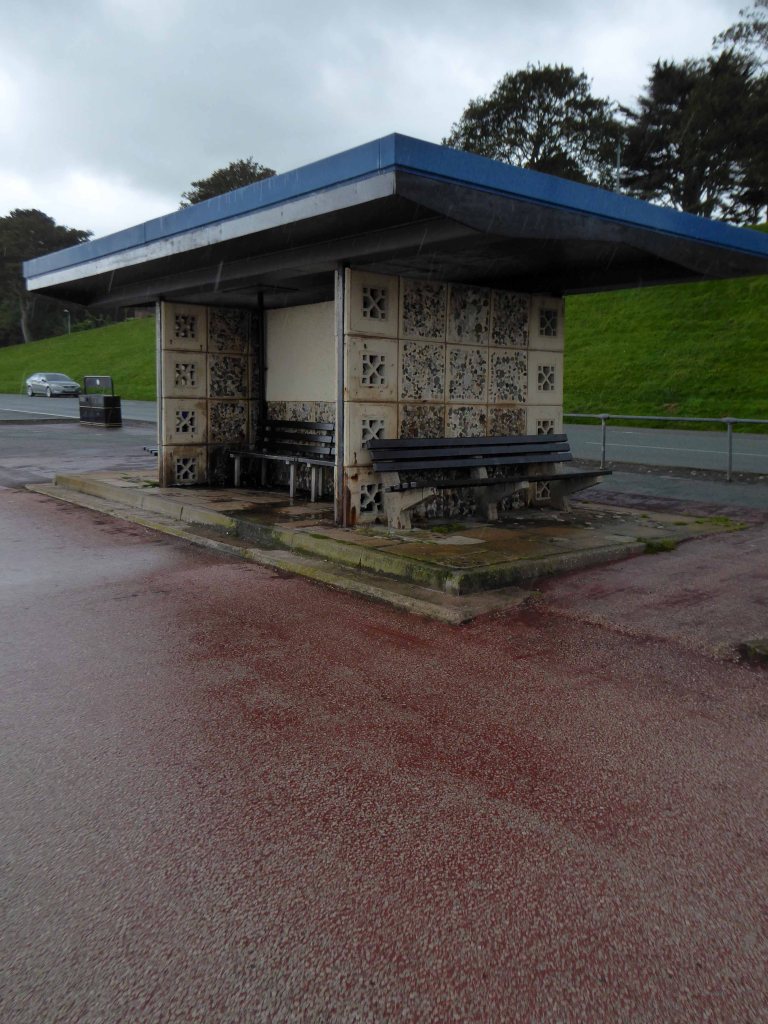
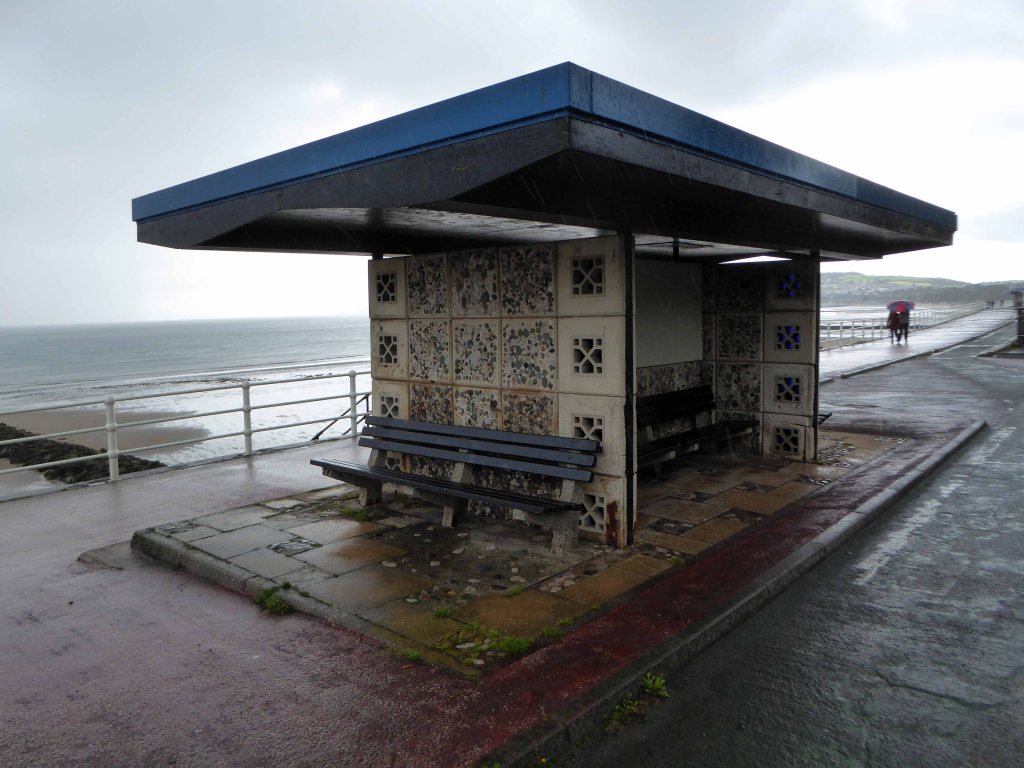
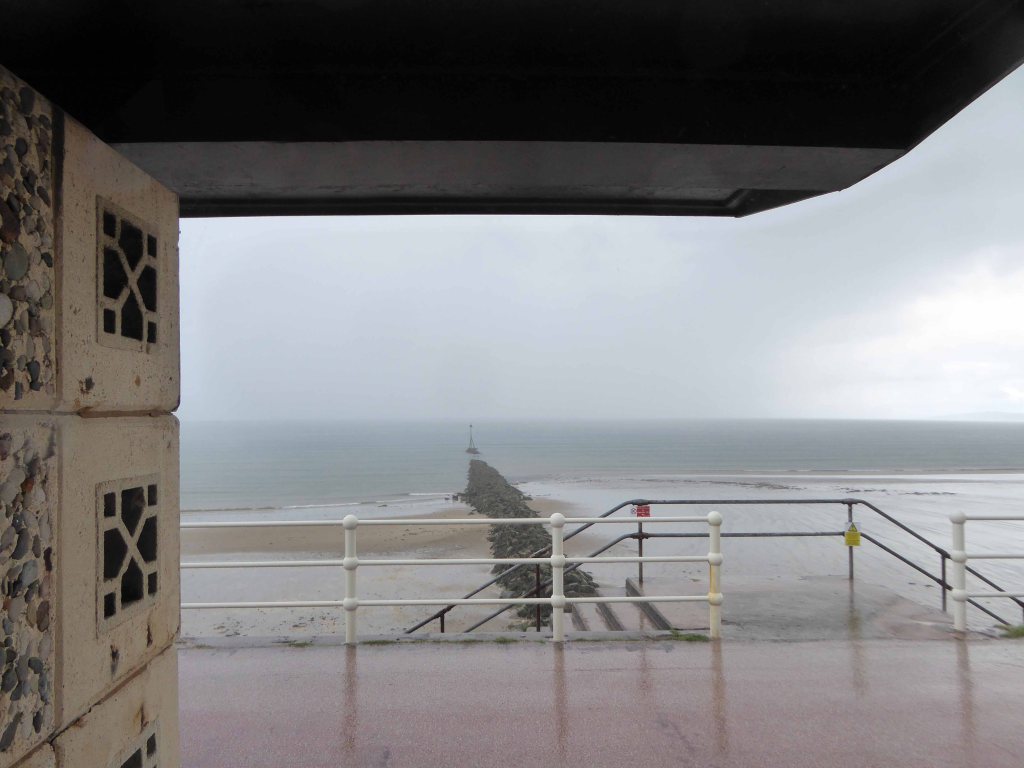
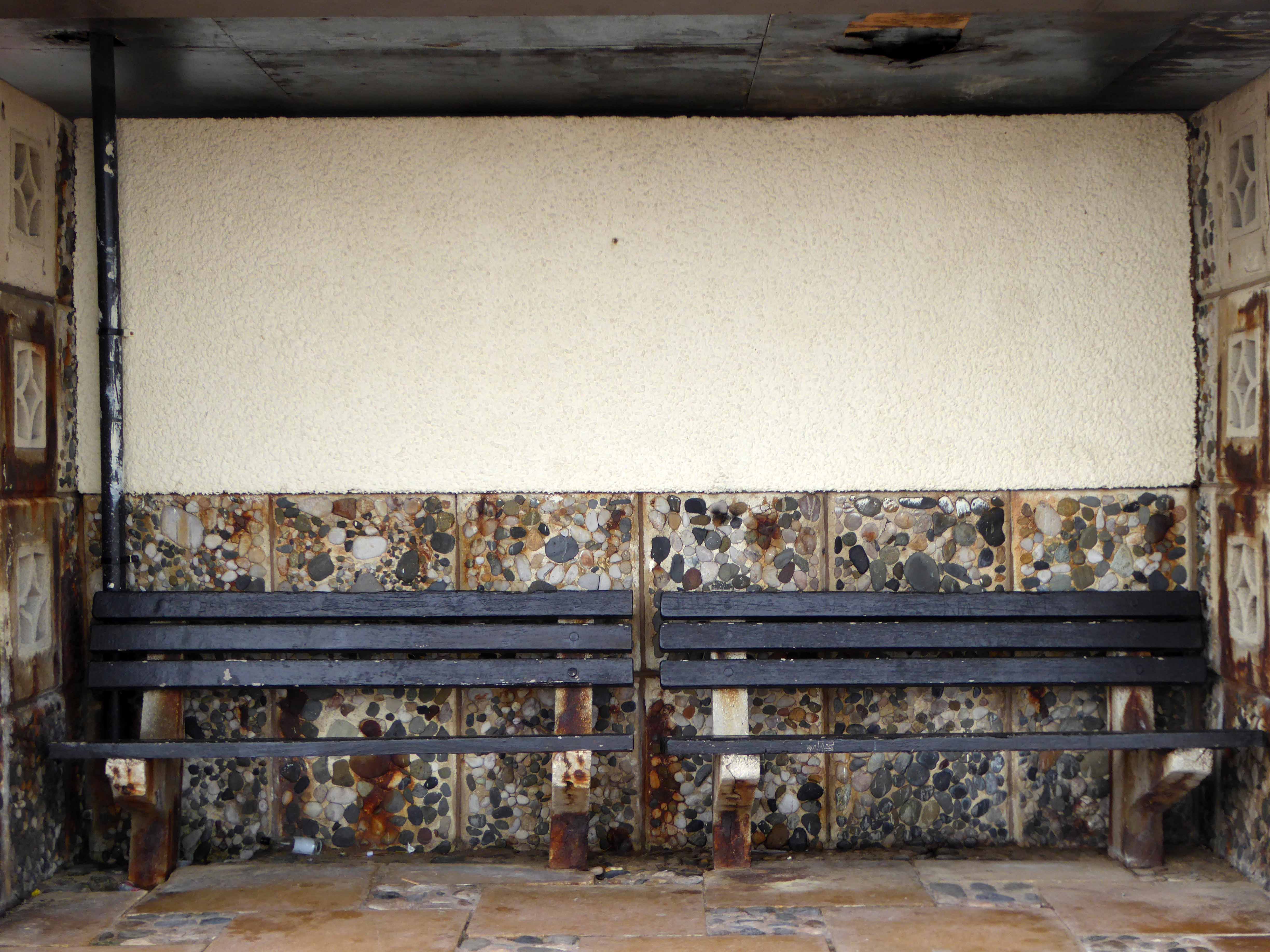
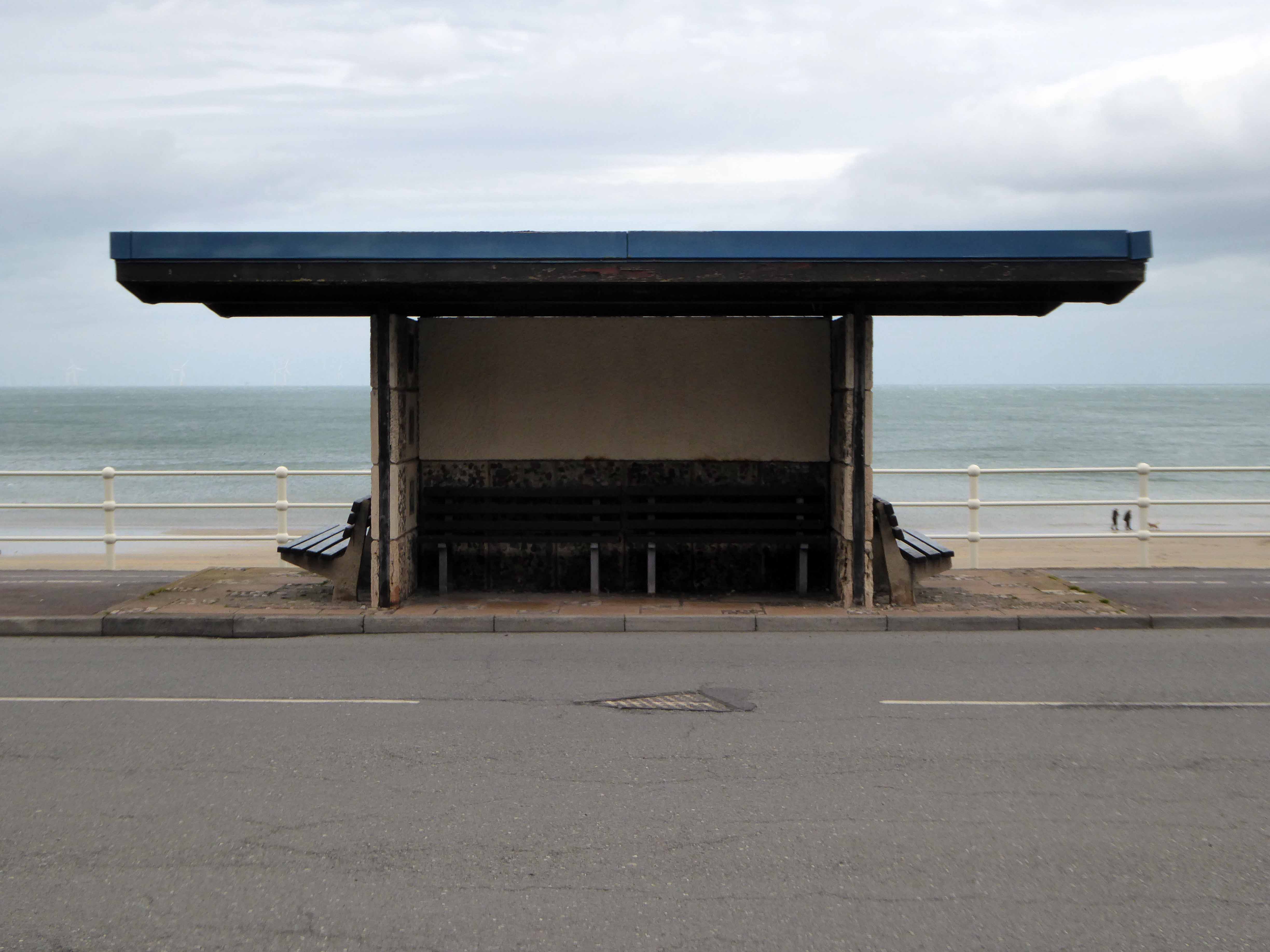
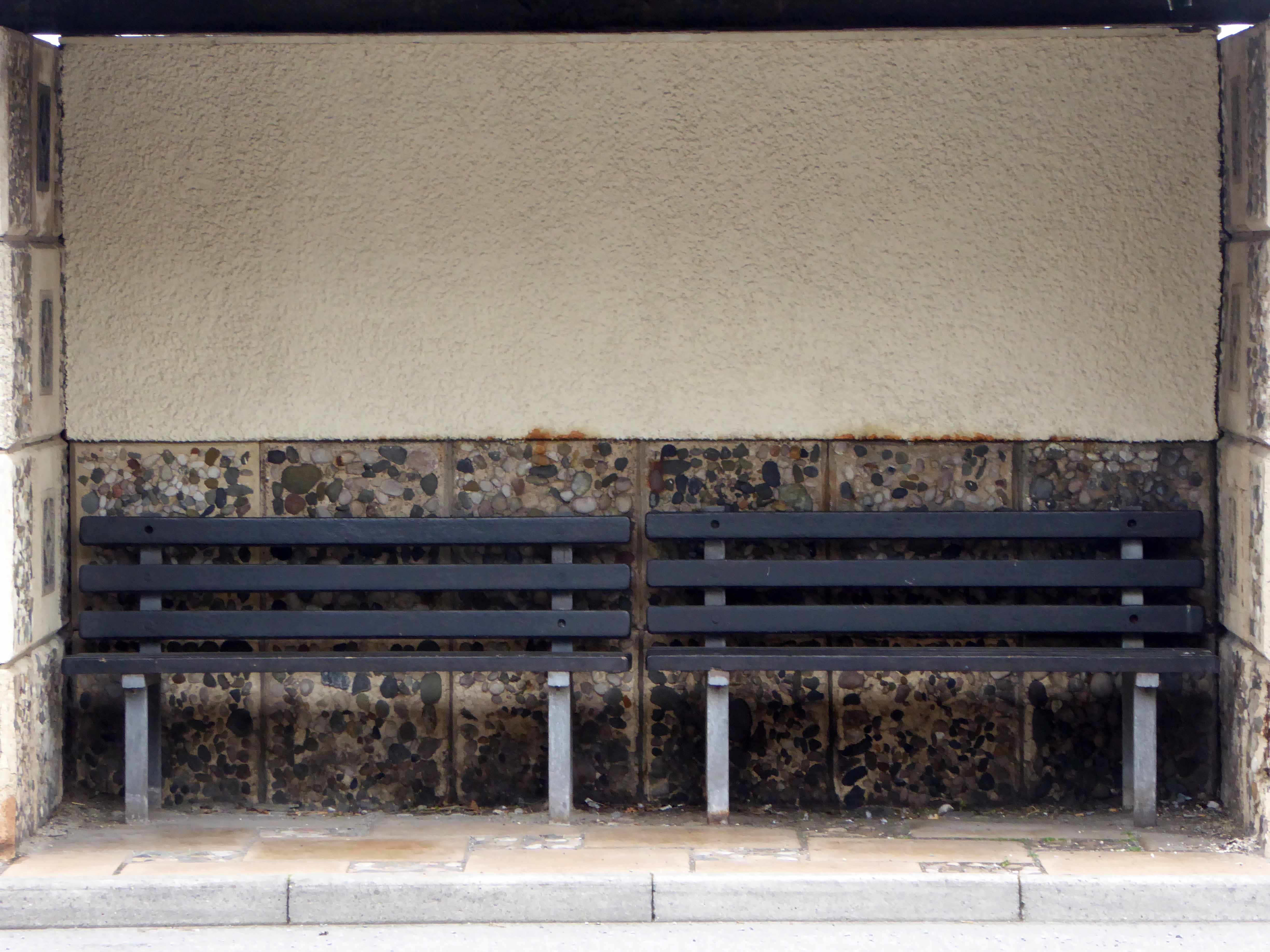
I have previously sought succour in your shady shelters, as unrelenting sheets of steel grey rain peppered the wind whipped Irish sea.
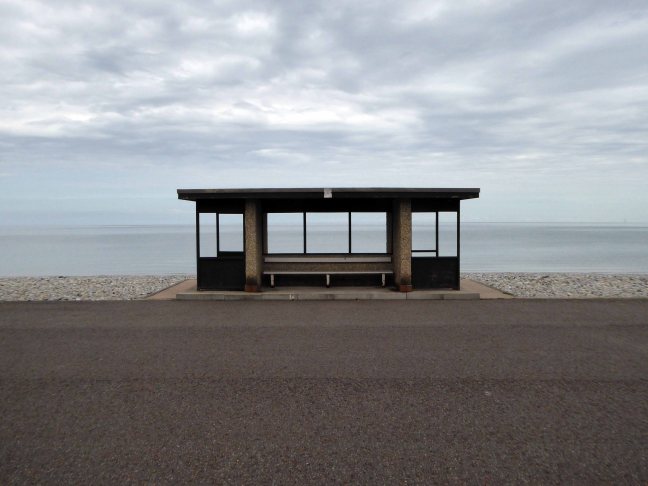
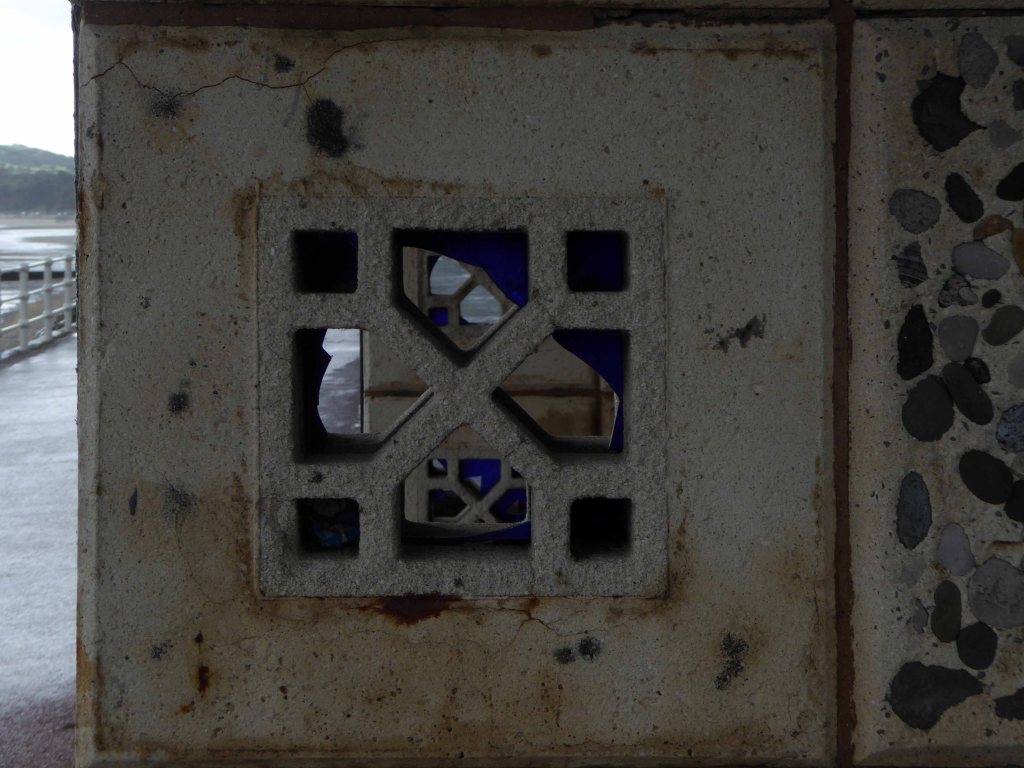
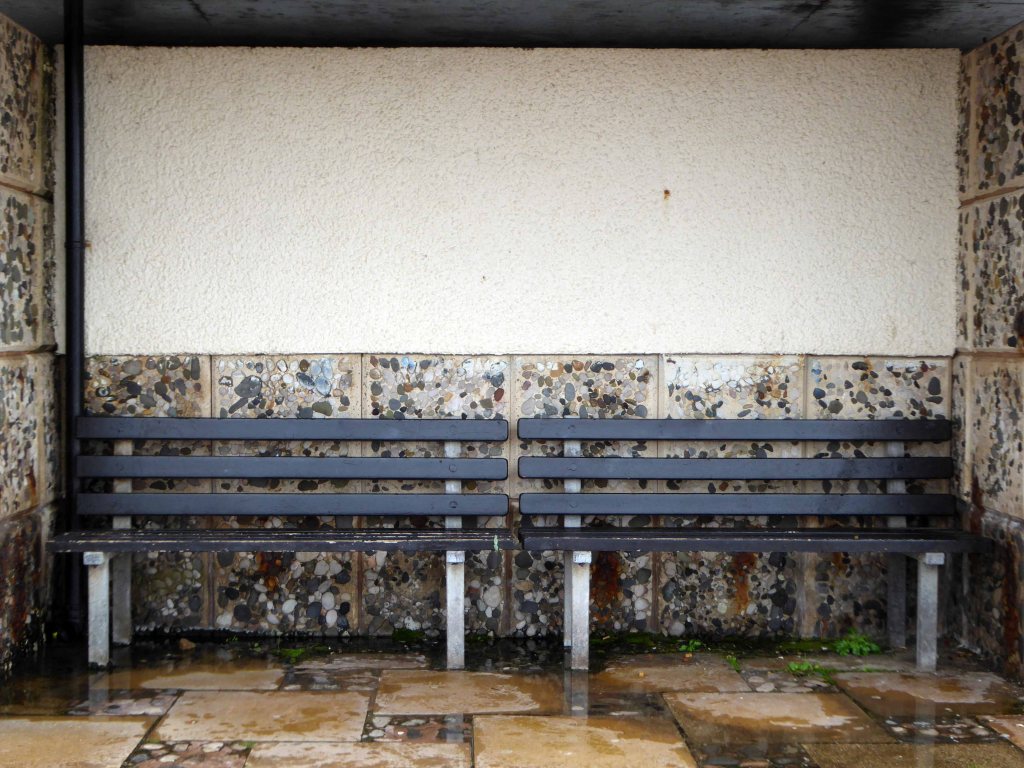
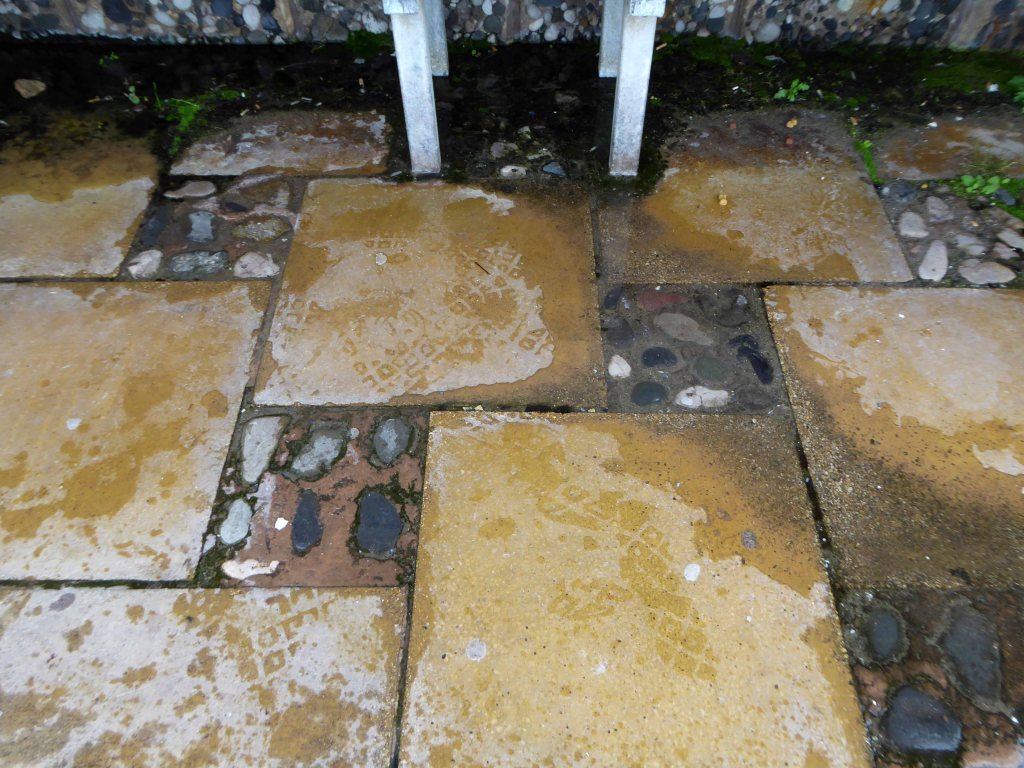
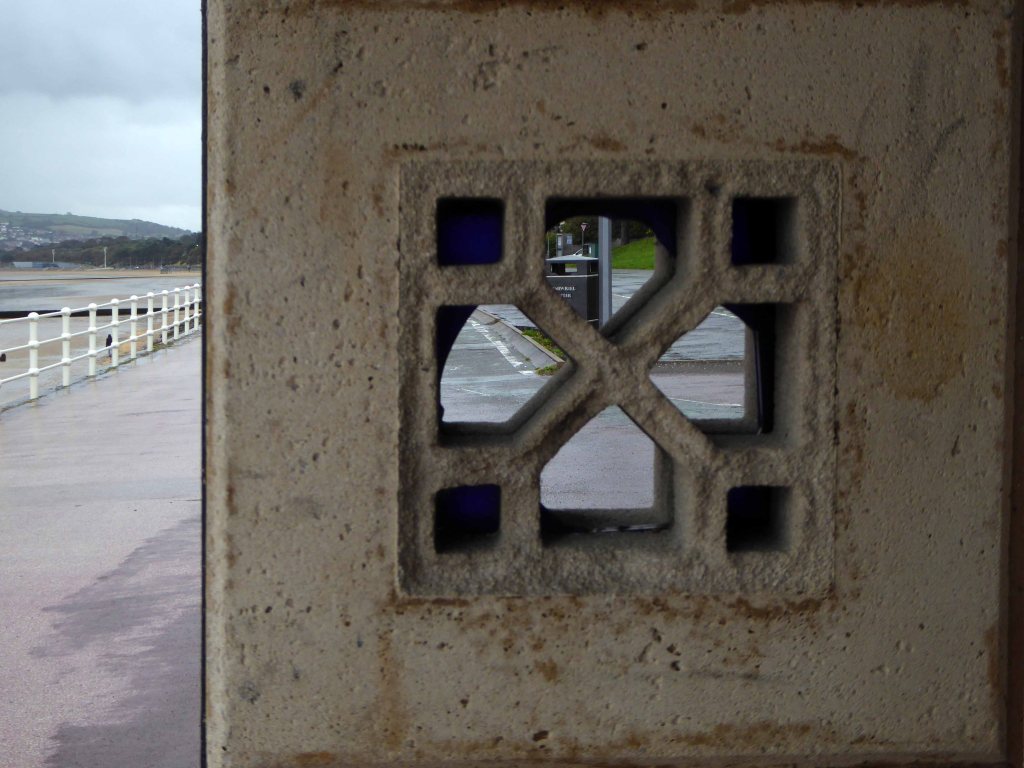
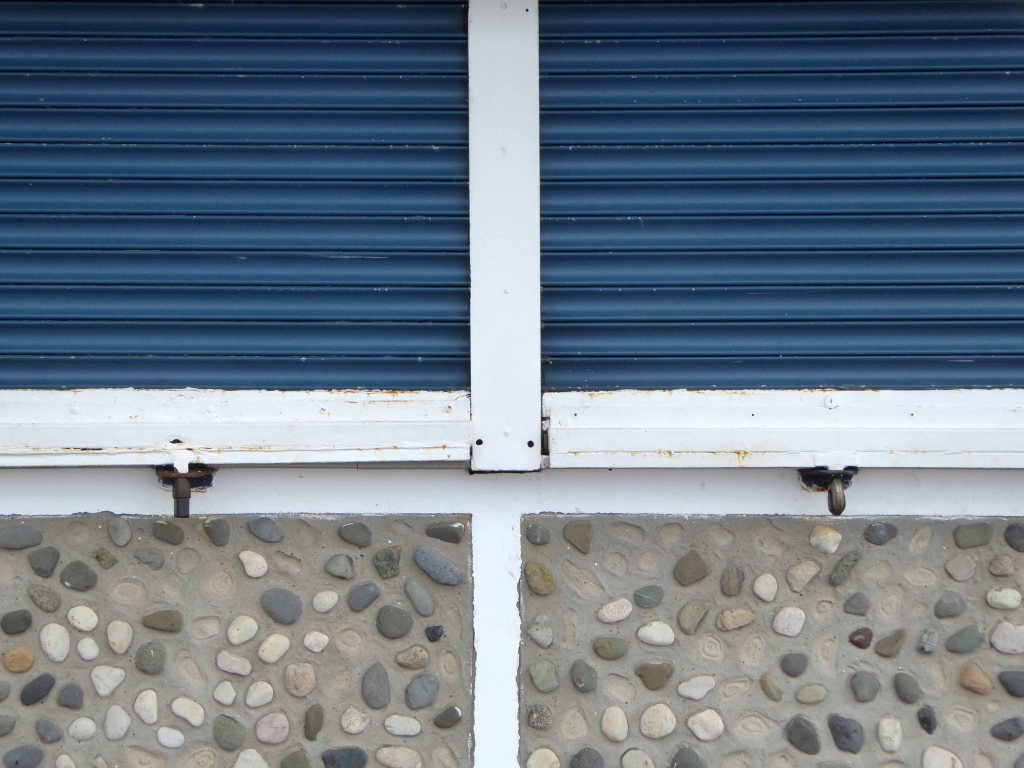
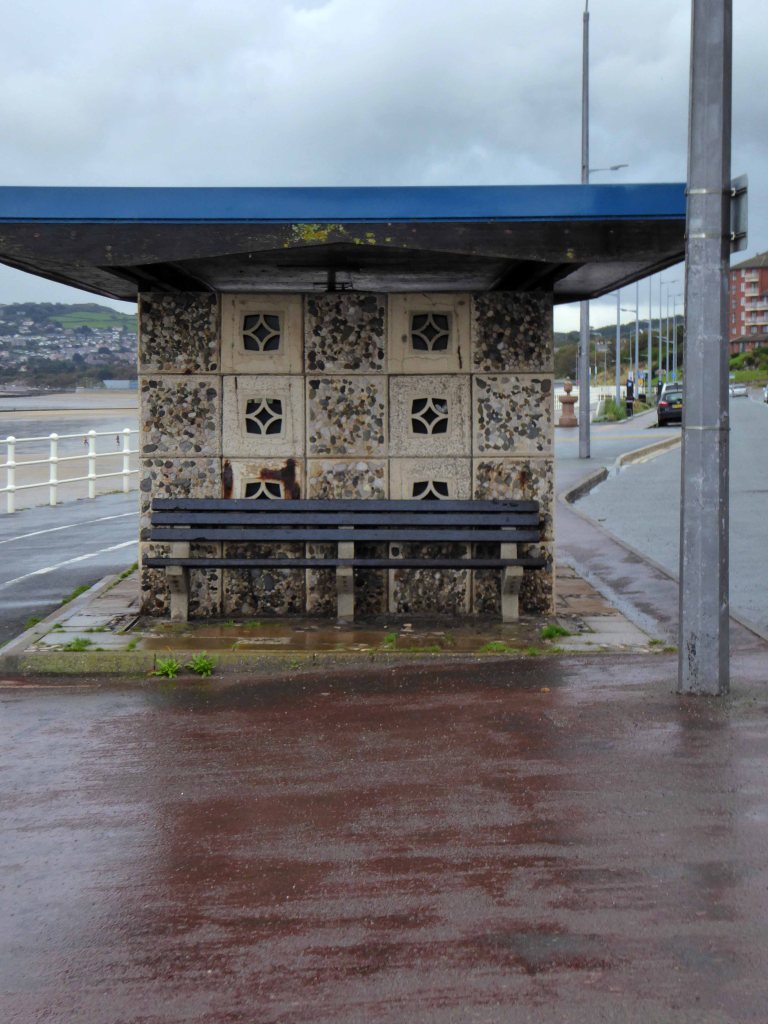
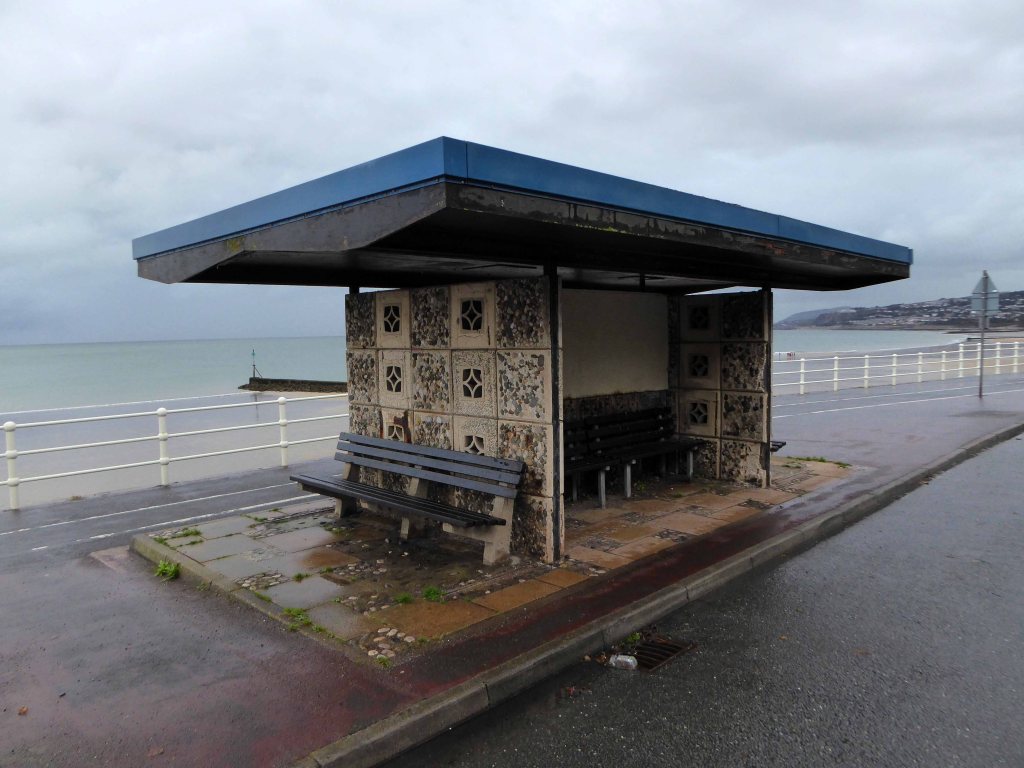
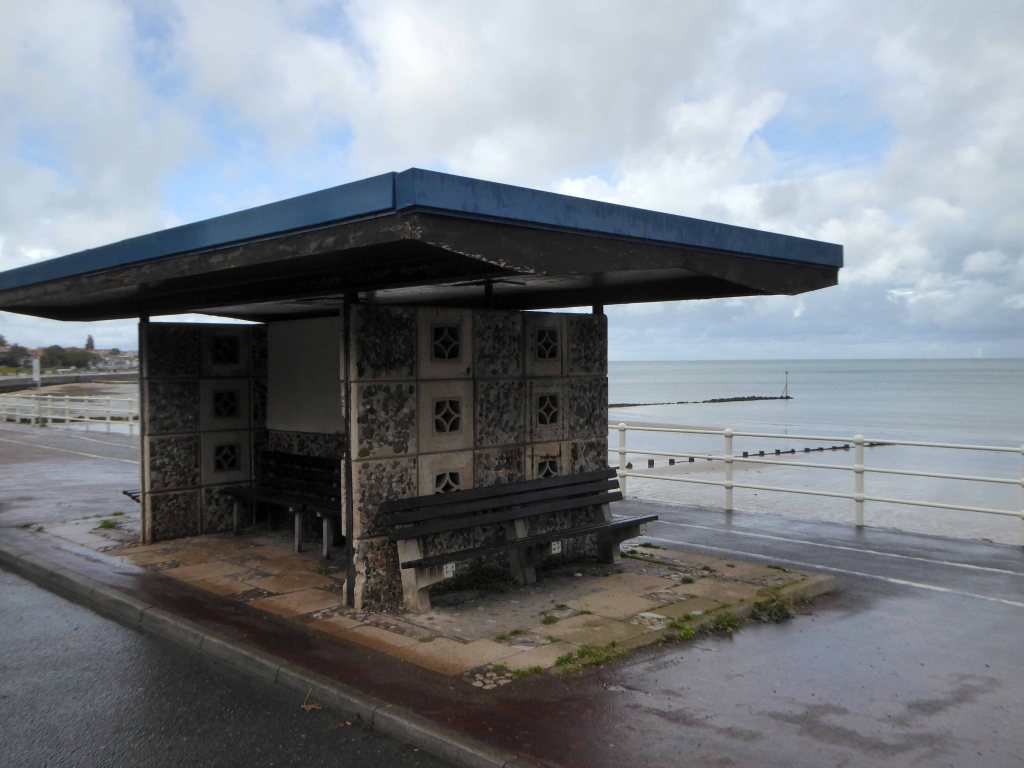
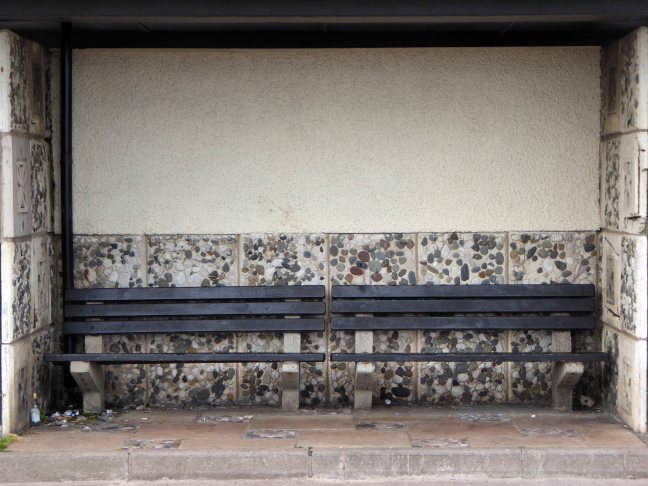
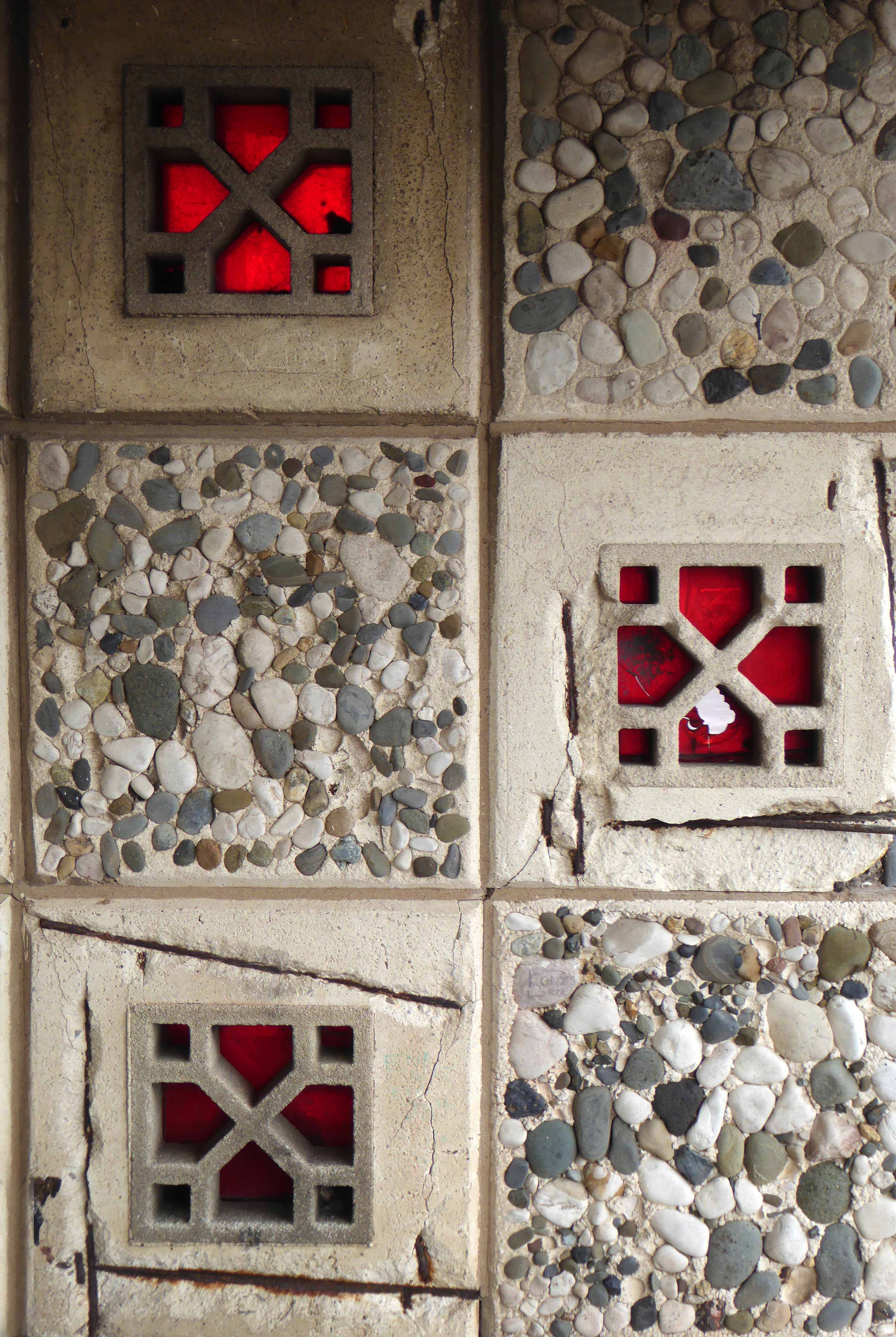
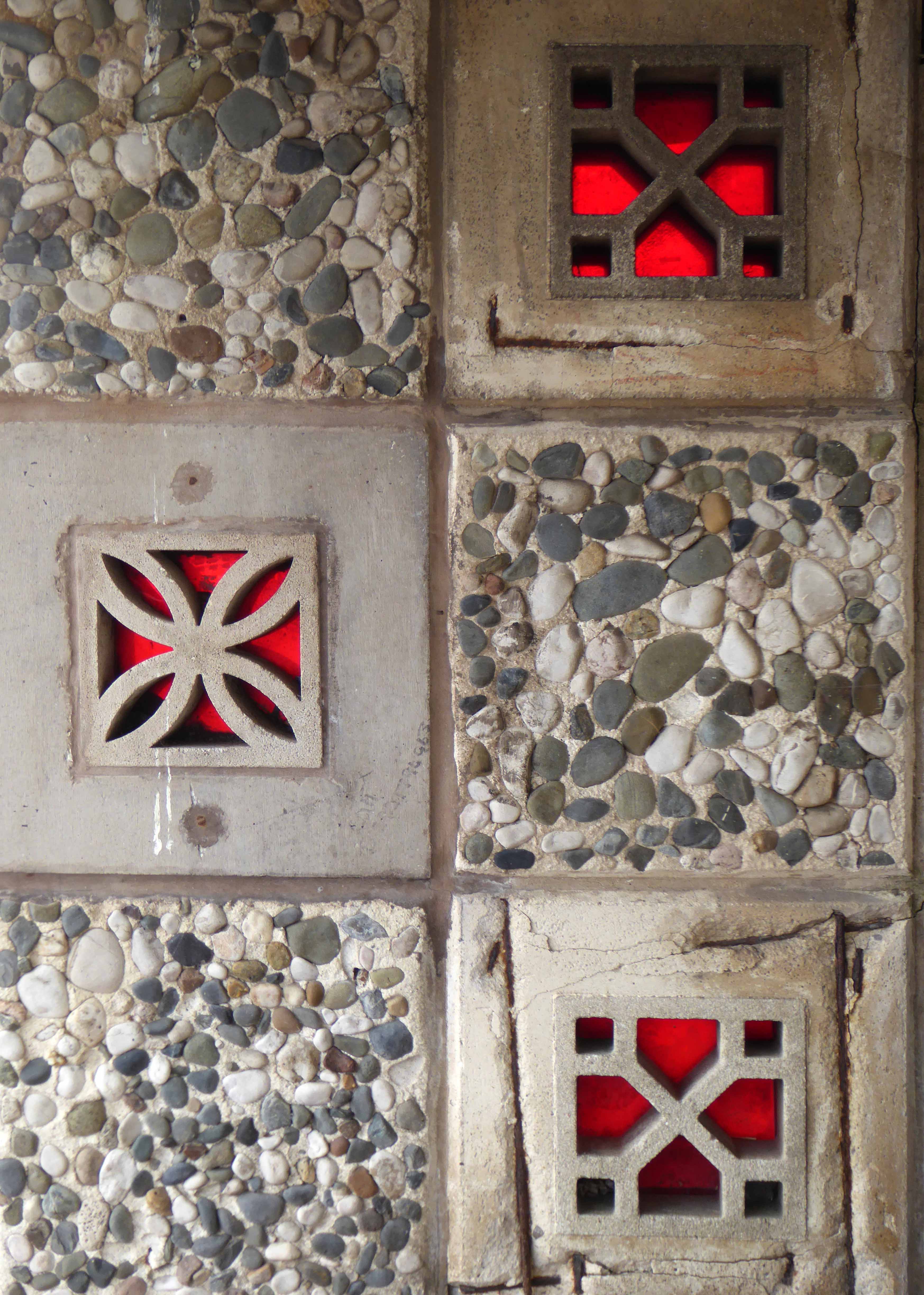
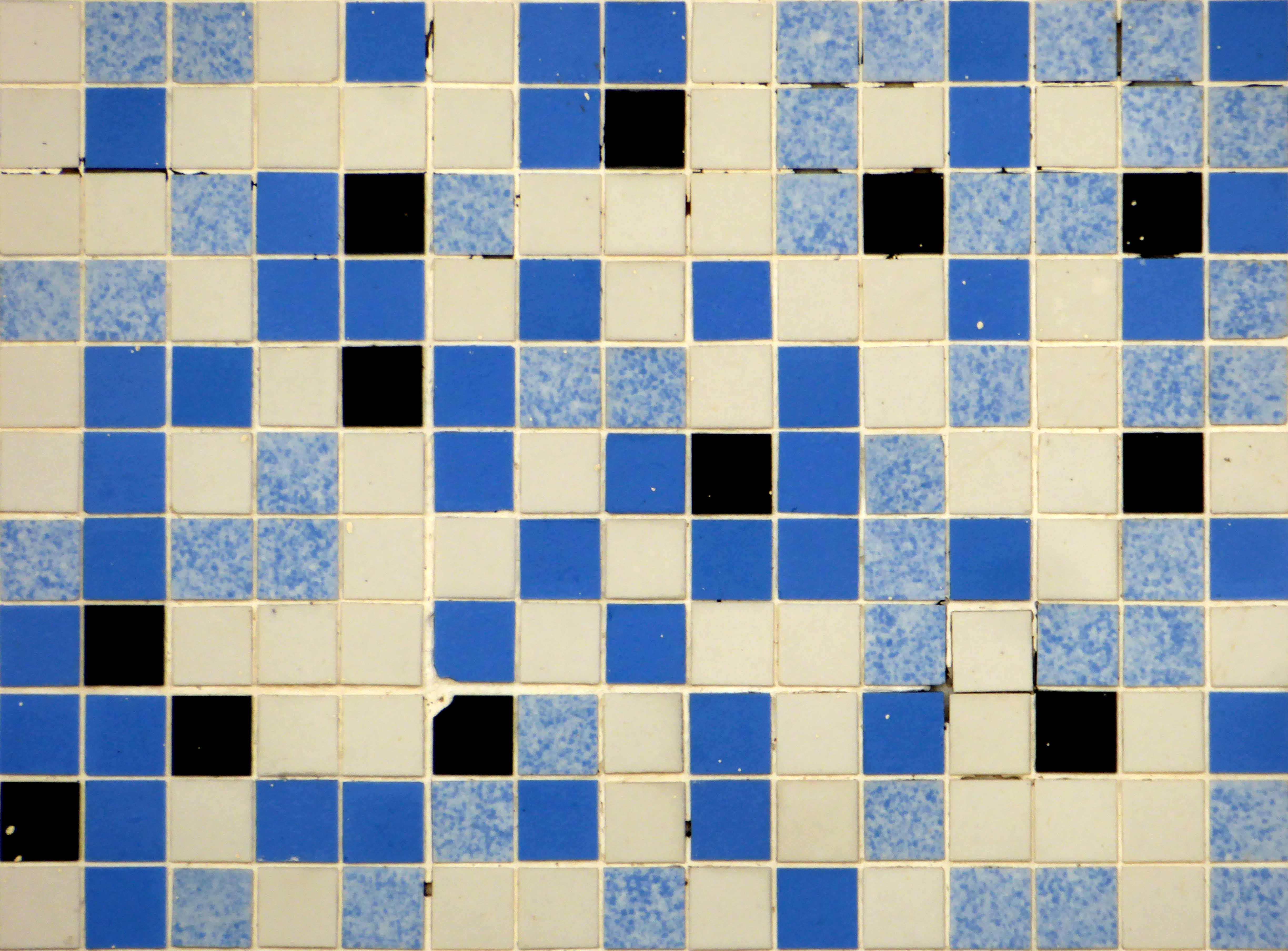
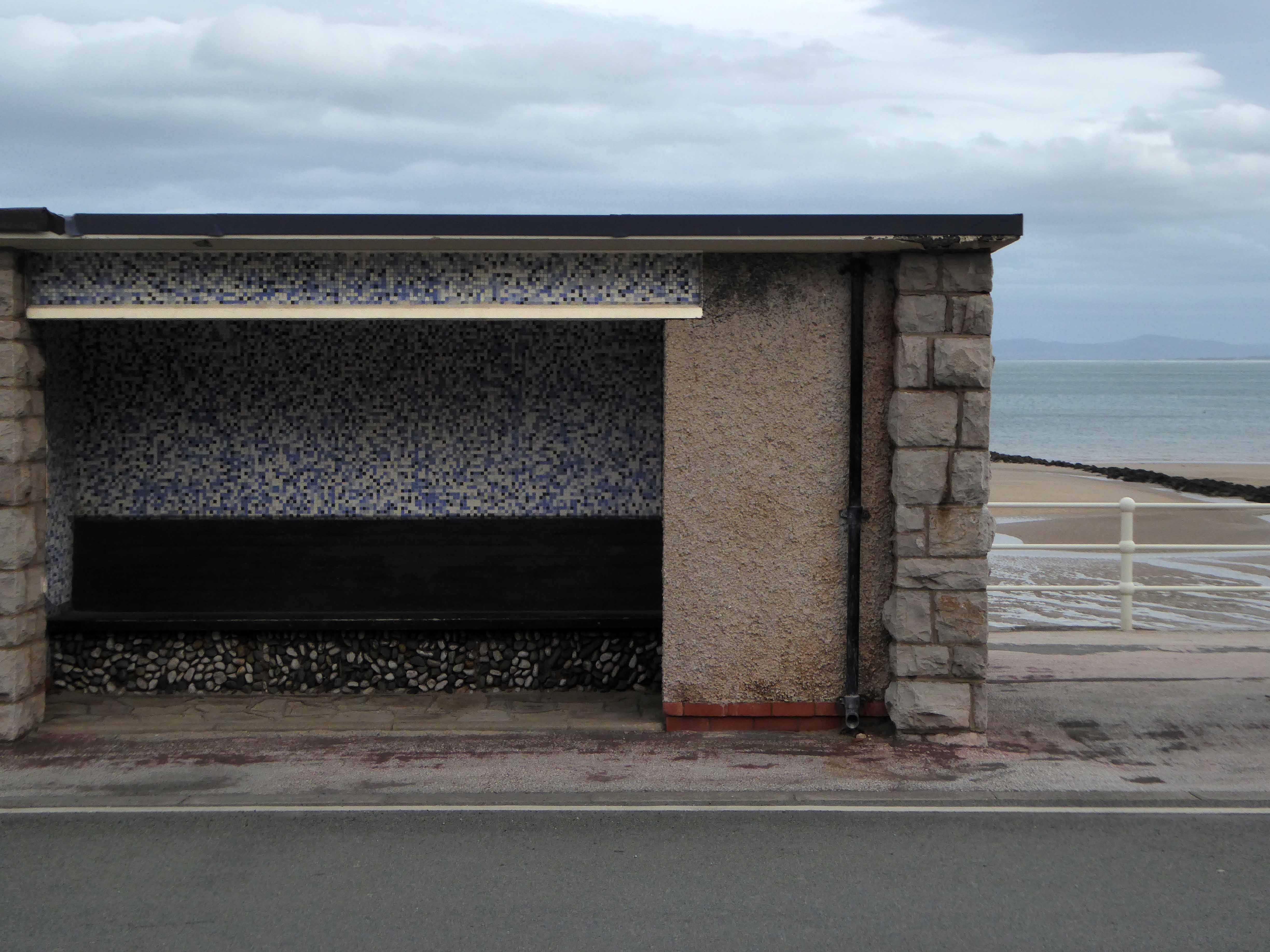
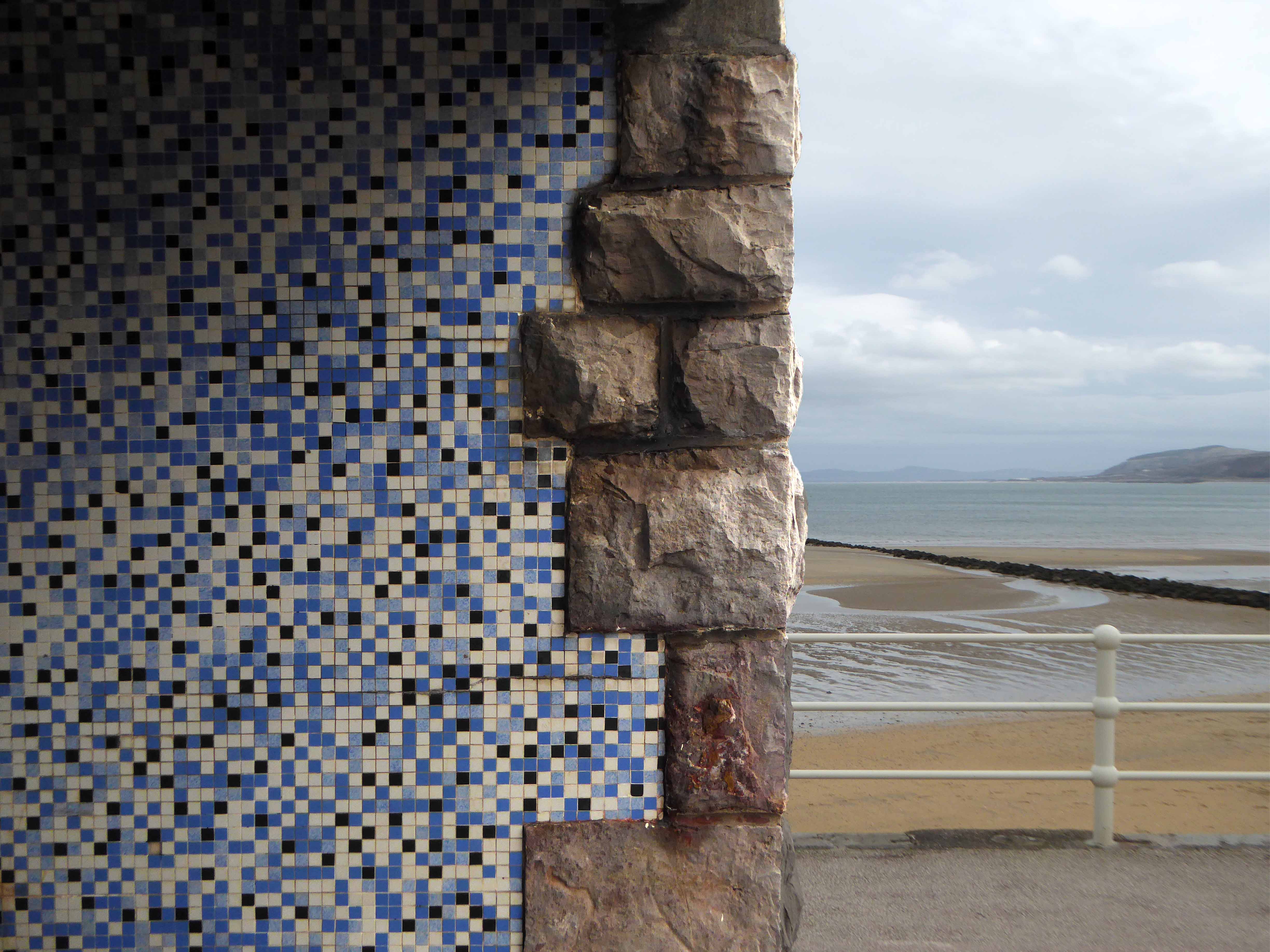
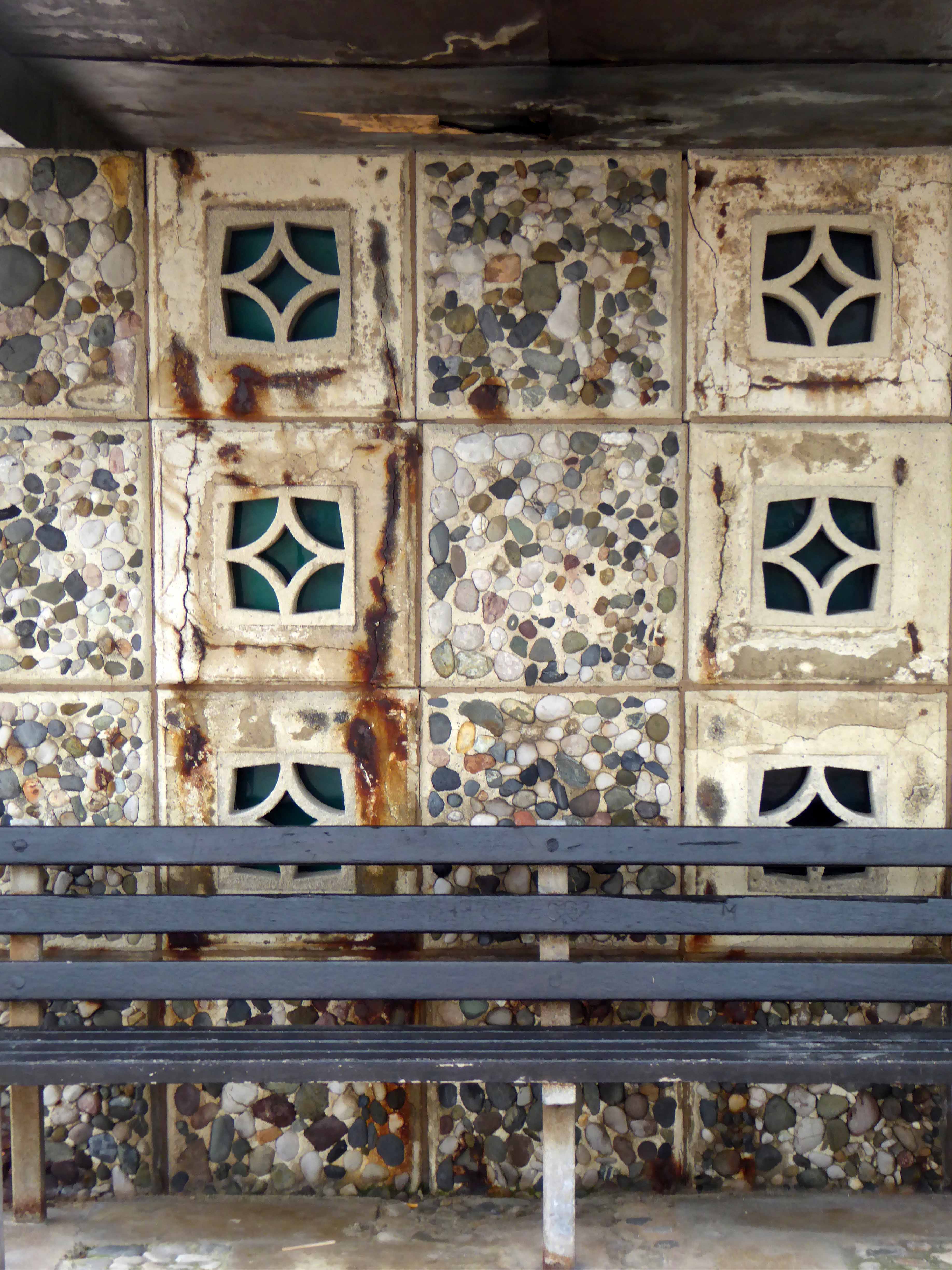
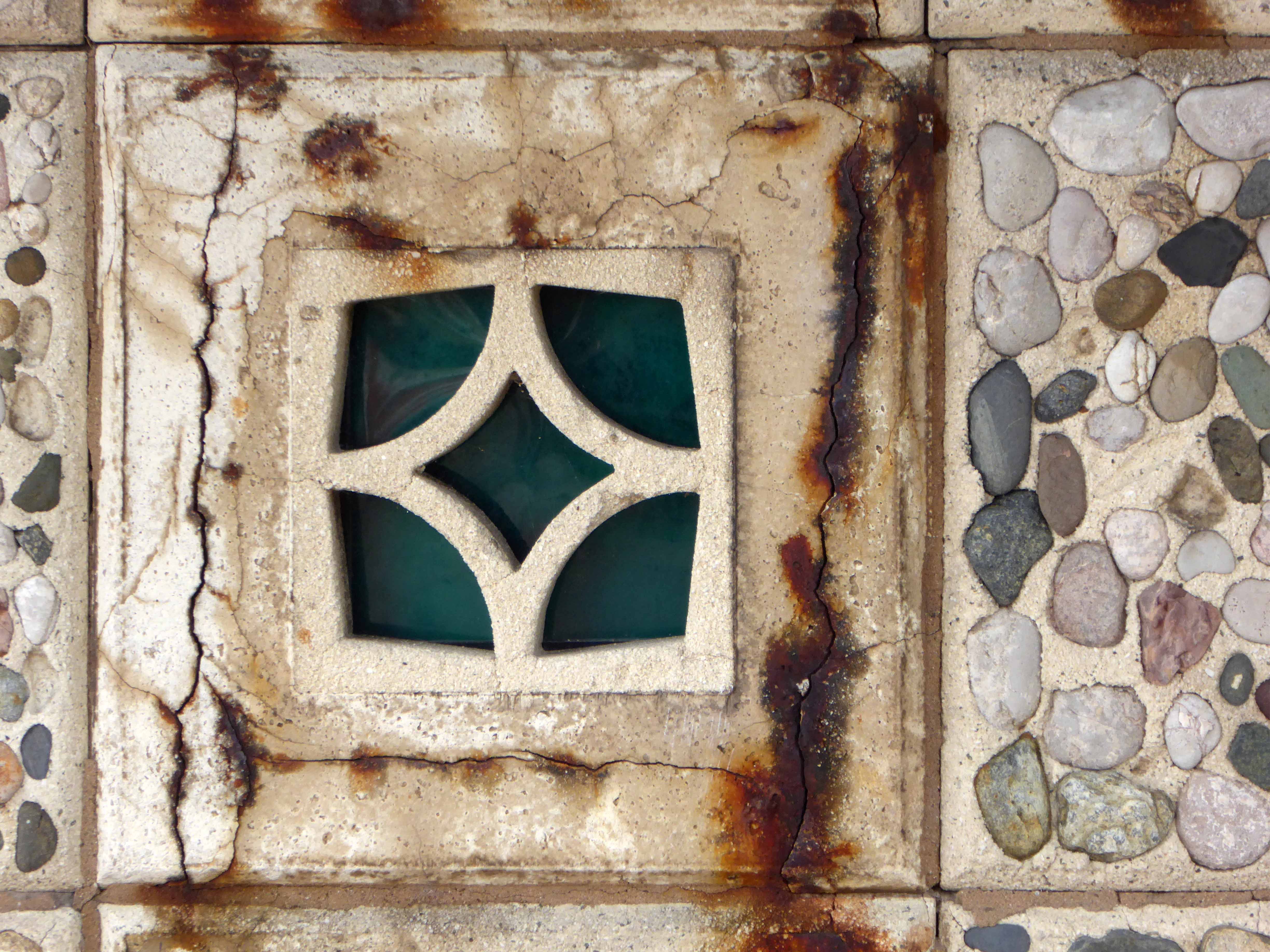
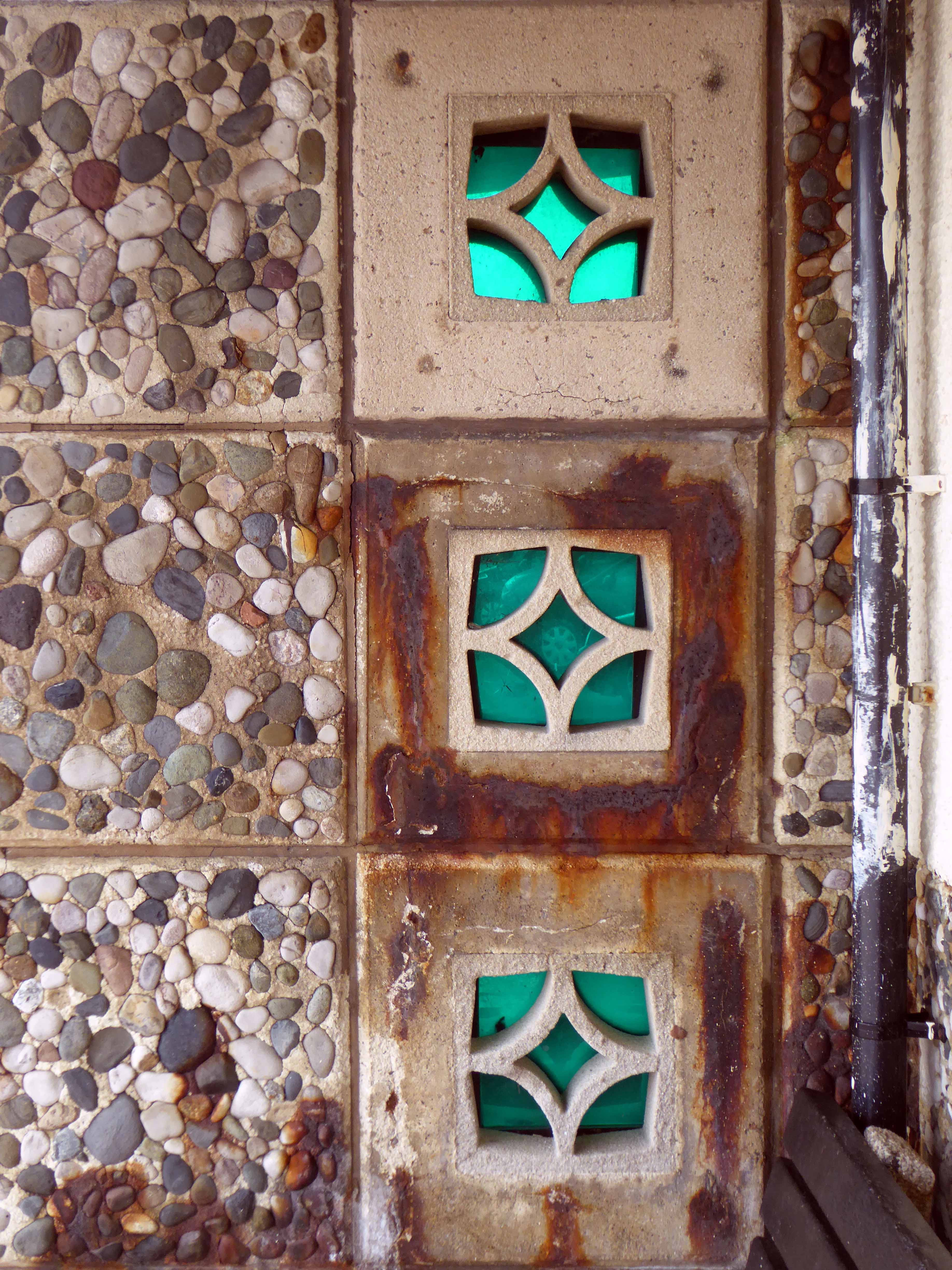
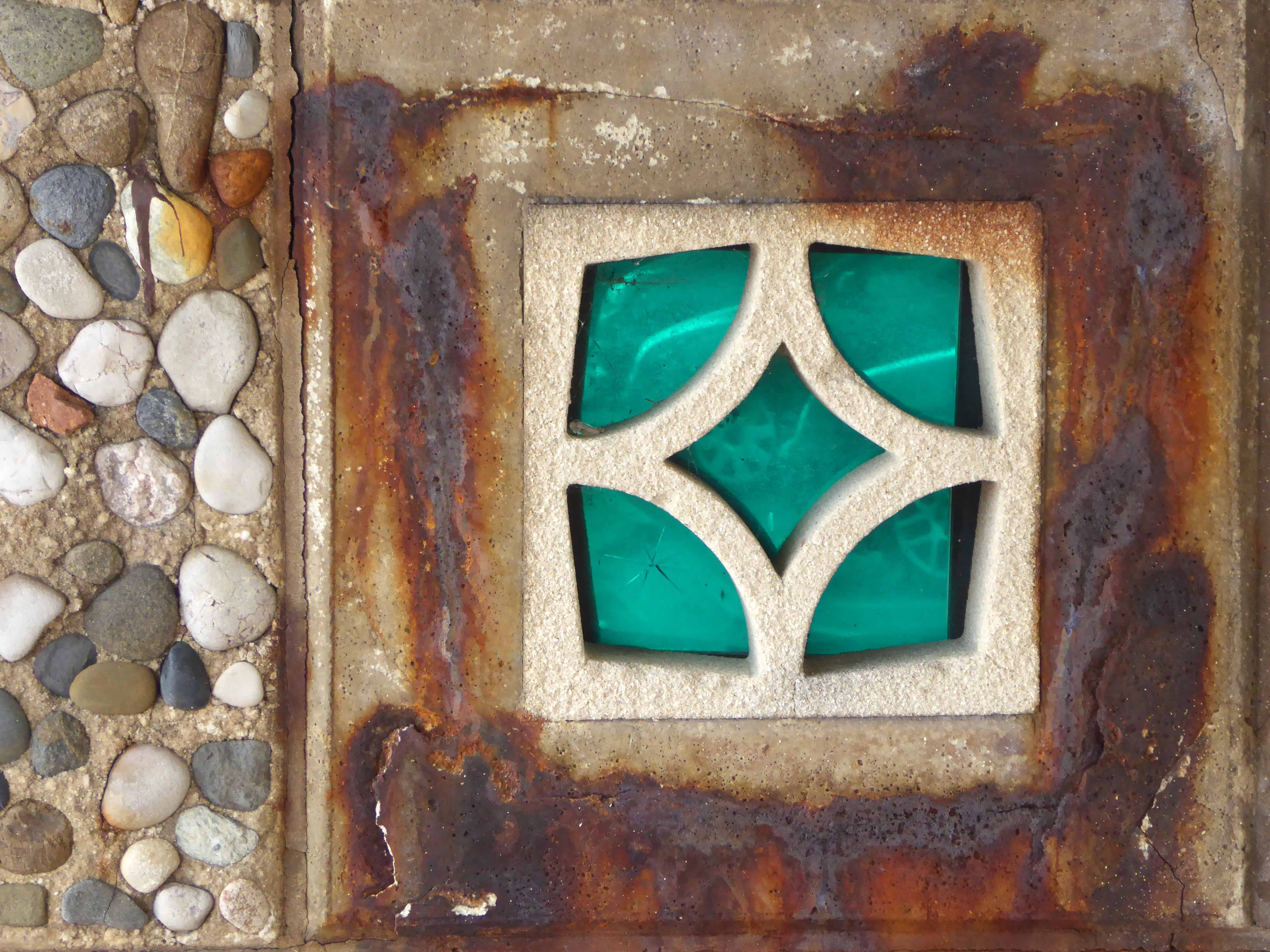
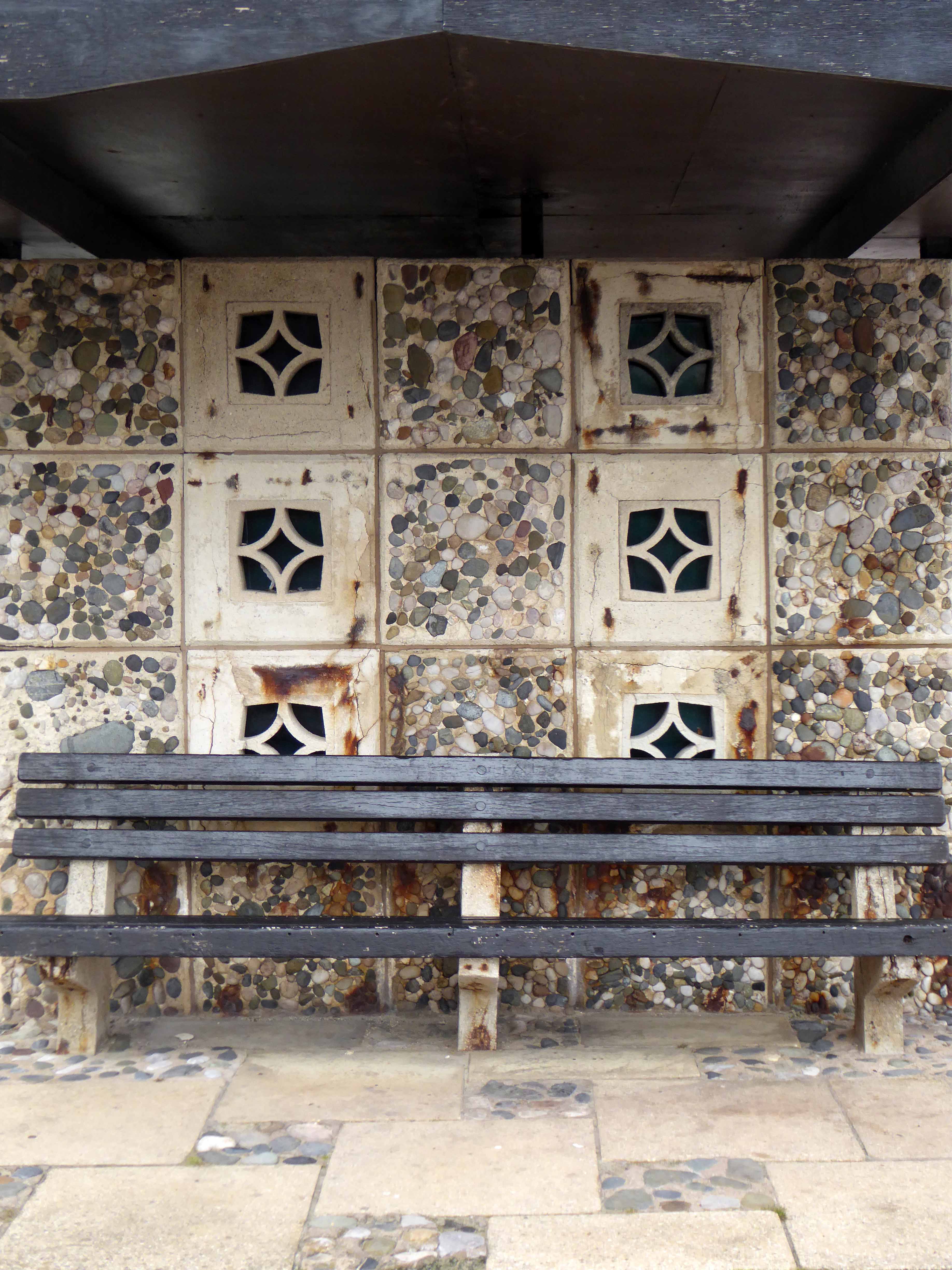
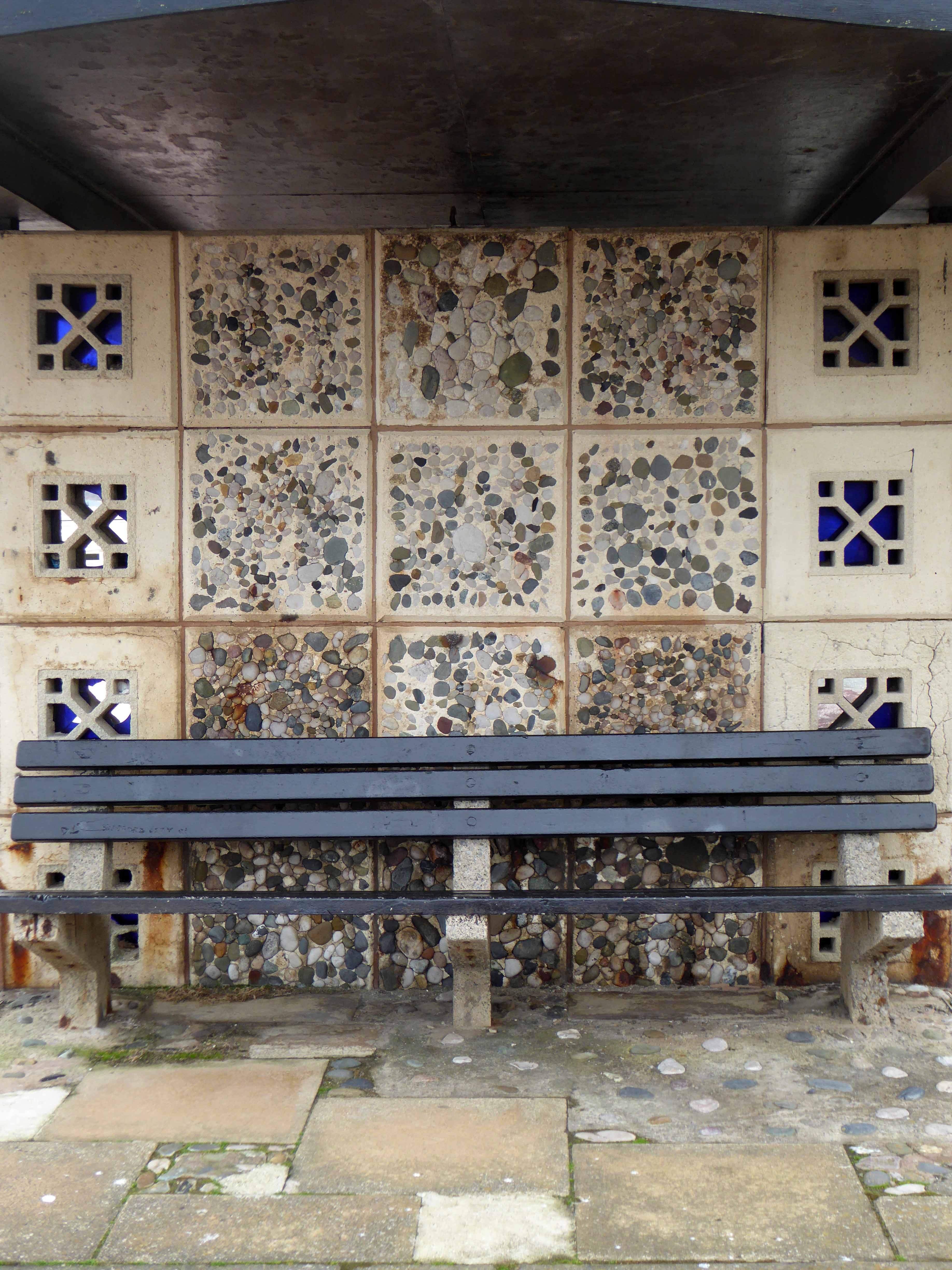
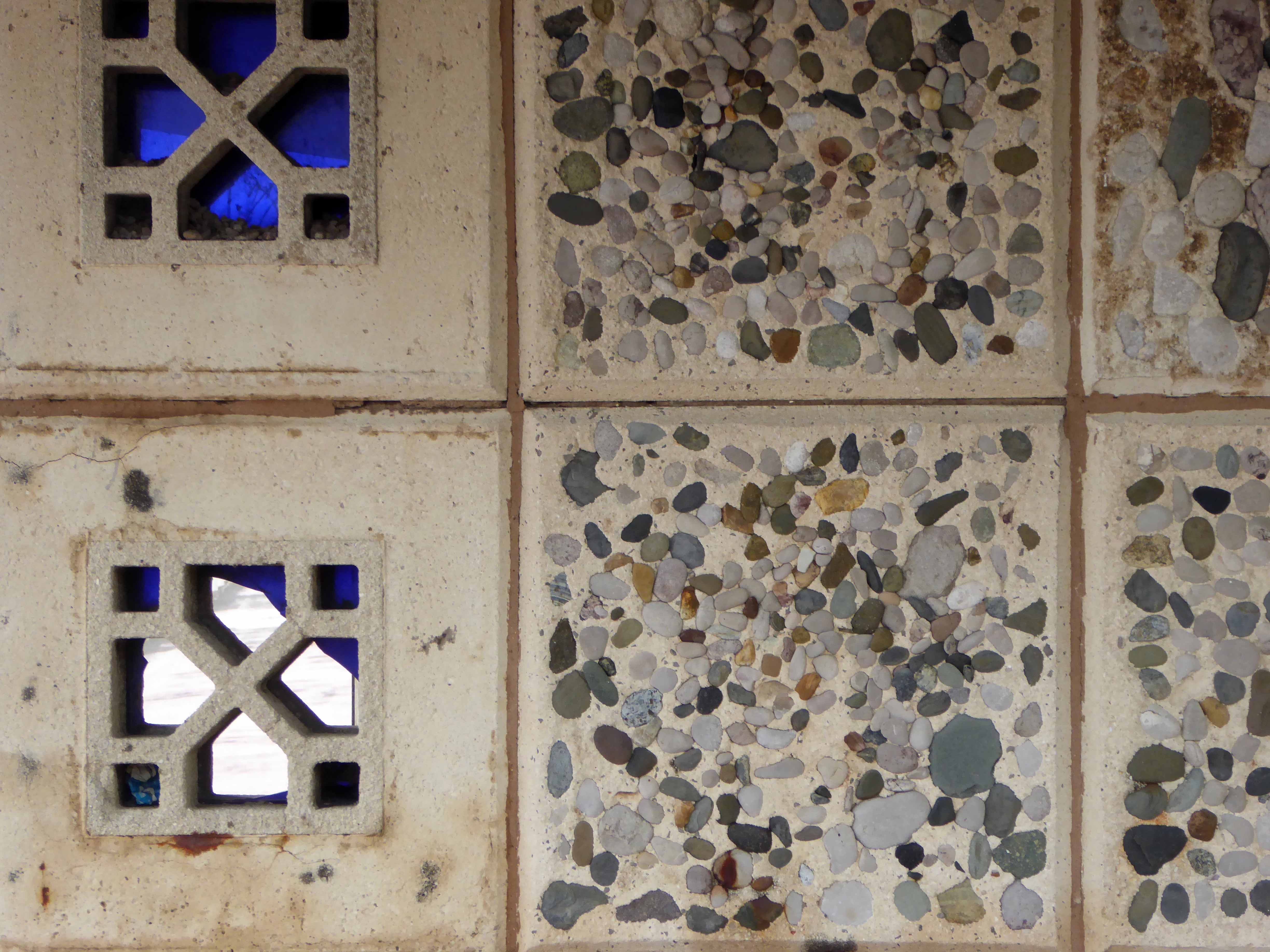
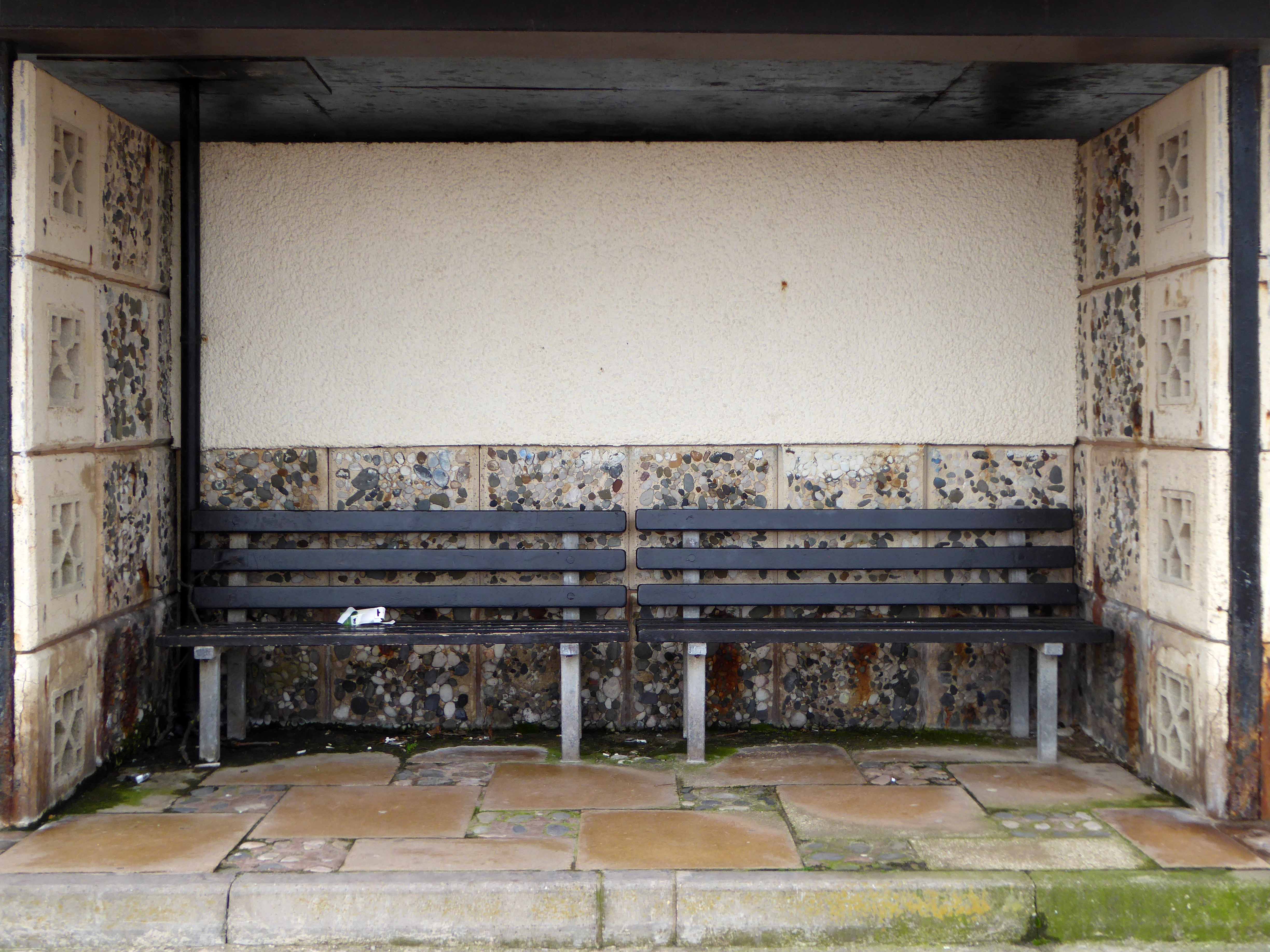
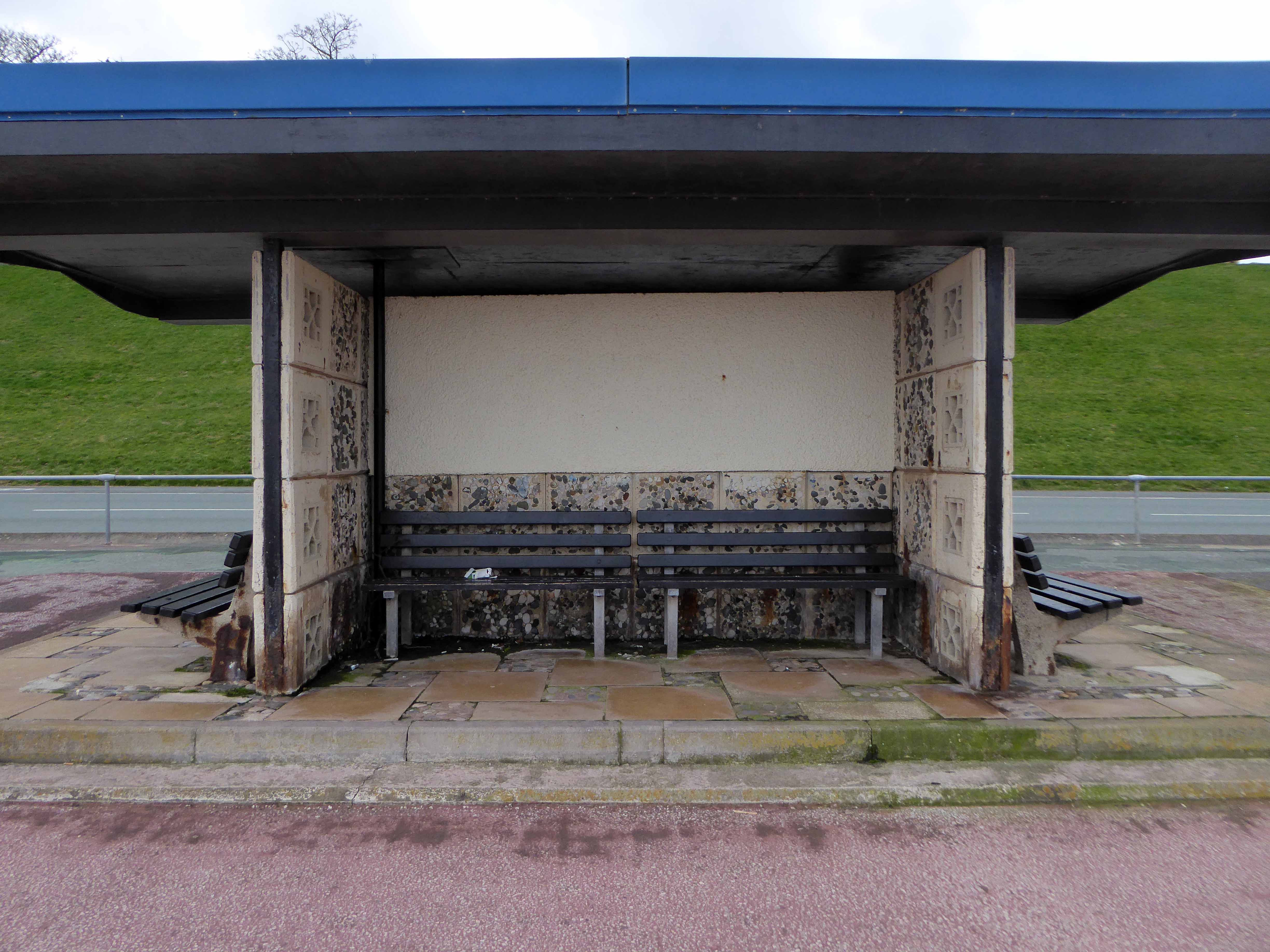
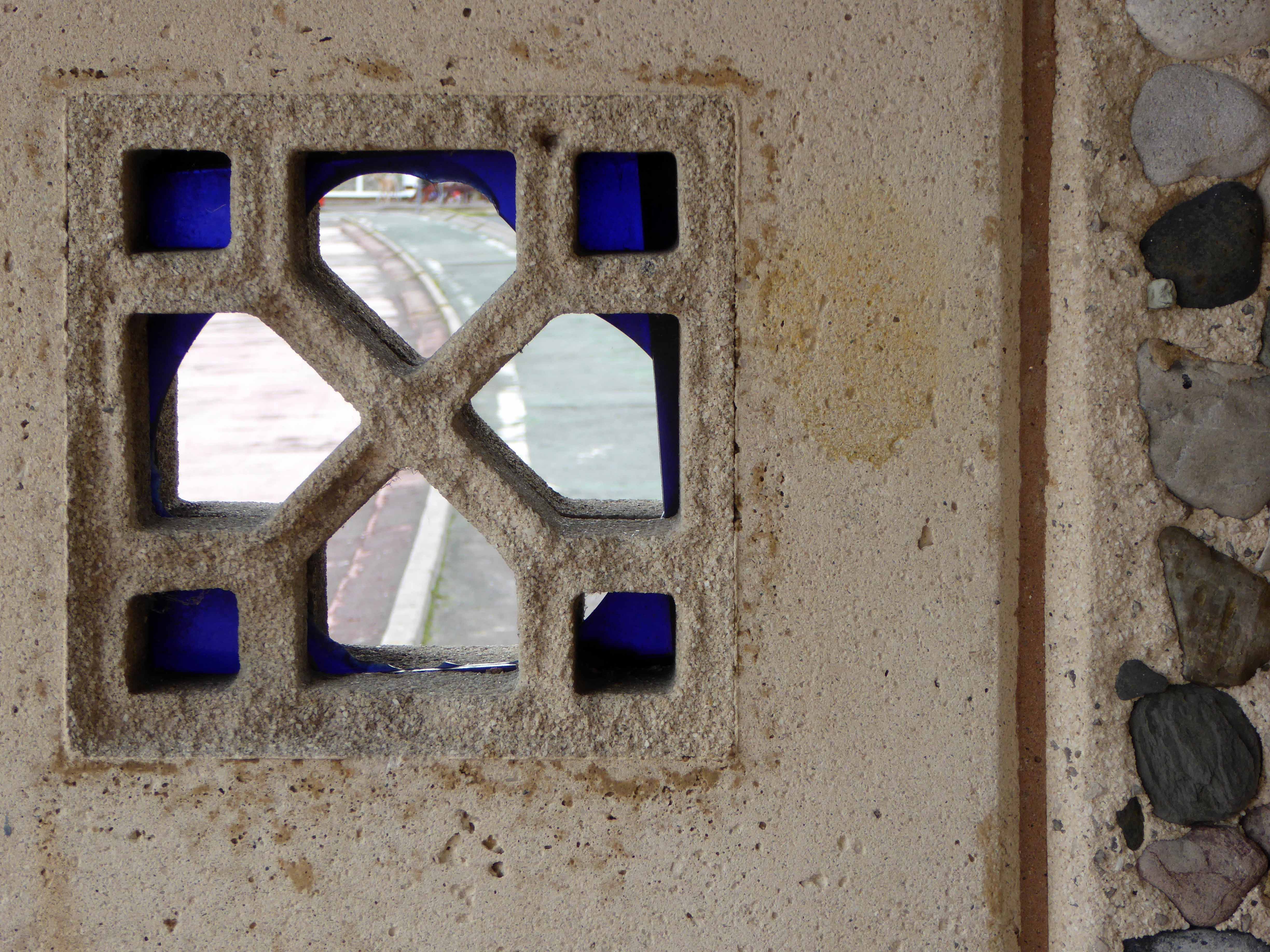
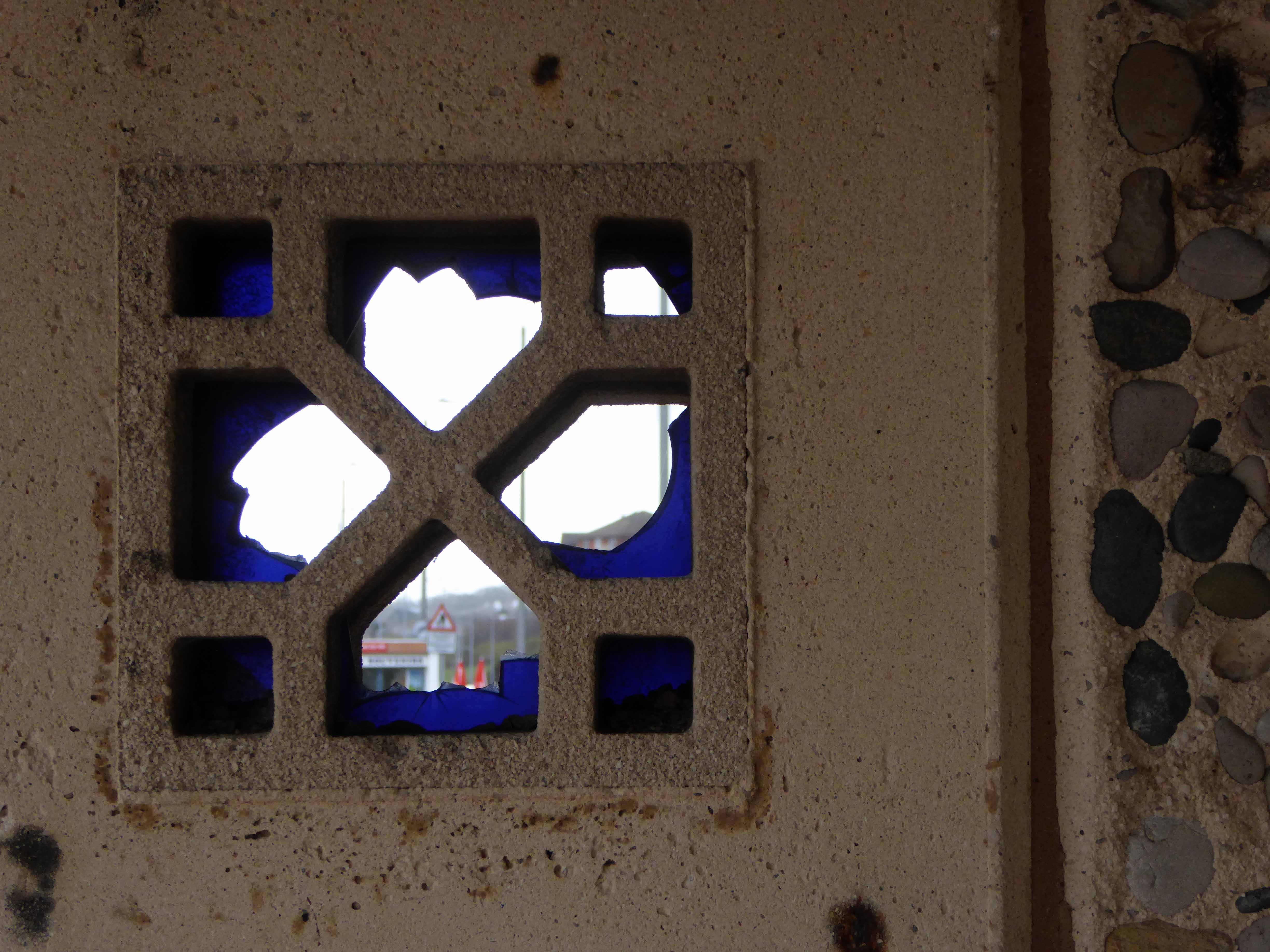
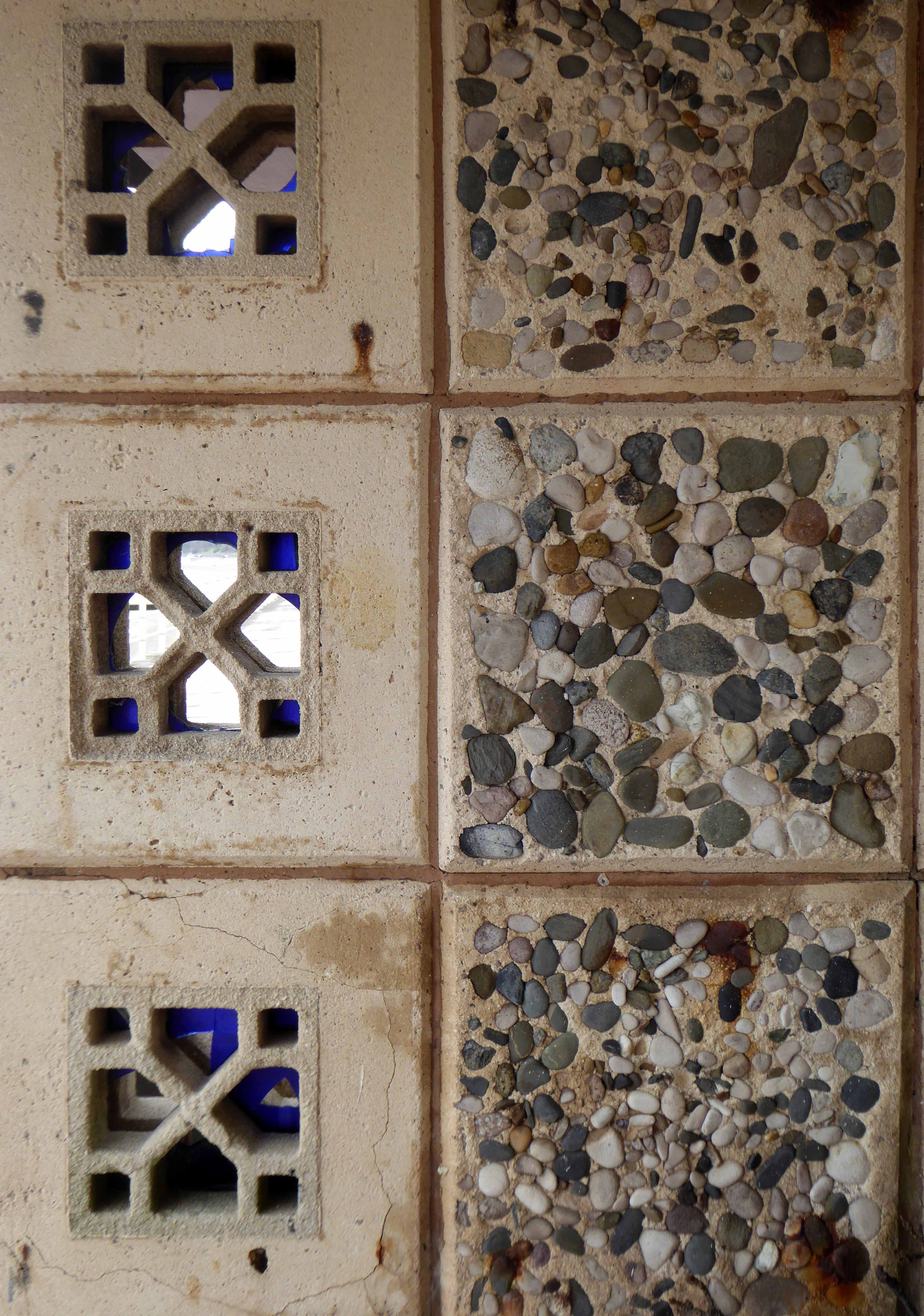
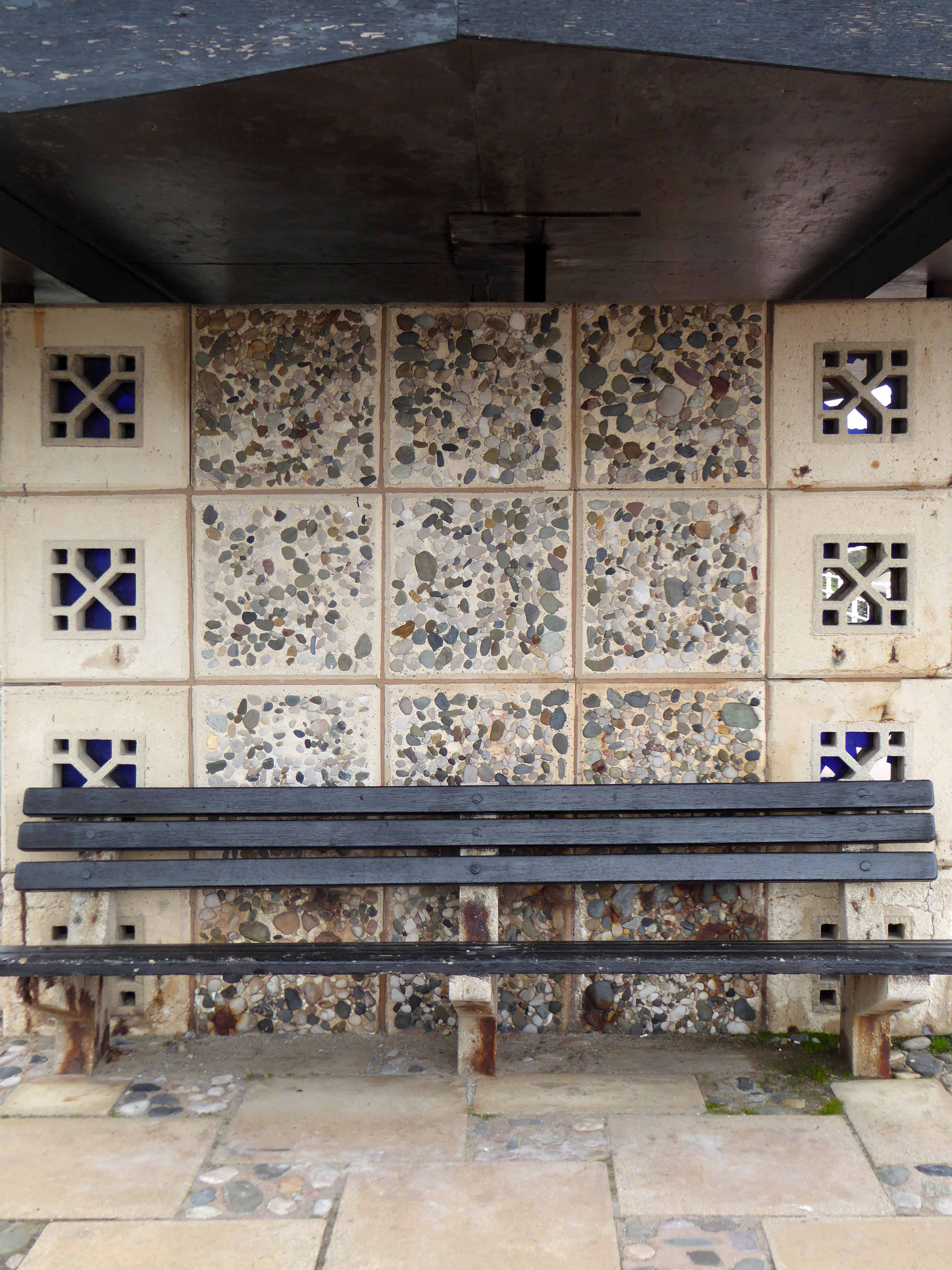
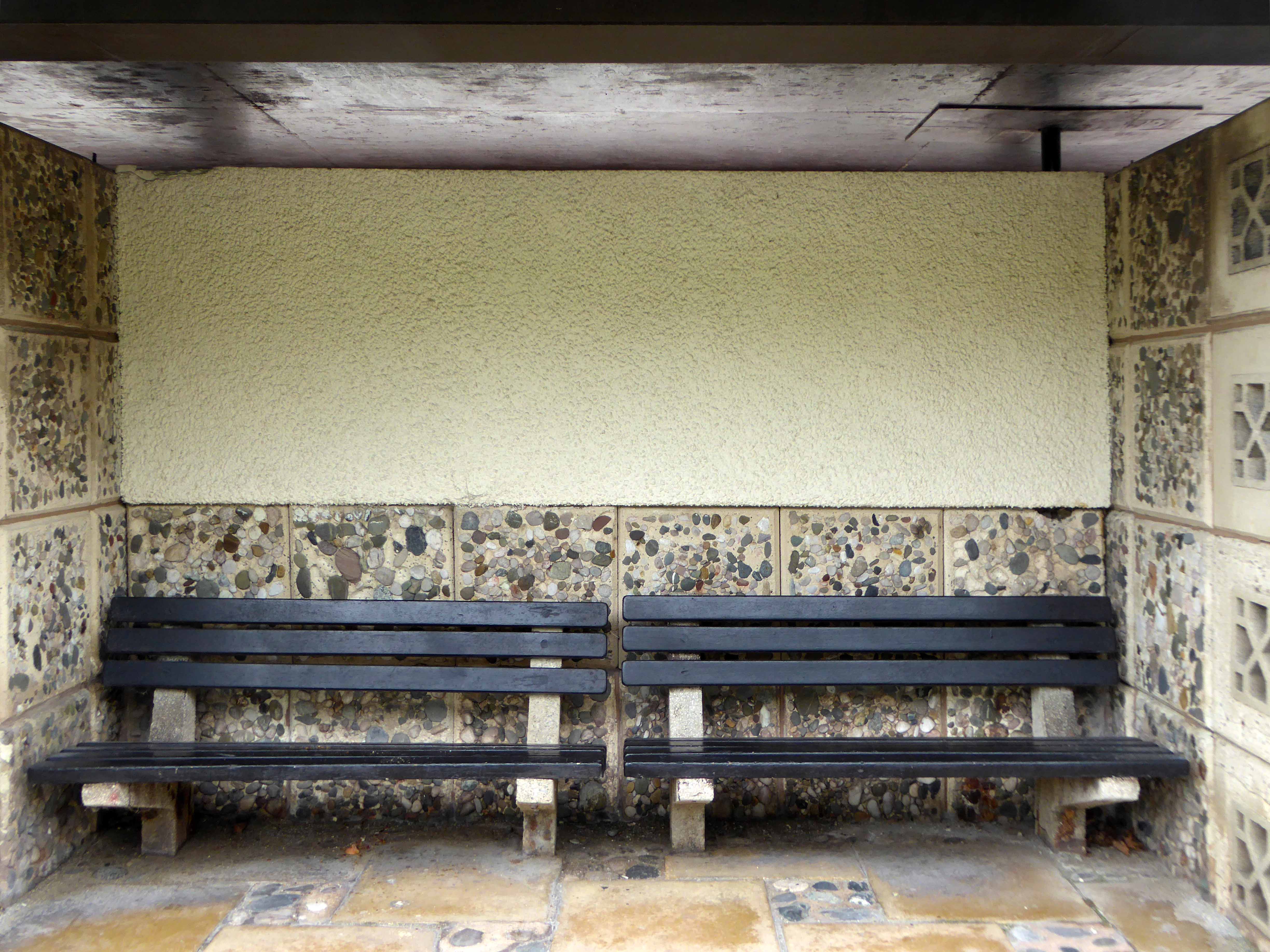
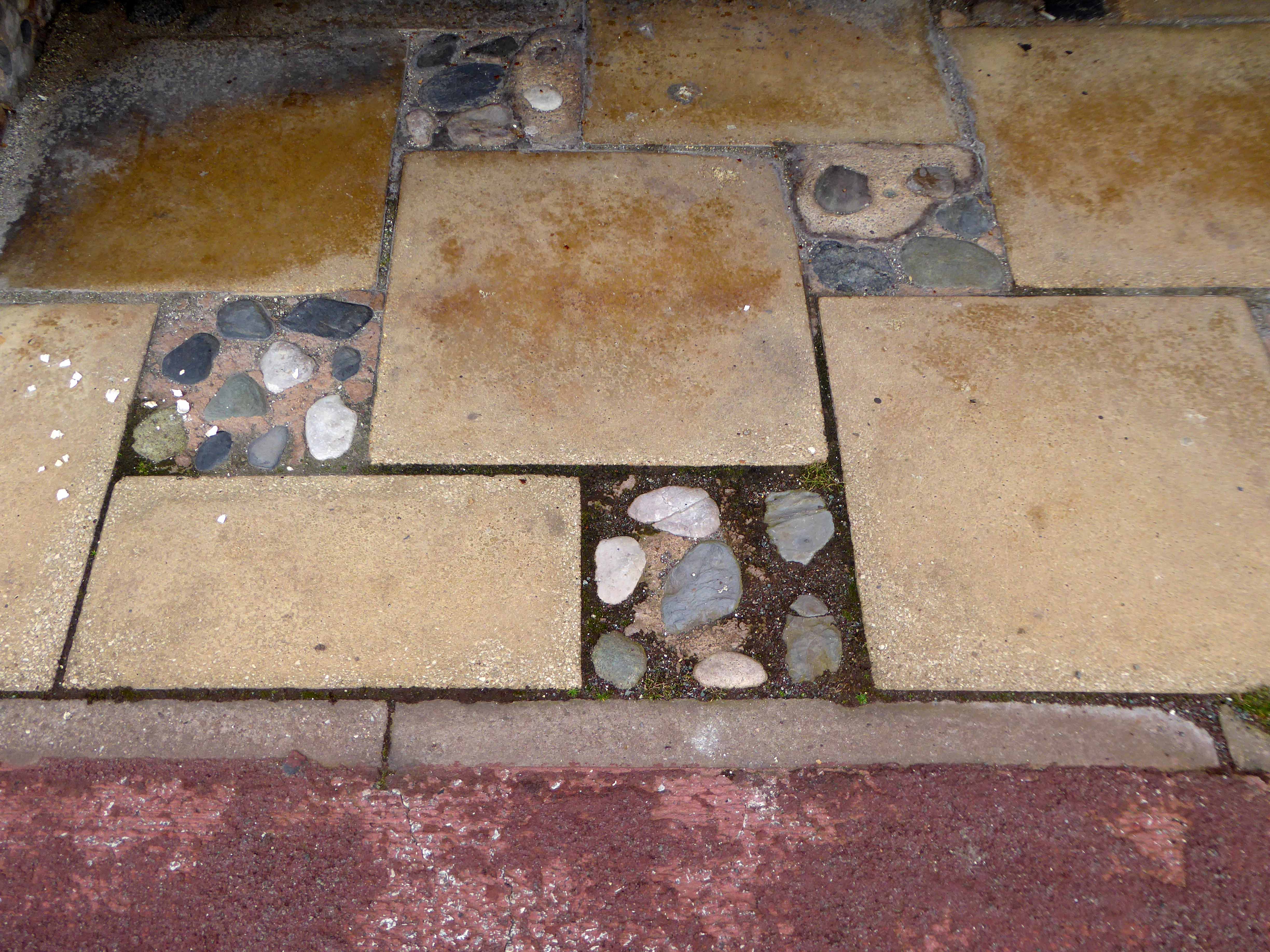
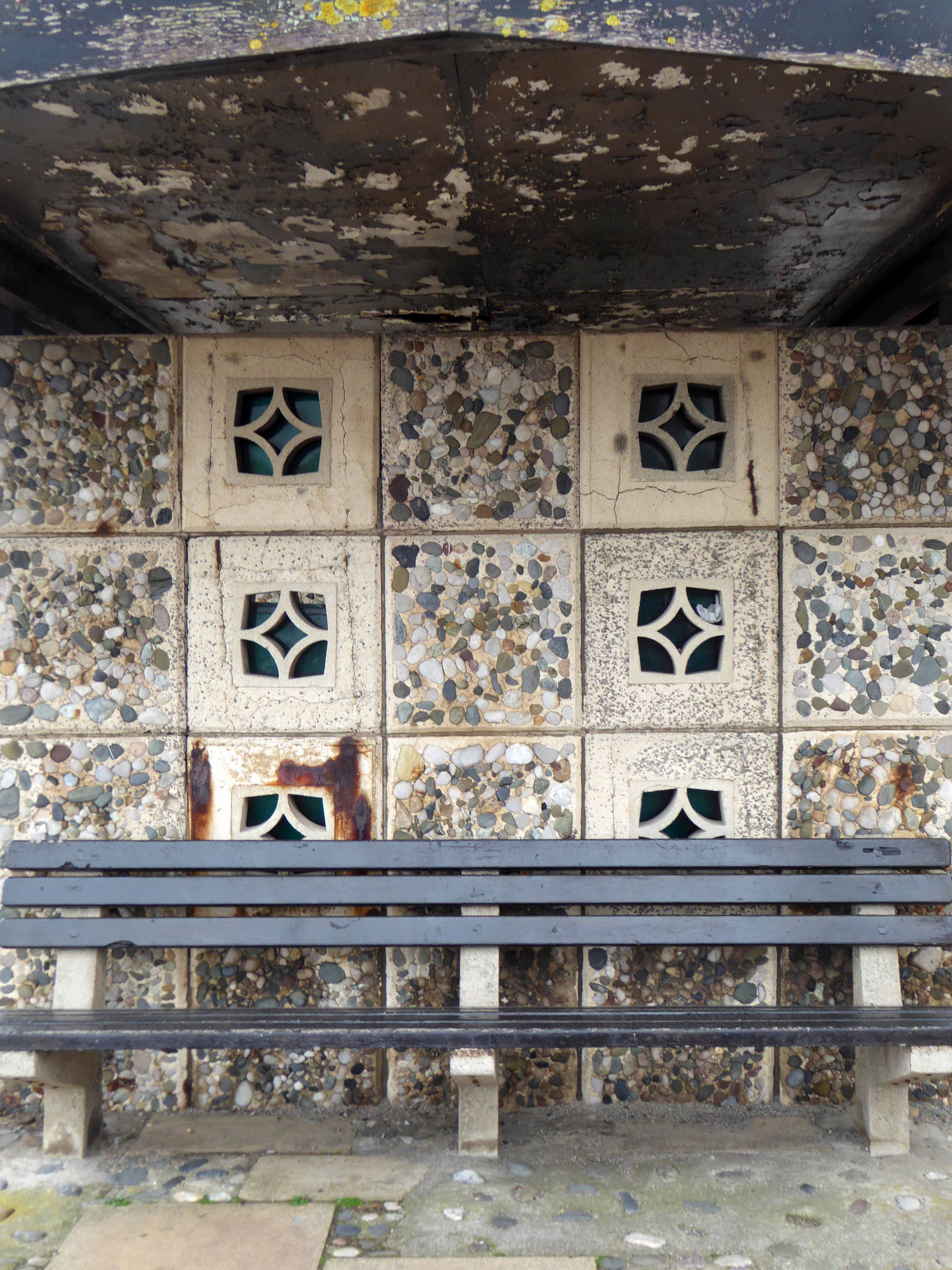
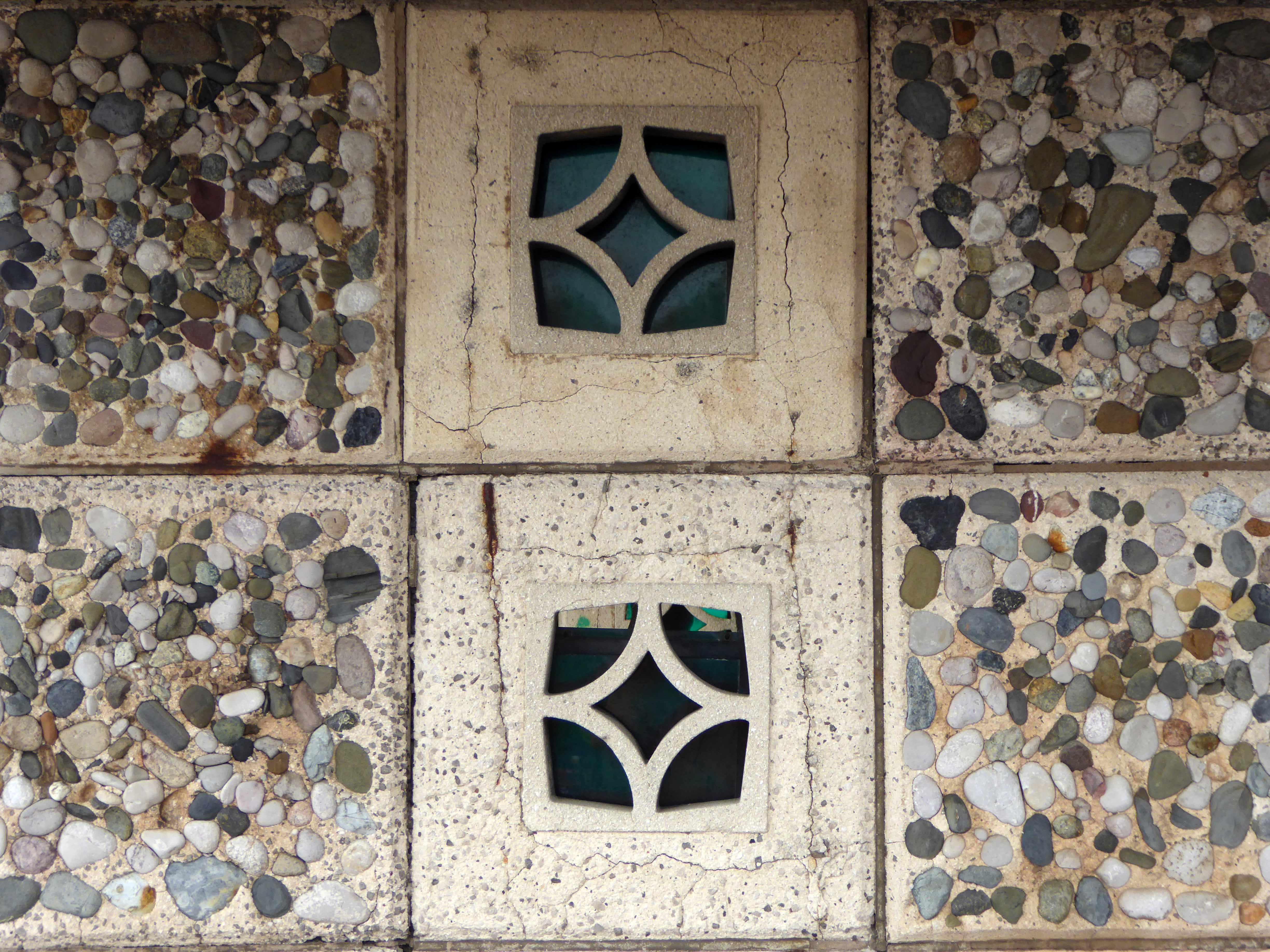
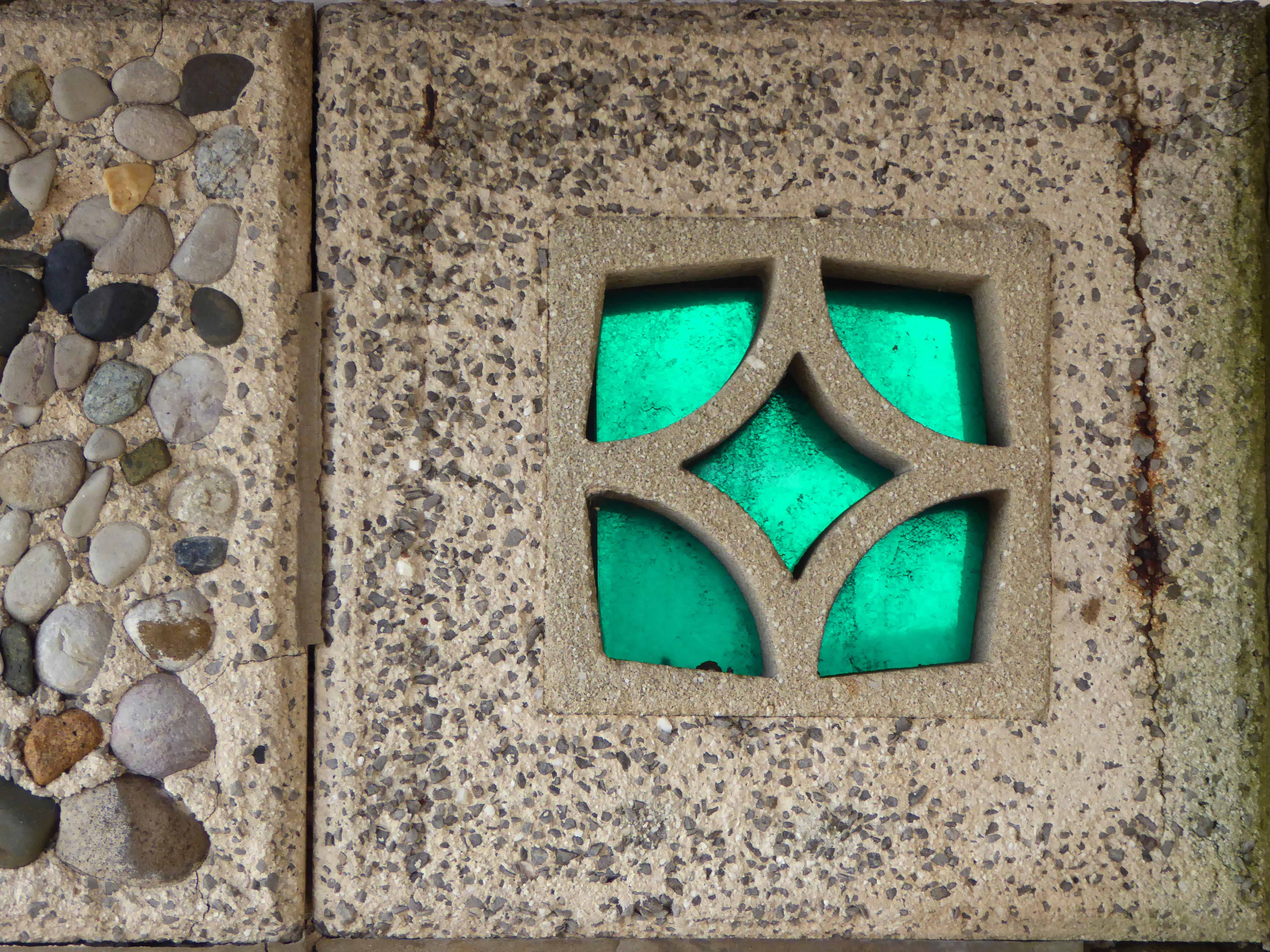
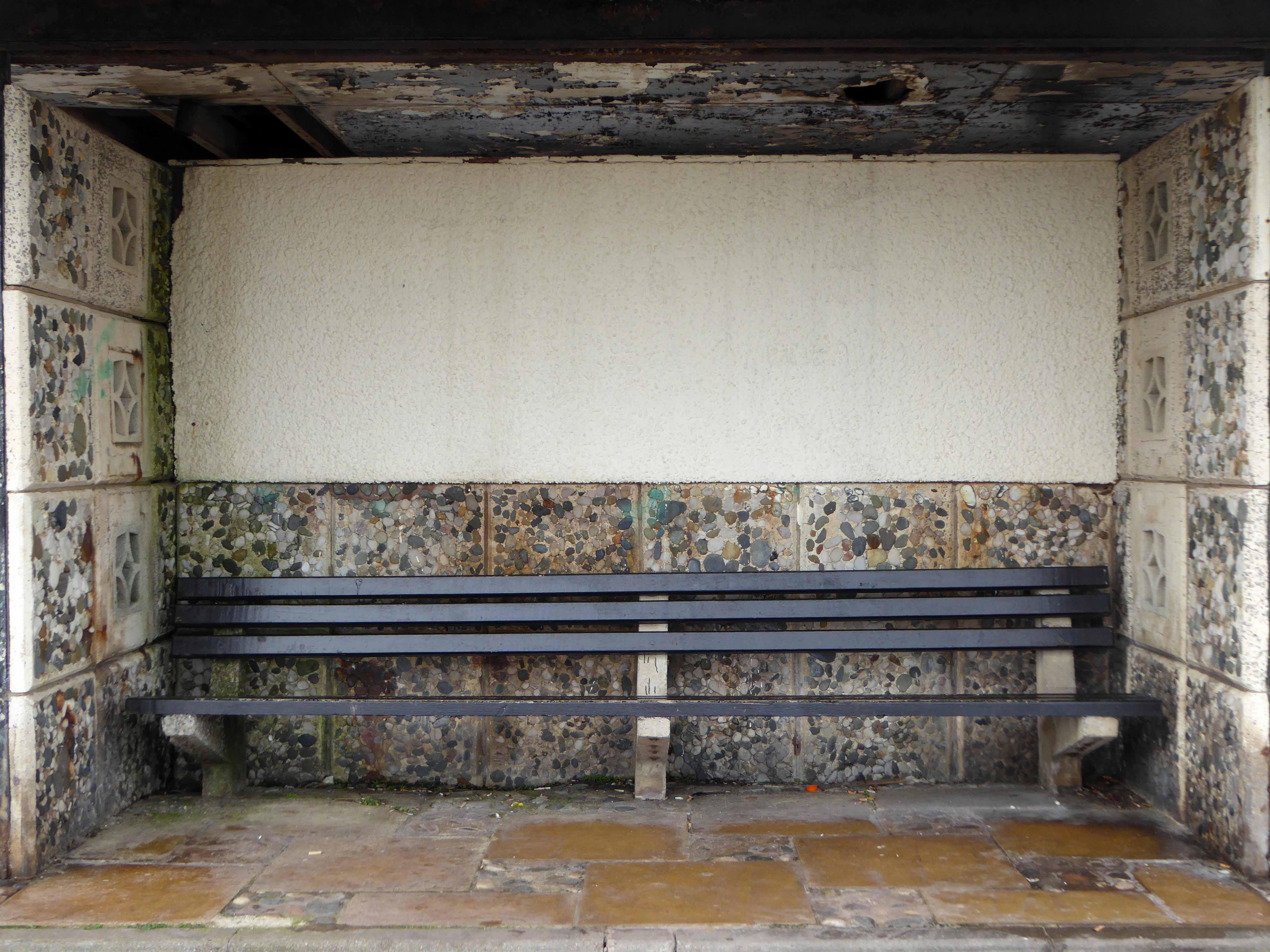
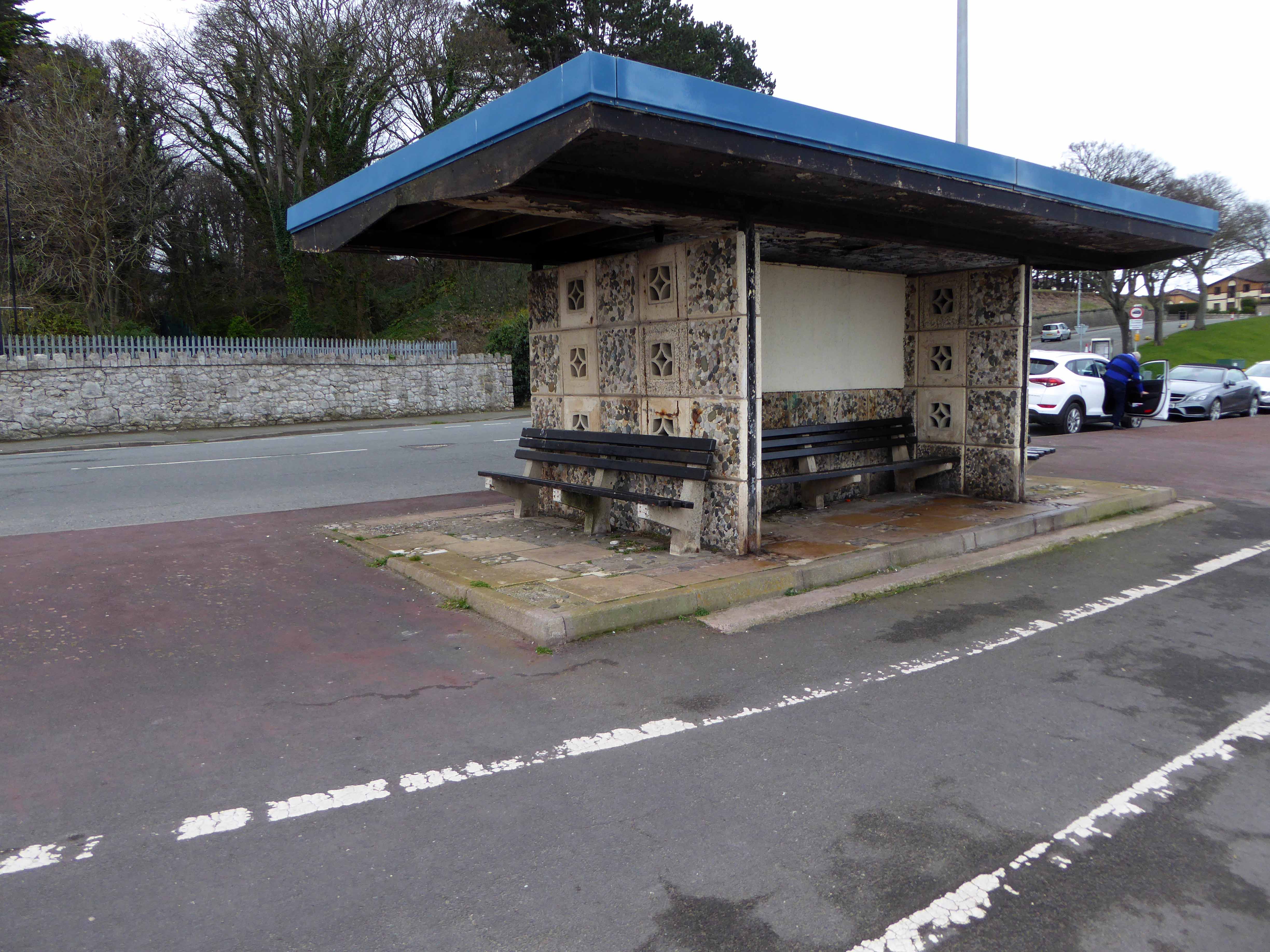
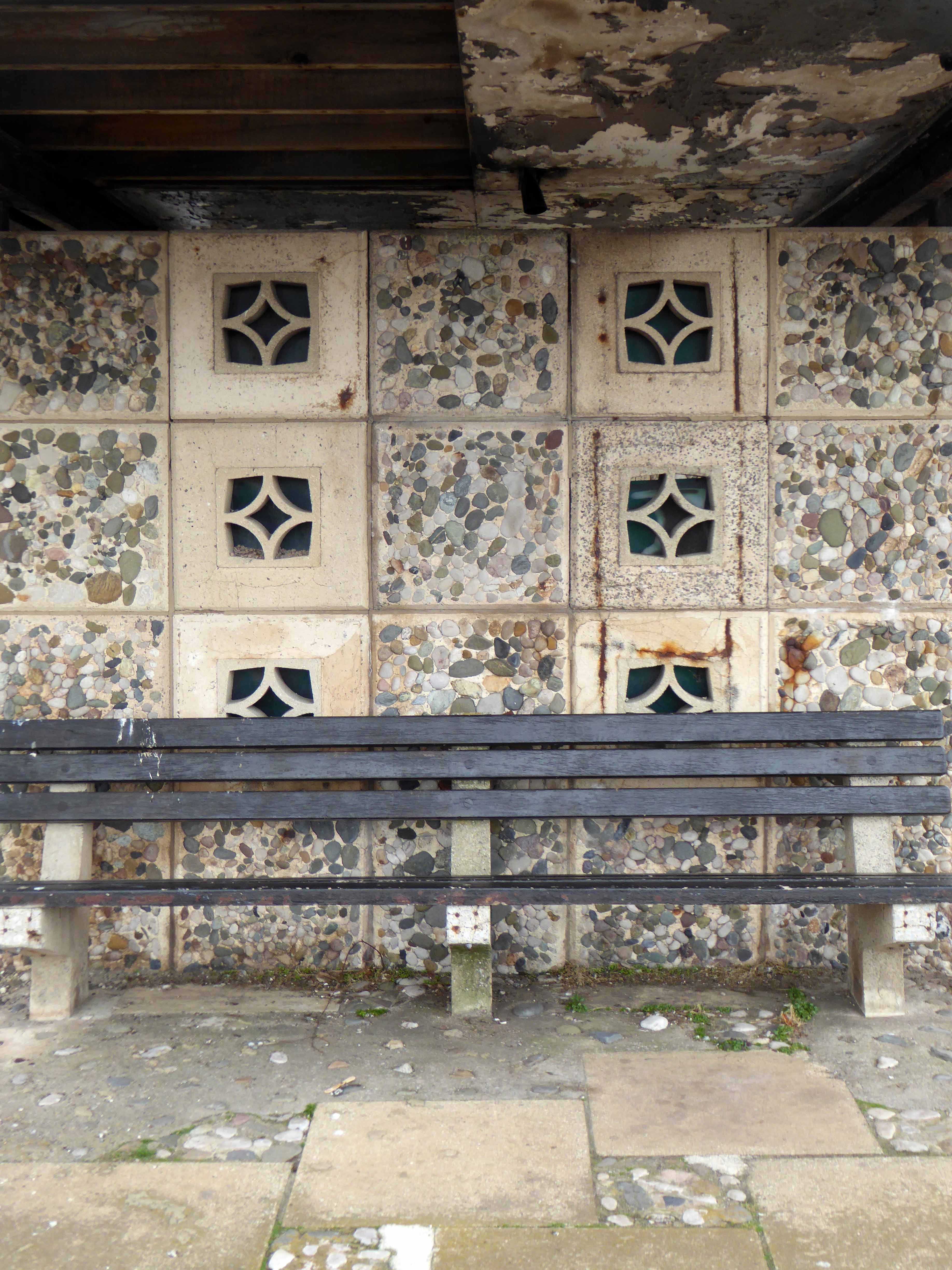
A concrete cornucopia of Californian screen block, glass, pebbledash, mosaic and crazy paving.
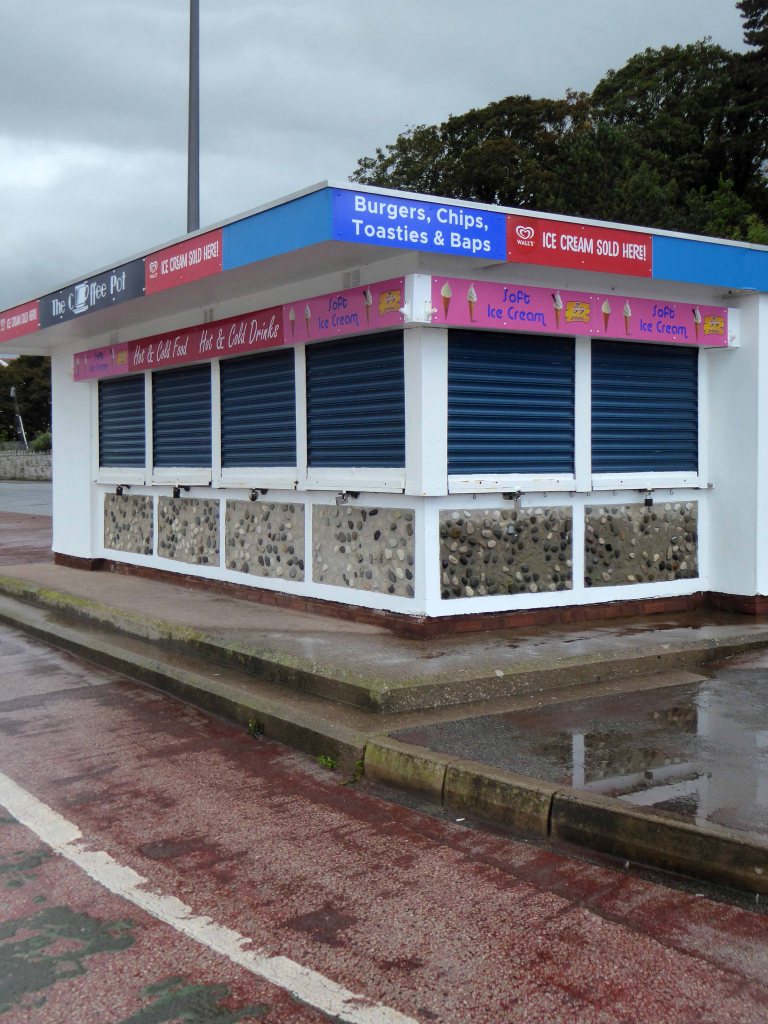
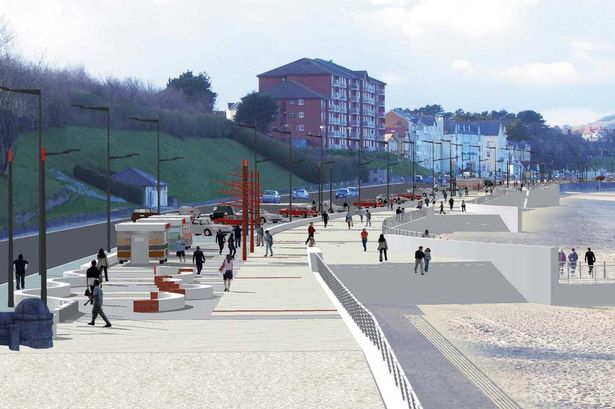
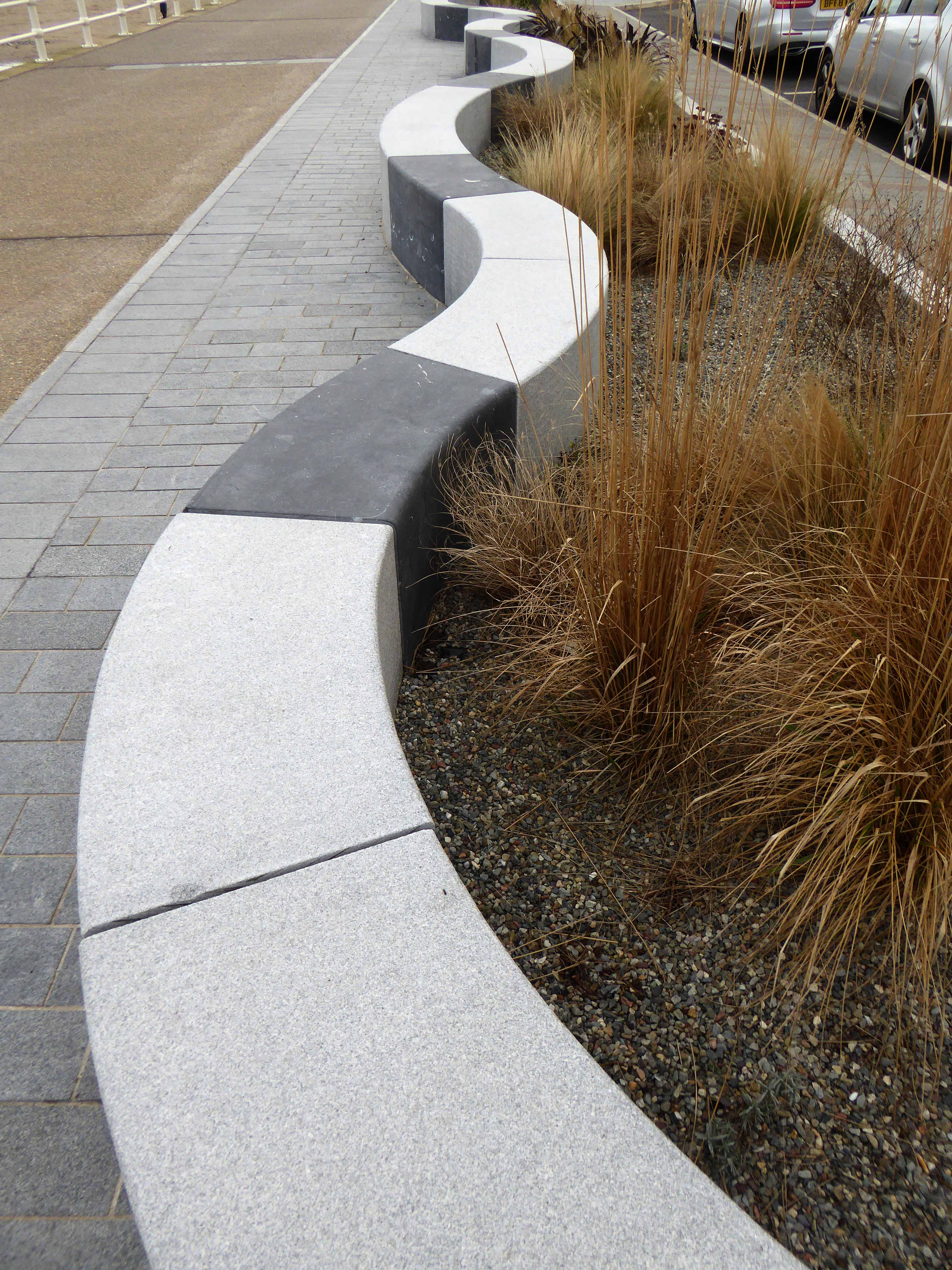
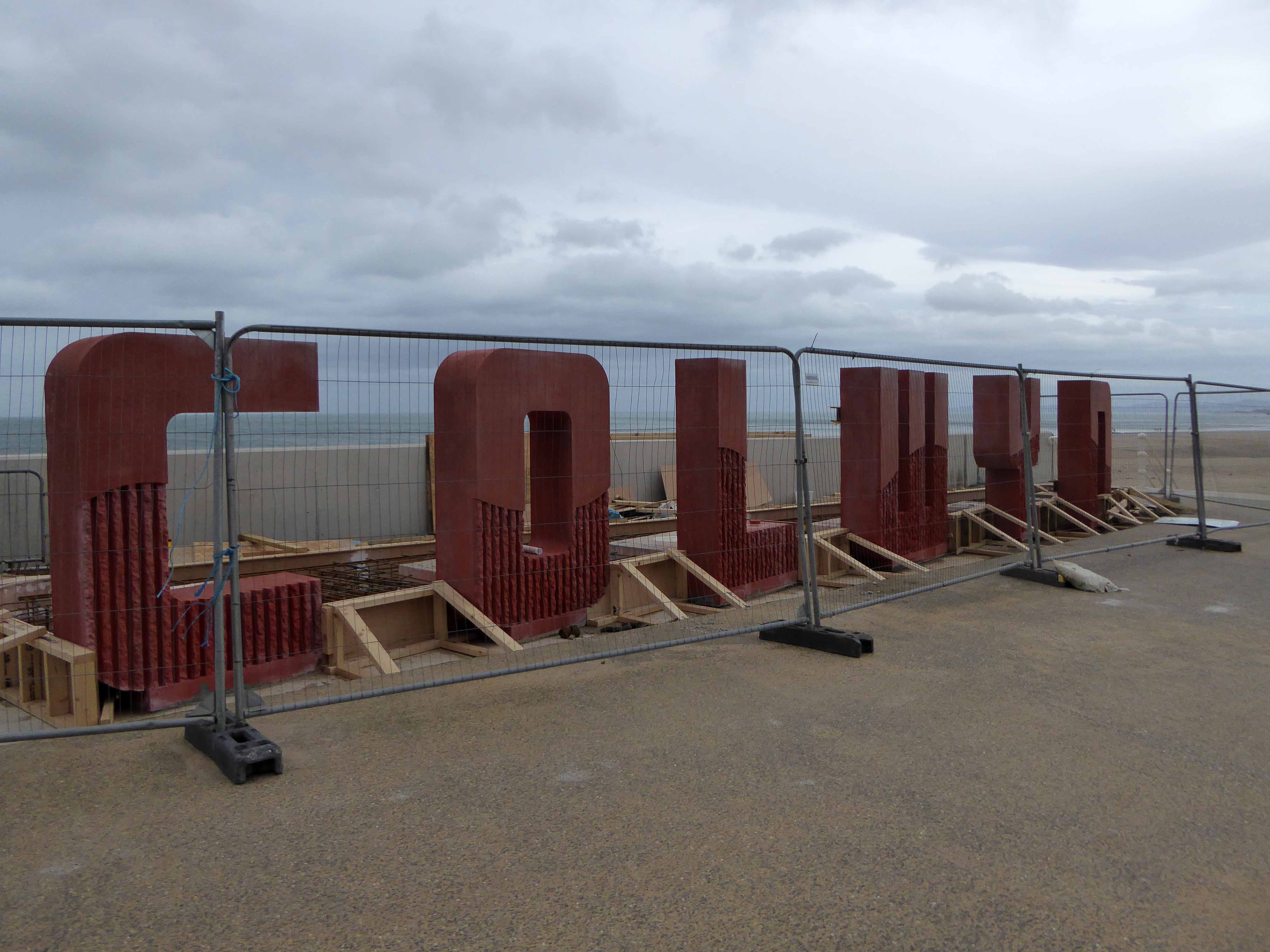
Municipal modernism under threat as the unstoppable force of coastal improvement lumbers on, a pantechnicon of shiny surfaces, sensitive planting, contemporary seating and laser-cut, contextually appropriate historical panels.
As Hardscape introduces a wholesome dose of CGI style medicine to the promenade
I for one will miss you all when you’re gone.
Next time I pass all this will seem as a dream, a tale told by a fool full of sand and fury signifying nothing.
Now here I am in Colwyn Bay generally minding my own and everybody else’s business, when all of a sudden I noticed a cast iron glazed awning.
Proudly announcing the proprietors – sadly supported by a distressing modern addition – now I’m not one to decry and debunk the rising tide of modernity, I’m all in favour of unisex clothing and central heating.
But the unchecked encroachment of vacuous vinyl really is the limit.
Businesses displayed a degree of dignified permanence unknown to the current high street trader. So here it is writ larger than life in stained glass and Carter’s Tiles.
Loud and proud.
And as an addendum here are the delightful tiles from the Llandudno branch, snapped two years previously.
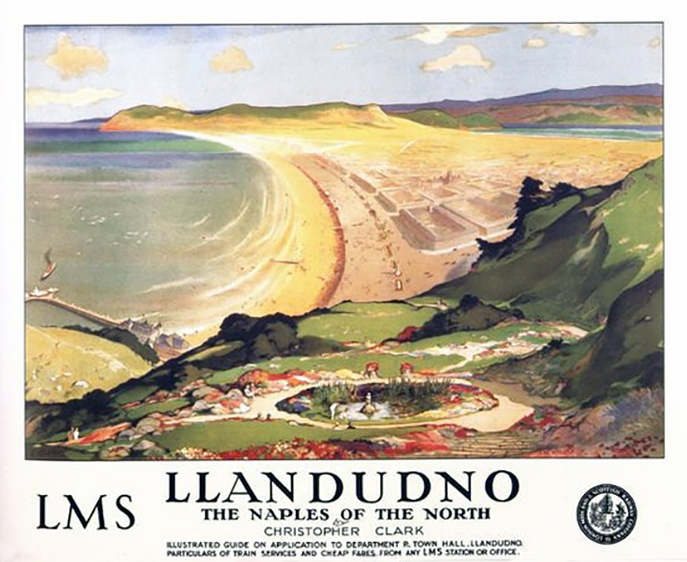
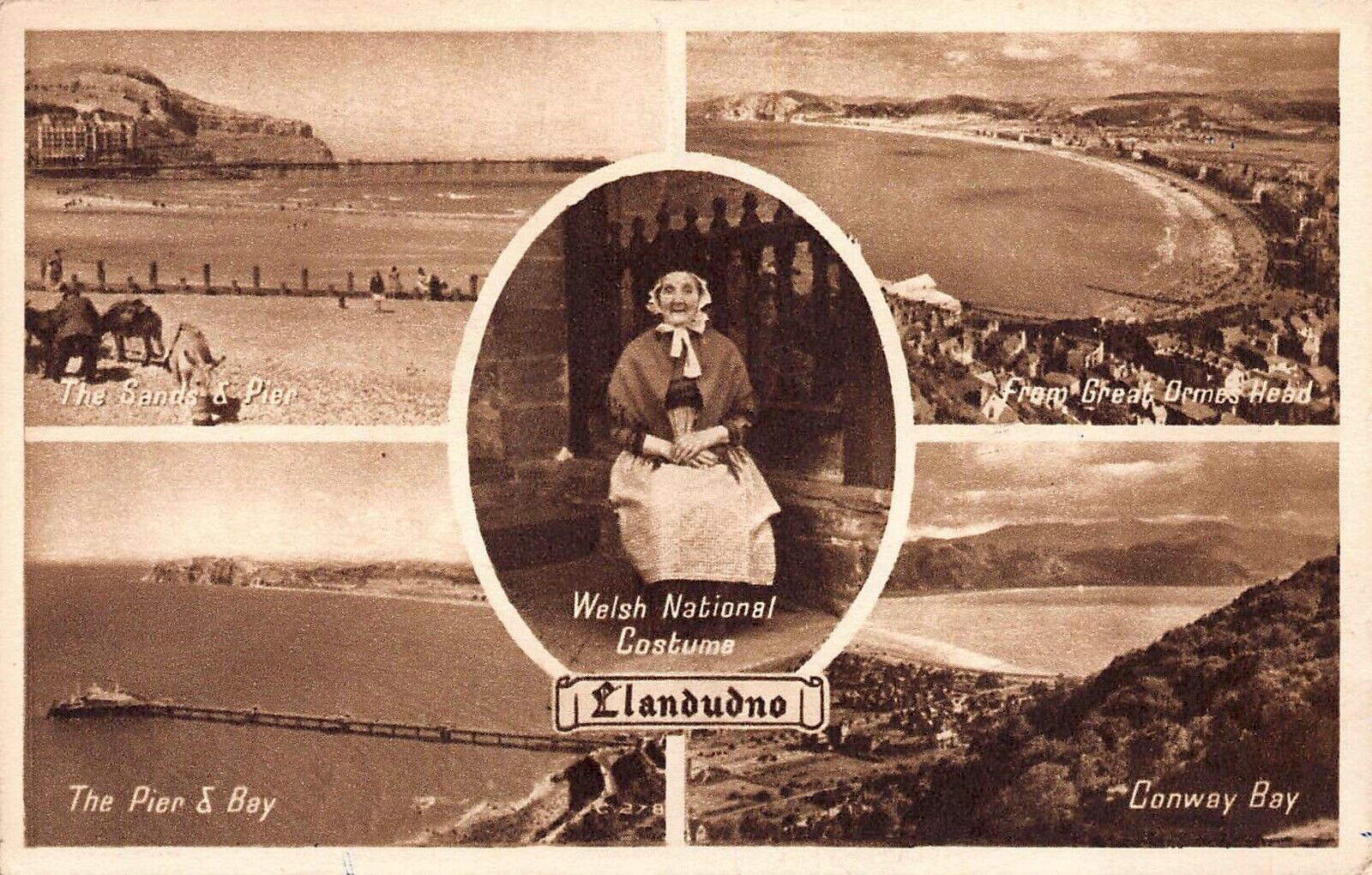
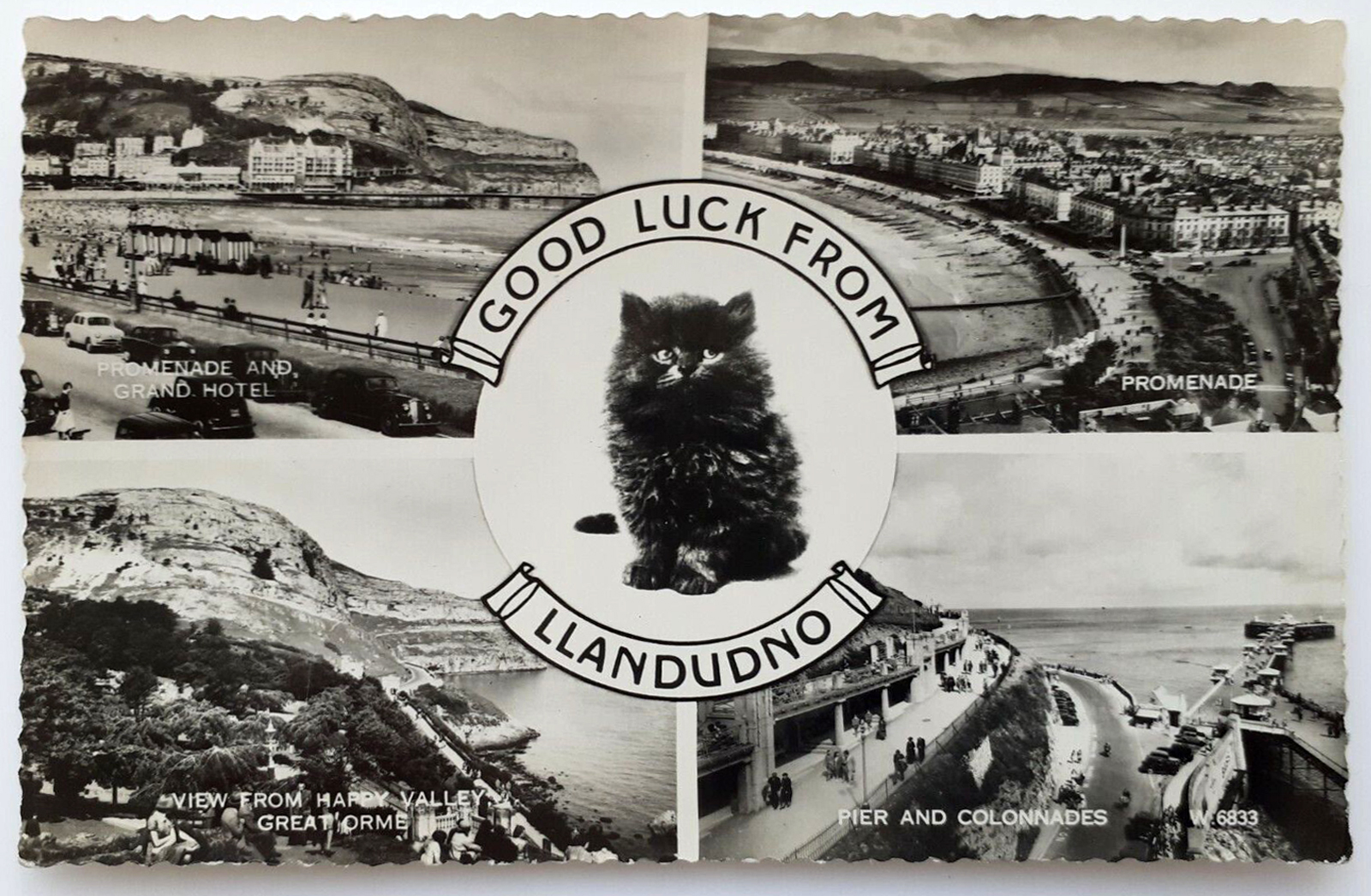
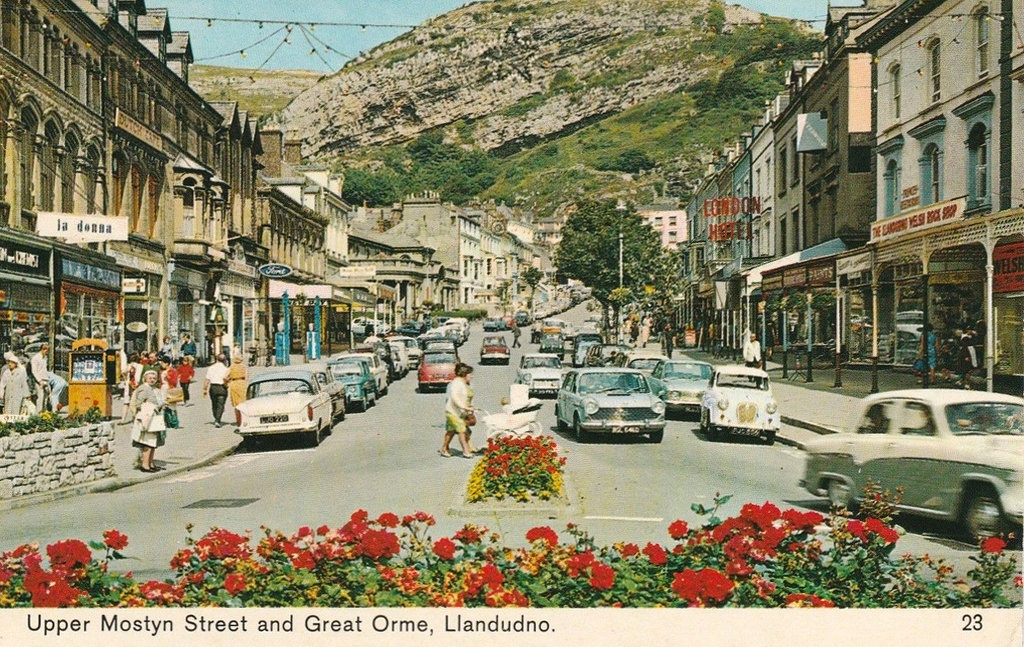
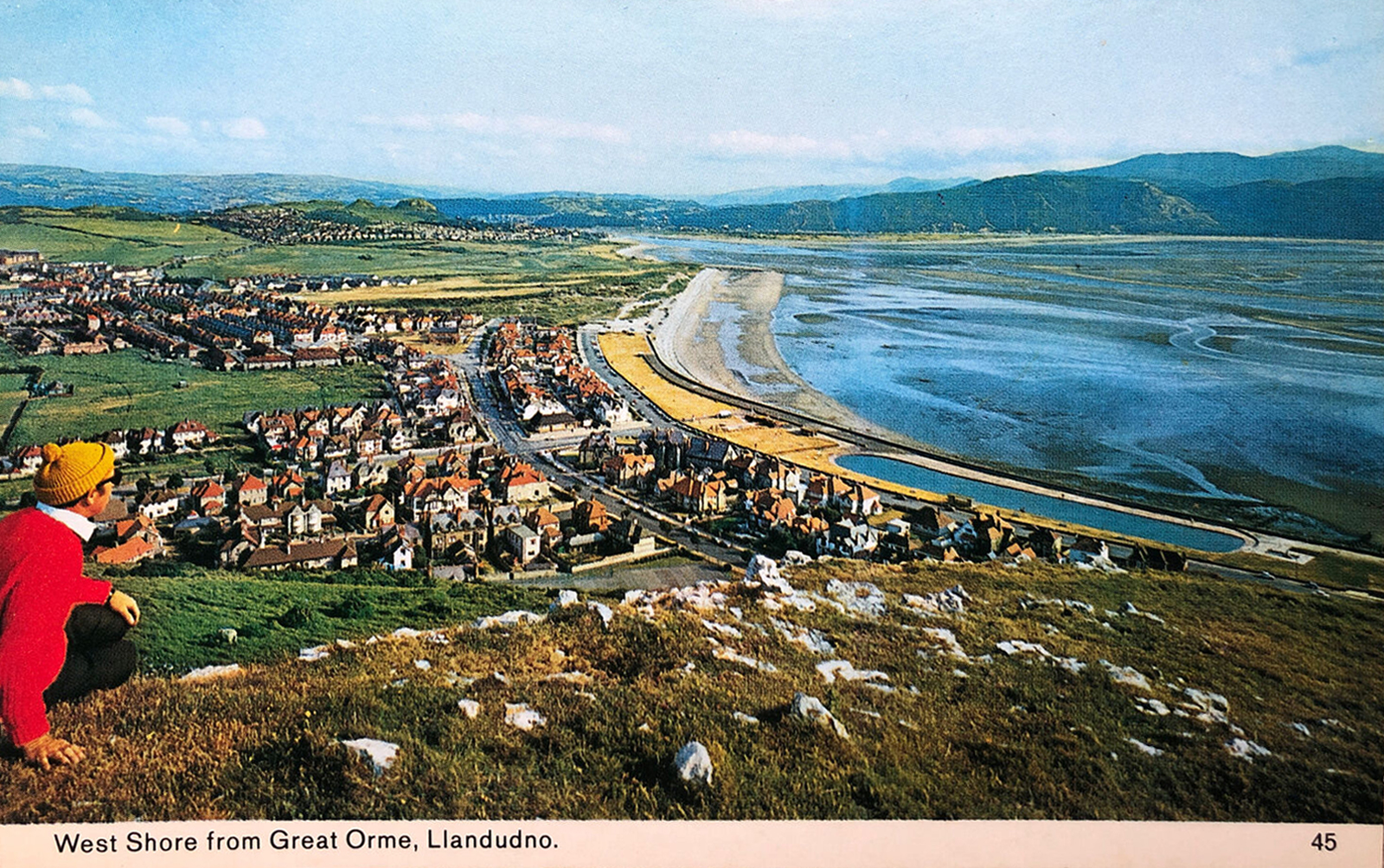
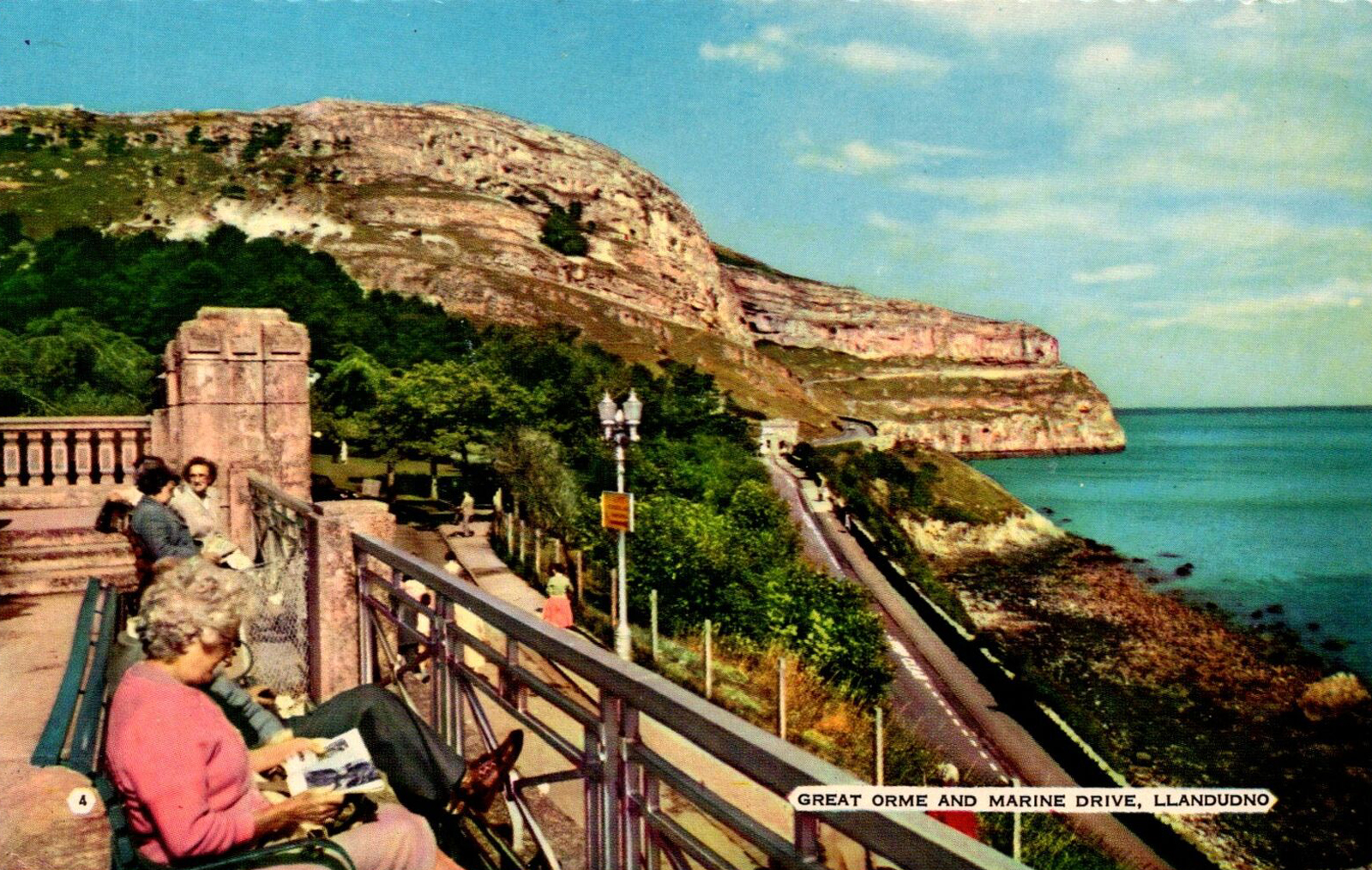
The town of Llandudno developed from Stone Age, Bronze Age and Iron Age settlements over many hundreds of years on the slopes of the limestone headland, known to seafarers as the Great Orme and to landsmen as the Creuddyn Peninsula.
Some years later.
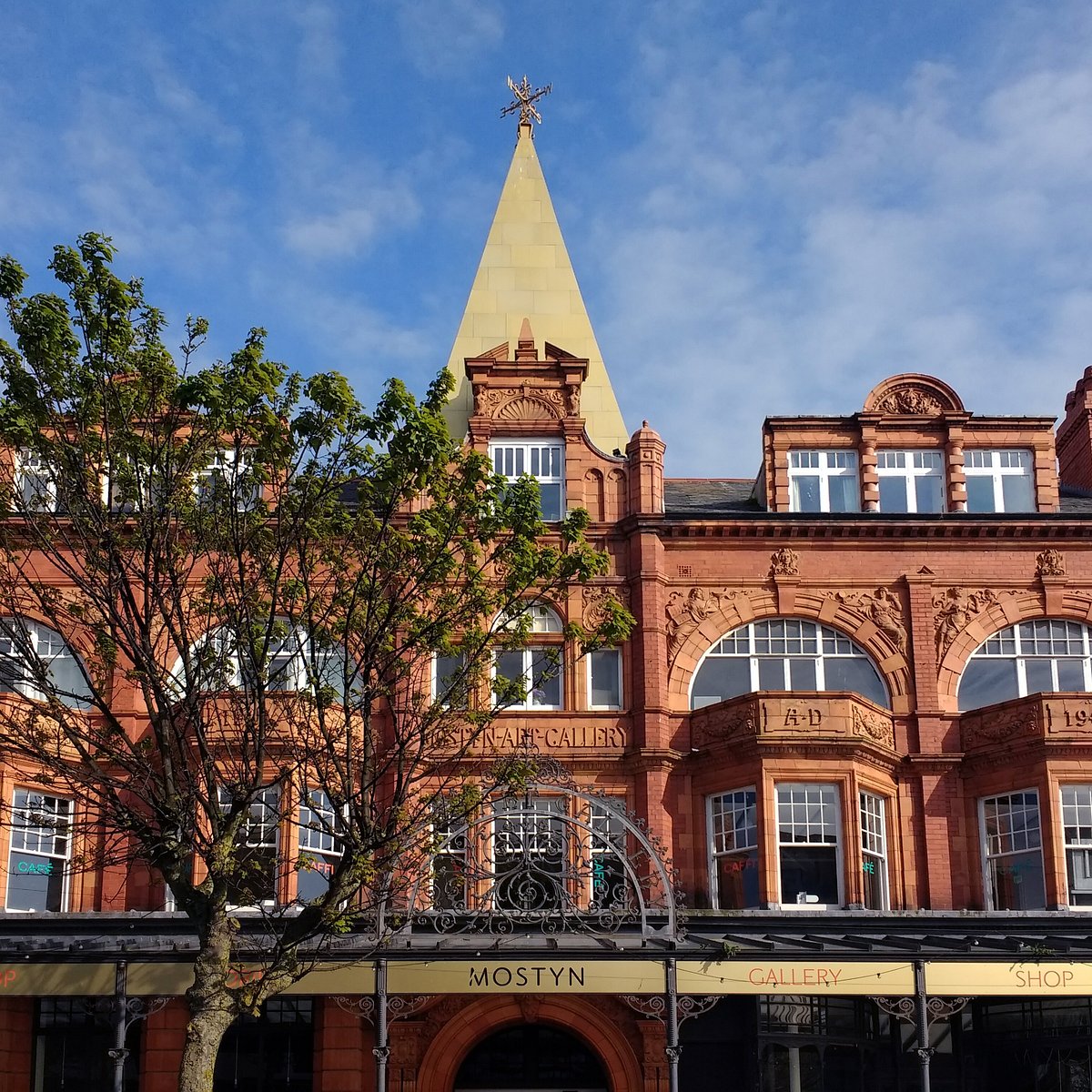
In 1848, Owen Williams, an architect and surveyor from Liverpool, presented landowner Lord Mostyn with plans to develop the marshlands behind Llandudno Bay as a holiday resort. These were enthusiastically pursued by Lord Mostyn. The influence of the Mostyn Estate and its agents over the years was paramount in the development of Llandudno, especially after the appointment of George Felton as surveyor and architect in 1857.
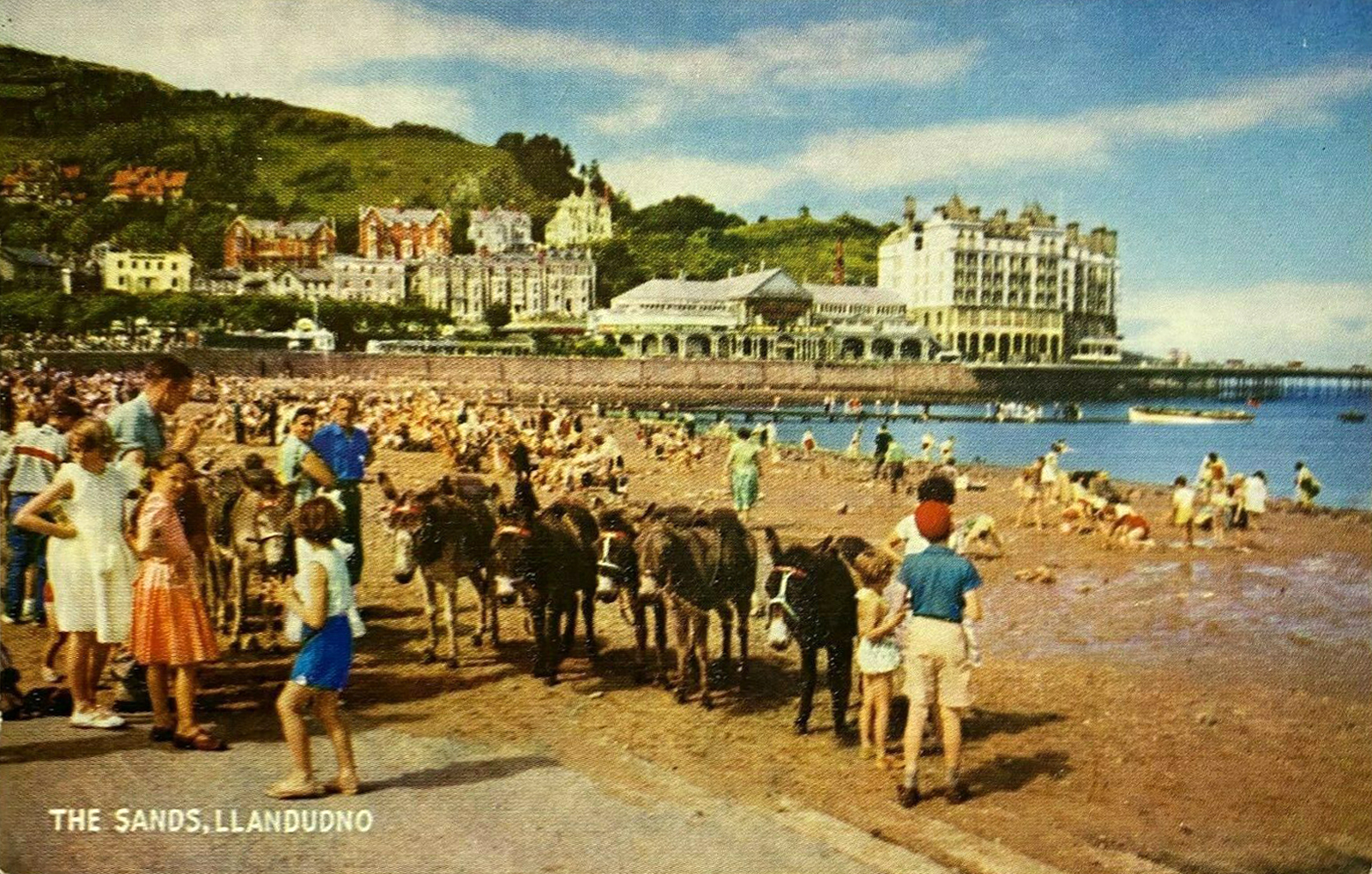
The edge of the bay is marked by concrete steps and a broad promenade, edging a pebbled beach which arcs from Orme to Orme.
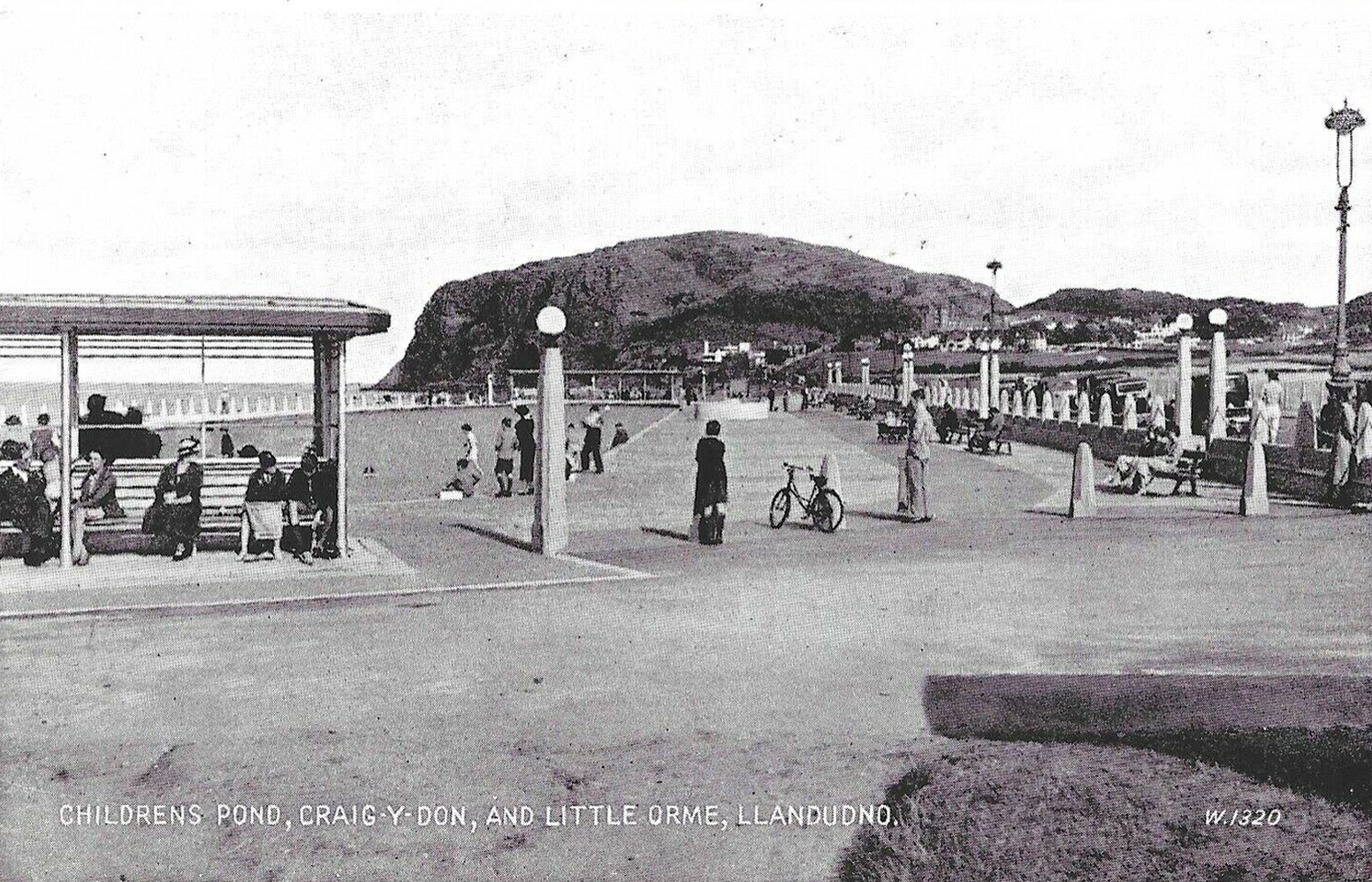
Walk with me now and mark the remarkable shelters, paddling pools and bandstand screens, along with the smattering of people that people the promenade.