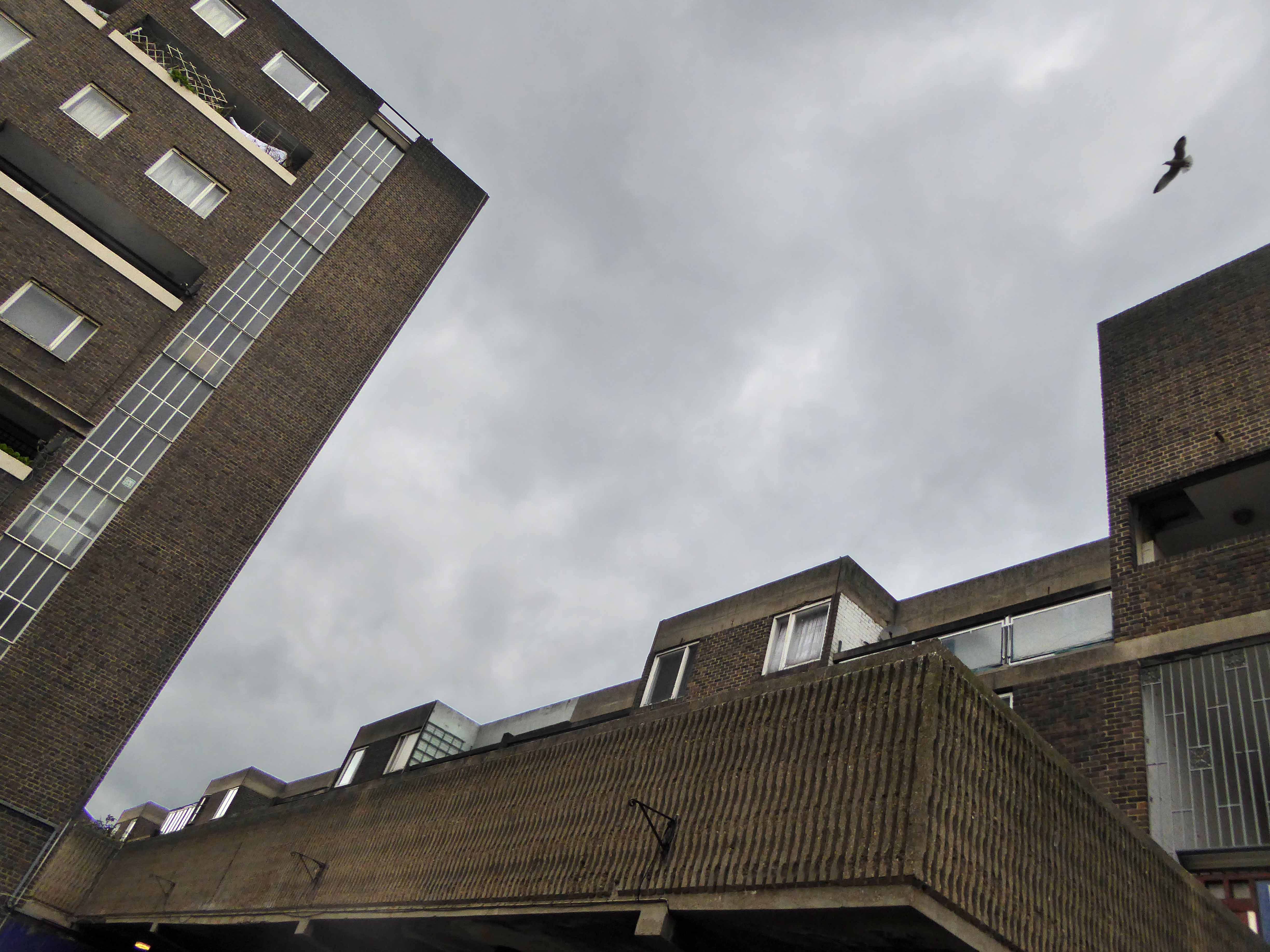
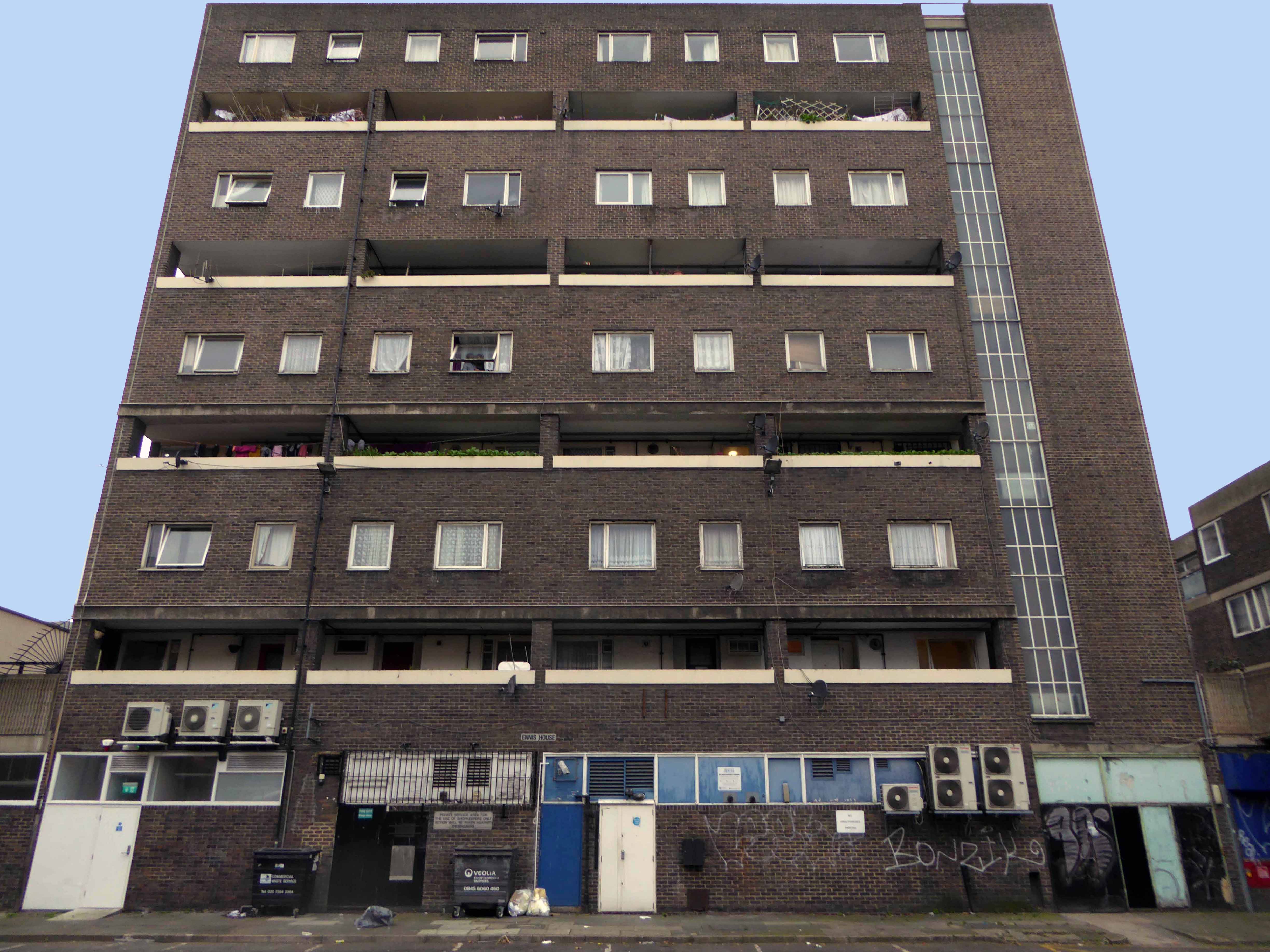
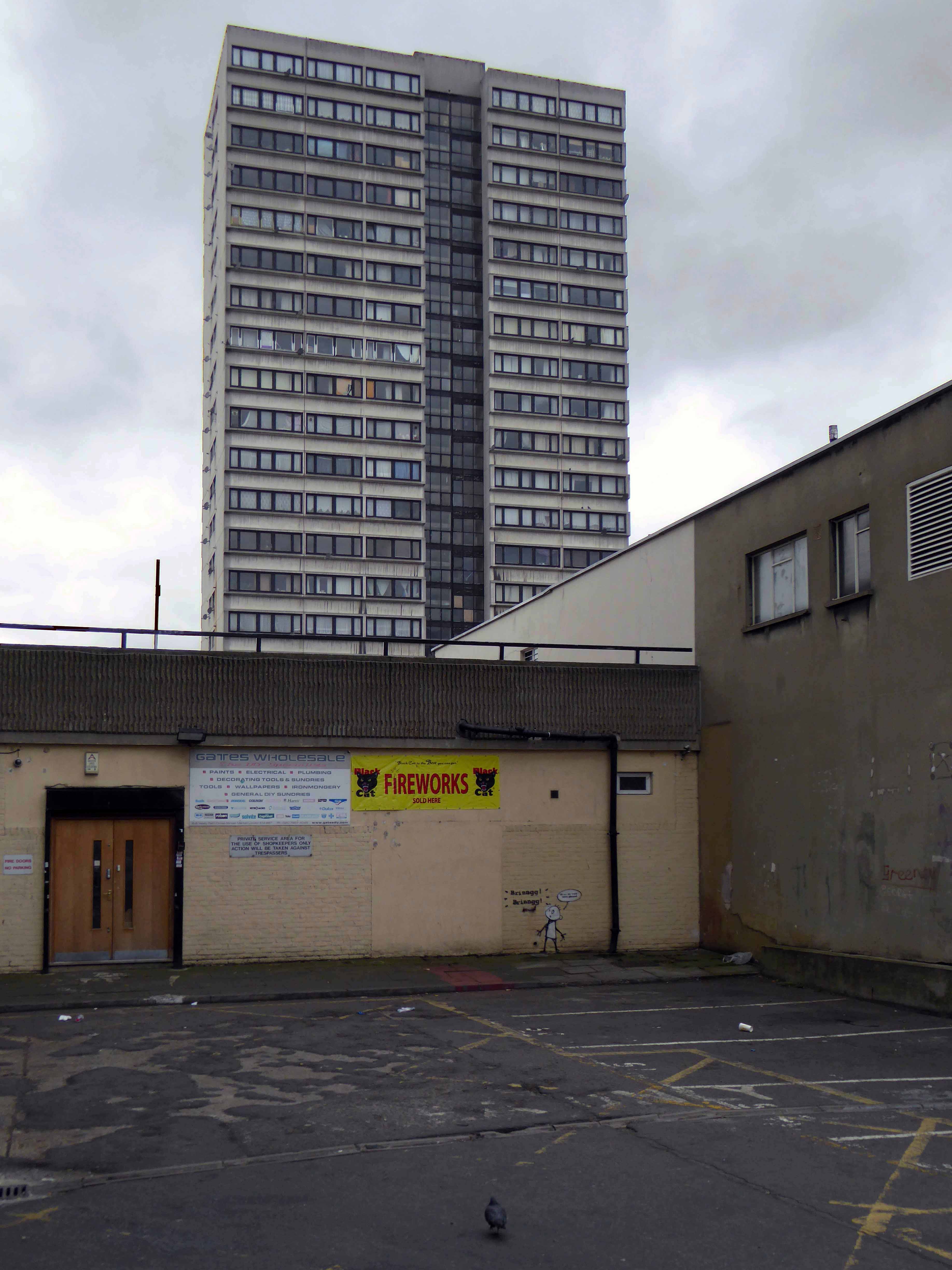
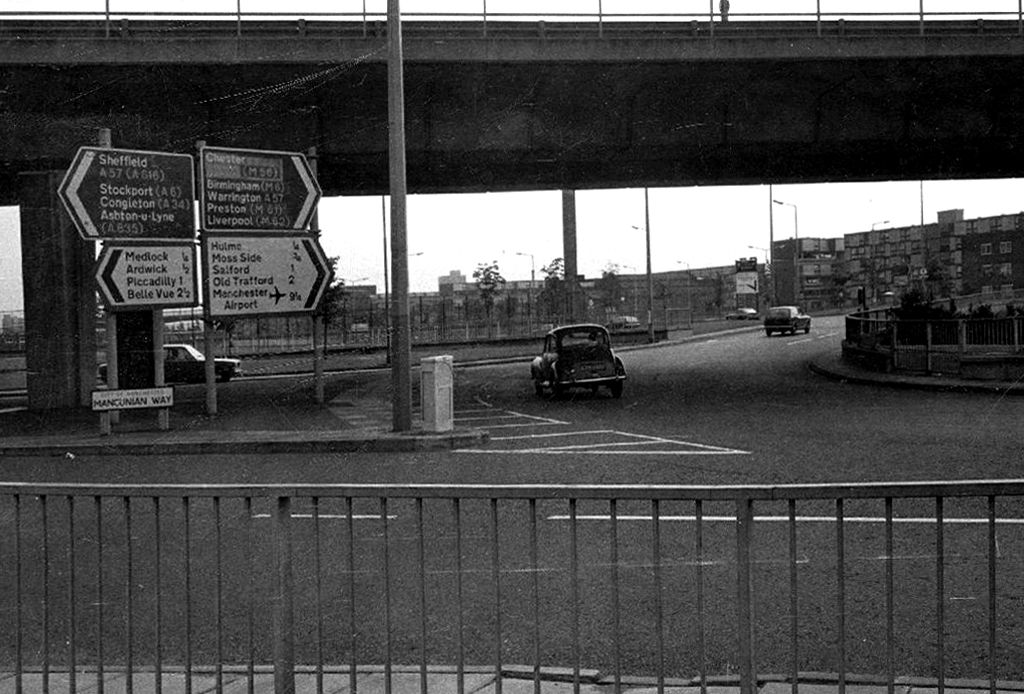
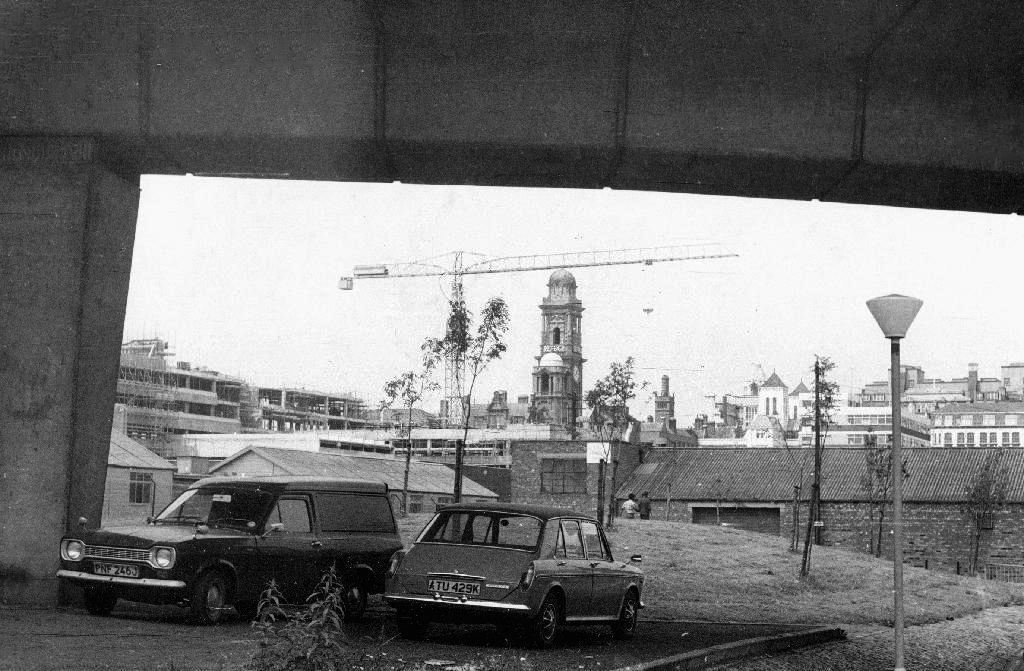
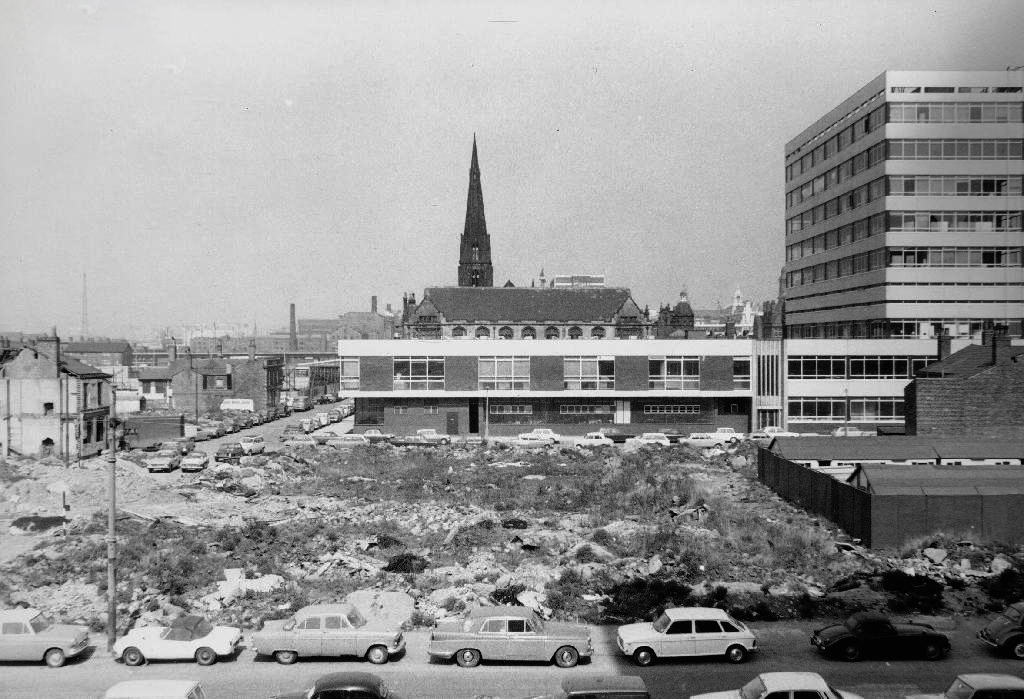
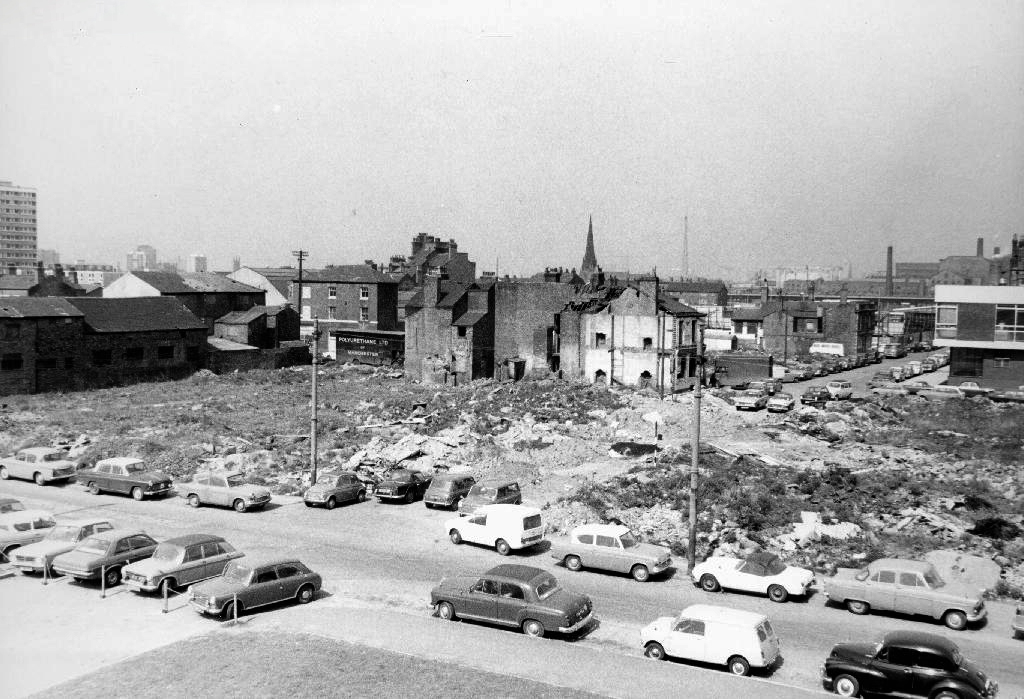
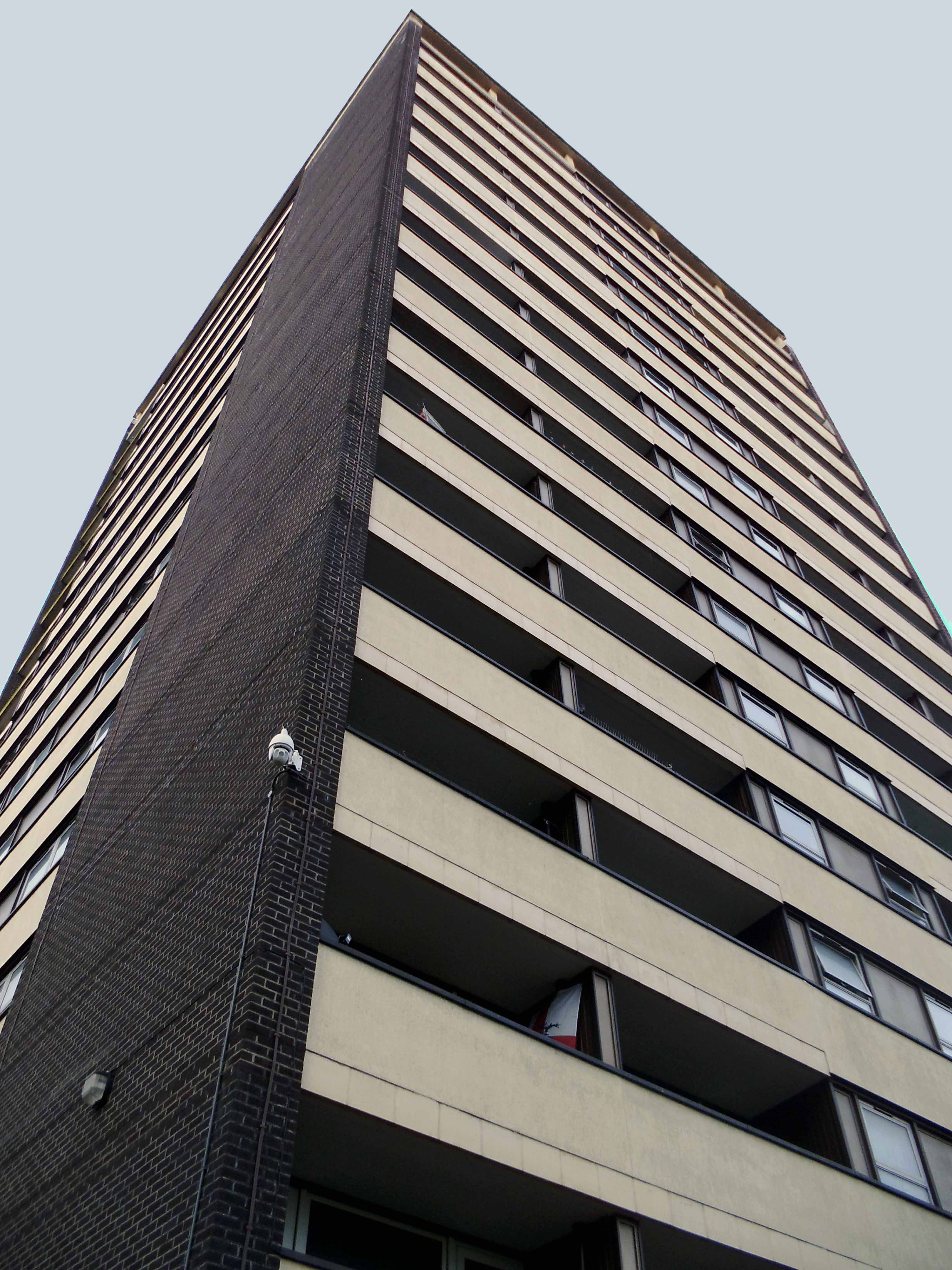
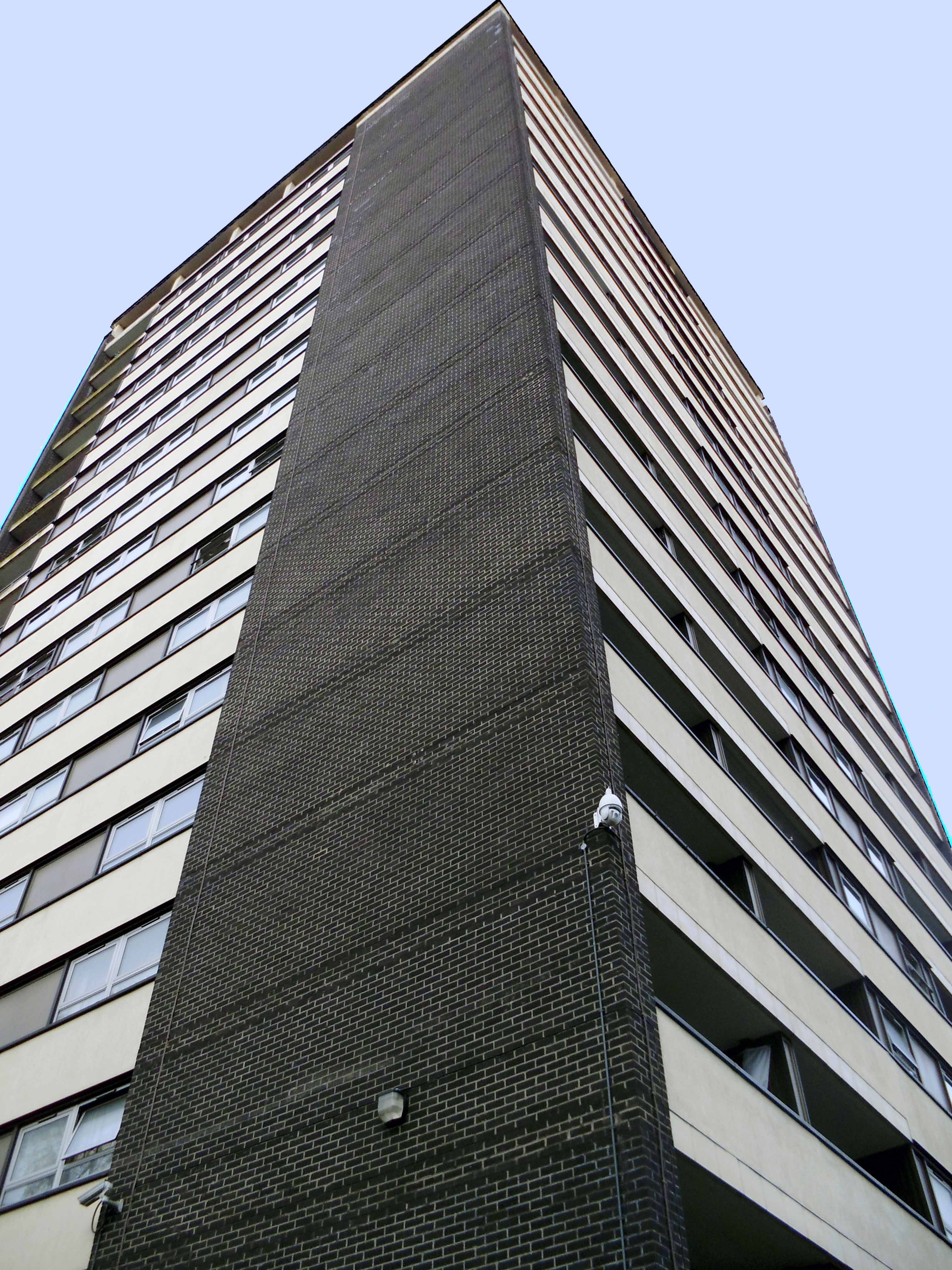
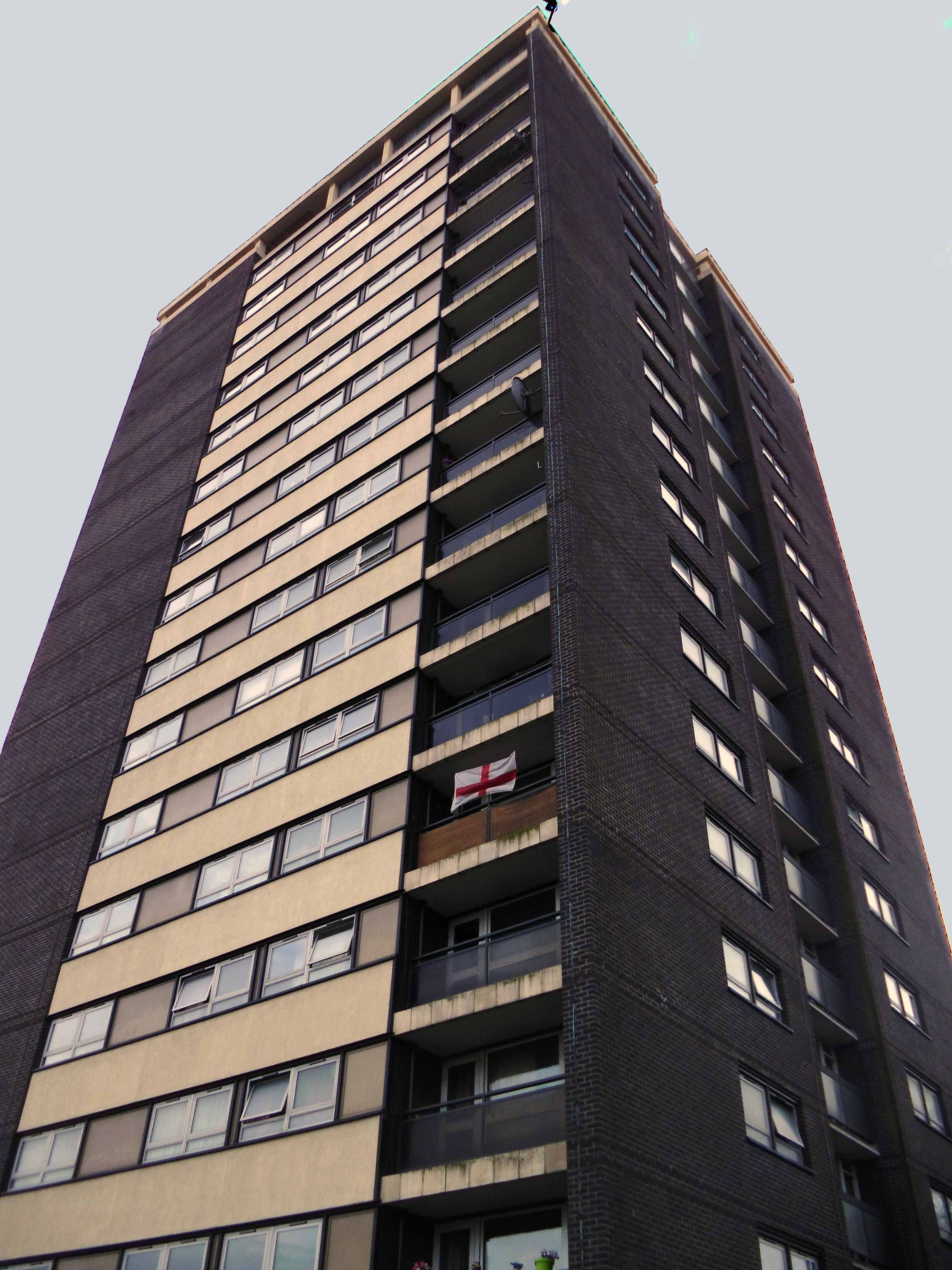
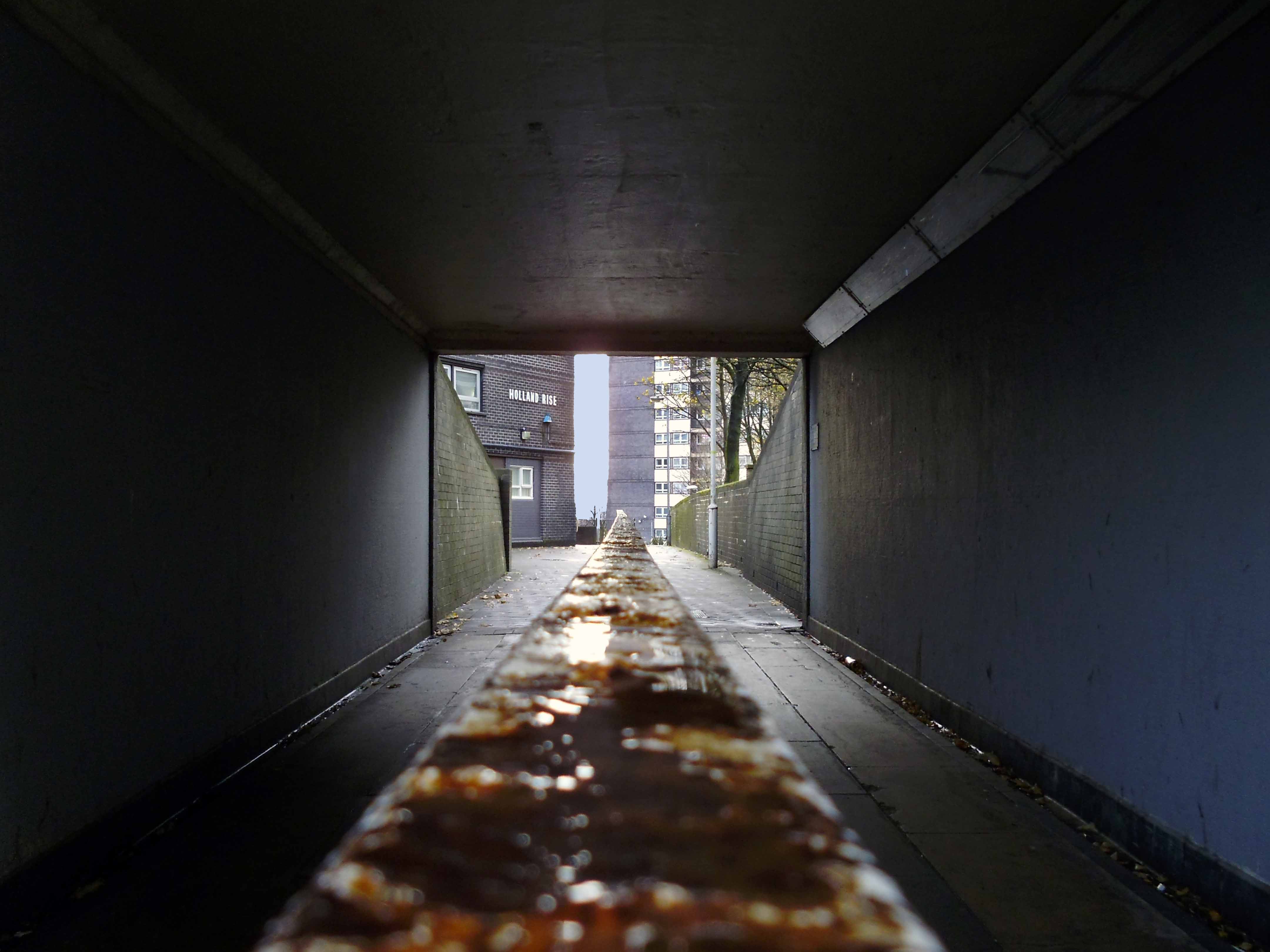
The Mancunian Way

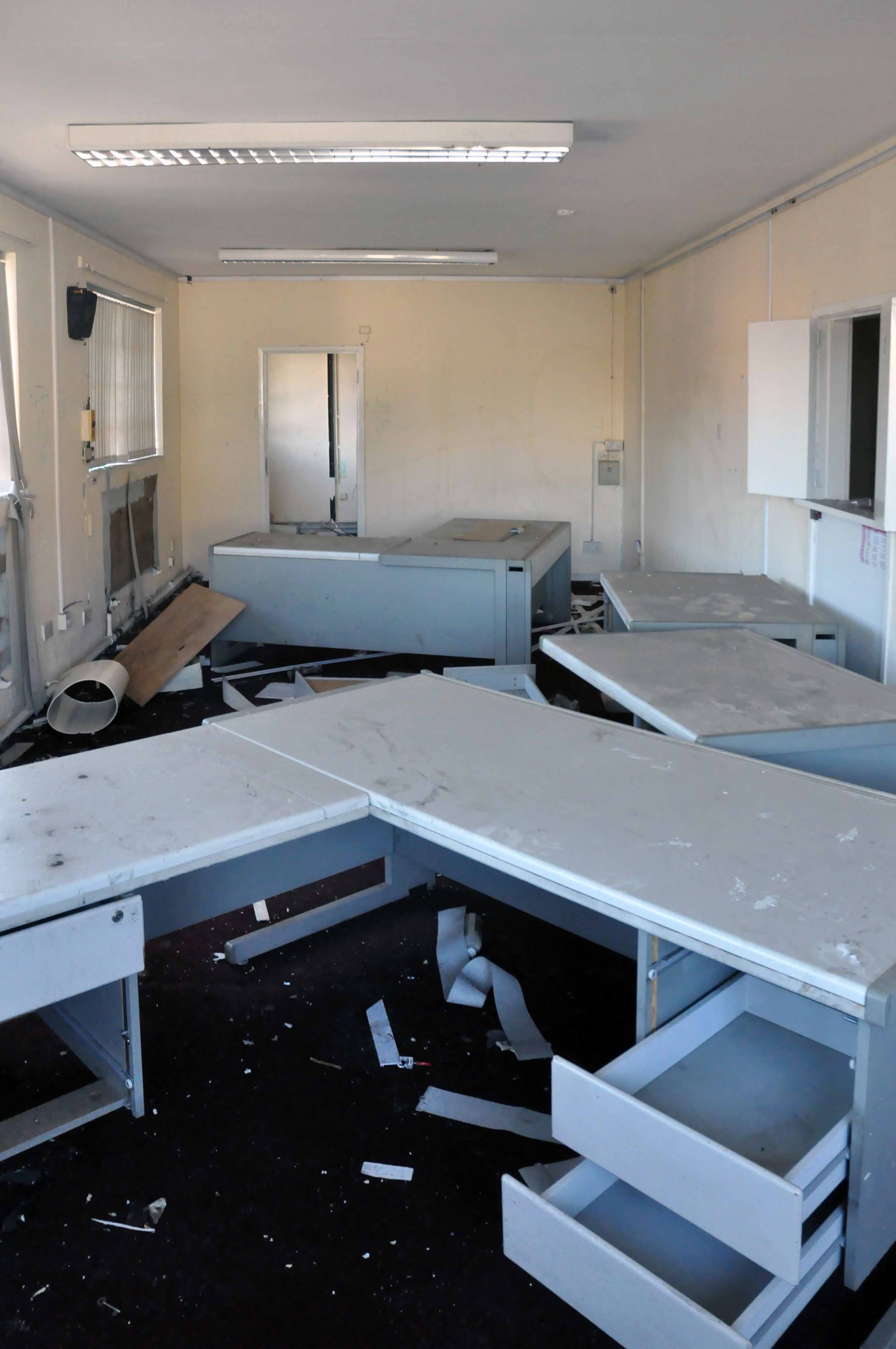
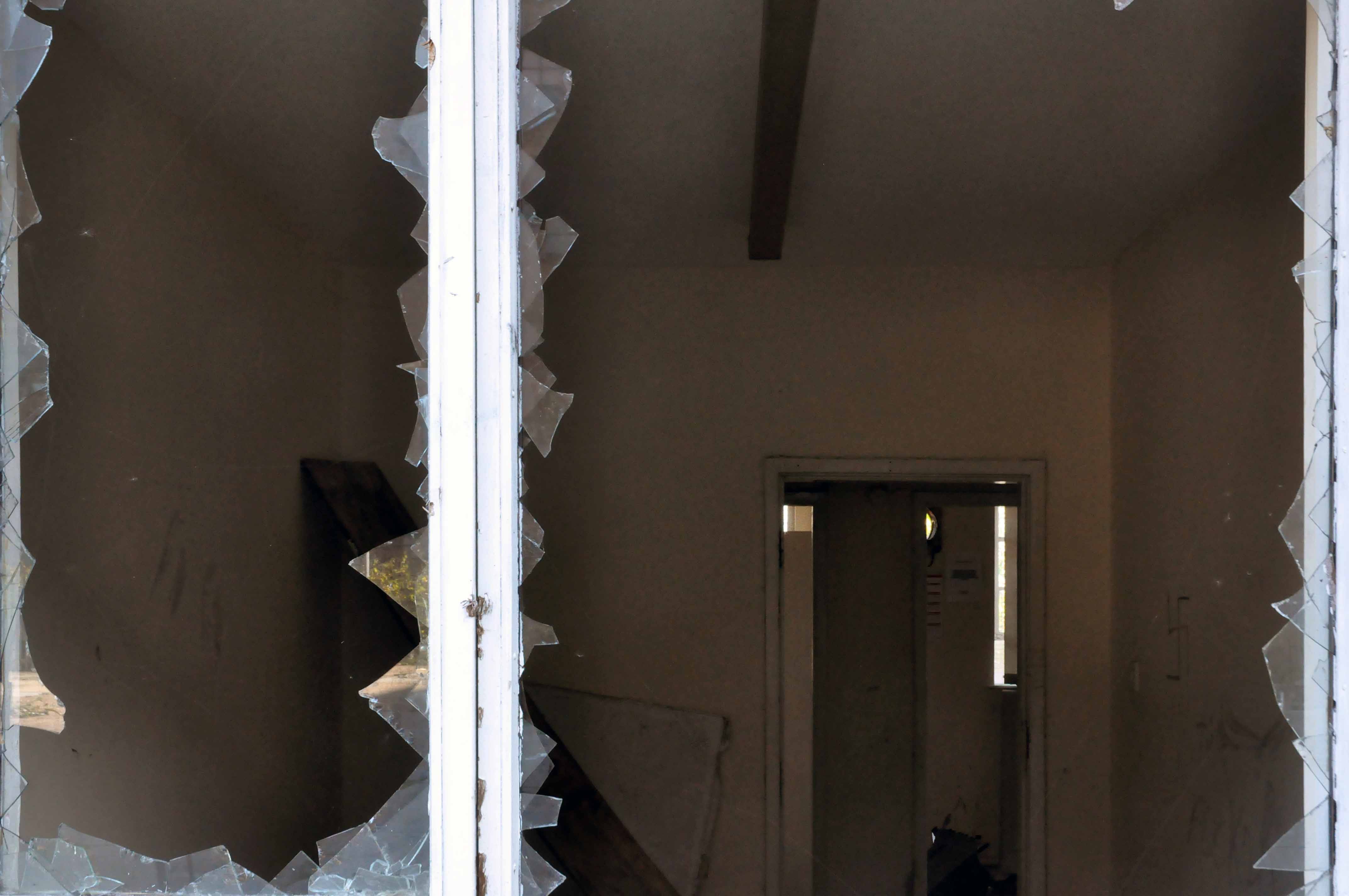
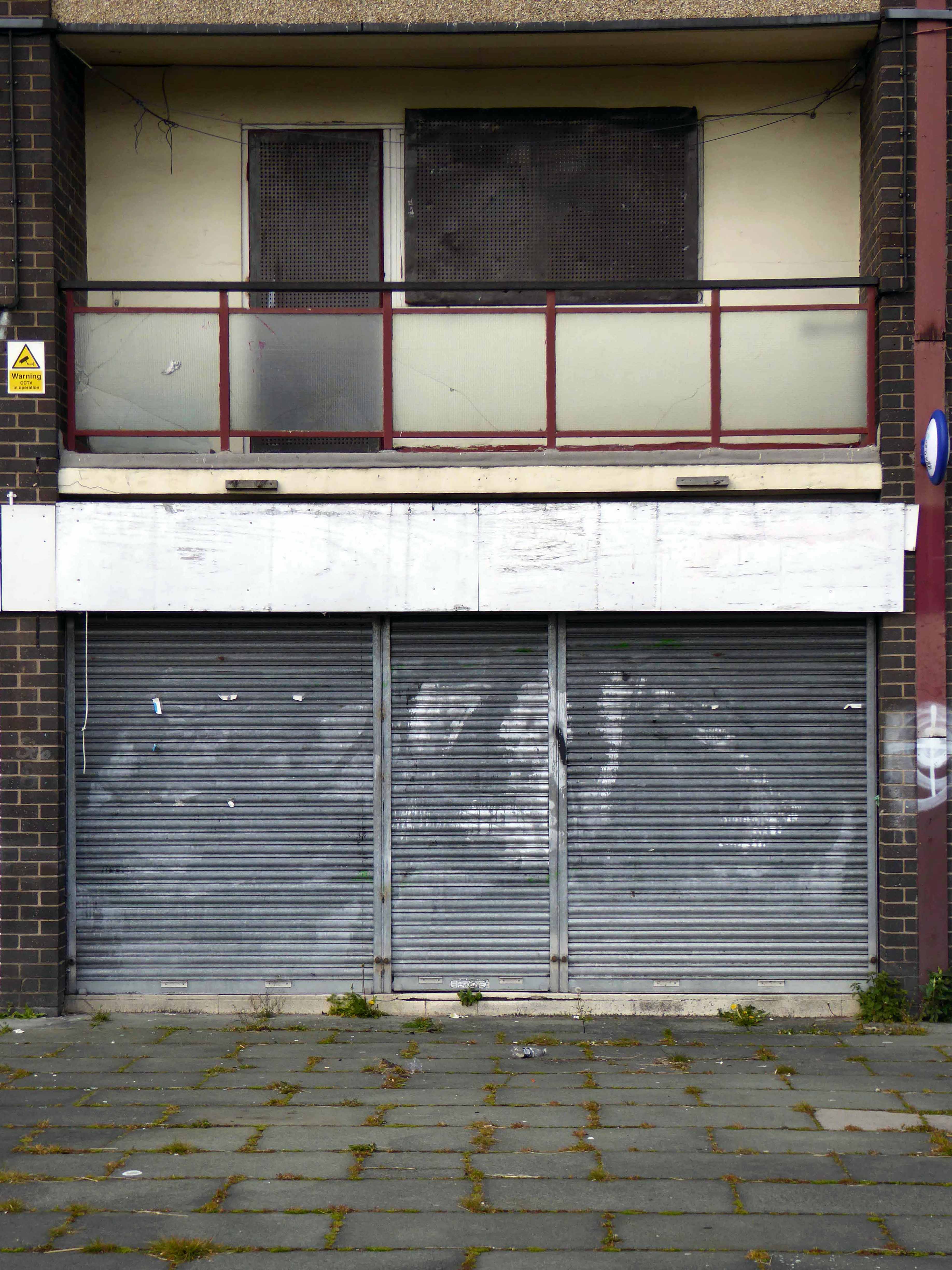
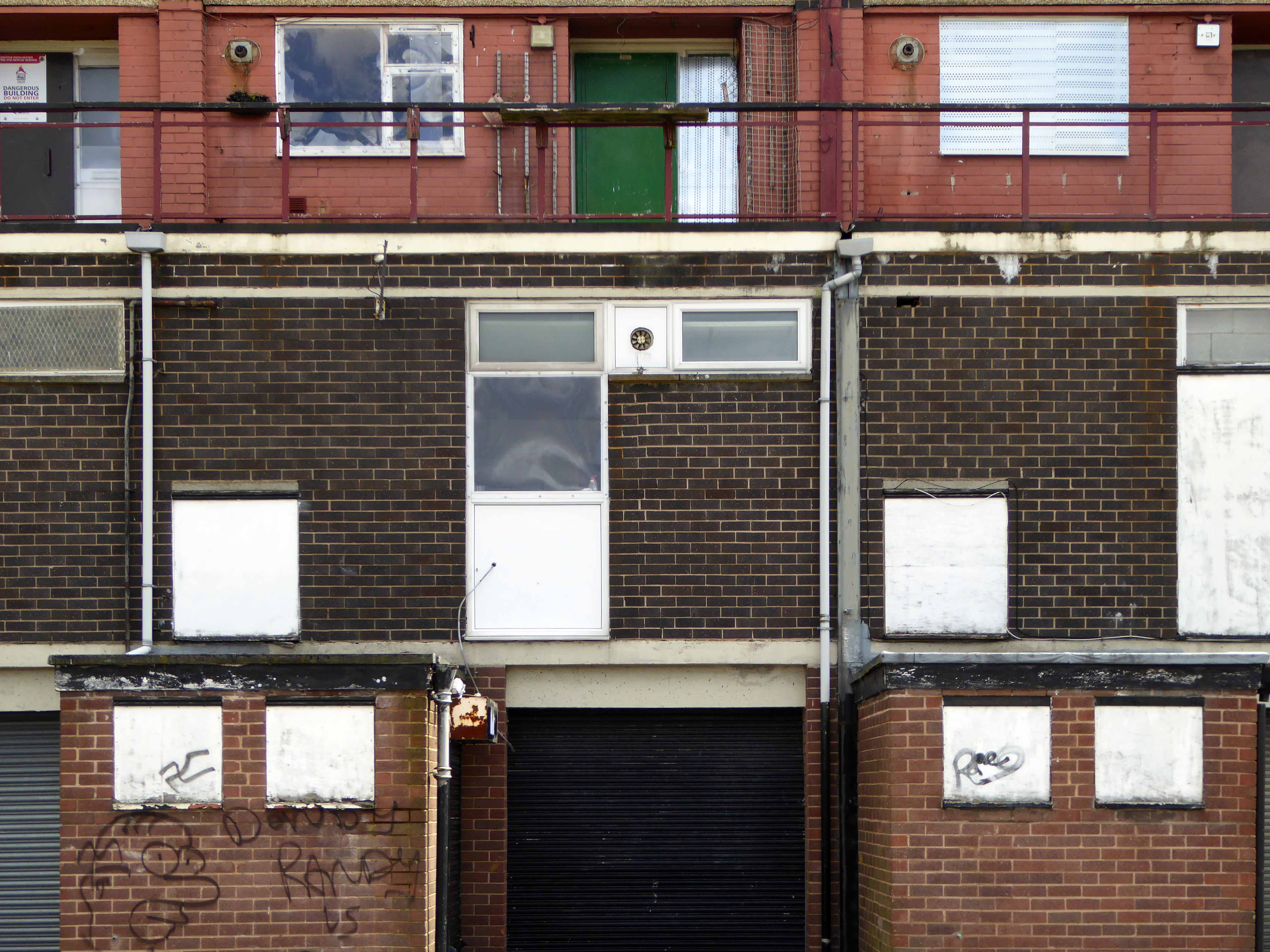
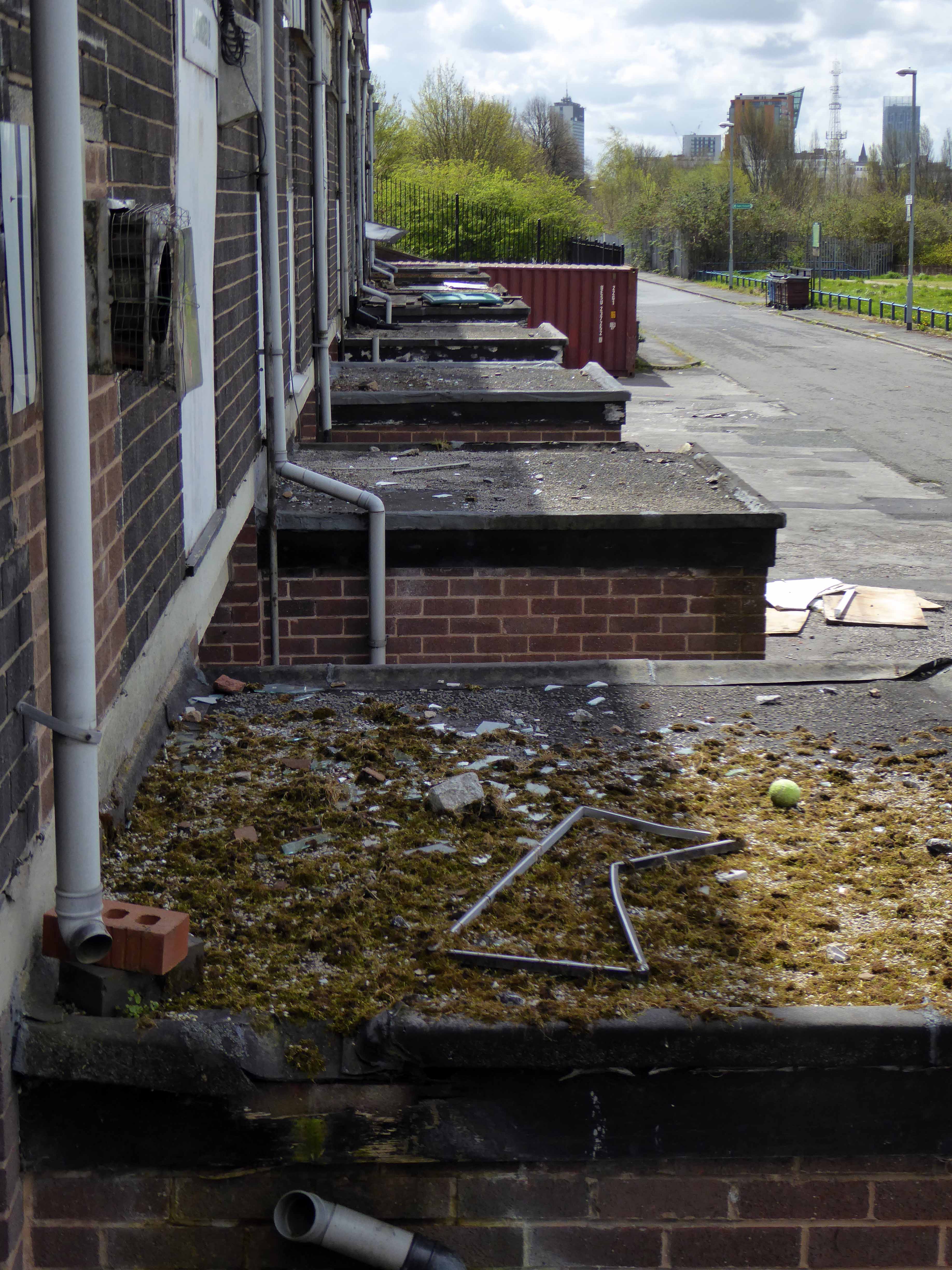
The burnt out carcasses of cars are now hastily improvised cloches, following the annual cataclysmic courgette shortage.

Almost everything is made of Graphene, and a robot has taken your job.

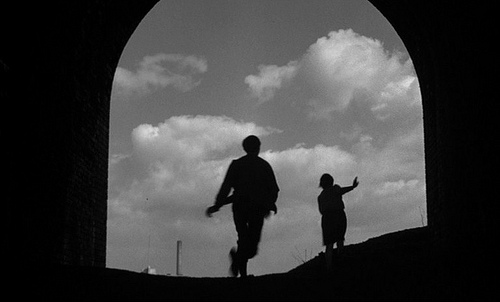
The lucky ones are comfortably ensconced in custom built eco-pods, watching implanted Tarkovsky flicks around the clock and eating tasteless gloop.

Or Ultra-HD projections from the past.

Turn on.

Tune in.

Drop off.

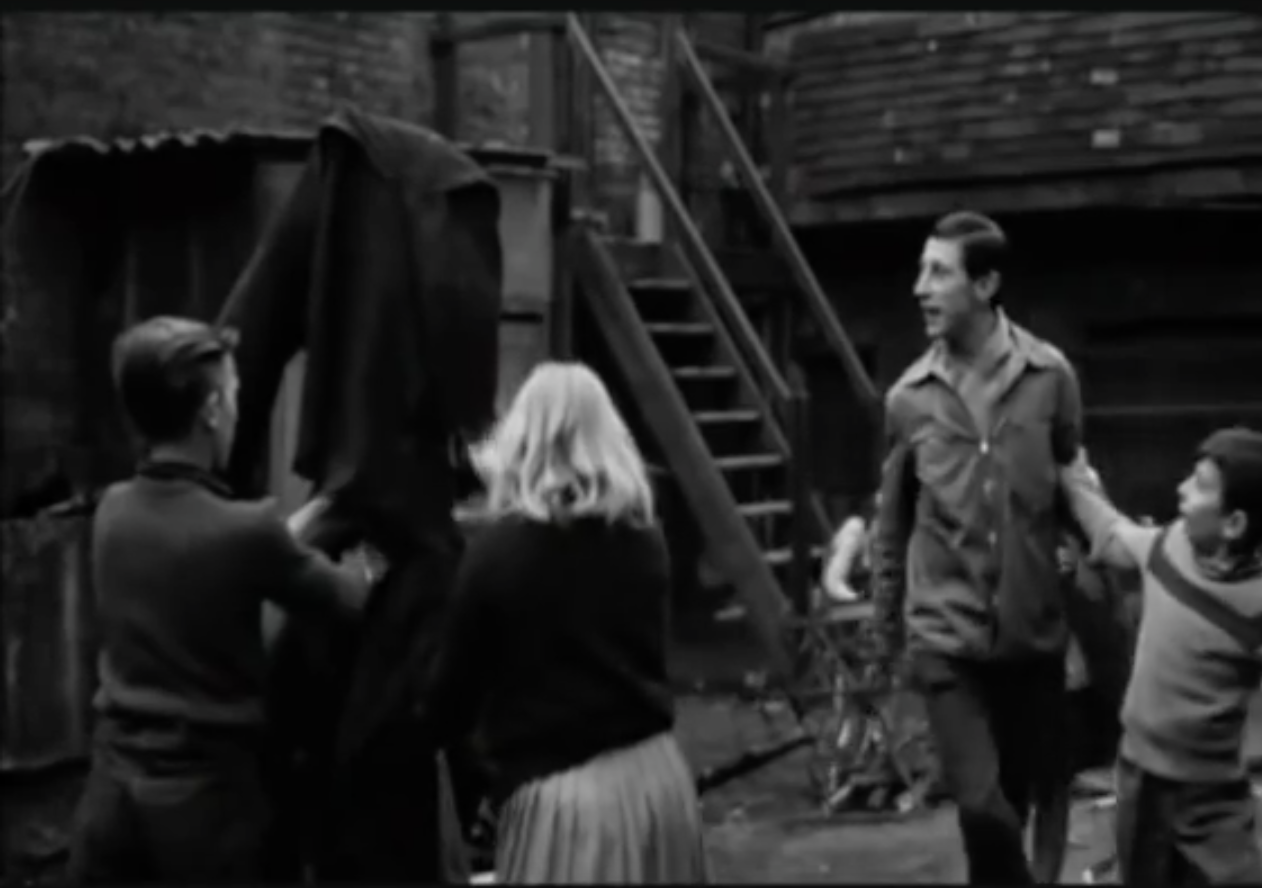
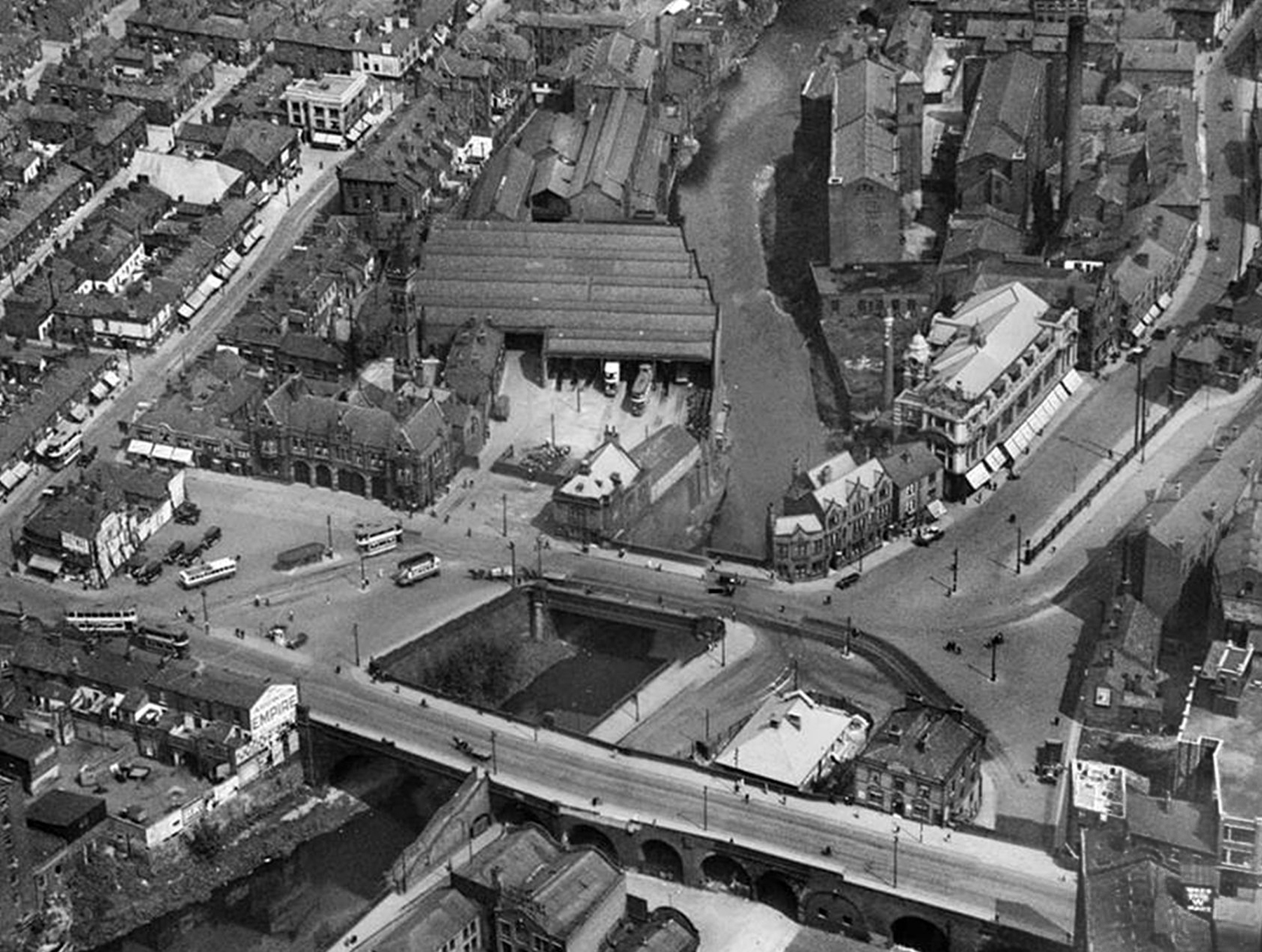
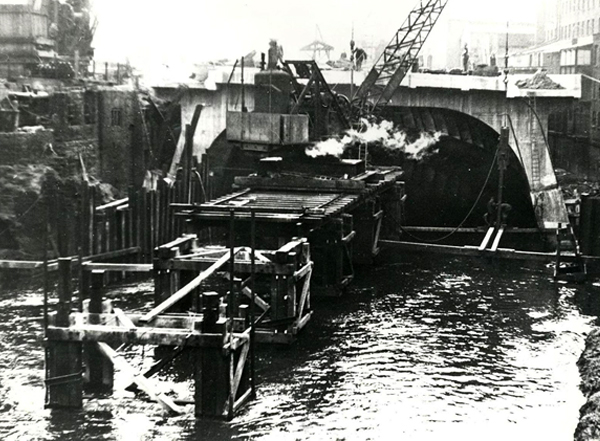
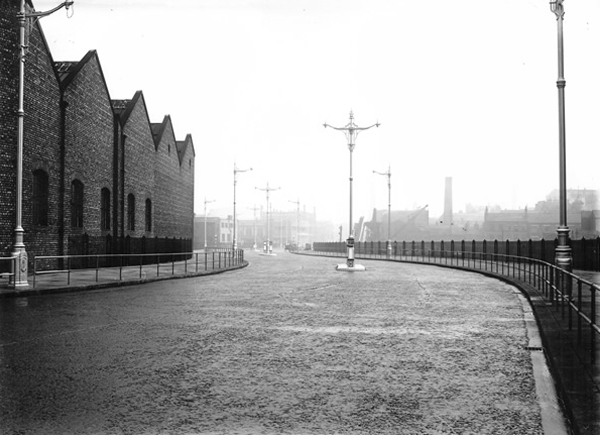
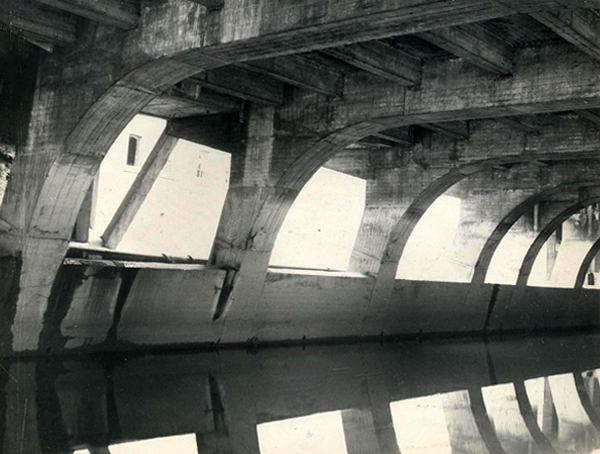
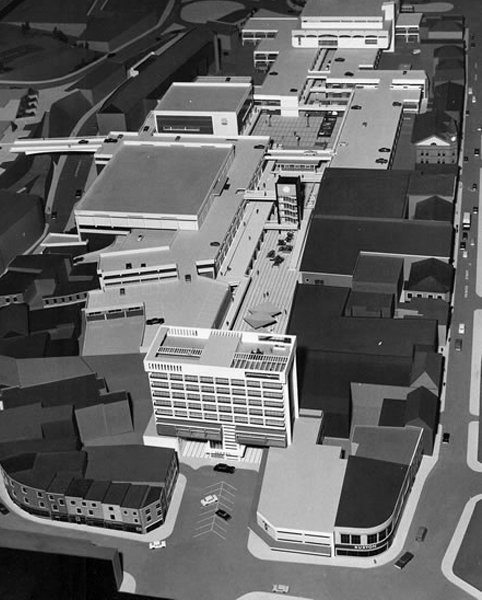
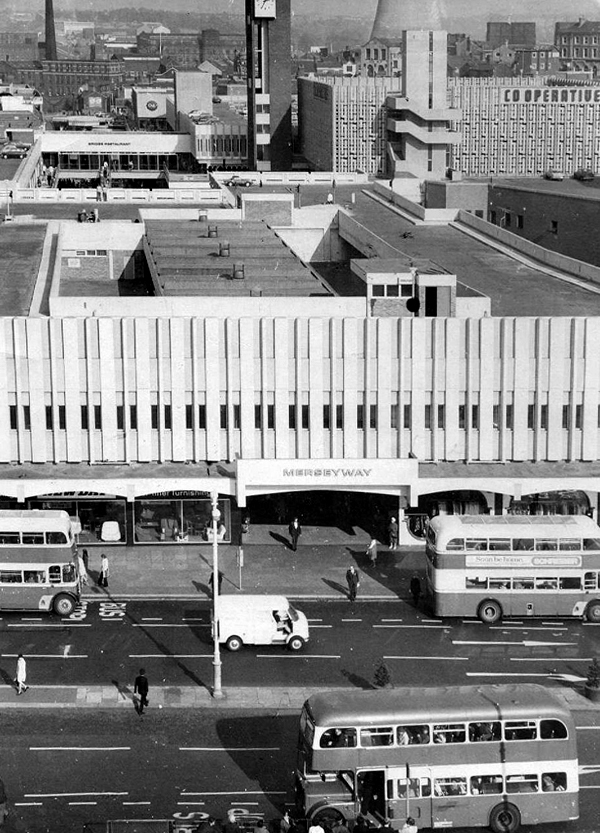
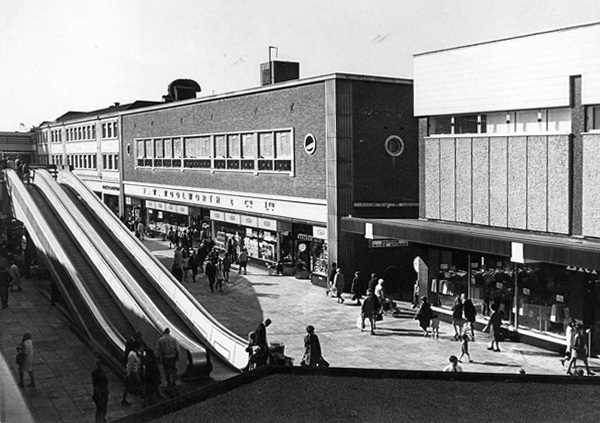
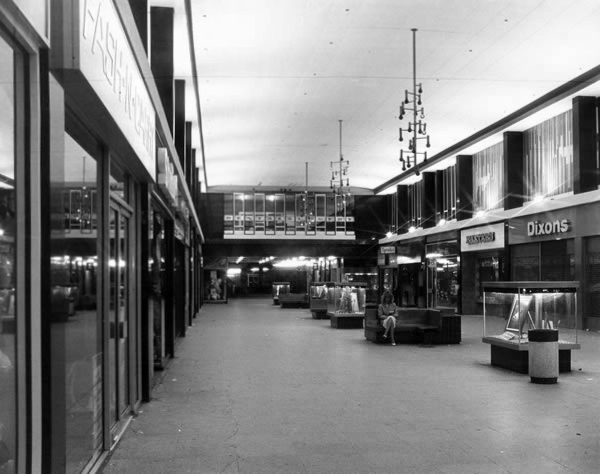
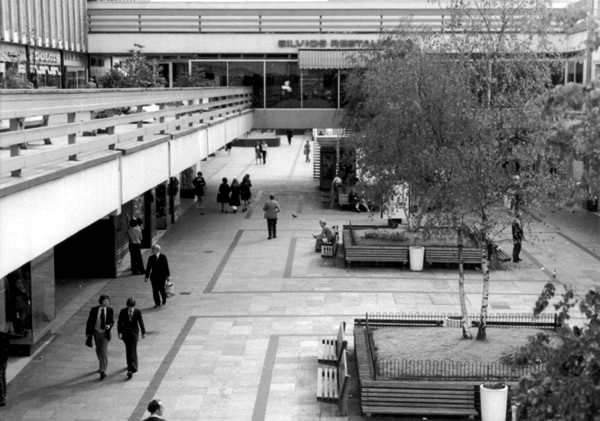
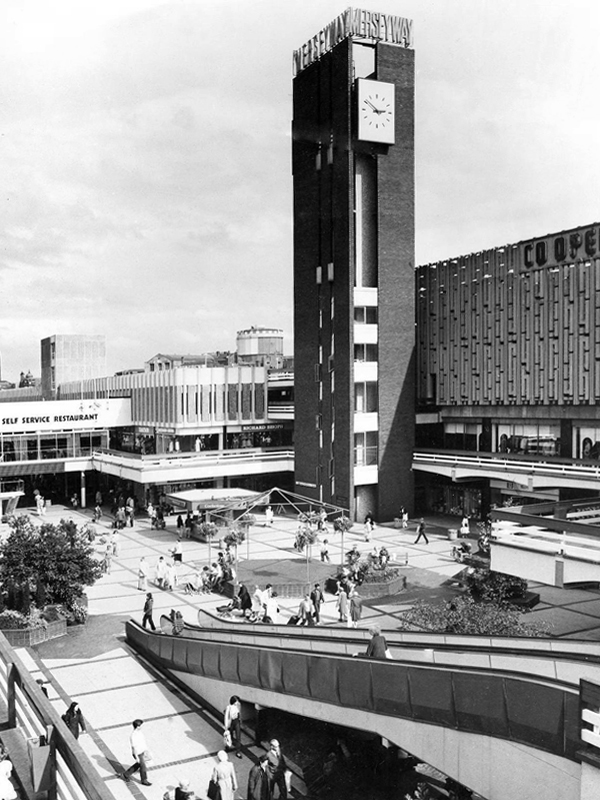
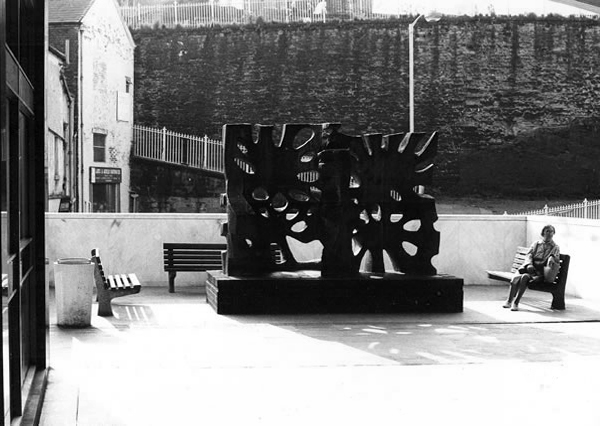
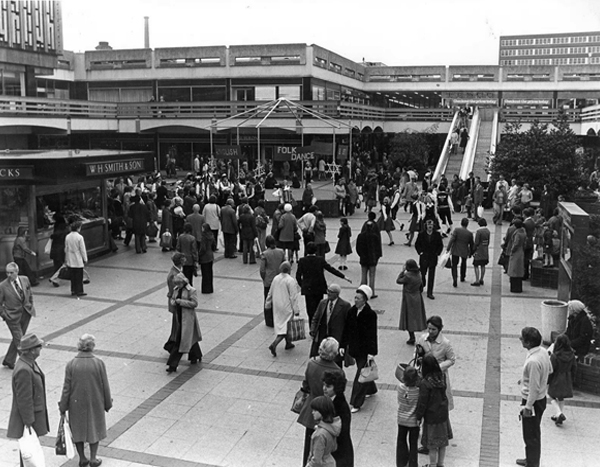
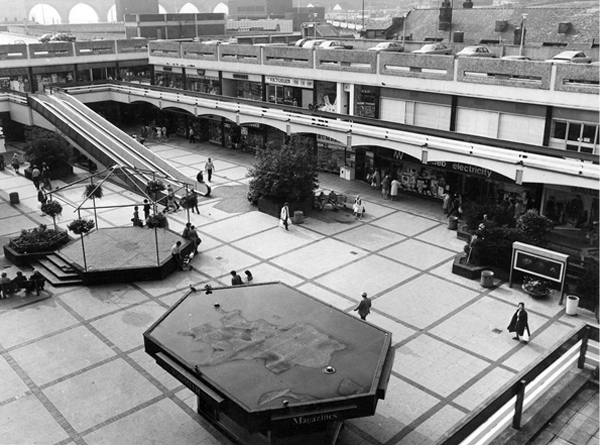
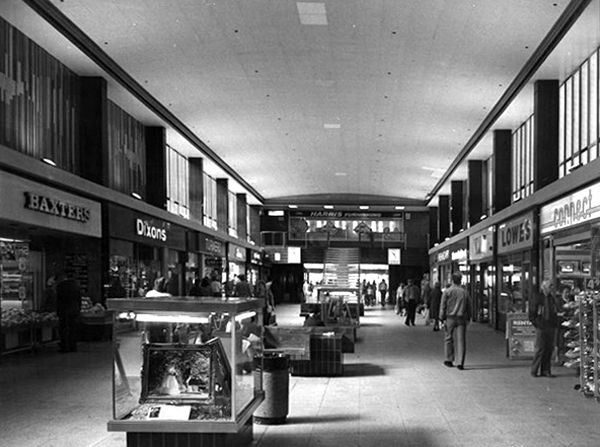
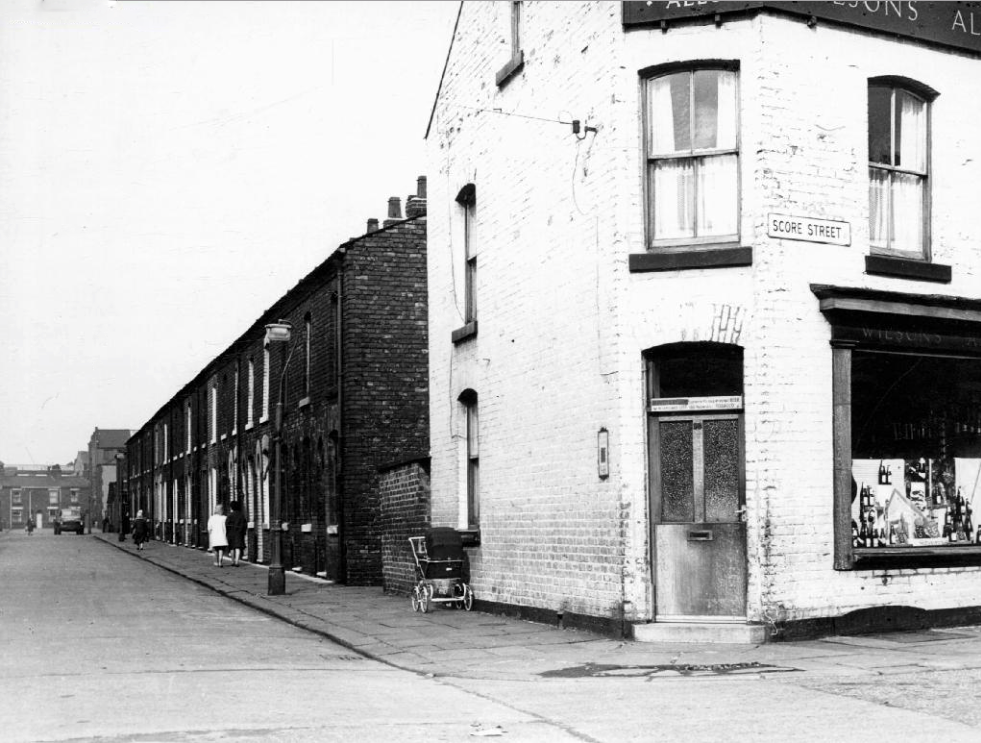
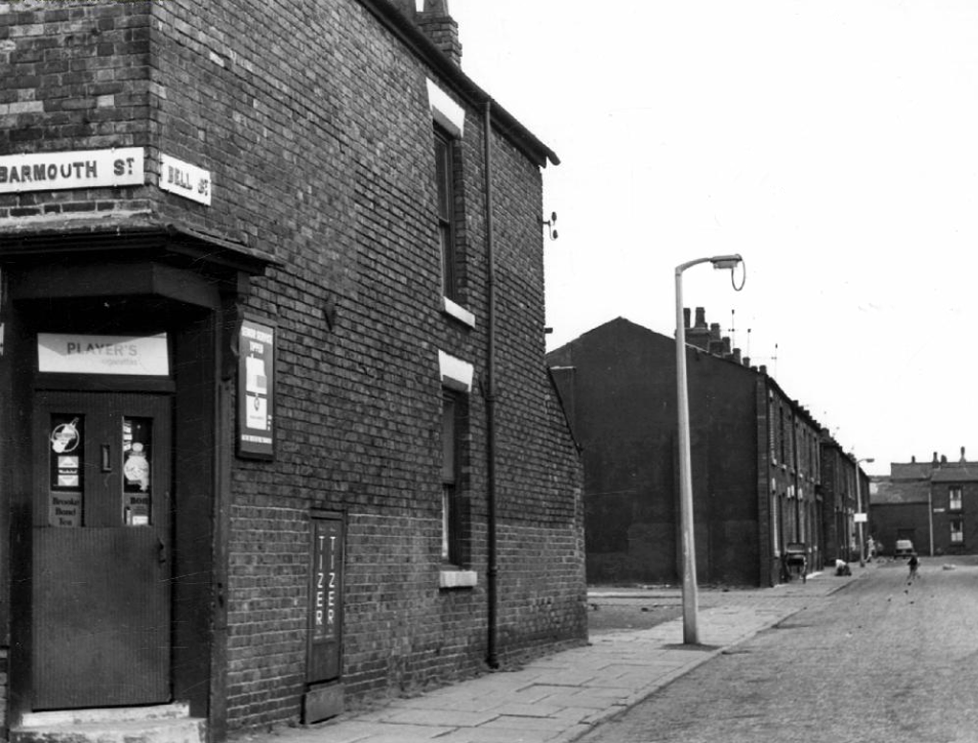
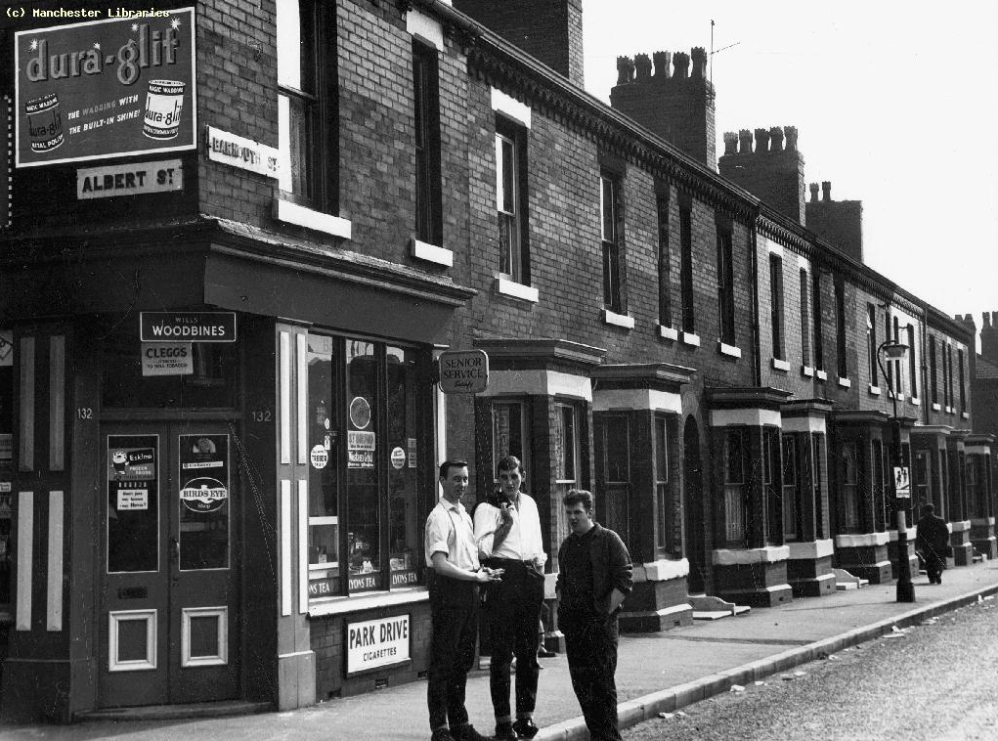
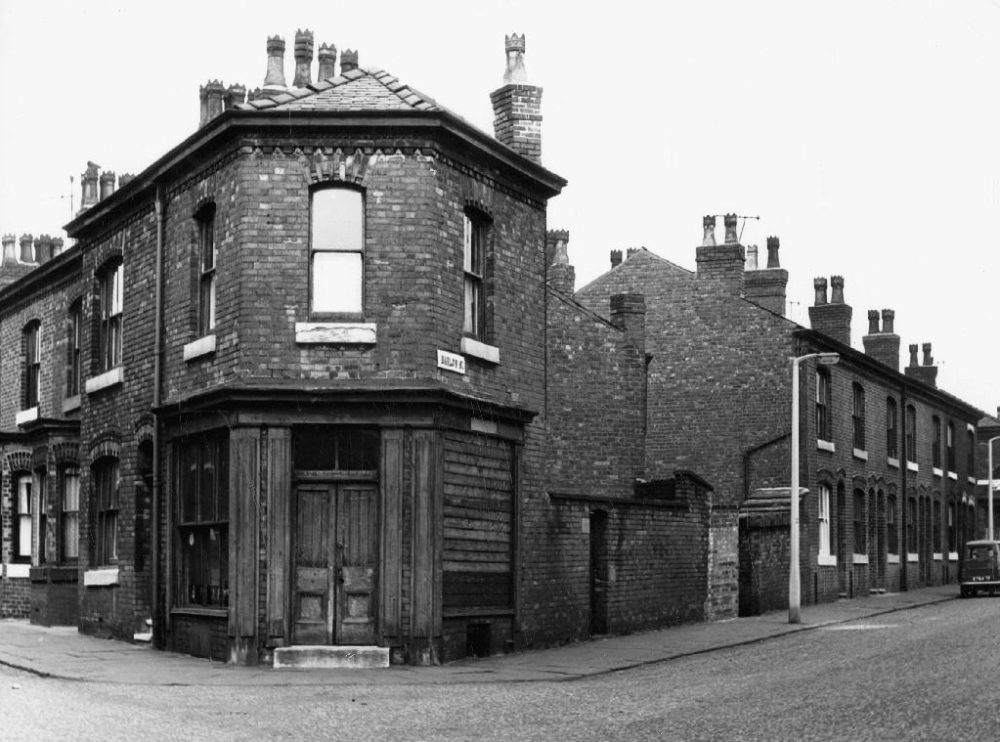
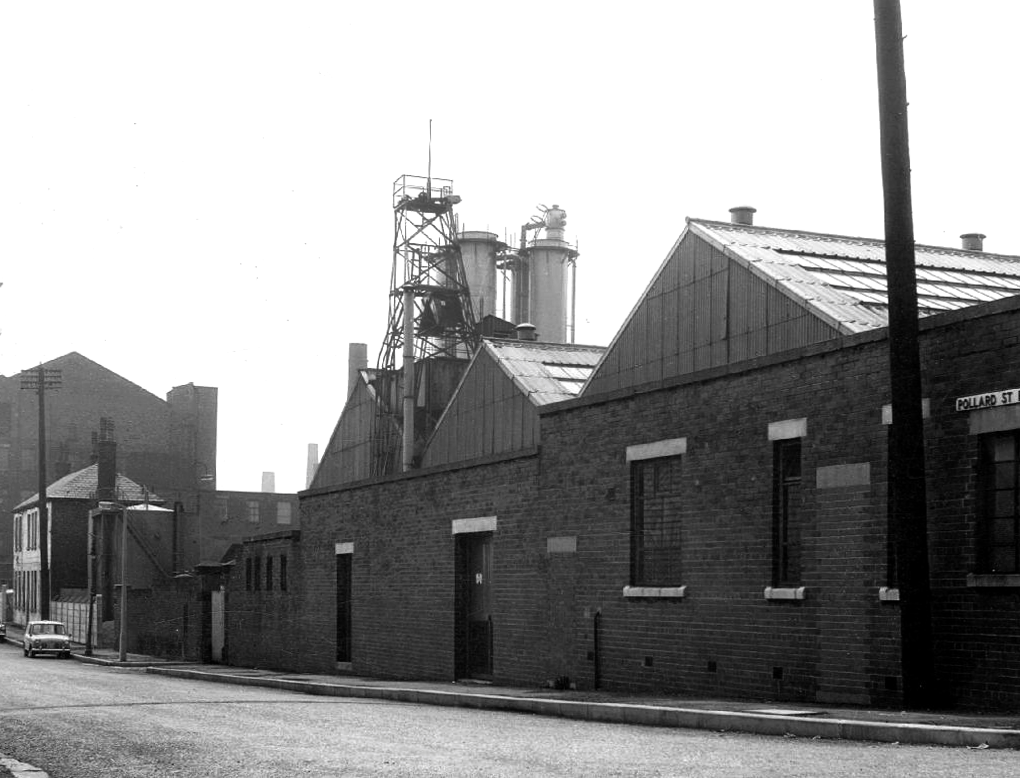
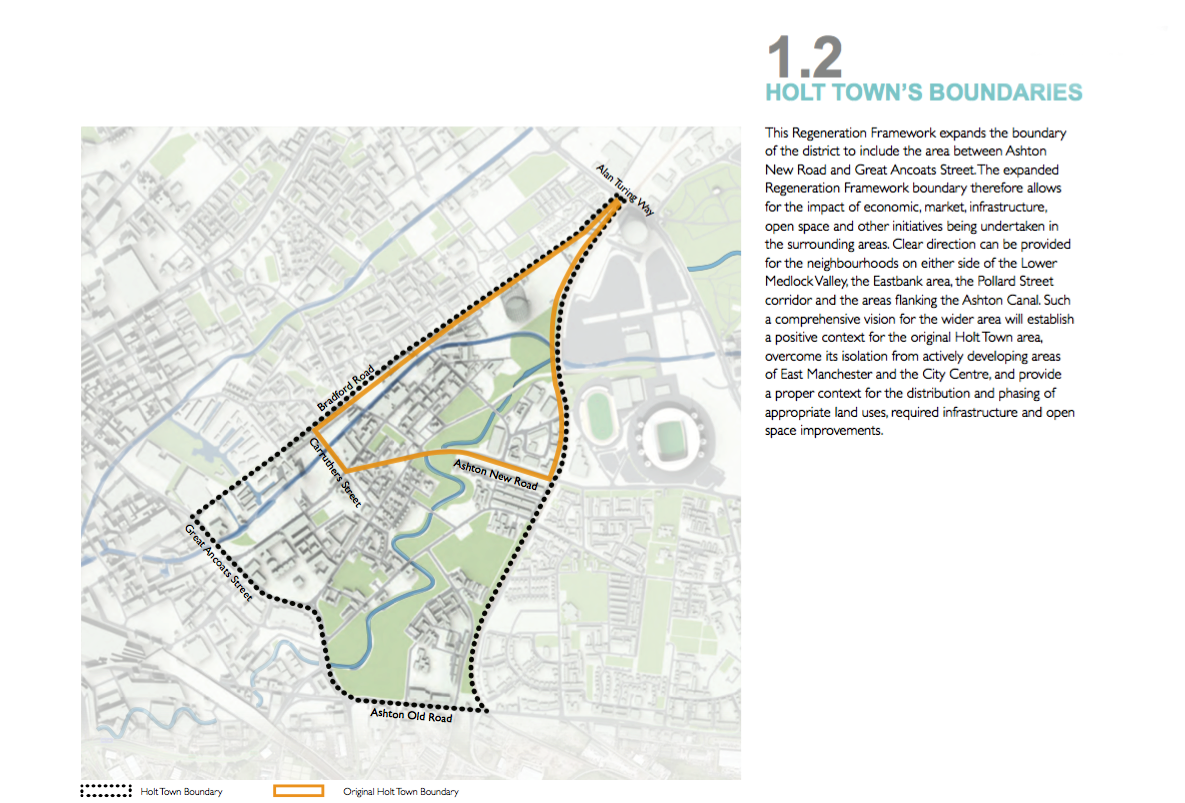
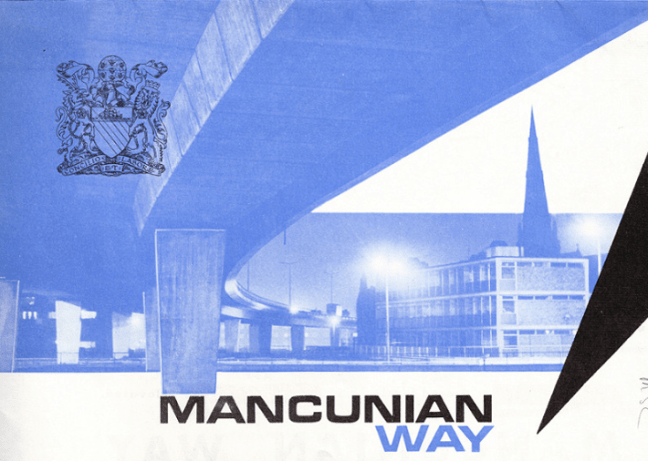
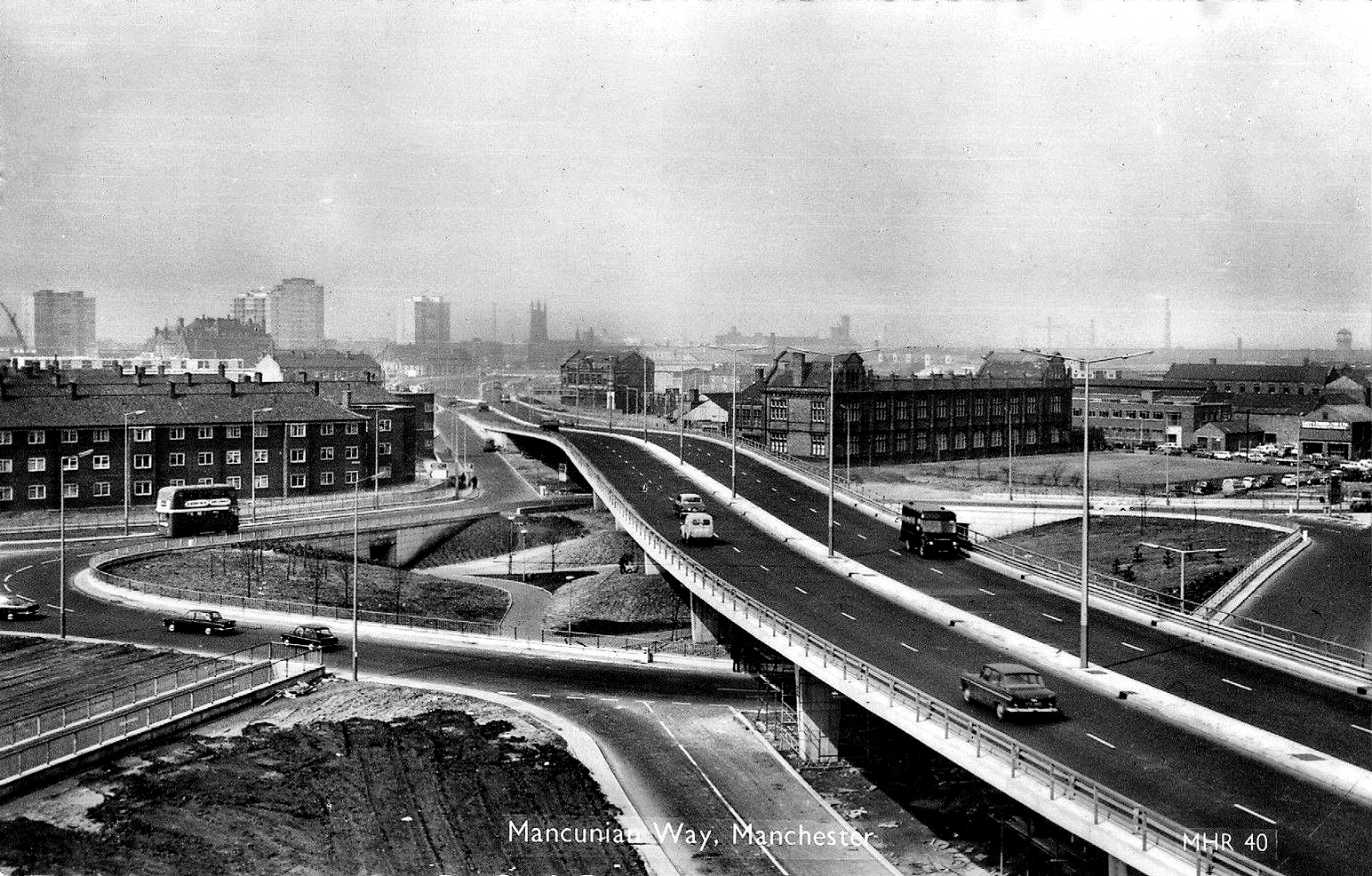
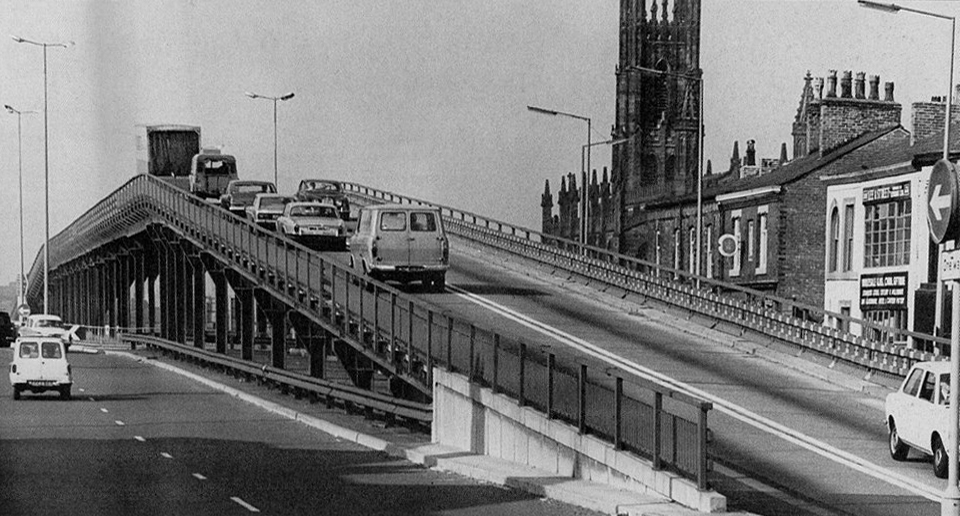
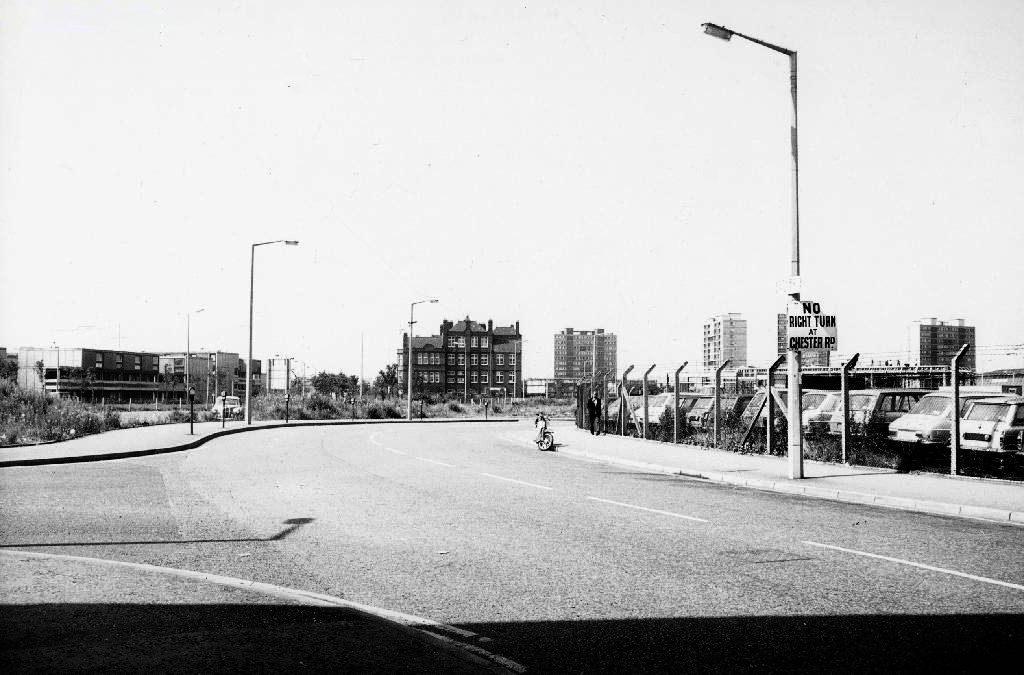
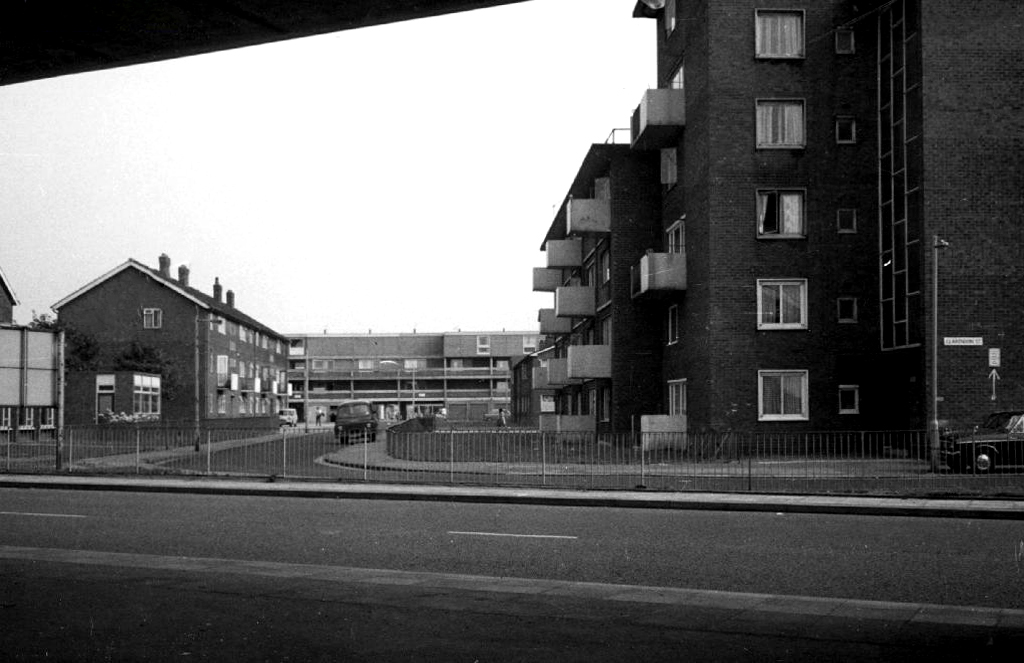
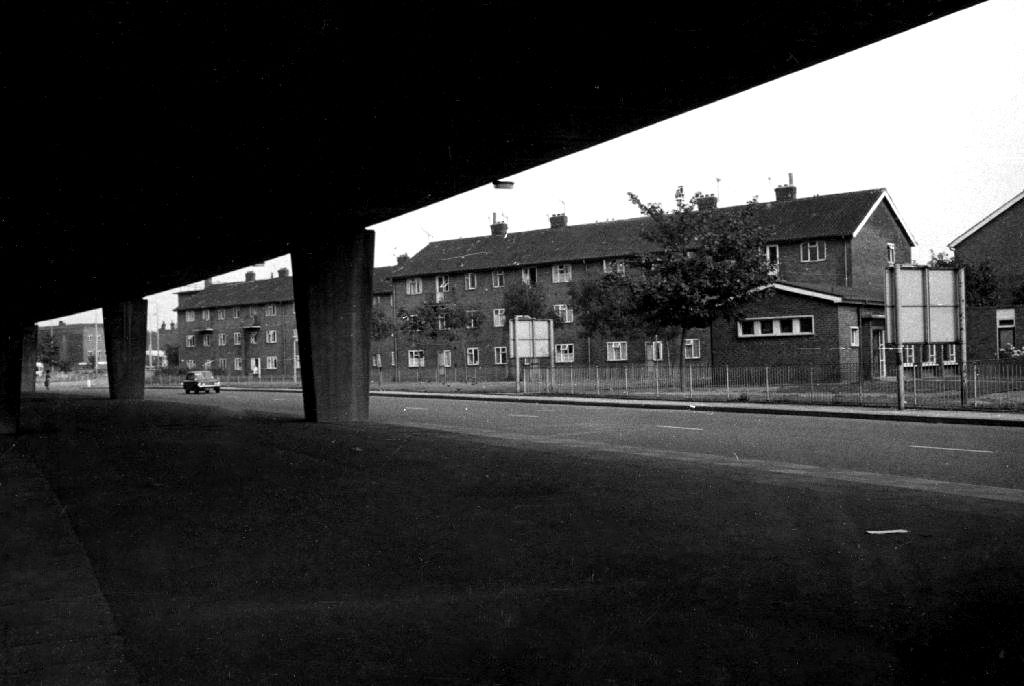
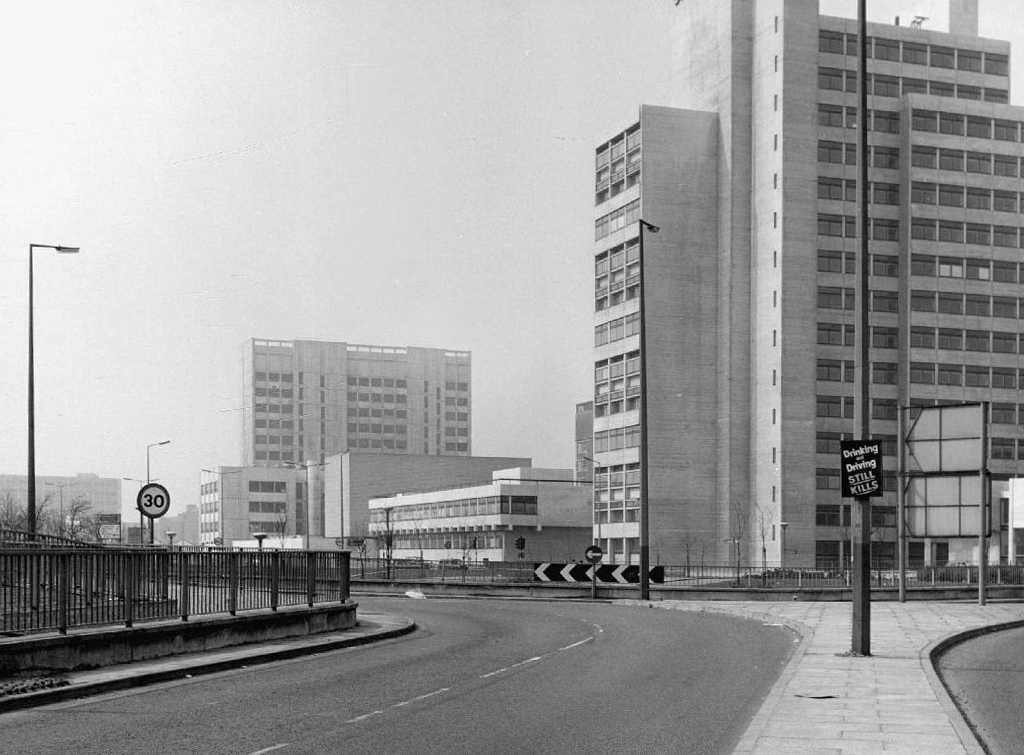
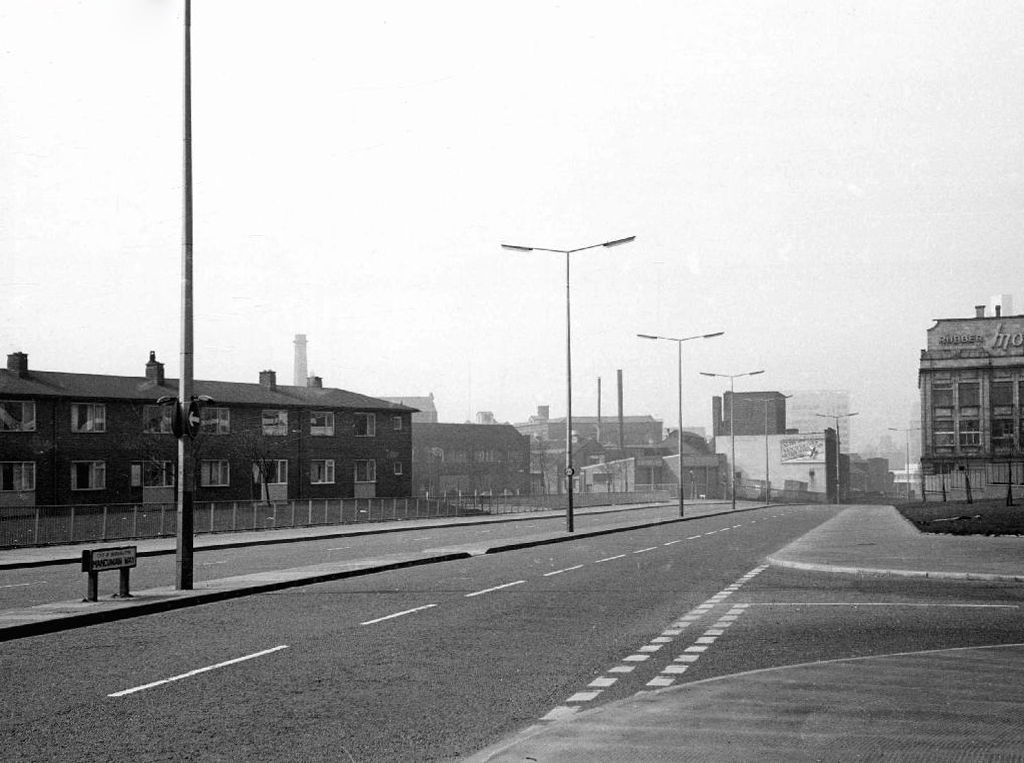
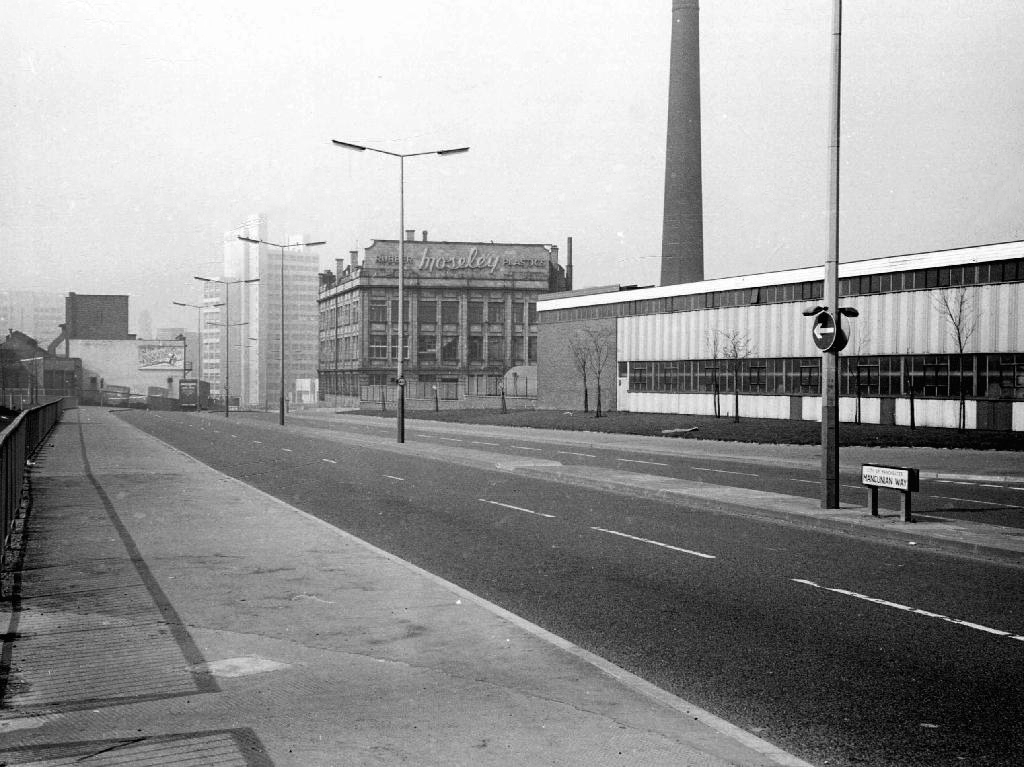
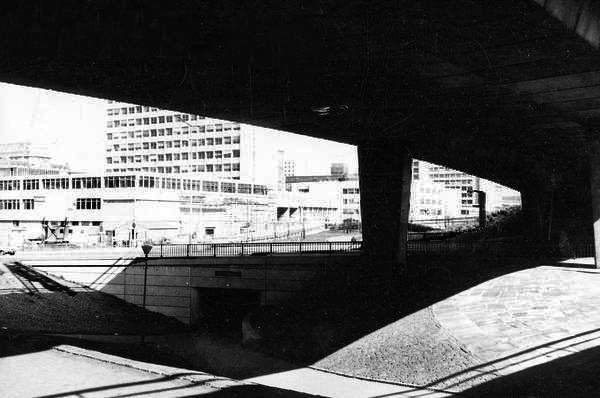
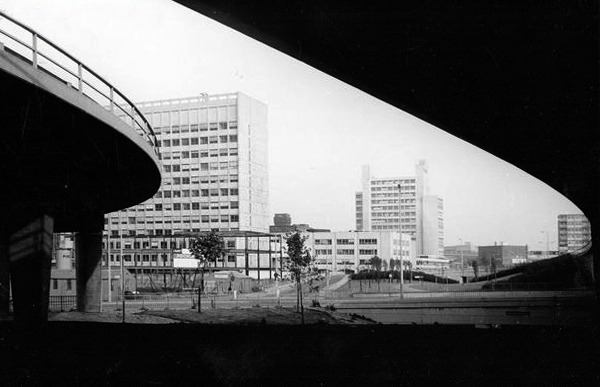
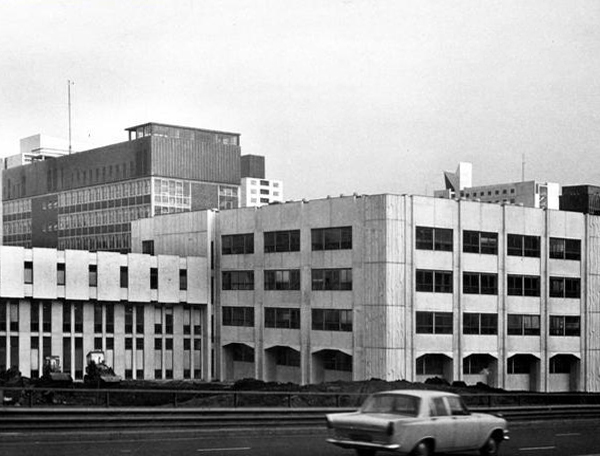
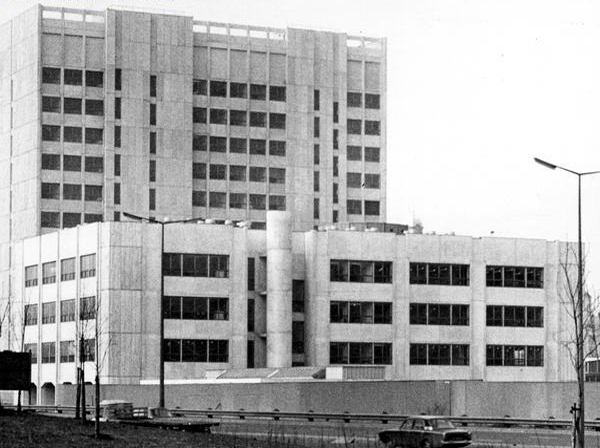
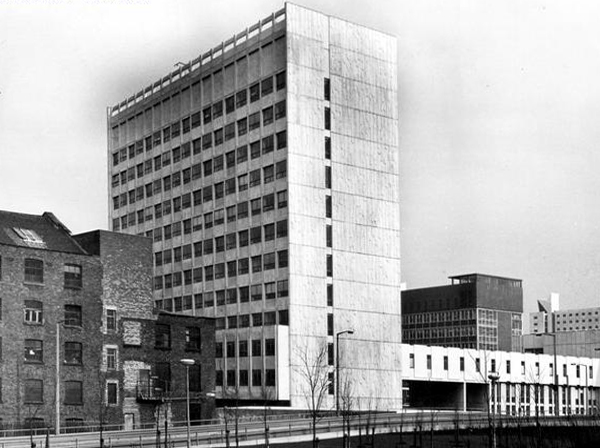
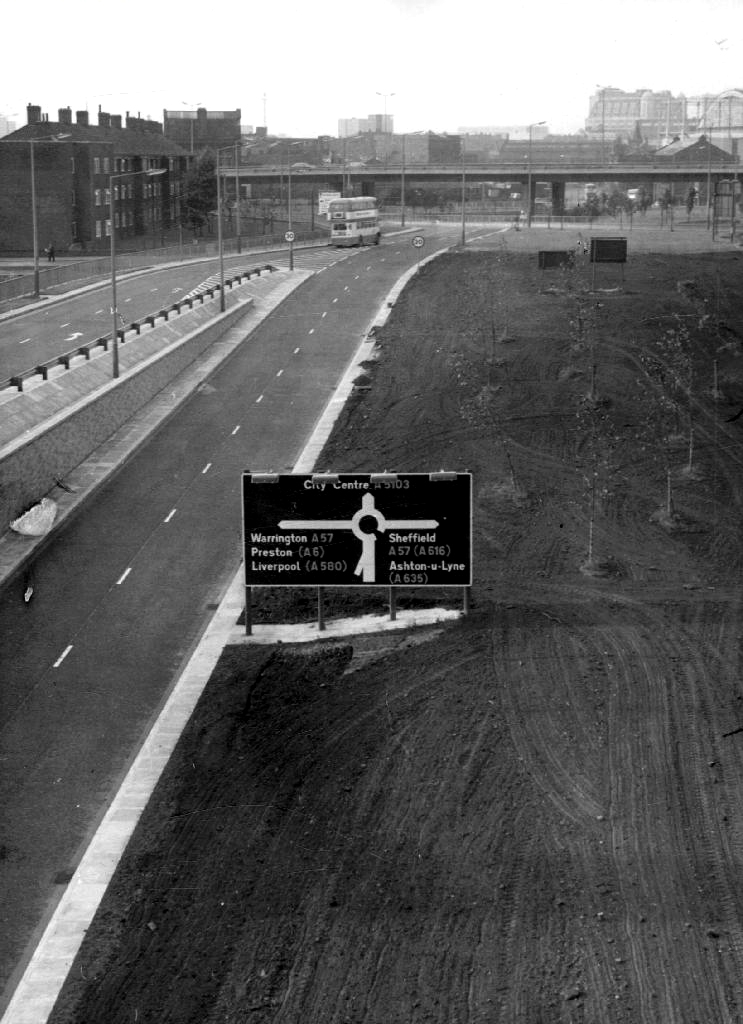
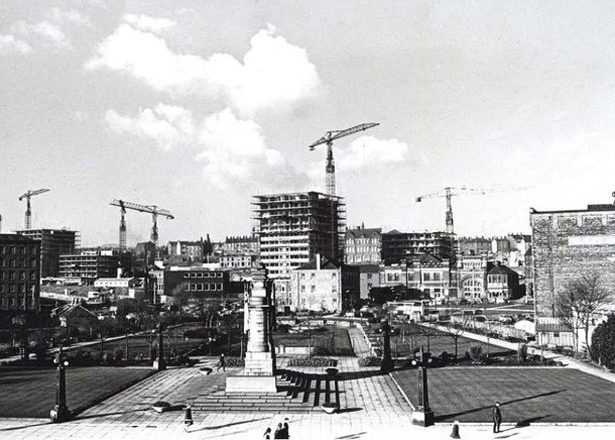
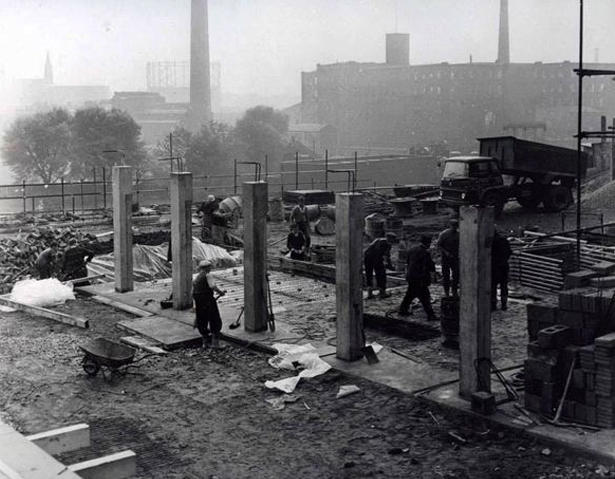
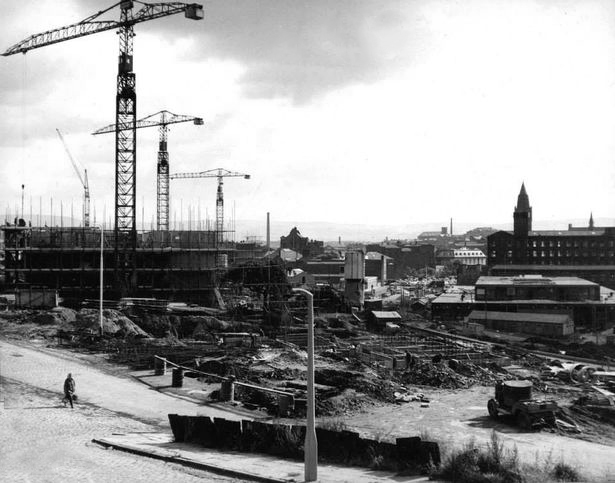
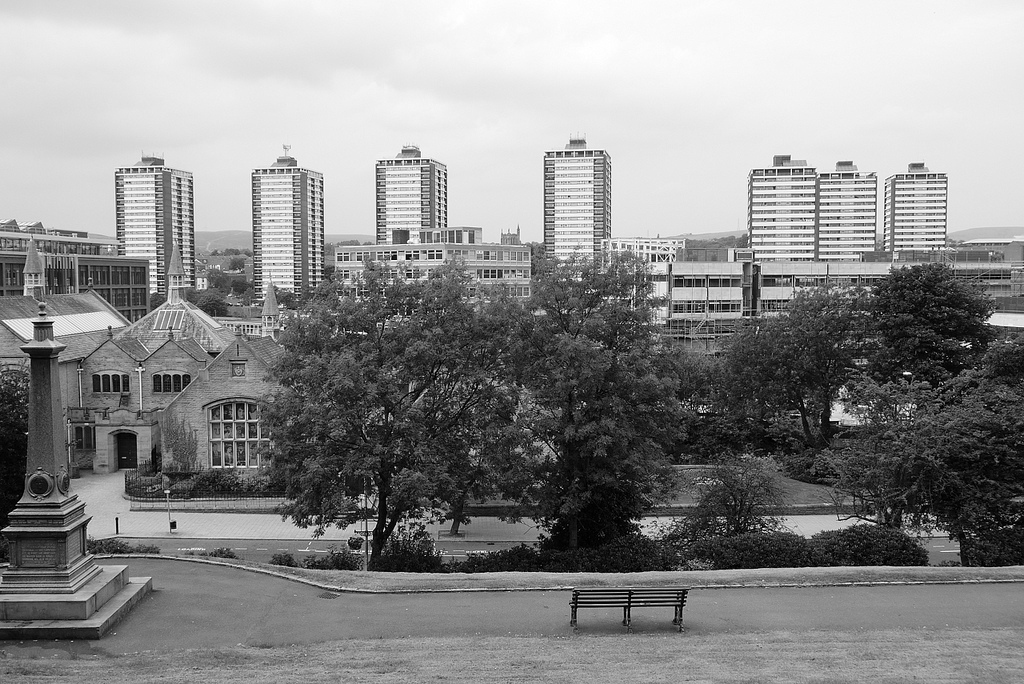
Walk the Mancunian way – history buffs and tech heads can take a look here.

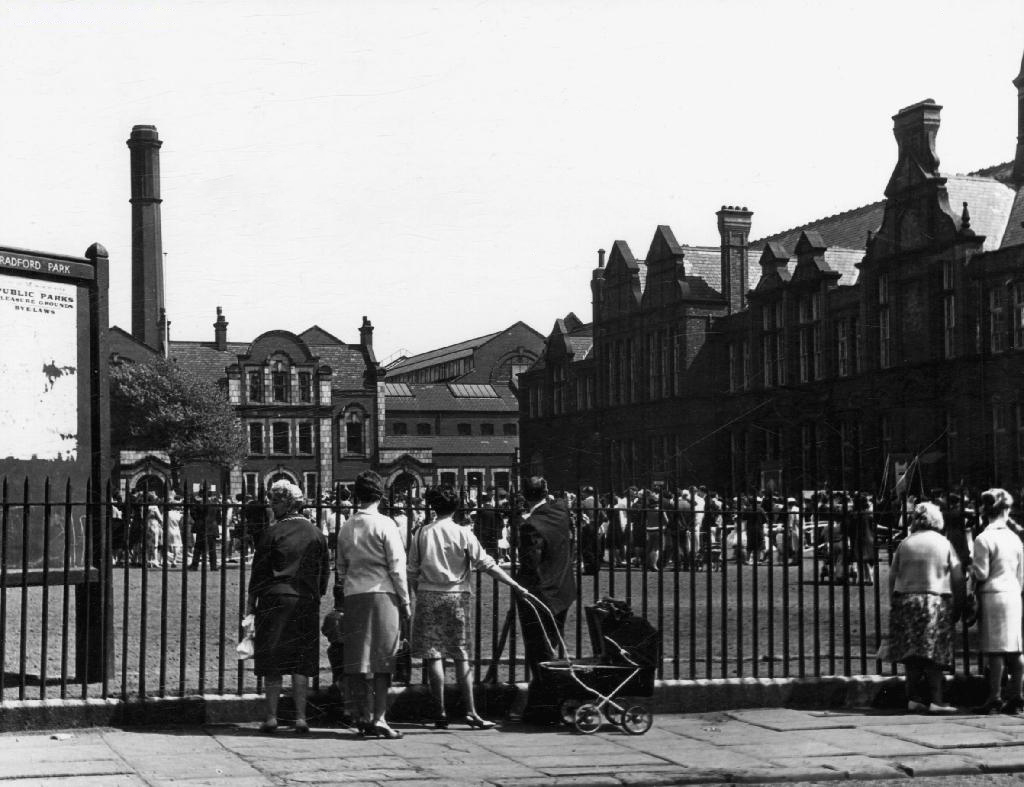
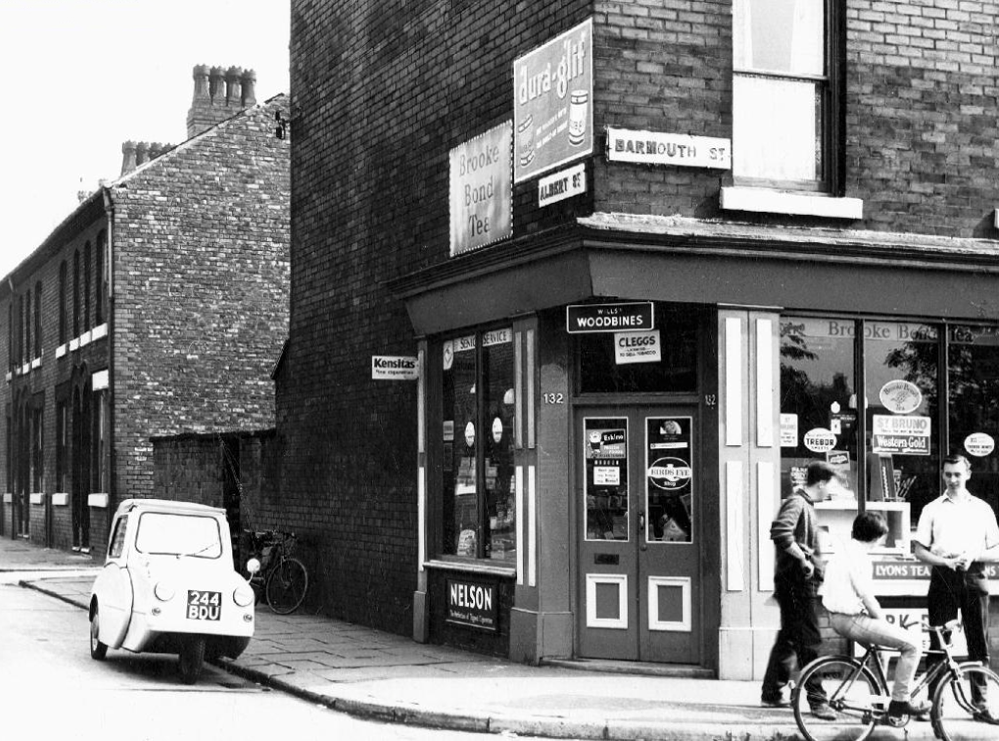
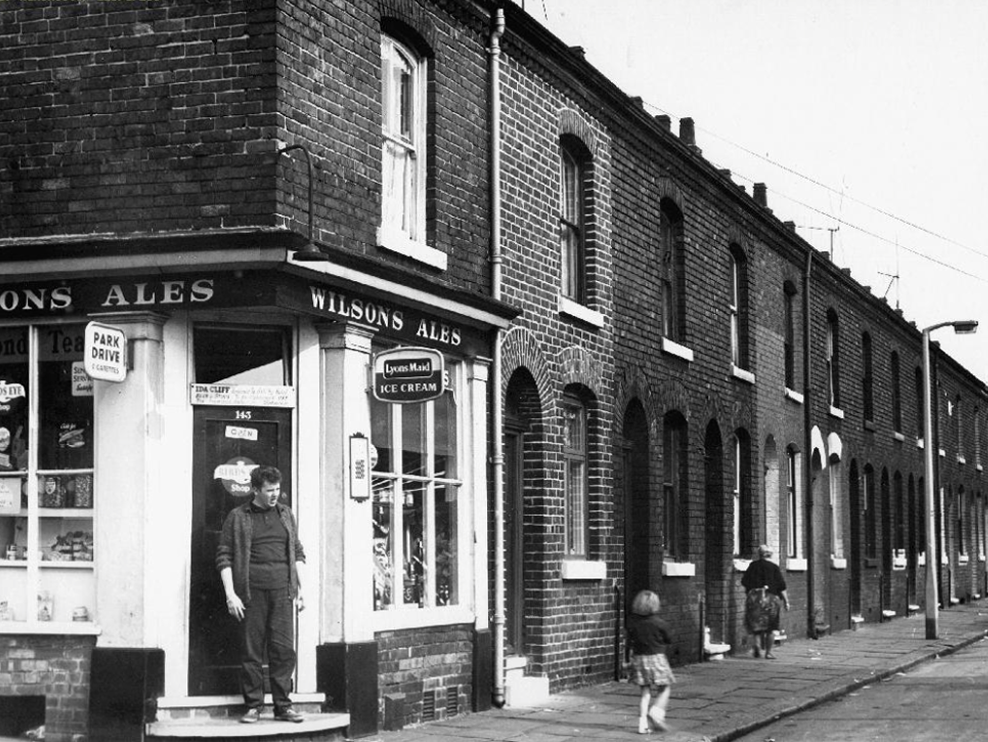
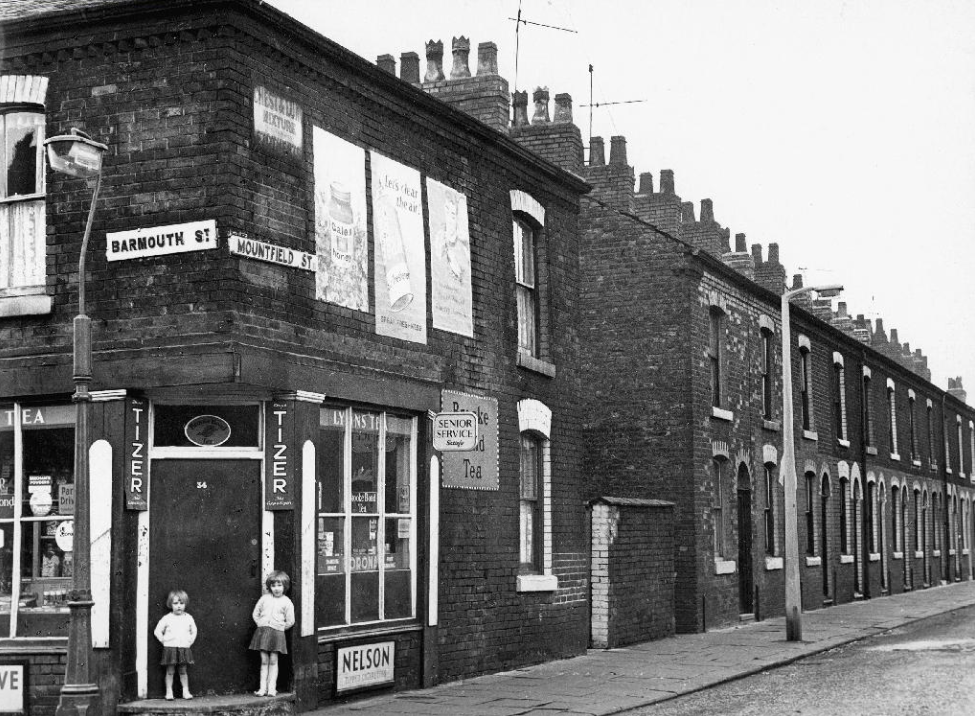
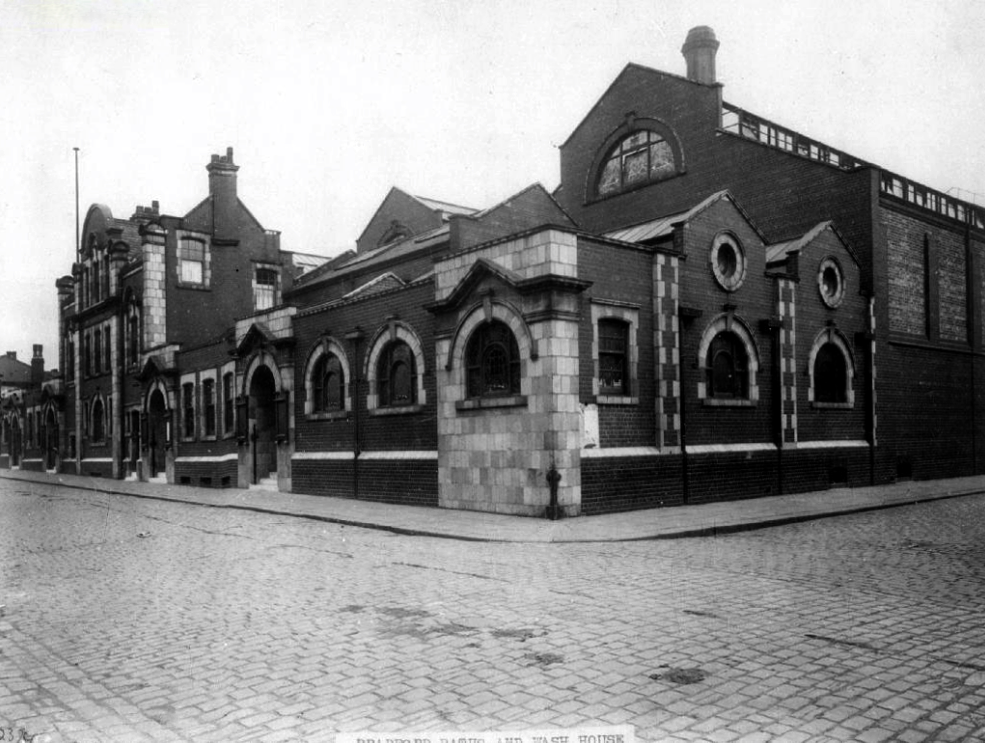
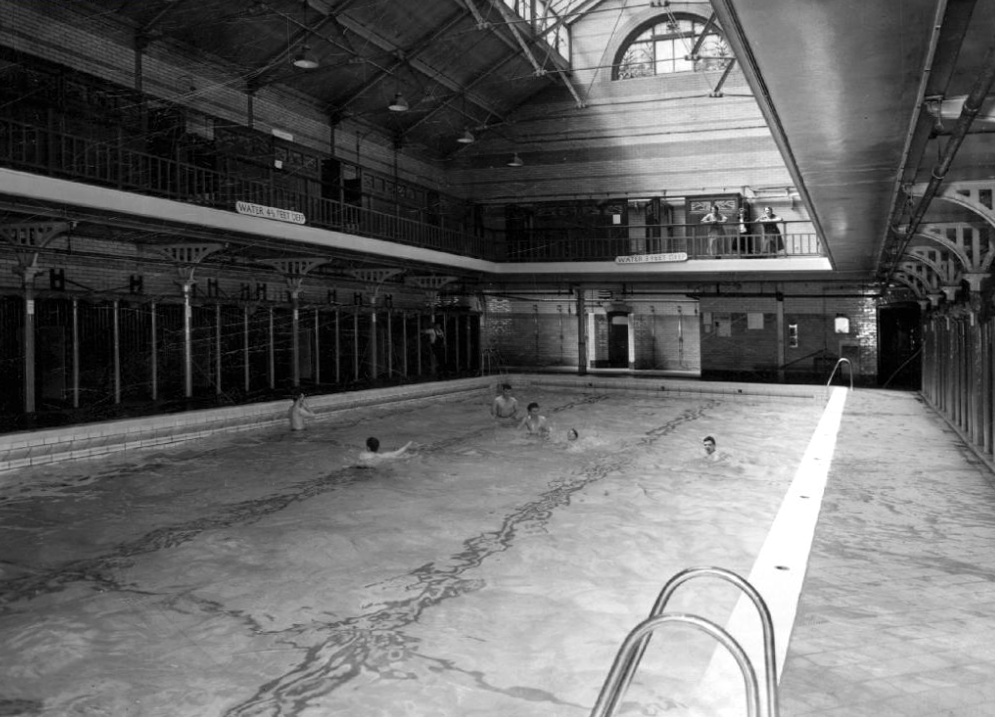
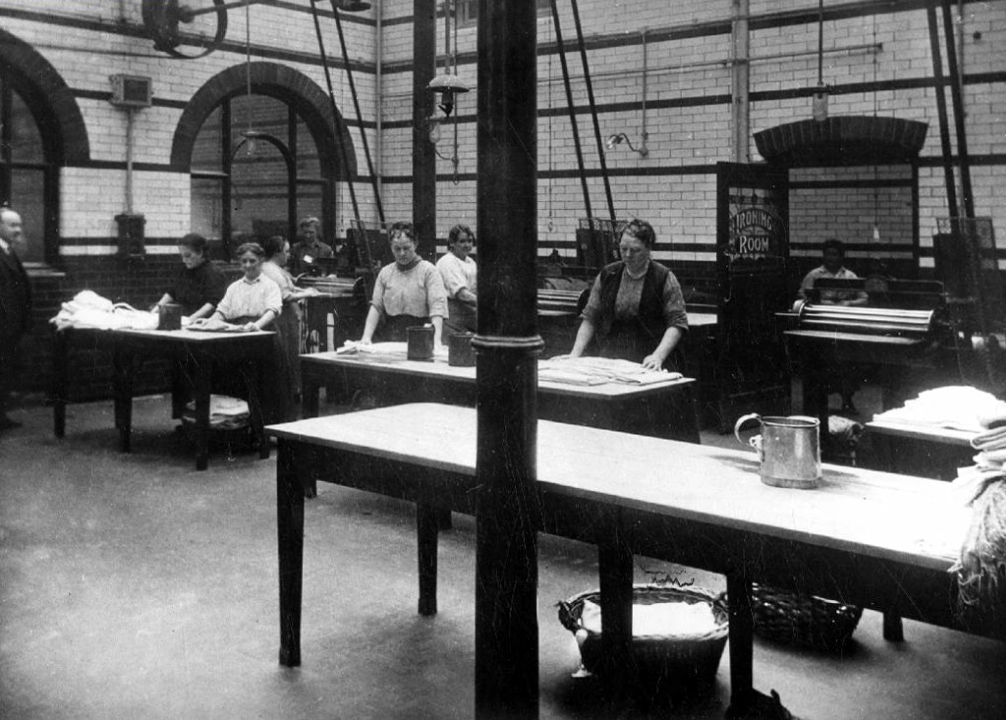
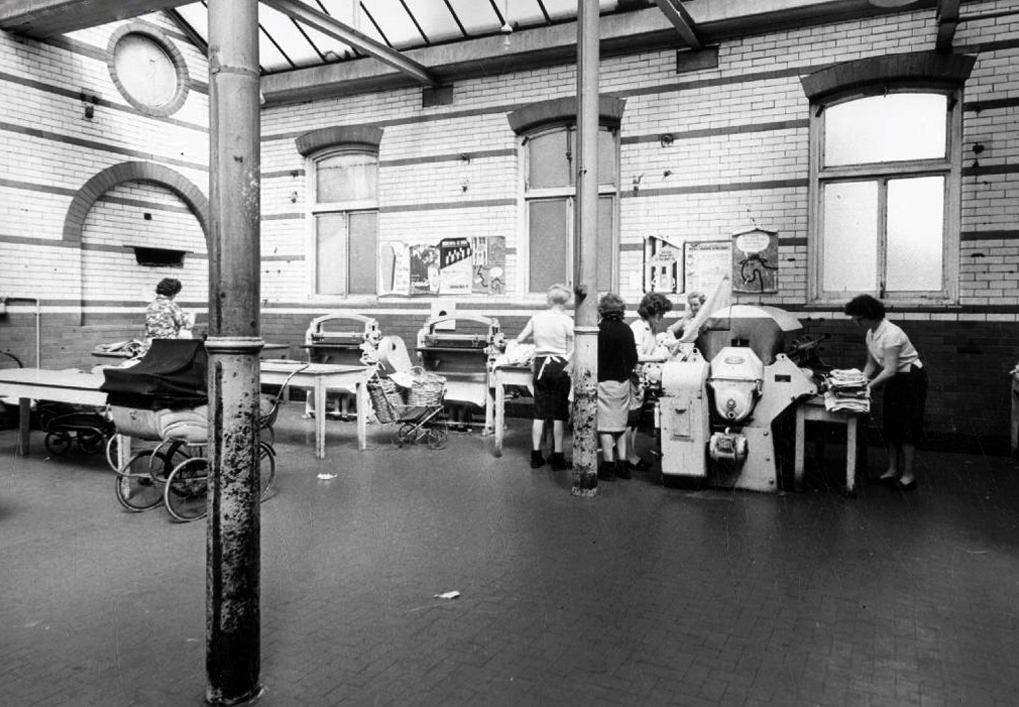
Photographs from the Manchester Image Archive

16463426_10212141901922228_700052626864377295_o

tumblr_nm6lpv4wwg1rr41pto1_1280

webmedia-1-php

webmedia-2-php

webmedia-3-php

webmedia-4-php

webmedia-7-php

webmedia-5-php

webmedia-6-php

webmedia-8-php

webmedia-9-php

webmedia-10-php

webmedia-11-php

webmedia-12-php

webmedia-13-php

webmedia-14-php

webmedia-15-php

webmedia-php

A Taste of the North

Where is the North and what does it look like?

It’s up there somewhere isn’t it, a dark elsewhere, a mythological other place.

I was curious, searching for clues.

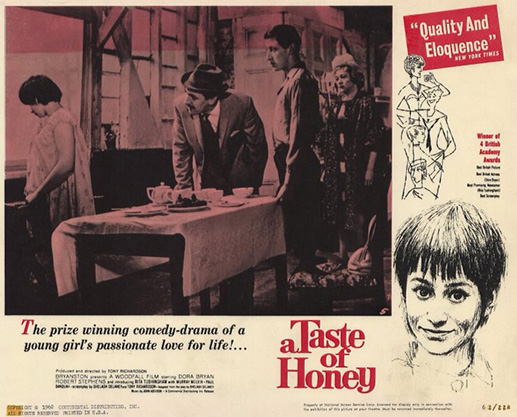
I began in a nearby place in a faraway time, my first reference point, the film adaptation of Shelagh Delaney’s play A Taste of Honey.

Set in Salford by Salford born teenager Shelagh.

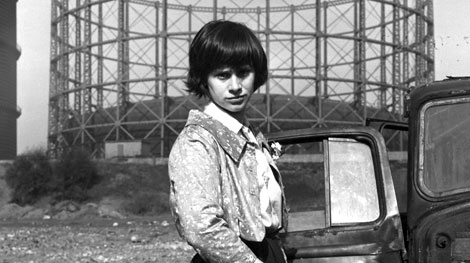
A  teenager becomes pregnant by a black sailor. She leaves her feckless mother and her flashy new boyfriend to set up her own home. She moves in with a young gay man, who helps look after her as she faces an uncertain future.

I have compiled a series of photographs of the film’s locations. 
poster2

The film’s release in 1962 broke new ground in terms of its matter of fact depiction of contentious and sensational subject matter. My interest in this instance rests with the visual image of the North that it created.
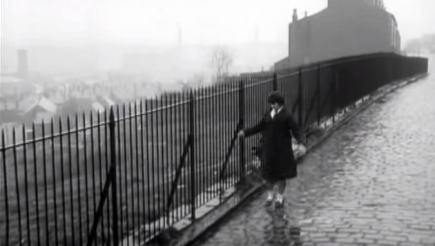
a_taste_of_honey_1961_film_woodfall_film_productions_mm

Larkhill Road Edgeley Stockport

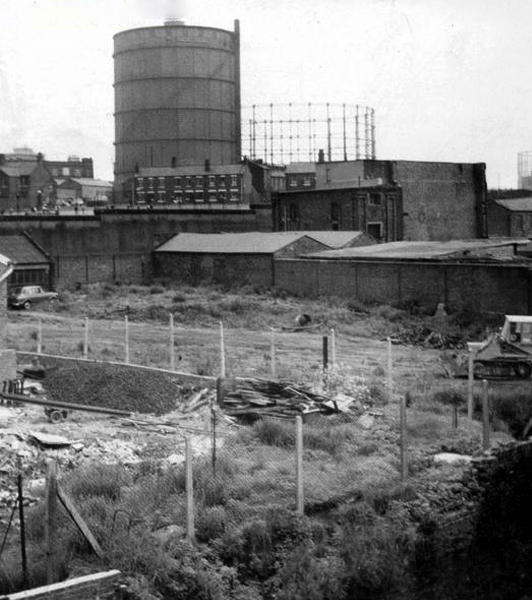
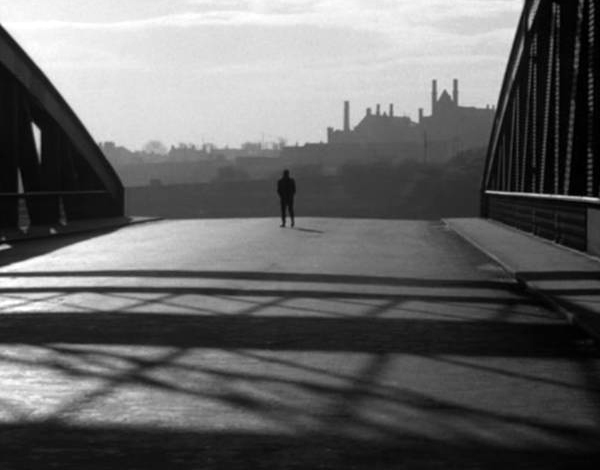
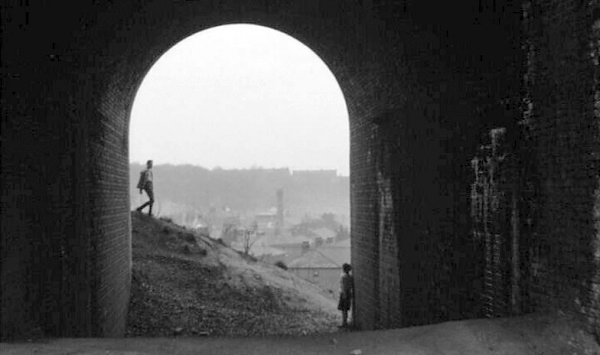
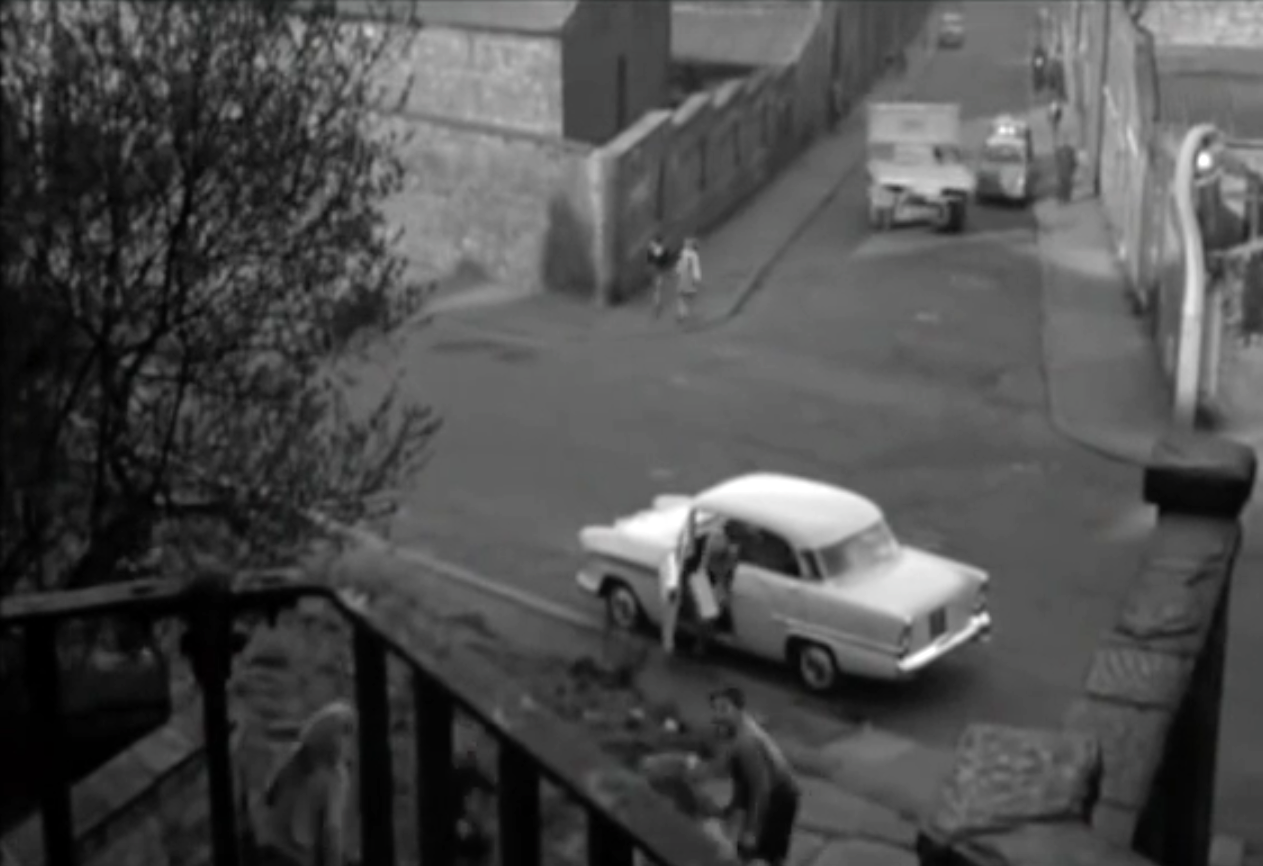
Shot almost entirely on location in black and white by cinematographer Walter Lassally, we are treated to dark treeless vistas, cobbled streets, industrial areas almost perpetually in decline, bleak canals and terraced homes.

As shown in these archive images of the 1950s, illustrating locations that would subsequently be used in the film adaptation.

There is a comprehensive list of locations here at Reel Streets
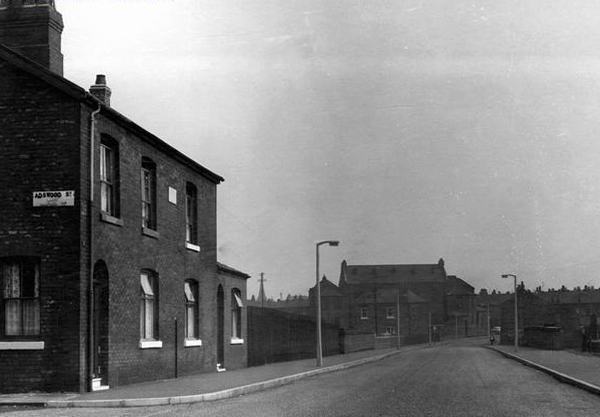
cambrian-street

Cambrian Street Holt Town Manchester

gas

Phillips Park Gasworks Manchester

Director Tony Richardson was a product of the British Free Cinema movement, which had previously produced short, sharp documentary and drama work, driven by a leftist outlook and using a restless, immediate approach, aided by the new lightweight cameras and faster film stocks. This is an ethos and methodology that would be carried over into the feature productions of the Woodfall Films company.
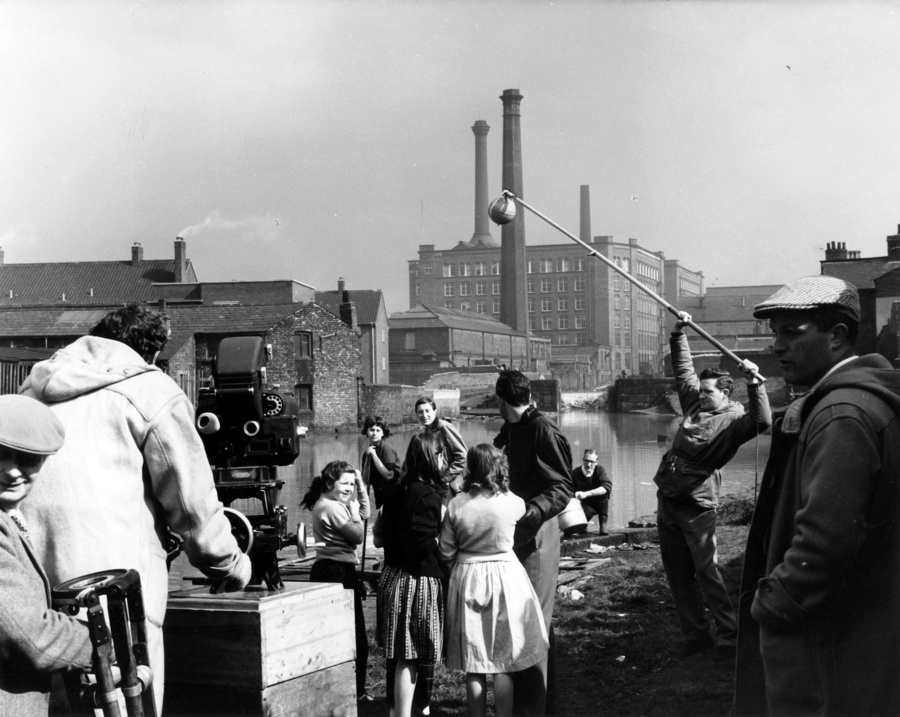
bfi-00m-nn0.jpg

Rochdale Canal Manchester

The film was shot in the flat, low, even light of the Winter which heightened the mildly desolate character of the landscape, though ostensibly Salford set many of the locations are in nearby Manchester and Stockport. An early long and free flowing title sequence and establishing shot, is a bus tour around Central Manchester, a city centre which at the time was still graced by a thick accumulation of dark industrial emissions and miasma.
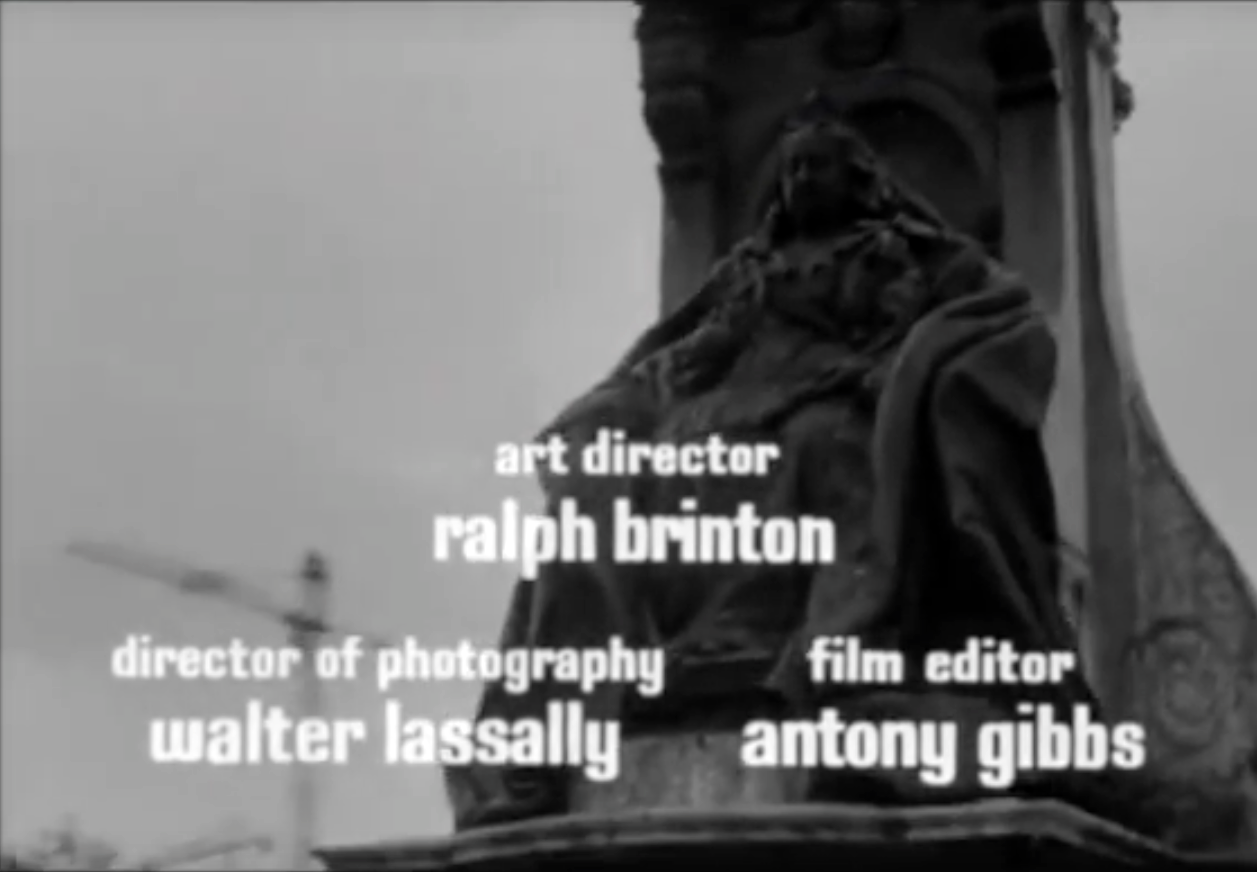
screen-shot-2017-02-03-at-19-44-30

A soot blackened Queen Victoria mute and imperious in Piccadilly Gardens, the freshly blooming cranes of post-war renewal tentatively appearing in the background.
screen-shot-2017-02-03-at-20-30-43

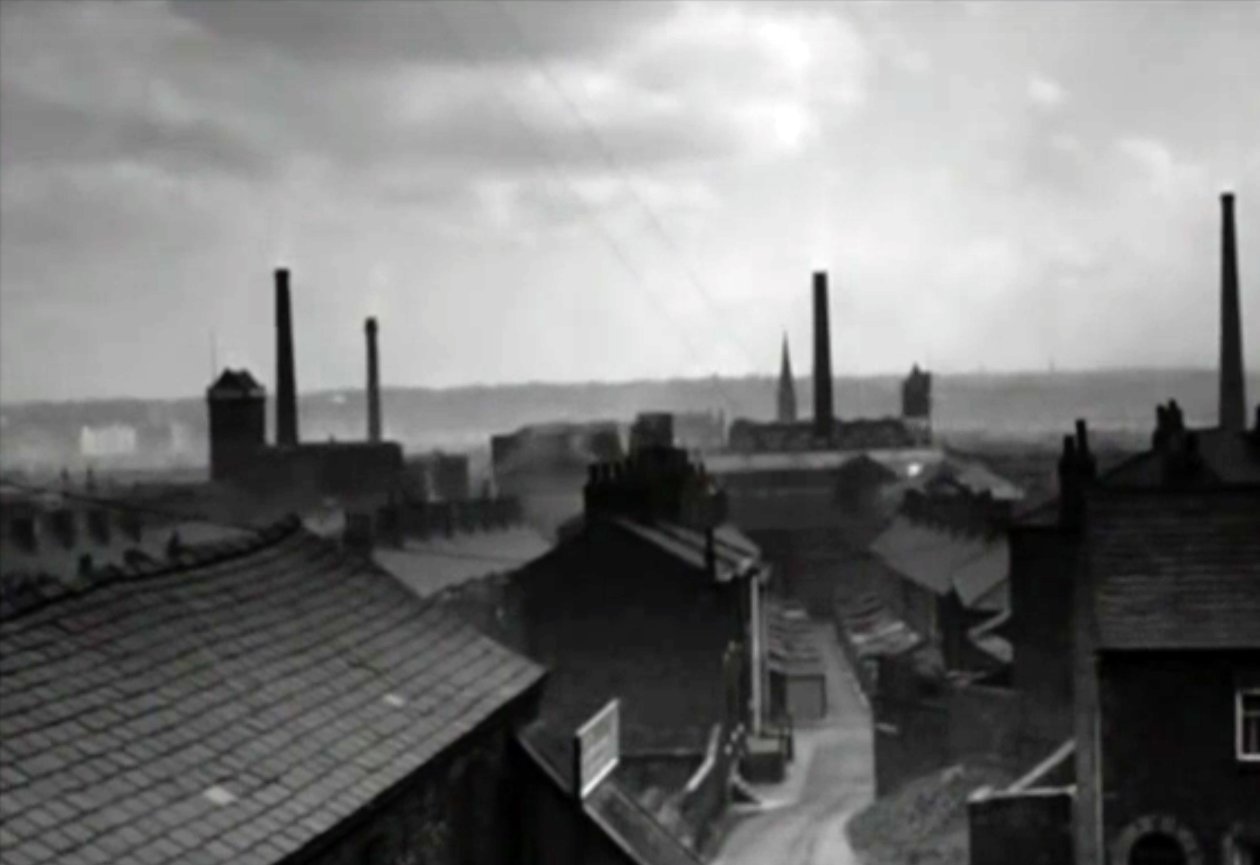
The skyline punctuated by factory chimneys, the tight huddled streets of terraced houses chuffing billowing great grey clouds of smoke – a view familiar in the work of LS Lowry.
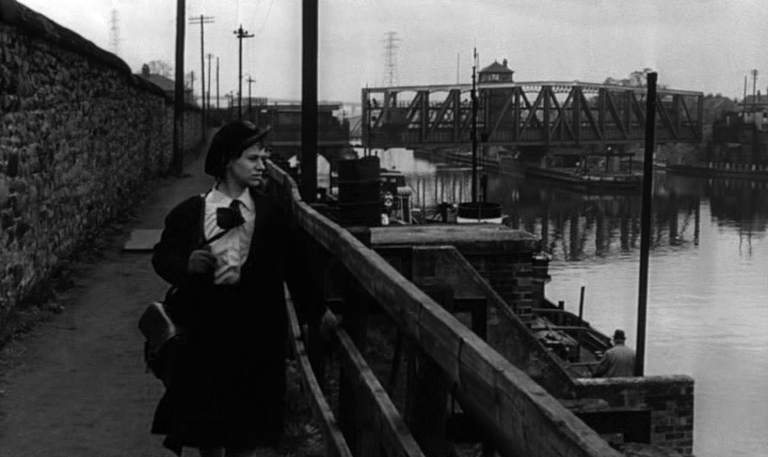
a-taste-of-honey-new-4

Barton Bridge

lr-taste-of-honey-msc-swing-bridge

Trafford Swing Bridge

taste-of-honey

Stockport Rail Viaduct

taste_of_honey_01

Phillips Park Gasworks

screen-shot-2017-02-03-at-20-05-24

The location of the home that Jo sets up was ironically the stage set workshop of the Royal Court Theatre (the very theatre where the play was developed and produced) in London – that most northern of cities.

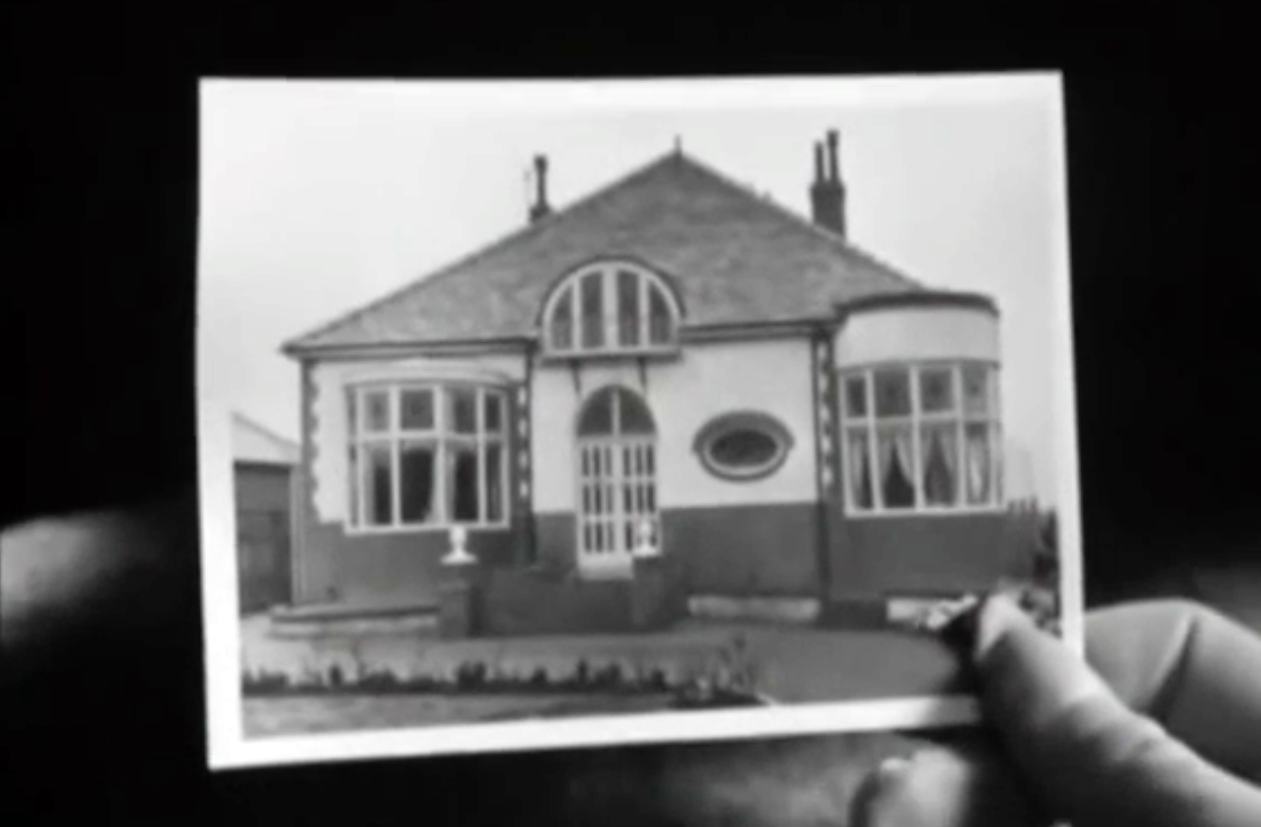
There is a brief respite from this milieu, through a picture in picture sequence based on the image of a suburban bungalow – which along with the coming age of mass motor car ownership, offers the promise of escape.
screen-shot-2017-02-03-at-20-34-51

screen-shot-2017-02-03-at-20-37-15

A giddy day trip to Blackpool represents the temporary release from a contrasting and constricting world, a trip which for Jo emphasises the divide between Mother and her lover.
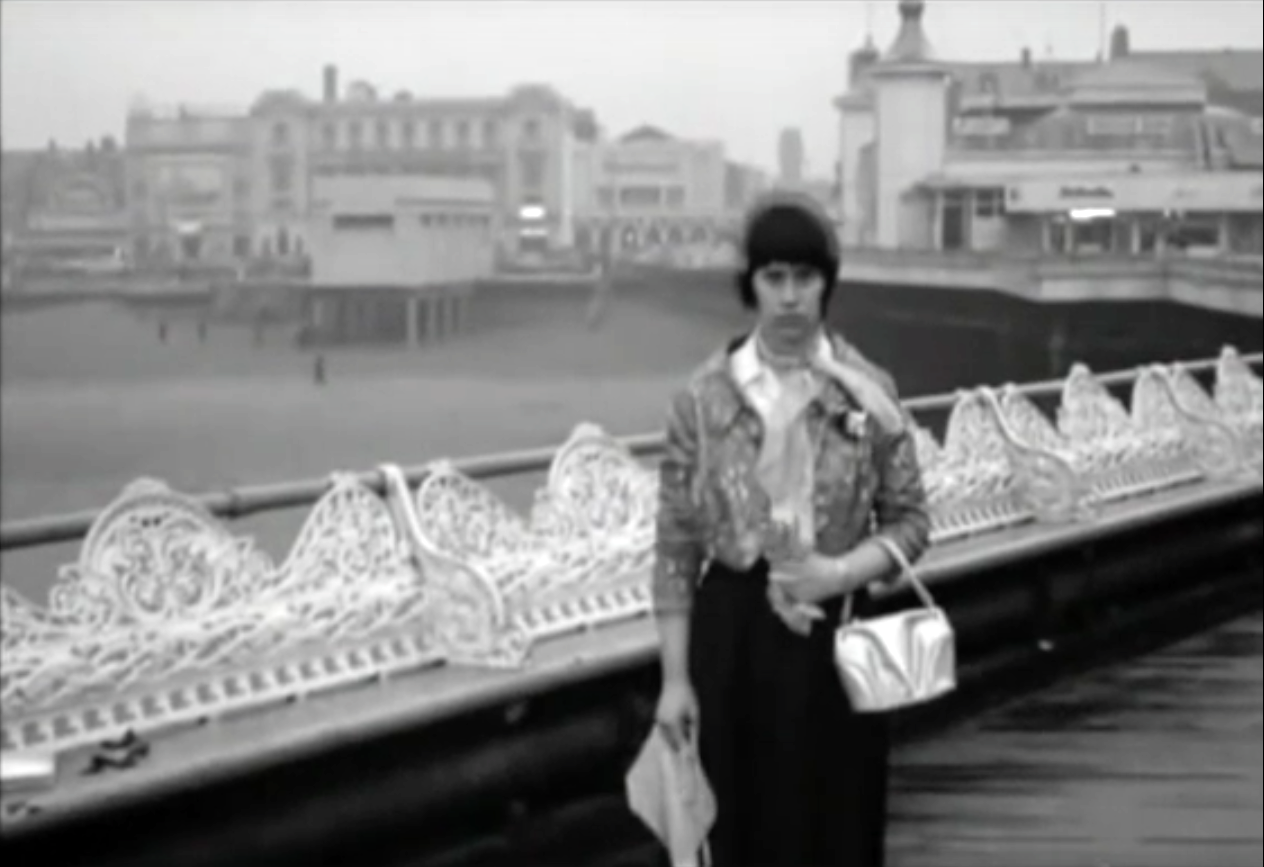
screen-shot-2017-02-03-at-20-35-56

So we the viewers are left with a cloudily clear, black and white world, a pervasive construct that the North and Manchester is eagerly beginning to casually shuffle off.

Where streets are no longer paved with Eccles Cakes and whippets are hip.

Identity through landscape and location can both define and constrain, but that landscape, its representation, and the identity that it produces are all mutually mutable.

Take some time to watch and rewatch the film, freeze frame where are we?

Who are you?

Semi Detached – Warrington

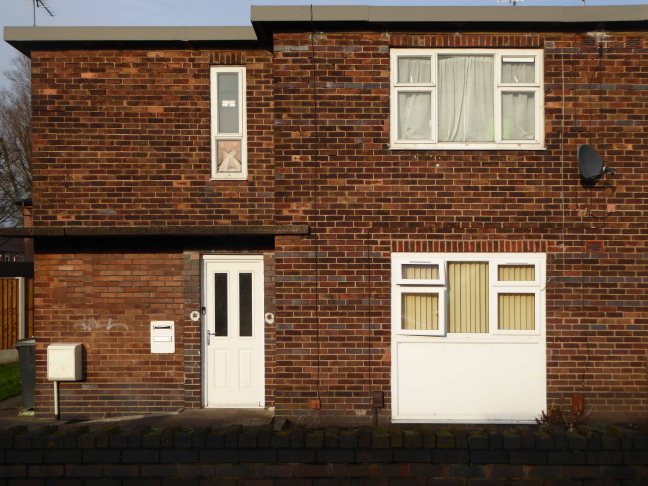
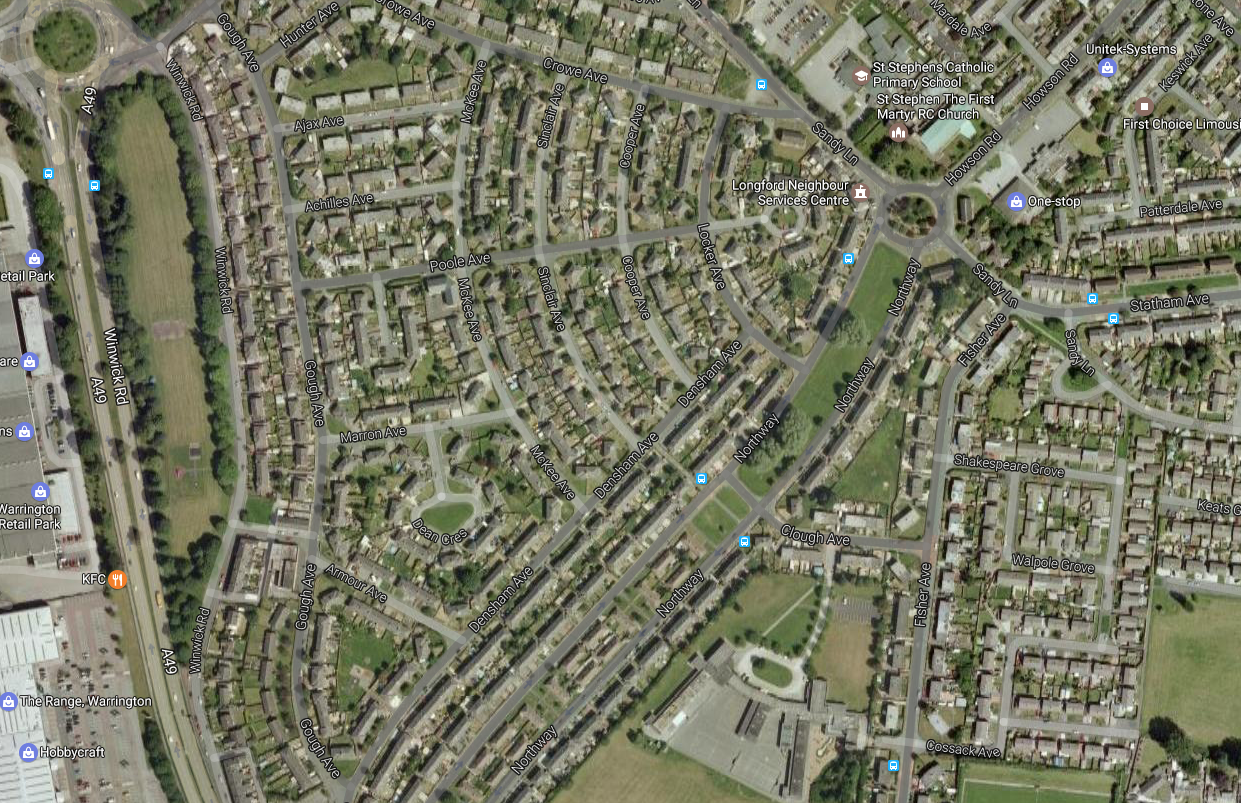
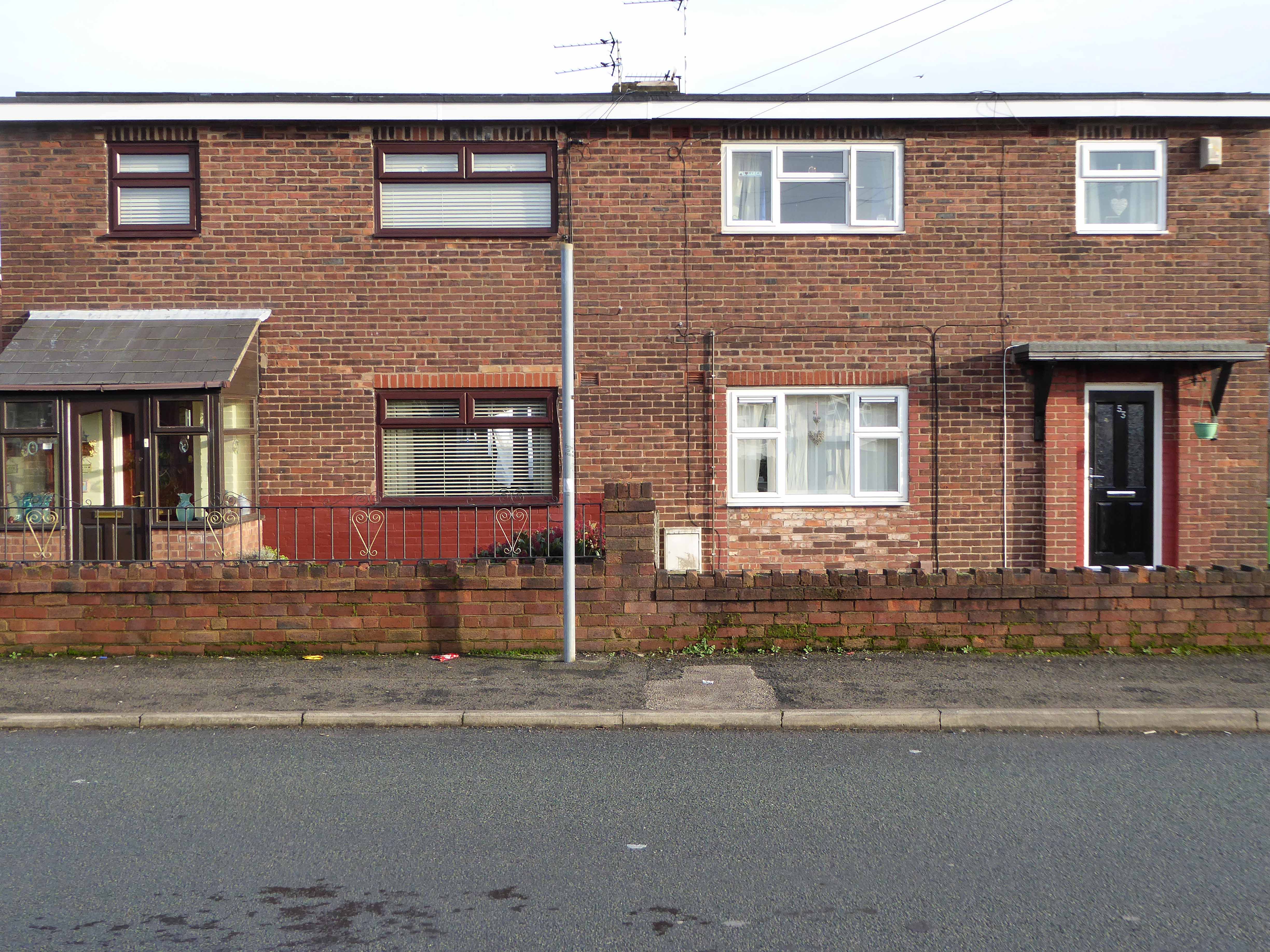
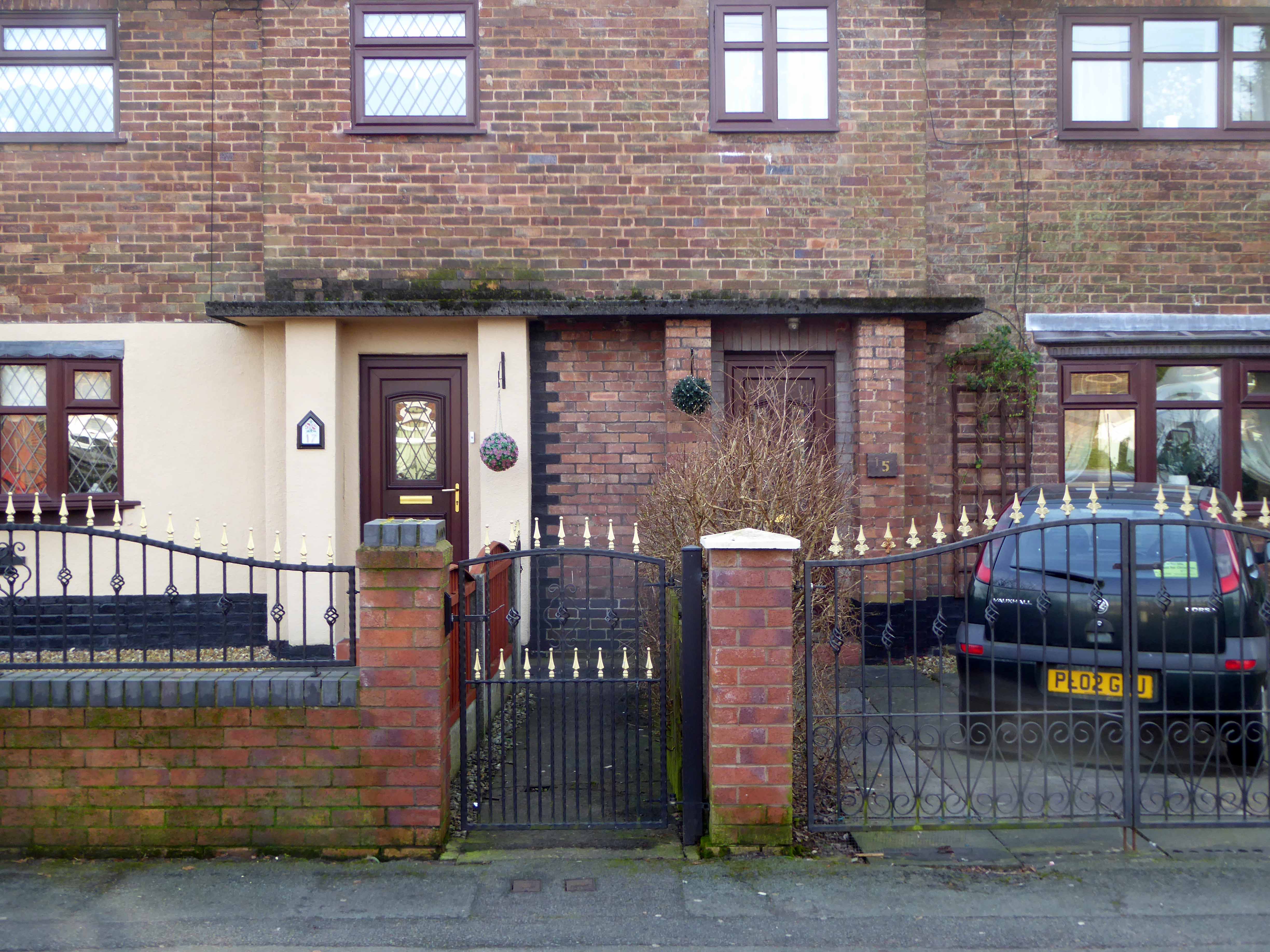
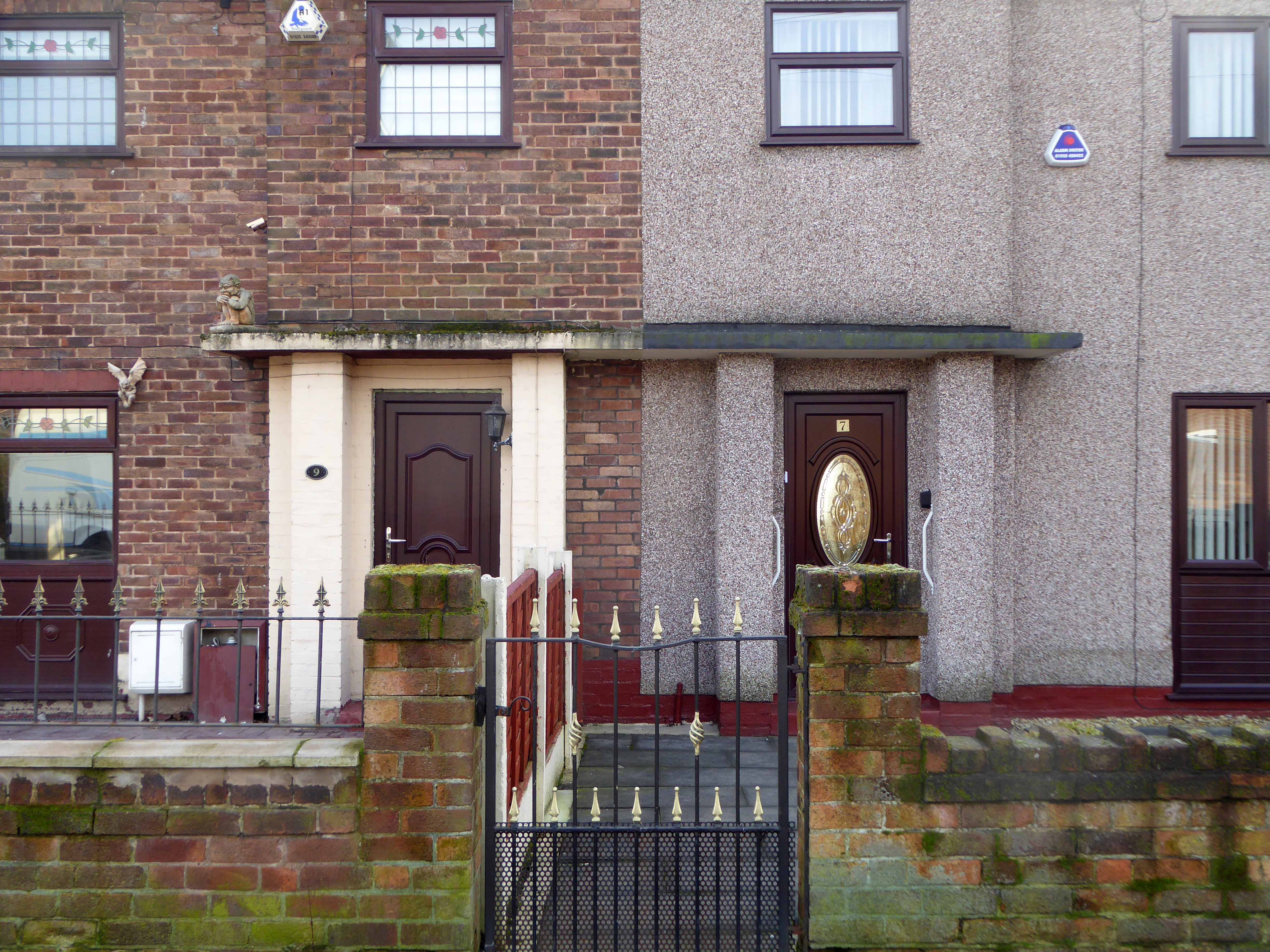
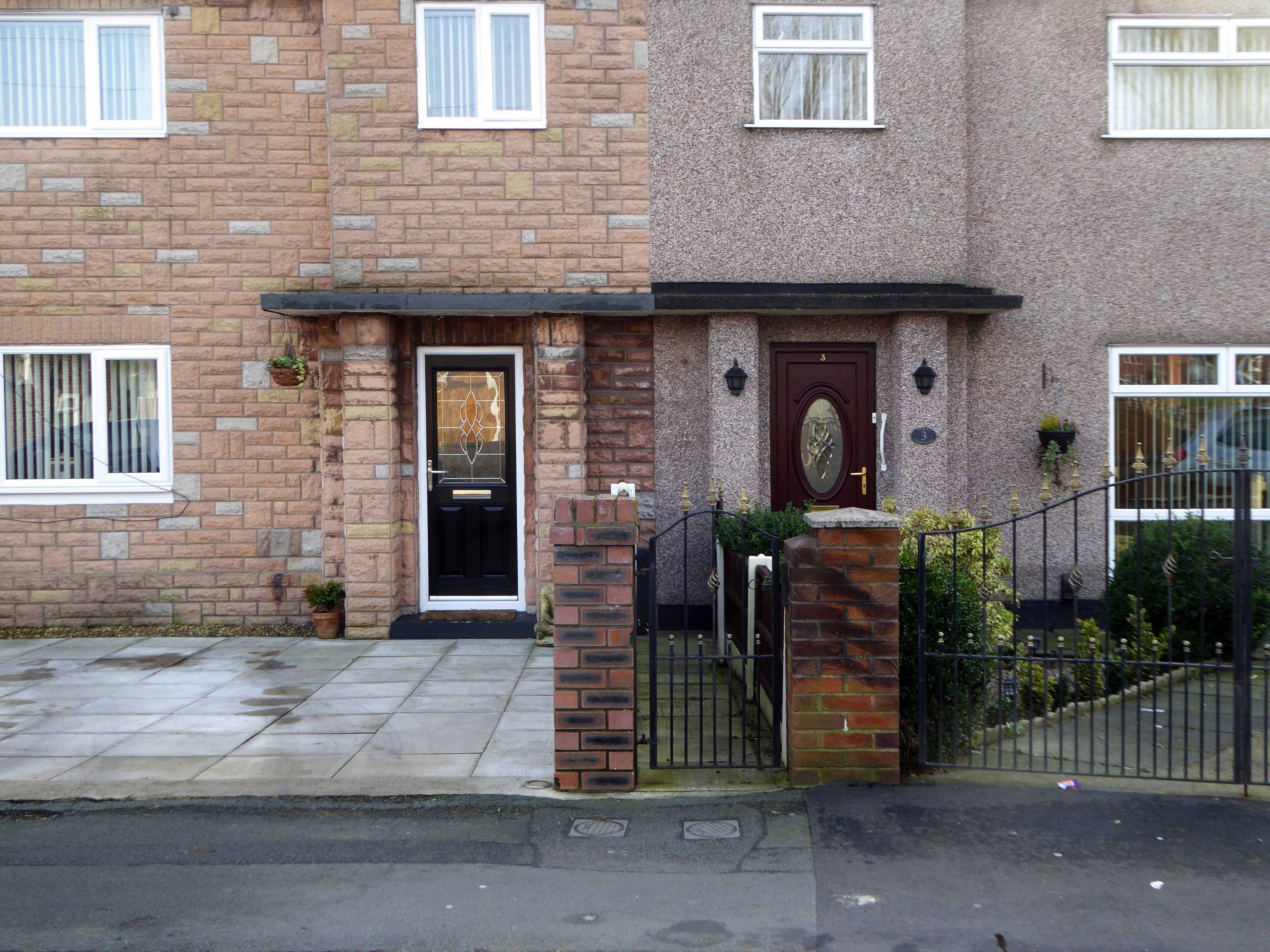
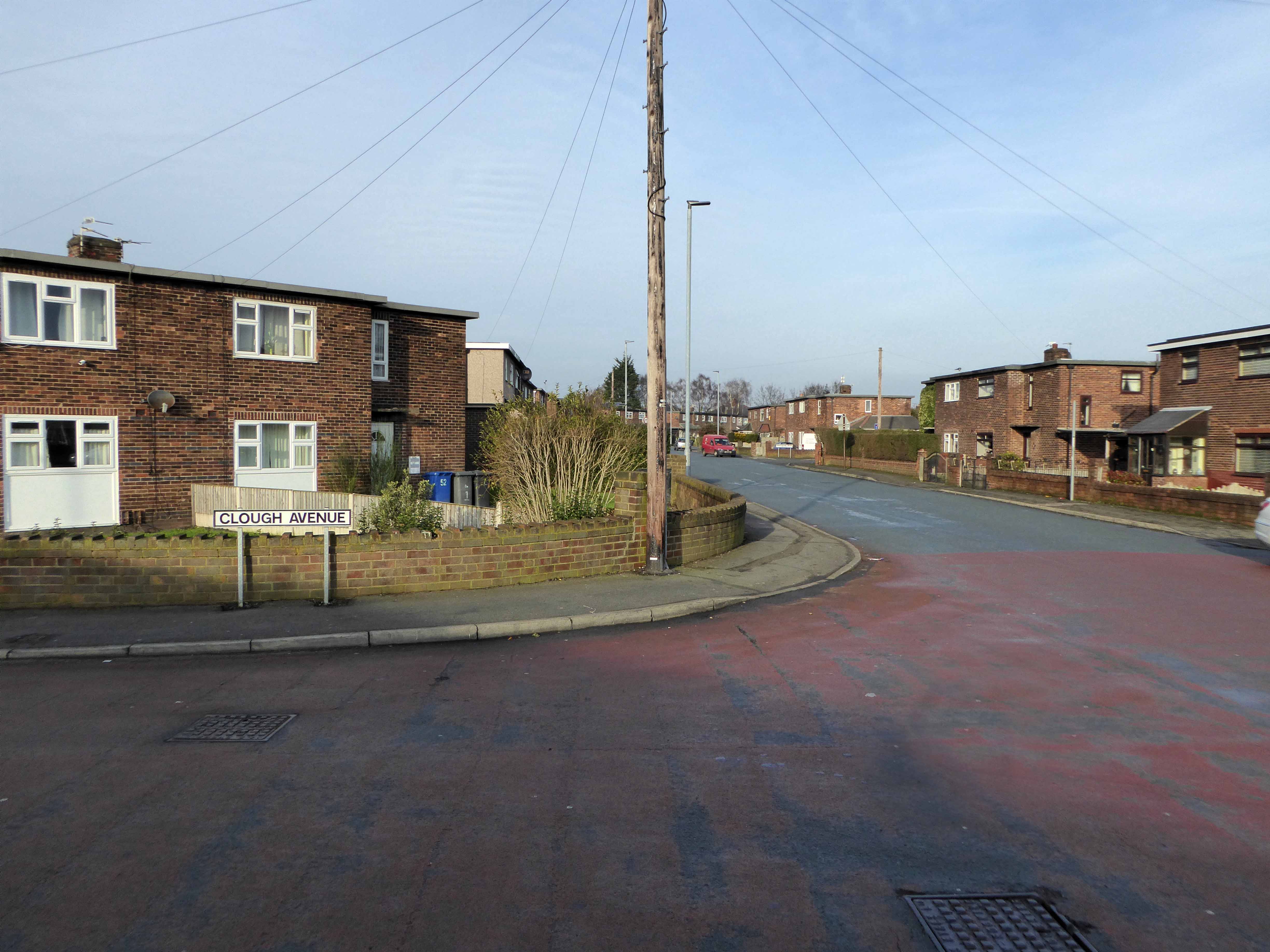
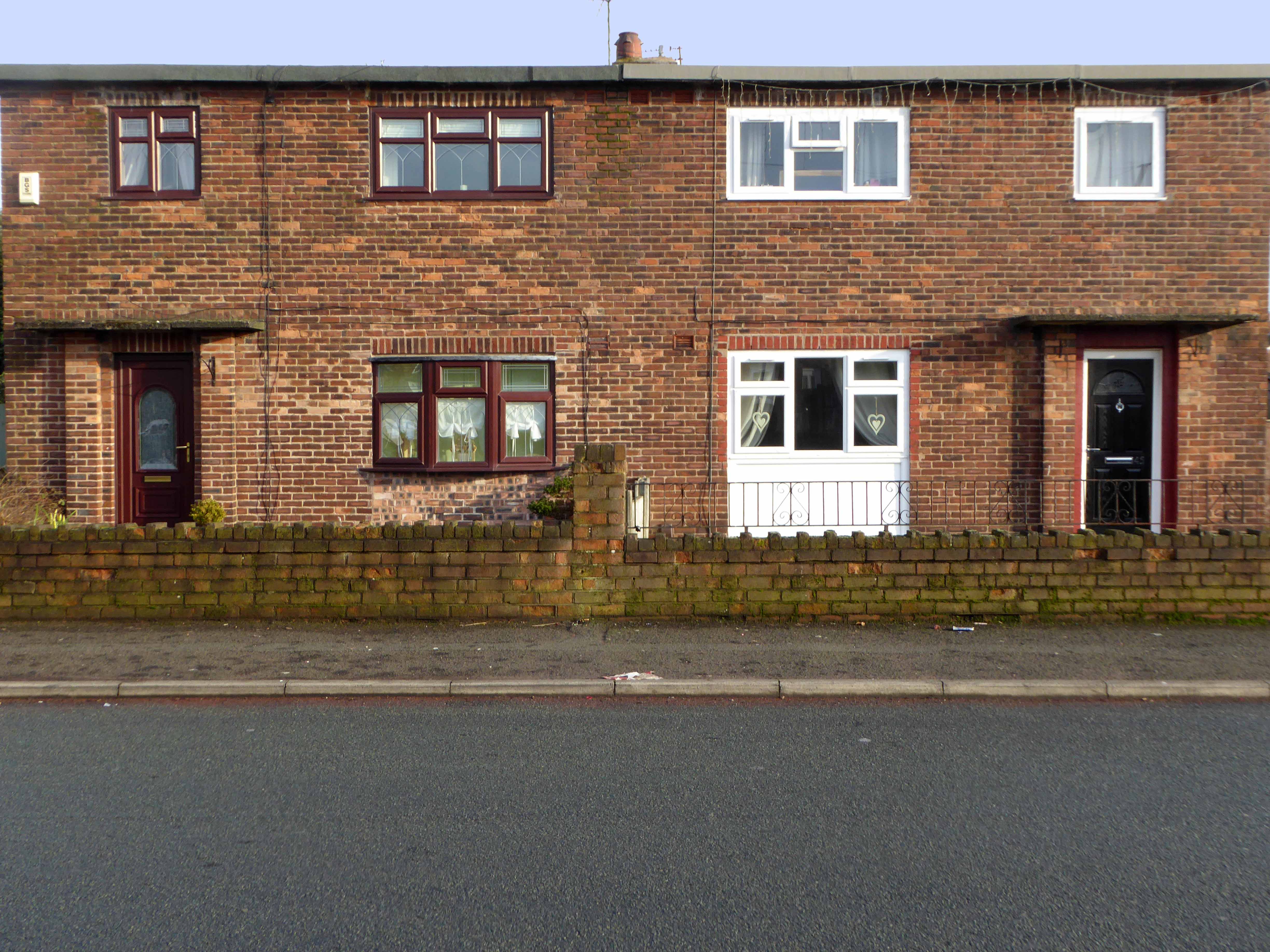
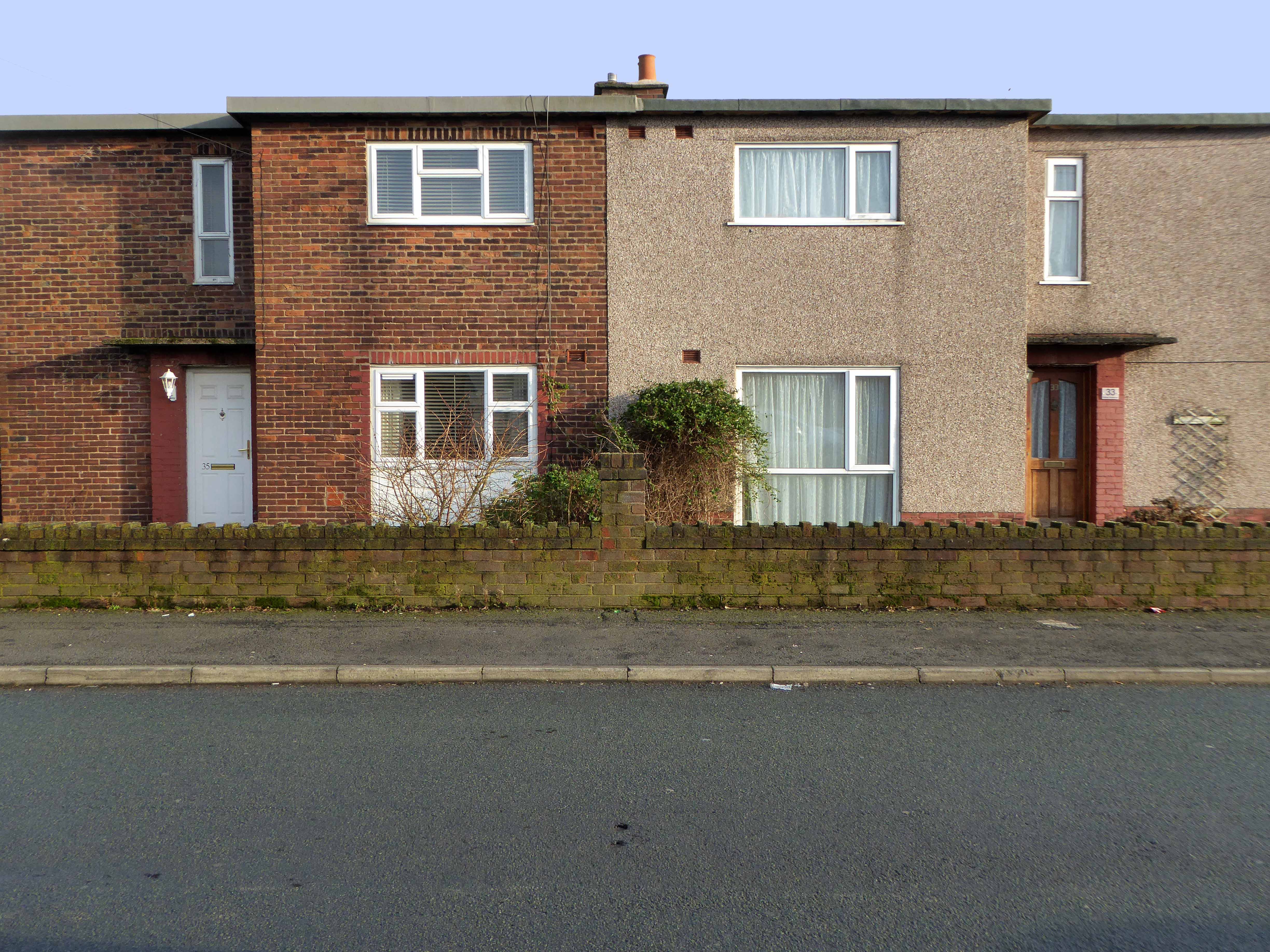
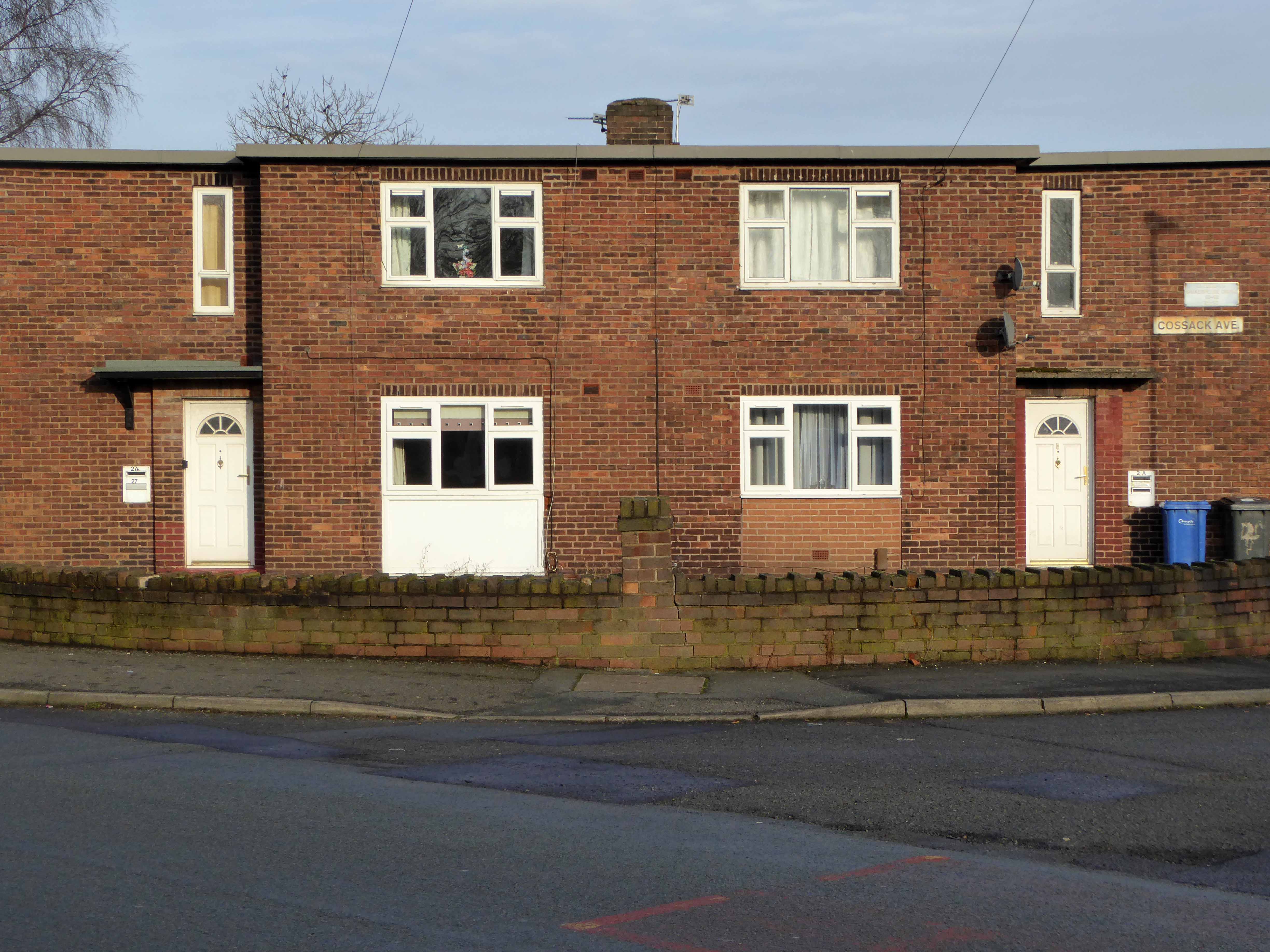
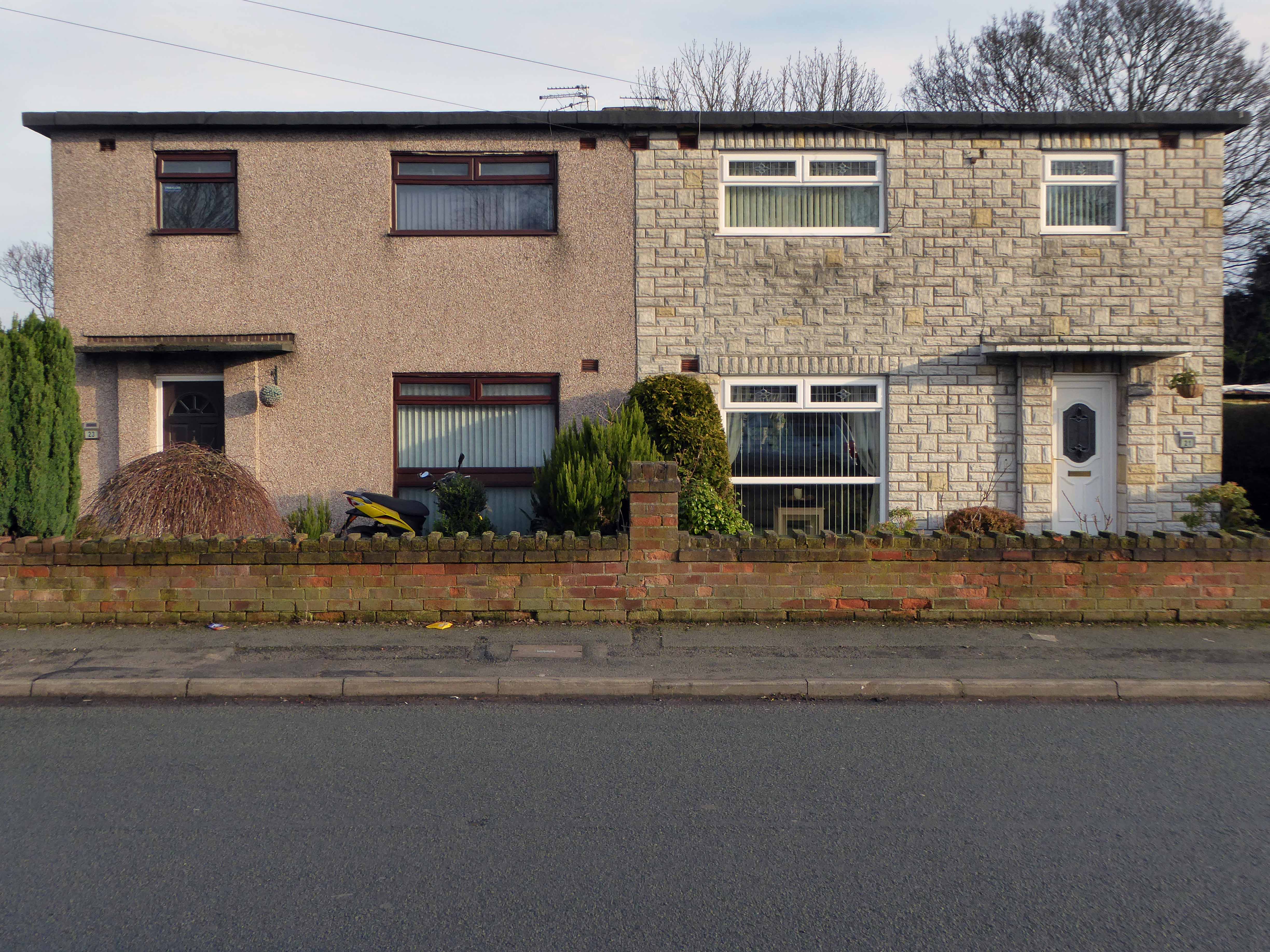
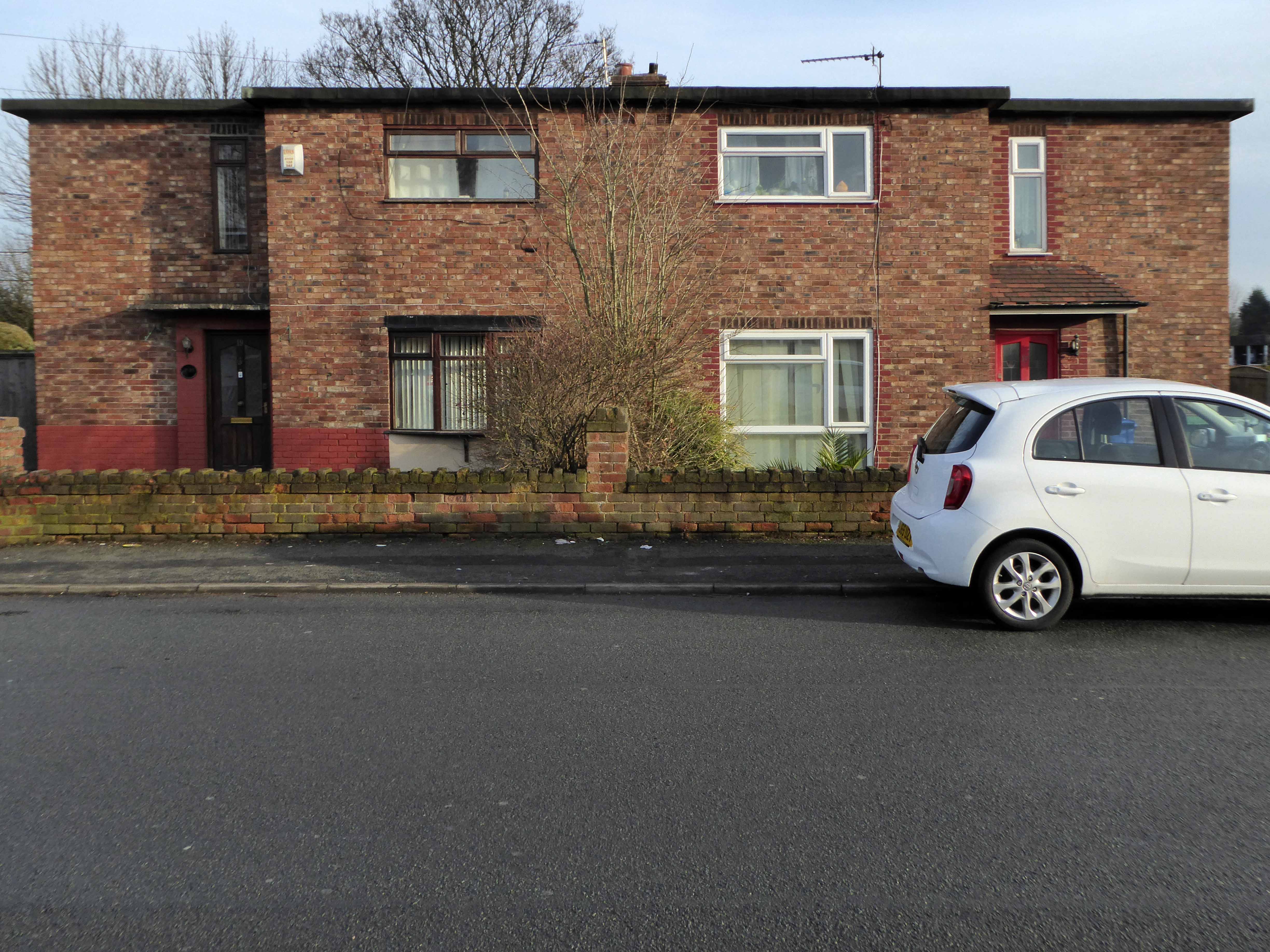
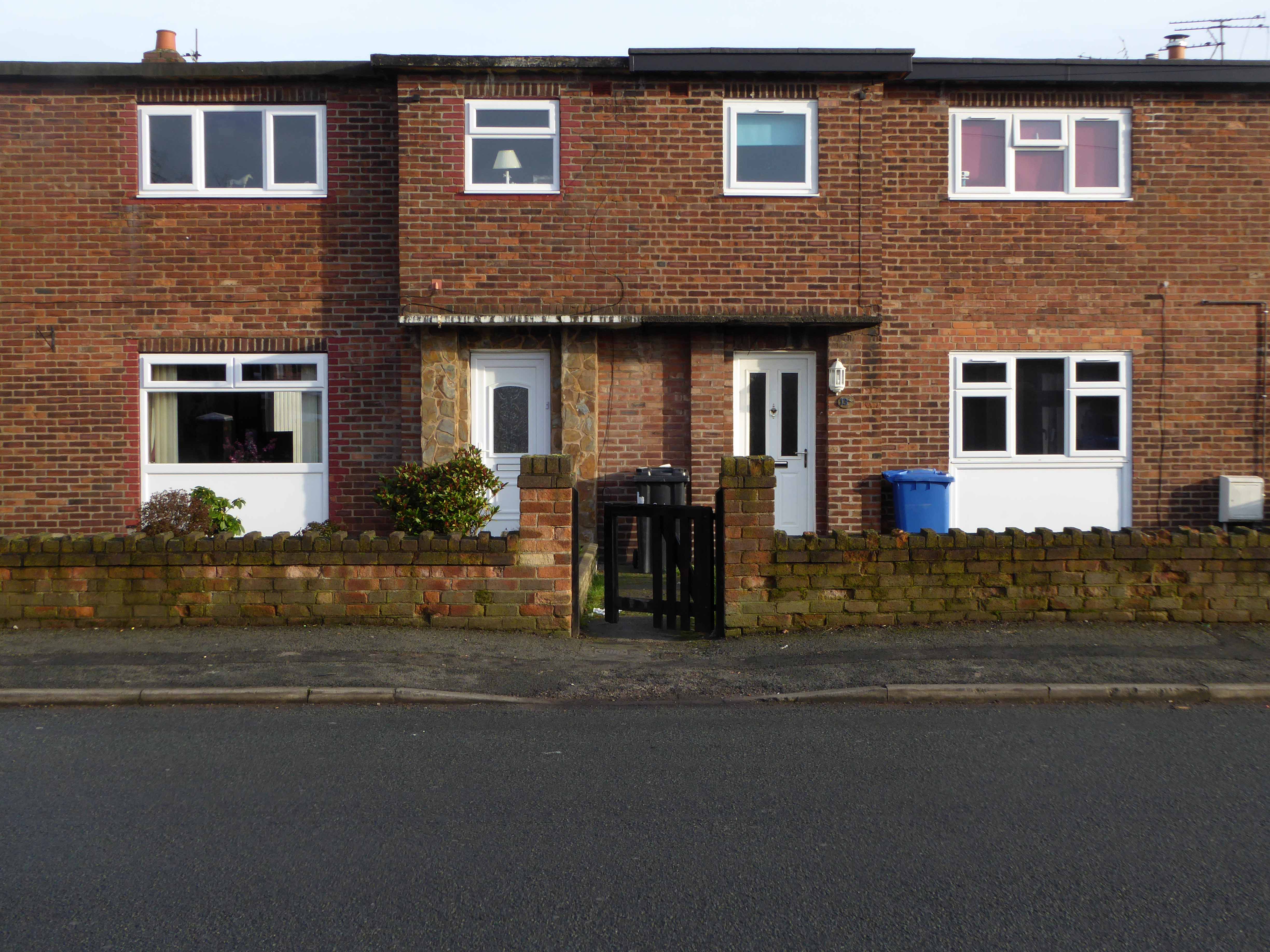
I was walking back from St Stephen’s Church recently, when I chanced upon a small group of two storey, flat roofed, semi detached social houses.

They were blessed with that post war functionalist brick and concrete chic.

Part of a larger development of homes in the Longford area of the town.

screen-shot-2017-01-31-at-15-33-18

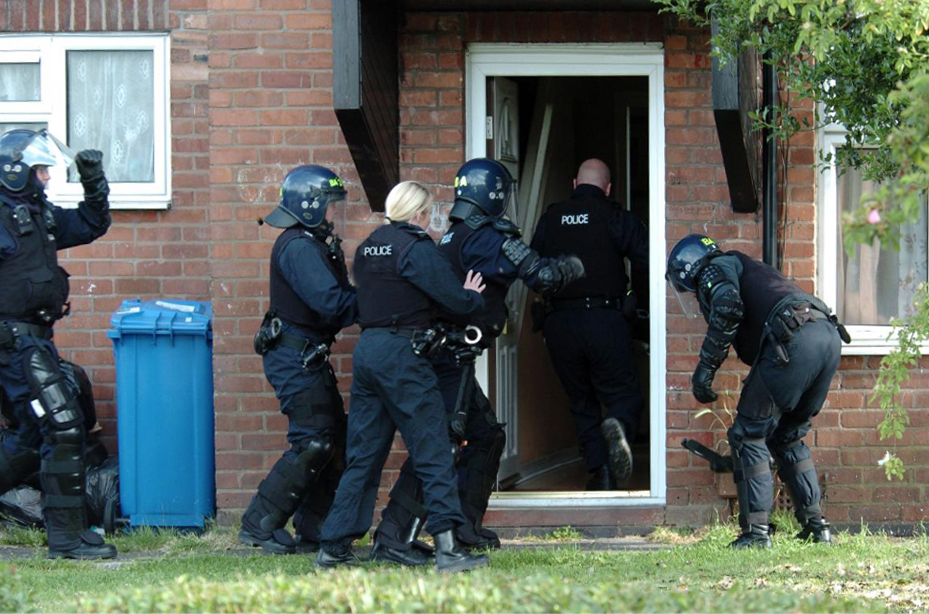
An area which is one of the most socially deprived in the country, with more than its fair share of problems, crack and weed would once have been pressing matters for the Borough Highways Department – these days they are more likely to attract the attention of the boys and girls in blue.

screen-shot-2017-01-31-at-17-17-47

And to cap it all the area is prone to frequent flooding.

longford-flooding

There are signs of hope as the housing association and council embark on a multi million pound refurbishment of the estate including:

Replacing fencing around bungalows.

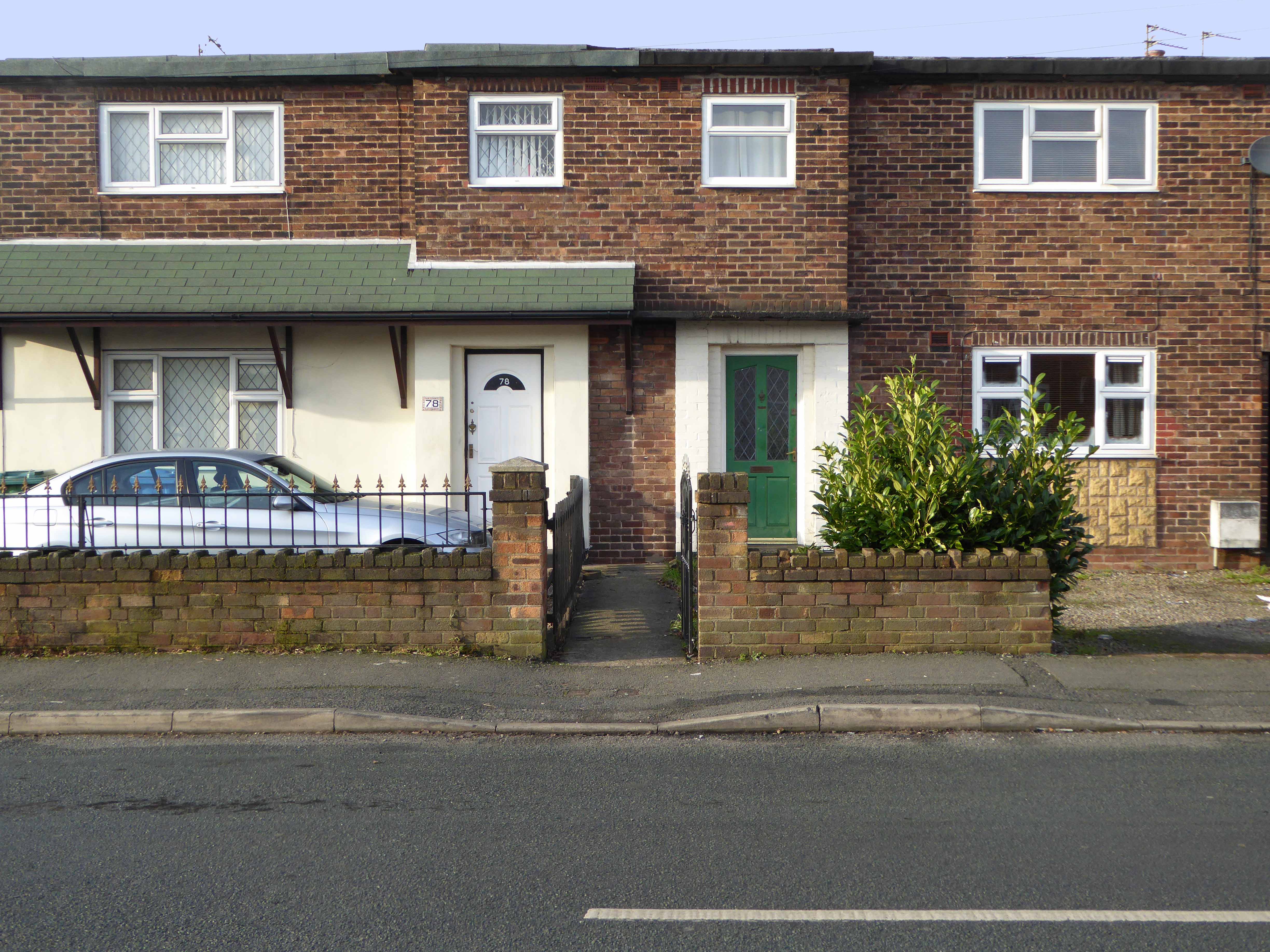
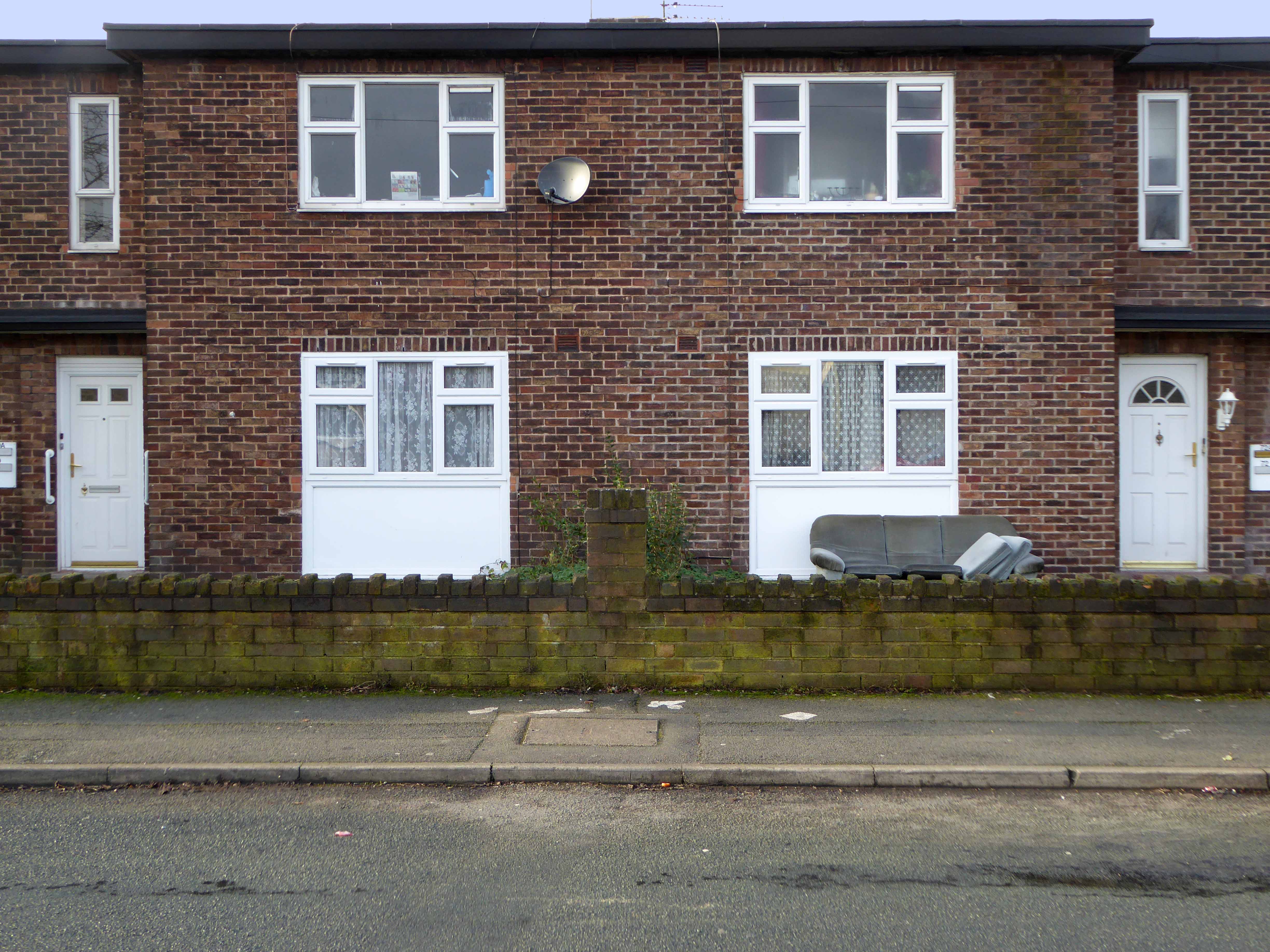
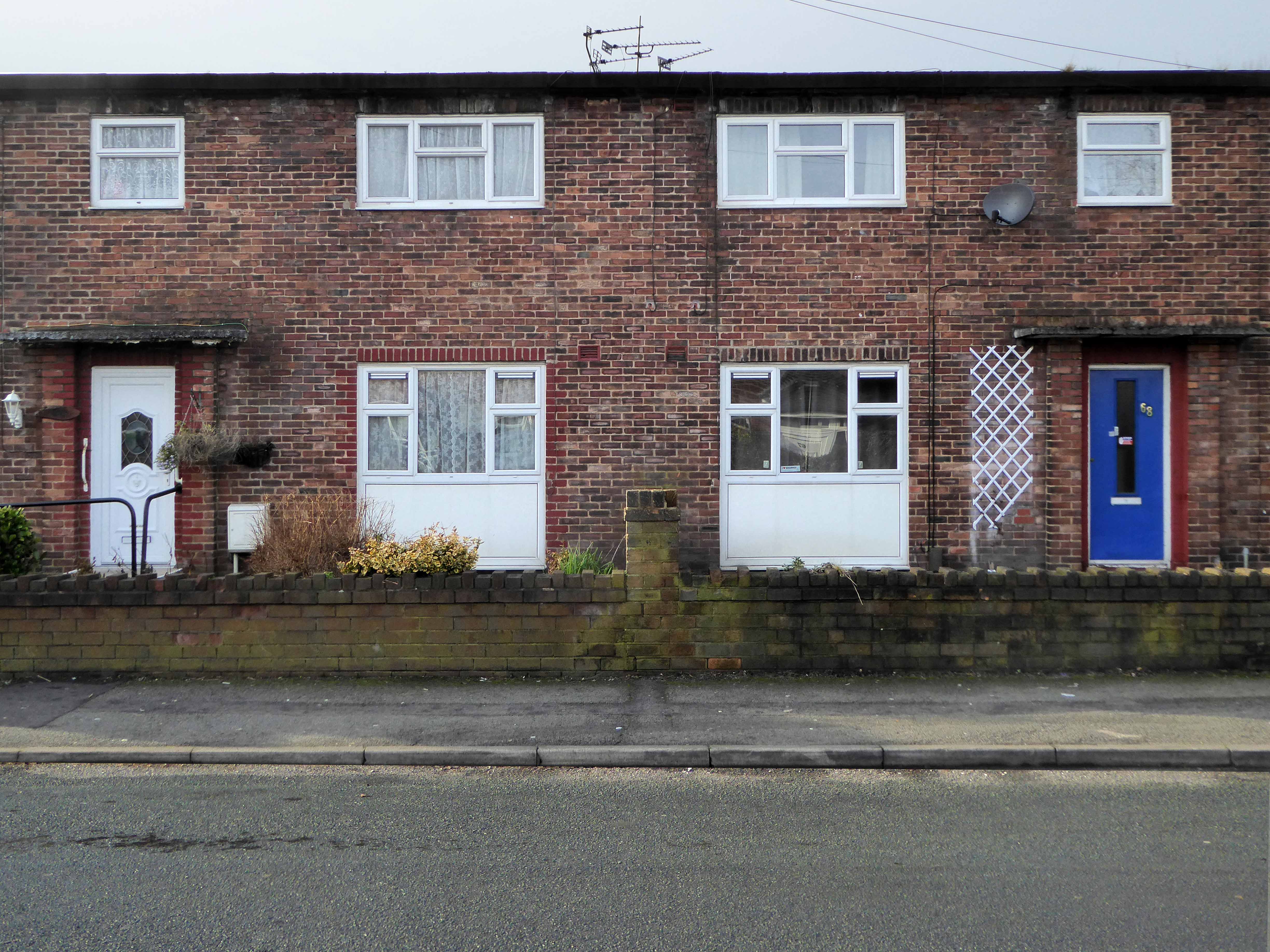
On the day of my visit the chill January streets seemed quiet and ordered, and I was enchanted by the mismatched pairs of semis that I encountered.

p1130204

p1130205

p1130206

p1130207

p1130208

p1130209

p1130210

p1130212

p1130213

p1130214

p1130215

p1130216

p1130218

p1130219

p1130220


Transporter Bridge – Warrington

I set out one morning with a clear intent, to travel.

To travel to see the Warrington Transporter Bridge – of which I had only just become aware. Ignorance in this instance is not bliss, expectation and fulfilment is.

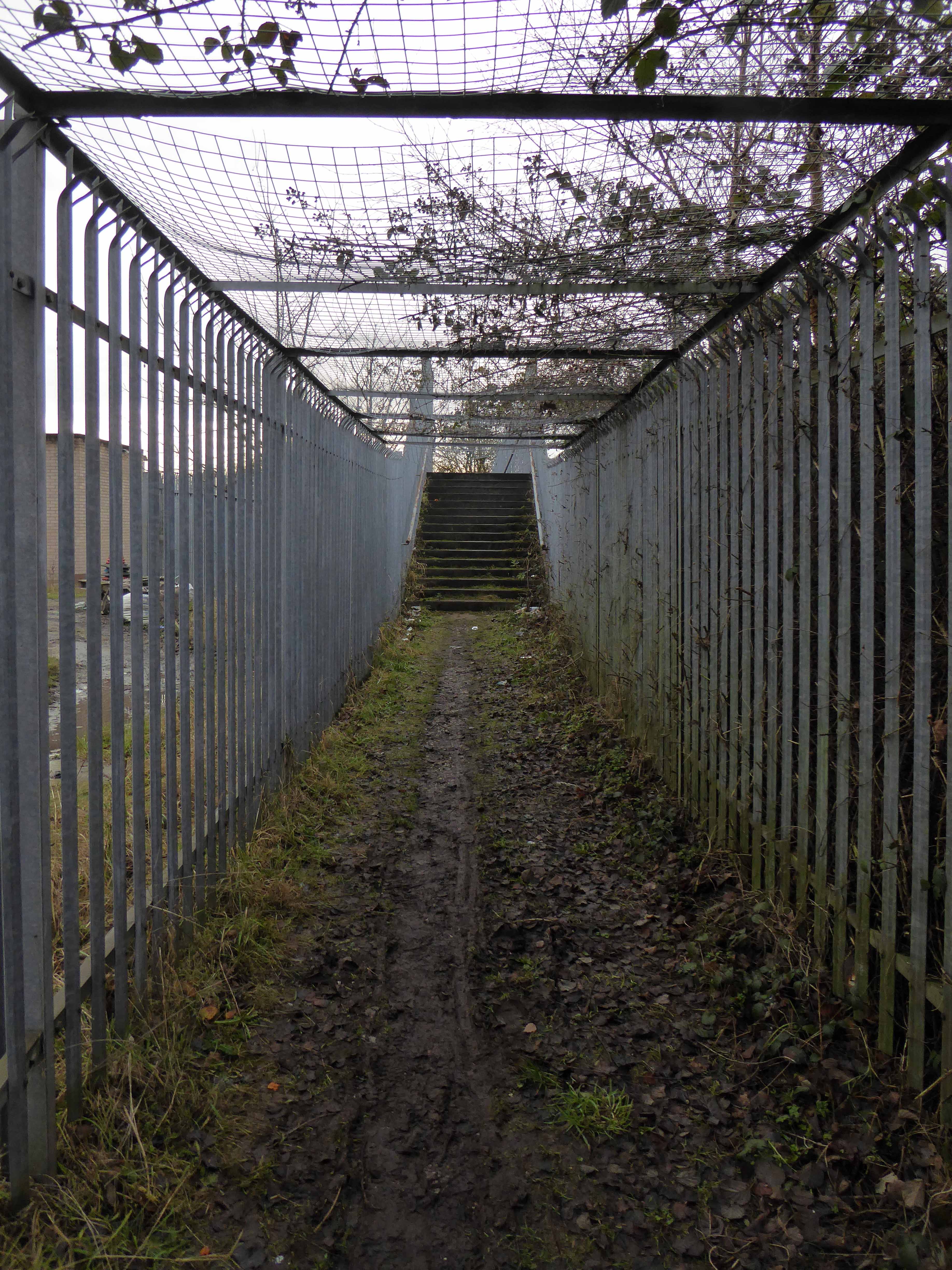
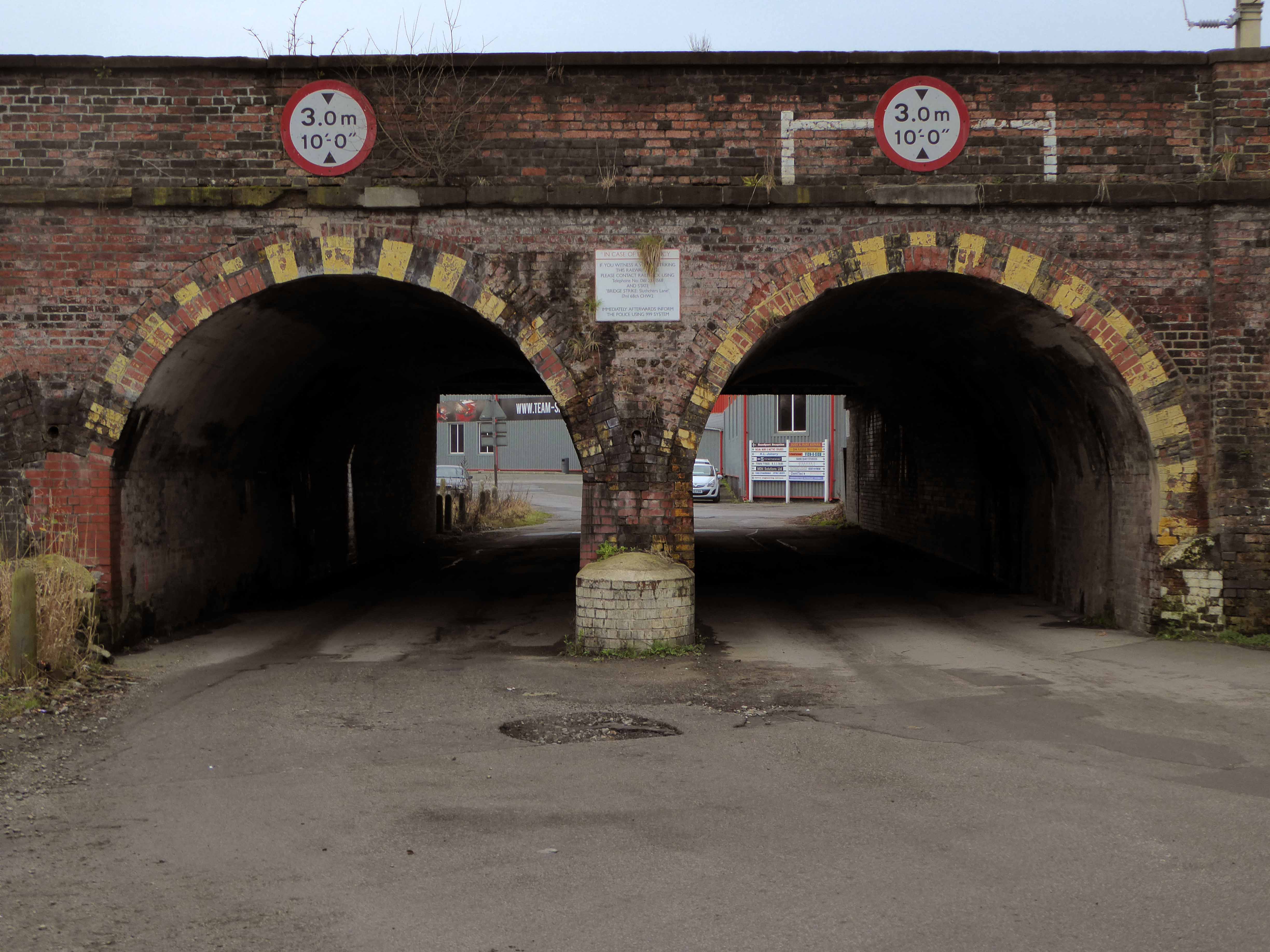
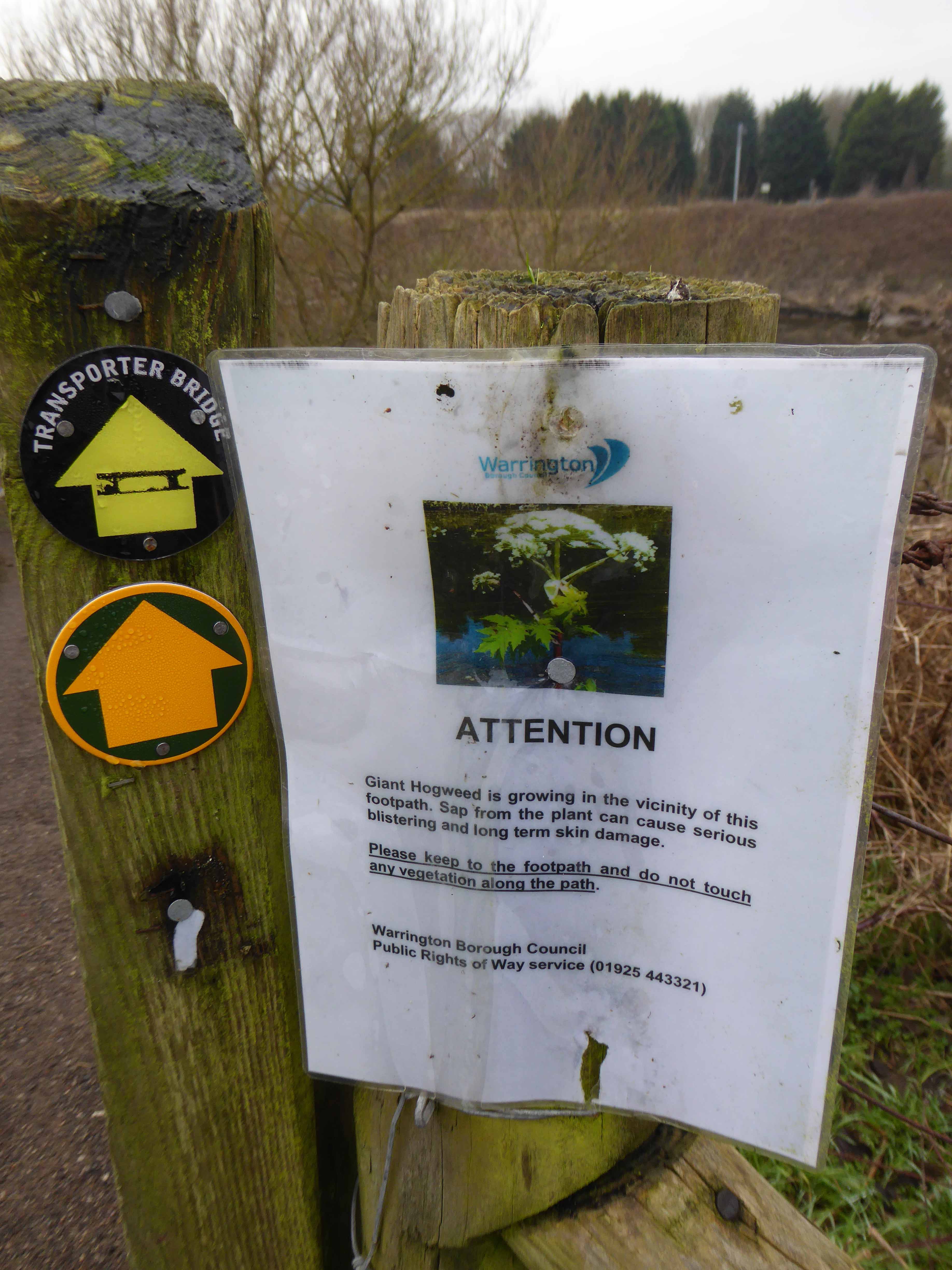
Guided by the detailed instructions on the Transporter Bridge Website I made my way from Bank Quay Station, mildly imperilled yet not impeded by caged walkways, tunnels, bridges, muddy paths and Giant Hogweed!

p1130109

p1130111

p1130164

p1130122

p1130127

Finally catching a glimpse of:

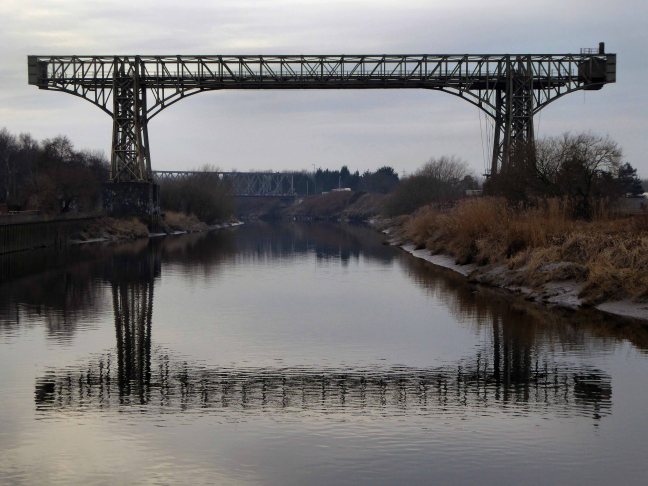
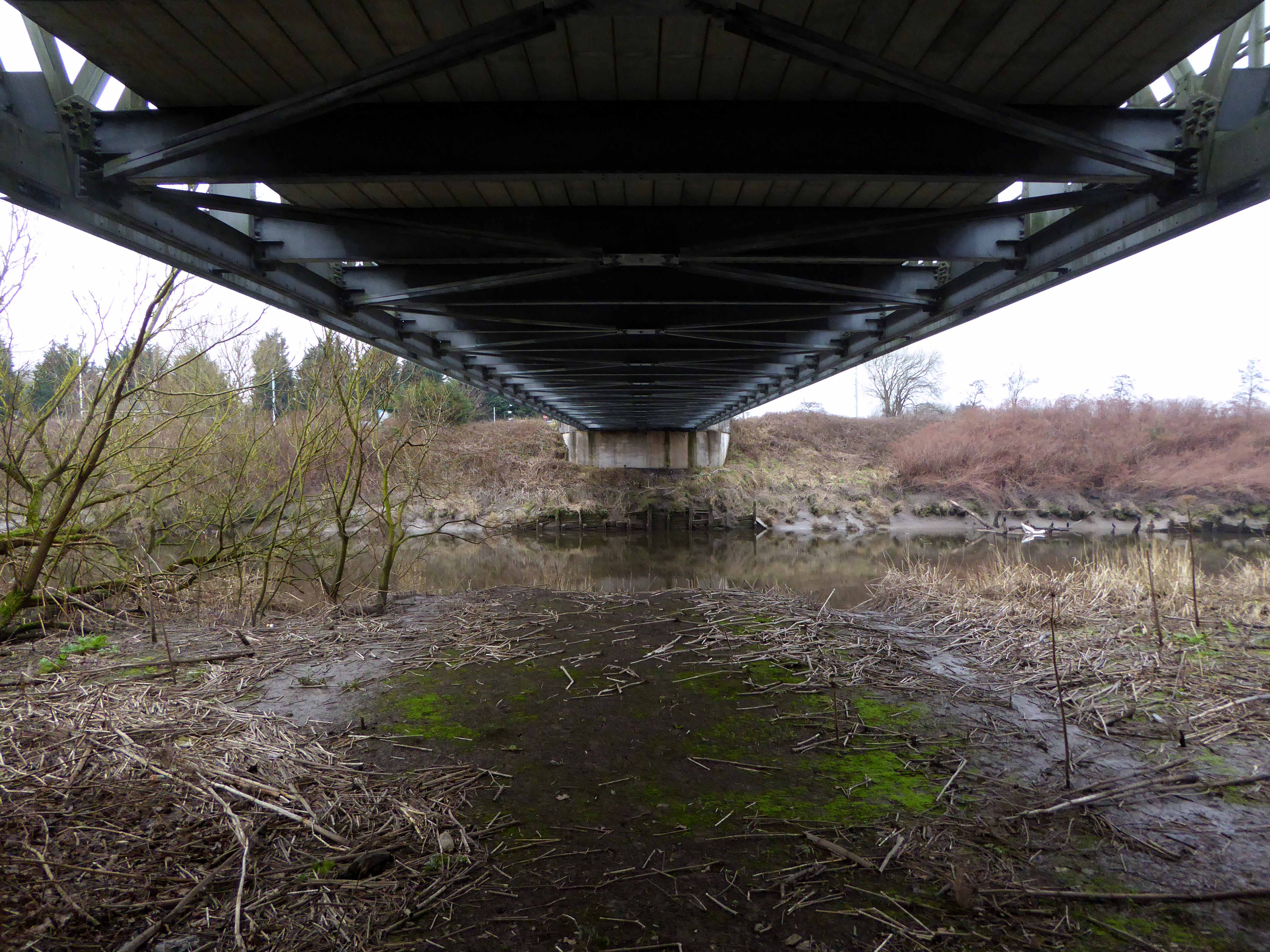
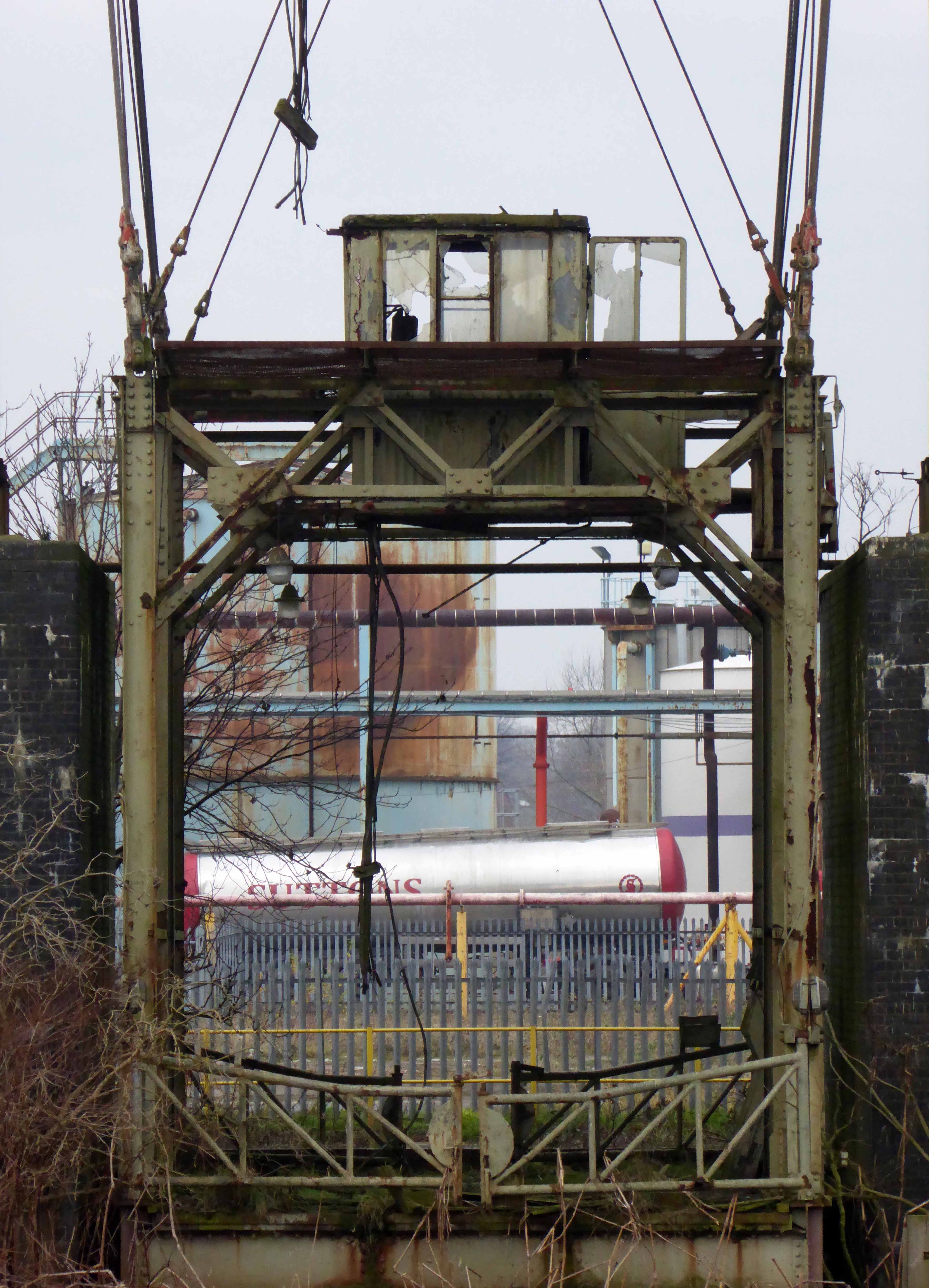
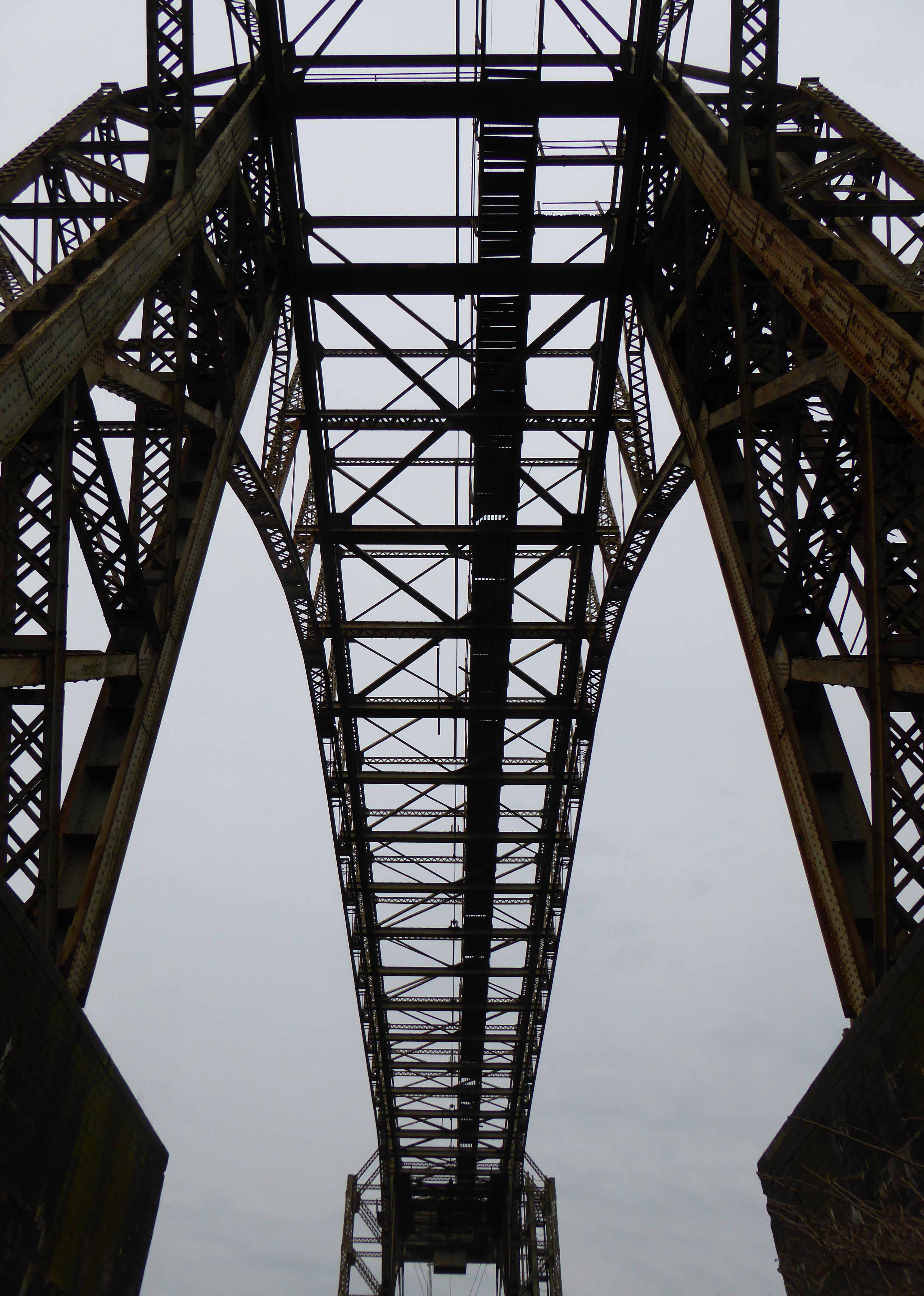
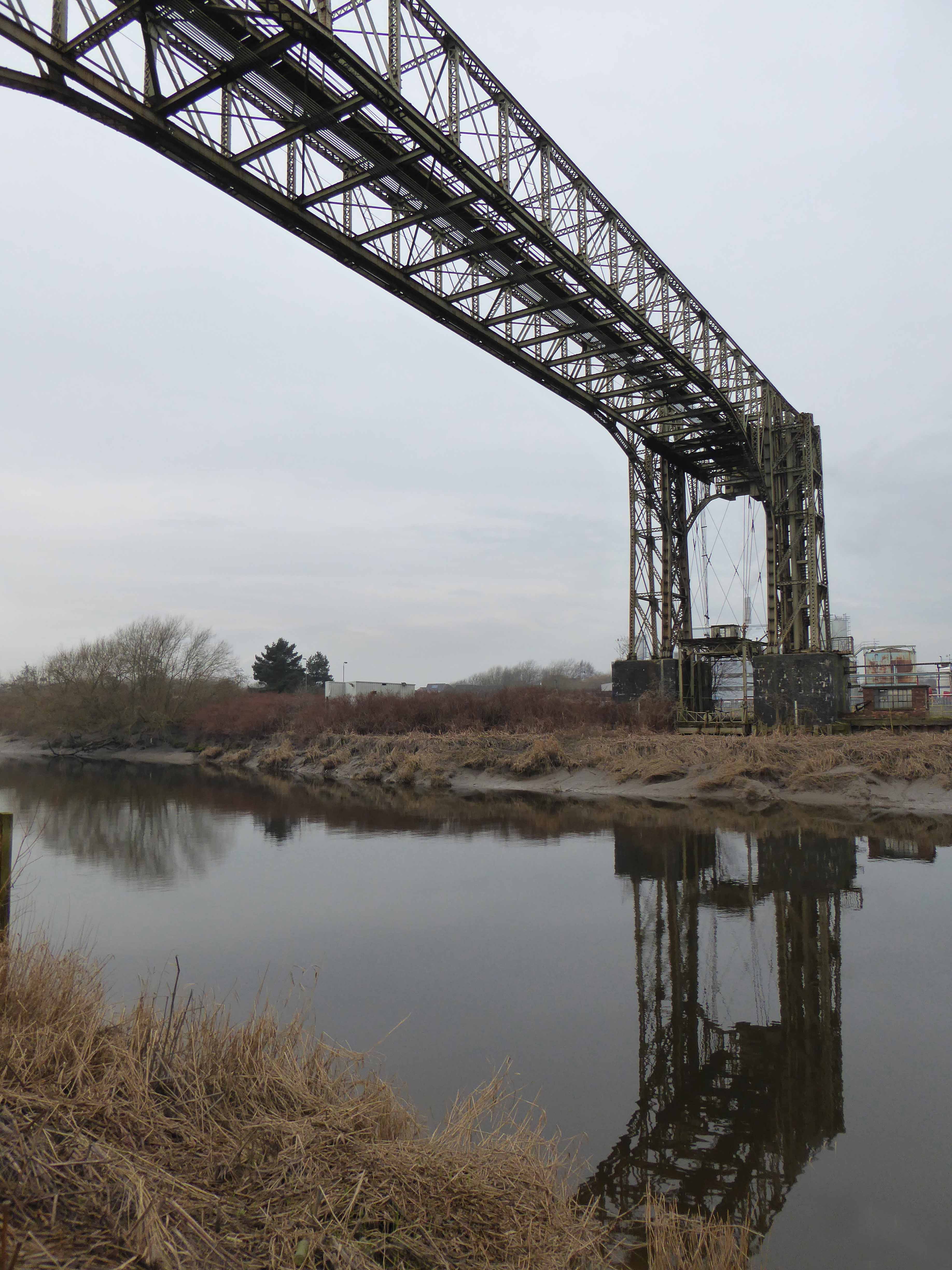
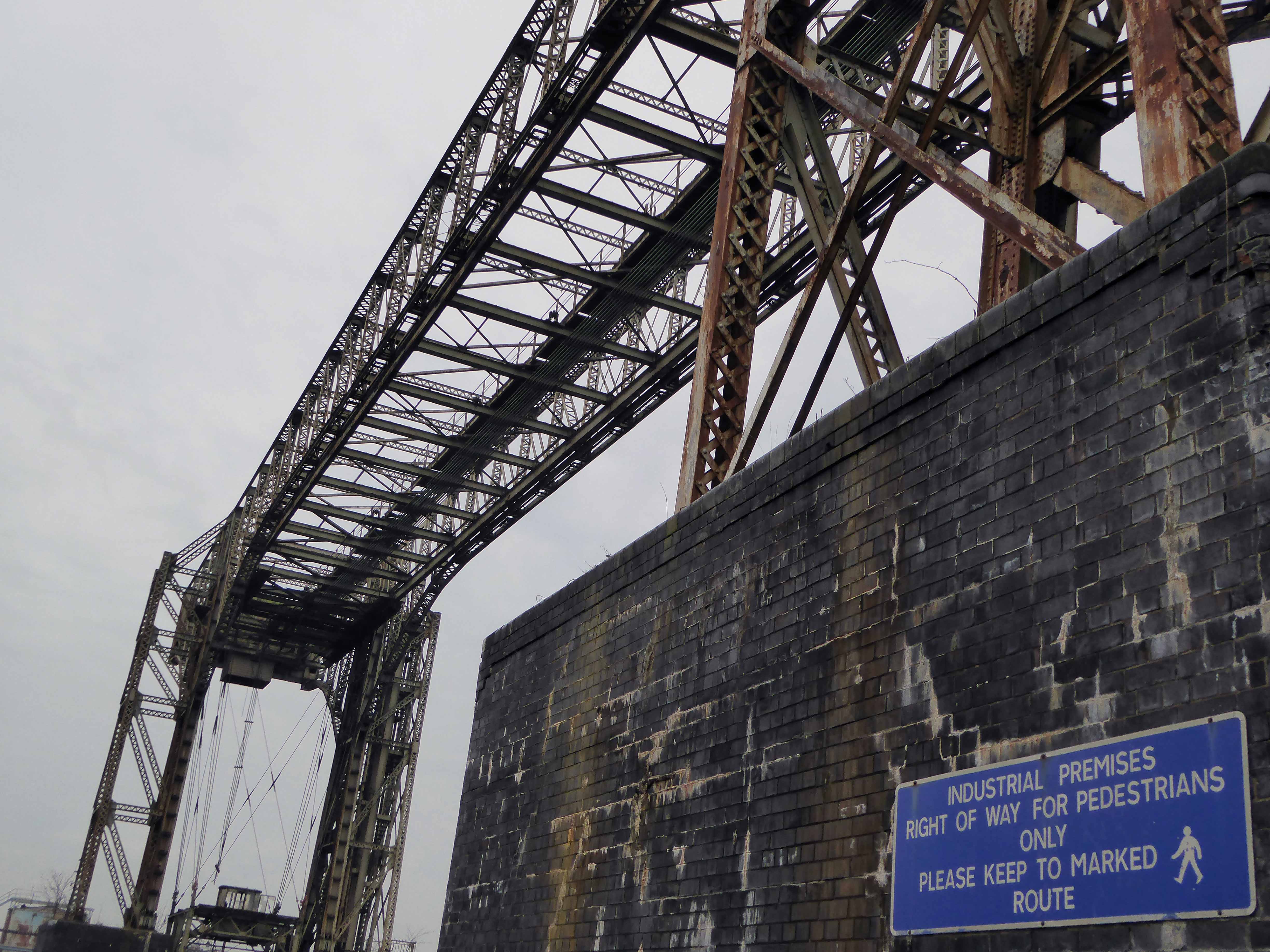
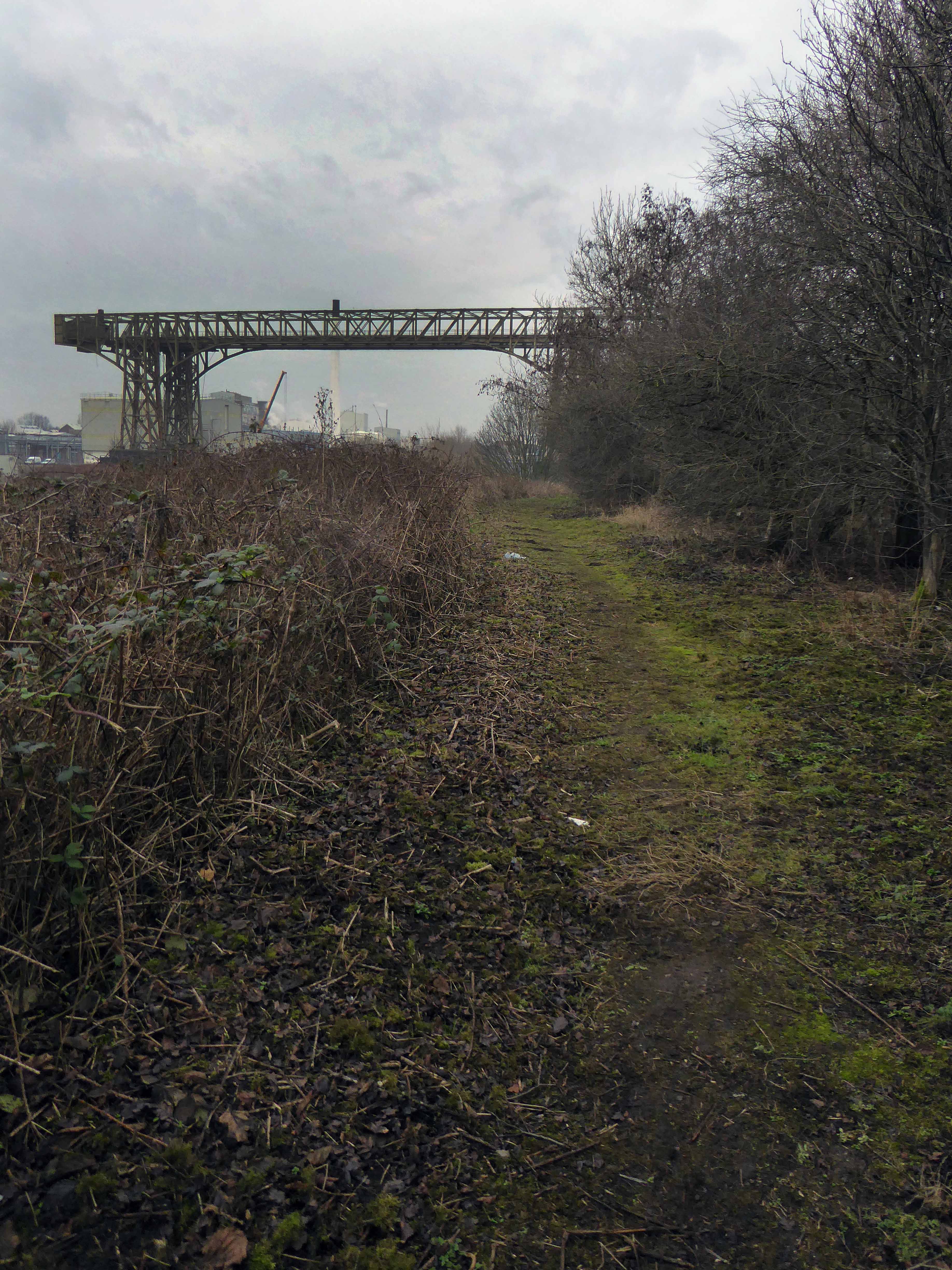
Warrington Transporter Bridge, also known as Bank Quay Transporter Bridge or Crosfield’s Transporter Bridge, across the River Mersey is a structural steel transporter bridge with a span of 200 feet. It is 30 feet wide, and 76 feet above high water level, with an overall length of 339 feet. It was built in 1915 and, although it has been out of use since about 1964, it is still standing. It was designed by William Henry Hunter and built by William Arrol and Co.

bridge_in_use_1951

The bridge in use 1951.

It is till standing today, and was built to despatch finished product from the cement plant that had been built on the peninsula. It was originally used to carry rail vehicles up to 18 tons in weight, and was converted for road vehicles in 1940. In 1953 it was modified to carry loads of up to 30 tons.

The bridge is designated by English Heritage as a Grade II* listed building, and because of its poor condition it is on their Heritage at Risk Register. The bridge is protected as a Scheduled Ancient Monument.

My thanks to the Friends of the Warrington Transporter Bridge for the historical information and archive image.

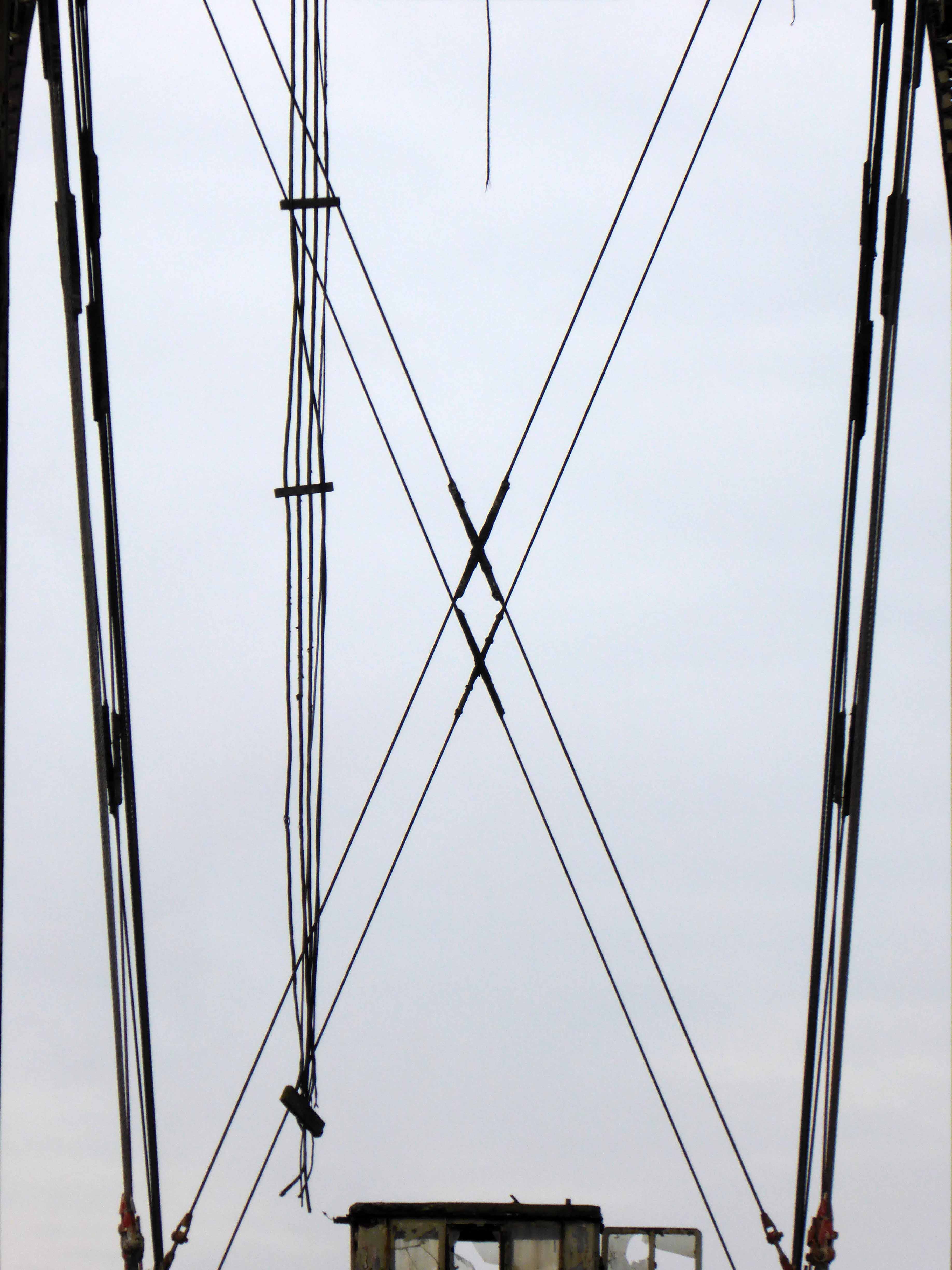
Here are my photographs expectations more than fully fulfilled an epic structure and a triumph of engineering, go take a look real soon.

p1130129

p1130133

p1130134

p1130135

p1130136

p1130144

p1130145

p1130148

p1130149

p1130158

p1130166

Rochdale – Seven Sisters Flats

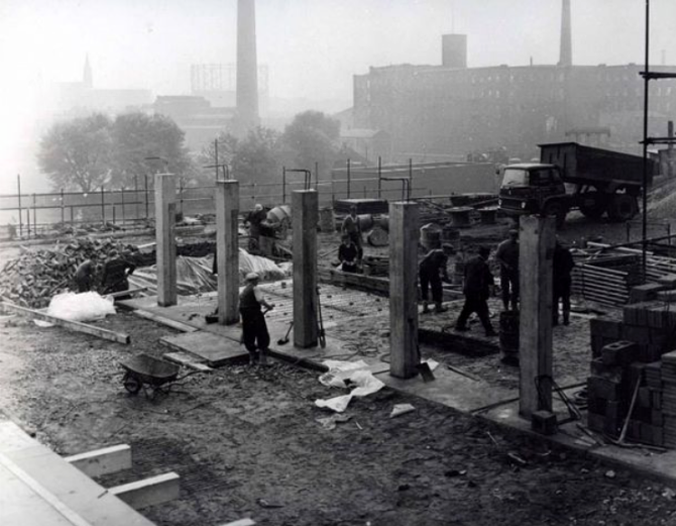
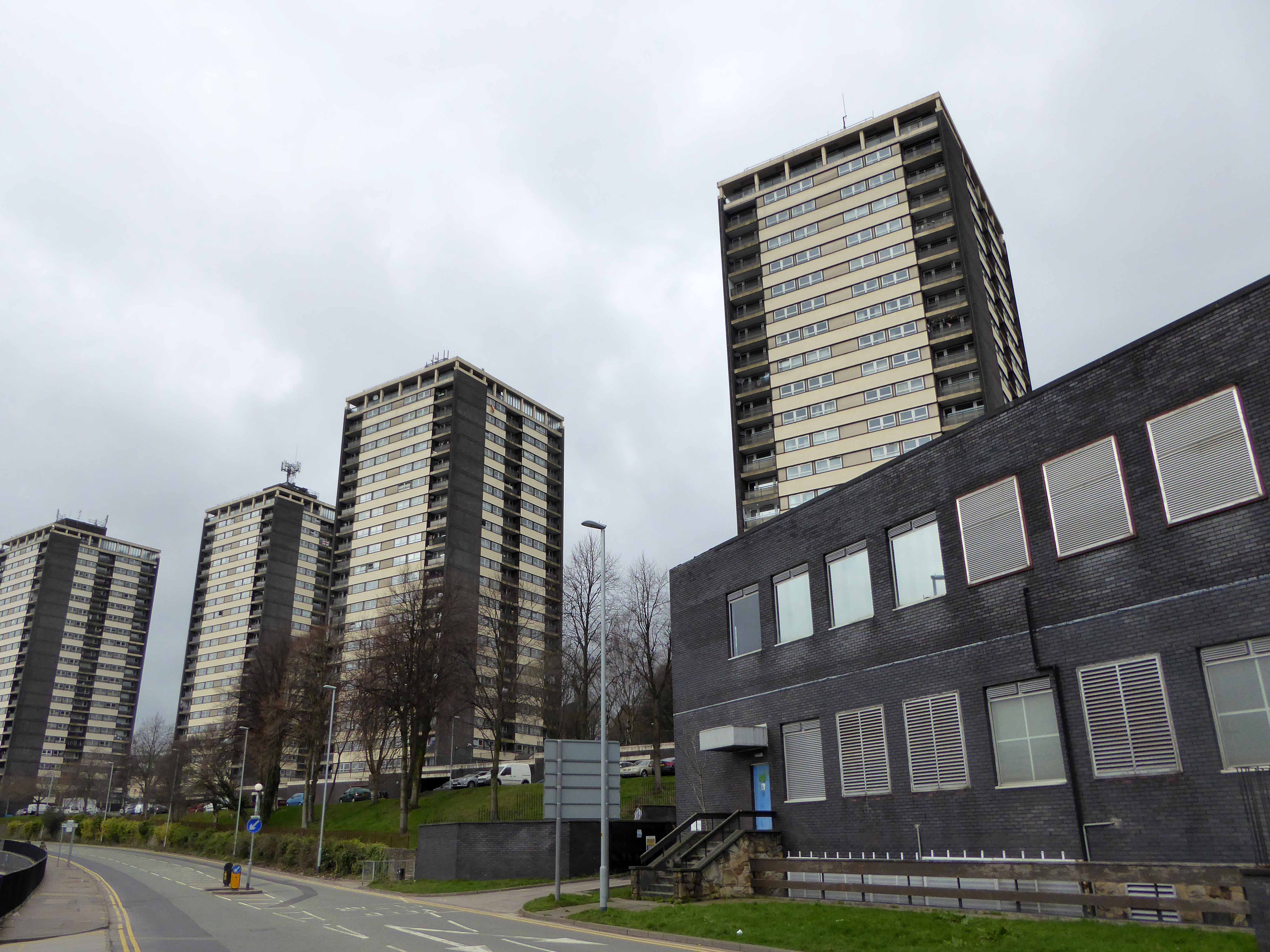
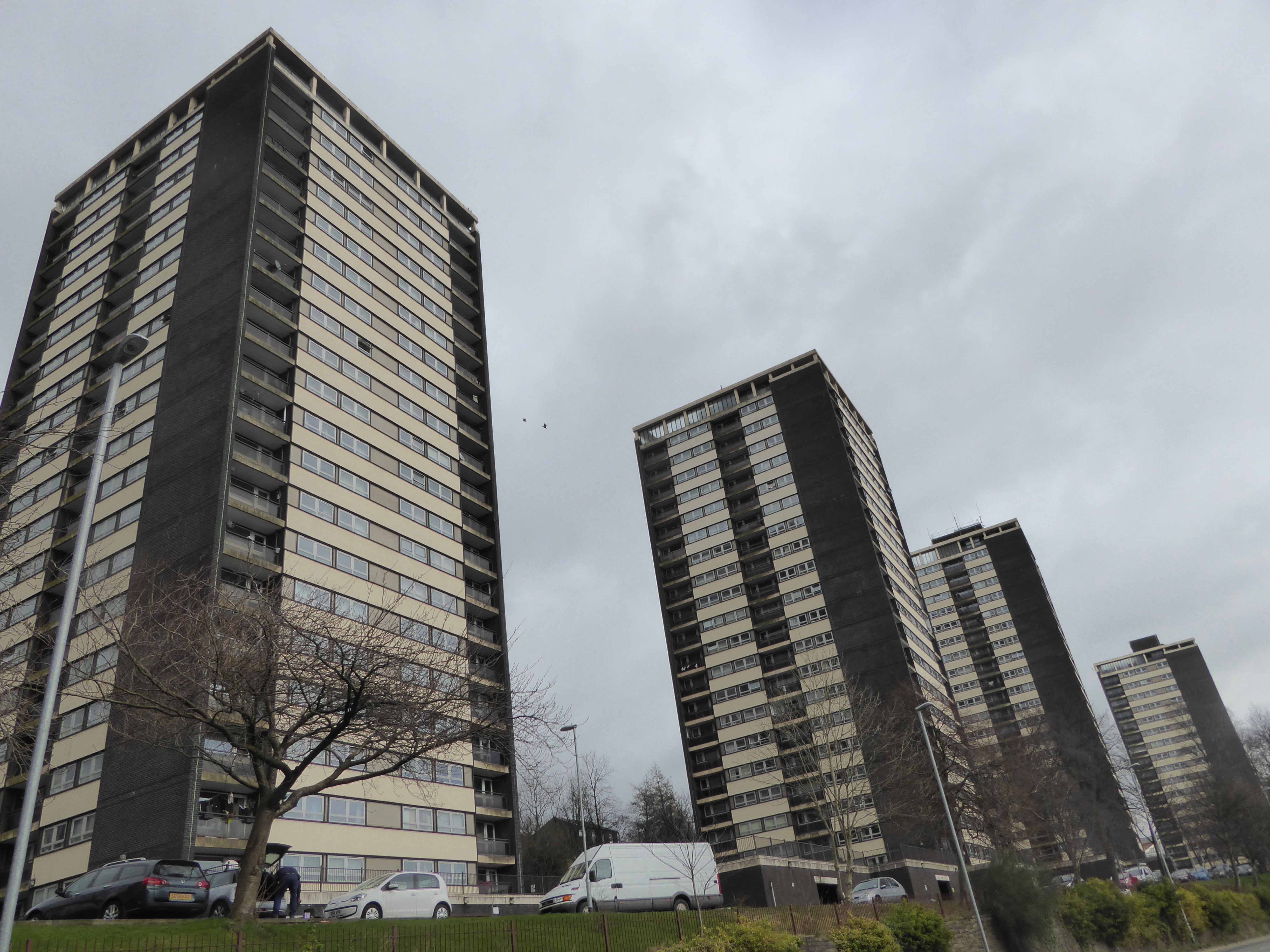
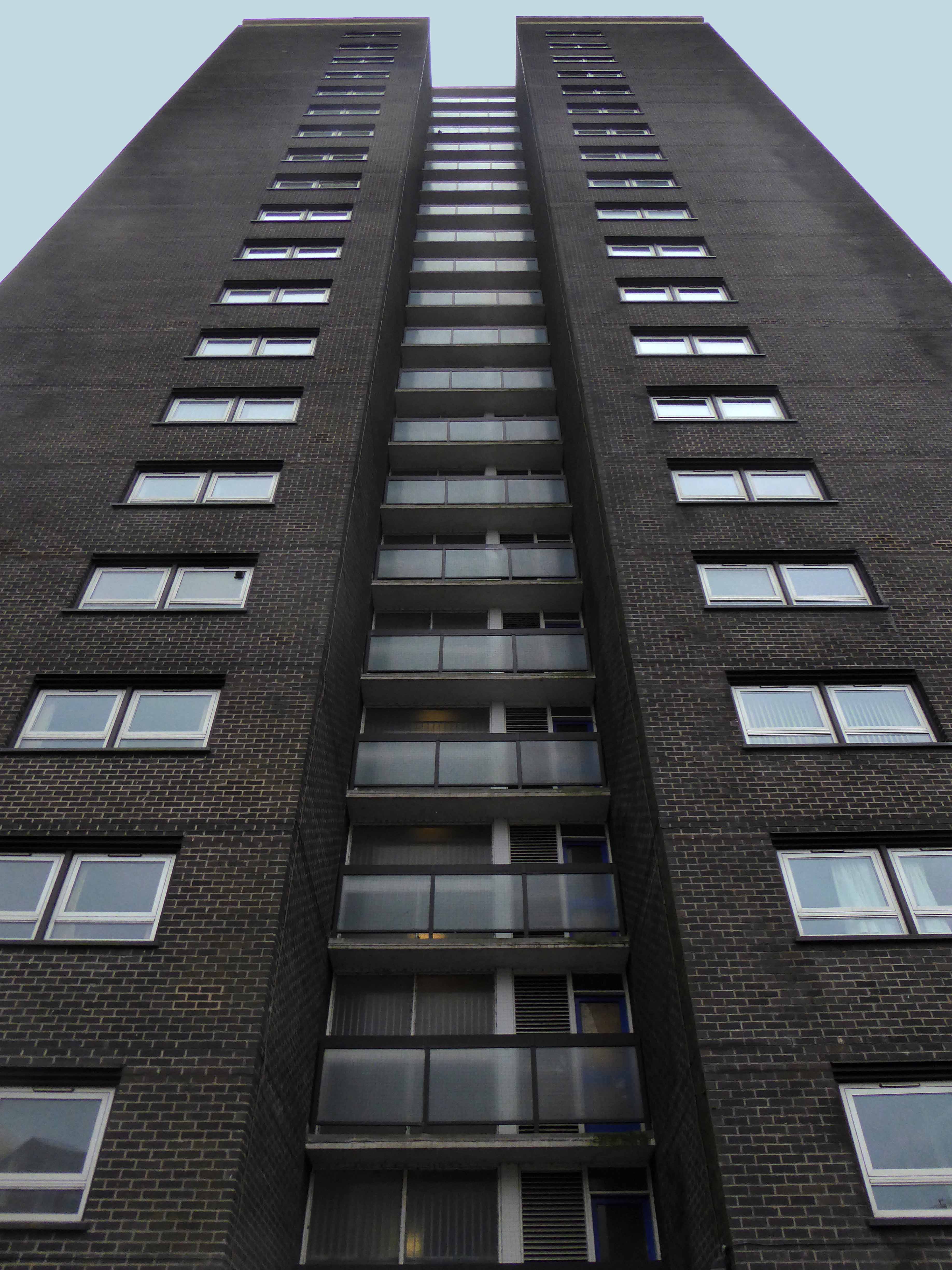
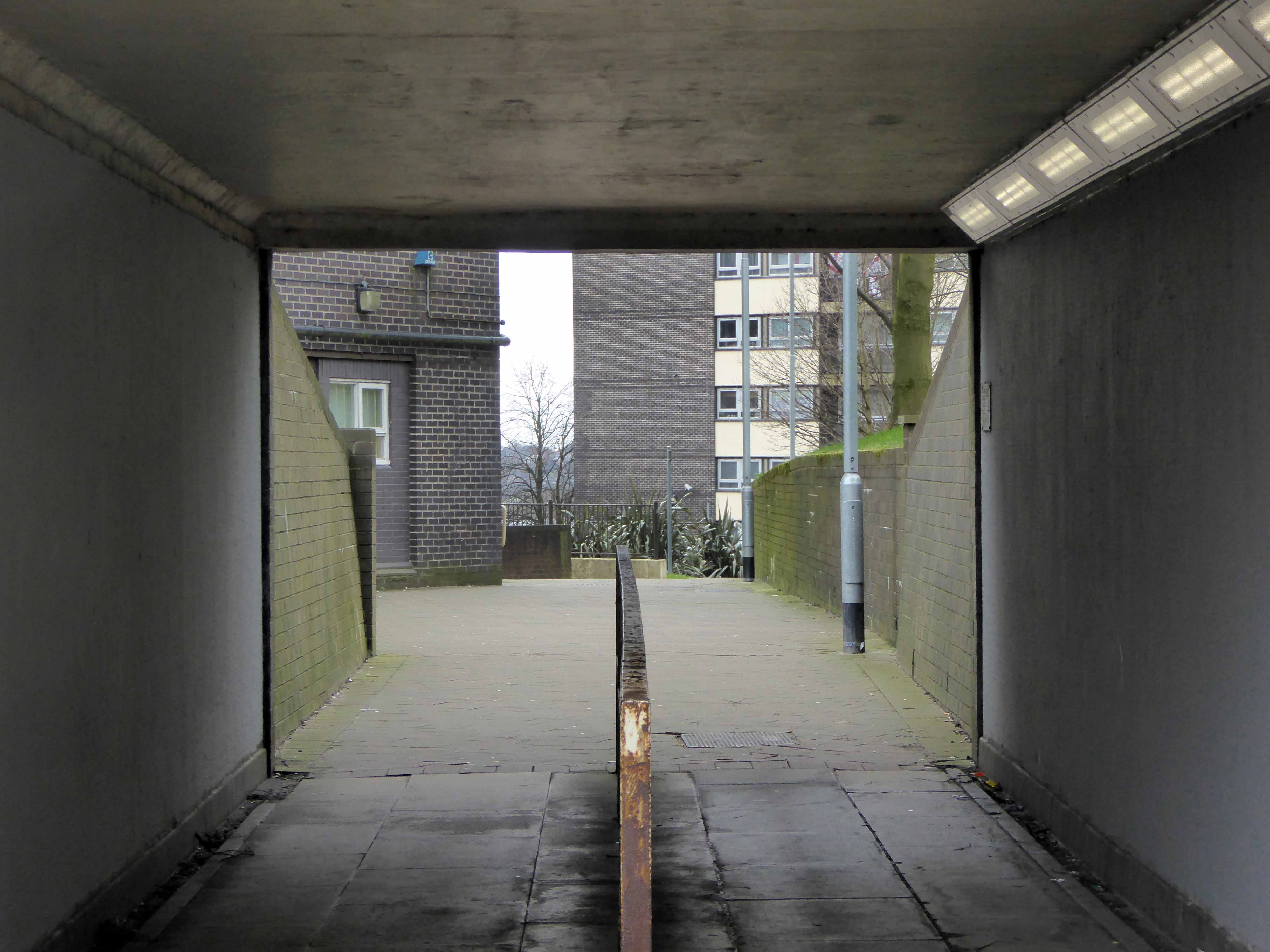
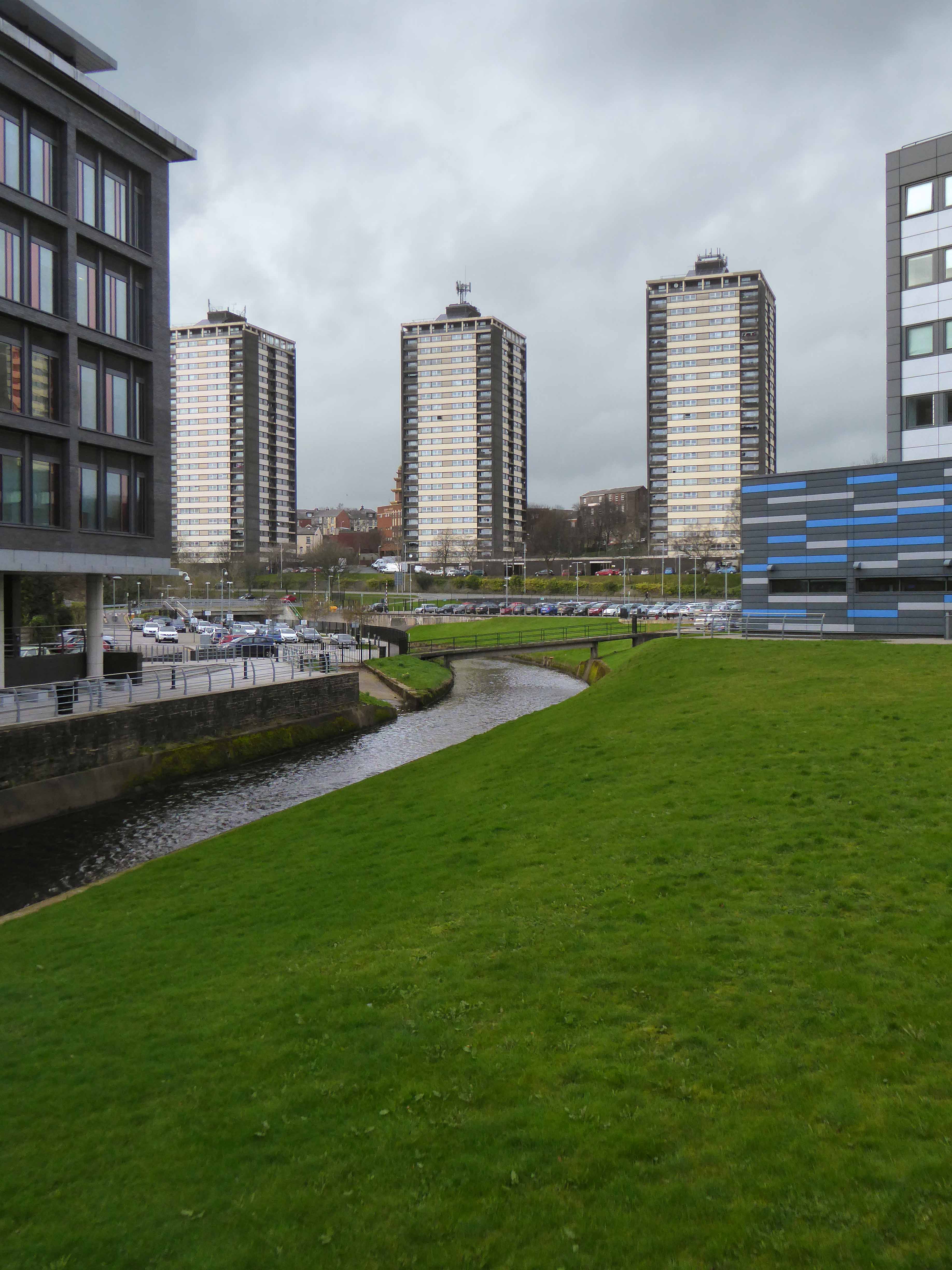
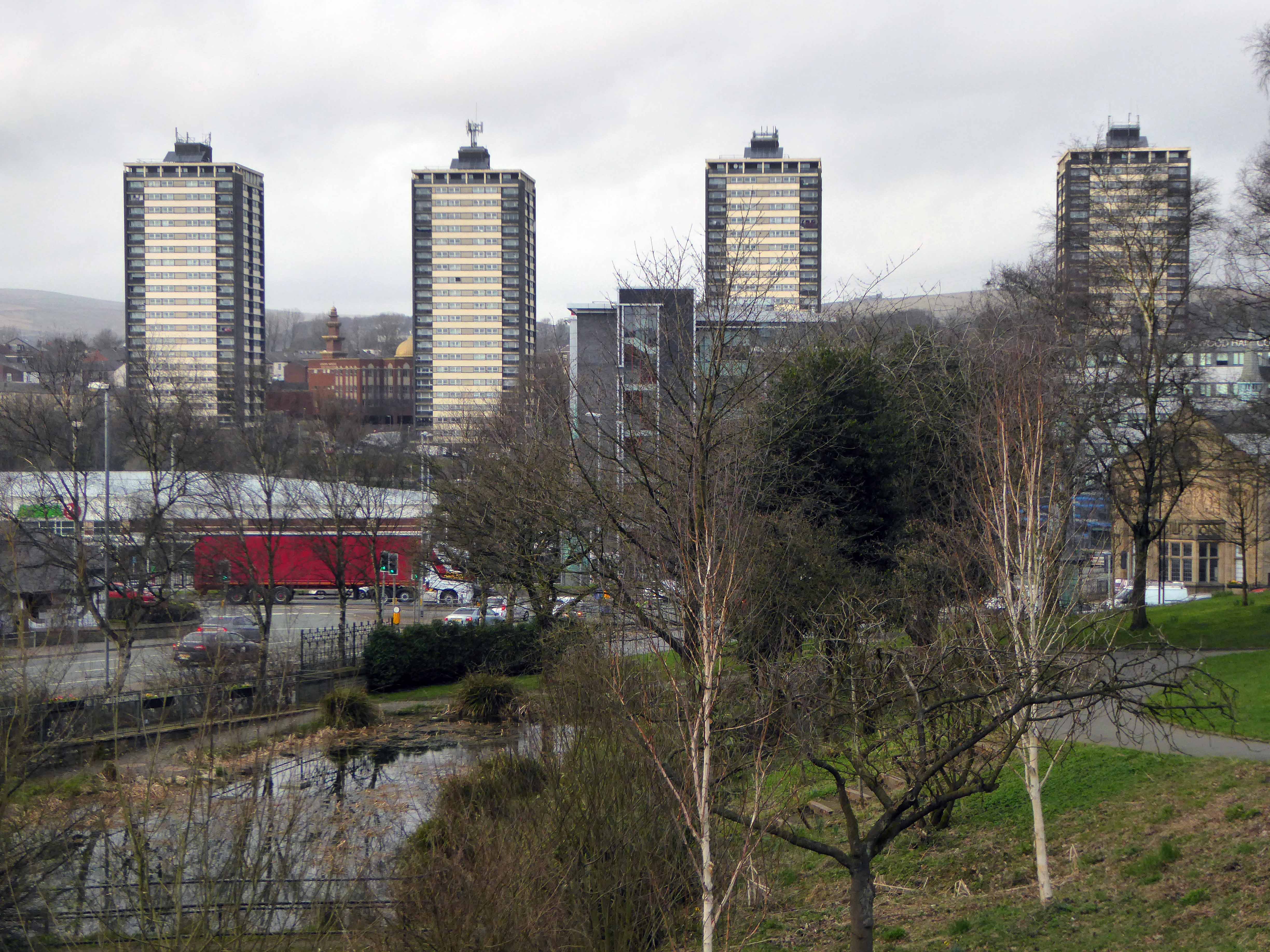
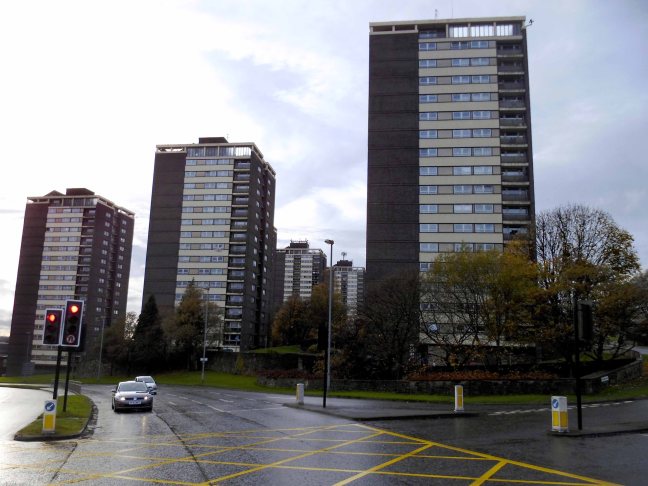
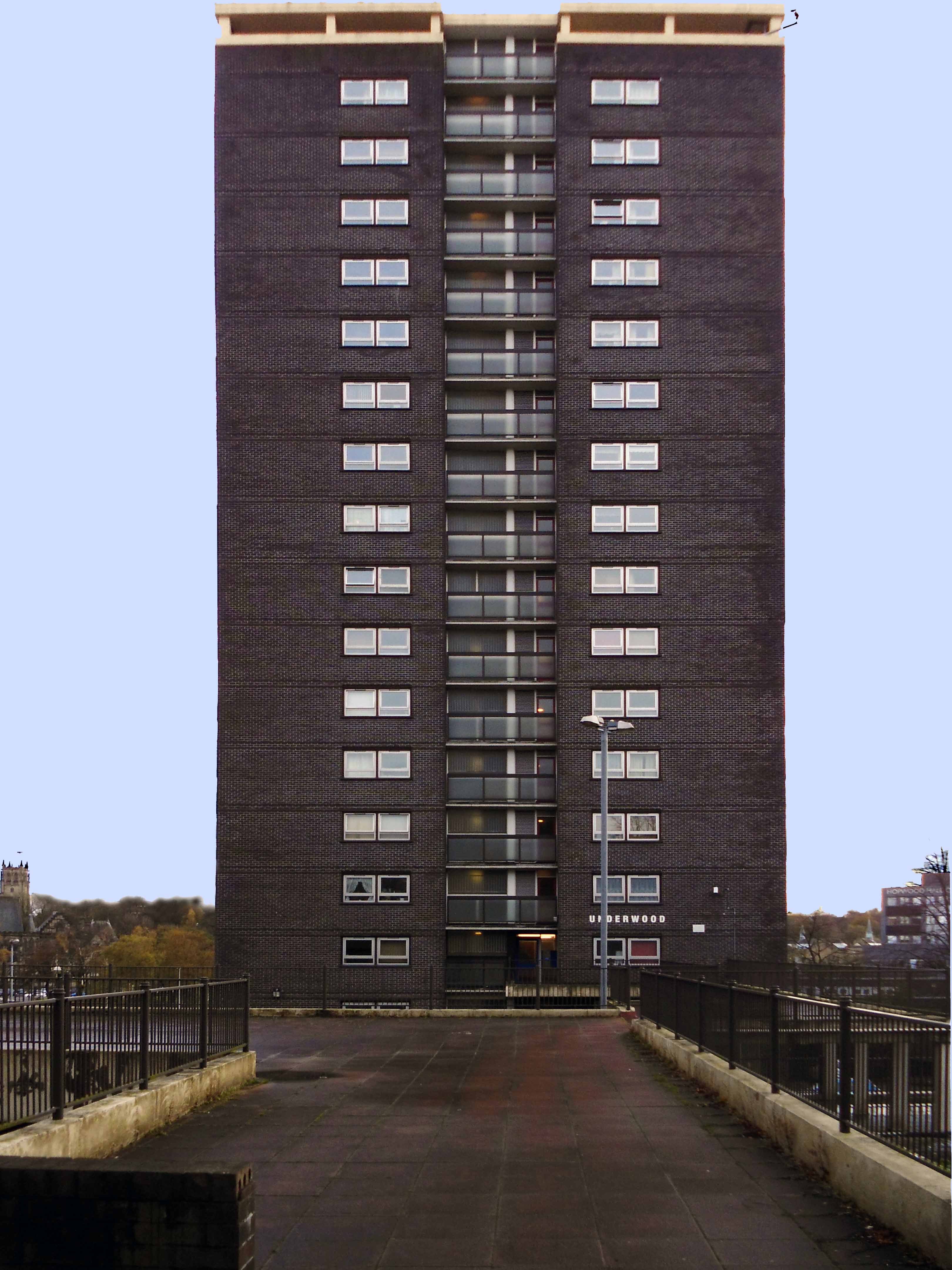
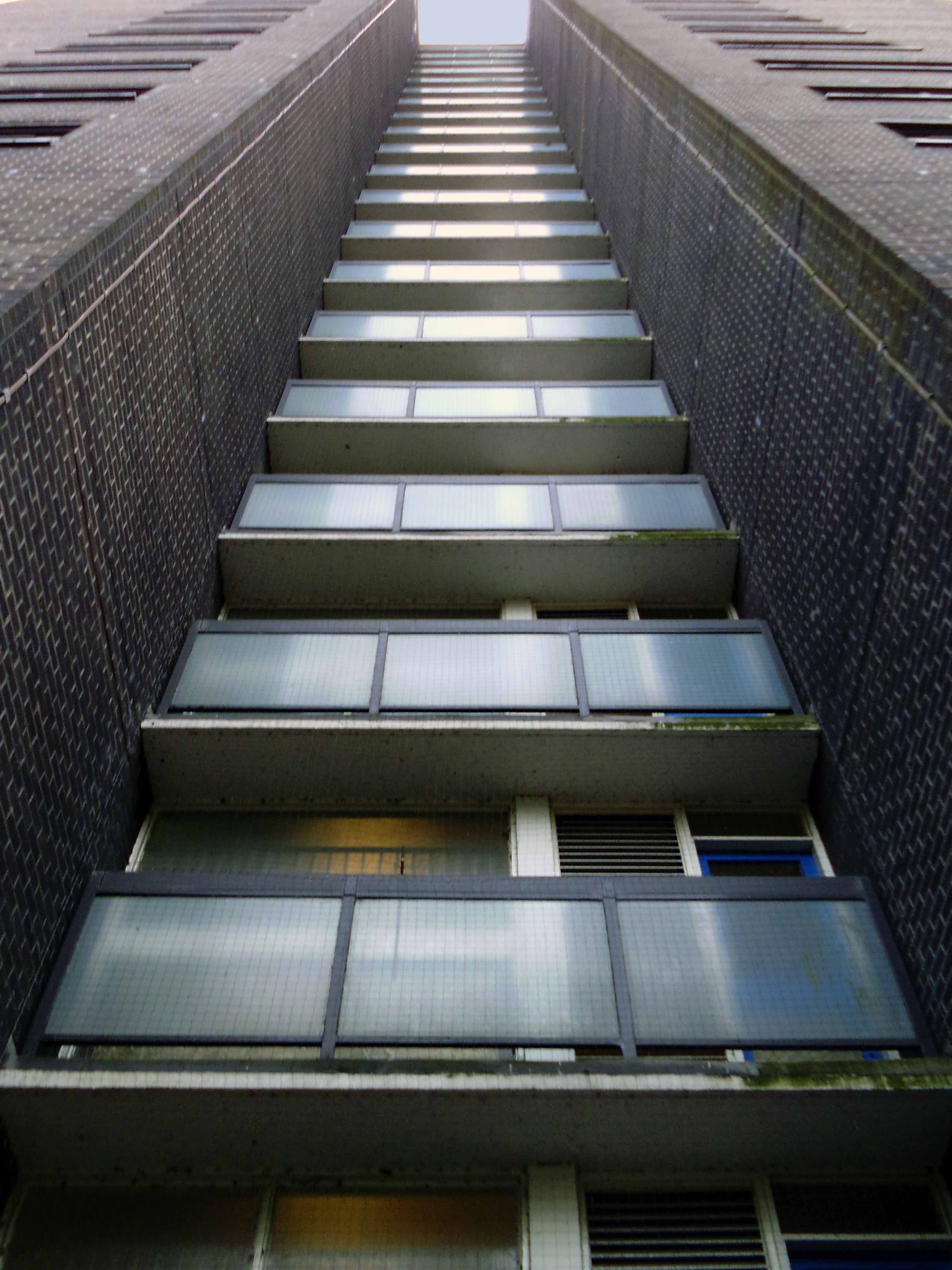
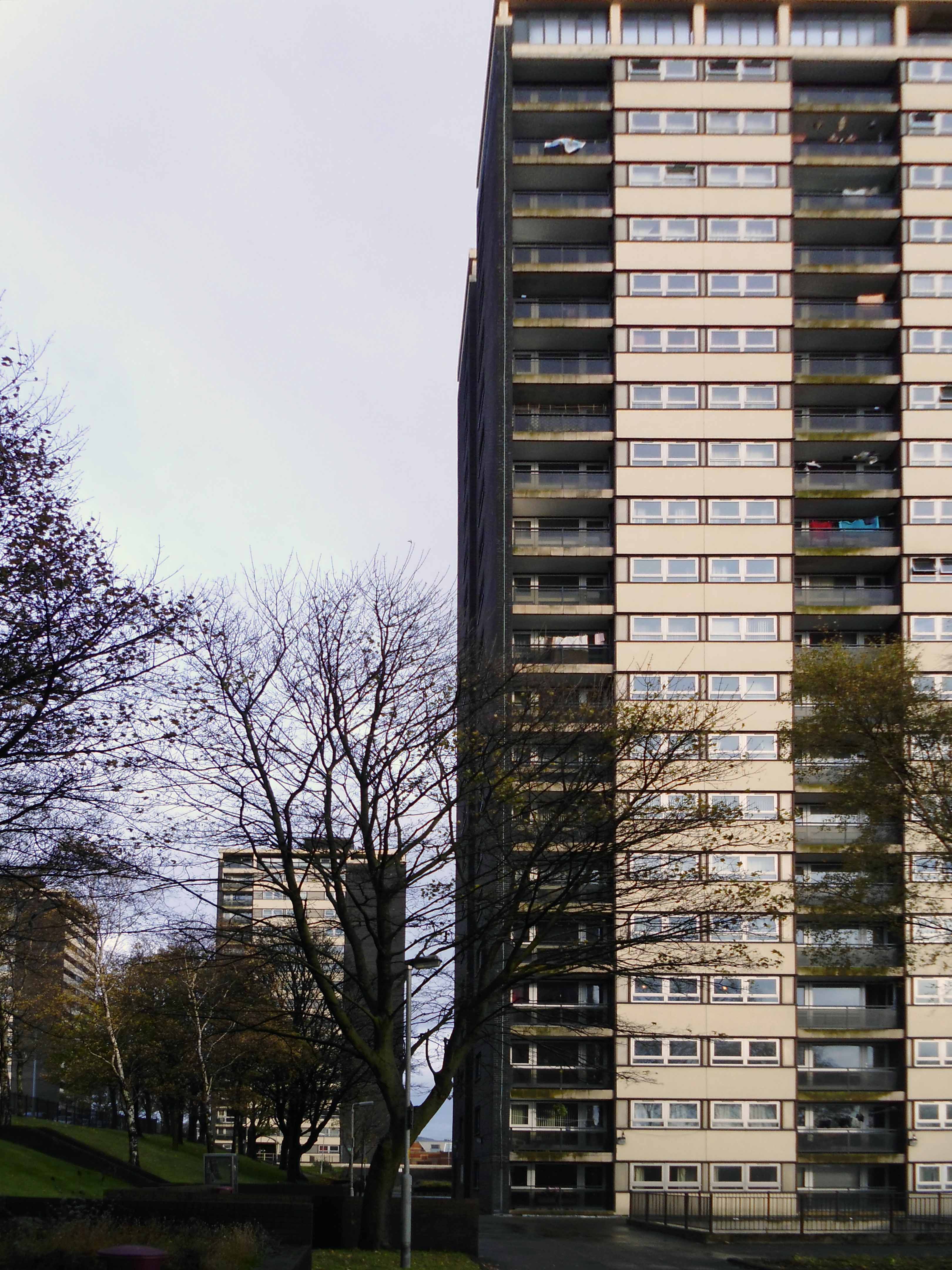
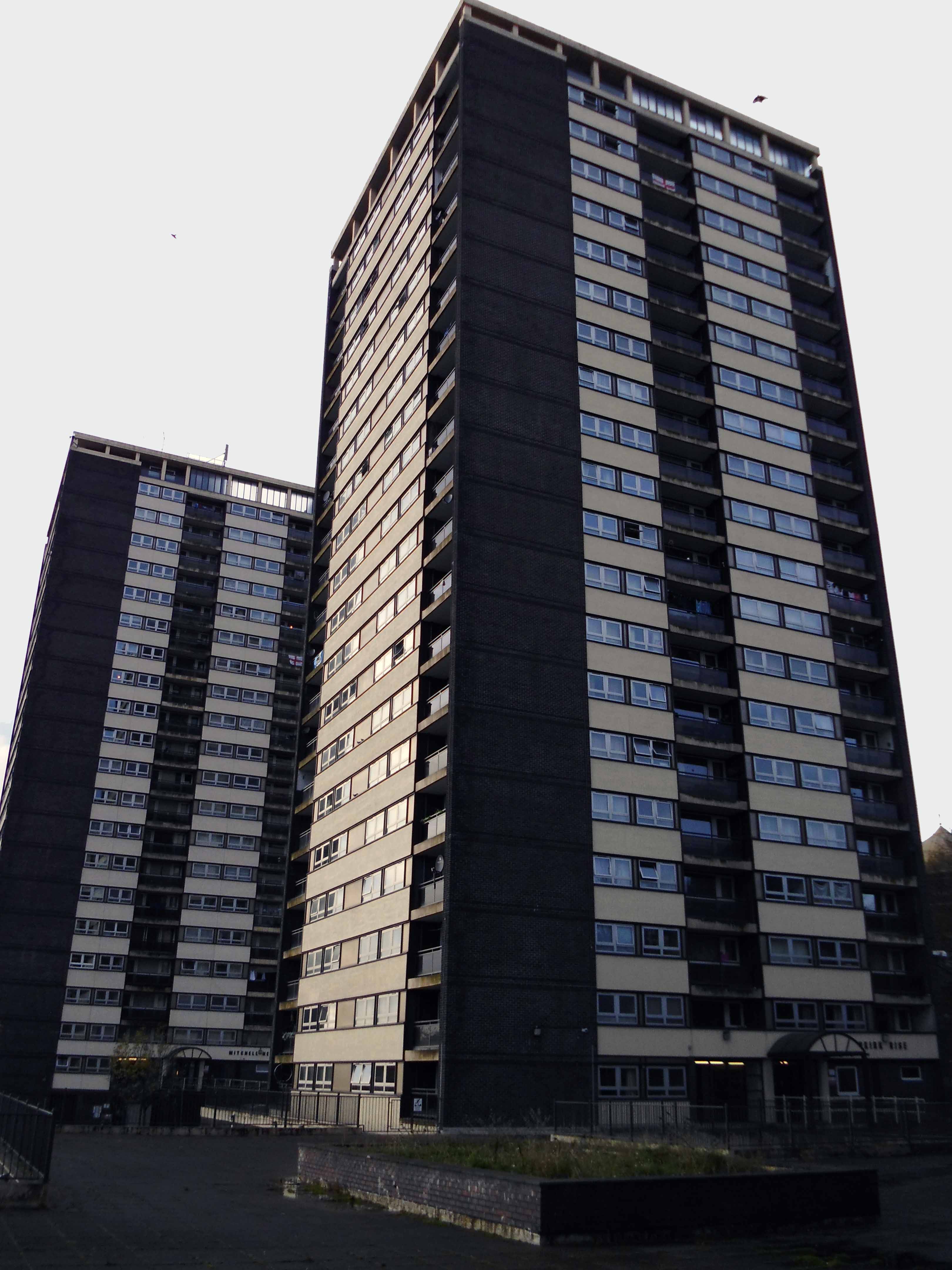
Arriving in Rochdale in search of something else entirely, it was impossible to ignore seven prominent, as yet unclad tower blocks, high upon a hill. I was informed by a local resident that they were known locally as the Seven Sisters, though variously identified as Falinge B, College Bank, and Holland Street flats.

js81348360

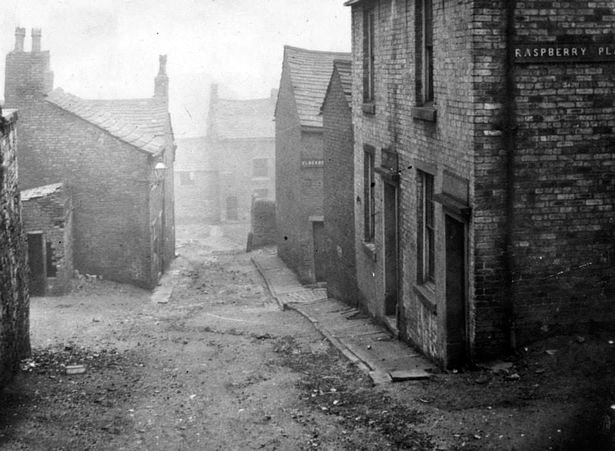
The area was formerly home to Victorian workers’ dwellings, known as The Paddock – the post-war policy of slum clearance saw them swept away, in readiness for municipal modernity.

js81348349

js81348353

js81348355

Photographs Rochdale Image Archives

Hey presto 1963 and there appears four 21 storey blocks containing 476 dwellings; three 17 storey blocks containing 286 dwellings.

5995650872_2ed2d9ab80_b

Photograph Mancunian 101

Building contractors were Wimpey and the flats were designed by Rochdale’s Borough Surveyor, Mr W H G Mercer and Mr D. Broadbent along with Mr E V Collins, chief architect to contractors George Wimpey and Company.

Many thanks to the Tower Block project for the facts.

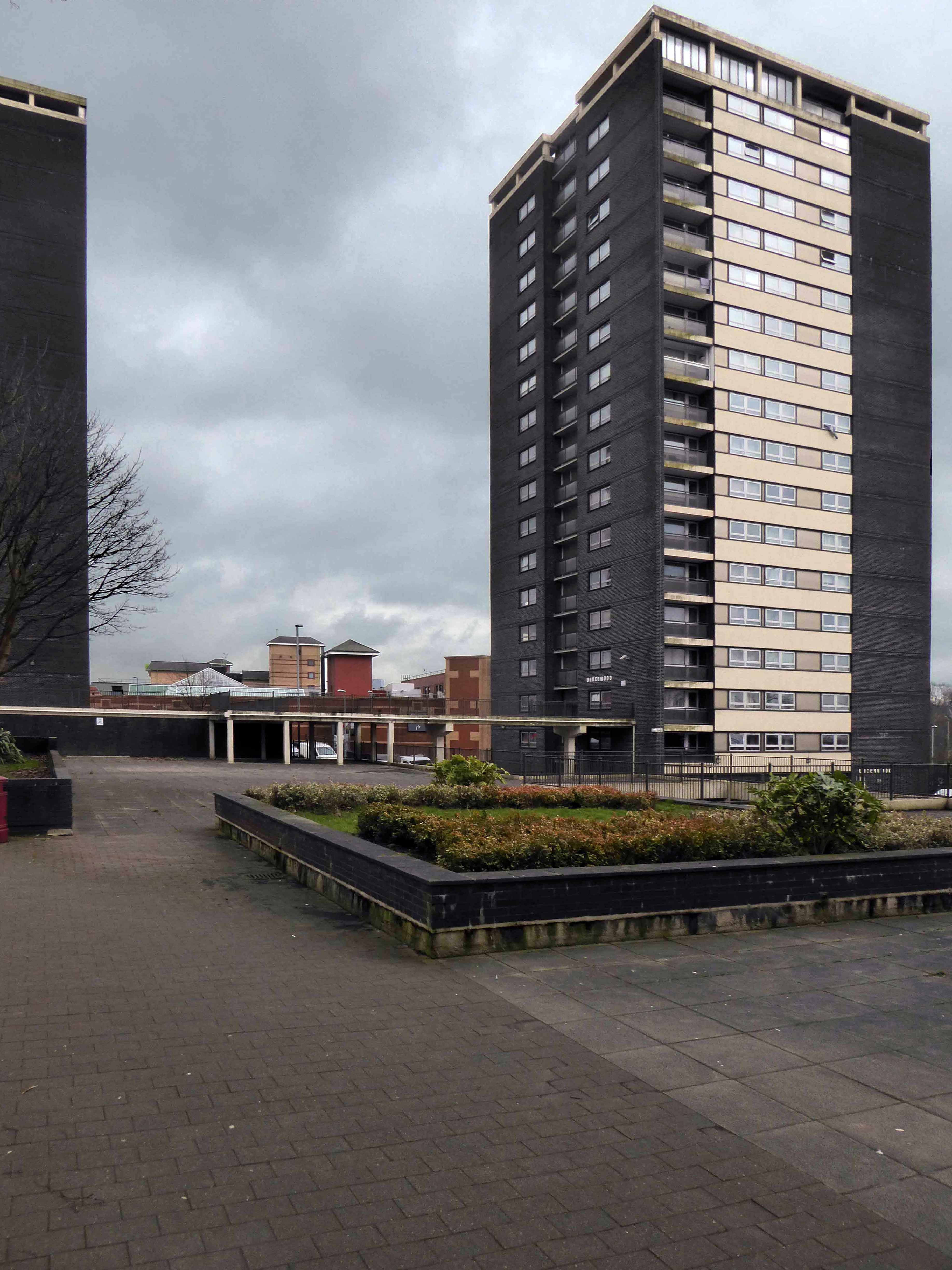
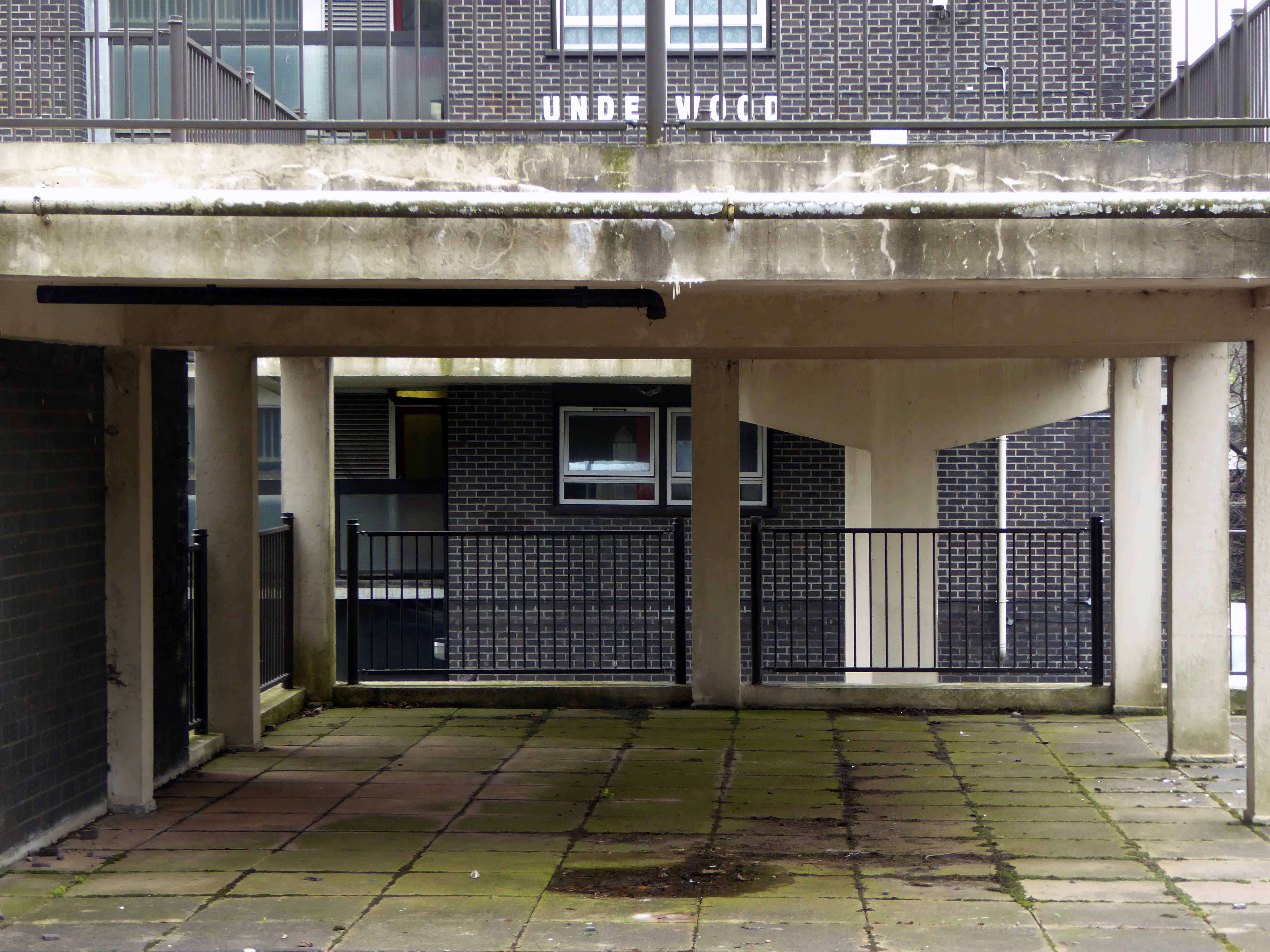
On Friday October 1 1965 the Minister of Housing and Local Government, Richard Crossman, officially opened the first of the College Bank flats – Underwood.

So go take a look ride the rail or tram, get on your bike, walk a while and abide, take a frenzied dance around with the Seven Sisters.

p1040789-copy

p1040787-copy

p1040785-copy

p1040788-copy

p1040797-copy

p1040795-copy

p1040794-copy

p1040793-copy

p1040792-copy

p1040786-copy

p1040800-copy

p1040801-copy

p1040791-copy

p1040796-copy

p1040798-copy

p1040799-copy

Motorways an Introduction

Once upon time there was no such things as motorways, we made our way across country in a haphazard fashion, by way of of a raggle-taggle bunch of muddy, puddle strewn byways, tracks A, B and C roads.

Journey times were long and often unpredictable, it was not unusual for a traveller to never ever reach their intended destination.

But then as if by magic:

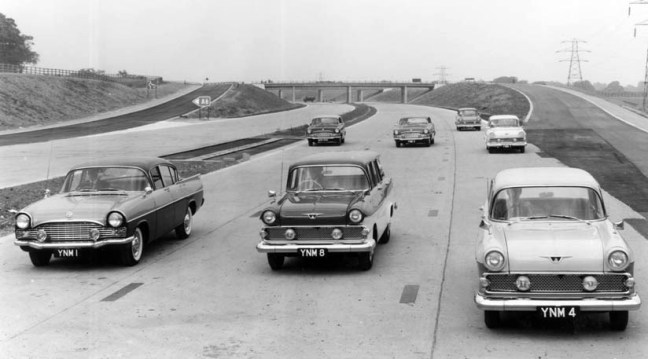
On 5 December 1958, the day the 8 mile Preston bypass opened.

Robert Gornall was the AA’s first motorway patrol and he was on duty on the Preston by Pass – now the M6, from day one – he even attended the opening ceremony.

Robert recalls that in those early motorway days, when there was no speed limit or hard shoulder, things were very different when it came to dealing with breakdowns. 

Robert said:


“This was entirely new and when we reached a broken down car we simply pushed it, bumper to bumper, out of the way to a place of safety where we could fix it – our vehicles were fitted with special rubber bumpers so as not to cause any damage.

Breakdowns came thick and fast because cars just couldn’t cope with the higher speed – engines just simply blew. The vehicles we used were Ford Escorts and even a soft top Land Rover.”

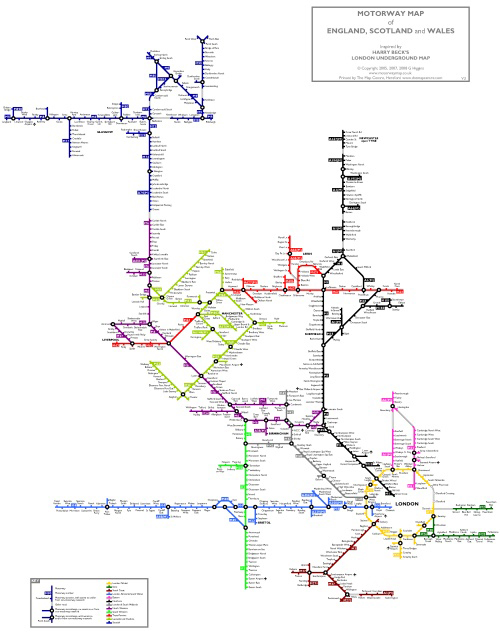
Having overcome these early teething troubles a whole complex network was developed.

motorwaymap2008

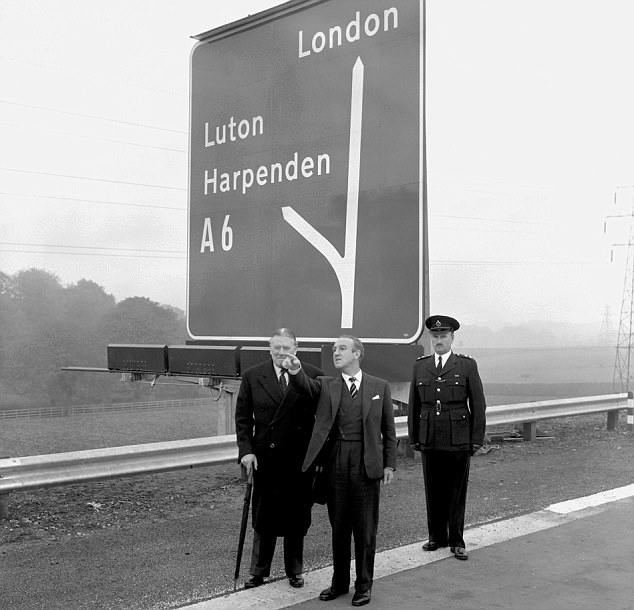
Opened by the transport minister Ernest Marples and other assorted worthies.

marples_owen_openingm1_2

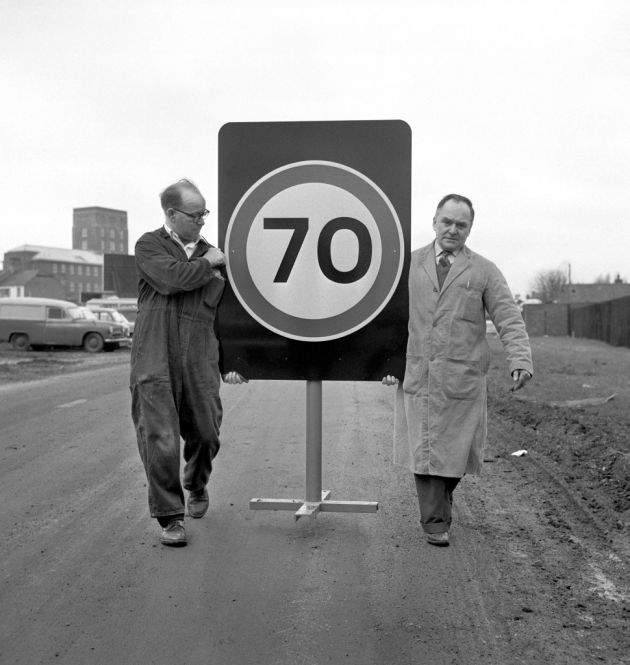
Speed limits and controls were applied to quell the threat of crashes and blow-outs.

c11c126e-c491-49c5-9f7a-d5b4a053808c_pa-1730423

Welcome to the fact packed modern world of the modern motorway.

550px-tcc_motorway_example

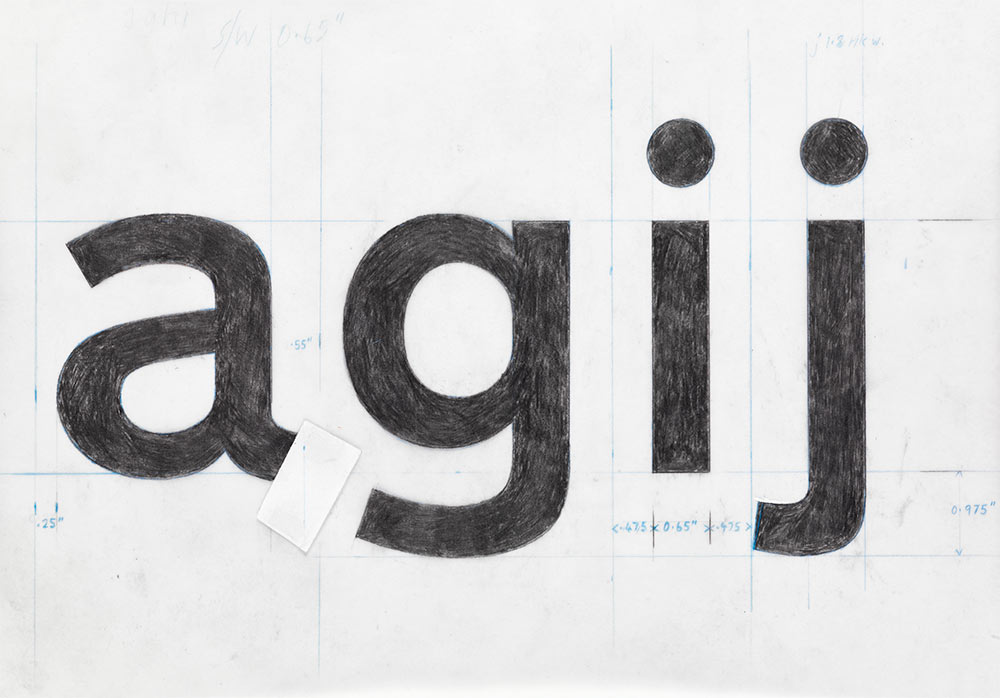
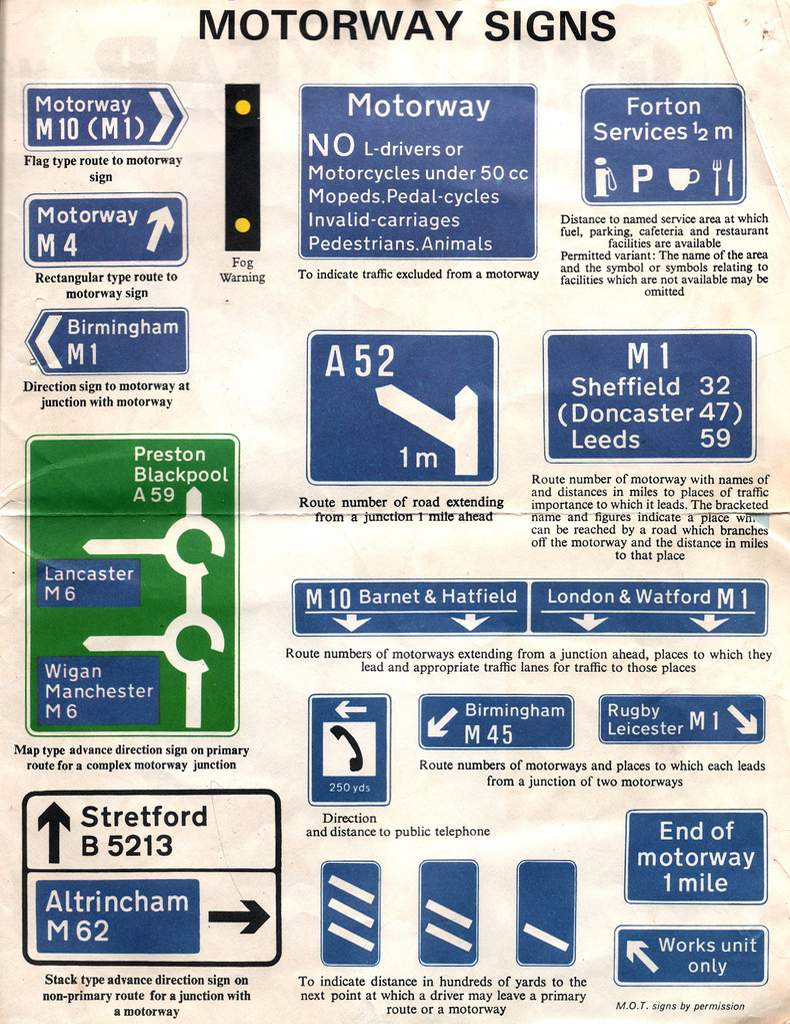
New typography and signage systems were developed by Margaret Calvert and Jock Kinneir.

margaret-calvert-typography

3791254247_fa4d8d3aeb_b

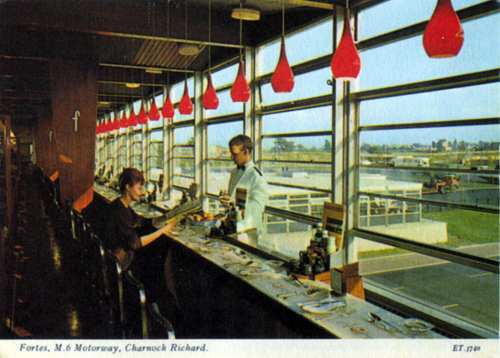
Special provision was made for provisions for the motorway motorist in special places, with special names – and their own unique approach to modern cuisine.

motorway14

Quite literally food on the move at the motorway services.

motorway4forblog

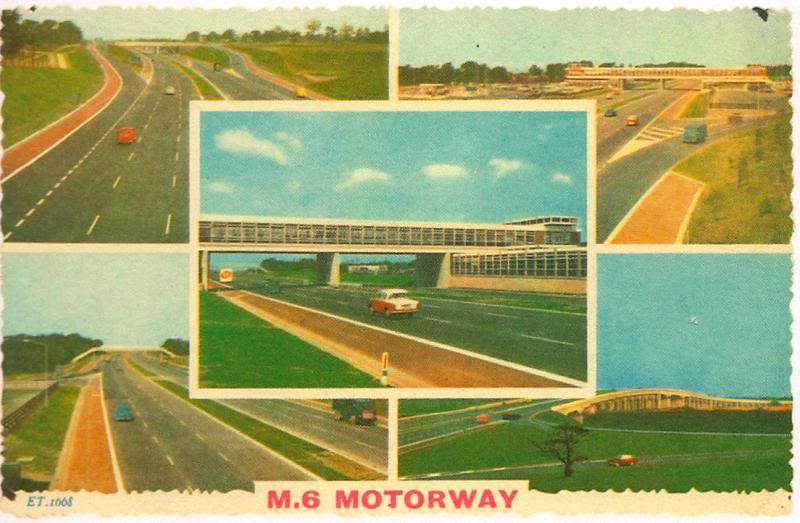
Ever eager to communicate their fondness for the modern motorway, the modern motorist would often send a picture postcard to friends and/or family.

m6motorway

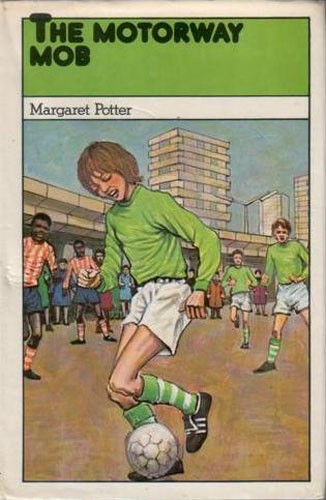
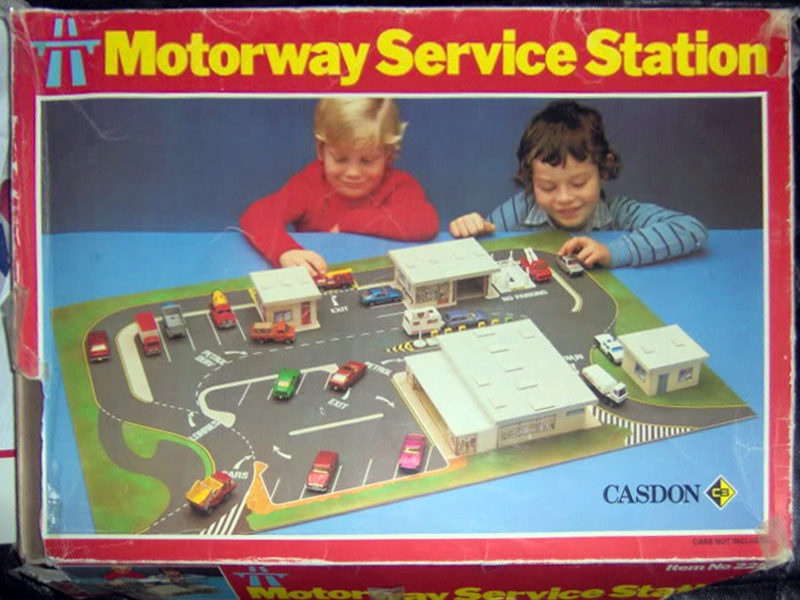
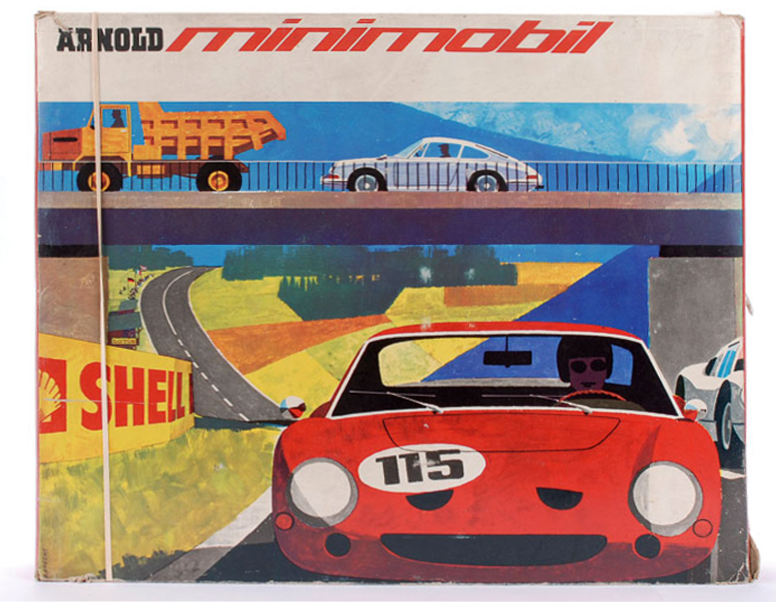
A whole literary and visual culture built up over time, to celebrate a deep and growing affection for the motorway network.

920108_10151602324156600_410904325_o

0416560806

motorway5forblog

5253_l

IM000285.JPG
IM000285.JPG

7122_l

3088_l

The rest is history, so break out the string backed gloves, top-down hit the road!

Jacqueline and/or Jack.


Ashton Moss – Expo 2025

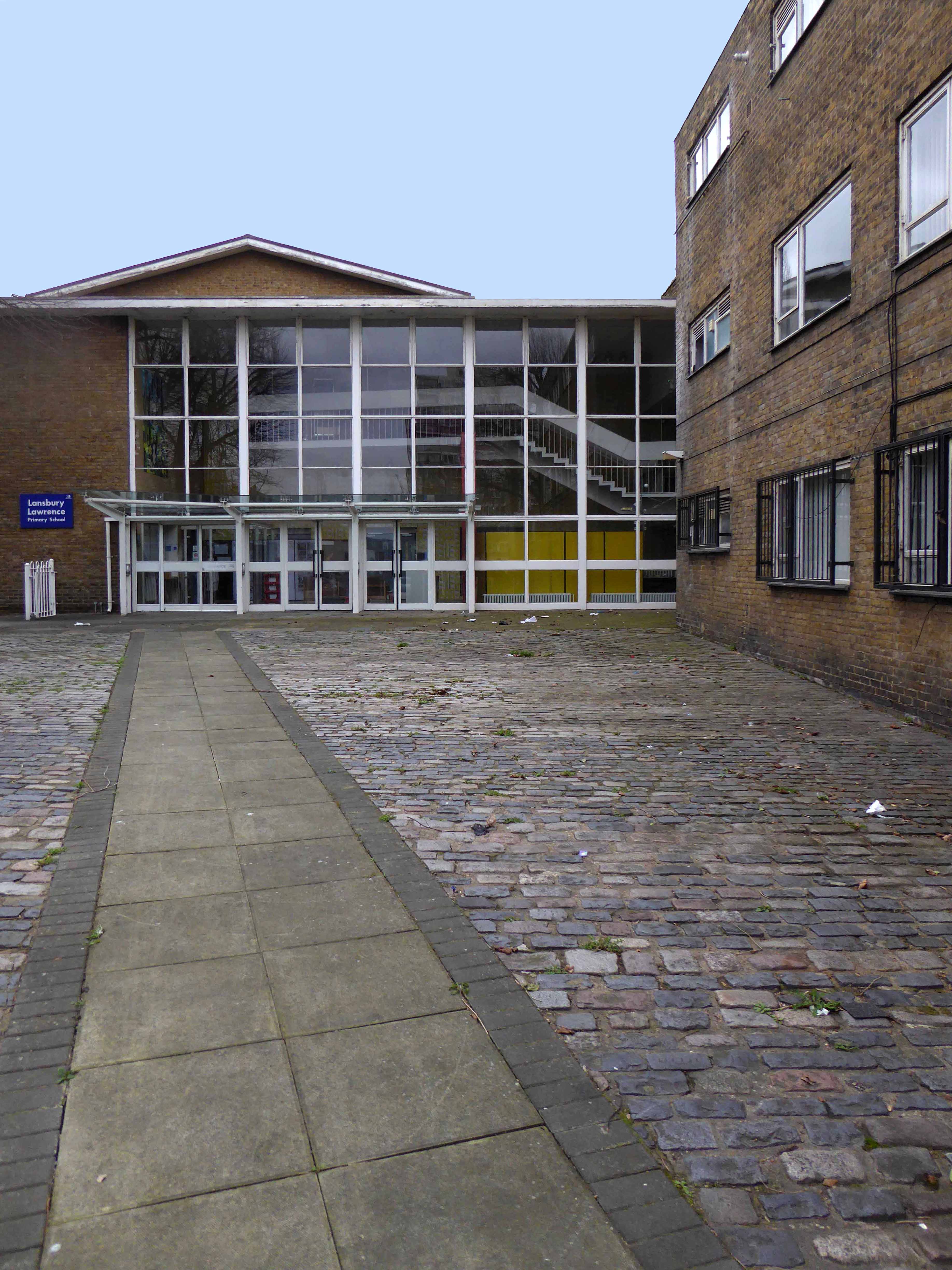
Why are we here?
Screen Shot 2016-09-03 at 13.02.21

A heady cocktail of capital, coal, cotton, cultivation, commerce and cricket created you.

The end of the age of celery heralded the construction of a new landscape of consumption.

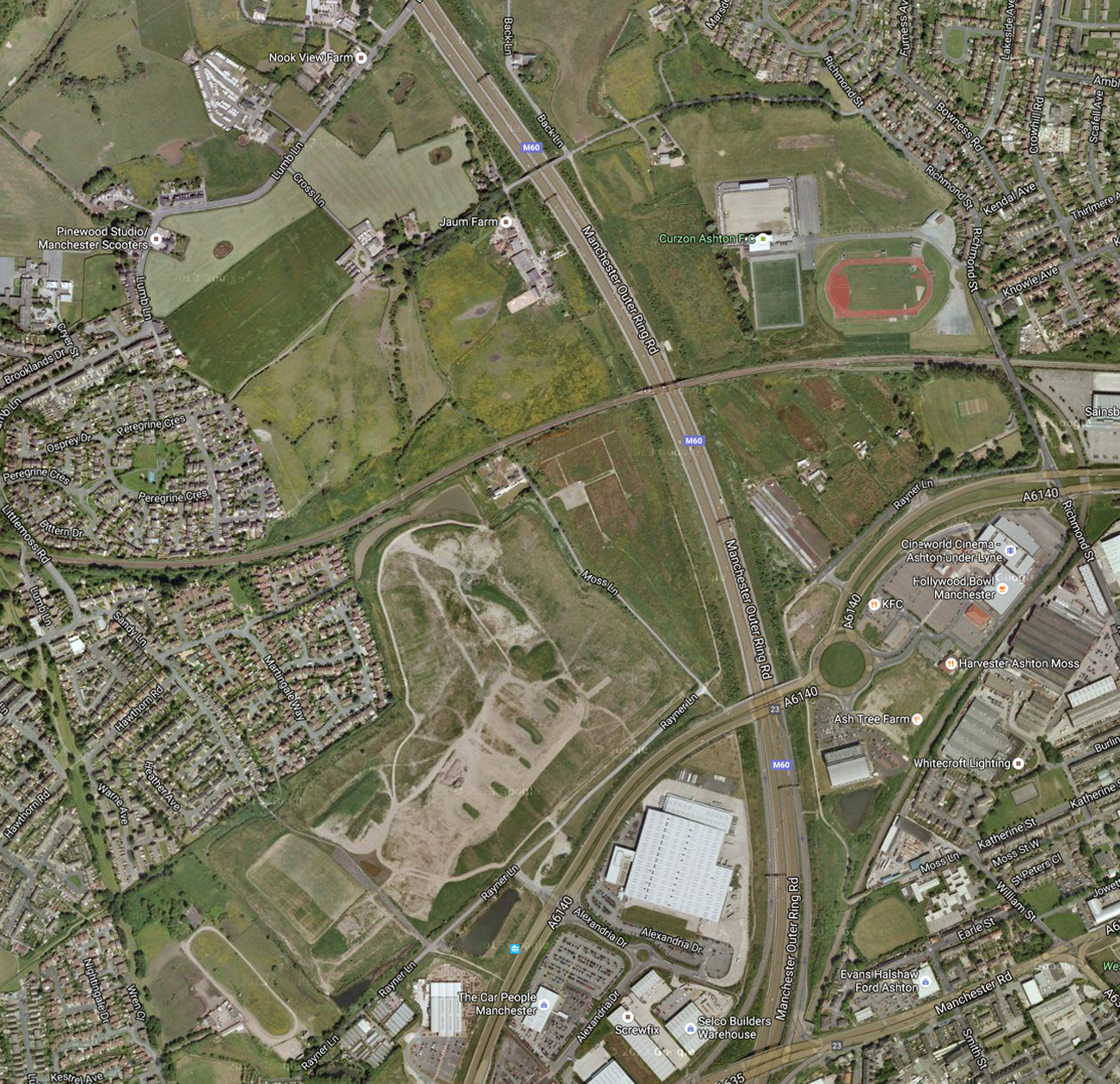
Spoil and soil from the cuttings of the M60, added to by Etihad detritus created an elevated mound some hundred feet in height, across an area of seventeen hectares.

Where are we going?
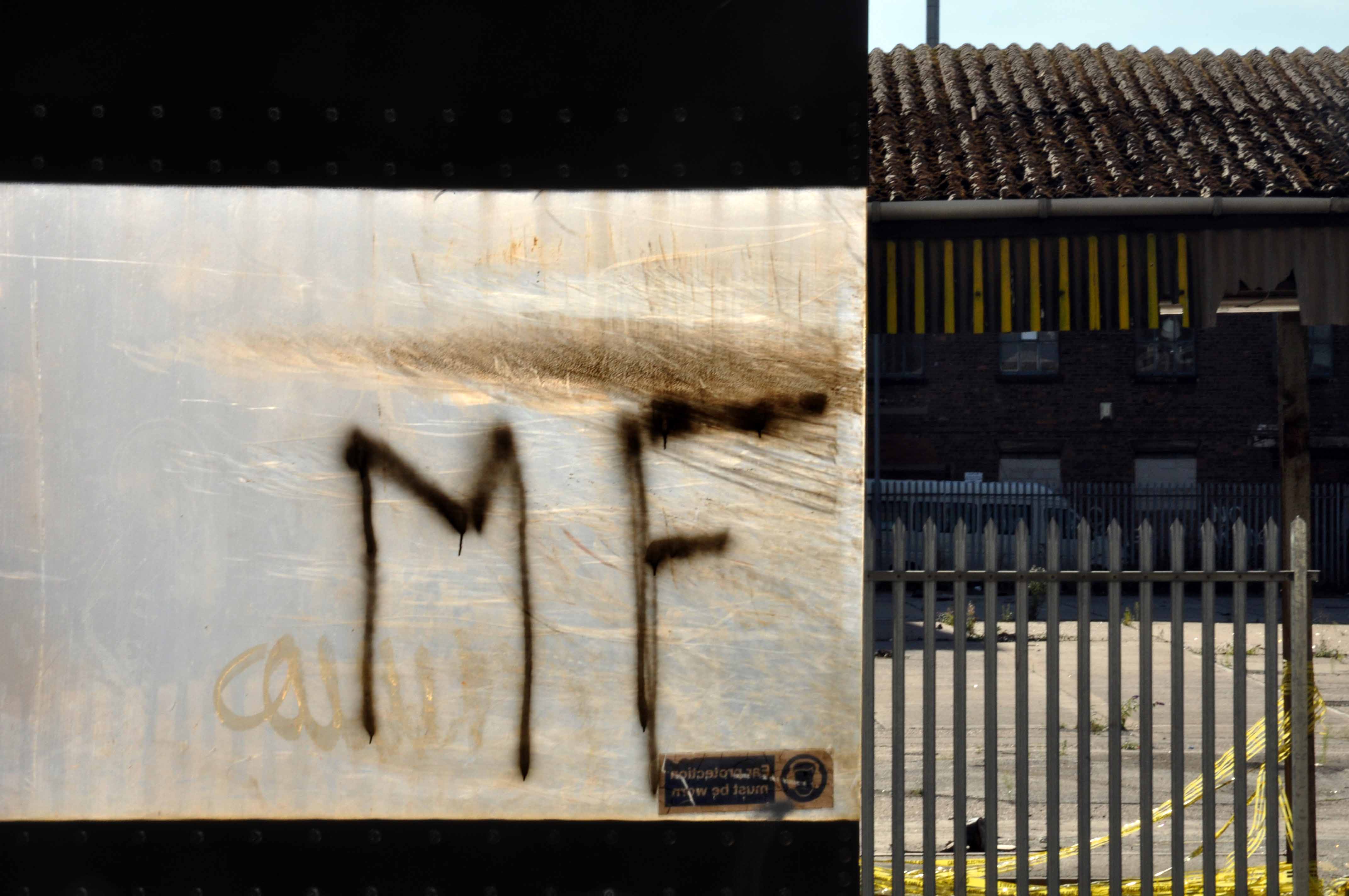
Playing golf has been permanently postponed, the proposed light industrial units were knocked back by local authority planning officers, and residents’ objections.

So let’s get off to the Expo!

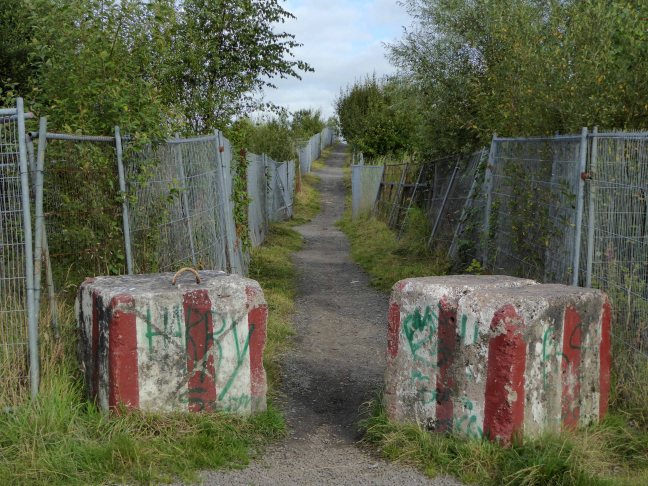
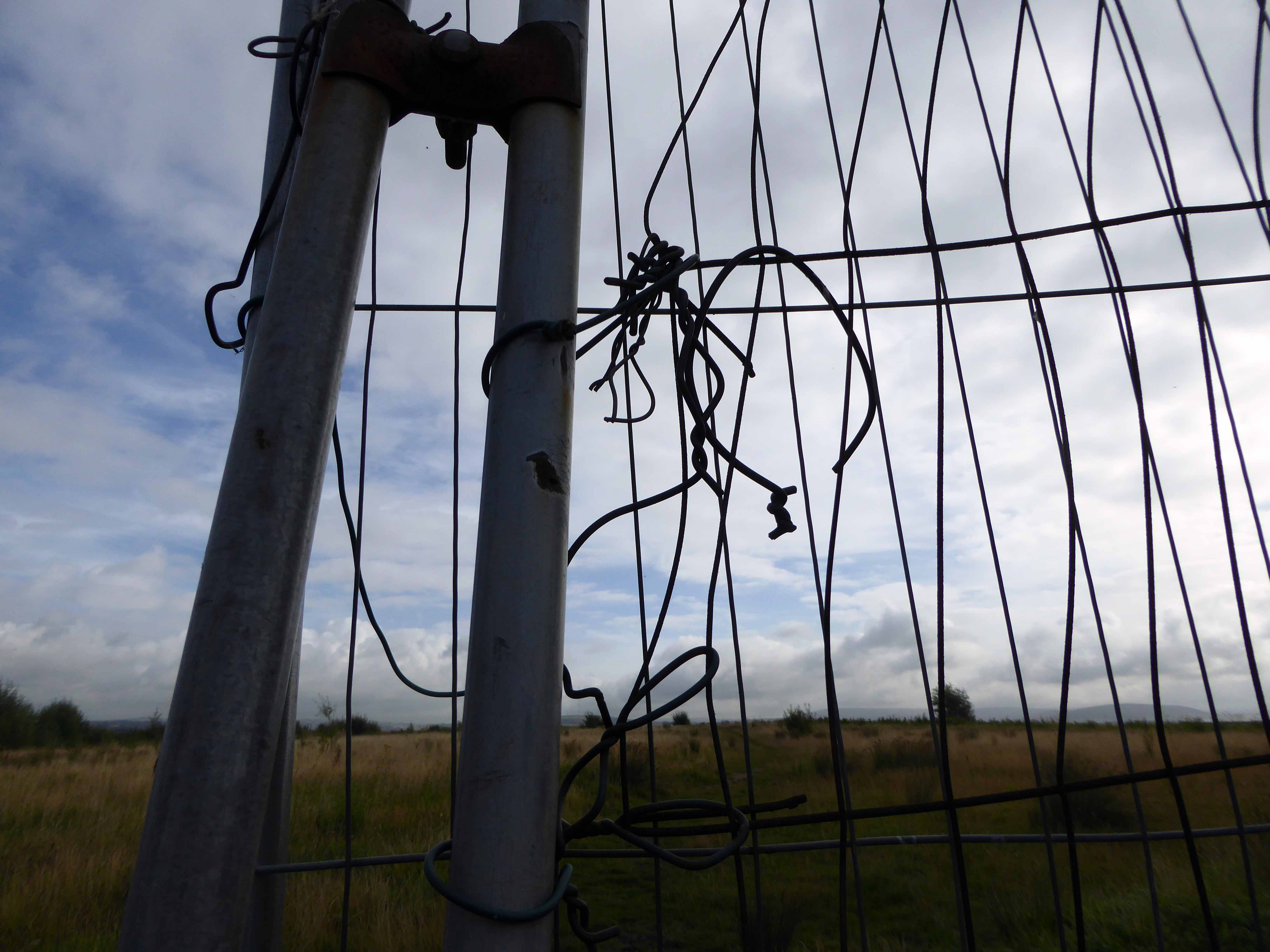
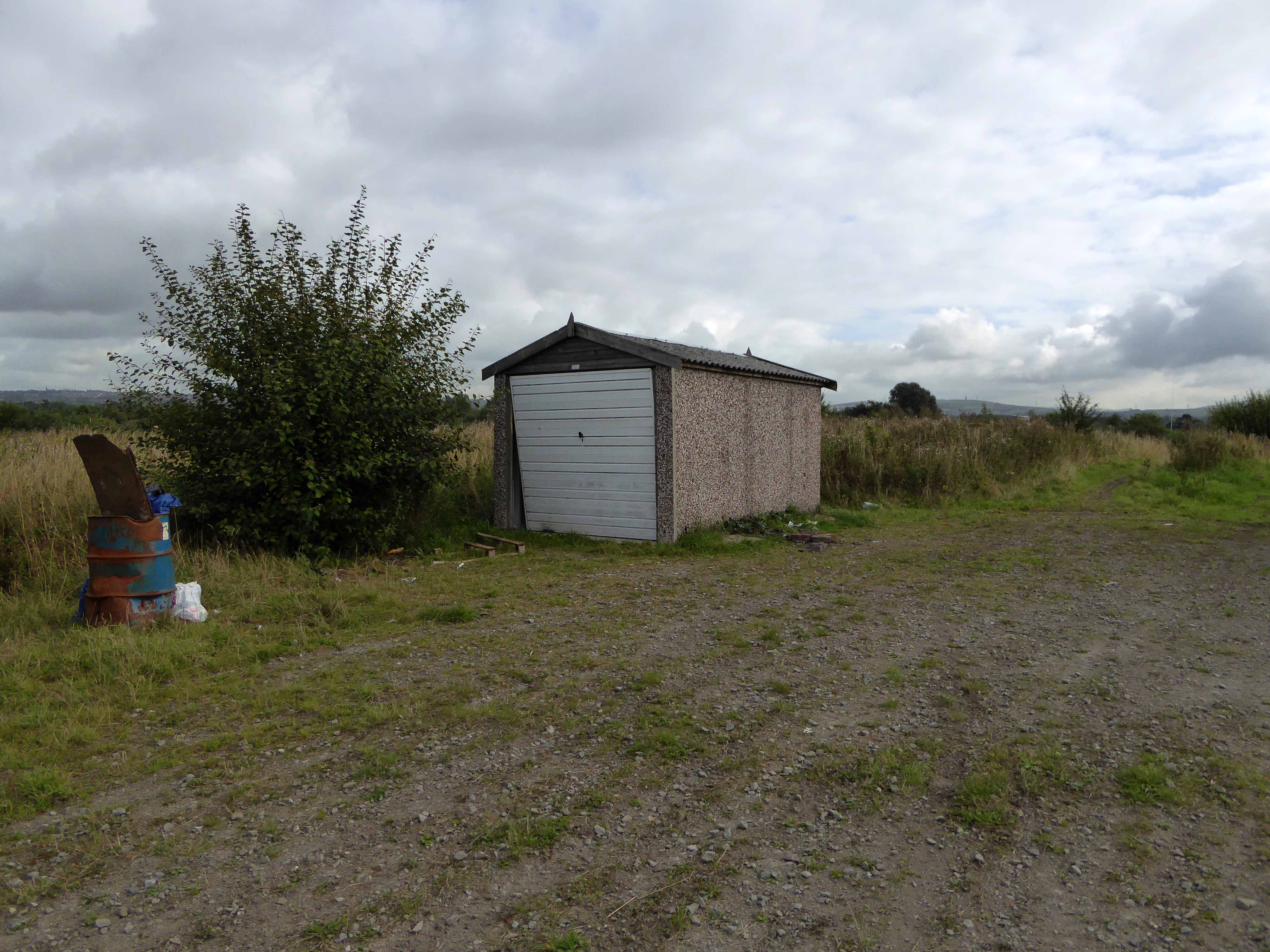
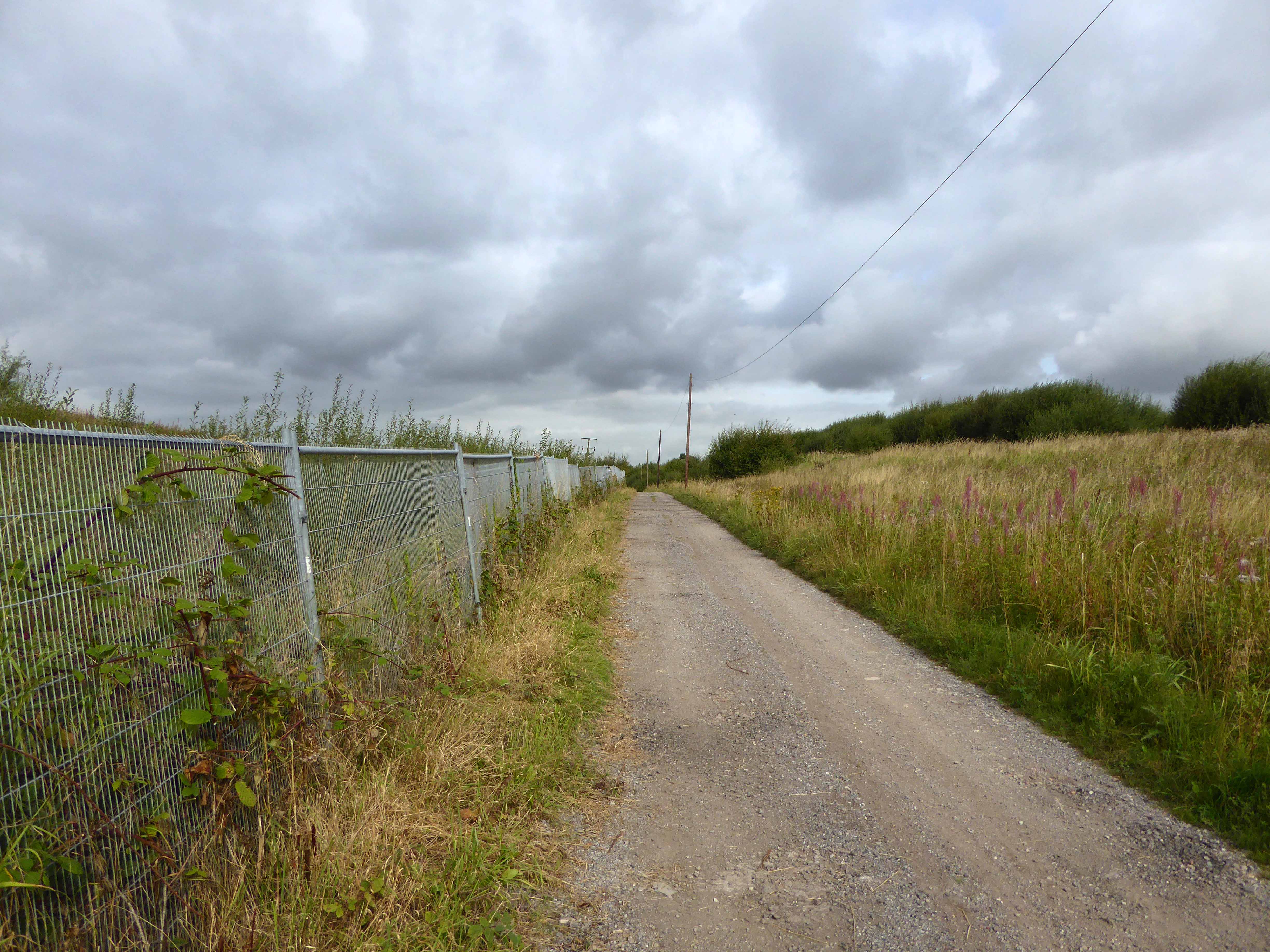
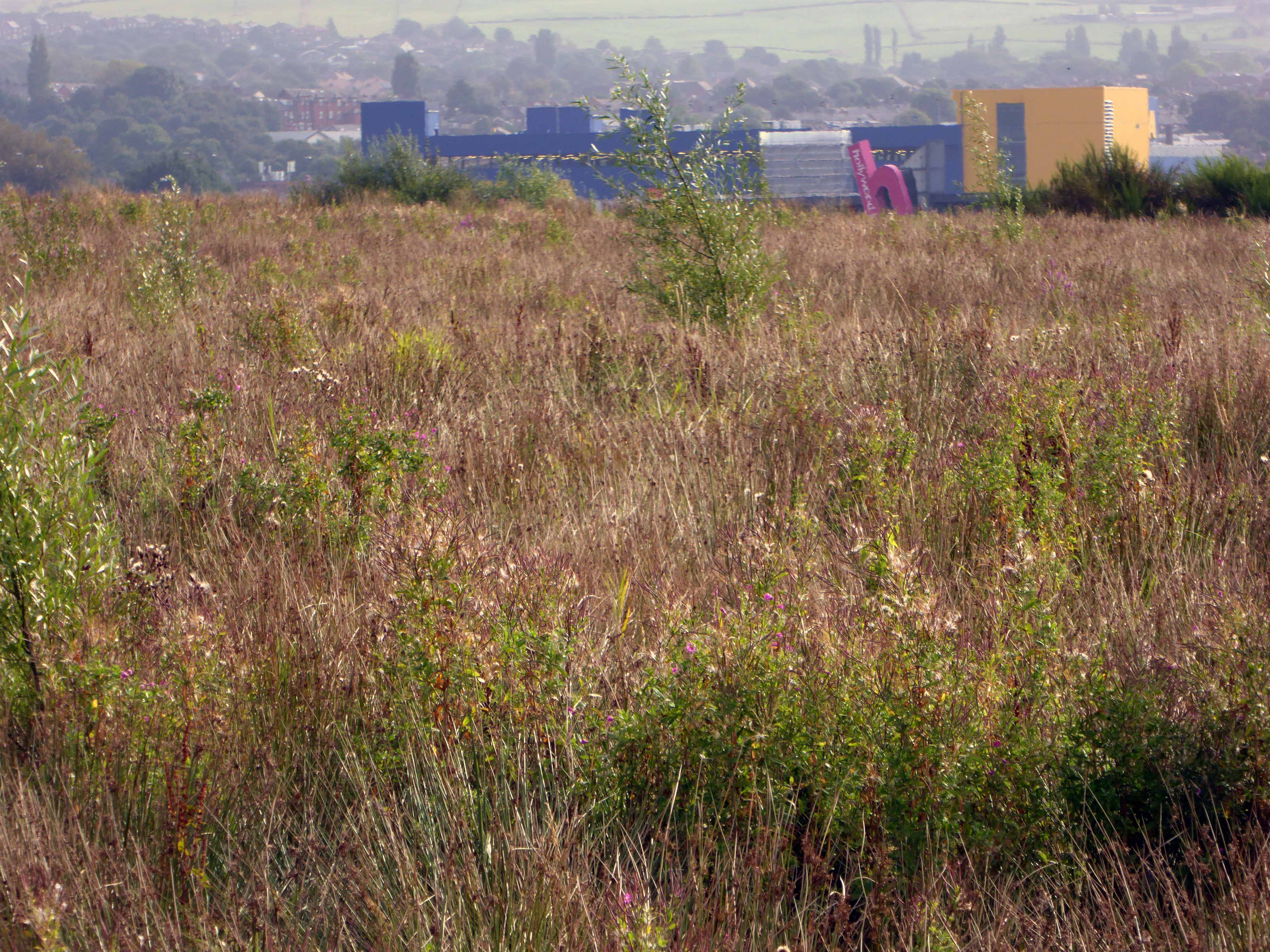
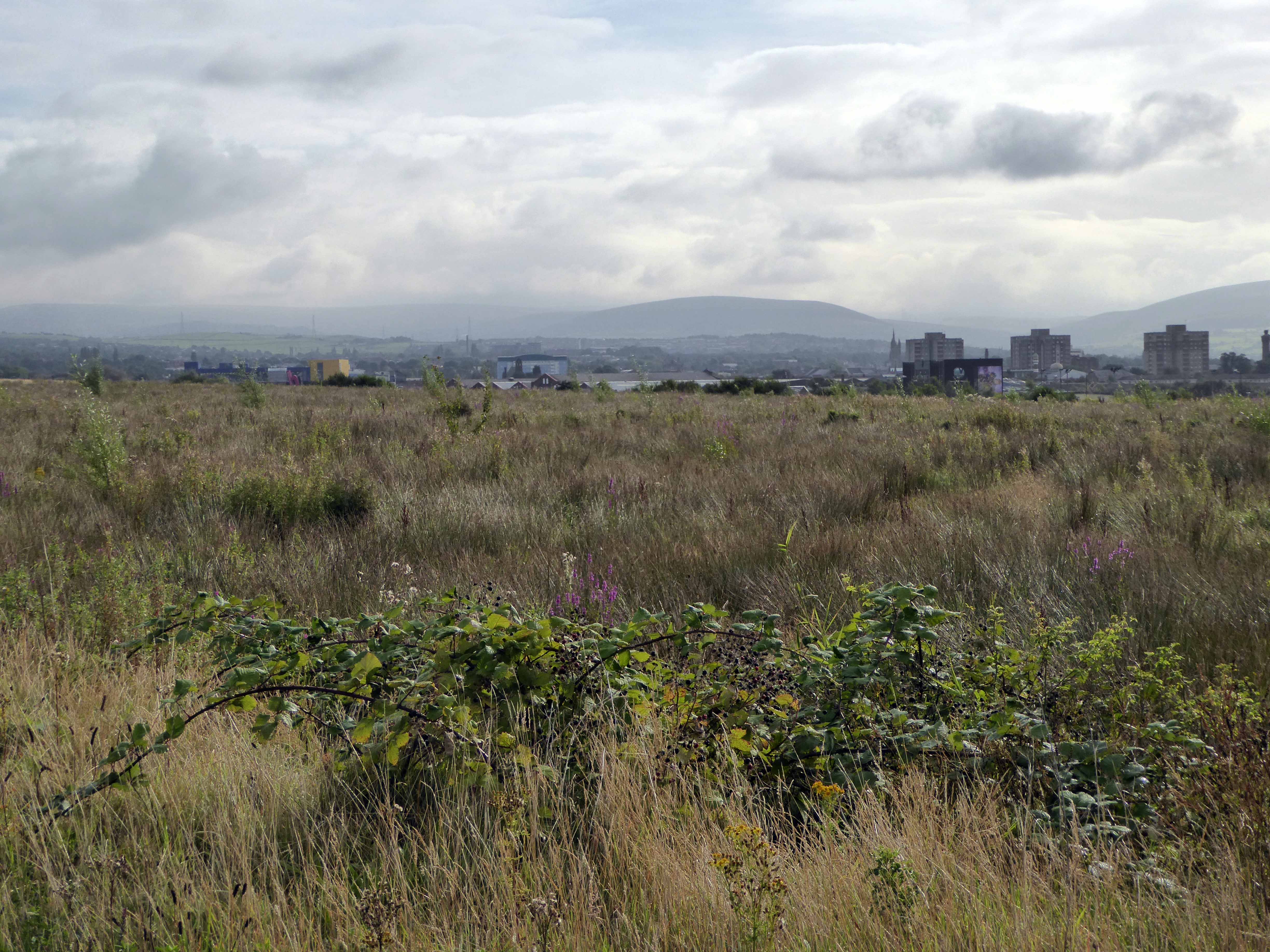
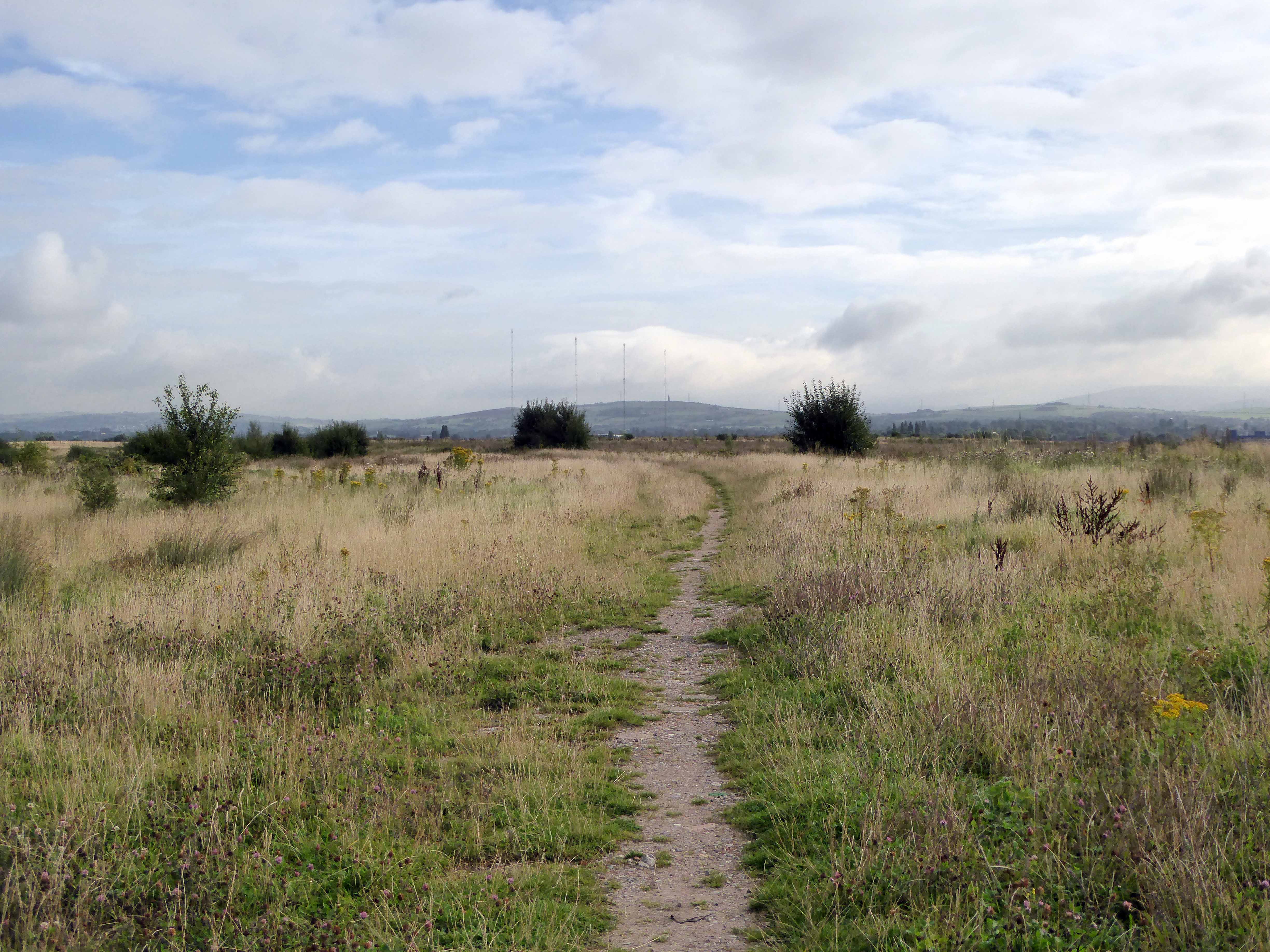
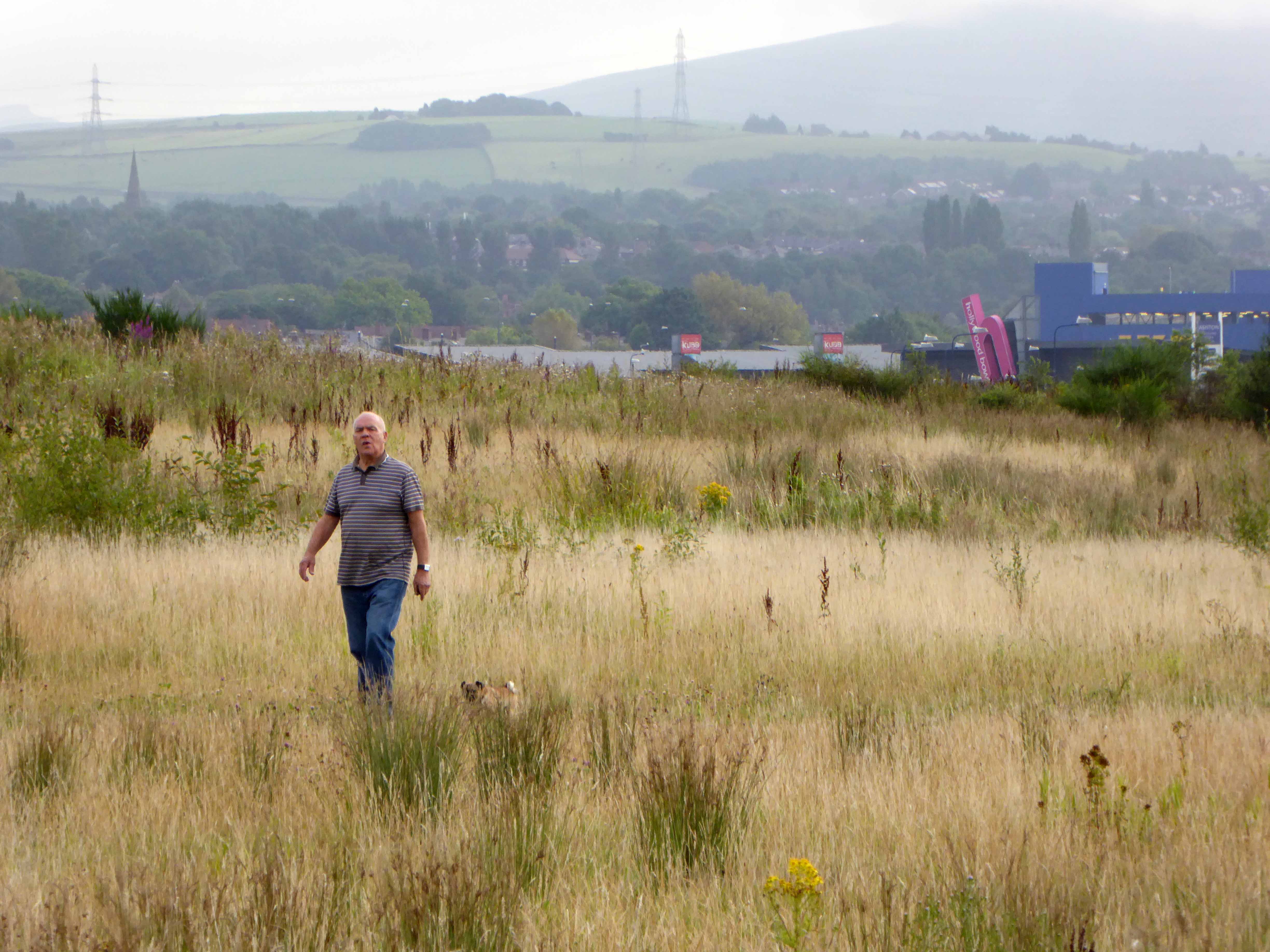
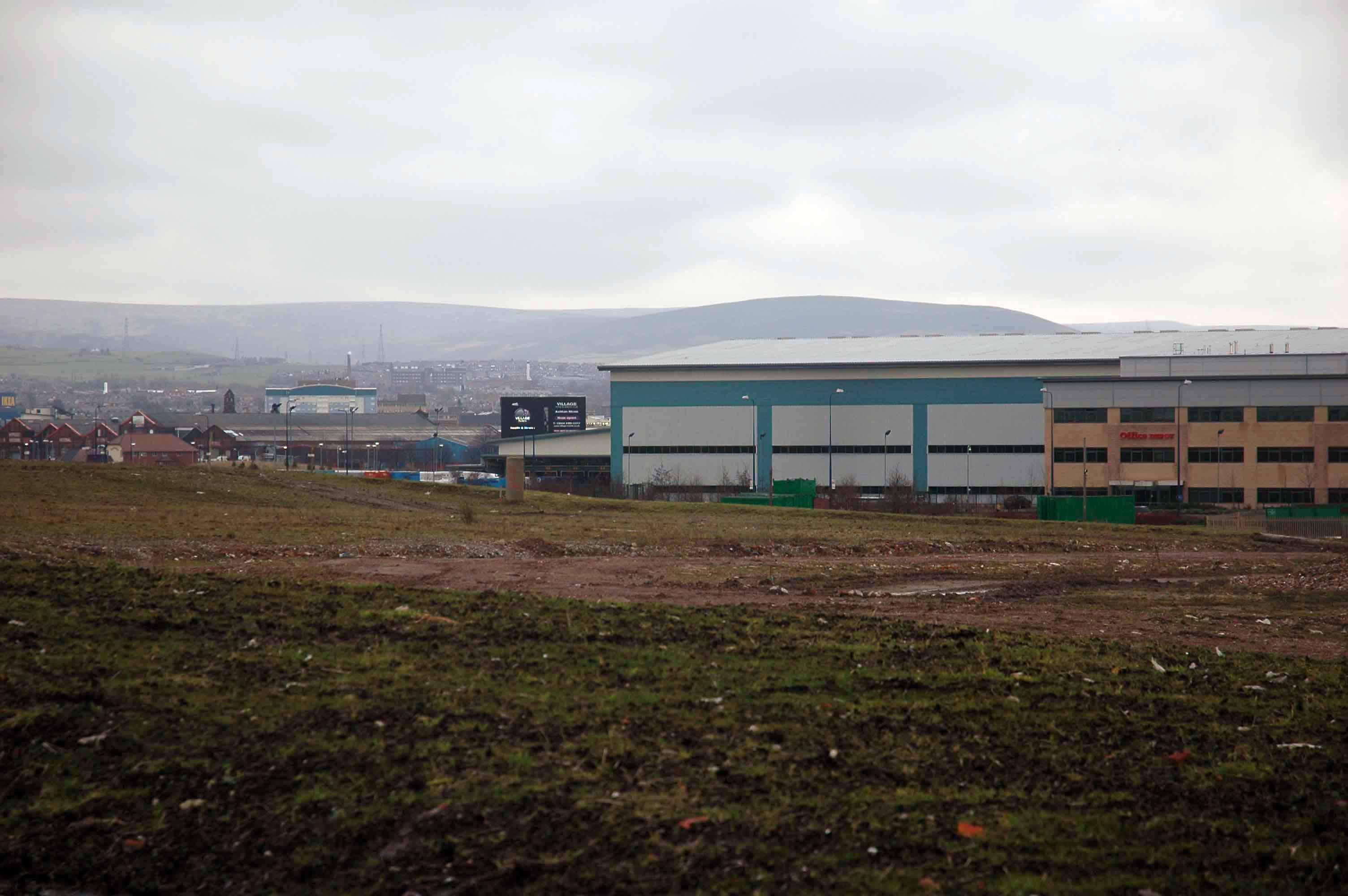
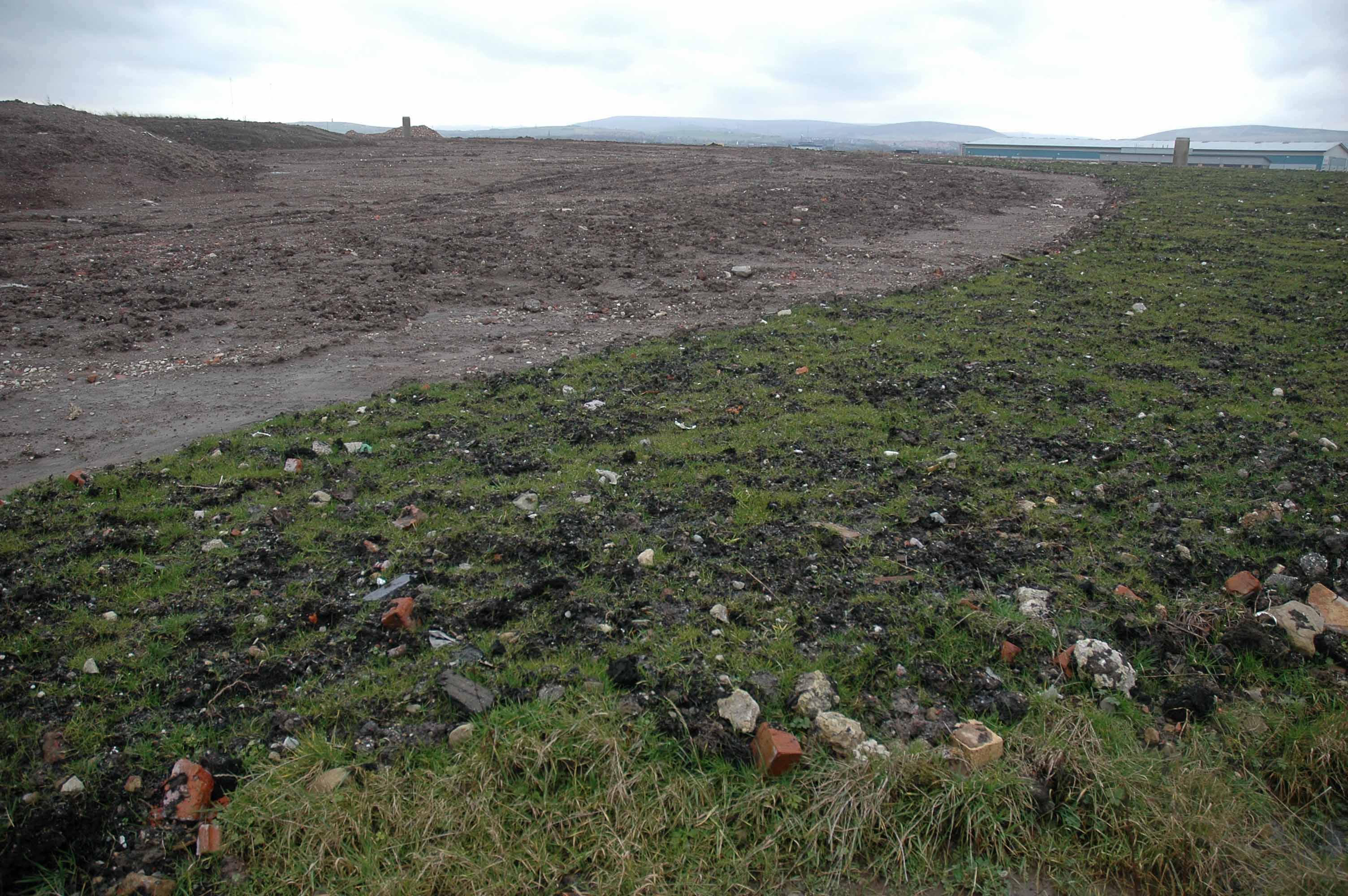
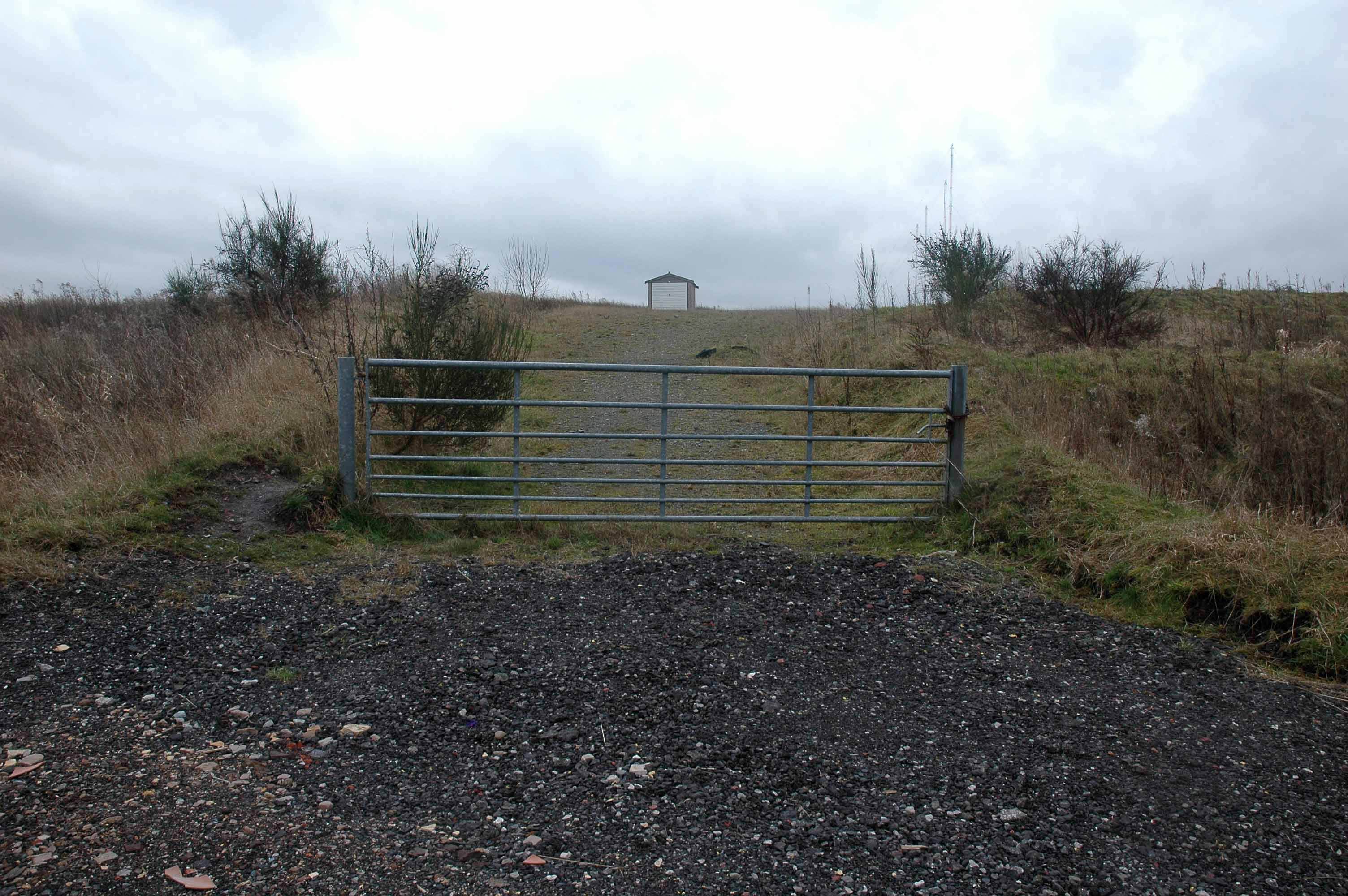
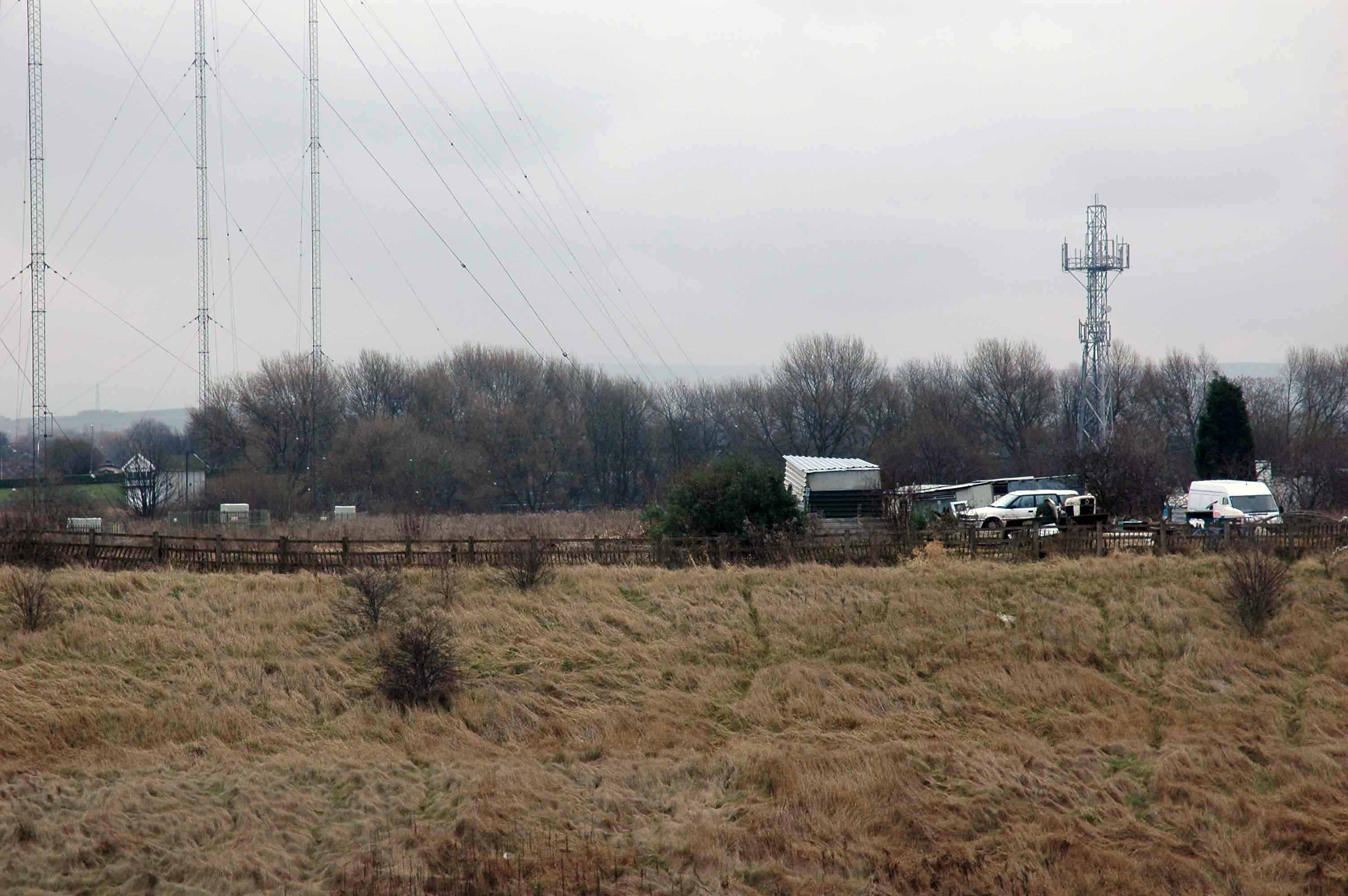
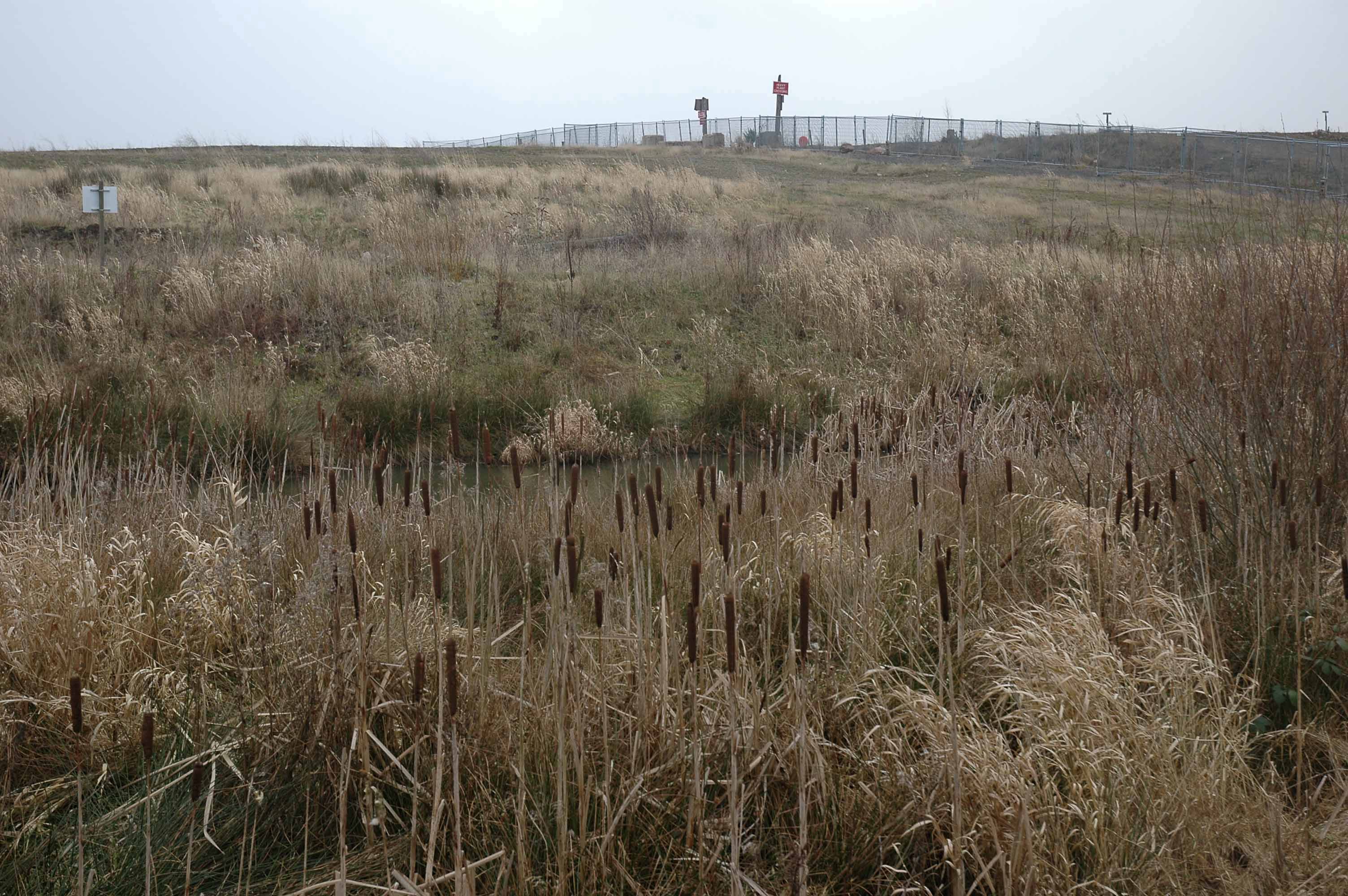
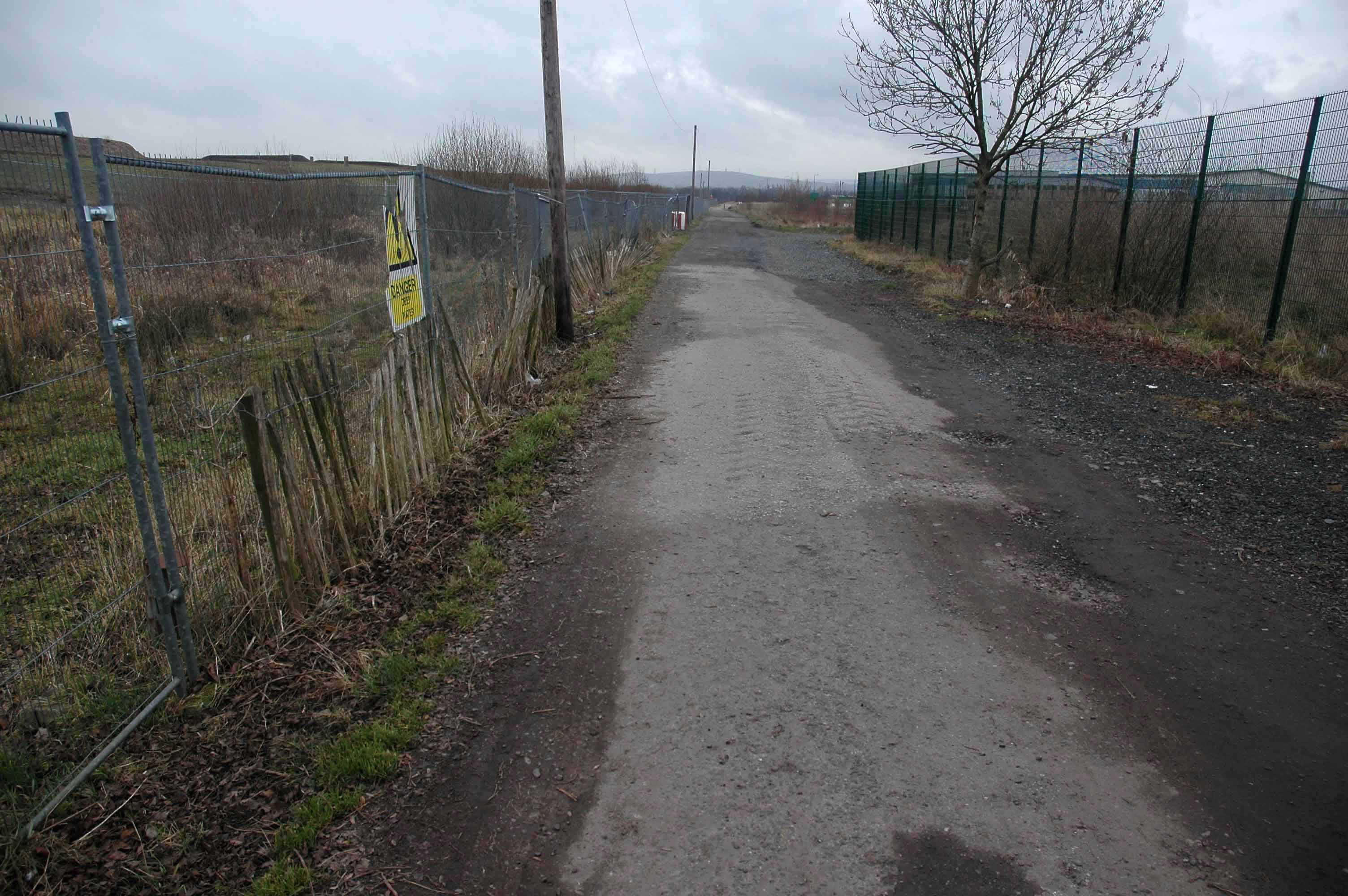
I took myself off there, take a look around, get a feel for the place. Currently the province of rebel dog walkers and guerrilla gardeners, I was informed that the rights of way are regularly blocked by an employee of Cordingley’s Estate Agents, who closes the gaps in the perimeter fencing, subsequently photographing his wiry handiwork. The gaps are then promptly reopened and walkways reestablished.

P1080223

Short eared owls have been spotted.

I was told of the legend concerning Peg’s lantern – fearing for the well being of her son, Peg wanders the dark lanes in search of the errant offspring, later found drunk in a ditch.

This area is a locus of deep, deep energies and histories, monkey with it at your peril.

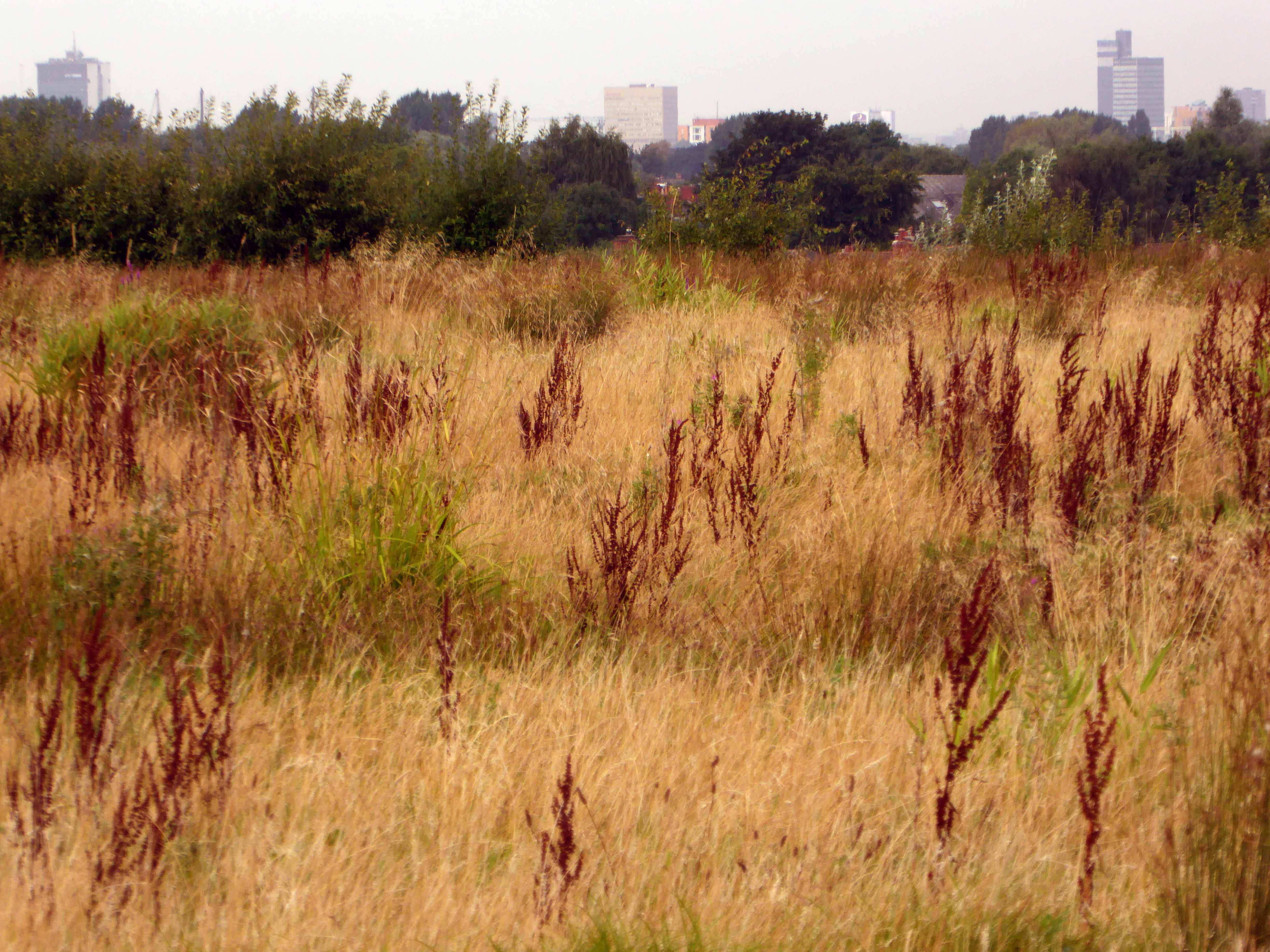
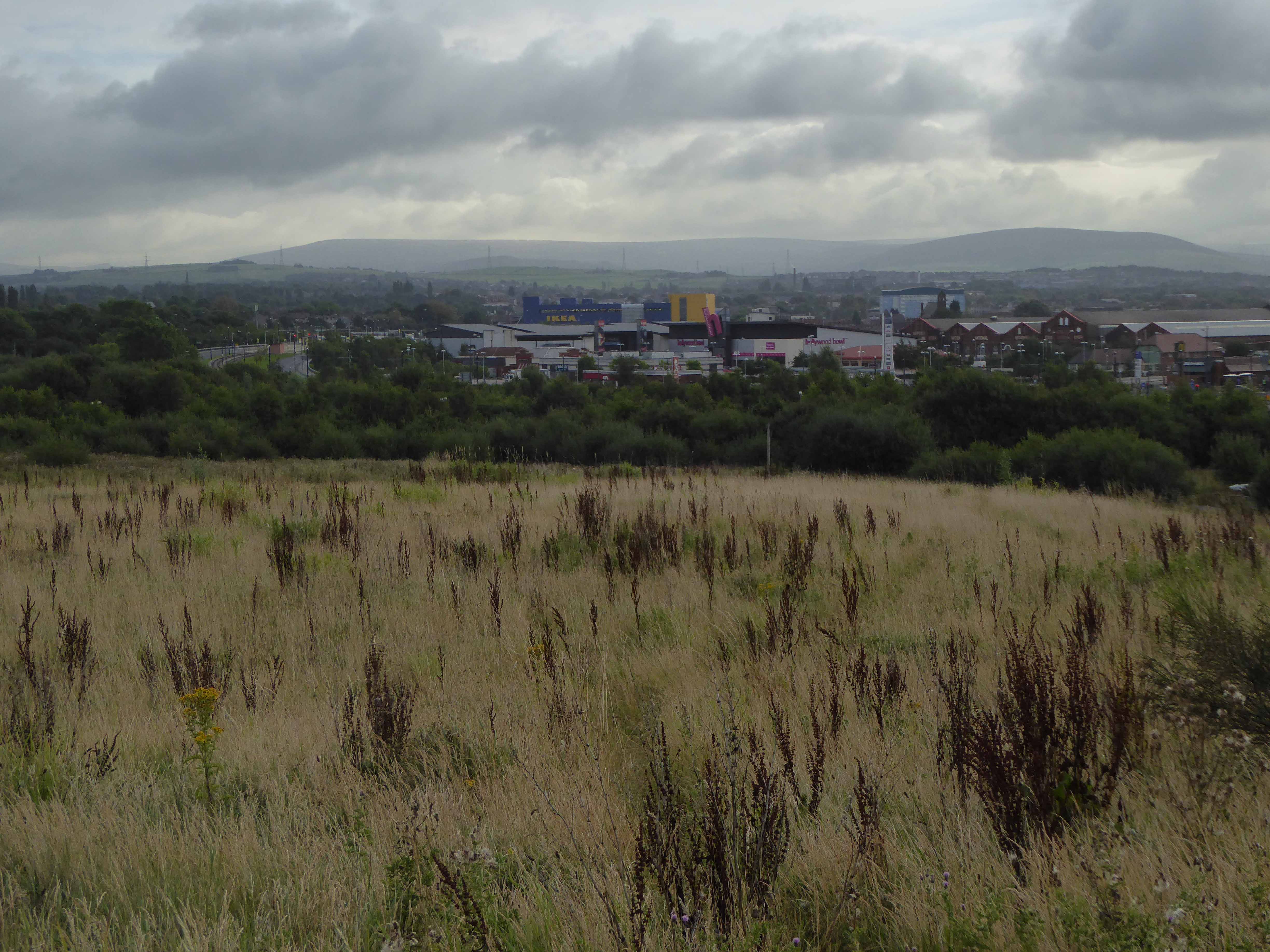
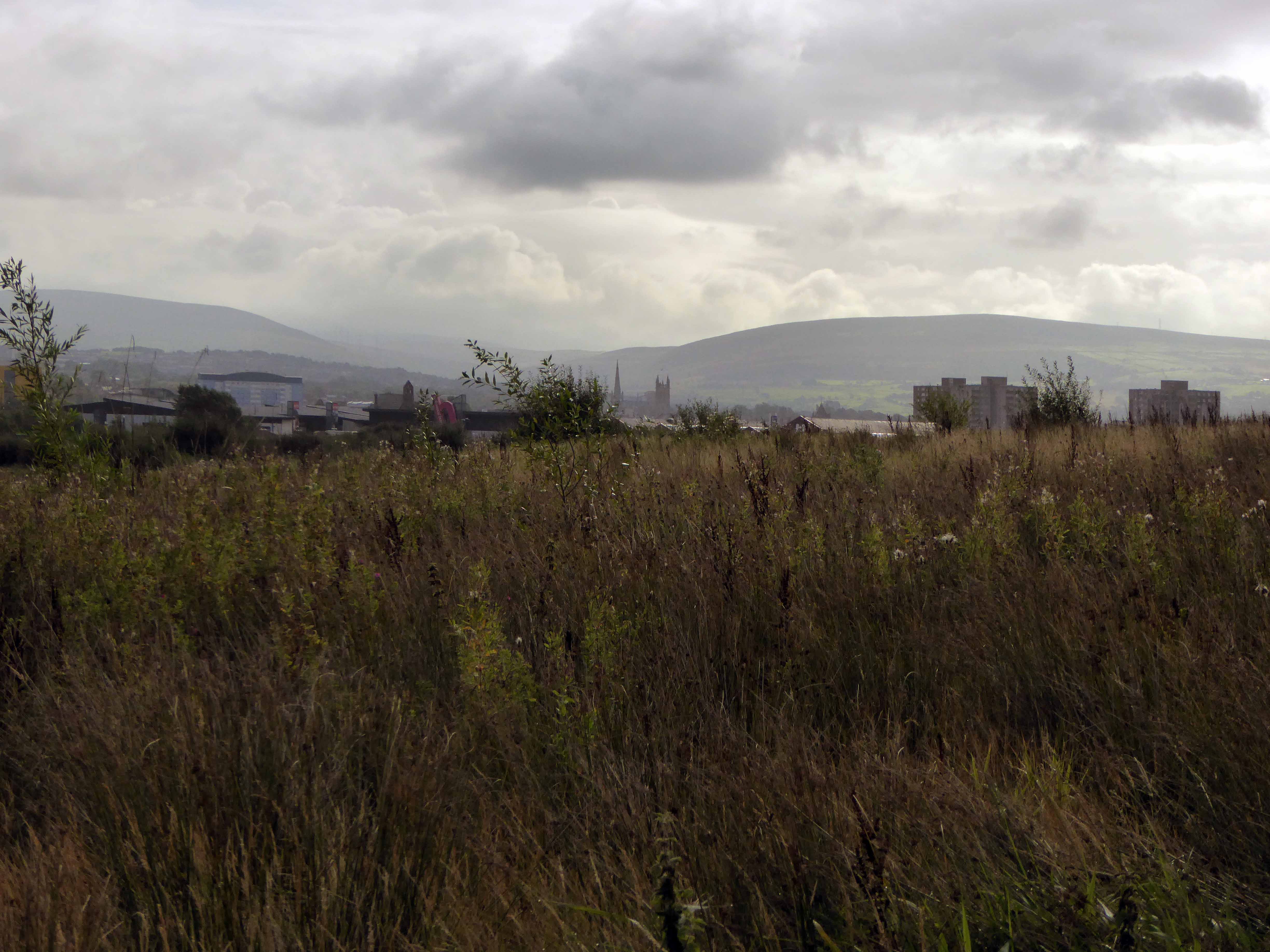
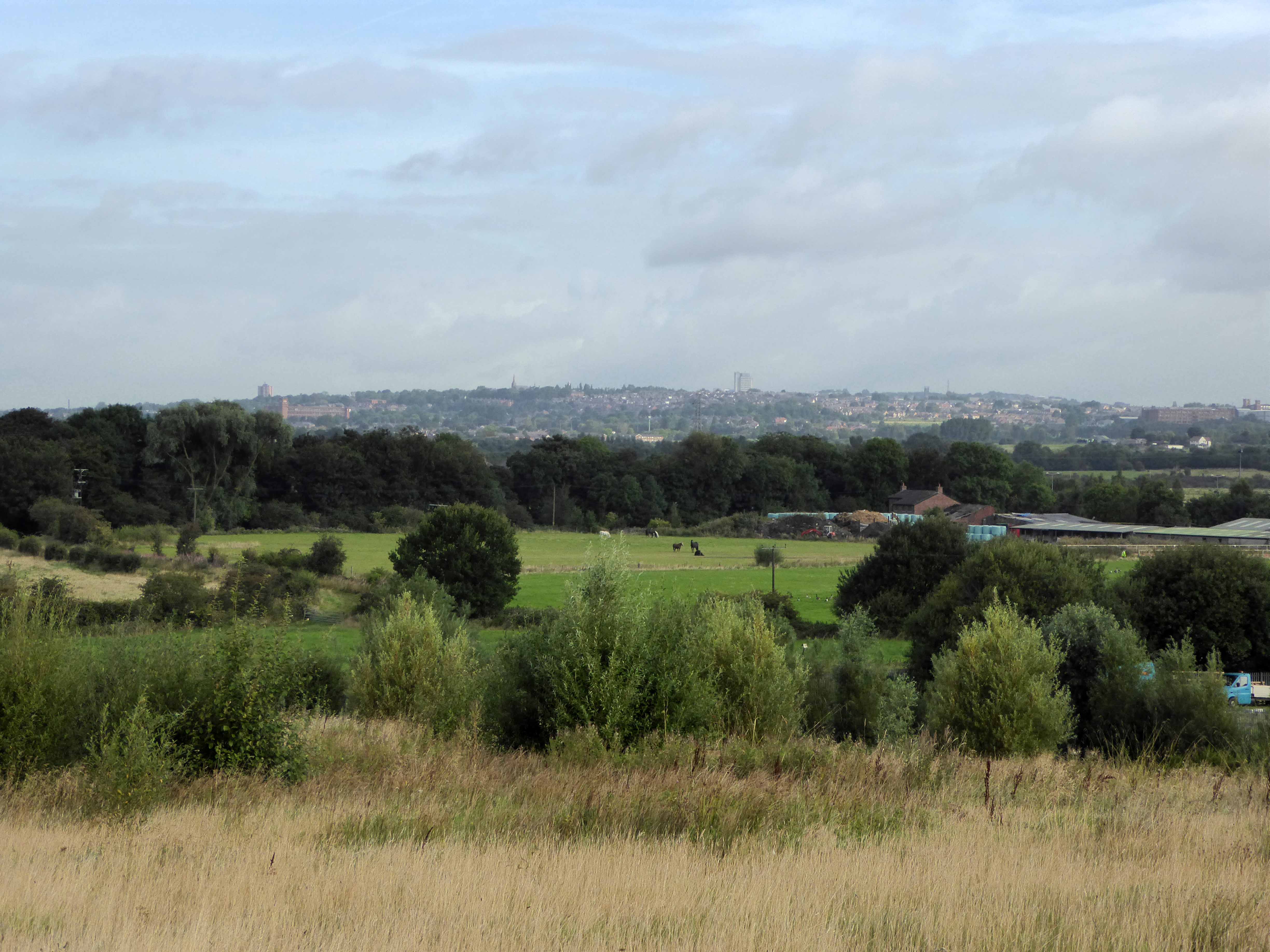
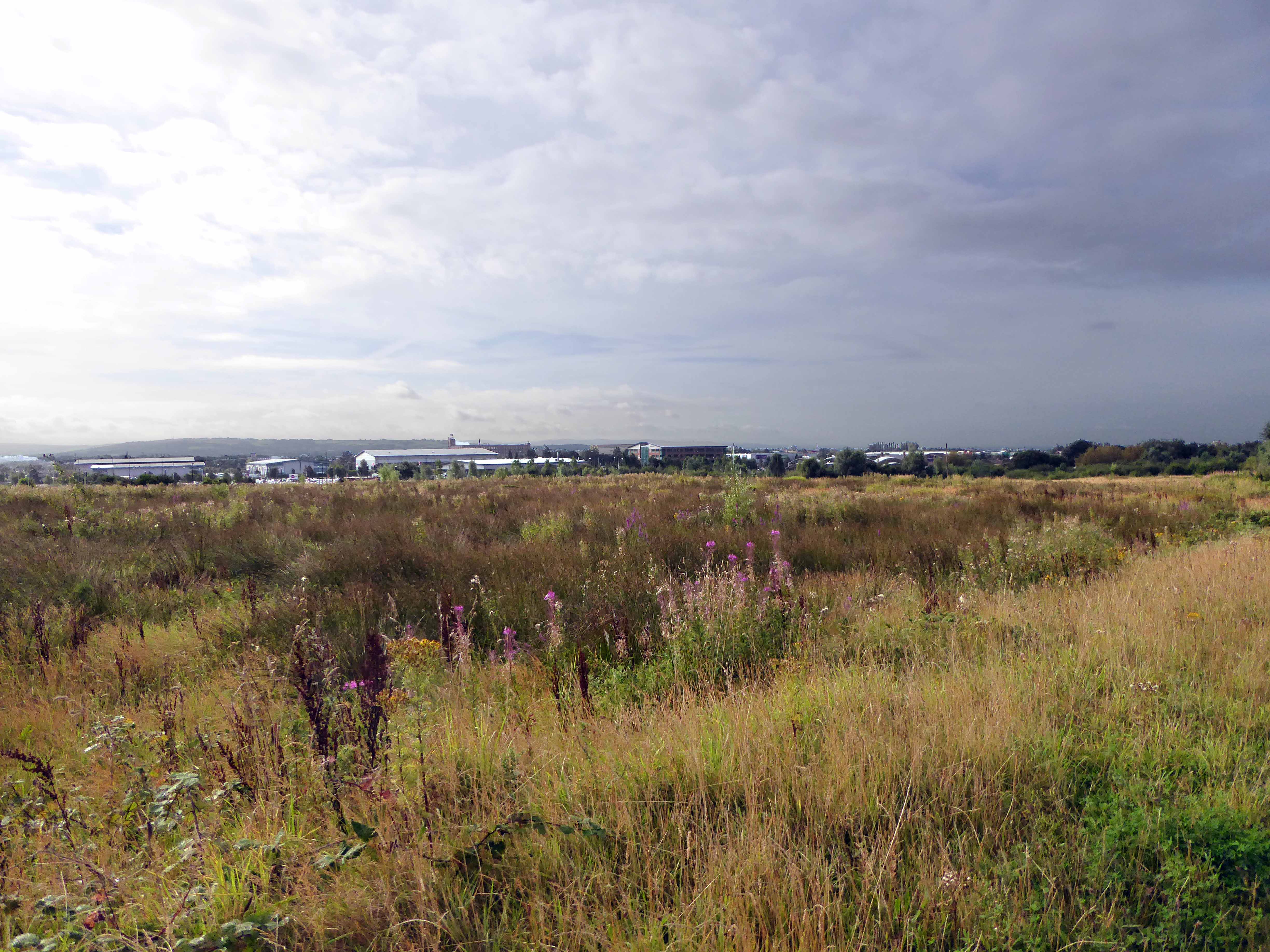
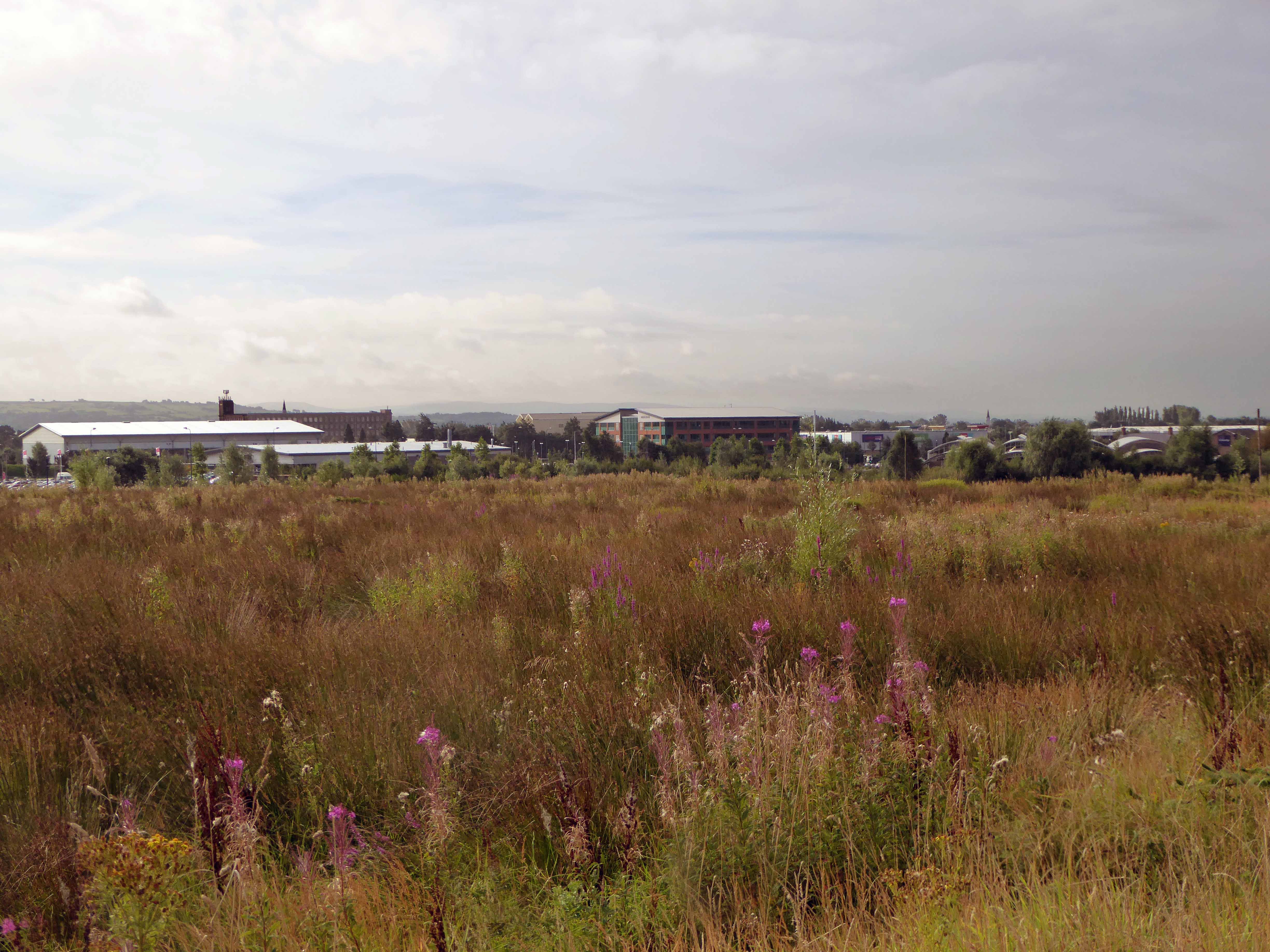
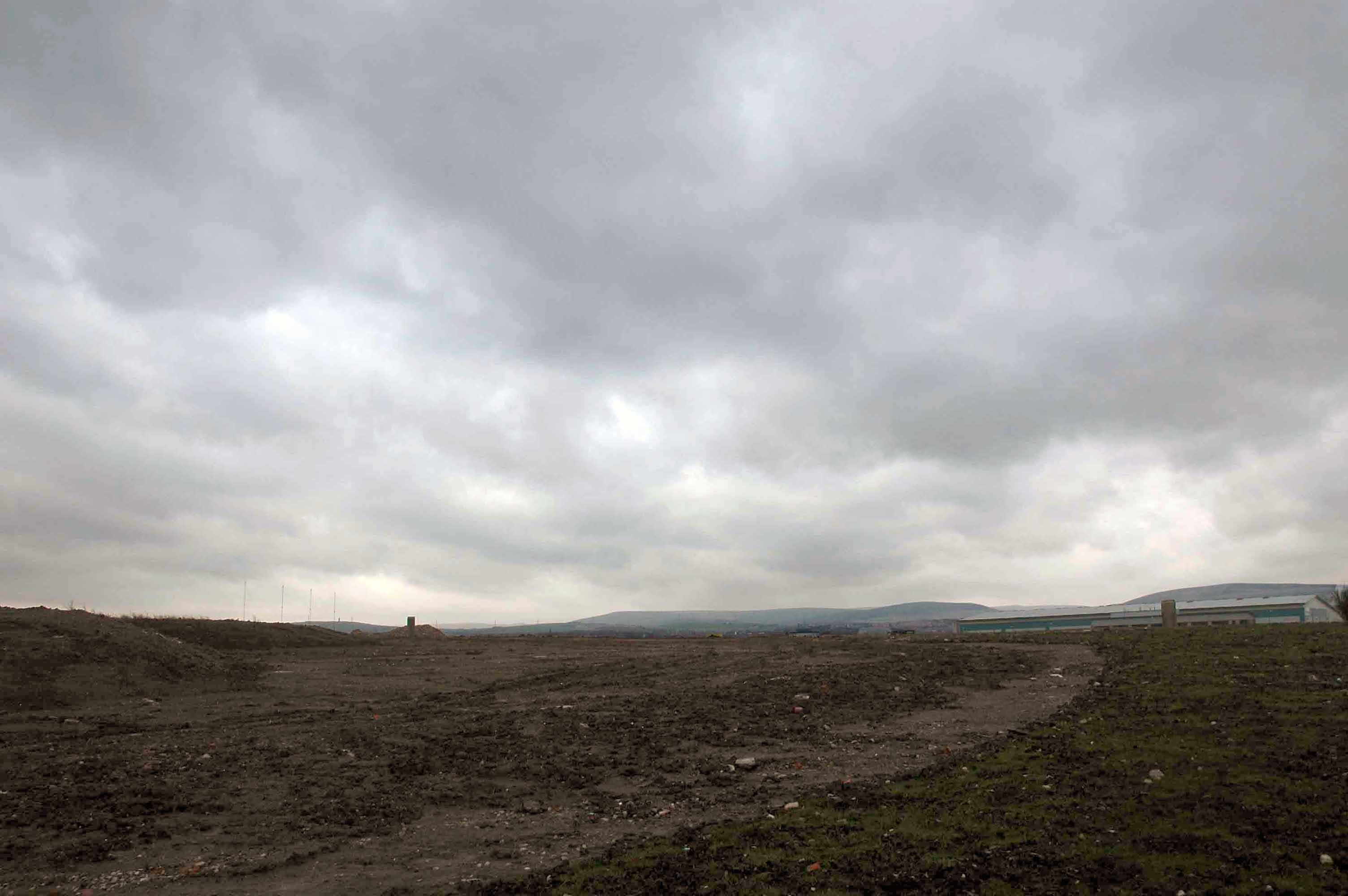
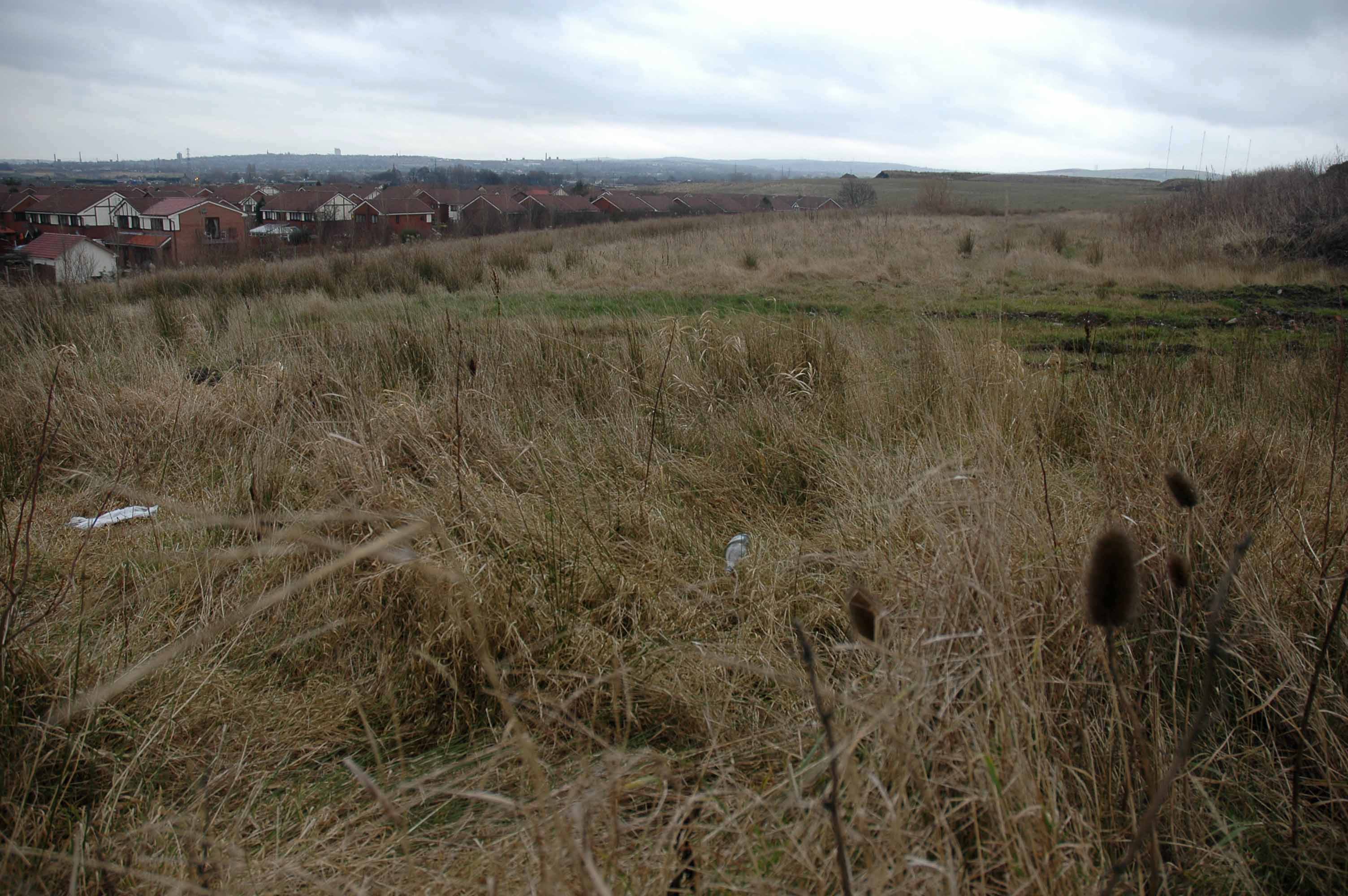
These are observations from a hill:

P1080237

P1080246

P1080239

P1080236

P1080219

P1080216

P1080207

P1080198

P1080197

P1080195

P1080194

P1080193

P1080191

P1080189

P1080184

P1080181

P1080179


Ashton Moss – Leisure and Light Industry

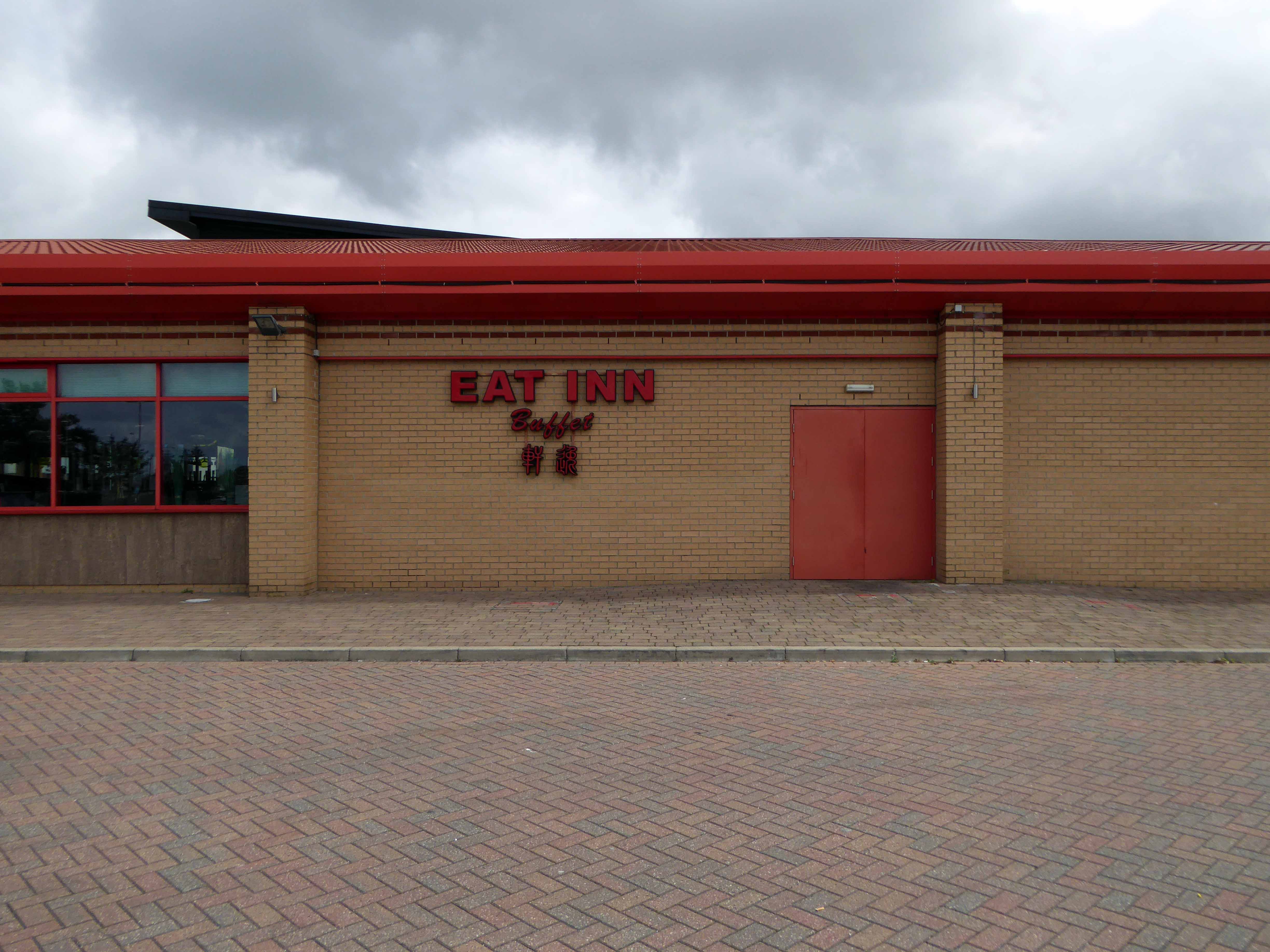
Absolute disgrace the food was disgusting and we’re we was sat it stunk of urine.

Never again will I go.

Welcome to the modern world, once home to the world’s finest celery, now home to the world’s worst online reviews.

The area, under cultivation for over a hundred years was bulldozed to one side, and left in a heap. The M60 arrived wiped its feet on the greensward  and awaited the expected redevelopment.

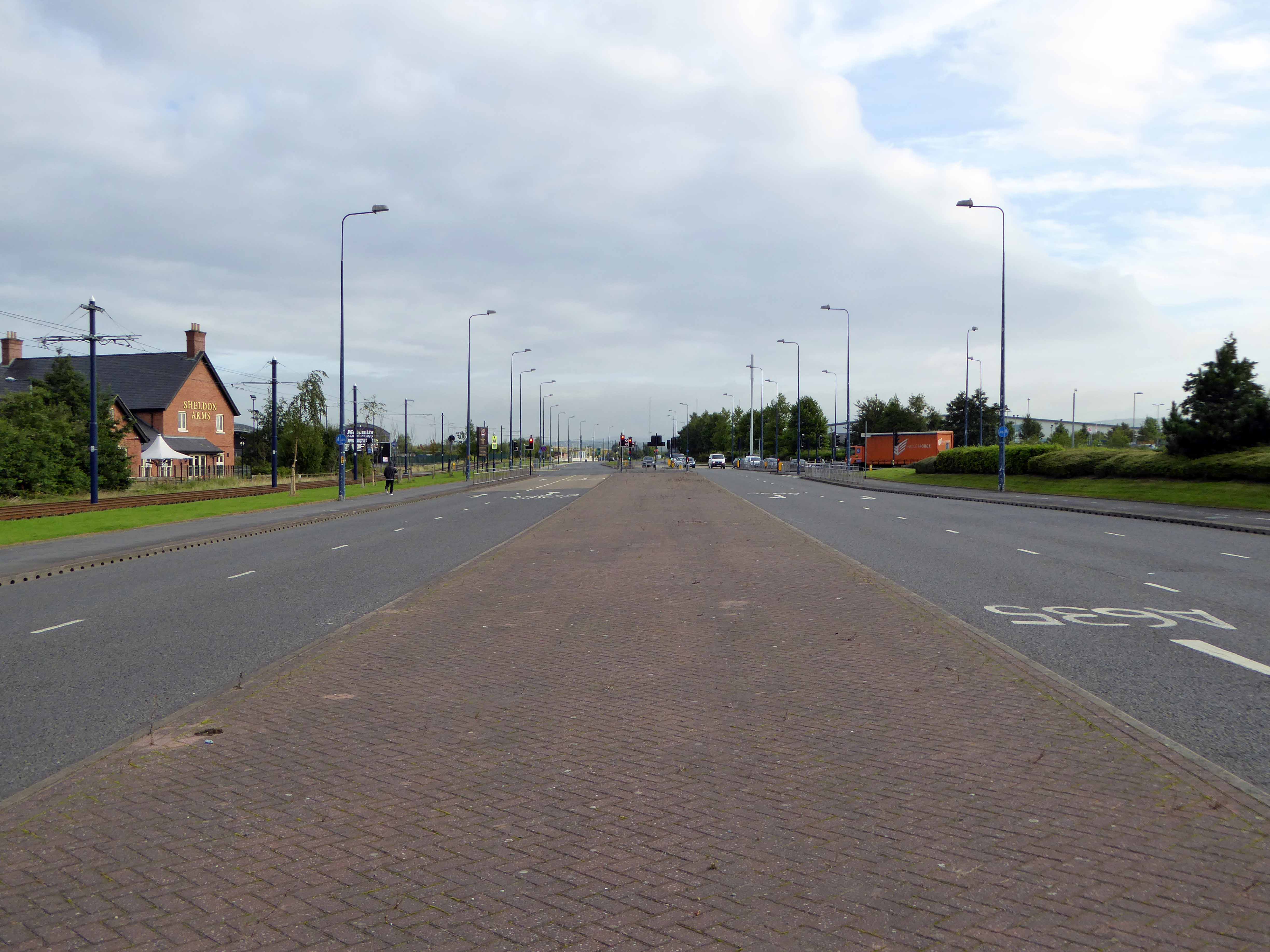
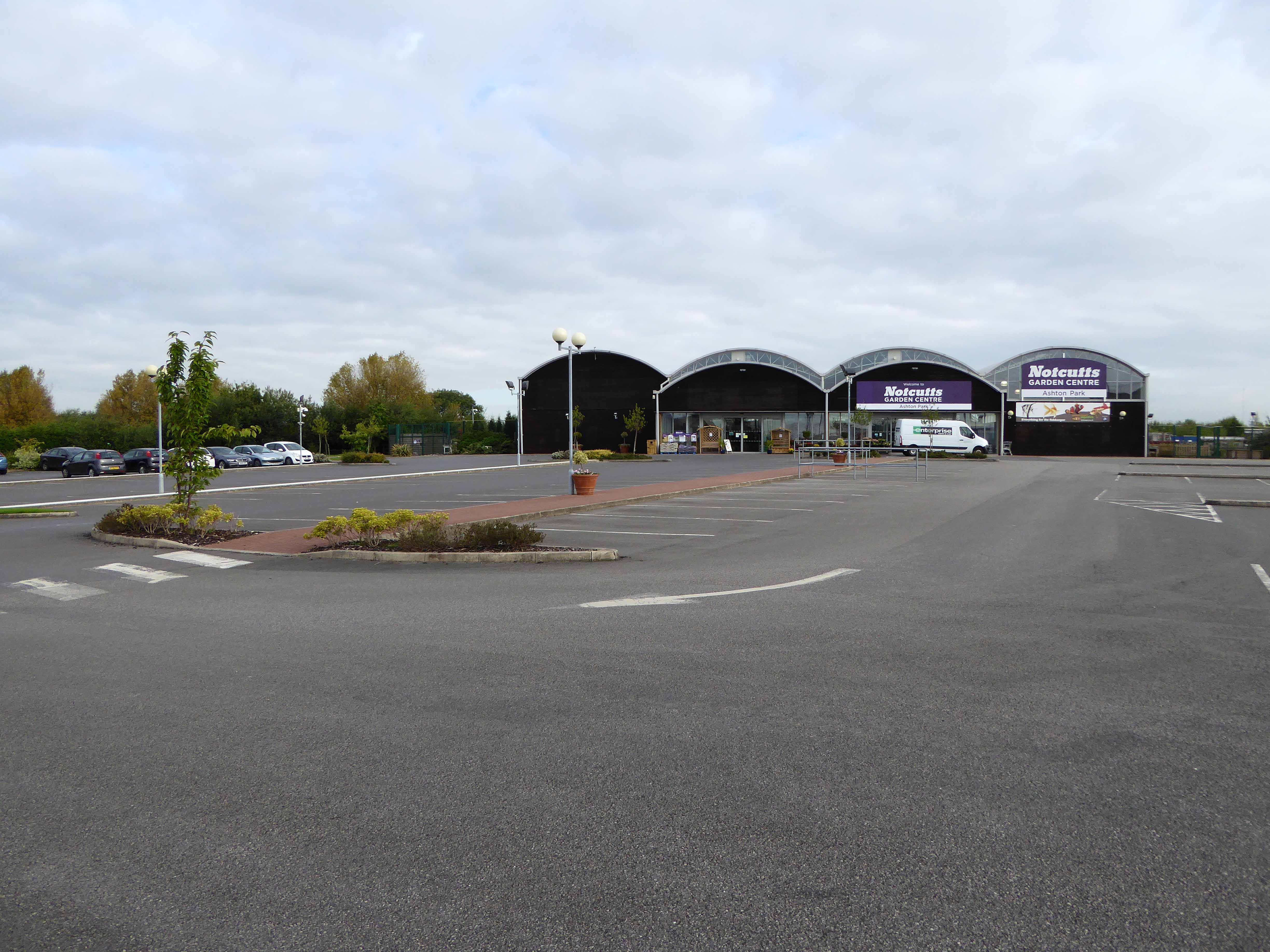
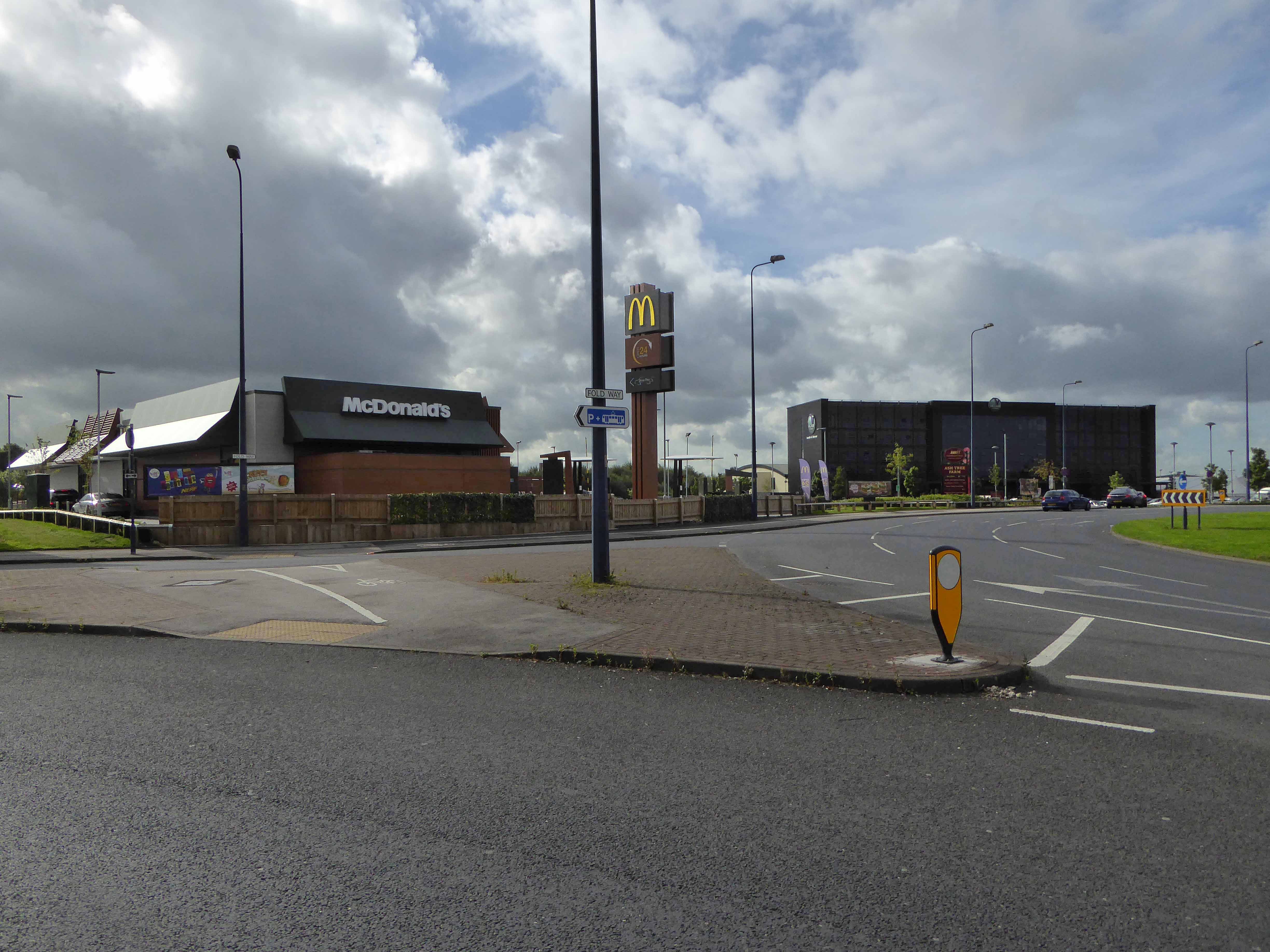
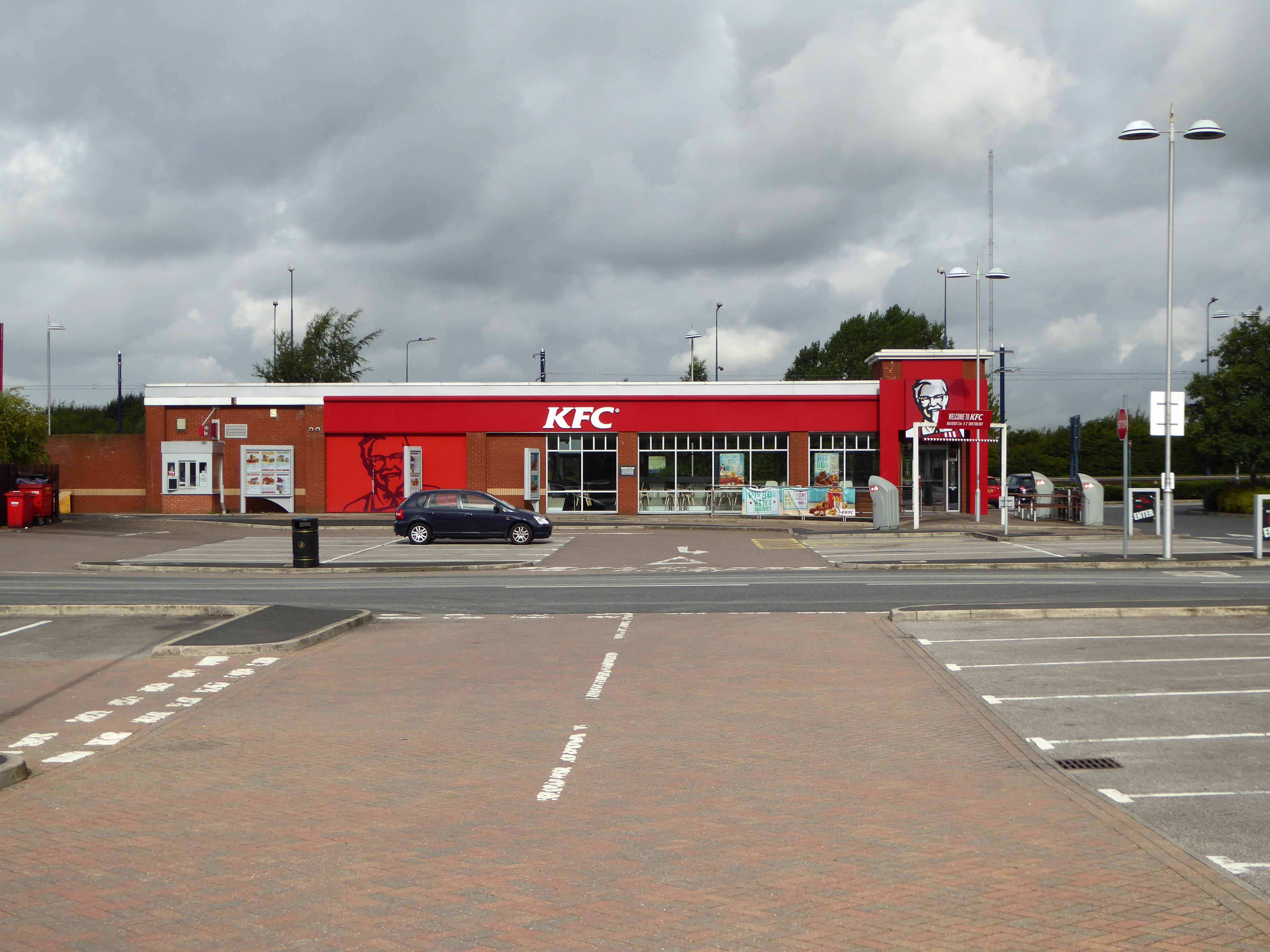
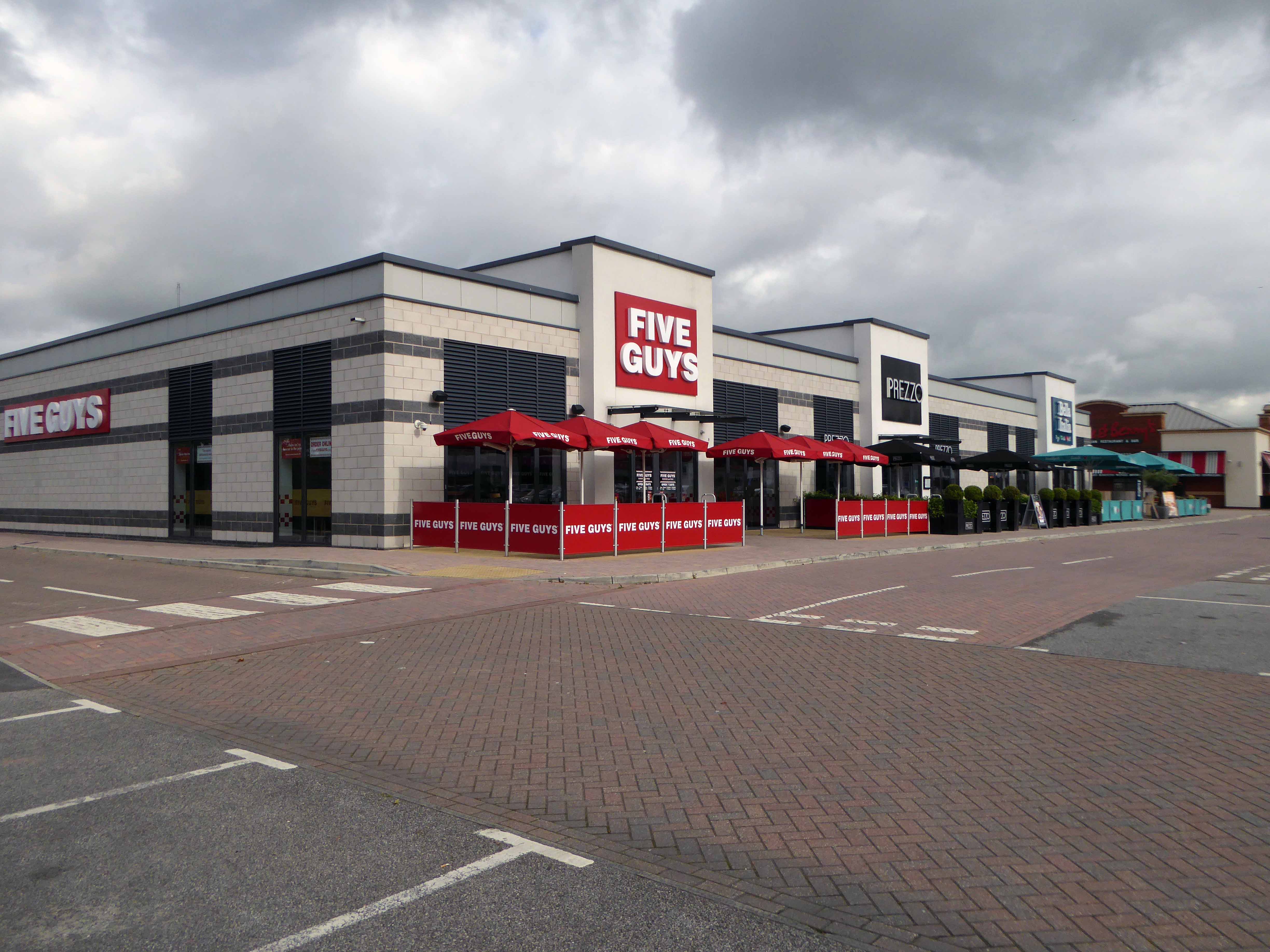
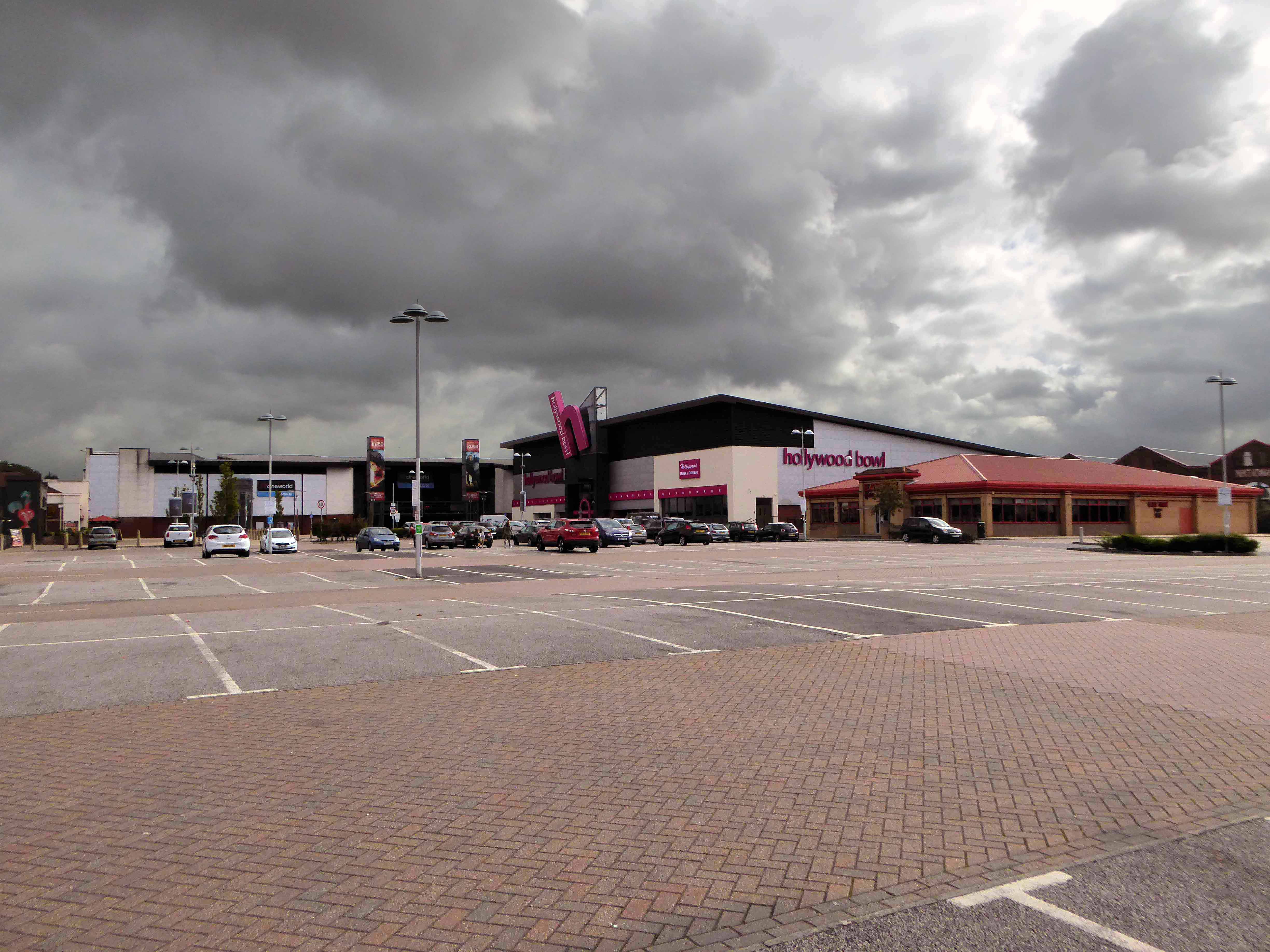
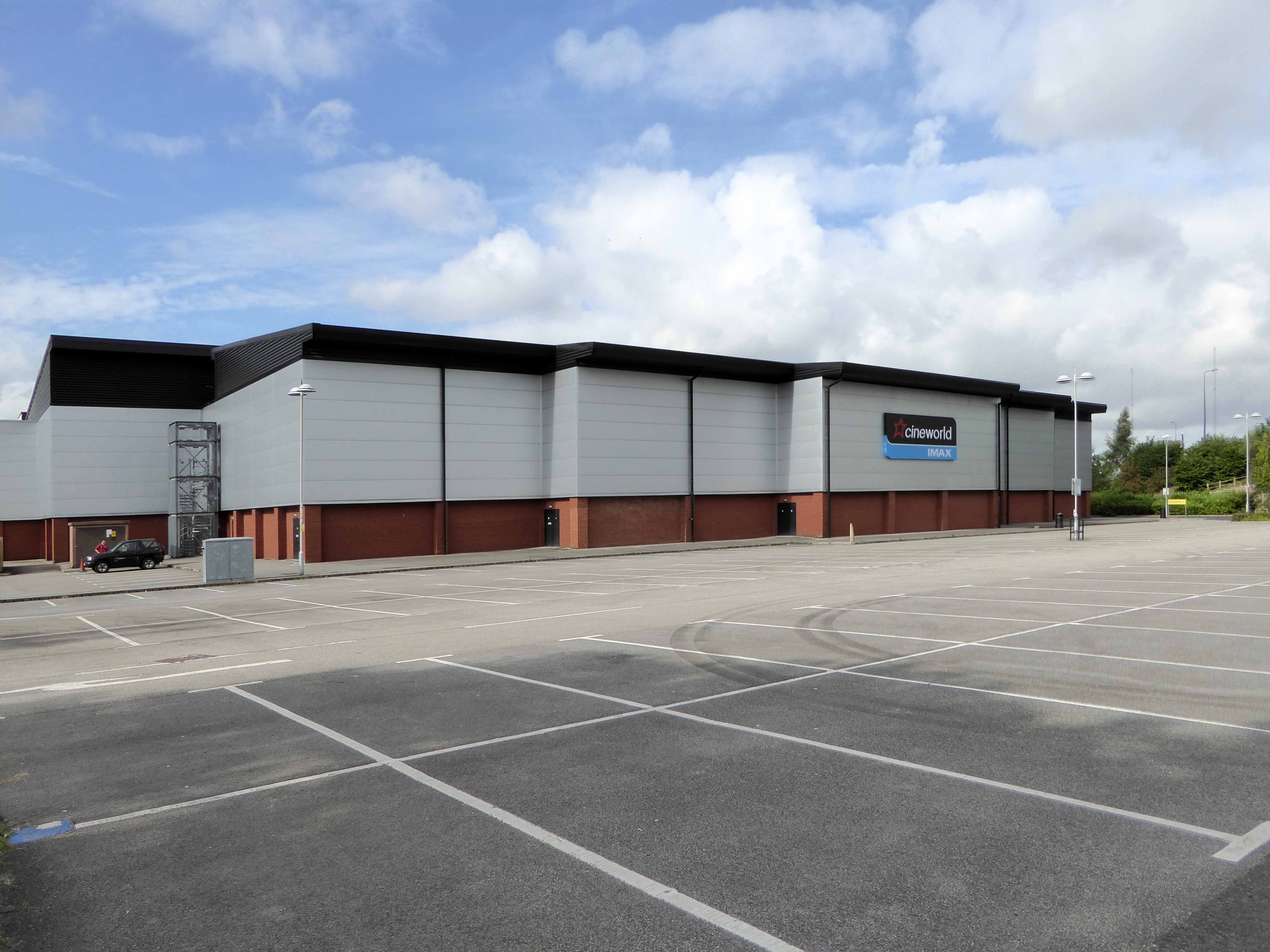
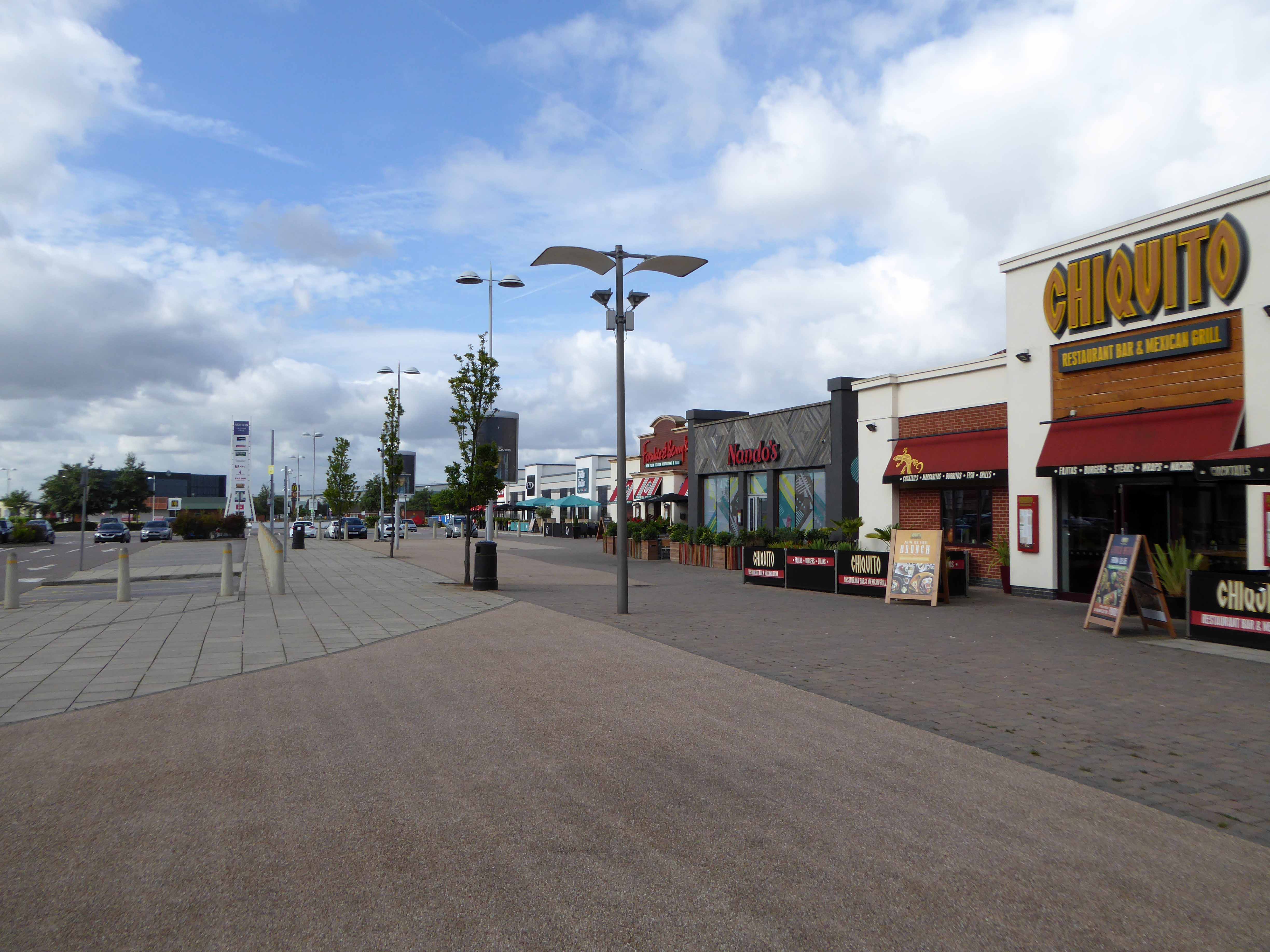
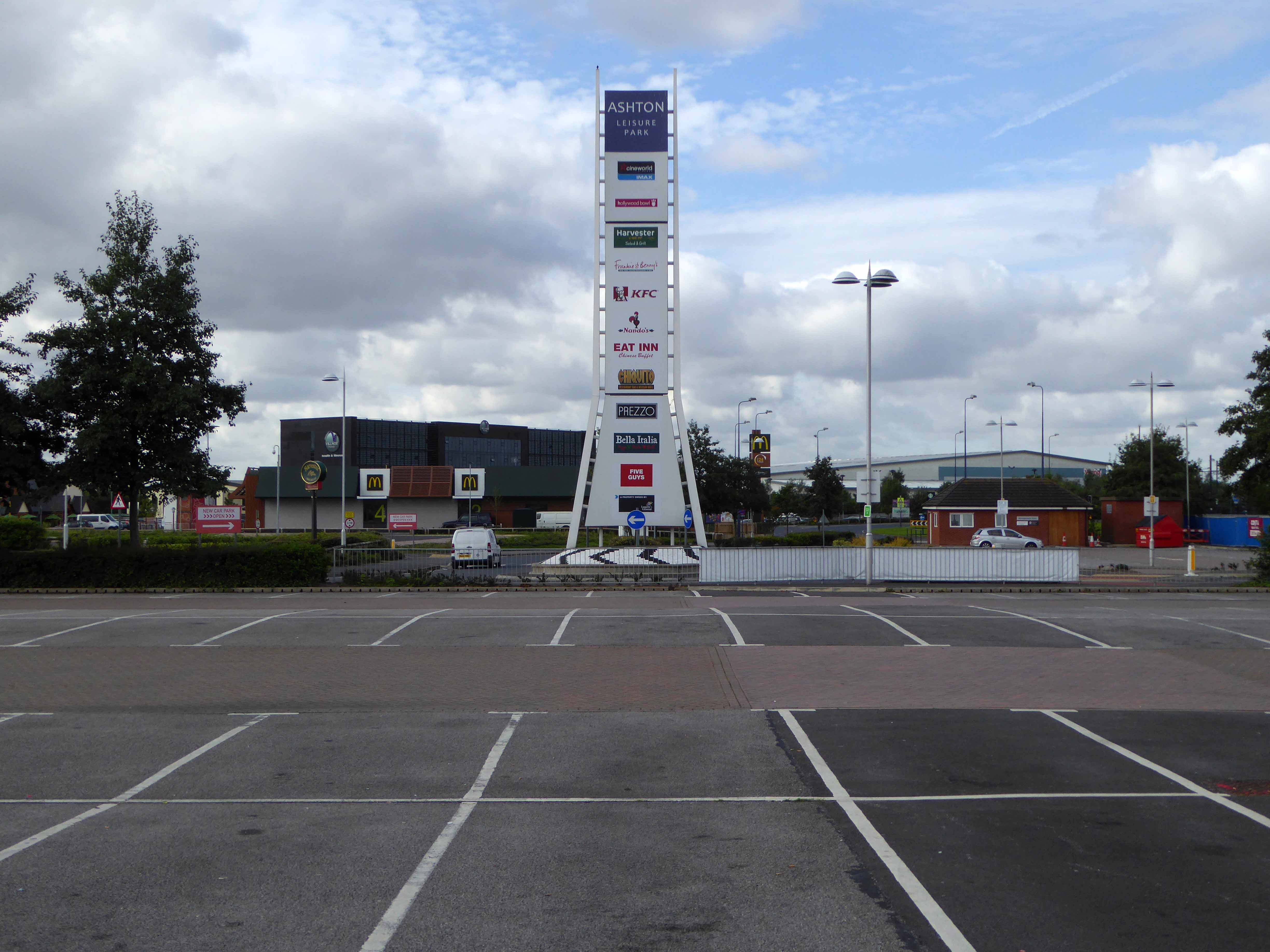
Welcome to the brand new shiny nowhere, the dual carriageway expanse of Robert Sheldon Way carries you away to a strikingly inevitable array of chains, human bondage has never appeared so  clean and bright.

Muse developments:

Good design is required as a key aspect of pursuing sustainable development indivisible from good planning. Good design involves seeking positive improvements in the quality of our built, natural and historic environment, addressing the connections between people and places.


P1080156

P1080157

P1080164

P1080167

P1080173

P1080256

P1080257

P1080259

P1080260

P1080261

P1080262

P1080271

P1080274

P1080275

P1080300

P1080301

P1080304

P1080320

P1080321

P1080328

Ashton Moss

Ashton Moss is an area I have known for some fifty years or so, my grandfather was a collier at the Ashton Moss Pit, I worked trains around the triangle of rail that encloses the area – I returned some time ago to take a look at what remained of a once fertile area.

This area of low lying, deep peaty bog, just outside Ashton-under Lyne, was drained in the mid 1800’s to grow some of the best crops – It was world famous for its celery but also grew good cabbage, cauliflowers and lettuce, with cucumbers and tomatoes grown in glasshouses. The ground was apparently fertilised by marl dug from local banks or pits, and by dung brought by horse and cart from the elephant and tiger enclosures at Belle Vue Zoo, down the road.

Four brothers of the Kelly family came from Ireland shortly after the Irish potato famine of 1840’s, settled on the Moss and still have a descendent selling fruit and vegetables on Ashton Market today.

The Moss is also where Bill Sowerbutts, of Gardener’s Question Time fame, learnt his trade. Bill’s first memories were of his Father’s smallholding on the Moss, which had been bought from a market gardener called Tommy Knight in 1892.

http://kindling.org.uk/digging-around-ashton-moss

The celery is long gone, the land now in use as a retail leisure park, intersected by the Manchester Orbital ring road, a Metrolink tram track, several dual carriageways and the existing rail network.

Its passing does not seem to be matter of record save for this archived account of 1989.

I read today of plans to set the 2025 World’s Fair there.

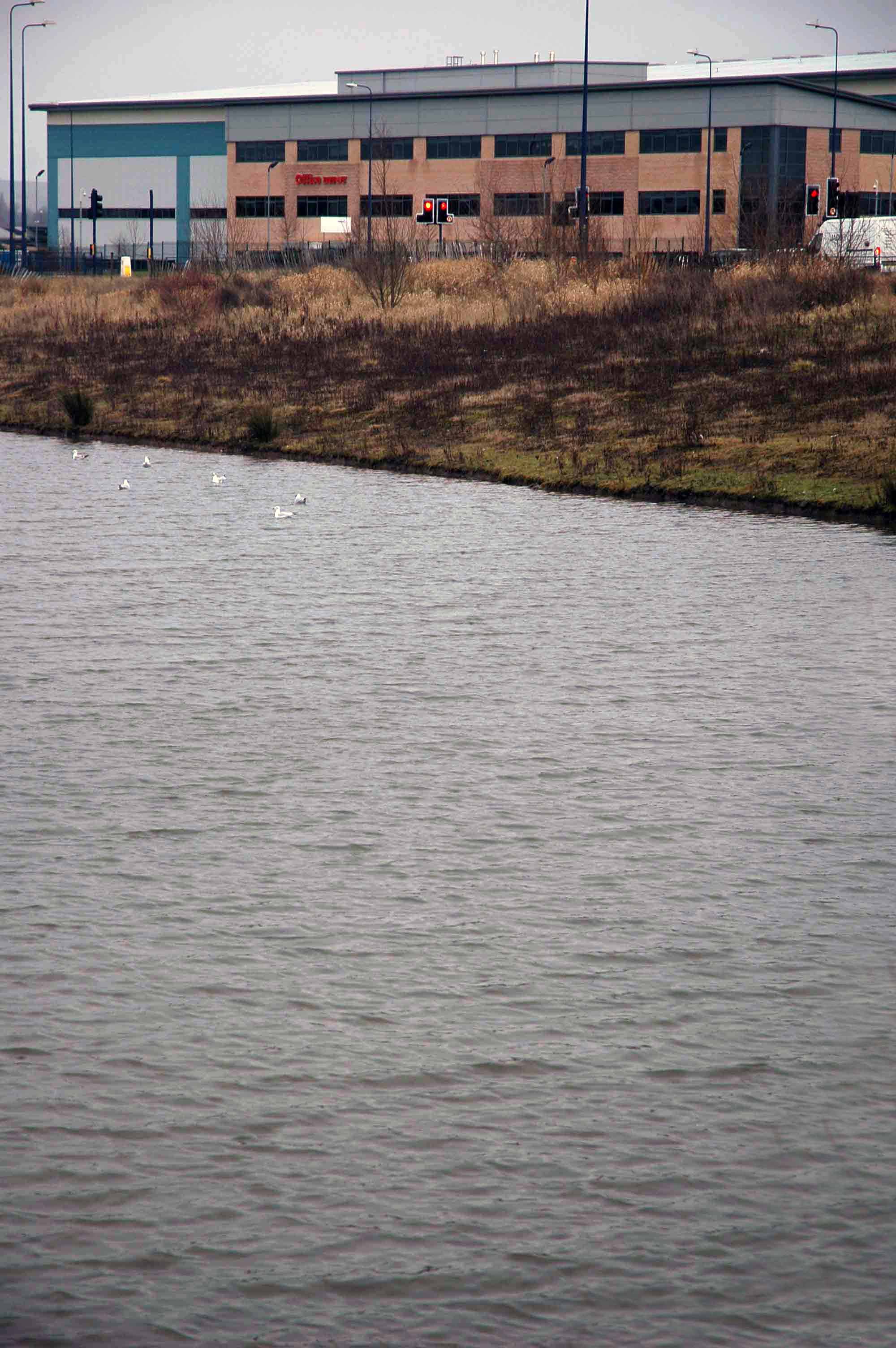
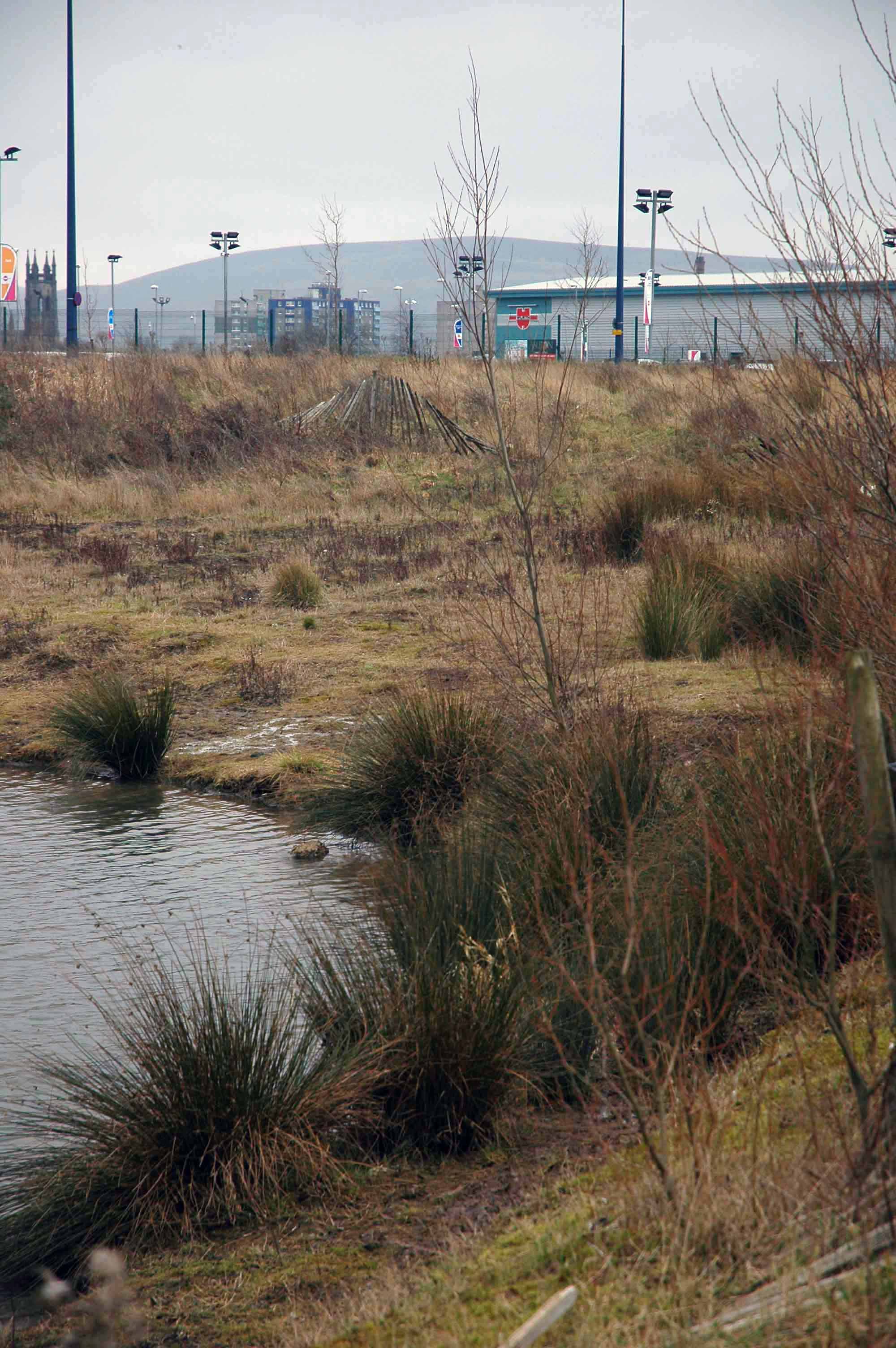
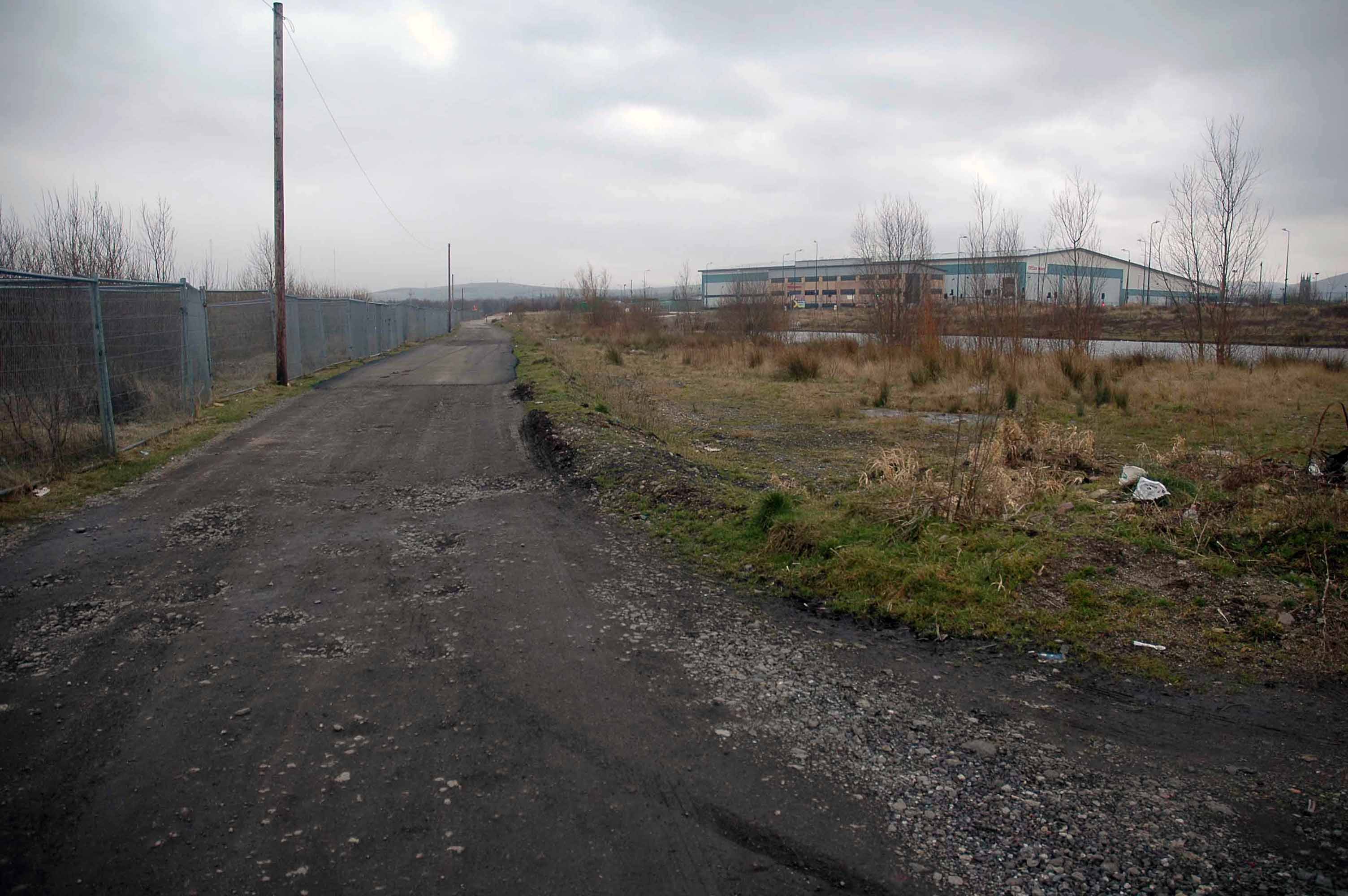
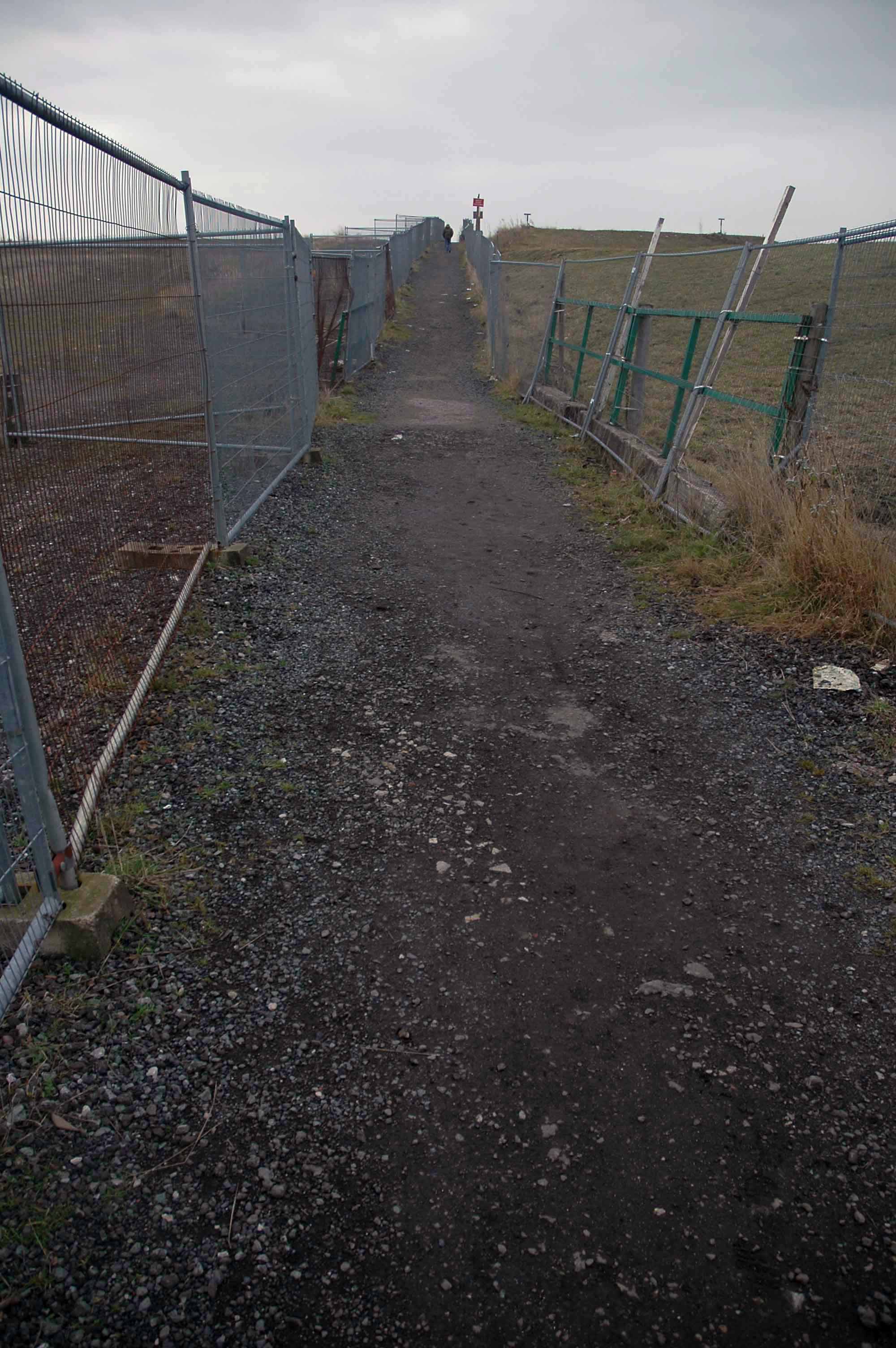
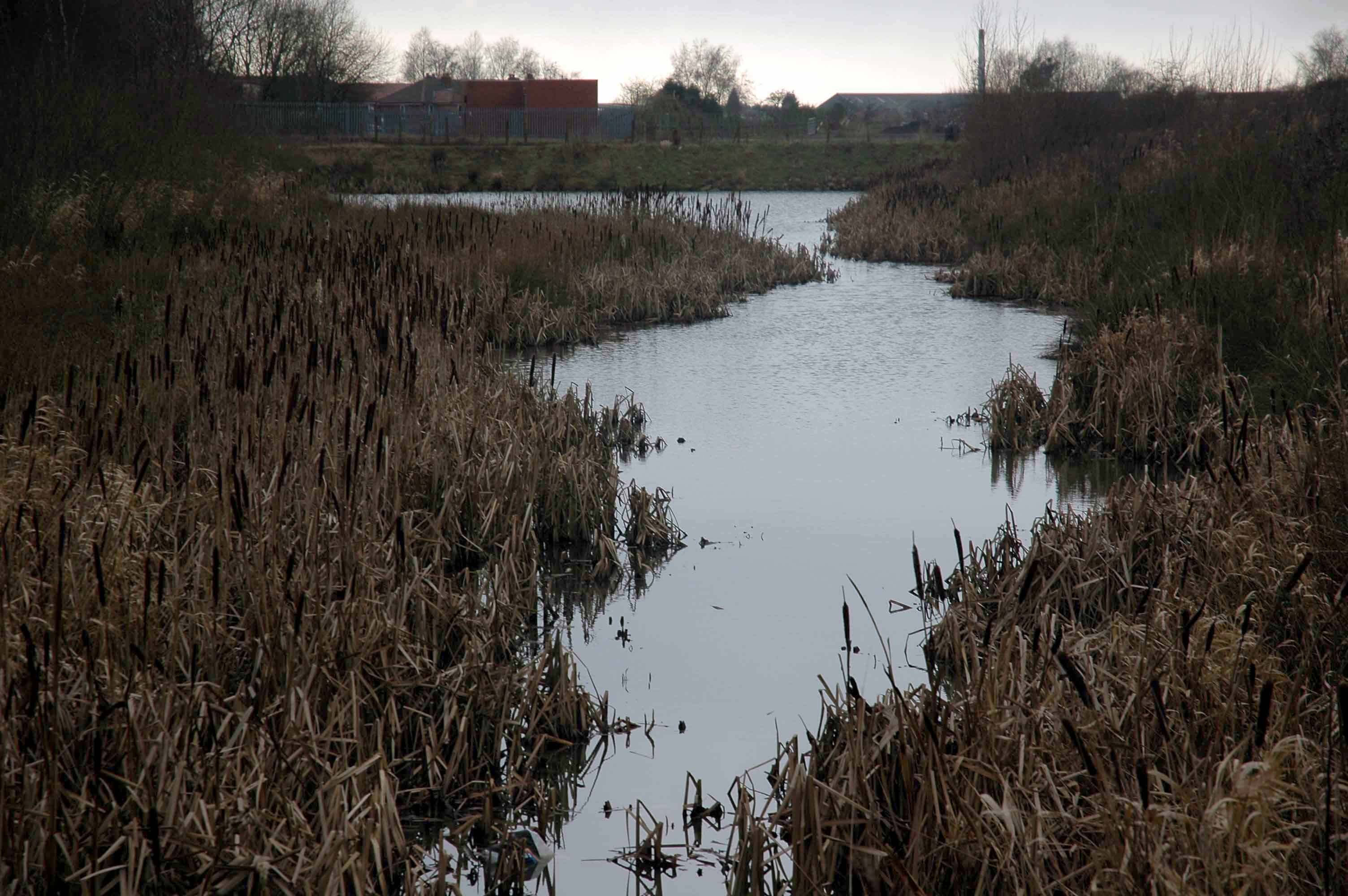
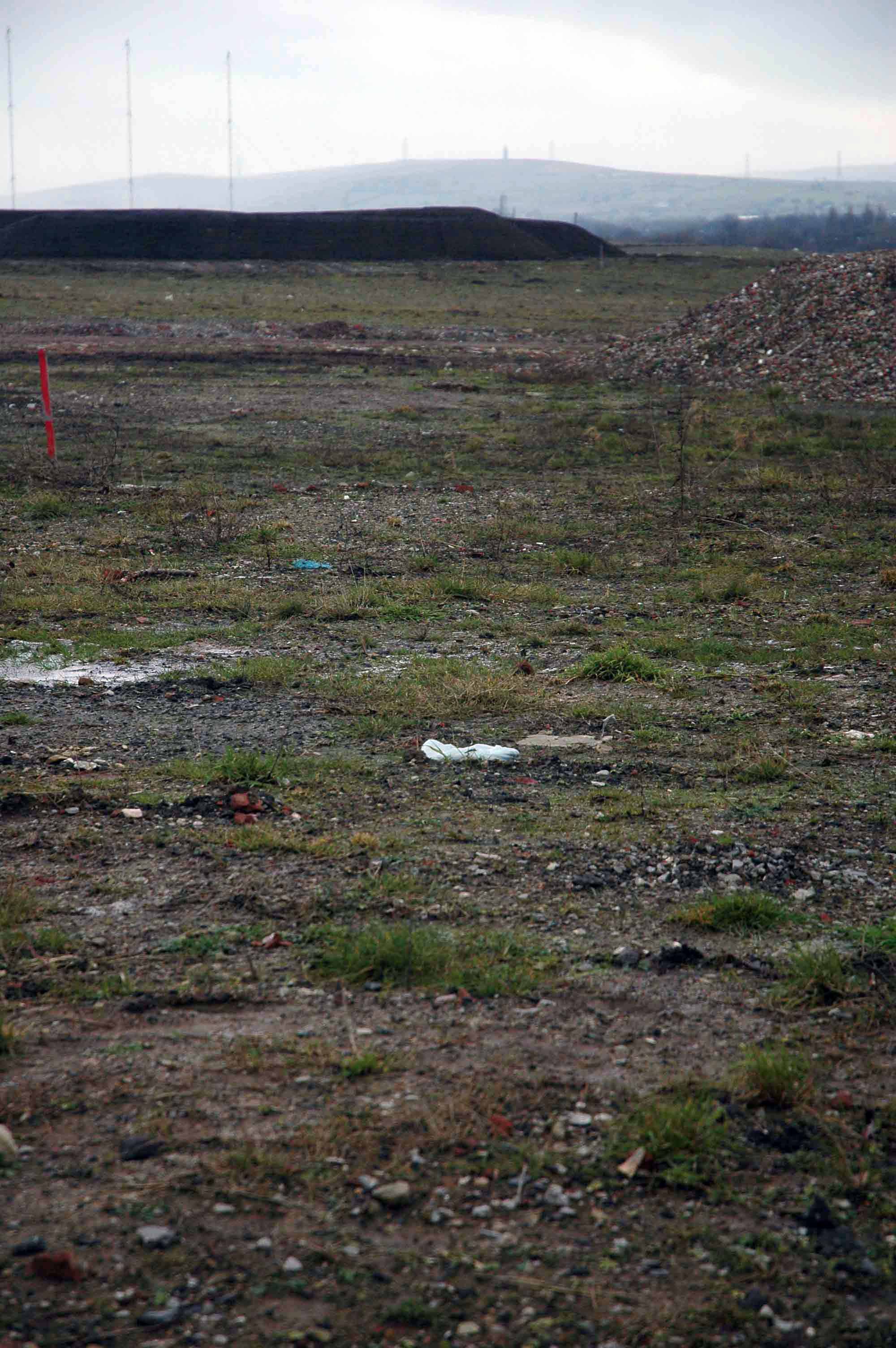
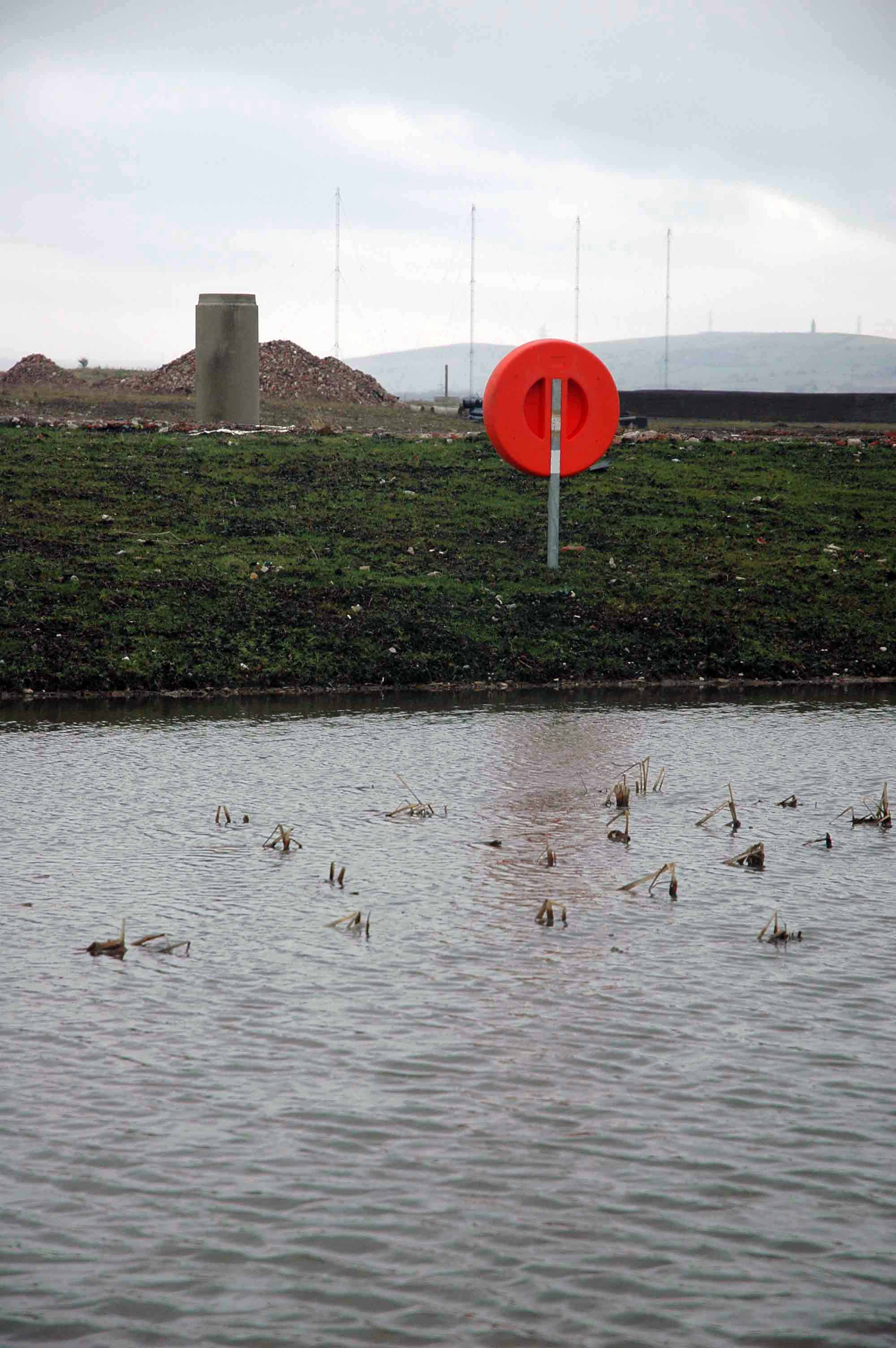
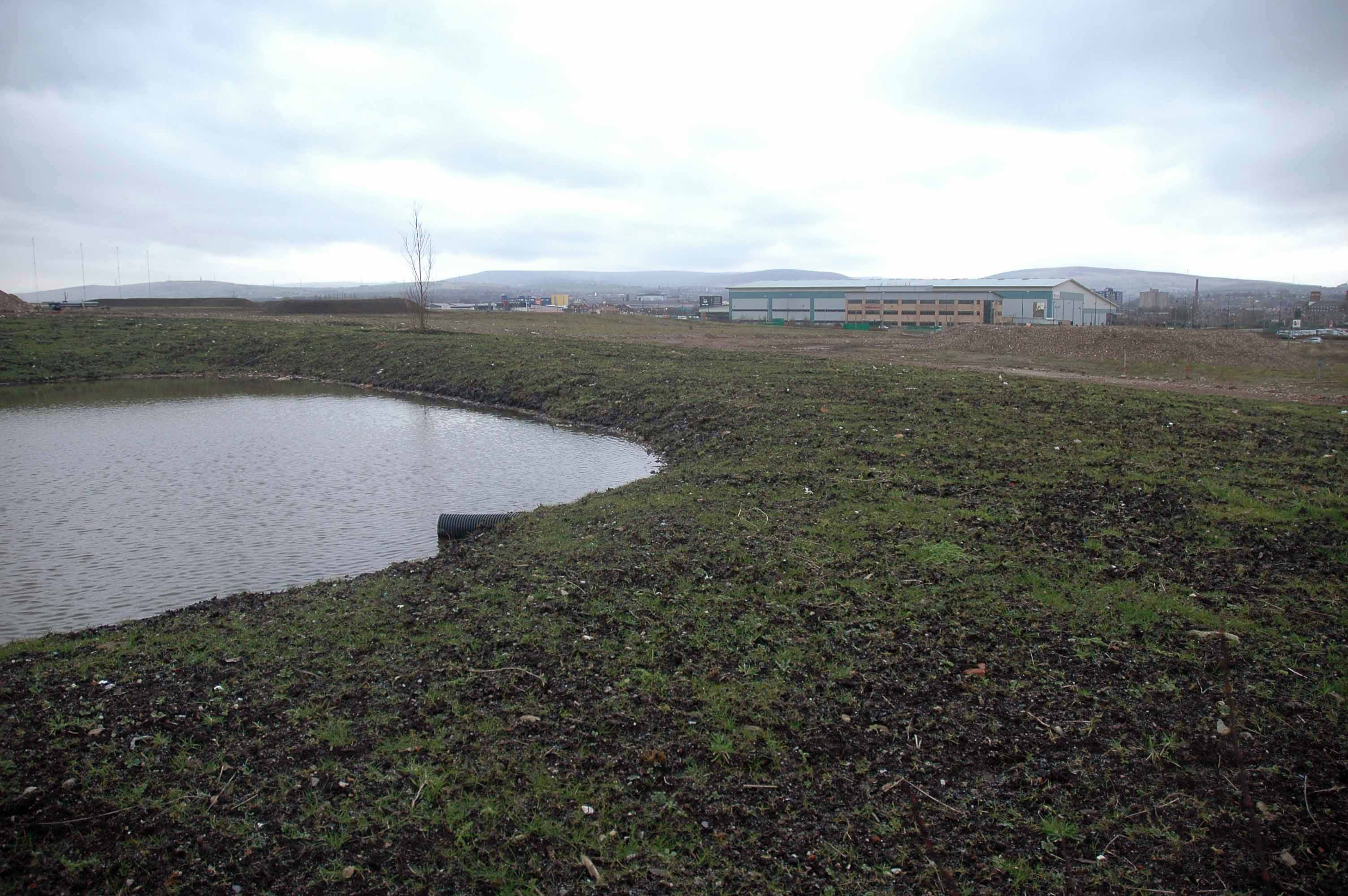
In January 2009 it looked like this, heaps of spoil, recently relocated slag heaps, frozen lakes and puddles, rough tracks, barely preserved rights of way and restricted access.

DSC_0001

DSC_0006

DSC_0007

DSC_0008

DSC_0010

DSC_0011

DSC_0013DSC_0016

DSC_0017

DSC_0018

DSC_0019

DSC_0020

DSC_0021

DSC_0022

DSC_0024

DSC_0025

DSC_0034

DSC_0037

DSC_0043

DSC_0047

DSC_0052


Found Art

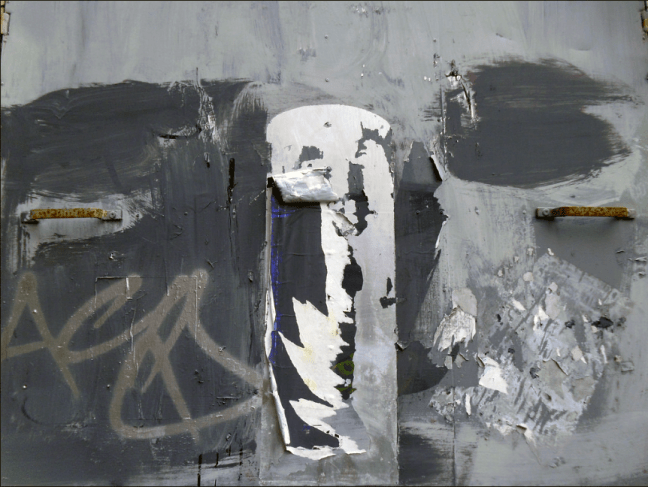
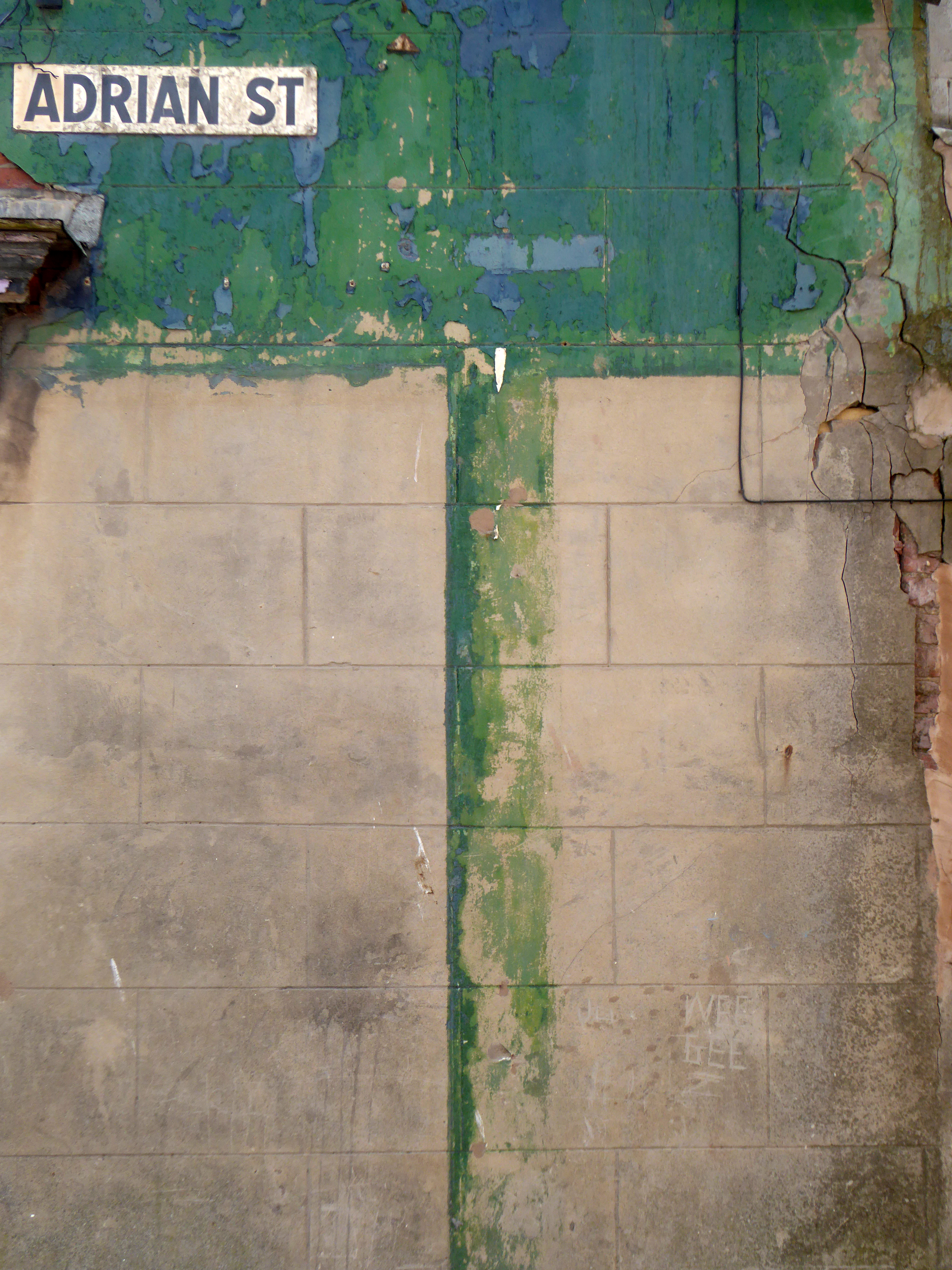
For more years than I care to remember I have had an interest in Found Art.

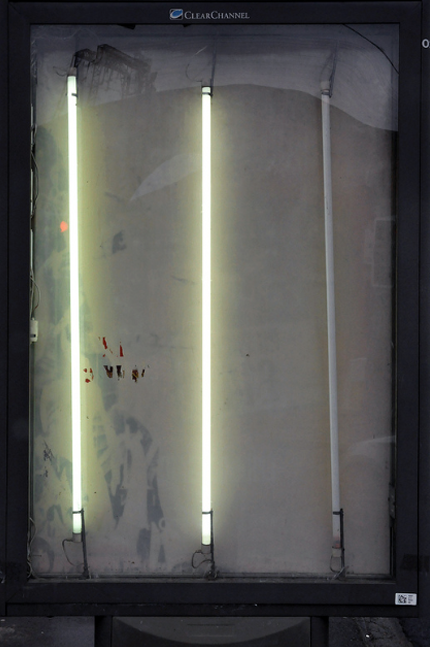
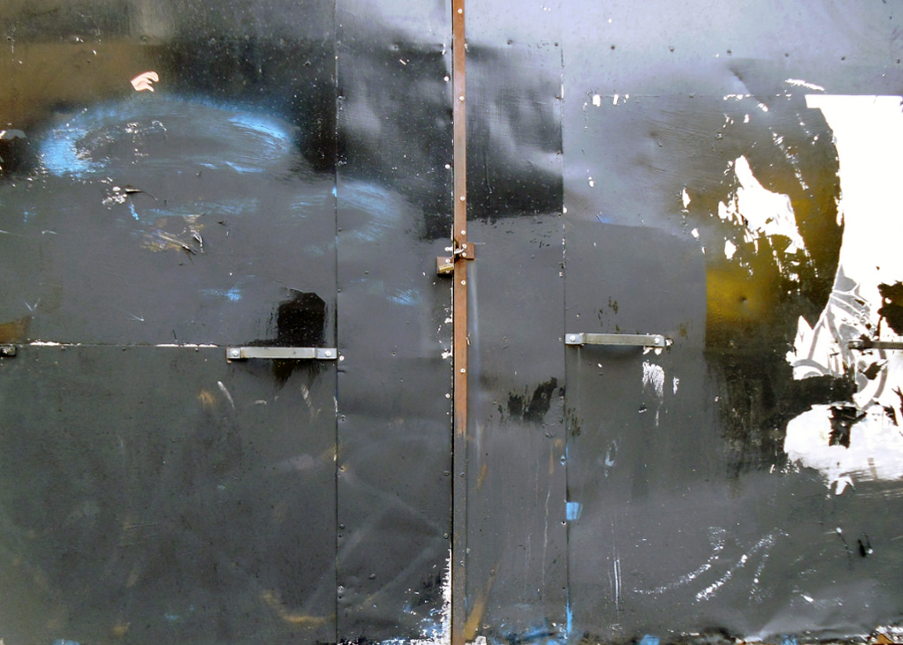
The naturally occurring collision of printed material, the unseen hand and weather.

Our streets are literally littered with the stuff.

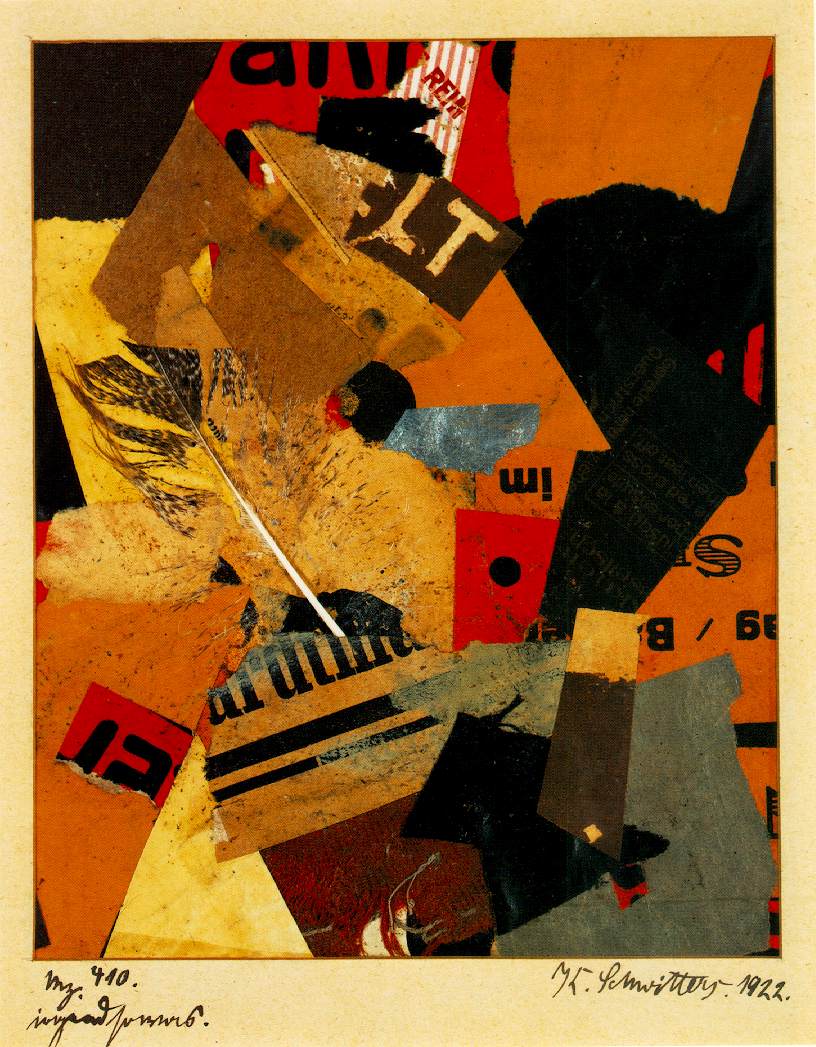
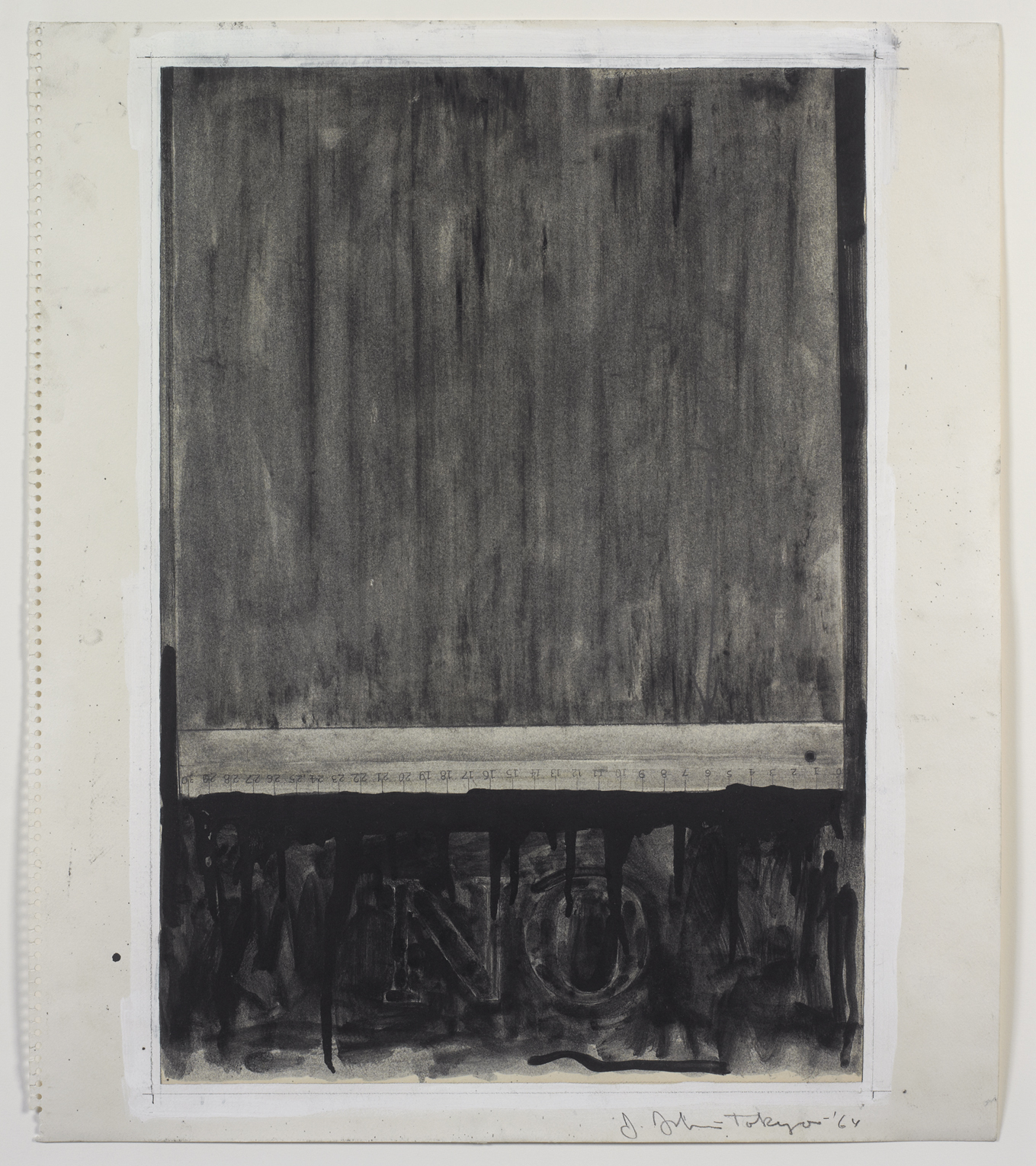
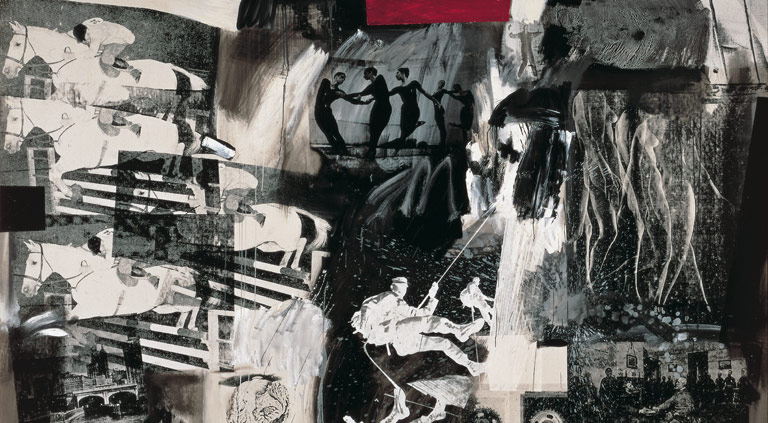
Conscious of the work of Kurt Schwitters, Hannah Hoch, Jasper Johns and Robert Rauschenberg, I’m conscientiously out and about in search of the unconscious.

something-or-other-1922

getimageexe1363235610983

1987_Web

header_rauschenberg

Here’s a sample of my findings so far:

P1060361 copy

P1060413 copy

Screen Shot 2016-08-09 at 12.47.51

Screen Shot 2016-08-09 at 12.48.18

Screen Shot 2016-08-09 at 12.48.46

Screen Shot 2016-08-09 at 12.49.21

Screen Shot 2016-08-09 at 12.54.52

Screen Shot 2016-08-09 at 12.55.17

Screen Shot 2016-08-09 at 12.55.30

Screen Shot 2016-08-09 at 12.55.49

Screen Shot 2016-08-09 at 12.56.11

Screen Shot 2016-08-09 at 12.56.27

Screen Shot 2016-08-09 at 12.56.39

Screen Shot 2016-08-09 at 12.56.56

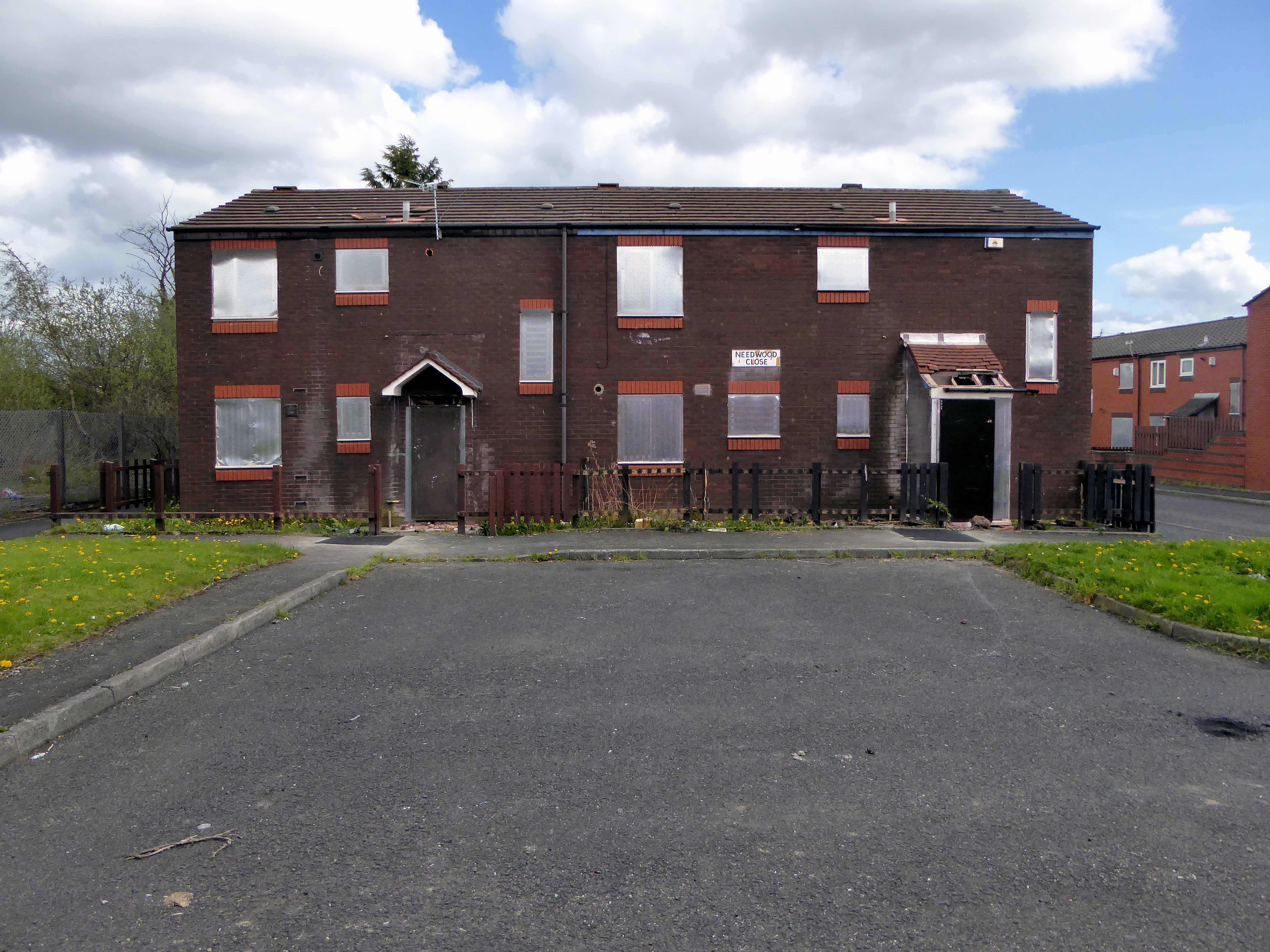
Needwood Close – Collyhurst

Deep in the heart, just on the edge of central Manchester, there exists a dilemma.

Once a place of full employment and home occupation, time has not been kind to Collyhurst. Work is scarce and the area blighted by a reputation for crime and social problems. Yet it sits by an area of inner city wealth, economic expansion and a growing professional class.

The plan is to expand this growth outside of the fringes of city and into north Manchester, since 2008 this has been the stated aim of the local authority. Tram stops, academies, and retail parks apart, change seems slow to arrive.

Screen Shot 2016-06-17 at 13.54.30

There is a chronic shortage of public funding and seemingly an absence of private capital and speculative development – life is elsewhere.

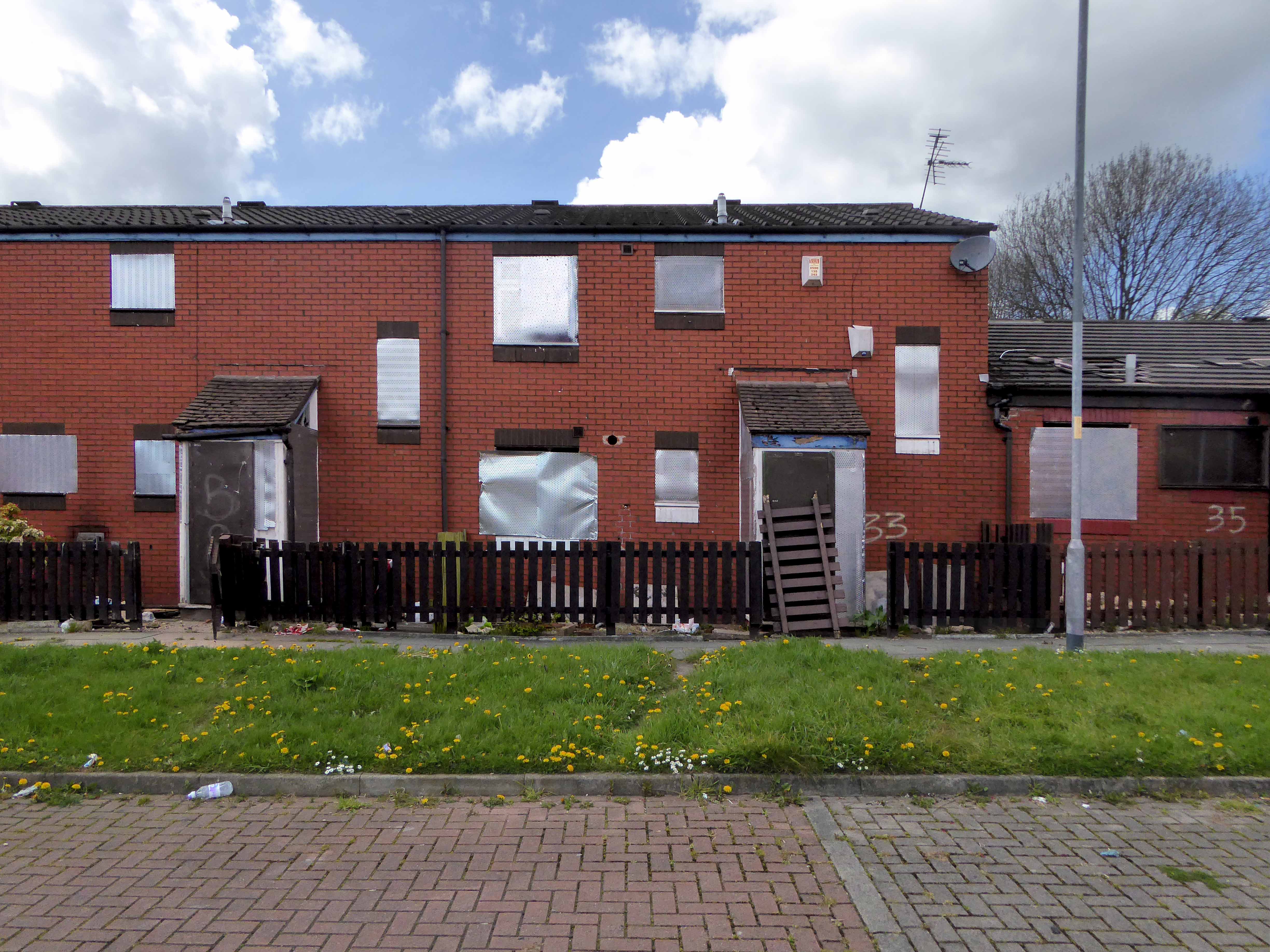
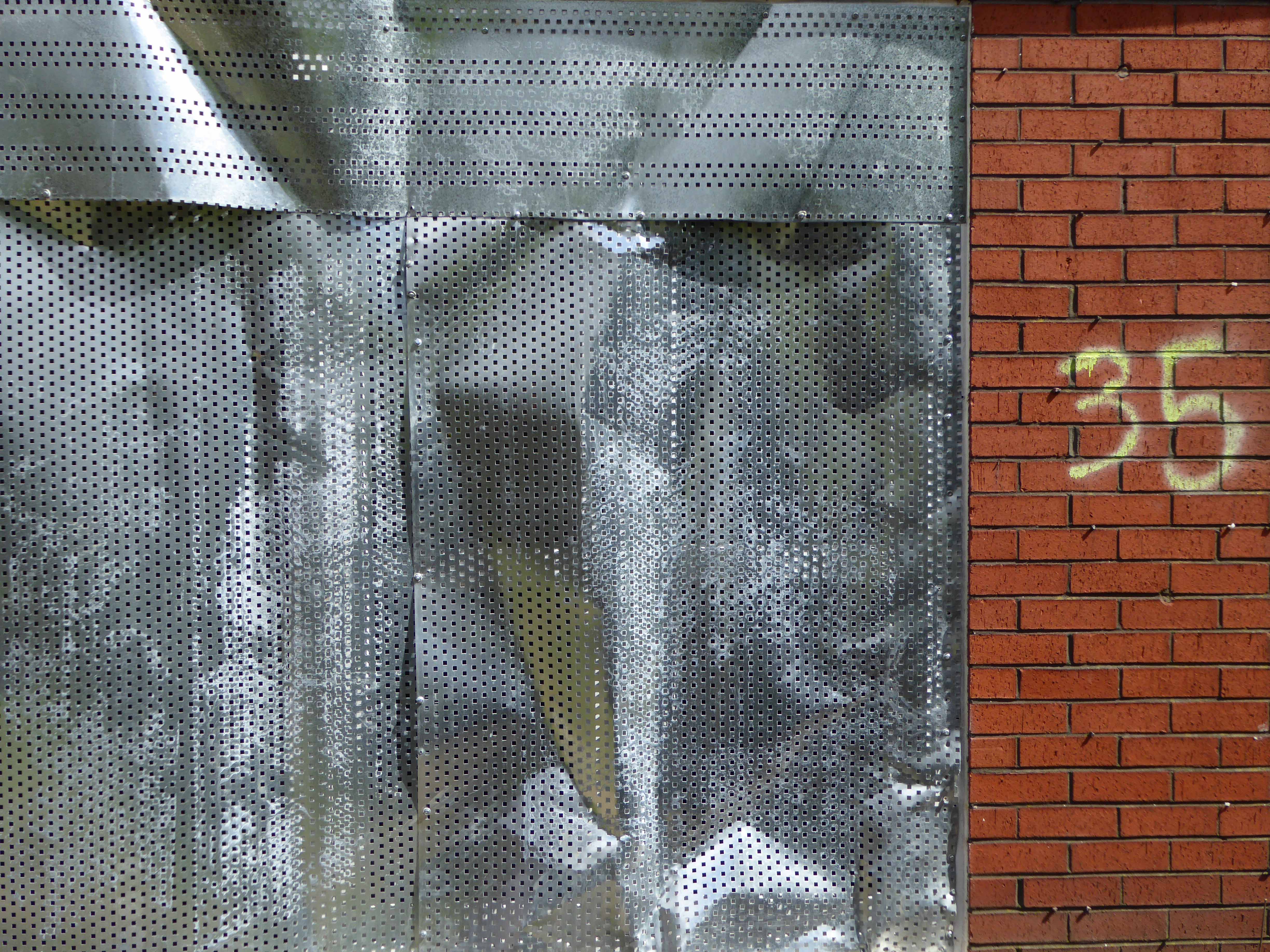
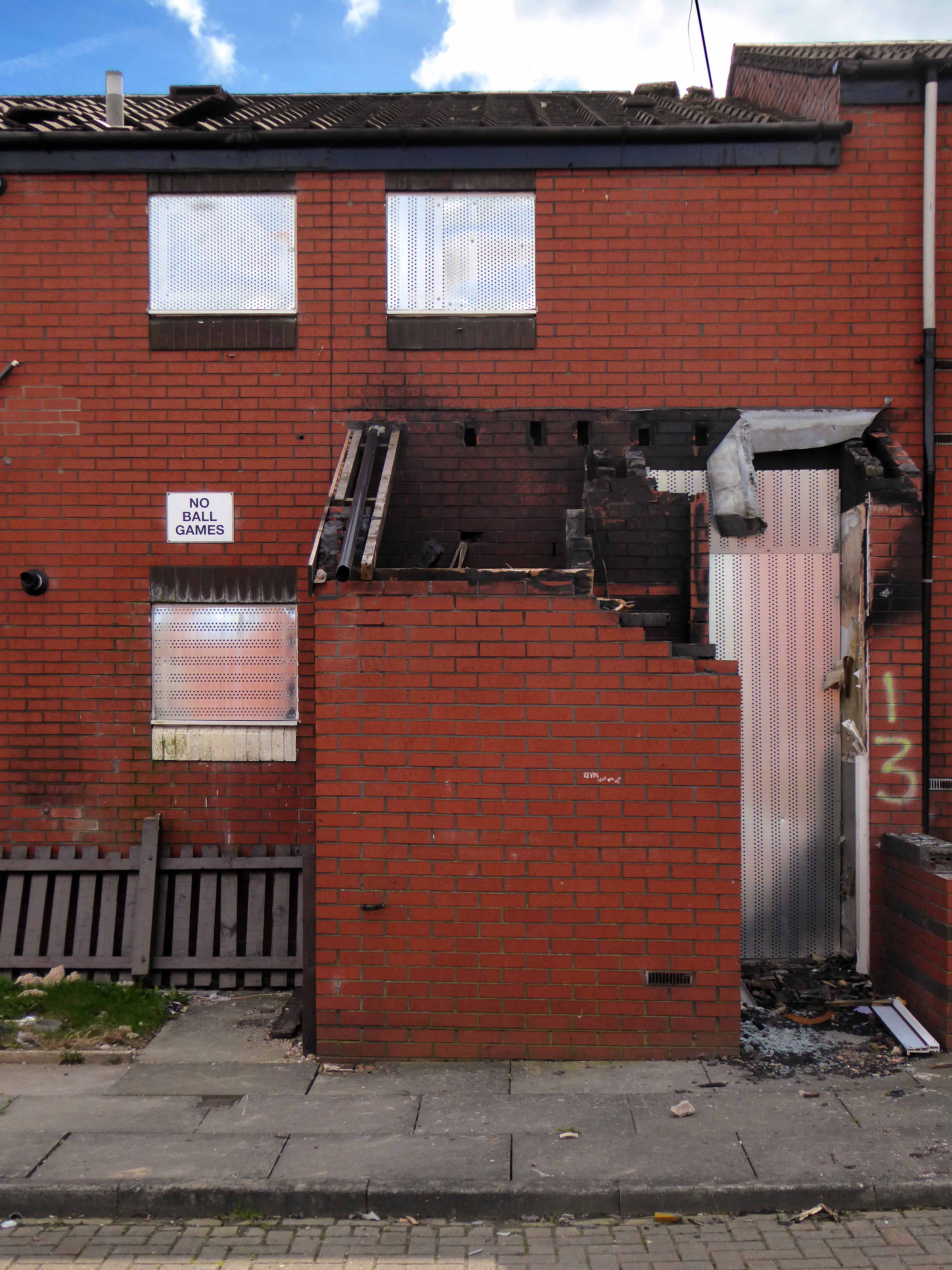
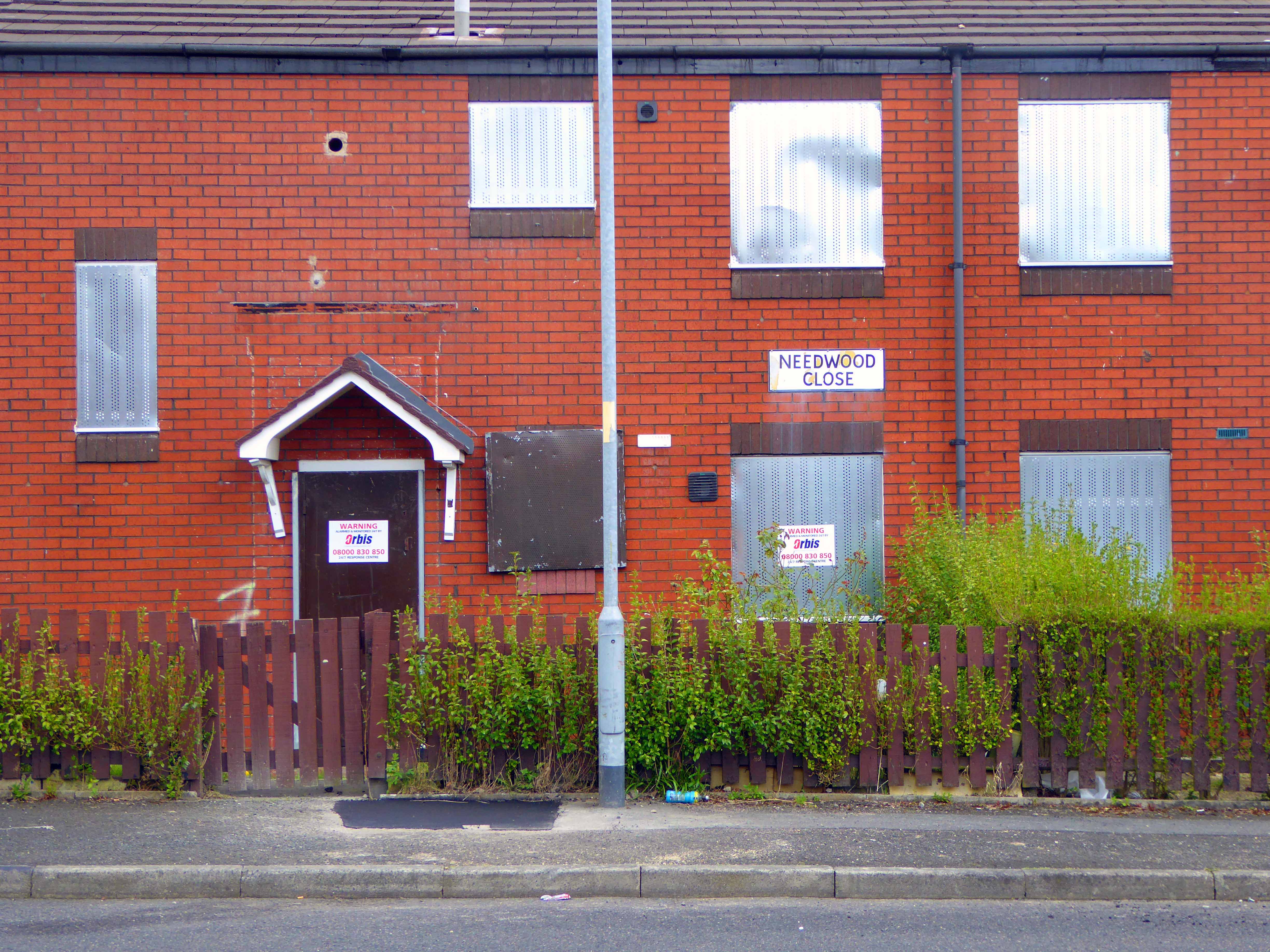
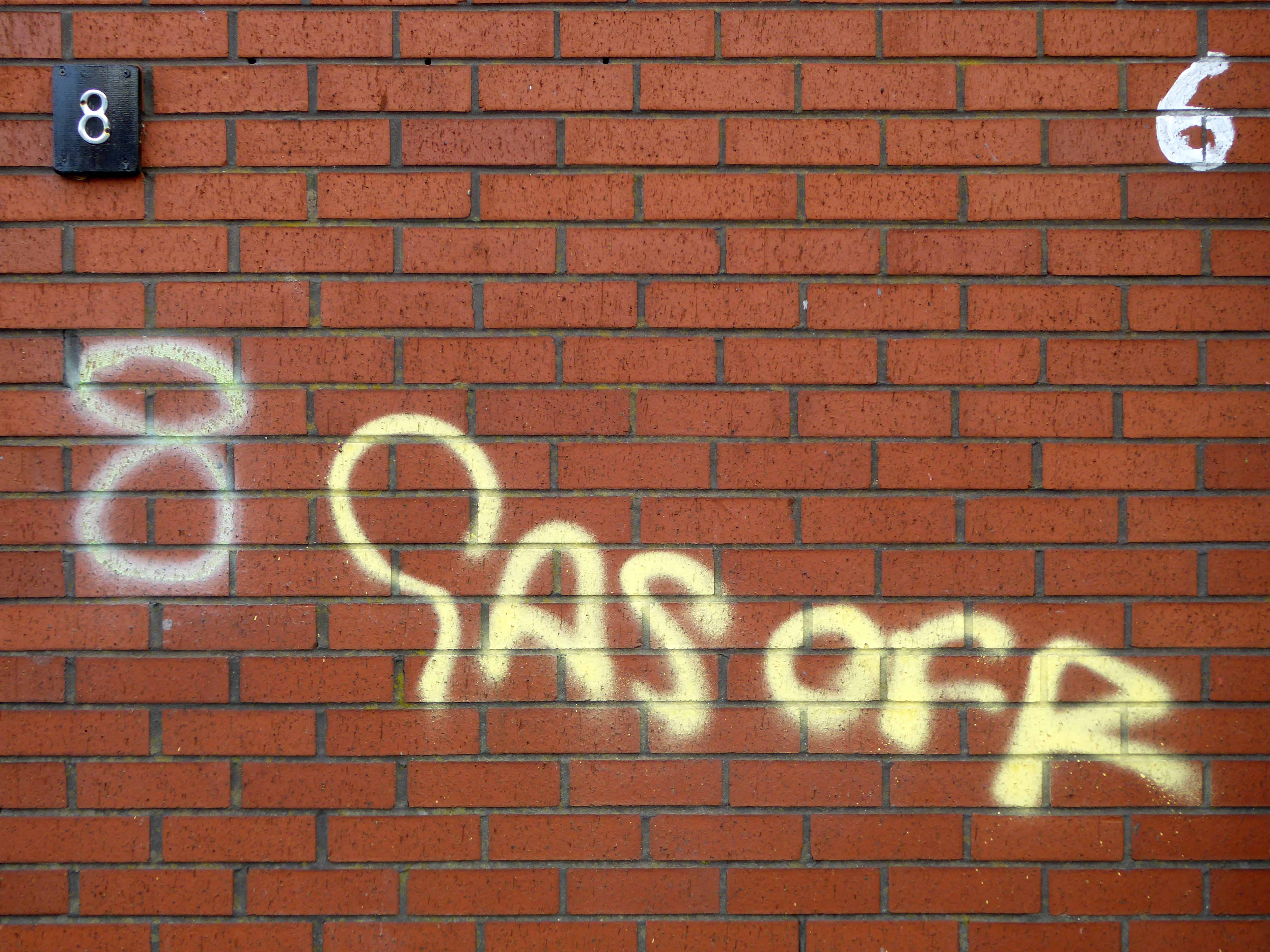
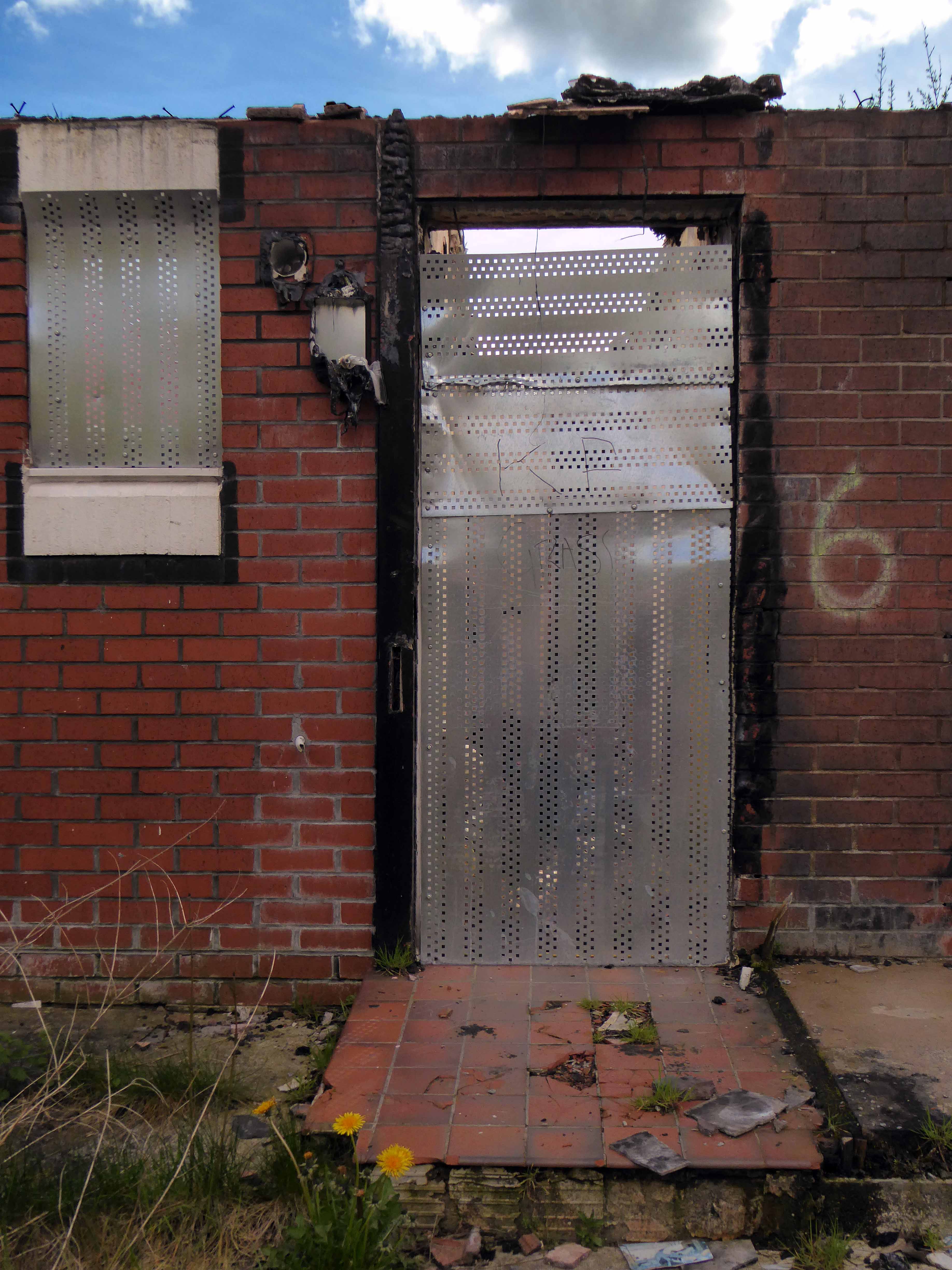
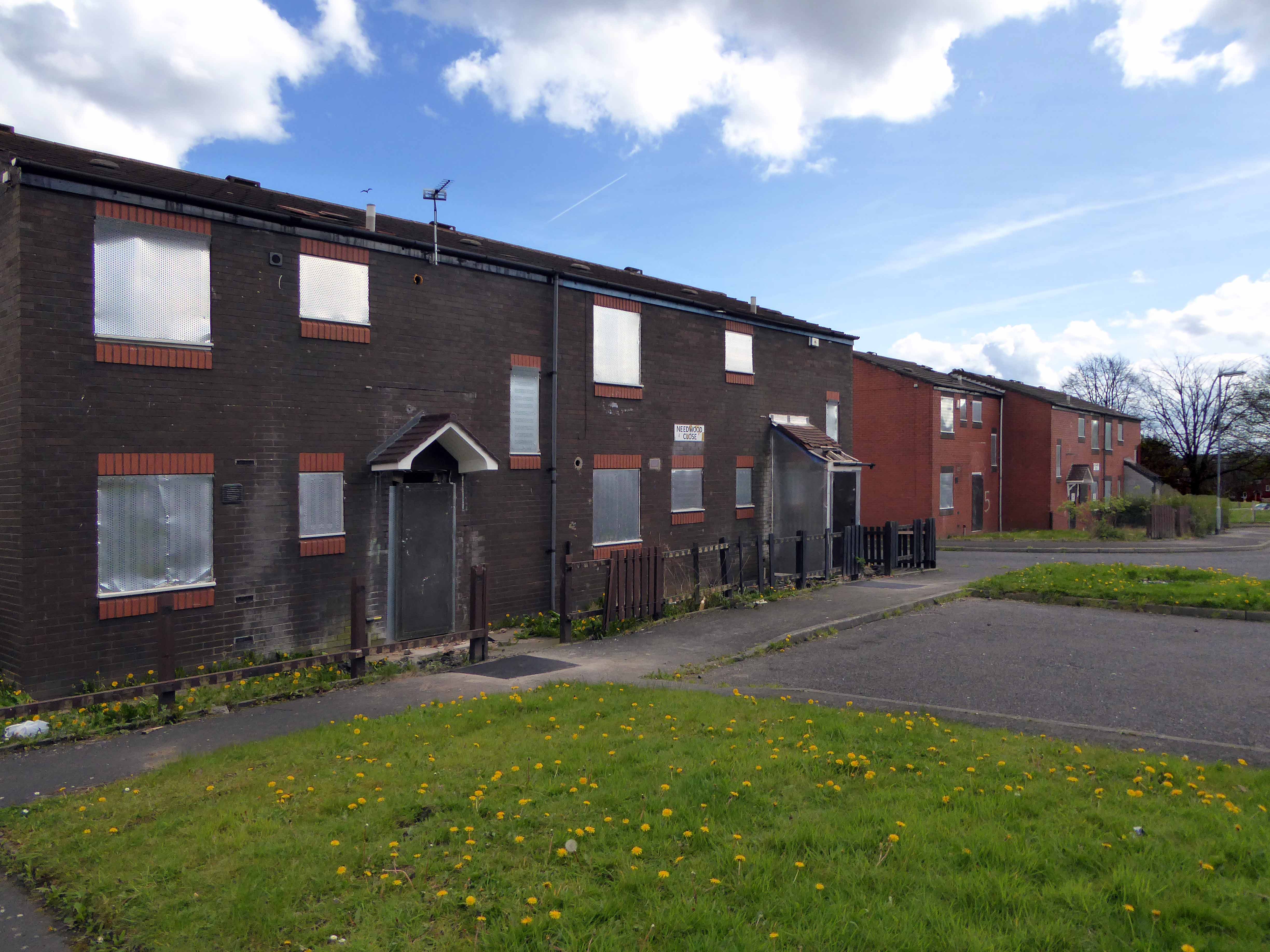
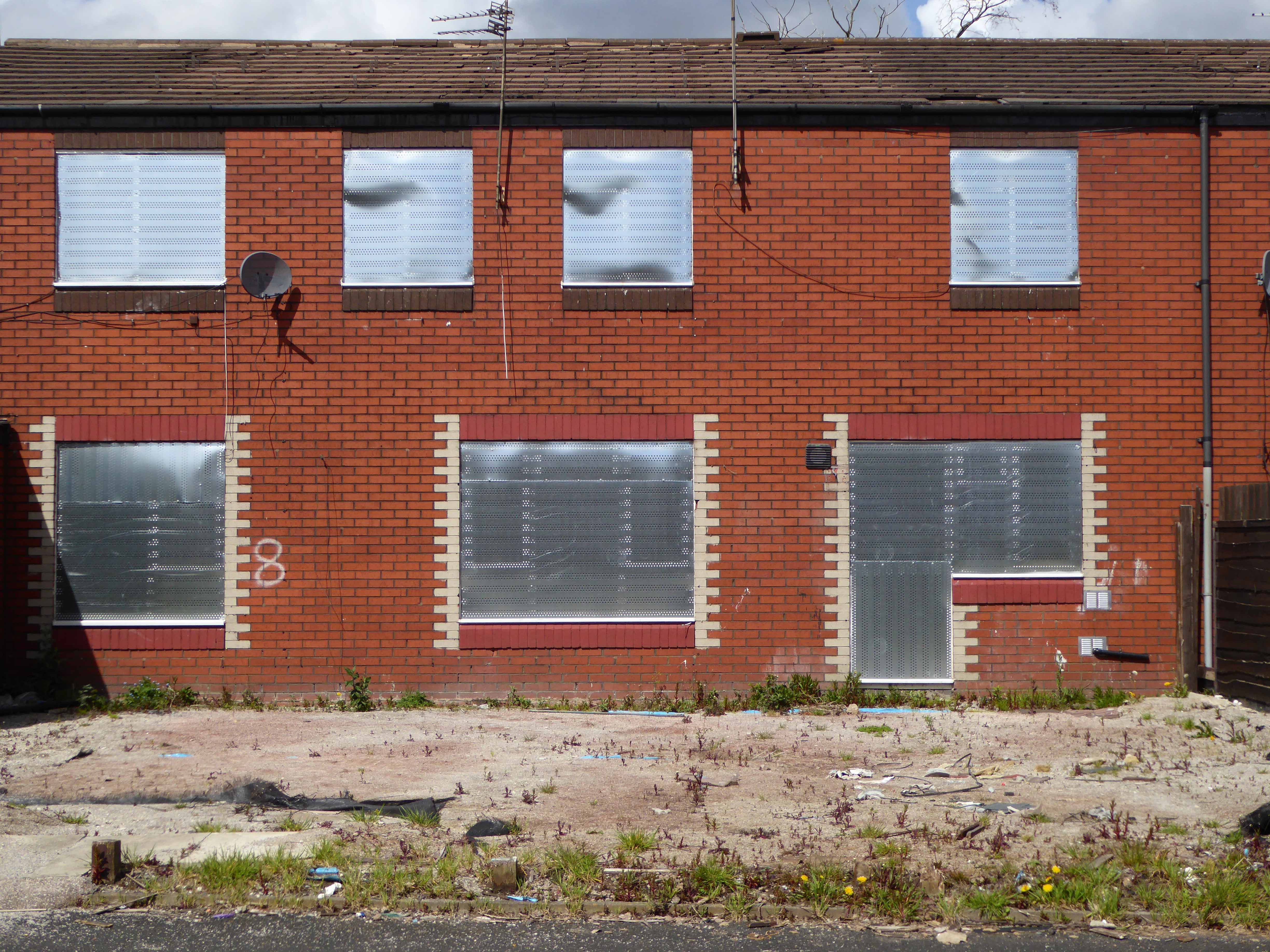
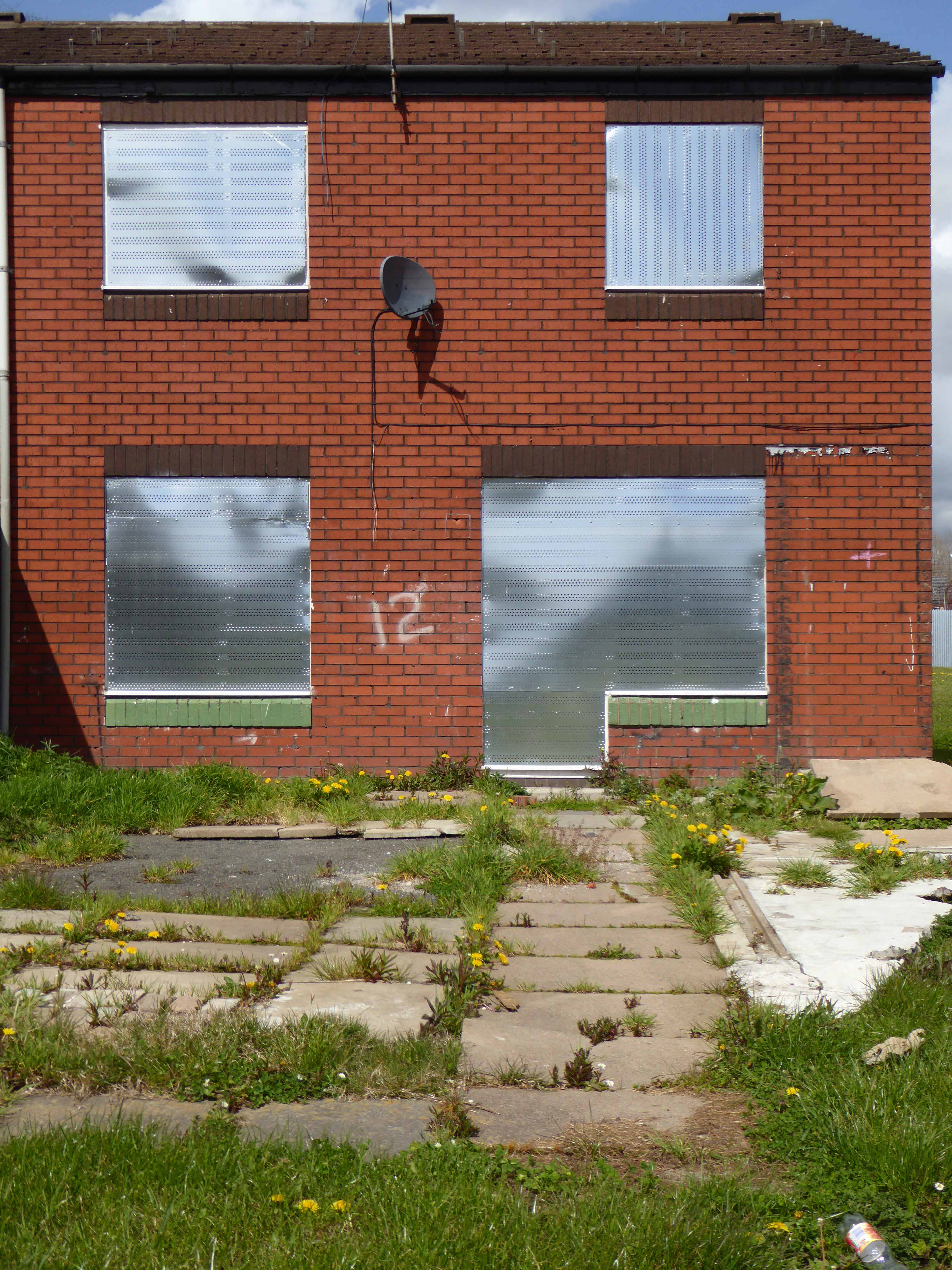
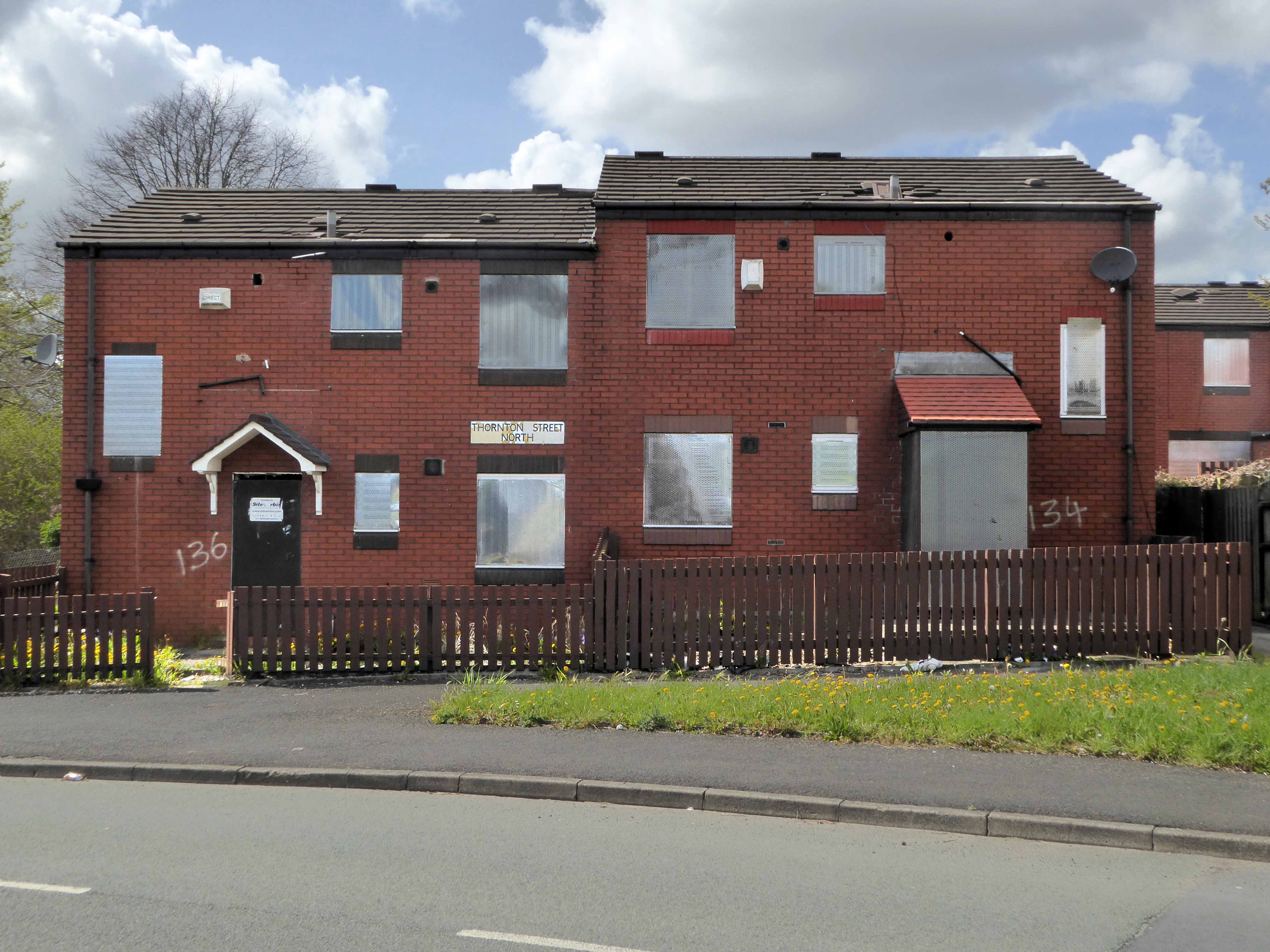
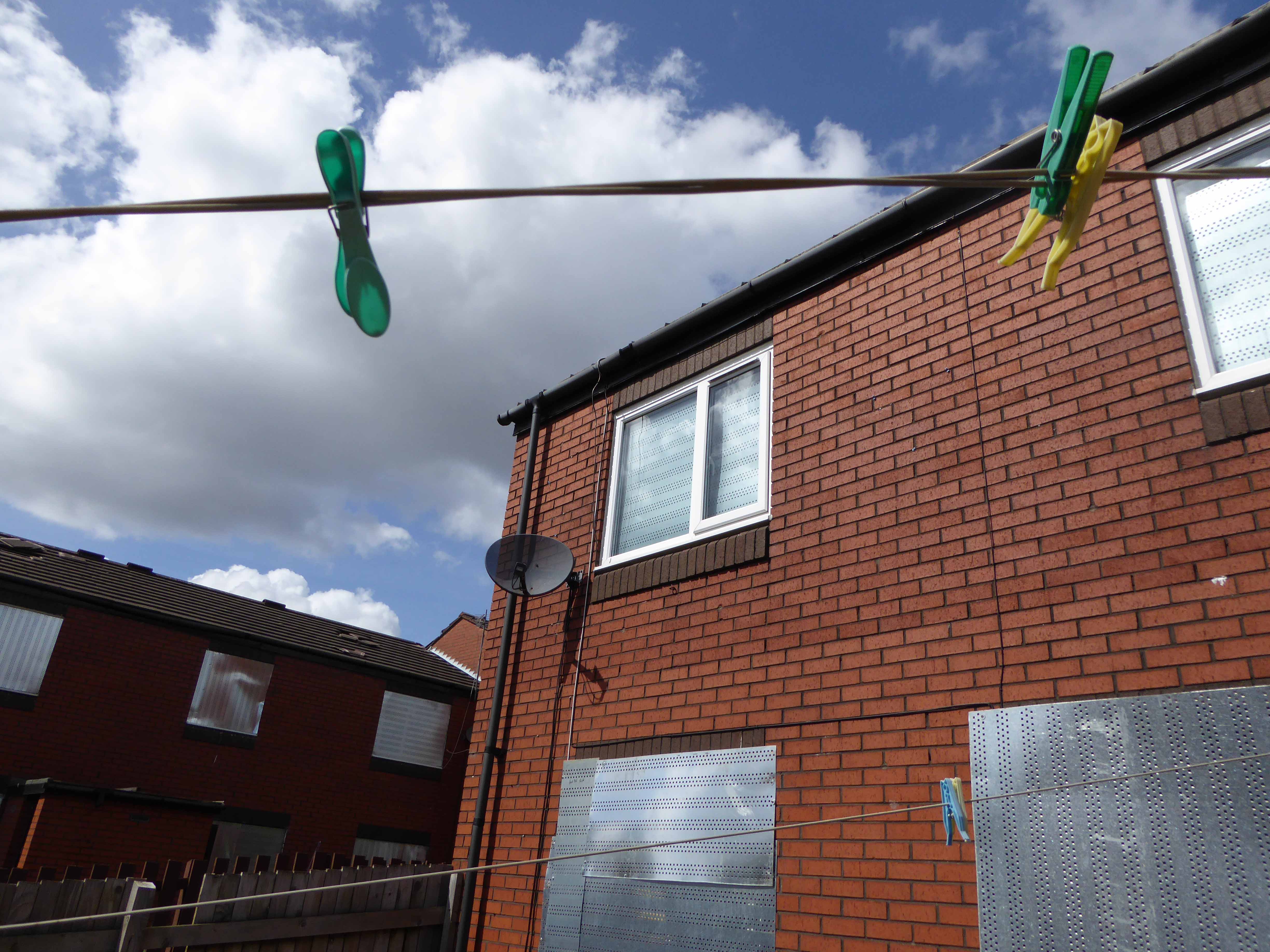
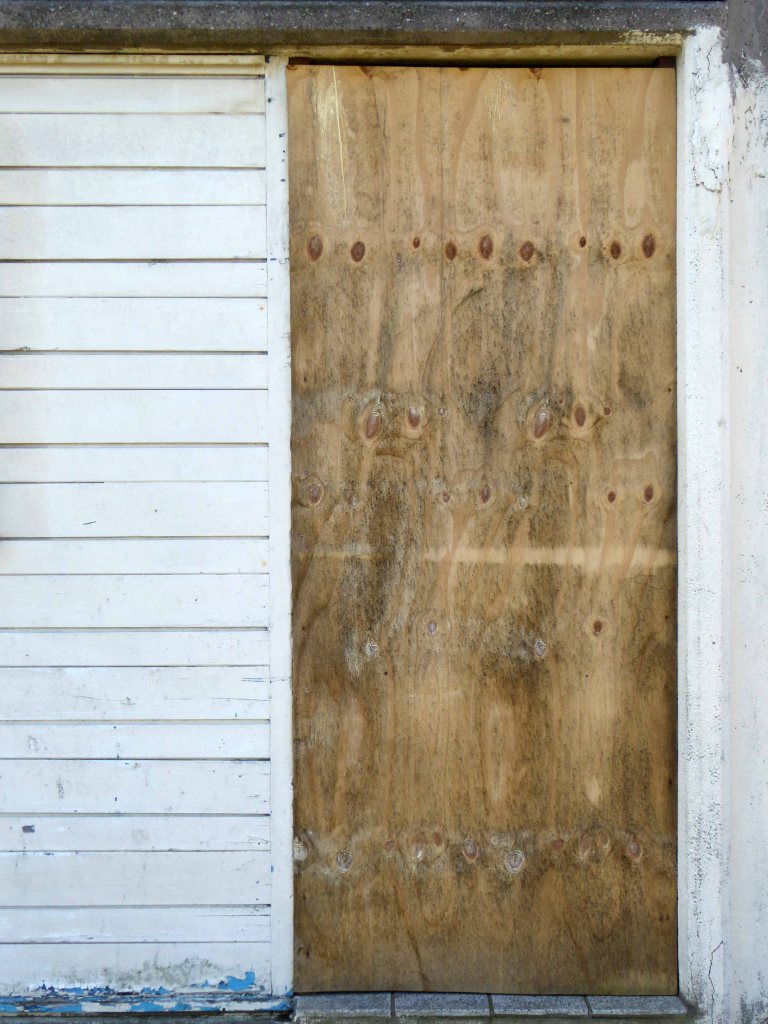
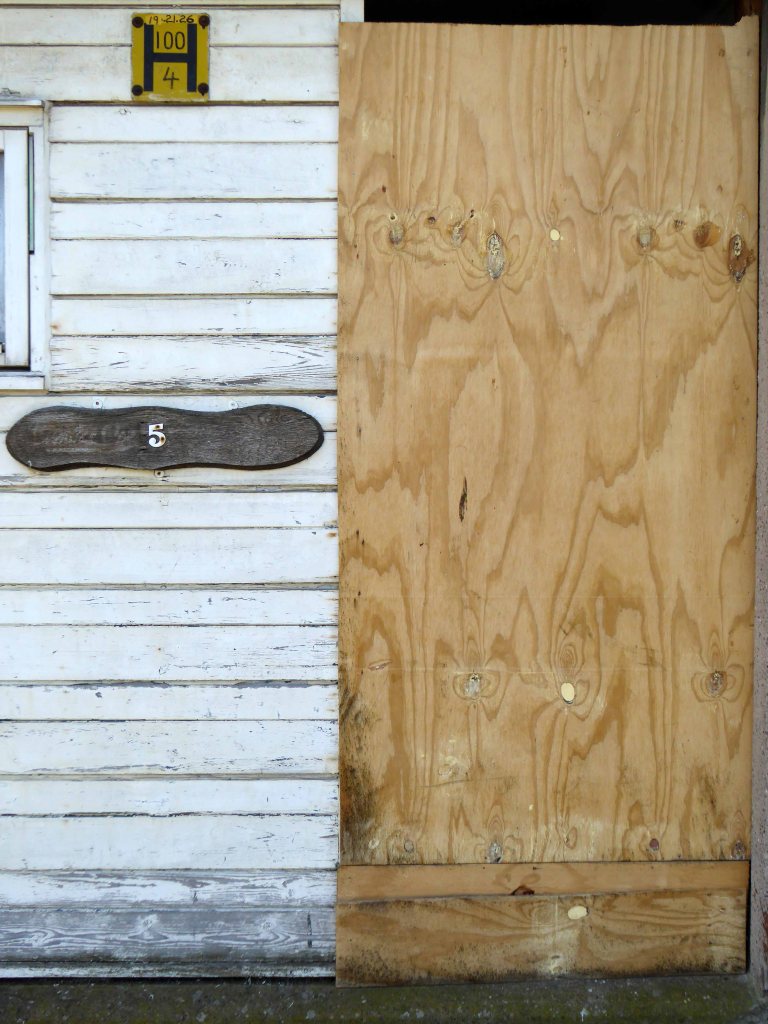
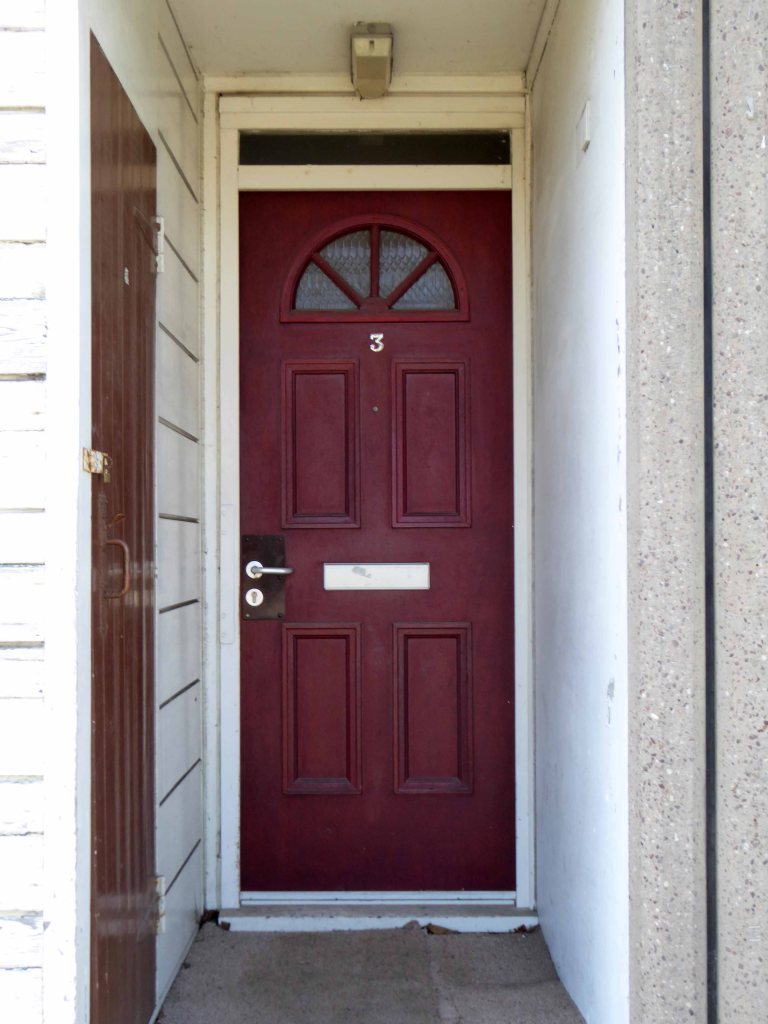
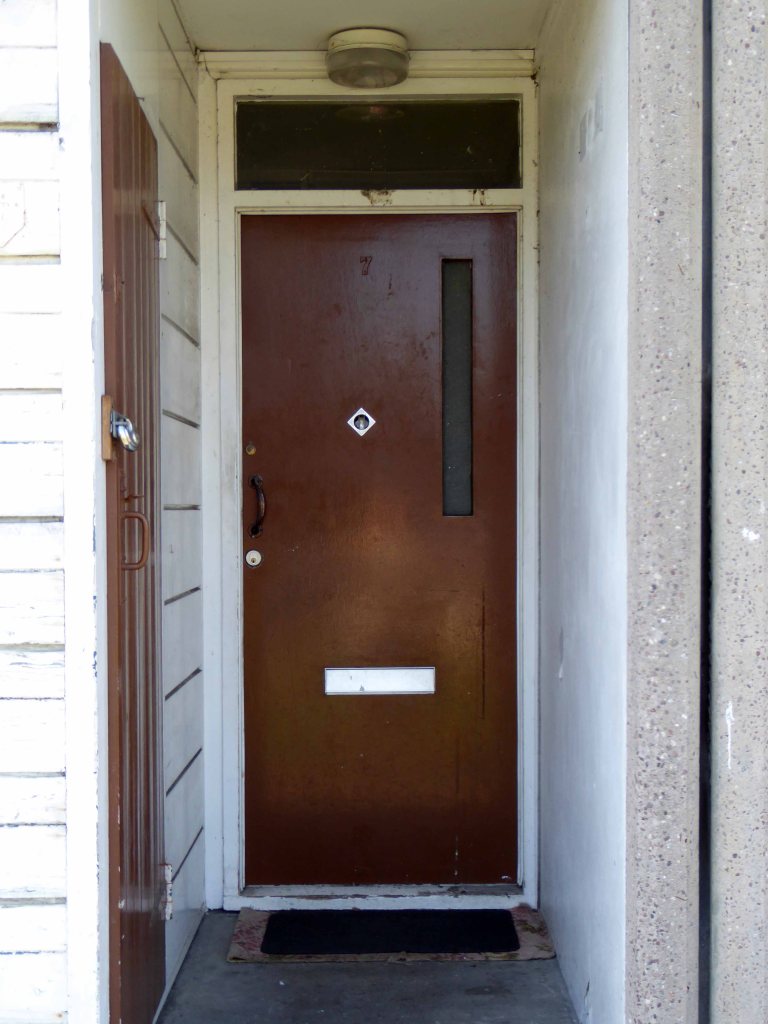
In the mean time there are properties tinned up awaiting a new dawn.

Needwood Close is one such example.

P1040450 copy

P1040451 copy

P1040453 copy

P1040458 copy

P1040459 copy

P1040460 copy

P1040465 copy

P1040466 copy

P1040468 copy

P1040469 copy

P1040476 copy

P1040477 copy

P1040480 copy

P1040483 copy


Margate – Tidal Pools

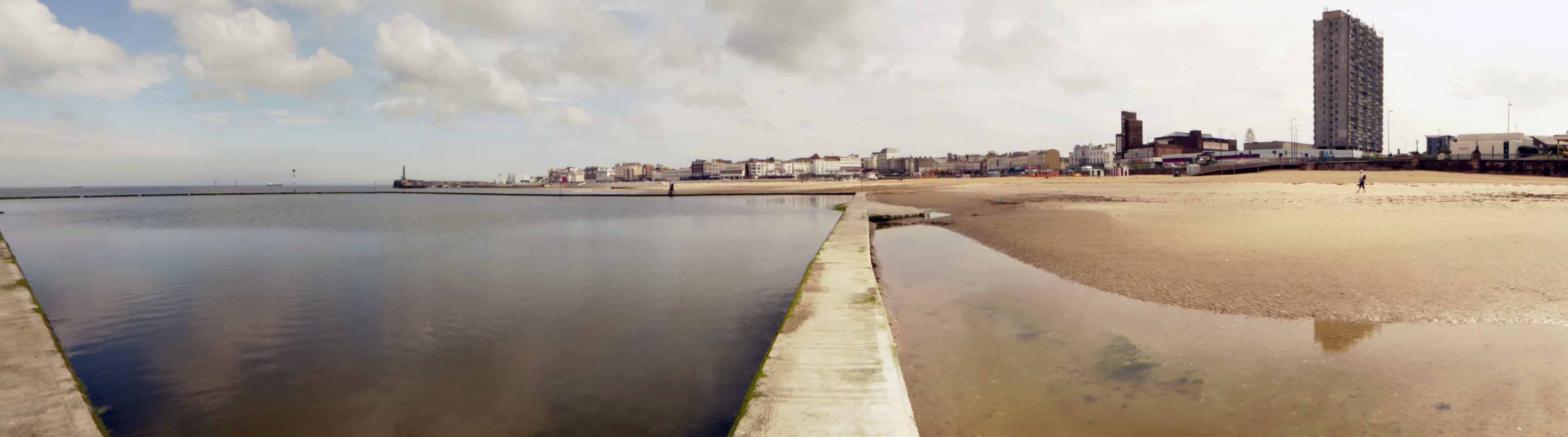
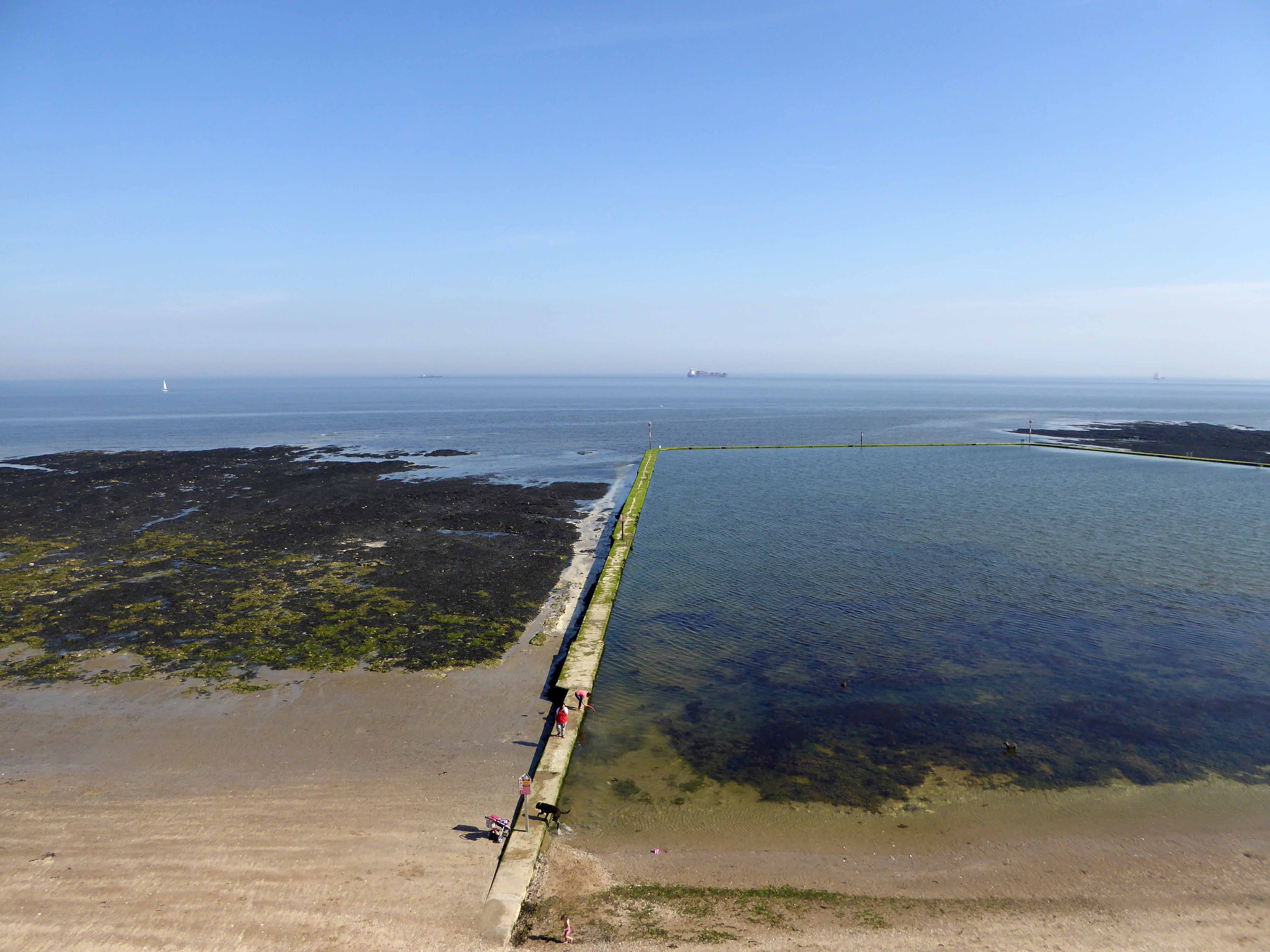
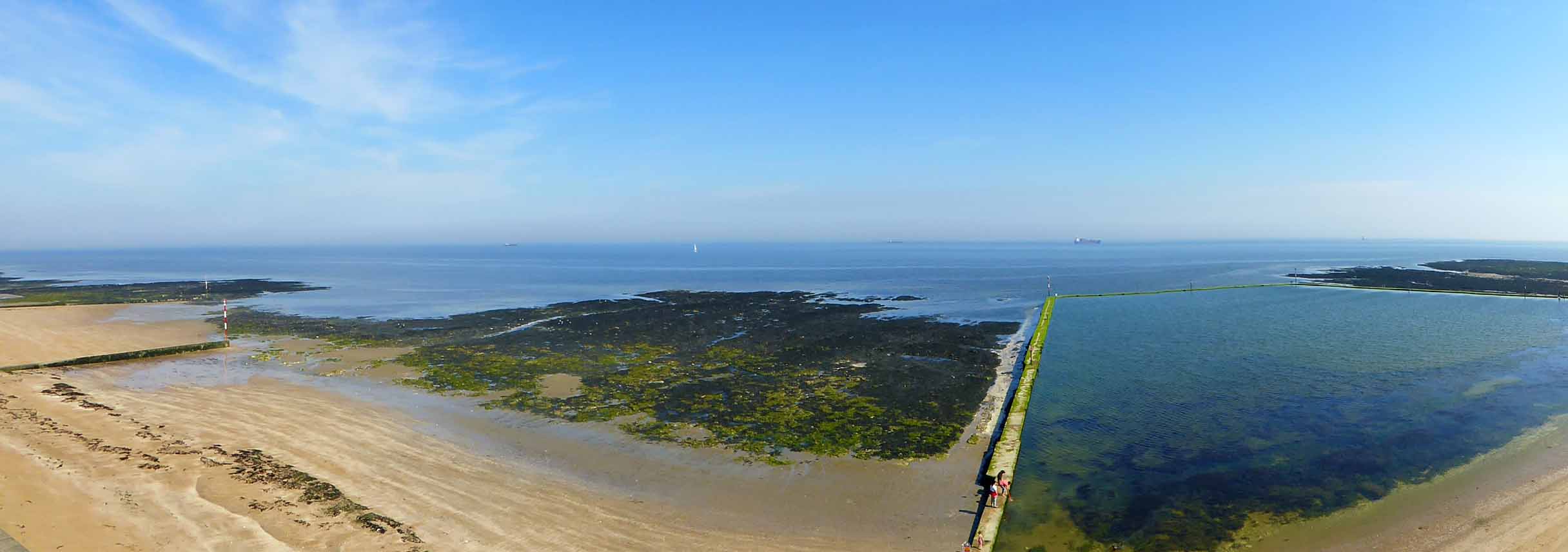
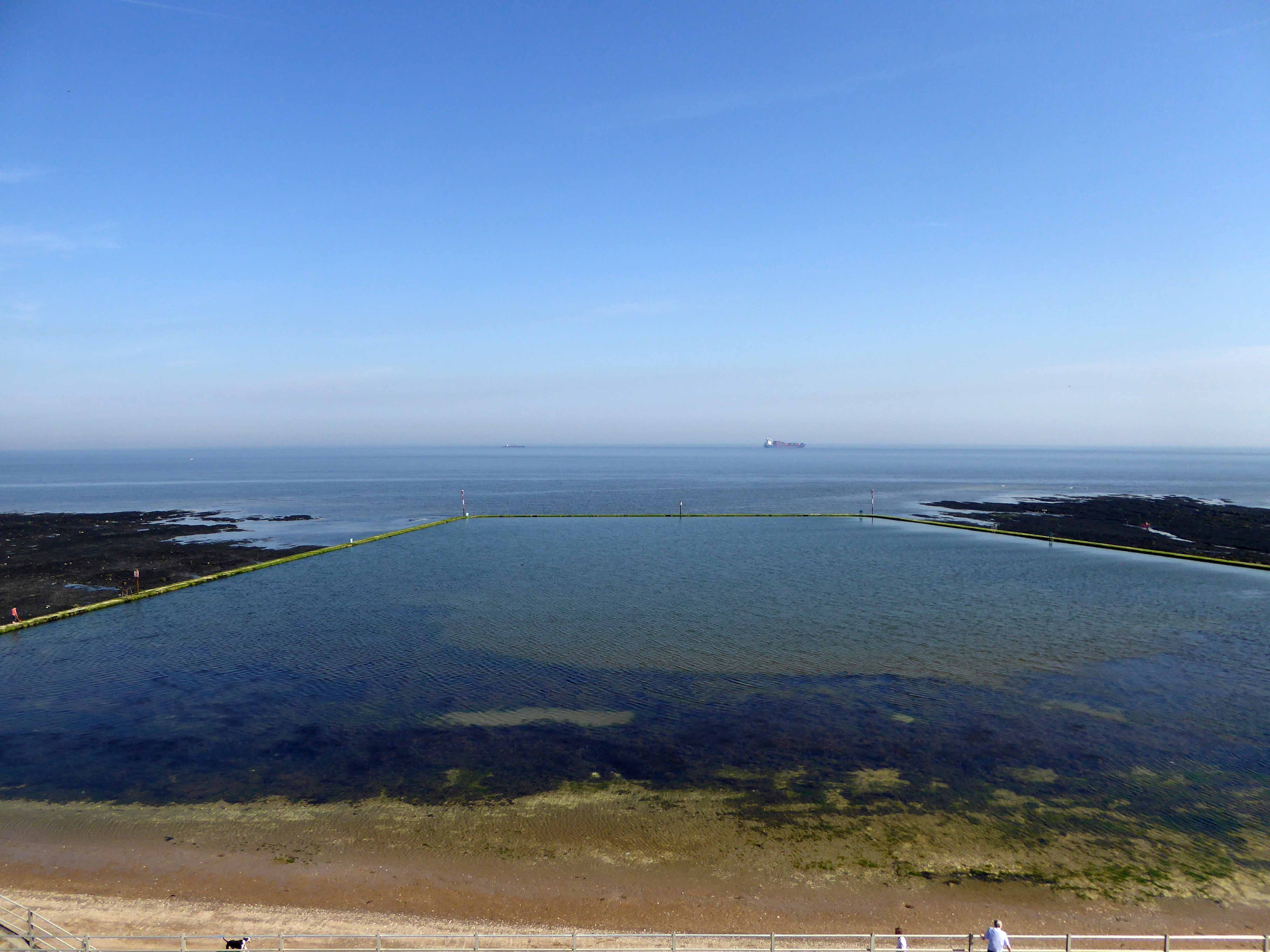
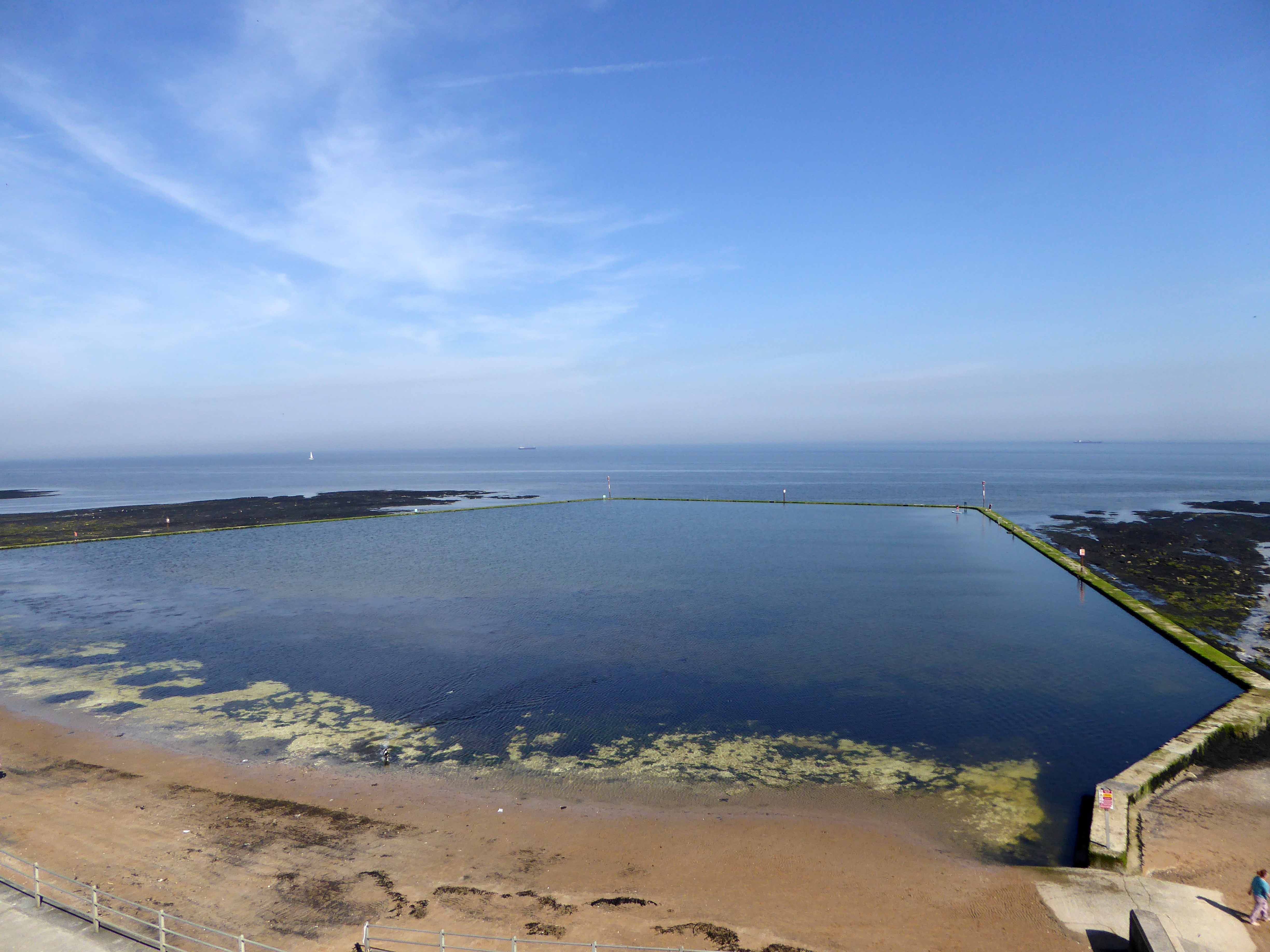
Margate a town of two pools.

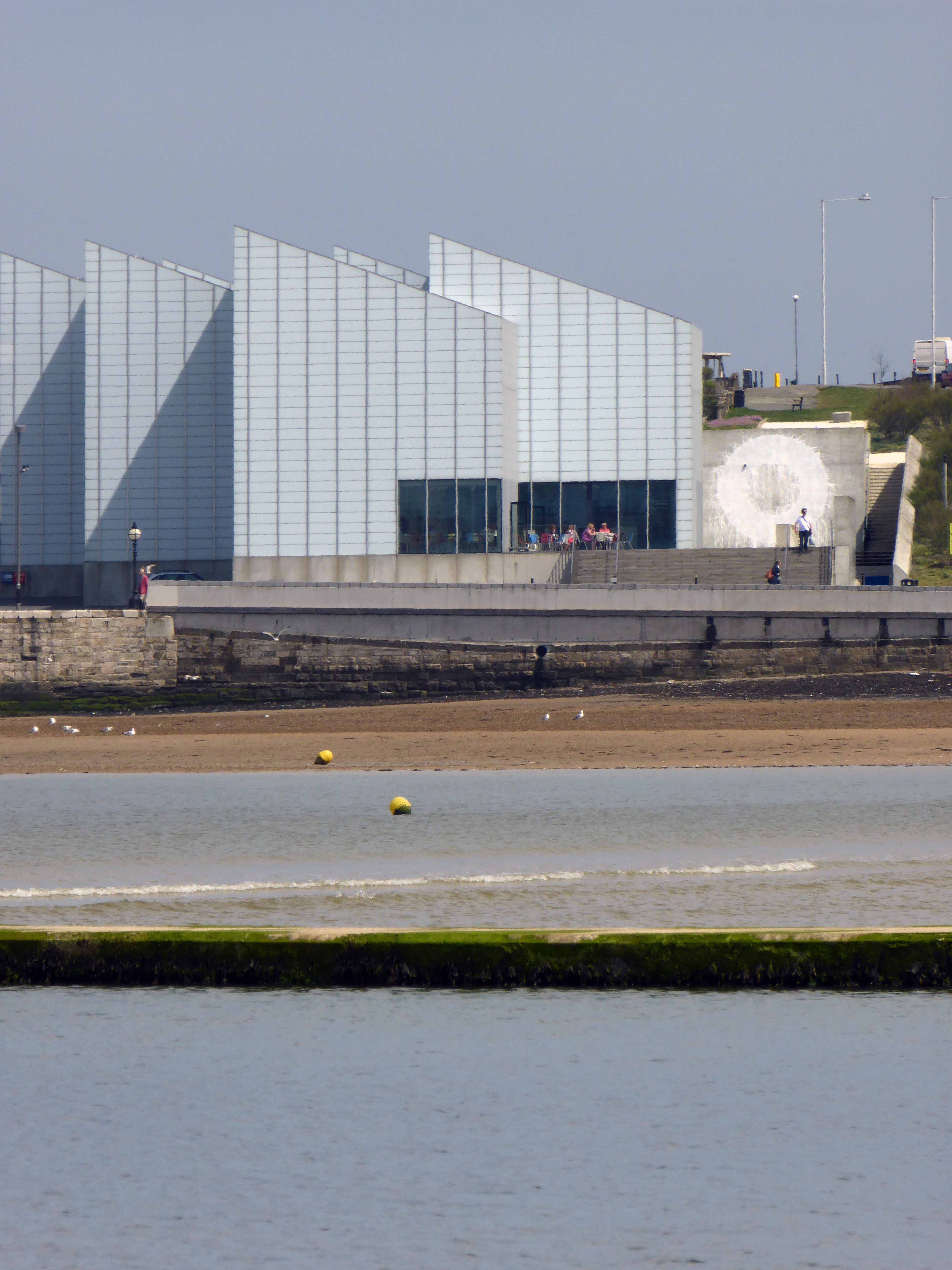
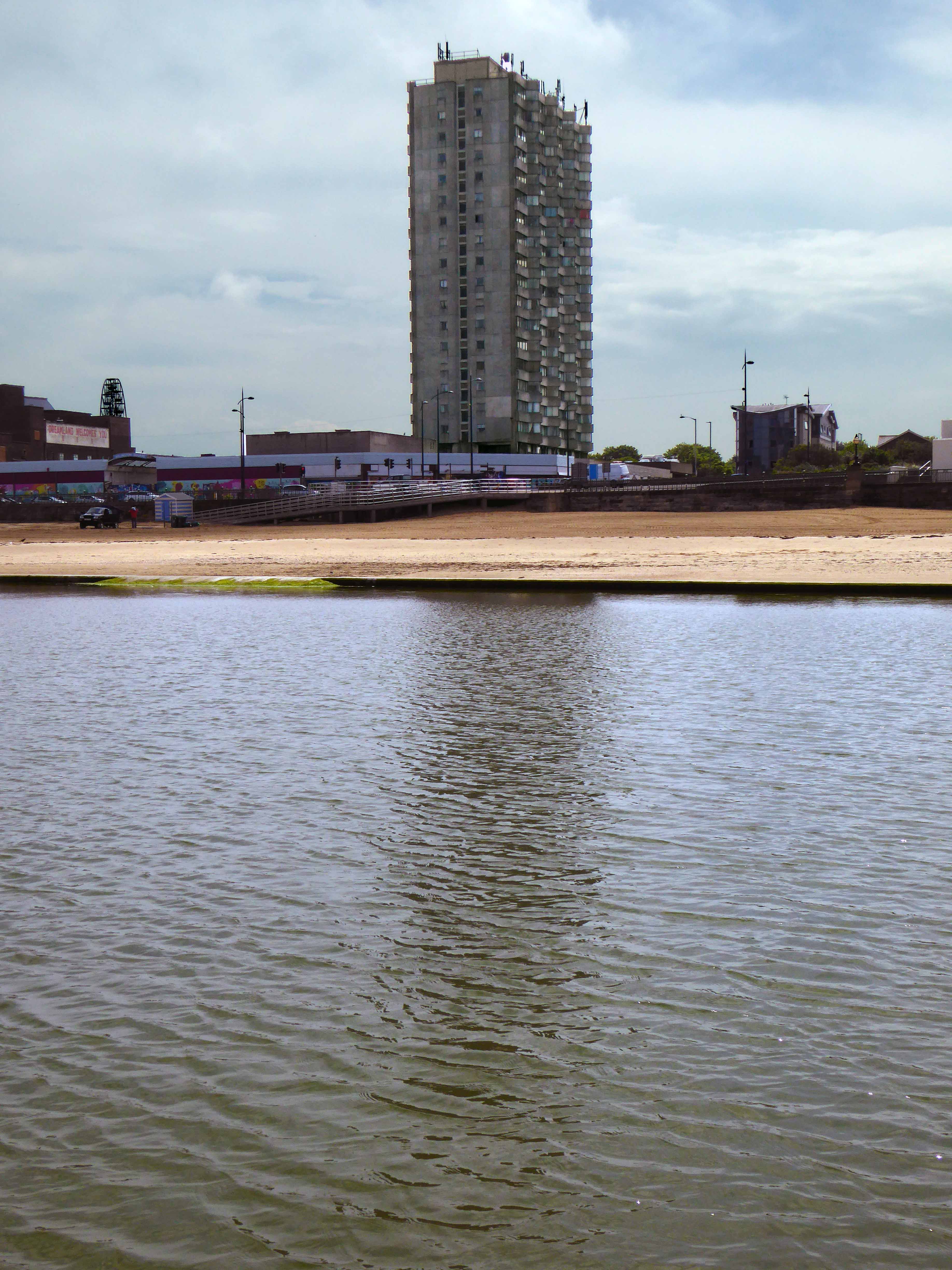
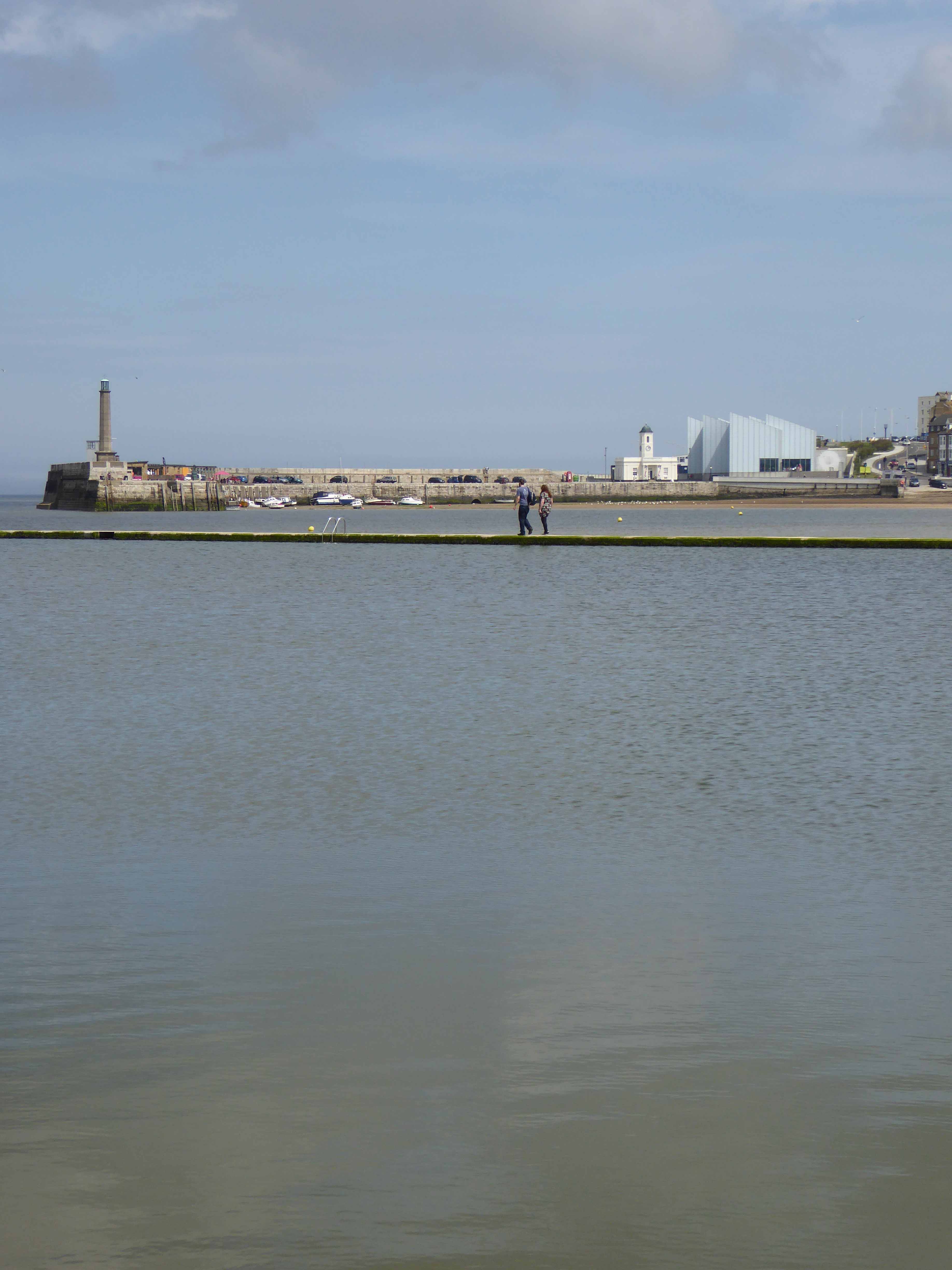
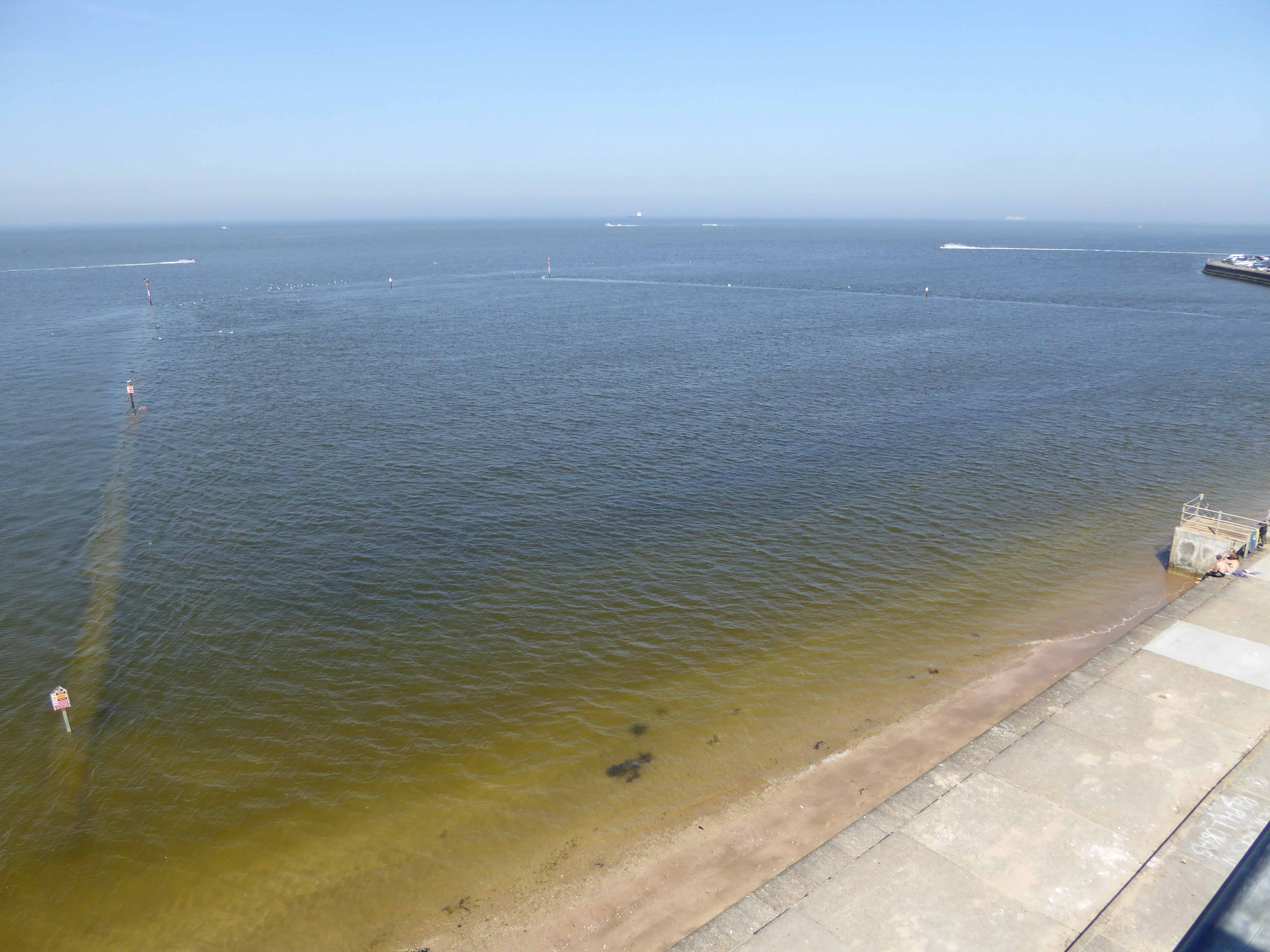
The first tucked in by the prom, a moments walk from the station and overlooked by the imposing Arlington House and the shimmer of the Turner Contemporary

– alas no longer the domain of the wild swimmer.

A large delicious expanse of seawater, now sadly designated as a boating pond.

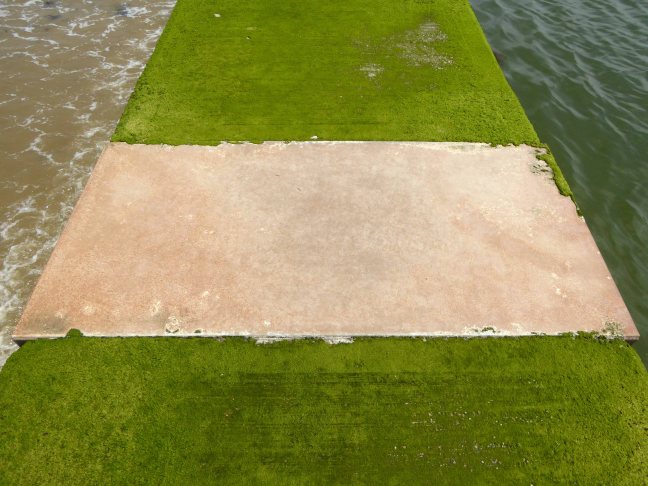
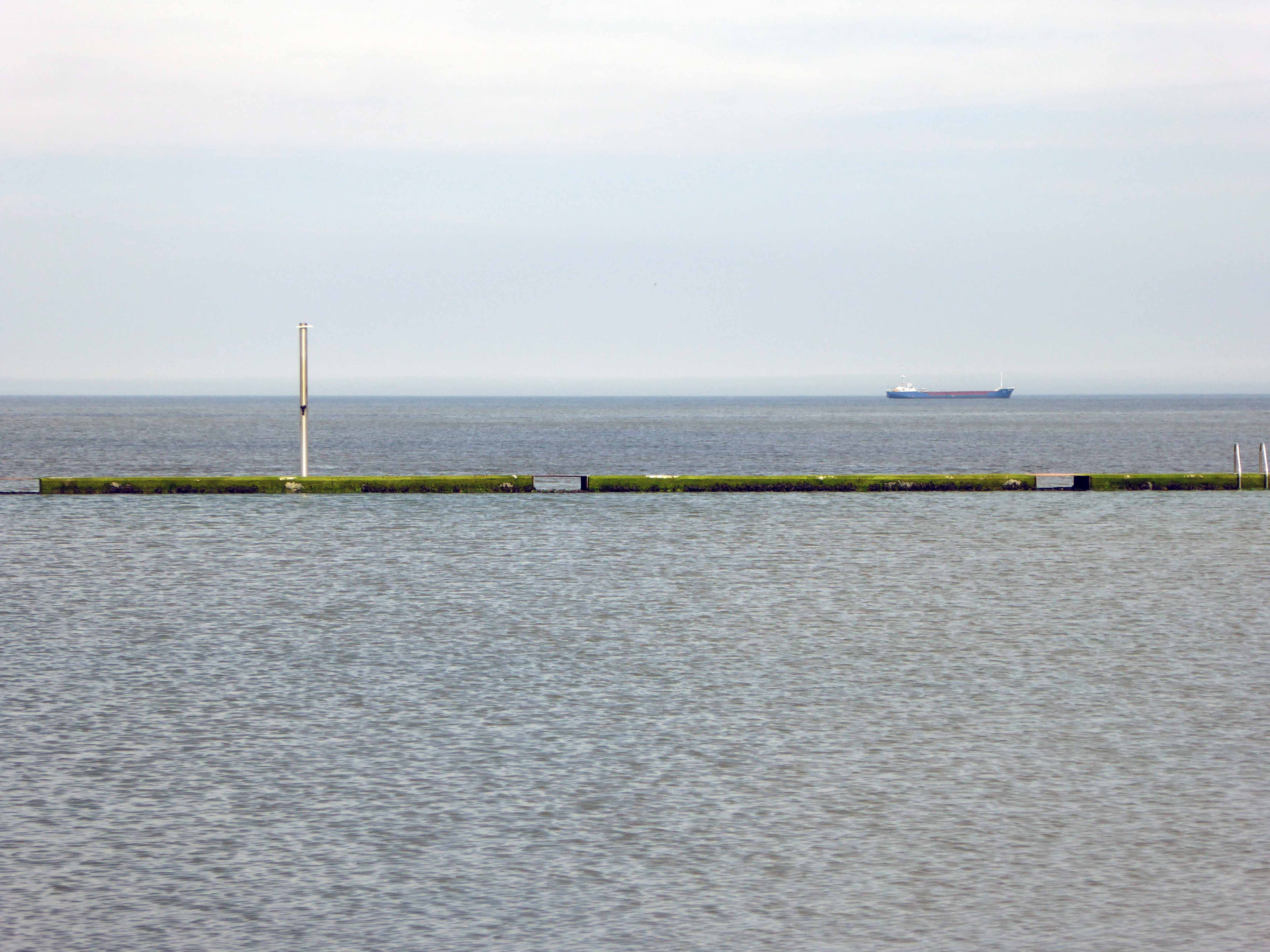
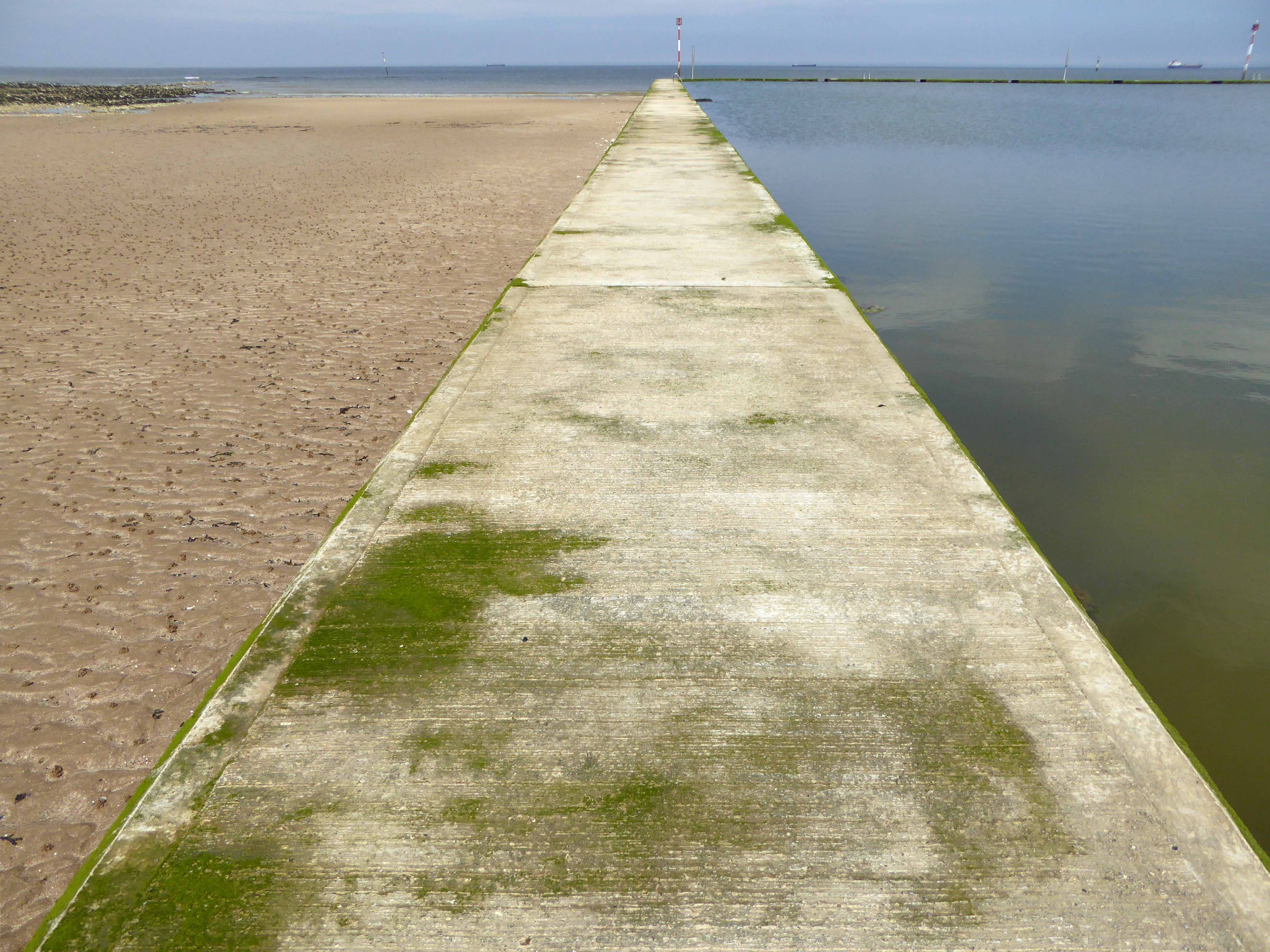
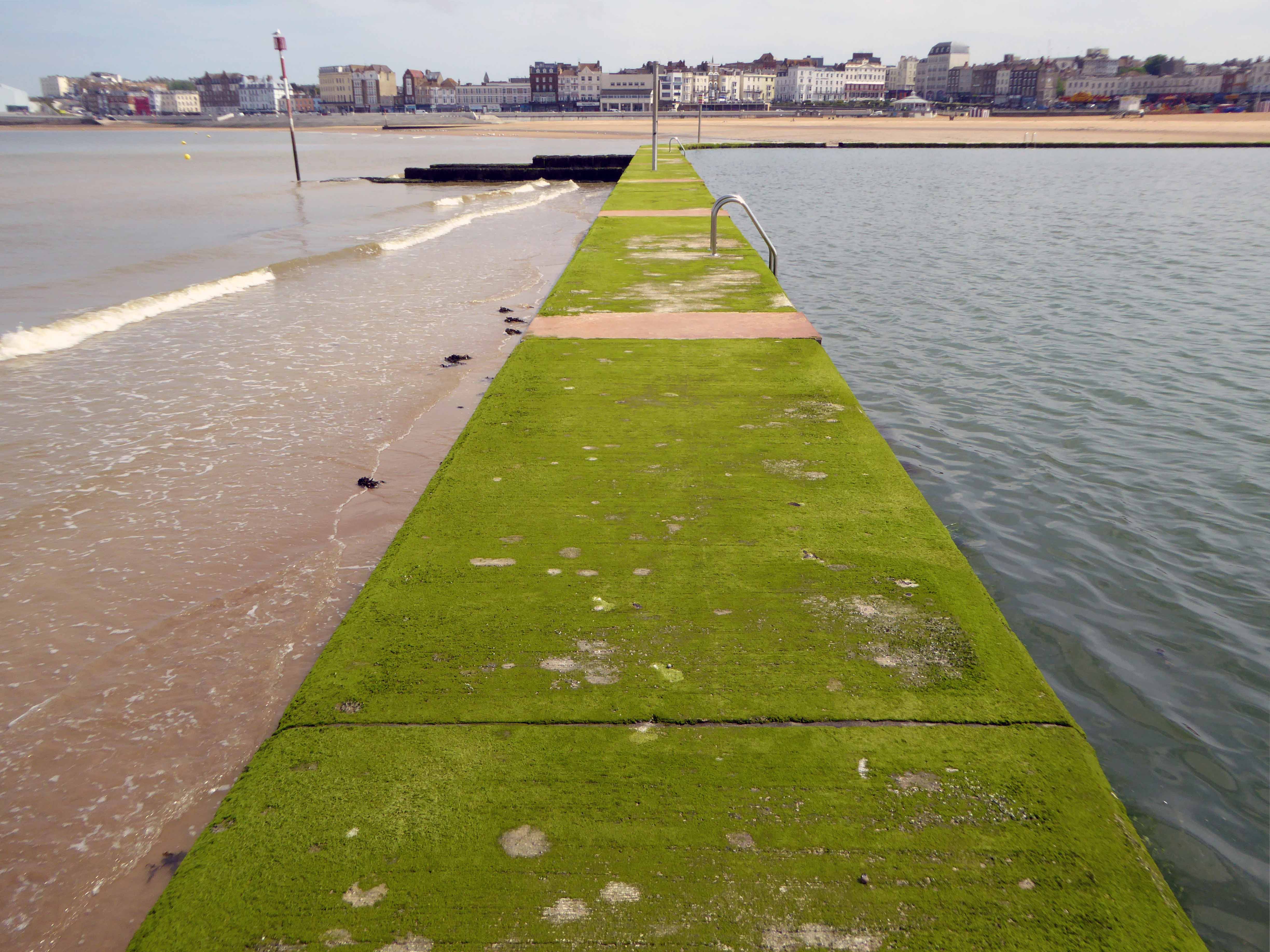
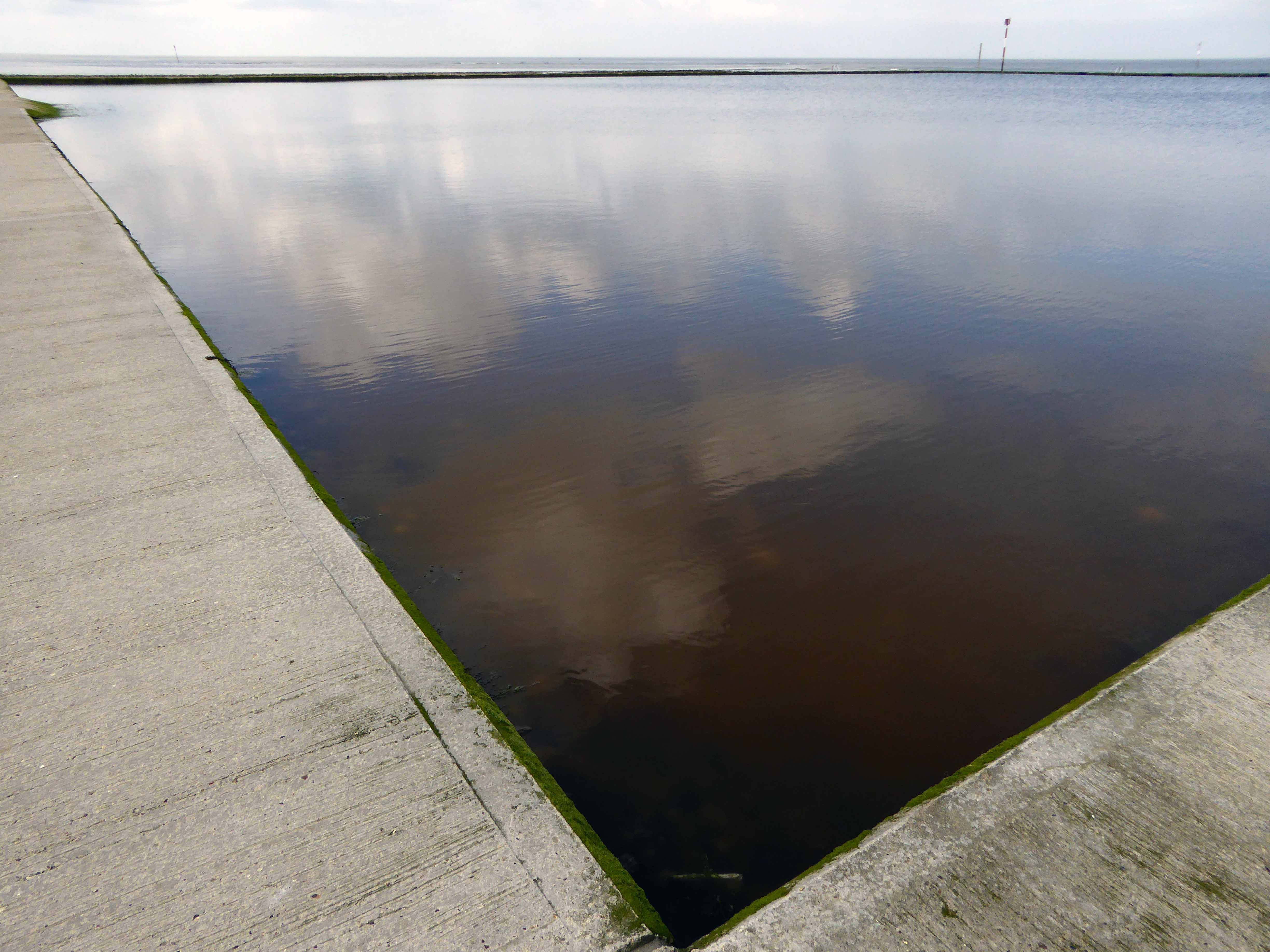
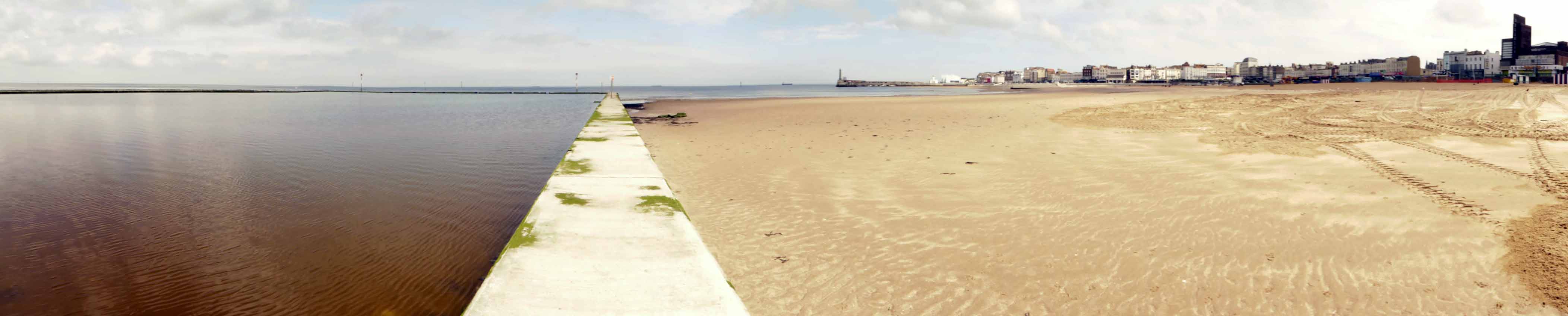
I was drawn magnetically to this elemental artifice, where untamed waters meet a controlled concrete geometry, waves temptingly lapping the walls.

Would that it could be open again to the town’s swimmers.

I am latterly reliably informed, that the pool is well used by local aquarists, despite the Local Authority’s prohibitions and ministrations – bravo!

P1050061 copy

P1050062 copy

P1050063 copy


P1050065 copy

P1050066 copy

P1050067 copy


P1050072 copy

P1050073 copy

P1050077 copy


P1050082 copy

P1050083 copy

P1050085 copy

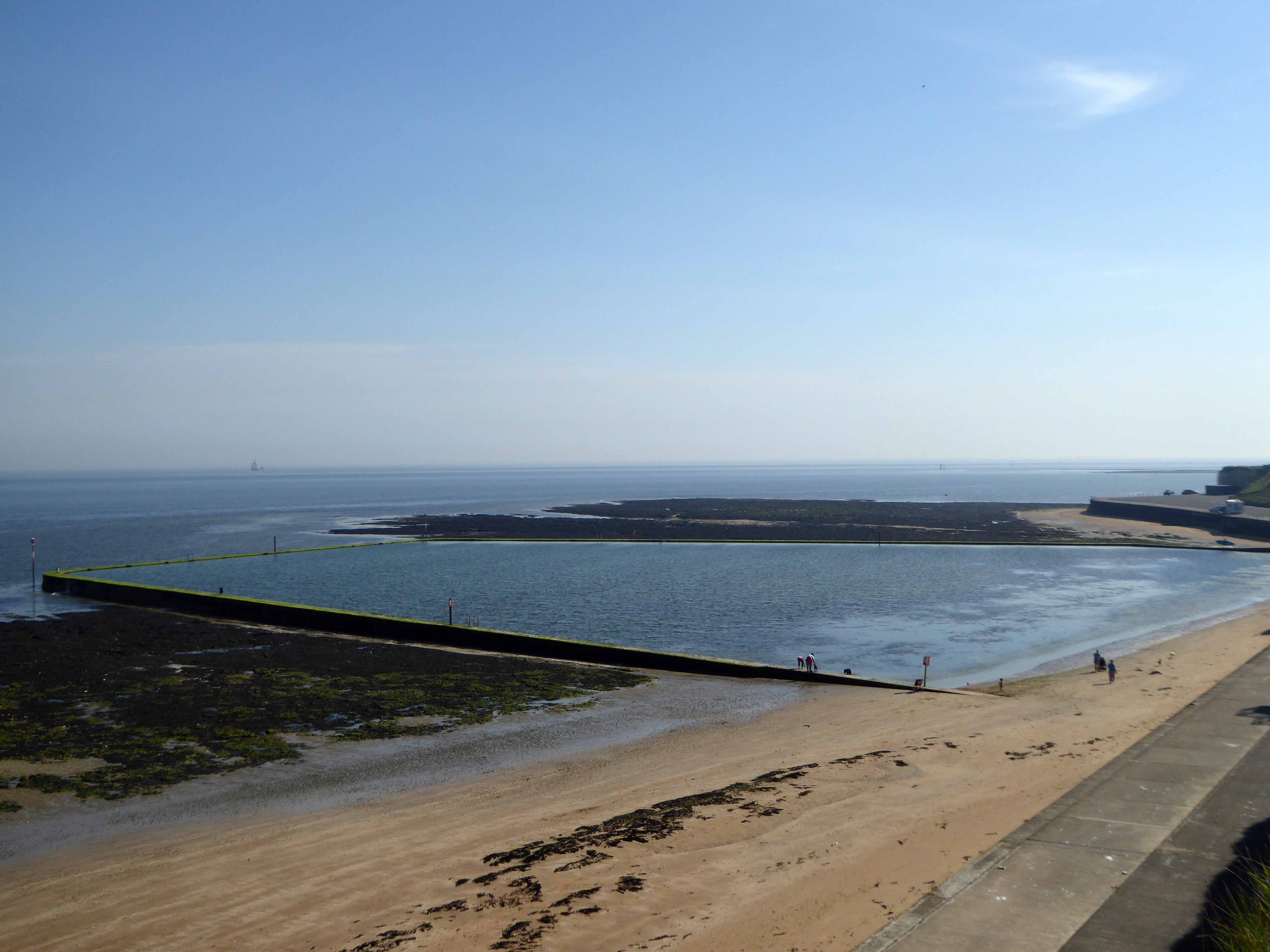
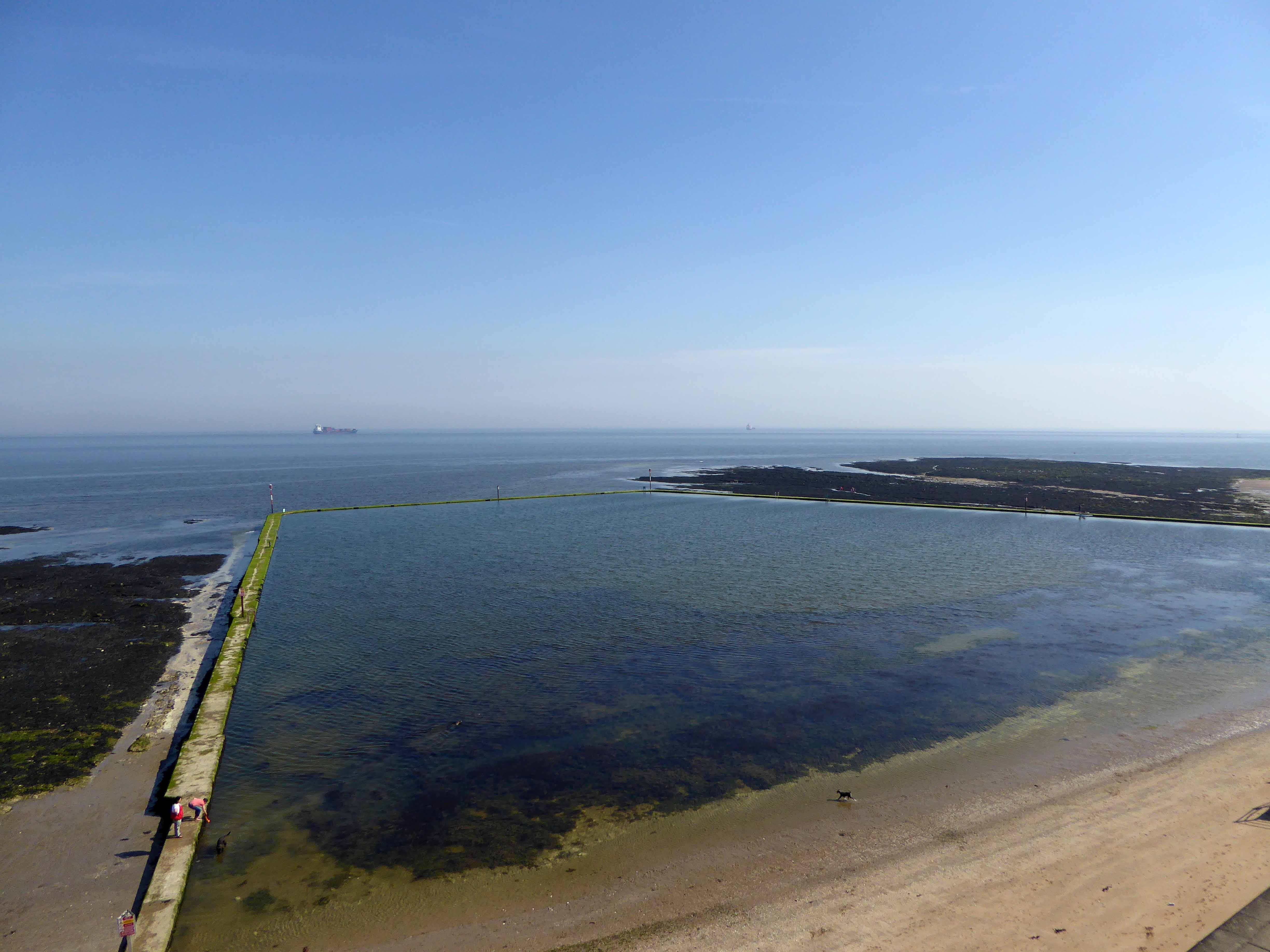
The second at Walpole Bay still open to the swimmer and what’s more it’s listed.

Walpole Bay Tidal Pool, one of two tidal pools designed by Margate’s borough engineer in 1937, constructed in concrete blocks reinforced by reused iron tram rails, is listed at Grade II for the following principal reasons: * Structural engineering interest: an ambitious project because of its scale, the weight of each concrete block, and that work needing to be carried out day and night because of the tides; * Scale and design: impressive in scale and shape, occupying 4 acres and three sides of a rectangle, the sides 450 feet long diminishing towards the seaward end which was 300 feet long; * Social historical interest: provided an improvement to sea bathing at the period of the greatest popularity of the English seaside; * Degree of intactness: intact apart from the loss of the two diving boards which do not often survive; * Group value: situated quite near the remains of the 1824-6 Clifton Baths (Grade II), an 1935 lift and the other 1937 tidal pool. 

P1040713 copy

P1040716 copy

P1040717 copy

P1040718 copy

P1040719 copy

P1040720 copy

P1040836 copy

North Foreland Estate – Broadstairs

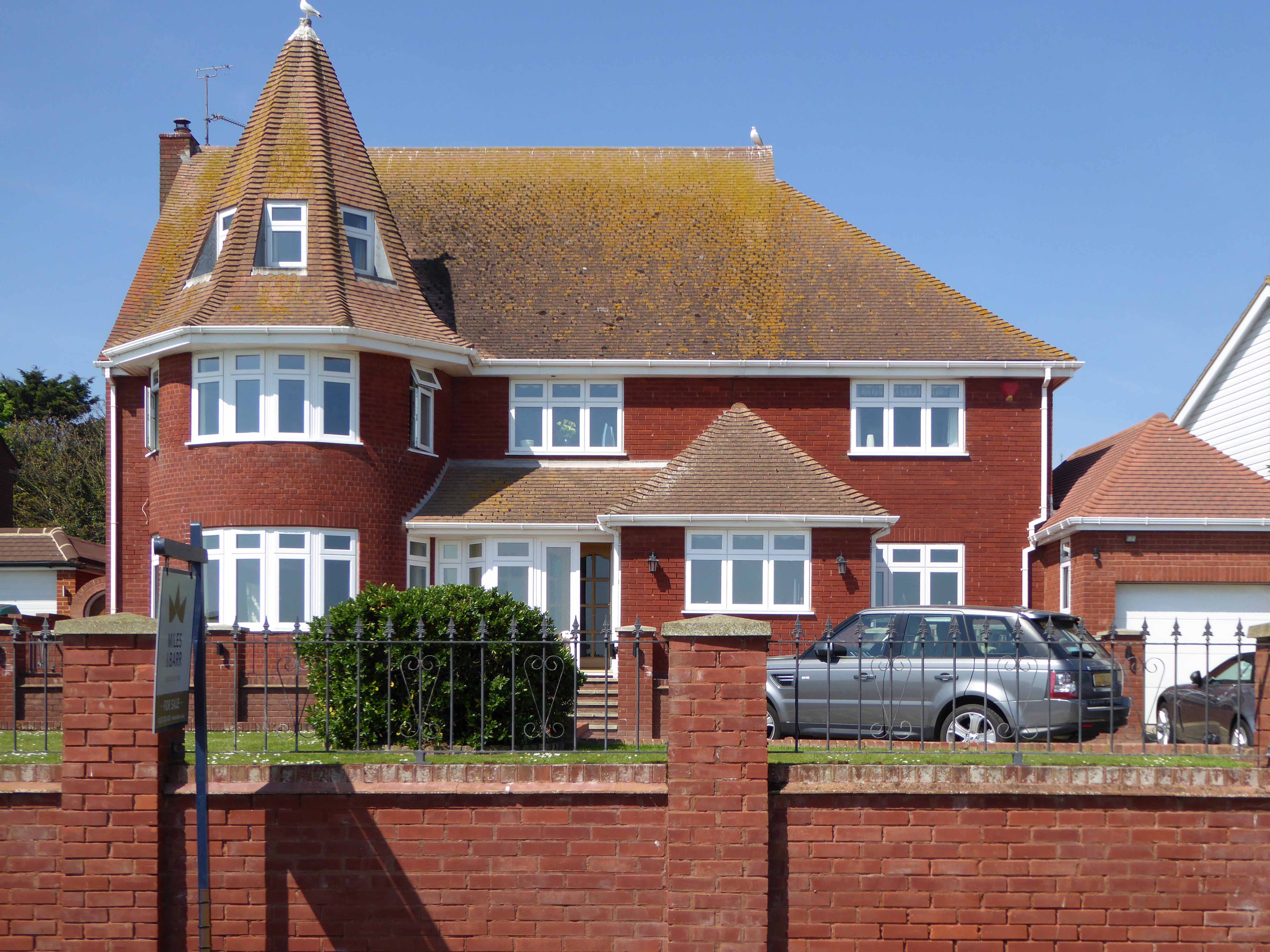
Where the lone lawn ranger, meets the top of the range Range Rover.

Yippee ki oh ki-yay!

Forever out to out Lutyens.

I think you’re probably out to lunch.

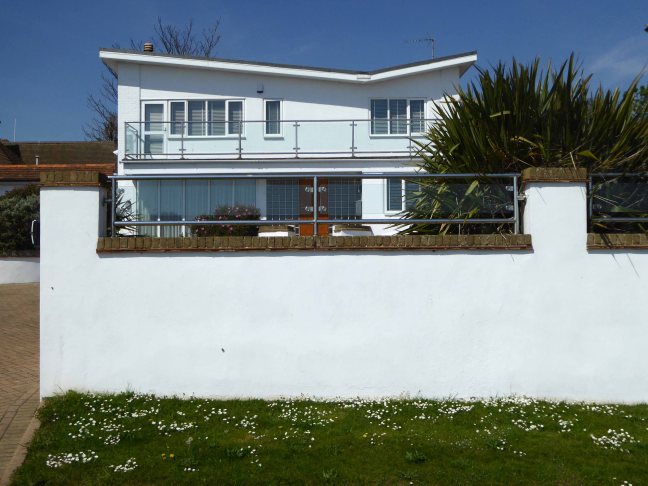
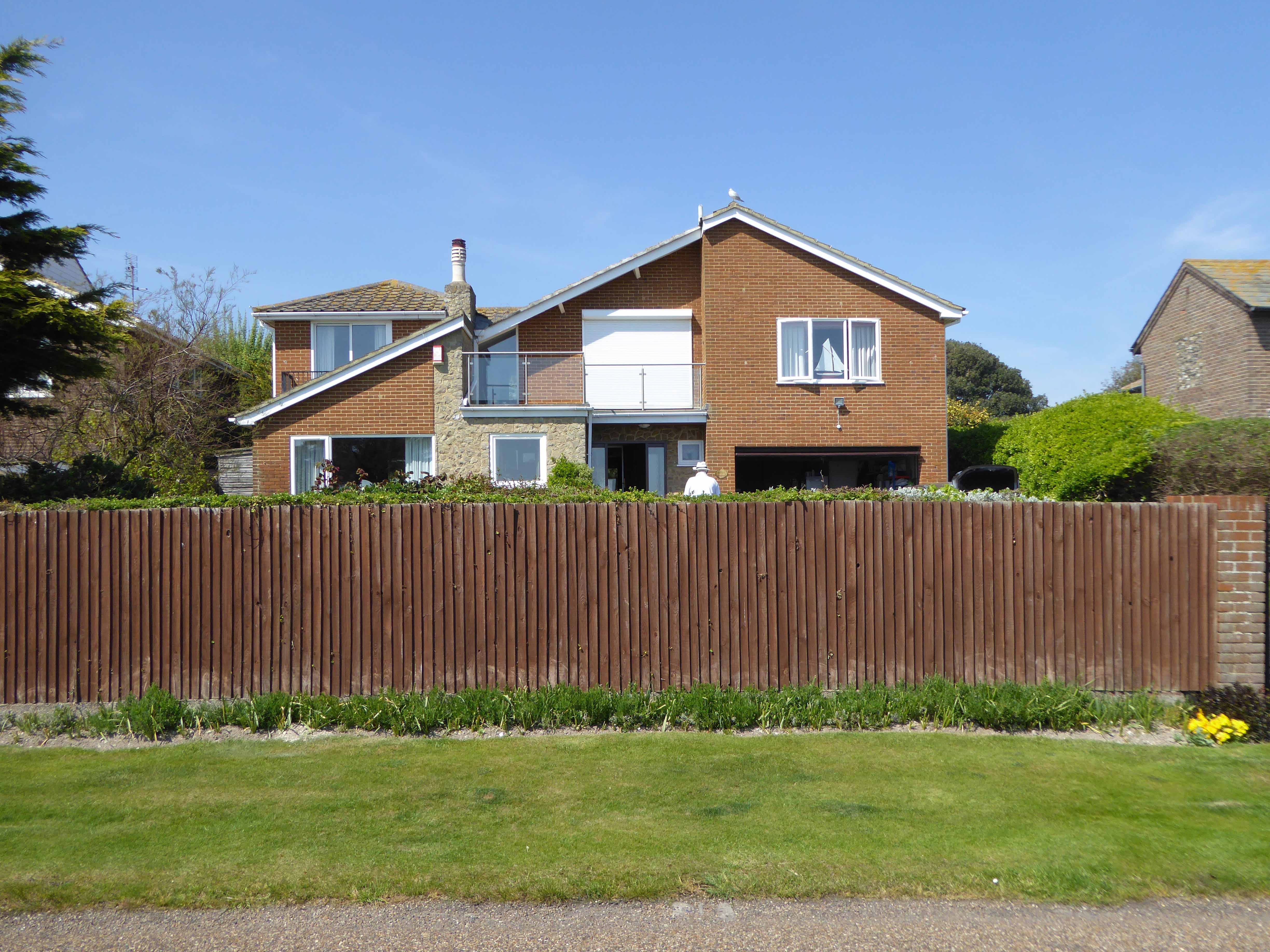
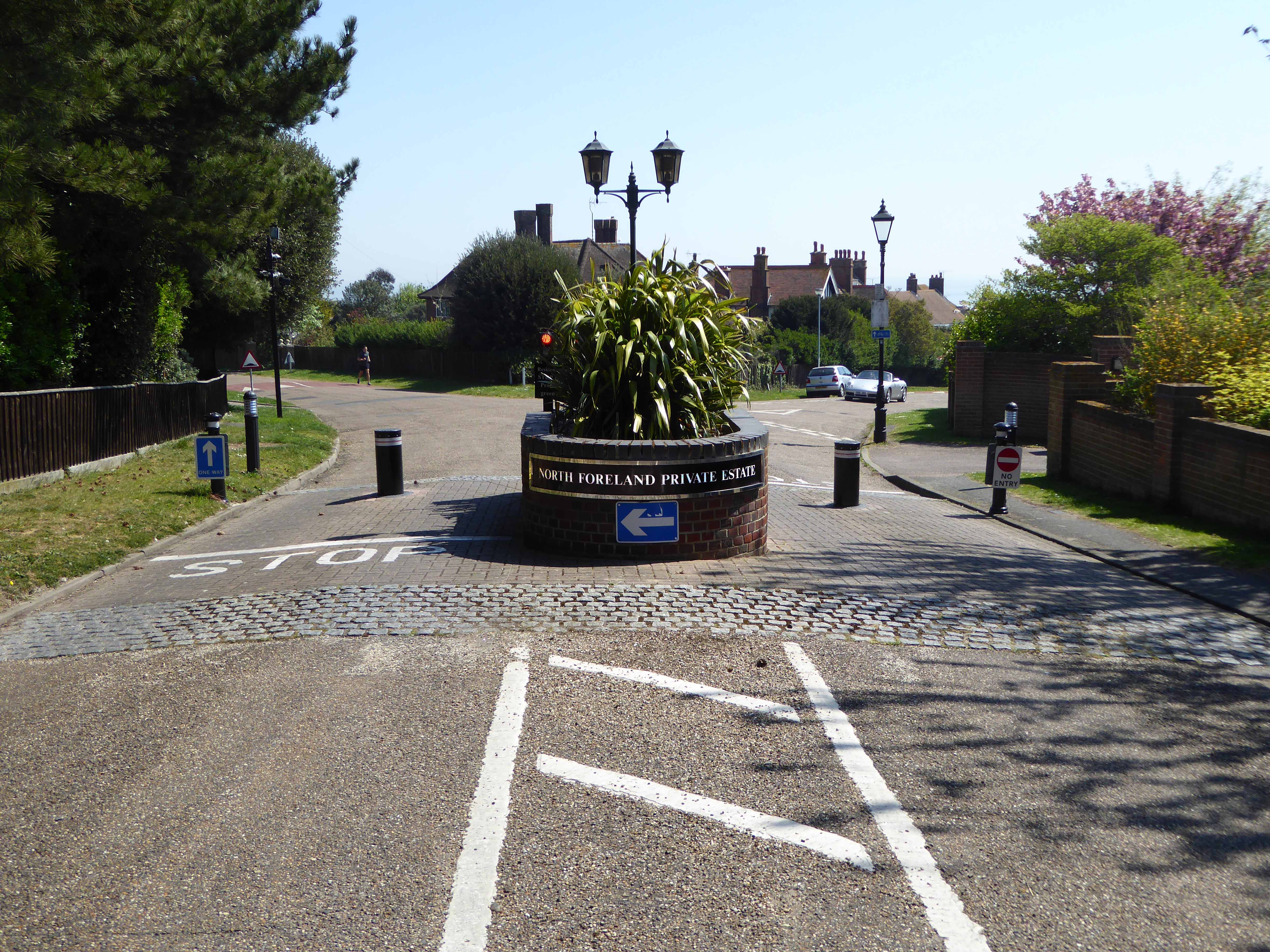
To walk the shoreline path through North Foreland Estate, is to walk an intentionally unintentional free market, mash-up of architectural history.

Hey ho let’s go!

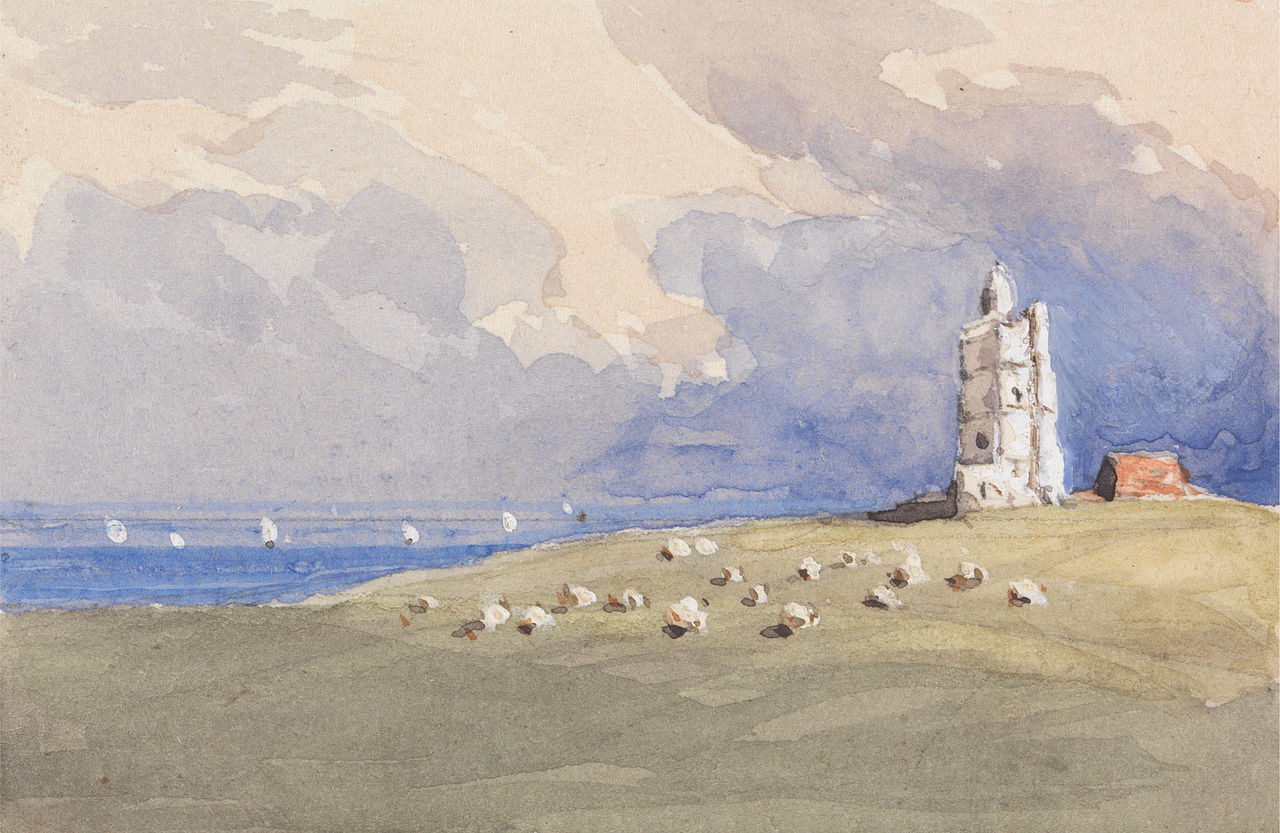
To begin at the beginning, 1636 a lighthouse is erected – leaping forward somewhat:

During World War II a number of radar stations were set up by German forces in France and the Netherlands to detect allied aircraft flying across the English Channel and a chain of top secret radar jamming stations were set up by British scientists along the south east coast of Britain. An array of transmitters was set out around gallery of the lighthouse controlled by equipment in the lower lantern as part of this chain.

1280px-North_Foreland_Lighthouse_by_George_Jackson

The North Foreland lighthouse was last manned lighthouse in the UK, but was automated in a ceremony presided over by the Duke of Edinburgh in 1998.

It seems appropriate that the DoE should preside over the automation, however, I digress.

This is a gently rolling coast line, low chalk cliffs harbouring sandy coves and spies.

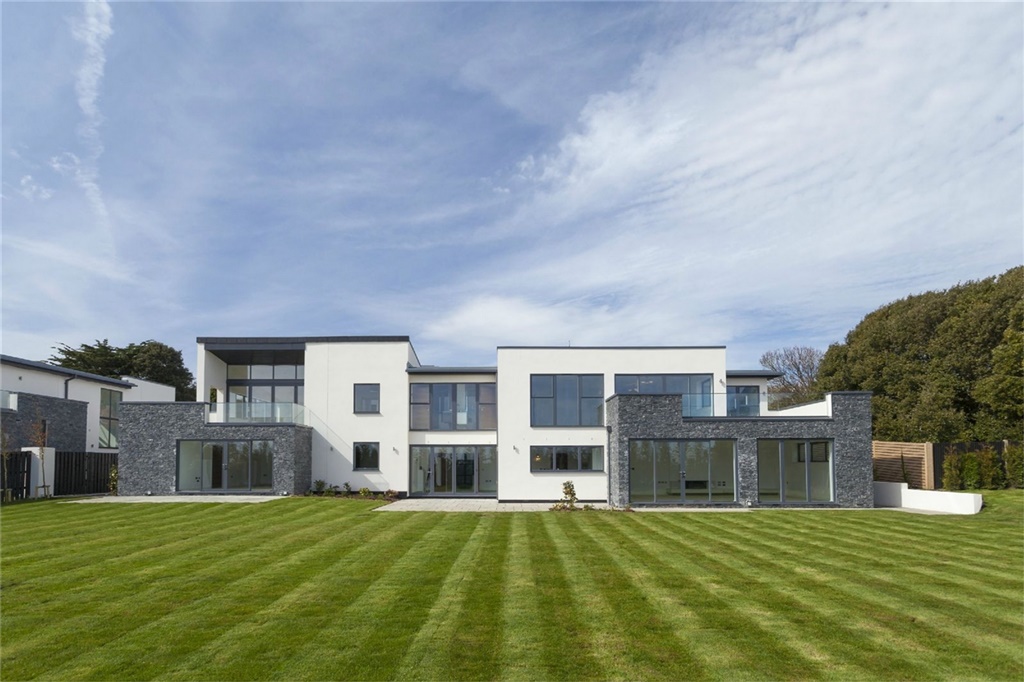
And the wealth of nations, £2,000,000 gets you this shiny hunk of real estate.

e5d99b95-661e-49d2-b89a-9db836b15c68-xl

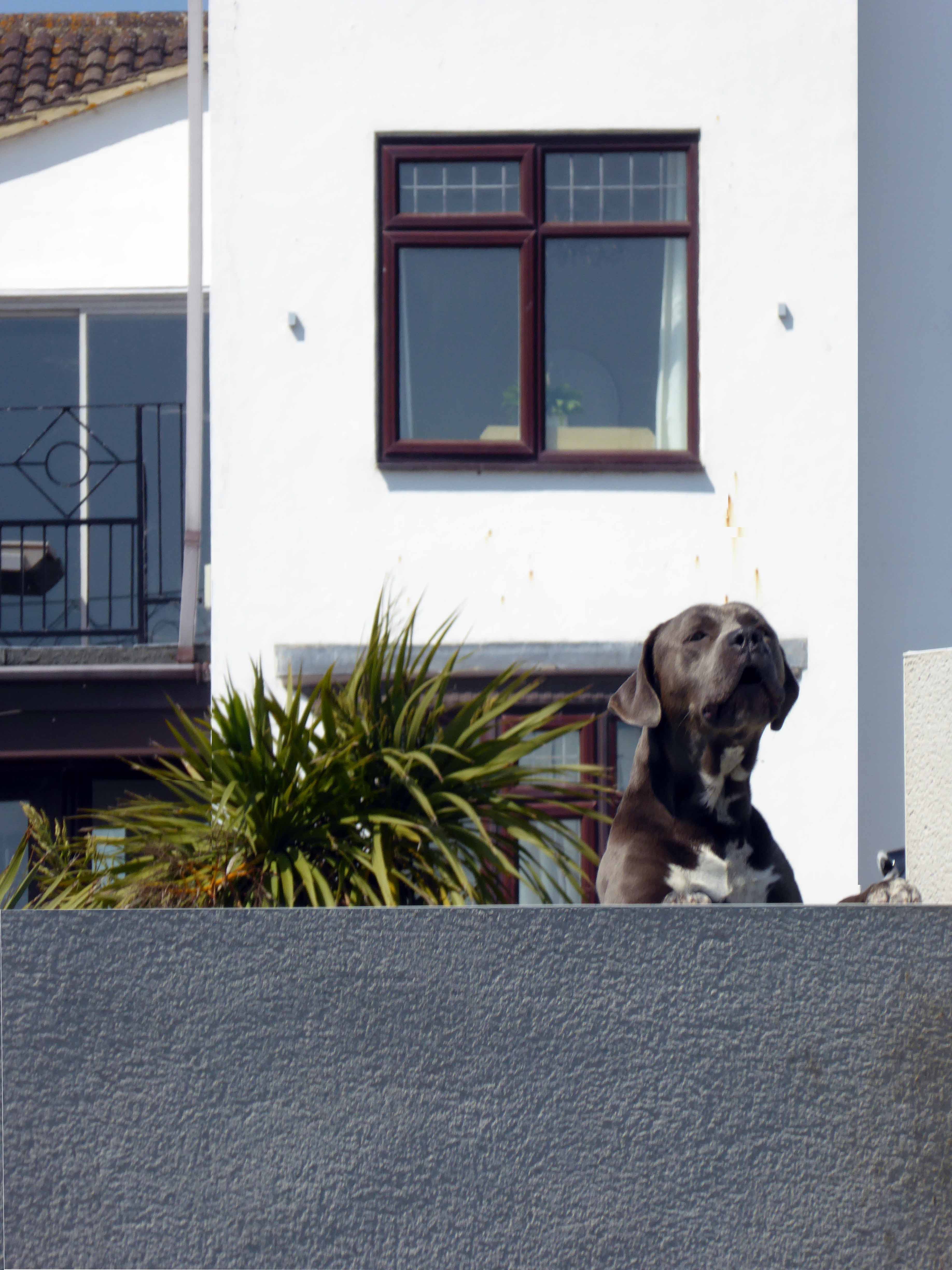
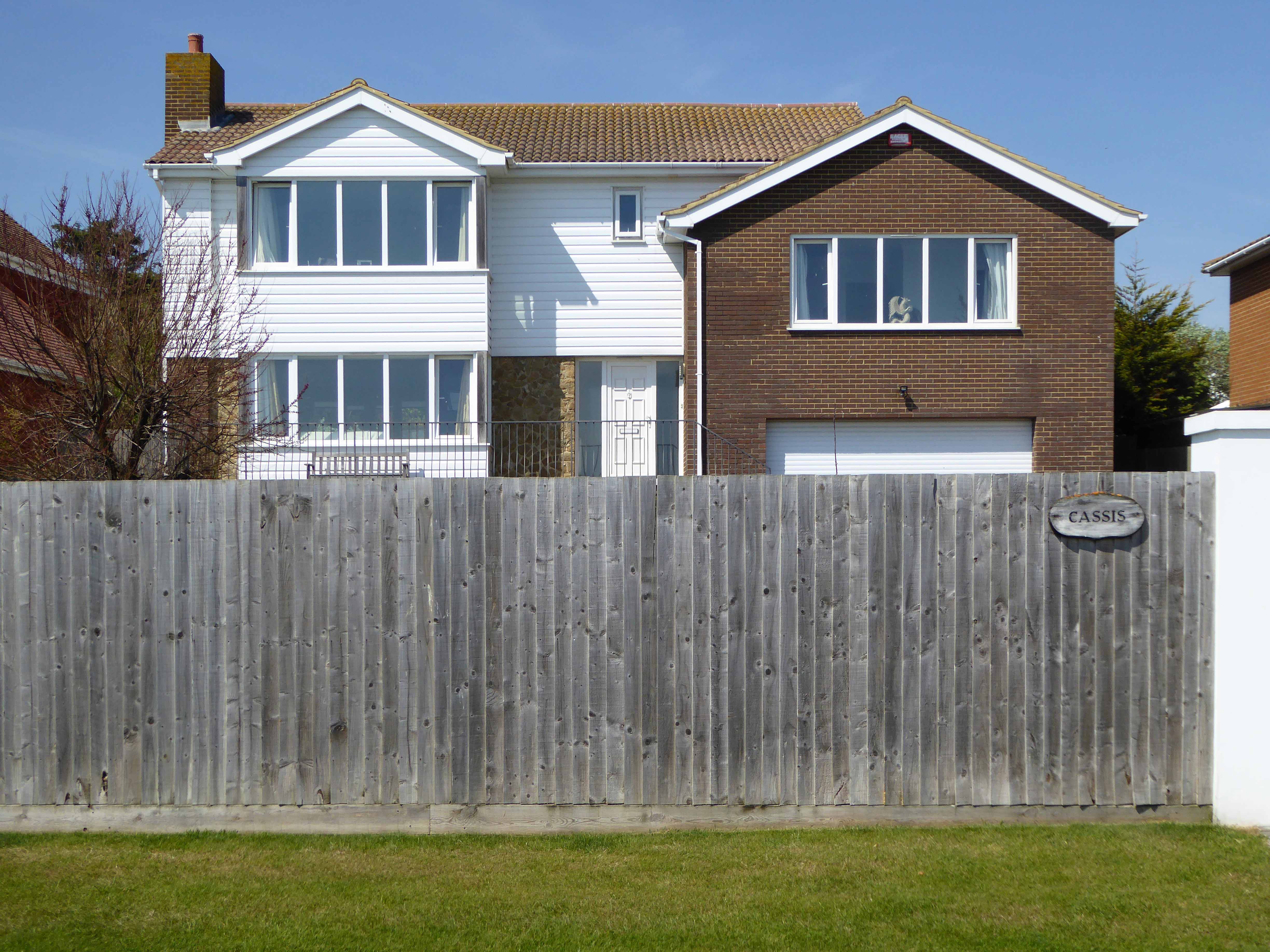
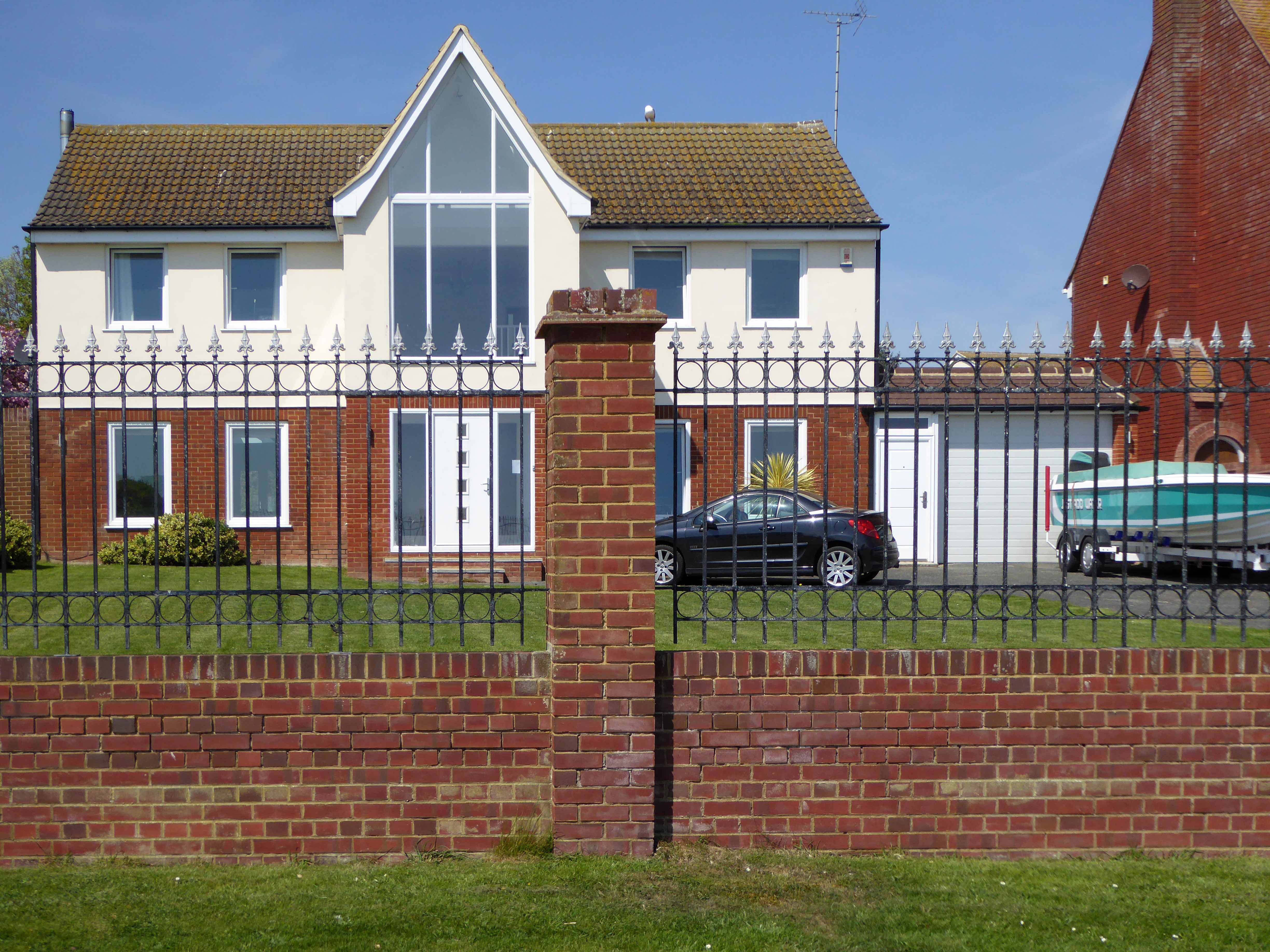
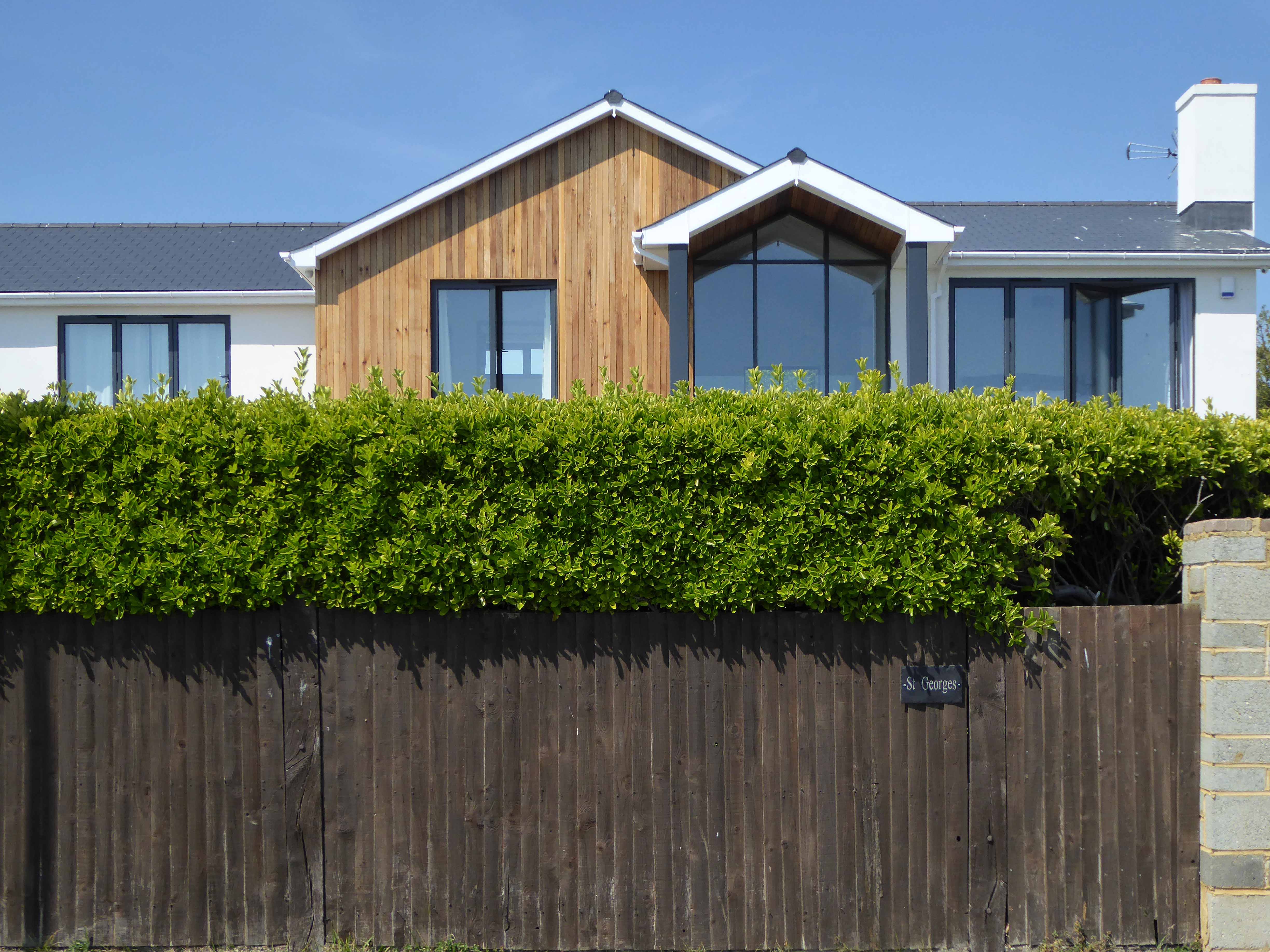
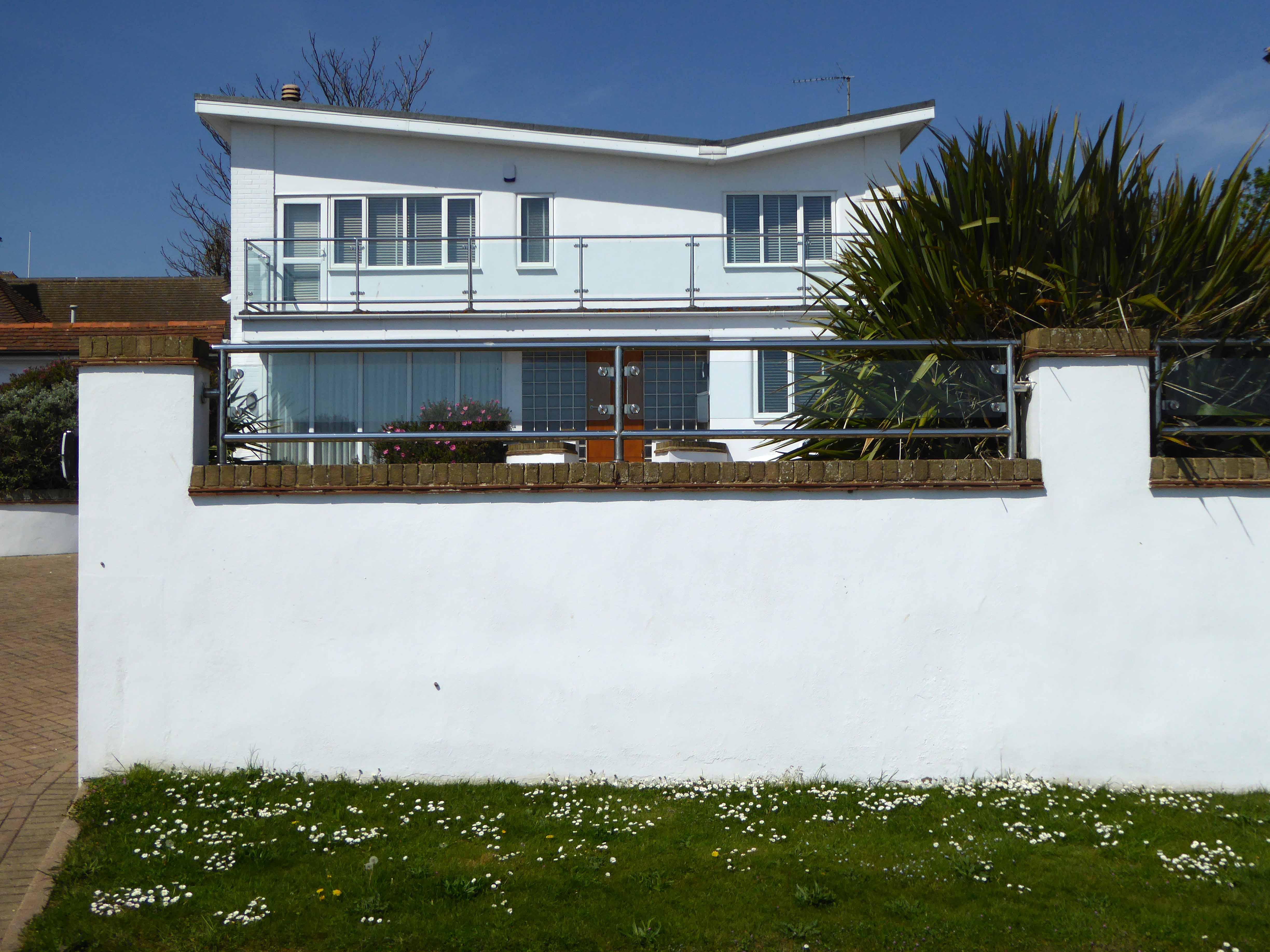
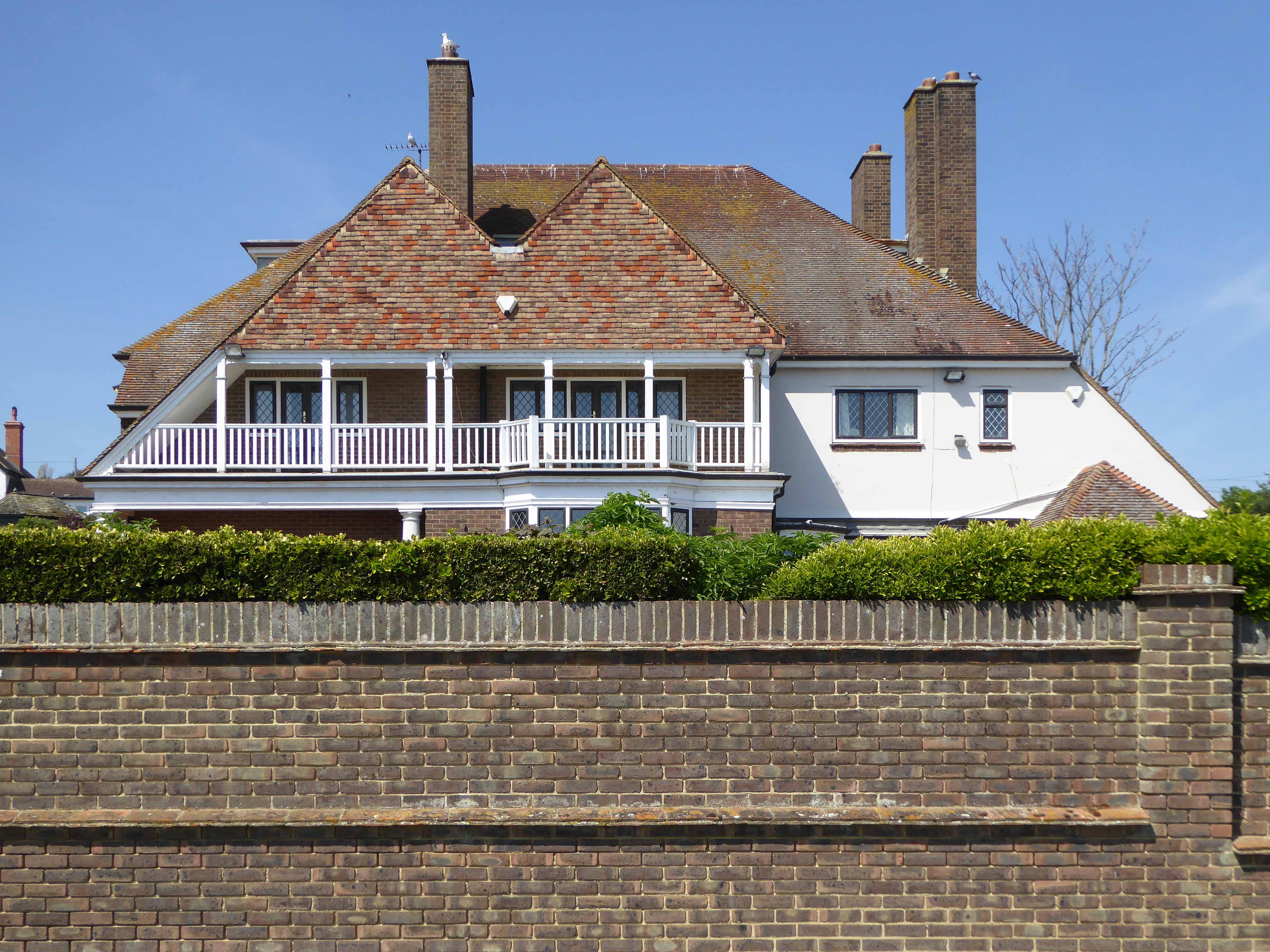
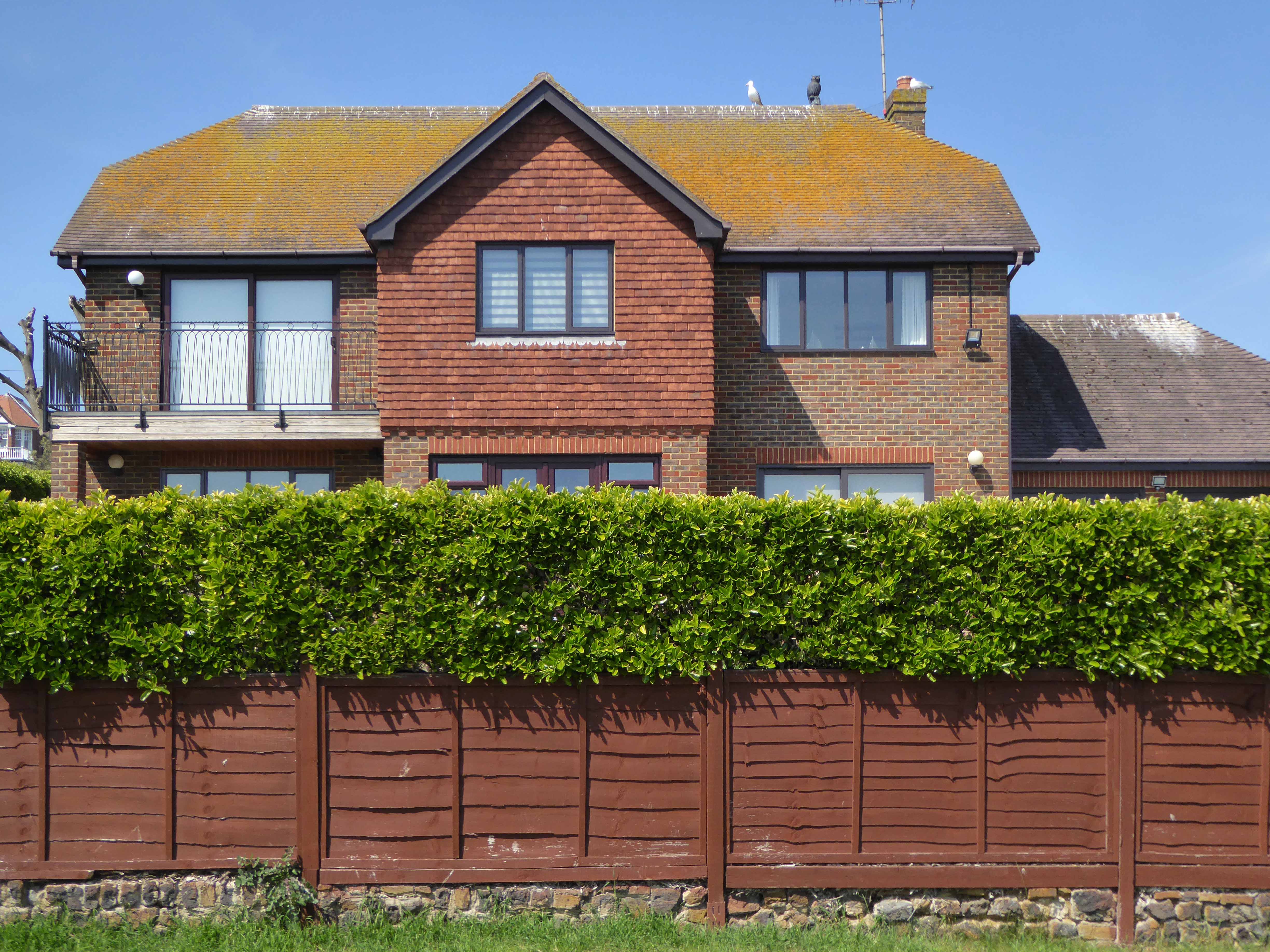
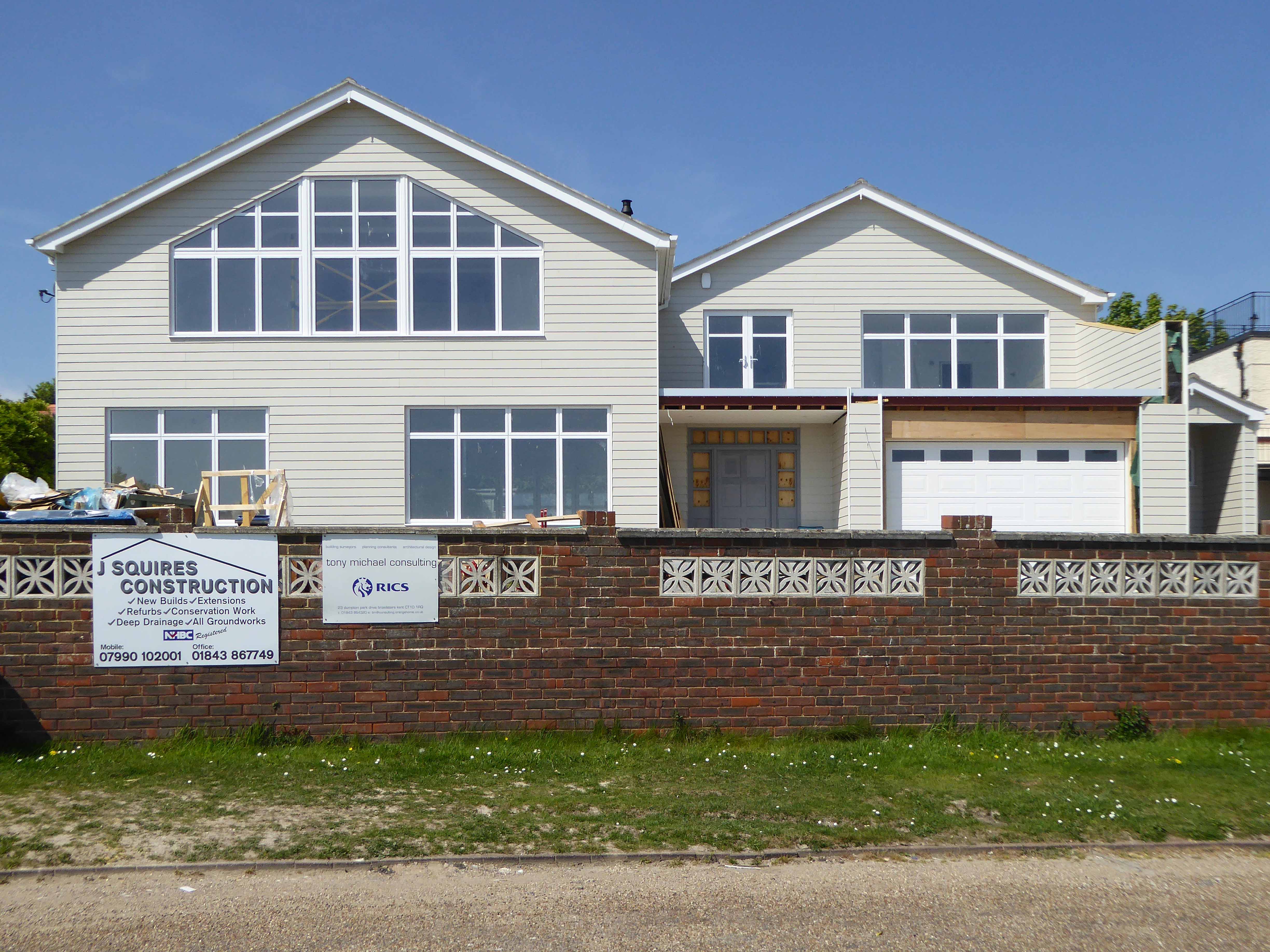
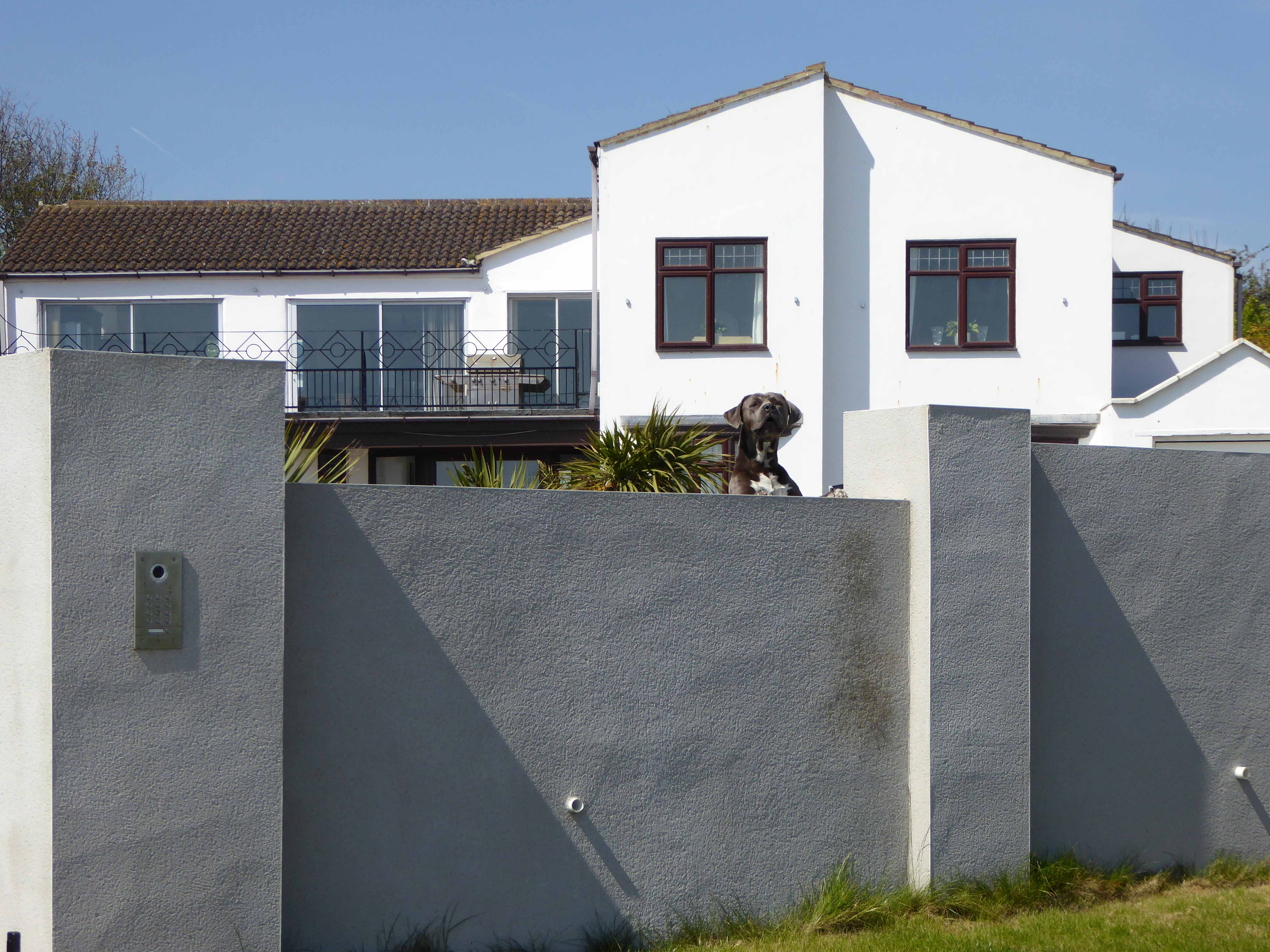
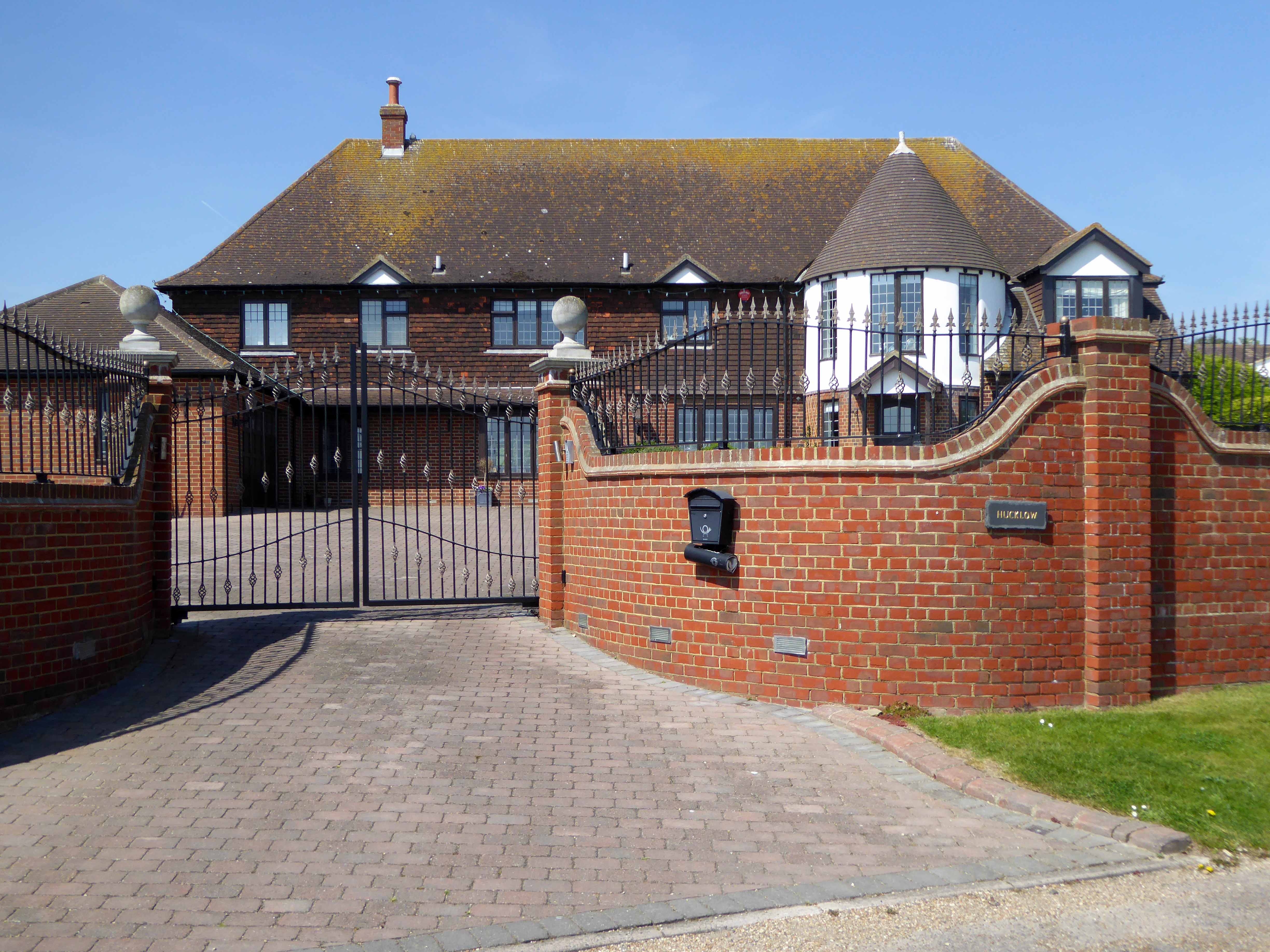
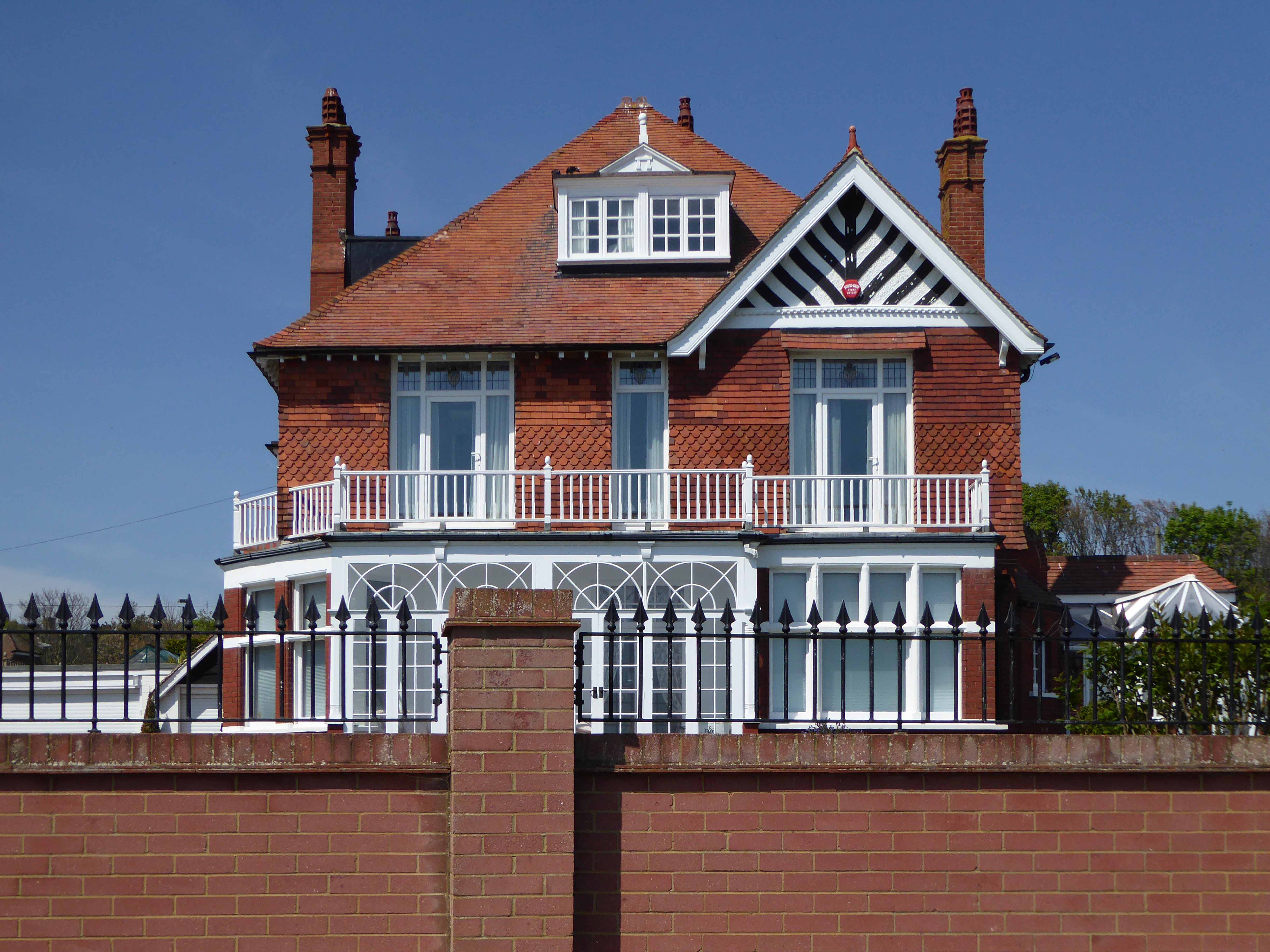
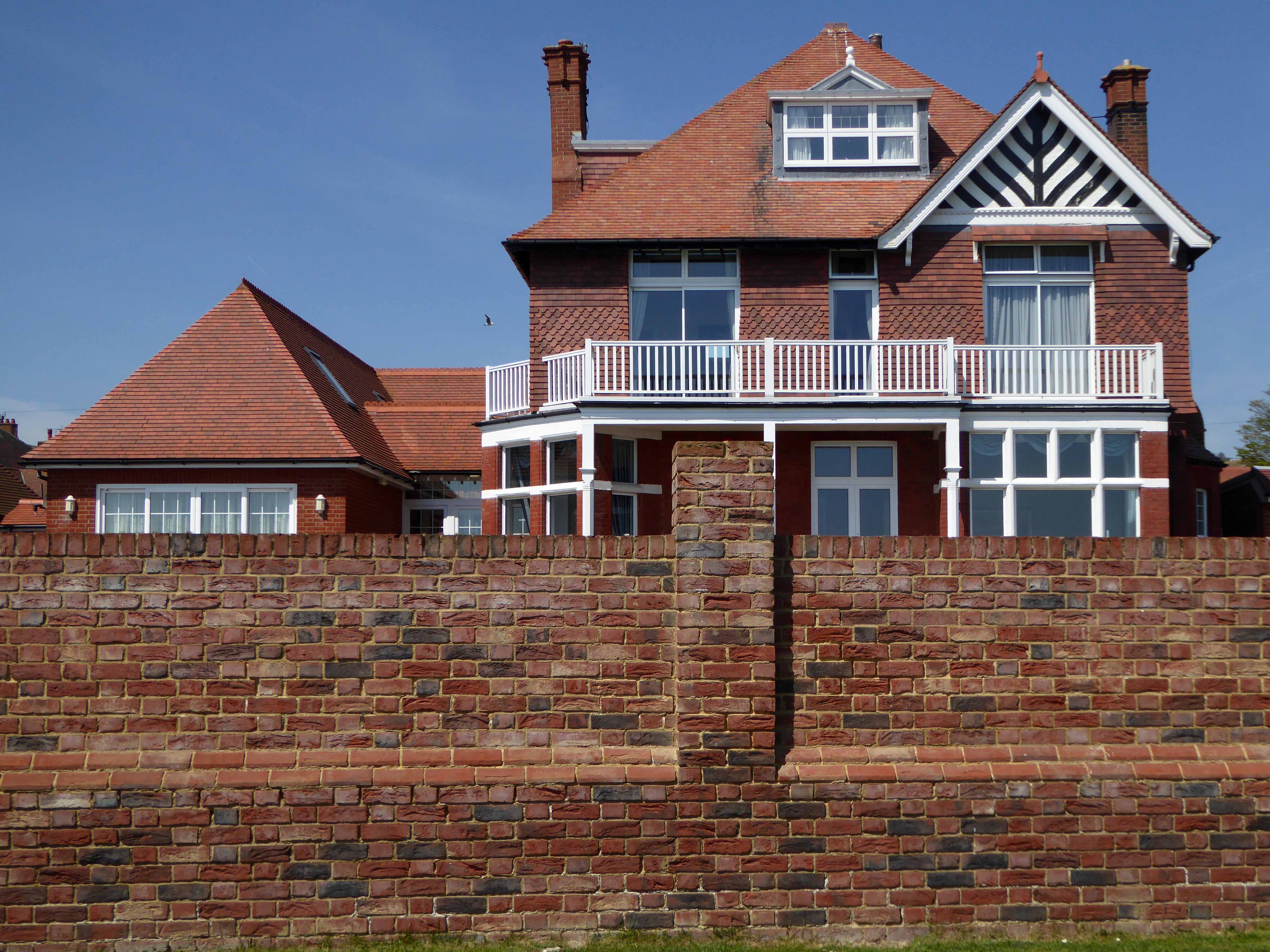
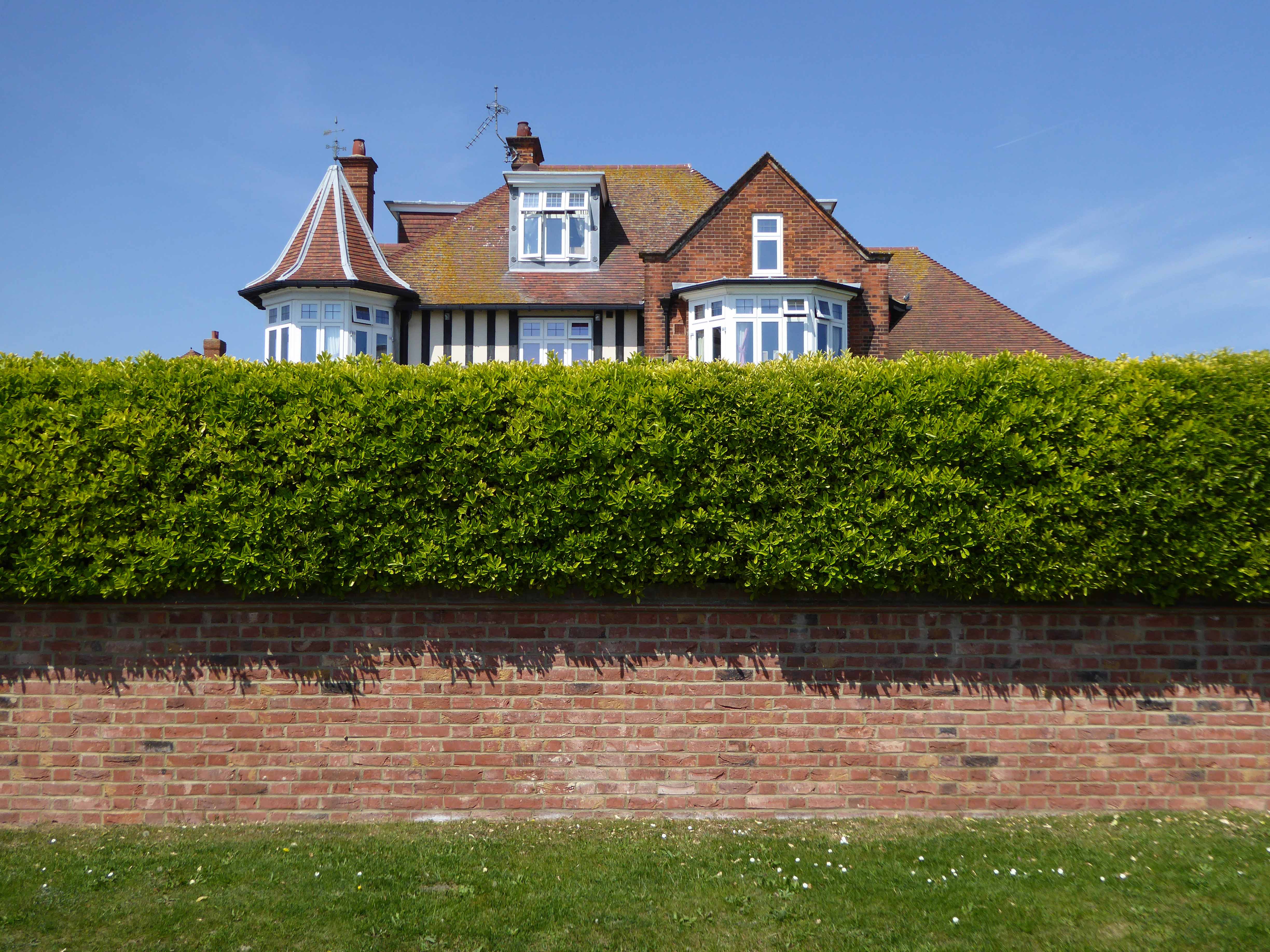
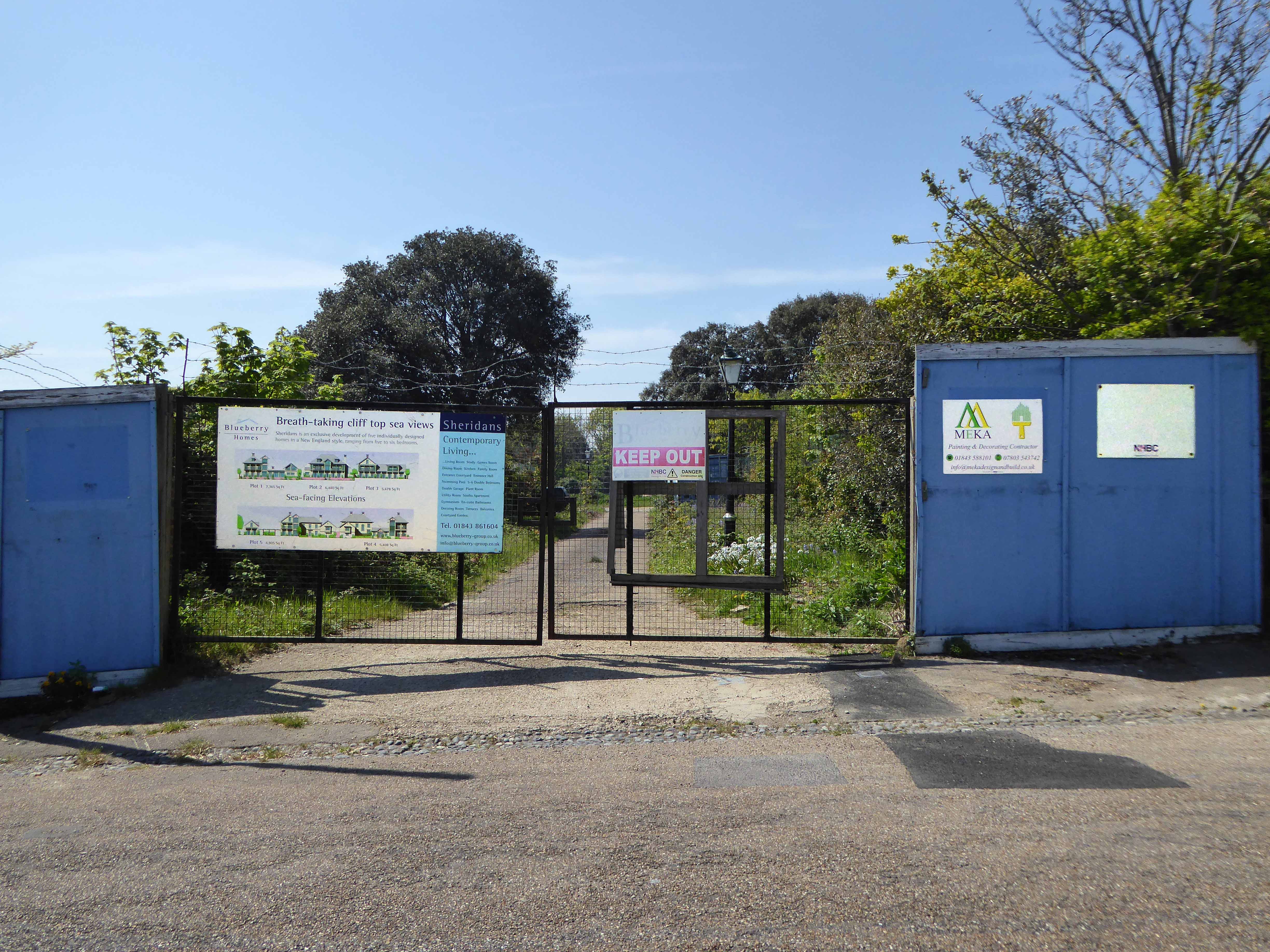
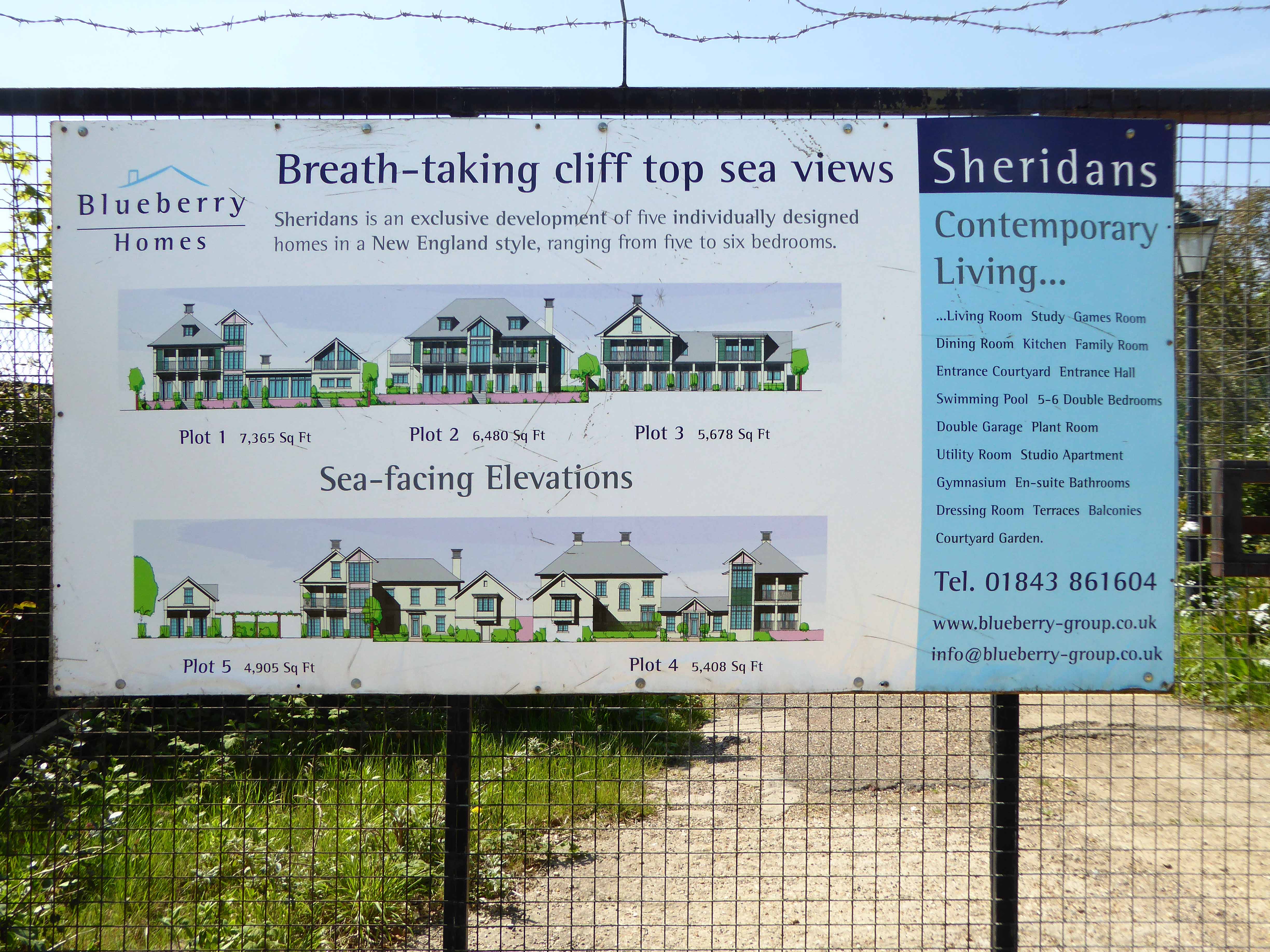
A gated community, double negated through further gating, ornamental railings, well clipped hedges, picket fences, high grey stuccoed walls, and attendant dogs.

Big dogs, very big dogs, fortunately with even bigger walls.

P1040768 copy

As is often the case in such areas the residents are short of nothing – excepting residents.

There was but on lone lawnmower owning owner to nod to.

P1040755 copy

Last seen, receding towards his quasi sixties, semi-dormered detached, hat intact.

So accompany me now through the New England homes of the new England, admire the Mock Gothic, Super Krazed Moderne, pseudo Tudo-Jacobethan delights that await us.

P1040756 copy

P1040757 copy

P1040758 copy

P1040759 copy

P1040762 copy

P1040763 copy

P1040764 copy

P1040766 copy

P1040767 copy

P1040769 copy

P1040770 copy

P1040771 copy

P1040772 copy

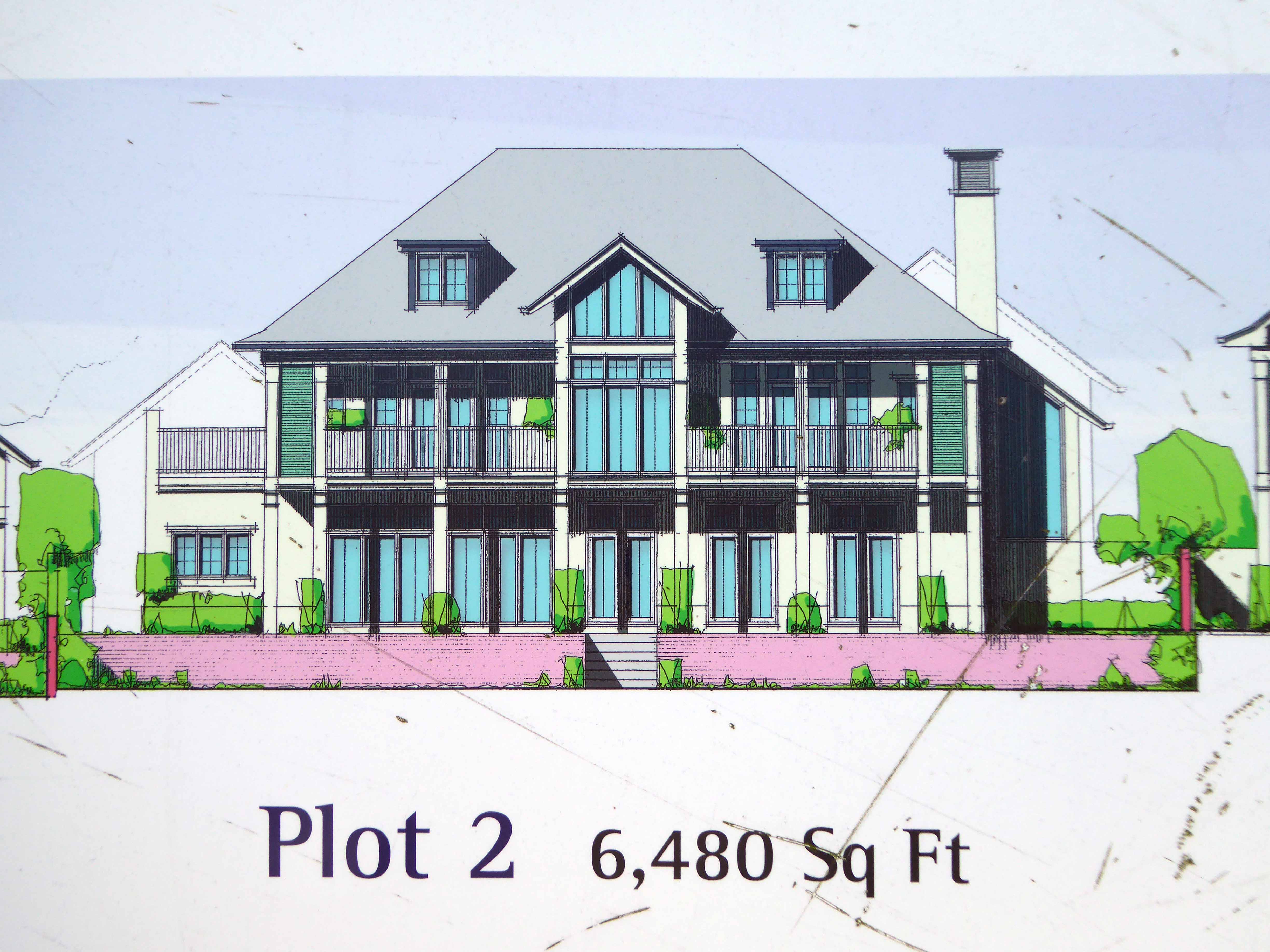
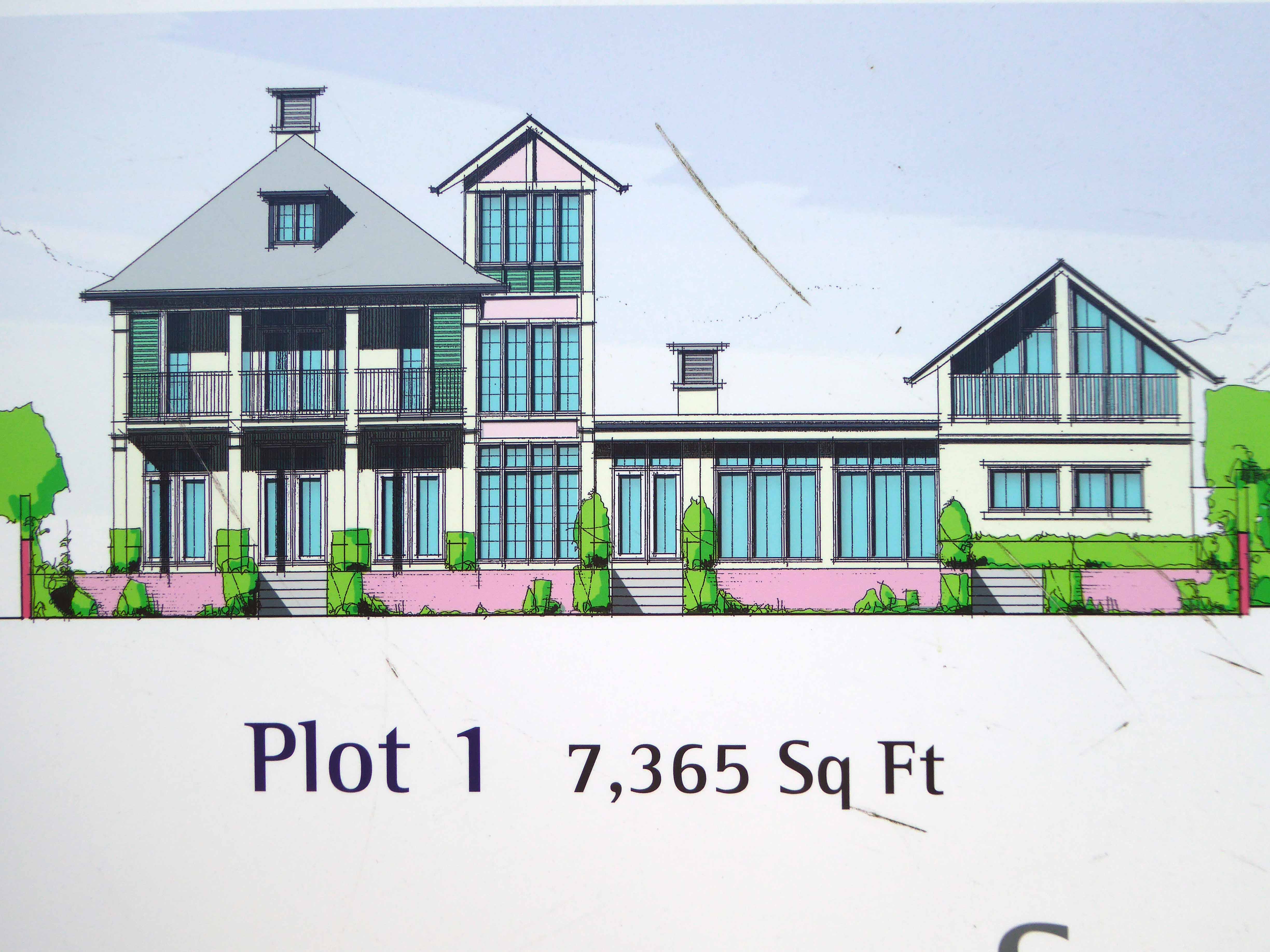
Too rich for your undernourished pockets, have you considered a drawing of a house?

High concept, conceptual housing for the under-housed.

P1040780 copy

P1040774 copy

P1040775 copy

P1040777 copy

So farewell the North Shoreland I’ll leave you to get on with your high value, property based, rise and fall bollard lifestyle I, like Felix – kept on walking.

P1040783 copy


Hartfield Close – Manchester

Screen Shot 2016-05-19 at 10.23.35

It’s not unusual.

To discover something, whilst looking for something else.

For me, it’s almost a way of life.

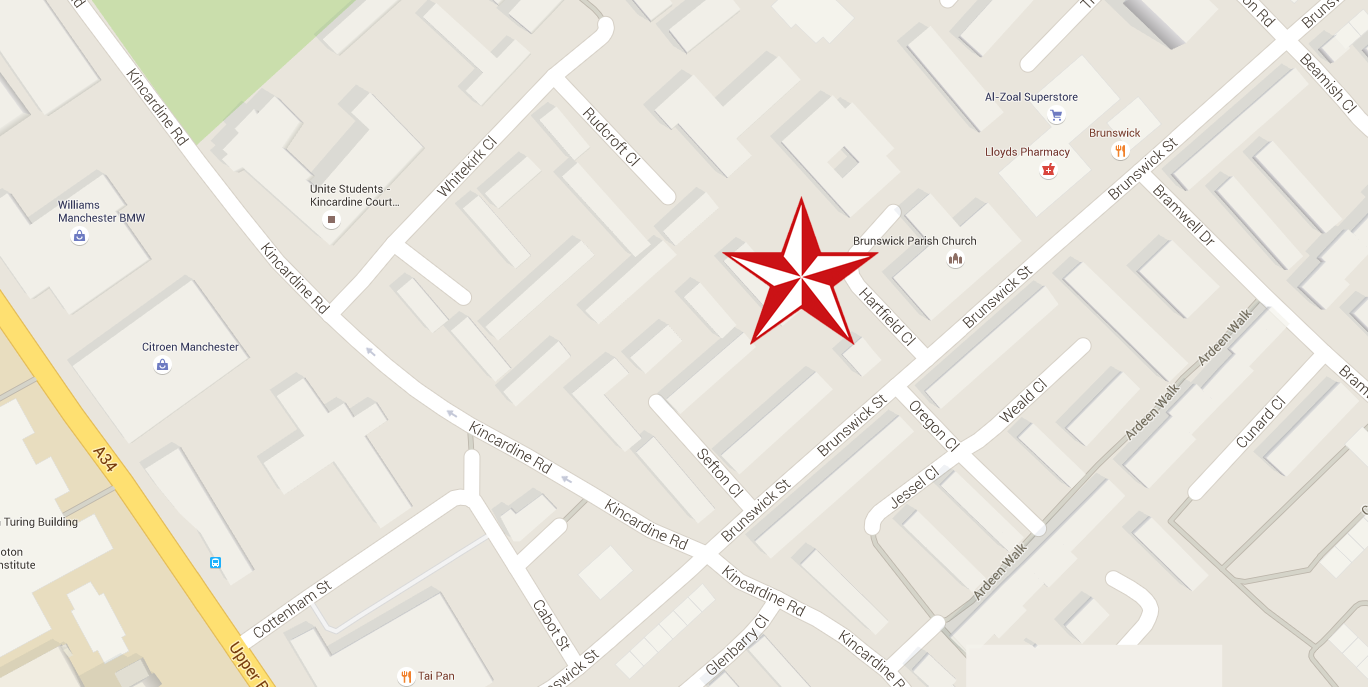
I was in the area to look around the nearby Brunswick Parish Church.

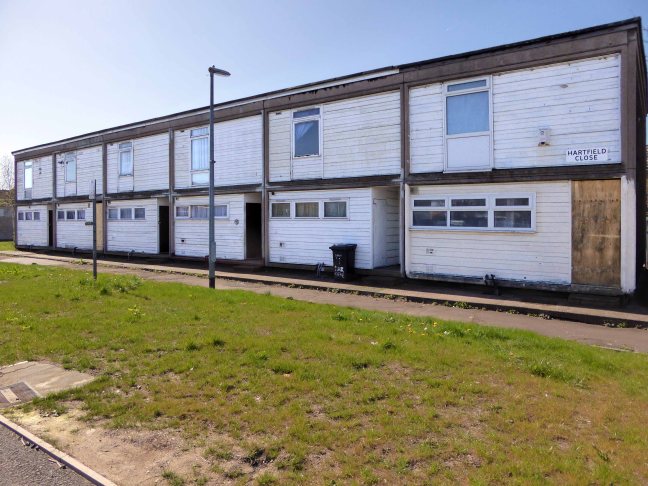
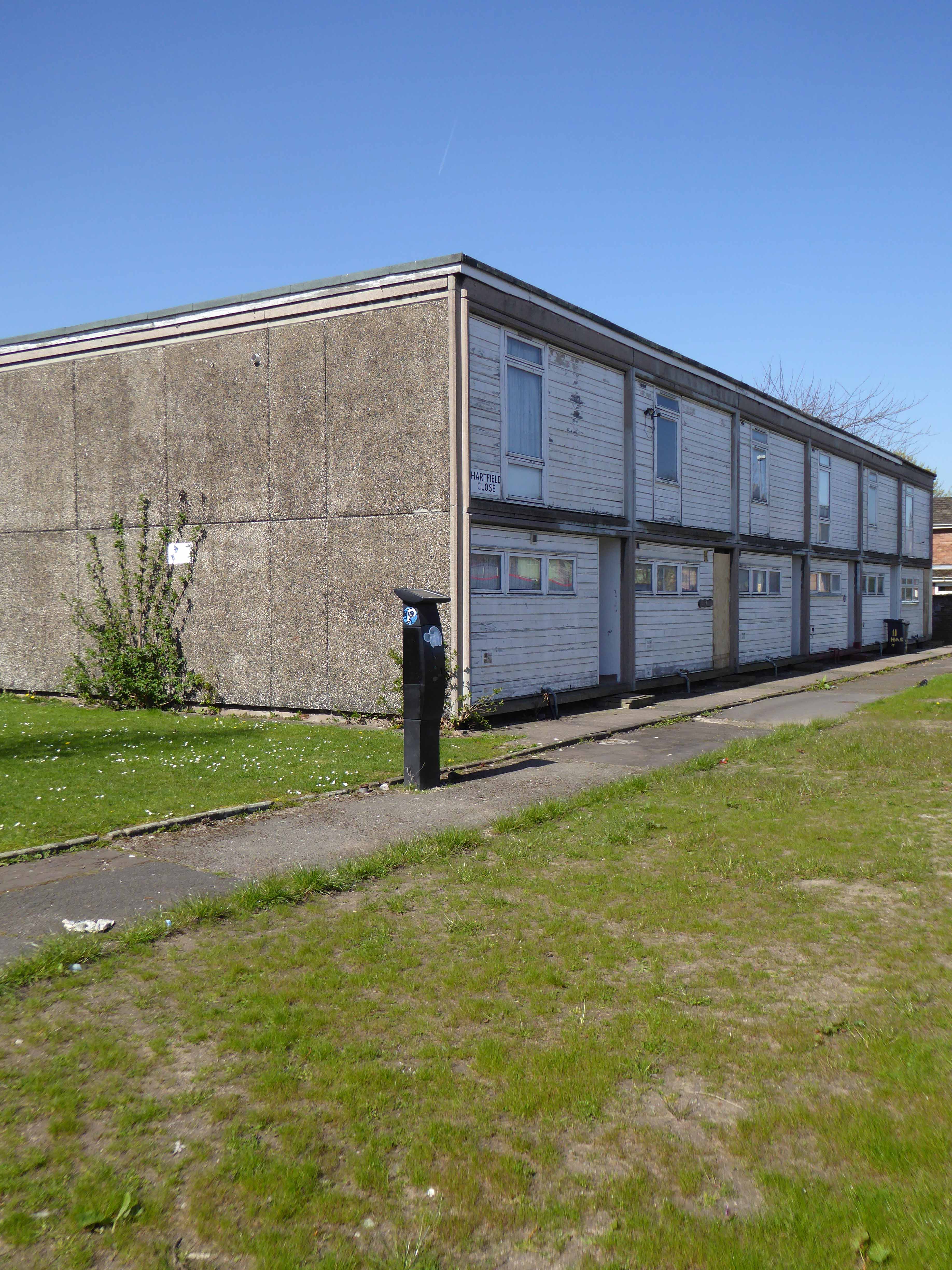
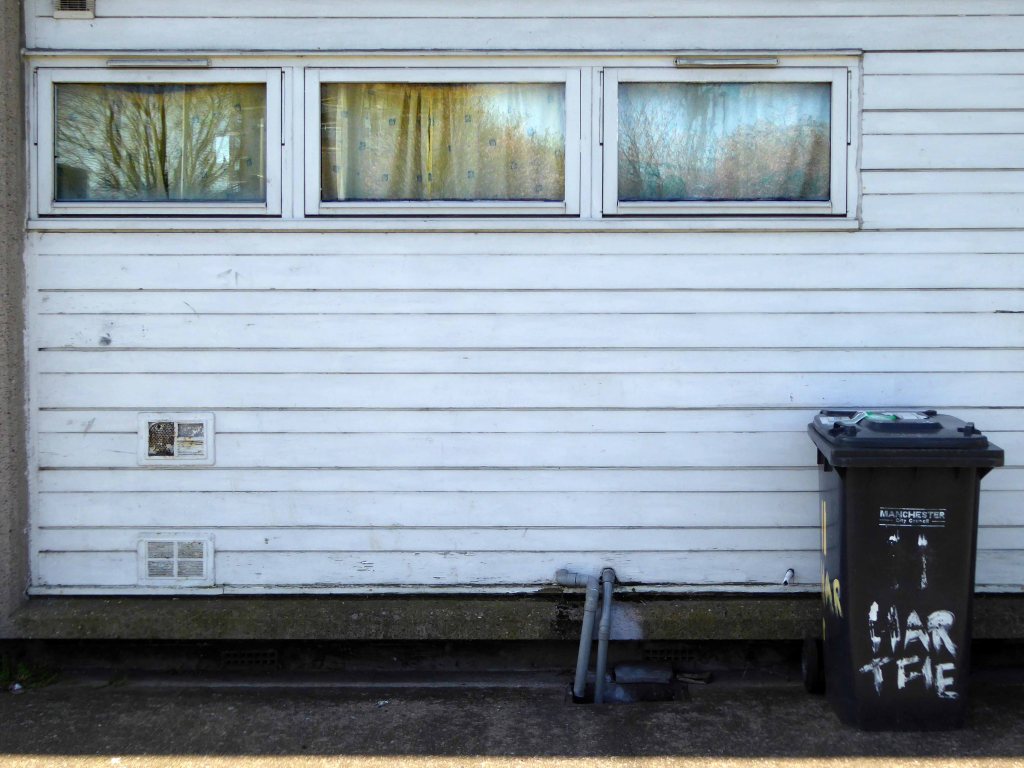
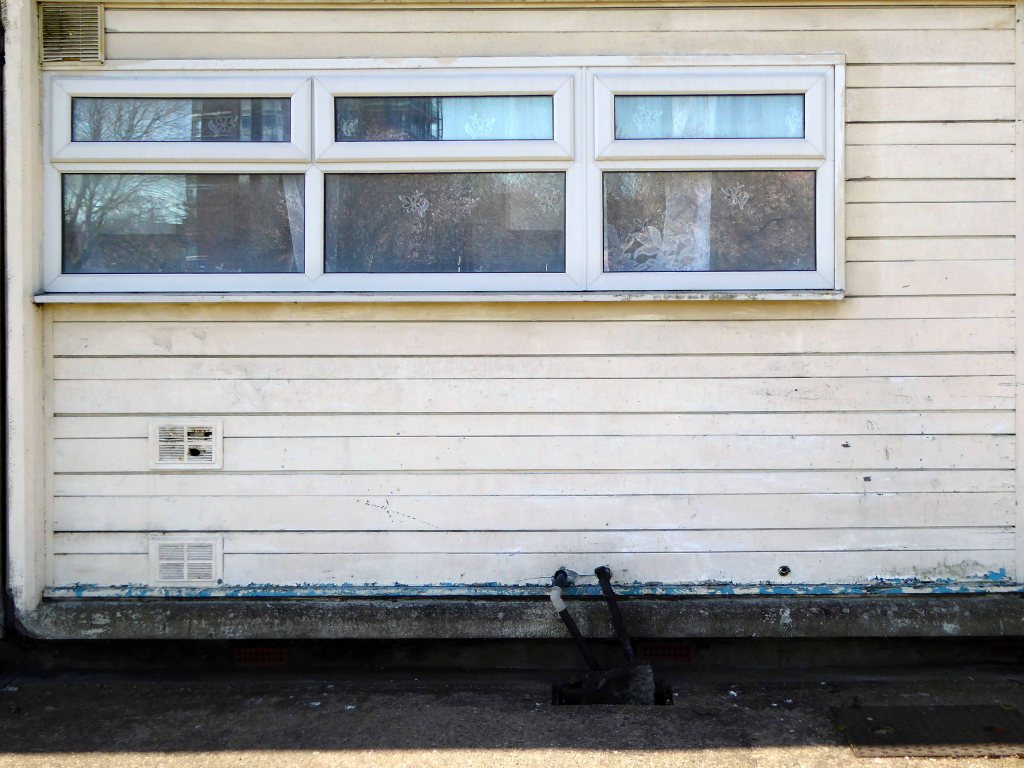
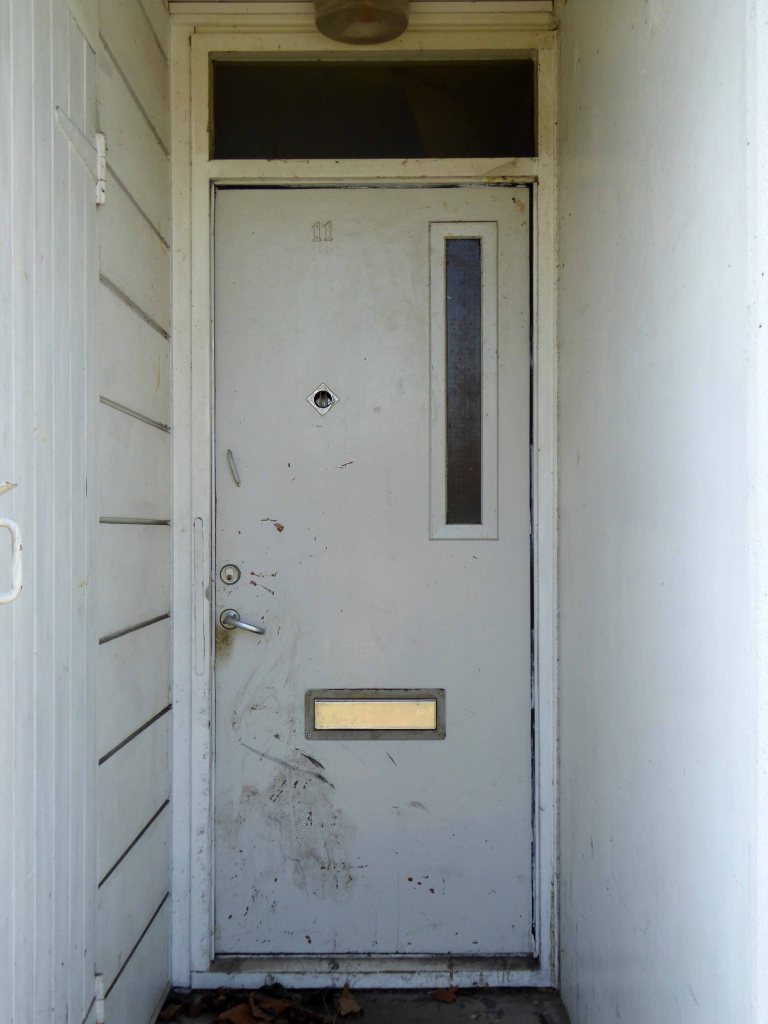
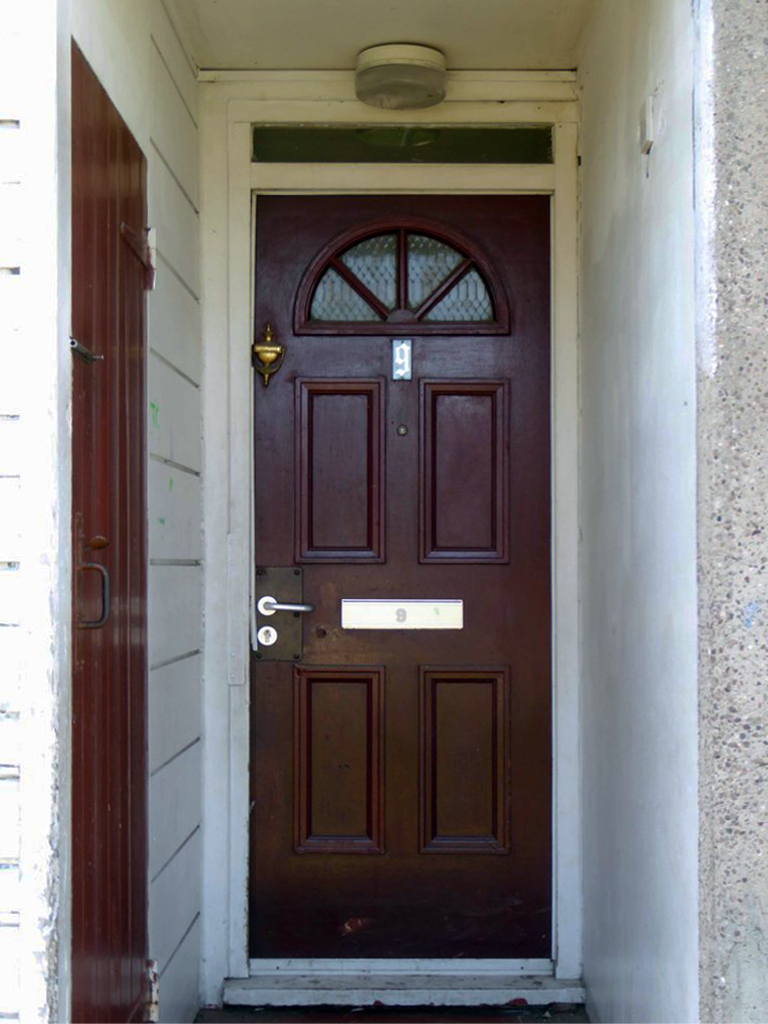
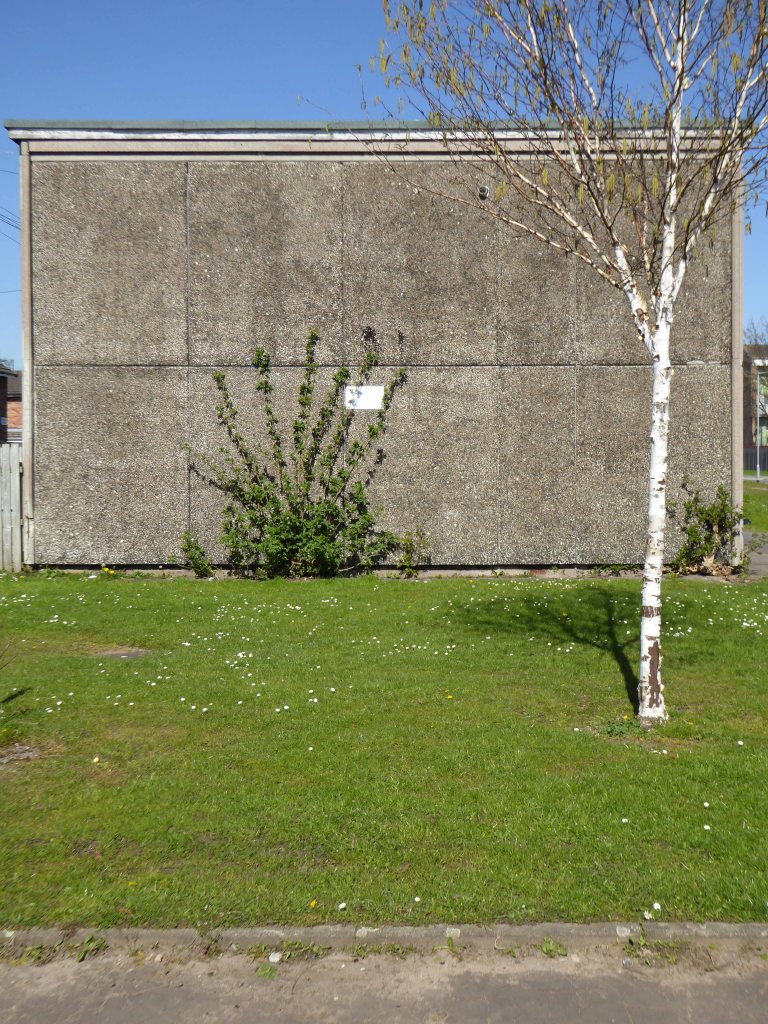
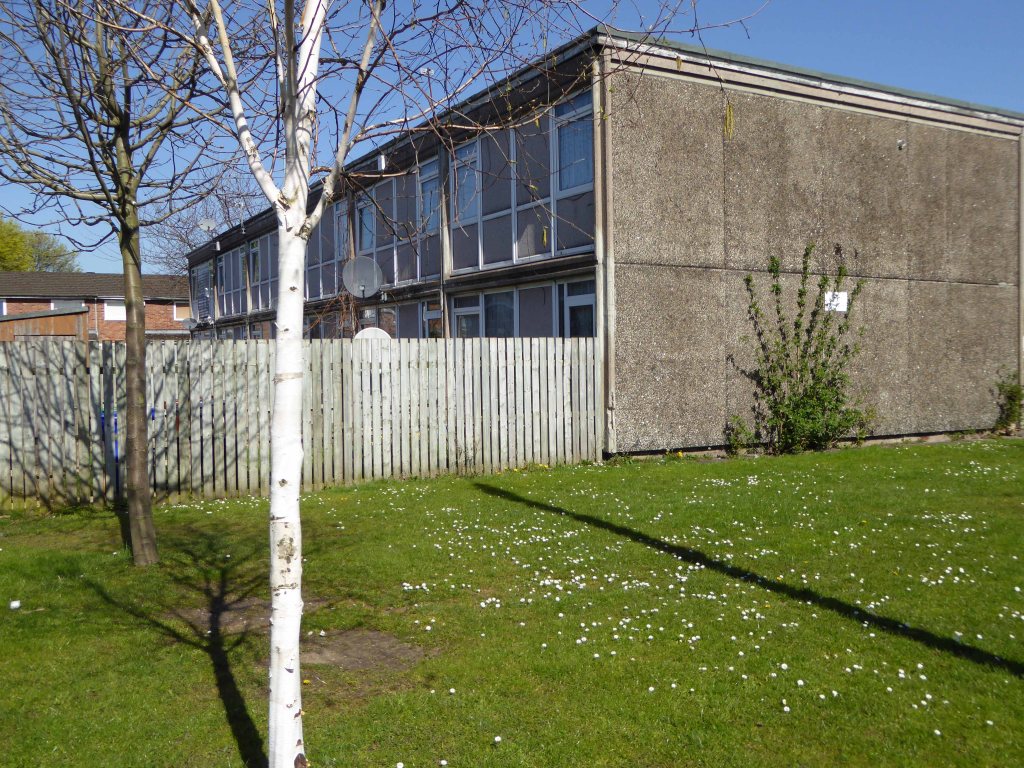
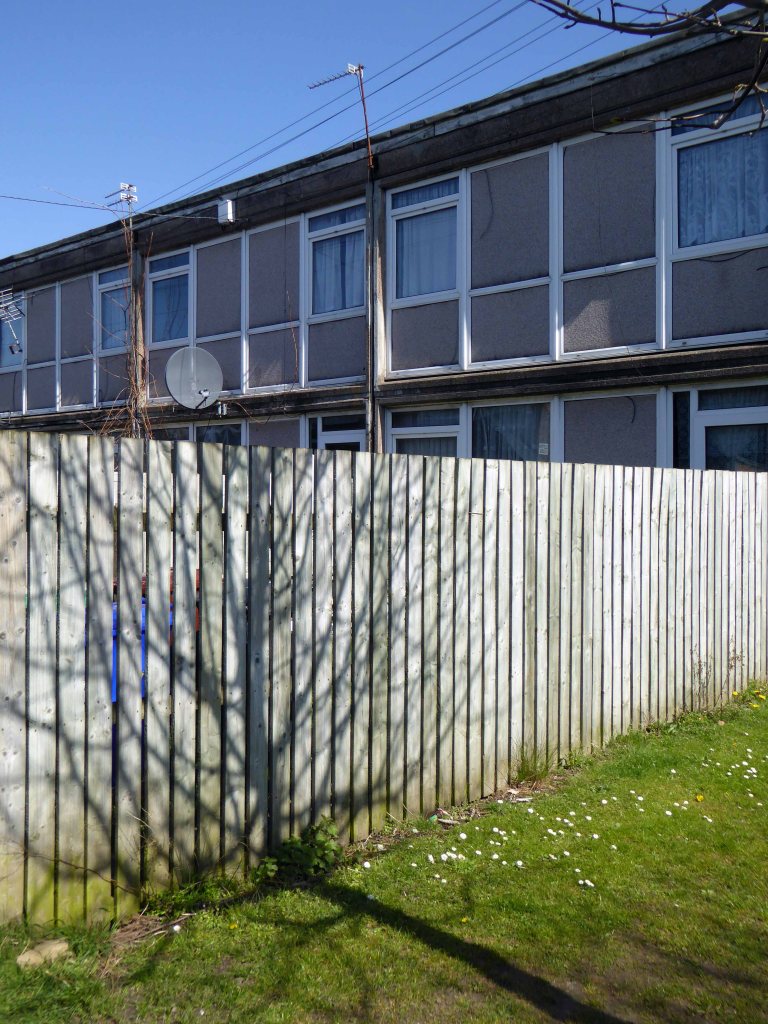
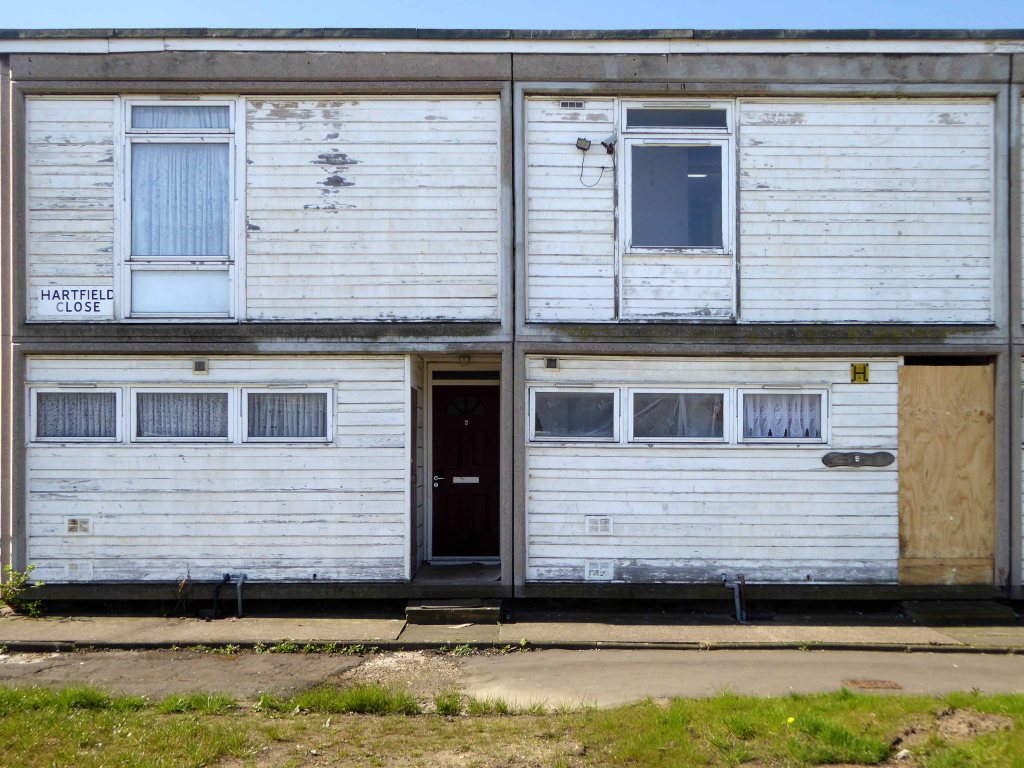
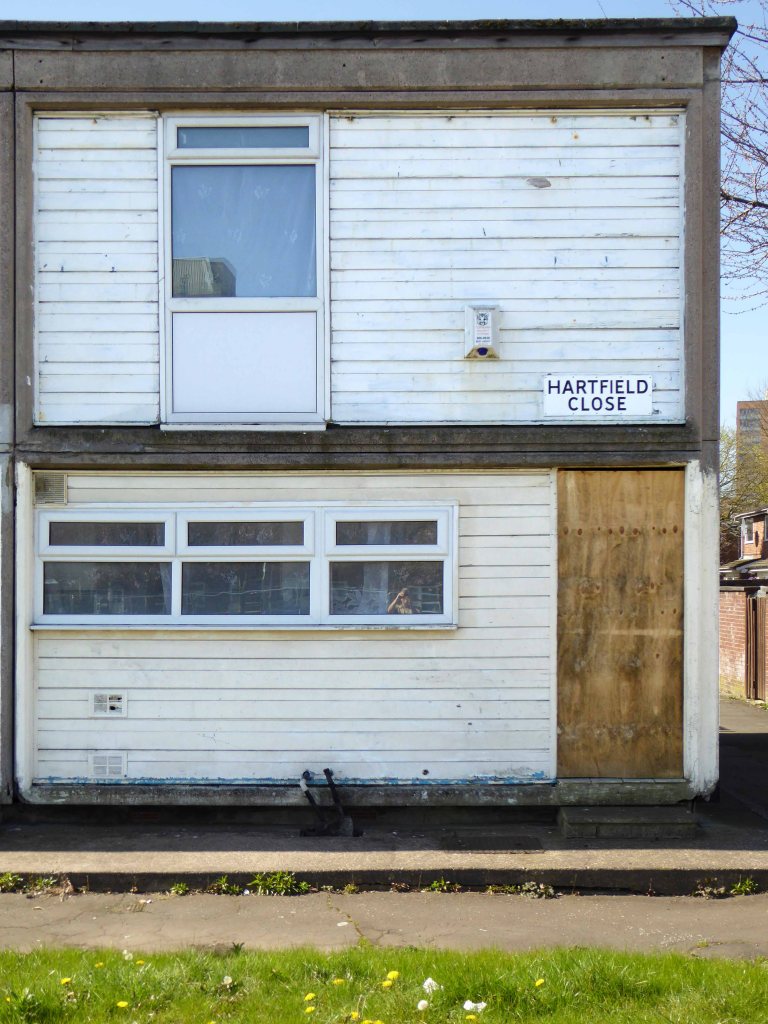
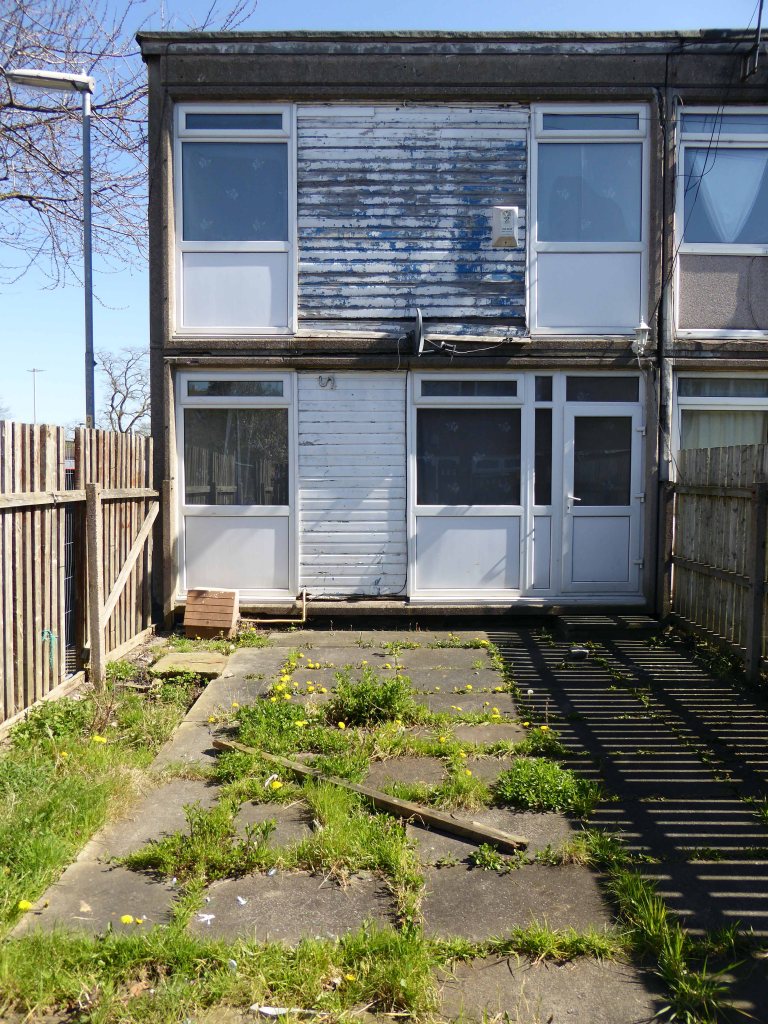
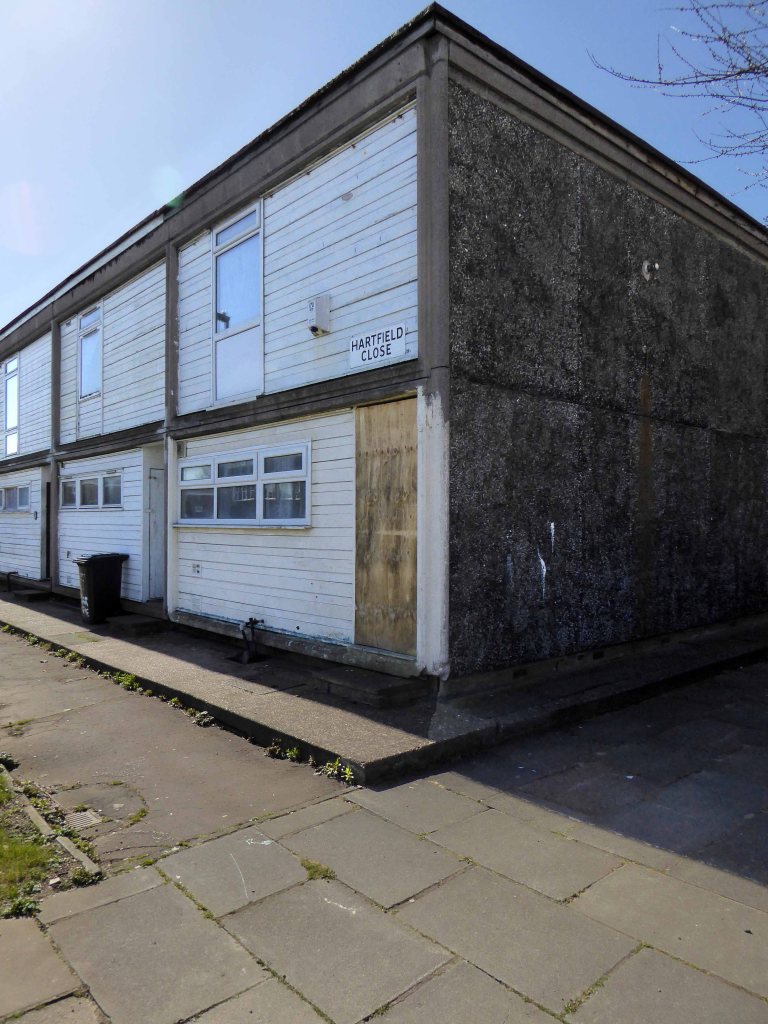
Just around the corner was Hartfield Close a low, white two-storey terrace of six homes, each with a small fenced garden to the rear, facing onto a large open grassed area,  backed by further housing.

It was difficult to discern whether they were empty or inhabited – two seemed to have residents. Curious in a city with a growing population and a demand for vacant property. Are they in limbo, between redevelopment, refurbishment or CPO?

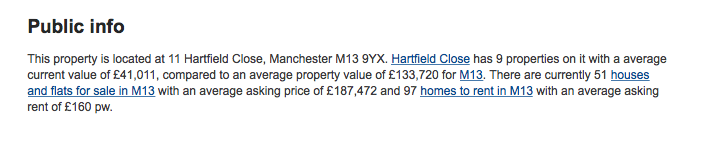
They have ben offered to the market within the last year.

Screen Shot 2016-04-22 at 12.10.46

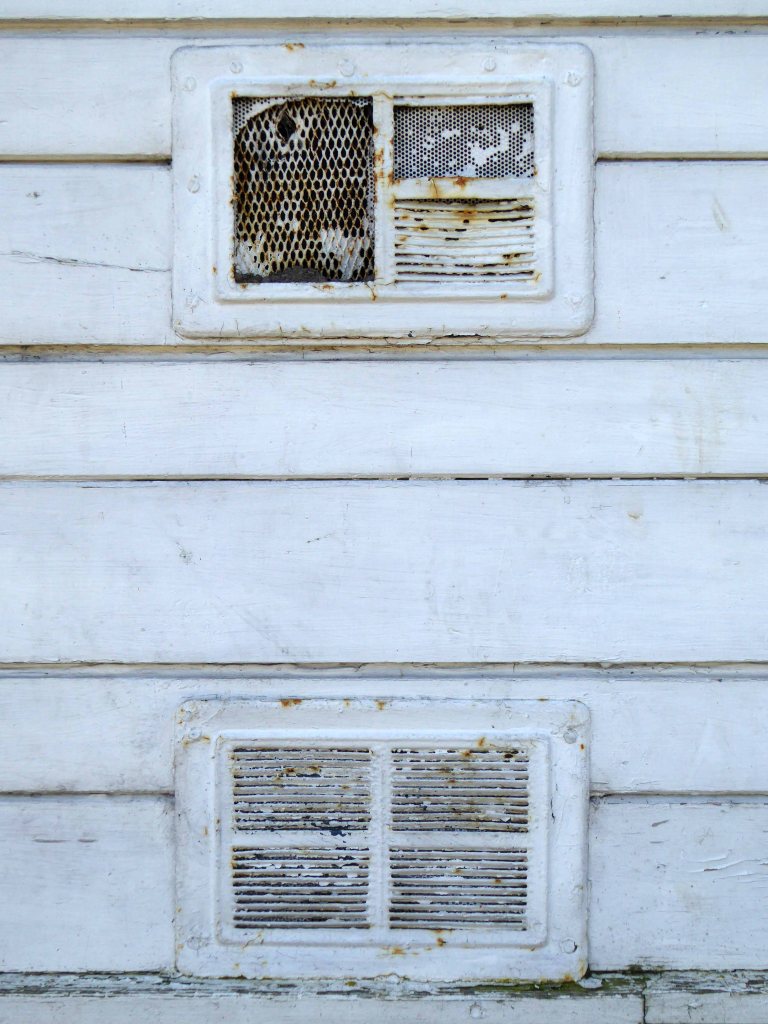
At a value way below comparable properties, currently they seem to be adrift in an uncaring world, a tiny lost island of Municipal Modernism.

P1030819 copy

They deserve a little care an attention.

We all do.

Eastford Square – Collyhurst

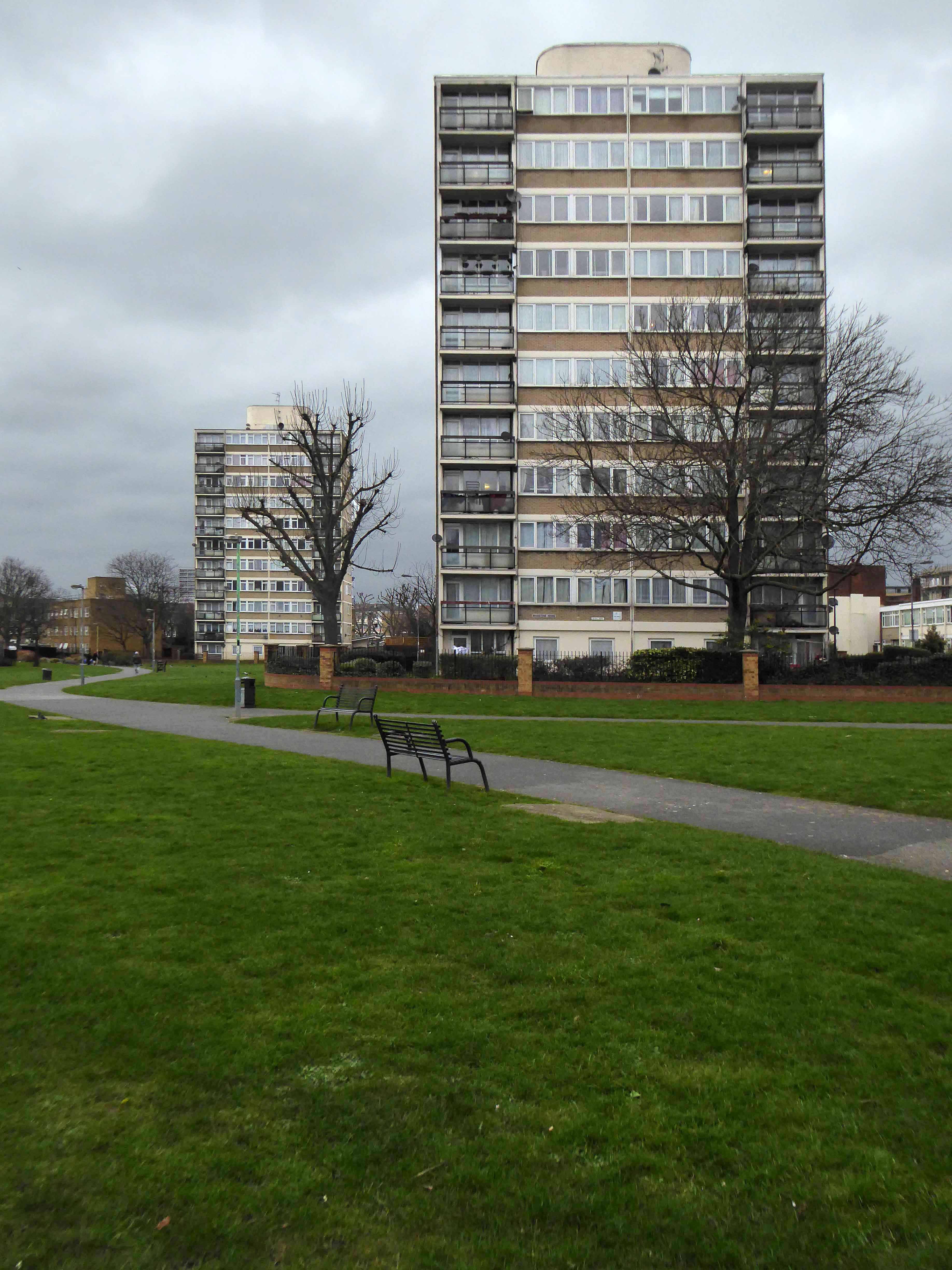
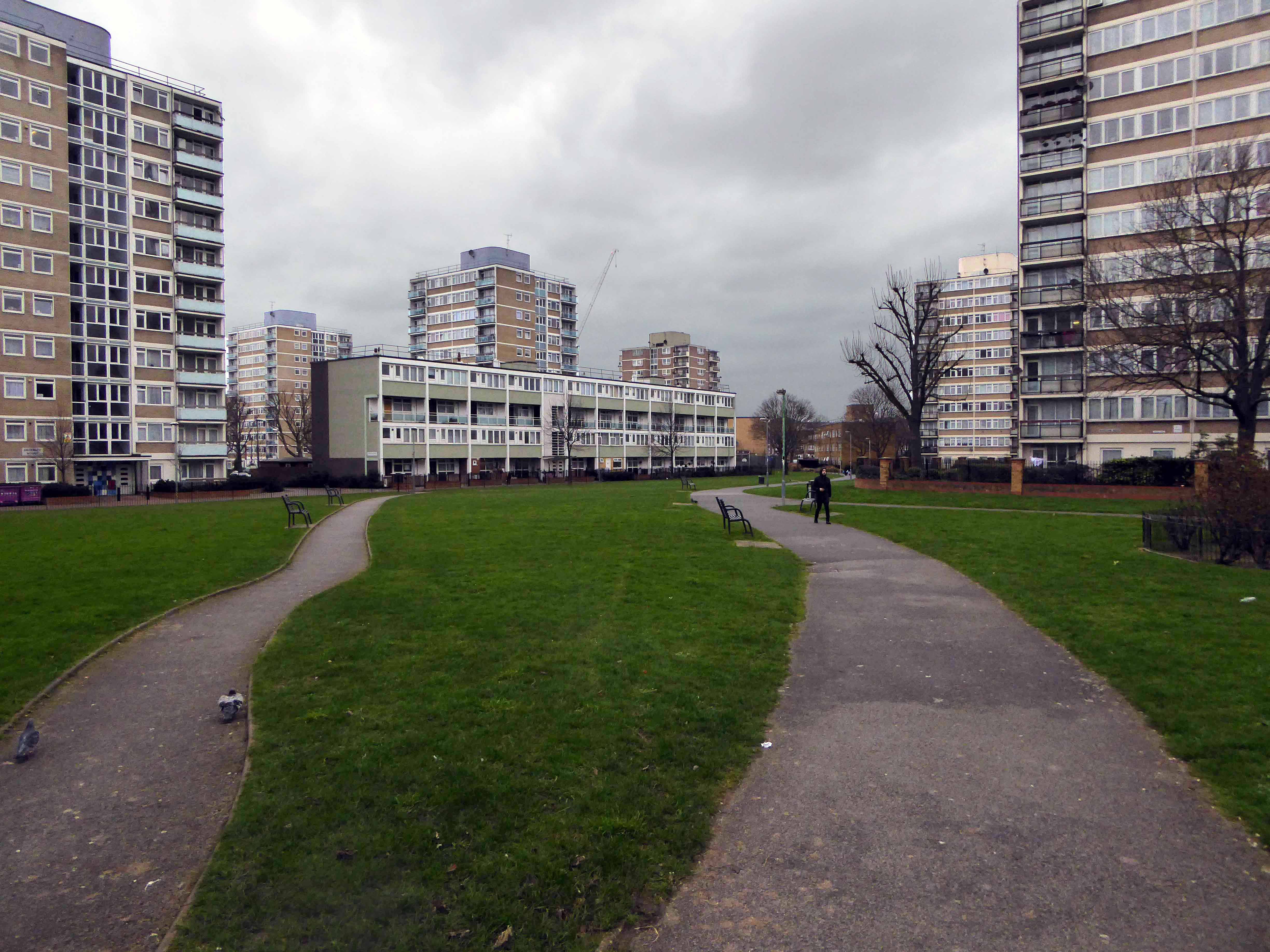
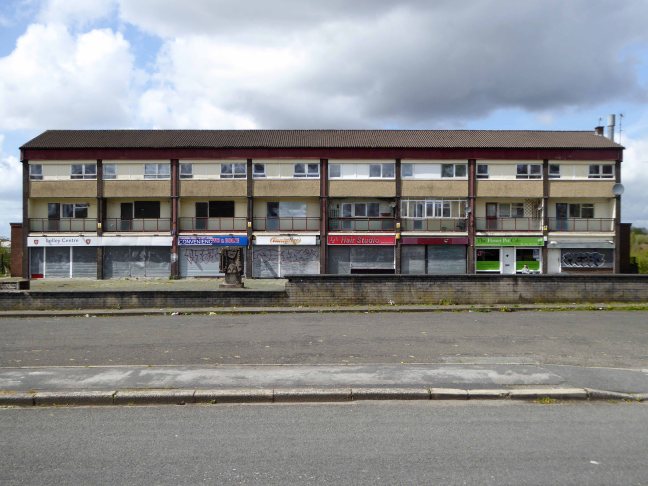
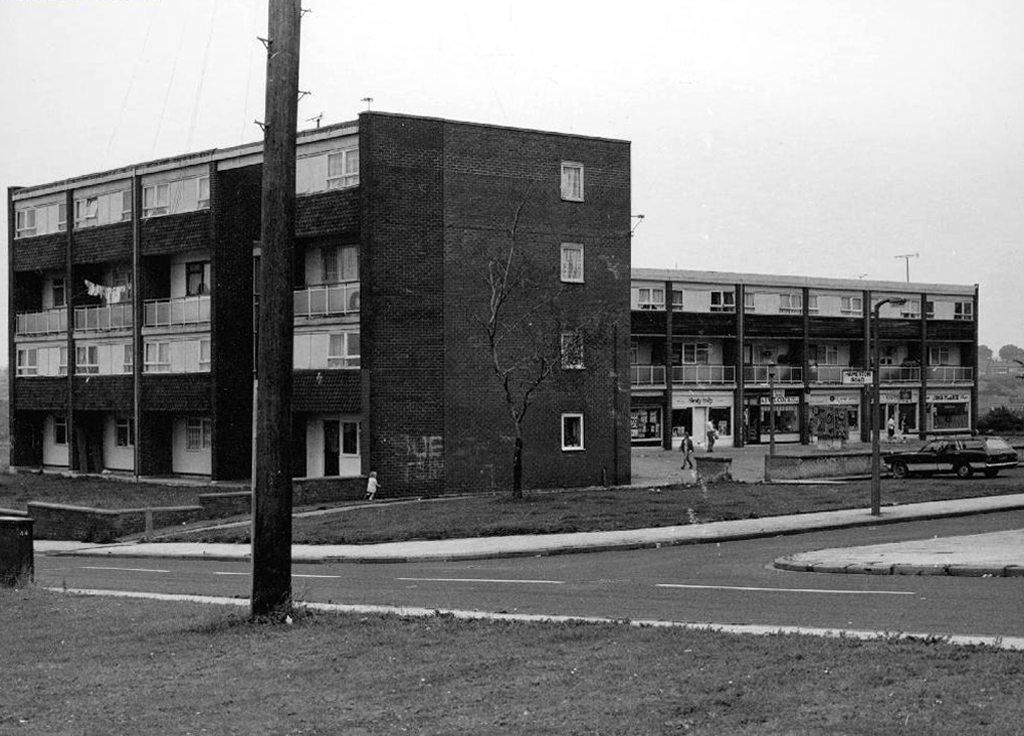
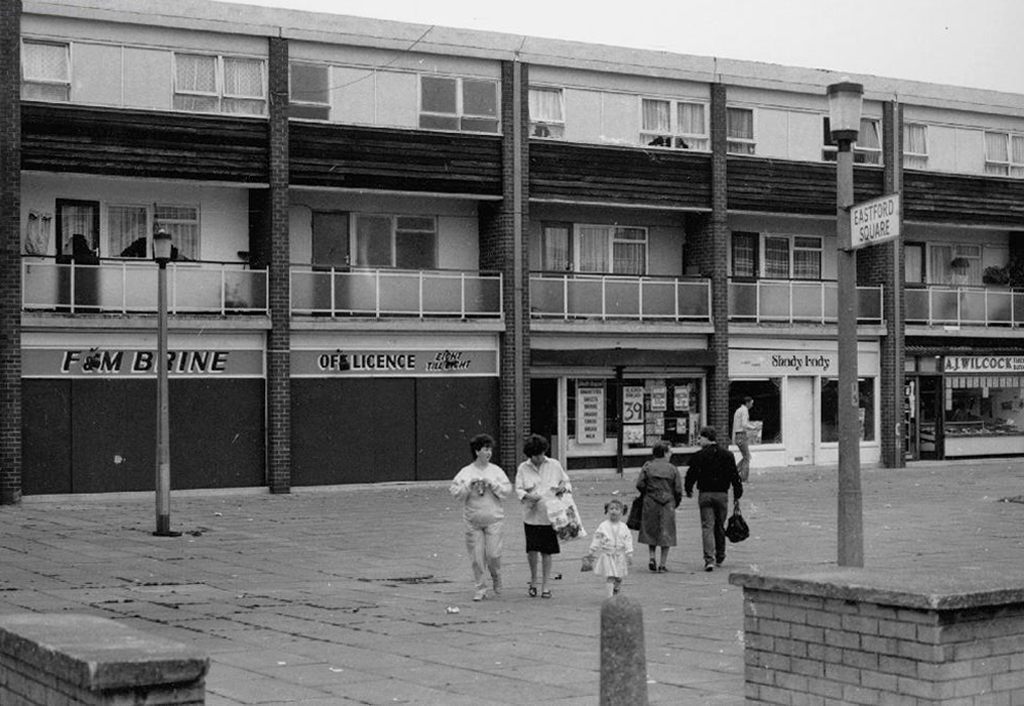
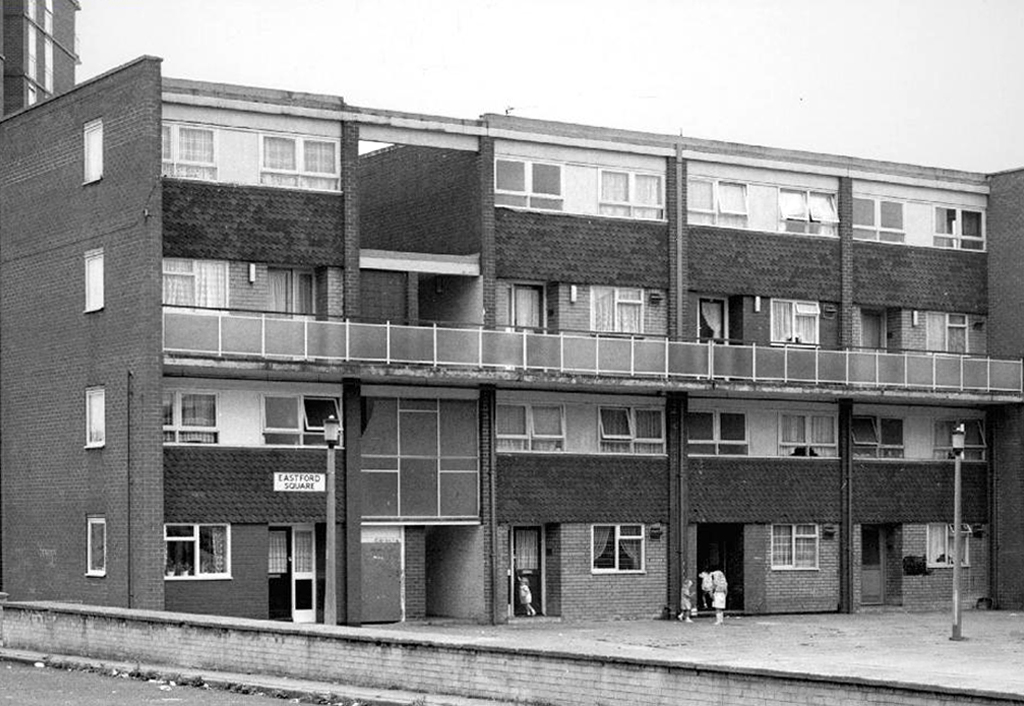
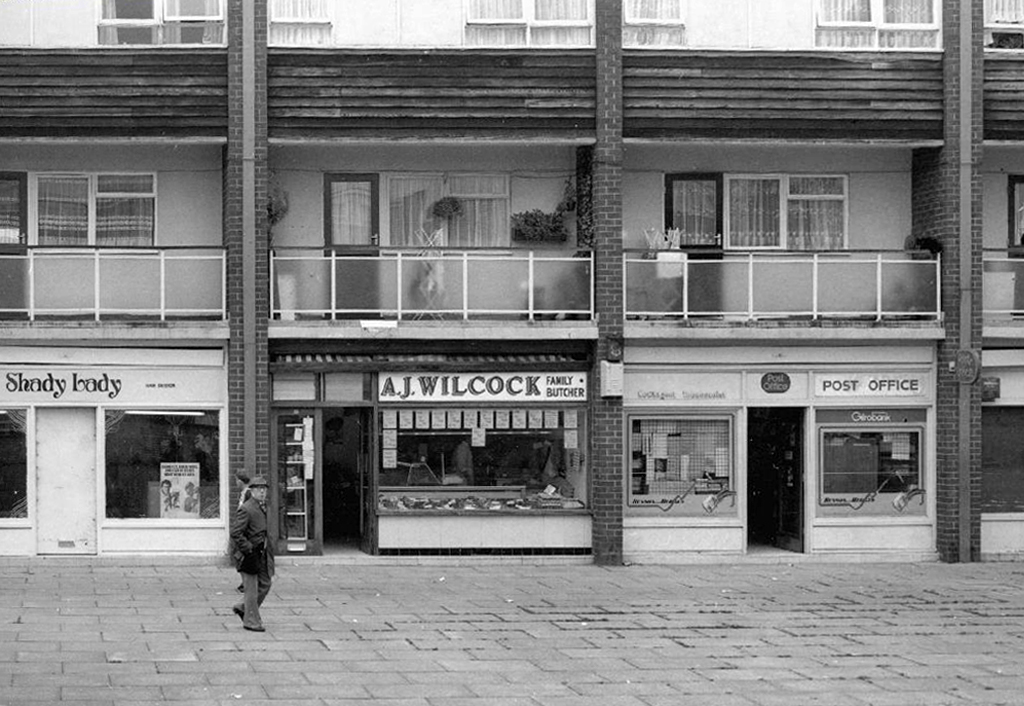
Once there were homes, postwar social housing.

Once there were jobs, a measure of prosperity.

A settled community.

webmedia-1.php
webmedia-4.php
webmedia-2.php
webmedia-3.php

Time has not been kind to North Manchester, successive slumps, double-dip depressions, economic downturns, and centrally imposed recession hurts.

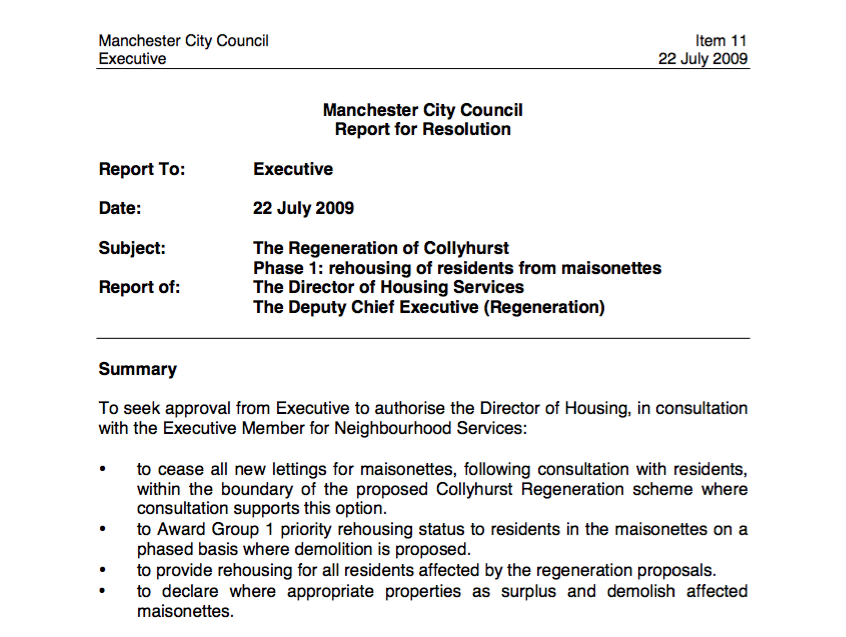
The local authority steps in, from 2009 the fate of Eastford Square is sealed.

Regeneration.Screen Shot 2016-05-06 at 16.39.43

Spells demolition.

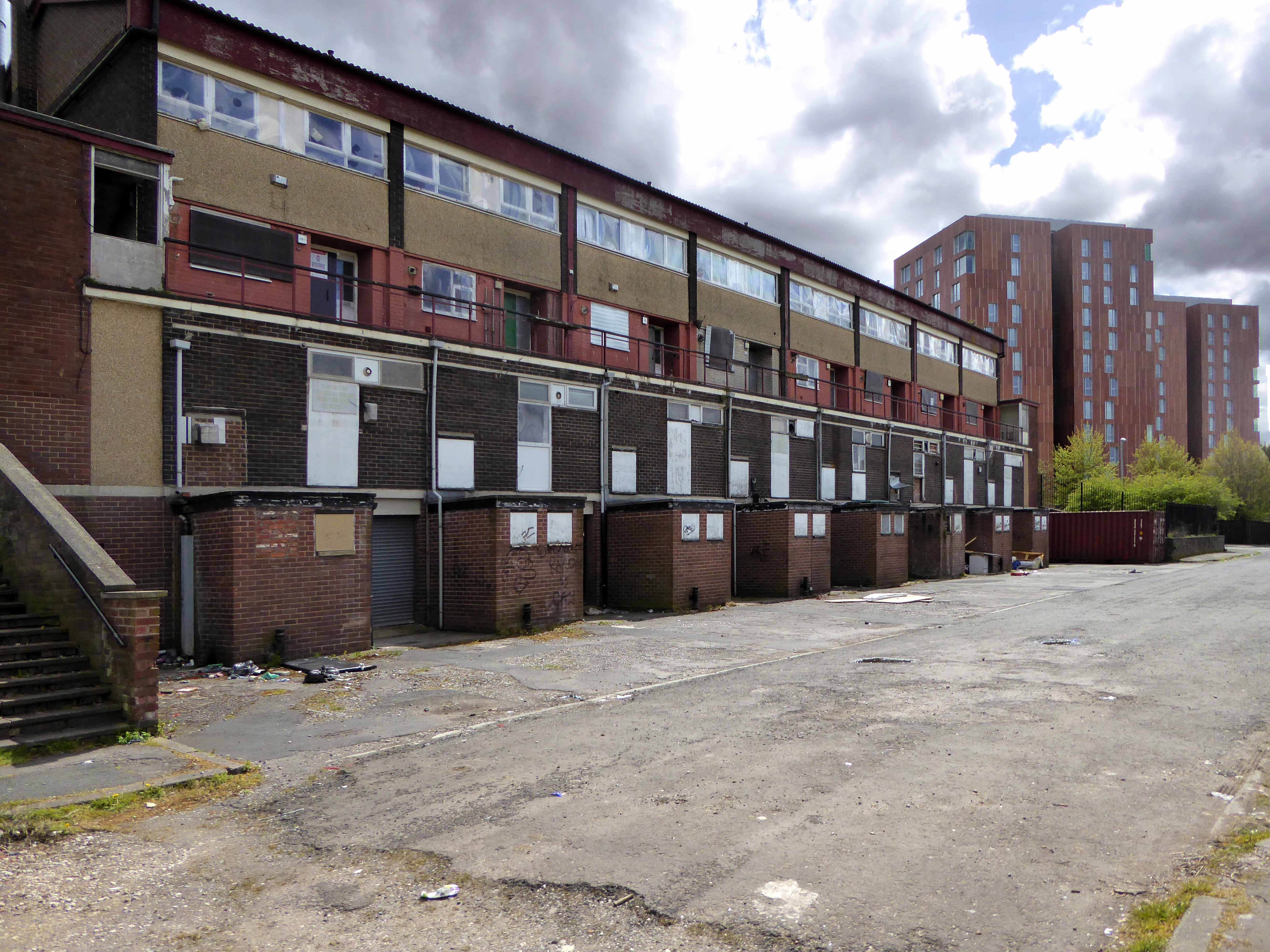
One wing is already gone, the maisonettes are tinned up.

P1040328 copy
P1040330 copy
P1040310 copy
P1040340 copy
P1040333 copy
P1040327 copy
P1040329 copy

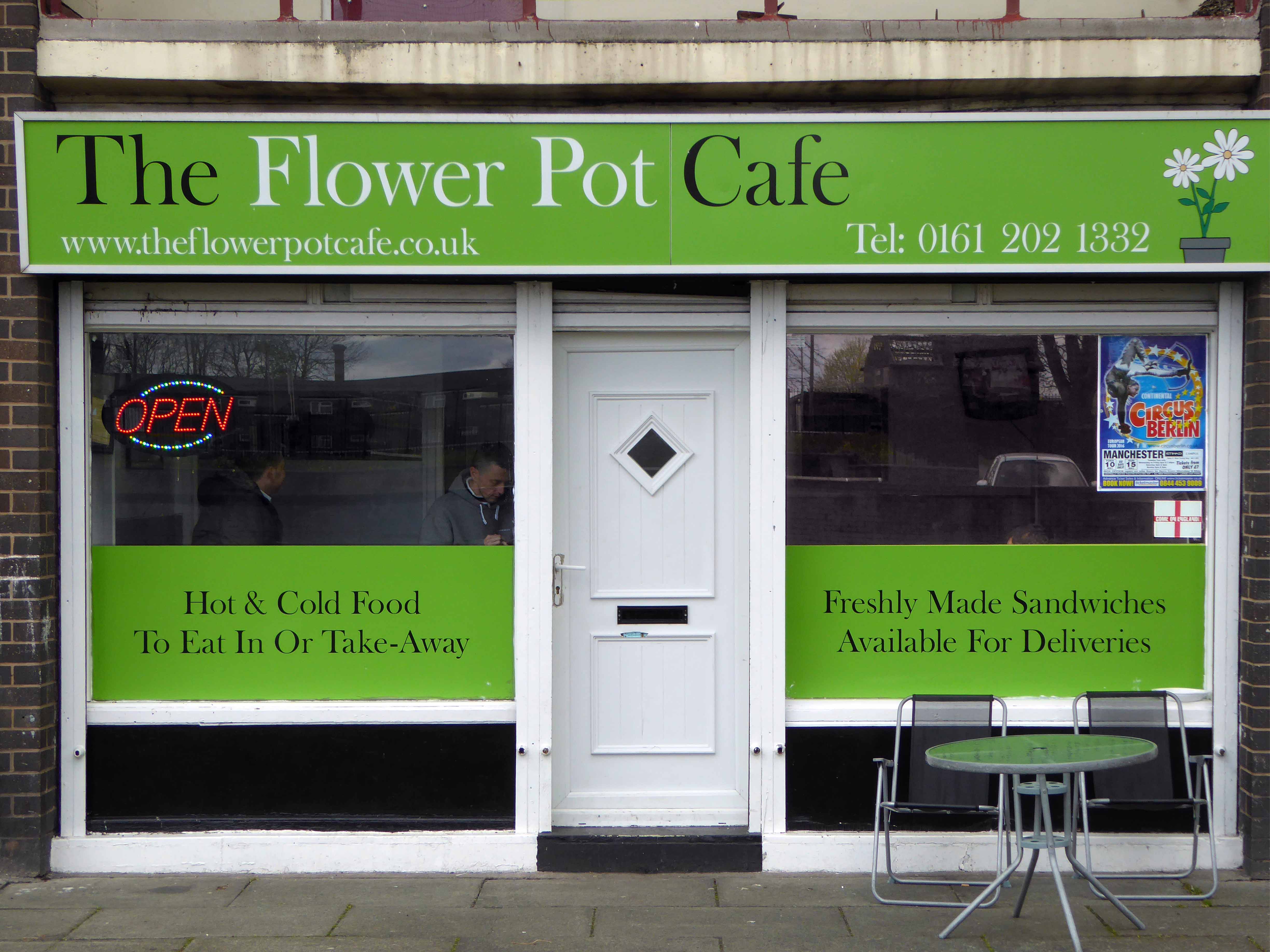
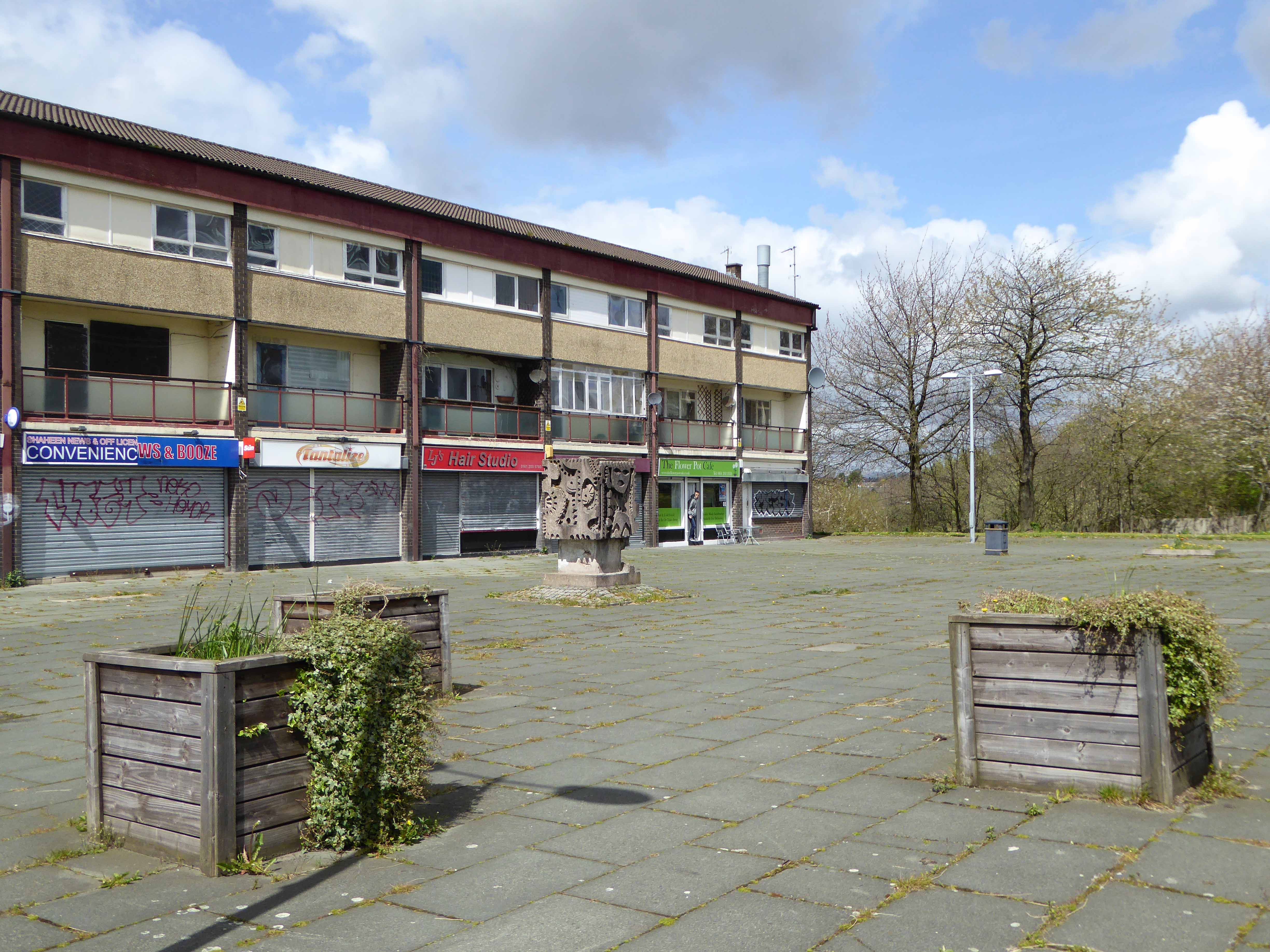
The Flower Pot Café, still fully functional, fed me well for £2, Lee the proprietor is living on borrowed time though, hoping for relocation within the new development.

P1040316 copy

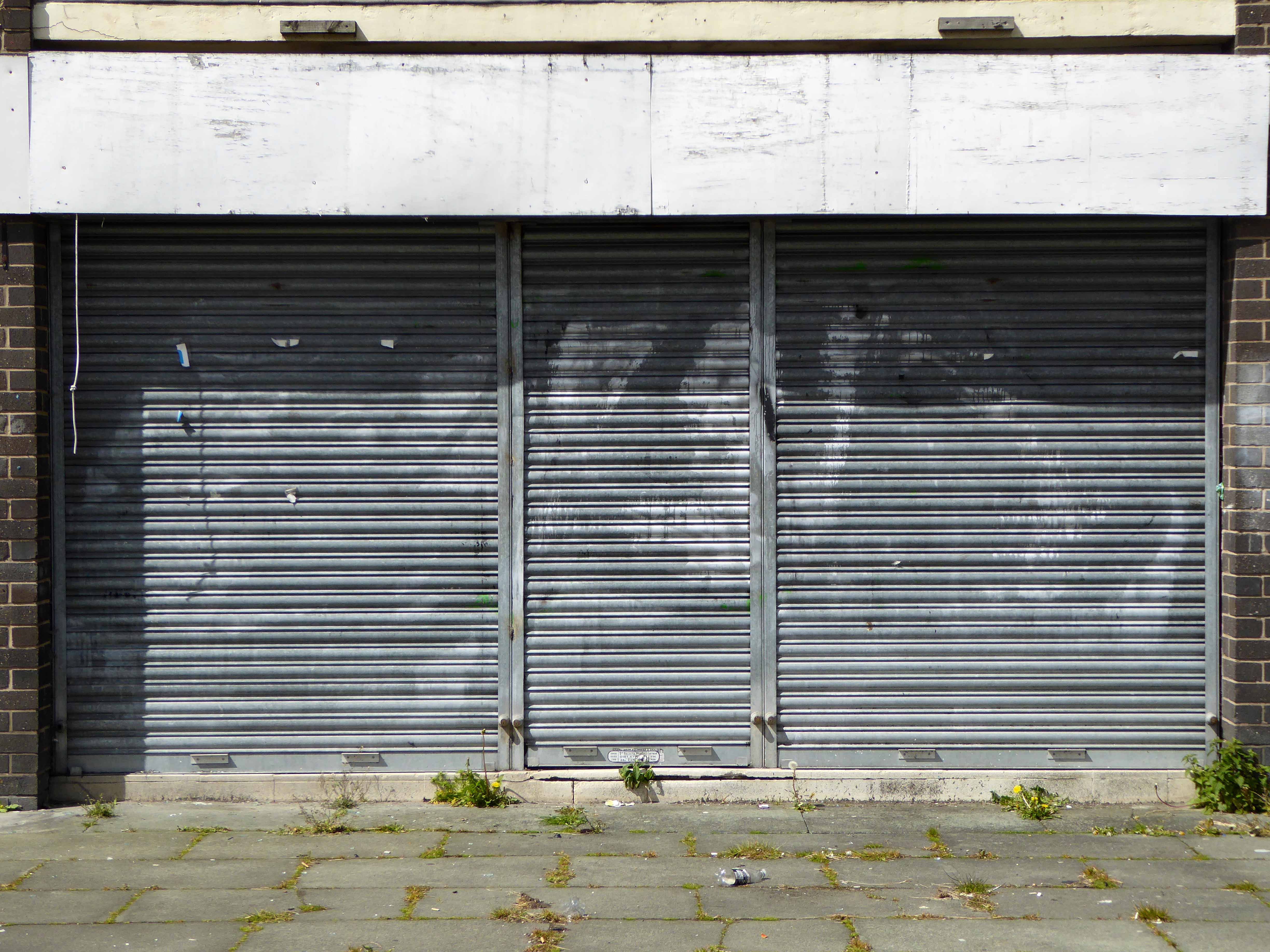
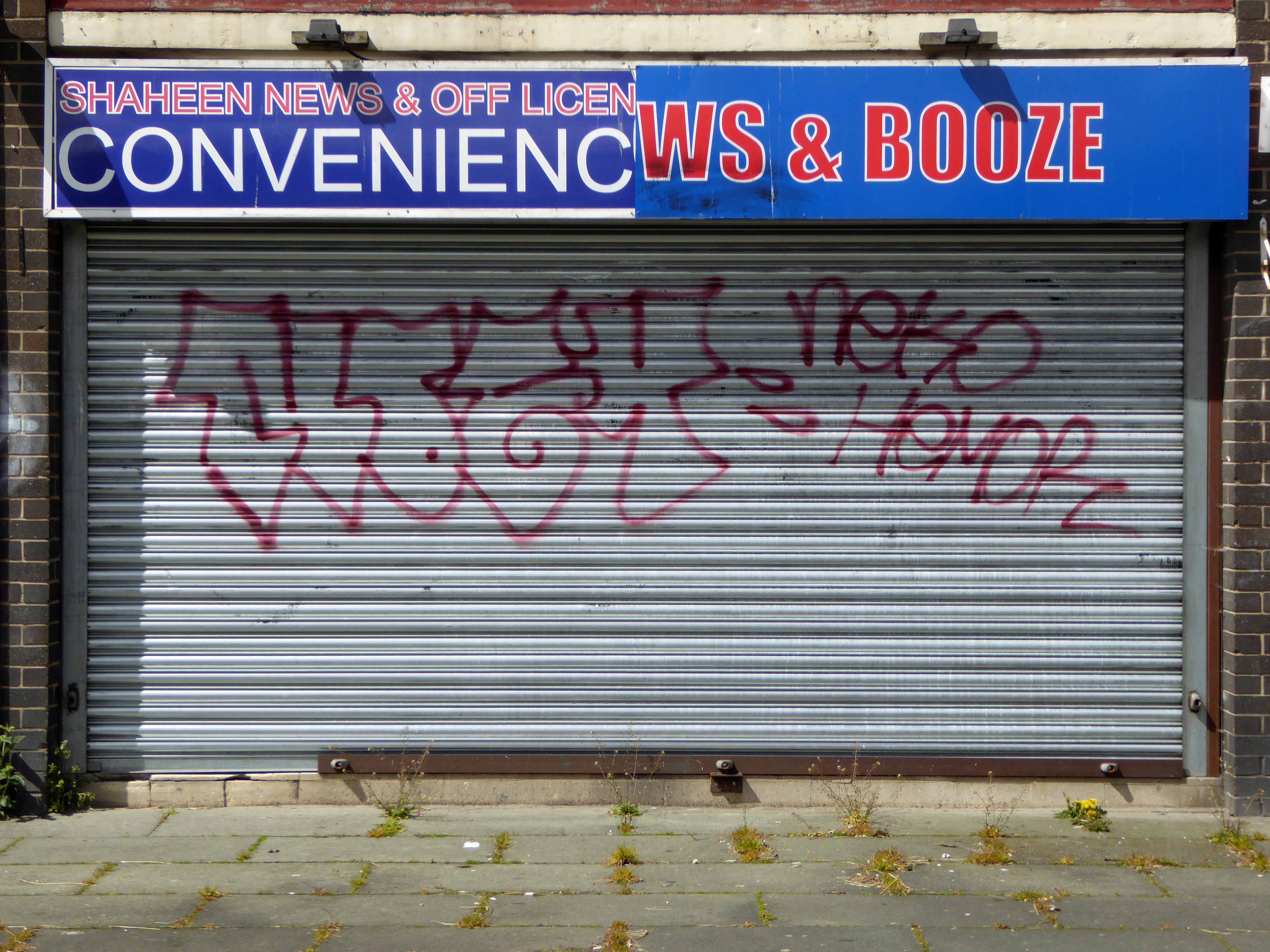
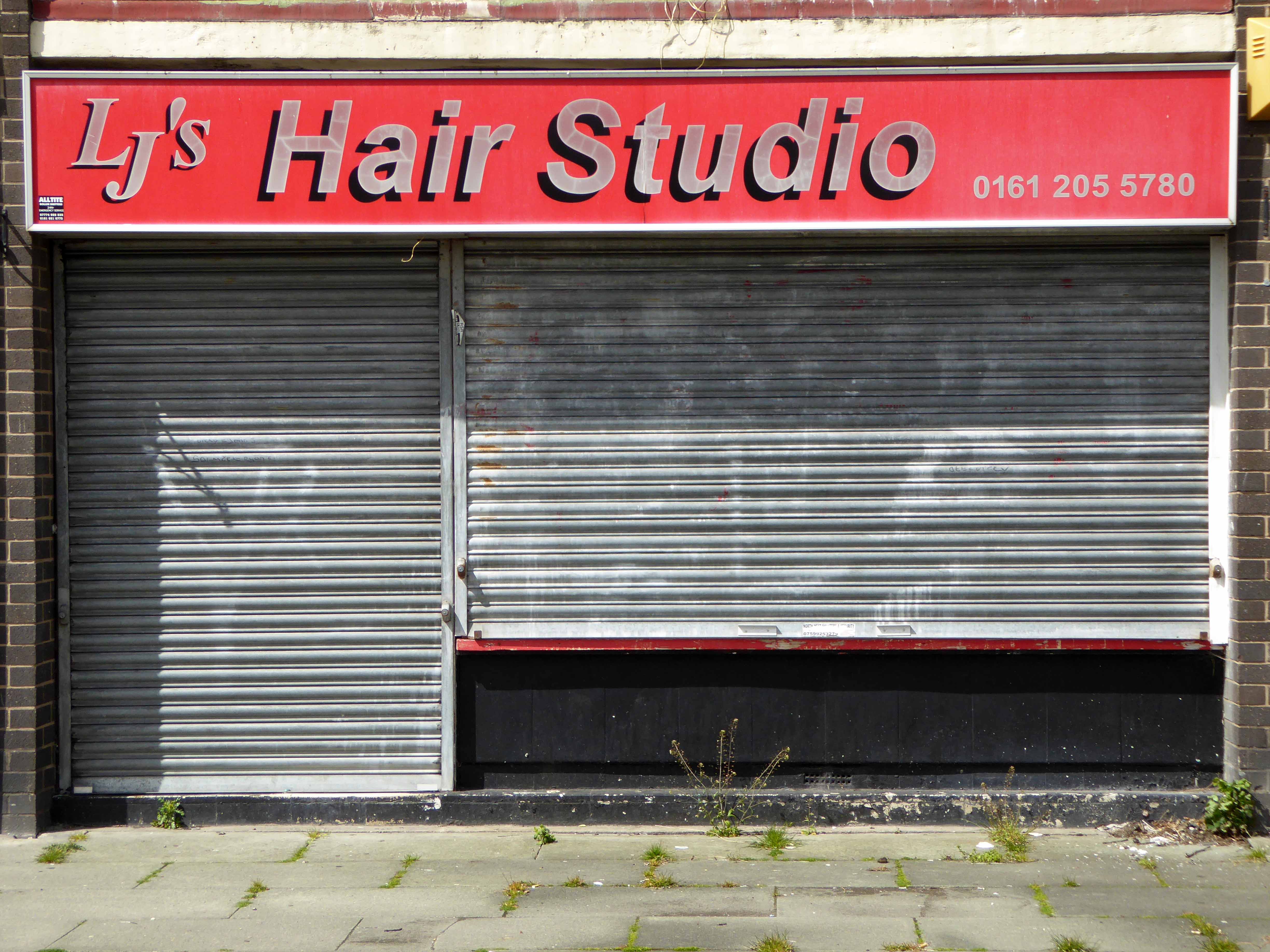
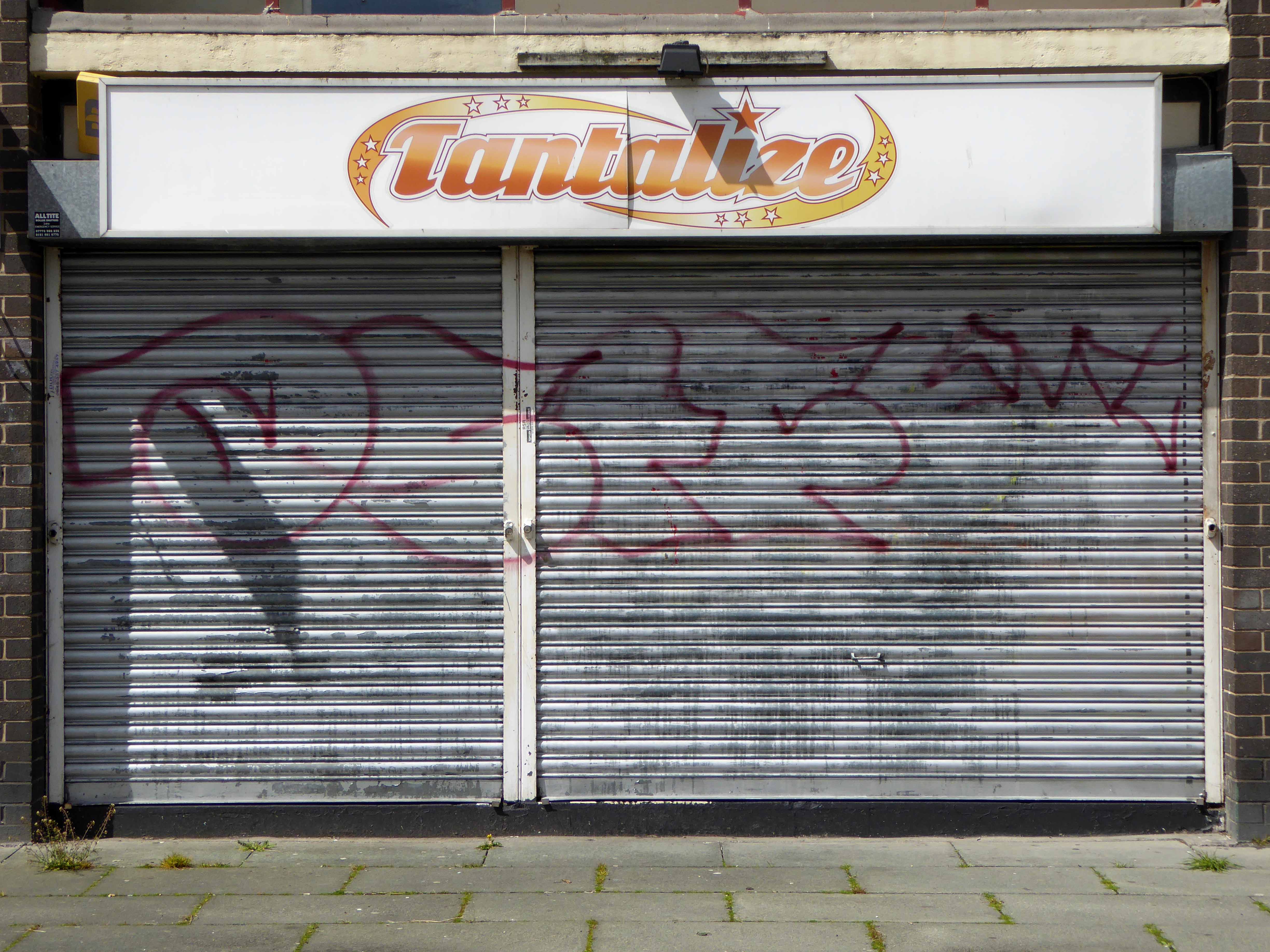
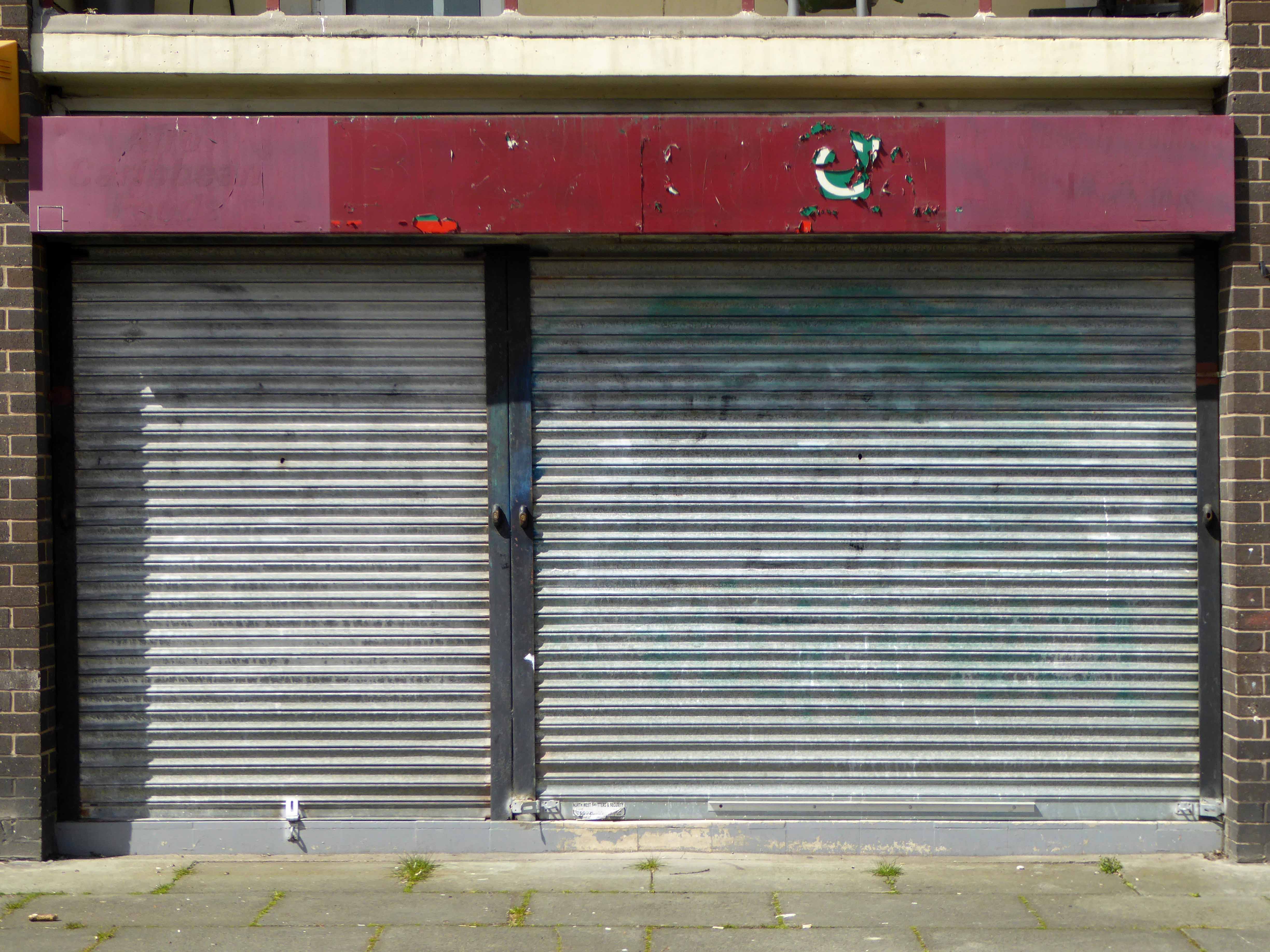
Other businesses have not survived the transition, awaiting CPO and who knows what.

P1040308 copy
P1040307 copy
P1040306 copy
P1040305 copy
P1040314 copy

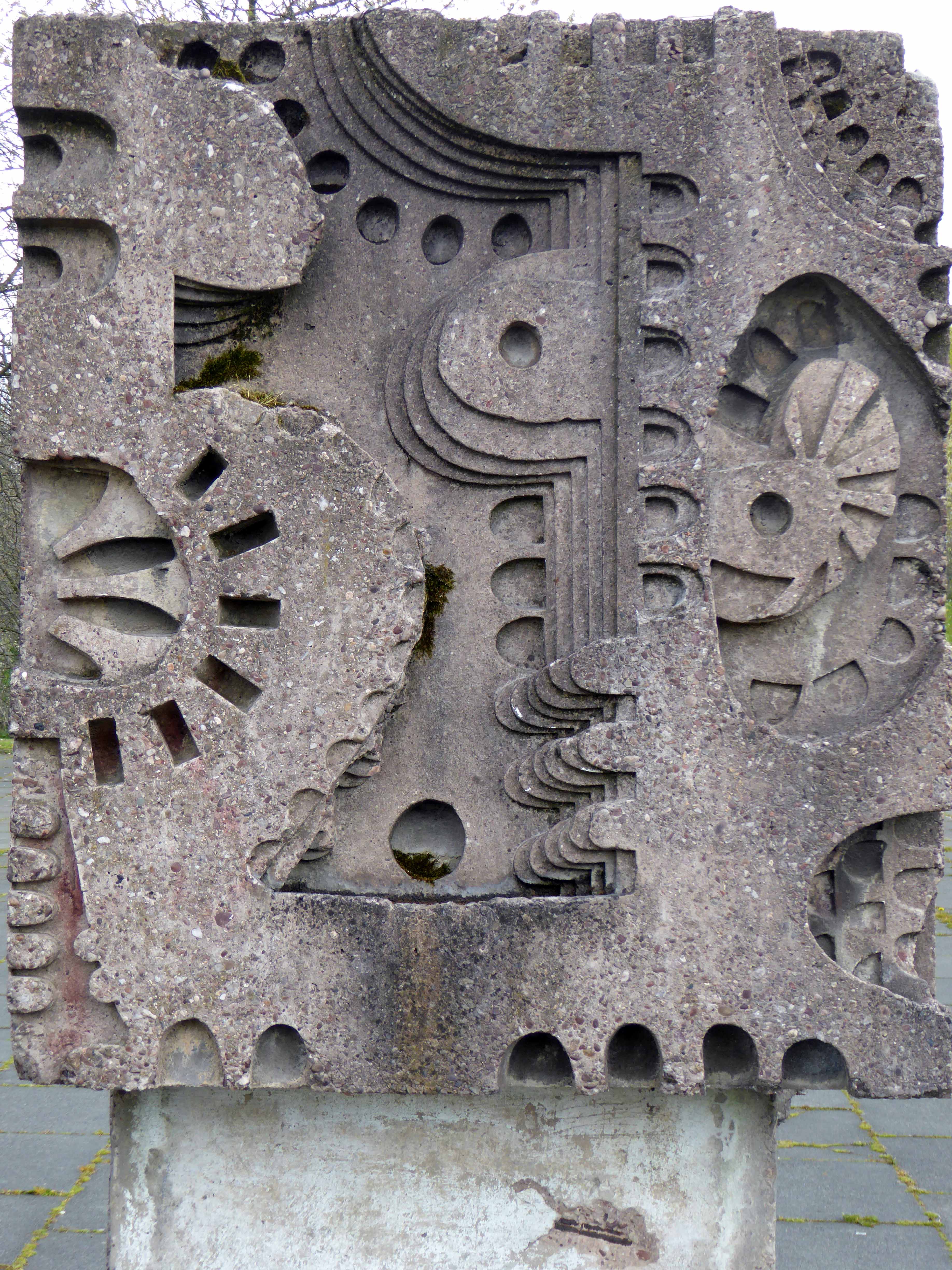
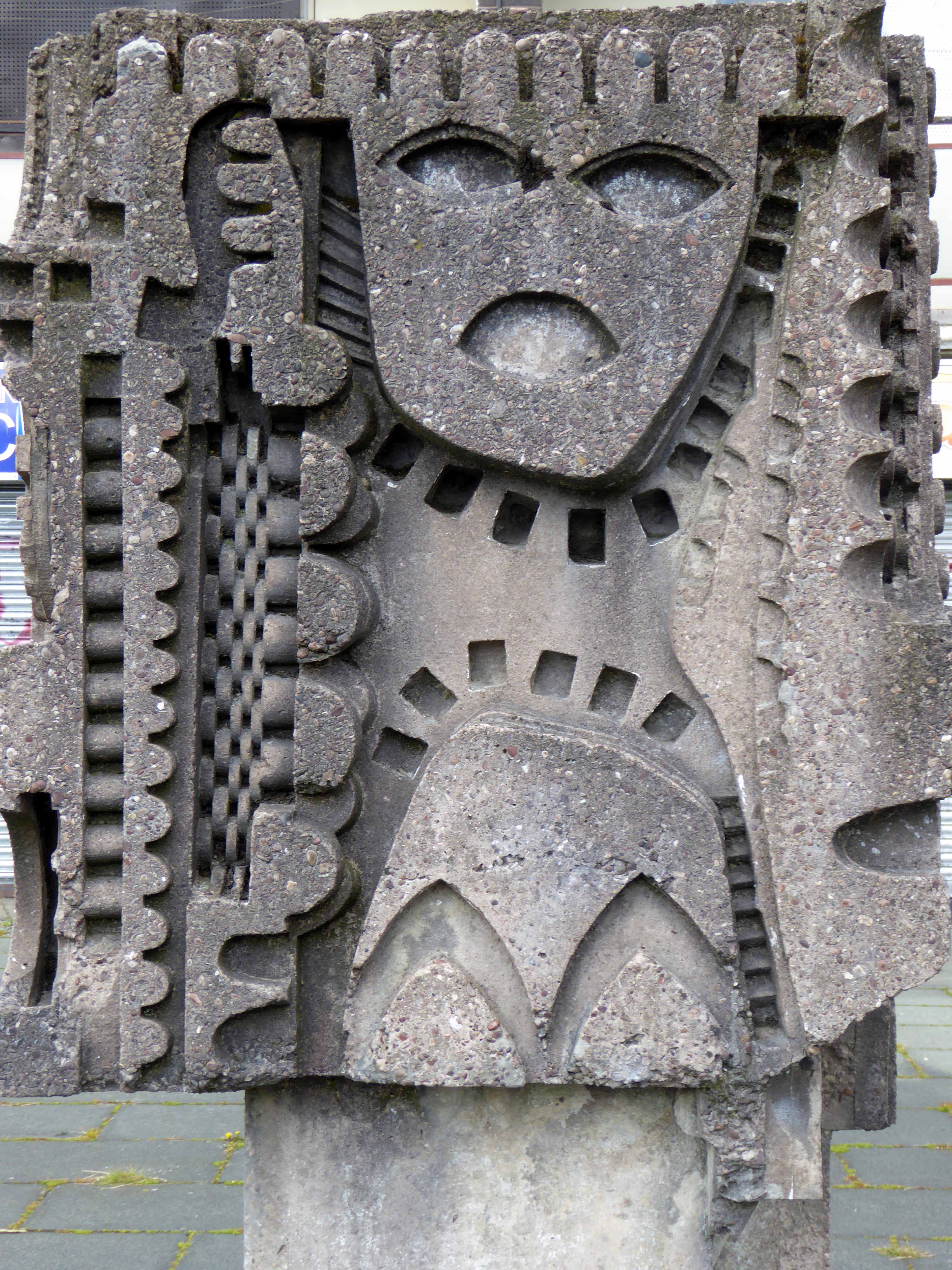
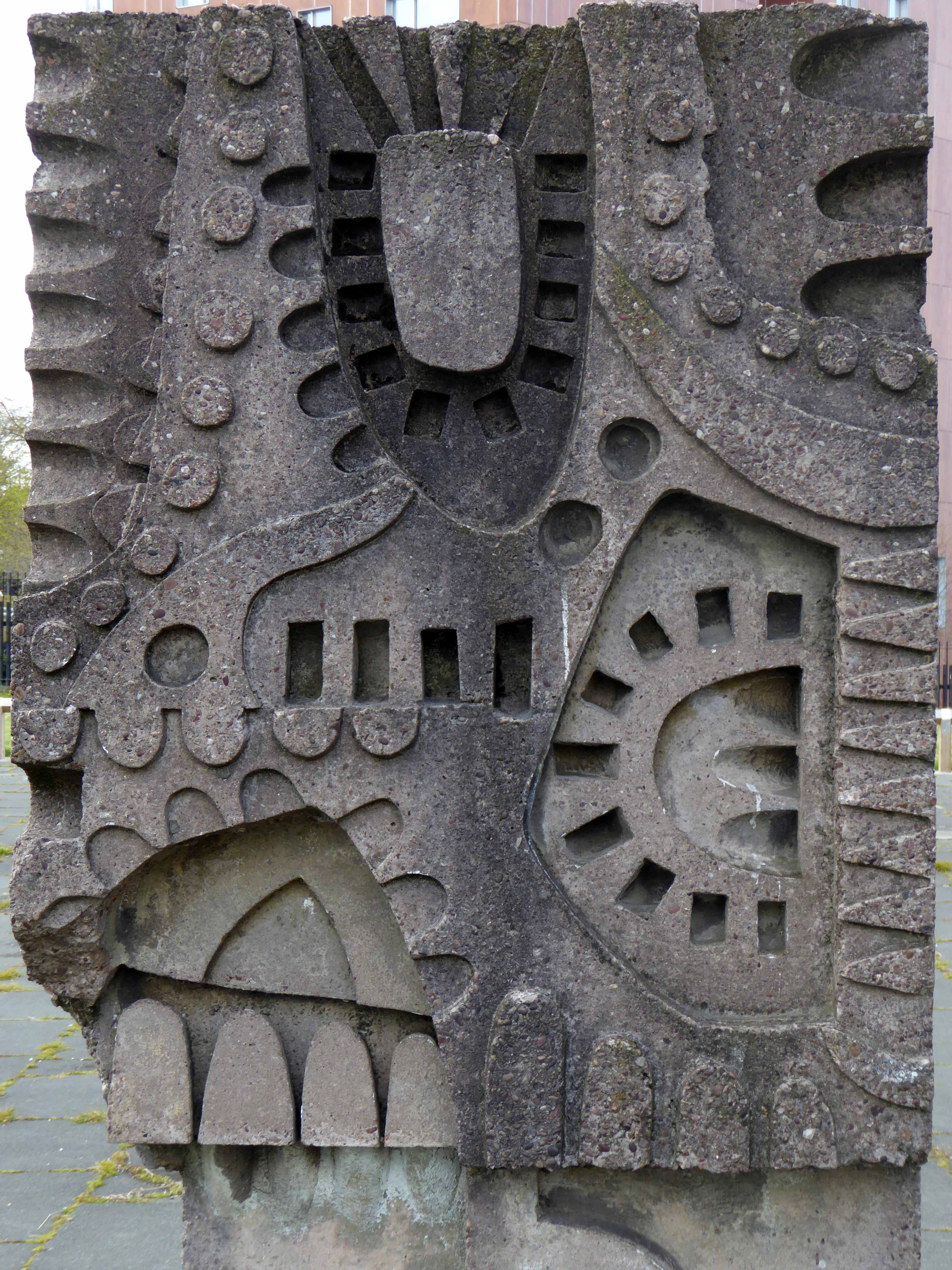
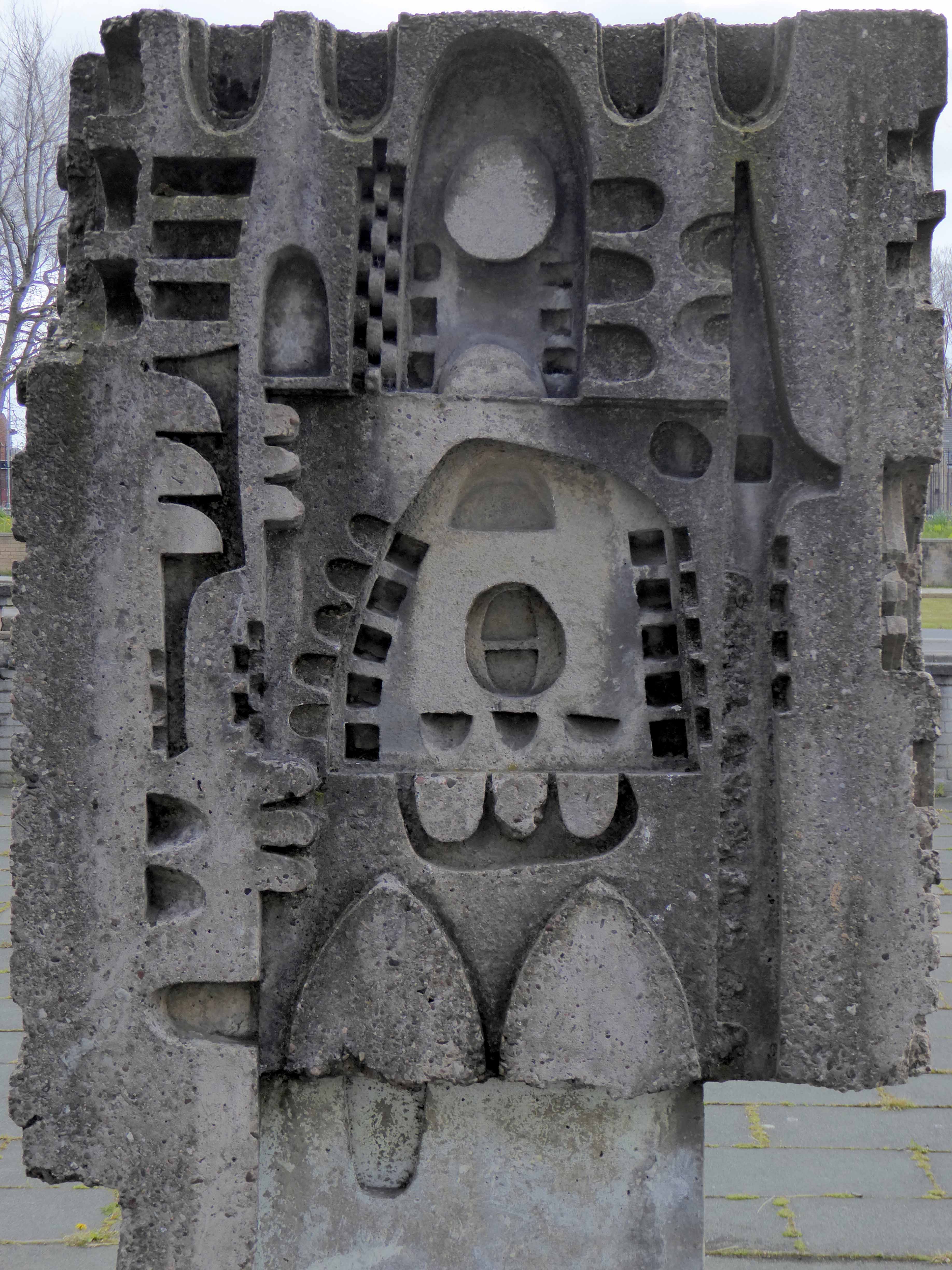
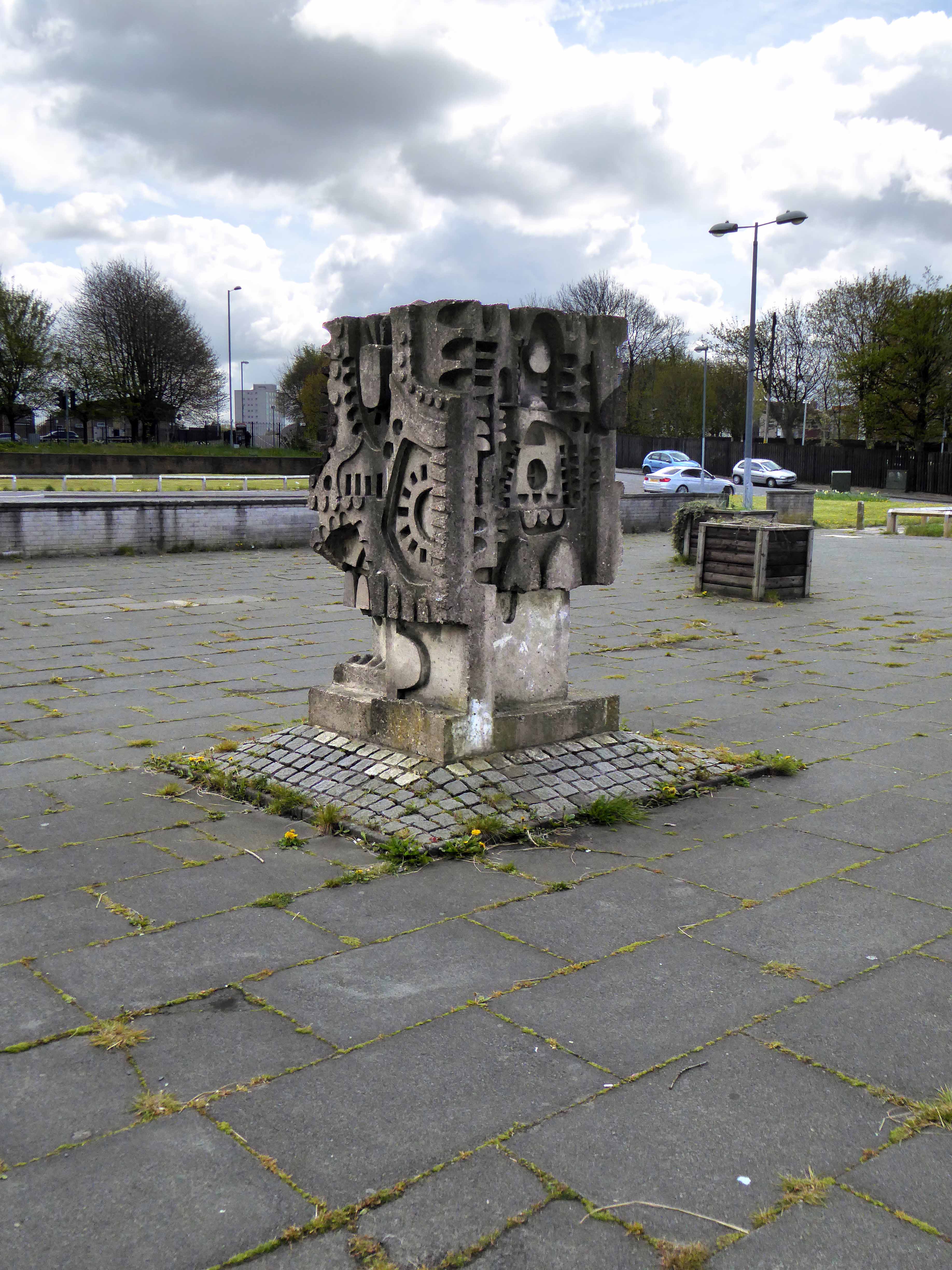
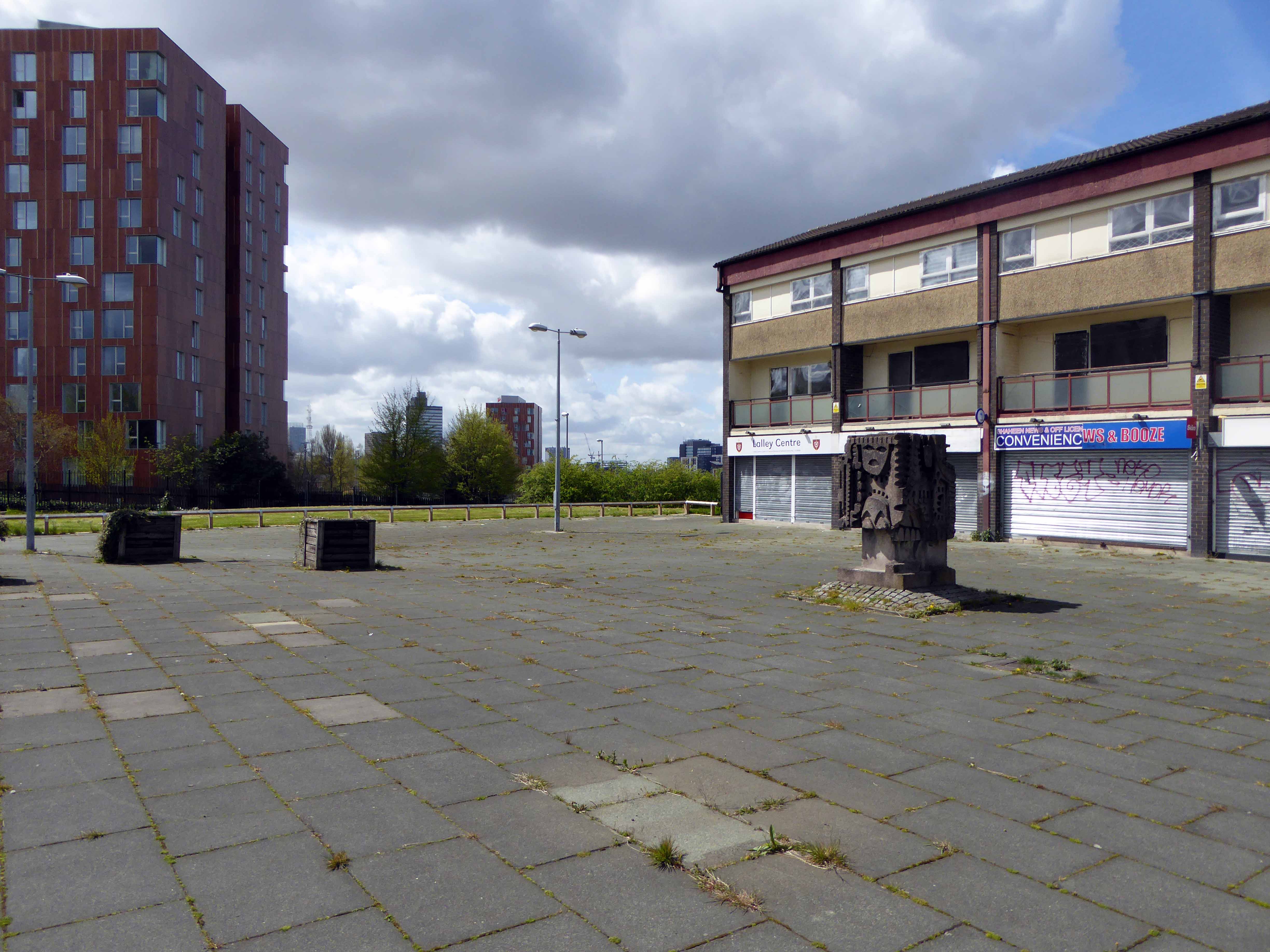
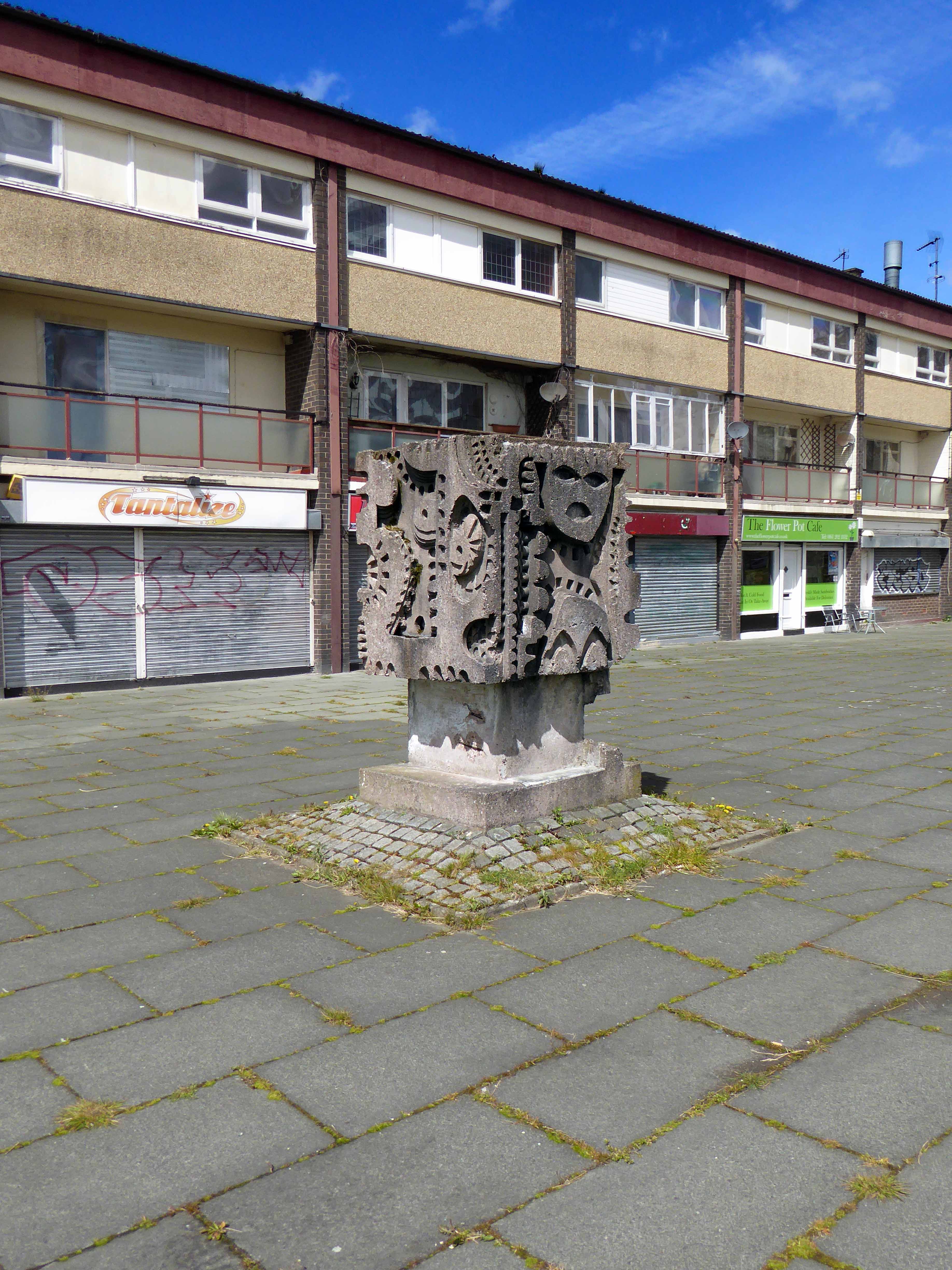
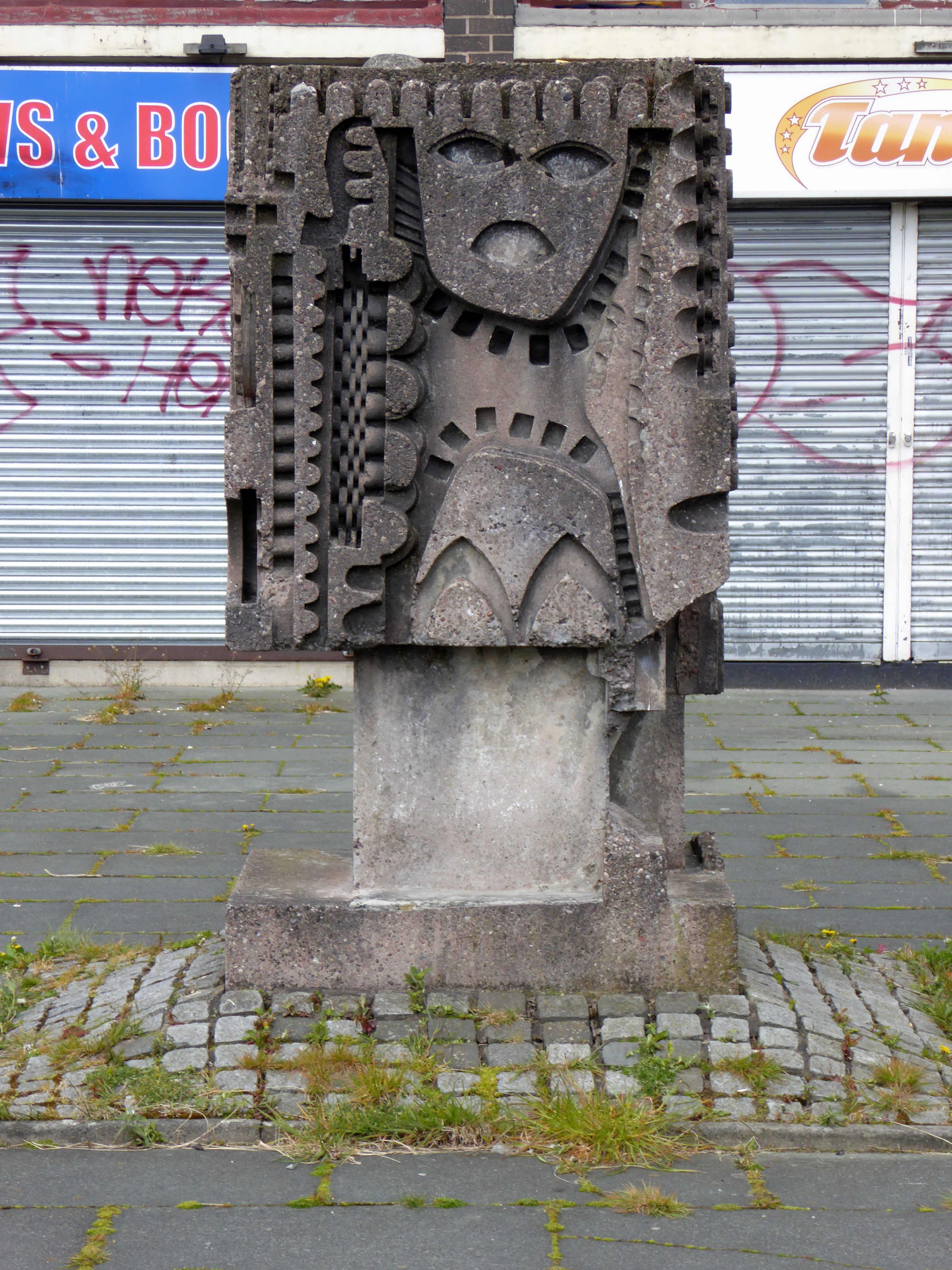
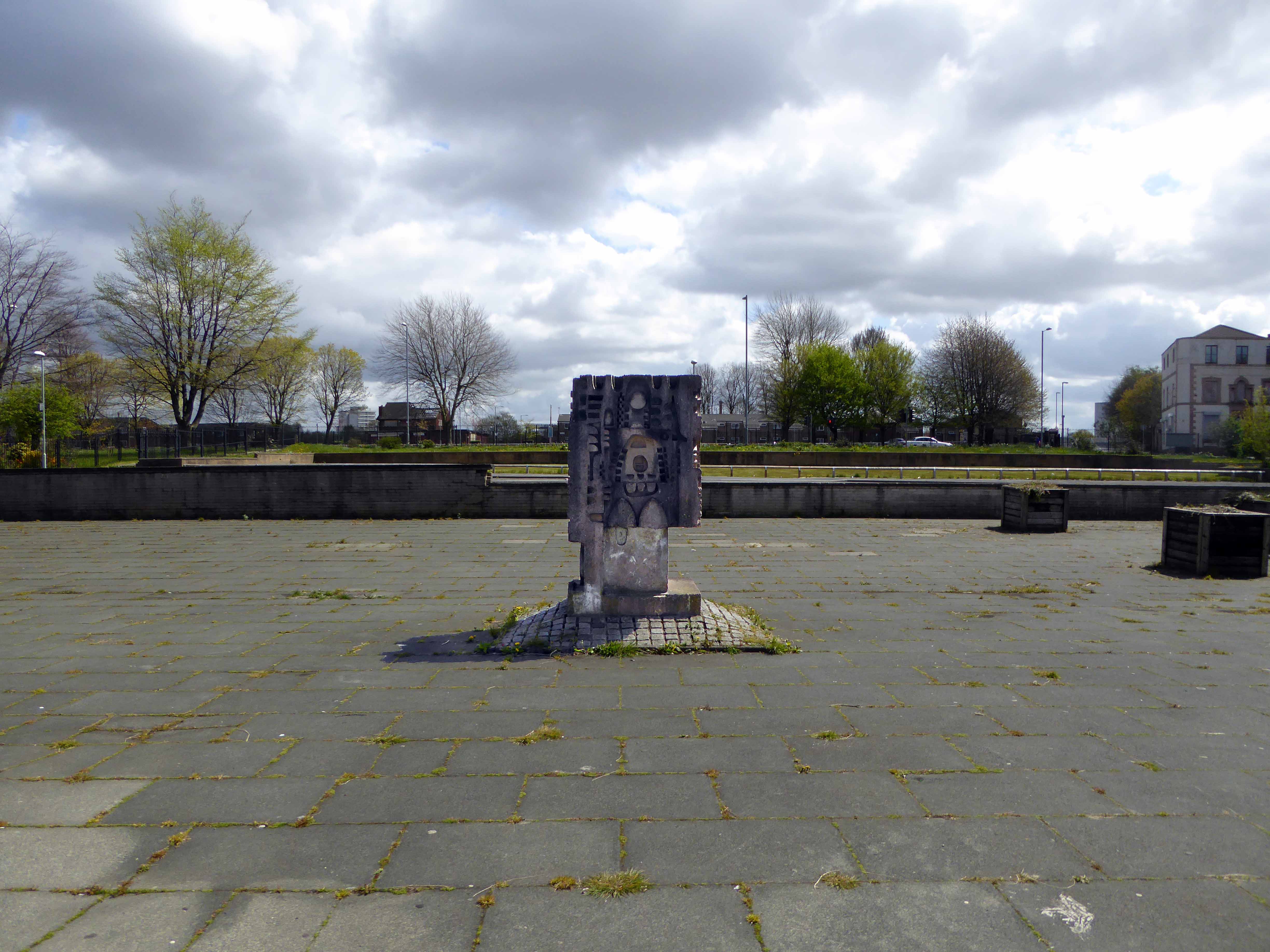
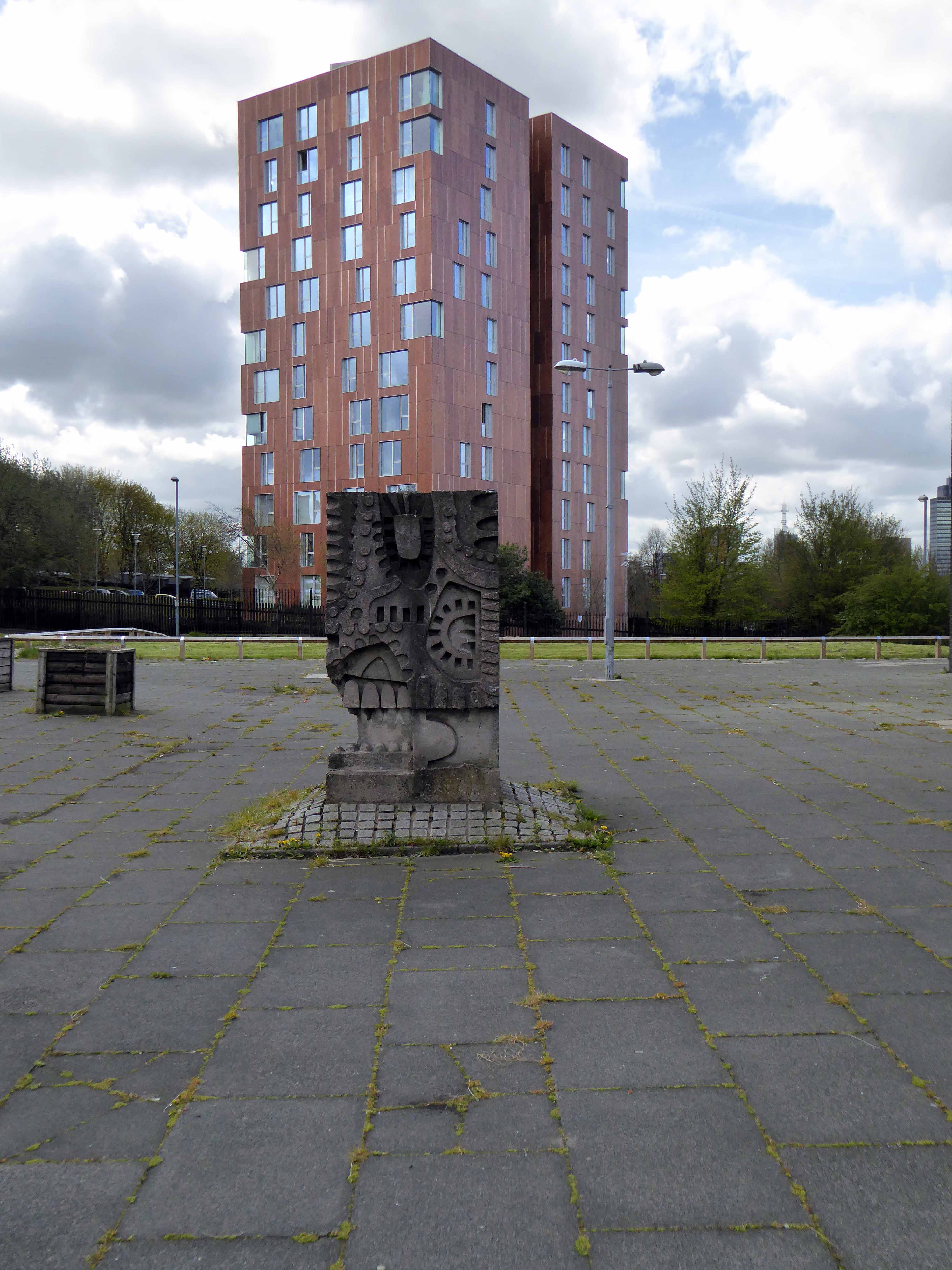
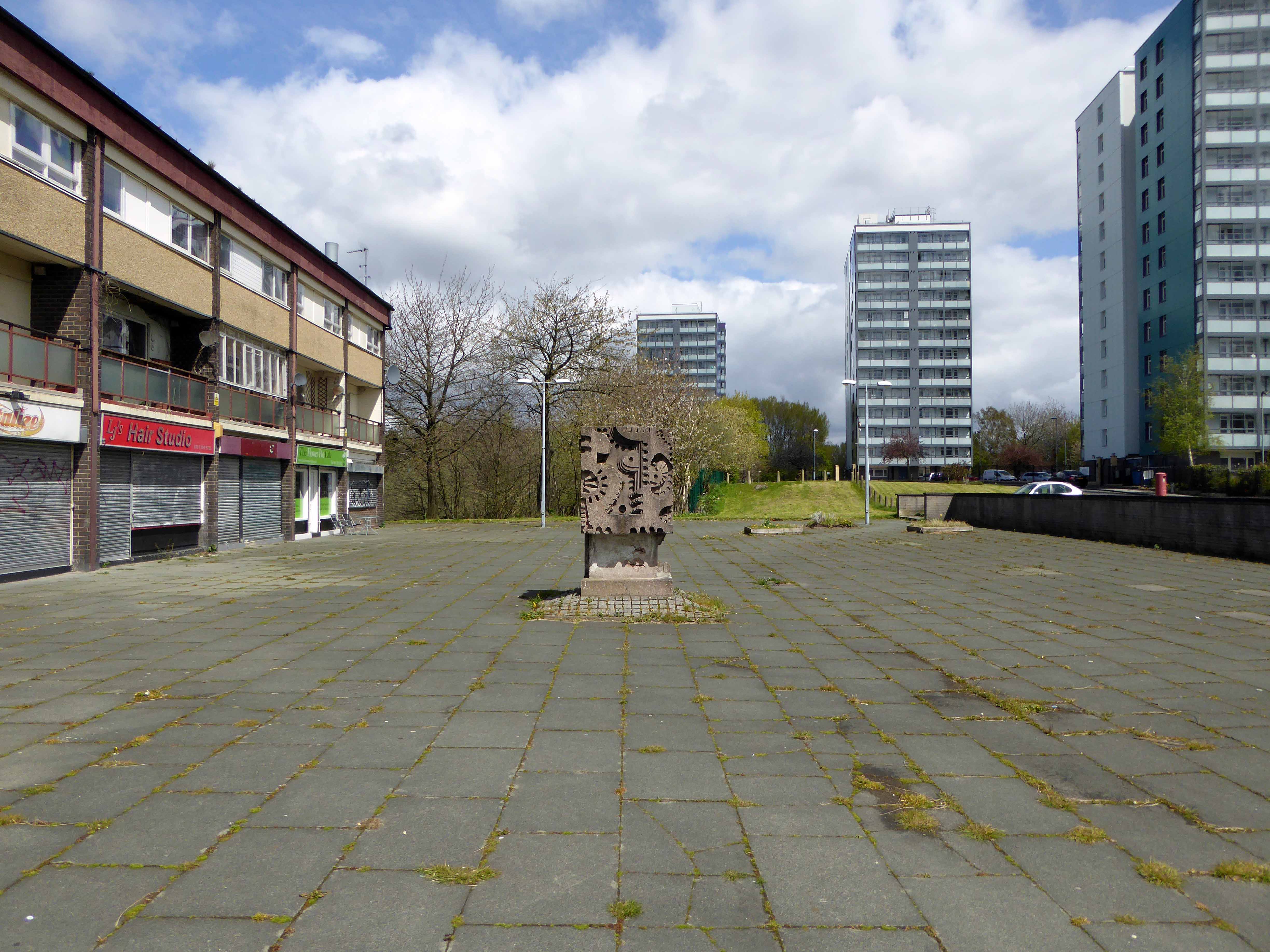
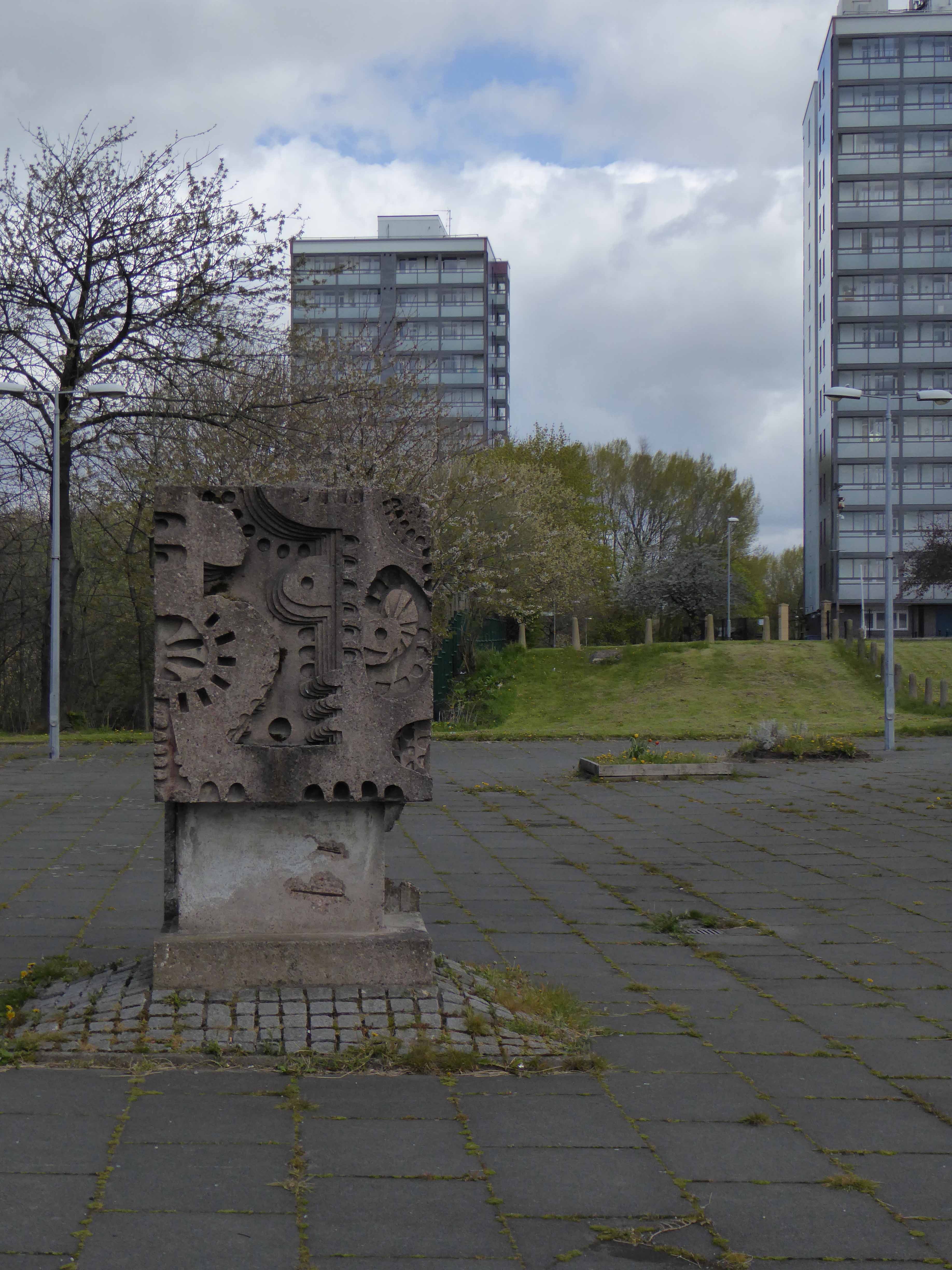
The square is blessed with a concrete sculpture, whose fate I hope is secured, somehow.

P1040294 copy
P1040293 copy
P1040296 copy
P1040295 copy

Possibly by William Mitchell – possibly not.

P1040297 copy
P1040304 copy
P1040303 copy
P1040321 copy
P1040292 copy
P1040313 copy
P1040298 copy
P1040301 copy
P1040300 copy

This as ever, is a time of change, I hope that the area and its current inhabitants live to tell the tale, rather than fall victim to the tide of gentrification, forcing them further afield.

O Romeo Romeo, wherefore art thou Romeo?

P1040335 copy

Pleasureland

“But now I have come to believe that the whole world is an enigma, a harmless enigma that is made terrible by our own mad attempt to interpret it as though it had an underlying truth.”

Umberto Eco

Somewhere between Las Vegas Nevada and Casablanca Morocco lies Southport.

Somewhere in Southport lies Pleasureland.

Separated by oceans and oceans of artifice.

A puzzle wrapped in a riddle, wrapped in an enigma, wrapped in a wind blown fish and chip paper, tipped lazily onto the edge of Lancashire.

The seaside itself an invention of the railways, and an expanding leisured class.

To begin in the middle, the Hollywood cinema creates an Orientalist mythology around Morocco. A confection of exotic confinement, conspiratorial glances and romance.

Who are you really, and what were you before?

What did you do and what did you think, huh? 

We said no questions. 

Here’s looking at you, kid.

Casablanca,_title

Which in turn becomes parody of itself, constructing an airport that apes its own constructed image, a brash reflection in an eternally wonky mirage of a mirror.

casablanca-mosque-hassan-ii

The same mirror that reflects across the Atlantic, to that cap it all capital of Kitsch.

img13228702

A veritable smorgasbord of visual treats and retreats in Mesquite Nevada.

CasaBlanca_Resort_Casino_1

Or the Casablanca Ballroom Westin Lake Hotel – Las Vegas.

wes3786br.144830_xx

Flying home to the Warner Brothers Stage 16 Restaurant

casablanca-backing-for-stage-16-resturant-las-vegas

Or indeed Southport.

DSC_0068 copy

2011 – I had my first close up and personal encounter with the wood frame, chicken wire and faux adobe render rendering of North Africa, on the coast of North West England. It was in a state of semi-advanced neglect, an extraordinary experience. Pleasureland had already faked it’s own demise, a pre-boarded up, boarded up frontier town.

DSC_0065 copy

Where the edges of meaning are blurred beyond belief, take care.

We are dealing with uneven surfaces.

DSC_0070 copy

Who could resist a Moroccan themed crazy golf course?

You are now entering a Scoobidoo-esque scenario, where the mask is never finally removed, nothing is revealed.

Screen Shot 2016-04-29 at 12.58.53

2016 – I returned, the world had turned a revival was in part taking place, some of the pleasure returned to Pleasureland, whilst the seafront facing bars remained empty.

One man holds the key the glue, that bonds these distant lands.

The myth to end all myths.

DSC_0087 copy

For he is forever in his own orbit, omniscient.

DSC_0090 copy

Make the world go away
And get it off my shoulders
Say the things you used to say
And make the world go away

Stockport – Grand Central

From coal drops to tear drops.

By Grand Central/Station I sat down and wept.

There’ll be no tear drops tonight.

The site was at the heart of industrial Stockport for a hundred and fifty years.

Goods in goods out, day in day out.

1921

A town and time driven by coal and steam, as a first date with Stockport it was never a love at first sight site, two narrow cobbled access roads, lined with tall blue engineers’ brick walls, arching towards two narrow entrances.

18315

This along with the rest of the area, was a working area, hanging on to the edge of the Mersey Valley, housing and industry cheek by jowl, in one grimy fug.

Time changes everything, by 1990 the site had been cleared and work commenced on a brand new shiny retail, leisure and entertainment complex. The nation had shifted wholesale from manufacturing to carousing.

The clatter of clogs replaced by the squeak of Adidas.

The white hot heat of technology fires Heaven and Hell.

4013161839_b31b29242e_b

A club, swimming pool, bars, quasar quest, bowling alley, shops and cinema. Open public, private spaces leading from the A6 to the station approach. Concrete paving, brick, steel and glass construction, in a dulling whirlwind of sub-postmodern, cost benefit analysis, mirthless architectural, fun and frolics.


Nothing lasts forever, gradually the fun grinds to a halt, the alluring shimmer of boob tubes and hot pants, quickly fades into a dimly remembered, future passed.

2949627_85e2d540

There are more things in Heaven and Hell, Horatio,
Than are dreamt of in your philosophy.

Grand Central Stockport was owned by Norwich-based private property company Targetfollow, who acquired the complex for £10.8m in 2004. In January 2011, after lack of progress on the development scheme, Stockport Council purchased the complex. In December 2011, Stockport Council announced that Muse Developments, the urban regeneration division of construction group Morgan Sindall had been selected as the preferred developer with a report to be presented to the council the following week. The revamped regeneration plans include an office quarter for the town centre, a hotel, public space outside the railway station. In addition, the redevelopment would also include a multi-storey car park and to make the site into a more attractive gateway into the town centre. The new redevelopment plans are valued at approximately £145m.

So the merry dance continues, a brave new world for the bemused citizen to consume and be consumed by, a gateway to speculative development.


The reassuring golden arches await the intrepid voyager, the foundation stone of any civilised civil society, set in terracotta for ever and a day.

P1030519 copy

The high vis, high rise, low expectation roller coaster, rolls on relentlessly.

P1030487 copy

P1030463 copy

P1030476 copy

P1030466 copy

P1030498 copy

P1030483 copy

P1030473 copy

P1030492 copy

Water Towers

There are vertical features in our landscapes.

Prominent architecture, largely functionalist.

We can travel from pylon to pylon, spire to spire.

I espy water towers, and espouse the recording thereof.

I was first aware of the work of Bernd and Hilla Becher  many years ago, as a young art student I developed an empathy for their matter of fact photography, and a warm sense of the familiar with the largely industrial, everyday subject matter.

I have often made light hearted reference, to their austere conceptual grids.

The bungalows of Humbertson Fittes Lincolnshire

becher's bungalows copy

The British Rail freight van stables of Greater Manchester

Screen Shot 2016-03-28 at 16.54.23

And of course water towers, some are familiar to me in the areas around south Manchester, easily accessibly by bicycle across the Cheshire Plain. So over time I have set out with a clear intent or serendipitous disposition, a modern day Don Quixote, sans Sancho Panza, tilting and snapping at towers.

Access is not always easy, or permitted for that matter – there are gates and fences to overcome, brambles and barbed wire to catch yourself on, but it’s always worth it. As a typology they are various, in design, structure and materials.

Summer 2014 I cycled from Hastings to Cleethorpes, following where possible a coastal route, in search of nothing in particular. Needless to say I found several water towers, eight of note – amongst other things.

Burnage – Garden Village

Spring’s in the air, let’s take a walk down leafy lanes, far from the traffic’s roaring boom and the silence of my lonely room – well not that far.

Burnage.


Screen Shot 2016-03-23 at 10.33.12

The housing estate of 136 houses known as Burnage Garden Village, a residential development covering an area of 19,113sqm off the western side of Burnage Lane in the Burnage ward. The site is situated approximately six kilometres south of the city centre and is arranged on a broadly hexagonal layout with two storey semi-detached and quasi detached dwelling houses situated on either side of a continuous-loop highway. The highway is named after each corresponding compass point with two spurs off at the east and west named Main Avenue and West Place respectively. Main Avenue represents the only access and egress point into the estate whilst West Place leads into a resident’s parking area.

The layout was designed by J Horner Hargreaves. Houses are loosely designed to Arts and Crafts principles, chiefly on account of being low set and having catslide roofs.

At the centre of the garden village and accessed by a network of pedestrian footpaths, is a resident’s recreational area comprising a bowling green, club house and tennis courts. The estate dates from approximately 1906 and was laid out in the manner of a garden suburb with characteristic hedging, front gardens, grass verges and trees on every street. 


A rare and almost perfectly preserved example of Edwardian Mancunian suburban architecture, save a uPVC epidemic of identical doors and window frames. On a sunny day the variegated brick and render simply sings, like so many chirpy sparrows.

These homes are a variation on a theme, a fugue of tile, brick, pointy counterpointed gable, light and shadow – linked by scale, style and well laid wide concrete roads, filled with good intentions and cars.

Take a hike or bike south of the city, now that Spring is here.

Screen Wall Water Feature – Manchester

the-bandwagon-breakin-down-the-walls-of-heartache-dancin-master--2_6729456

Breakin’ down the walls of heartache, 

I’m a carpenter of love and affection.

So sang Johnny Johnson of the Bandwagon.

They were a permanent fixture at the New Century Hall in the late sixties.

Attached to New Century House, the Hall was an integral part of the extensive Cooperative Society property development in Manchester.

Much of that development now faces an ever uncertain future.

None more so than the adjoining screen wall.

P1010590 copy

Set to the north-east side of the building’s entrance forecourt is a concrete sculptural screen wall by John McCarthy with an abstract relief to the south-west side facing into the forecourt. The wall is aligned at a right angle to the building’s main entrance and has a shallow rectangular pool (now drained) set in front. The wall includes numerous openings from which water originally flowed into the pool, but the system is no longer in working order. The pool also originally incorporated small fountains.

Information from Historic England

At a time when the whole of the centre of the city seems alive with construction, refurbishment, gentrification and more quarters than you could shake a stick at, this forlorn and seemingly unloved gem stands, shrouded in shrubs.

I’m a carpenter of love and affection, who would not care to see, this particular wall:

Broken down.

P1010593 copy

P1010595 copy

P1010596 copy

P1010579 copy

10942979_10153057260926600_244358983598520538_o

P1010592 copy

P1010588 copy

P1010589 copy

P1010584 copy

P1010587 copy

P1010586 copy

P1010591 copy

P1010594 copy

P1010585 copy

P1010582 copy

P1010580 copy