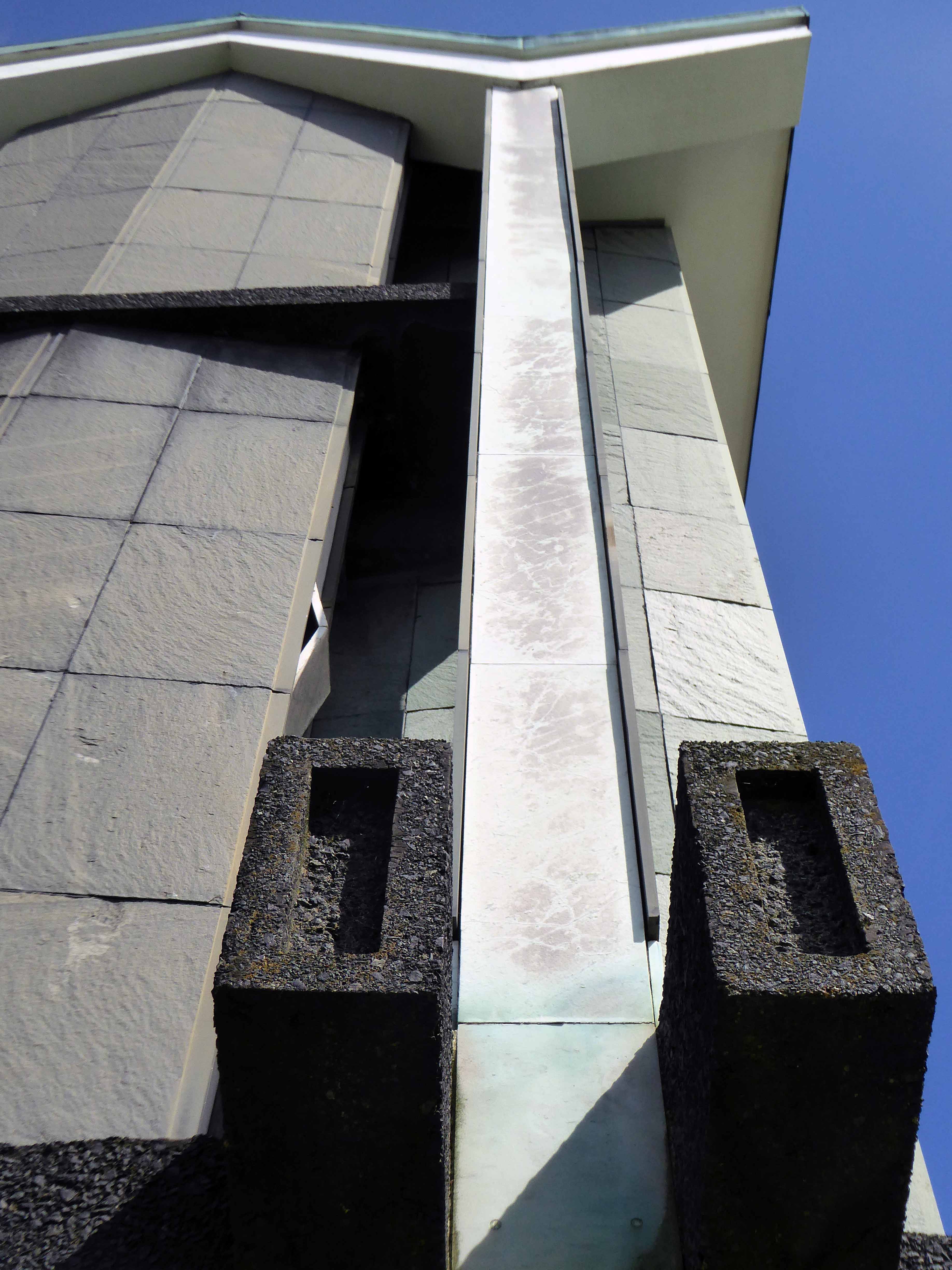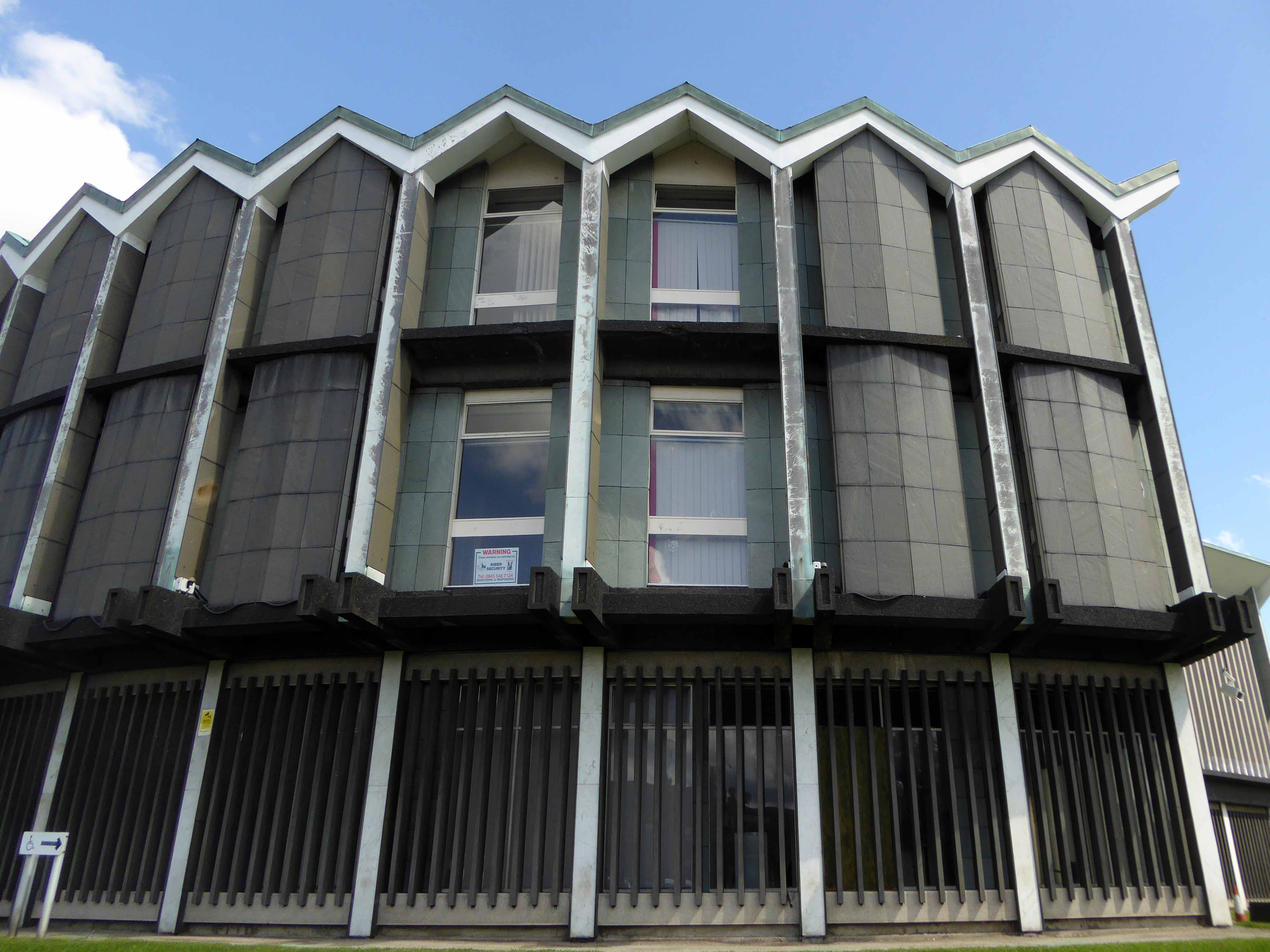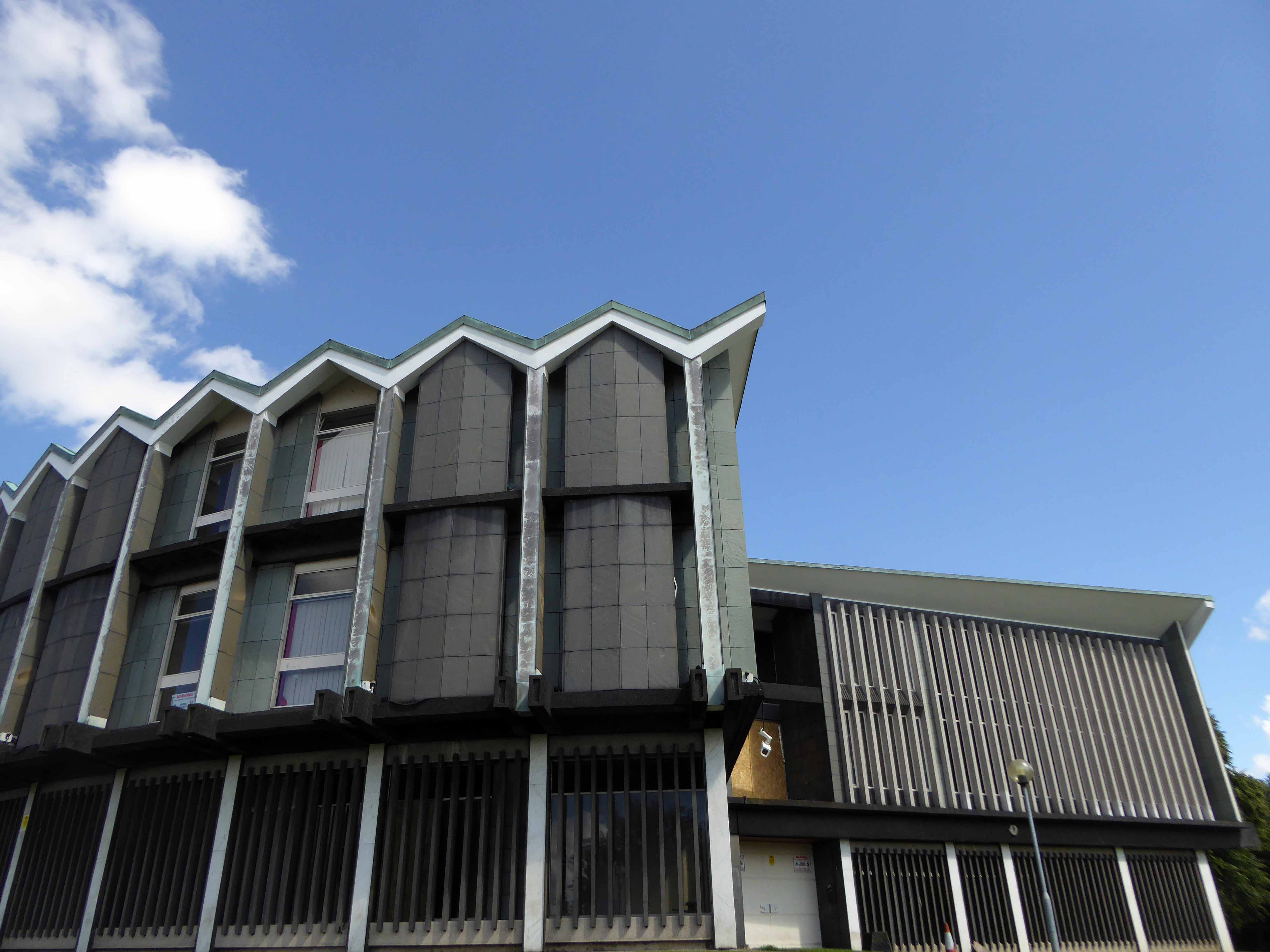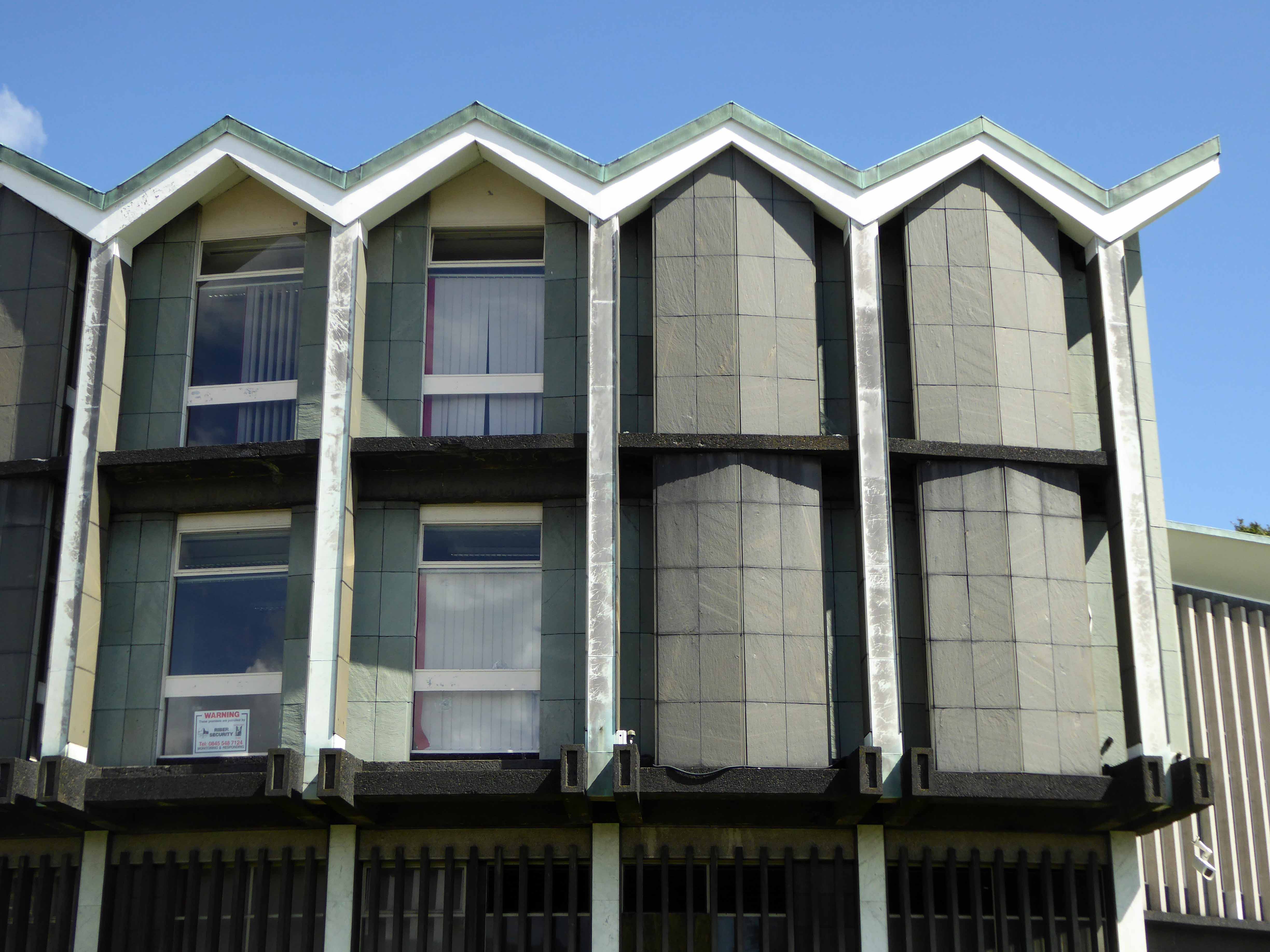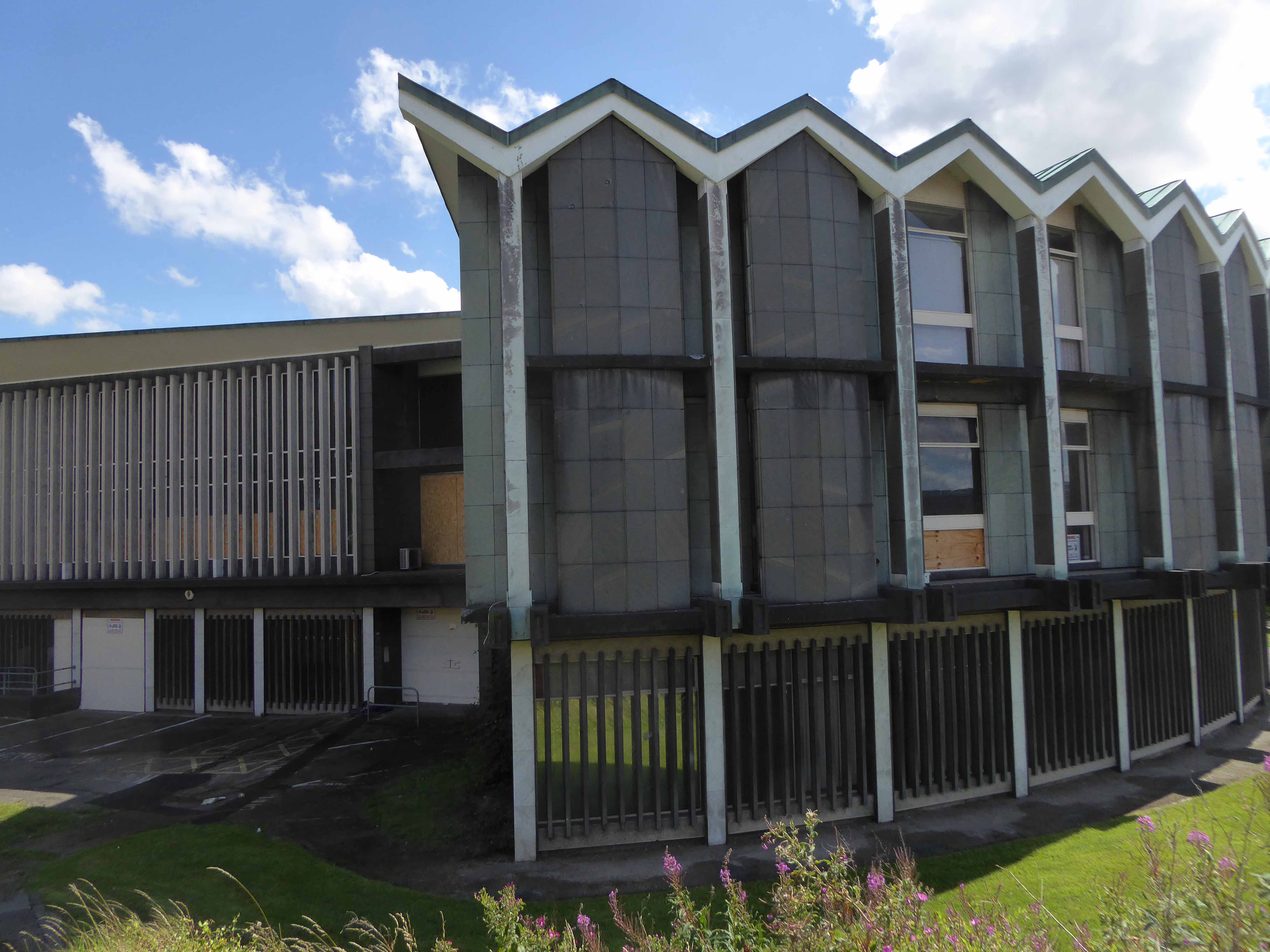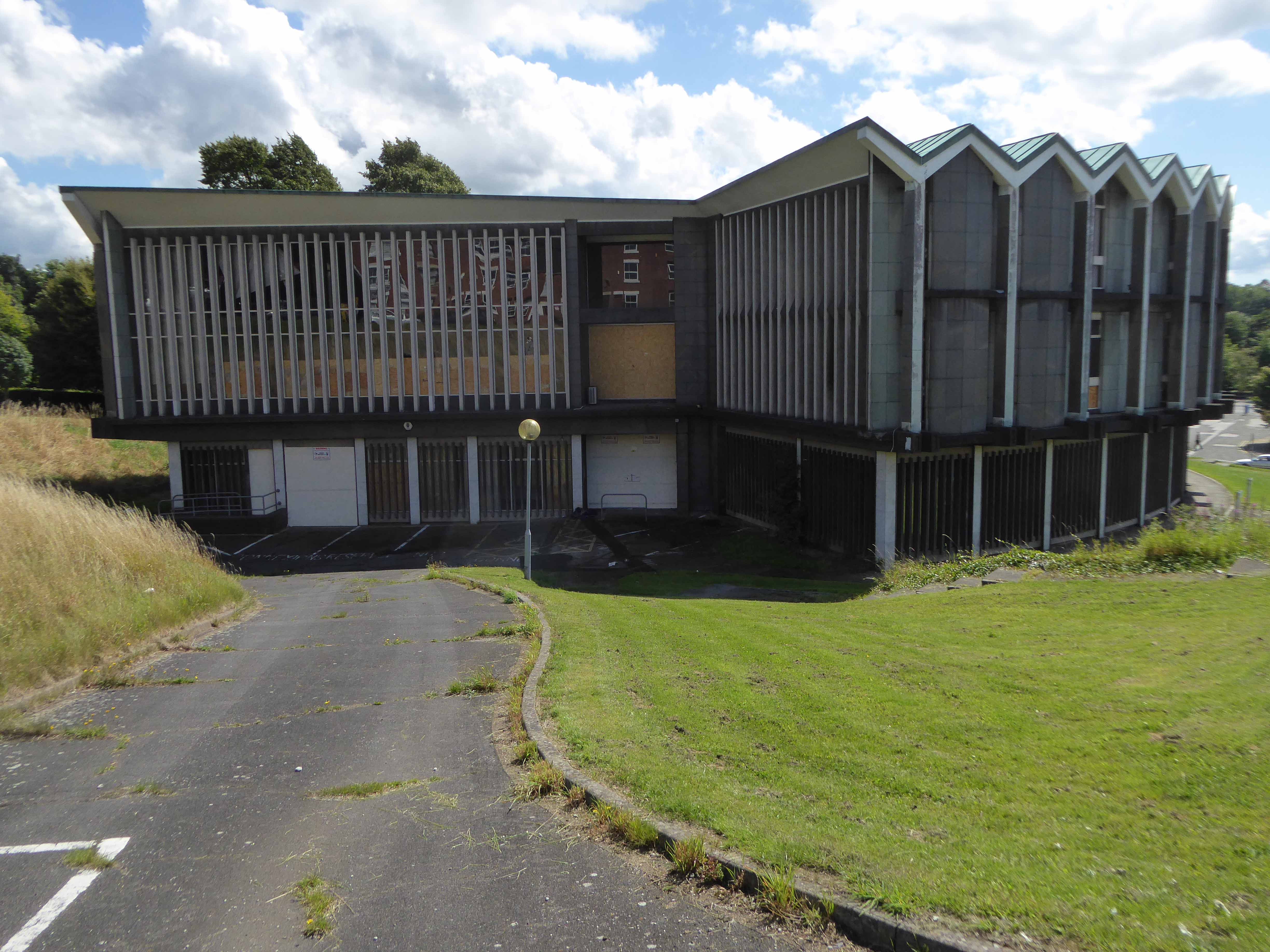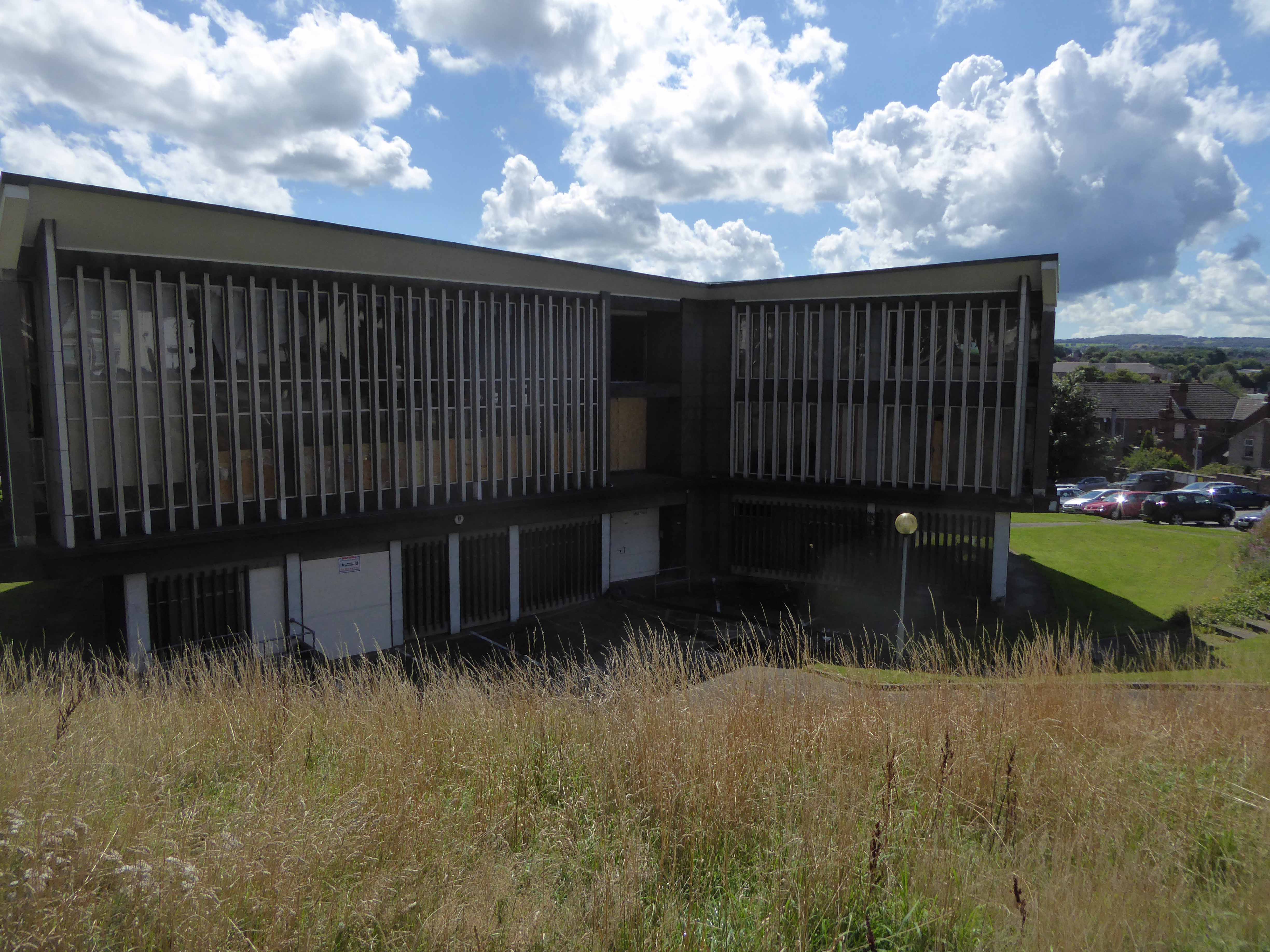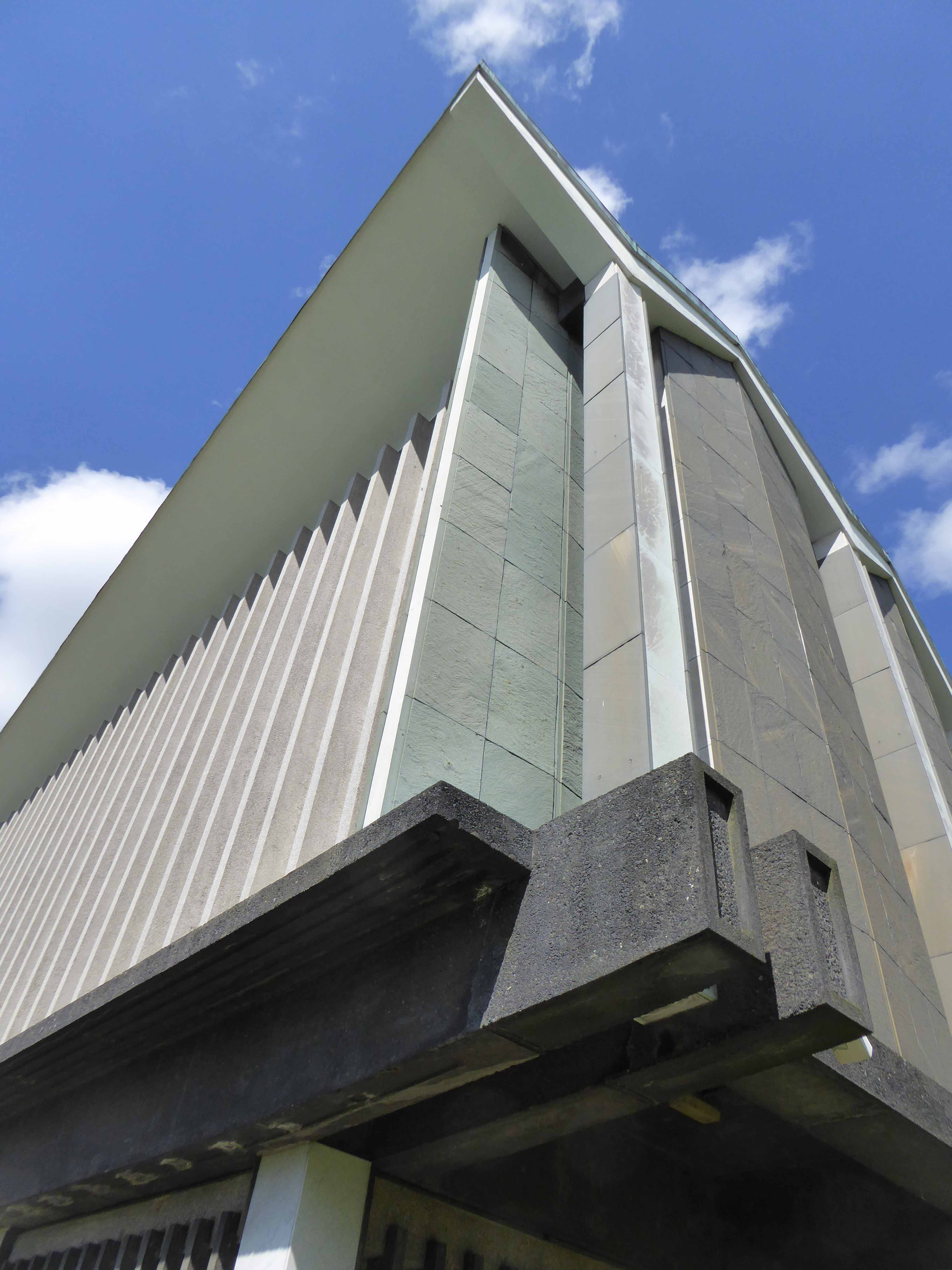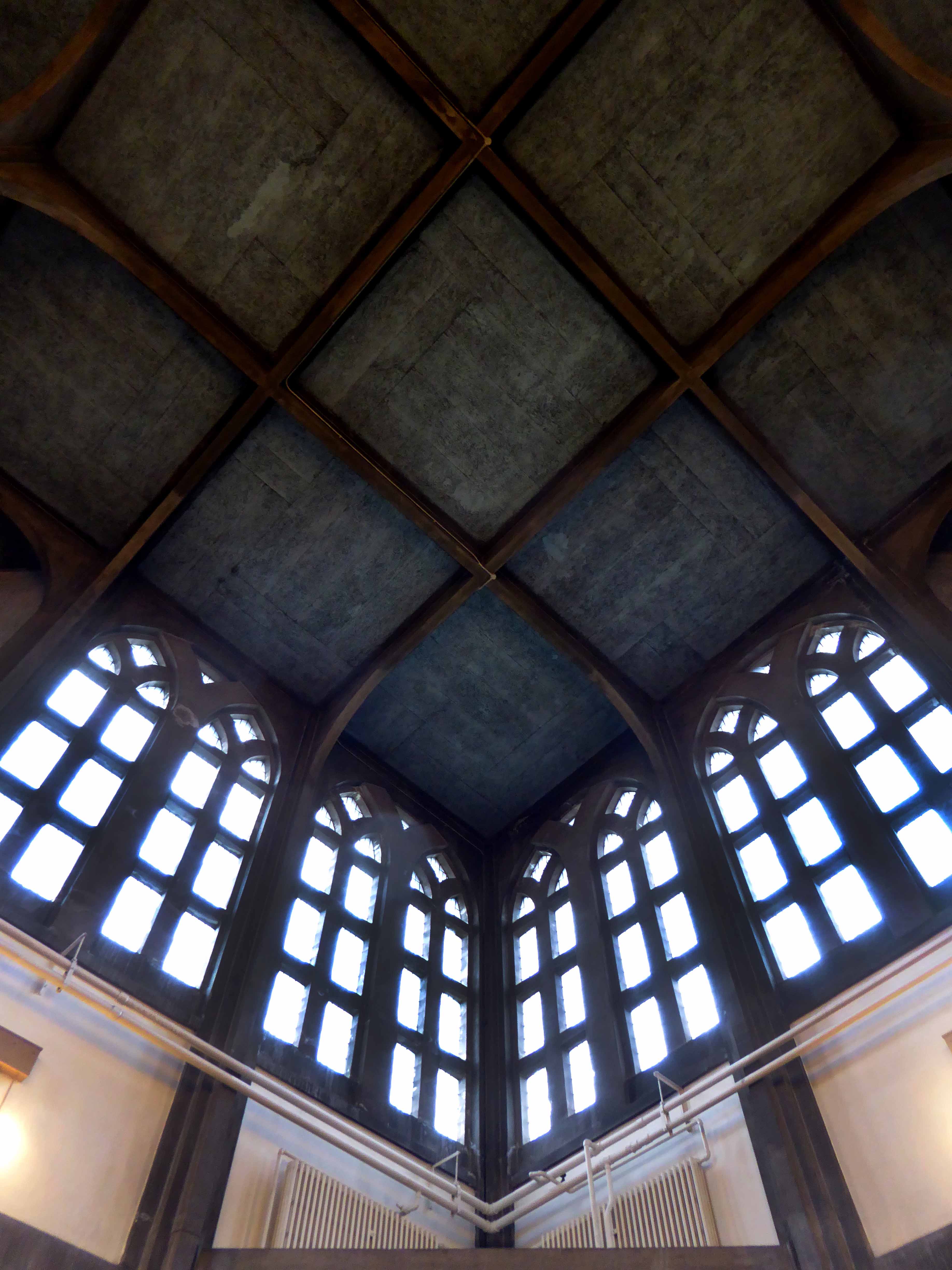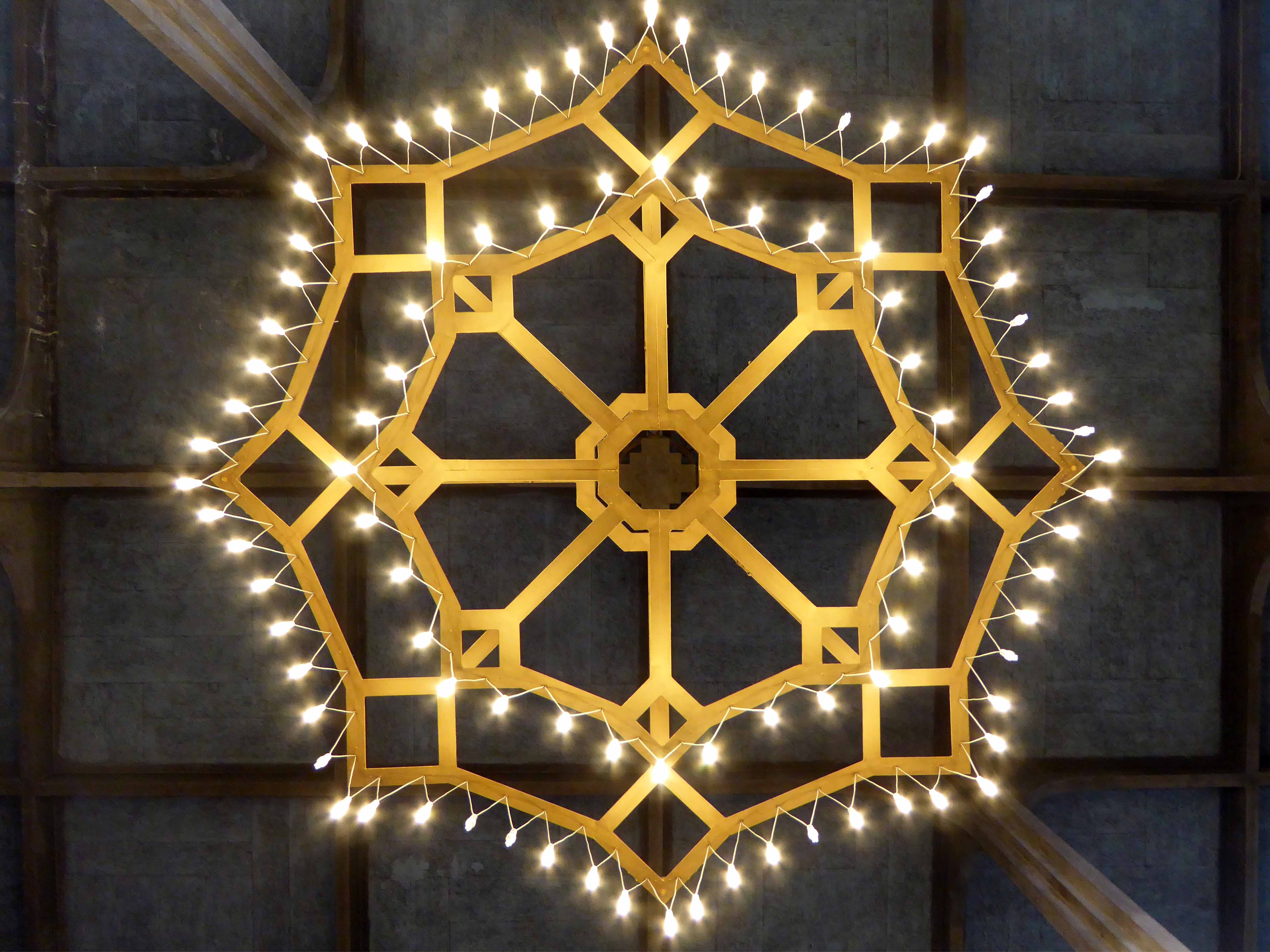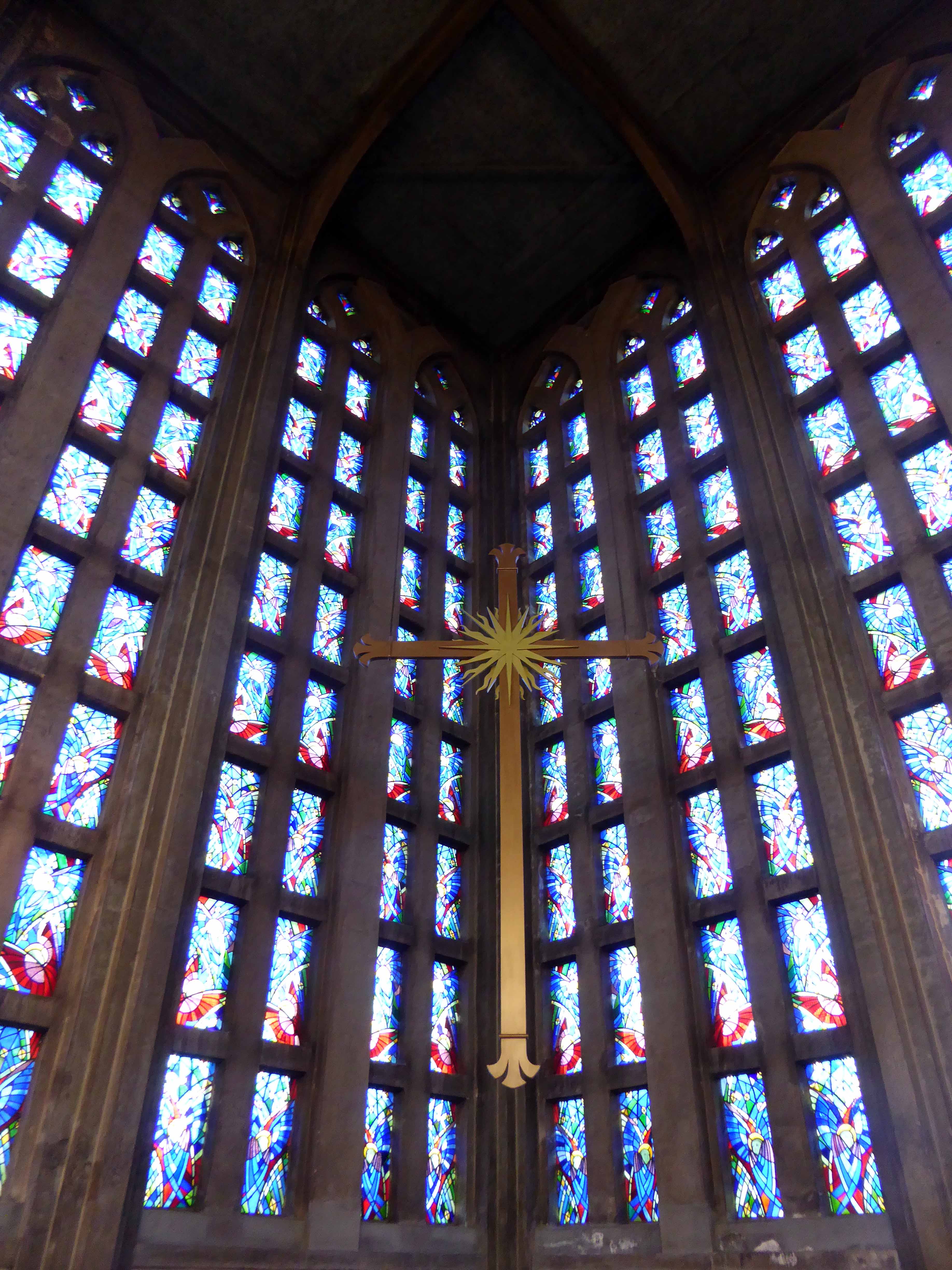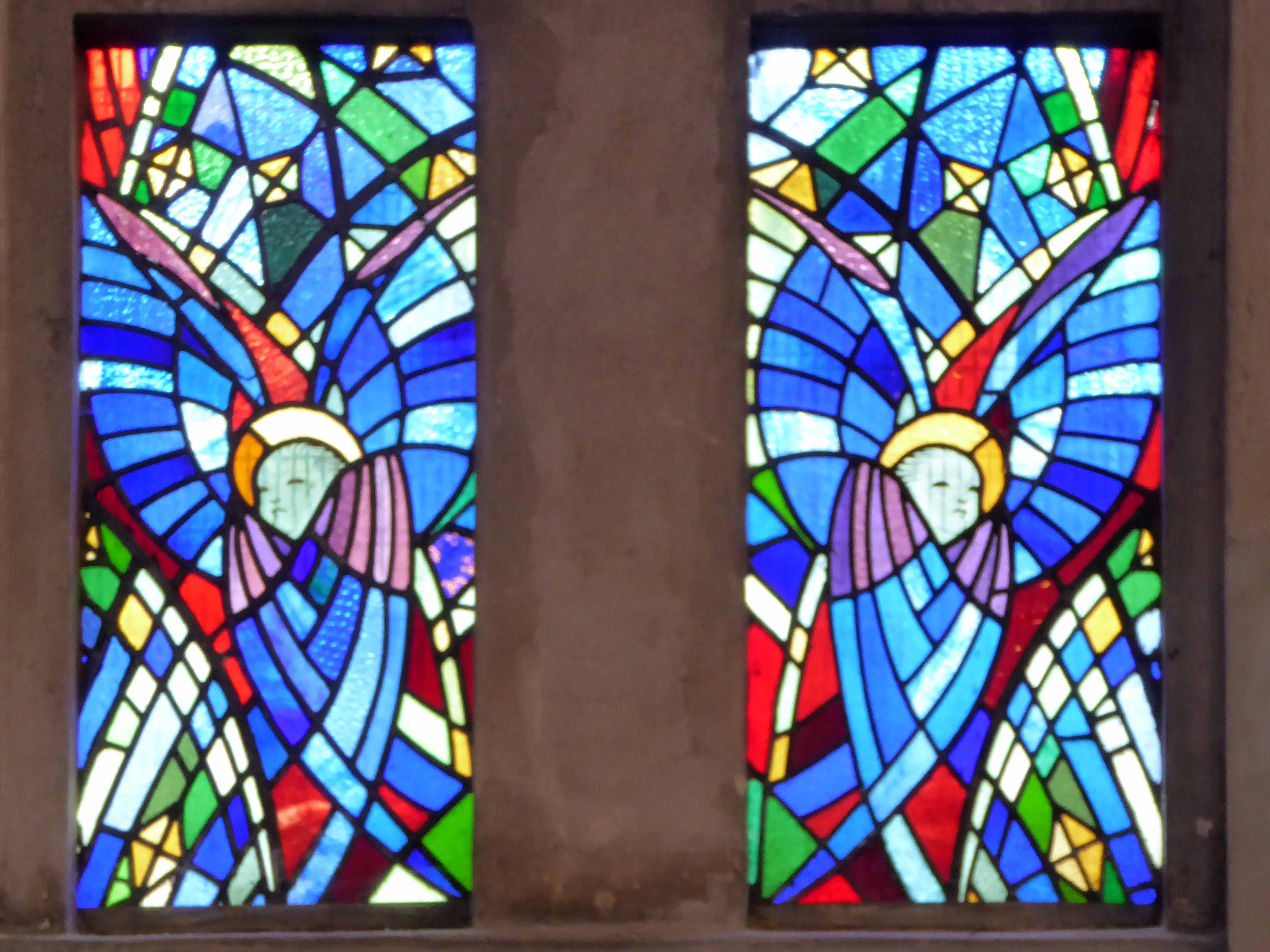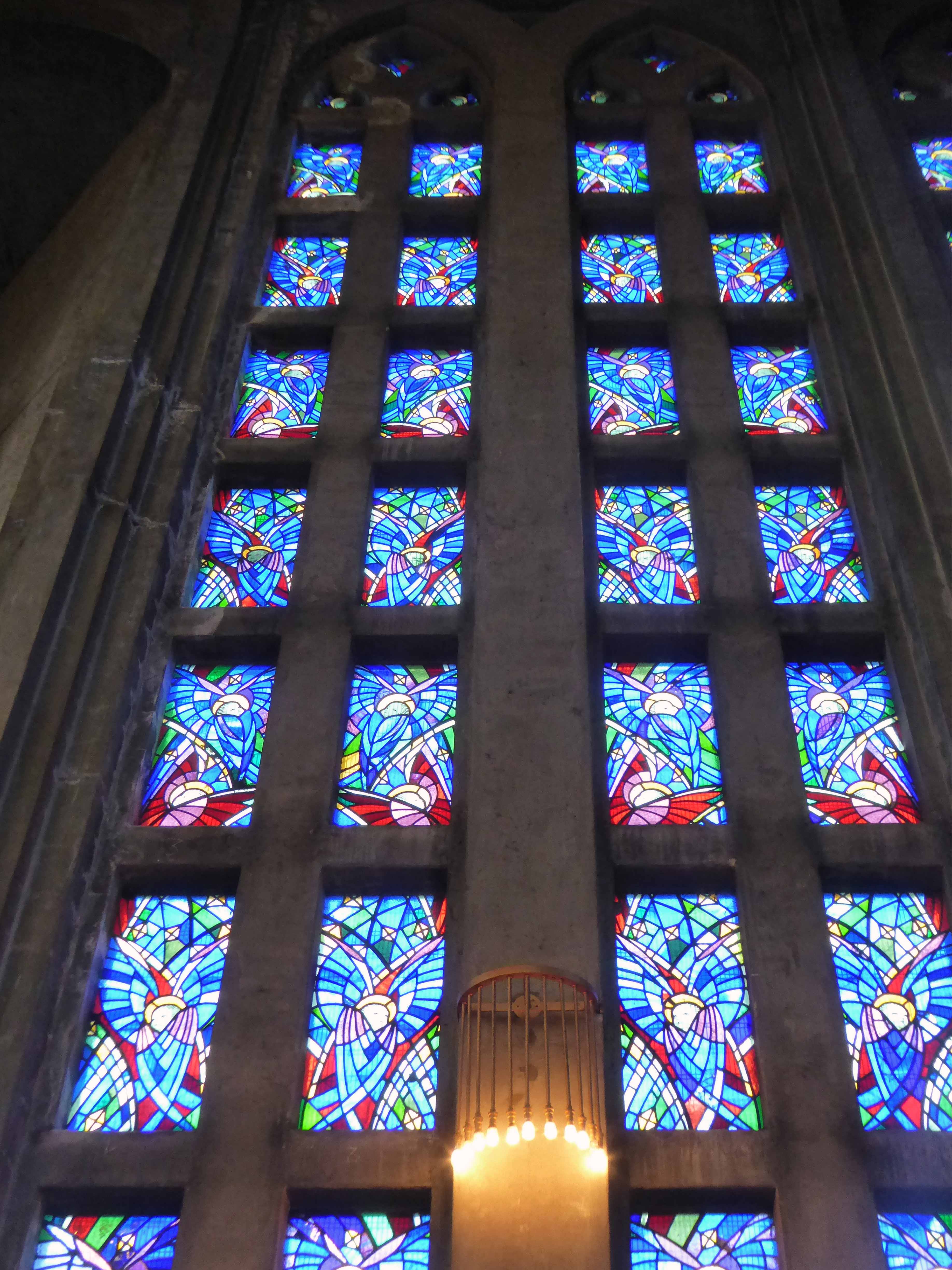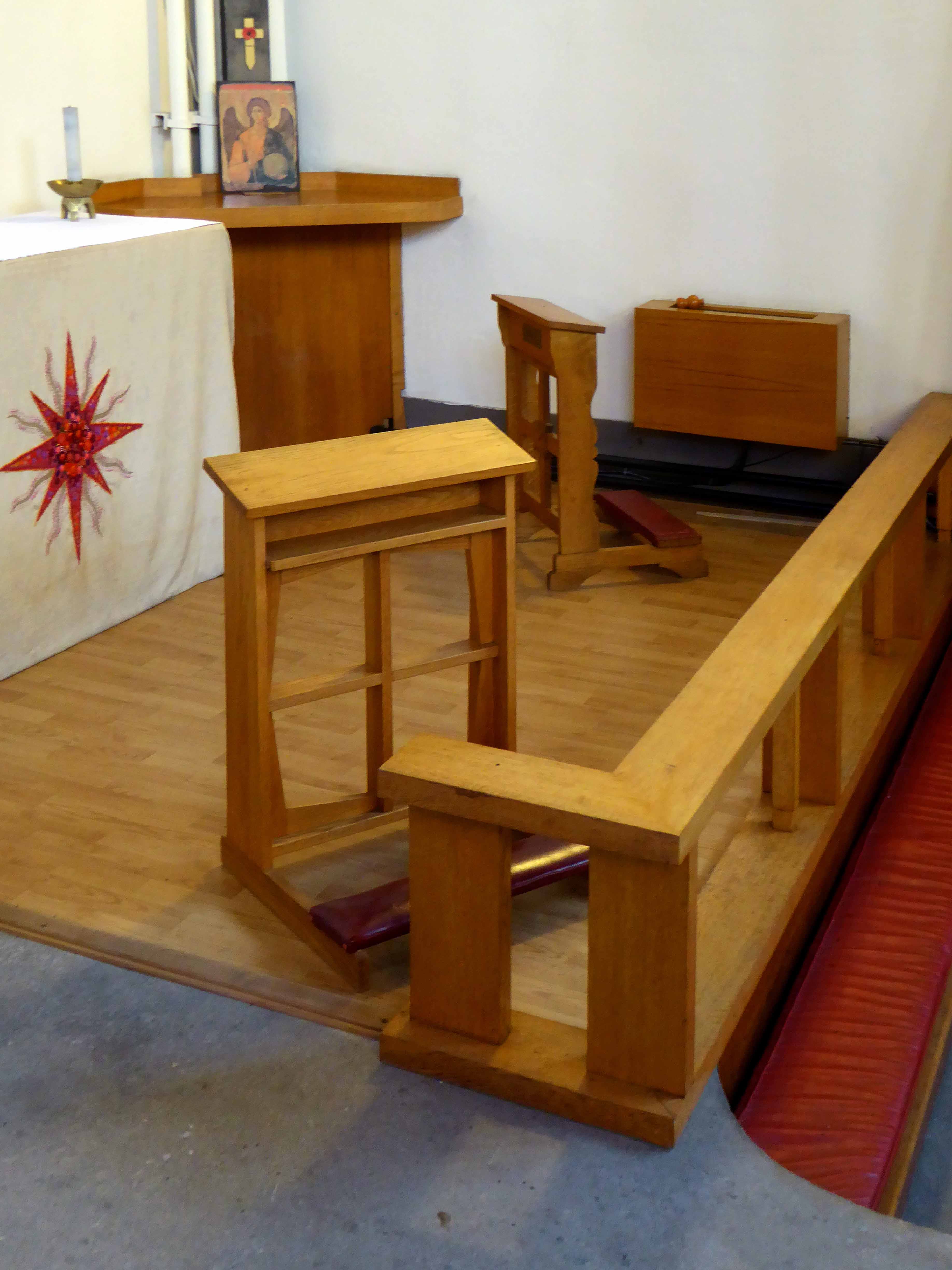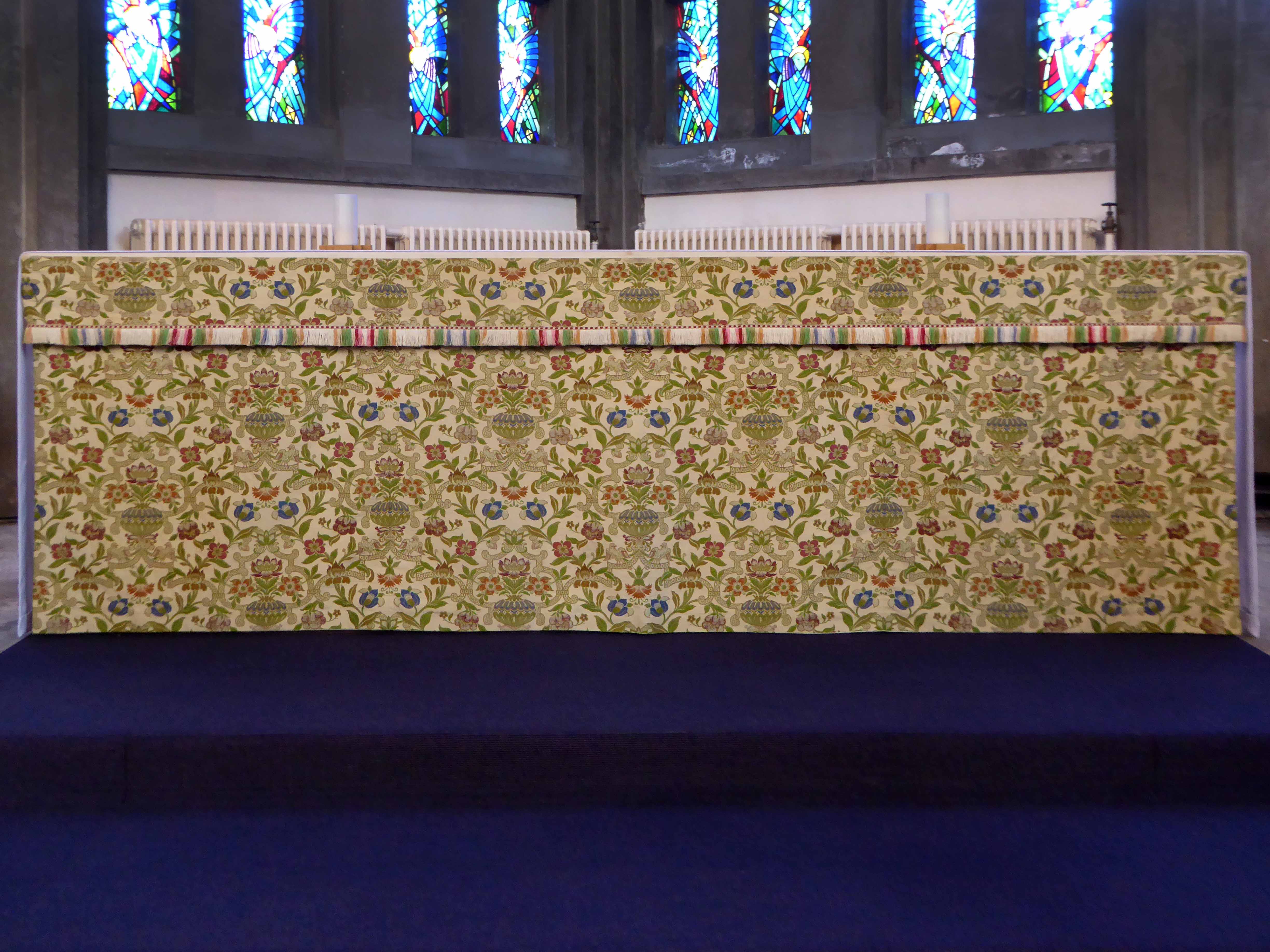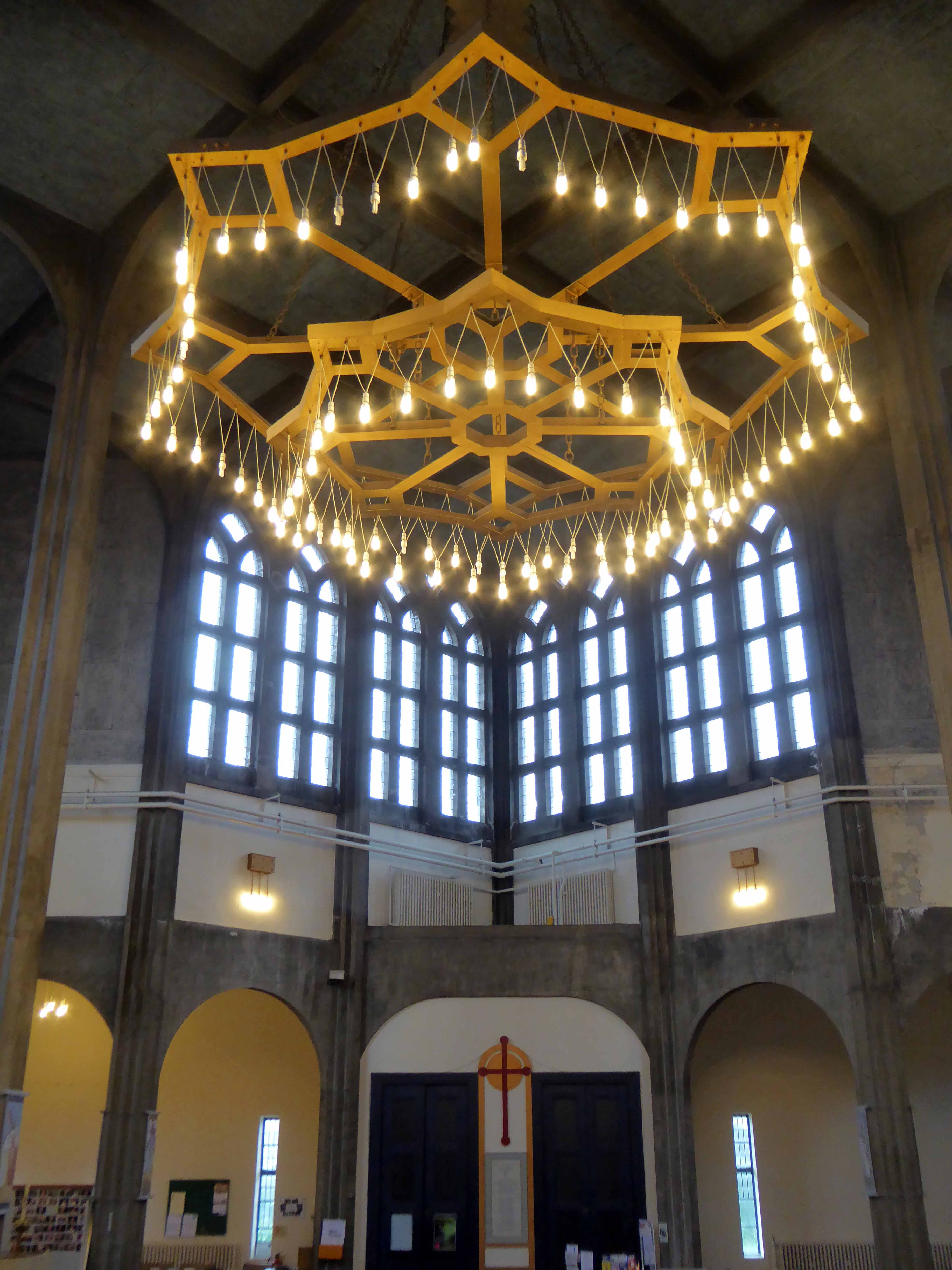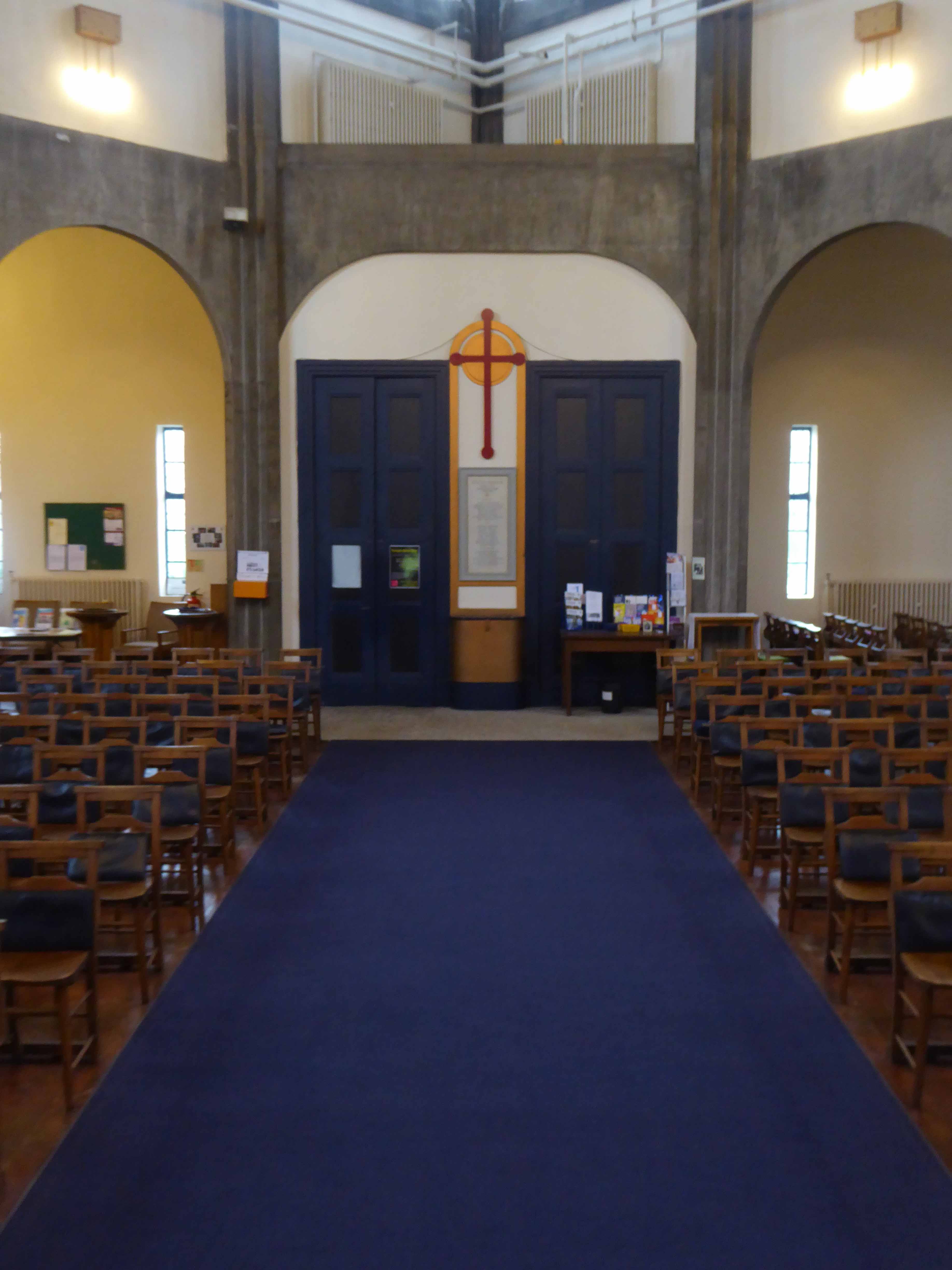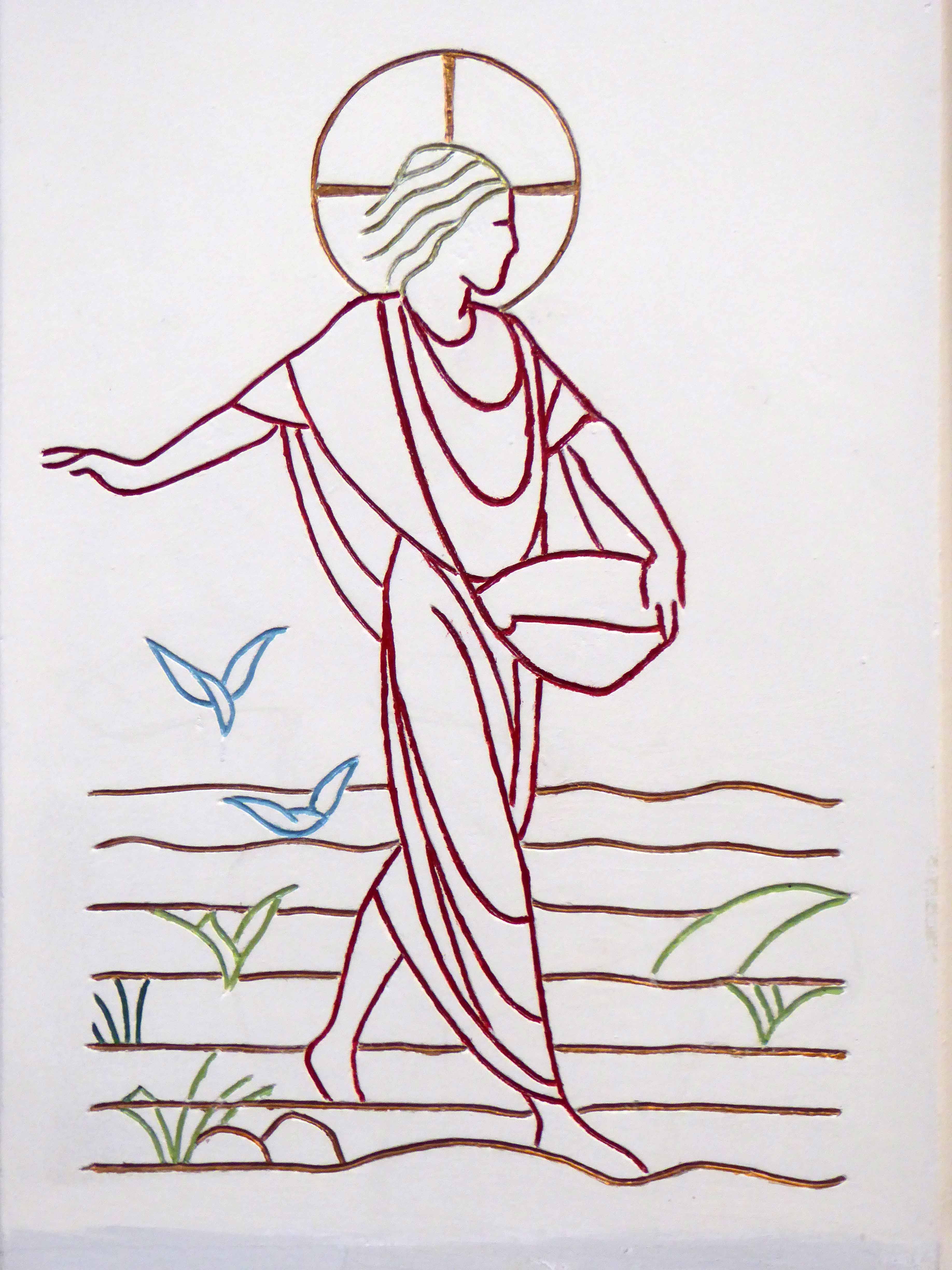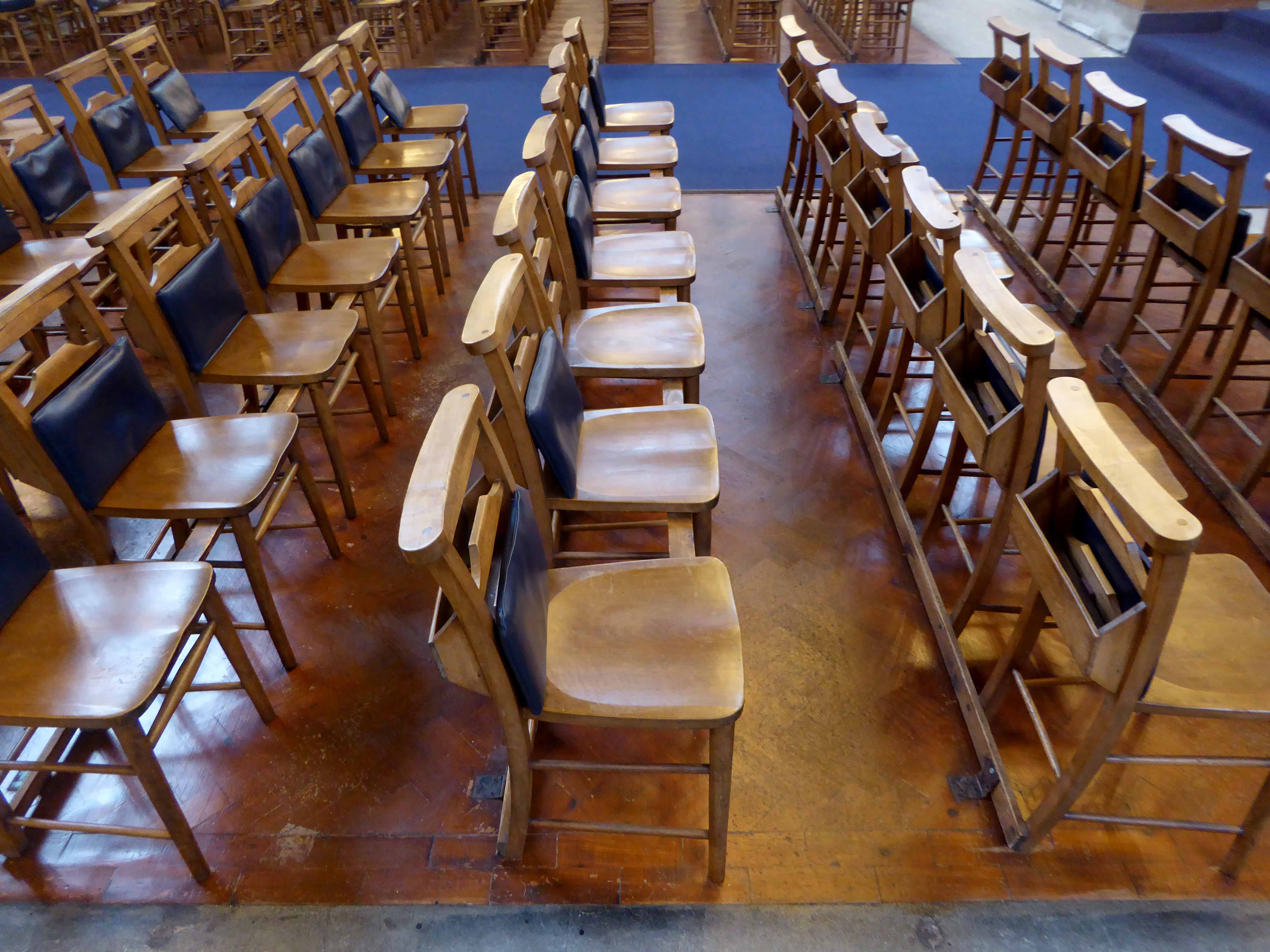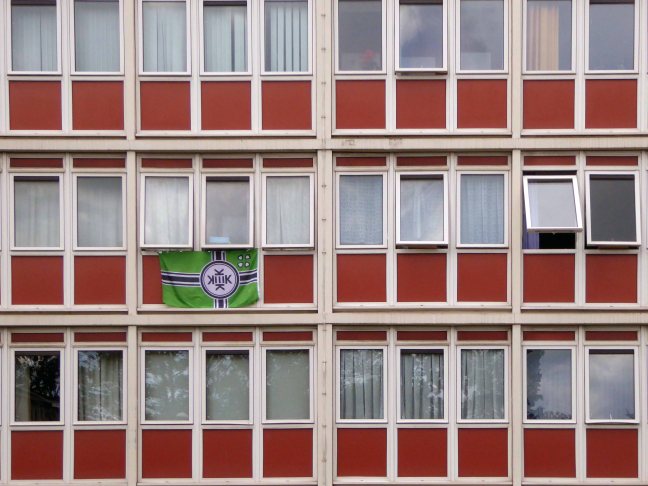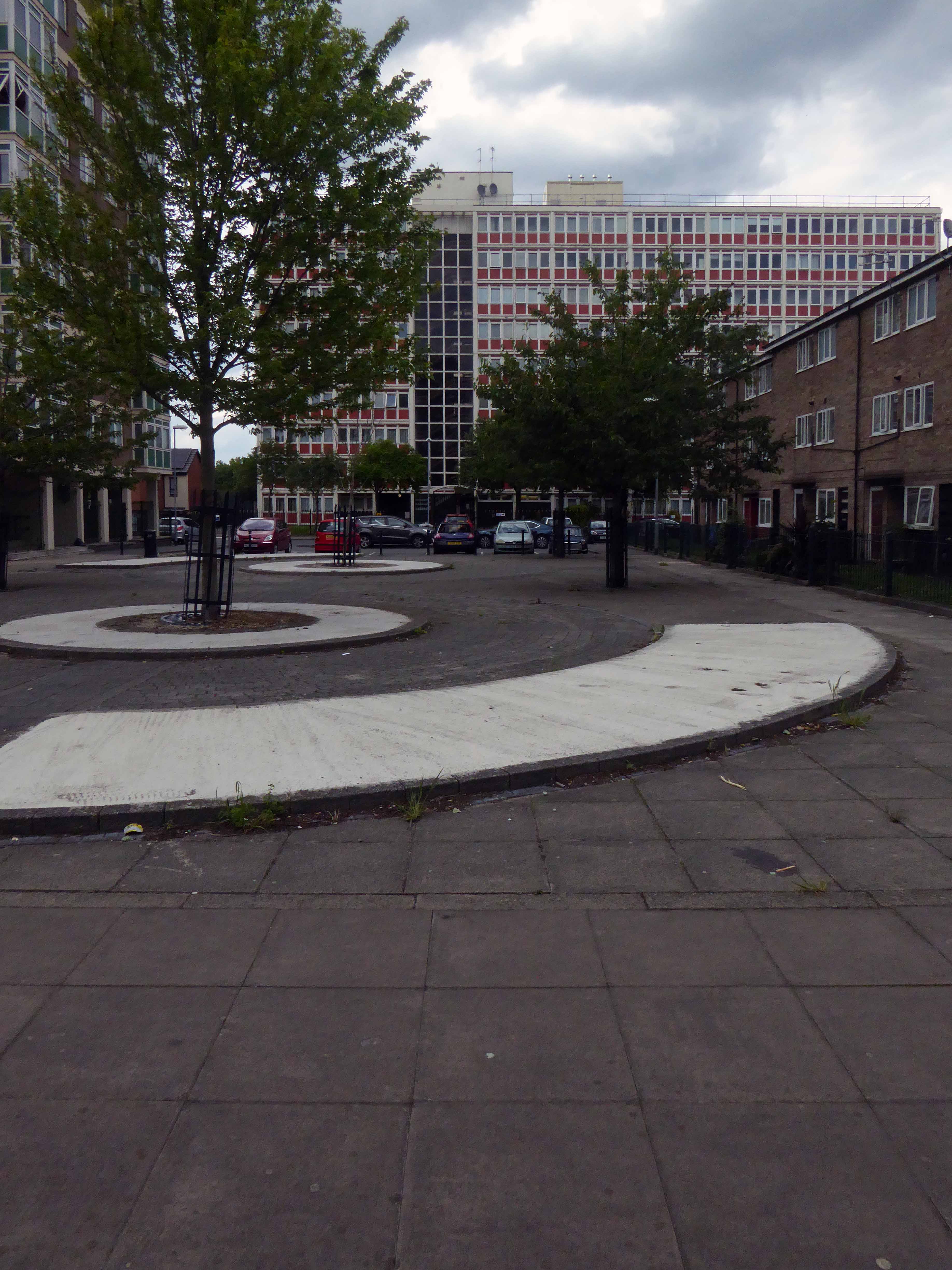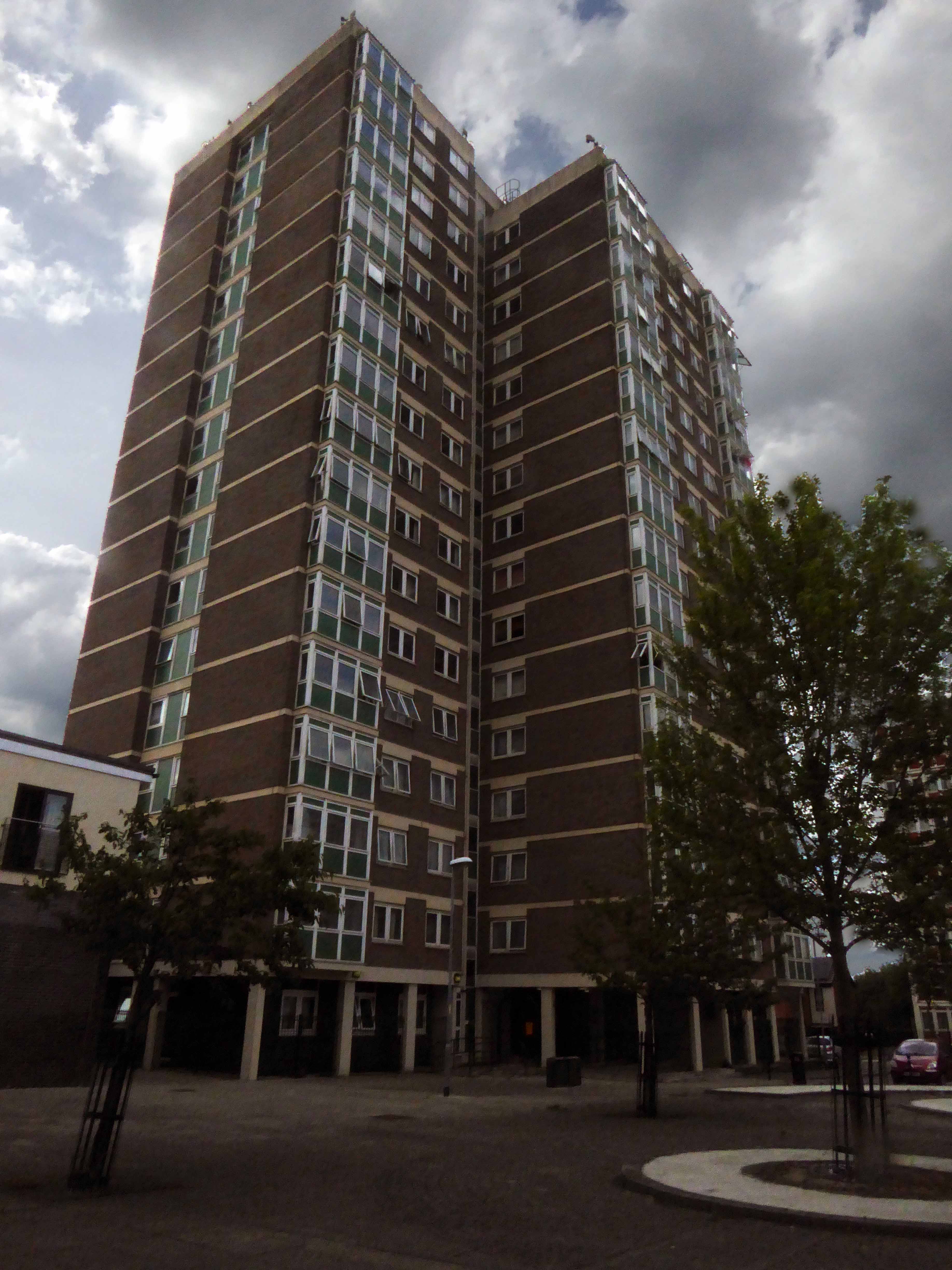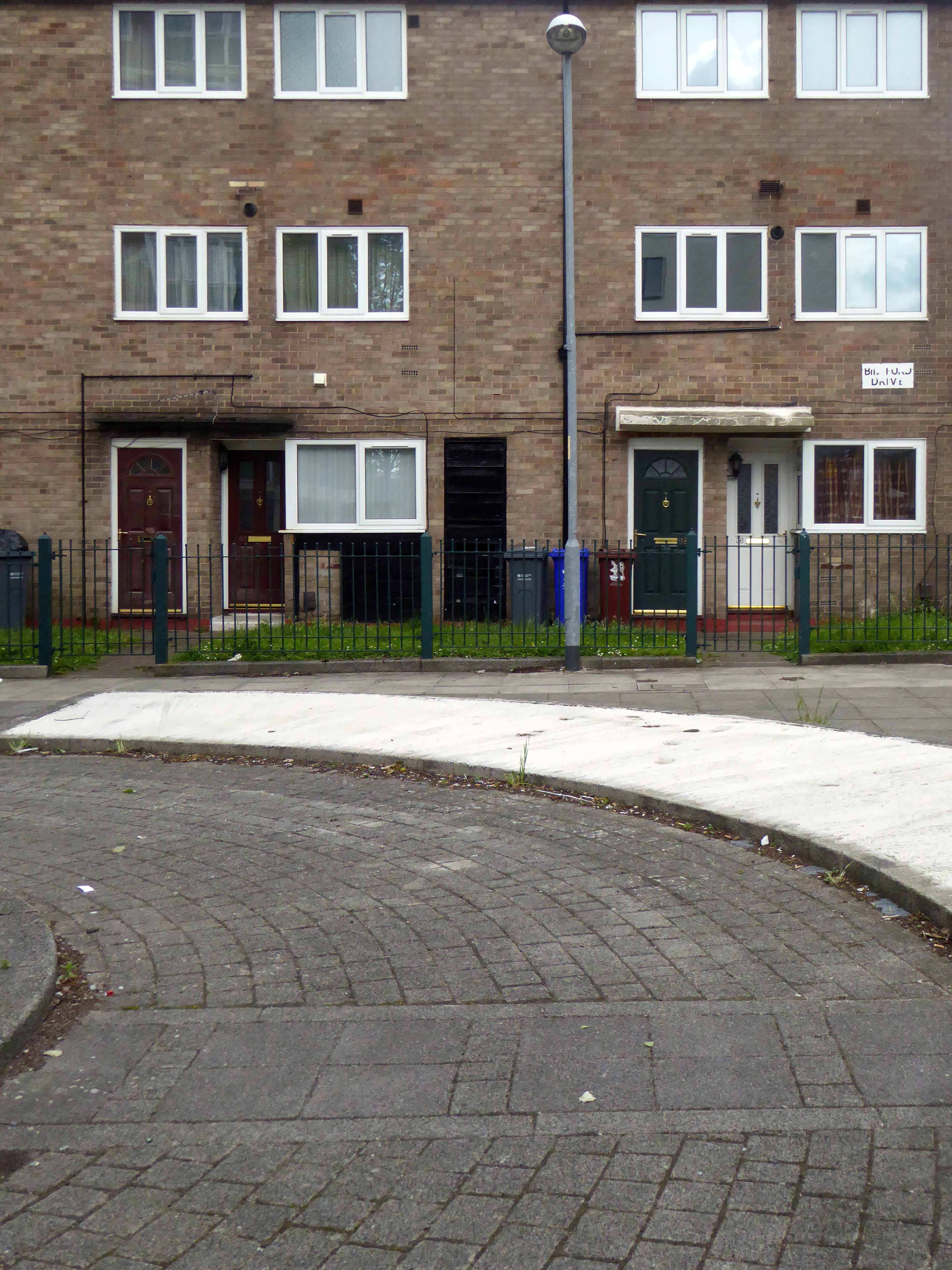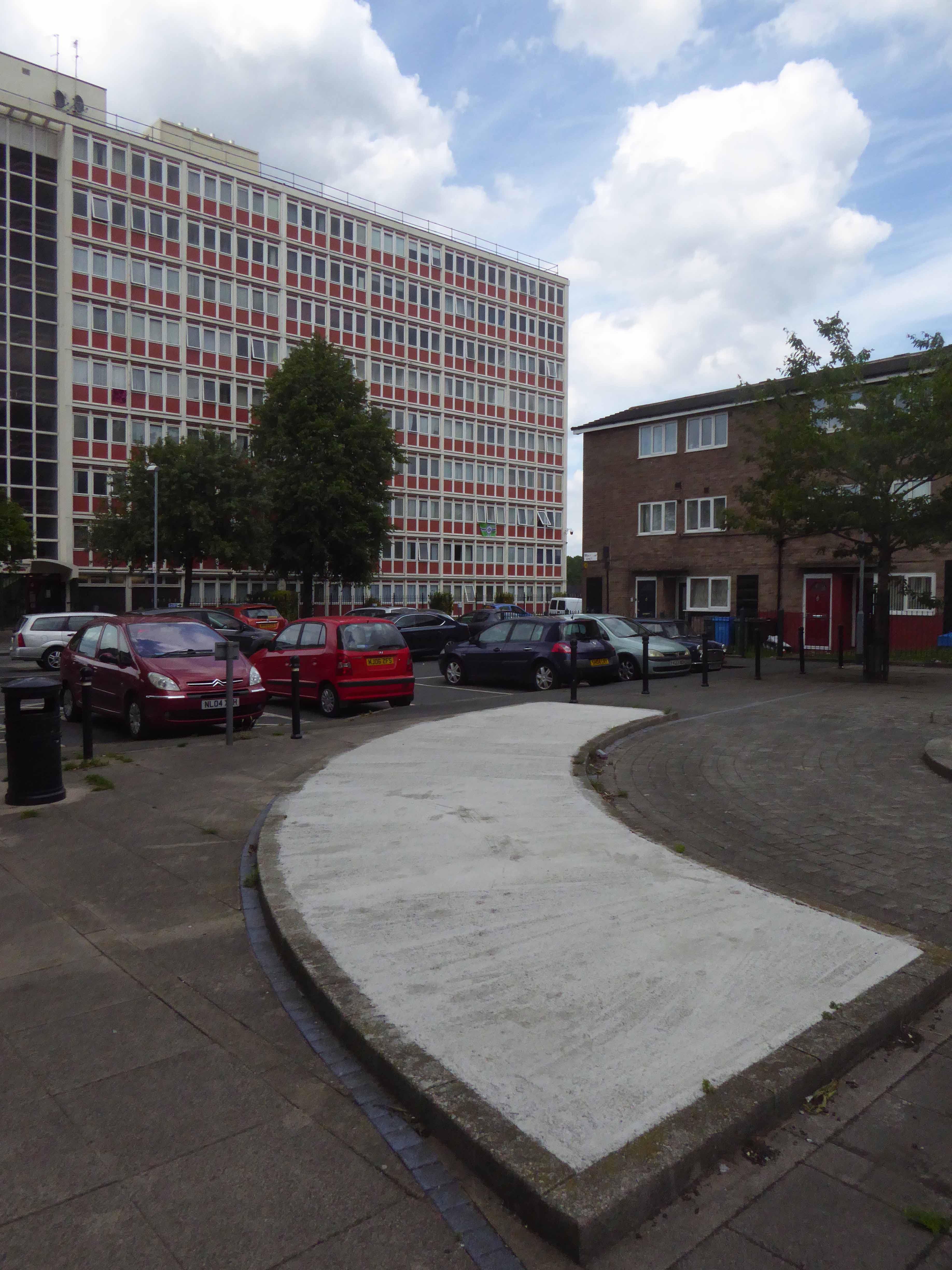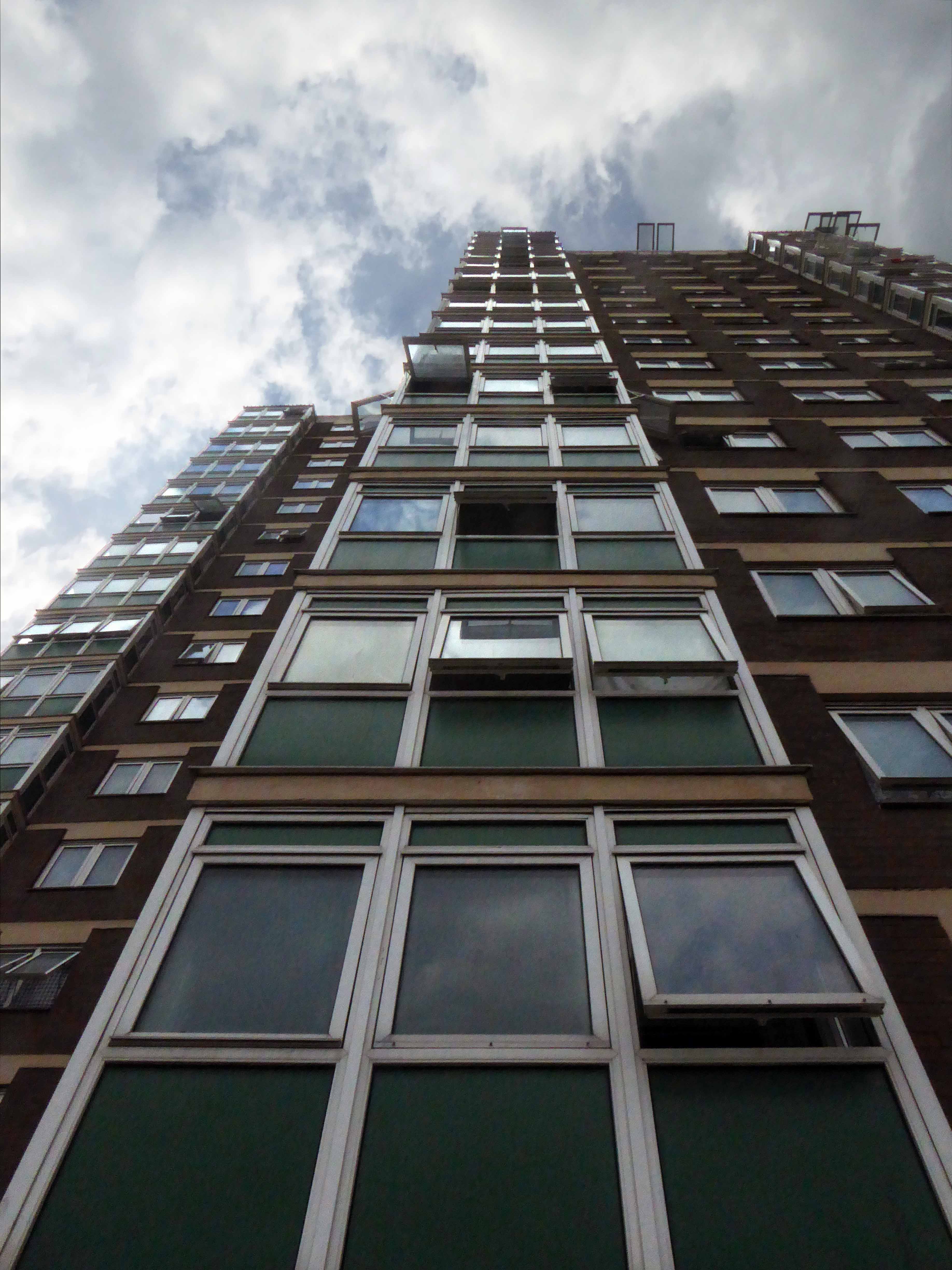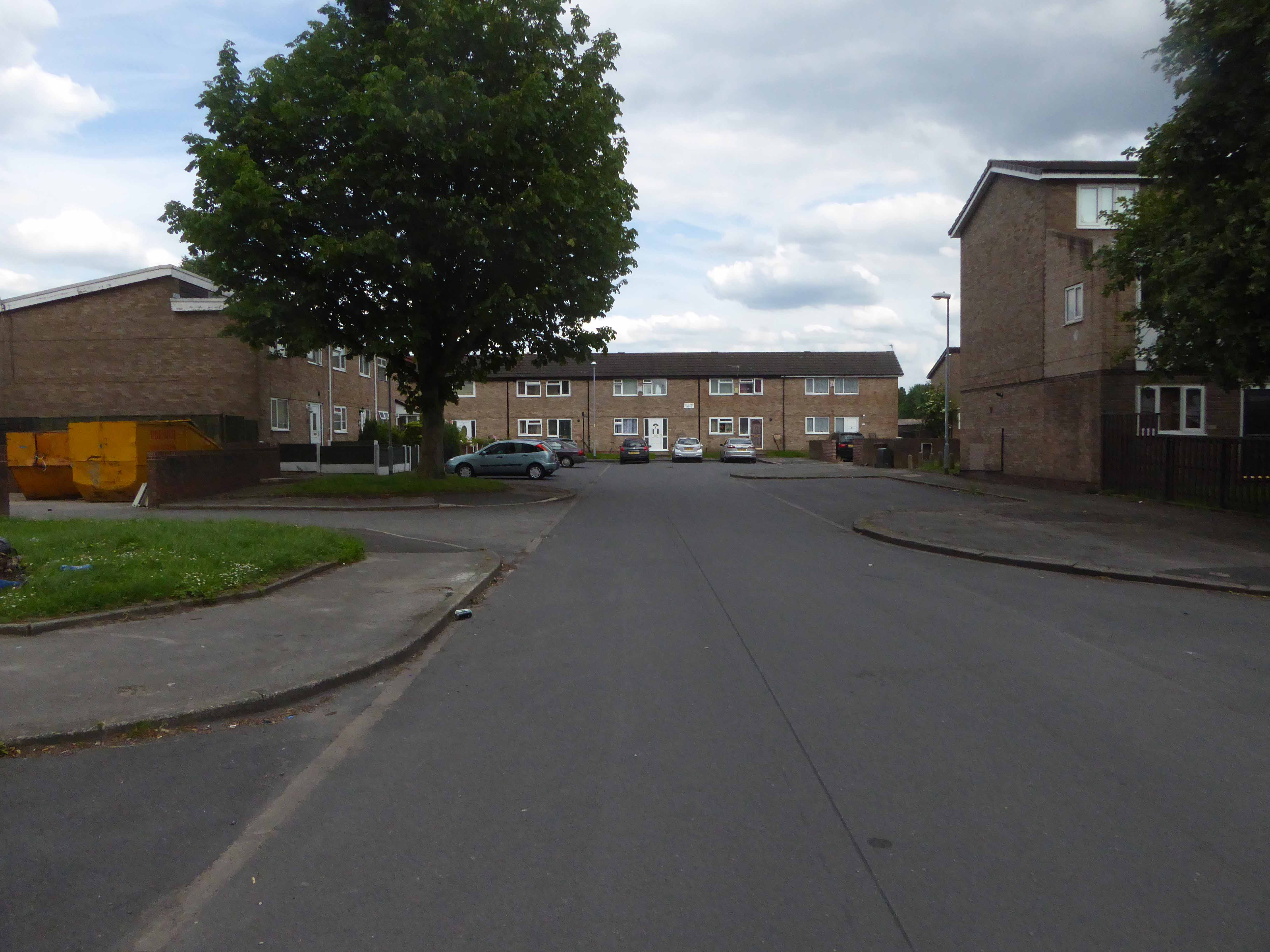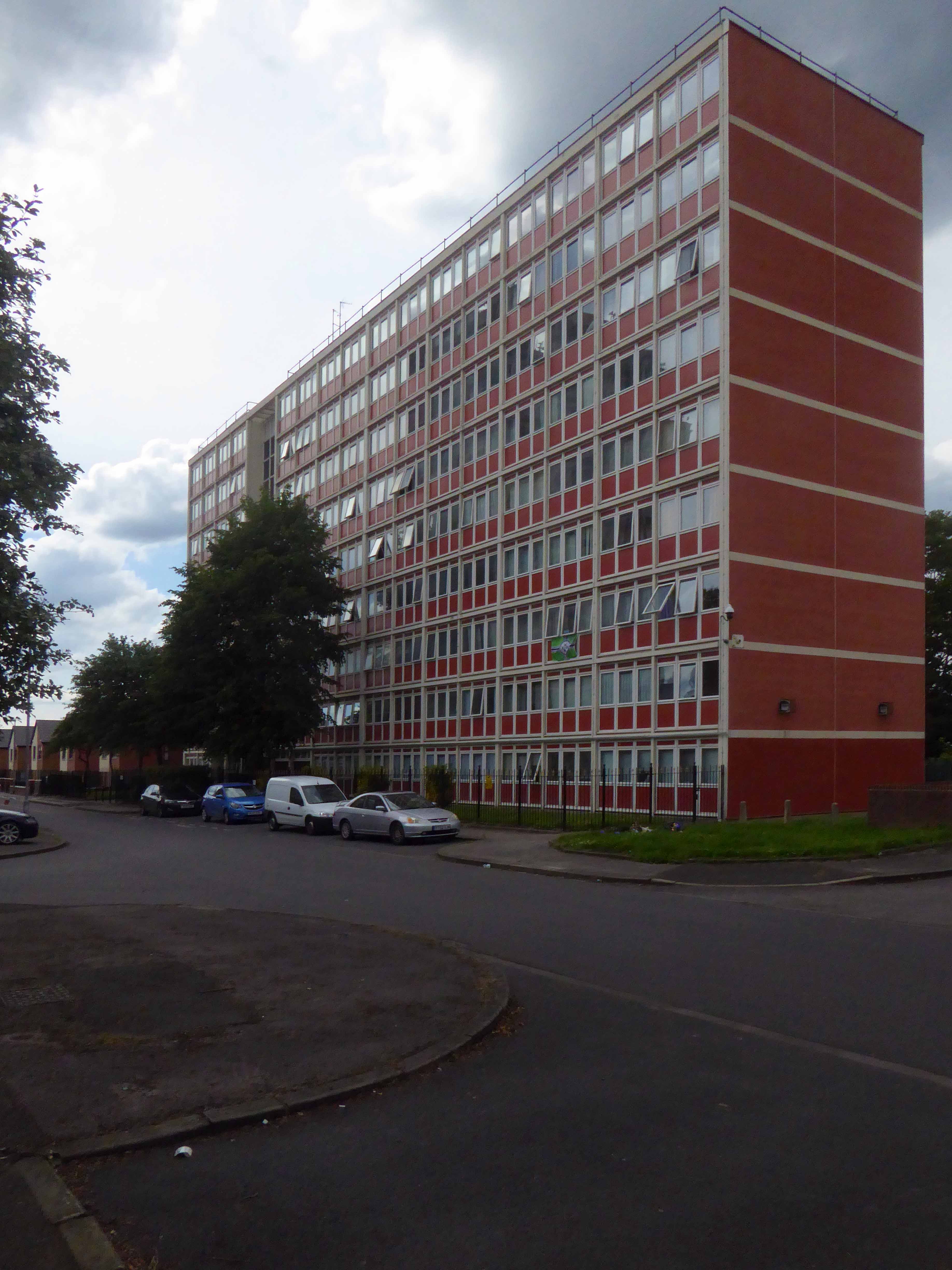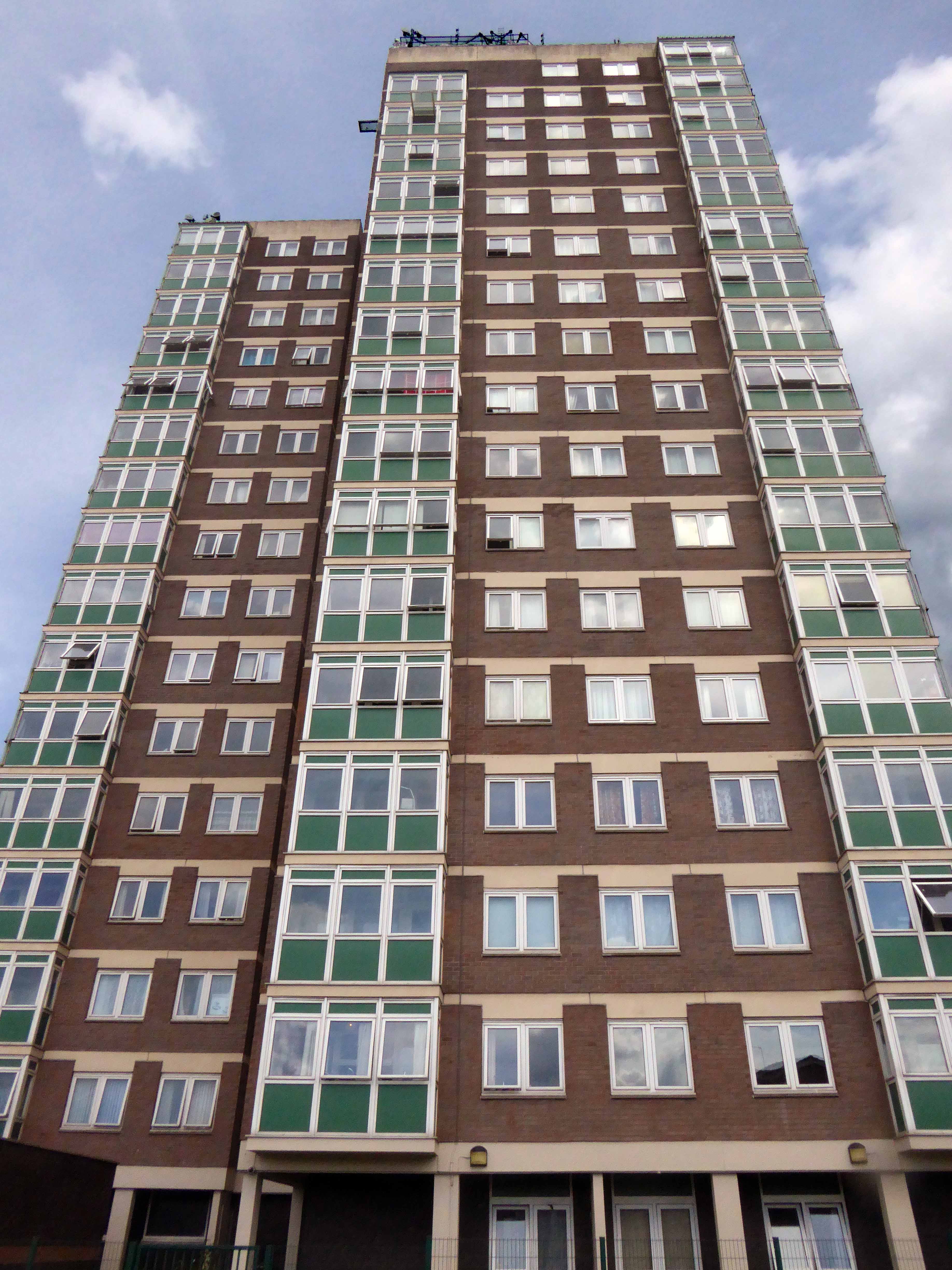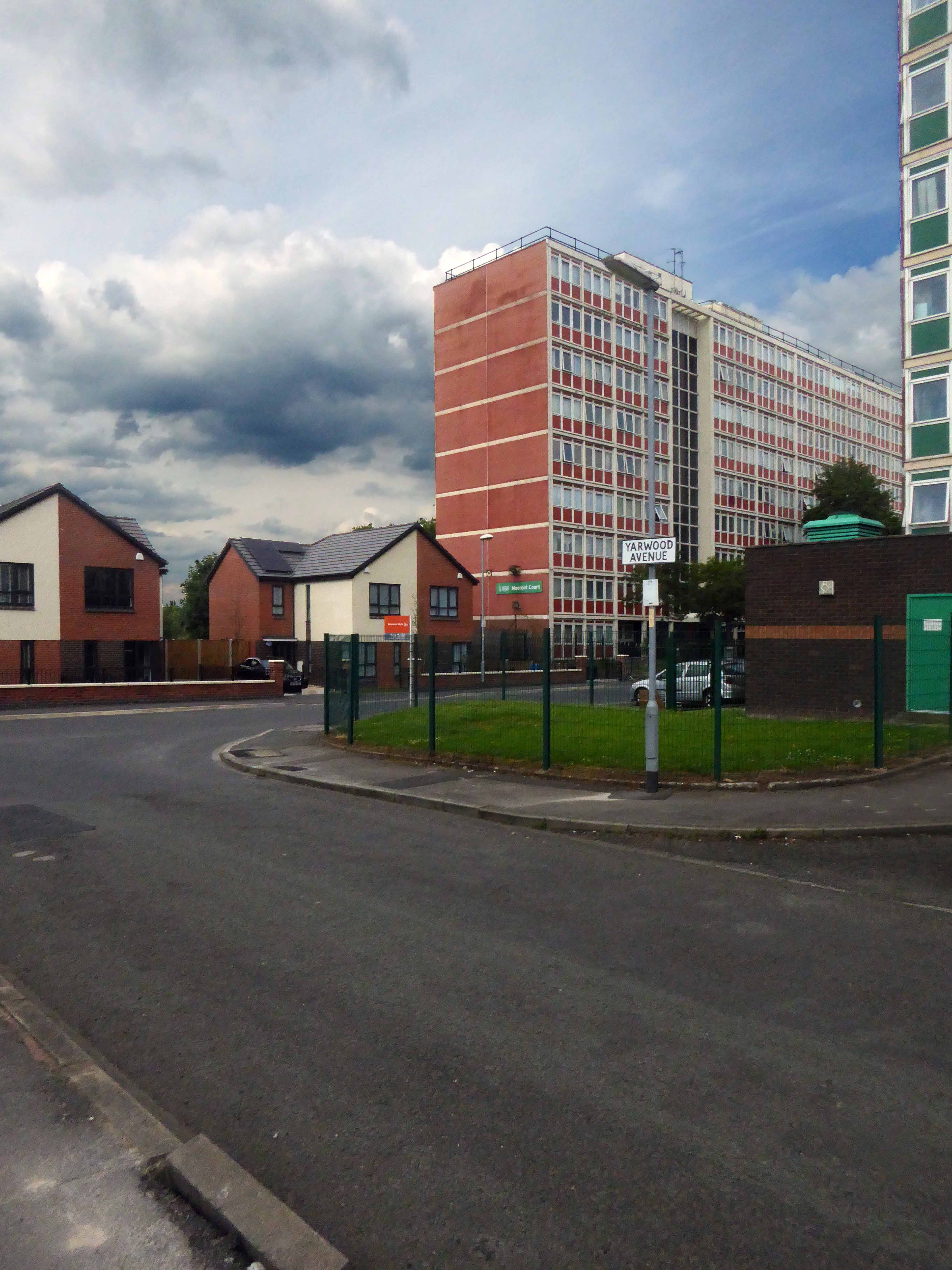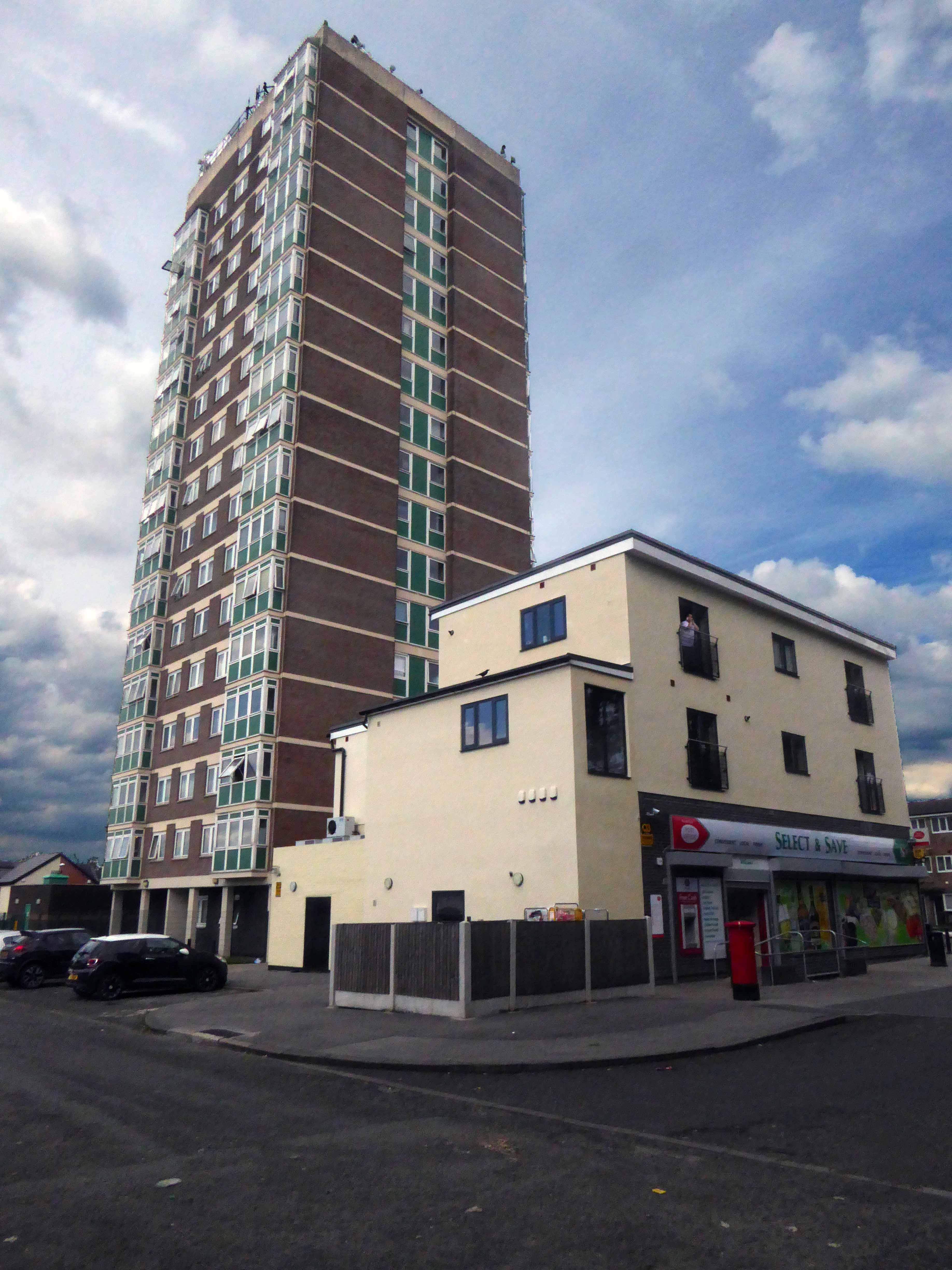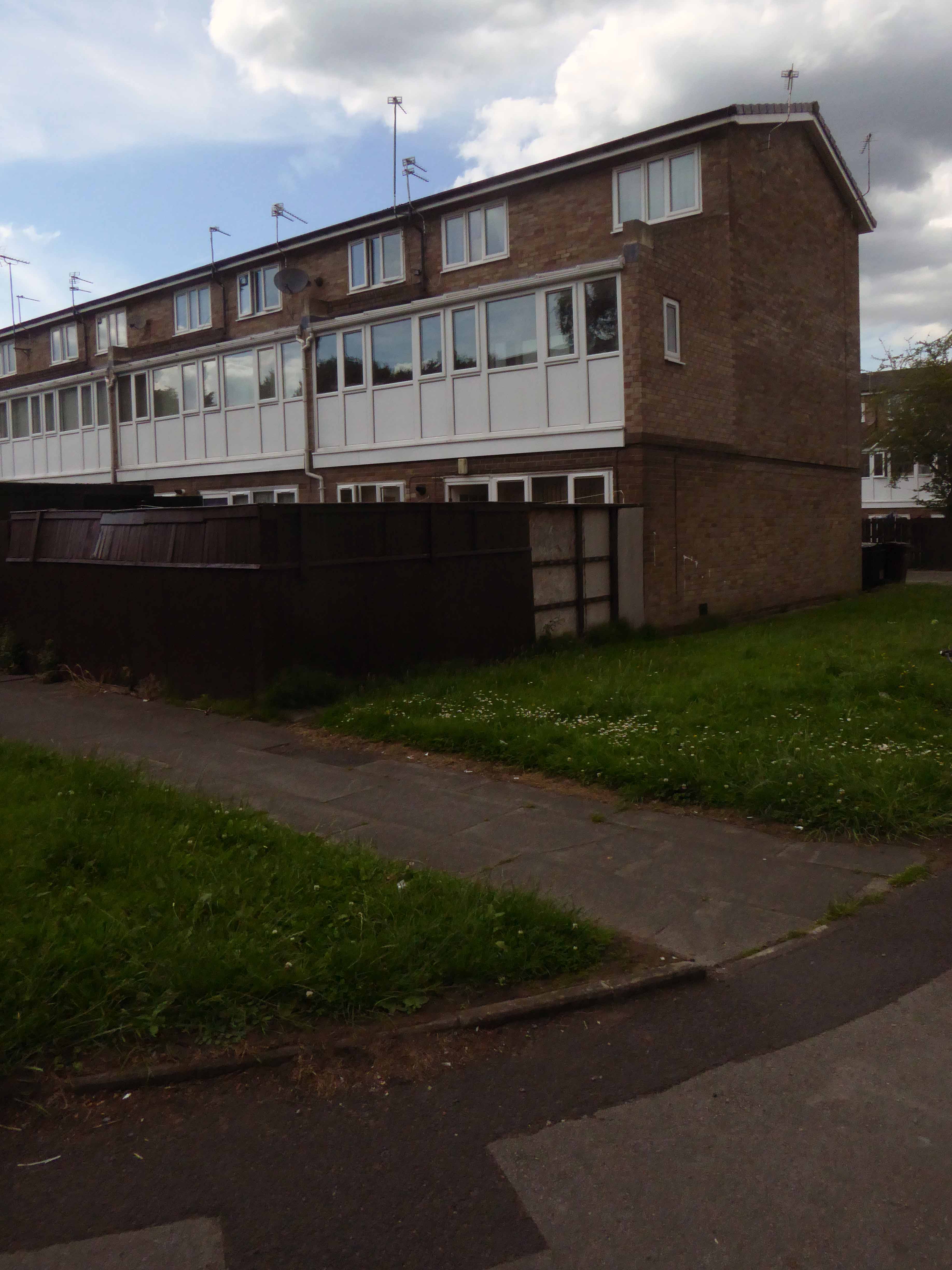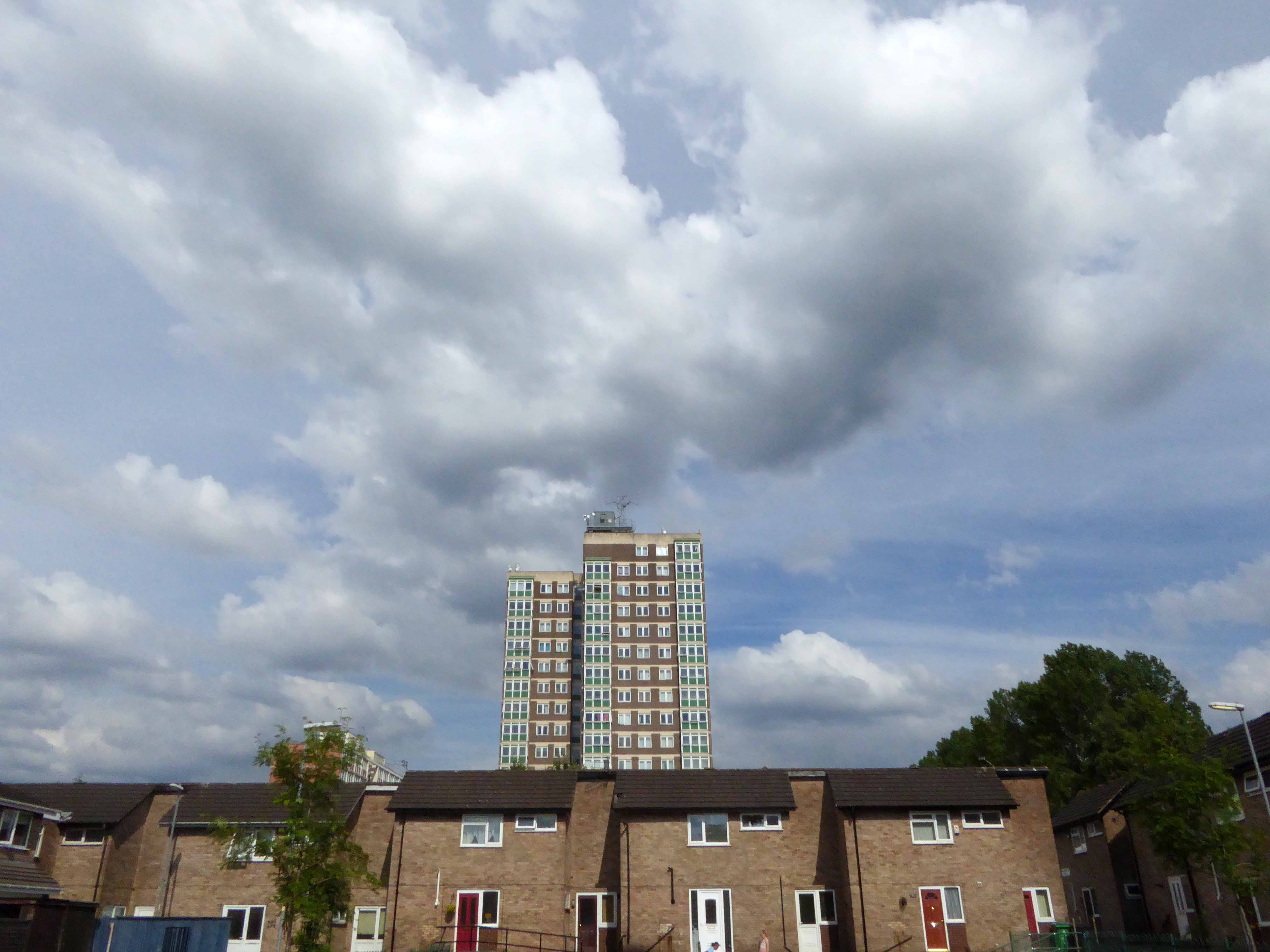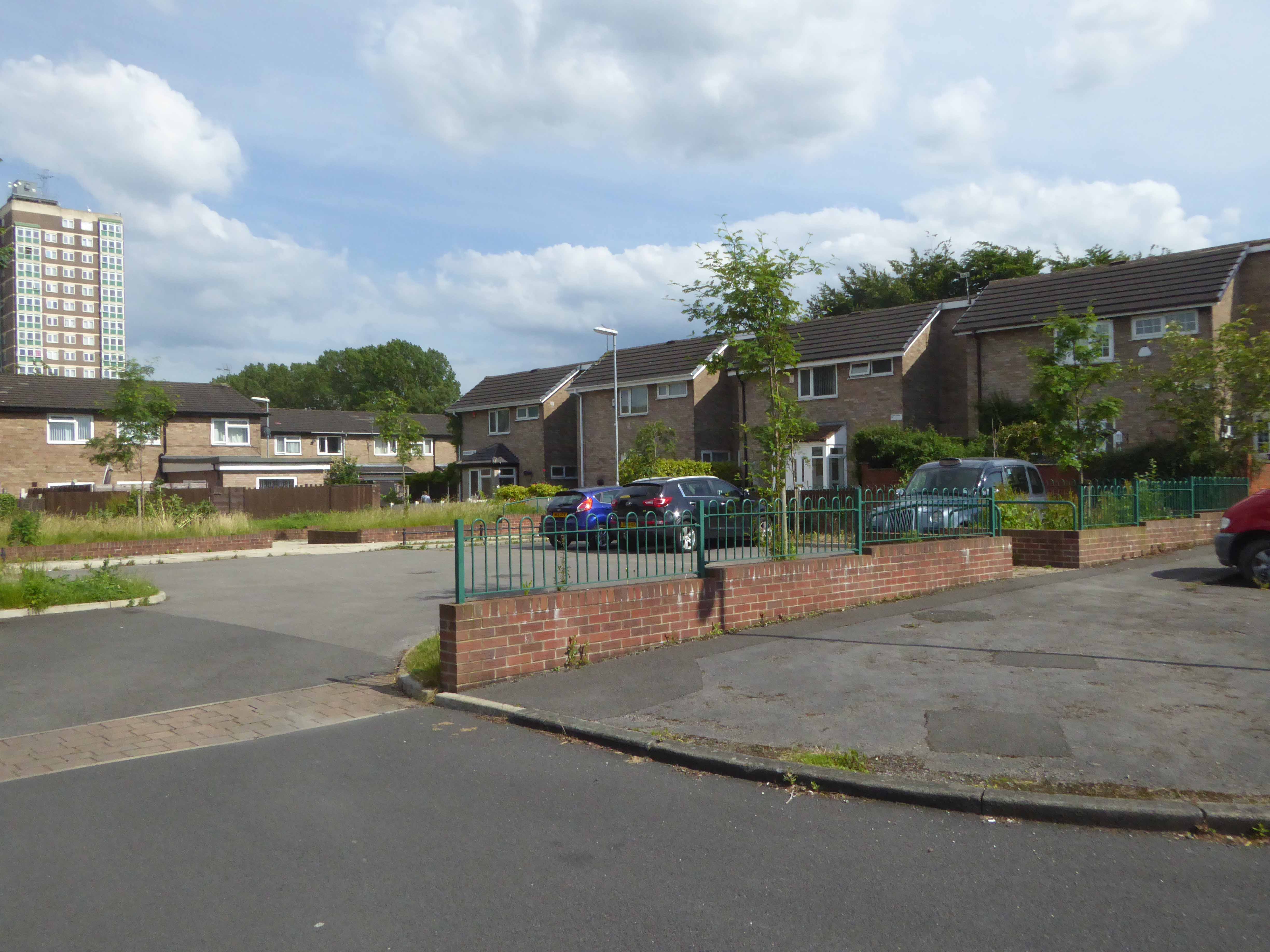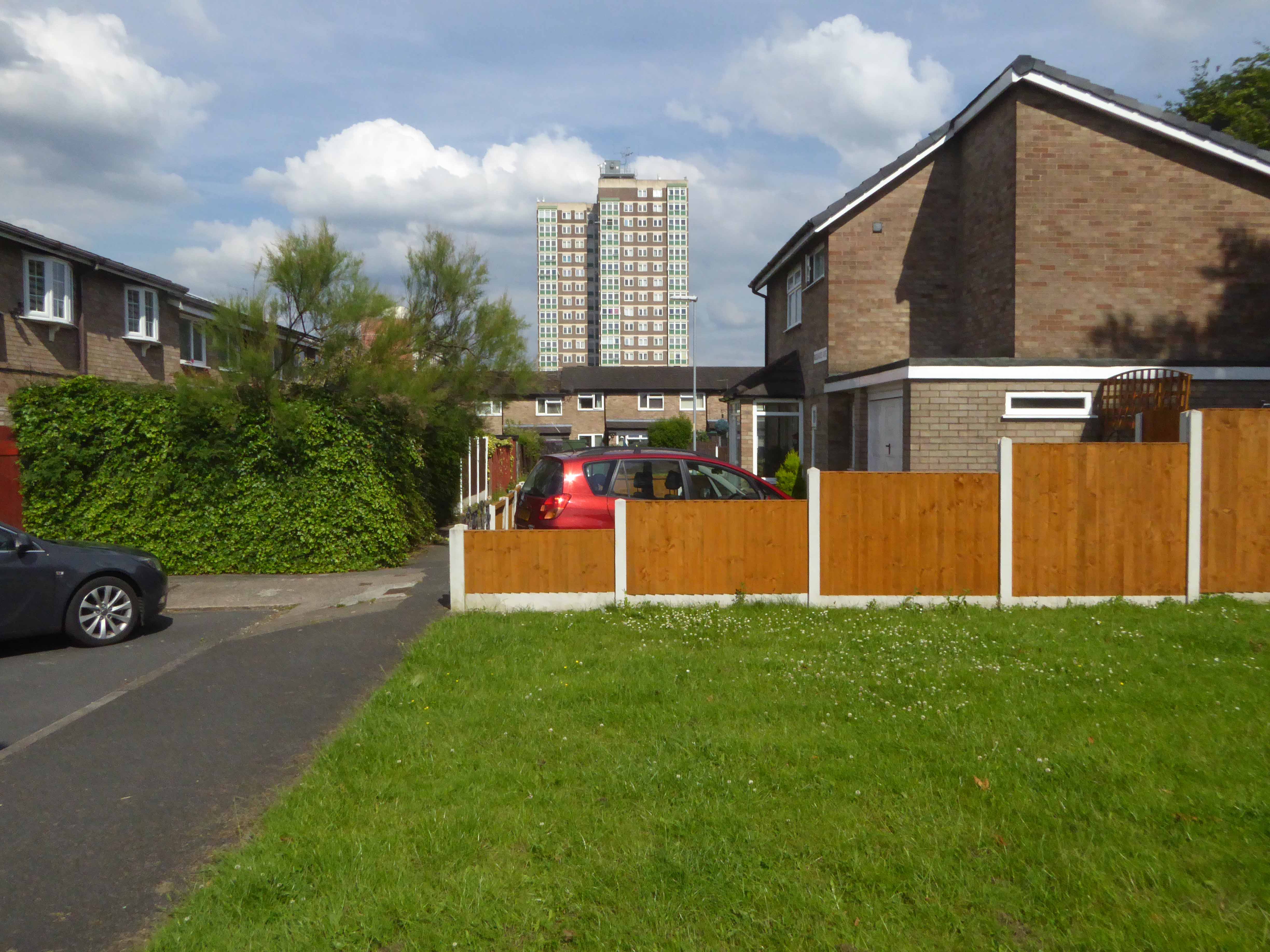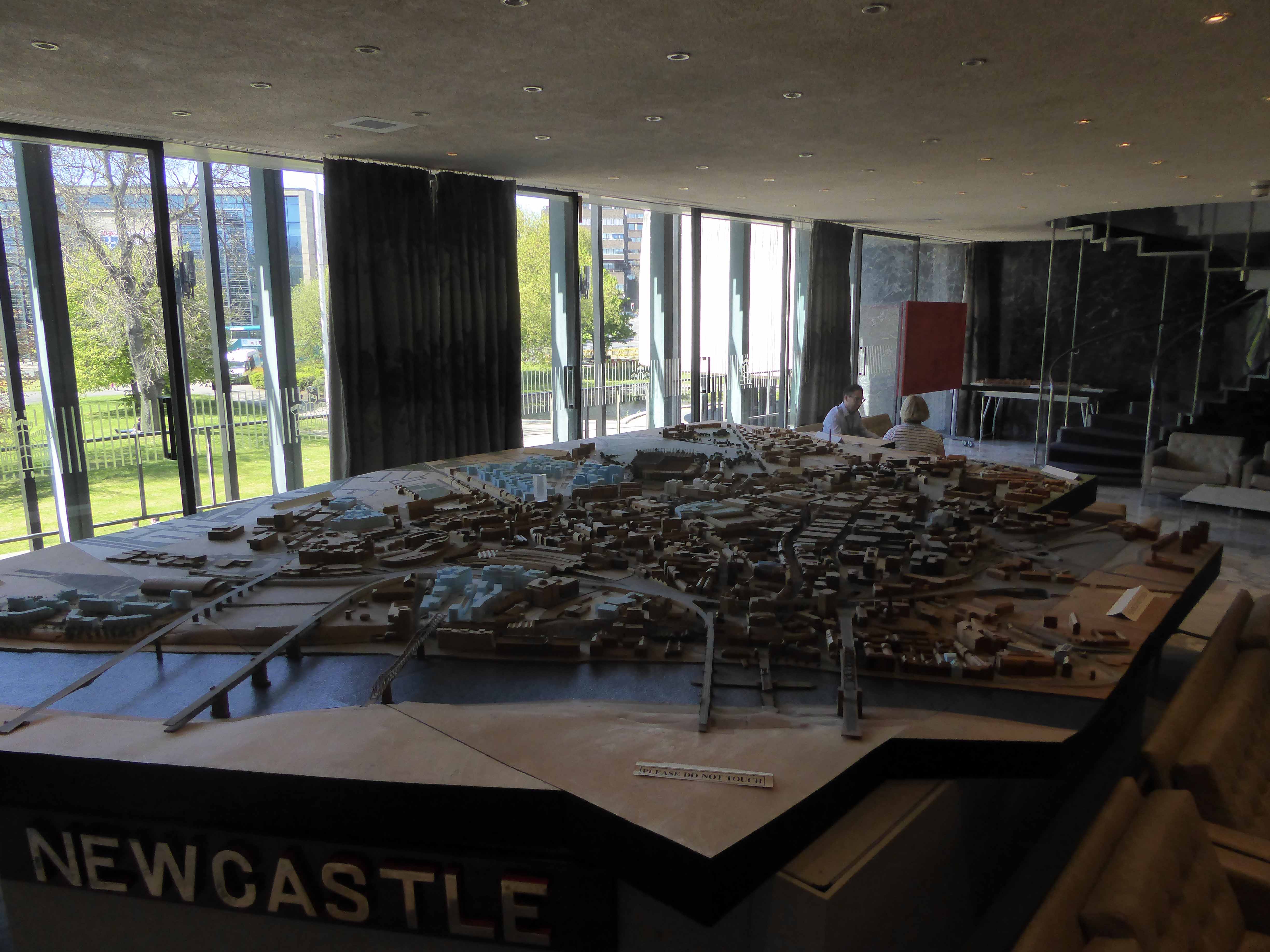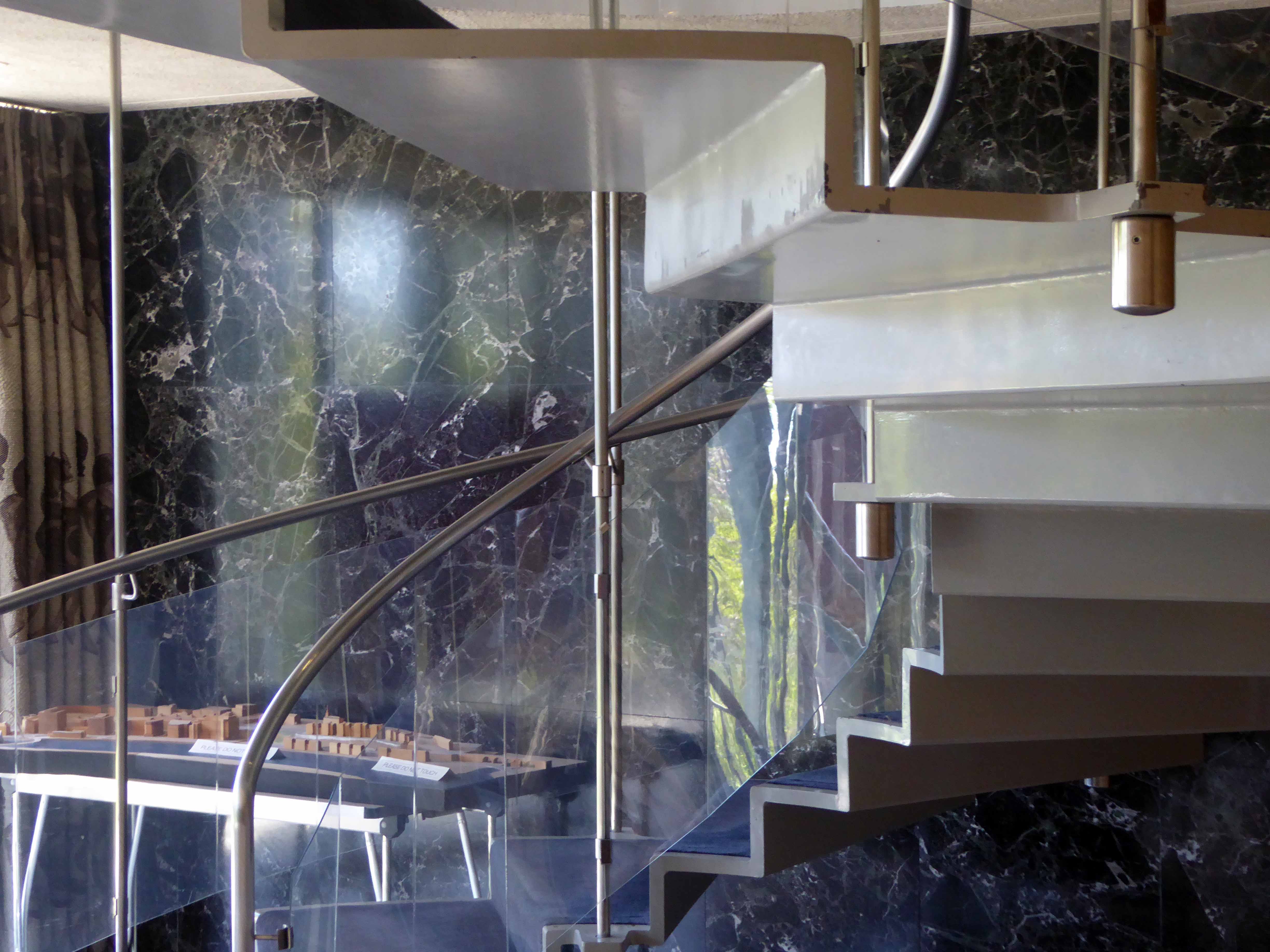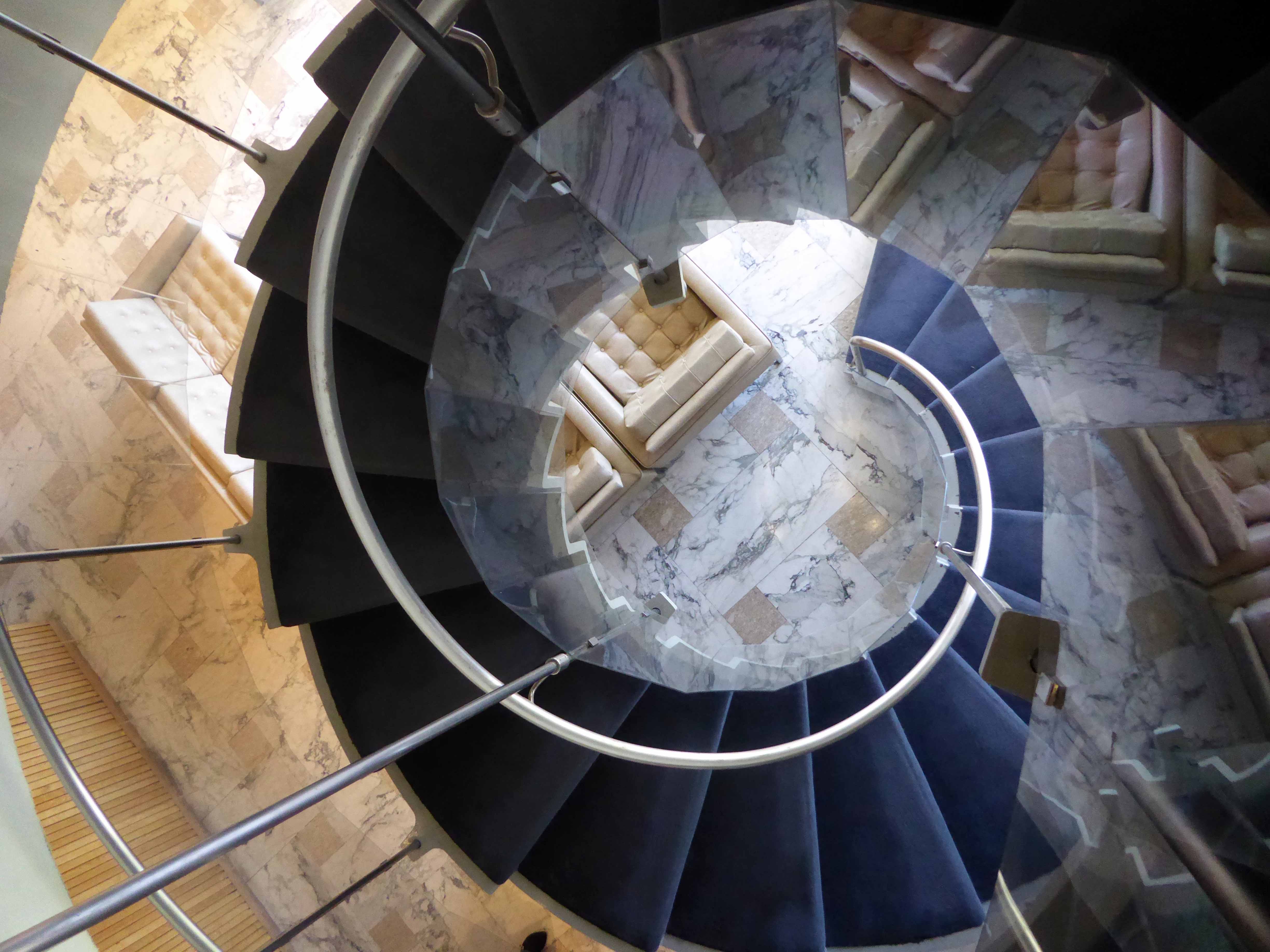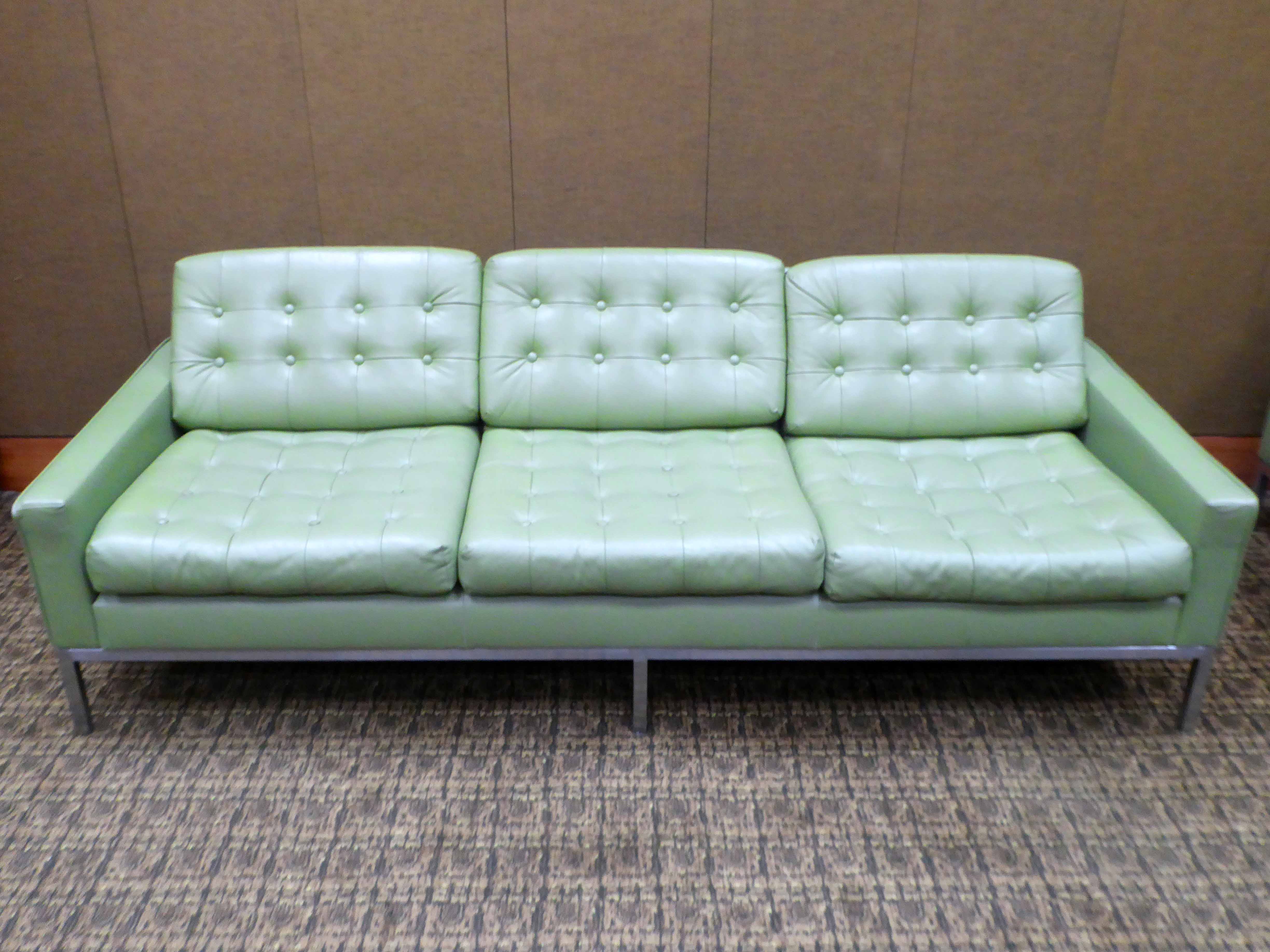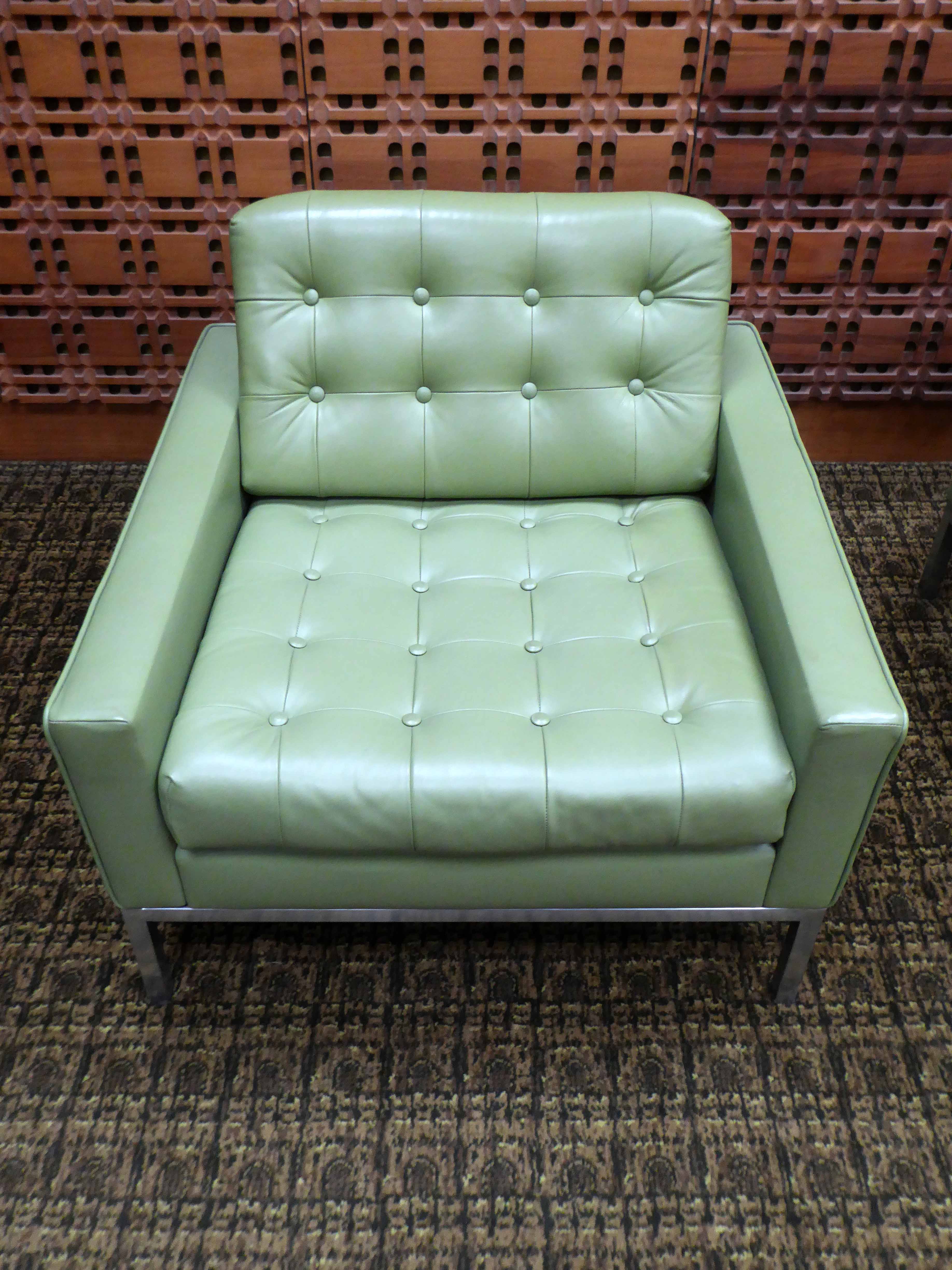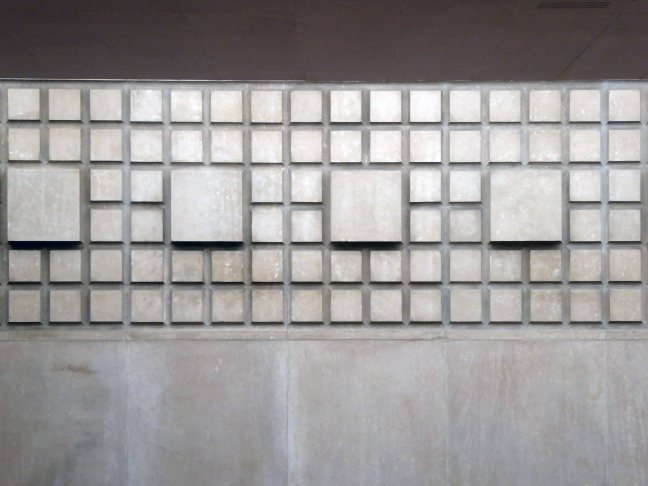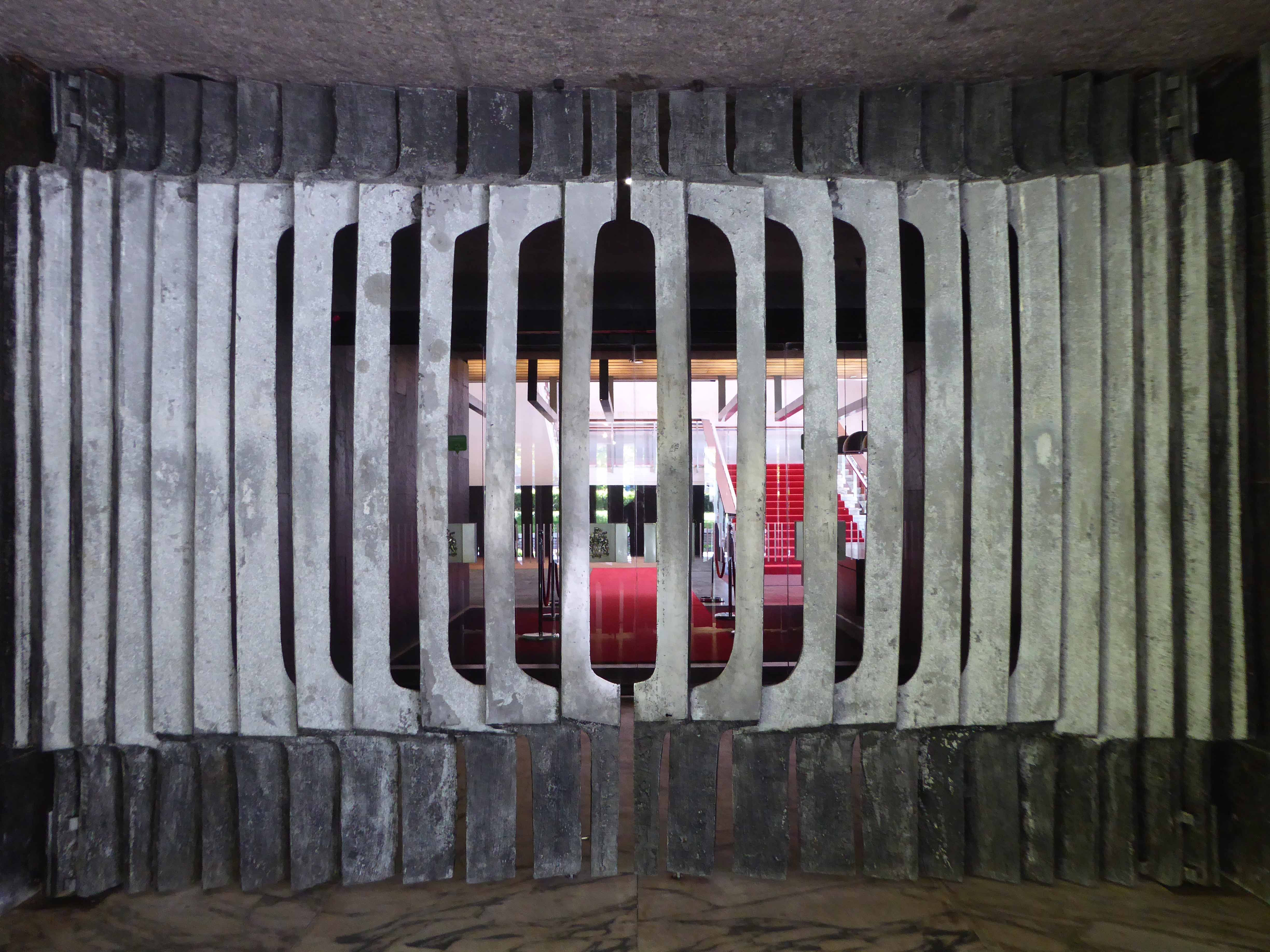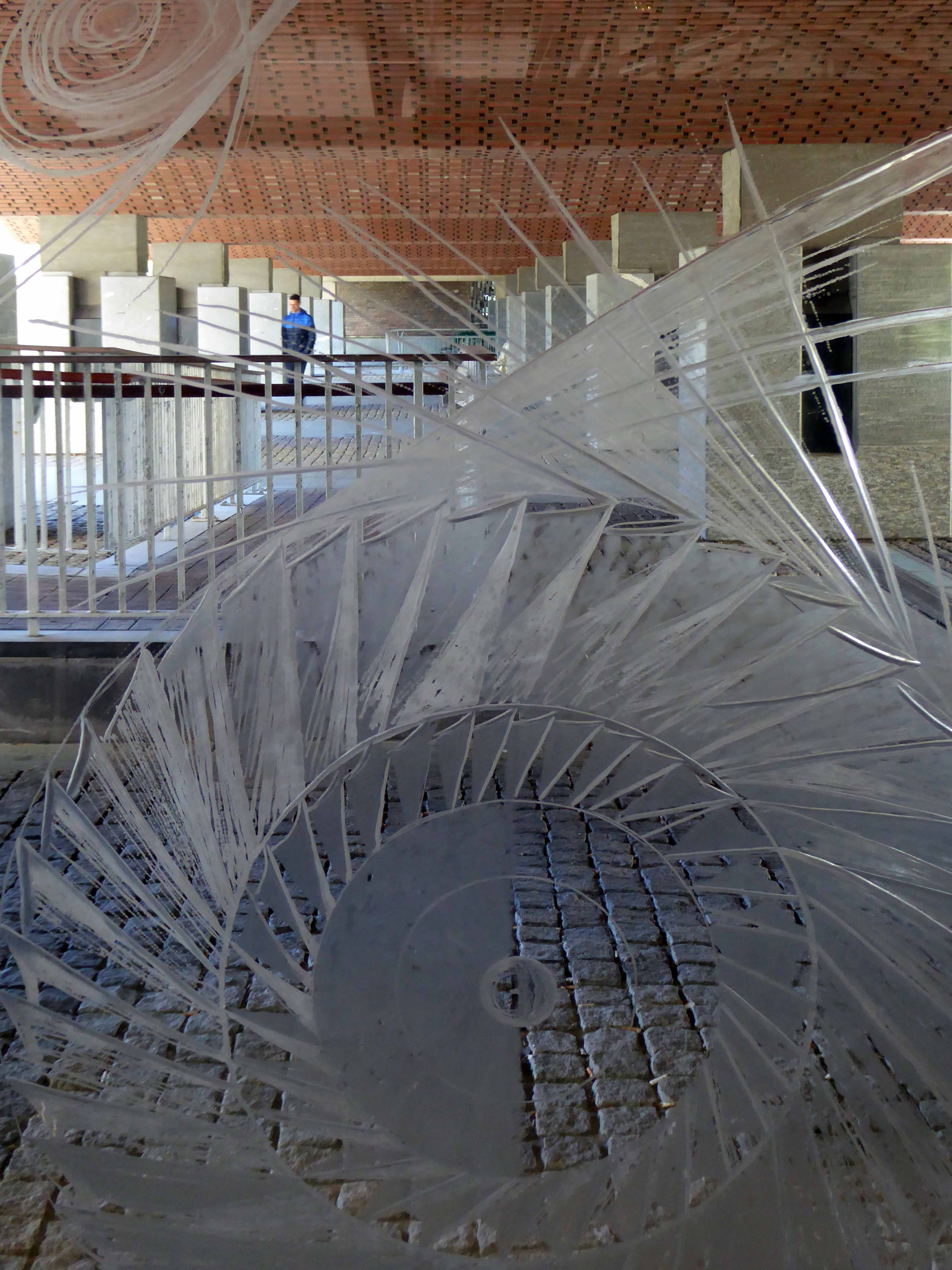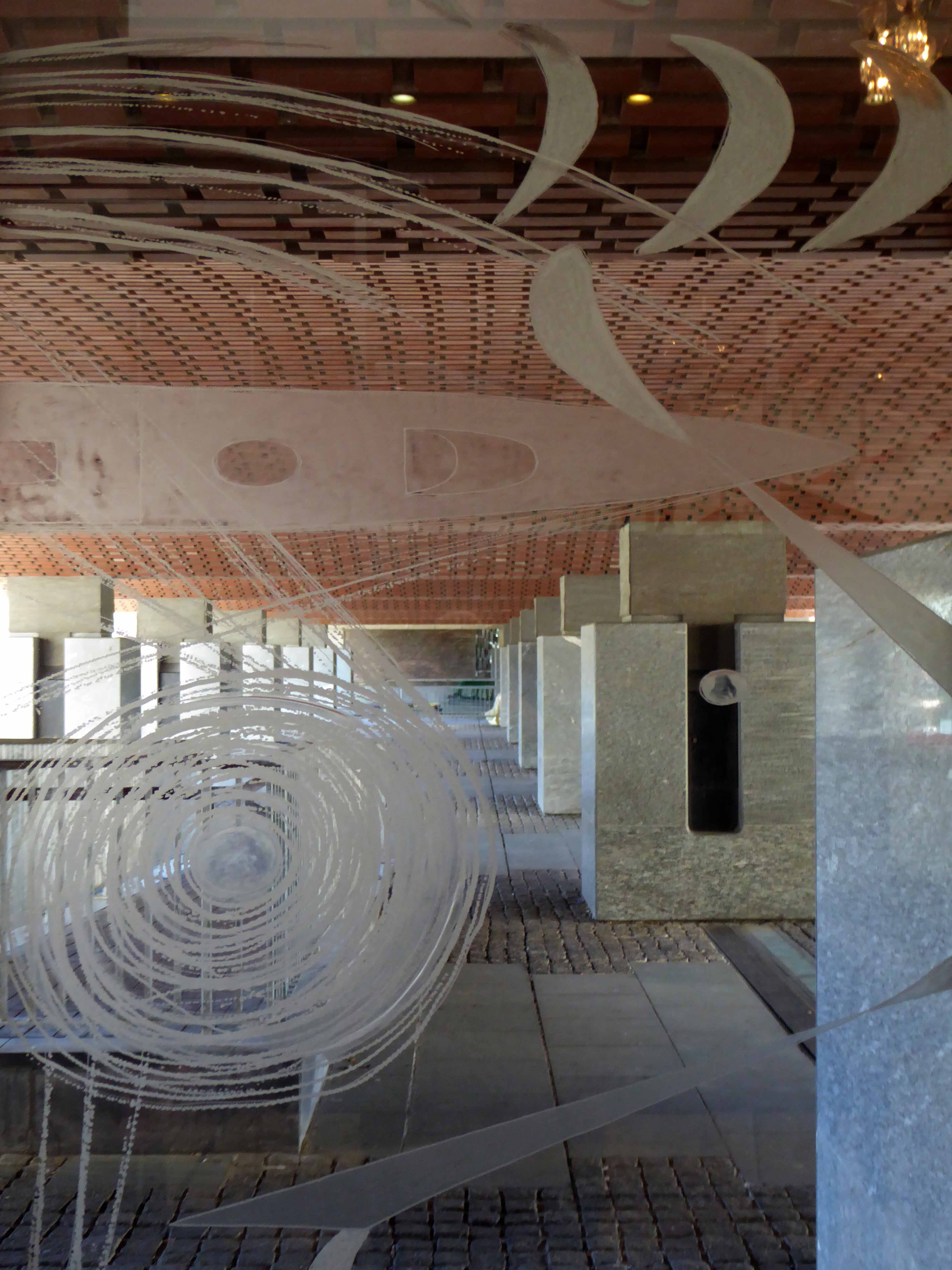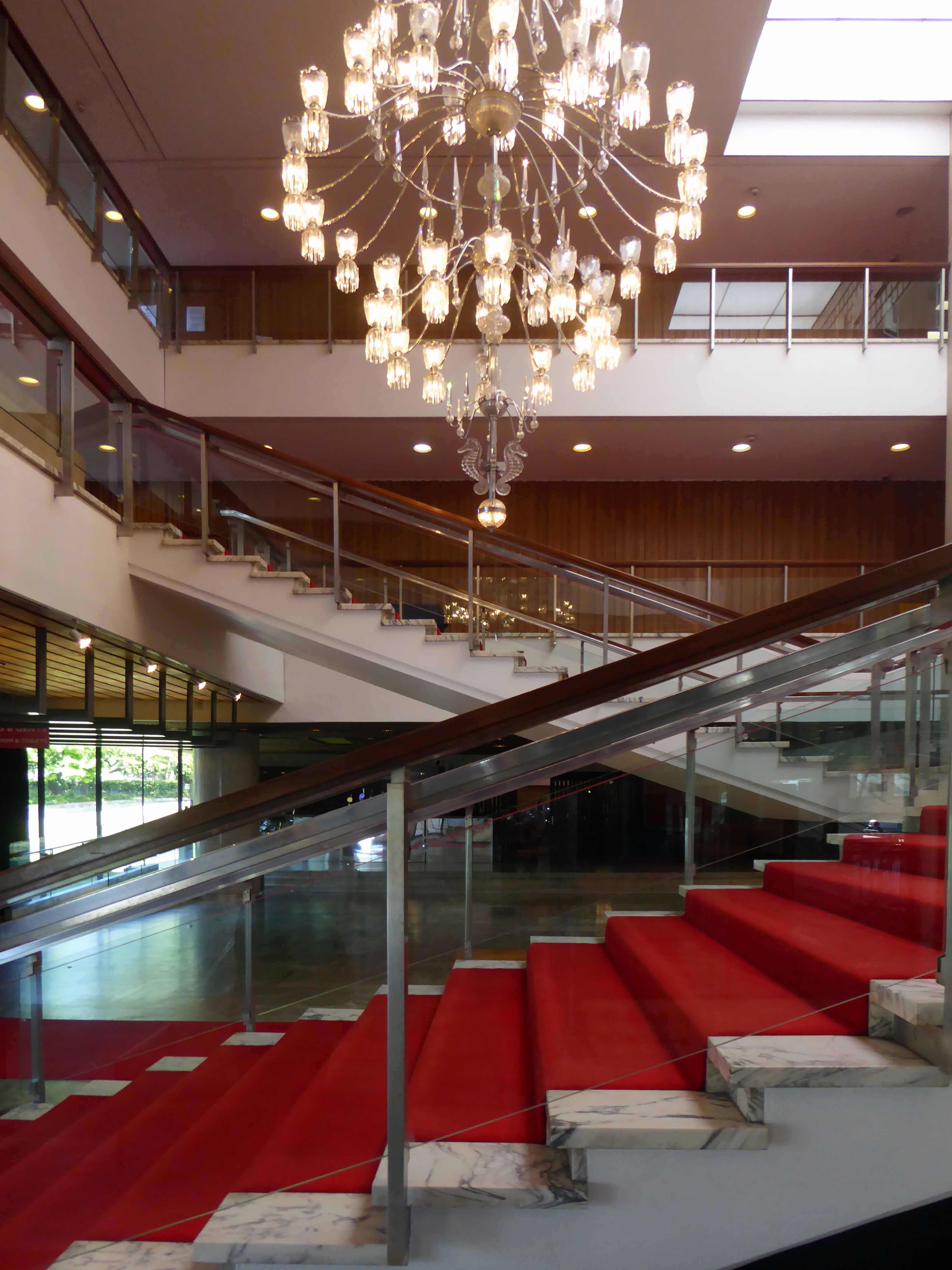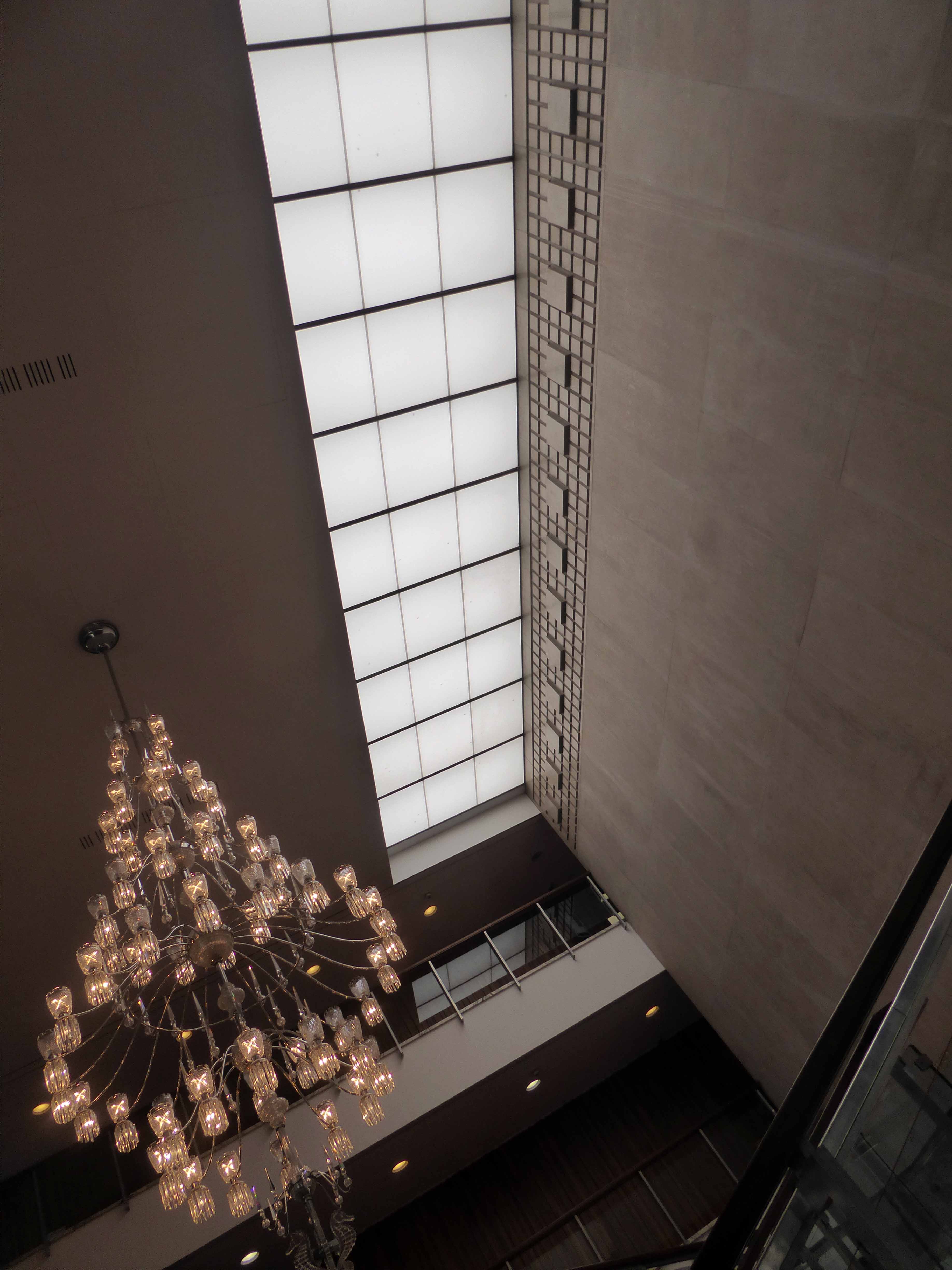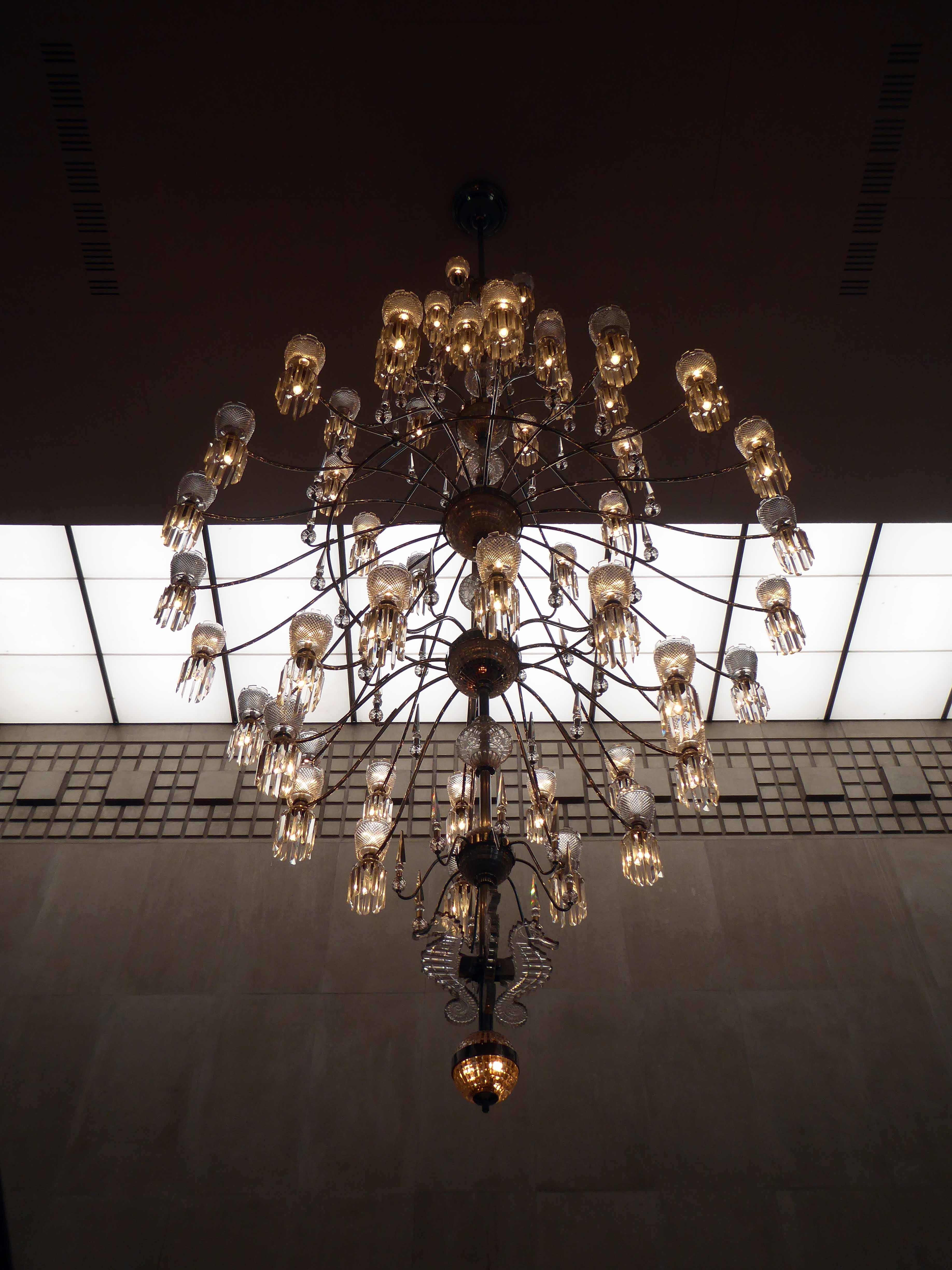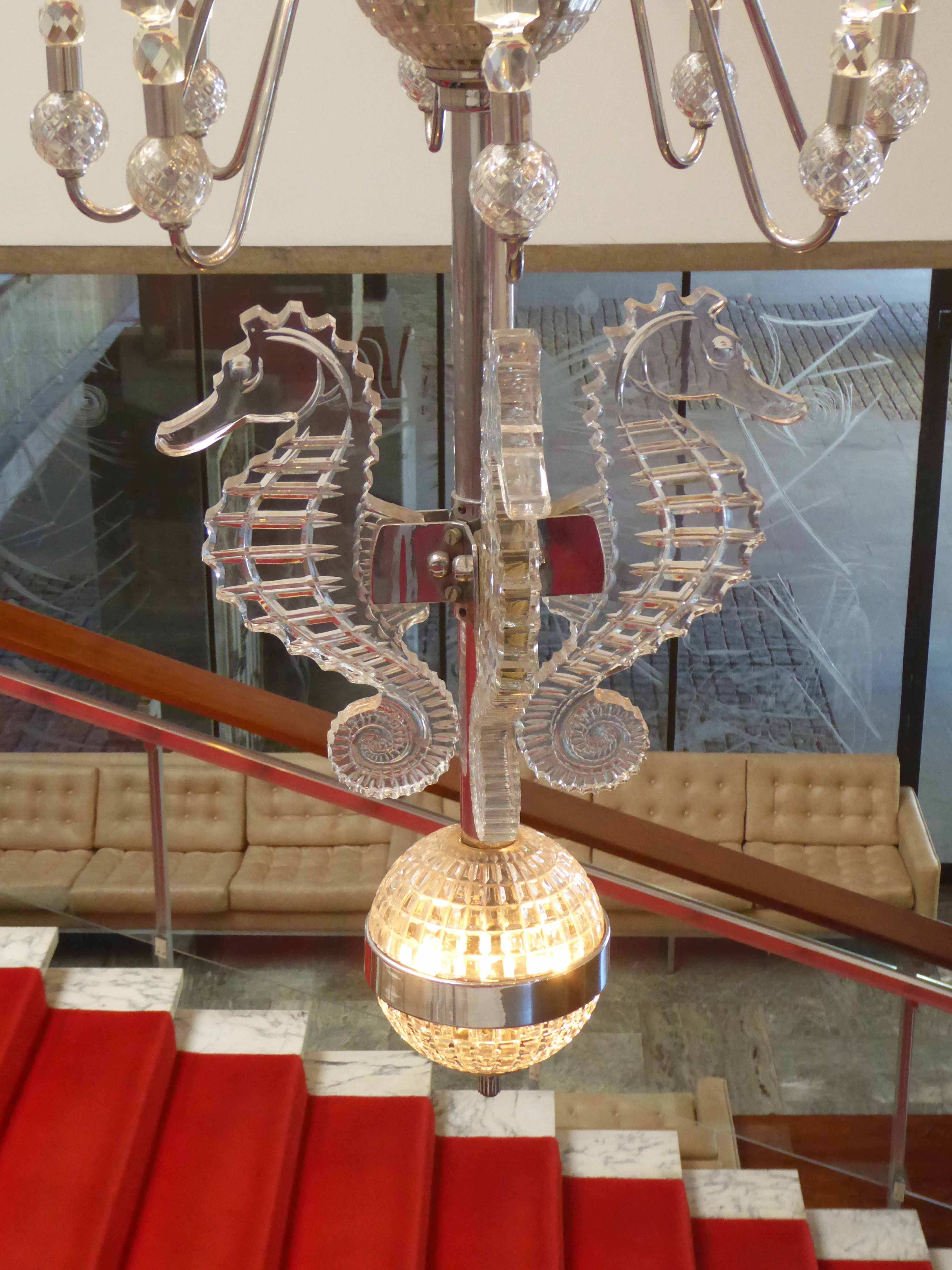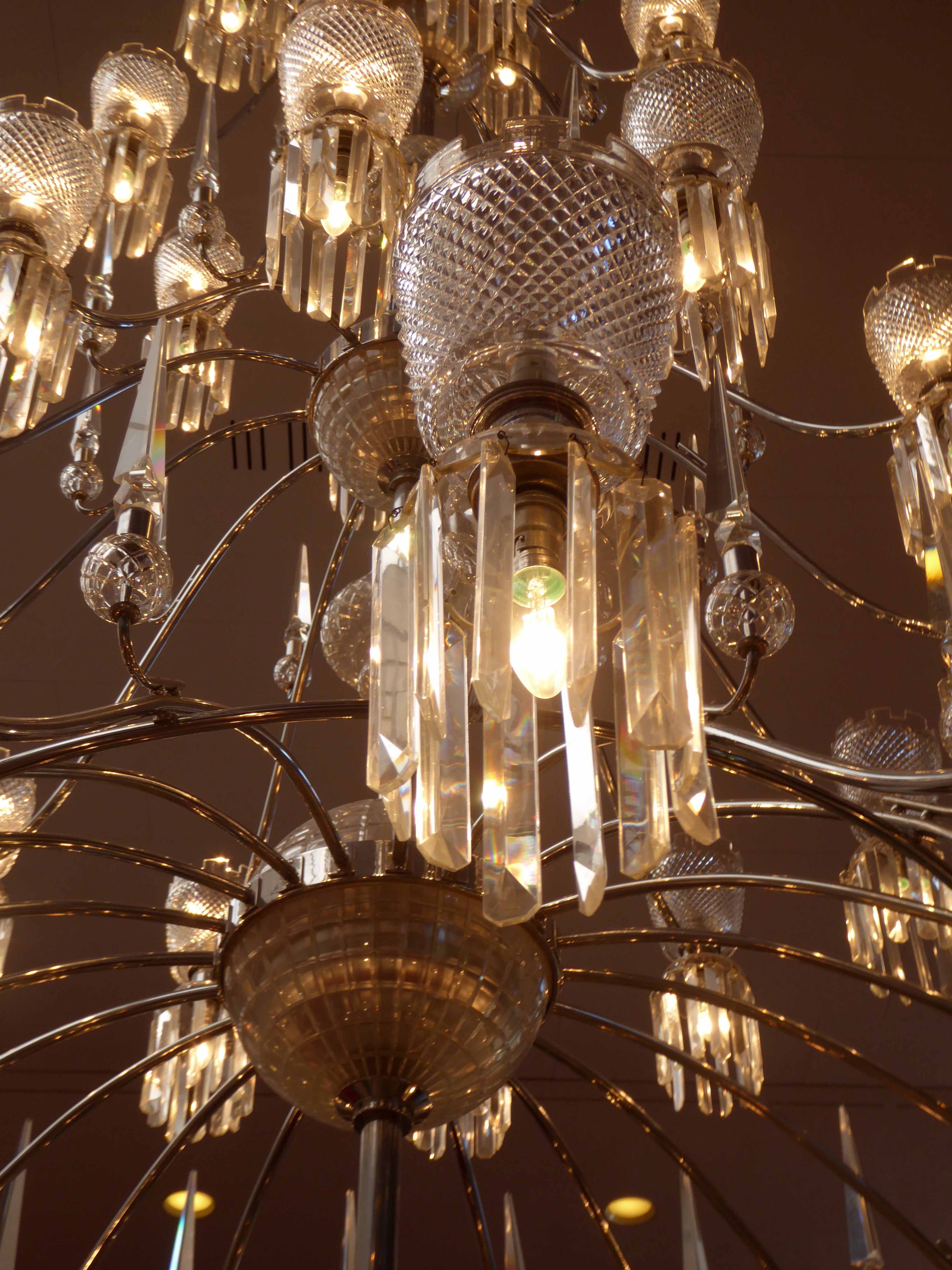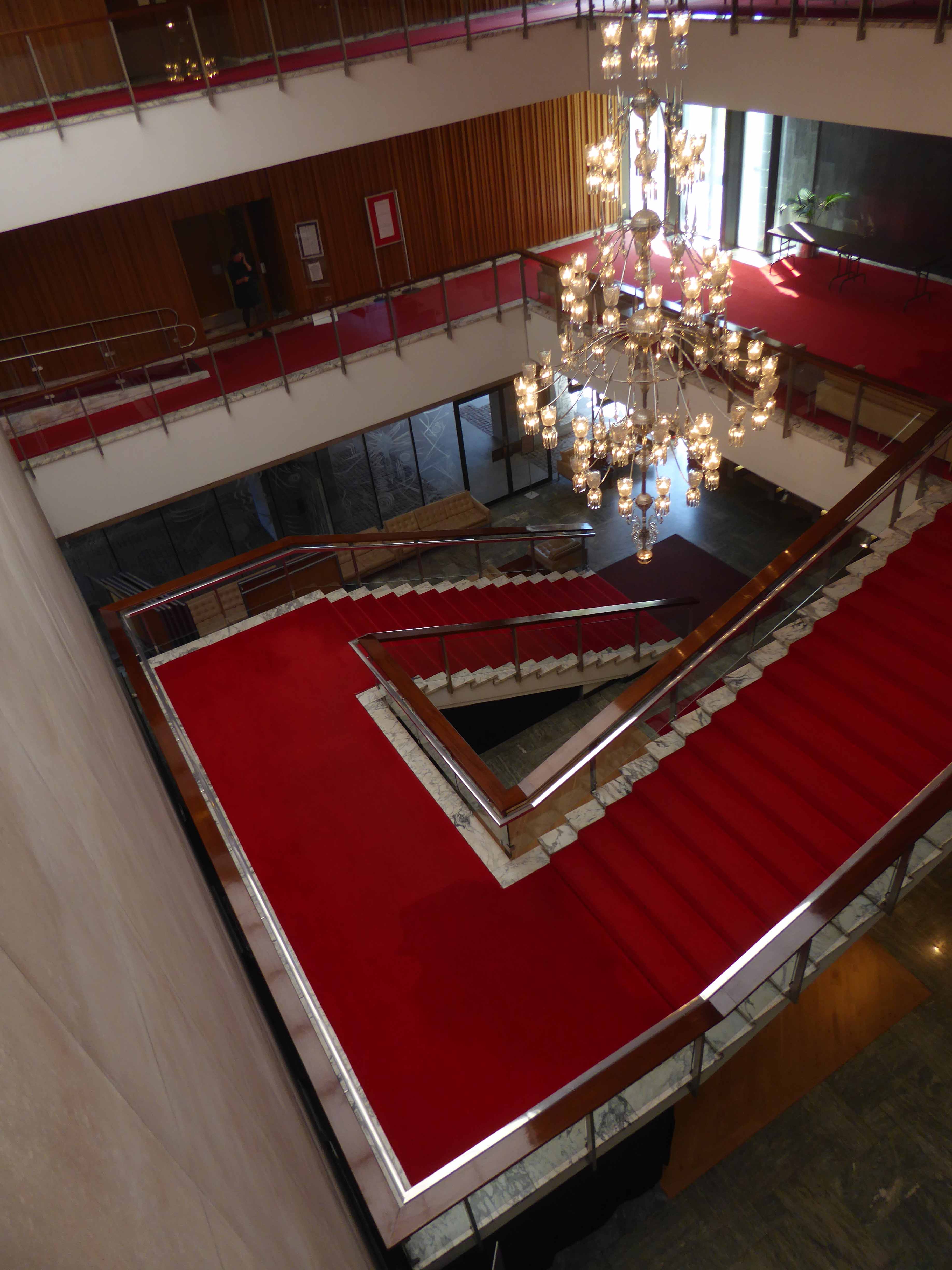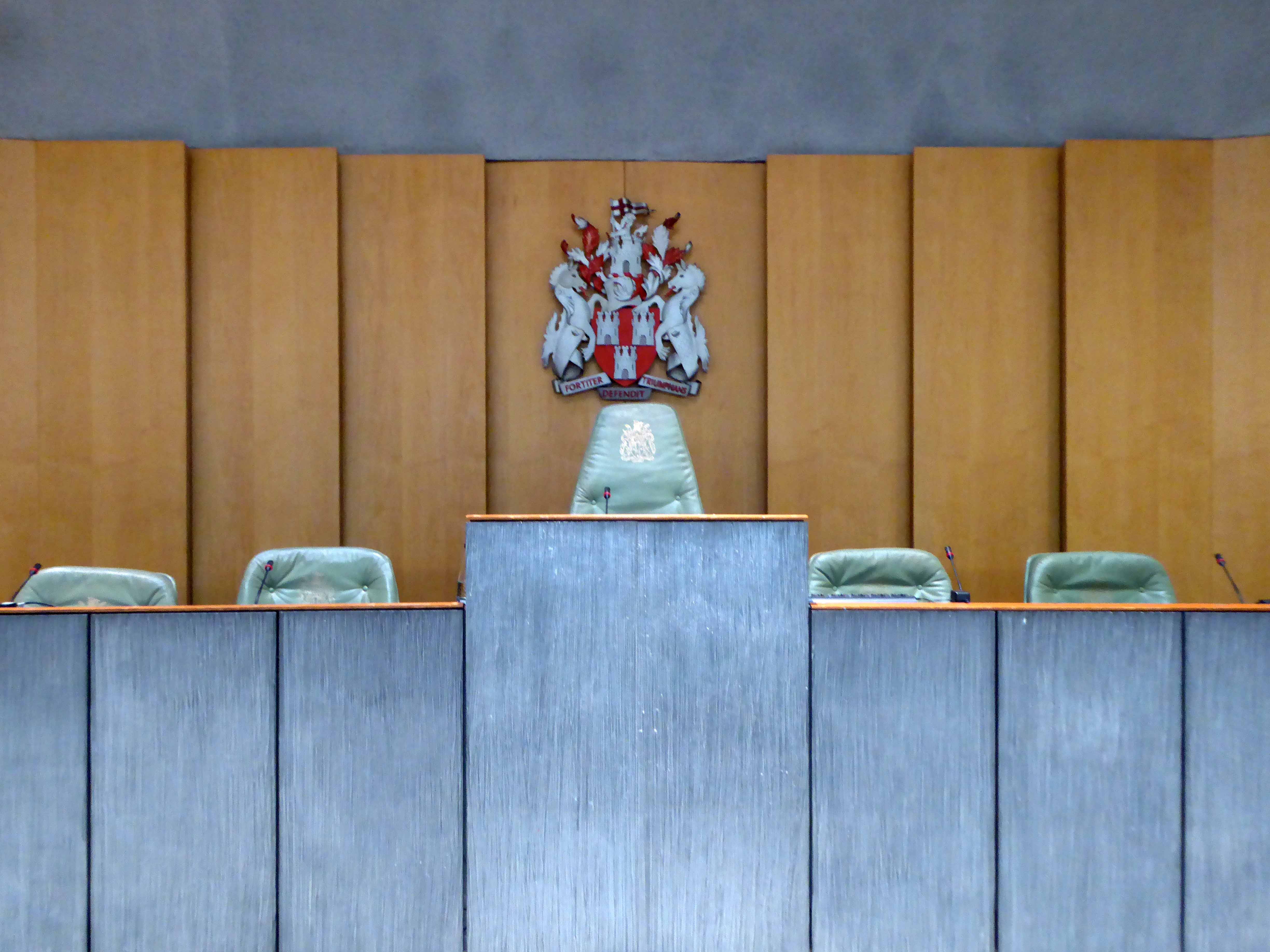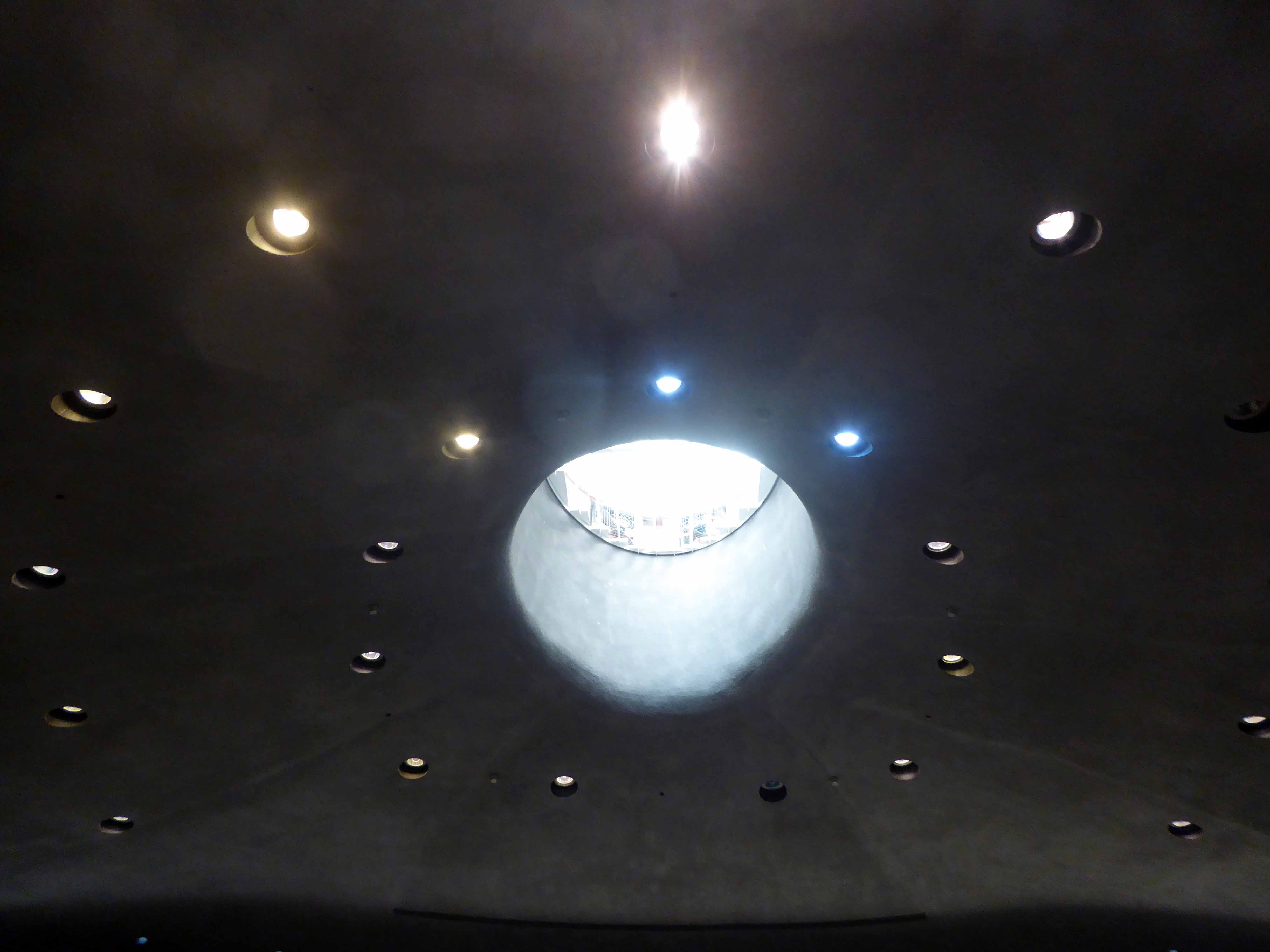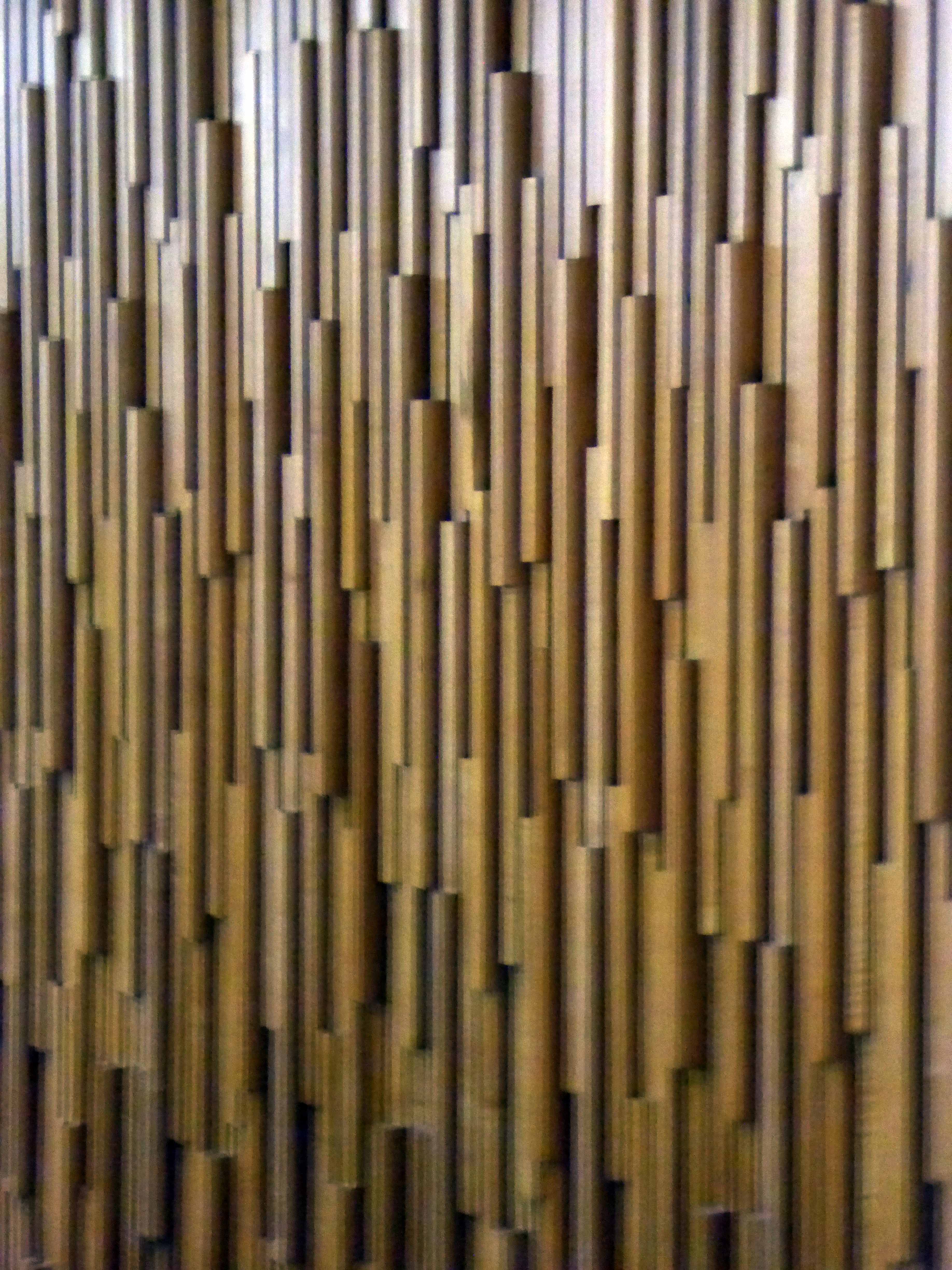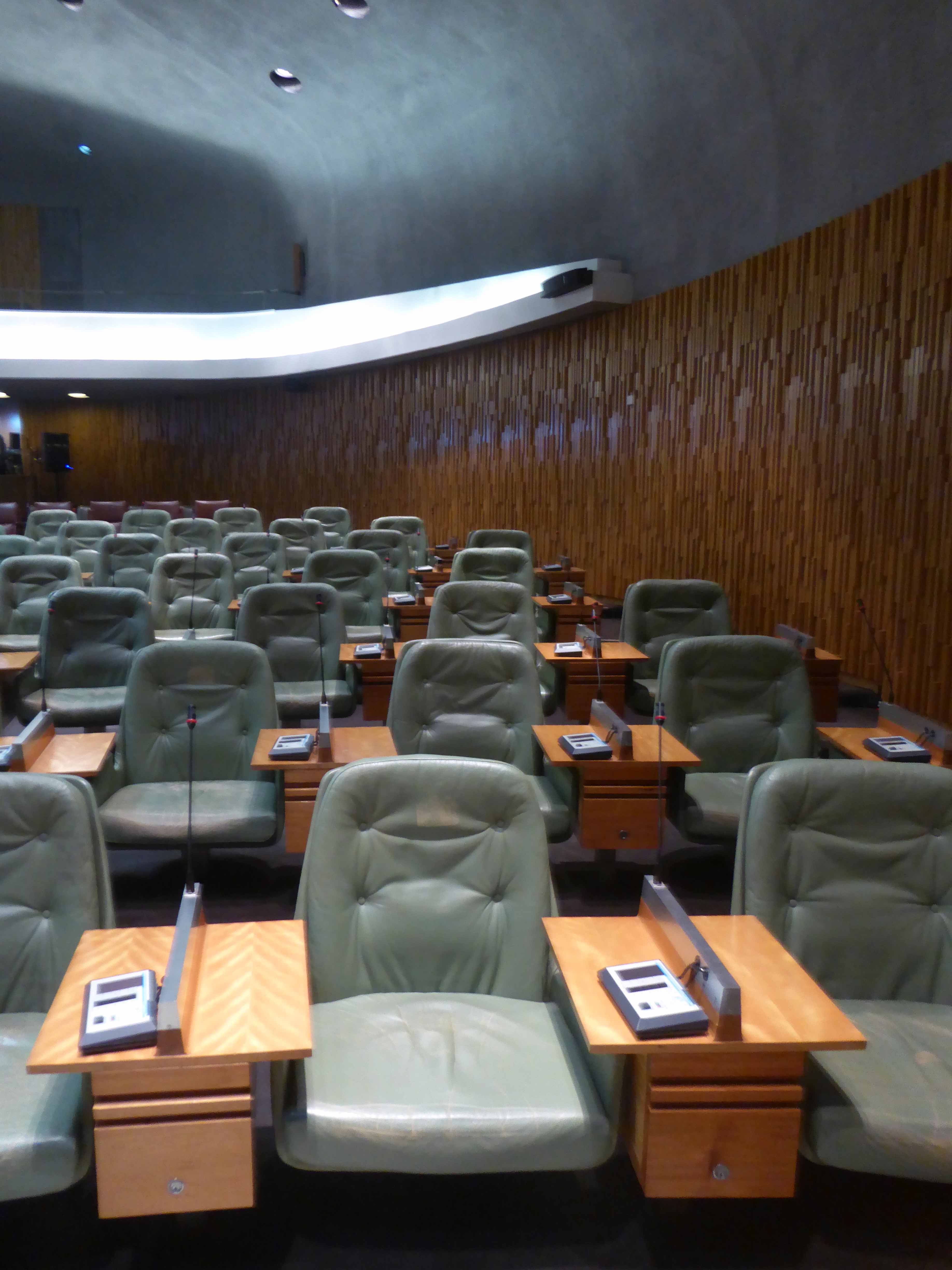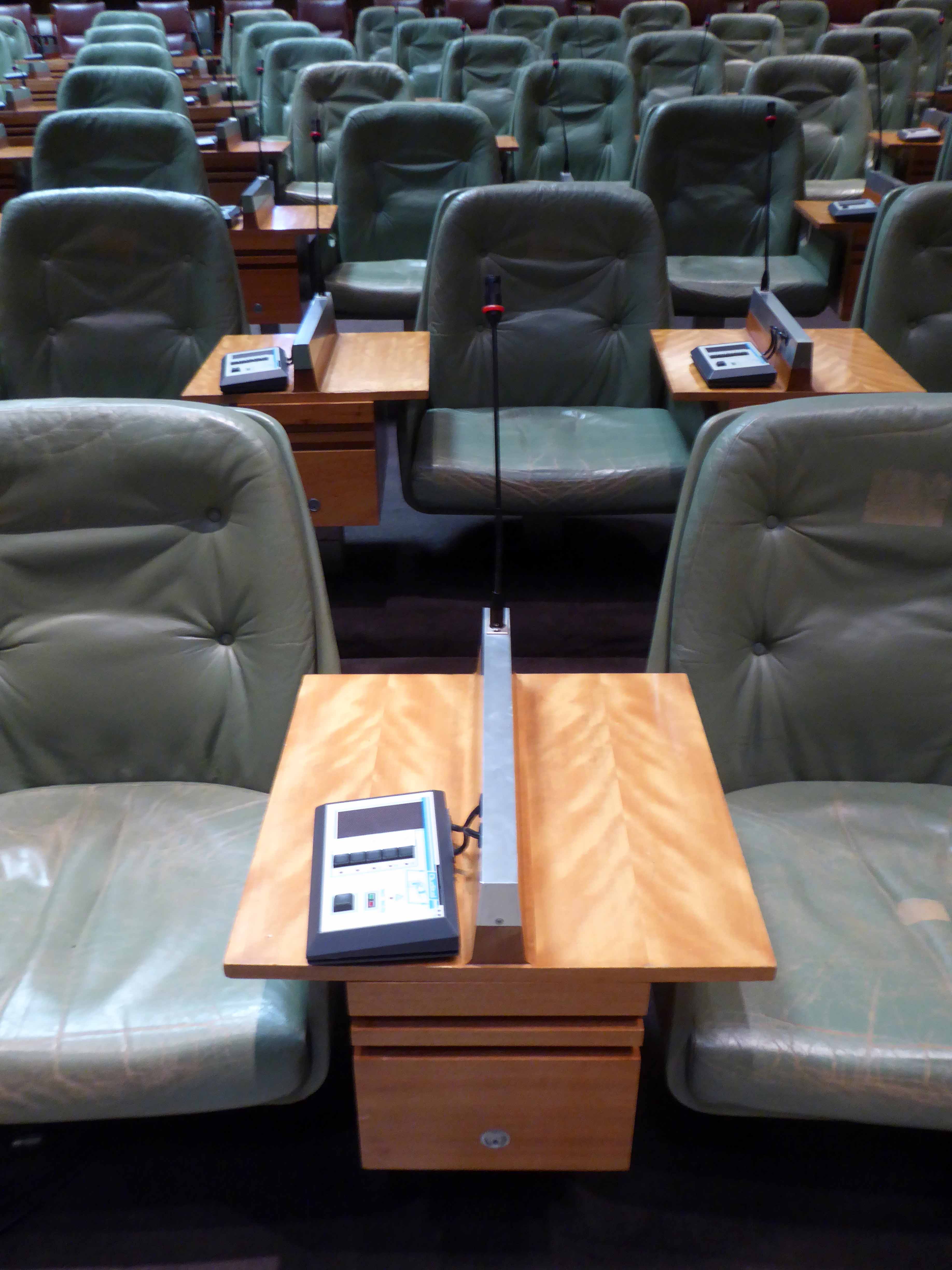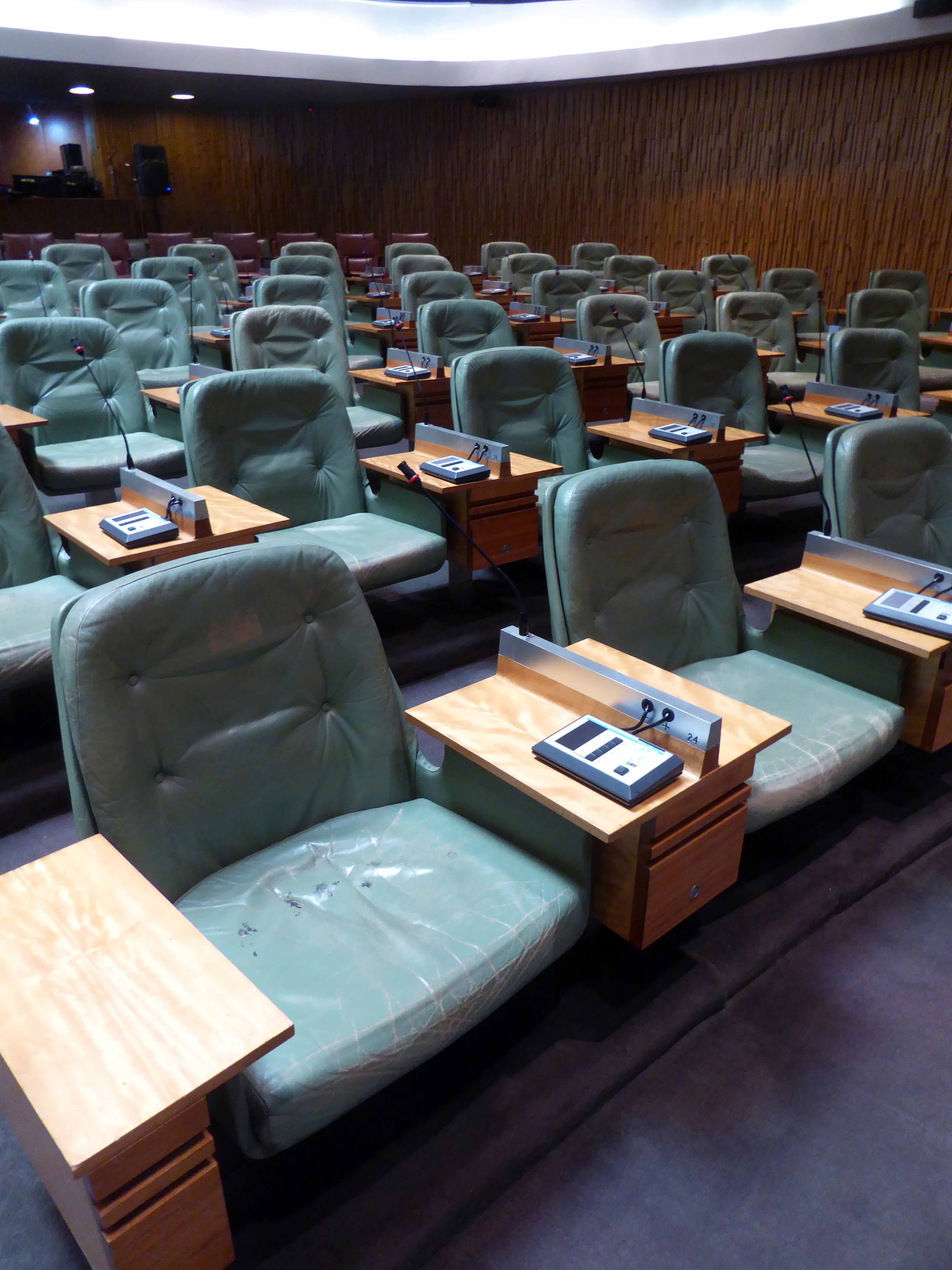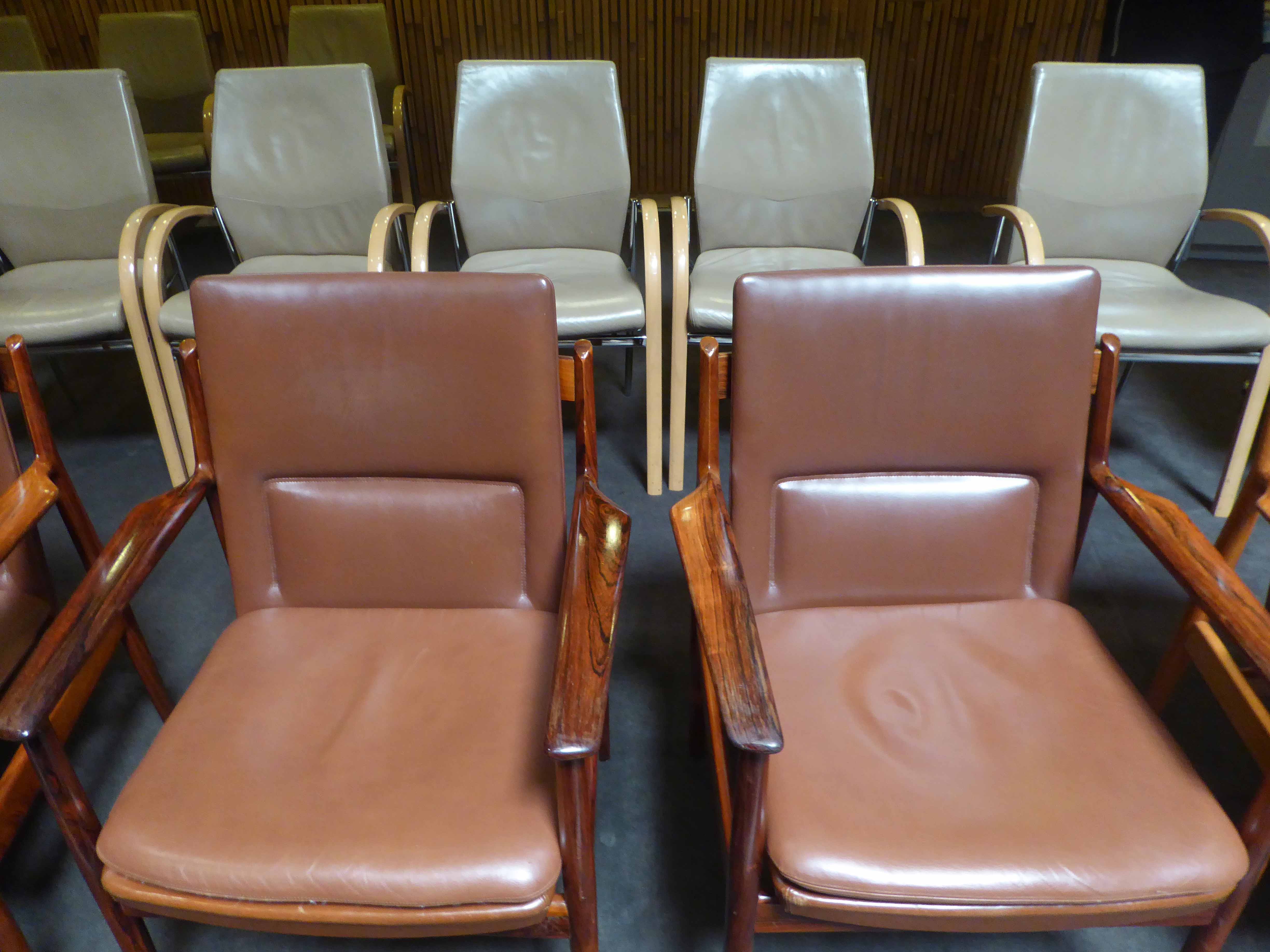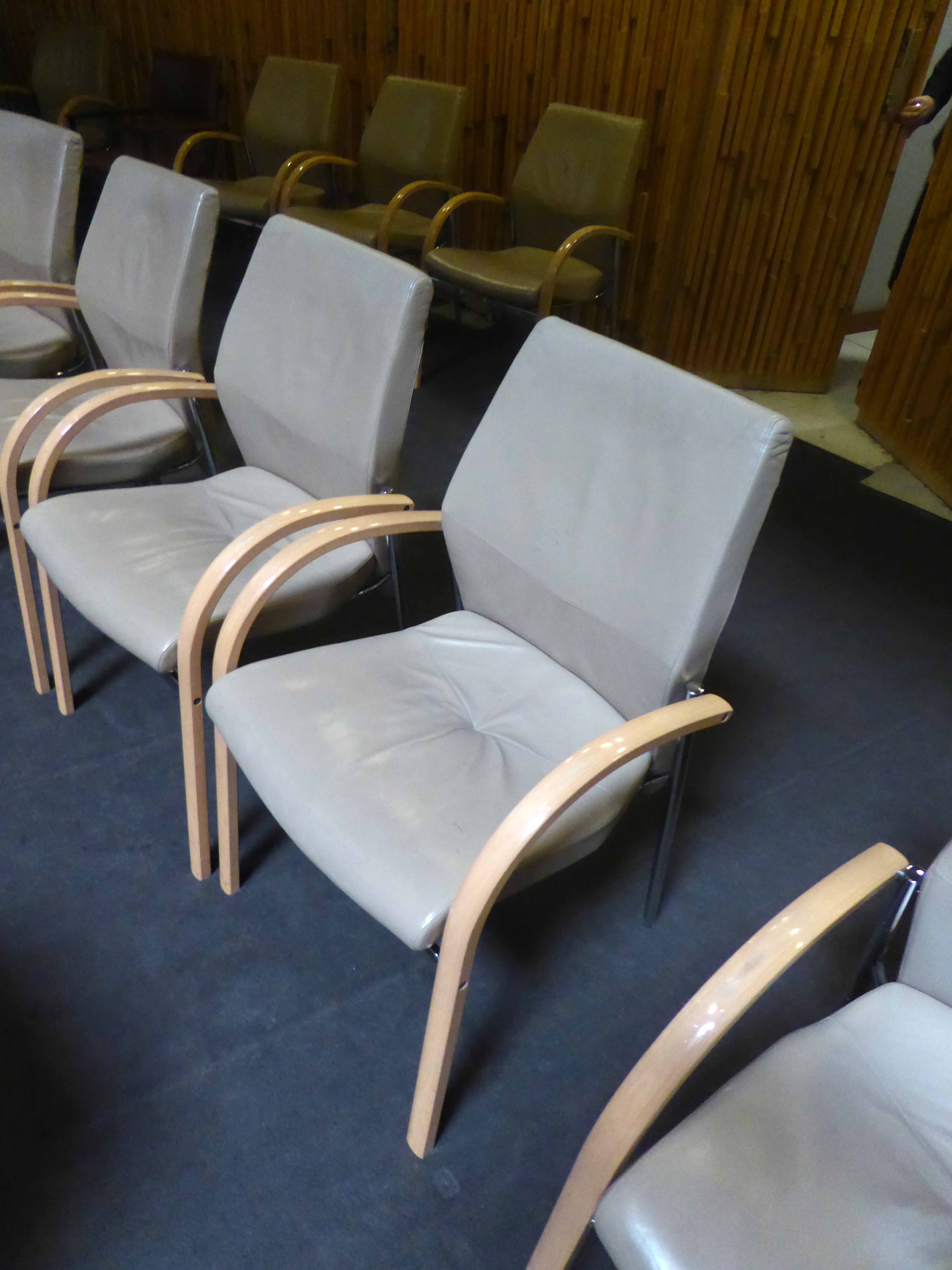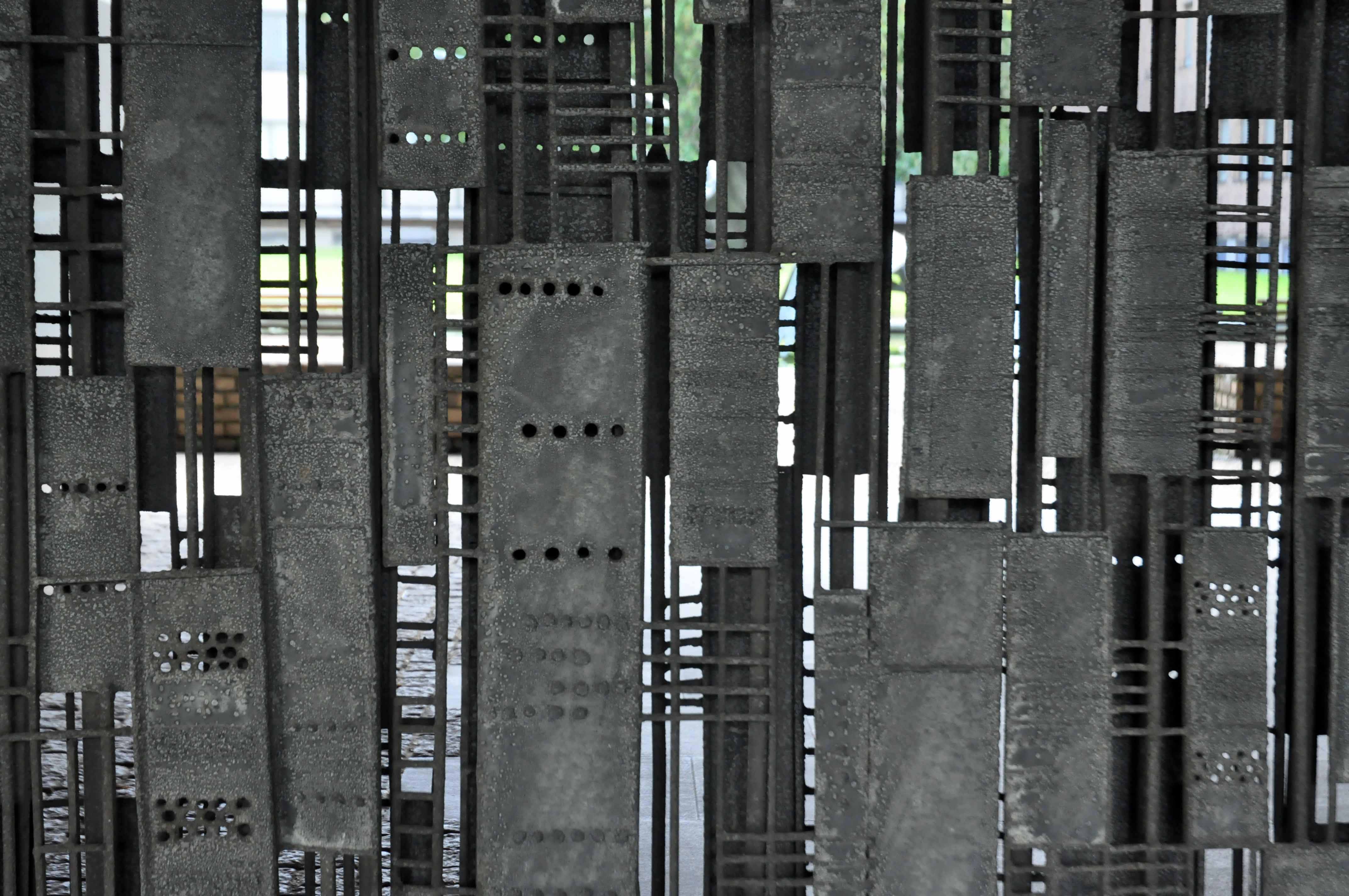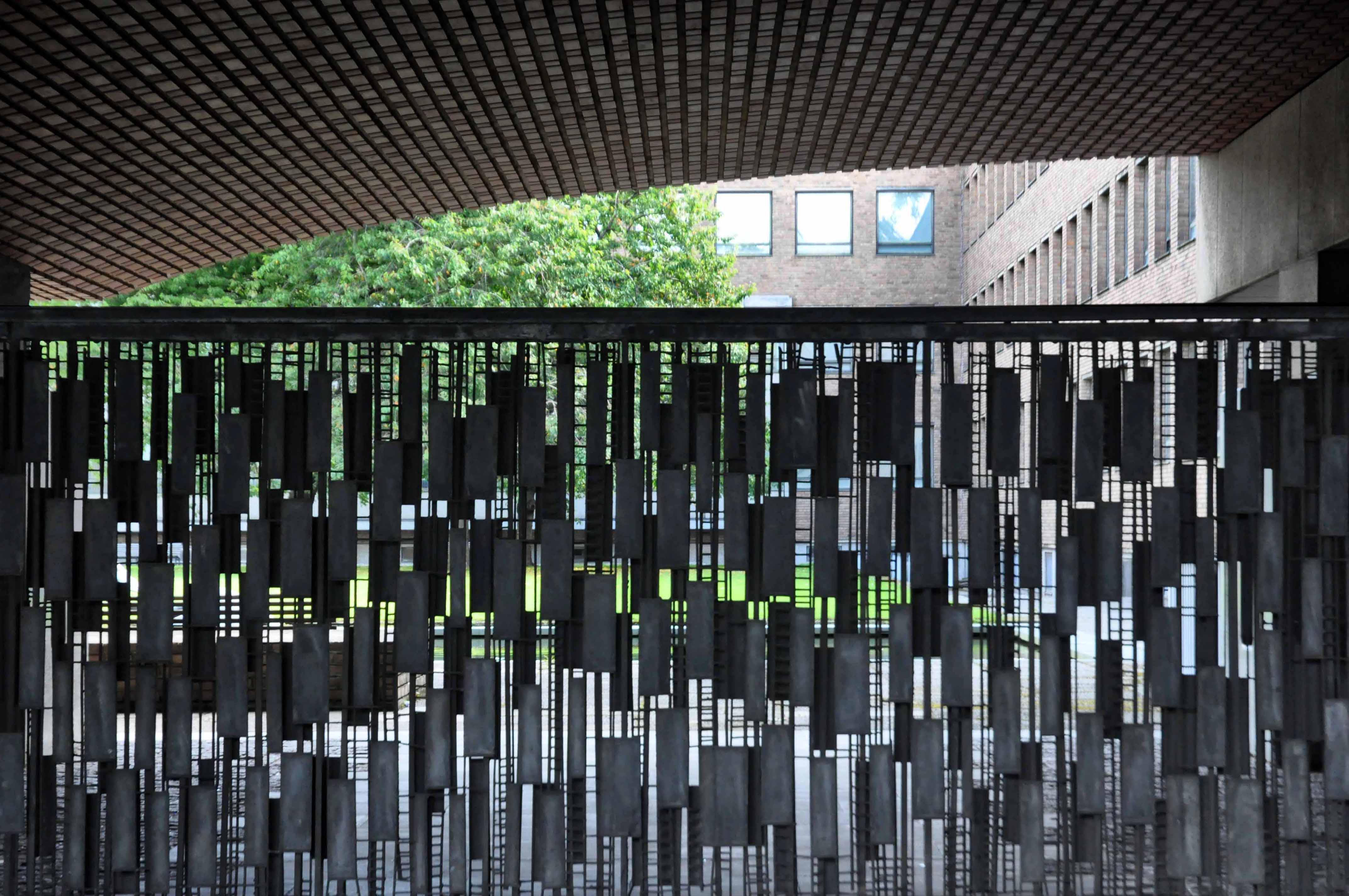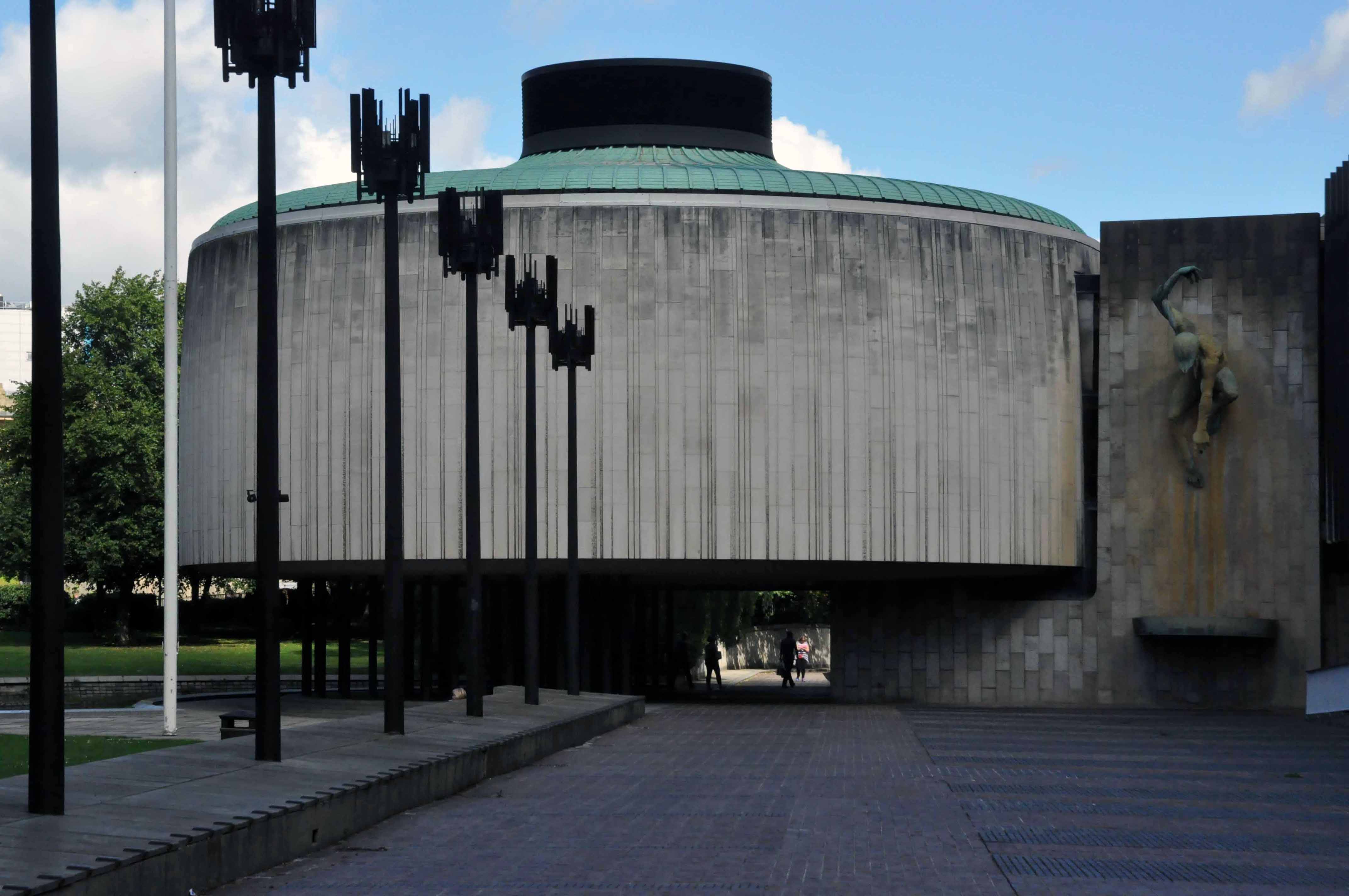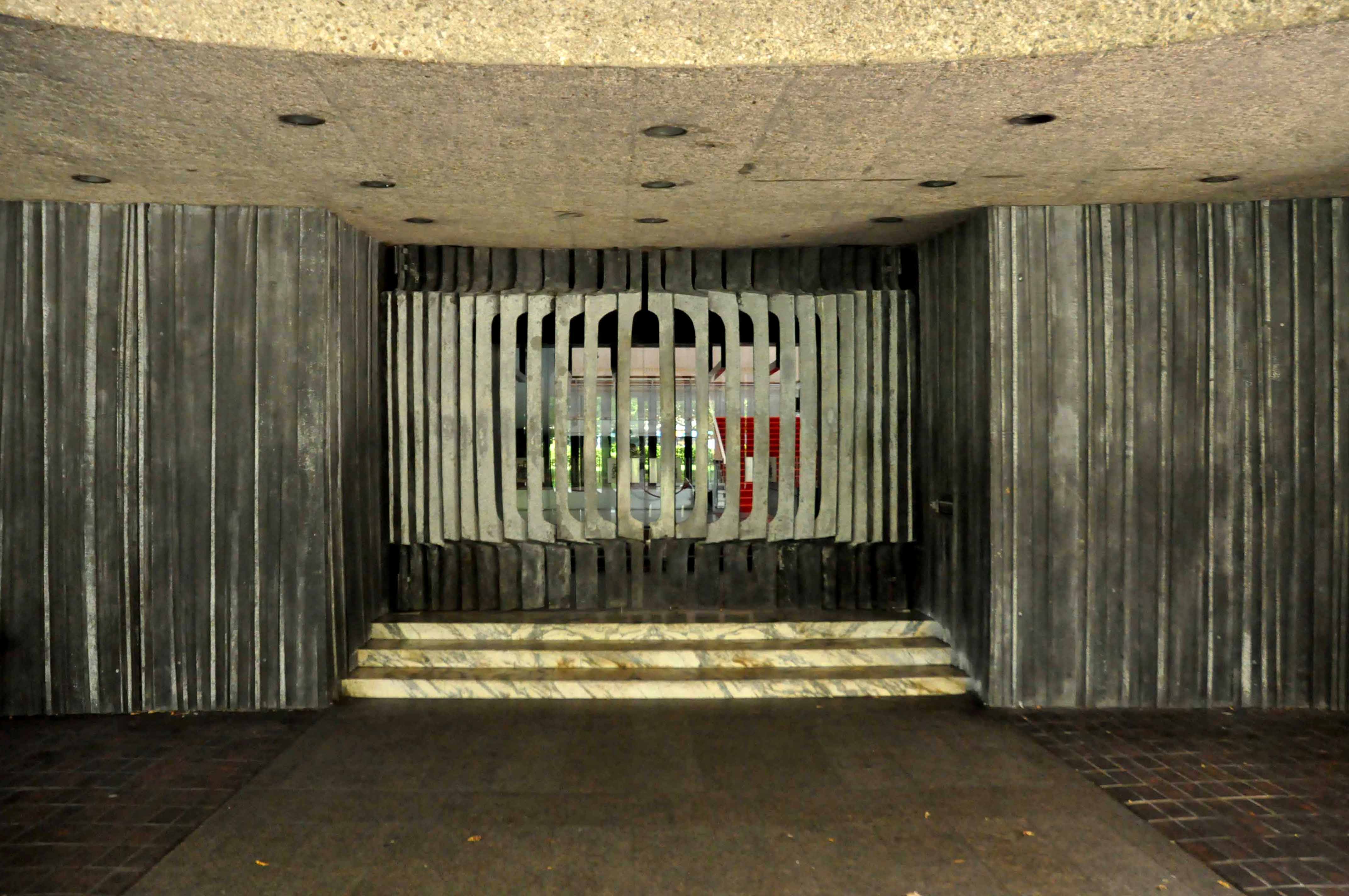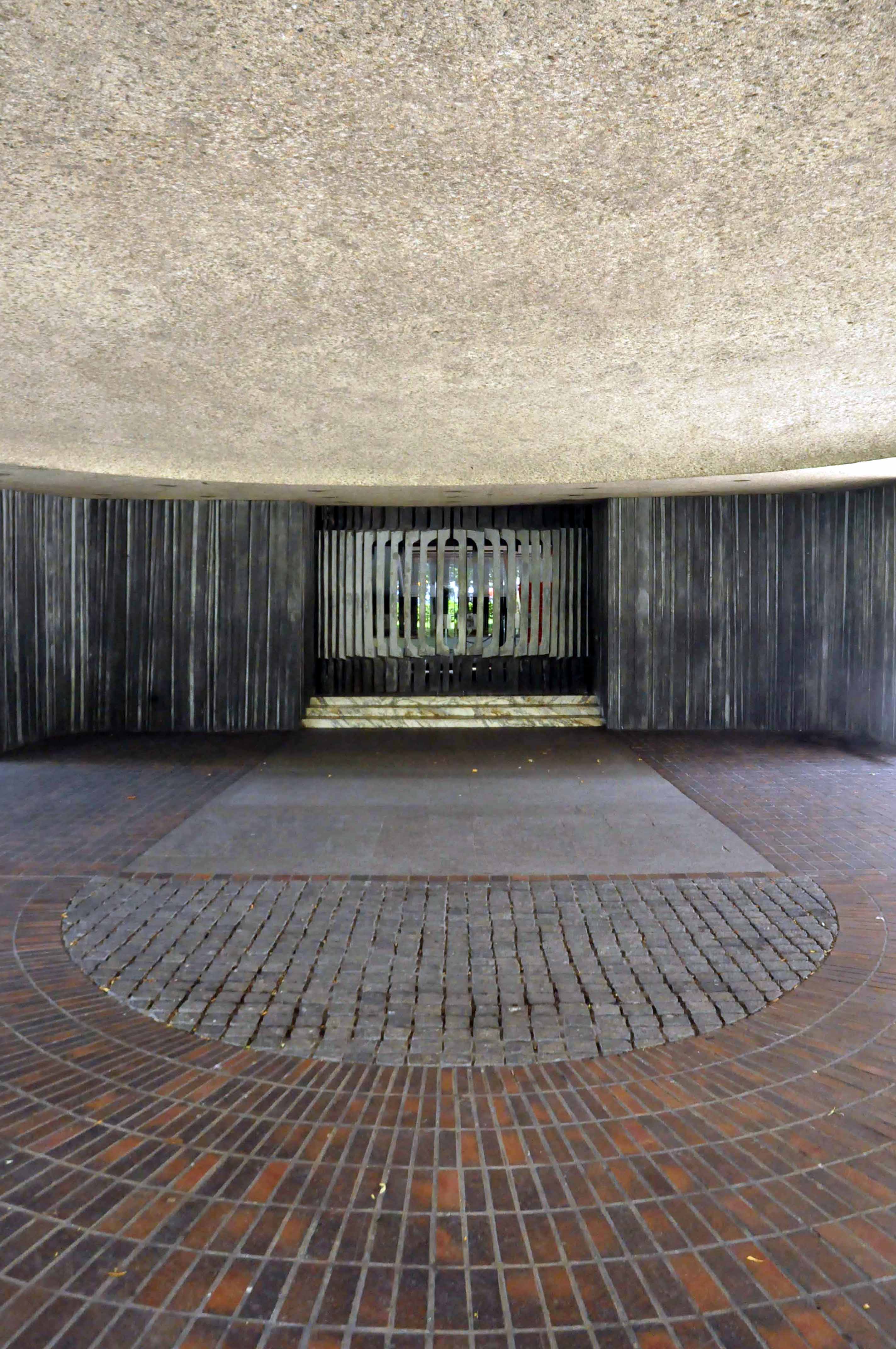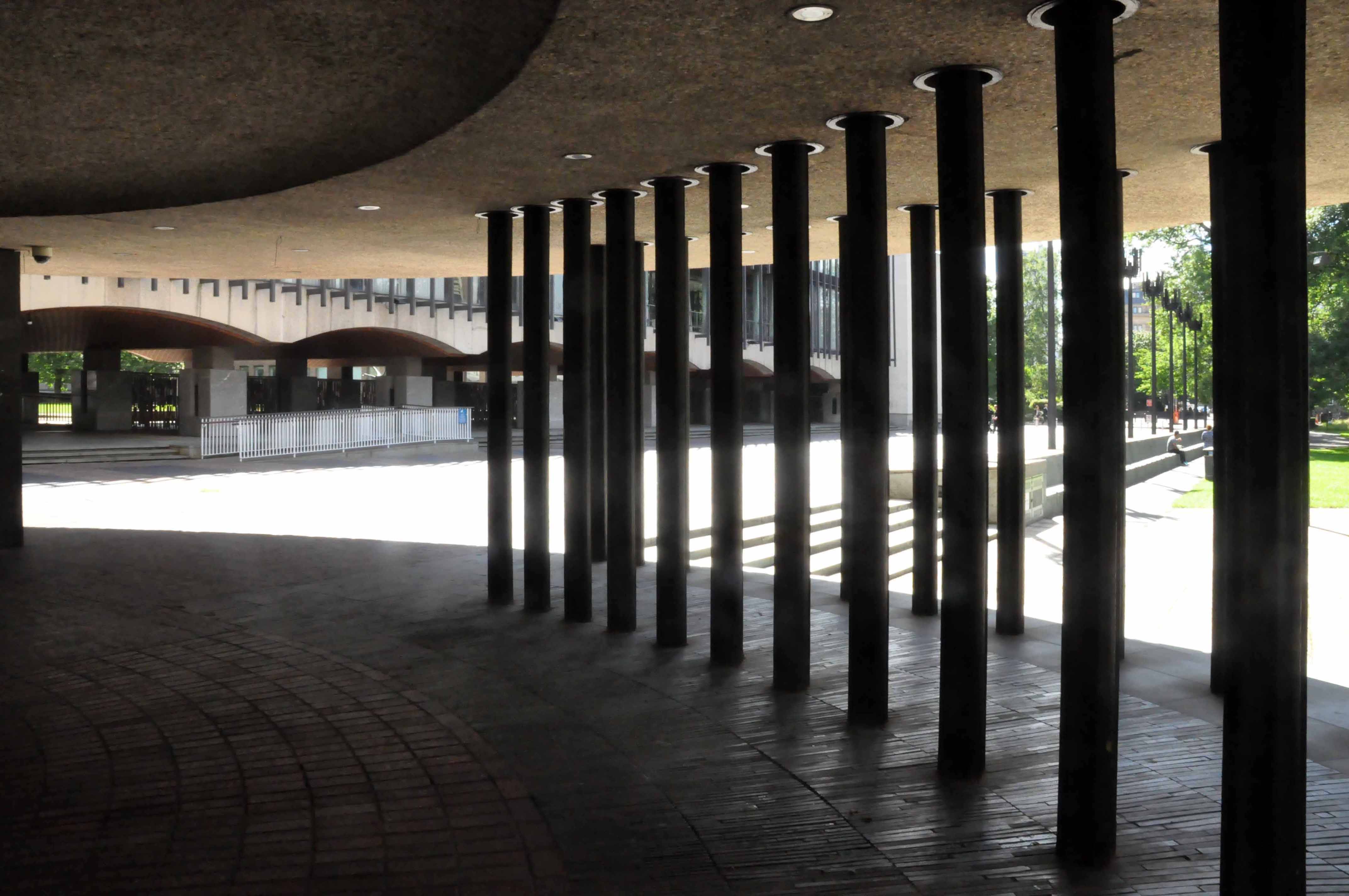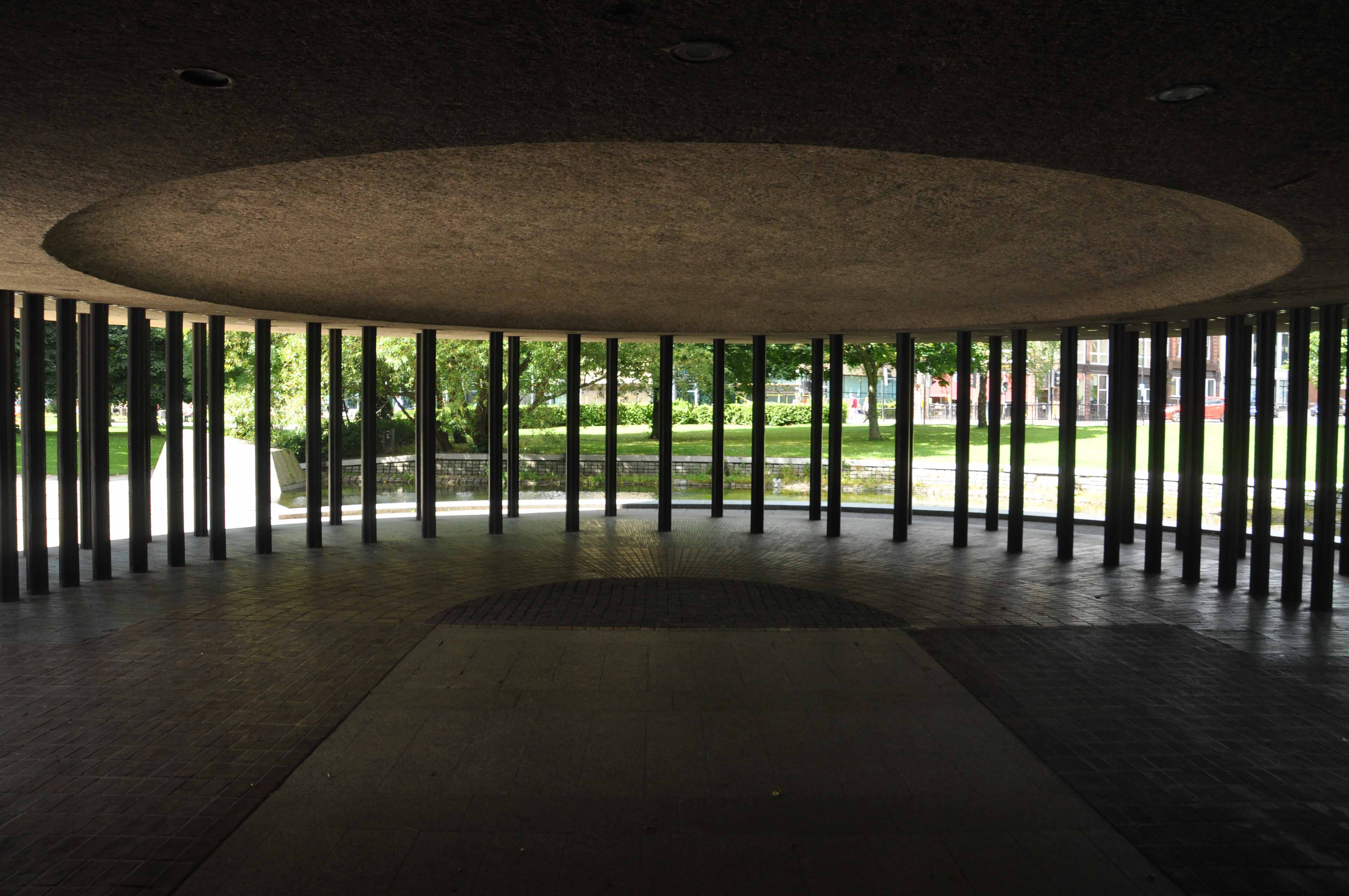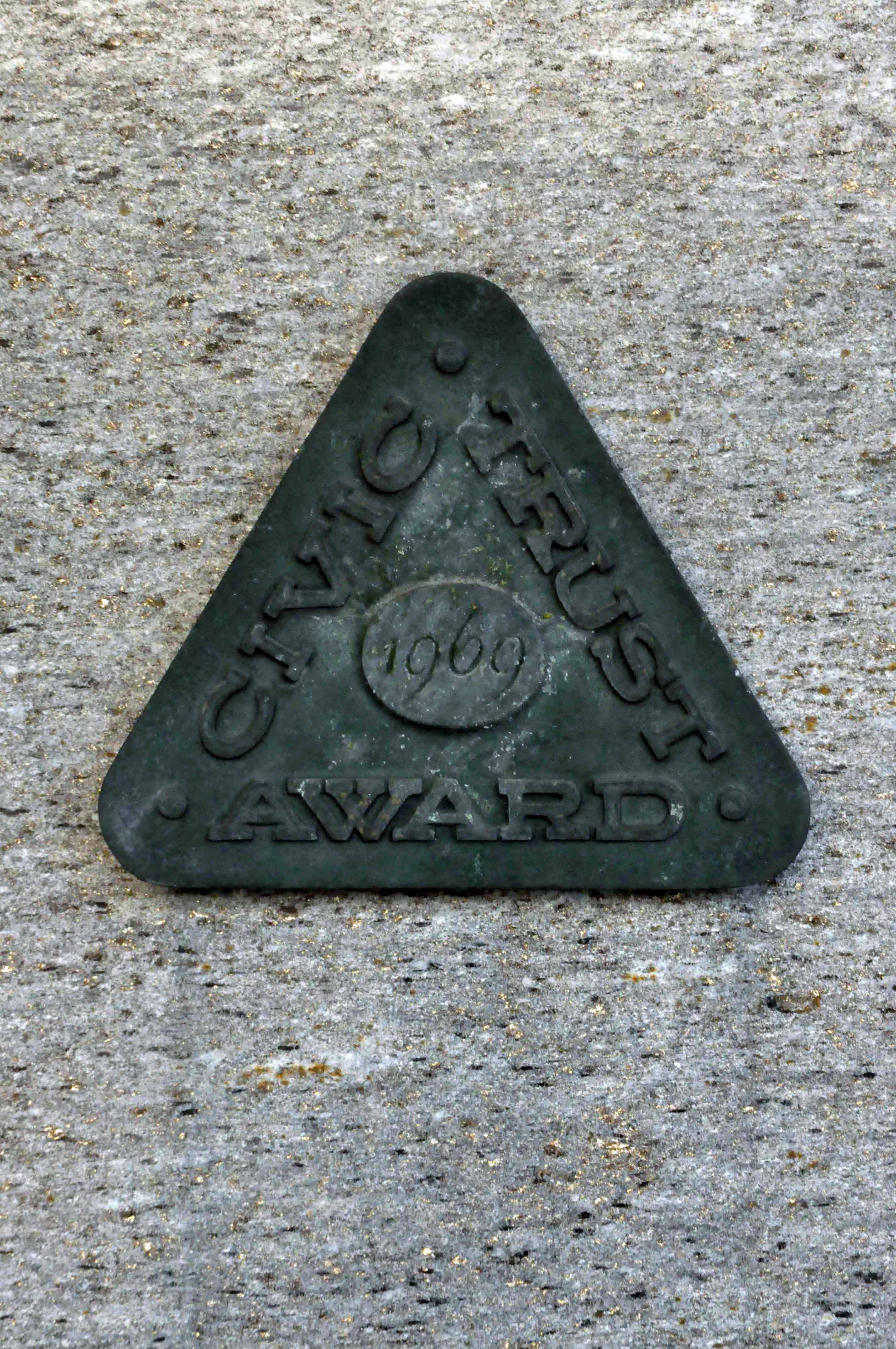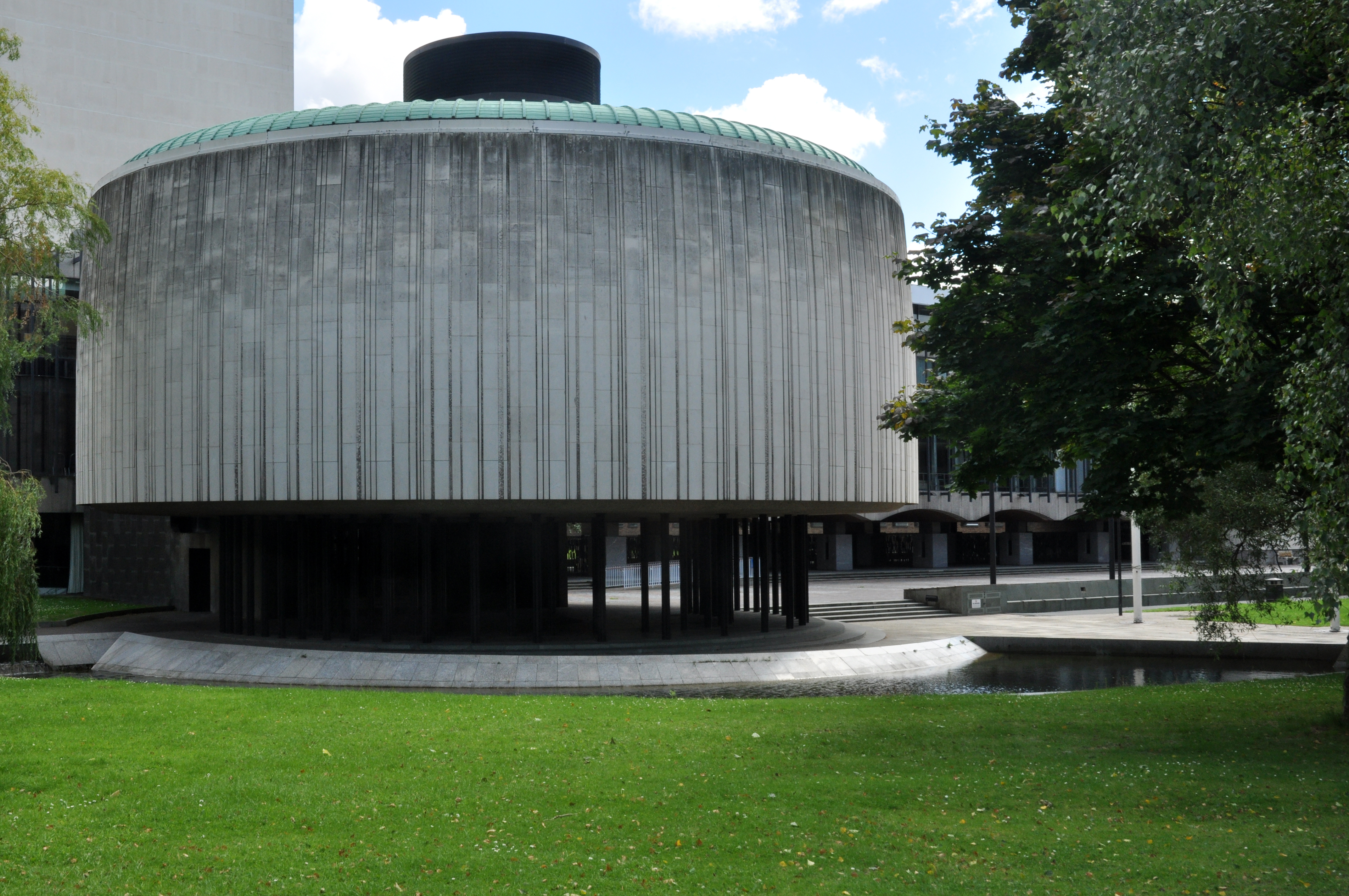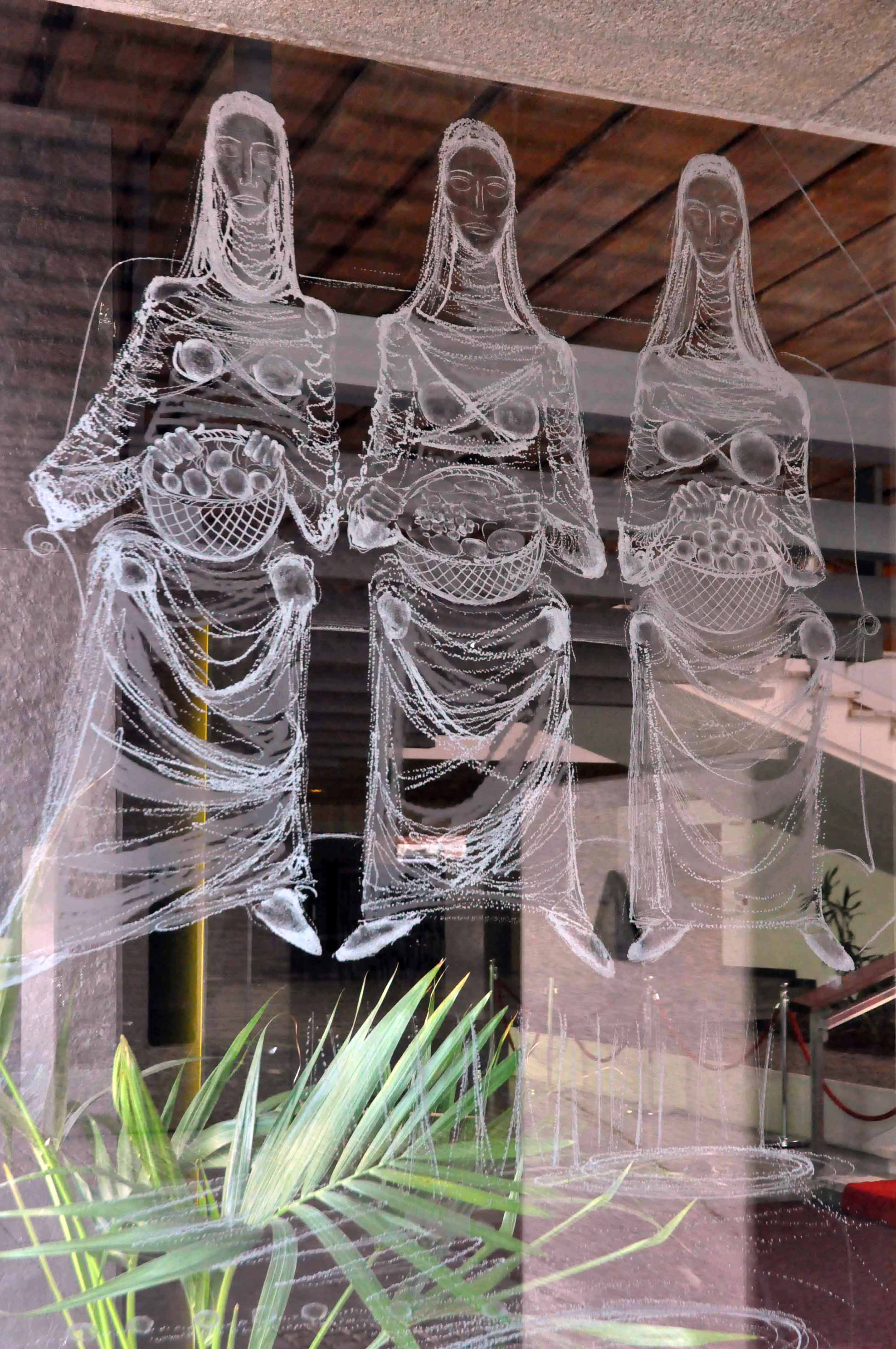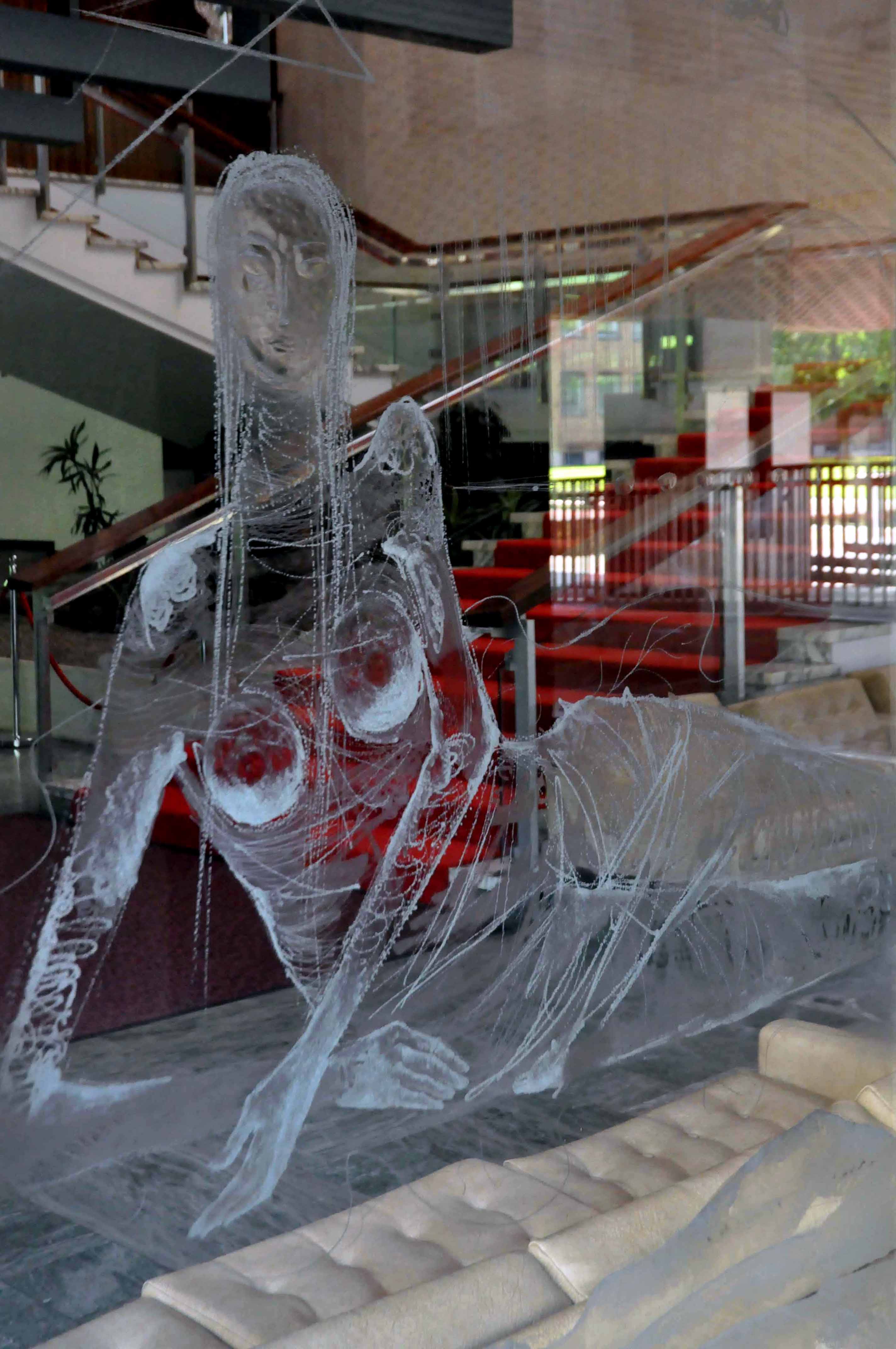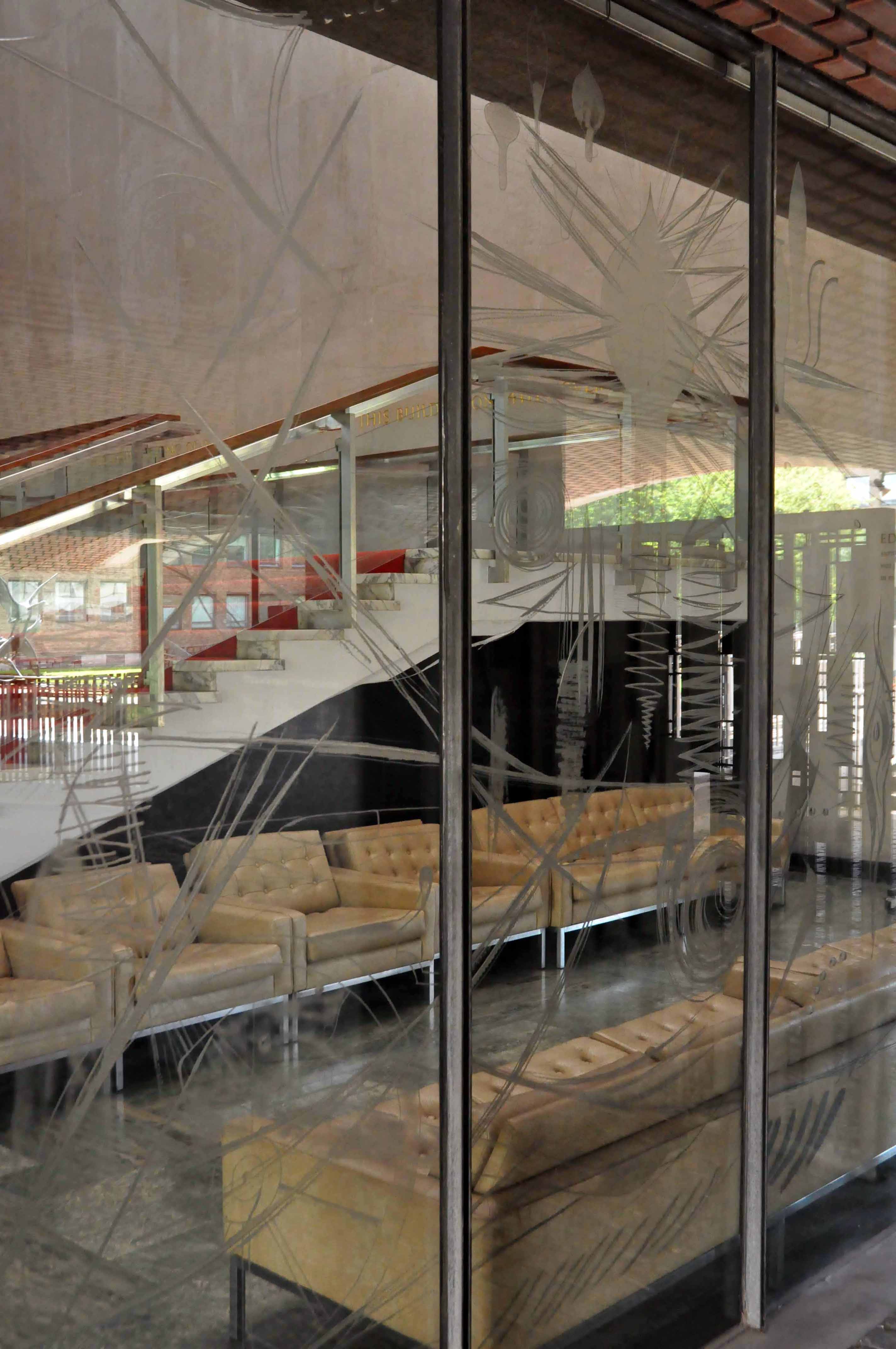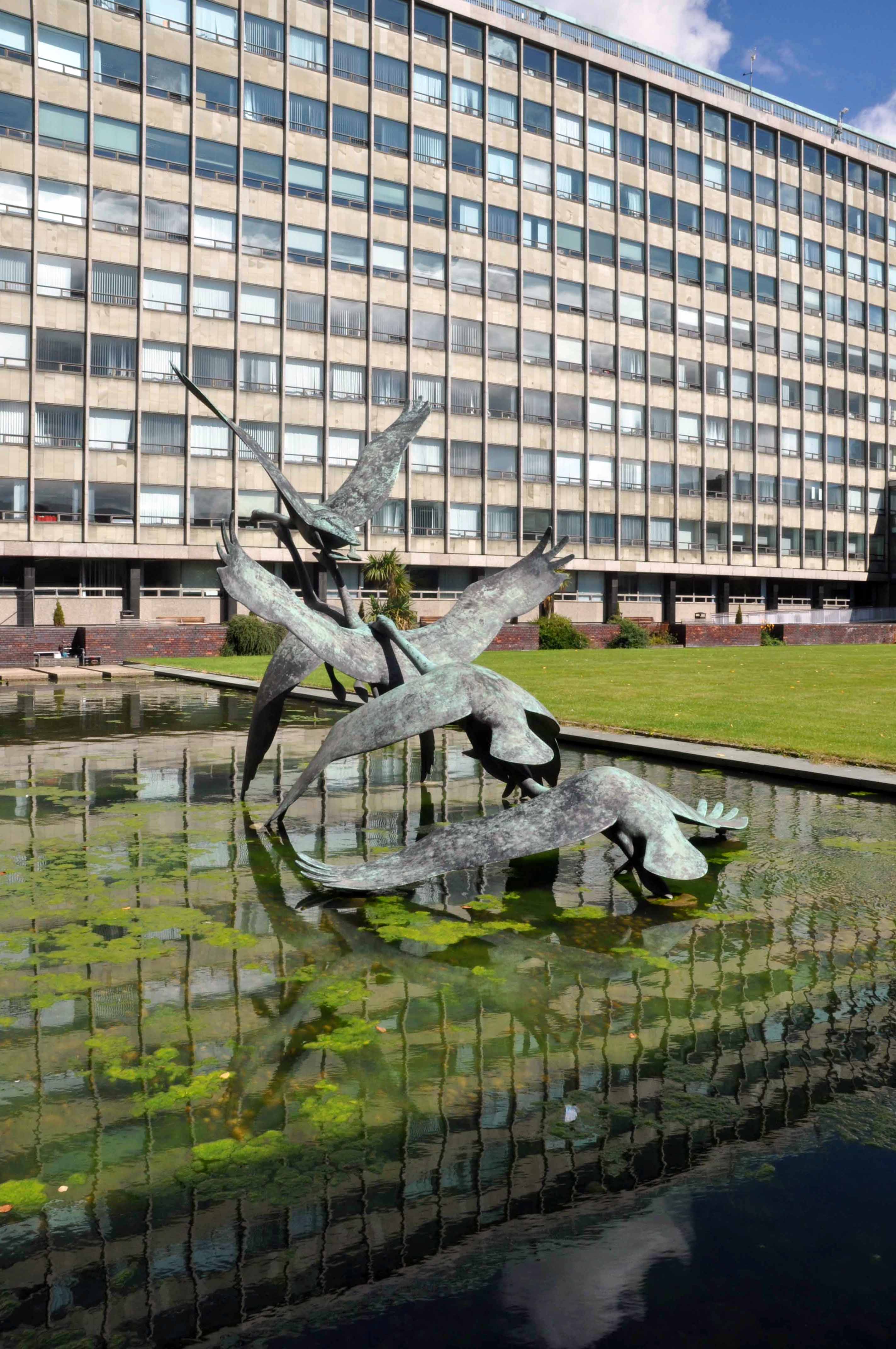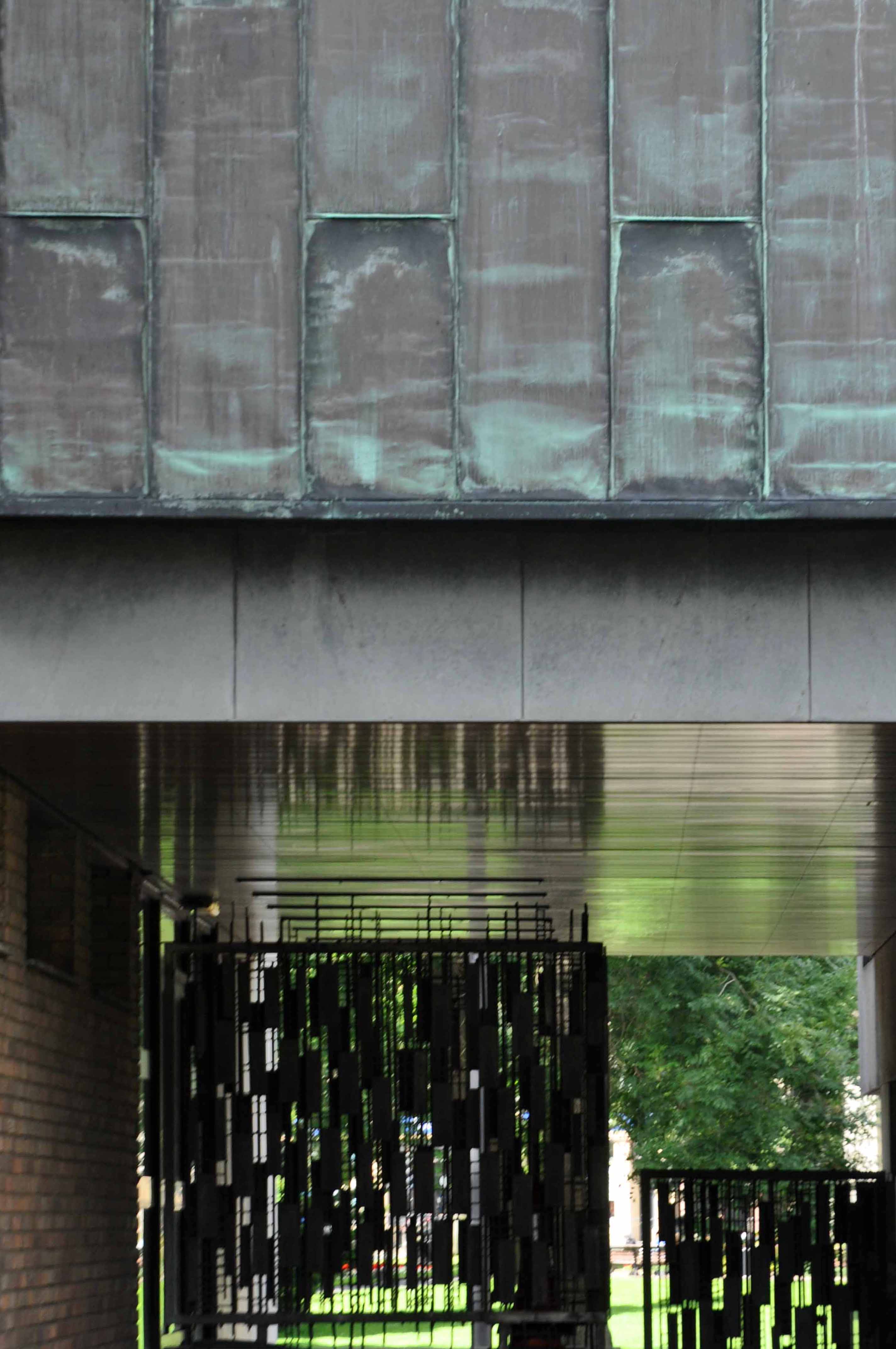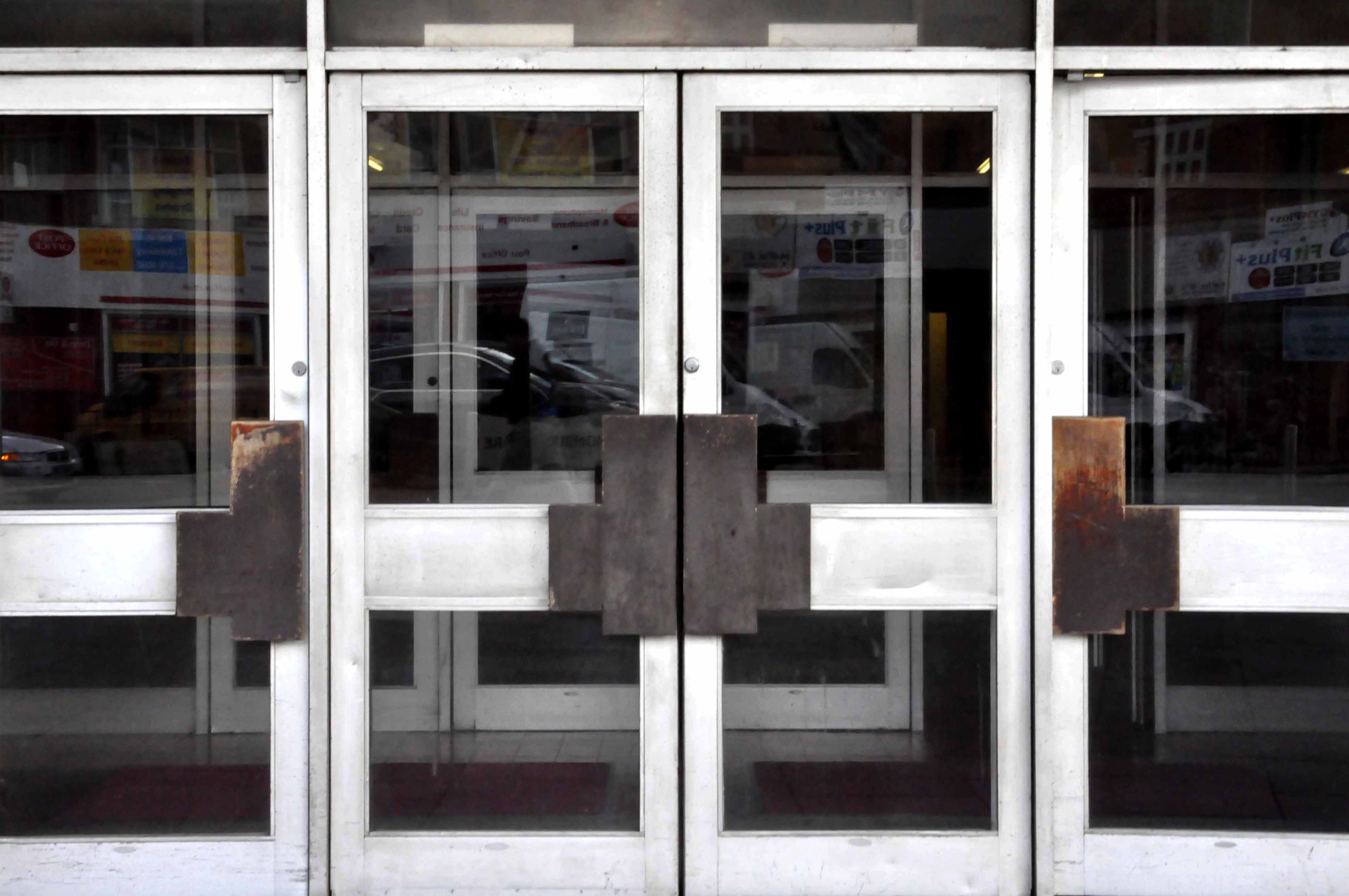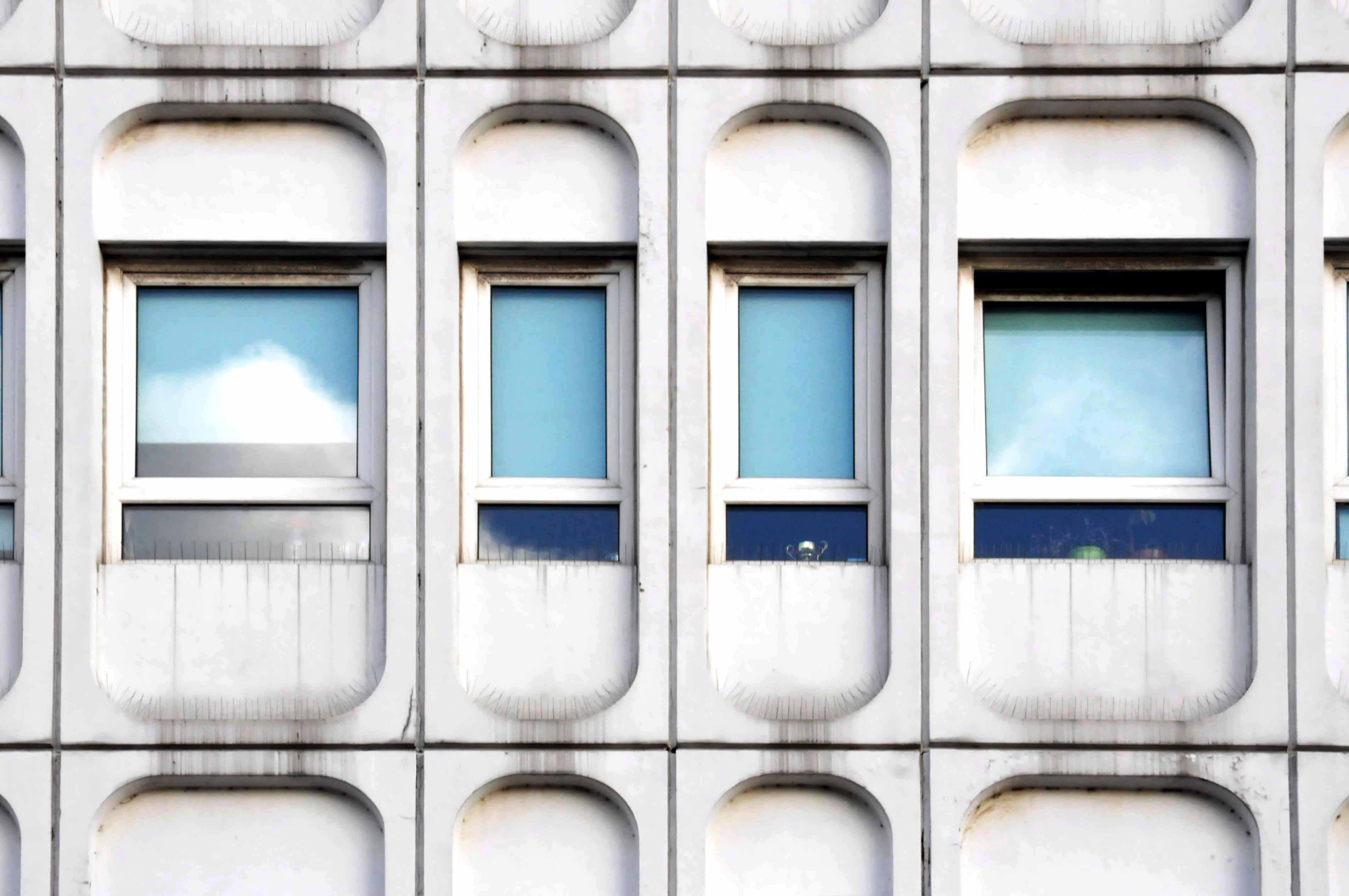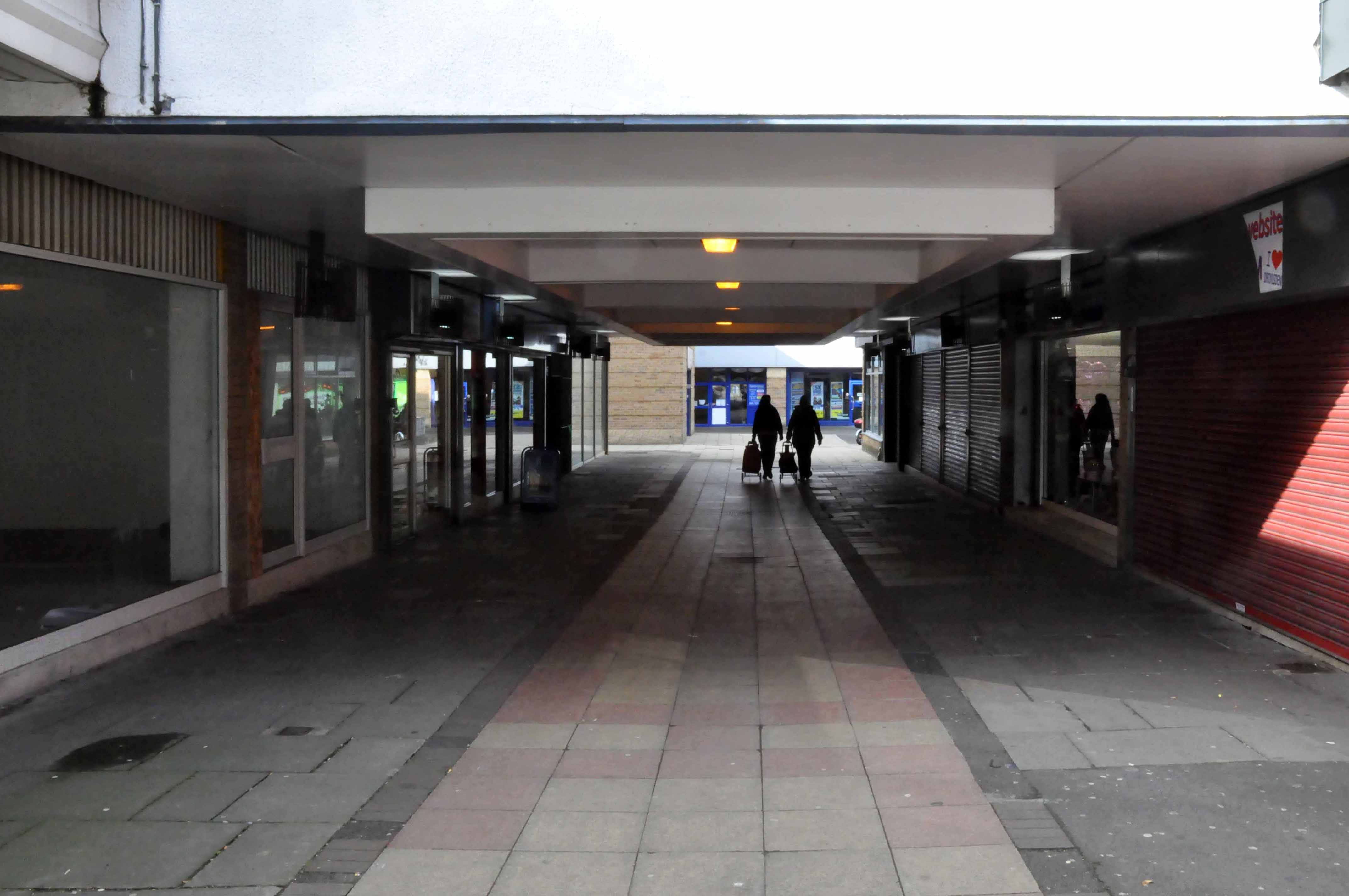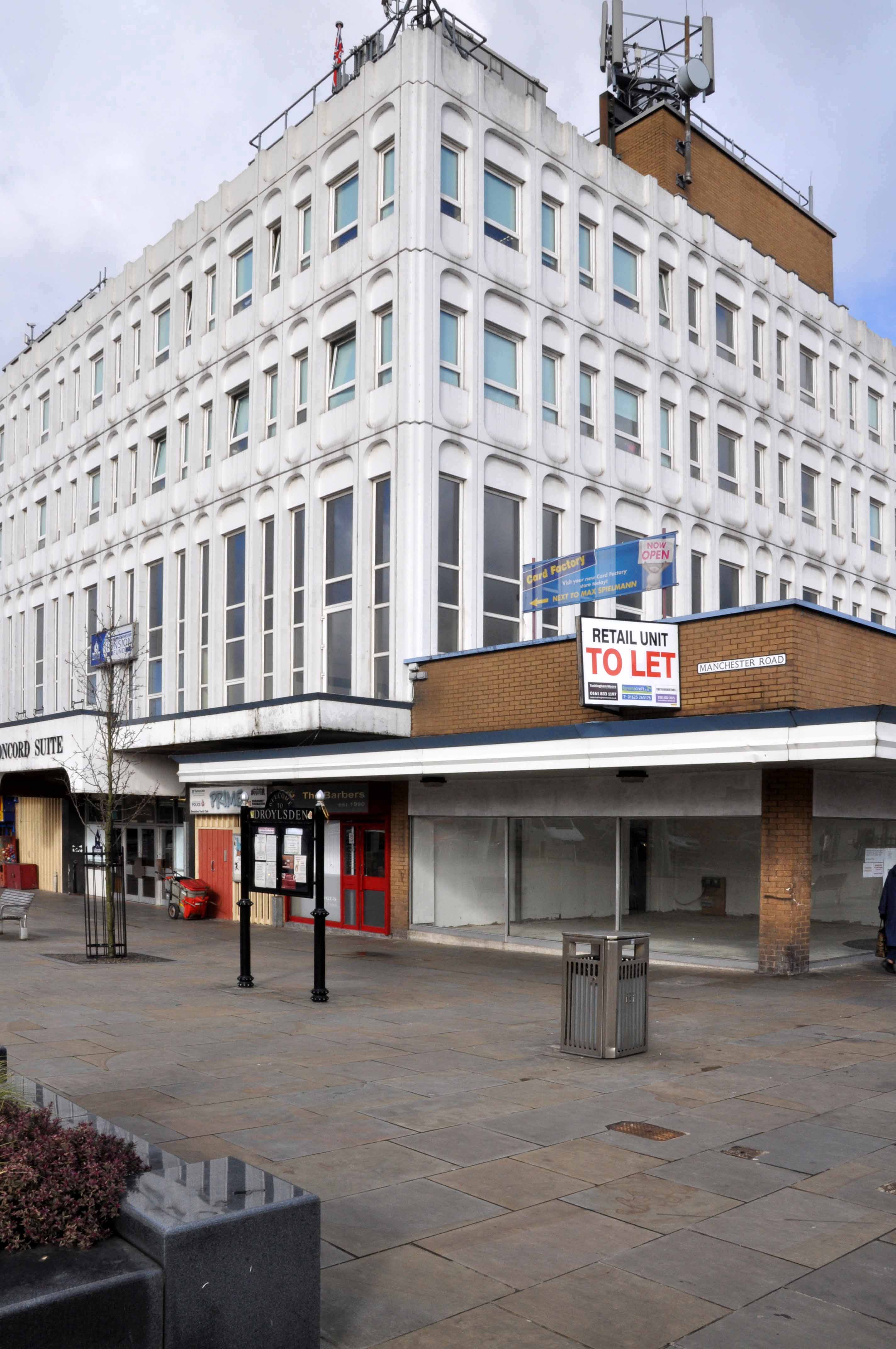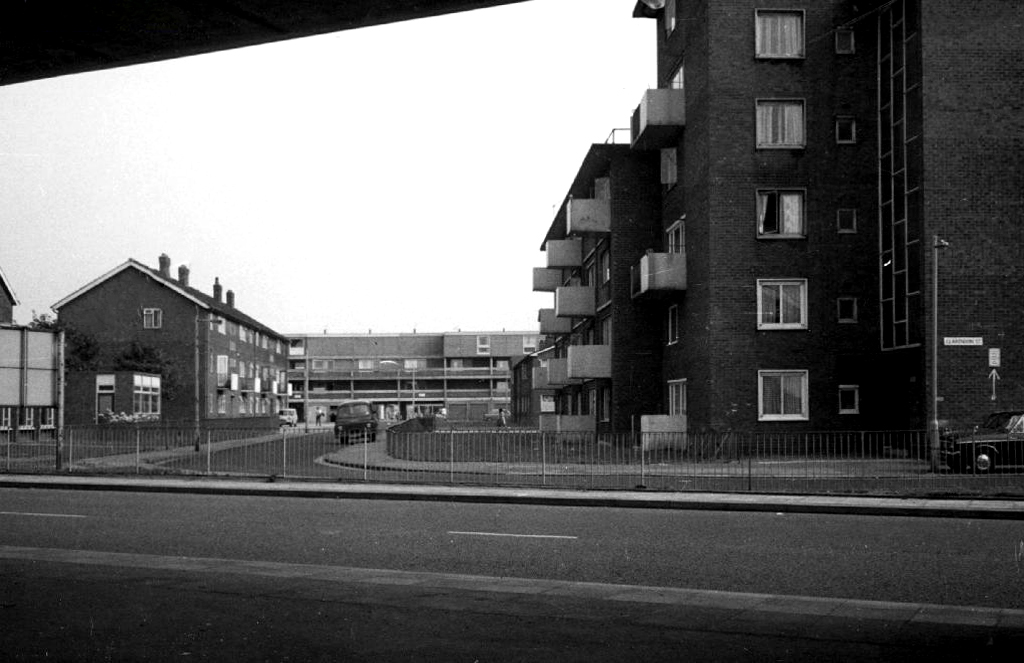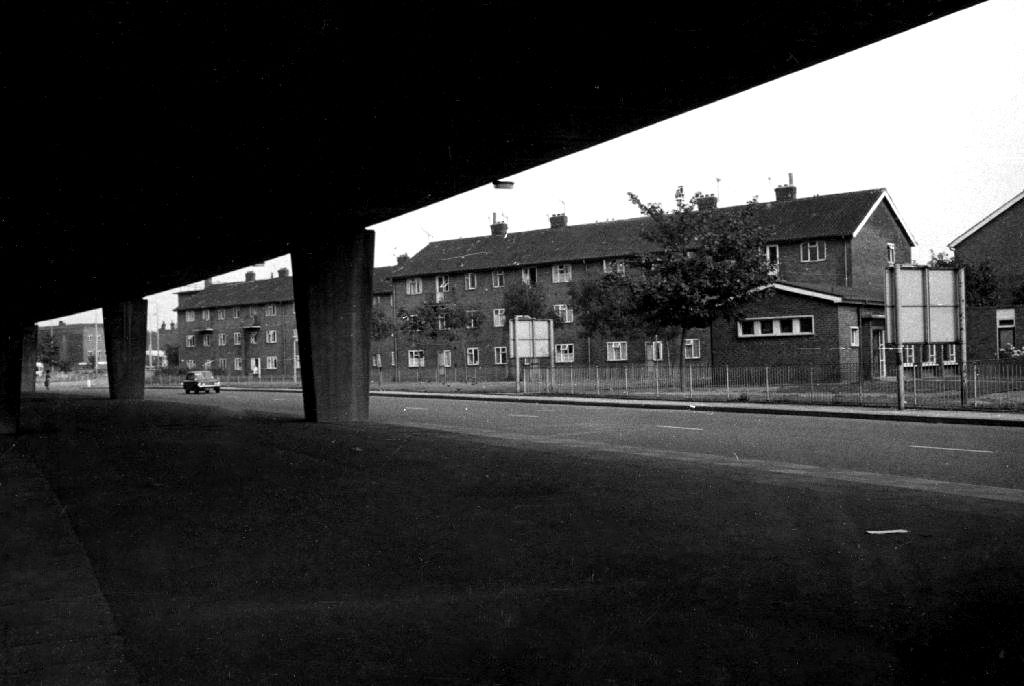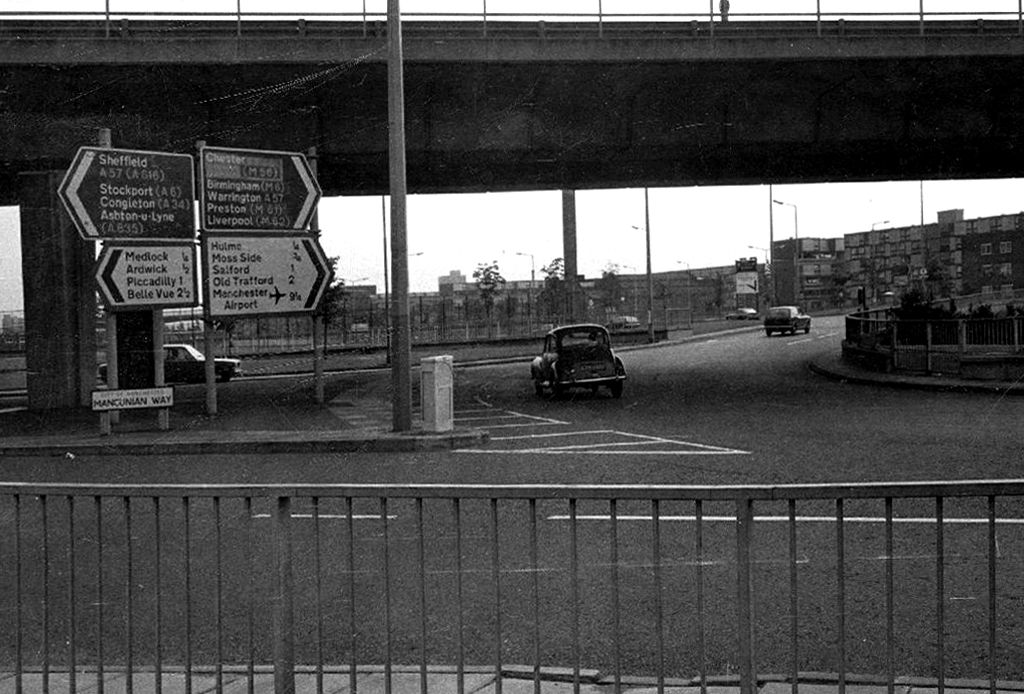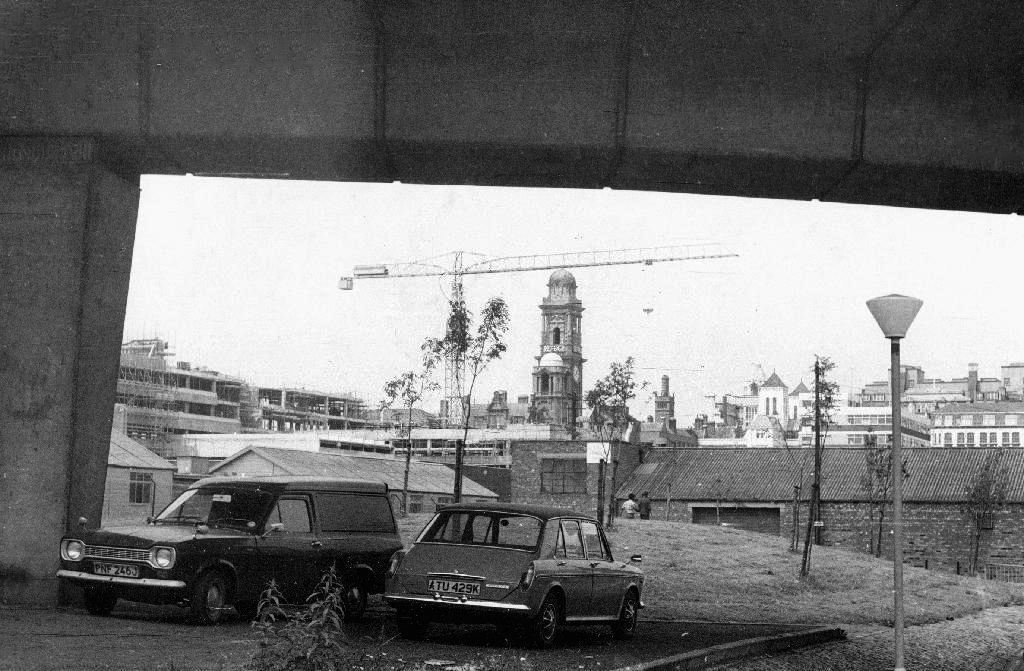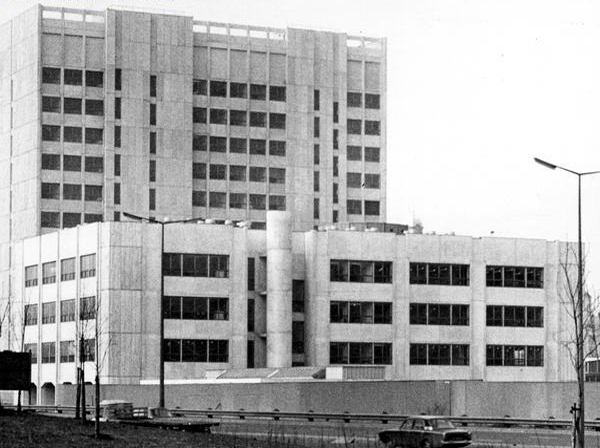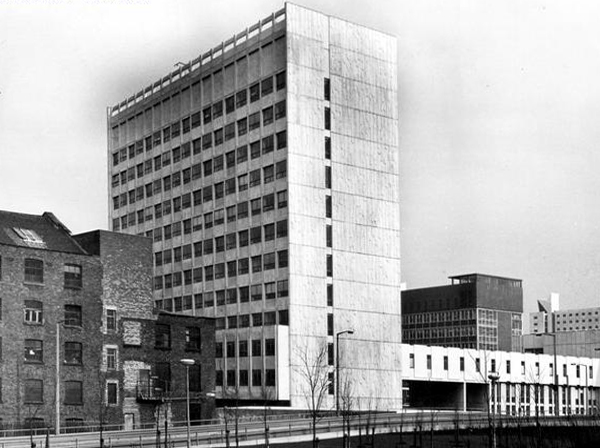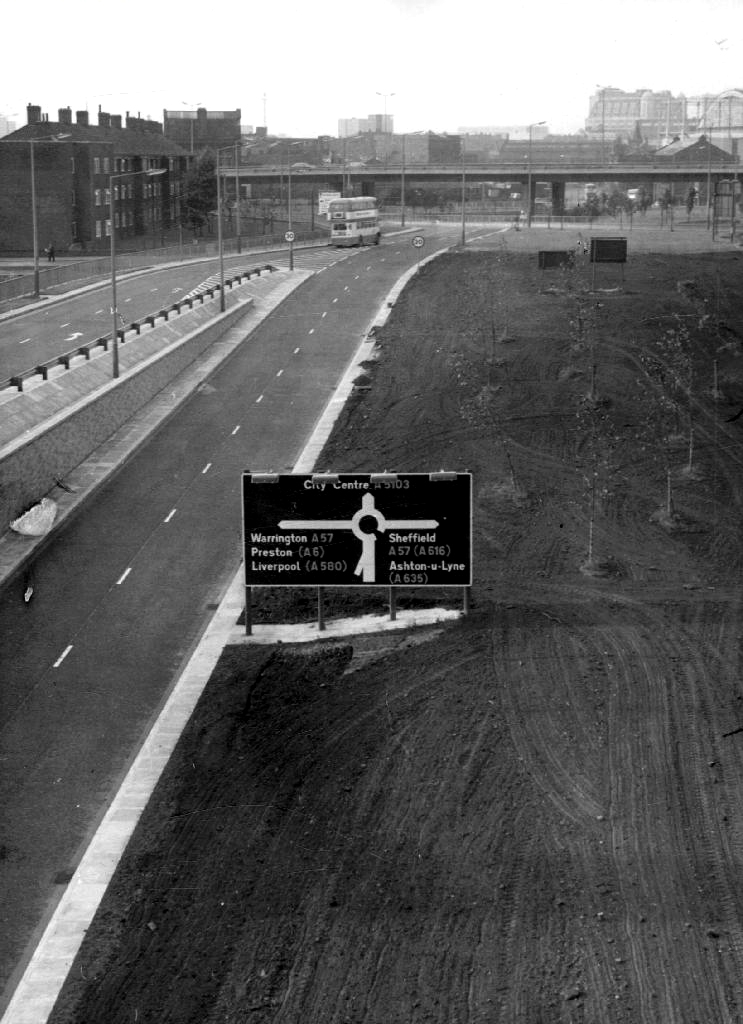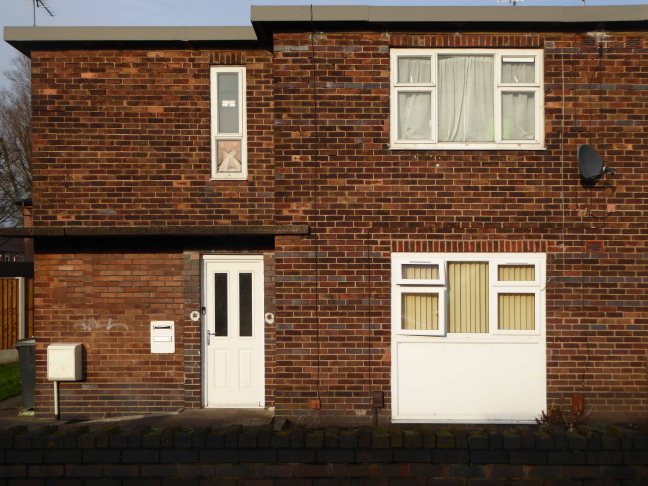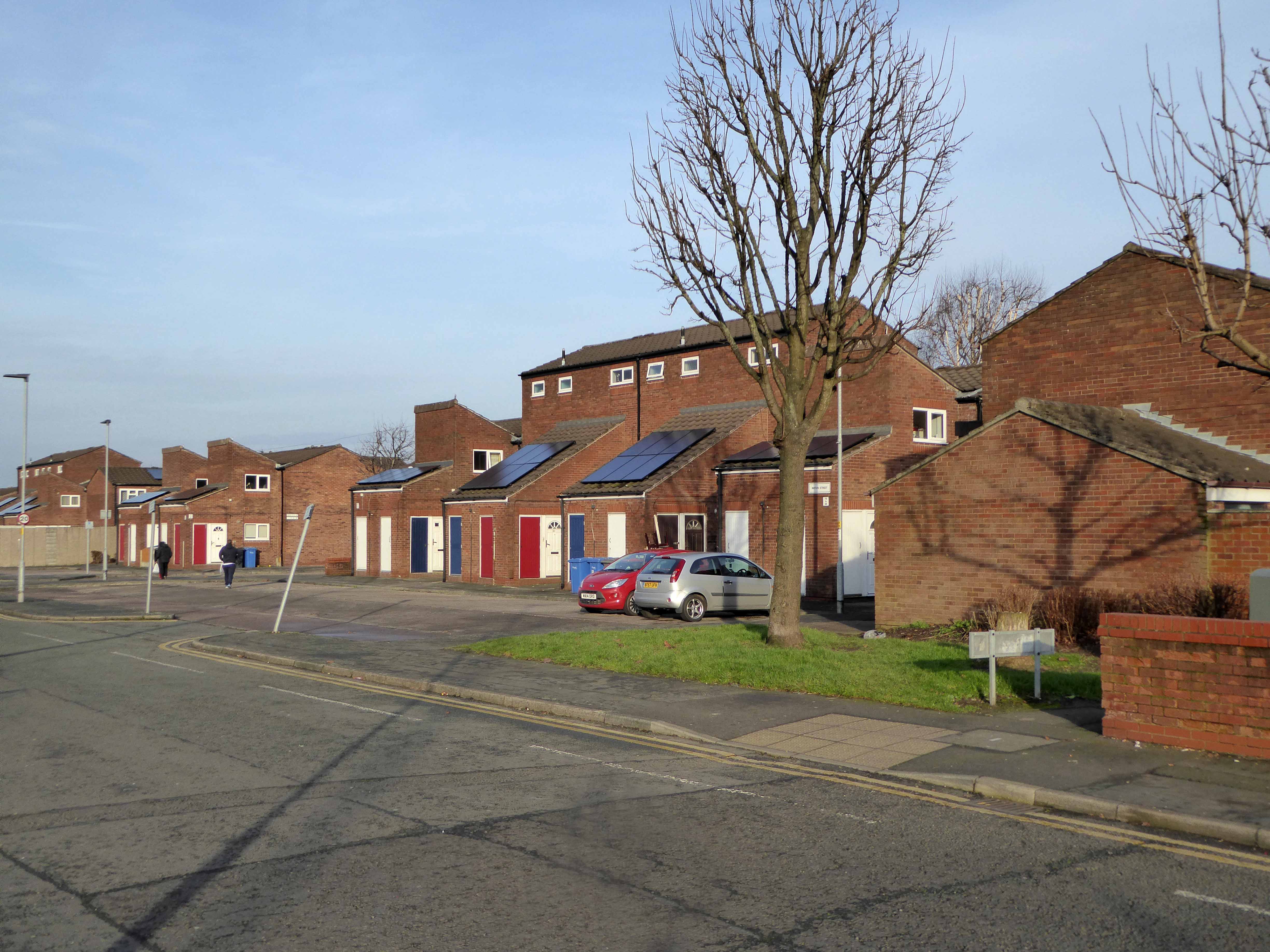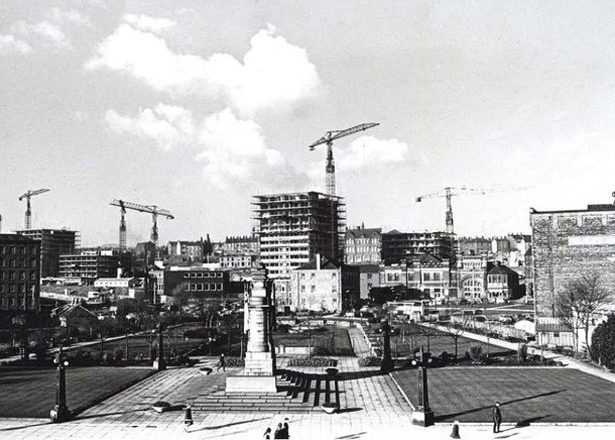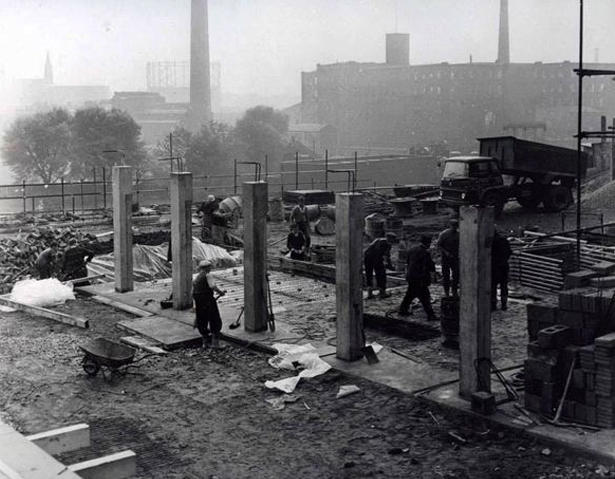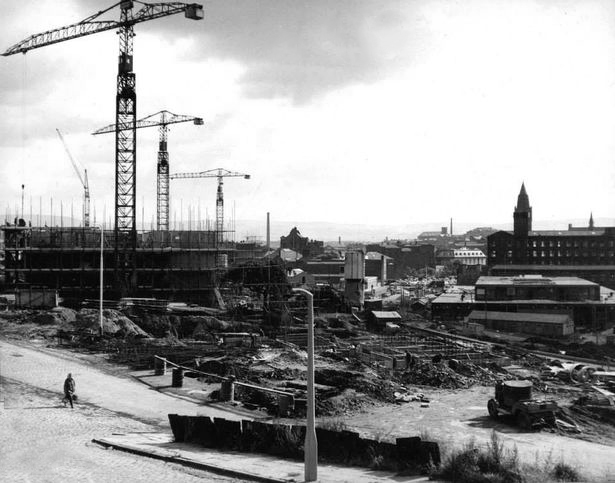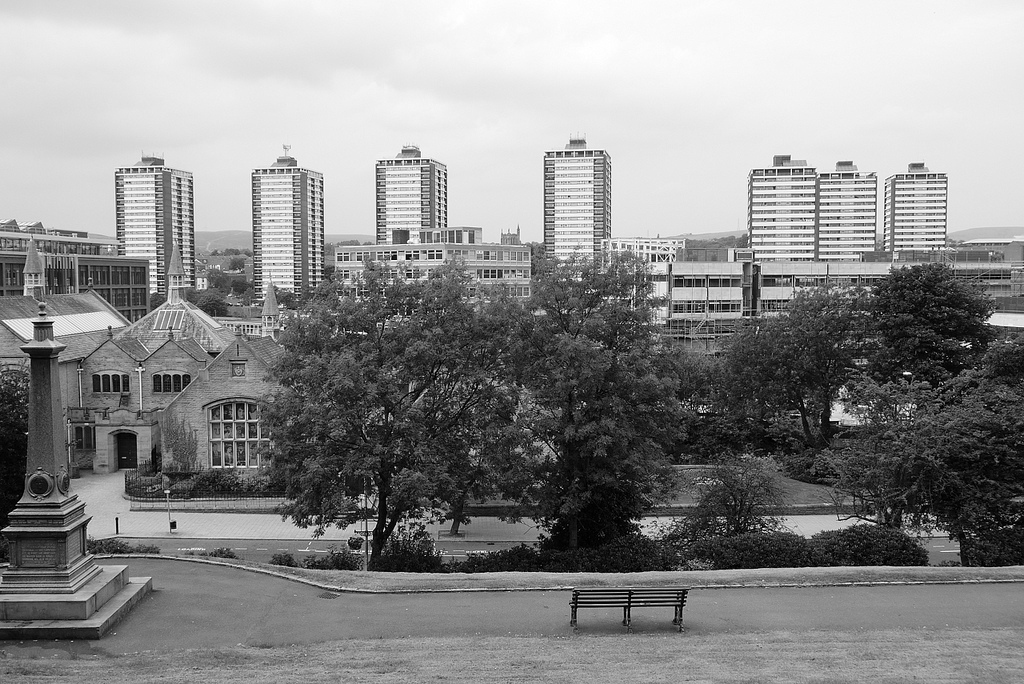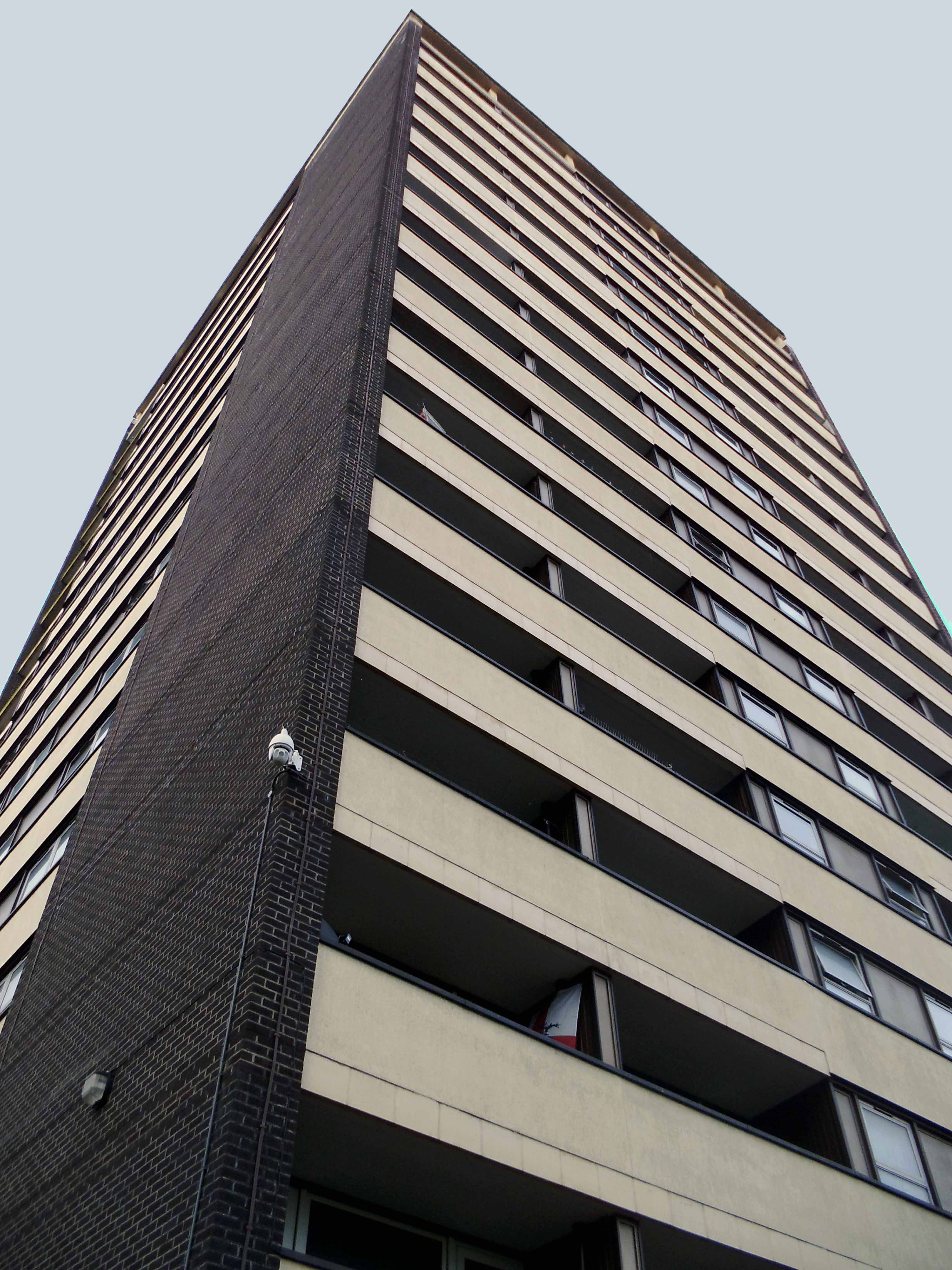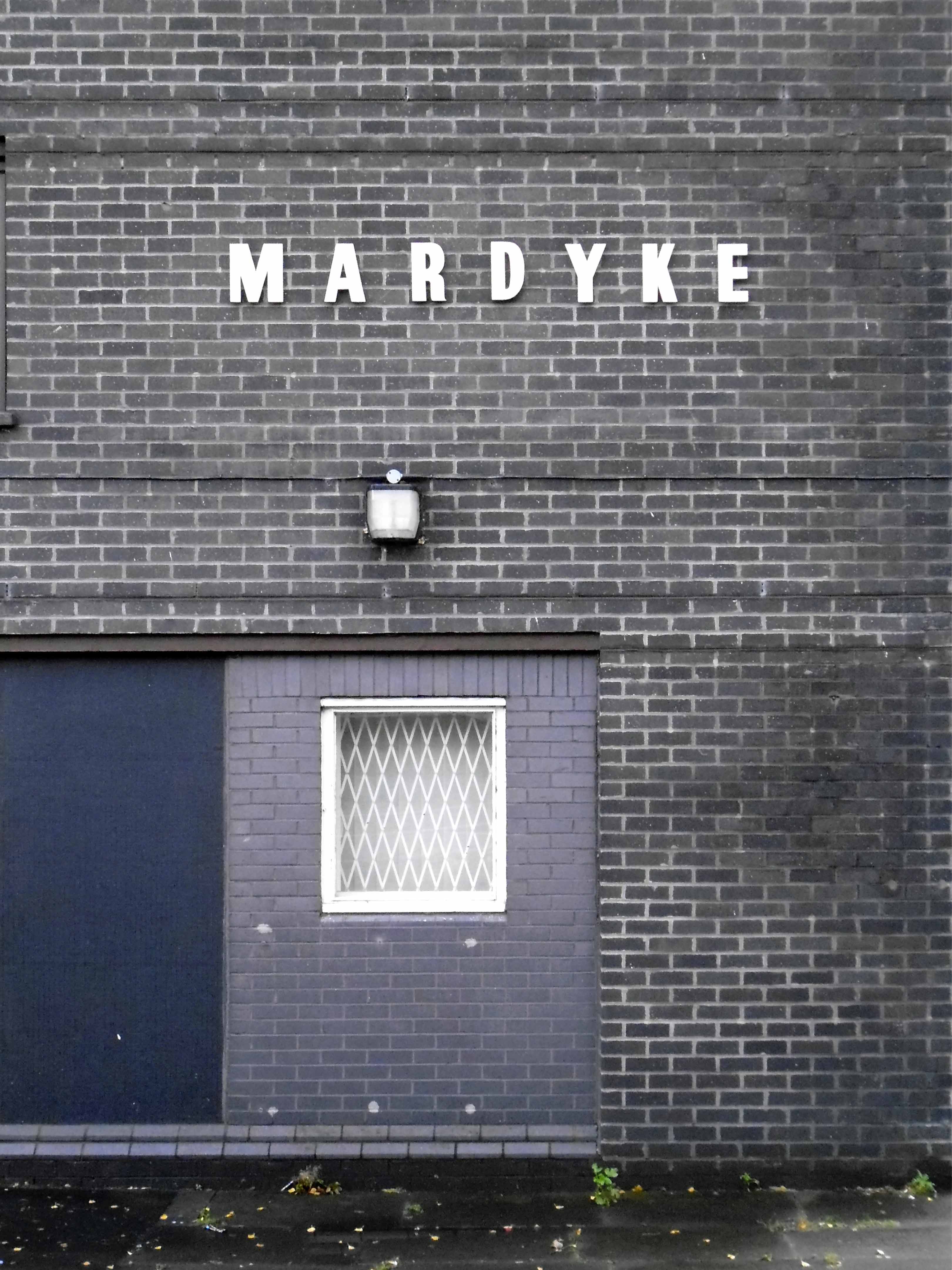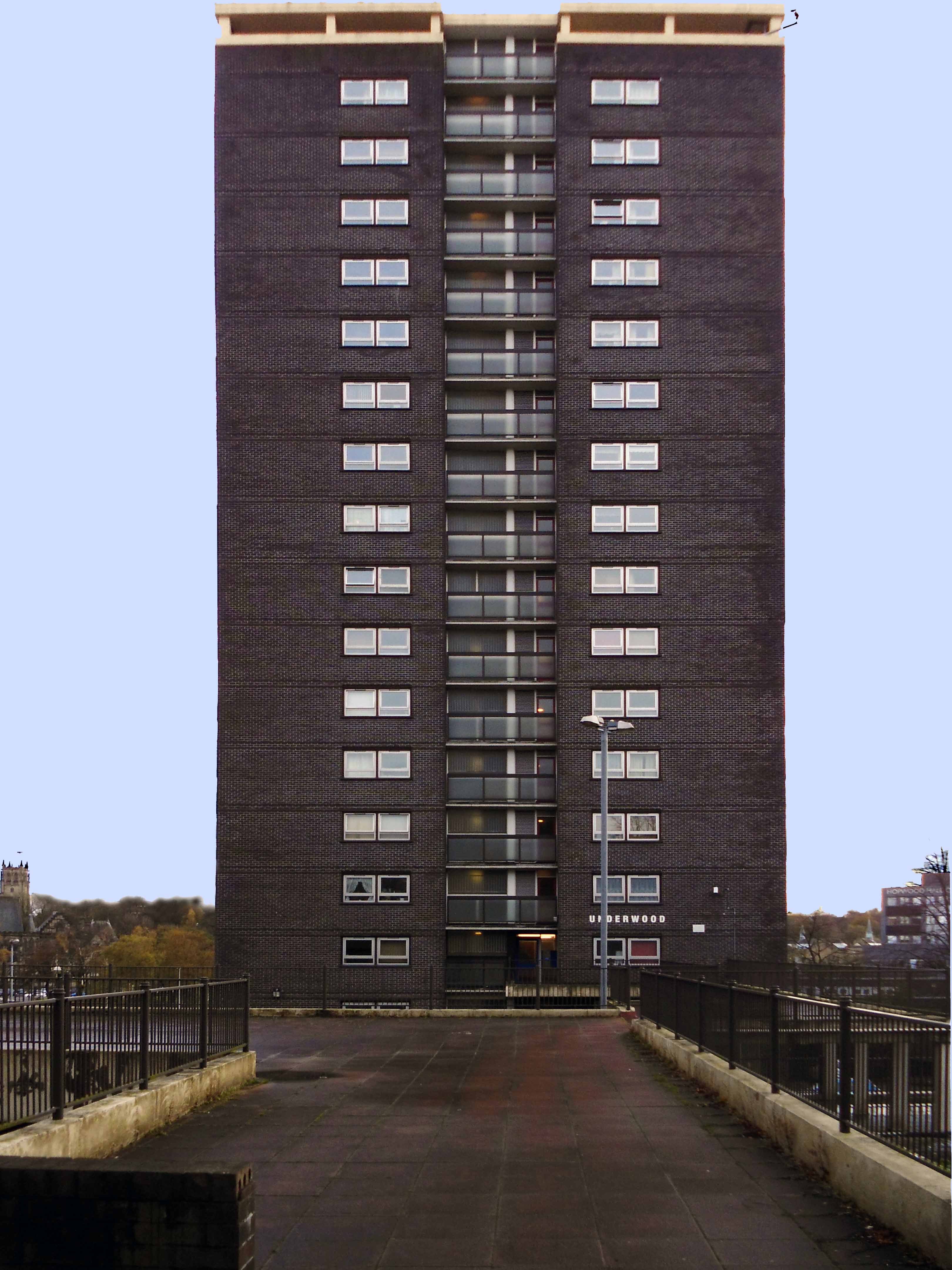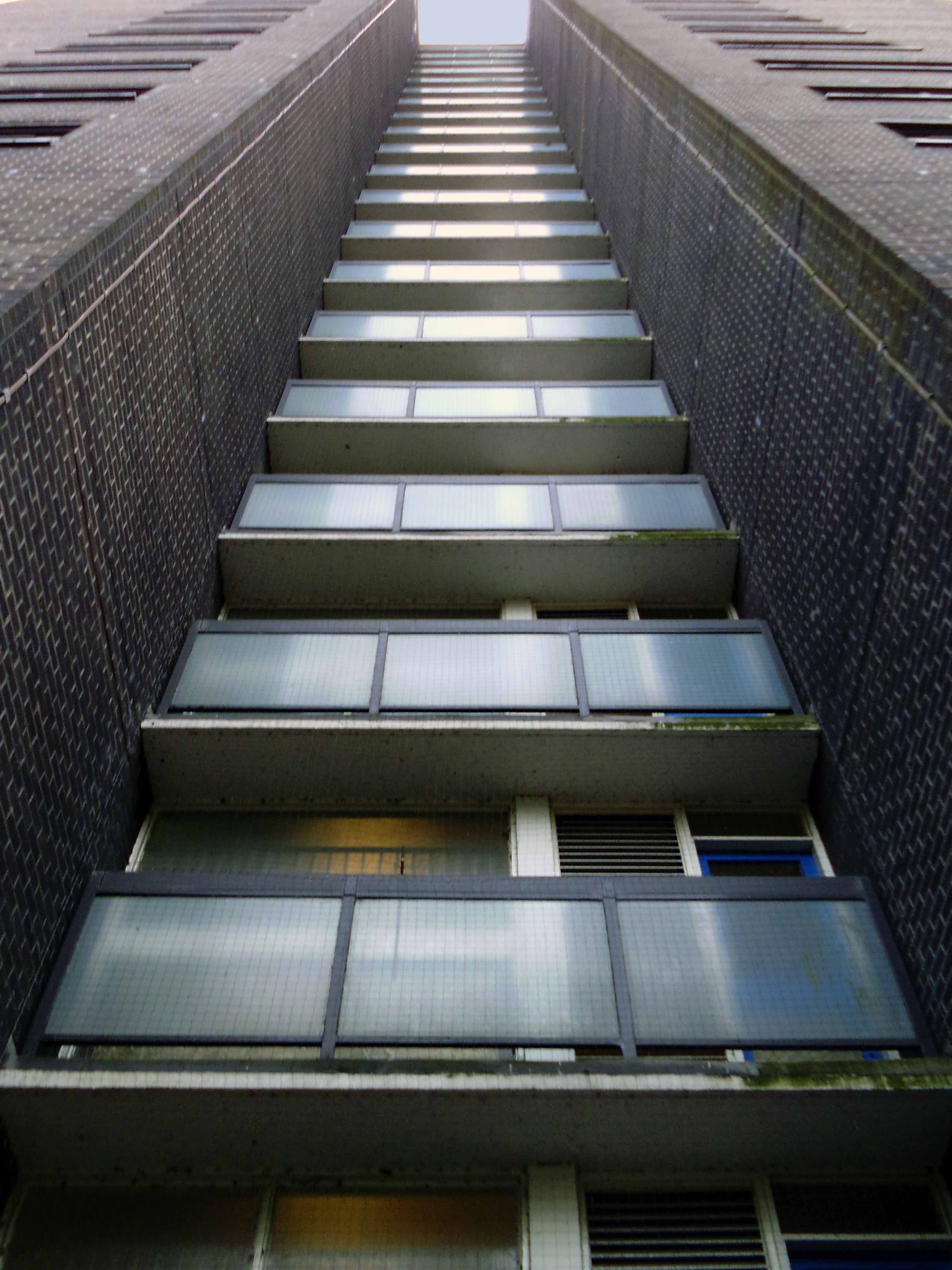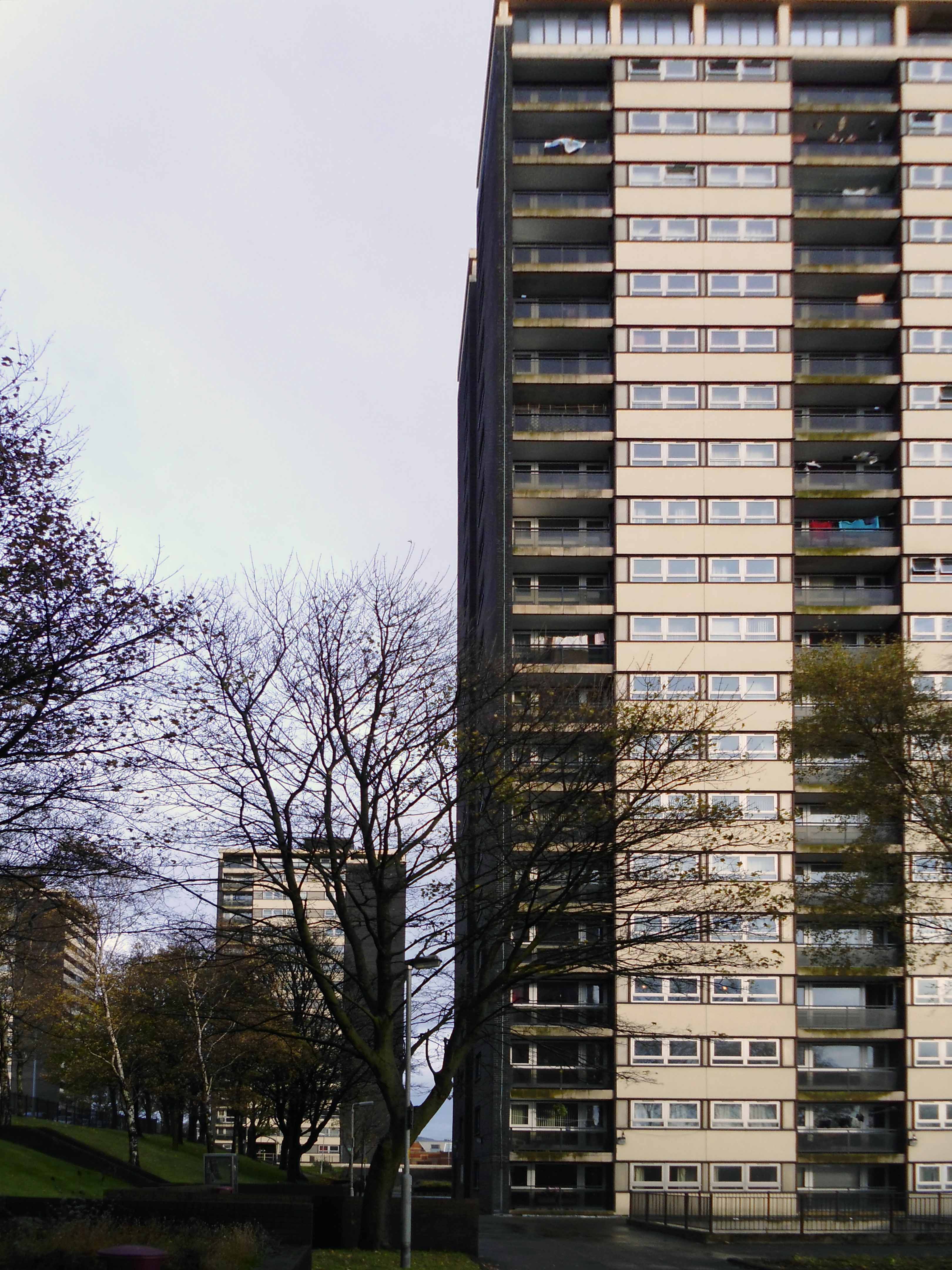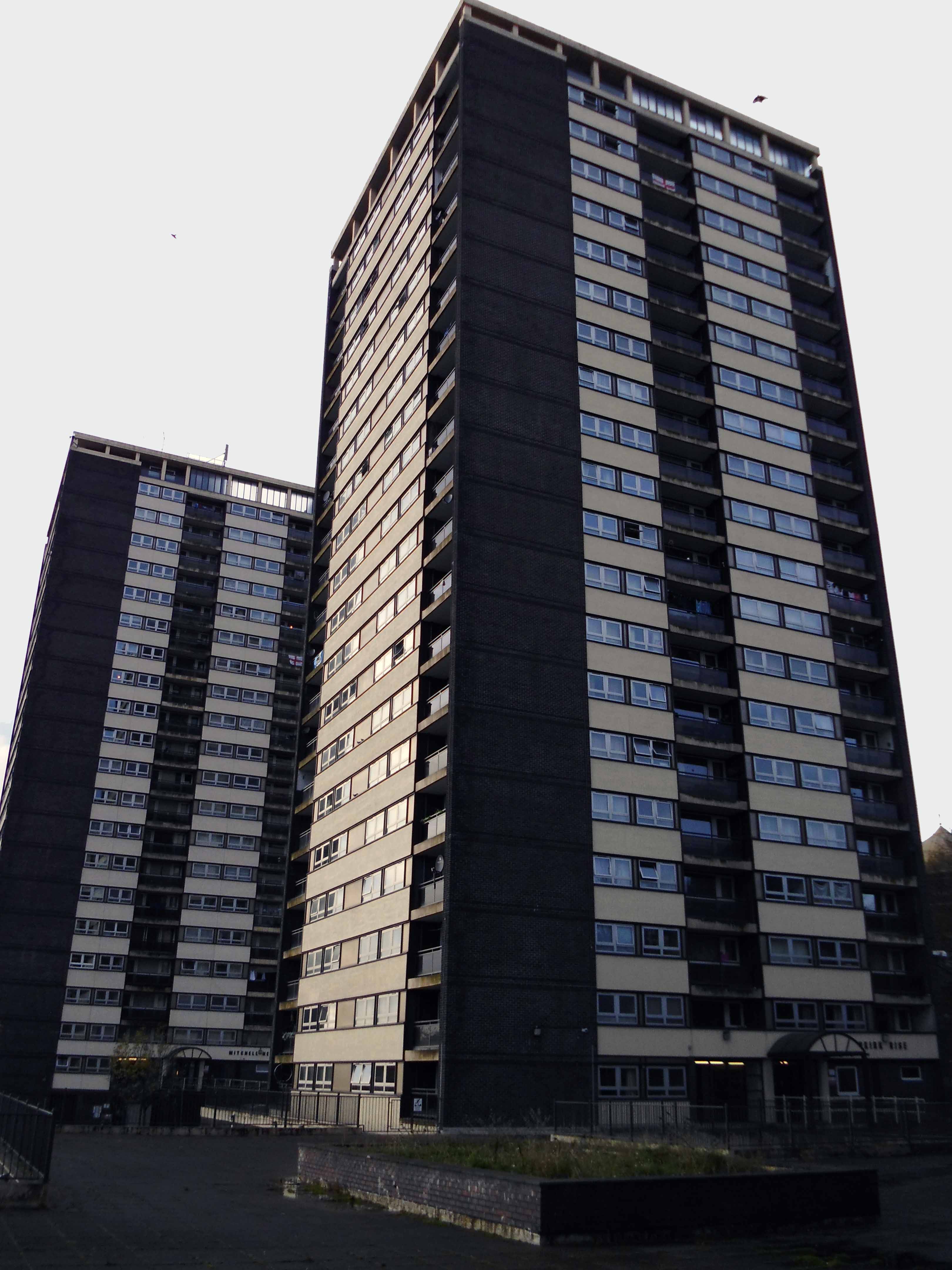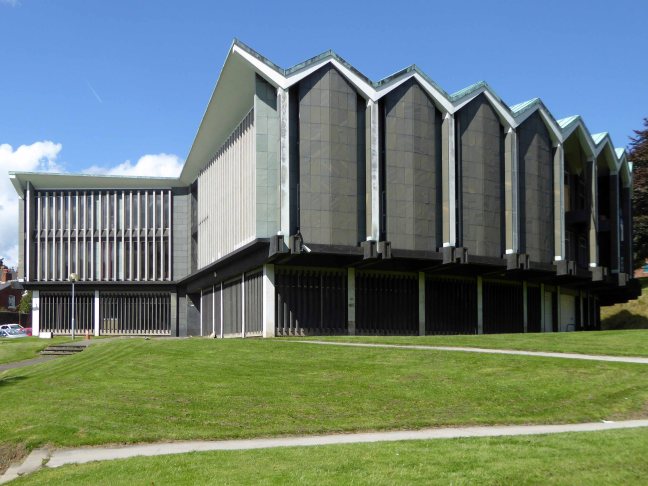
Lansbury Tower – London

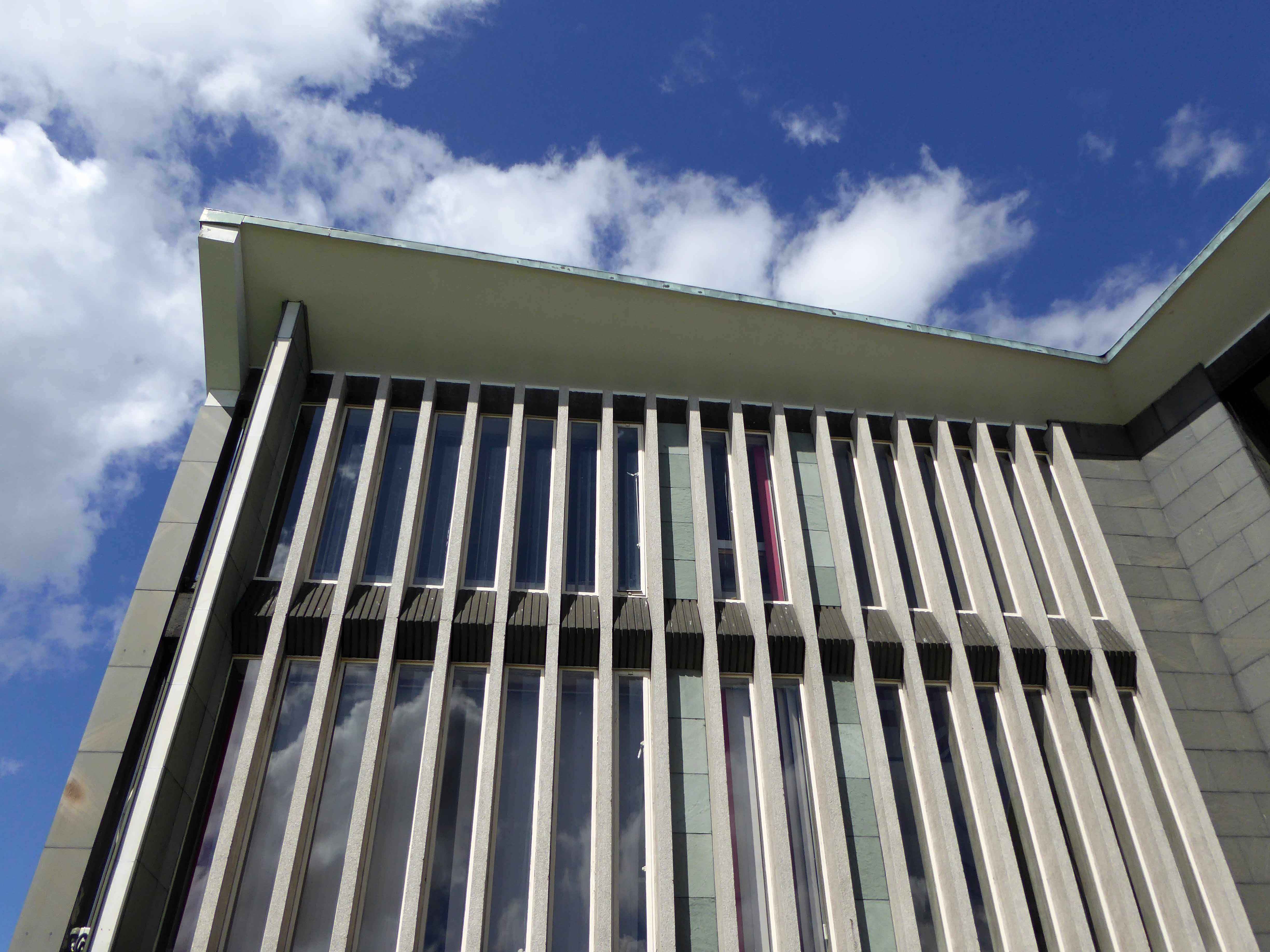
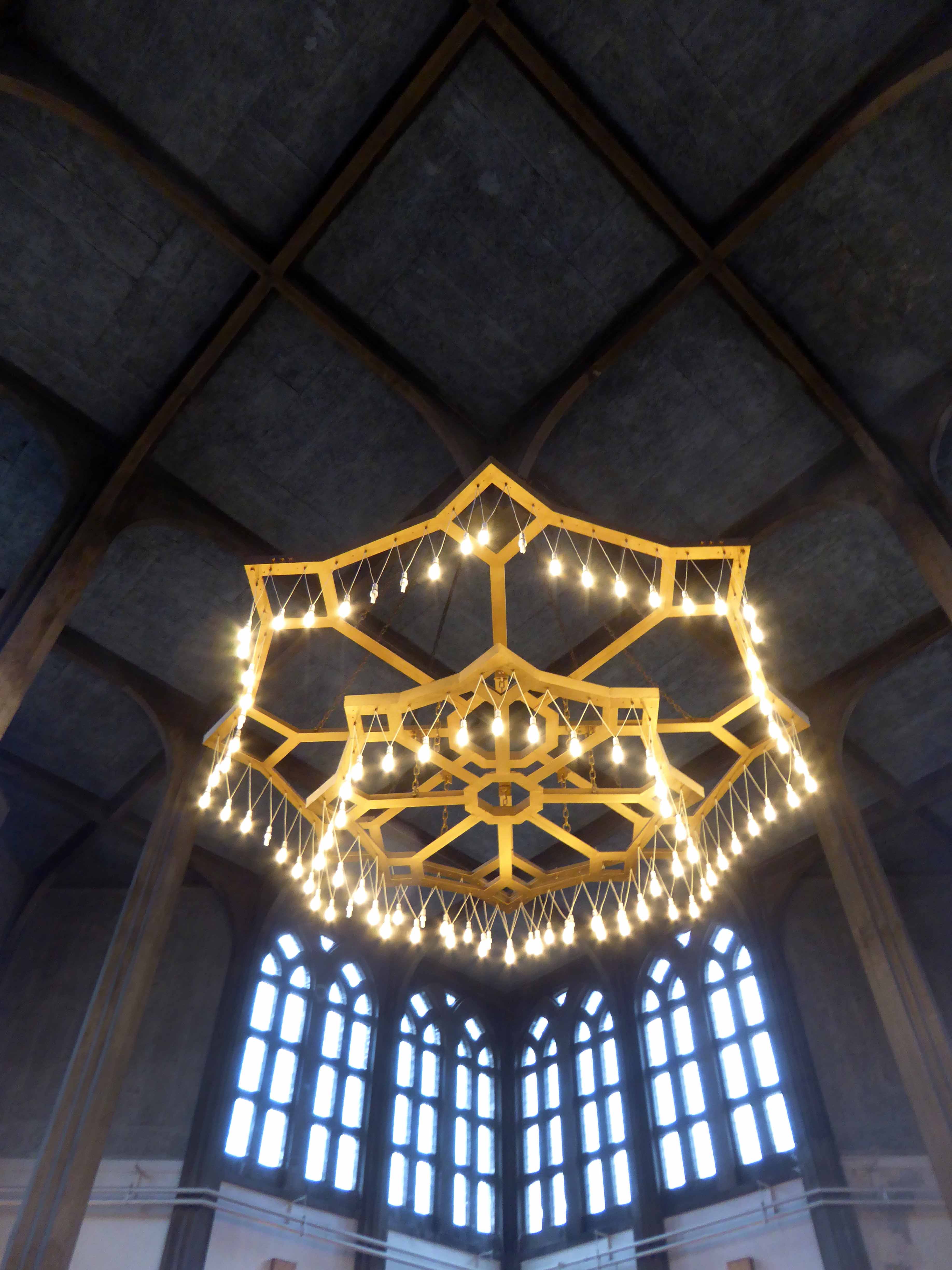
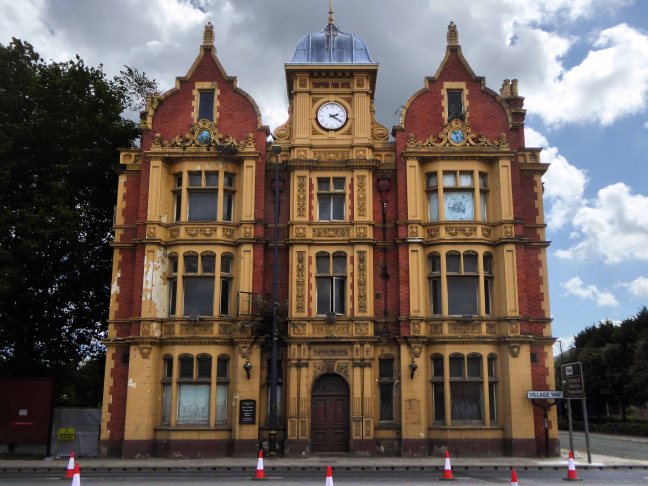
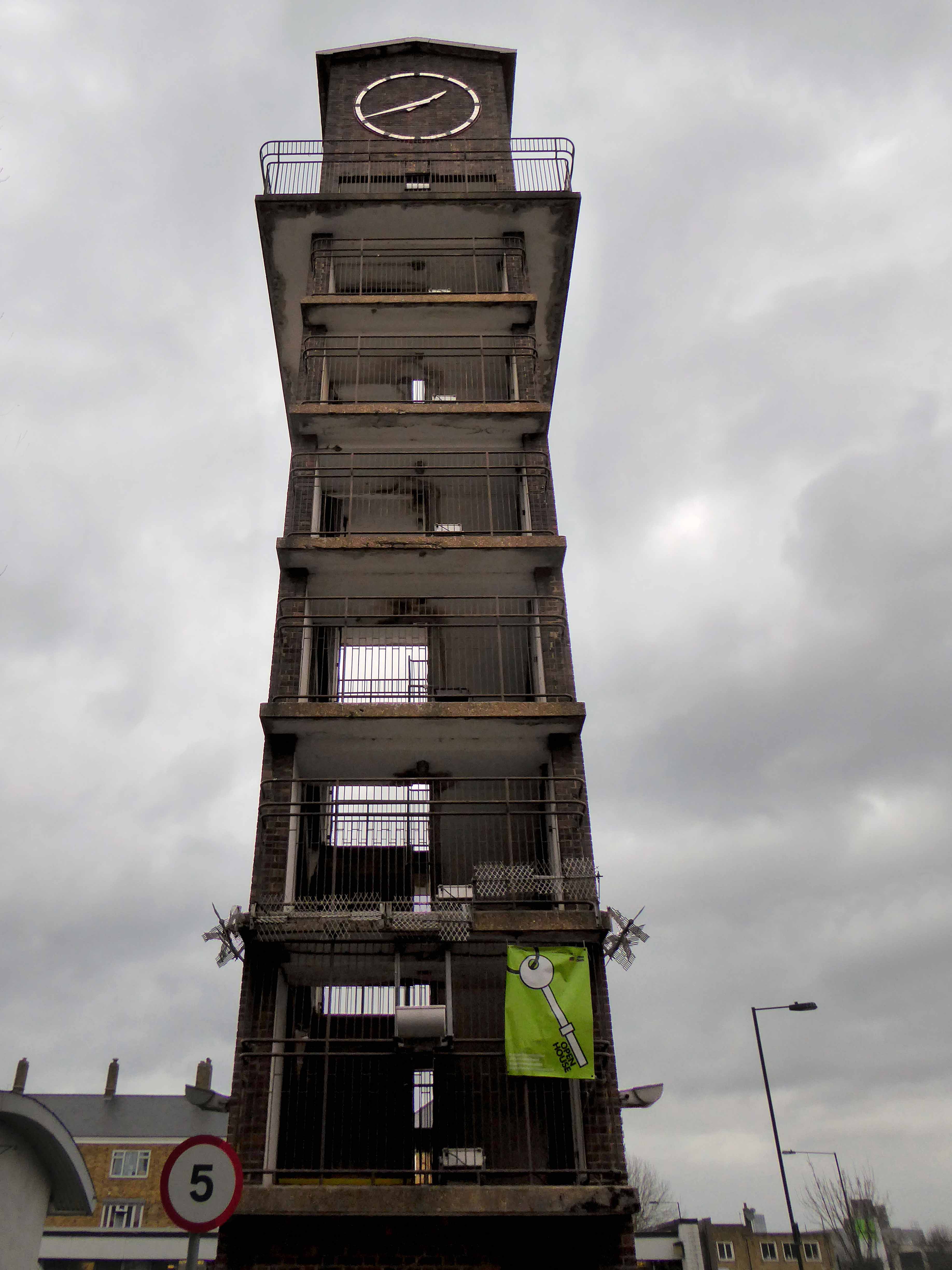
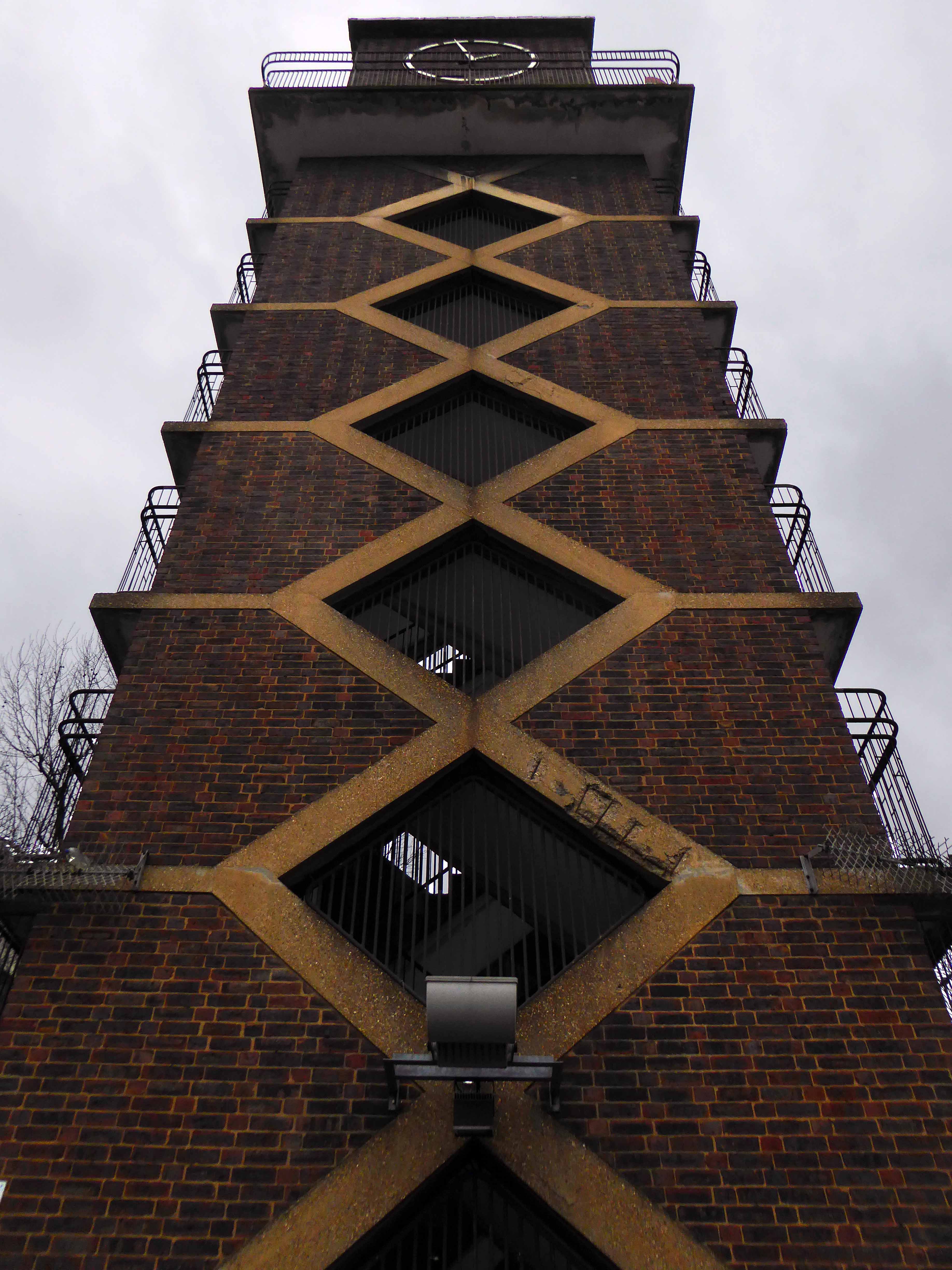
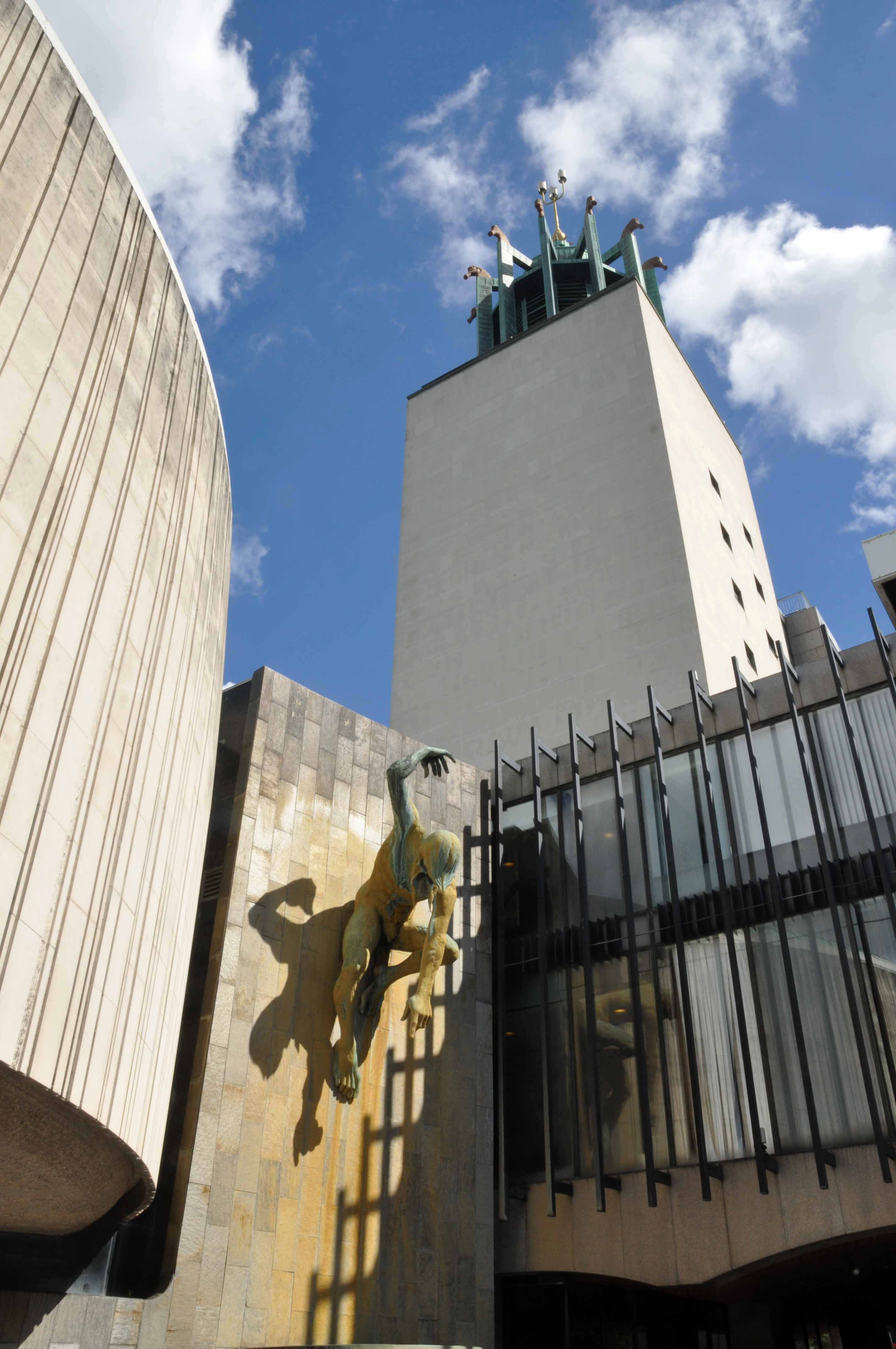
Neither wrought from purest ivory, nor containing some woe begotten, long gone, misplaced Rapunzel, but conceived as a democratic symbol of a new age of concrete, brick and steel.

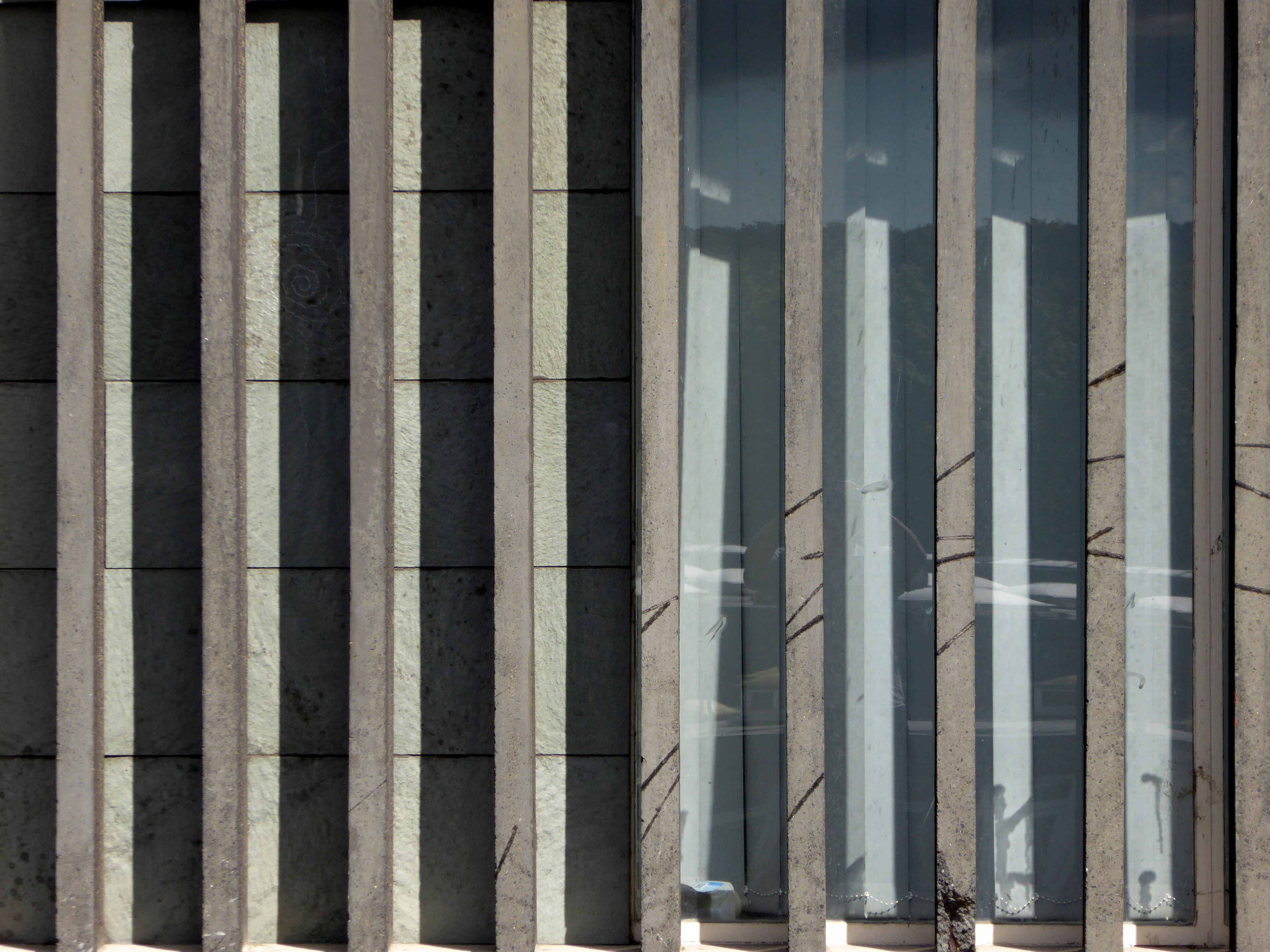
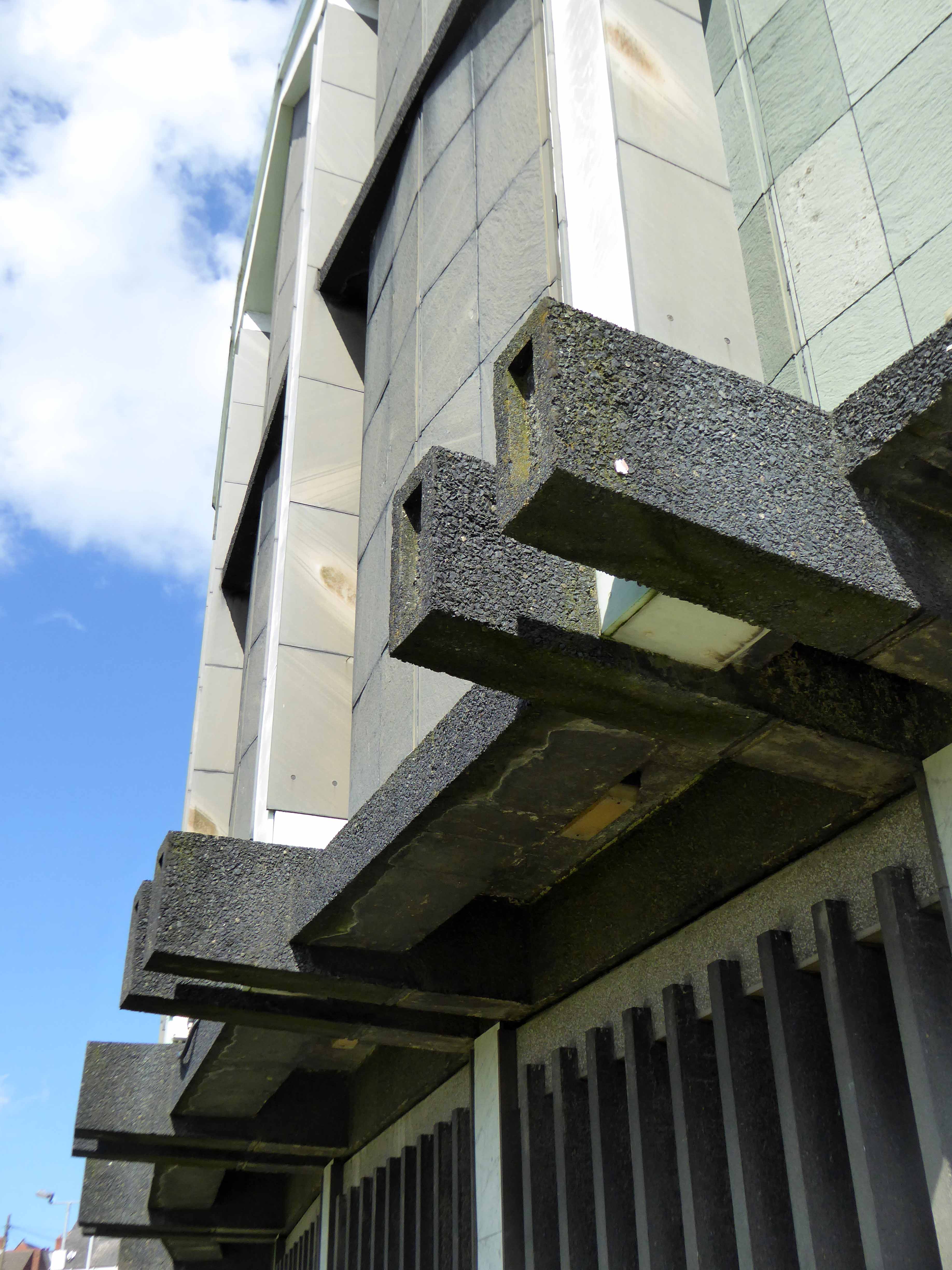
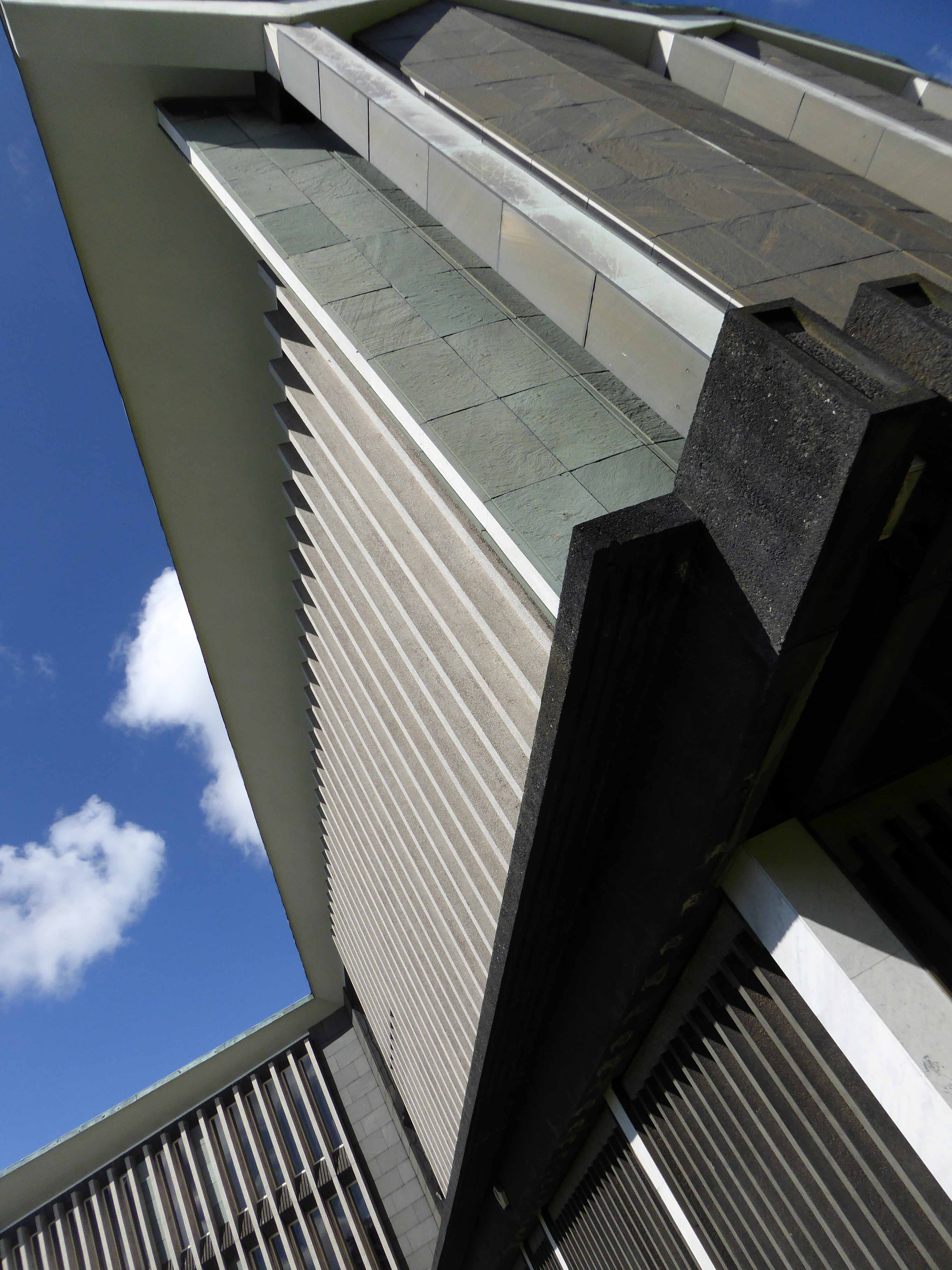
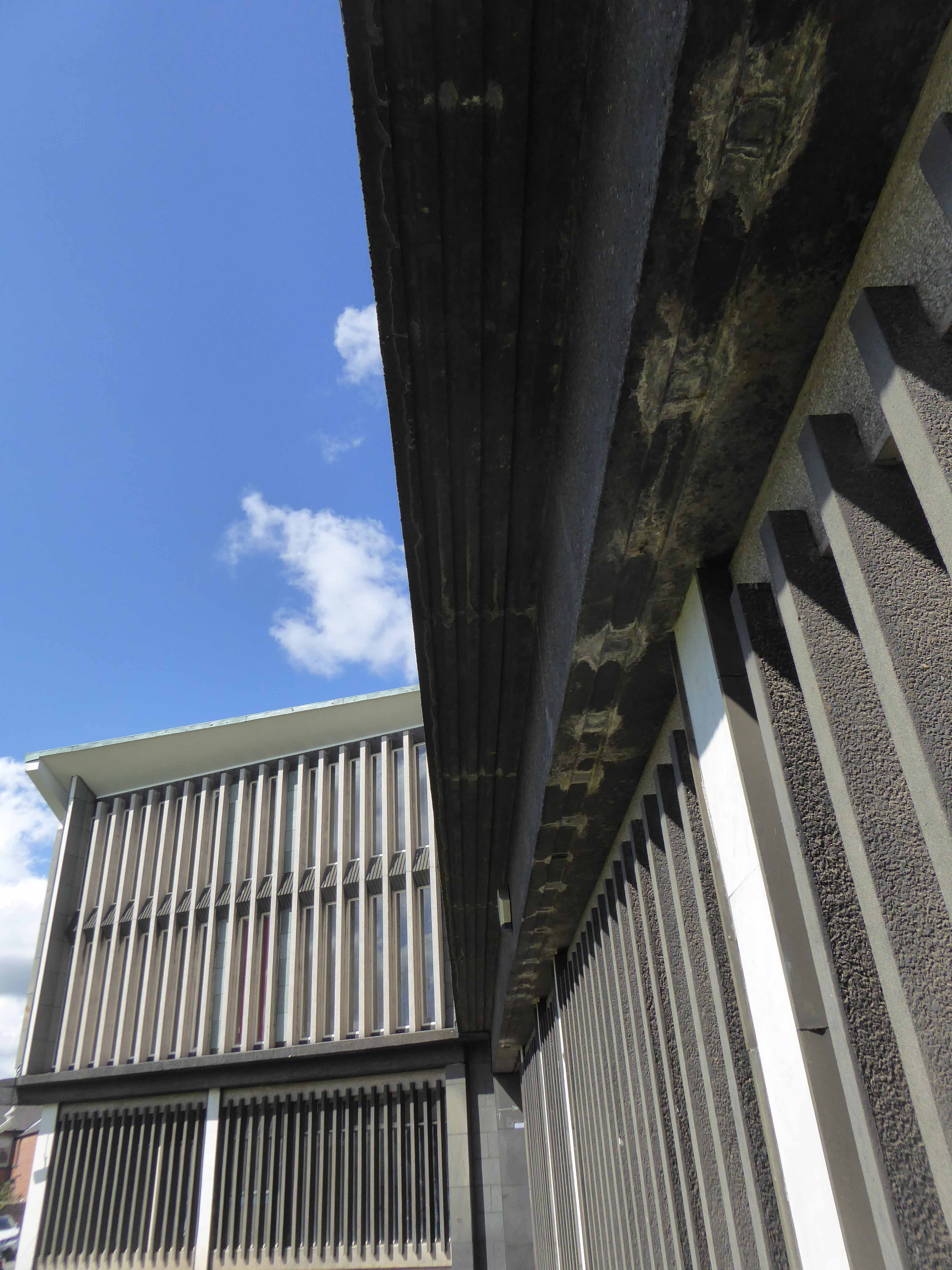
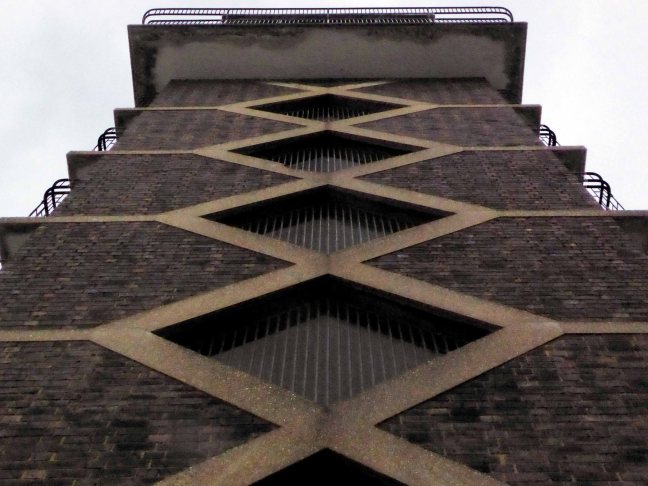
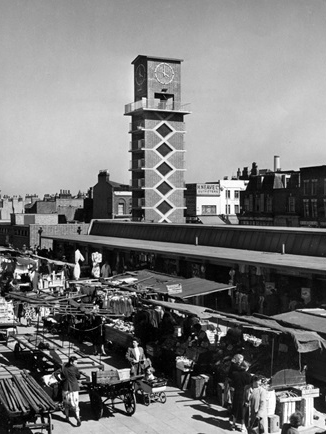
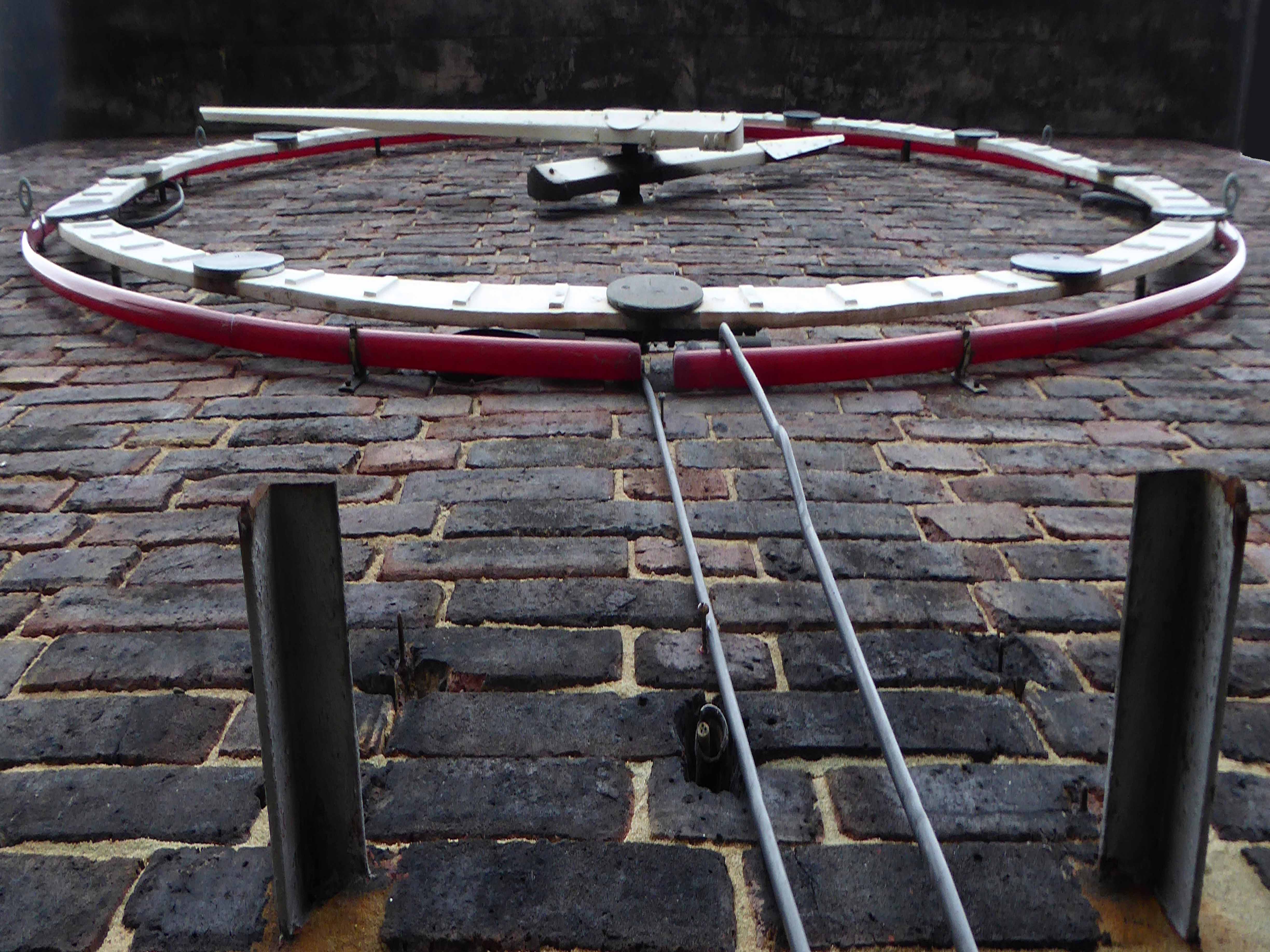
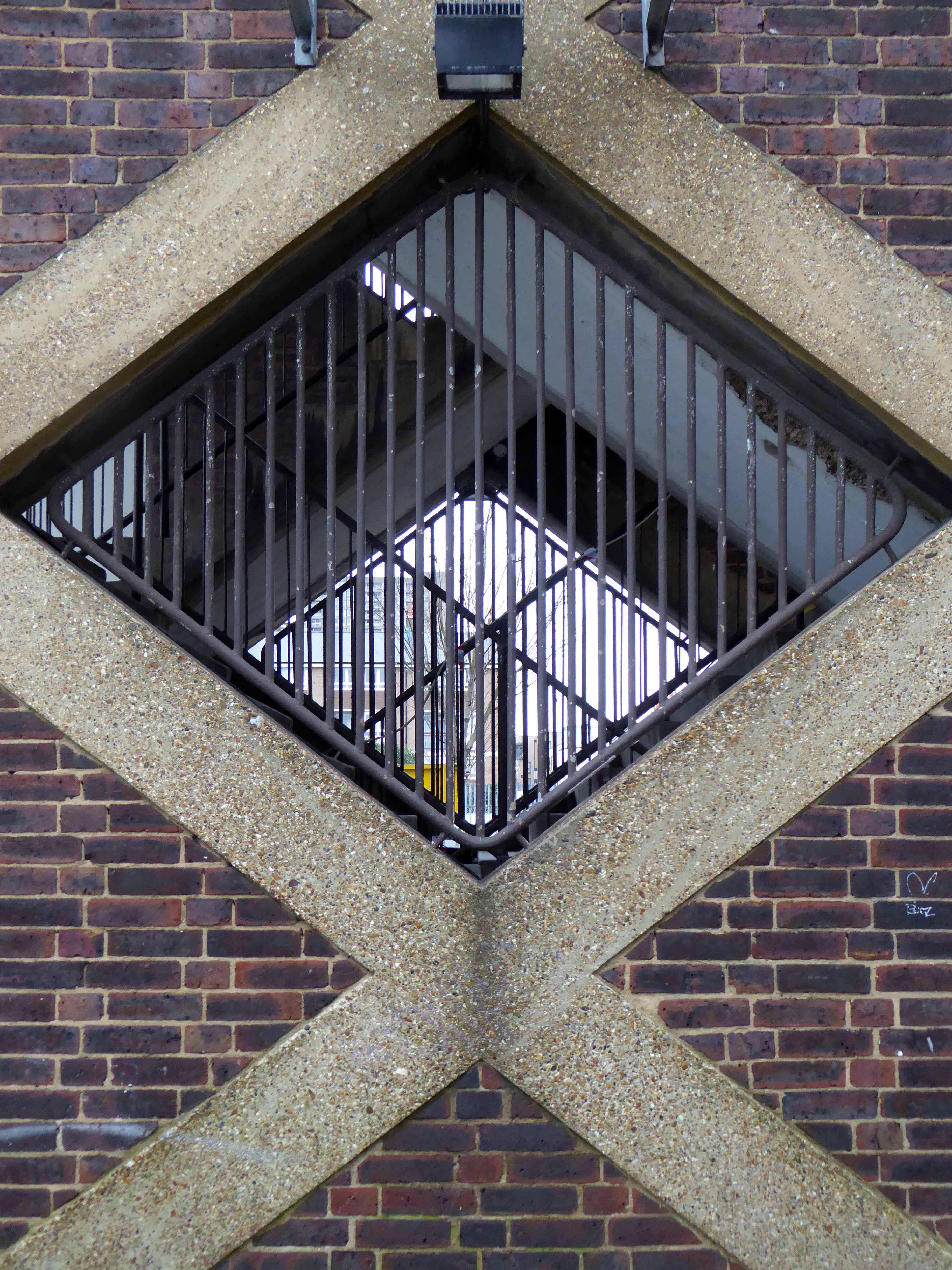
Frederick Gibberd’s almost triumphal tower interlocks zig-zag diamonds of cast concrete upwards towards a silently clicking clock, at the head of the Chrisp Street Market.

Lewis Mumford wrote of the adjoining Lansbury Estate:  

Its design has been based not solely on abstract aesthetic principles, or on the economics of commercial construction, or on the techniques of mass production, but on the social constitution of the community itself, with its diversity of human interests and human needs.

15631.1.434.434.FFFFFF

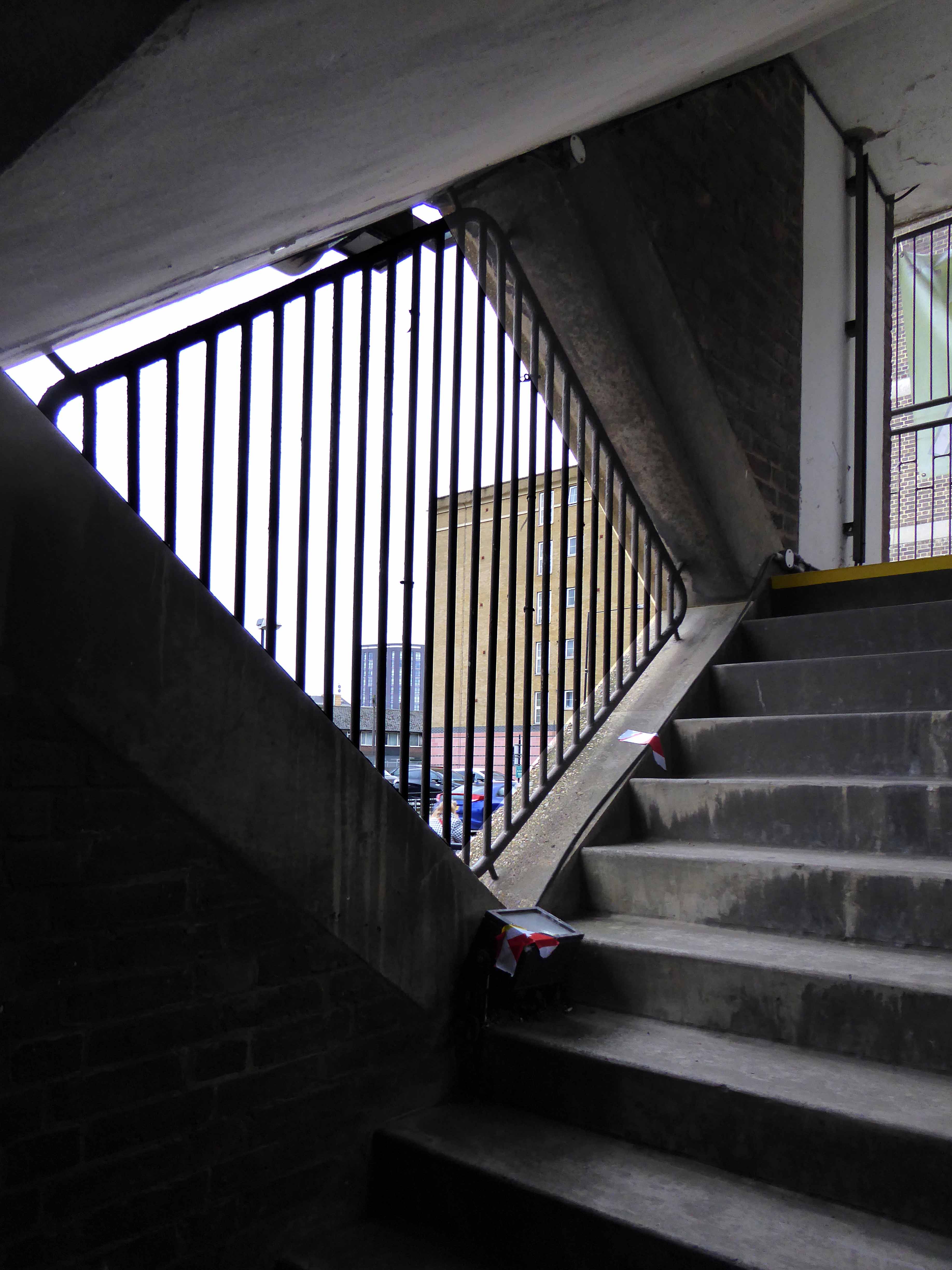
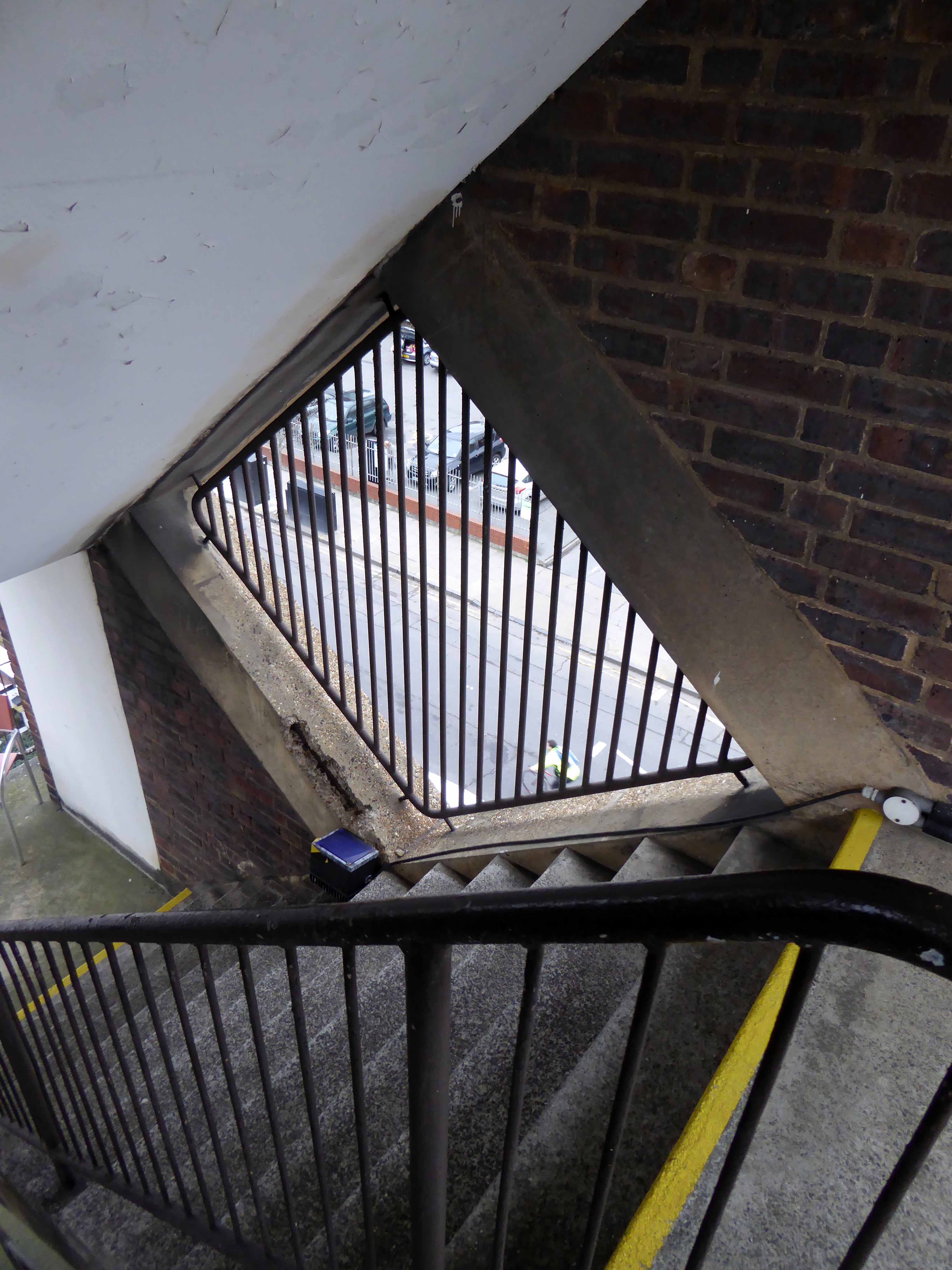
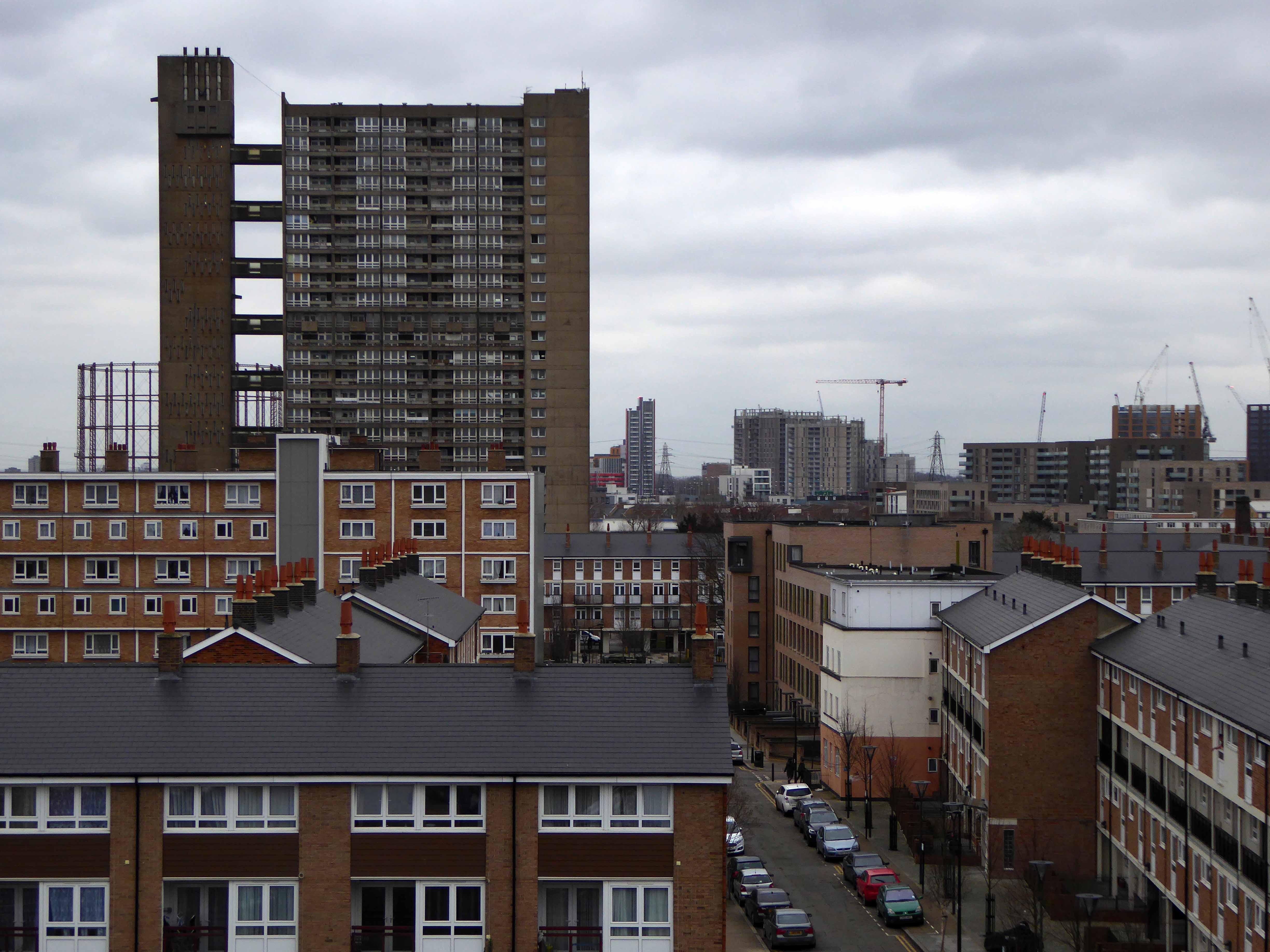
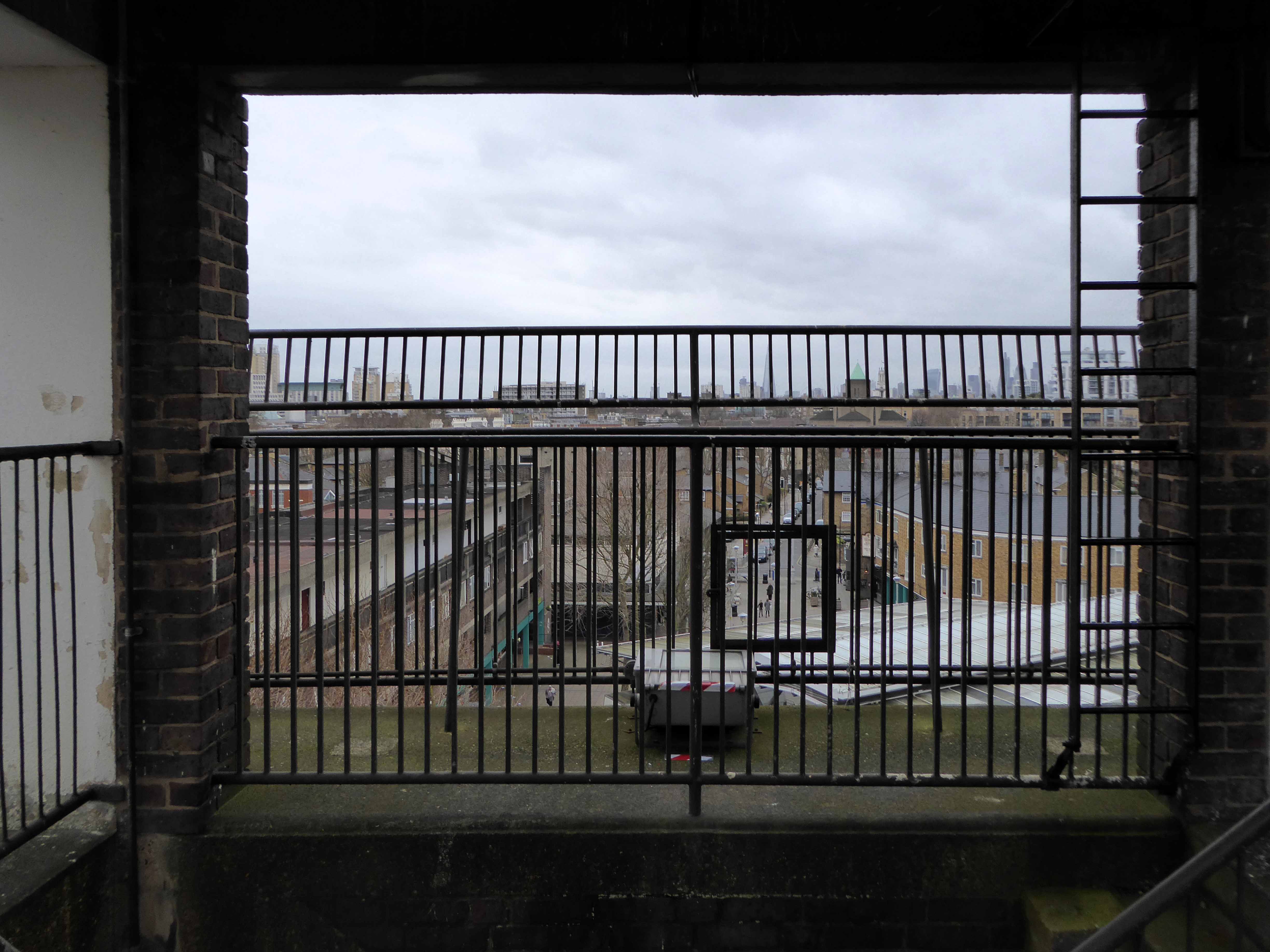
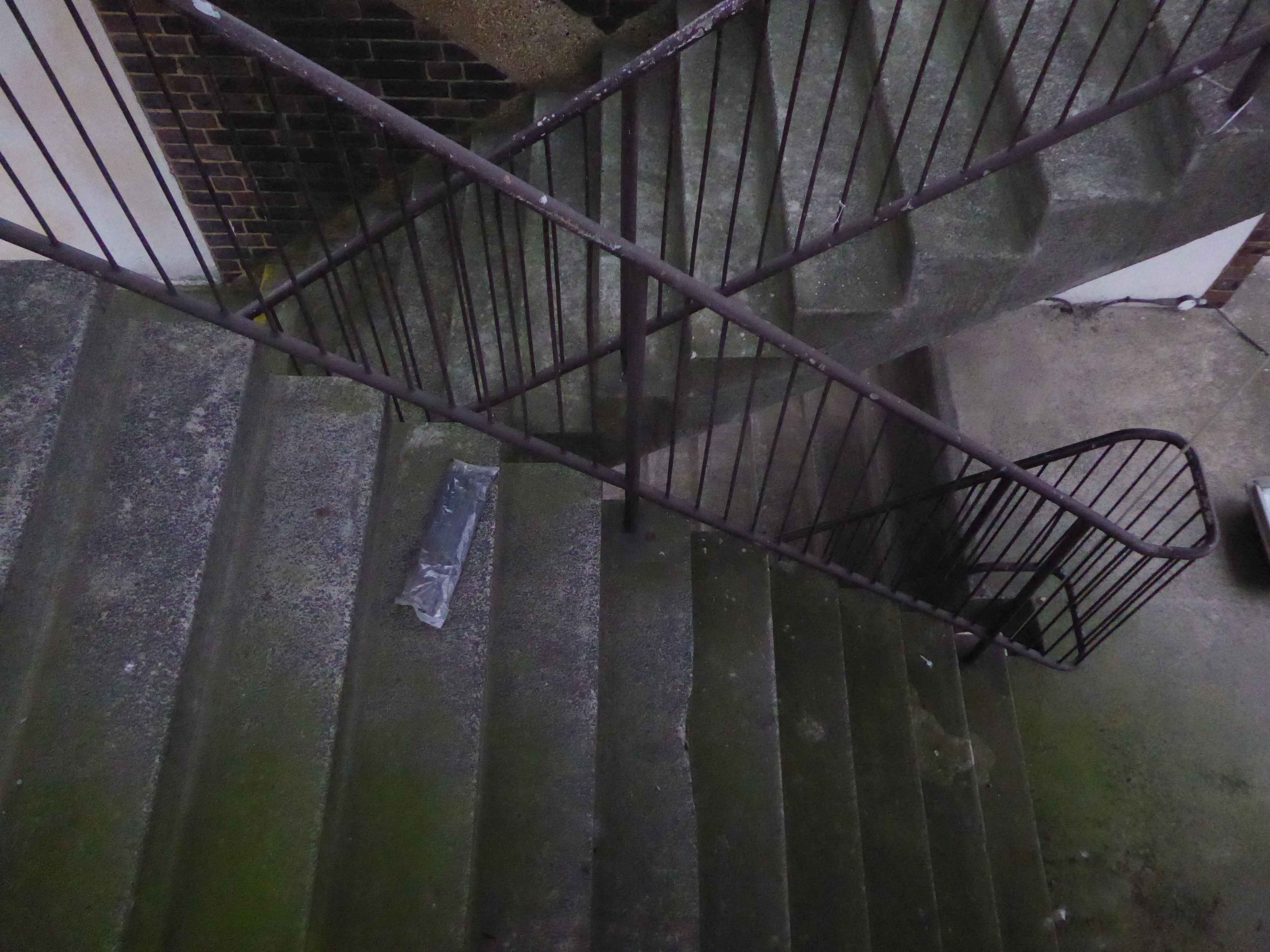
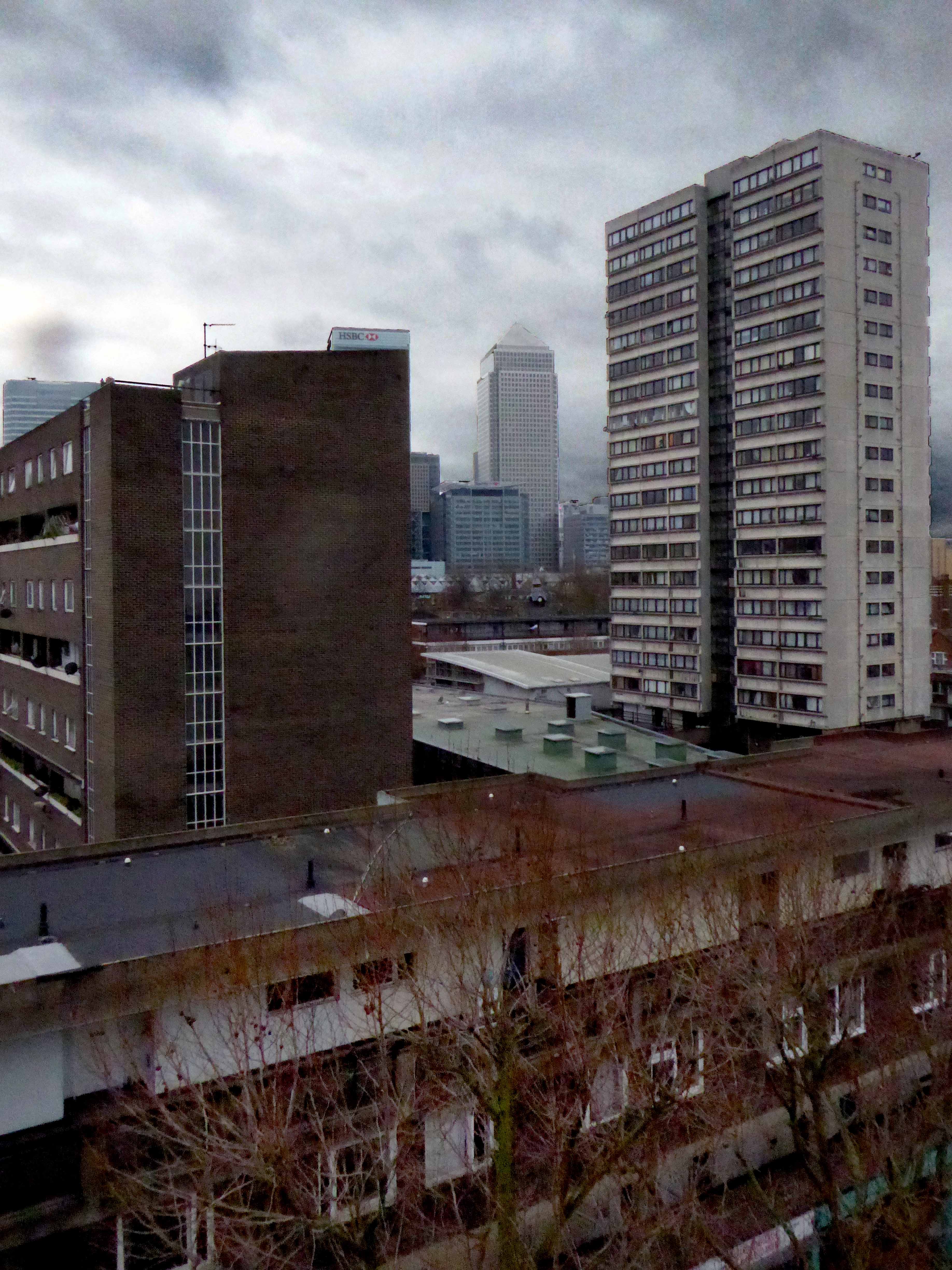
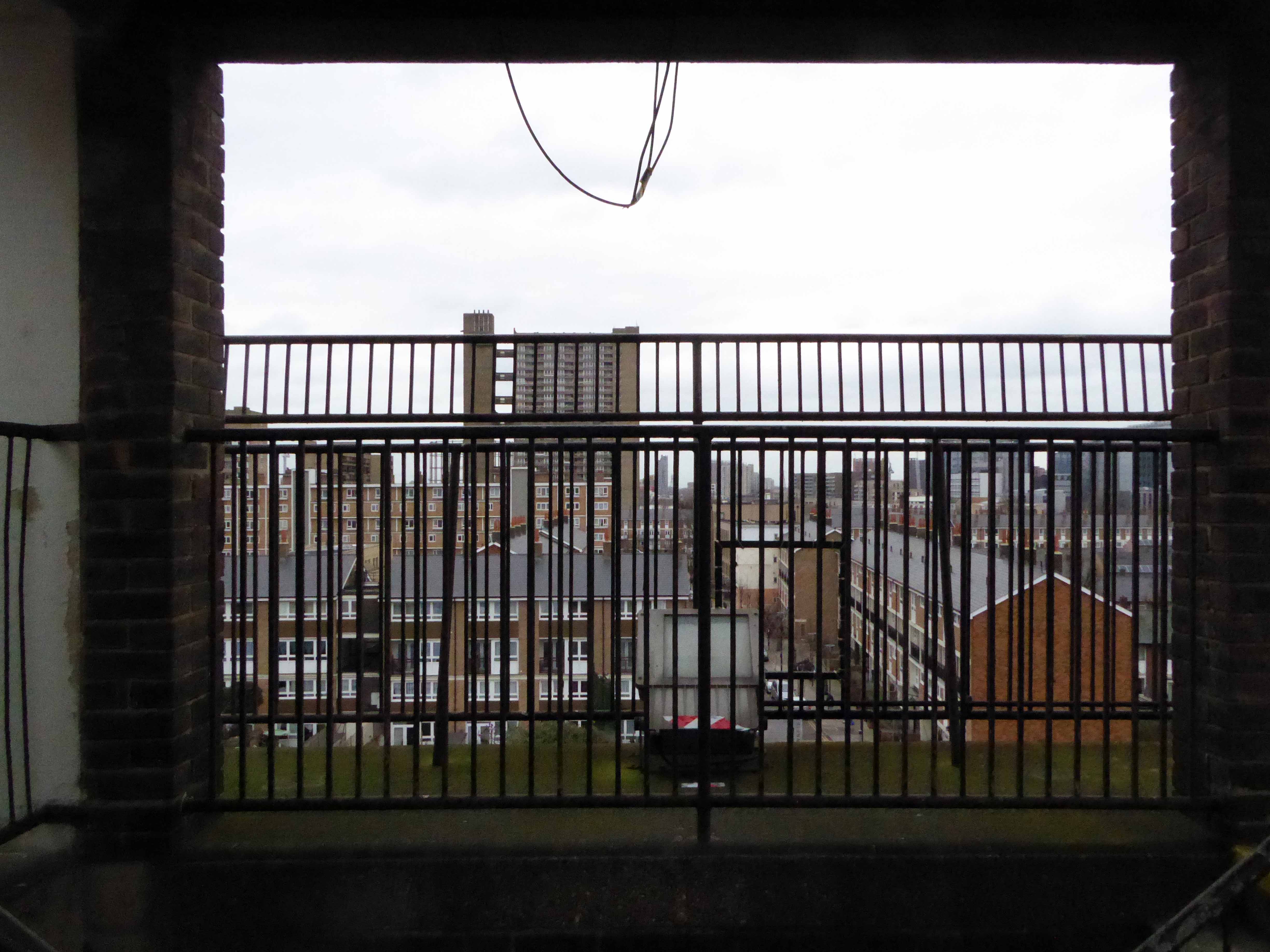
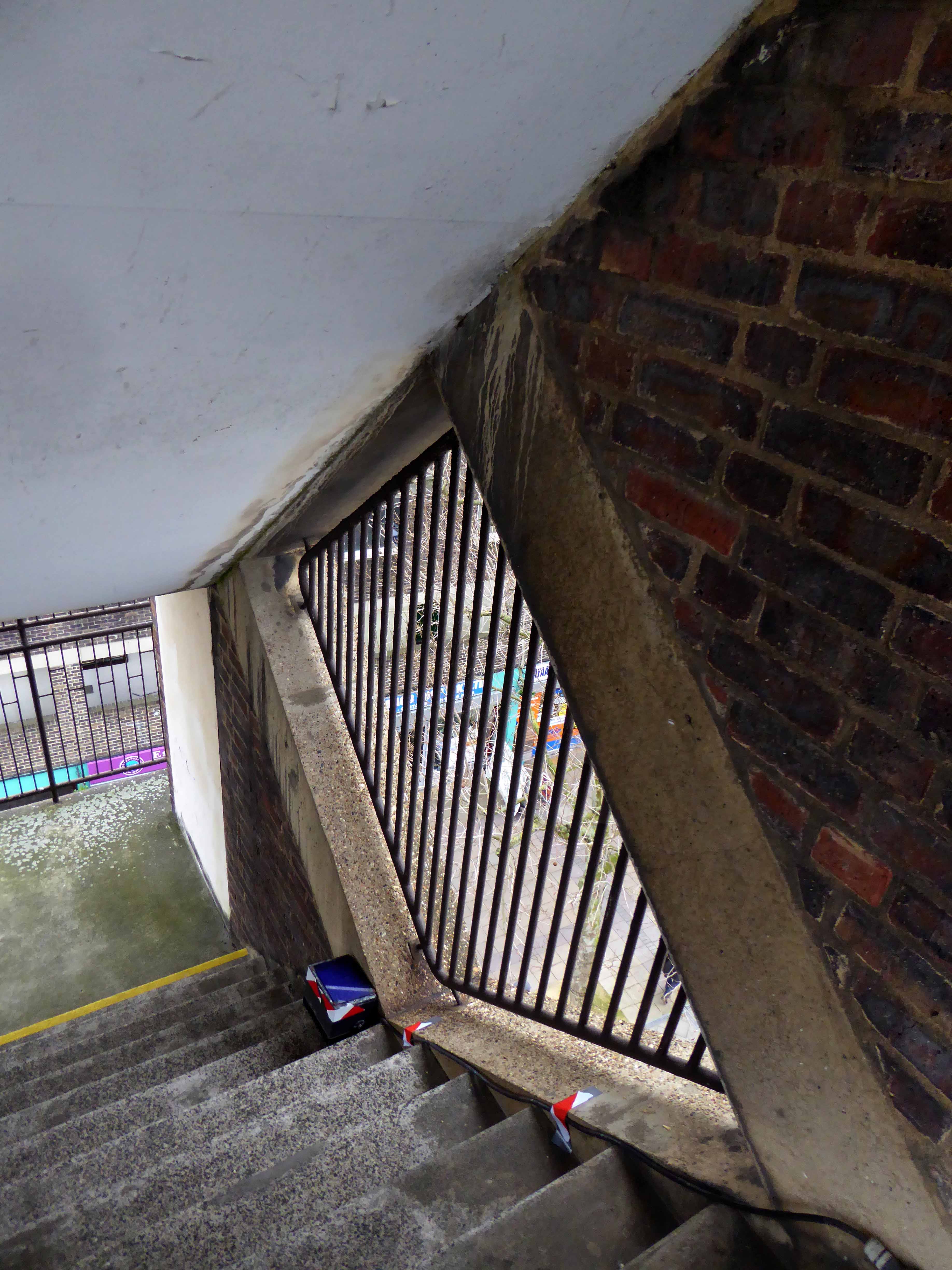
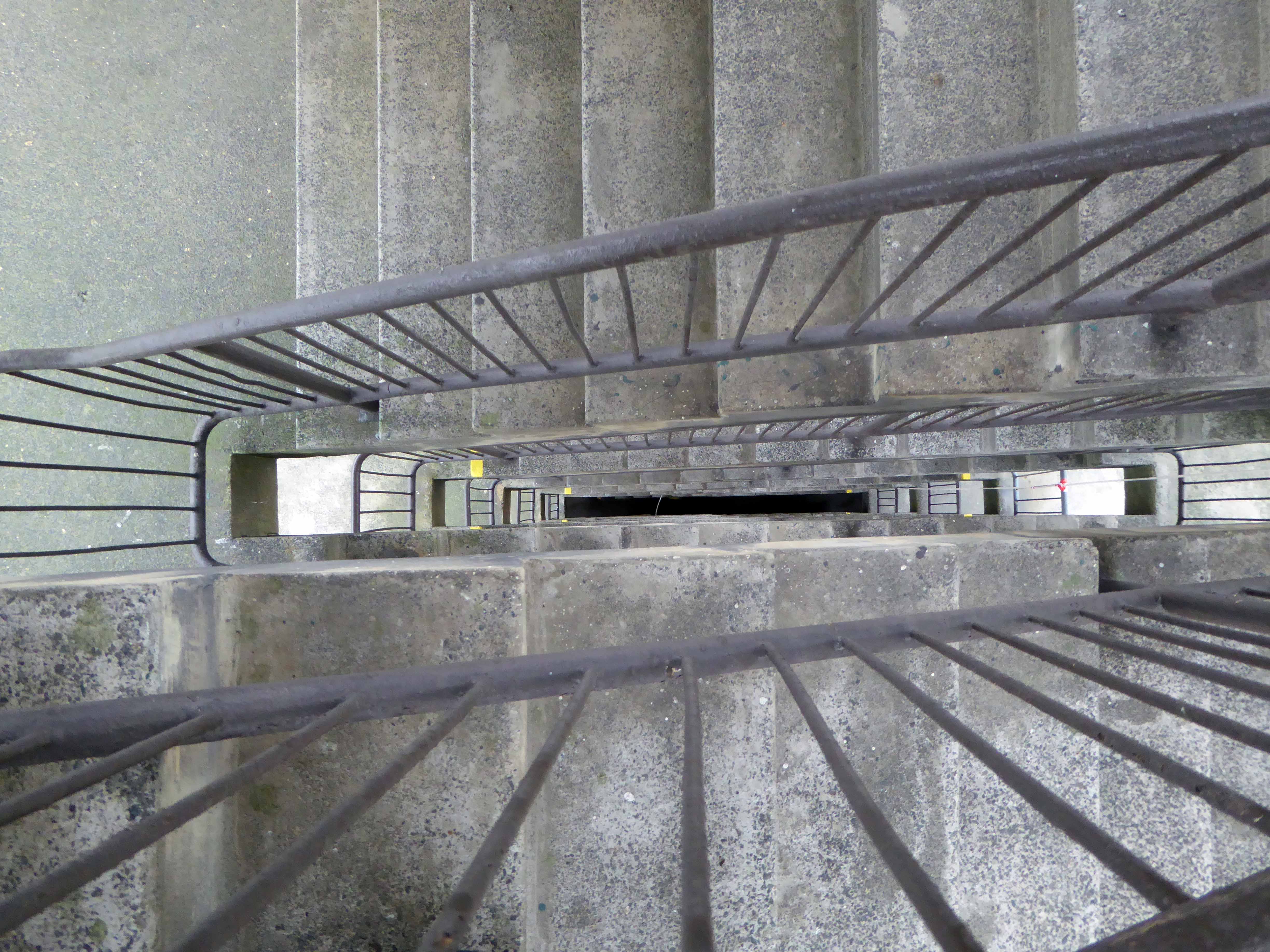
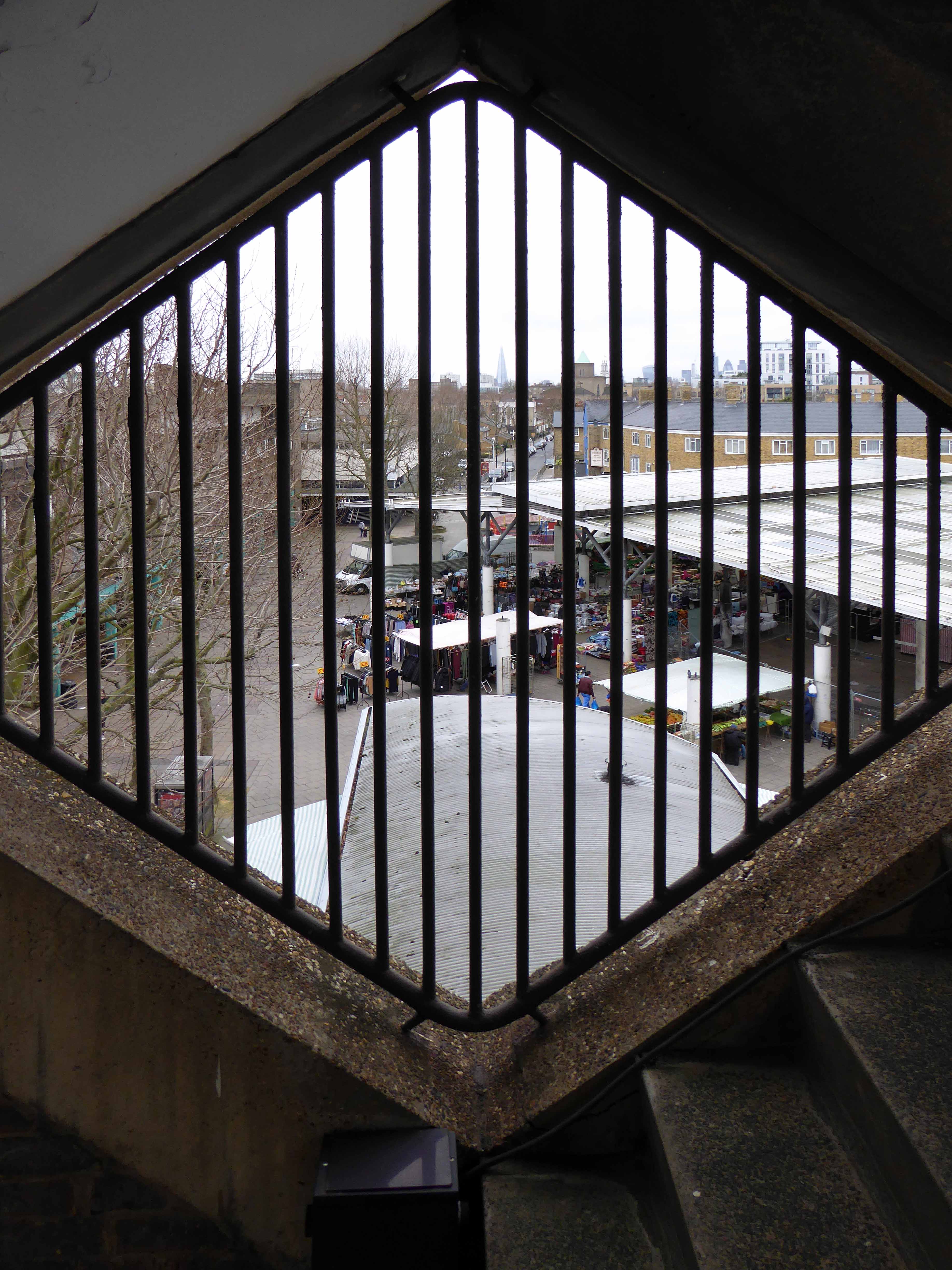
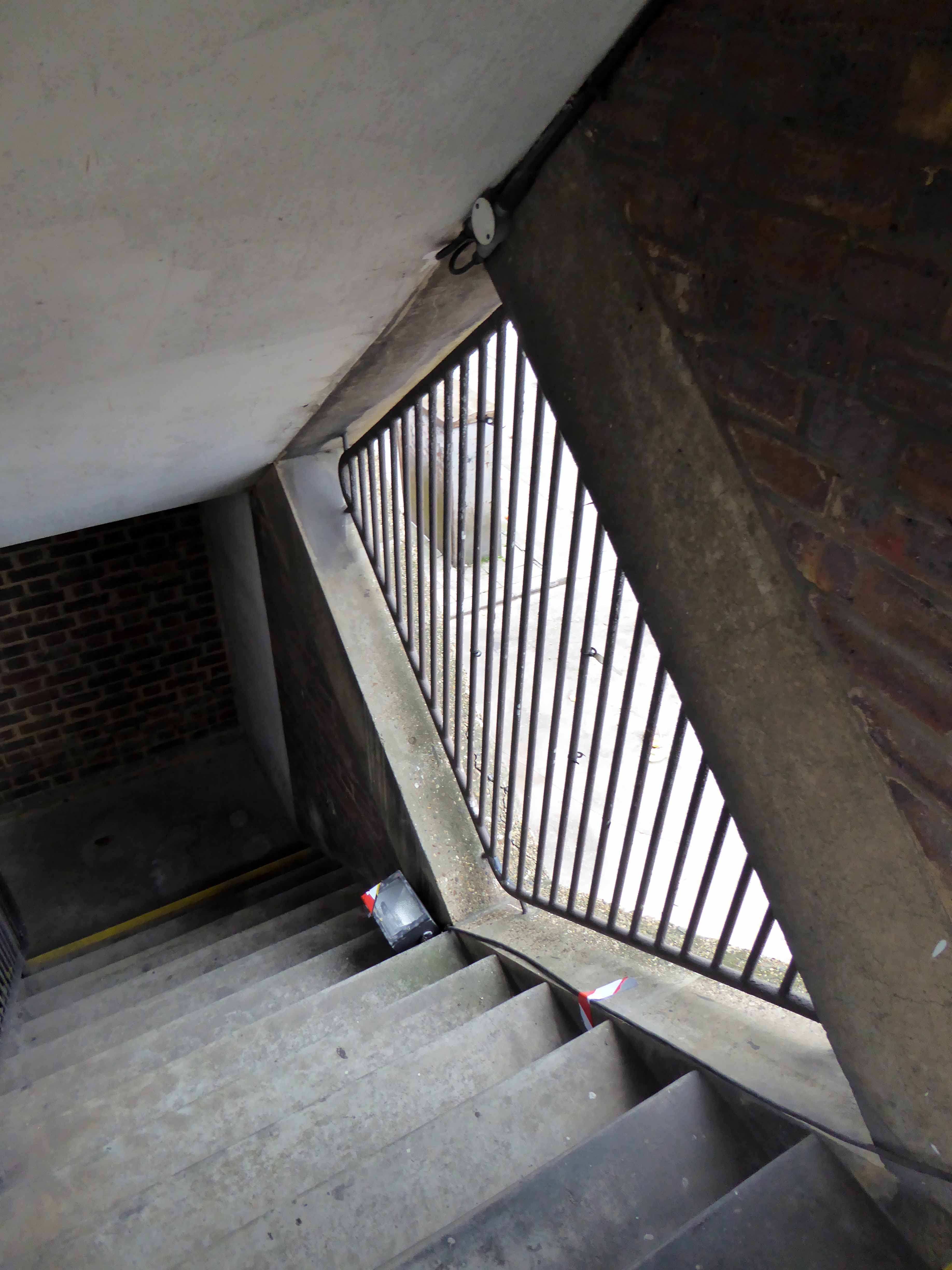
I was privileged to ascend the internal staircase, once open to the public – now reserved for high days, holidays and nosey northern interlopers. Having mildly vertiginous inclinations when so inclined, I gingerly went up in the world and leaned out to take the air and the view.

And this is what I saw.

P1130755 copy

P1130757 copy

P1130758 copy

P1130759 copy

P1130760 copy

P1130761 copy

P1130762 copy

P1130763 copy

P1130765 copy

P1130766 copy

P1130768 copy

P1130770 copy

P1130771 copy

P1130773 copy

P1130775 copy

P1130777 copy

P1130778 copy

P1130825 copy

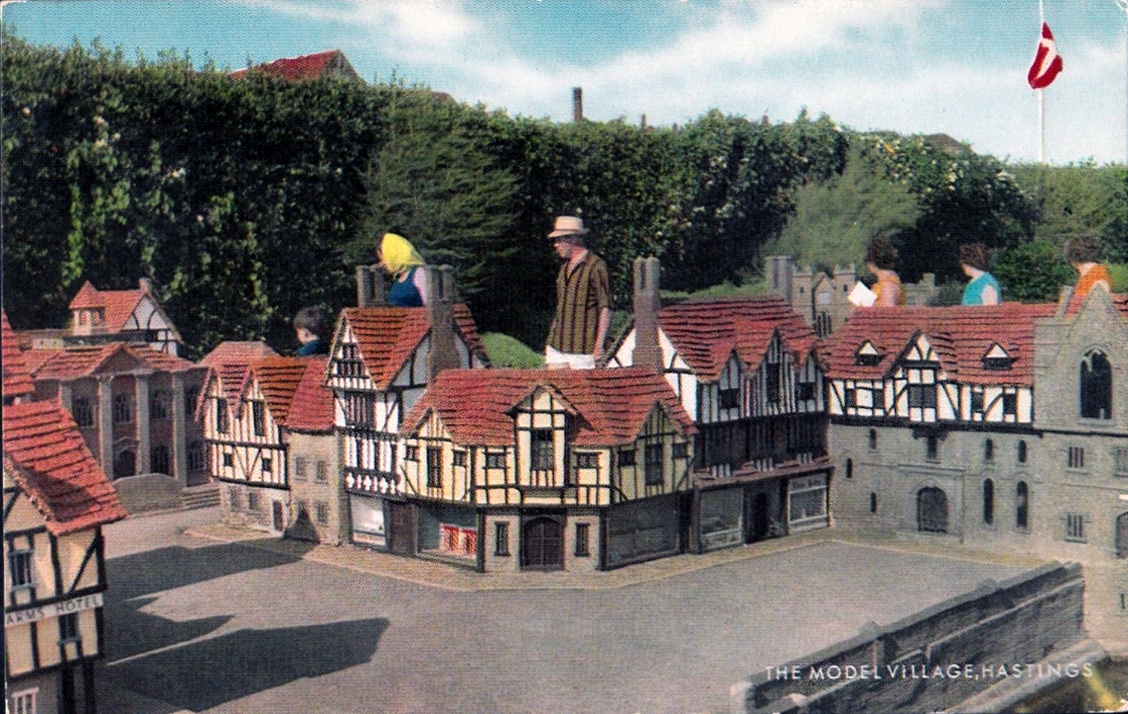
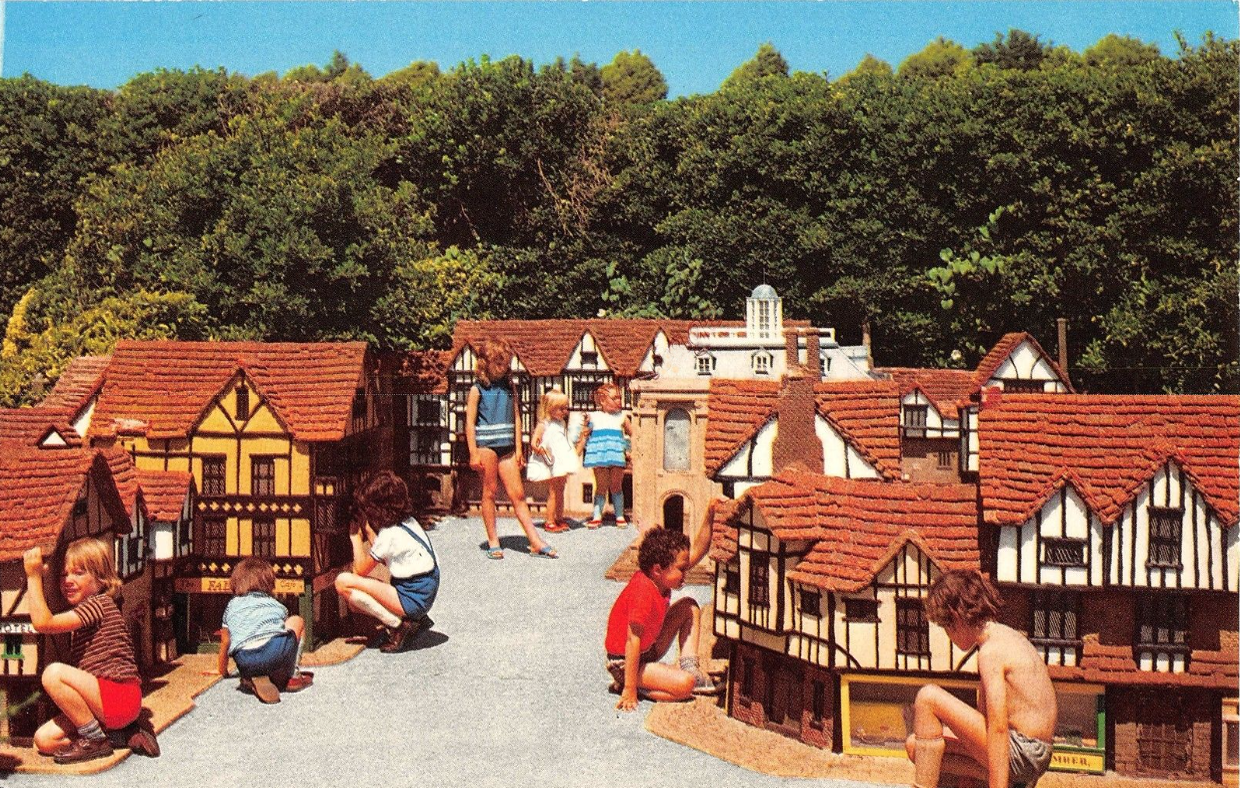
Hastings – Model Village

Blimey, I remember the castle and the hamster wheel thing. It was, in those days, as close to you would get to an adventure play park, it was on the same site that is now held by Clambers and it was all outdoors. The Castle, the Hamster Wheel, an army zip slide, seesaws, roundabouts and I think there was a small paddling pool. The Castle stunk of wee, probably where kids couldnt be bothered to get to the toilet. I remember it even had towers that you could go up .

Next to the play park was a putting course and you use to pay where the bowling green hut is now. Then the other side was a crazy golf course and you purchased the tickets from the model village hut. We had some great times up there . We use to spend the morning in the museum and then a snack and a drink at a very small cafe that was just below White Rock Road, in Cambridge Road (since gone) and then off to the putting, the play park and then the crazy golf, in that order 

Can you imagine kids being allowed out to do that now ? We were 12 years old in 1973 and use to catch the 433 bus from the Fortune of War (well thats what we called the bus stop anyway) in Priory Road, to the Oval and back.

Happy days 

The Hastings Model Village took three years to build and opened on 19th February 1955. Designed by Stanley Deboo, it featured models of classic Sussex houses including oast-houses and timber-framed houses.

Sadly the Model Village was forced to close in December 1998 after vandalism caused £5,000 worth of damage. It was replaced by a miniature golf course built by Chris Richards.

The model village was replaced by a lazer maze style gaming centre in 2011, but still some of the original model village foundations remain at the site to this day.

 I love model villages, the real rendered diminutive in tiny eye bite size pieces. I have a particular affection for lost model villages, and particularly lost model villages which I have never visited. Having discovered a set of vintage images at the Vintage Village – I set out on a virtual journey by postcard, into a collective unconscious, previously uncollected.
space
model-village-1
model-village-2
 space
Here are the mechanically retrieved lost remnants of a lost world.
spacescreen-shot-2017-02-18-at-10-04-23spacescreen-shot-2017-02-18-at-10-10-16
space
 spacescreen-shot-2017-02-18-at-10-03-09
spacescreen-shot-2017-02-18-at-10-09-53
spacescreen-shot-2017-02-18-at-10-08-29
spacescreen-shot-2017-02-18-at-10-07-28
spacescreen-shot-2017-02-18-at-10-06-44
spacescreen-shot-2017-02-18-at-10-06-23
spacescreen-shot-2017-02-18-at-10-06-09spacescreen-shot-2017-02-18-at-10-05-20
spacescreen-shot-2017-02-18-at-10-05-04spacescreen-shot-2017-02-18-at-10-03-37
spacescreen-shot-2017-02-18-at-10-01-54
spacescreen-shot-2017-02-18-at-10-01-05
spacescreen-shot-2017-02-18-at-10-00-29

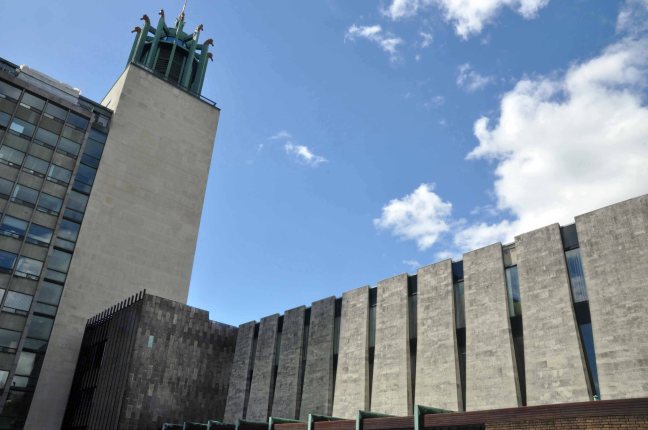
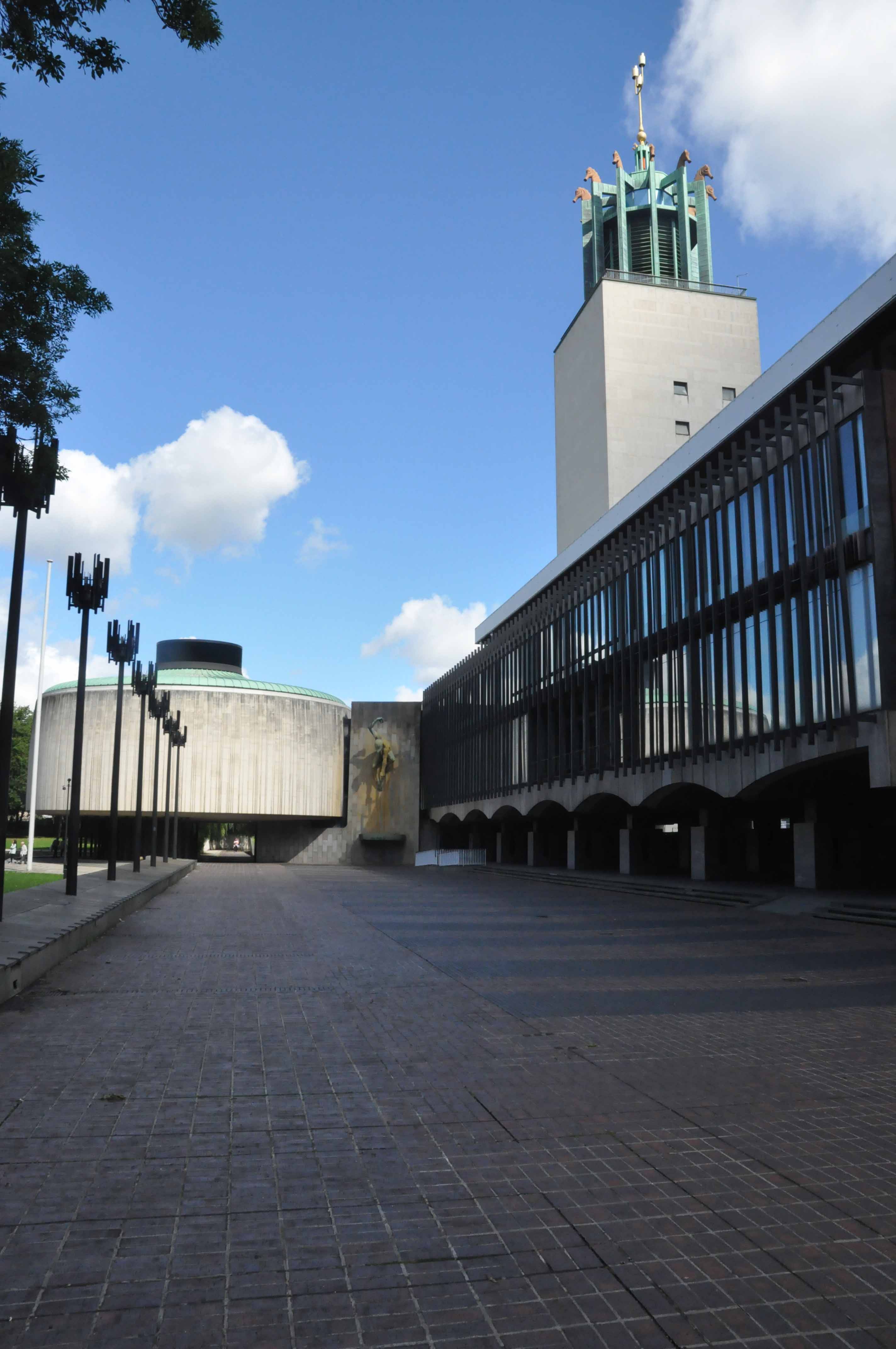
Newcastle upon Tyne – Civic Centre

Hope, we need a little hope, here embodied in a huge municipal undertaking.

Having survived the indignity of the Luftwaffe’s absence, Newcastle set about the task of knocking itself down. T Dan Smith’s Brasilia of the North had to be built, the self-styled former revolutionary communist, Sunday painter and jail bird had a vision – fuelled by that hopped up, post war optimism that had engulfed the land.

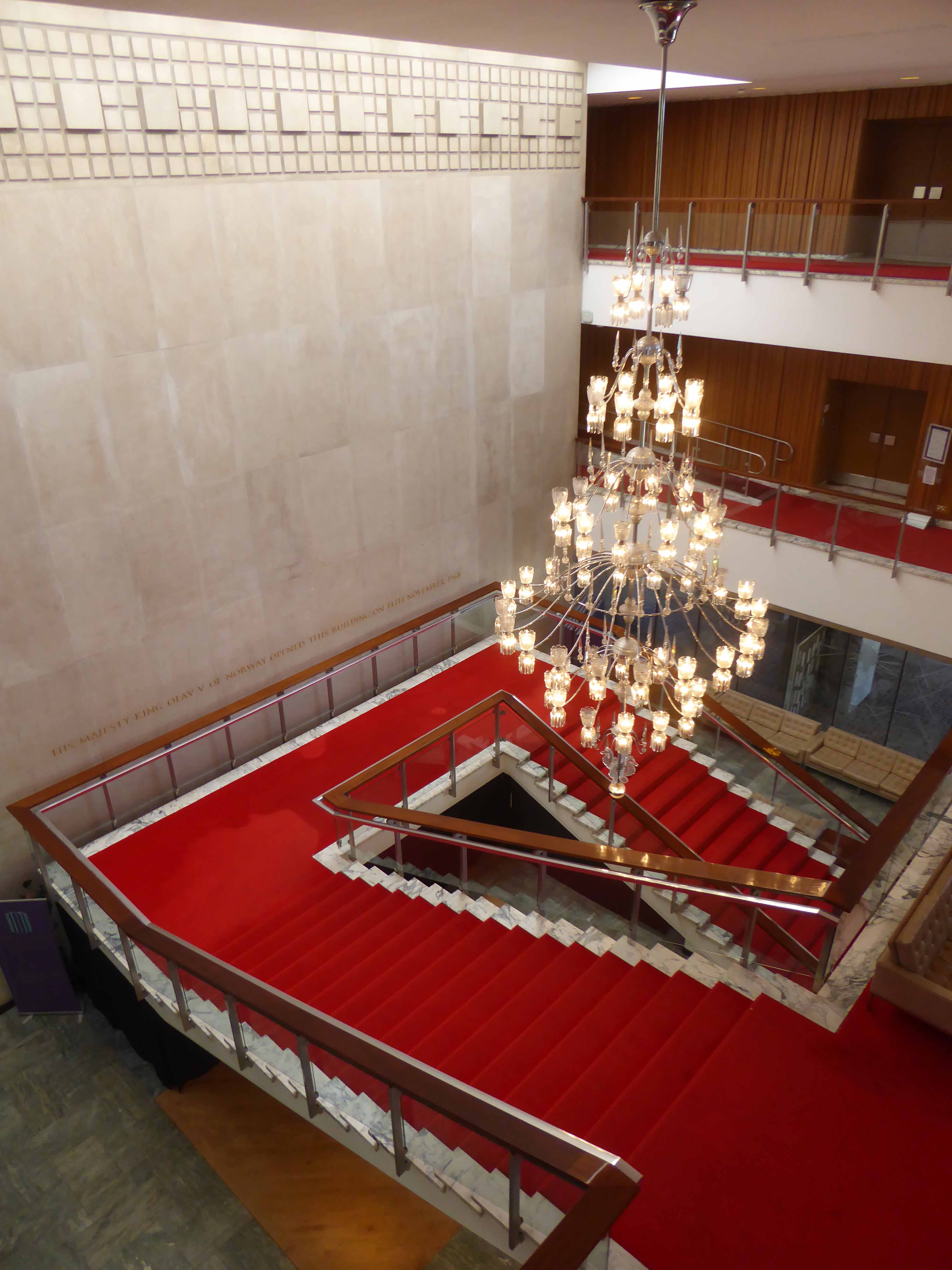
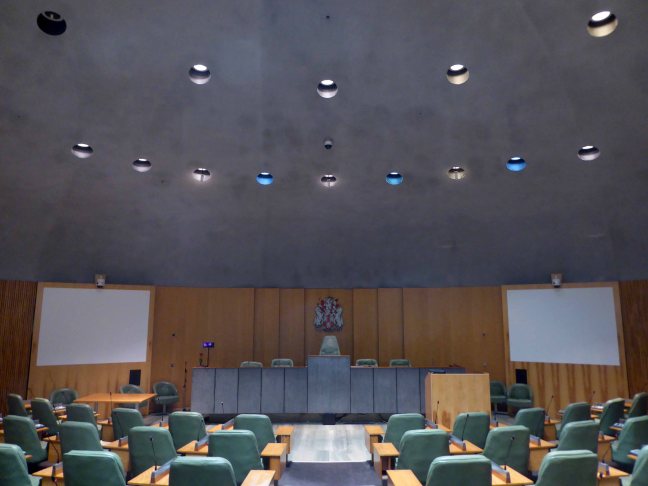
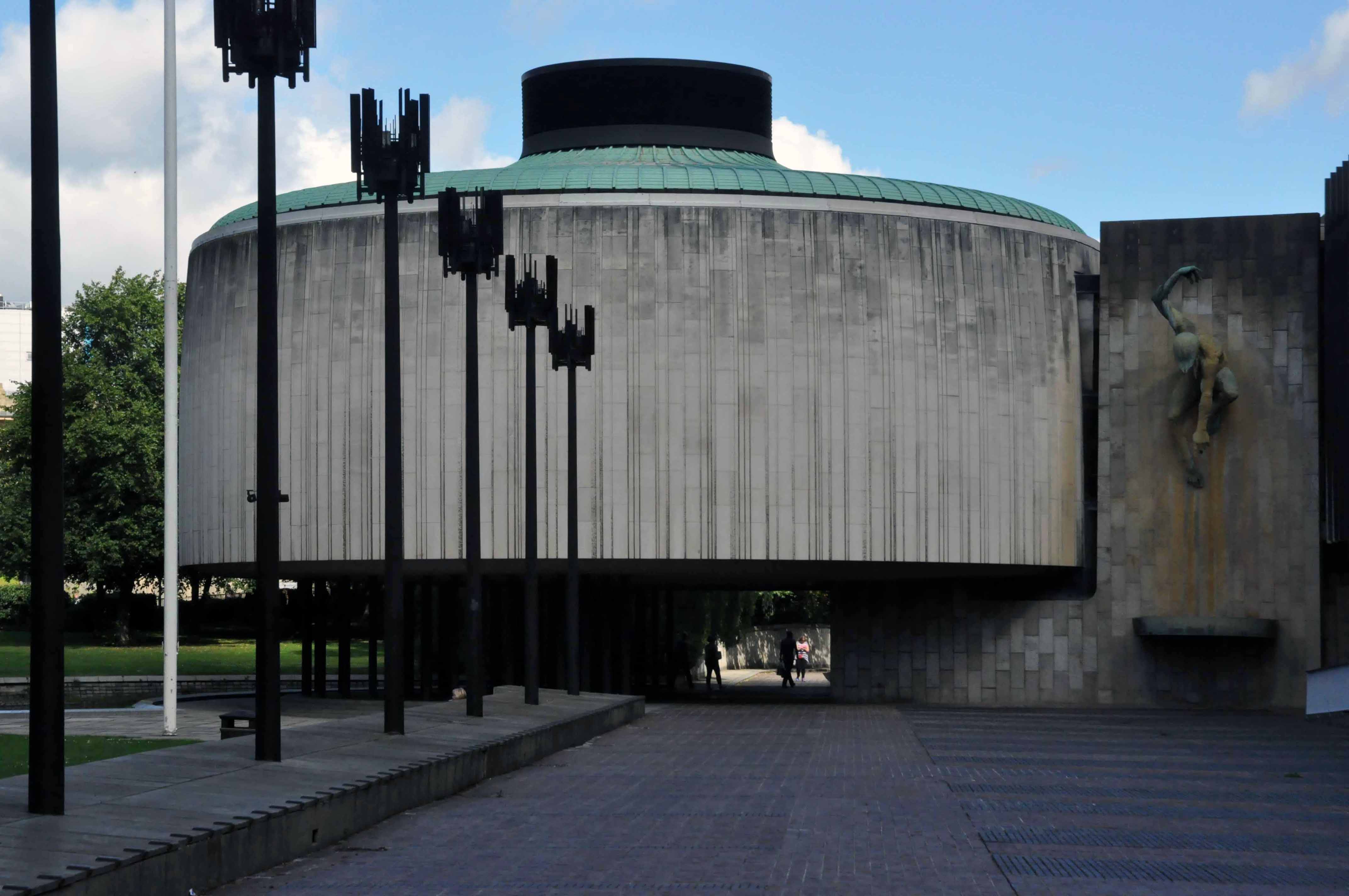
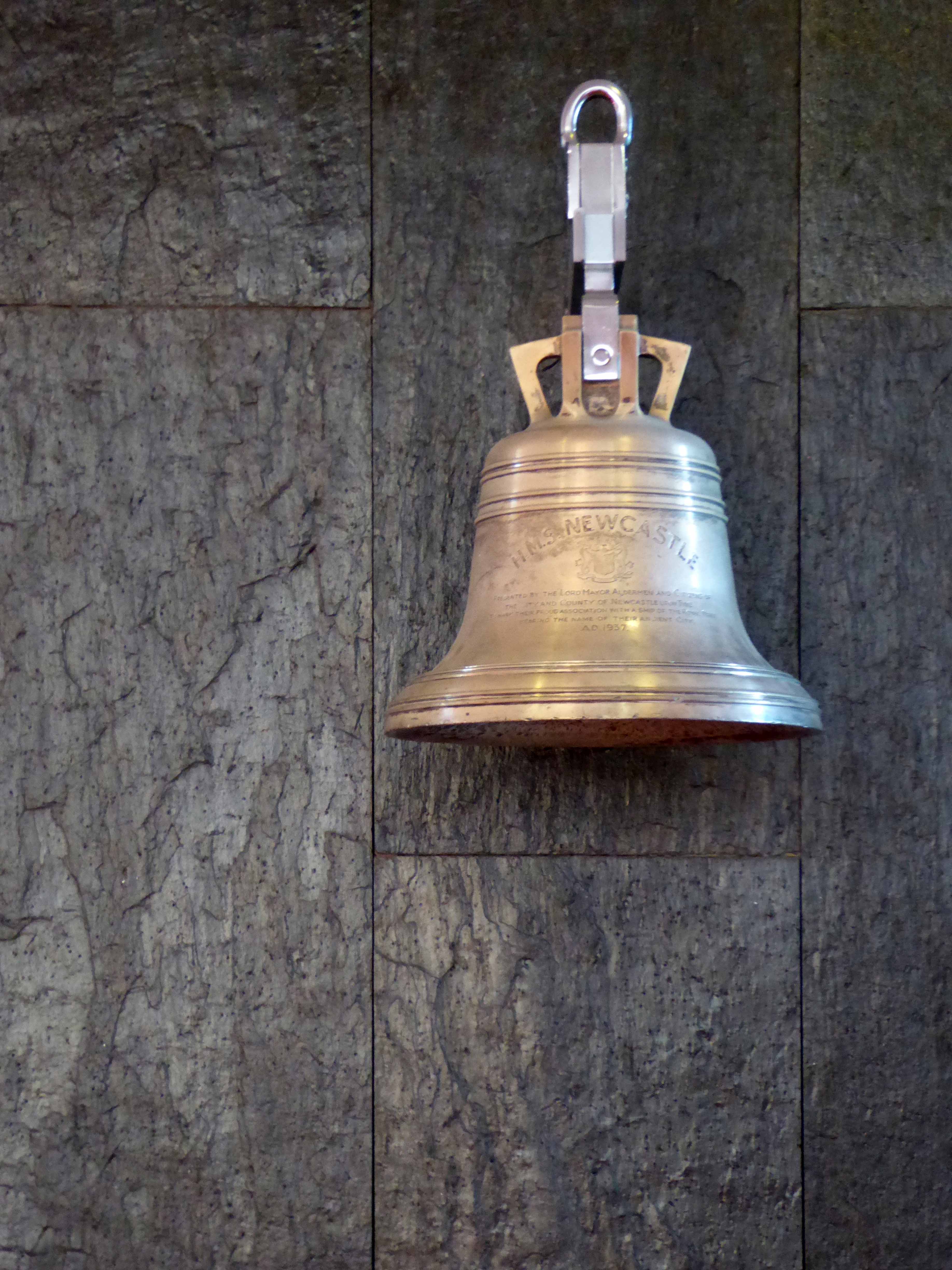
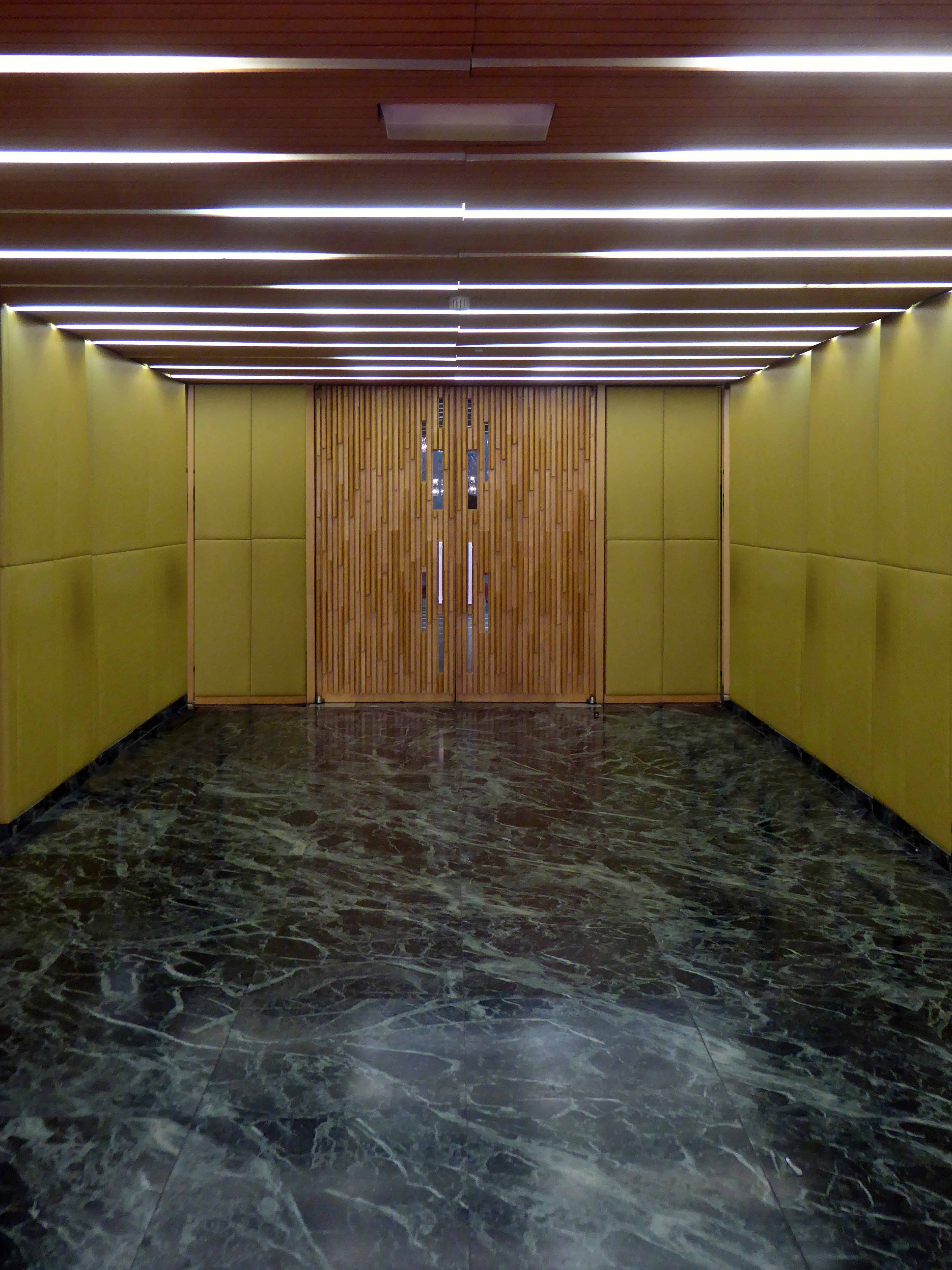
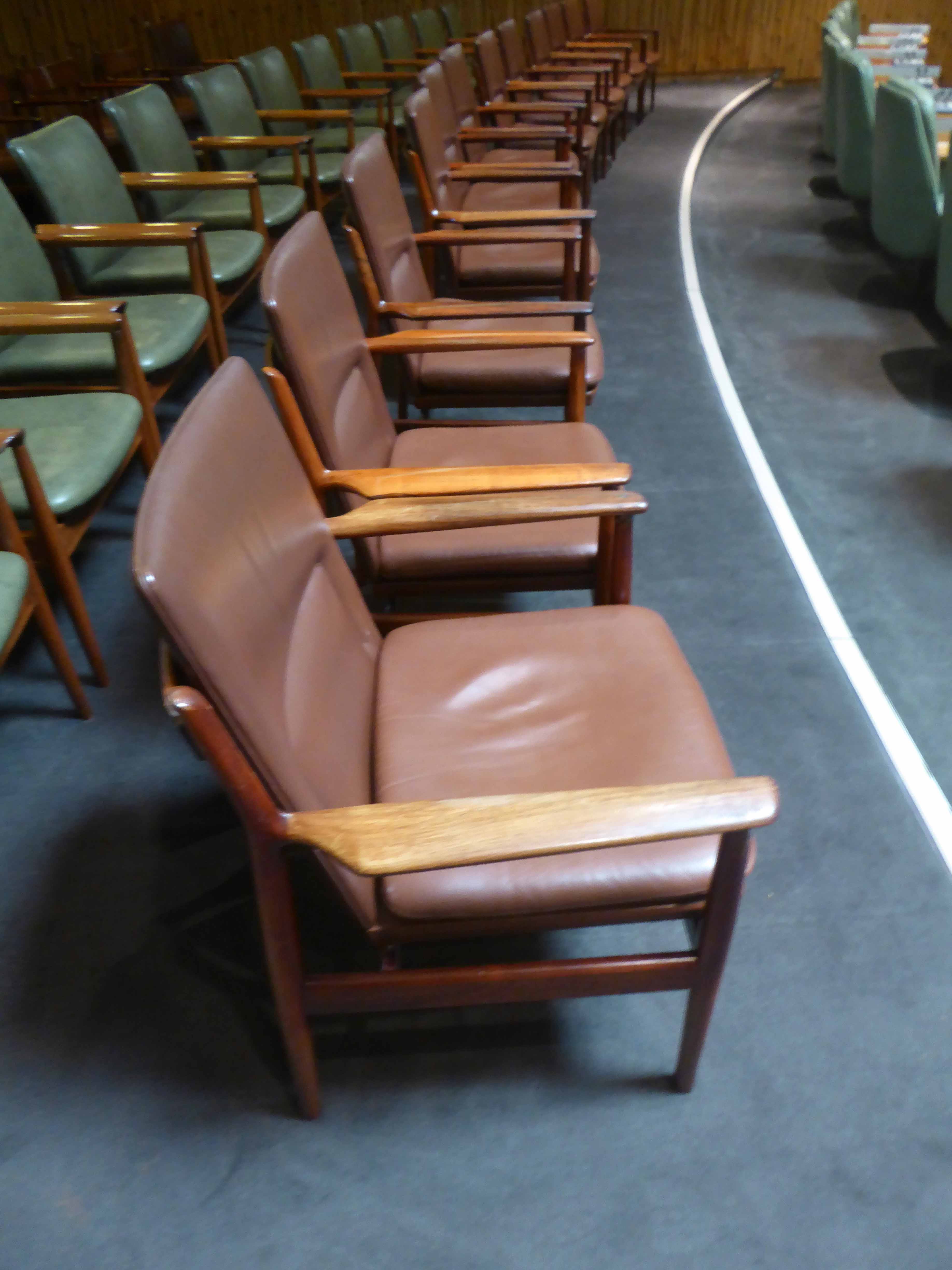
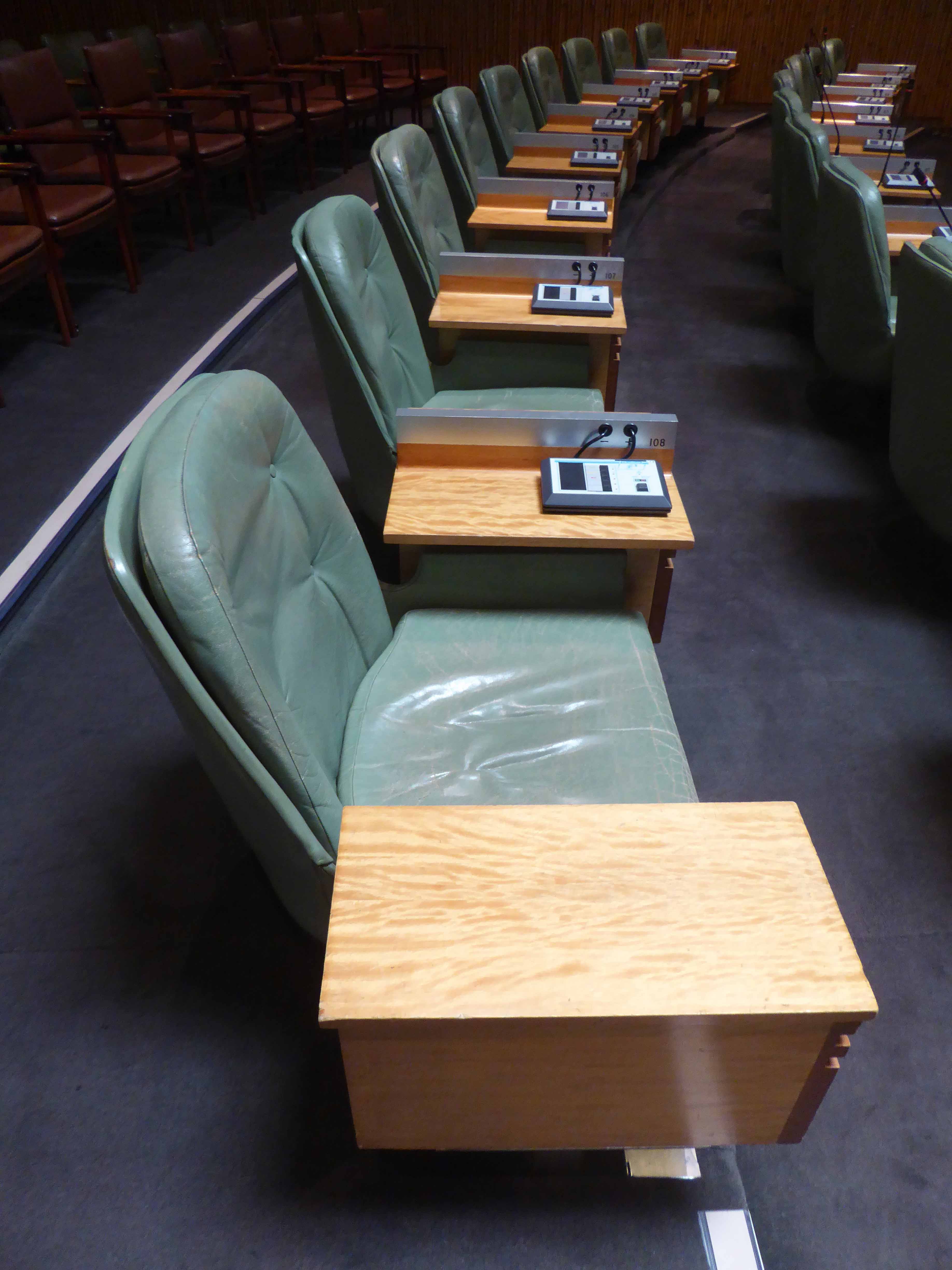
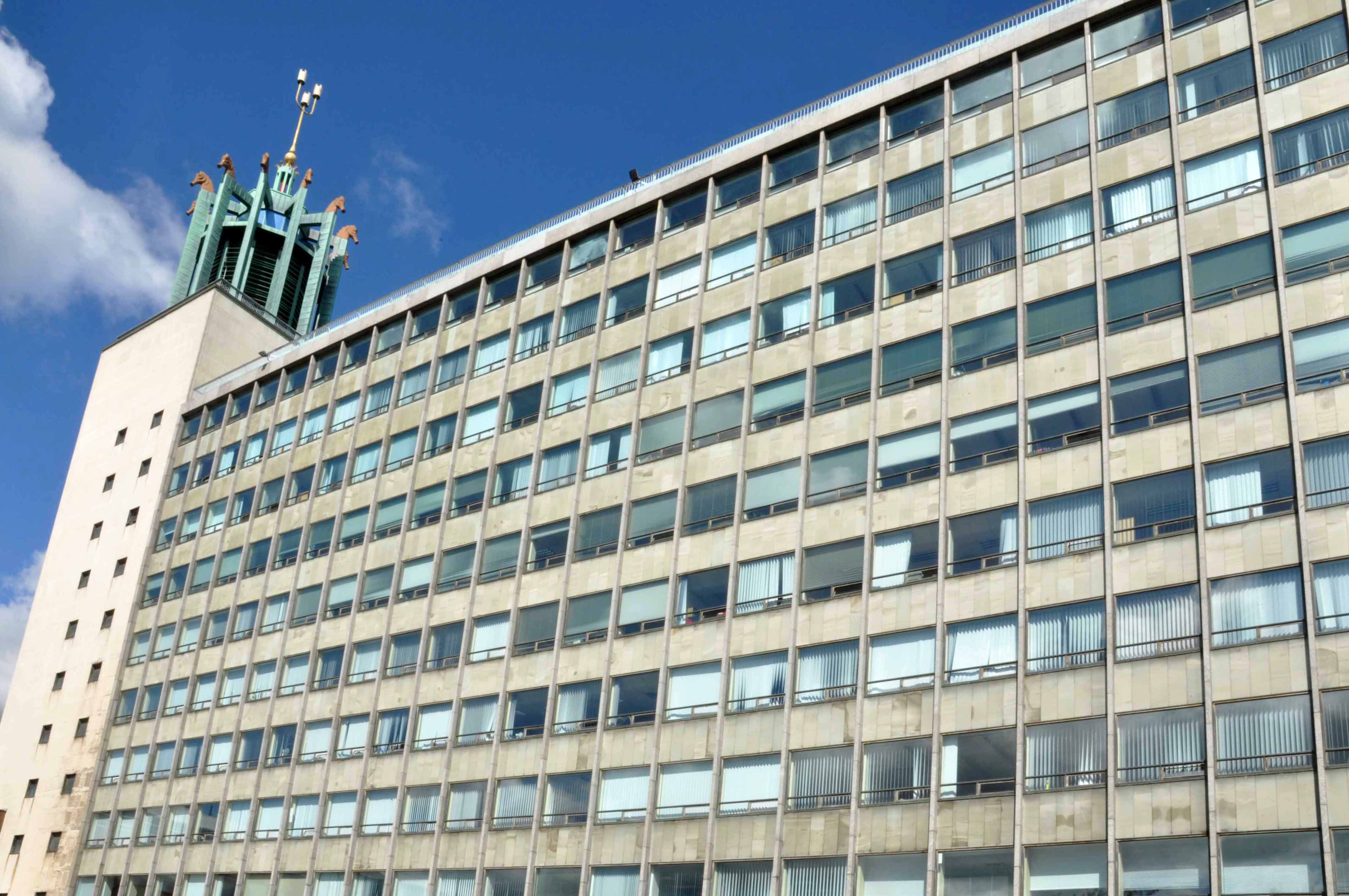
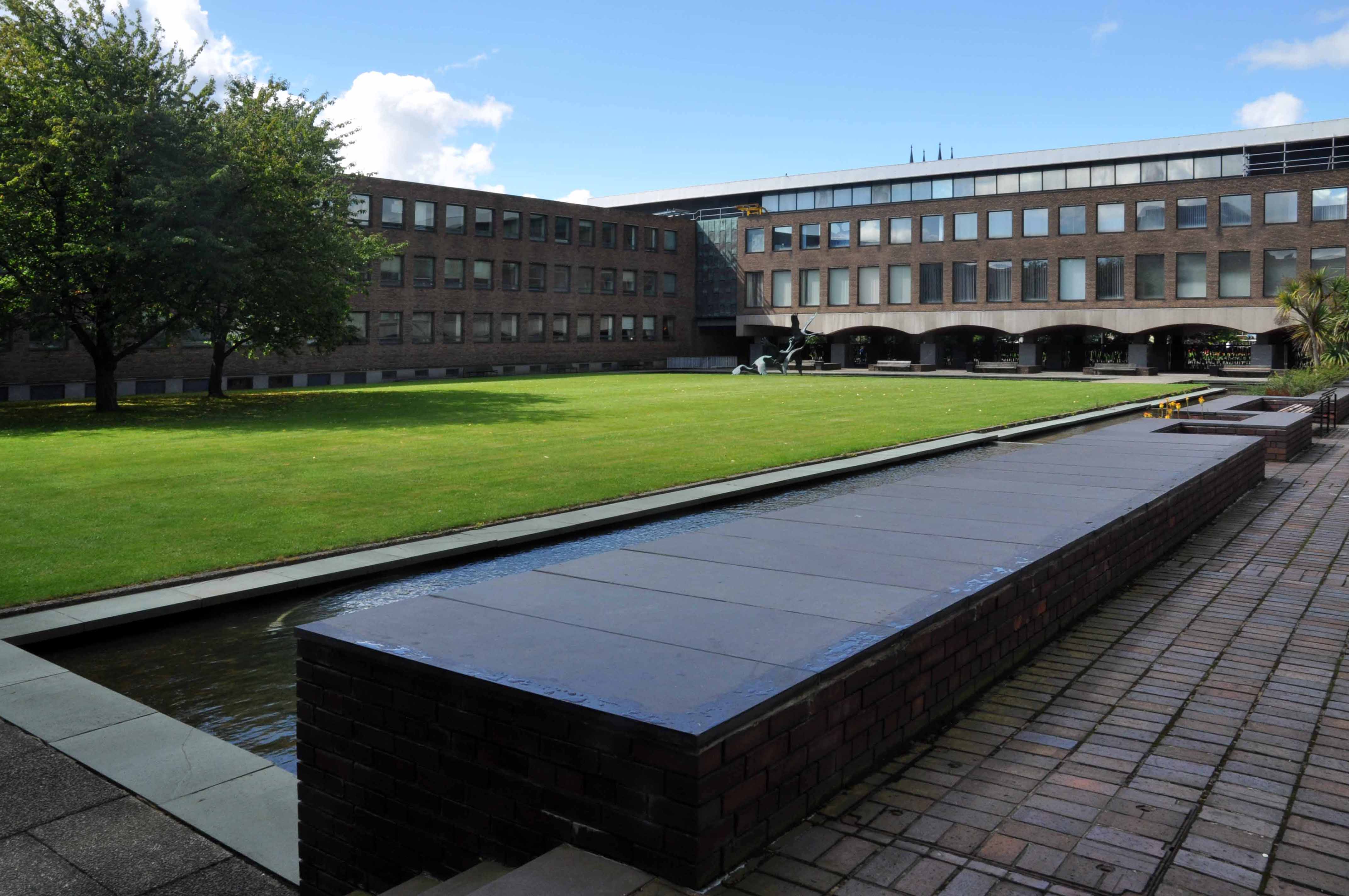
Newcastle Civic Centre is a local government building located in the Haymarket area of Newcastle upon Tyne, England. It is the main administrative and ceremonial centre for Newcastle City Council. Designed by the city architect, George Kenyon, the building was completed in 1967 and was formally opened by HM King Olav V of Norway on 14 November 1968. It is a Grade II* listed building. The Newcastle Civic Centre is the joint eighth tallest building in the city.

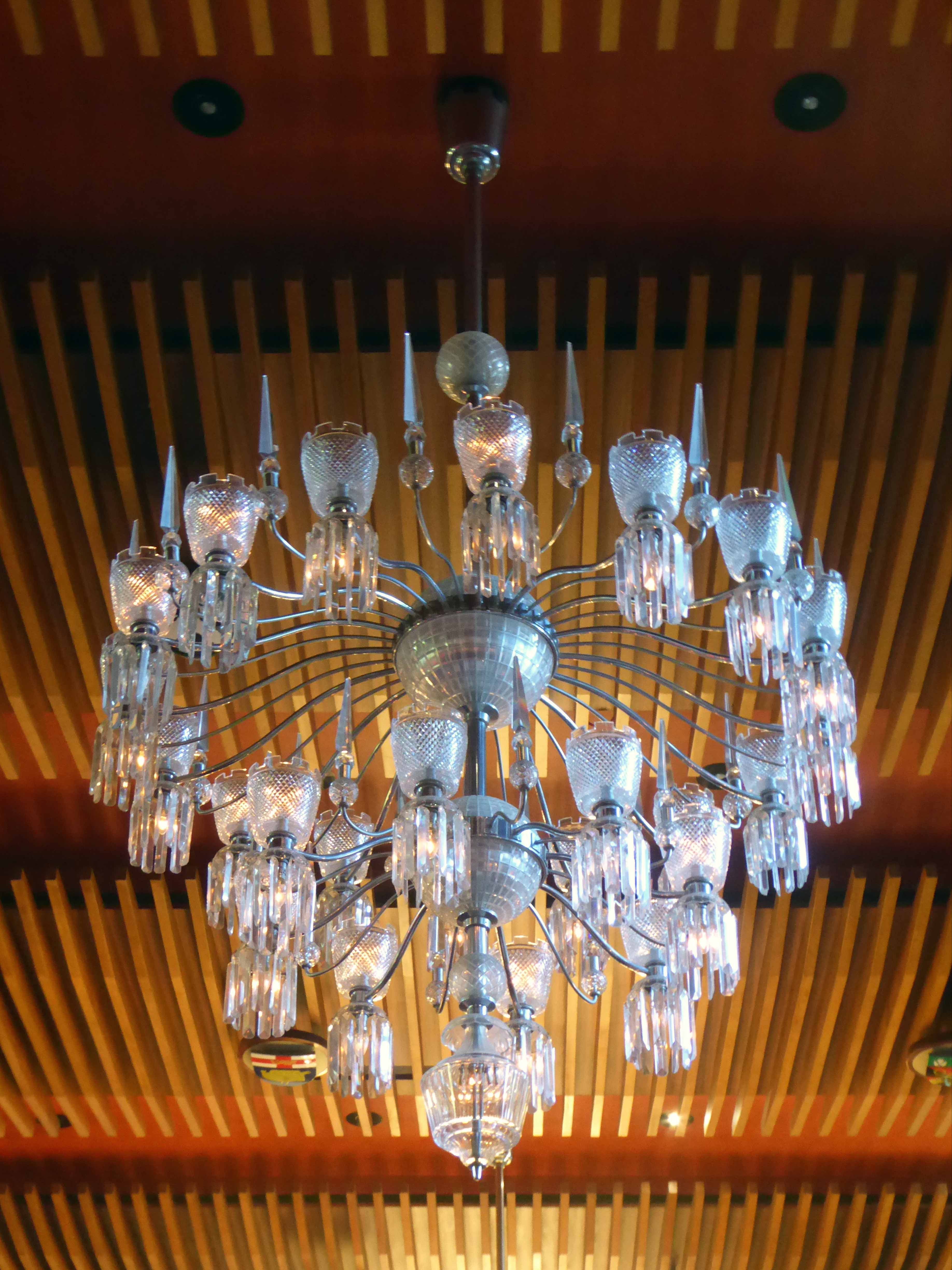
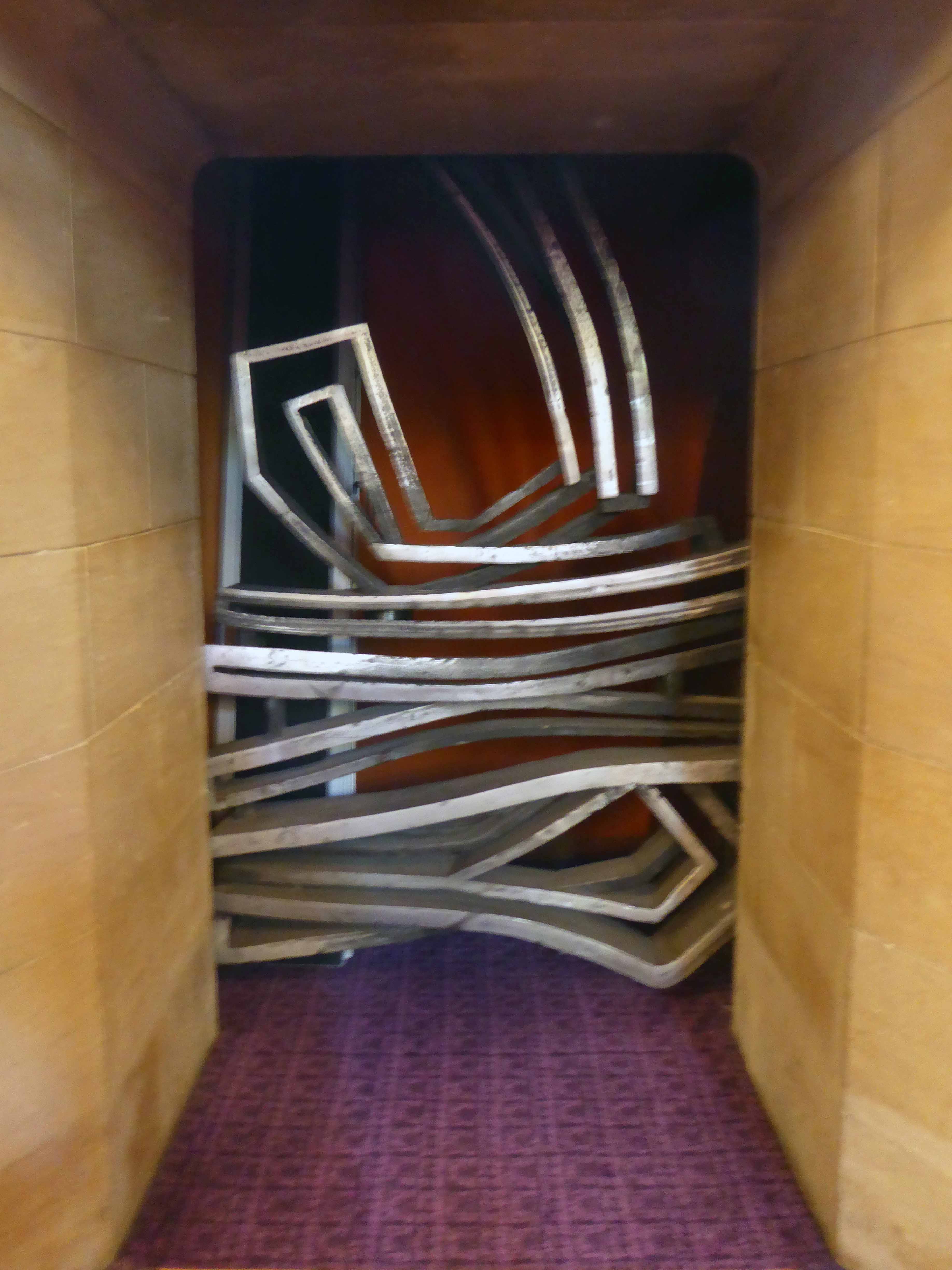
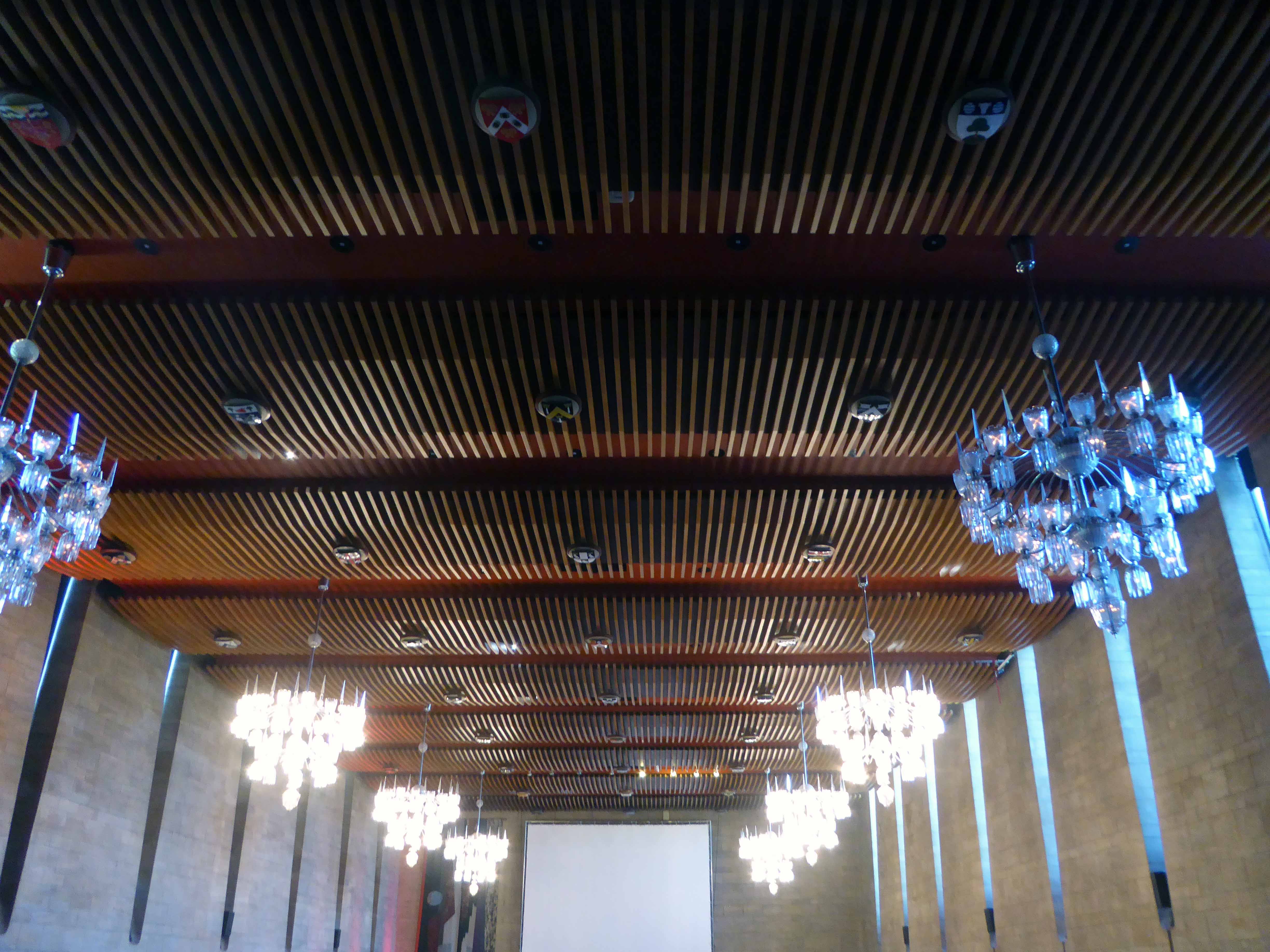
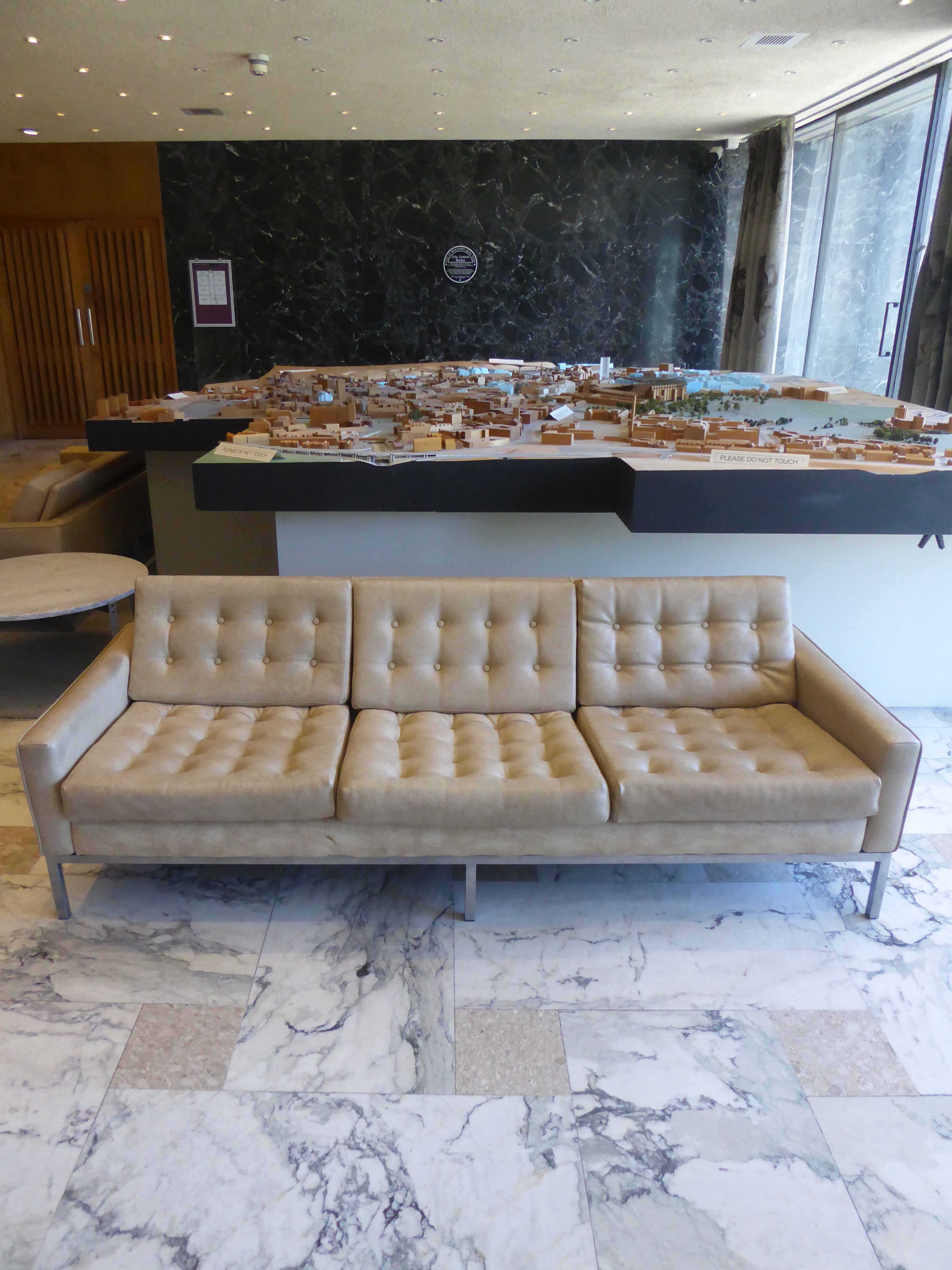
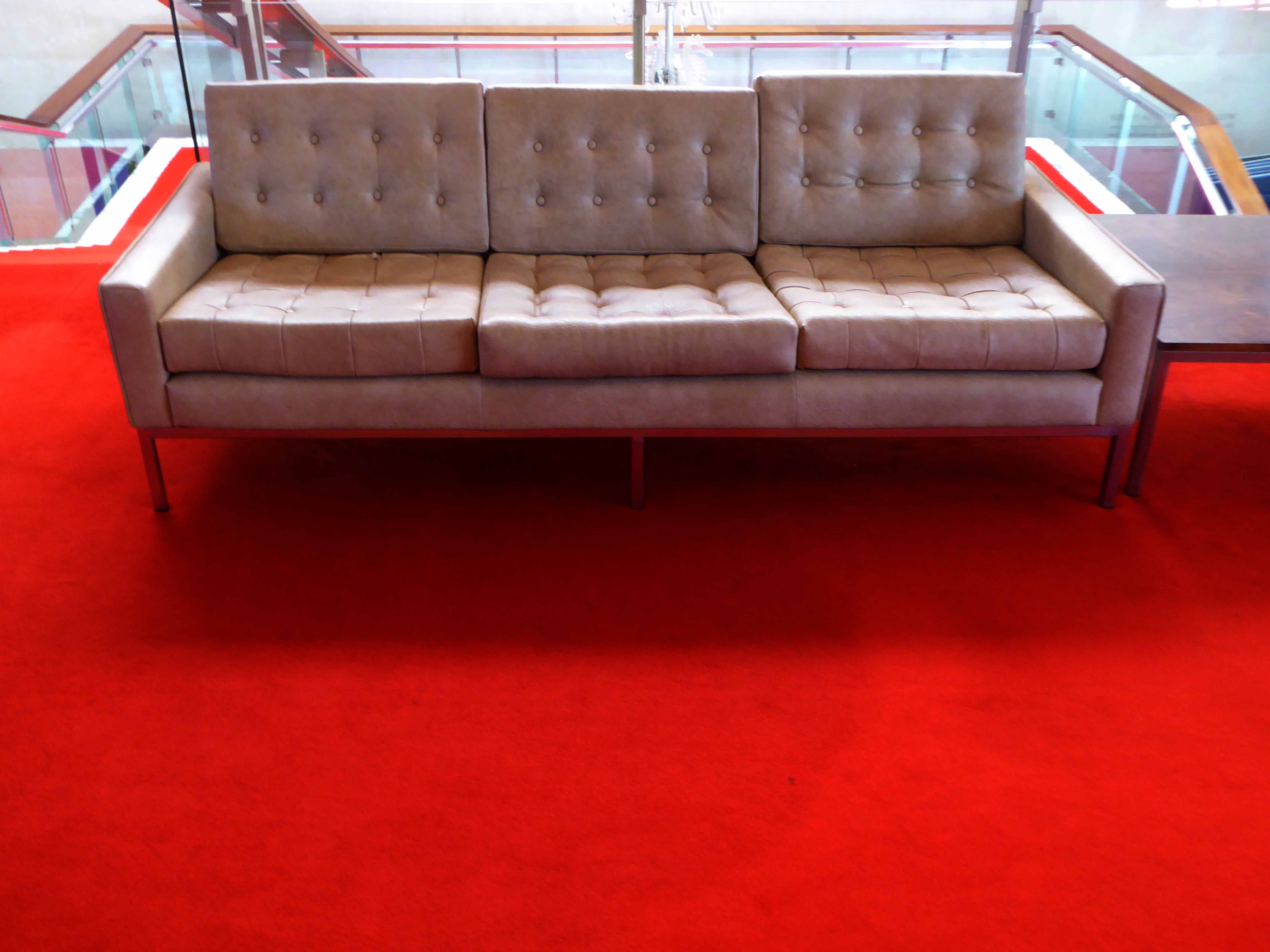
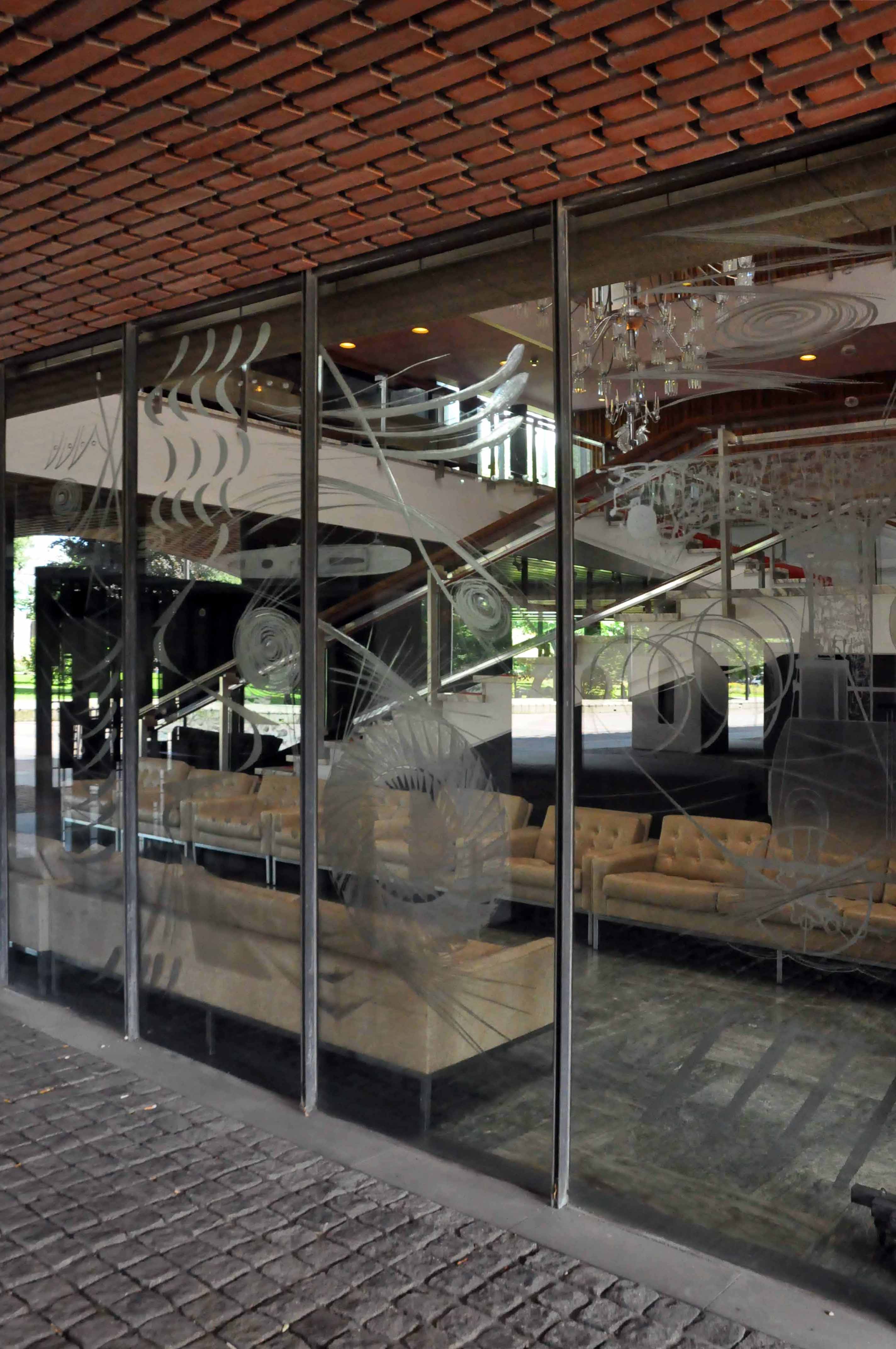
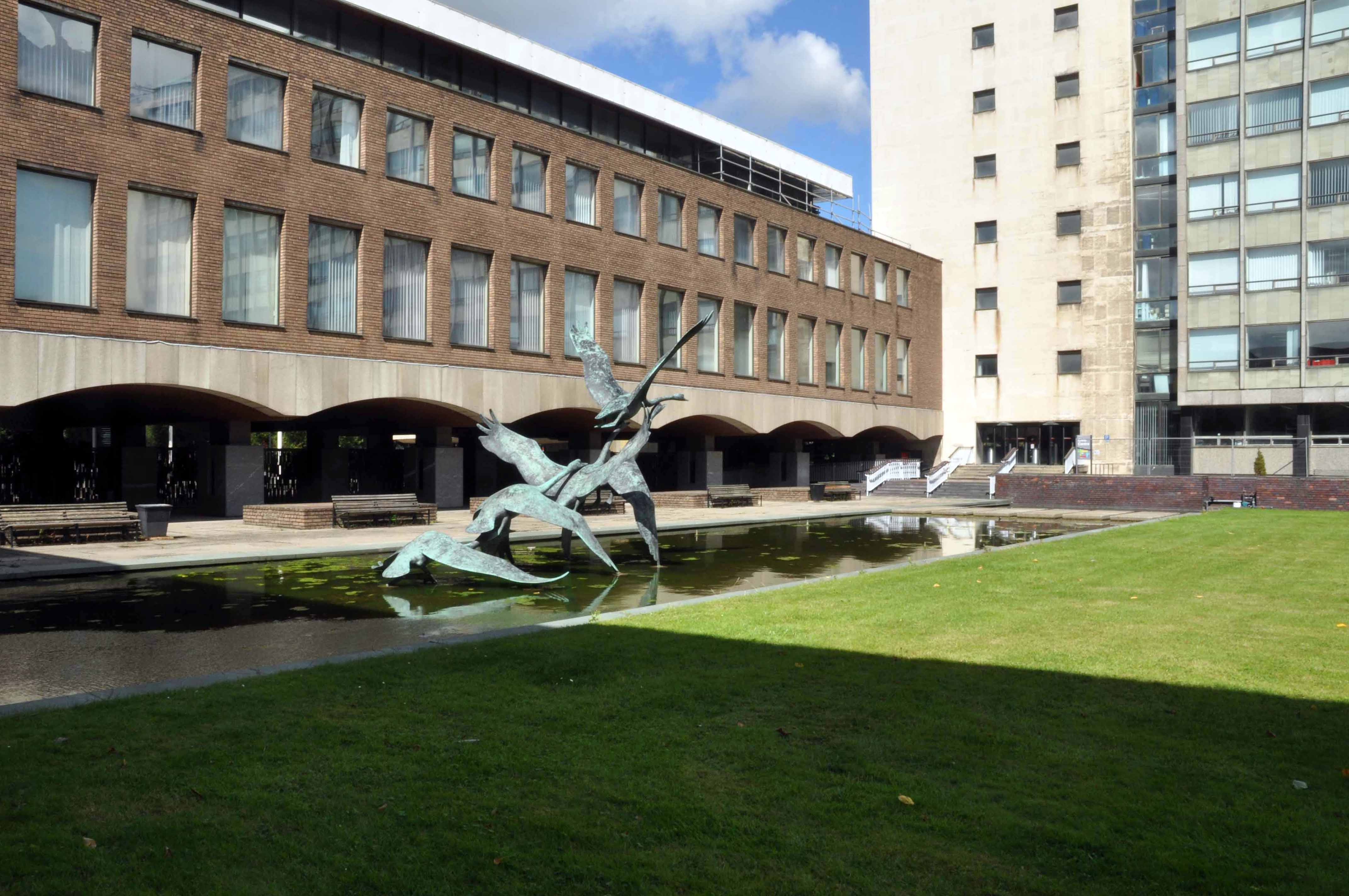
It is a concrete poem clad in Portland stone ashlar, Cornish granite, Broughton Moor stone, hand made bricks, Norwegian slate, Portuguese marble, English oak, travertine hand hewn and assembled into one of the finest buildings in the land, no expense spared. Liberally dotted with the labours of John Piper, Victor Pasmore, John Robert Murray McCheyne, Charles Sansbury Geoffrey Clarke, David Dewey, John Hutton and David Wynne.

A building full of surprises, big and small that repays exploration and further exploration, in that order. Go take a look, breathe that air, that air which whistles up the River Tyne, fresh from the Continent – and glow, all aglow with civic centre pride.

dsc_0058

dsc_0108

dsc_0119

dsc_0122

dsc_0121

dsc_0099

dsc_0068

dsc_0067

dsc_0063

dsc_0059

dsc_0077

dsc_0087

dsc_0088

dsc_0124

dsc_0090

dsc_0133

dsc_0091

dsc_0092

dsc_0093

dsc_0096

dsc_0106

dsc_0109

dsc_0113

dsc_0114

dsc_0116

dsc_0115

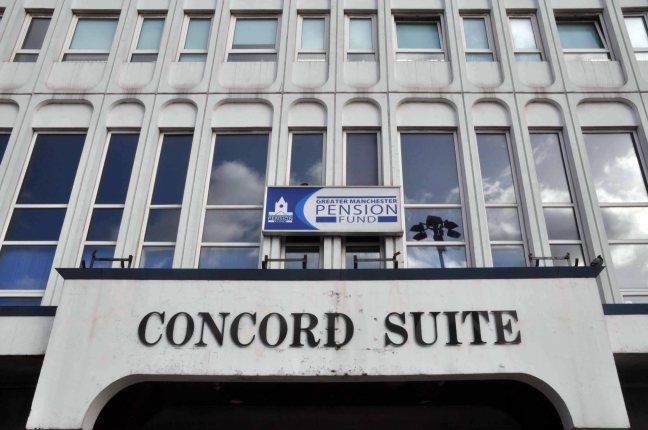
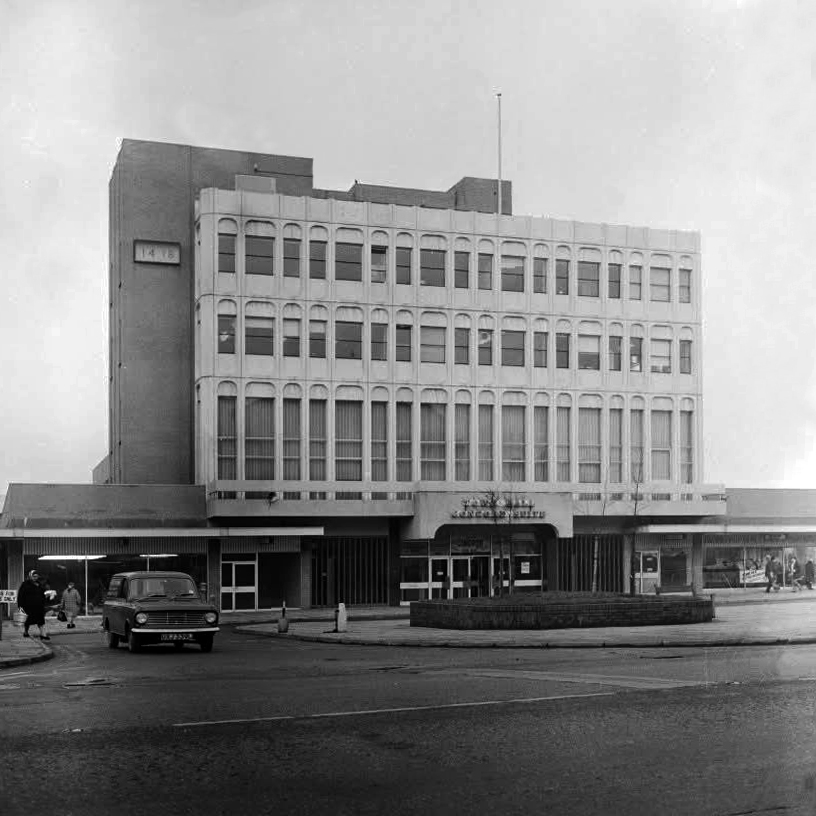
Concord Suite – Droylsden

There is little or no reference to this fine building on the whole world wide web – the wise people of Wikipedia tell us –

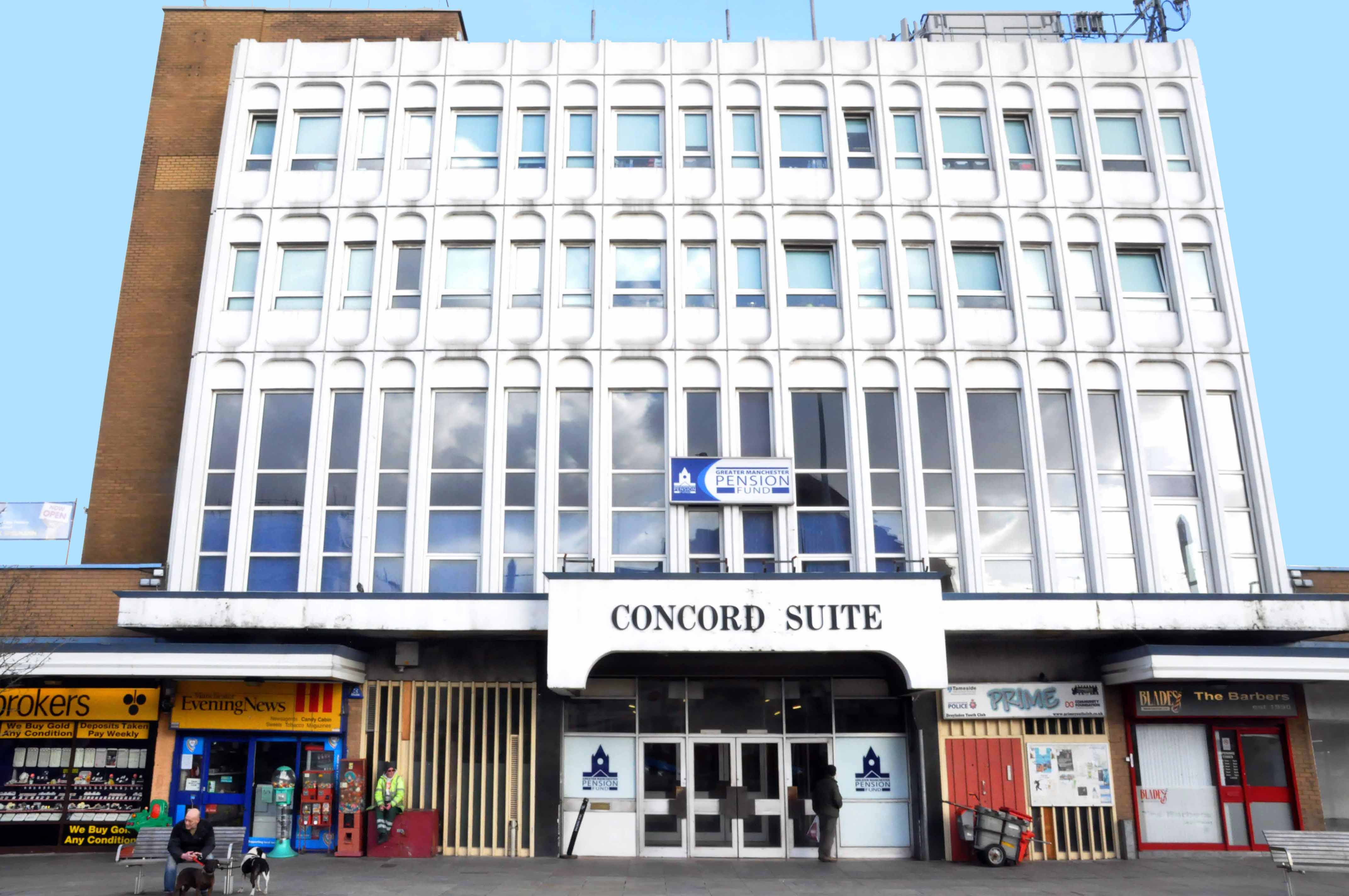
The Concord Suite was built in the early 1970’s to house Droylsden Council. The word Concord comes from the town’s motto Concordia, meaning harmony.

Today’s visit reveals the hard facts!

Architects: Bernard Engle & Partners – who are also responsible for Merseyway in Stockport.

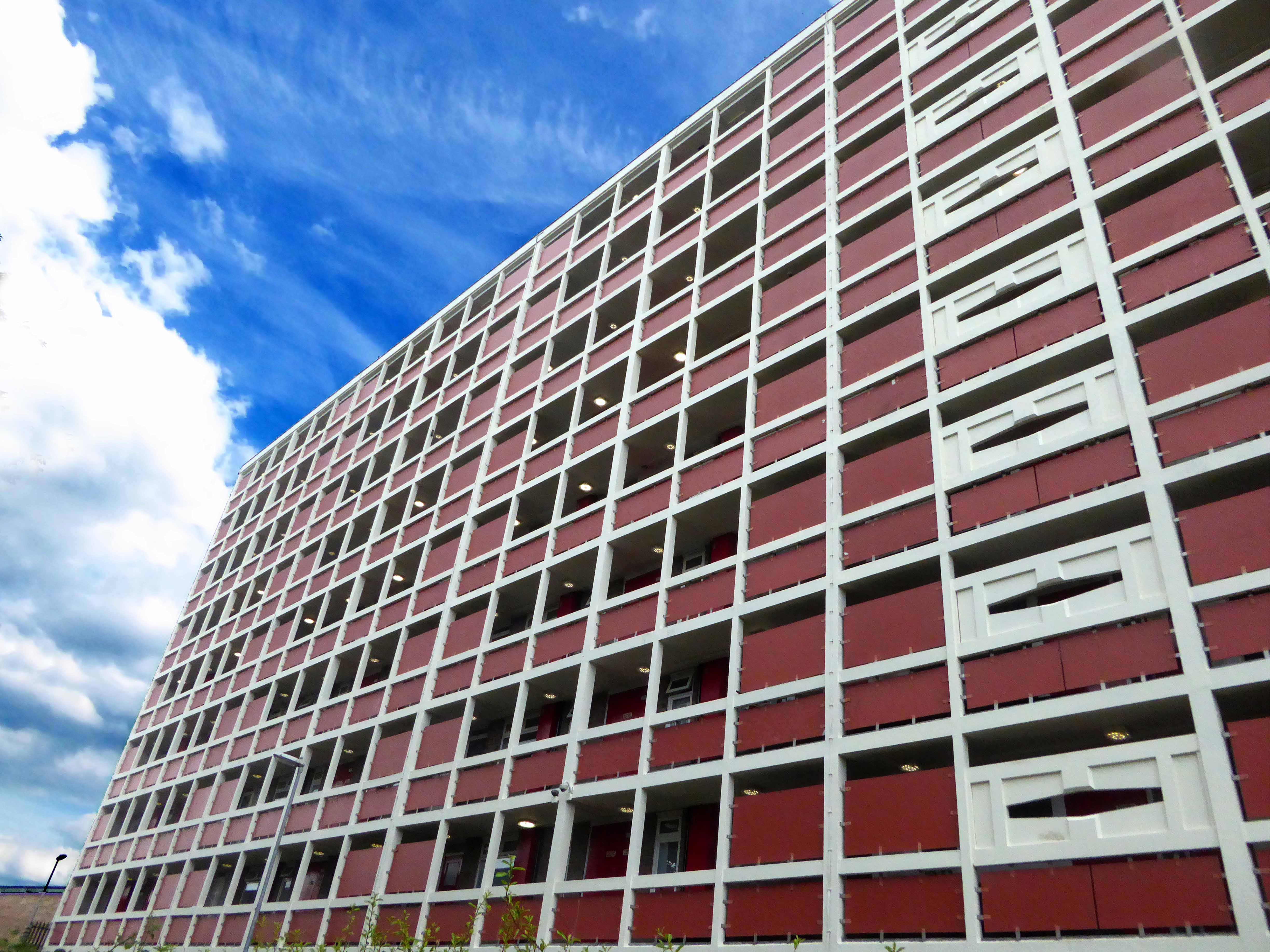
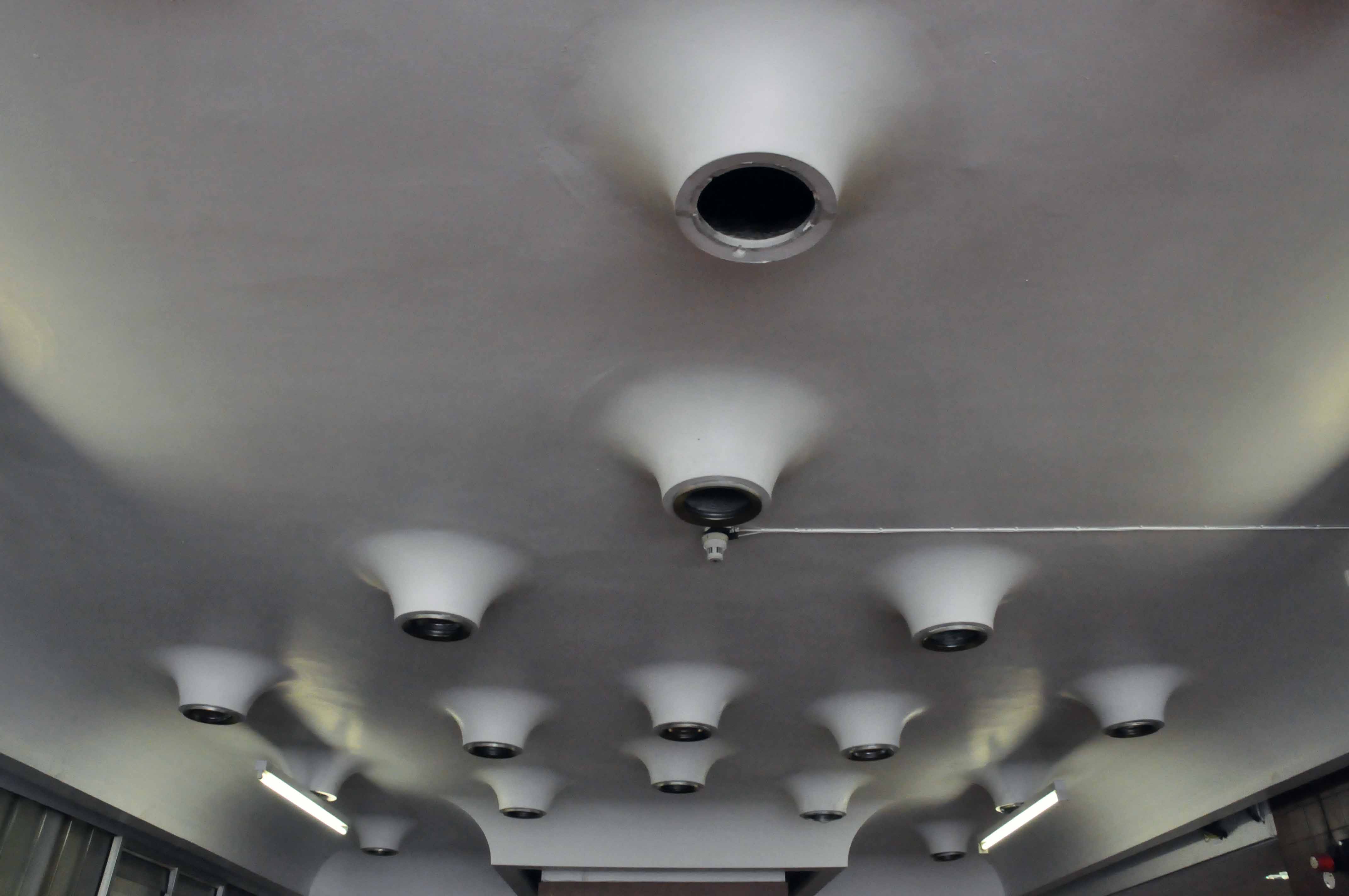
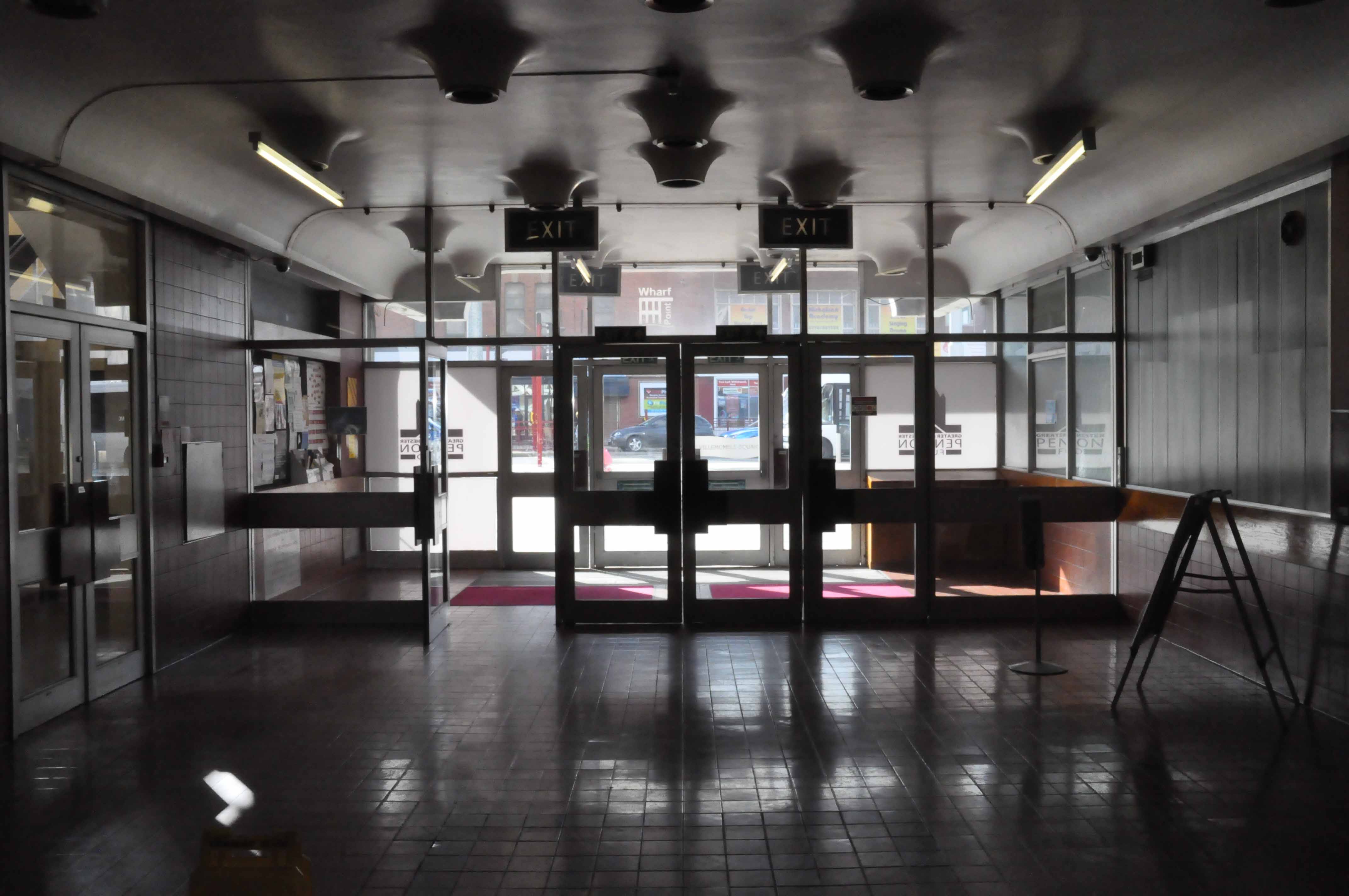
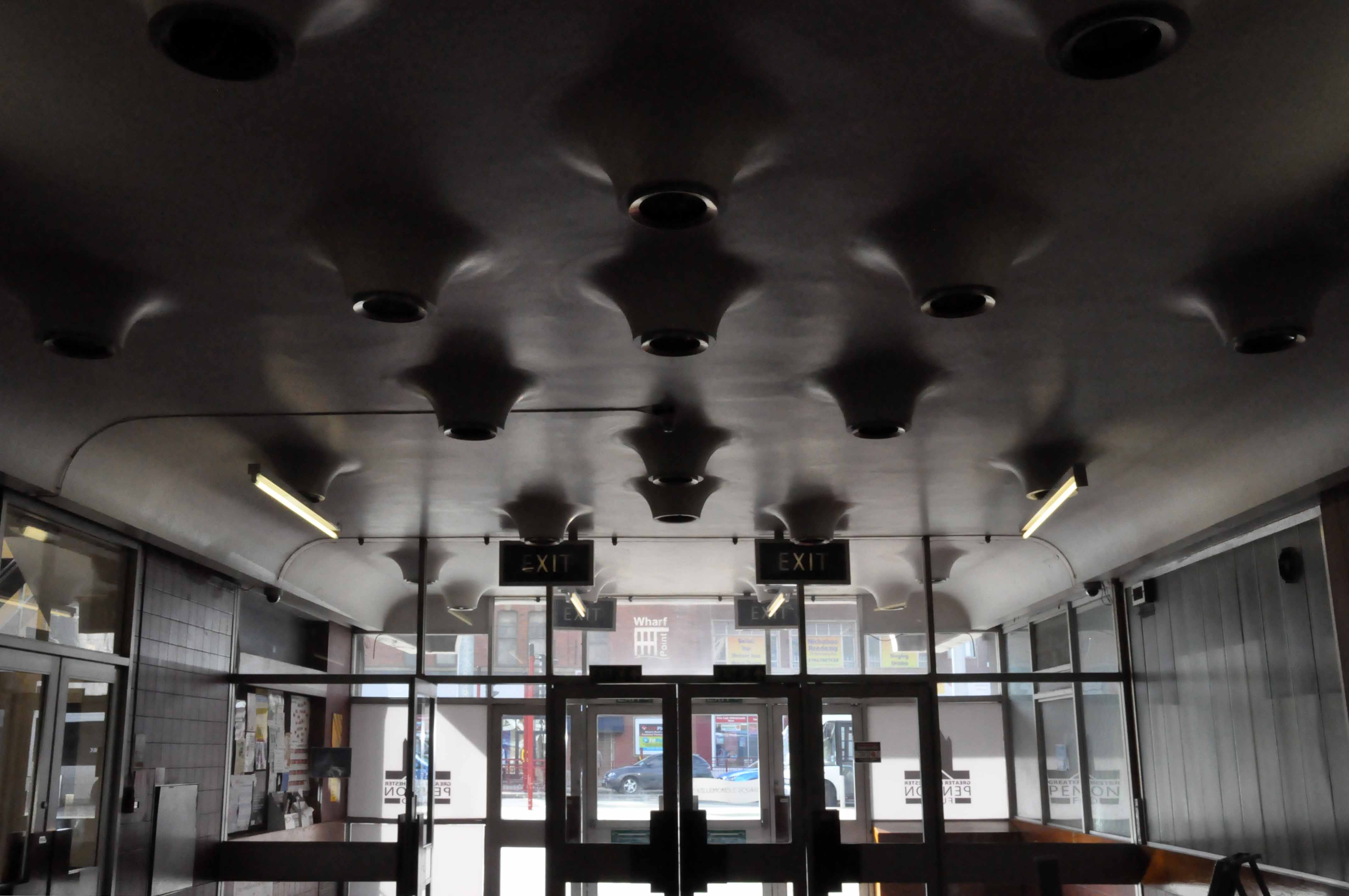
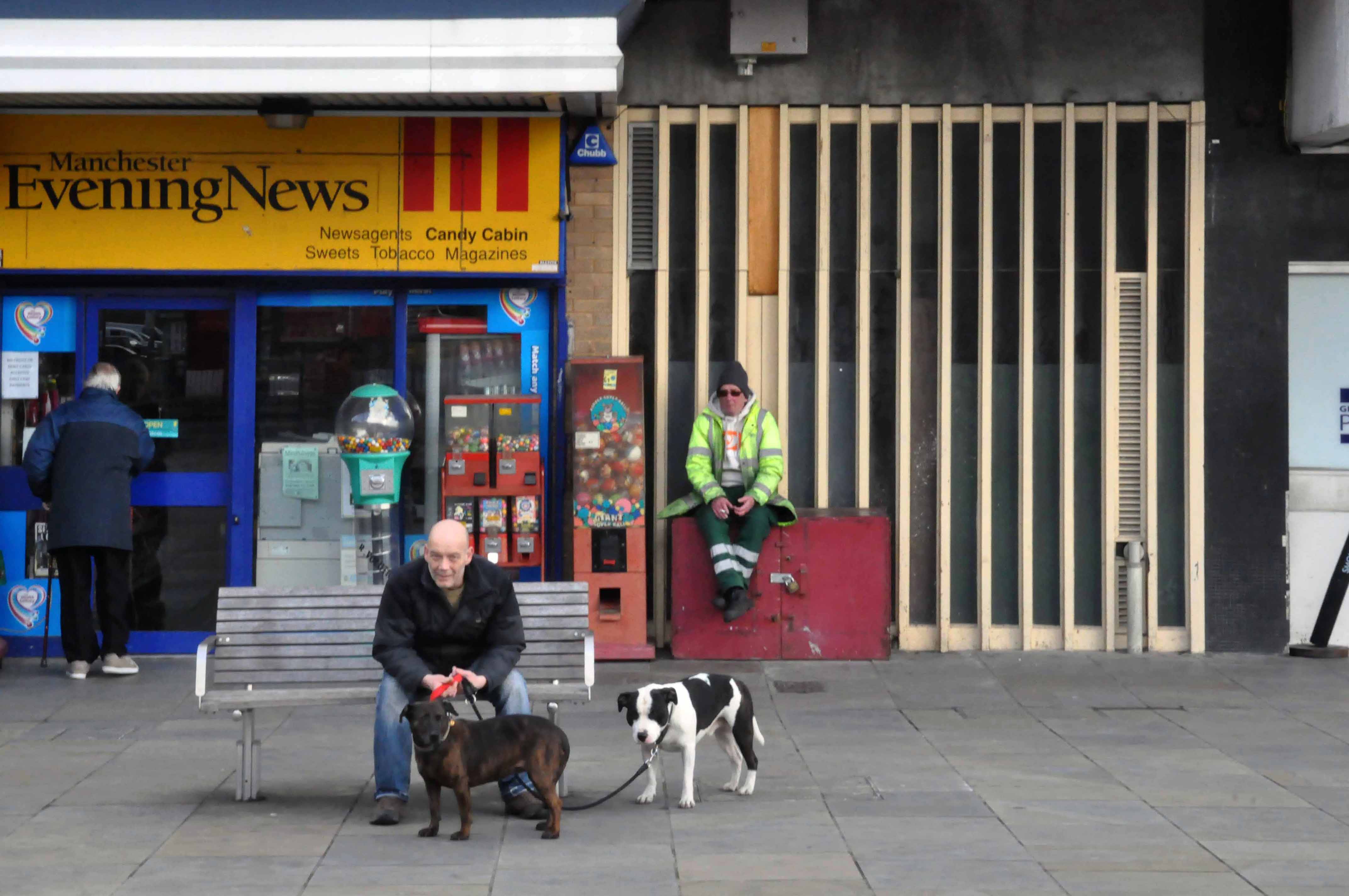
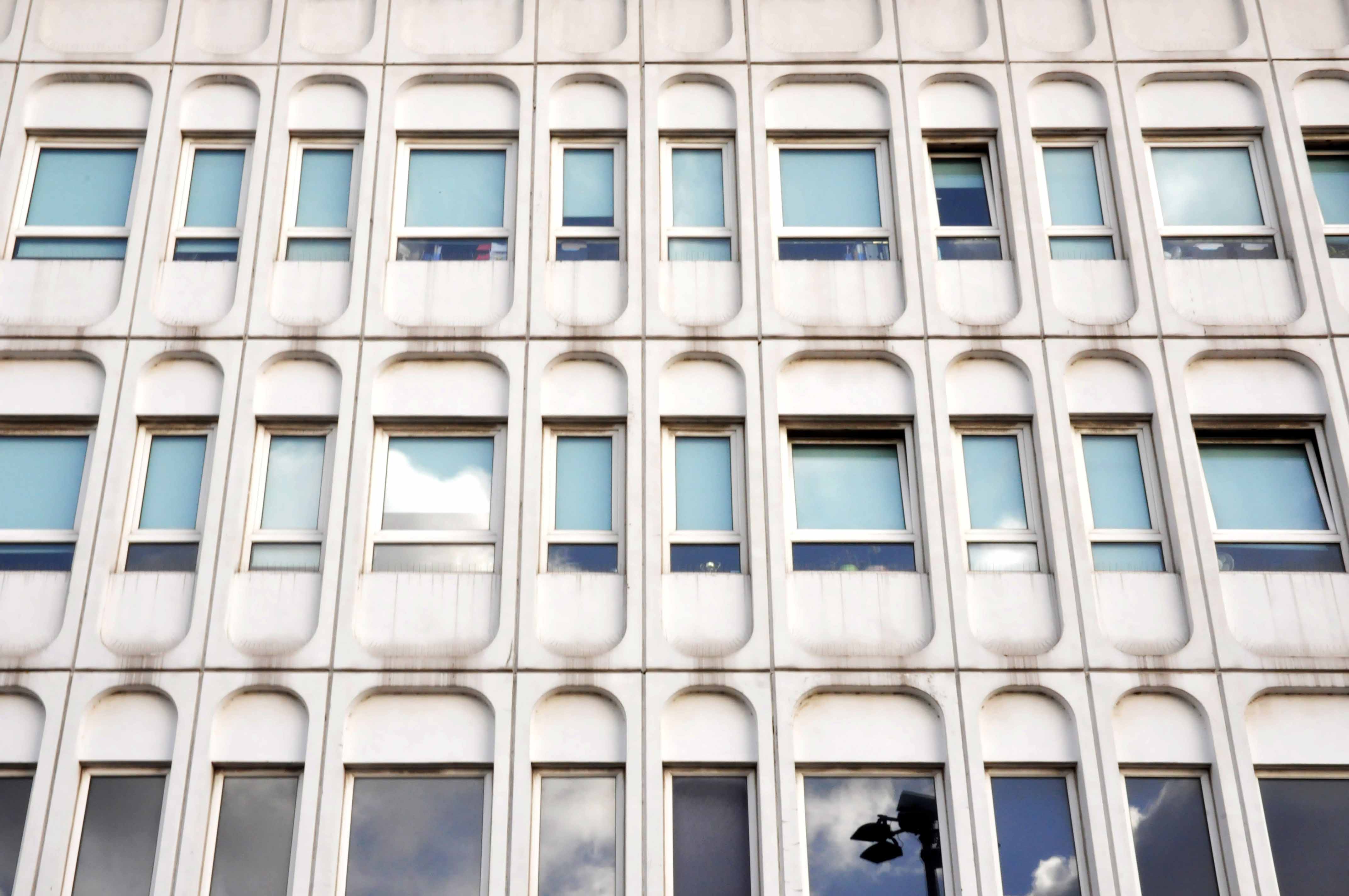
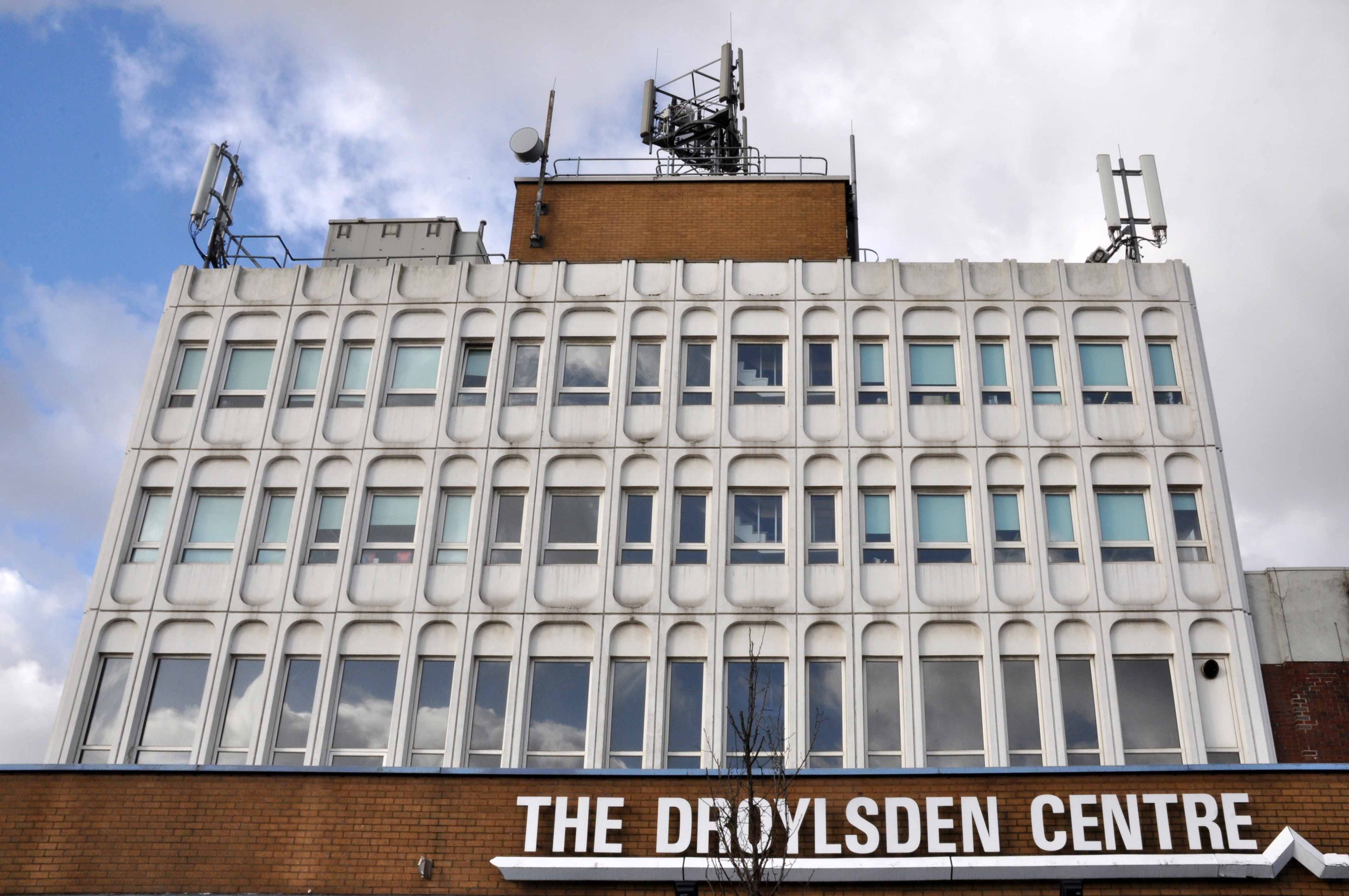
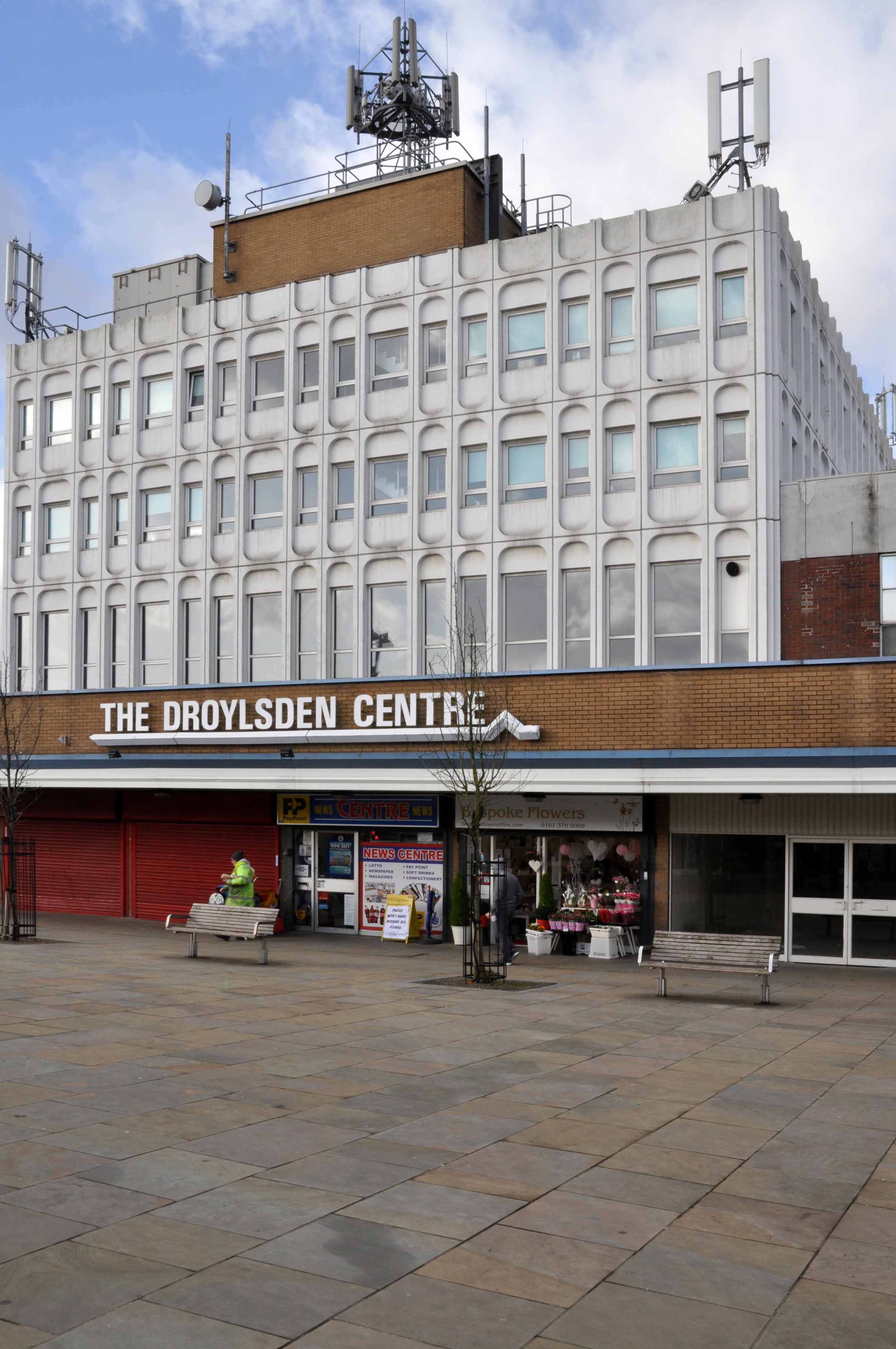
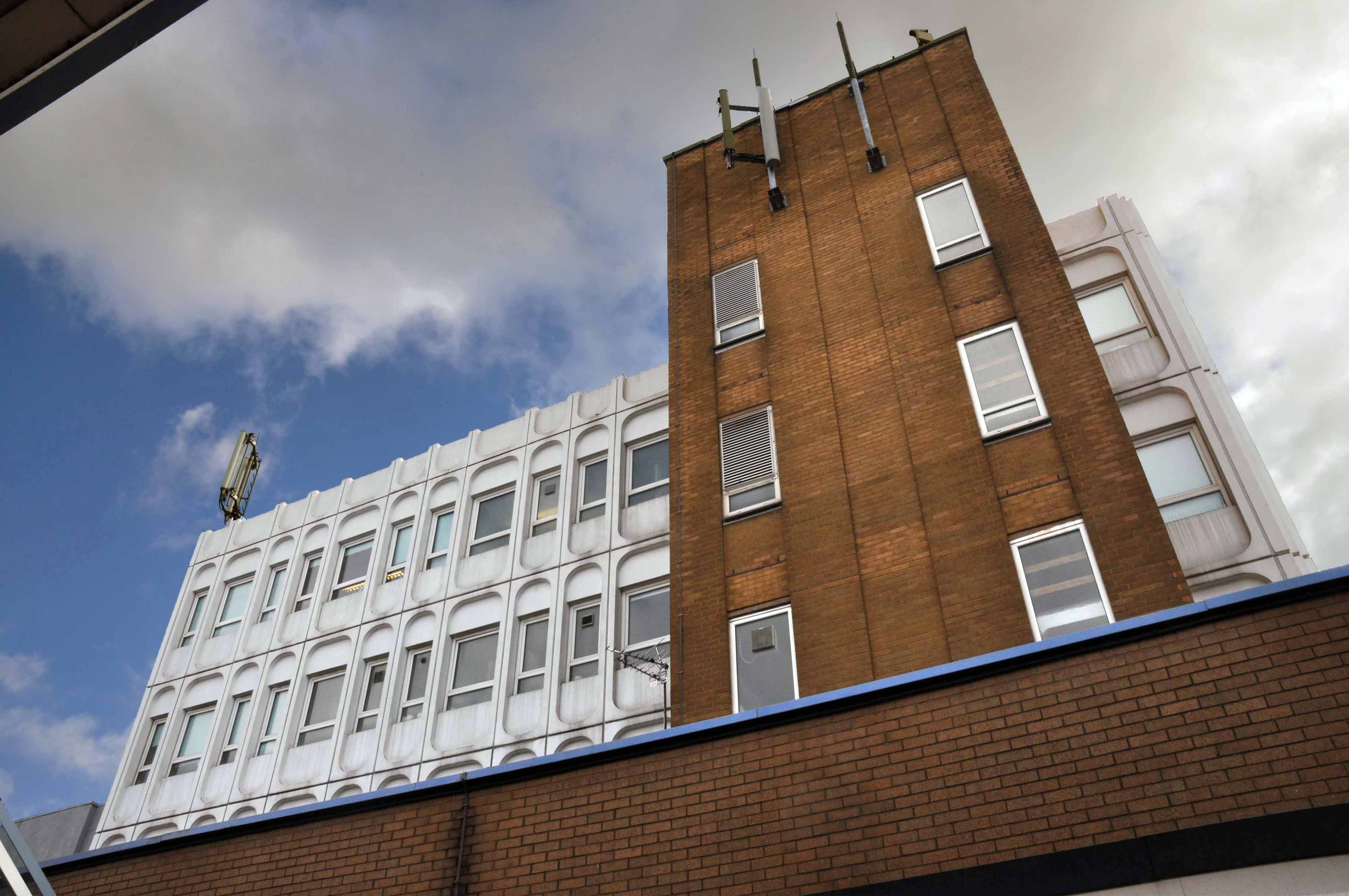
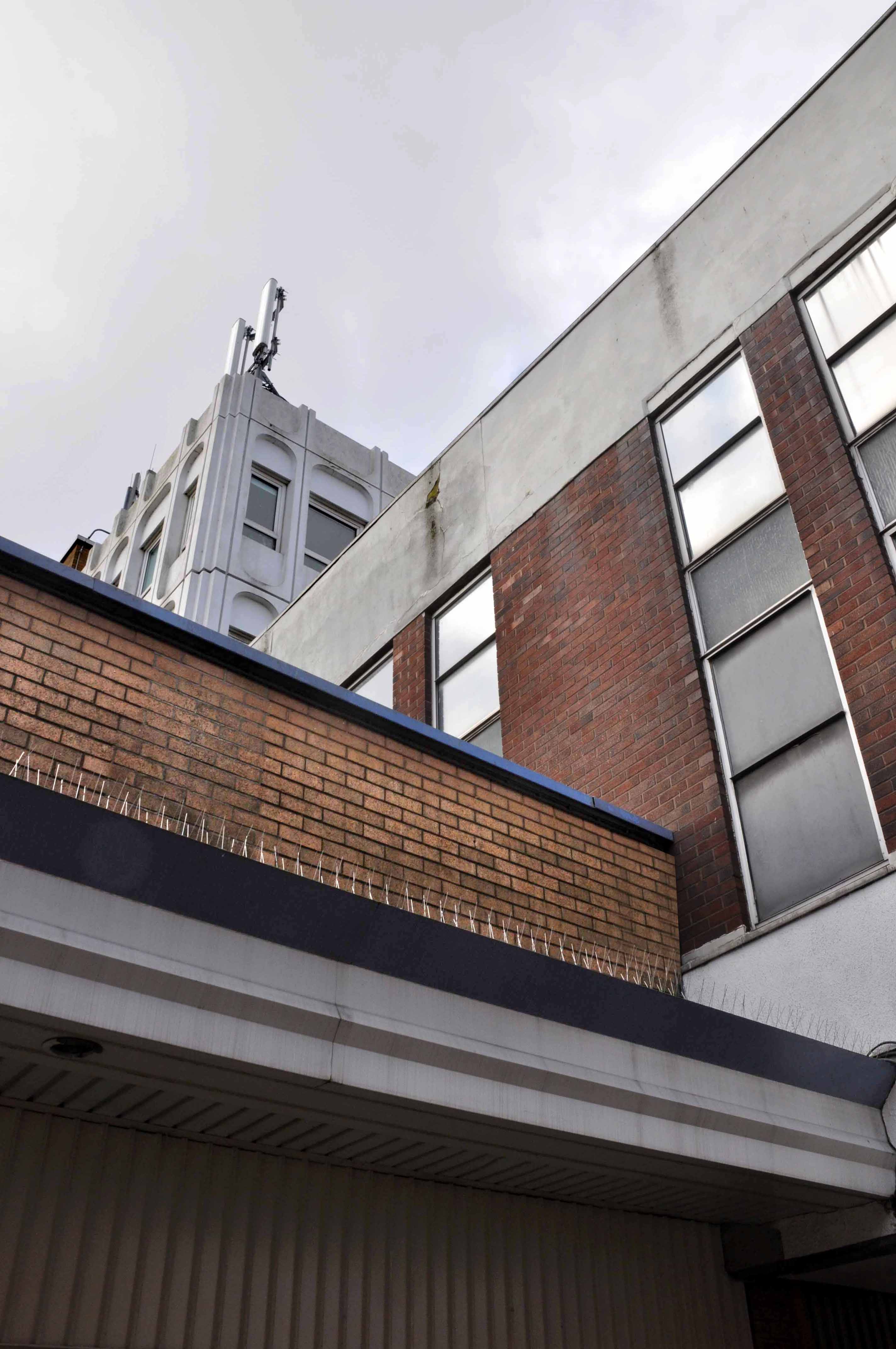
I’ve passed by for almost all of its life, marvelling at its white modular space age panels. The wide paved piazza frontage affords the lucky viewer a full appreciation of its futuristic whole, a giddy mix of brick, glass and concrete optimism. Civic architecture has never seemed so sunny.

The interior lighting is straight out of 2001, white organic and fully functioning – the upstairs function room is available for functions at the junction of Market Street and Ashton New Road.

dsc_0415-copy
dsc_0417
dsc_0418-copy

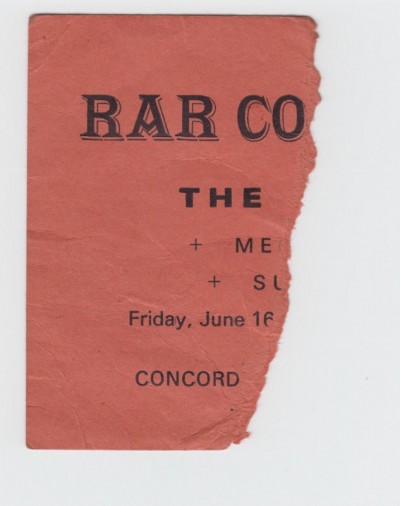
I saw The Fall there for the first time in 1978, suitably shambolic and suitably feisty.

1978-06-16_ticket-concordsuitedroylsden

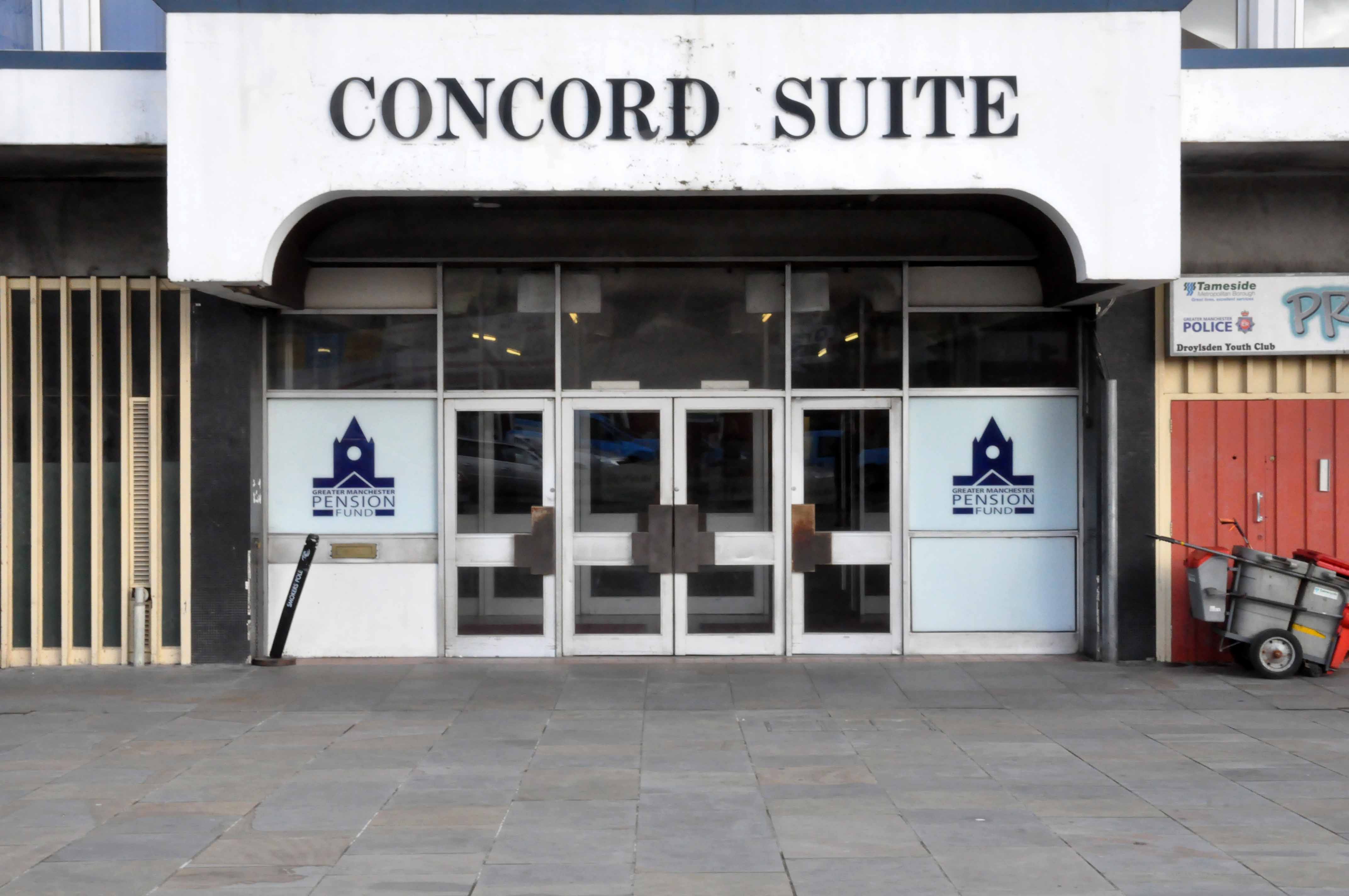
Renamed the Droylsden Centre on one side, it houses the regulation issue of charity shops and empty units. The main building is home to the Greater Manchester Pension Fund, soon to relocate to a new build across the road. The Concord will then provide a home for the workers leaving the now demolished Tameside Council Offices in Ashton.

The tram stops here.

dsc_0381
dsc_0375-copy
dsc_0377-copy
dsc_0379-copy
dsc_0383-copy
dsc_0380-copy
dsc_0389
dsc_0397-copy
dsc_0399
dsc_0400-copy
dsc_0401
dsc_0413-copy
dsc_0403
dsc_0409
dsc_0404
dsc_0407
dsc_0412-copy

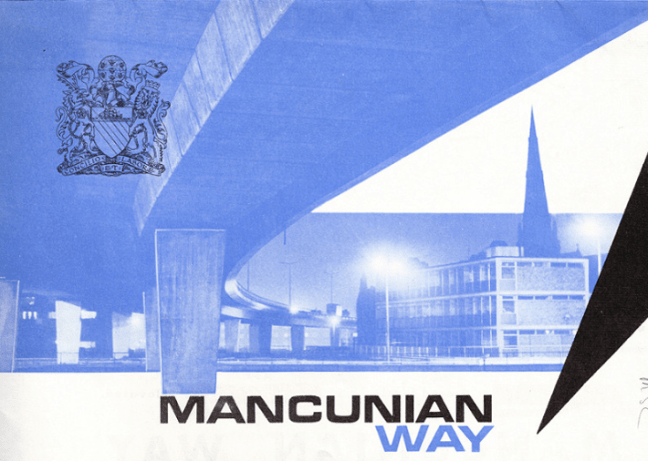
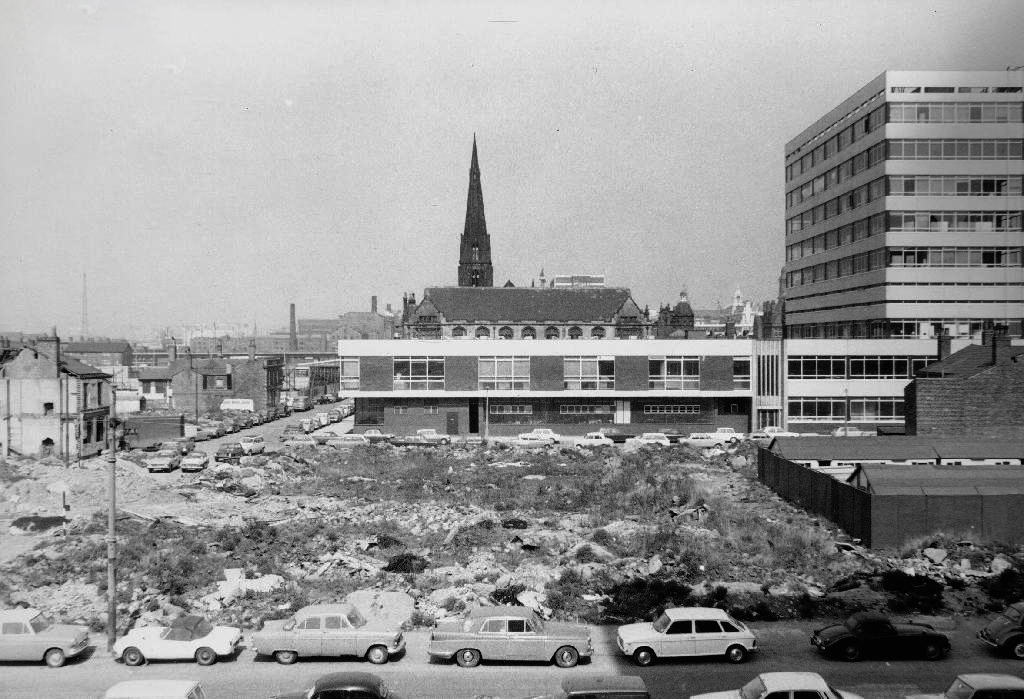
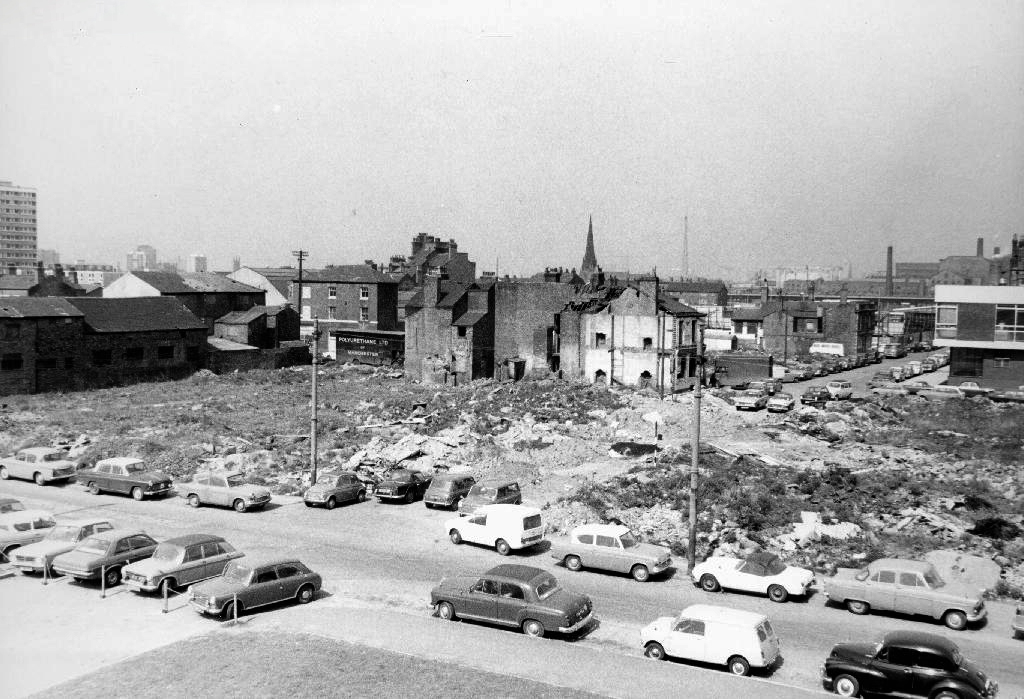
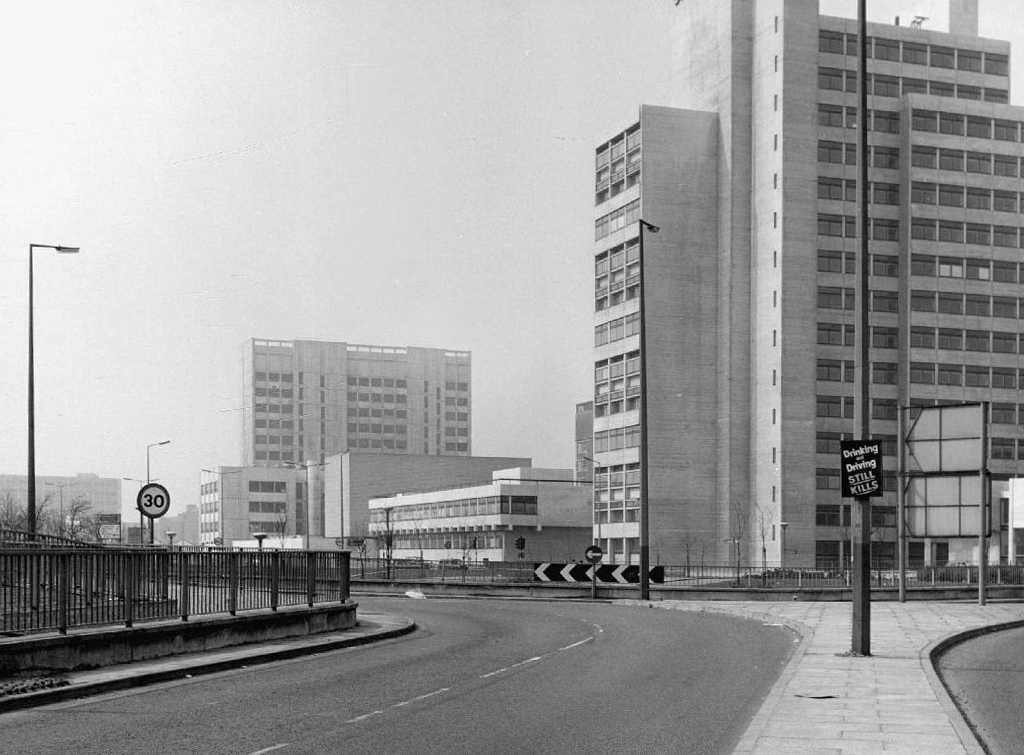
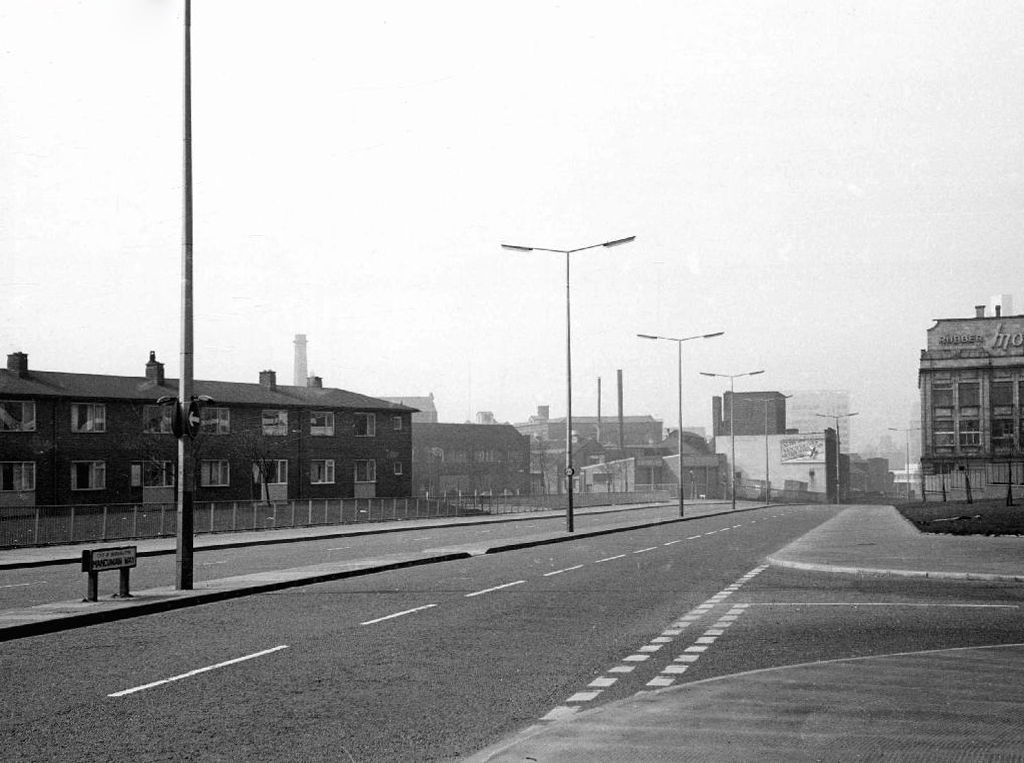
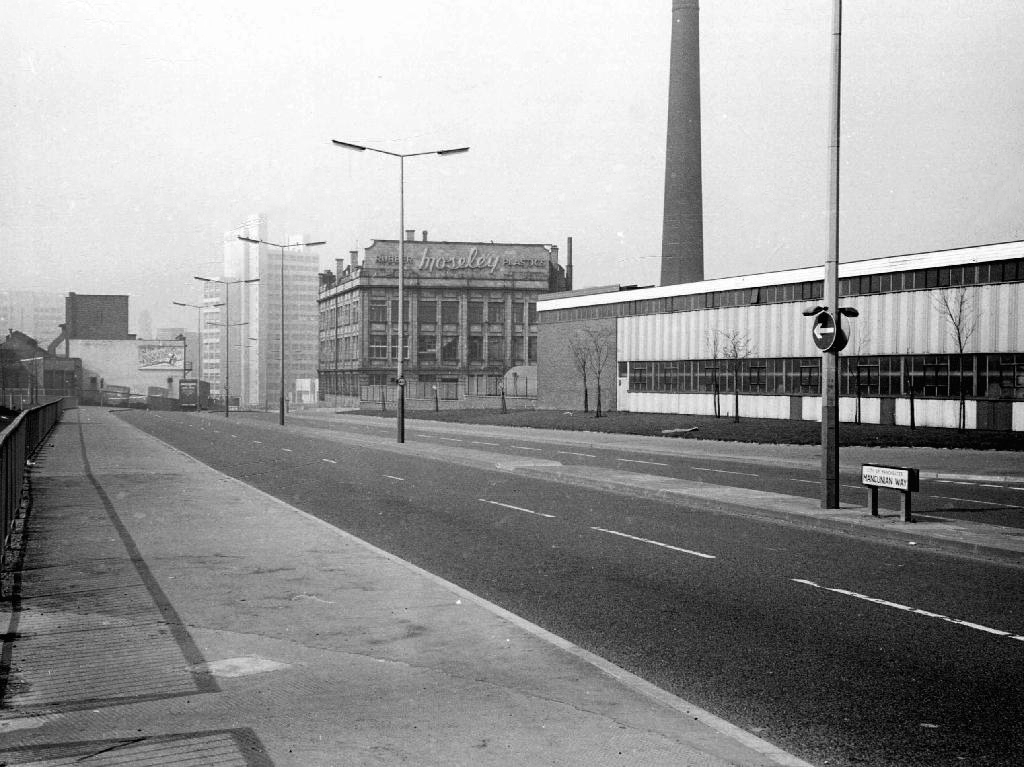
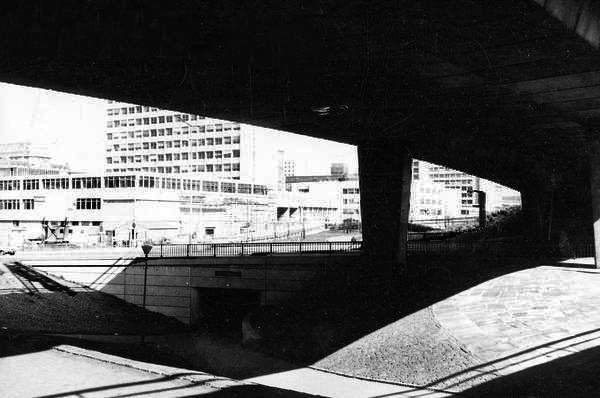
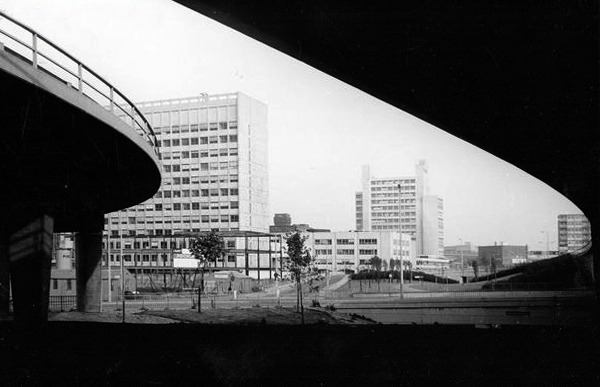
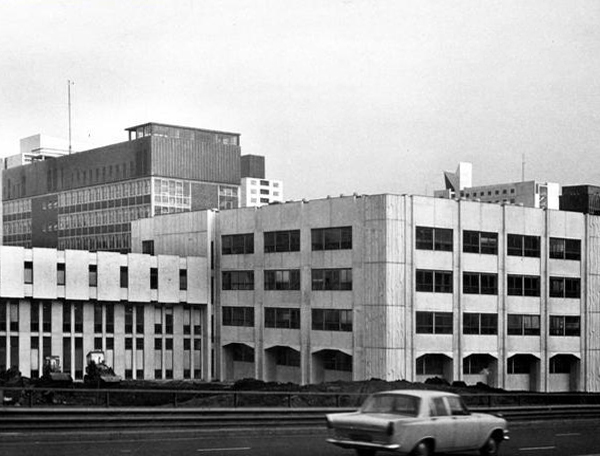
The Mancunian Way

The burnt out carcasses of cars are now hastily improvised cloches, following the annual cataclysmic courgette shortage.

Almost everything is made of Graphene, and a robot has taken your job.

The lucky ones are comfortably ensconced in custom built eco-pods, watching implanted Tarkovsky flicks around the clock and eating tasteless gloop.

Or Ultra-HD projections from the past.

Turn on.

Tune in.

Drop off.

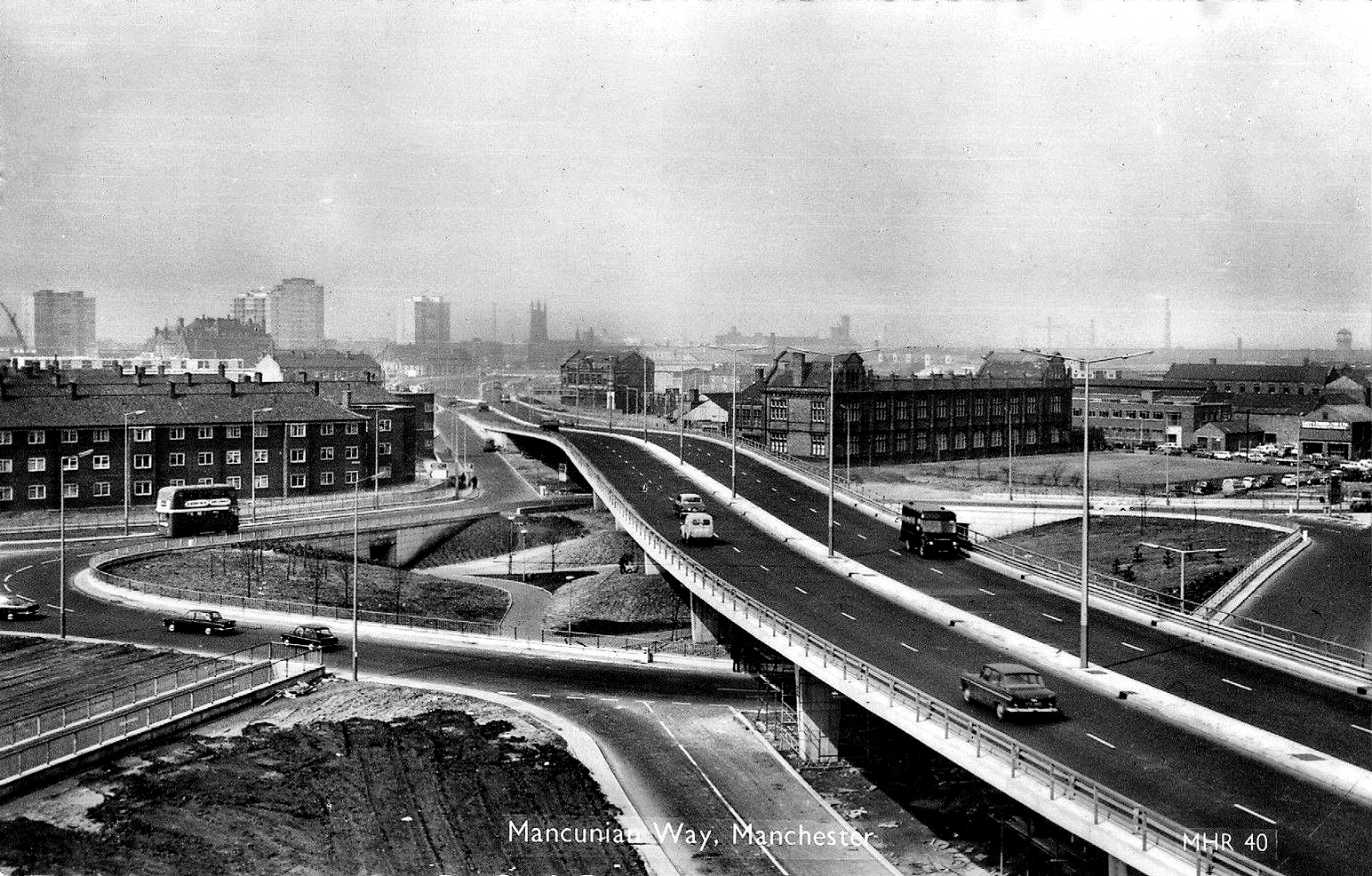
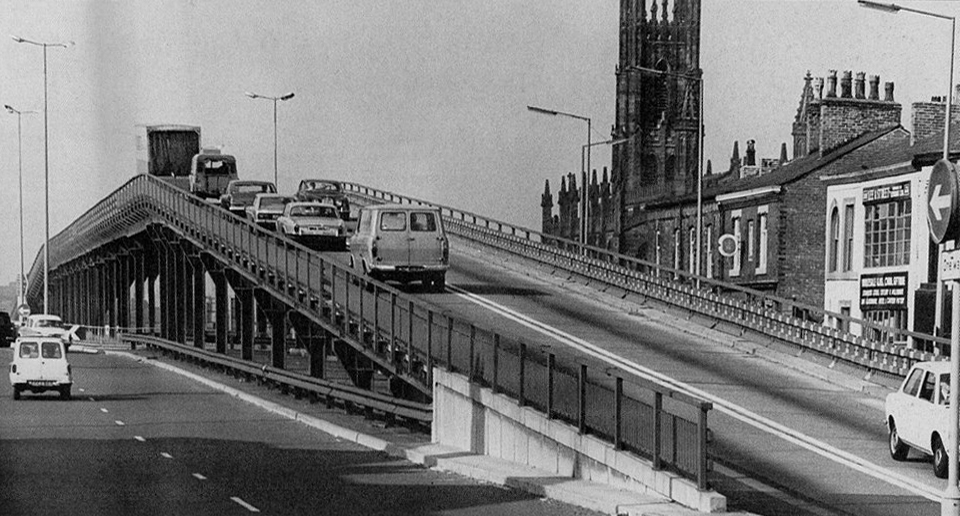
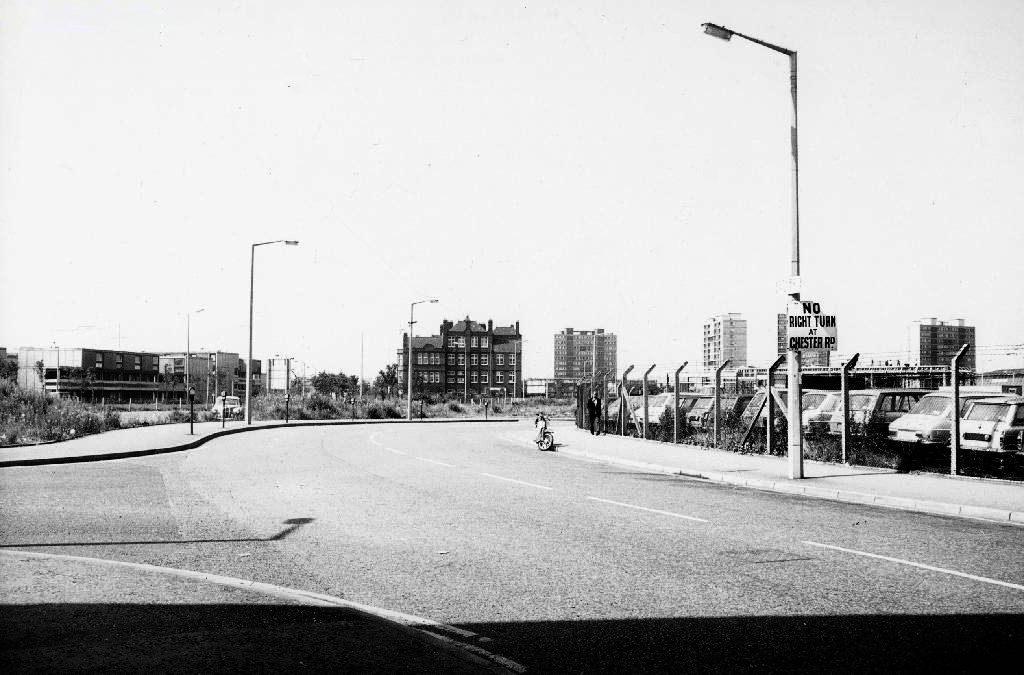
Walk the Mancunian way – history buffs and tech heads can take a look here.

Photographs from the Manchester Image Archive

16463426_10212141901922228_700052626864377295_o

tumblr_nm6lpv4wwg1rr41pto1_1280

webmedia-1-php

webmedia-2-php

webmedia-3-php

webmedia-4-php

webmedia-7-php

webmedia-5-php

webmedia-6-php

webmedia-8-php

webmedia-9-php

webmedia-10-php

webmedia-11-php

webmedia-12-php

webmedia-13-php

webmedia-14-php

webmedia-15-php

webmedia-php

Semi Detached – Warrington

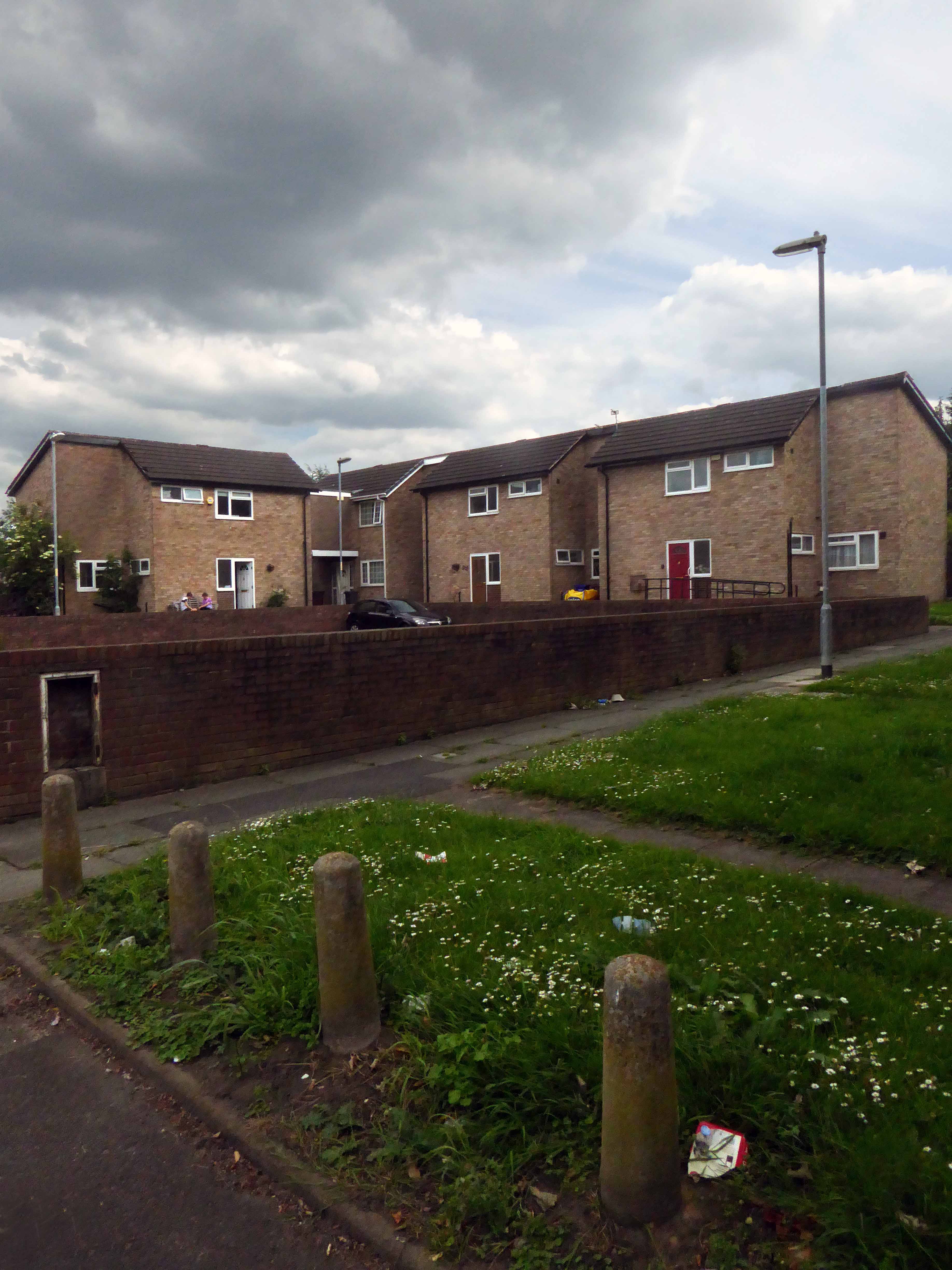
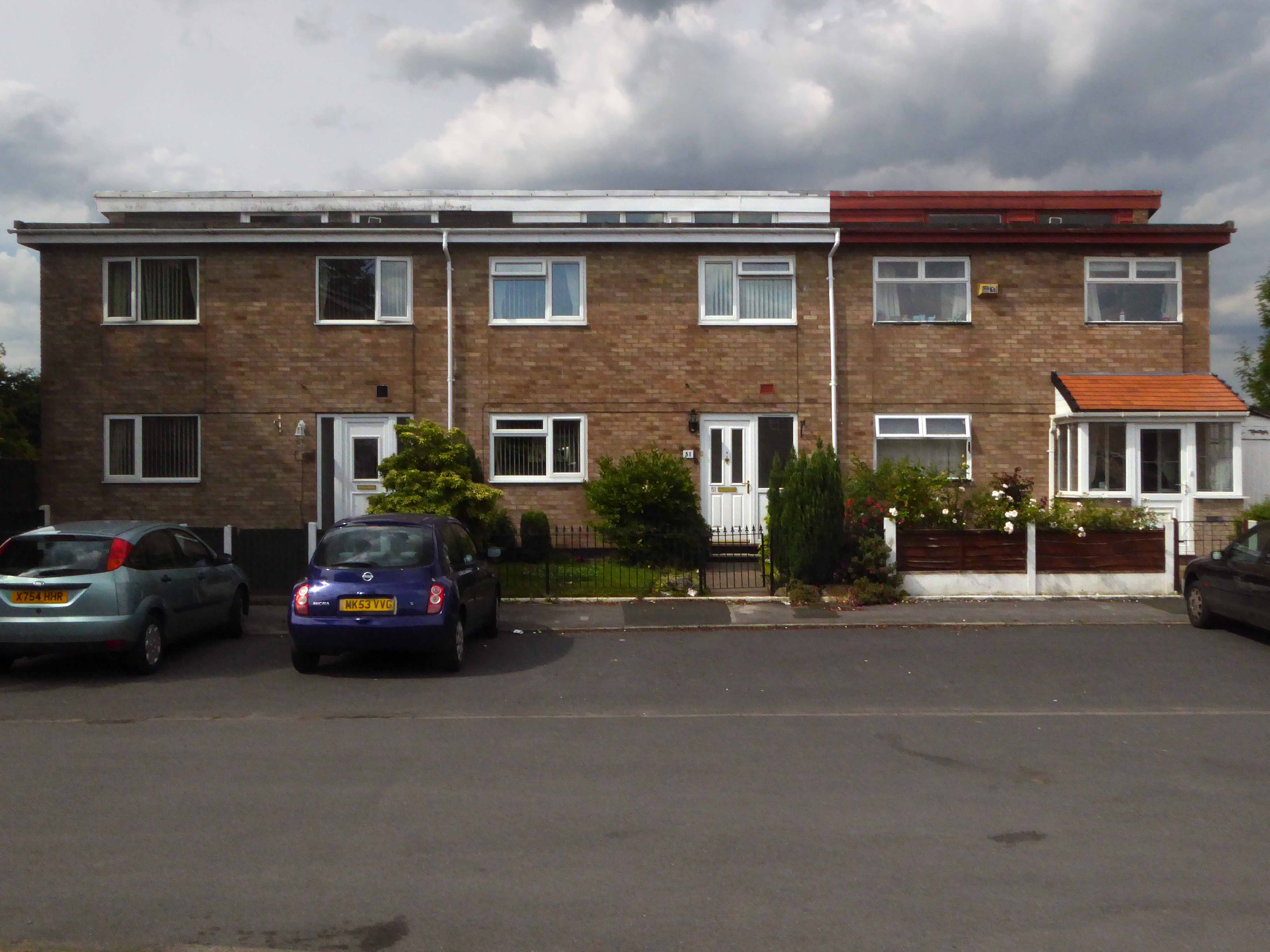
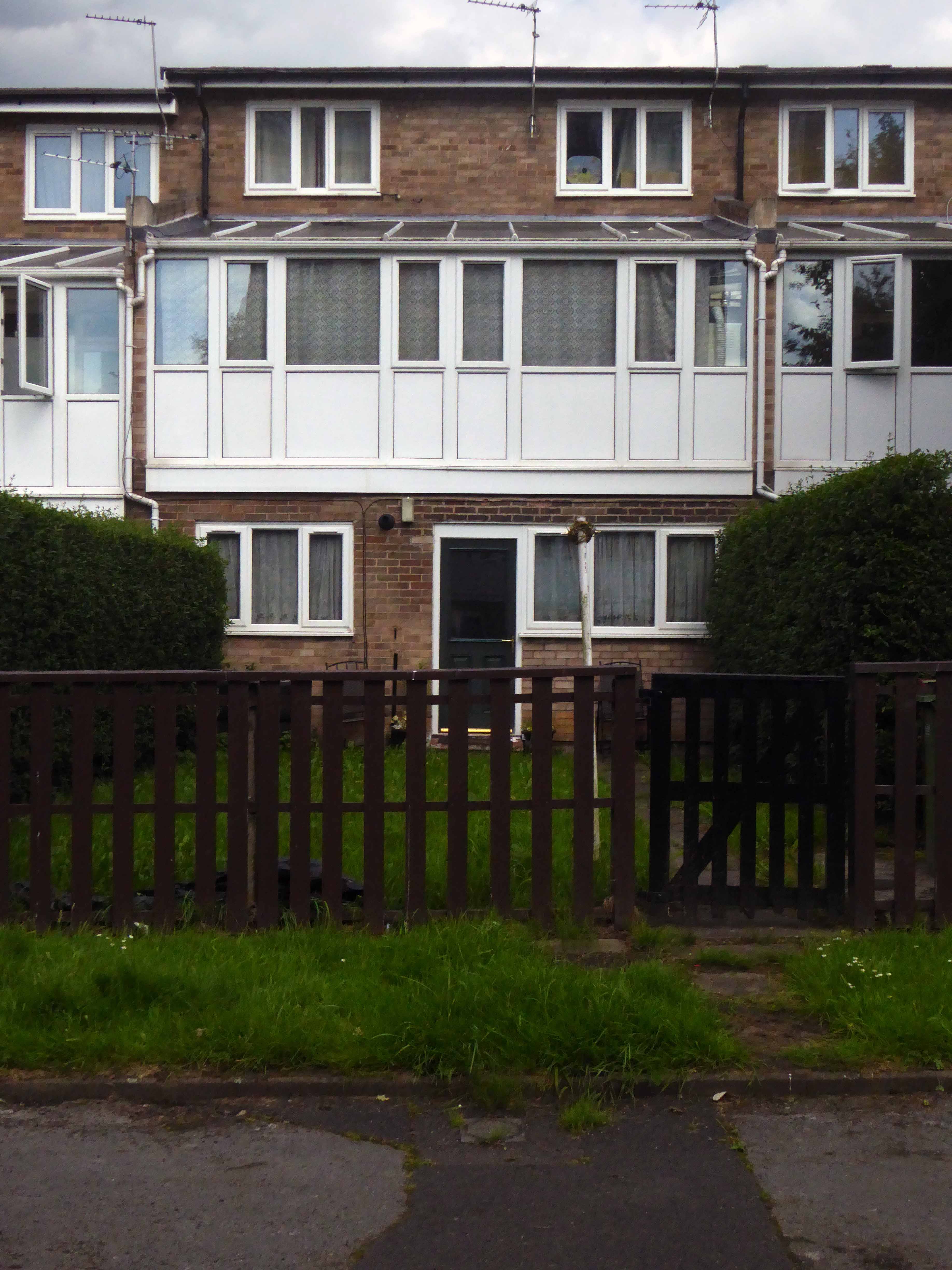
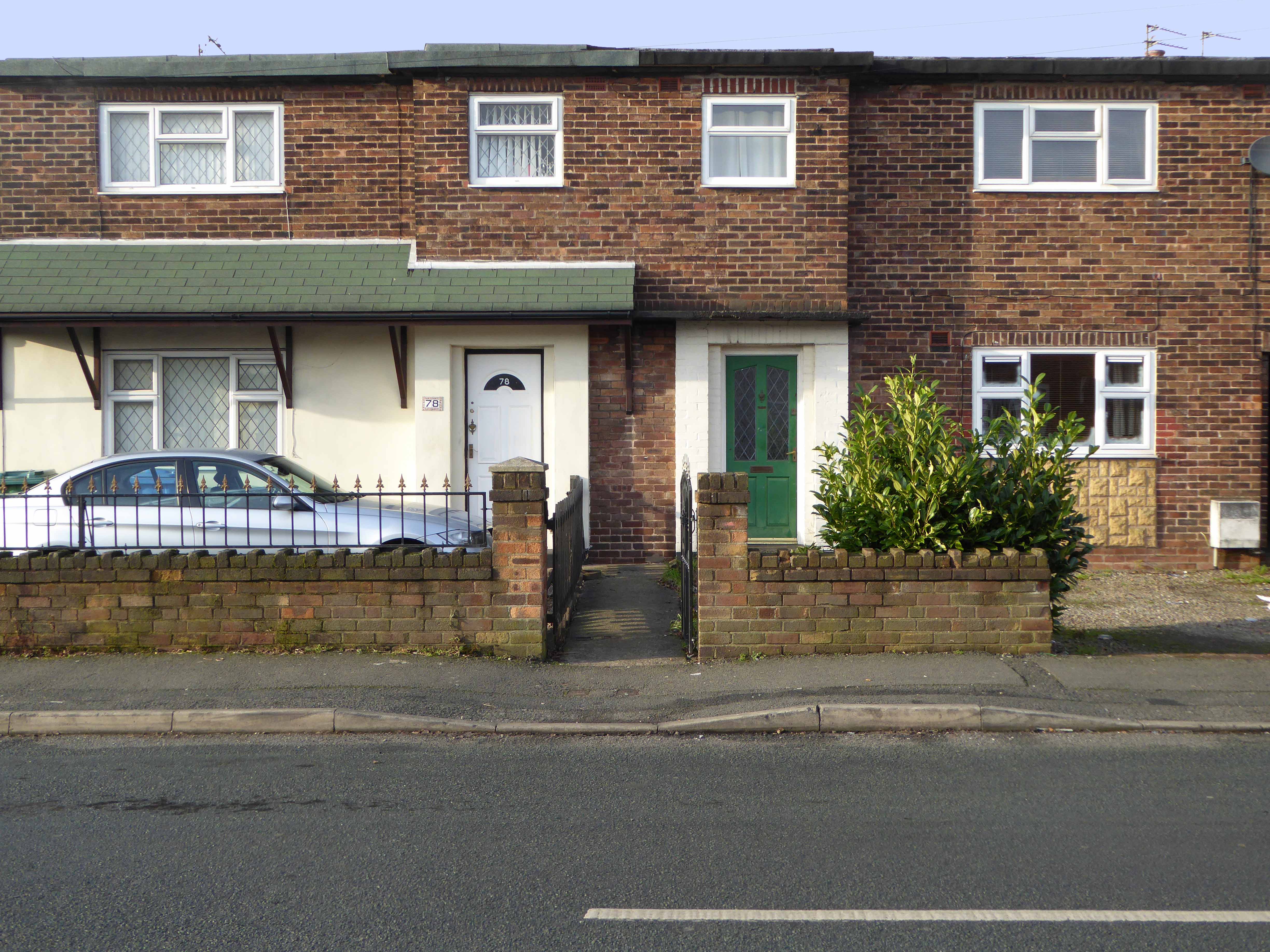
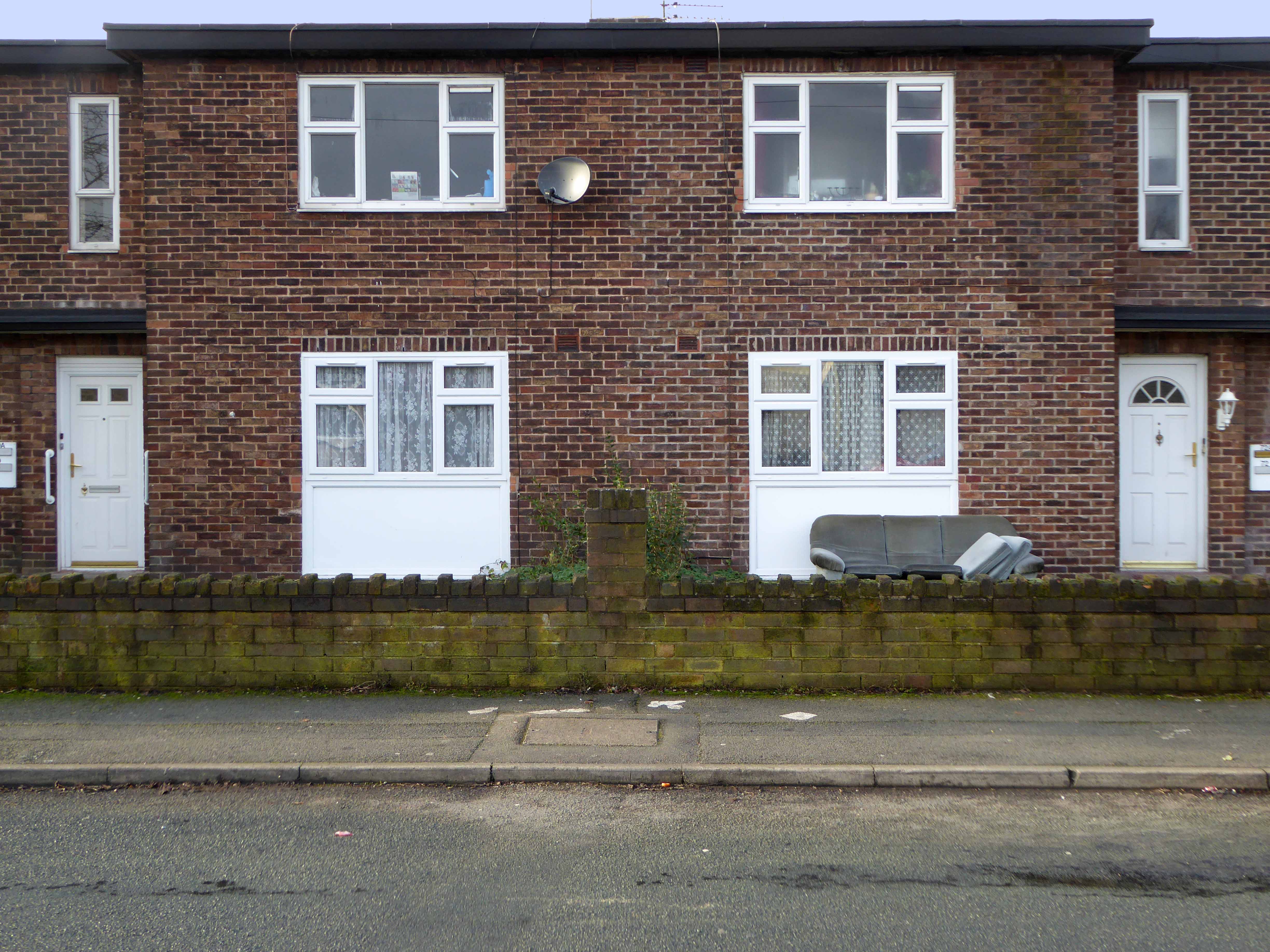
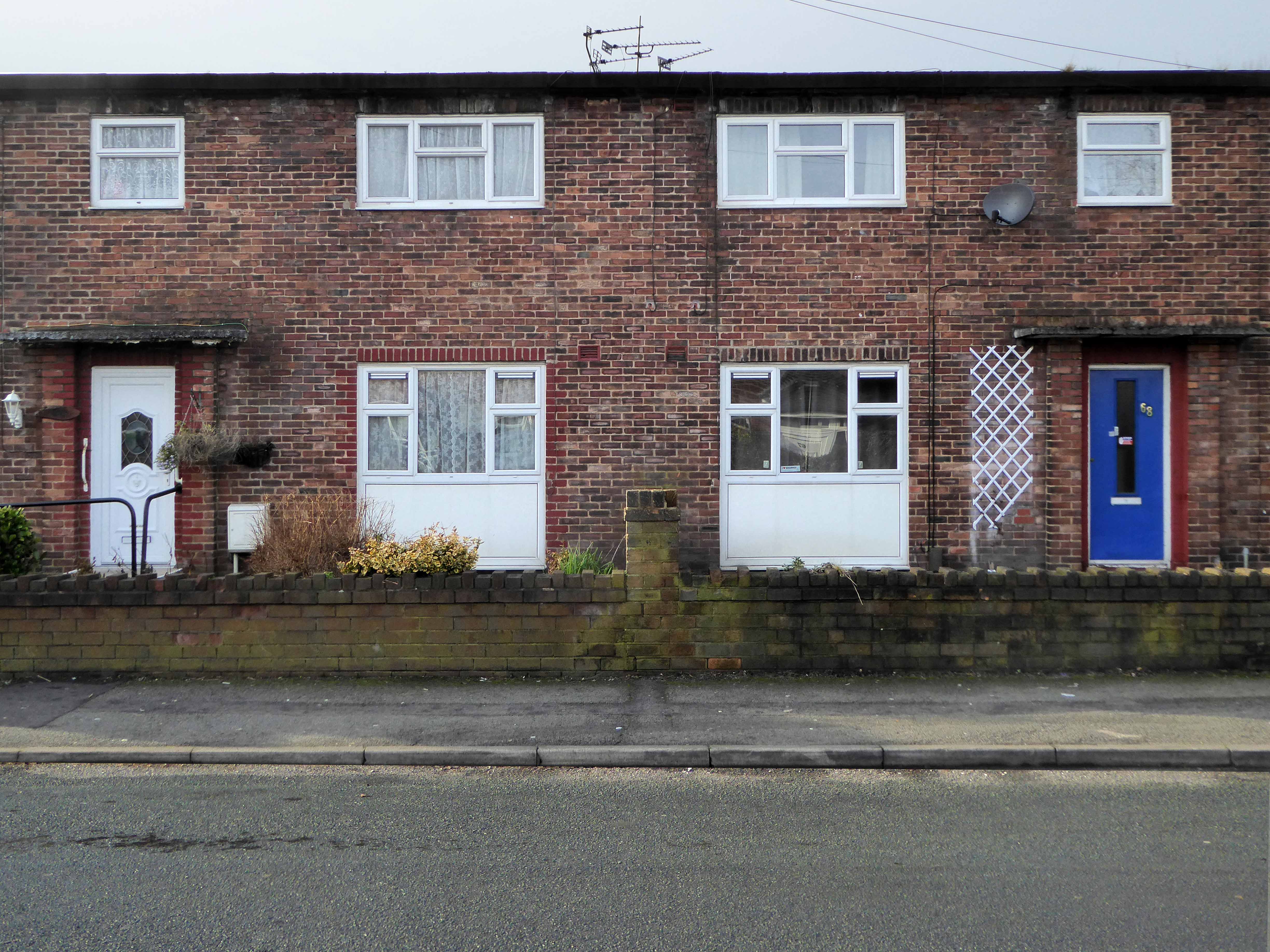
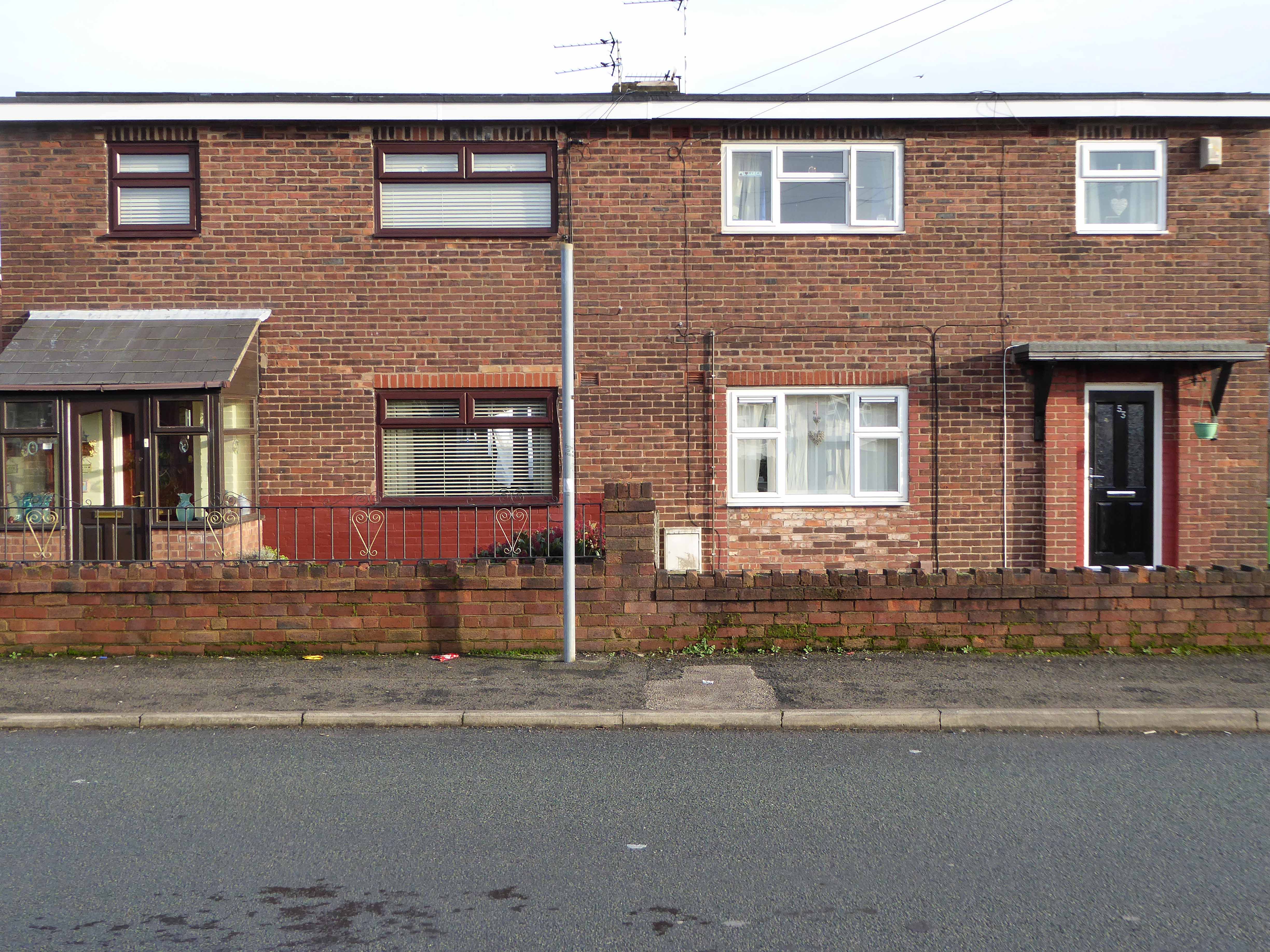
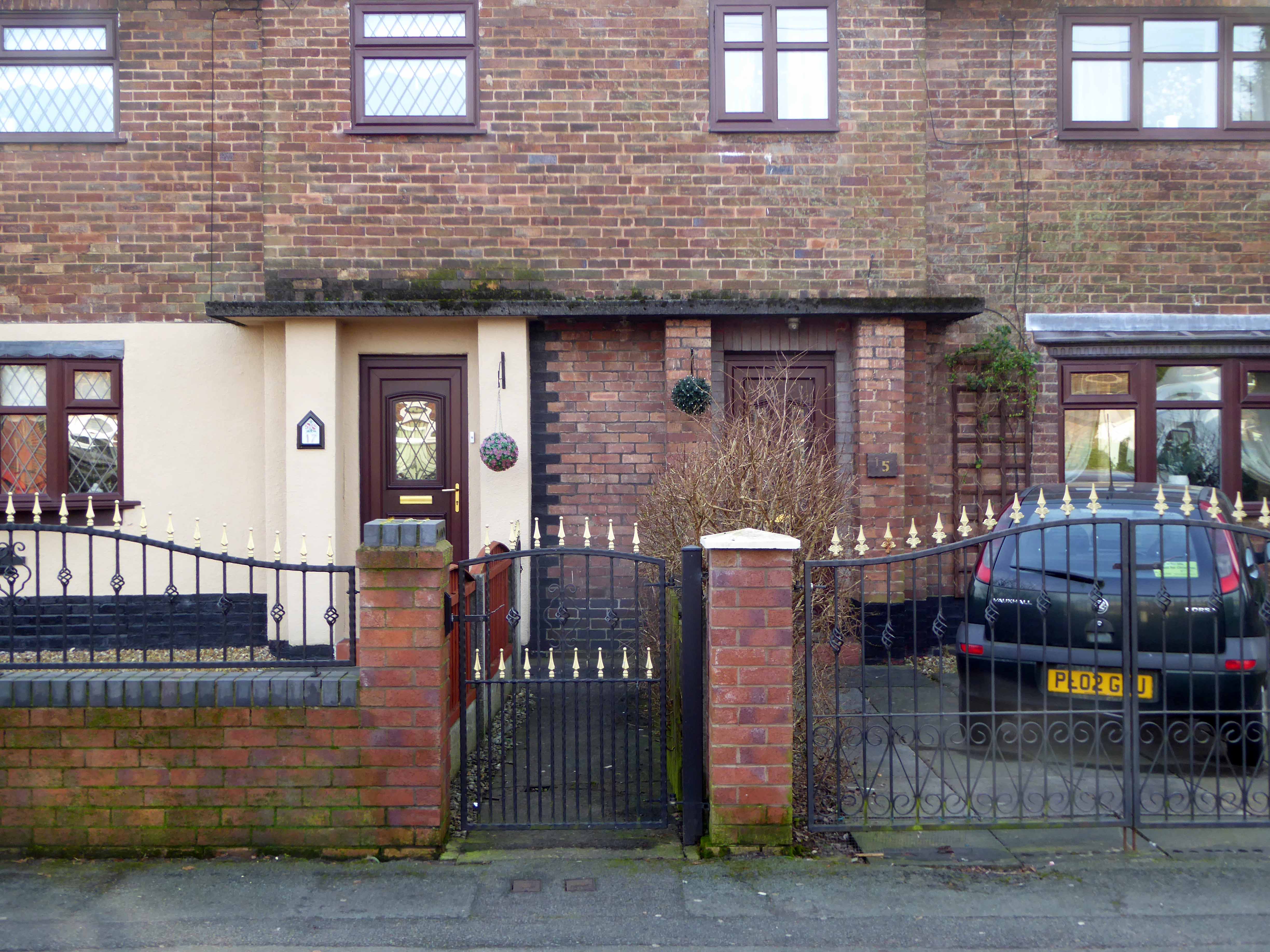
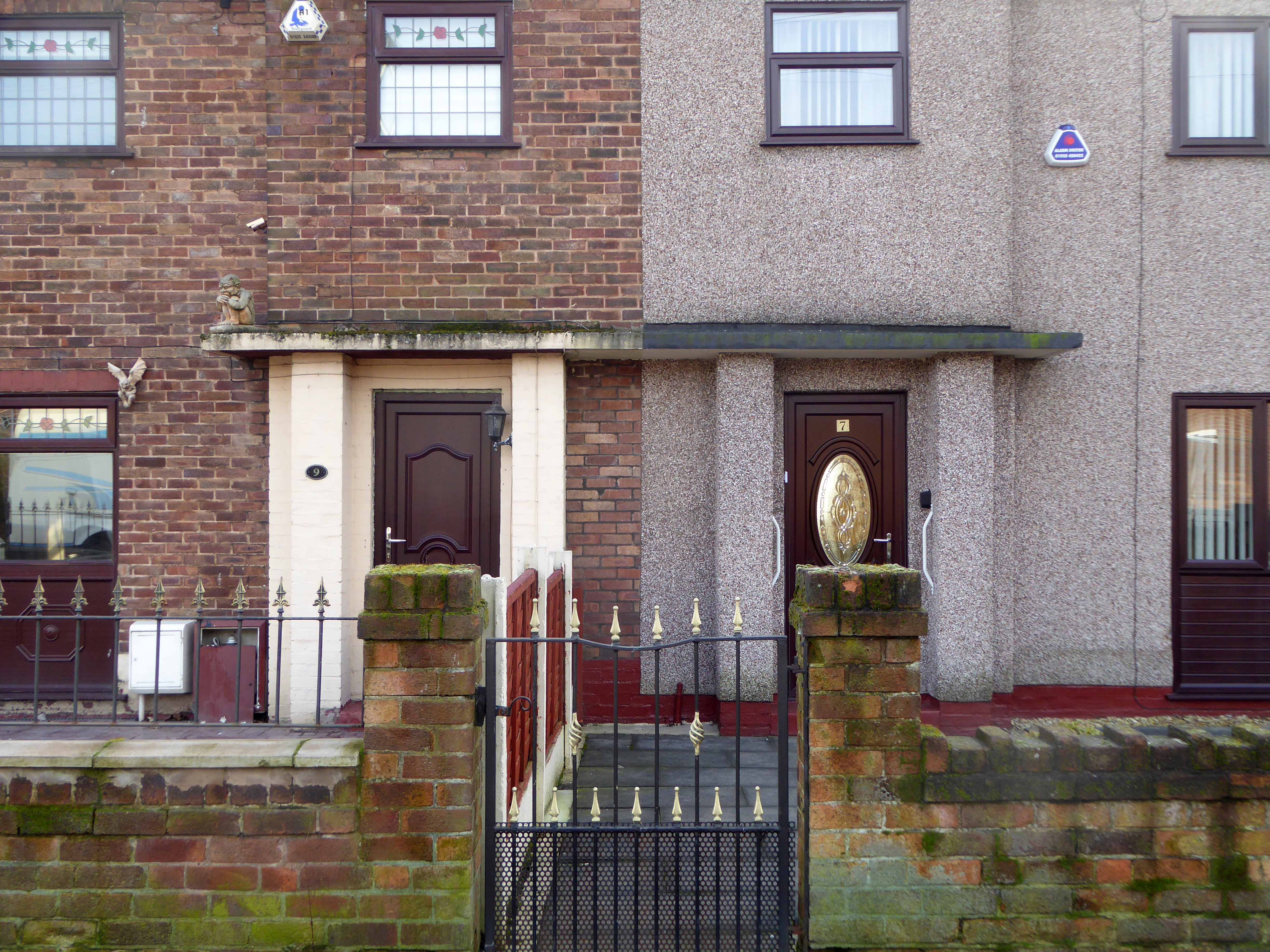
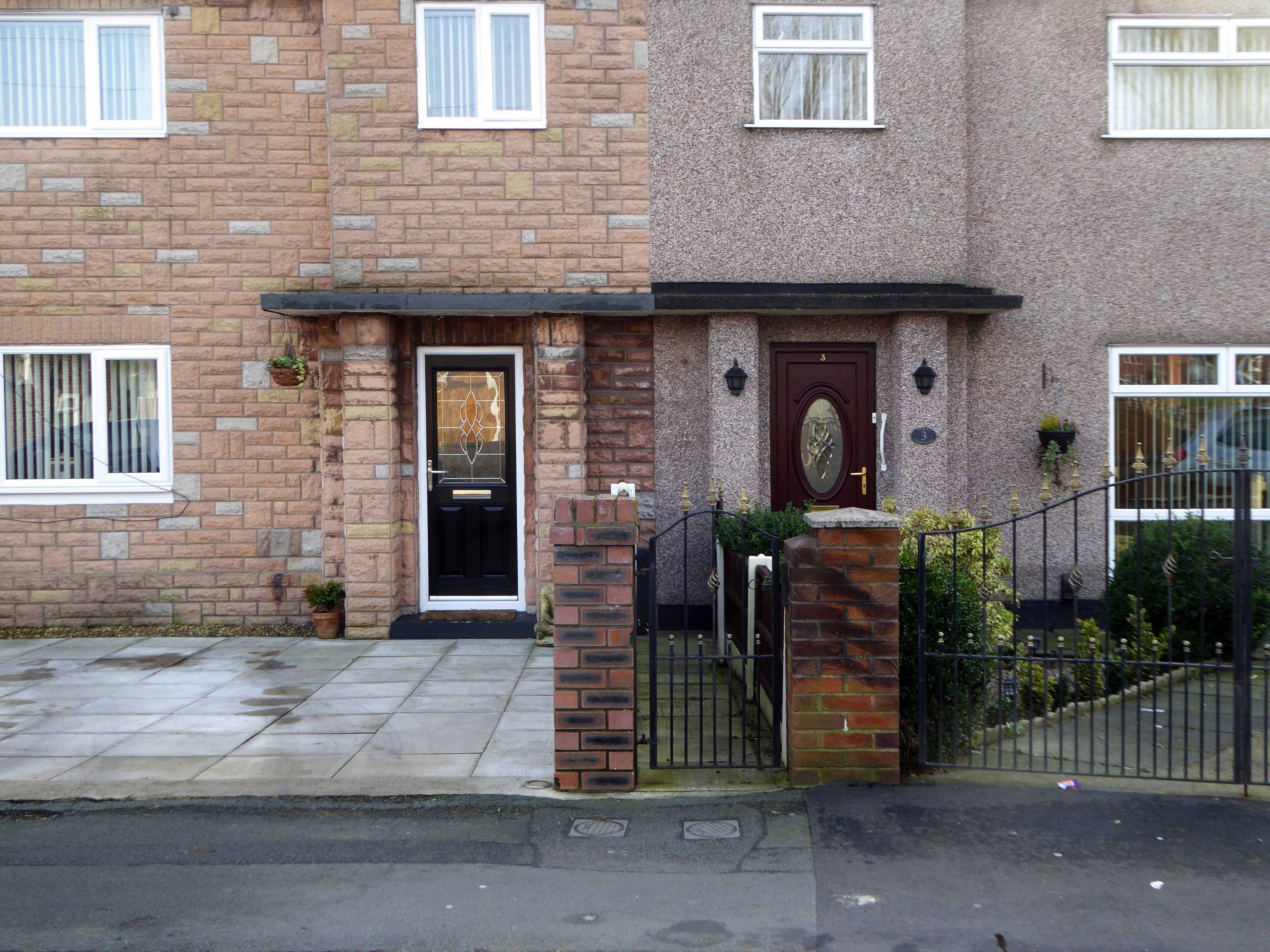
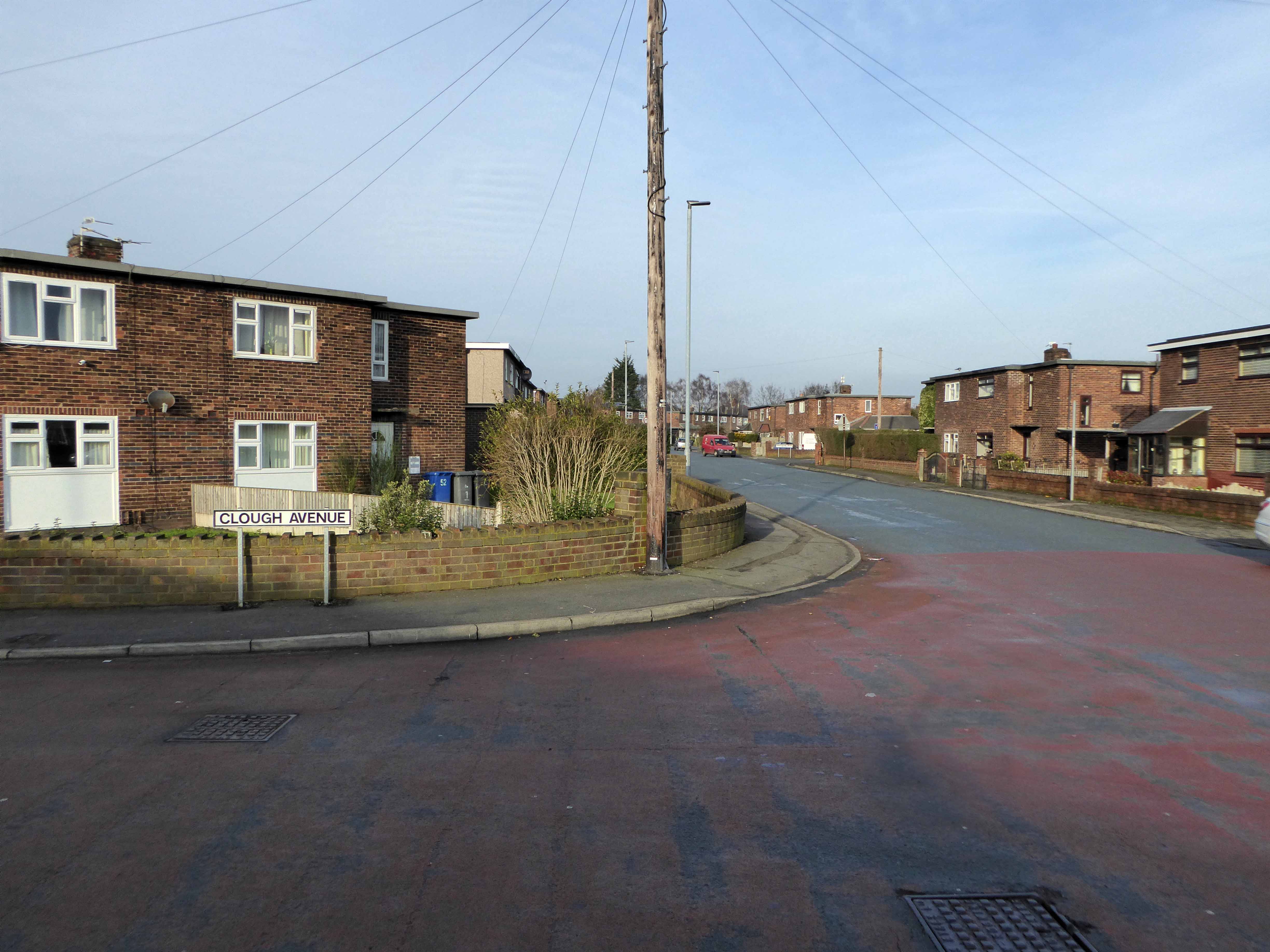
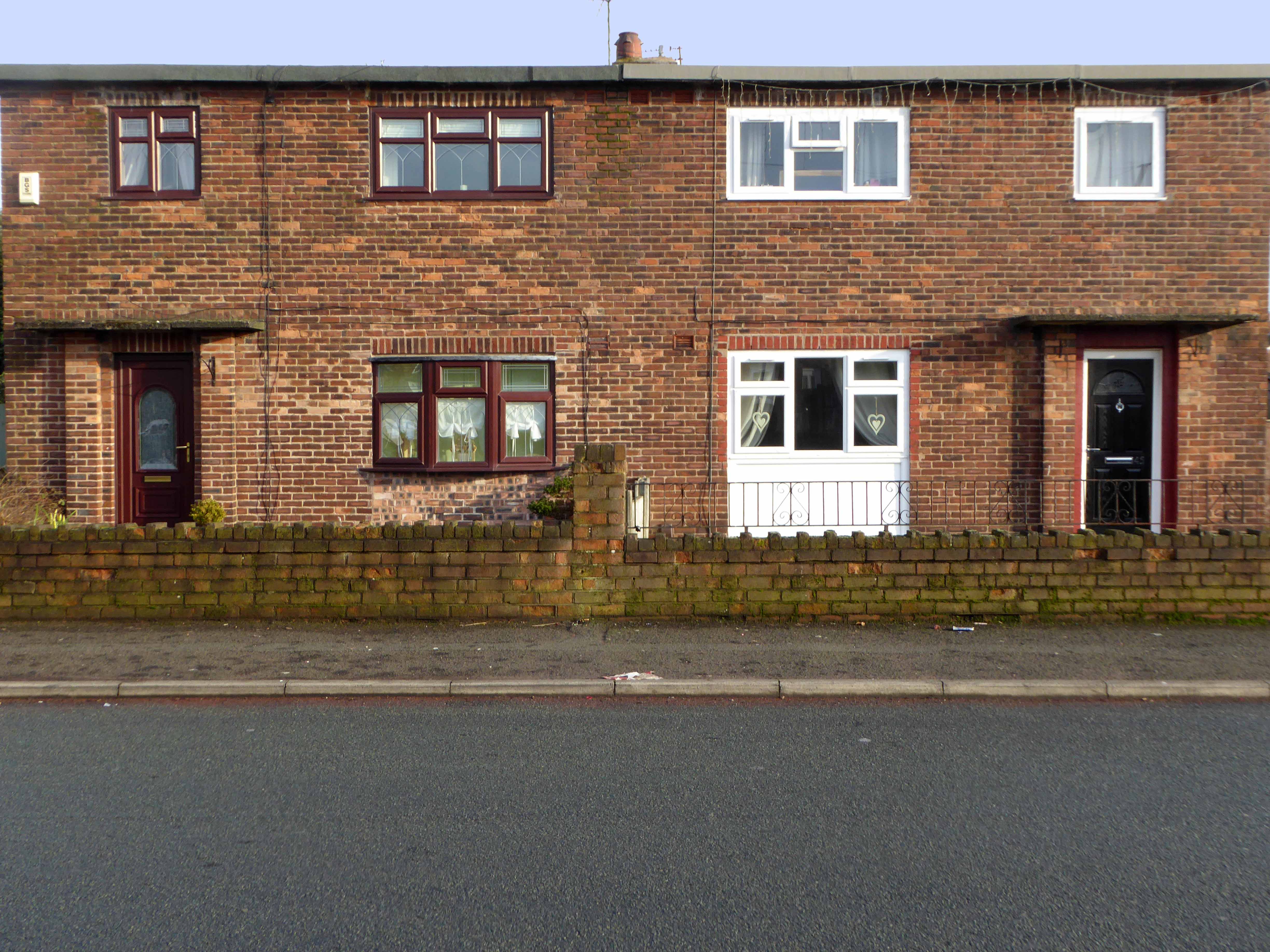
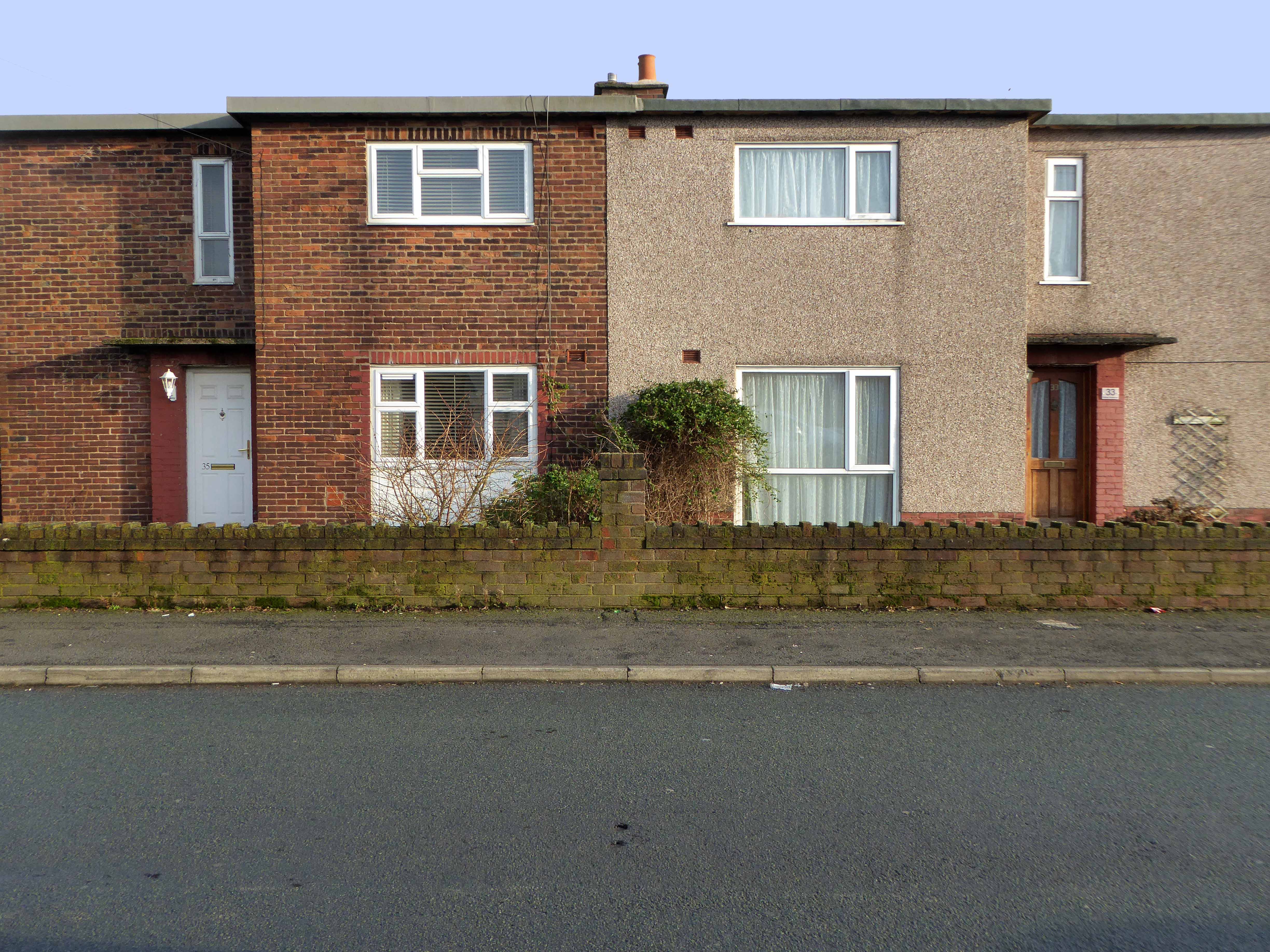
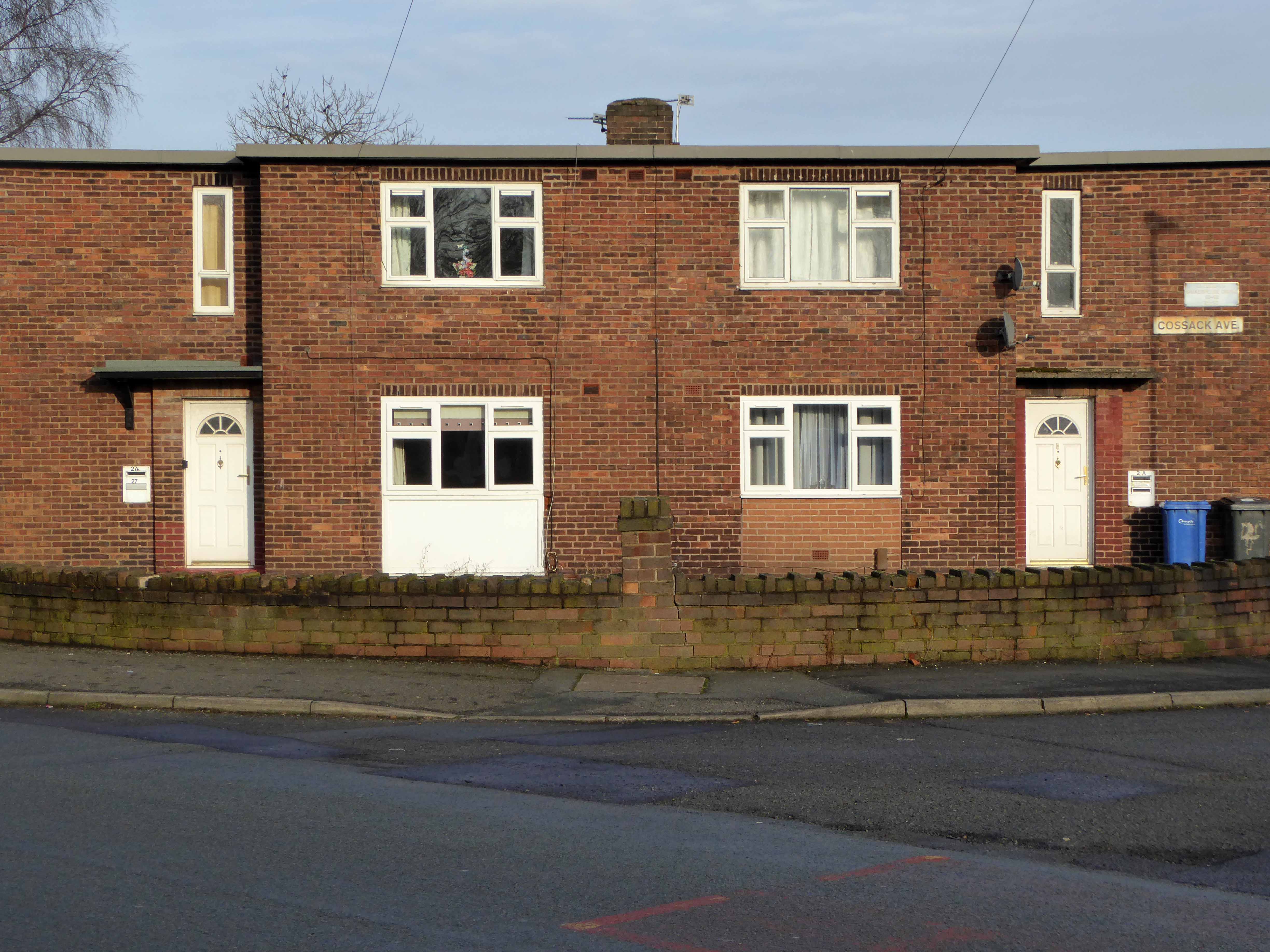
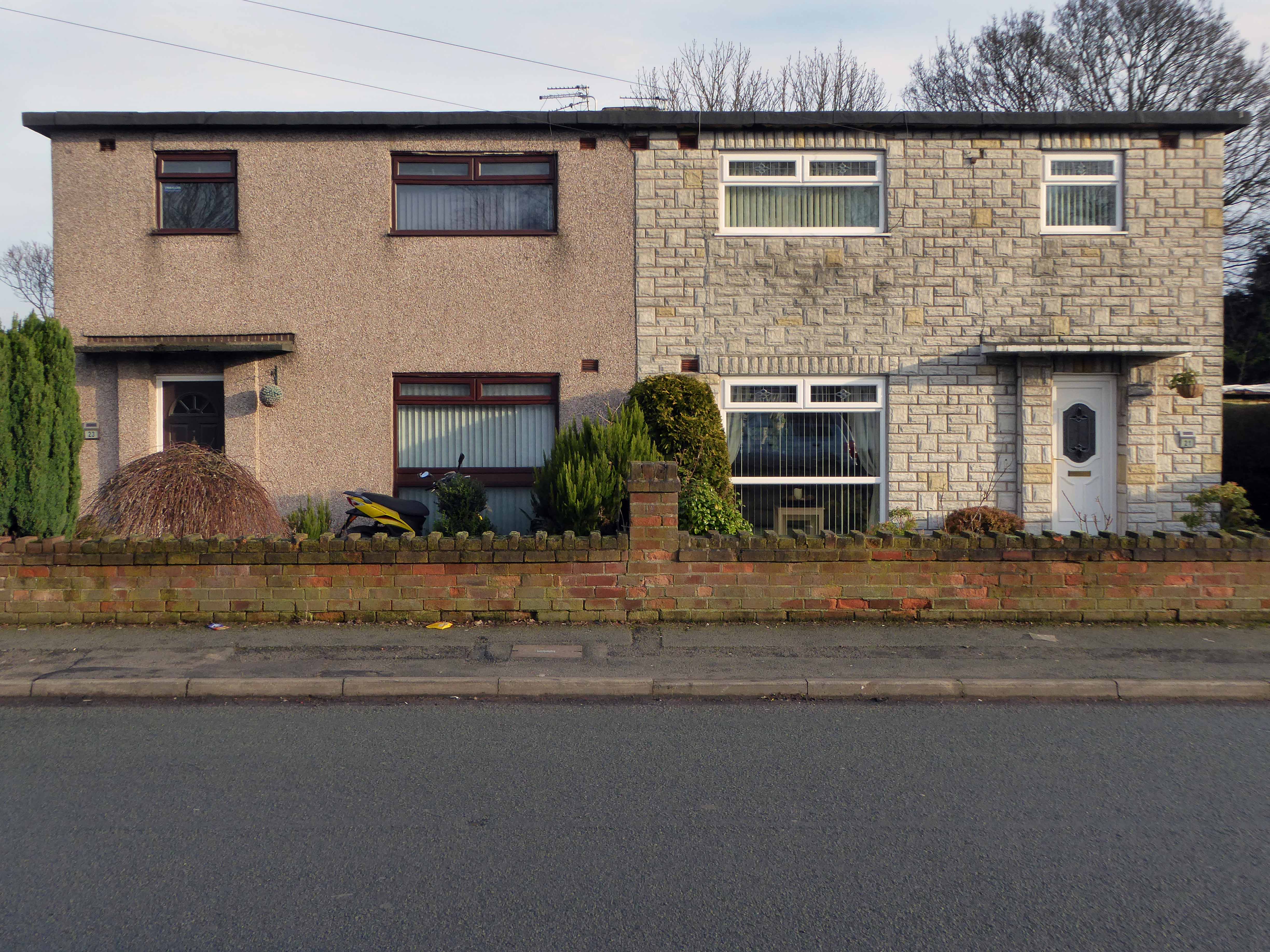
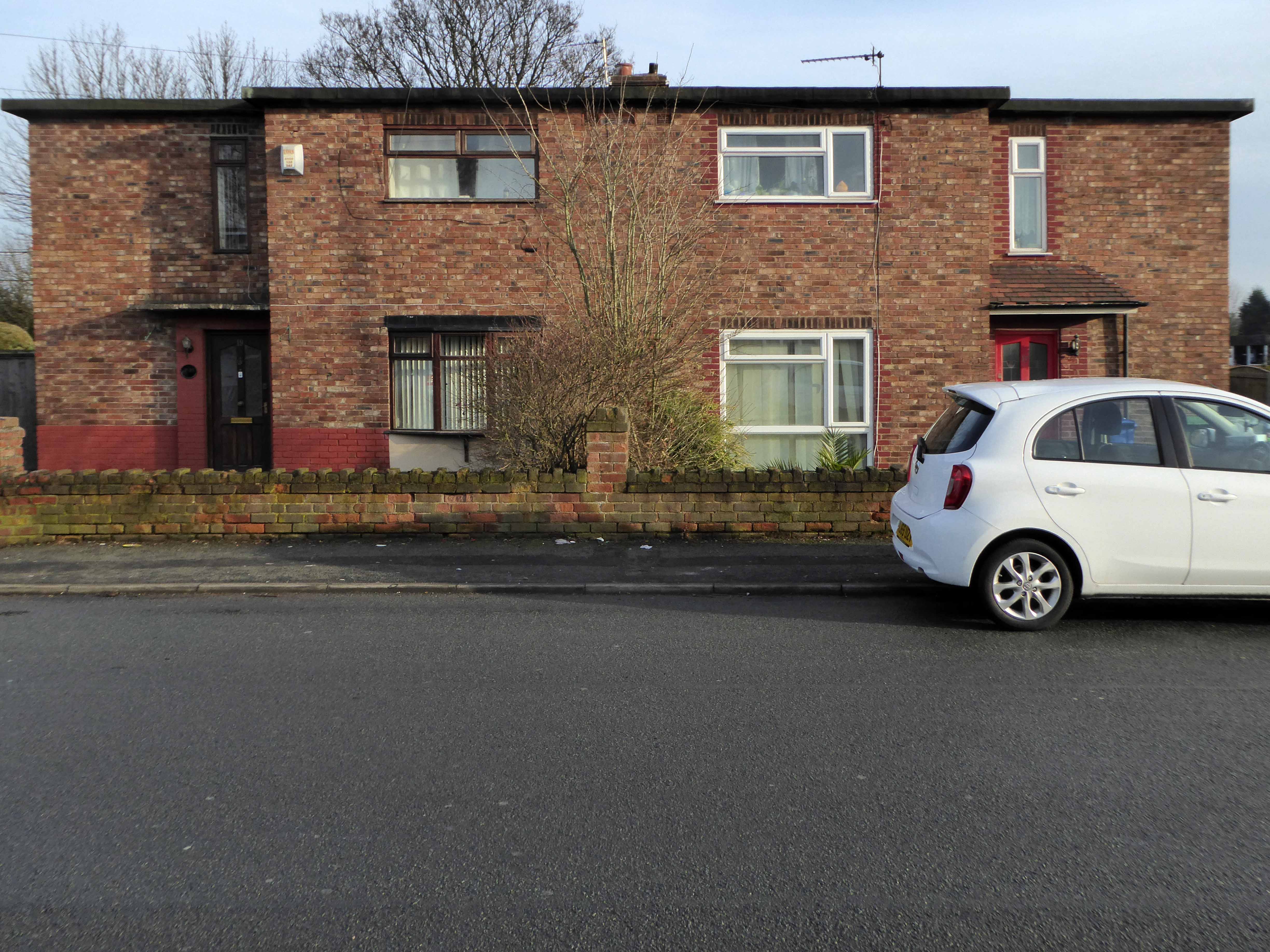
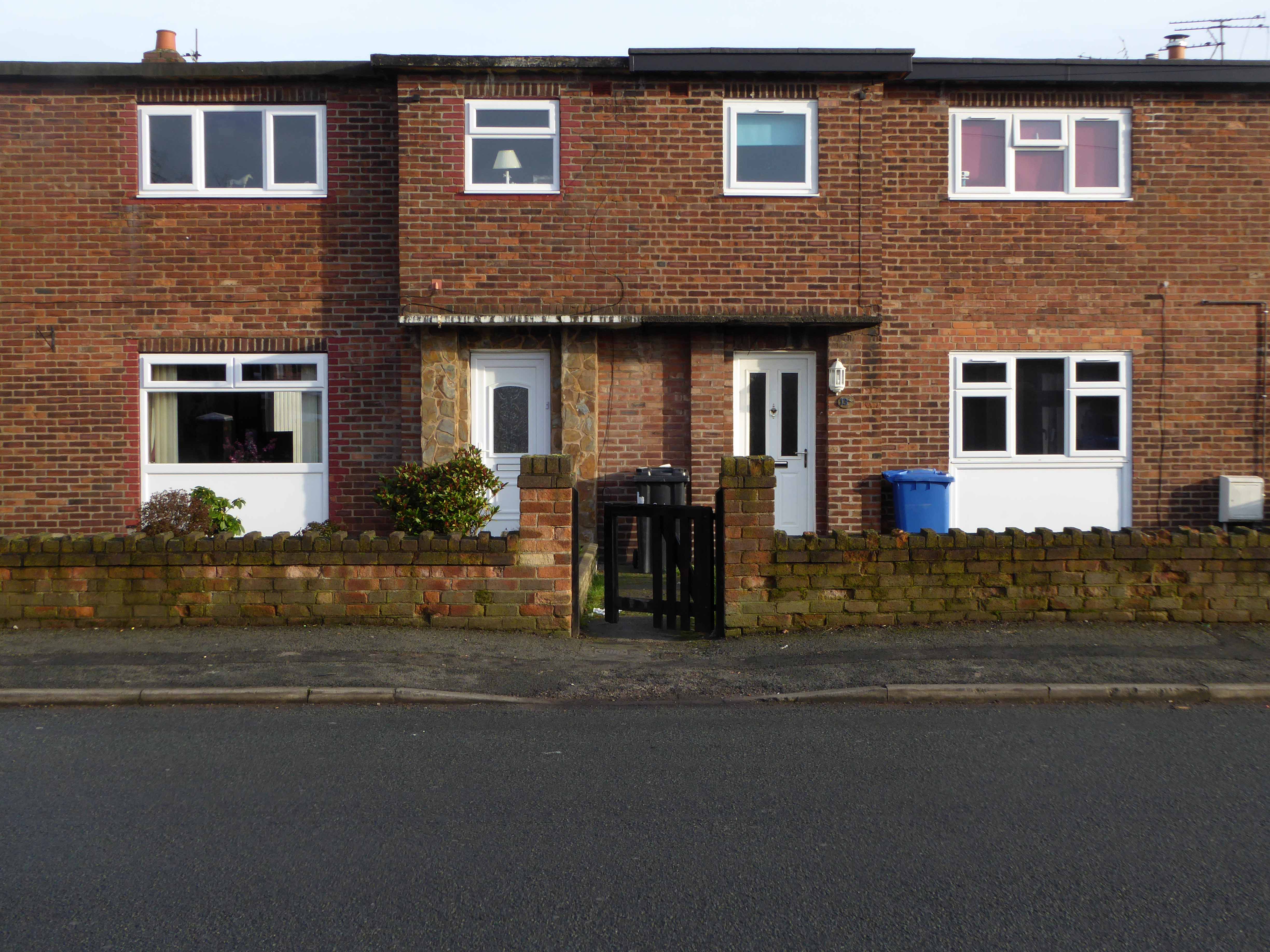
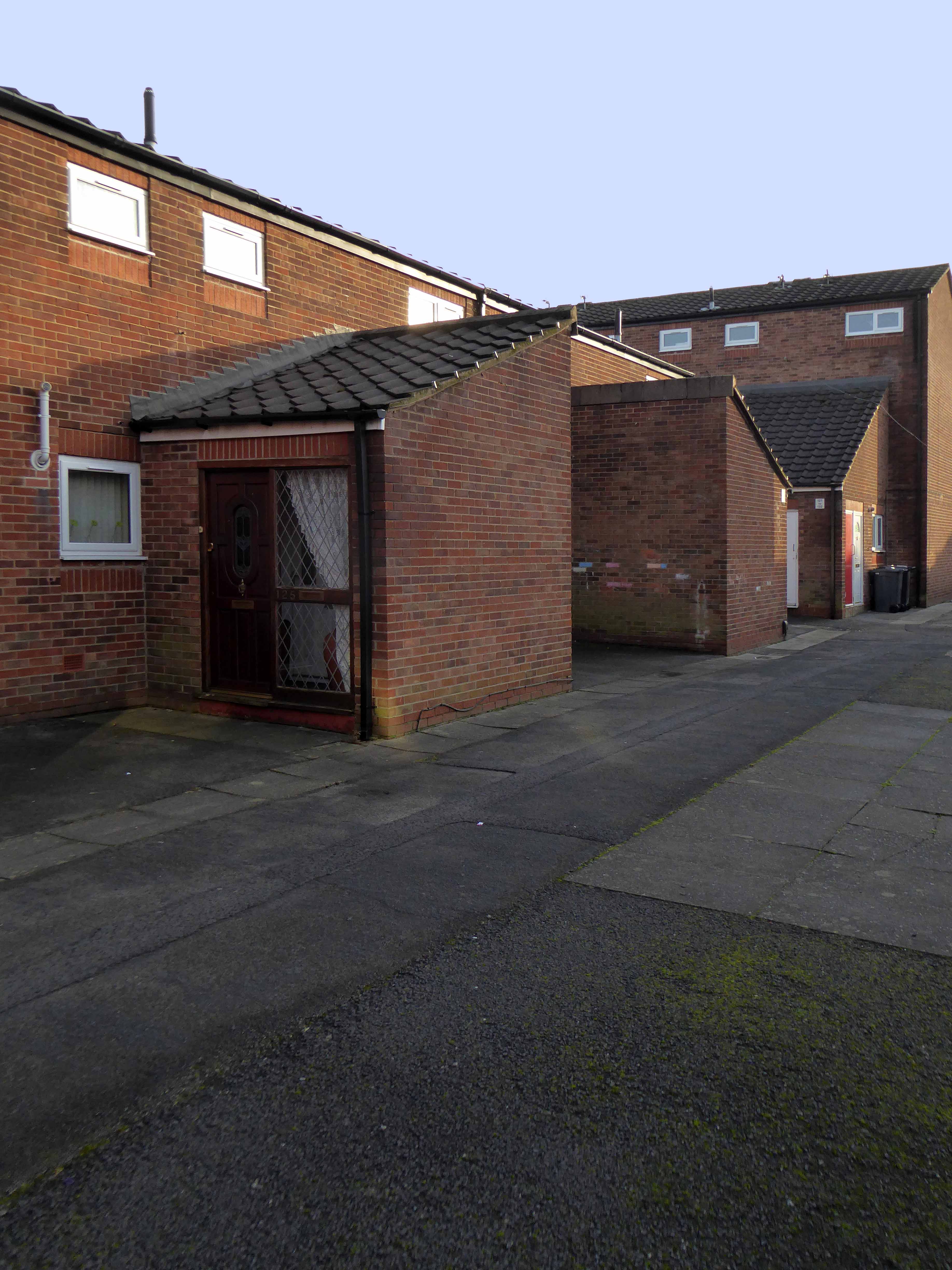
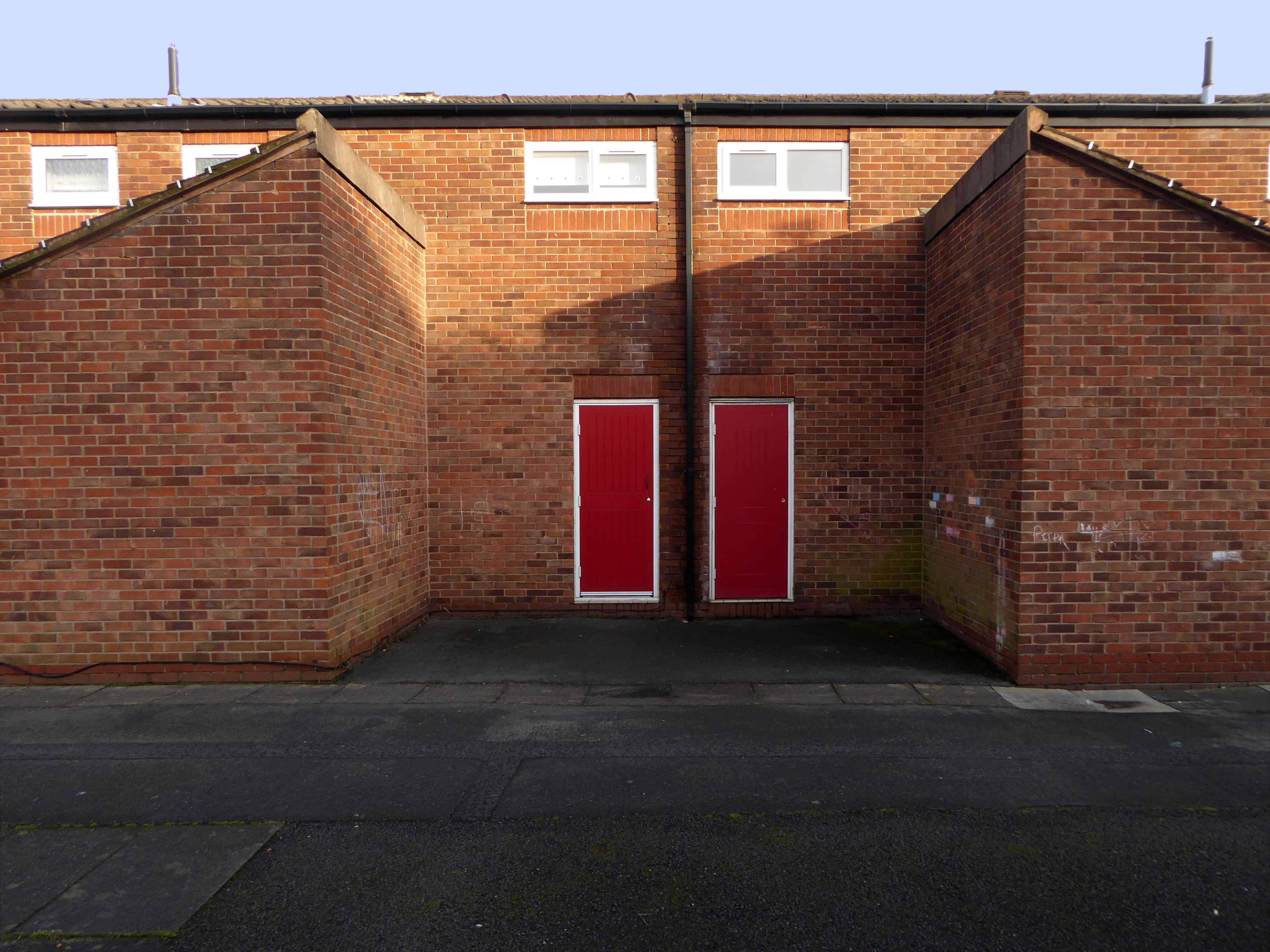
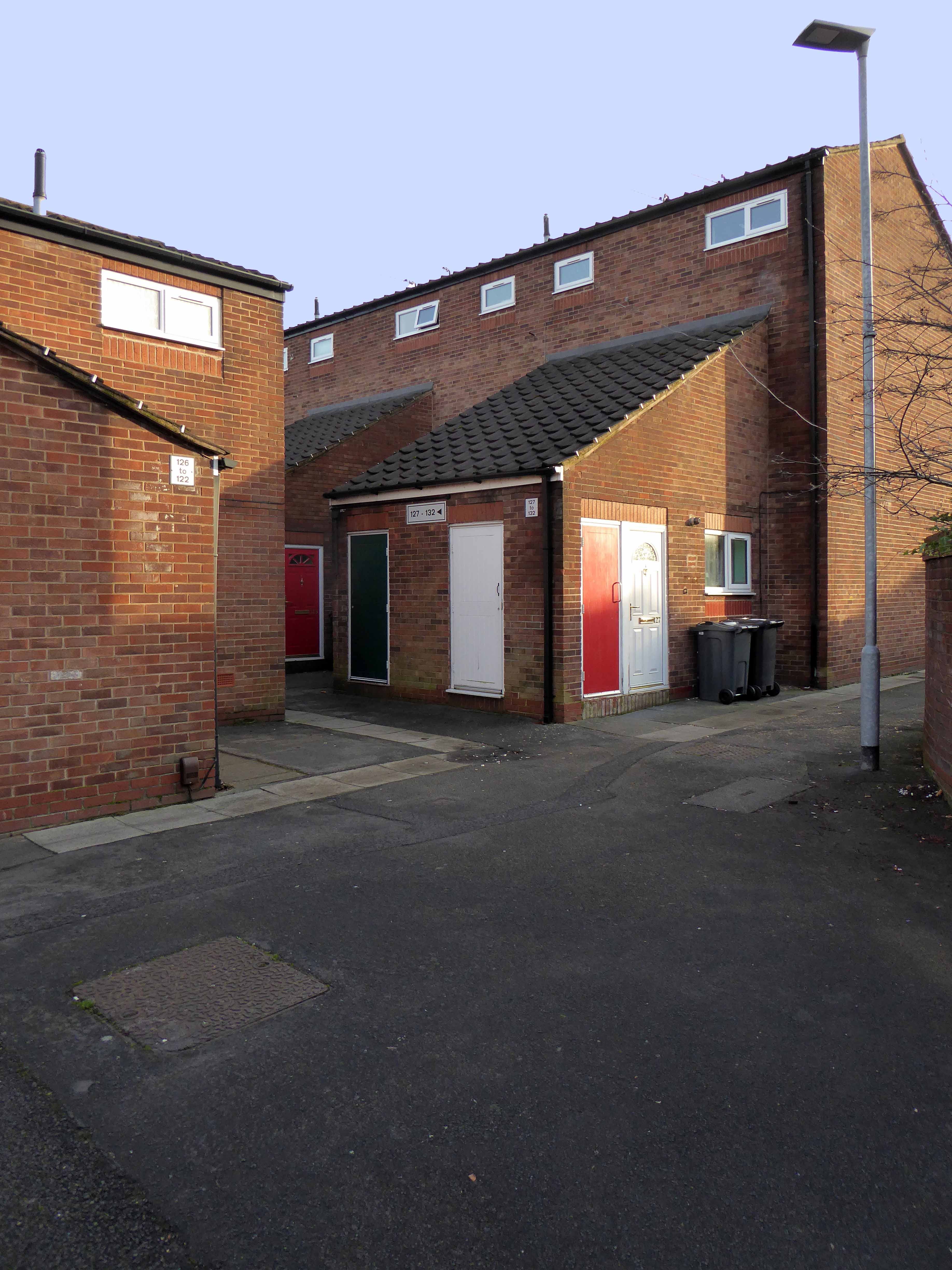
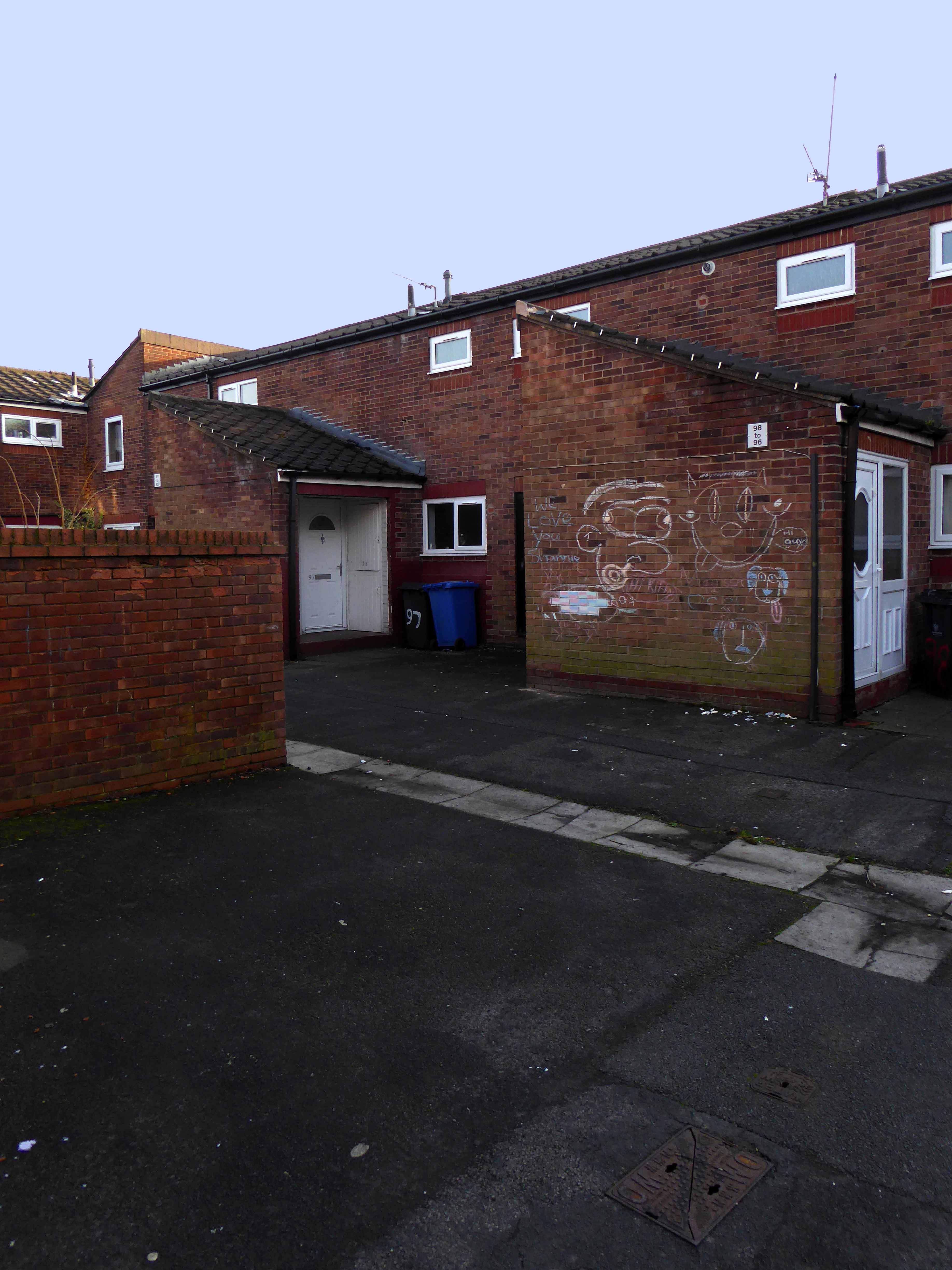
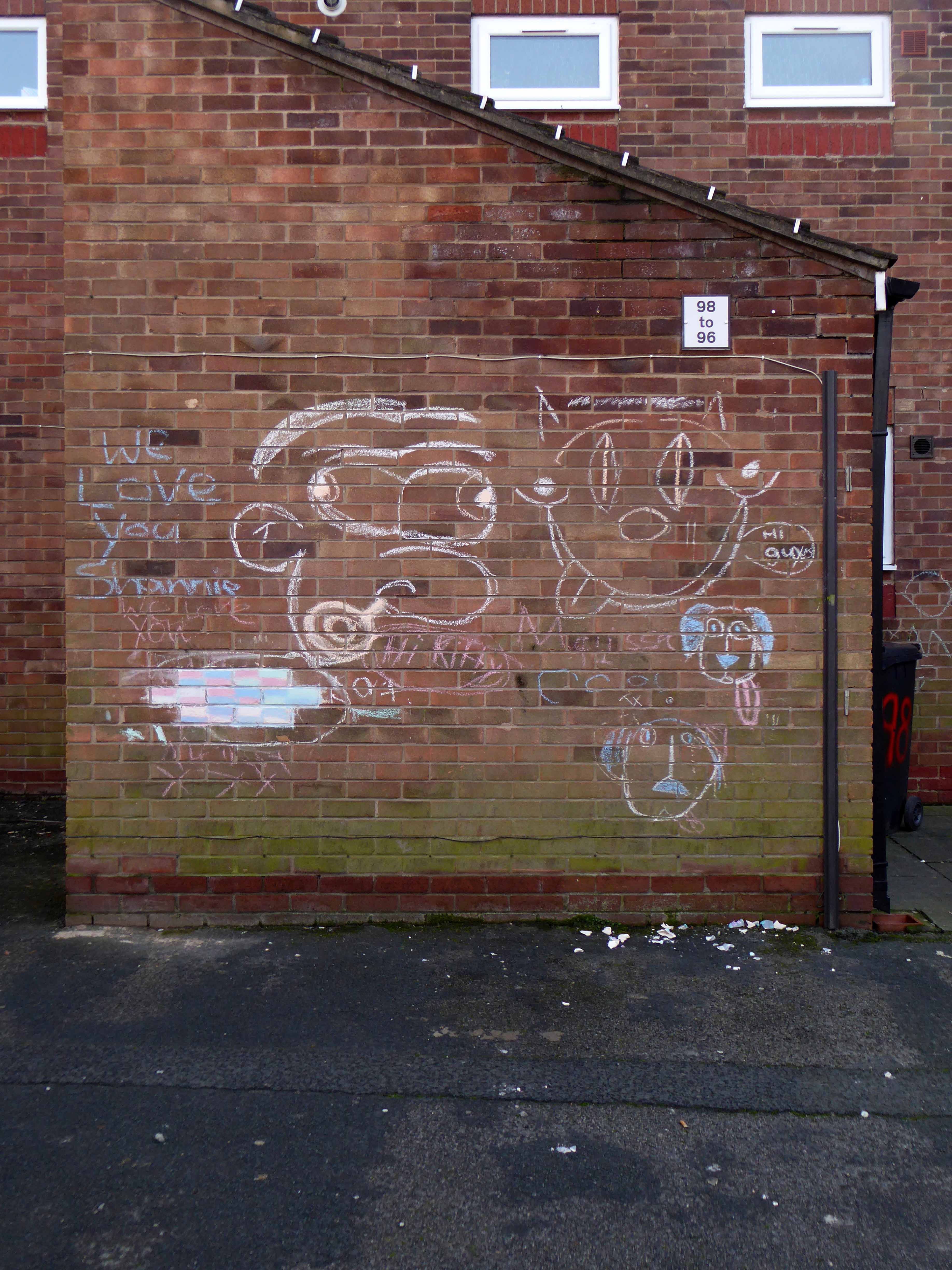
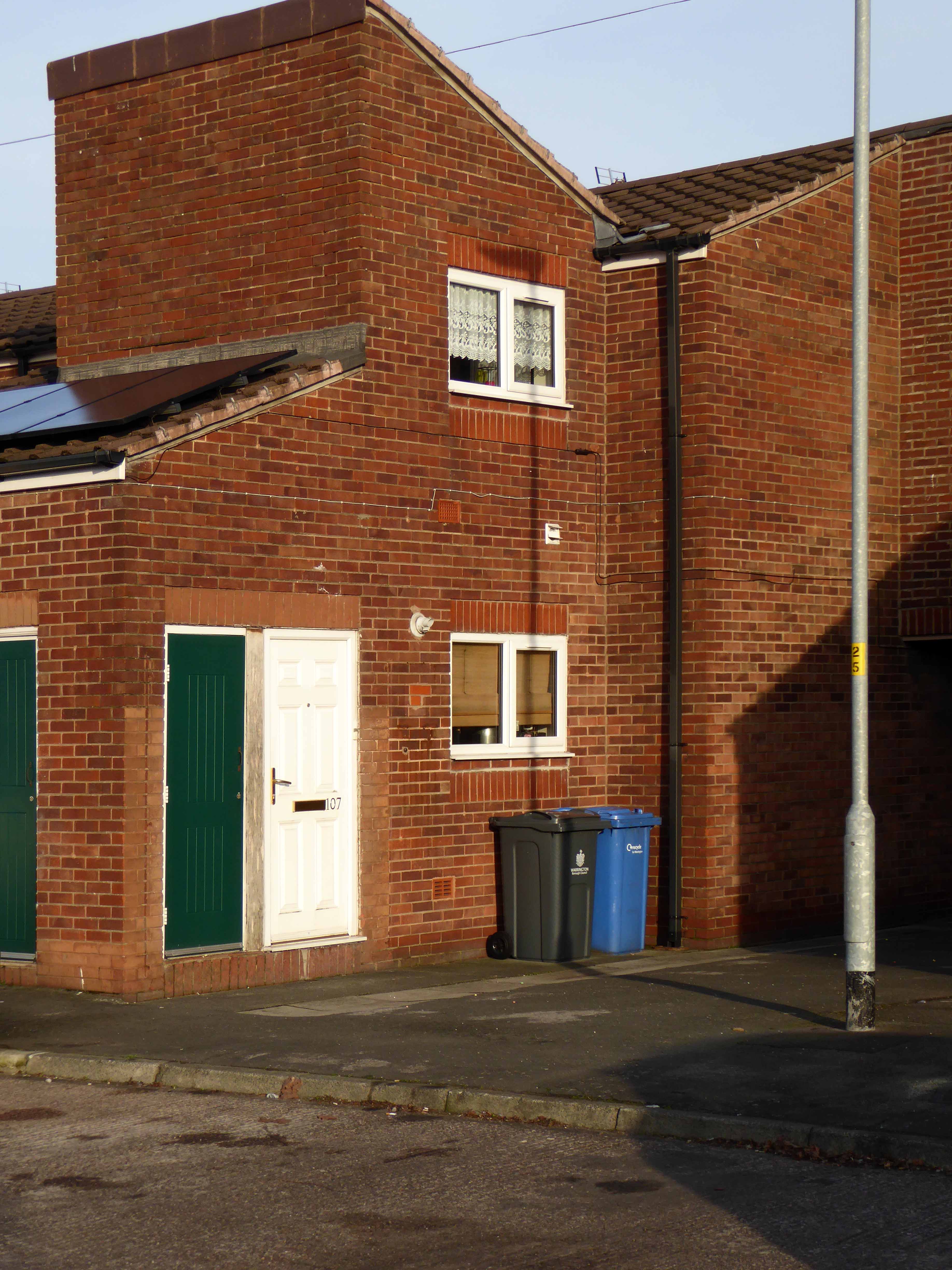
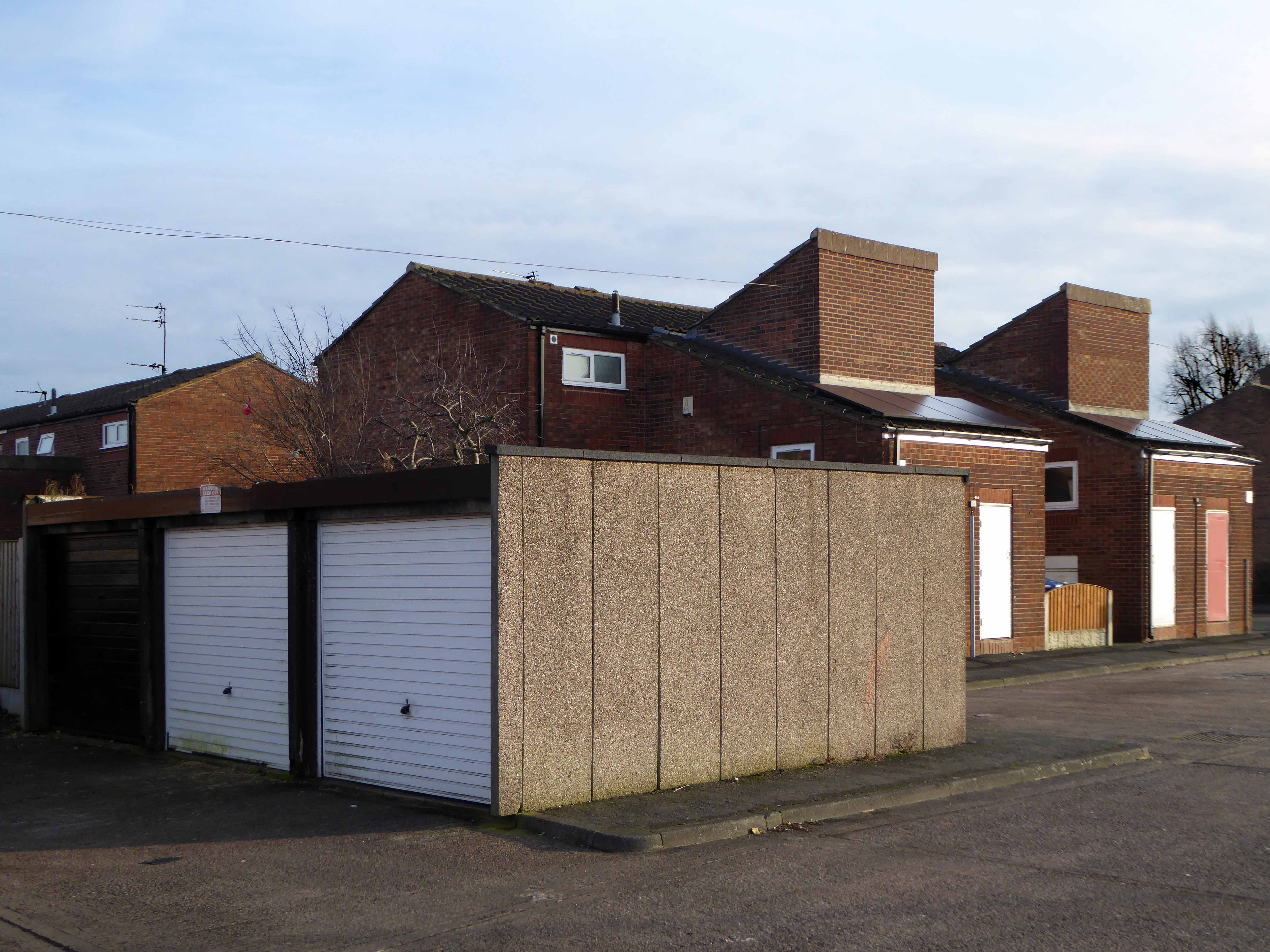
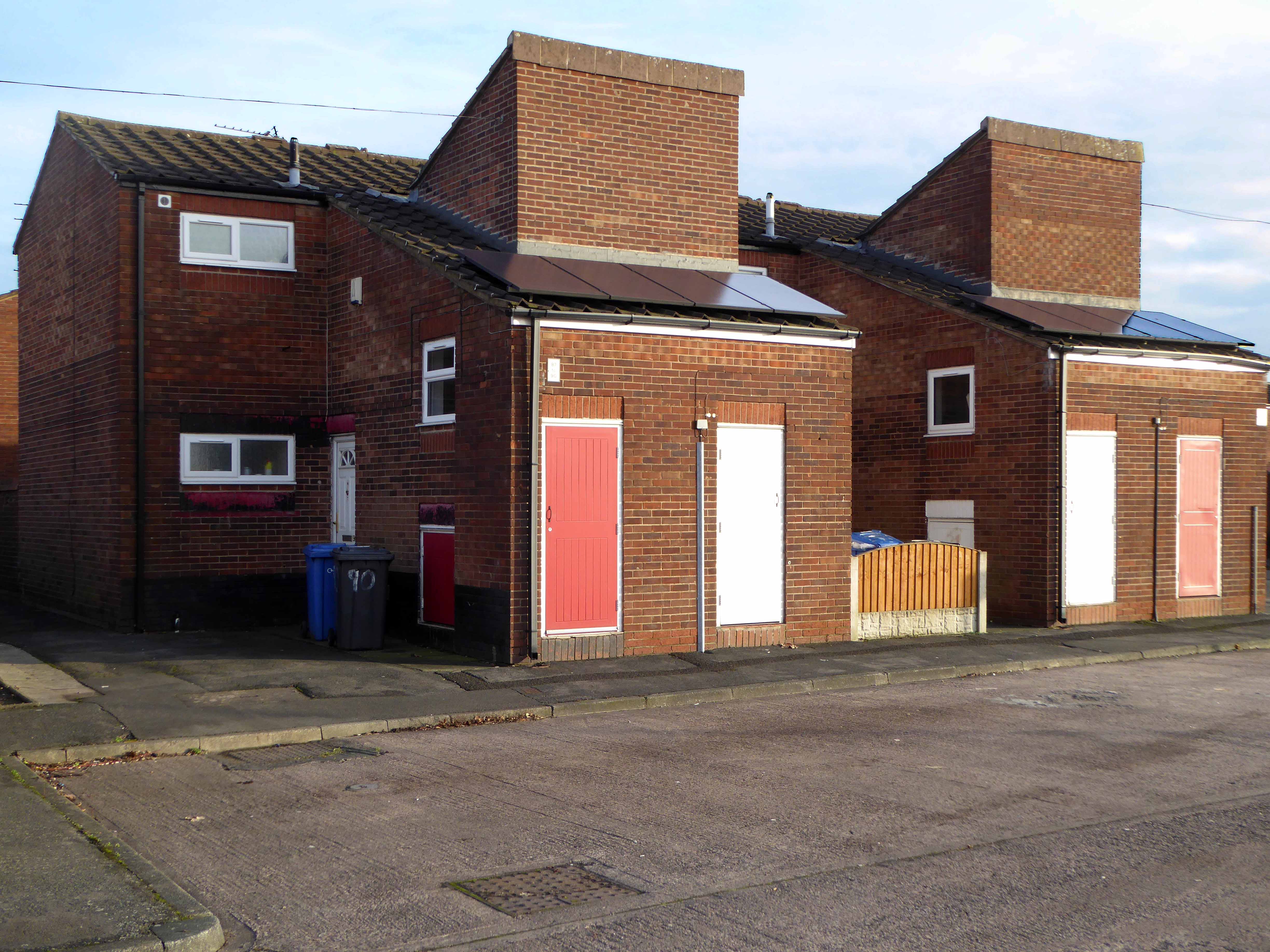
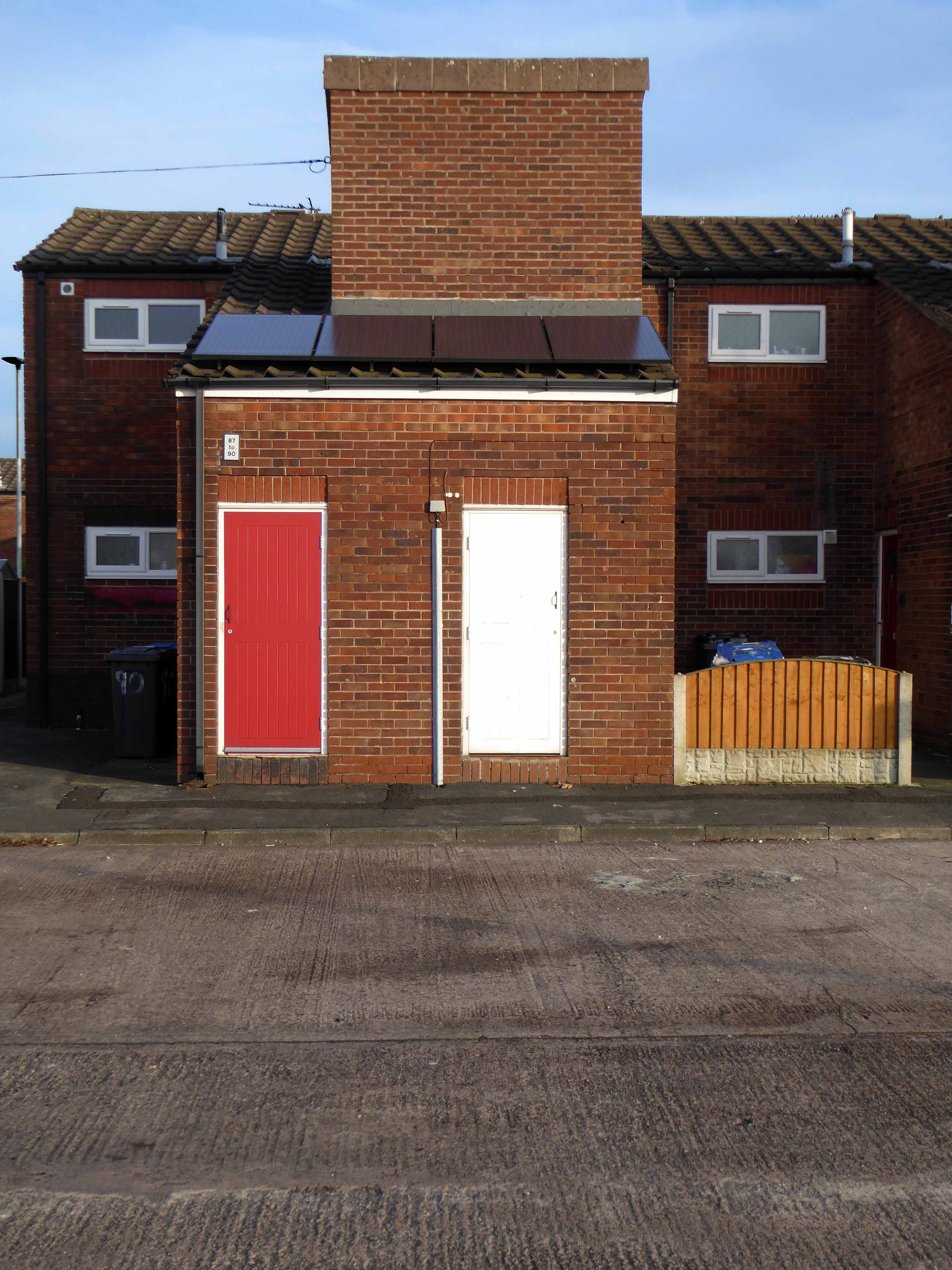
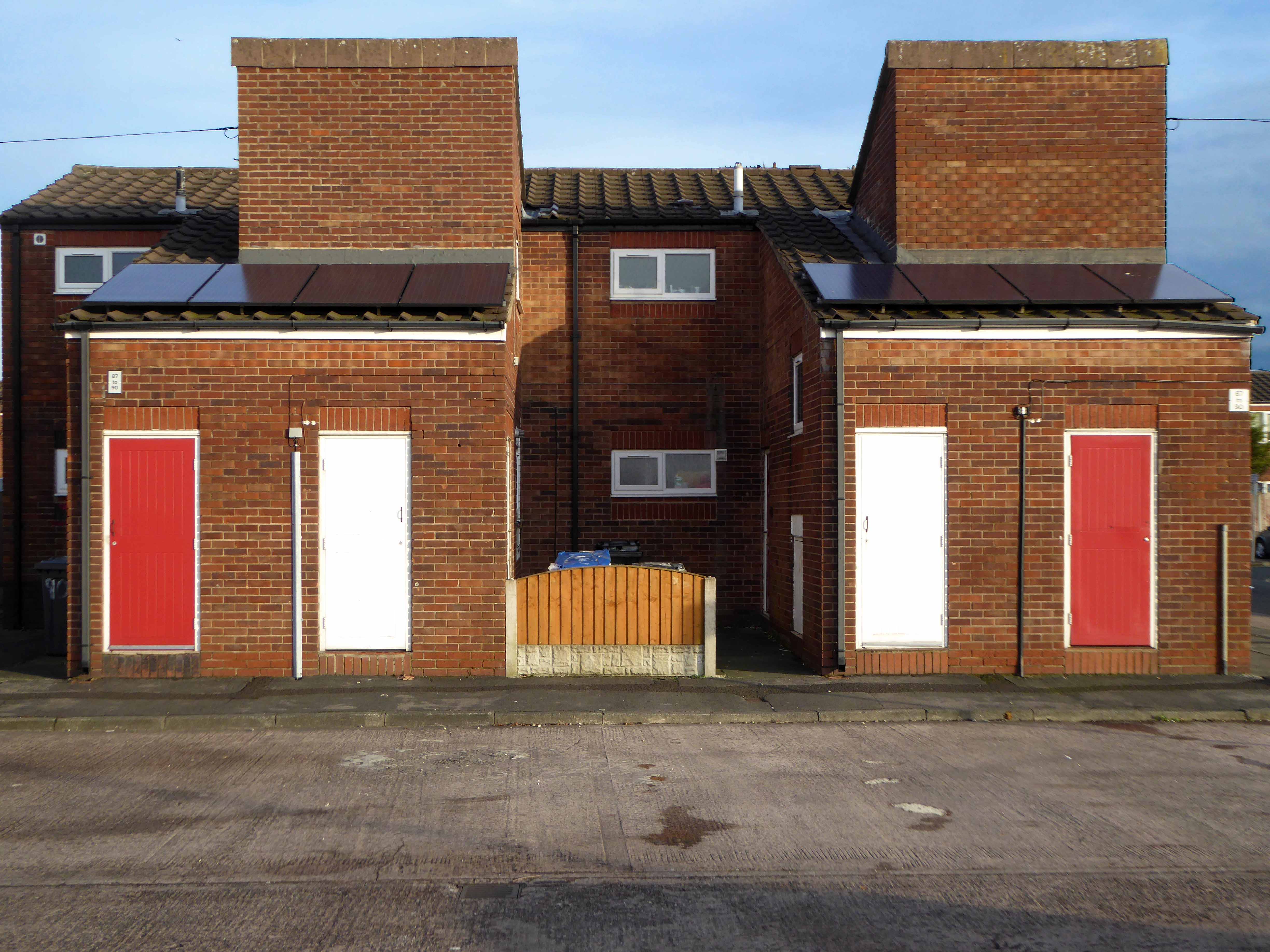
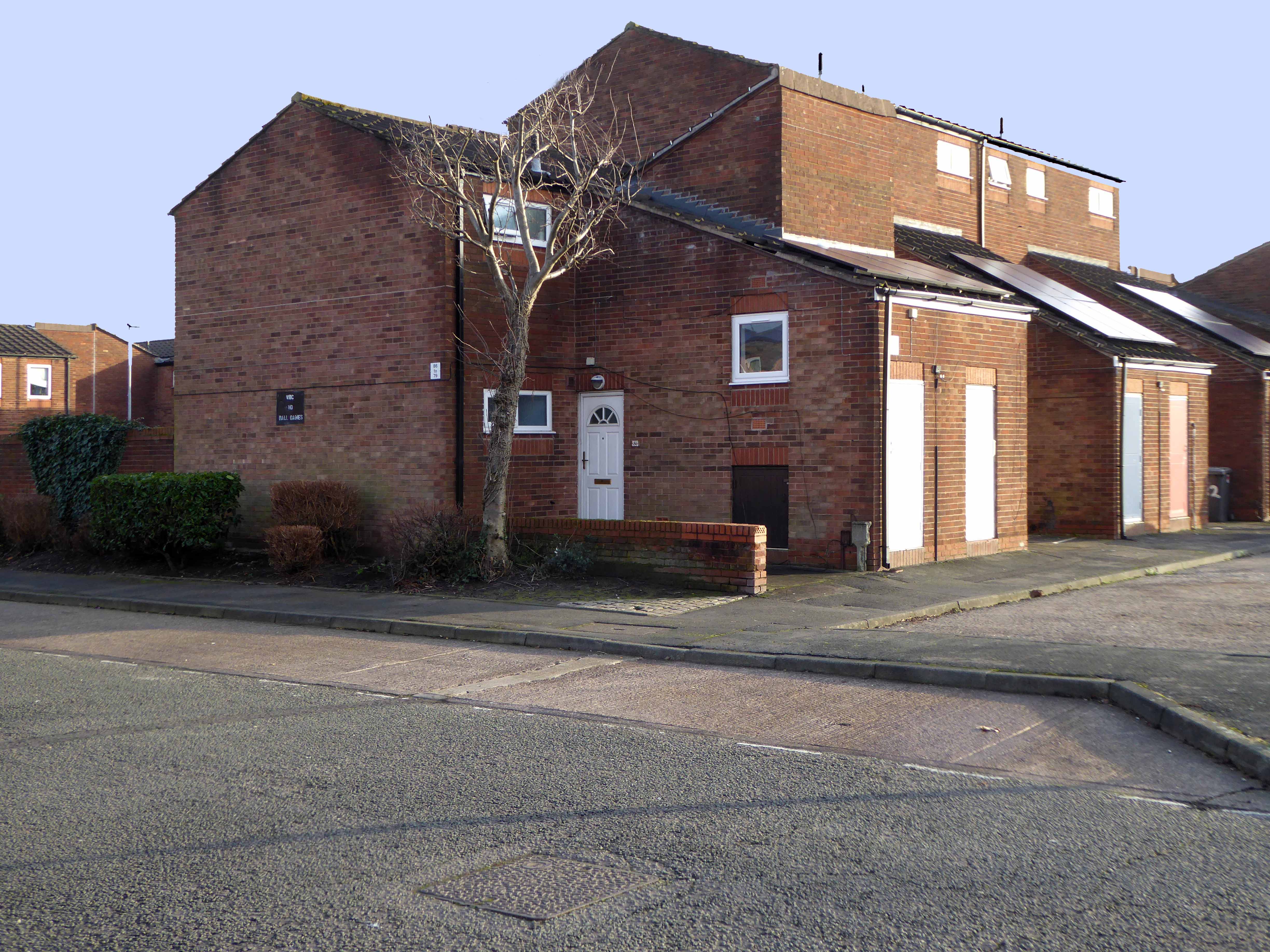
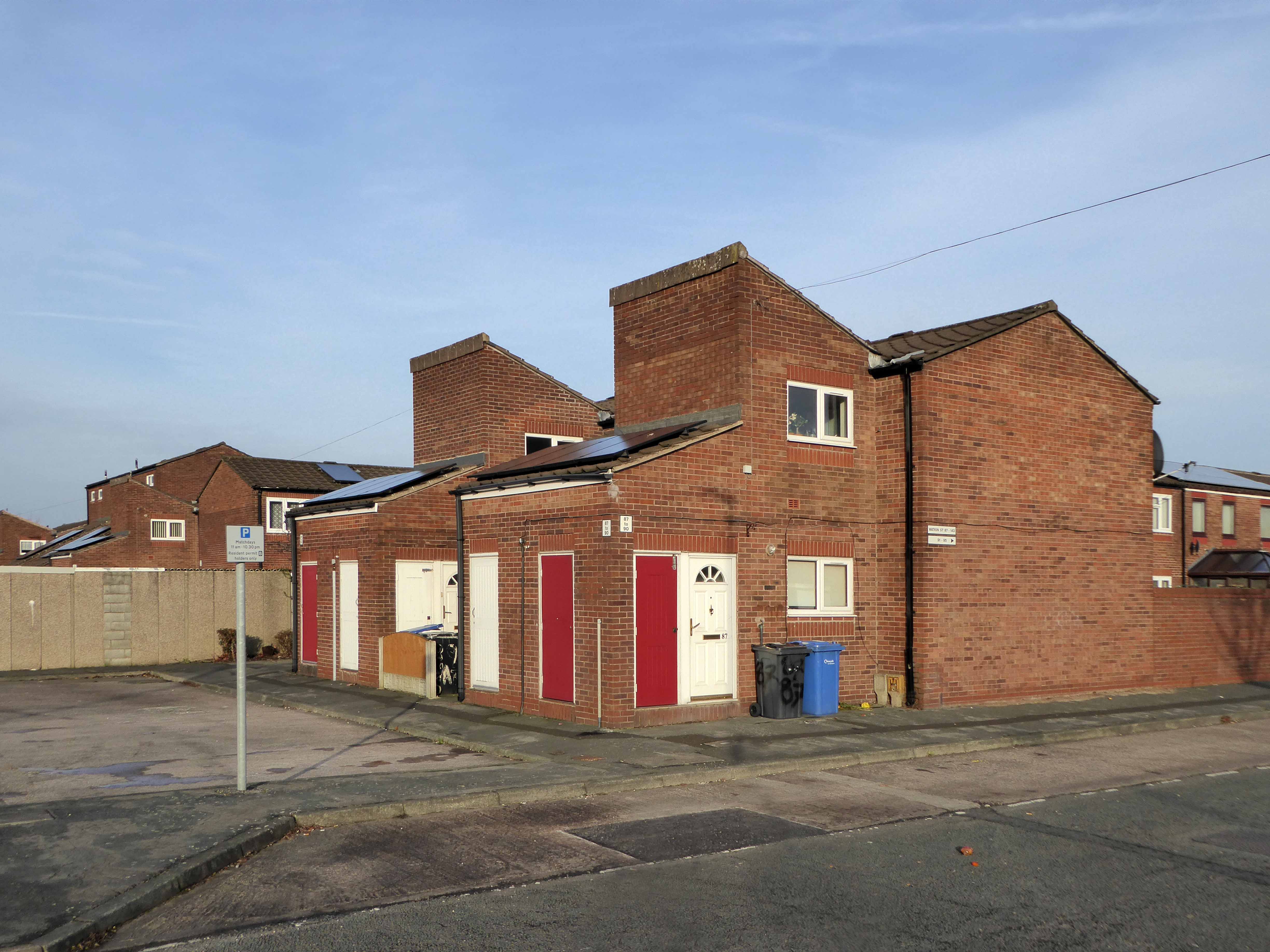
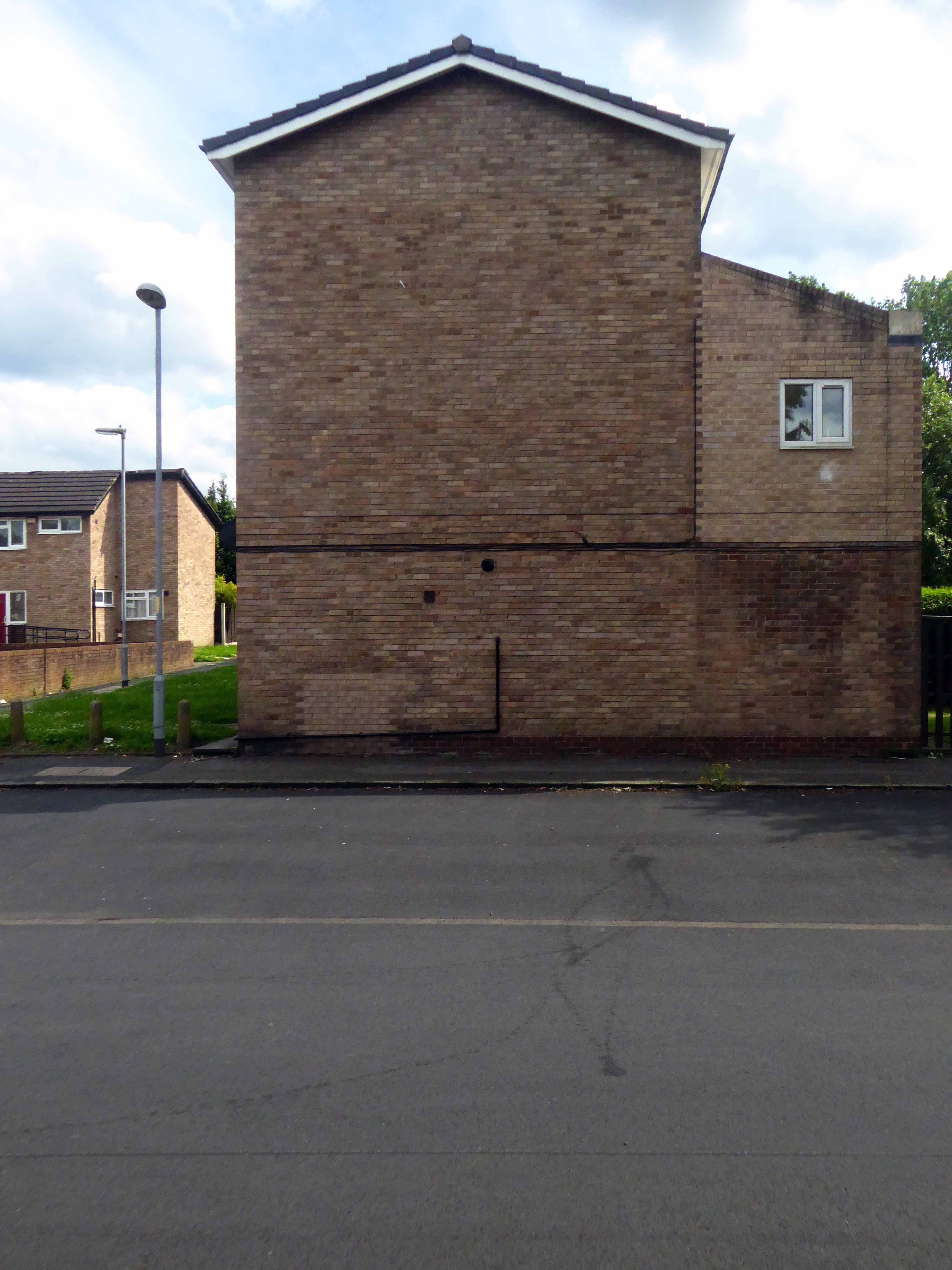
I was walking back from St Stephen’s Church recently, when I chanced upon a small group of two storey, flat roofed, semi detached social houses.

They were blessed with that post war functionalist brick and concrete chic.

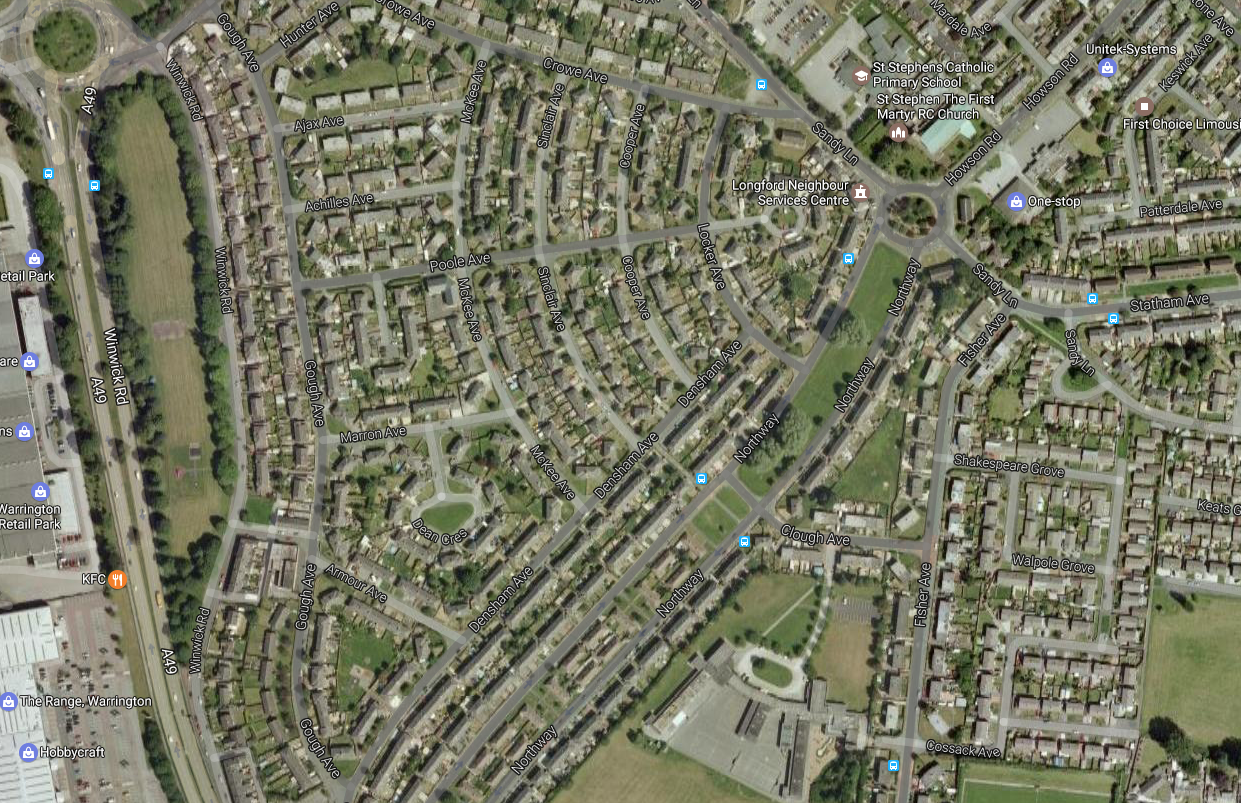
Part of a larger development of homes in the Longford area of the town.

screen-shot-2017-01-31-at-15-33-18

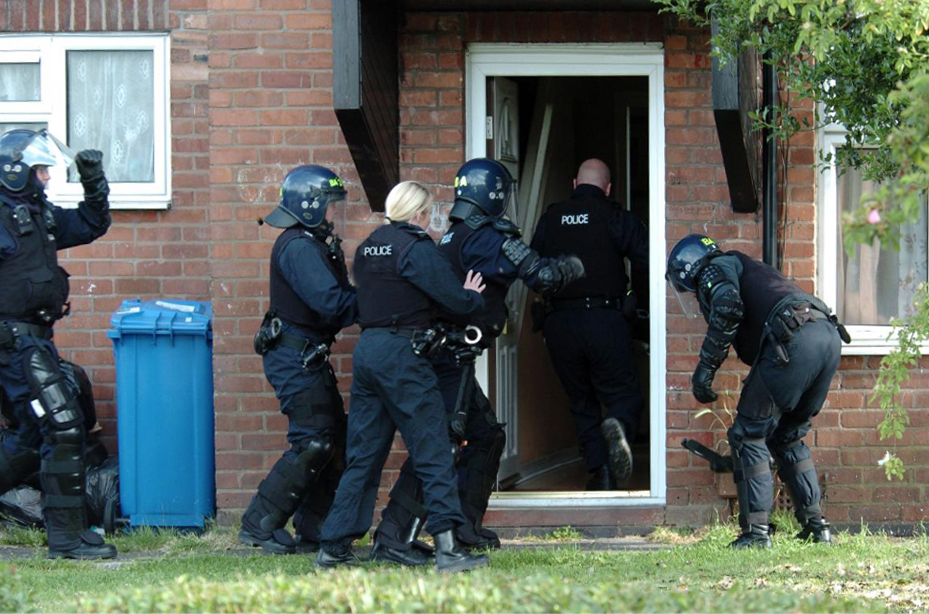
An area which is one of the most socially deprived in the country, with more than its fair share of problems, crack and weed would once have been pressing matters for the Borough Highways Department – these days they are more likely to attract the attention of the boys and girls in blue.

screen-shot-2017-01-31-at-17-17-47

And to cap it all the area is prone to frequent flooding.

longford-flooding

There are signs of hope as the housing association and council embark on a multi million pound refurbishment of the estate including:

Replacing fencing around bungalows.

On the day of my visit the chill January streets seemed quiet and ordered, and I was enchanted by the mismatched pairs of semis that I encountered.

p1130204

p1130205

p1130206

p1130207

p1130208

p1130209

p1130210

p1130212

p1130213

p1130214

p1130215

p1130216

p1130218

p1130219

p1130220


Modern Housing – Warrington

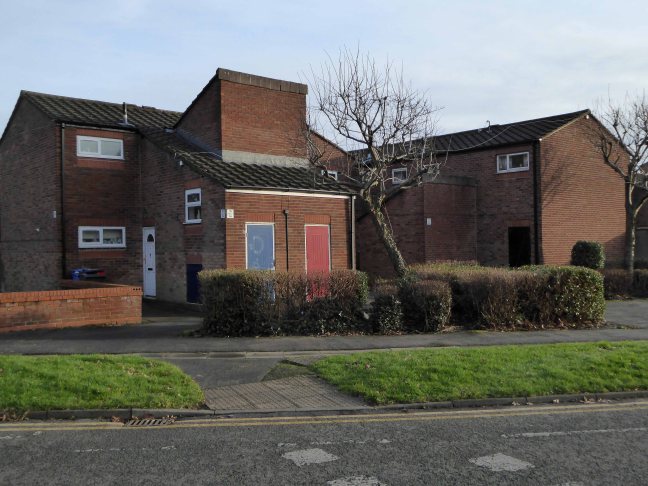
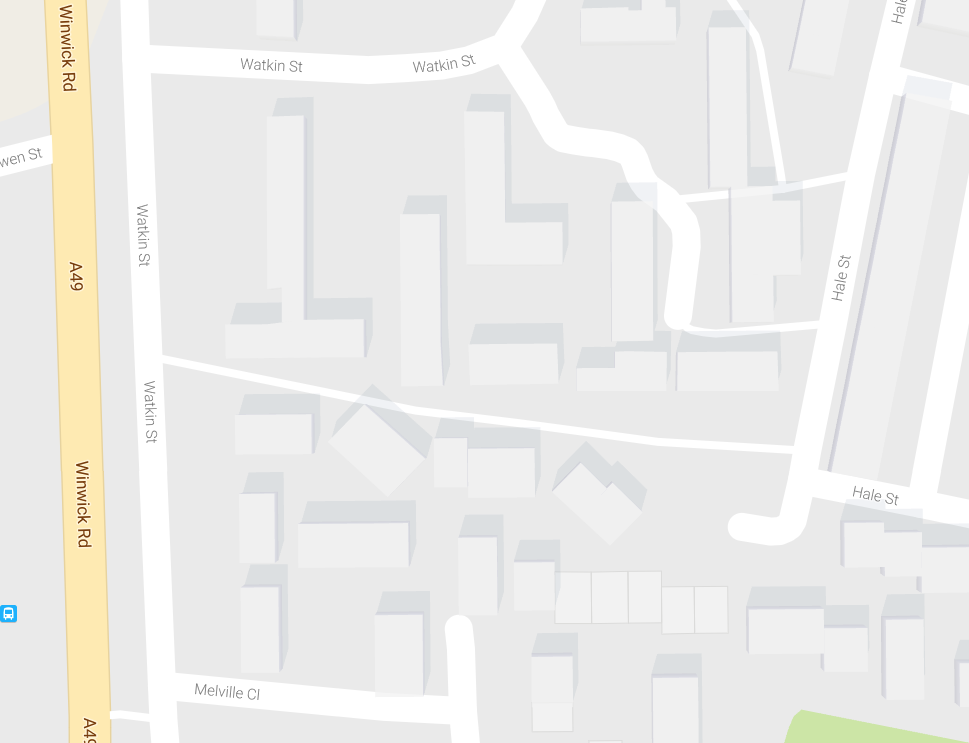
As I walked out one morning, up and down the A49 out of Warrington town centre, on the way somewhere else entirely, the sun and I chanced to fall on a tight group of streets and courtyards, constraining and containing an intriguing collection of modern homes.

screen-shot-2017-01-26-at-13-27-22

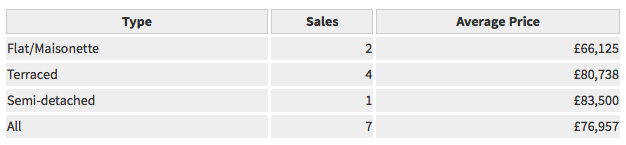
Competitively priced, well below national averages – the area looks to be getting along.

screen-shot-2017-01-26-at-13-31-05

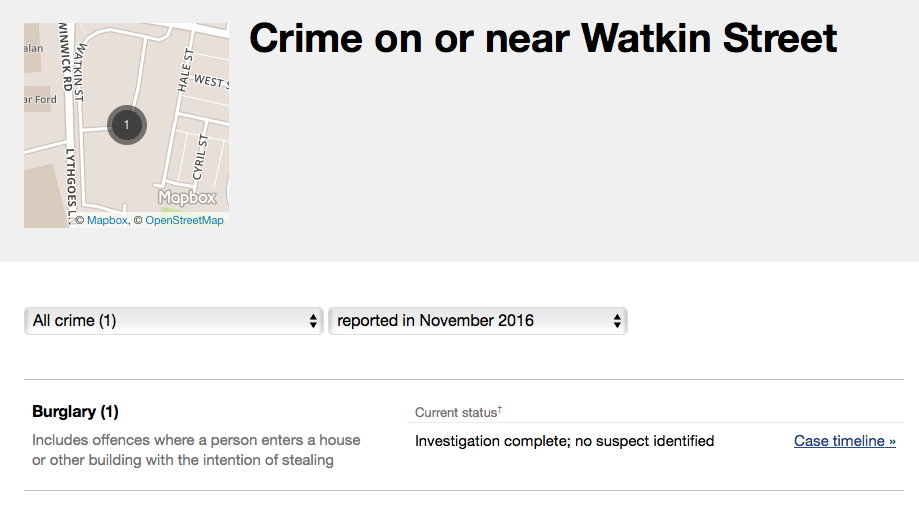
Incidence of crime is low to almost non existent.

screen-shot-2017-01-26-at-13-29-59

So an illuminated set of buildings with little by way of further illumination, I presume them to be corporation built, late Seventies? A visually exciting set of varied, interlocking geometric volumes – a formalist model that seems to function. On a chill day most residents were hopefully tucked up safe and warm somewhere or other, public spaces rested, bereft of life. The window spaces are pinched and mean, not only of the elevation facing the adjacent main road, but also on the inward faces. An economy of means and a resultant paucity of light.

p1130228

p1130230

p1130231

p1130233

p1130234

p1130235

p1130236

p1130237

p1130238

p1130239

p1130240

p1130241

p1130242

p1130243

p1130244

p1130245

p1130246

p1130248

Rochdale – Seven Sisters Flats

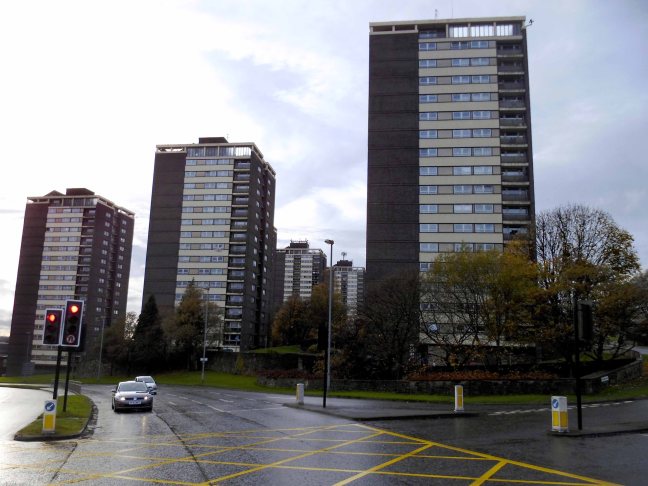
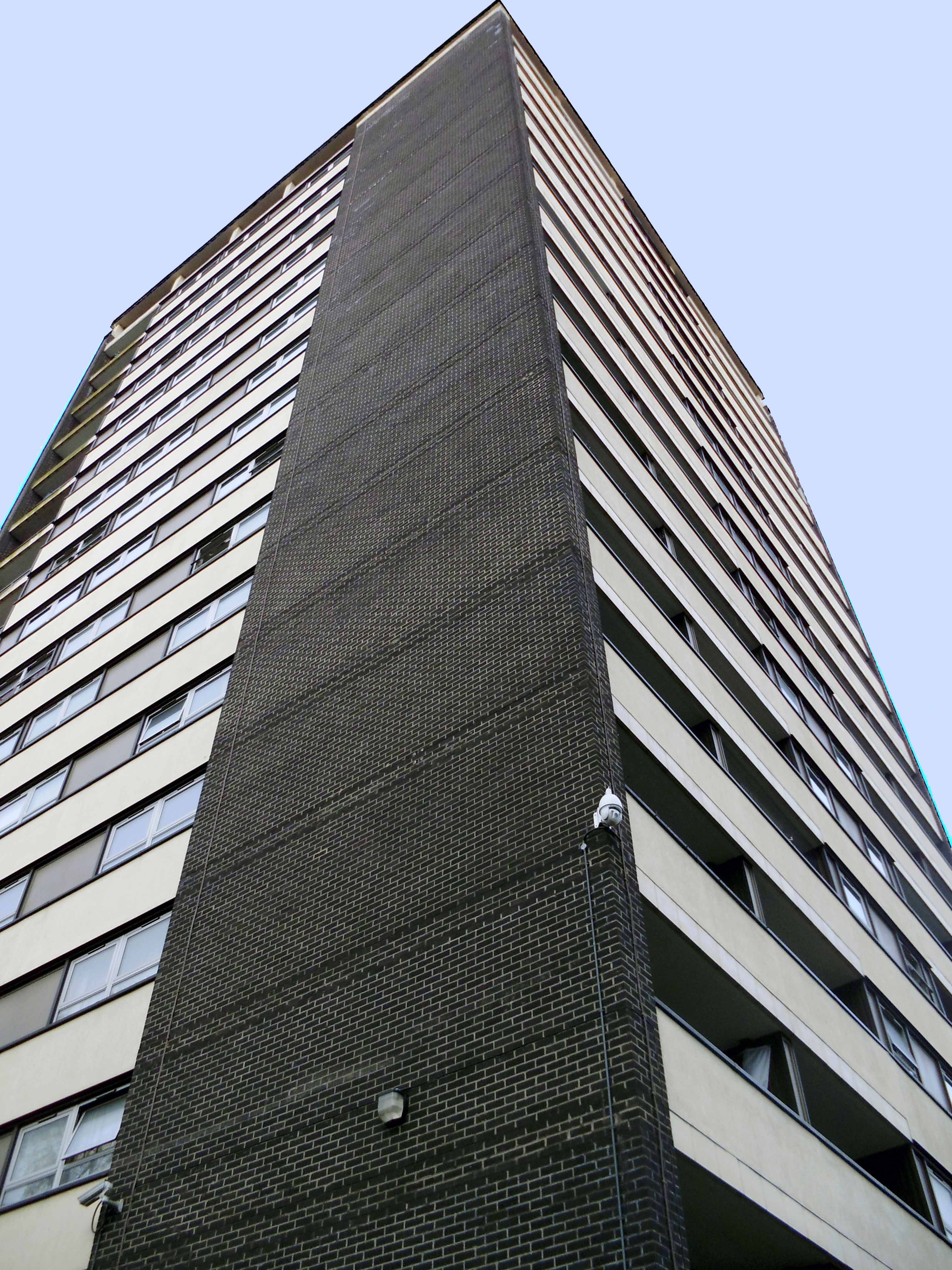
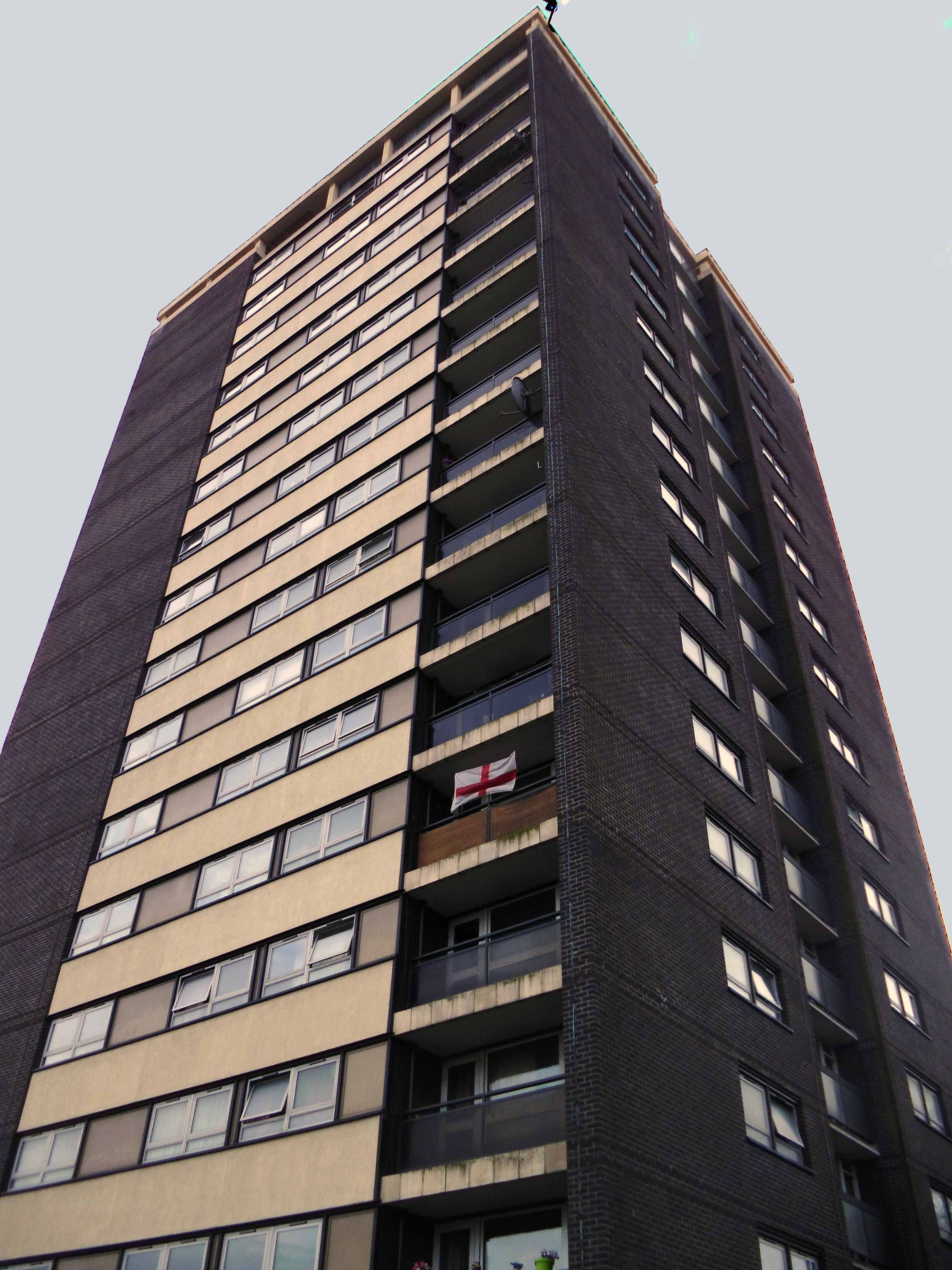
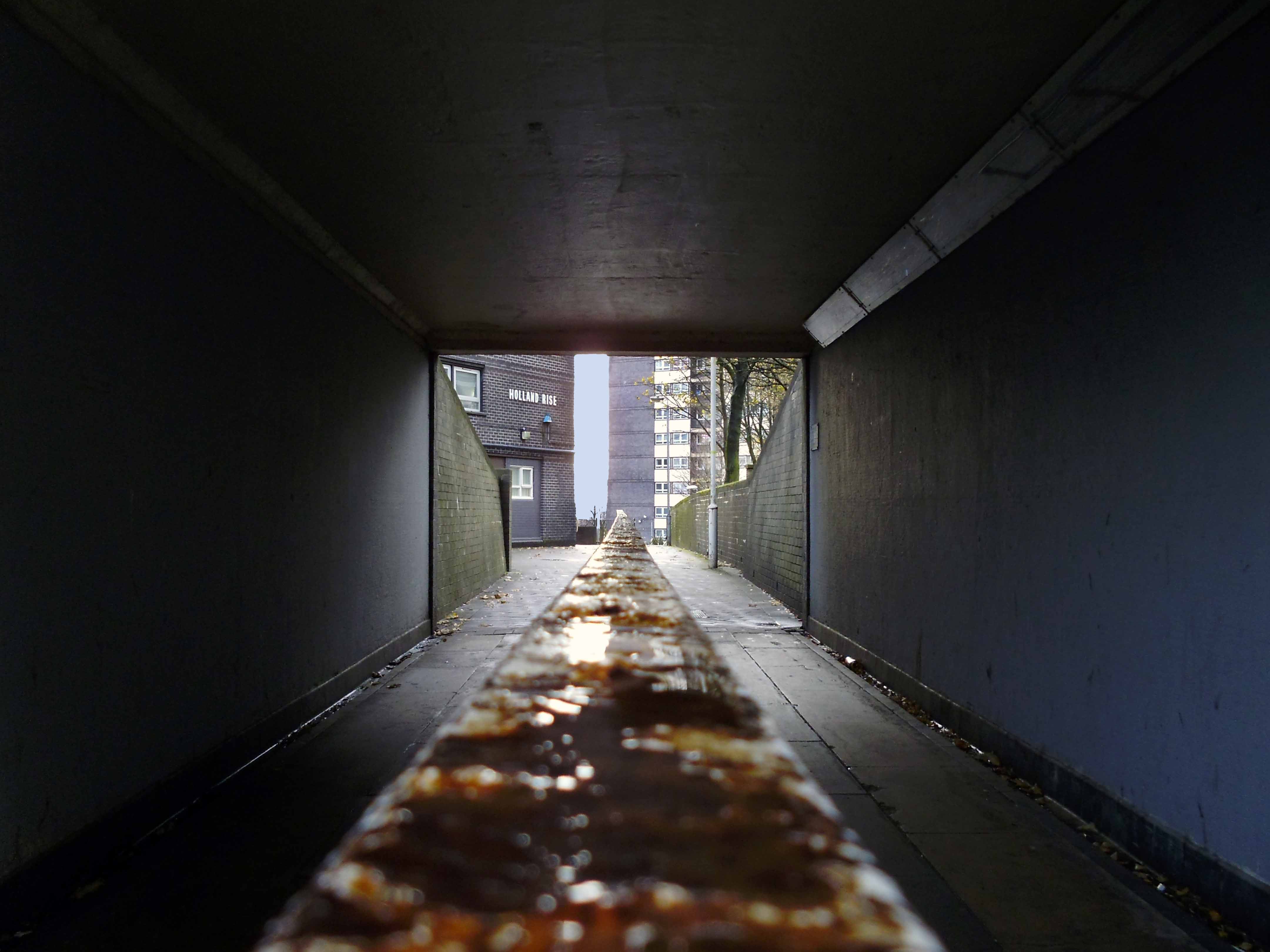
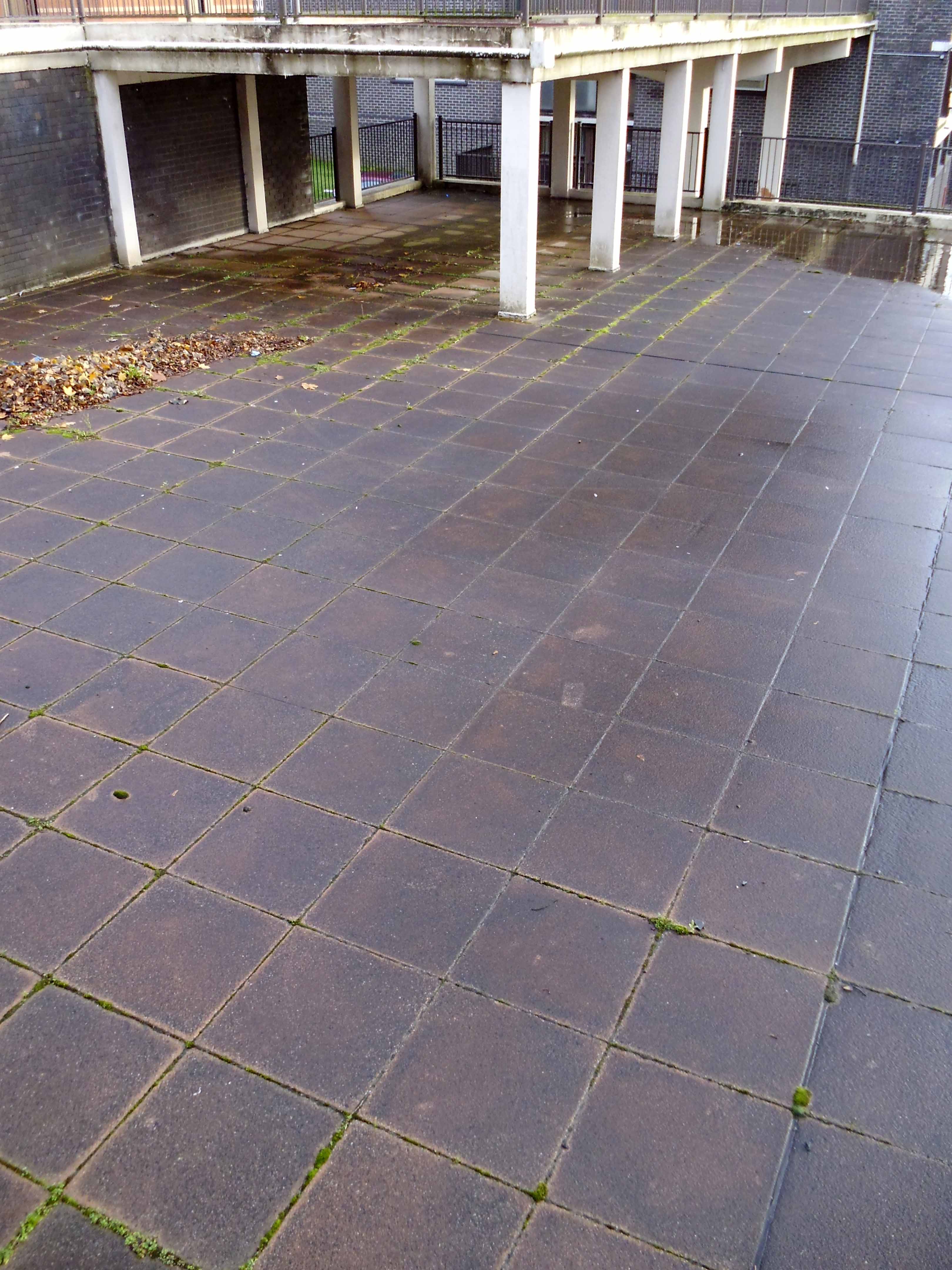
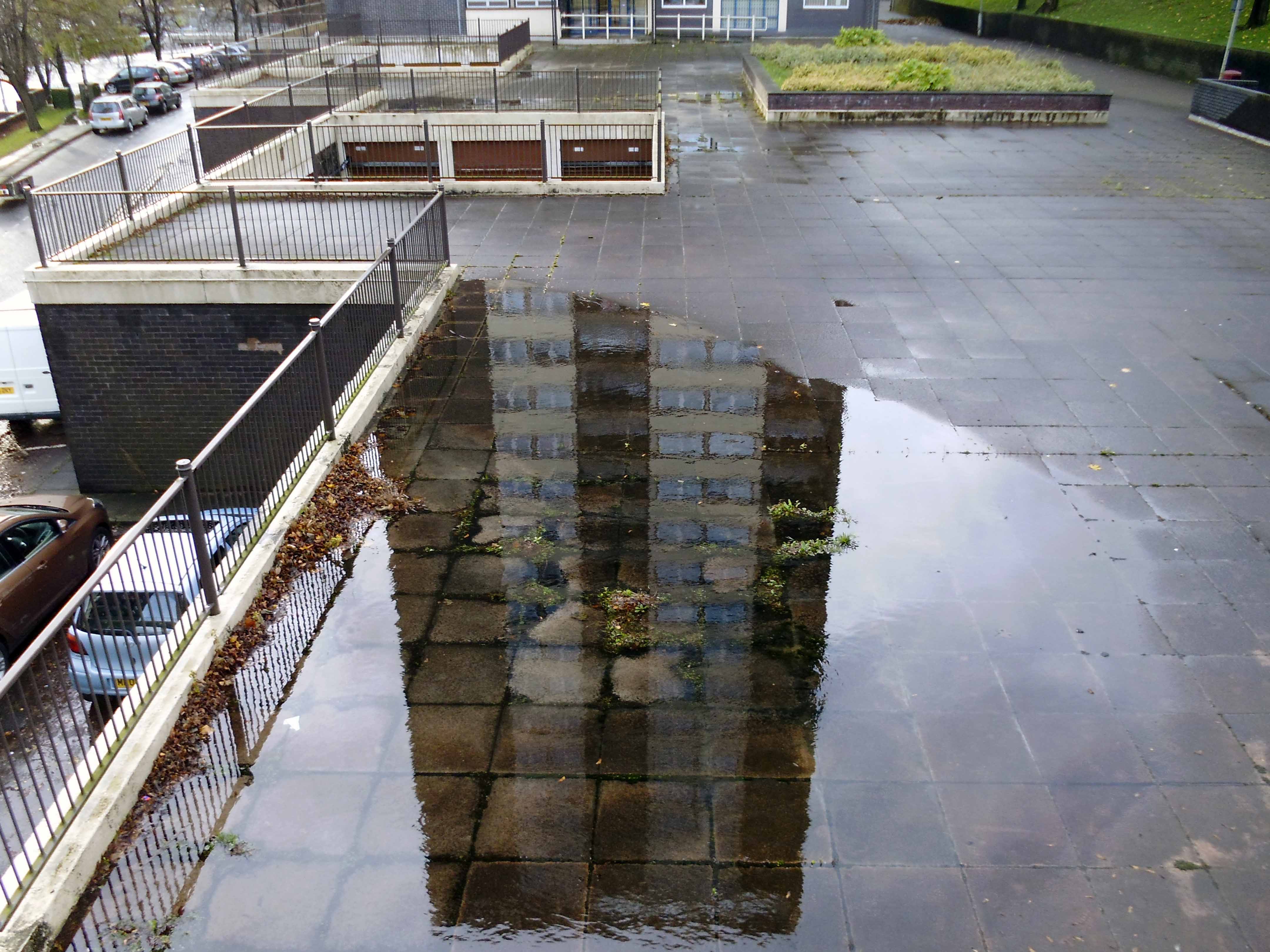
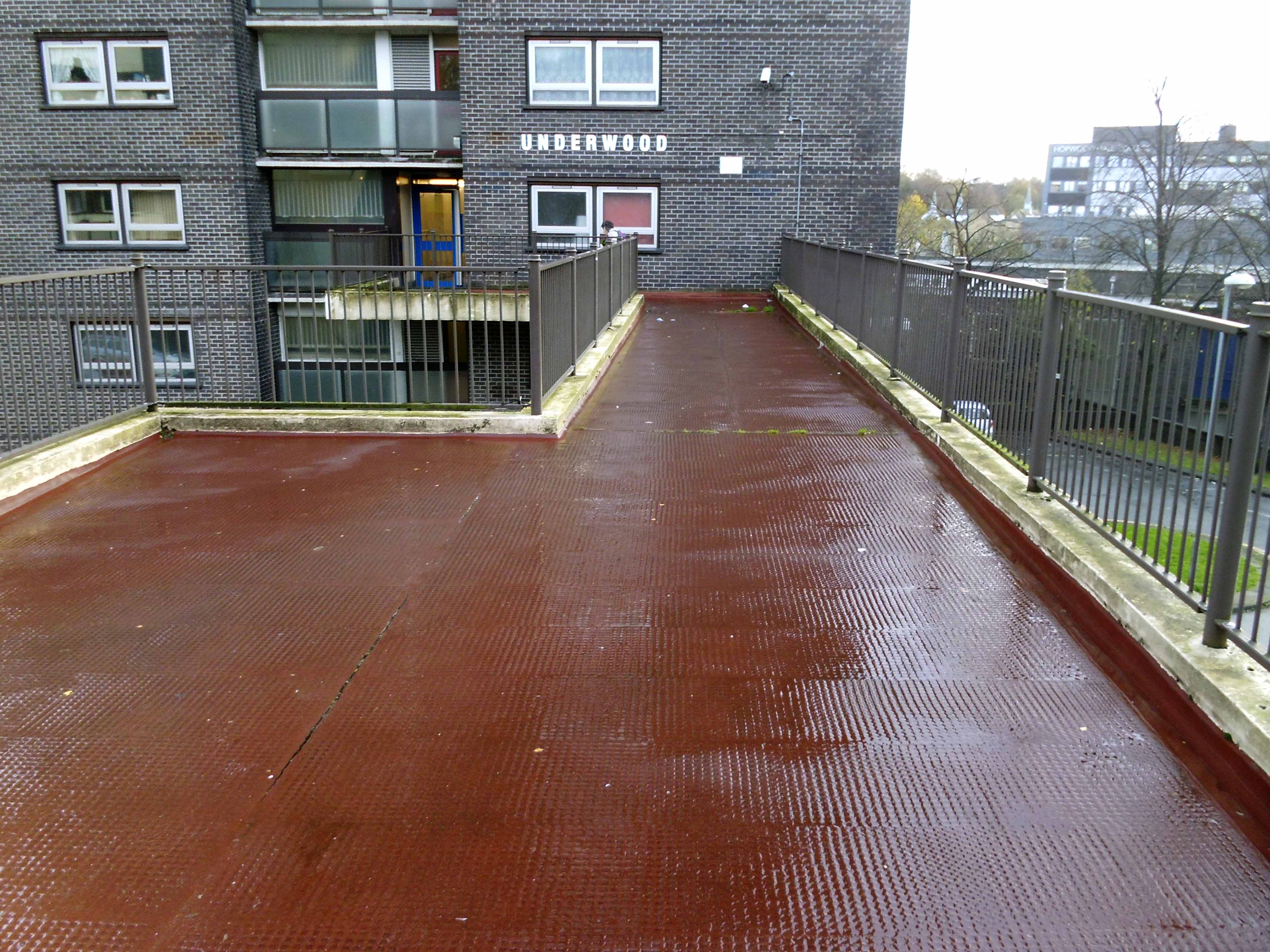
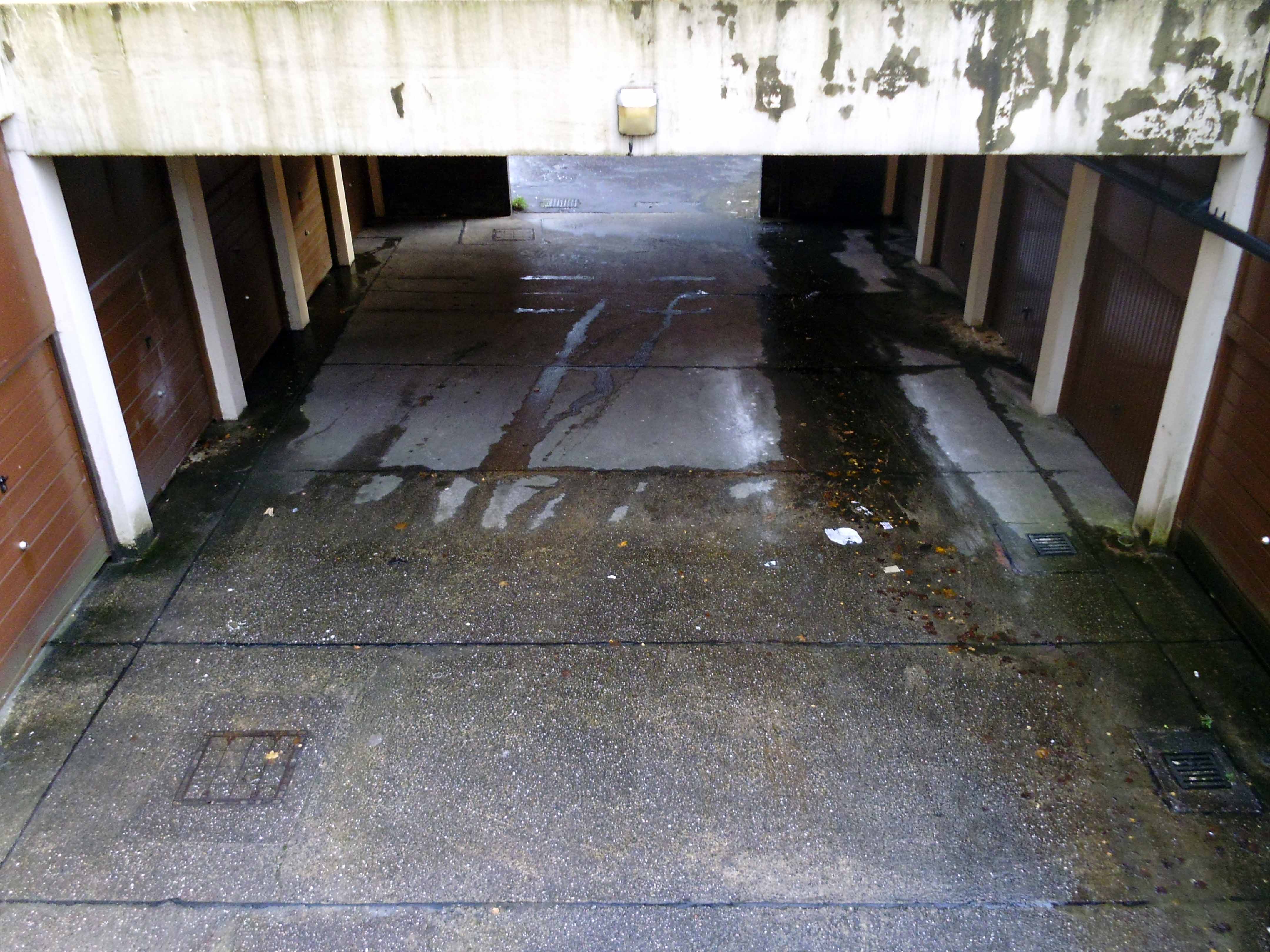
Arriving in Rochdale in search of something else entirely, it was impossible to ignore seven prominent, as yet unclad tower blocks, high upon a hill. I was informed by a local resident that they were known locally as the Seven Sisters, though variously identified as Falinge B, College Bank, and Holland Street flats.

js81348360

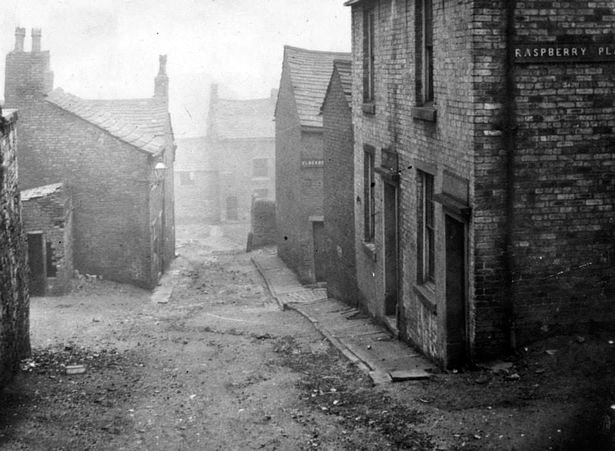
The area was formerly home to Victorian workers’ dwellings, known as The Paddock – the post-war policy of slum clearance saw them swept away, in readiness for municipal modernity.

js81348349

js81348353

js81348355

Photographs Rochdale Image Archives

Hey presto 1963 and there appears four 21 storey blocks containing 476 dwellings; three 17 storey blocks containing 286 dwellings.

5995650872_2ed2d9ab80_b

Photograph Mancunian 101

Building contractors were Wimpey and the flats were designed by Rochdale’s Borough Surveyor, Mr W H G Mercer and Mr D. Broadbent along with Mr E V Collins, chief architect to contractors George Wimpey and Company.

Many thanks to the Tower Block project for the facts.

On Friday October 1 1965 the Minister of Housing and Local Government, Richard Crossman, officially opened the first of the College Bank flats – Underwood.

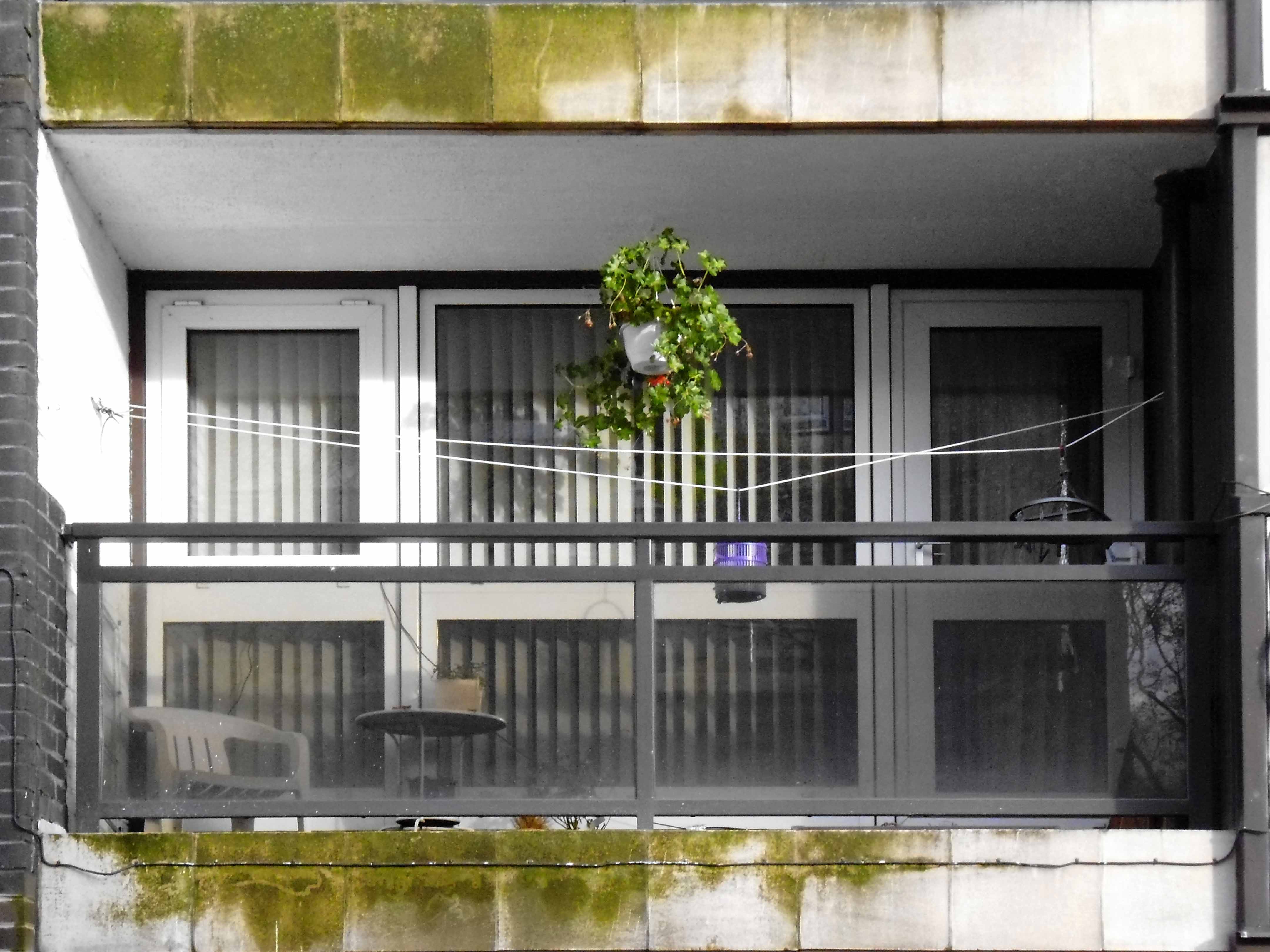
So go take a look ride the rail or tram, get on your bike, walk a while and abide, take a frenzied dance around with the Seven Sisters.

p1040789-copy

p1040787-copy

p1040785-copy

p1040788-copy

p1040797-copy

p1040795-copy

p1040794-copy

p1040793-copy

p1040792-copy

p1040786-copy

p1040800-copy

p1040801-copy

p1040791-copy

p1040796-copy

p1040798-copy

p1040799-copy

St Catherine of Sienna – Sheffield

Sir Basil Spence 1958-62. . Brown brick. Roof not visible. Slate cladding to entrance block of parish hall. Rectangular nave sweeping around into a semicircular apsed sanctuary .

EXTERIOR: entrance to liturgical south-west and parish hall to liturgical west with vestry. Carved words “The Church of St Catherine” to left of recessed entrance. Tower linked to liturgical south-east, and comprising two convex slabs forming a sacristy at ground level and linked by concrete beams above. Patinated bronze sculptural group with crucified Christ affixed to its east side.

INTERIOR: aisleless with vertical slit windows to north and south walls and roof sloping upwards towards chancel, on laminated timbers beams, so that roof deck is separated from the walls by a narrow glazed strip. Light is thrown onto the east wall by a concealed window at the east end of the nave. Sanctuary is raised two shallow steps, and altar was originally raised on two further steps against the east wall. It has now been moved forward. Altar is a black painted metal framed table with a varnished timber top. Font of polished limestone with fossils is in the original position to liturgical south side of sanctuary. Timber lid with schematic metal dove. Large timber cross behind altar, comprising two pairs of overlapping beams, penetrated symbolically by large nails. Timber sedilia on metal supports. Laminated timber pews. Organ above entrance to sacristy . A strongly sculptural design with a powerful presence.

British Listed Buildings.

St Catherine Sienna is a fine church, sited impressively and standing imperiously on the Sheffield outer ring road, high above the city. Brick curves, a tall detached tower and open for business, serving the outlying post war housing estate of Woodthorpe with regular services and a firm foundation of community activity.

Lit delicately from side slatted windows and higher apertures, the main body is calm and assured, the scale and proportion in harmony with the simple Spence seating and slightly raised altar. The detail of the wooden roof grid perfectly balancing the warm austerity of the walls.

My thanks to Father Phillip for his time and a fine cup of tea.

dsc_0111

dsc_0117

dsc_0119

dsc_0121

dsc_0122

dsc_0123

dsc_0124

dsc_0127

dsc_0128

dsc_0130

dsc_0131

dsc_0133

dsc_0134

dsc_0135

dsc_0138

dsc_0139

dsc_0140

dsc_0142

dsc_0144

dsc_0136

St Paul – Ecclesfield/Sheffield

High above the city on Wordsworth Avenue, Eccleshall, built to serve the large Parson Cross post-war social housing estate, stands St Paul.

On the day of my visit, more than somewhat windswept and sleet lashed, almost imperious, the church stood steadfast set against the elements.

It is however registered as at risk by Historic England.

Designed by Sir Basil Spence and built by Charles Price of Doncaster Ltd. the church was completed in 1959 and consecrated on24th January 1959.

A large open brick steel and concrete structure, glassed and open at each end, a curved roof with vaulted detail, a detached tower is connected by a concrete cloister. There is an elegant simplicity to the body of the church, which is elevated by the staggered supporting walls.

A plain altar is complemented with ornaments, the gift of Spence, decorated by a frontal designed by Anthony Blee and an embroidered panel by Beryl Dean. A plain slatted wooden screen masks the window to the rear.

The pews – also the work of Spence were not costed in the original proposal, additional funds were found and they remain in use as an integral part of the scheme and worship.

The organ, sited in the gallery, is a later addition of 1962, puchased for £100 from Mount Tabor Church, Holland – integrated into the overall design using slatted wood.

My thanks to John Roch, church organist and lifelong member of the congregation, having attended Sunday School at St Paul on the first day of its opening, for his time and erudite instruction.

dsc_0001

dsc_0002

dsc_0003

dsc_0004


dsc_0008

dsc_0010

dsc_0011

dsc_0012

dsc_0013

dsc_0014

dsc_0016

dsc_0019

dsc_0021

dsc_0022dsc_0024

dsc_0025

dsc_0026

dsc_0030

dsc_0033

dsc_0035

dsc_0042

dsc_0046

dsc_0049

dsc_0052

Wigan – Civic Centre

Some time ago, over a year ago or so I went to Wigan.

I found a pub,  a launderette, several interesting groups of housing and –

A large concrete Civic Centre, built in the early 1970s under the auspices of the Mayor JT Farrimond, the foundation stone laid by Alderman Ernest Ball on 22nd April 1970 – a man who seems to have collected letters after his name just for fun.

dsc_0129-copy

A tight grid structure is broken up with chamfered  window fames and a mix of concrete finishes, surfaces and textures, slipping neatly into the inclined topography.

A rather distinguished cantilevered canopy or two sit centrally over the entrance porch.
The building no longer offers public access, services having been transferred to the nearby Life Centre.
The Manchester Modernists have highlighted the centre in its new Top Ten Twentieth Century Buildings project.

Why not bob along, see what you think and remember – vote, vote, vote!

dsc_0119-copy

dsc_0120-copy

dsc_0121-copy

dsc_0122-copy

dsc_0125-copy


dsc_0127-copy

dsc_0128-copy

dsc_0130-copy

dsc_0133-copy

dsc_0135-copy

dsc_0136-copy

dsc_0138-copy

dsc_0139-copy

dsc_0140-copy

dsc_0141-copy

dsc_0142-copy

dsc_0143-copy

dsc_0144-copy

dsc_0145-copy

dsc_0146-copy

dsc_0147-copy

dsc_0148-copy

dsc_0150-copy

dsc_0151-copy

dsc_0152-copy

dsc_0153-copy

dsc_0155-copy

Coventry – Upper Precinct

Here we are again wandering the pedestrianised precincts of Coventry  – having previously travelled by picture postcard and archival image.

Back to the future.

Today much of the original footprint and well-built brick, stone, glass and concrete structure prevails, with more recent retro fitted additions.

The Gordon Cullen mural has been renovated and re-sited.

Commissioned in 1957 on the recommendation of Arthur Ling – it was made by Carter’s Tiles of Poole.

Coventry Society

p1100005
p1100006
p1100009
p1100008
p1100013
p1100054
p1100055

Sadly only one of the neon sculptures, remains illuminated – they may have been listed by Historic England, they have certainly given them a coat of looking at. I myself was approached whilst working away by a crack squad of precinct management, questioning my methods and motives. I reassured them I was a serious student of post-war architecture and they allowed happily to go about my business – assuring me that I was following in the footsteps of HE.

p1100015

The elevated café, pierced screenwork, mosaics on the former Locarno, now Library and town clock are still every much in situ, Lady Godiva dutifully appearing on the hour, every hour with an ever attendant Peeping Tom for company.

p1100052
p1100039
p1100032
p1100016
p1090806
p1090807

The area is well-used bustling busy, with a smattering of empty units which are sadly typical of most provincial town competing for custom and prosperity on the high street.

p1090808
p1090809
p1090810
p1090811
p1090812
p1090813
p1090814
p1090815
p1090817
p1100033
p1100034
p1100035
p1100036
p1100037
p1100038

Coventry – Indoor Market

A market hall built in 1957 to designs by Douglas Beaton, Ralph Iredale and Ian Crawford of Coventry City Architect’s Department.

 Various designs were considered, but eventually a circular design was chosen to encourage circulation and to offer a number of entrances. It was given a flat roof in order to create a car park (with a heated ramp to prevent icing, now no longer there), and was to become the central focus for a complex scheme of linked roof car parks in Coventry.

coventry-market-1

 The market consists of a series of concrete arches joined by a ring beam, all left exposed, with brick infilling and a concrete roof, laid out as a car park, with a central circular roof light. It has a circular plan, just over 84m in diameter and 4 ½ m high, is laid out with 160 island stalls, arranged in groups of two or four units in concentric rings, with 40 `shop stalls’ set into the perimeter wall.

covmarket2

Inside, the circular space is characterised by the tall V-shaped concrete `columns’ that hold the roof. Some of the original shop and stall signs have survived. Natural light enters via the clerestory windows along the top perimeter of the building and through the clerestory lighting and oculi in the central dome. The space under this dome, designed as an area for shoppers to rest, is lined with seats and has a terrazzo mosaic floor designed by David Embling, with a central sun motif, a gift from the Coventry Branch of the Association of Building Technicians.

p1090738-copy

p1090736-copy

p1090737-copy

p1090742-copy

p1090744-copy

Above the current market office is an impressive painted mural by art students from Dresden commissioned especially for the market in the 1950s in a Socialist Realist manner, depicting farming and industrial scenes. 

Thanks to Historic England

I visited the market on a busy bustling day and was made to feel more than welcome, a wide range of heavily laden stalls was trading briskly. The Market Office kindly gave me a copy of the book Coventry Market in a Roundabout Way.

It’s a splendid structure, now listed, that functions six days a week.

Get down take a look around.

p1090713-copy

p1090723-copy

p1090714-copy

p1090716-copy

p1090719-copy

p1090726-copy

p1090733-copy

p1090721-copy

p1090758-copy

p1090751-copy

p1090764-copy

Coventry – Central Co-op


Built between 1955-56 and opened November 1956 the central Co-operative Society store in Coventry is a clean, clear example of post-war design and redevelopment, epitomised by the city’s plan and realisation.

coventry-co-op-plaque

Picture – Natalie Bradbury

Sadly it finally closed its doors in 2015, along with many other of the Society’s larger stores, as they moved their focus to smaller food outlets.

p1100002-copy

Happily it has been listed, saved from the indignity of the wrecking ball and the building of further student flats. Coventry, along with other UK cities, has begun to rely on the expansion of higher education, in the face of industrial and retail decline. The future use of the site, is as yet uncertain. Sadly I am now informed that the listing did not go through, make of that what you will.

While such measures are not an ultimate protection from bulldozers or drastic renovation, it is considered the building helps tell the tale of the city centre’s contemporaneously vaunted but since controversial rebuilding after the Coventry Blitz.

One of the city’s largest and oldest stores was closed last year as a victim of flagging city centre trade in an internet era, and EDG Property bought the site.

No planning applications have been received, although the council says ‘prospective buyers’ have stated an intention to demolish the building to erect two 12-storey towers of student accommodation.

p1100004-copy

So it stands empty, the late summer foliage obscuring its splendid signage.

p1100001-copy

Still in clear view the stone relief work of John Skelton November 1956. Three of the eight column have incised Hornston stone works, depicting the activities of the CWS.

p1090991-copy

p1090992-copy

p1090993-copy

p1090994-copy

p1090995-copy

p1090996-copy

p1090997-copy

p1090998-copy

p1090999-copy

Coventry – The Precinct

Prior to the 1930s Coventry was a shining example of a well-preserved medieval city, but the damage it sustained during the war meant it had to be extensively rebuilt. Donald Gibson was appointed Coventry’s first City Architect and Planning Officer in 1938 at the tender age of 29. His plan involved completely rethinking the city centre in a radical design.

Local people took some convincing, but Gibson’s ideas were greatly admired by the architectural community. His plan wasn’t entirely realised, however, partly due to a lack of funding. This avoided the complete extinction of Coventry’s remaining medieval features, but it also meant some of his best designs were compromised. By the 1960s, Coventry was a model of modern, brutalist architecture – quite removed from its pre-war image.

Rebuilding Coventry 1945 -1950

Central to those plans was a pedestrianised shopping precinct, new, expansive carefree and mercifully car-free.

Split levels deck access, the pride of Modern Britain.

precinctview1945

precinct-model1948

The future must be built, so it was.

2639558246_085352949a_b

Whilst researching the visual history of the precinct, it became clear that it was one of the most celebrated modern architectural subjects for the post-war postcard market.

s-l1600

s-l1600-1

They are a pure delight, the celebration of all that was new and good.

precinctwest-1970s

s-l1600-copy

s-l1600-1-copy

s-l1600-2-copy

s-l1600-3

The Locarno at the centre of the image was to later become the Central Library.

screen-shot-2016-10-10-at-16-56-23

Central to the new development was a rotunda café, pie in the sky.

41331-1-434-434-ffffff

aa98_06072

fudge5

So a precinct well used, and loved, designed and realised with an integrity, a clean modern aesthetic and lively functionality – Coventry Precincts and the gentle folk of Godiva’s fair city – I salute you!

2d35790b7d5f51258ff72fad85400c4e

2473051099_23b1563790

arcshopping-centre_1718065i

h_00017730

utils

maxresdefault

screen-shot-2016-10-10-at-16-57-50


Penrhyn Bay – Ranch House Style

There is some far-flung corner for Wales, that is forever California.

As the clippers and steamers left the Mersey Estuary for the New World, cram packed with emigres some centuries ago, would they expect on their return, some centuries later, to find this architectural cultural exchange, located sedately on Penrhyn Bay?

This is a typology with a limited vocabulary, but spoken in a lilt, with an ever so slight, polite Mid-Atlantic drawl.

Lightly clad, stone-faced, light and almost expansive the seaside bungalow.

p1100394-copy

p1100395-copy

p1100396-copy

p1100397-copy

p1100399-copy

p1100400-copy

p1100401-copy

p1100403-copy

p1100404-copy

p1100405-copy


p1100407-copy

p1100408-copy

p1100409-copy

p1100410-copy

p1100413-copy

p1100414-copy

p1100415-copy

p1100416-copy

p1100417-copy

p1100418-copy


William Mitchell – Liverpool

To wander the streets with a broad smile, open heart and eyes, is to enter into an unwritten contract with the unexpected and inexplicable.

Chance encounters with old, new or familiar friends.

Imagine my surprise, when for the first time ever I unexpectedly came upon these William Mitchell reliefs on Hope Street, whilst walking aimlessly away from Lime Street.

That sense of surprise has never diminished, my spirits lift and my smile broadens to a cheeky grin, my pace quickens in ever so eager anticipation as I approach.
Wrapped tightly around the low, low waist of the former Federation House – big, bossy and very, very beautiful – though at times obscured by more recent architectural intrusions.
Public Sculpture of Liverpool – Terry Cavanagh 1997

mitchell

The original raw concrete is now awash with washes of off-magnolia exterior emulsion.

mitchell-1

Hughes and Willet were seemingly less amazed or amused, the opinion of the Aztecs, or for that matter the Neo-Aztecs, is sadly not a matter of record.

aztec

I remain impressed by the impressed concrete relief, a convincing addition to a sharp functional modern office block, all of which have not dated disastrously as soon as the fashion supporting it has collapsed.

Treat yourself take a walk, surprise yourself once in a while.

Aztec bars were withdrawn shortly after their launch in 1967.

The Aztec race was all but wiped out following their disastrous encounter in 1519 with the Conquistadors.

The William Mitchell reliefs prevail to this this day, as of last Sunday.

p1090463-copy

p1090465-copy

p1090466-copy

p1090467-copy

p1090468-copy

p1090469-copy

p1090470-copy

p1090471-copy

p1090472-copy

p1090473-copy

p1090474-copy

p1090475-copy

p1090476-copy

p1090477-copy

p1090478-copy

p1090479-copy

p1090480-copy

p1090481-copy

p1090482-copy

p1090483-copy


Myrtle Gardens – Liverpool

Once again I wandered the warm and welcoming streets of Liverpool in search of houses.

Once again I found older housing, dressed up as newer housing with a new roof, windows and clientele, a stone’s throw from my former encounter in St Andrew’s Gardens.

Myrtle Gardens in Edge Hill was part of the larger project of Liverpool’s inter-war rehousing programme – a tale very well told by Municipal Dreams.

An area with a whole heap of history

And a whole heap more on this fine site The Liverpool Picture Book from whence these images were taken:
screen-shot-2016-09-26-at-16-55-03

artist-impression

artists-impression

work-underway-at-myrtle-gardens

dscn0170-1

dscn0174

dscn0170-1

myrtle-gardens1

dscn0169

screen-shot-2016-09-26-at-16-54-43

There is also a  comprehensive visual history here in this clip:

Containing the poignant lost faces of the estate:

A familiar tale of bomb damage, decline and sale to private developers and here we are today, a mix of short student lets, newcomers and a handful of long term residents.

Eddie the porter – named Eddie Porter, a clear case of nominative determinism, proved the perfect host, I introduced myself as the man from the Manchester Modernists, doors opened and the conversation flowed like fine wine.

Tales of lads illicitly playing football in the roof voids, families leaving concrete structures in order to huddle in corrugated iron Anderson Shelters, A Hitler’s time in the ‘Pool and his resolve  save the Liver Building, bombs that did fall on the now missing blocks of flats, a family celebrating the return of their son killed in an air raid.

We parted and I strolled amongst the elevated homes some 300 flats, over 80 years old and continuing to provide shelter and succour for the many, though sadly no longer under the sheltering wing of the Municipal Housing Department and their team of engineers, architects and builders.

p1090436-copy

p1090437-copy

p1090438-copy

p1090439-copy

p1090440a-copy

p1090441-copy

p1090442-copy


p1090444-copy

p1090445-copy

p1090446-copy

p1090447-copy

p1090448-copy

p1090449-copy

p1090450-copy

p1090452-copy

p1090453-copy

p1090454-copy

p1090455-copy

p1090456-copy

p1090458-copy

p1090459-copy

p1090460-copy

p1090461-copy

Wavertree Liverpool – Pathfinder

How does the modern world treat the past?

With a disdain bordering on a sociopathic destructive indifference it appears.

New Labour with an eye to rehouse the housed, tinned up hundreds of homes prior to demolition and redevelopment. They were and still are solid late Victorian terraces possibly in need of improvement – during the 1990’s, period housing stock was refurbished with central government funding, through a system of easily obtained grants. Improving the living conditions of many, maintaining the structures, and  supporting the local self-employed building trade.

So several years down the line, I visited the streets of Wavertree discussed in Owen Hatherley’s article of 2013.

Little or nothing has changed there are some tenanted houses, interspersed between the blanked out windows in sadly deserted streets, save the two camera shy free runners, who had lived and played in the area for some seven years.

p1090427-copy

When one door closes another door closes.

If working-class areas are to defend themselves, they need confidence, both in themselves and in the places they live, otherwise the whole grim process will go on, with councils making the same mistakes and the same lives being destroyed, without interruption.

p1090408-copy

p1090409-copy

p1090410-copy

p1090412-copy

p1090413-copy

p1090414-copy

p1090415-copy

p1090416-copy

p1090417-copy

p1090418-copy

p1090419-copy

p1090420-copy


p1090423-copy

p1090424-copy

p1090425-copy

p1090427a-copy

Kirklees College – Huddersfield

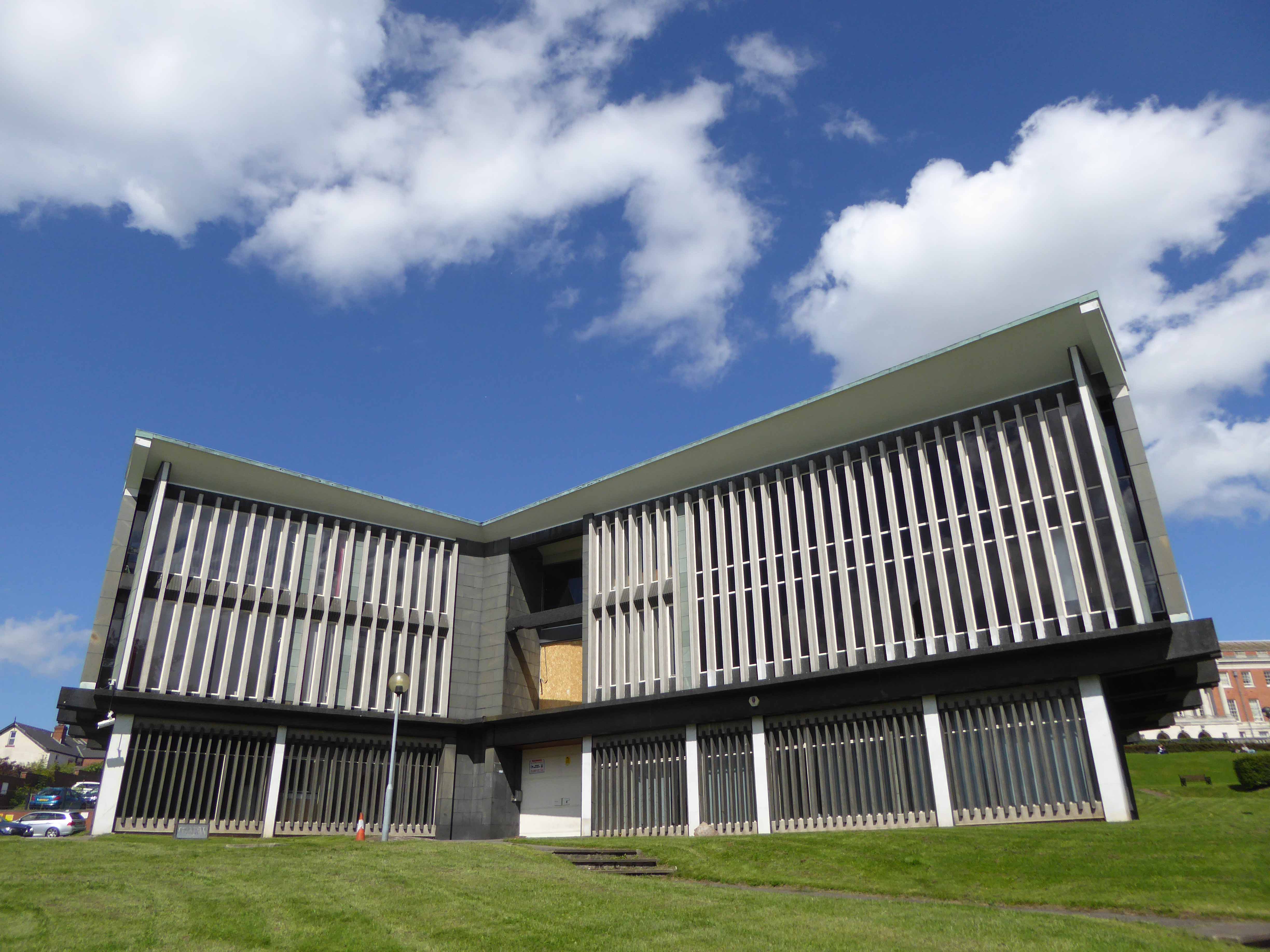
Kirklees College started life as Huddersfield Infirmary in 1831 up until 1967 when the Ramsden Technical College moved in, they paid £105,000 for the site. 

In September 1968 the first students began lectures and the first new building on the site opened in 1969. The main new block was built in 1971 – the year the college became Huddersfield Technical College. In 2008 Huddersfield Technical College merged with Dewsbury College to form Kirklees College and relocated in 2013.

The campus incorporates 10 buildings over a 6.1 Acre site ranging from the old hospital complex to modern blocks of classrooms. 

p1080524

Some of the buildings have been used for the filming of the dramas Black Work, Remember Me where they changed some areas to be a care home, a hospital and a police station and the film Extremis. 

The site is owned by Wiggett Construction Group, who have now confirmed they want to demolish the 1970s college buildings to make way for a Lidl supermarket.

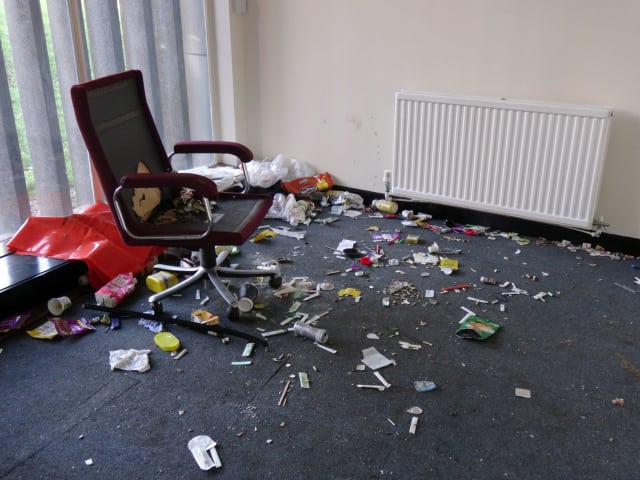
Thanks to Derelict Places – they went inside, I didn’t, I don’t do that sort of thing.

24873199691_49c901c0f0_c

I walked the lengthy perimeter, bobbing in and out of nooks and crannies in search of nothing in particular. Chatted to a Kirklees employee who had worked at the site, he regretted its closure and passing.

“This building had character, it was great to work here – now it’s going to be a supermarket.”

A curious amalgam of municipal classicism and hard edged 70s modernity, presided over by a sombre, care worn and  patinated Edward VII.

“Worth a few bob, a bugger to shift.”

p1080517-copy

p1080518-copy

p1080521-copy

p1080522-copy

p1080523-copy

p1080531-copy

p1080534-copy

p1080538-copy

p1080545-copy

p1080546-copy

p1080547-copy

p1080550-copy

p1080551-copy

p1080553-copy

p1080554-copy

p1080557-copy

p1080558-copy

p1080561-copy

p1080562-copy

p1080564-copy

p1080565-copy

p1080567-copy

p1080569-copy

p1080574-copy

p1080576-copy

p1080577-copy