Adelphi Picture Theatre – Attercliffe

Vicarage Road Sheffield  S9 3RH

Architects: William Carter Fenton

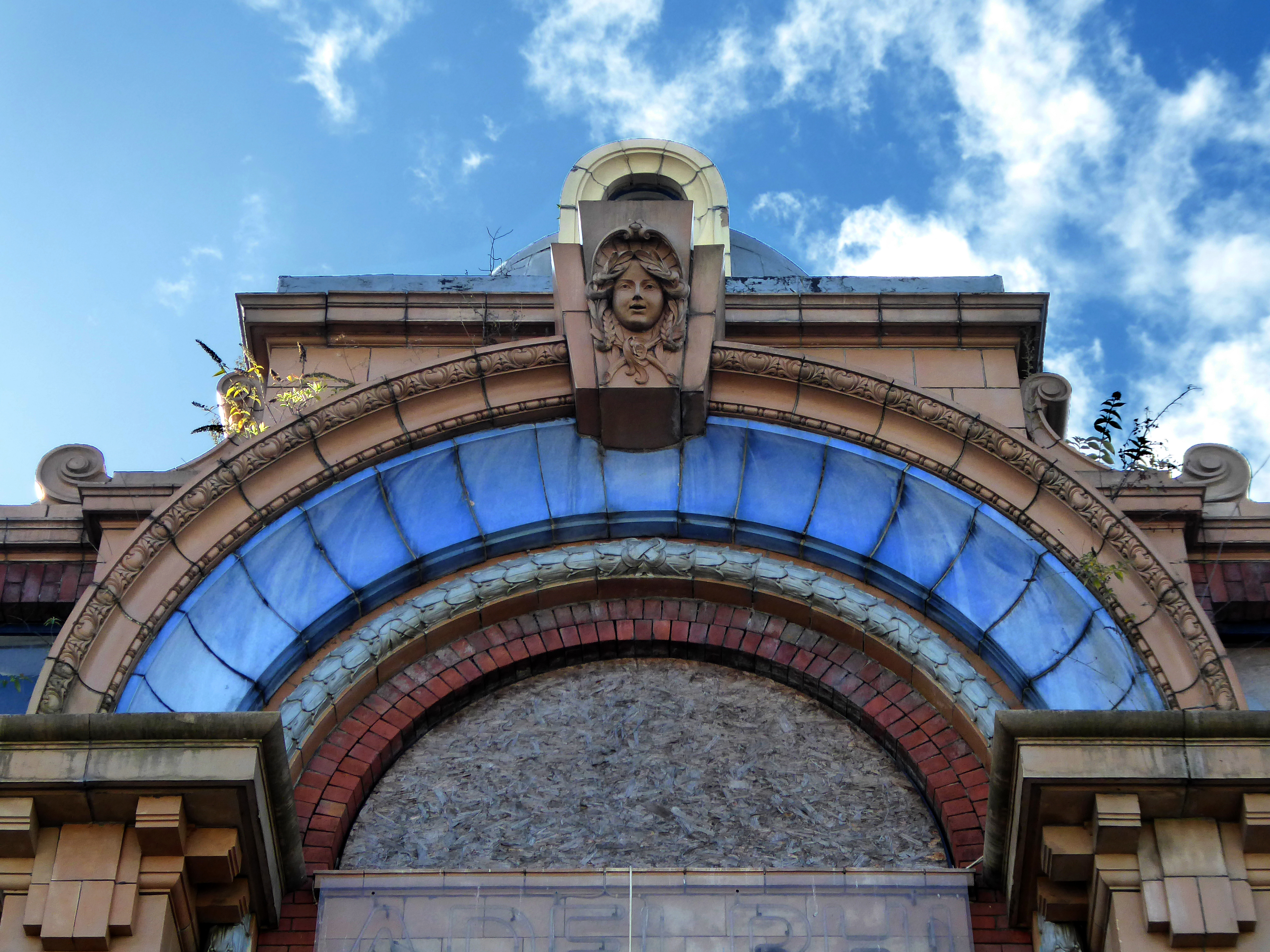
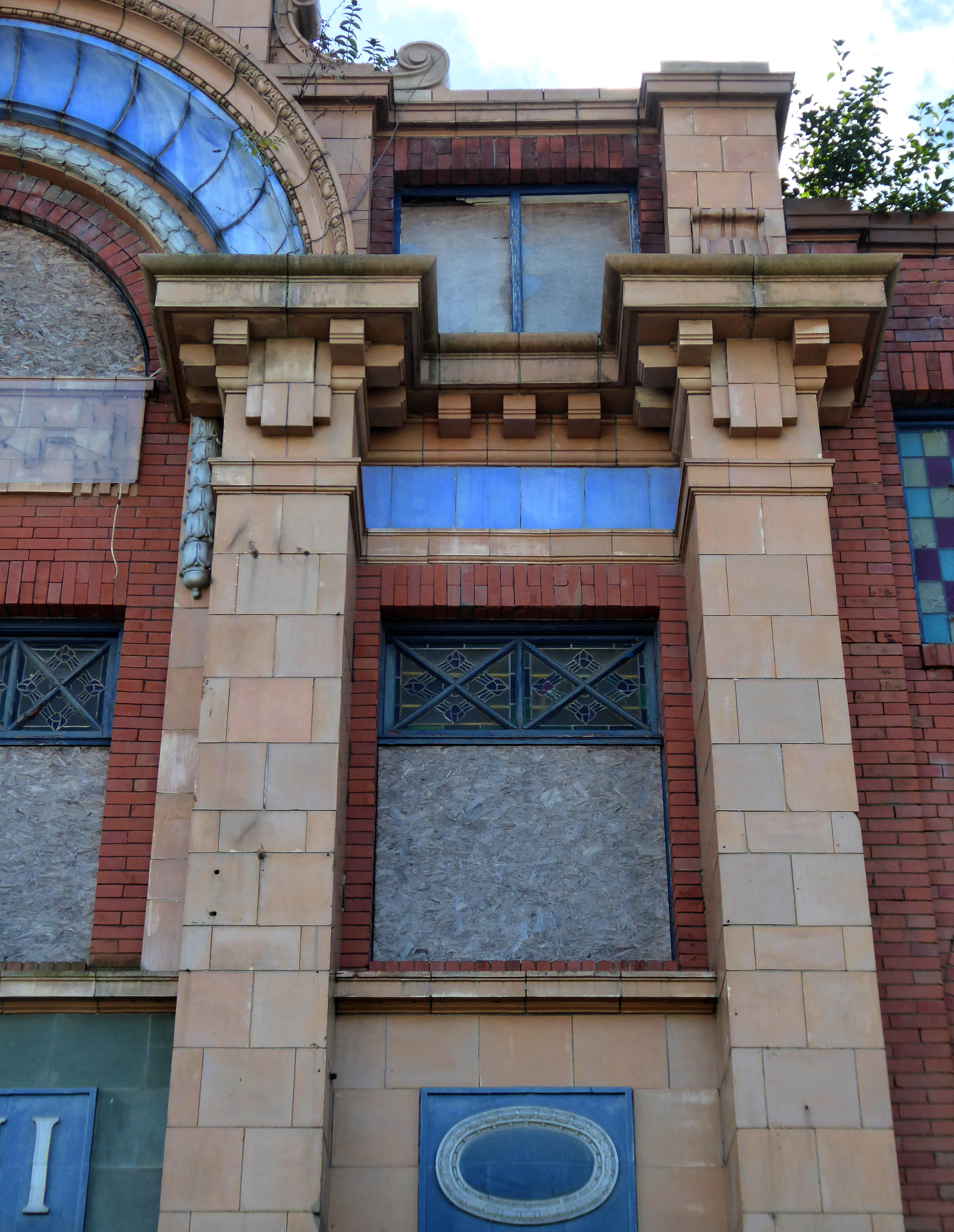
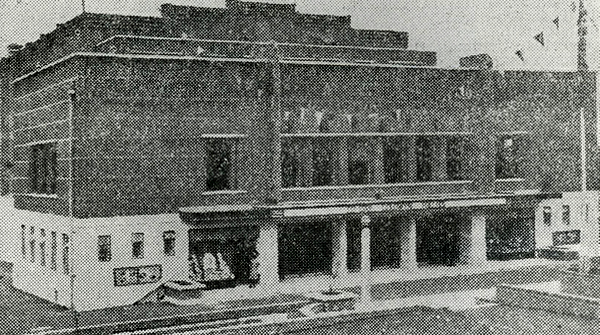
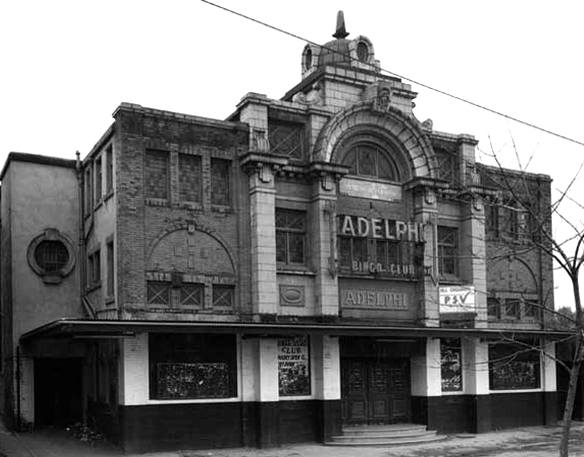
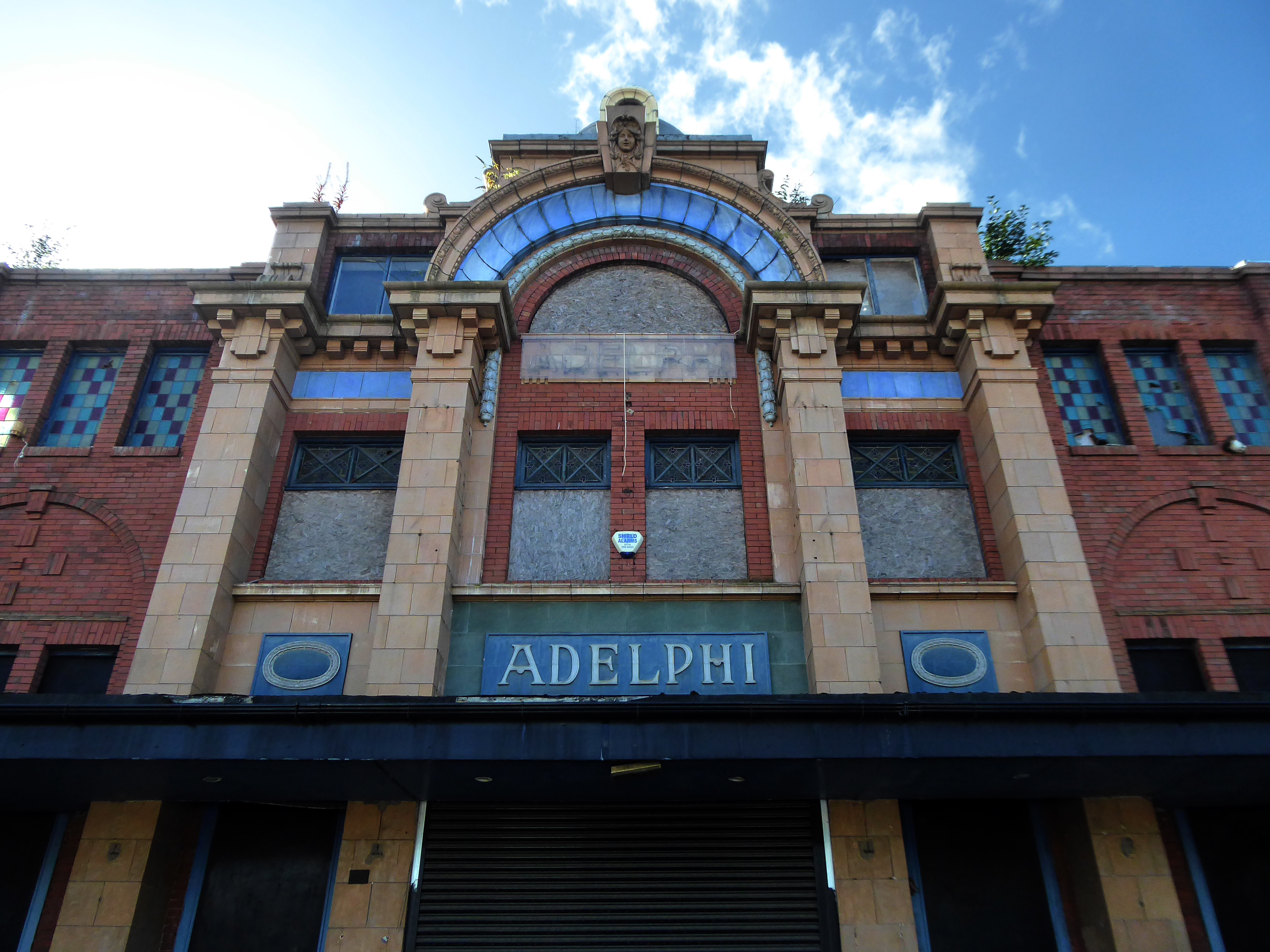
The Adelphi Picture Theatre is located in the Attercliffe district in the east of Sheffield. It opened on 18th October 1920 with Irving Cummings in Auction of Souls. The red brick building has buff and blue coloured terracotta enrichments on the façade, especially on the small turret dome over the entrance, which also has stained glass windows.

Seating in the auditorium was provided in stalls and circle, and the projection box was located in the rear stalls, underneath the circle. The cinema was in reverse, and patrons entered the auditorium from behind the screen. The decoration includes pilasters, a segment-arched panelled ceiling and a moulded proscenium arch with a central crest which is flanked by torches. The circle has a lattice-work plaster front.
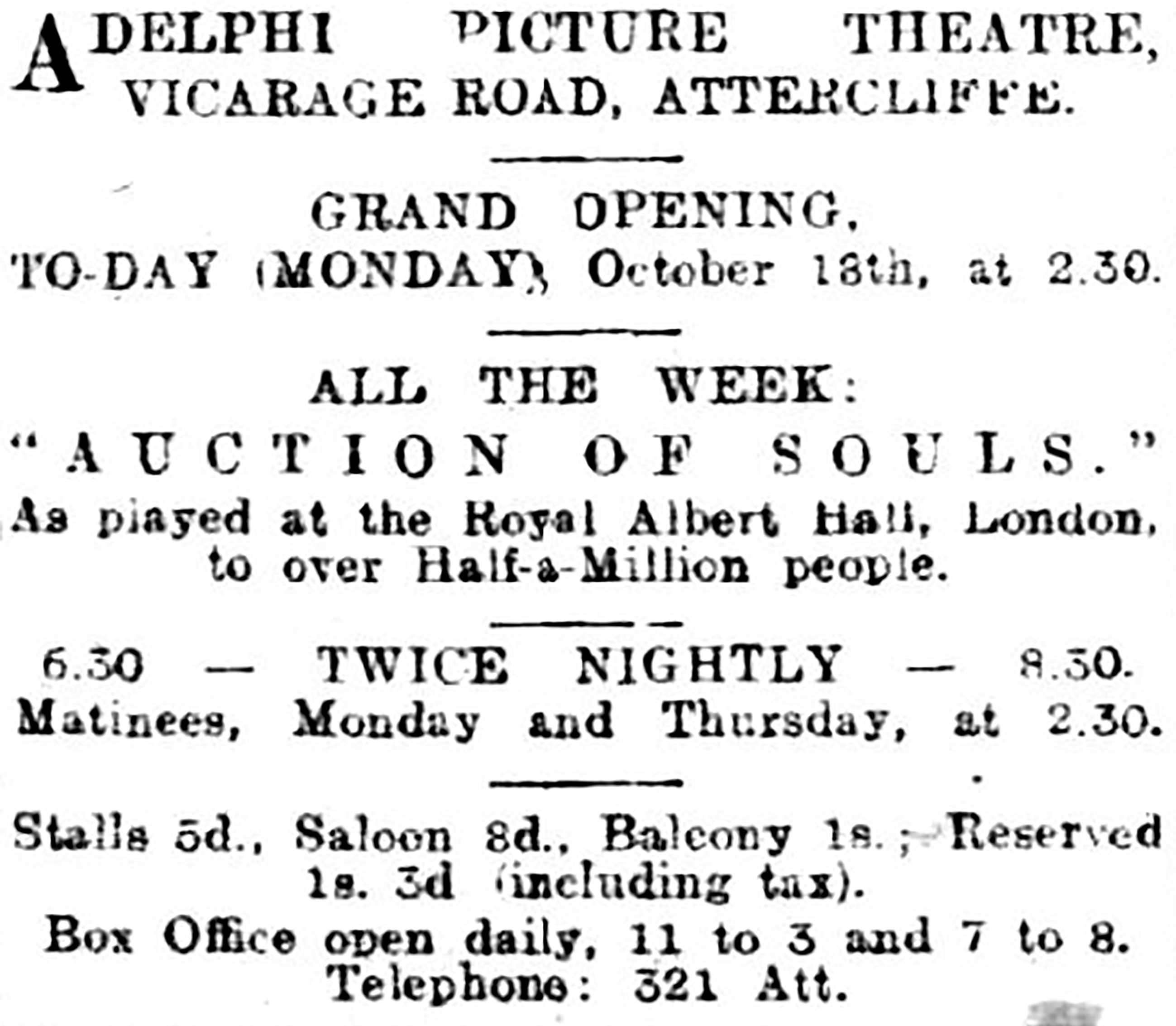
Single photo enhanced with easyHDR 3.15.2: Adelphi 1920 10 18.jpg

It underwent some restoration in 1936 and a re-decoration in August 1939. It received some bomb damage during the second week of the blitz and was closed for around a month. It received further renovation in August 1946. It remained an independently operated cinema throughout its cinematic life and was usually tied in with the Coliseum Cinema on Spital Hill.

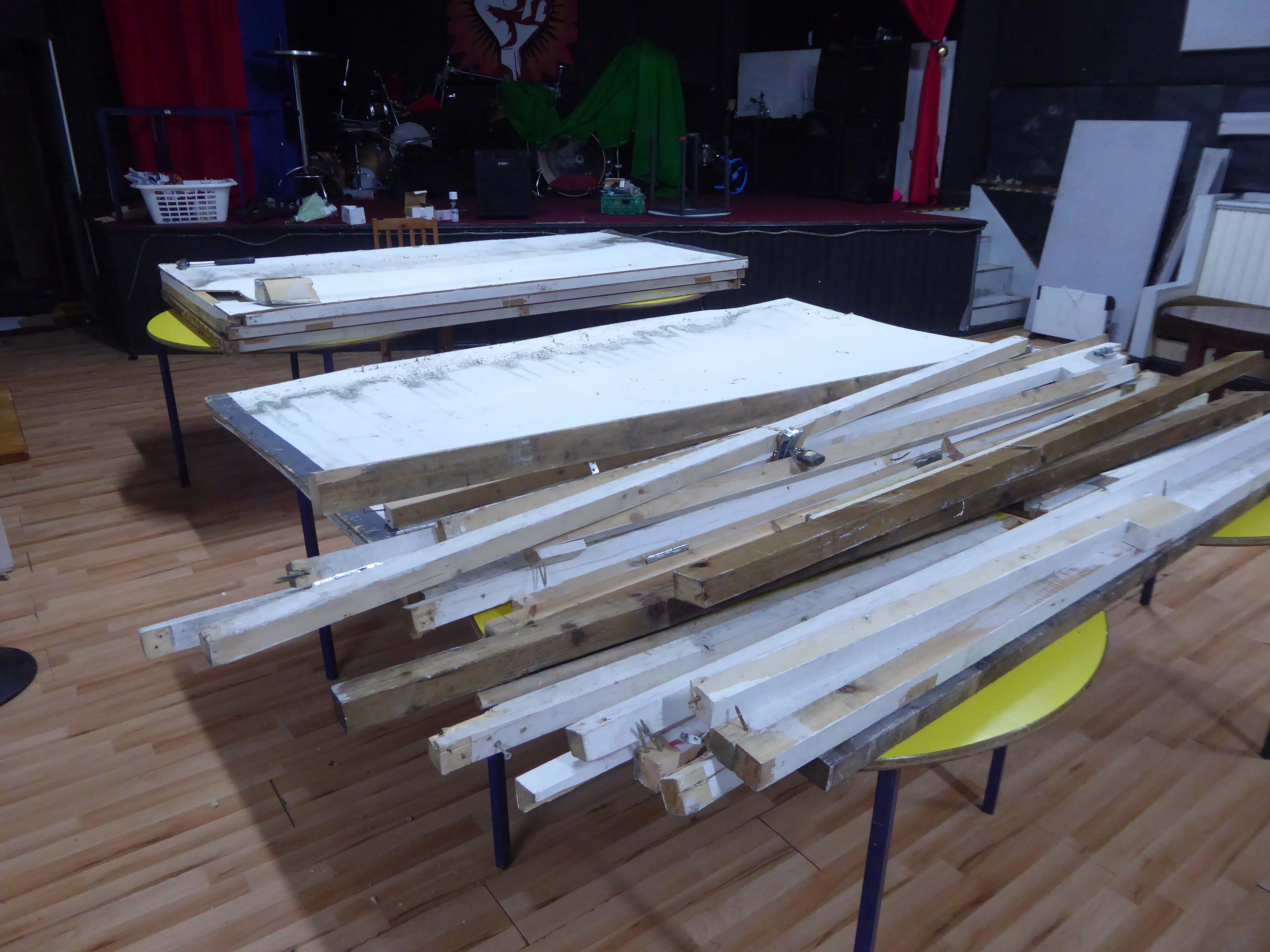
The Adelphi Picture Theatre closed on 28th October 1967 with Robert Vaughn in The Karate Killers and Glenn Ford in The Rounders. It became a bingo club, last operated by the independent Walkers Bingo. After this closed in around 1995 it became a nightclub and since March 2000 was converted into a music teaching centre. This closed in 2006, and the building stood unused, and by 2013, it was in use as a storage facility. It was announced in November 2022 that the city council were seeking to purchase the building to renovate and convert it into a community centre.
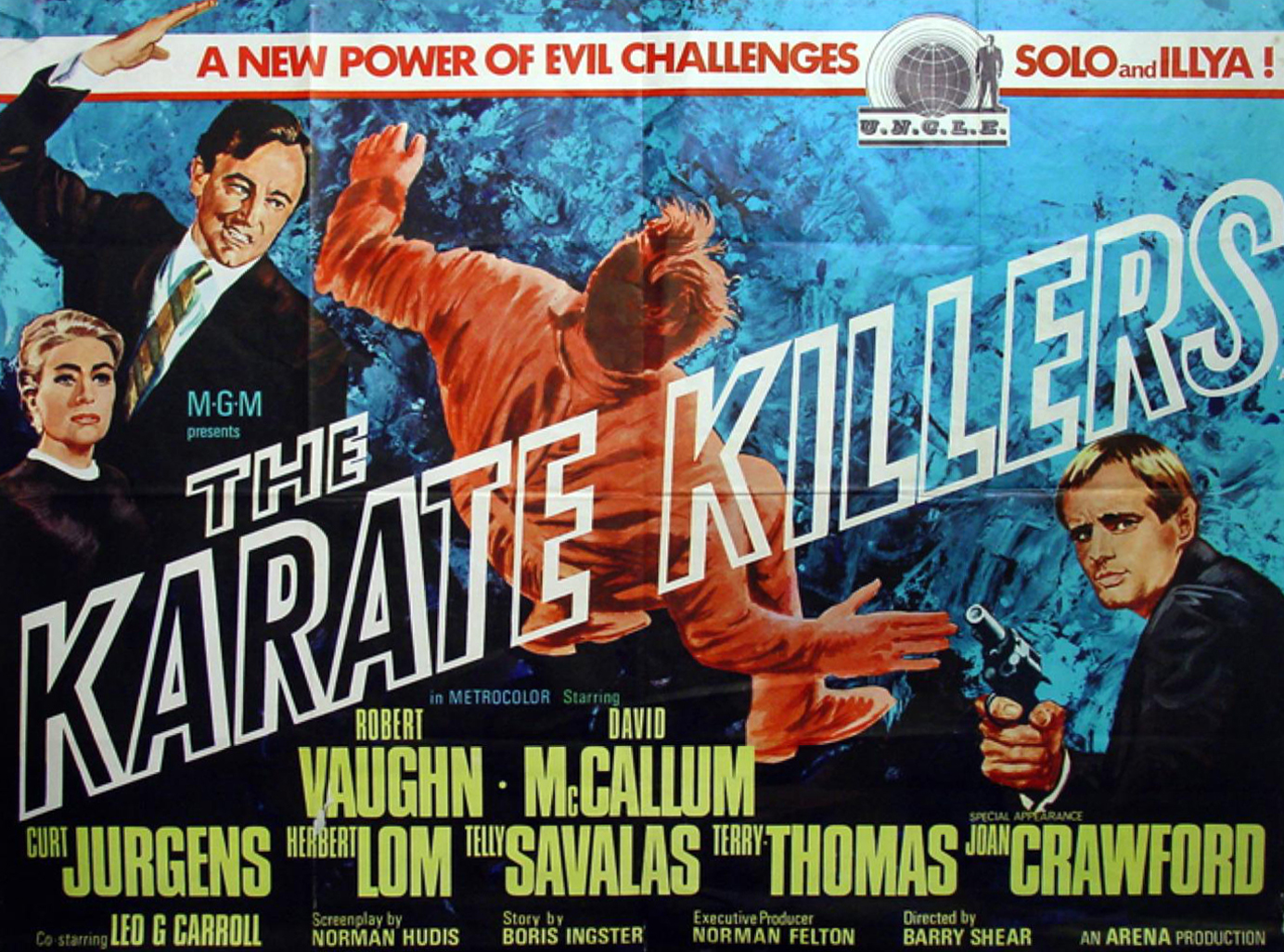
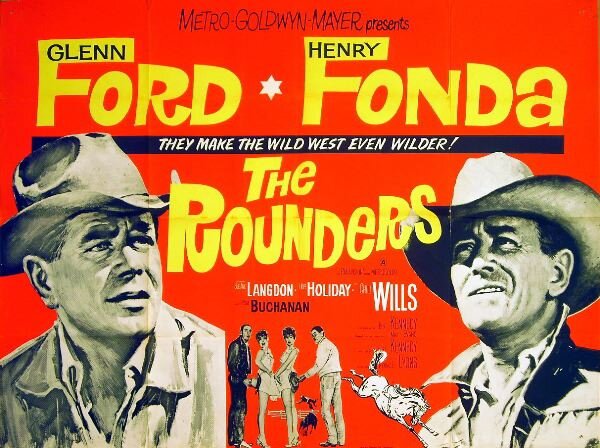
Since early 1996, the Adelphi Picture Theatre was designated a Grade II Listed building by Historic England.

Cinema Treasures

Just the other day I came across an old ticket stub issued by The Savoy in Heaton Moor.
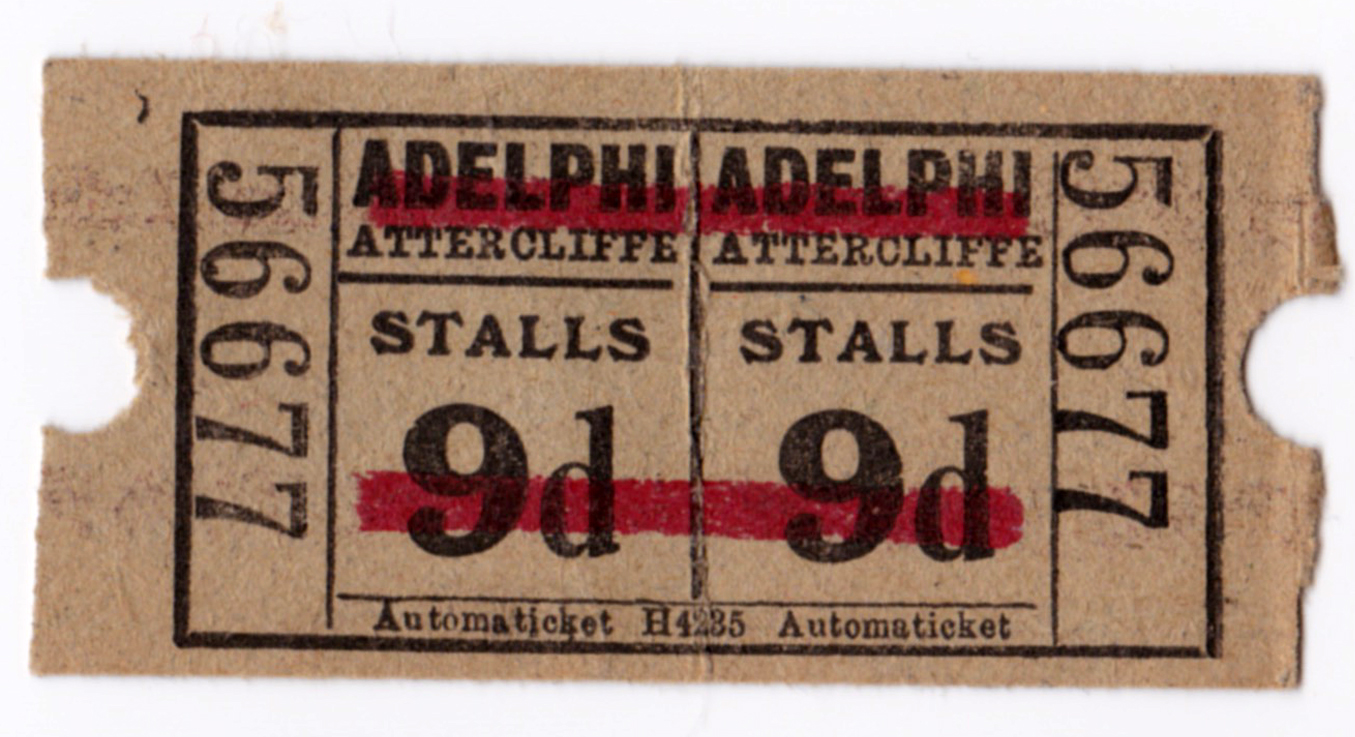
They used a Automaticket machine, but with dead stock tickets.
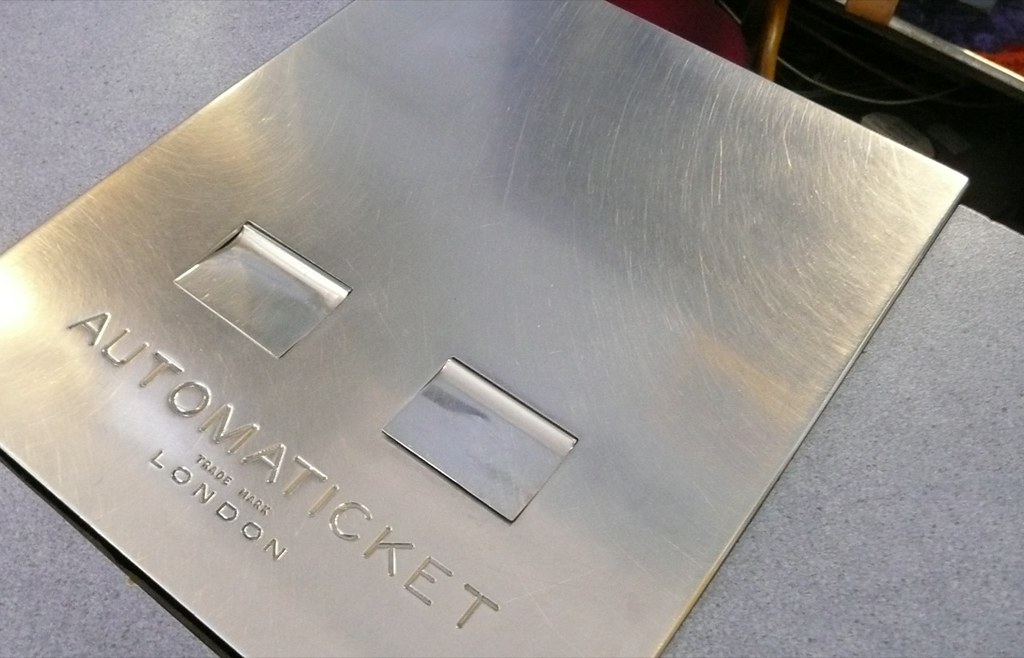
Evolving from being gear and lever driven, to powered by electric motors, these ticketing machines served as somewhat of an industry standard for over eighty years.

While there are still a few of these machines in use, the theatre industry generally abandoned such ticketing systems, in favor of computerized ticketing, by the late 1980’s.

Cinelog

The striking art deco – sic. building later hosted Sheffield’s famous Gatecrasher club nights, among other events, and was also used as a music teaching centre.

It sat empty from 2006 until 2013 and has since been used only for storage.
Sheffielder

My dad was a regular at The Adelphi during the war years. He remembers that the showings were always like a theatre with two matinees during the week and two evening showings everyday unlike the continuous showing at other cinemas and a children’s matinees on a Saturday.

He and his friends had six seats booked on Q row for every Monday and Saturday night as more often than not the films ran for three nights Mon, Tues and Wed, then a new picture Thurs, Fri, and Sat – no show on a Sunday. Occasionally a good film, now known as a blockbuster, would run for longer; if this was the case they just put up with seeing it twice.

The cost of the film was 4d or 6d upstairs, the cinemas in town were dearer.

Called up in February 1944 he did not return to Attercliffe until his first leave from the army a week before VE day in 1945. He returned from Germany, said hello to his Mum and Dad, dropped off his kit bag then caught the tram the three stops to the Adelphi where he knew his friends would be. The smartly dressed commisioner, in blue with plenty of gold braid, standing outside immediately recognised him even in army uniform. He showed him in telling him the lads were all there. He crouched in the aisle next to his friends and caused quite a commotion once he was spotted – he has no memory of the film showing but great memories of the reunion to this day.

Sheffield History

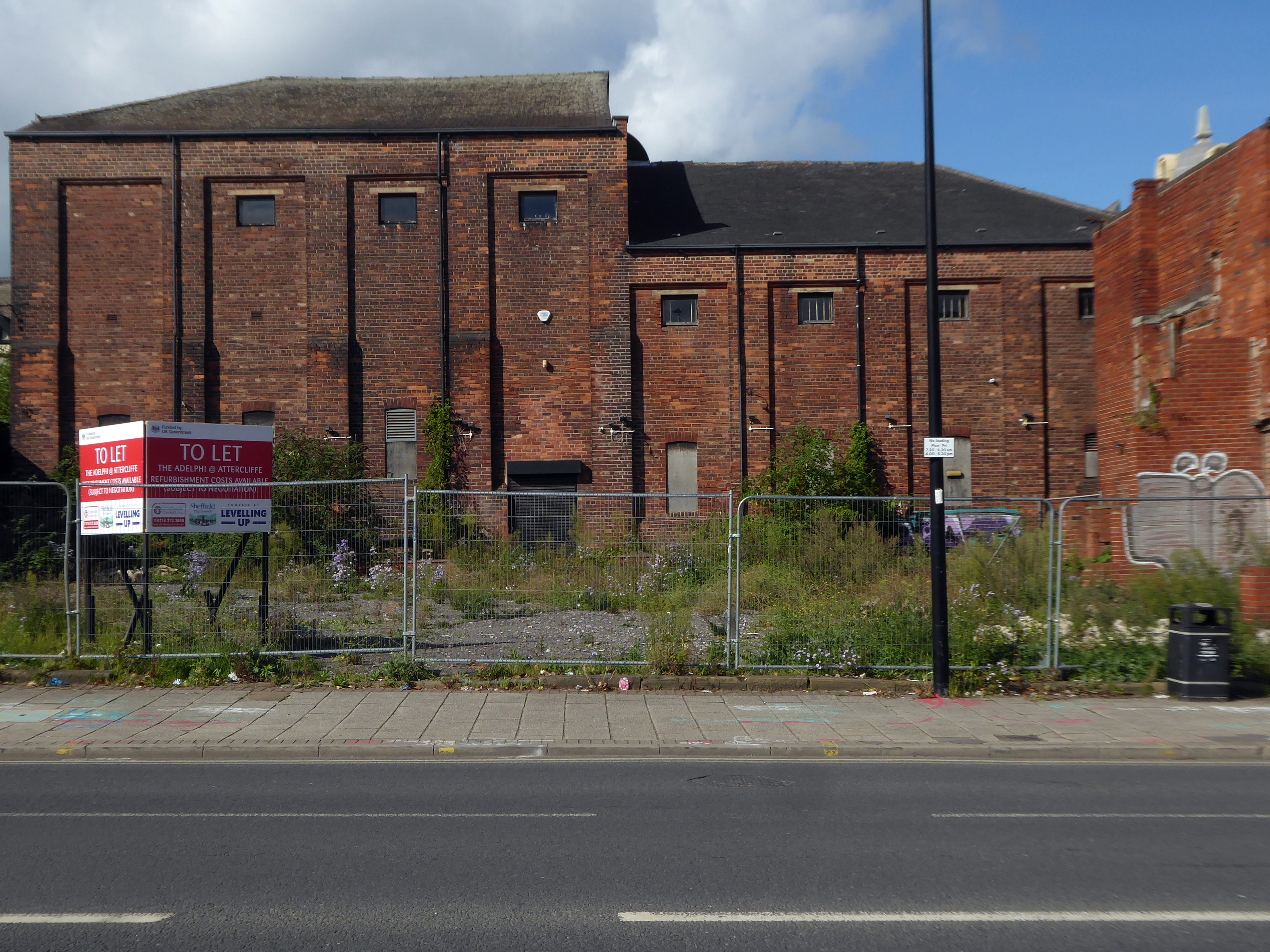
It was bought by Sheffield City Council earlier this year, as part of the Attercliffe Levelling Up project, and has now gone on the market as the council seeks someone to revive the Grade II-listed building as a vibrant cultural hub.
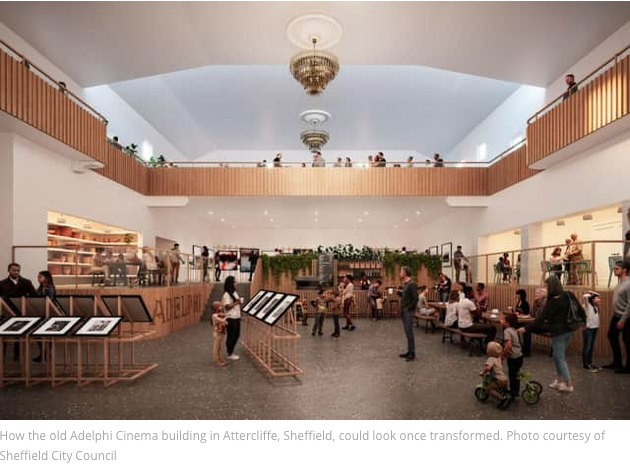
Councillor Ben Miskell, chair of the council’s Transport, Regeneration and Climate Policy Committee, said:

We’re thrilled to announce the Adelphi Cinema building in Attercliffe is now on the market and we’re eager to hear from interested parties. The building forms one part of our ambitious plans for the area which will all come together to breathe new life into the community.

These were taken by me in September 2023.
The Adelphi has a Burton’s for company.
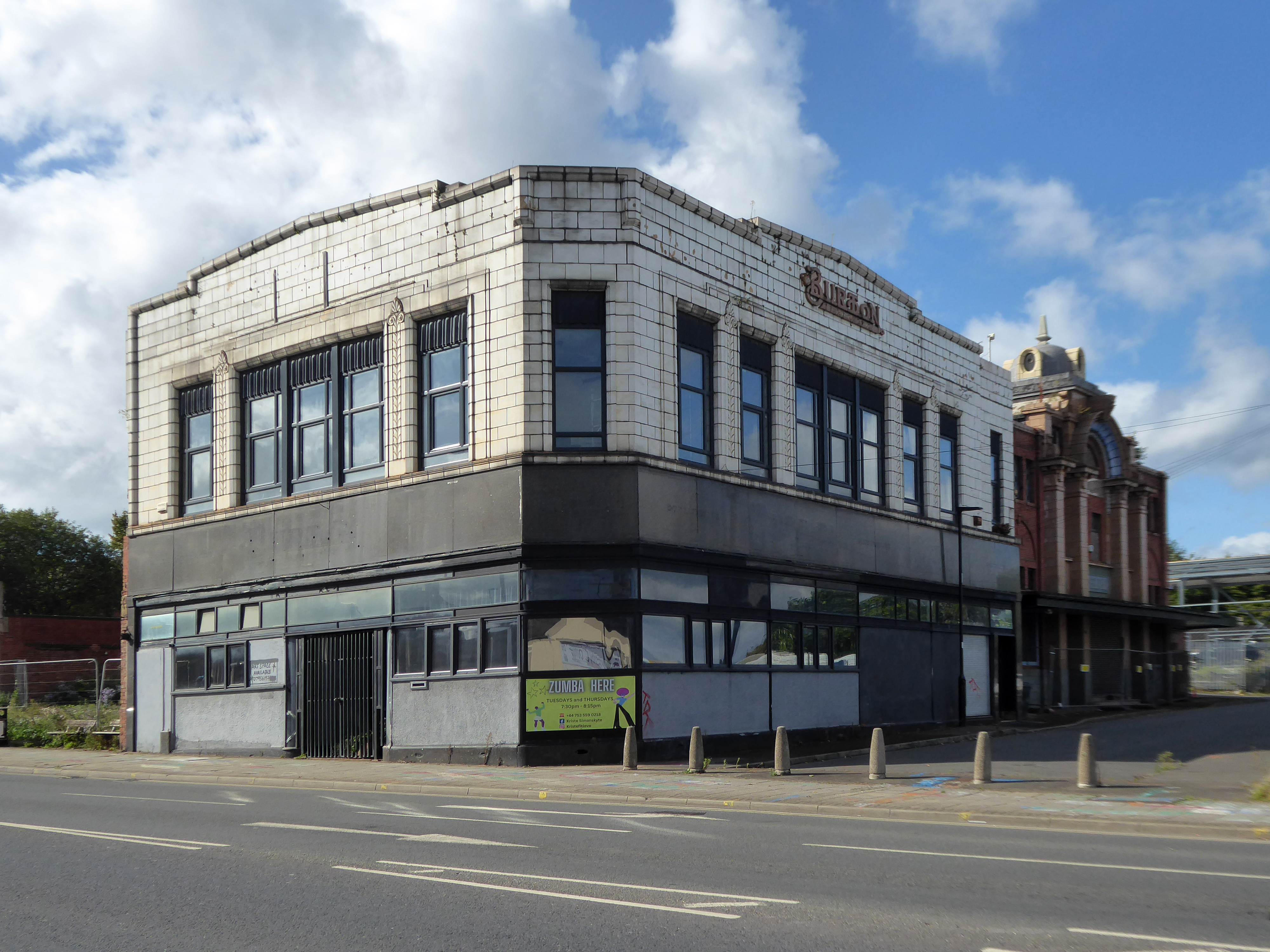
Photo: David Edge April 2024

Youth Clubs – Manchester

The history of youth work goes back to the birth of the Industrial Revolution in the 18th century, which was the first time that young men left their own homes and cottageindustries to migrate to the big towns. The result of this migration was an emergent youth culture in urban areas, which was responded to by the efforts of local people.

Work with young women however was seen as less important, because young women’s needs at this time were seen as being centred on homemaking, which were already, supposedly, provided for in the home.

By 1959 widespread moral panic in the press about teenage delinquency led the British government to look into a national response to catering for the needs of young people. In 1960 a government report known as The Albemarle Report was released, which outlined the need for local government agencies to take on responsibility for providing extracurricular activities for young people. Out of this the statutory sector of the youth service was born. For the first time youth centres and fully paid full-time youth workers made an appearance across the whole of Britain.

Wikipedia

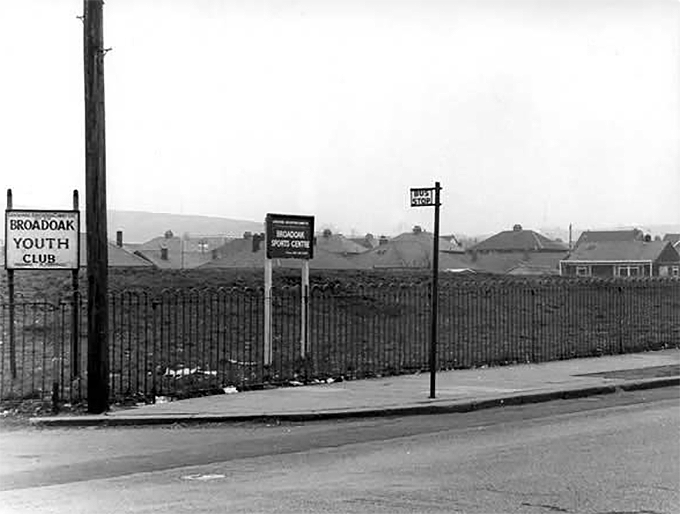
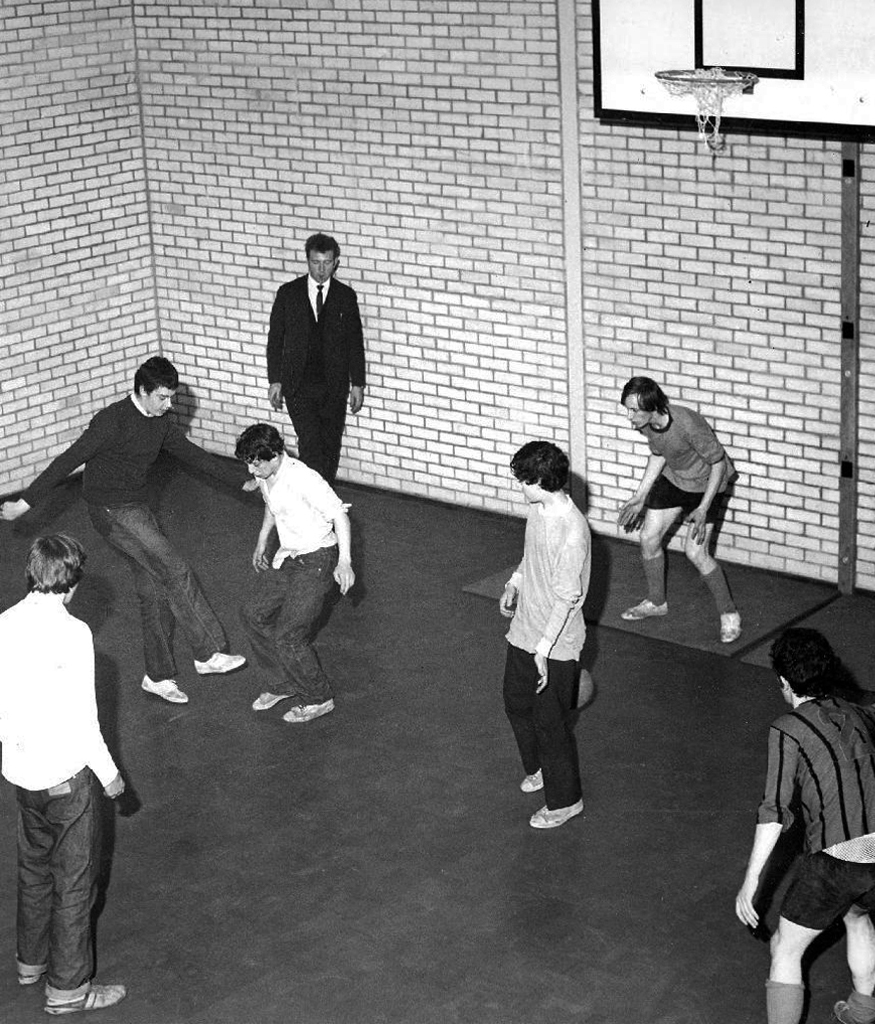
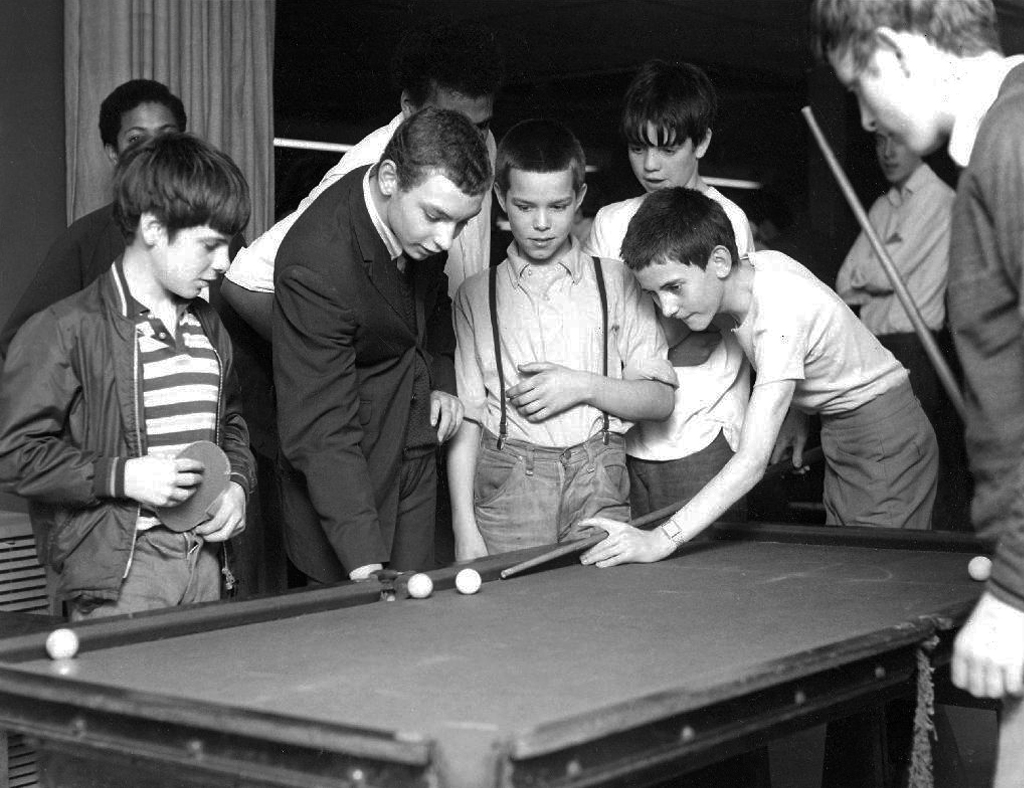
Which is where I enter this short history, attending the Broadoak Youth Club in Ashton, during the late 60s early 70s. These were days of ping pong, snooker, spinning 45s and drinking pop if you had the coppers.

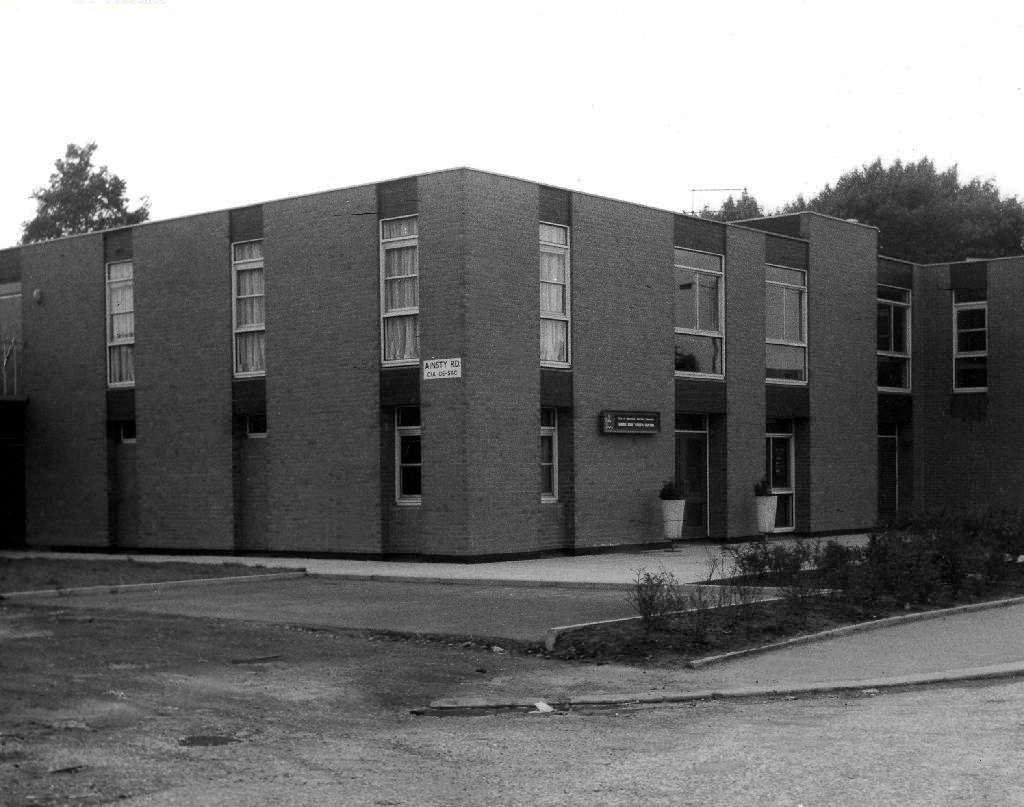
Council run, housed in an architectural style best described as bunker like.

I uncovered a little of Manchester’s youth club history during my travels.

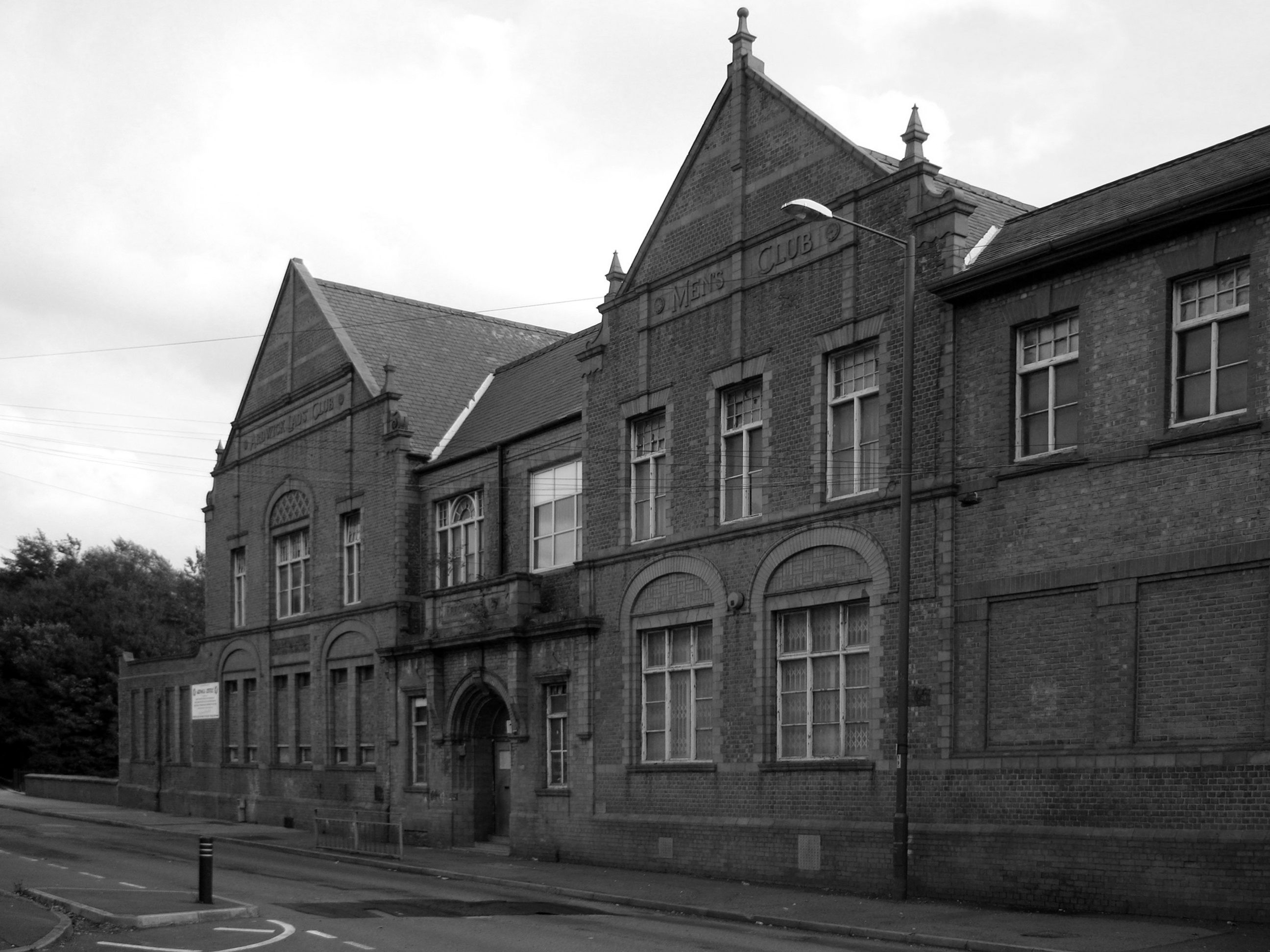
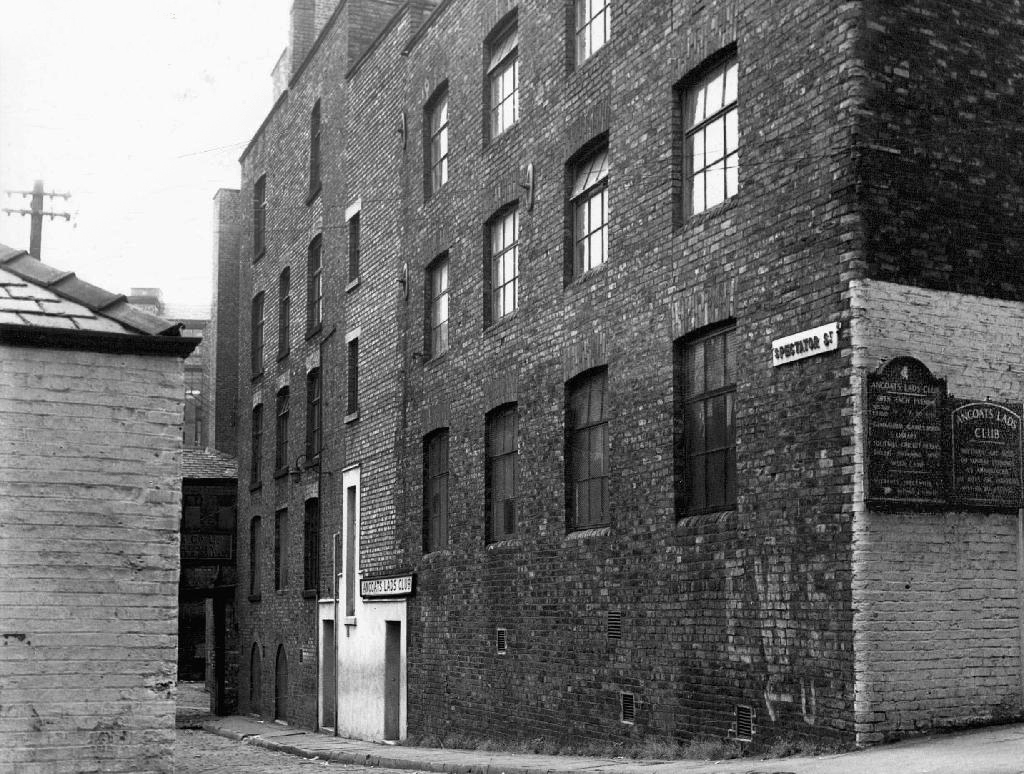
The Ardwick Lads’ and Mens’ Club on Palmerston Street, latterly the Ardwick Youth Centre, opened in 1897 and is believed to be Britain’s oldest purpose-built youth club still in use and was until earlier in 2012. Designed by architects W & G Higginbottom, the club, when opened, featured a large gymnasium with viewing gallery – where the 1933 All England Amateur Gymnastics Championships were held – three fives courts, a billiard room and two skittle alleys – later converted to shooting galleries. Boxing, cycling, cricket, swimming and badminton were also organised. At its peak between the two world wars, Ardwick was the Manchester area’s largest club, with 2,000 members.

On the 10th September 2012 an application for prior notification of proposed demolition was submitted on behalf of Manchester City Council to Manchester Planning, for the demolition of Ardwick Lads’ Club  of 100 Palmerston Street , citing that there was “no use” for the building in respect to its historic place within the community as providing a refuge and sporting provision to the young of Ancoats.

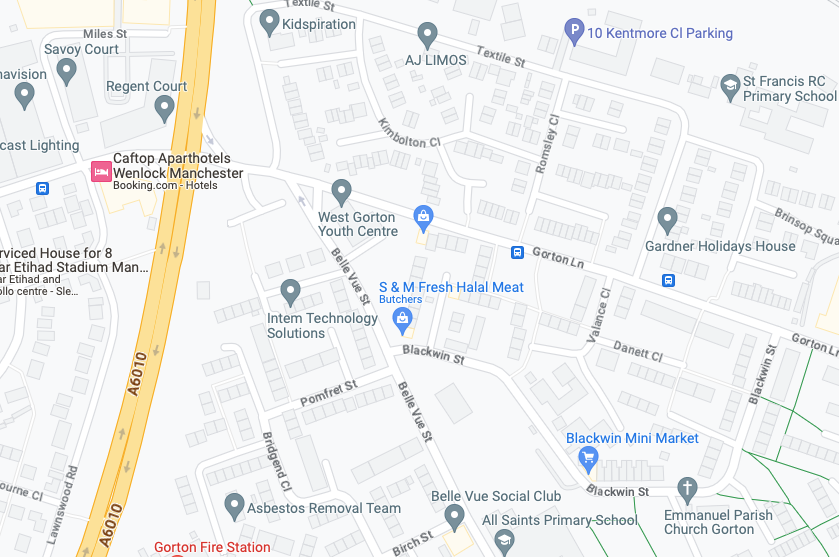
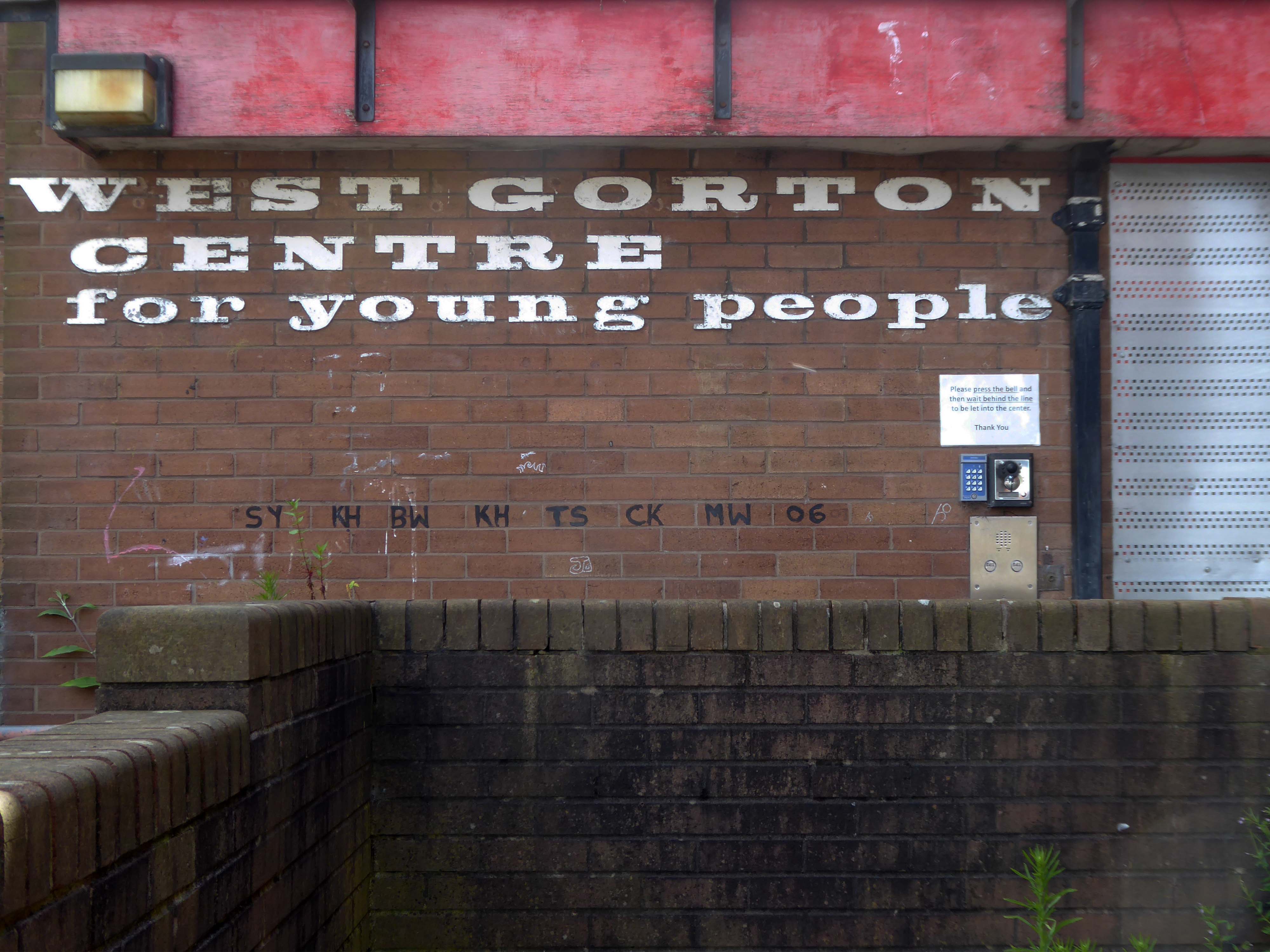
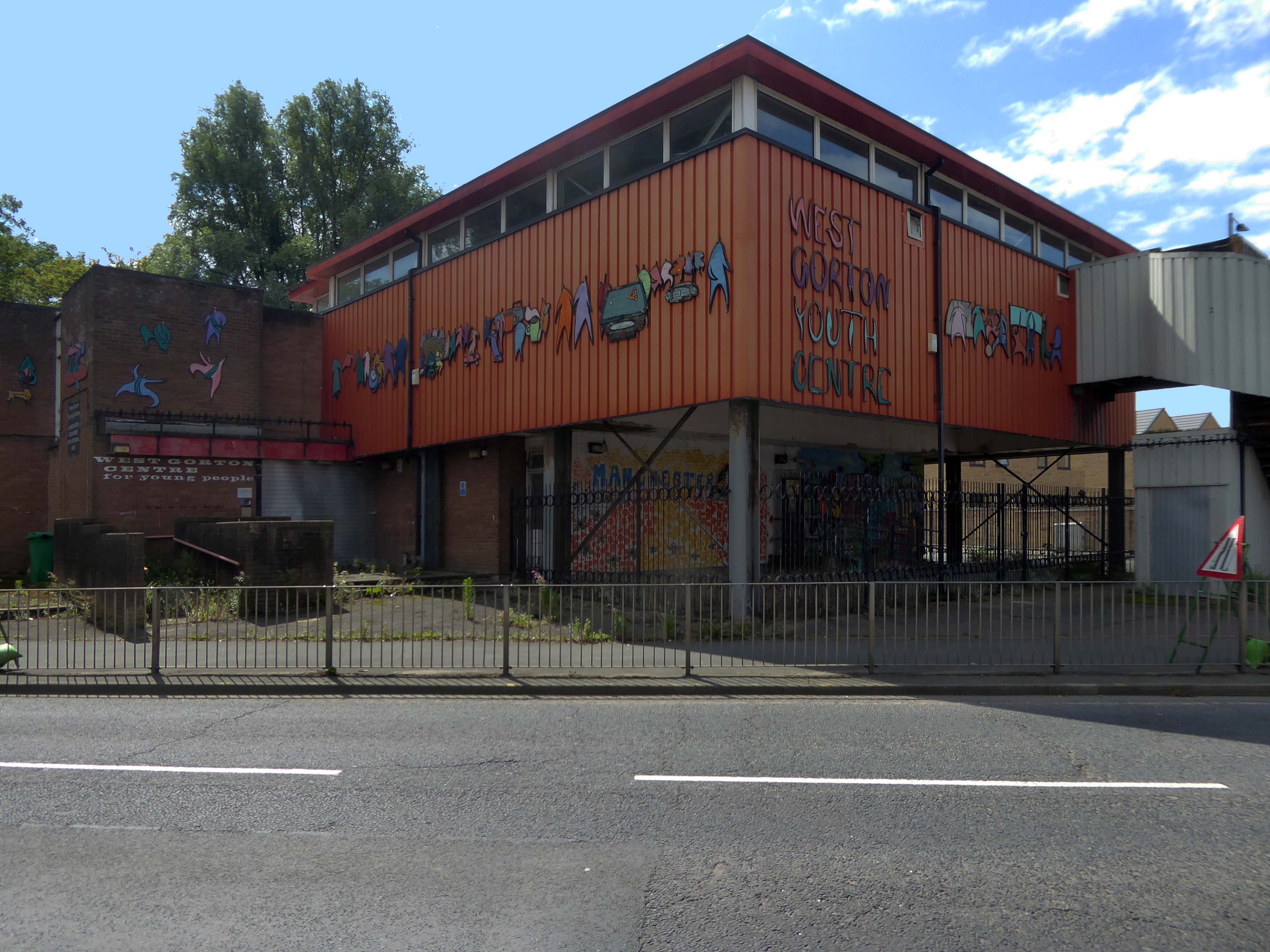
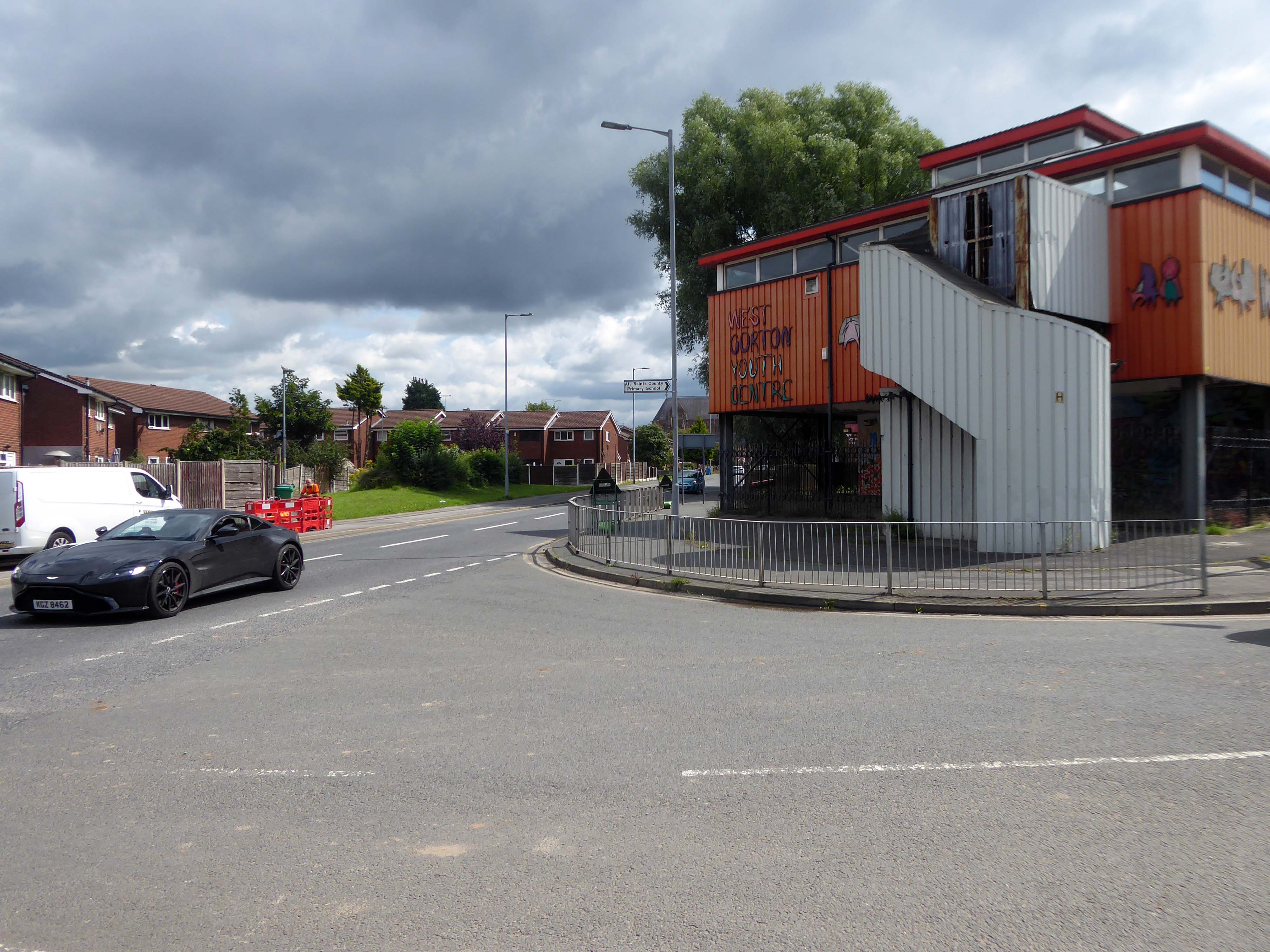
Whilst cycling through Gorton, I passed the now defunct West Gorton Youth Centre.

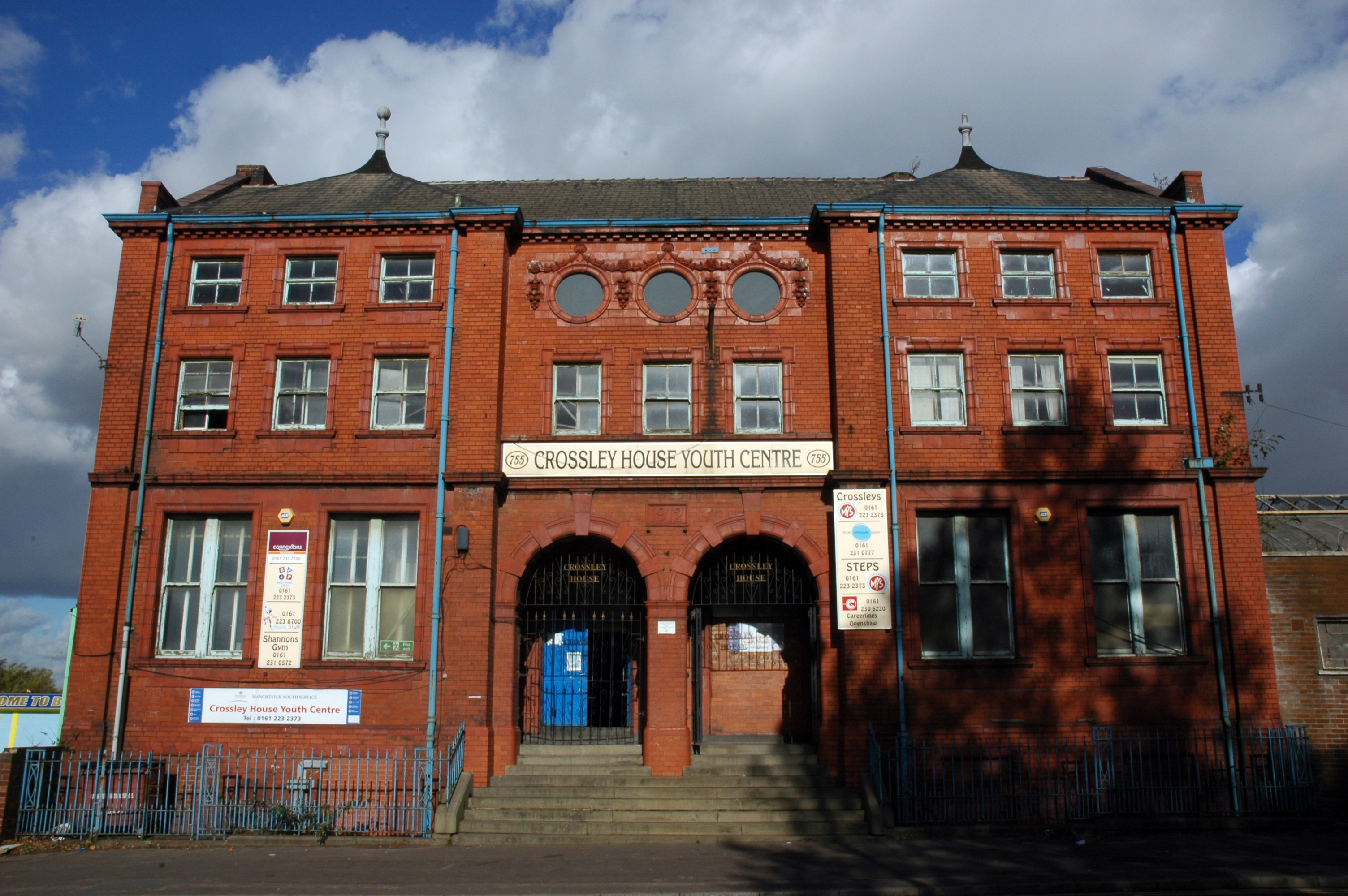
Intrigued I started to dig a little deeper, I remembered playing five-a-side at Crossley House in Openshaw.

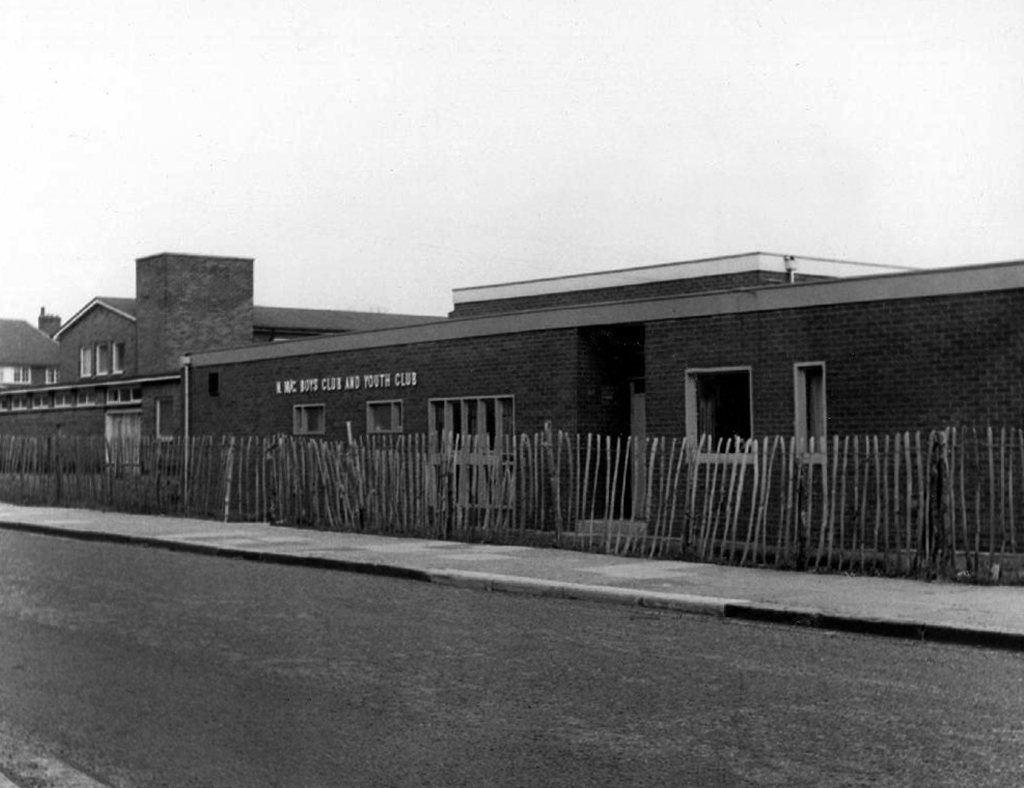
Openshaw Lad’s Club was founded in November 1888 by William John Crossley. It was previously known as the Gorton and Openshaw Working Lad’s Club and the Crossley Lad’s Club. The Crossley family financed the club up to 1941 and they built the club premises, Crossley House to commemorate Sir William Crossley after his death in 1911. The building was opened on 1 September 1913. In July 1941 the premises were handed over to the National Association of Boy’s Clubs and a management committee was formed to administer the club

Simon Inglis gives the architect as John Broadbent; Buildings of England names the architect as James Barritt Broadbent.

Architects of Greater Manchester

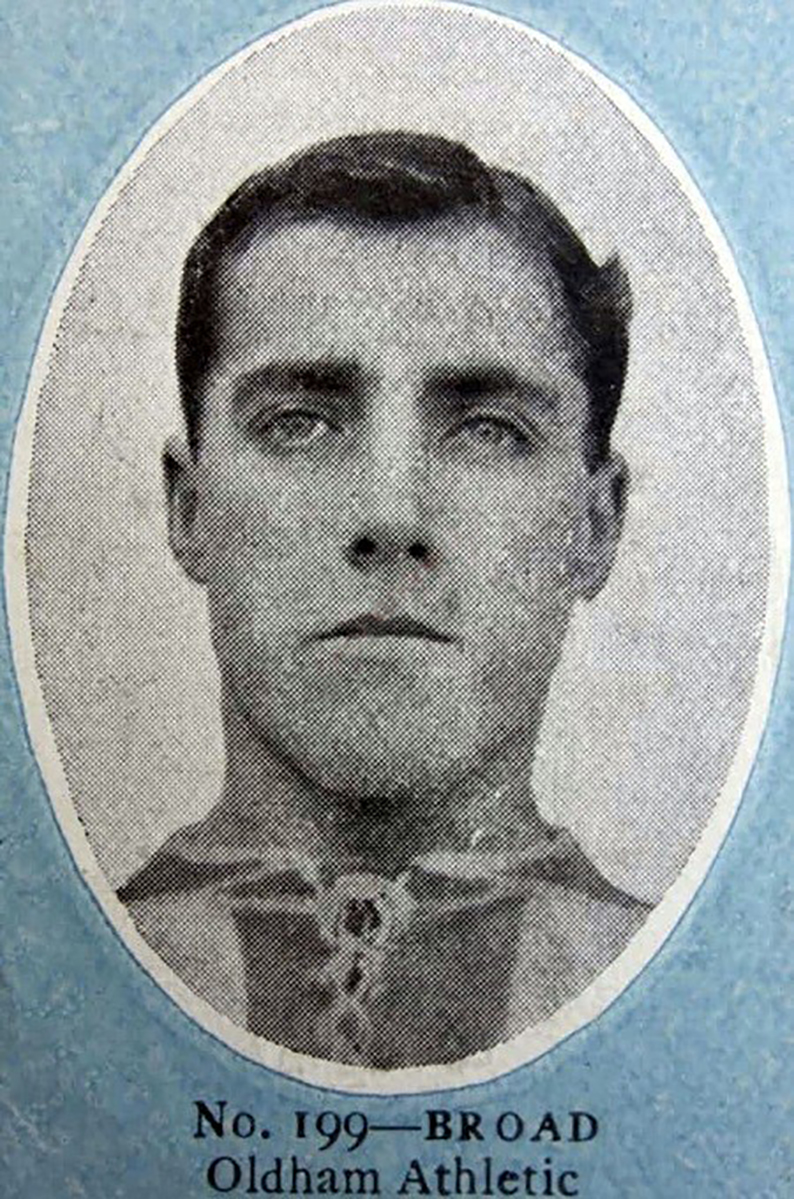
Stalybridge born outside right Tommy Broad started with Redgate Albion in 1902 spending time at Manchester City without making their first eleven before playing for Denton Wanderers in 1903 and Openshaw Lads Club in 1904 from where he joined Second Division West Bromwich Albion in September 1905 making his Football League debut at Wolverhampton Wanderers that September. After a single goal in 15 appearances he moved to Chesterfield Town in the February 1908 scoring 5 goals in 50 appearances for The Spireites over the next two seasons at Saltergate, where he was an ever present in 1908-09.
He moved to Second Division Oldham Athletic in May 1909 and they were promoted as Second Division runners-up in his first season when he missed only one game, scoring a career best 7 goals in the campaign, and in three seasons at Boundary Park he scored 9 goals in 104 appearances. He then played for Bristol City between the summer of 1912 and the suspension of peacetime football due to the onset of the First World War in 1915, where he missed only one match in his first two seasons, scoring 8 times in 111 appearances at Ashton Gate.

During the First World War he served in the Armed Forces and after its resolution he joined First Division Manchester City in the summer of 1919, making 44 appearances in two years at Hyde Road, and helping The Citizens to finish runners up in the League Championship in 1920-21, which he followed with a move to Stoke in the summer of 1921 where Broad along with his younger brother Jimmy helped The Potters to promotion in 1921-22, finishing as Second Division runners-up, although this was followed by relegation the following season.

After three years in The Potteries, where Broad scored 4 times in 89 first team appearances, he moved to the South Coast to join Southampton. Broad still holds the distinction of being the oldest player ever signed by The Saints, being just three weeks short of his 37th birthday. At The Dell, he was used as cover for Bill Henderson and only had a run of three games in October, followed by six more appearances in April. In September 1925, Broad moved to Weymouth of the Western League, before playing out his career with Rhyl.

Vintage Footballers

Manchester City’s ground was up the way at Hyde Road Stadium at the time.

In 2013 disaster struck the club:

A legendary boxing gym – former base of superstars Ricky Hatton and Marco Antonio Barrera – could be forced to shut after it was ransacked by thieves.

Crooks ripped out copper piping and stole priceless equipment from the Shannon Boxing Club in Openshaw.

MEN

Searching the Local Image Collection – revealed other locations.

Hulme 1901

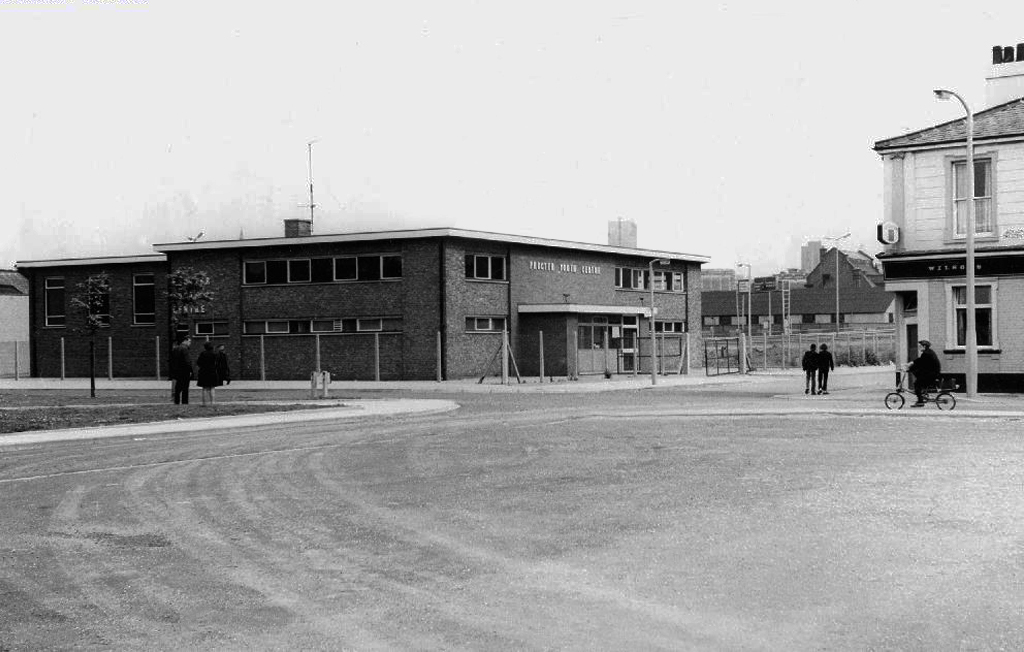
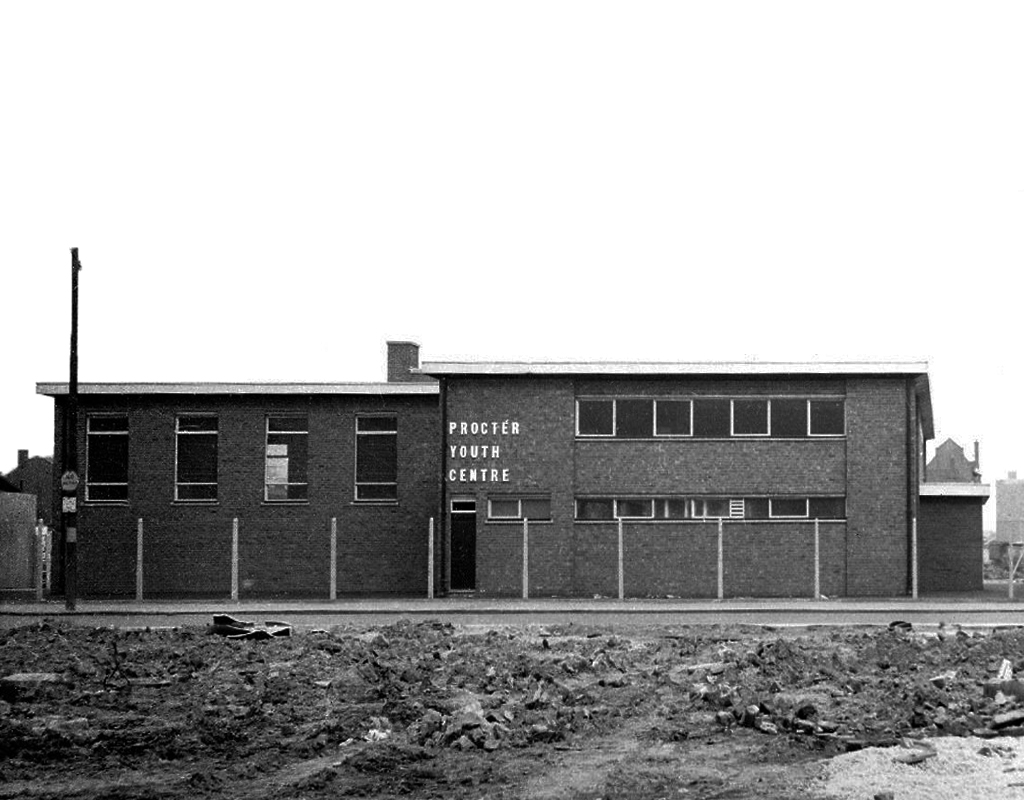
Procter Youth Centre a victim of city’s spending cuts

Procter Youth Centre 1966-2011. Despite being in singularly ugly building, it was very popular, providing a wide range of activities such as pool, football and martial arts, to name but a few. In 2009 the premises were refurbished with £668,000 being spent on a weights room, dance studio, recording studio. Then two years later Manchester City Council did the logical thing – closed it! Some of the eight staff offered to take a pay cut but to no avail. There were plans to use the building as a pupil referral unit. Today the building stands in the middle of wasteland that is the process of redevelopment.

Steve Nesbitt 

Hulme 1972

Ancoats 1962

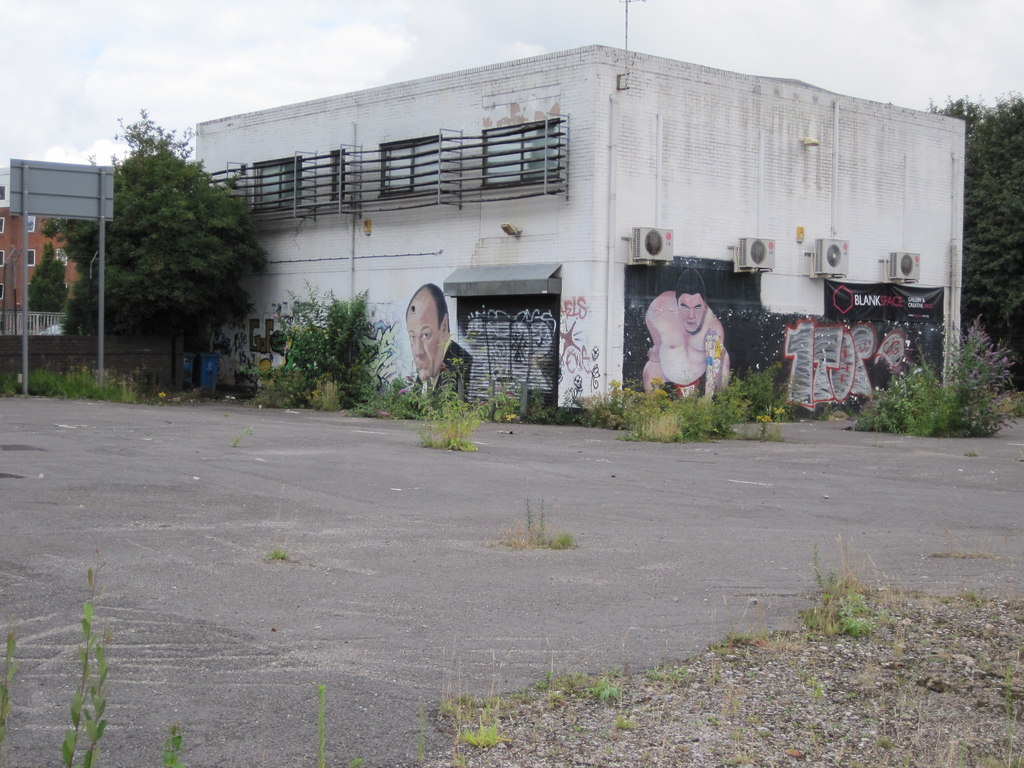
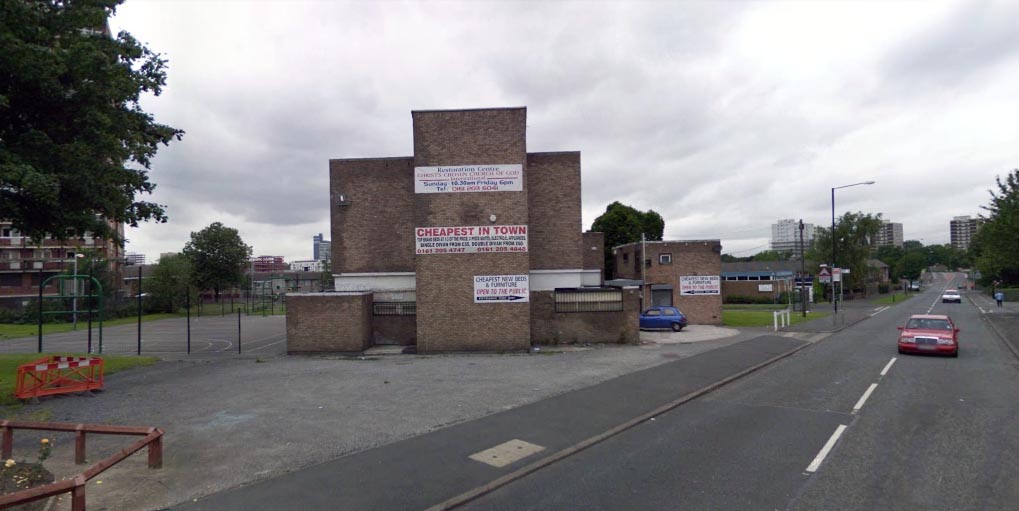
Ancoats Youth Club had sadly ceased being a place for the community to come together and use the facilities a number of years before it became a bed shop before it was finally demolished in 2011, with yet another community resource gone forever.

HistoryMe

Ancoats

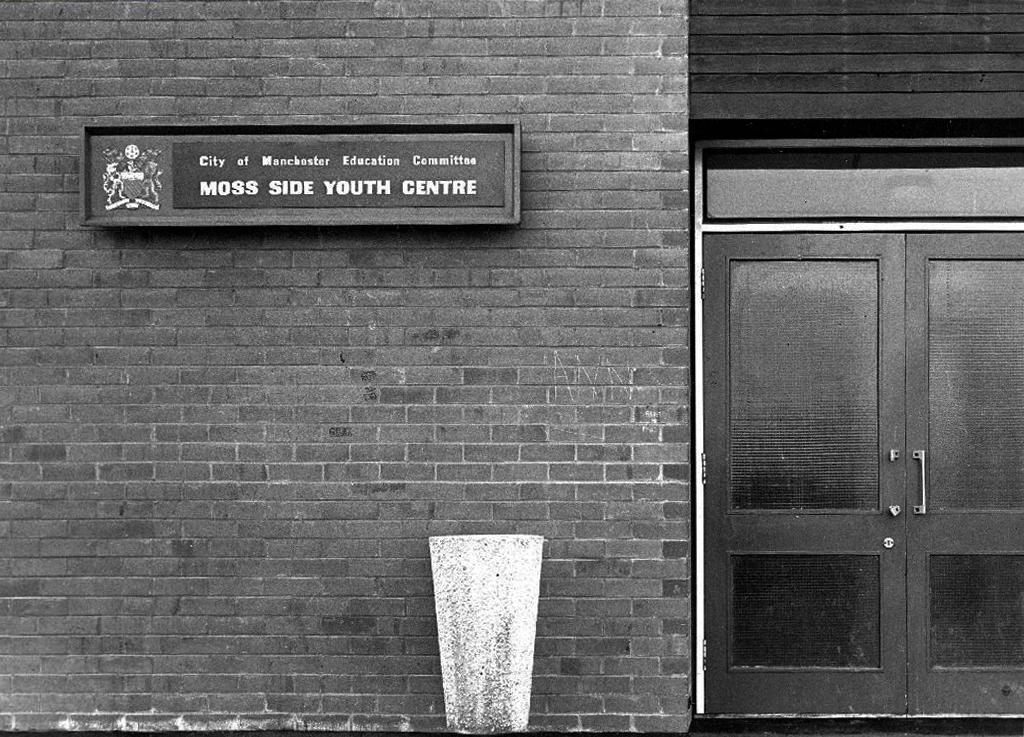
Moss Side 1972

Blackley 1969

Victoria Park St Edwards Youth Club 1976

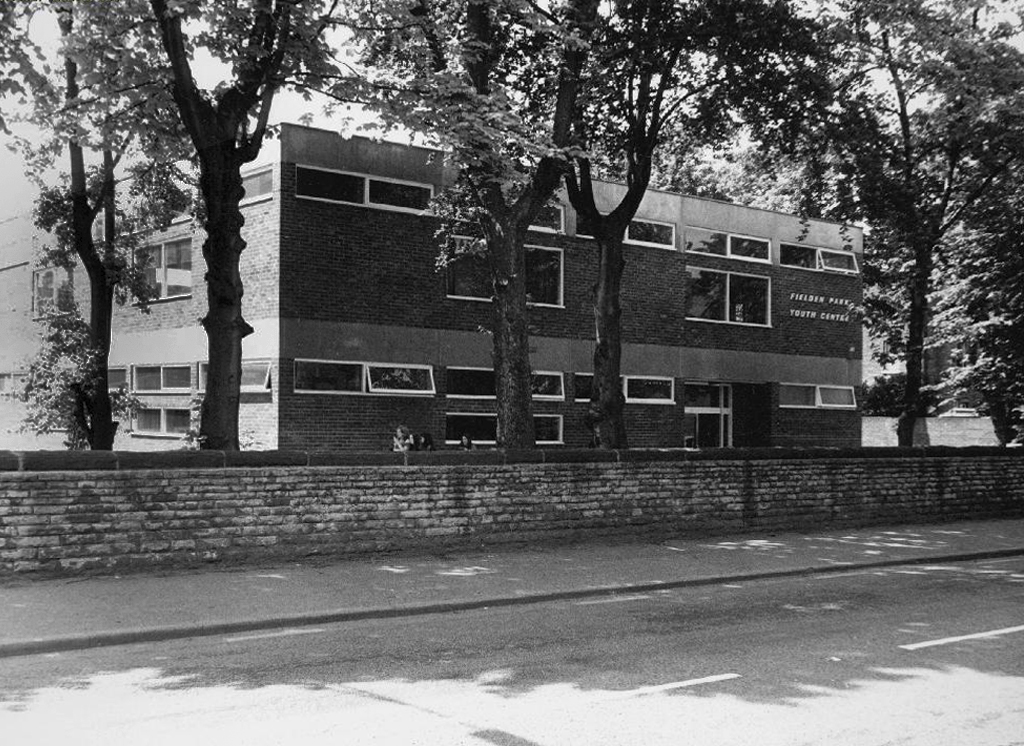
Fielden Park 1972

Newall Green 1972

Royal Oak Community Centre Baguley

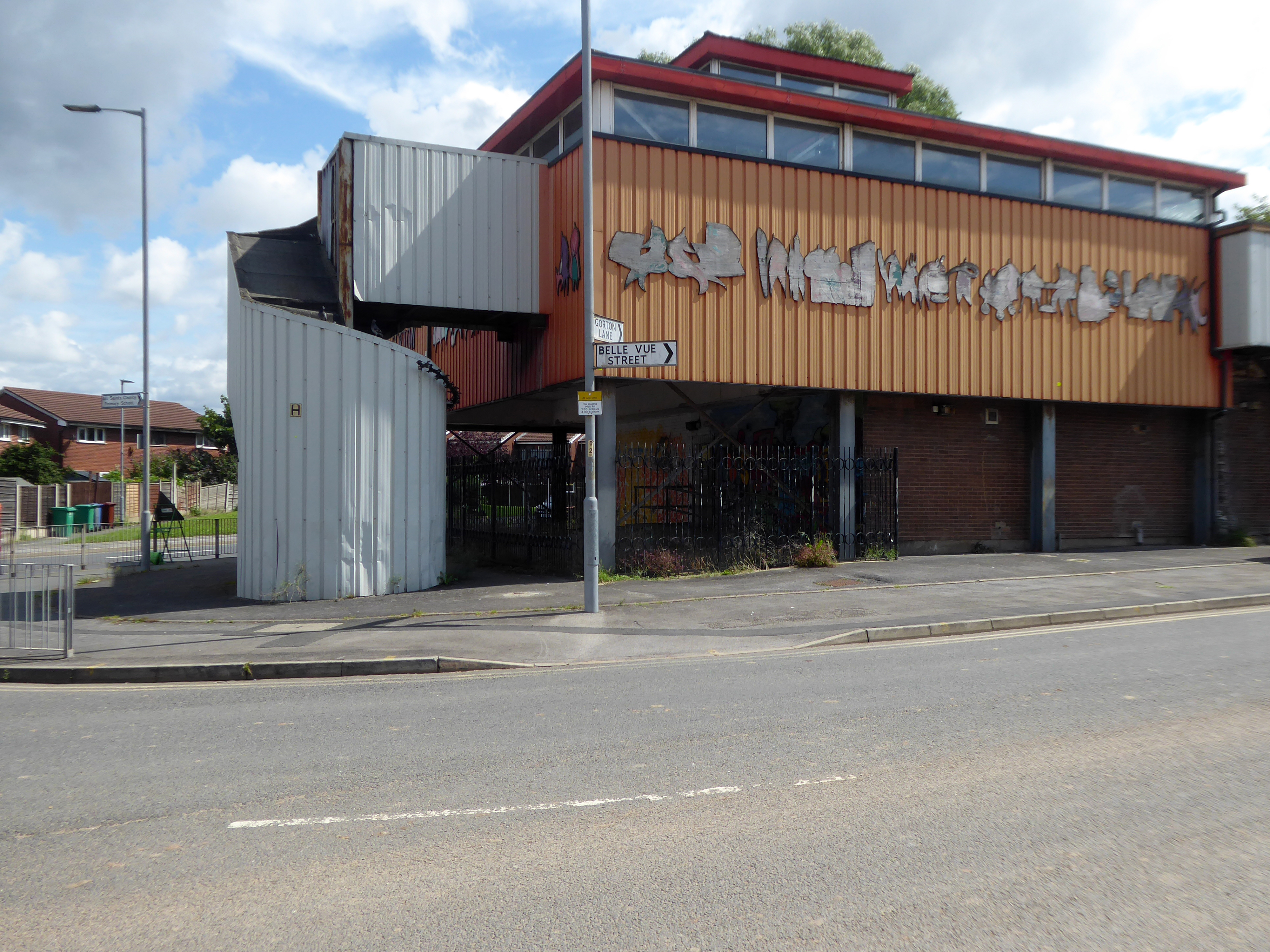
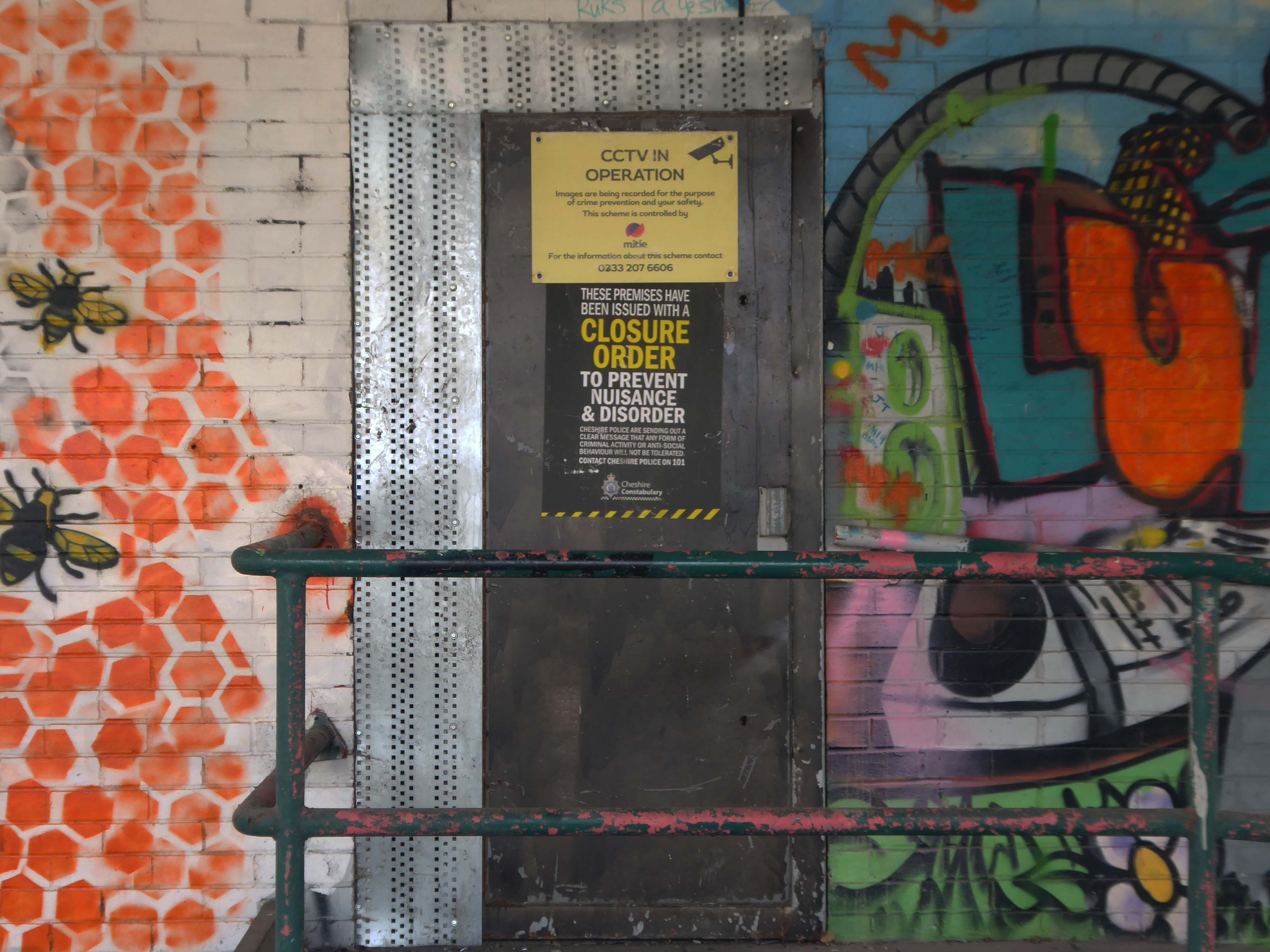
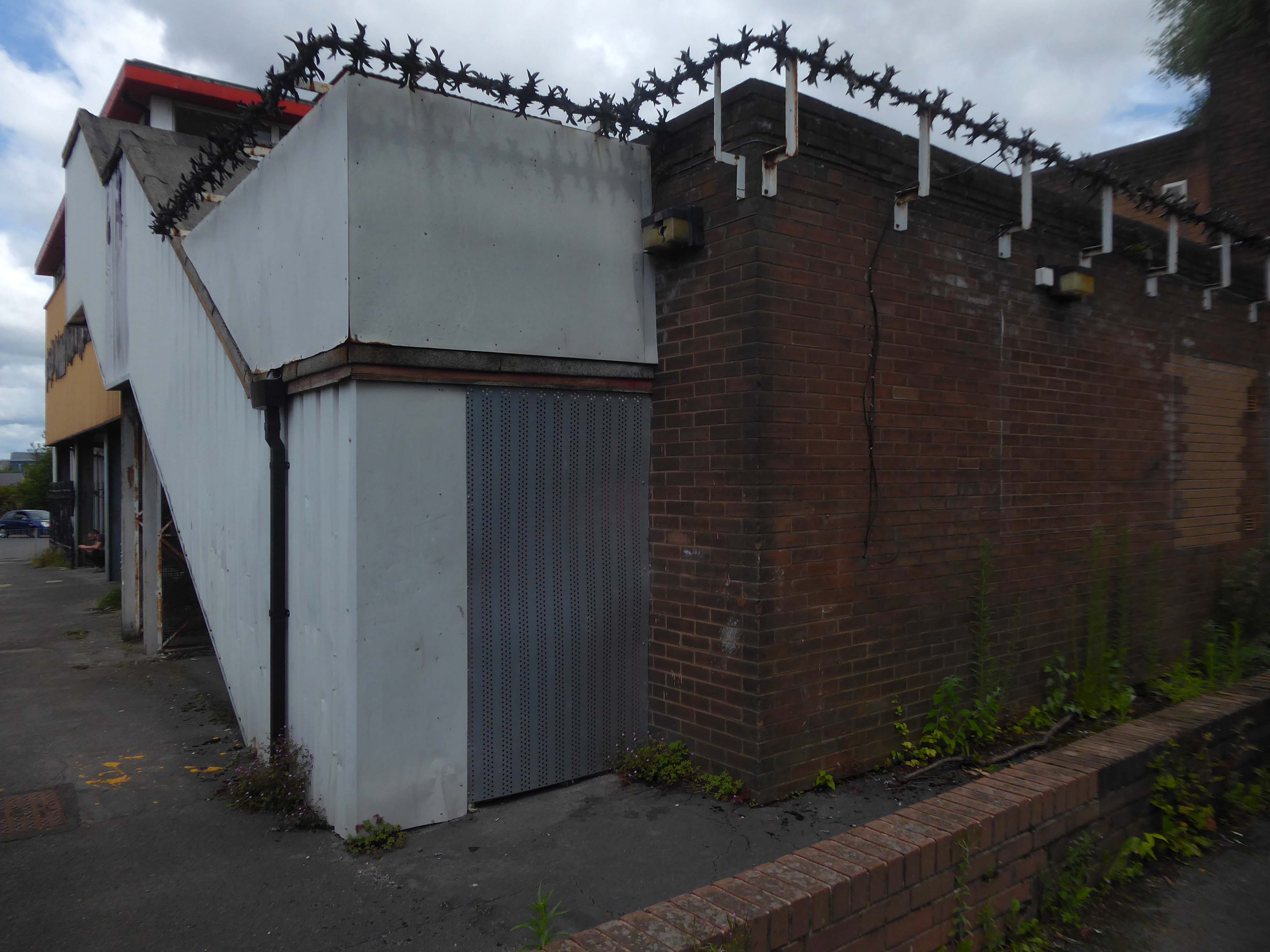
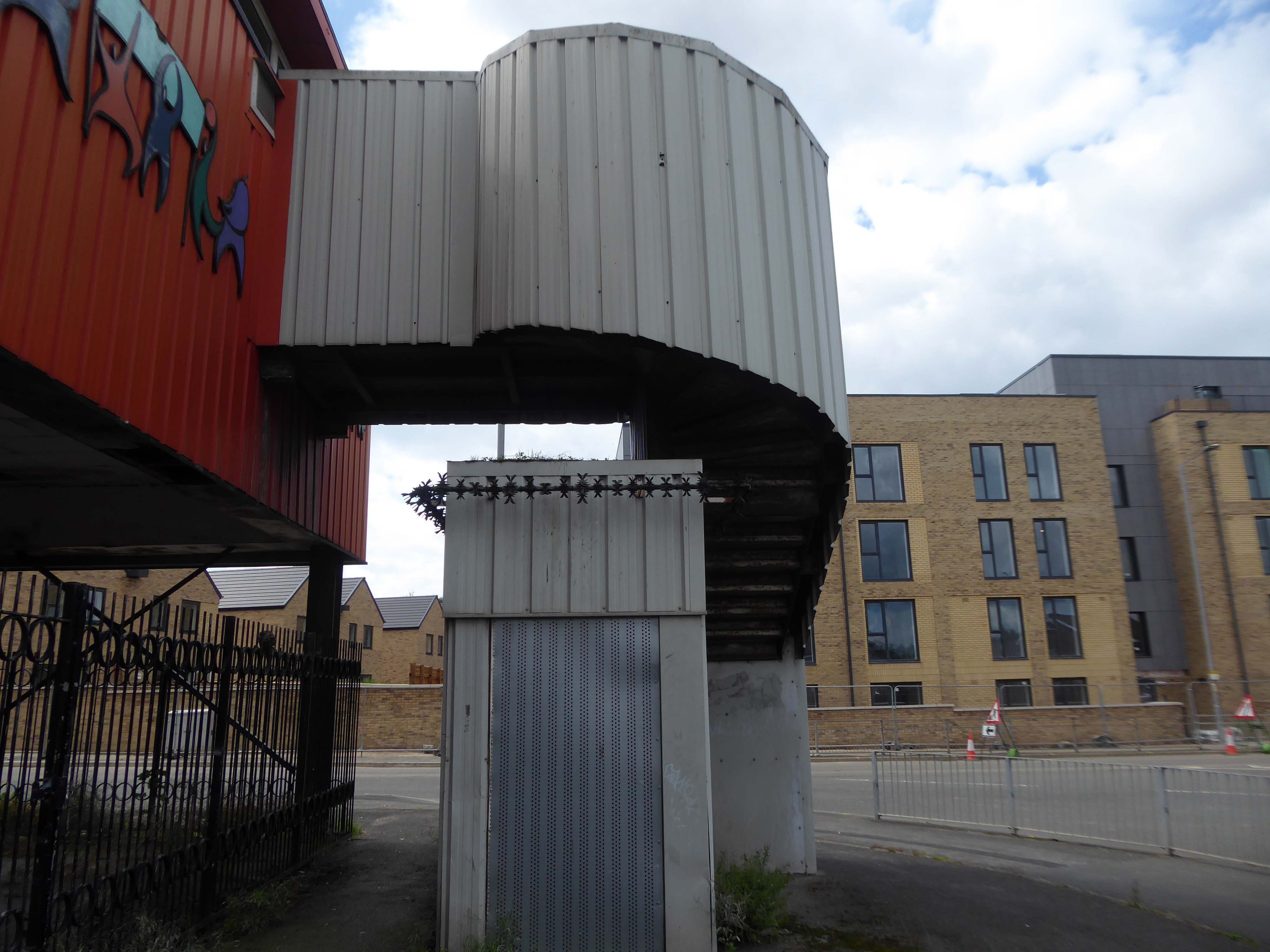
Bringing us back to Gorton – the unoccupied and demolition ready Youth Centre.

Surrounded by new-build and no stranger to a passing Bentley.

Where the state has created a vacuum the charitable sector steps in.

Designed by Seven Architecture, the Manchester Youth Zone East will be the second of its type in Greater Manchester, following the Factory Youth Zone in Harpurhey.

Place North West

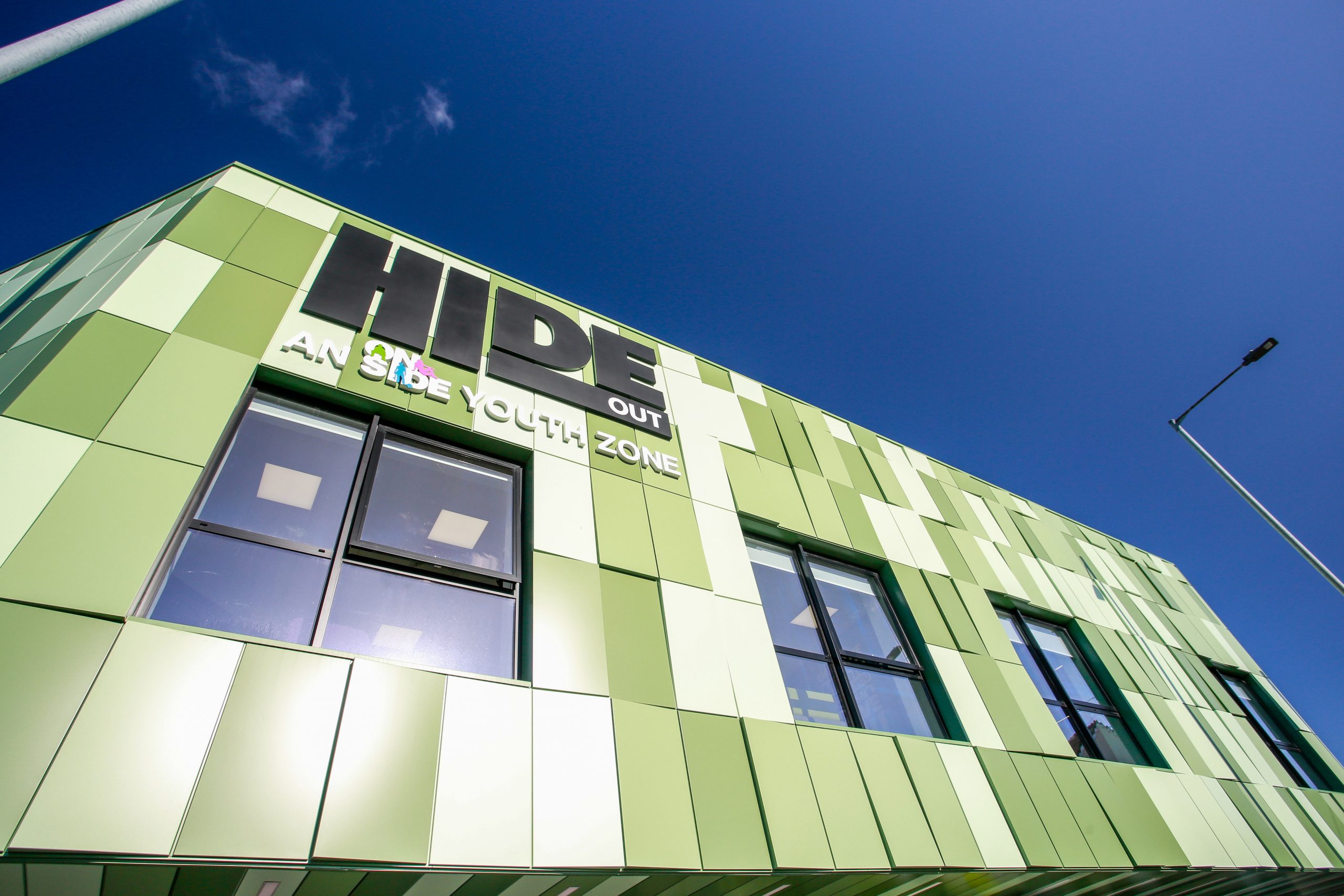
HideOut Youth Zone is a registered charity based in Manchester and has been in existence since 2019.  

We are a Youth Zone dedicated to providing opportunities and experiences to all local young people. 

HideOut

Following years of slow decline the area is on the up.

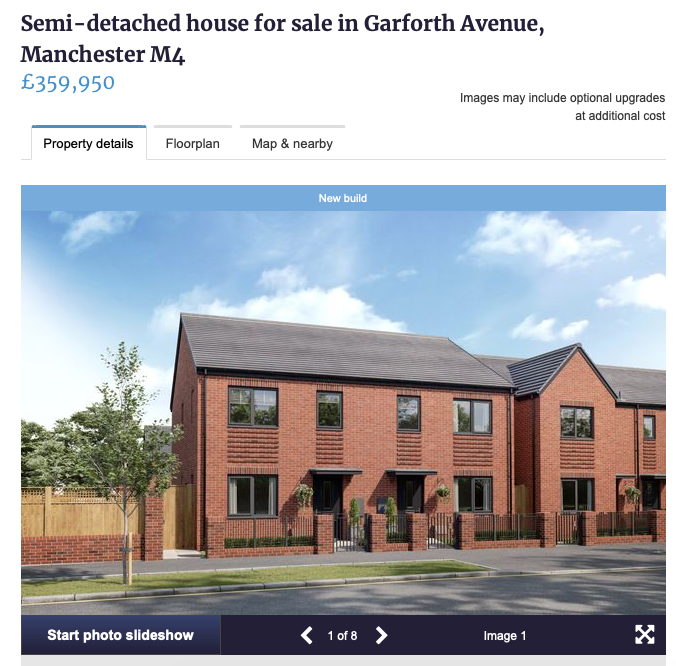
Linden Homes’ new build properties on Belle Vue Street, Gorton have now completely sold out, with the first of the 14 homes ready for homeowners to move into this month.

The properties are part of the £9m Grace Gardens development, which is situated in a prime location in an up-and-coming part of Greater Manchester.

Linden Homes

Though affordability is always an issue.

PrimeLocation

Manchester now runs three Youth Centres across the city.

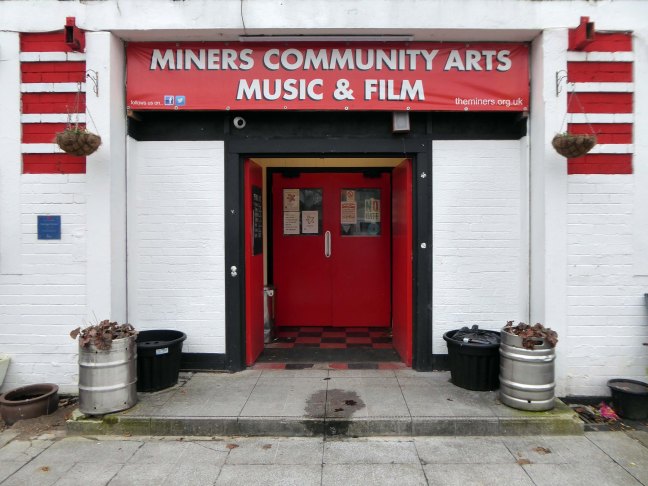
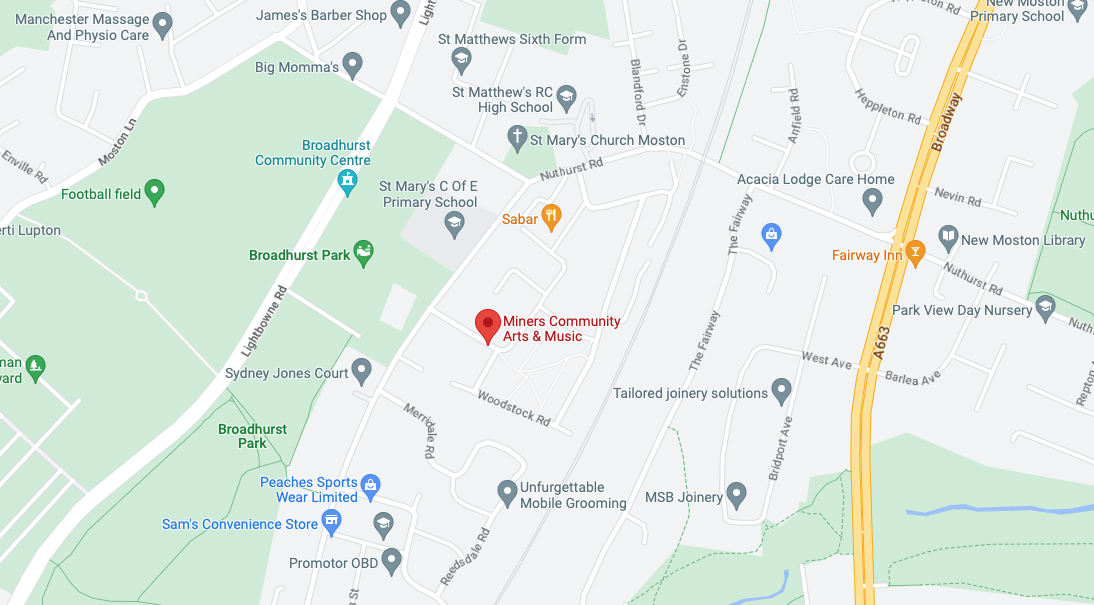
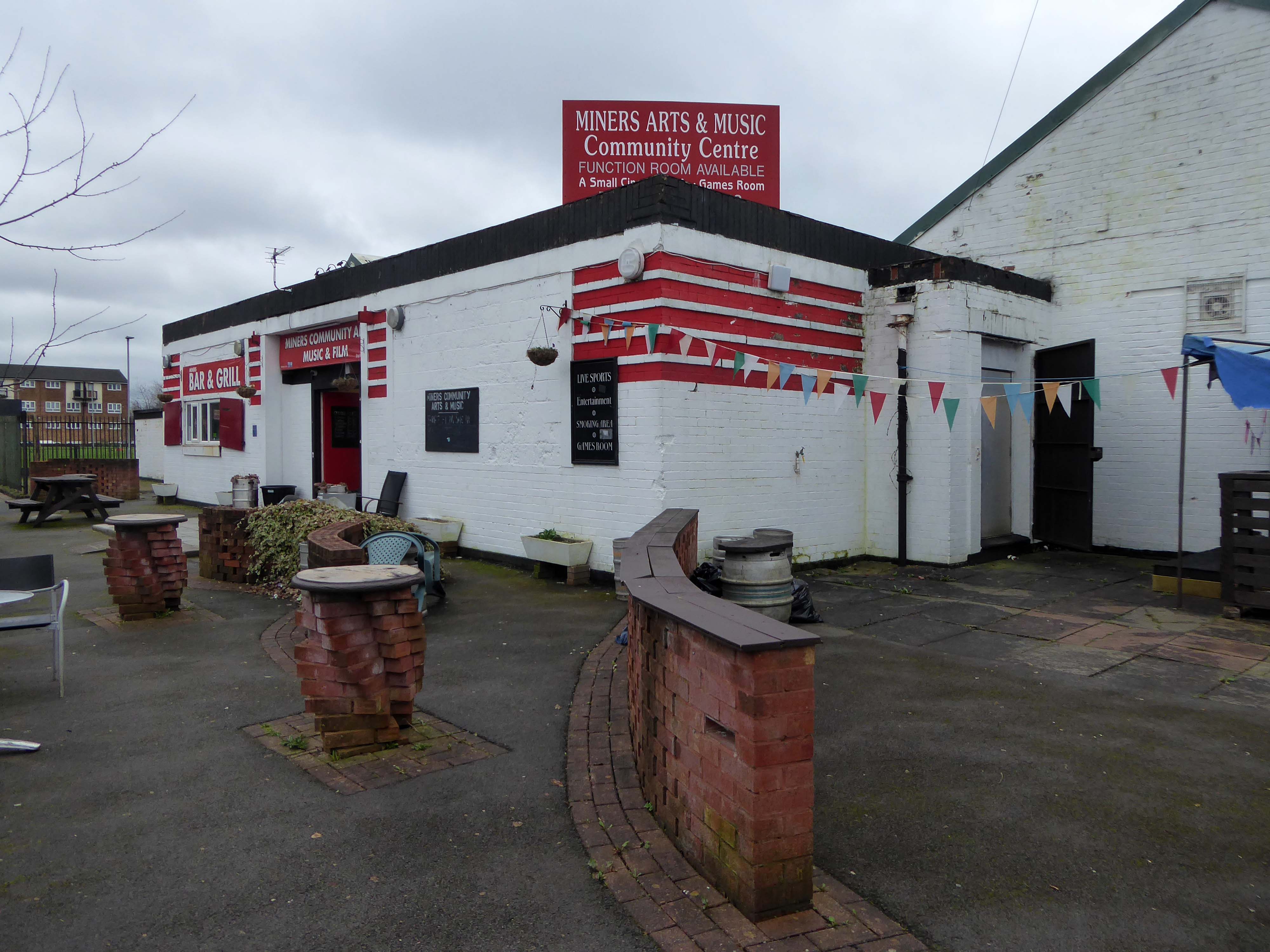
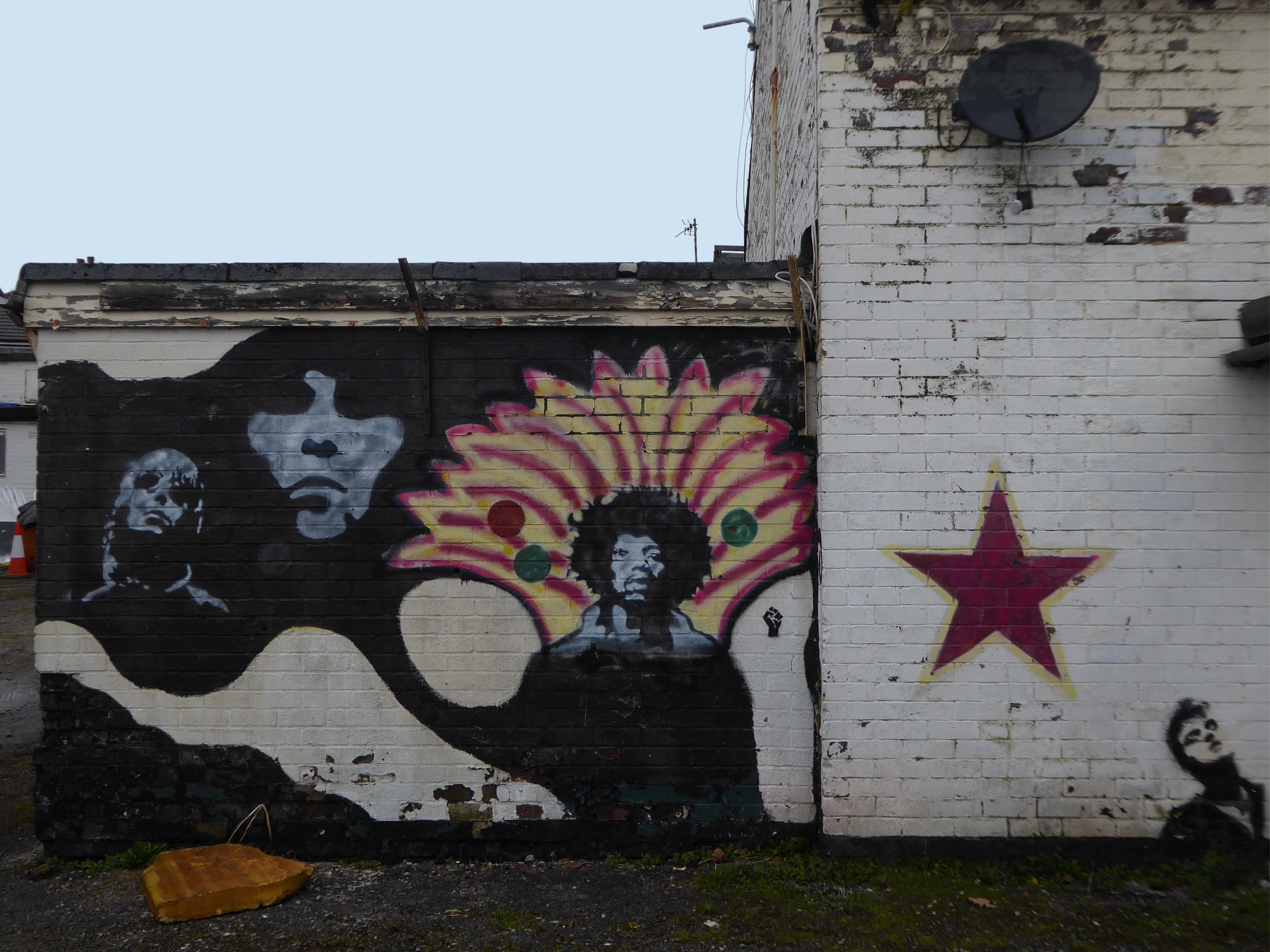
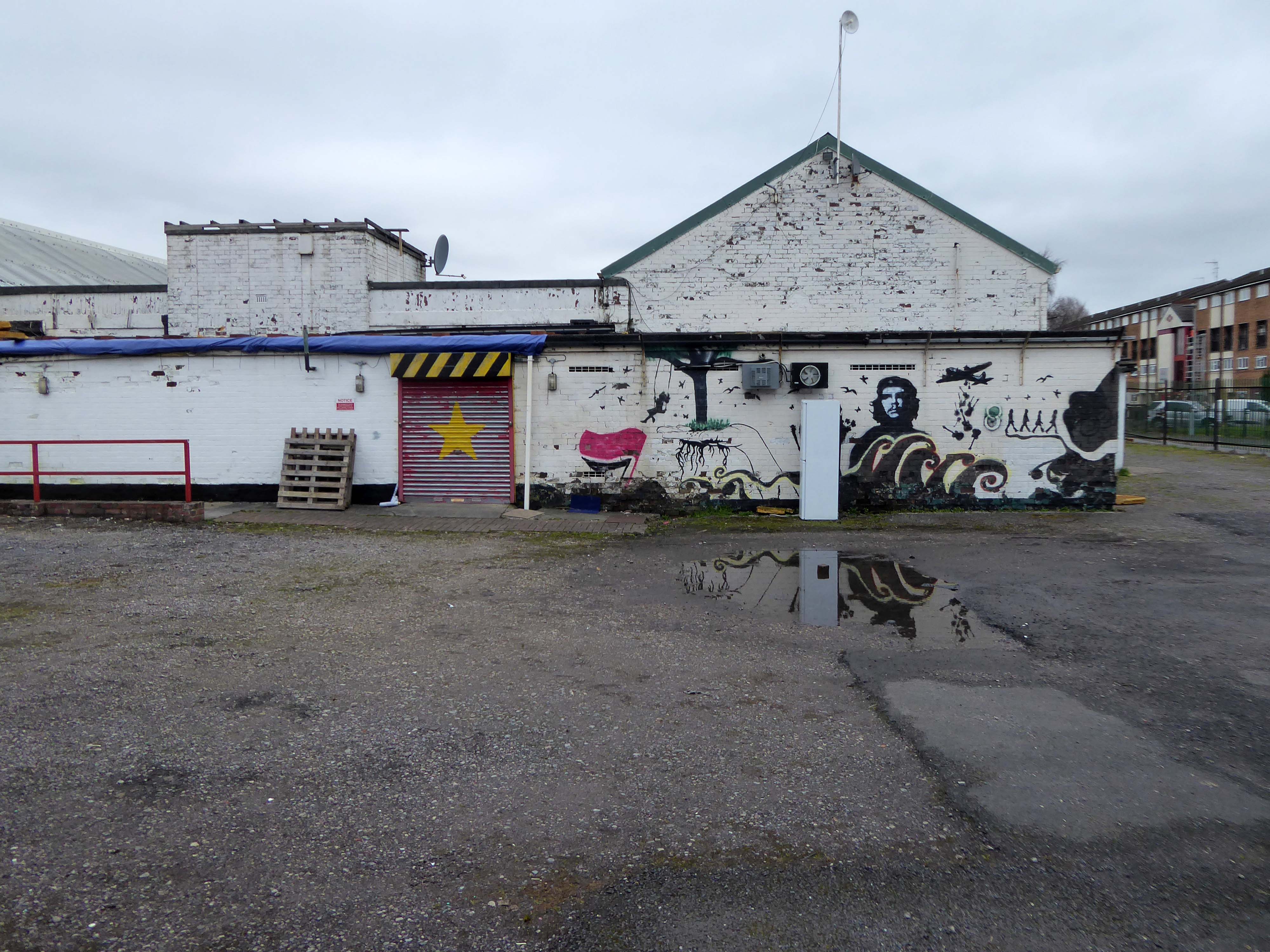
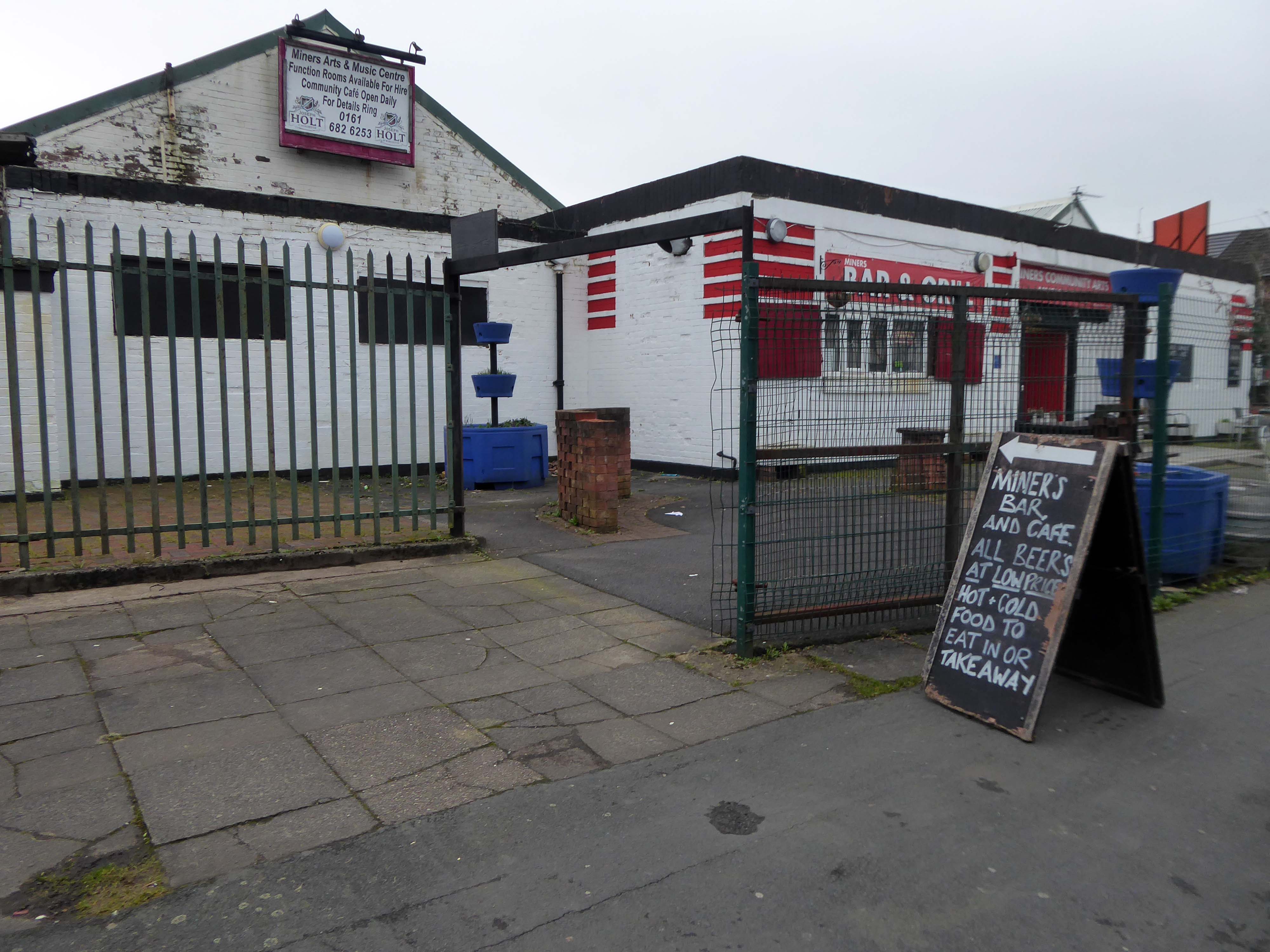
Moston Miners Community Arts and Music Centre

63 Teddington Rd Moston Manchester M40 0DJ

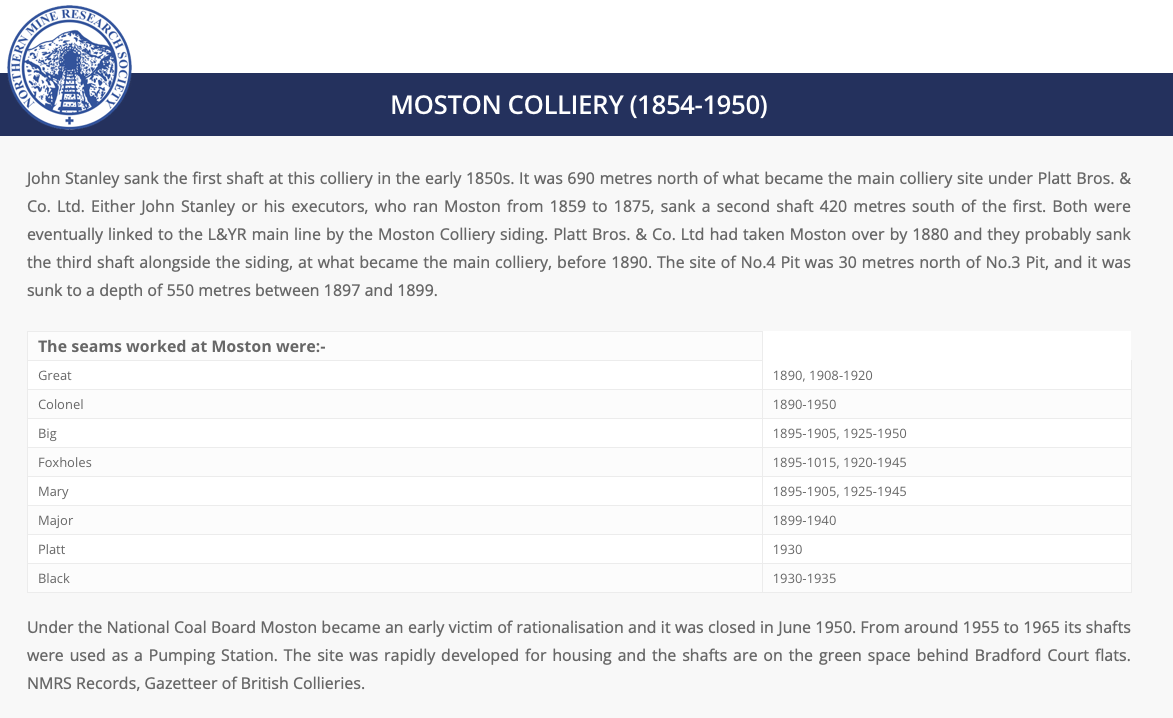
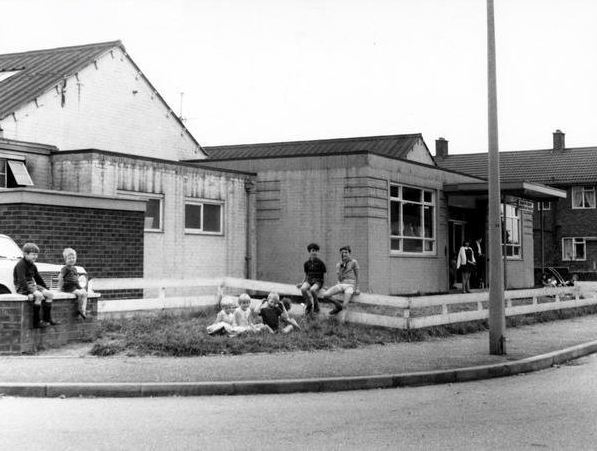
The building began life as a pit-head bath for Moston Colliery.

Several years ago I visited the listed baths at Lynemouth

NMRS

It later became a working mans’ club.

More recently it has had a renaissance under the stewardship of local lad Louis Beckett.

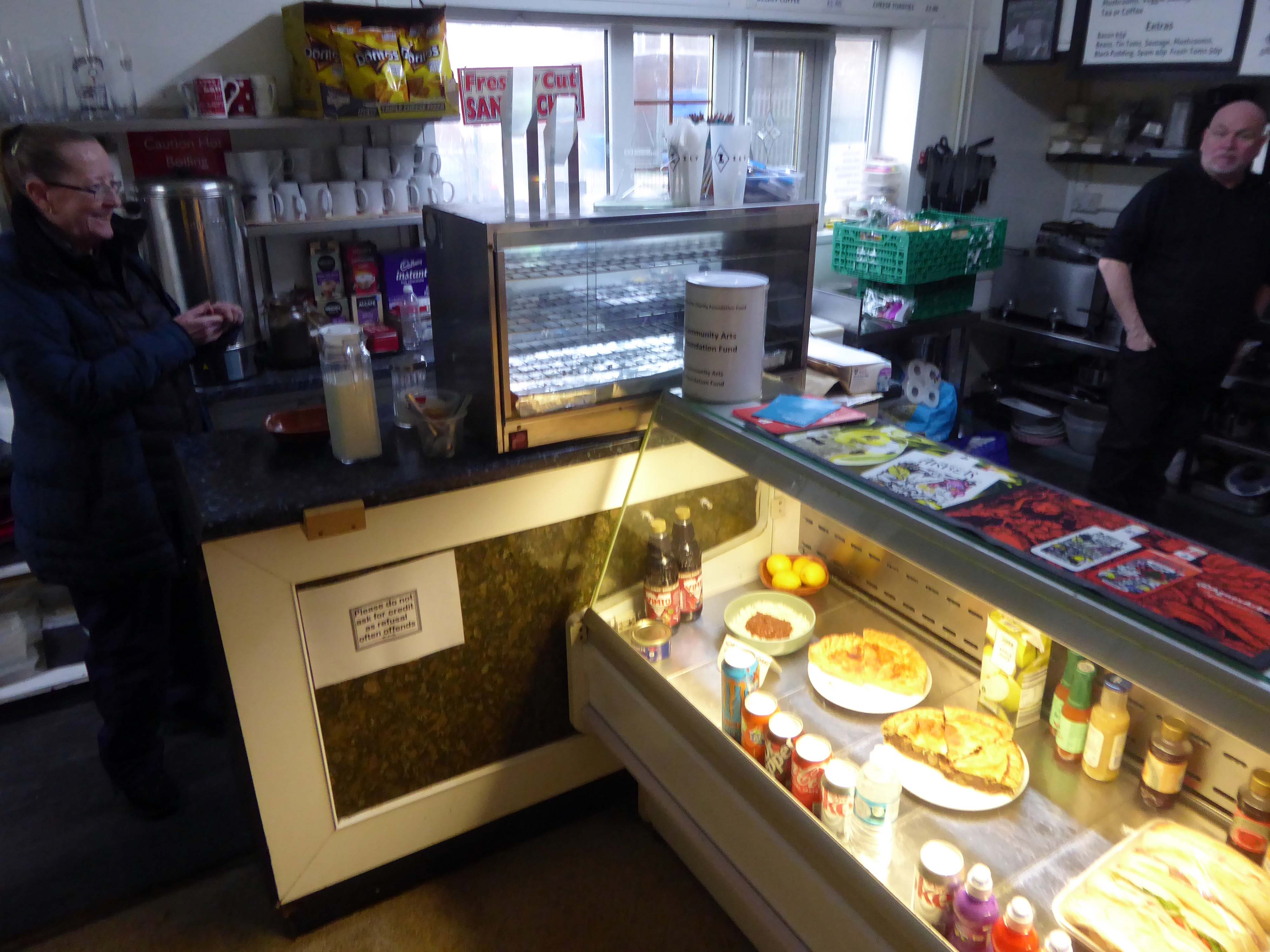
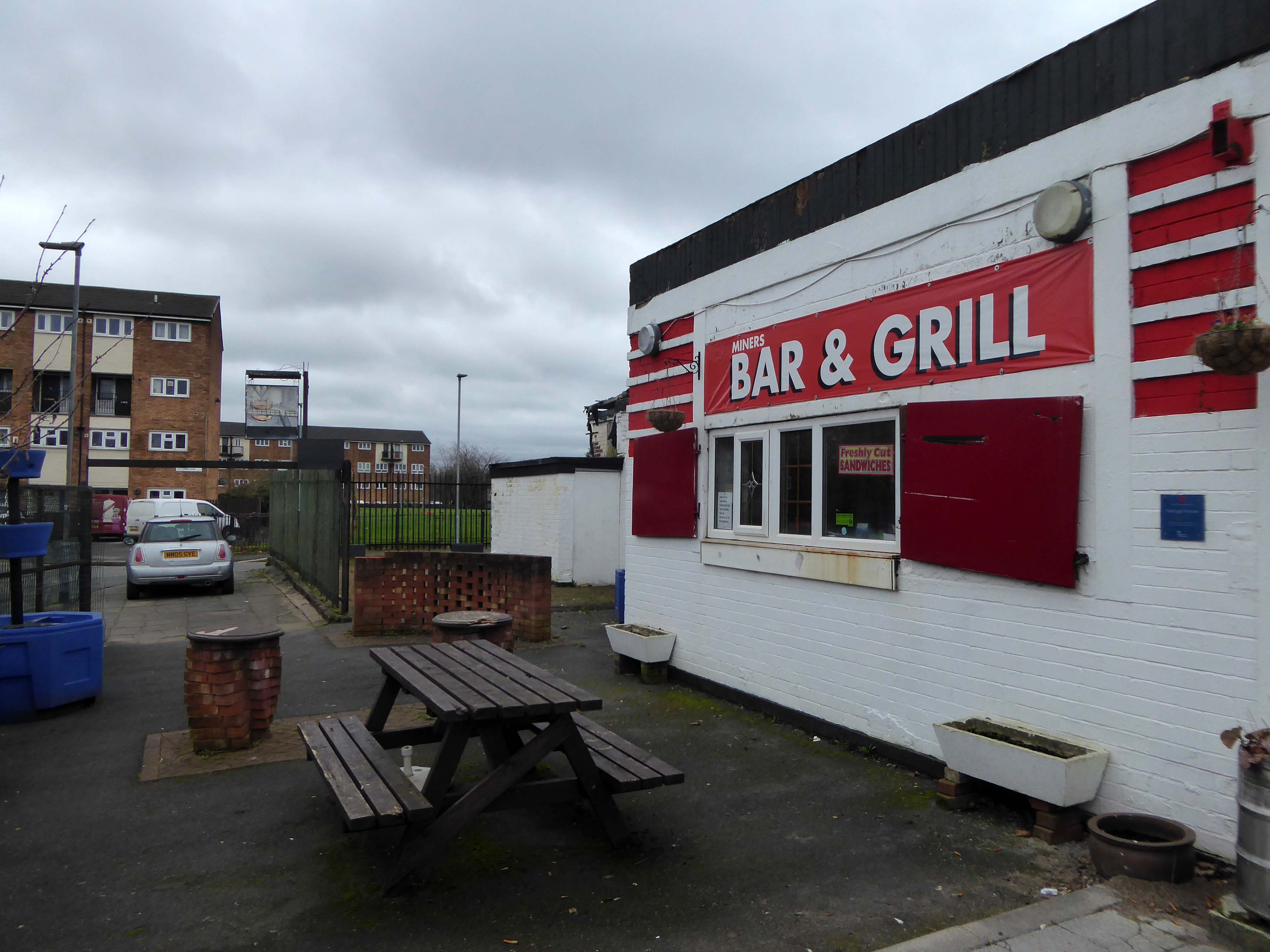
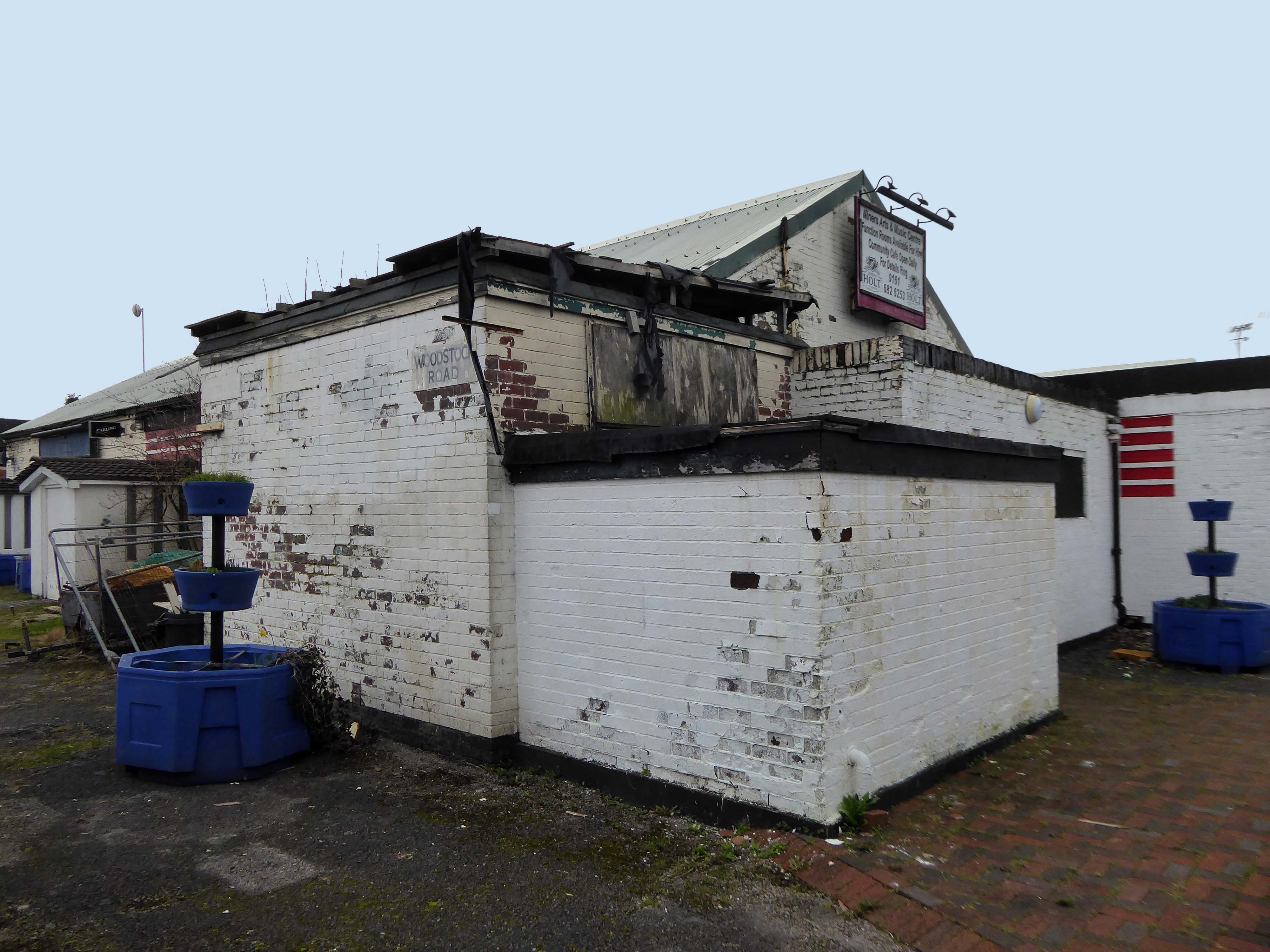
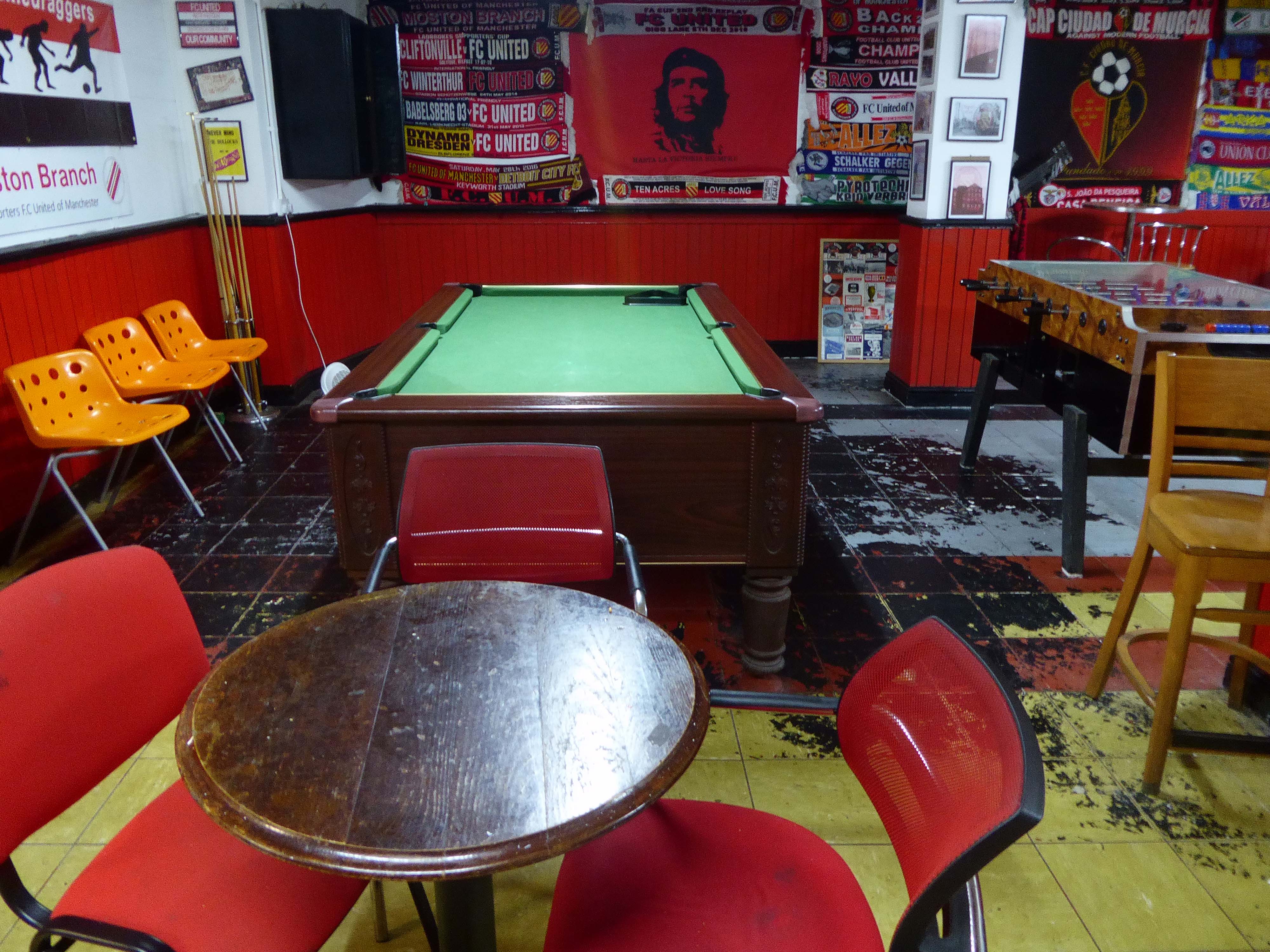
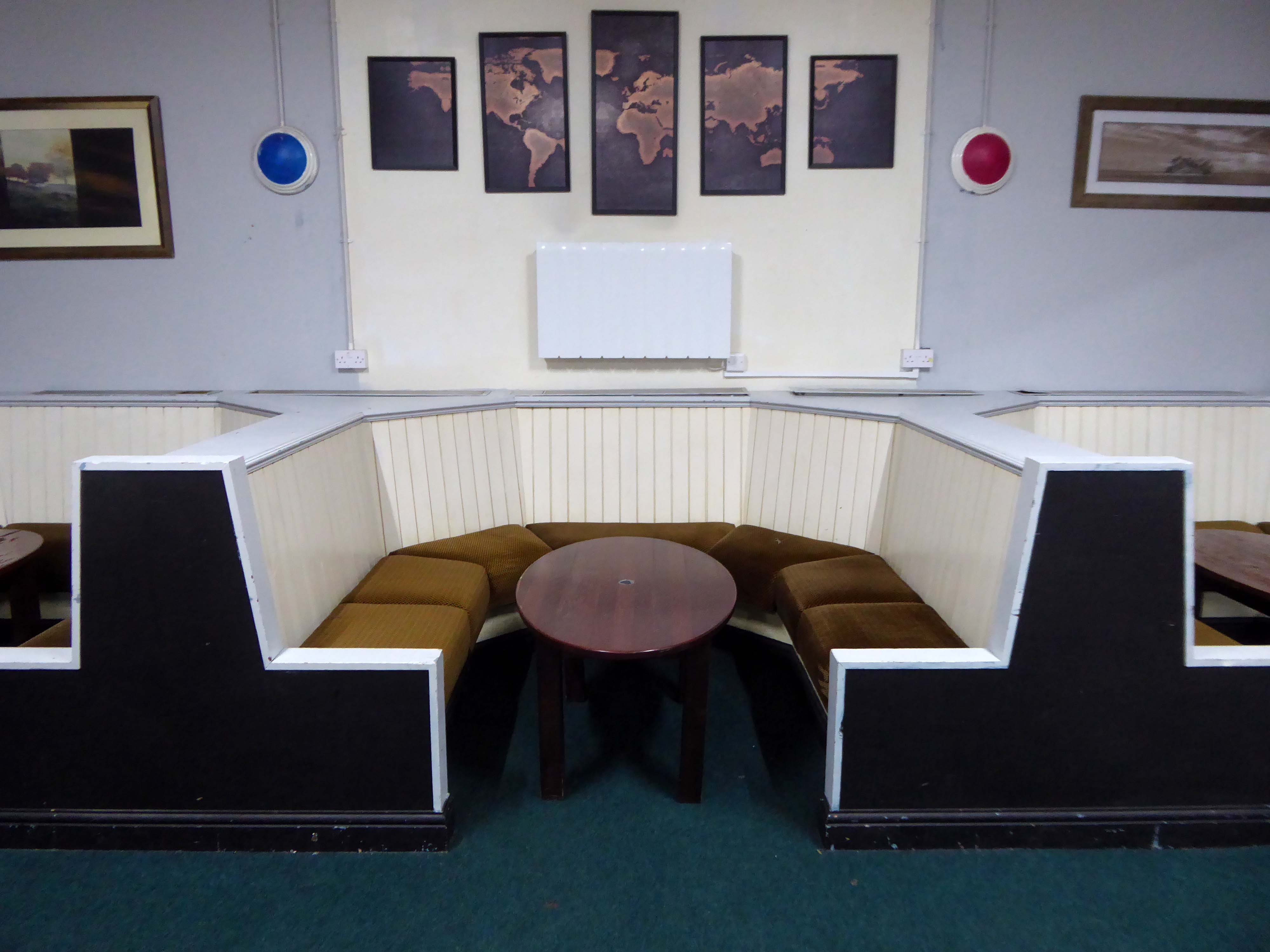
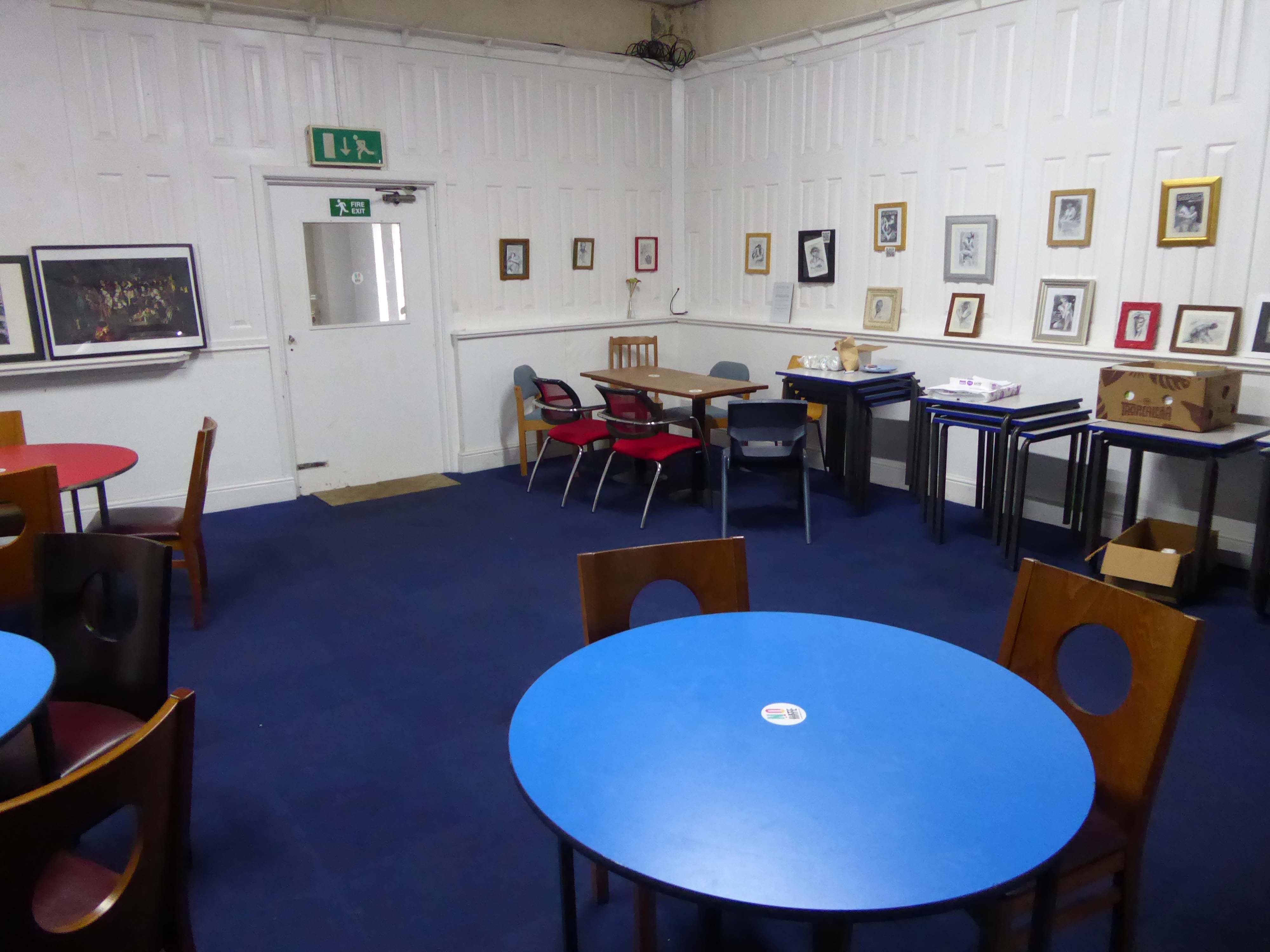
The community centre now provides space for local bands to rehearse, local artists to exhibit their work, a community cafe and larger function rooms that are available for events. 

A wide range of events takes place here through the year including live gigs, pantomines, Halloween parties, cabaret nights and art exhibitions, and since 2012 it’s been home to the Moston Small Cinema which screens a range of films and sporting events.

The Skinny

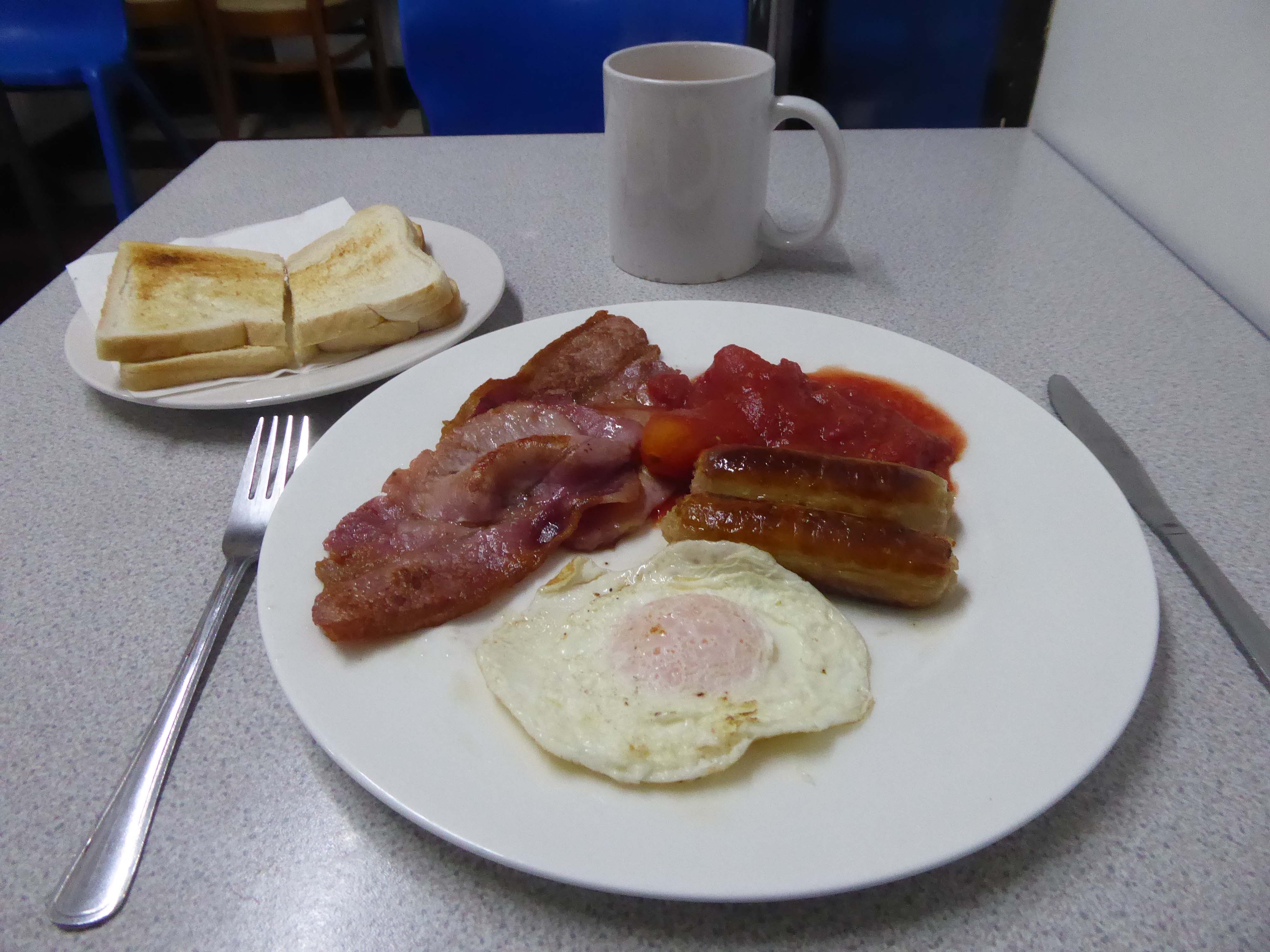
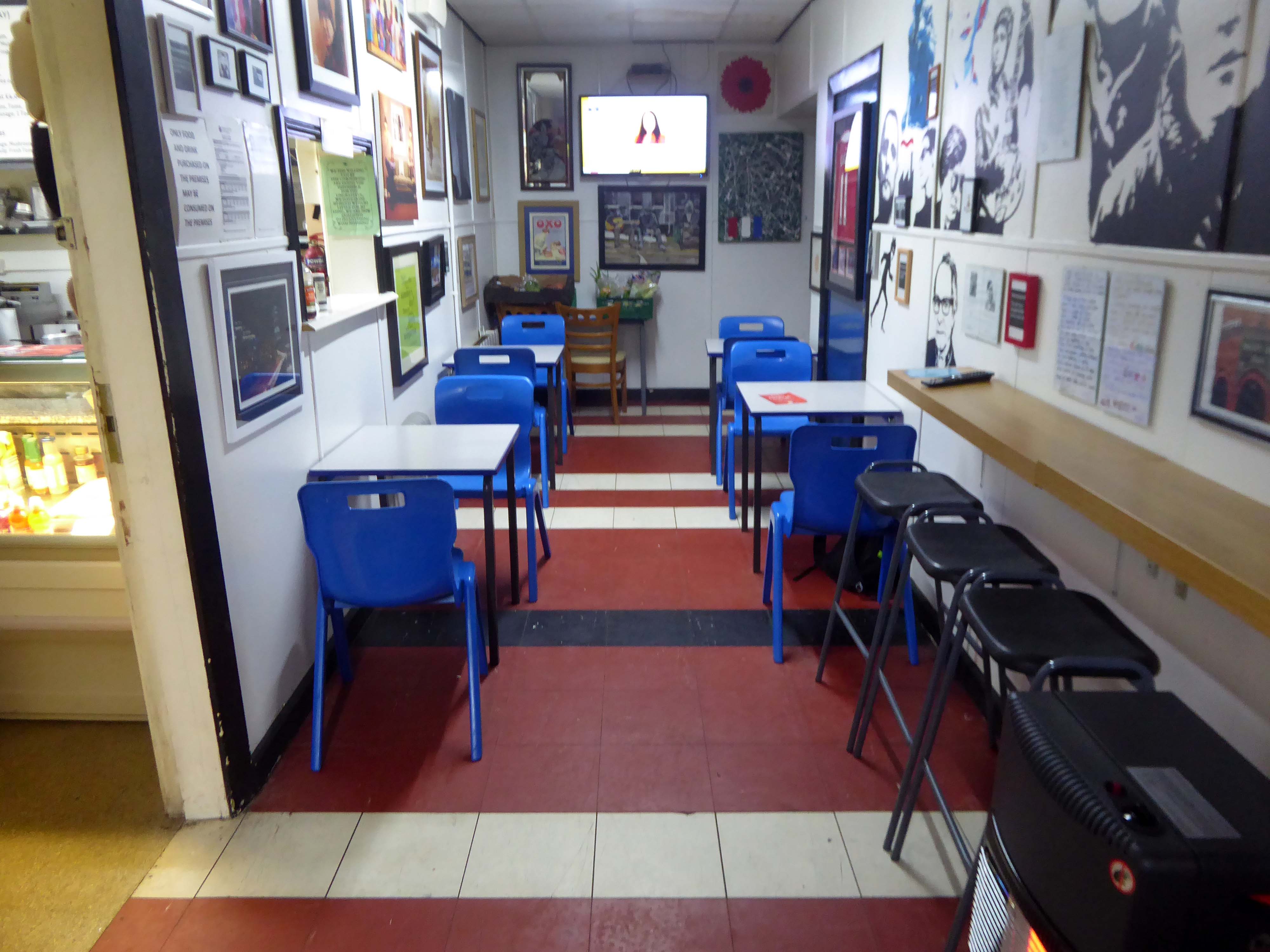
I popped by a couple of weeks ago and was given a terrific tour by Paula and Lou, along with a competitively priced tasty brew and breakfast.

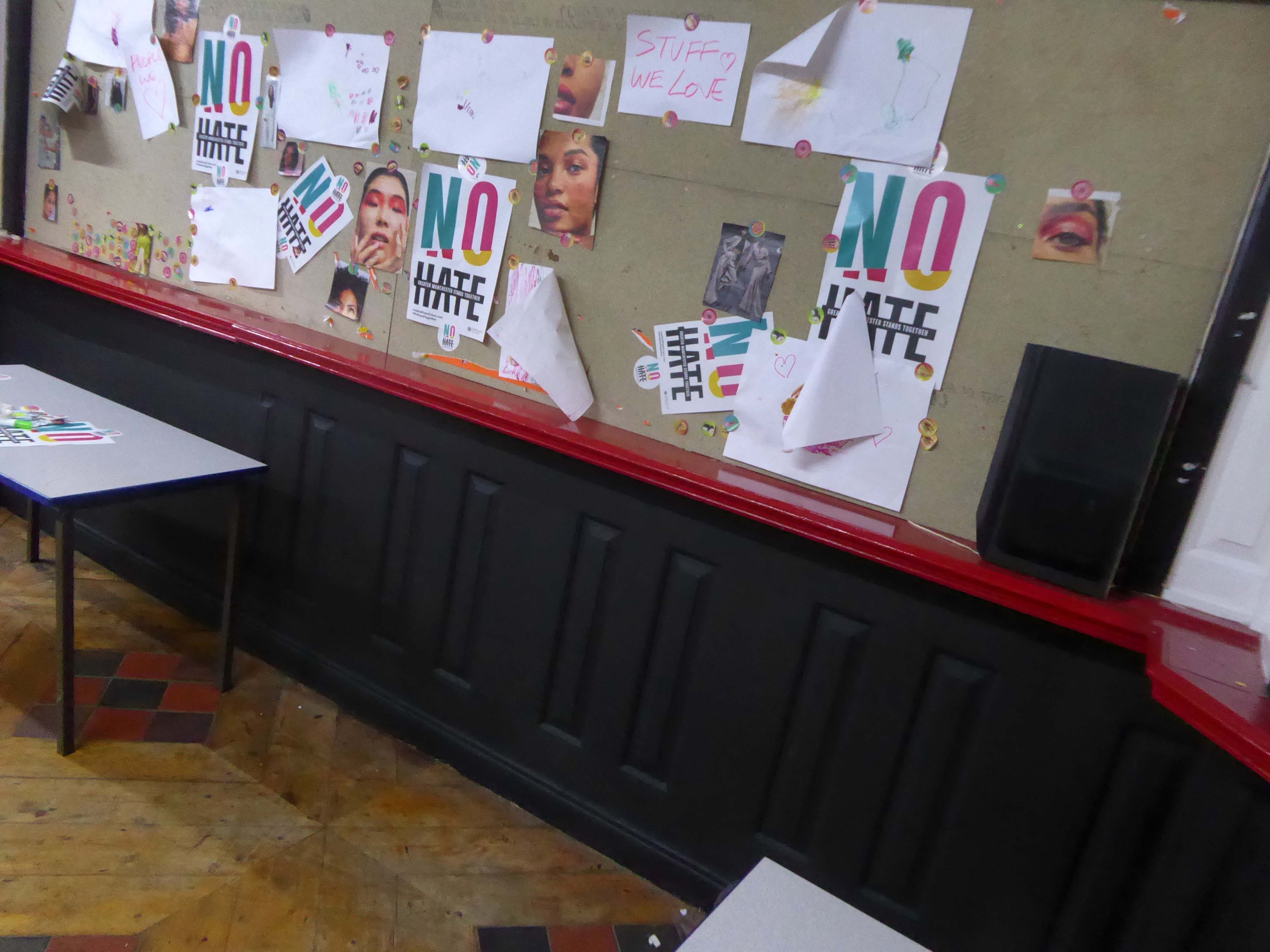
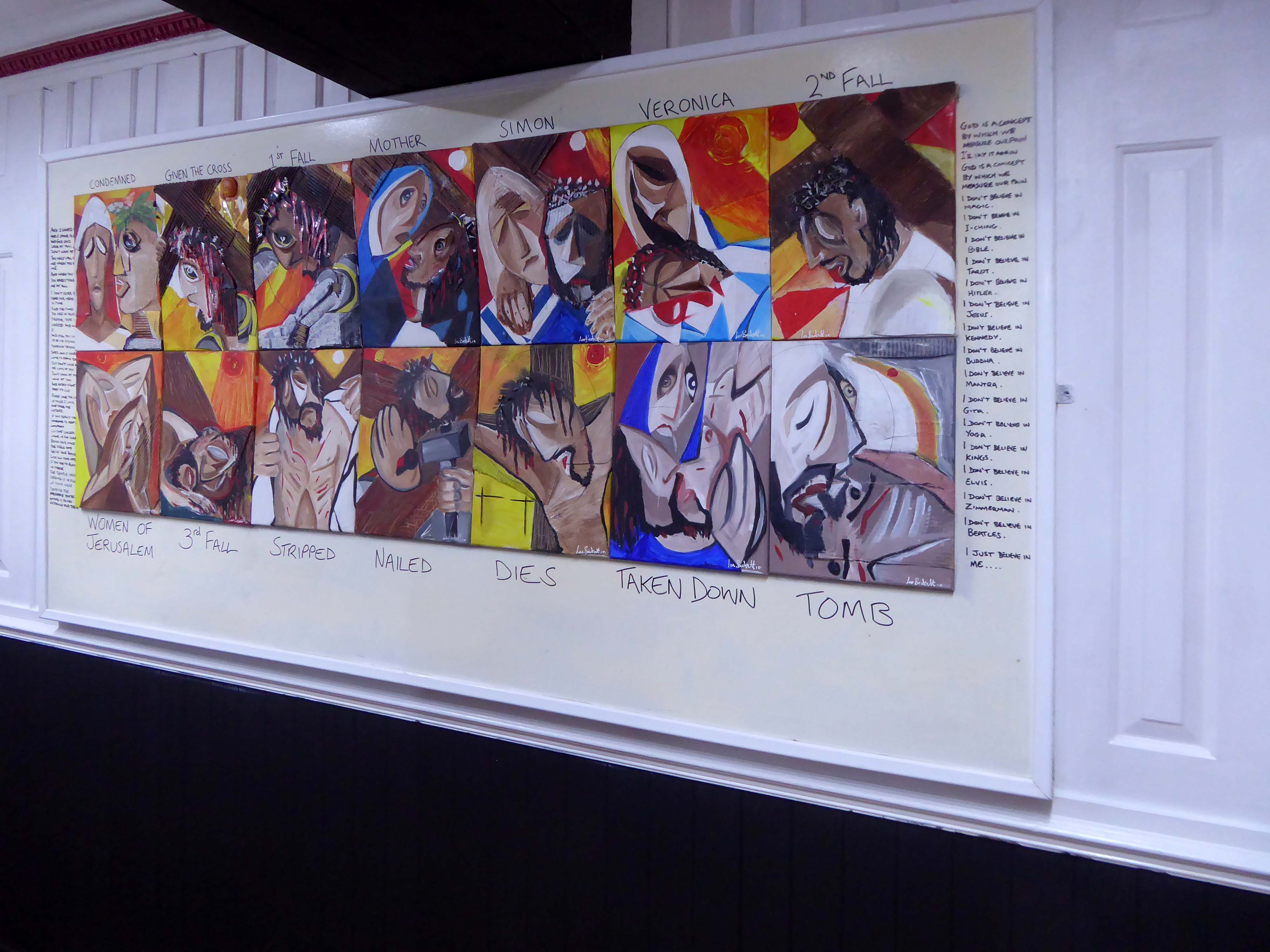
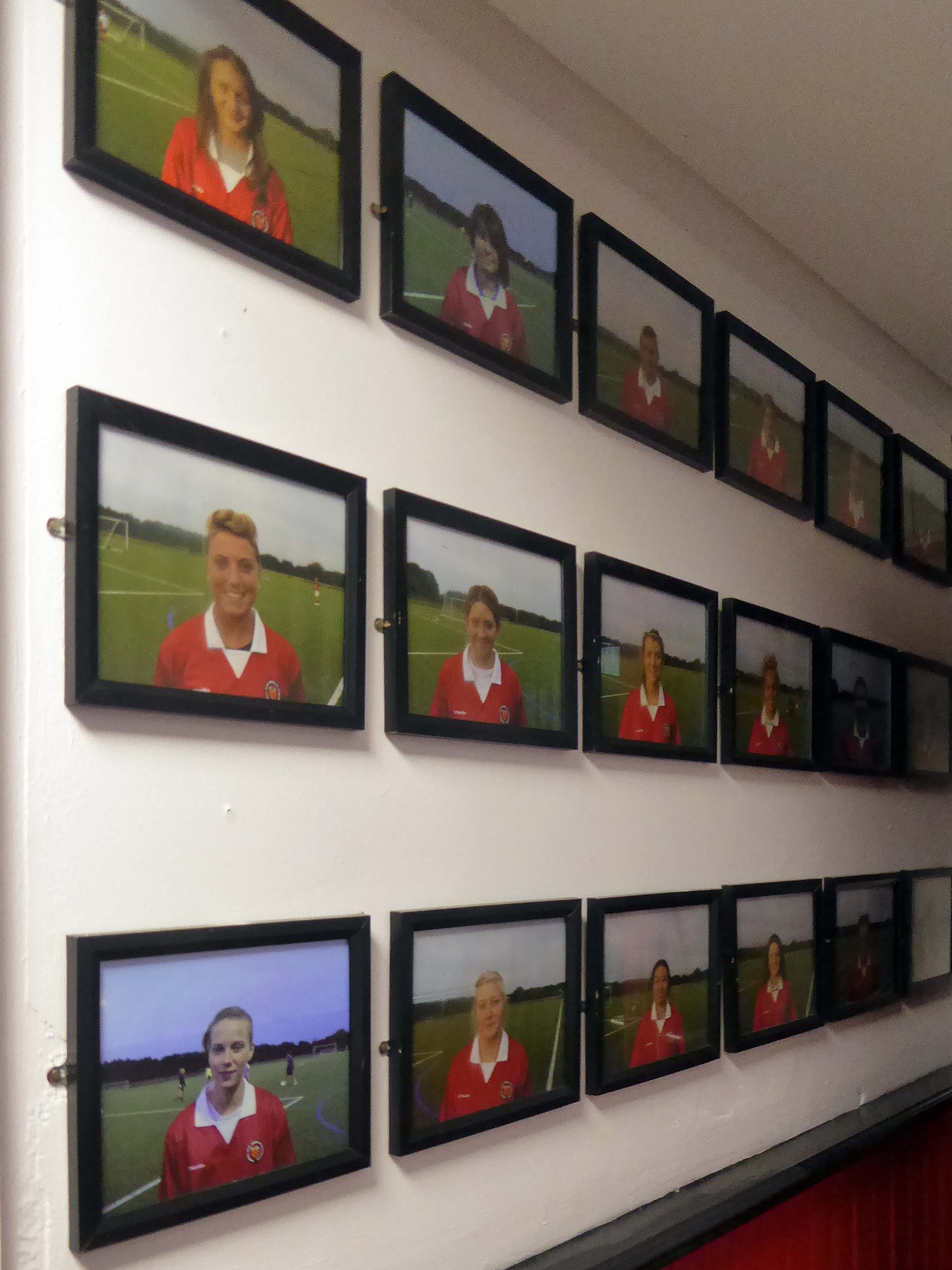
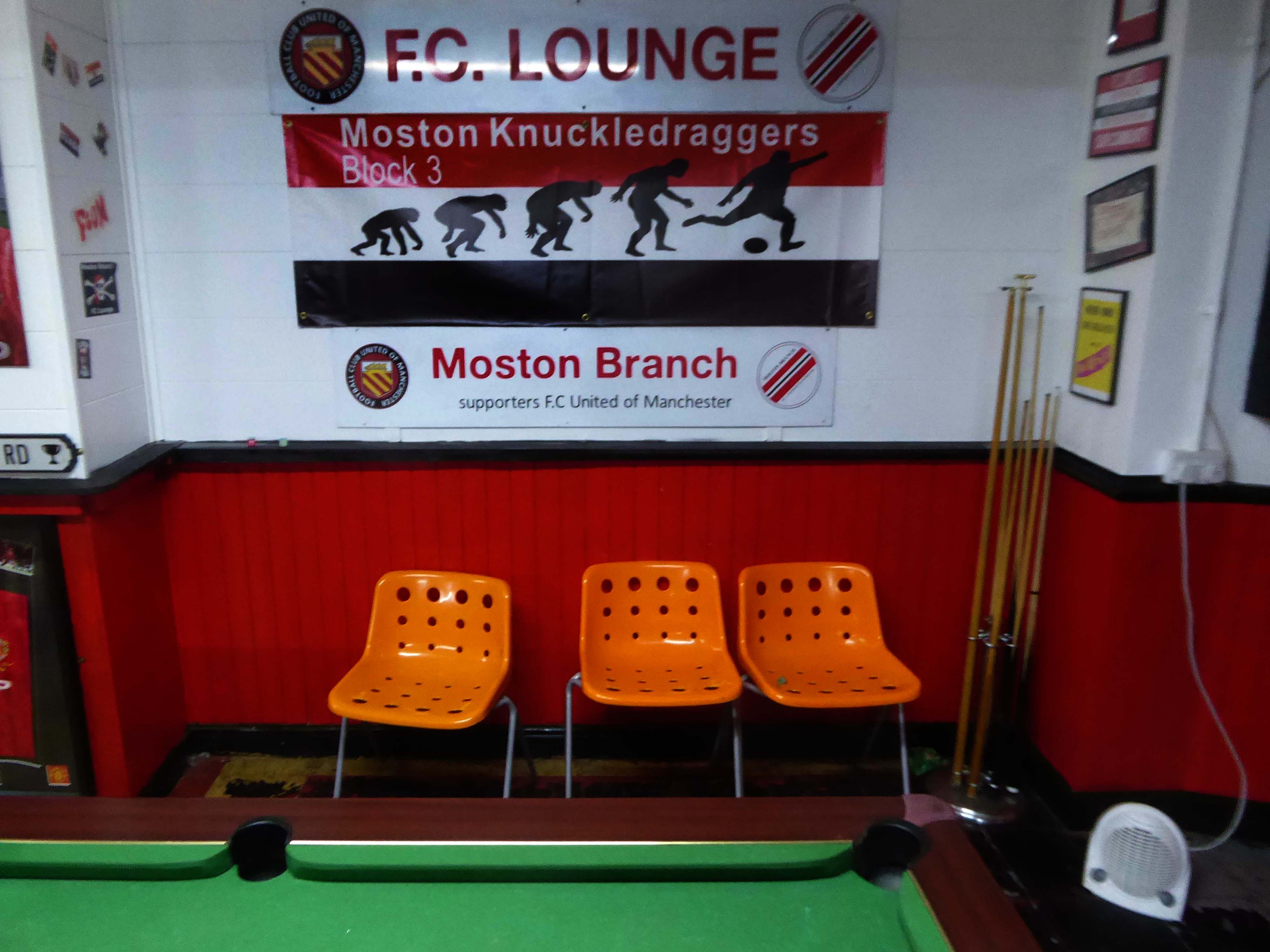
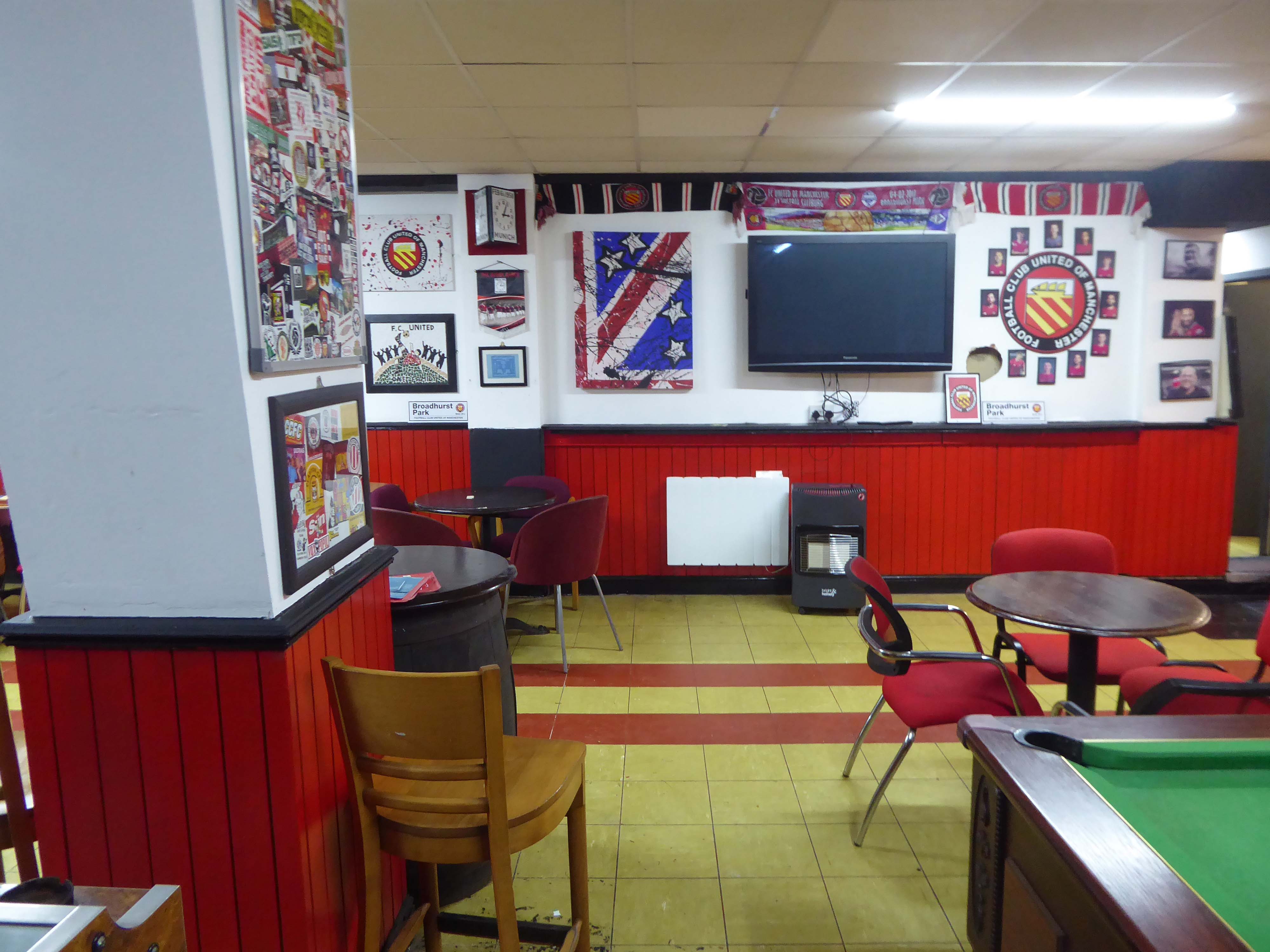
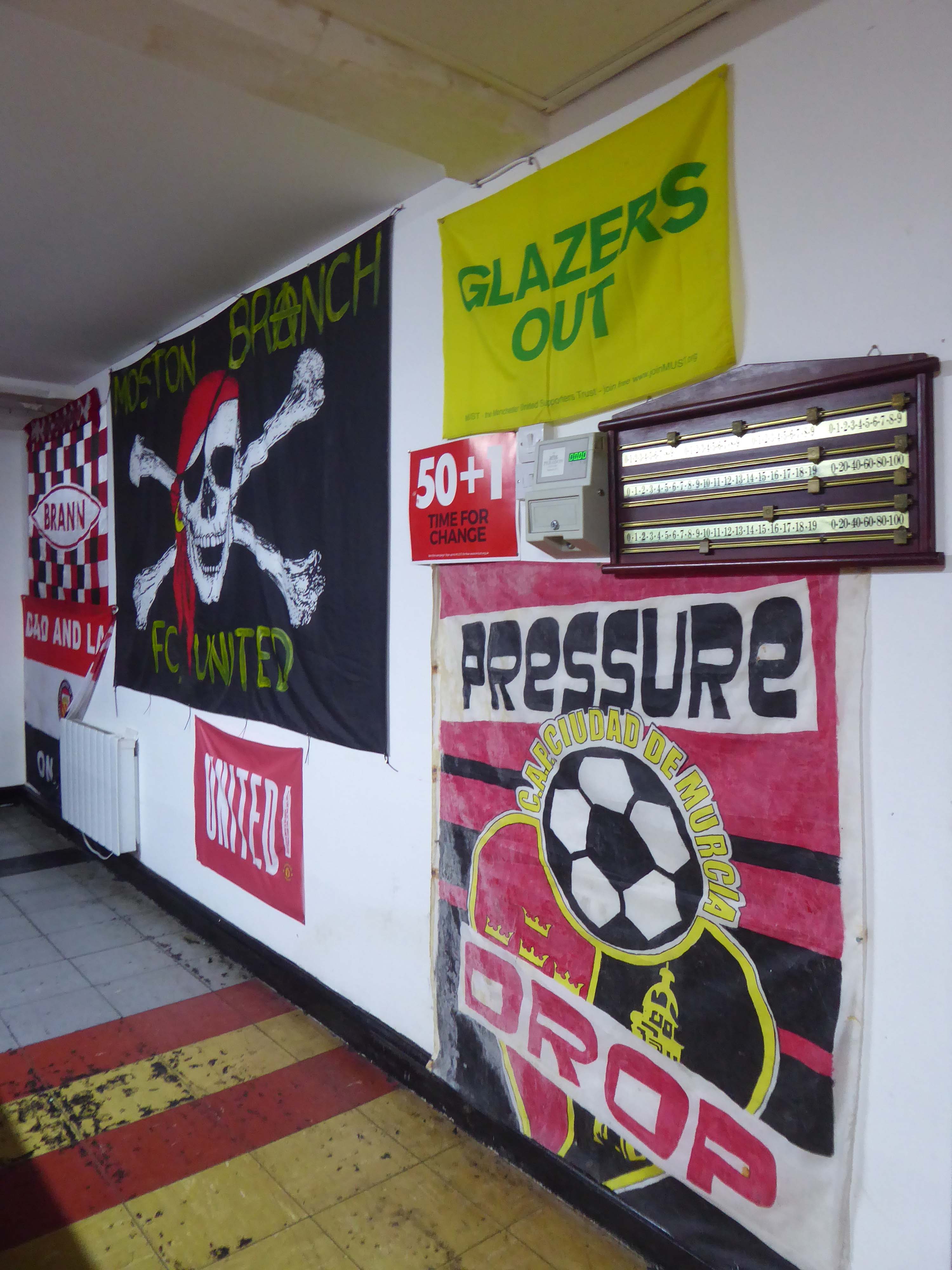
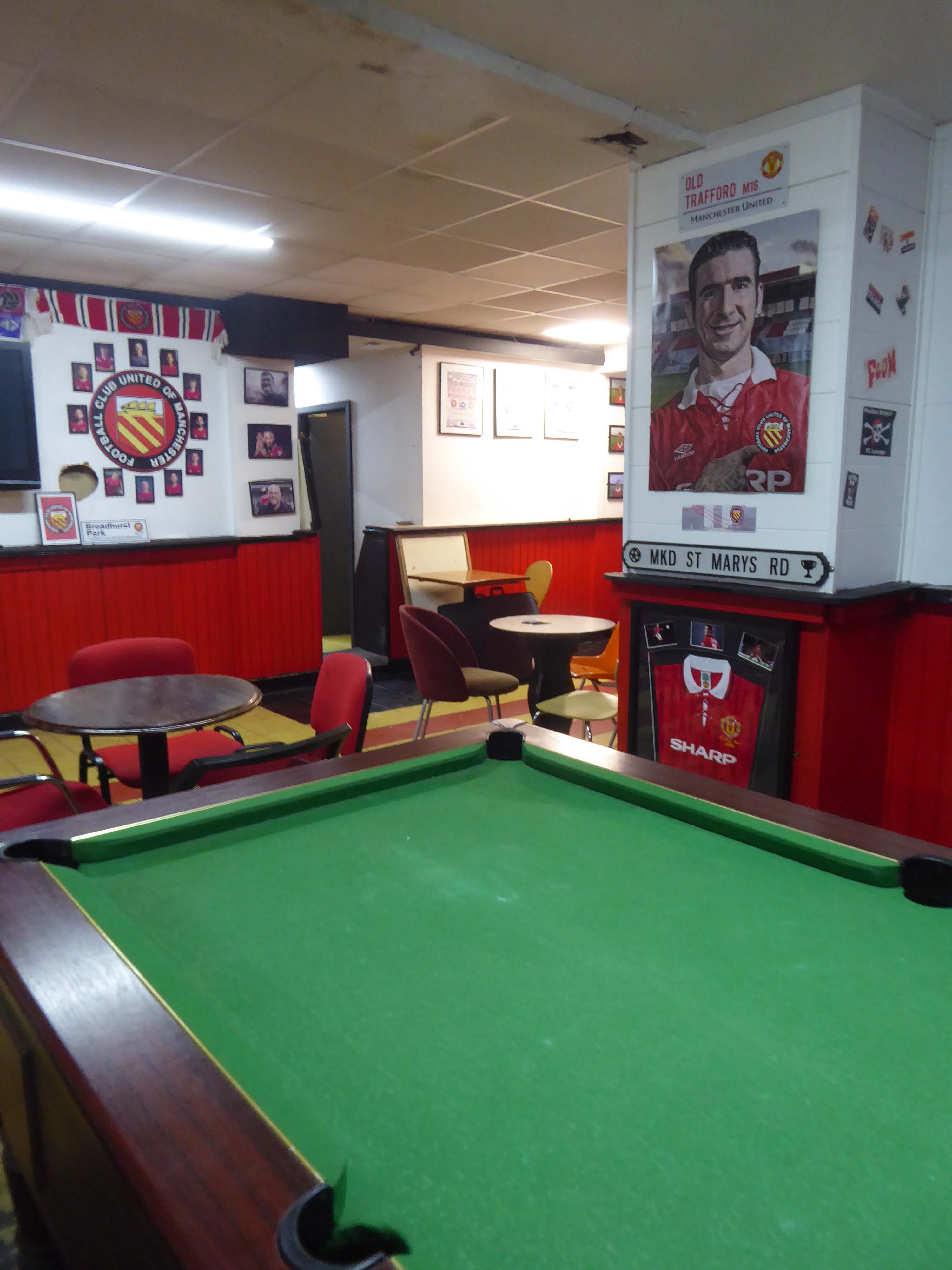
Work was underway for the current Art Show and evidence of the club’s affable affiliation with FC United of Manchester, along with the results of the previous week’s art activities for the local youngsters.

Let’s take a look around outside and in.

Keep an eye and ear out for forthcoming events – get y’self up there soon!

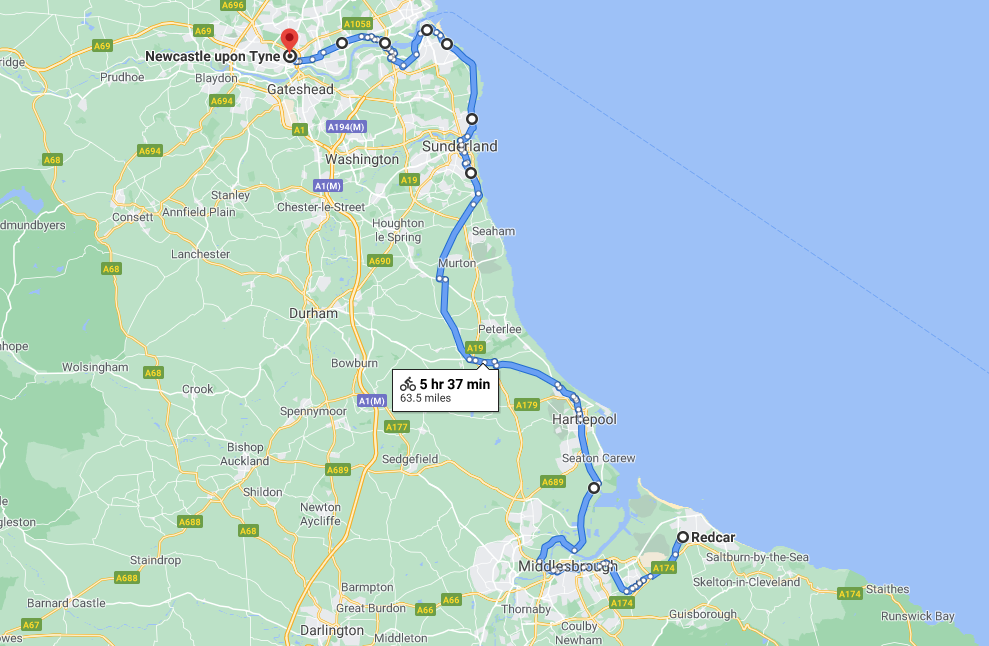
Redcar to Newcastle

An early start on another sunny day, cycling along long straight roads out of town, towards Middlesborough.

Having previously visited Hull and Scarborough and all points in between.

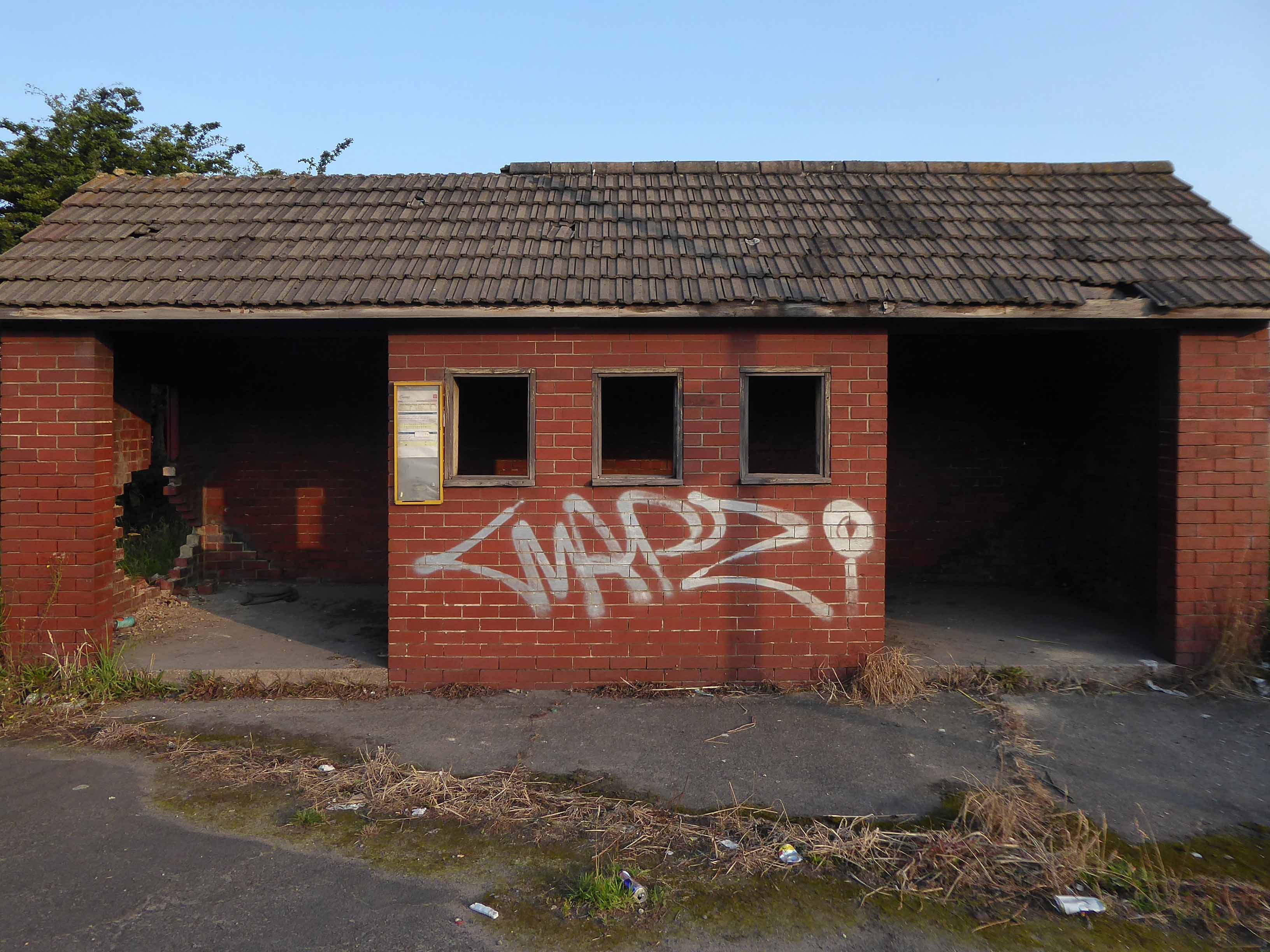
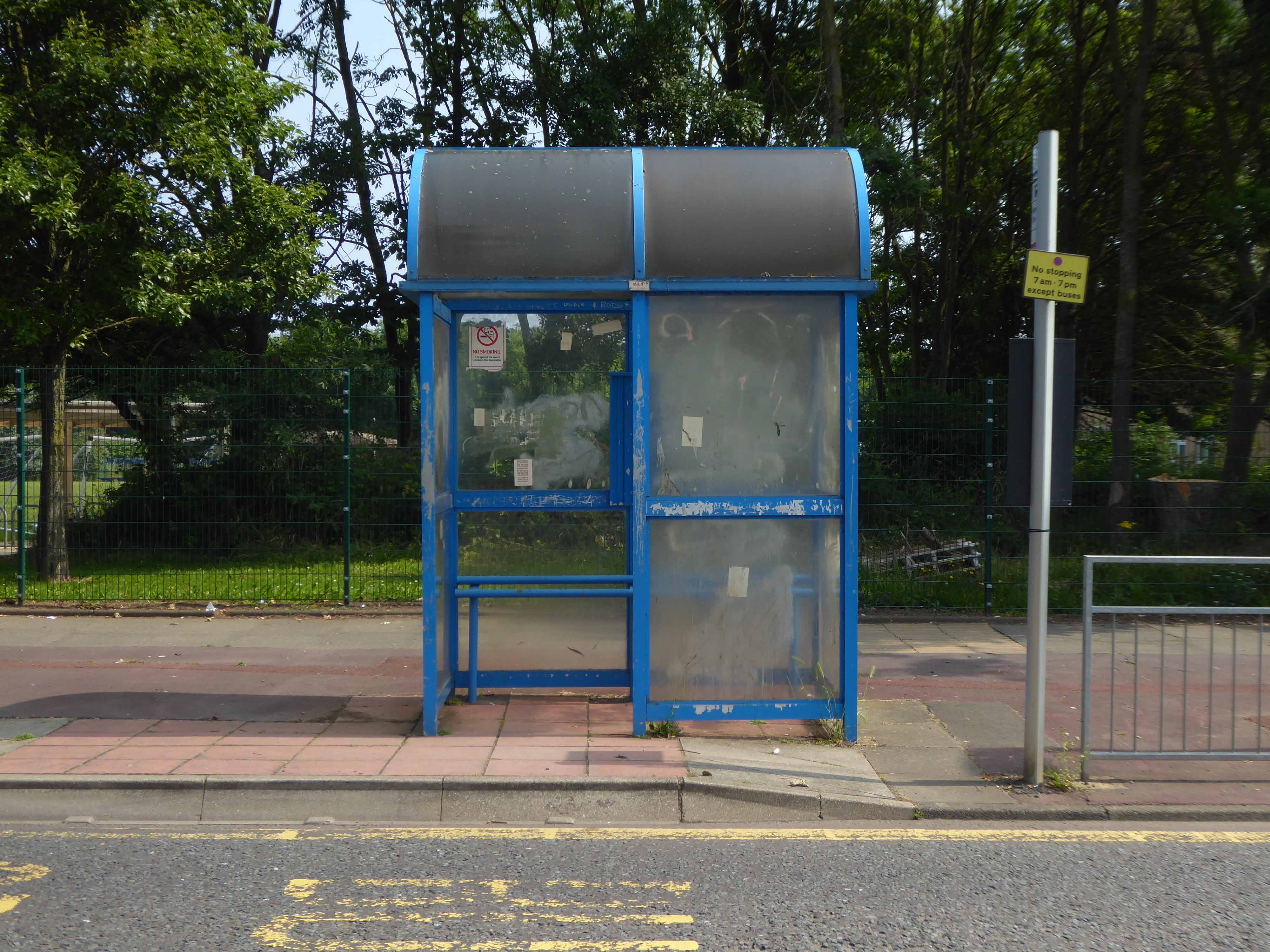
Slowly passing sleepy factories and desolate bus shelters.

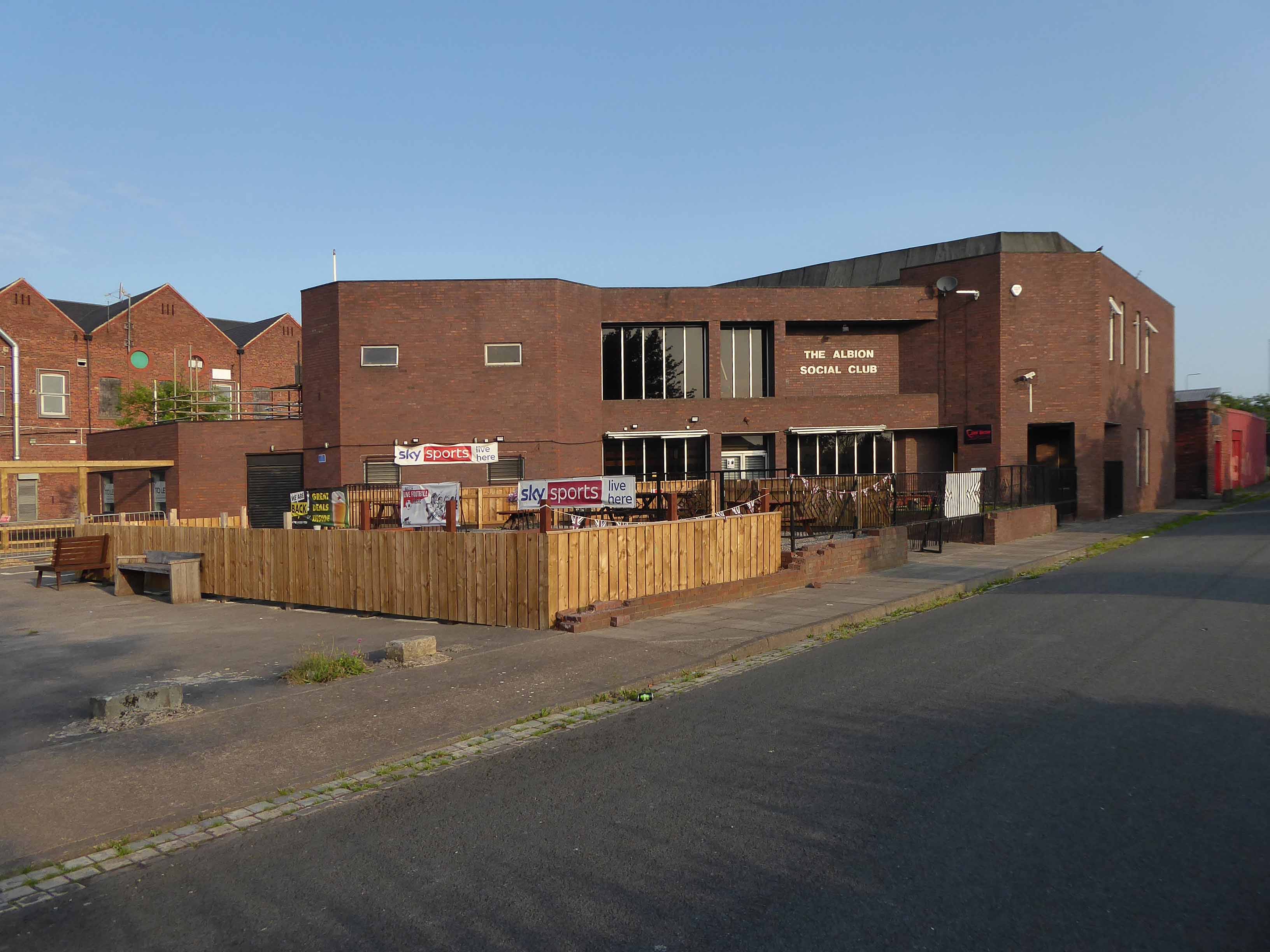
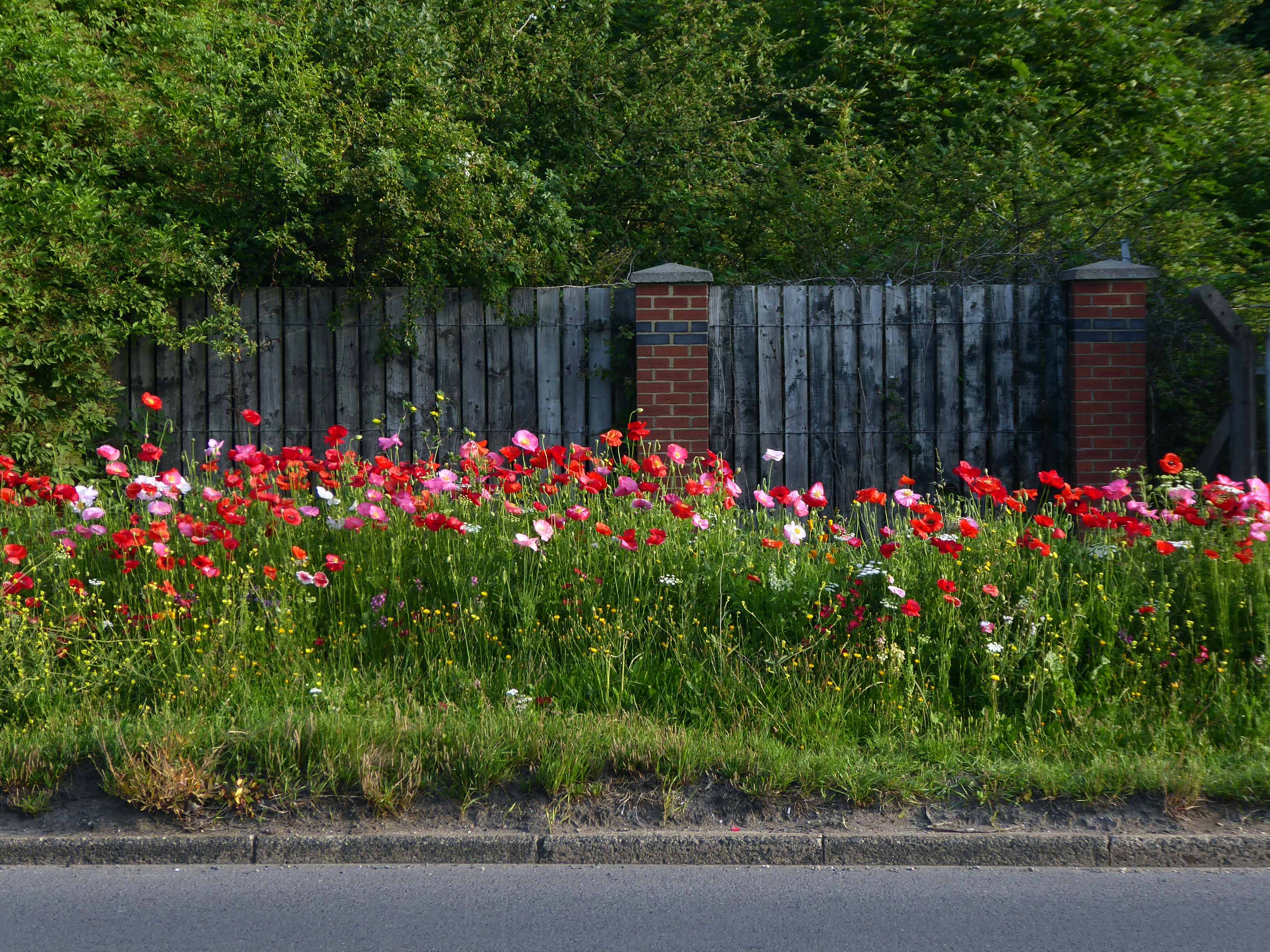
Bunker like social clubs and flower lined roads.

The Albion club in South Bank has stood empty for the last three years. 

Now local lad Mark Trainor has the keys – and says opening the doors to the club his own family frequented for years will be a dream come true.

He’s planning to cater for everyone, he says, and it won’t just be all about drinking.

Parents will be able to call in for a coffee after dropping the kids at school, there will be pool nights and Mark’s personal favourite – Pie Day Fridays.

Gazette

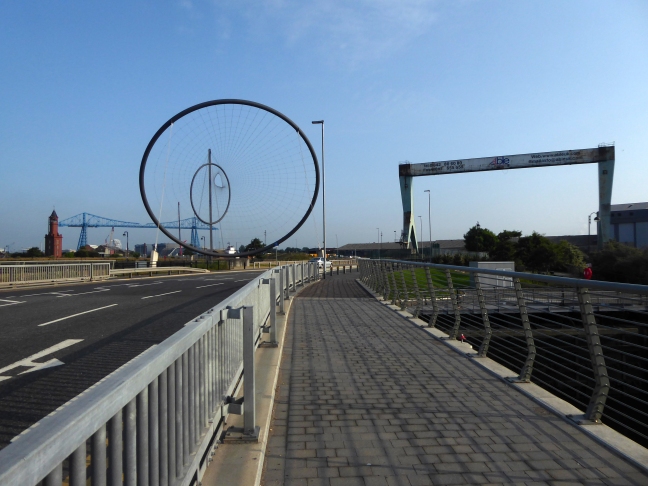
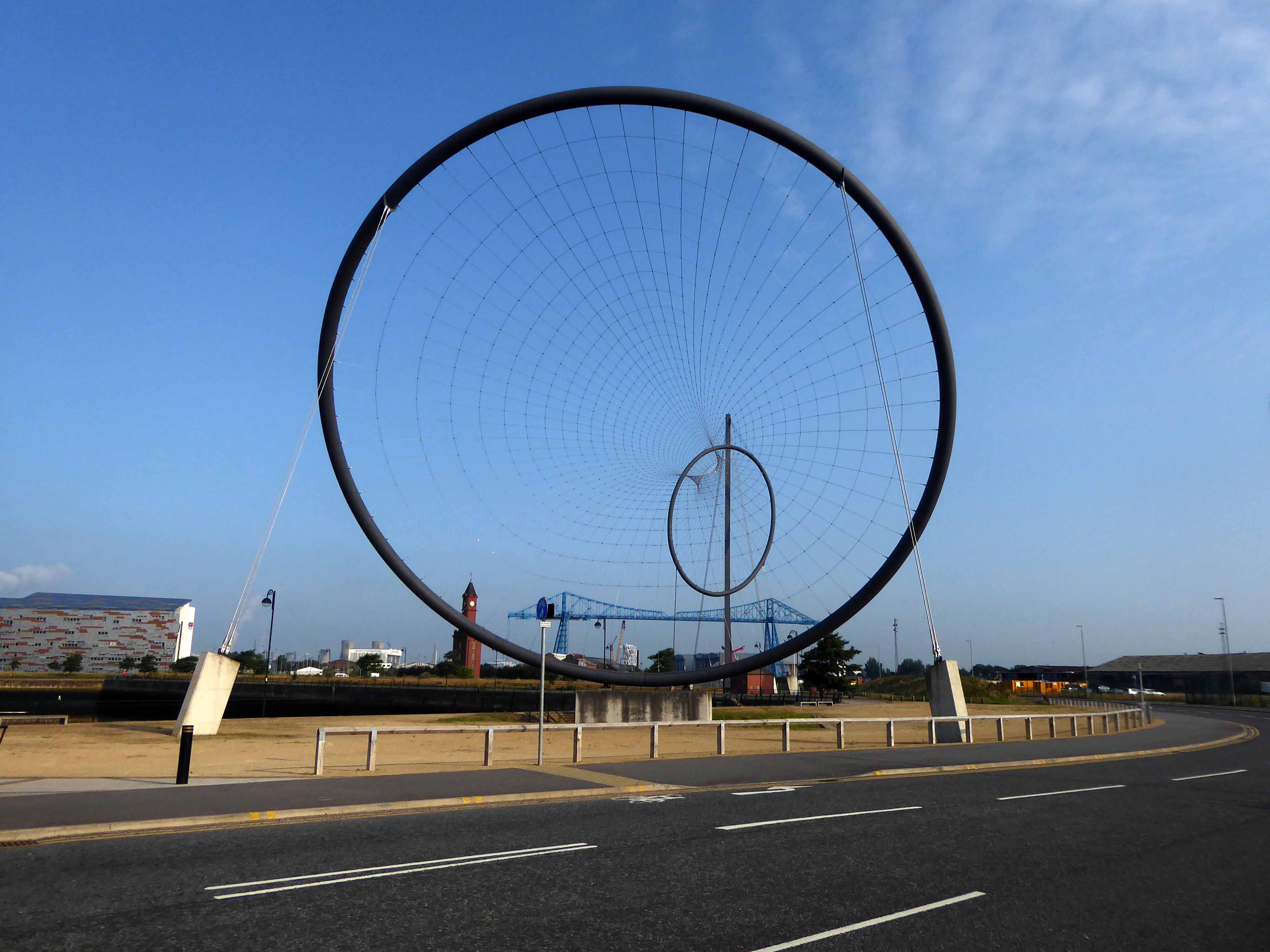
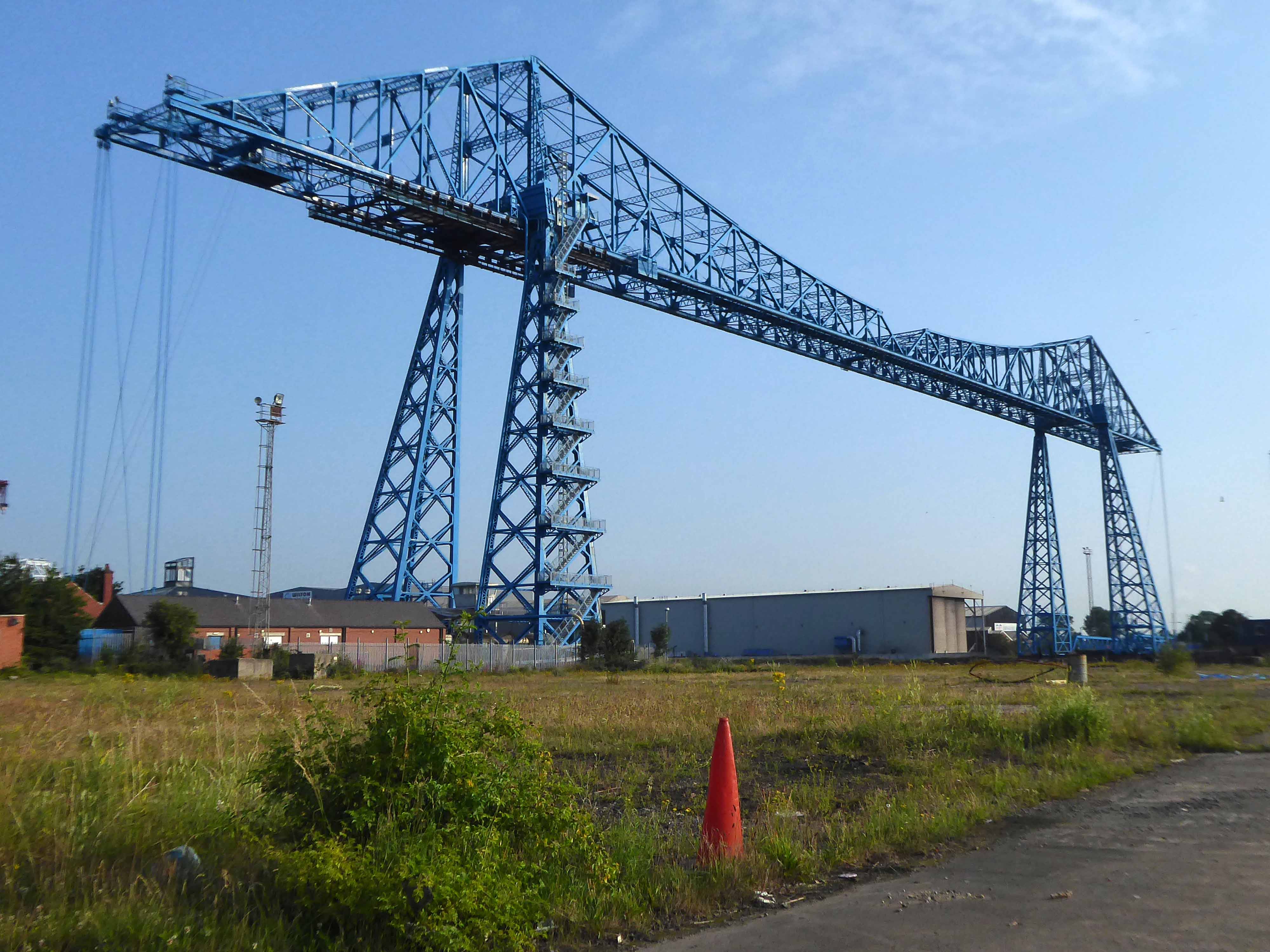
Public art framing the Transporter Bridge.

The £2.7m Temenos structure has taken four months to piece together on the banks of the River Tees near Middlesbrough’s Transporter Bridge.

Thousands of metres of steel wire have been woven between the two steel rings to create the 164ft high and 360ft long sculpture.

It was created by artist Anish Kapoor and structural designer Cecil Balmond.

BBC

Temenos is a Greek word meaning land cut off and assigned as a sanctuary or holy area.

Following a 1907 Act of Parliament the bridge was built at a cost of £68,026 6s 8d  by Sir William Arrol & Co. of Glasgow between 1910 and 1911 to replace the Hugh Bell and Erimus steam ferry services. A transporter bridge was chosen because Parliament ruled that the new scheme of crossing the river had to avoid affecting the river navigation. 

The opening ceremony on 17 October 1911 was performed by Prince Arthur of Connaught, at its opening the bridge was painted red.

In 1961 the bridge was painted blue.

In 1974, the comedy actor Terry Scott, travelling between his hotel in Middlesbrough and a performance at the Billingham Forum, mistook the bridge for a regular toll crossing and drove his Jaguar off the end of the roadway, landing in the safety netting beneath.

Wikipedia

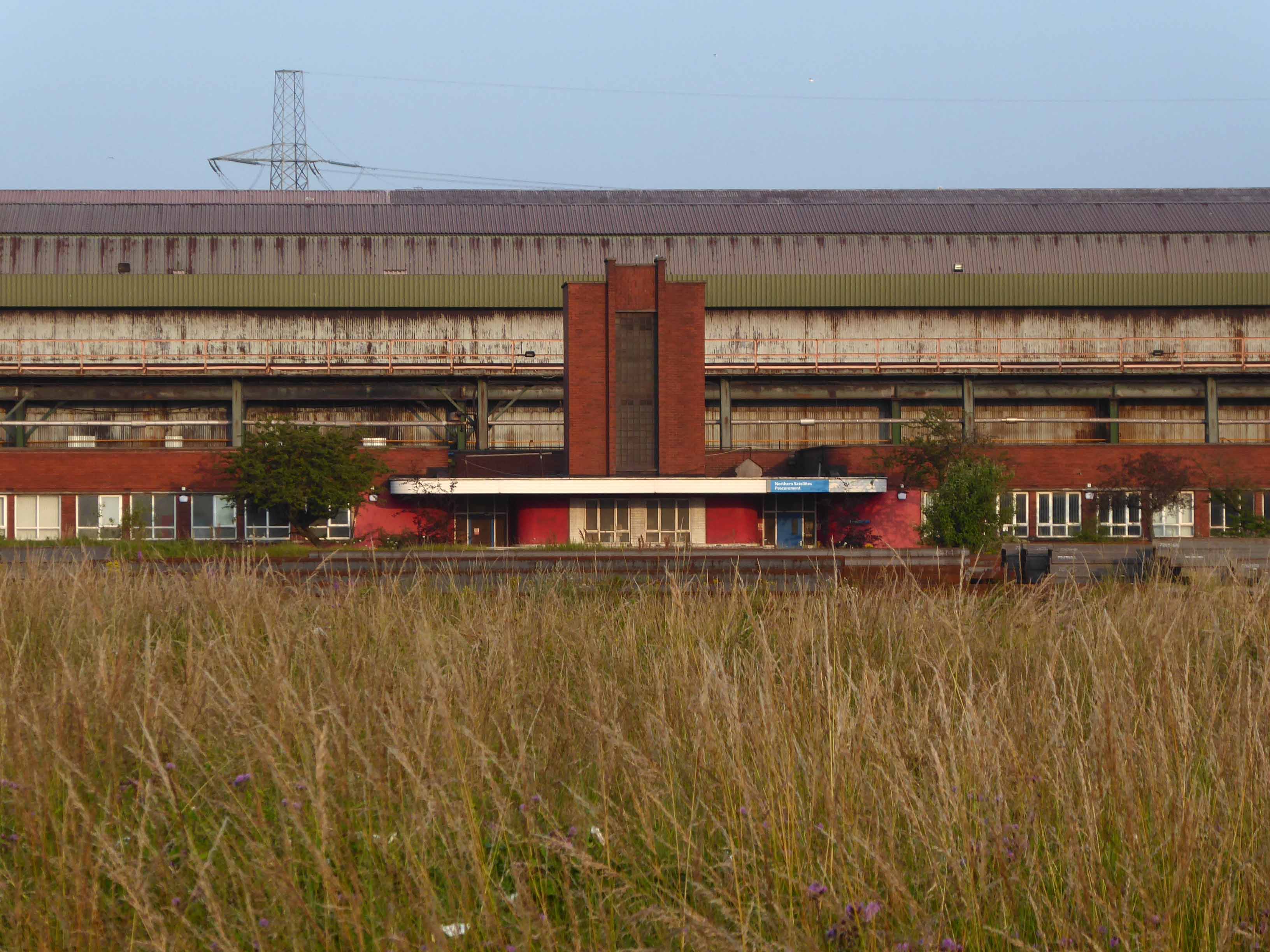
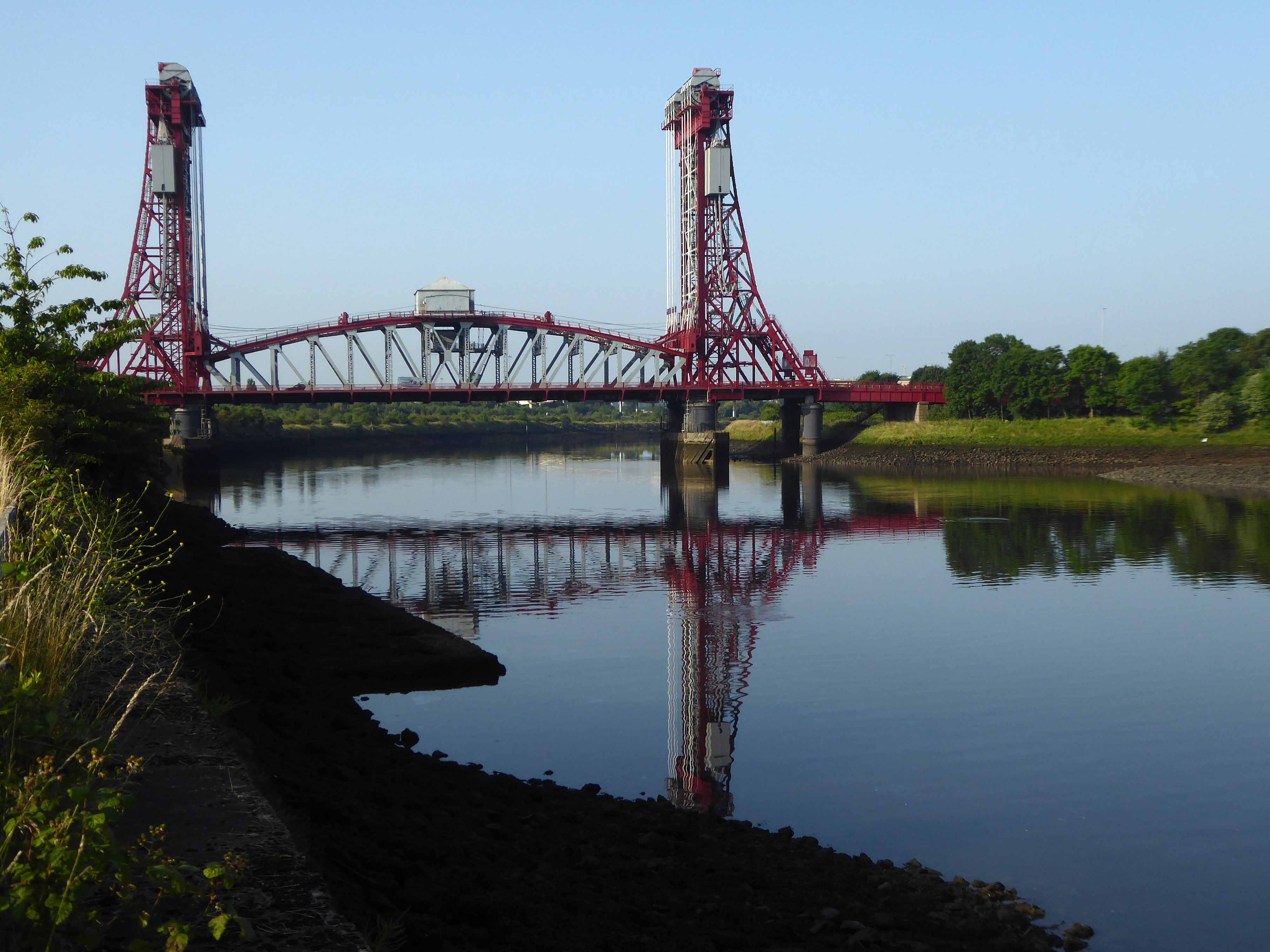
The cycle track followed the river, which sports a fine array of industrial architecture.

Tees Newport Bridge designed by Mott, Hay and Anderson and built by local company Dorman Long who have also been responsible for such structures as the Tyne Bridge and Sydney Harbour Bridge, it was the first large vertical-lift bridge in Britain.

Wikipedia

Crossing the river and heading for Hartlepool.

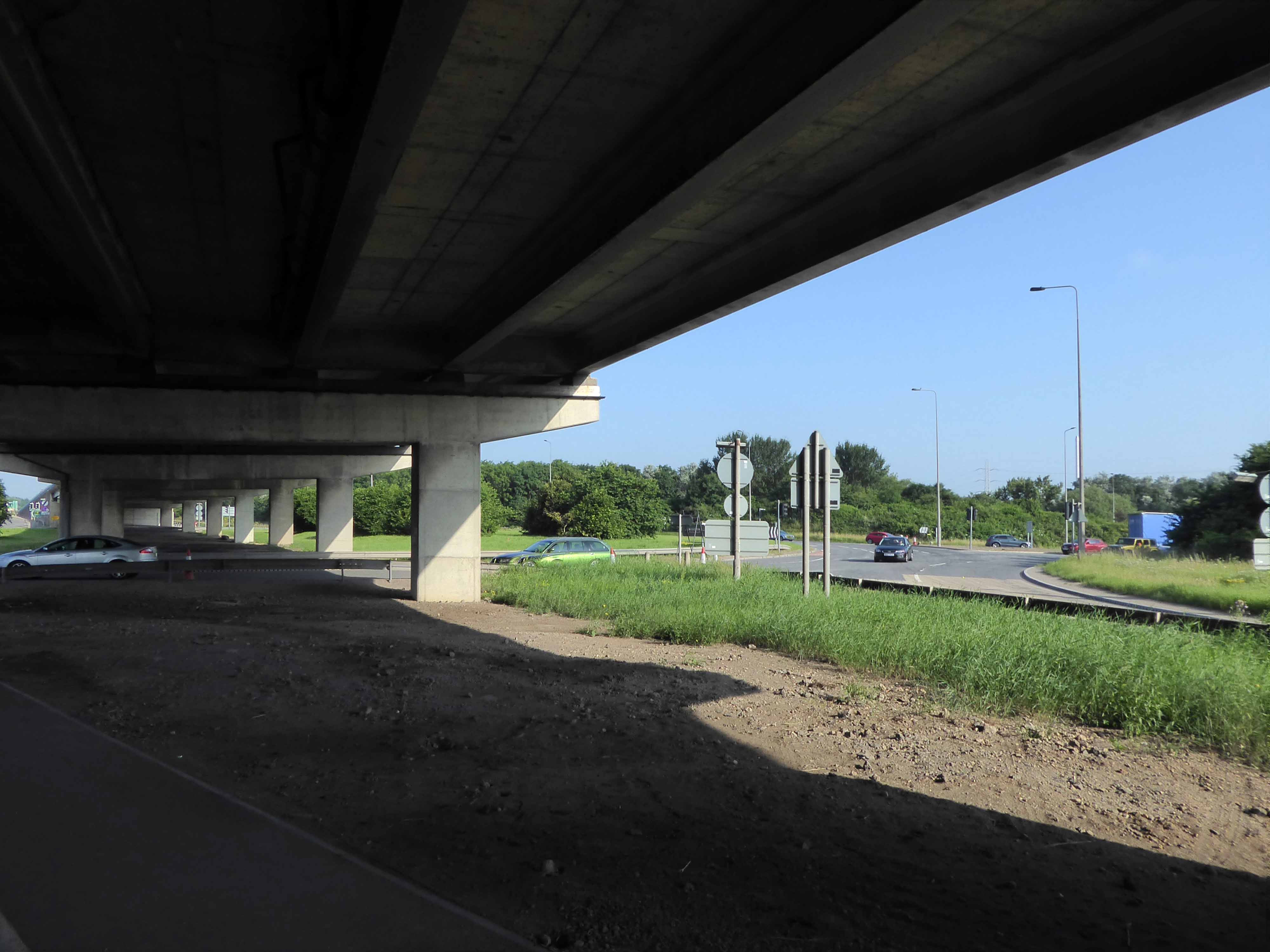
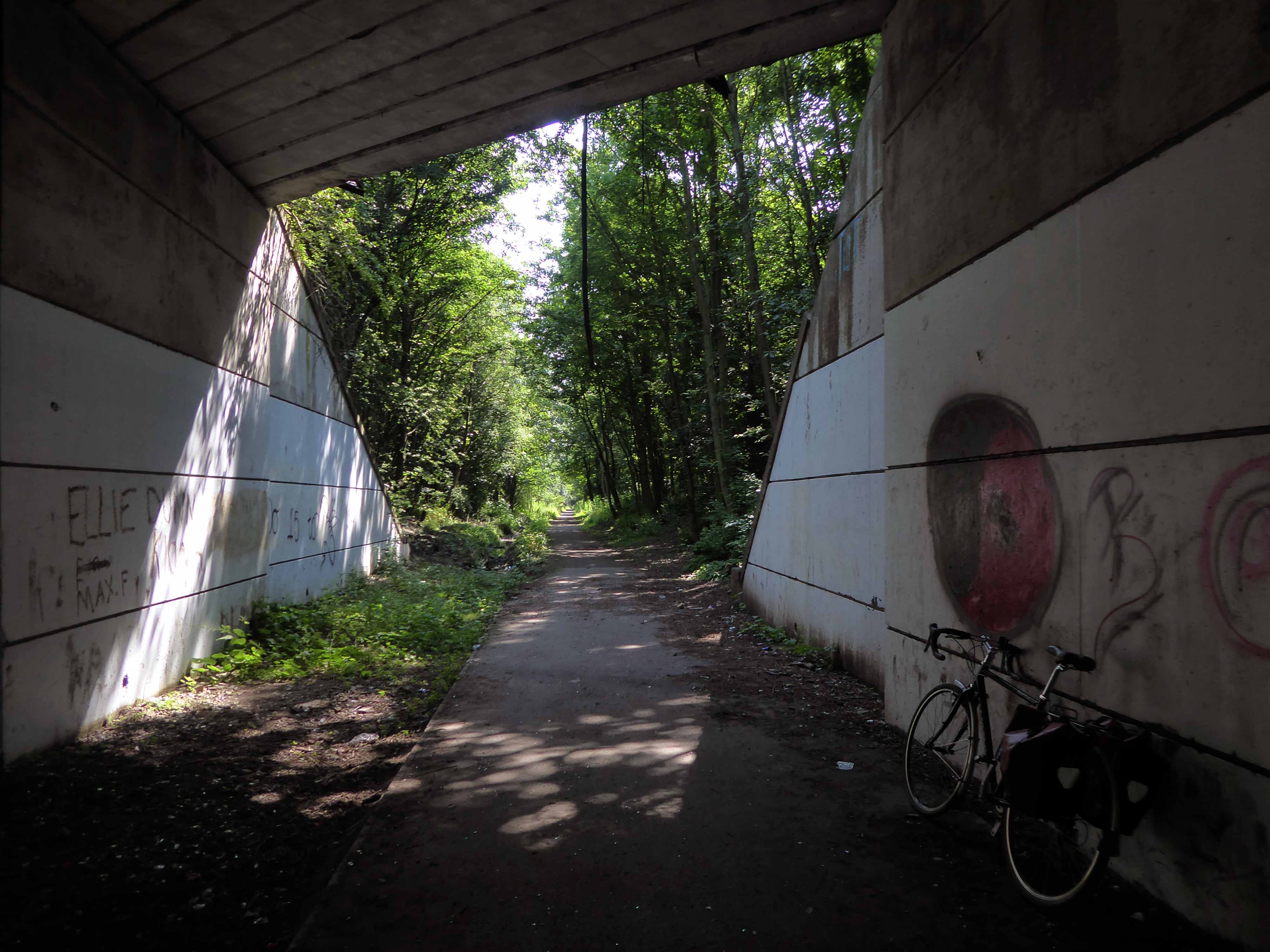
Negotiating underpasses and main road cycle lanes.

I was delighted to be drawn toward Dawson House here in Billingham.

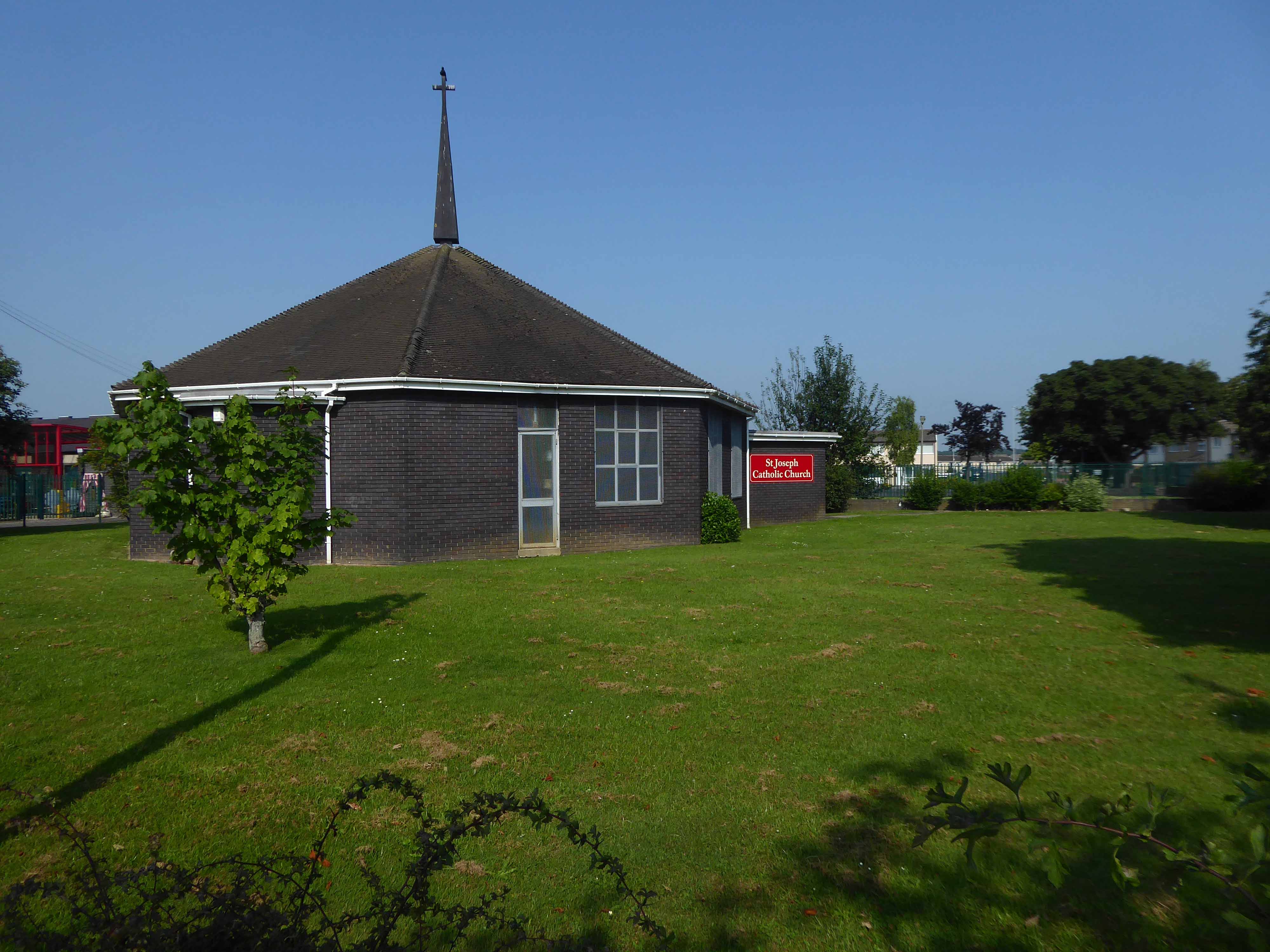
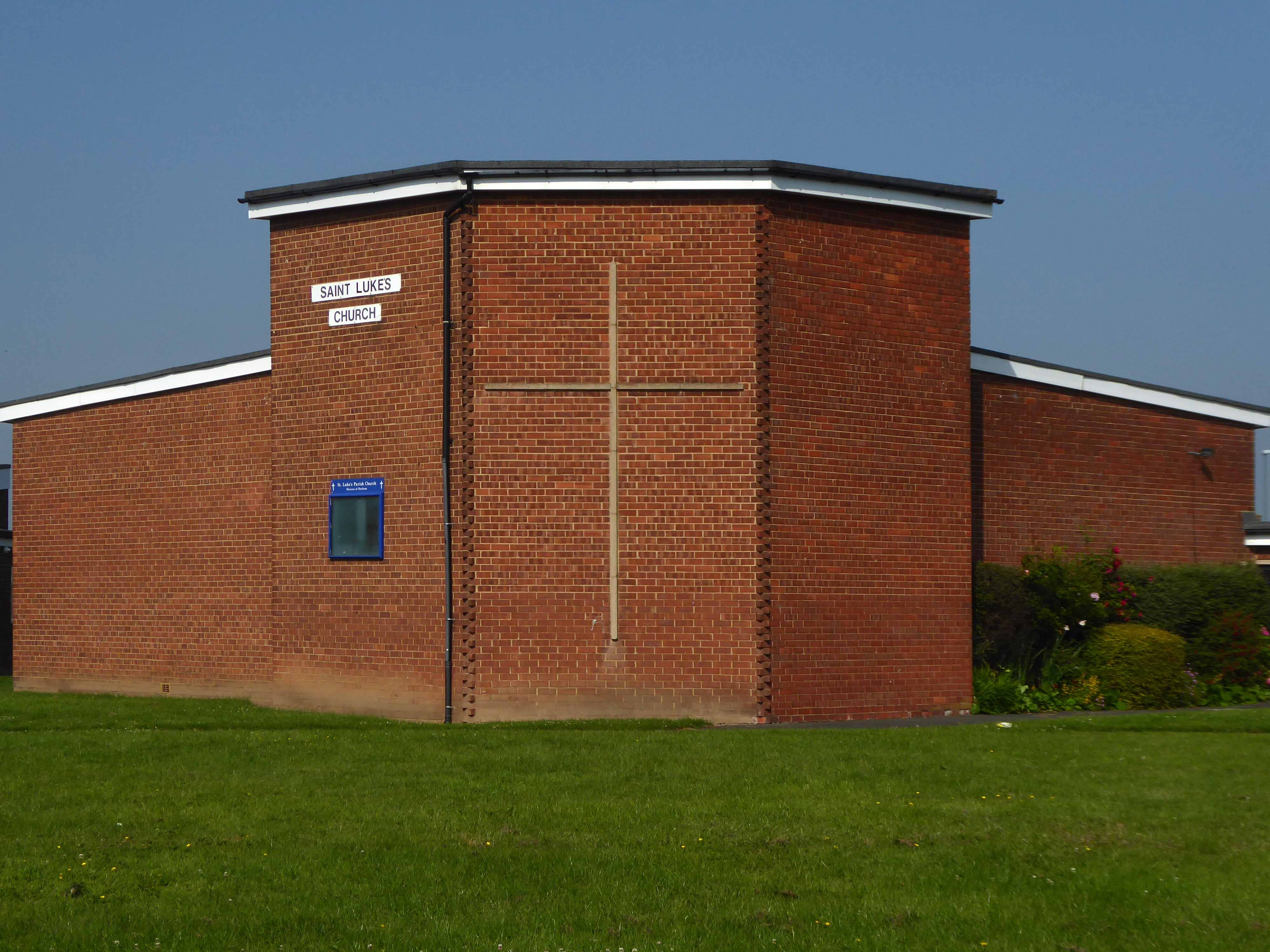
Austere brick churches.

St Joseph RC Low Grange Avenue Billingham

A prefabricated polygonal structure of the 1970s, with laminated timber frame. The seating came from Pugin & Pugin’s church at Port Clarence. 

Taking Stock

Just along the way Saint Lukes Billingham 1965.

In a slightly more upbeat mode St James the Apostle Owton Manor.

I convinced myself that this building on Station Road Seaton Carew was a former pub, I discovered following consultation with the local studies offices, that it was in fact a former children’s home destined to become a doctors.

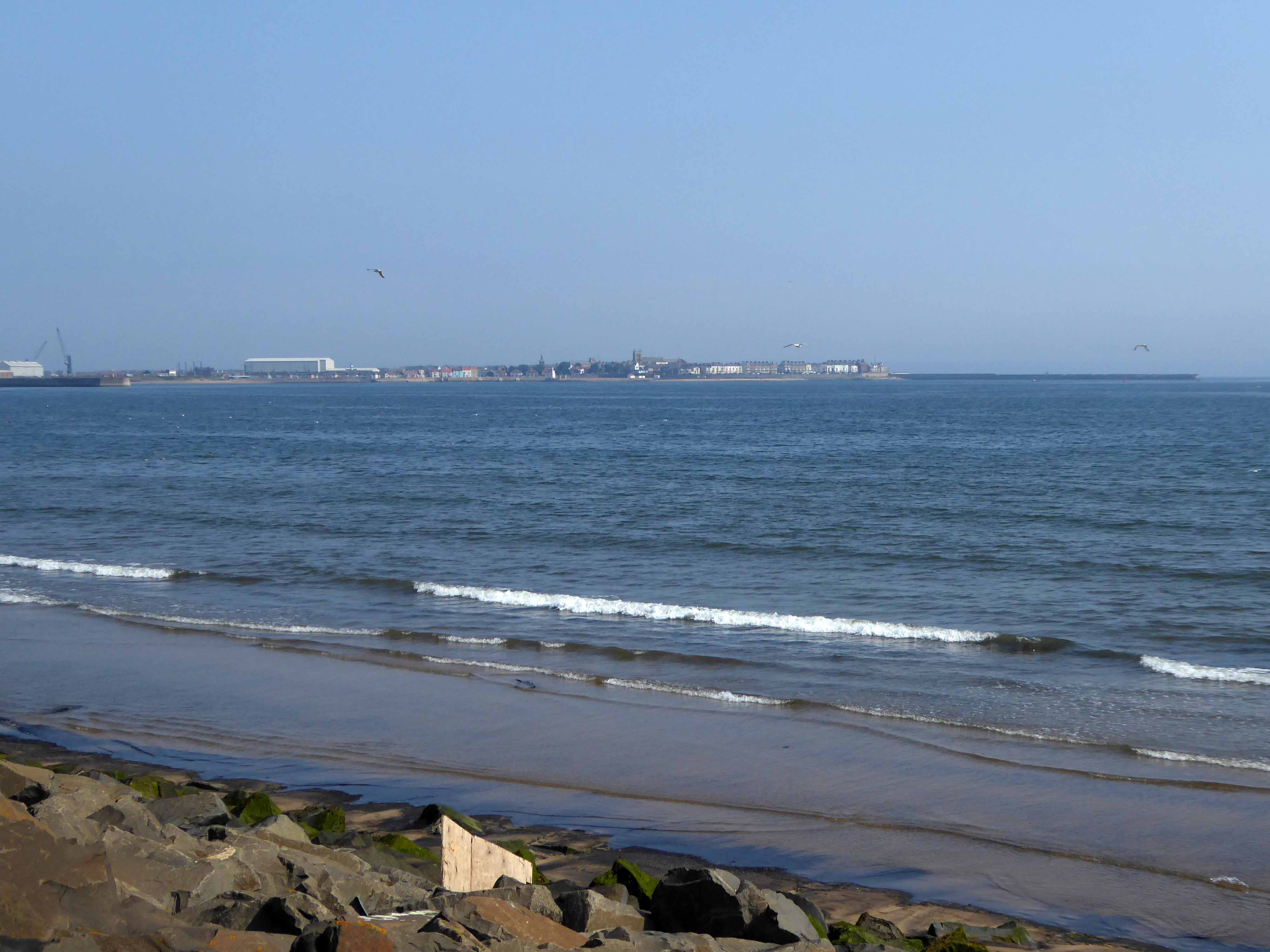
I found myself looking back across the estuary to Redcar.

Northward toward Hartlepool.

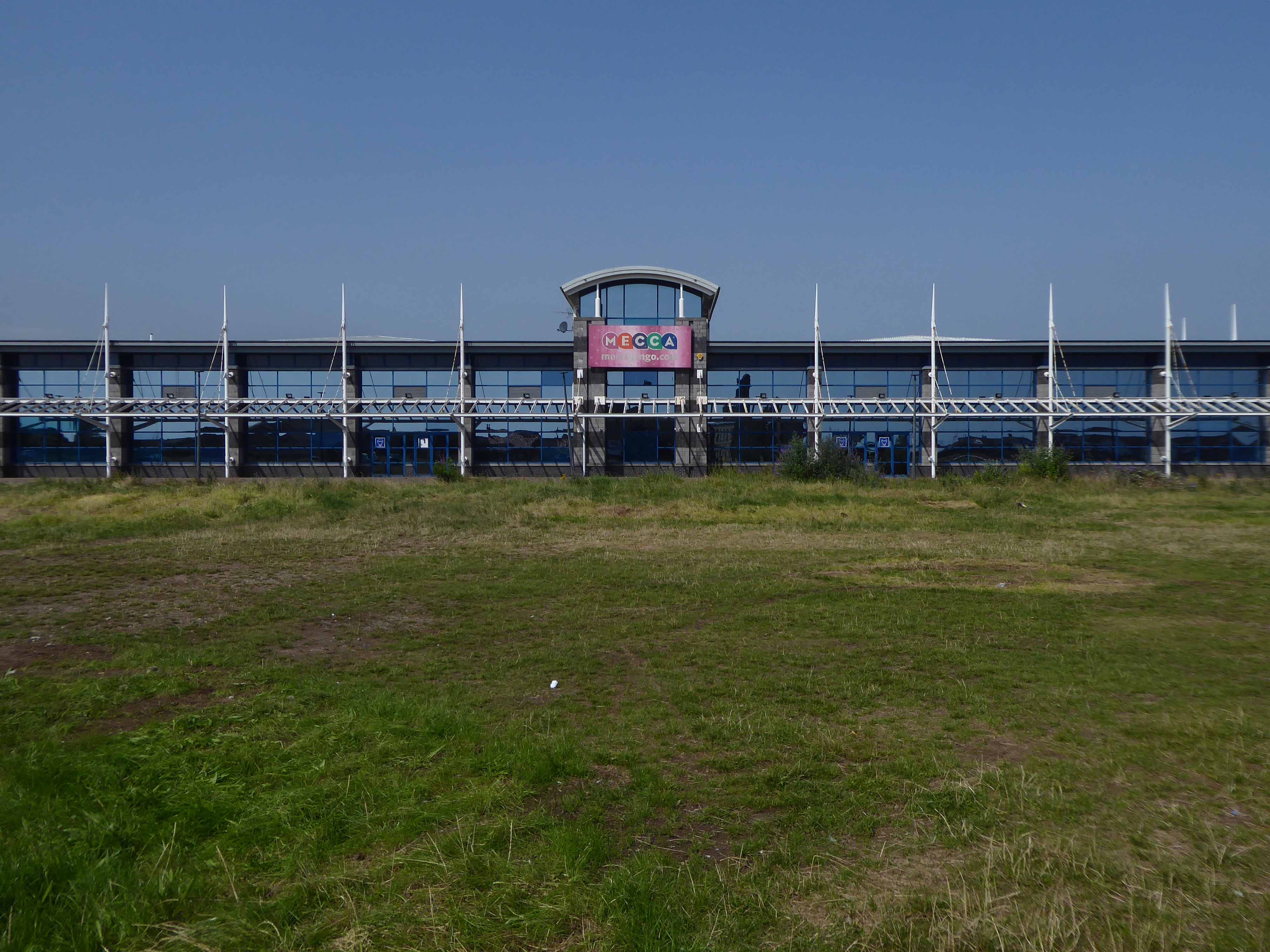
Where the bingo was closed and the circus had left town.

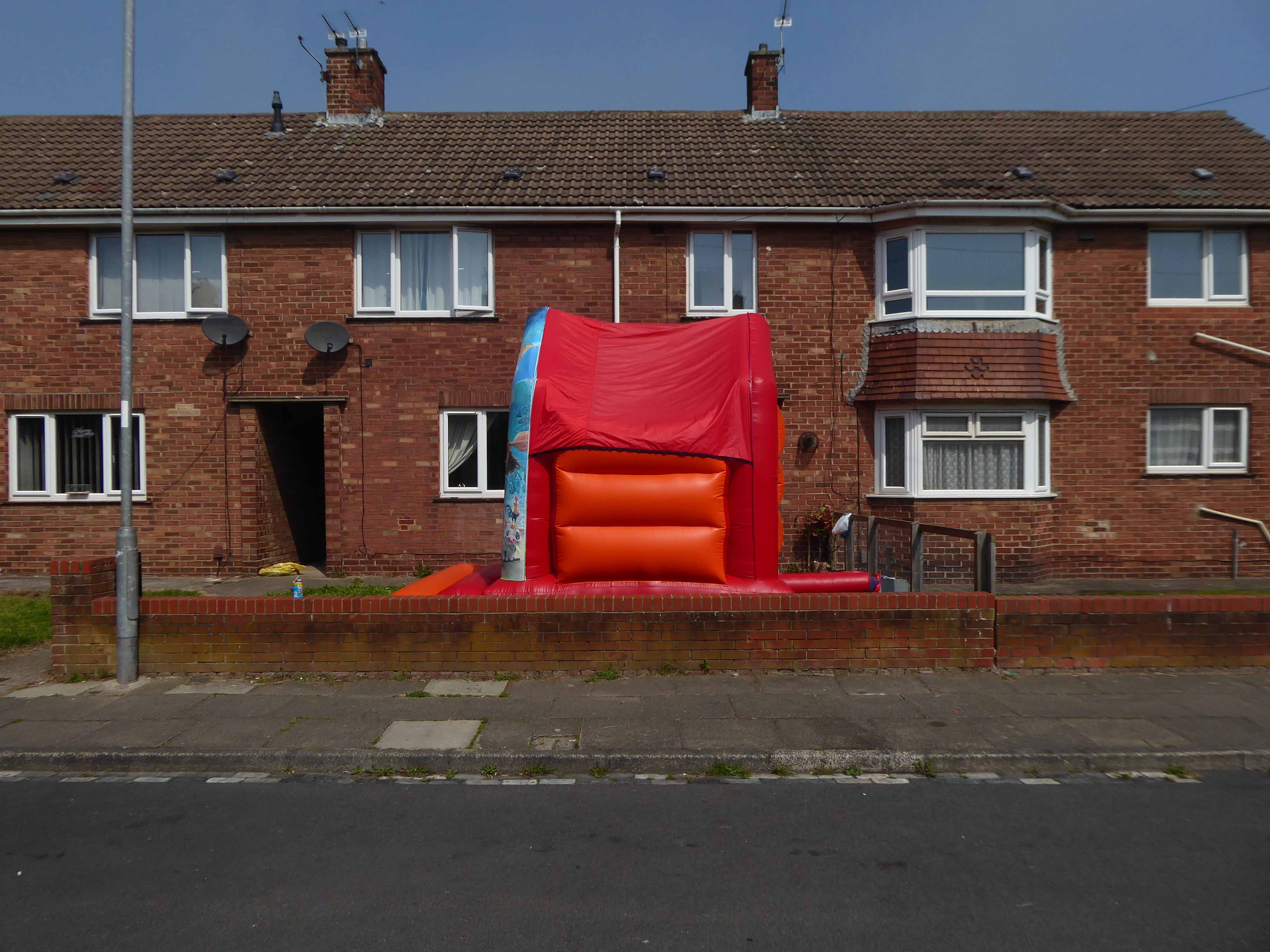
Every Englishman’s home is a bouncy castle.

St John Vianney located on King Oswy Drive West View Estate.

Architect: Crawford & Spencer Middlesbrough 1961.

A large post-war church built to serve a housing estate, economically built and with a functional interior. The campanile is a local landmark. 

The parish of St John Vianney was created in 1959 to serve the growing West View Estate, on the north side of Hartlepool. The church was opened by Bishop Cunningham on 4 April 1961. The presbytery was built at the same time.

Taking Stock

I found myself on yet another former railway line.

The Cycleway was once a railway line designed by George Stephenson to take coal from the Durham coal fields to the docks in Hartlepool, where the coal was then distributed throughout the world.

Tees Valley

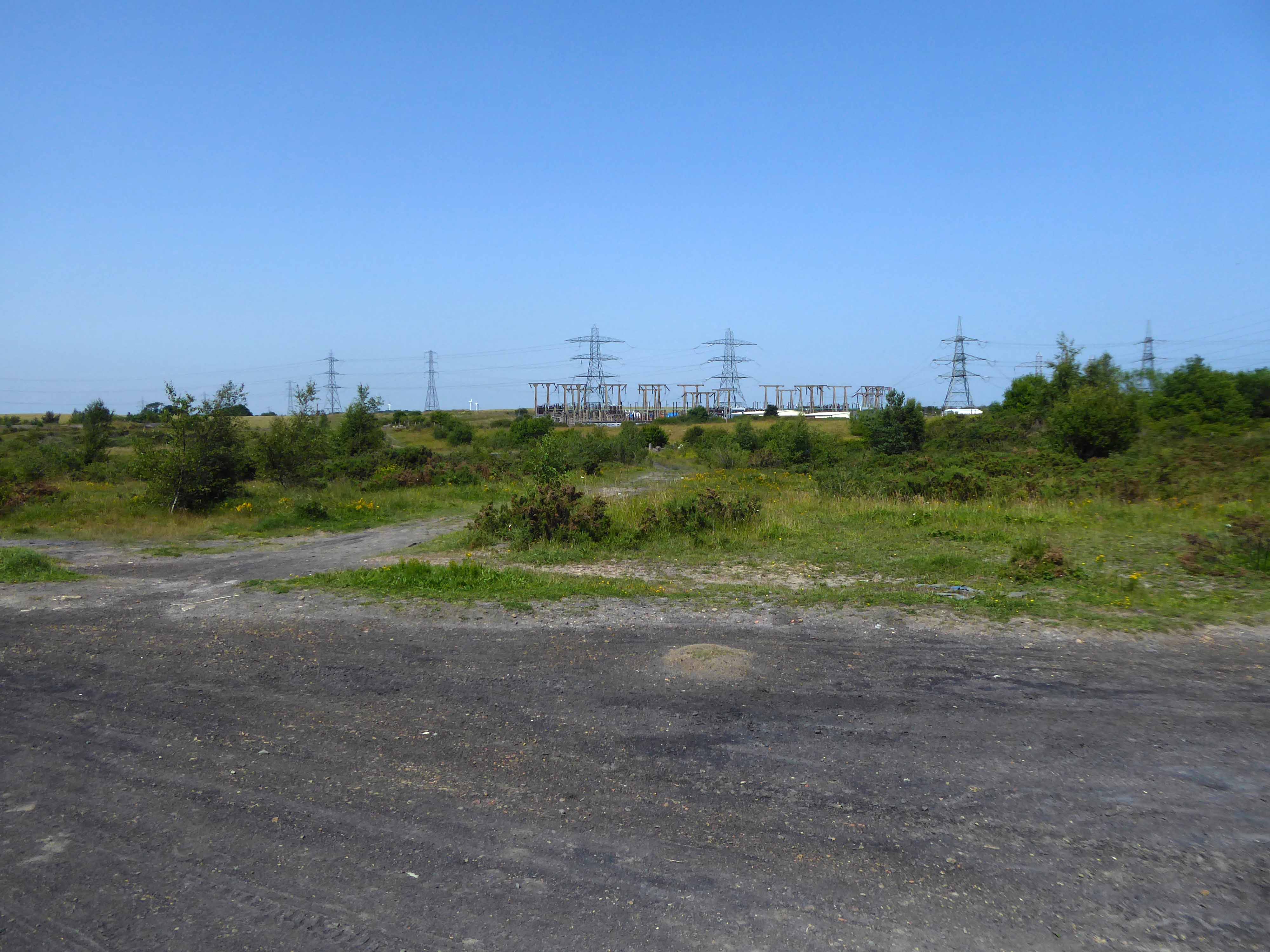
The landscape opened up to coal scarred scrub, I lost the path and found a church, which imposed itself upon the hillside.

St Joseph RC Seaham County Durham

Architect: Anthony J. Rossi of Consett 1964

Taking Stock

Opening 1964

Seeking assistance from a passing cyclist I negotiated a safe passage to Sunderland.

The Sunderland Synagogue is a former synagogue building in Sunderland, England. The synagogue, on Ryhope Road, was designed by architect Marcus Kenneth Glass and completed in 1928. It is the last surviving synagogue to be designed by Glass.

The synagogue was listed as a Grade II historic structure in 1999.

Wikipedia

I crossed the Queen Alexandra Bridge

The steel truss bridge was designed by Charles A Harrison – a nephew of Robert Stephenson’s assistant.

It was built by Sir William Arrol between 1907 and 1909 and officially opened by The Earl of Durham, on behalf of Queen Alexandra on 10 June 1909.

Wikipedia

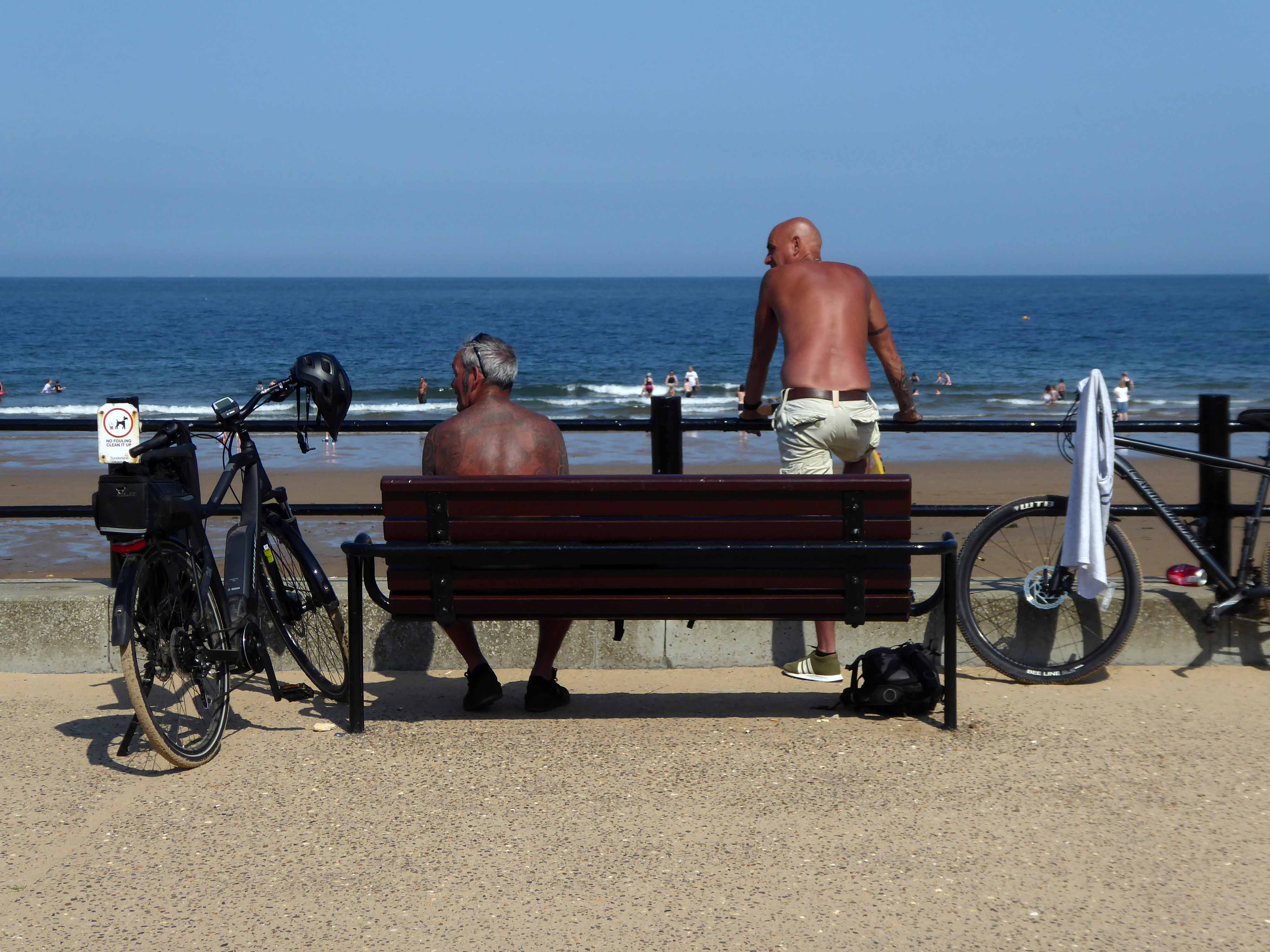
I took a right and arrived in Roker, where I saw these well tanned and tattooed cyclists taking a rest.

Pressed on, largely alongside the coast to South Shields.

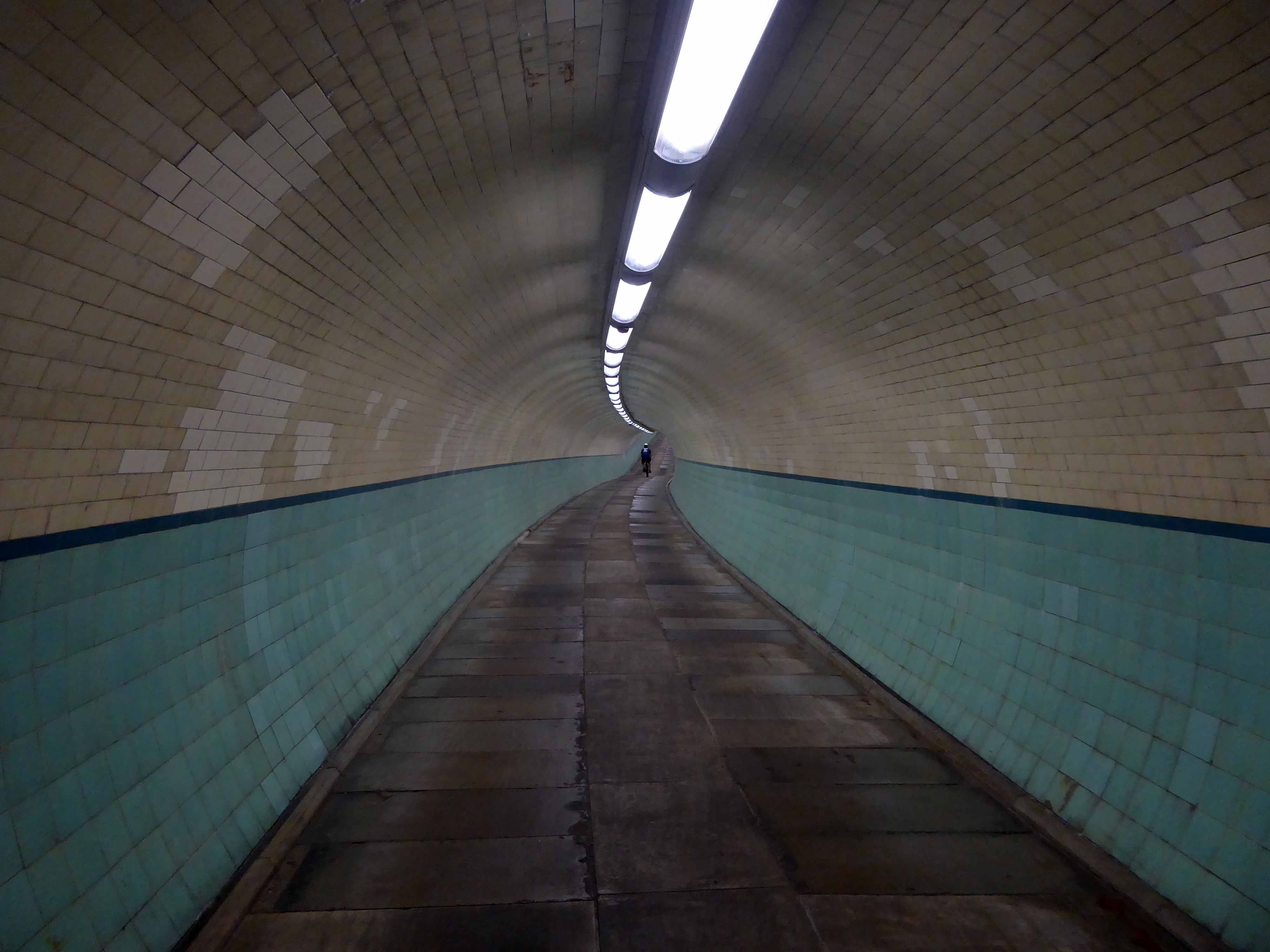
Under advisement from a jolly passing jogger I took the Tyne Pedestrian Tunnel.

Tyne Cyclist and Pedestrian Tunnel was Britain’s first purpose-built cycling tunnel. It runs under the River Tyne between Howdon and Jarrow, and was opened in 1951, heralded as a contribution to the Festival of Britain.

Wikipedia

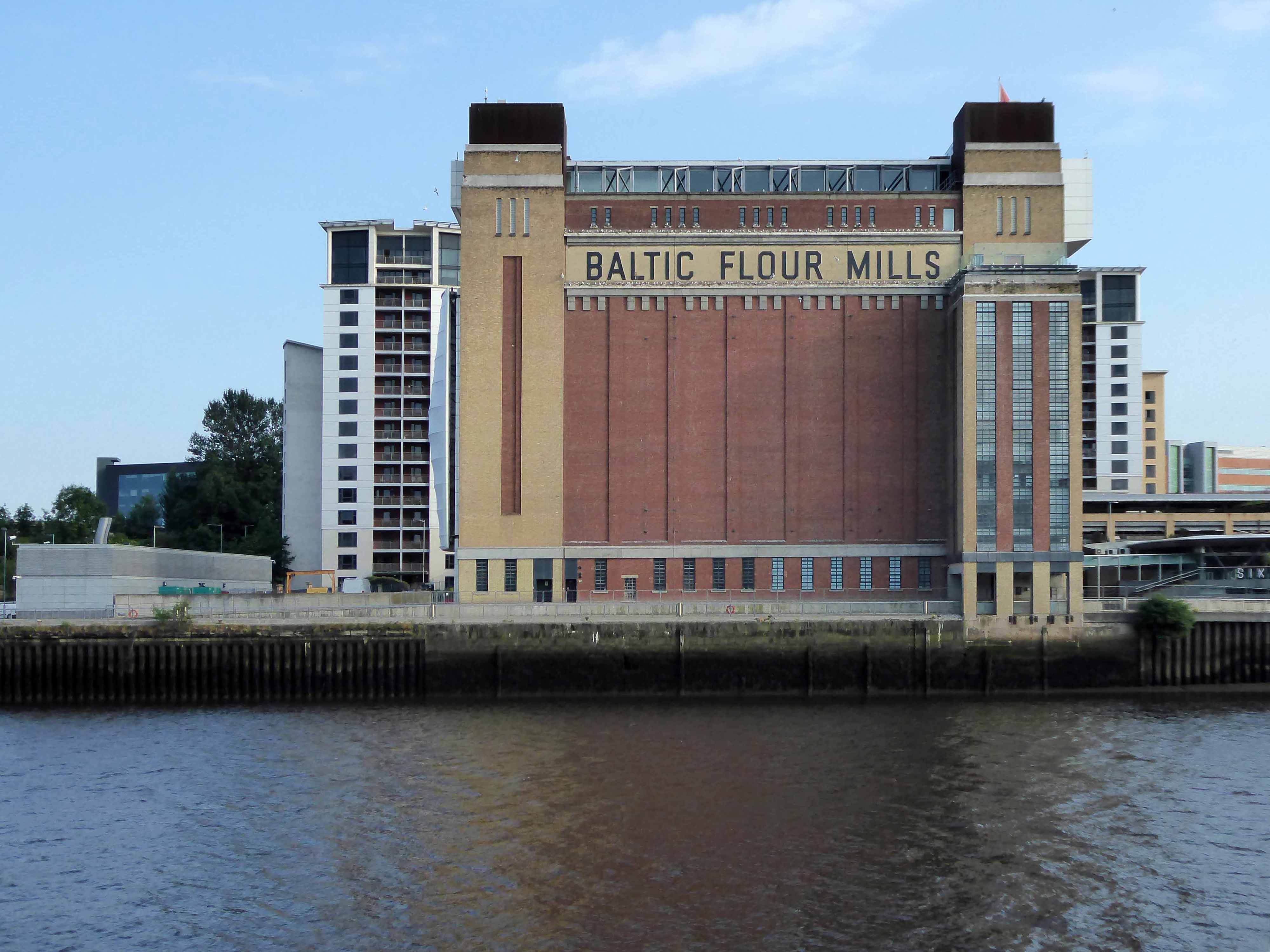
I cycled the banks of the Tyne, fetching up at the Quayside with a fine view of the Baltic.

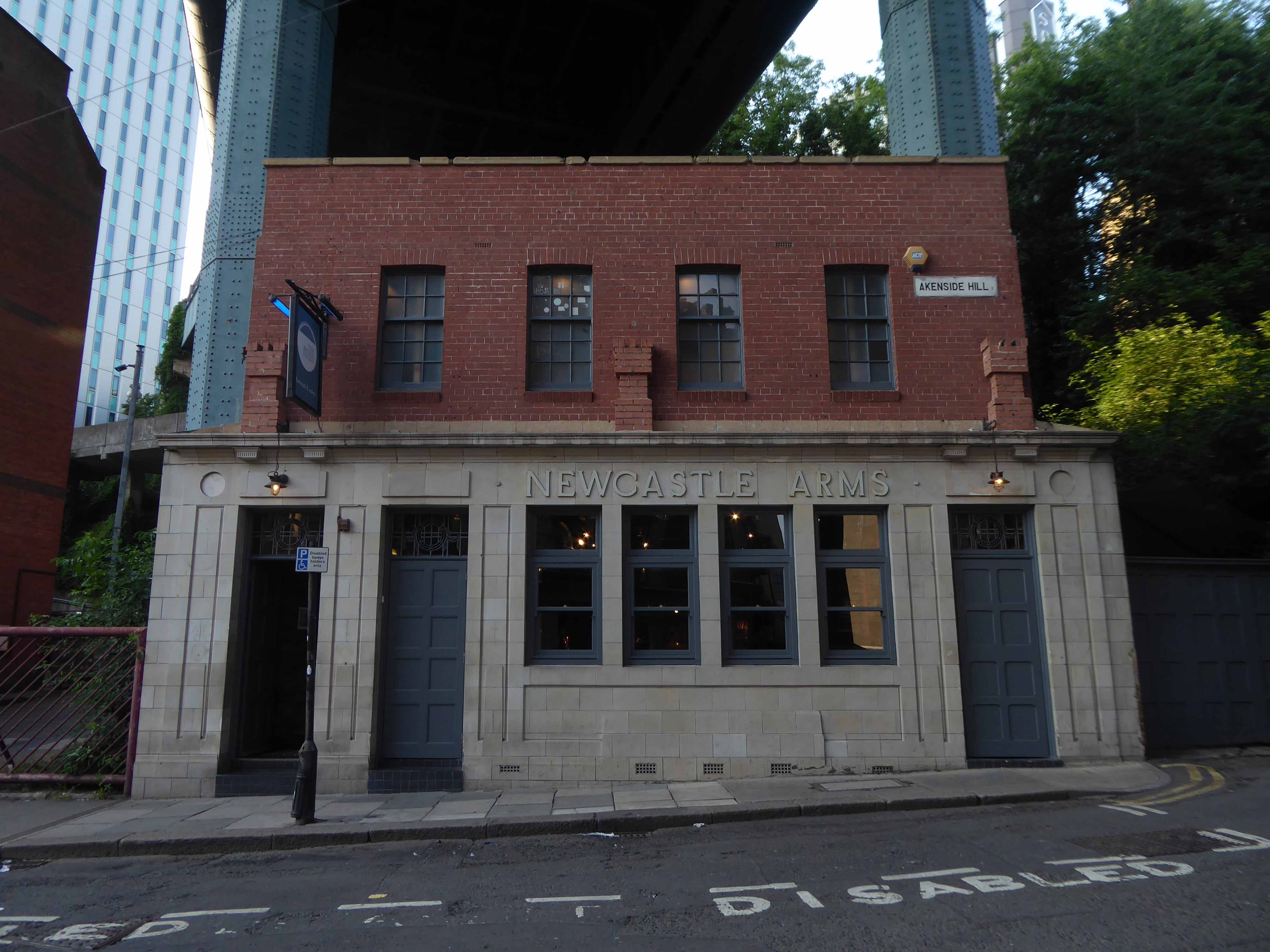
Washed and suitably brushed up I hastened to the Bridge Tavern – to take a glass or two.

A fine end to a very long day.

Burnage Garden Village Again

I was last here in 2016 on a much brighter, blue skied day in March.

2020 mid-lockdown and overcast, I took a walk to take another look.

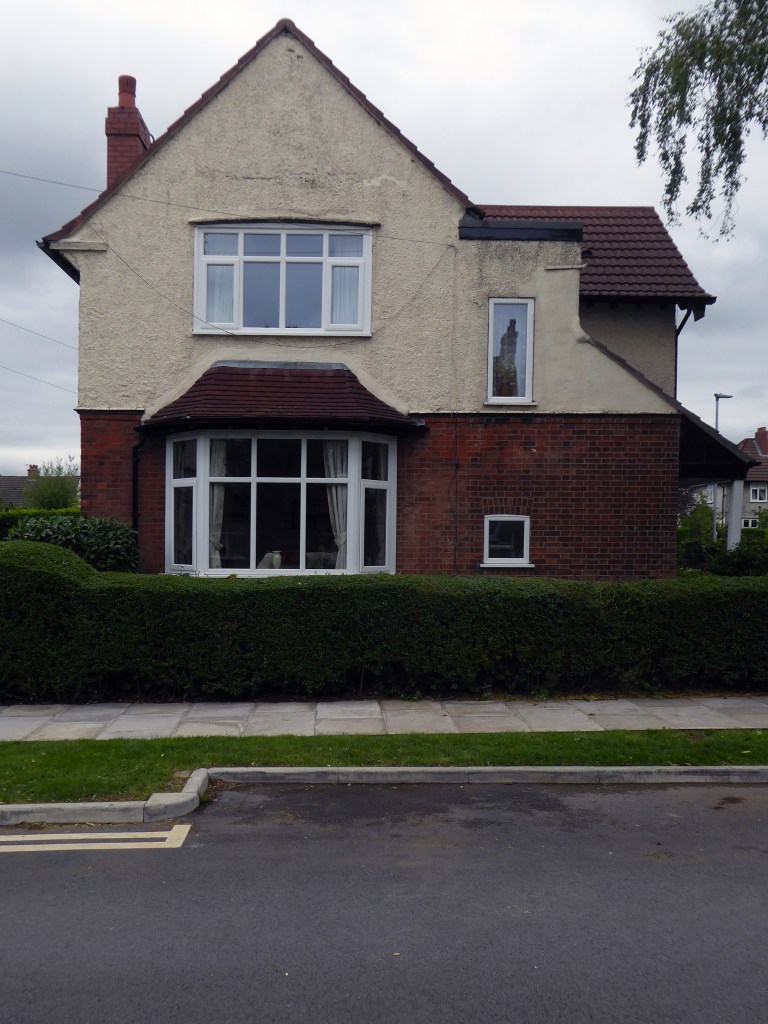
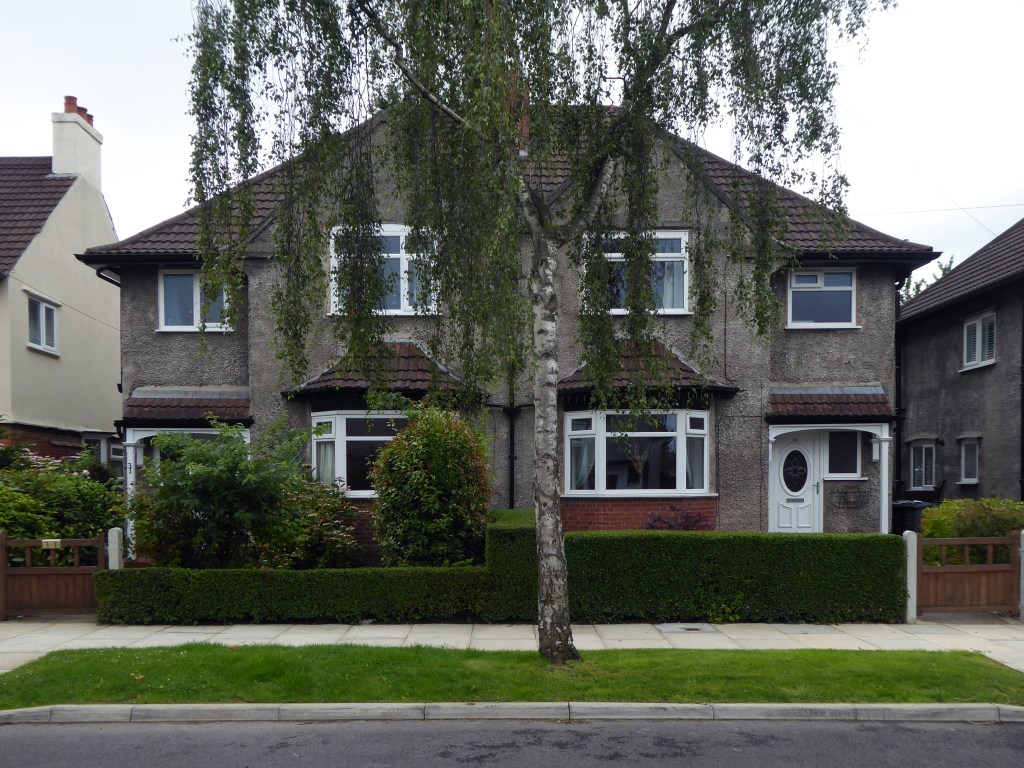
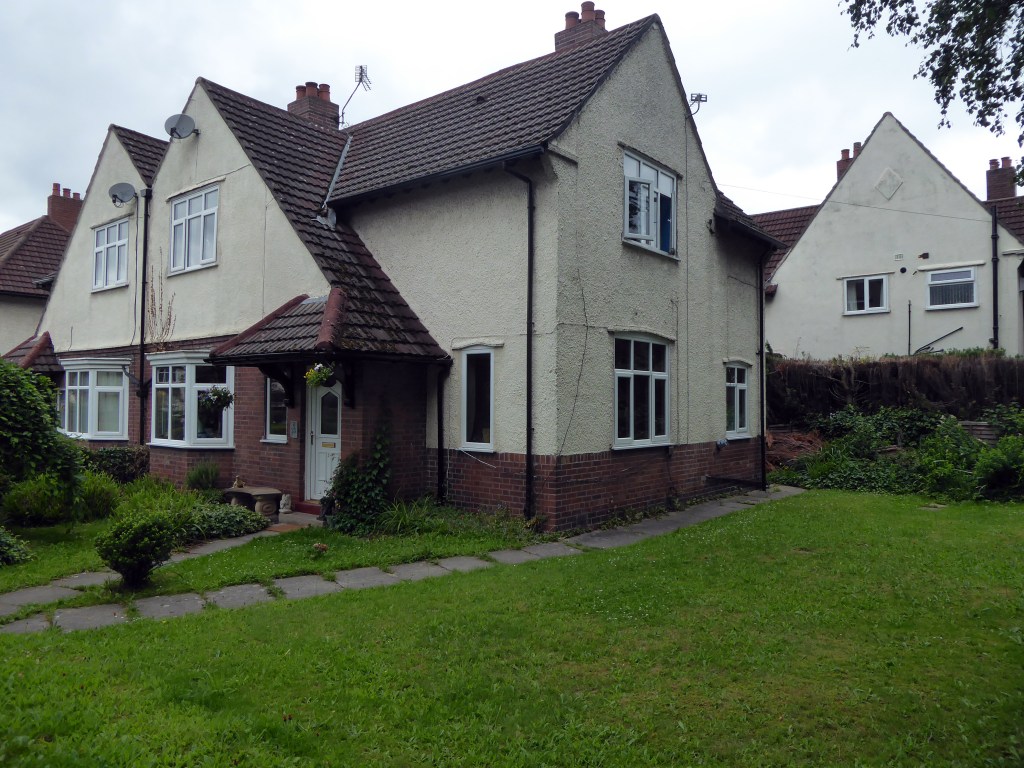
There is a perennial appeal to this well ordered island of tranquility, an archetypal suburbia incubated in 1906, a copy book estate.

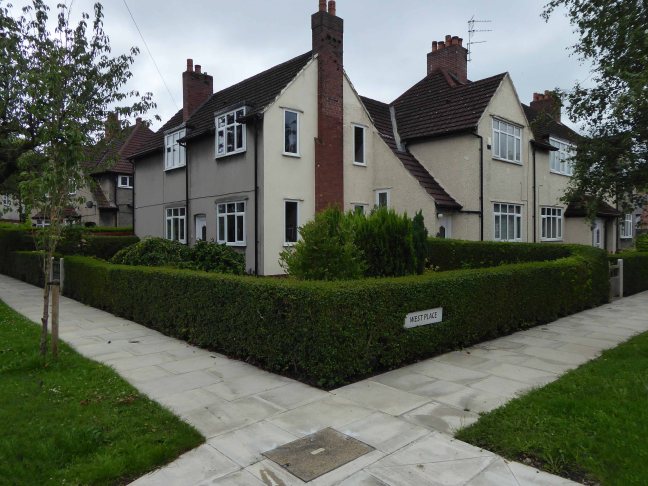
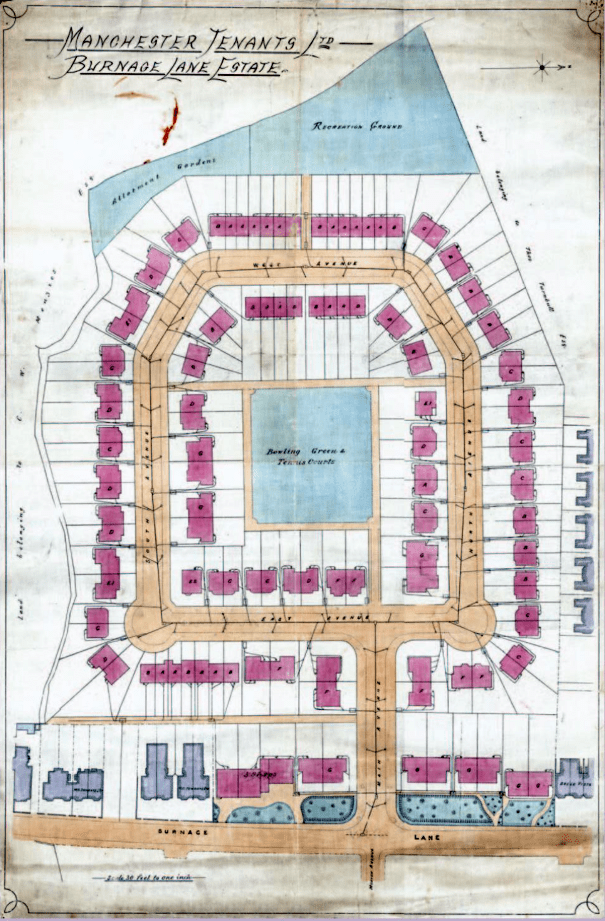
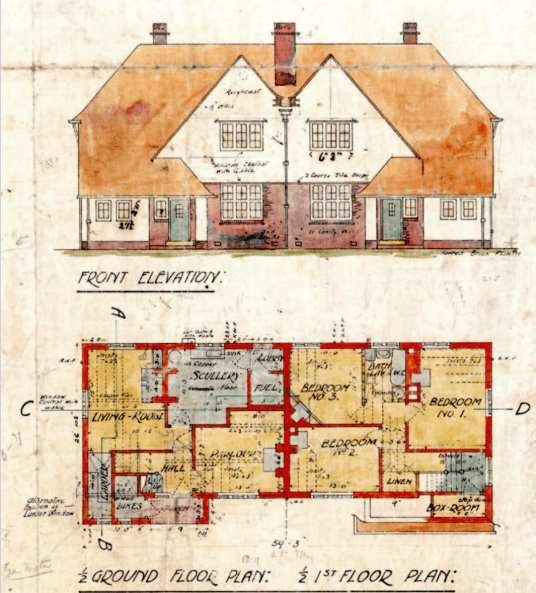
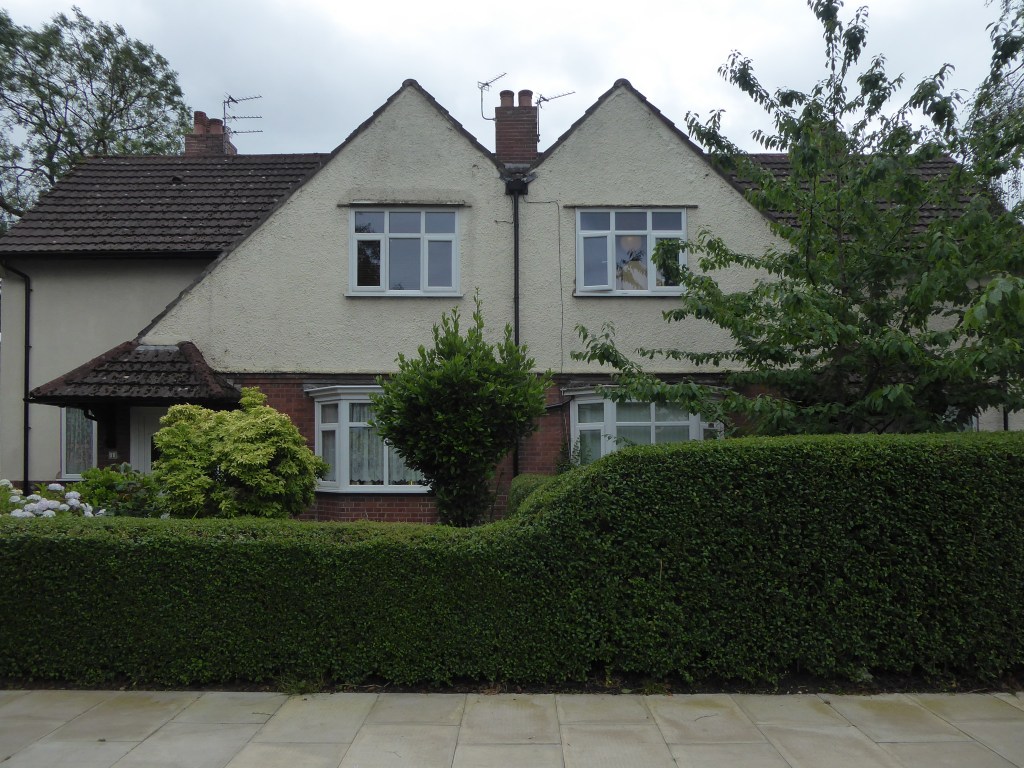
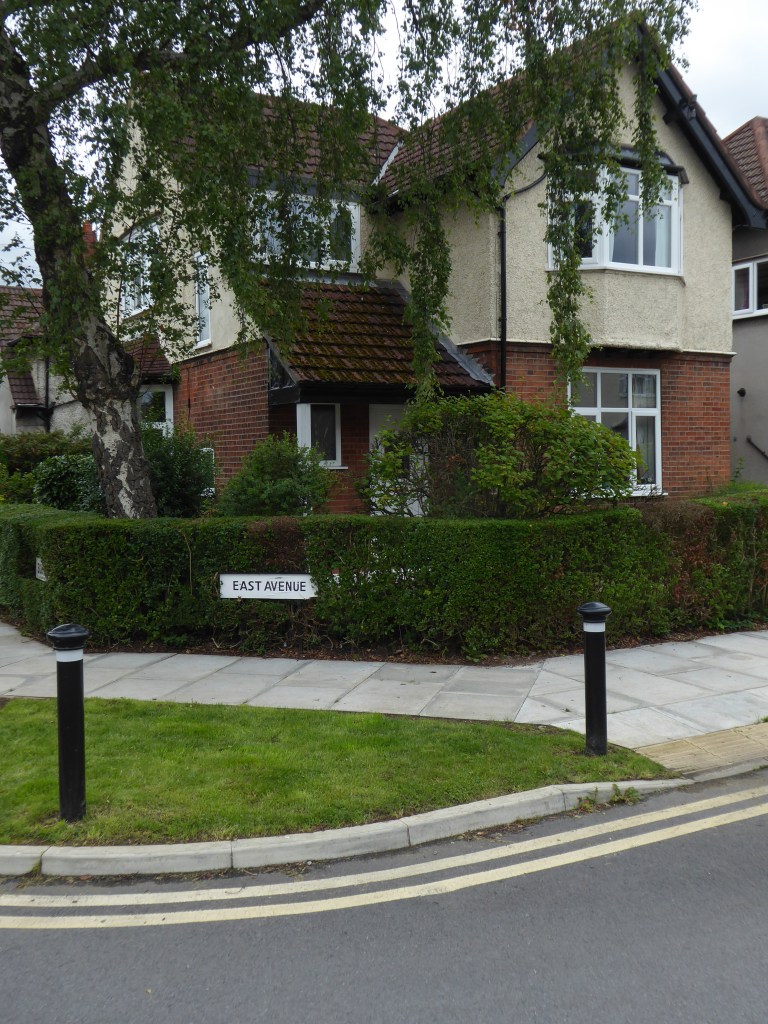
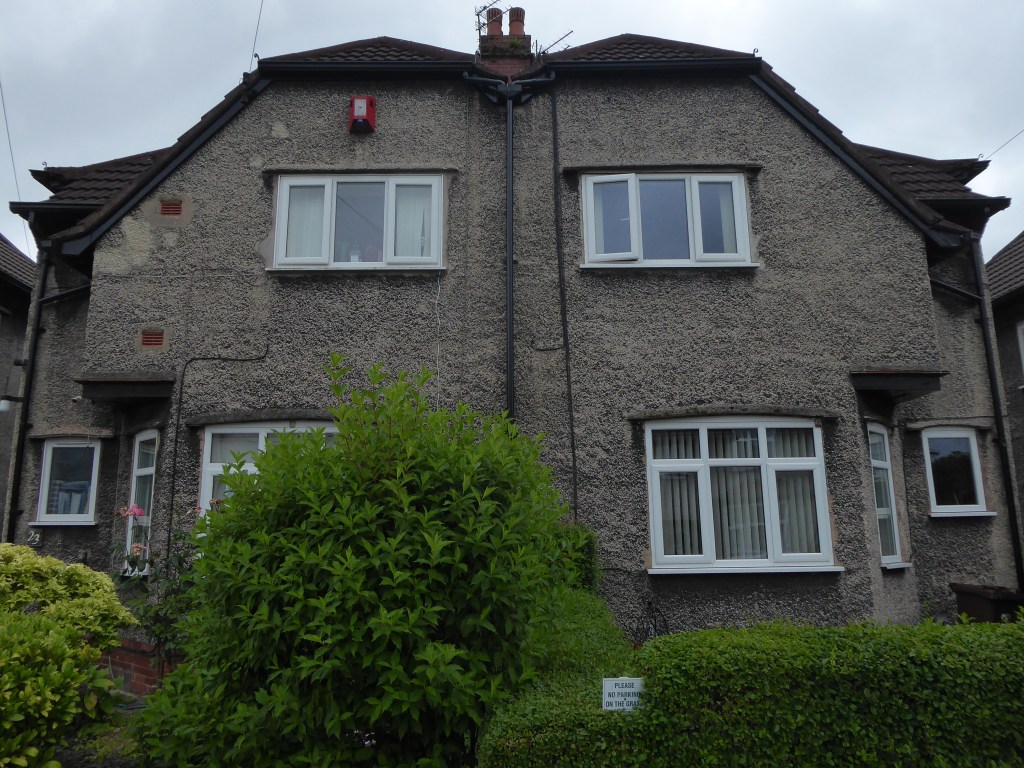
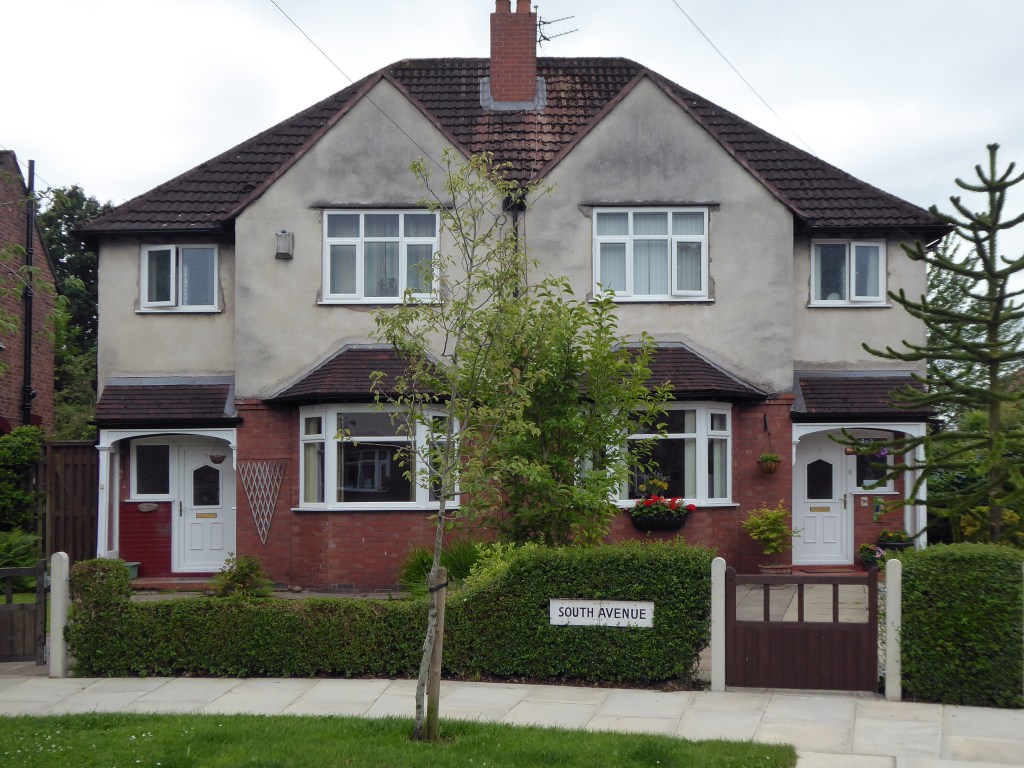
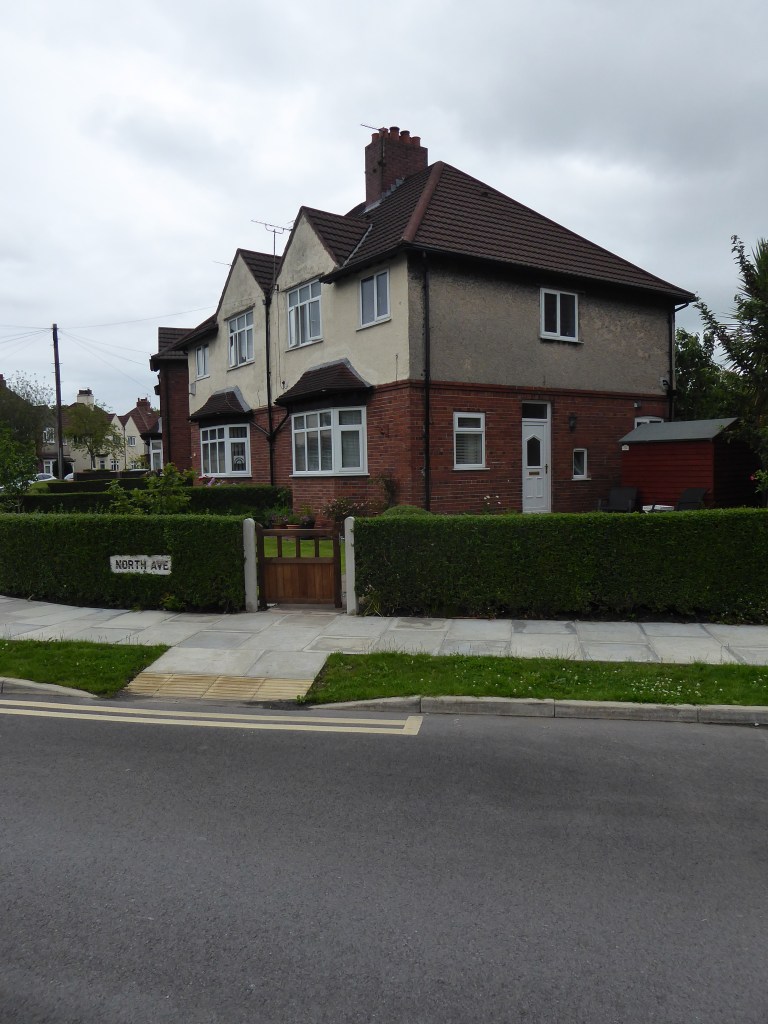
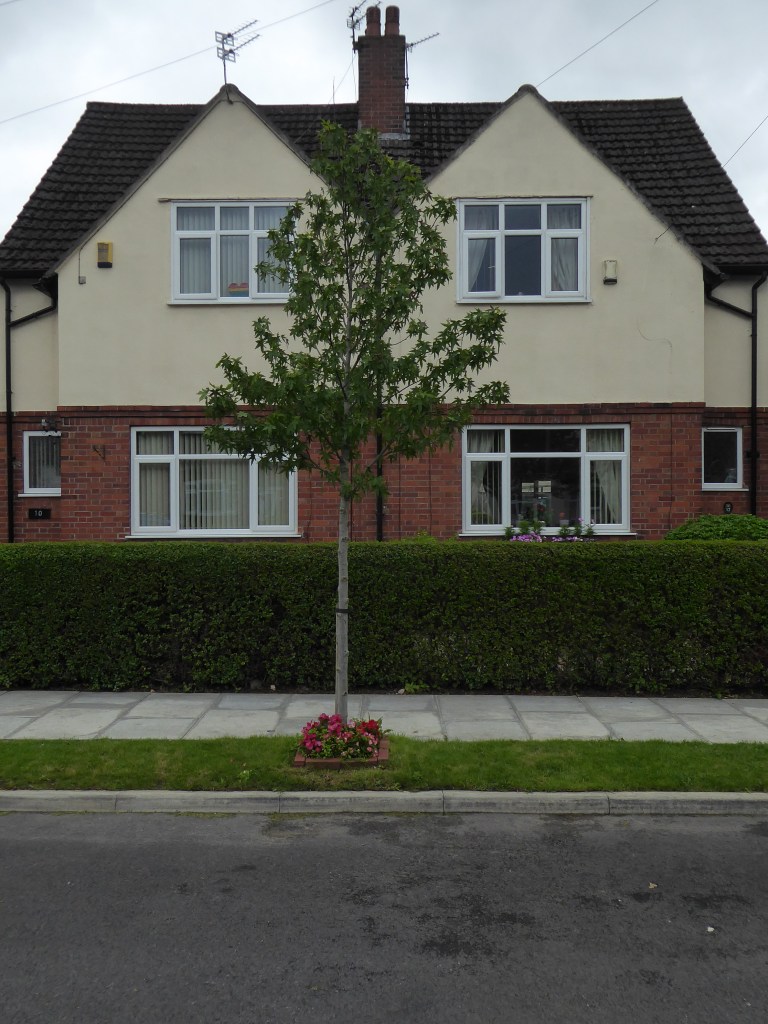
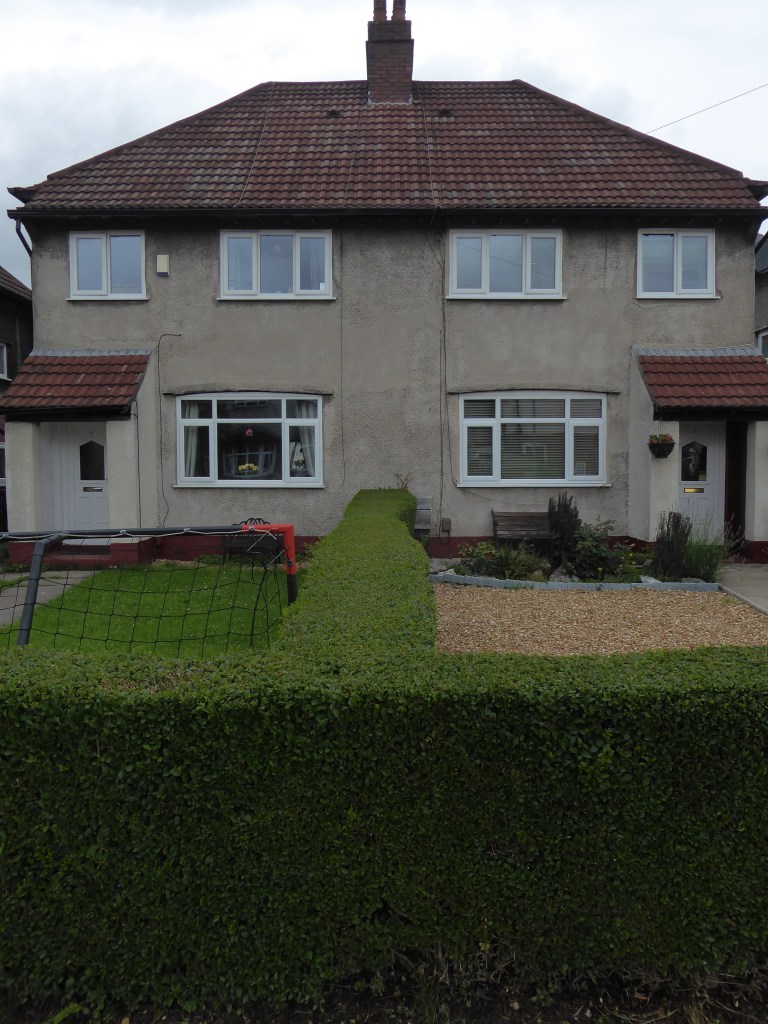
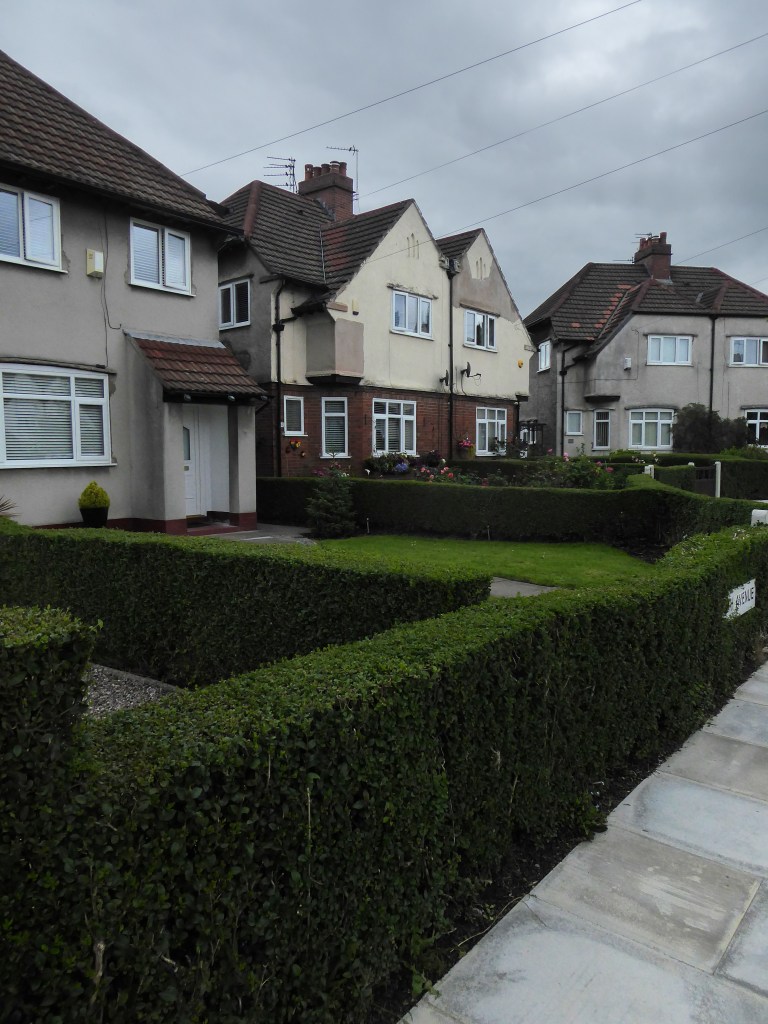
The housing estate of 136 houses known as Burnage Garden Village, a residential development covering an area of 19,113sqm off the western side of Burnage Lane in the Burnage ward. The site is situated approximately six kilometres south of the city centre and is arranged on a broadly hexagonal layout with two storey semi-detached and quasi detached dwelling houses situated on either side of a continuous-loop highway. The highway is named after each corresponding compass point with two spurs off at the east and west named Main Avenue and West Place respectively. Main Avenue represents the only access and egress point into the estate whilst West Place leads into a resident’s parking area.

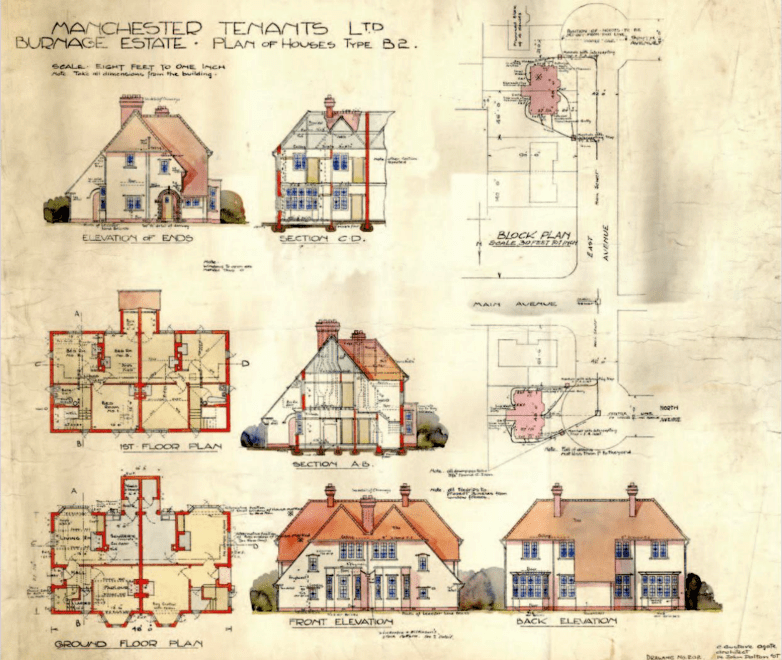
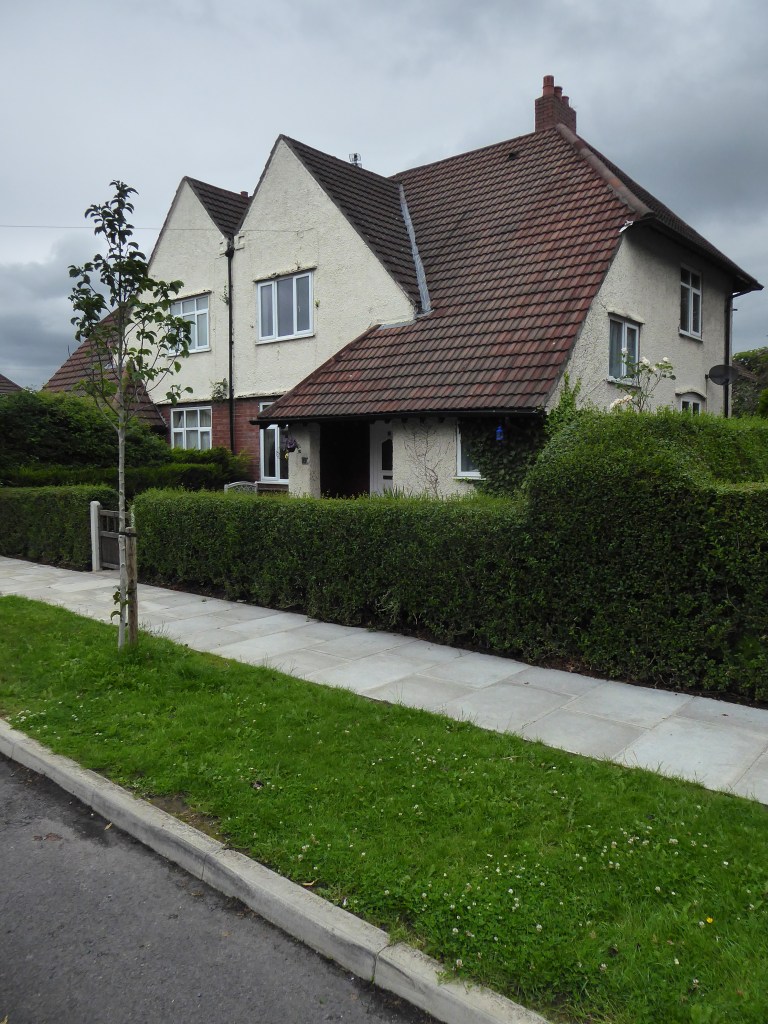
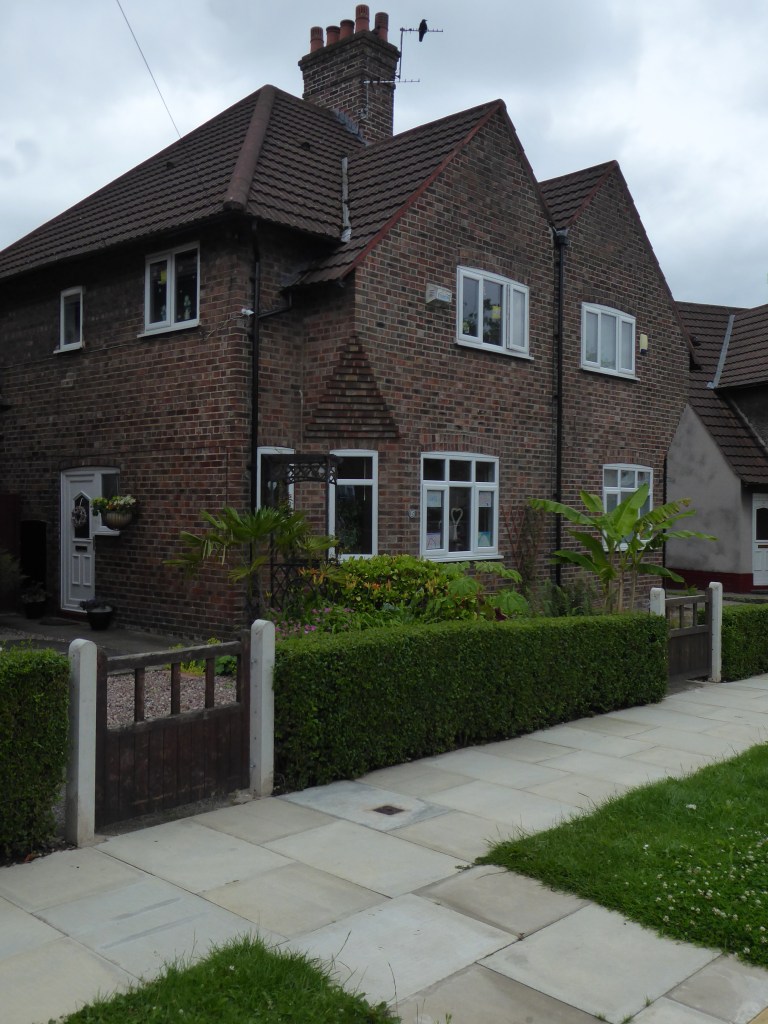
The layout was designed by J Horner Hargreaves. Houses are loosely designed to Arts and Crafts principles, chiefly on account of being low set and having catslide roofs.

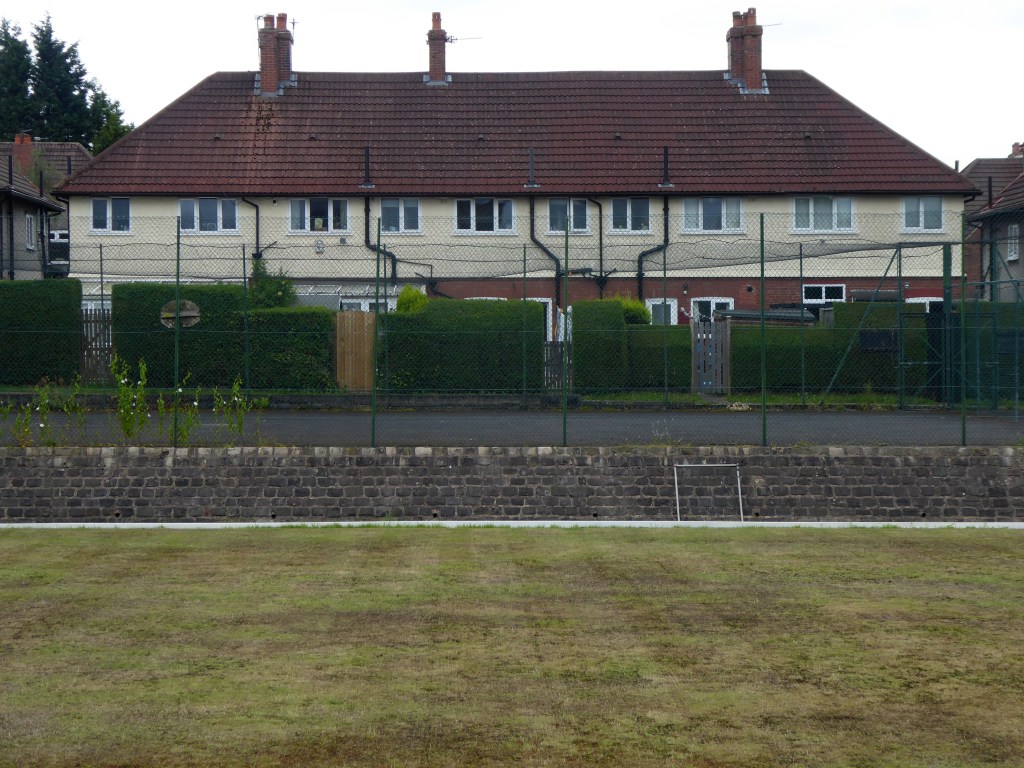
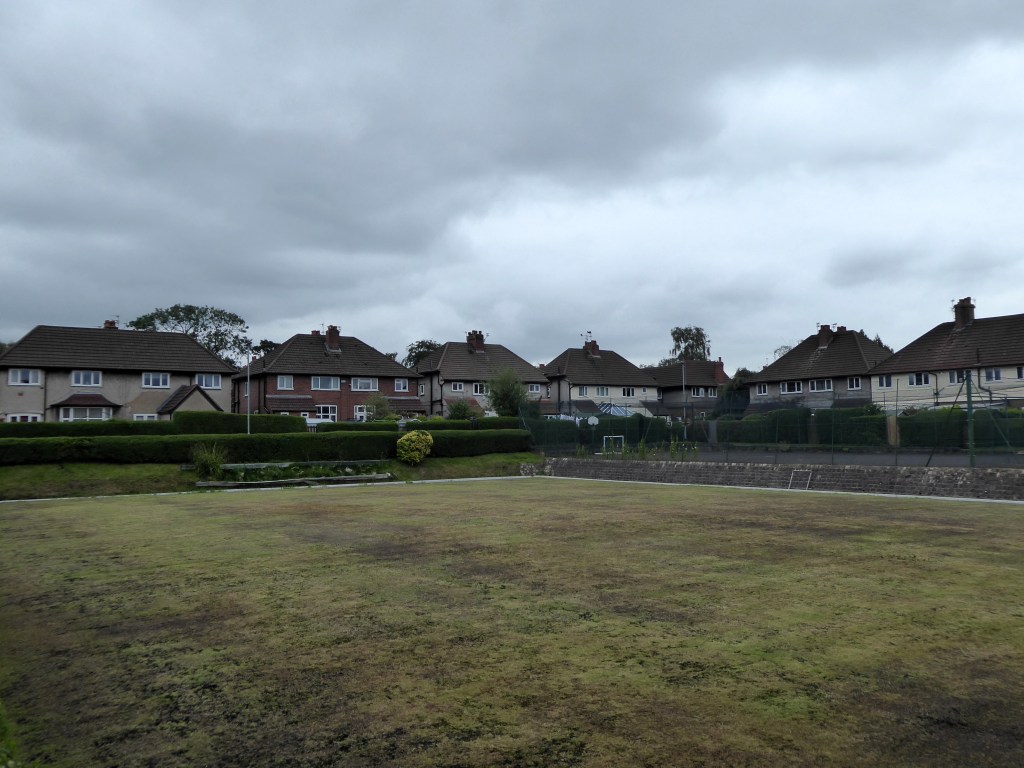
At the centre of the garden village and accessed by a network of pedestrian footpaths, is a resident’s recreational area comprising a bowling green, club house and tennis courts. The estate dates from approximately 1906 and was laid out in the manner of a garden suburb with characteristic hedging, front gardens, grass verges and trees on every street. 

Verges and paving were freshly laid, hedges and gardens well tended, cars parked prettily.

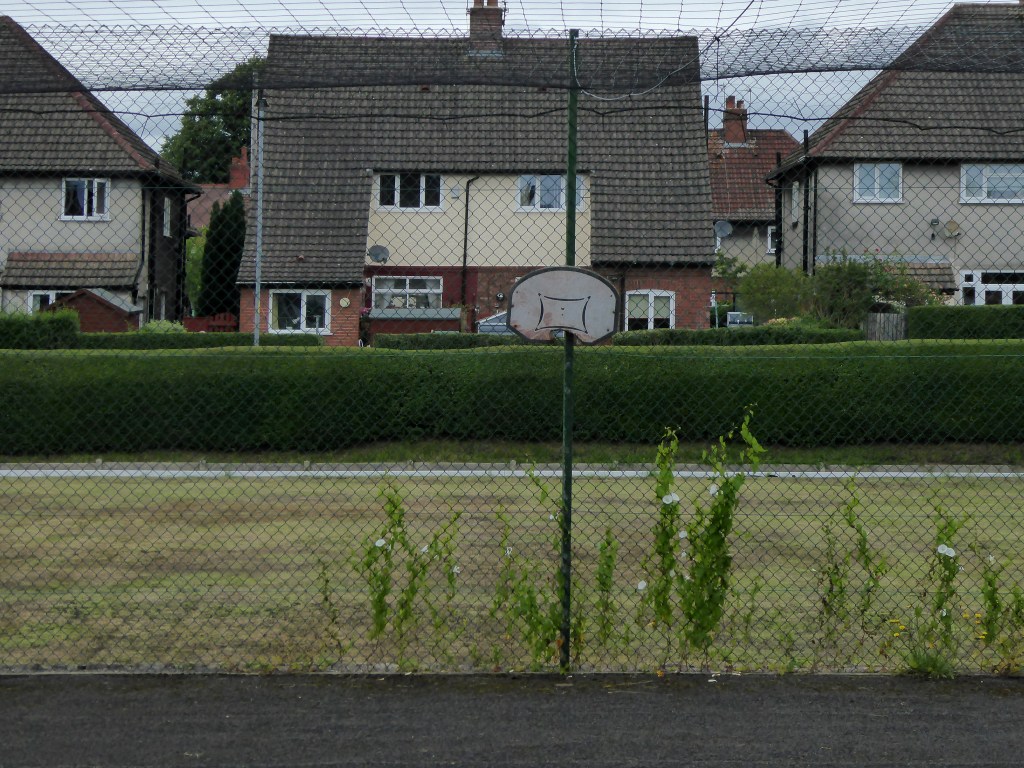
The central communal area calm and restful, but lacking the clunk of lignum vitae wood on jack, hence the scorched earth appearance of the normally well used crown green.

A detailed appreciation the estate is available here.

Let’s take a leisurely look.

Modernist Model Village

I’ve always dreamt of a Modernist Model Village.

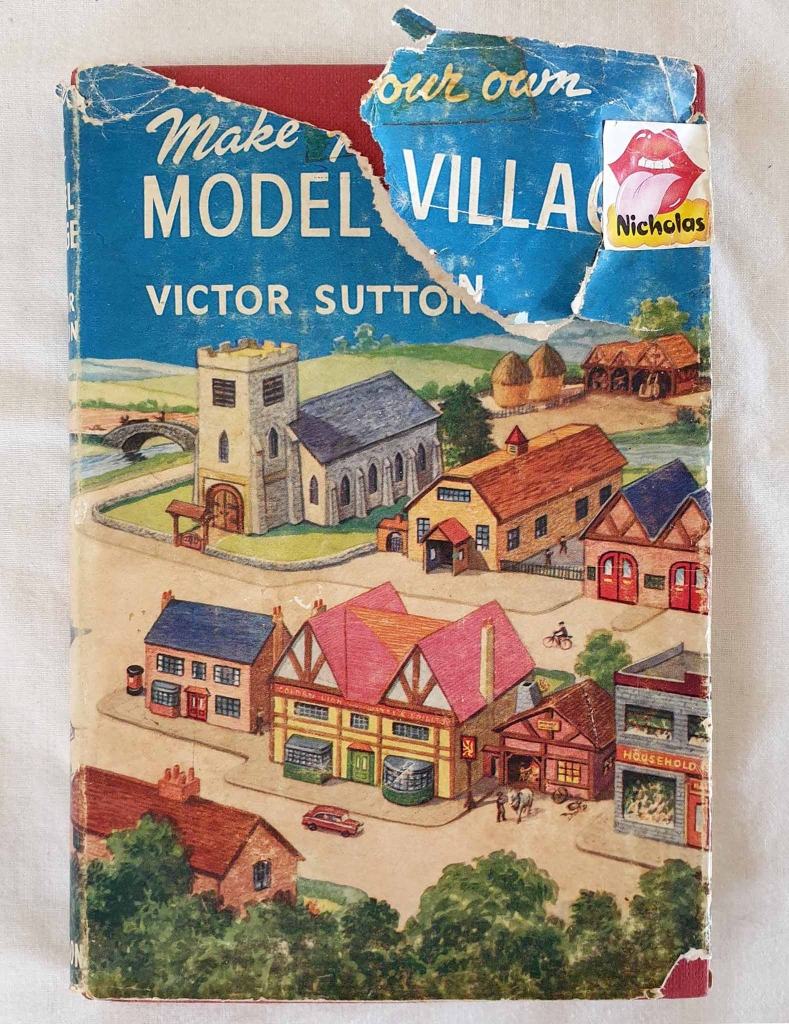
So much so I bought a book.

Drew up a list of buildings, made plans – dream on.

The best laid schemes o’ mice an’ men gang aft a-gley.

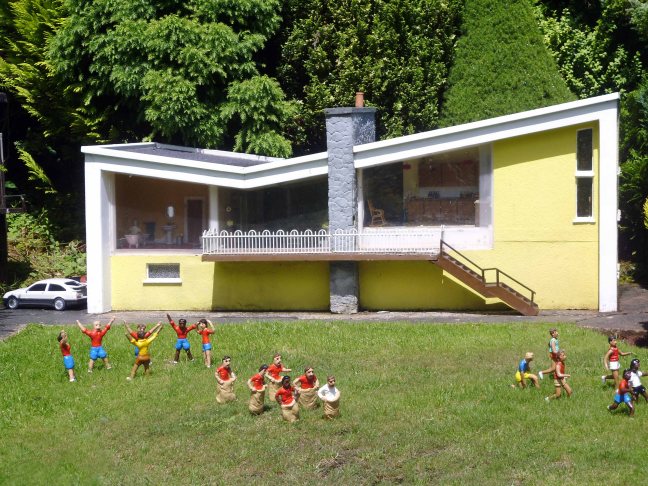
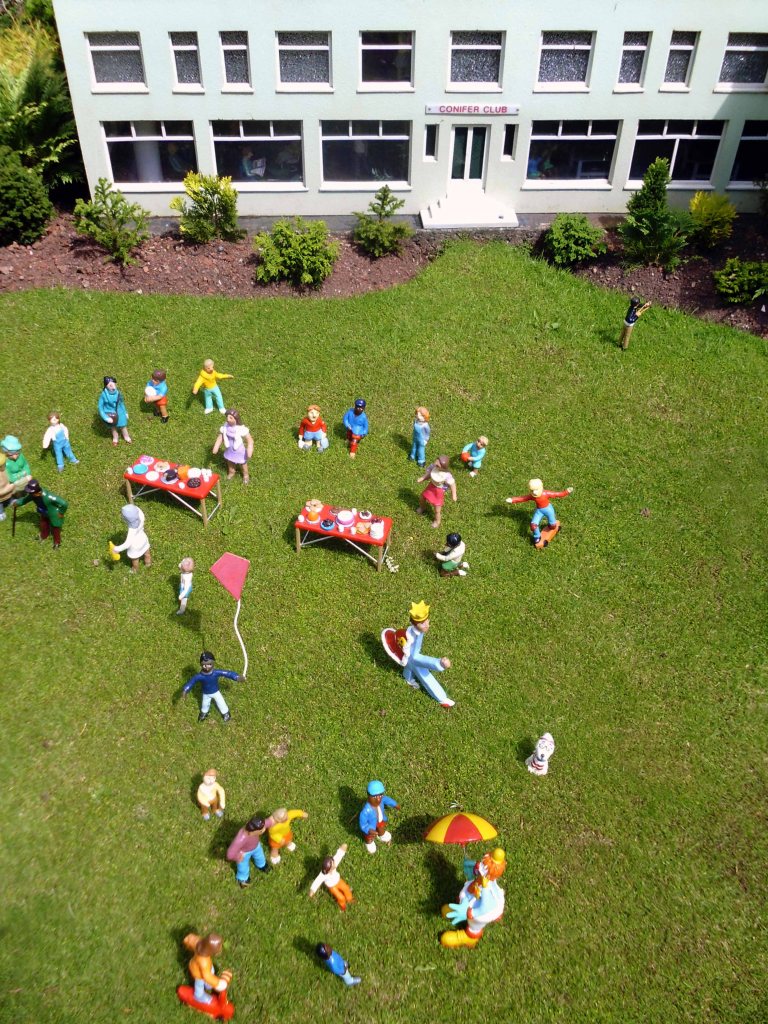
However, whilst on my 2015 cycle tour of the south west coast I arrived almost accidentally yet serendipitously outside Babbacombe Model Village.

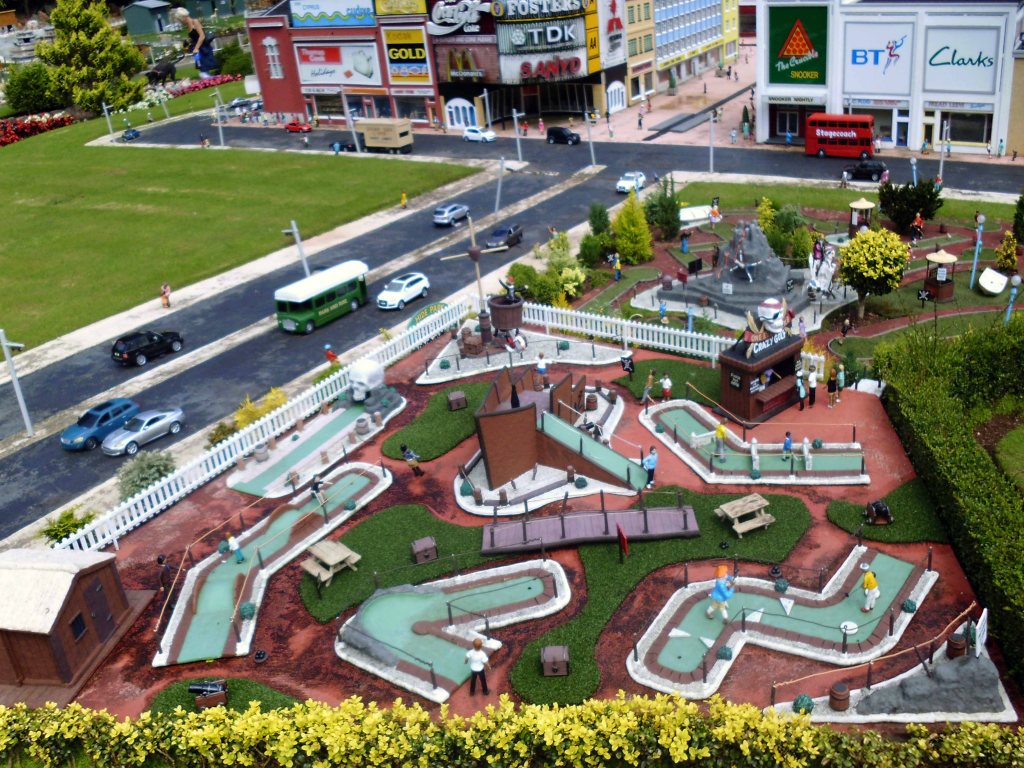
A good place to visit as dogs are welcome and this is important to us. The models were very cleverly designed and each one is recognisable and very funny anecdotes and labels. It was much bigger than it looked but flowed easily and was fun and charming to walk around. There is also a free mini crazy golf room which makes a change to not charge for something like this and a joy to see. I really enjoyed myself and it is all so well maintained you can feel the passion of the people creating it.

I went in – how could I have done otherwise?

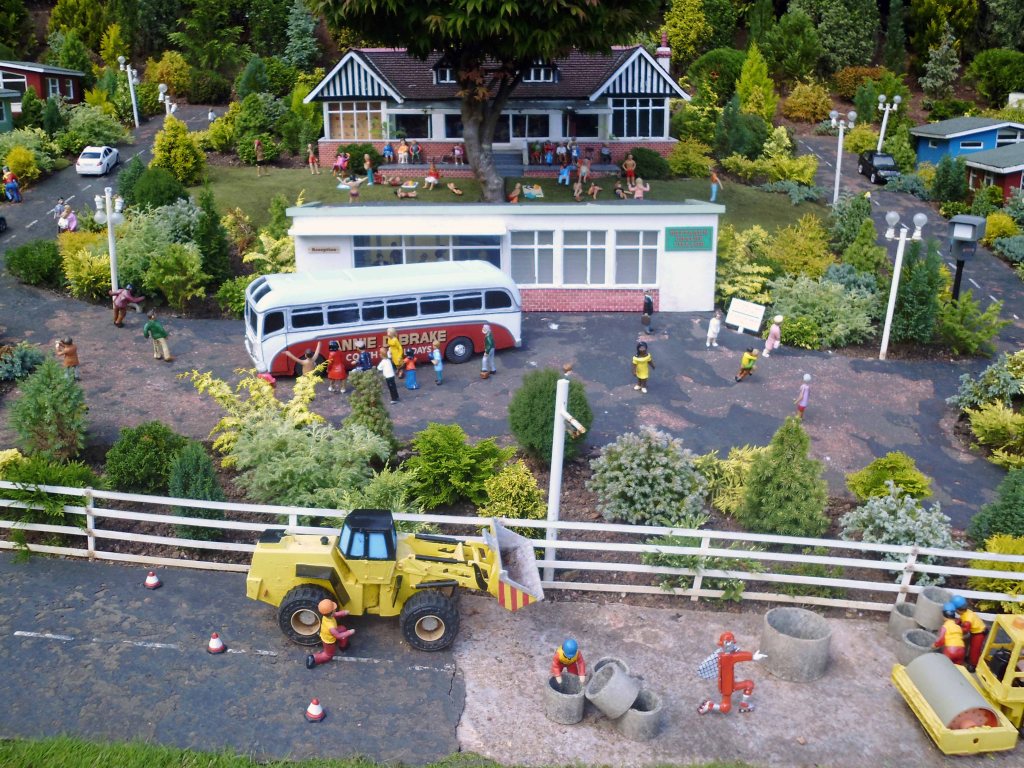
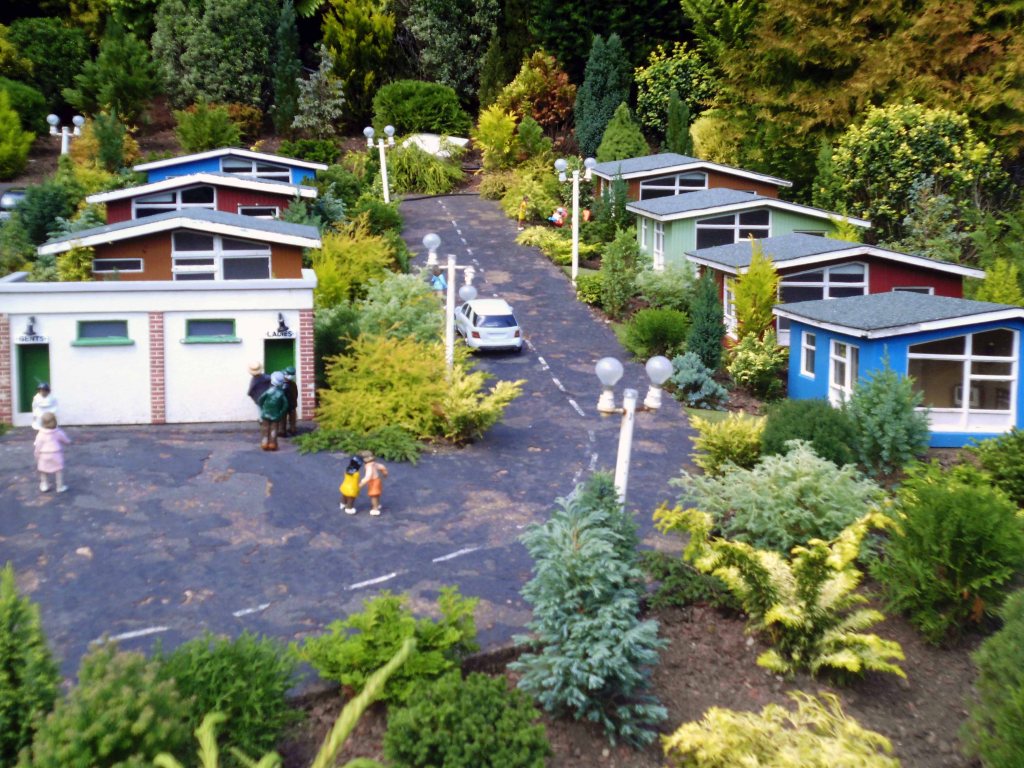
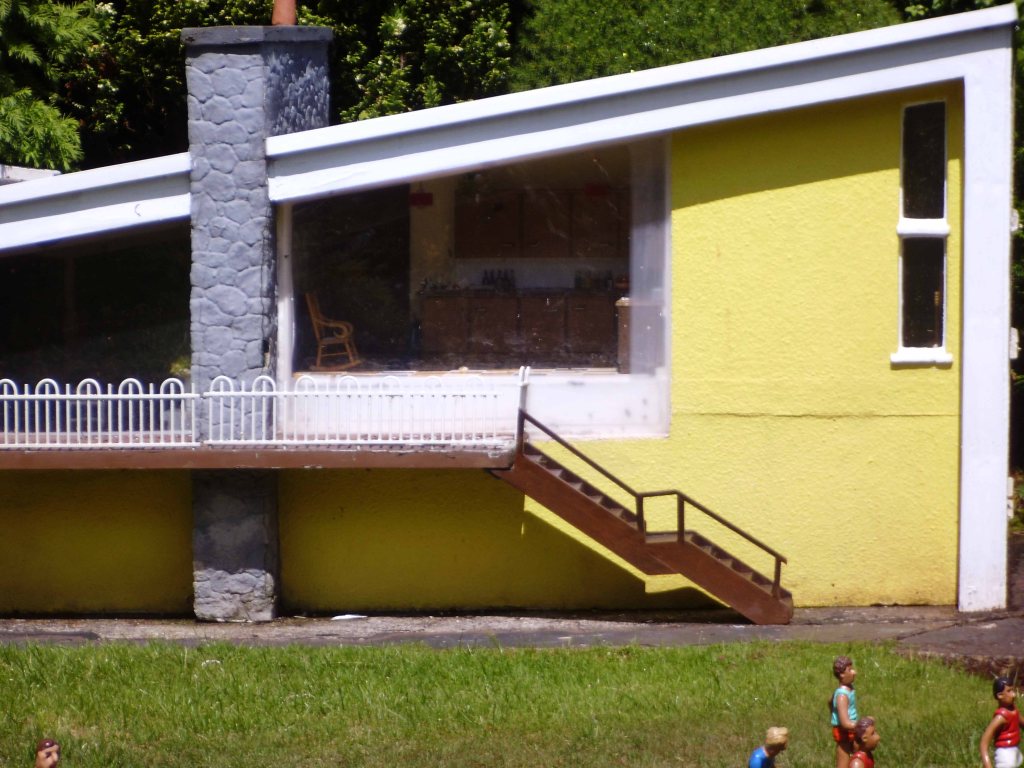
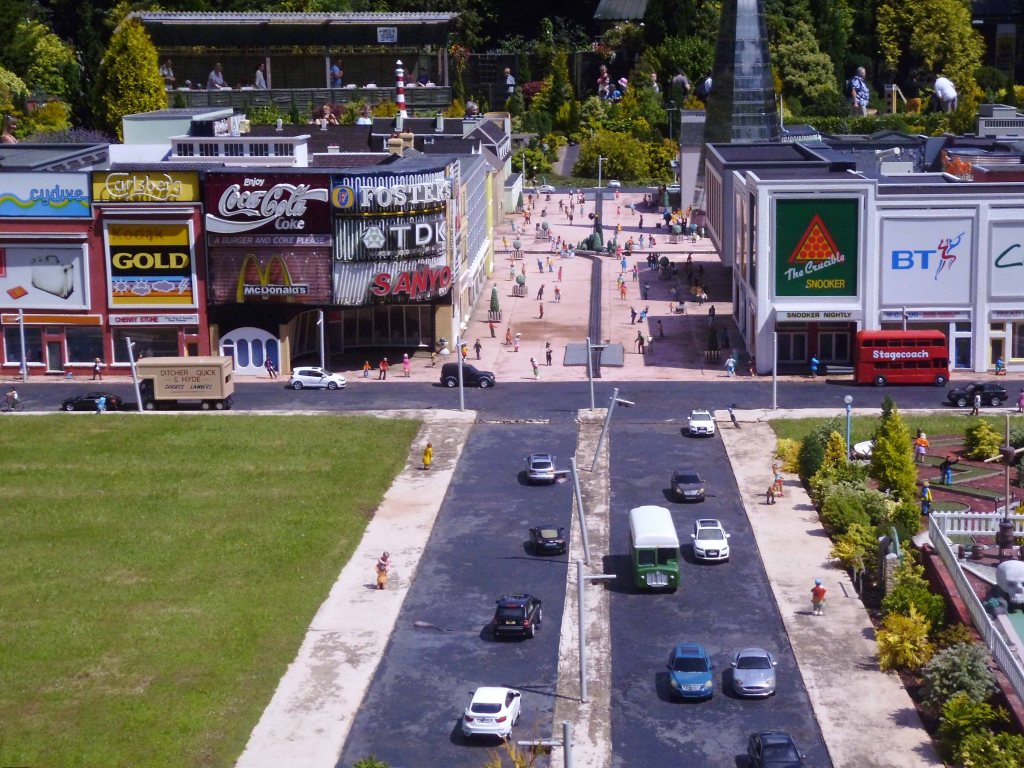
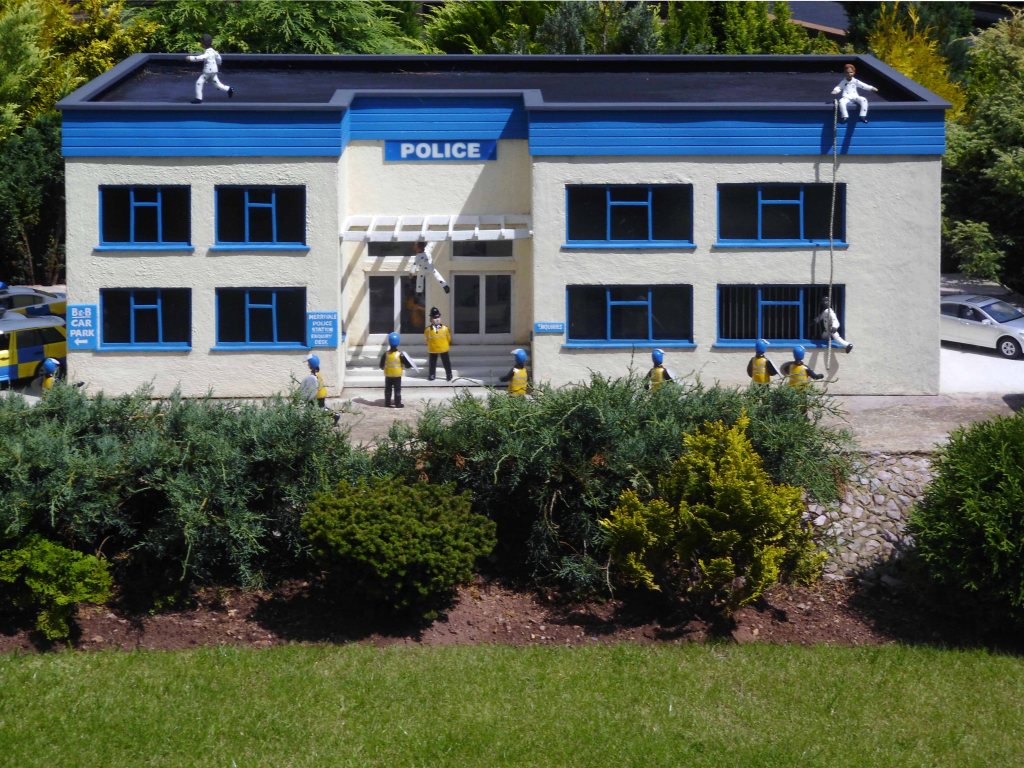
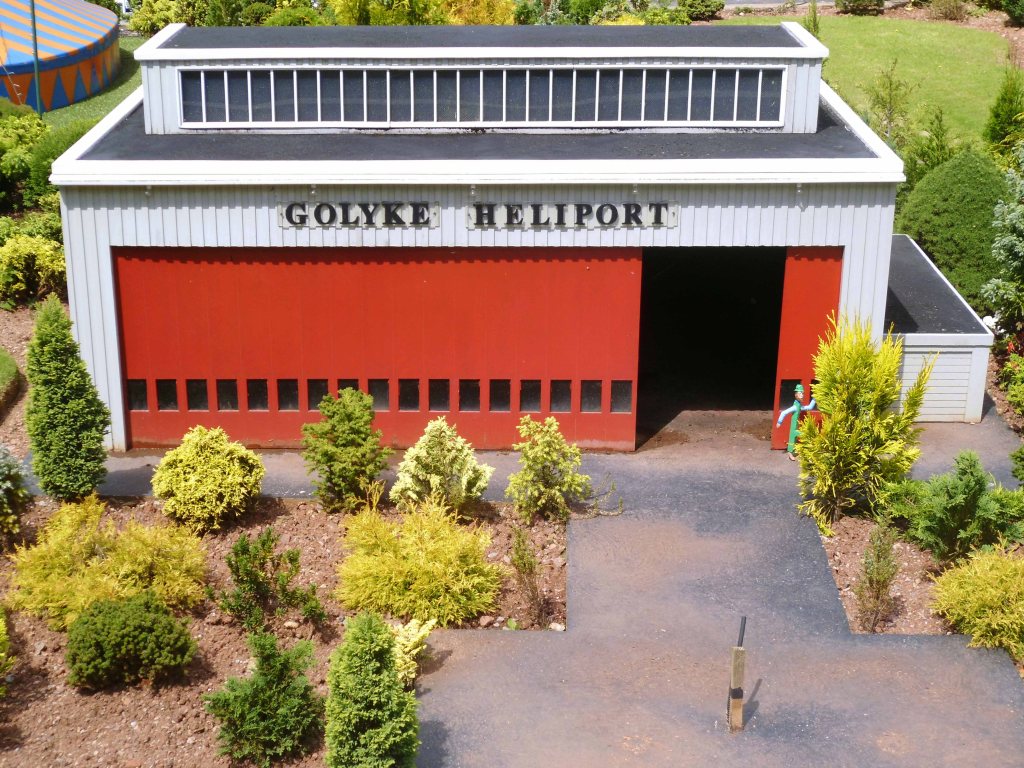
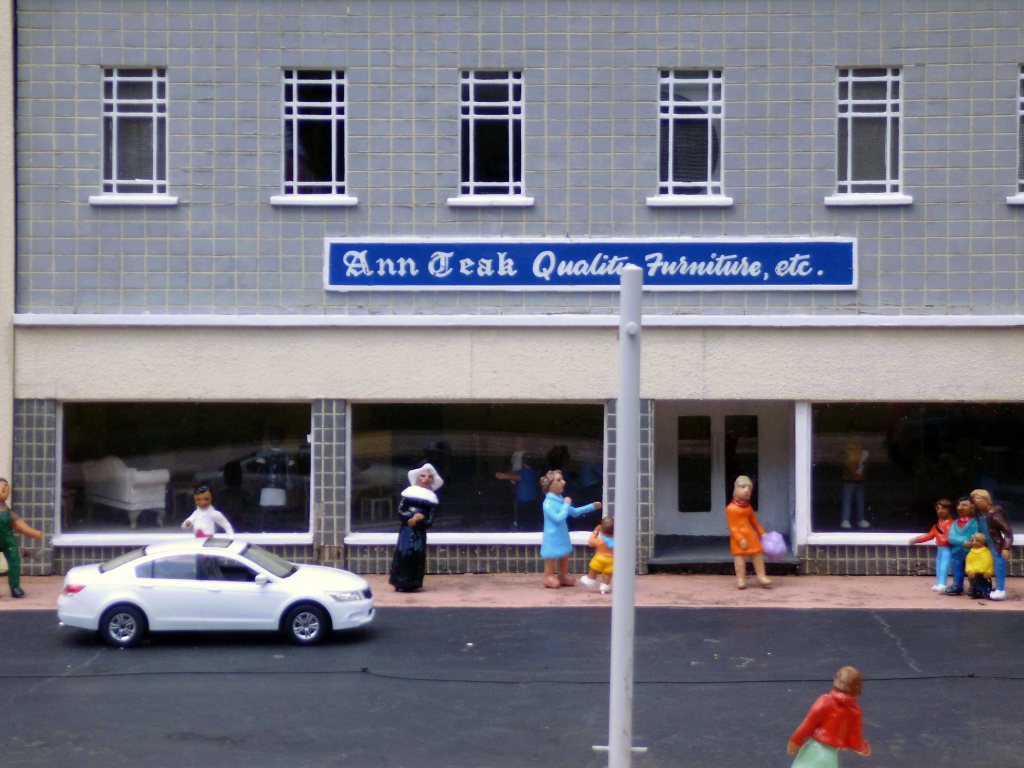
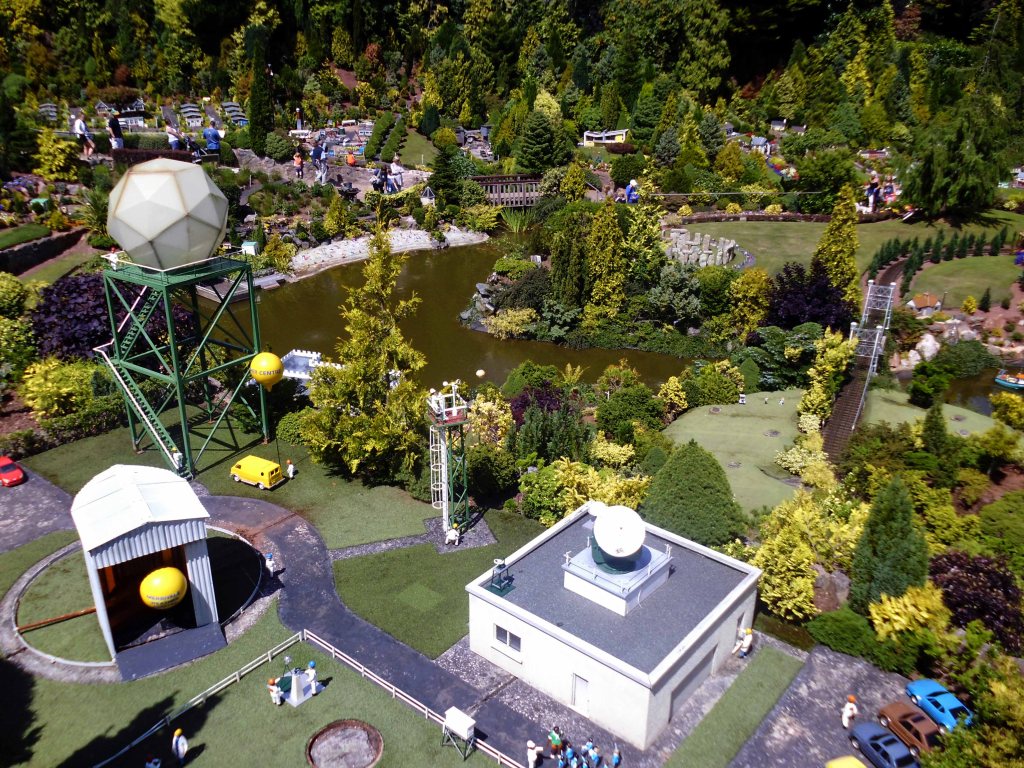
Many of the buildings reflect the areas’ Seaside Moderne styles, from the holiday chalets to the substantial Modernist Villa, plus all the up to the minute services and infrastructure one would expect in a modern model village.

Let’s take a look:

Other model villages are available – Bondville Bridlington and virtually in Hastings

Weston super Mare

Although there is evidence in the local area of occupation since the Iron Age, it was still a small village until the 19th century when it became a seaside resort, and was connected with local towns and cities by a railway, and two piers were built. The growth continued until the second half of the 20th century, when tourism declined and some local industries closed. A regeneration programme is being undertaken with attractions including the Helicopter Museum, Weston Museum, and the Grand Pier. The Paddle Steamer Waverley and MV Balmoral offer day sea trips from Knightstone Island to various destinations along the Bristol Channel and Severn Estuary. Cultural venues include The Playhouse, the Winter Gardens and the Blakehay Theatre.

Wikipedia

I arrived mid-morning on Saturday 25th July 2015 – having travelled some two hundred miles or so from Stockport by train.

The Iron Age seemed to be over and regeneration slowly but surely under way.

This marked the start of another coastal tour, following last year’s epic which began in Hastings.

This time I was heading for Hastings – but that can wait until tomorrow, let’s have a look around town.

Directly opposite the station is a group of Seaside Moderne homes in various states of whiteness – standing in line along Neva Road.

Reasonably priced, cheaper than Frinton – check it out

I pushed my bike along the prom heading for my pre-booked digs in a stylish seafront hotel.

Past the Marine Causeway linking the shore to some kind of modern day Post Modern Shangri-La.

A mystical, harmonious valley, gently guided from a lamasery, enclosed in the western end of the Kunlun Mountains, possibly not.

You can stroll onto Knightstone Island, where you will find some cafes serving light snacks and refreshments, or to the other side which takes you along the causeway, accessible to walk across according to the tides. At the other side of the Causeway you will find a small rocky beach with tidal rockpools ideal for exploring.

Just along the prom stands one of my all time favourite seaside shelters.

Even further along – what’s all this here then?

The foundation stone of the Birch-designed Birnbeck Pier was laid in 1864. It opened on 5th June 1867 and consisted of a 1040 foot cantilever construction to Birnbeck Island and a short jetty extending westwards from the island.

National Piers Society

It seems to have changed hands several times in its relatively short life, including the stewardship of the infamous Urban Splash and the mysterious mystery owners, the current custodians it seems, have done little to secure a secure future.

It remains alone and untended, stretching aimlessly out to sea.

In April 2015, Friends Of The Old Pier Society created a novel fund raising scheme in which 1p and 2p coins would be lined up to stretch from the Grand Pier to Birnbeck Pier.

September 2019 Councillor Mr Crockford-Hawley said:

It’s this end of Weston which is the sore, it’s the carbuncle, it’s clearly well past its prime and it needs some serious attention. I mean it would be wonderful if somebody came along with an open ended bank account and said ‘yup, I’d love to restore it for the sake of restoring it’, but quite clearly there’s got to be an economic future for the pier, there’s got to be a purpose for the pier.

Possibly a wealthy Beatle could bail the ailing pier out of deep water?

Having made a bob or two since they appeared here in 1963.

Next thing I know I’m outside the imposing and impressive sounding Ocean Hotel. Sad to say on the day/night of my visit it wasn’t just this weary traveller that appeared to be over tired, happy to report the the New Ocean Hotel has been revamped and in tip-top condition by all accounts.

Any road up, let’s get out, take a walk up the road – have look at some local type.

Watney’s mythical Red Barrel.

Watney’s was the Evil Corporation which sought to crush plucky small brewers and impose its own terrible beer on the drinking public. It acquired and closed beloved local breweries, and it closed pubs, or ruined them with clumsy makeovers.

Its Red Barrel was particularly vile – a symbol of all that was wrong with industrial brewing and national brands pushed through cynical marketing campaigns.

A page-spread from Design Research Unit 1945-1972 – Koenig Books 2011 via A Practice for Everyday Life via Boak and Bailey – who examine the truth behind the myth.

A palimpsest ghost within a ghost.

A seaside outing for dear old Brush Script – a casual connecting script typeface designed in 1942 by Robert E. Smith for the American Type Founders.

The face exhibits an exuberant graphic stroke emulating the look of handwritten written letters with an ink brush.

It came third as a Least Favorite nomination in a 2007 designers’ survey.

It was rated fifth in The Eight Worst Fonts In The World list in Simon Garfield’s 2010 book Just My Type.

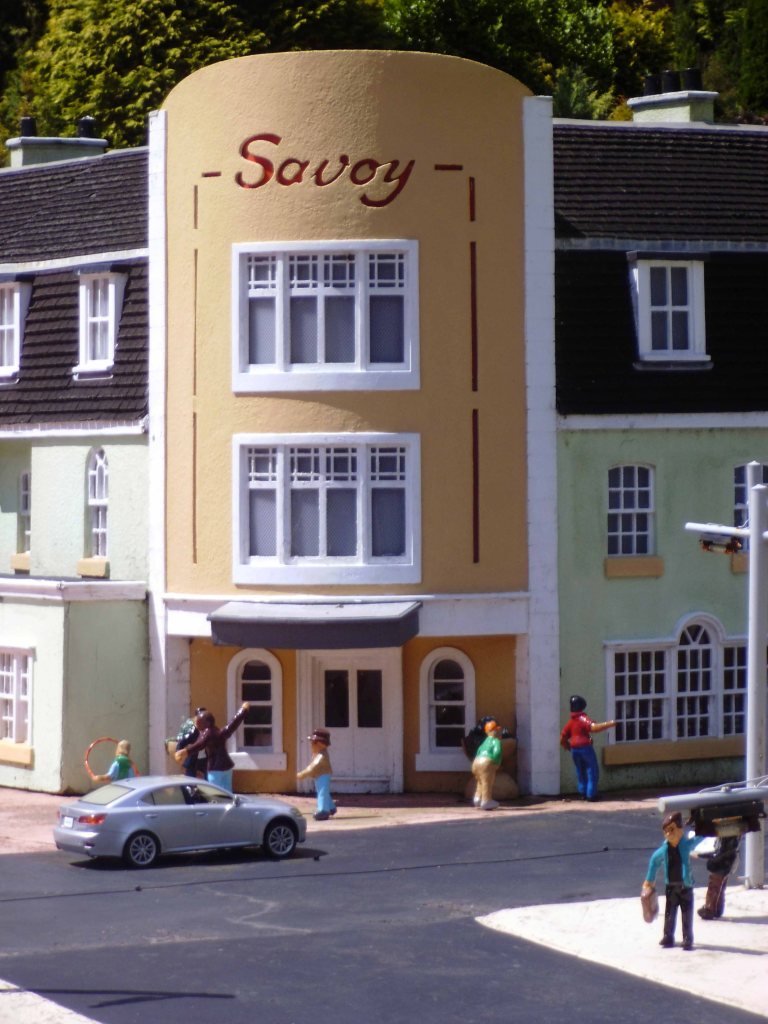
Why have just one identity when you can have two, welcome to the 21st Century schizoid Savoy – don’t it jus’ make you want to stomp?

First but surely not the last sighting of Profil aka Stymie Bold Italic – in a none inline variant.

Classical kerning down at the local estate agents, tasteful Gill Condensed Bold – from the hand and eye of the far from tasteful Eric.

Ay up it’s a launderette that almost thinks it’s a scooter!

Cheap beer, raffle, singer and bingo on a Wednesday afternoon.

Amazing and great atmosphere with friendly service staff and atmosphere, love it, real nice people

Facebook

Russell Davies Flickr

Keeler Productions has taken over Locking Road Car Park, opposite Tesco, and The Regent Restaurant, in Regent Street, to film a BBC period series The Trial of Christine Keeler, based on the Profumo Affair in the 1960s.

Weston Mercury

Enough of all that period drama, let’s have a look at some period architecture.

Madeira Court – 67 flats built in 1988.

Weekly Social Activities include – coffee mornings, card evenings and occasional days out, organised by social club. New residents accepted from sixty years of age, both cats and dogs generally accepted.

I can find no reference for this dalle de verre stained glass window.

Boulevard United Reformed Church – Waterloo Street

Architects Gordon W. Jackson and Partners 1959

Constructed on part of the site of the former Electric Premier Cinema, the Odeon Theatre was opened on 25th May 1935 with Jack Buchanan in Brewster’s Millions. Built as one of the original Odeon Theatres in the then emerging Oscar Deutsch Odeon Theatres circuit, it was built on a prime corner street position in this sea-side town and was the first of several Odeon Theatre’s to be designed by architect Cecil T Howitt.

The Odeon was Grade II Listed on 21st August 1986.

Cinema Treasures

The Weston-super-Mare Odeon was built by C Bryant & Son Ltd of Birmingham on the site of the former Electric Premier Cinema. It opened on 25 May 1935, at which time it was described in the souvenir programme as ‘modernity at its best’, with seating accommodation that was ‘luxurious and spaced to give ample room for true comfort’.

A short walk along the prom snapping shelters and the sheltered – no two the same.

I then chanced to fall into a Beer Festival and bad company – the rest is a blur, see you all tomorrow there’s some cycling to be done.

Night night.

Poco a Poco – Stockport

There was a field – Ash Farm, farmhouse and field, at the junction of Manchester Road and Denby Lane, owned by one Harry Hitchen.

Harry Hitchen’s ambitious grandson reckoned that it was time that Heaton Chapel had a picture house, so on 6th May 1939 – where once there was a fertile farmer’s field, the seven hundred seat Empress Cinema opened.

22805

poco1

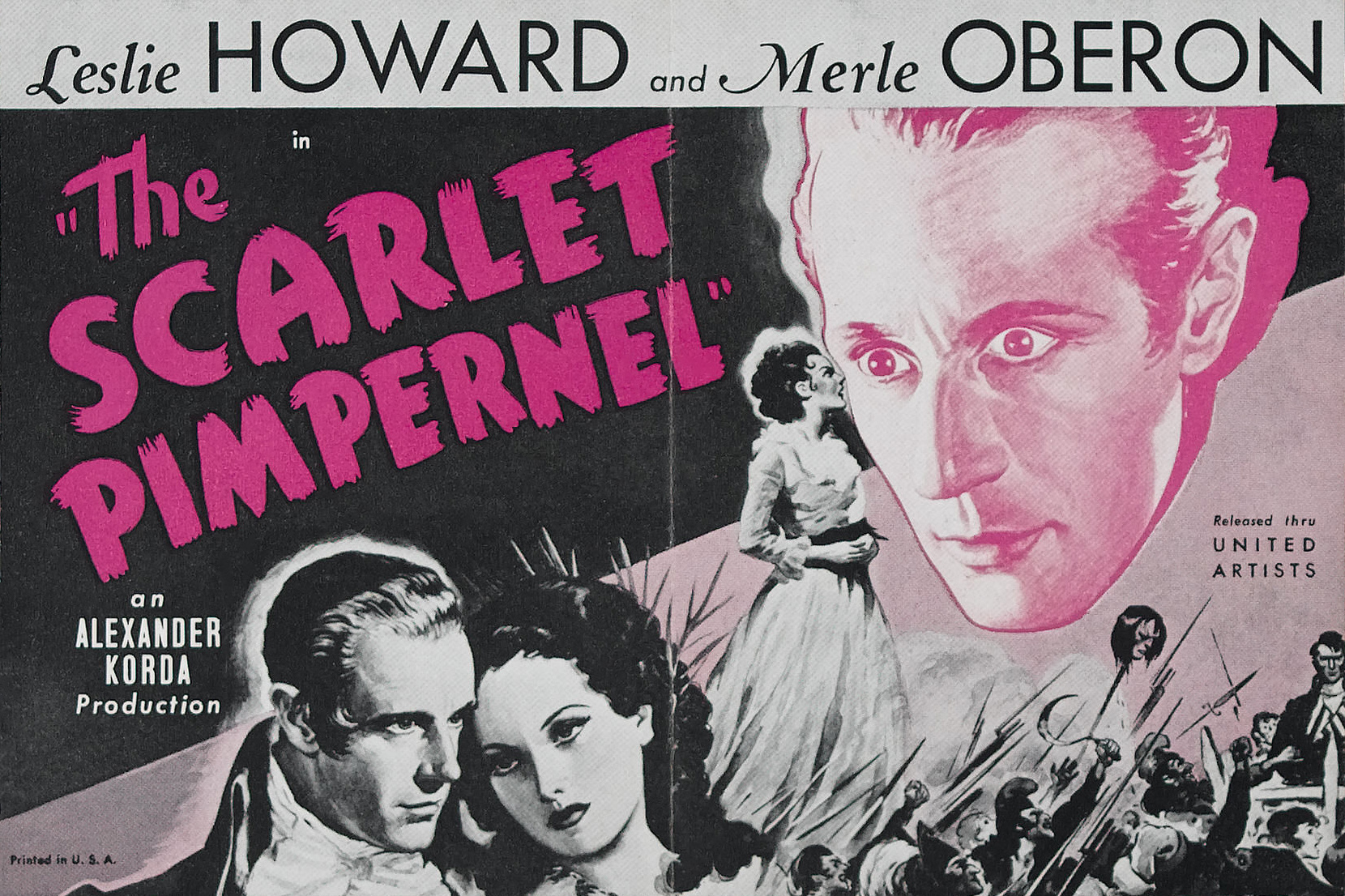
Opening with a screening of Alexander Korda’s The Scarlet Pimpernel.

Poster-Scarlet-Pimpernel-The-1934_04

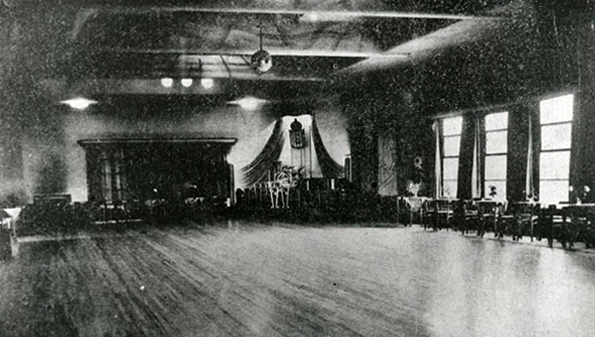
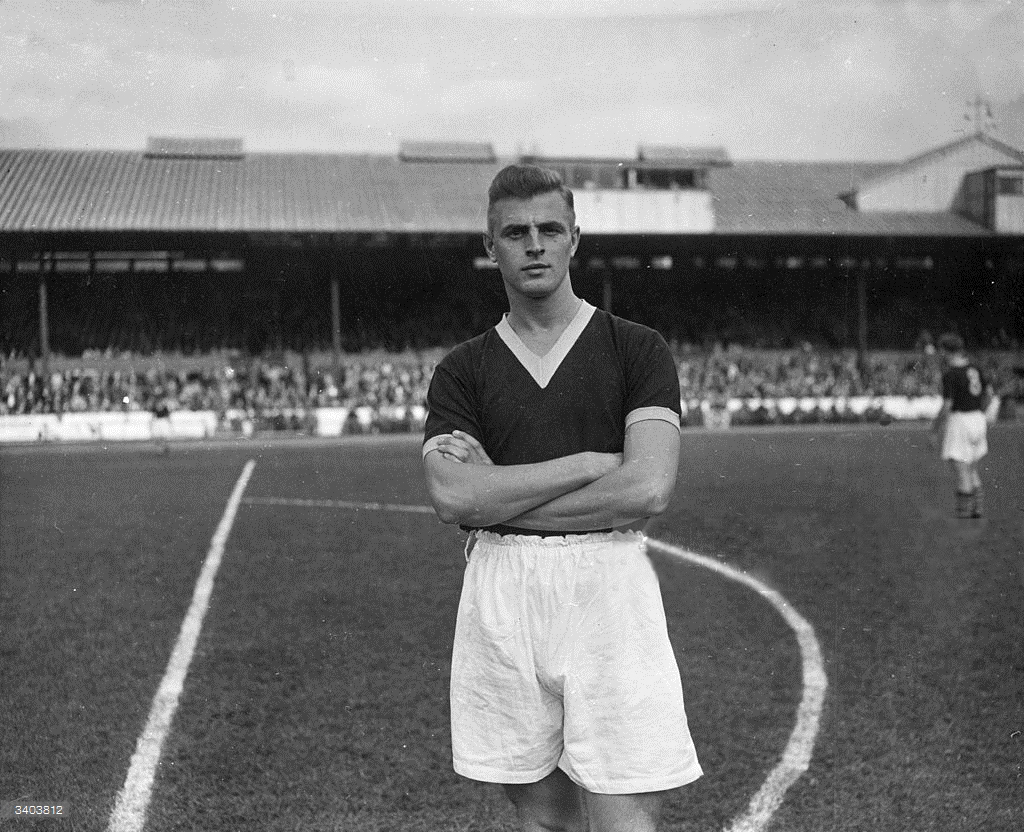
It continued to trade as a cinema until 18th April 1959, whereafter it transformed at the end of that year, into a dance house opening as the Empress Club on the 9th December, run by Manchester City footballer, Keith Marsden.

Other parts of building were used for Flamingo Coffee Jive Club, from 1961 Empress Bingo club used the none-cabaret portion of the building.

30728

Empress Ballroom

3403812

Keith Marsden

In many northern towns and cities at this time a thriving beat scene emerged, literally hundreds of local bands, playing a circuit of clubs large and small.

Further details can be found here at Manchester Beat and Lanky Beat.

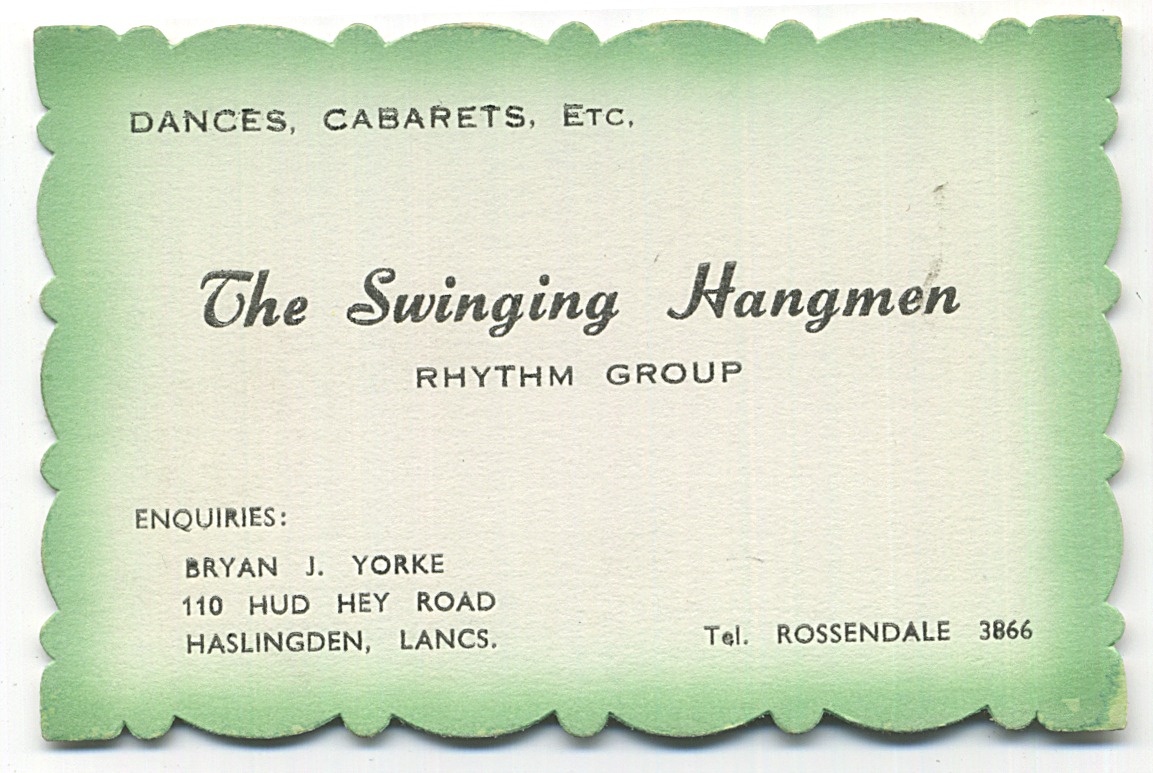
One such band played at the Empress on 14th November 1964, formerly The Matadors, then becoming The Swinging Hangmen, later known as The Hangmen. With a now sound, slick suits, a business card and a swinging, dead, novelty teddy bear mascot, they had everything going for them.

The Hangmen [1024x768]

The Hangmen card 4

Screen Shot 2017-10-23 at 17.58.02

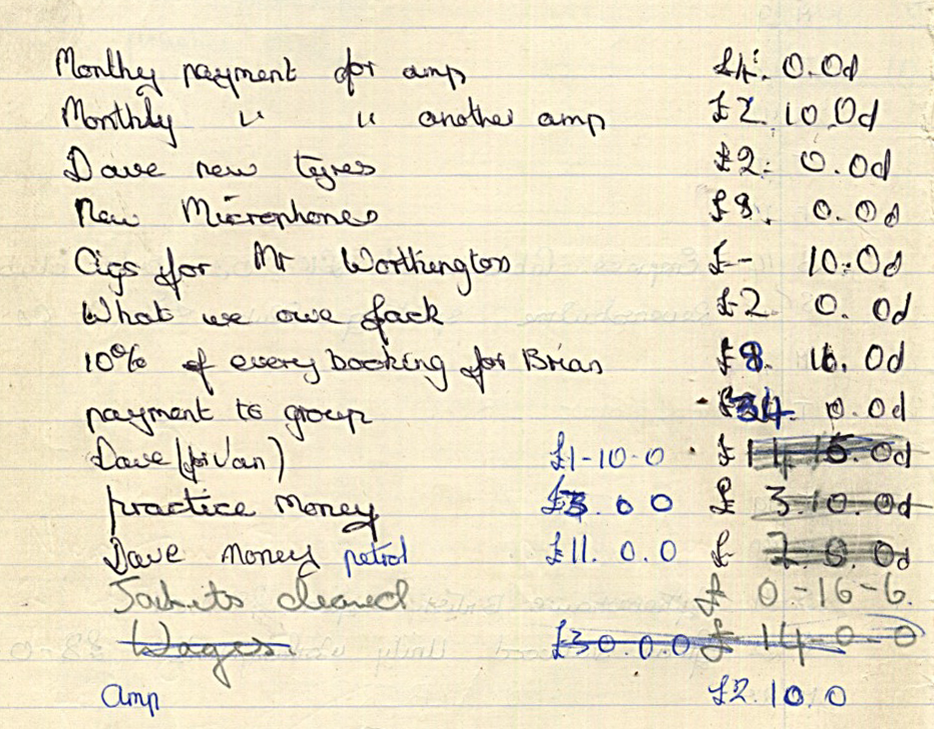
I too played in such bands during the late 60’s and early 70’s, piling in and out of assorted vans, cars and buses to arrive at a packed venue, sandwiched between the bingo and a top flight comedian.

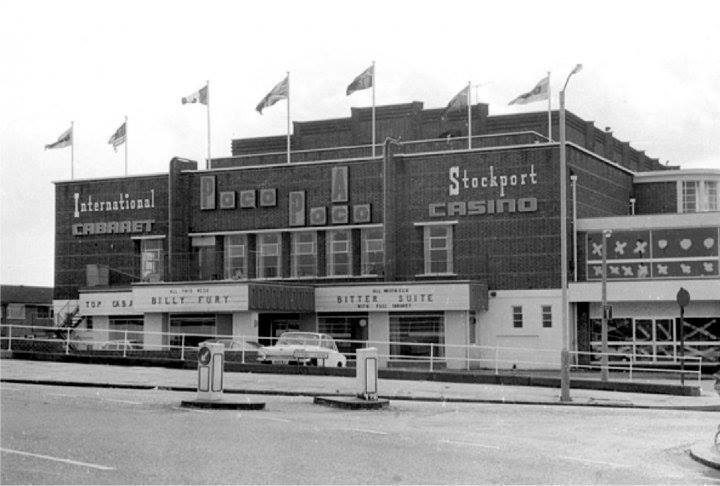
December 1968, in a flurry of flags, the Poco a Poco Club and Casino is born, international cabaret and entertainment abounds from here on in, beginning a fashion for the American style supper club, boil in the bag dining, for the discerning chicken in a basket cases.

17362764_10212578410804991_8101248843354062103_n

As beat becomes mod, psych, prog and glam a new generation of bands adapt and mutate to suit the ever changing moods and modes of modern music.

One such were Toby Twirl.

They hailed from Newcastle upon Tyne in the North East of England. Formed in the 60’s and originally called ‘The Shades of Blue’. After being signed to Decca Records by Wayne Bickerton, a name change was called for, as there was a US group of the same name. The group released three singles on Decca – Back In Time, Toffee Apple Sunday and Movin In. Although critically acclaimed in later years, none of the singles charted due to lack of major radio play. The group concentrated on live work during the late 60’s and early 70’s and were a top draw around the North of England. The line up was Dave ‘Holly’ Holland vocals, Barrie Sewell keyboards, Stuart Somerville bass, Nick Thorburn guitar and John Reed drums. Stuart was replaced by Dave Robson after he was tragically drowned in Tynemouth and Holly was replaced by Steve Pickering.

Interest in 60’s psych has seen the recent release of a Toby Twirl LP, a long overdue compilation of their admirable singles – including Romeo and Juliet 1968.

Other Poco regulars included Wishful Thinking:

Prior to 1969, they were recording with ex-Shadows drummer and record producer TonyMeehan. Between 1965 and 1969 the group released 9 singles and a live album. There were some changes in personnel and some successes, most notably Step by Step, Count To ten, Cherry Cherry, It’s So Easy and Peanuts, the latter remaining in the Danish charts for 3 months and also reaching No 8 in Japan.

My personal choice would be their version of Clear White Light.

Famously  Mr David Laughing Gnome Bowie played there on the 27th April 1970, just a few days before receiving his Ivor Novello award at The Talk Of The Town in London, for Space Oddity, which had been voted the best original song of 1969.

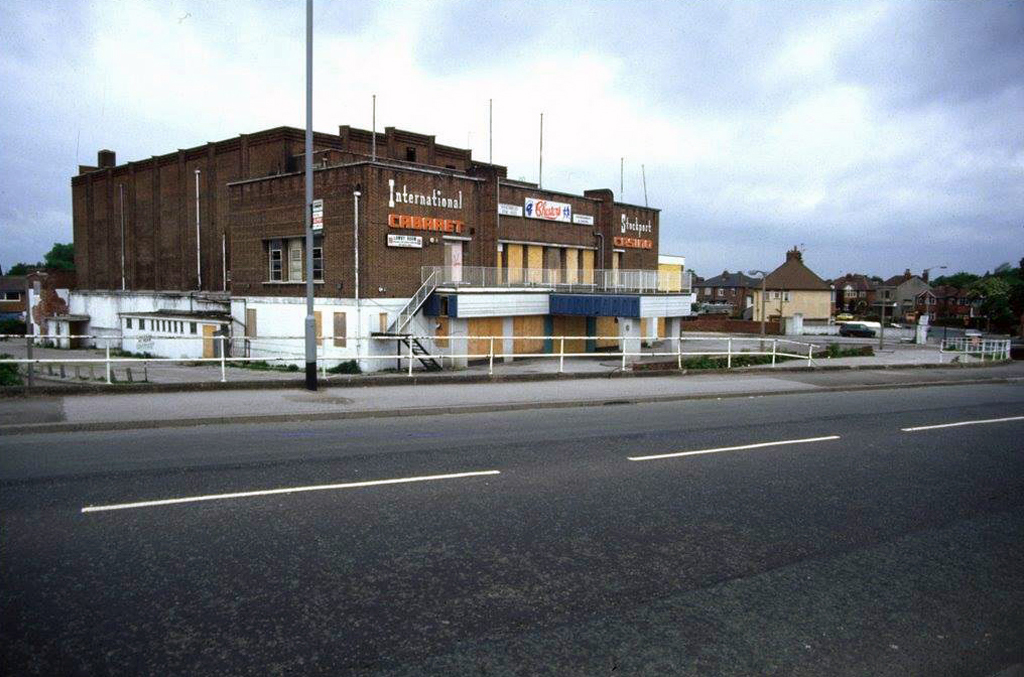
The club traded on through the 70’s and 80’s, continuing to ride the trends in popular music, the emergence of the discotheque and the almost superstar local DJ. As interest in the live cabaret music scene waned, the club began hosting boxing matches in the 80’s. Changing its name to Chester’s in 1983 and finally closing in May 1987.

It had lasted almost 50 years as a rich source of entertainments for thousands of Stopfordians, from a flickering film to a flaming beat, sadly it all ended in demolition.

11807110_536021009884734_6696872117870440677_o

The beat goes on.

Many thanks to Stephen for the essential facts and copyright images from his website.