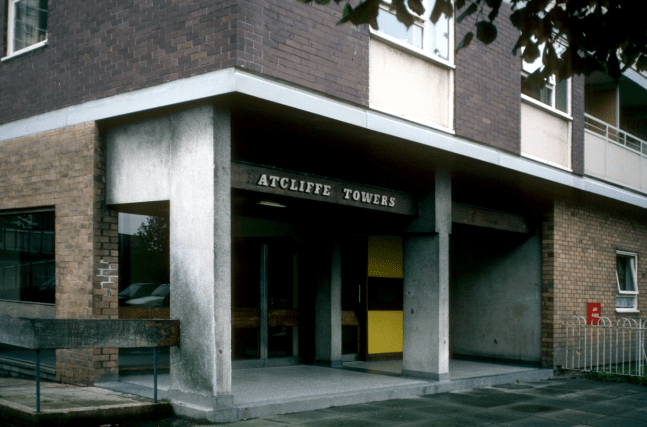
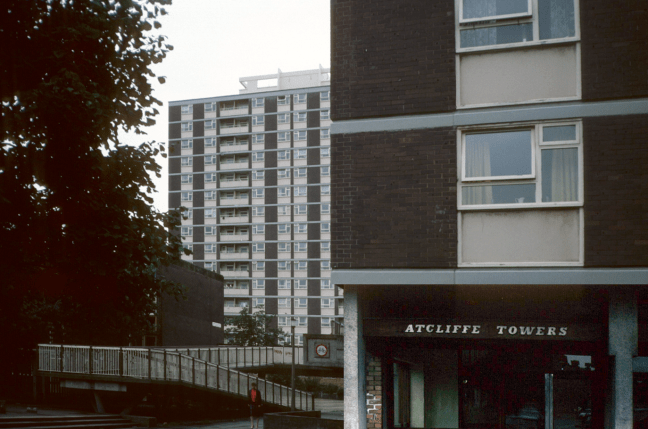
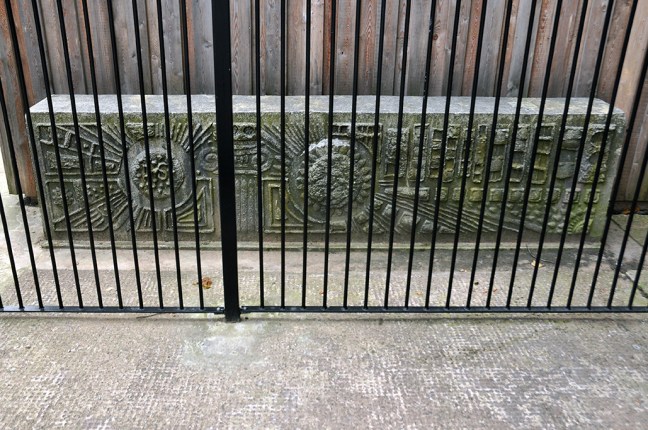
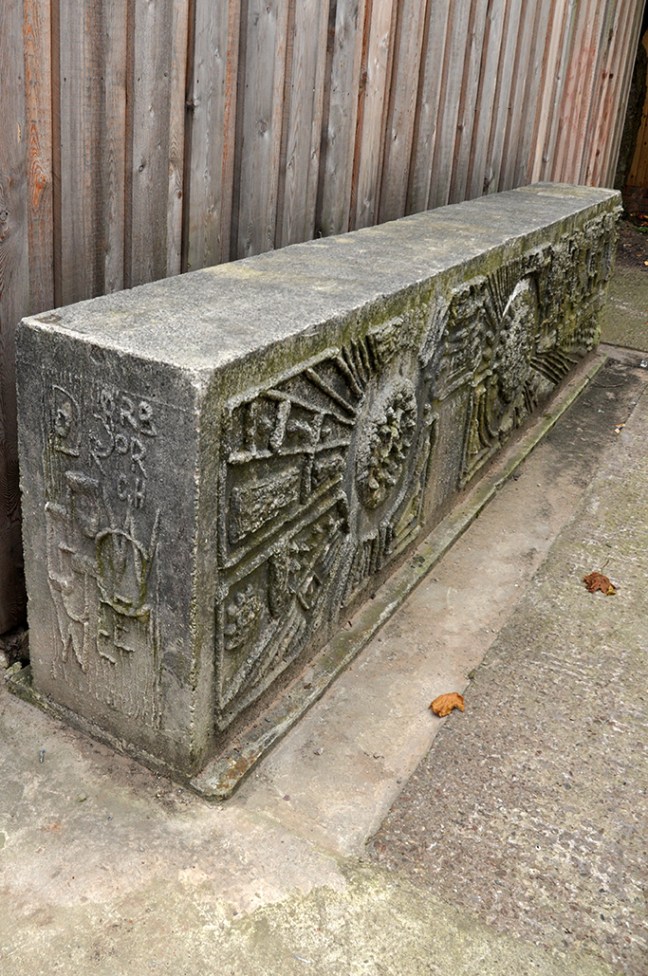
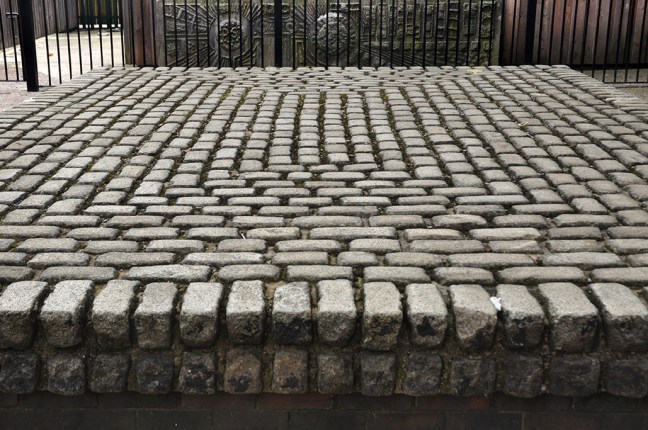
The homes and shops remain resolutely shut, un-lived in and unloved, though the City plans to re-site the resident sculpture, the residents remain absent without leaving.
And so castles made of sand, Fall in the sea, eventually.
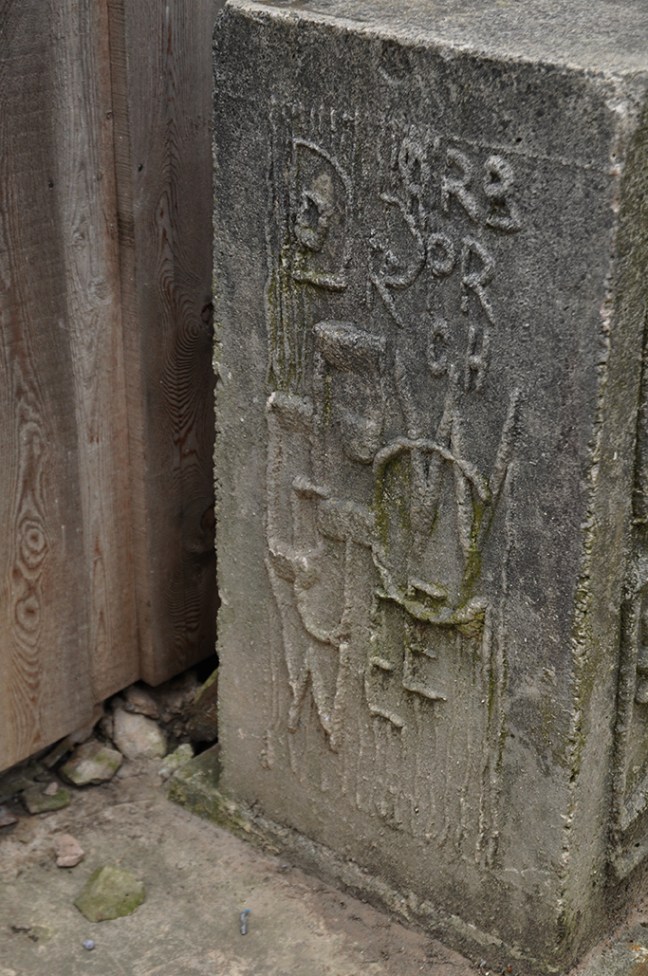
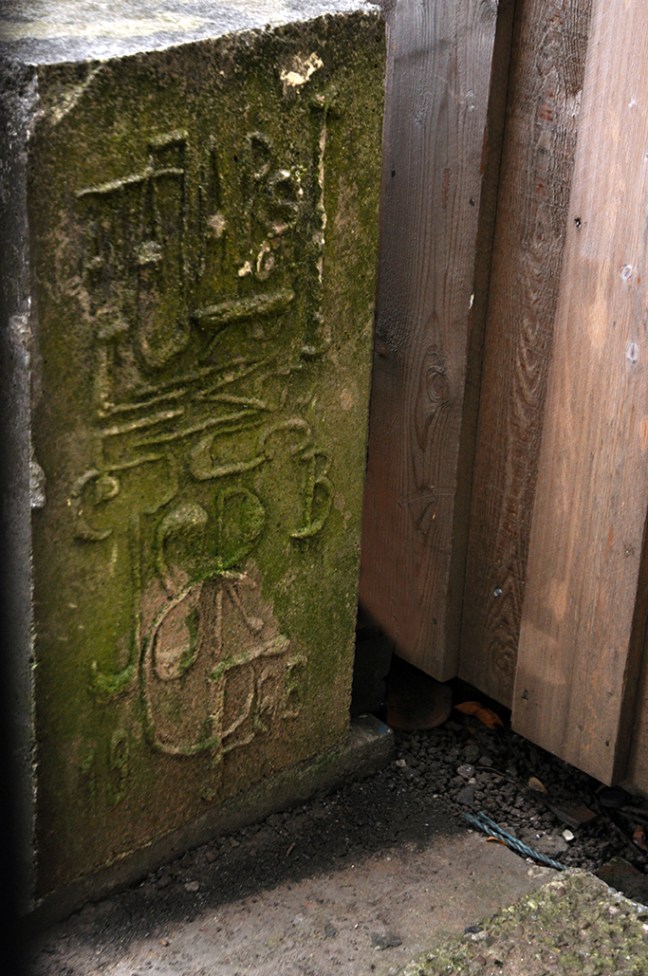
Once there was a battle here, several actually, and battles mean castles, possibly.
Erected in the between 1232 and 1235, inevitably through the passage of time, blows were exchanged, the Banastre Rebellion of 1315, and later in 1689 Prince Rupert was battered by King Billy, and so on until it was eventually demolished in 1726. A series of churches ensued, finally to be supplanted by the arrival of an amusingly statuesque Queen Victoria, replete with plaque.
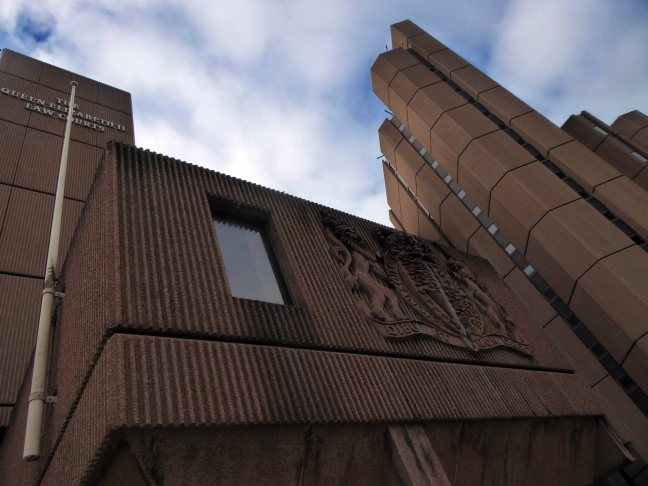
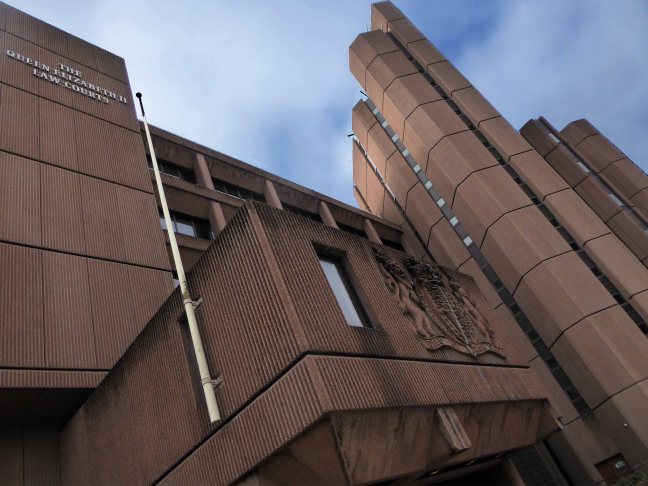
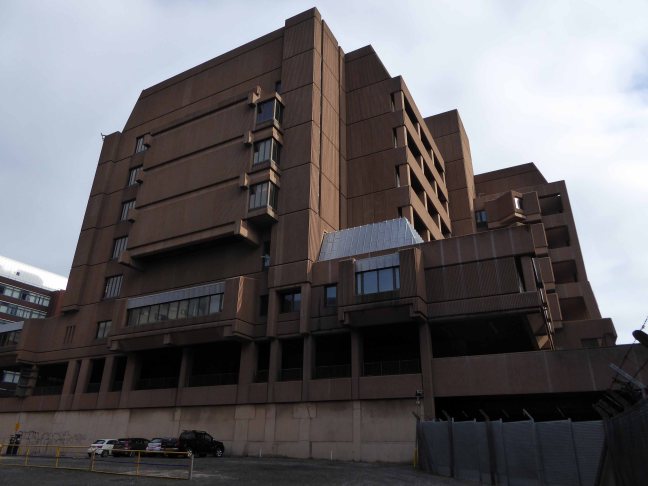
In 1976 excavation of the south side of Castle Street was conducted before the construction of the Crown Courts building, which was built in the style of a castle.
What goes around comes around, ending up largely square in Derby Square.
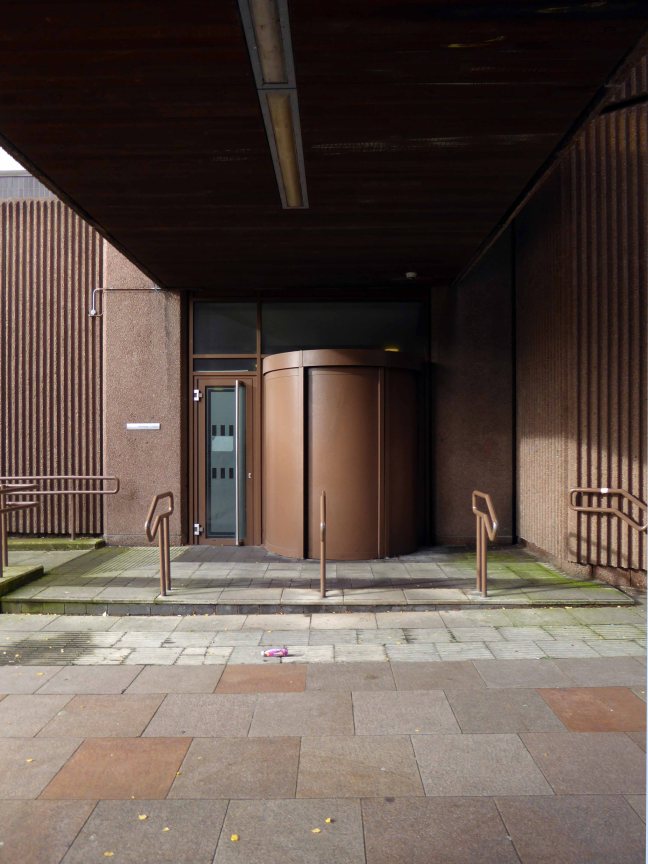
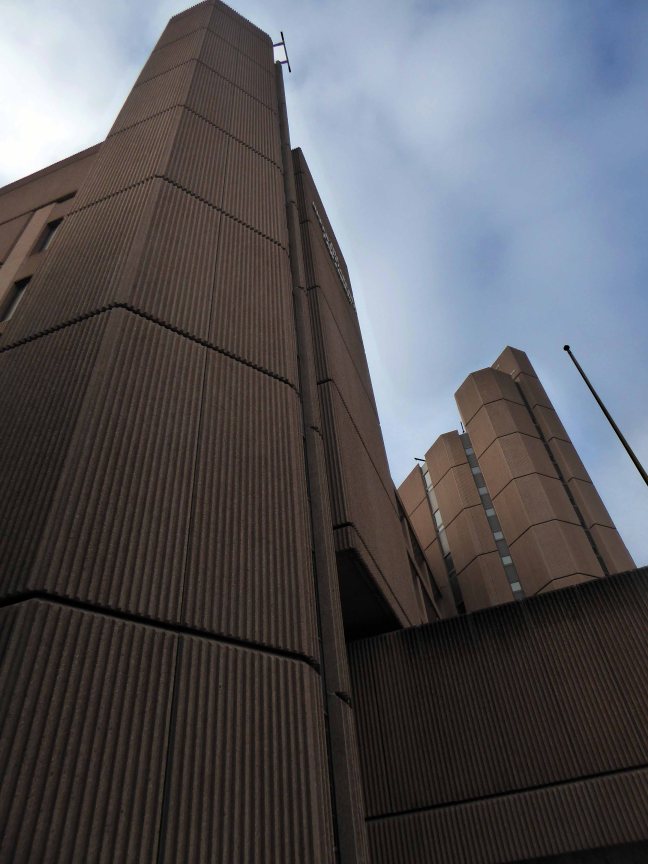
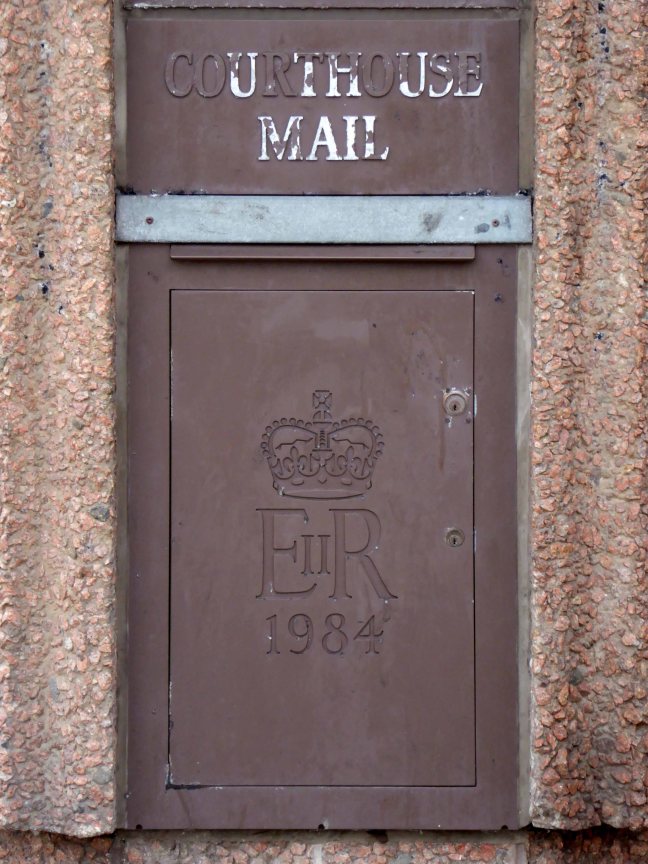
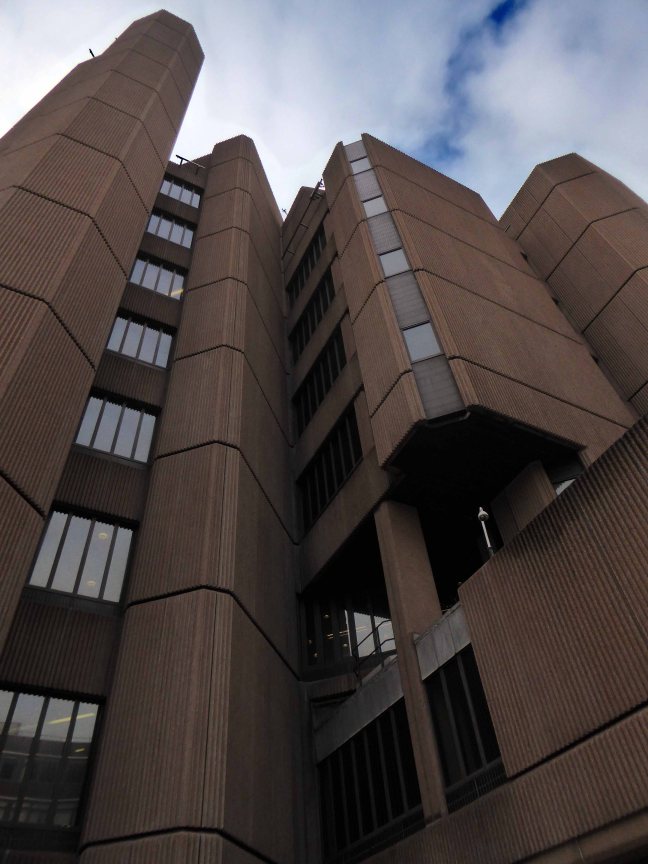
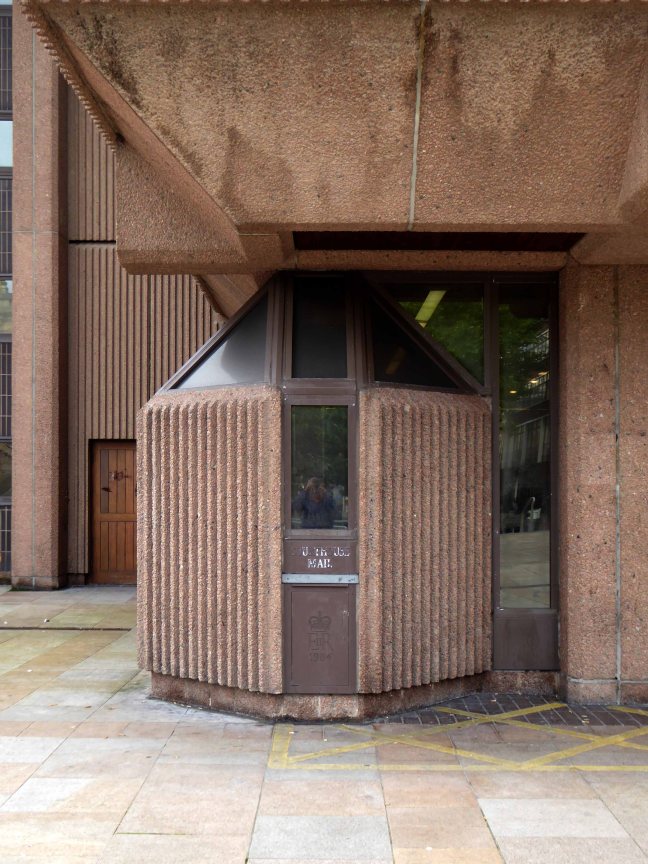
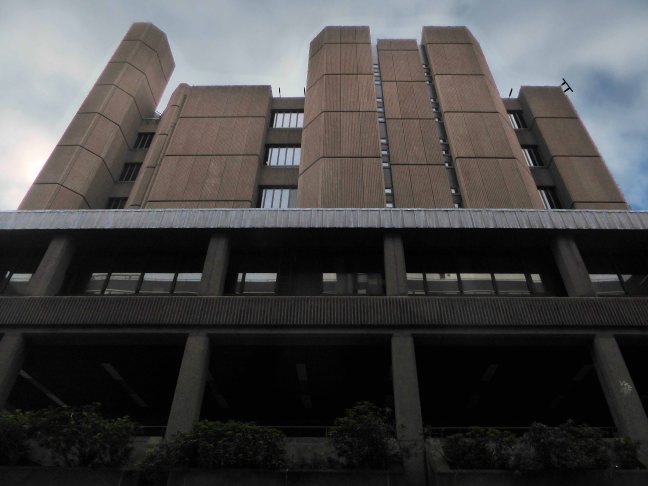
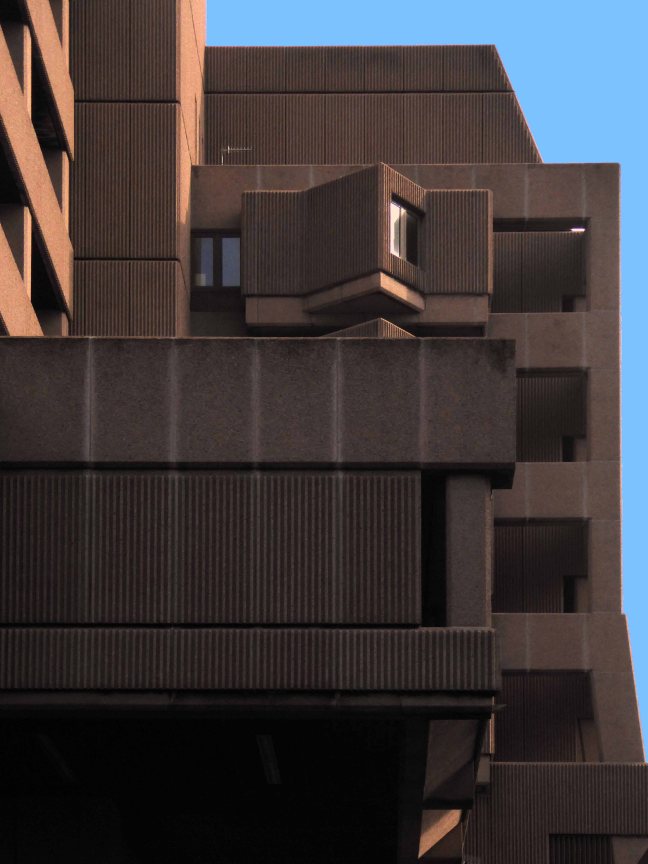
And lo and so it came to pass, new law courts were erected upon the site begun in 1973, opened in 1984. Architects were Farmer and Dark, who were also responsible for the Fawley Power Station.
And the Cornwallis Building at the University of Kent.
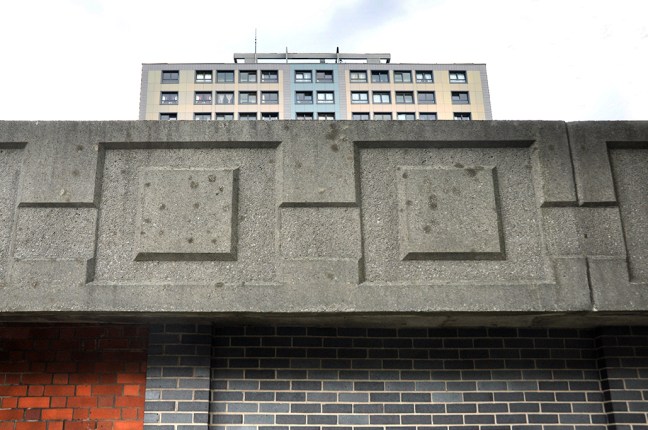
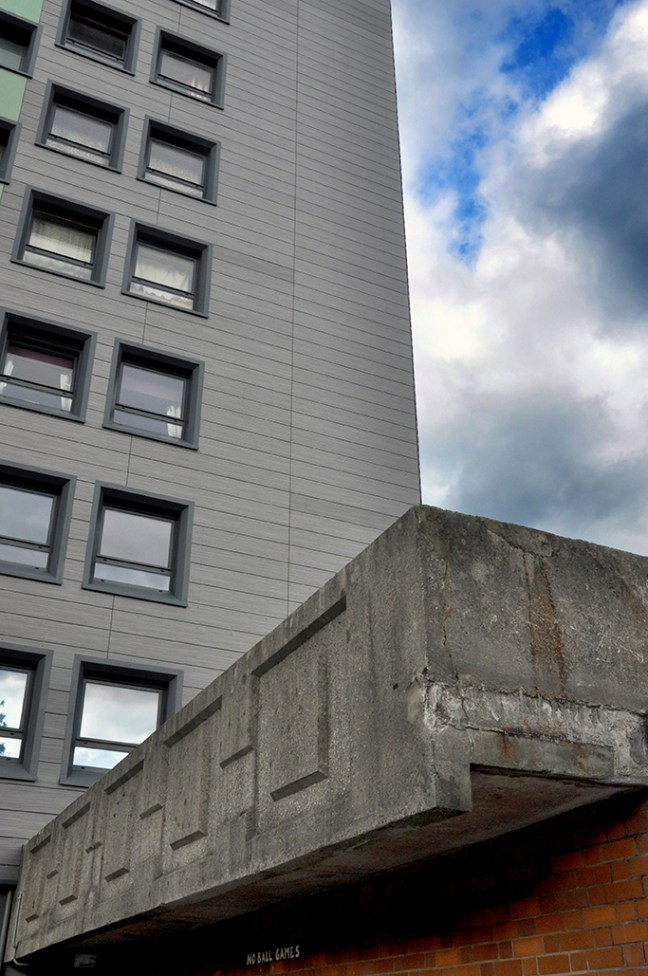
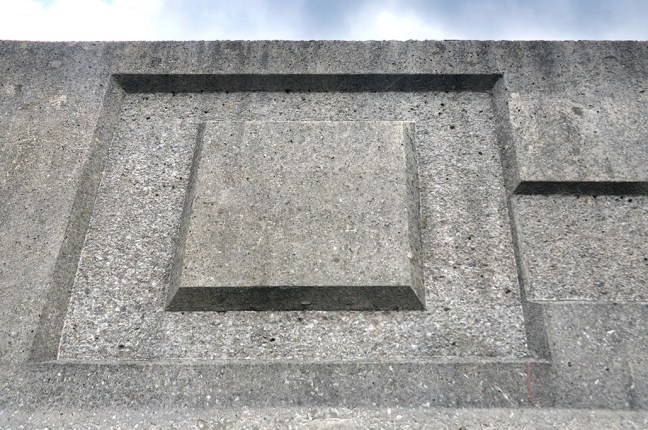
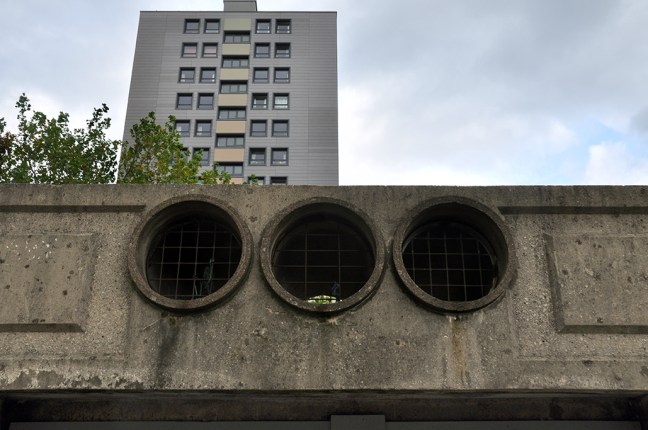
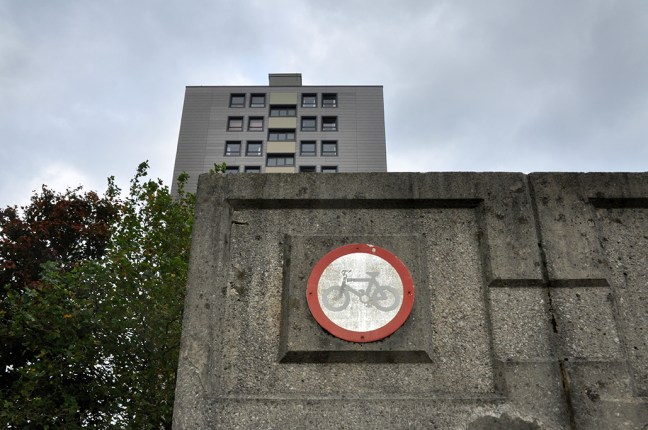
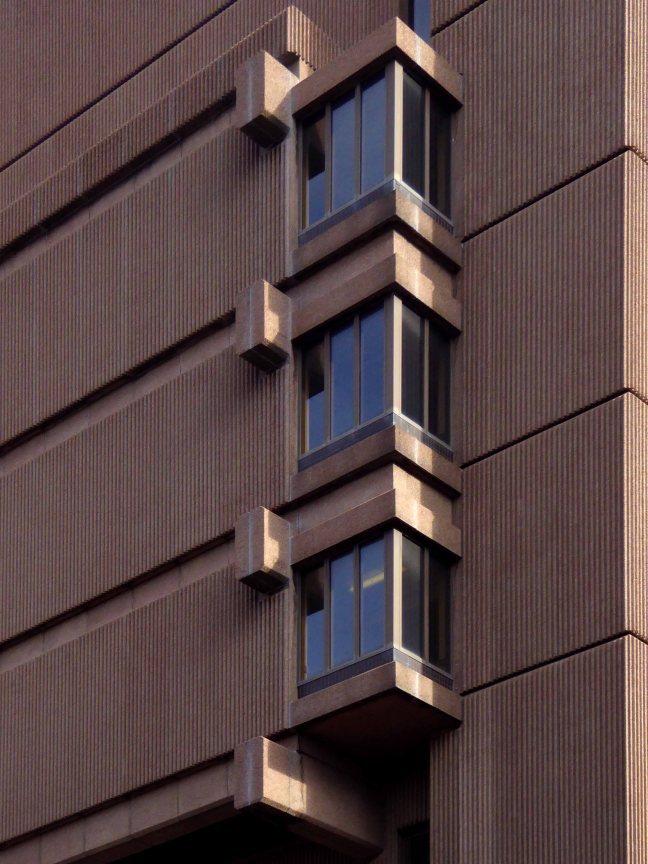
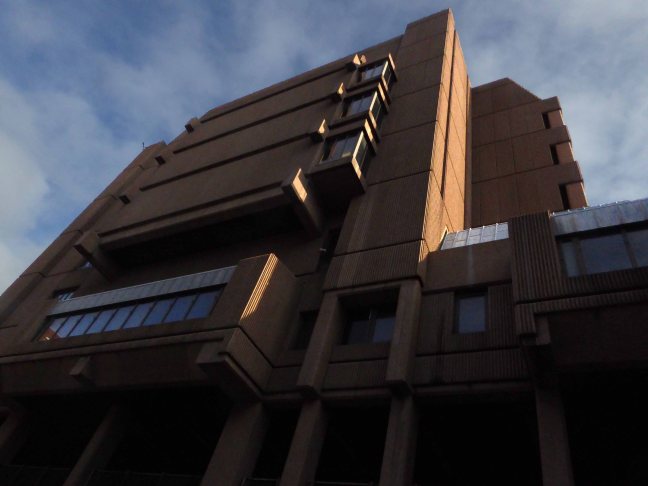
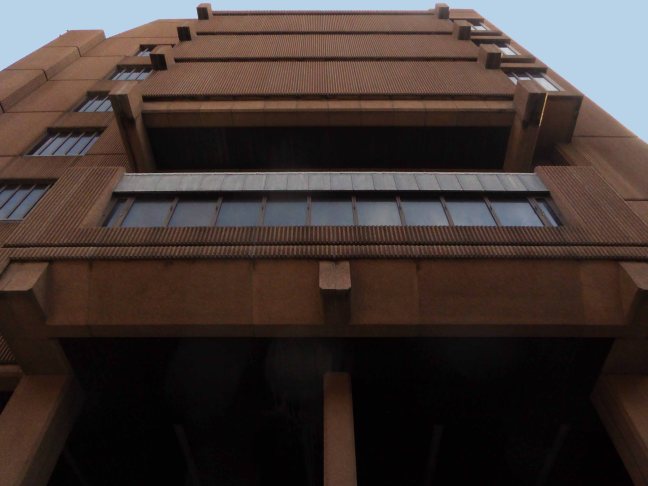
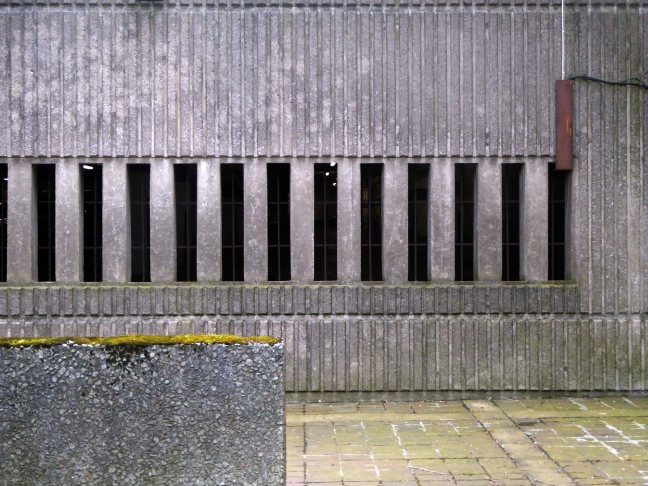
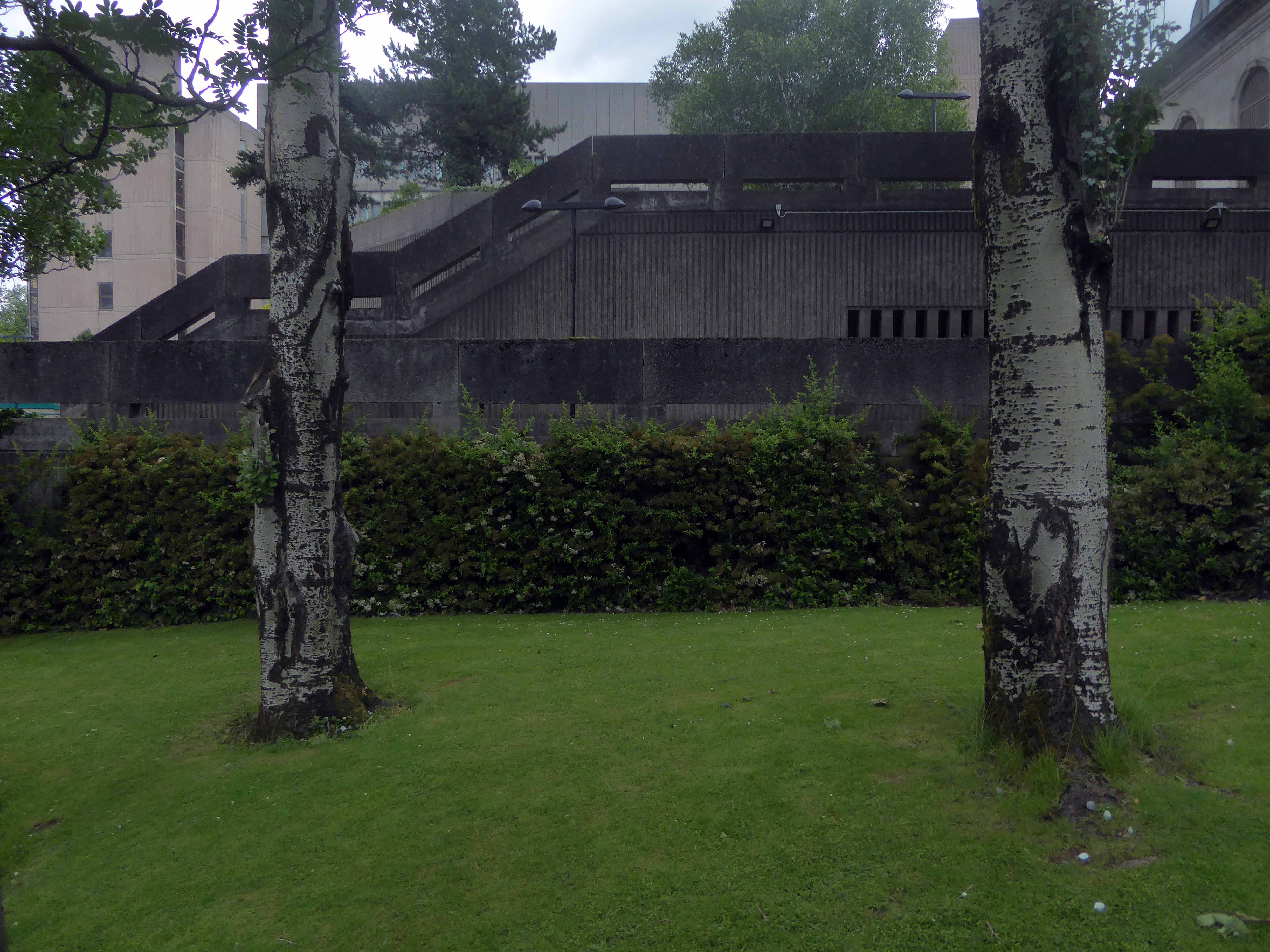
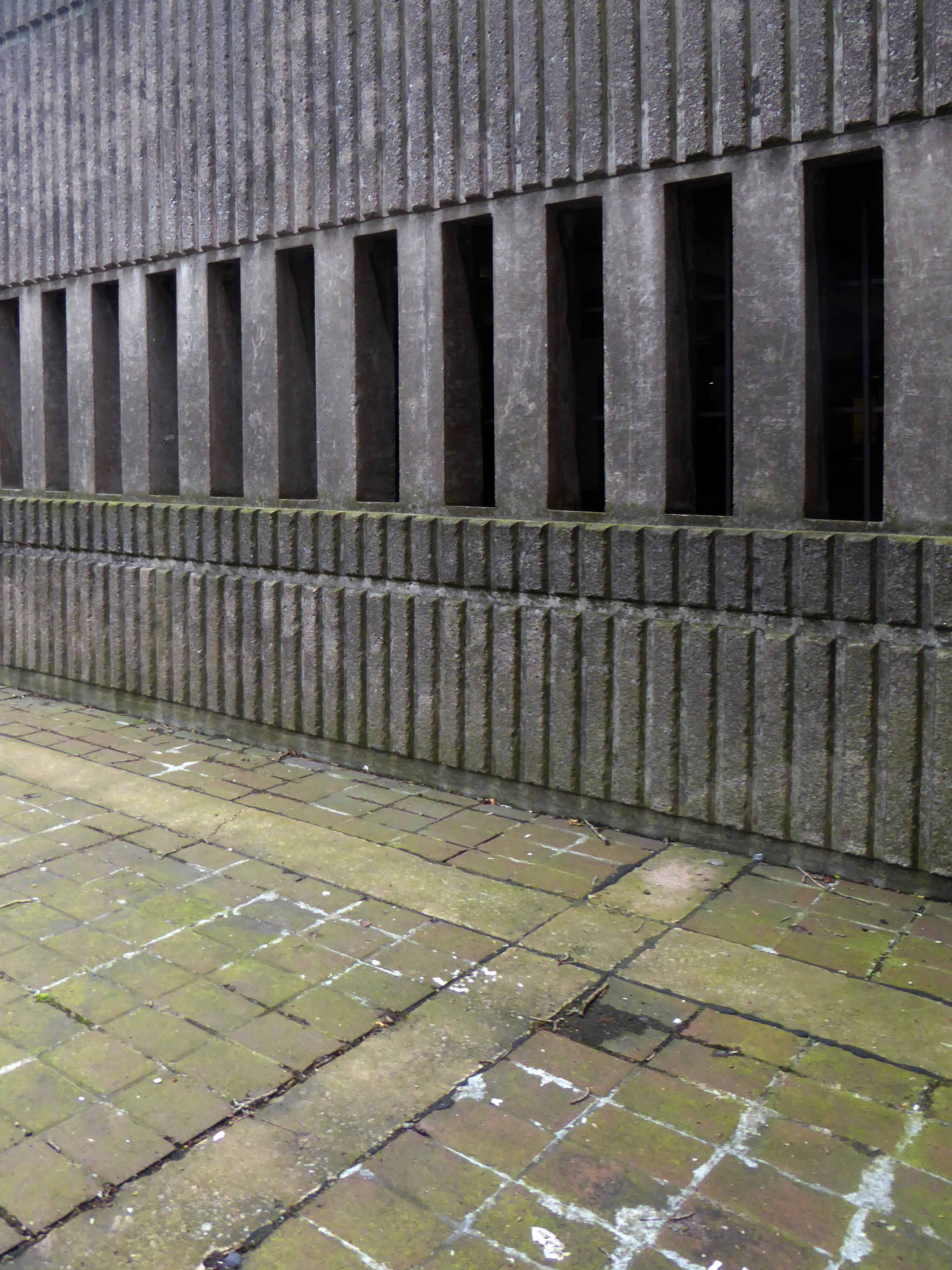
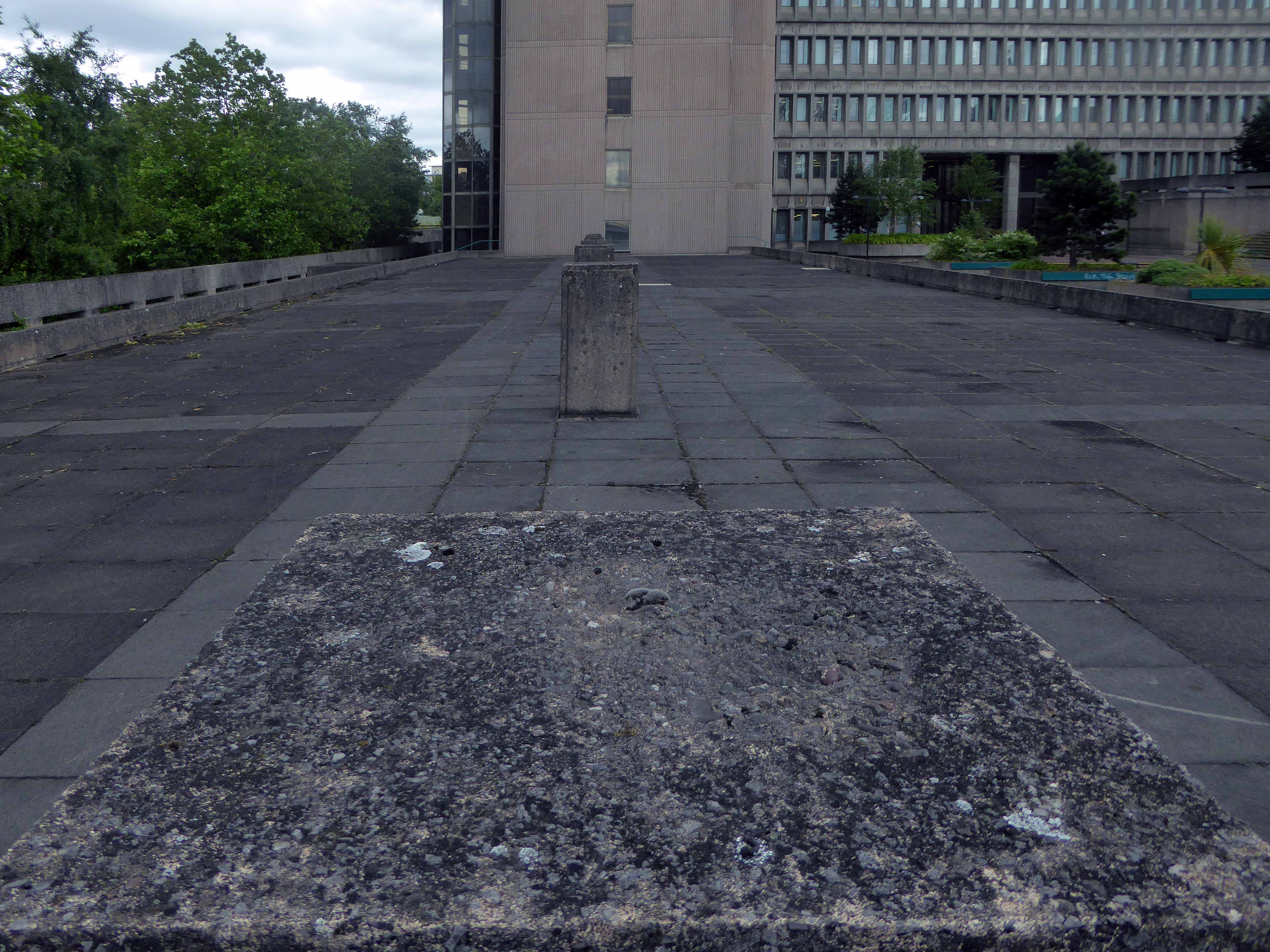
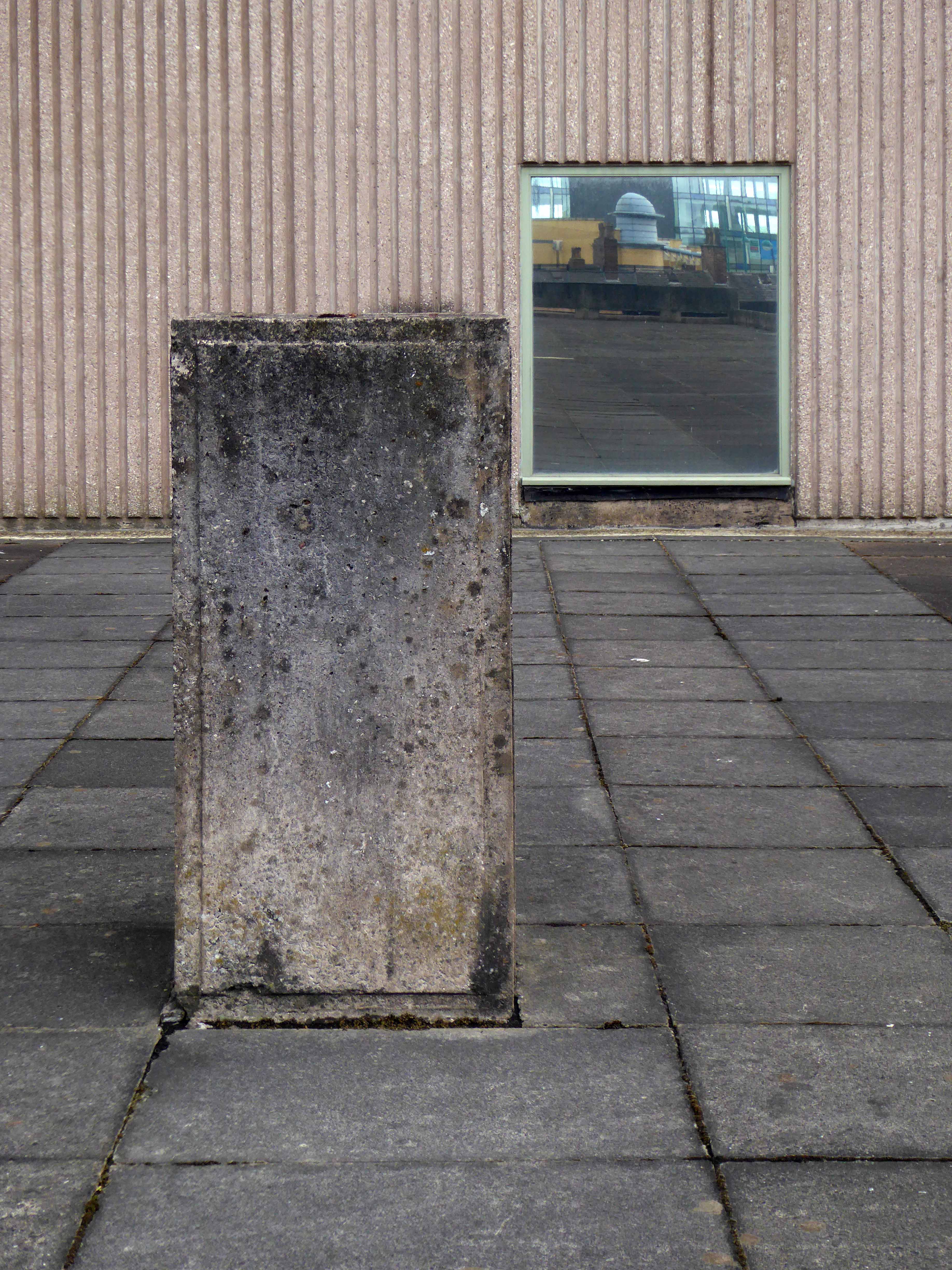
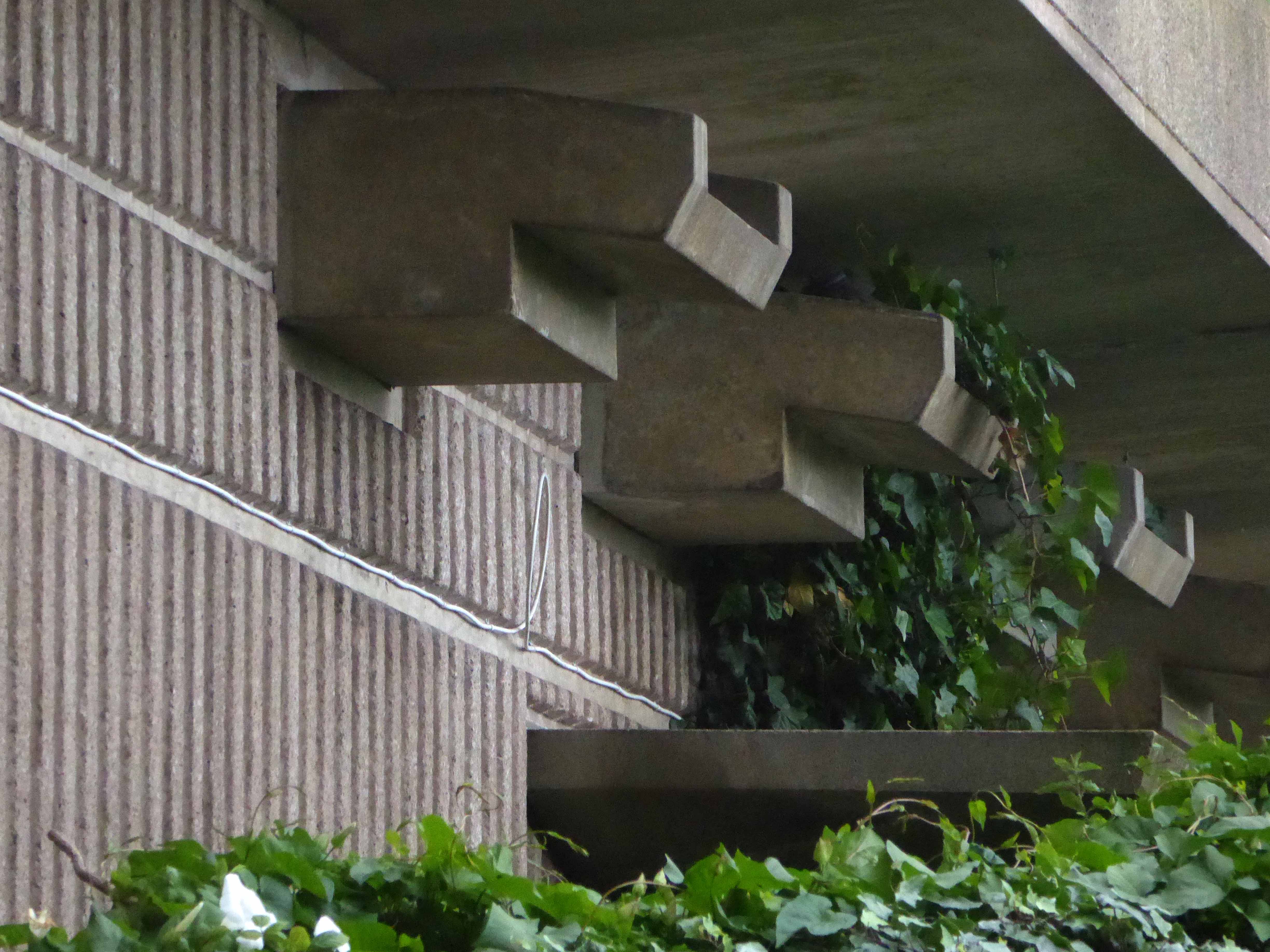
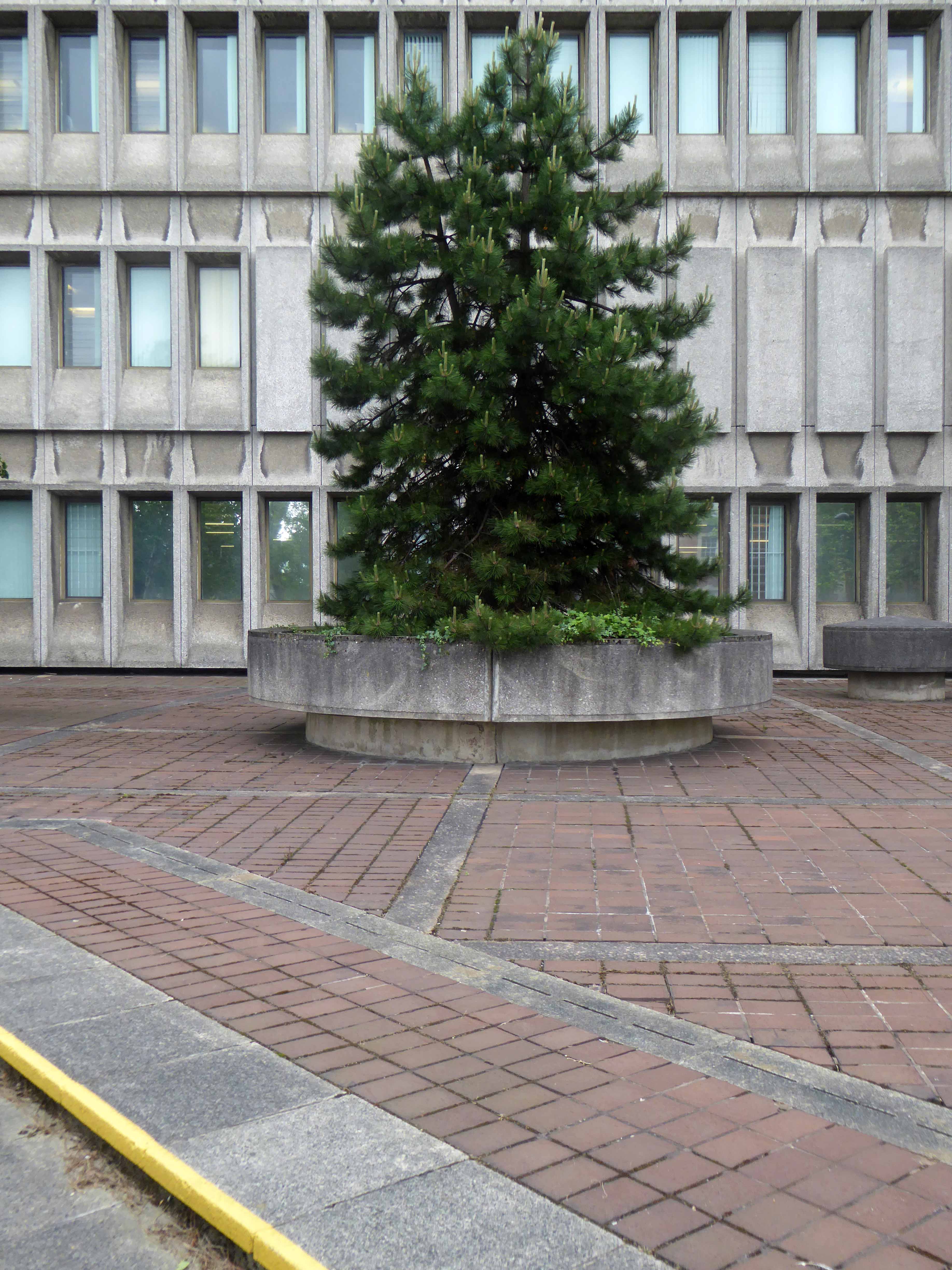
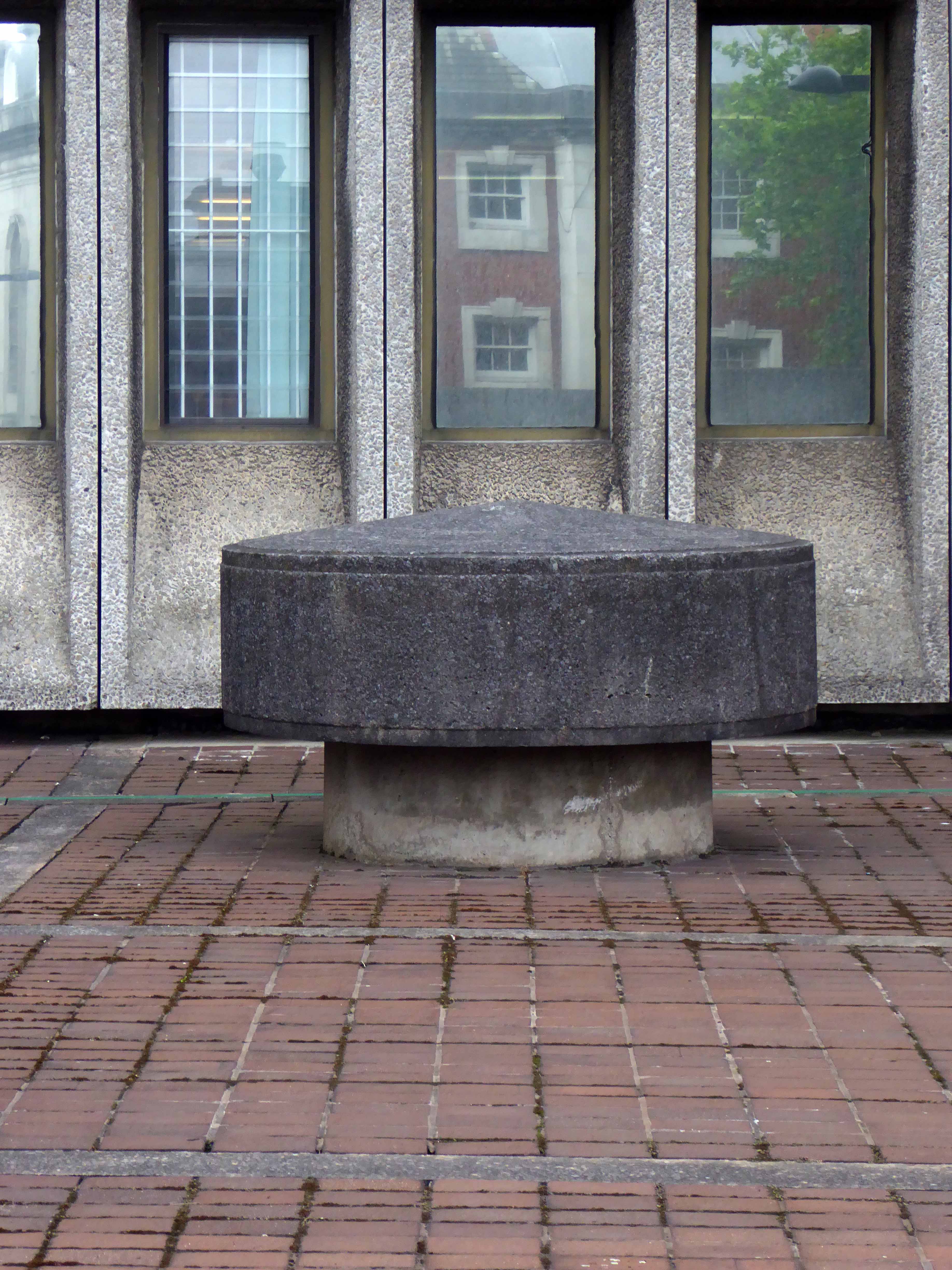
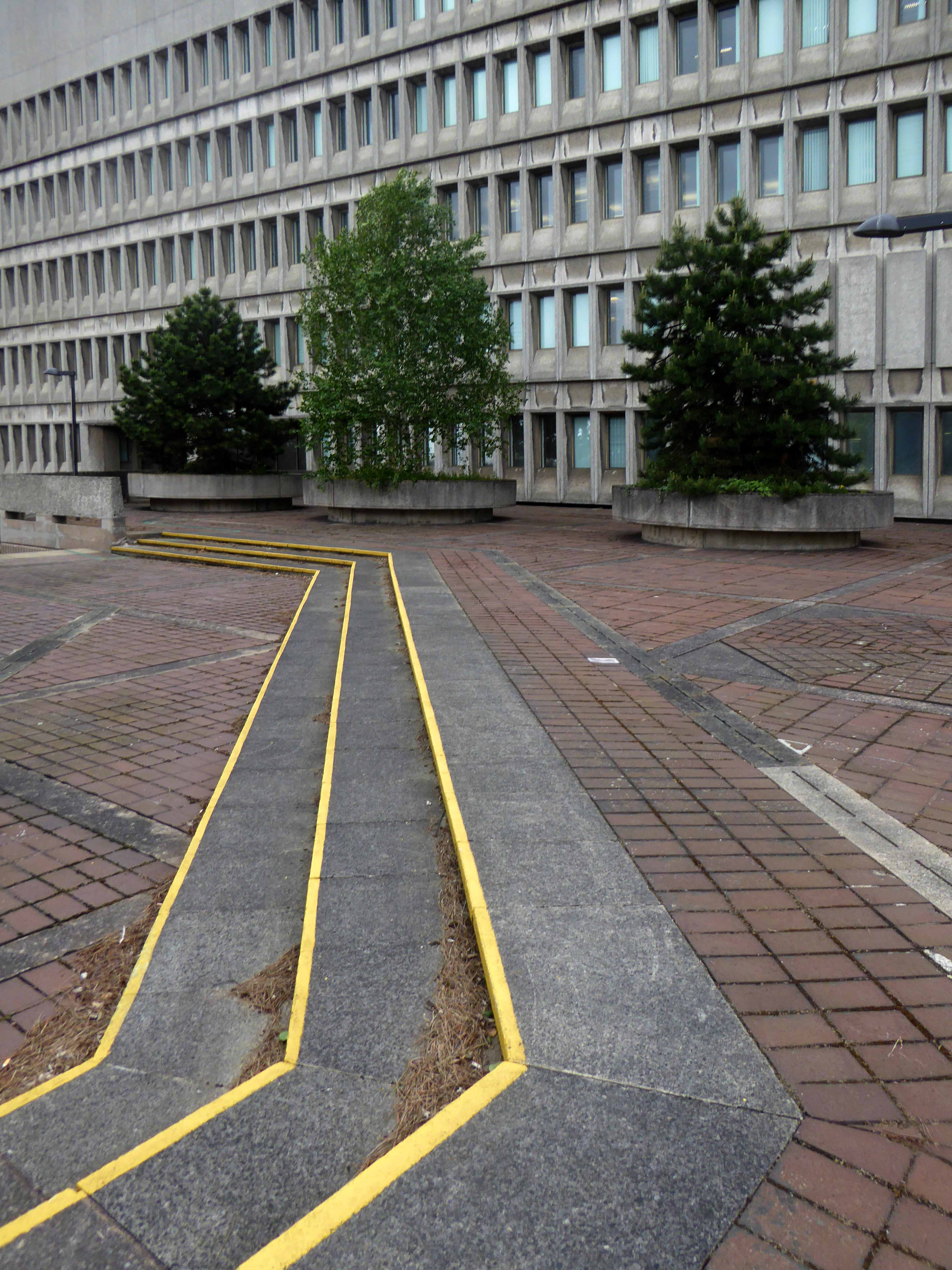
I passed by there yet again last Saturday, still maintaining a restrained ambivalence regarding this monolithic concrete and sand pseudo-castle. Less than, and larger than the sum of its parts. The quirky detailing and awkward geometry, producing a somewhat confused, yet imposing scheme, an ossified pinkish ribbed construct from another age.
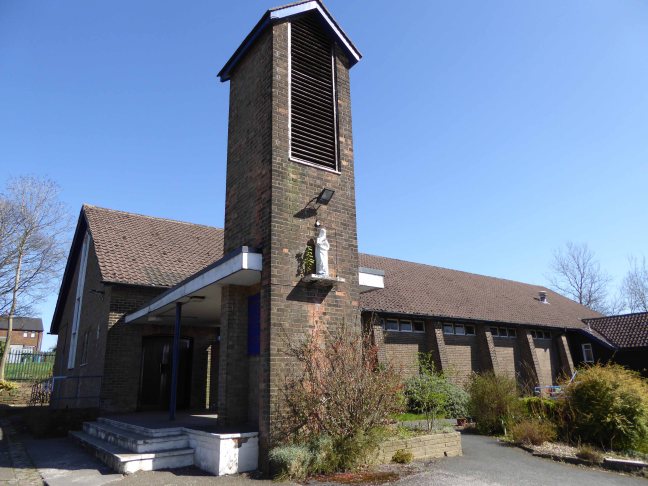
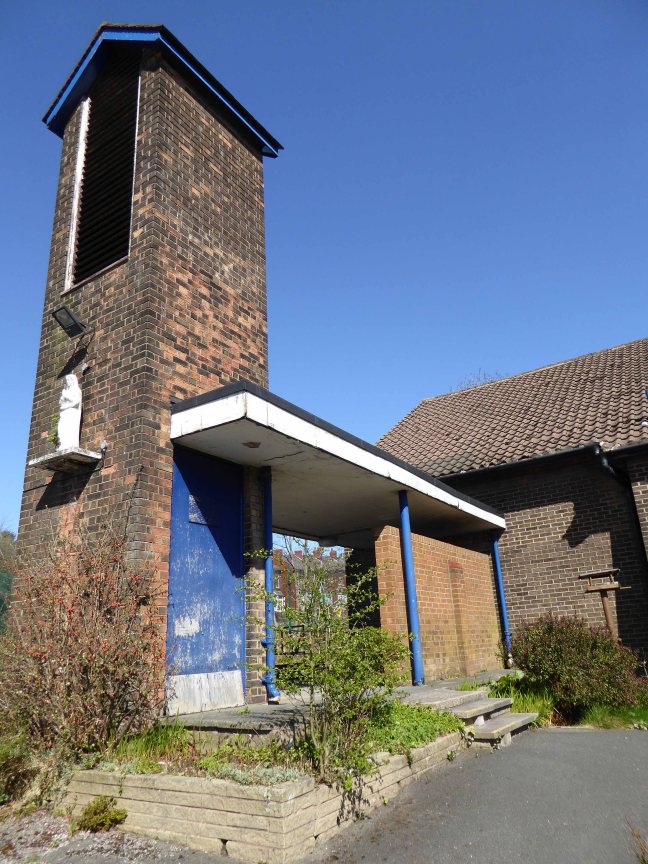
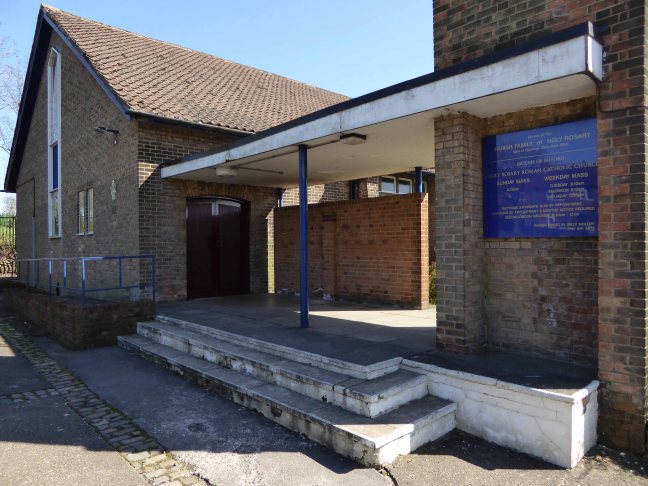
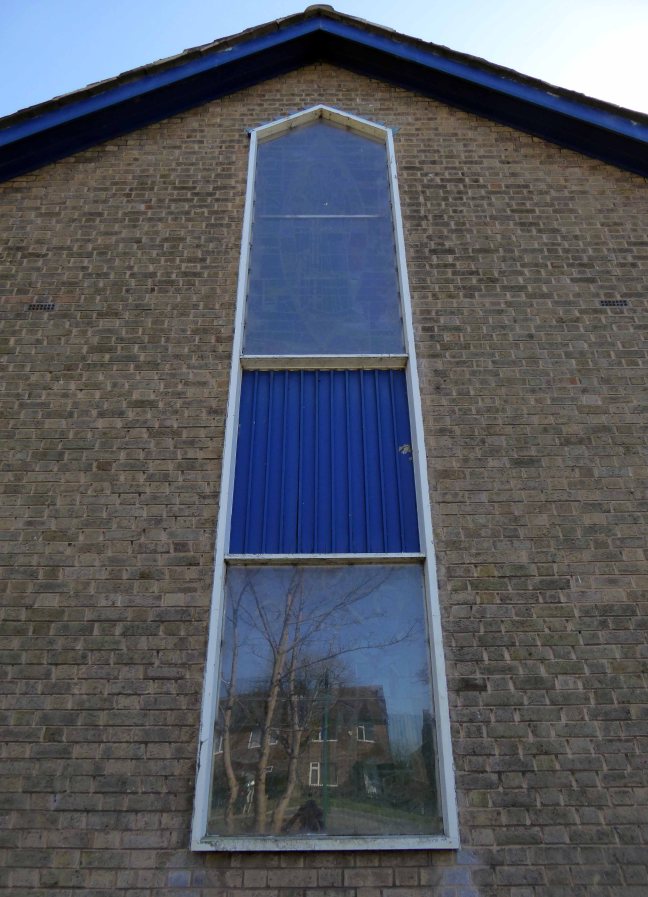
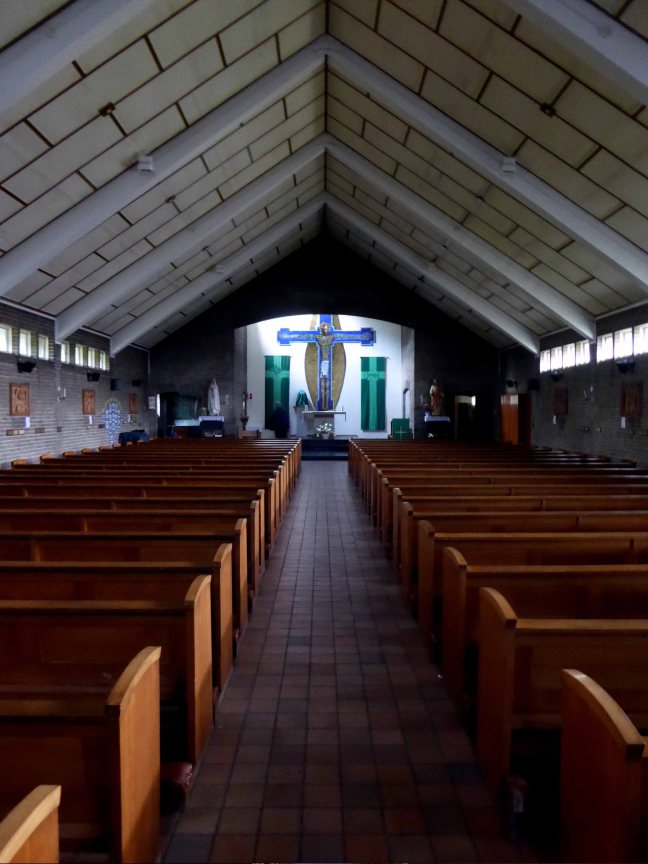
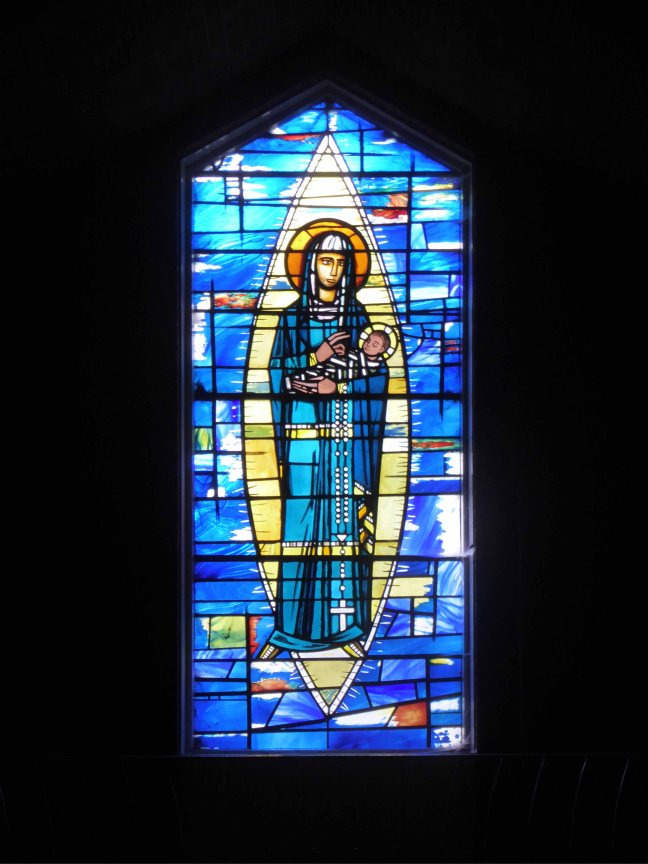
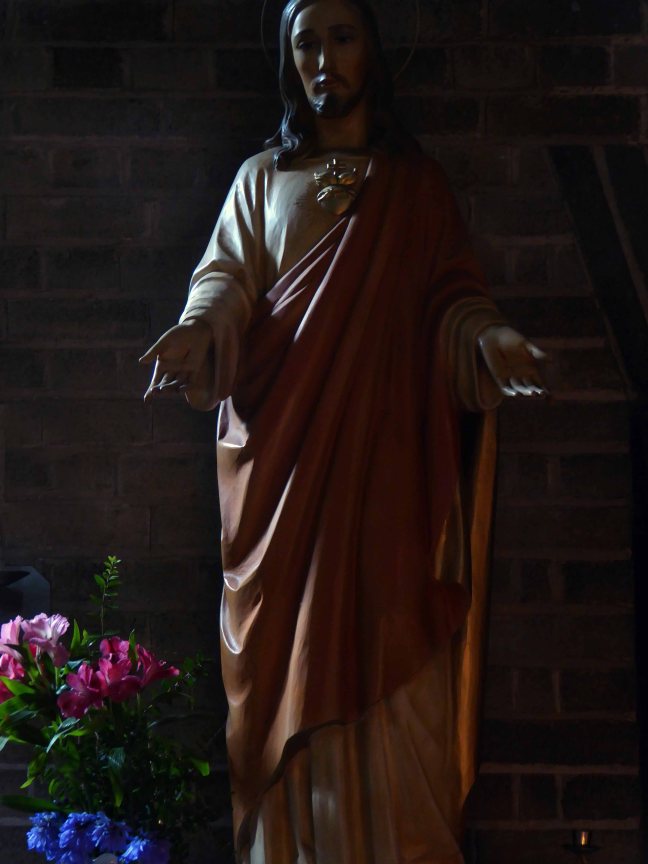
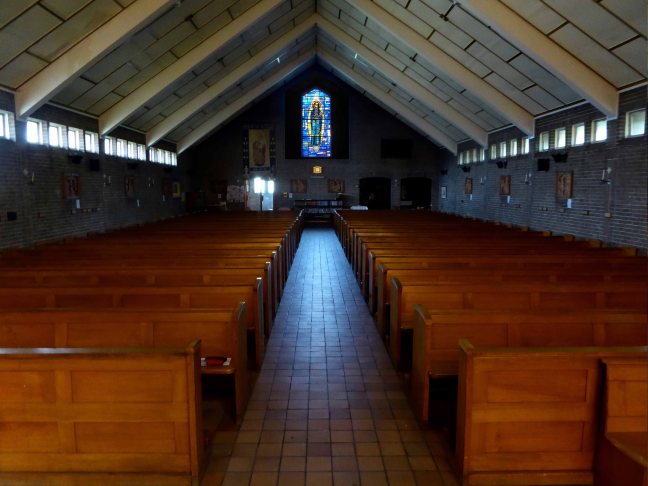
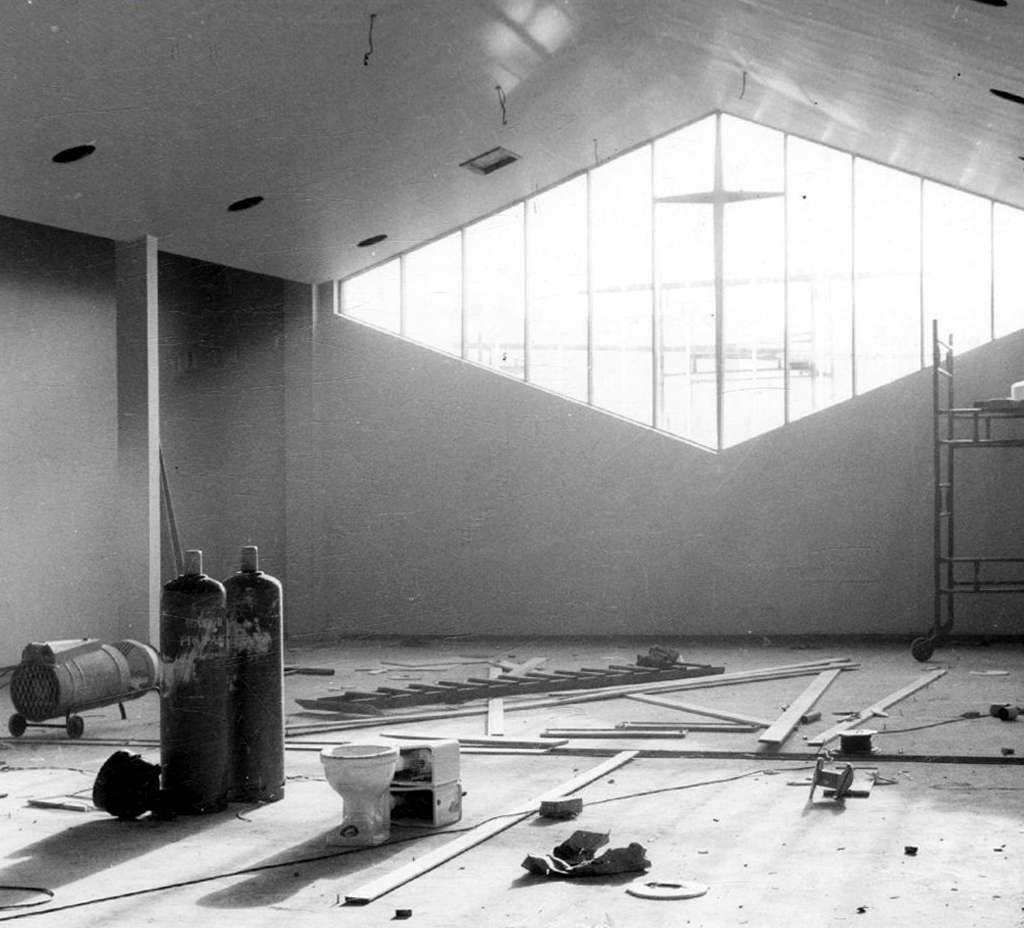
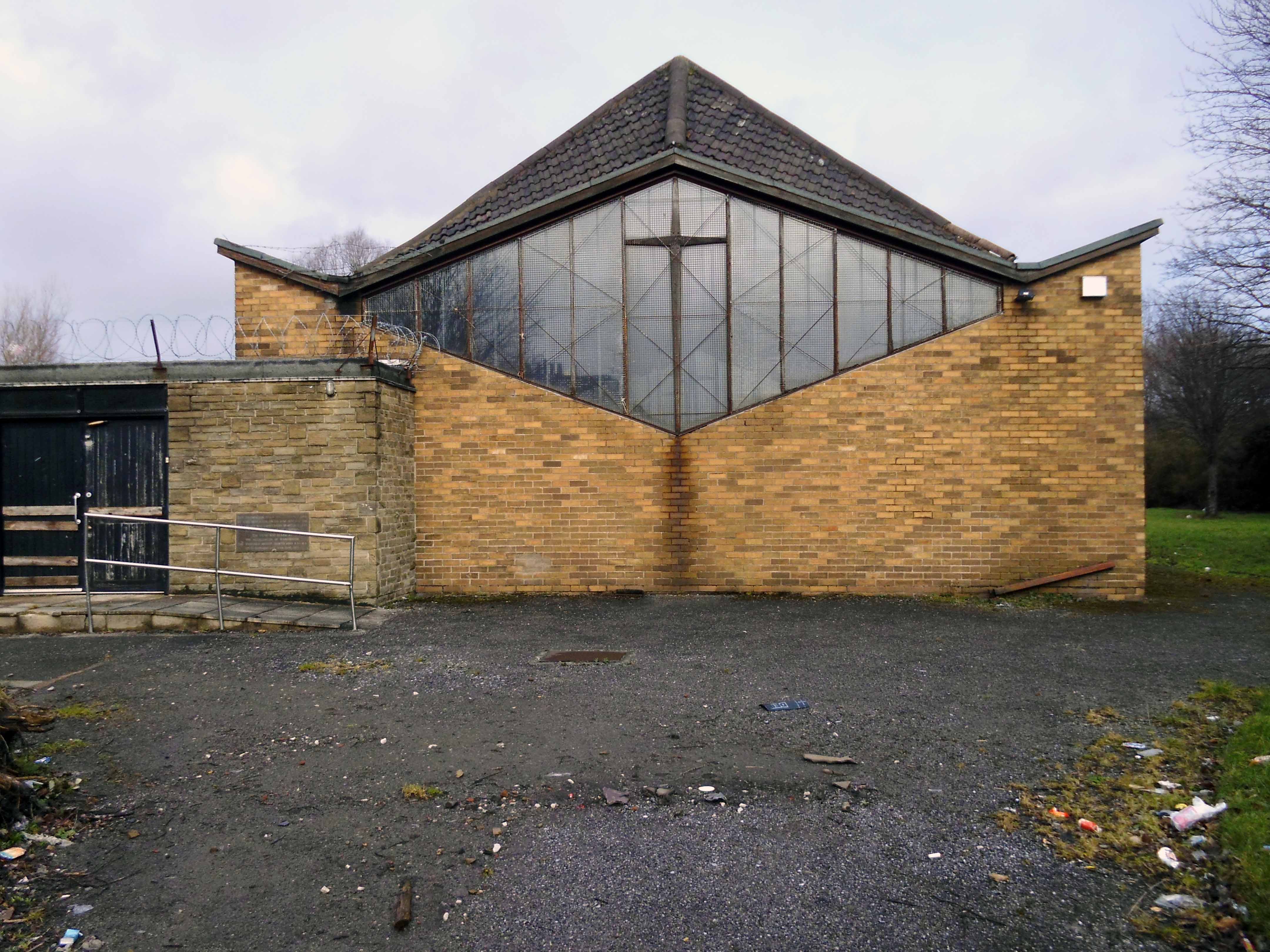
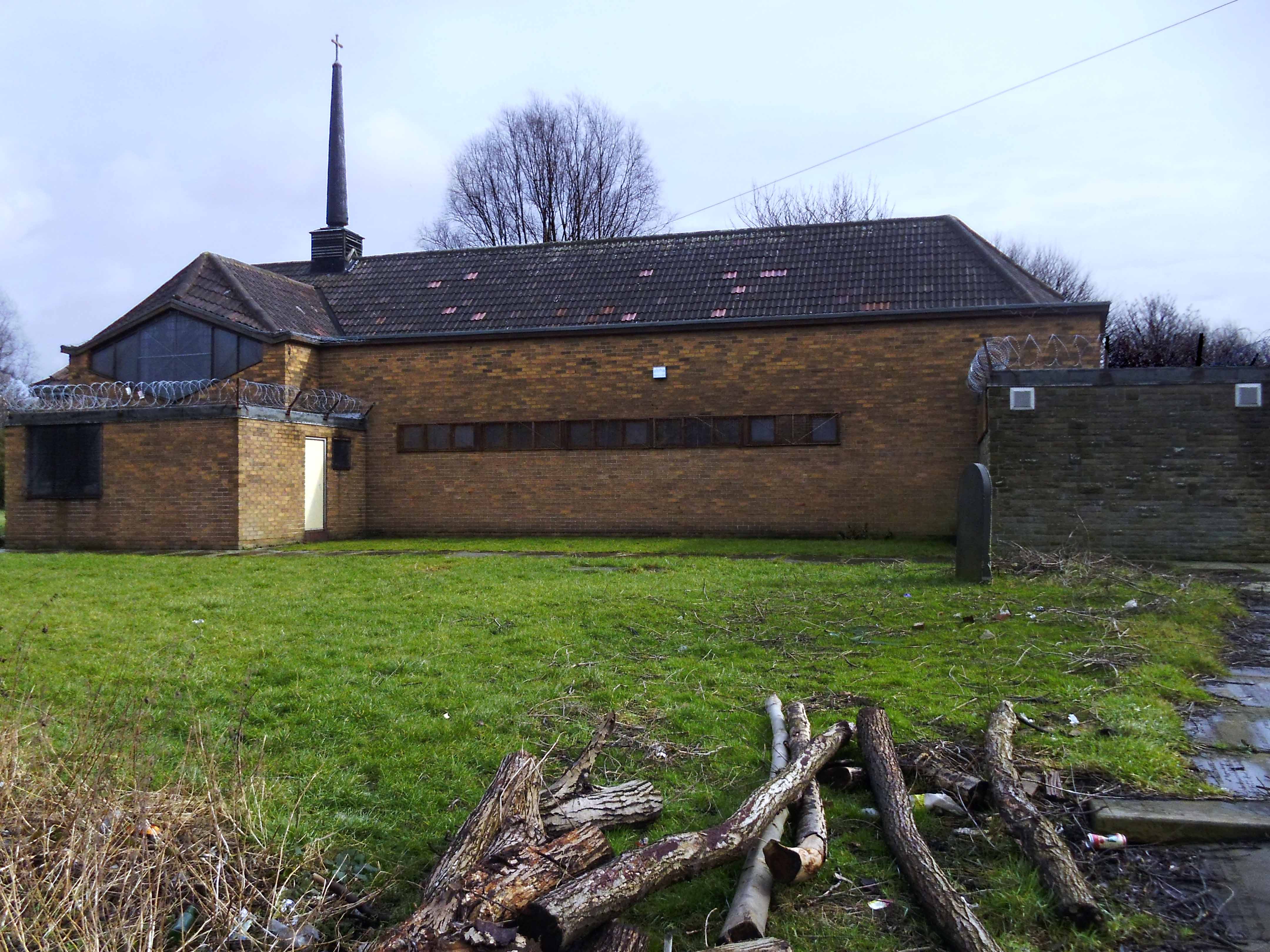
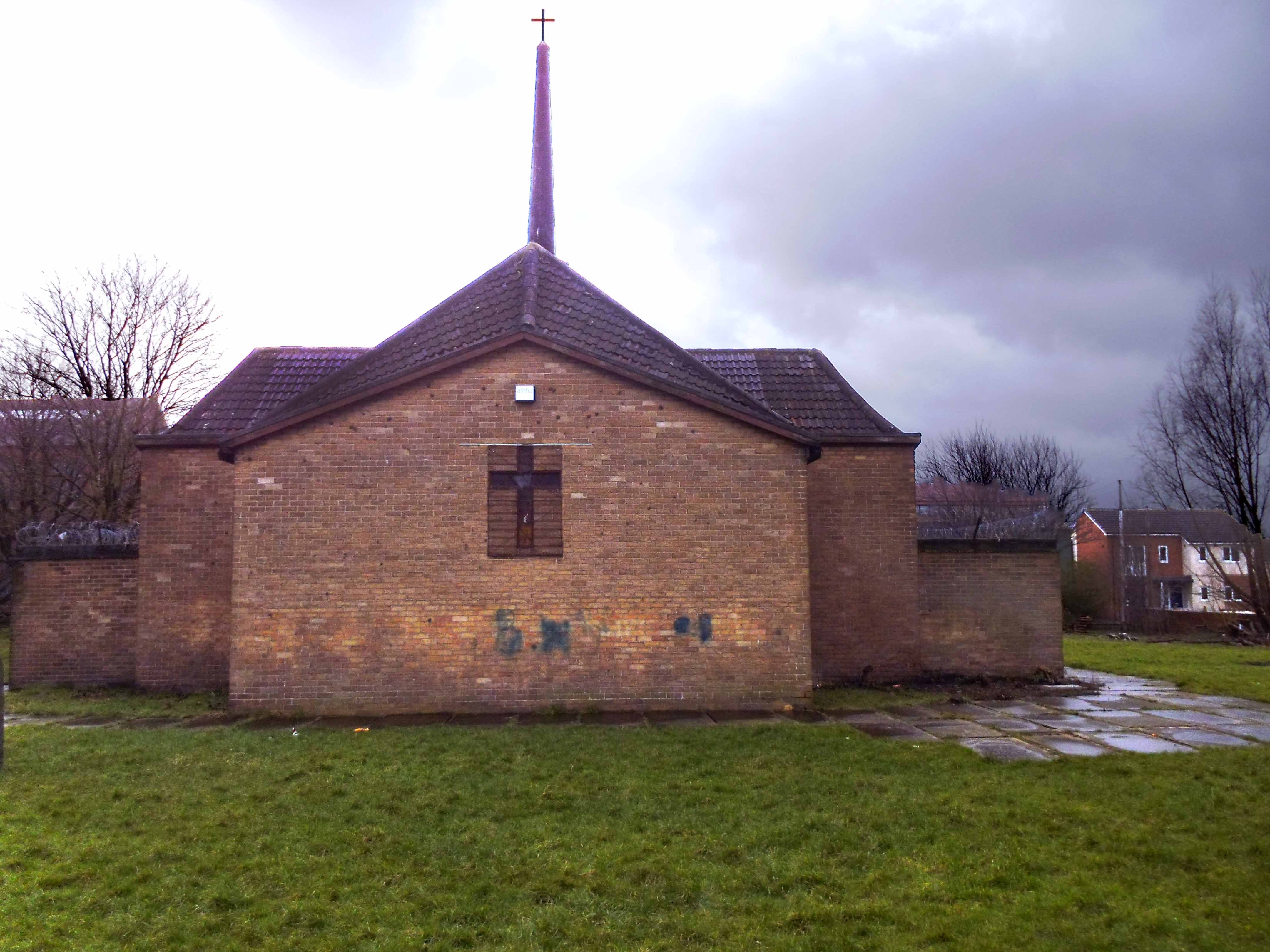
The first mission in the Fitton Hill, a post-war housing estate, was due to the work of Fr Buckley, an assistant priest at St Patrick’s Oldham. He arranged for the purchase of land in the Fitton Hill area in 1940, before the new housing was built. Once the estate had begun to be developed, Fr Buckley said Mass in an upper room in Maple Mill. The foundation stone of Holy Rosary was laid by Bishop Marshall on 2 October 1954 and the church was officially opened by Mgr Cunningham in July 1955. The presbytery was built in about 1970. The first campanile blew down and had to be rebuilt. In 2009, the parishes of Holy Family and Holy Rosary were merged.
Taking Stock told me so and will tell you even more.
Architect: W and JB Ellis who were also responsible for Our Lady of The Assumption in Langley.
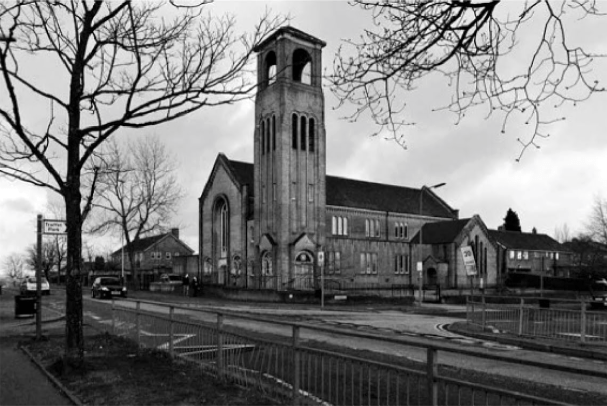
I first passed by one sunny day in April 2016 – happily snapping the exterior of this ever so pleasingly prosaic Italianate brick building.
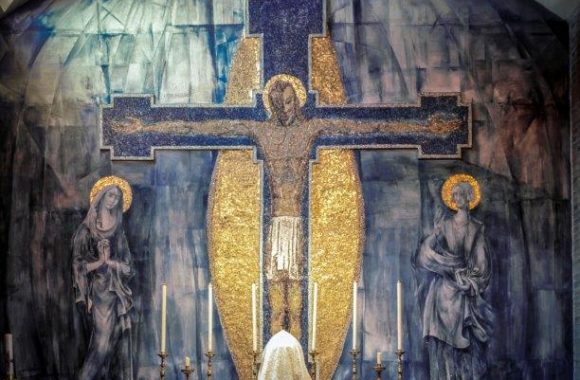
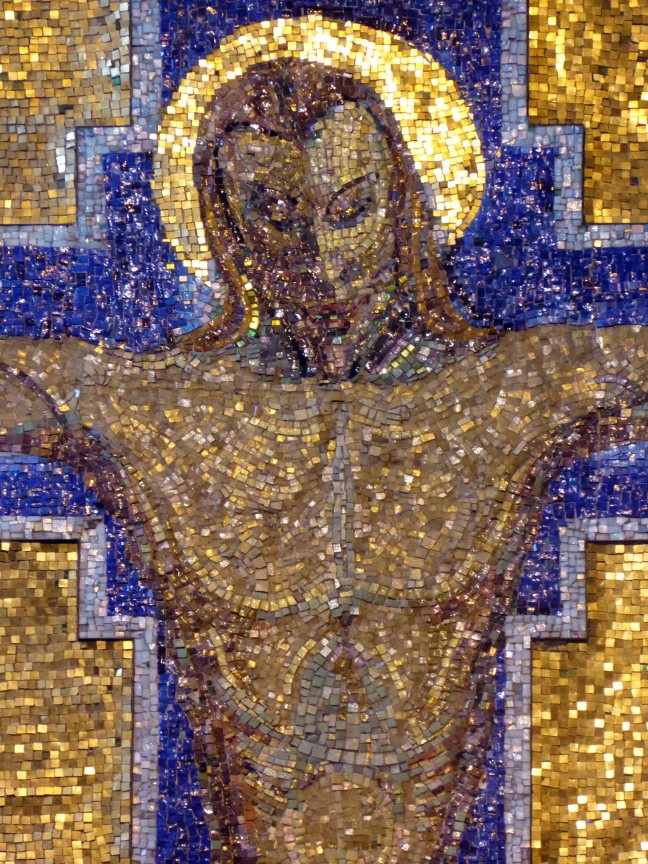
Following a cue from pal Tim Rushton, I was alerted to the significant decorative work within.
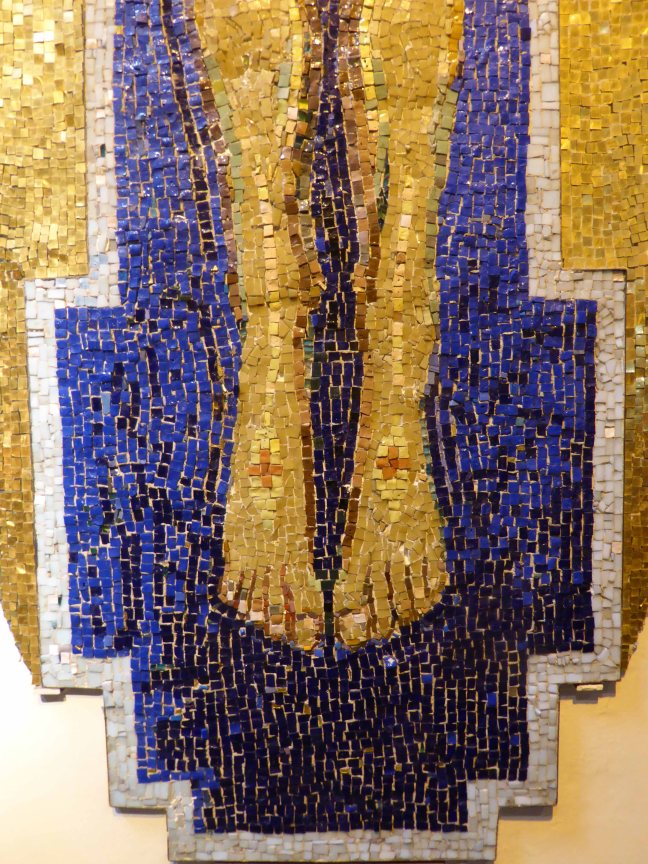
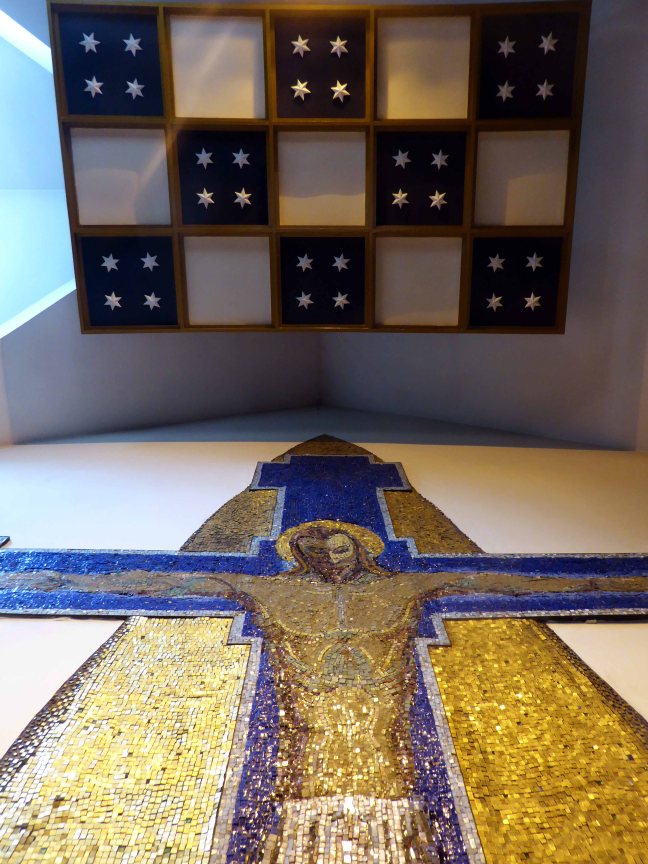
The mosaic and fresco work of Georg Mayer-Marton – born in Hungary 1897, died in Liverpool 1960 was one of Britain’s very few experts in the art of face or facetted mosaic.
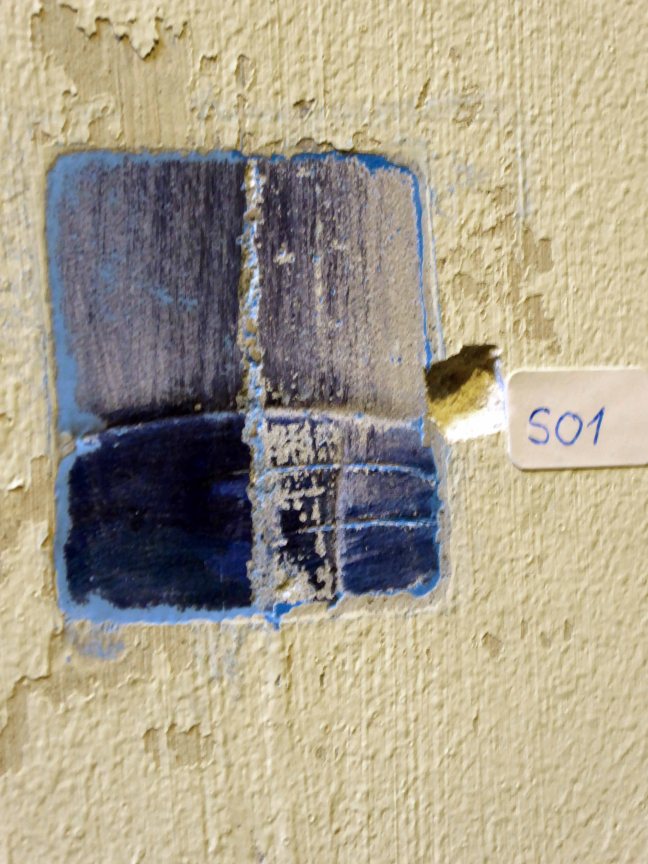
Sadly the fresco is no longer visible – painted over with emulsion when thought to be too tatty – a tiny fragment has been revealed by conservators.
There is currently a campaign to restore and preserve these important works.
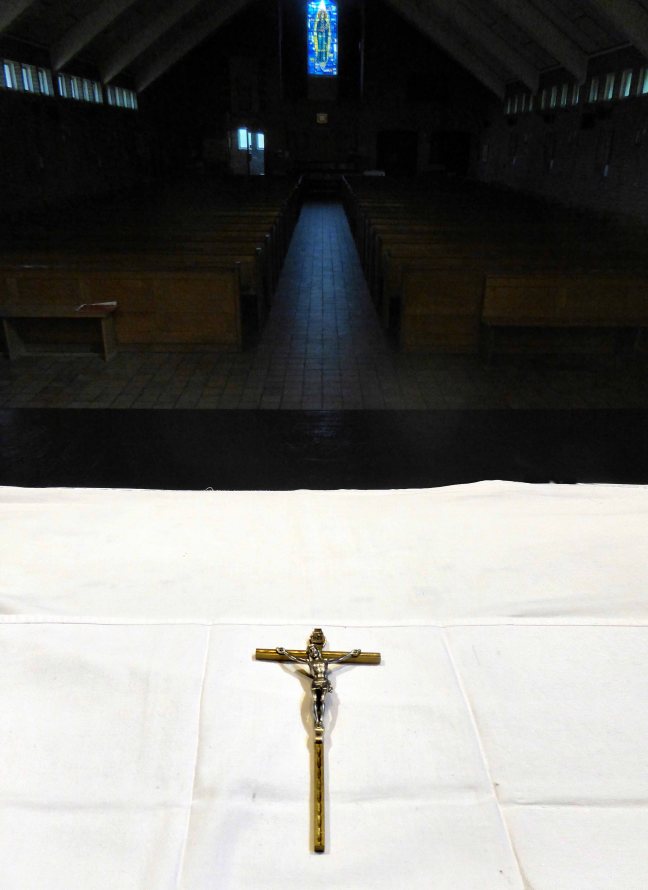
The church is now closed, but we were ever so fortunate to have Bernard Madden on hand to open up and show us around, a warm welcoming space once full to overflowing.
The church was originally built in 1868–1871 to a standard neo-Gothic design by William Henry Crossland. This building was destroyed by an incendiary bomb during the “Sheffield Blitz” of 12 December 1940, only the spire and a porch survived (they are now Grade II listed structures). The remnants of the bombed church were used as the basis for a new church designed by George Pace and constructed 1958–1963. This new building is of a Modernist design but is also sympathetic to the Gothic spire and porch. It is a rubble-faced concrete building with striking slit windows of varying numbers and locations around the building. There are also two notable stained glass windows: the Te Deum window by Harry Stammers and the west window by John Piper and Patrick Reyntiens.
Wikipedia told me so.
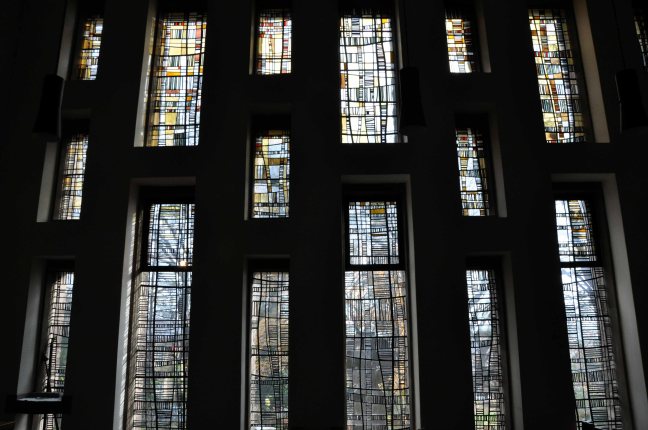
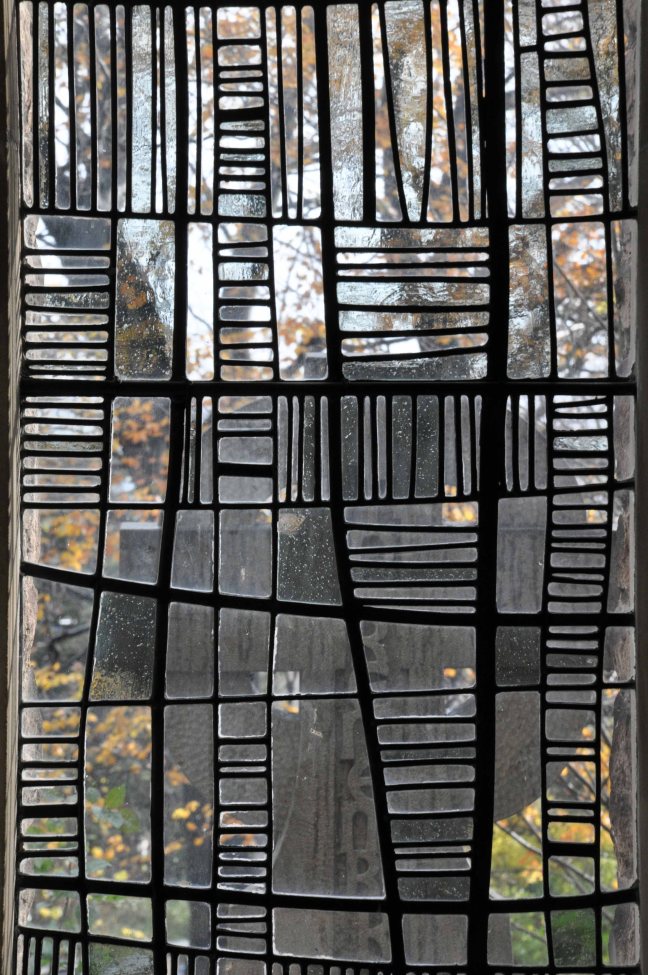
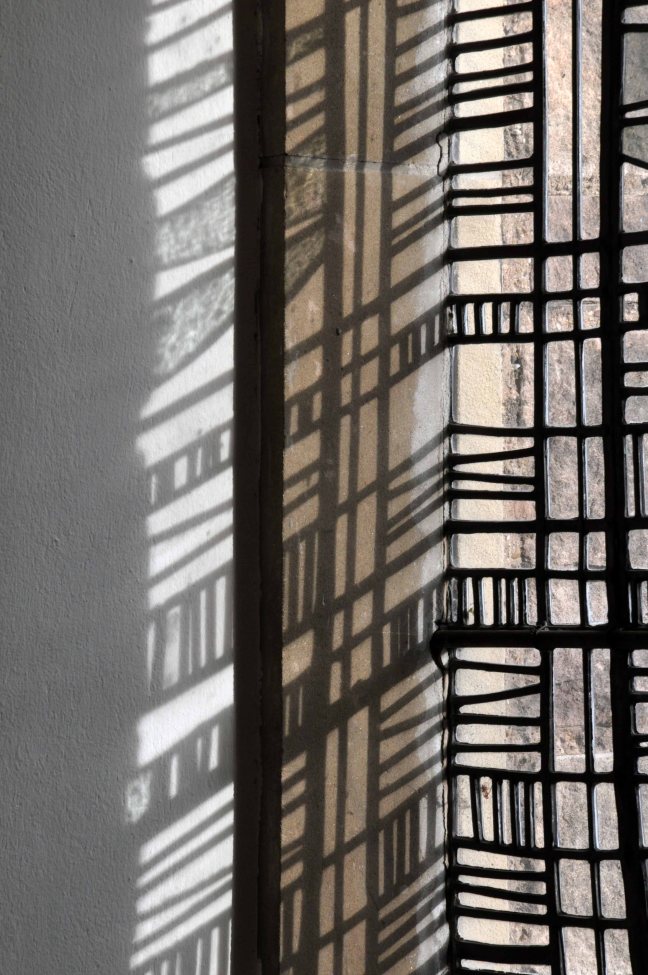
he laddered design glass in the side chapel, is by Gillian Rees-Thomas.
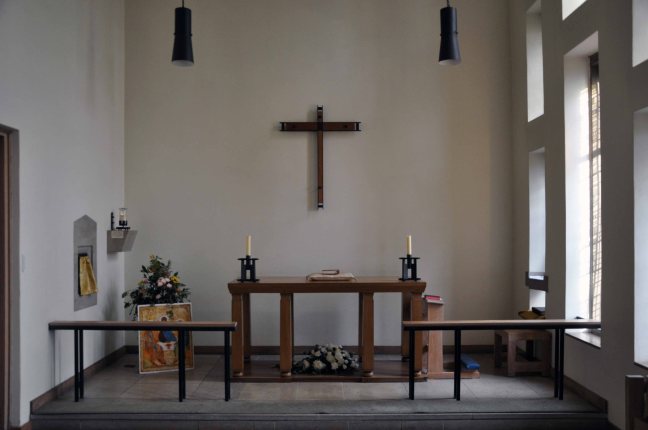
Welcome to St Mark’s – an open, welcoming church for people from all walks of life who wish to learn more about Jesus and Christian faith and seek the freedom to ask the big questions. We have strong engagement with Christian communities and other faith traditions. People come from all over the country to participate in our Centre for Radical Christianity, where a lively climate of debate and learning can be found.
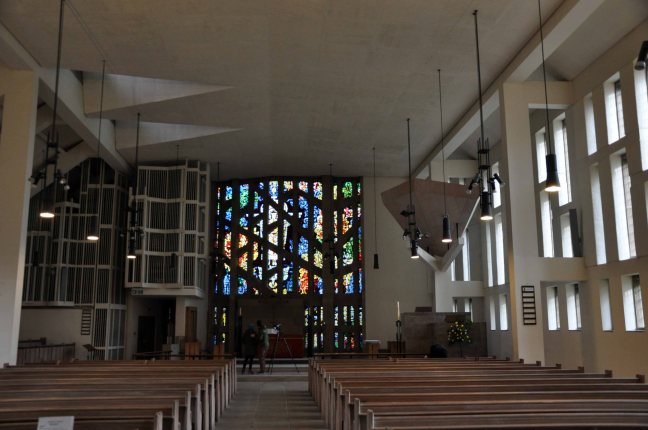
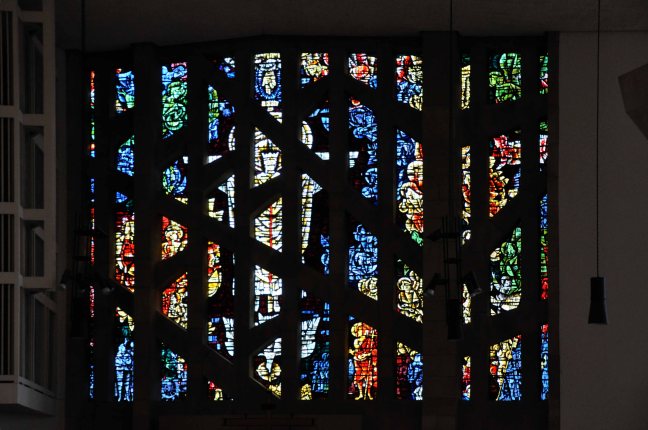
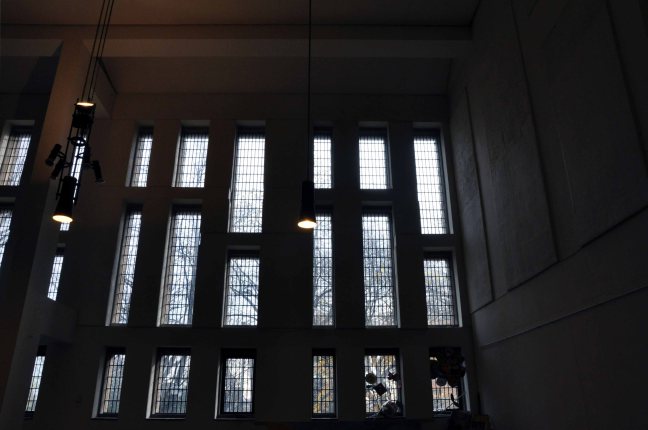
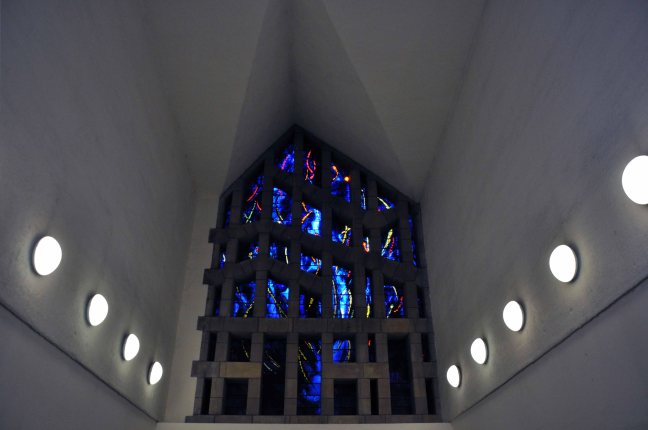
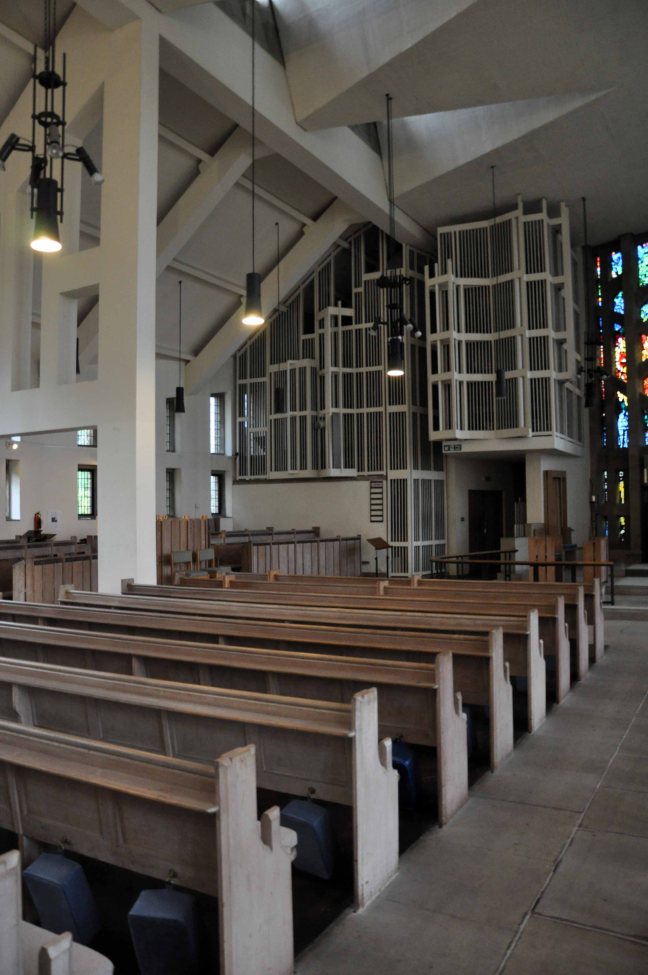
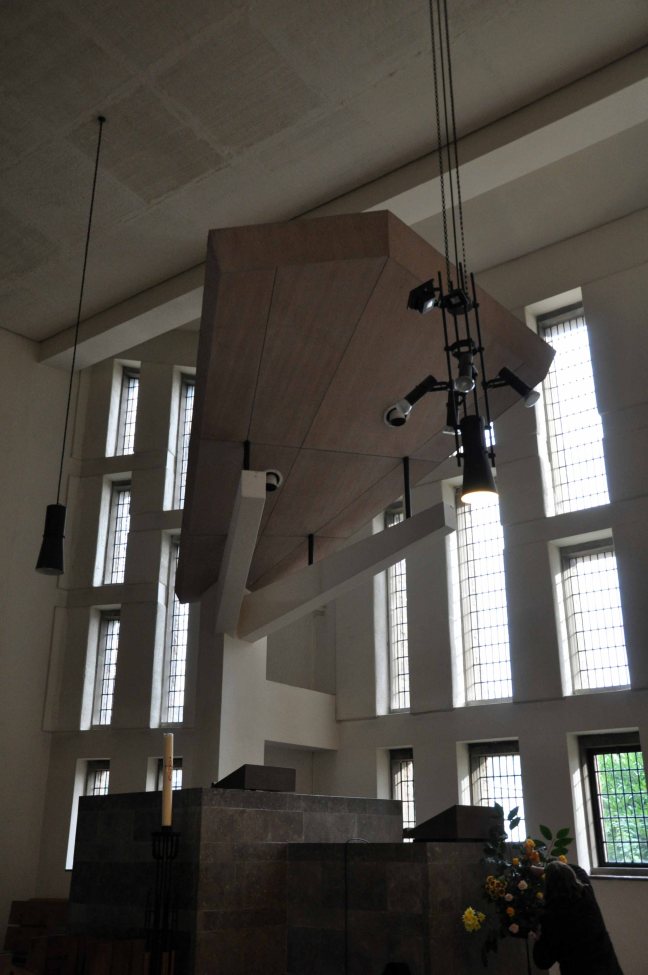
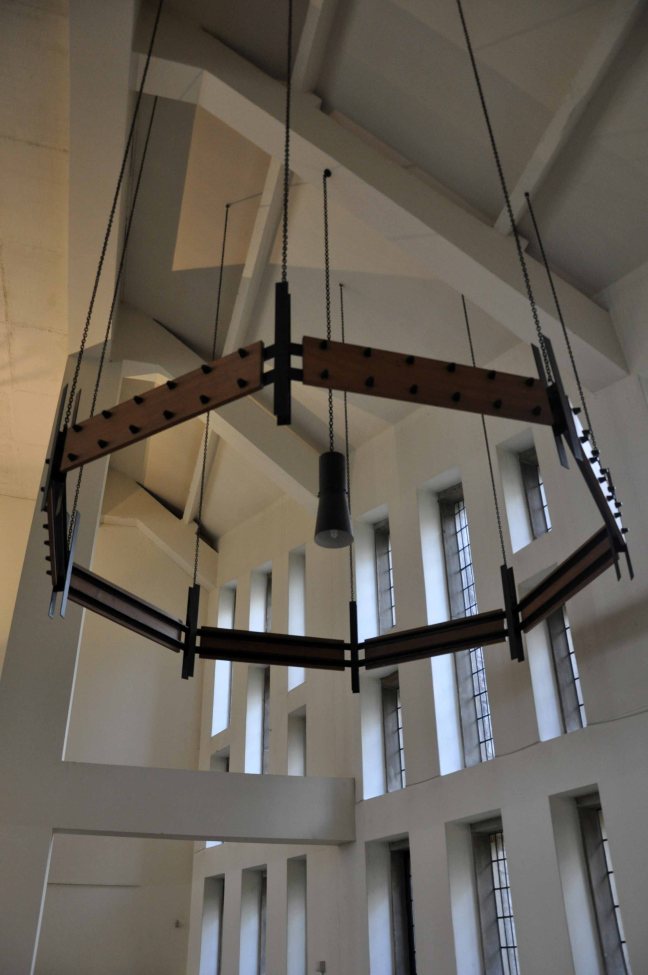
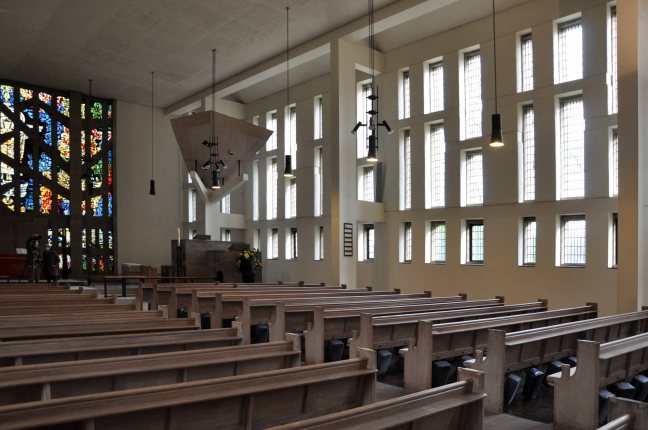
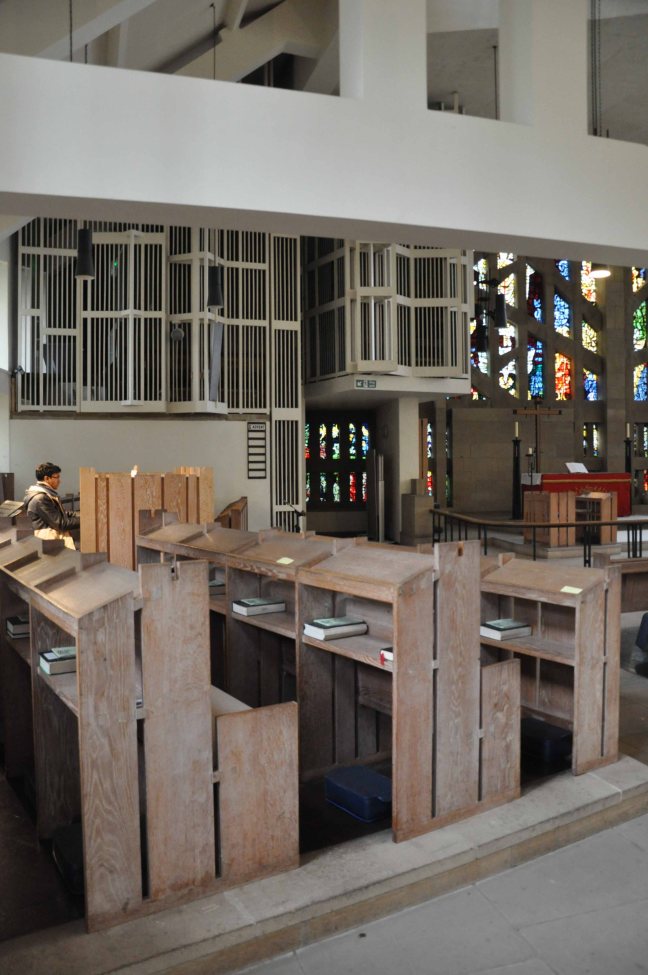
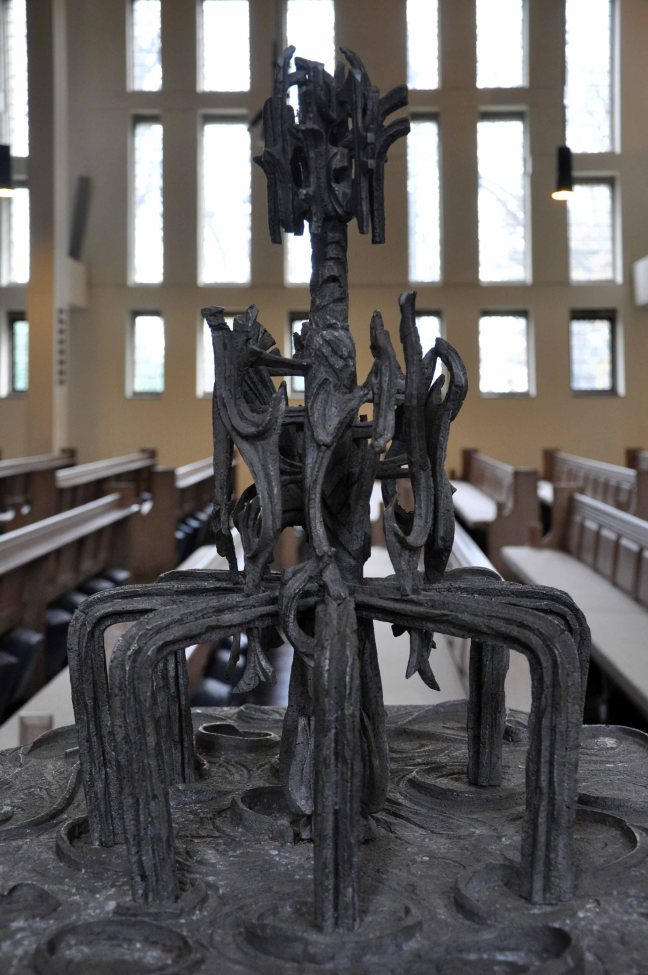
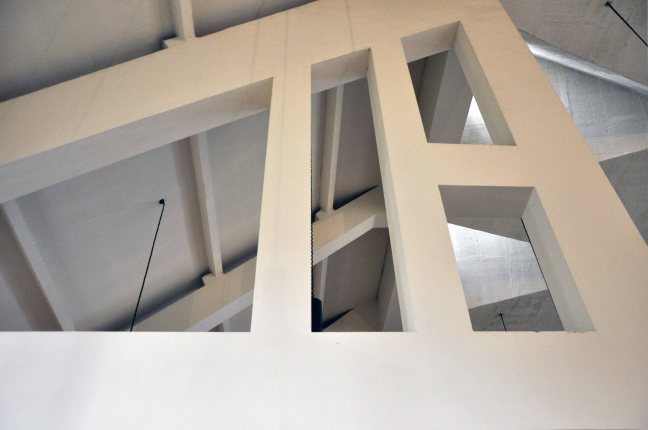
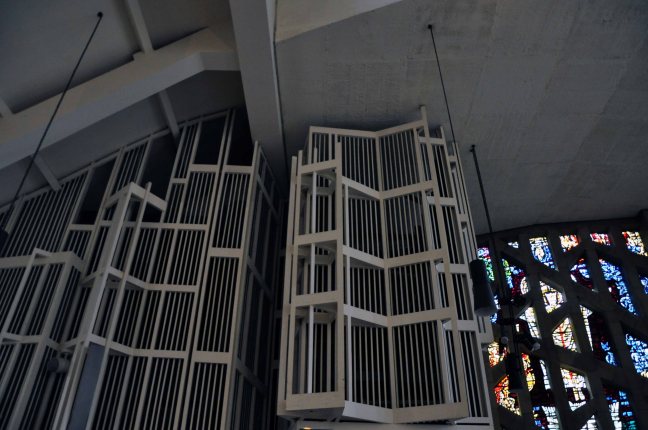
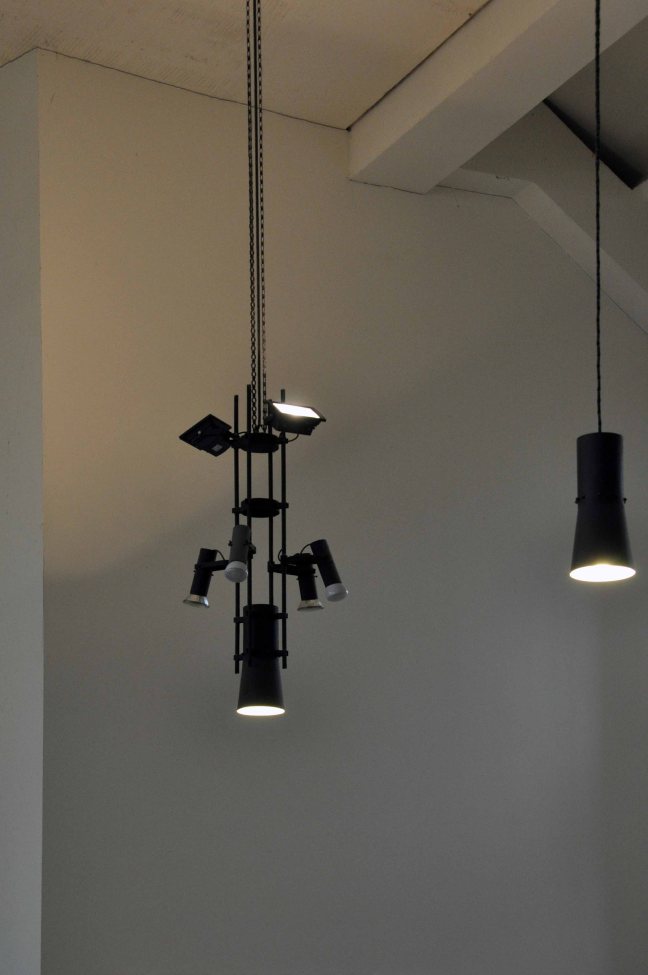
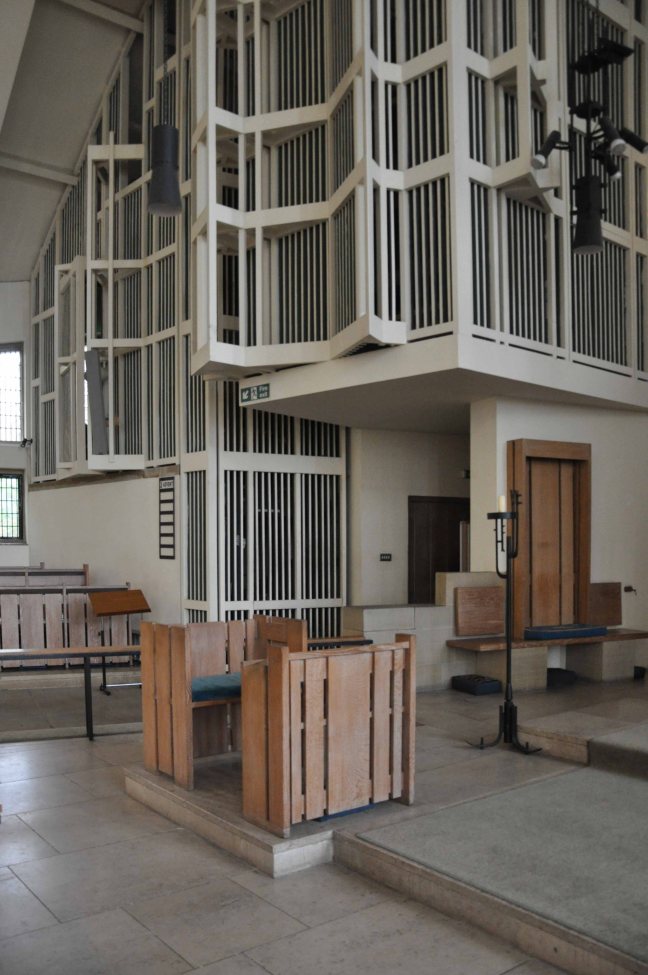
This a remarkable building staffed by remarkably welcoming people, it’s exterior betraying little of the wonders within. Divine stained glass, brut concrete structures, pale limed wood, sculptural forms – full of light and warmth.
‘This was always a raucous place, but a temple of the muses too. Under the management of its gifted, quixotic master of ceremonies, Jonathan Tyers, it was perhaps the first public art gallery, hung with paintings by Hogarth and Hayman. The buildings – first Palladian then Gothic and exotic – were splendid and the music inspired. The Vauxhall season was unmissable. Royalty came regularly. Canaletto painted it, Casanova loitered under the trees, Leopold Mozart was astonished by the dazzling lights. The poor could manage an occasional treat. For everyone it was a fantasyland of wonder and pride.’
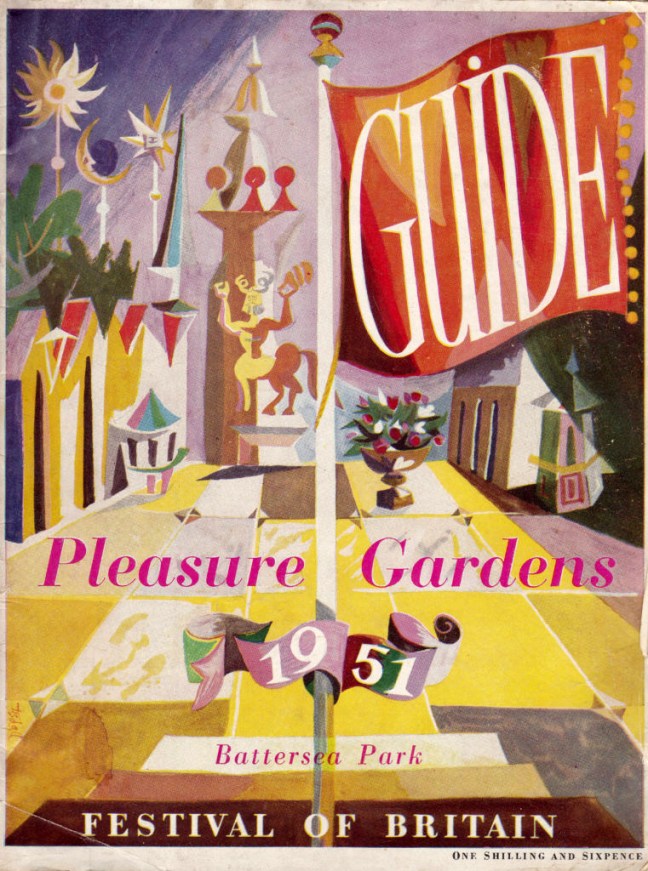
It was decided there and then, the government would enforce state funded fun!
Programmes were printed and works undertaken.
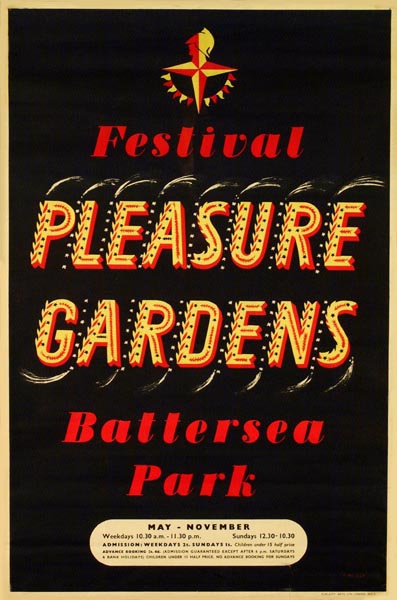
Posters were pasted, let the fun begin in Battersea – and all the rest is history.
Then just as suddenly the fun was all but blown away, by the chill wind of the incoming Tory Government.
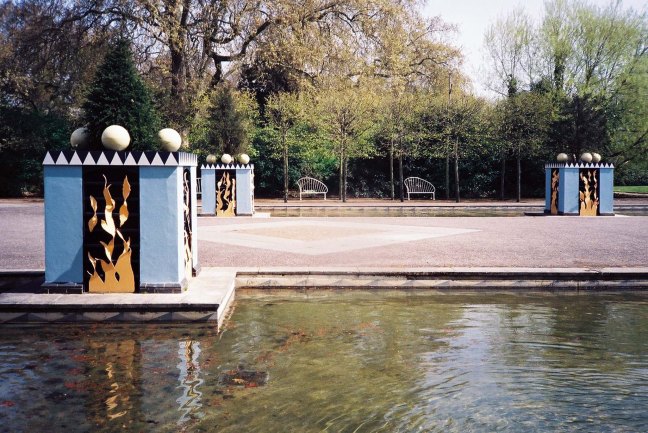
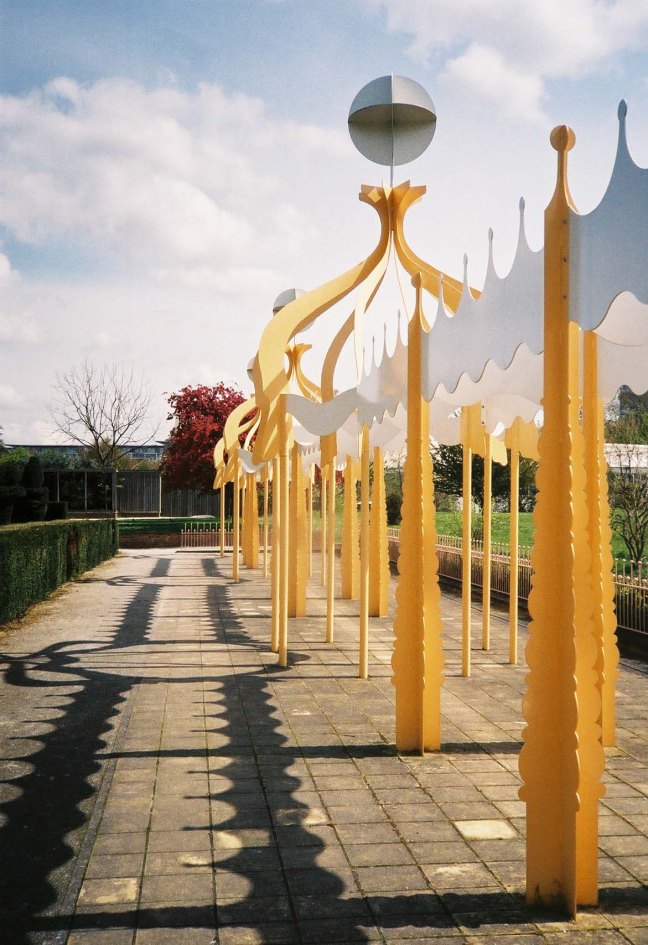
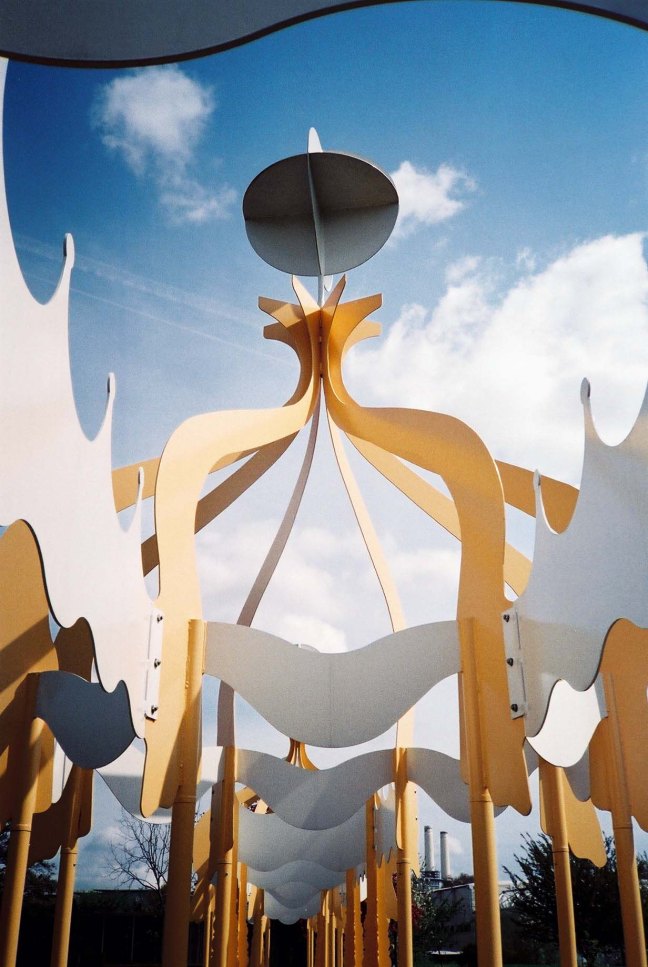
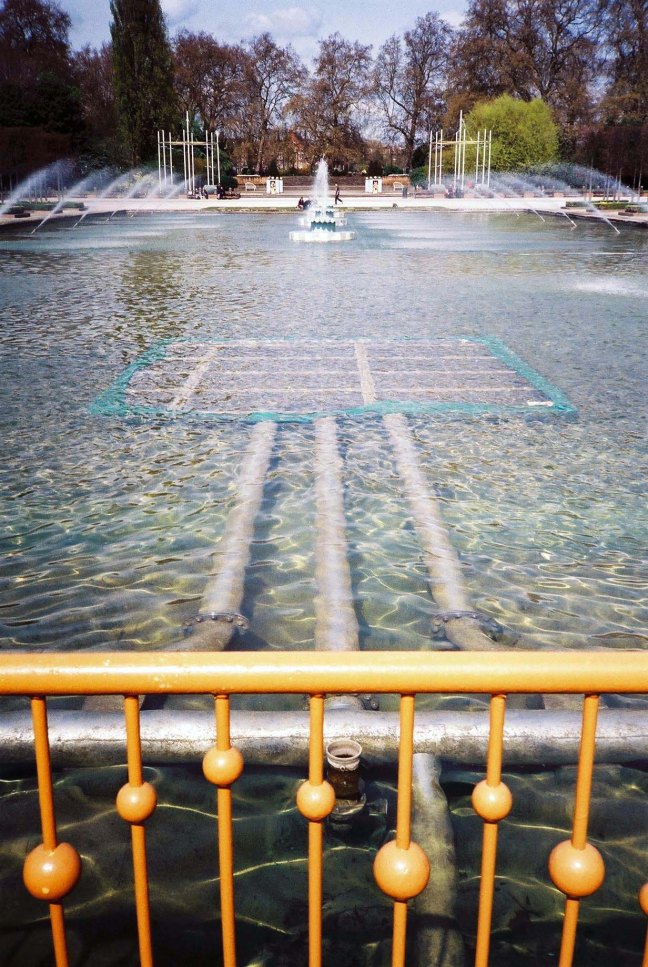
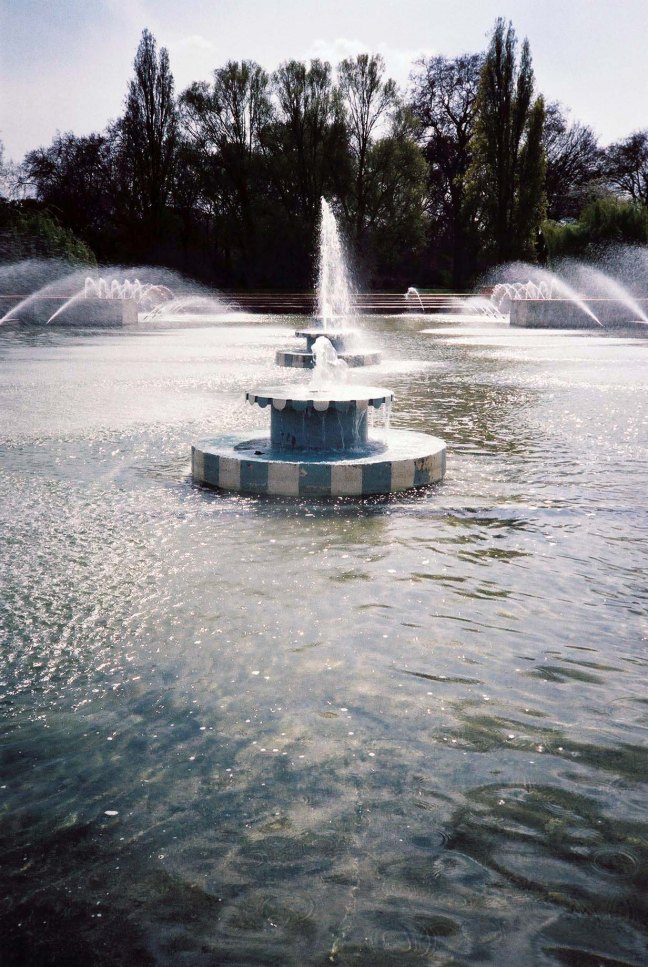
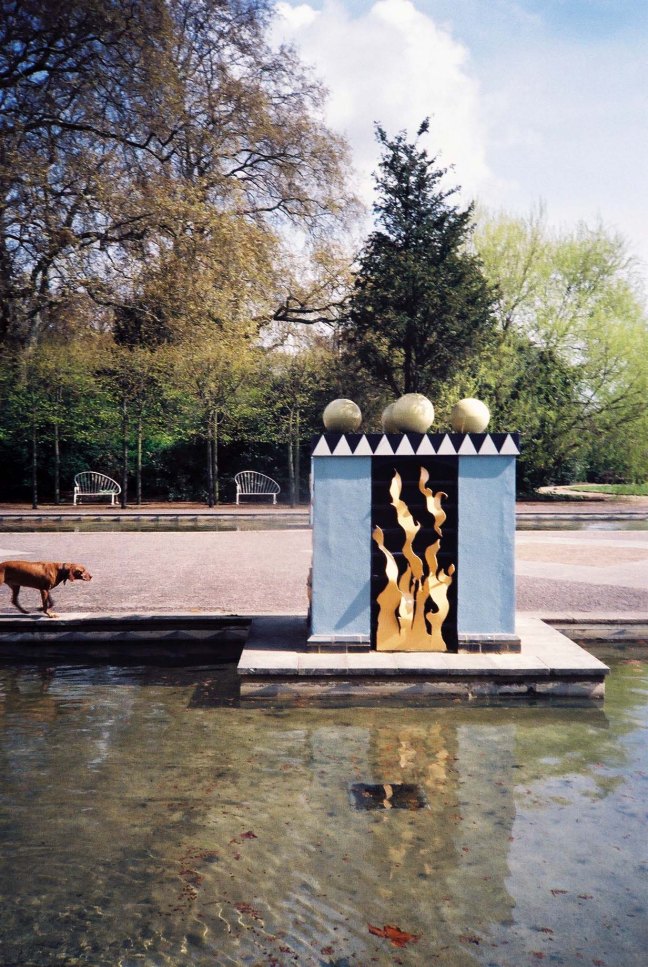
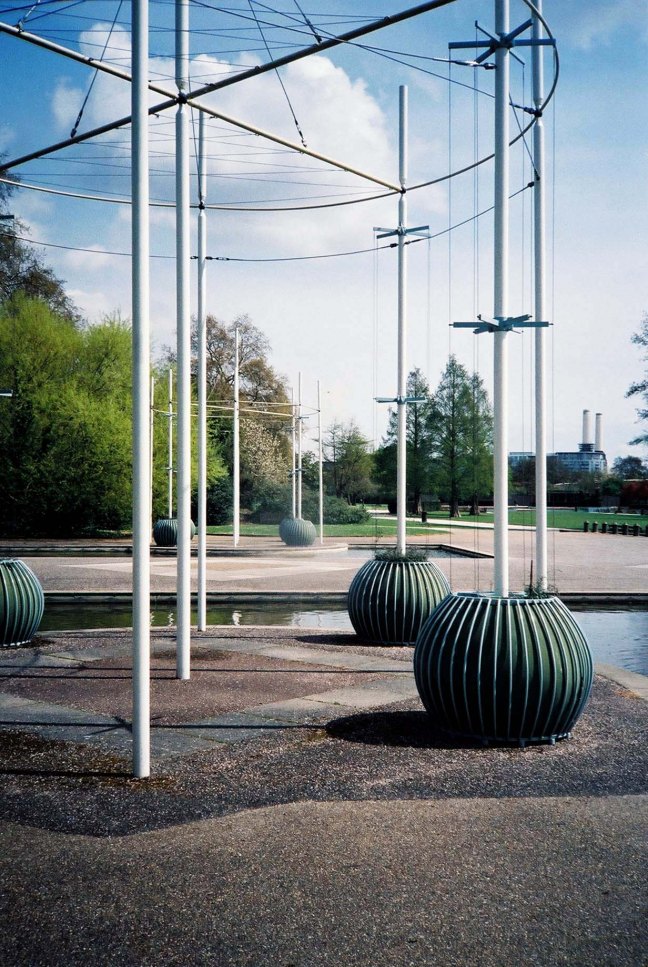
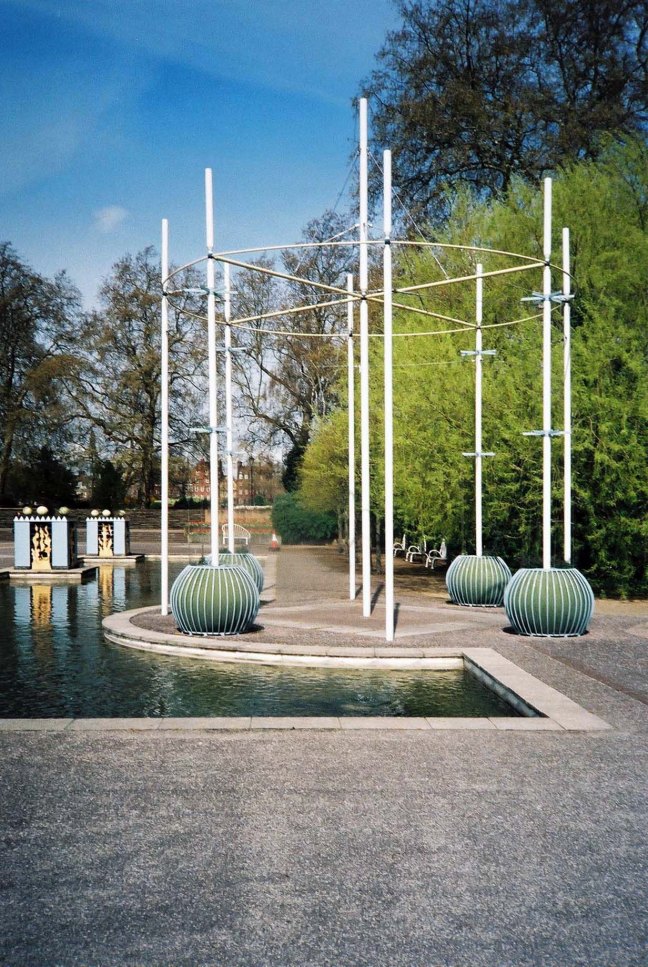
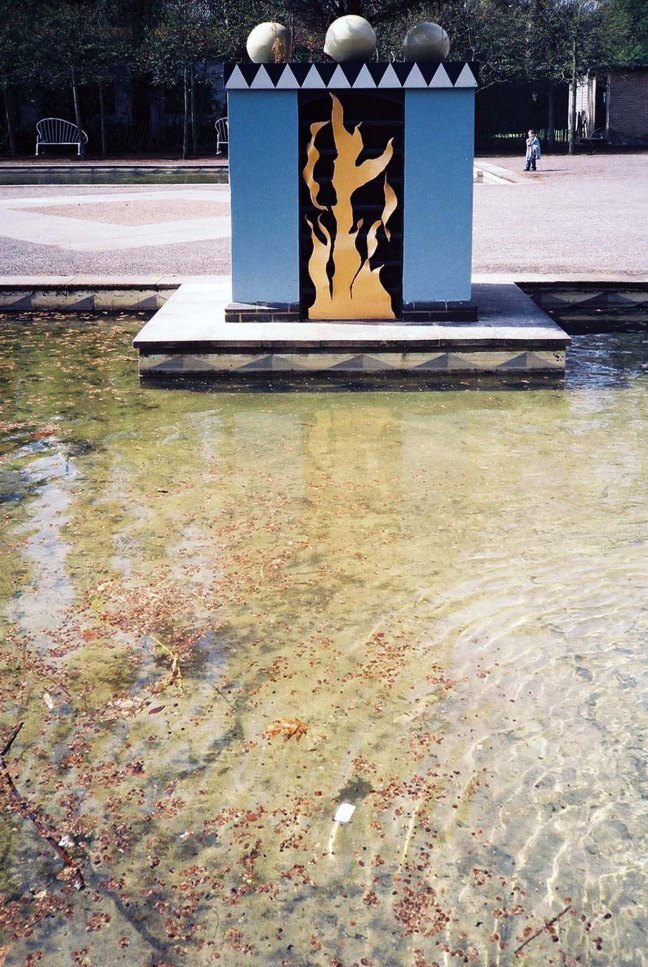
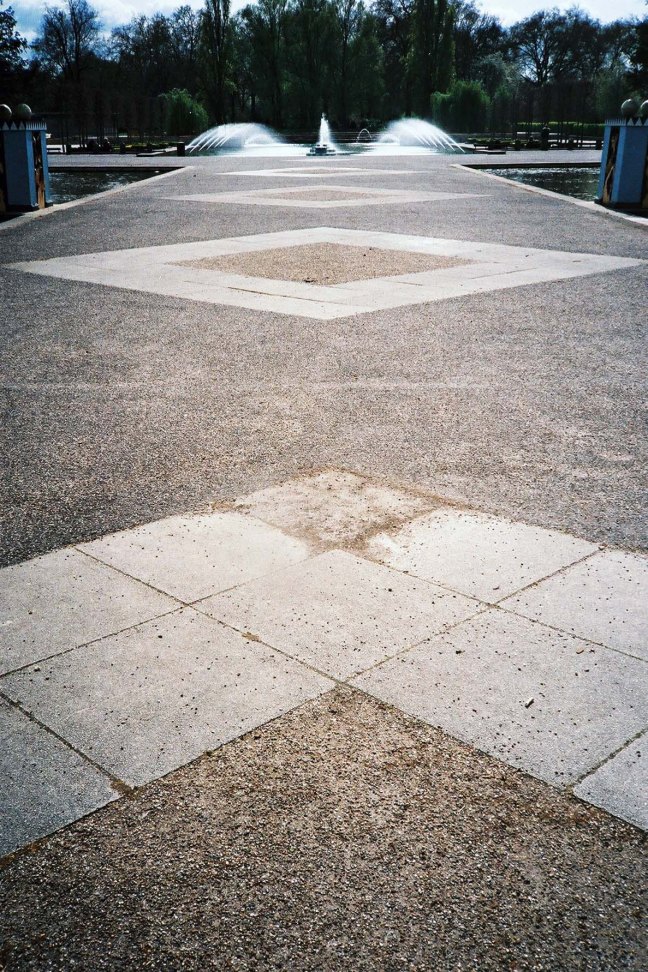
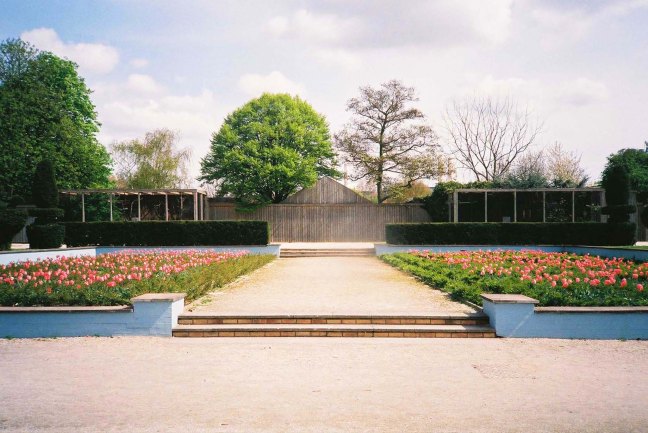
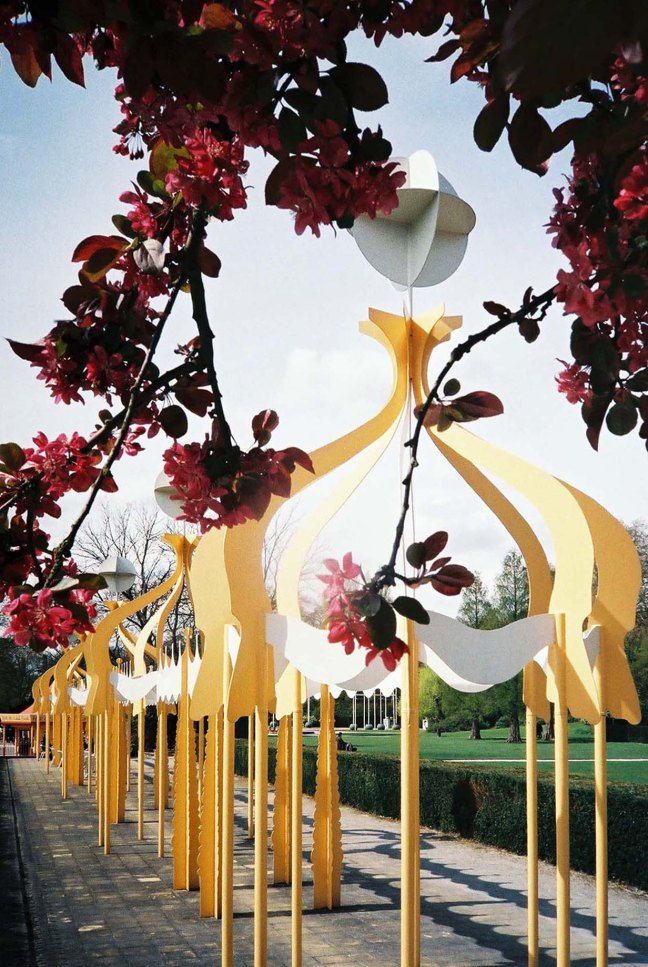
Much to my surprise there are still remnants and reminders to be found on the site, planting, fountains furniture and sculptural structures abound, restored in 2011 by Wandsworth Council – a timely reminder of a time when we were encouraged to have fun on the rates.
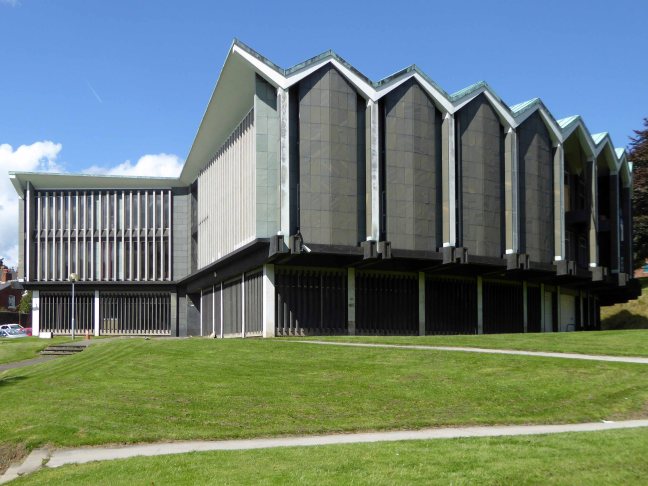
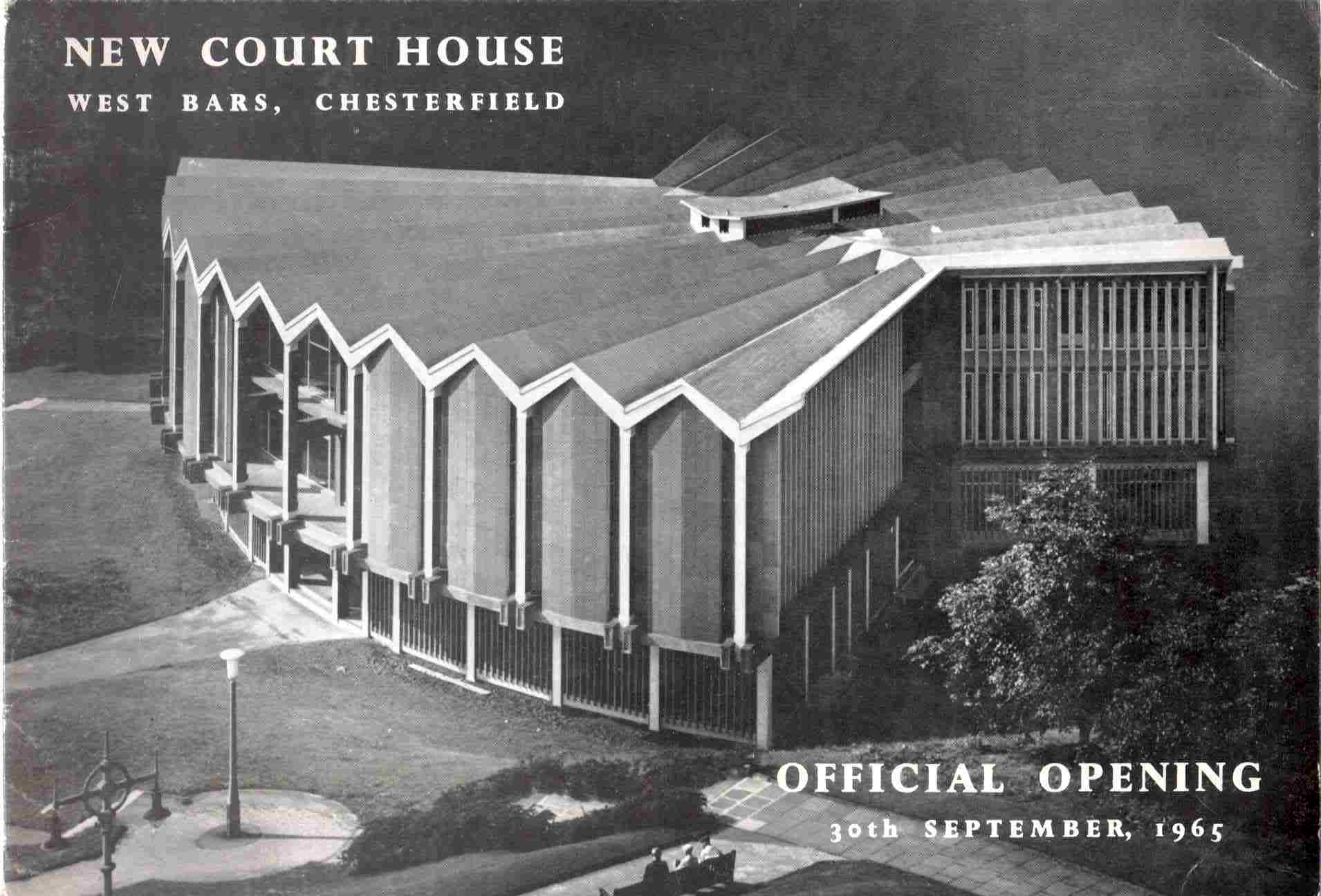
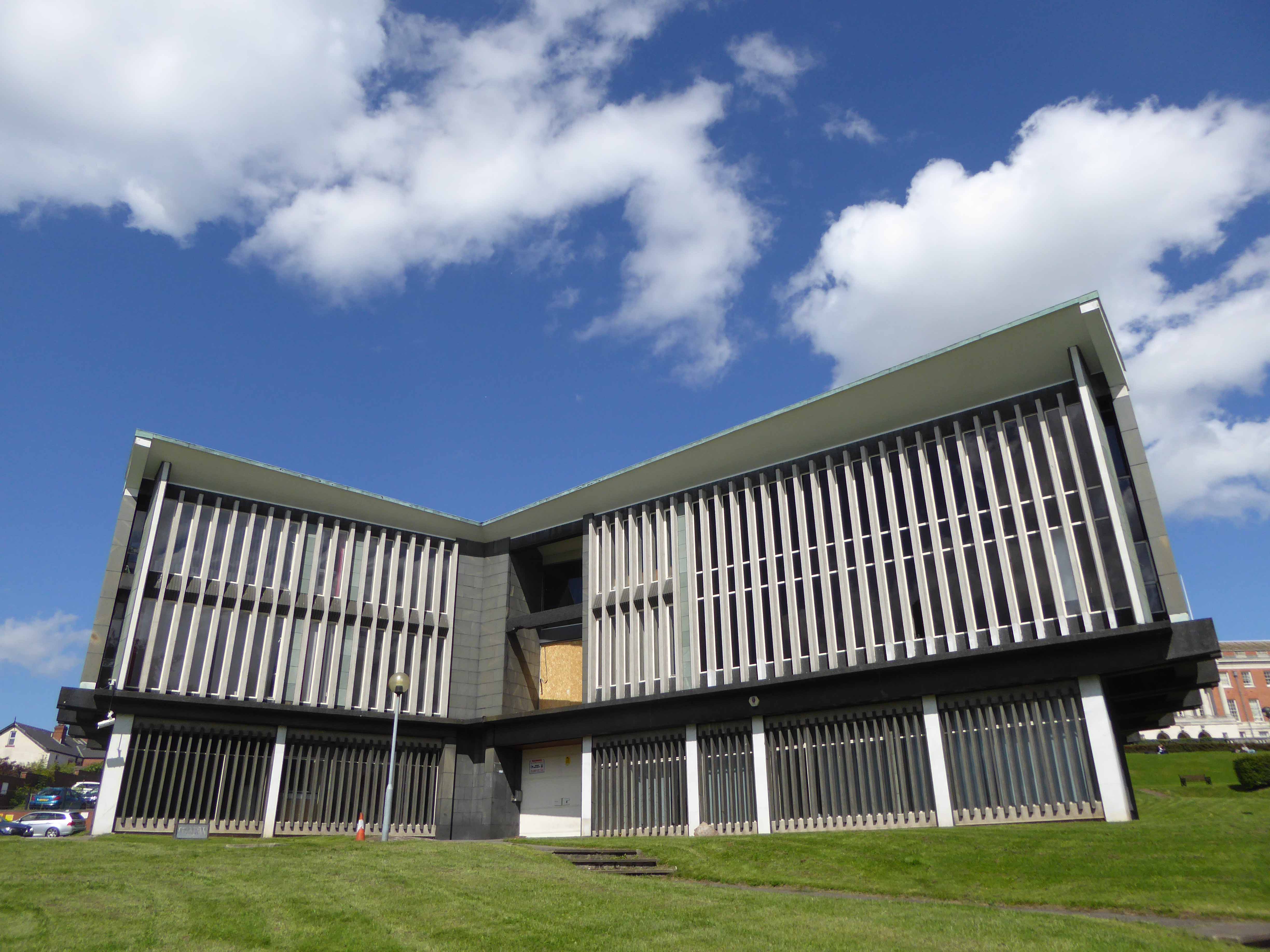
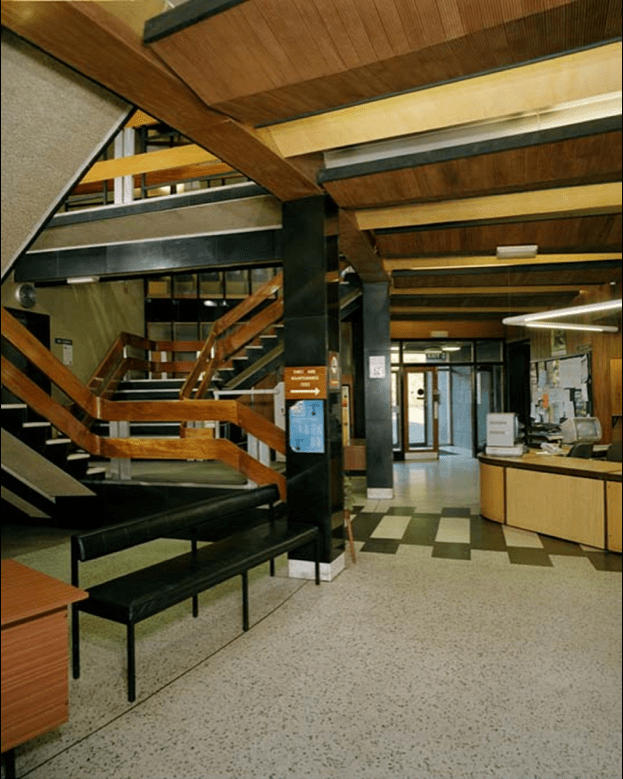
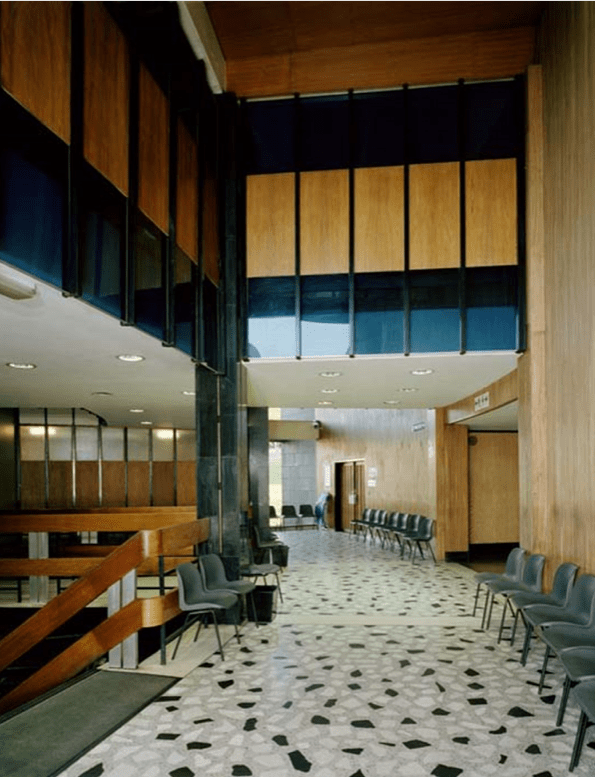
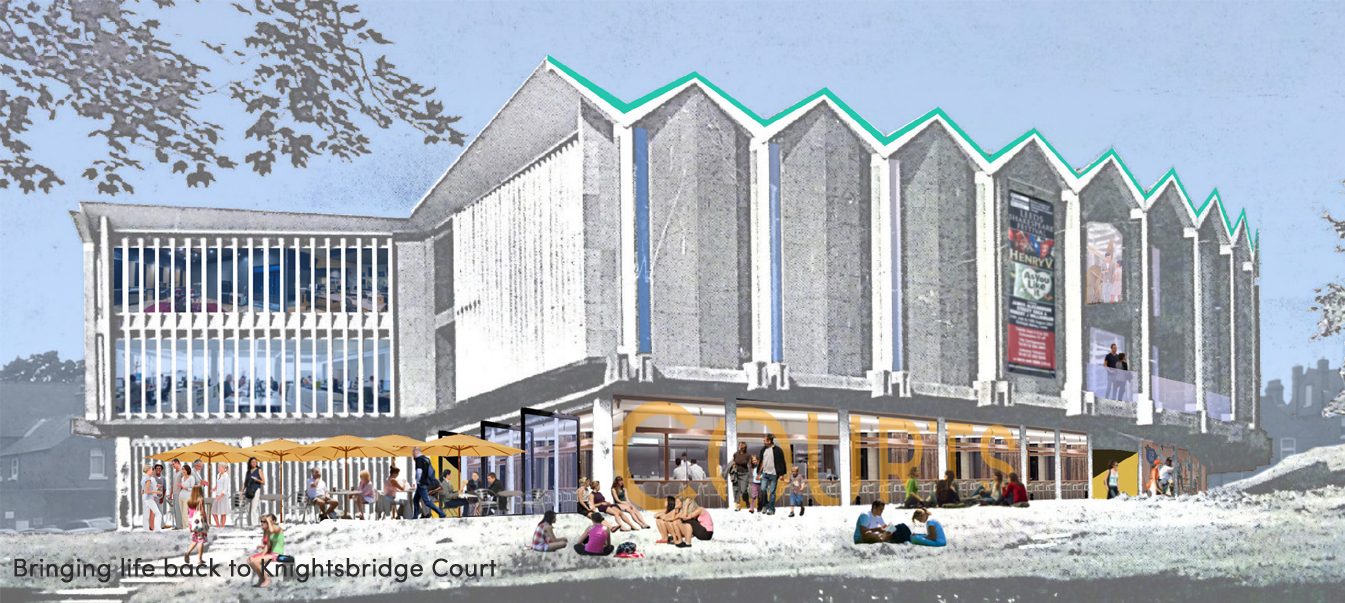
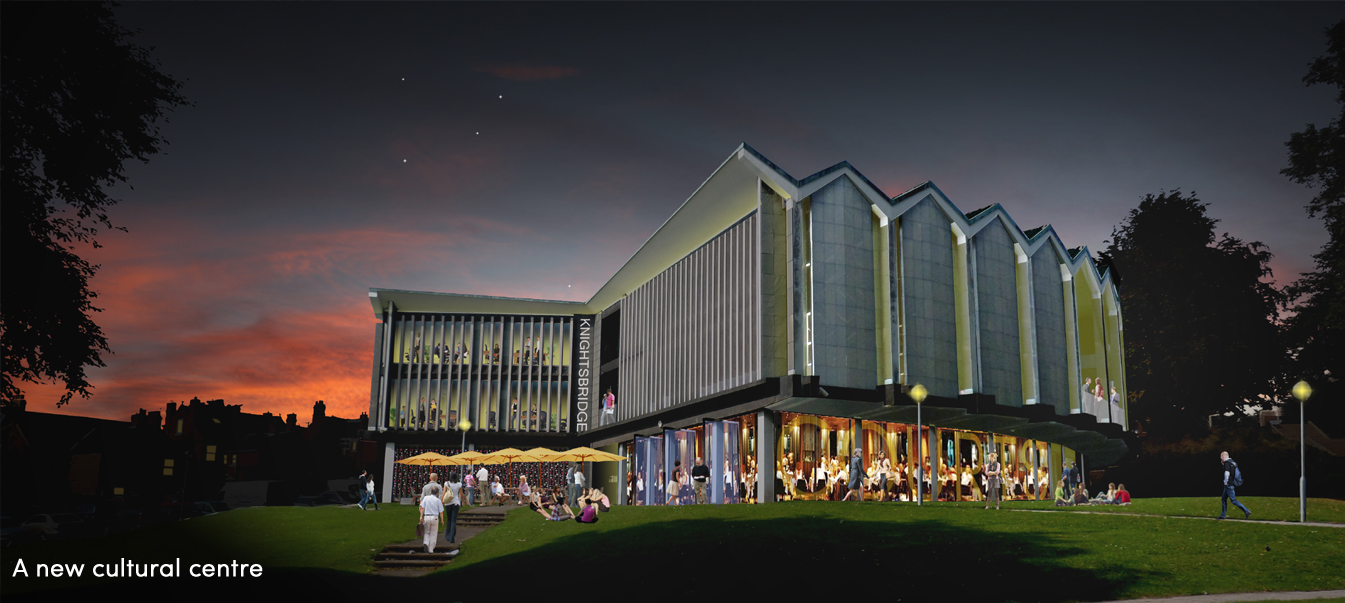
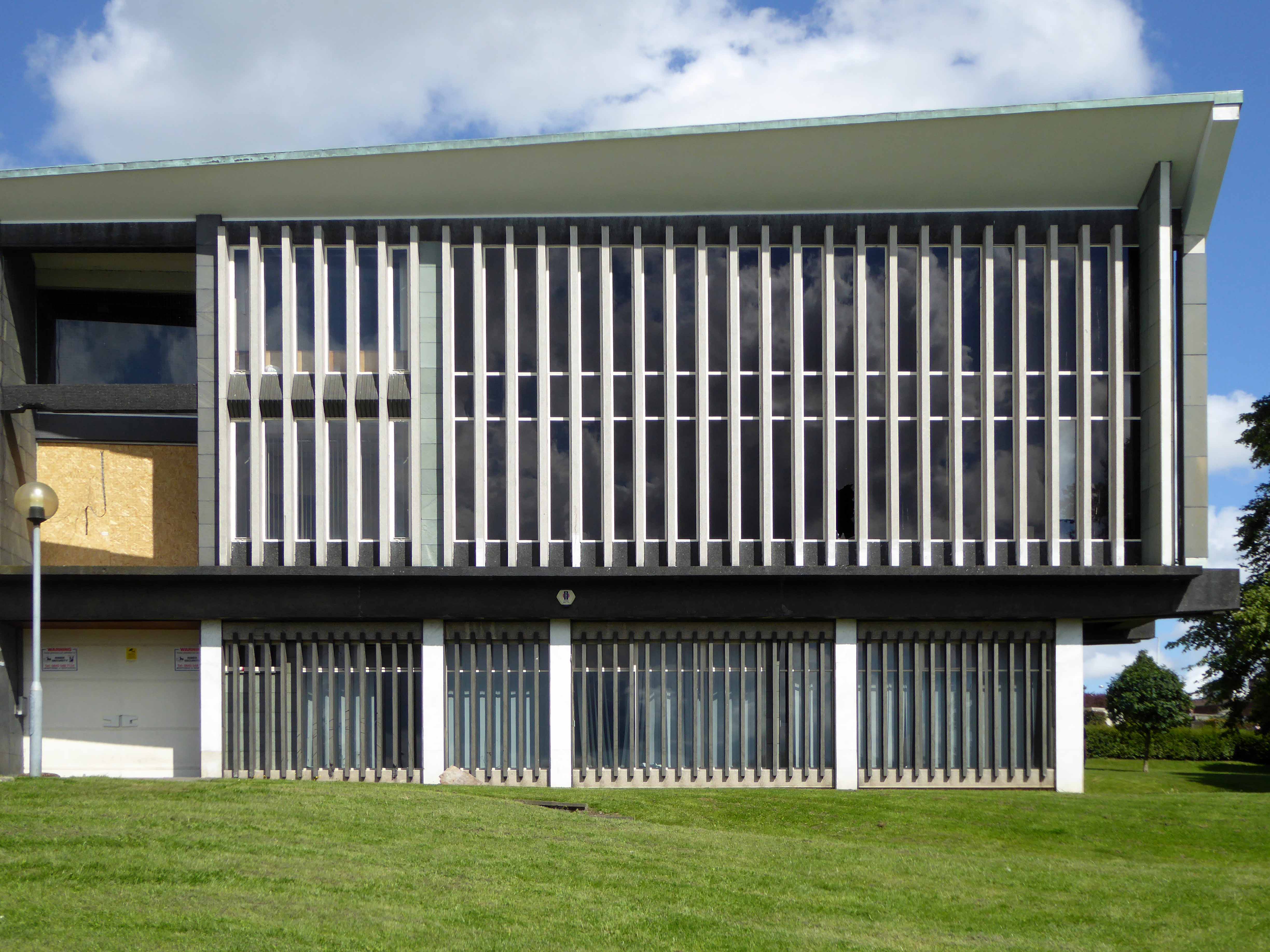
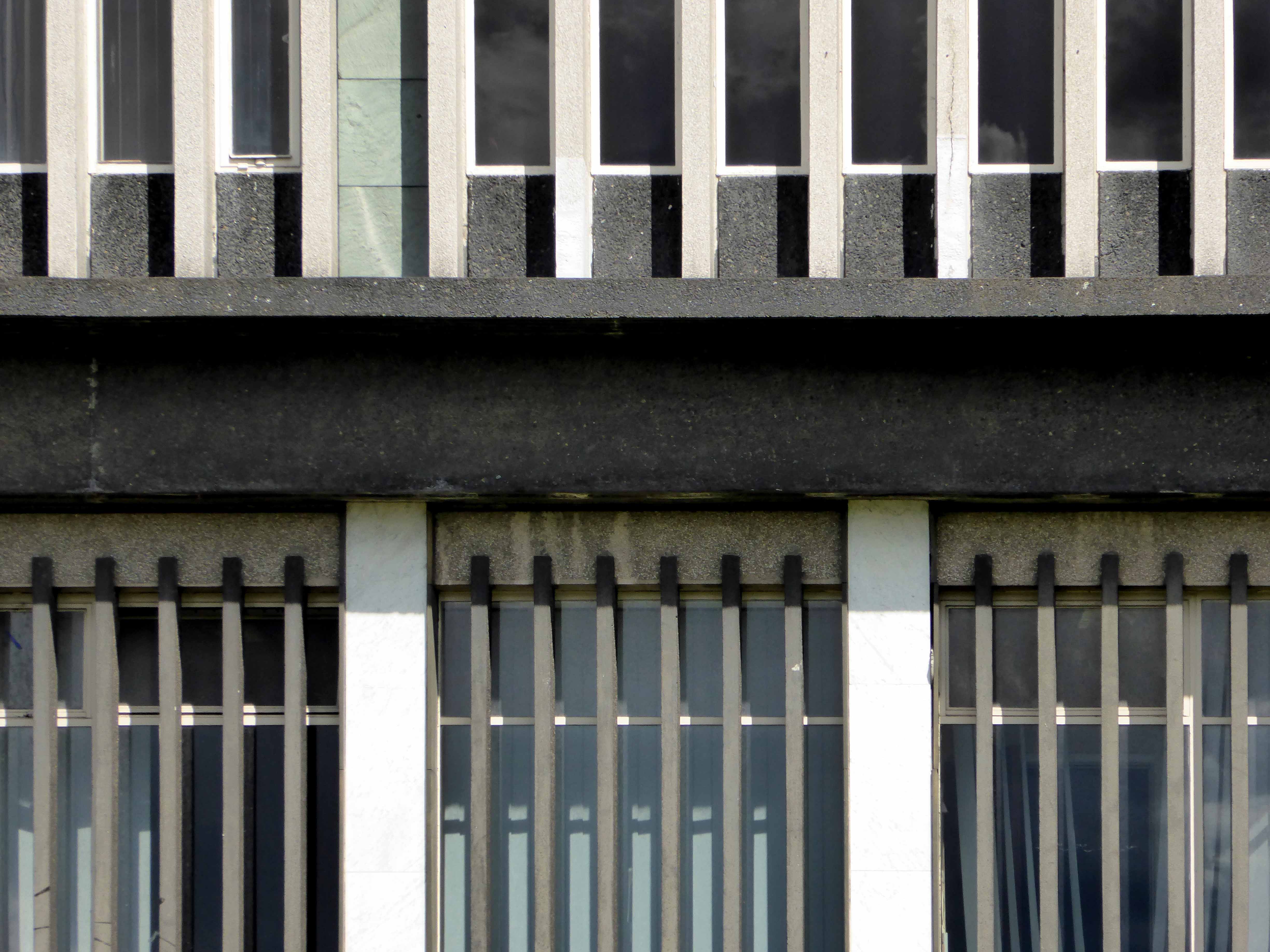
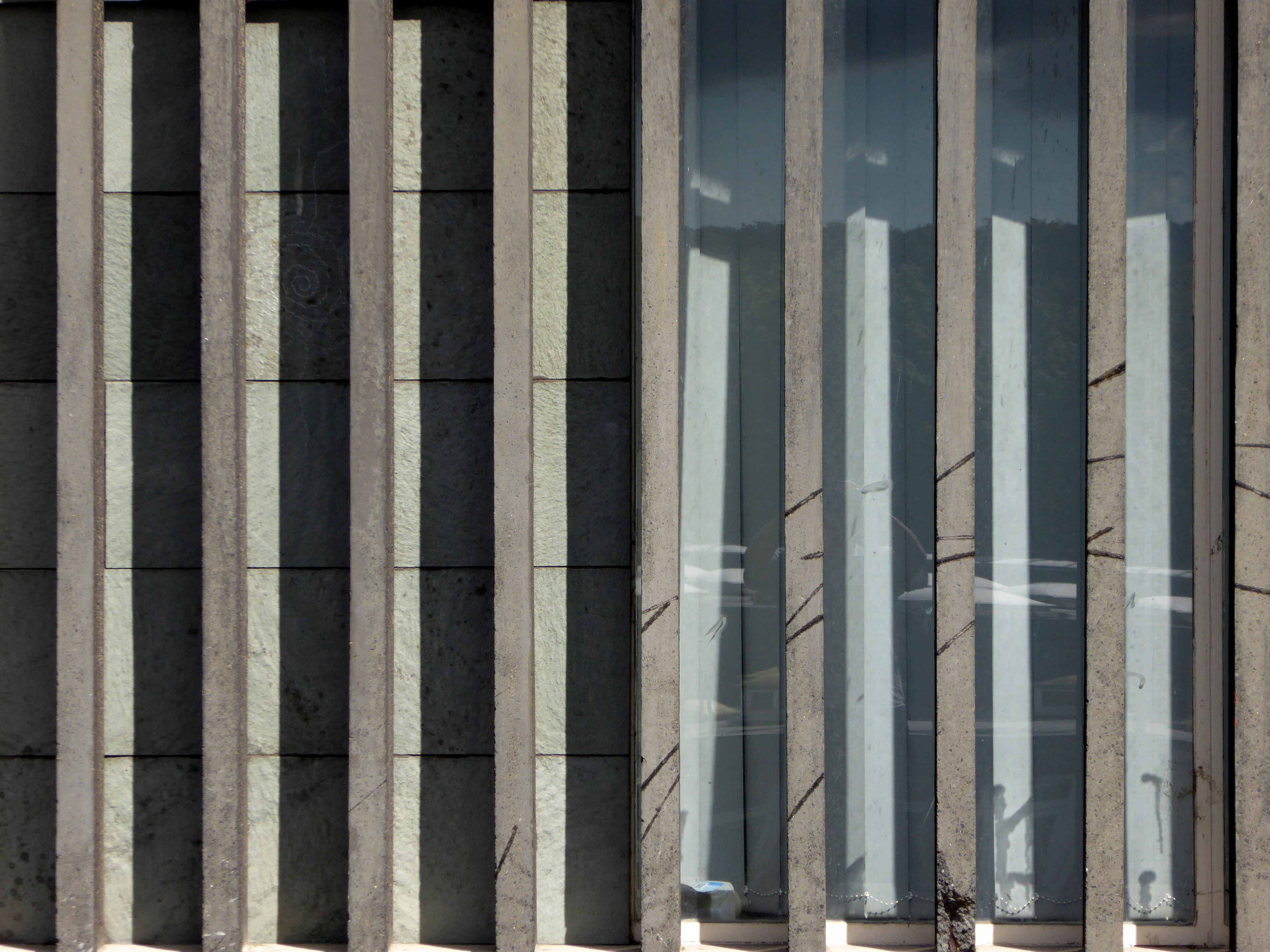
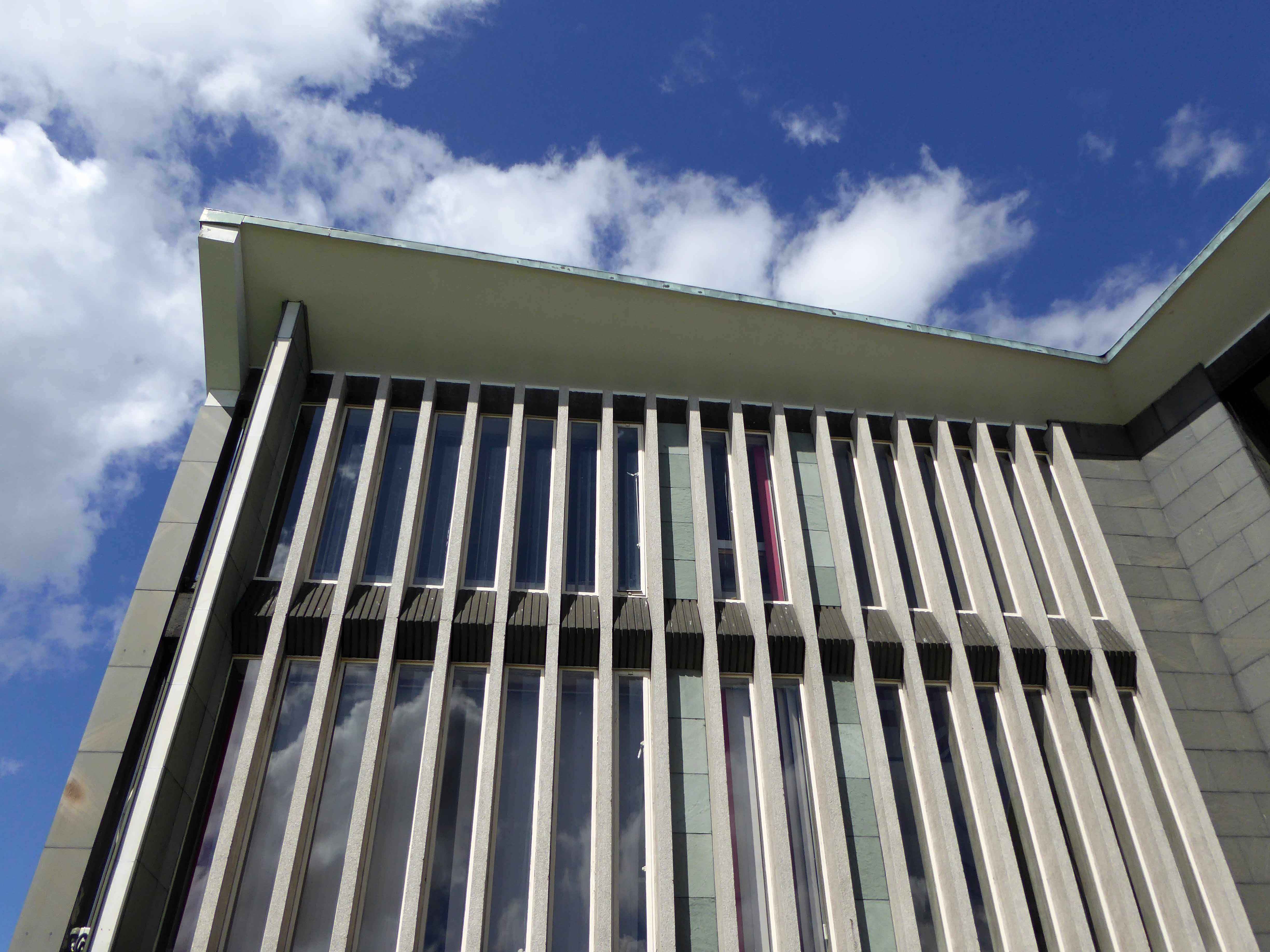
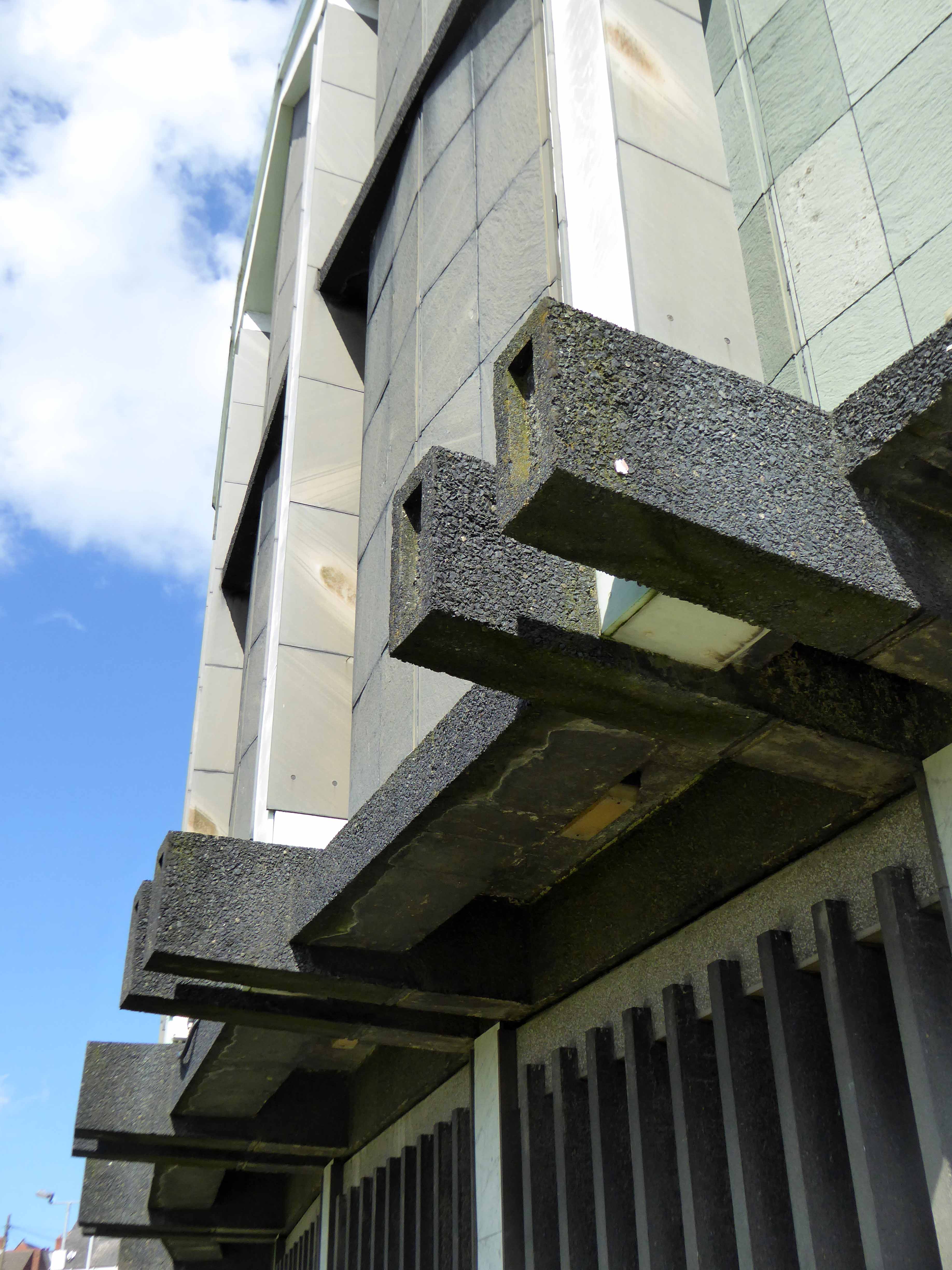
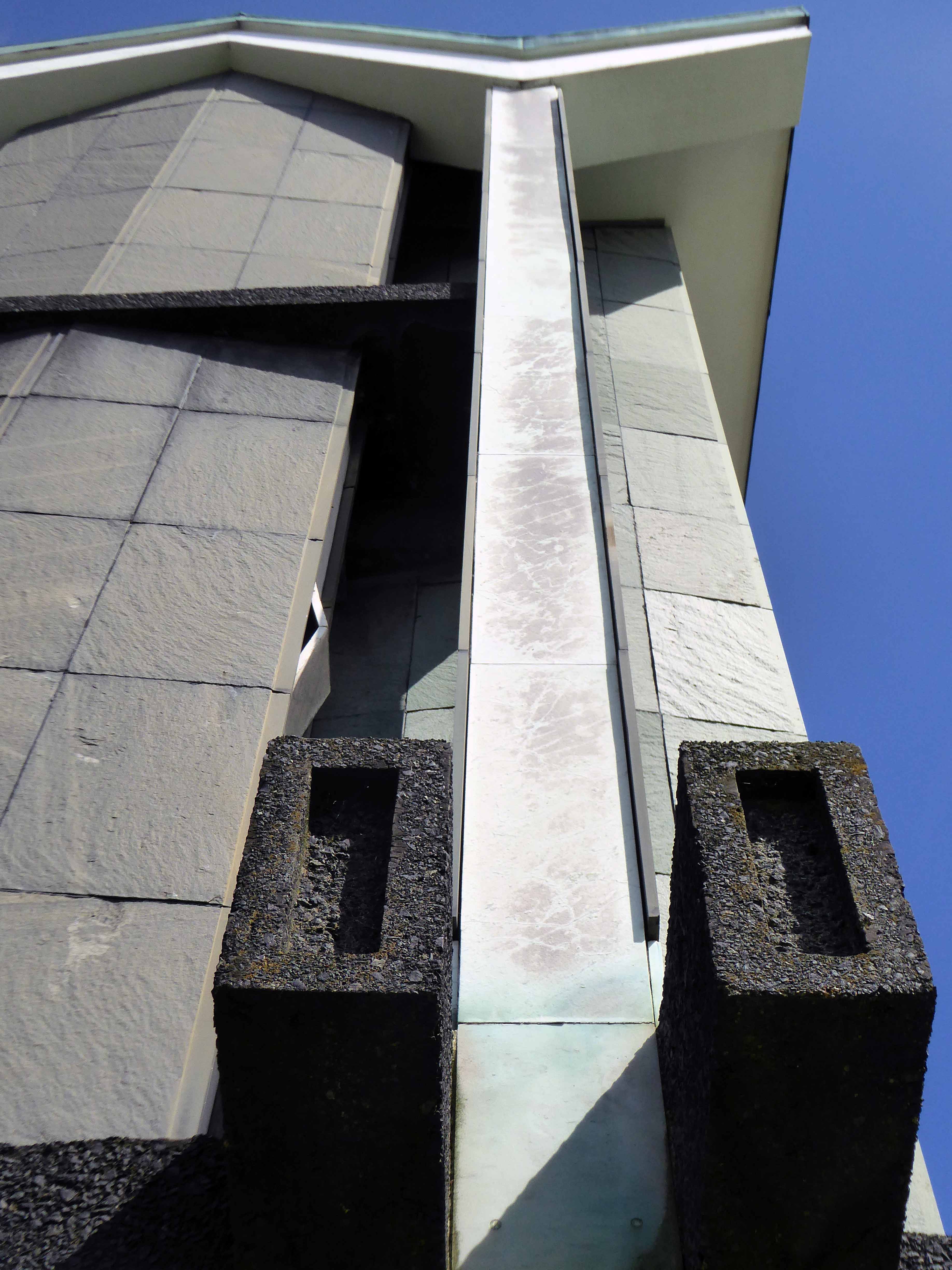
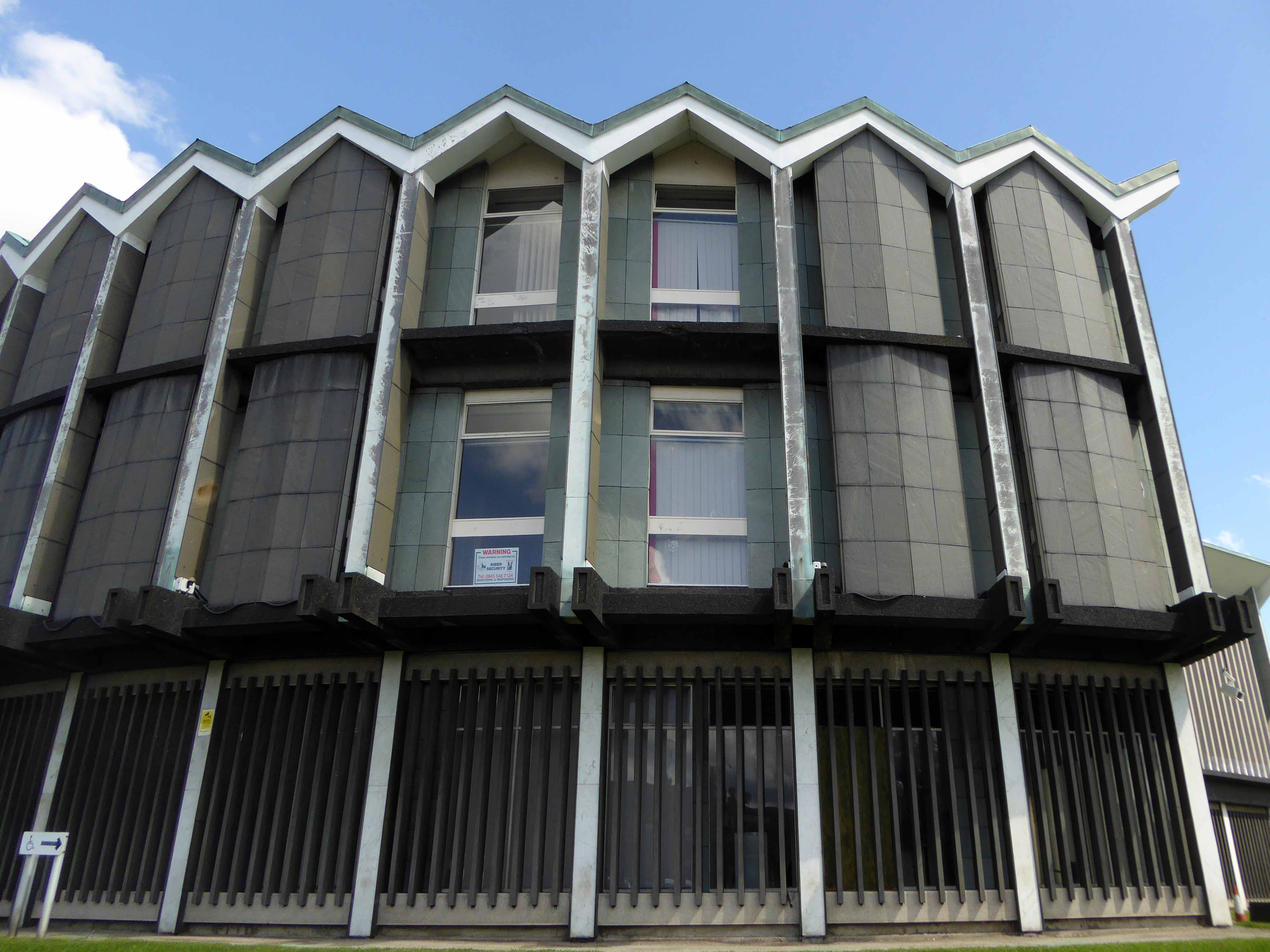
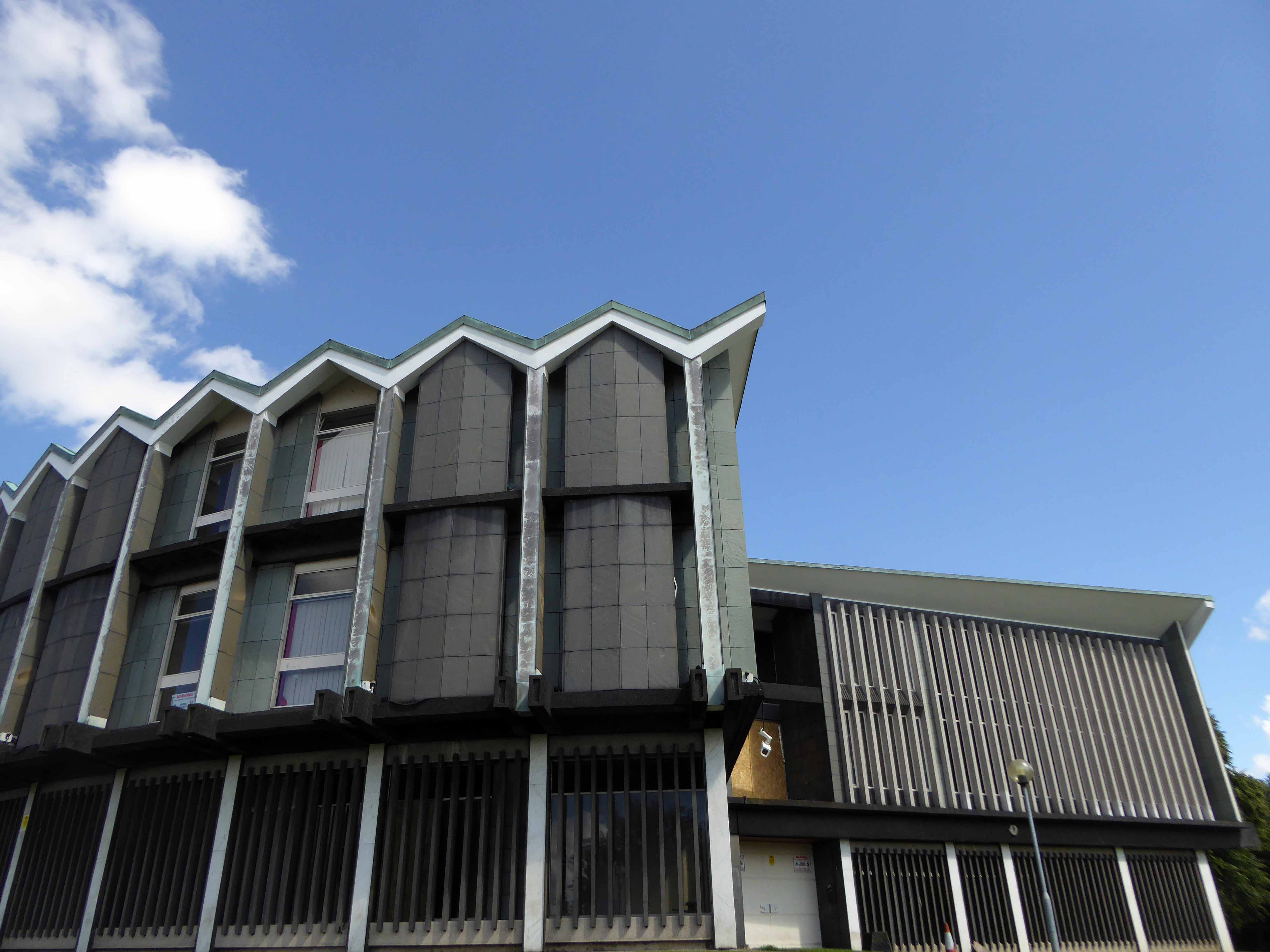
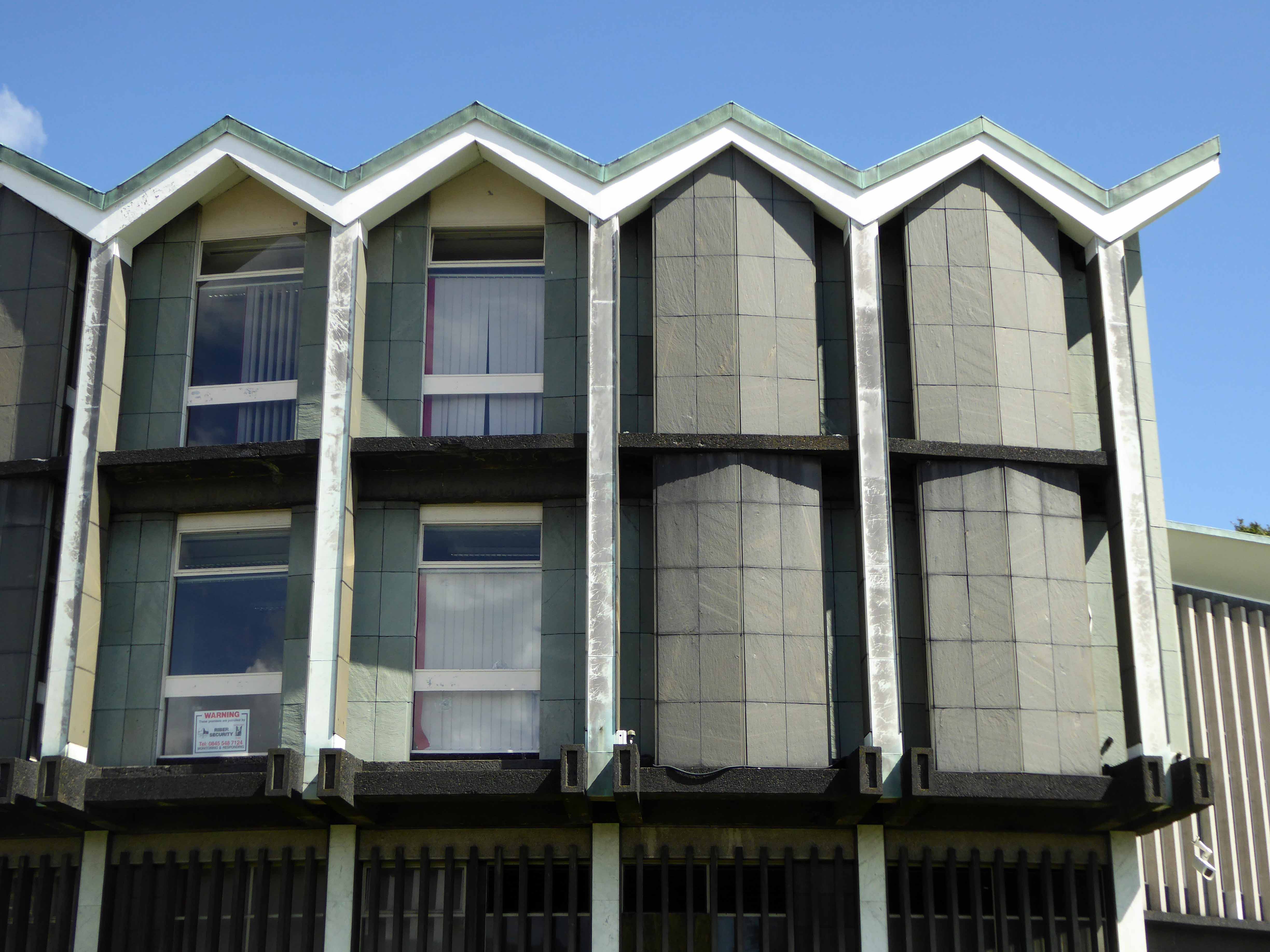
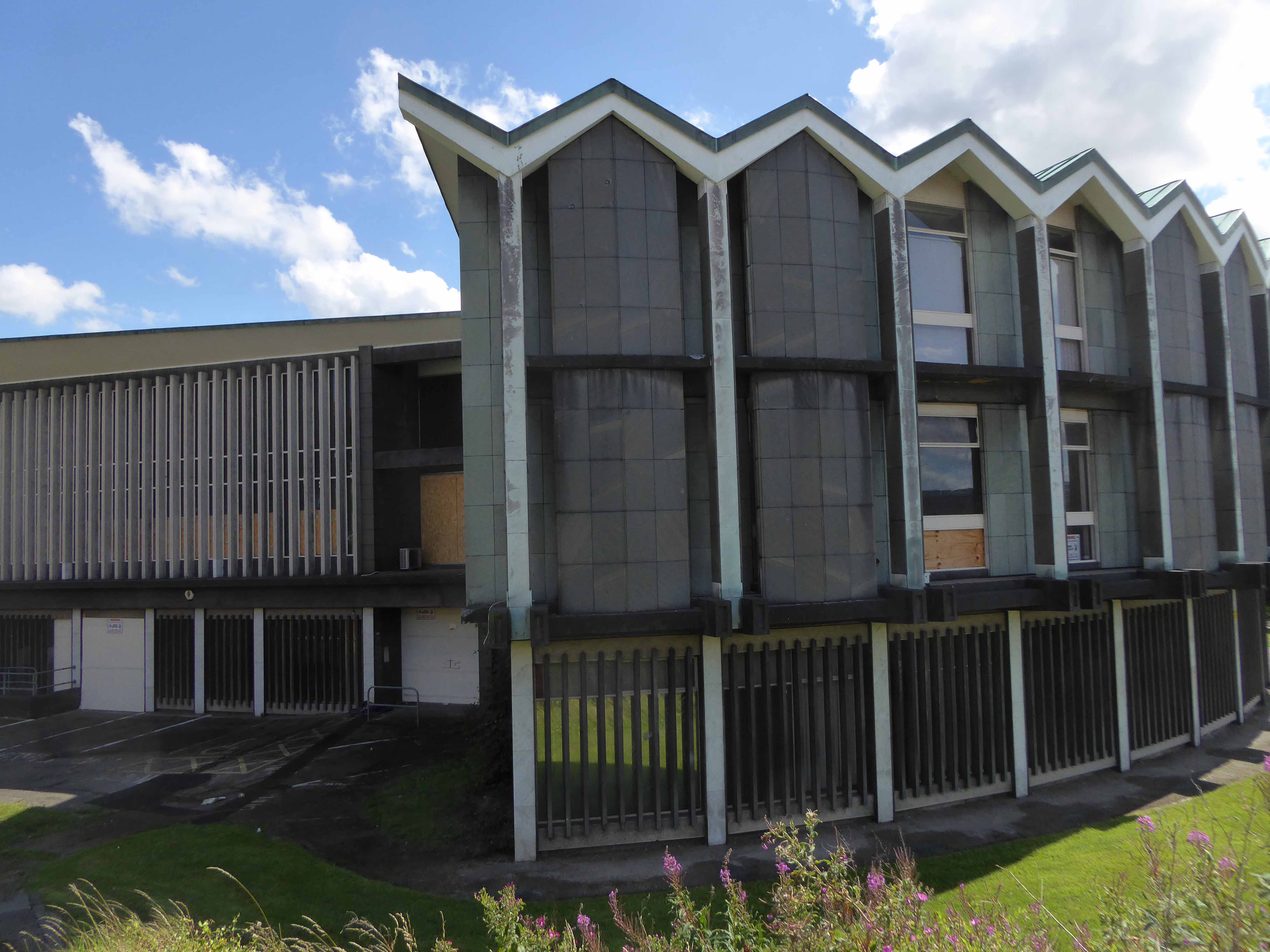
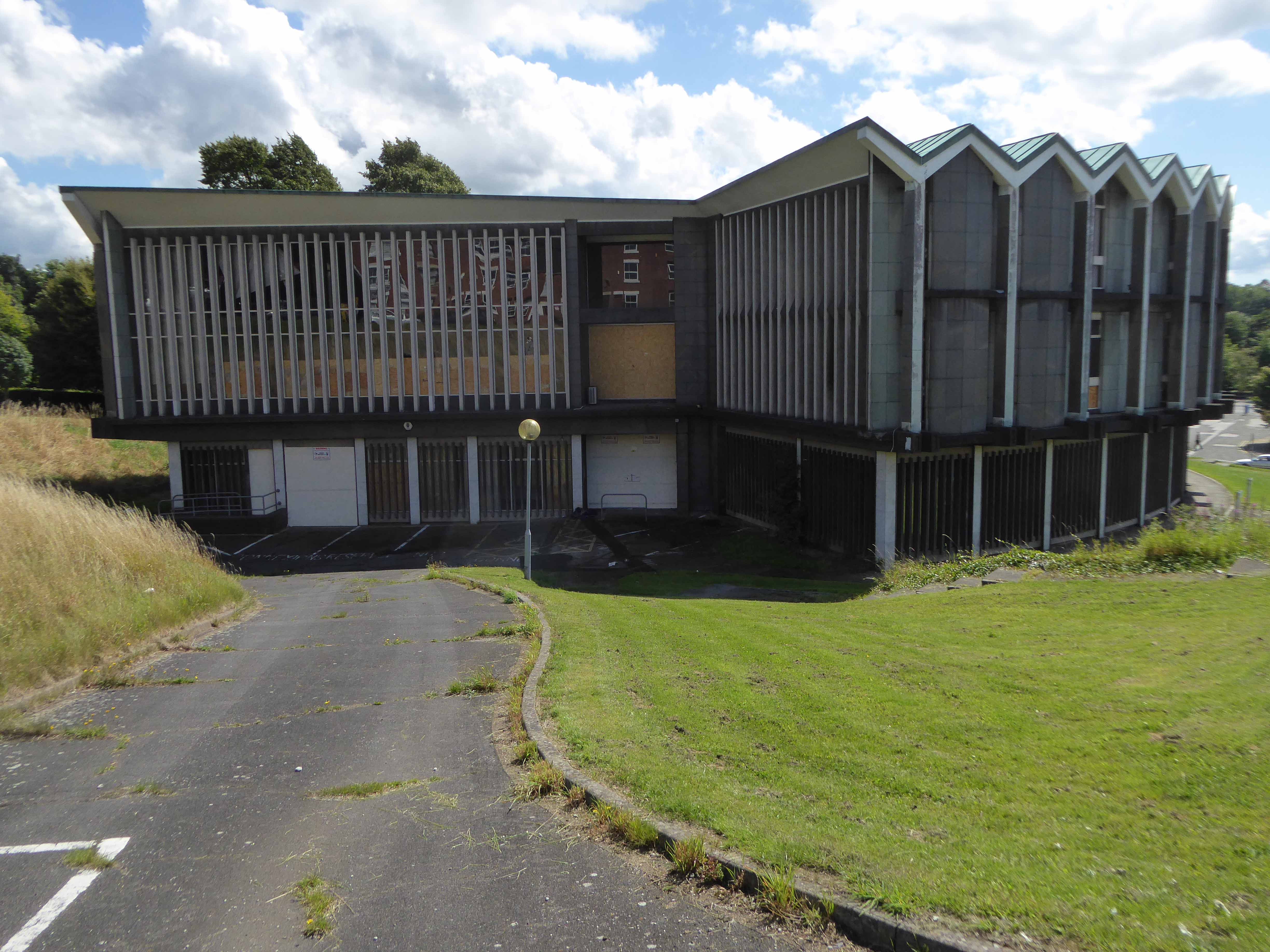
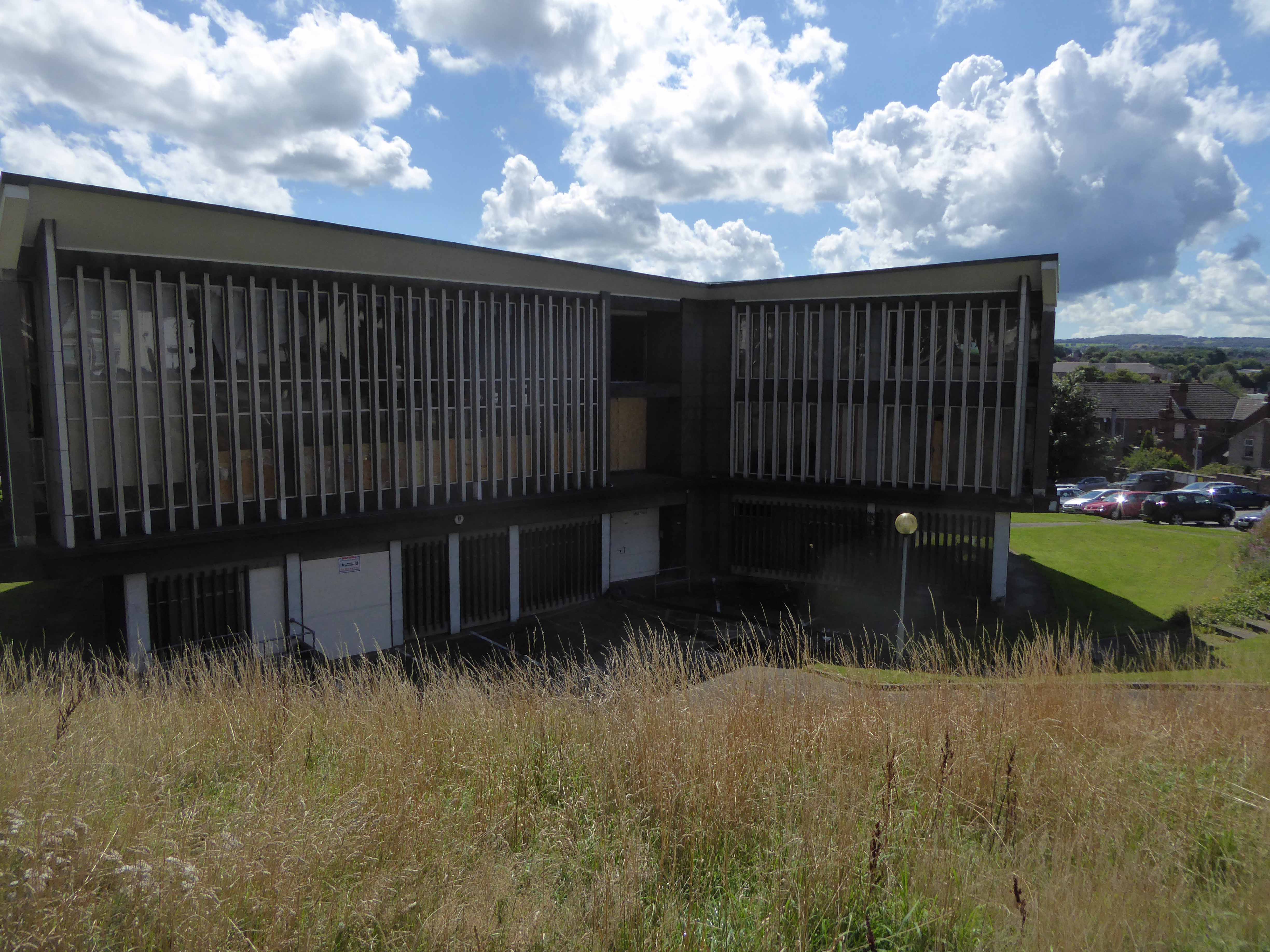
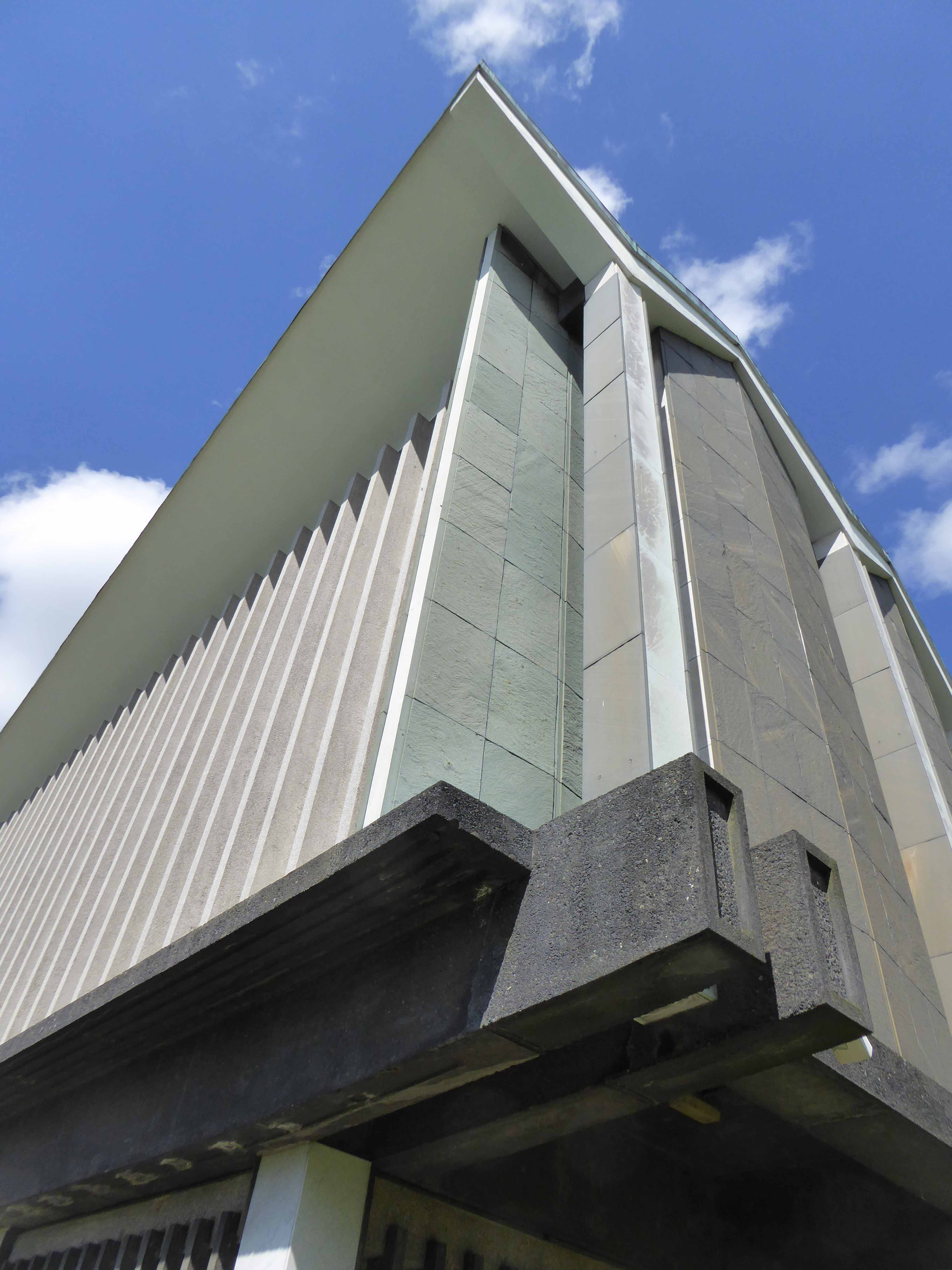
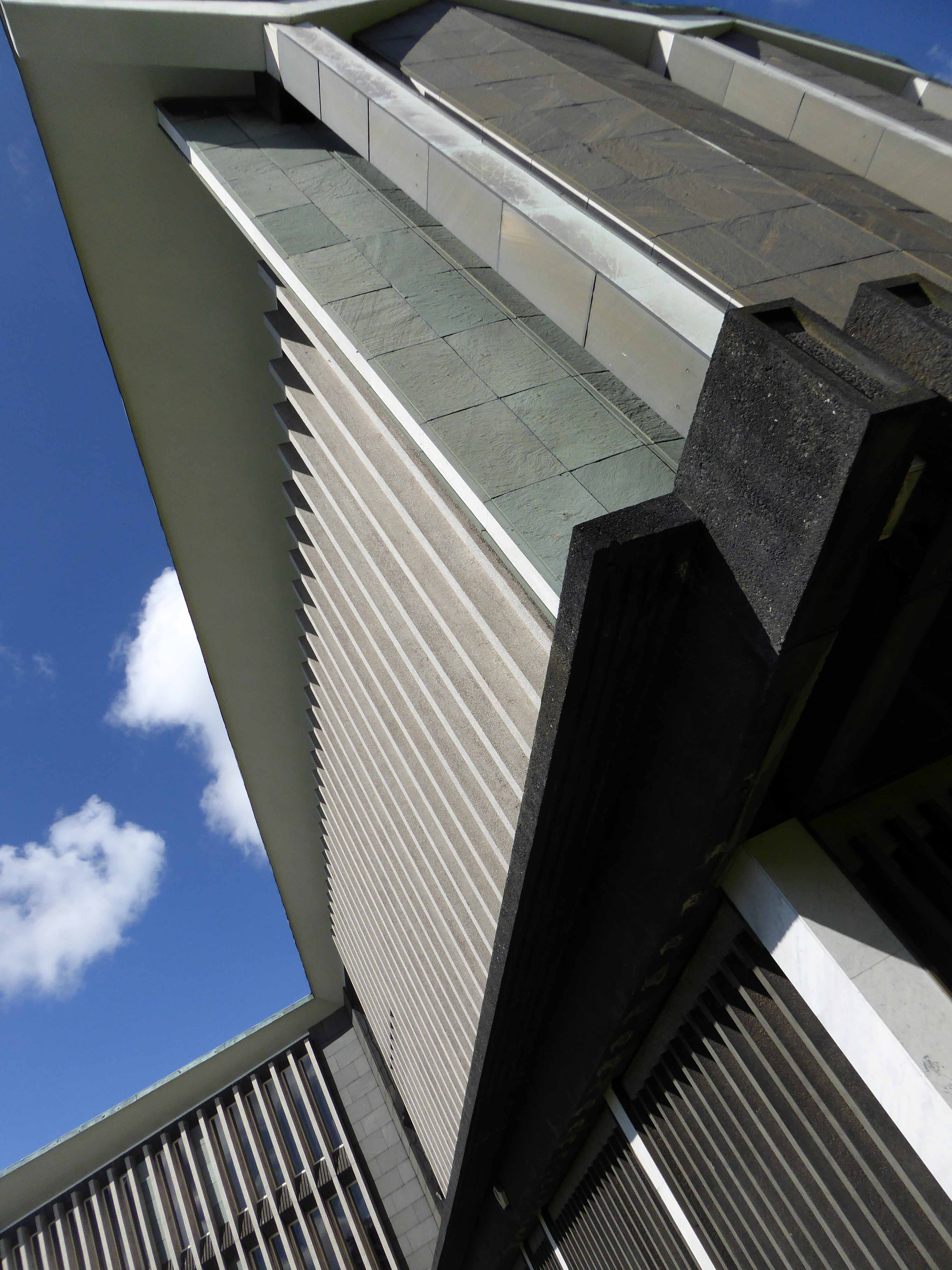
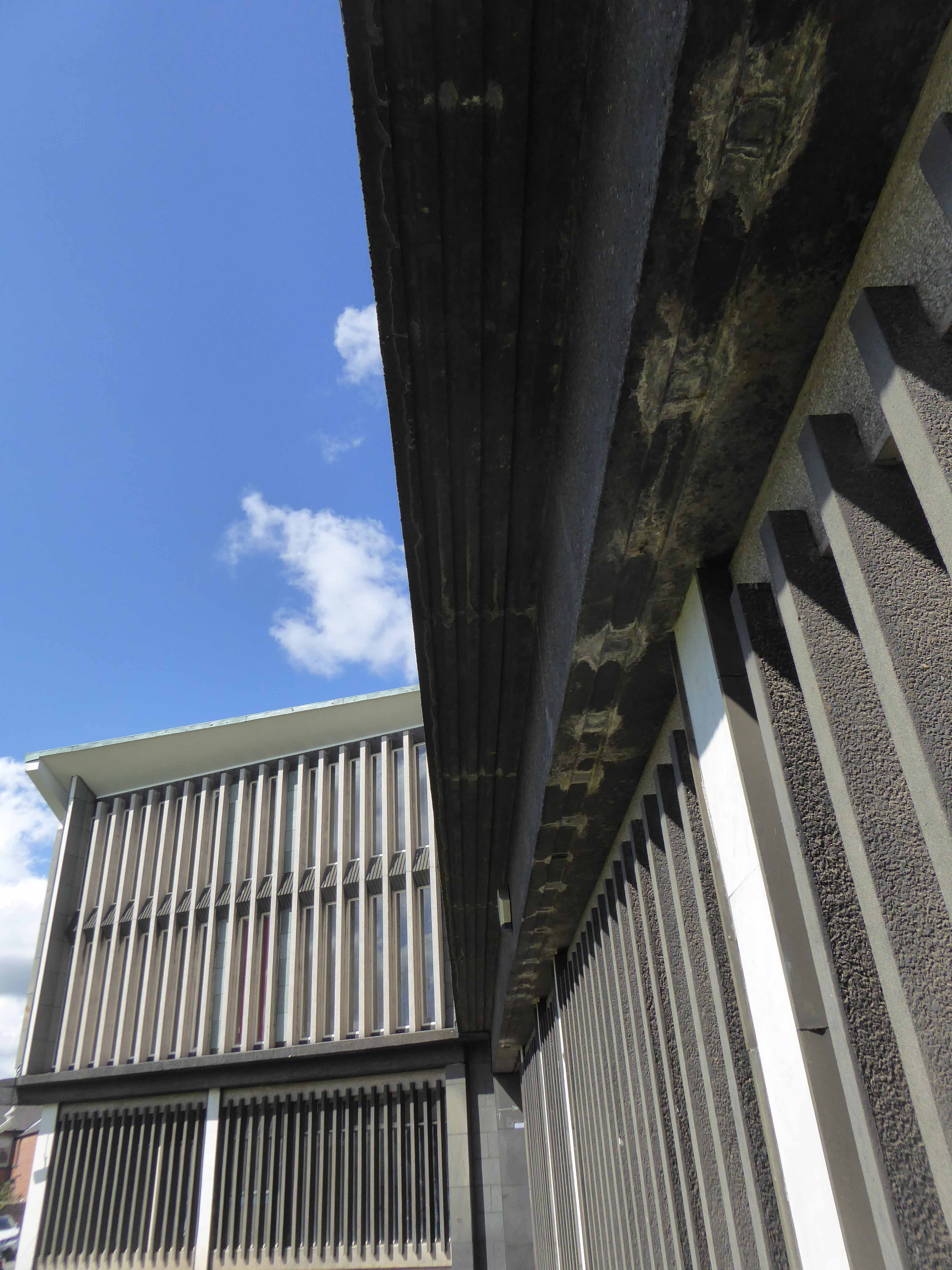
Chesterfield Courthouse – II Magistrates Court house. 1963-65. Designed by Prof S Allen and Robert Keenlyside for Chesterfield Borough Council, altered in 1975. Reinforced concrete, with decorative stone cladding, and timber roofs clad with copper sheeting. Double fan shaped plan, three storeys. Original east entrance front has recessed ground floor with central double glazed doors now blocked with glazed side lights. Either side four windows with concrete louvres to the offices. Above eleven bays topped with gables, the three central bays have recessed windows to both floors. Either side the two storey courts have grey slate panels with side lights and set back grey! green slate cladding. West front has recessed ground floor with eleven windows each with concrete louvres. Above eleven gabled bays, the central three and outer tow with grey slate cladding and side lights with set back grey green slate cladding. The four remaining bays on either side have recessed windows. The north and south sides have recessed angled facades with slightly recessed ground floor with glazed entrance at centre of east section with large glazed windows above. Flanking wings have concrete louvres set in grey slate cladding. Interior has original Y-shaped entrance hall way which rises up through all three floors. East entrance now blocked and converted to offices. Entrances from north and south into hallway with marled floor and marble clad columns with wooden ceilings and recessed lights. Central imperial type staircase marble clad with metal and wood balustrade. Upper floors have wooden clad walls and movable glazed screen for dividing access from juvenile court when in session. Two storey courts on upper floor retain original wooden cladding, ceilings and courtroom fittings, including magistrates bench, dock, seating for lawyers and the public.
And self evidently facing a very uncertain future:
2015 – The Grade II listed building, which is located between Rose Hill and West Bars, has received planning consent allowing it to be used for a range of purposes including office, retail and leisure facilities. Stuart Waite, associate director at Innes England in Derby, who is handling lettings on behalf of a private client, said: “We have been in serious discussions with a number of occupiers regarding this building for a variety of uses. “Occupier confidence is growing and with the economic forecast for 2015 looking positive we are confident that will see early interest converted into deals. “We are working closely with Chesterfield Borough Council which has identified the Rose Hill and West Bars area of the town as a key strategic location for growth.”
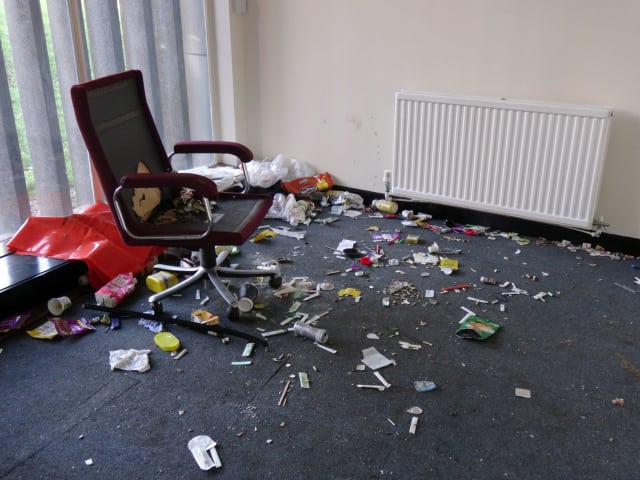
It has stood empty for the last few years and been a hotspot for vandalism.
Last July, arsonists set a wheelie bin on fire and pushed it up against the building, causing the flames to spread.
2017 – Chesterfield’s former magistrates’ court is being used as a drugs den, shock pictures reveal – and a council chief has warned that the building poses a danger to public health. Extremely concerning images obtained by the Derbyshire Times today show hypodermic needles and what appears to be heroin inside the historic property – as well as extensive damage in rooms and excrement smeared up walls.
On the day of my visit there was little evidence of arts activity, save for a short performance piece by a heavily intoxicated mini-mosher and her partner – funding sources having proved to be at best illusory and subject to market forces.
Talk is cheap.
Take a walk on the wild green sward side of town, it remains a marvel, open and accessible, just requires a tender touch, of cash.
On my most recent visit the most distant shelter was receiving a wash and brush up, a brand new coat of paint or two, restored to bright red and white shipshape order, this land locked delight looked ready to set sail across the adjacent Channel to who knows where.
Offering a somewhat occluded view of blue skies and faraway shores, the bus stops here and goes on forever and forever.
Here we are again – having previously travelled back to the inception of the estate in the 1970s.
Structurally little has changed, politically and economically things have shifted.
Tectonically:
The Conservative Party had committed itself to introducing a Right to Buy before Margaret Thatcher became Party leader. After the election of May 1979 a new Conservative government drafted legislation to provide a Right to Buy but, because this would not become law until October 1980, also revised the general consent to enable sales with higher discounts matching those proposed in the new legislation. The numbers of sales completed under this general consent exceeded previous levels. Between 1952 and 1980 over 370,000 public sector dwellings were sold in England and Wales. Almost a third of these were in 1979 and 1980 and it is evident that higher discounts generated and would have continued to generate higher sales without the Right to Buy being in place. 200,000 council houses were sold to their tenants in 1982, and by 1987, more than 1,000,000 council houses in Britain had been sold to their tenants.
The post war policy of building and renting local authority housing was swamped by the phrase property owning democracy, on which the popular conservatism of the 20th century rested, and with it a vision of the good society, was coined by the Scottish Unionist Noel Skelton in a quartet of articles for the Spectator entitled Constructive Conservatism, written in the spring of 1923. The appeal of Popular Capitalism proved compelling, however the periods of de-industrialisation, and the subsequent lull in the building of new affordable homes, has created a myriad of obstacles for those simply seeking somewhere to live and work.
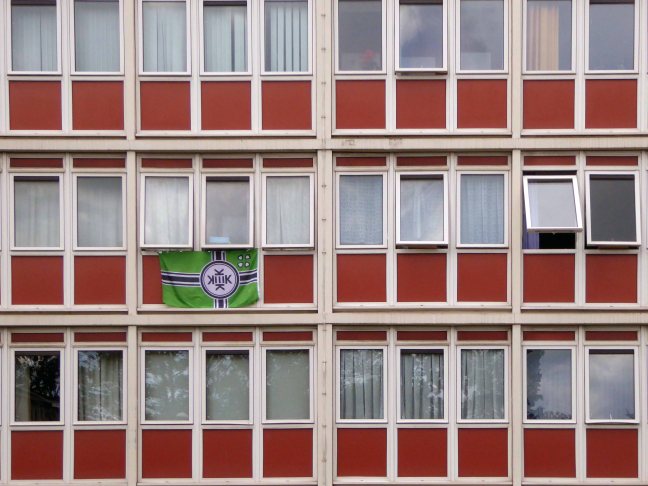
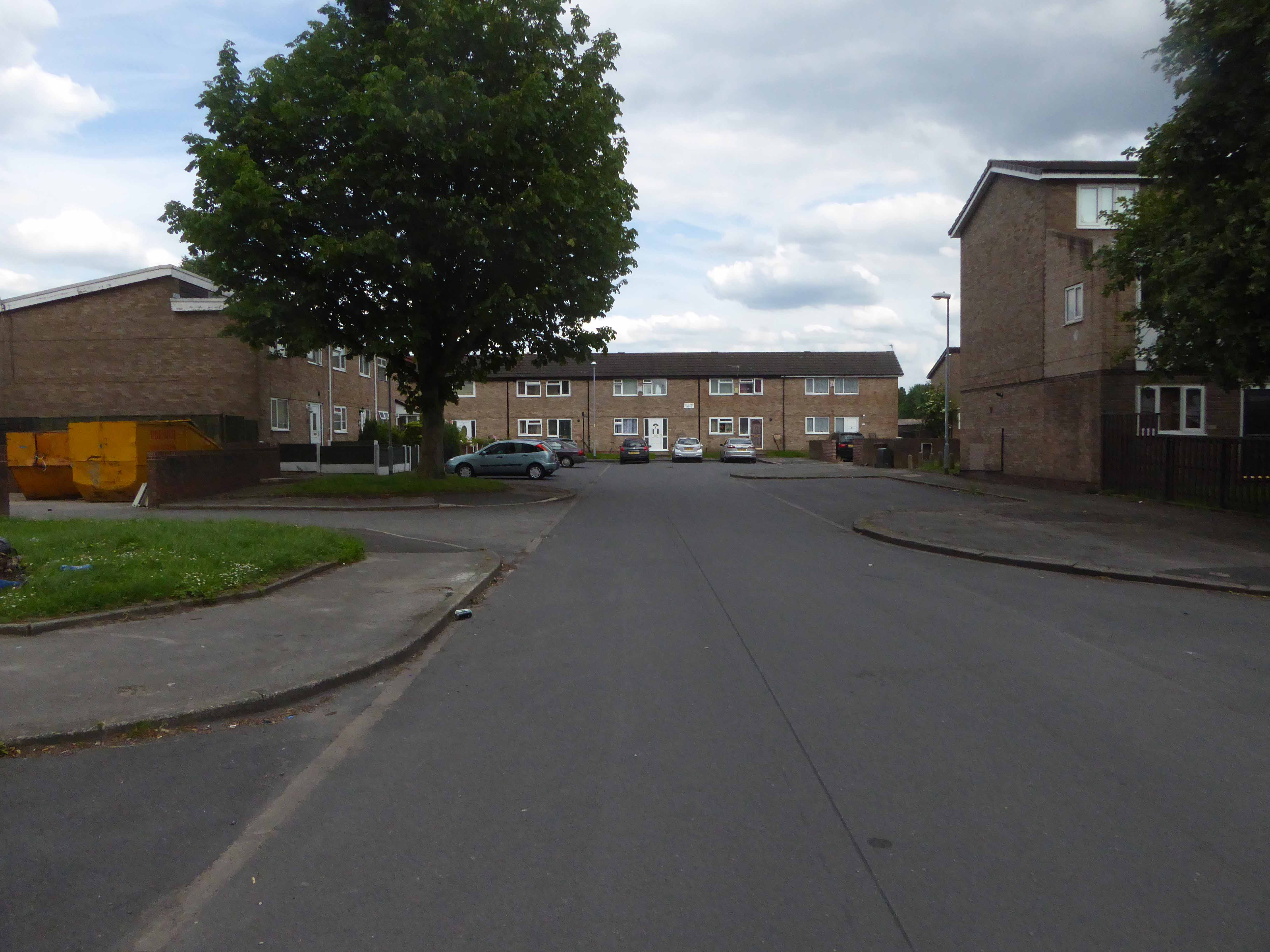
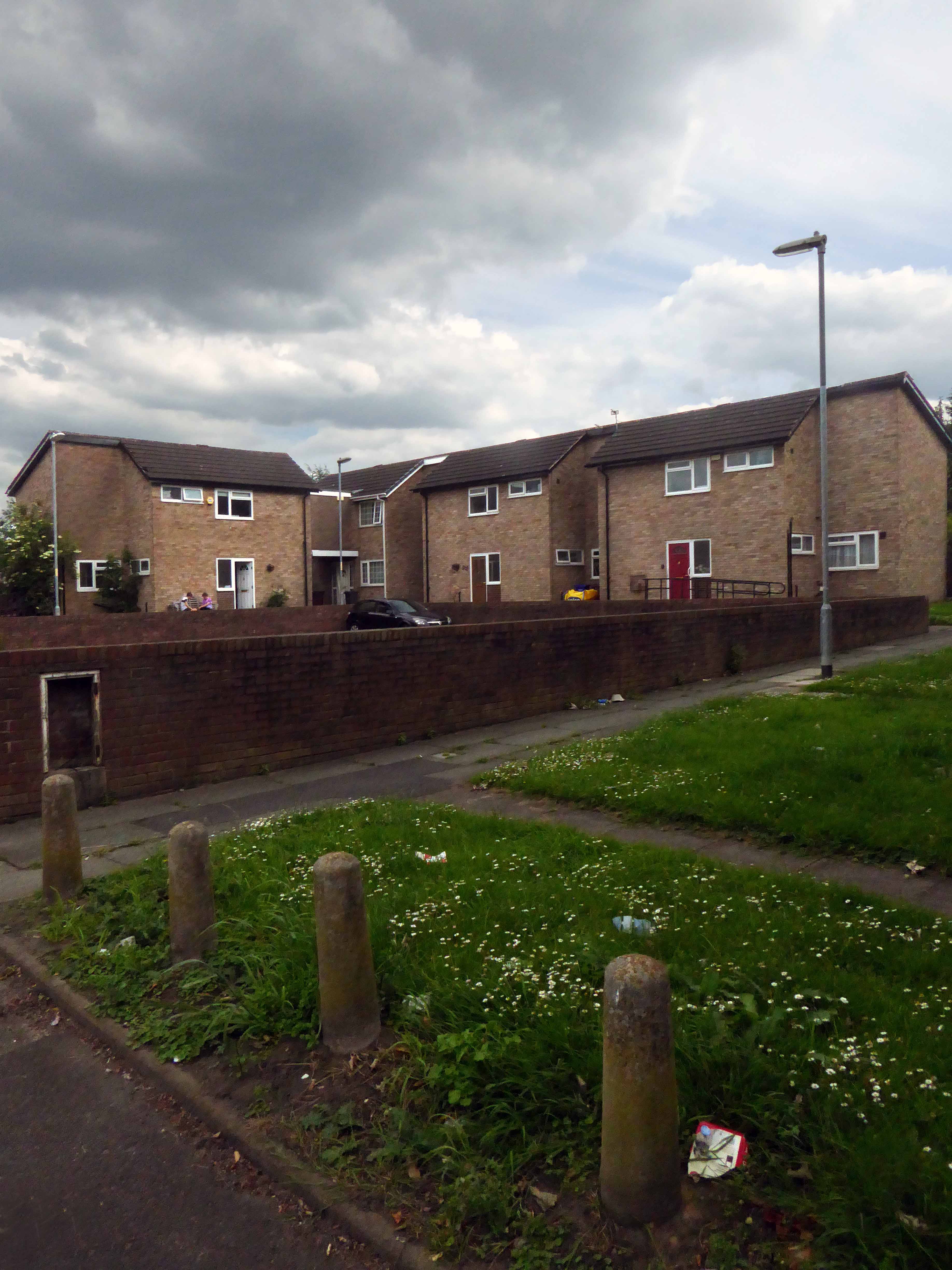
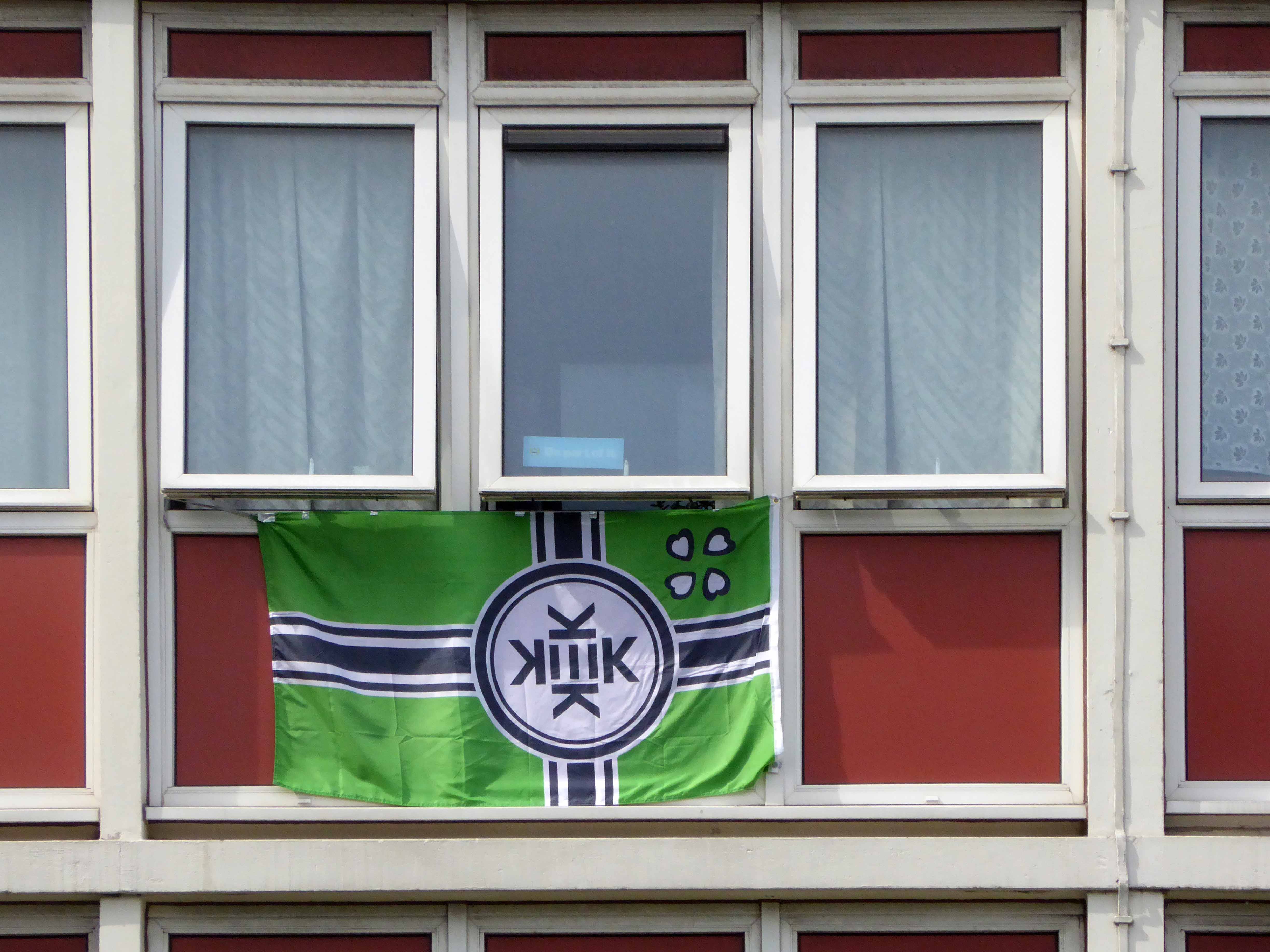
The estate illustrates this historic shift, replete with homeowners decorative amendments and addenda, managing agents and trusts and an end to the architectural integrity of the development.
One could become all Ian Nairn about this, swathed in Outrage.
I myself feel that despite the cosmetic surgery, this remains a homely enclave, residents going about their business in a relatively orderly and happy manner.
Baguley is derived from the Old English words Bagca, badger, and Leah, wood.
Historically in Cheshire, Baguley is mentioned in the Domesday Book of 1086, it was incorporated into Manchester in 1931.
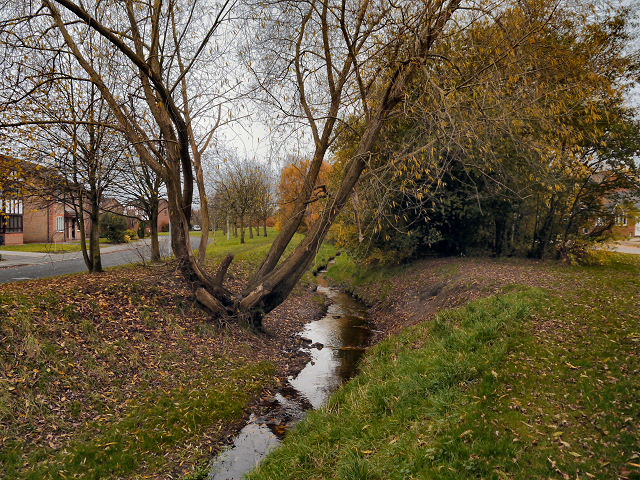
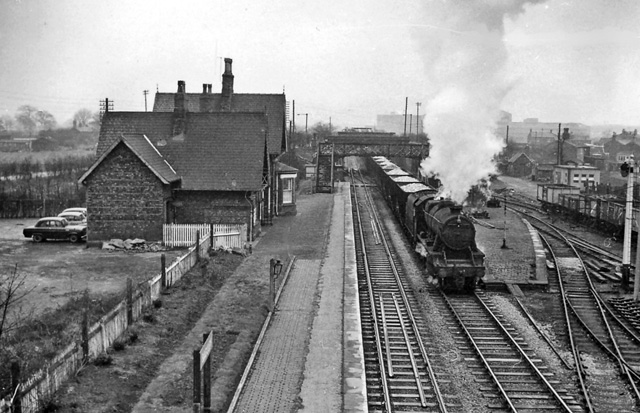
It has a Brook though babble heard I none, it had a Station now long gone.
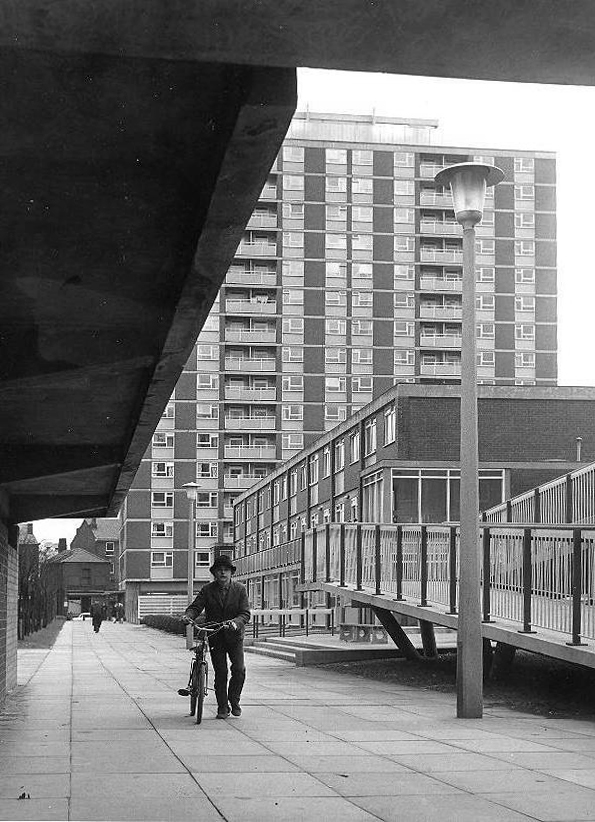
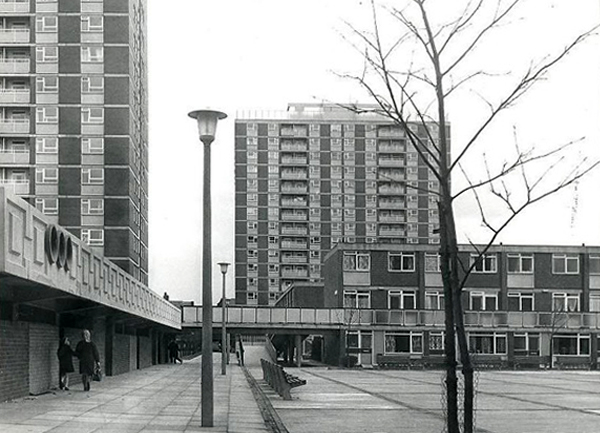
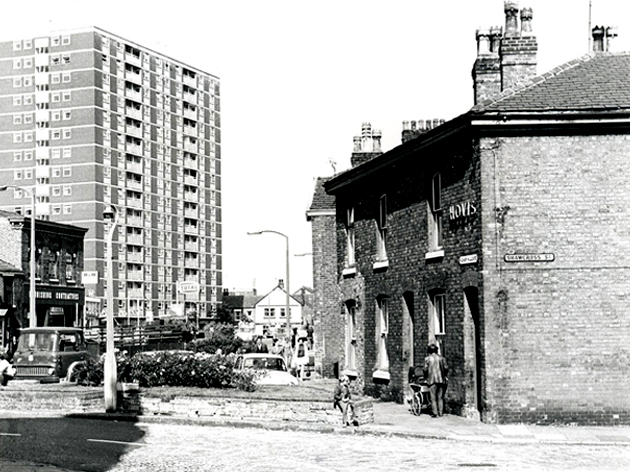
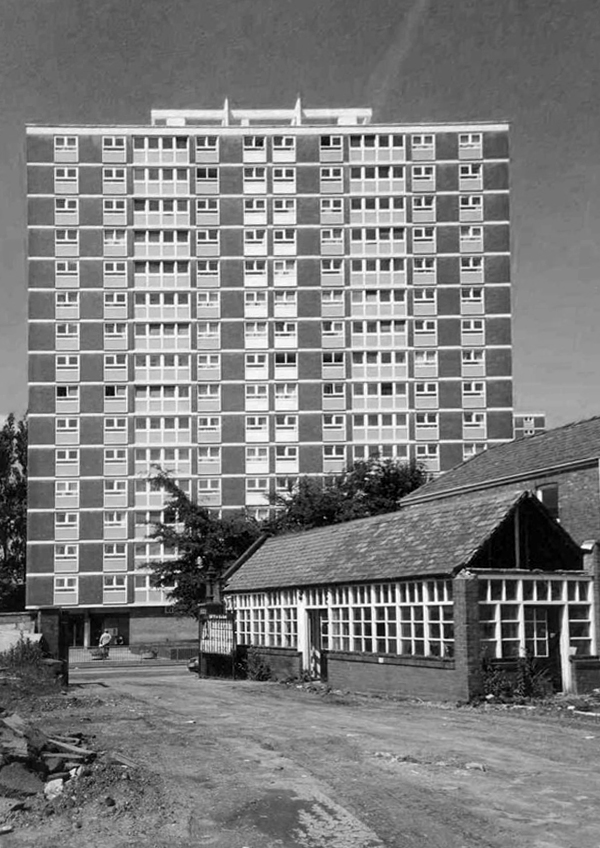
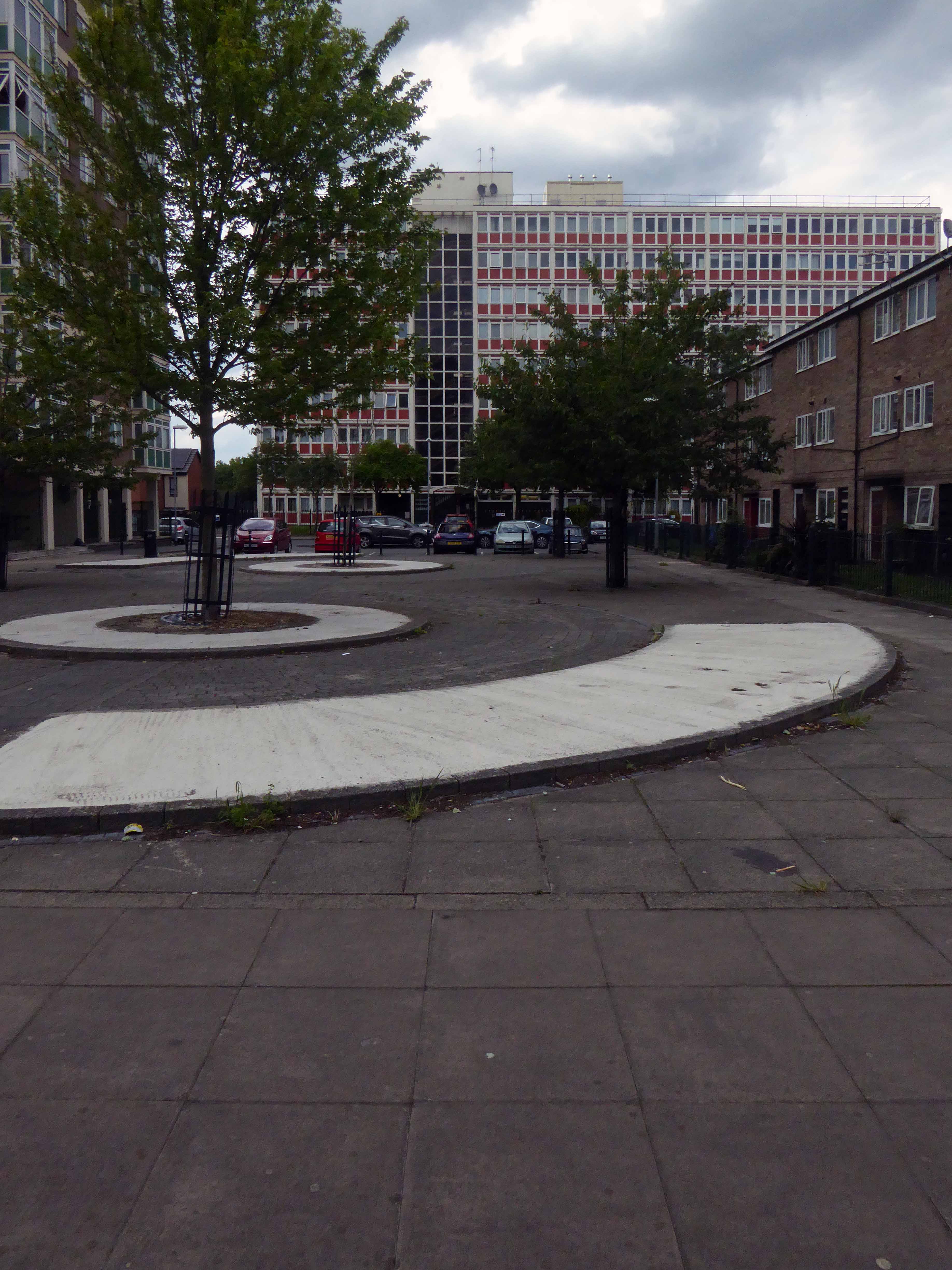
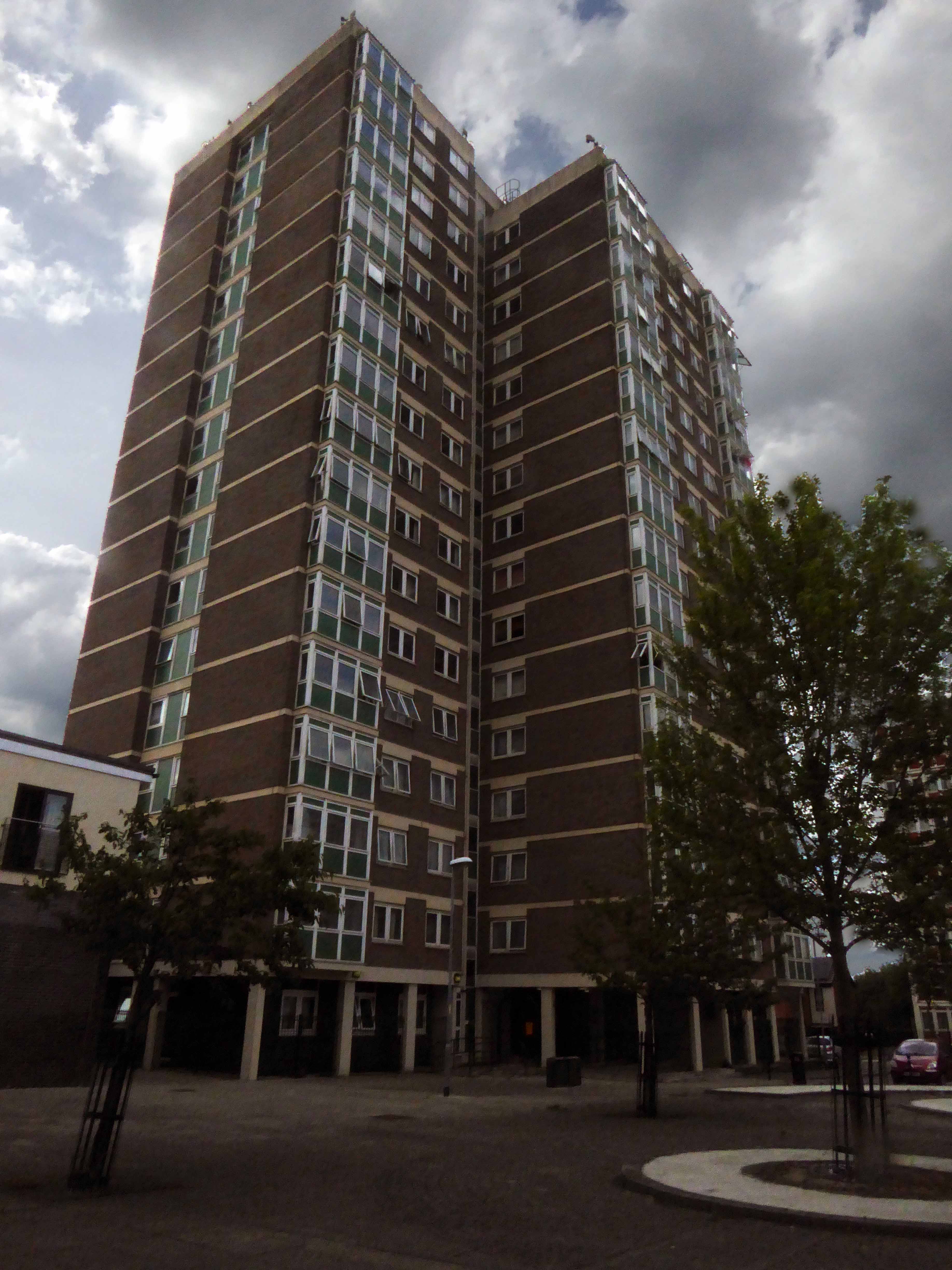
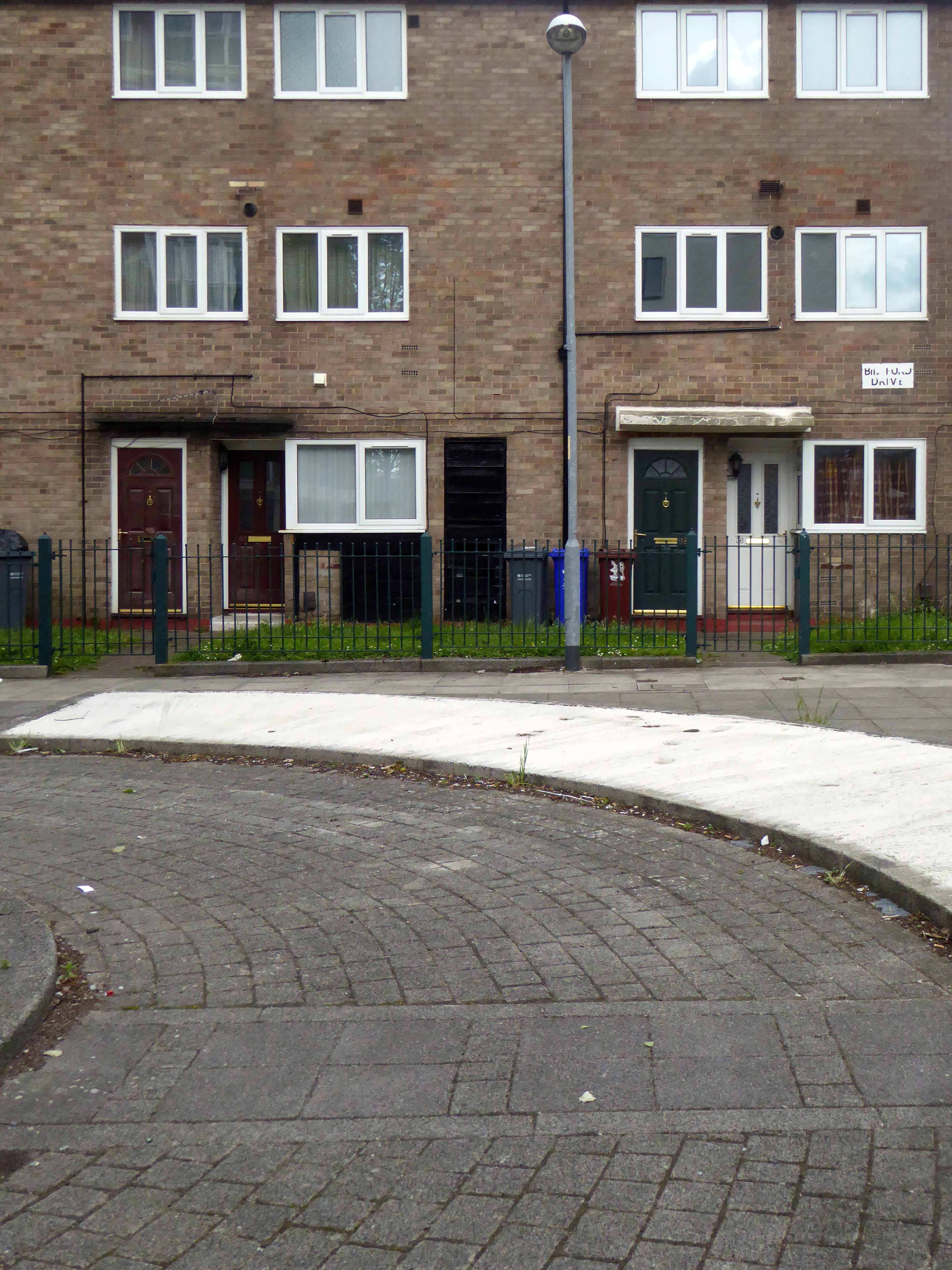
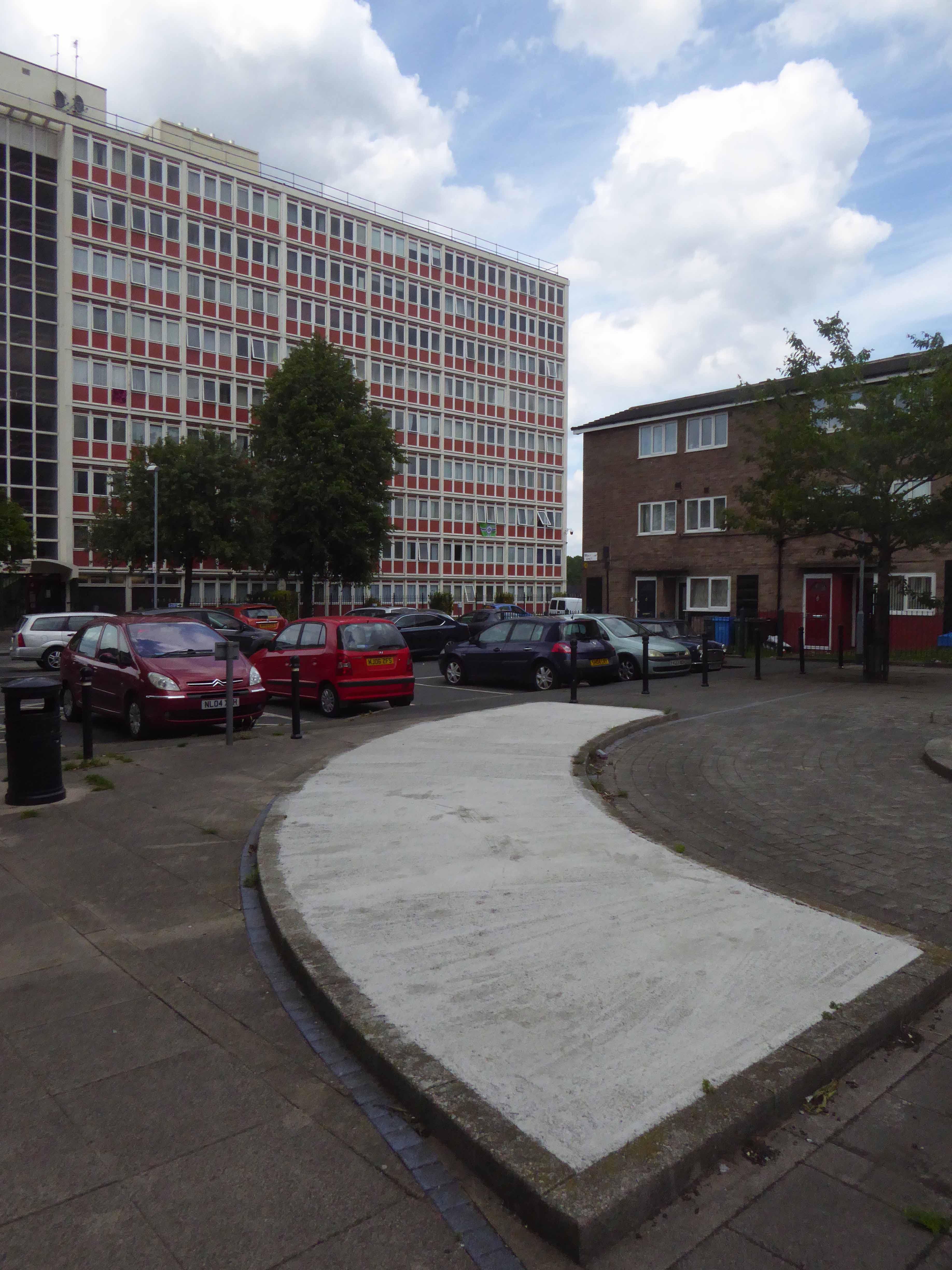
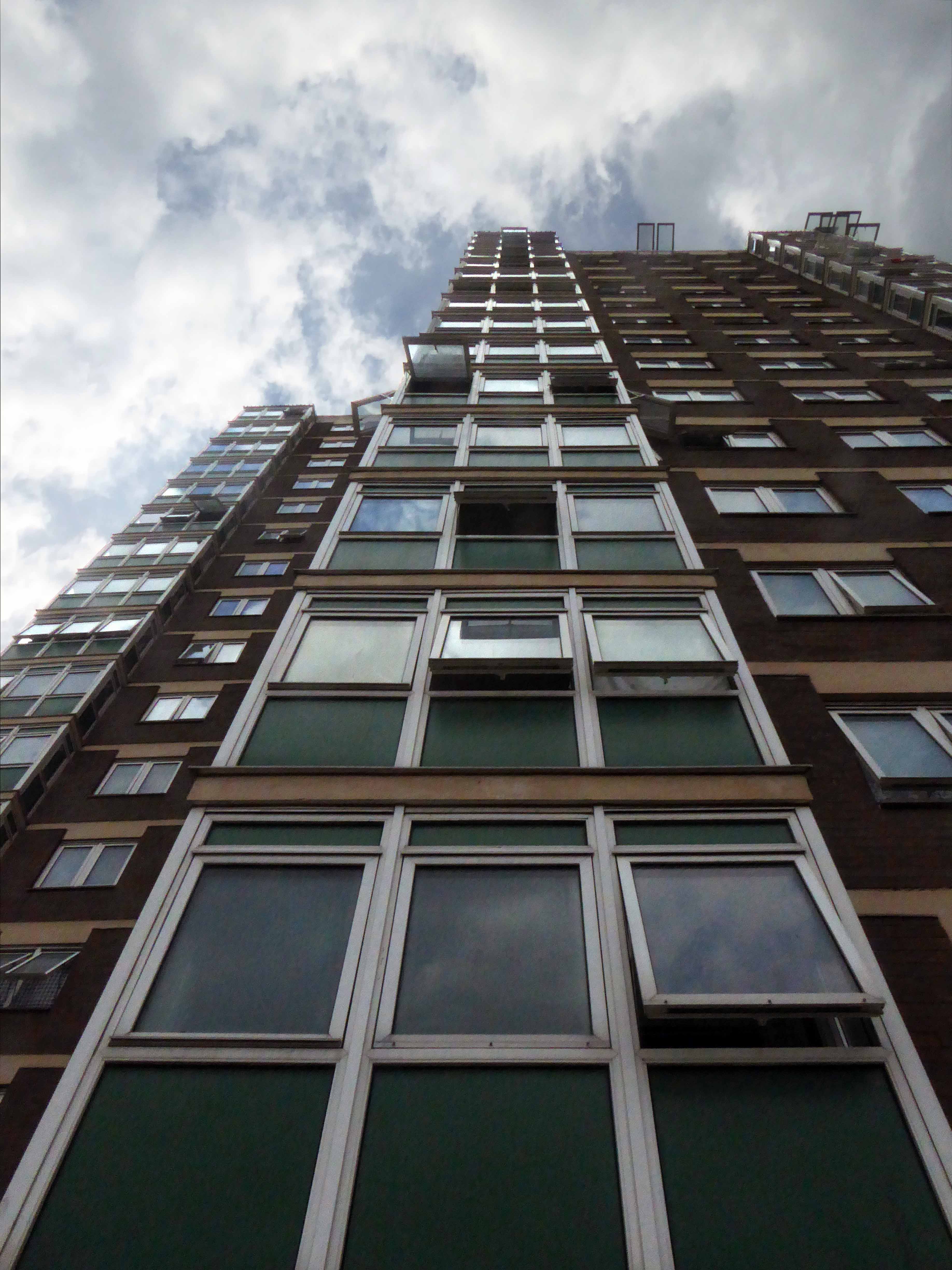
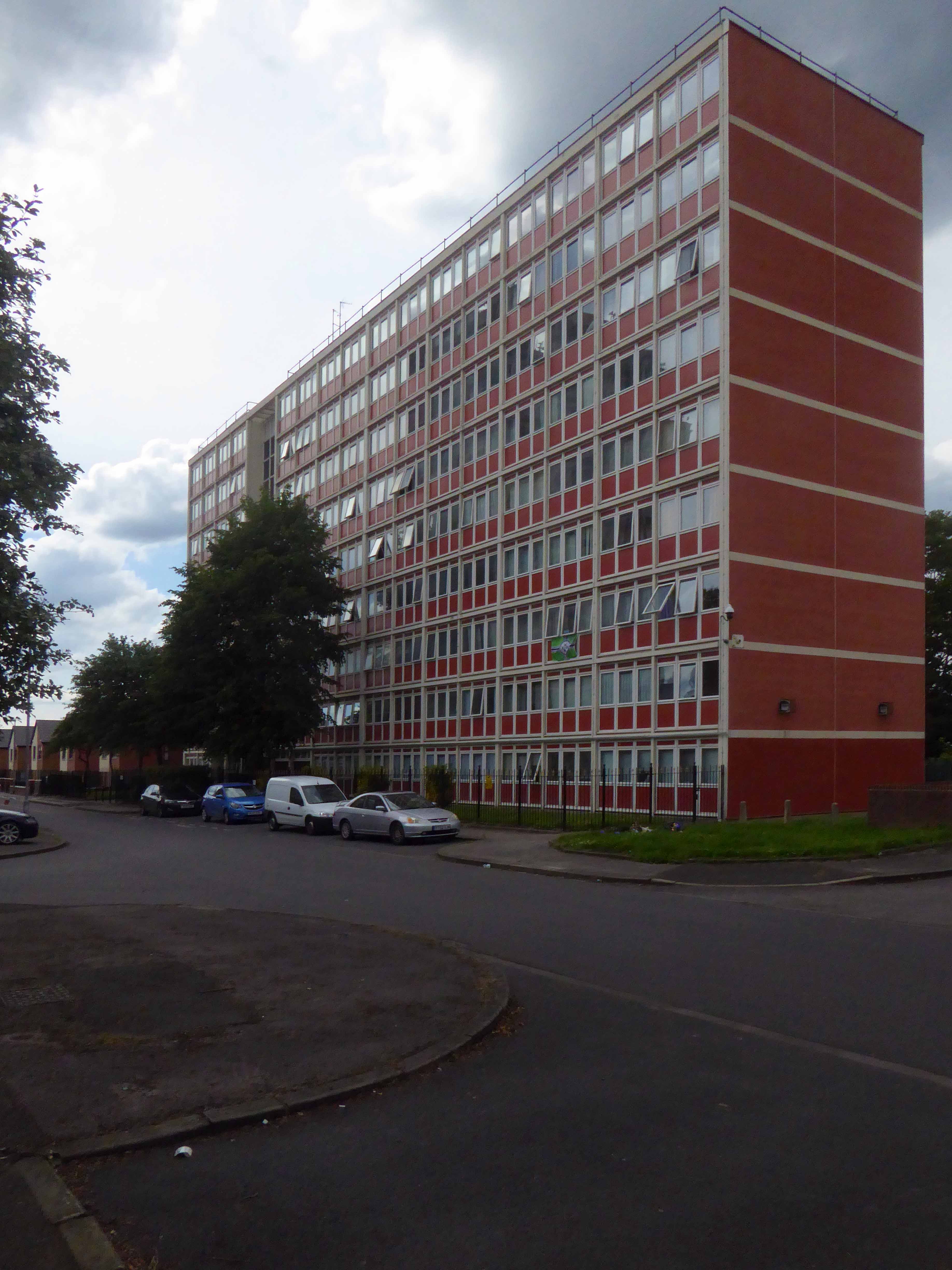
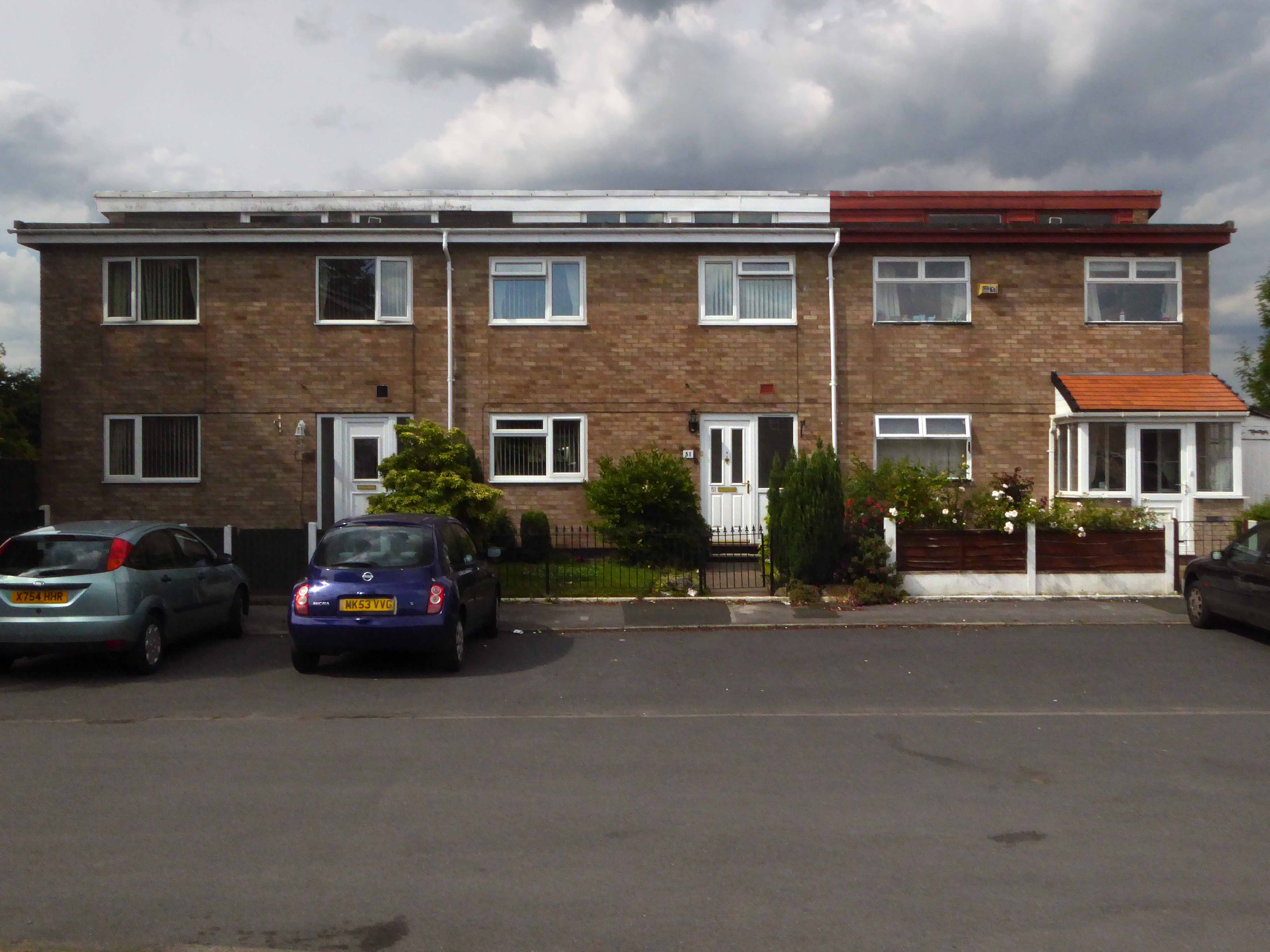
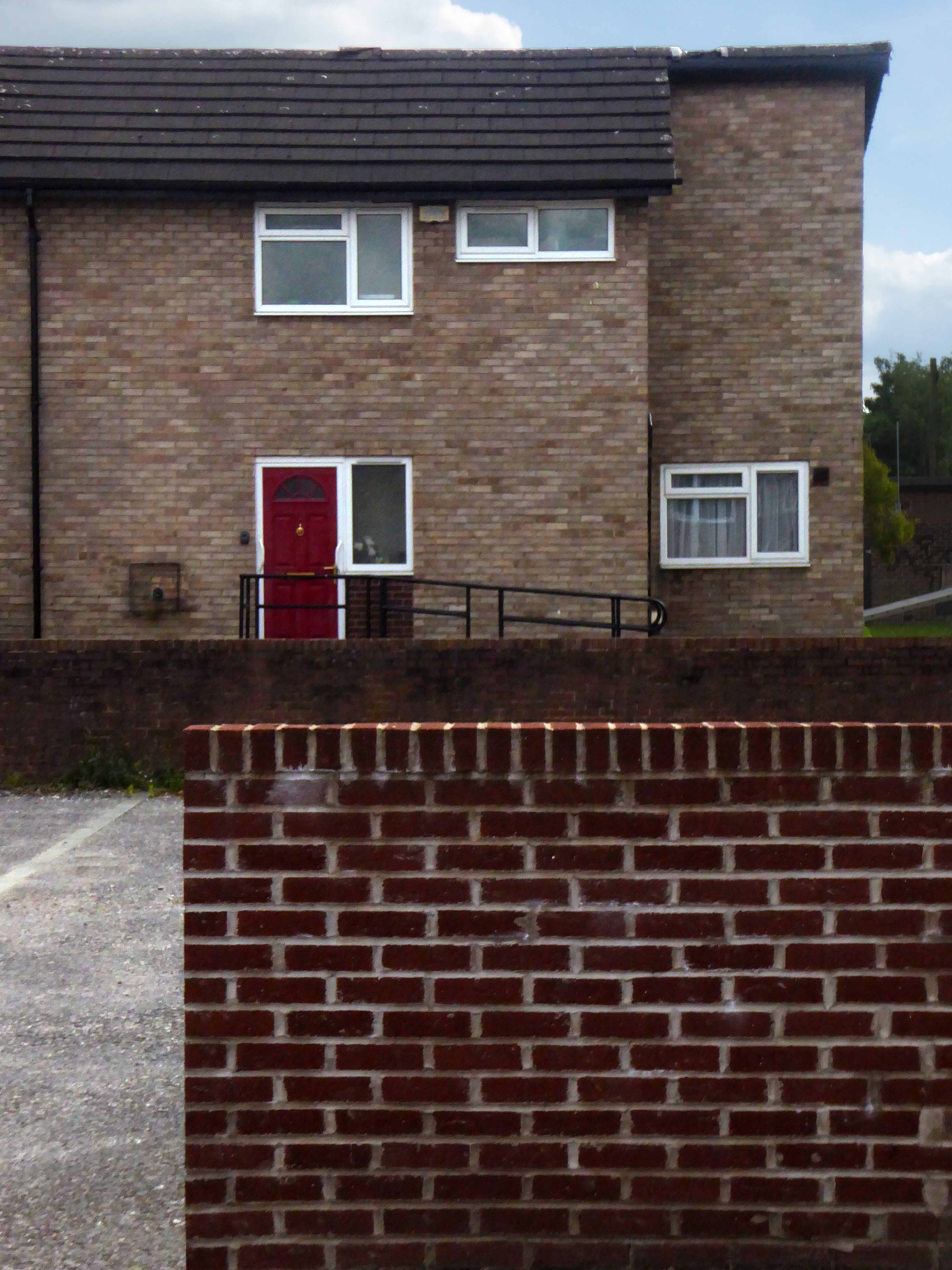
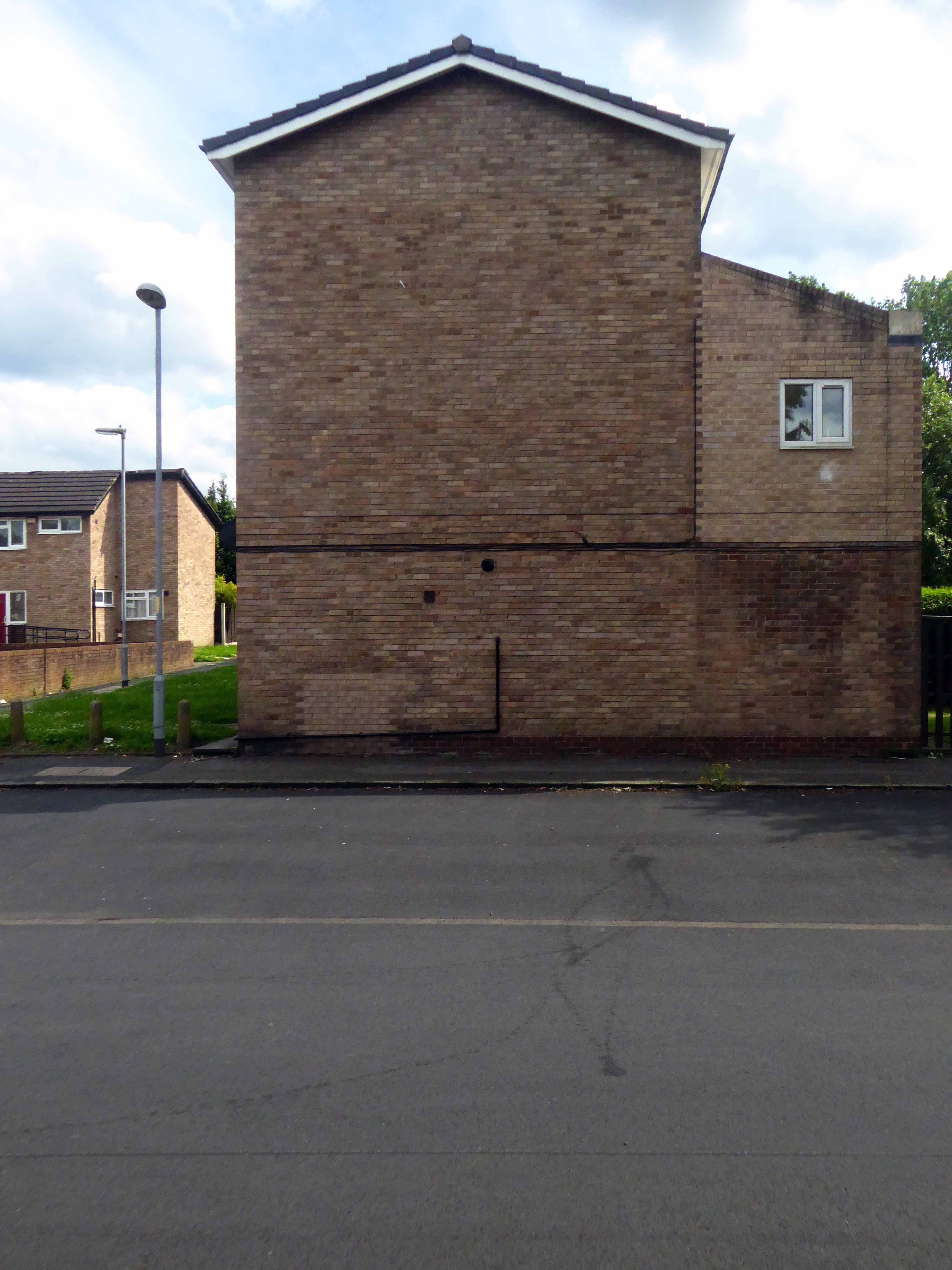
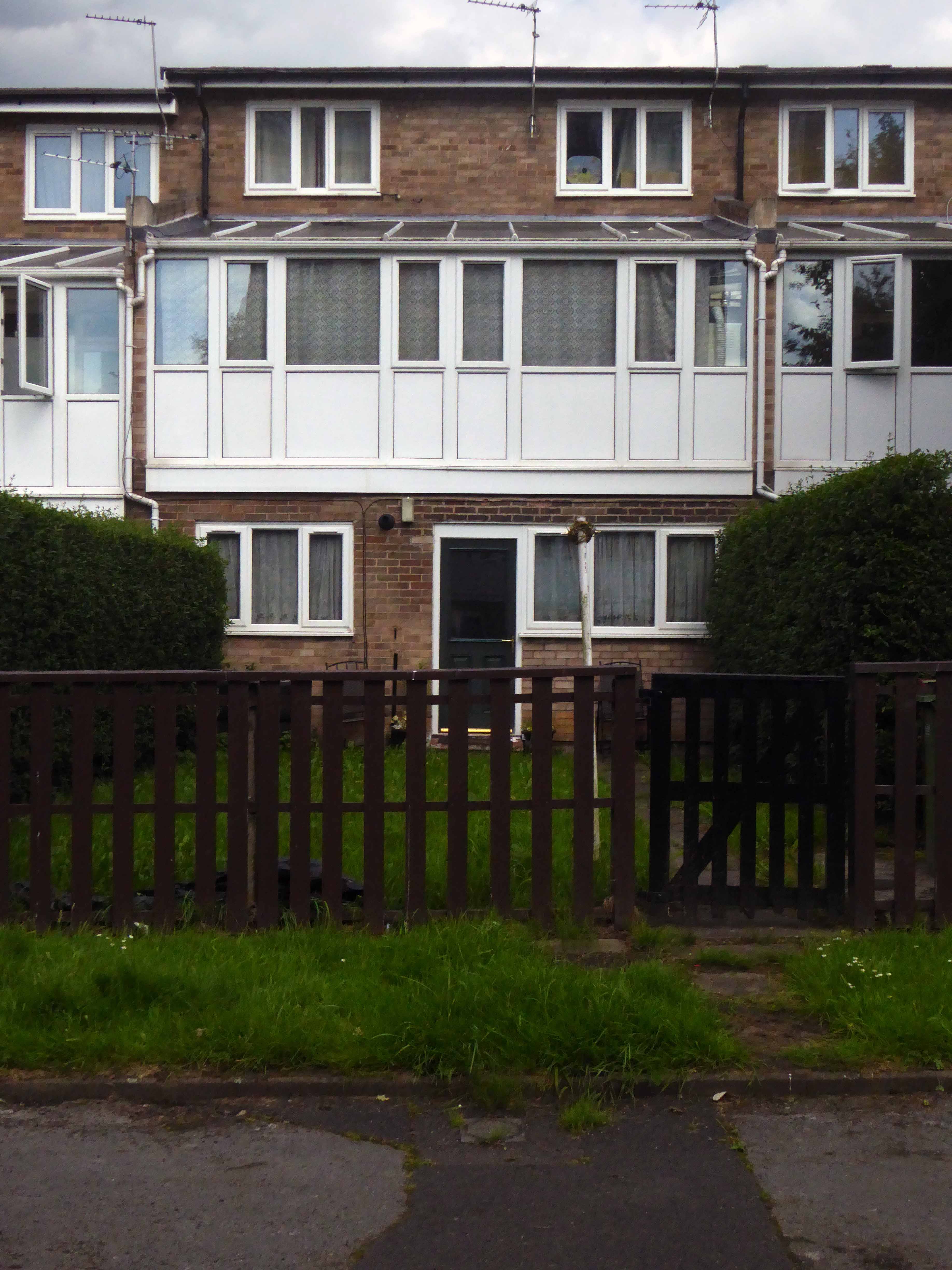
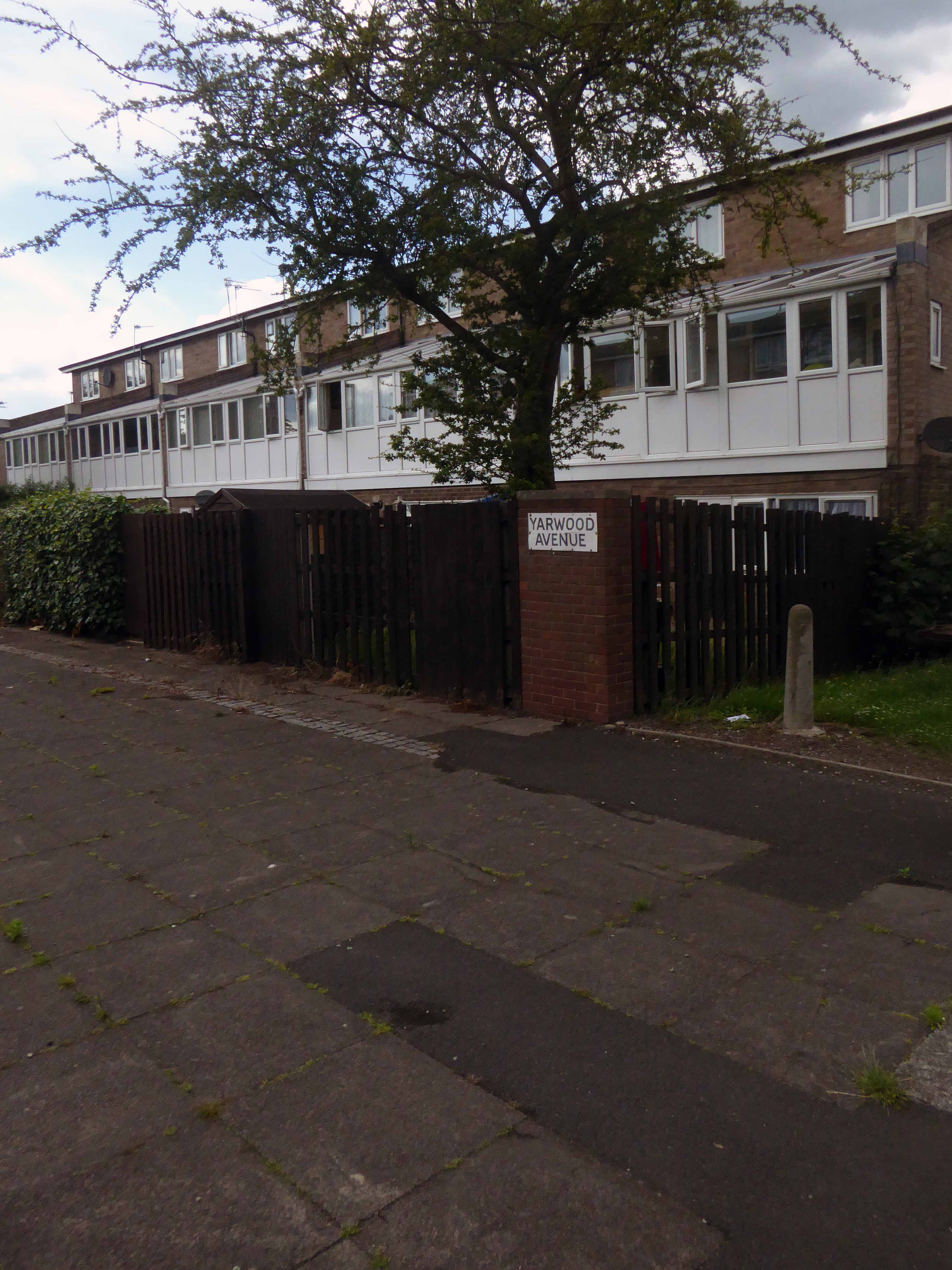
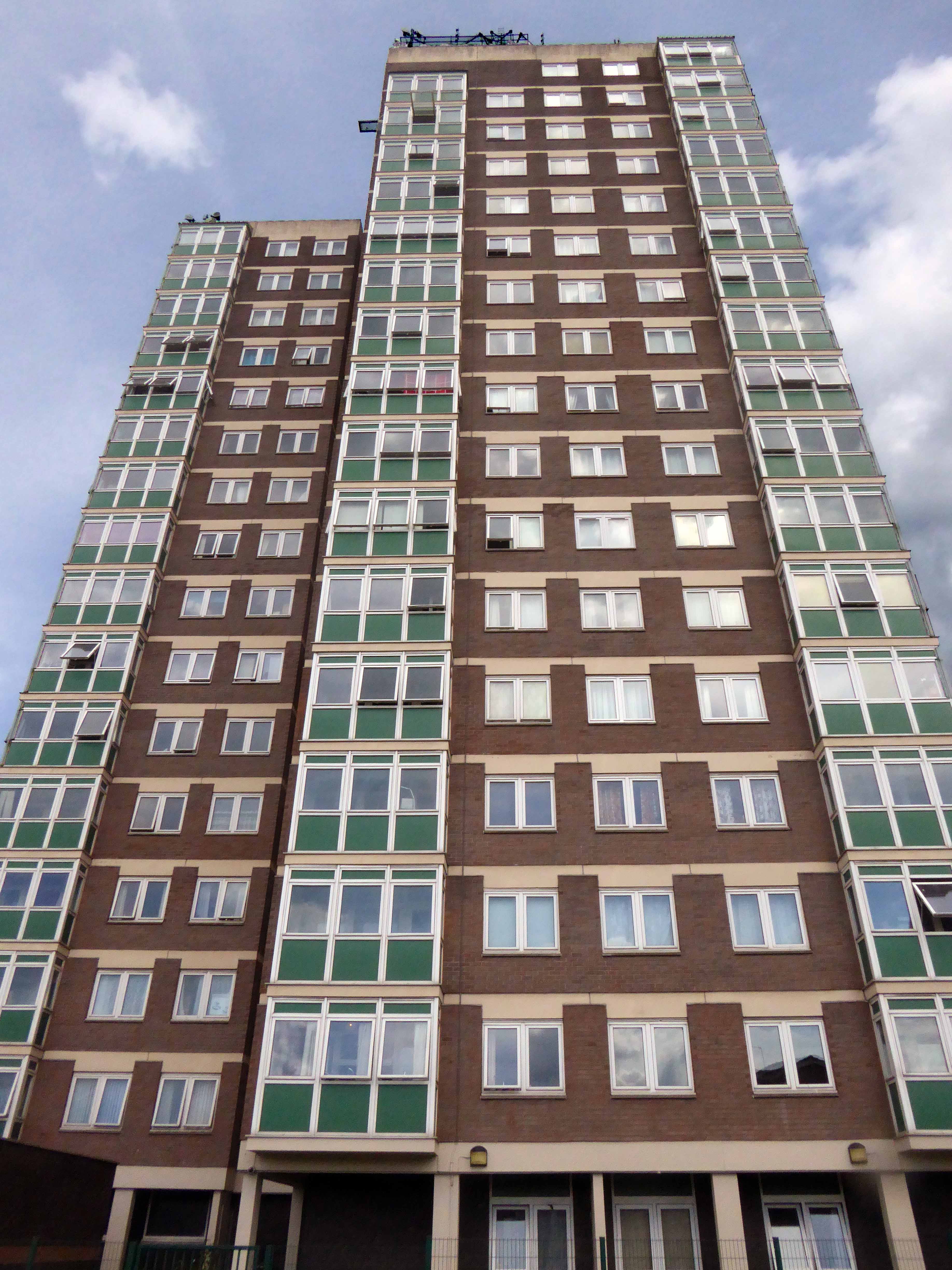
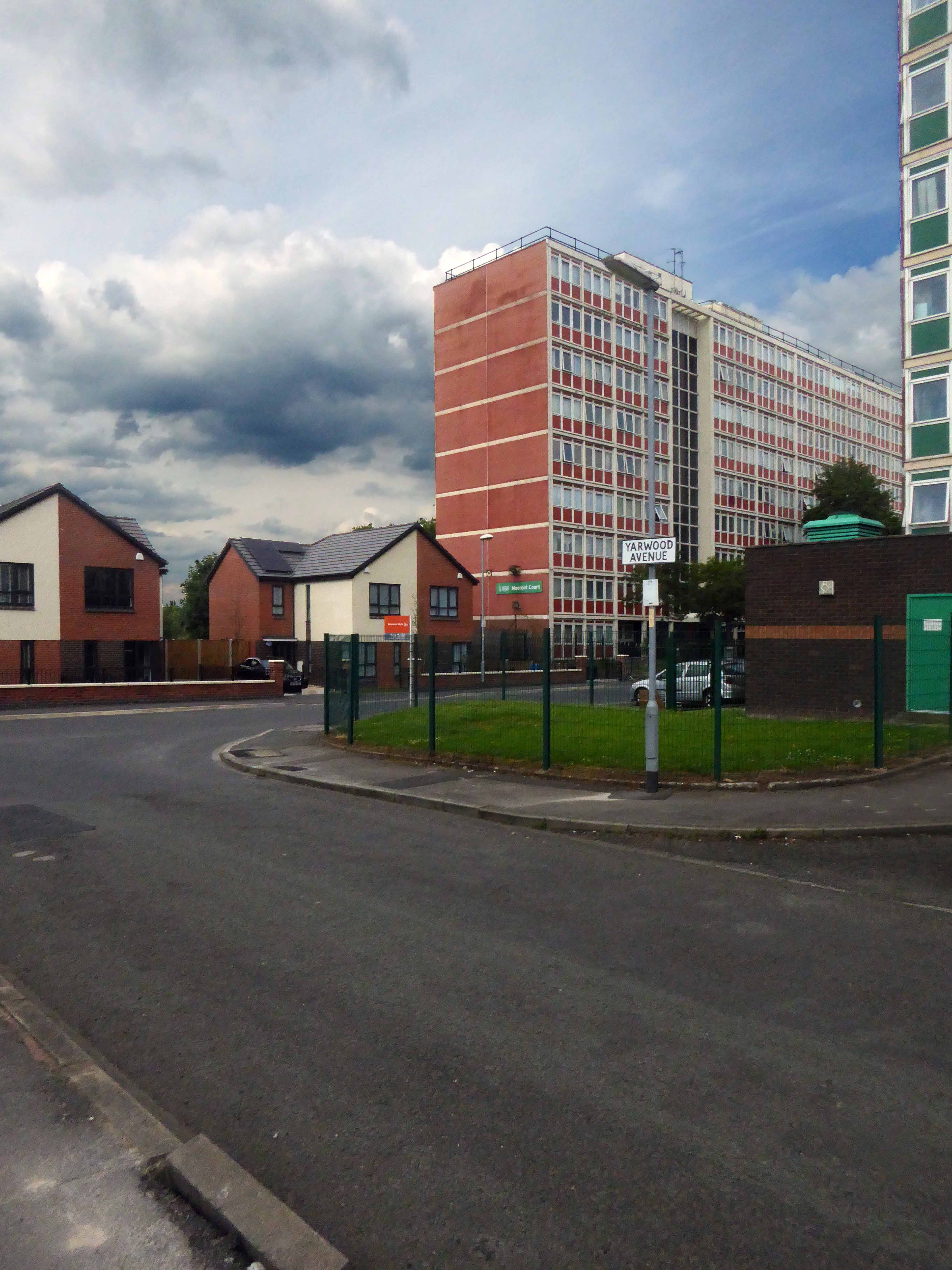
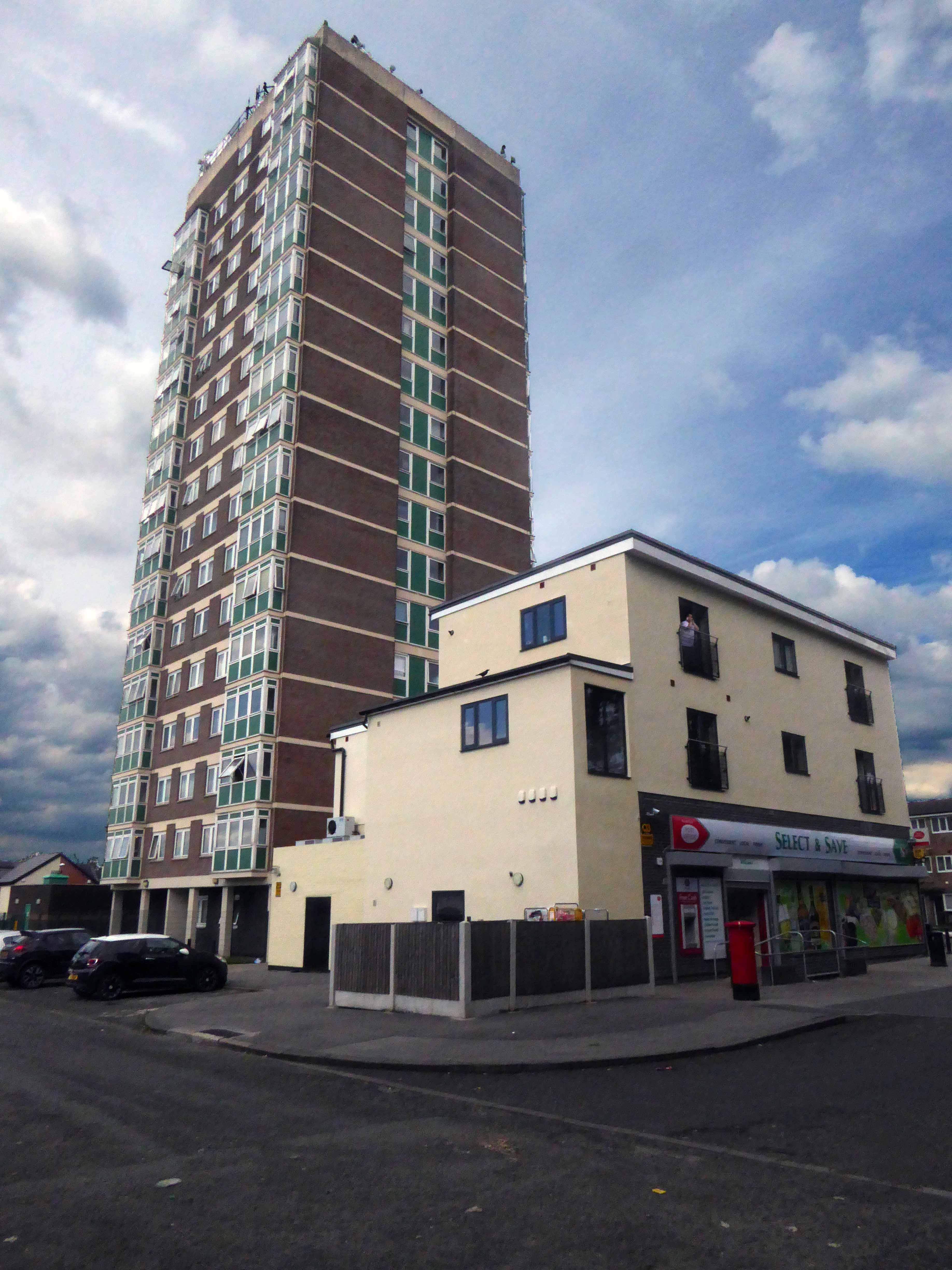
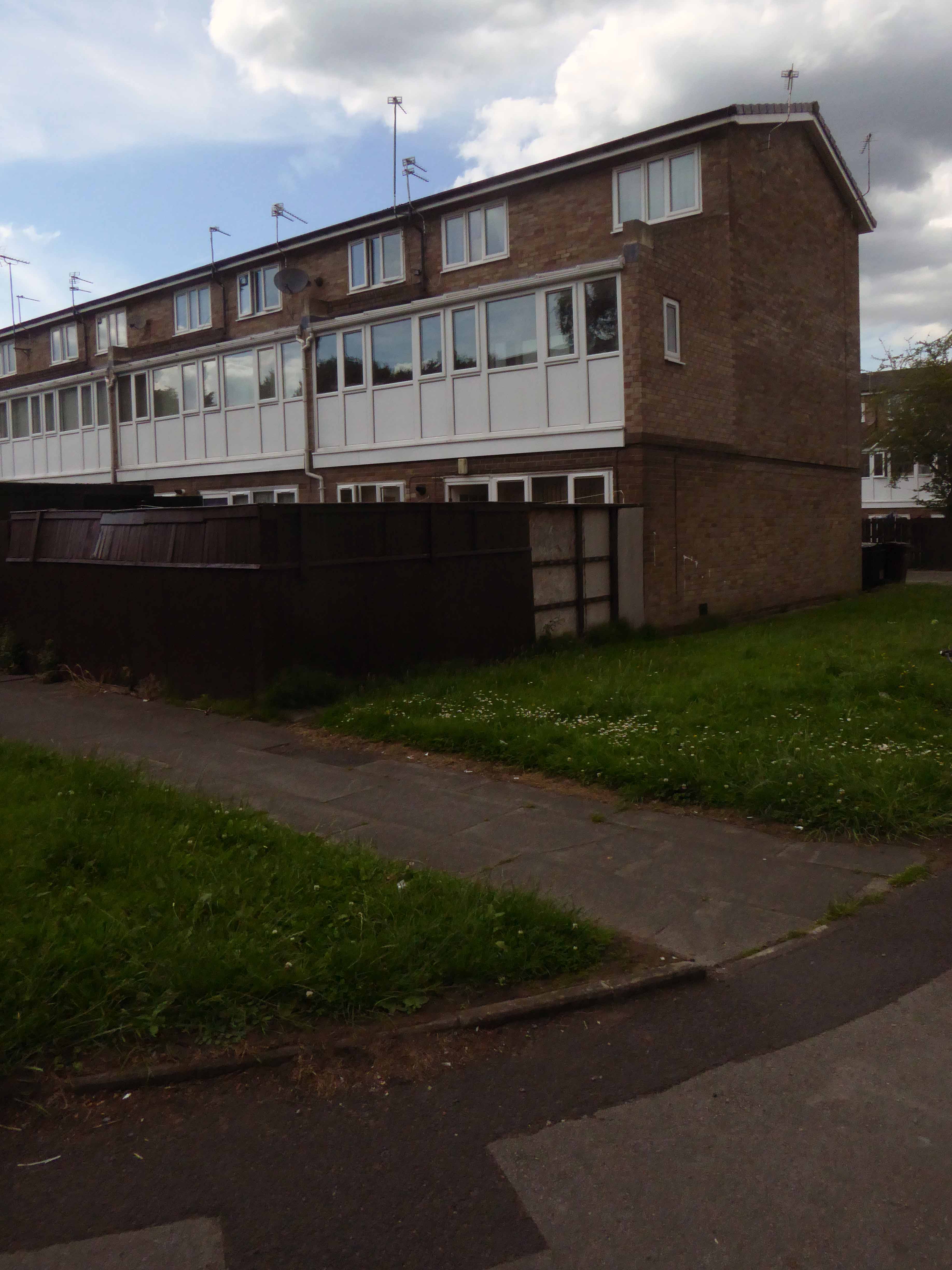
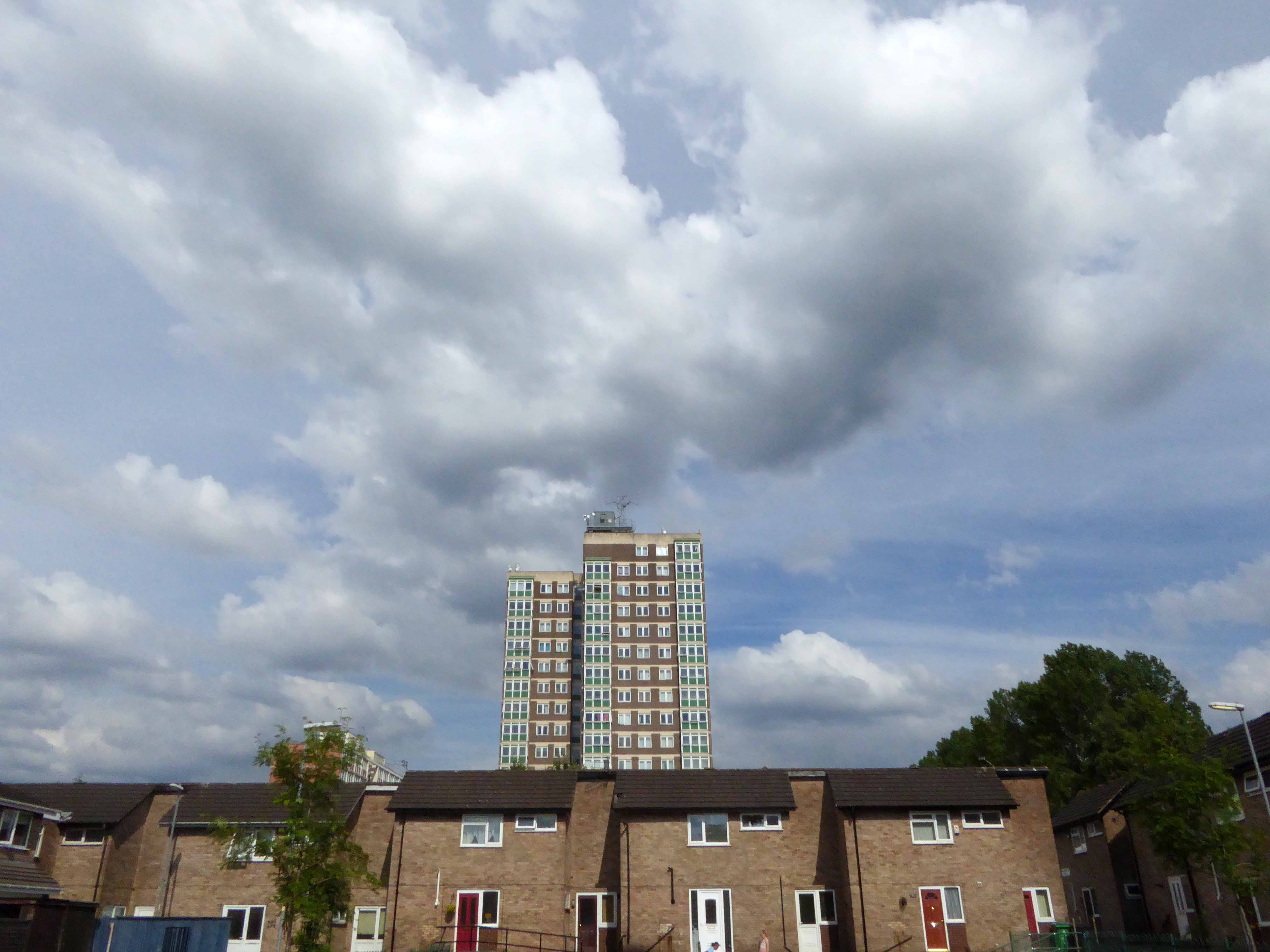
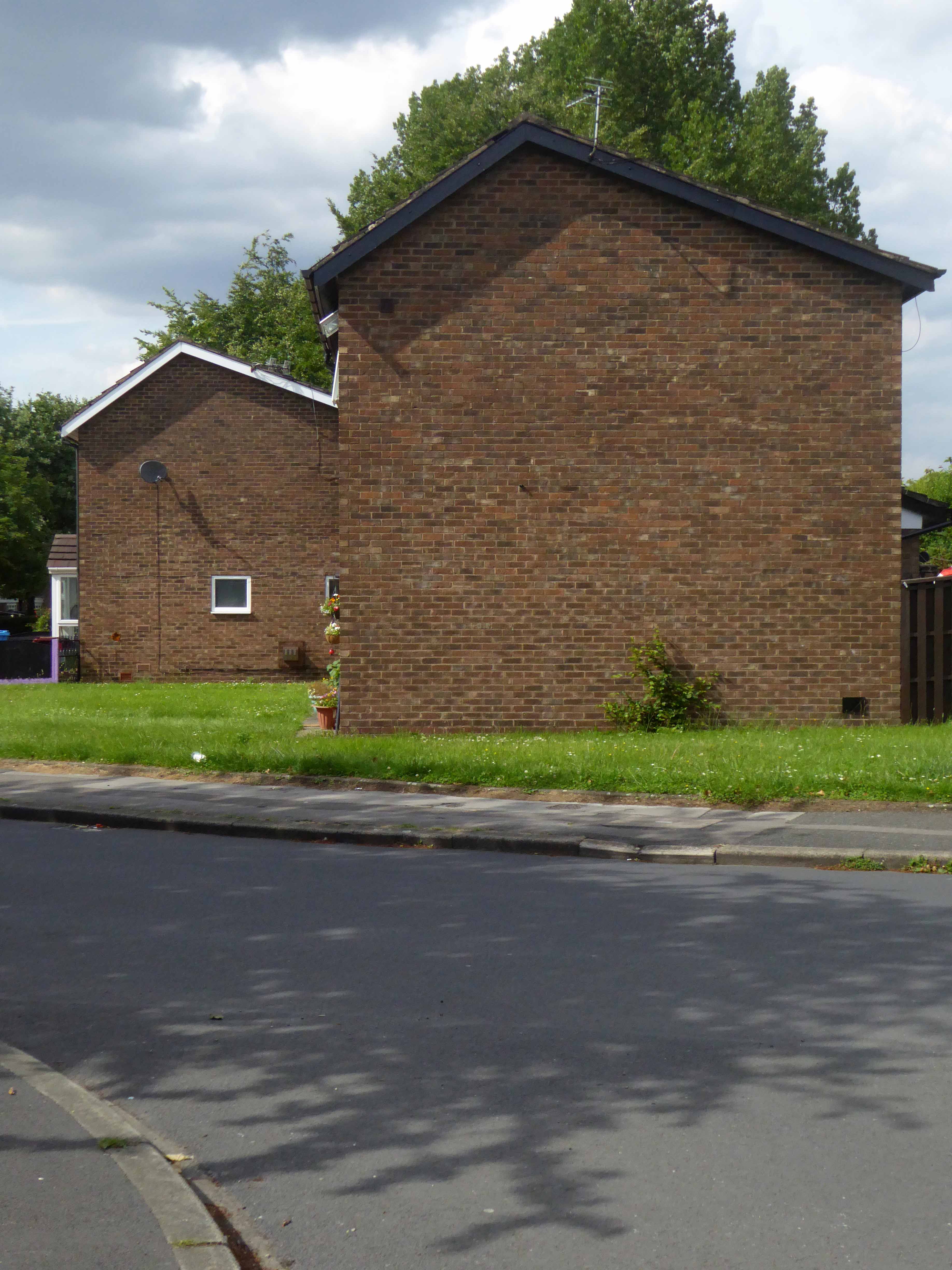
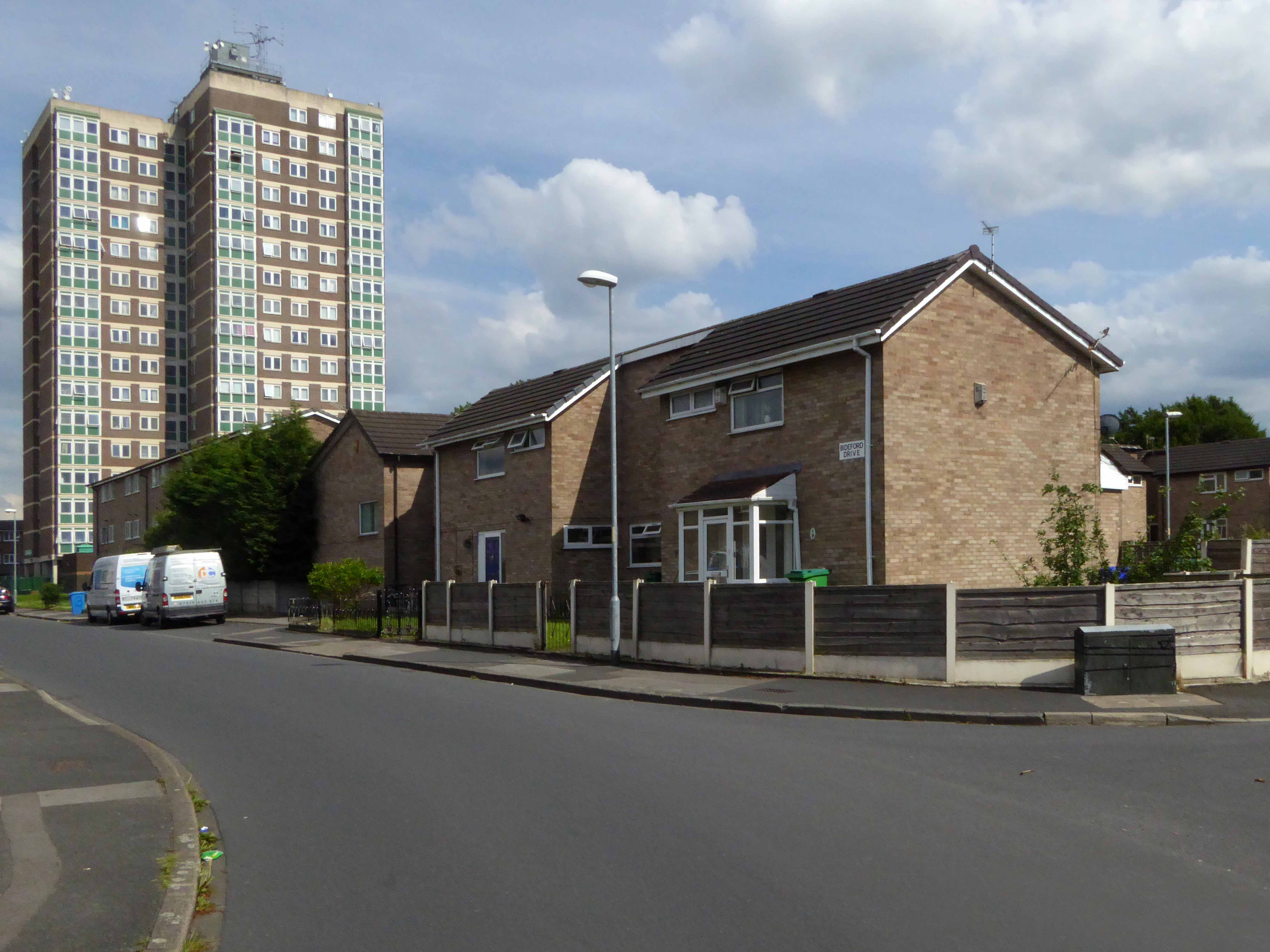
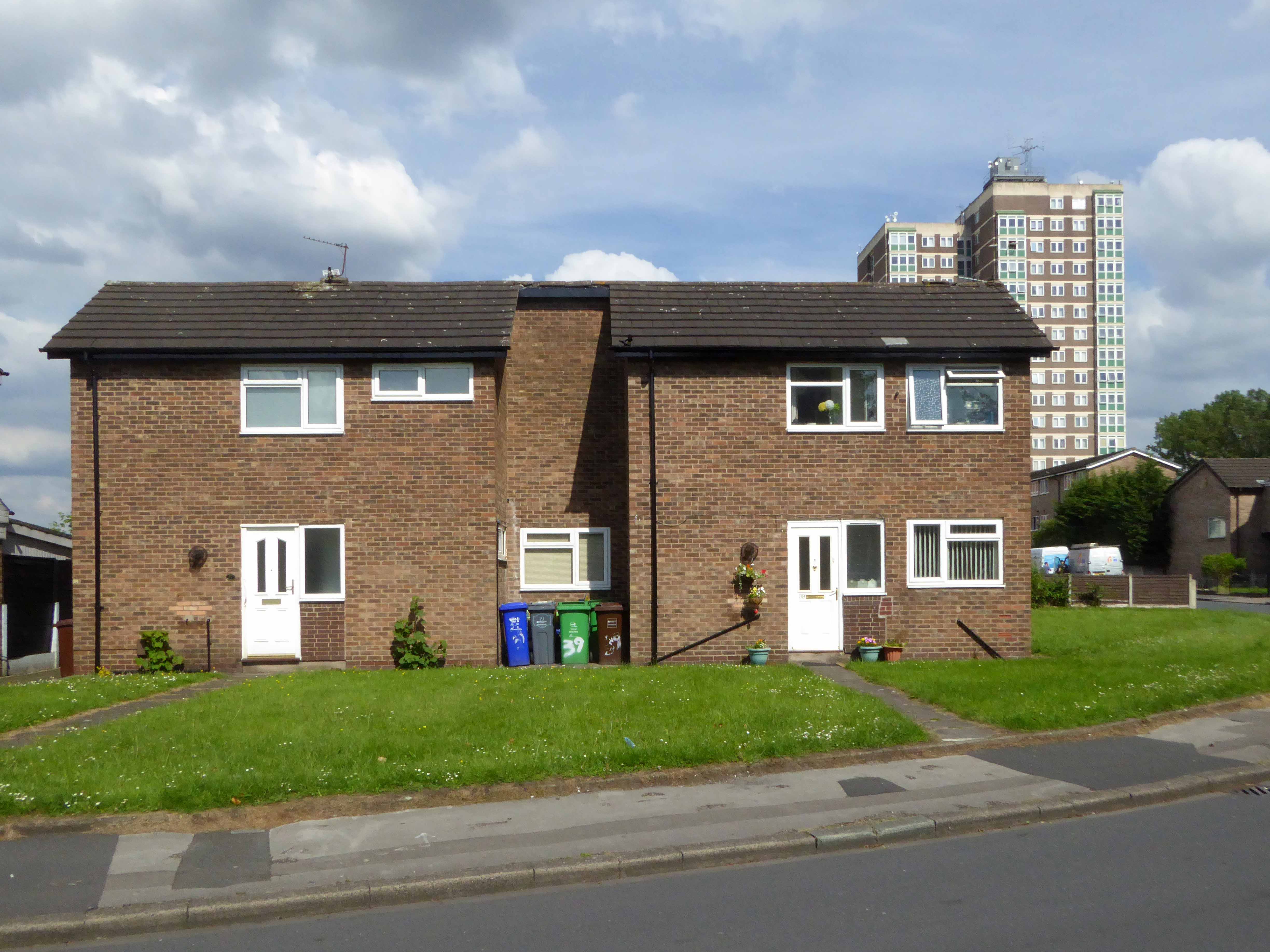
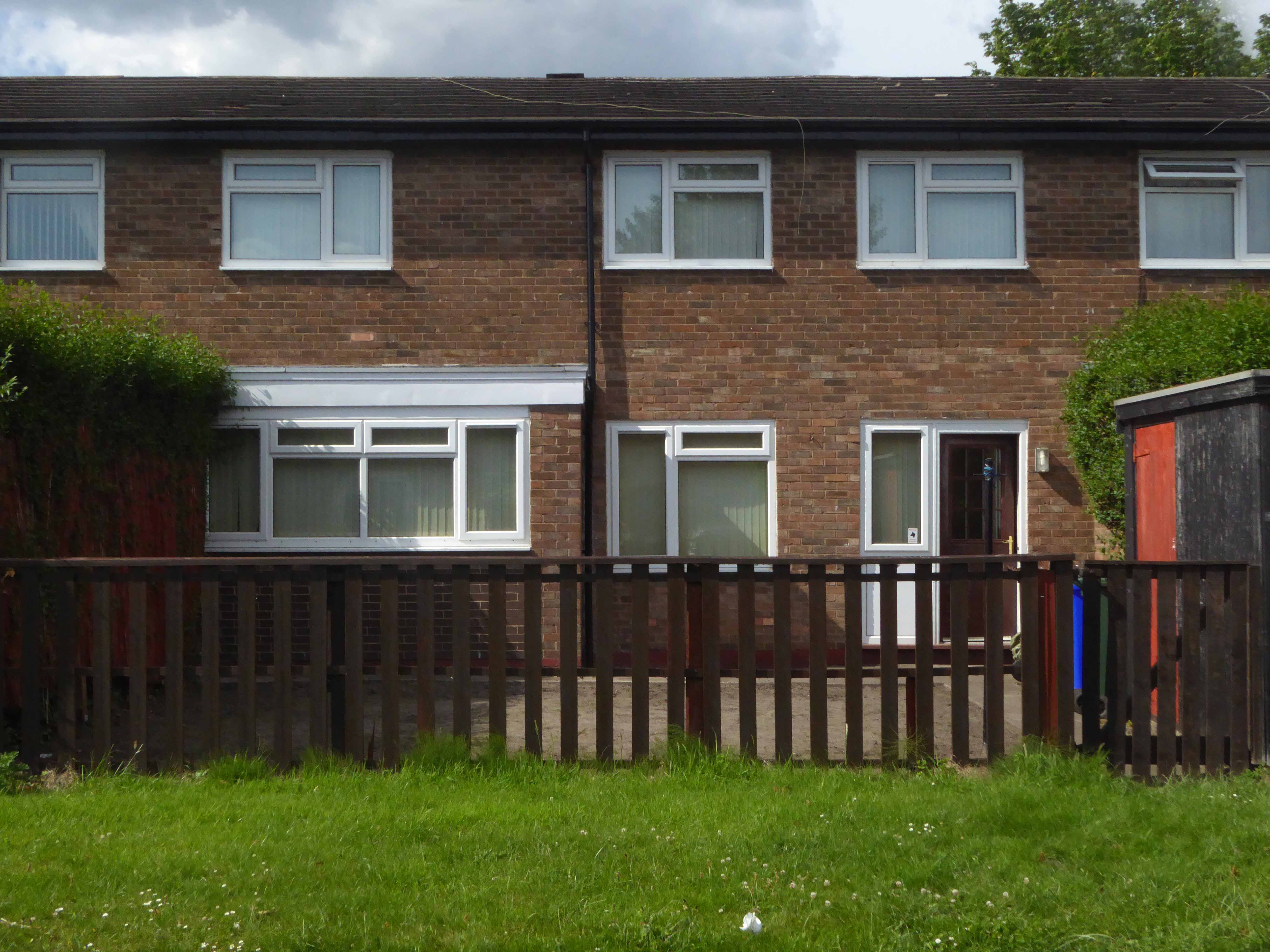
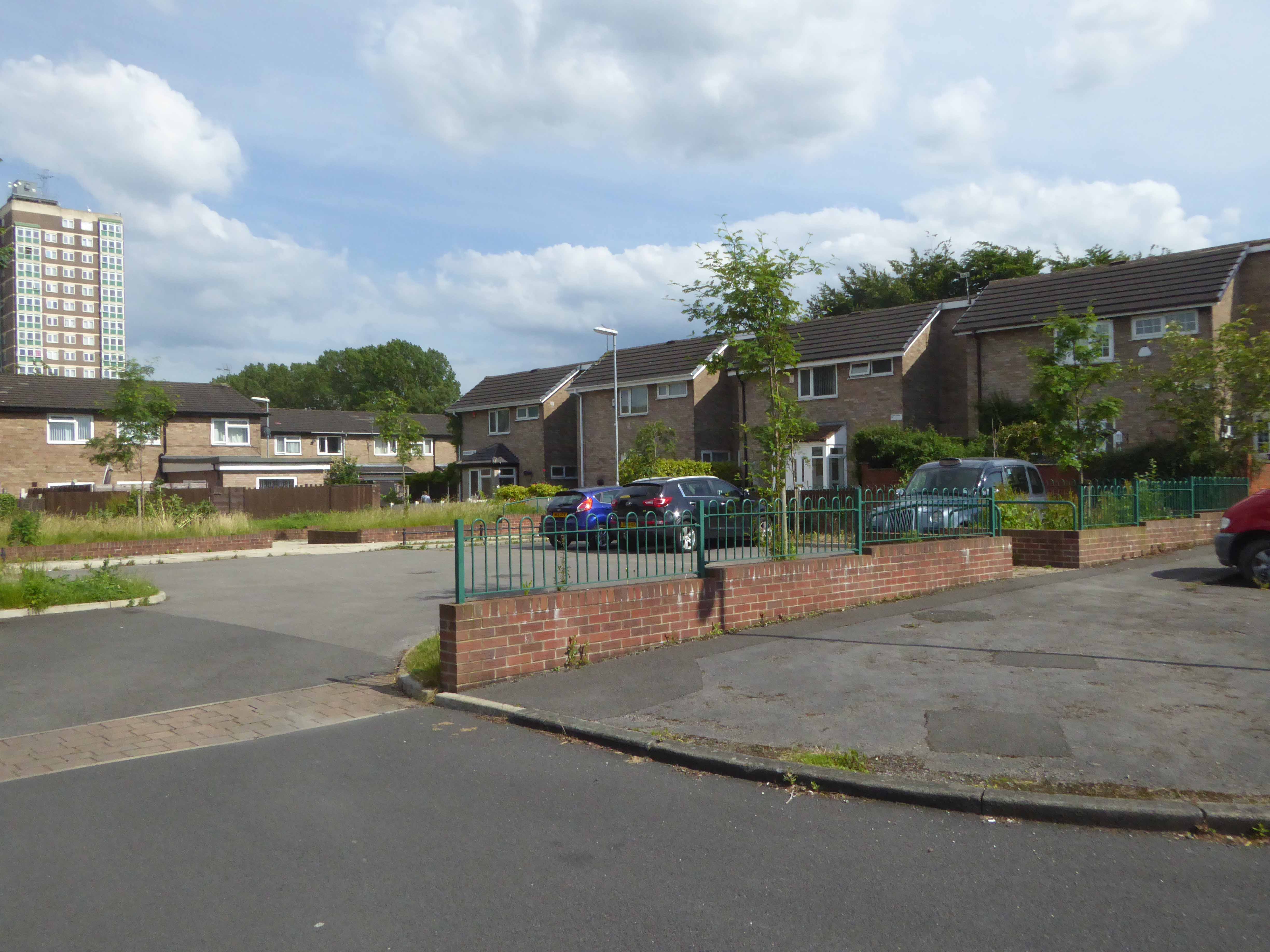
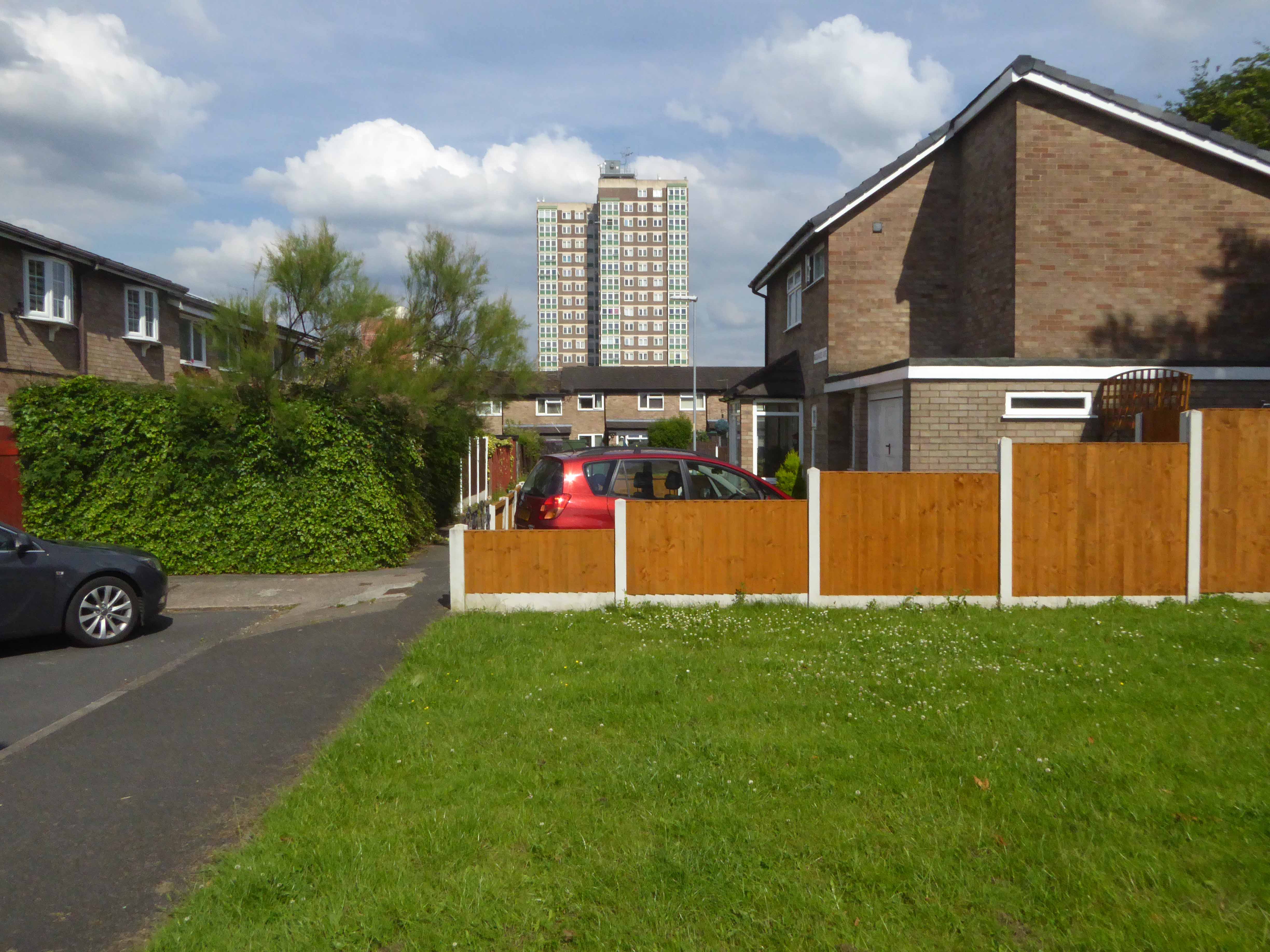
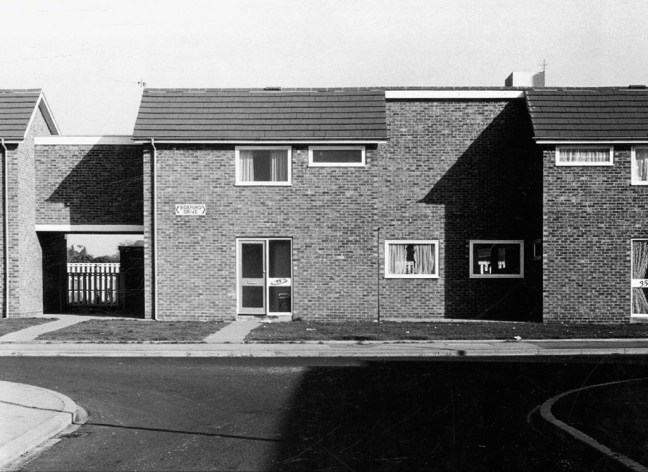
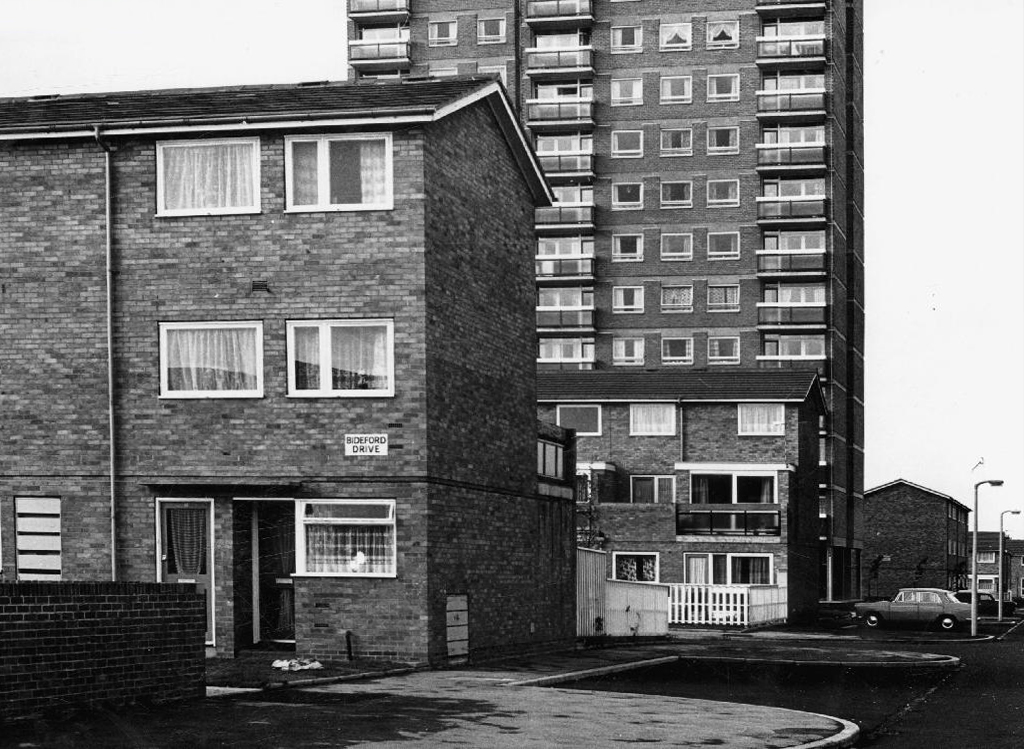
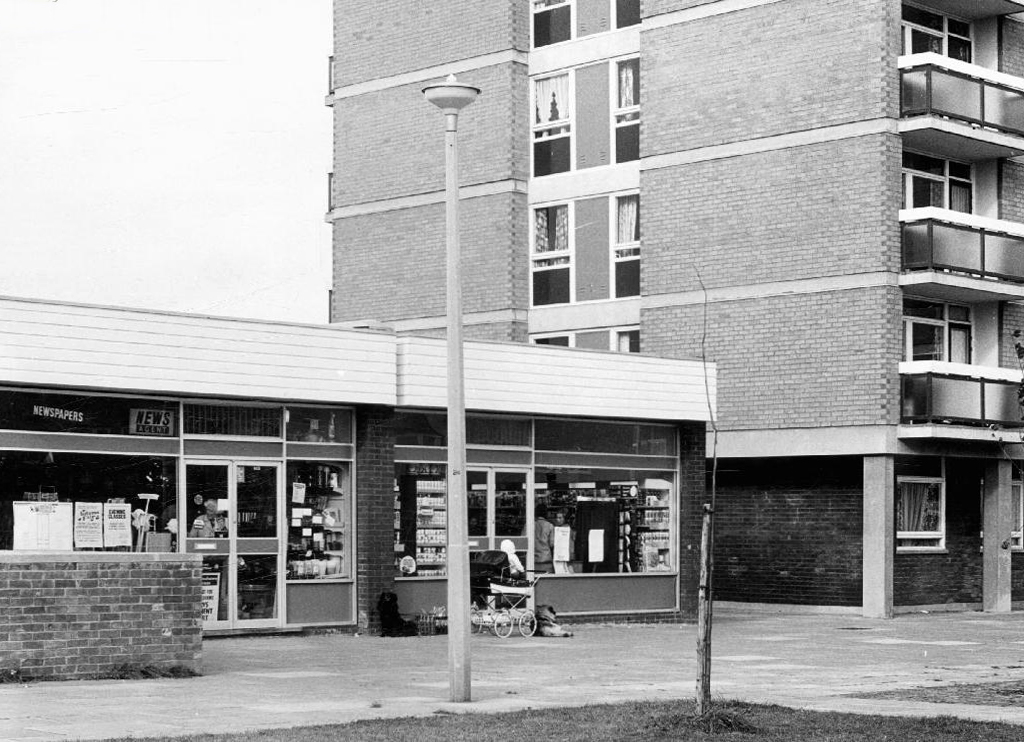
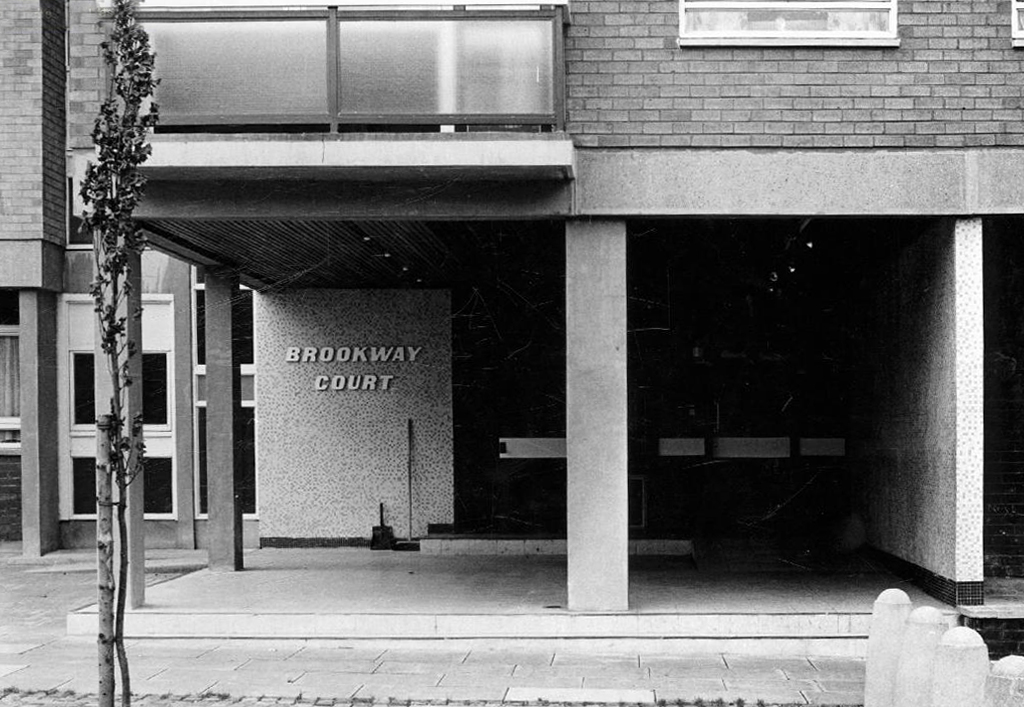
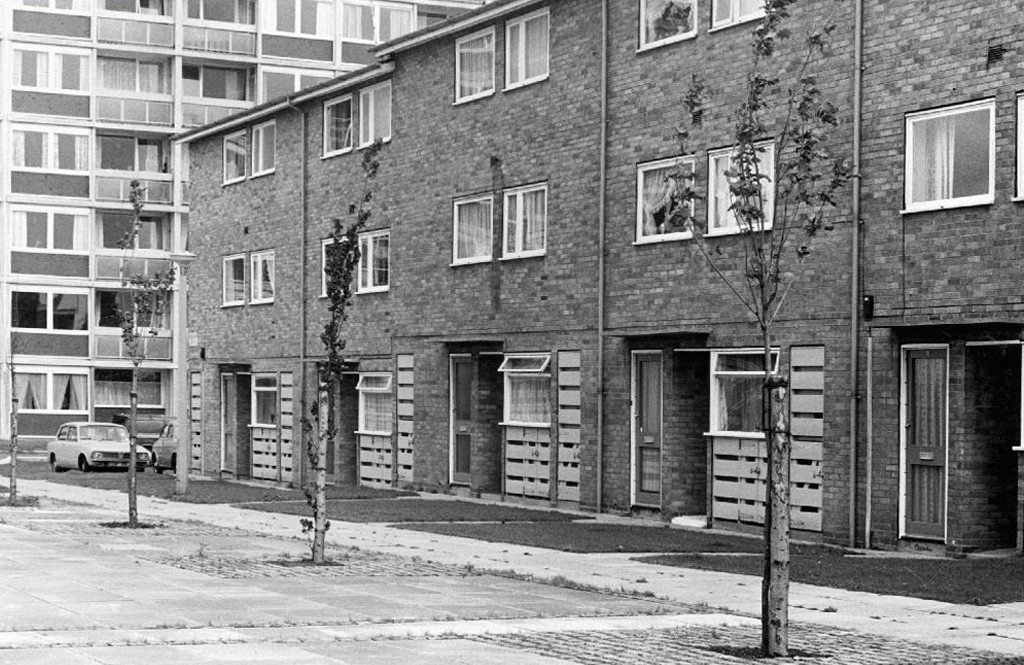
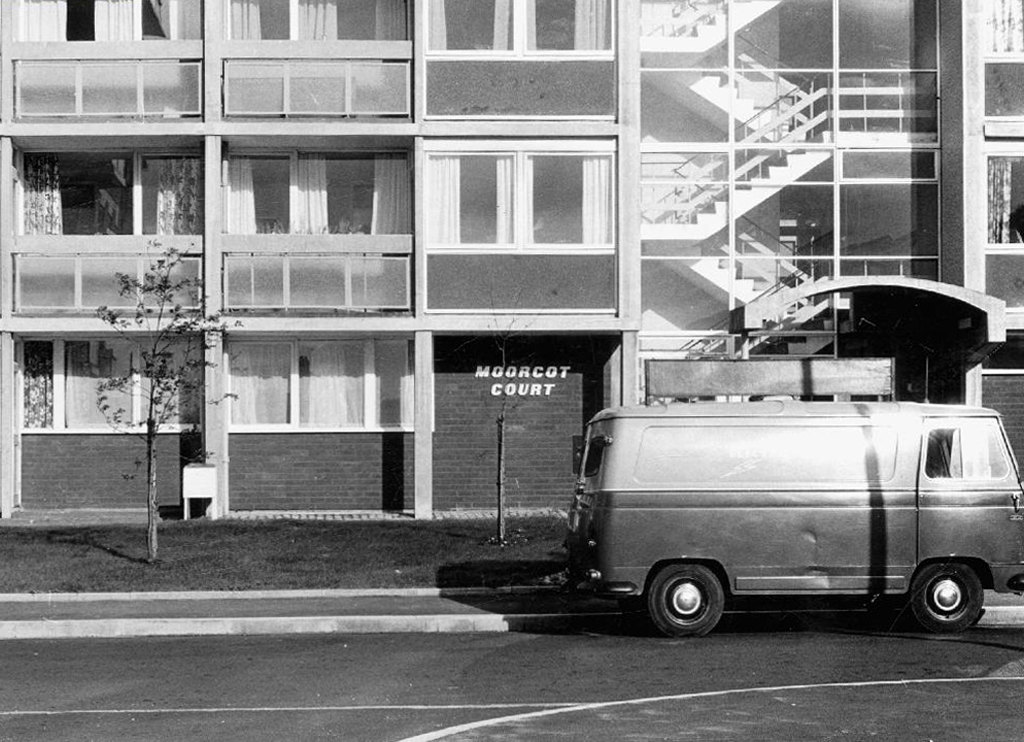
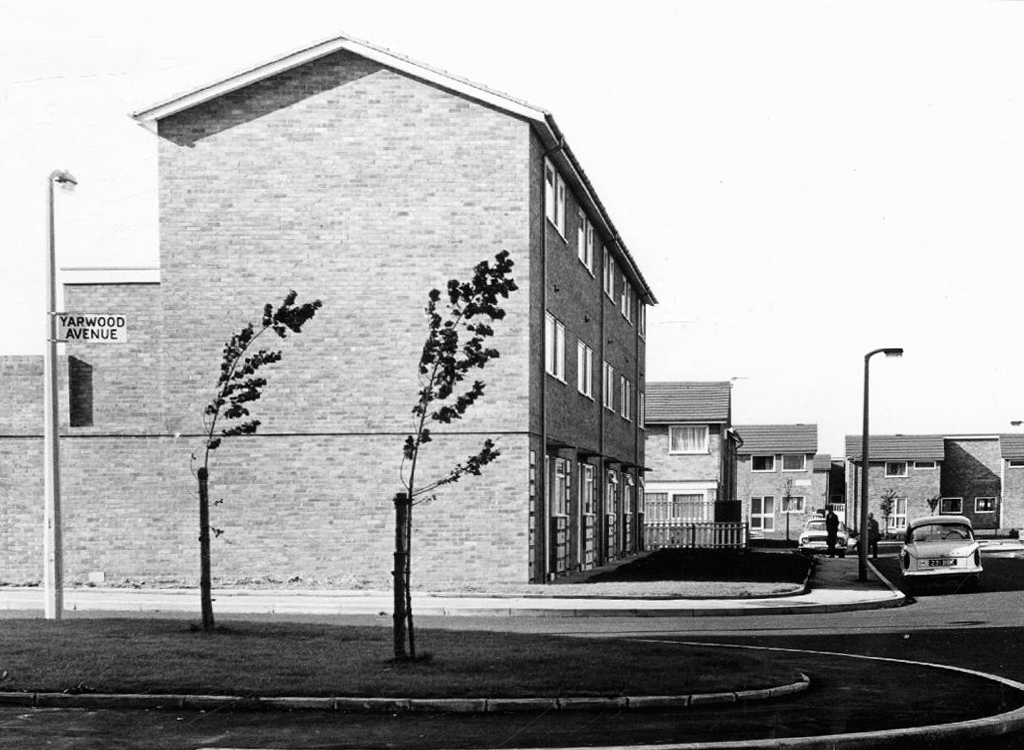
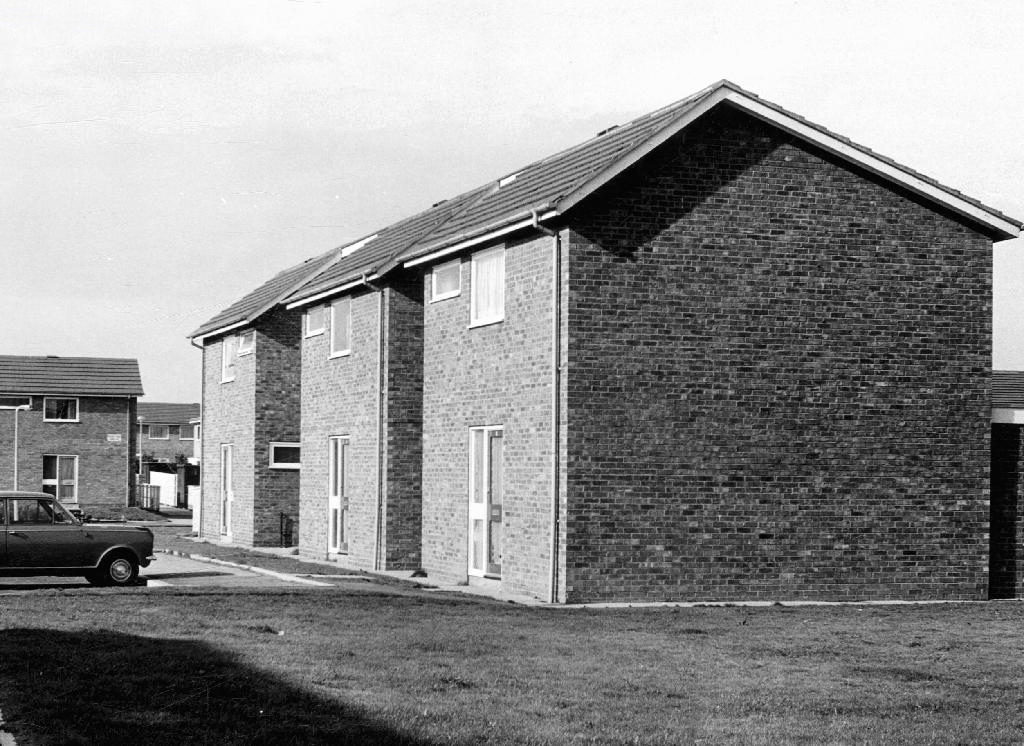
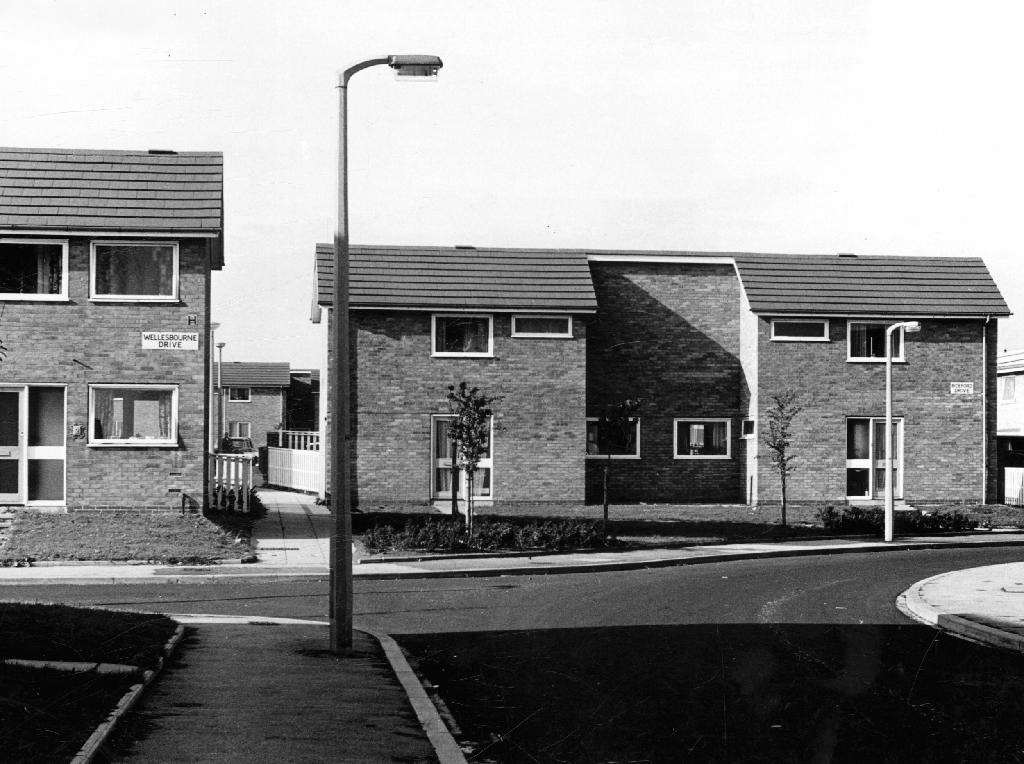
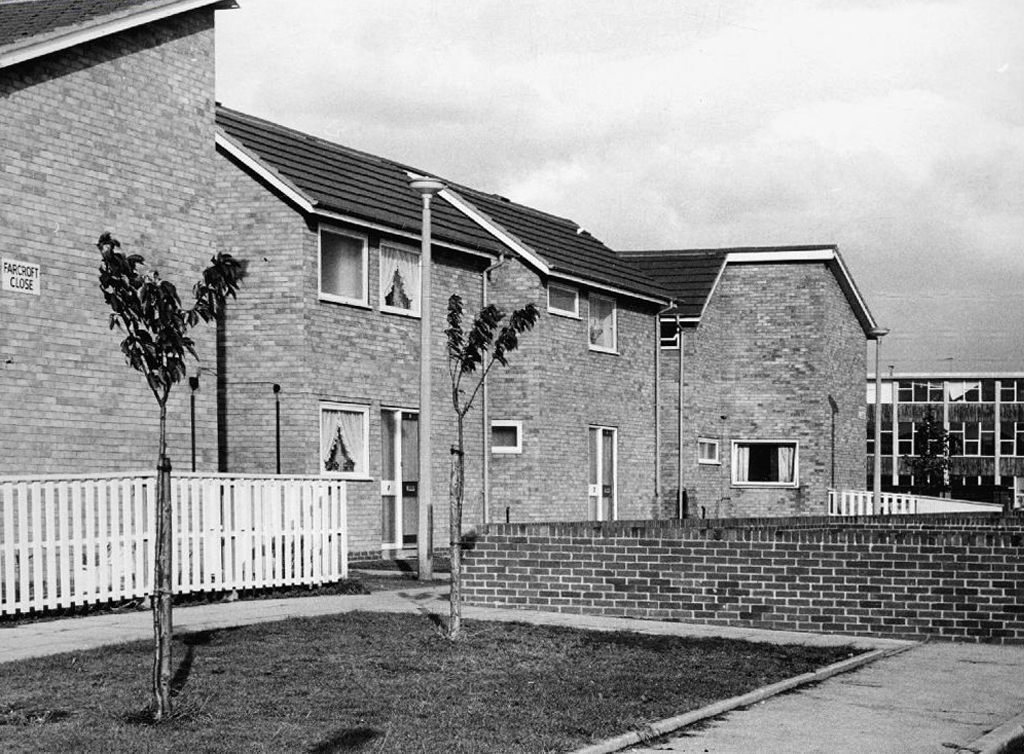
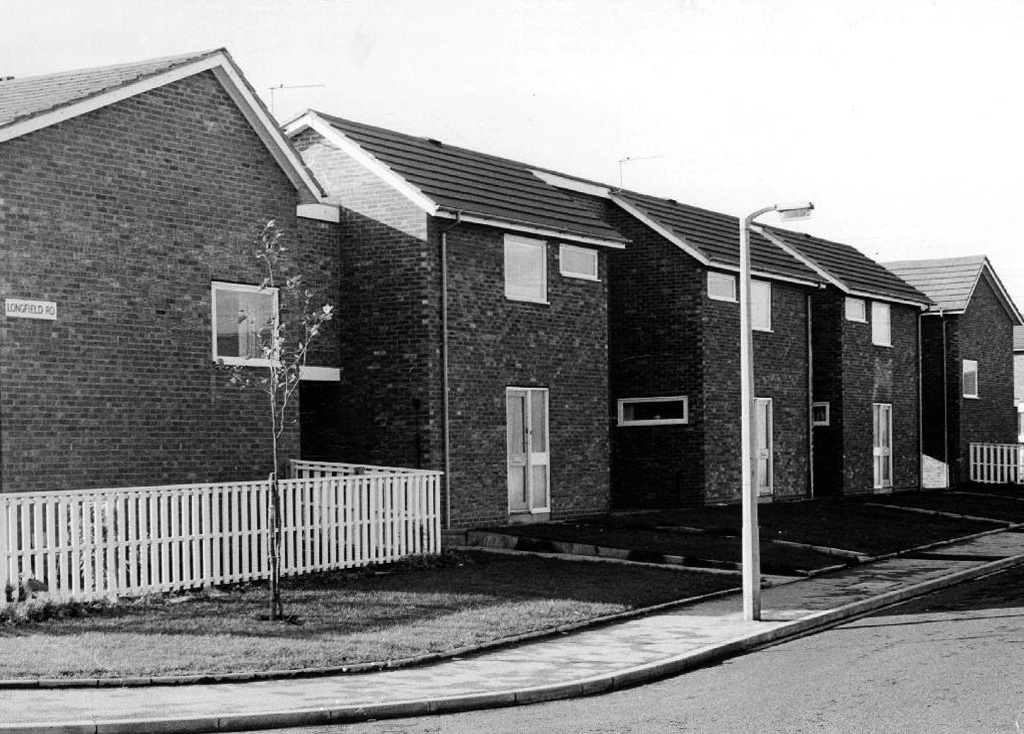
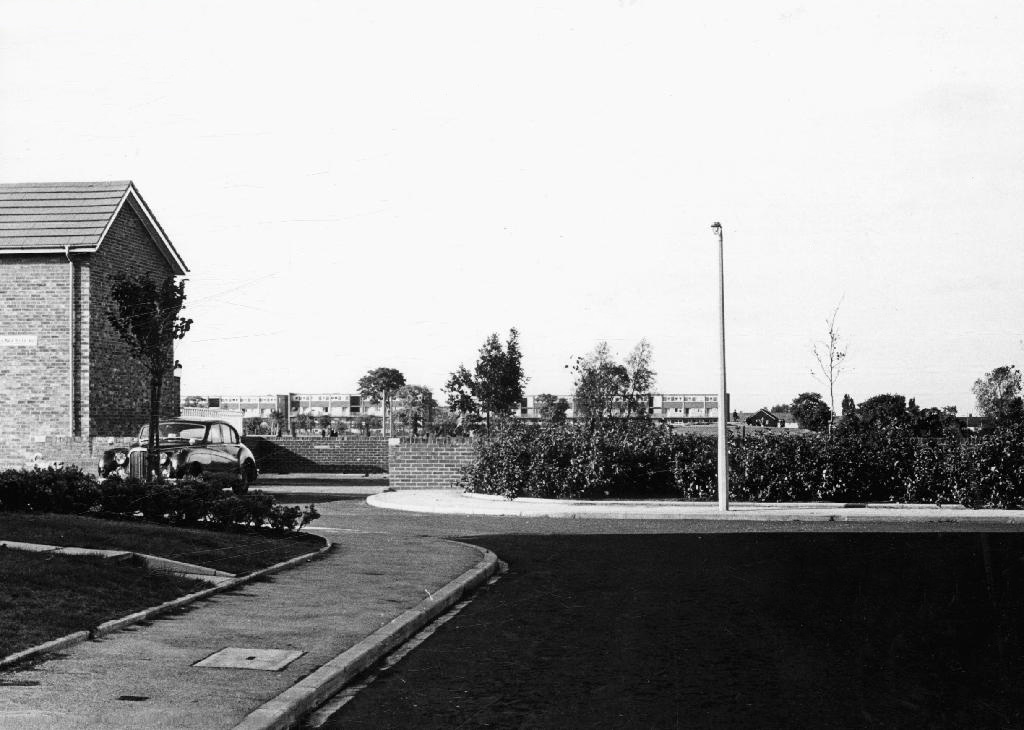
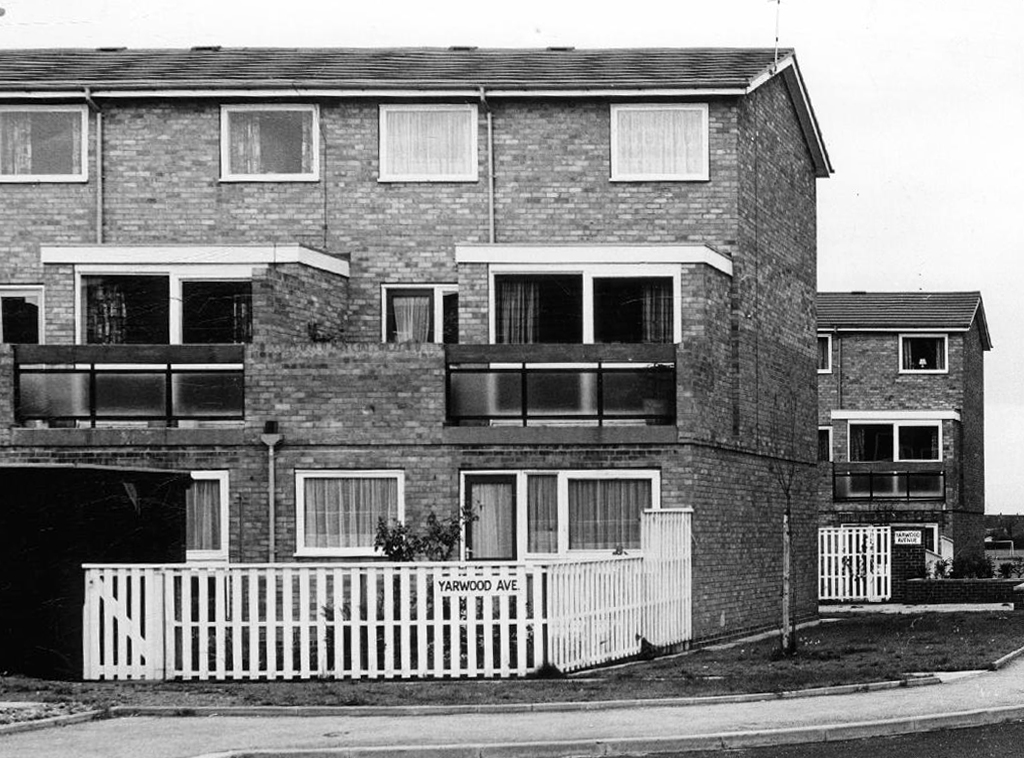
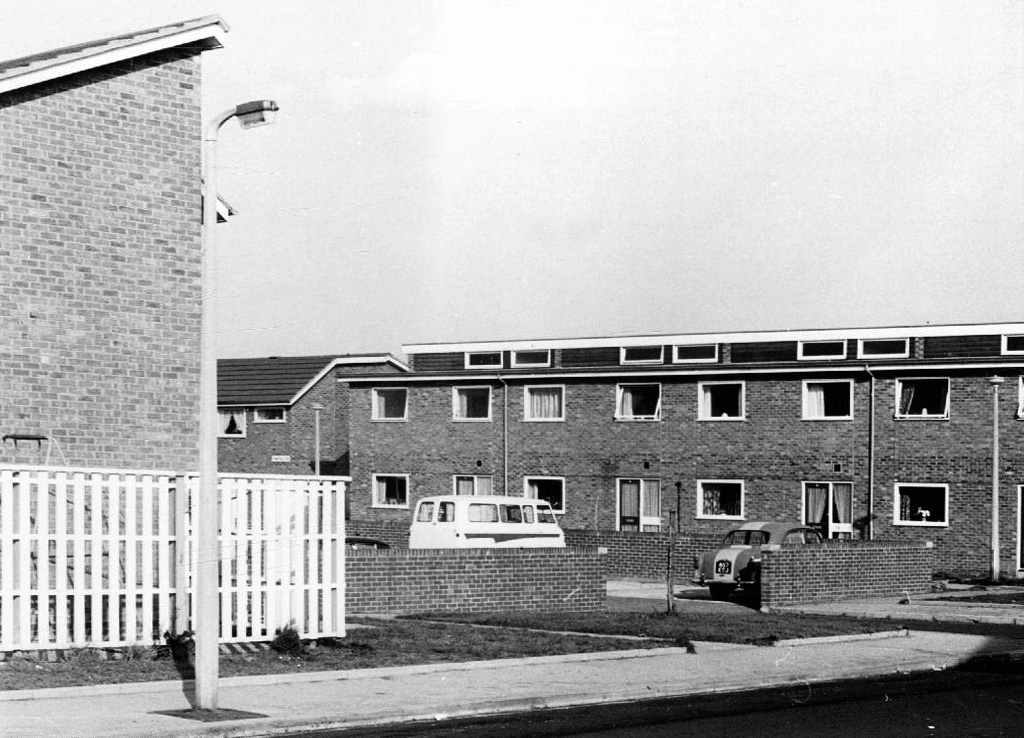
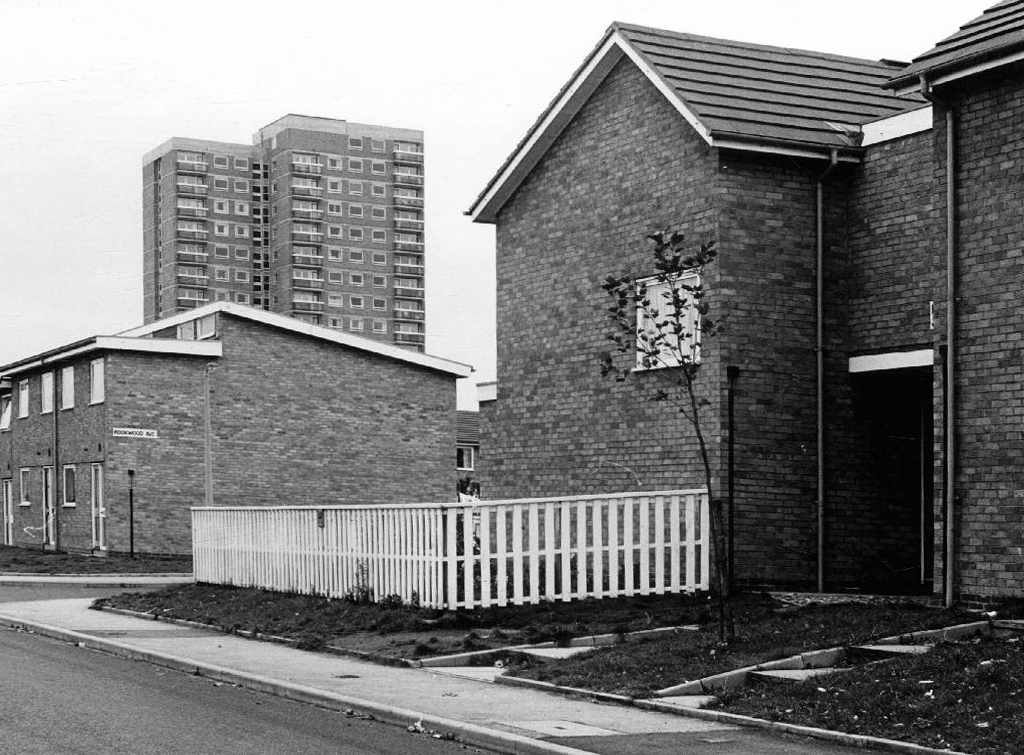
I idled by on my bike to snap the homes around Bideford Drive, which I dutifully did. My curiosity suitably aroused I perused the Manchester Local Image Archive, in search of clues. Planned in 1969 complete in 1971 main contractor Laing architects the City Office.
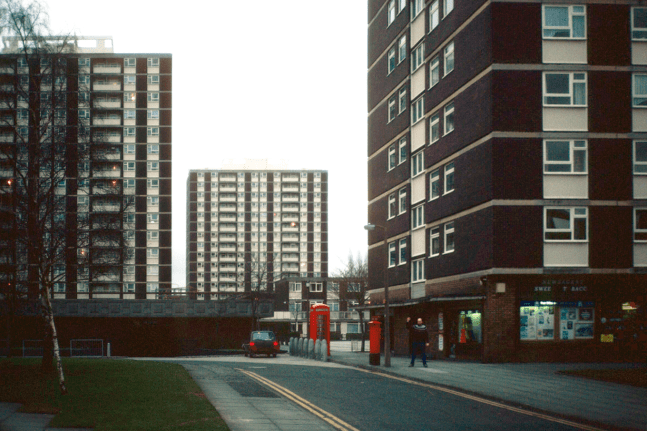
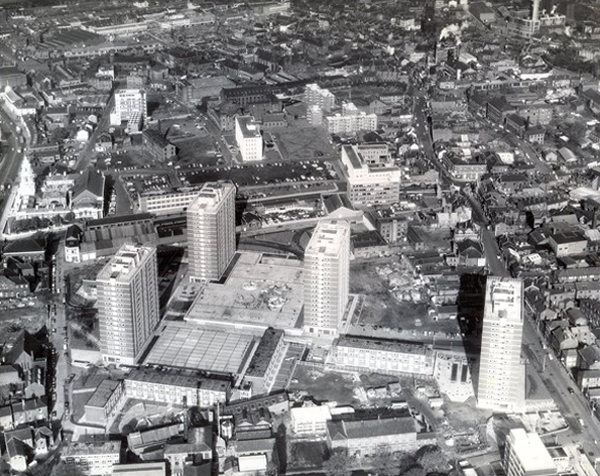
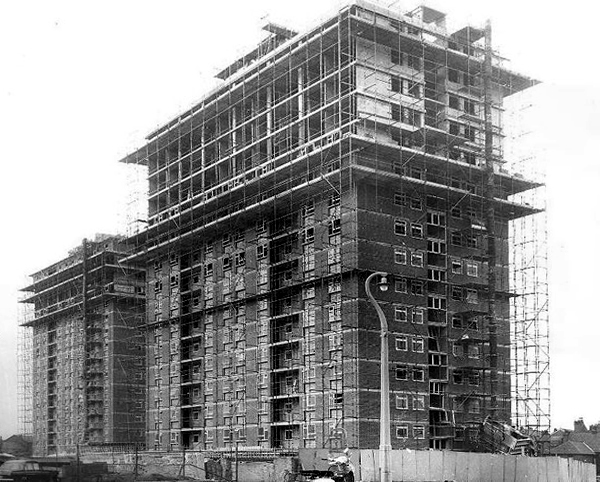
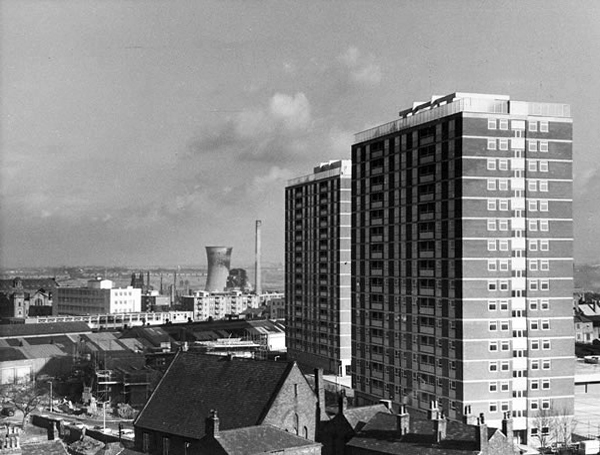
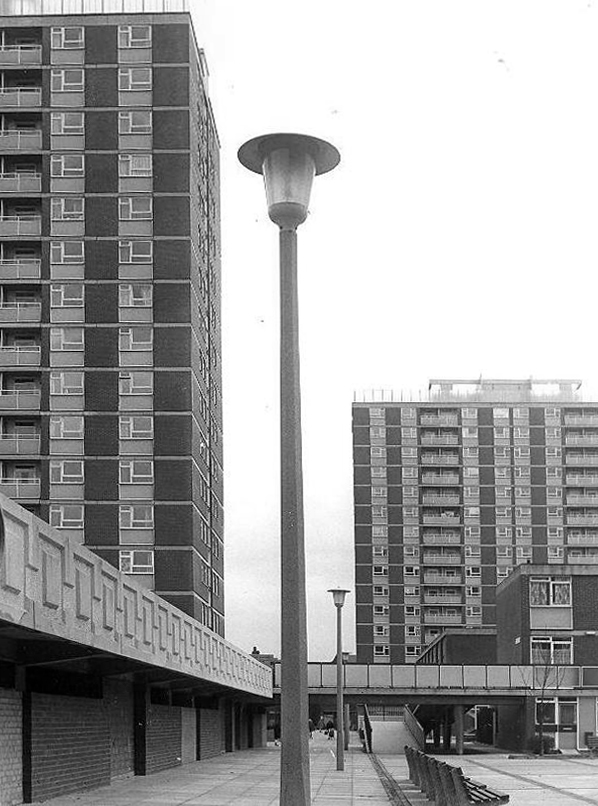
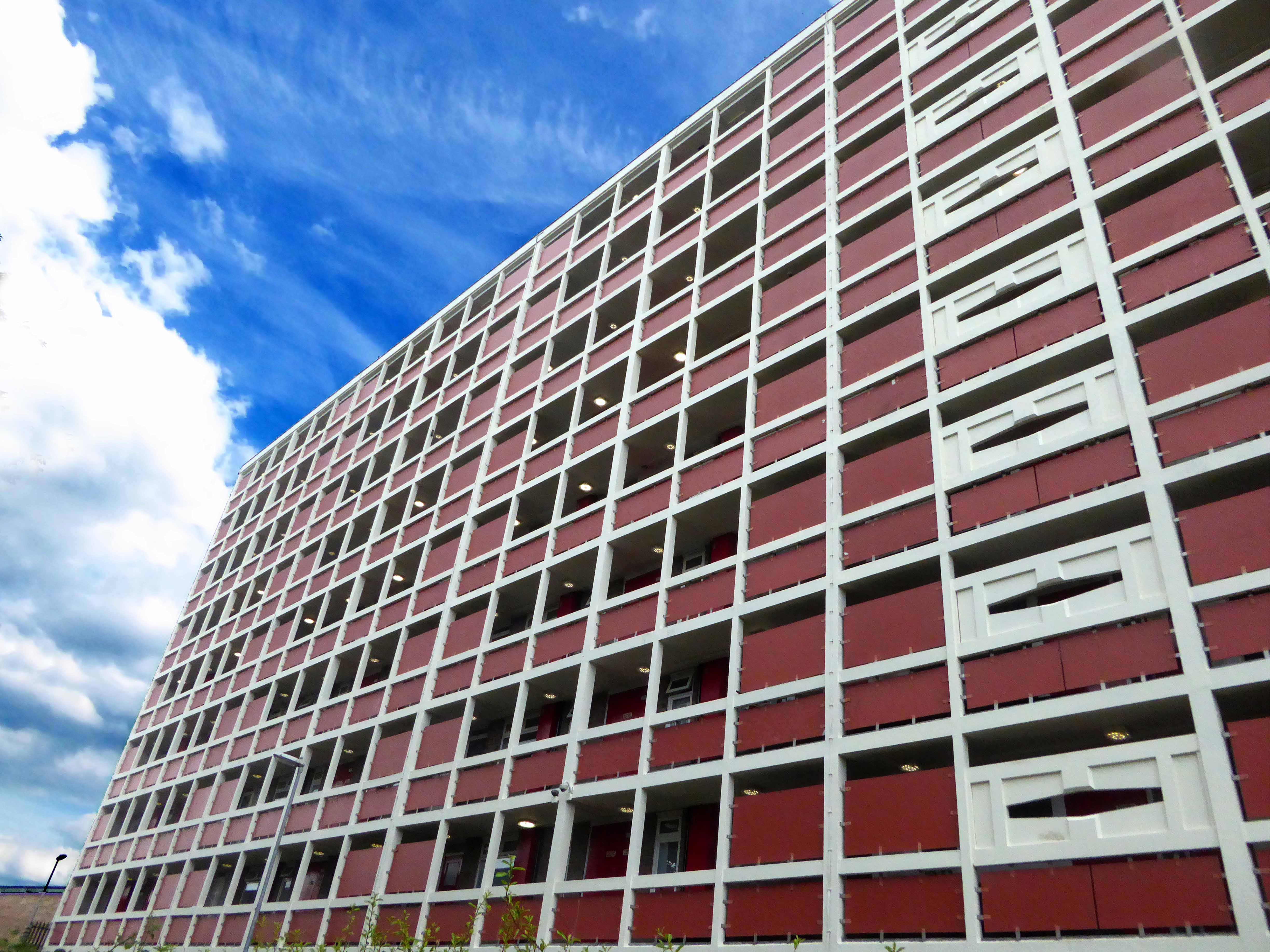
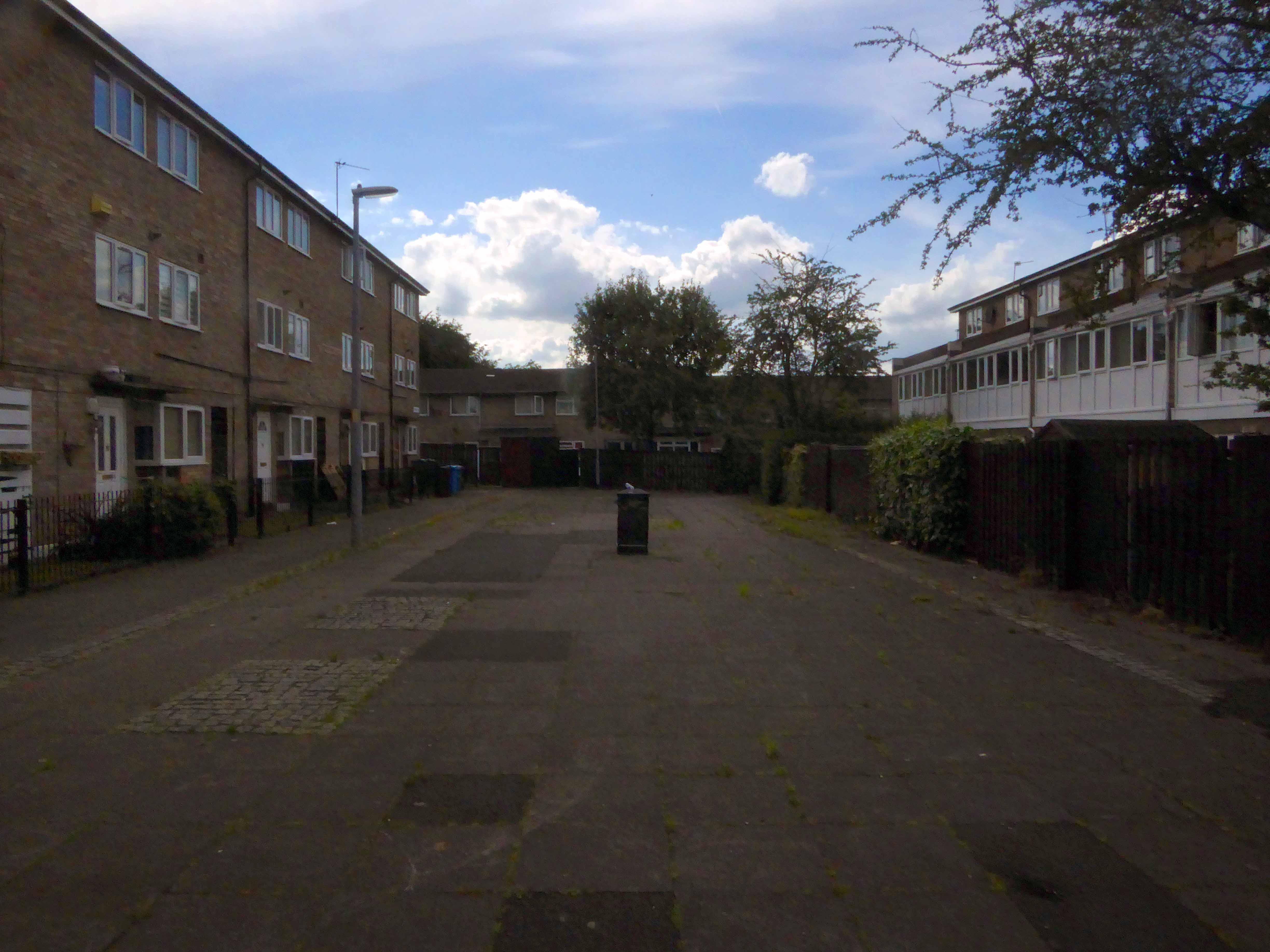
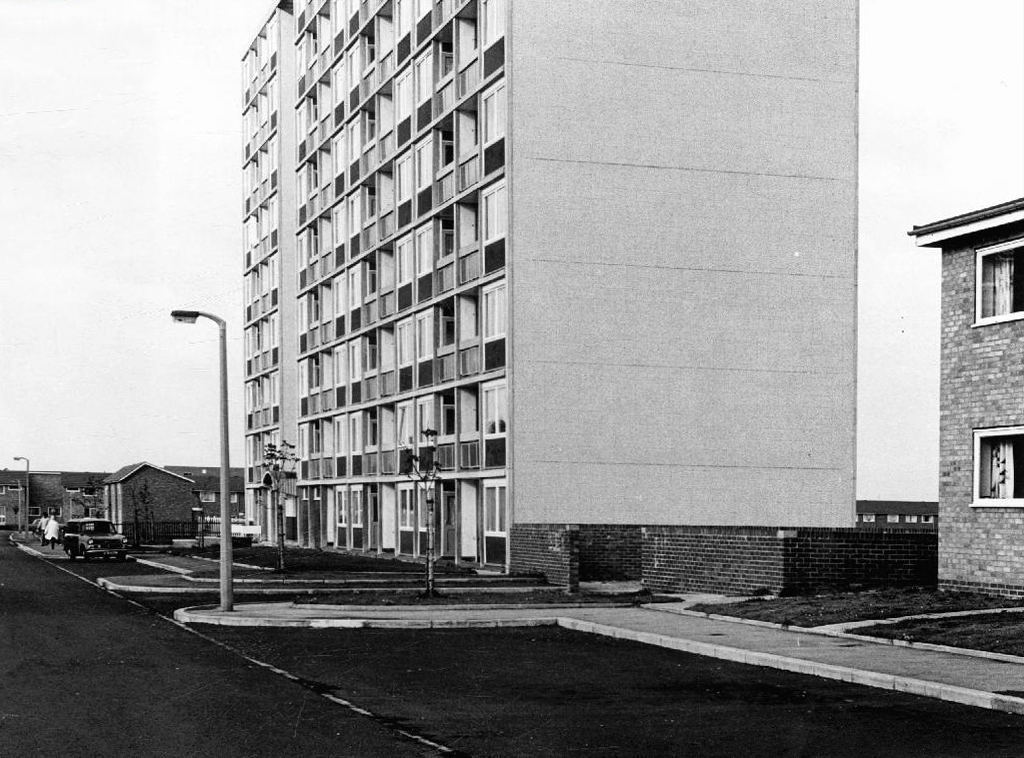
A rich mix of scale and typology, two differentiated blocks, tower and slab, short rows of compact terraces, open spaces, shops, car parking and limited planting. The interlocking geometries, paths and walkways make it an intriguing and entertaining estate, full of small surprises and ideas – these pictures are of 1971.
There is a sharply attenuated and clean feel in the air, optimism on a largely overcast day, a totality – planned integration – homes and architecture of distinction.
Following a path from the Grand Entrance and Council Chambers, my genial host and erudite guide Debbie took me behind the scenes into the back rooms.
Further delights unfold in this most remarkable of buildings.
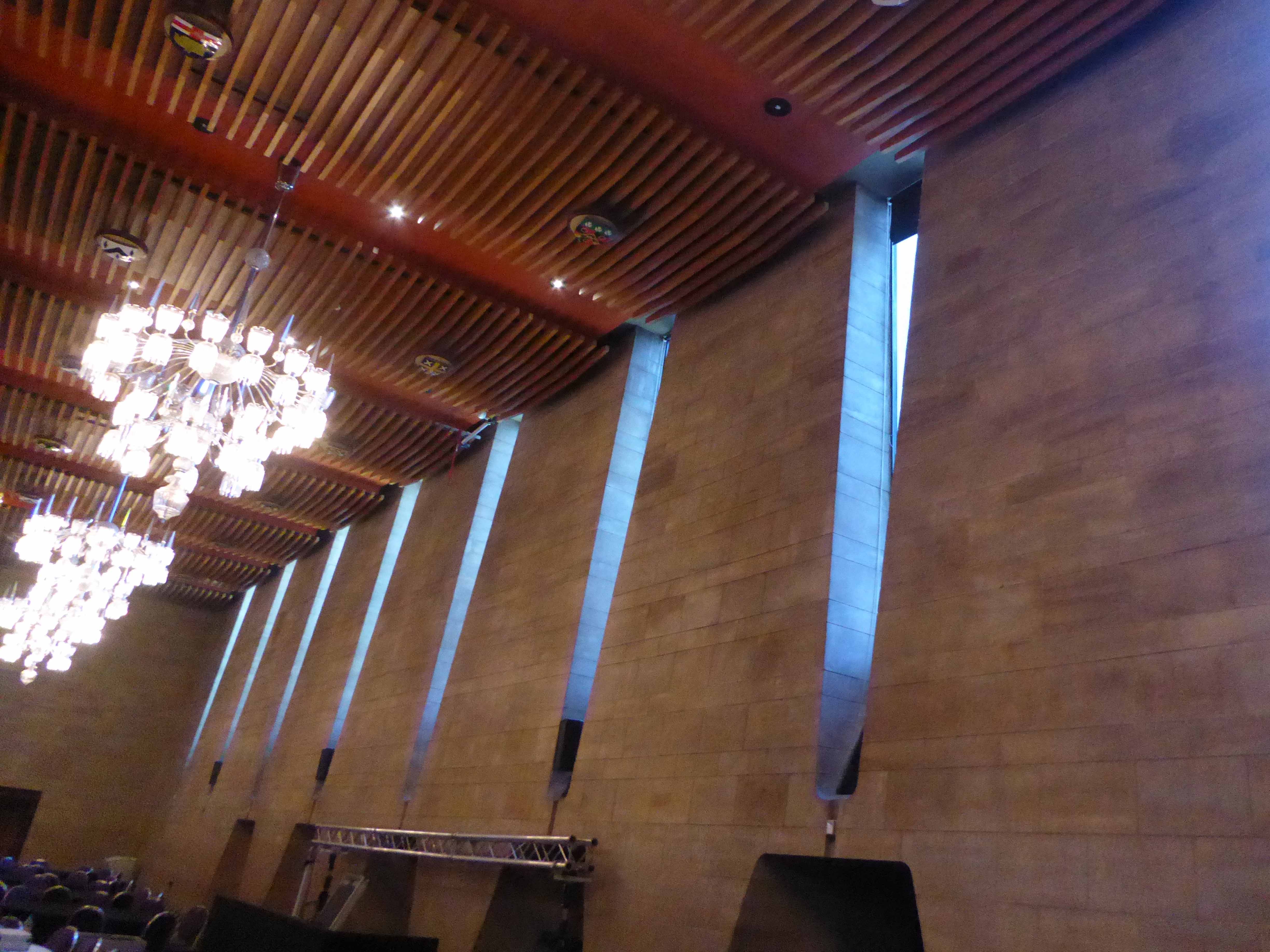
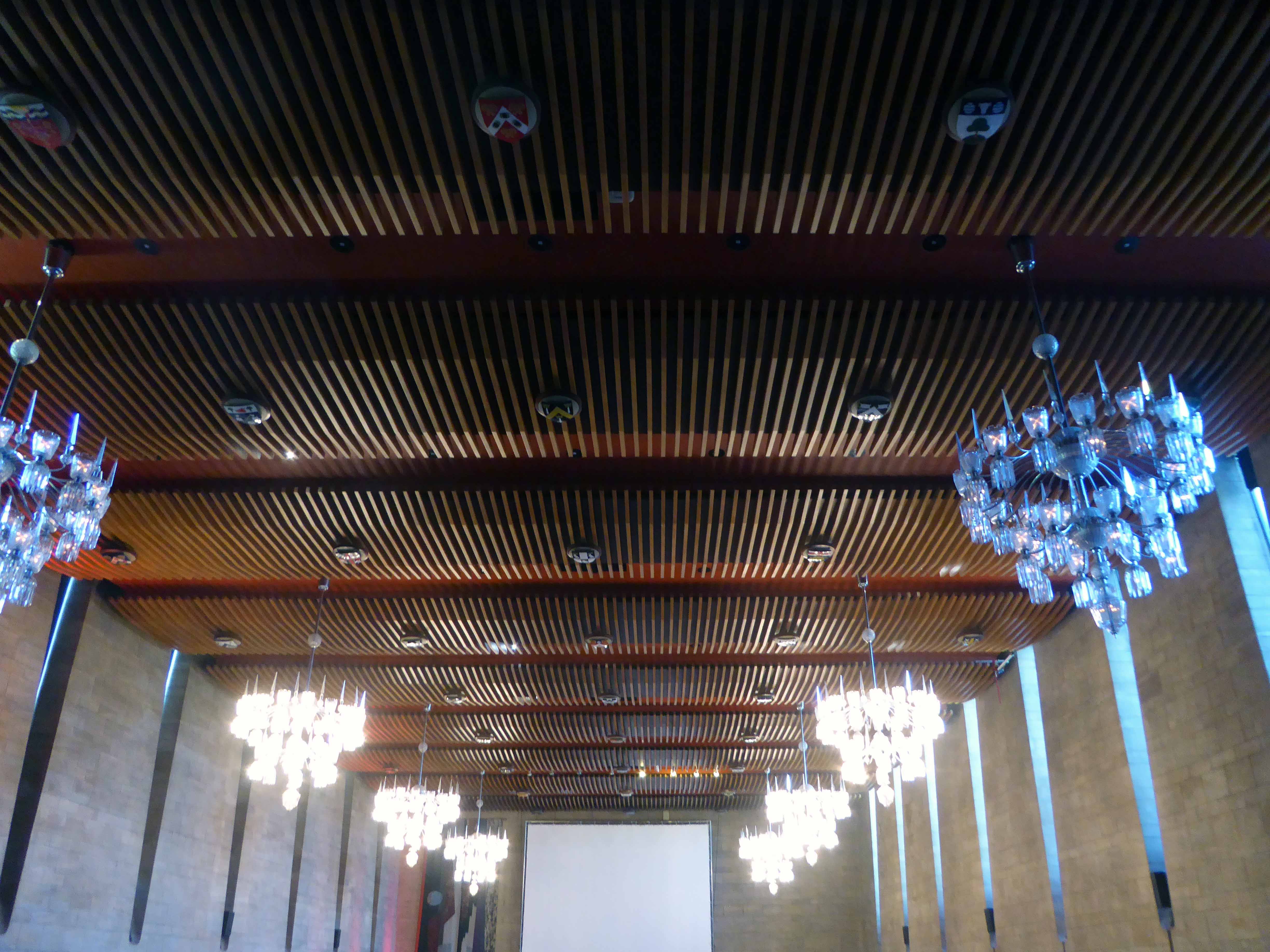
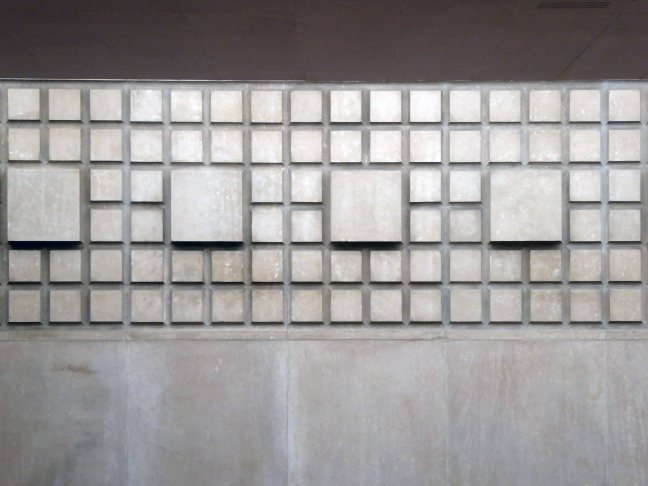
Firstly into the Banqueting Hall – beneath your feet Arabescato Marble, inset with a sprung dance floor and on the vaulted ceiling hand carved African walnut. The slightly sloping walls are of Clapham Stone, with the only double glazed arrow slit windows in the country.
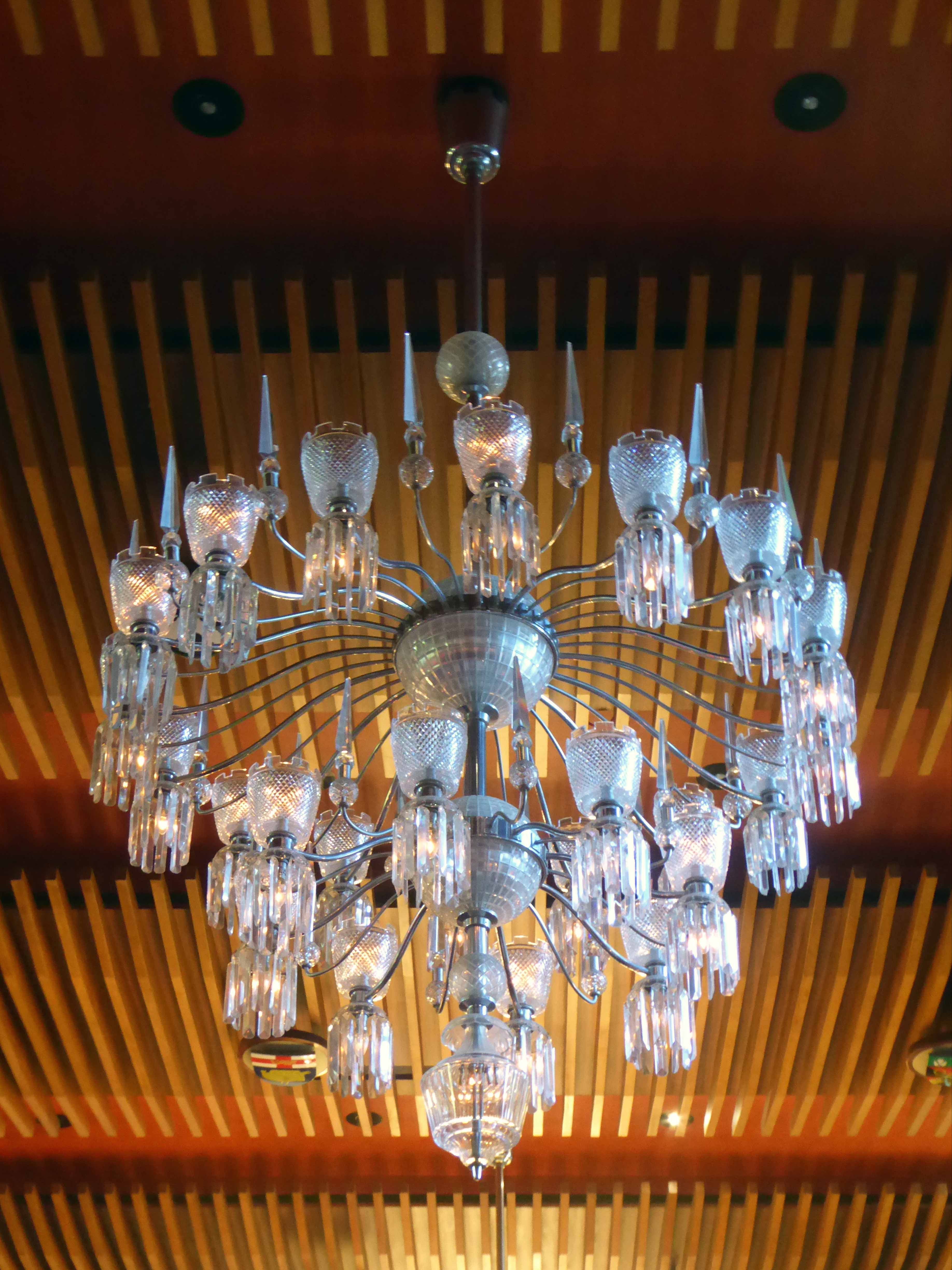
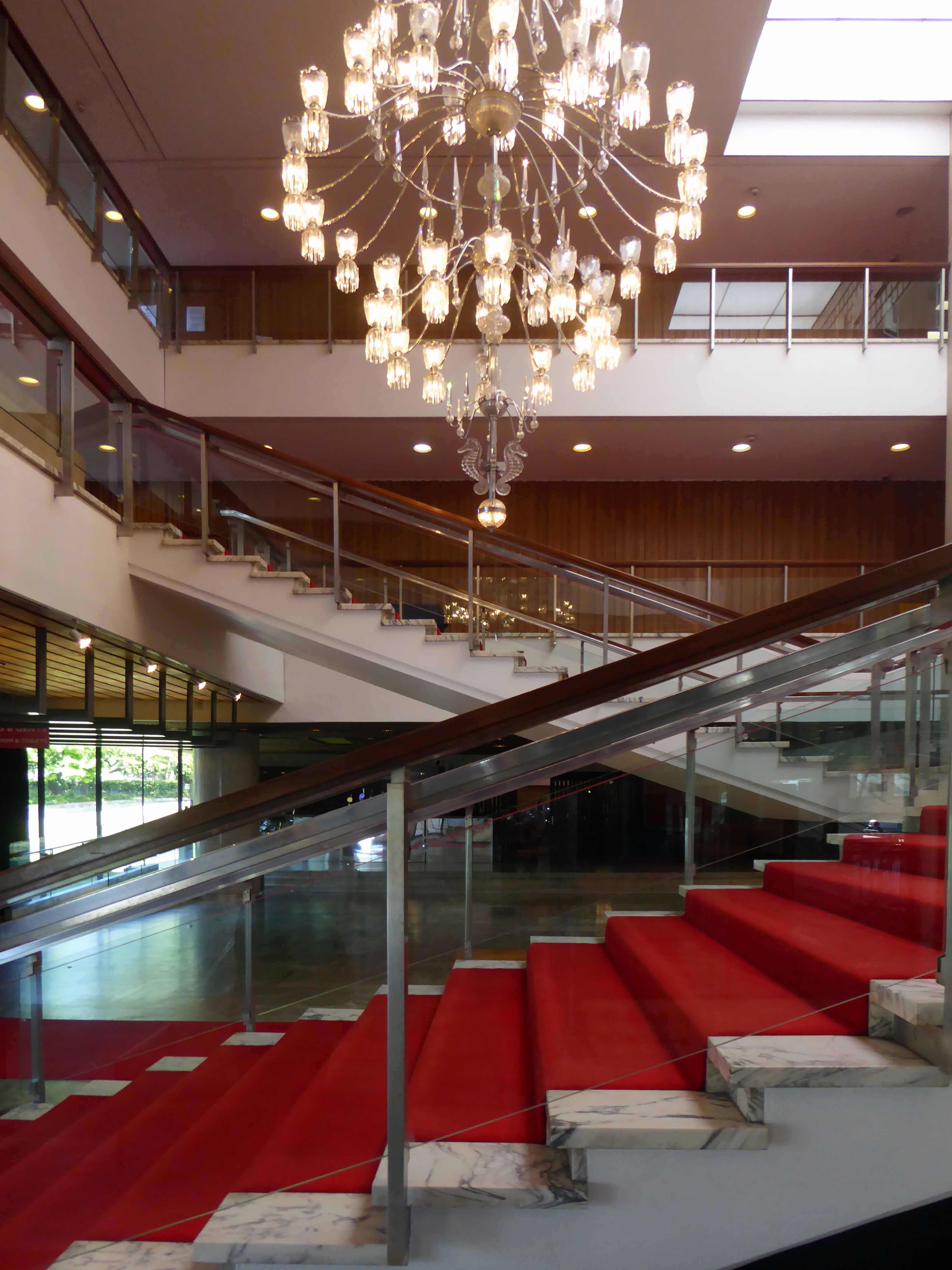
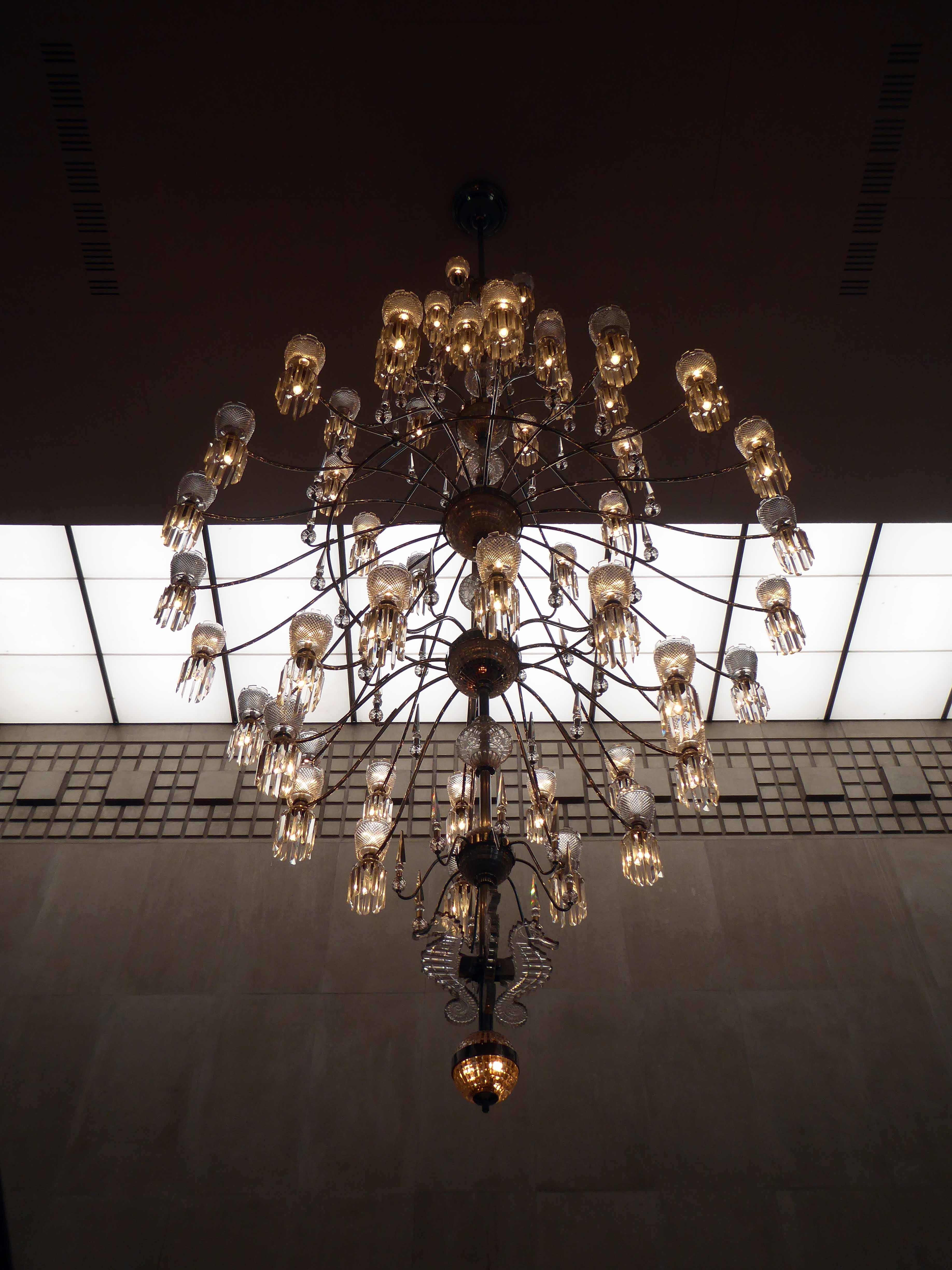
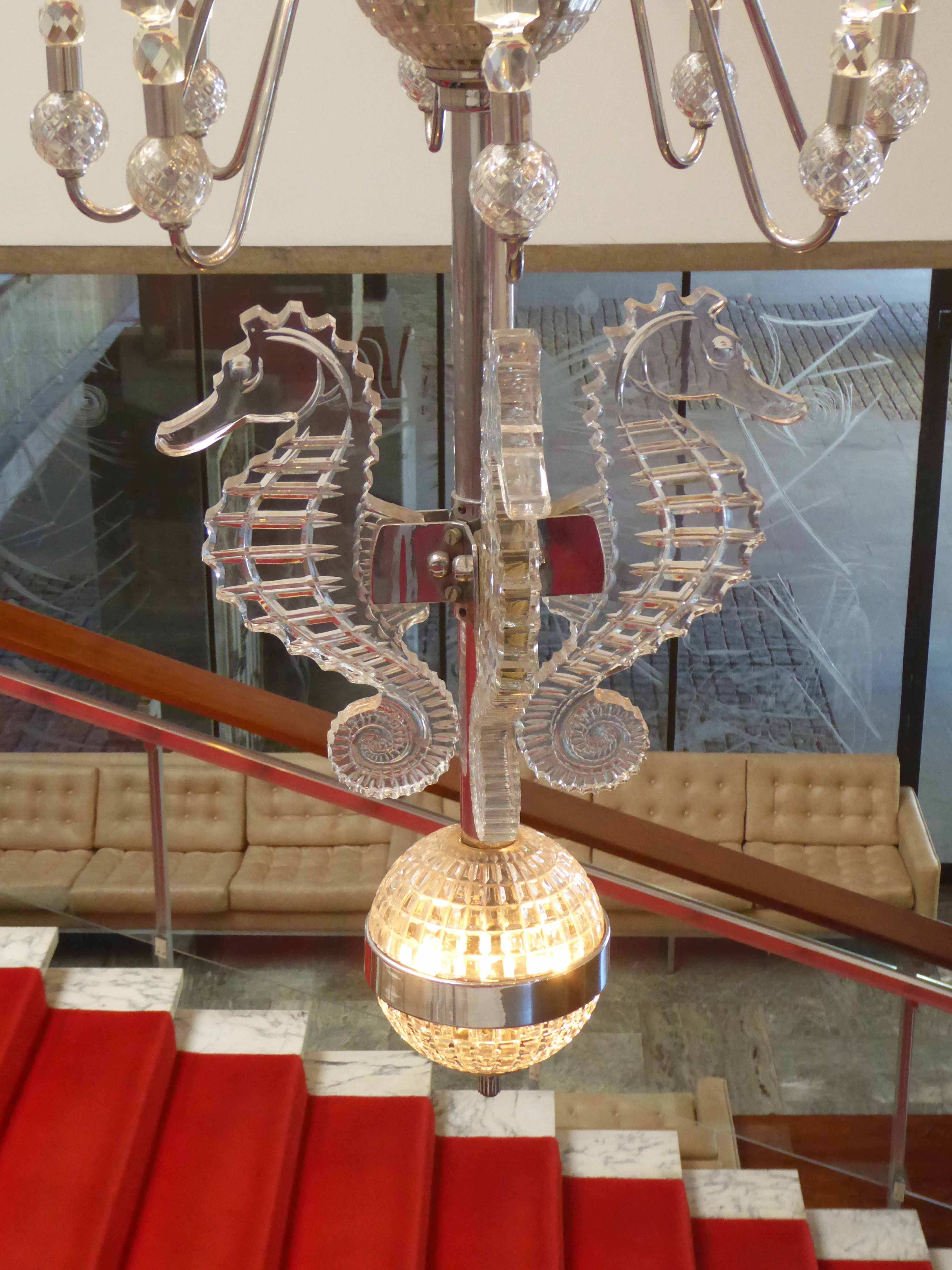
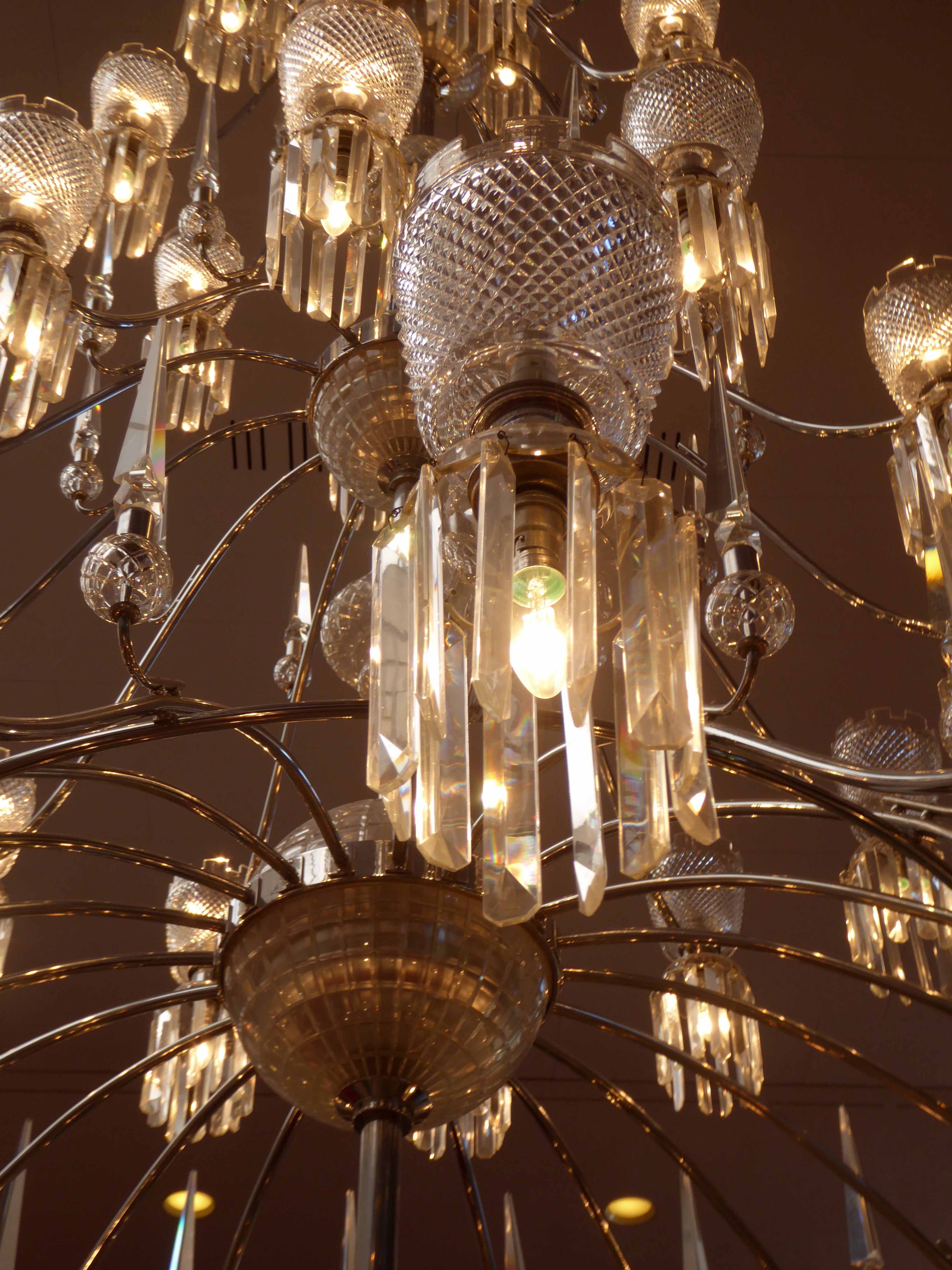
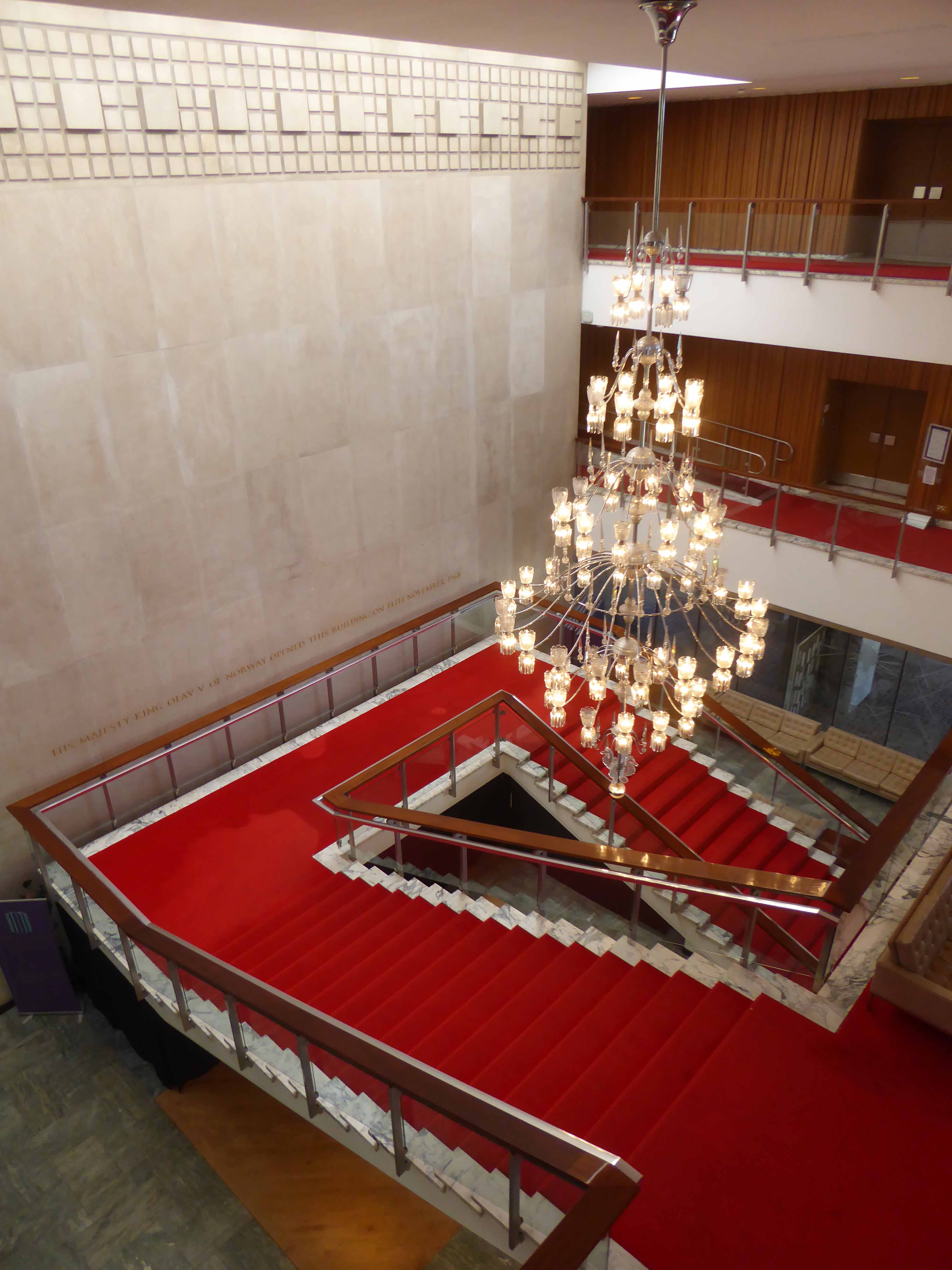
The chandeliers are hand cut crystal from Westphalia and have the Newcastle castles on the top part of the fitting.
The seahorse carpet was recently replaced, digitally designed and woven to perfectly match the original.
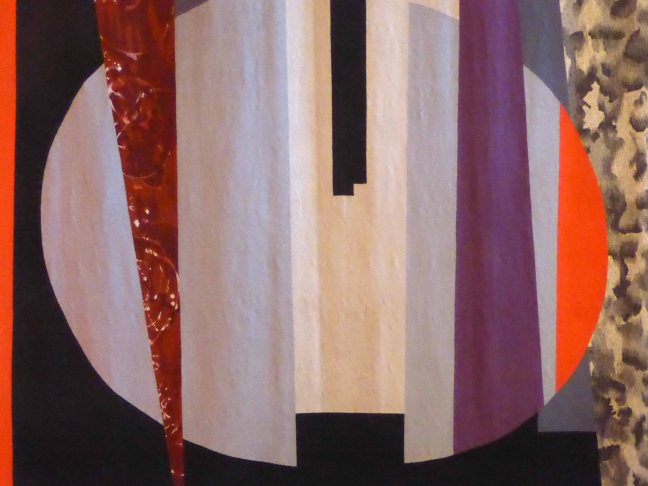
The facing wall is graced by a John Piper tapestry, which represents the mineral resources of the area.
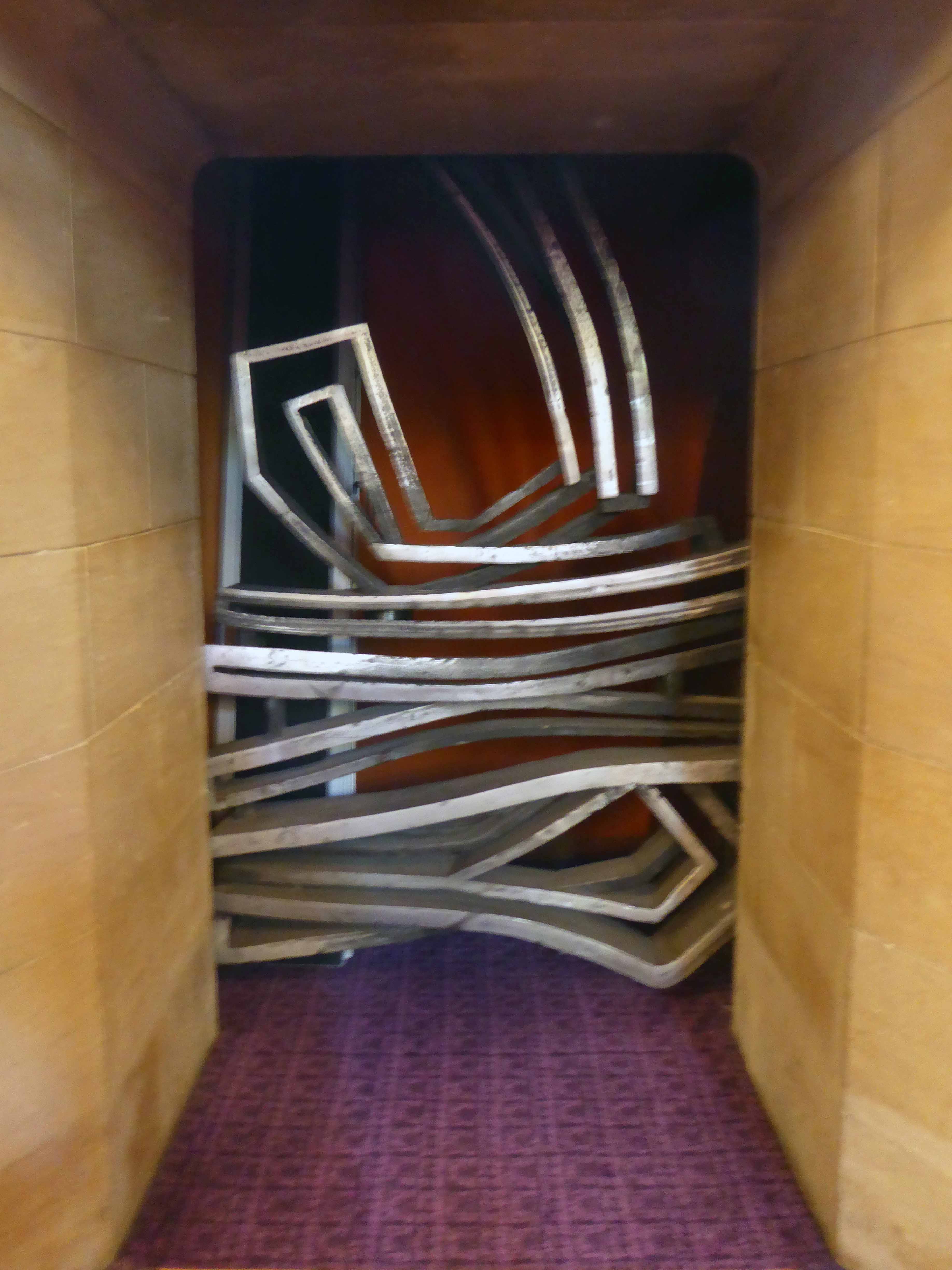
Grilles by Geoffrey Clarke cover the alcoves and have an orange backlight to simulate a medieval fireplace.
The room can seat up to six hundred people and is available for hire, in regular use for a wide variety of functions.
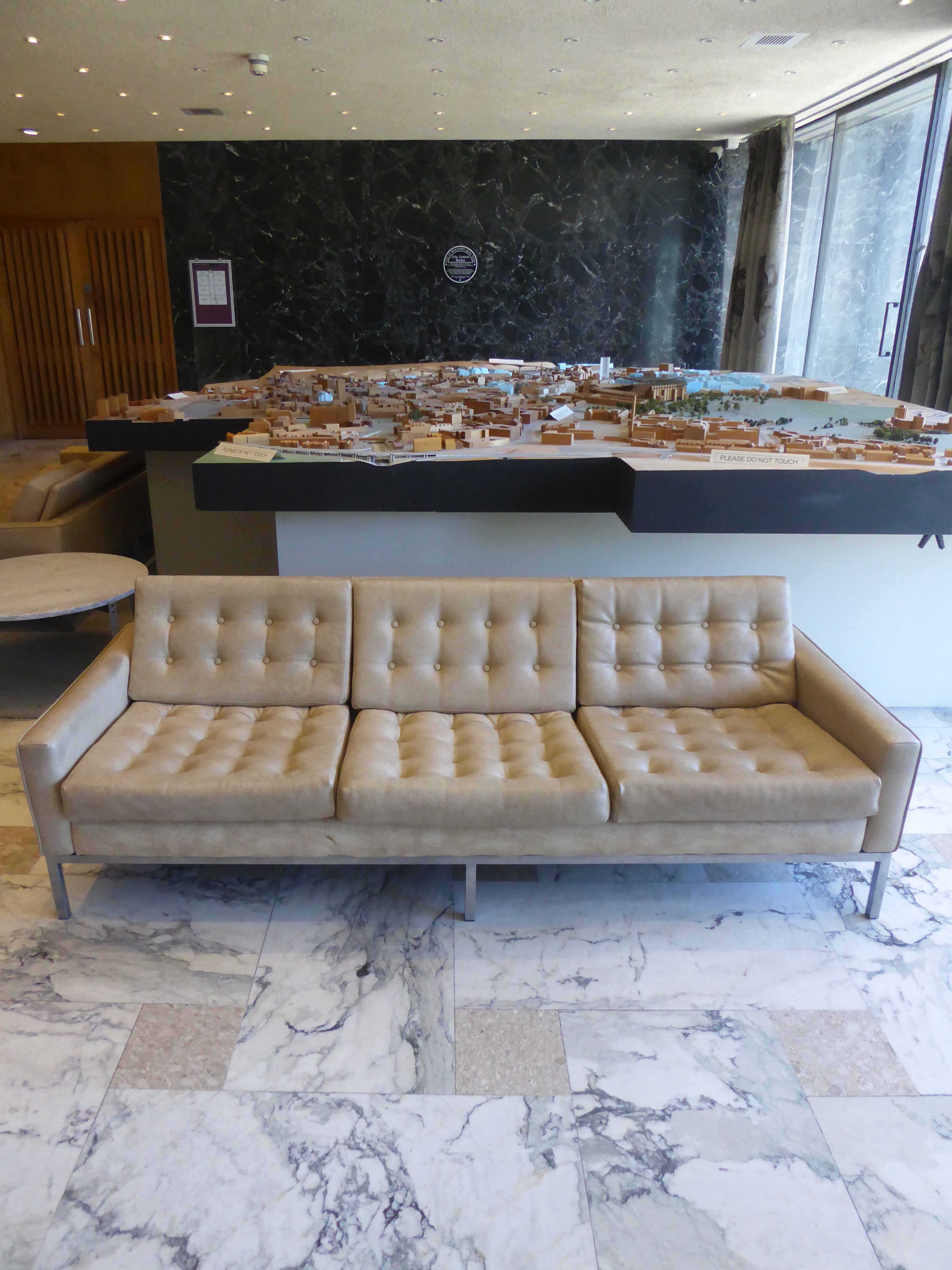
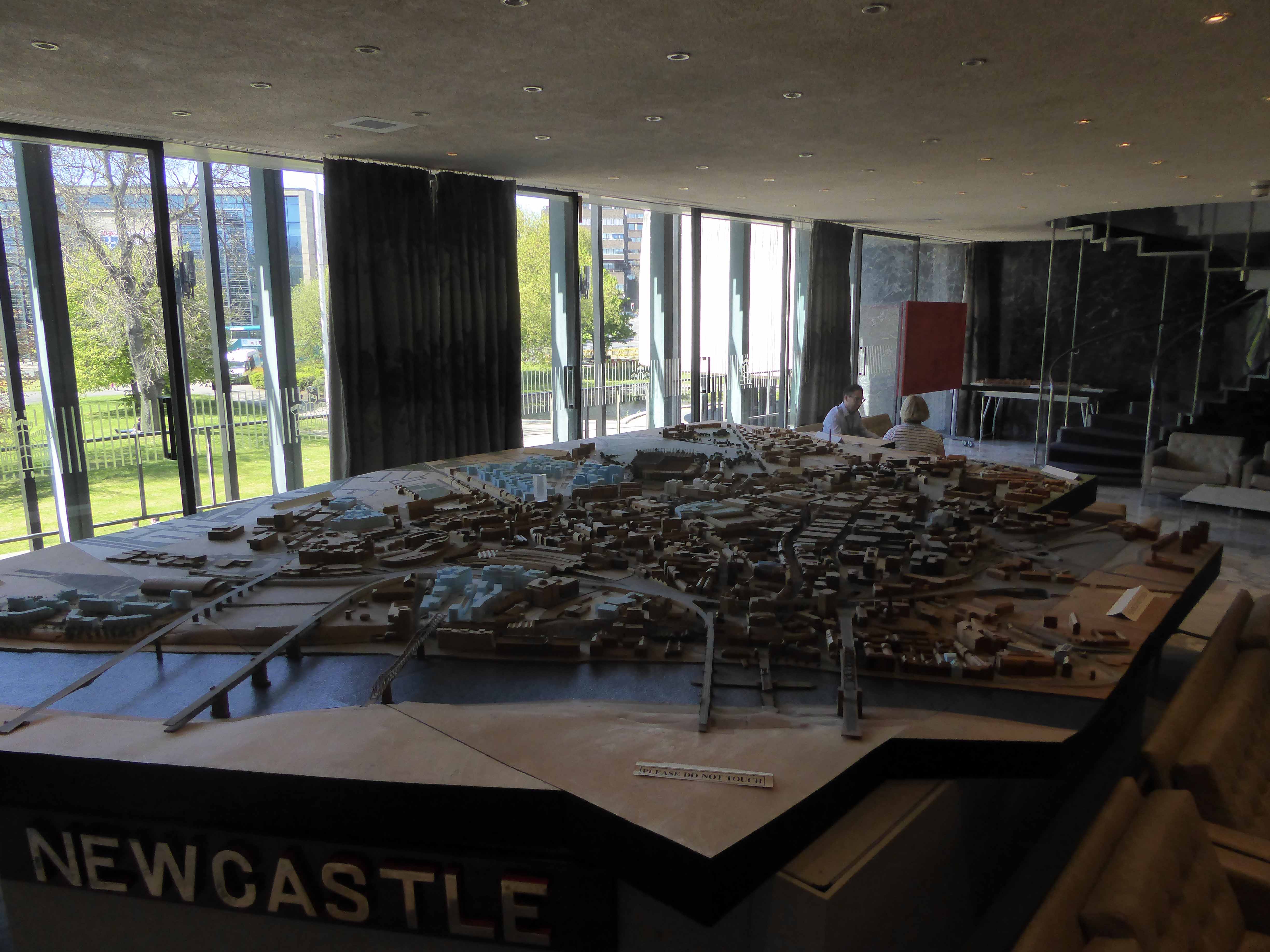
The Model Room houses a magnificent architectural replica of the city.
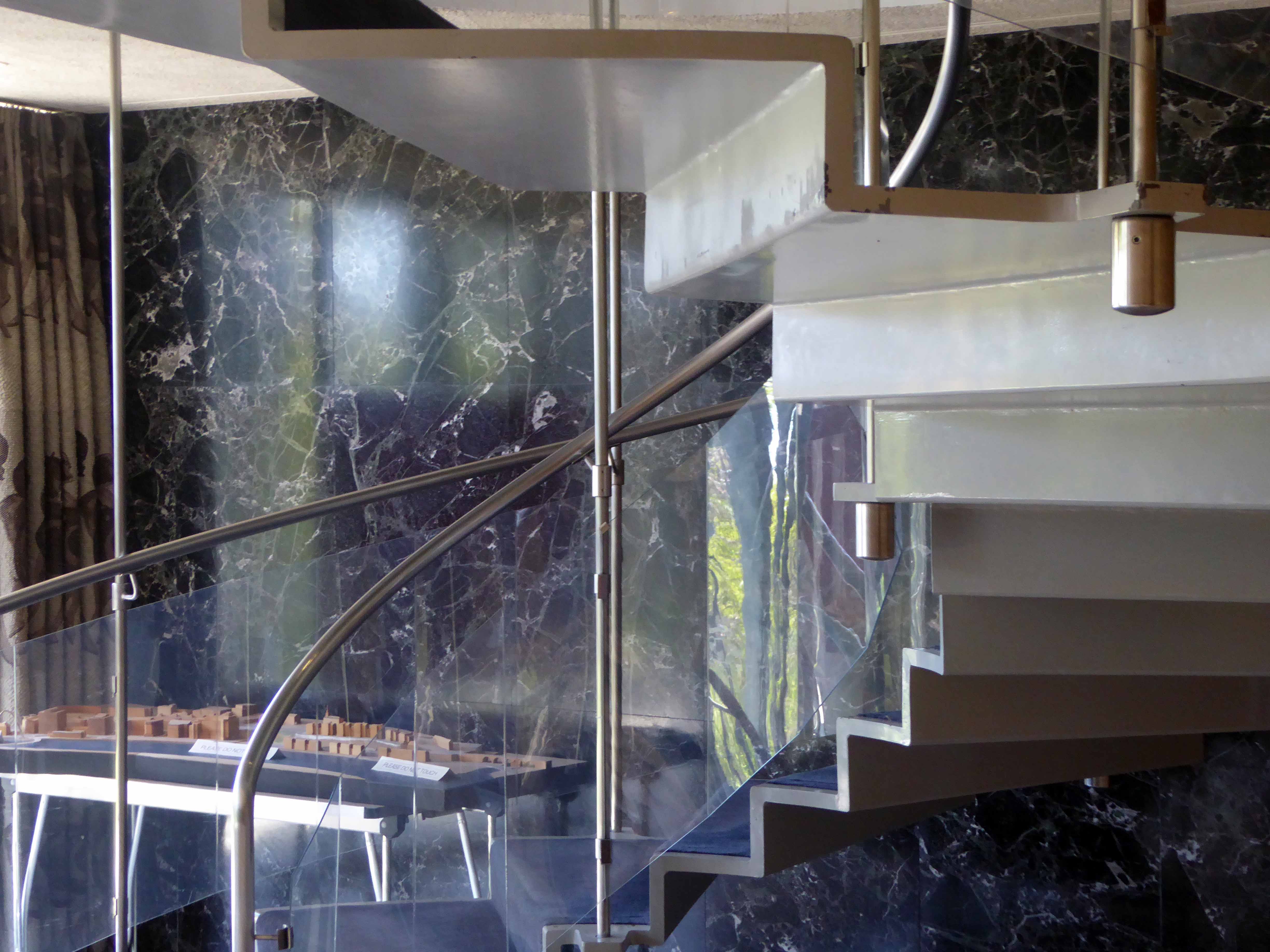
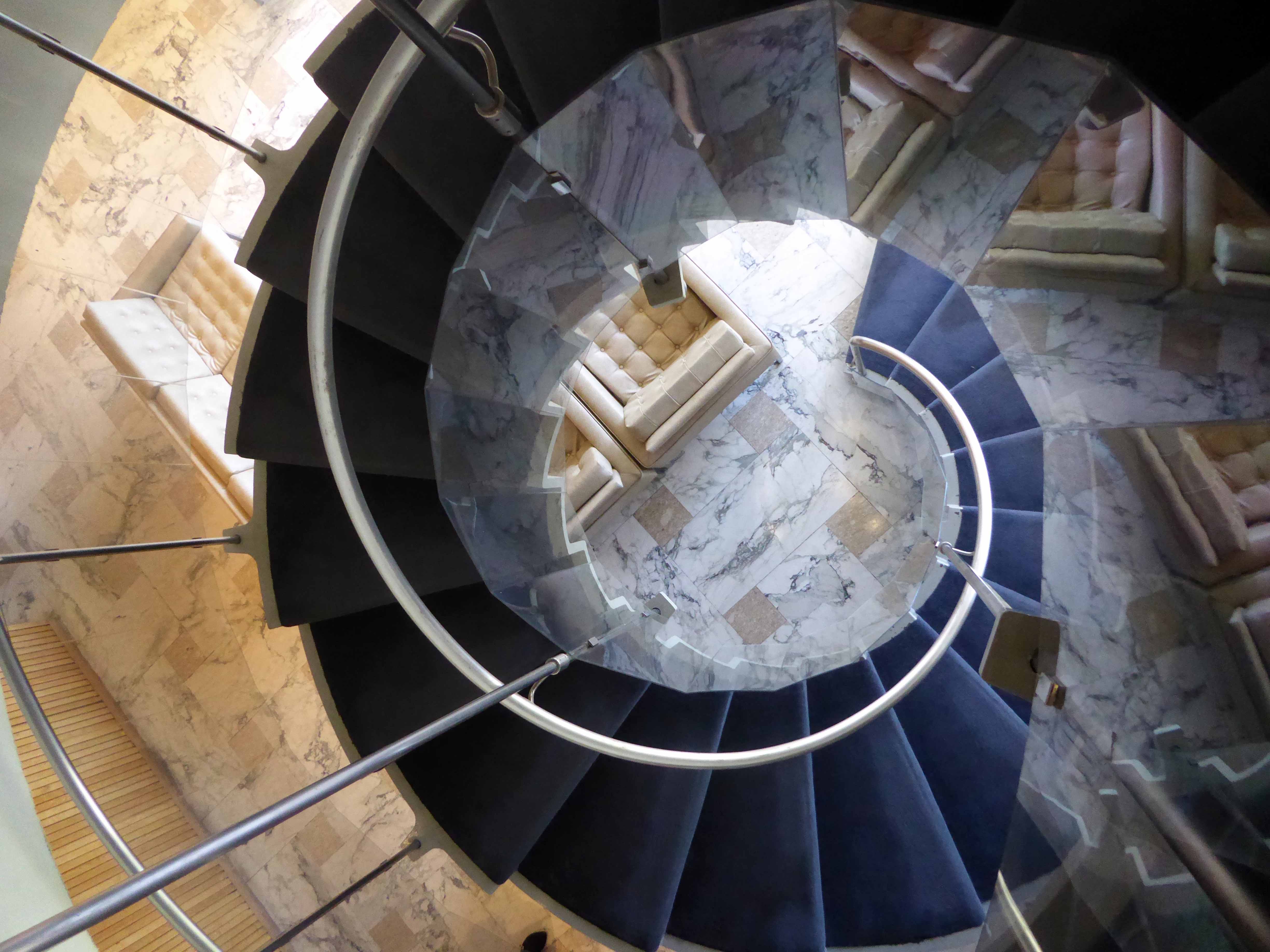
It is also blessed with a living, walking talking spiral staircase, cast in one single piece of steel, it moves with you as you ascend and descend.
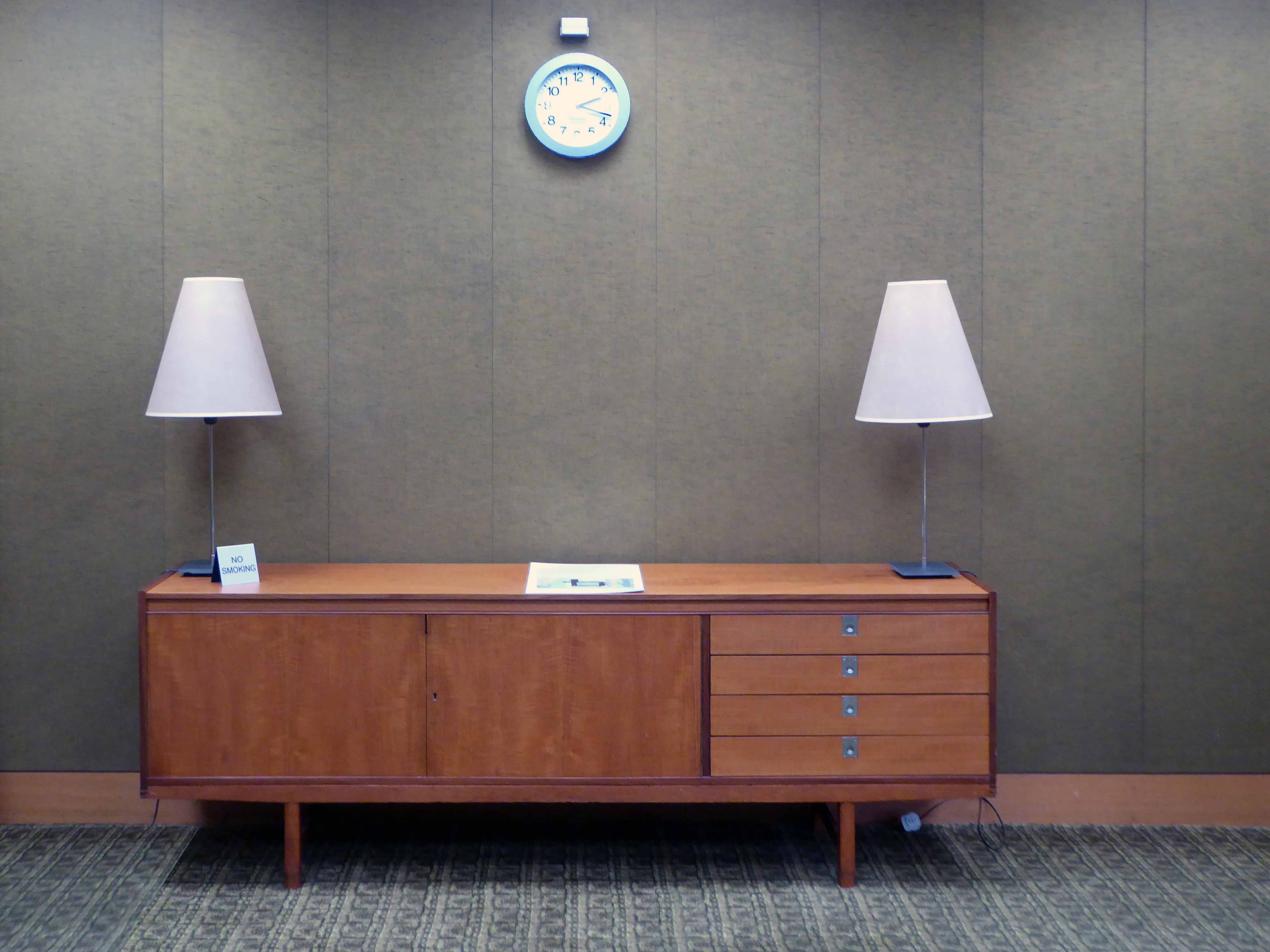
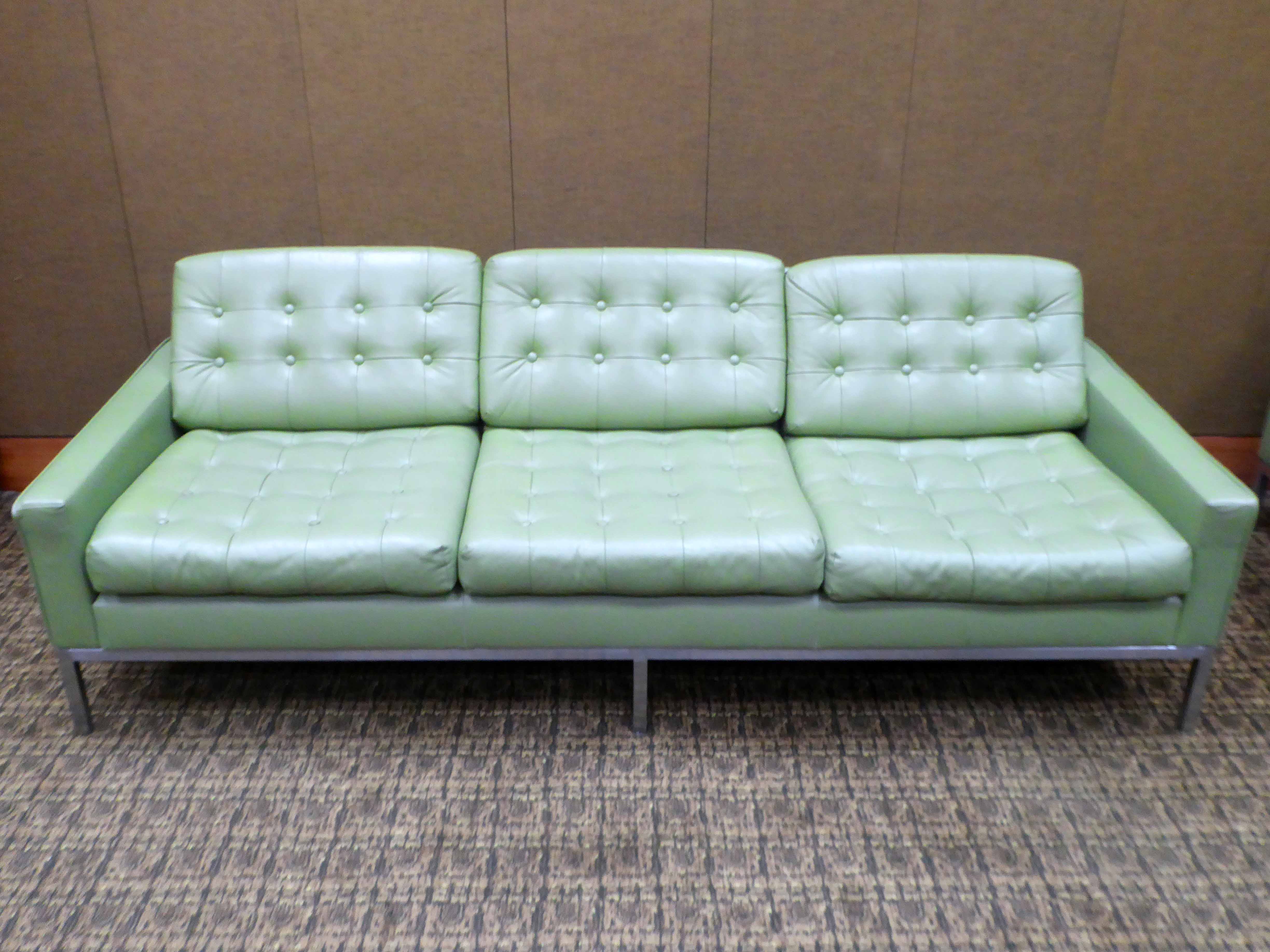
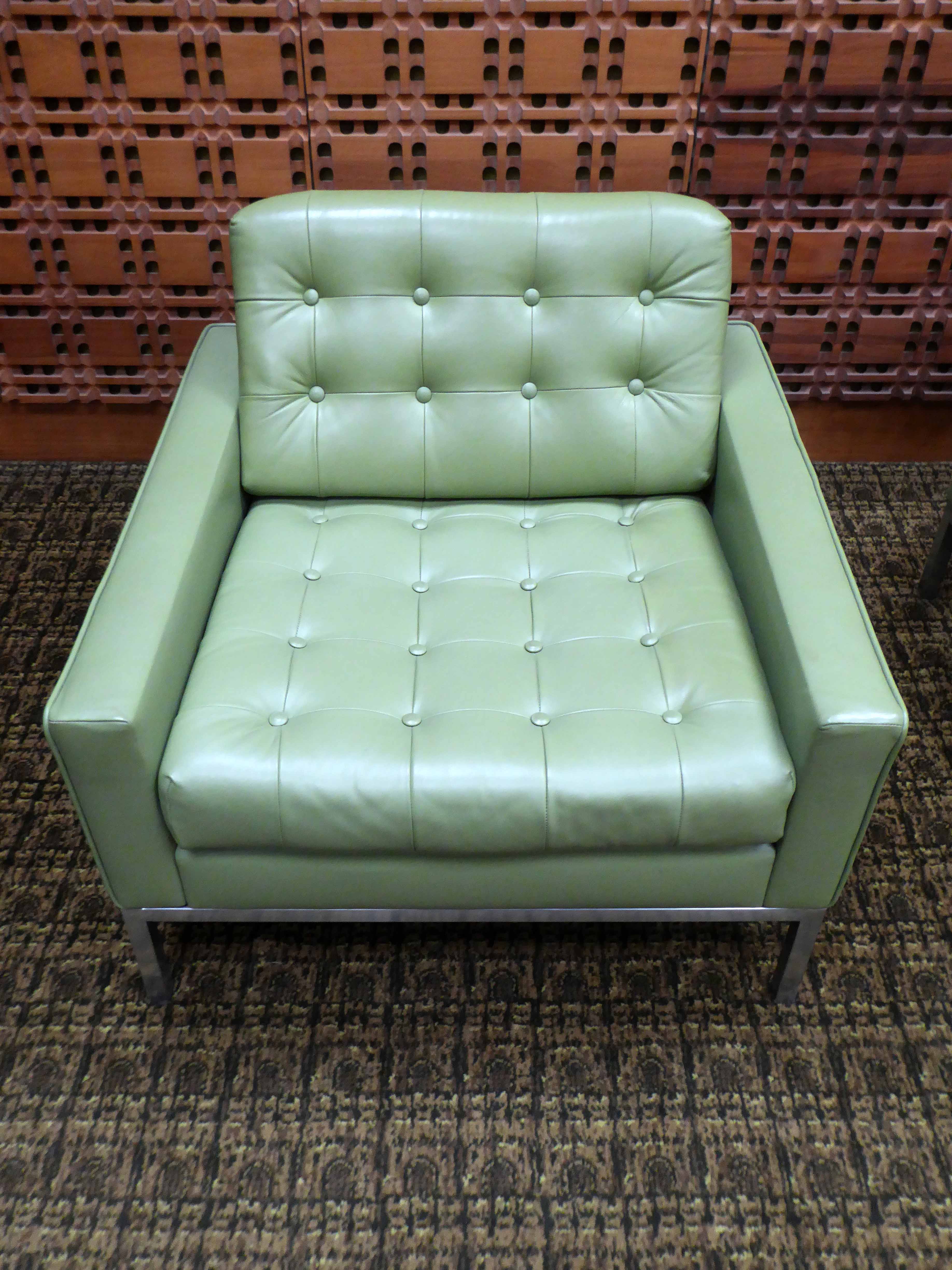
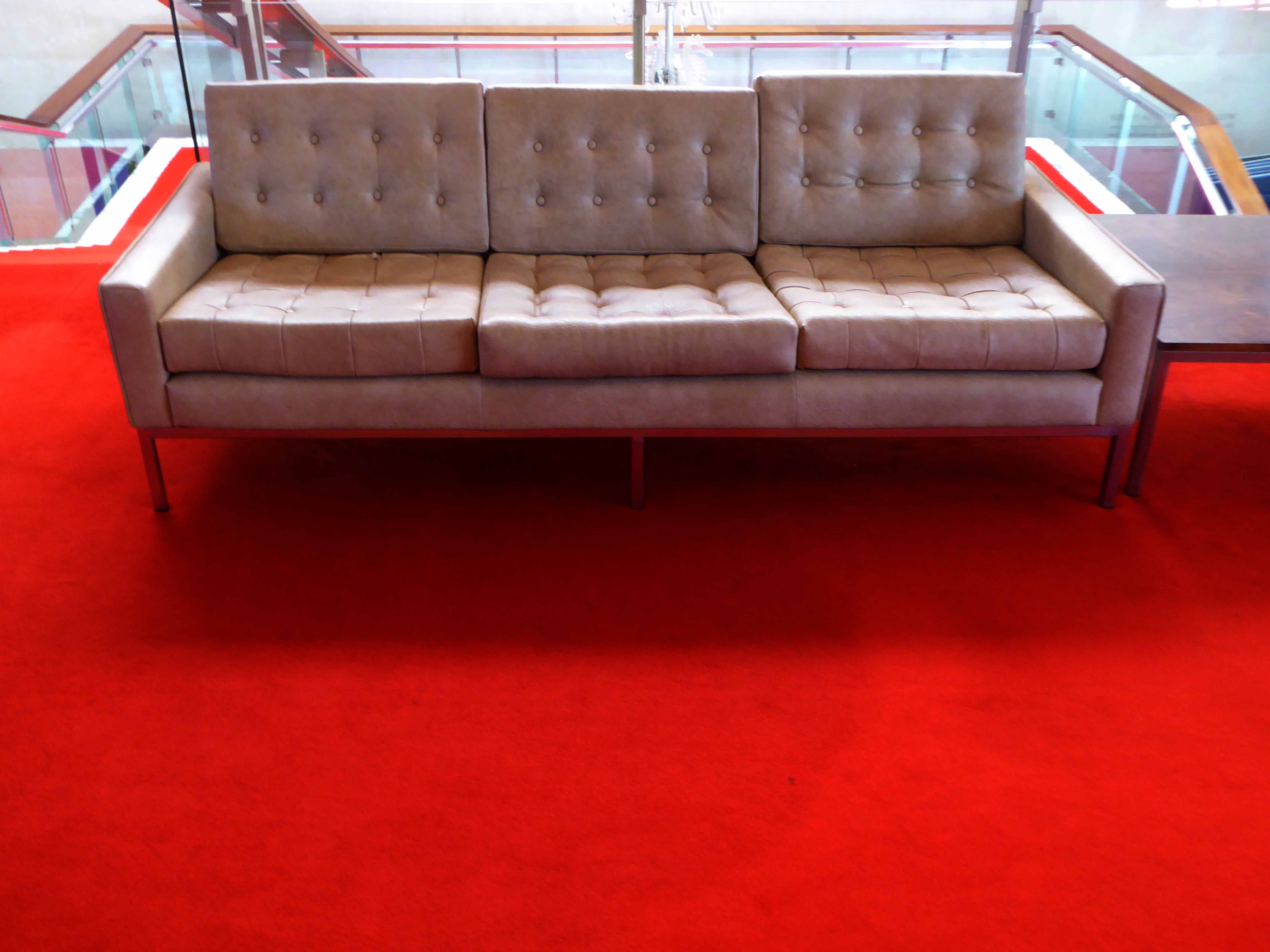
This ante room dressed with Arne Vodder furniture, walls clad in raw silk and hand carved wood, is a place green oasis, a sea of calm.
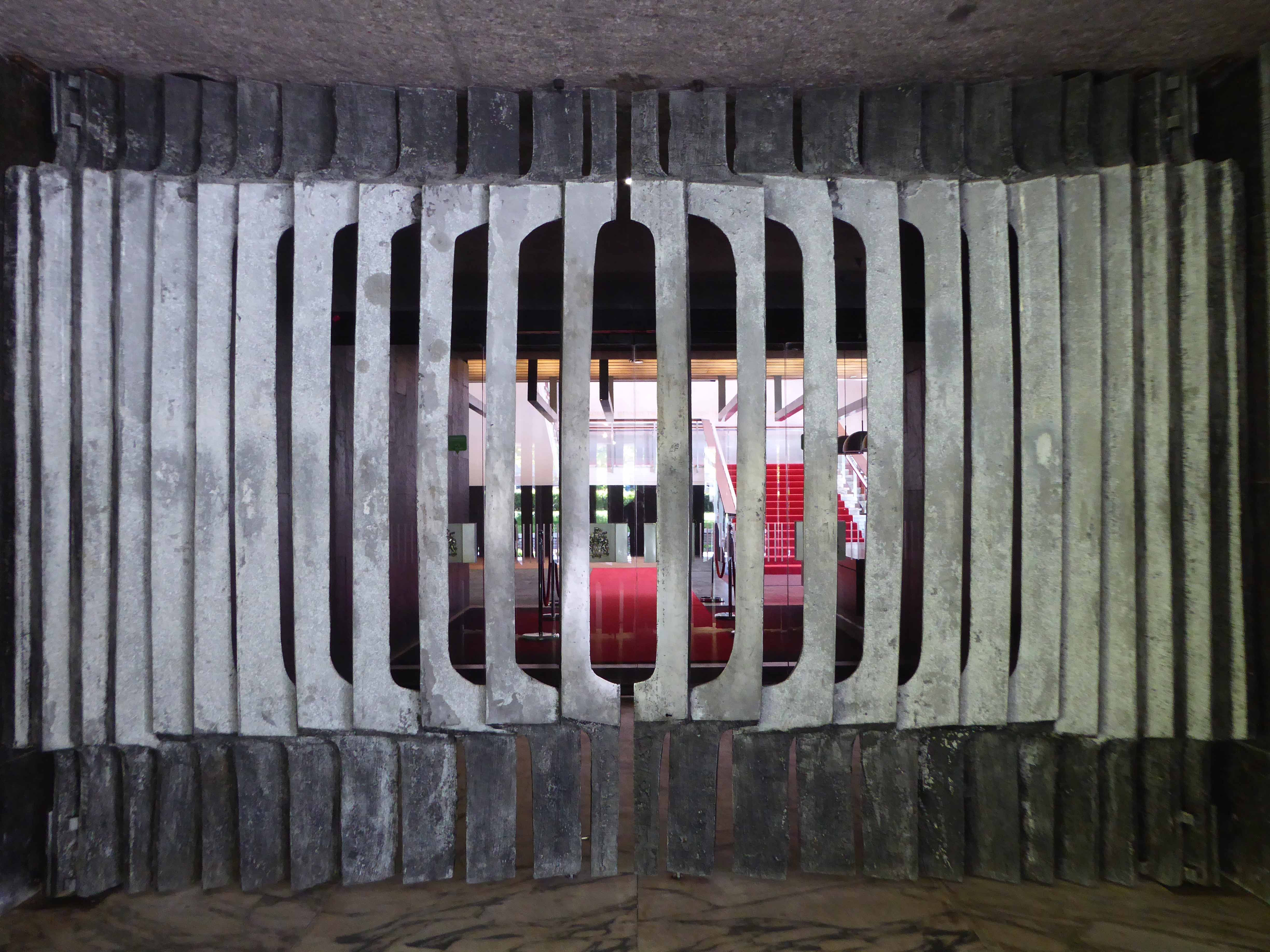
Cast Aluminium portals and reveals to Ceremonial Entrance by Geoffrey Clarke.
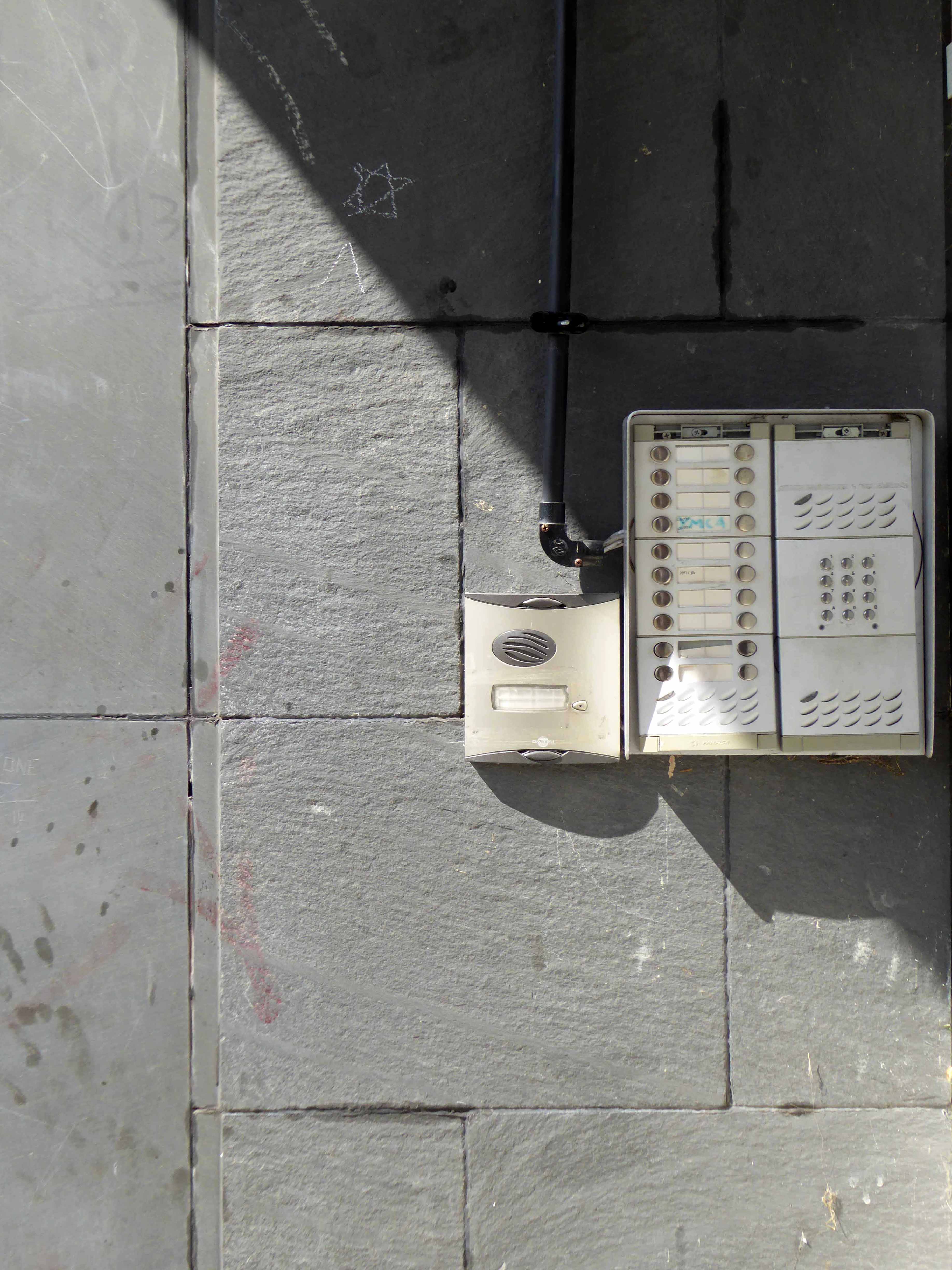
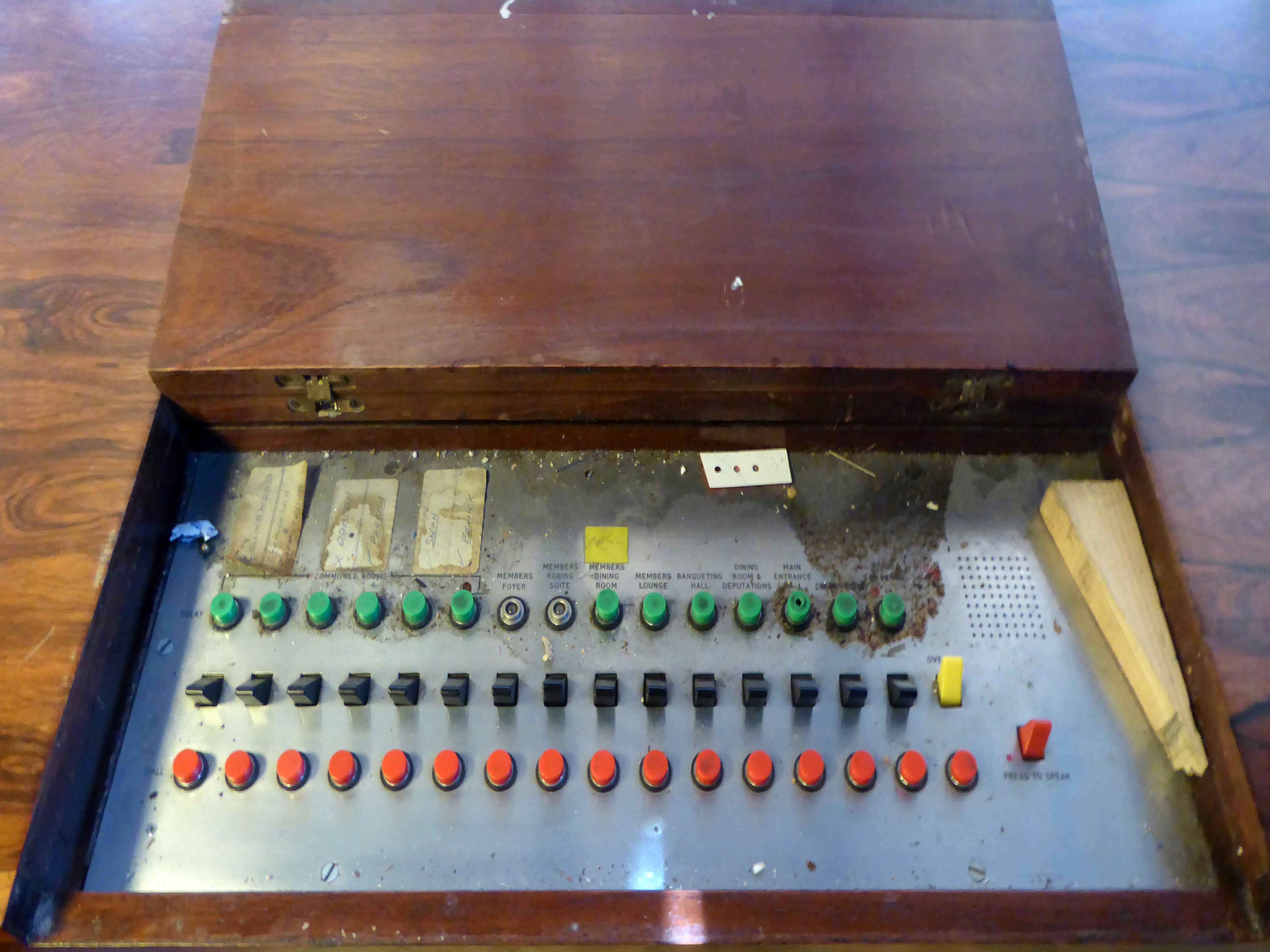
Staff on reception were once able to notify officials of the arrival of guests and dignitaries, using this right bang up to the minute electrical intercom.
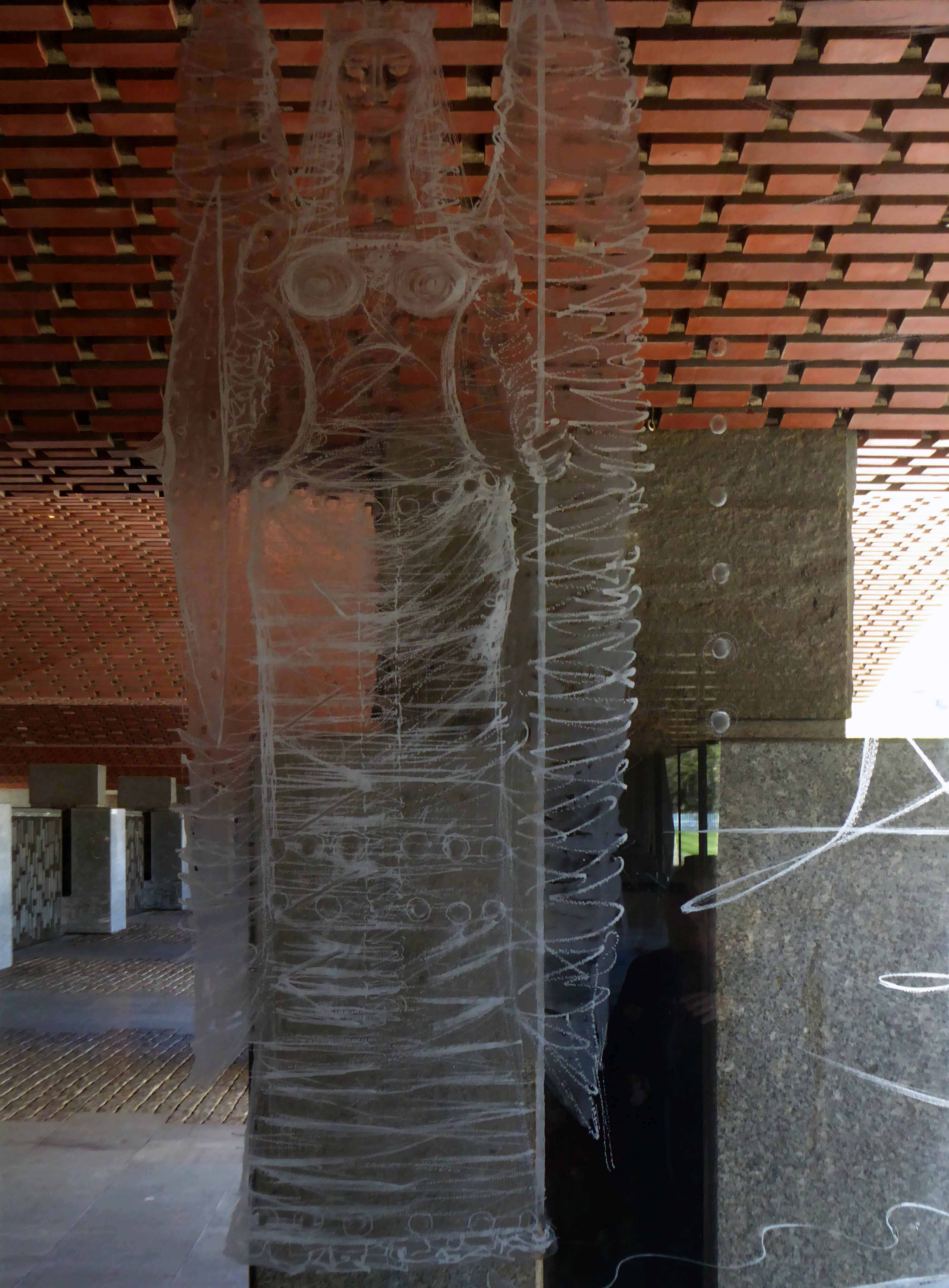
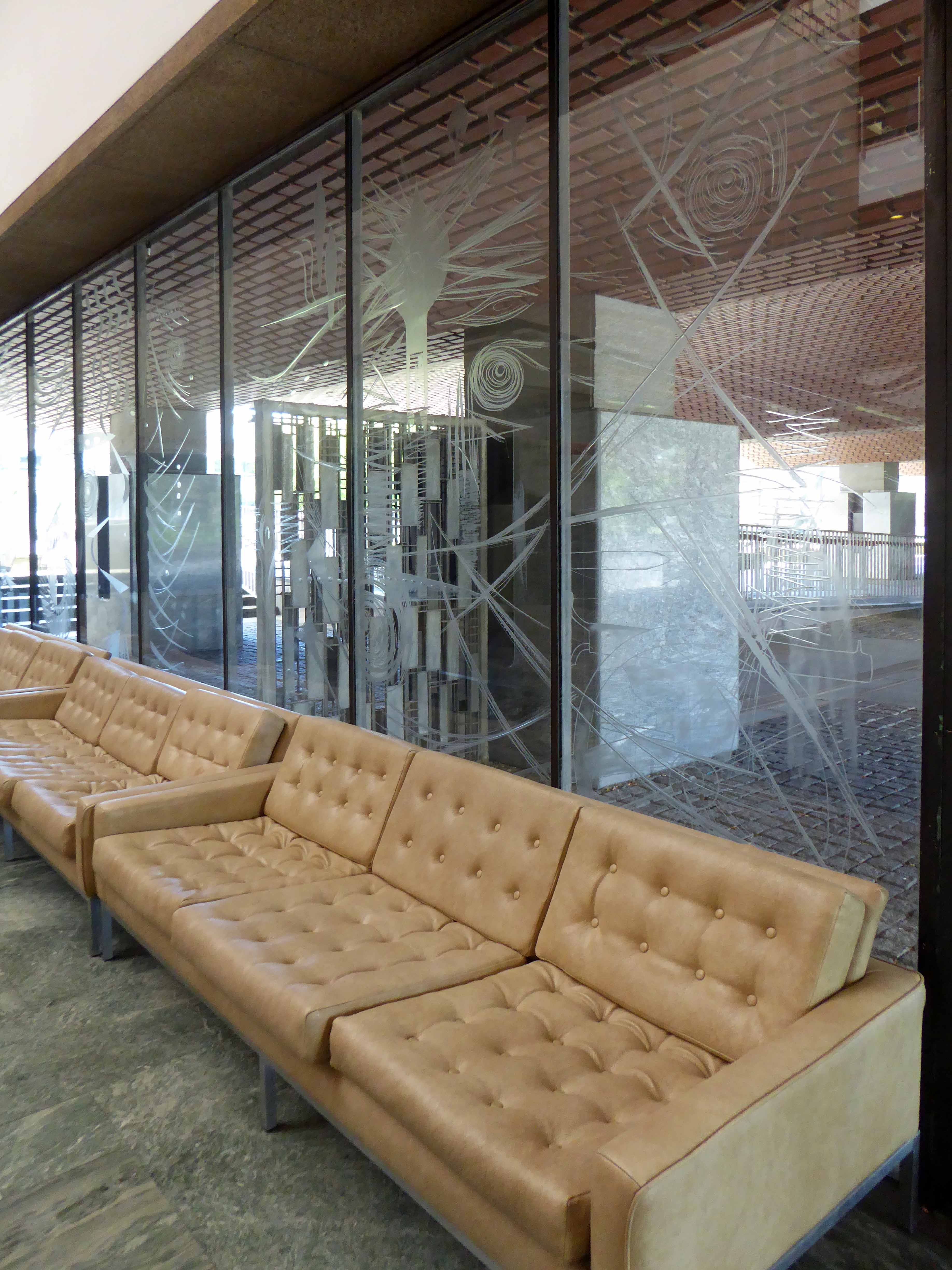
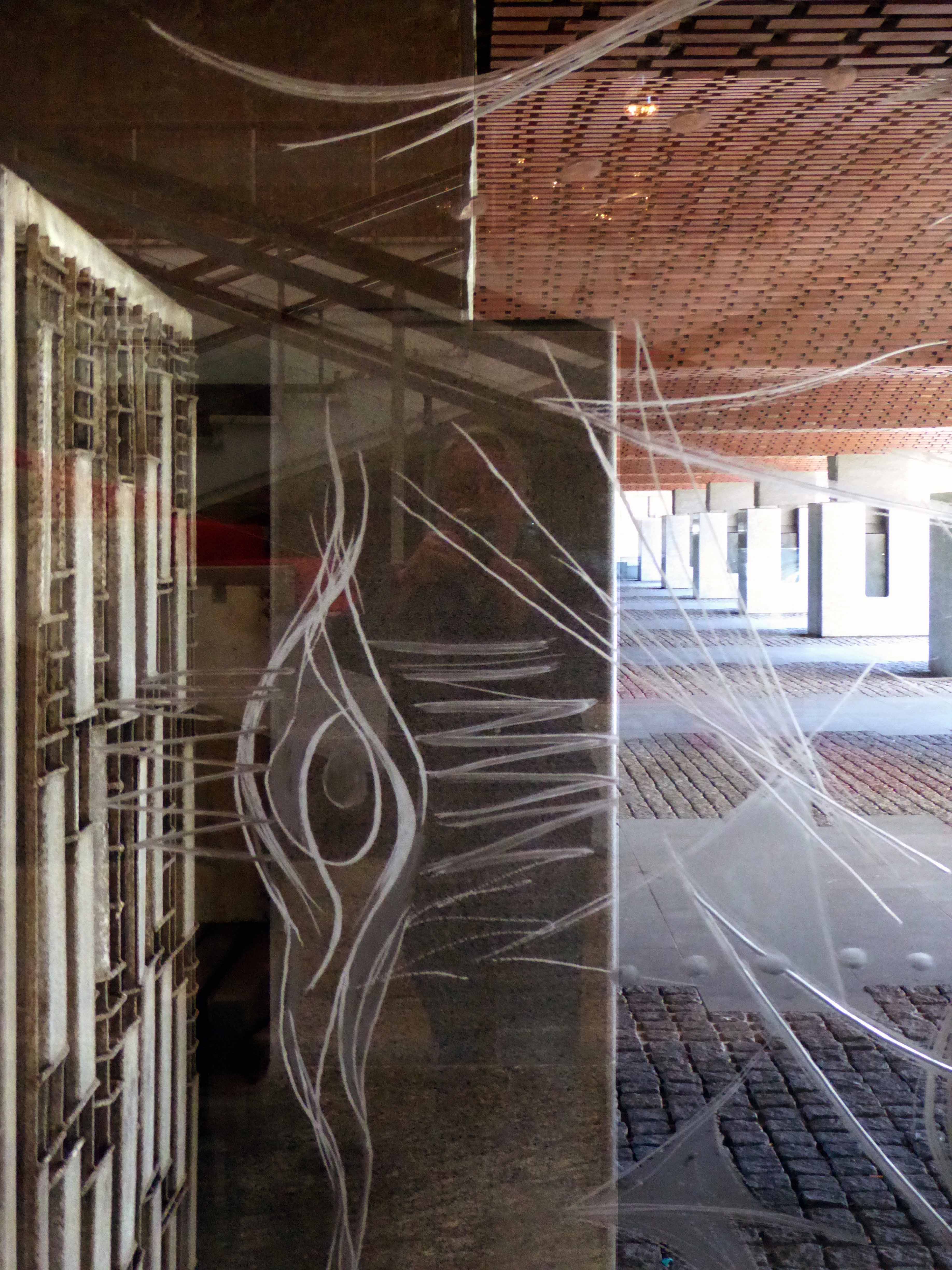
To the right is the engraved John Hutton Screen engraved glass panels depicting – the inventive genius of Tyneside’s most famous sons and daughters.
From left to right: George Stephenson the steam locomotive, Sir Charles Parson the turbine engine, Sir Joseph Swan electric light bulb, Lord Armstrong the gun.
Brigantia – Celtic Goddess of the tribe, The Three Mothers – offering fruit for fertility, Mithras – the slaying of the bull , Coventina the goddess of a well, she reclines on a water-borne leaf and below her are three intertwined figures of nymphs of streams, for in those days every self-respecting stream had its own tutelary deity. All have been found when Roman temples have been unearthed on the Roman wall.
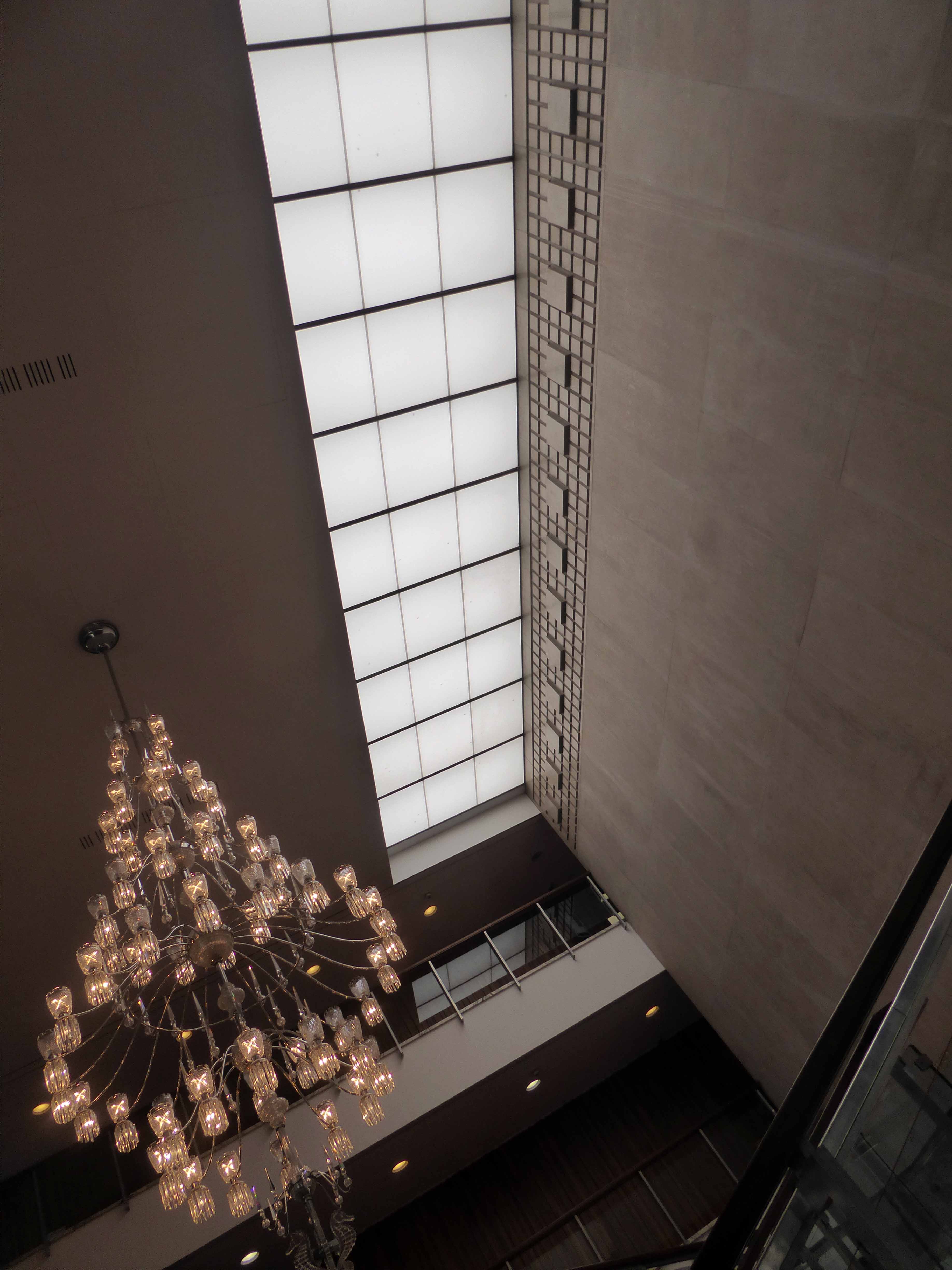
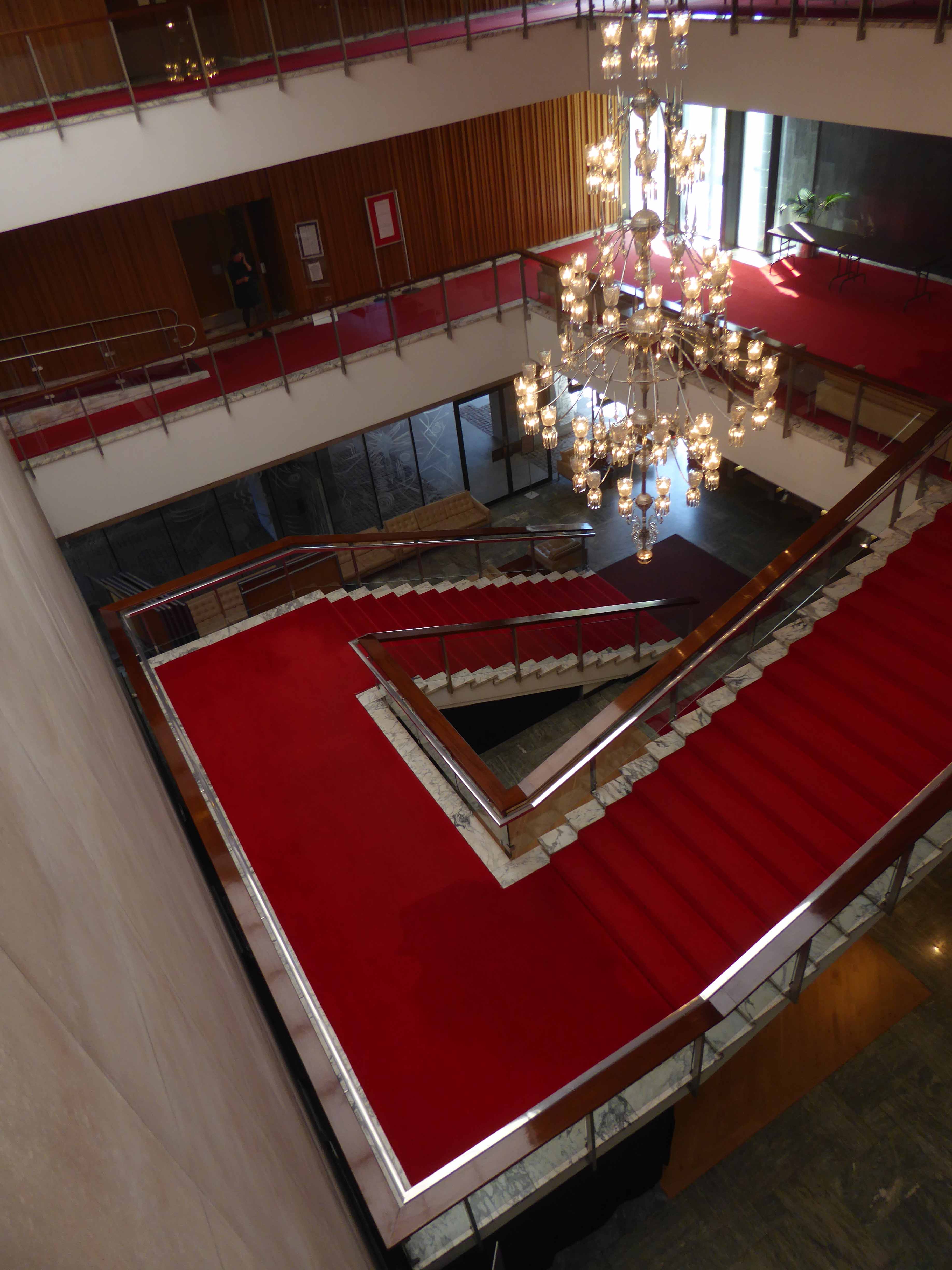
A twenty three foot high, eleven tiered chandelier of hand cut Bavarian crystal from Westphalia, hangs above your head. This chandelier was commissioned on behalf of Newcastle City for the opening of the building in 1968. It has 119 light bulbs, the crystal on the top is in the shape of a castle on the base of the chandelier are sea horses. The walls are lined with random English oak, the floor down stairs is Portuguese Verde Viana marble.
Elegant Arne Vodder designed sofas litter the entrance, this truly is a palace of delights a temple of Municipal Socialism, take your shoes off set a spell.
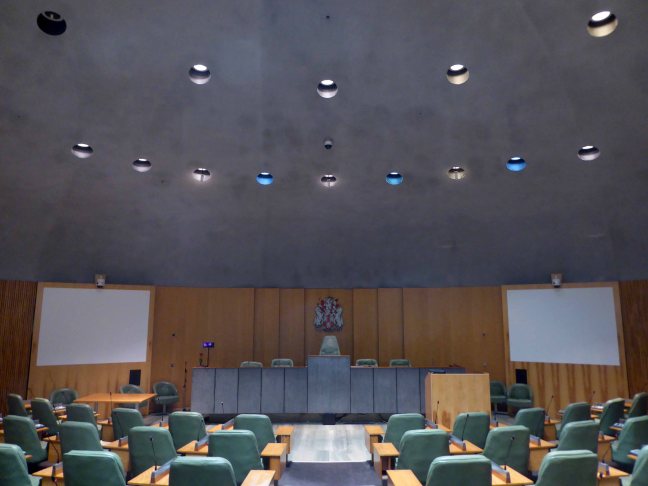
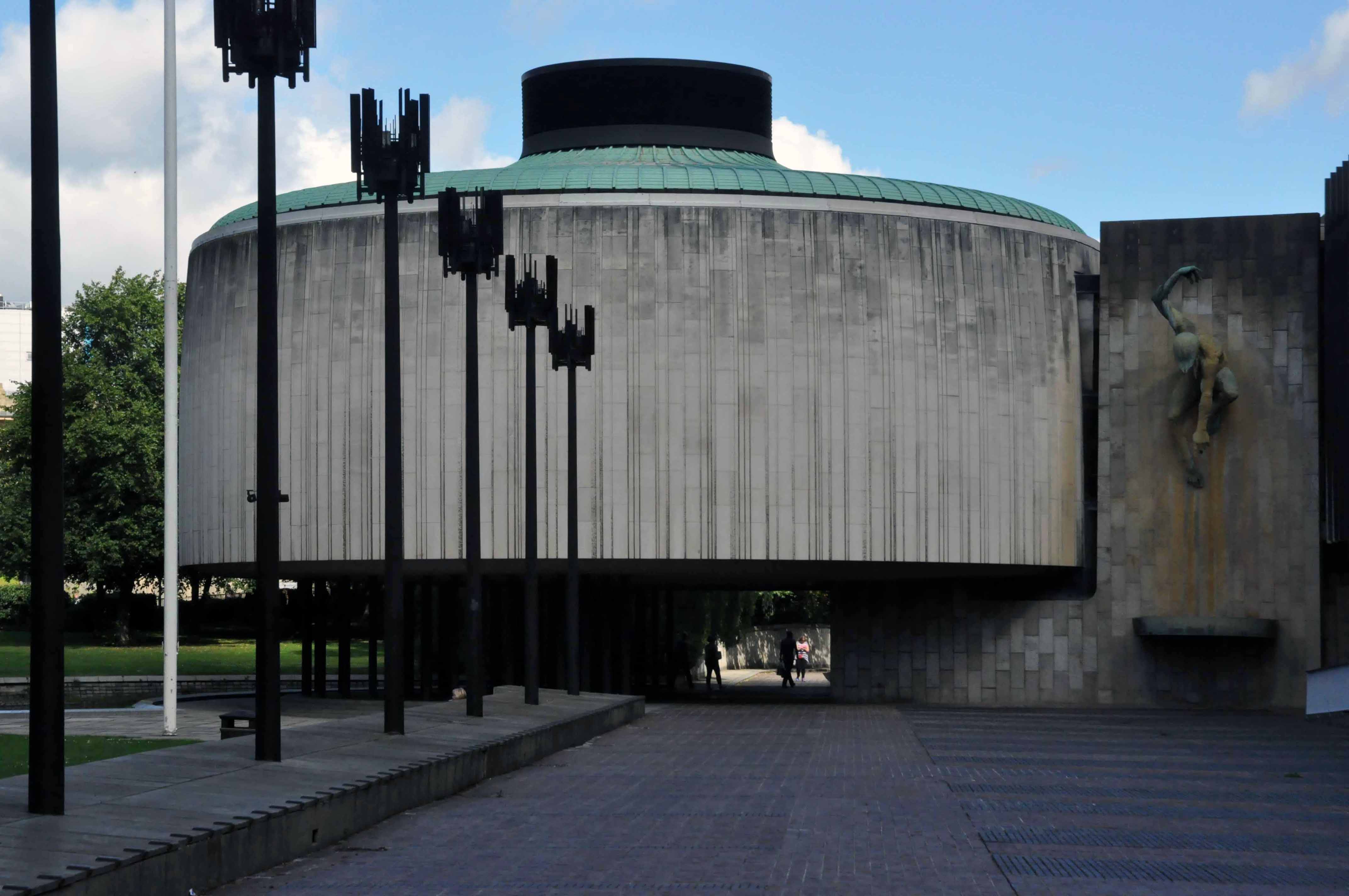
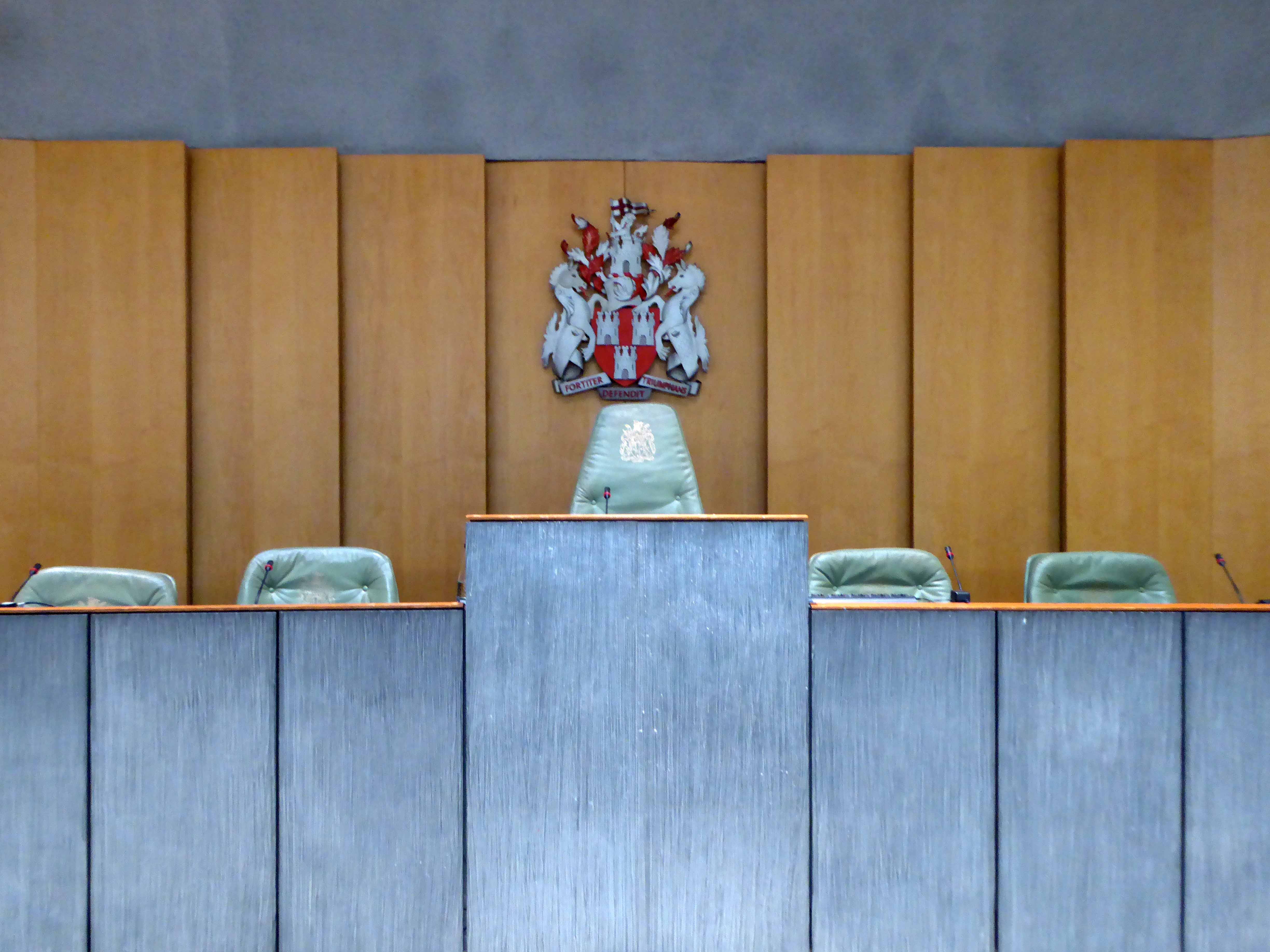
Within the exterior of architect George Kenyon’s distinguished civic drum sits the inner sanctum of the Council Chamber – my thanks to the delightful head of hospitality Debbie Harvey for providing me with the most erudite and educational tour.
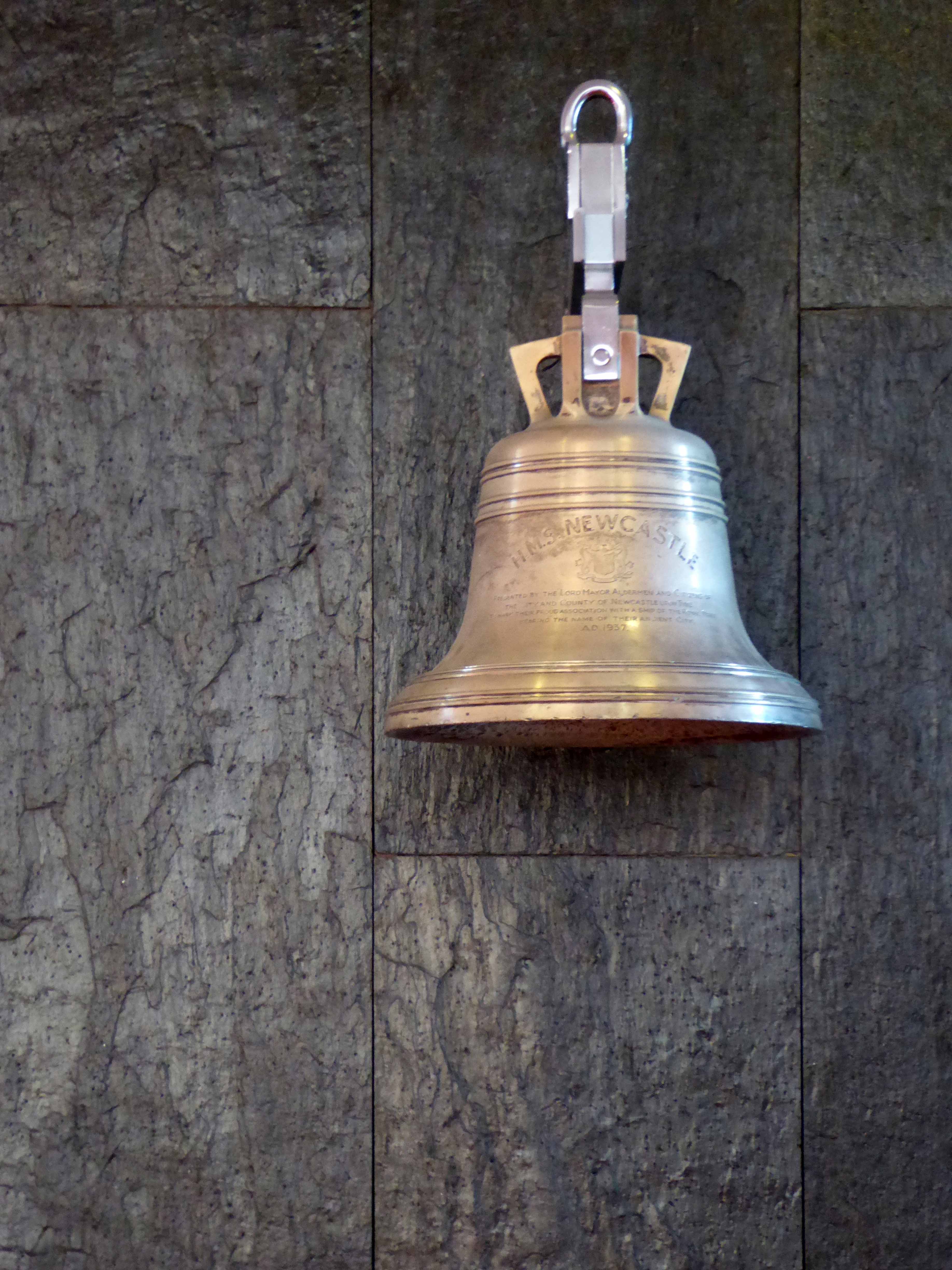
Outside the division bell, set against Danish slate, was originally to be found on the HMS Newcastle.
This silver bell is of the 10,000 ton cruiser HMS Newcastle presented to the ship by the Lord Mayor and citizens of Newcastle upon Tyne to mark her commissioning in 1937. Launched by the Duchess of Northumberland on the 23rd January 1936 at the Walker Naval Yard. In 1959 HMS Newcastle was towed from Portsmouth to Newport Monmouthshire to be broken up.
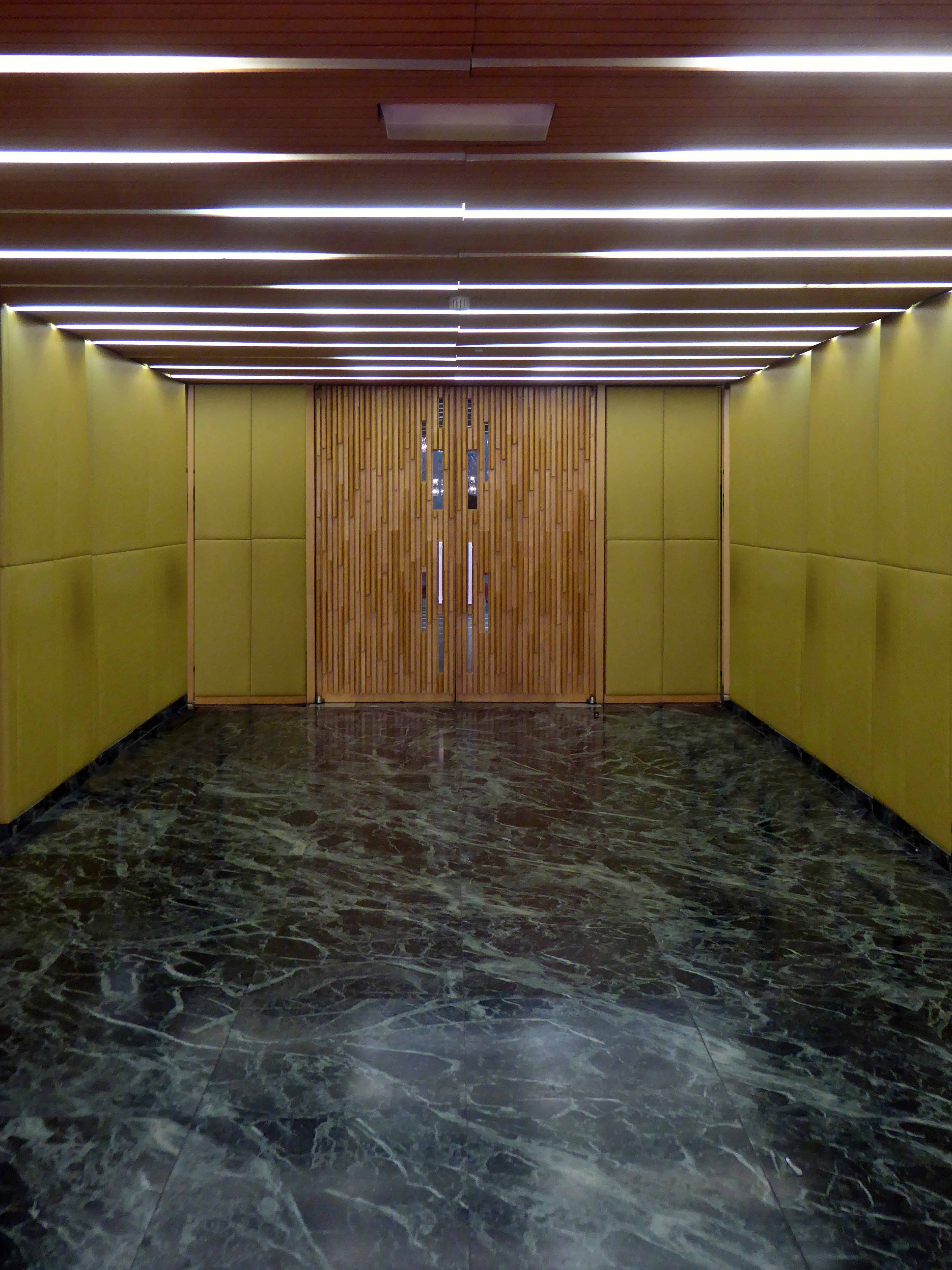
The entrance padded with soft green leather the door clad in hand carved Cedar of Lebanon.
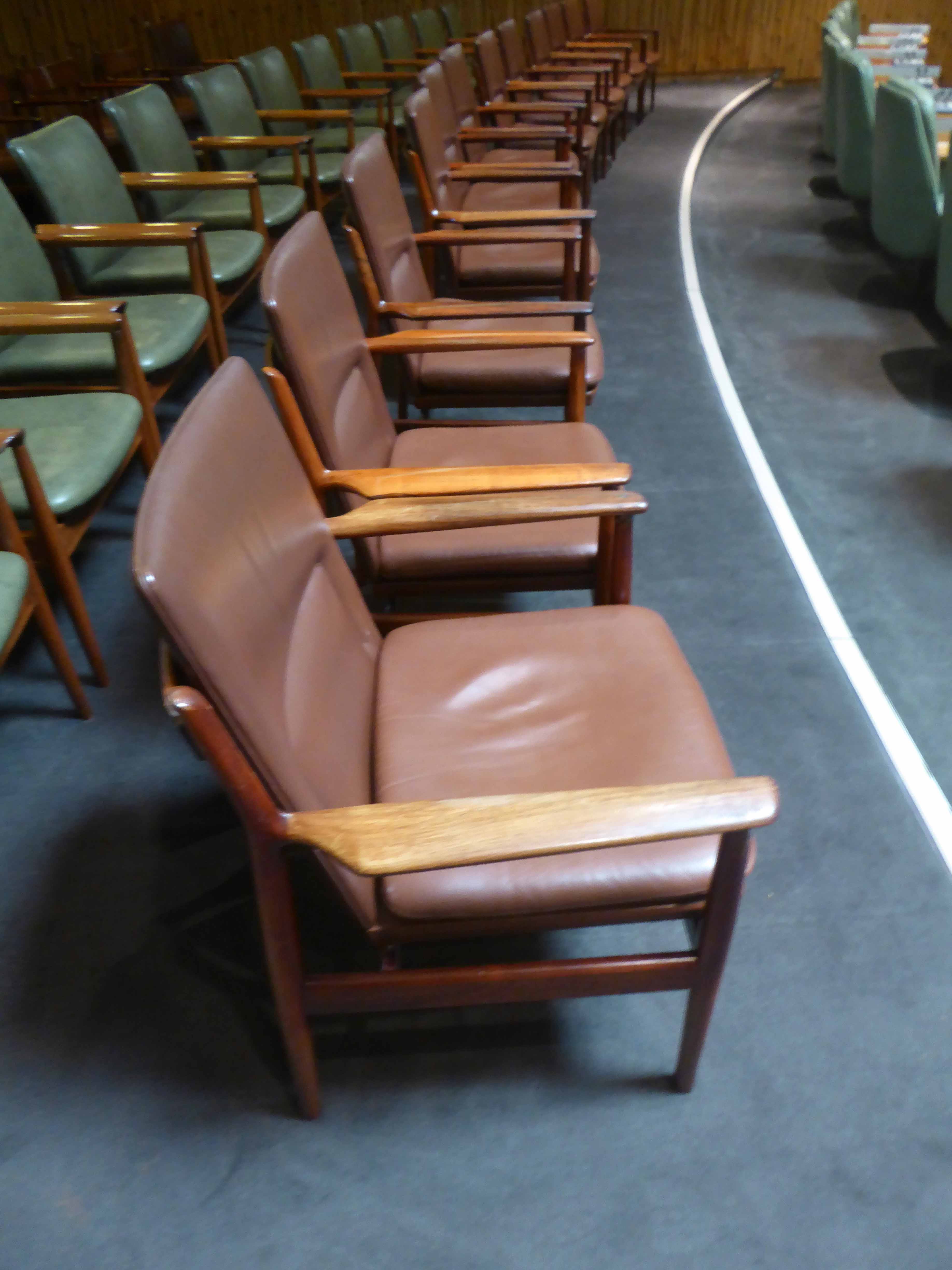
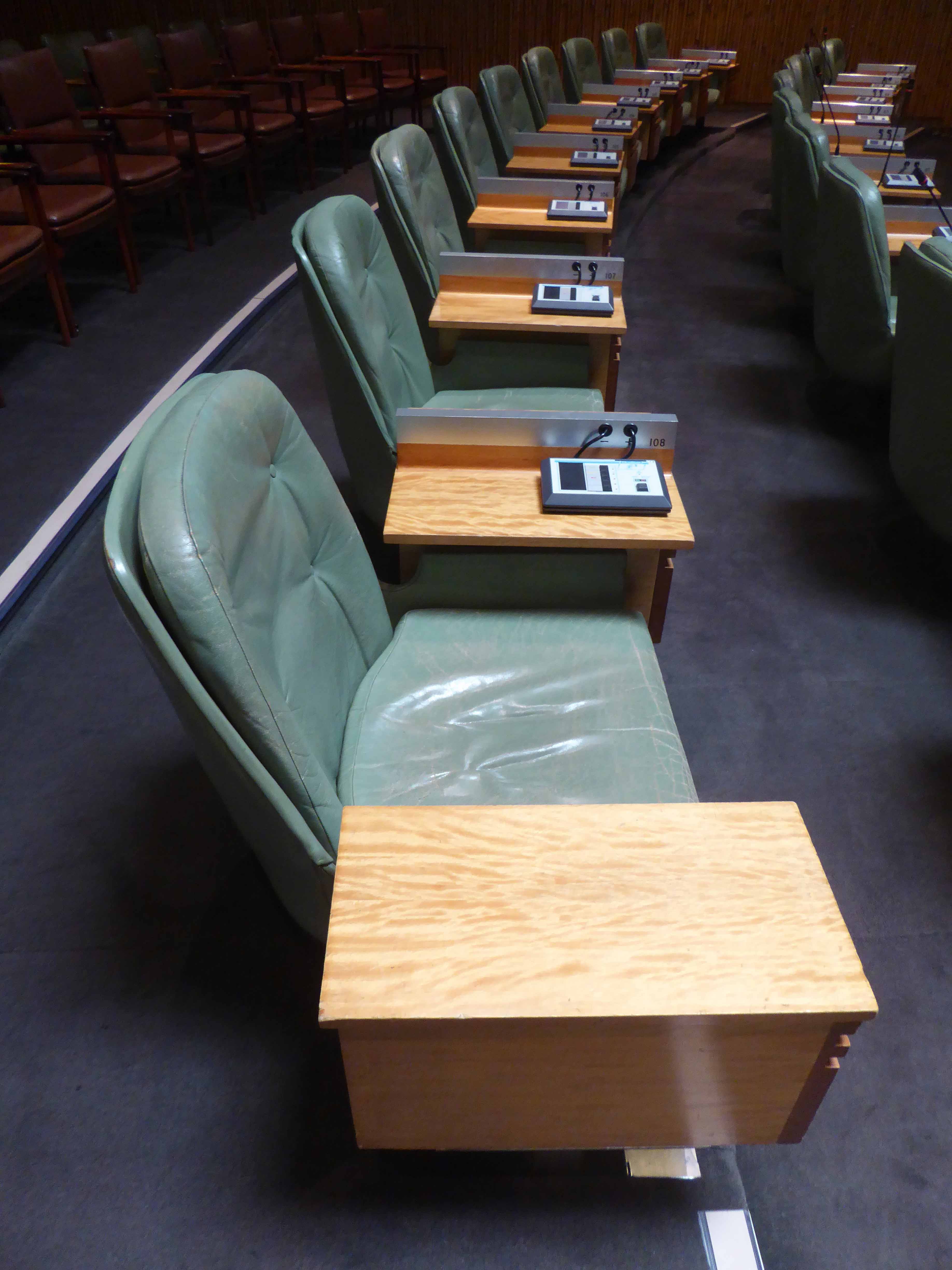
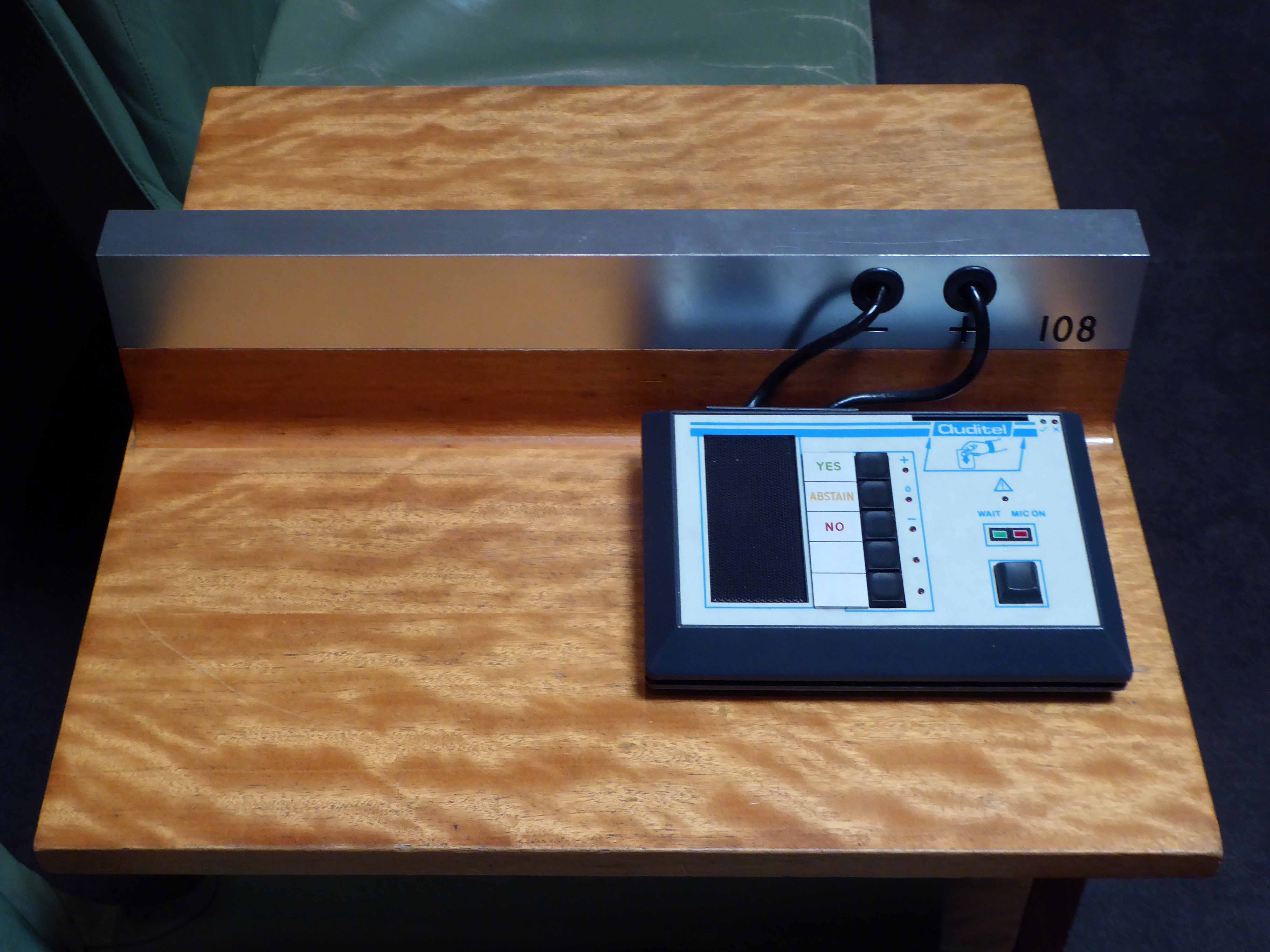
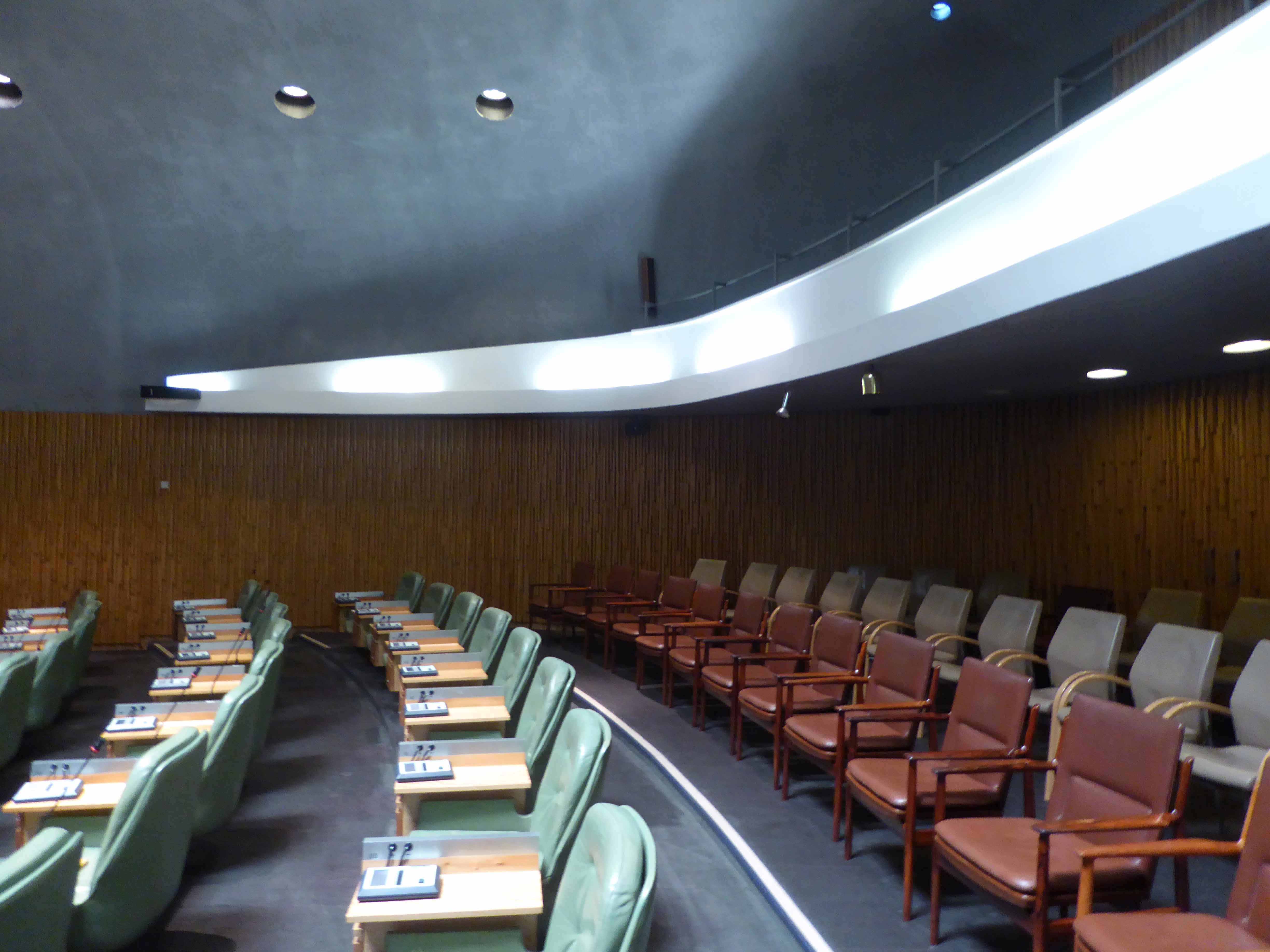
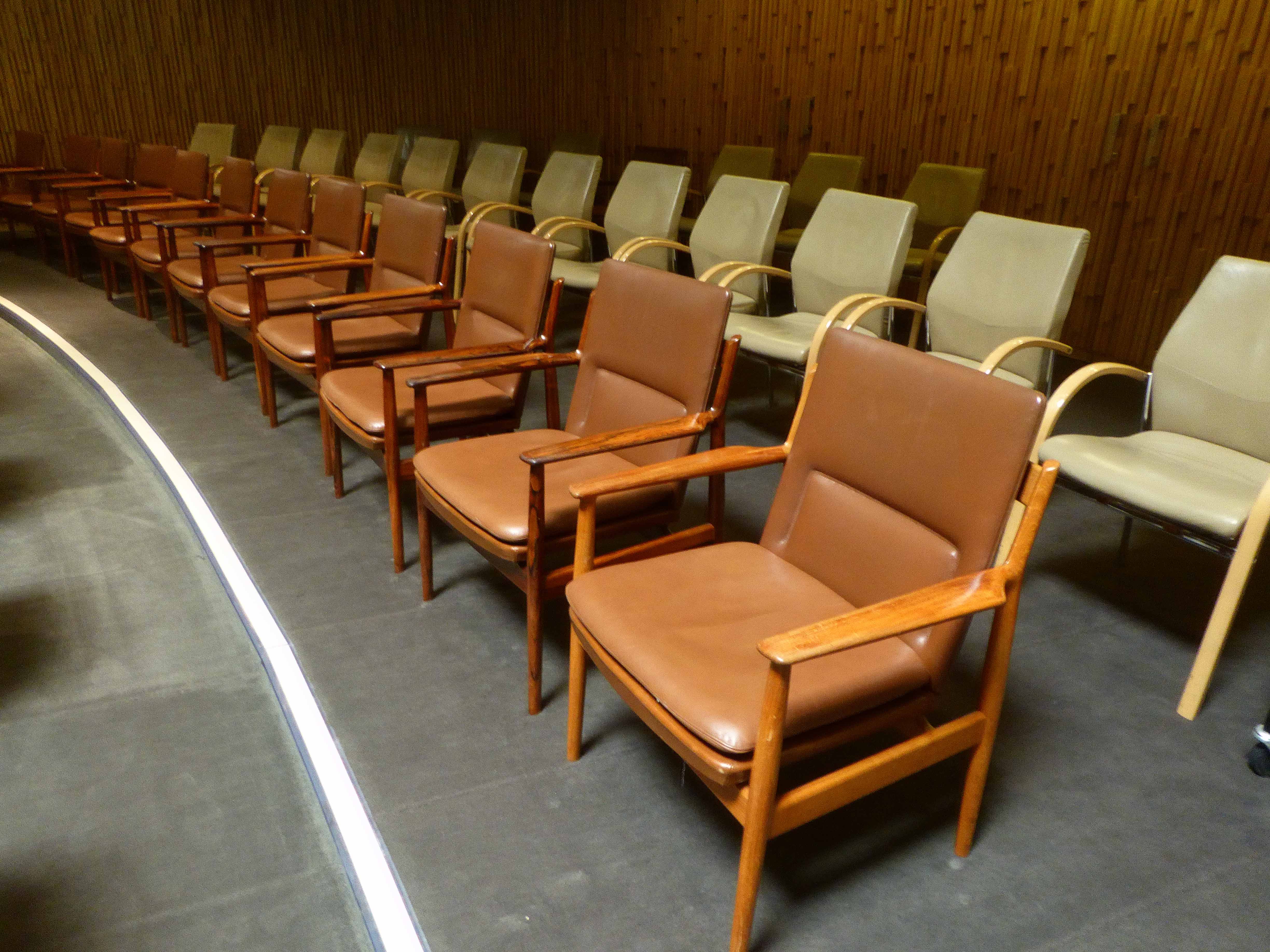
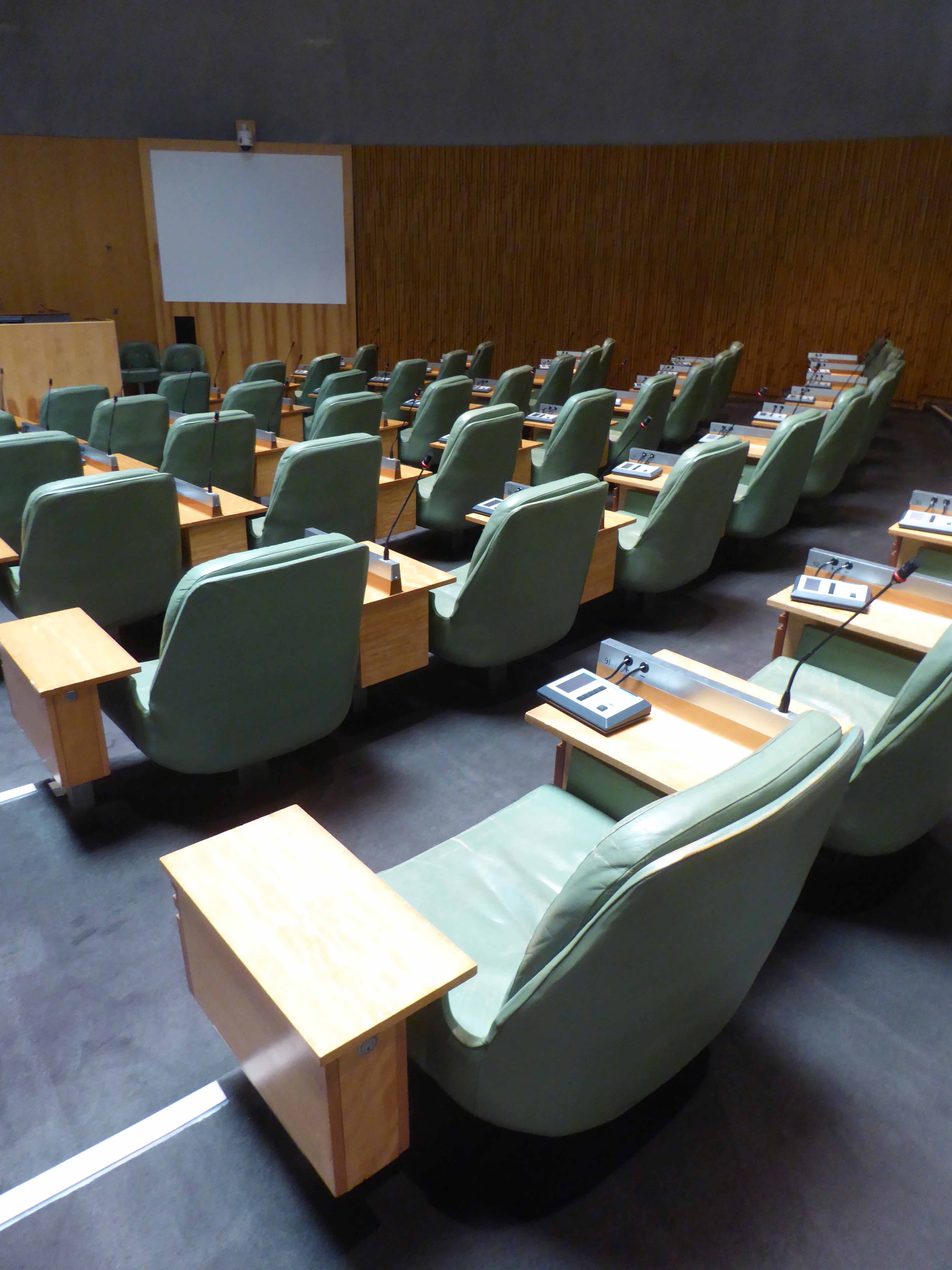
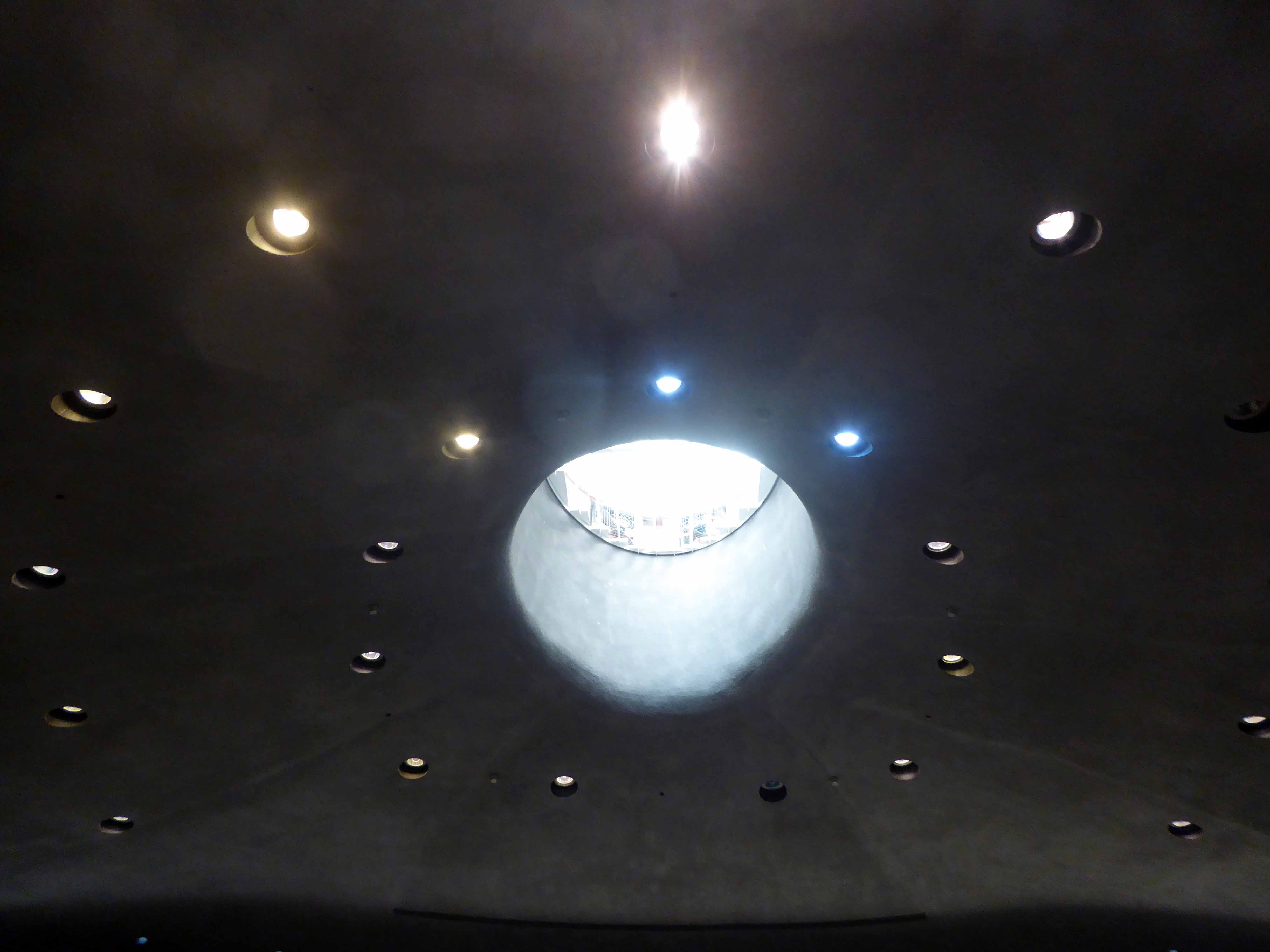
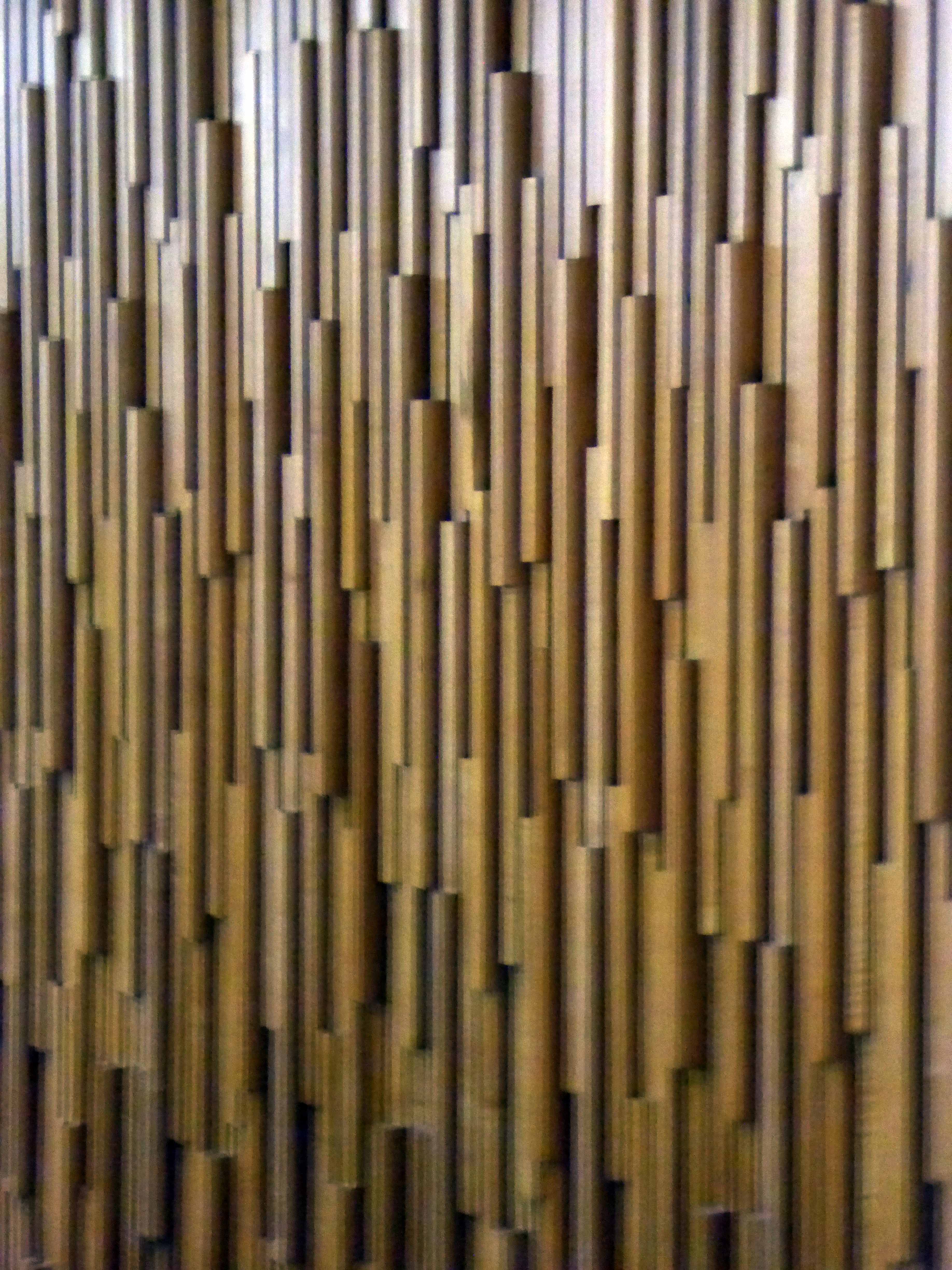
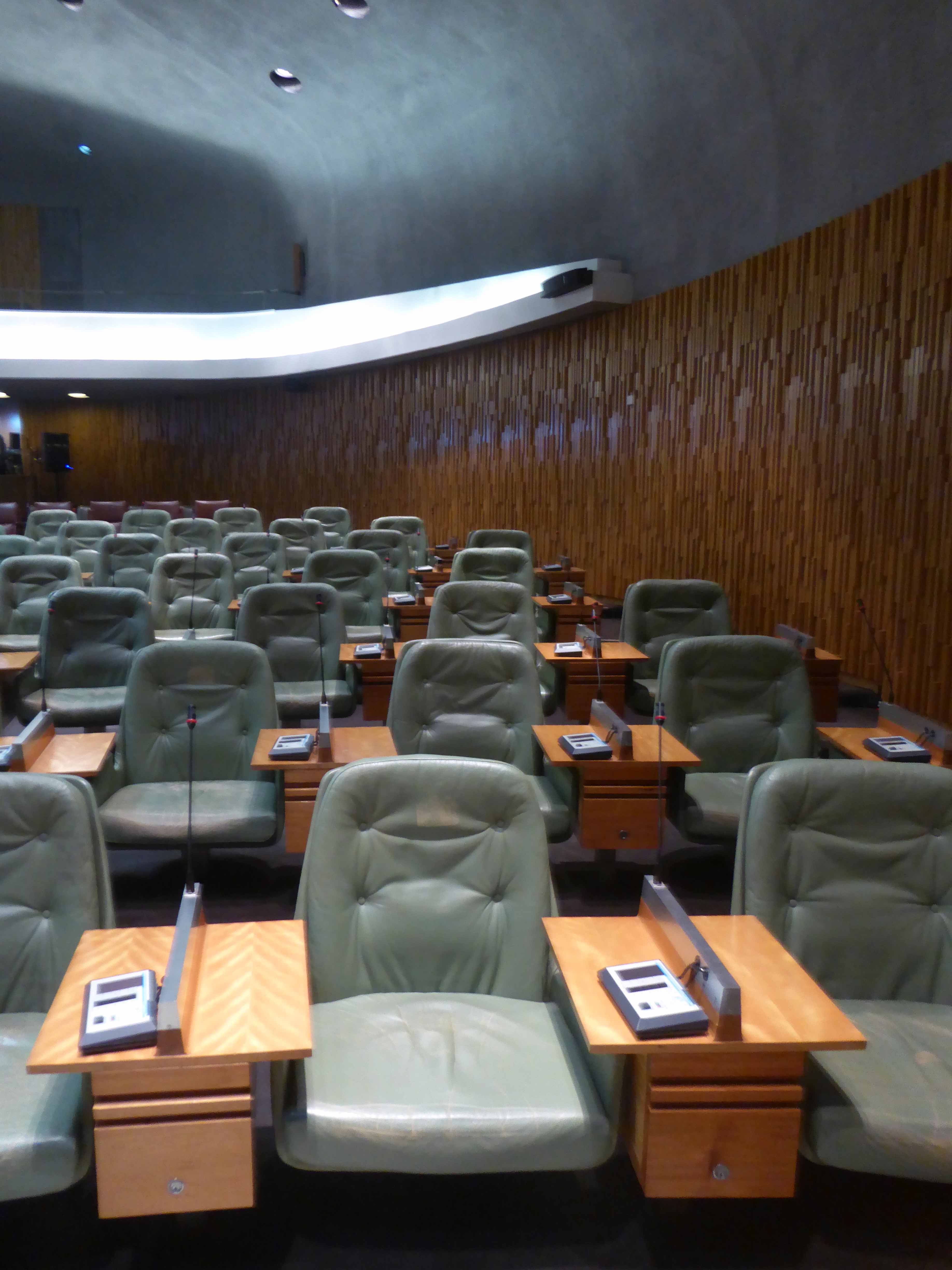
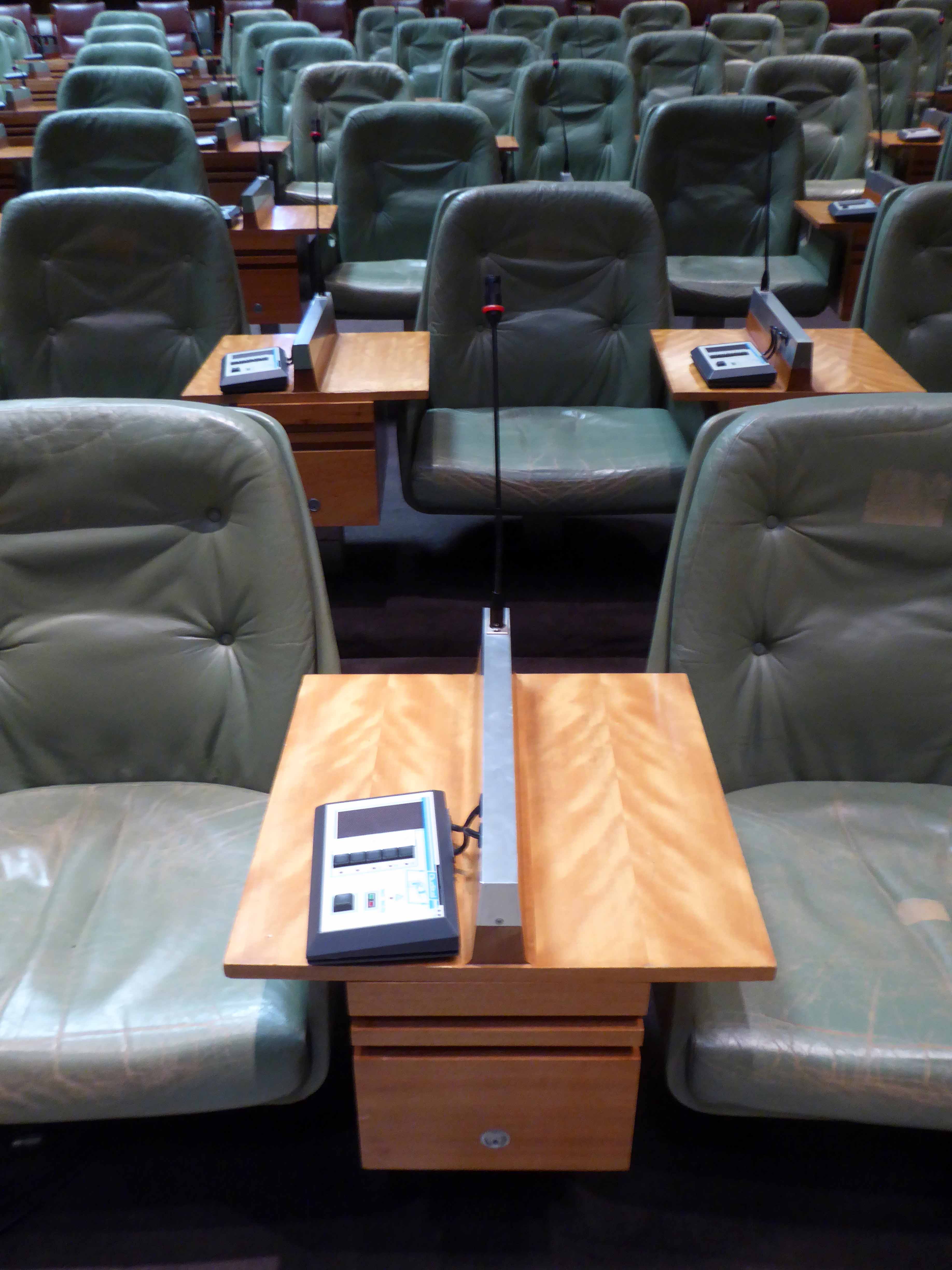
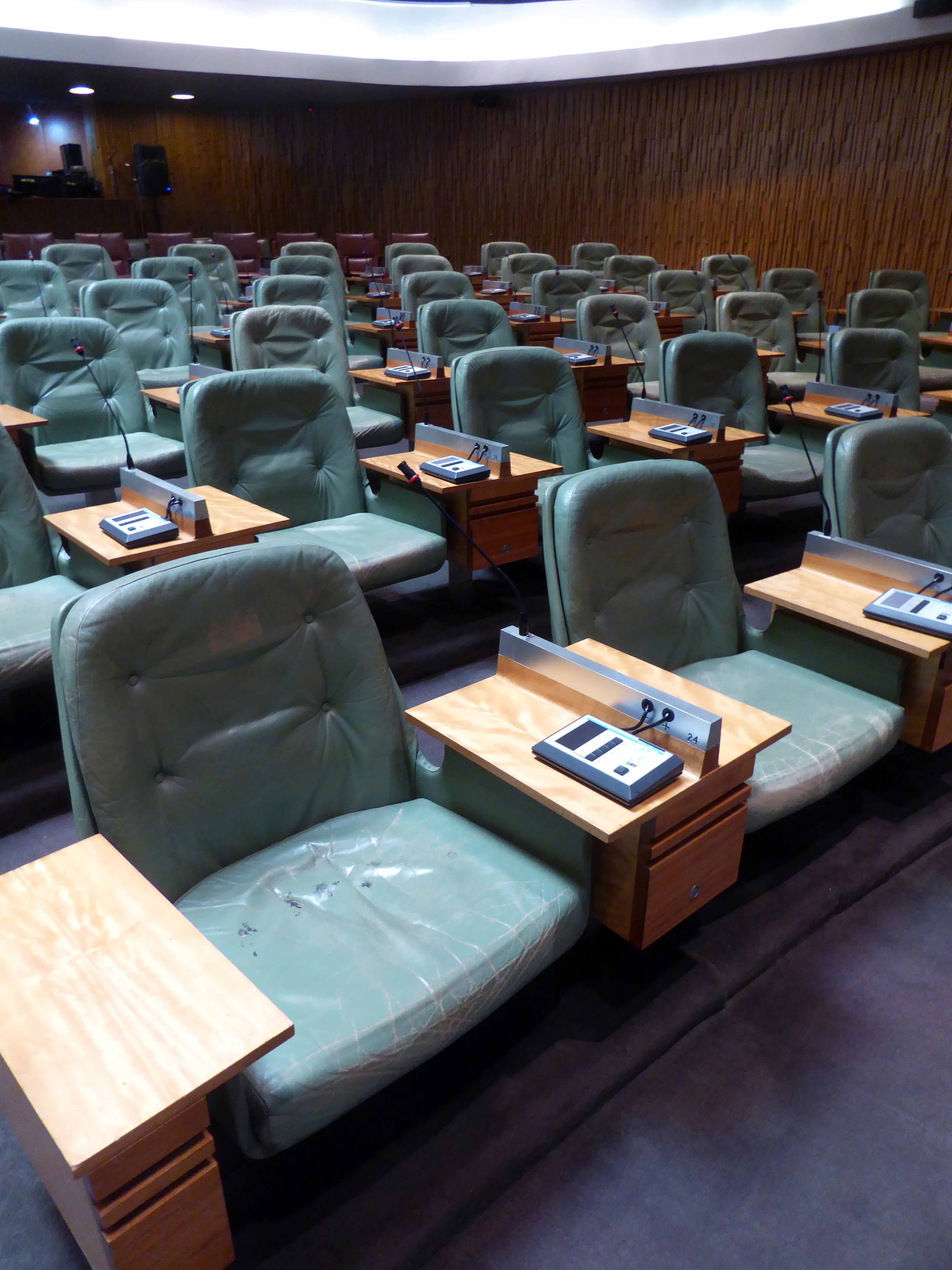
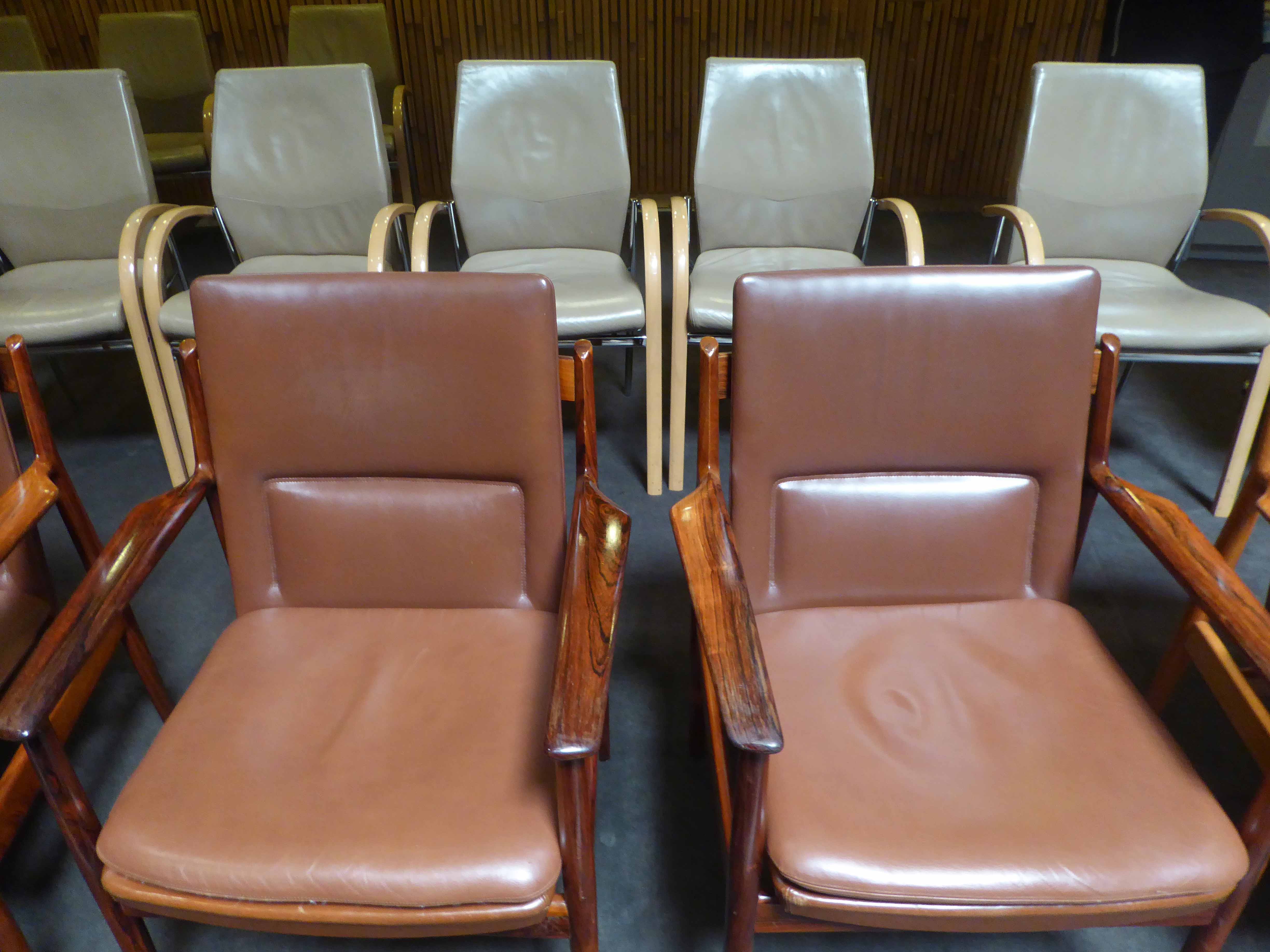
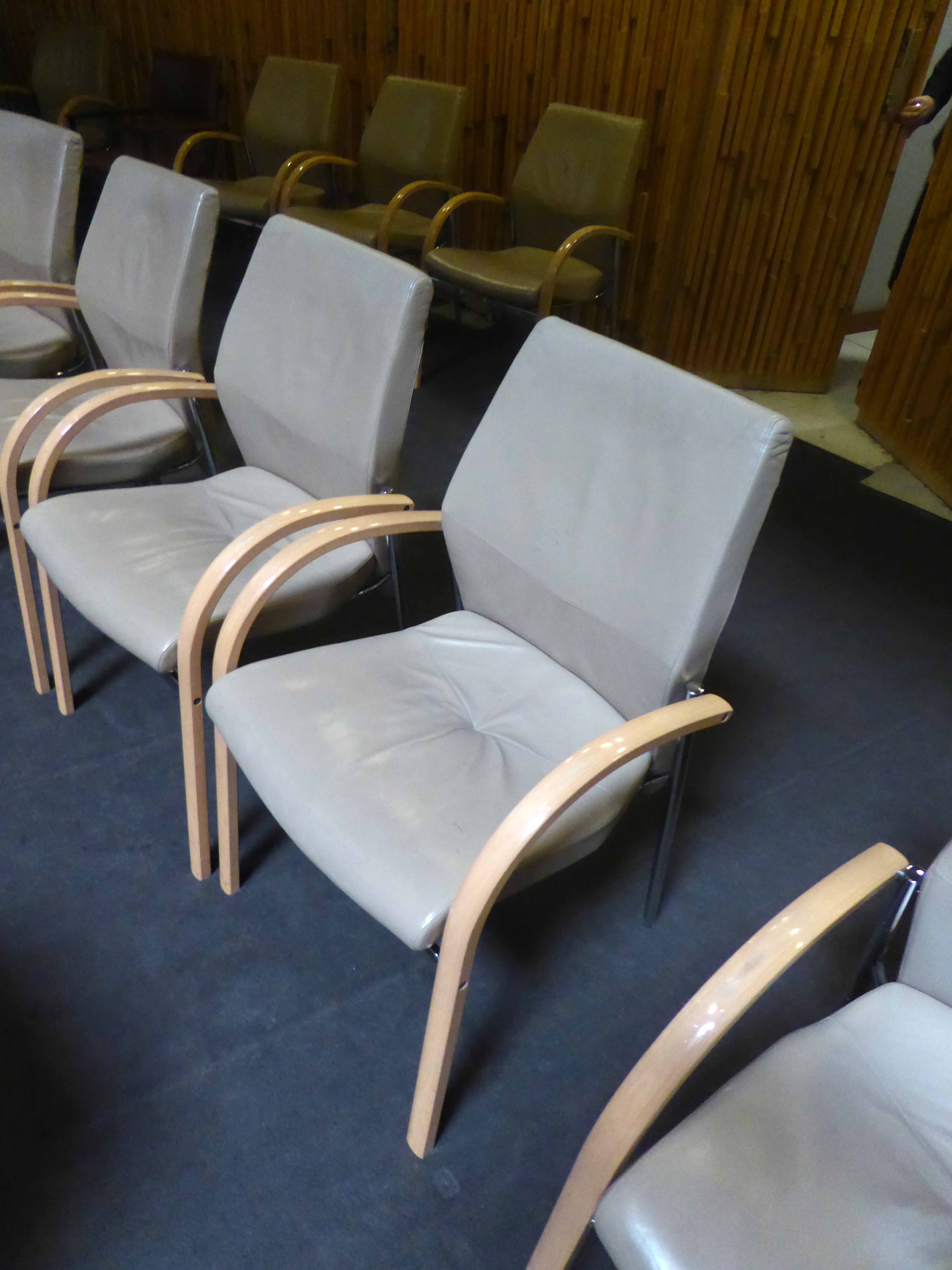
We illuminated the illuminated sign and entered – what treasures await, leather and teak furniture by acclaimed Danish designer Arne Vodder, worth thousands and thousands of pounds. Fine Swedish marble and further Cedar of Lebanon acoustic cladding, each surface of the highest quality and chosen to enhance the sound properties of the space. The councillors seated once a month on 149 leather clad seats with integral voting and microphone modules. A high grey, skylight lit domed ceiling.
This is work of the highest possible quality, a proud summation of Municipal Socialism, our friends in the North, matched with the imaginary world of the Man from Uncle.
Hard by the seafront linking Foreshore, Cleveland Way and Valley Road sits a neat little tight little island, giving pedestrian access to almost everywhere – and a car park.
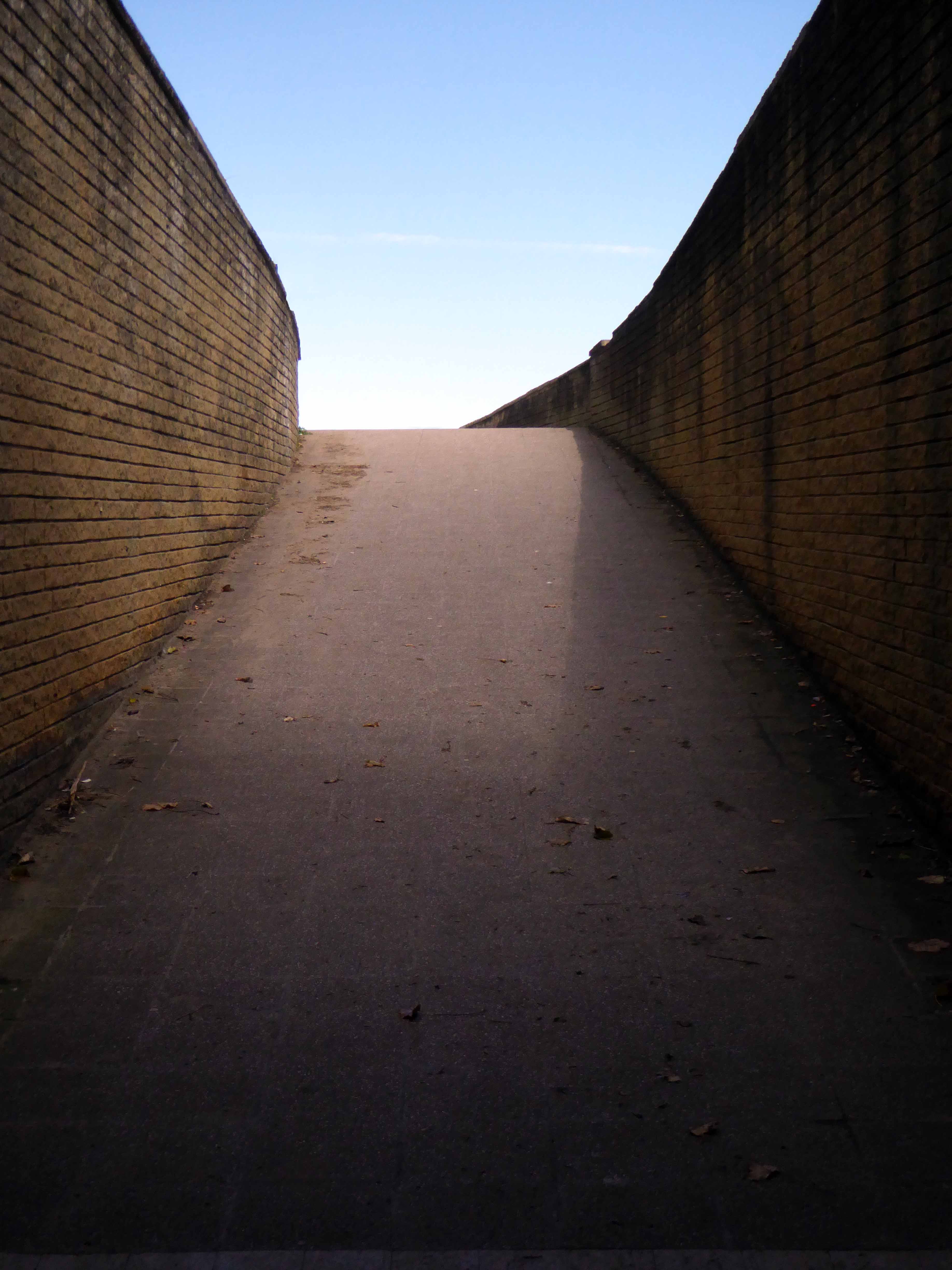
As with every other torus worth calling a torus, at its very centre sits the presence of absence, darkened concrete subterranean causeways, linking everything to nothing.
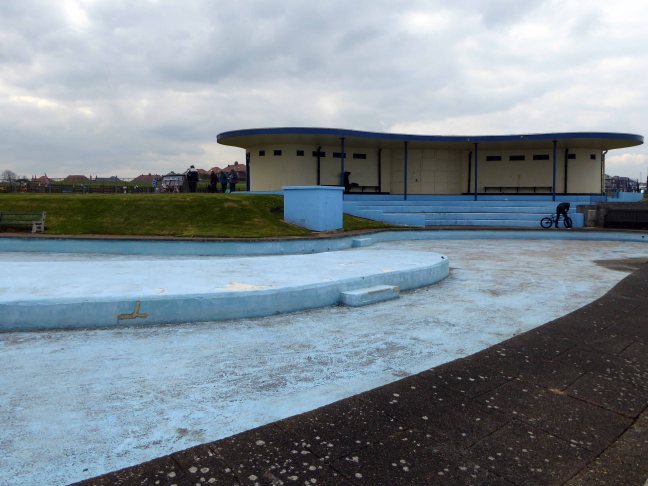
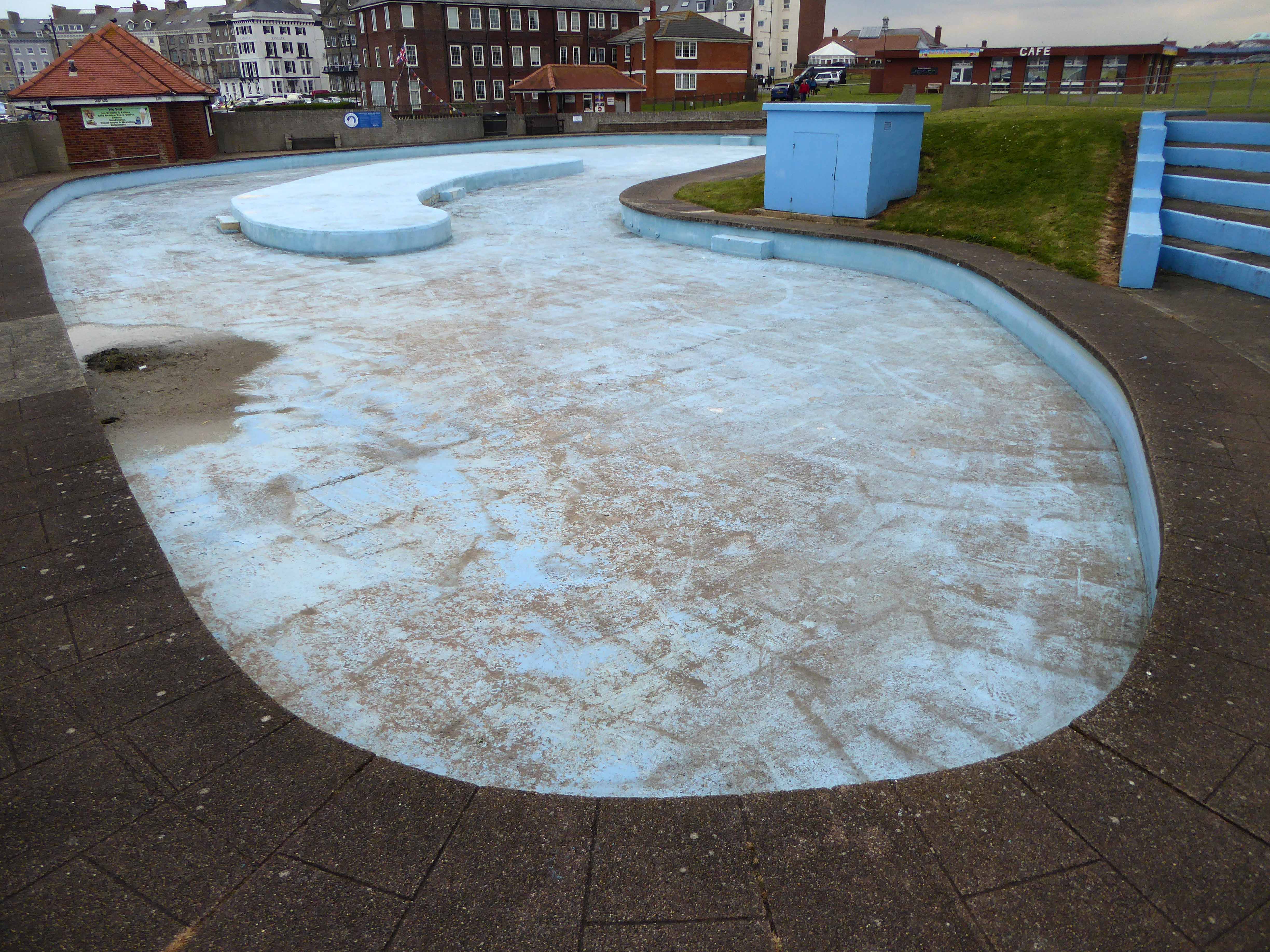
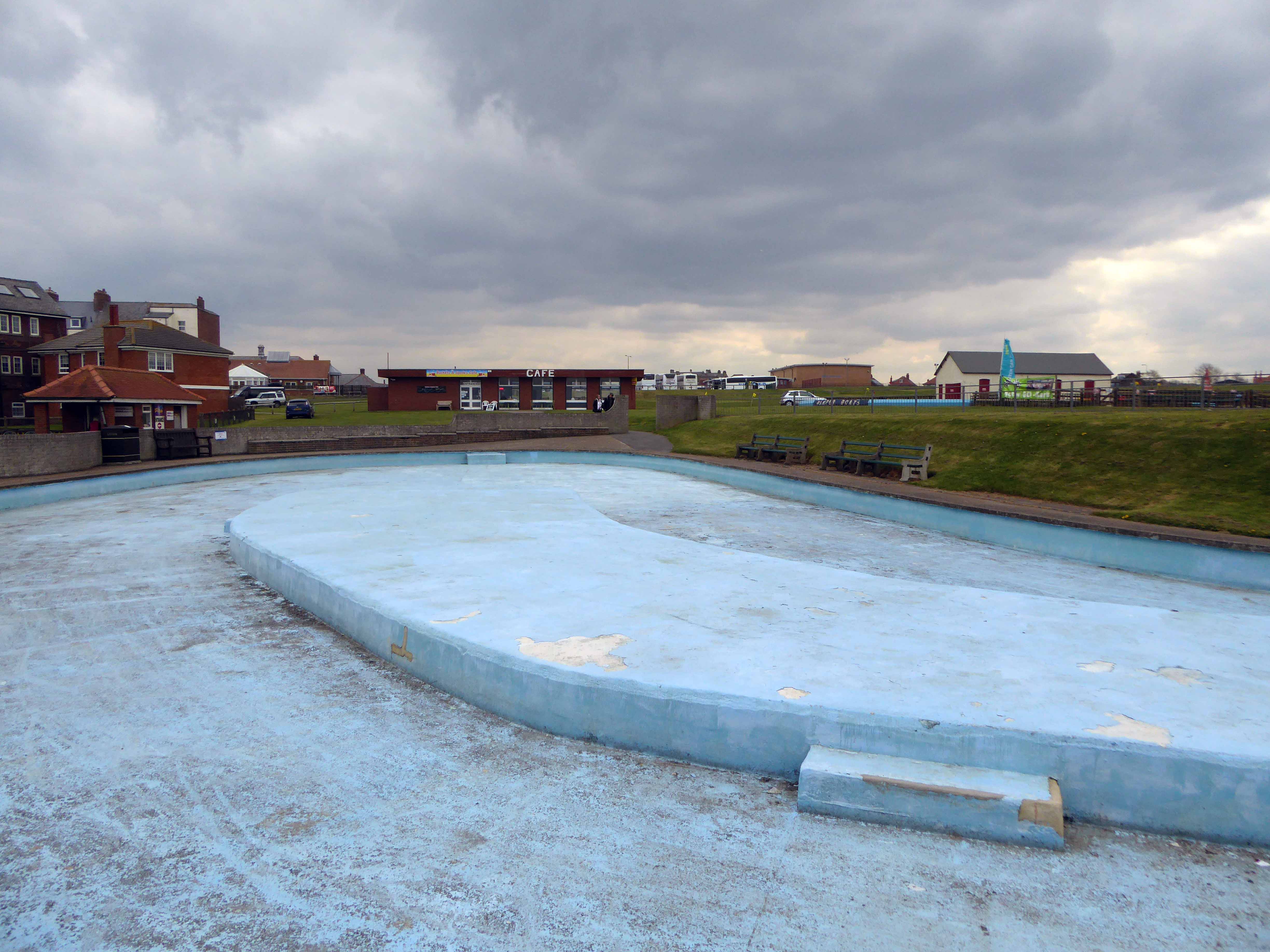
High atop West Cliff Whitby is a pale blue imitation of the deep blue North Sea below.
A TG Green Cornishware blue and cream striped pot, reimagined on the distant Yorkshire coast, in paddling pool form.
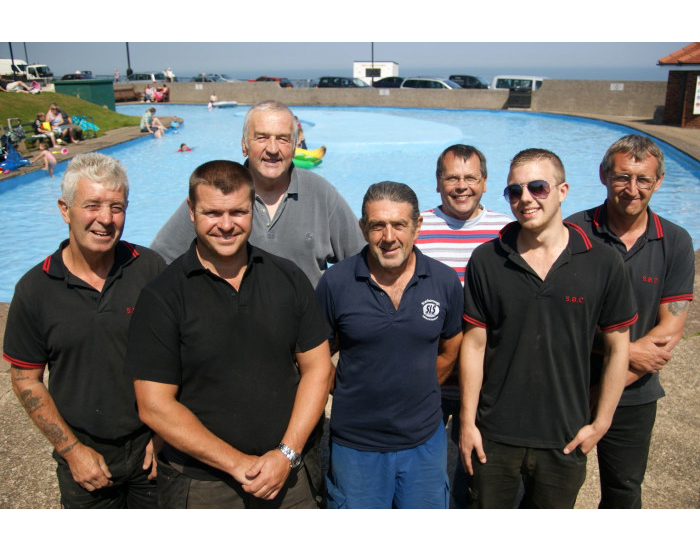
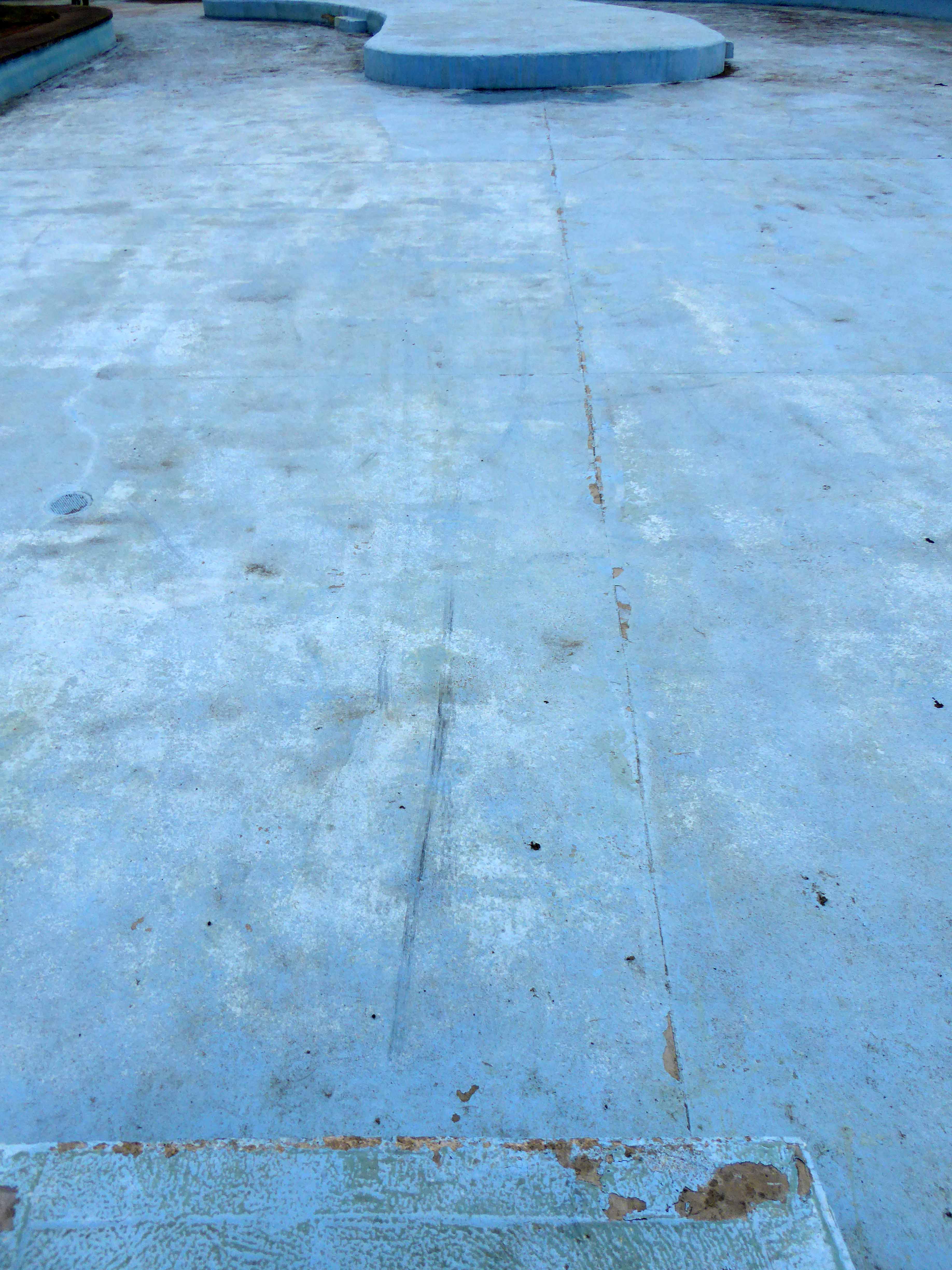
Scarborough Borough Council has resurfaced the paddling pool, re-concreted and repainted the bottom and the sides. The railings adjacent to the footpaths at Whitby Pavilion have been repaired and re-painted and seating next to the crazy golf has also been improved.
Martin Pedley, Scarborough Borough Council’s asset and risk manager said:
The council has, in conjunction with the voluntary sector, invested both time and money in continuing to revitalise the West Cliff area in preparation for the summer season and the influx of visitors to Whitby.
West Cliff councillor Joe Plant added:
The improvement works that have been done both last year and this year is most welcome. Not only the visitors will benefit, but local people also and it again shows working in partnership with the voluntary sector does make a difference.
The Big Society in action, replacing railings improving lives.
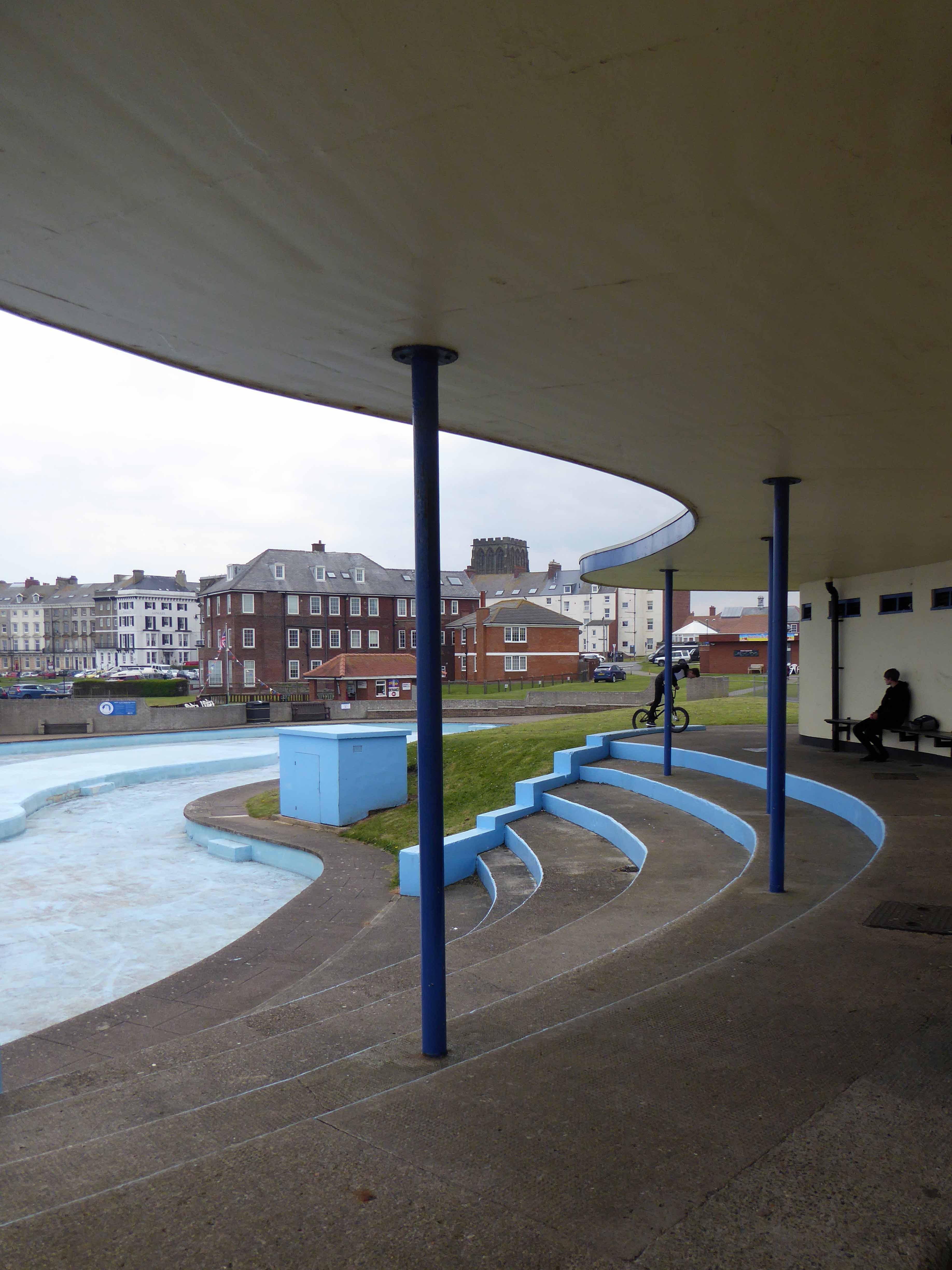
I arrived in late April the pool as yet sans d’eau, more of a pedalling pool than paddling pool as the BMX bandits invaded the space, in direct contravention of the rules and regulations.
The water when present is some twelve inches deep, clearly better suited to larking, splashing and cavorting rather than performing The Twister, a bewildering blur of twists and turns two and a half back-somersaults with two and a half twists during the 1.5 seconds between launching and entering the water at 40mph.
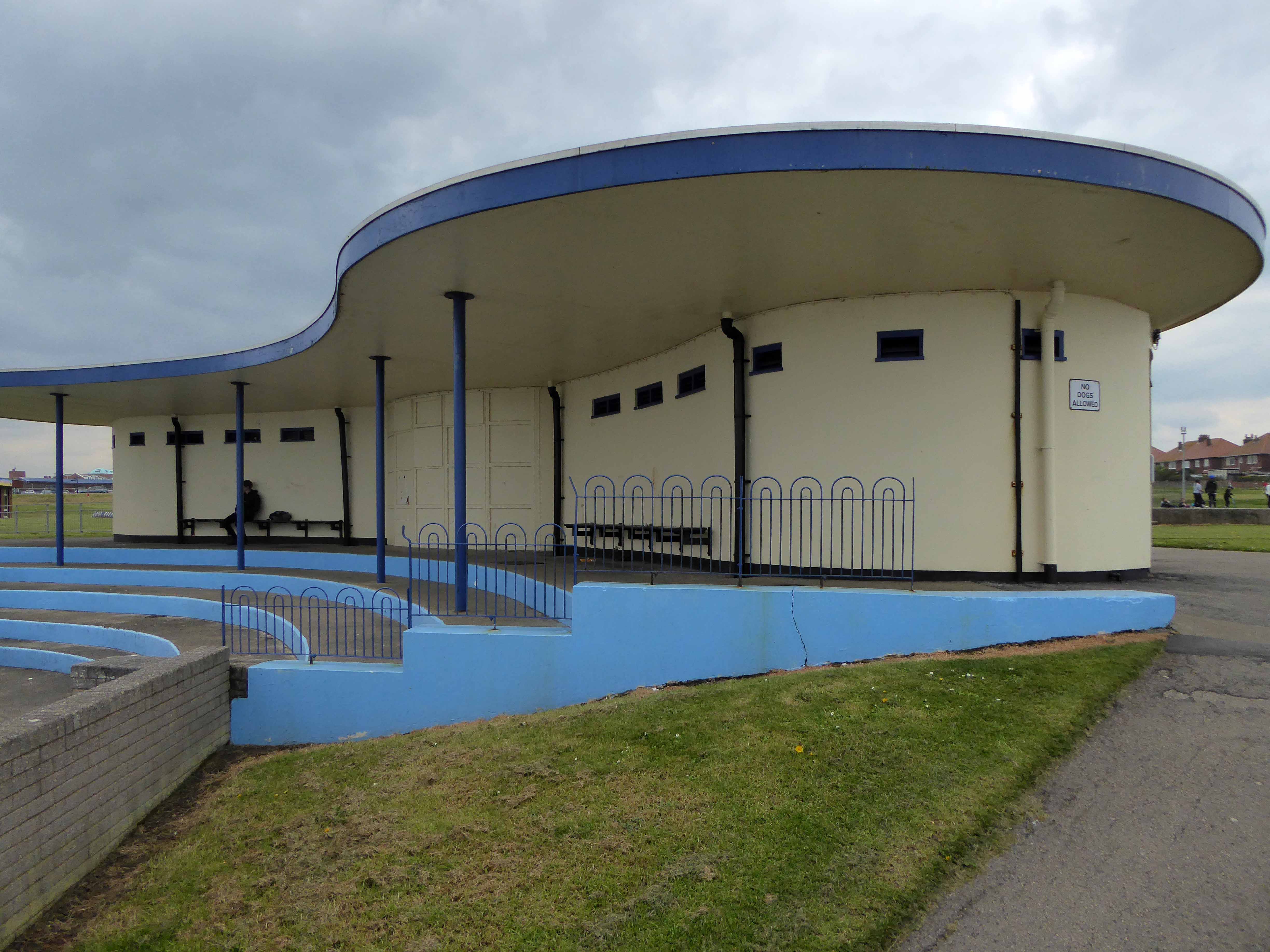
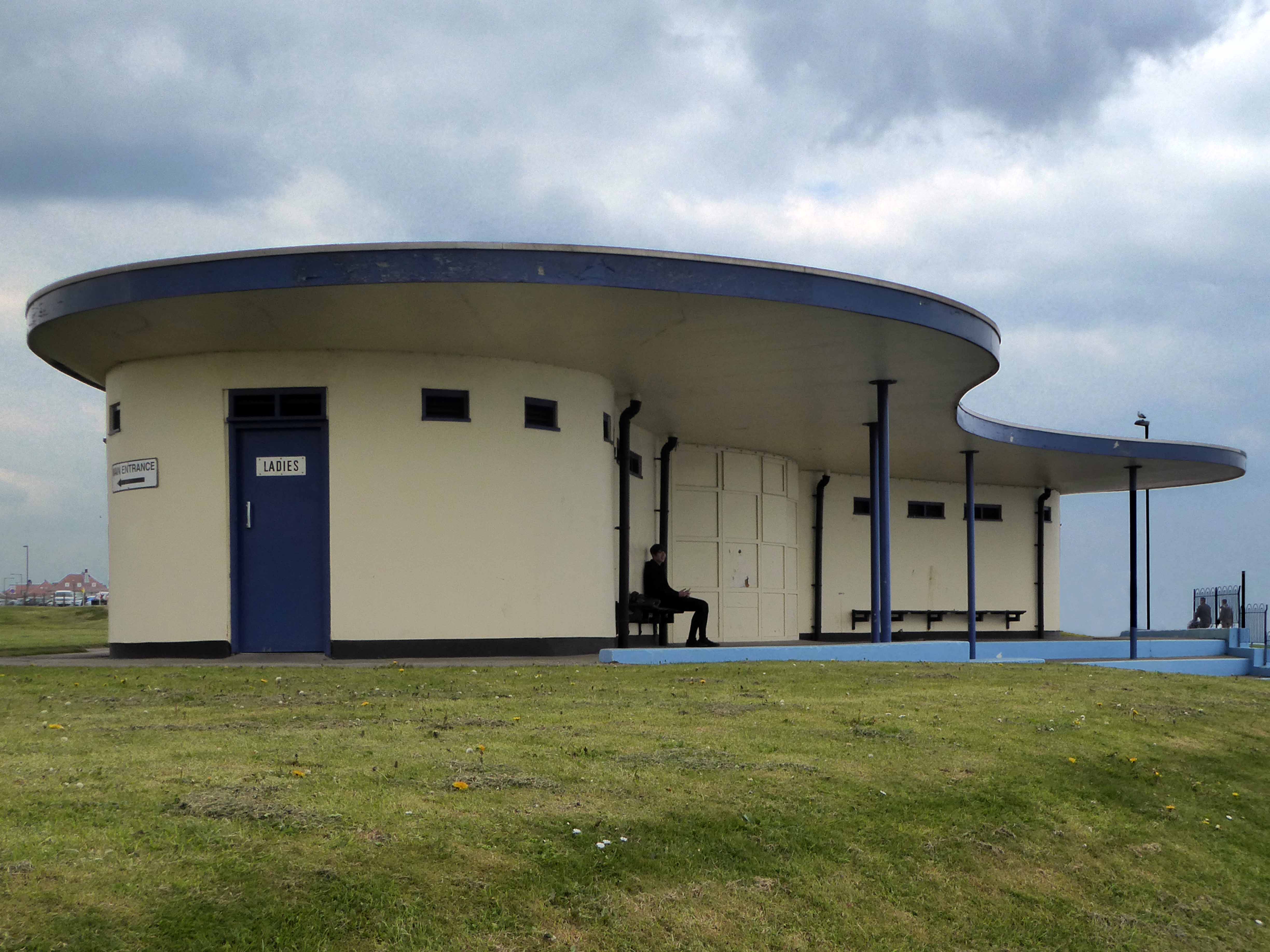
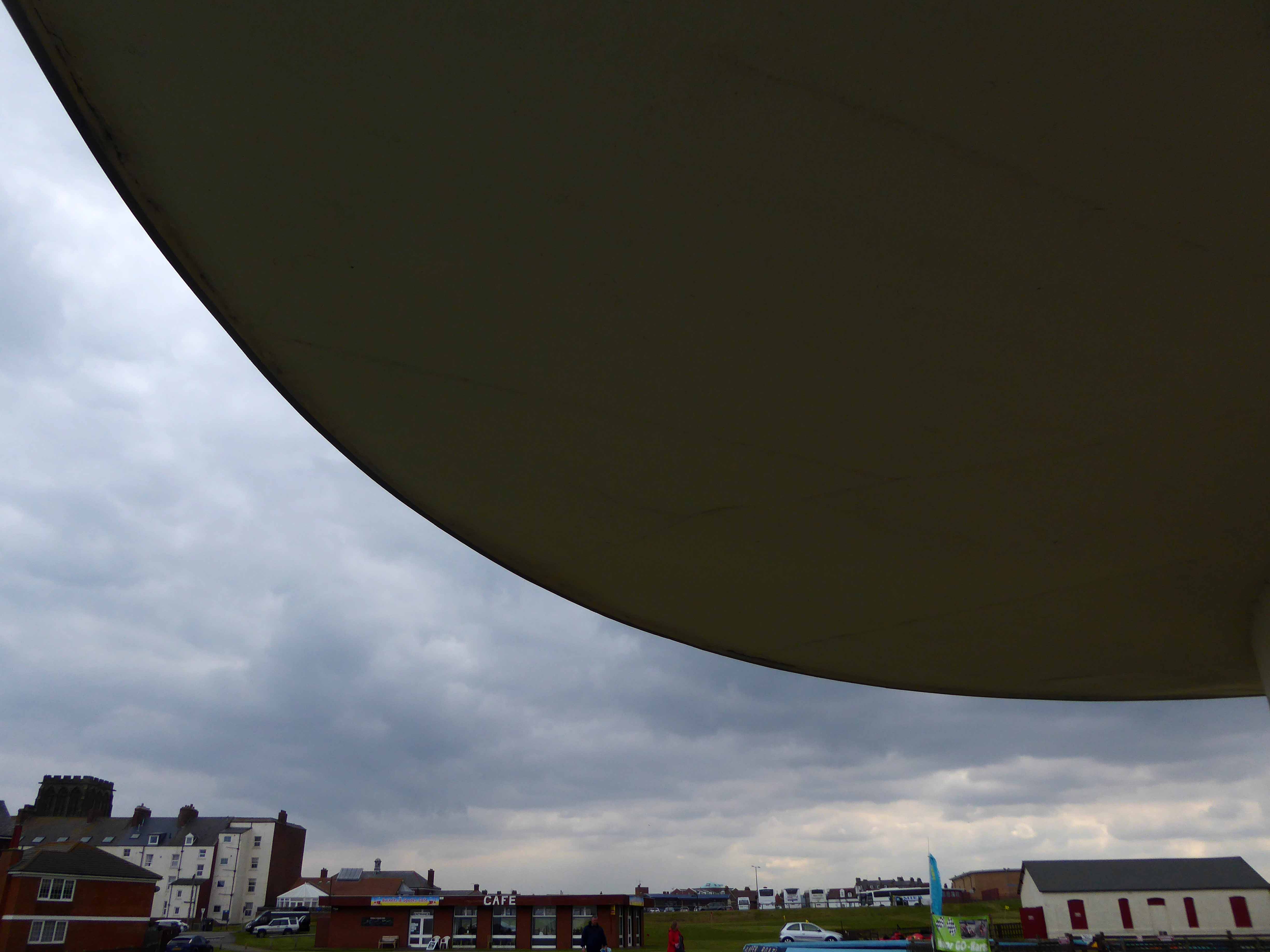
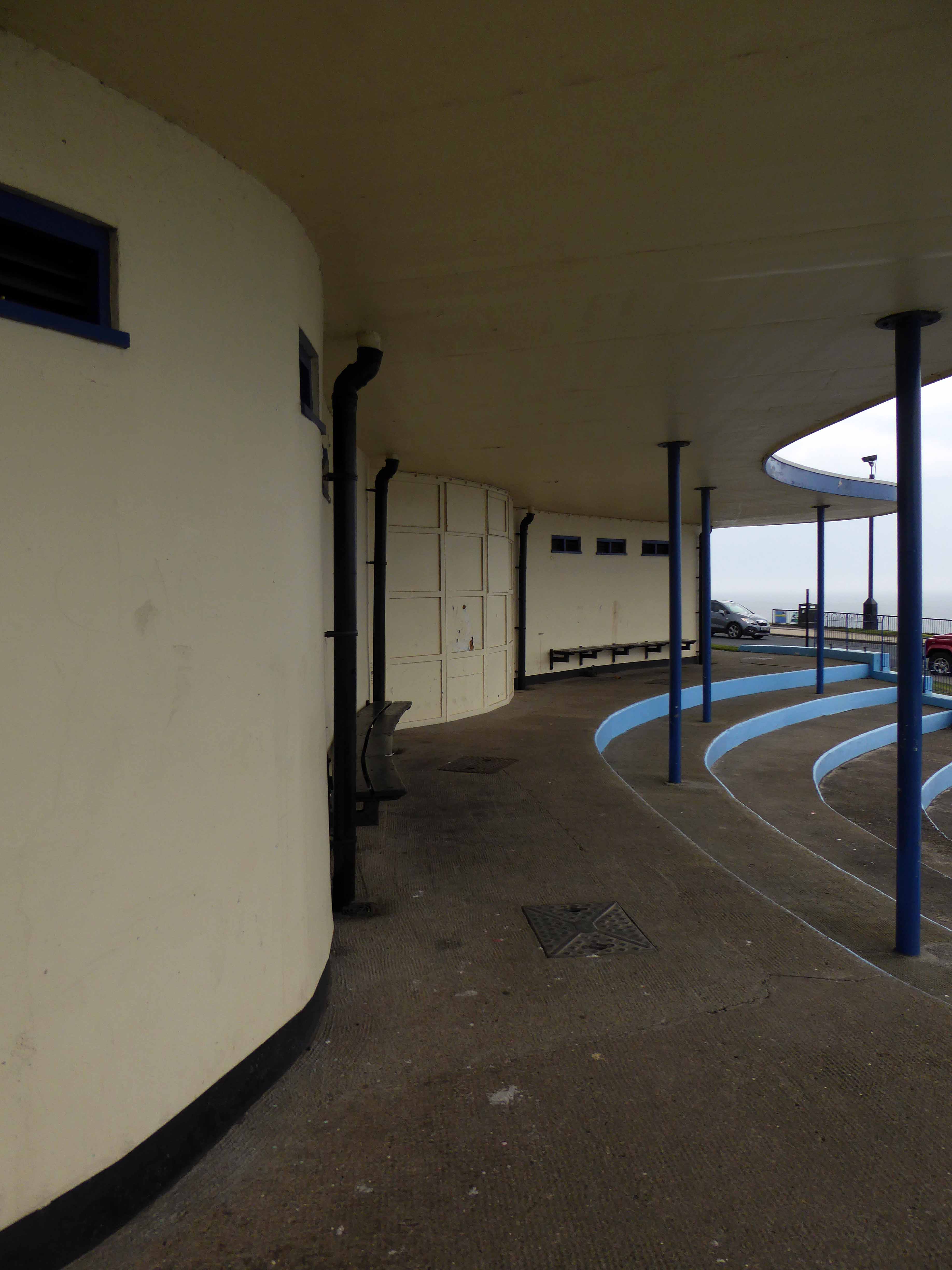
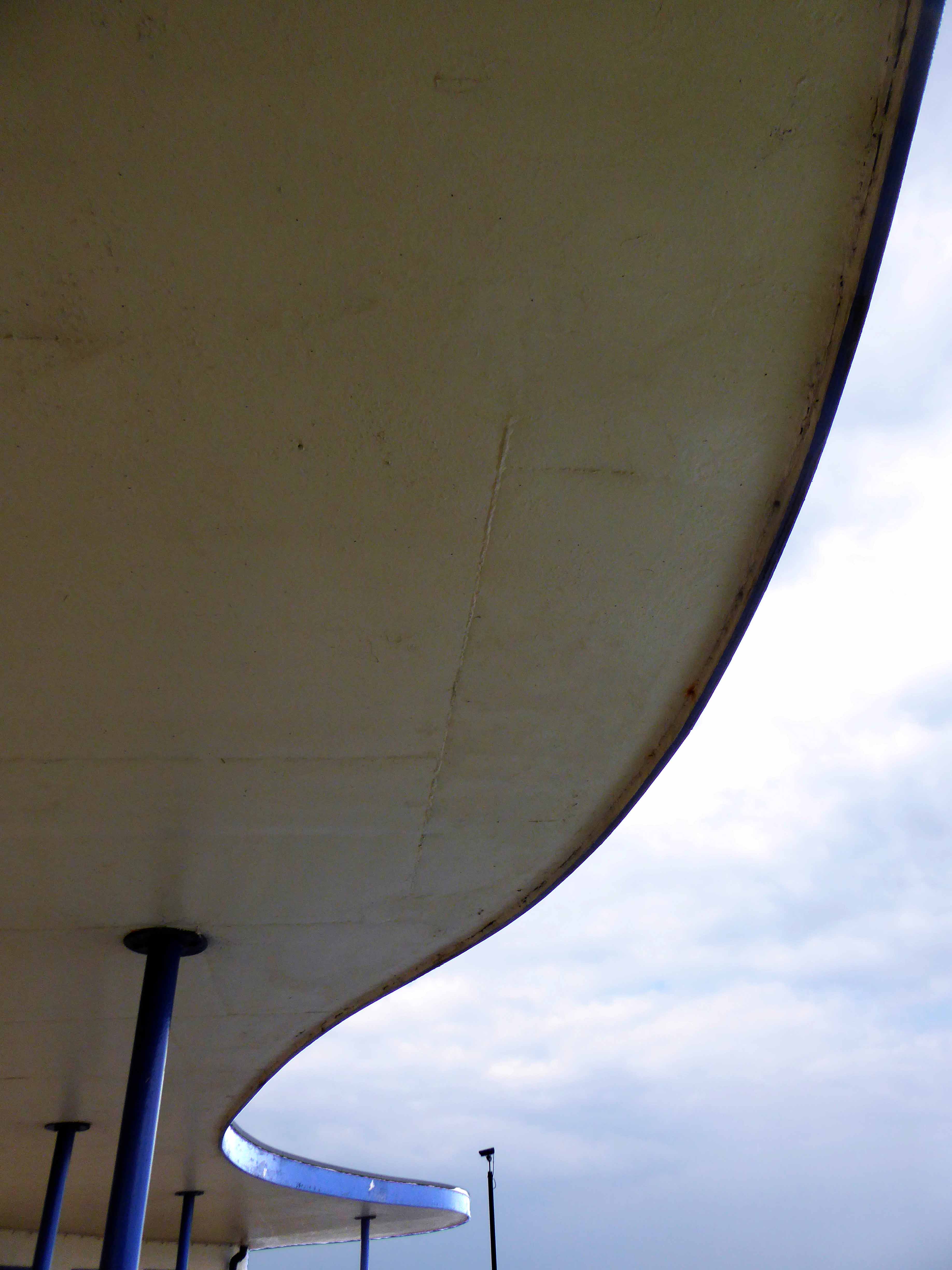
The pool is flanked to the north by a sweeping Lubetkin style, flat roofed pavilion complete with fully functioning toilet facilities.
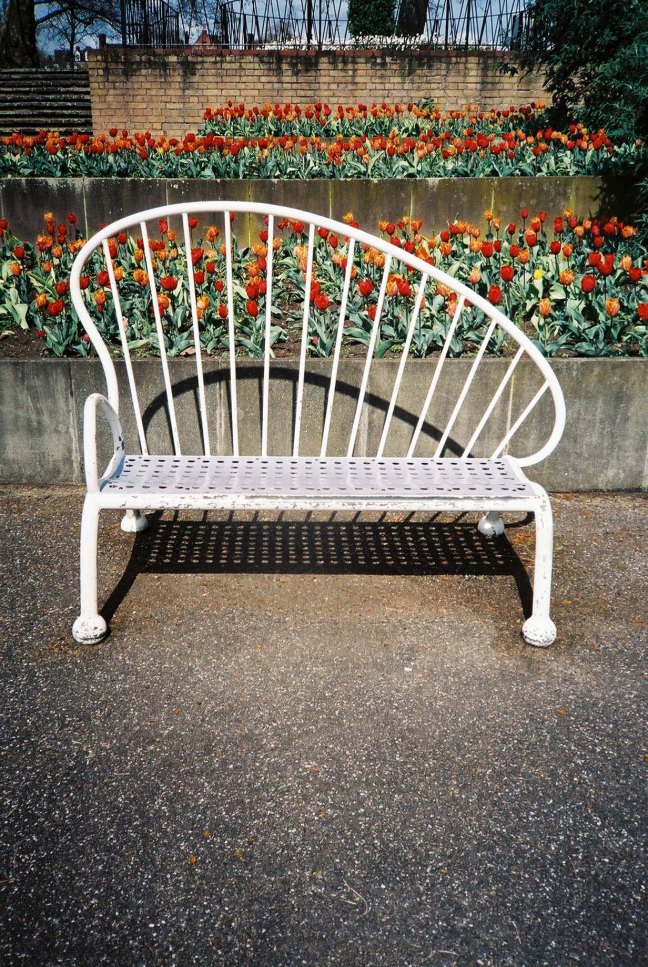
Turn your back on the Abbey, go wild – take a wet walk on the West Cliff side.
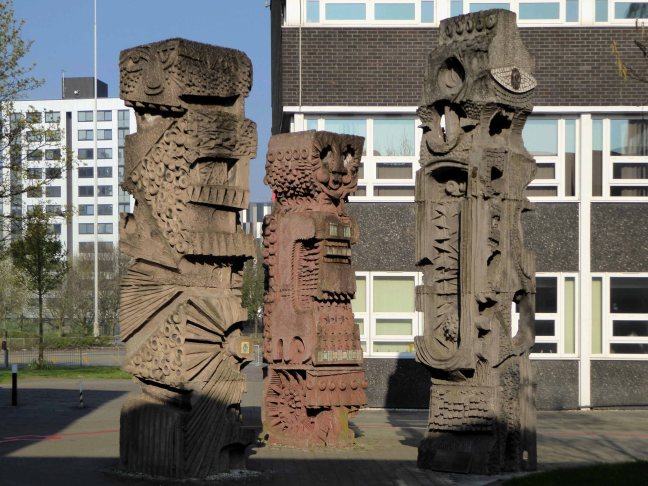
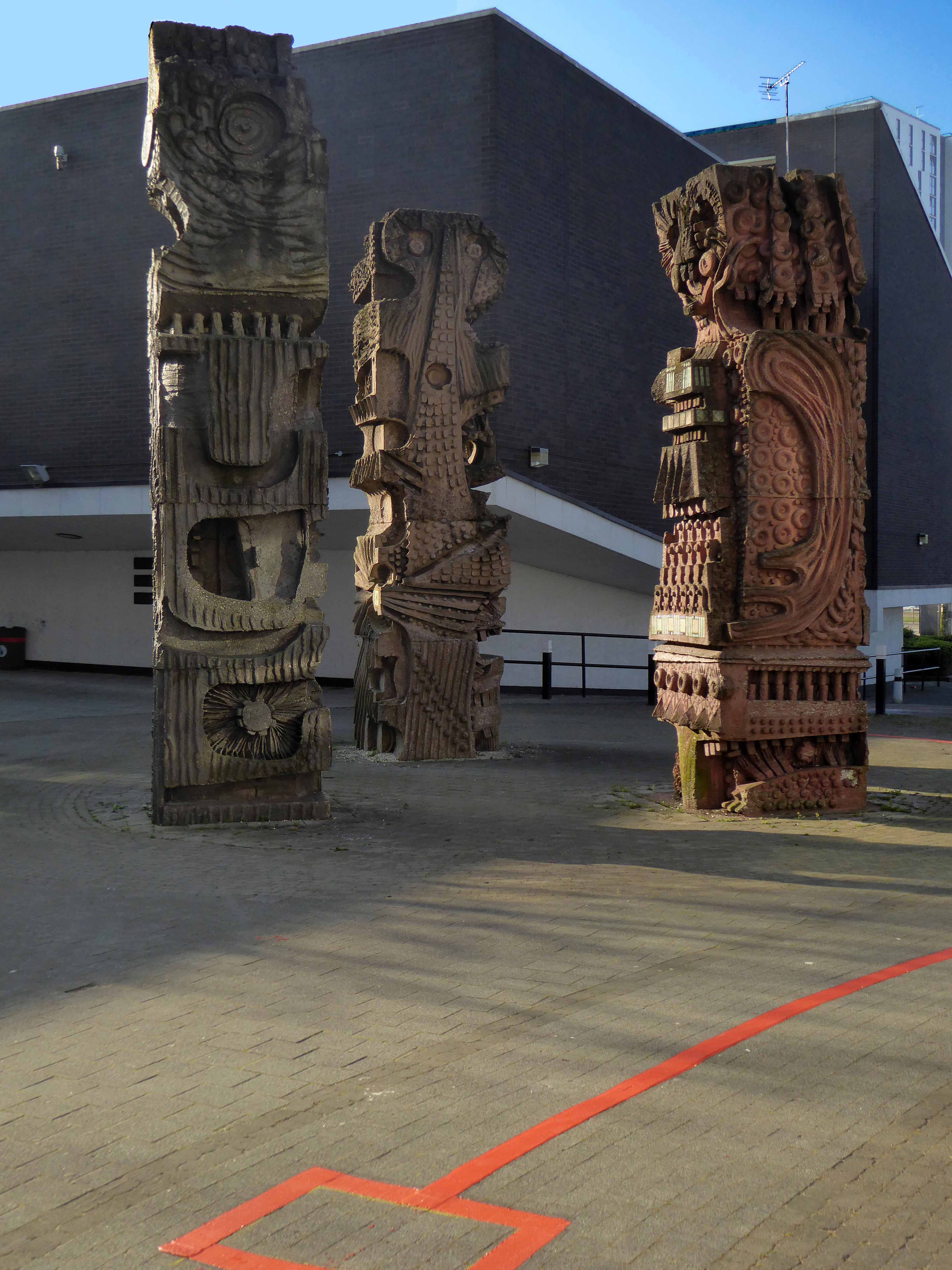
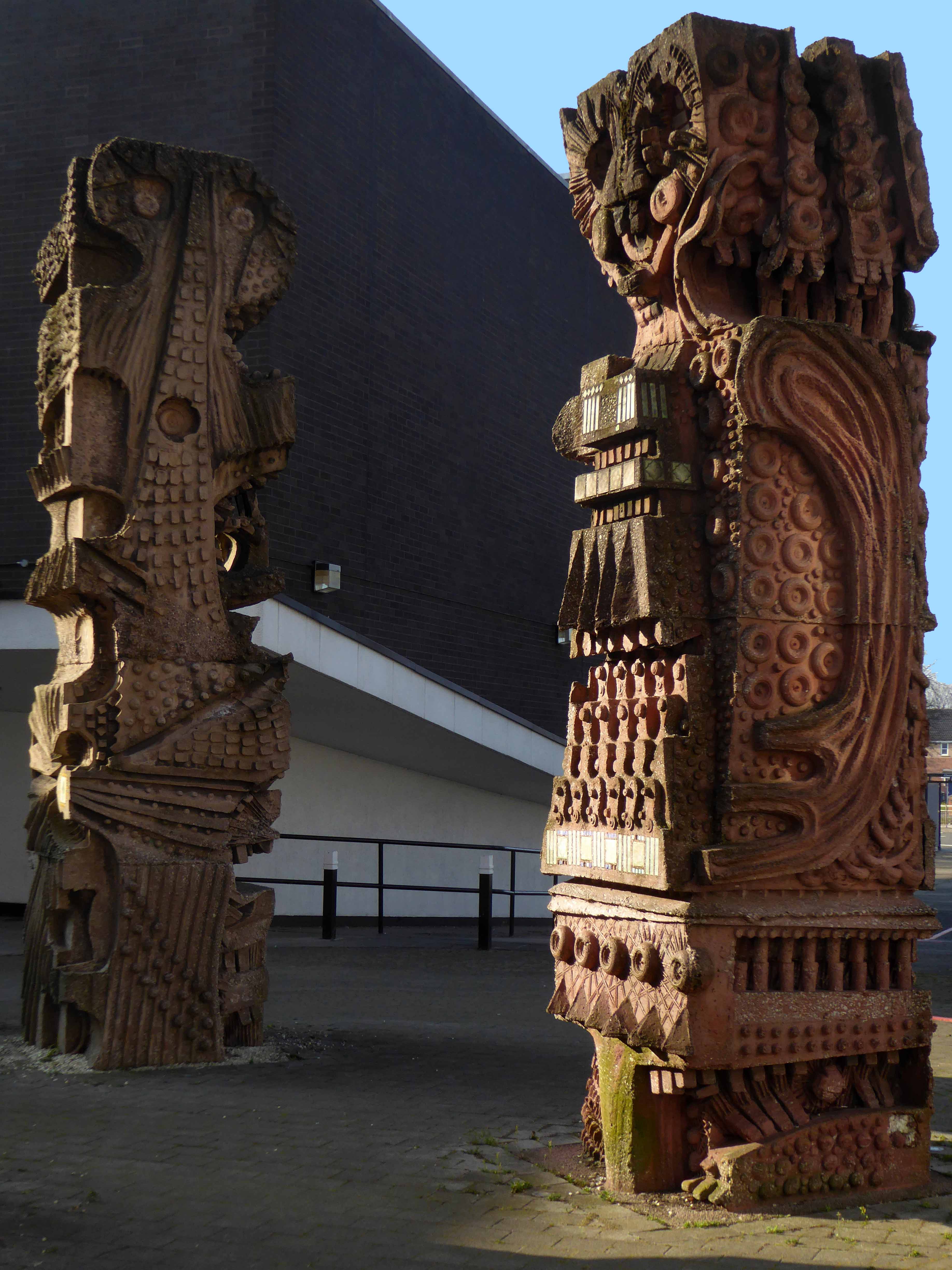
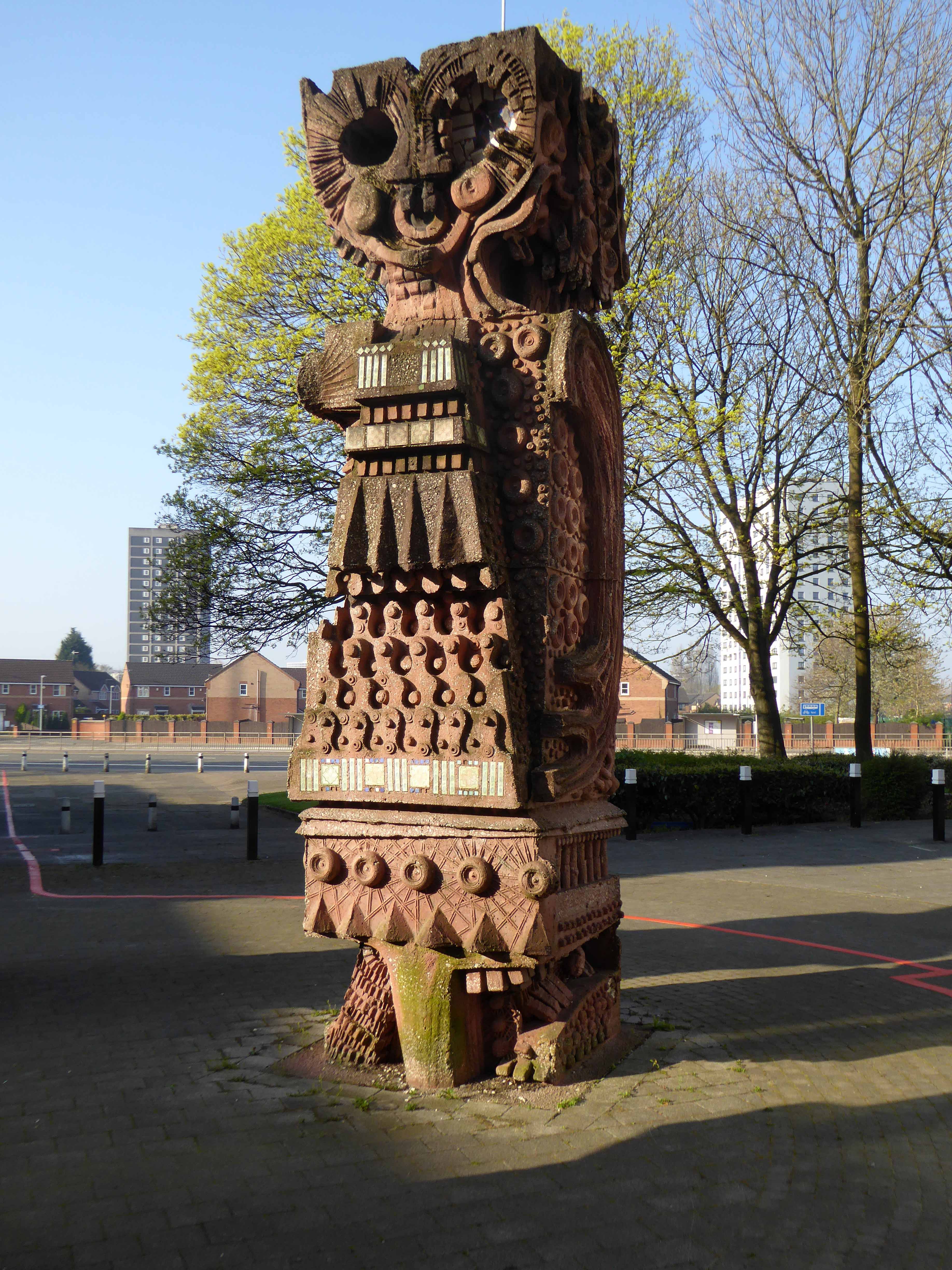
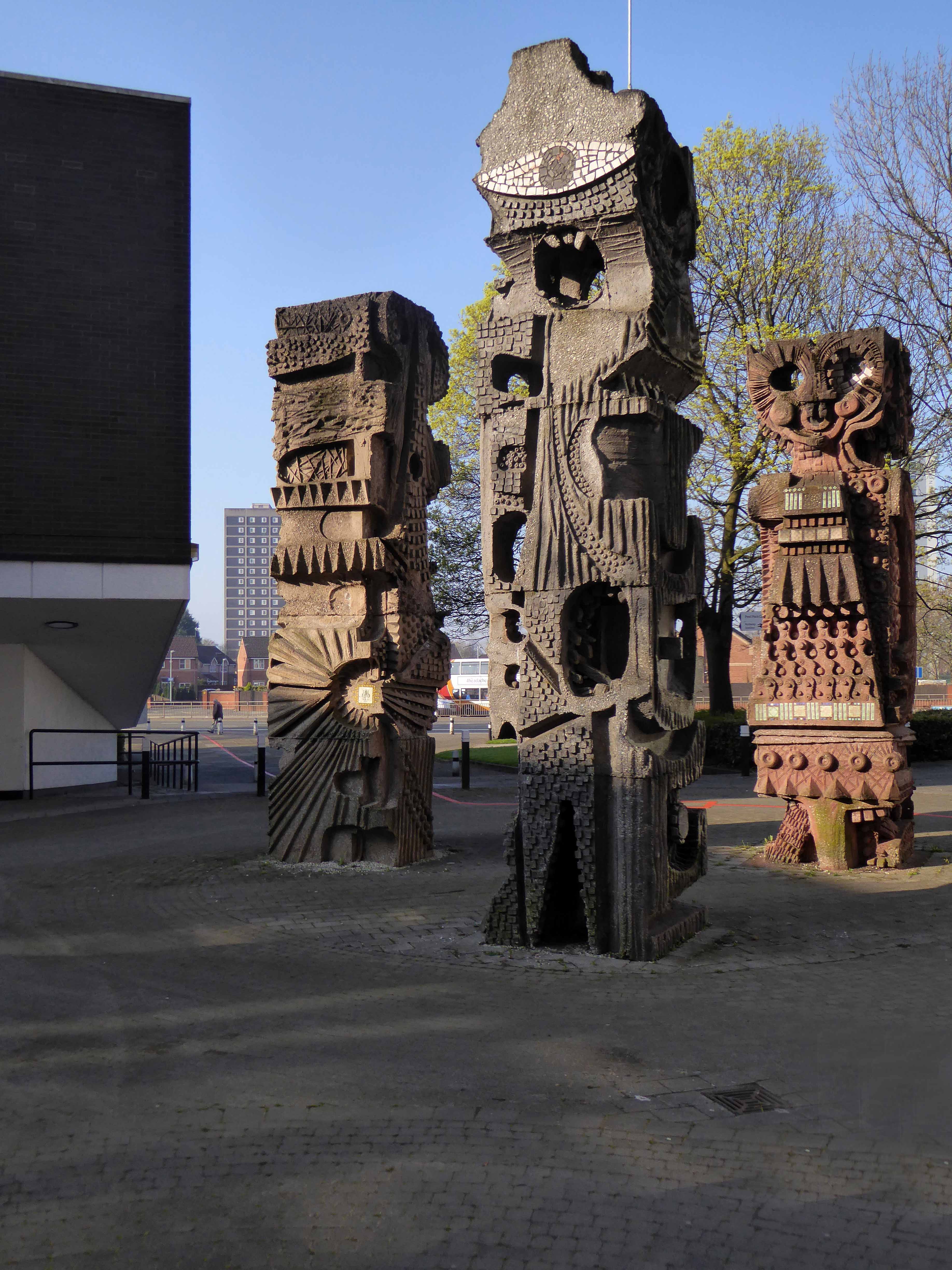
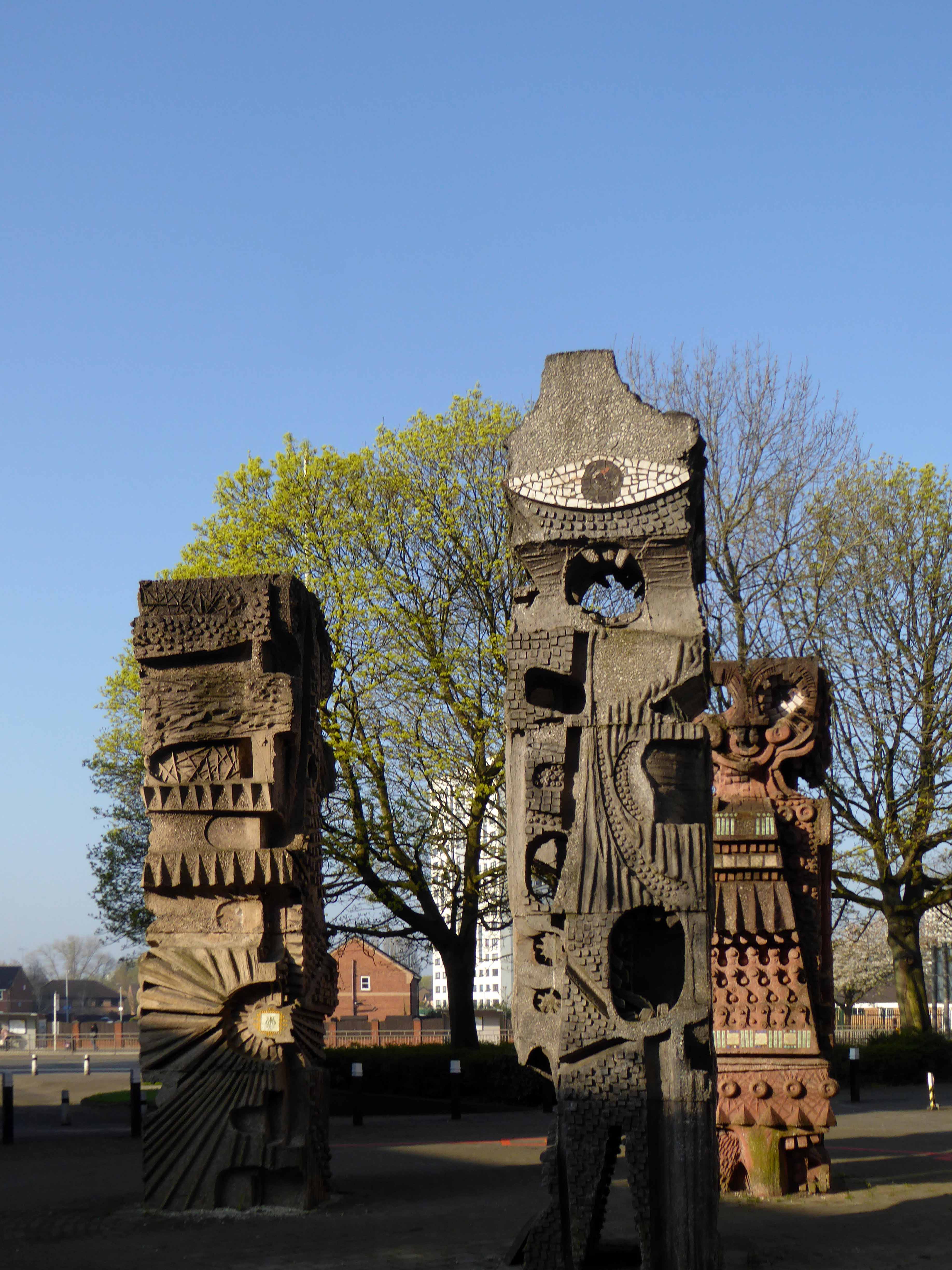
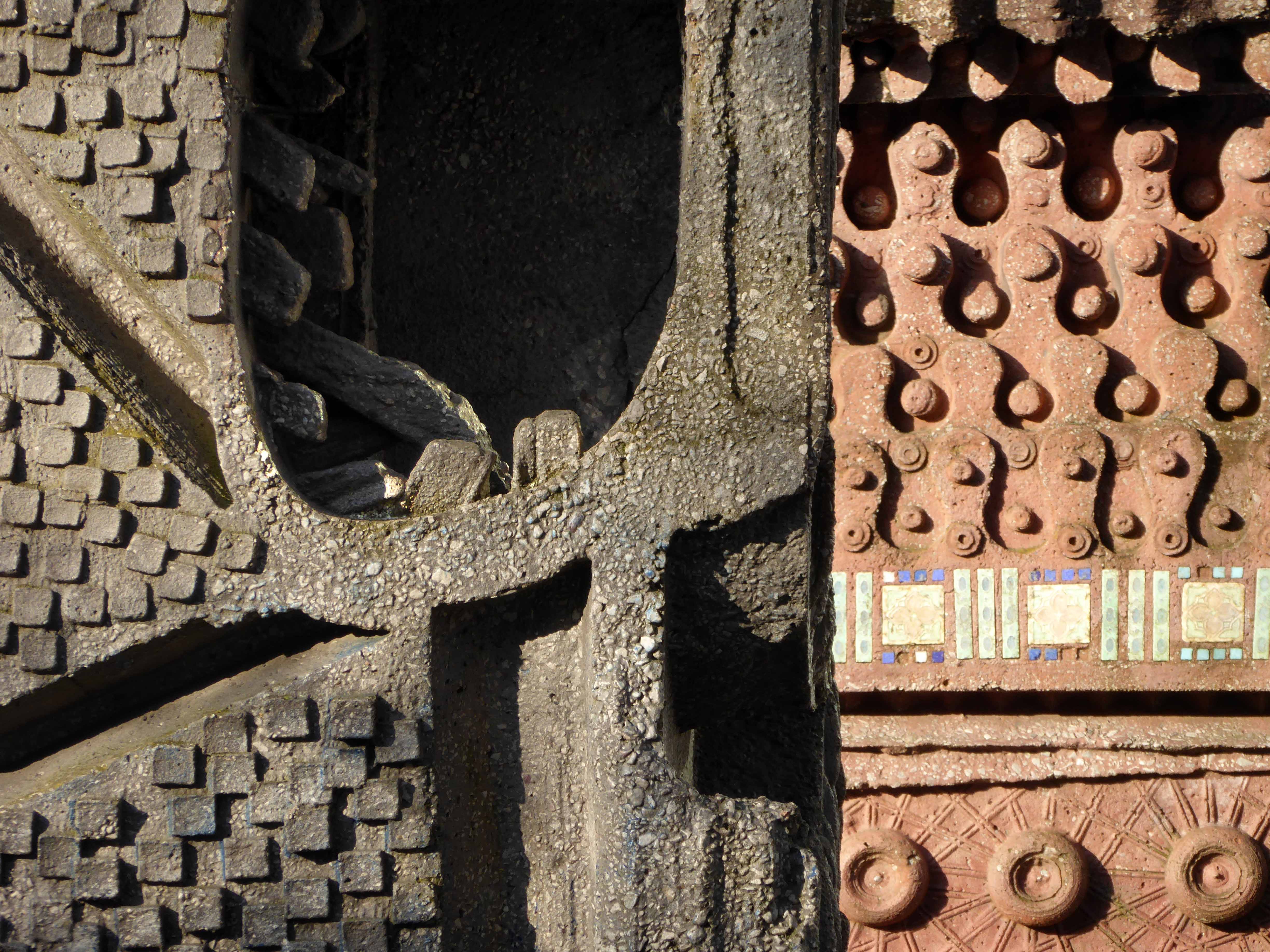
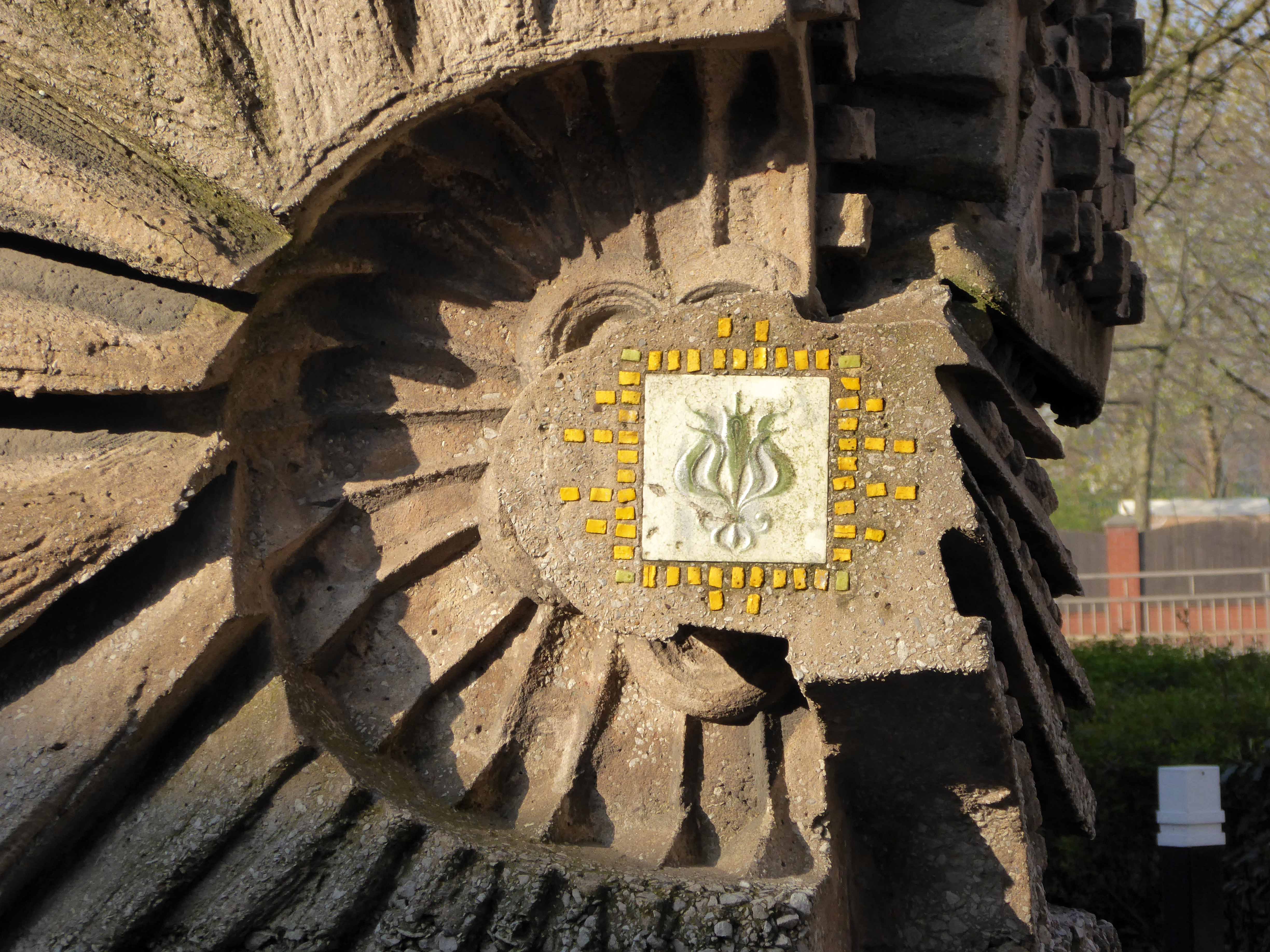
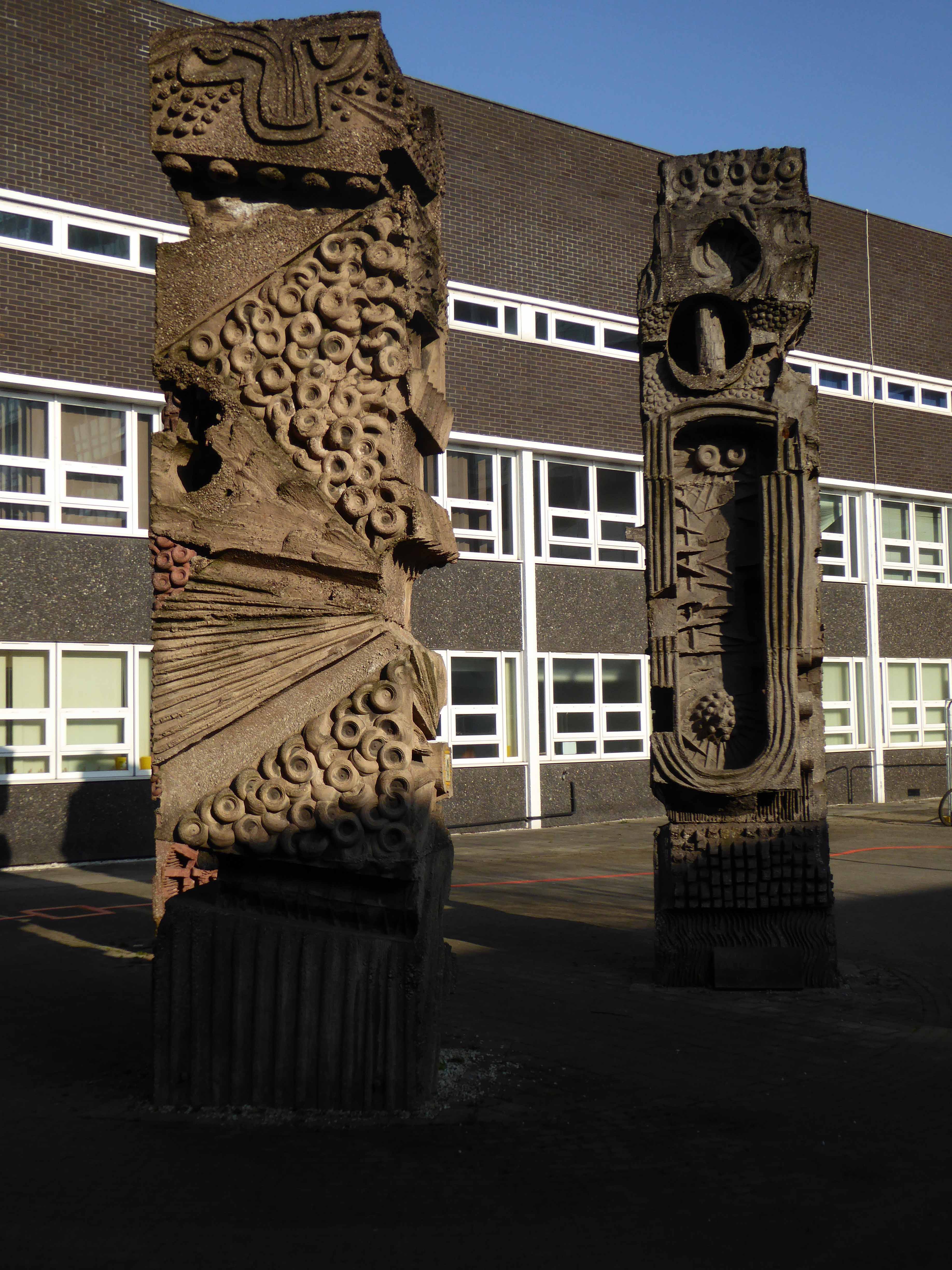
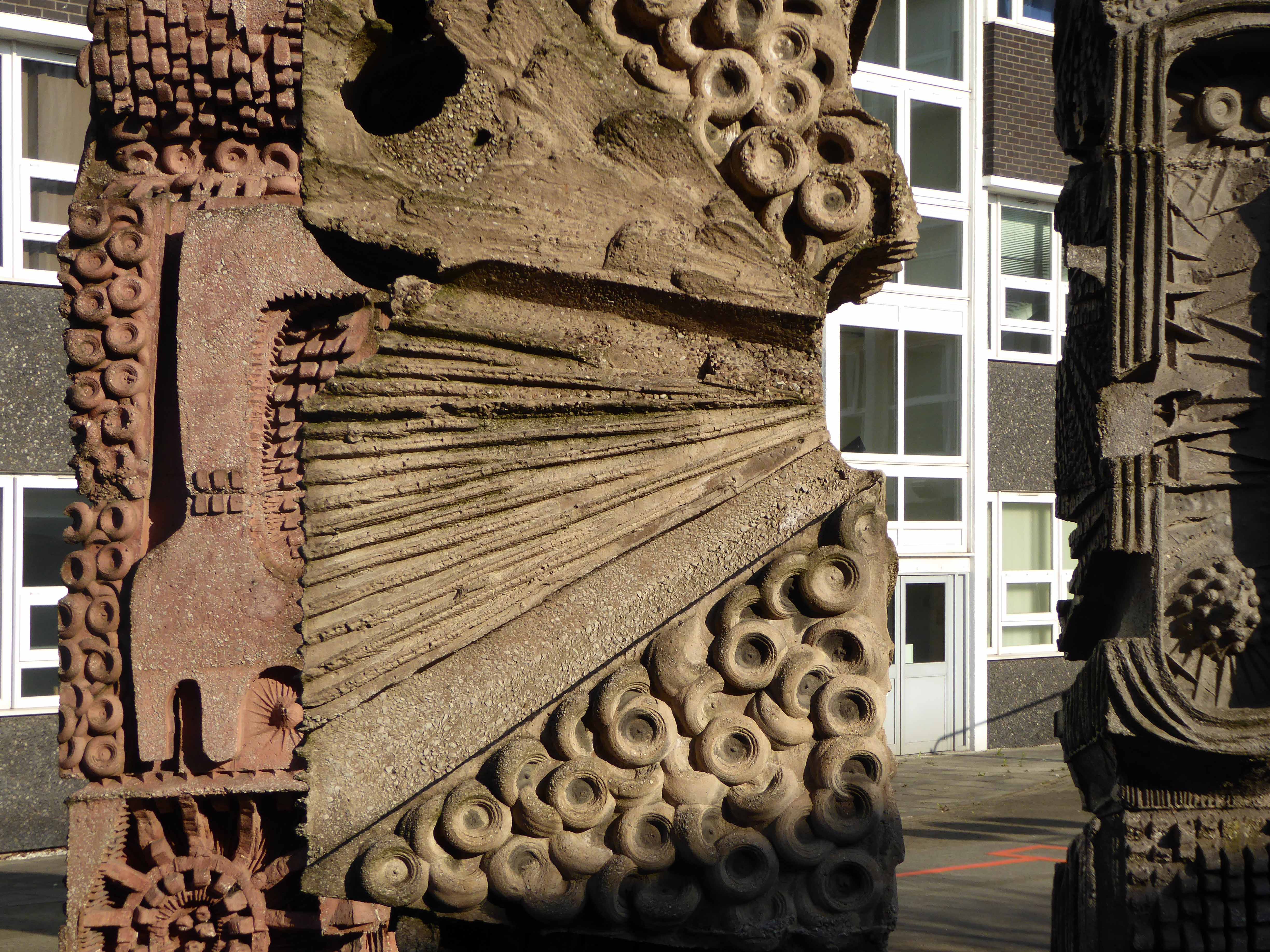
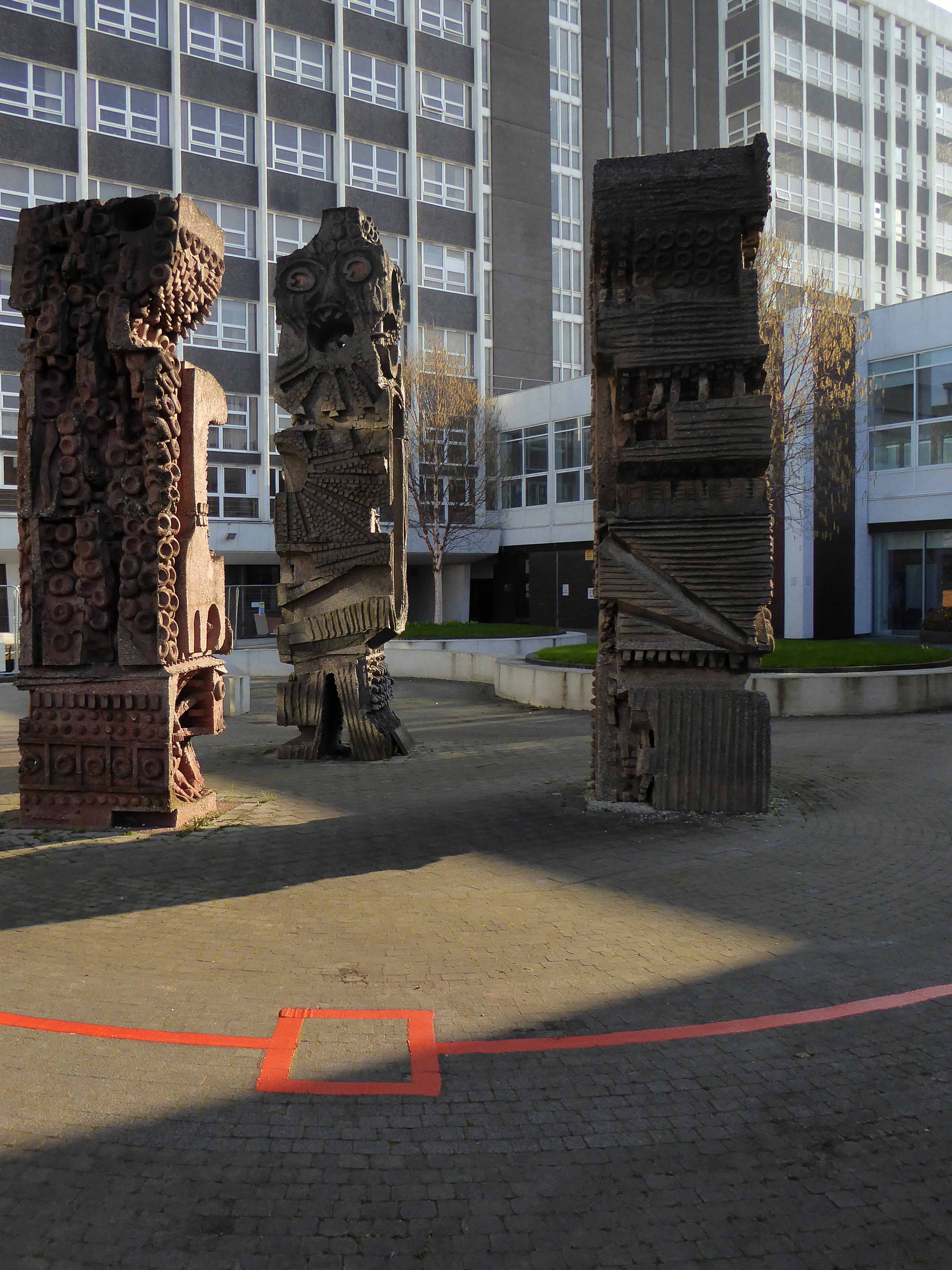
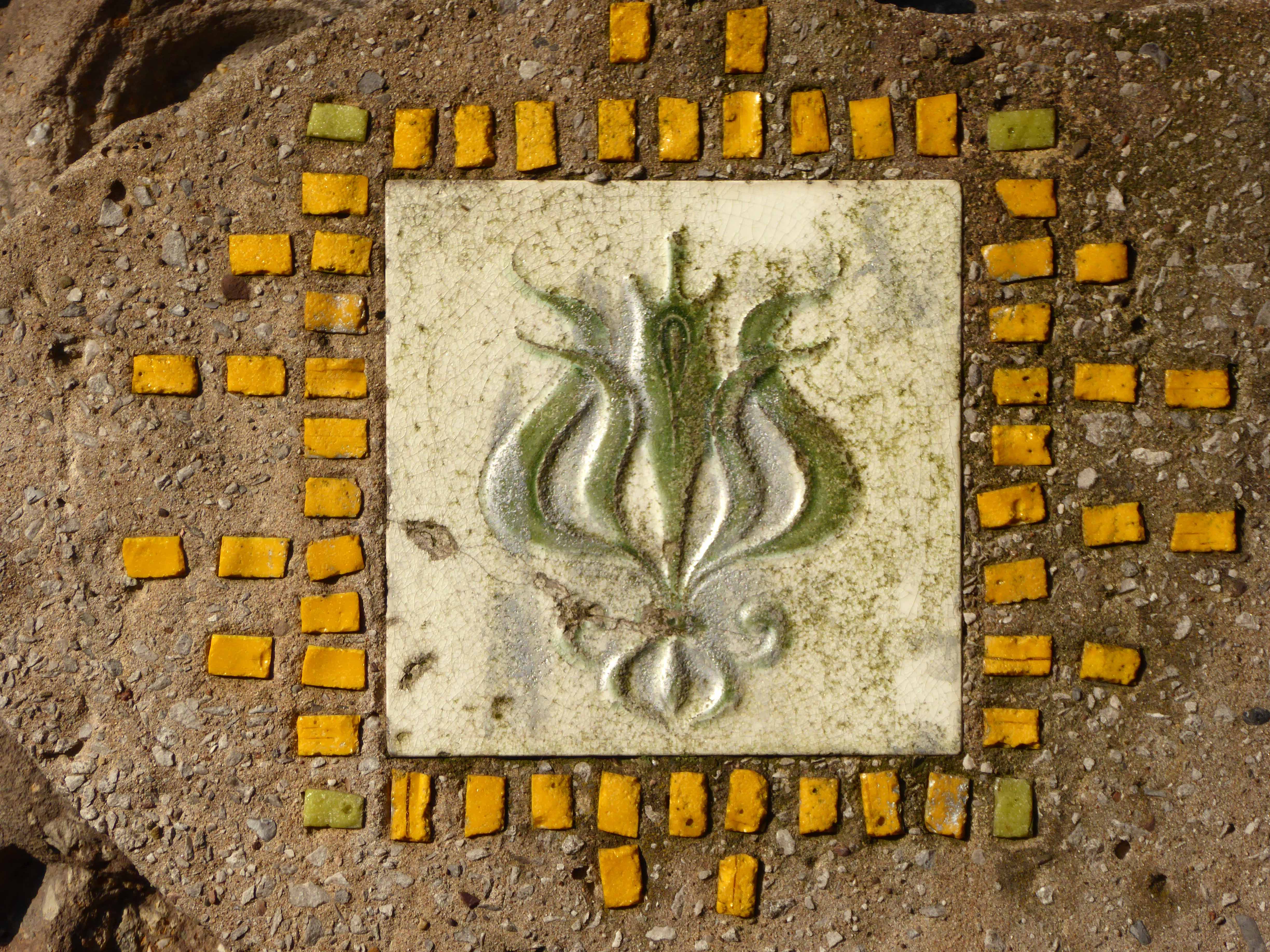
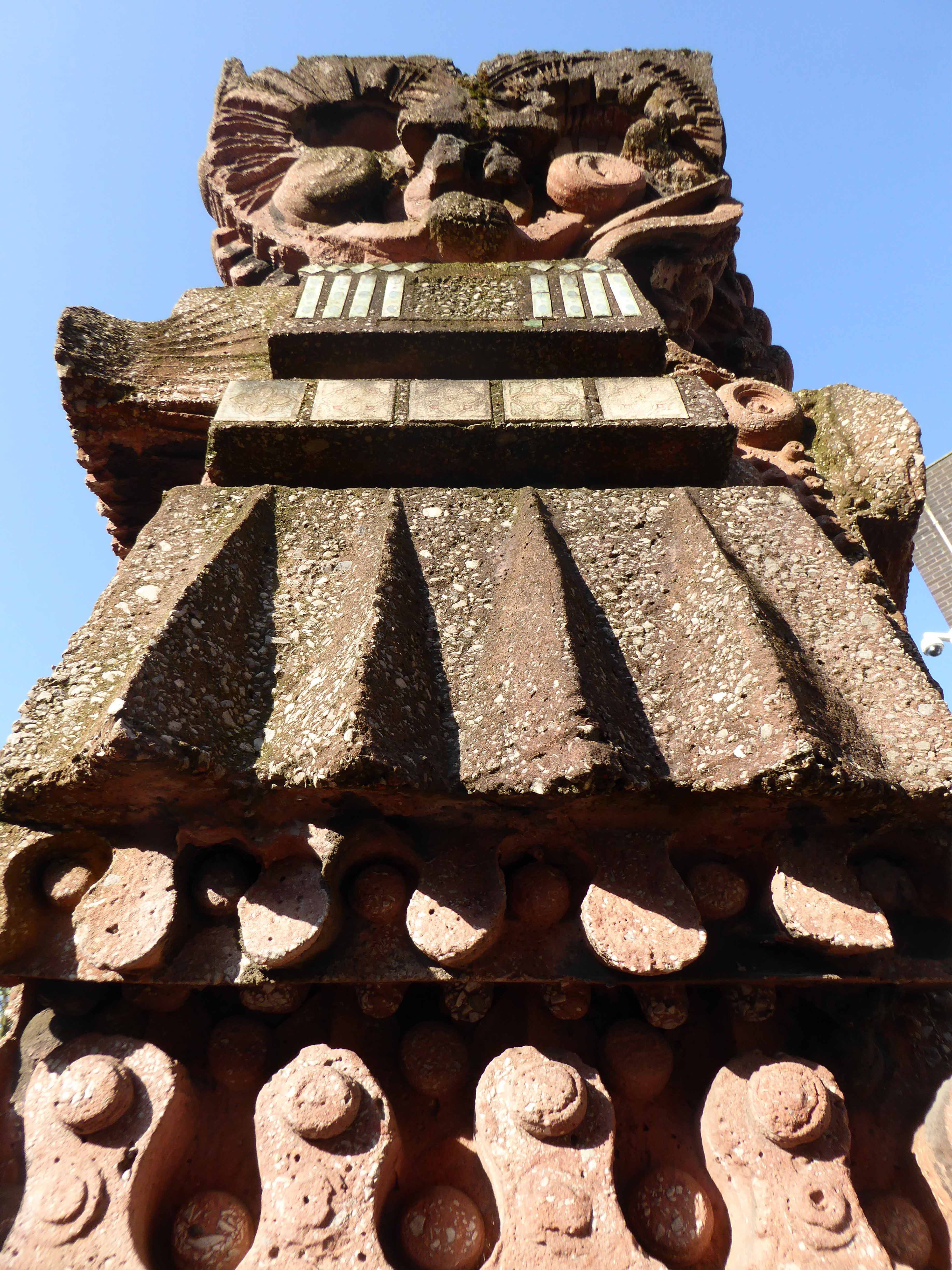
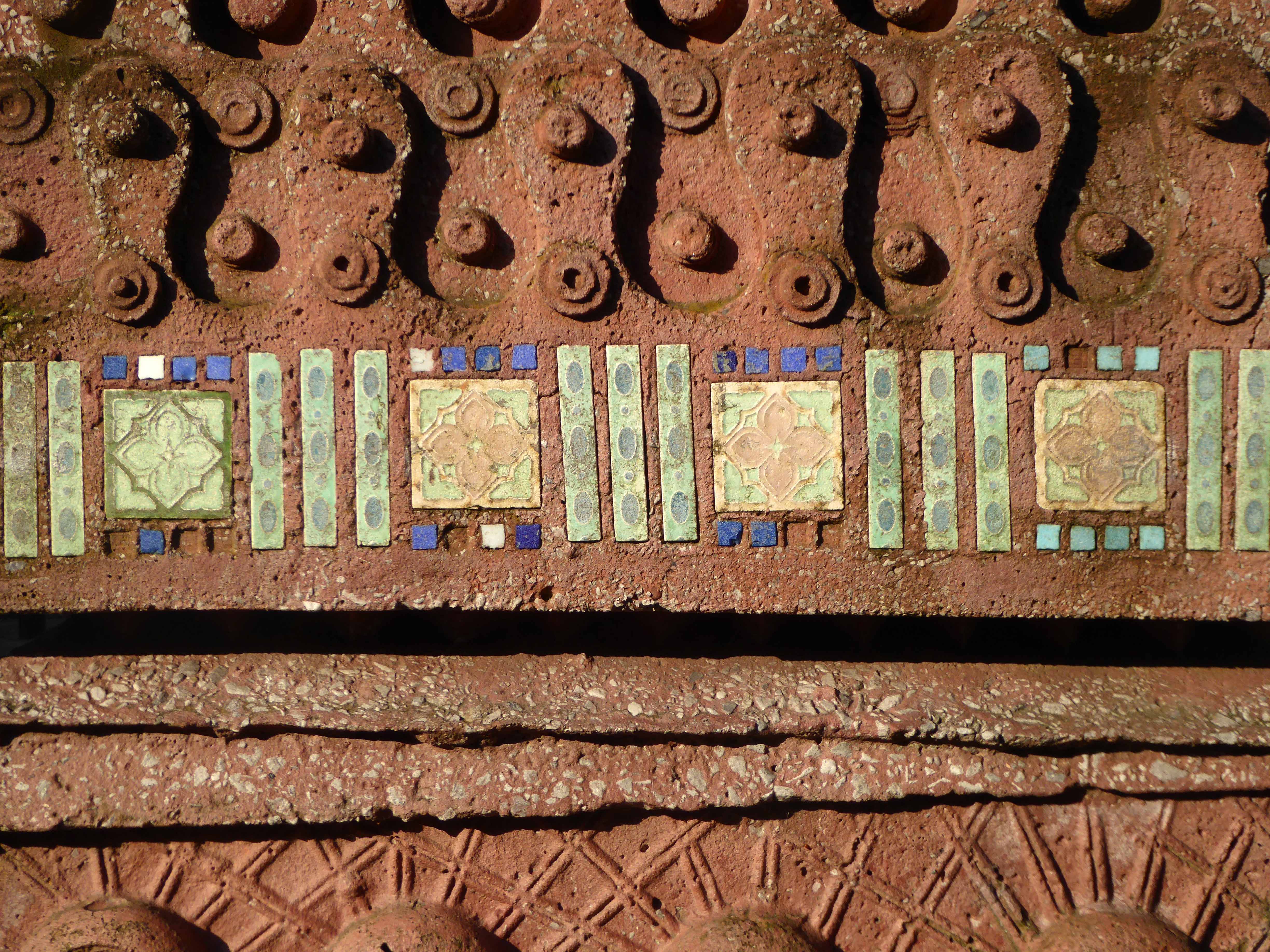
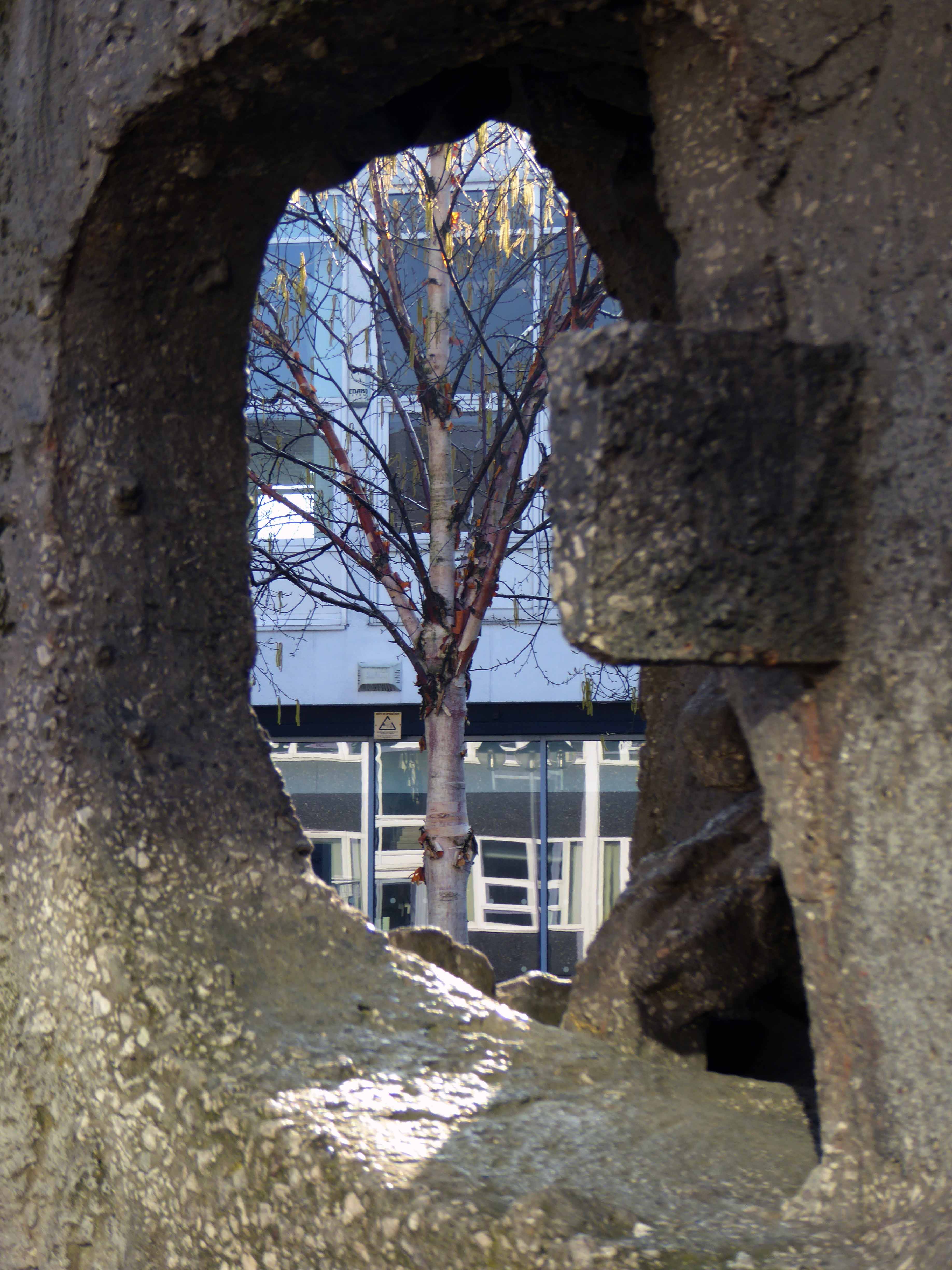
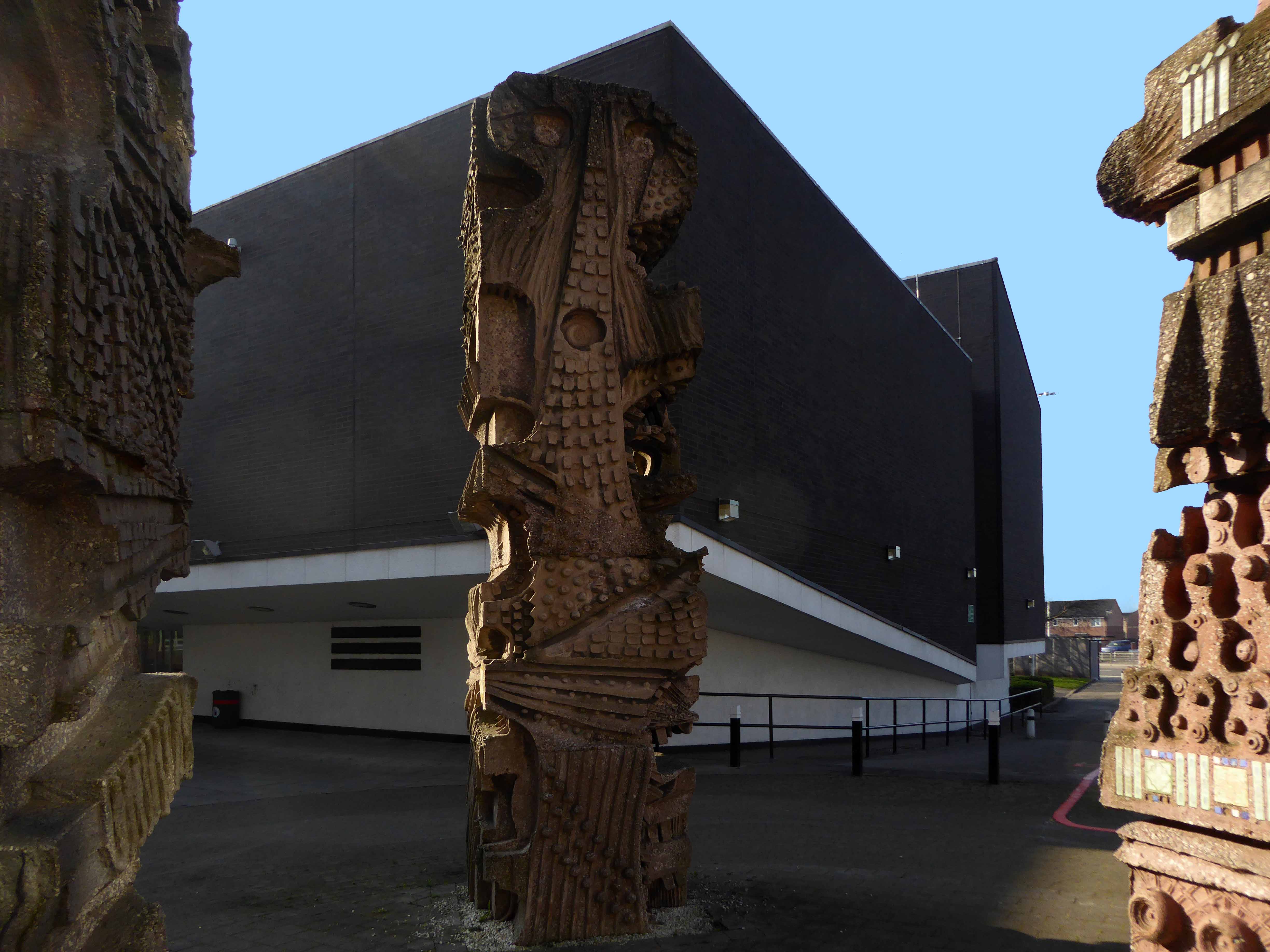
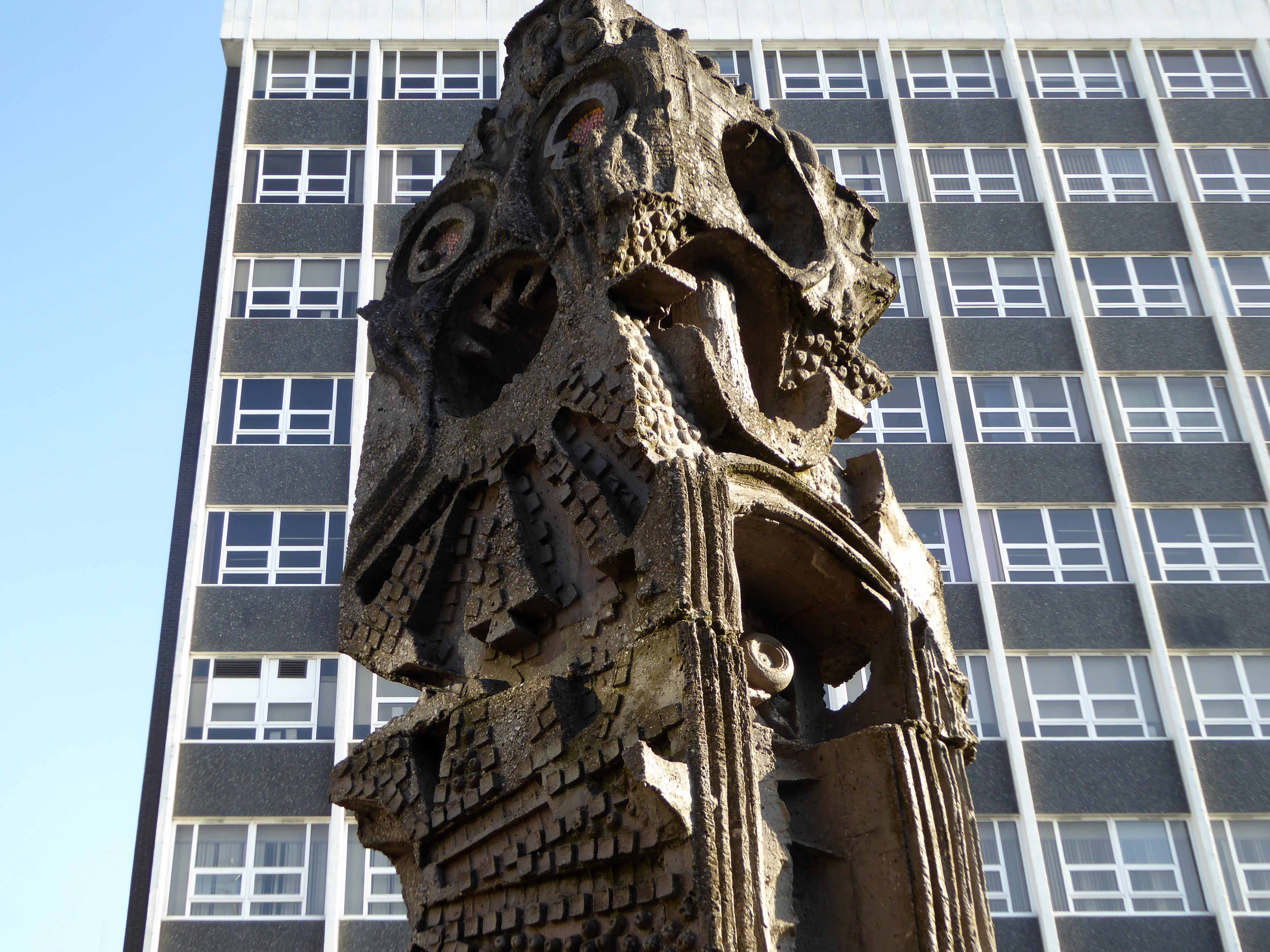
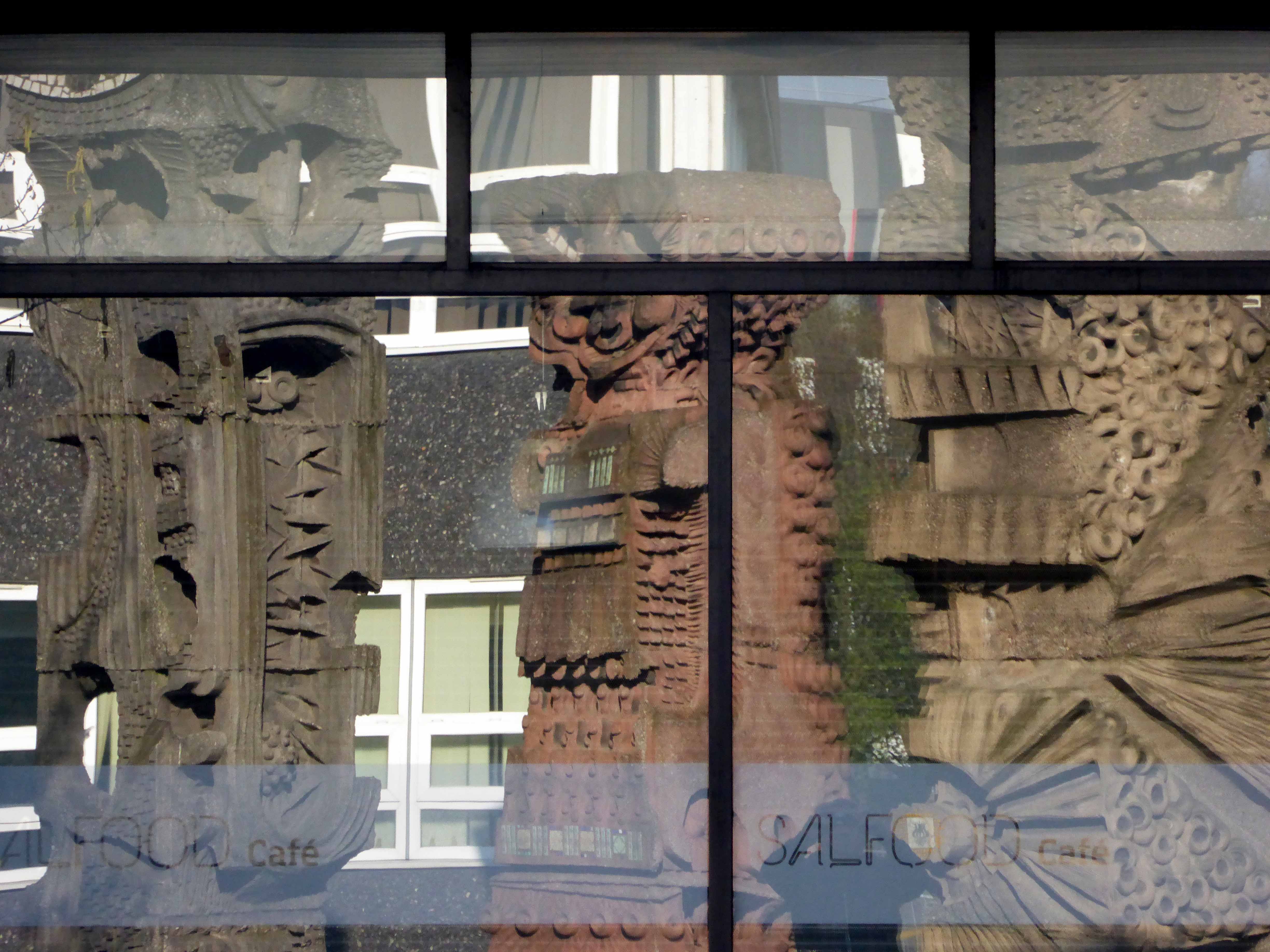
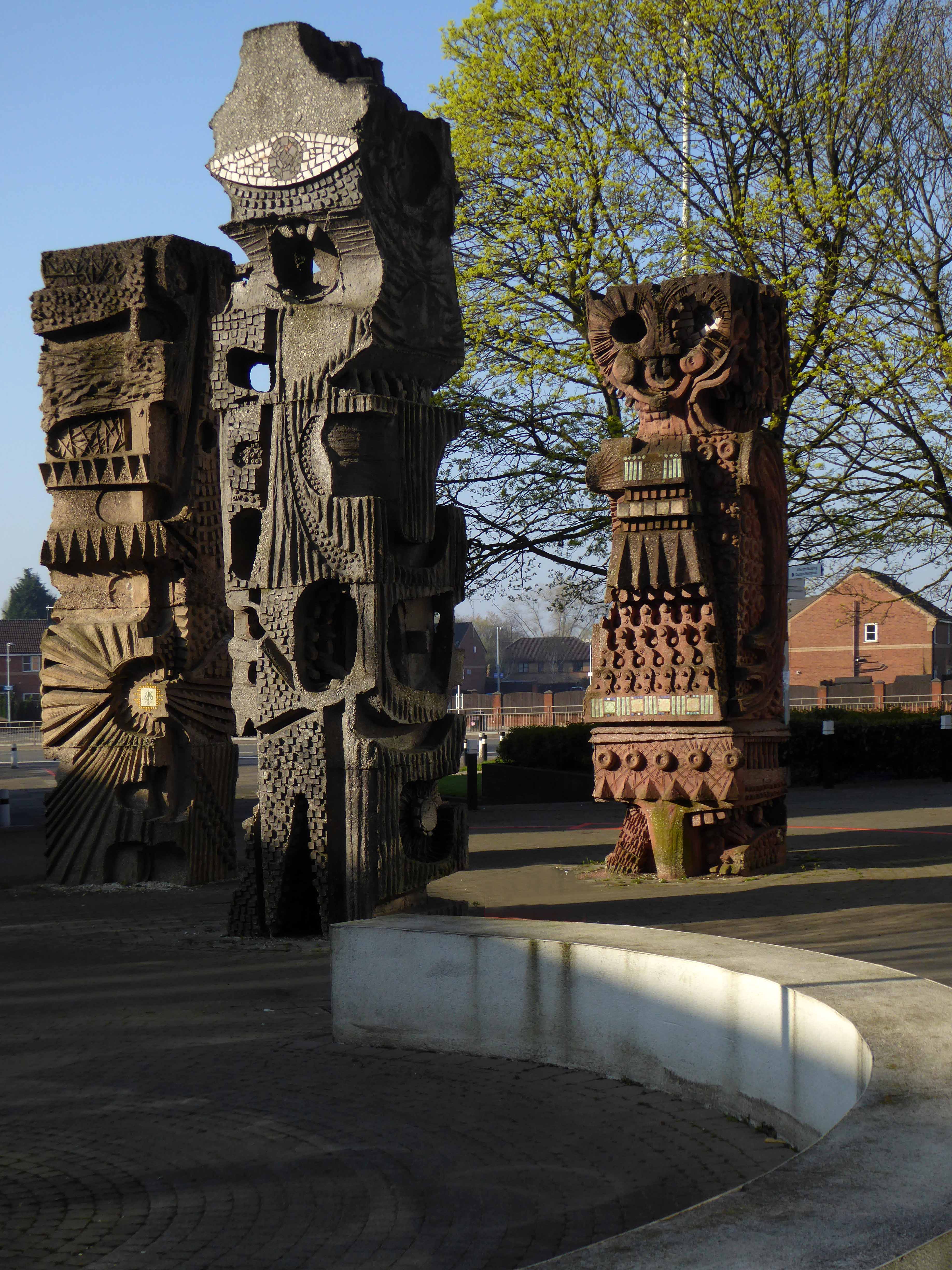
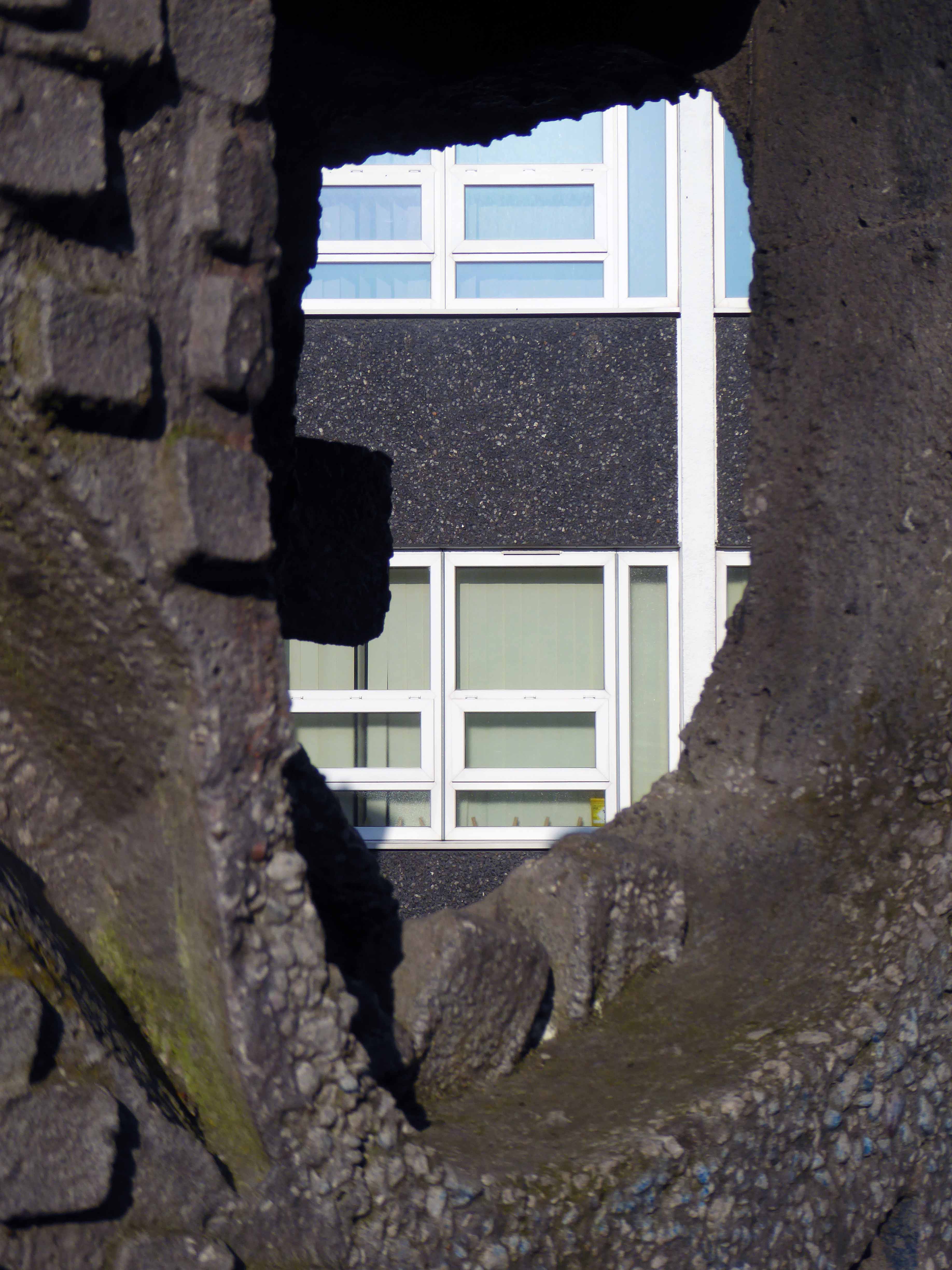
The three concrete totem sculptures of 1966 by William Mitchell, which stand in the courtyard of the Allerton Building, University of Salford, are recommended for designation at Grade II for the following principal reasons: * Historic Interest: as a good representative example of the commissioning of public artwork as an integral element of the design of new higher education colleges and universities in the post-war period, here succeeding in imbuing a distinct identity and image on an otherwise relatively plain complex.
So it seemed appropriate to cycle to Salford early one sunny Saturday morning, in an otherwise relatively plain manner in order to see the three totems.
William Mitchell was a leading public artist in the post-war period who designed many pieces of art in the public realm, working to a high artistic quality in various materials but most notably concrete, a material in which he was highly skilled, using innovative and unusual casting techniques, as seen in this sculptural group. He has a number of listed pieces to his name, both individual designs and components of larger architectural commissions by leading architects of the day.
Historic England says so, they loved them so much they listed them Grade II.
I loved them so much I listed them lovely, especially in lowish spring light, set against a clear blue sky and framed by the surrounding academic buildings.


















































 West Cliff councillor Joe Plant added: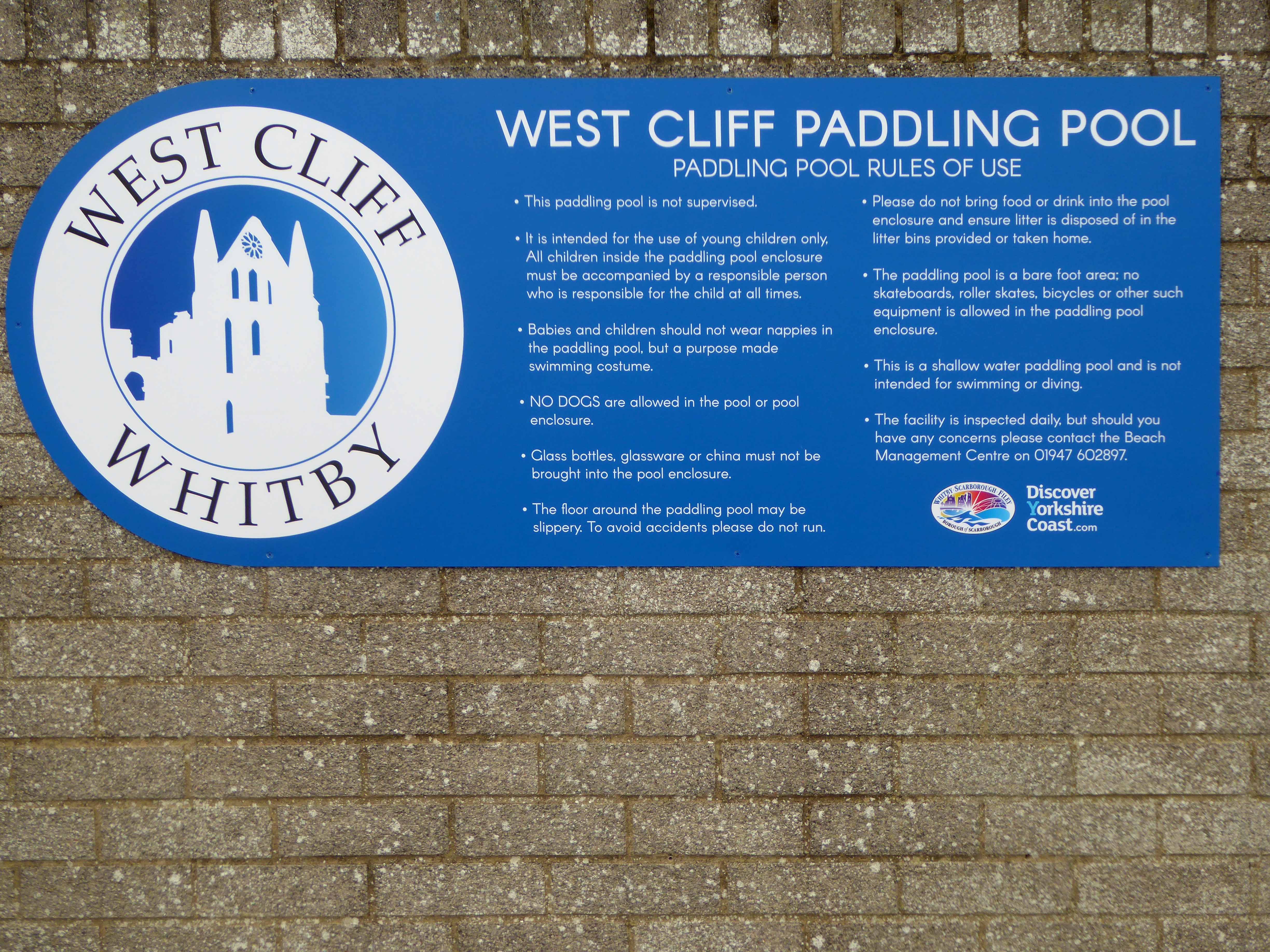







 Modern Mooch