Morecambe Walk

To begin at the beginning – to begin at the Telephone Exchange.

A plethora of surface textures and a purposely restrained palette, well suited to the architecture of infrastructure.

Around the corner the Royal Mail Sorting Office.

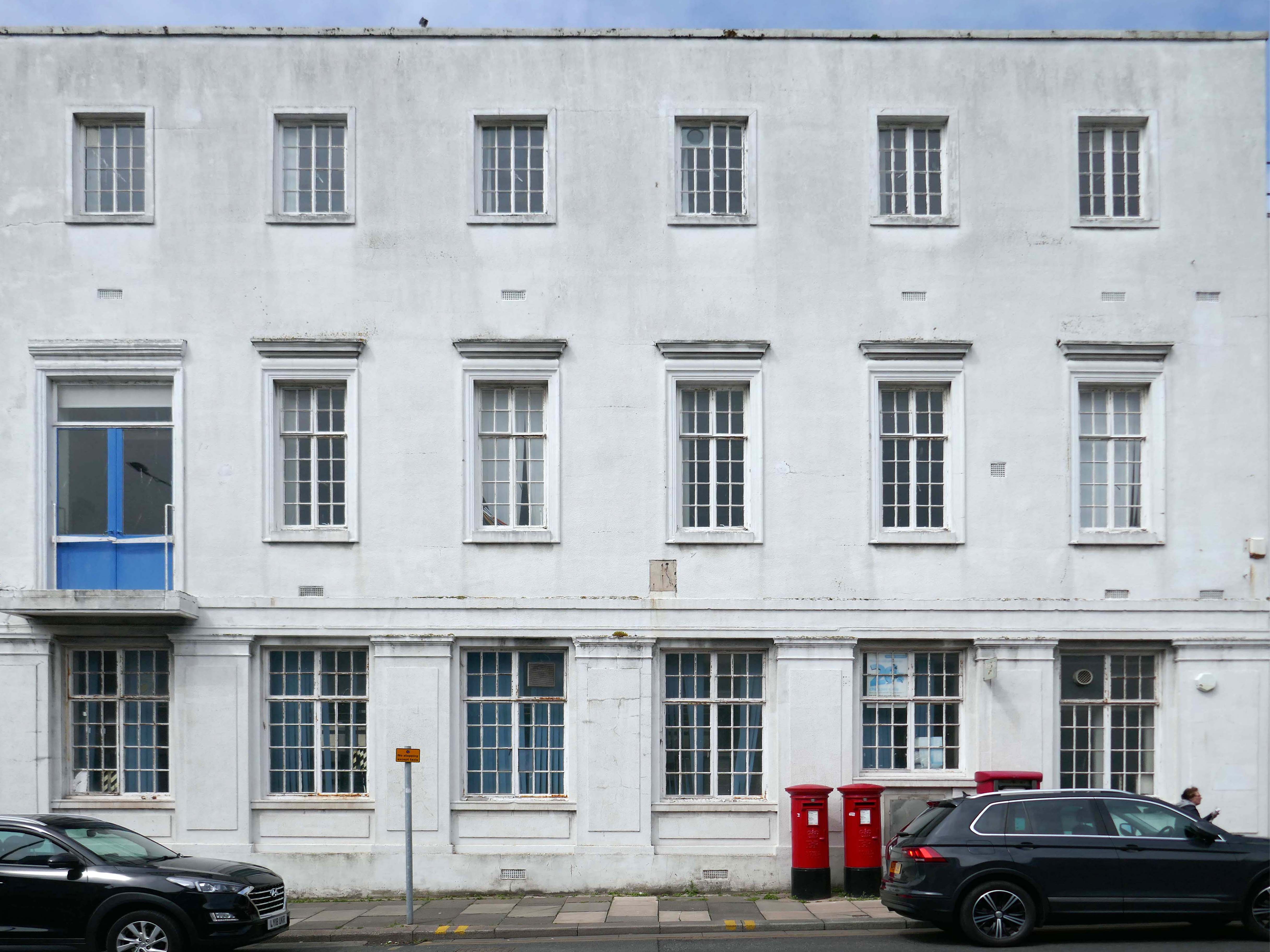
Next door the Telephone Exchange, drawings of the building are dated around 1937 and are simply signed by the Ministry of Works, Preston.
Across the way this former Barclays Bank with its 70s extension, originally a branch of the Kendal Bank, Bank of Liverpool and also Martins.

The building of 1900 is Grade II listed.
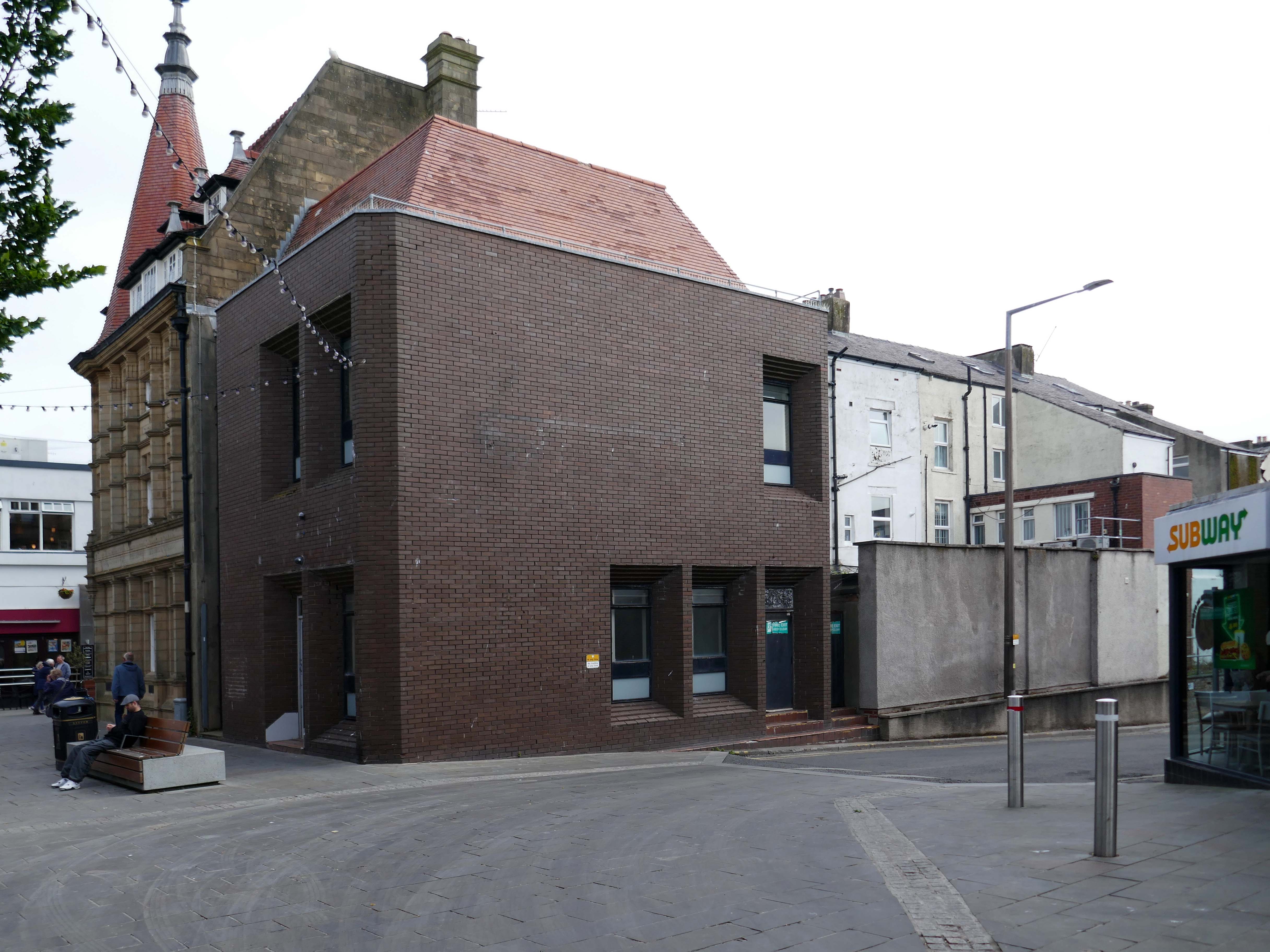
Onwards along Central Drive to the Library.

The work of County Architect Roger Booth and his team, opened in 1967.

With thanks to the Library Staff.

Seen here in its original form, before the alterations were made.

Image – Red Rose Collections

Off down to the former Odeon Cinema 1937 architects – W Calder Robson and Harry W Weedon

Like many of the original Odeon Theatres built by Oscar Deutsch, the site chosen was a little out of the main town centre – where land prices were cheaper, and the Odeon Morecambe is a good example of this. It is located at the corner of Euston Road and Thornton Road in this Lancashire seaside town. The Odeon was opened on 2nd September 1937 with Sandy Powell in “It’s a Grand Old World”. It had seating provided for 1,084 in the stalls and 476 in the circle.

Taken over by the Classic Cinemas chain in December 1967, it was re-named Classic Cinema, and was closed on 28th February 1976 with Kenneth Williams in “Carry On Behind”.

The stunning Moderne style exterior much of which including the projectionists walkway is now much deteriorated.

Cinema Treasures

Next to the Police Station another Roger Booth building – recently seen on the small screen in The Bay.

Backtracking to take in the Crescent Café entrance.

Which became Hart’s Restaurant now trading as the Black Thai.

Into the town centre to look at the former Centenary House Co-op 1927.

Bought by the city council as part of the West-End Masterplan, the intention is to refurbish the building’s upper floors to provide affordable housing and accommodation for local arts businesses, retaining the Co-op late shop that occupies one-half of the ground floor.

Let’s take a look along the front – where we find a former Woolworths.

Along with other stores from the same period.

Alongside sits the former Littlewoods.

By 1939 there were 24 stores. A number of these were purpose-built for Littlewoods to designs by J S Quilter & Son. John Salmon Quilter – 1841-1907 was, in fact, long dead, but his architectural practice had been continued by his son Cecil Molyneux Quilter – 1879-1951. Quilter specialised in commercial architecture, notably public houses. He designed a new Blackpool store for Littlewoods, on the corner of Church Street and Corporation Street, which was faced in Empire stone. He also designed a store in Chester, and may have been responsible for the one in Morecambe. This faience-clad art deco building is the best surviving example of a pre-war Littlewoods store – indeed, it may be the best surviving Littlewoods of all time – even preserving diamond L motifs on the entrance lobby floors. These clearly copied Woolworth’s diamond W.

Building our past

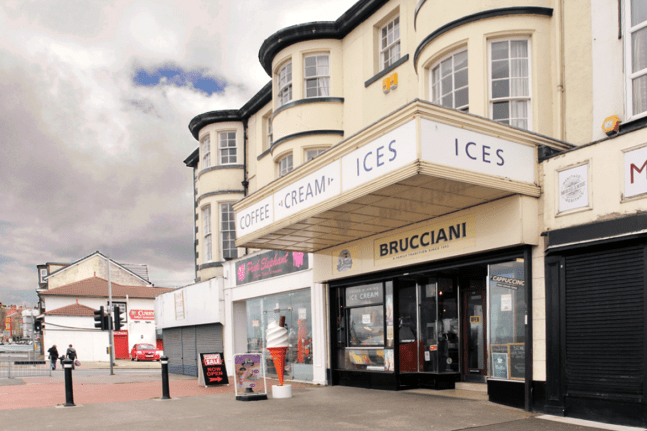
Next to Brucianni’s, a gem of a coastal café and ice cream parlour – Grade II listed.

Finally to the Midland Hotel 1932-3 by Oliver Hill

Concrete and rendered brickwork, painted white. Curved plan, with convex side facing west towards the sea. Three storeys. Windows are steel-framed casements with rendered surrounds. Above each storey are projecting horizontal bands. The entrance front has a rounded left-hand corner, and a convex central staircase projection rising above roof level. This projection has a tall window of steel casements above the doorway, divided into three by mullions, both of which are capped by sea horses, painted red, which were carved by Eric Gill. Projecting at the right is a single-storey cafe of circular plan, now known as the Ravilious Restaurant. The west side has a single-storey projecting sun lounge, which is an addition, its windows replaced in PVC-coated steel. Between the solid centre and ends of the facade the 1st and 2nd floors have their walls recessed to form balconies.

Interior: above the cantilevered circular open-well staircase is a ceiling panel carved in low relief by Eric Gill and painted by Denis Tegetmeier. They were also responsible for the pictorial map of north-west England in what was originally the children’s room at the south end of the building. Also in this room is Eric Gill’s Portland stone panel, originally in the lounge, carved in low relief with a representation of Odysseus and Nausicaa. It was moved to its present position when internal walls were demolished during the 1970s. The cafe walls were originally painted with frescoes by Eric Ravilious, representing morning and evening in an idyllic seascape setting. These deteriorated rapidly because the plaster and paint used were incompatible and were obliterated within 2 years of completion, but were repainted in the late 1980s using photographic evidence.

Eric Gill

Tirzah Garwood and Eric Ravilious

Sadly we are no longer able to see the long gone Super Swimming Stadium.

Architect: Kenneth MB Cross and Cecil Sutton

The Super Swimming Stadium at Morecambe, Lancashire, was one of the grandest of the 1930s modernist seaside lidos. This massive structure measuring 396ft. by 110ft. was said to be the largest outdoor pool in Europe when it opened in 1936, accommodating some 1200 bathers and 3000 spectators. Unusually for an inter-war lido, it was designed not in-house by a Borough Engineer but by two architects, Kenneth MB Cross and Cecil Sutton, who styled it to harmonise with the Streamline Moderne of Oliver Hill’s adjacent Midland Hotel.

The stadium was closed down in 1975 on grounds of structural problems and demolished just a year later.
Newcastle to Amble

Well here we are heading north for a fourth day – having bidden farewell to Hull, Scarborough and Redcar.

Passing a few familiar sights.

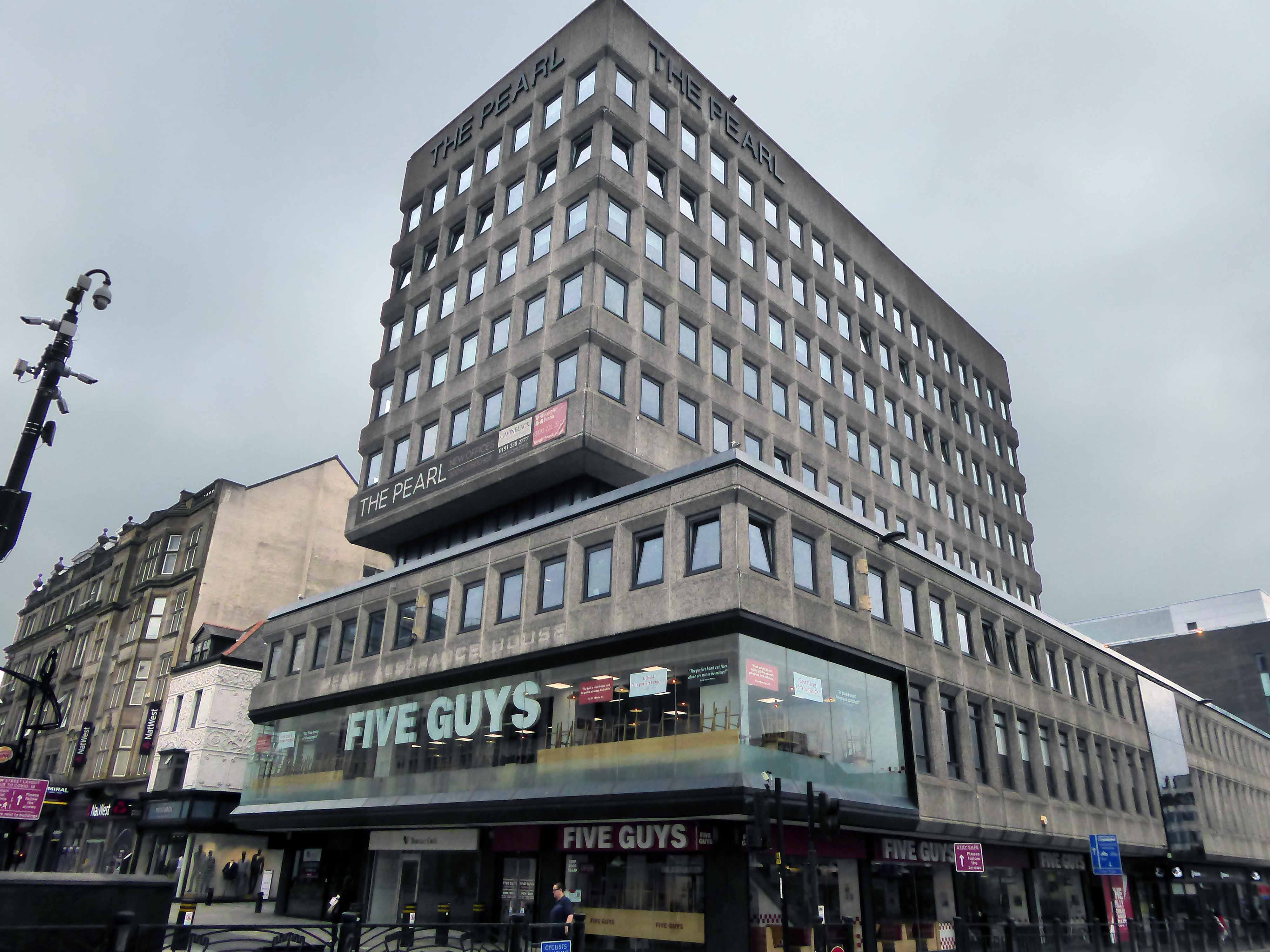
Pearl Assurance House Architect: T P Bennetts

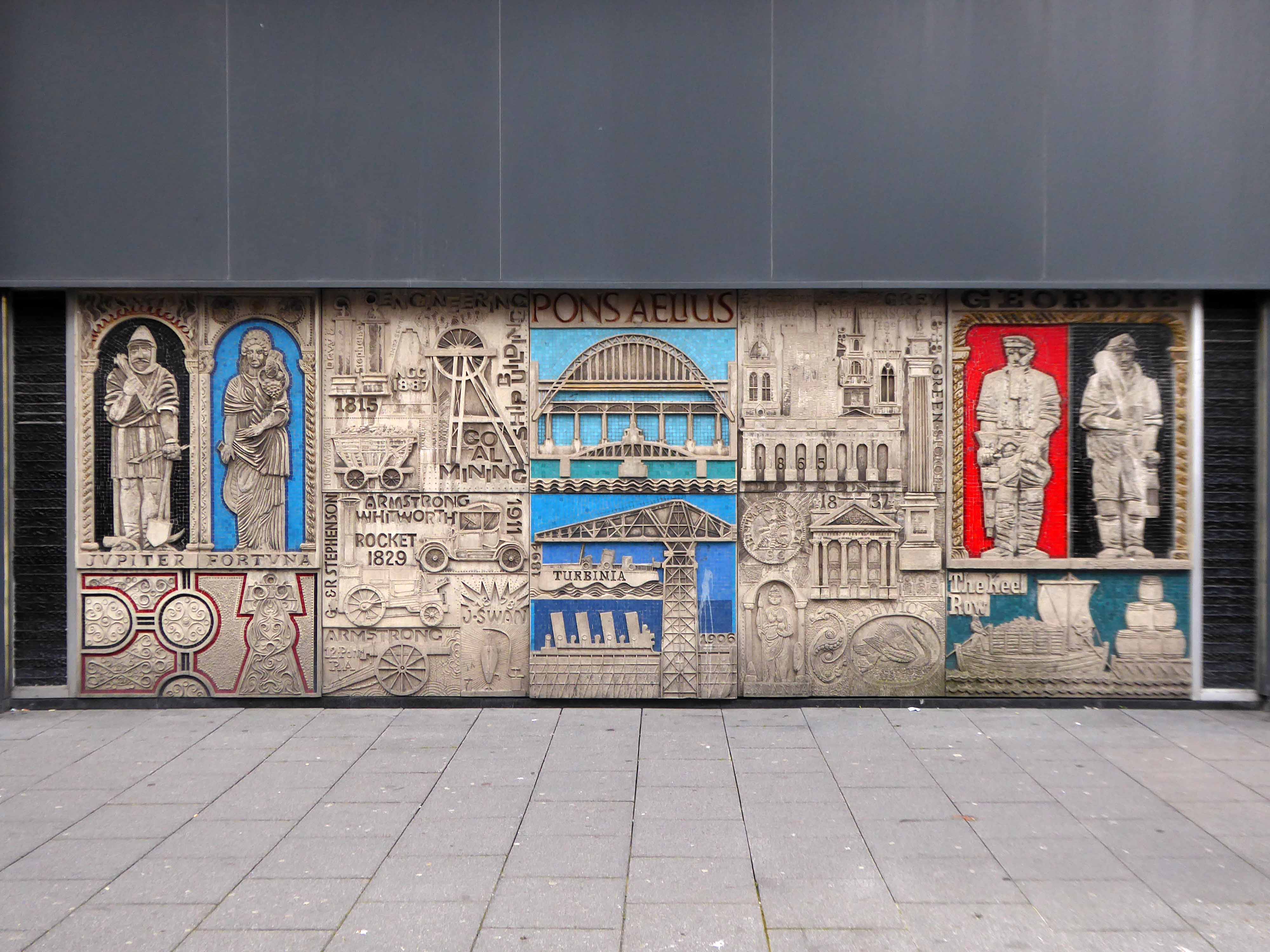
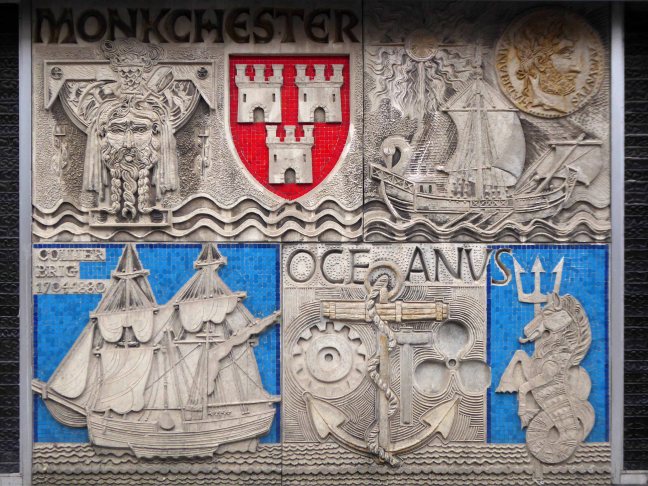
BHS Murals Joyce Pallot and Henry Collins.

The building was originally developed by C&A and it is thought that funding for the reliefs might have been provided by the store and/or Northern Arts. It became BHS which subsequently closed, the building is now occupied by Primark, C&A estates still own the site. 

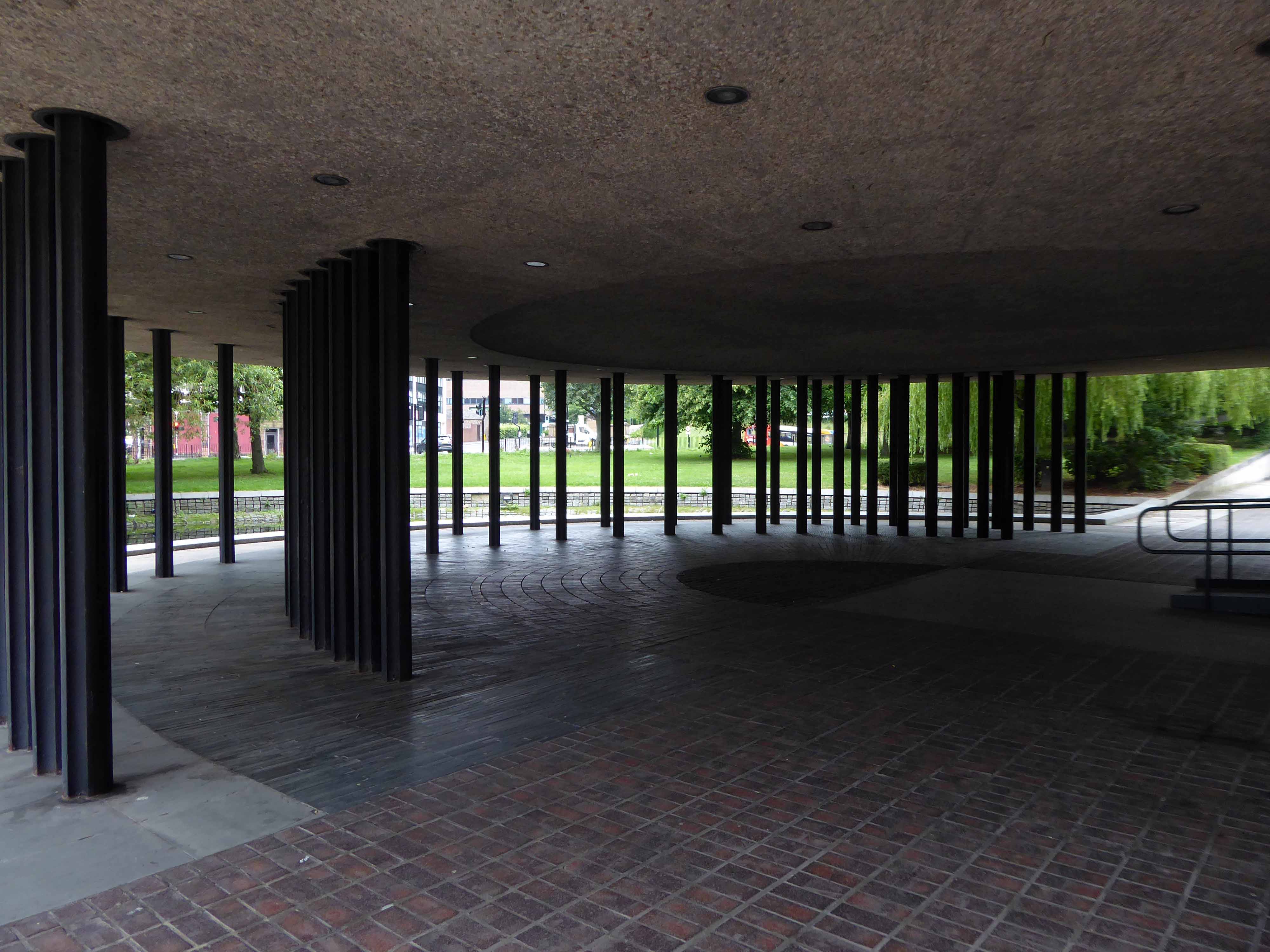
Civic Centre entrance to the Council Chamber.

Taking a bold leap into the unknown I left the city centre, unwisely following unfamiliar roads, predictably becoming very lost.

I sought assistance from a passing fellow cyclist, very kindly he guided me to Tynemouth, following a mysterious and circuitous course across the undulating terrain – thanks.

The city quickly becomes the seaside with its attendant retail bricolage.

An all too familiar redundant Lido – opened in 1925 and closed in the mid 90’s – but a Friends Group aims to breathe new life into the site.

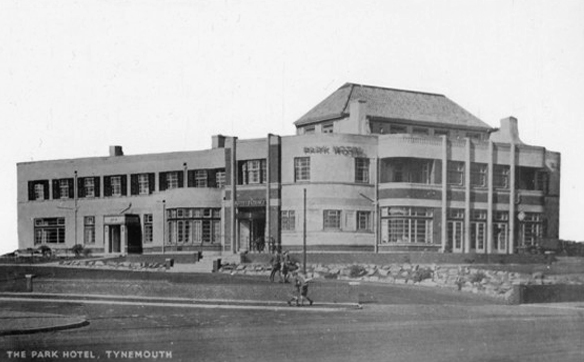
The Park Hotel built in the 1930’s and recently refurbished has been bought by The Inn Collection Group.

Chronicle Live

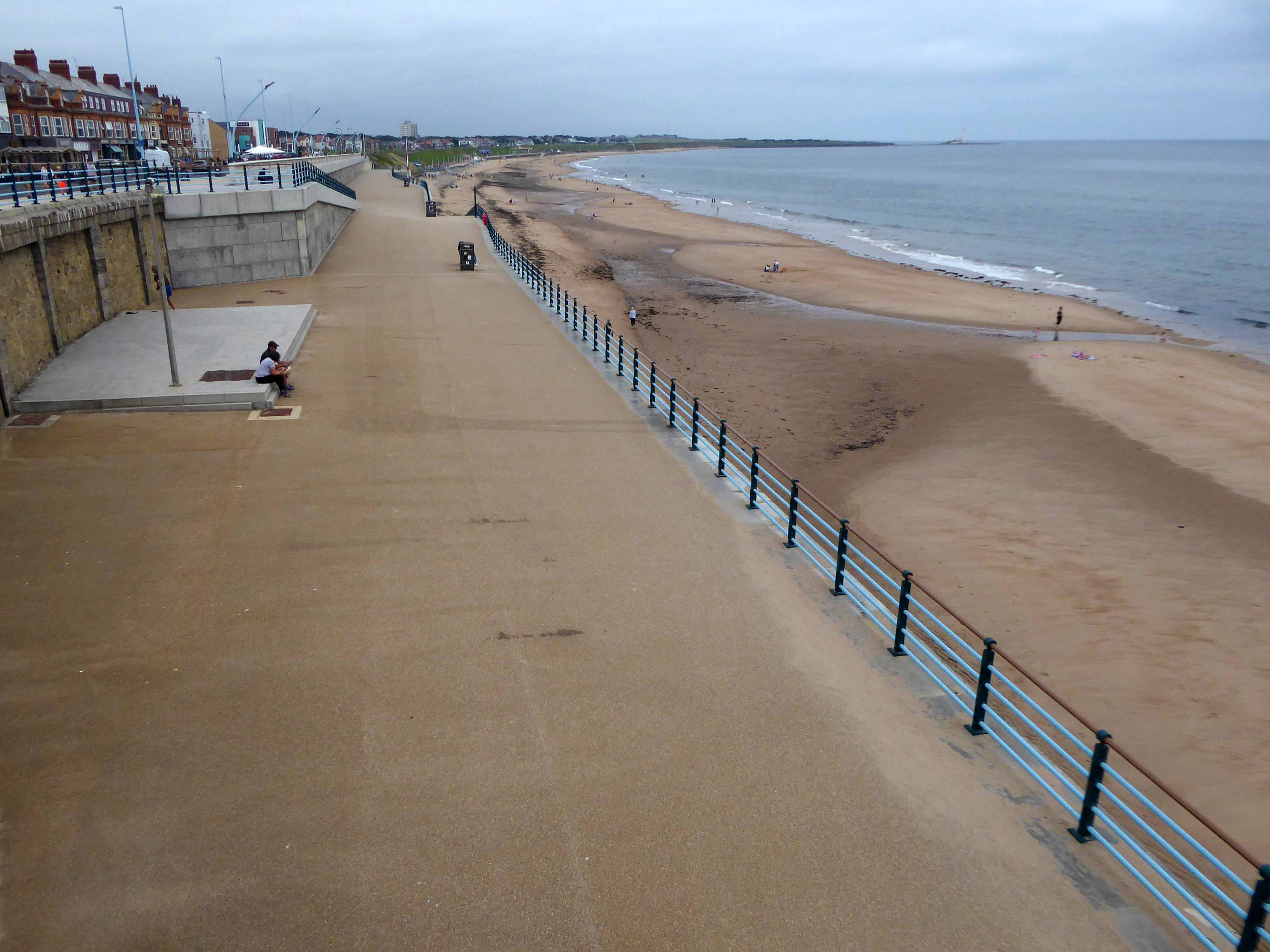
Much has been done to improve the promenade at Whitley Bay

The Whitley Bay Seafront Master Plan sets out our ambitious plans to regenerate the coastline between St Mary’s Lighthouse and Cullercoats Bay.

The proposals are a mix of council and private sector developments and involve more than £36m of new investment at the coast.

North Tyneside Gov

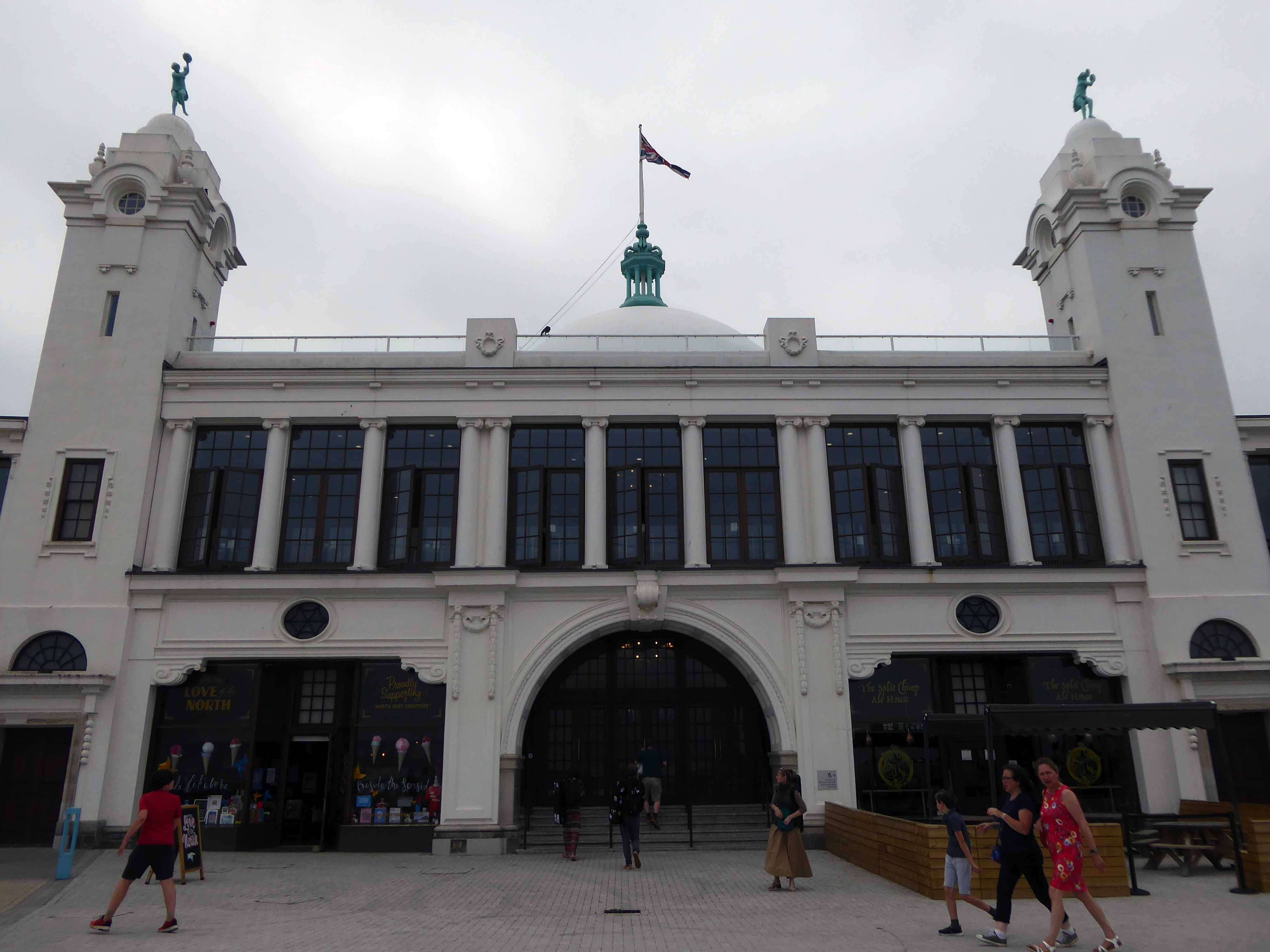
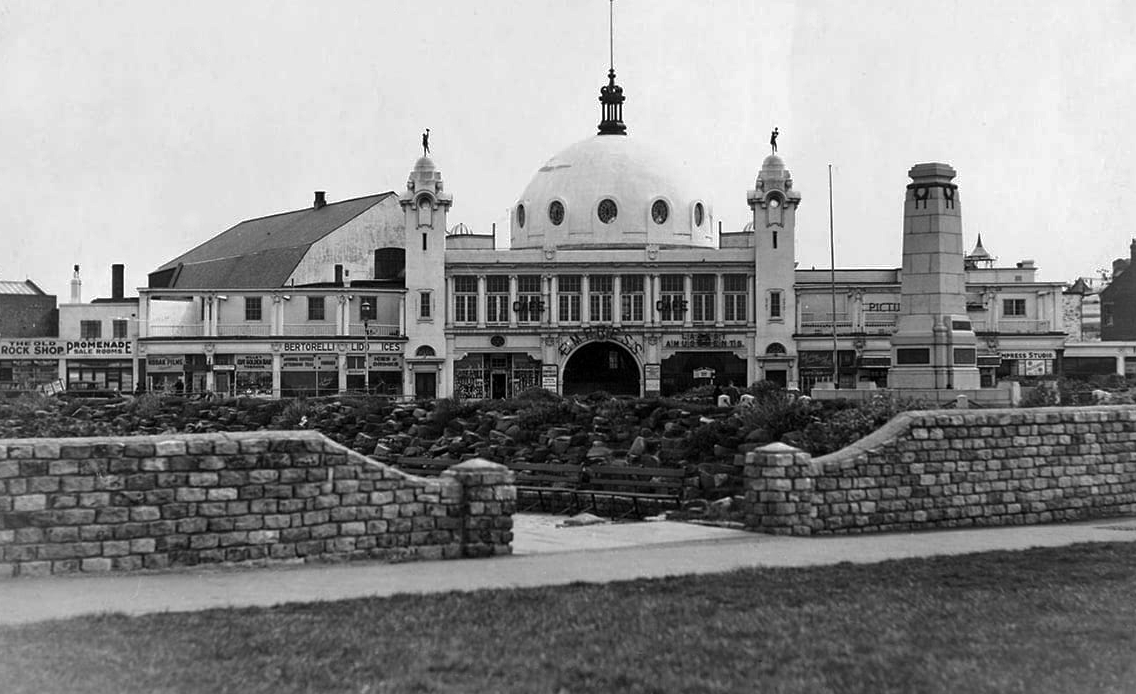
In 1908 the Spanish City was officially opened.

A simple three-arched entrance had been built facing the seafront and the area was now completely enclosed within a boundary. In 1909, large rides appeared, including a Figure Eight rollercoaster and a Water Chute. Elderton and Fail wanted to make a statement and create a new, grand entrance to the fairground. They hired the Newcastle architects Cackett& Burns Dick to survey the site and begin drawing up plans for new Pleasure Buildings.

Building began in February 1910 and the construction was completed by builders Davidson and Miller 60 days later. The use of the revolutionary reinforced concrete technique pioneered by Francois Hennebique was perfect for the job, being cheap and fast. The Dome and surrounding buildings – a theatre and two wings of shop units – opened on 14 May 1910 to great fanfare. Visitors marvelled at the great Spanish City Dome, the second largest in the country at the time after St. Paul’s Cathedral in London, which provided a spectacular meeting place with uninterrupted views from ground level to its ceiling, 75 feet above.

Telegraph-wire cyclists, acrobatic comedians, singing jockeys, mermaids, they all appeared at the Spanish City during its first decade. One of the wings hosted the menagerie, where visitors could see hyenas, antelopes and tigers! This was converted into the Picture House cinema in 1916.

Spanish City

Eventually the Master Plan will be fully implemented.

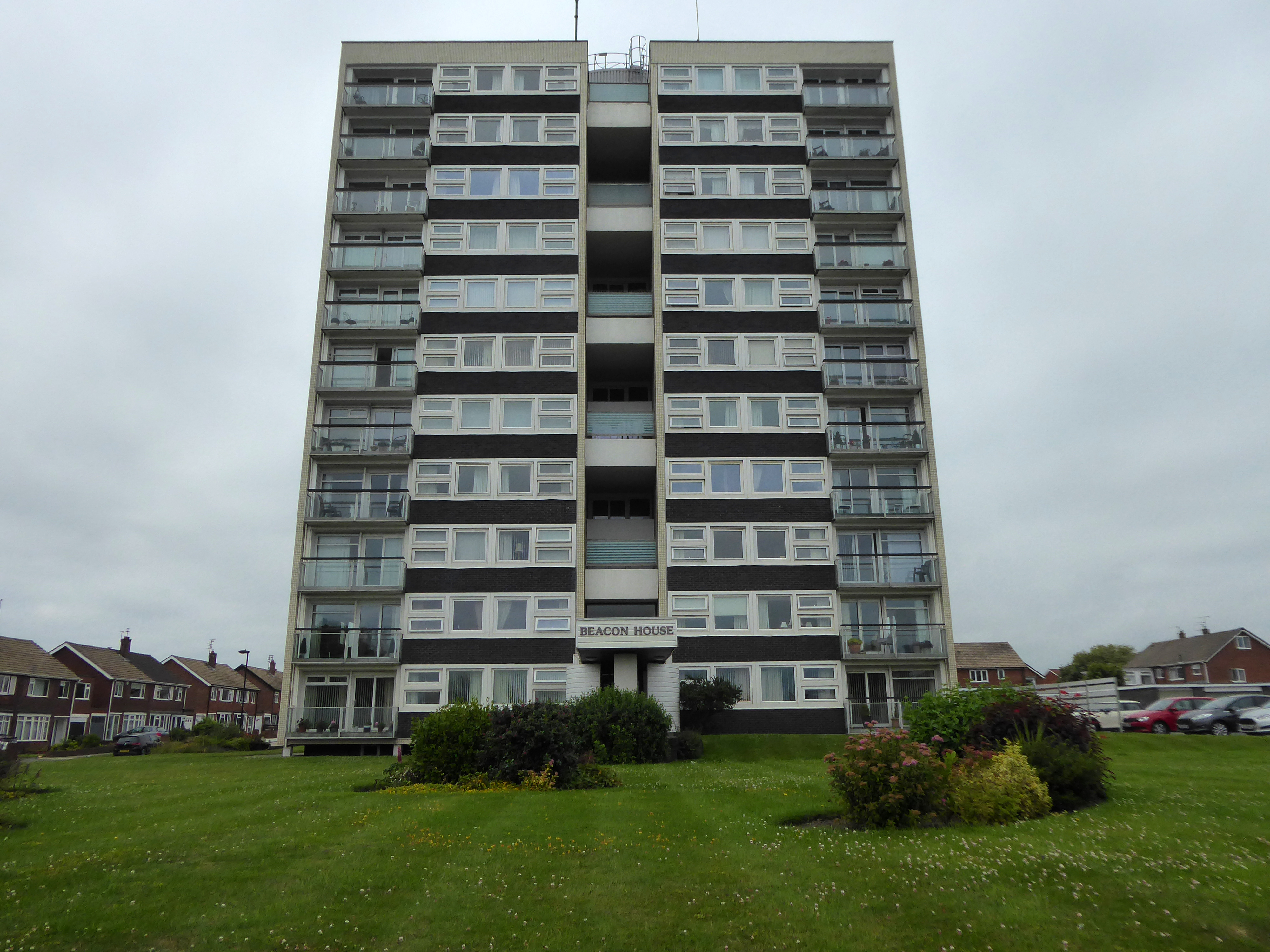
Beacon House beckoned and I took time to have a good old look around.

Ryder and Yates 1959

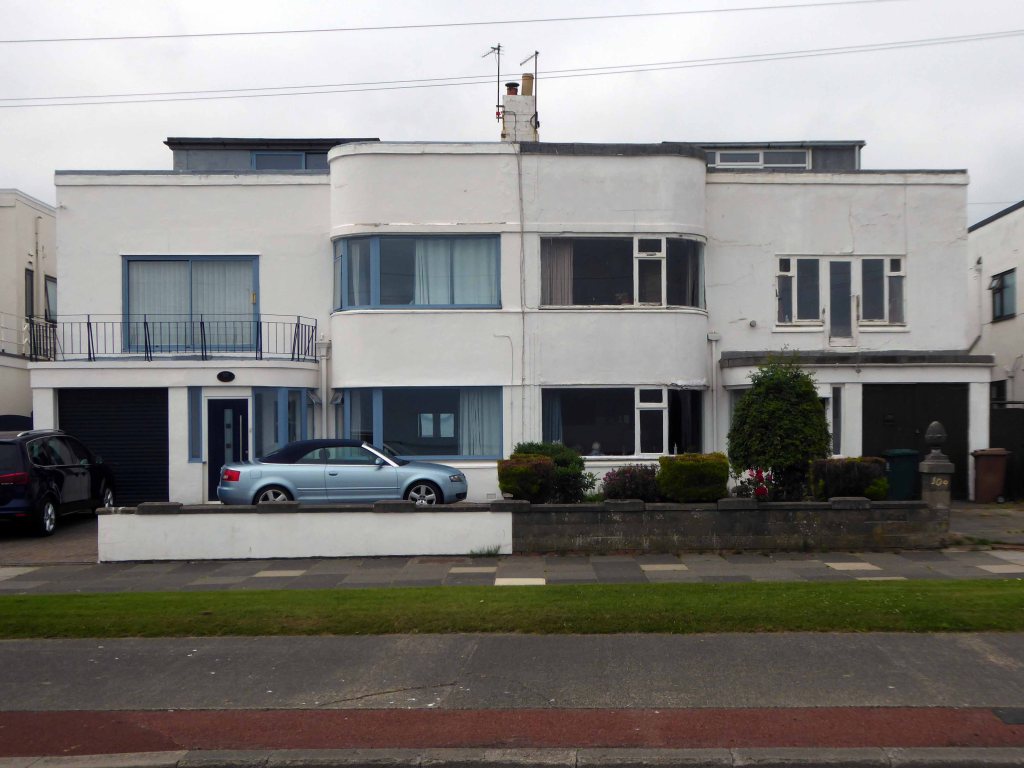
A little further along, a selection of Seaside Moderne semis in various states of amendment and alteration.

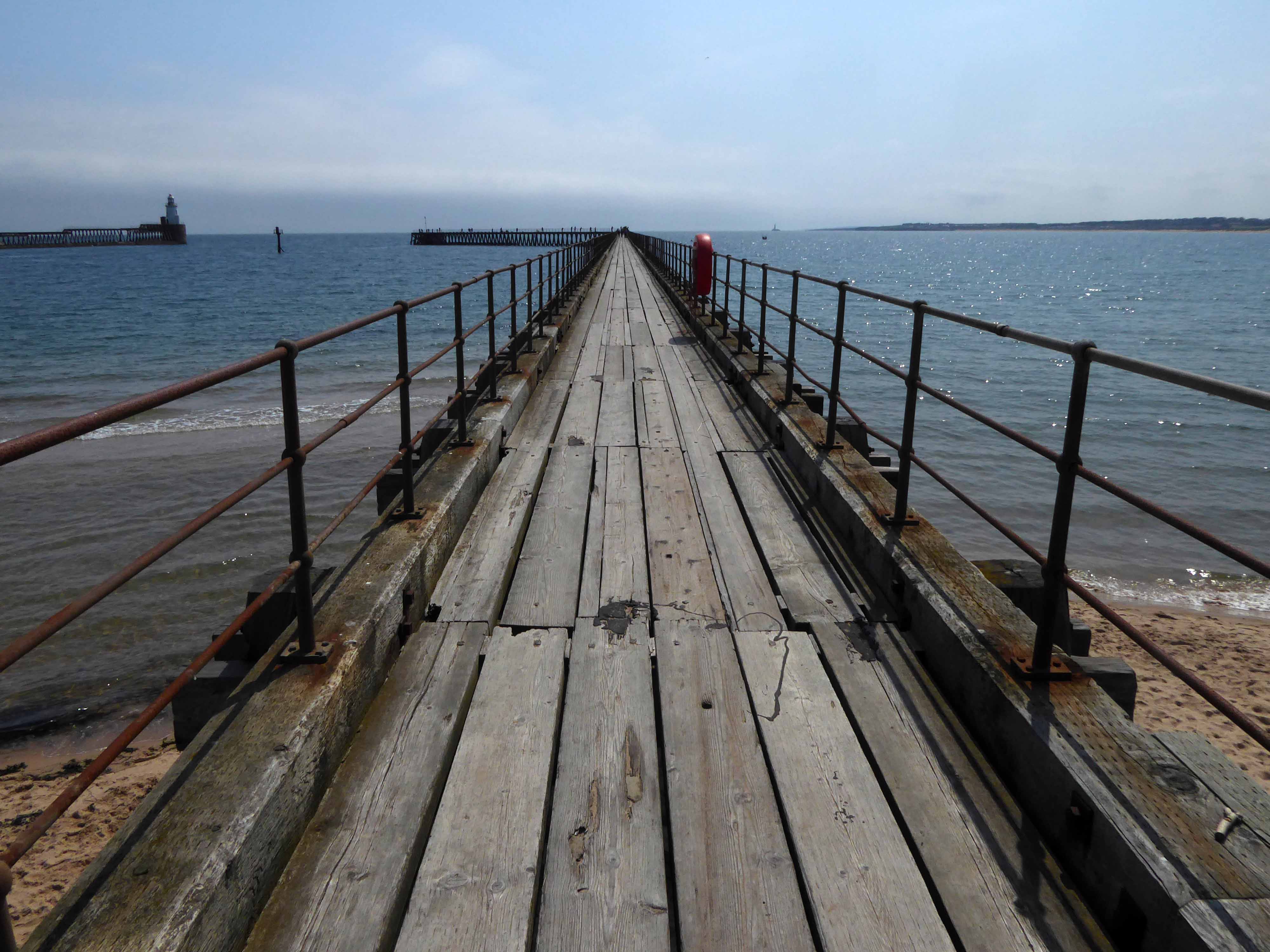
Before I knew it I was in Blyth.

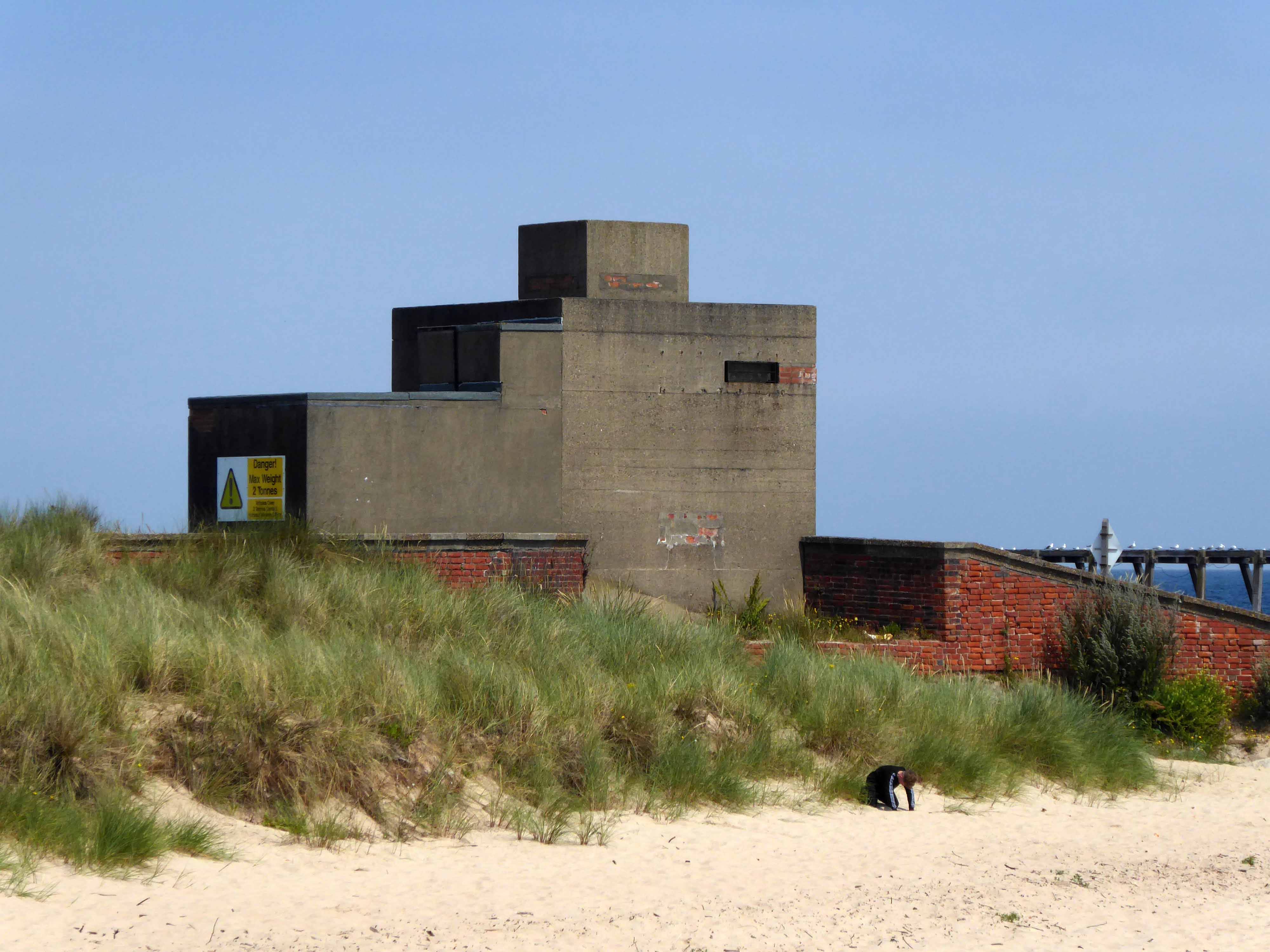
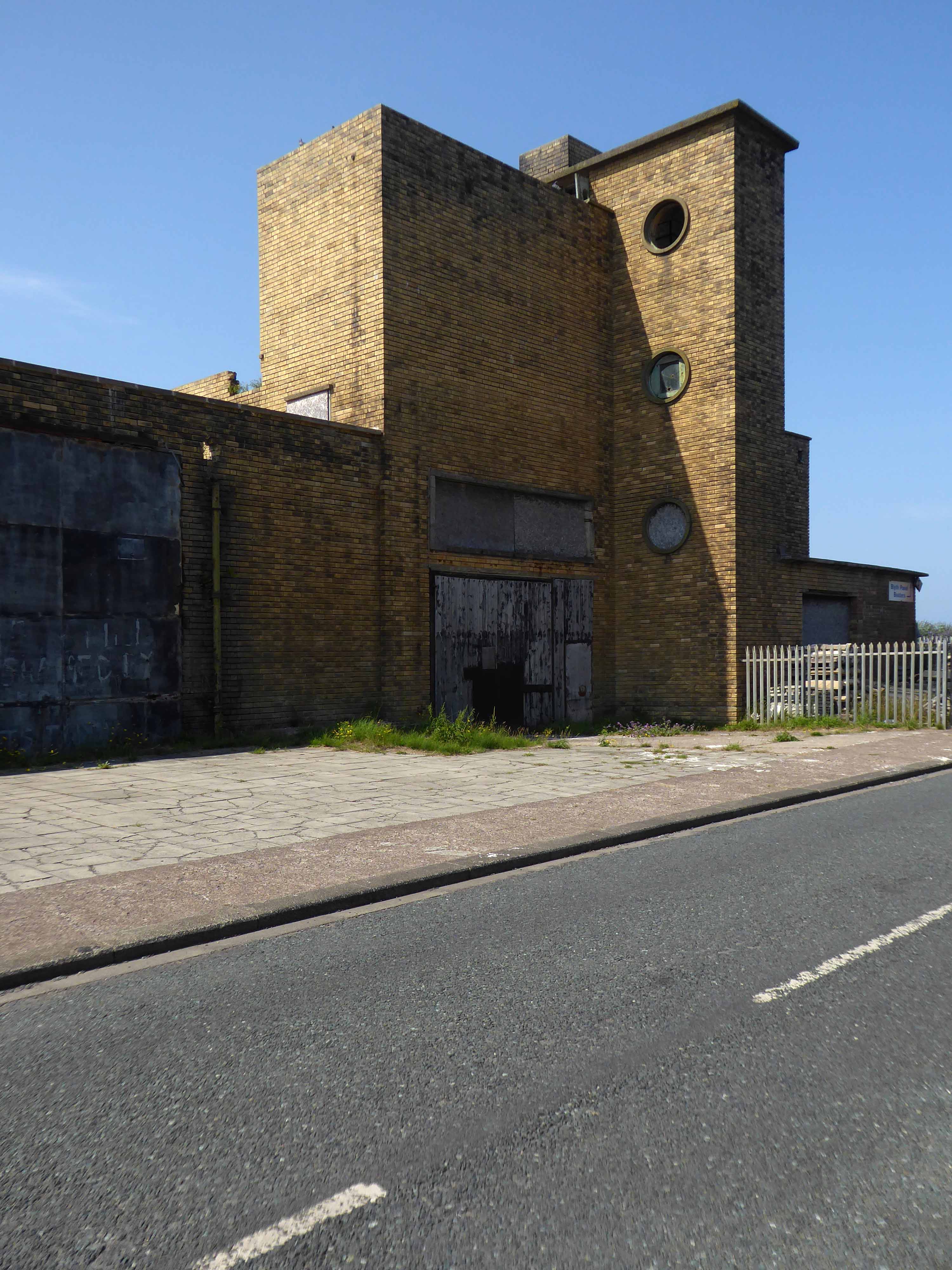
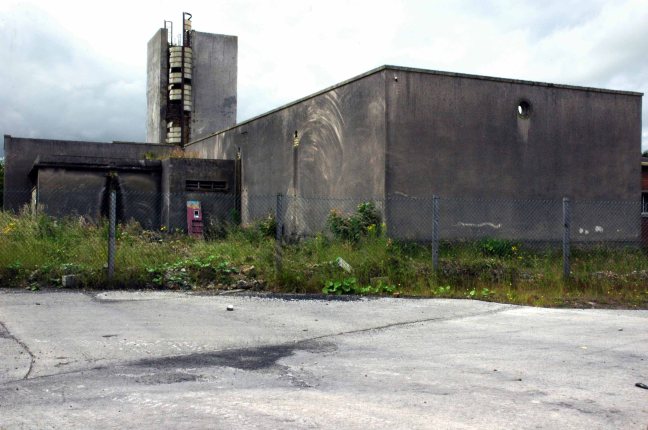
The town edged with military installations

Gloucester Lodge Battery includes the buried, earthwork and standing remains of a multi-phase Second World War heavy anti-aircraft gun battery and radar site, as well as a Cold War heavy anti-aircraft gun and radar site. The battery occupies a level pasture field retaining extensive rig and furrow cultivation.

Historic England

During WW2 Blyth Harbour was used as a major submarine base and that combined with the heavy industry in the area it made a very good target for the Luftwaffe.

Derelict Places

827 men of the 225th Antiaircraft Artillery Searchlight Battalion of the U.S. Army, arrived at this location in early March 1944 and were attached to the 30th British AAA Brigade. Here they sharpened their skills in the high-altitude tracking of aircraft.

Skylighters

I headed into town.

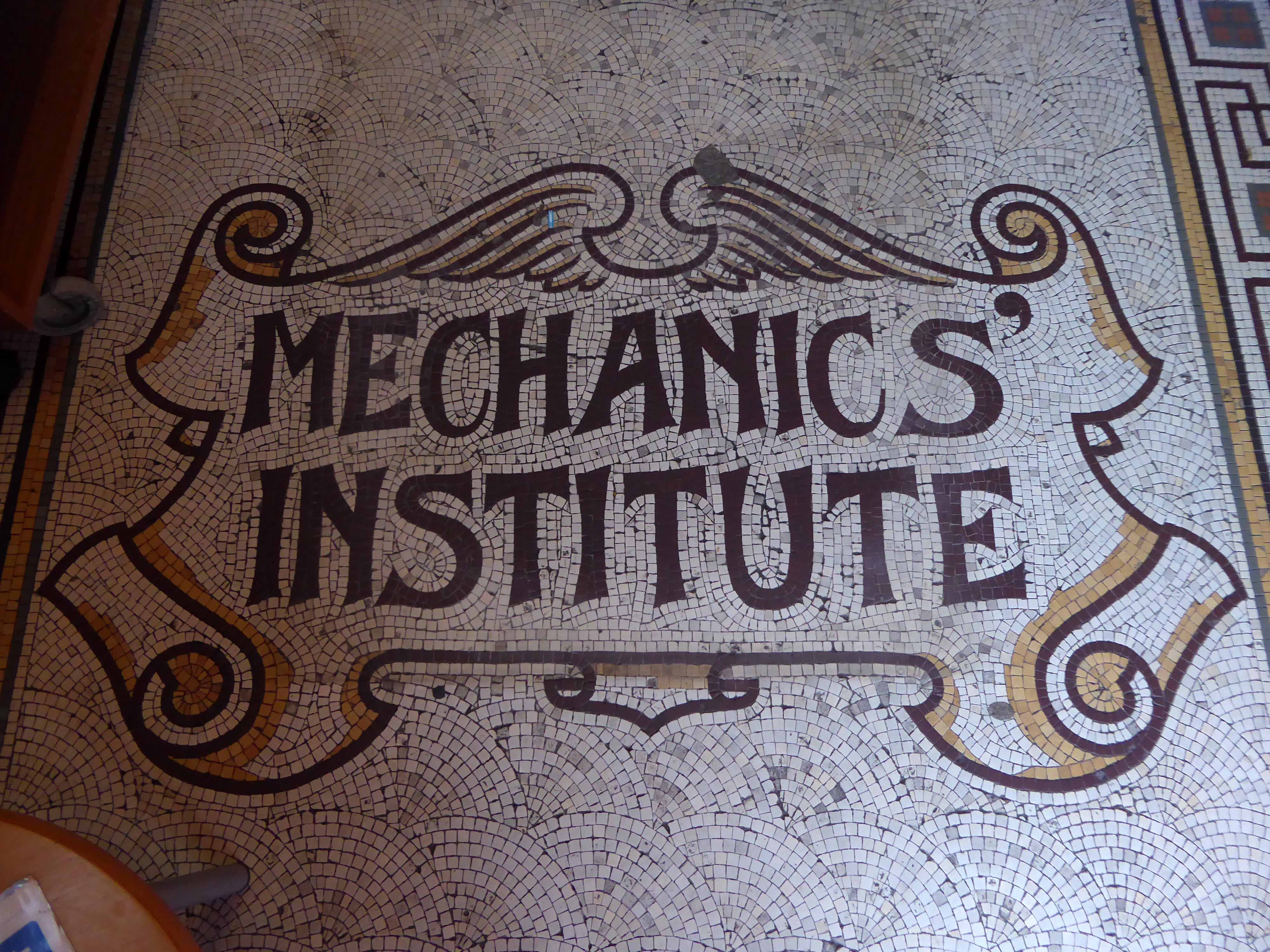
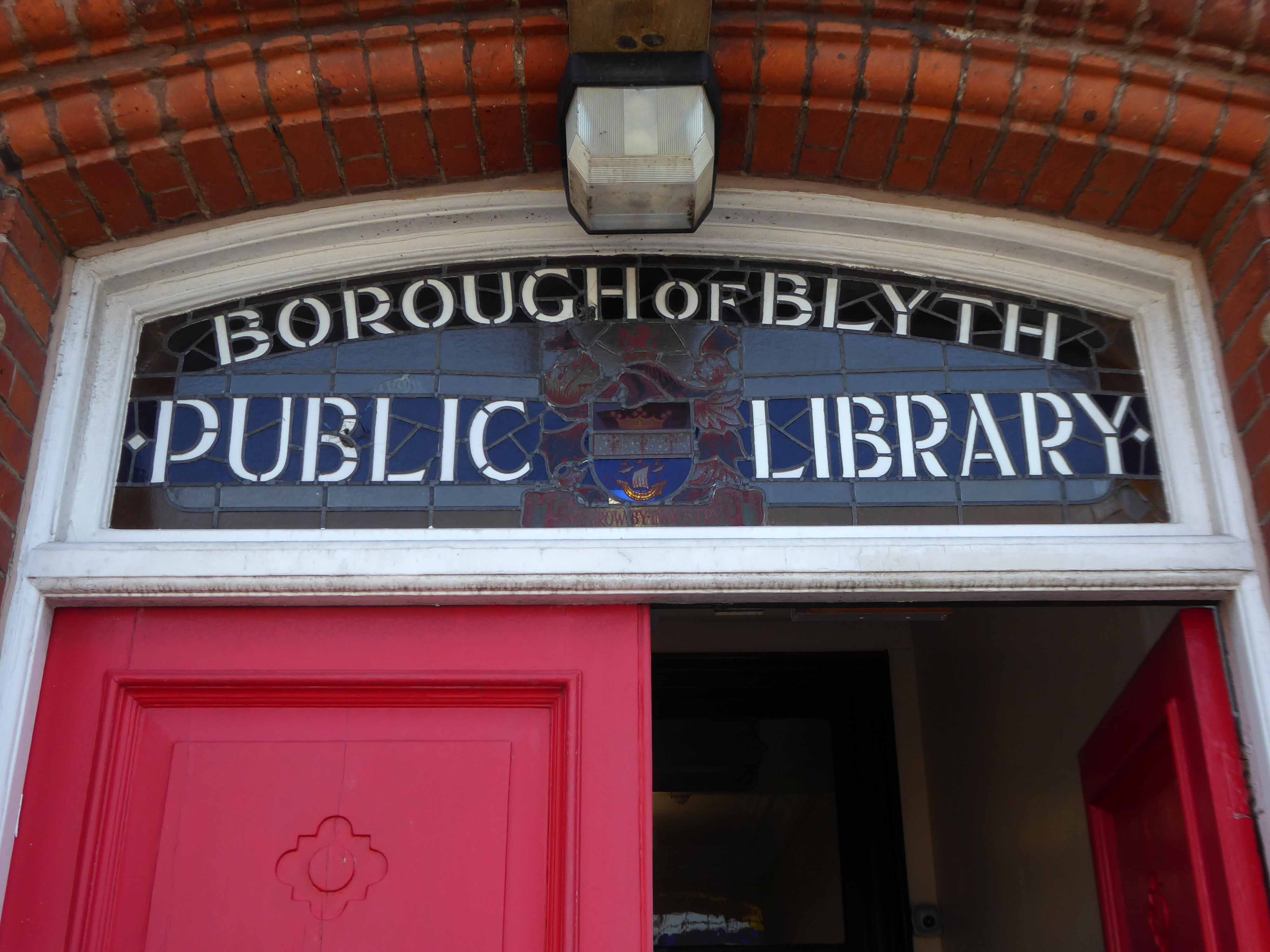
Uncovered this gem in the library porch.

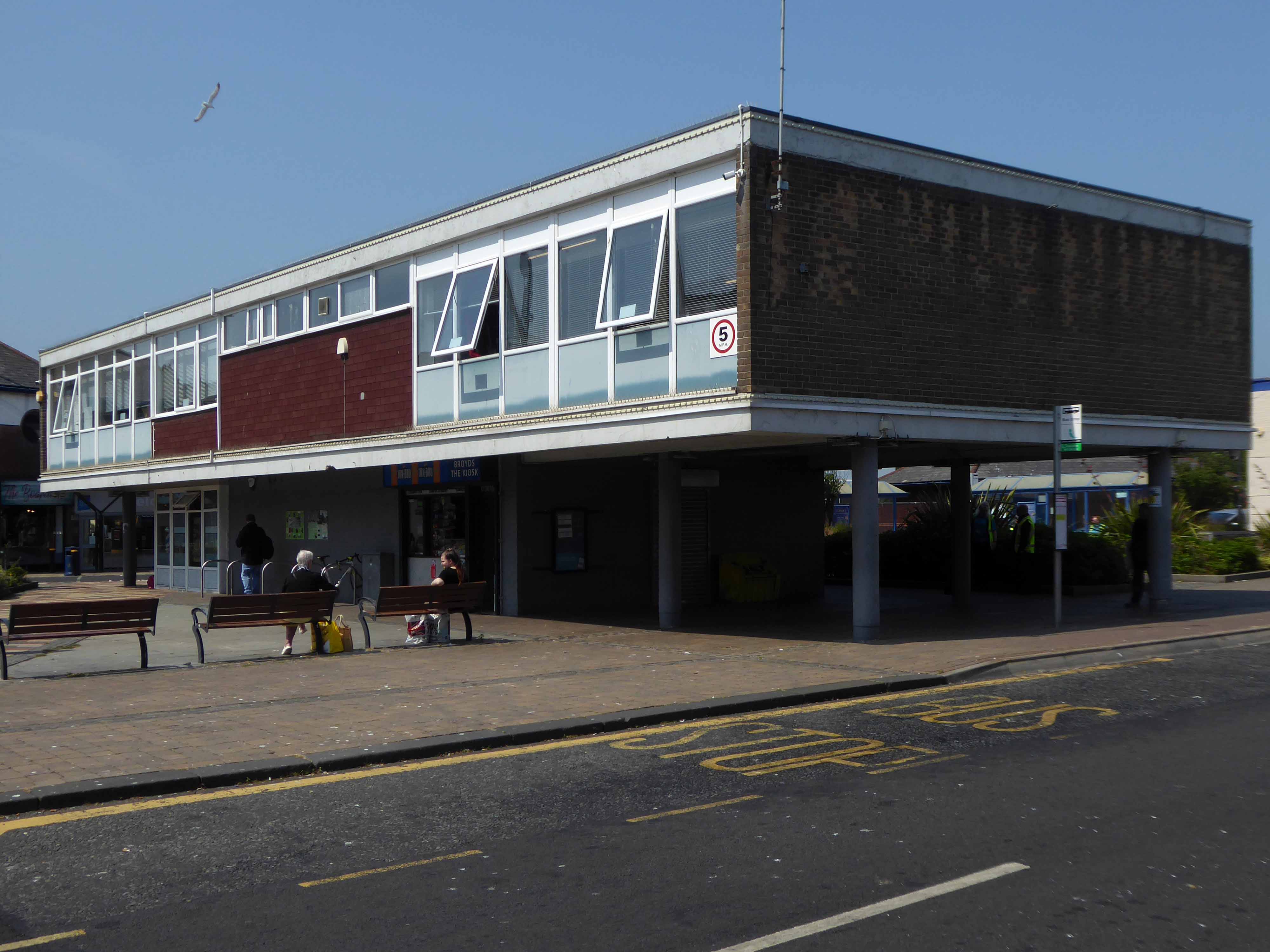
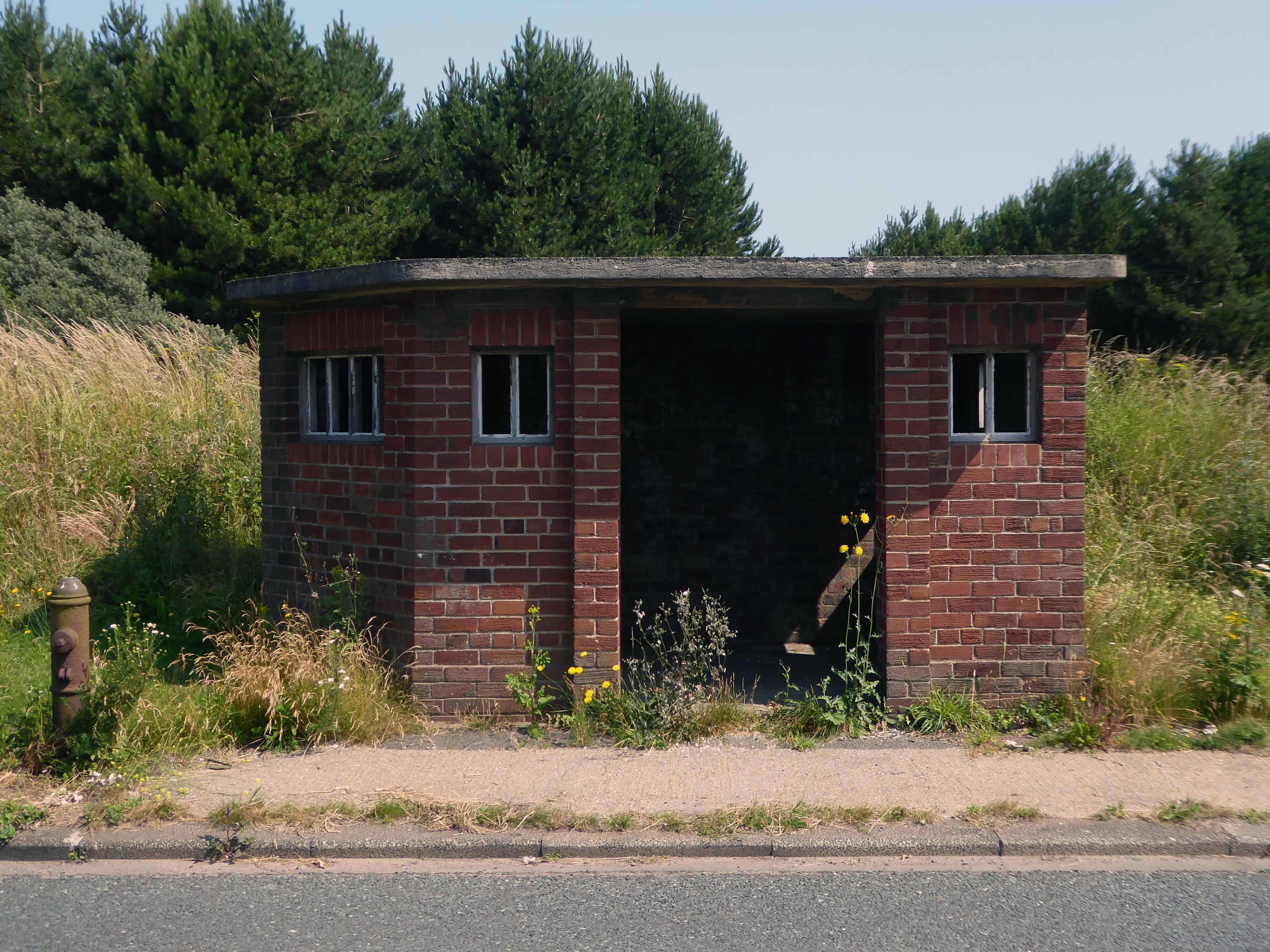
Stopped to admire the bus station.

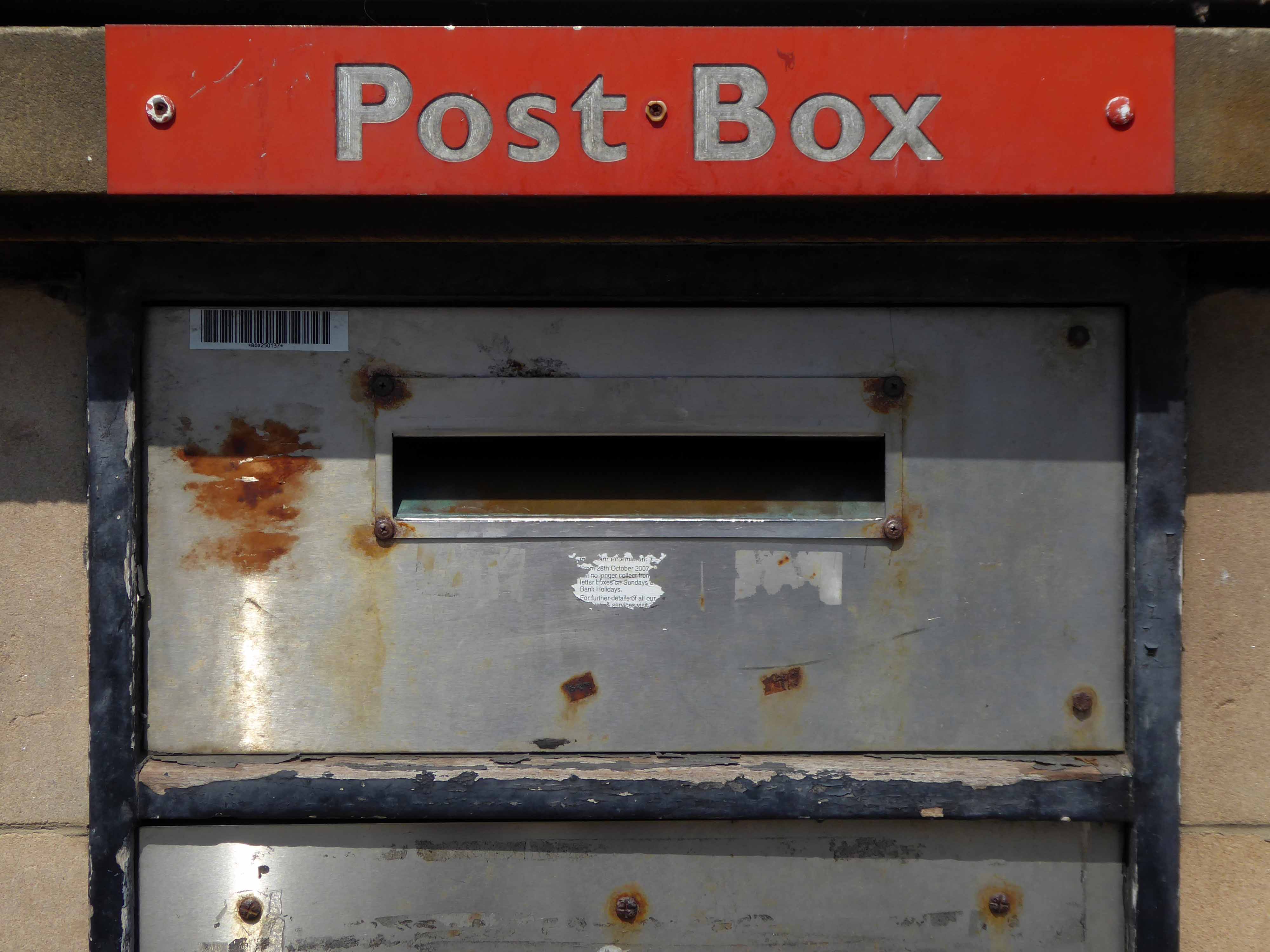
And found a post box marked Post Box.

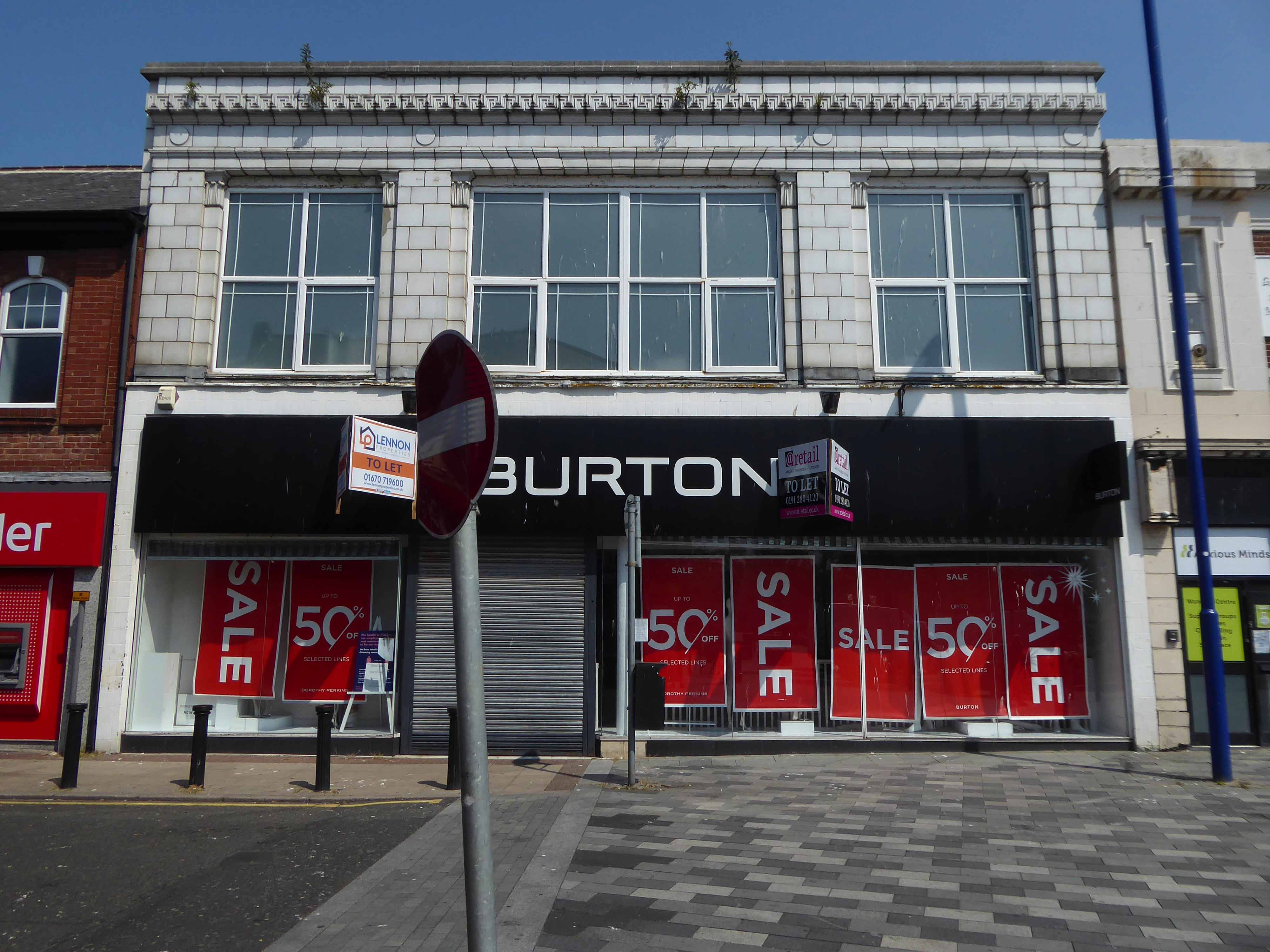
Burton’s gone for a Burton.

The cycle route took me off road along the estuary and under the flyover.

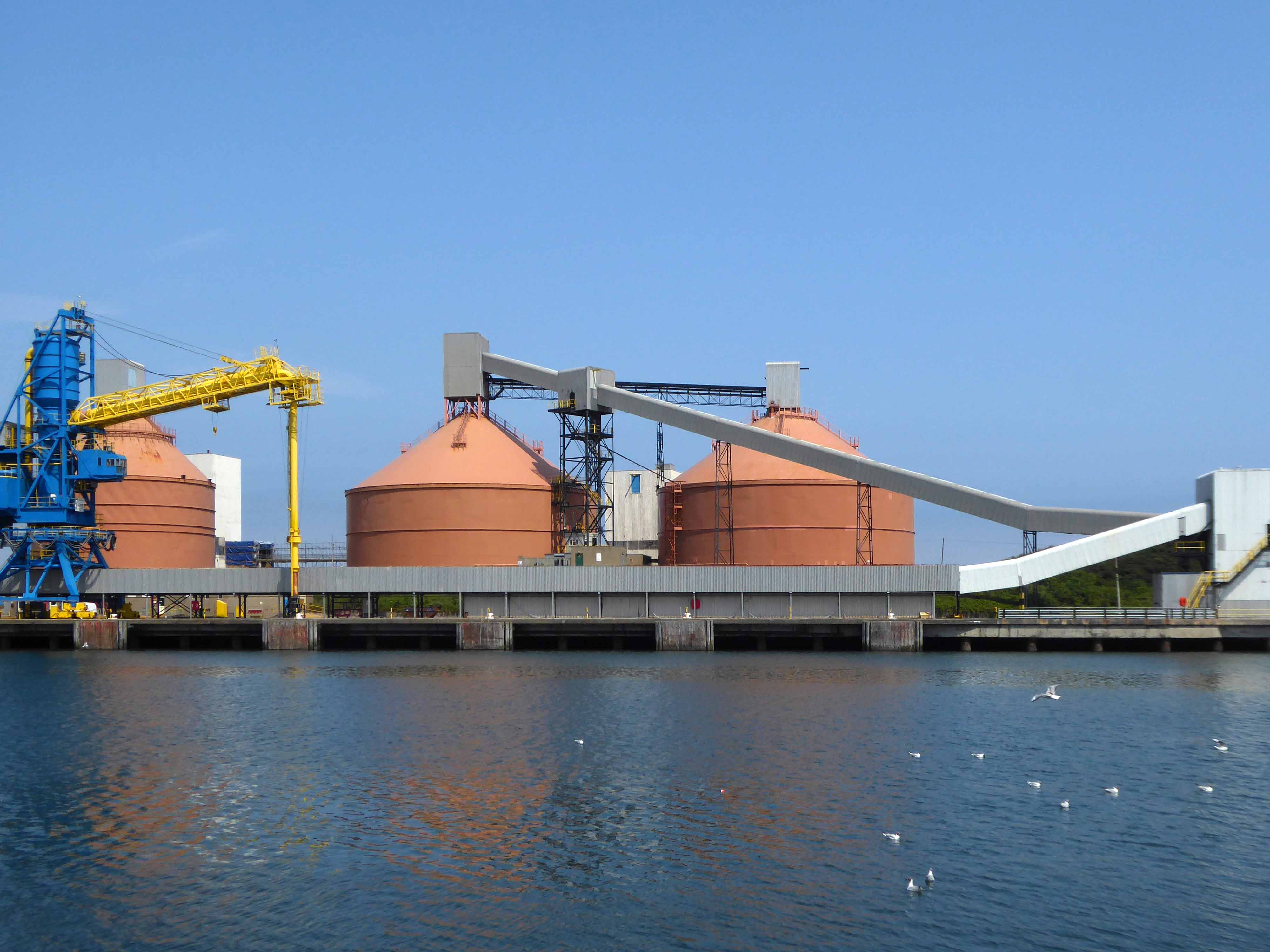
Encountering a brand new factory.

And the remnants of the old power station.

Blyth Power Station – also known as Cambois Power Station, refers to a pair of now demolished coal-fired power stationsThe two stations were built alongside each other on a site near Cambois in Northumberland, on the northern bank of the River Blyth, between its tidal estuary and the North Sea. The stations took their name from the town of Blyth on the opposite bank of the estuary. The power stations’ four large chimneys were a landmark of the Northumberland skyline for over 40 years.

After their closure in 2001, the stations were demolished over the course of two years, ending with the demolition of the stations’ chimneys on 7 December 2003.

Wikipedia

UK battery tech investor Britishvolt has unveiled plans to build what is claimed to be Britain’s first gigaplant at the former coal-fired power station in Blyth in Northumberland.

The £2.6 billion project at the 95-hectare Blyth Power Station site will use renewable energy from the UK and possibly hydro-electric power generated in Norway and transmitted 447 miles under the North Sea through the ‘world’s longest inter-connector’ from the North Sea Link project.

By 2027, the firm estimates the gigaplant will be producing around 300,000 lithium-ion batteries a year.

The project is predicted to create 3,000 new jobs in the North East and another 5,000 in the wider supply chain.

Energy News

Long gone is the Cambois Colliery, its pit head baths and the buses that bused the workers in and out.

One hundred and eleven men died there.

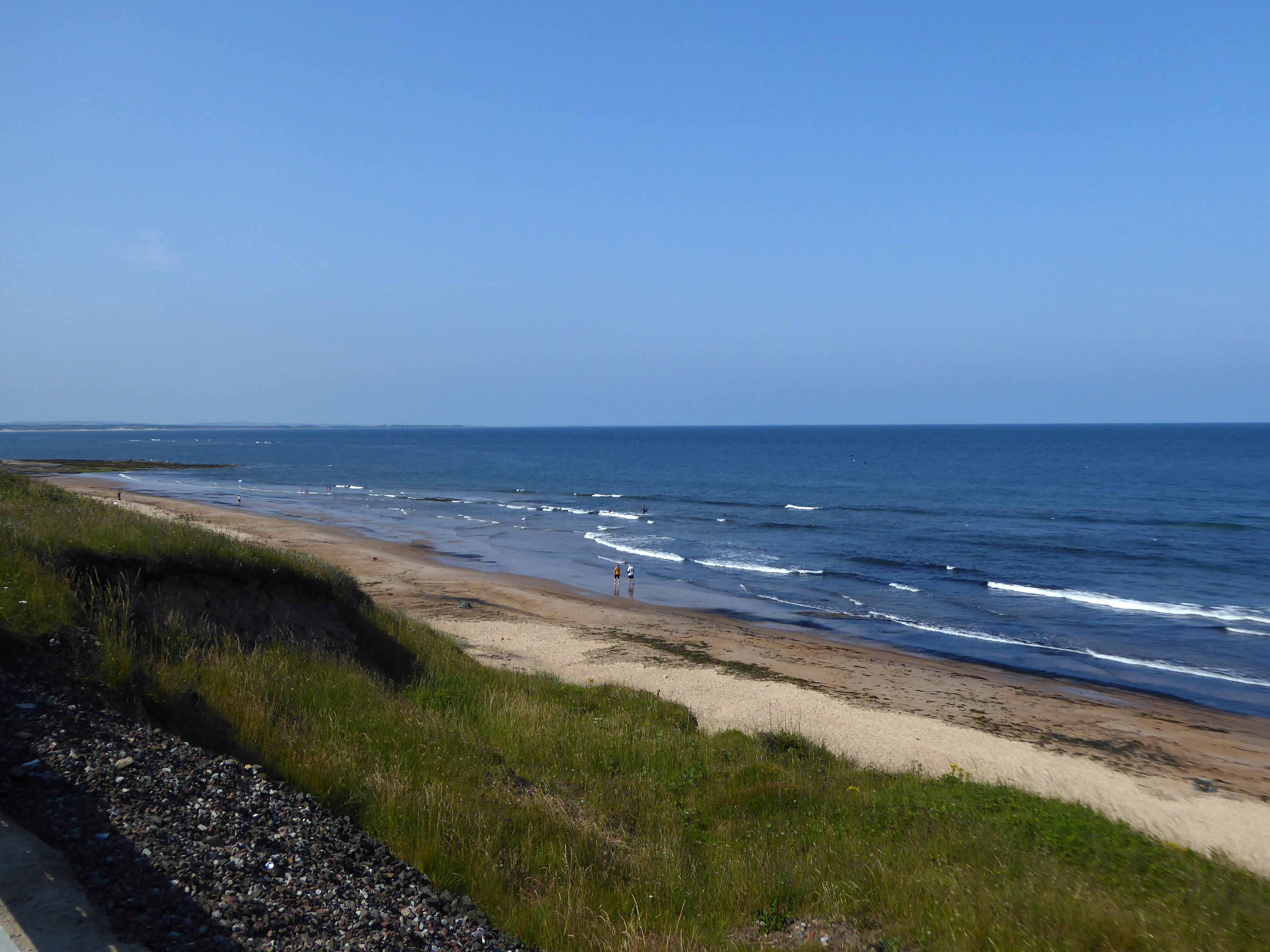
The route headed along the coast on unmade roads and paths, I bypassed the Lynemouth Pithead Baths – having visited some ten years ago.

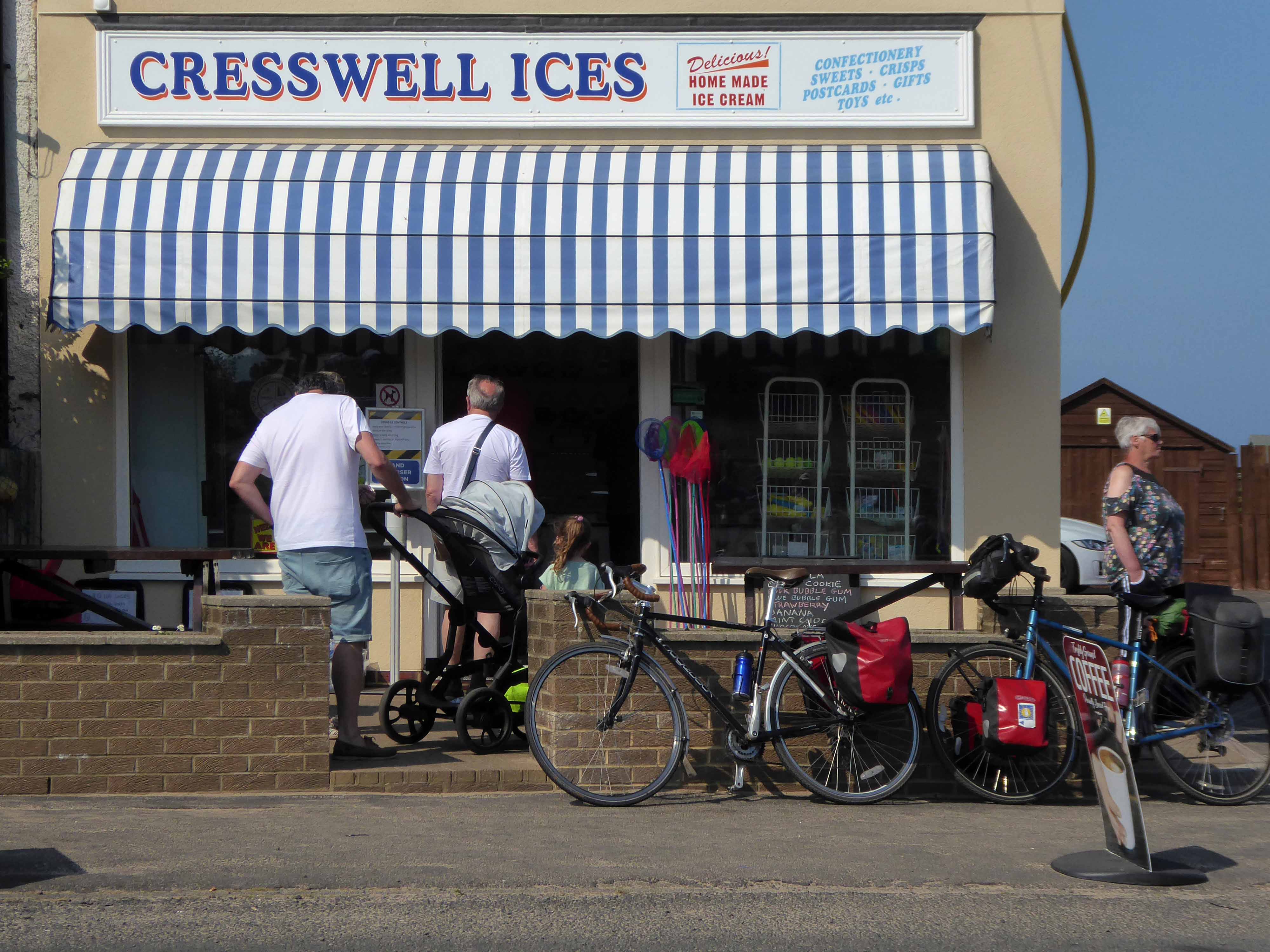
I was delighted to find that Creswell Ices were still in business and my temporary partner Adrian treats me to a tub.

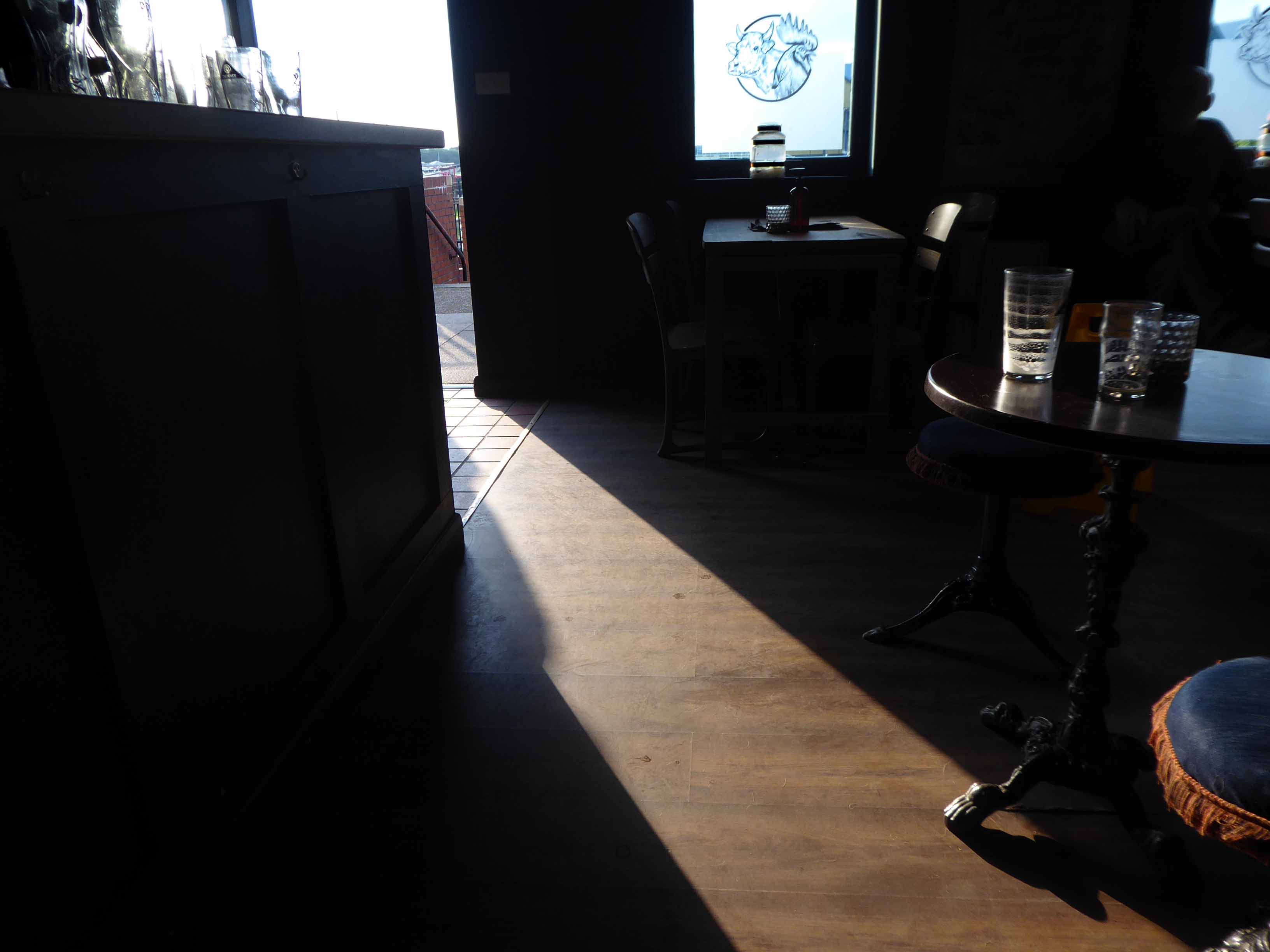
Having arrived in Amble I was delighted to find the Cock & Bull.

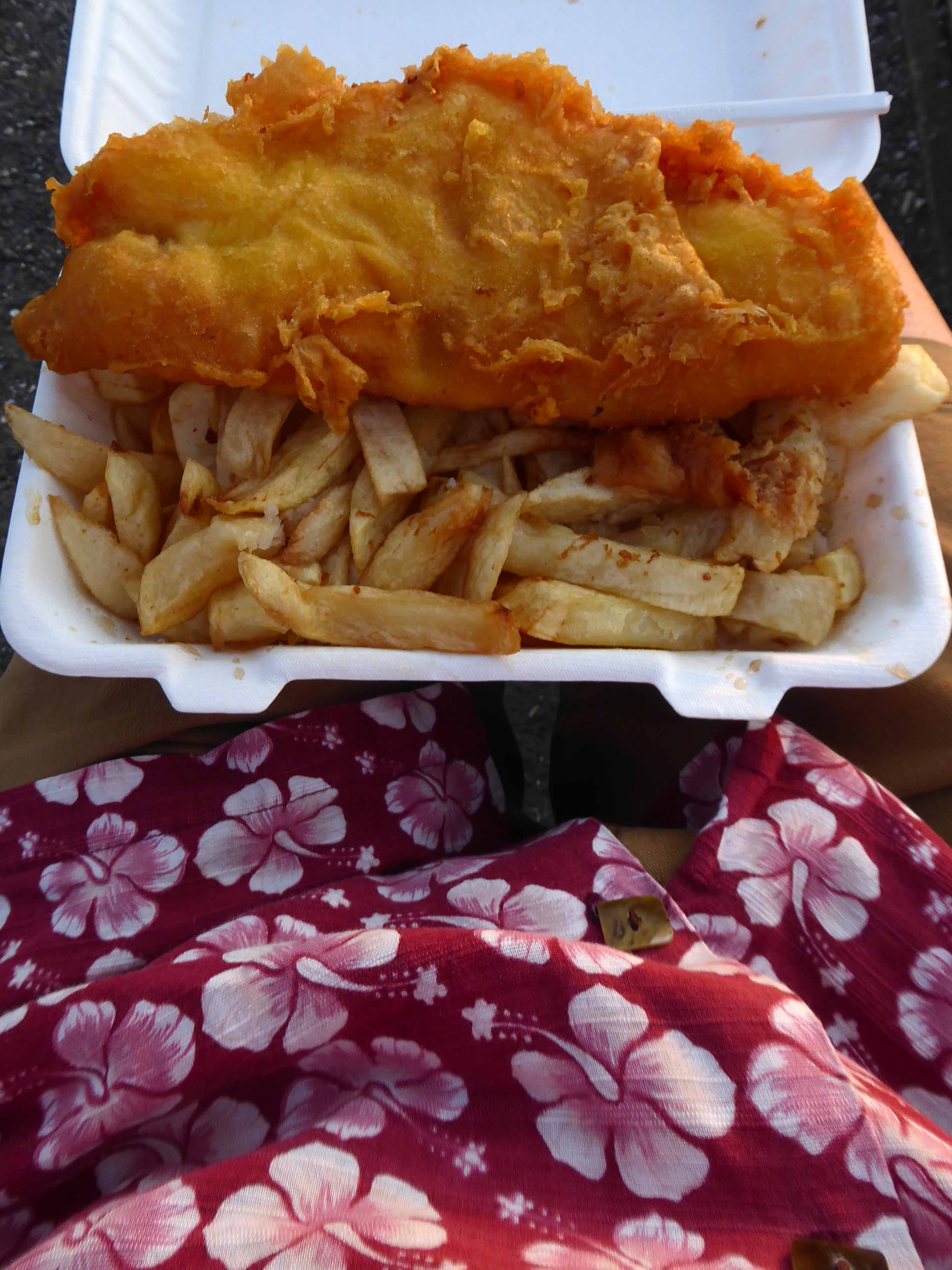
Following a few pints I feasted on fish and chips.

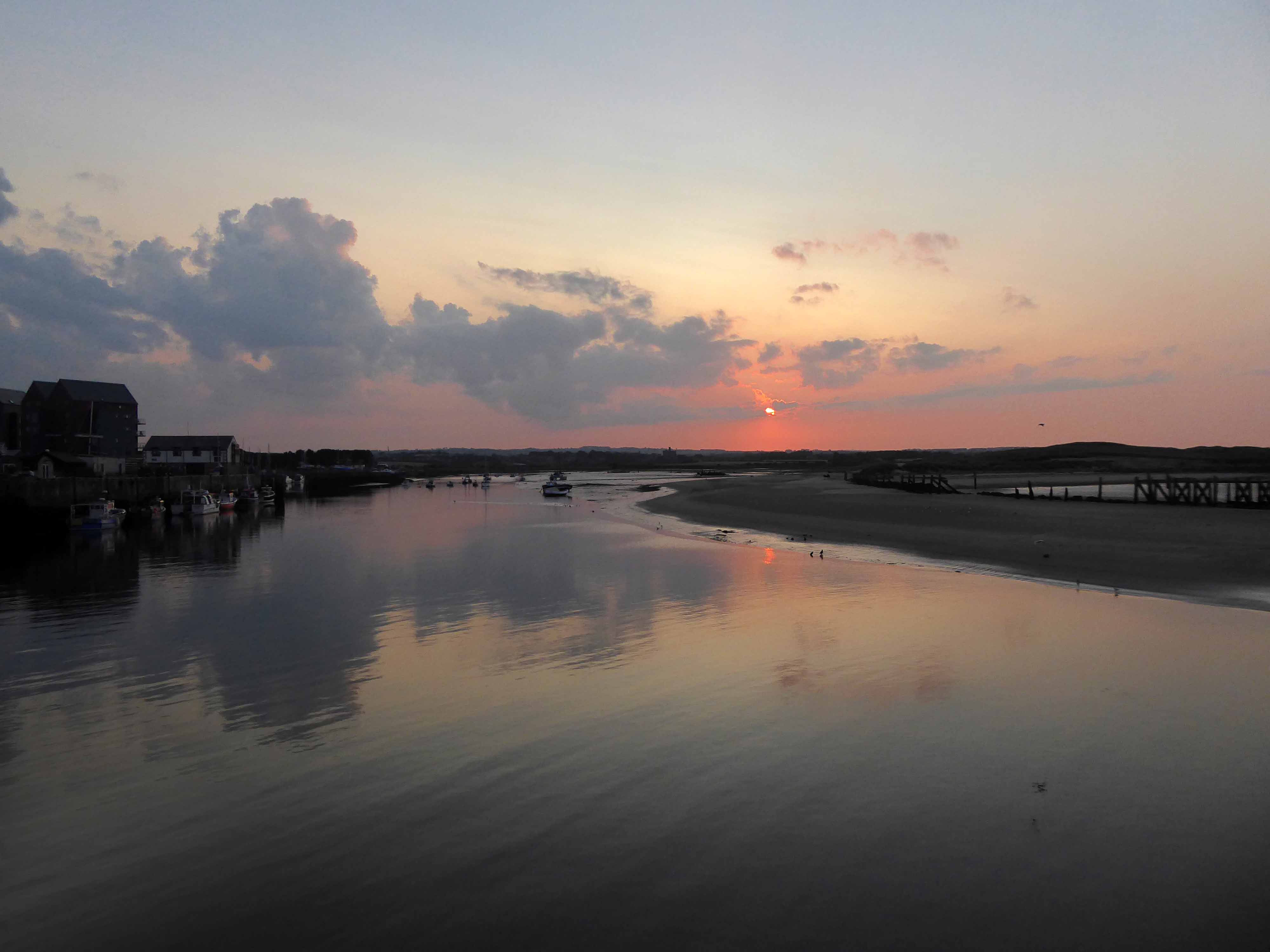
Then watched the sun set over the harbour.
Good night all.

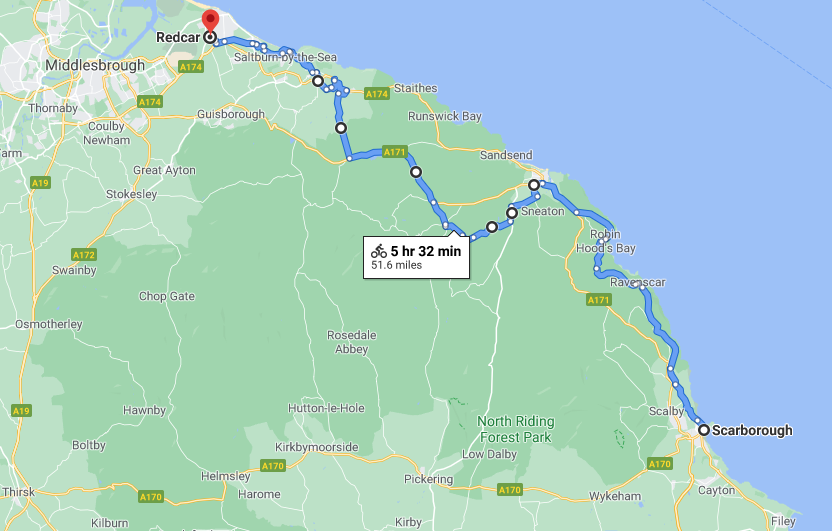
Scarborough to Redcar

Well it seems that I had already cycled from Hull to Scarborough, so it must be time to head for Redcar.

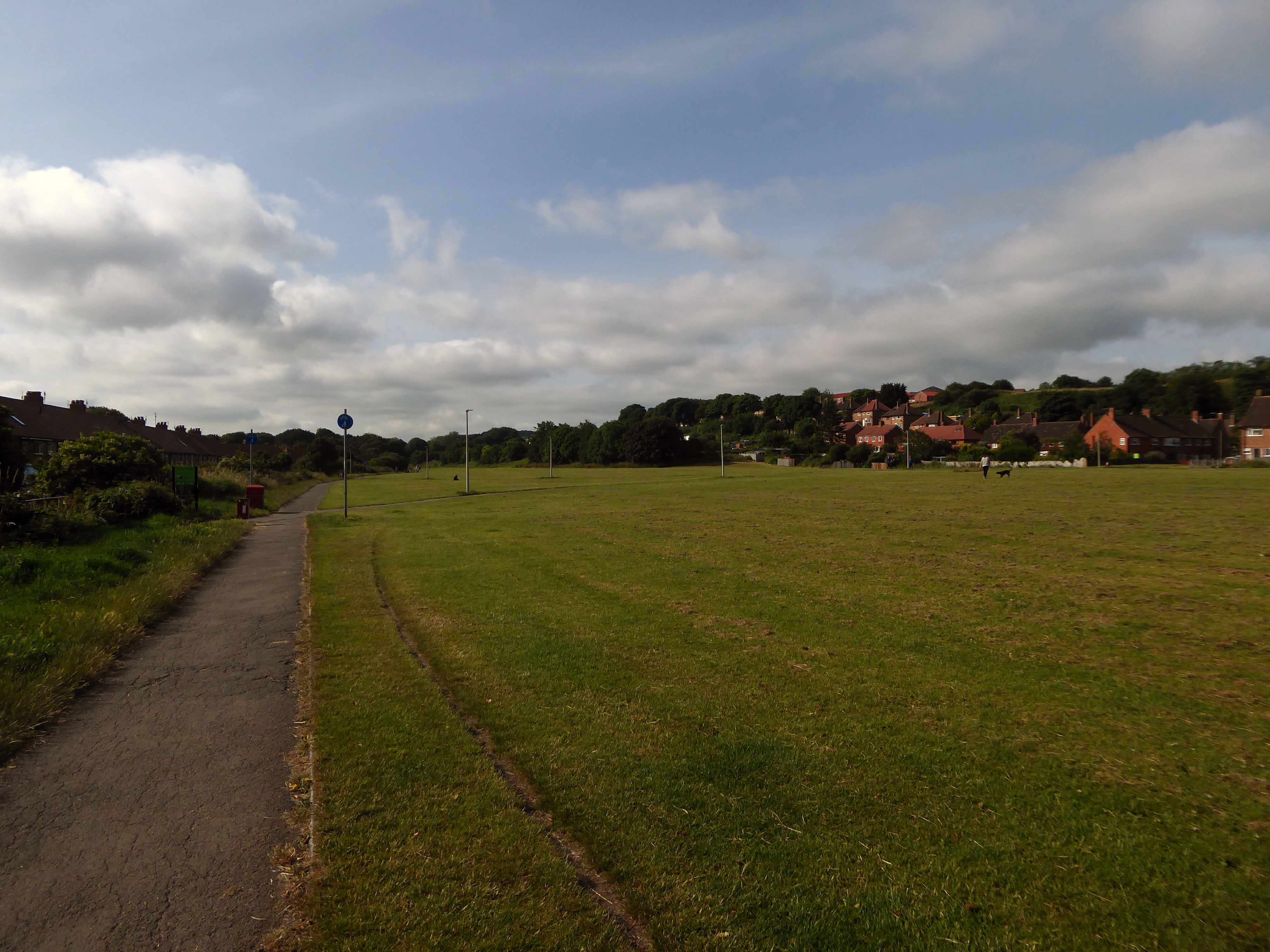
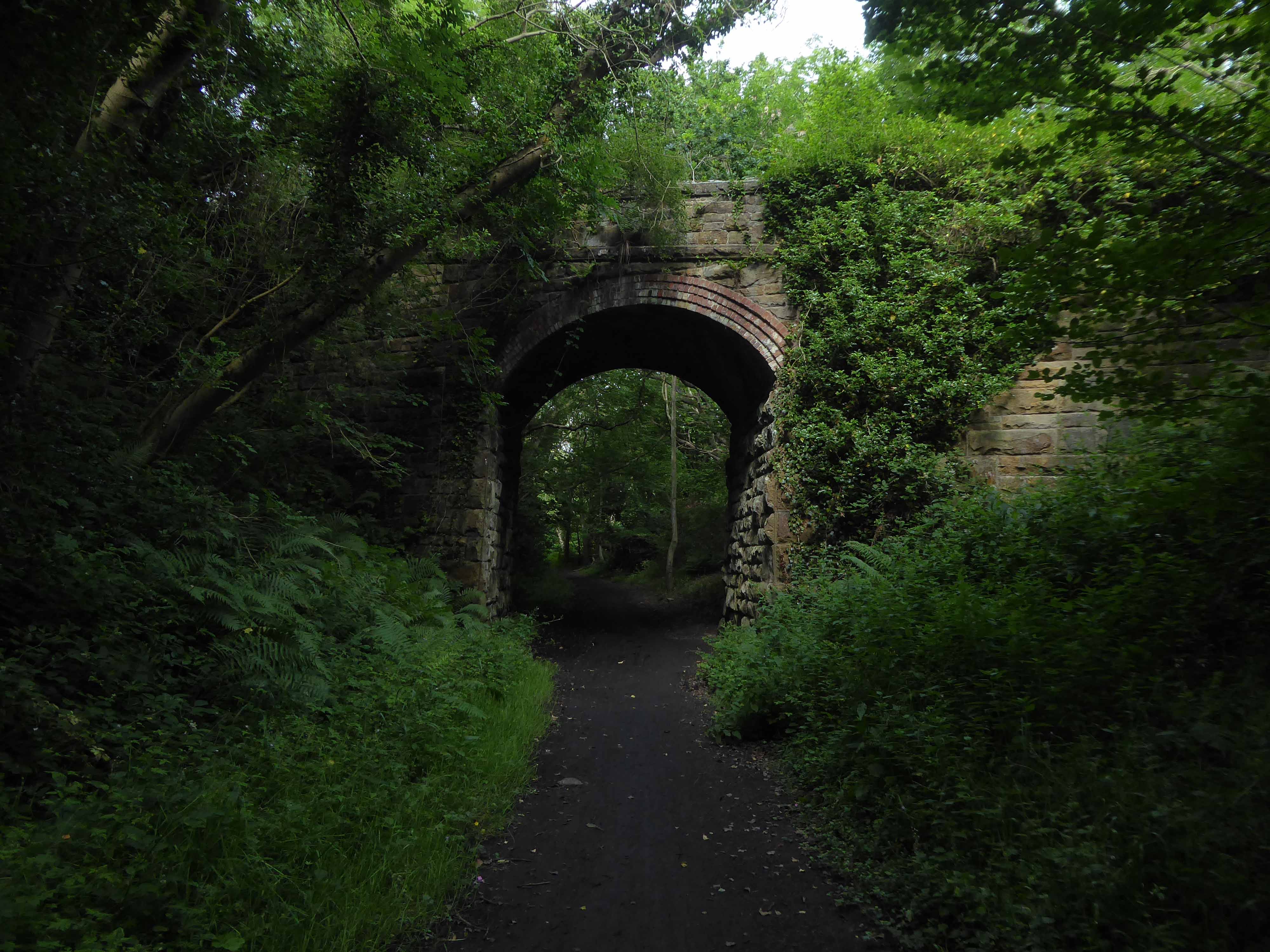
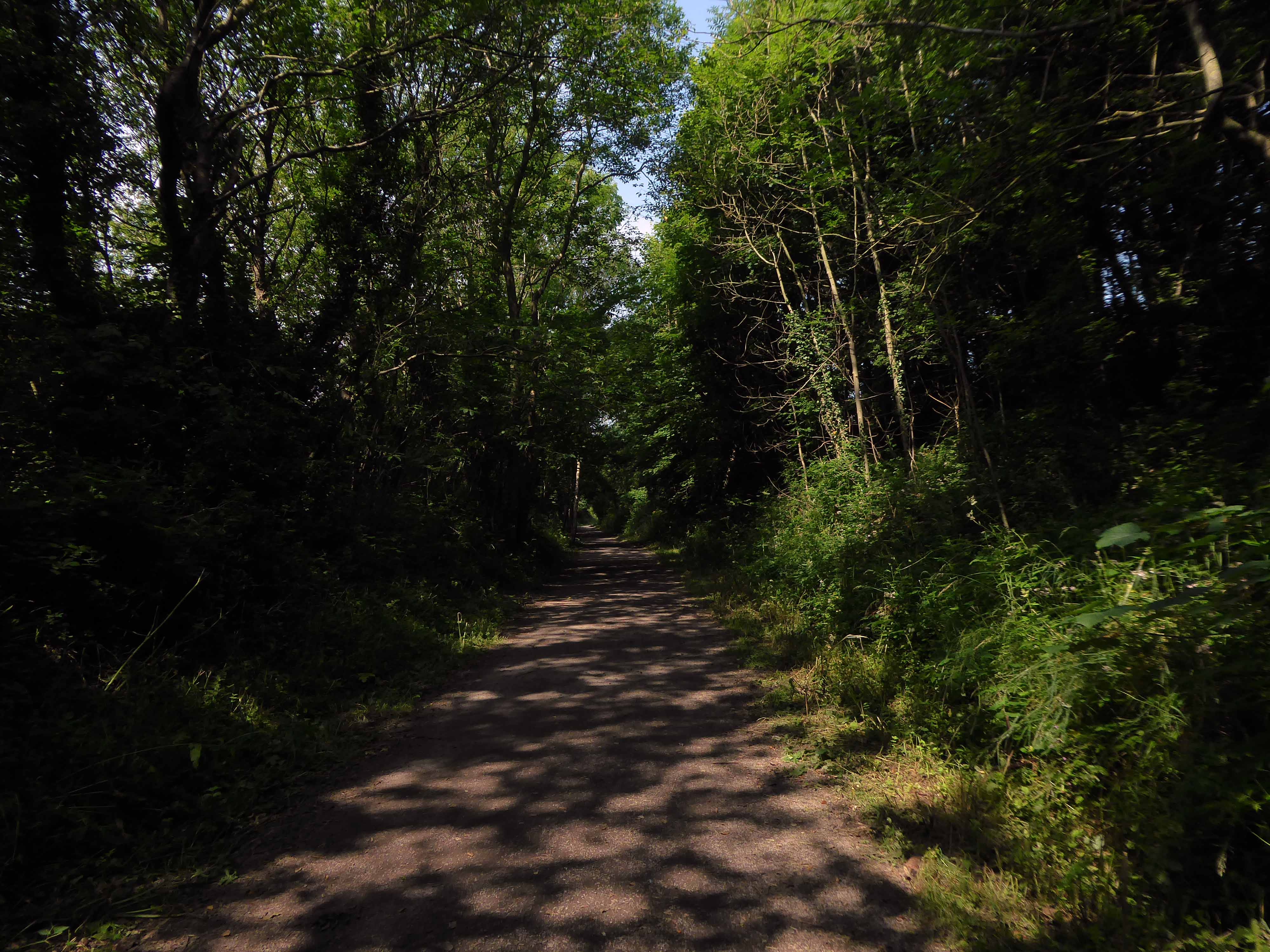
Leaving Scarborough by the Cinder Track under the expert guidance of Mr Ben Vickers.

This was the site of the Gallows Close Goods Yard.

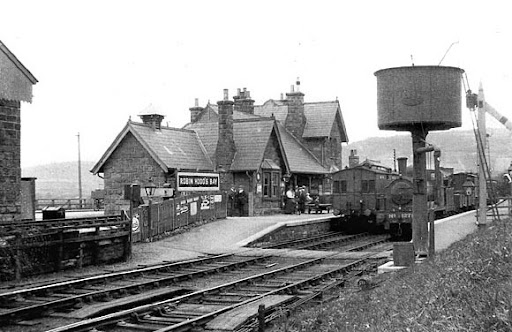
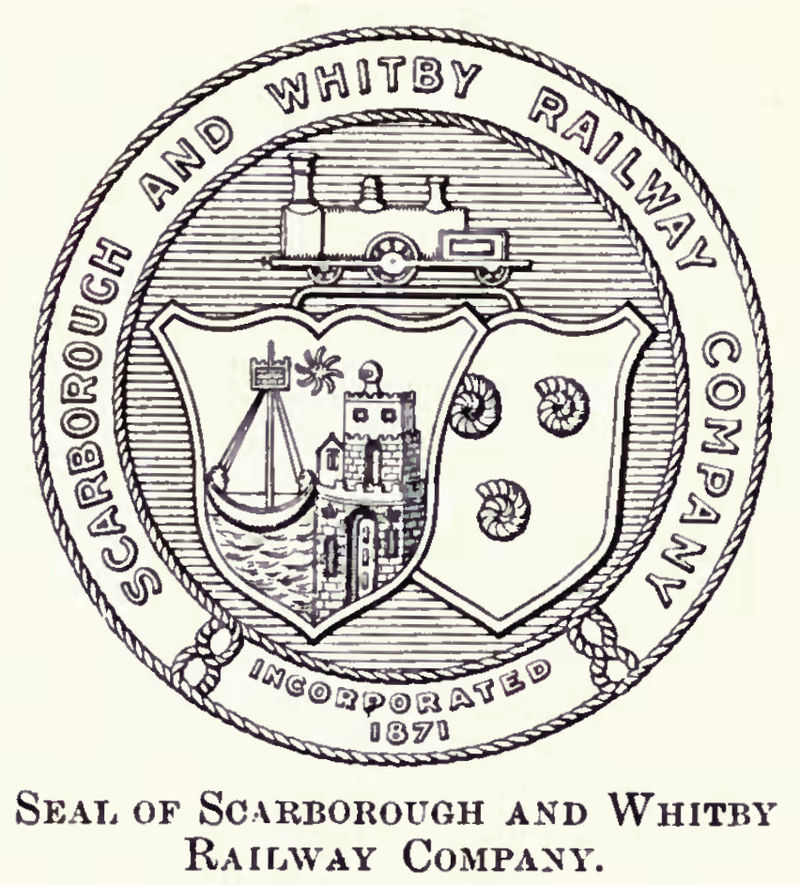
Formerly the Scarbough to Whitby Railway – the line opened in 1885 and closed in 1965 as part of the Beeching Axe.

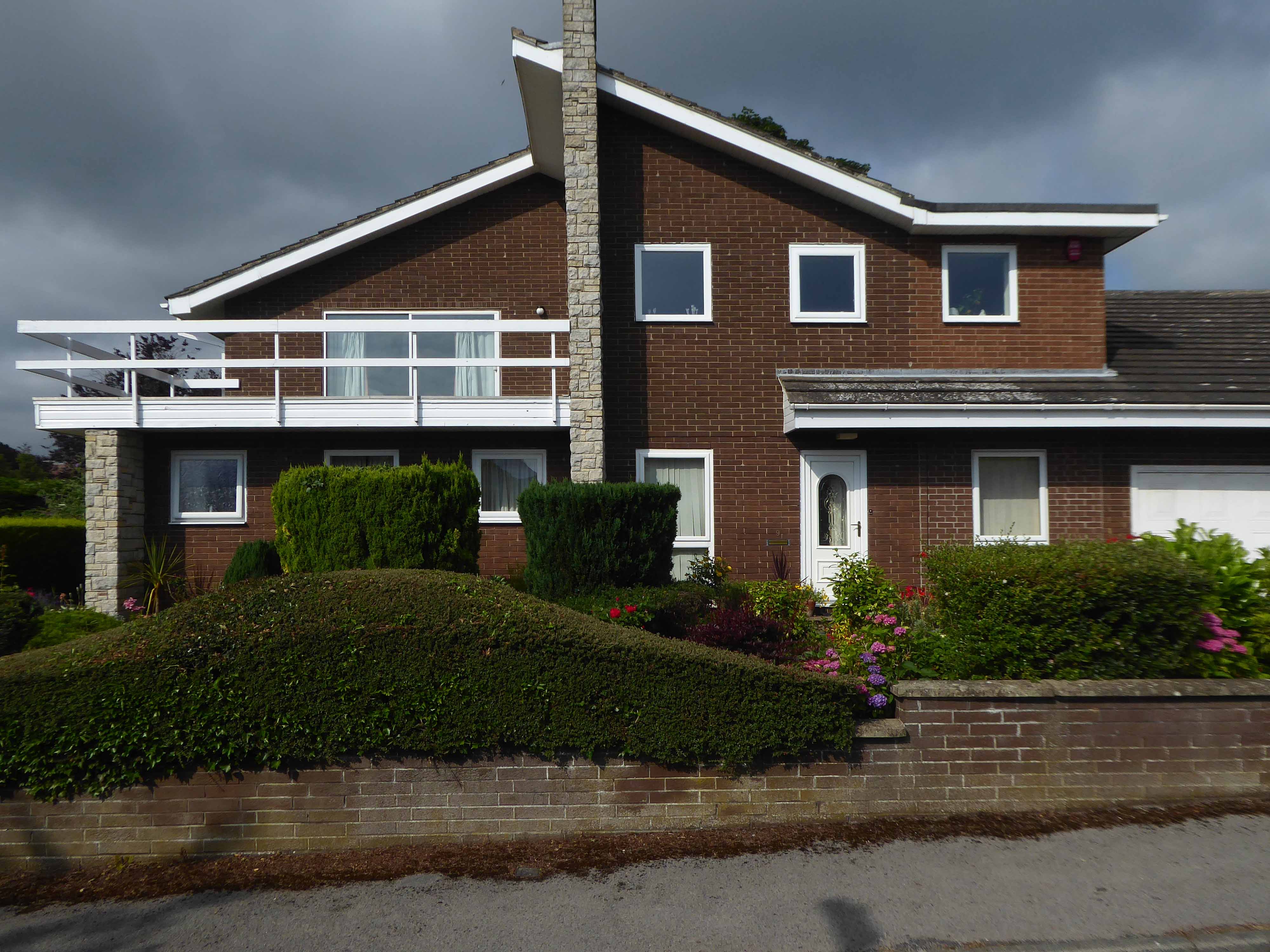
Yet again I chance upon a delightful post-war home.

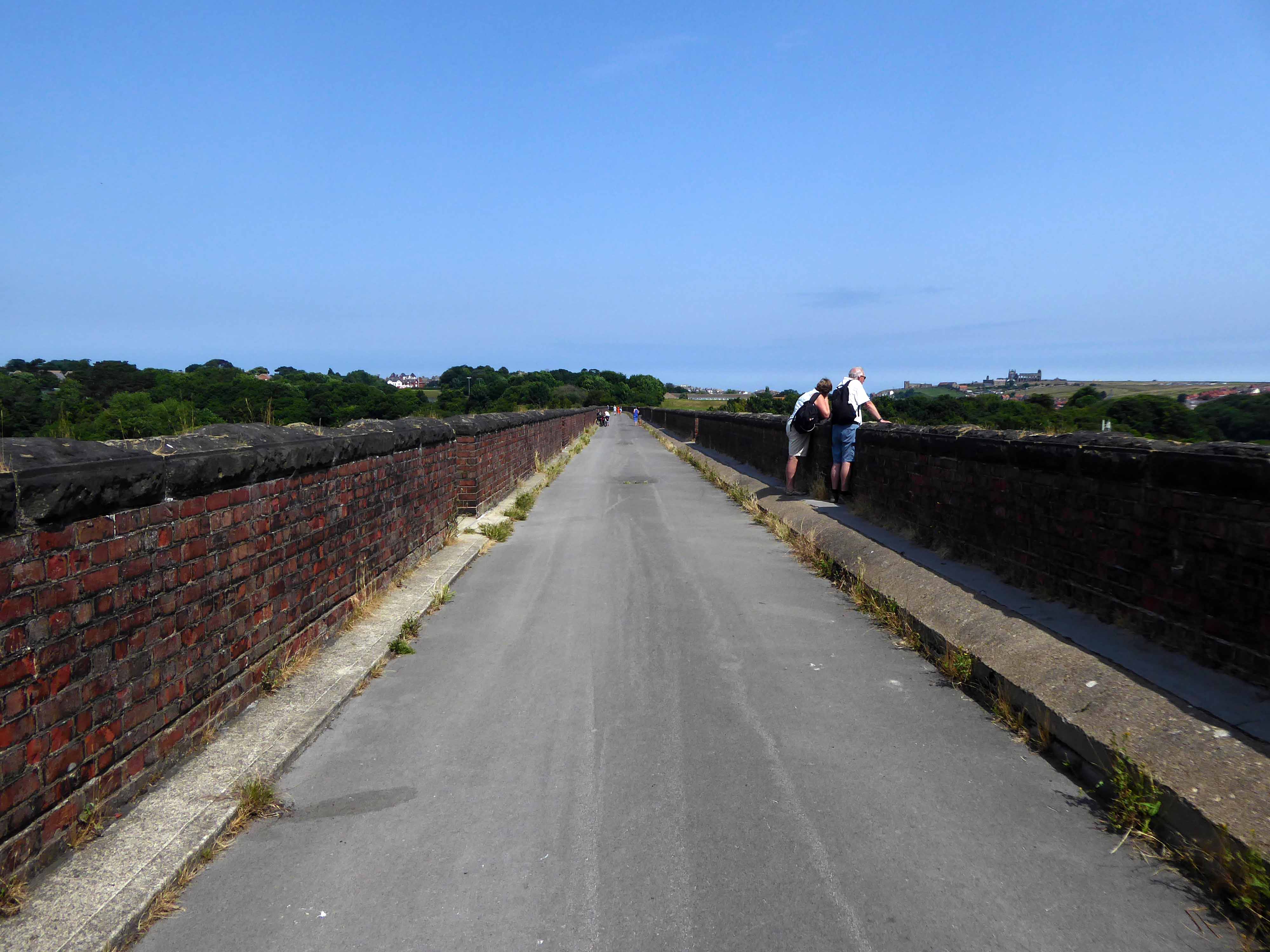
I parted company with the track dropping down to the Esk Valley from the Larpool Viaduct.

Construction began in October 1882 and was complete by October 1884.

Two men fell from the piers during construction, but recovered.

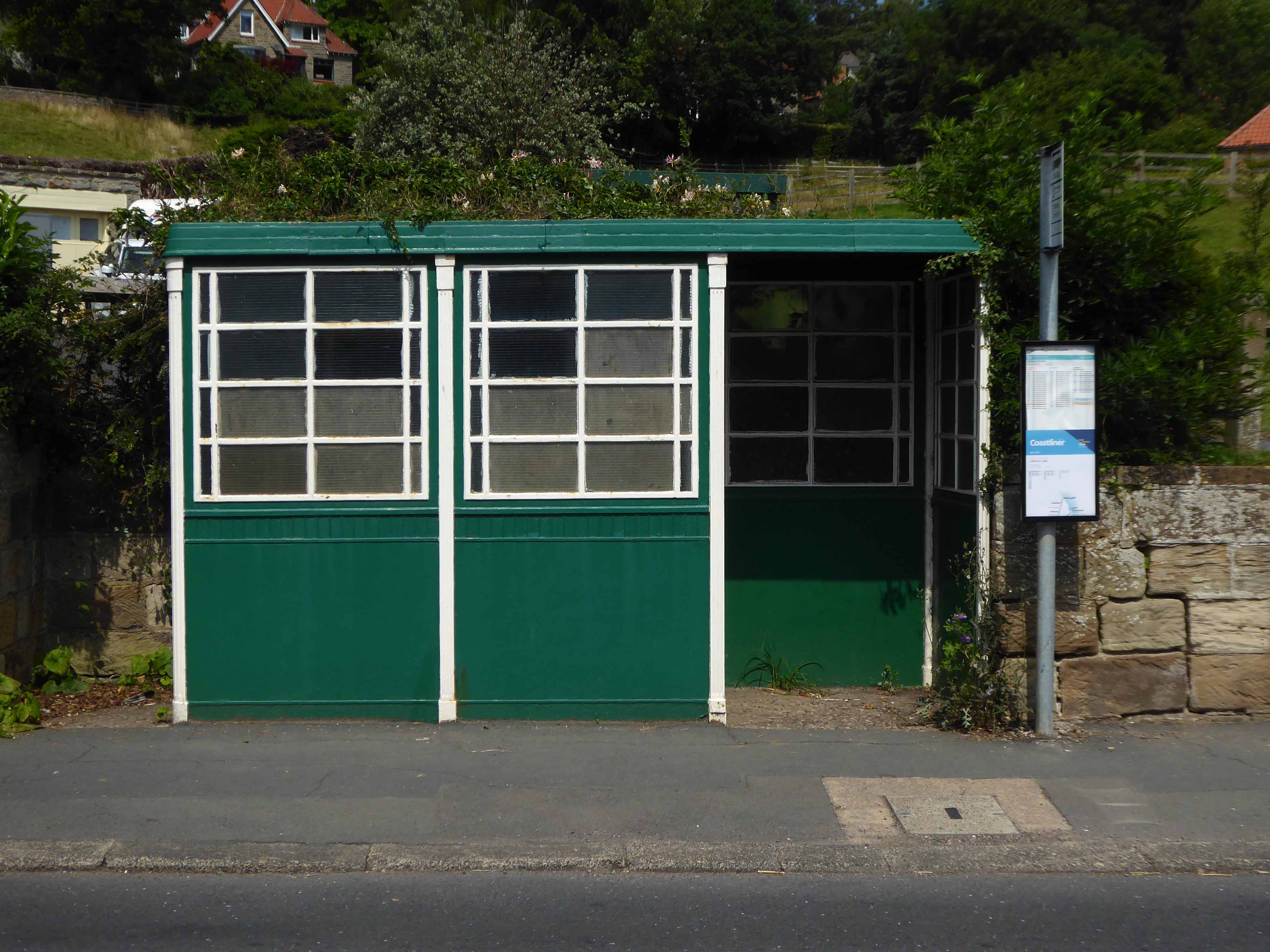
I found myself in Ruswarp, home to this enchanting bus shelter.

I bombed along the main road to Sleights.

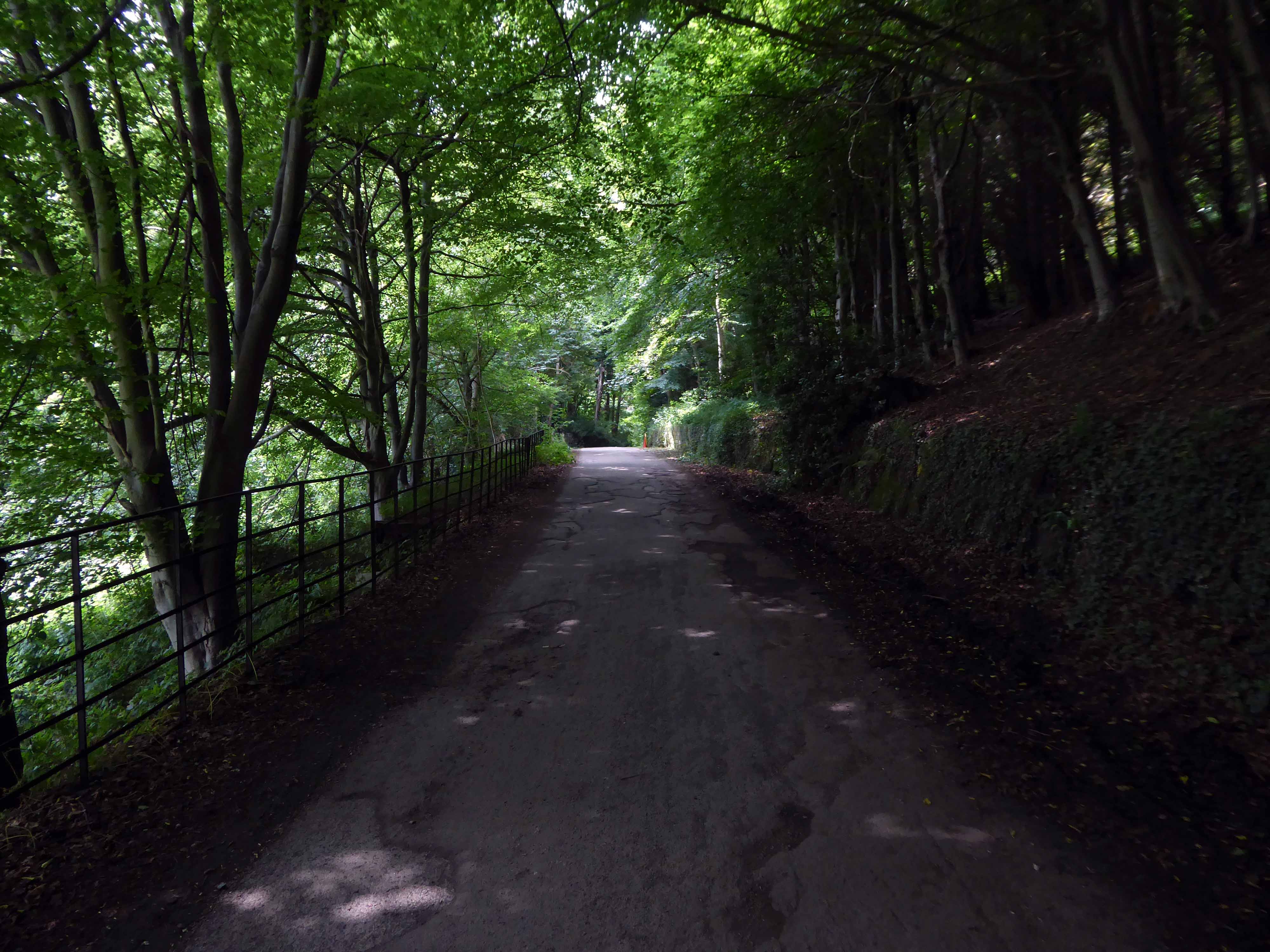
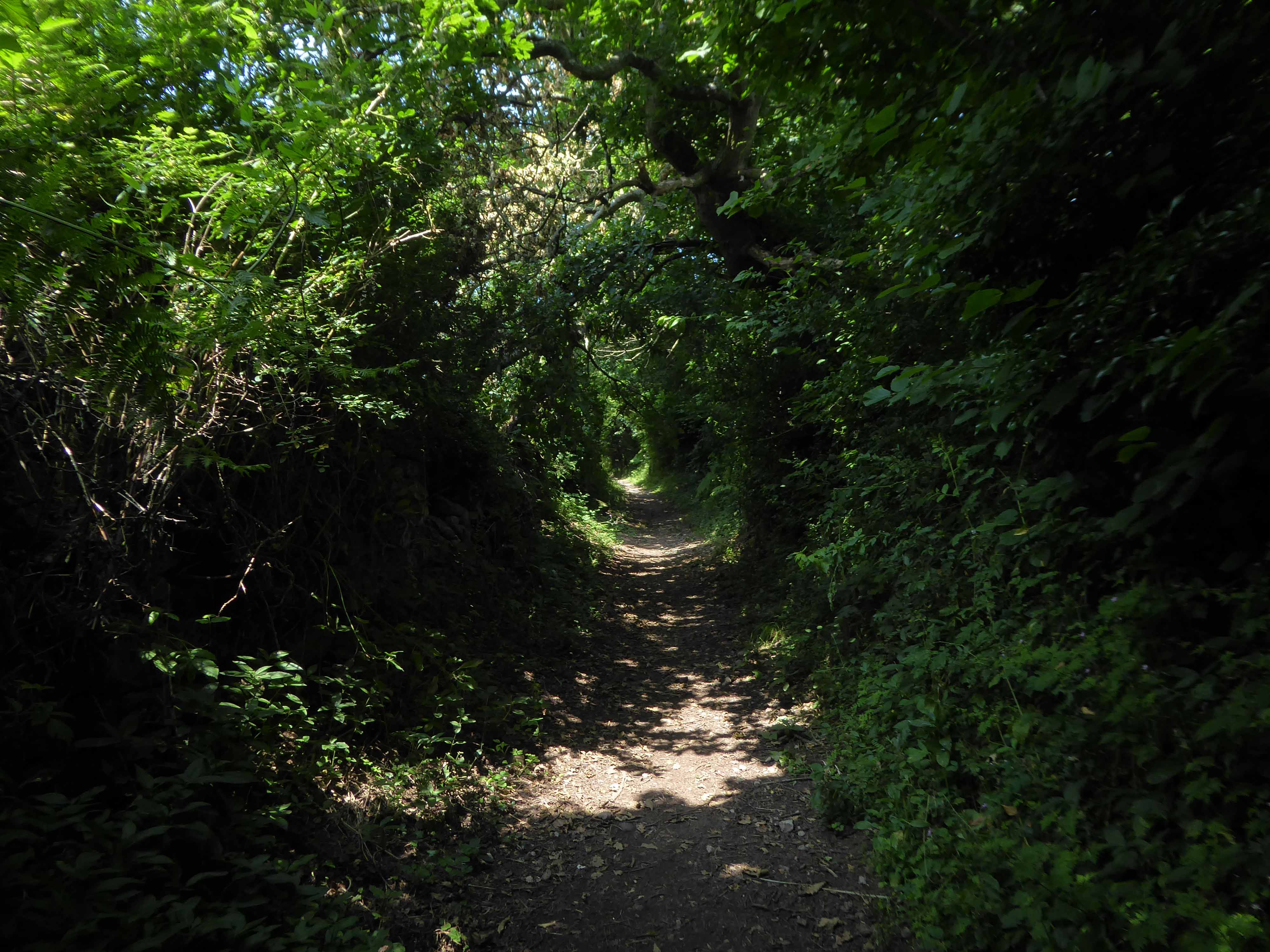
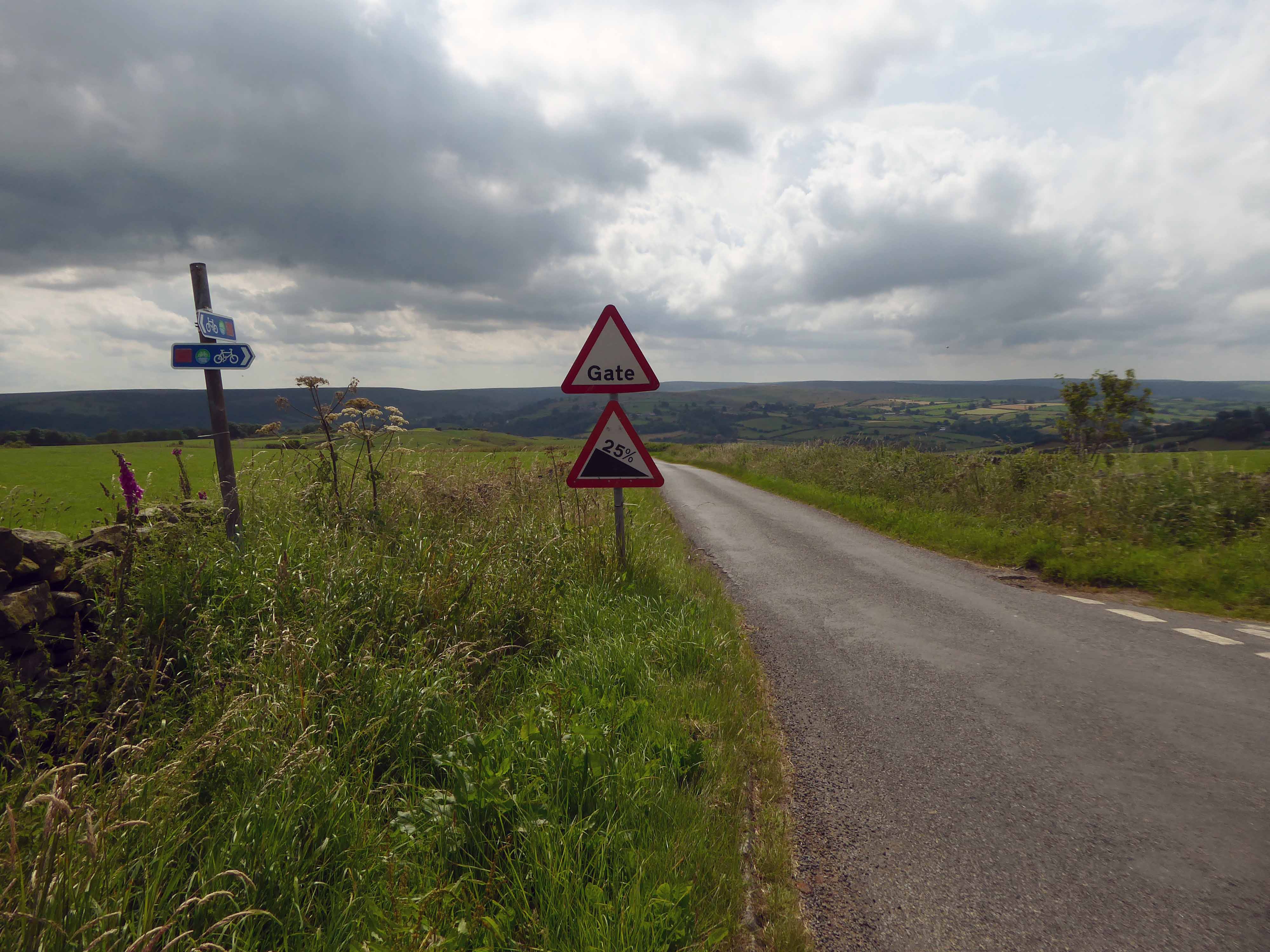
There then followed a hesitant ascent, descent, ascent along a badly signed bridleway, fearing that I had climbed the hill in error I retraced, then retraced.

A difficult push ensued, a precipitous path, rough and untended, rising ever higher and higher.
Finally arriving at Aislaby, more than somewhat exhausted – the village is mentioned in the Domesday Book as Asuluesbi

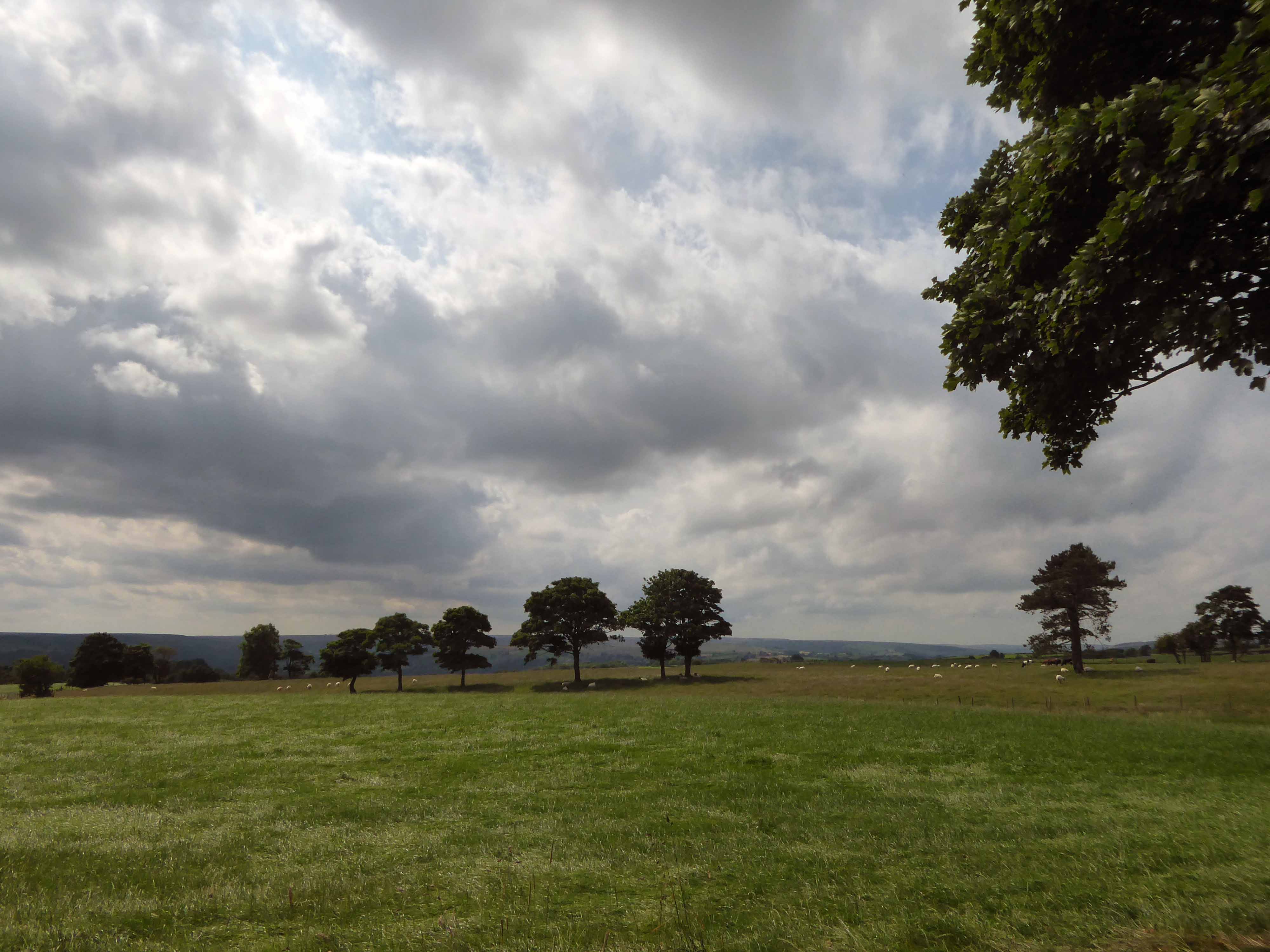
Pausing to catch my breath I took the wildly undulating road to Egton – along the way I was alerted to the presence of a tea stop by two touring cyclists from Nottingham.

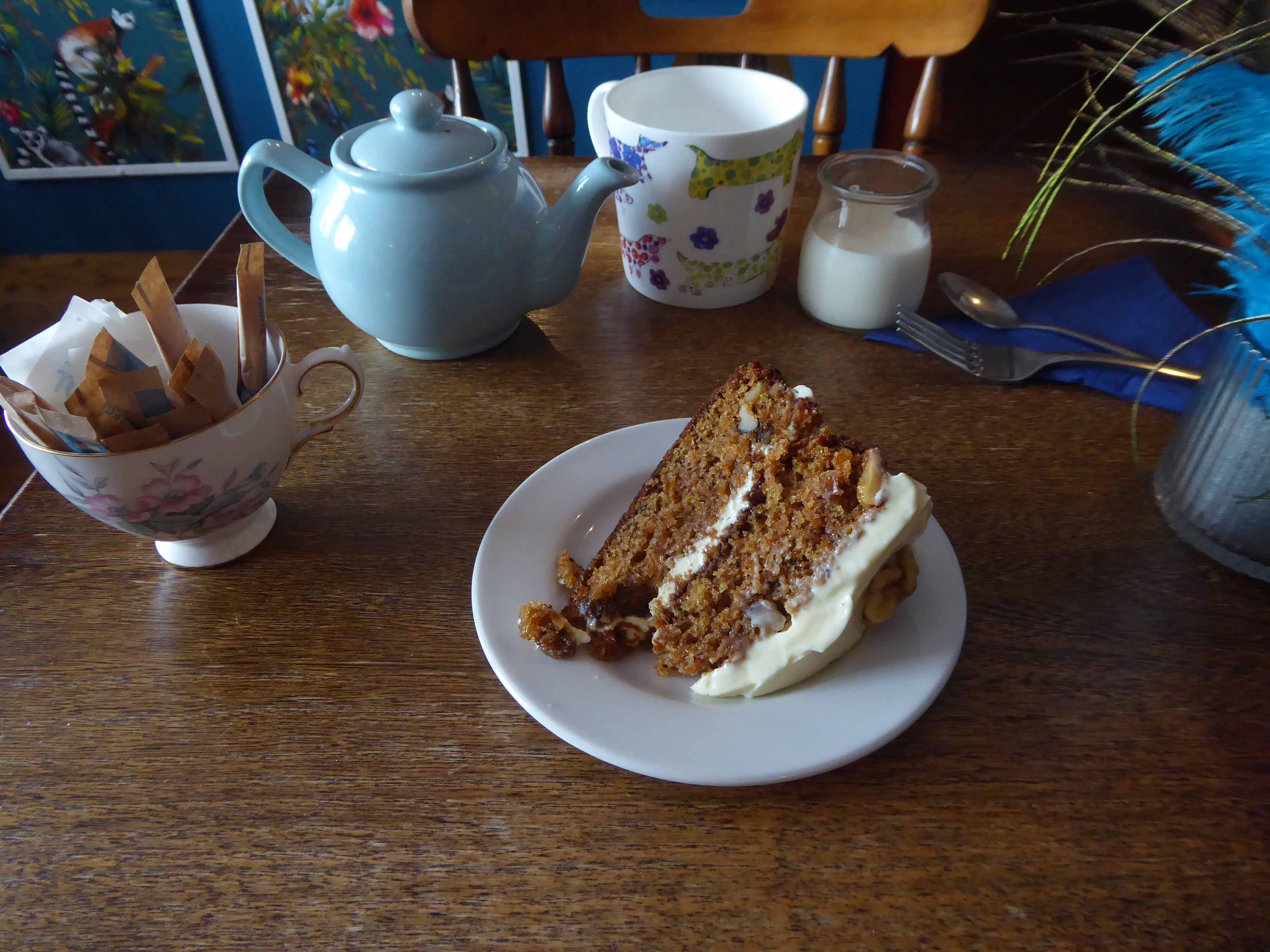
The Cake Club.

A welcome wet and a hunk of home made carrot cake.

Brewmeister Maria was good enough to suggest route through Castleton Moor and over the tops to Saltburn.

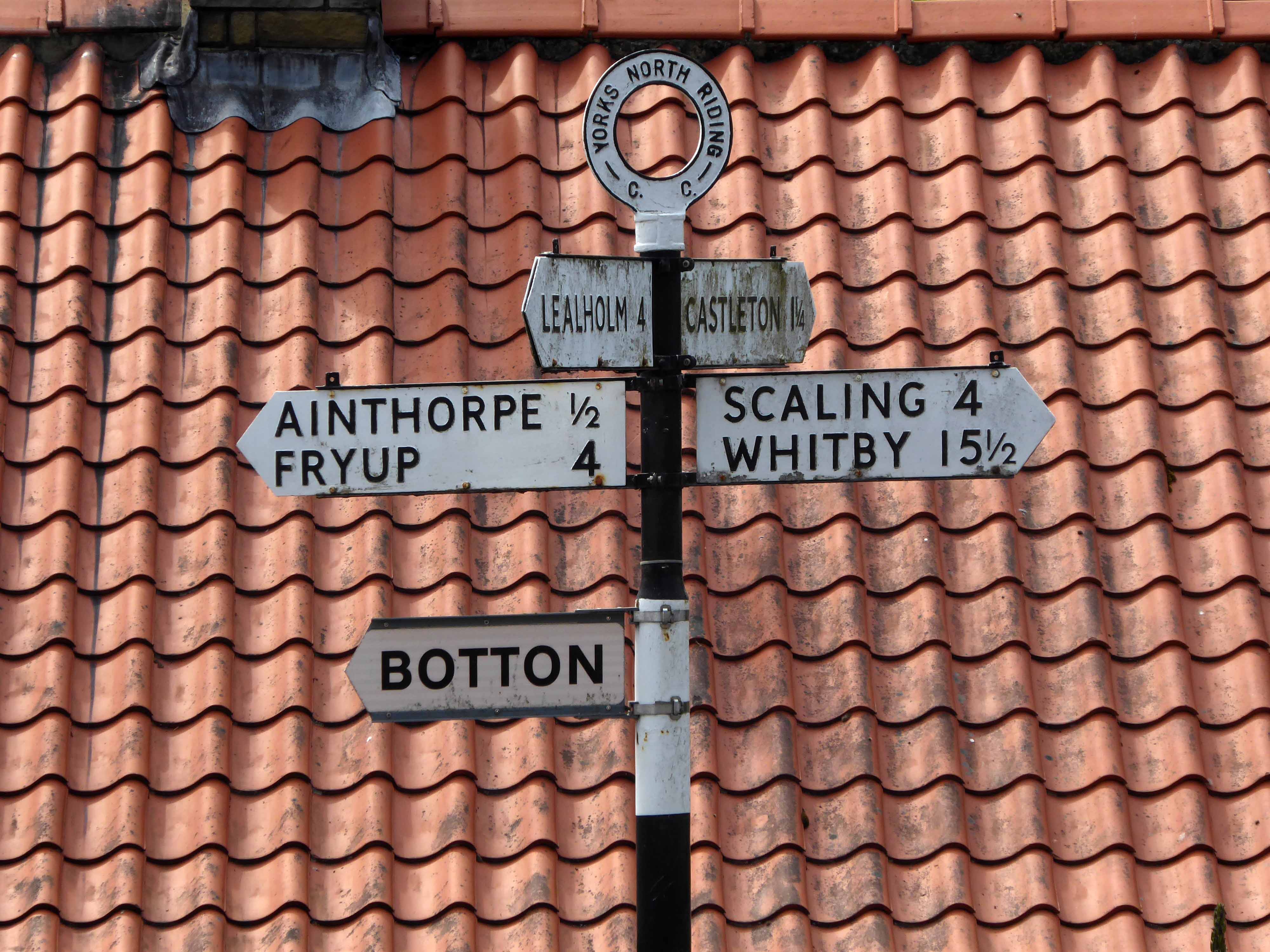
It was too hot a day for a detour to Fryup.

The curious name Fryup probably derives from the Old English reconstruction Frige-hop: Frige was an Anglo-Saxon goddess equated with the Old Norse Frigg; hop denoted a small valley.

An old woman at Fryup was well known locally for keeping the Mark’s e’en watch – 24 April, as she lived alongside a corpse road known as Old Hell Road.

The practice involved a village seer holding vigil between 11pm and 1am to watch for the wraiths of those who would die in the following 12 months.

Castleton Moor ghost.

In the village I was given further directions by two elderly gents, who had been engaged in a discussion concerning their long term mapping of acid rain levels in the area.

One was wearing a Marshall Jefferson t-shirt.

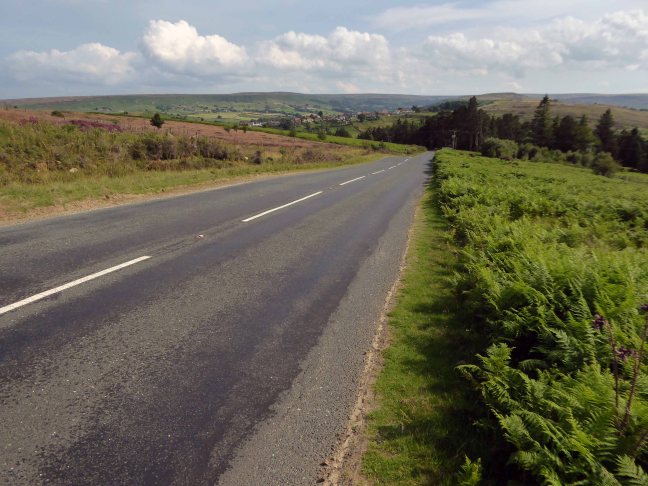
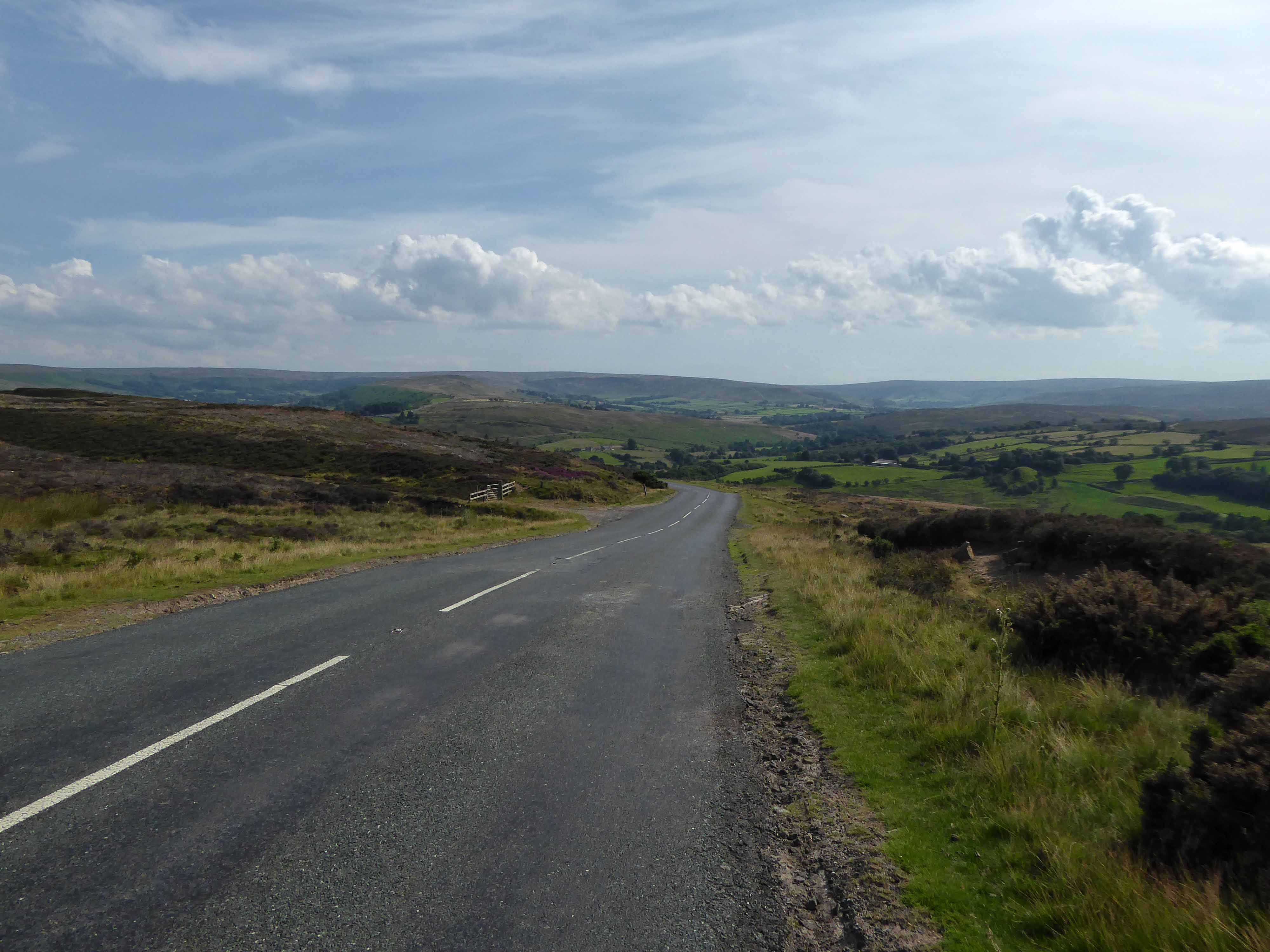
I climbed Langburn Bank onto the flatish open moorland.

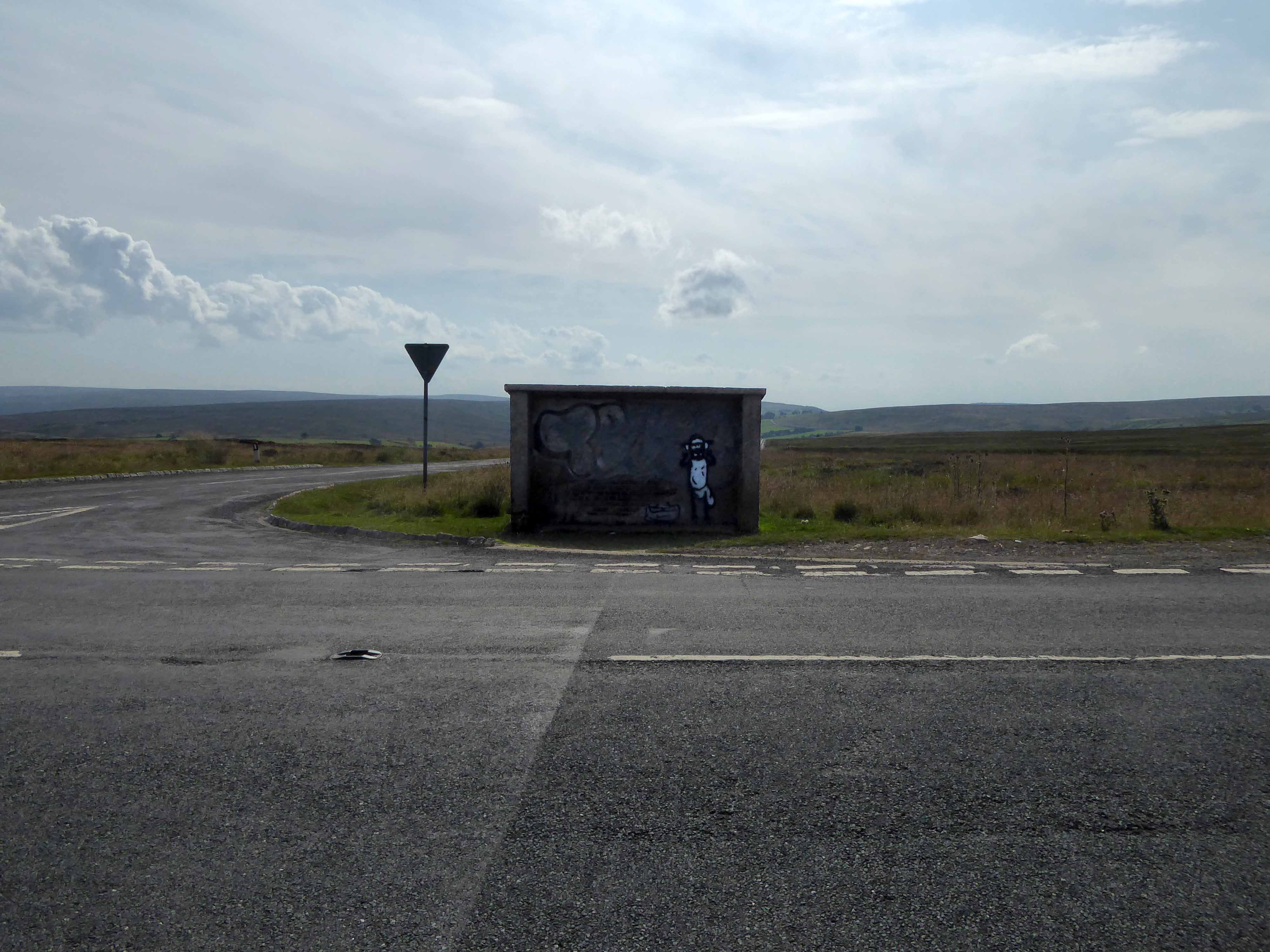
Taking a brief break to snap this concrete shelter.

There then followed a hair stirring series of hairpin descents to the coast at Saltburn.

Followed by an off road route to Redcar.

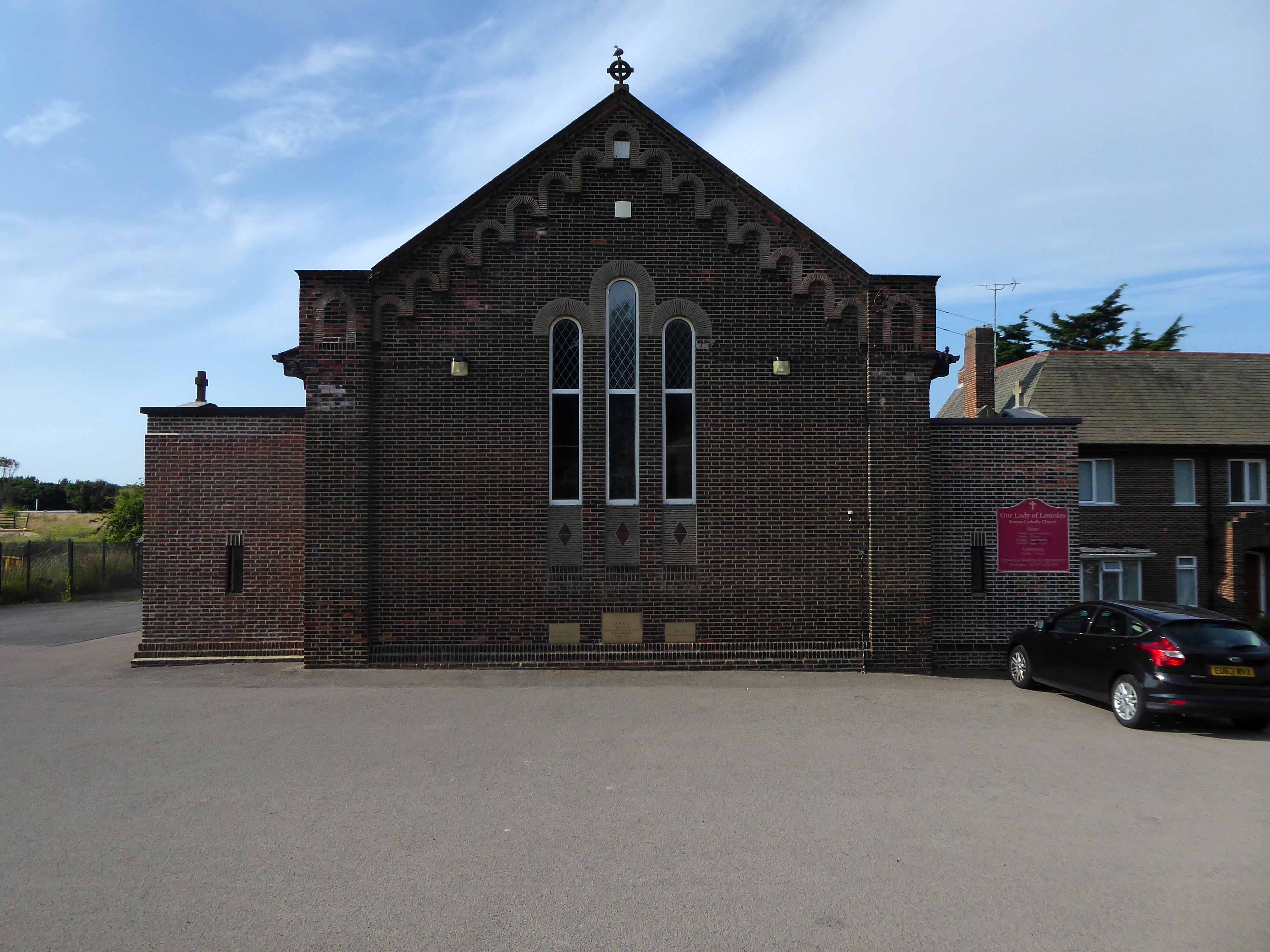
Our Lady of Lourdes – Architect: Kitching & Archibald 1928

Built in 1928, this church was designed with some care and is an attractive, if fairly modest, Lombard Romanesque-style essay in brick. The use of a semi-circular apse, narrow brickwork and use of tile for decorative effect give it a pleasing appearance, typical of restrained but elegant work between the wars.

I arrived and took a look around, first time in town, here’s what I found.

Another long day – I went to sleep.

Fusciardi’s – Eastbourne

Antonio Fusciardi emigrated in the 1960s in search of a better life. He opened a number of businesses in Ireland. In 1965 he met Anna Morelli at an Italian wedding and romance blossomed. The couple married and set up home in Marine Parade, Eastbourne. They worked very hard in establishing the business and attributed their success to ambition, dedication and the family.

It say so here

30 Marine Parade just set back from the seafront, selling the most delicious ice creams, decorated with the most delightful tiles.

I have seen similar in Hanley

DSC_0086 copy

And Halifax

p1010331

These being produced by Malkin Tiles

But neither of the former are anywhere near as nice as these Eastbourne examples.

So get yourself down there feast your eyes on these beauties.

Treat y’self to an ice cream too!

Fusciardi’s – often licked never beaten!

P1310625

P1310626

p13106271.jpg

P1310628

P1310629

P1310630P1310631

P1310632

p13106331.jpg

P1310634

P1310635

P1310636

P1310637

P1310638

P1310639


Harbour Bar – Scarborough

Screen Shot 2018-07-27 at 09.36.54

1-3 Sandside, Scarborough, North Yorkshire, YO11 1PE.

Do you remember the first time?

Sometime around 2011, I fell in love with the Harbour Bar Scarborough.

A family business serving home made ice cream since 1945.

It’s a magical world of mirrors, melamine, signs and ice creams.

DSC_0014

DSC_0016

DSC_0019

DSC_0020

DSC_0022

DSC_0023

DSC_0024

DSC_0025

DSC_0028

Since then I’ve been back for a banana split and take the opportunity to take a few more snaps, I never leave anything less than overwhelmingly happy and full.

P1040521

P1040523

P1040524

P1040522

P1040525

DSC_0356

DSC_0357

DSC_0359

DSC_0360

DSC_0027

DSC_0036

DSC_0028

DSC_0025

DSC_0029

DSC_0031

DSC_0032

DSC_0033

DSC_0035

DSC_0042

DSC_0043

DSC_0044

DSC_0046

DSC_0048

DSC_0049

DSC_0050

DSC_0052

DSC_0053

DSC_0055

DSC_0056

DSC_0057

DSC_0061

P1260970

P1260972

P1260973

P1260974

P1260975

P1260976

P1260977

P1260978

P1260979

P1260980

P1260981

P1260982

P1260983

P1260984

P1260985

P1260986

P1260987

P1260988

P1260989

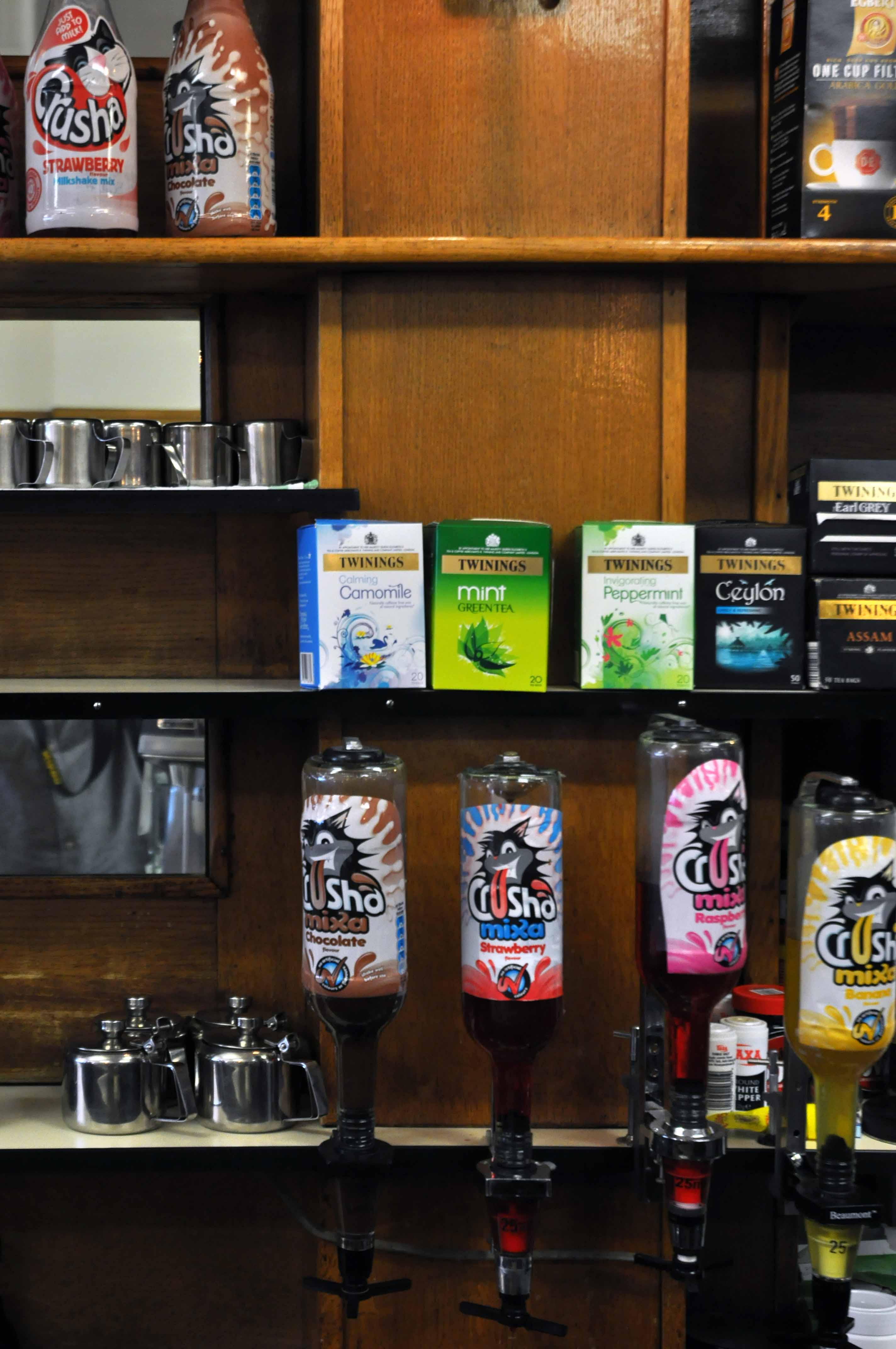
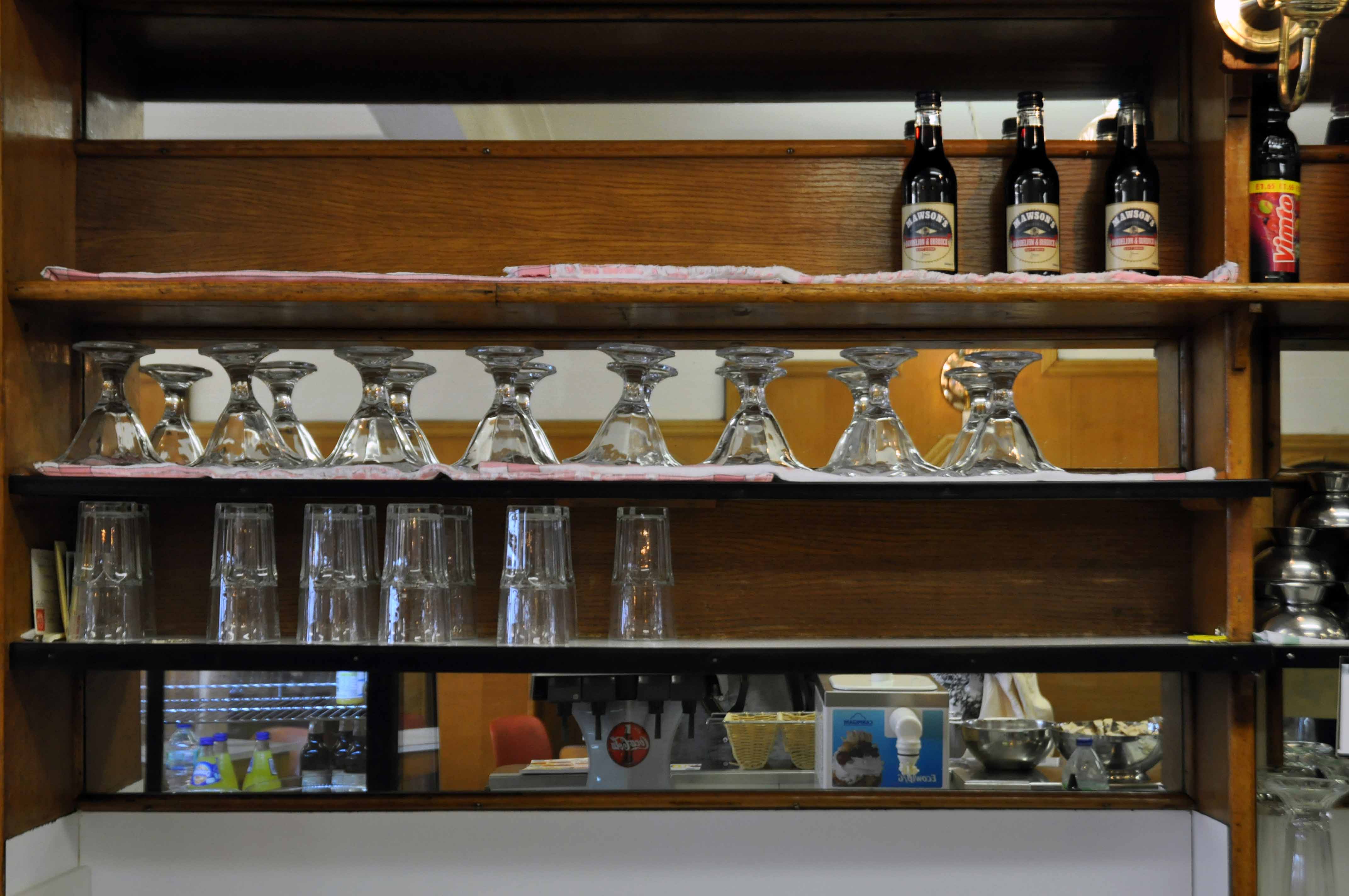
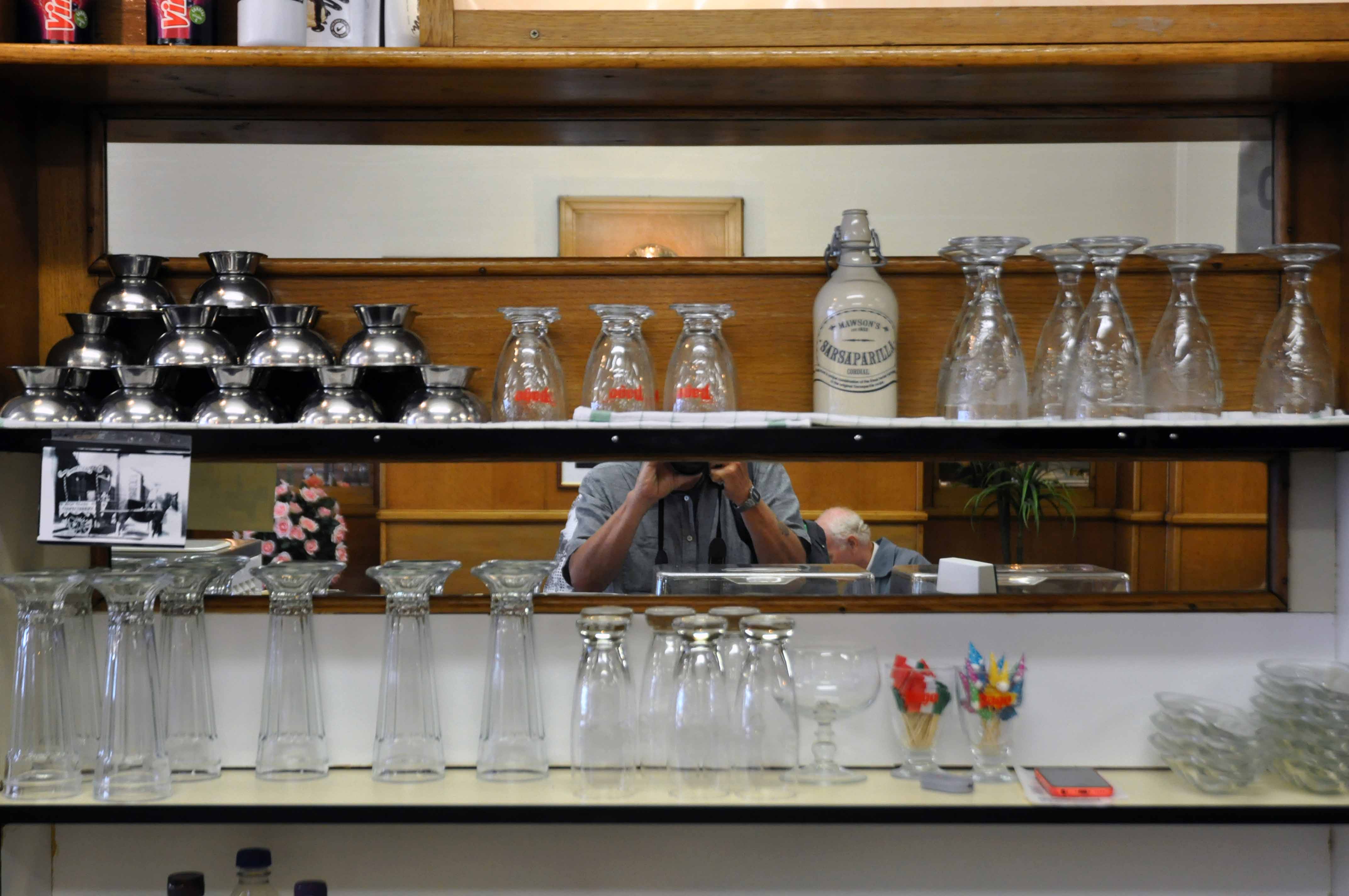
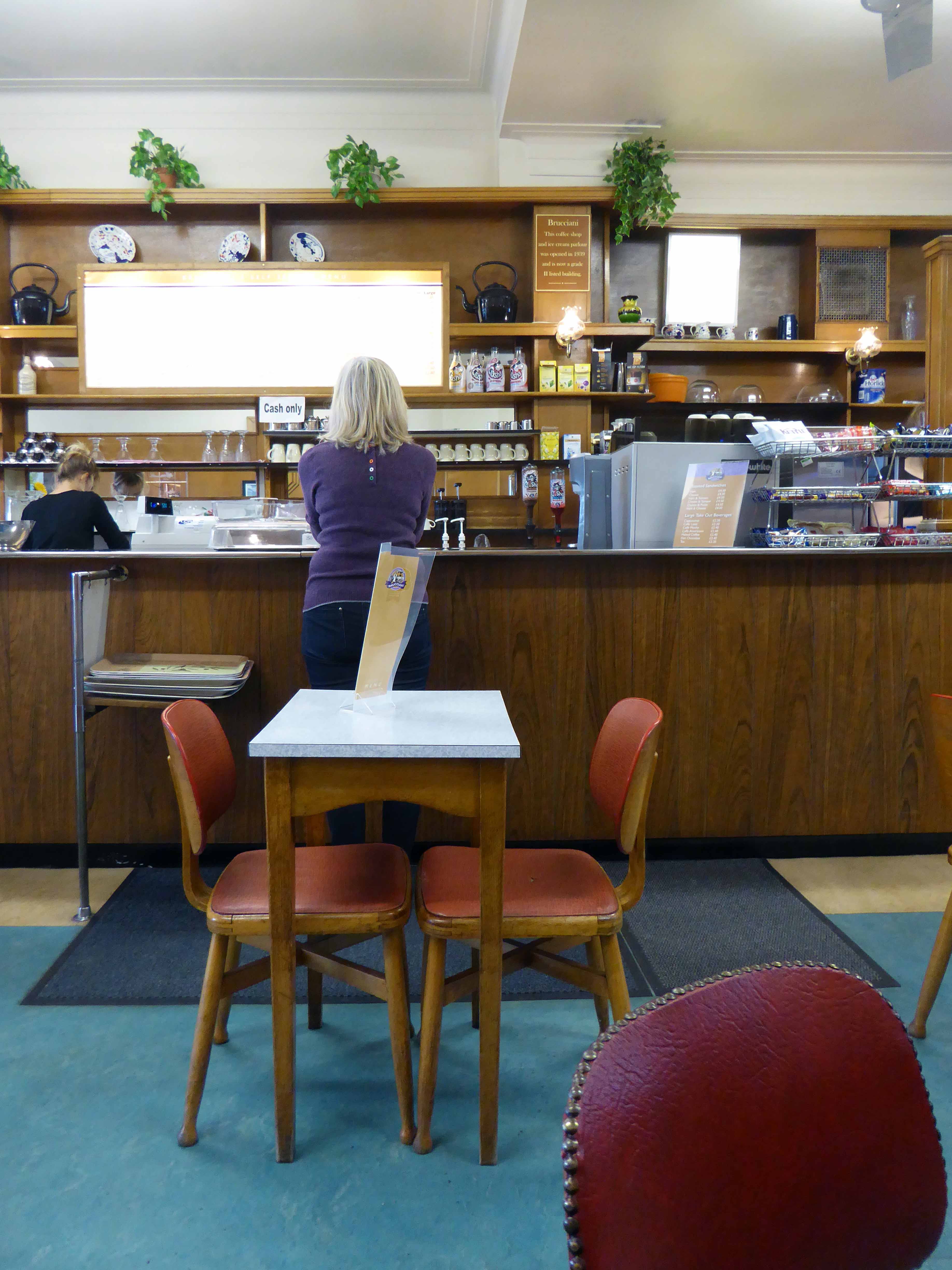
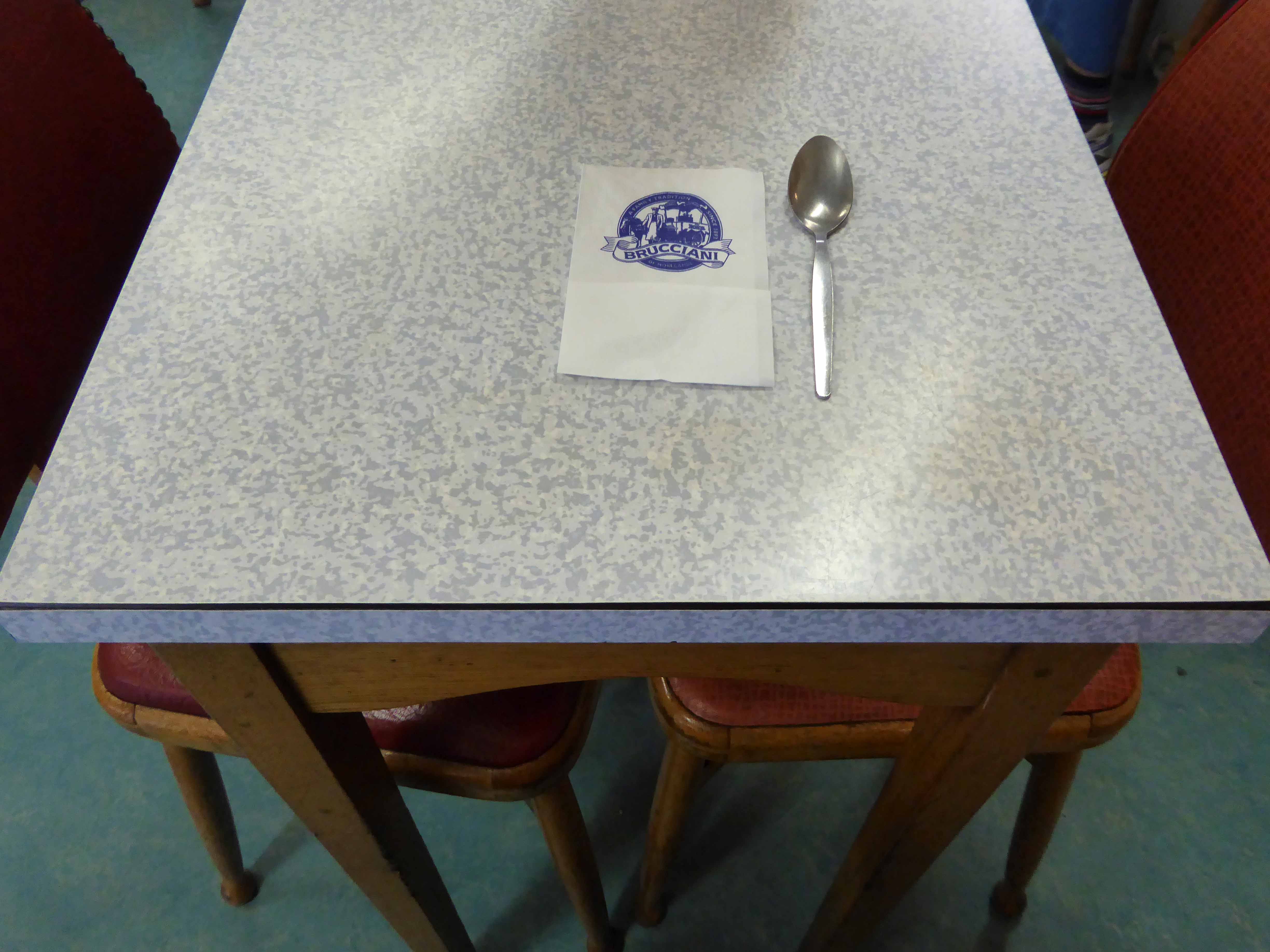
Brucciani’s – Morecambe

Brucciani – 217 Marine Rd Central, Morecambe LA4 4BU217

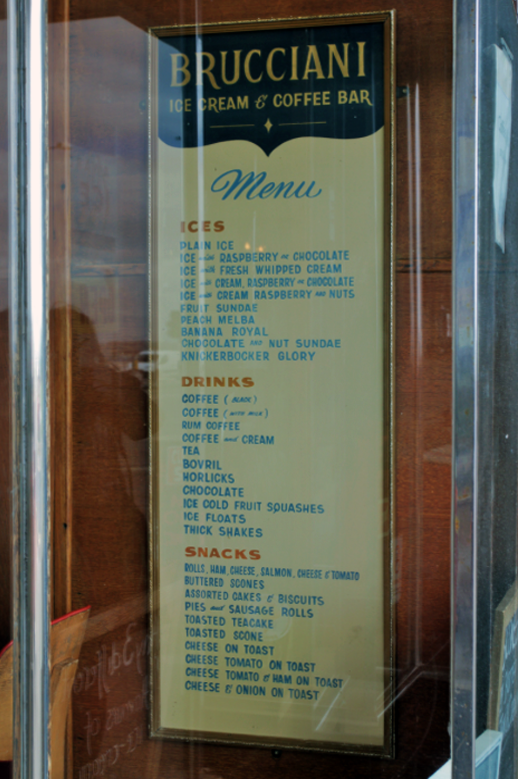
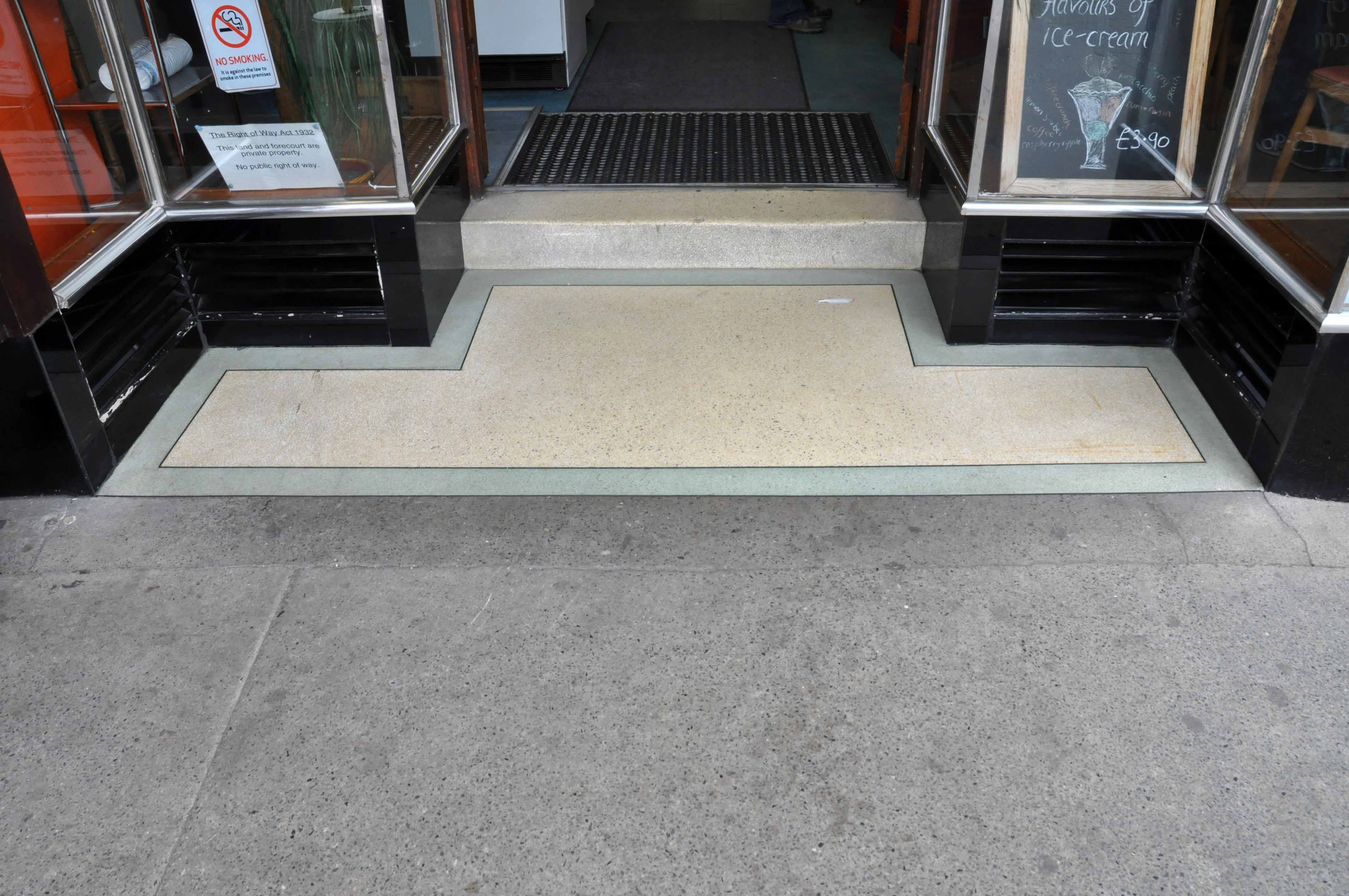
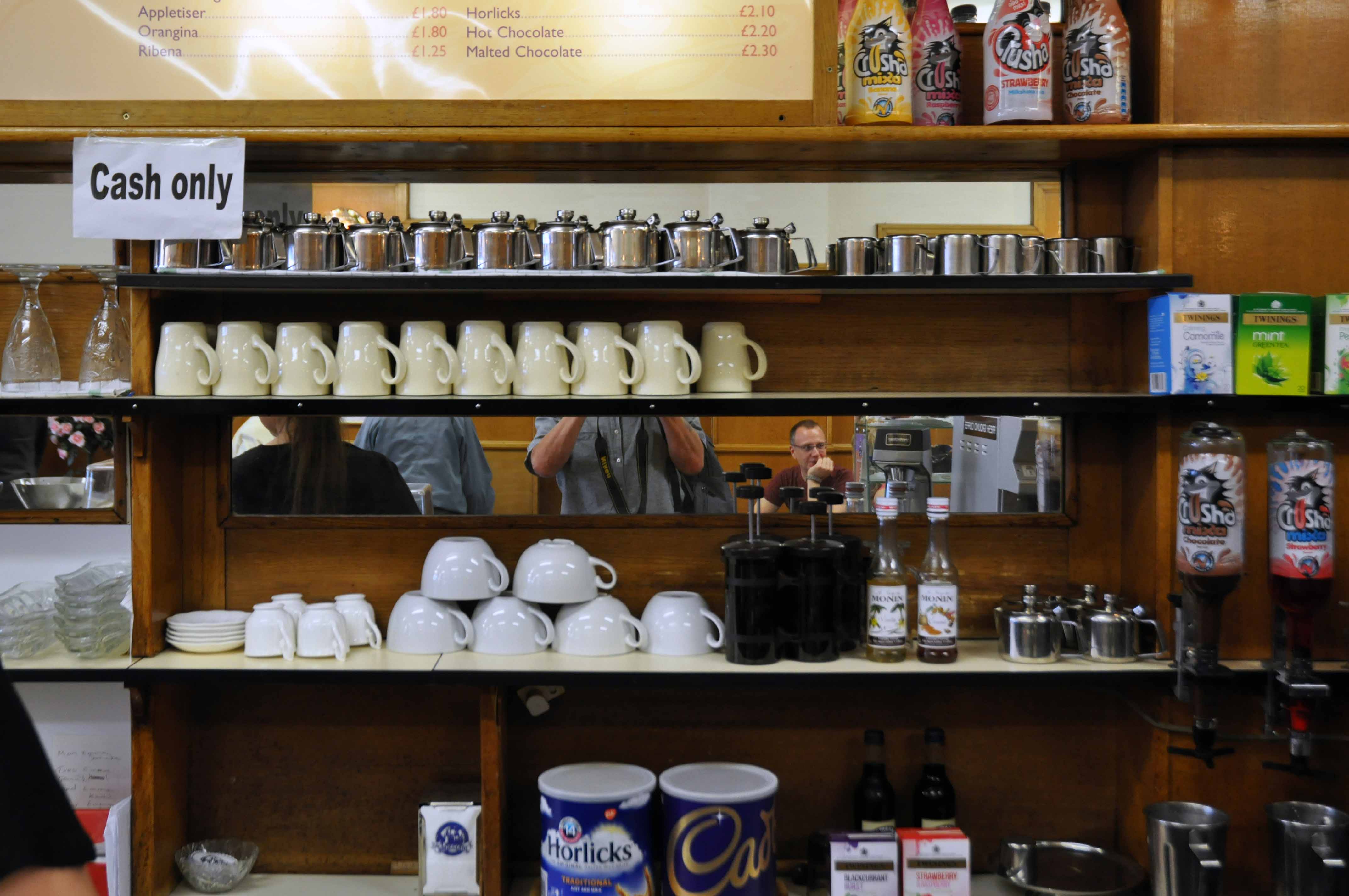
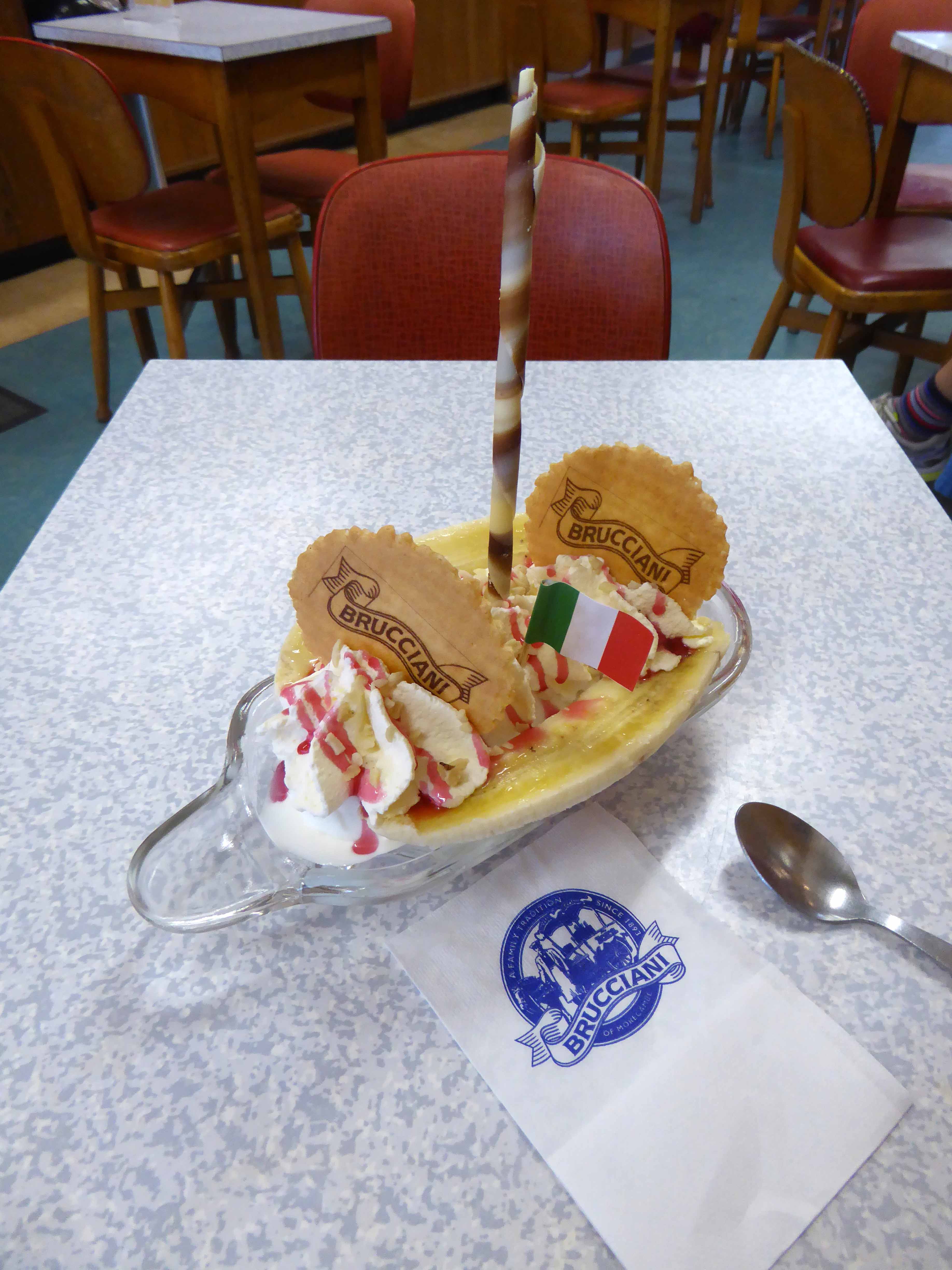
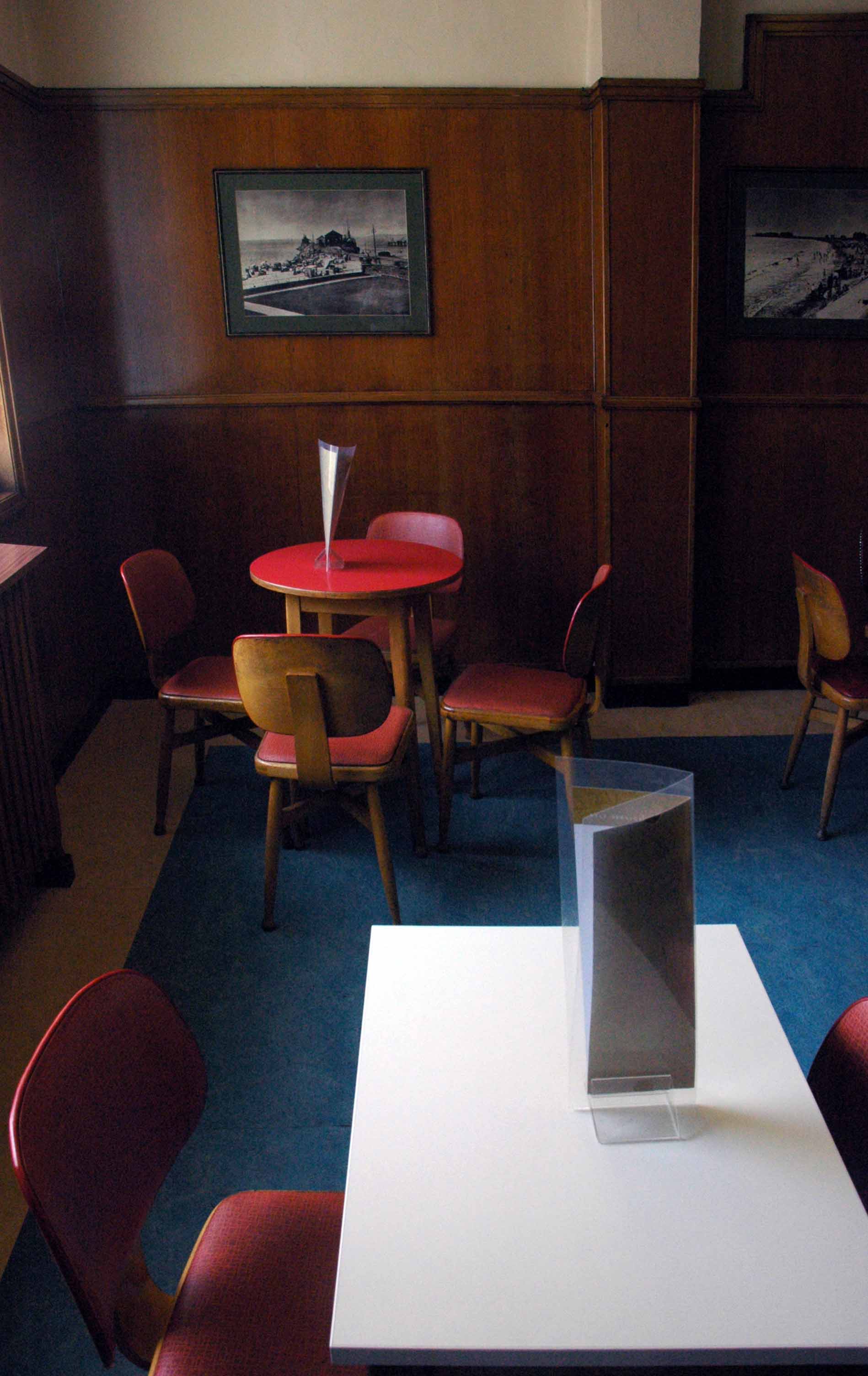
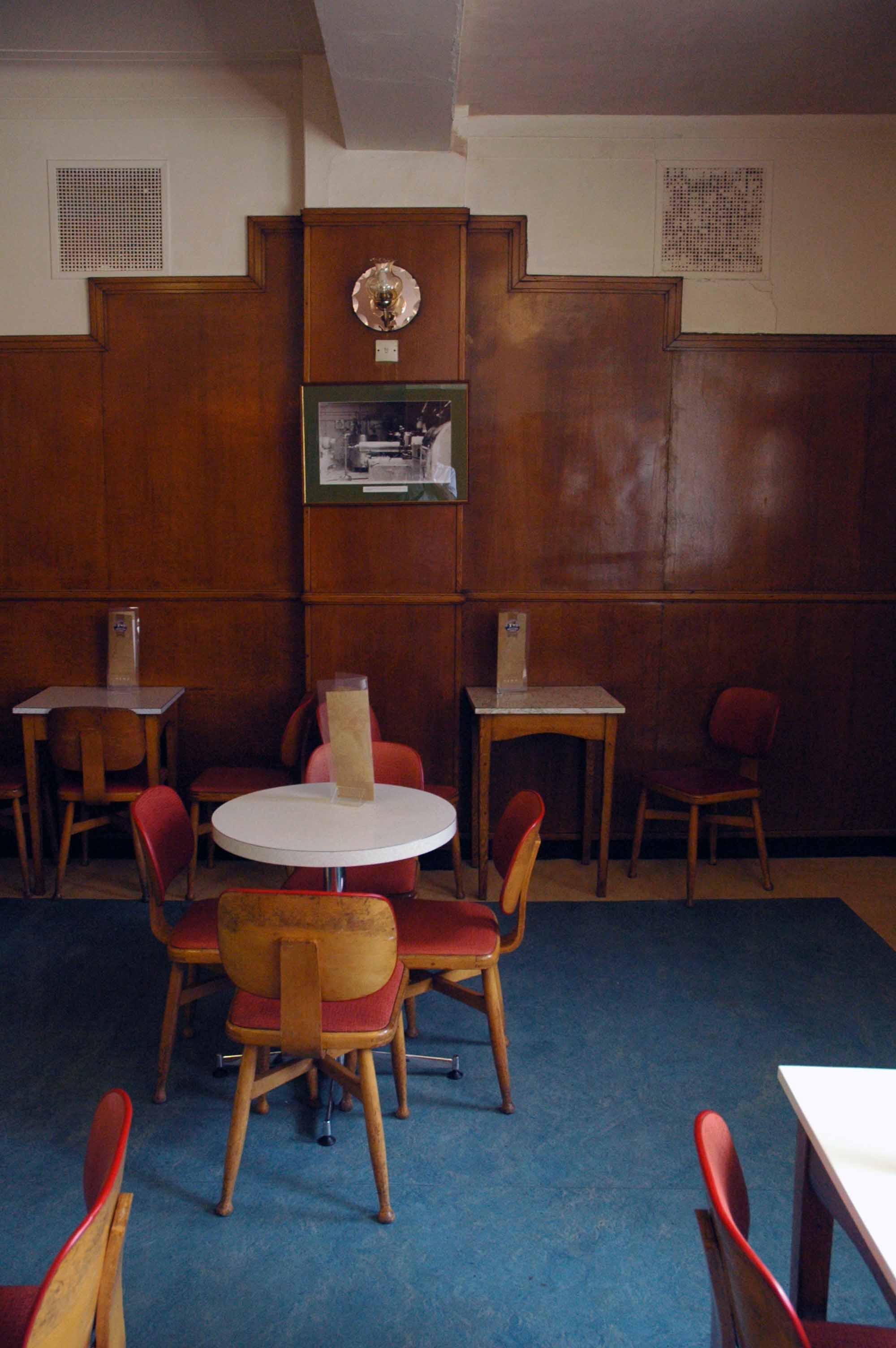
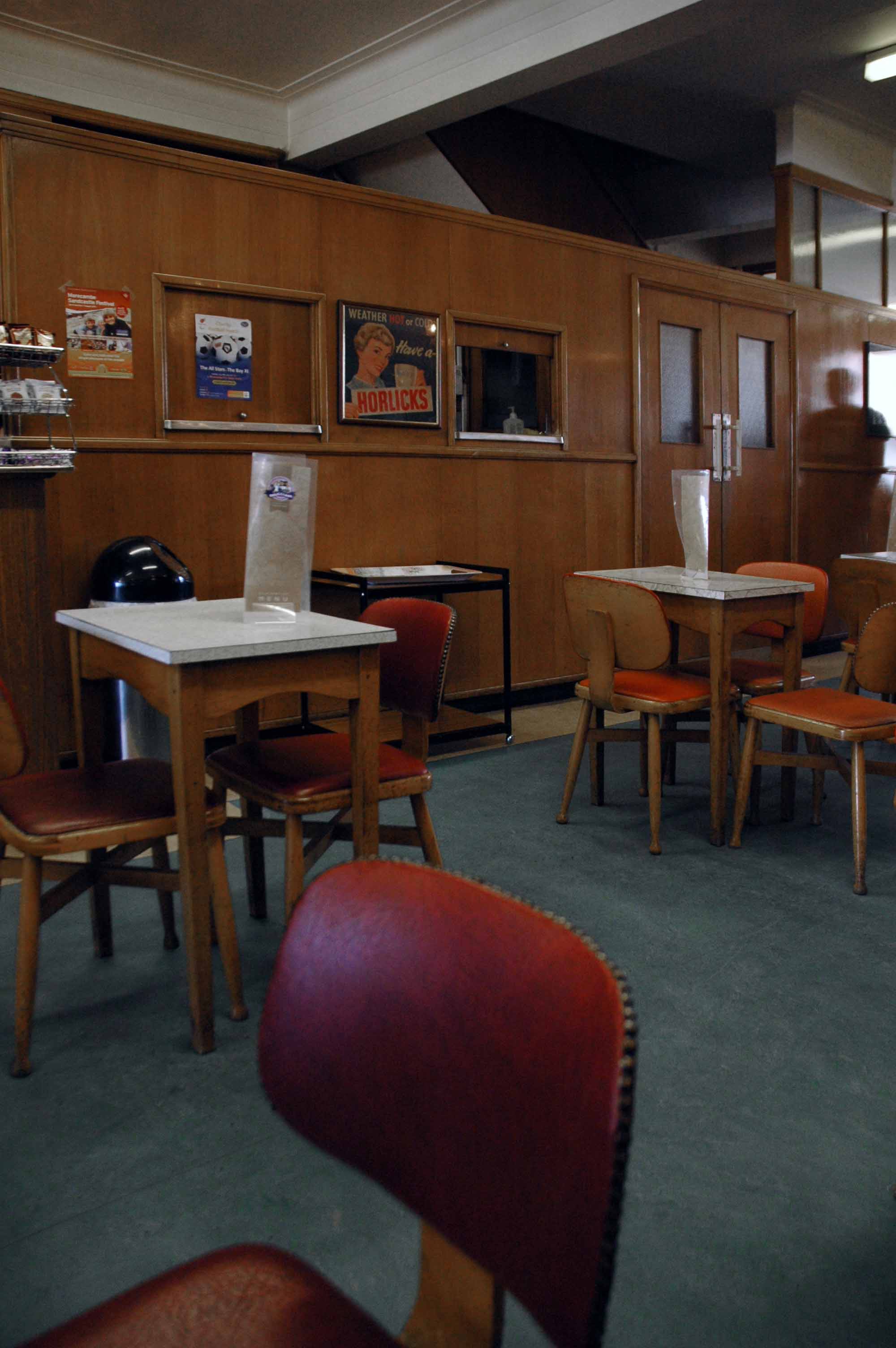
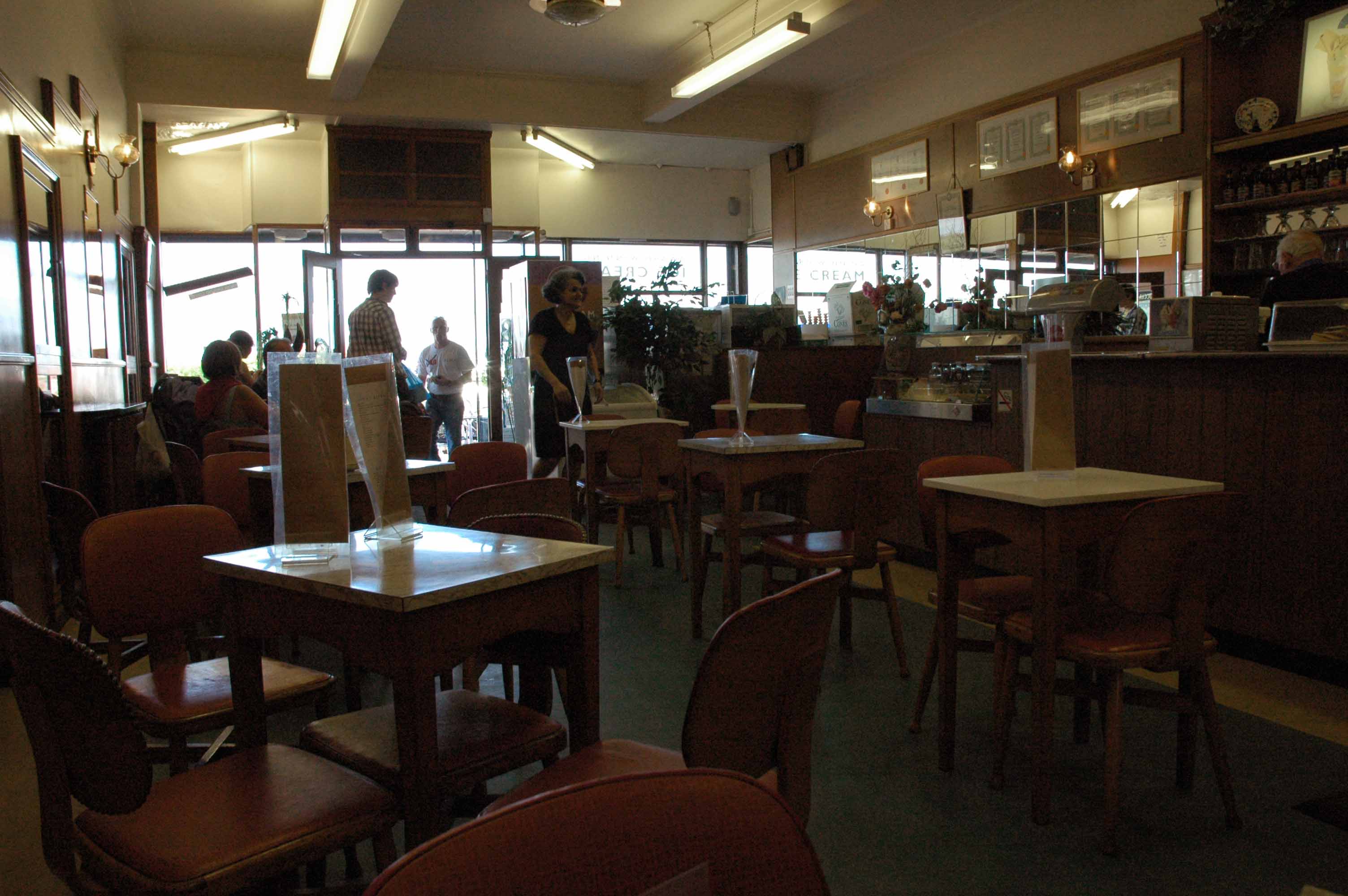
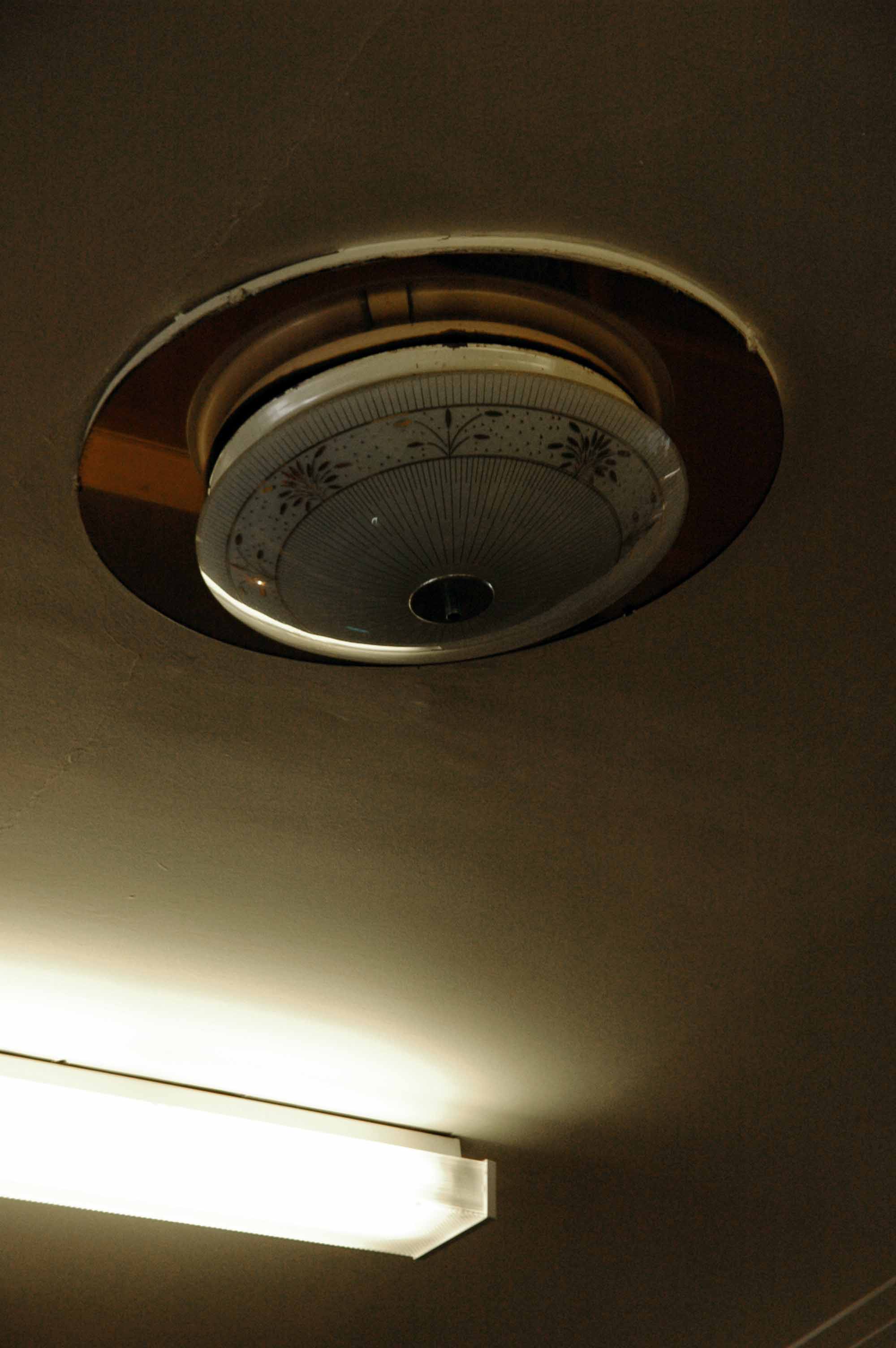
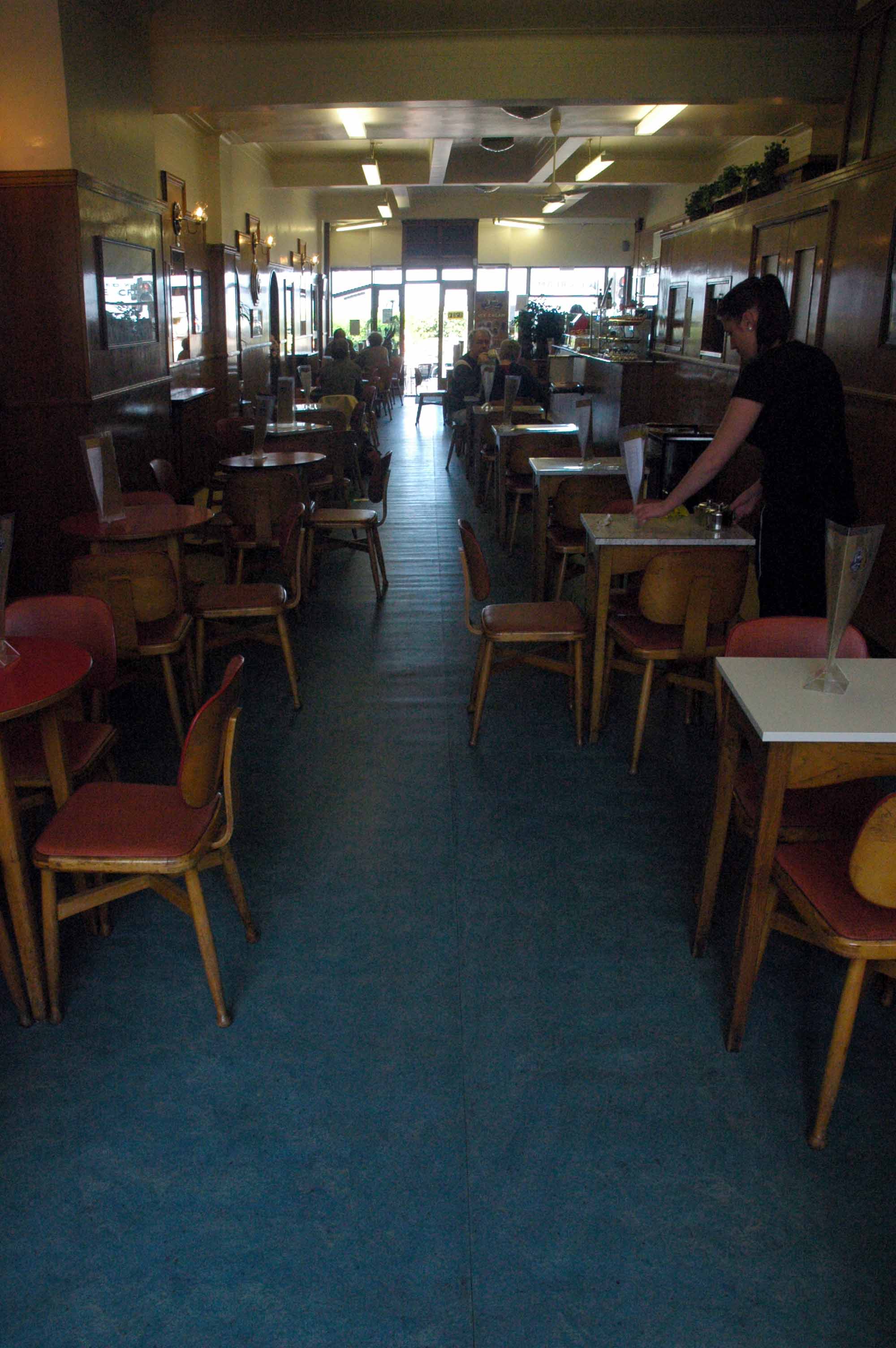
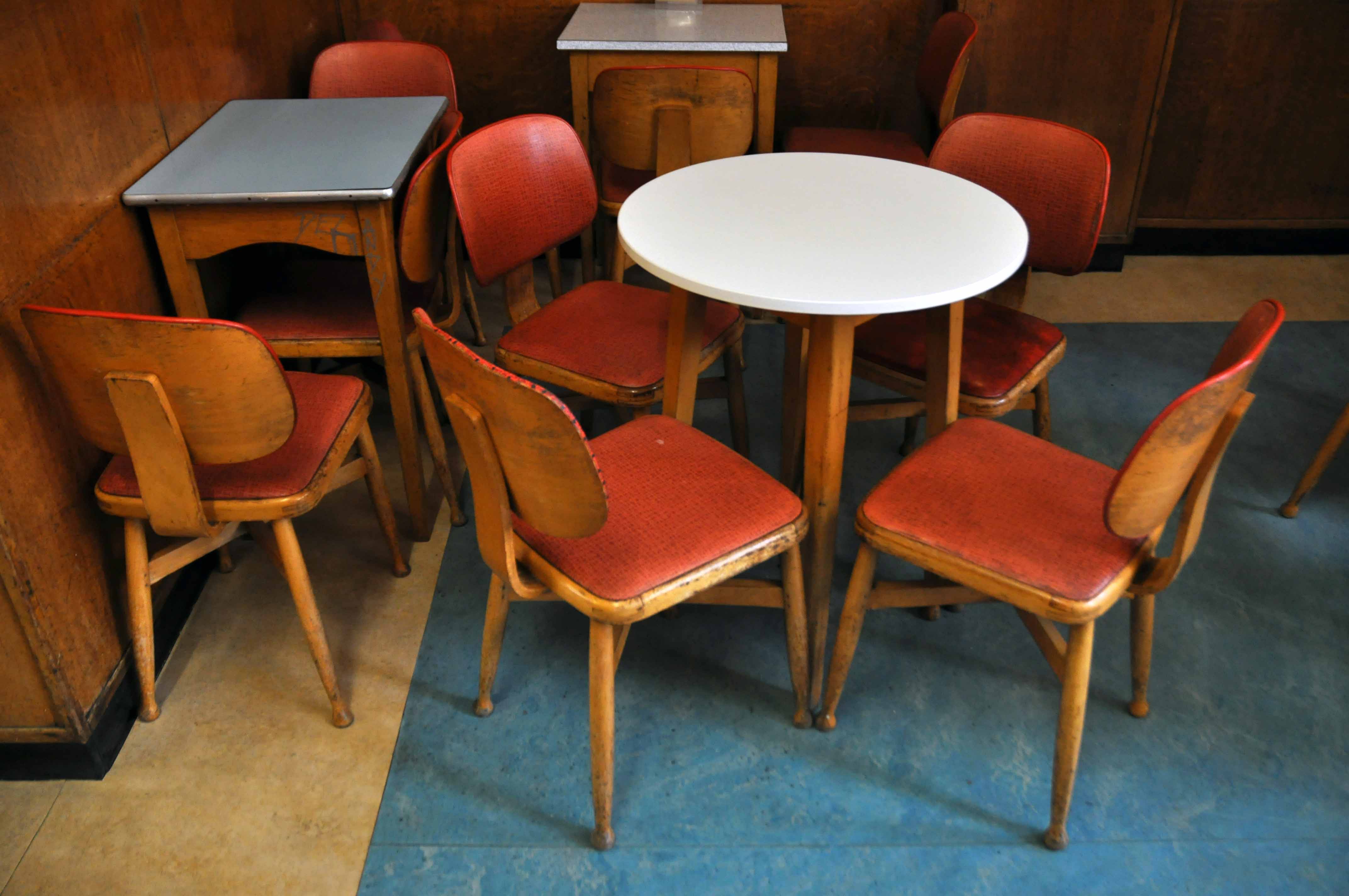
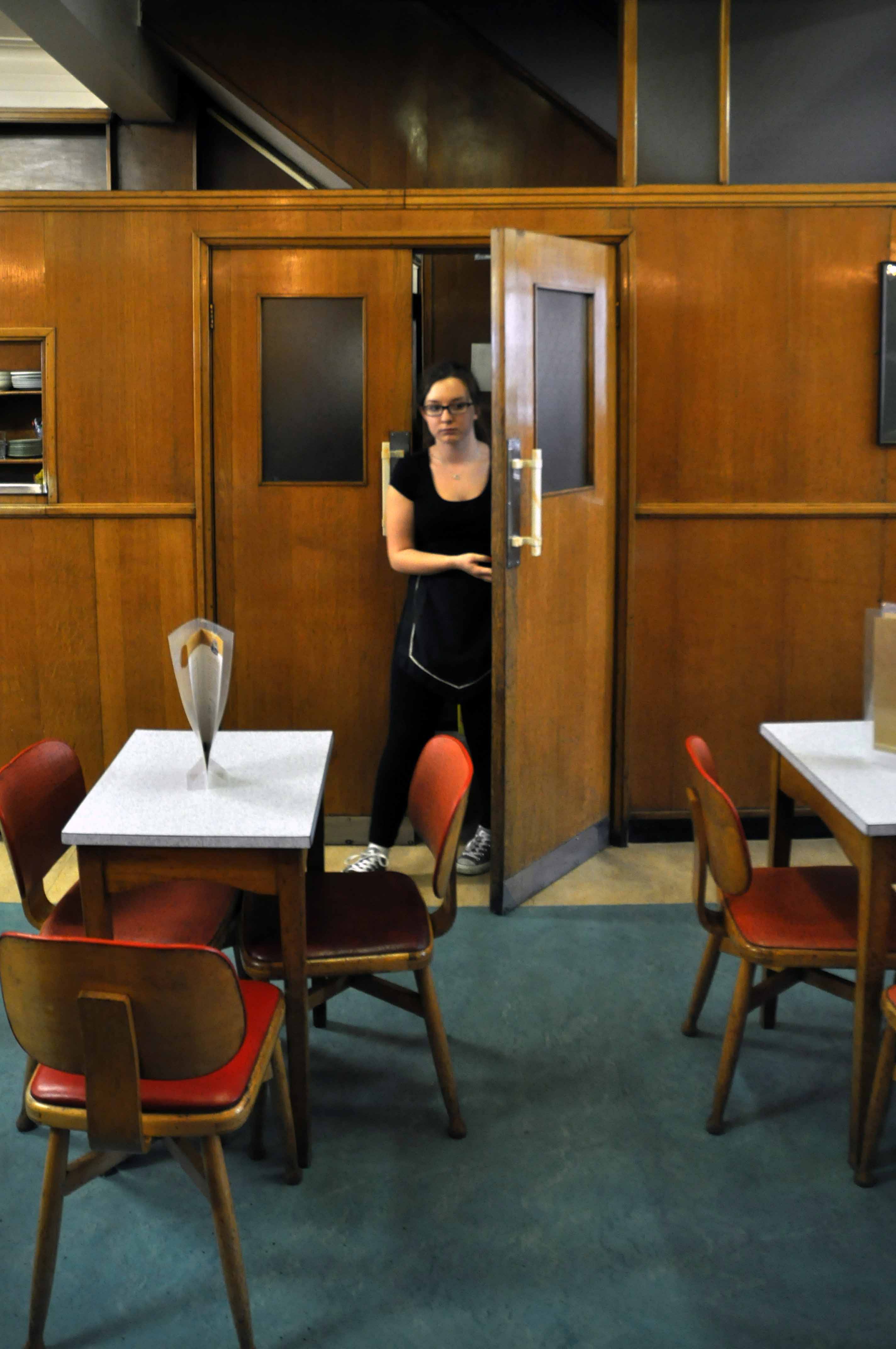
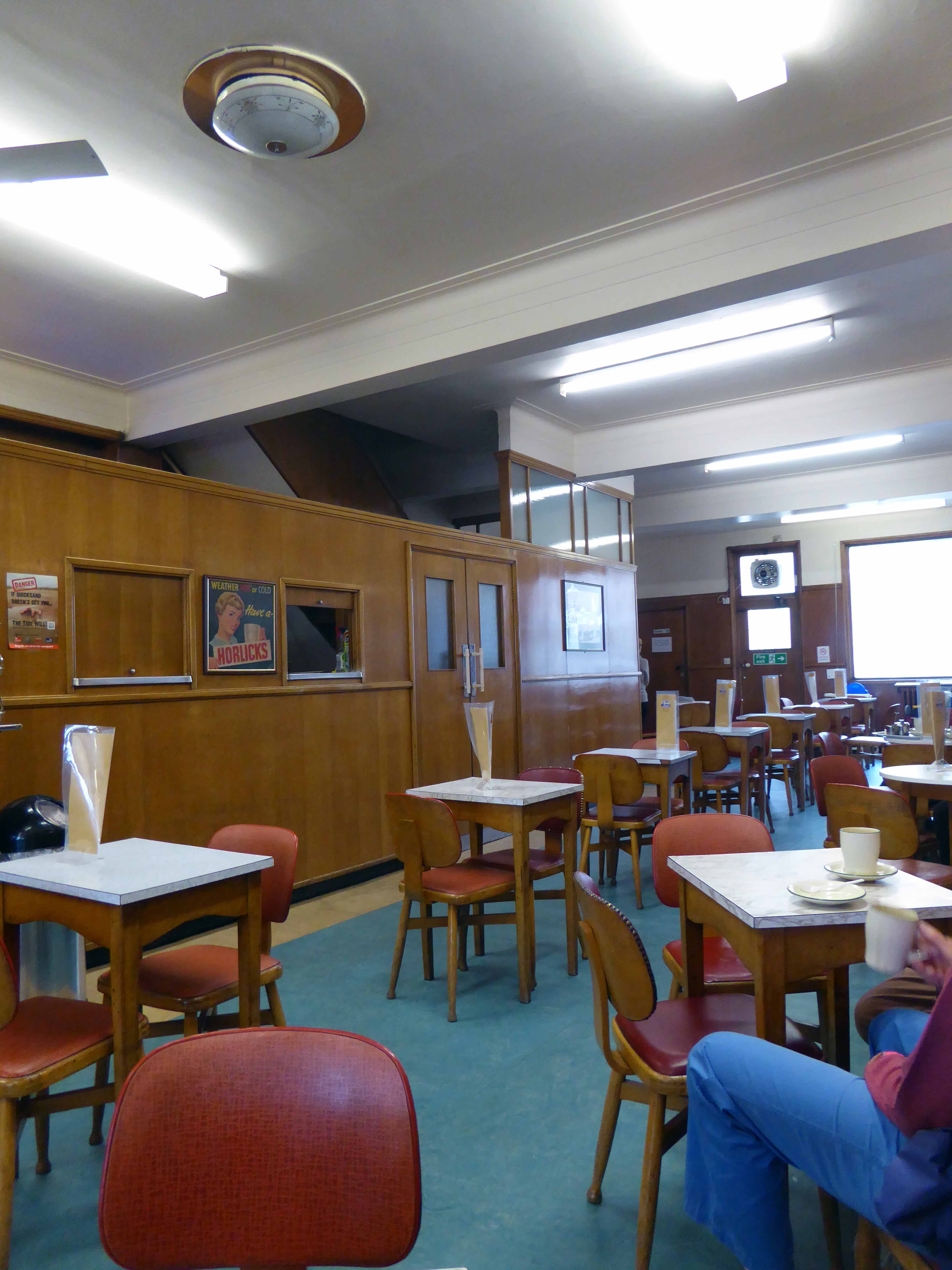
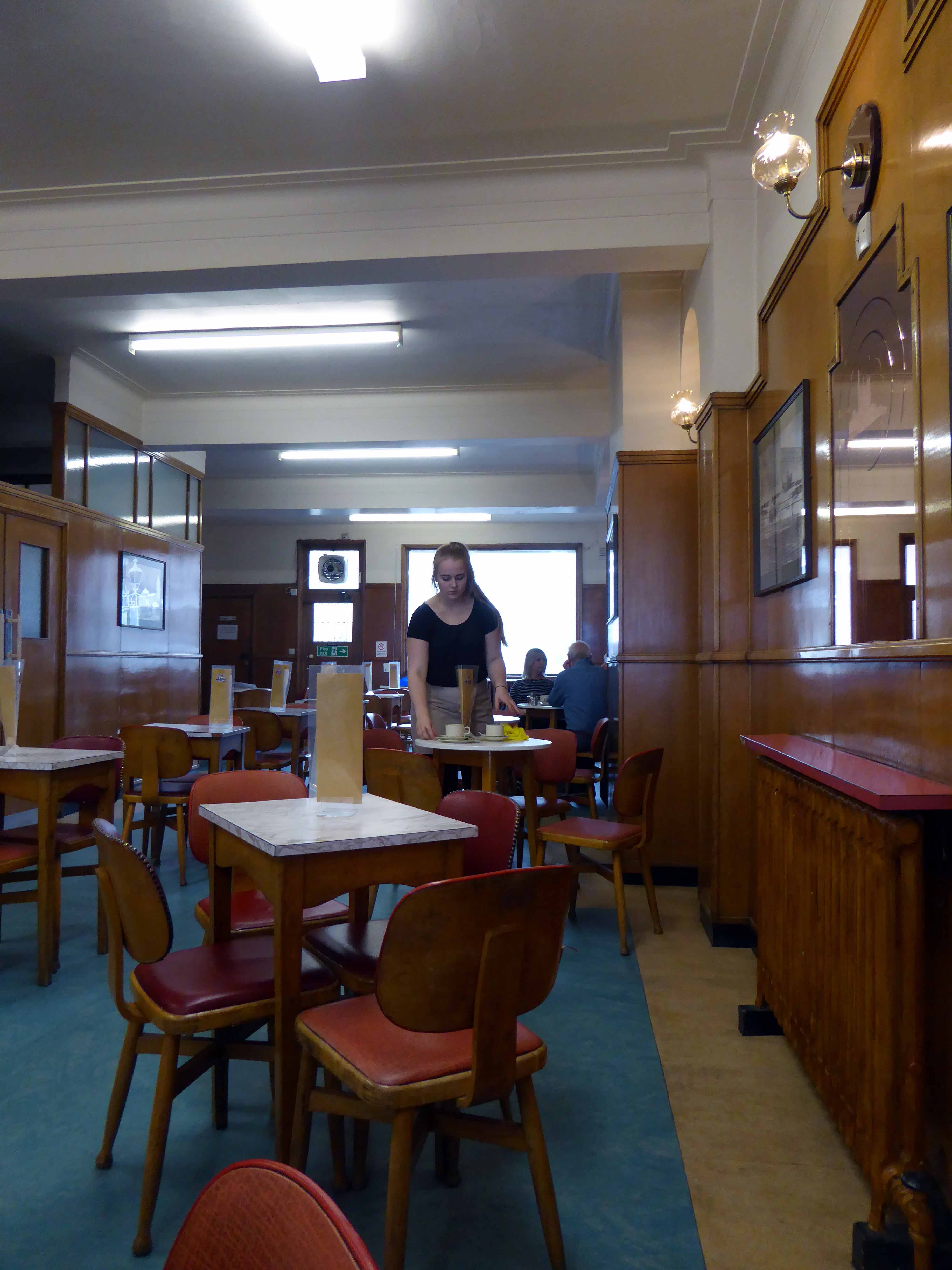
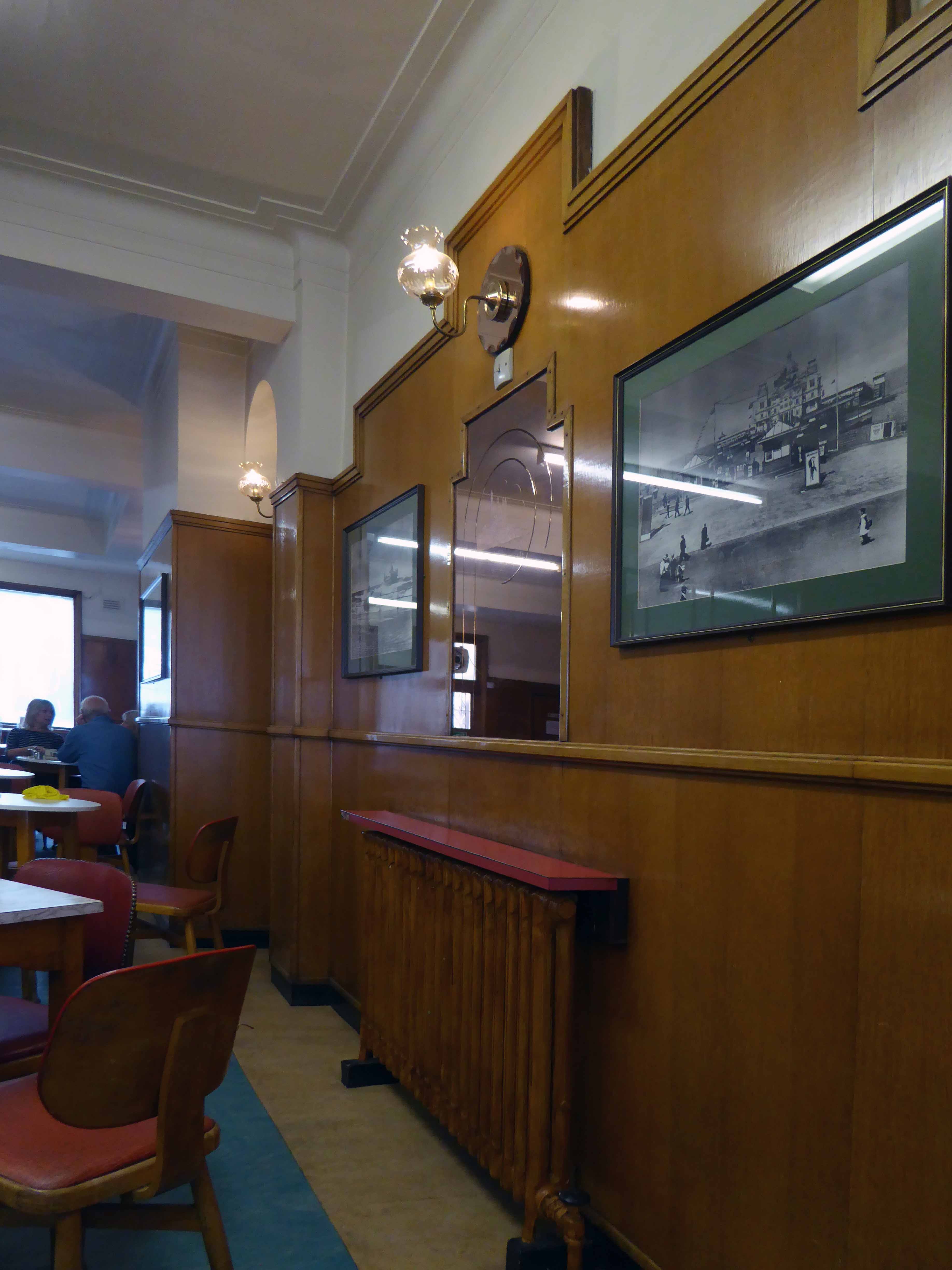
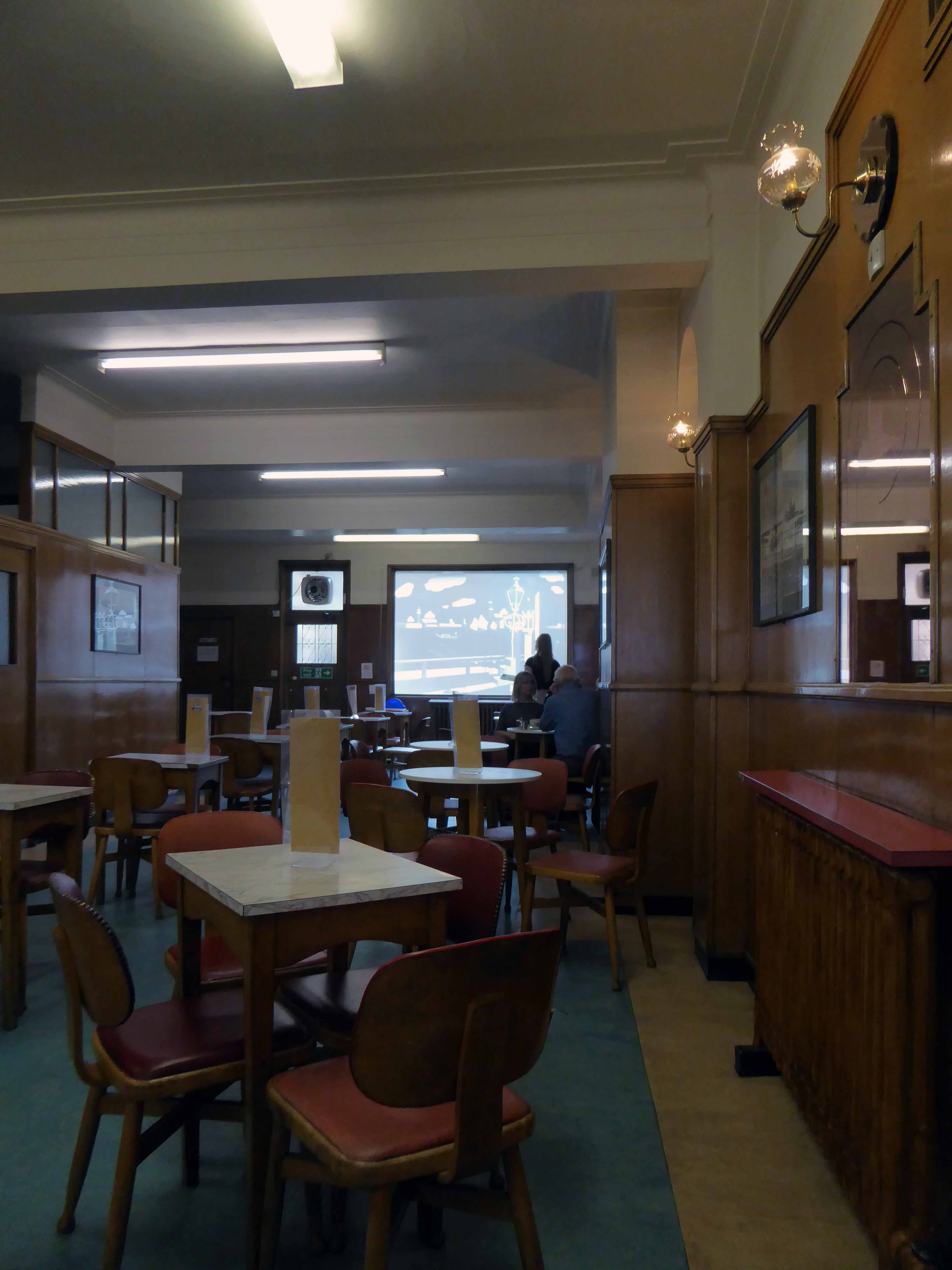
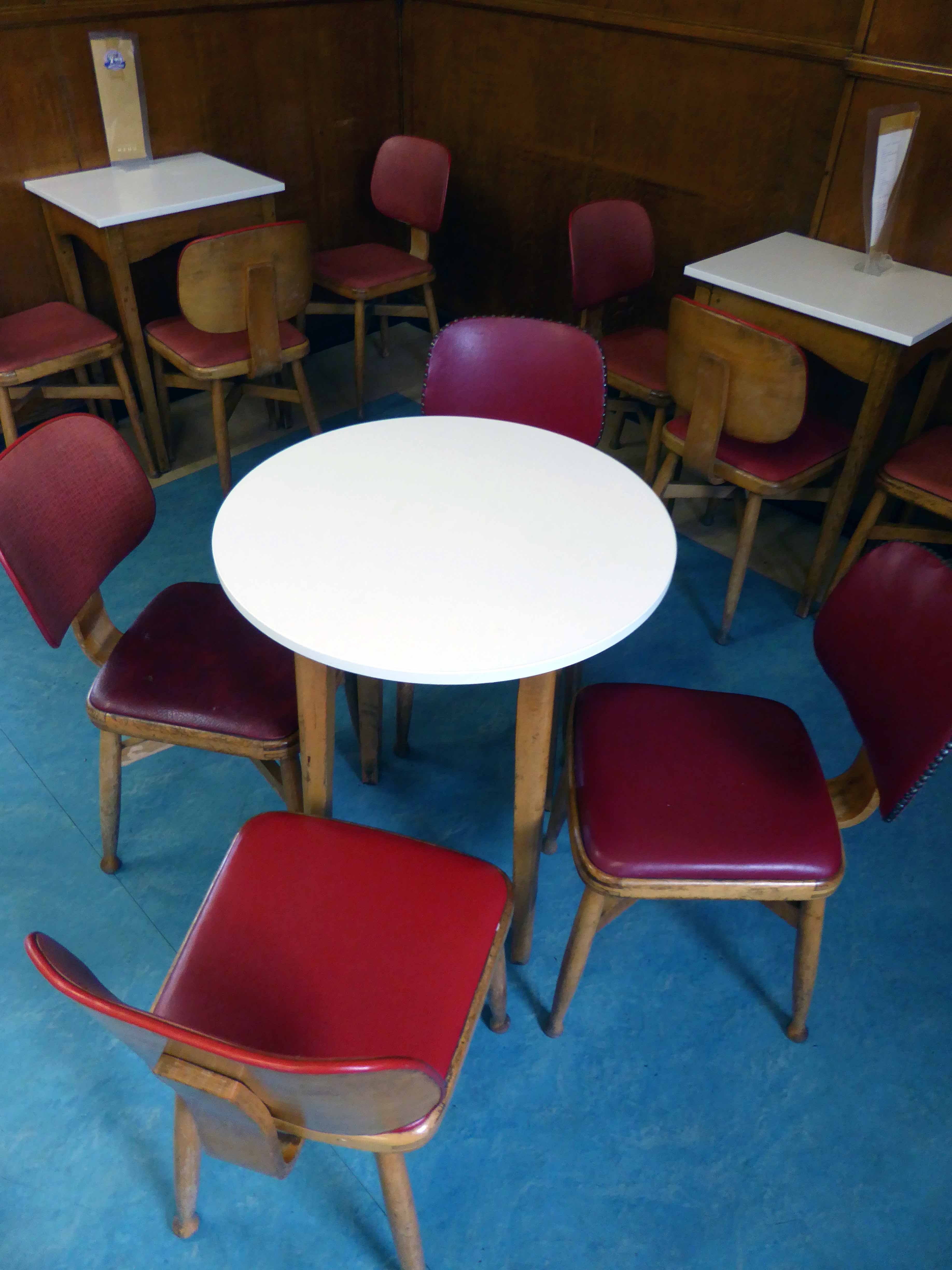
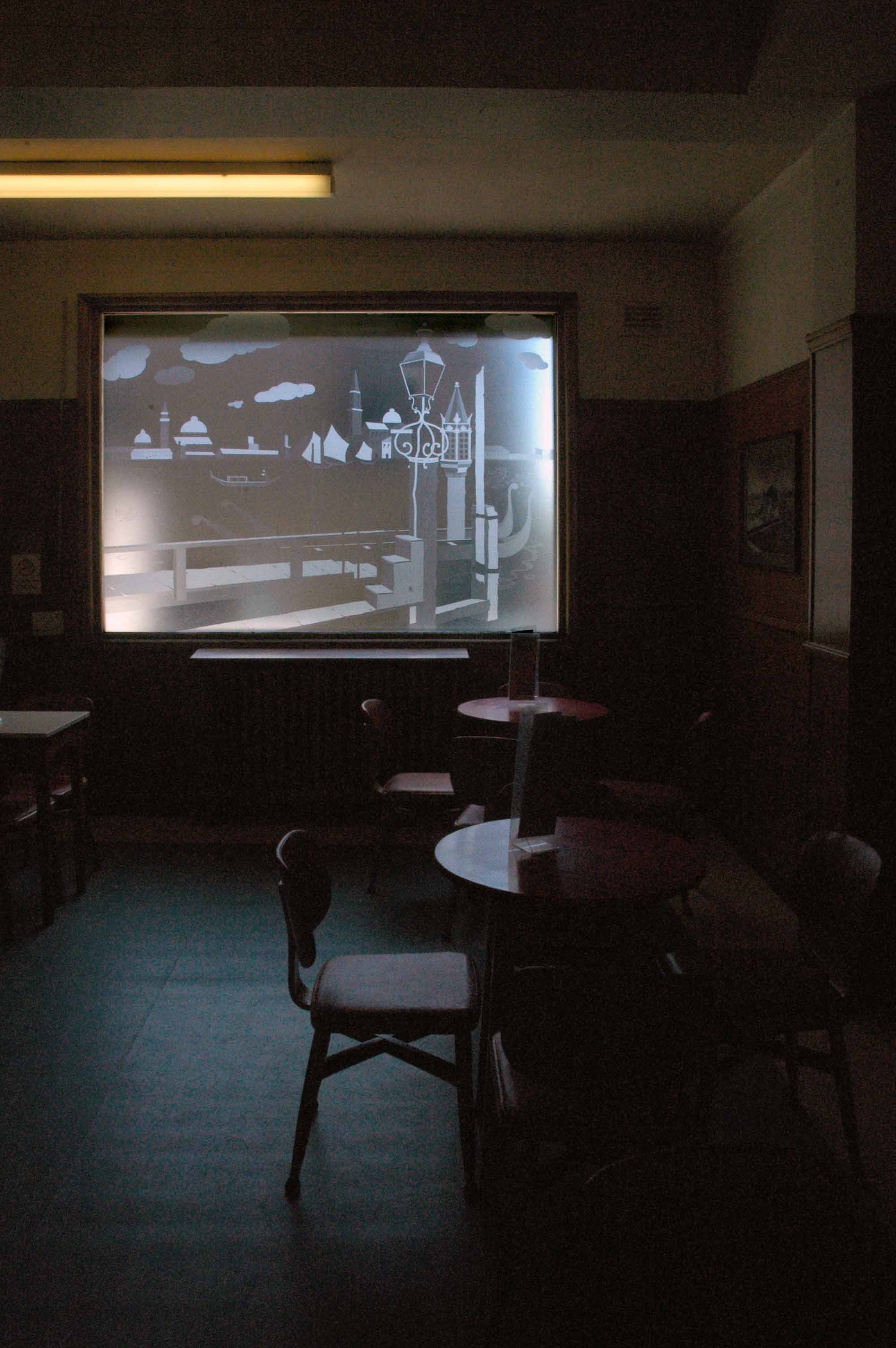
Built on the eve of war in 1939, the local paper feared that Brucciani’s might not be good for the sedate Victorian image of Morecambe and that its presence could be positively harmful to young people. Originally a milk bar, Brucciani’s typifies the simple, geometric ‘high street deco’ styling popular at the time. The brown wood and chrome exterior has black lacquer base panels to the street, porthole lamps above the doors, ziggurat pattern doors, classic deco handles and original menus. The interior preserves extensive wall panelling, a slightly reworked counter, red Formica tables, red upholstered chairs, wall-to-wall etched glass of Venetian canal scenes, mirrors, deco clocks and even the original penny-in-the-slot cubicles in the cloakrooms.

Classic cafés

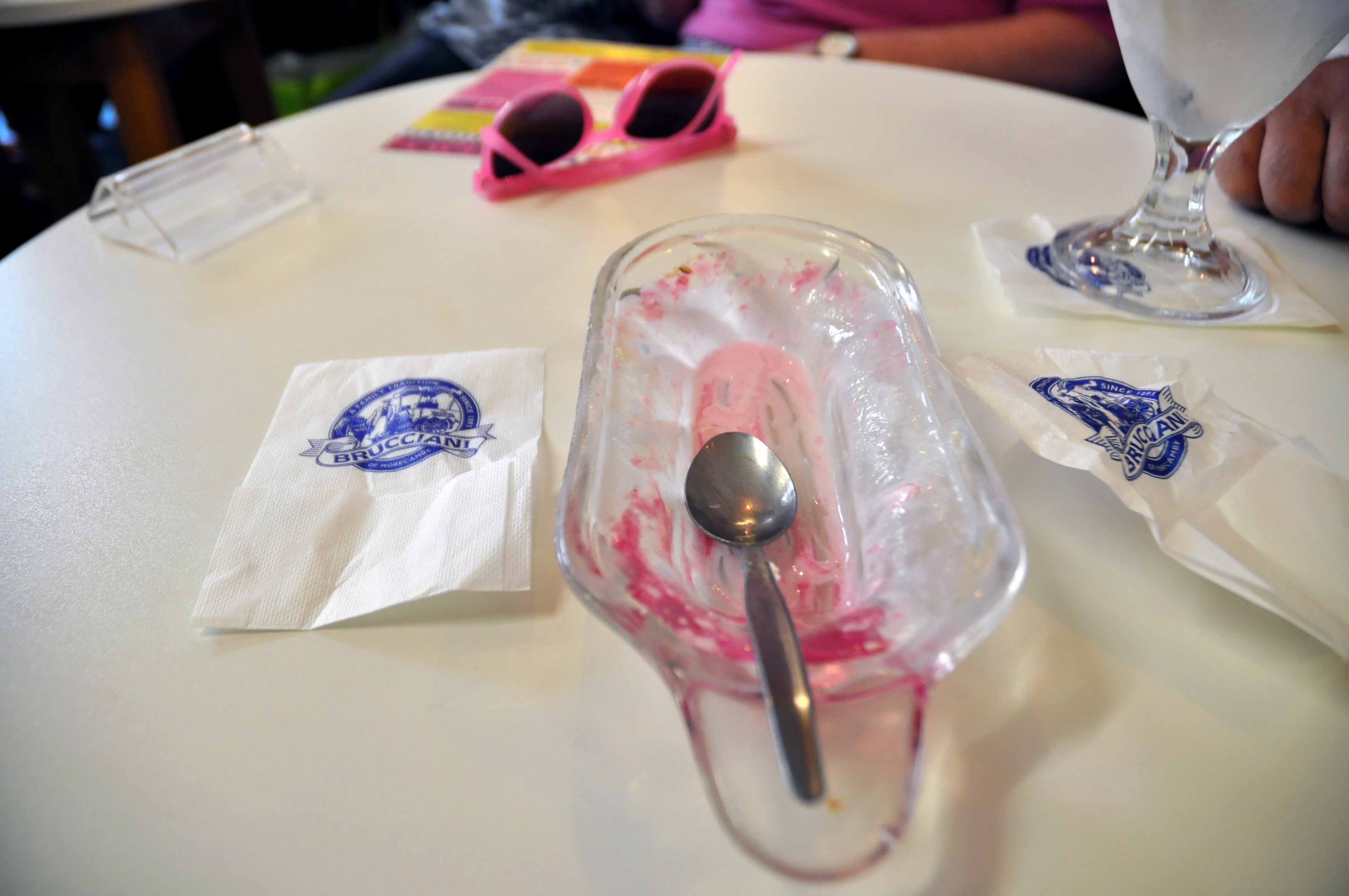
I’ve been coming here for over ten years now, alone or in company, come rain or shine and without fail, as sure as ice is nice, I have a banana spilt – or to be more precise a Banana Royal.

Screen Shot 2018-04-27 at 13.53.13

Jenny Steele 2015

This is a café with a café menu, café furniture, café staff and service.

It only ever wanted and wants to be a café, unchanged by the uncaring winds of vicissitude and fashion. To tread the turquoise and tan linoleum, ‘neath the period lighting fixtures and fittings, to be seated on the warm red leatherette, one elbow on the circular Formica table is to enter into into a pact with a perfect past.

It’s on the front you can’t miss it – overlooking the Sunset Bay.

DSC_0233 copy

DSC_0200 copy

DSC_0201 copy

DSC_0202 copy

DSC_0203 copy

P1210019 copy

P1210017 copy

P1210020 copy

DSC_0217 copy

cafe copy

caffe2 copy

DSC_0014 copy

DSC_0015 copy

DSC_0016 copy

DSC_0051 copy

DSC_0219 copy

DSC_0232 copy

P1210018 copy

P1210021 copy

P1210022 copy

P1210023 copy

P1210024 copy

caff copy