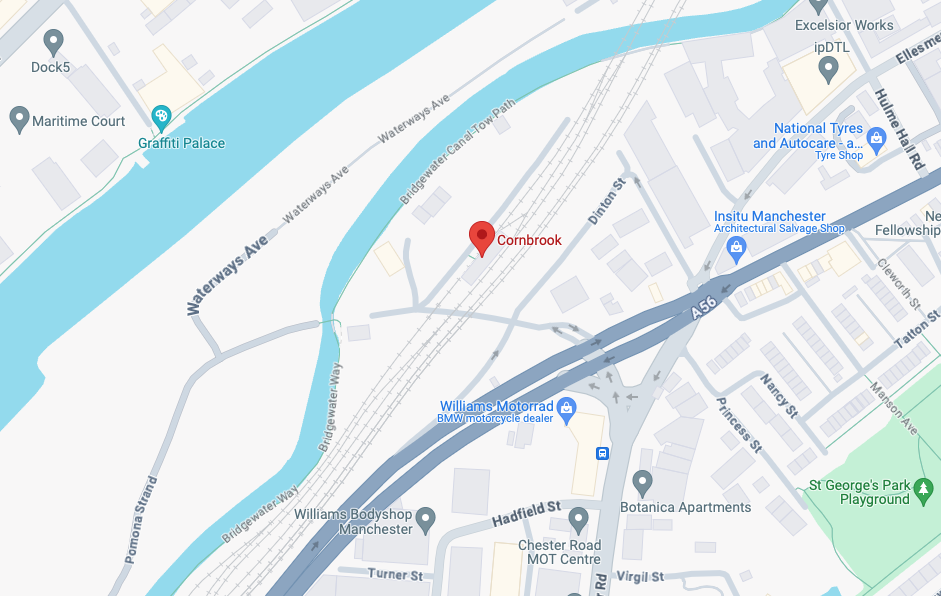
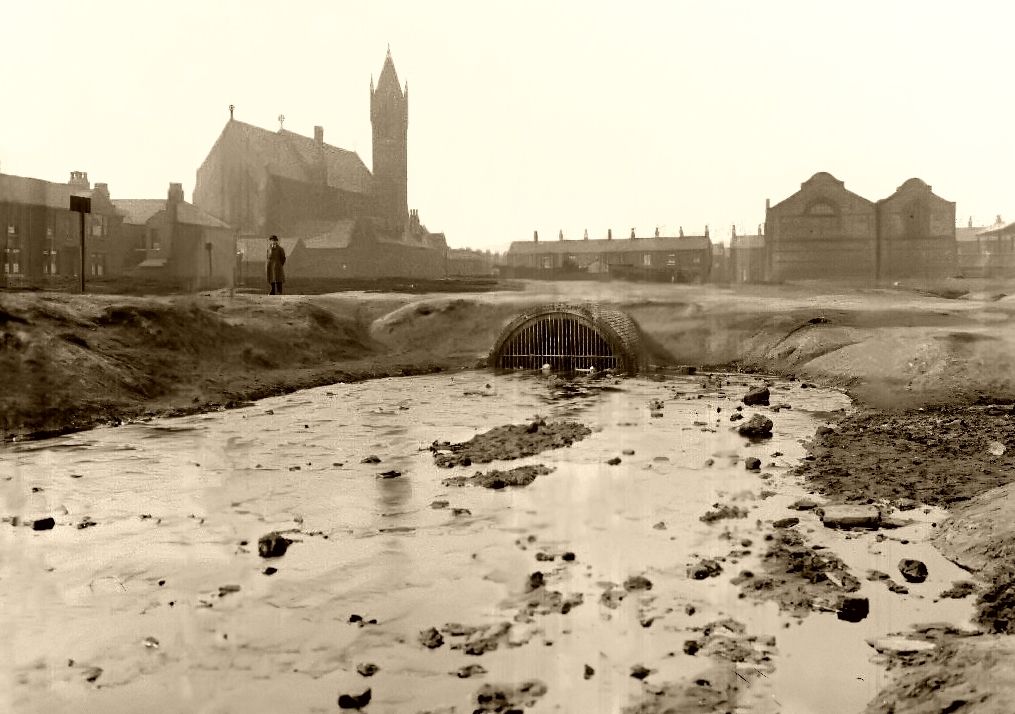
The Cornbrook drains the urban area South of the River Medlock, it rises in Gorton and follows a tortous path through Manchester’s Southern ‘inner city’ suburbs and empties itself into the Manchester Ship Canal at the Pomona Docks.
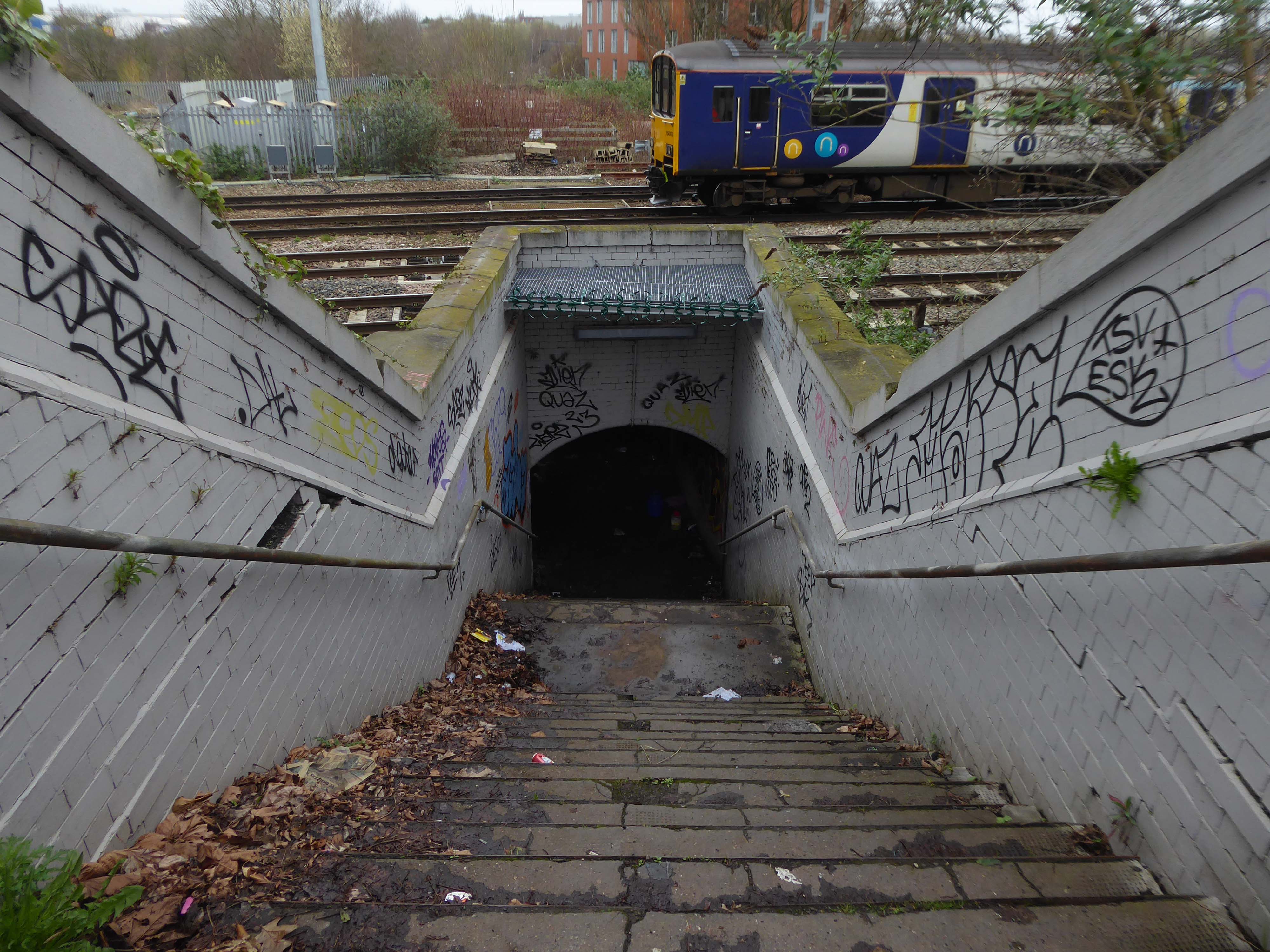
It’s a tram stop – primarily an interchange, though the brand new shiny residential new build has produced a brave band of brand new shiny residents in transit. Slipping and sliding ‘neath the bridge, skating over the age old accretion of filth, oil, diesel and detritus produced by the surrounding scrap yards.
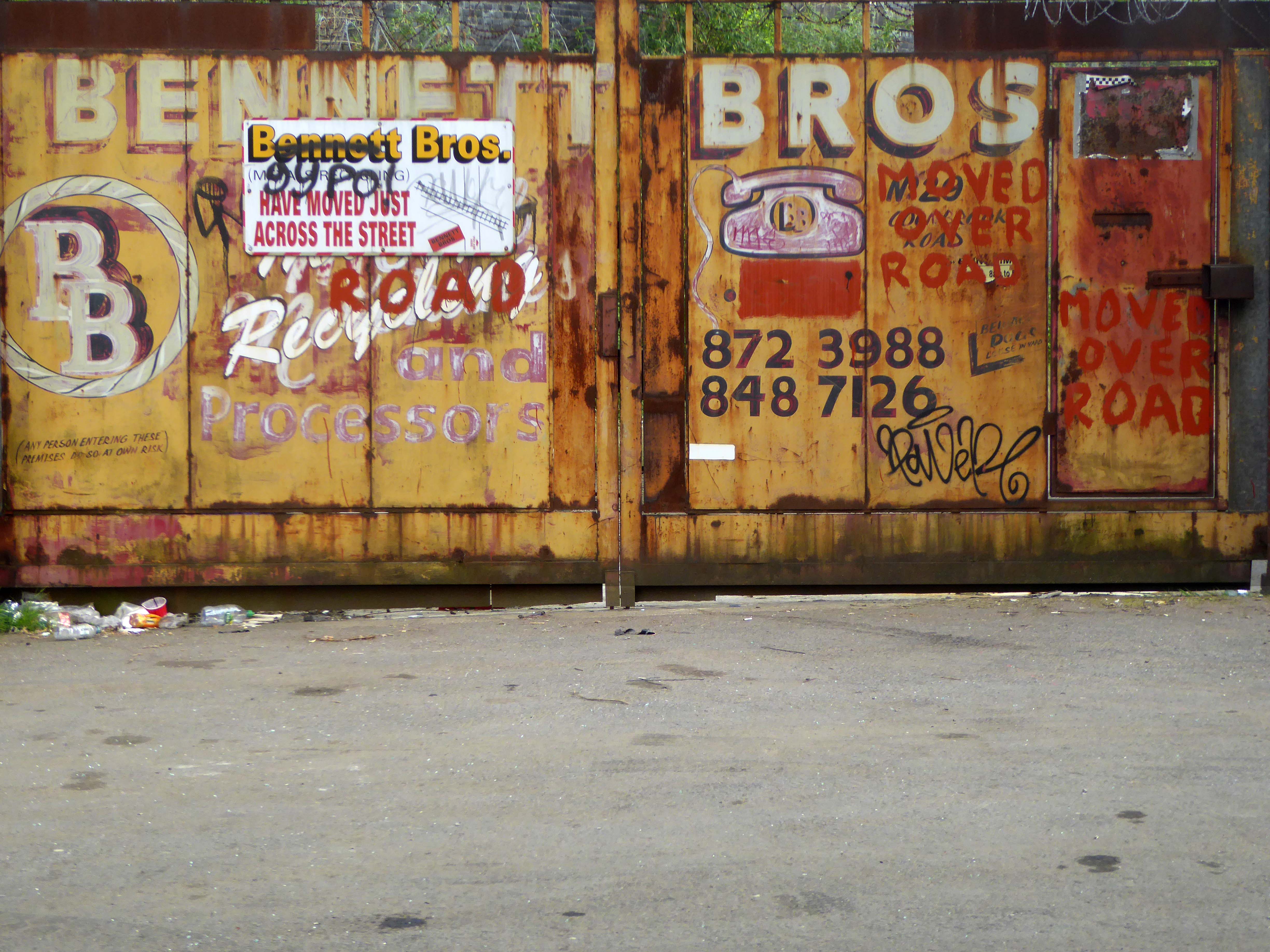
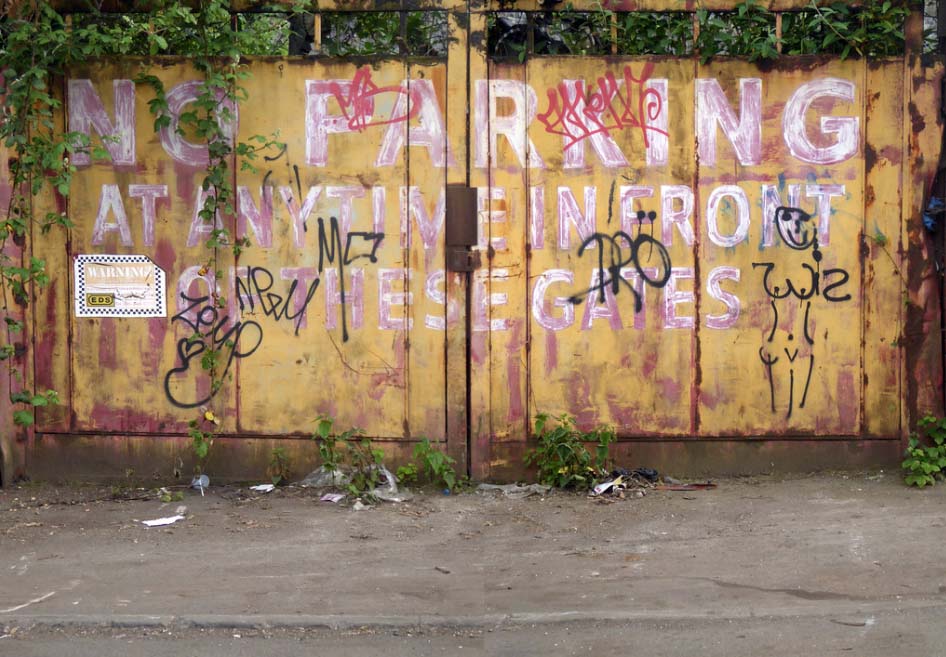
We are one of the first recycling companies operating in the North West, Bennett Bros was founded in 1948 by Francis William Bennett and Bernard Bennett, and remains a family-run business to this day. Bennett Bros was originally involved in loaning ponies to the many rag and bone men who collected unwanted household items and sold them to merchants, and while the recycling industry has now embraced modern technology, we are very proud of our heritage as innovators in what was then a new industry.
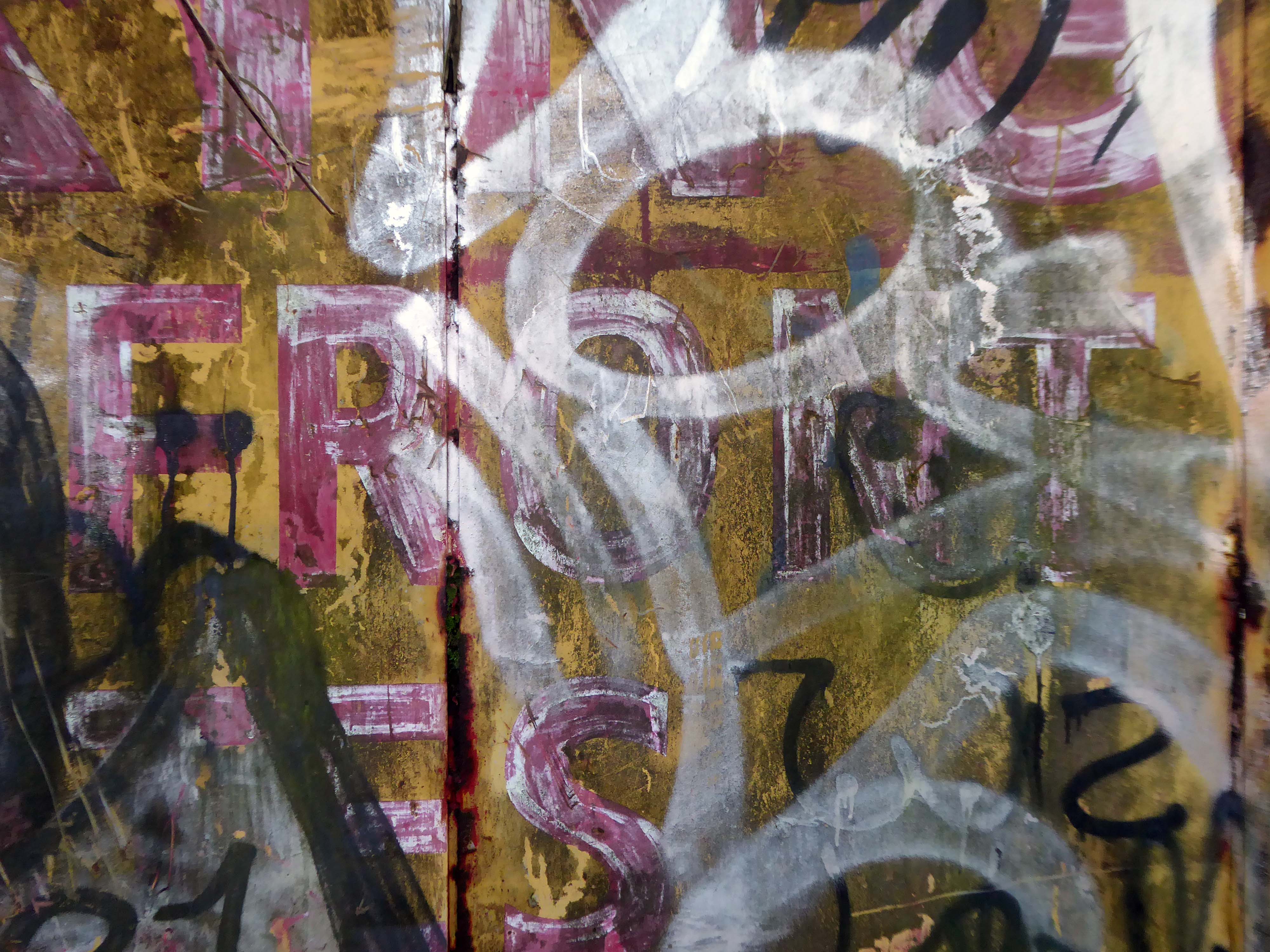
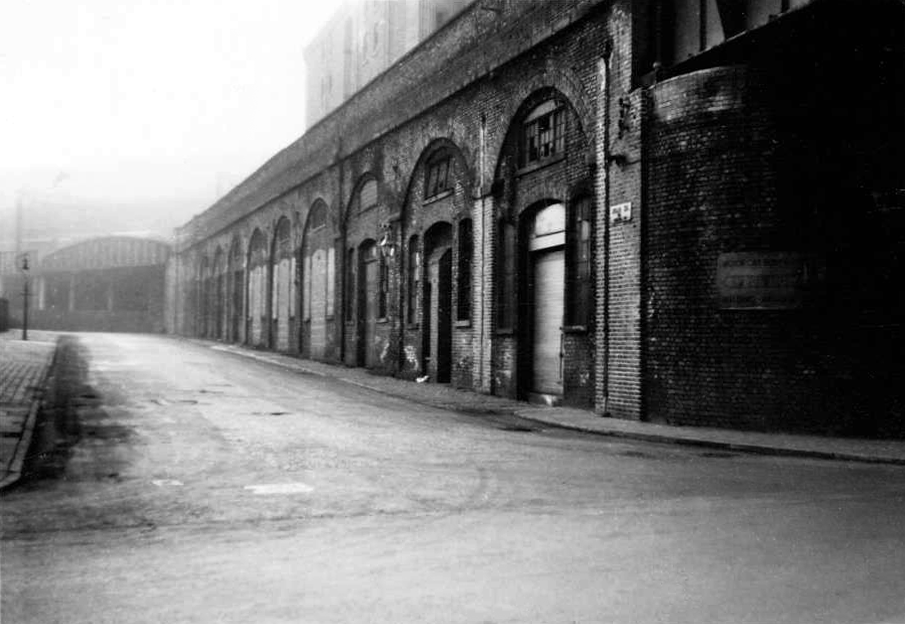
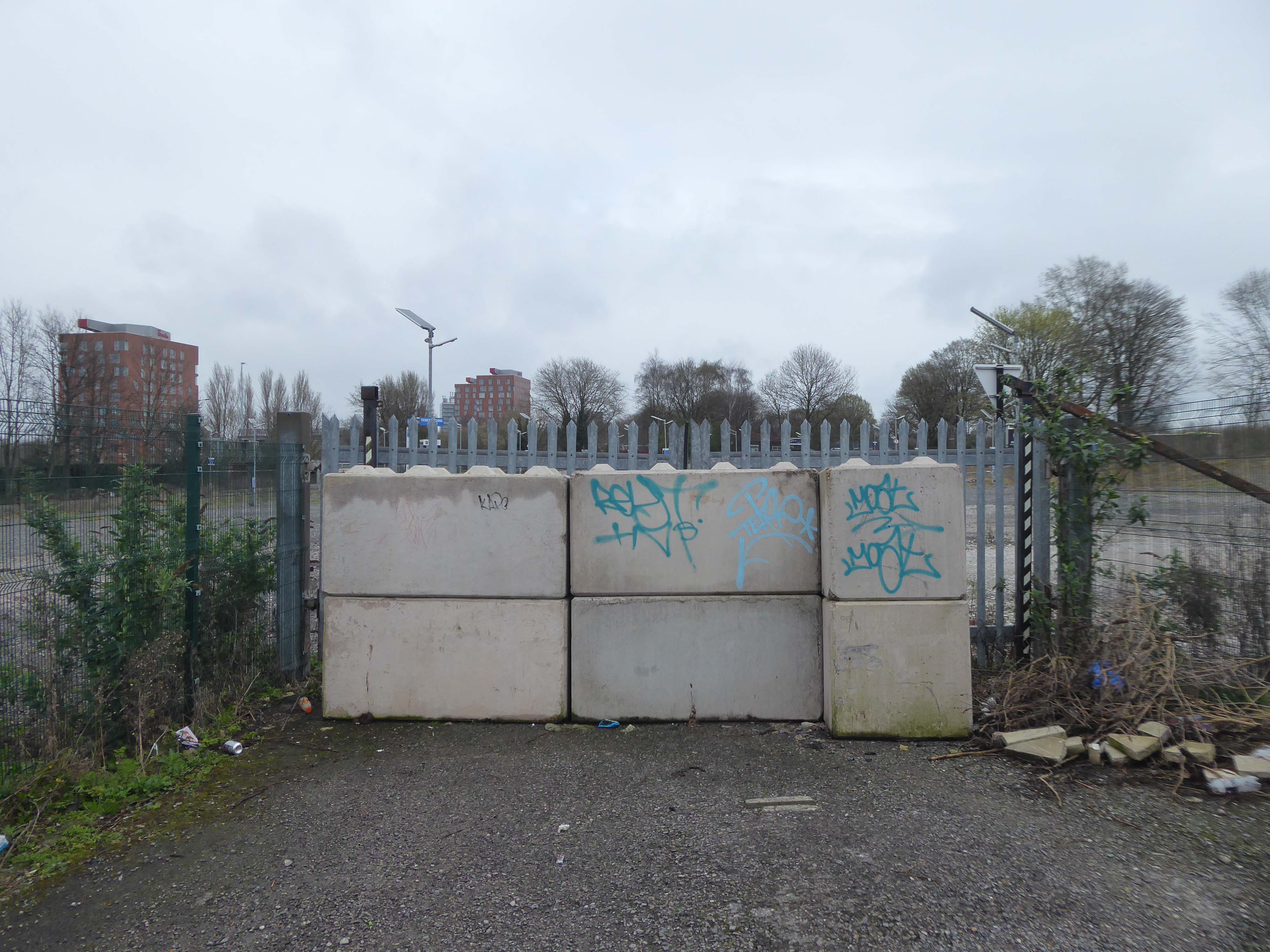
In 2017 I visited the area to snap the gates of their older site – as they had moved the business just across the street.
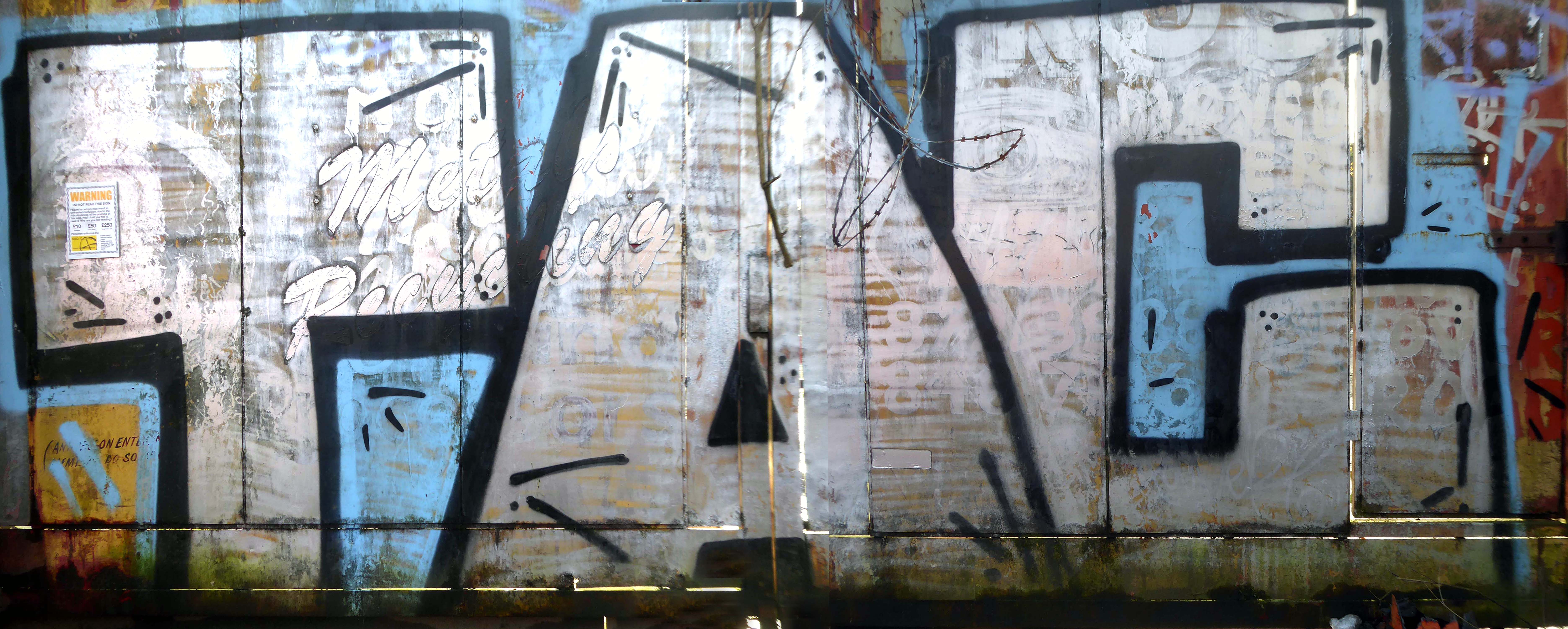
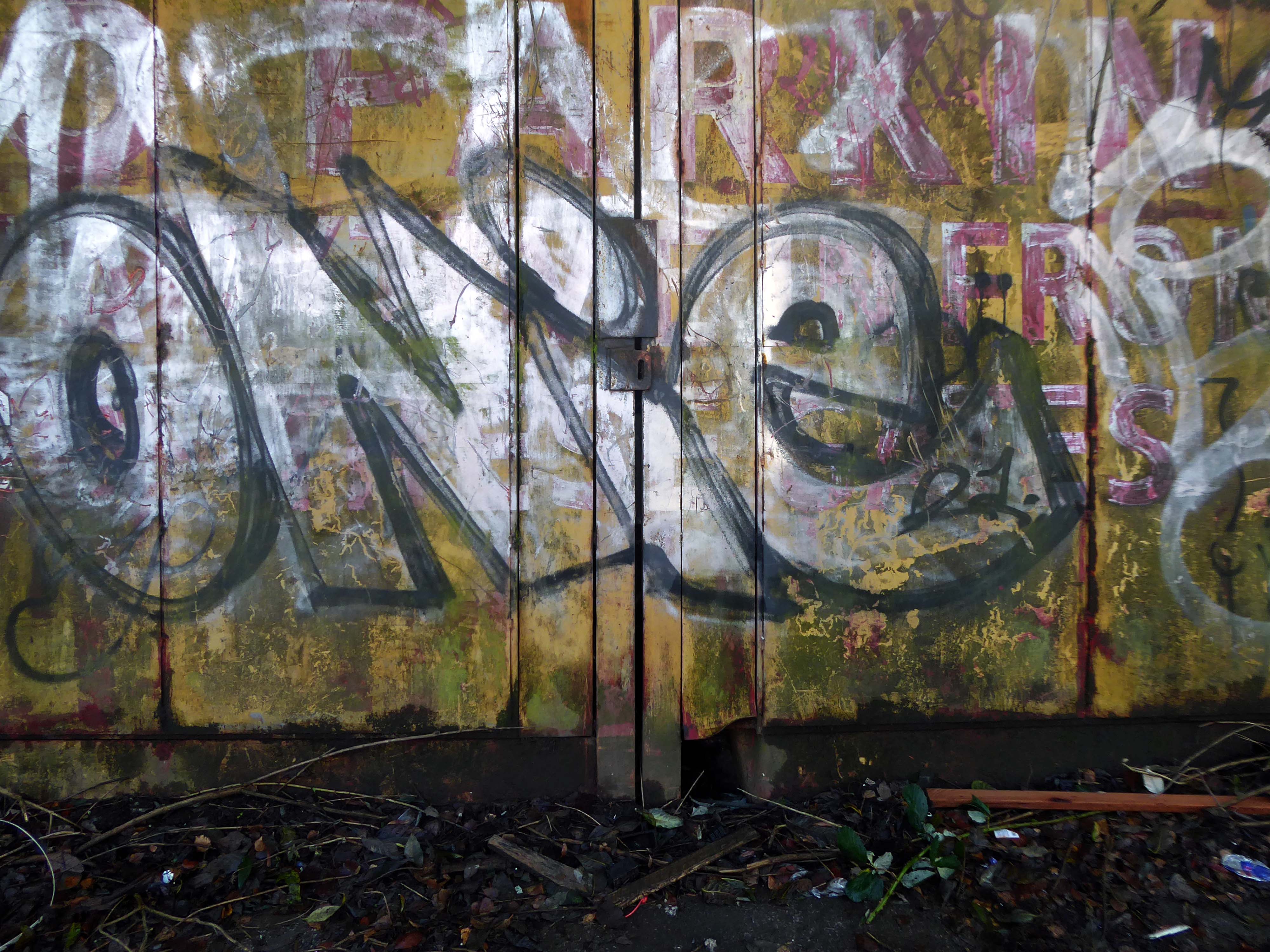
I returned in December 2023 to discover what had become of the gates.
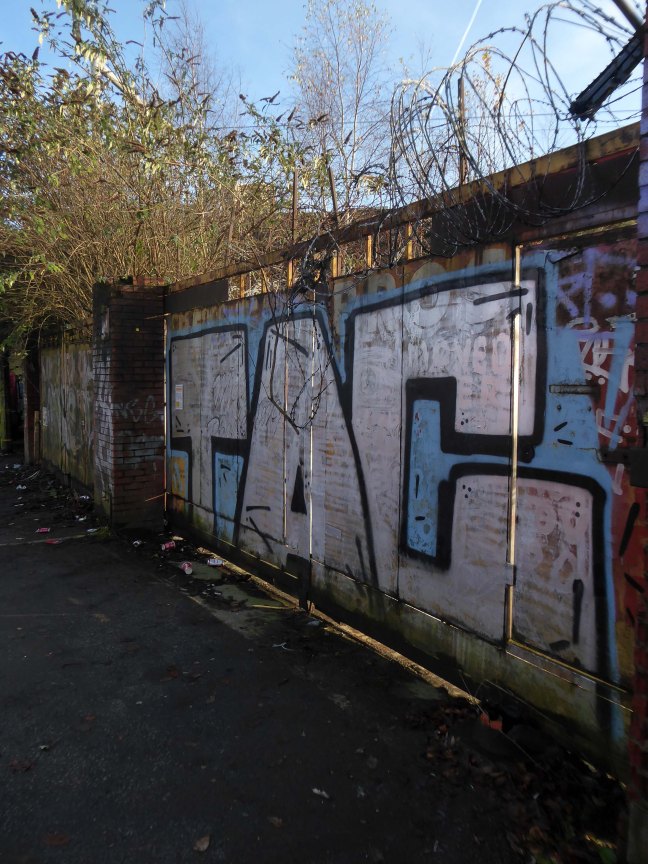
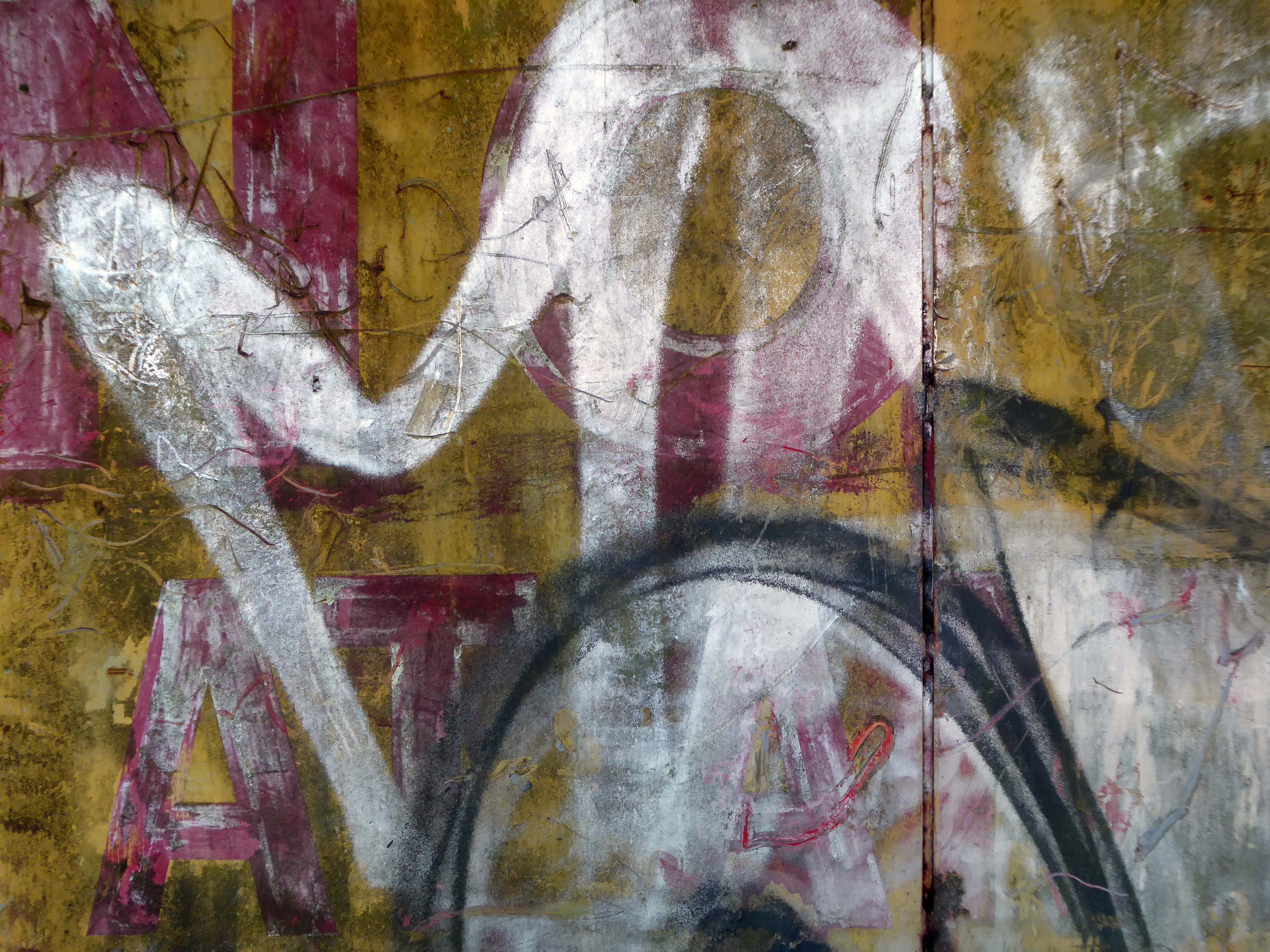
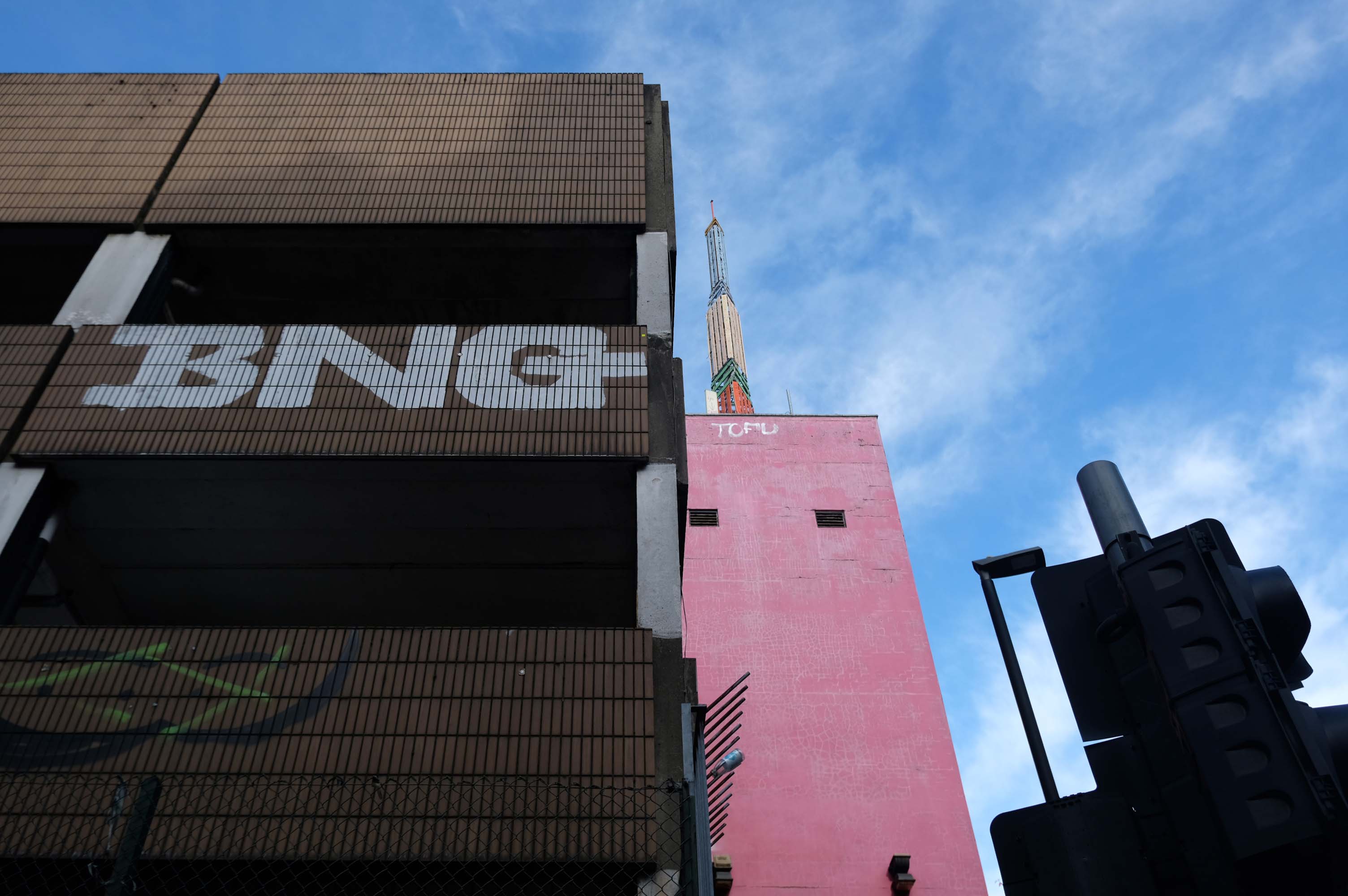
Remnants of the drop shadow block lettering remain, beneath a palimpsest of tags and grime.
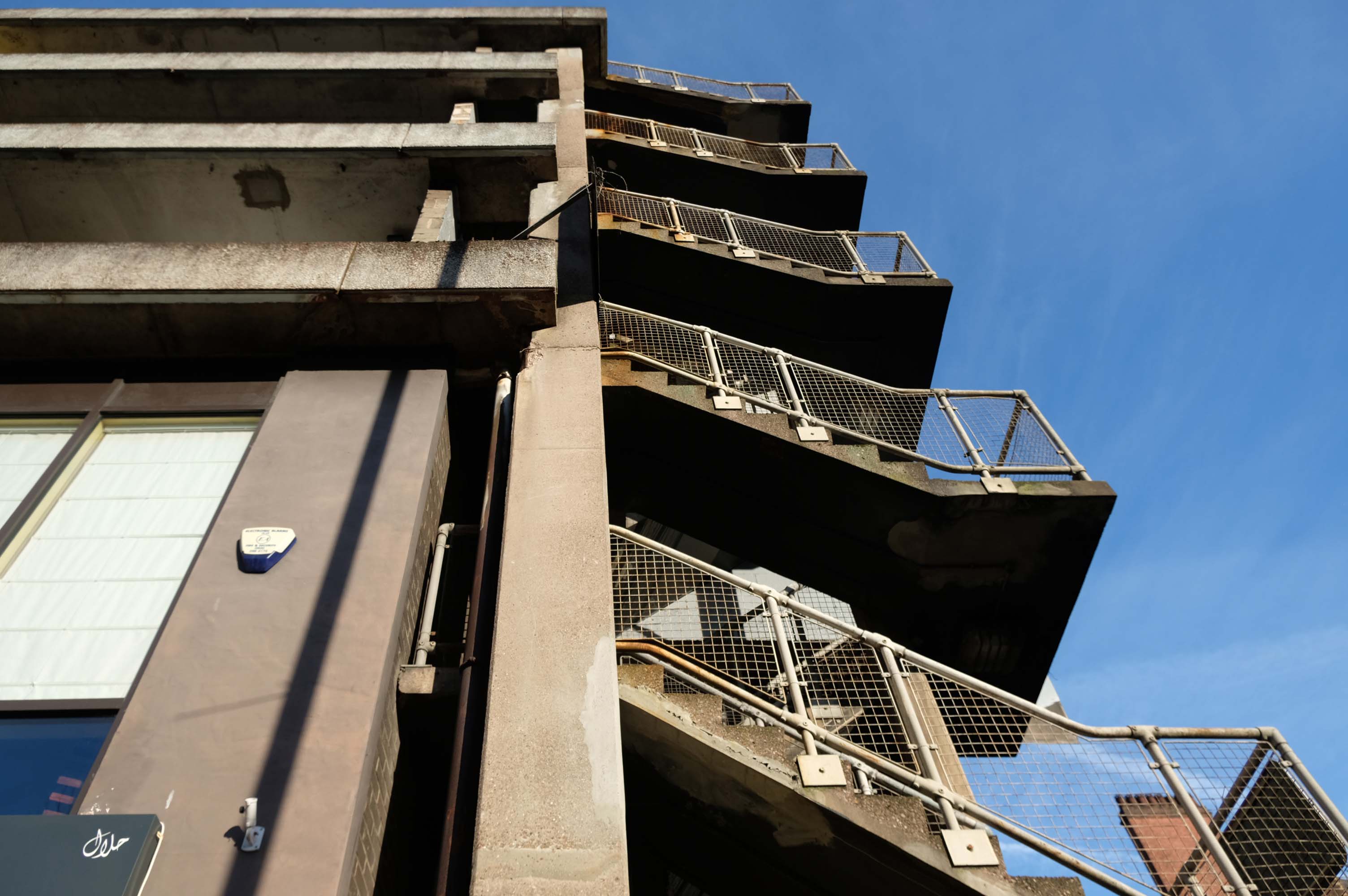
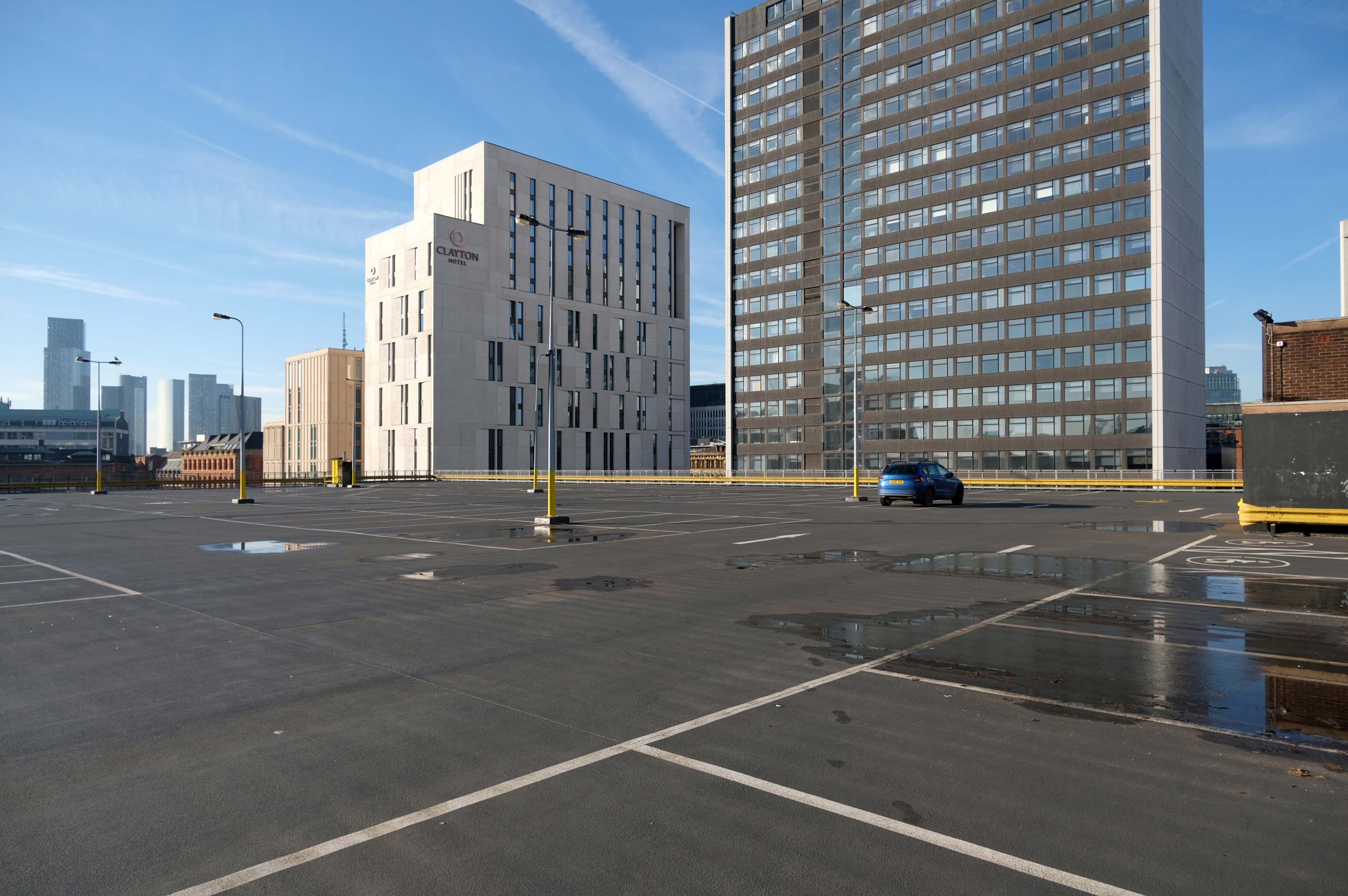
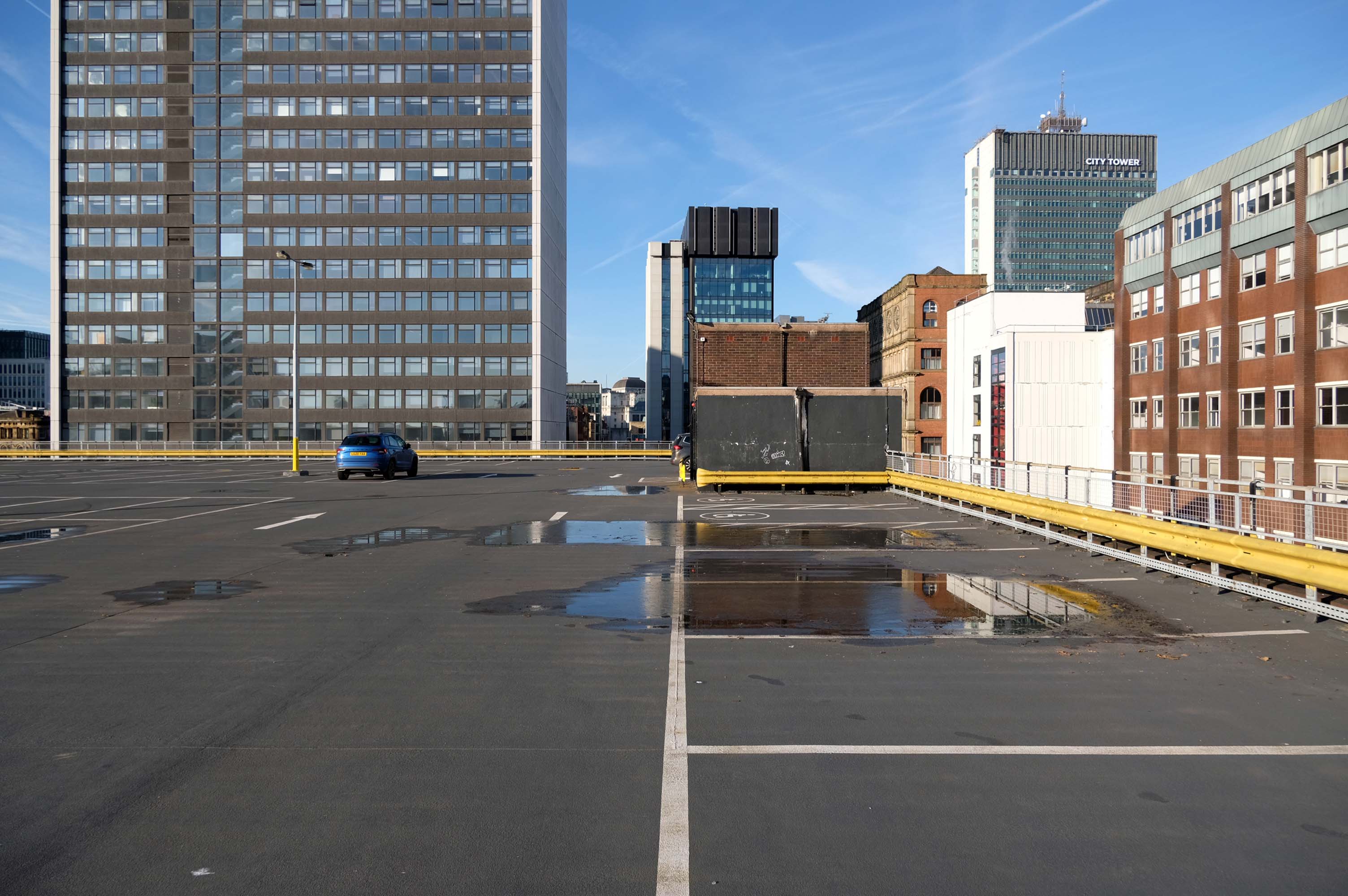
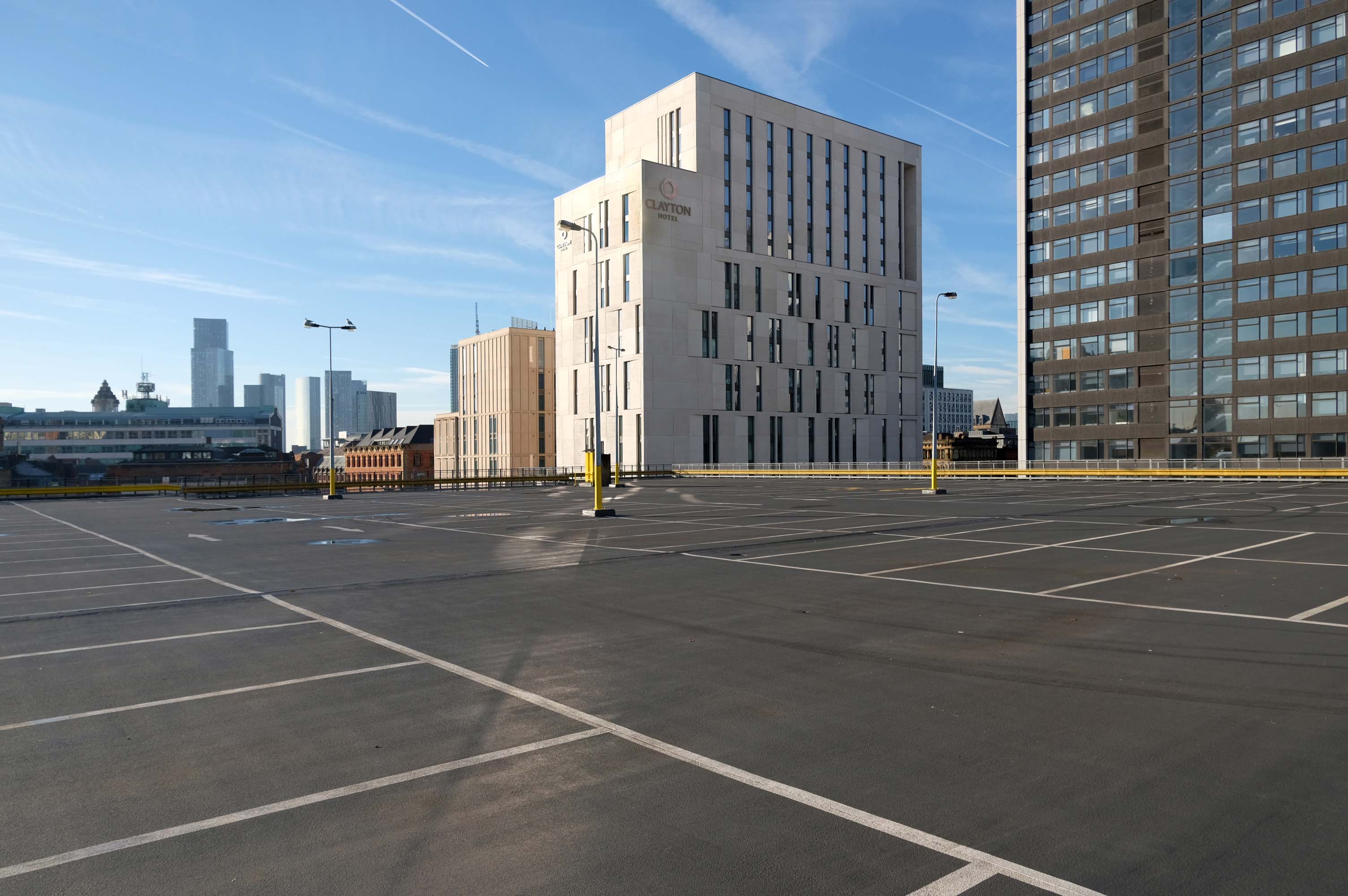
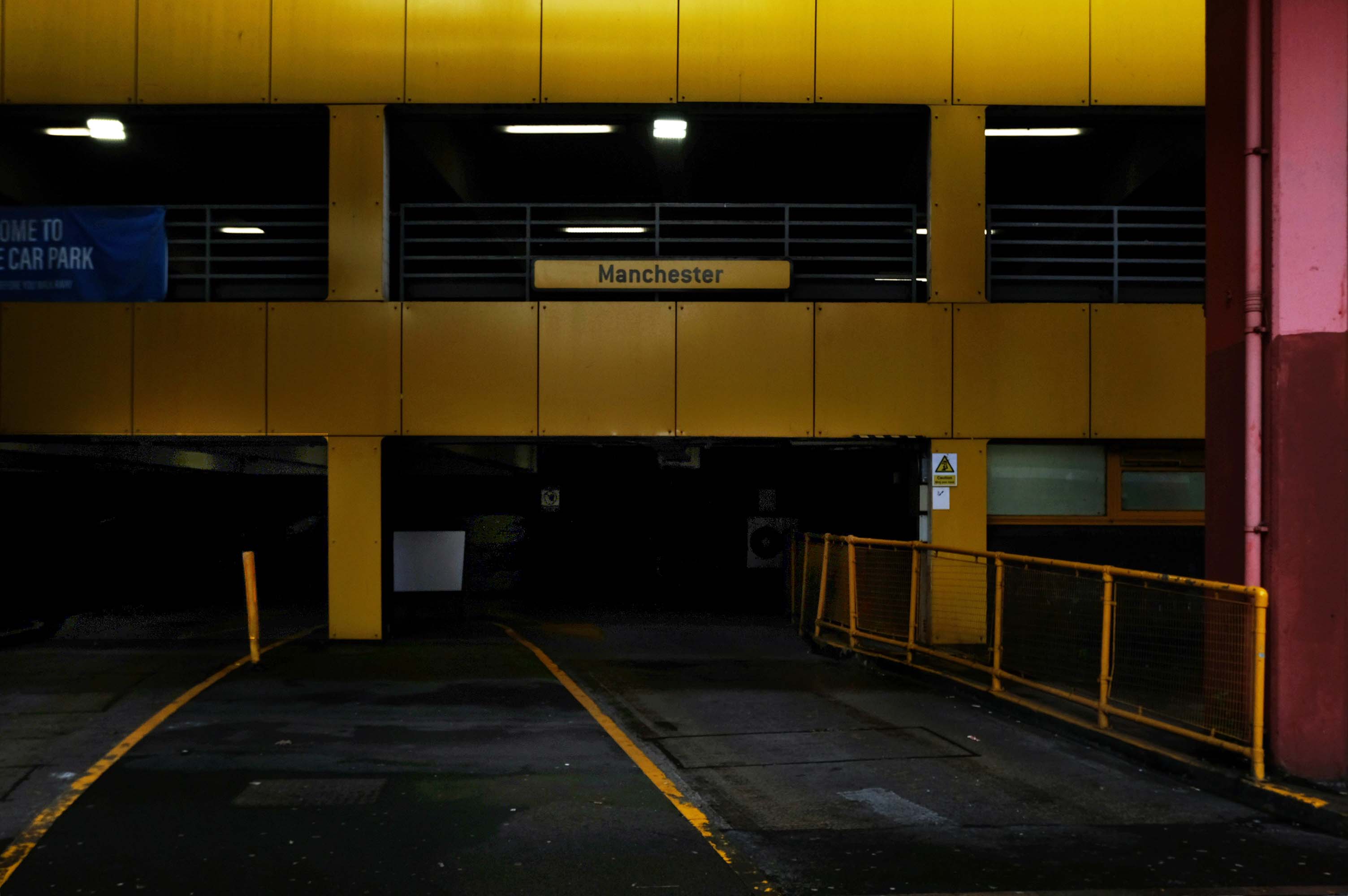
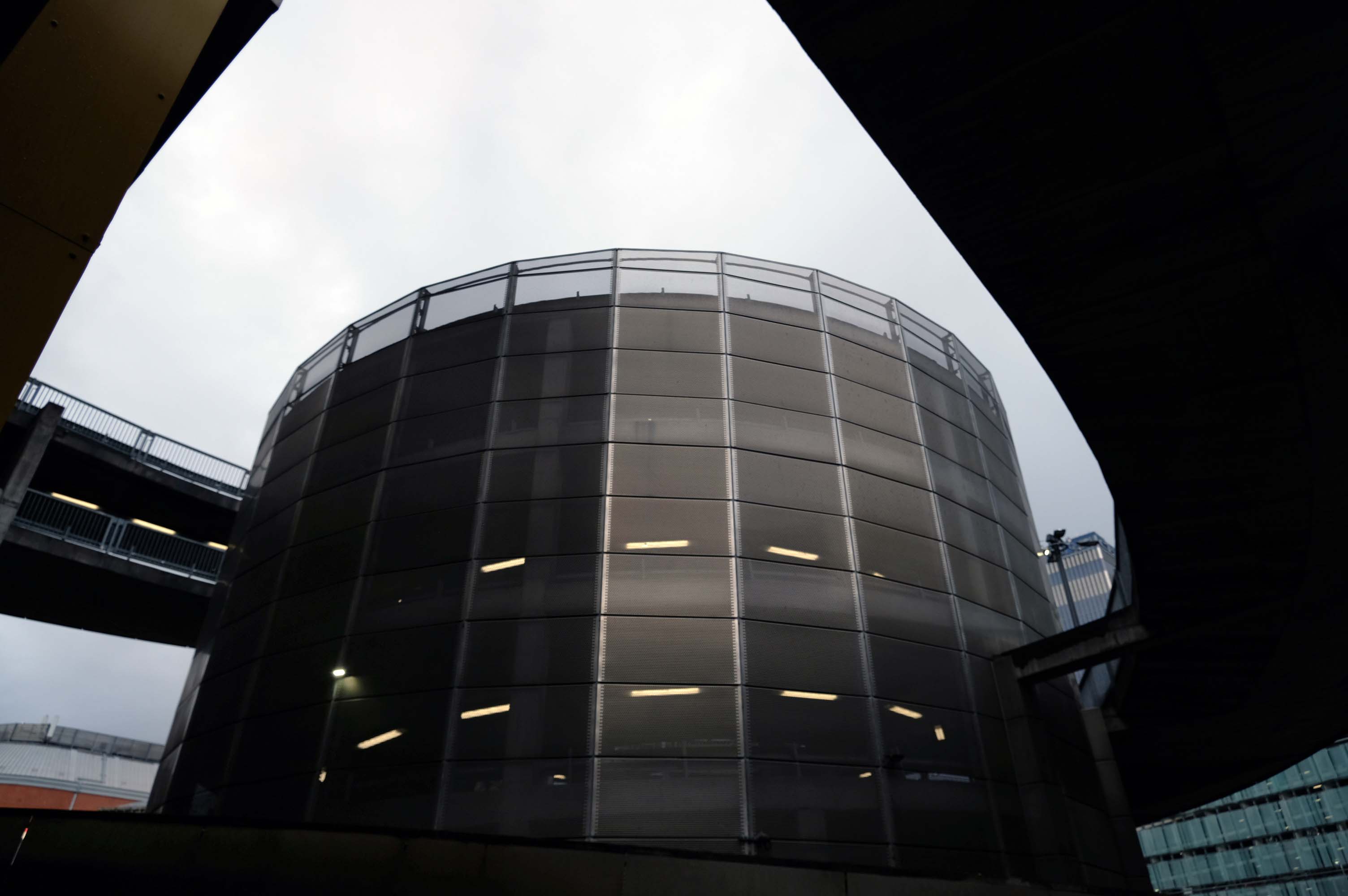
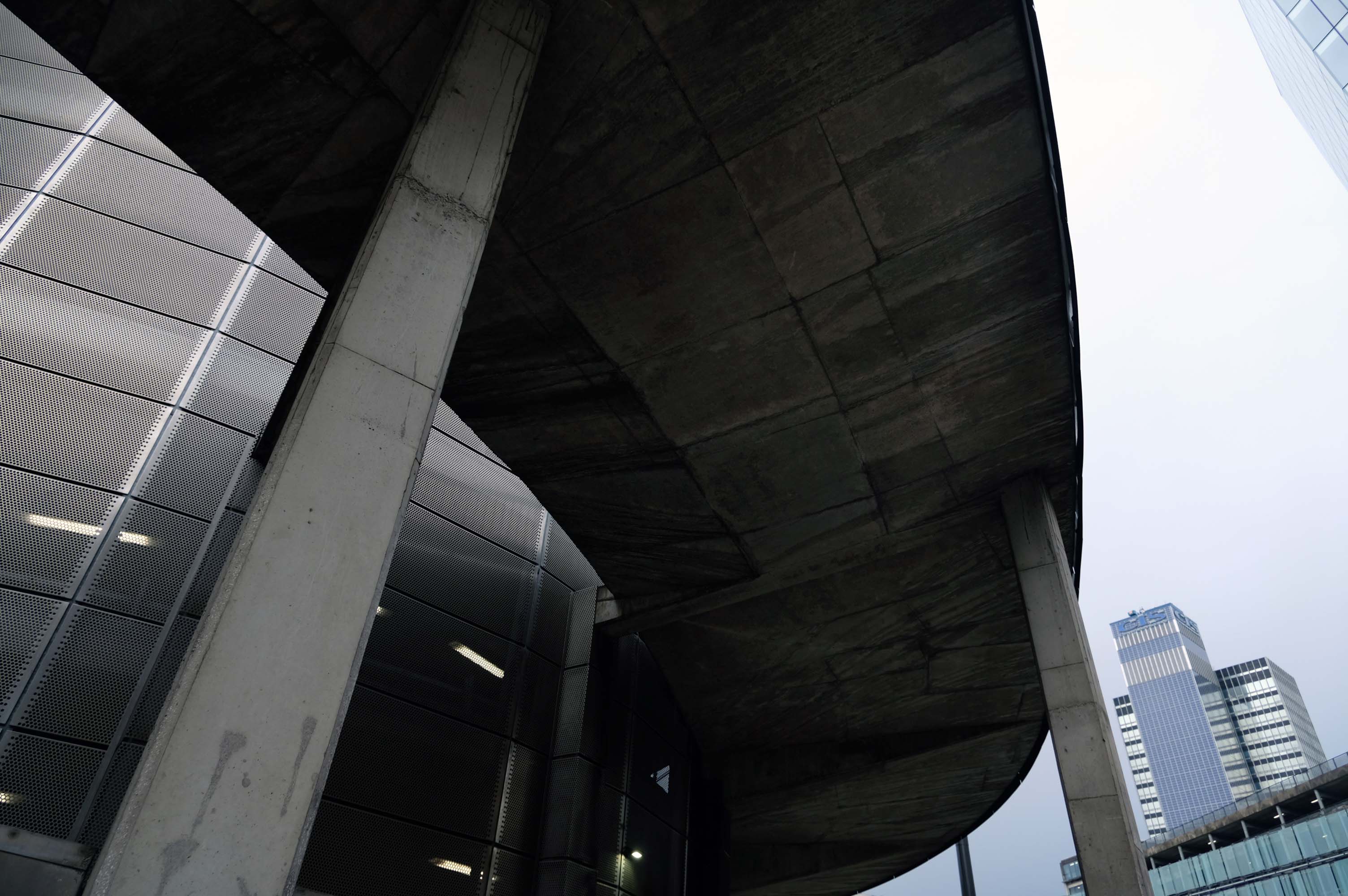
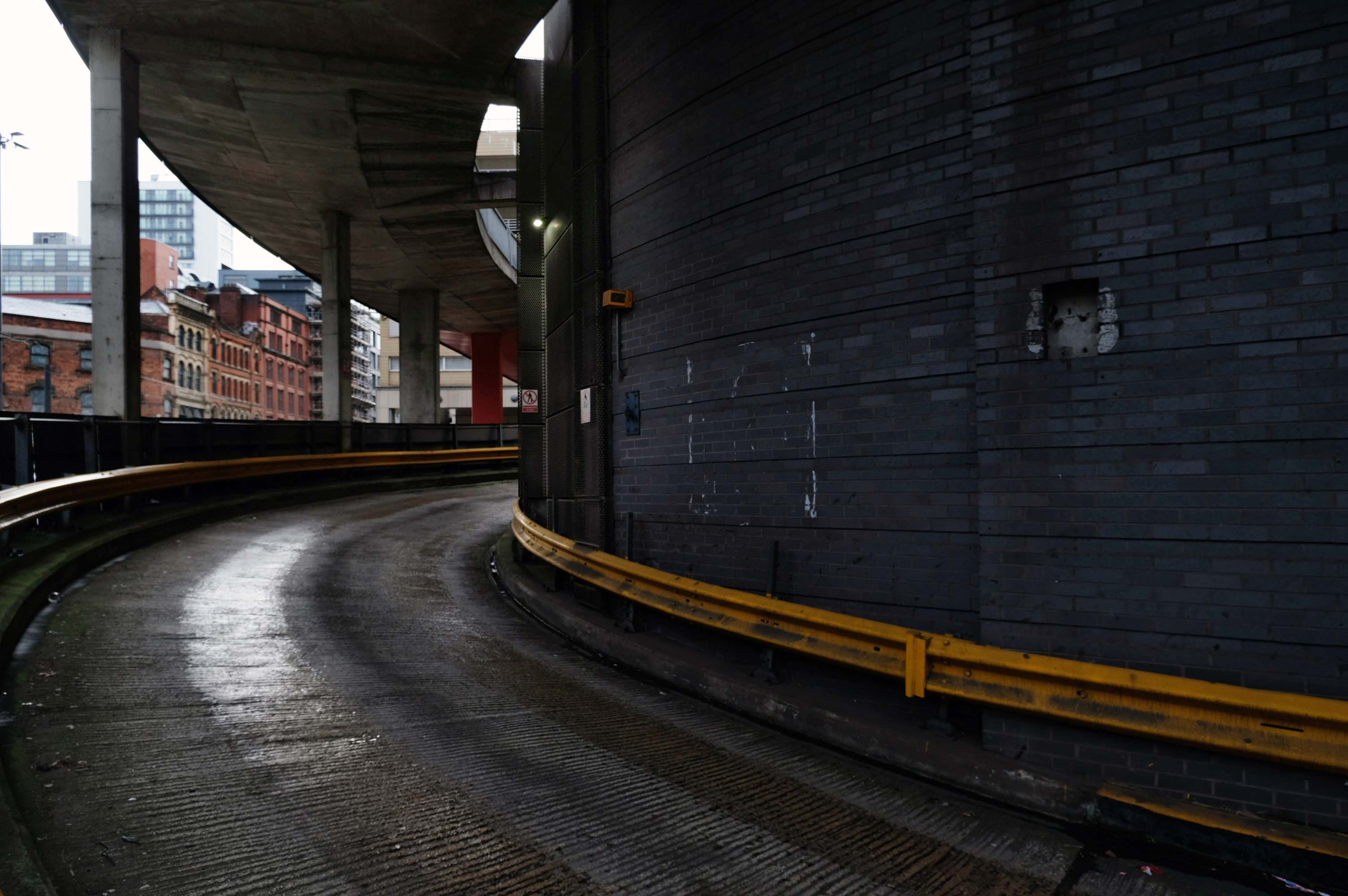
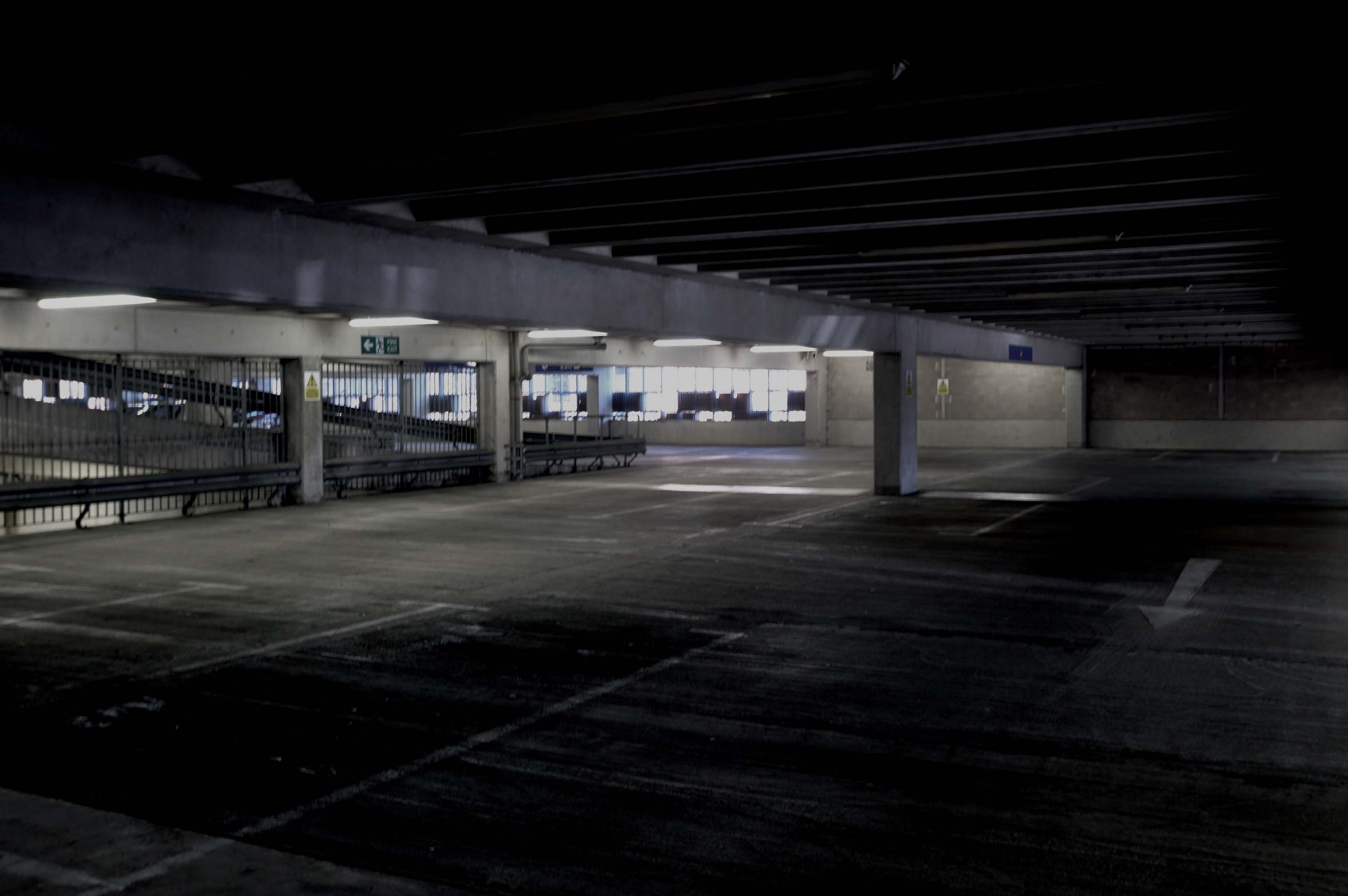
The earliest known multi-story car park in the UK was opened in May 1901 by City & Suburban Electric Carriage Company at 6 Denman Street, central London. The location had space for 100 vehicles over seven floors, totaling 19,000 square feet.
It is estimated that there are between 17,000 and 20,000 non- residential car parks in Great Britain, including those run by councils, commercial parking companies, shops, hospitals, businesses, railway stations and airports, providing between 3 and 4 million spaces.
The Manchester Airport multi-storey car park is one of the largest car parks ever built; in fact, it’s the second largest in Europe. This mega-park was designed to house a staggering 8,000 cars, split over a six-level facility that stretches out over 330 metres.
In the city centre NCP has over 13,000 car parking spaces across 43 sites
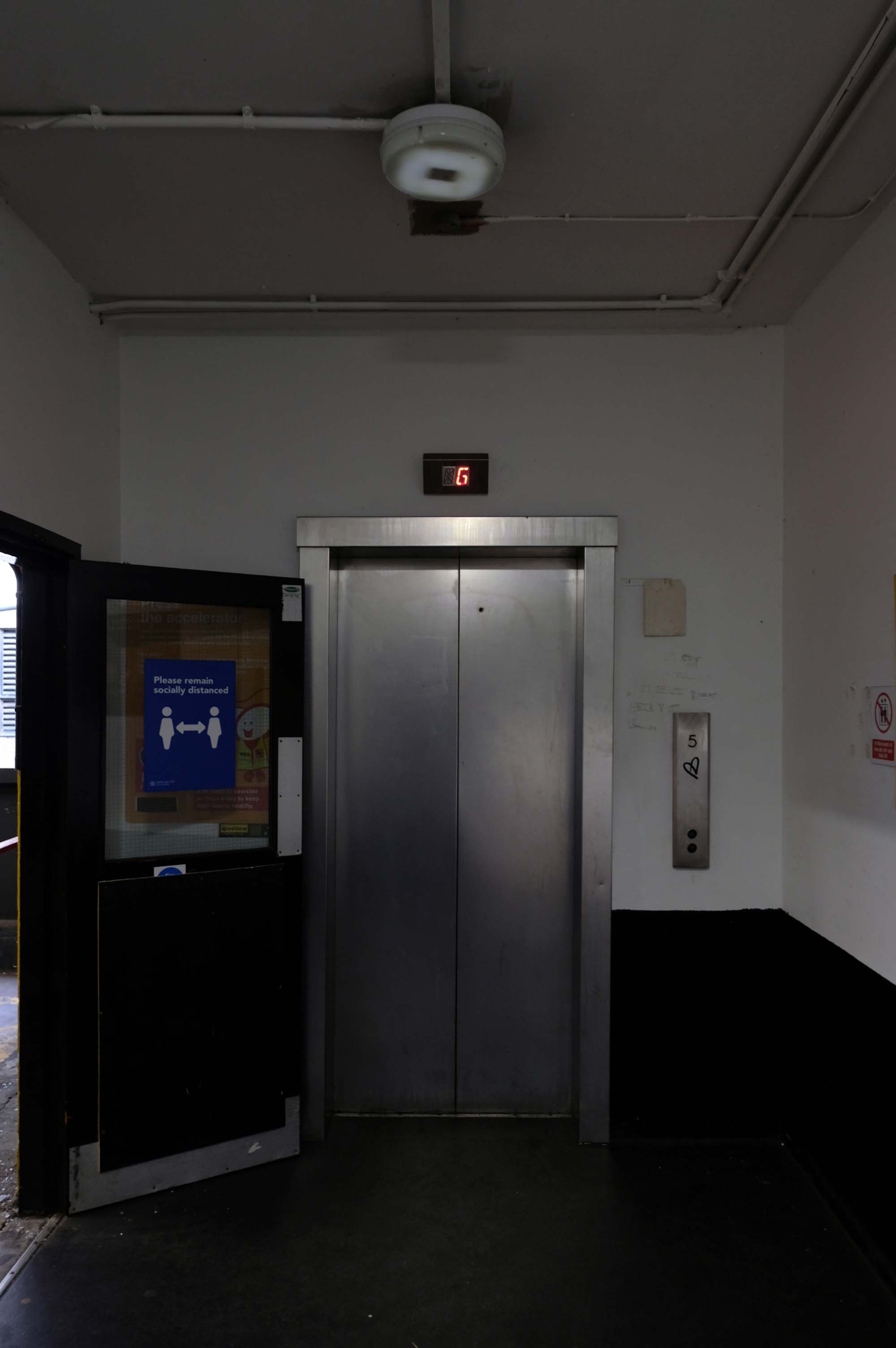
Good location but the access to the shopping centre is dirty. Lifts dirty – discarded soiled underwear, urine, spit and rubbish in the lifts. Car park also full of litter.
The most unnecessarily complicated ticketing system I have ever seen for a car park. Designed to fail so that the system can fine you. Beware. Better avoided for overseas visitors
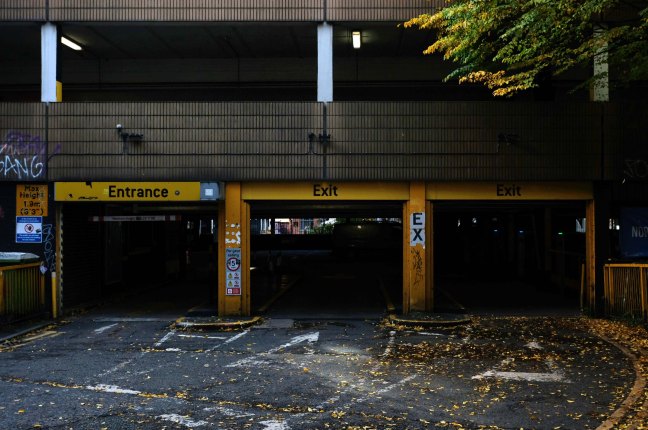
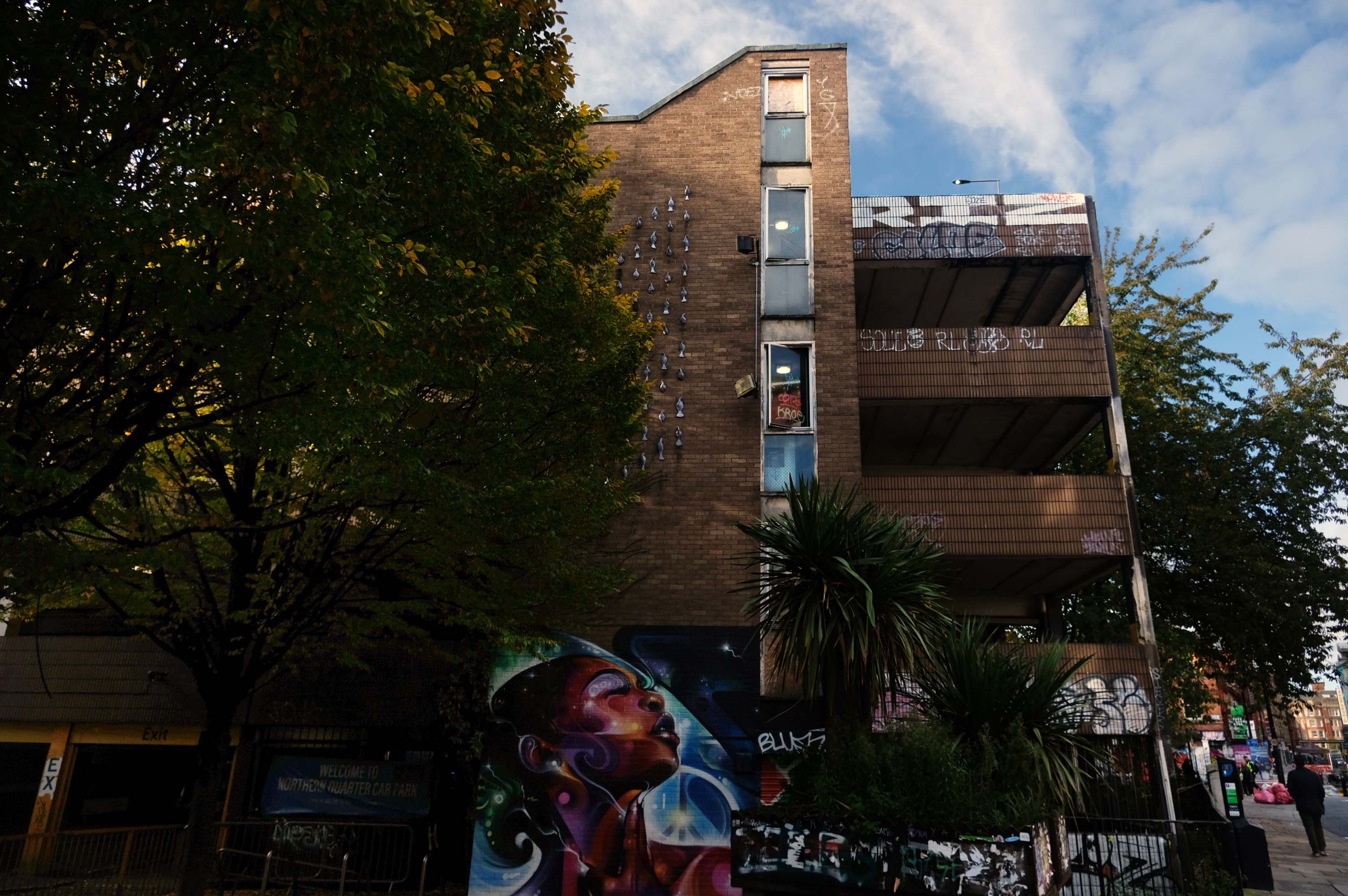
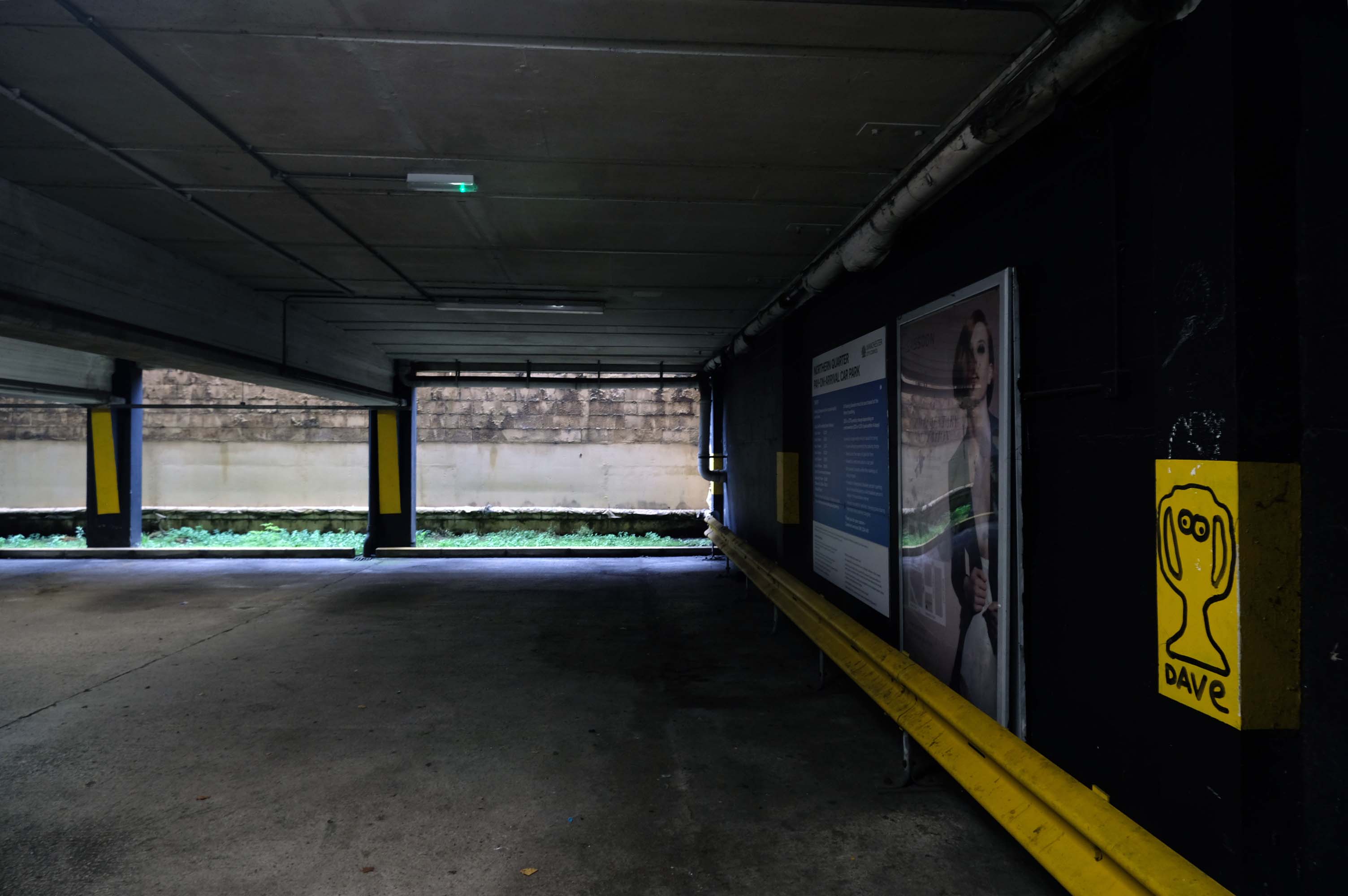
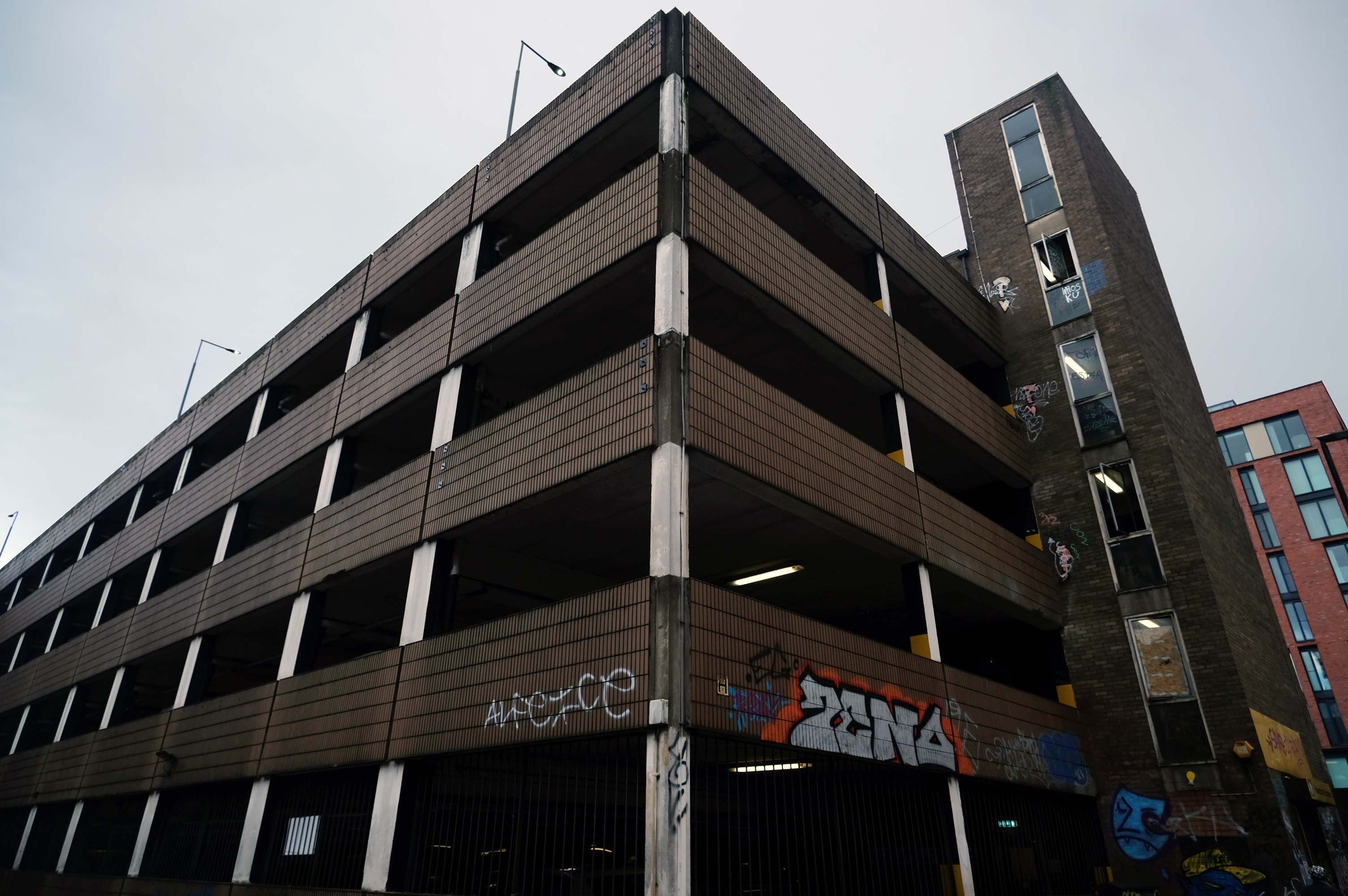
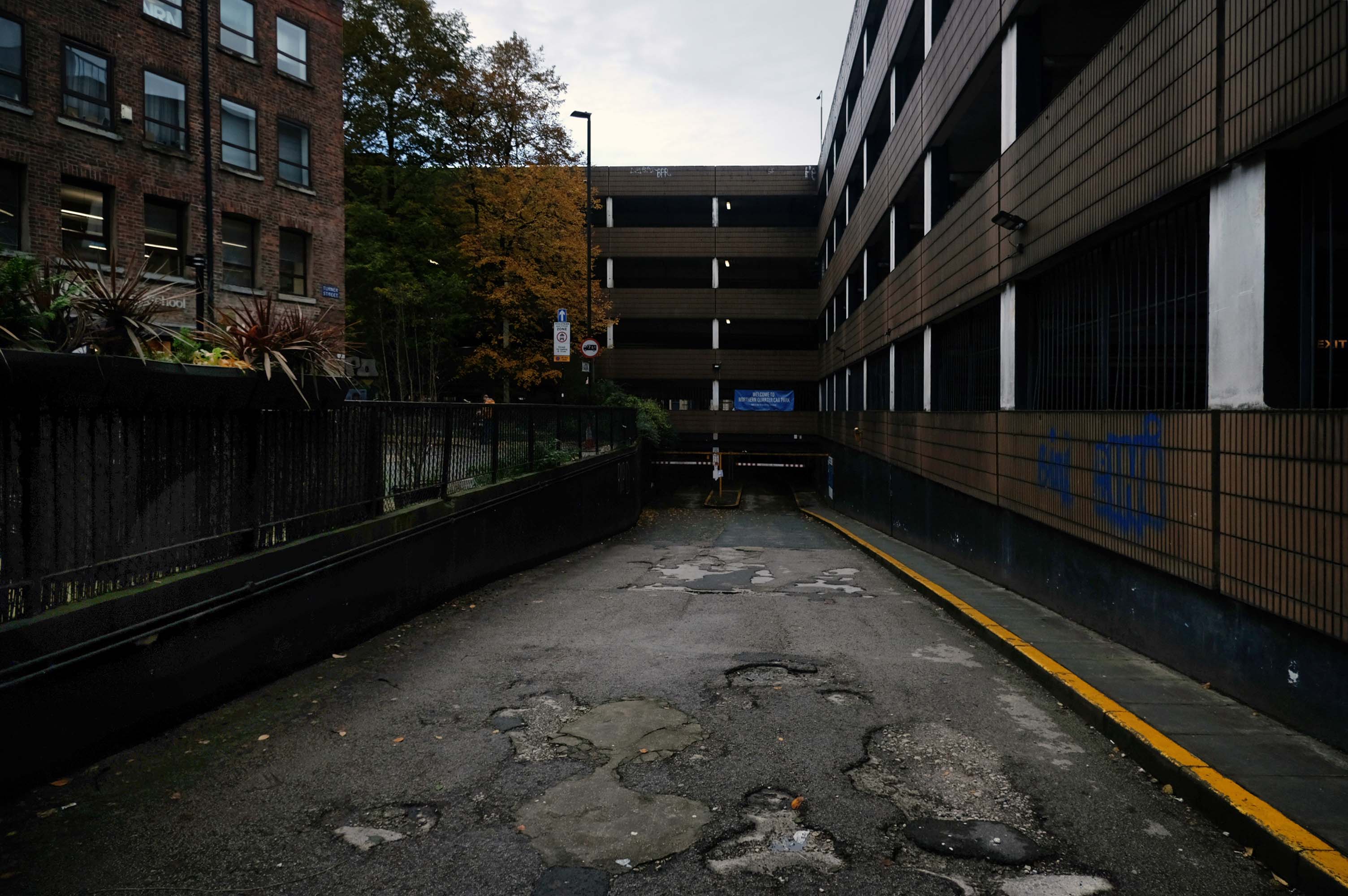
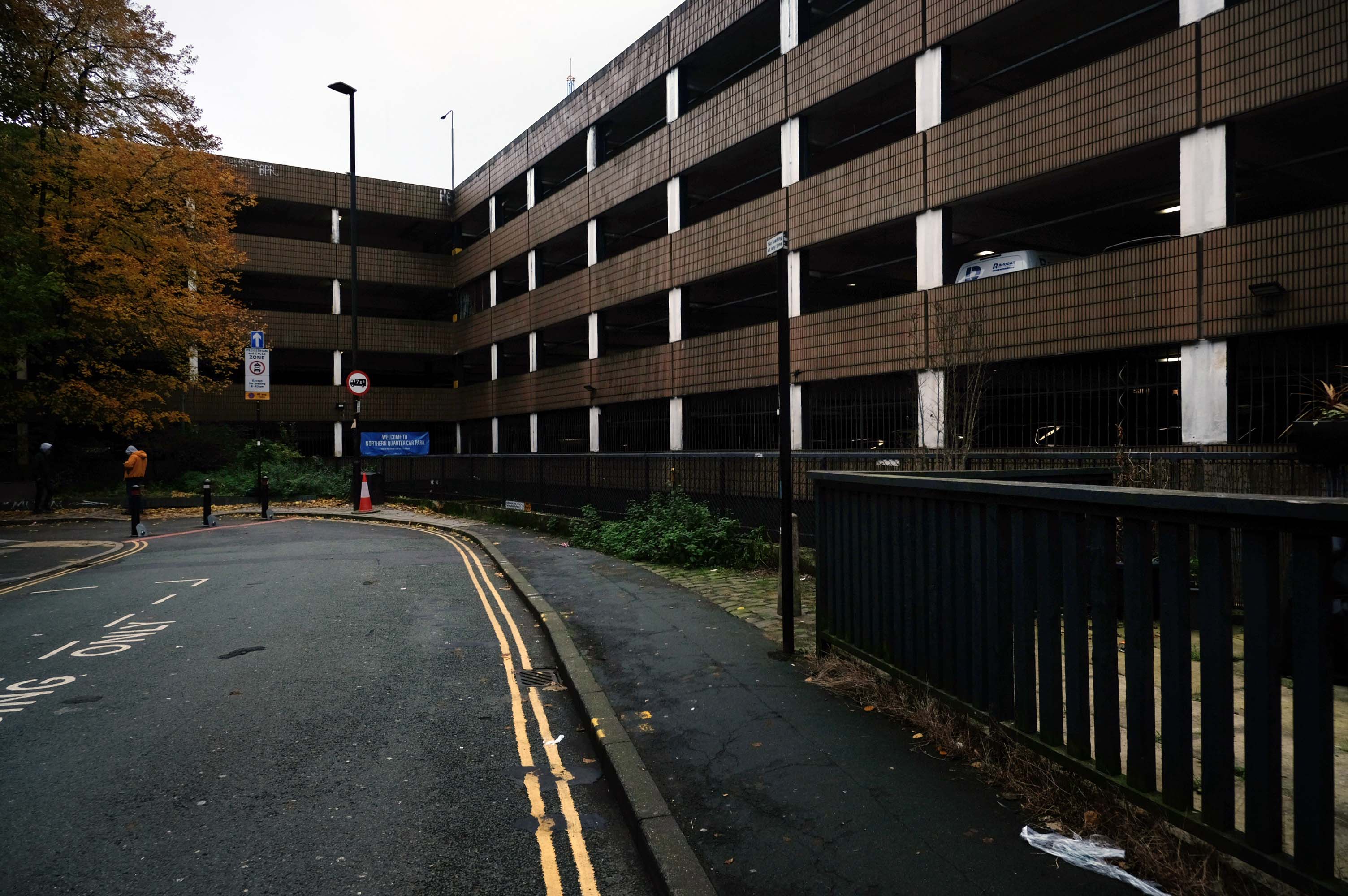
Immerse yourself in the eclectic vibe of the Northern Quarter, the heartbeat of art, culture, and urban lifestyle. Whether you’re heading to its vintage shops, art studios, or chic cafes, finding the cheapest, best parking is paramount.
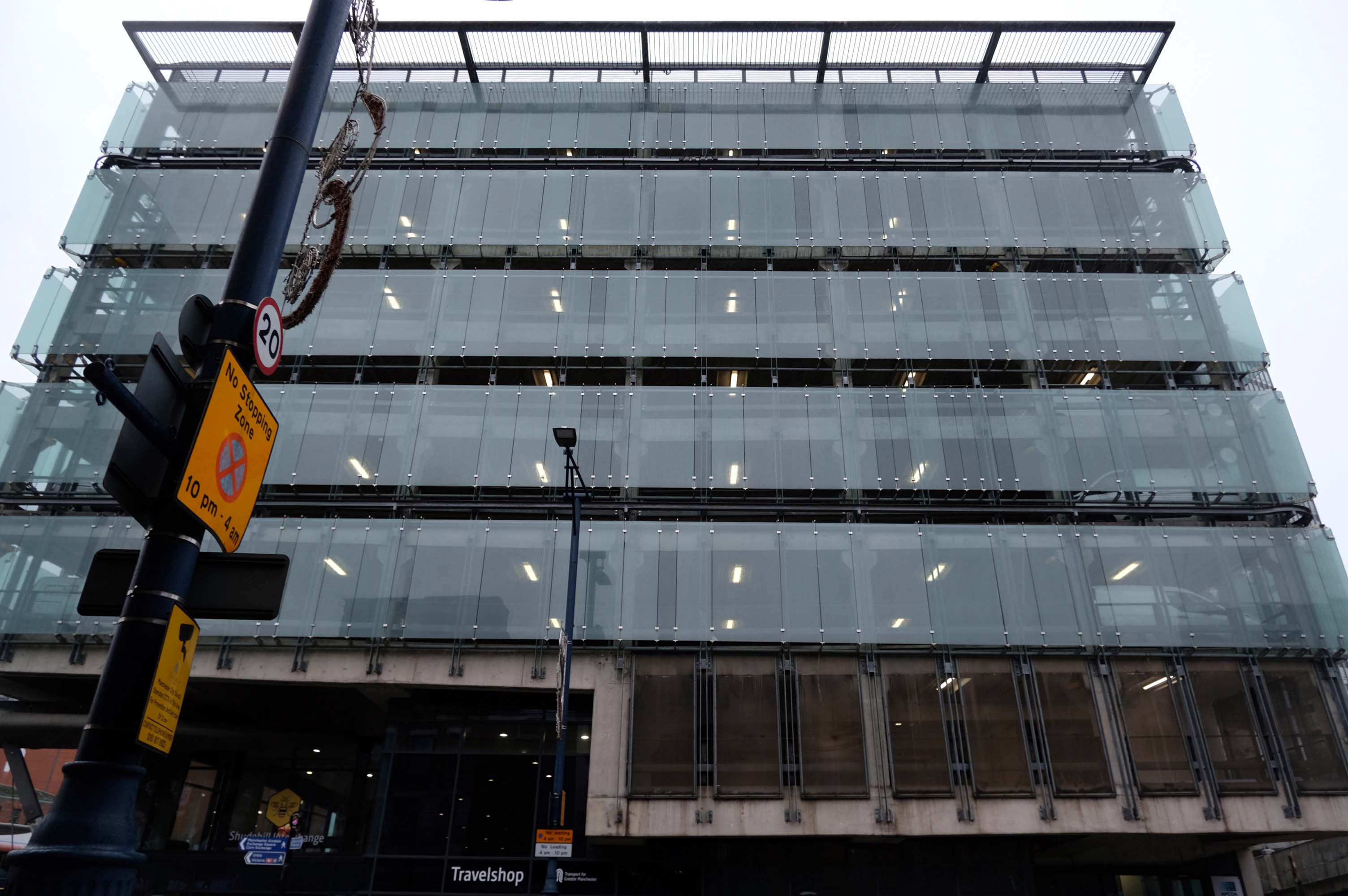
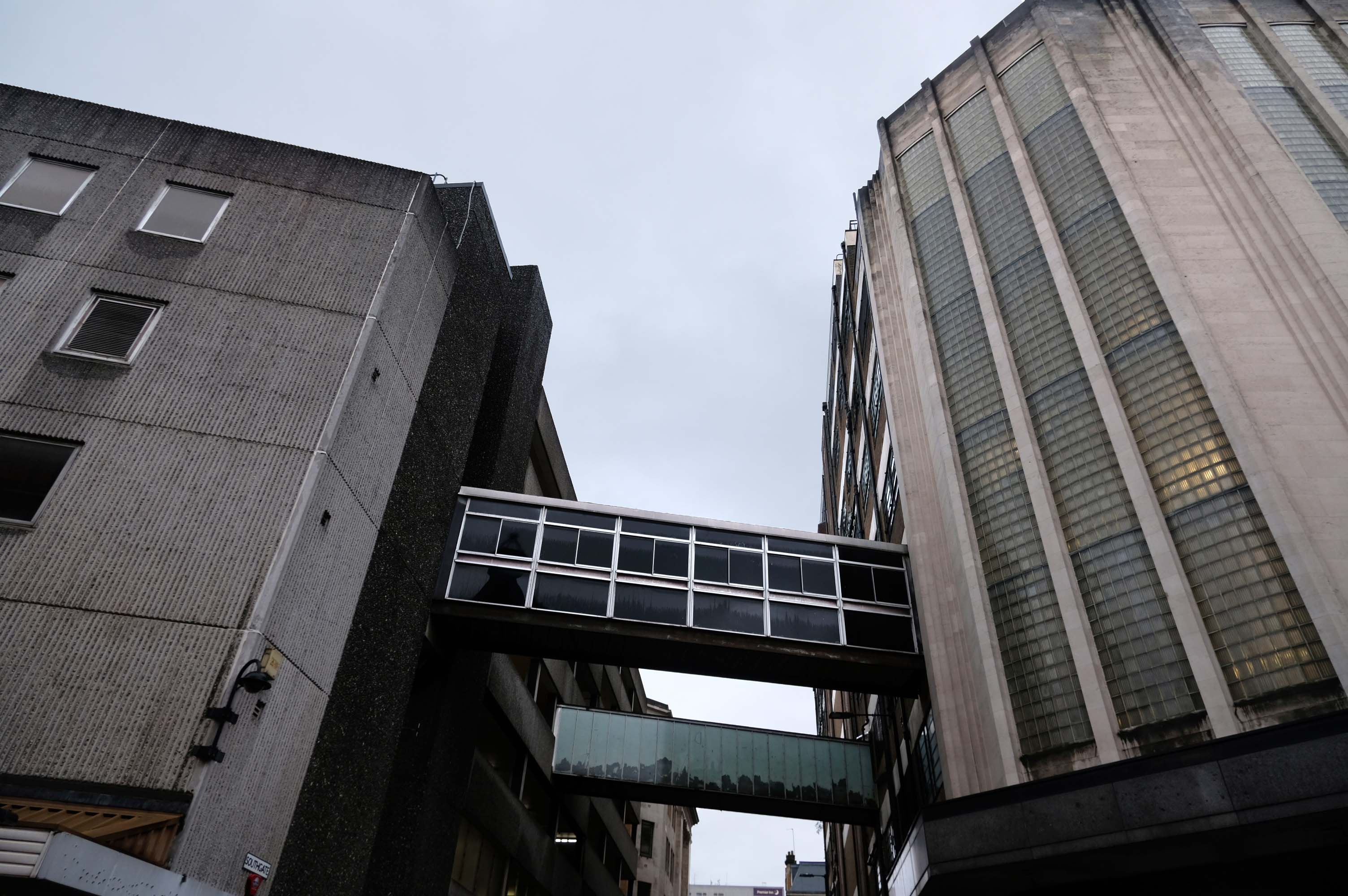
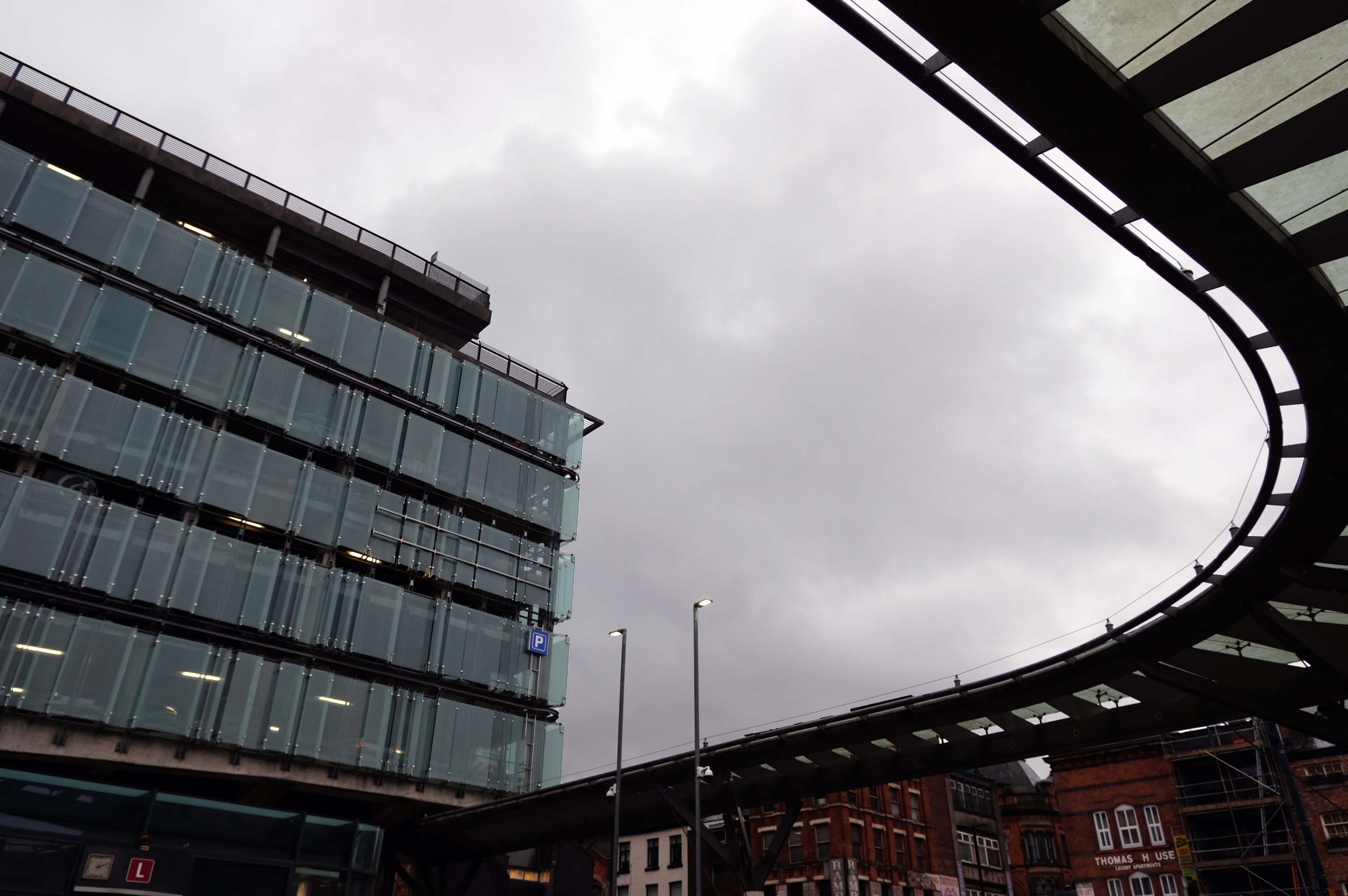
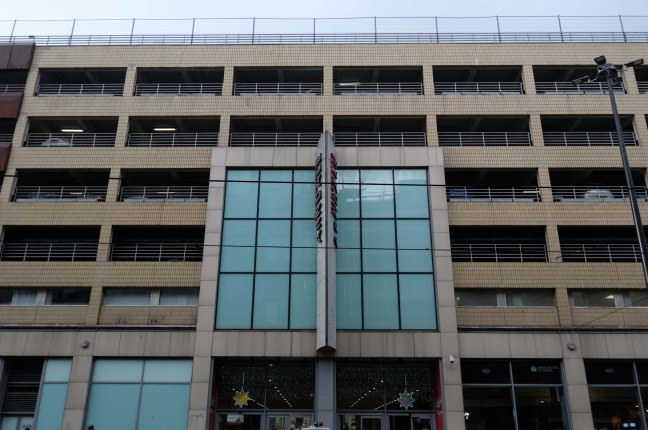
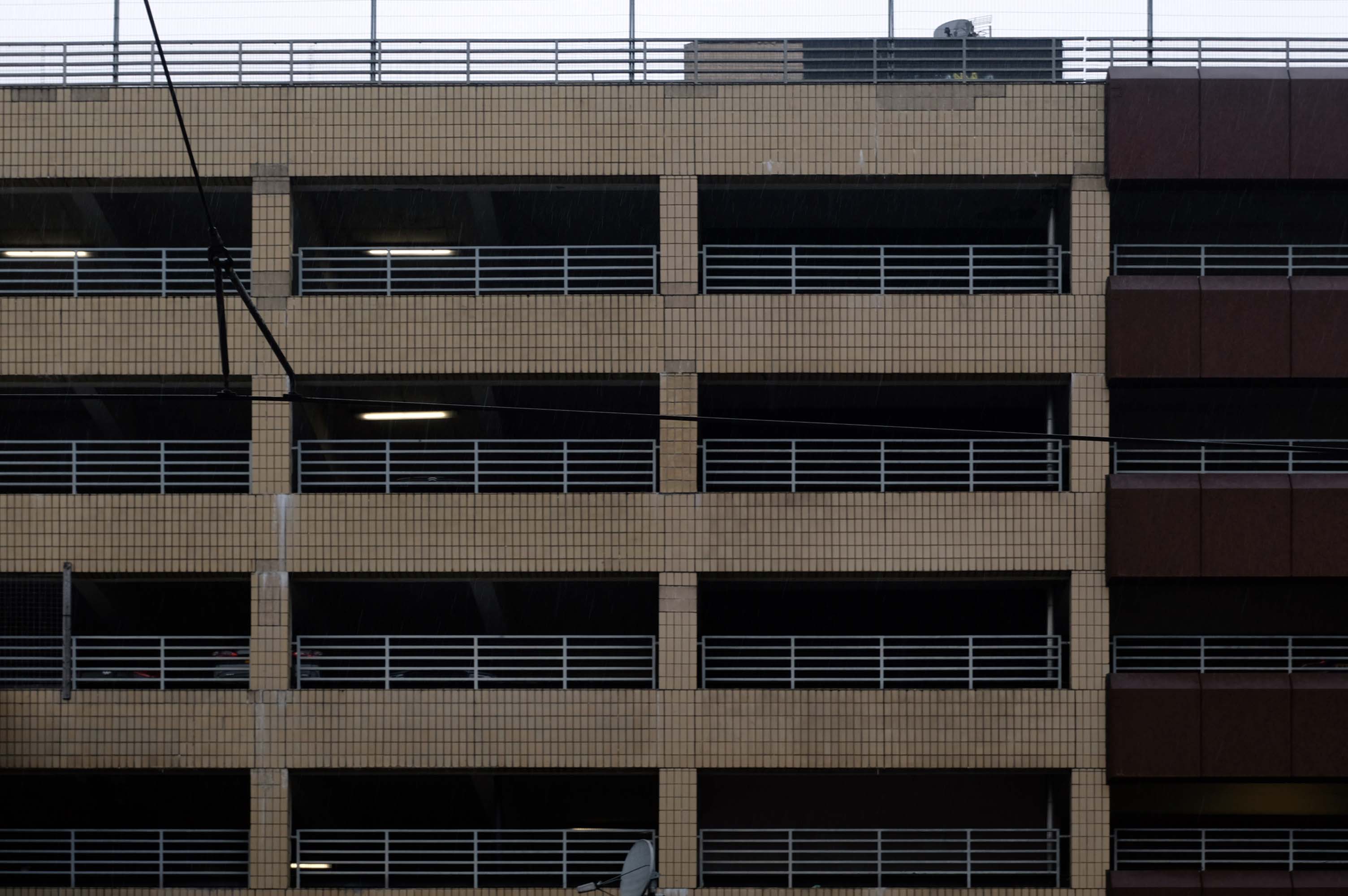
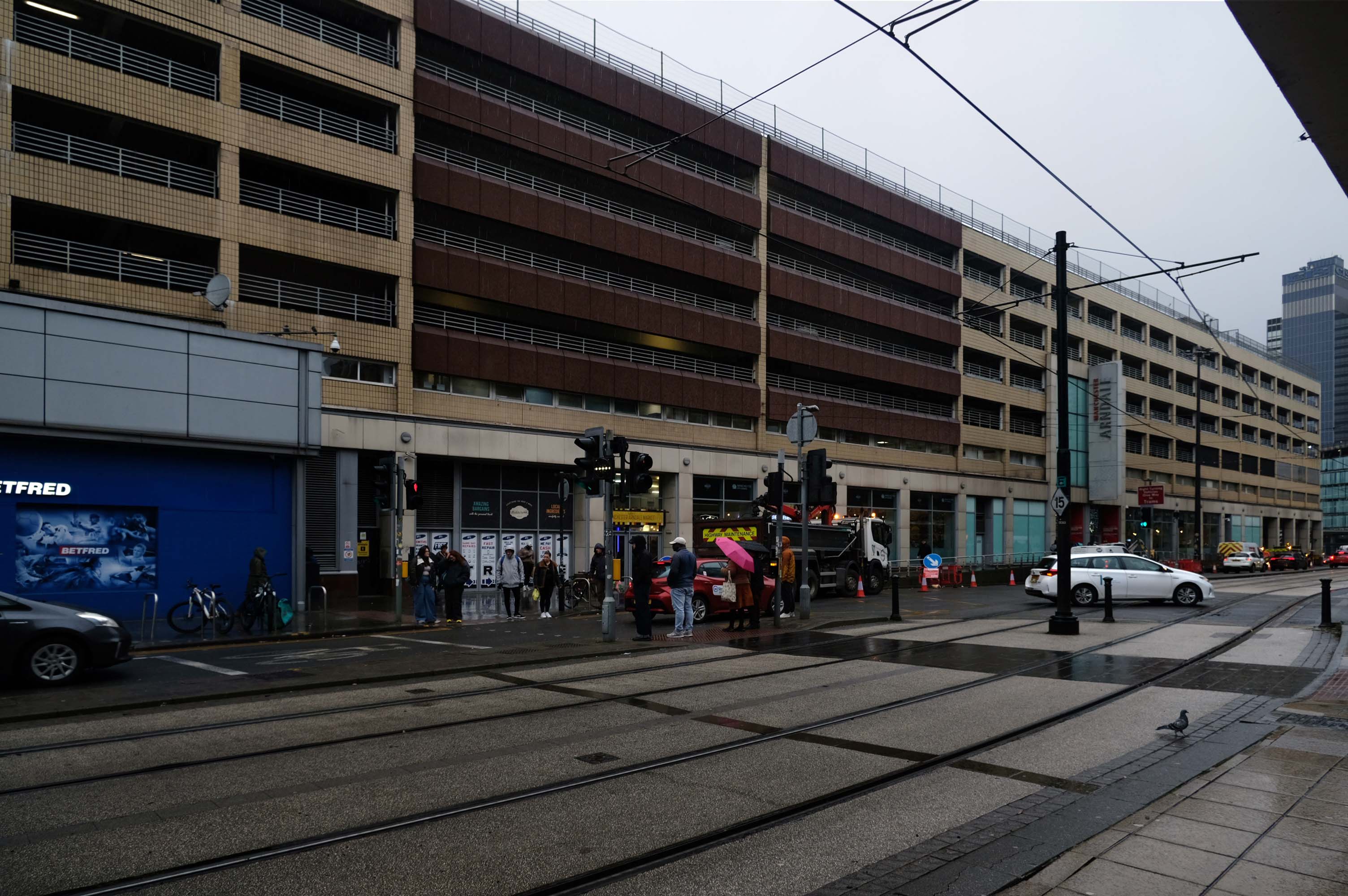
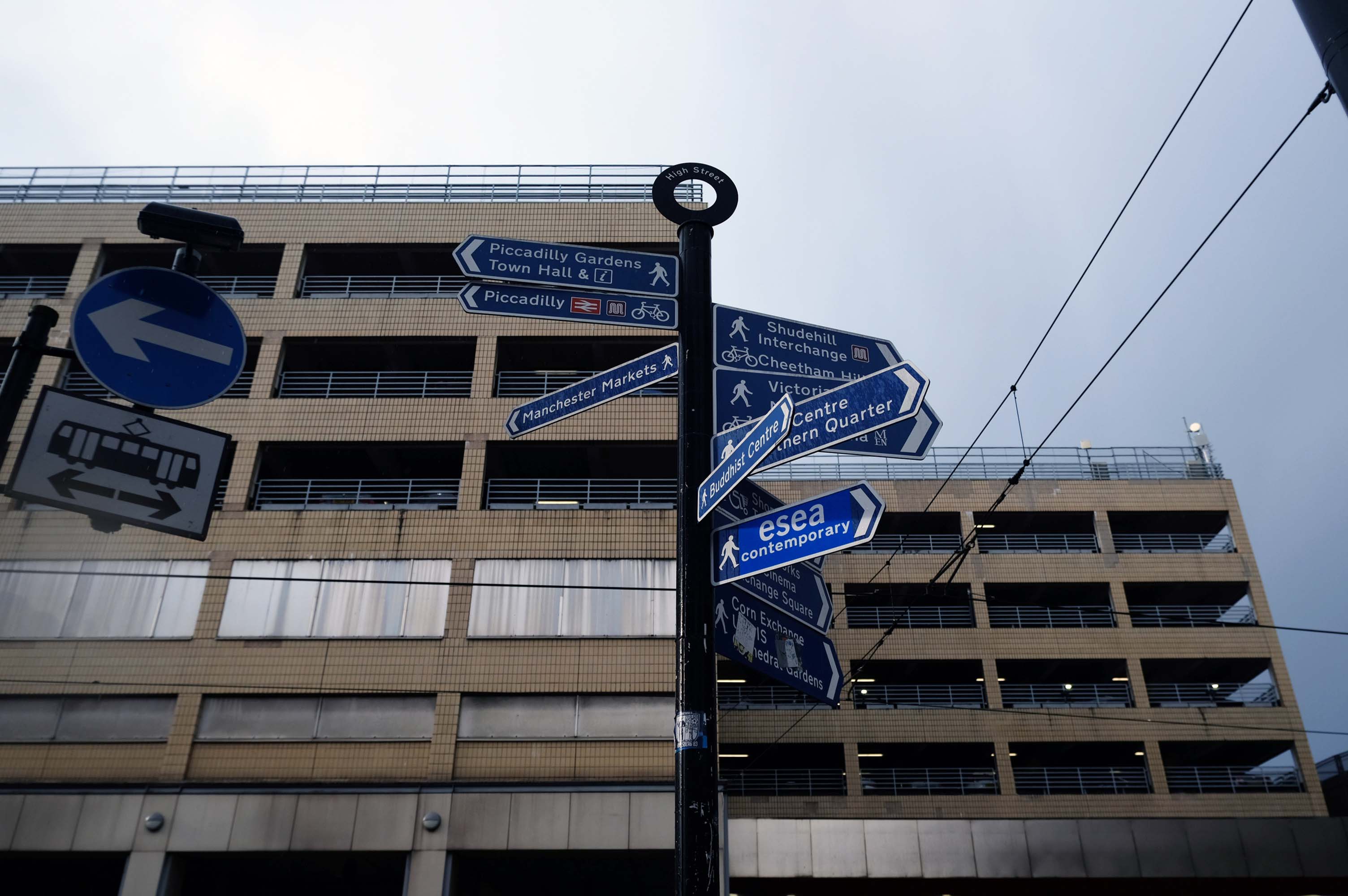
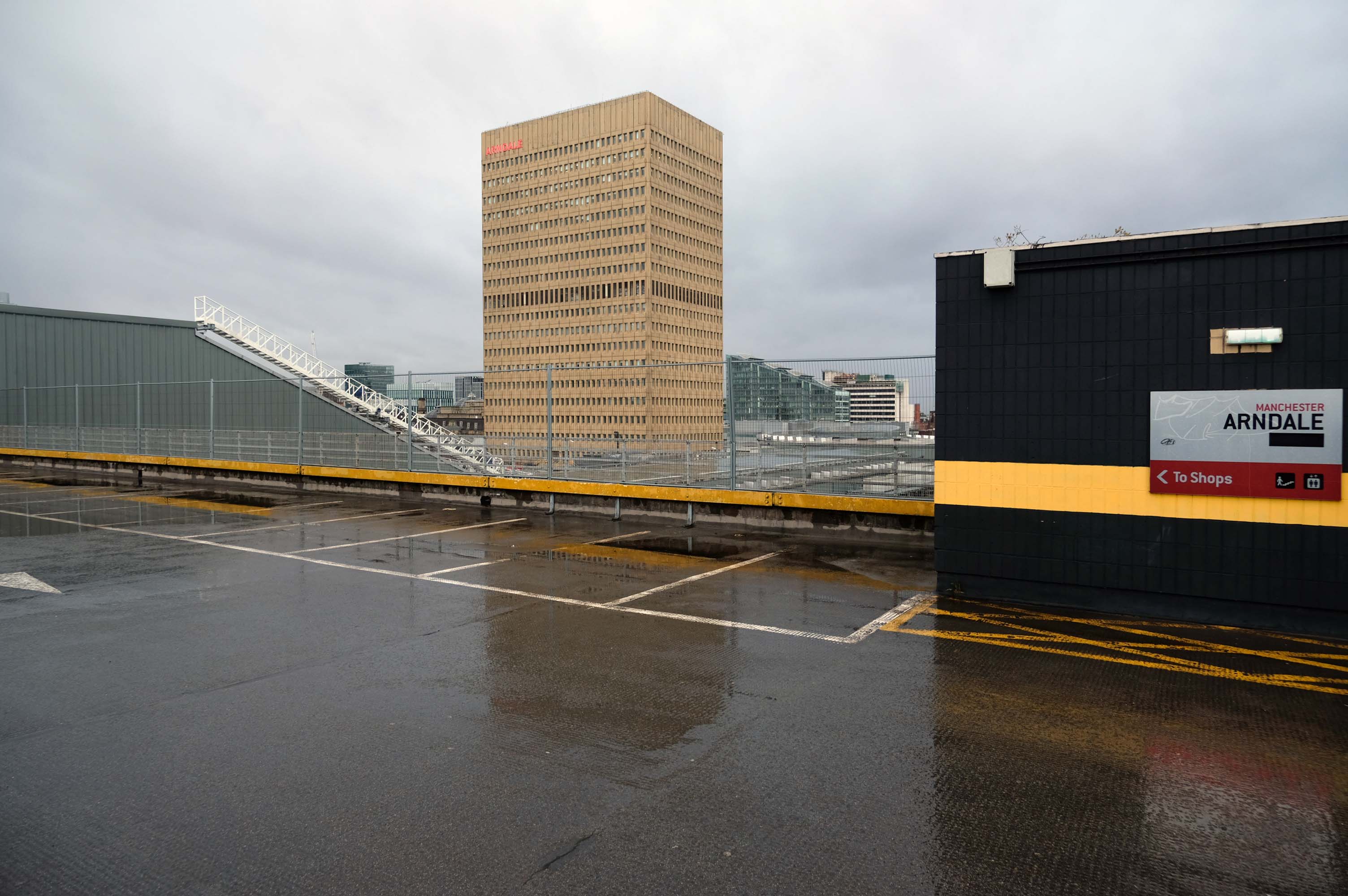
The Shudehill Interchange car park and bus station, designed by Jefferson Sheard Architects working with Ian Simpson, replaced the former Cannon Street bus station, under the Manchester Arndale; since the redevelopment of Manchester city centre, the latter has disappeared along with Cannon Street itself.
Great location but narrow roadway between floors. Pay in advance so you need to know how long you’re staying for.
£20.40 for 4 hours is expensive but you are minutes from Deansgate shops.
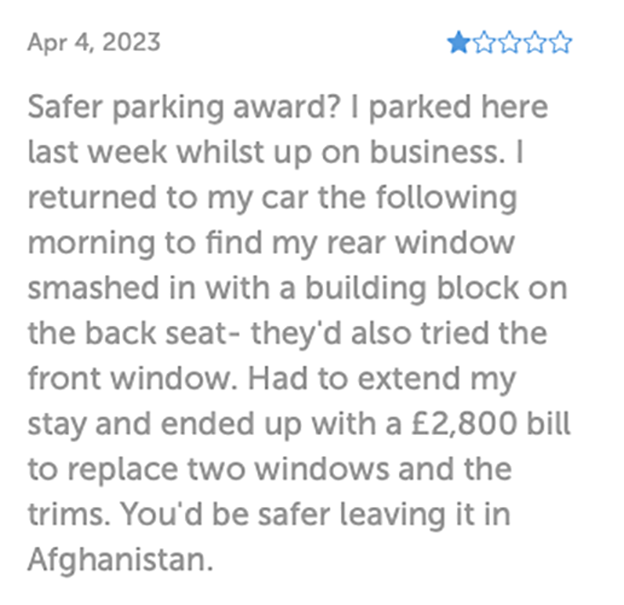
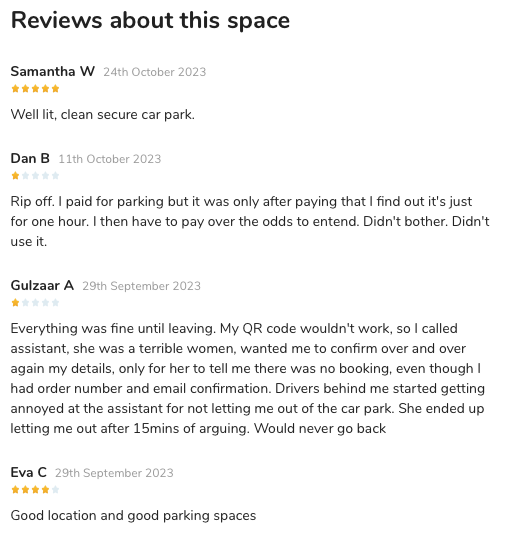
Only given one star because there wasn’t an option for zero. Not secure, car broken into theft of personal effects, pedestrian gate was un locked, no CCTV that I could see anywhere. Cost me over £25 to park for 6 hrs and lost over £200 of personal effects, complained to council, no response. Wouldn’t park here ever again.
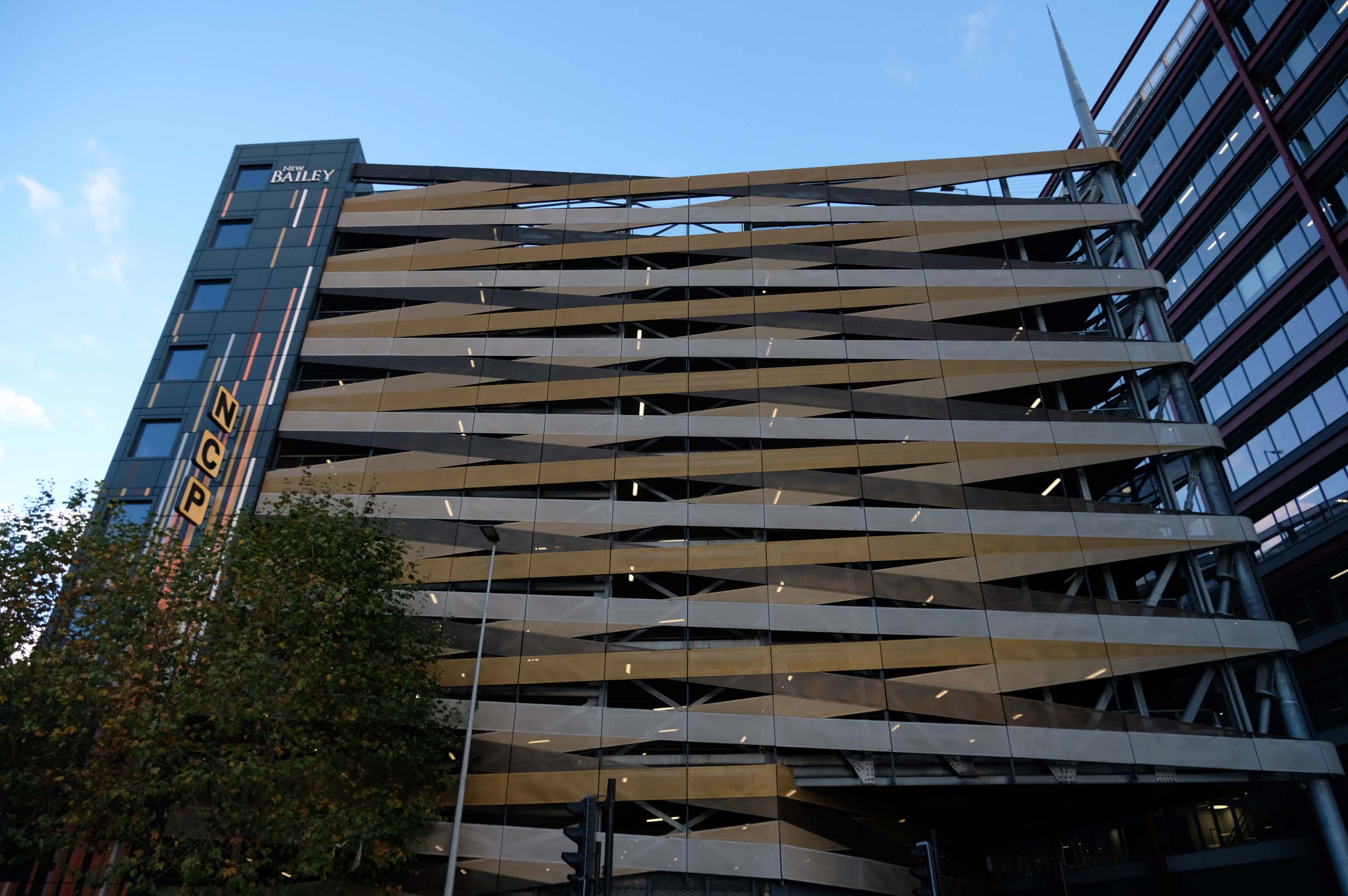
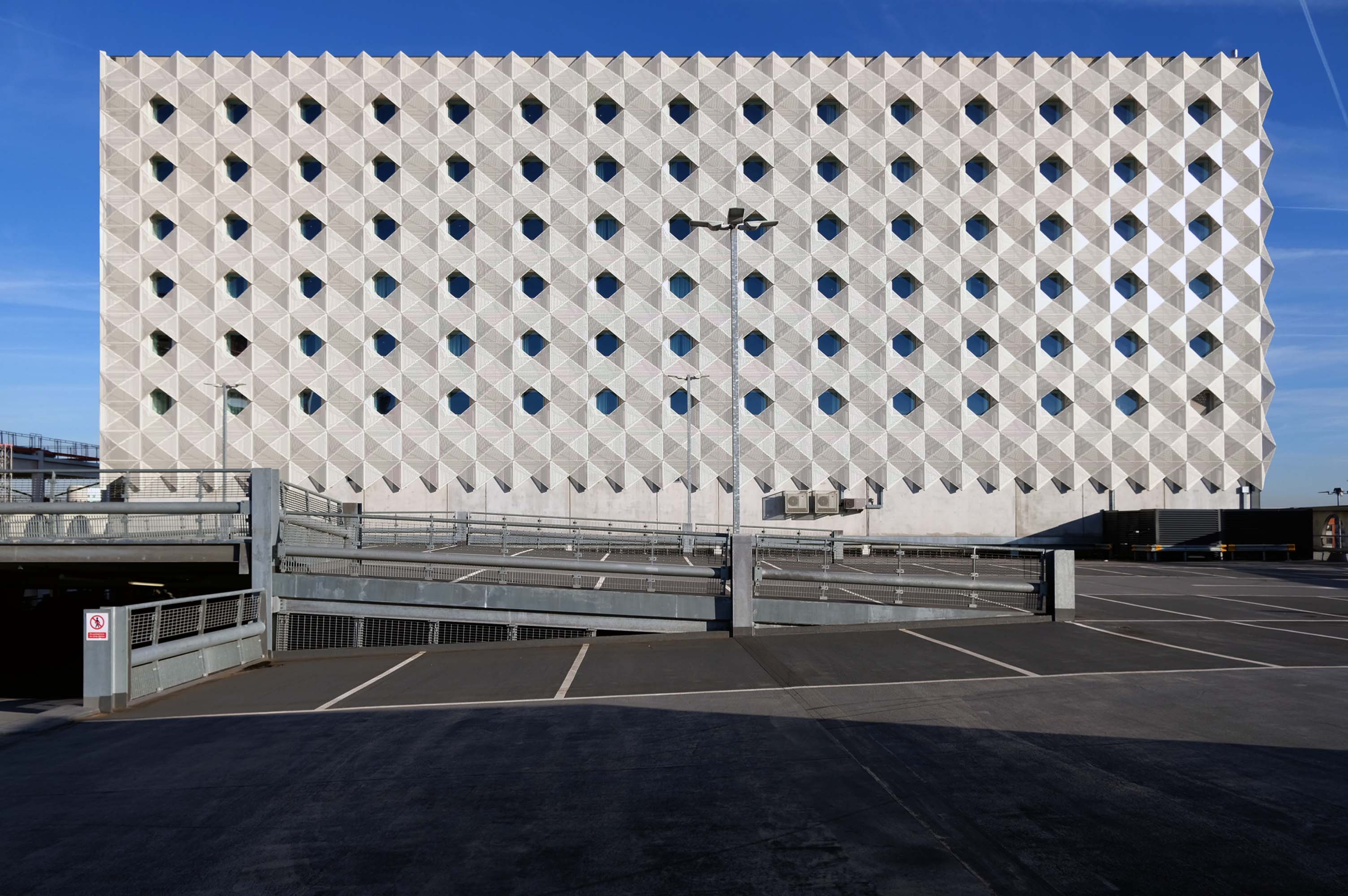
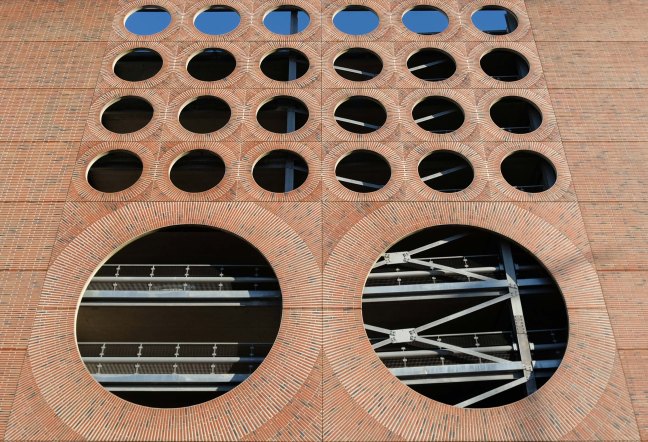
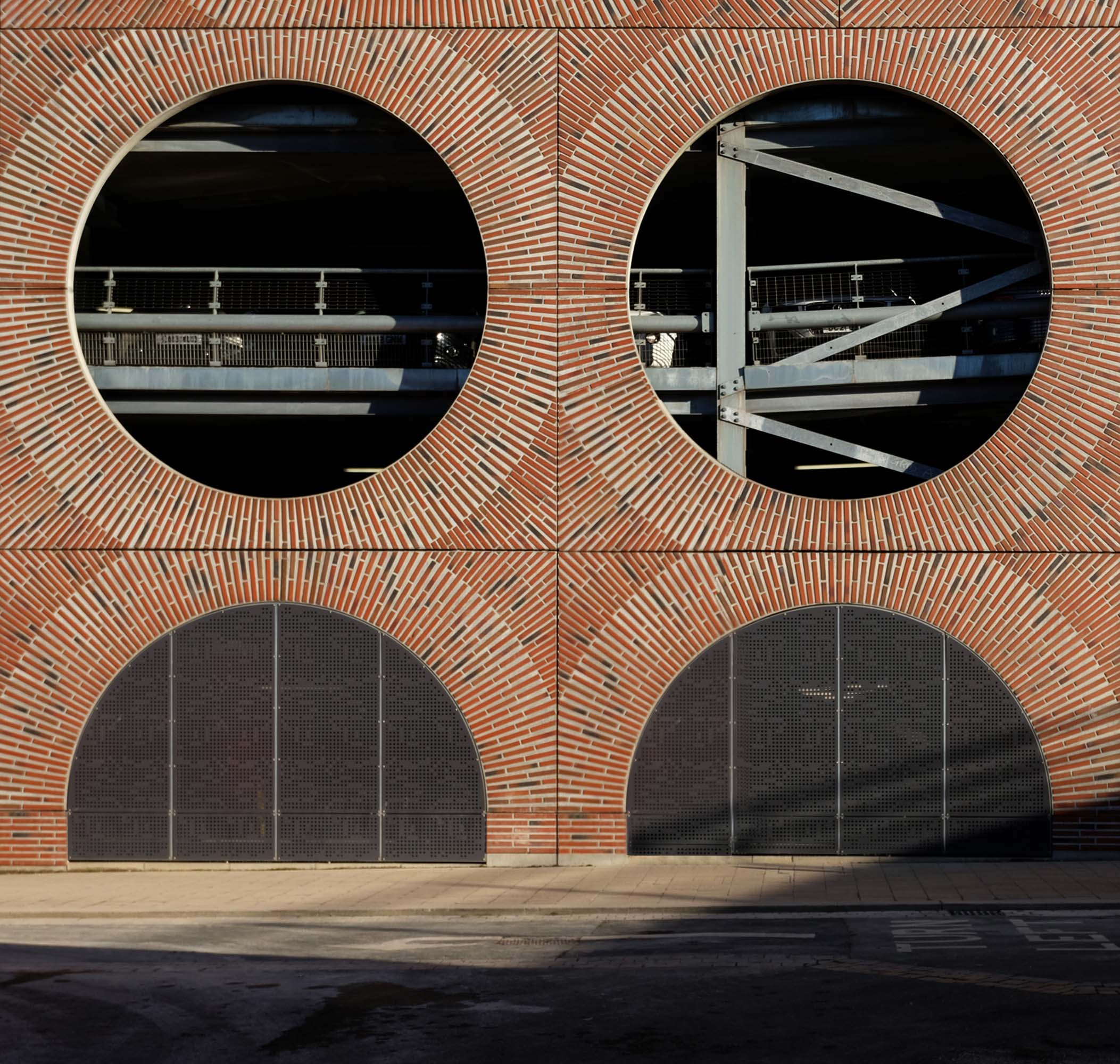
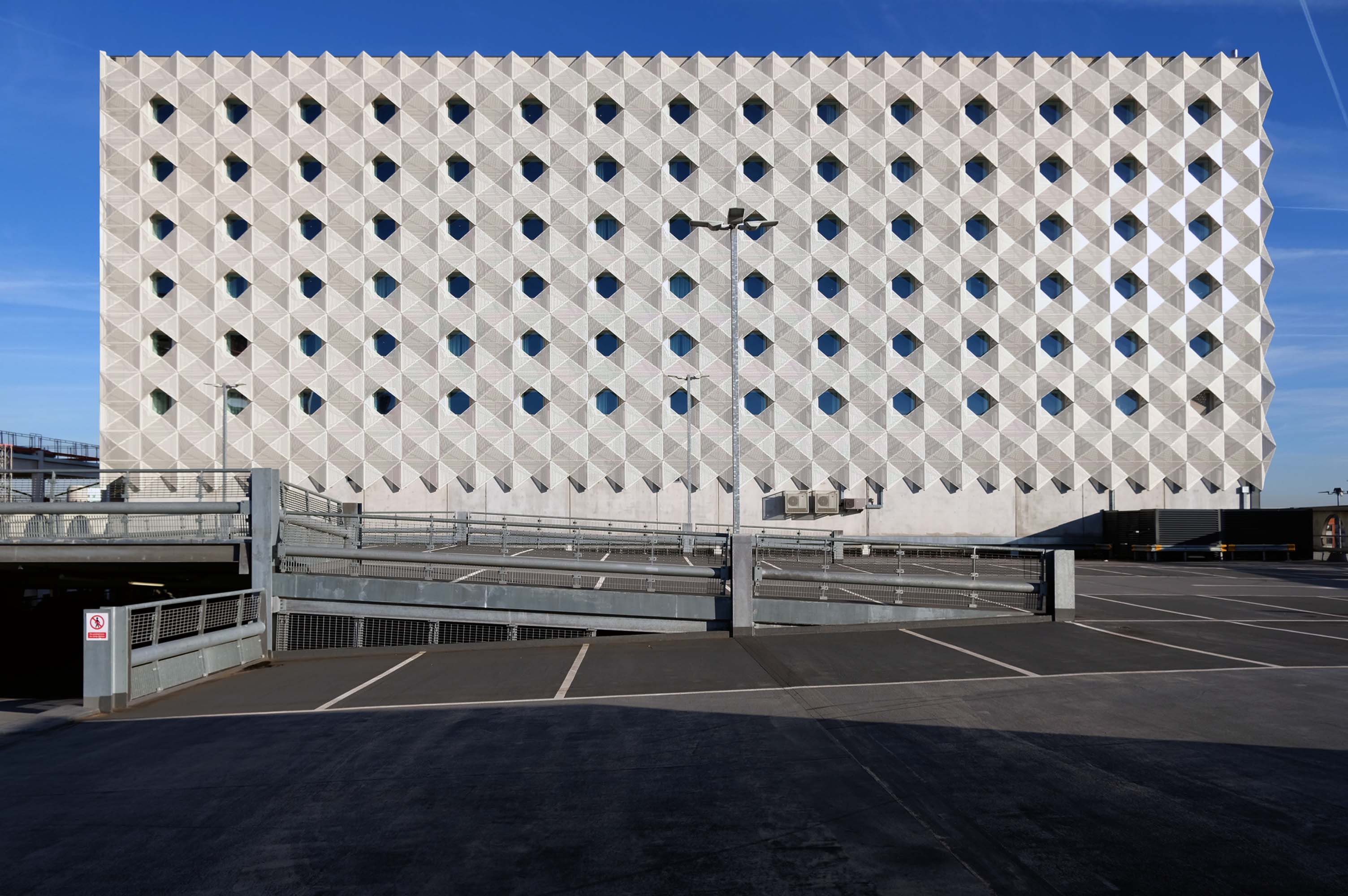
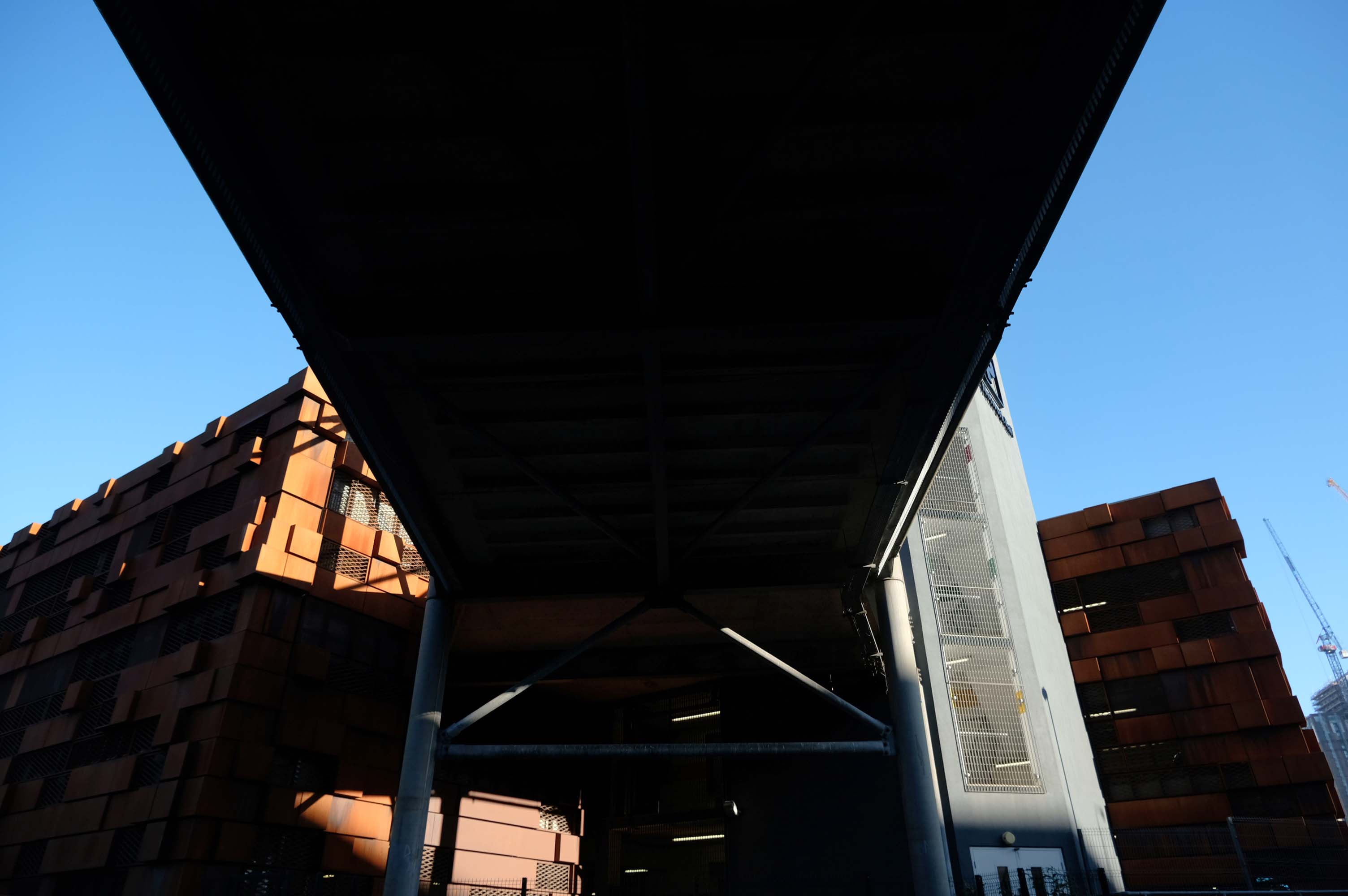
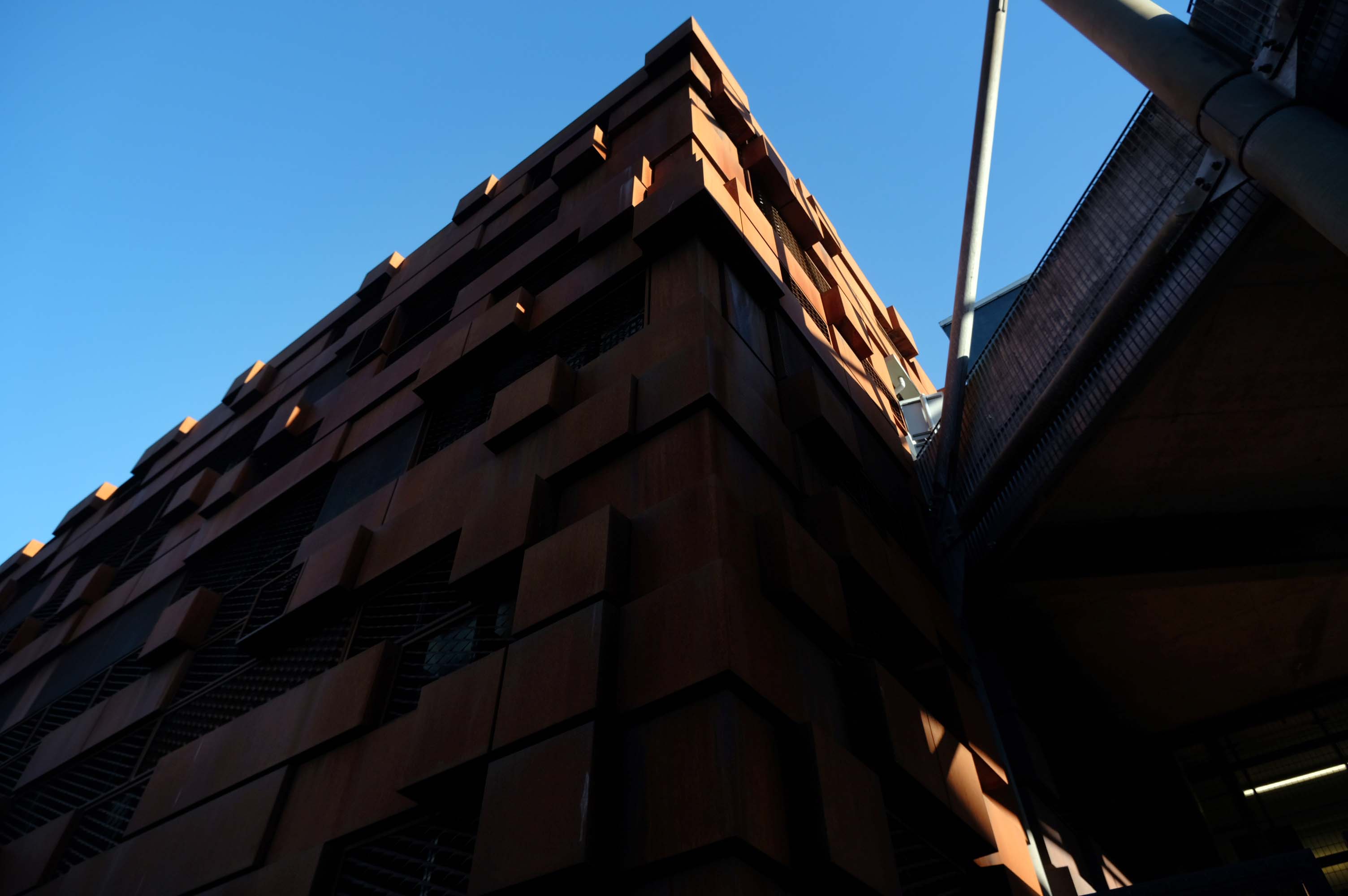
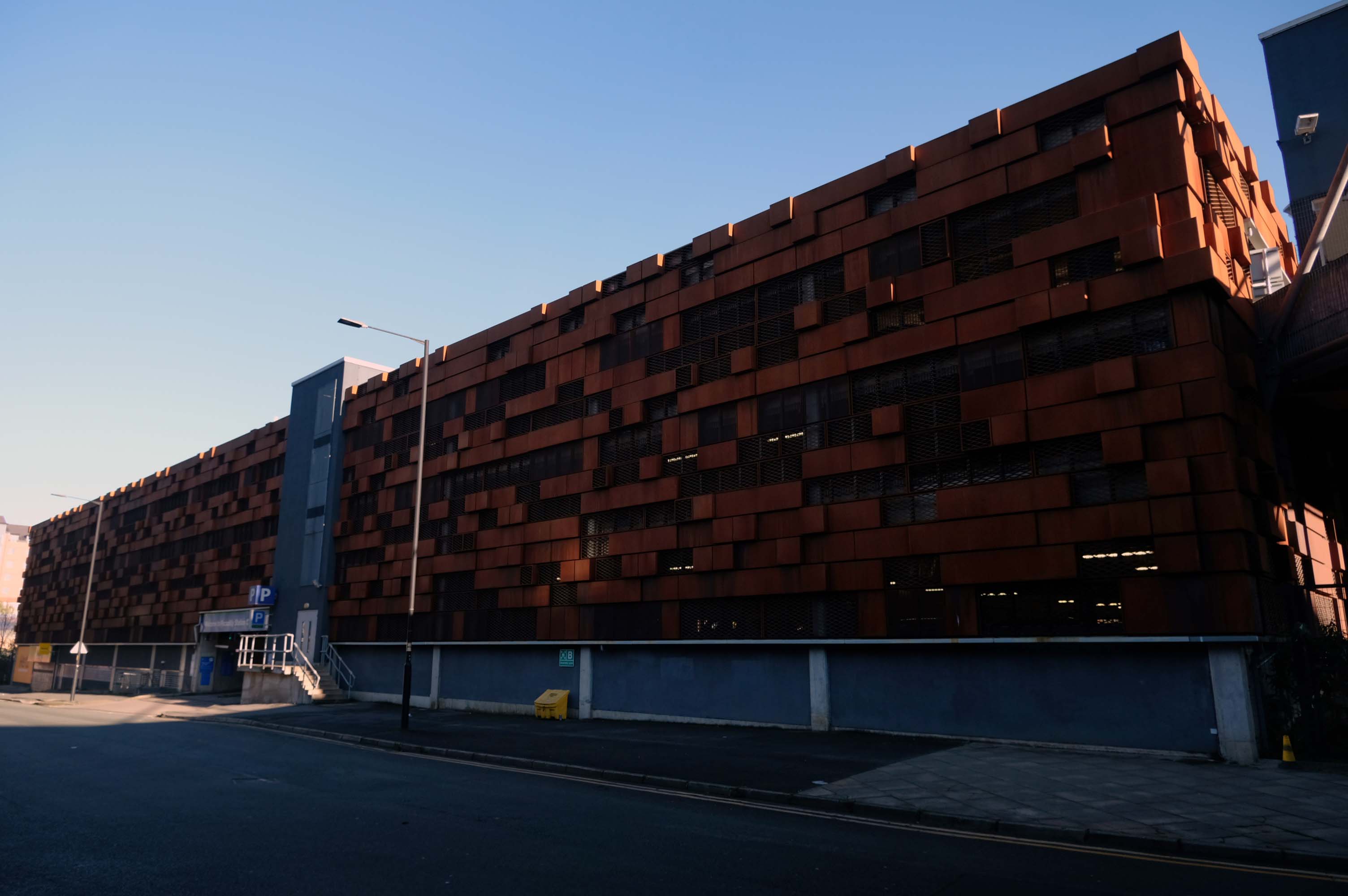
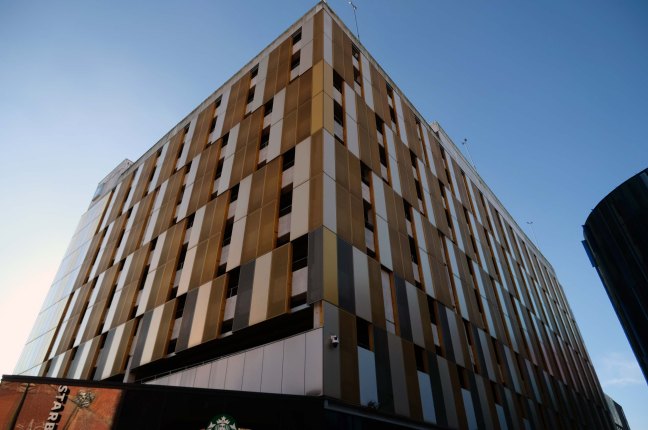
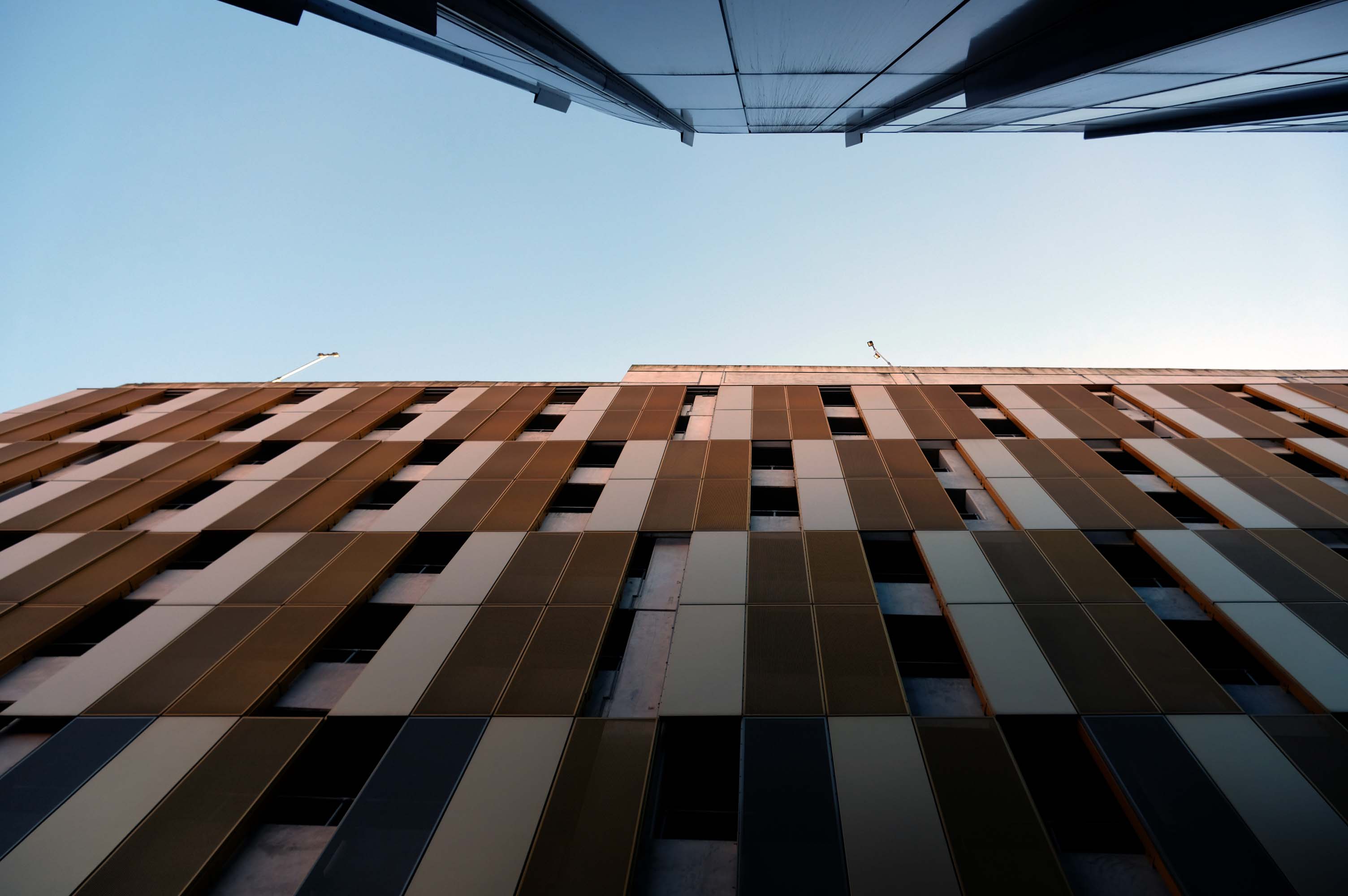
Maple gave architects Aedas RHWL the freedom to express themselves on a prominent multi-storey car park development in Salford. Their imaginative design created a great concept – the nine storey New Bailey car park appearing to be wrapped in ribbons that echo the lattice patterns and intersections in the ironwork of nearby Victorian bridges.
A good, clean and modern carpark. Easy to navigate and sensibly sized spaces. The only downsides are that it’s not cheap and getting into it from Trinity way is hard, as the traffic blocks the junction meaning it takes may cycles of the traffic lights to get across the junction.
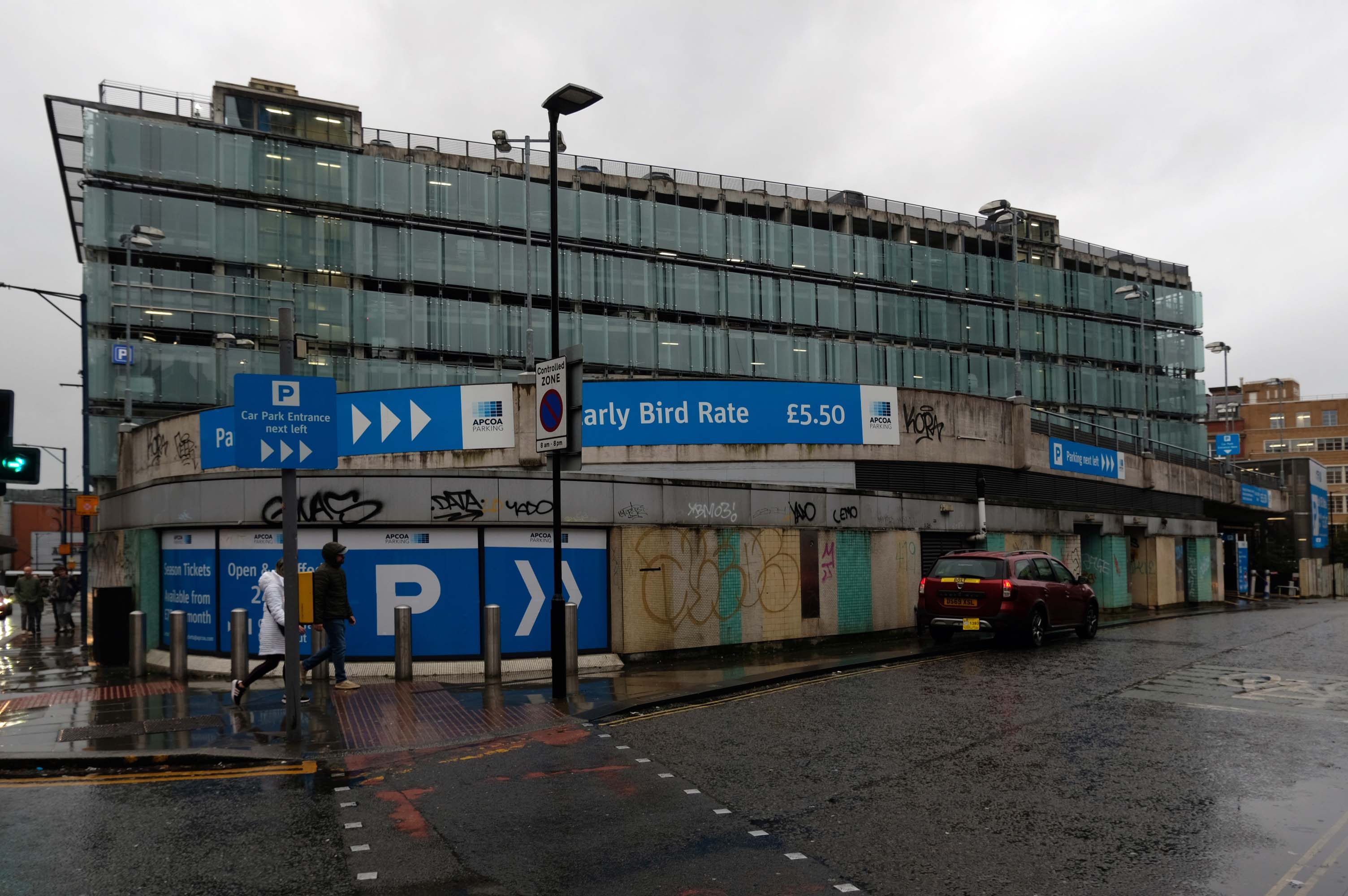
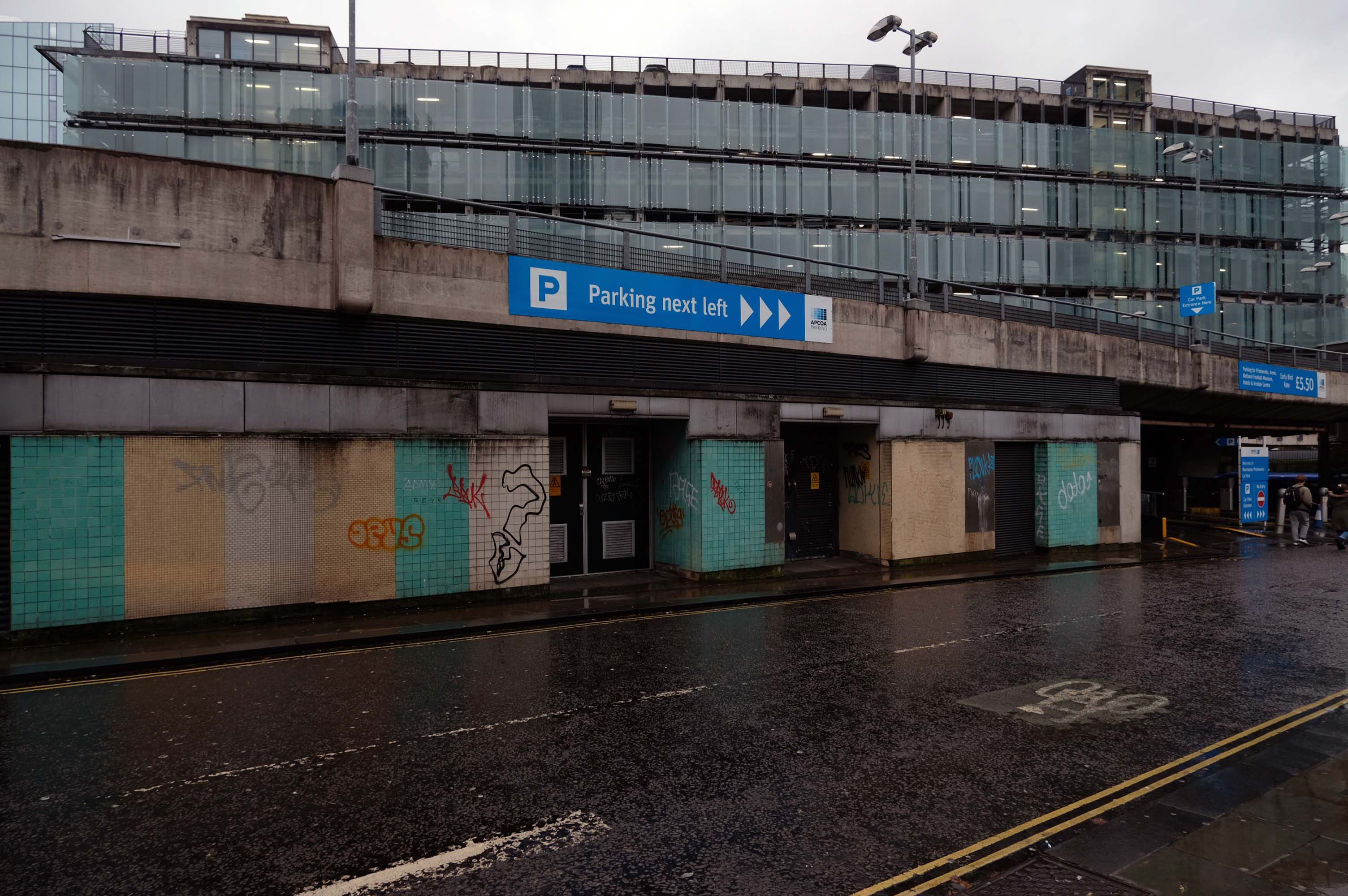
Part of the Piccadilly Plaza development of 1965 by Covell Matthews and Partners
Nice central location with a large entrance so you dont have to risk scratching your car as you pull in. Found there was a lack of signage to direct to nearest pay machine or walkway exit. Also had trouble when it was time to pay. I typed in my registration and yet it wasnt recognised and so I had to estimate my time of arrival. I ended up paying £10.50 for around 3 hours, which probably is the going rate for city centre parking.
Sadly after seeing several reviews that cars were broken in to, I would certainly reconsider parking here in future. I got lucky here, I had suitcases locked in the car, with several hundreds of pounds worth of travel money.
Worst place to park on earth, we had our car broken int0, everything stolen, it’s common knowledge that the drunks in the town hang around the car park to steal and then use your cards to buy their booze
Secure and easy to find while driving, struggled to get back in through side door, had to walk up the ramp.
Expensive.
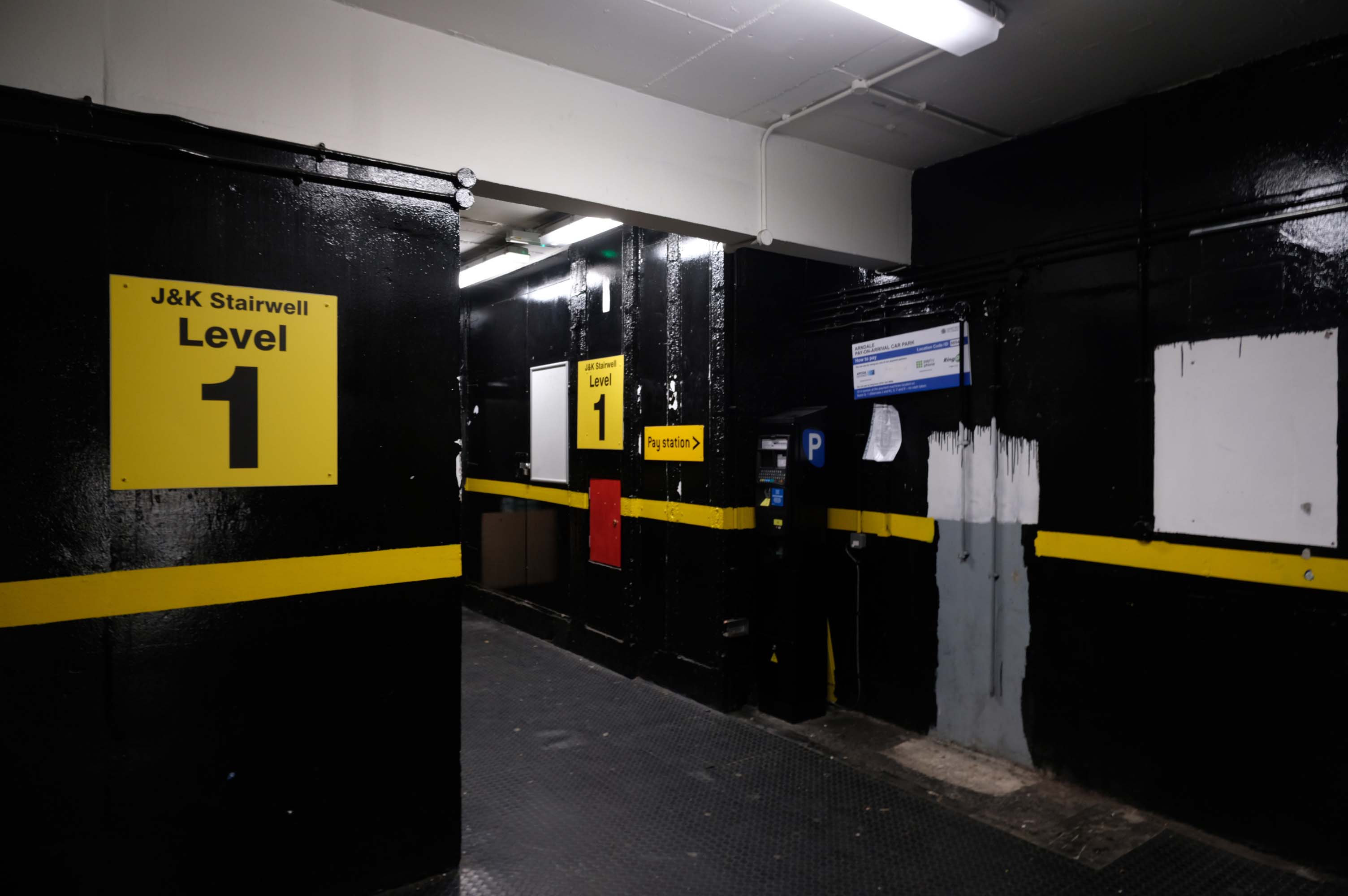
Stairwell stinks like piss and I’ve seen homeless people sitting in there. Doesnt feel safe.
Great car park, security is great, right in the city centre above the bus station that goes Scotland to Cornwall, Wales to Norwich and many more, Manchester city centre literally with Piccadilly Gardens around the corner.
Great car park we use all the time in Manchester, easy to book online, no messing with cash machines. Takes your car reg by camera for easy access in and out. Plenty of spaces mainly upper floors, just tight around corners.
Fielden Clegg Bradley were concept architects while Leach Rhodes Walker were delivery architects.
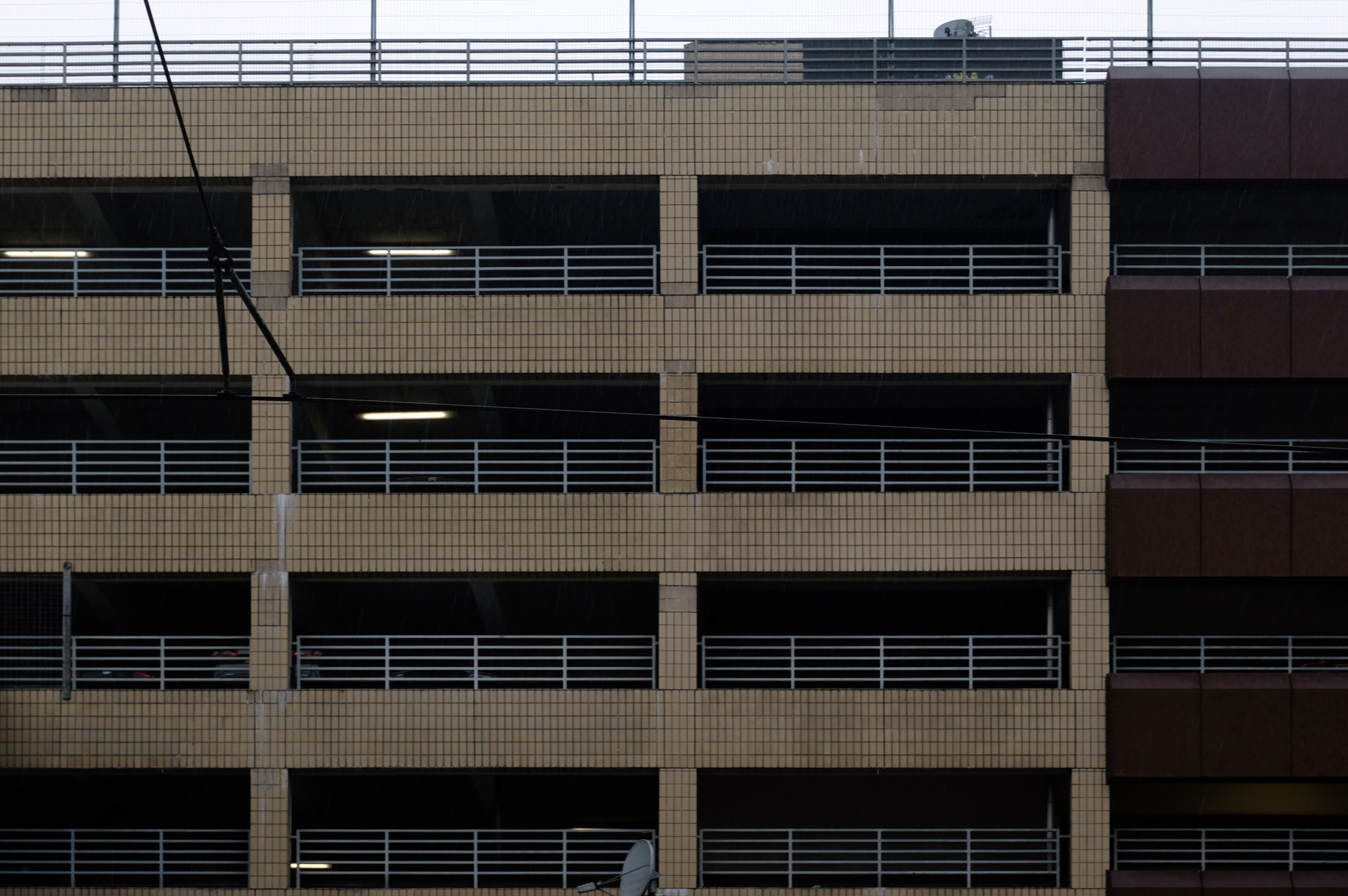
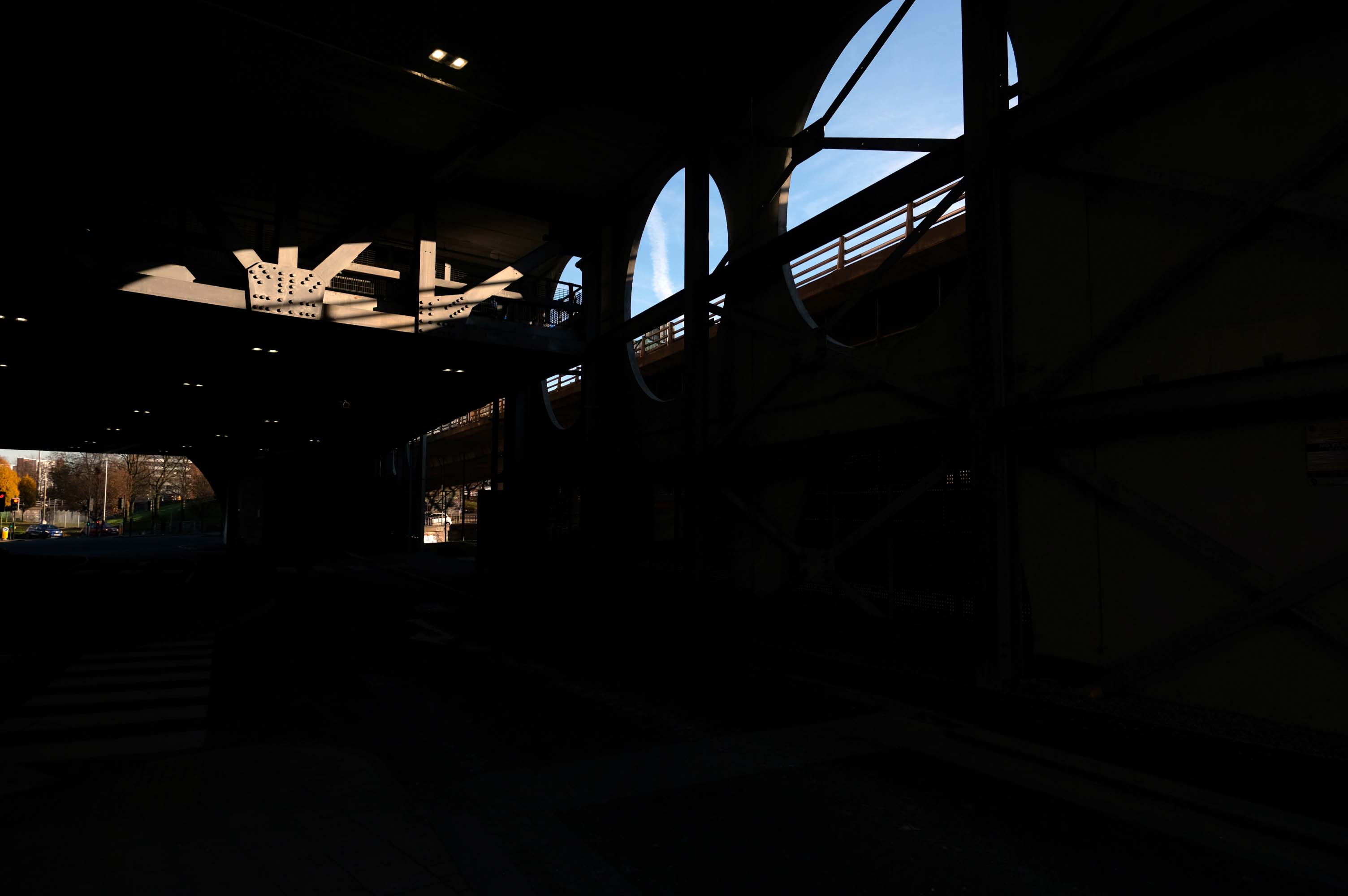
A series of four × two-storey-deep lattice girders and a single one-storey girder, all measuring up to 27m-long, span over the zone where the underground pipes are located. In these parts, the car park has no first-floor level as the local water board needed a 5m ground-to-ceiling clearance in case they had to undertake any maintenance works. Consequently, the first floor is only a partial level and is set within the depth of the larger lattice girders, as is the second floor, while the third level is supported on top of these members.
Supporting a hotel would be challenging enough, however the design has also had to incorporate large bridging elements as there are two subterranean 600mm-diameter water pipes crossing the site. “It’s a very unusual design and one that was originally designed as a concrete-framed structure,” says James Killelea Senior Structural Engineer Charlie Twist. “However, the bridging parts would have proven to be too difficult to build and consequently a steel-framed solution was chosen for the car park, which in turn supports a precast concrete hotel.”
This car park is one of the cleanest and most well maintained in Manchester.
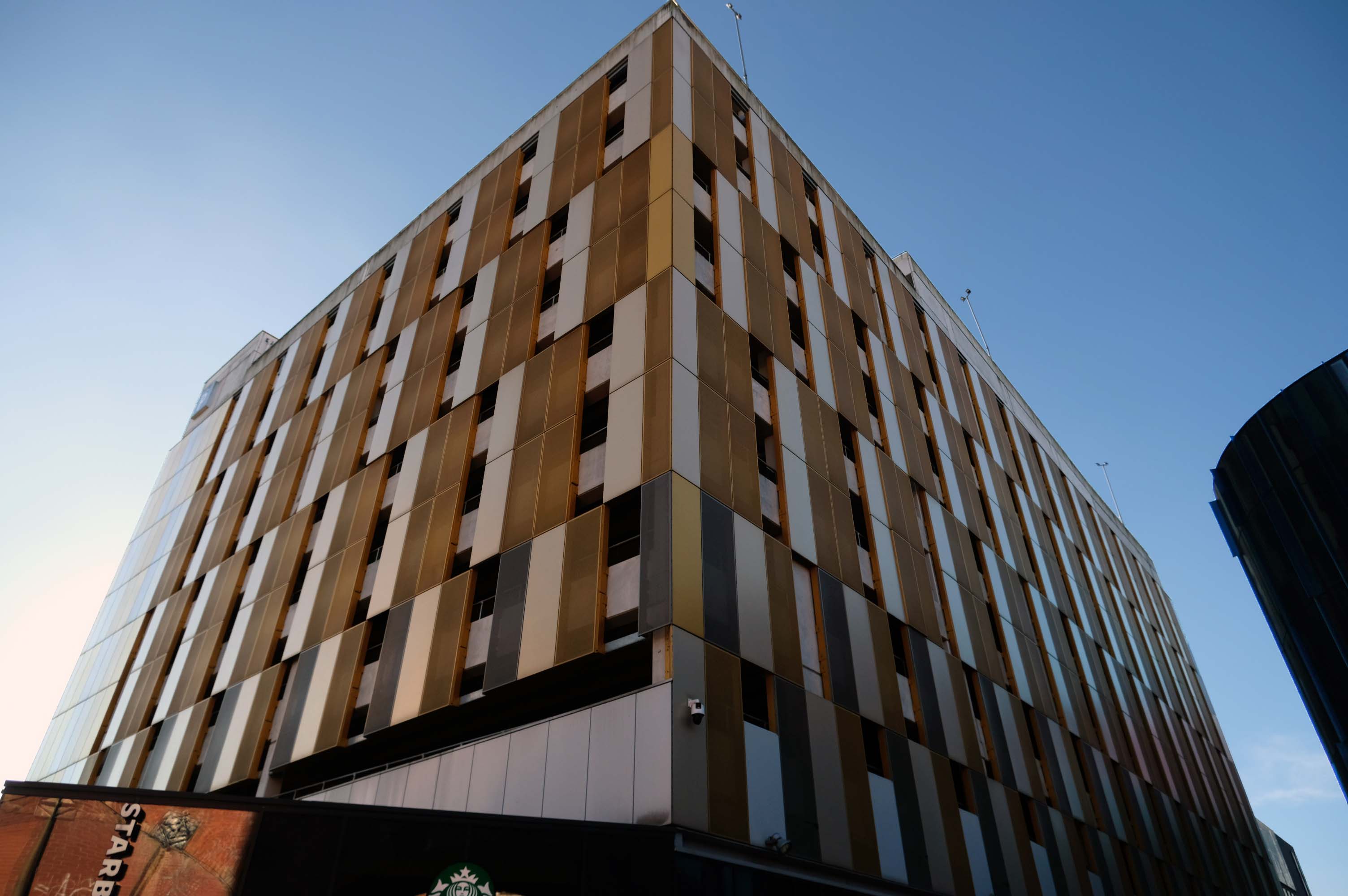
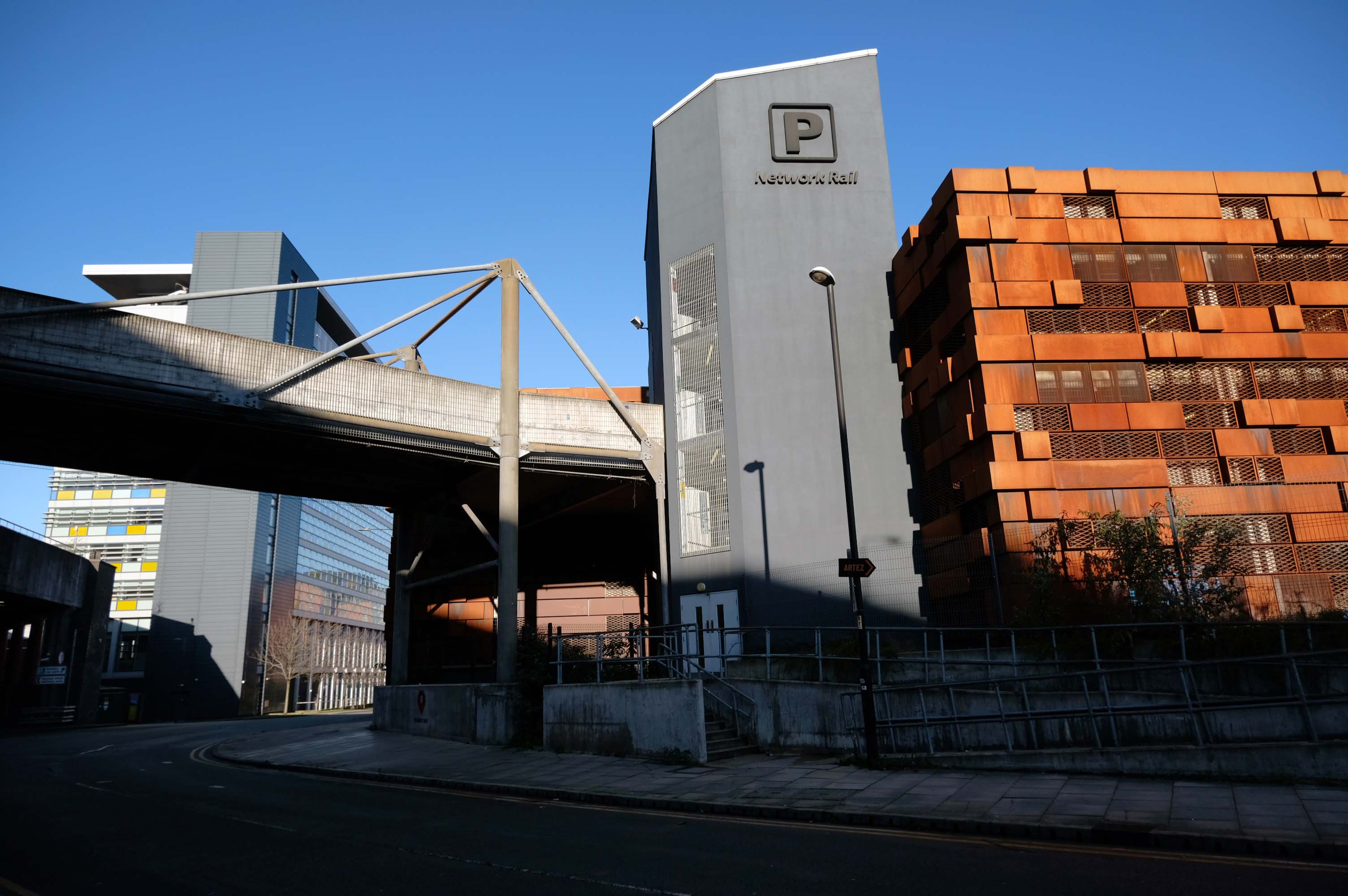
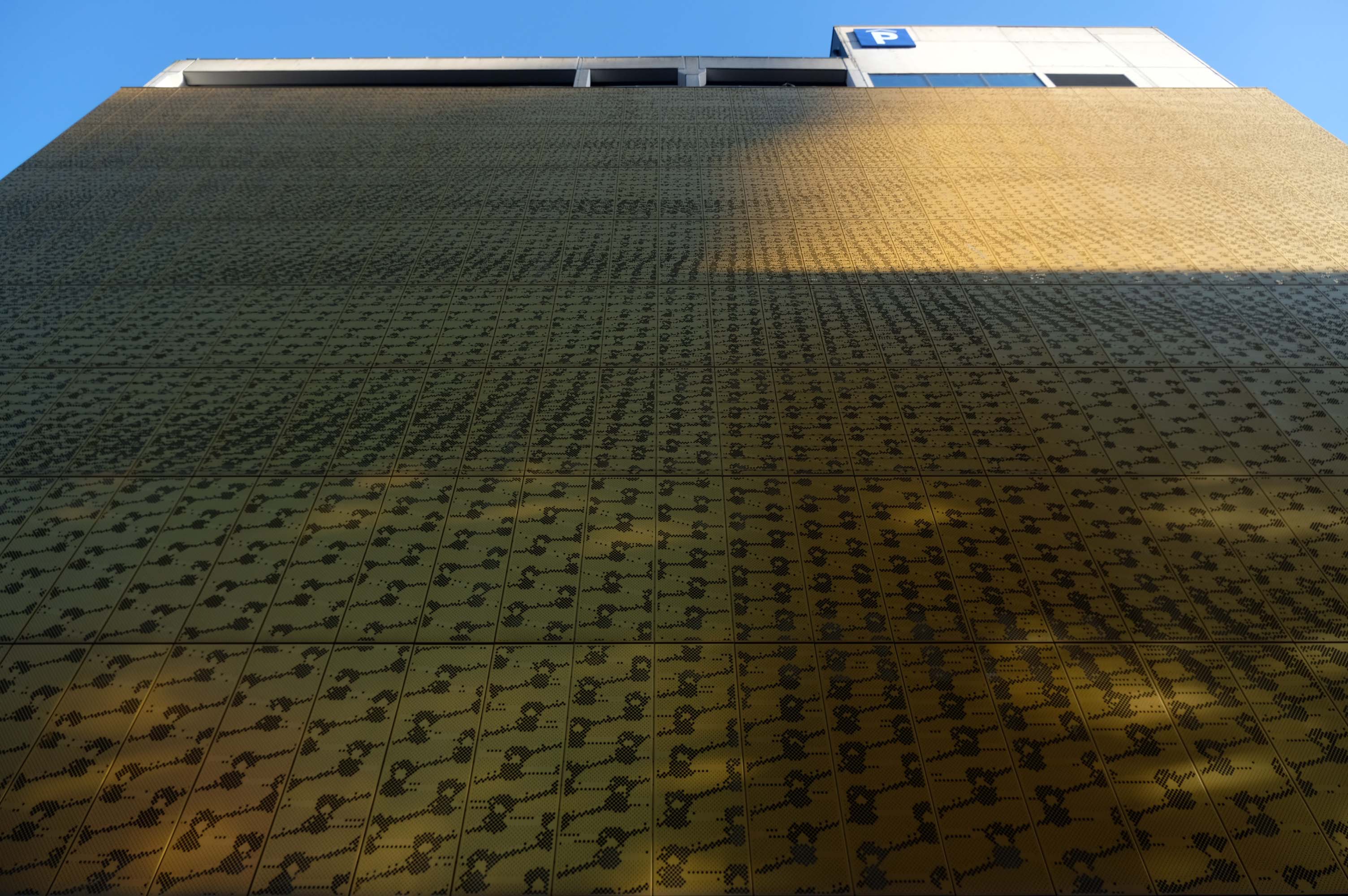
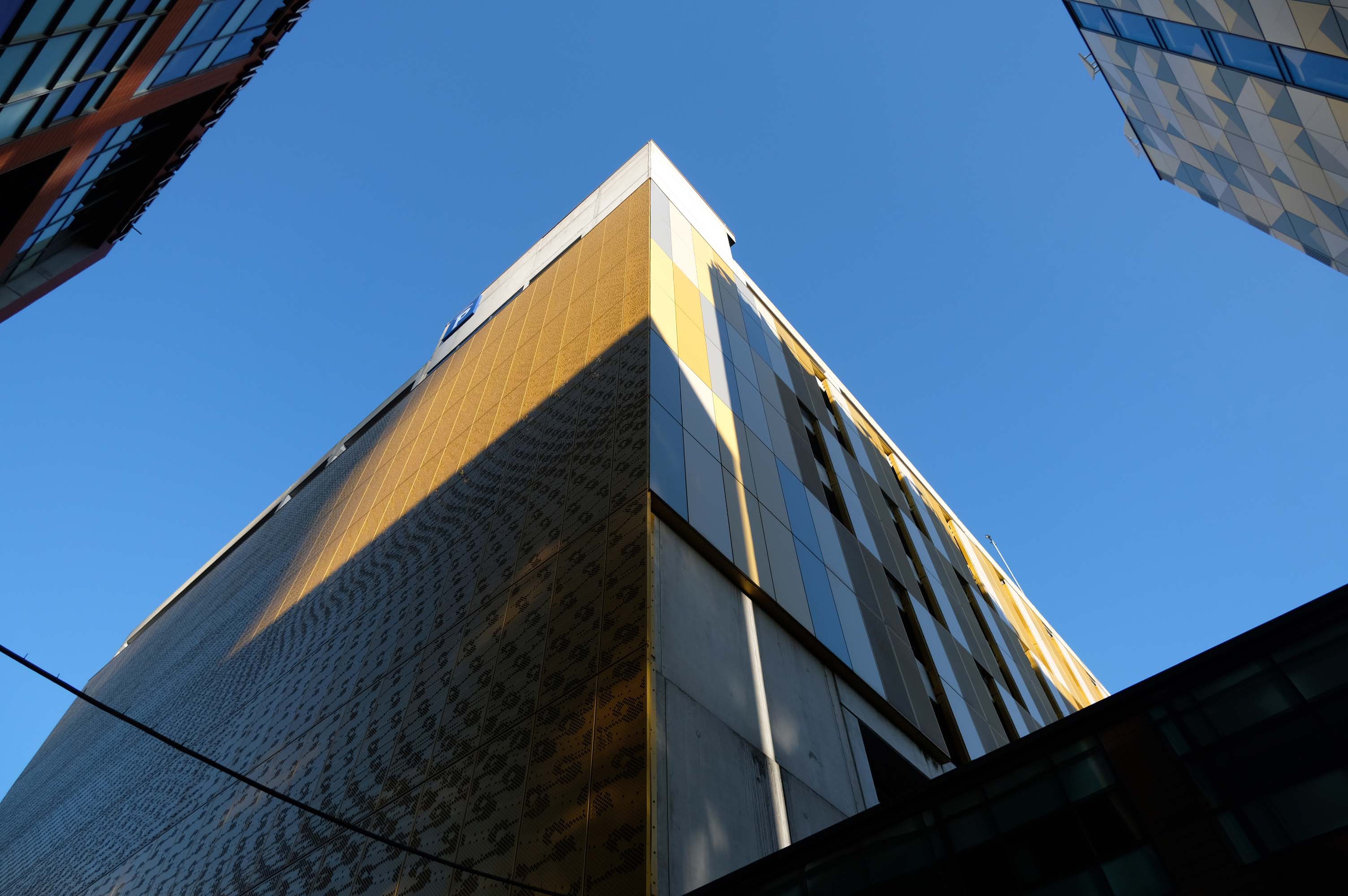
JHA Pulmannwere commissioned via network rail to deliver an extension to, and re-cladding of an existing 1970’s concrete frame carpark outside of Manchester Piccadilly station.
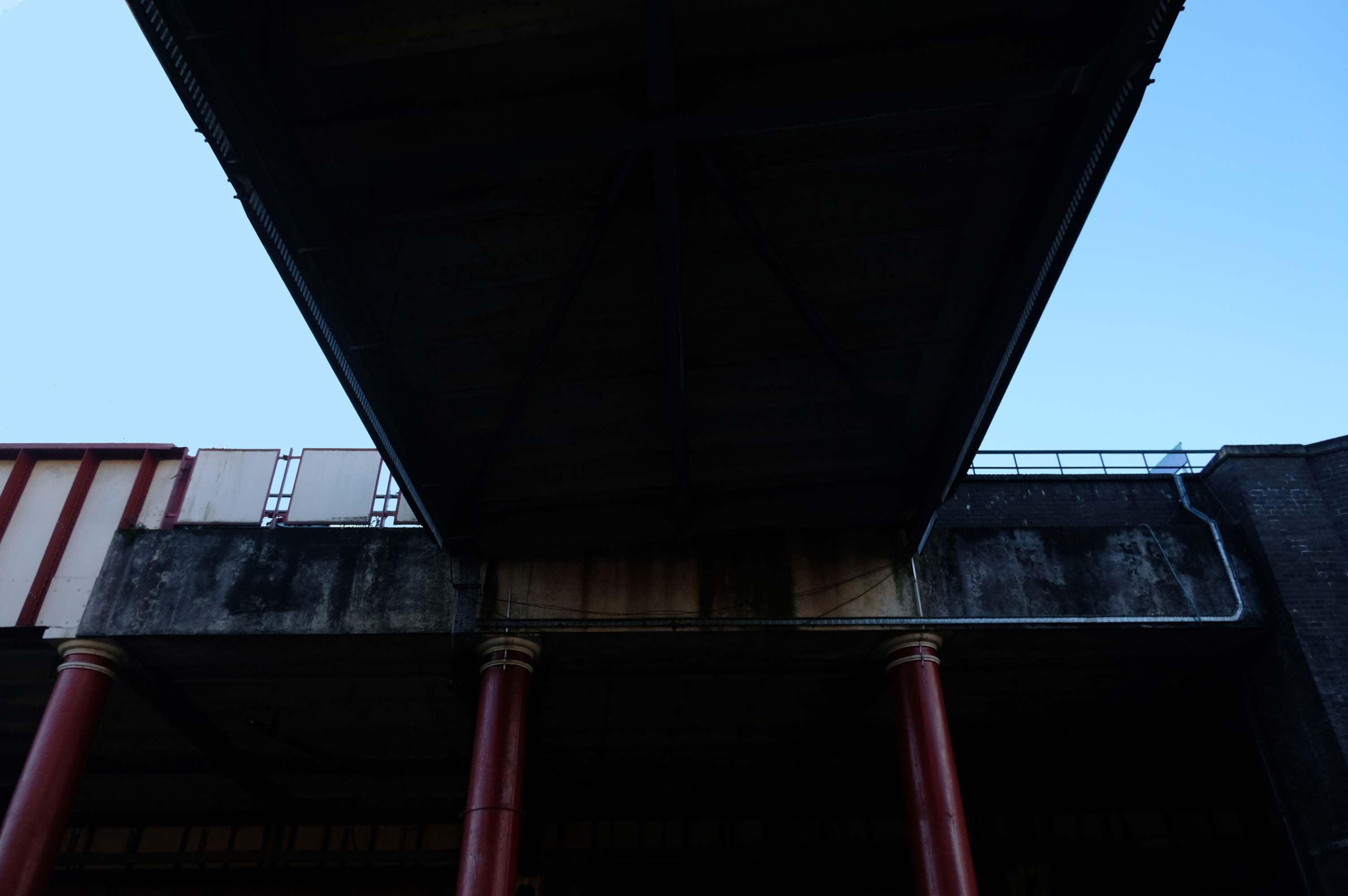
The carpark is fine but as a lone female arriving off the train in the early hours of the morning, I felt quite vulnerable getting back there. It’s in a very quiet dark place accessed by going through a tunnel going under a bridge.
Easy to find, plenty of spaces and only a short walk to Piccadilly station – great!
Itreplaced the former Cannon Street bus station, under the Manchester Arndale; since the redevelopment of Manchester city centre, the latter has disappeared along with Cannon Street itself.
The project realises a strategy for integrating city centre circulation comprising an interchange for public and private transportation. It unifies stands for buses, a tram stop and multi-level parking for cars, to provide a convenient, attractive and safe public concourse. The high-quality contemporary design establishes a new positive identity for a transport interchange that complements the heritage values of the Shudehill conservation area.
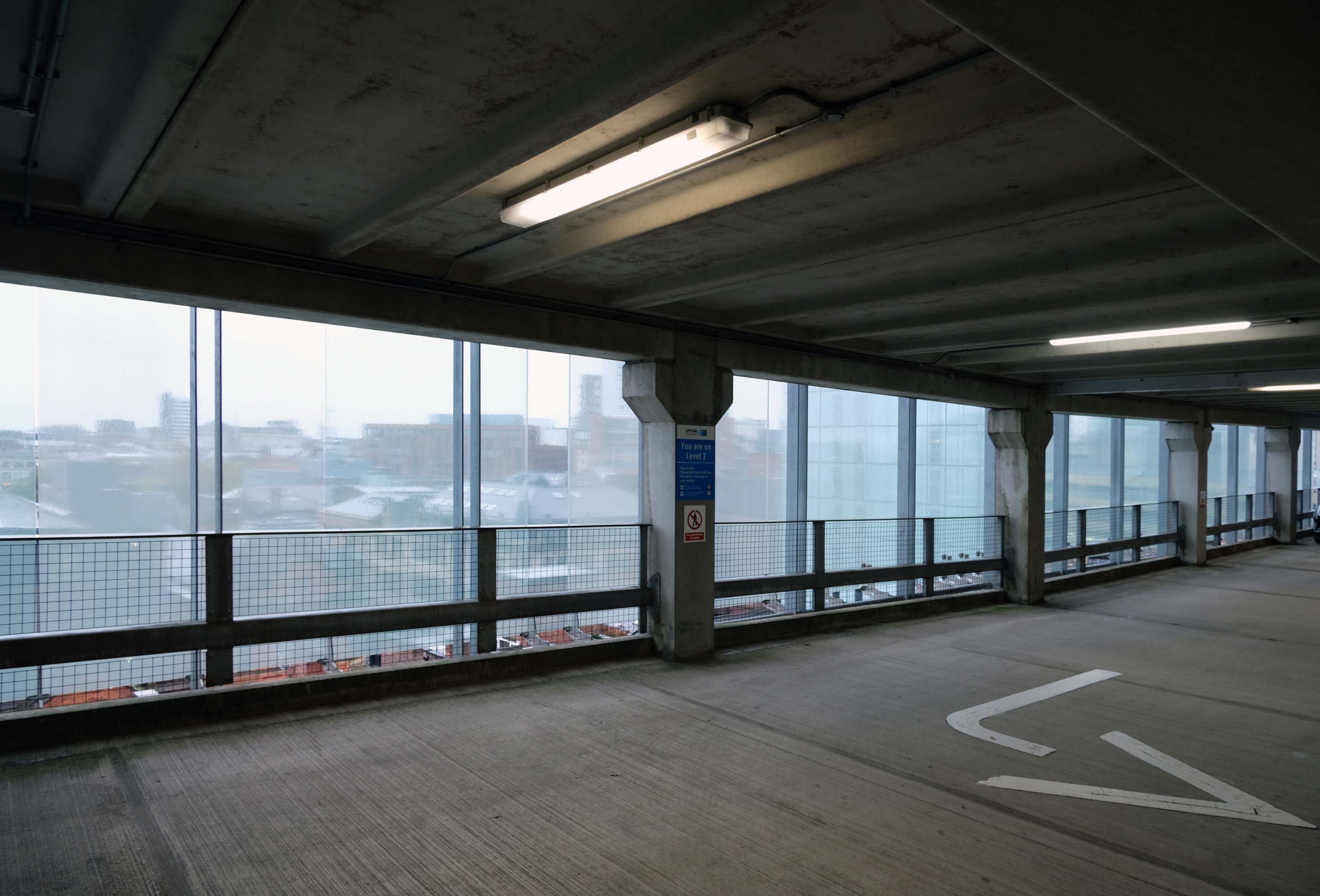
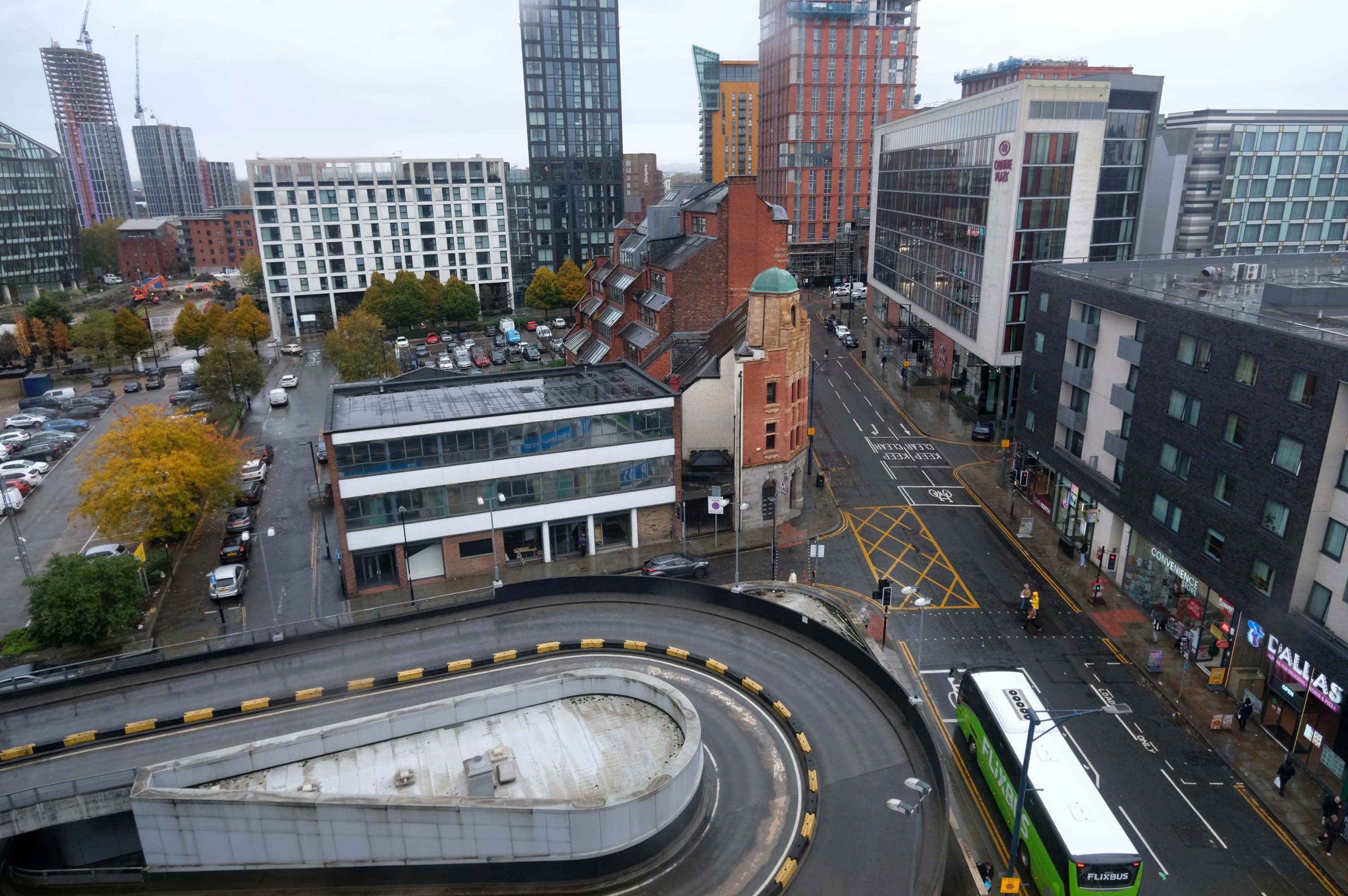
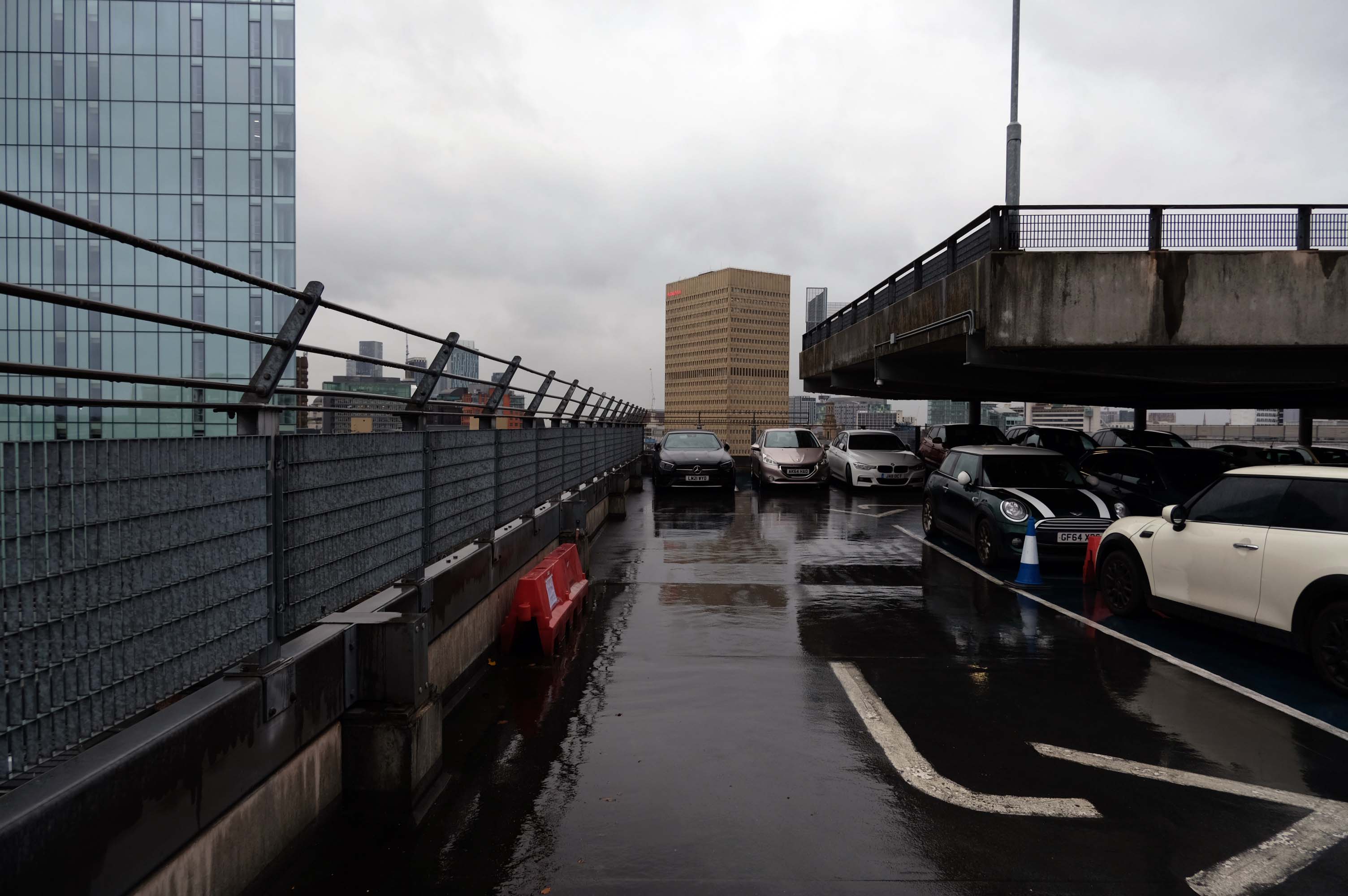
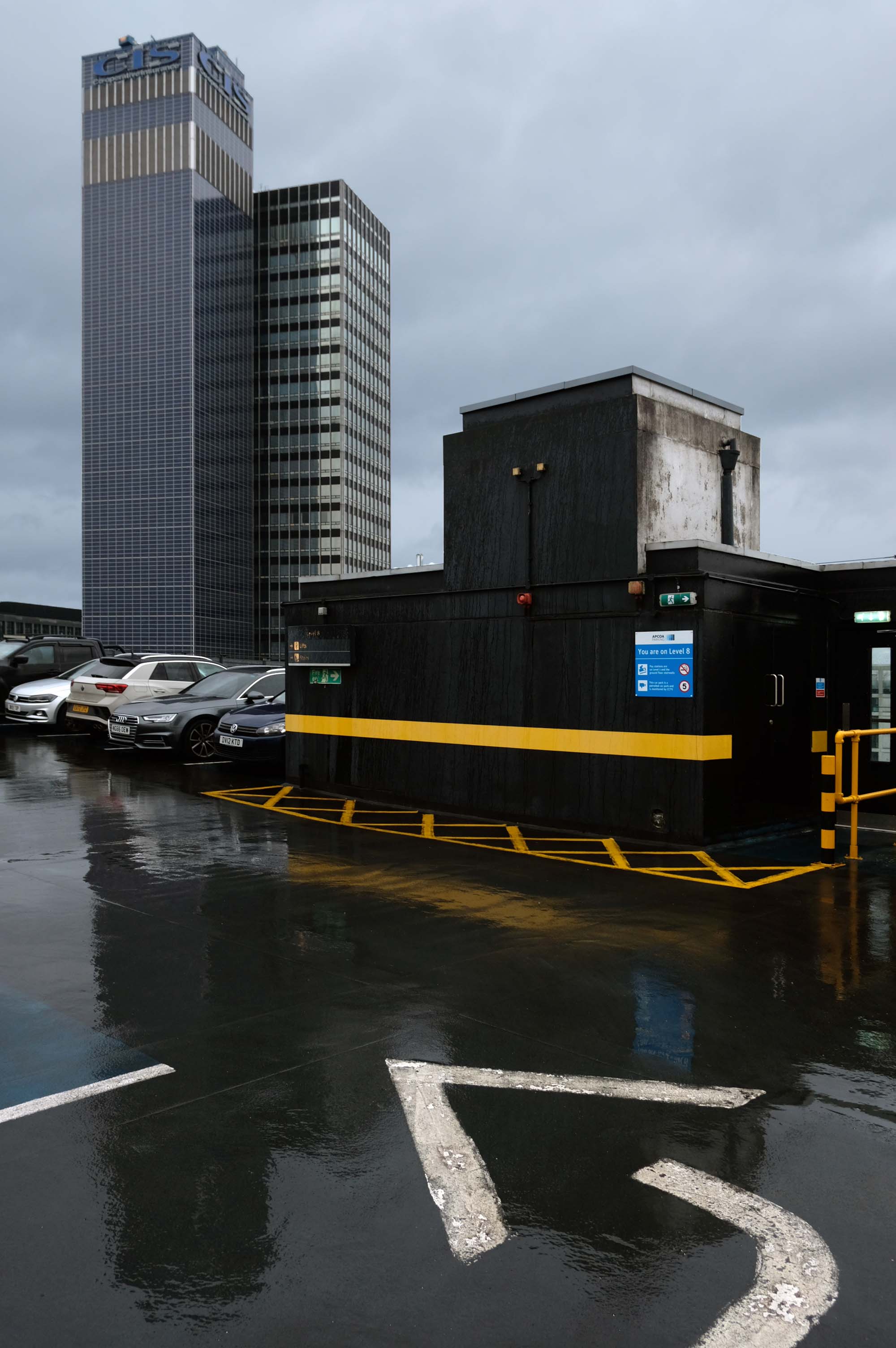
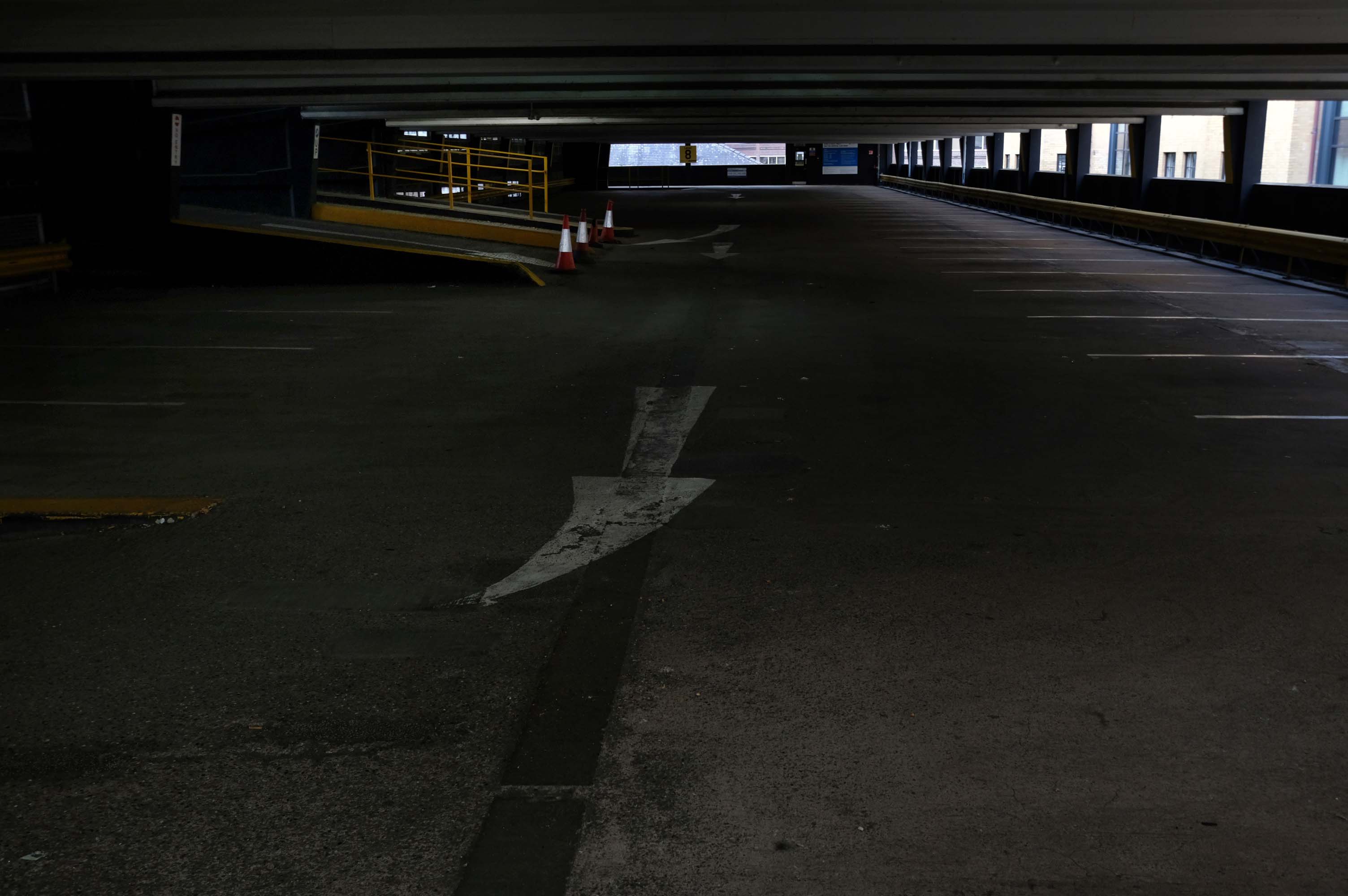
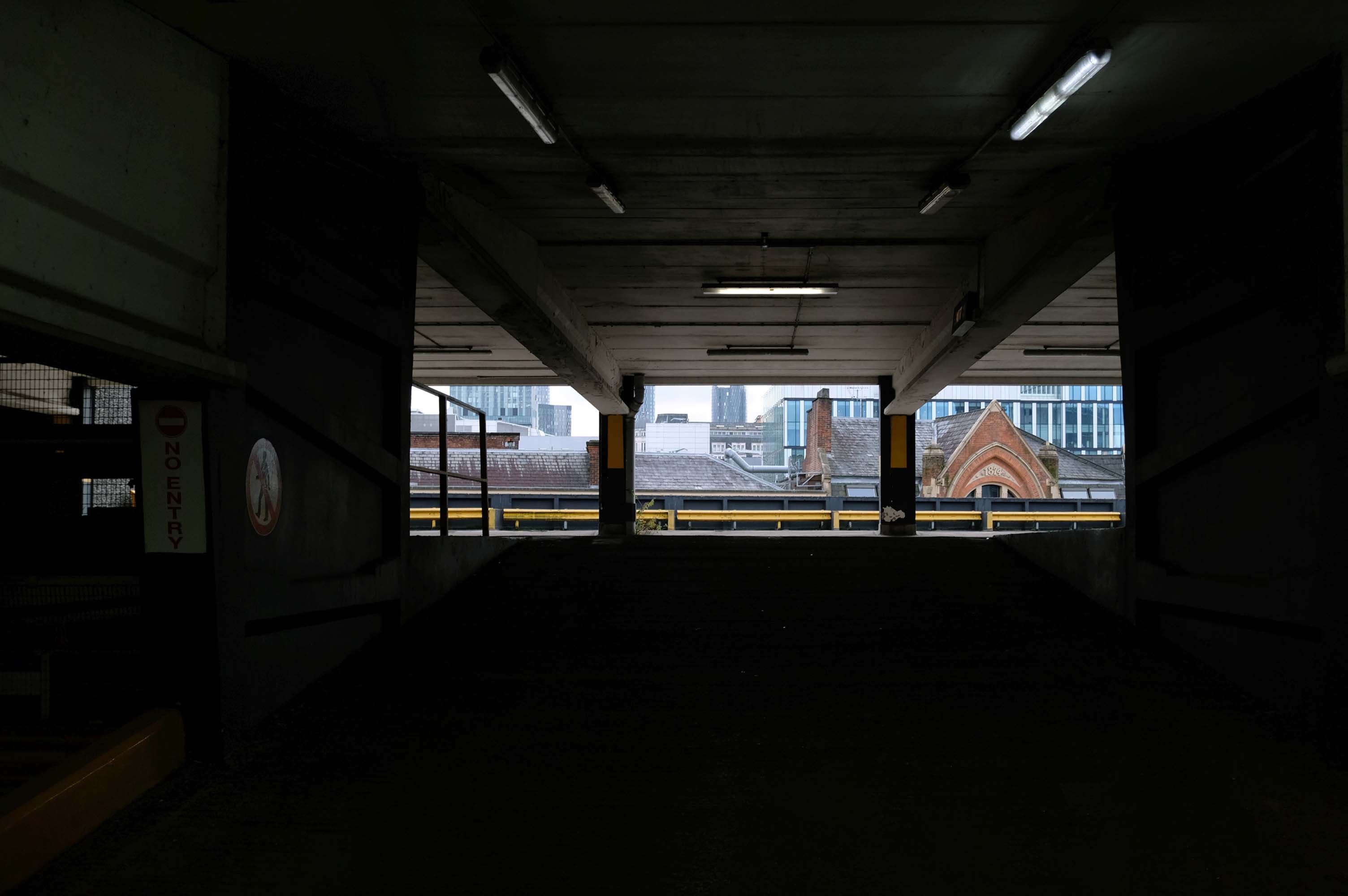
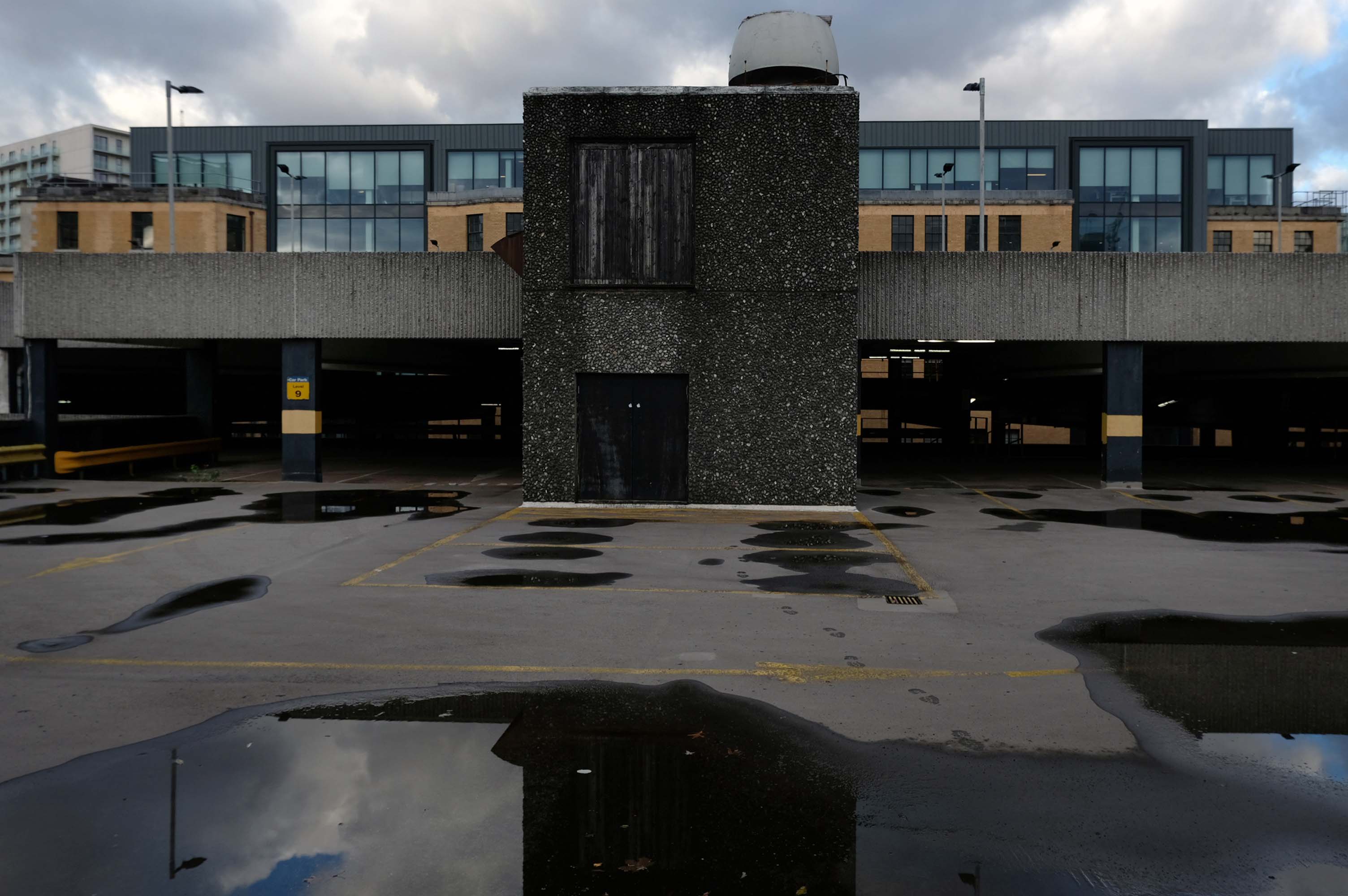
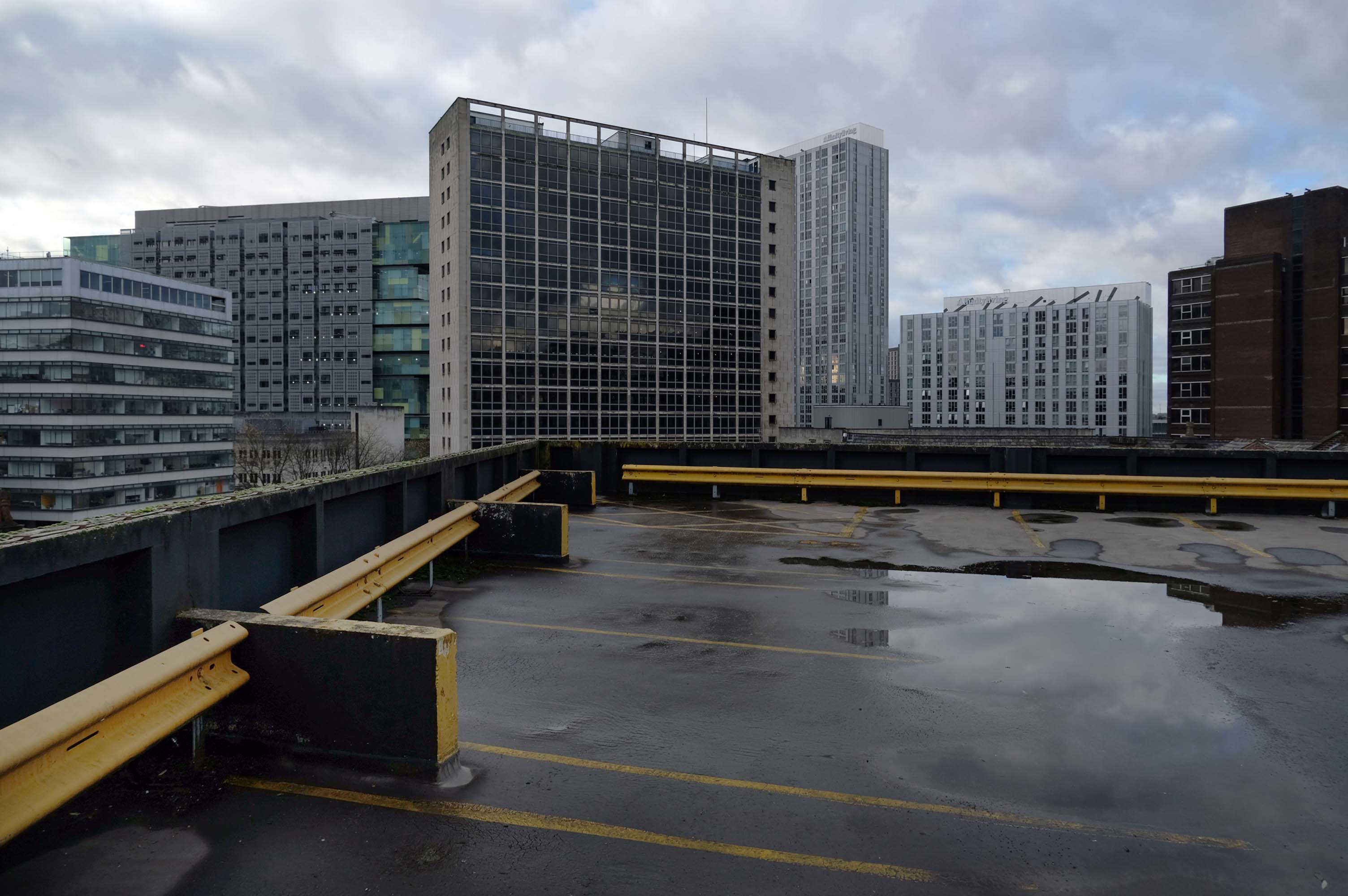
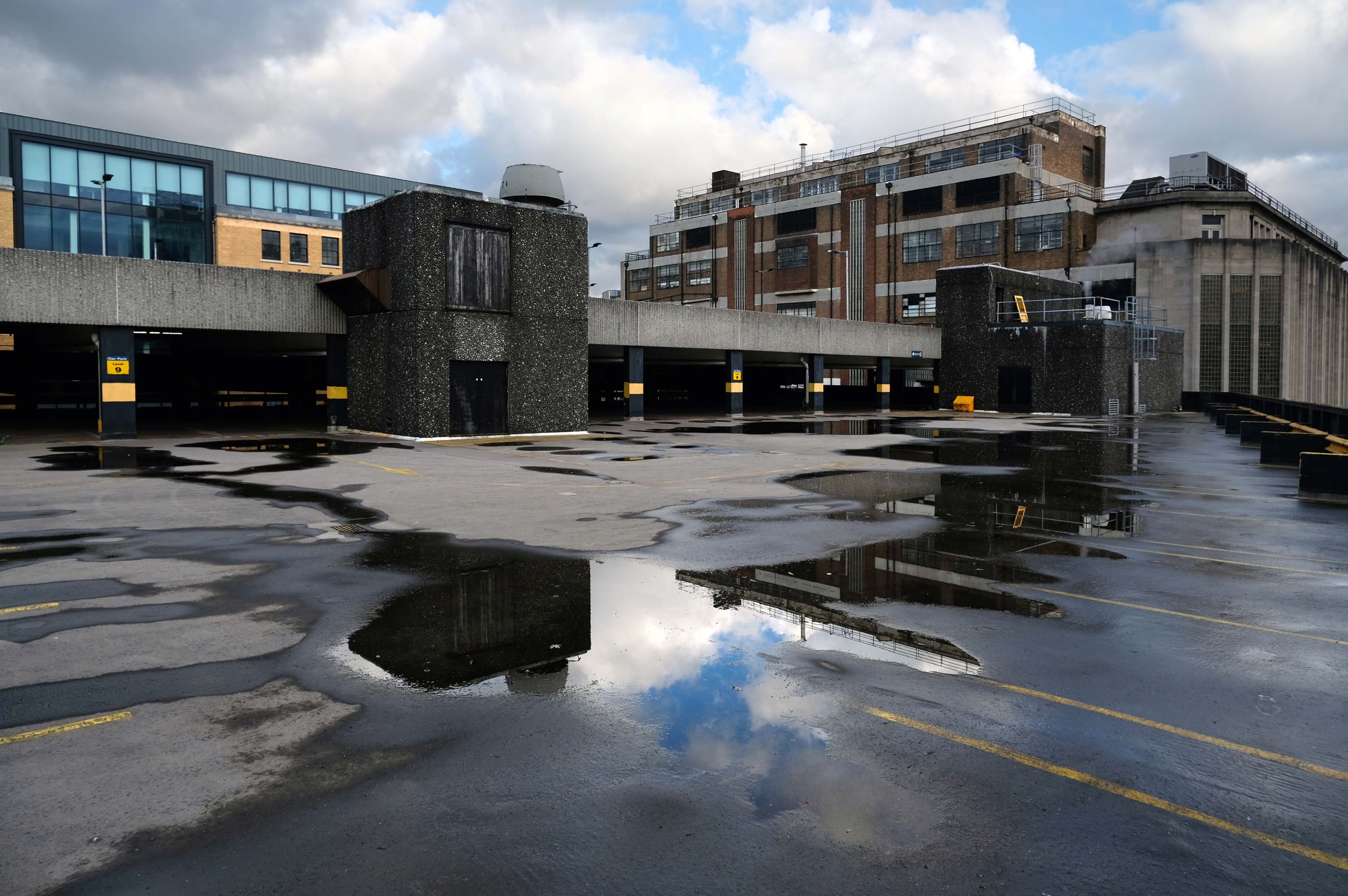
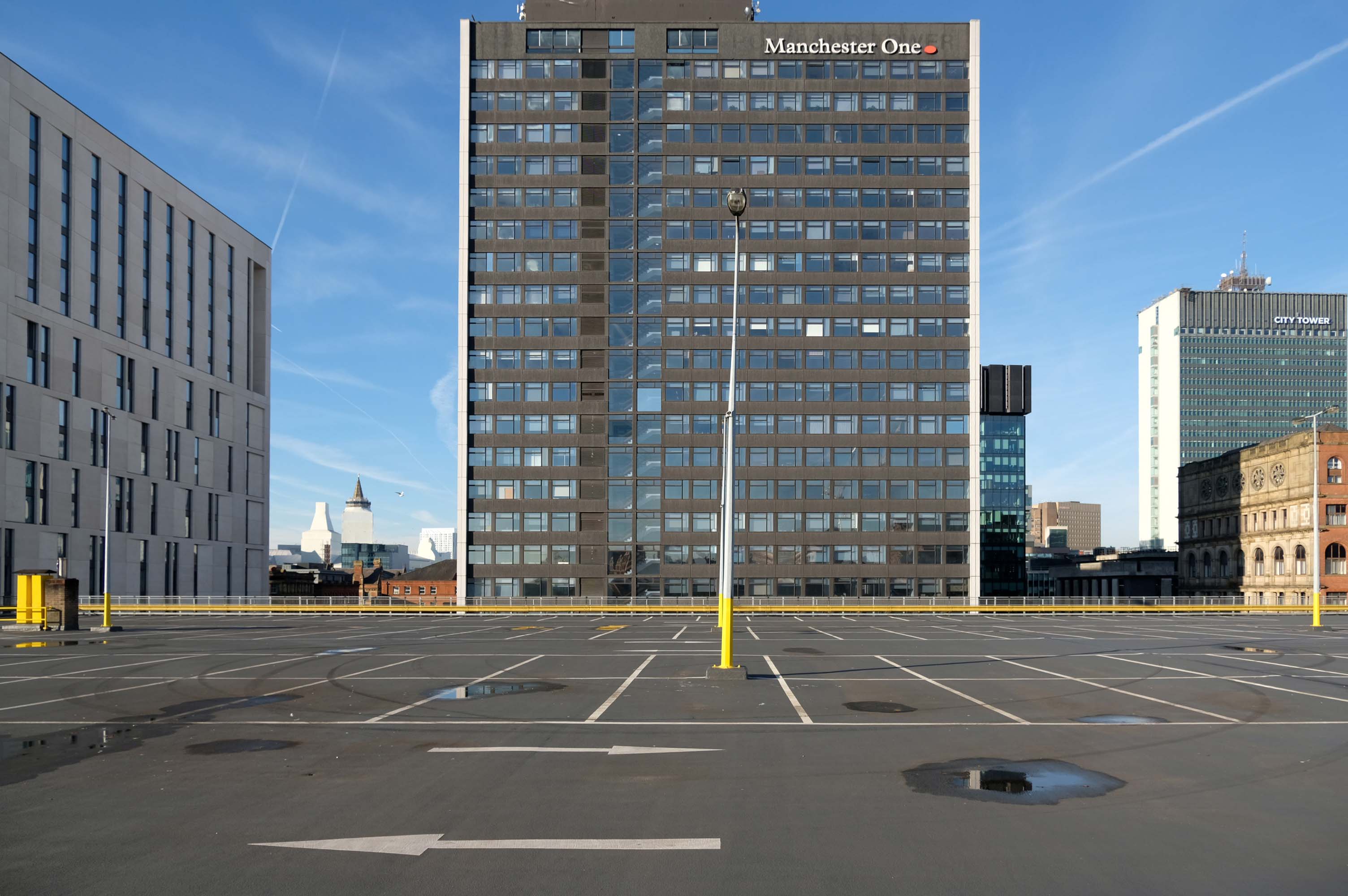
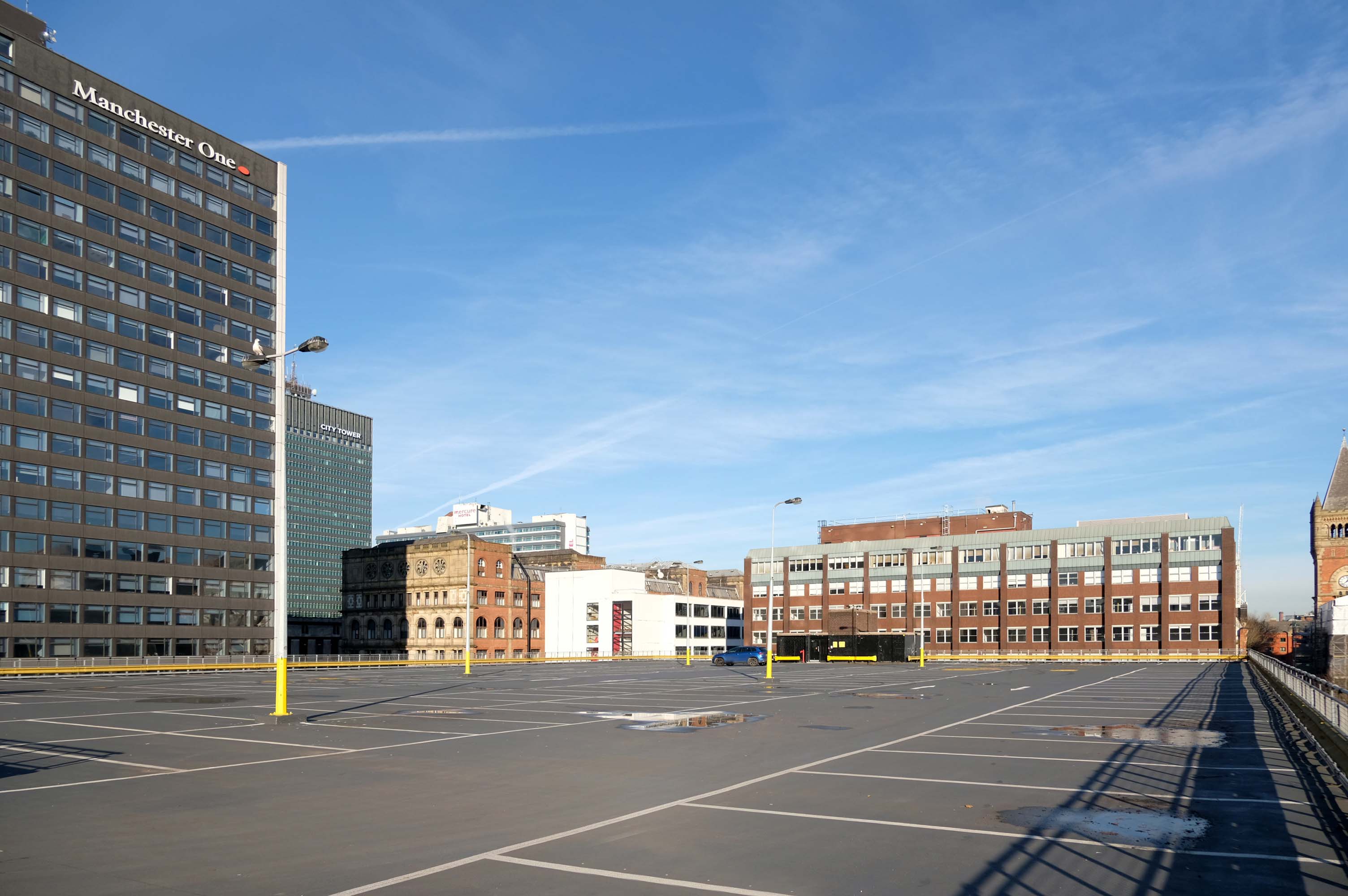
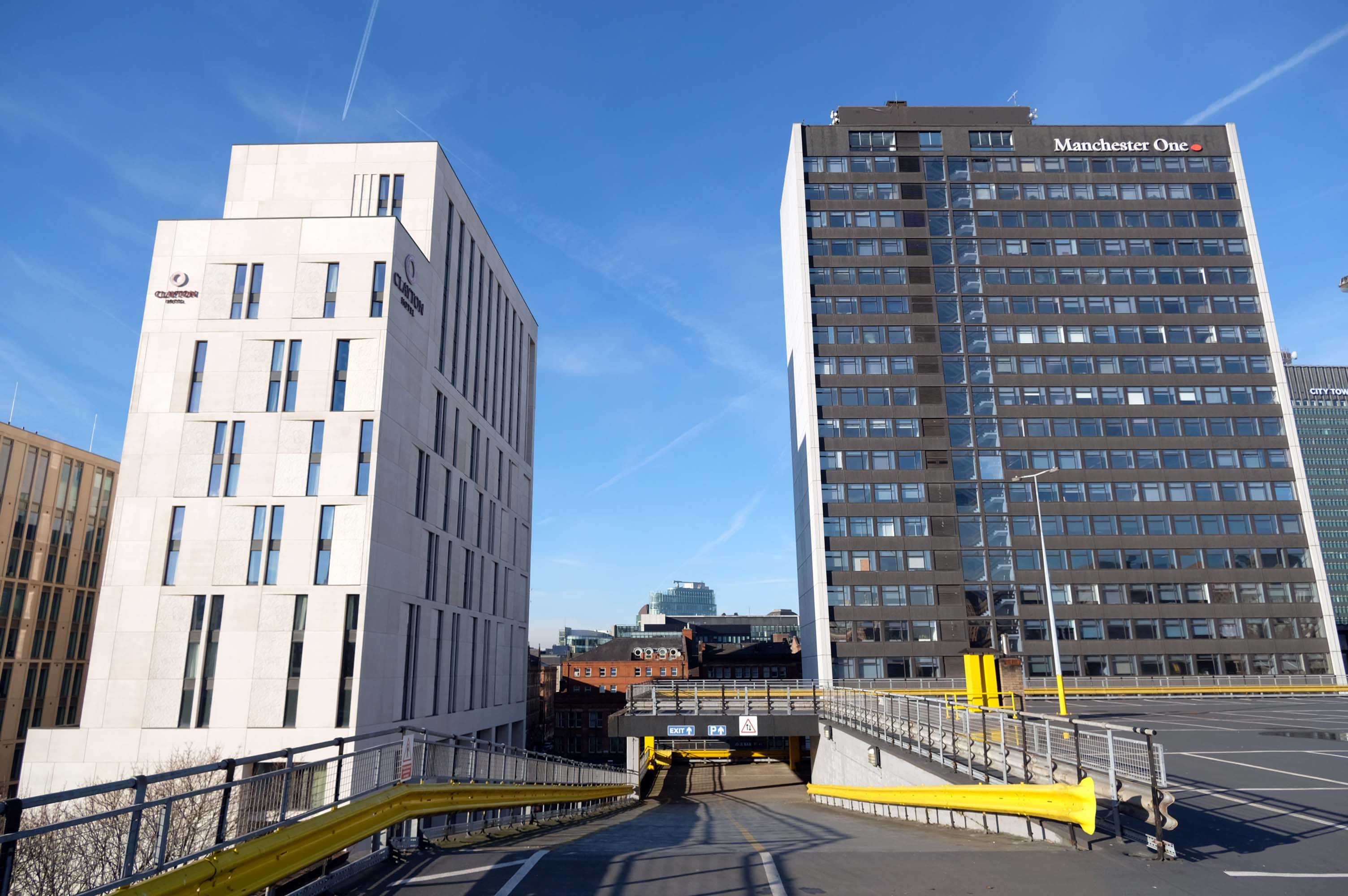
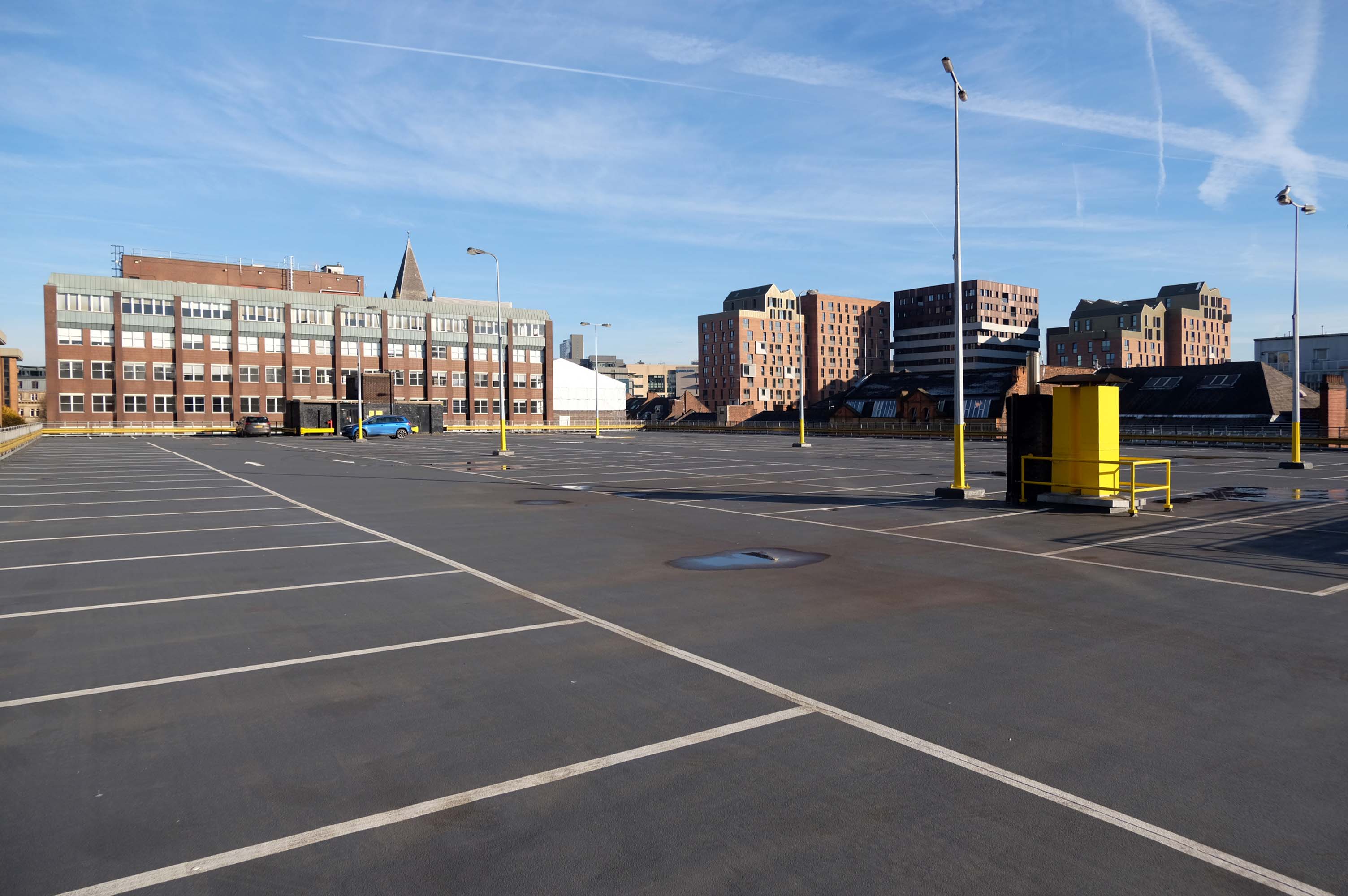
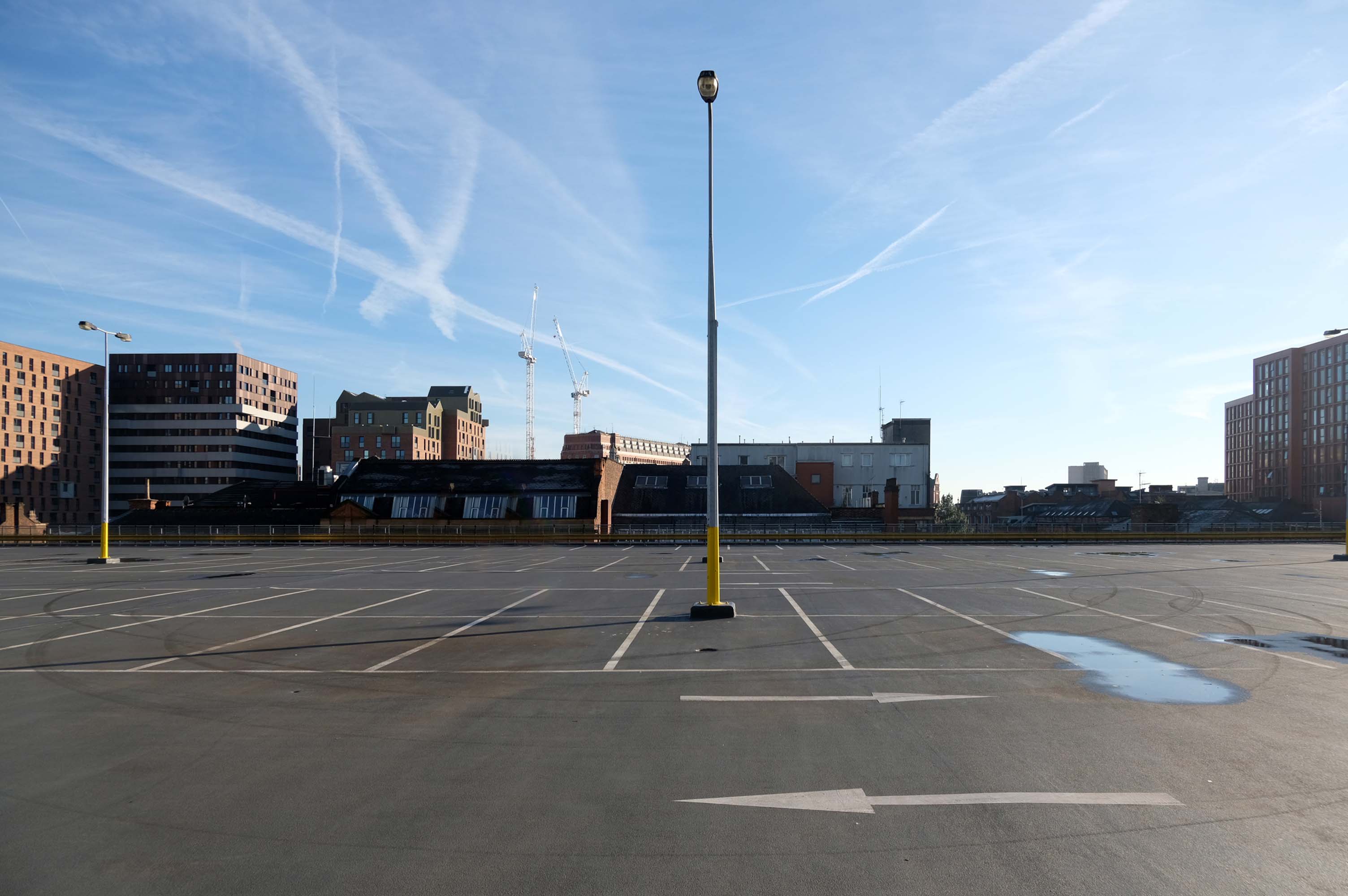
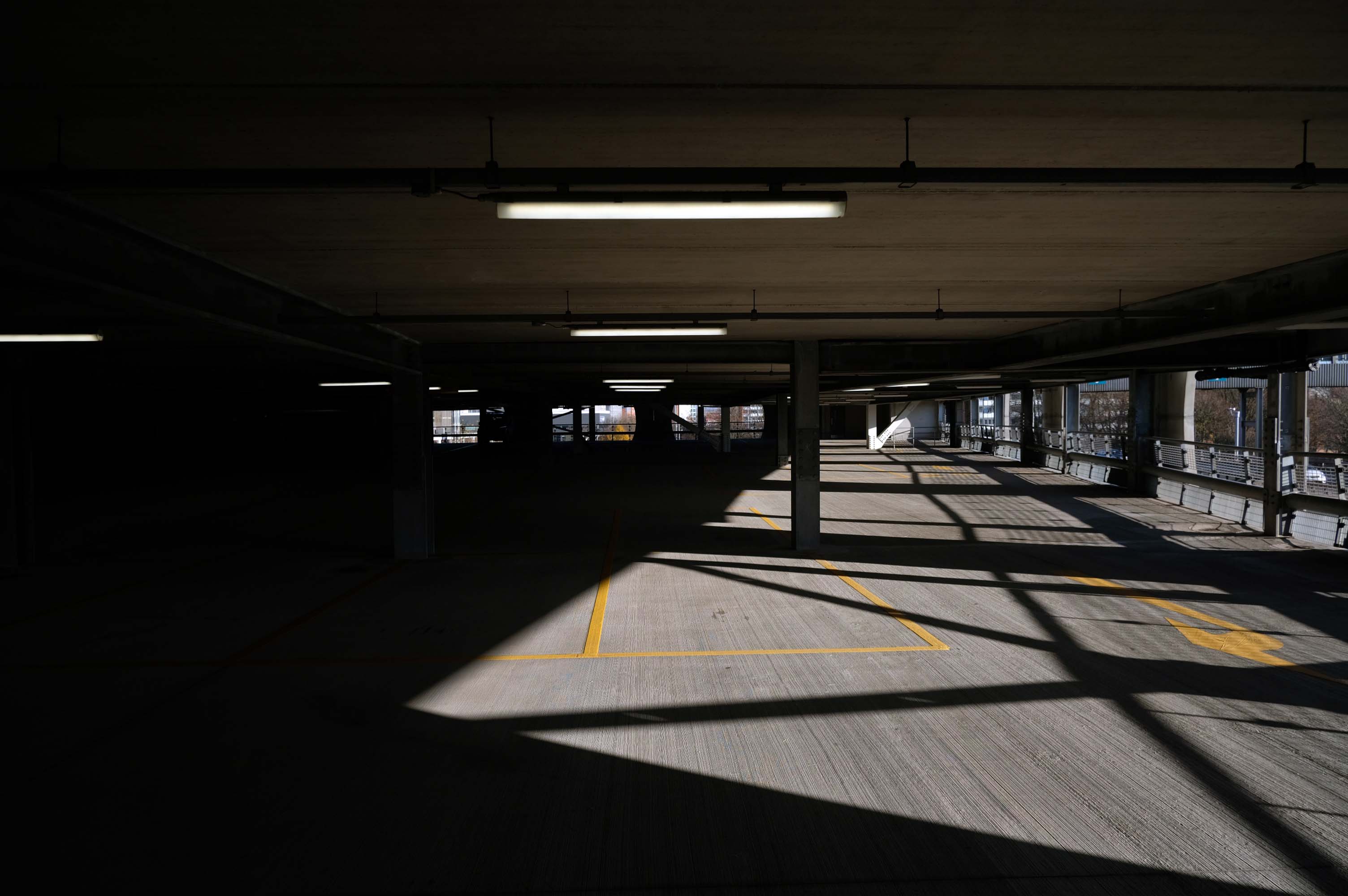
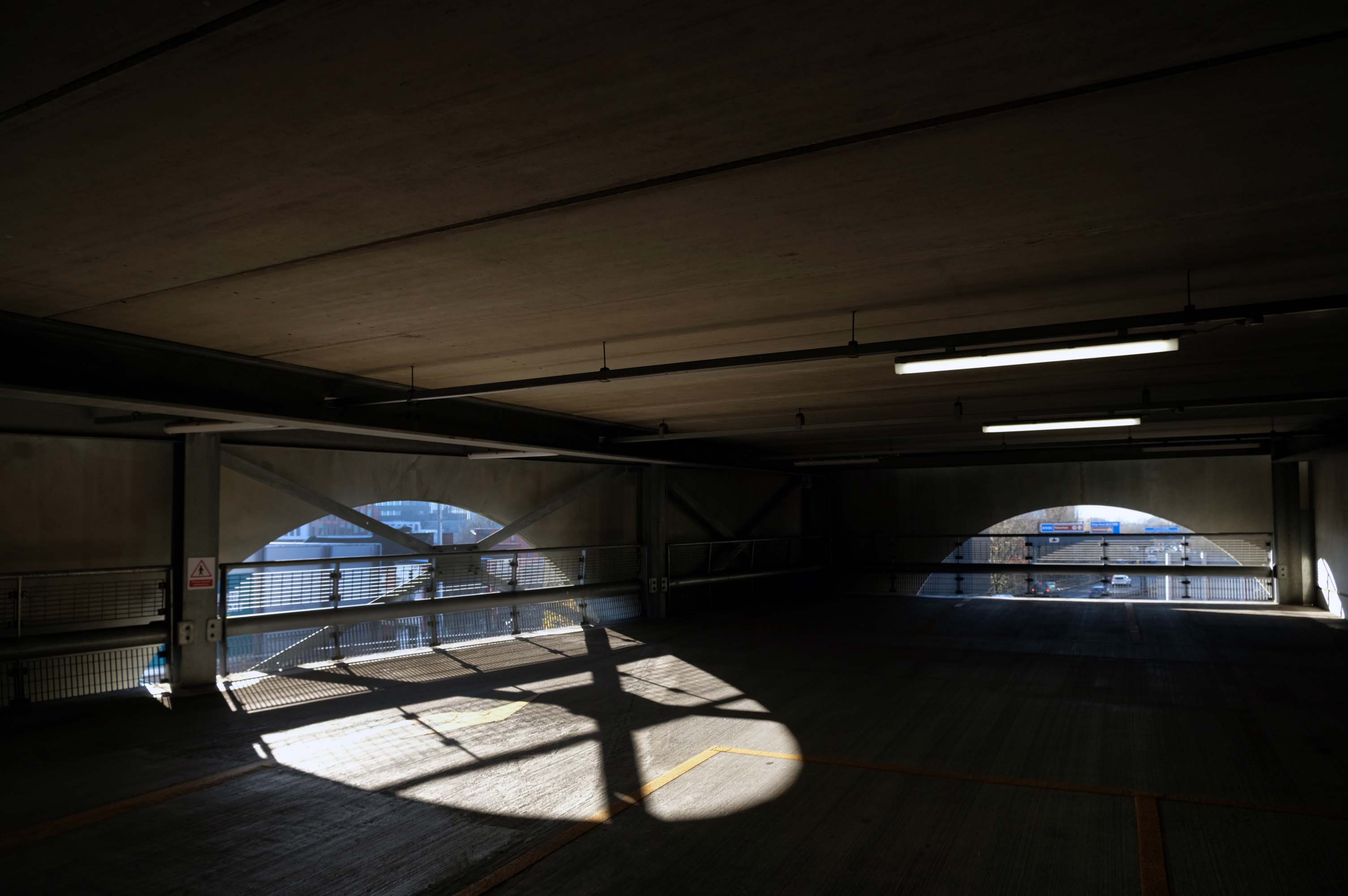
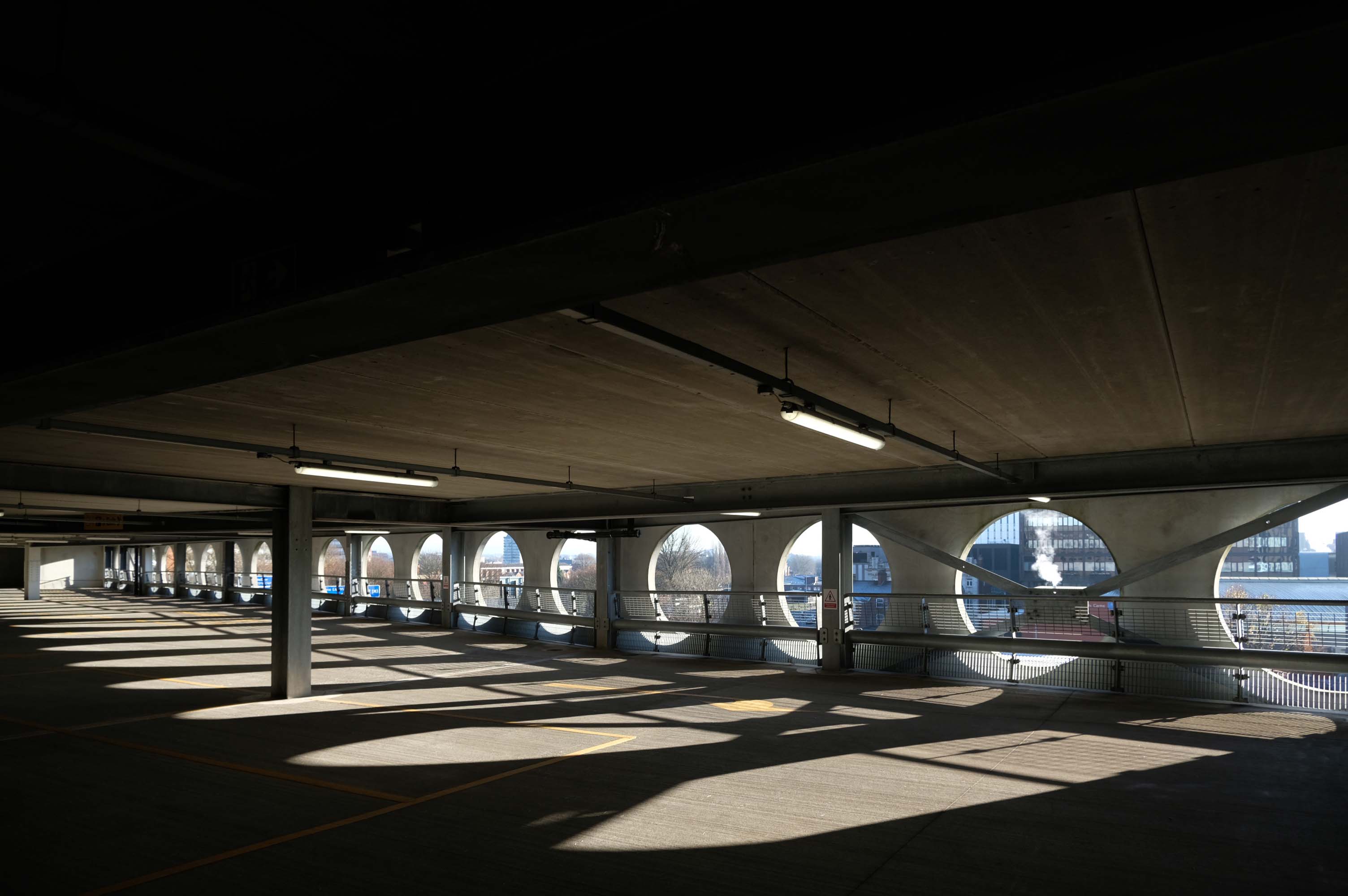
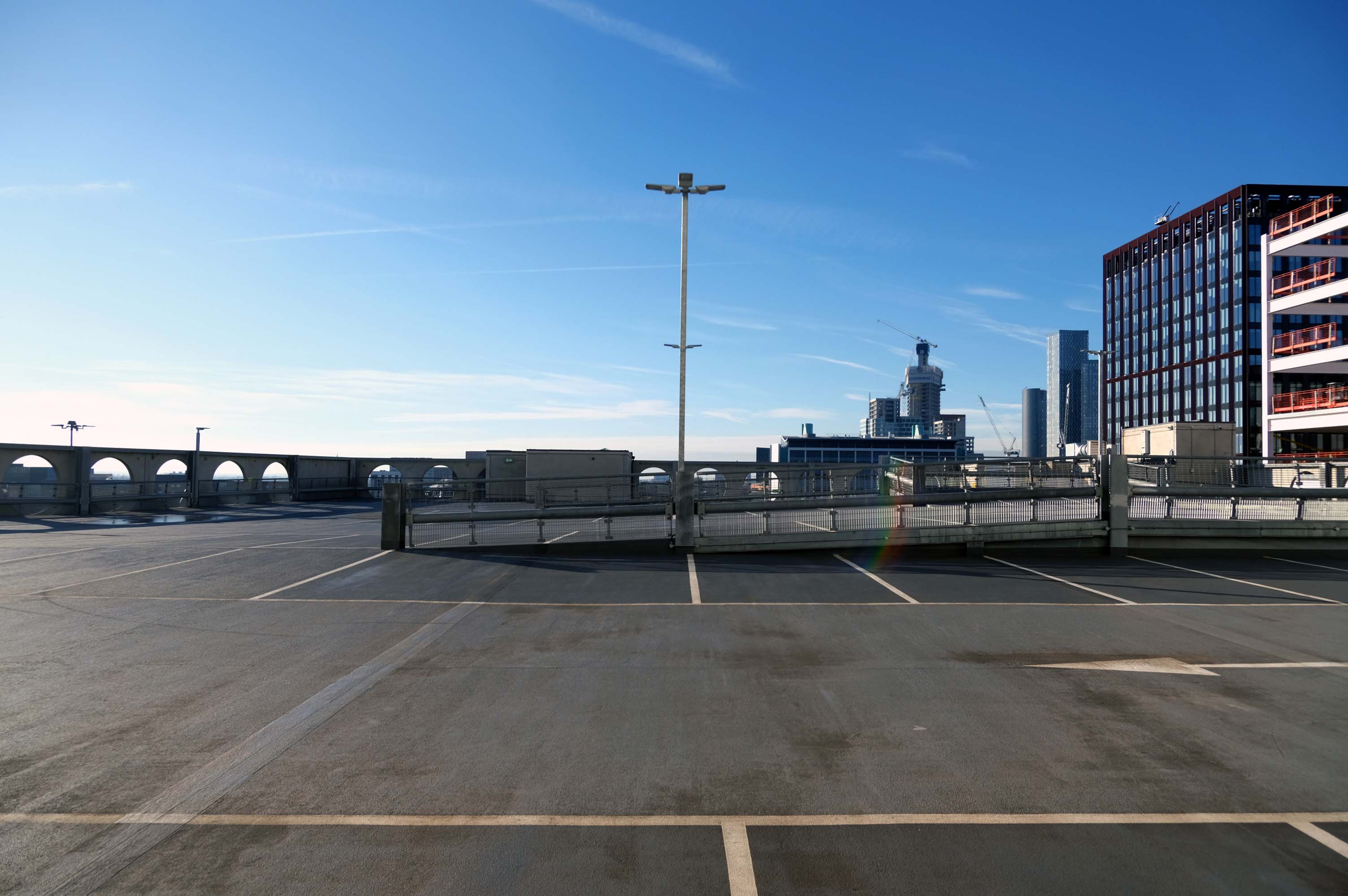
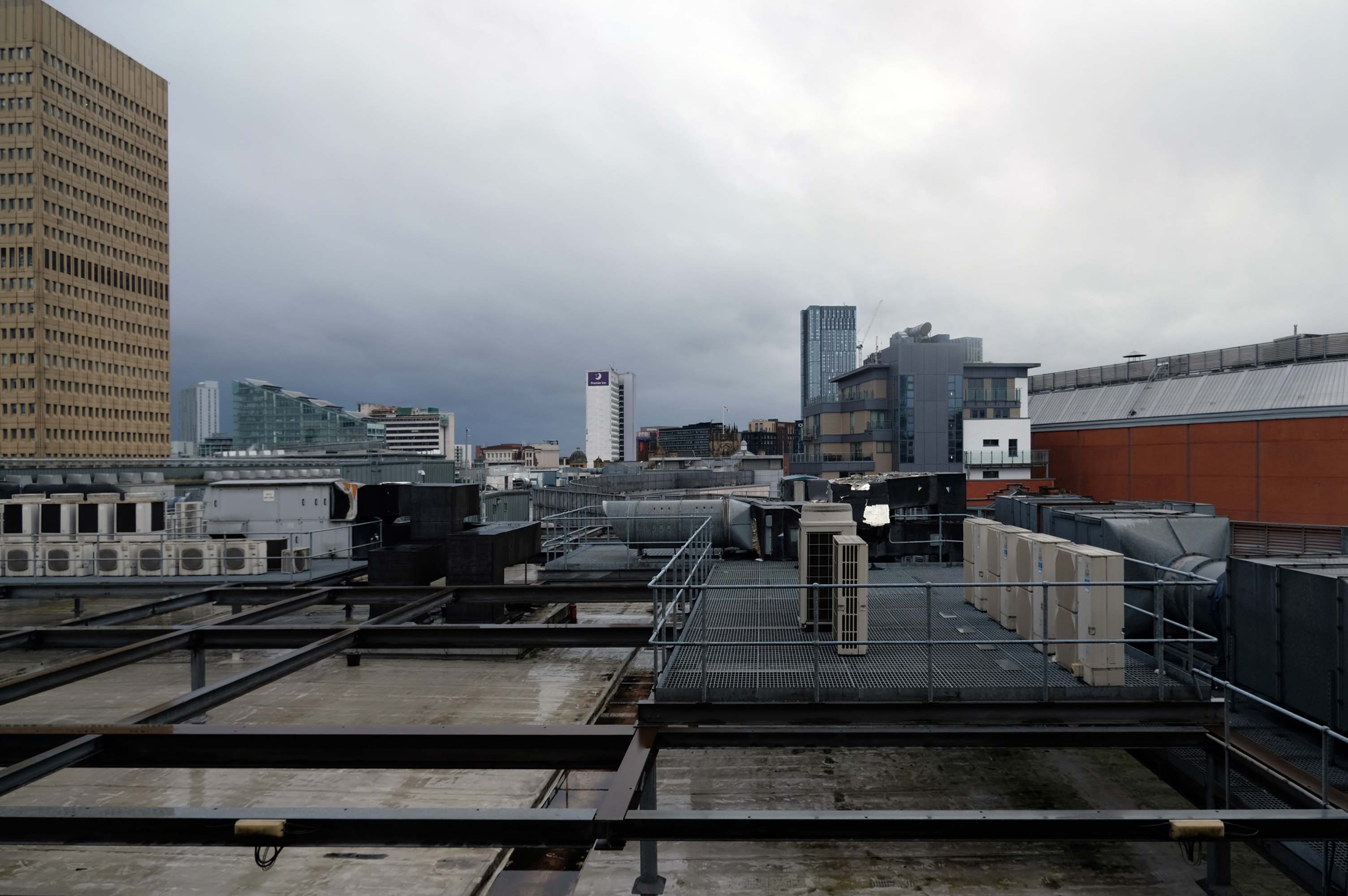
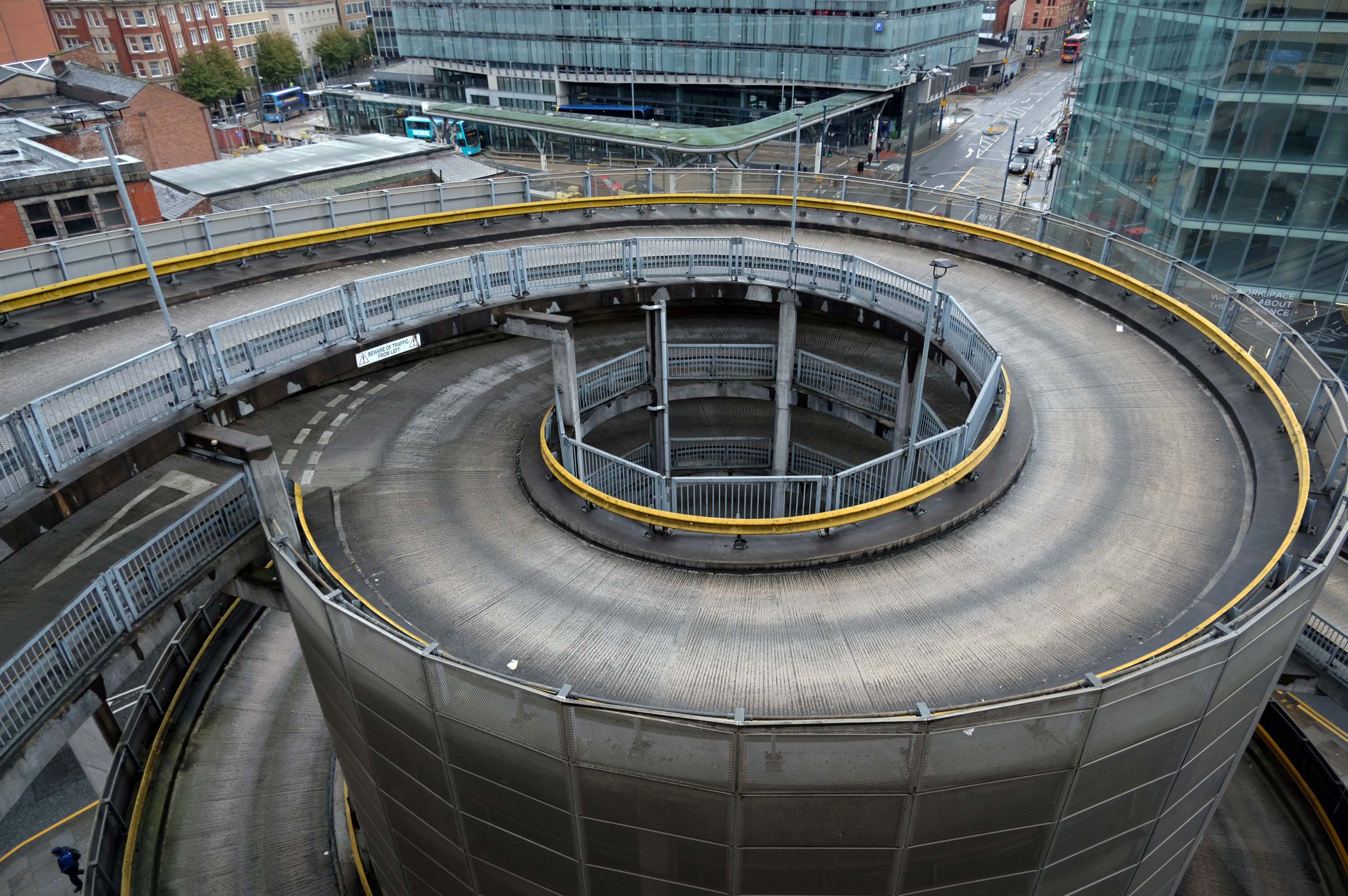
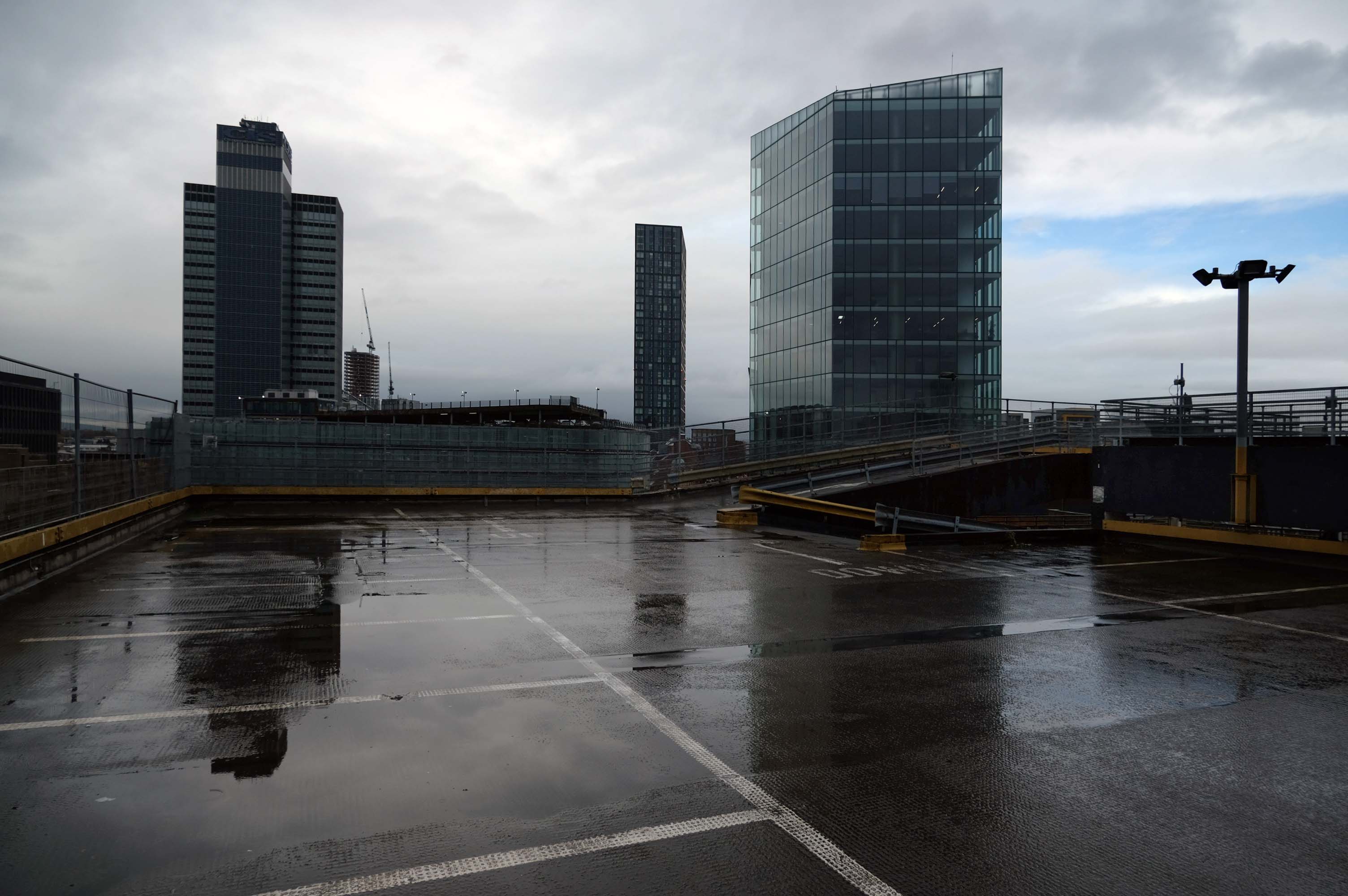
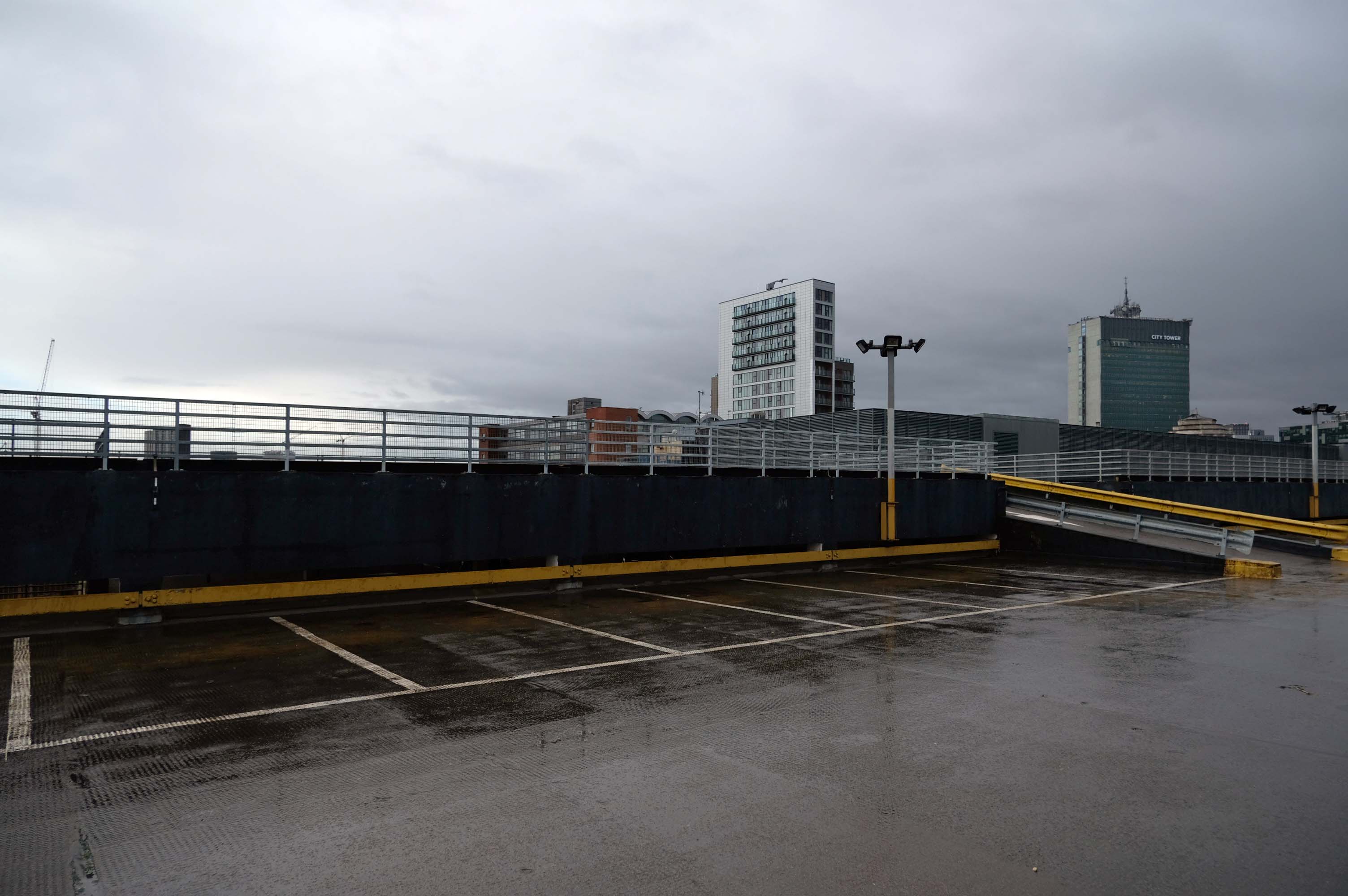
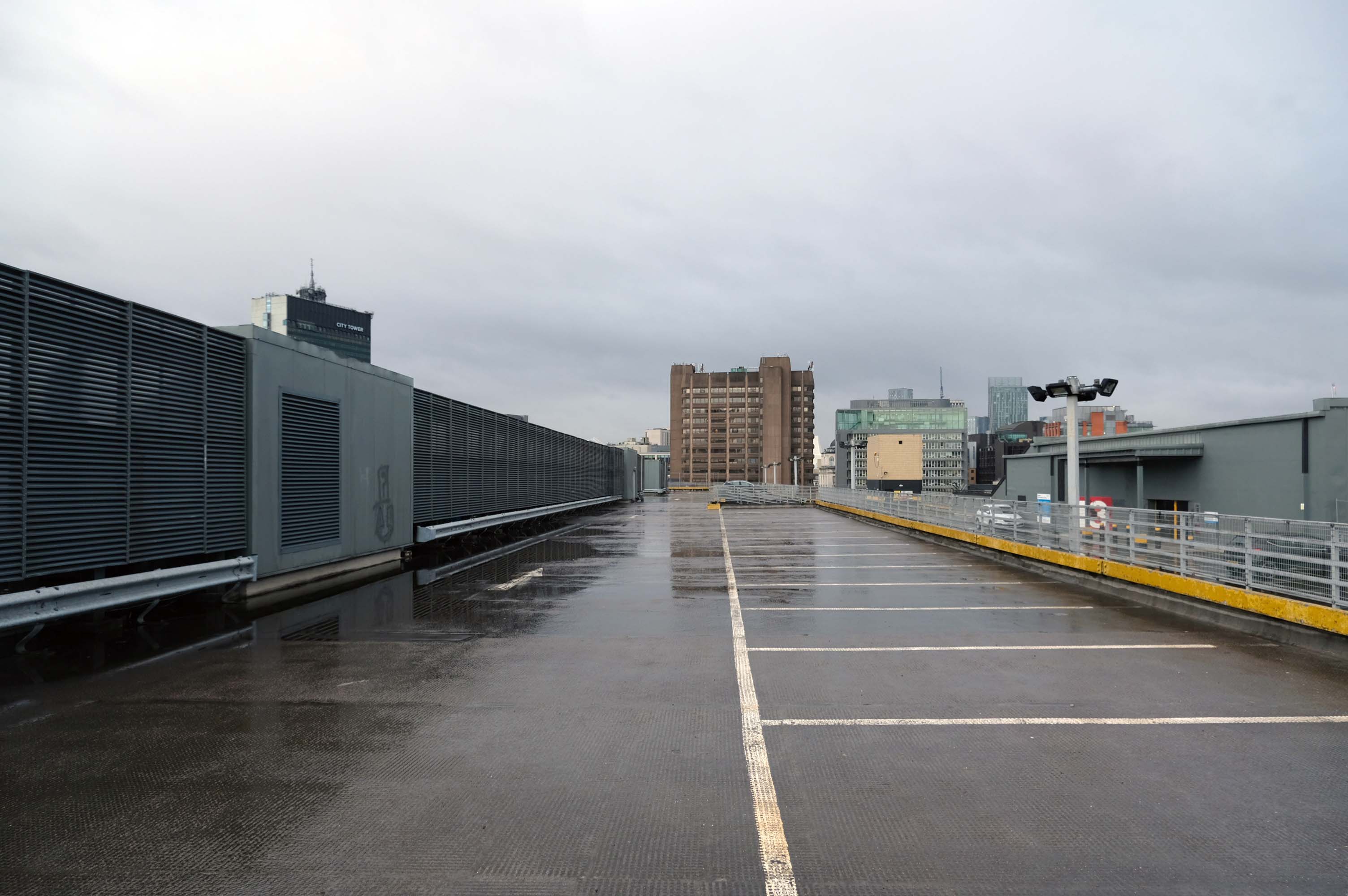
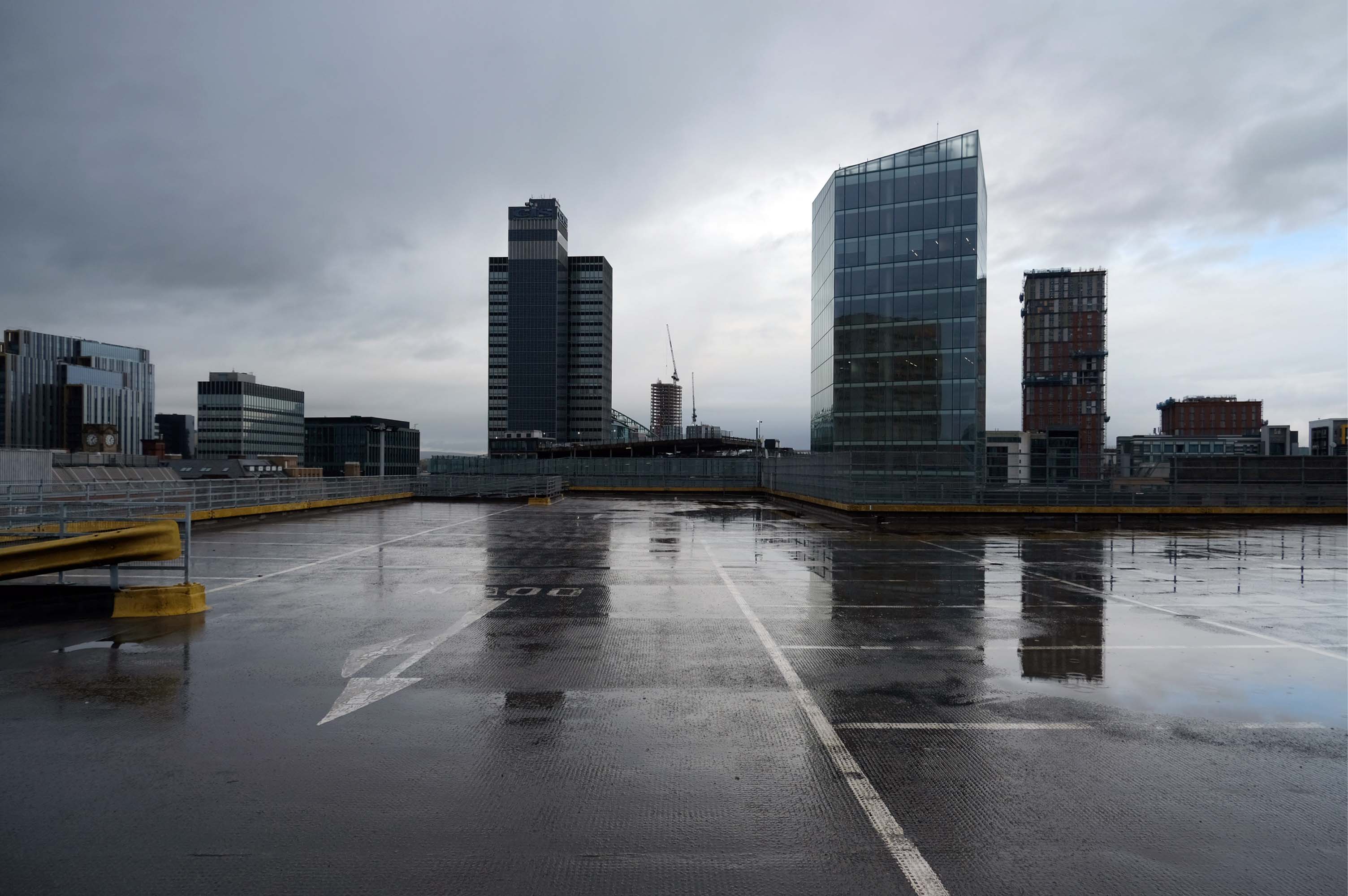
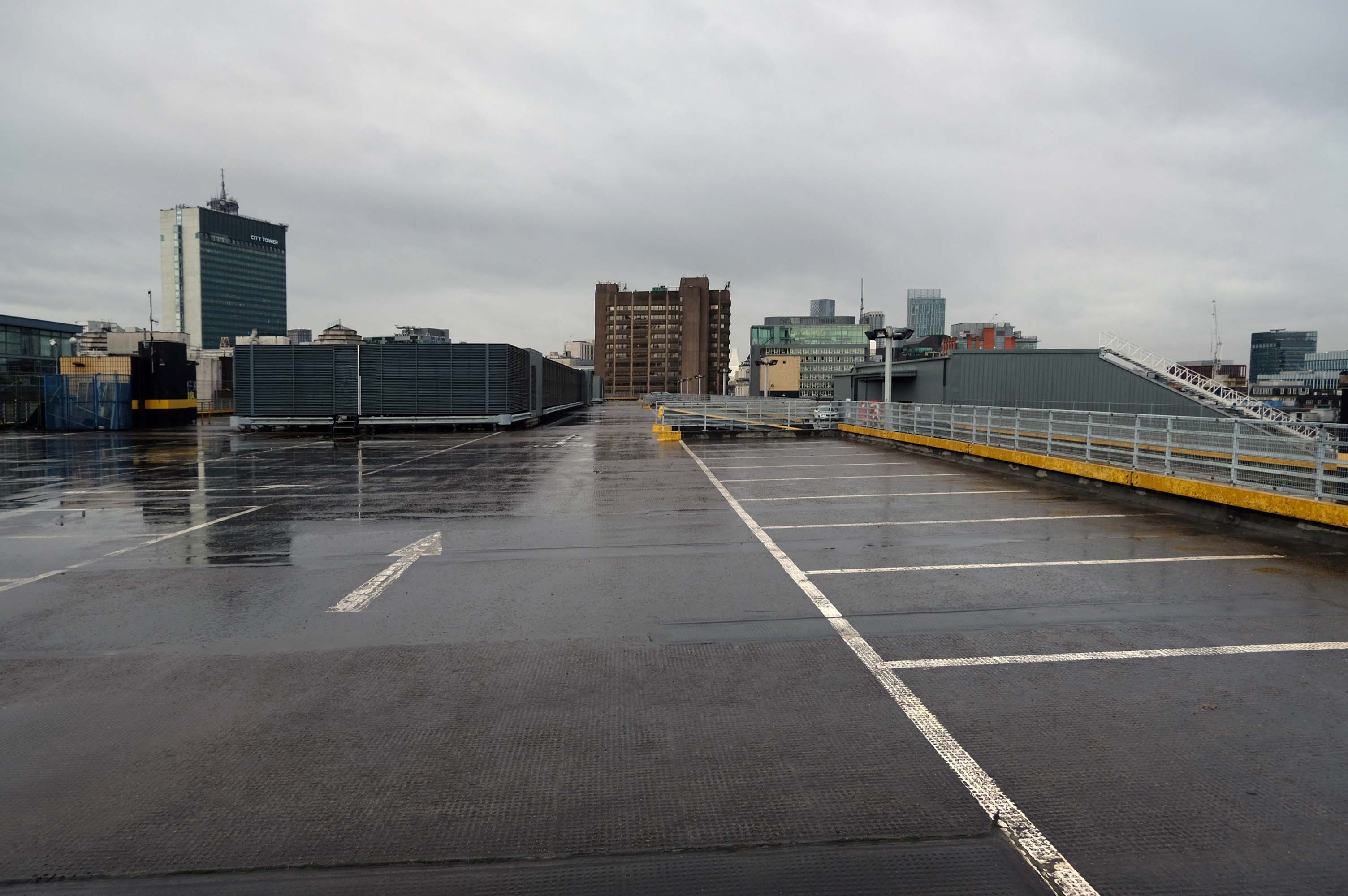
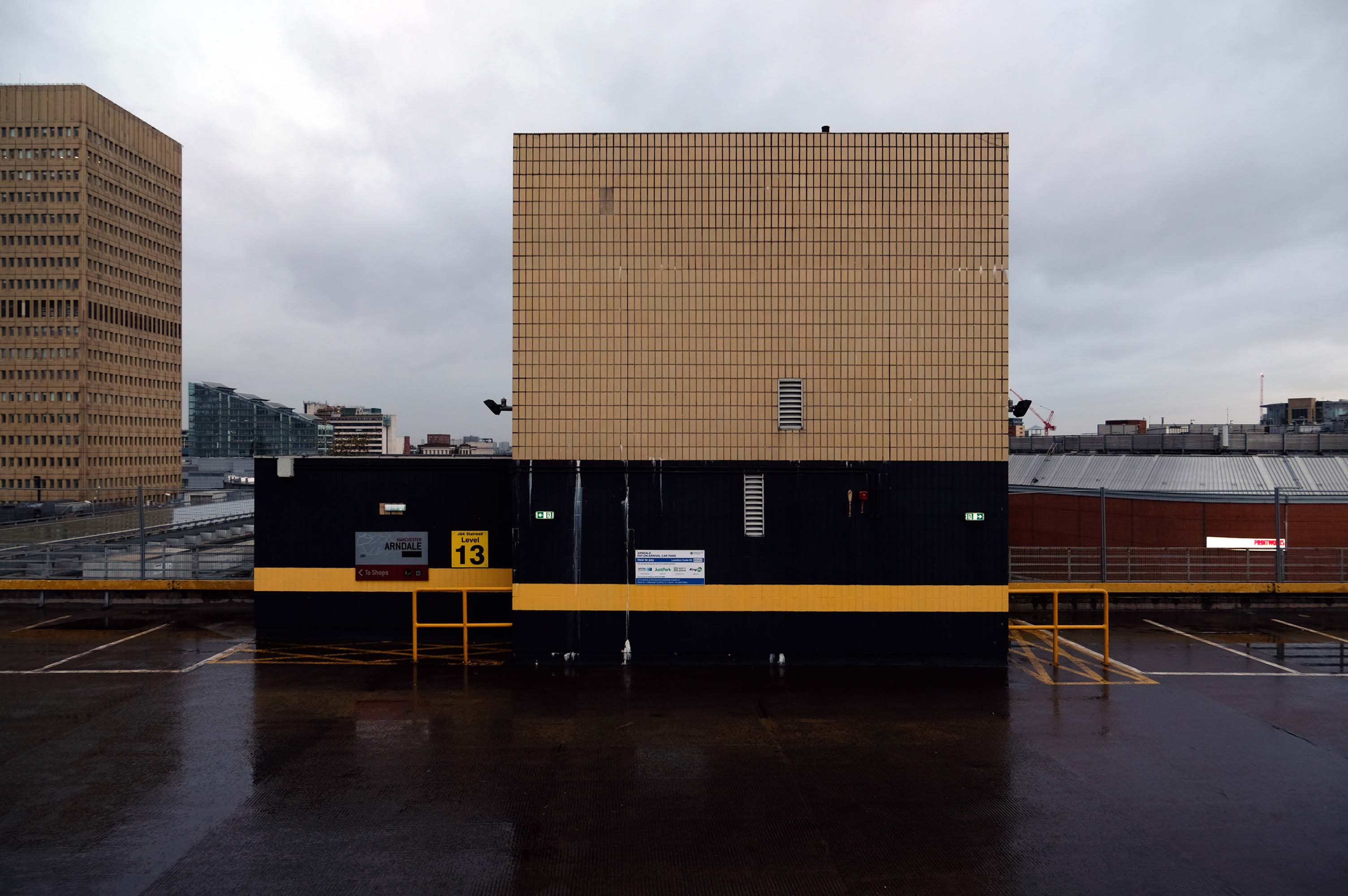
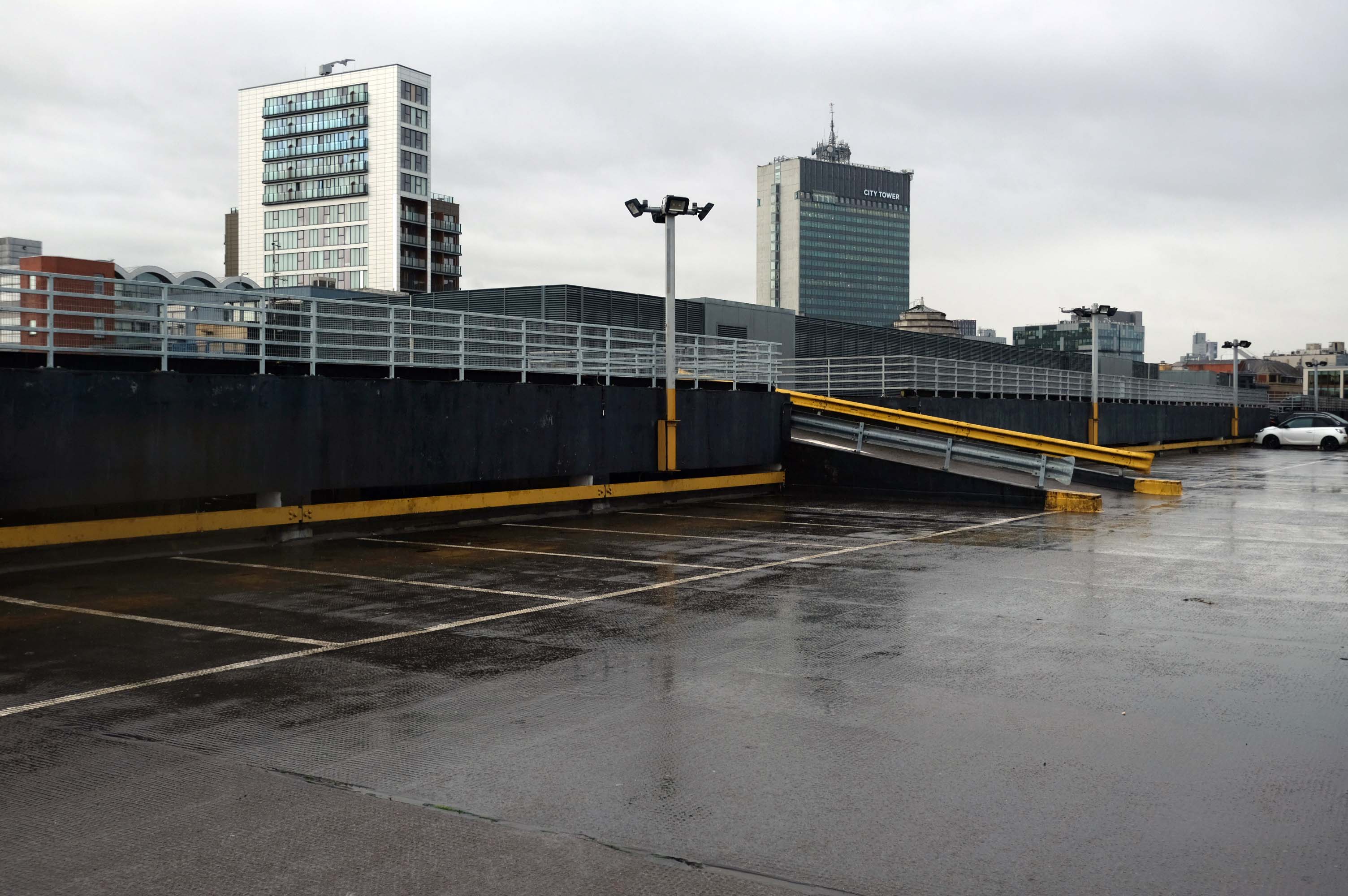
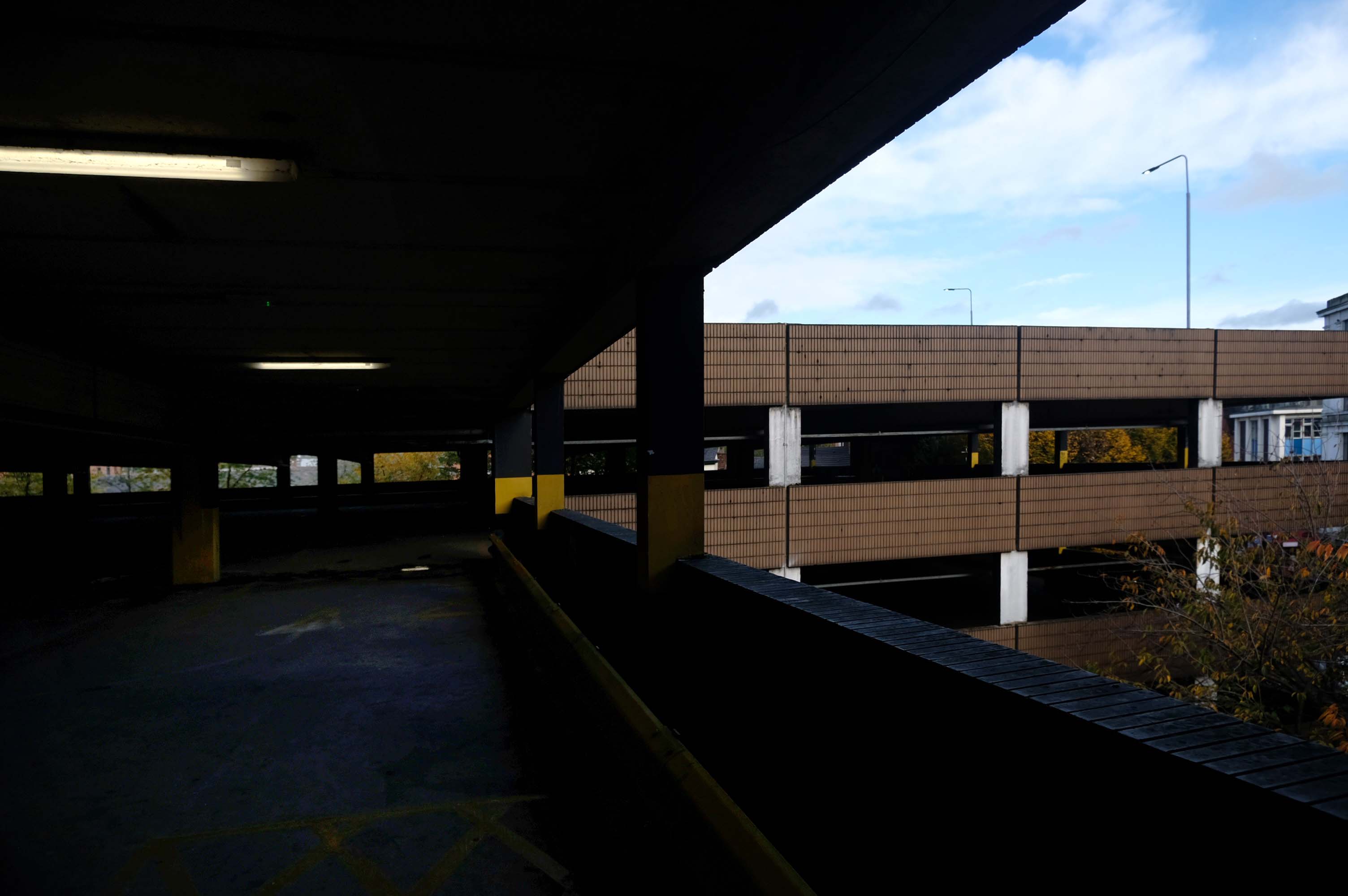
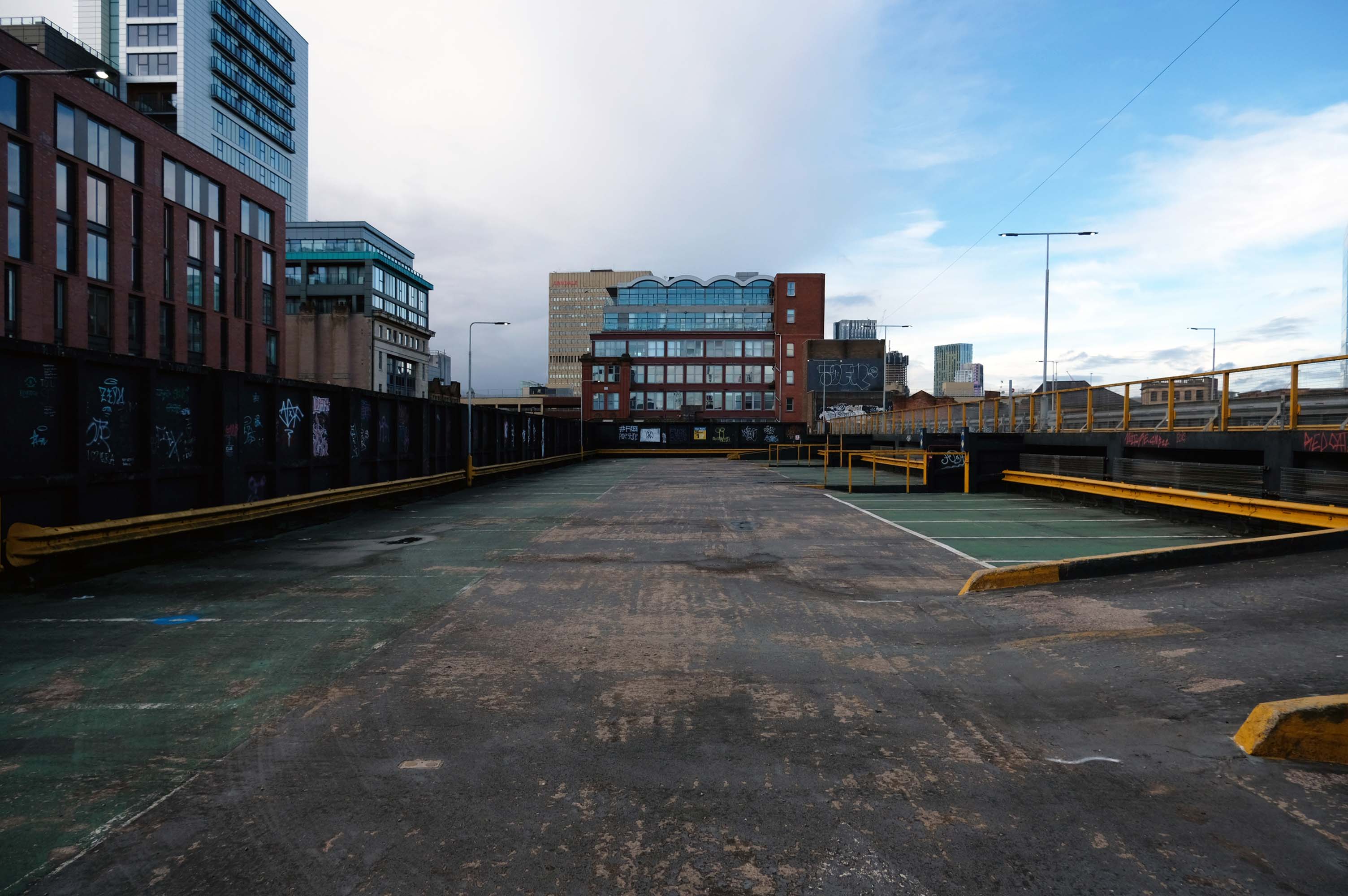
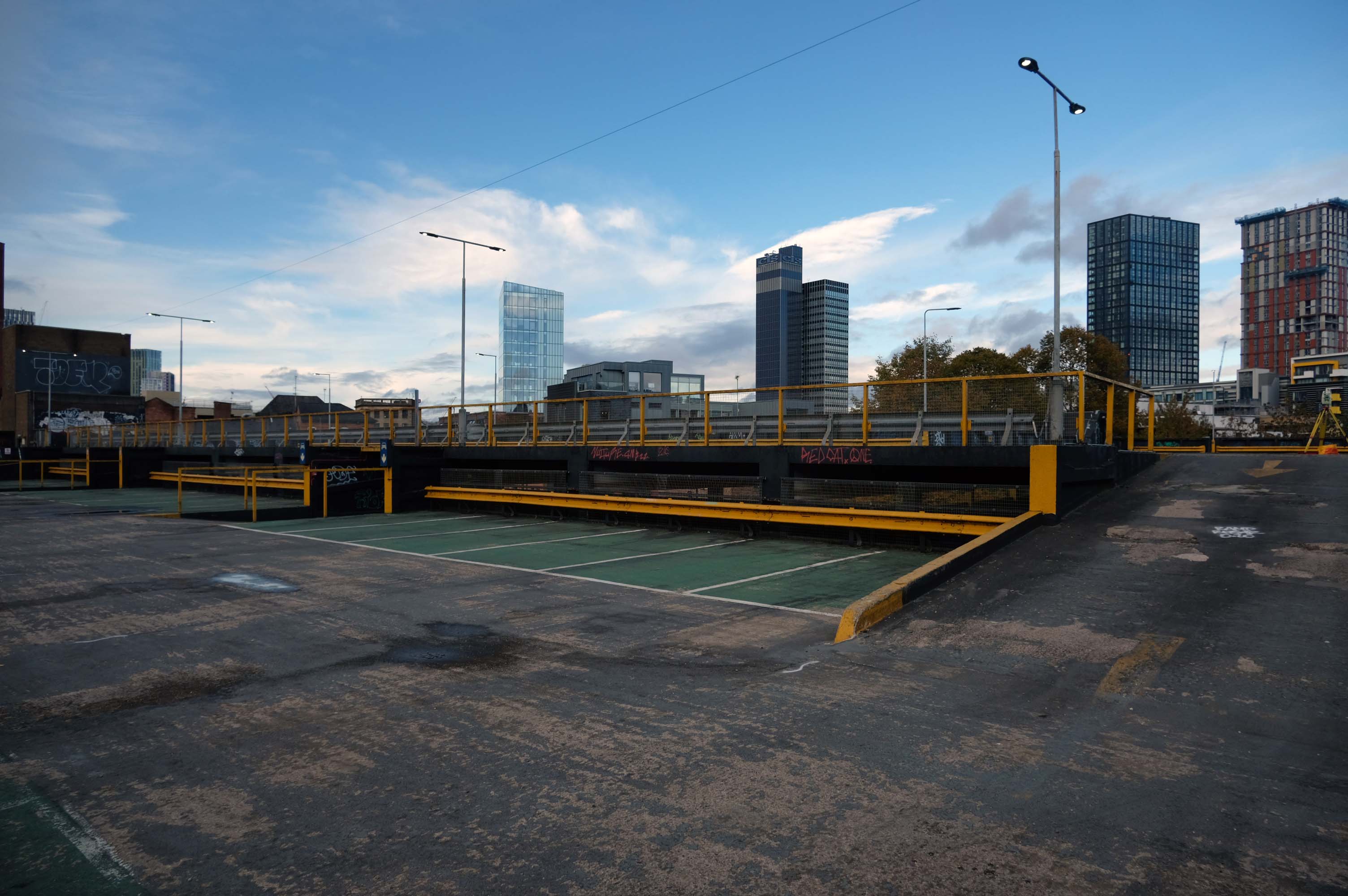
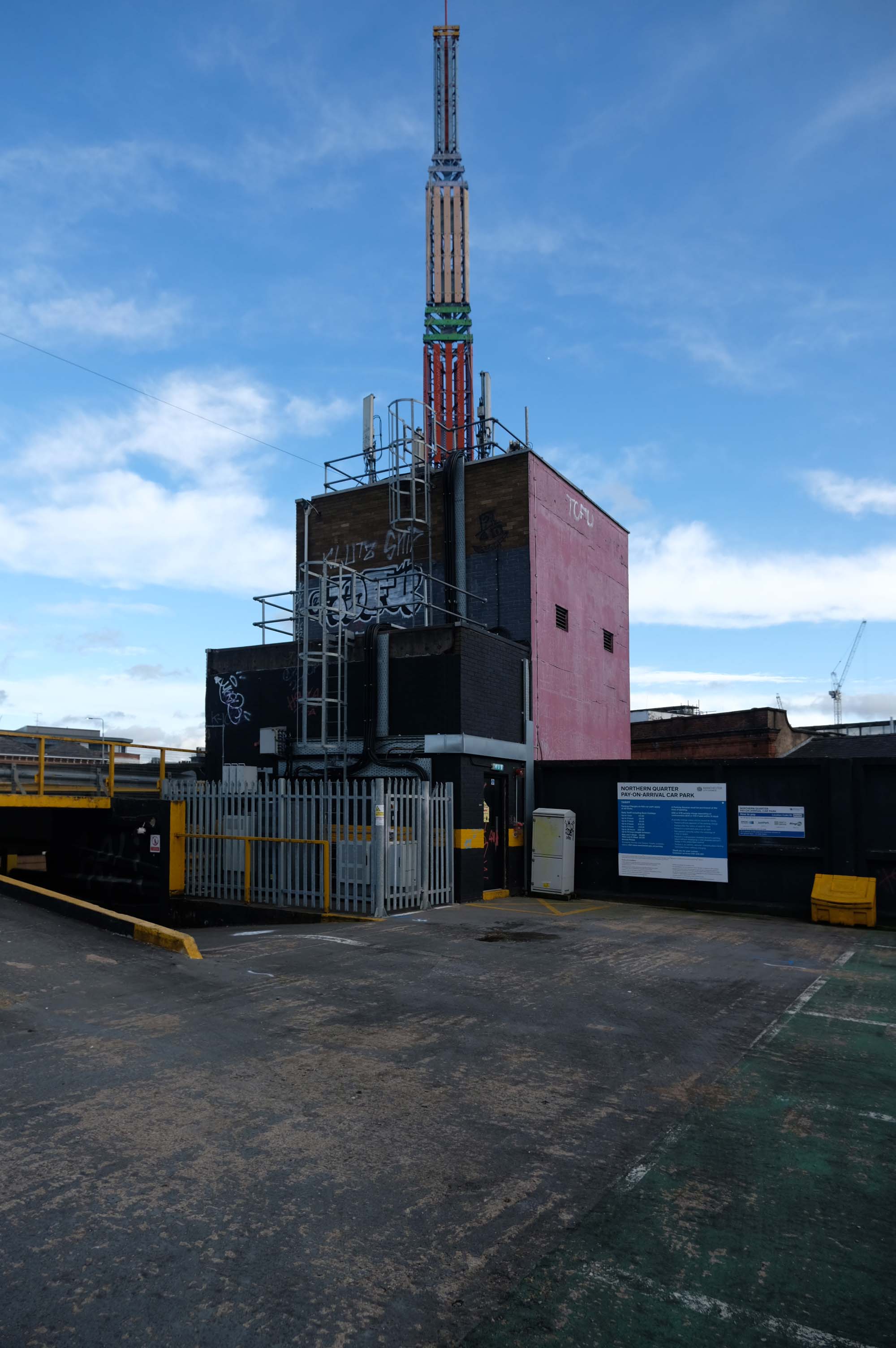
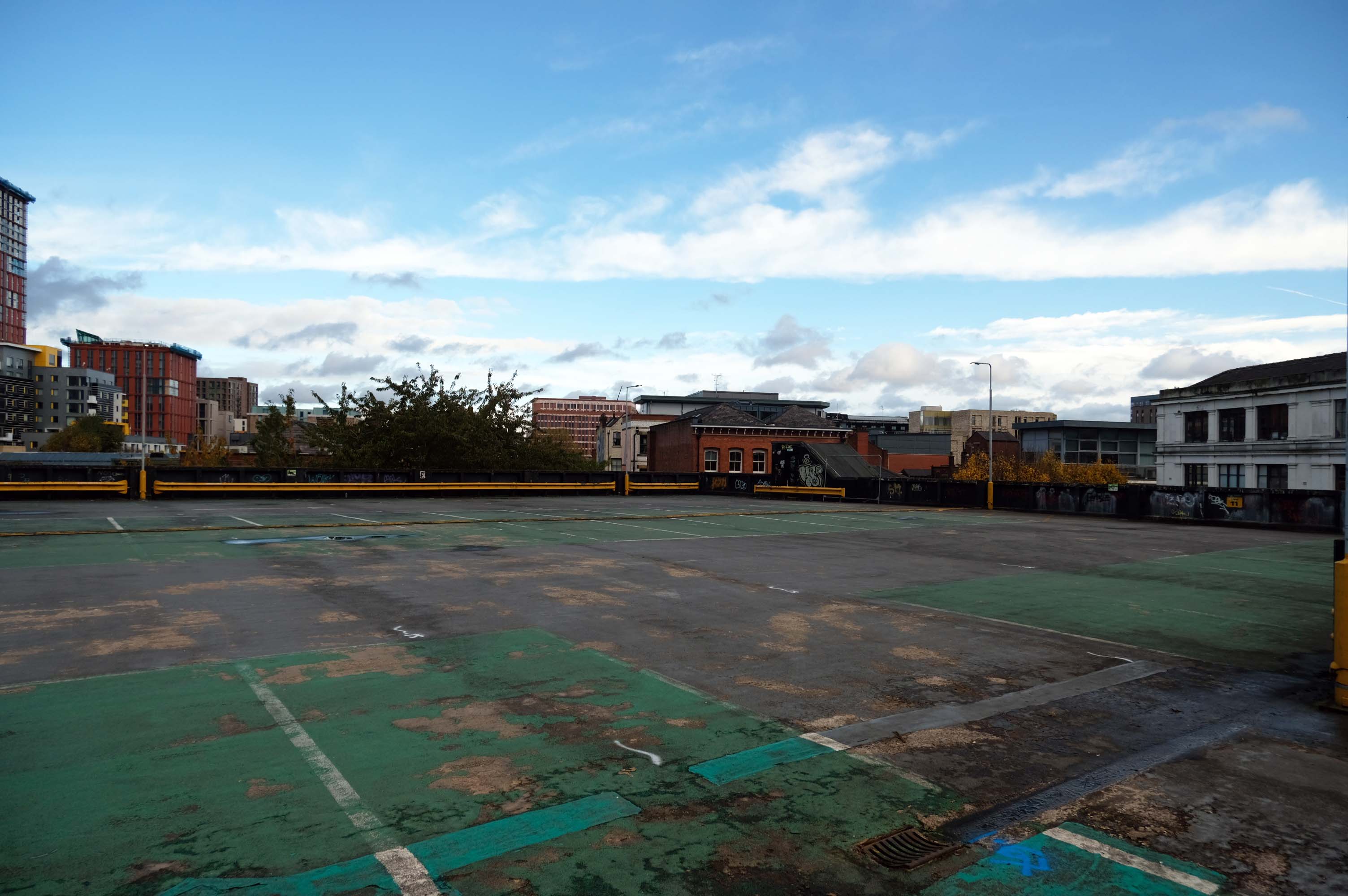
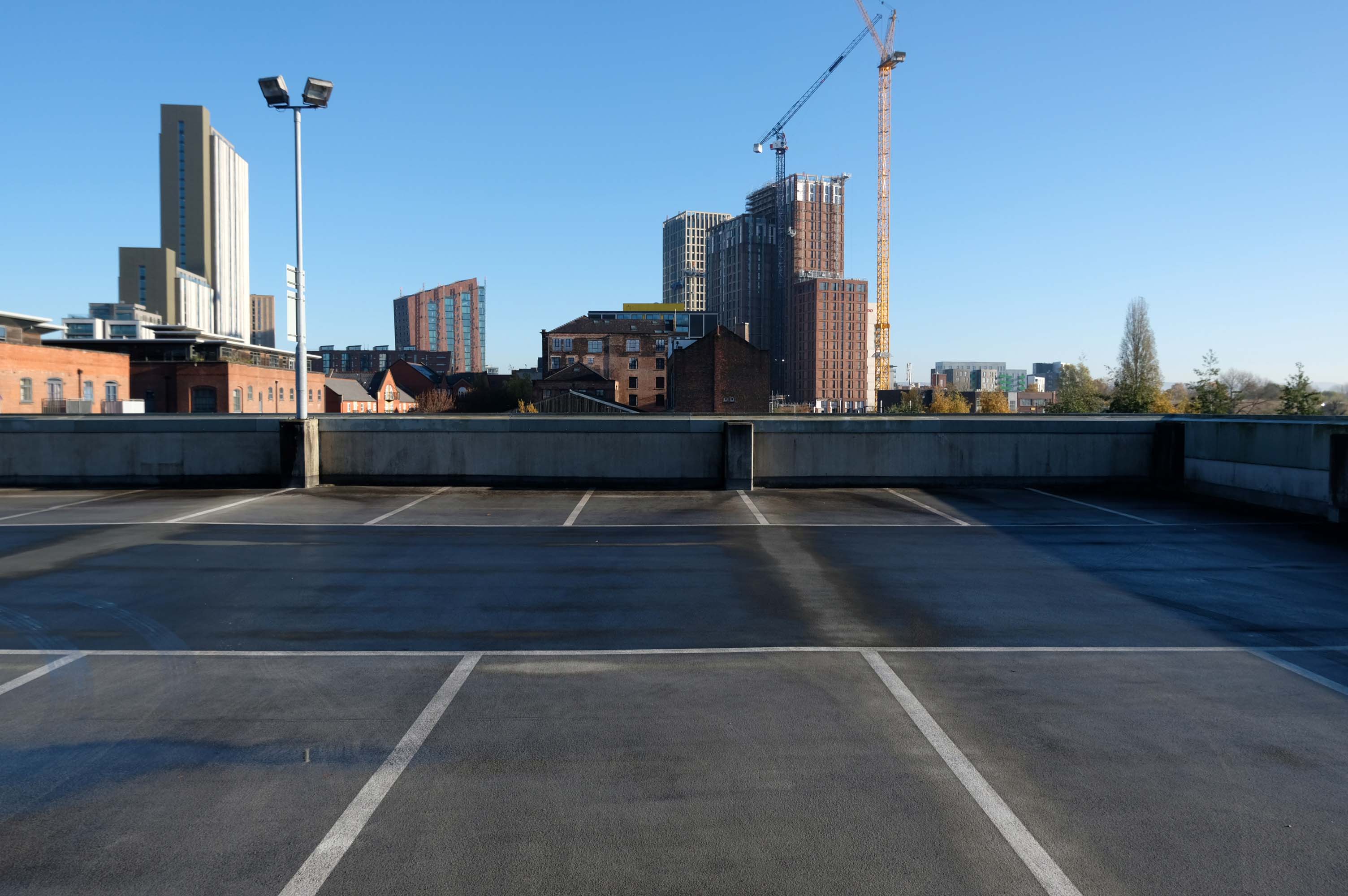
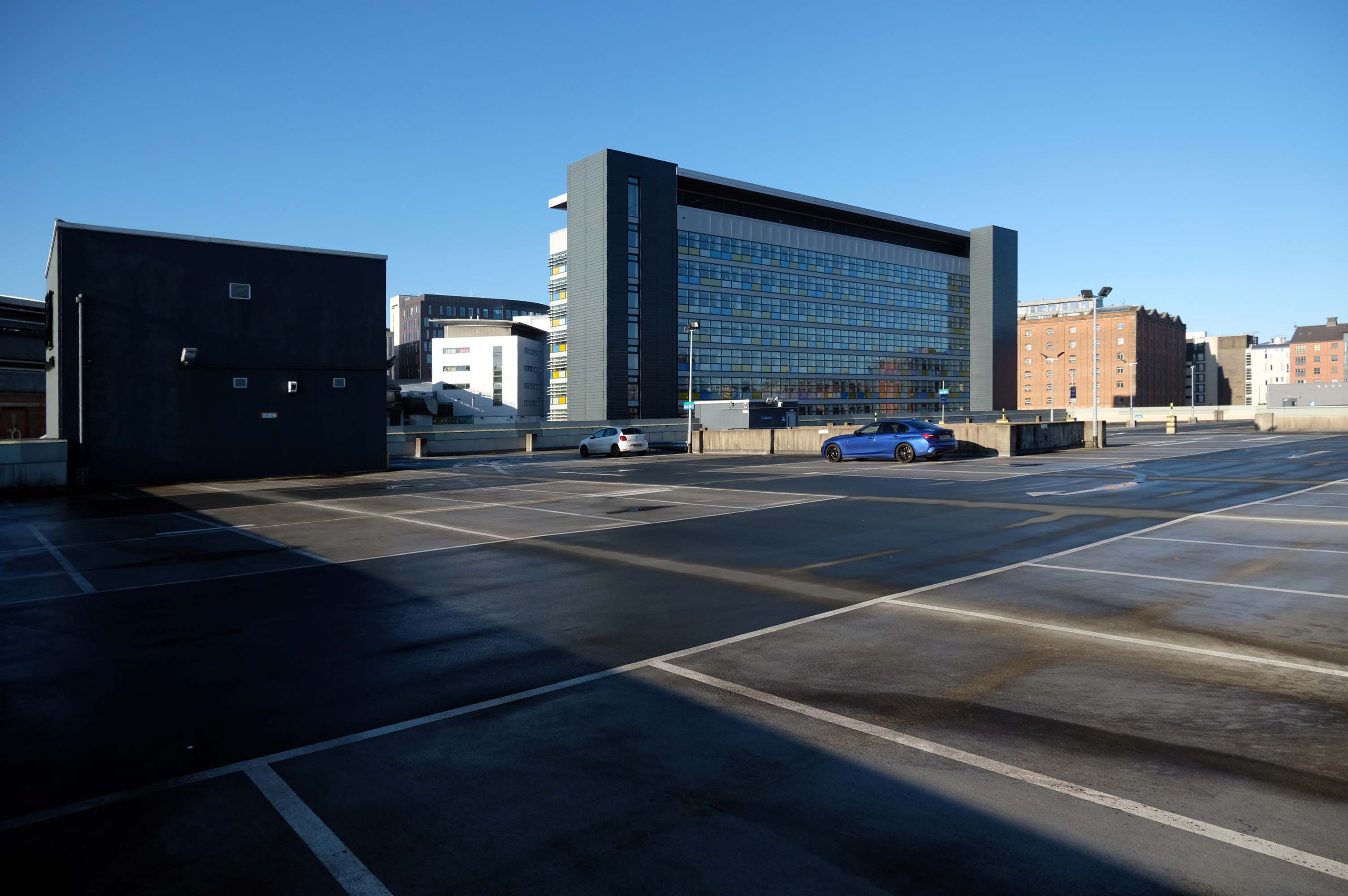
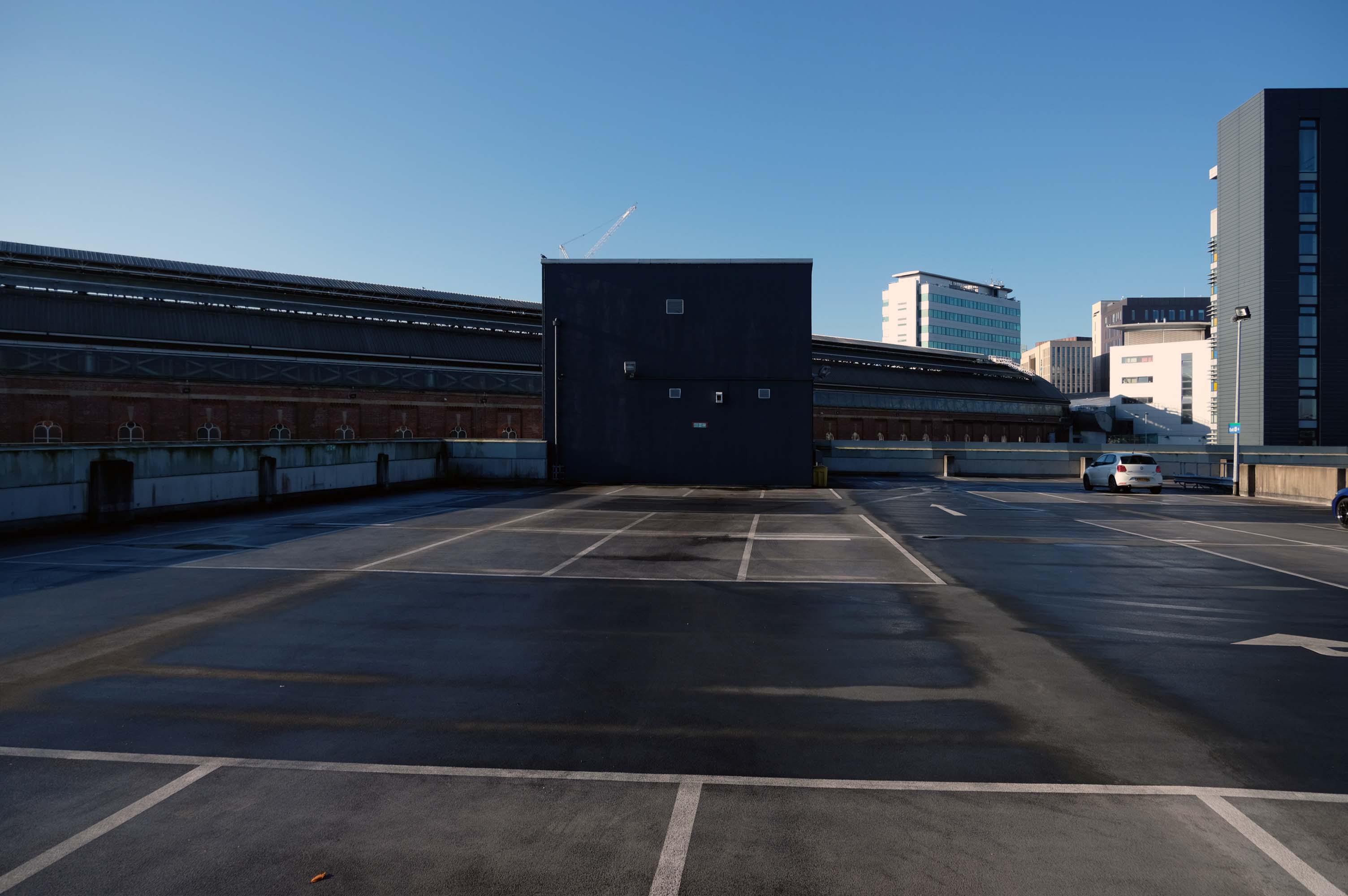
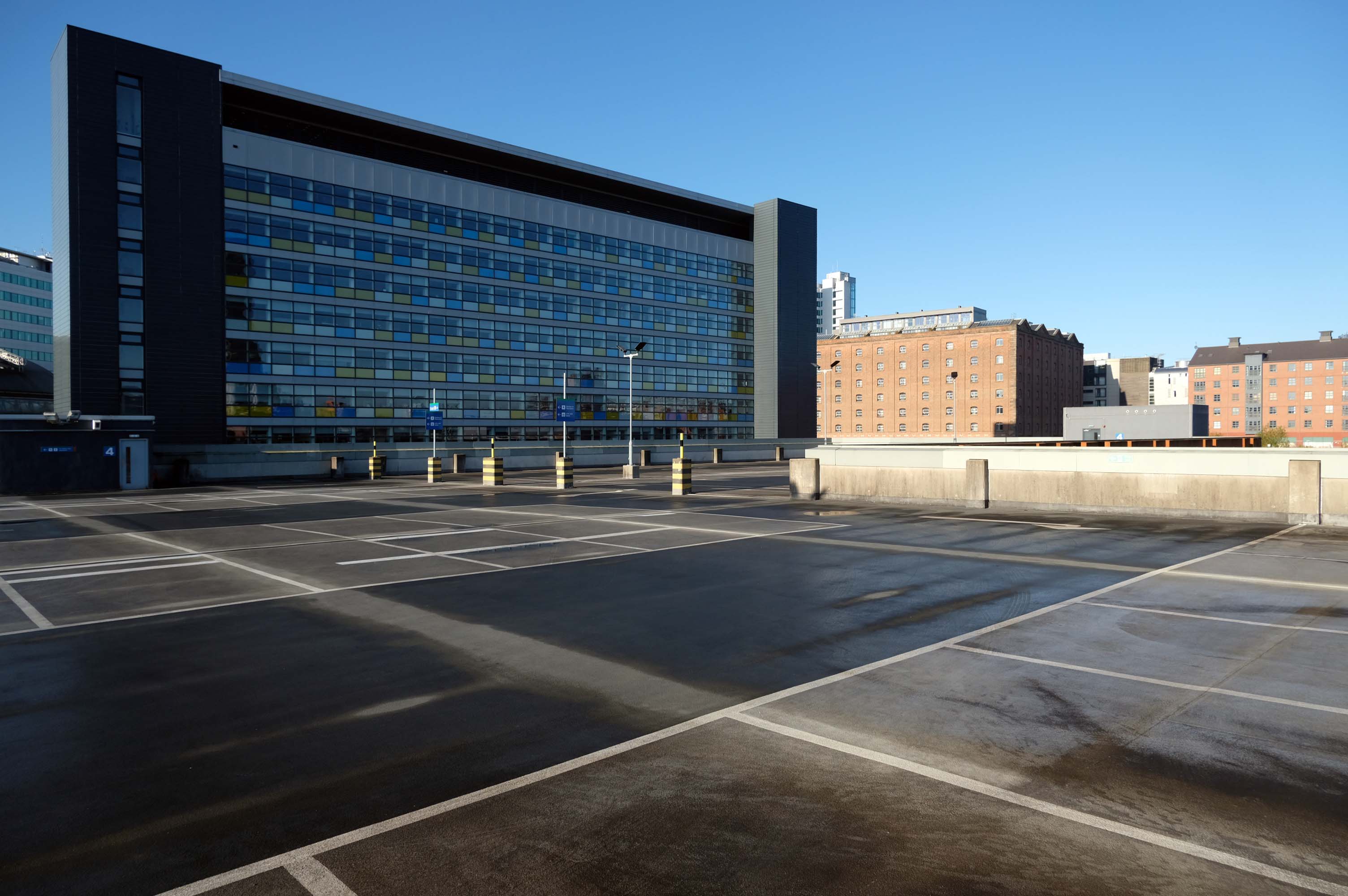
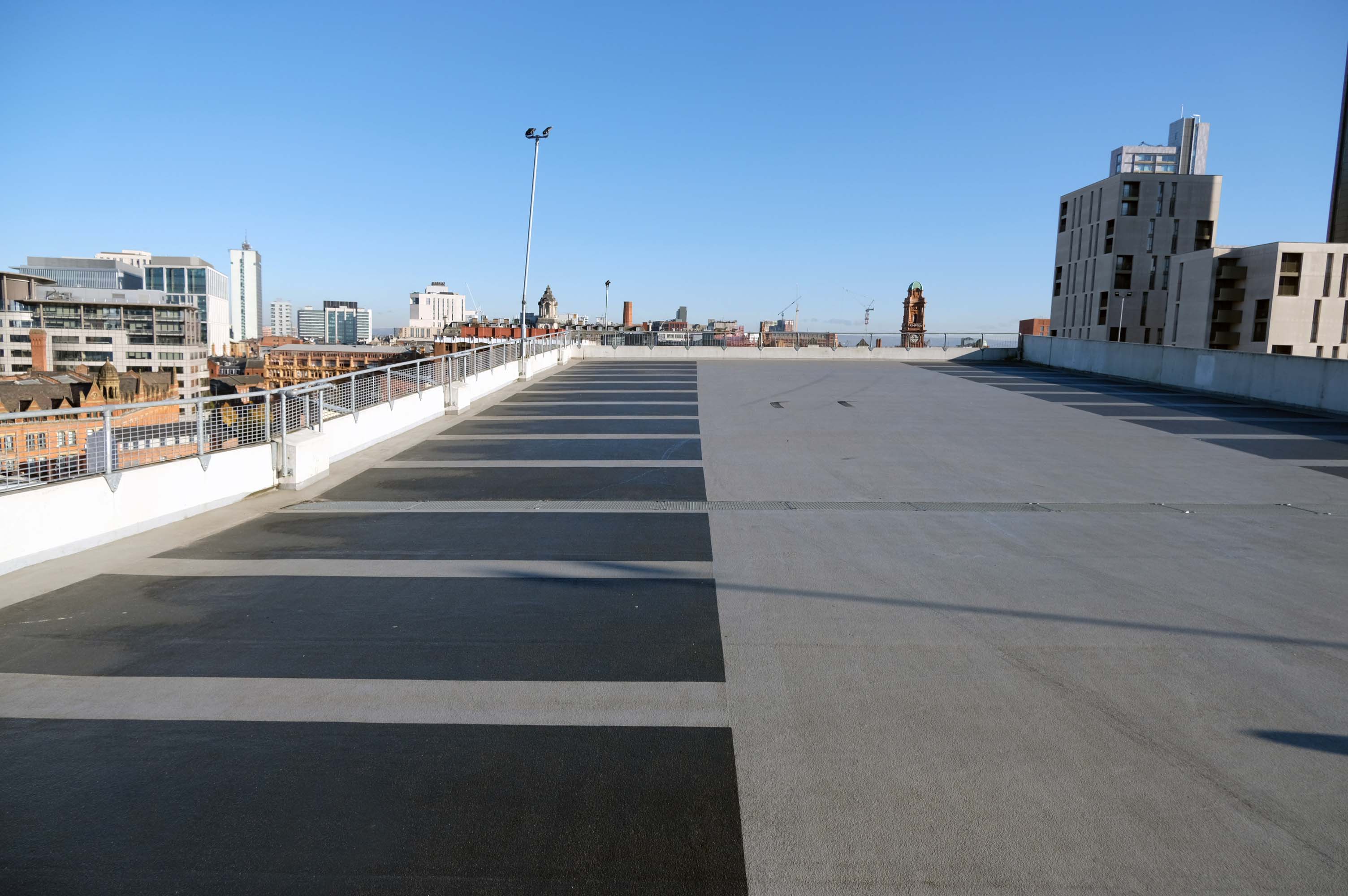
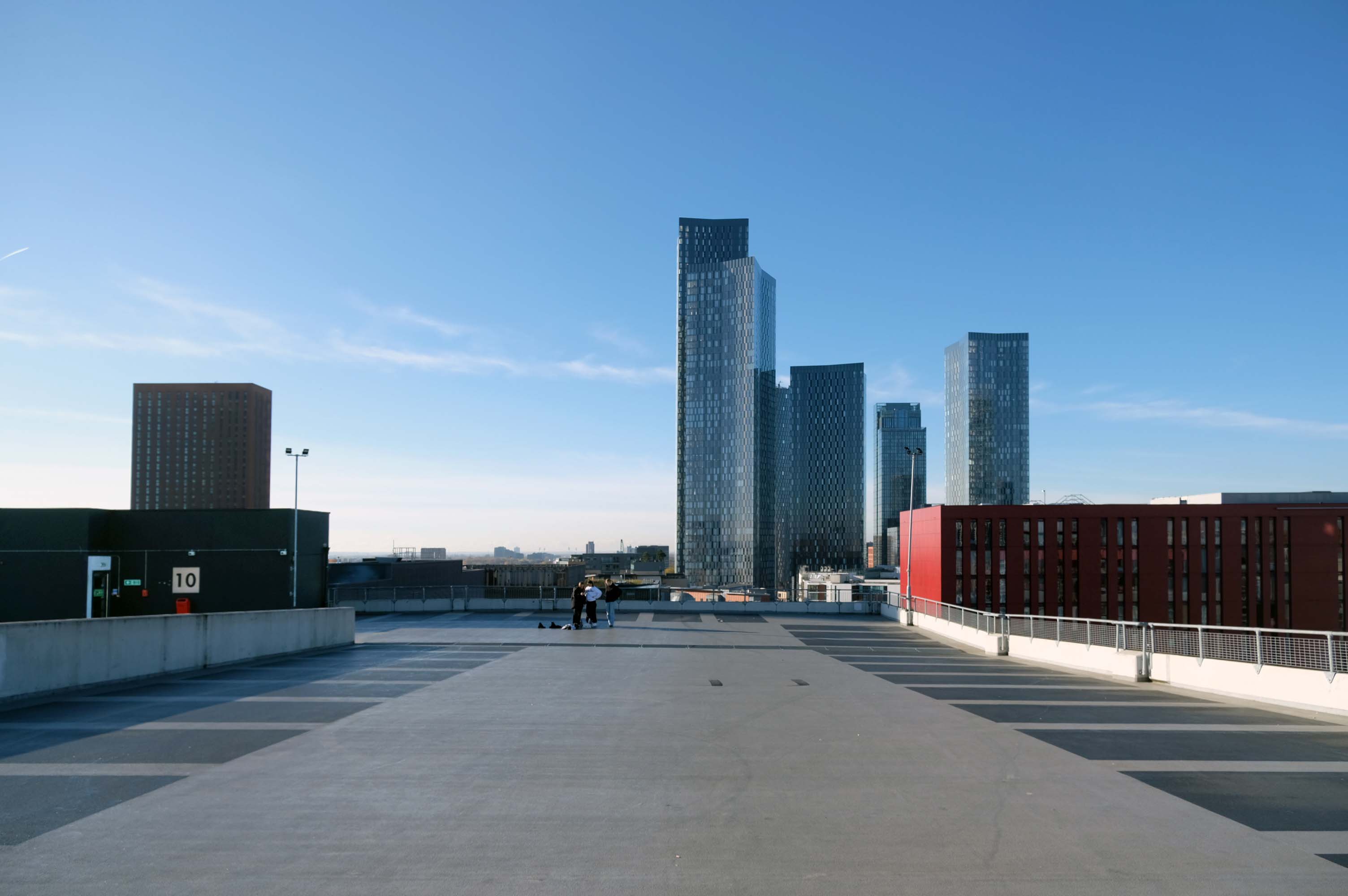
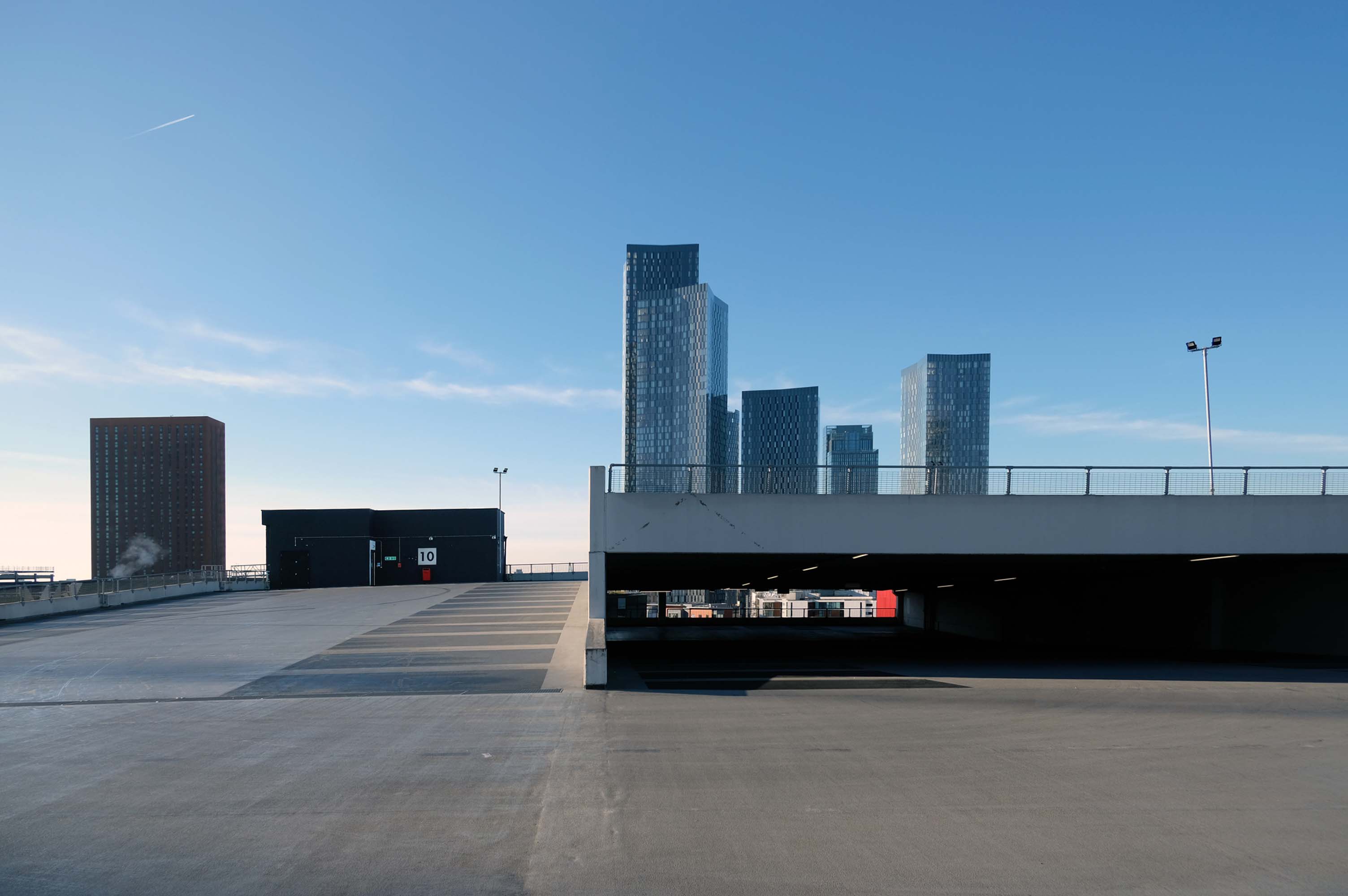
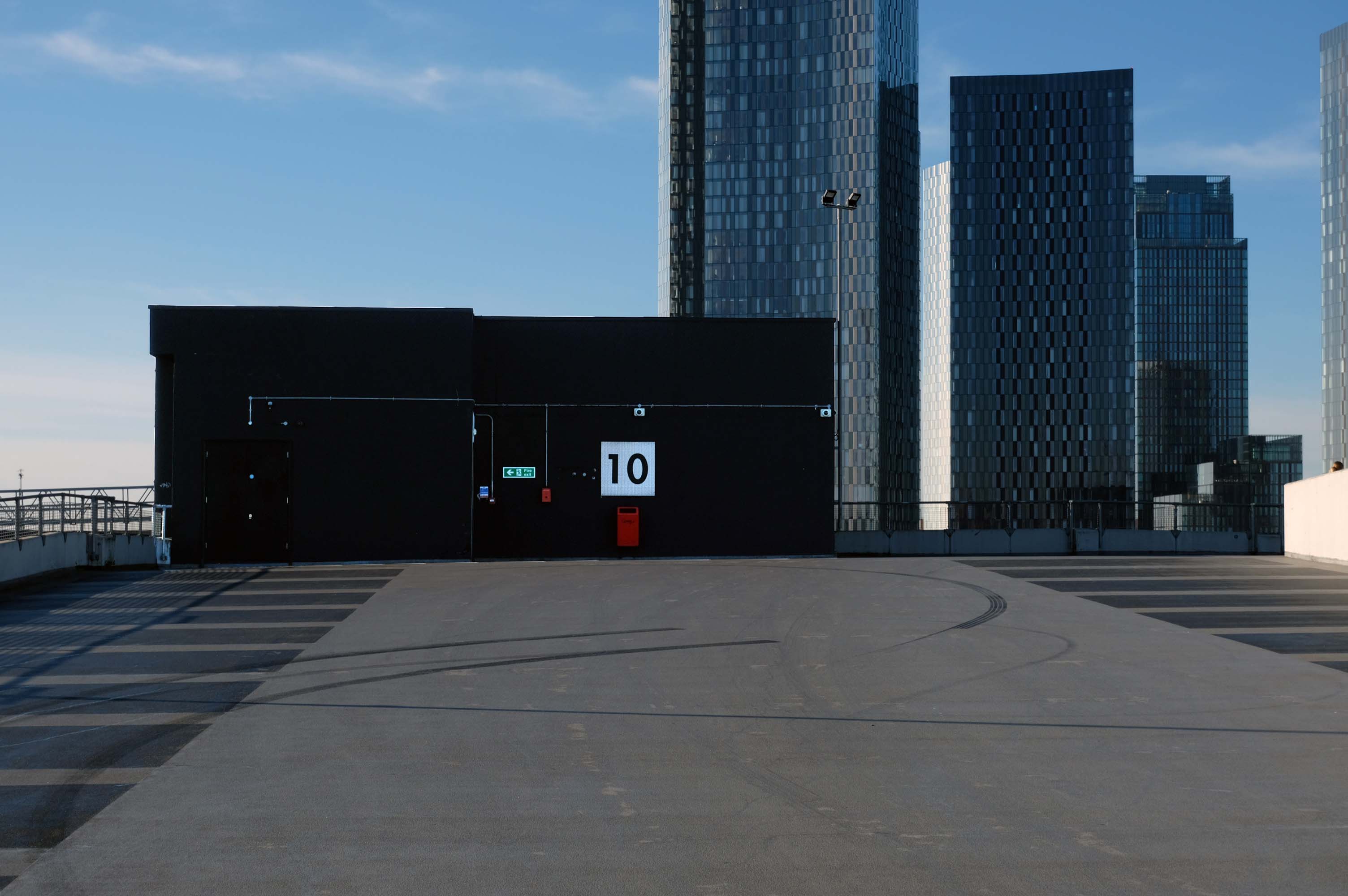
The pedestrian in a car park found it to be accessible and vaguely commodious – affording fine views across the city.
Sadly the decorative mosaic is woefully neglected, careworn and forlorn.
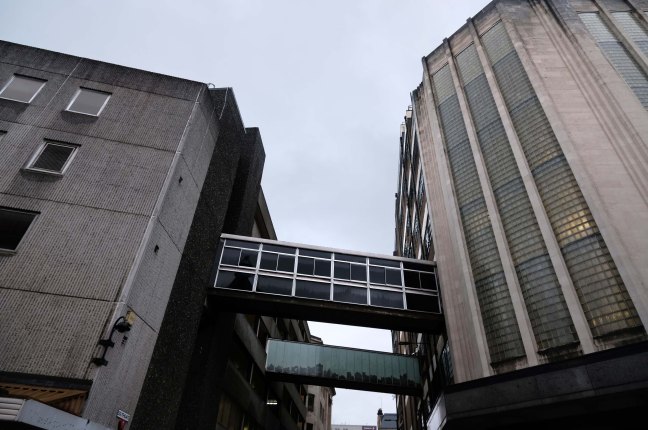
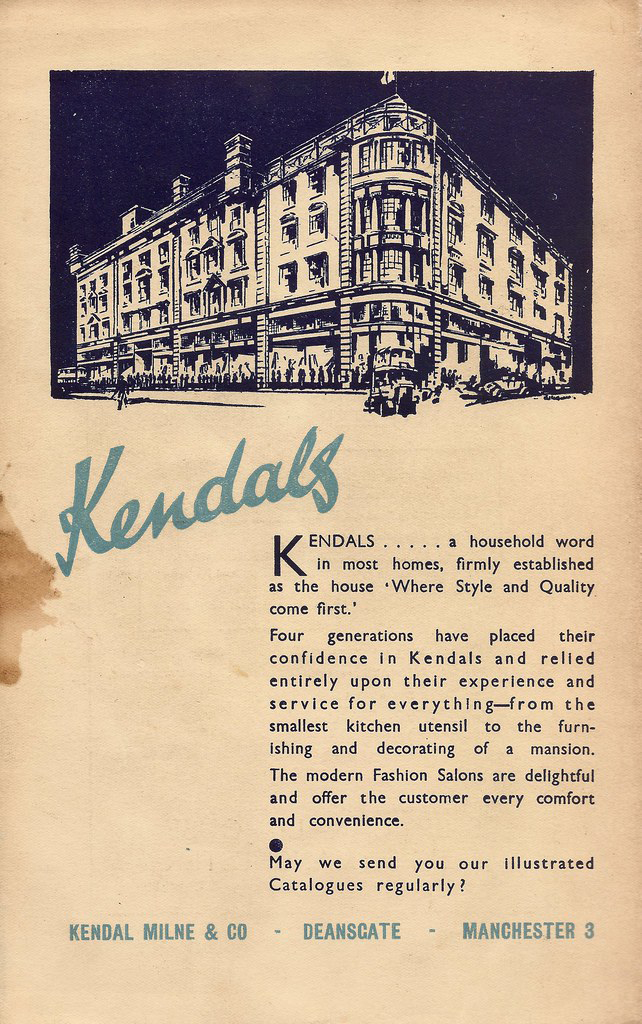
Kendals is of course long gone – absorbed by House of Fraser.
The store had previously been known during its operation as Kendal Milne, Kendal Milne & Co, Kendal Milne & Faulkner, Harrods or Watts.
The store was designed by Harrods’ in-house architect Louis David Blanc, with input from a local architect JohnS Beaumont, in 1938 and completed in 1939 – it is a Grade II listed building.
Great location but narrow roadway between floors. Pay in advance so you need to know how long you’re staying for.
£20.40 for four hours is expensive but you are minutes from Deansgate shops.
Only given one star because there wasn’t an option for zero.
Not secure, car broken into theft of personal effects, pedestrian gate was un locked, no CCTV that I could see anywhere. Cost me over £25 to park for six hrs and lost over £200 of personal effects, complained to council, no response. Wouldn’t park here ever again.
Get there whilst ye may.
The pedestrian in a car park presses on!
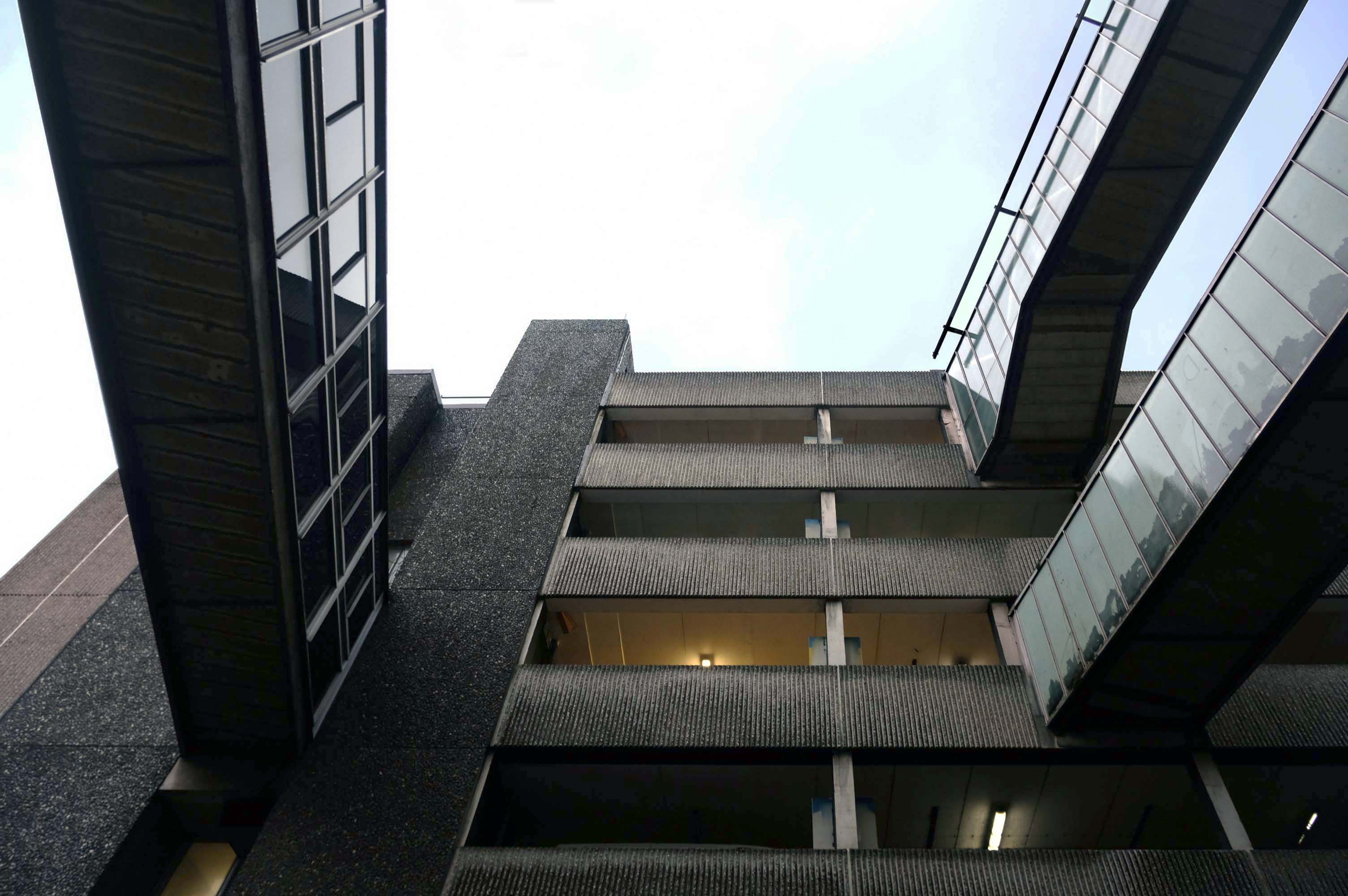
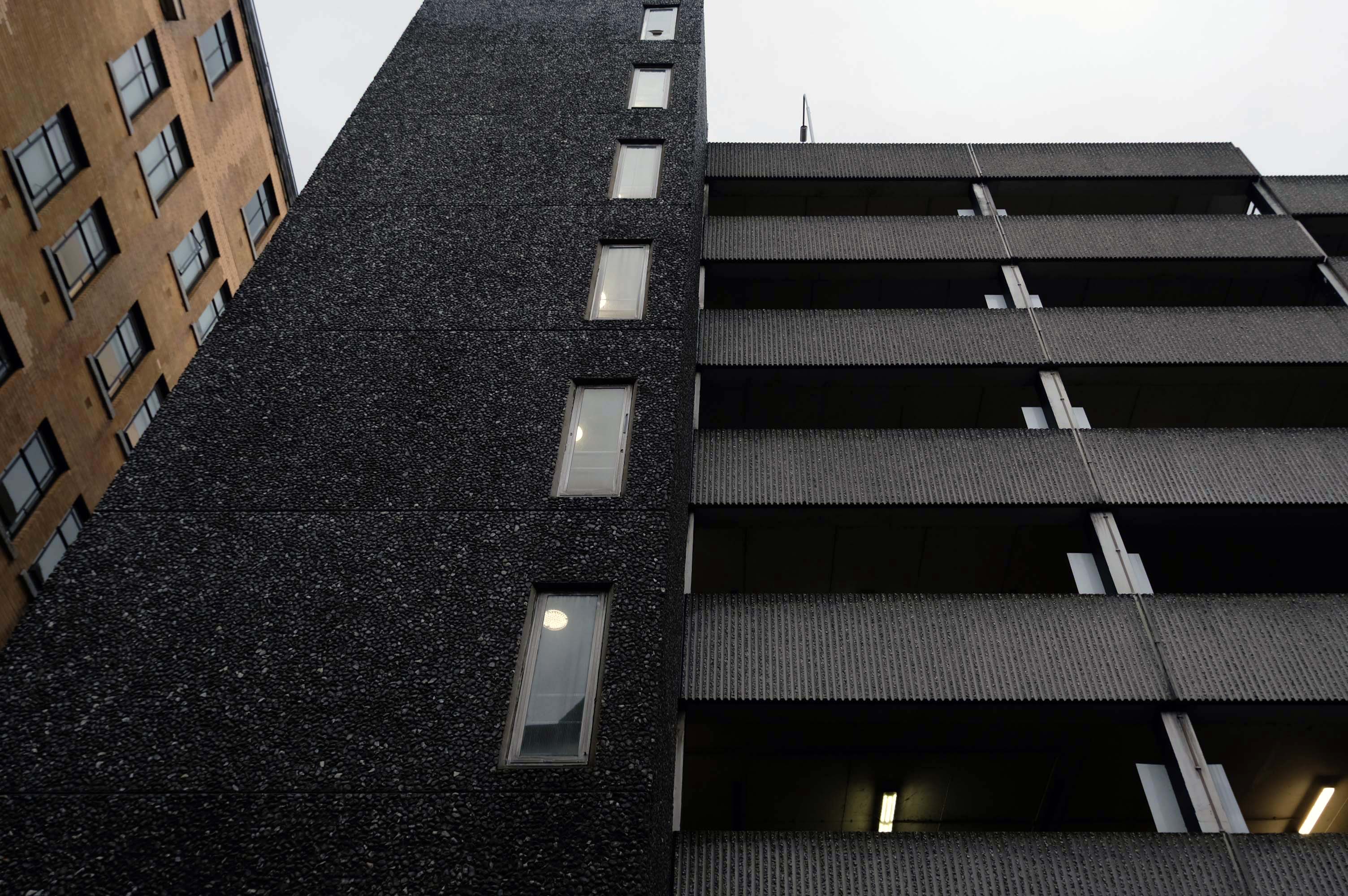
Manchester City Council is set to hand over a multi-storey car park and close a row of shops, including a Greggs and a barbers, in the hope of driving huge development in Deansgate. The multi-storey car park on King Street West, behind the iconic Kendals building, is set to be demolished if plans are passed by the council’s executive committee, with proposals to turn it into an office block.
The demolition of this car park and ground floor retailers would facilitate the redevelopment of the site, according to a report by the council’s strategic director, and will pave the way for the refurbishment of the adjacent grade II listed Kendals building, which currently has House of Fraser occupying it. Engagement with the retailers has been ongoing for some time, according to this report, with guidance being offered to them as to their next steps.
Plans were approved last year to transform the Kendals building into ‘high end’ offices with the car park to be turned into a 14-storey office block, along with improvements to the public realm. For this to go ahead the council will need to surrender the lease of the car park building, according to the report.
Secure and easy to find while driving, struggled to get back in through side door, had to walk up the ramp.
Expensive.
Stairwell stinks like piss and I’ve seen homeless people sitting in there, doesn’t feel safe.
Great car park, security is great, right in the city centre, above the bus station that goes Scotland to Cornwall, Wales to Norwich and many more, Manchester city centre literally, with Piccadilly Gardens, around the corner.
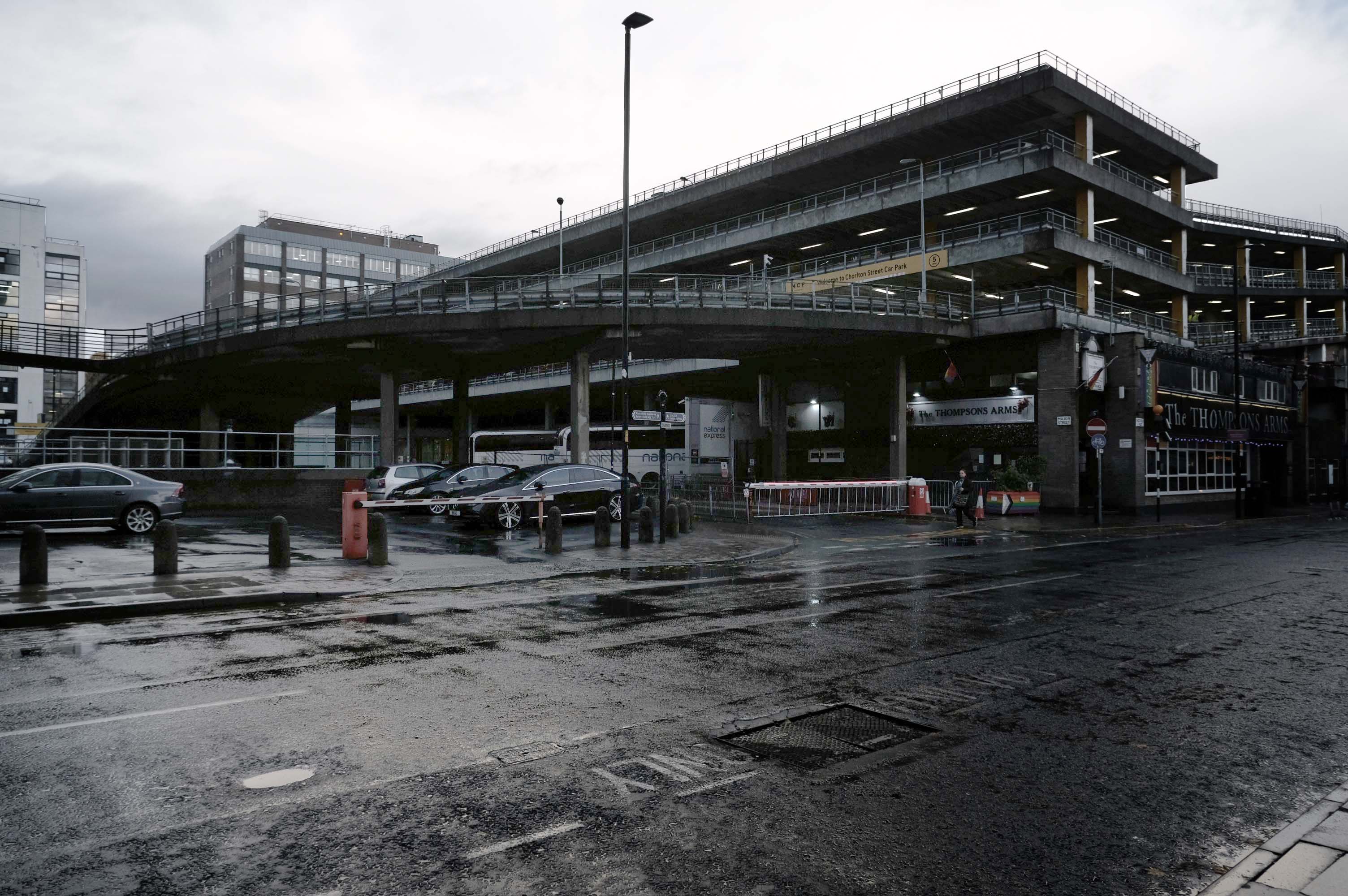
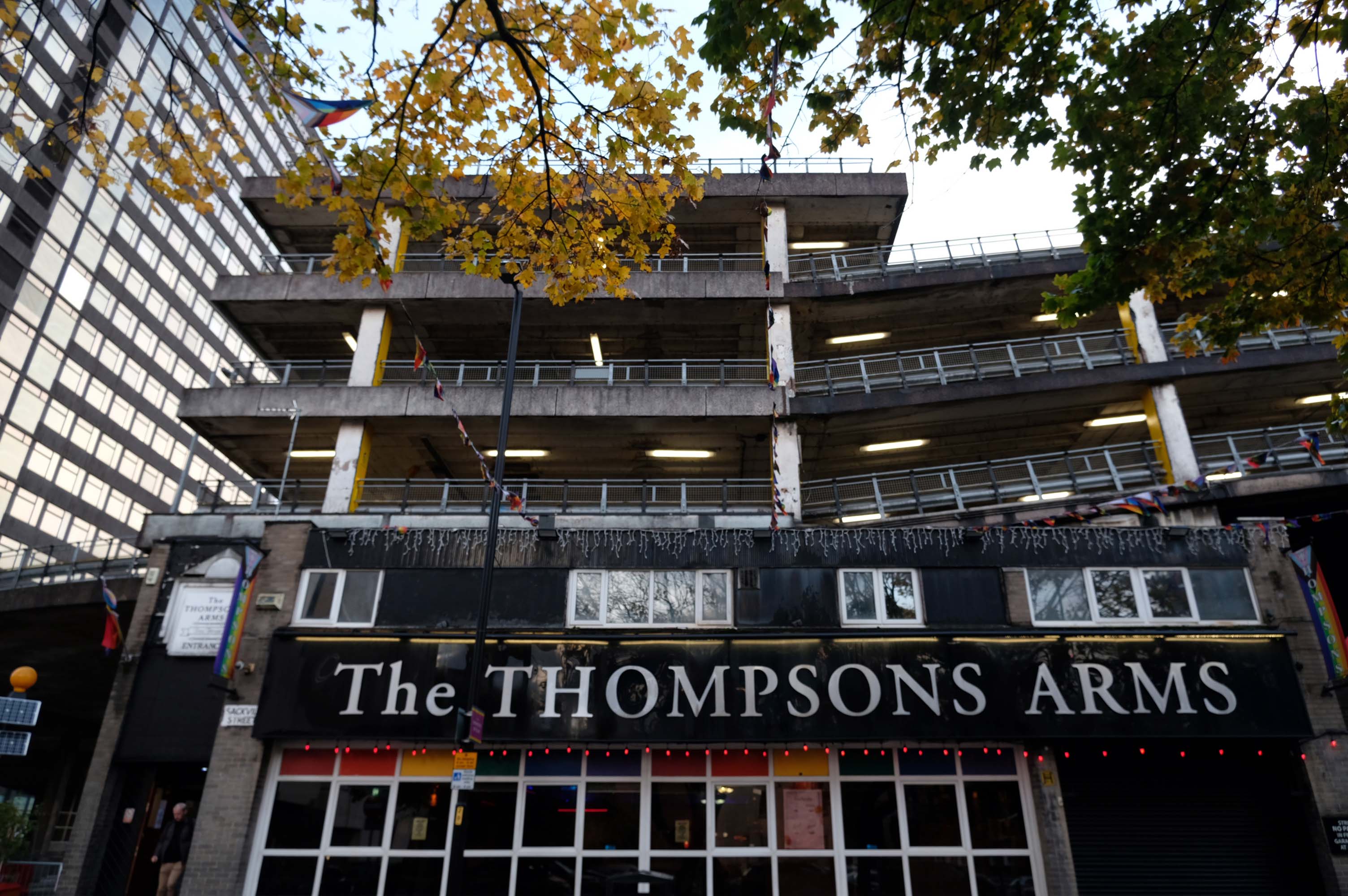
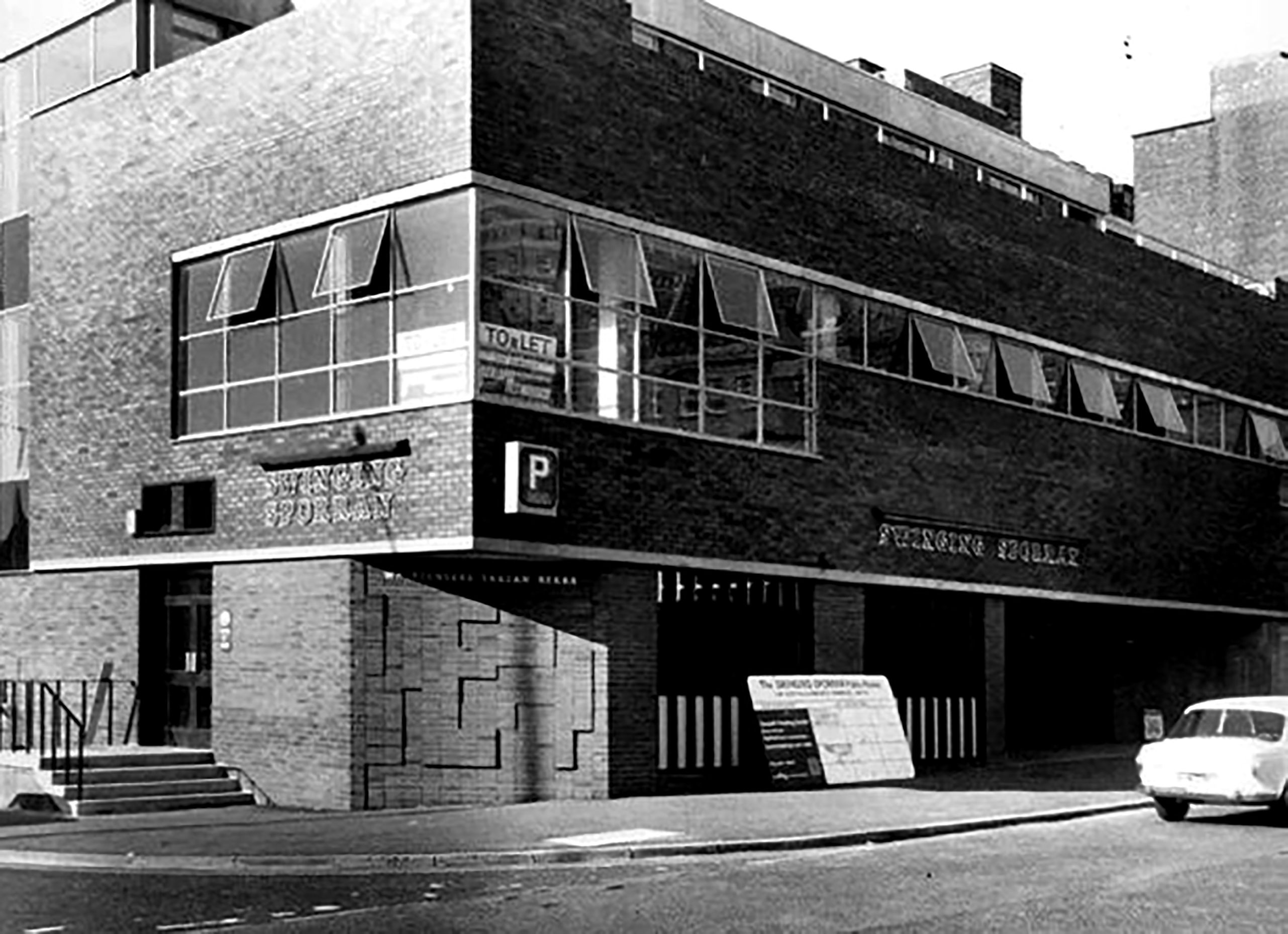
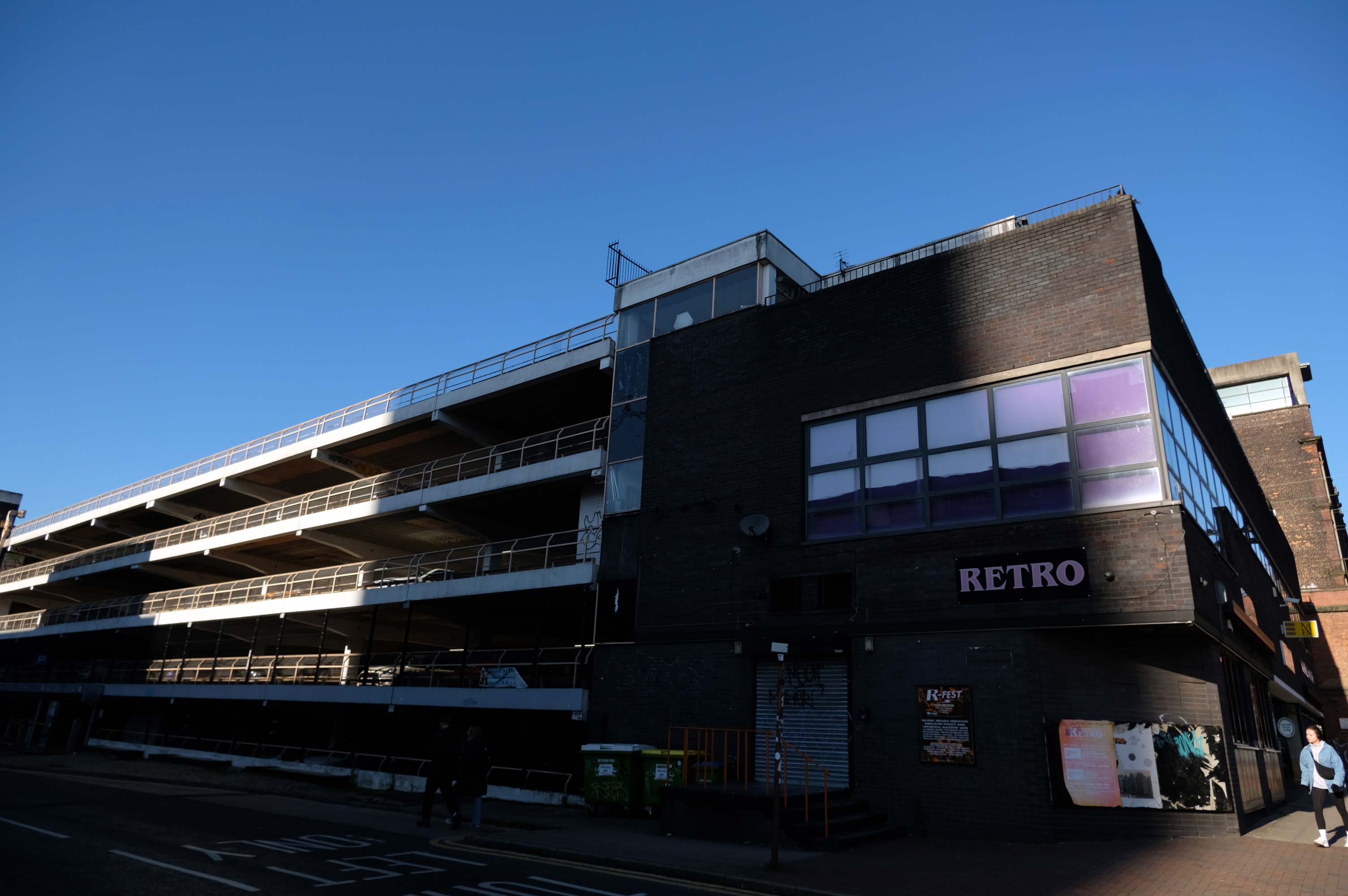
We have been snapping here afore in the guise of Mr Estate Pubs – checking out the Thompsons Arms.
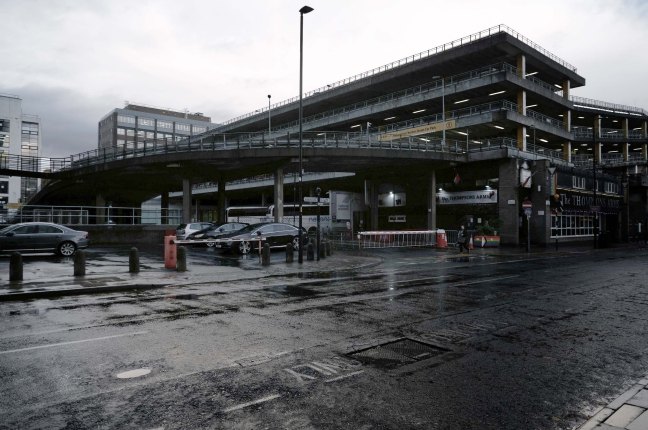
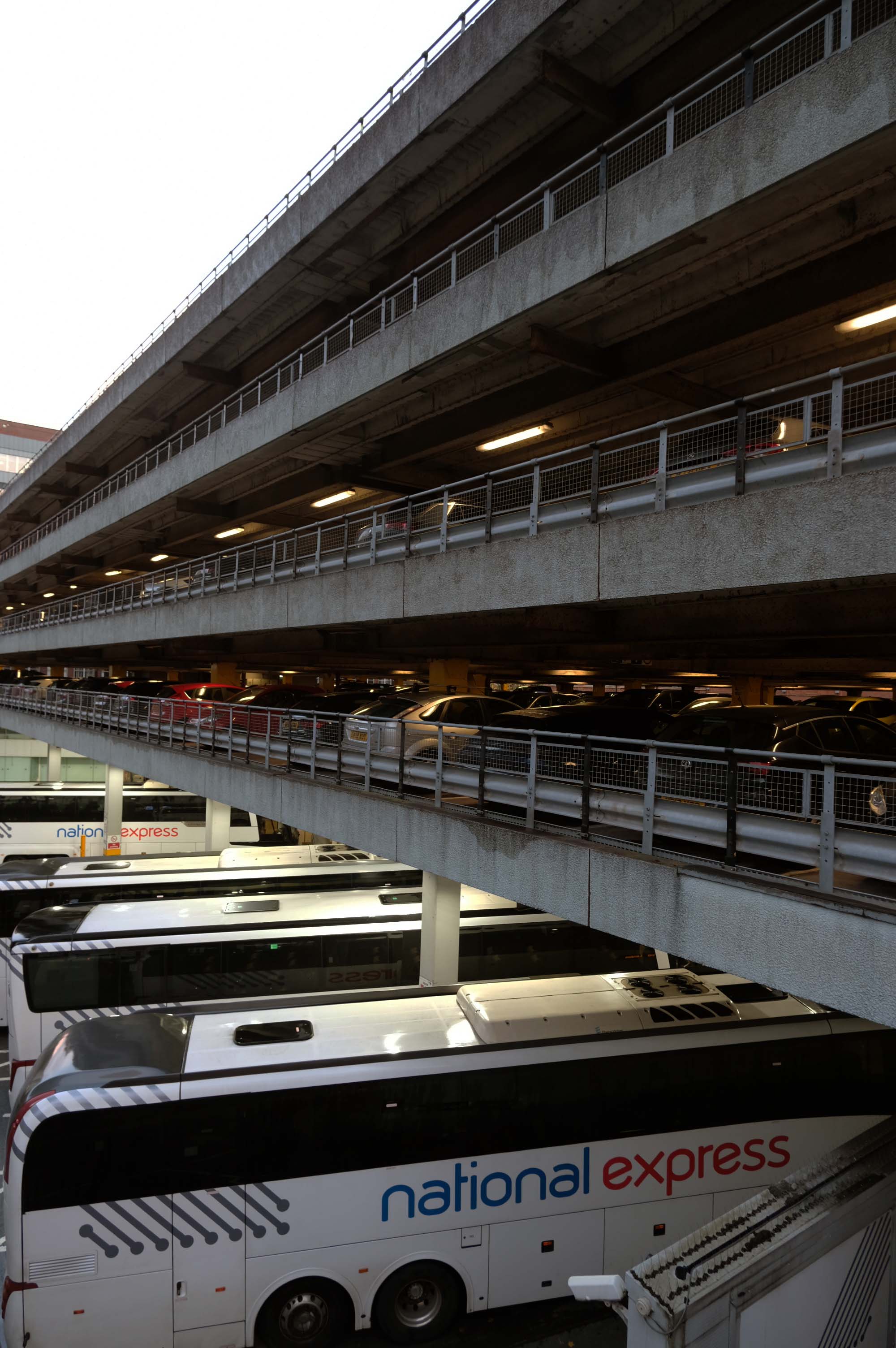
For this is a car park with coach station and boozer attached.
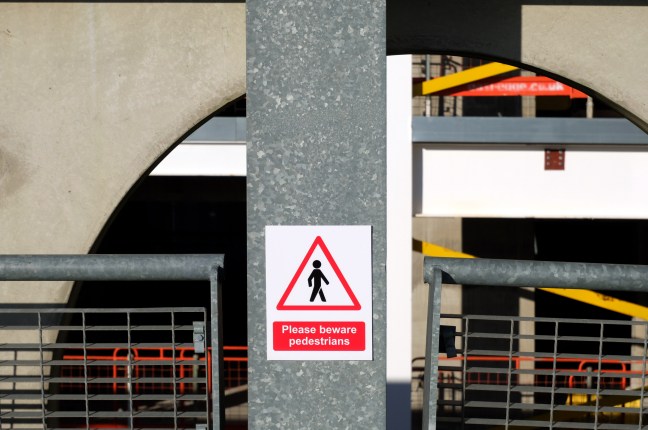
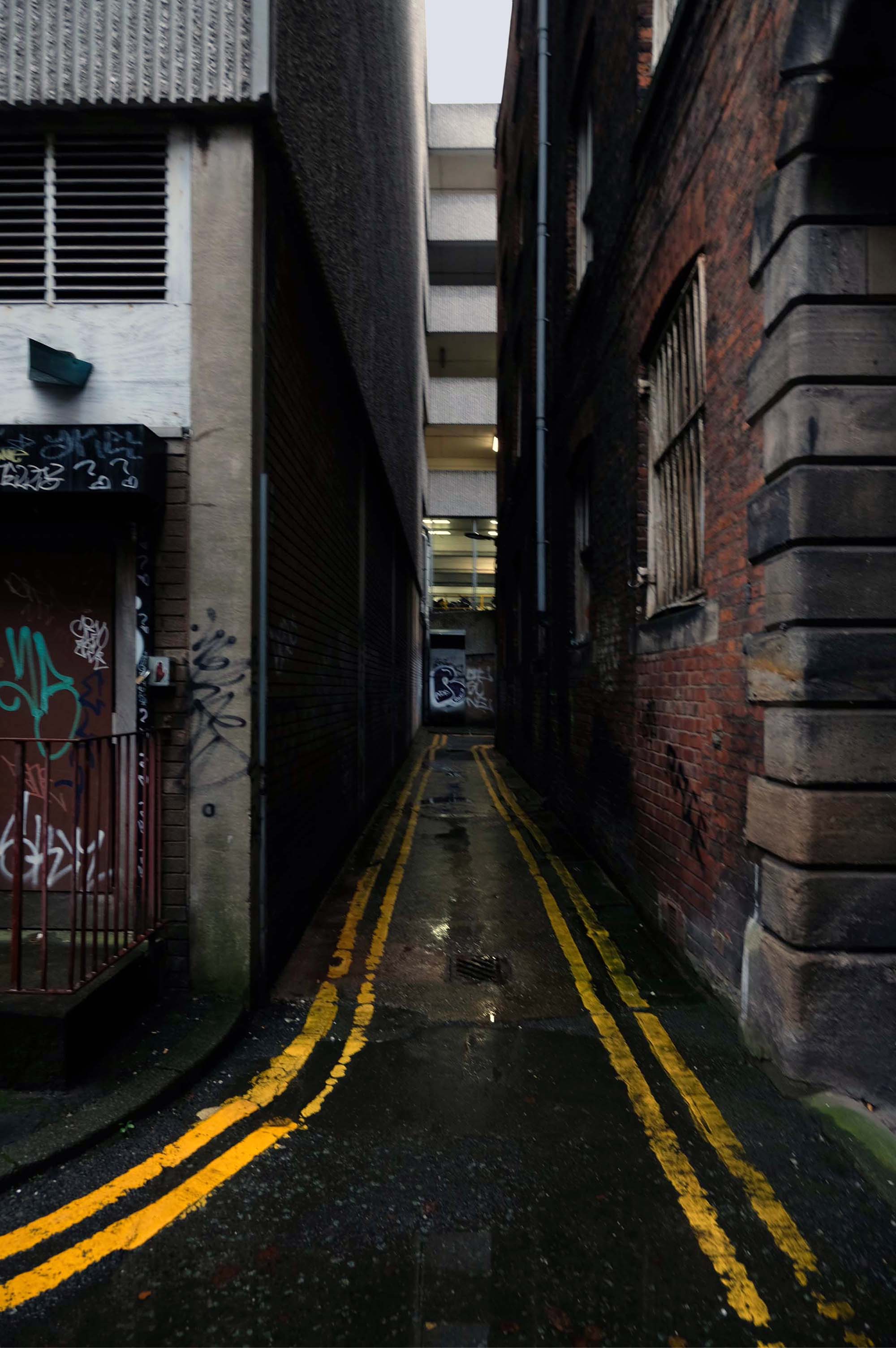
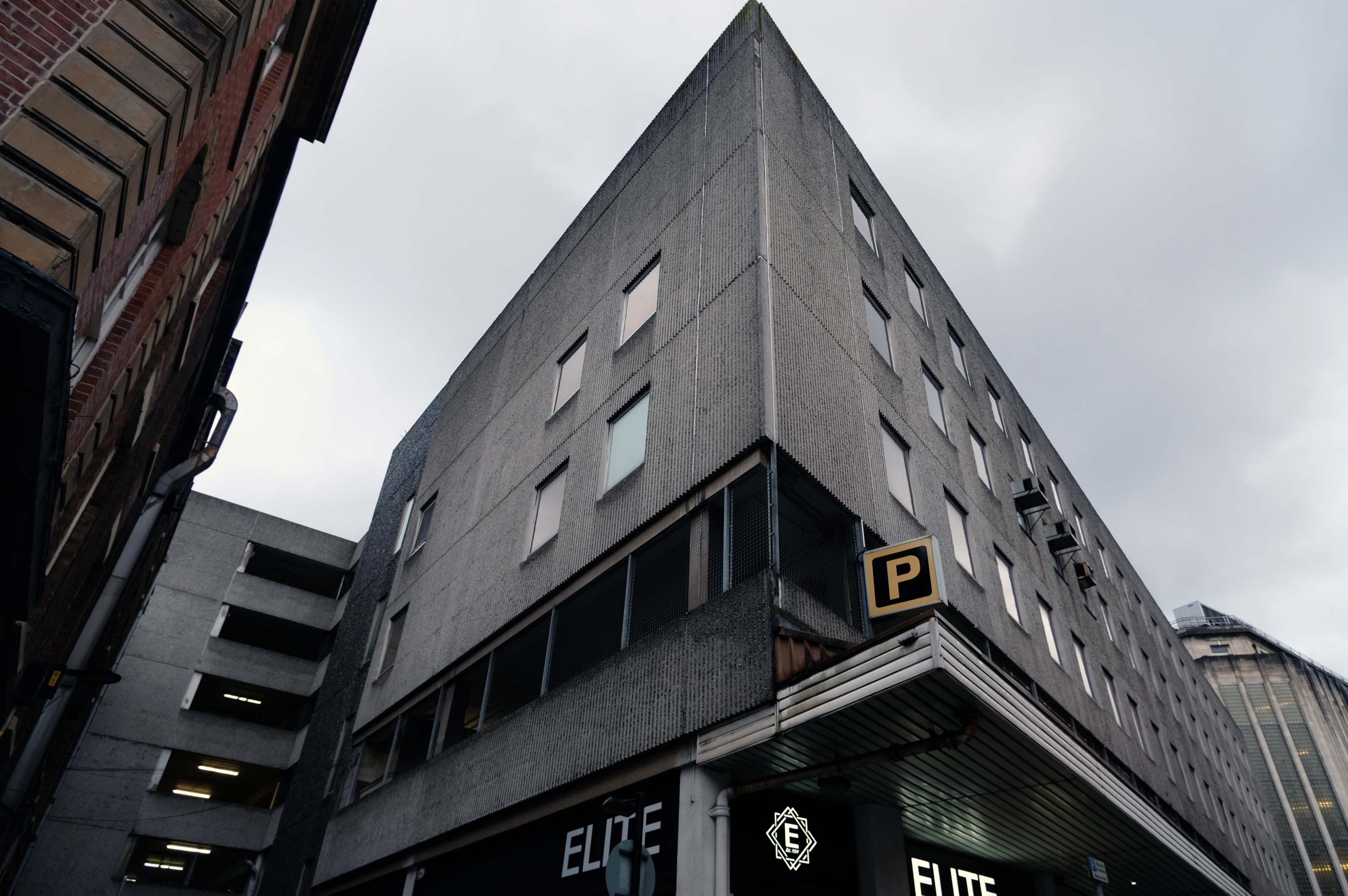
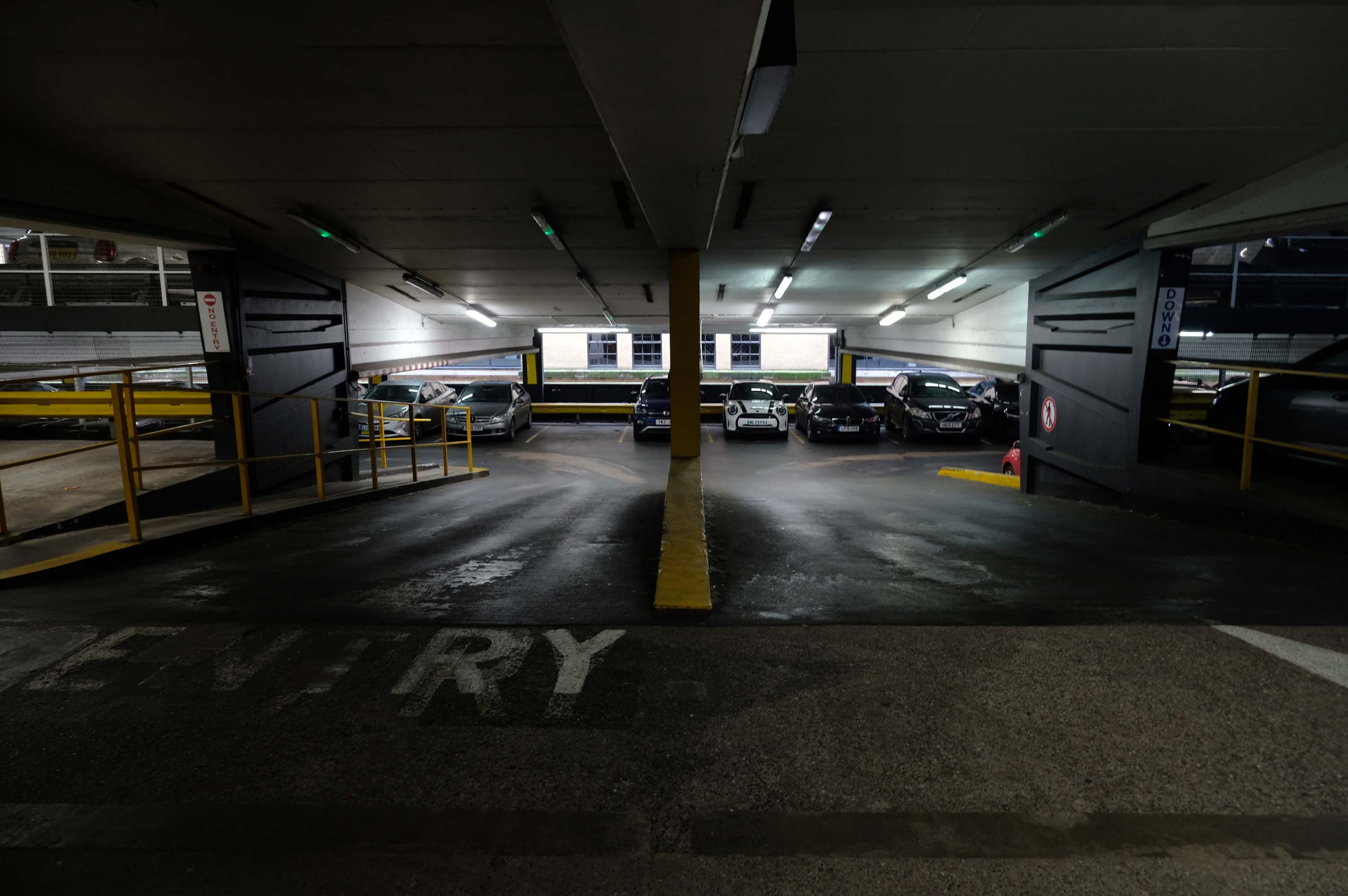
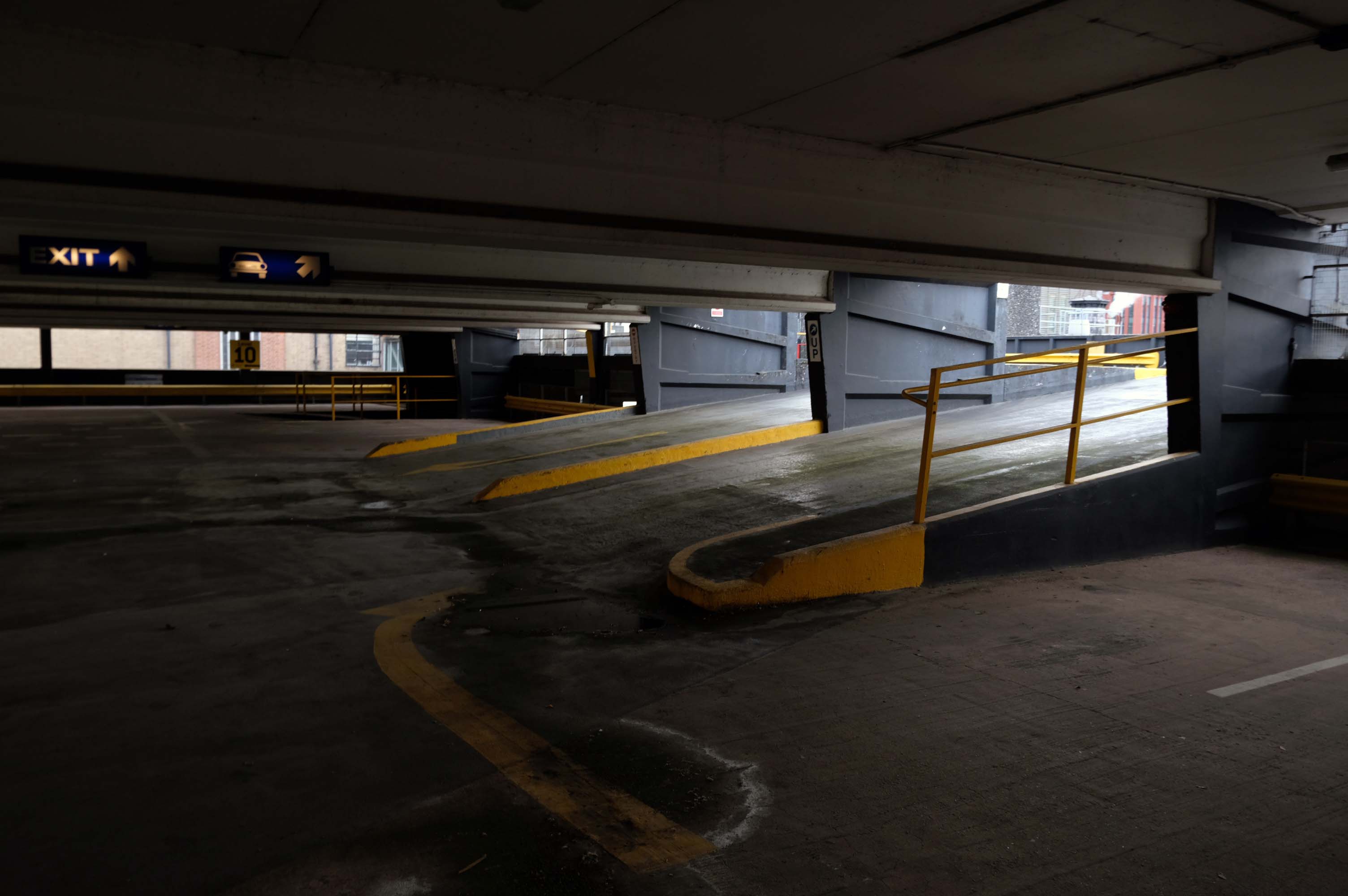
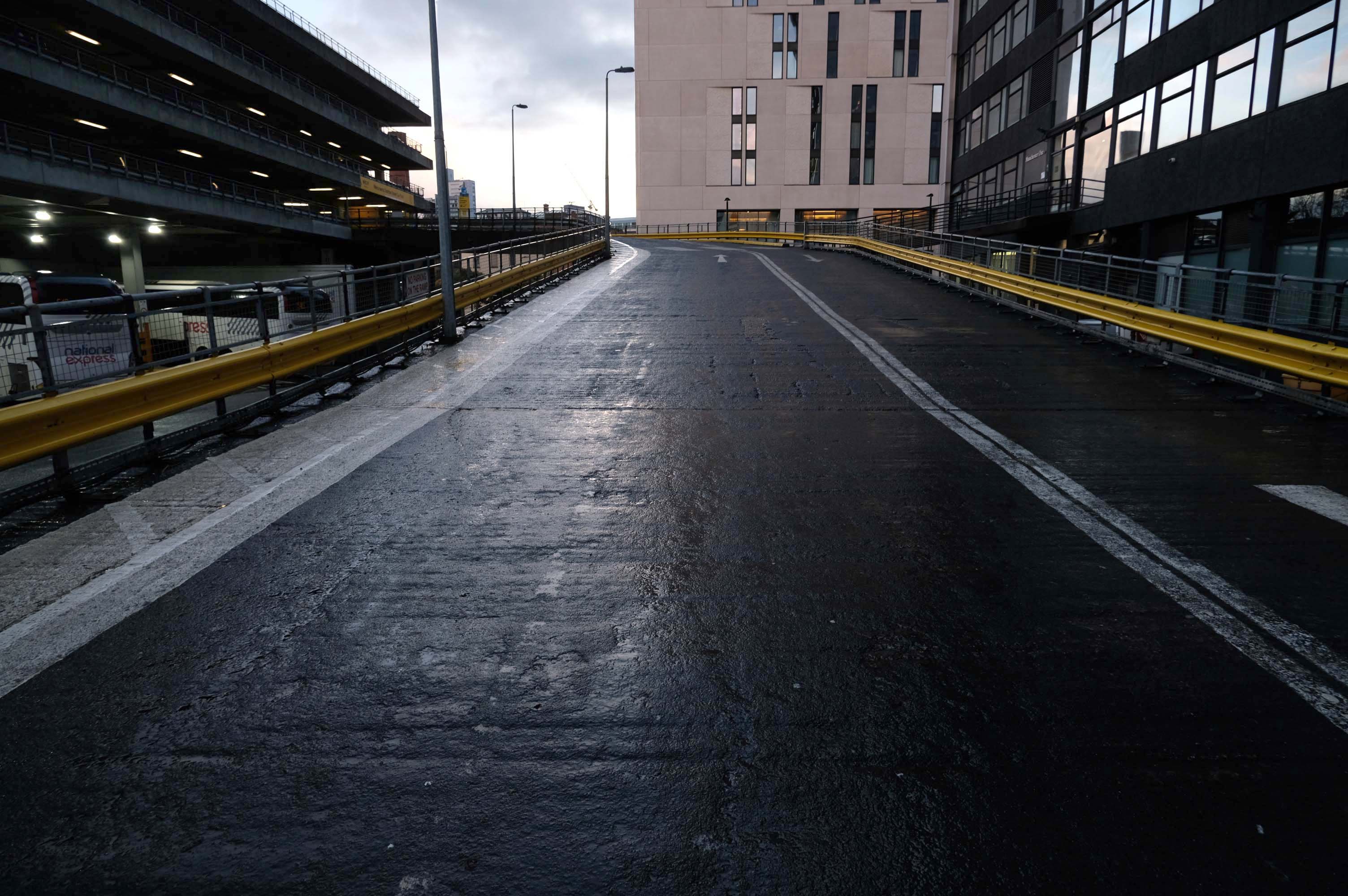
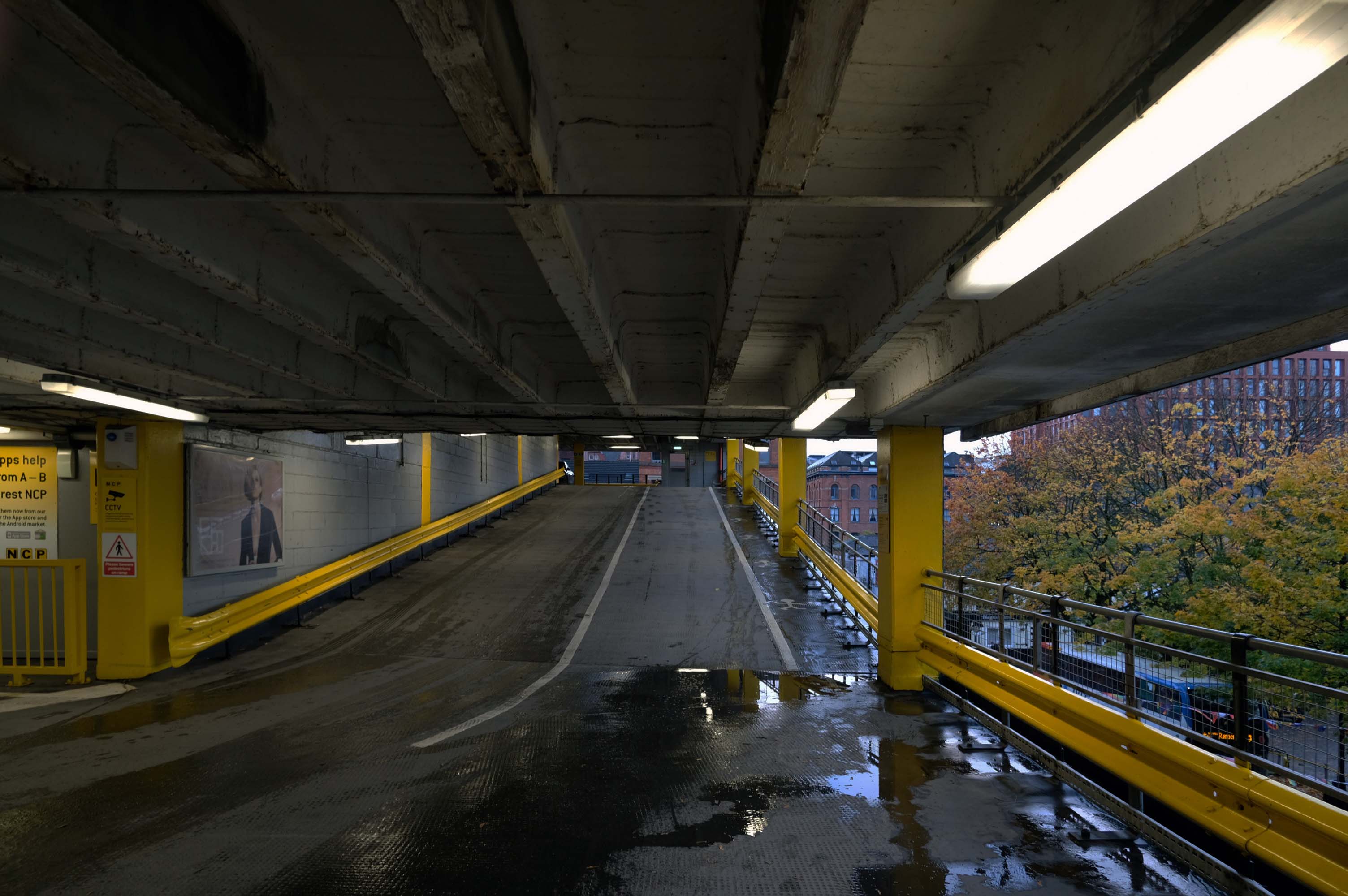
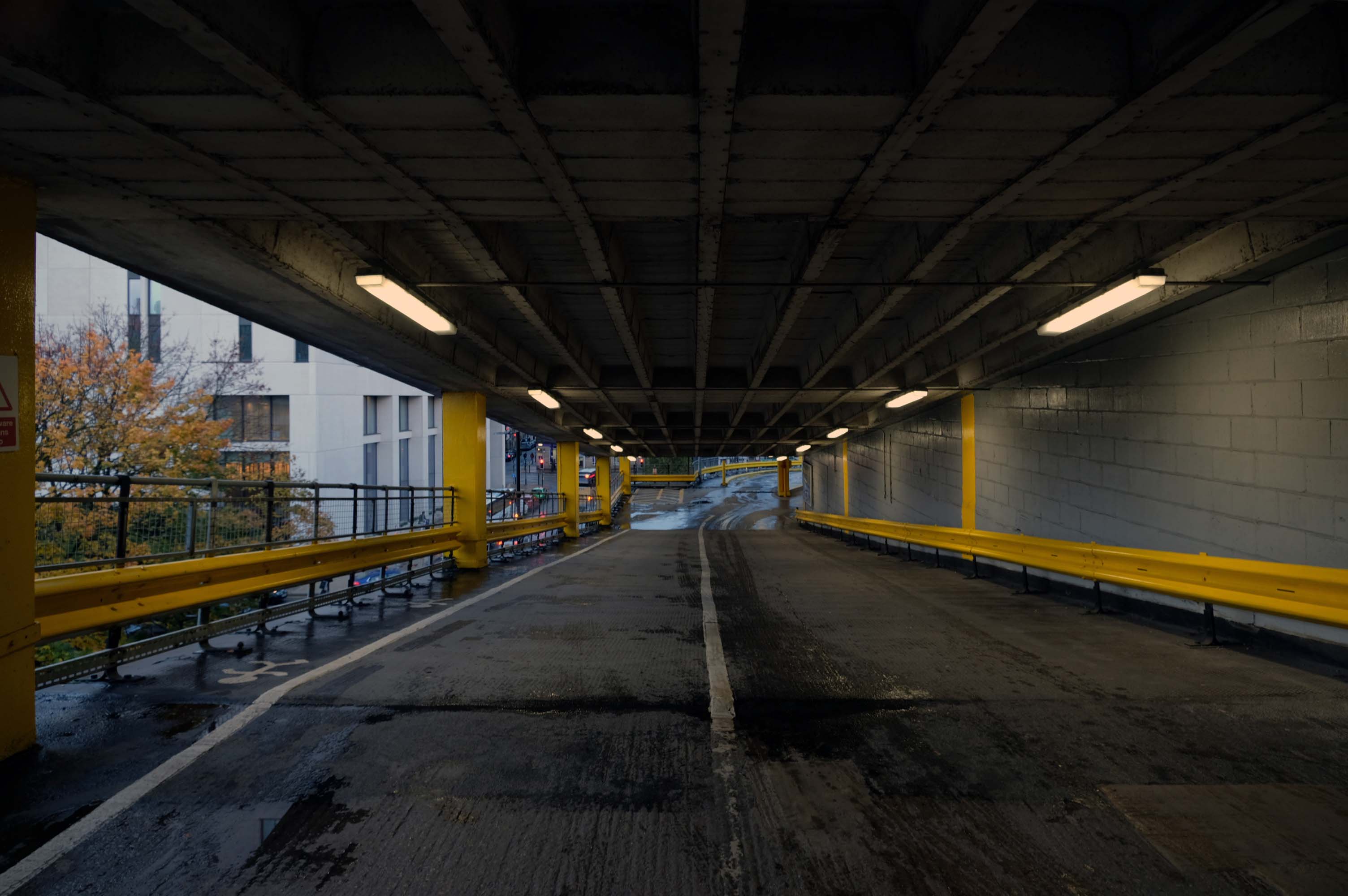
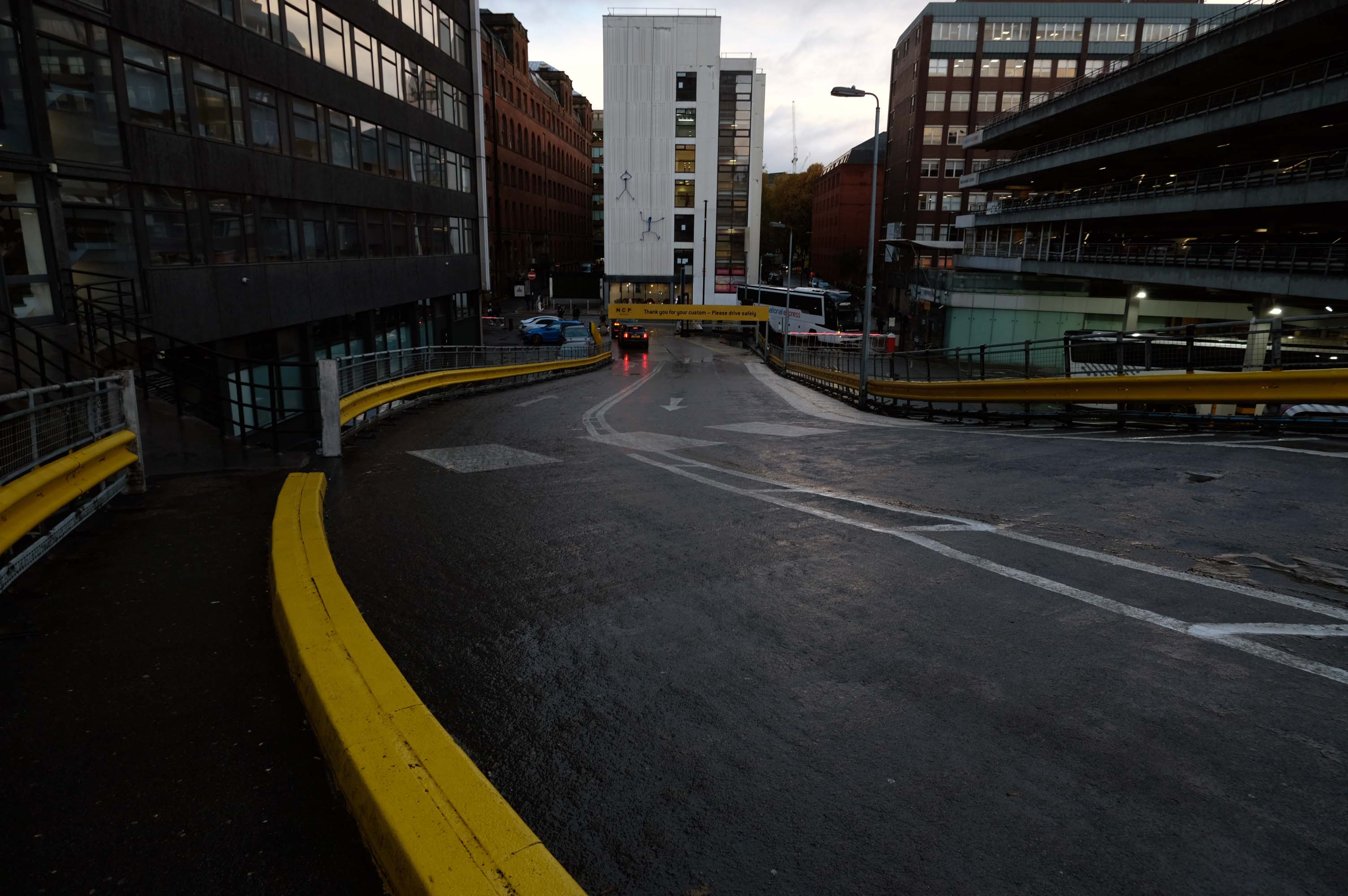
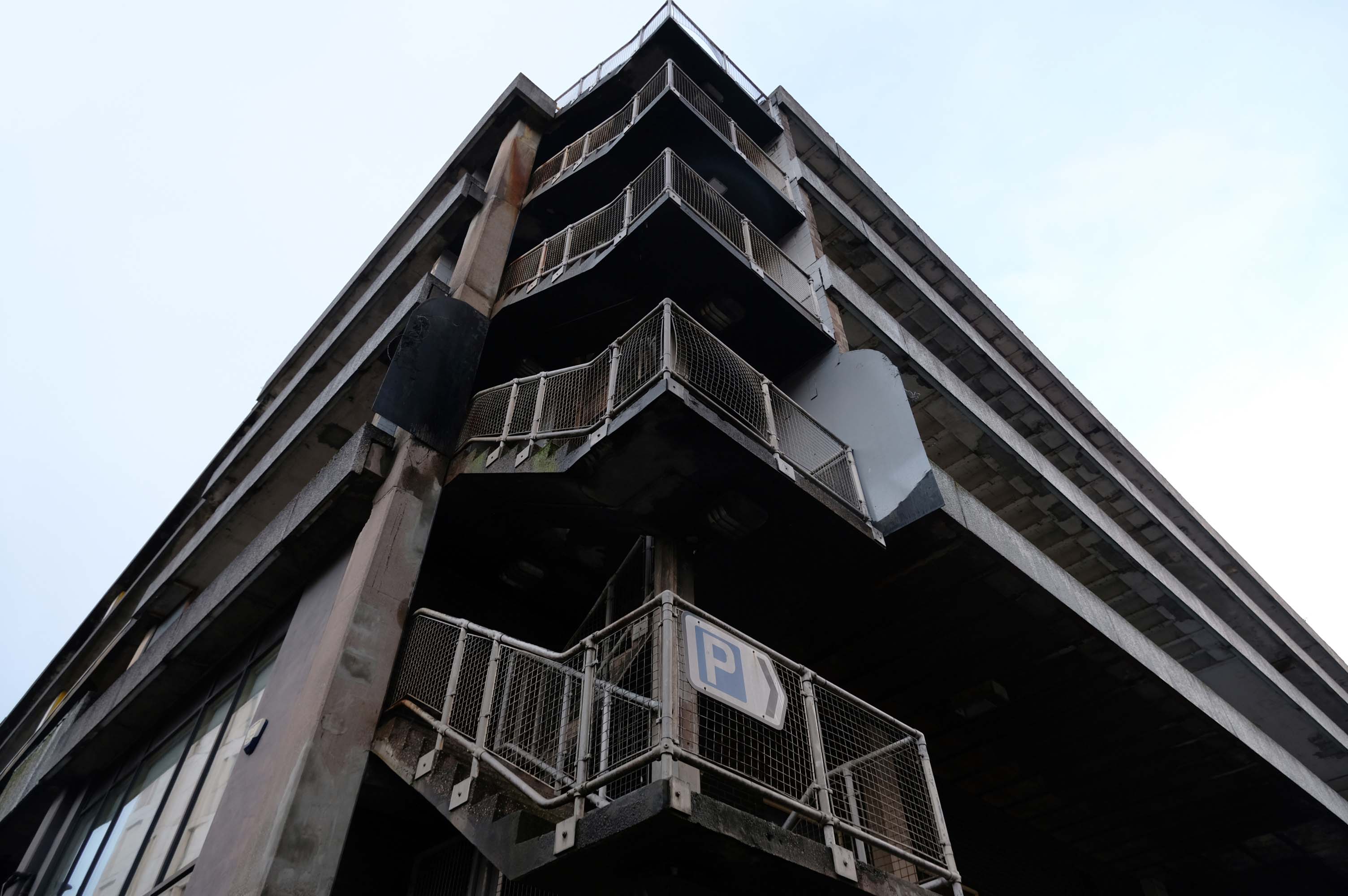
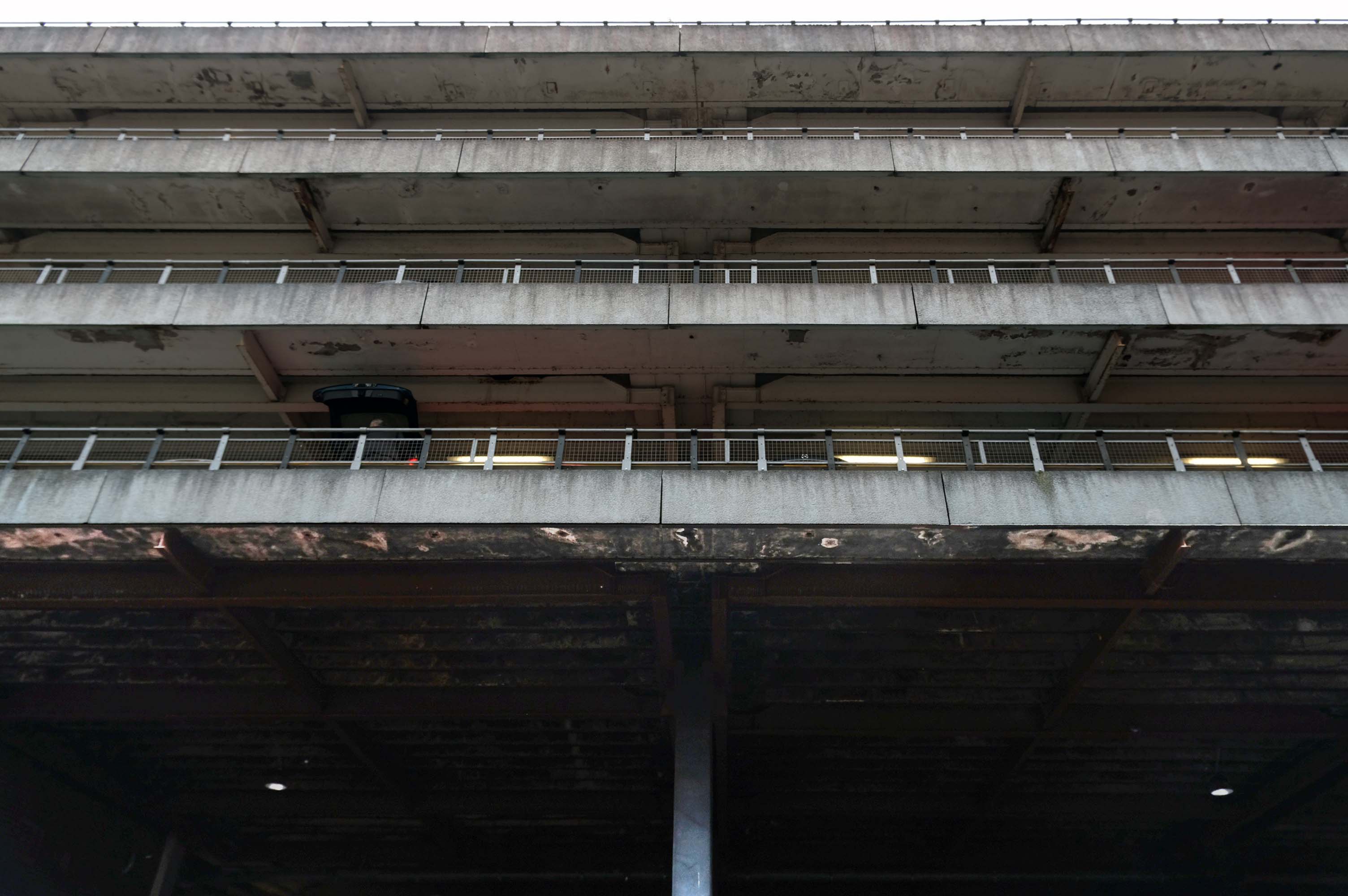
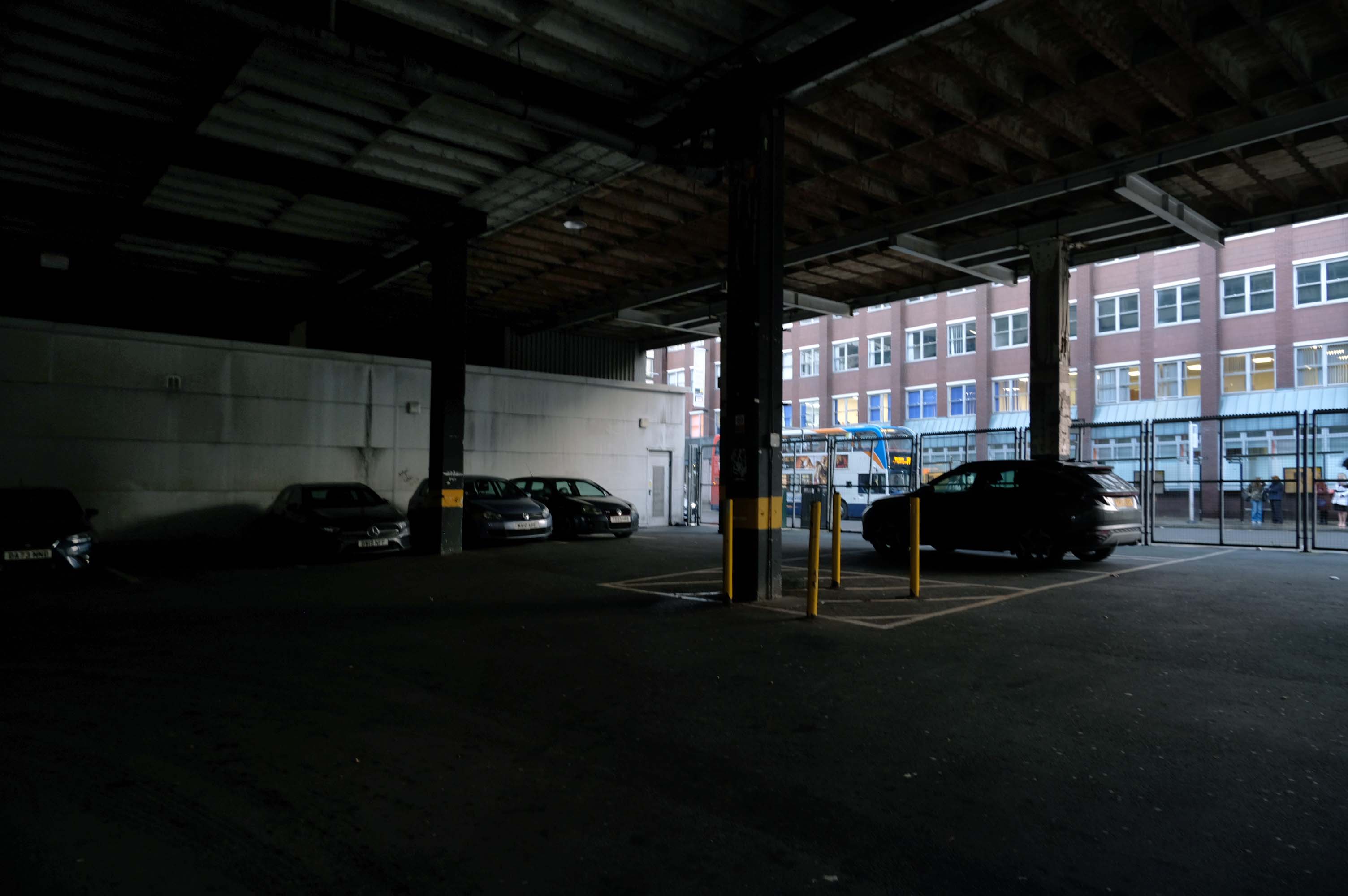
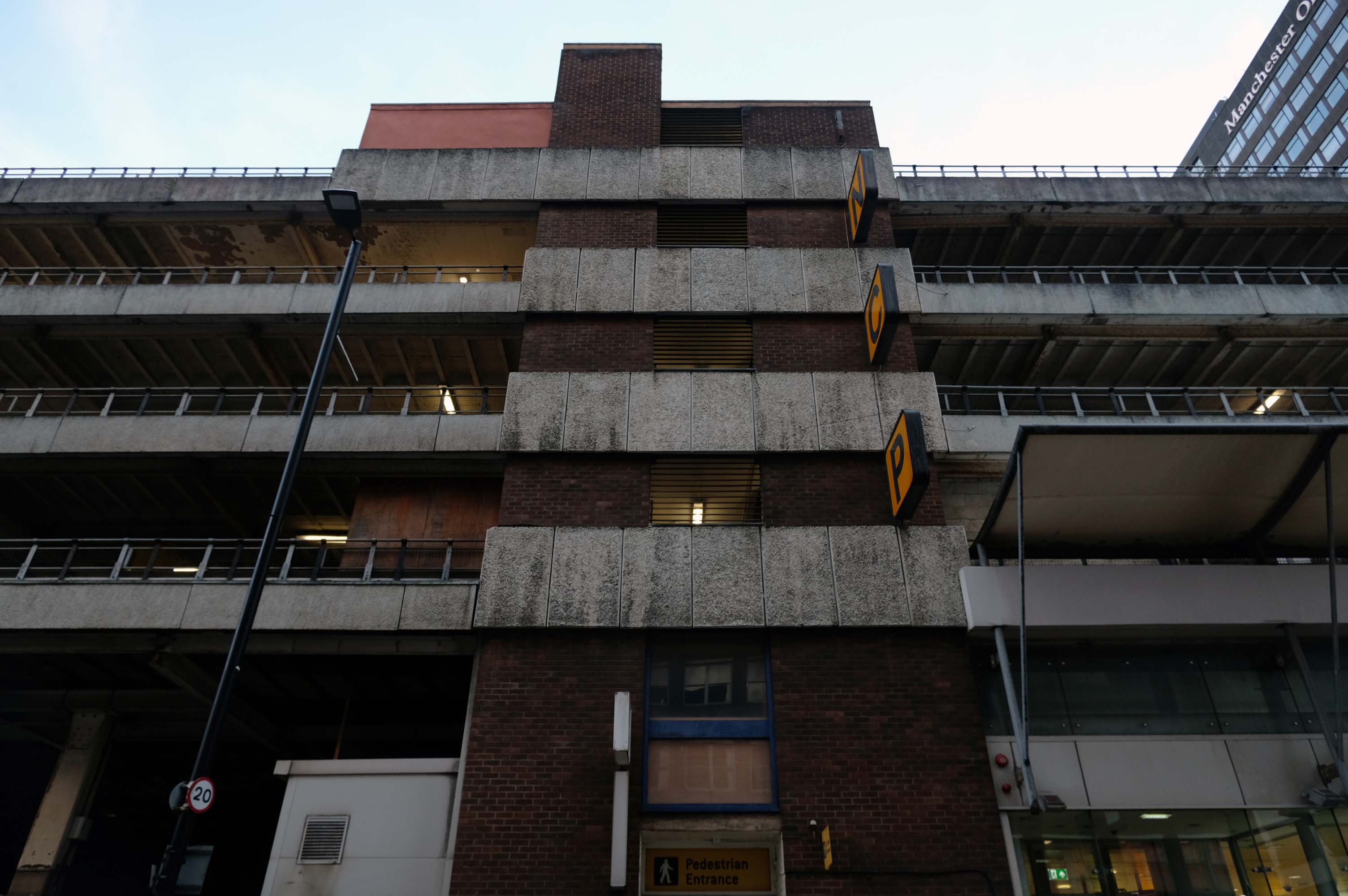
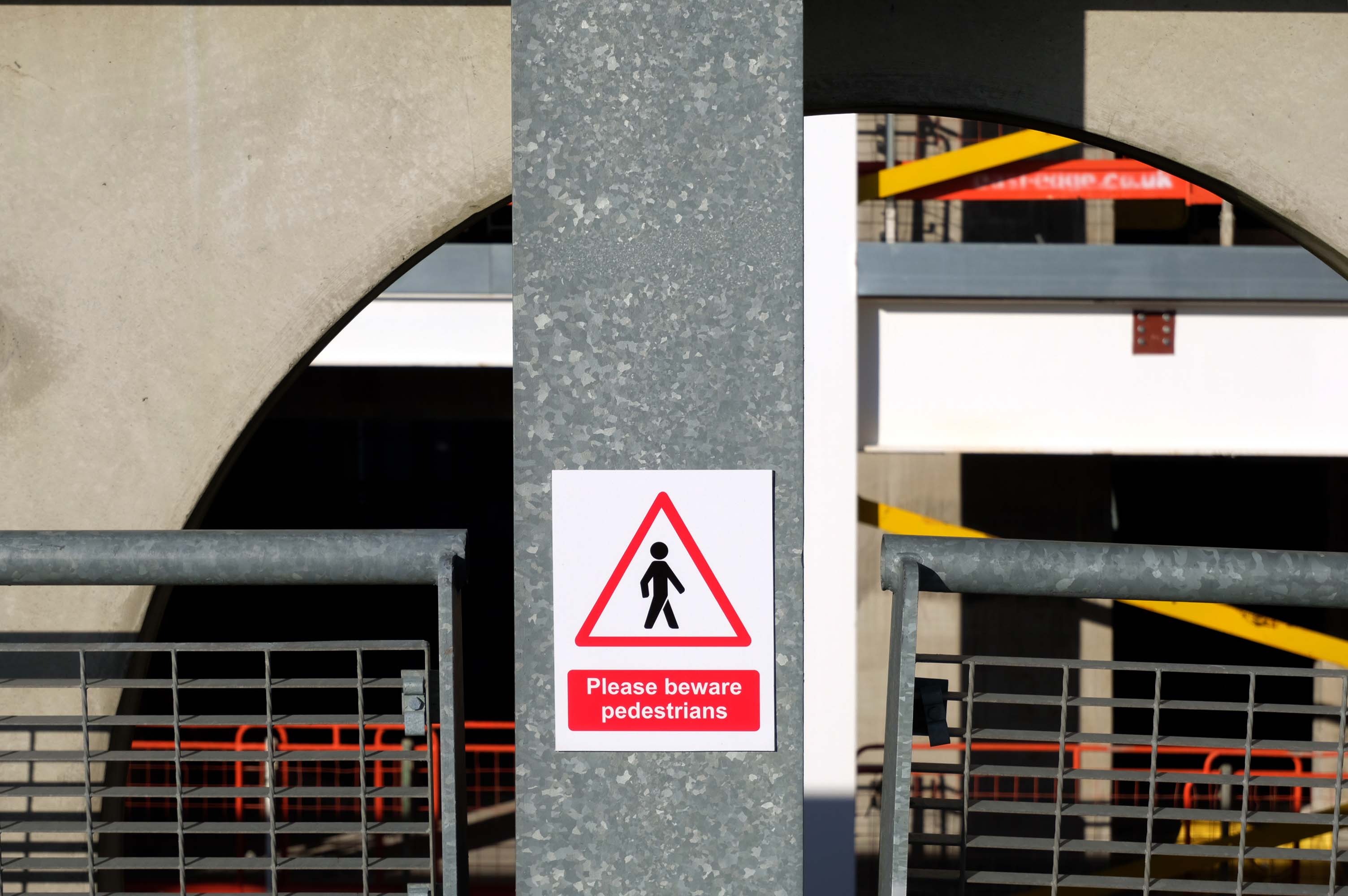
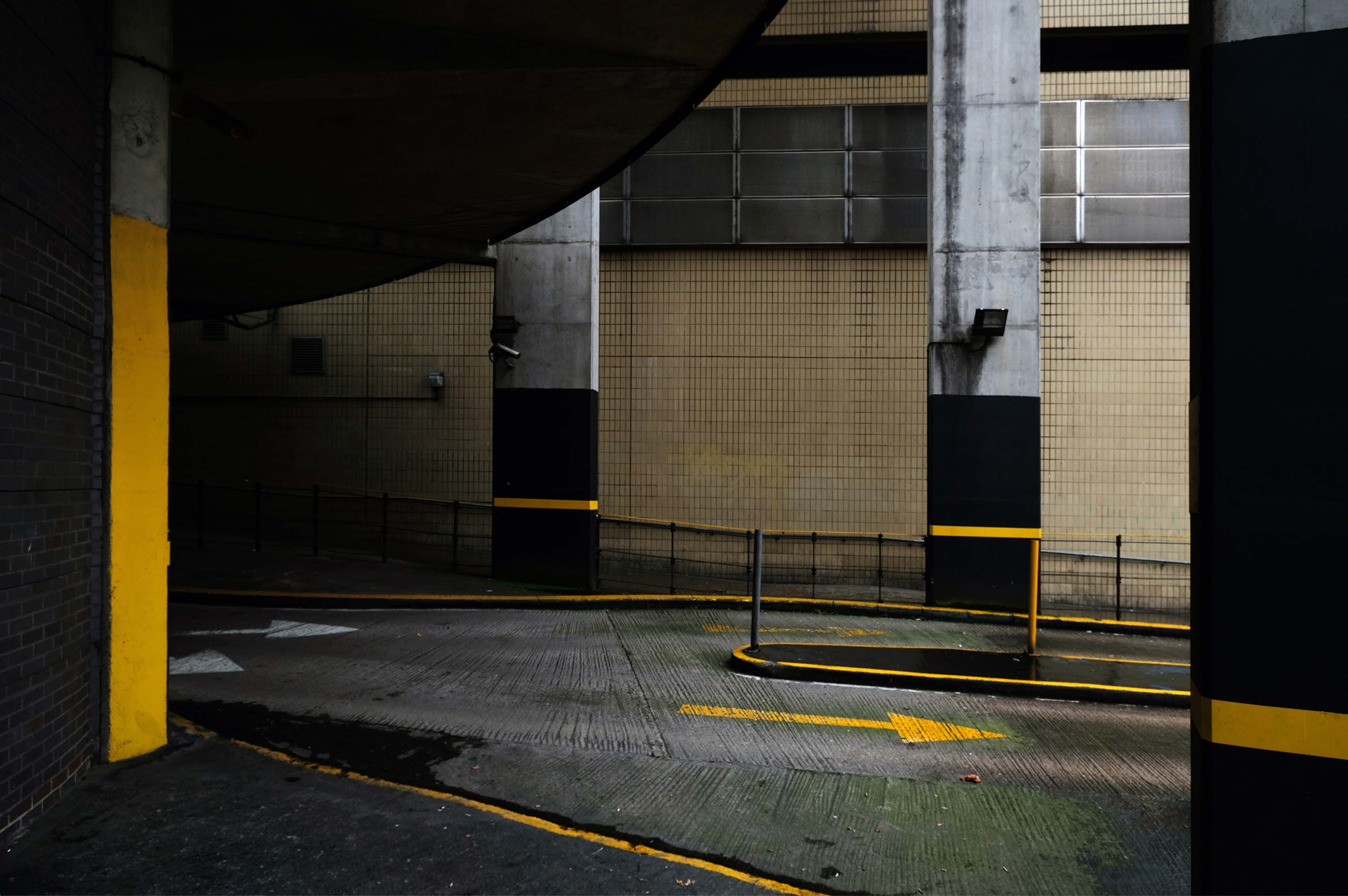
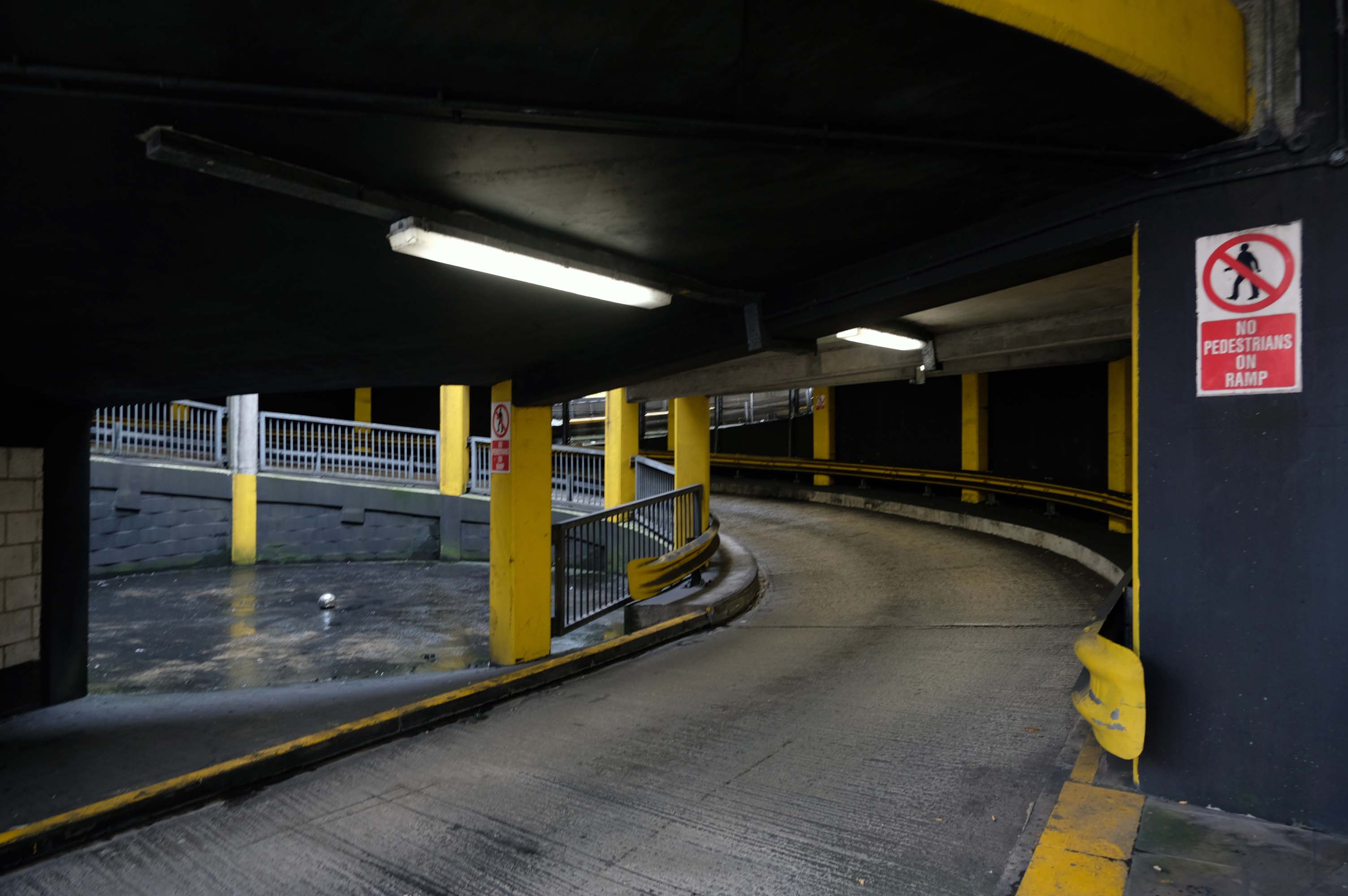
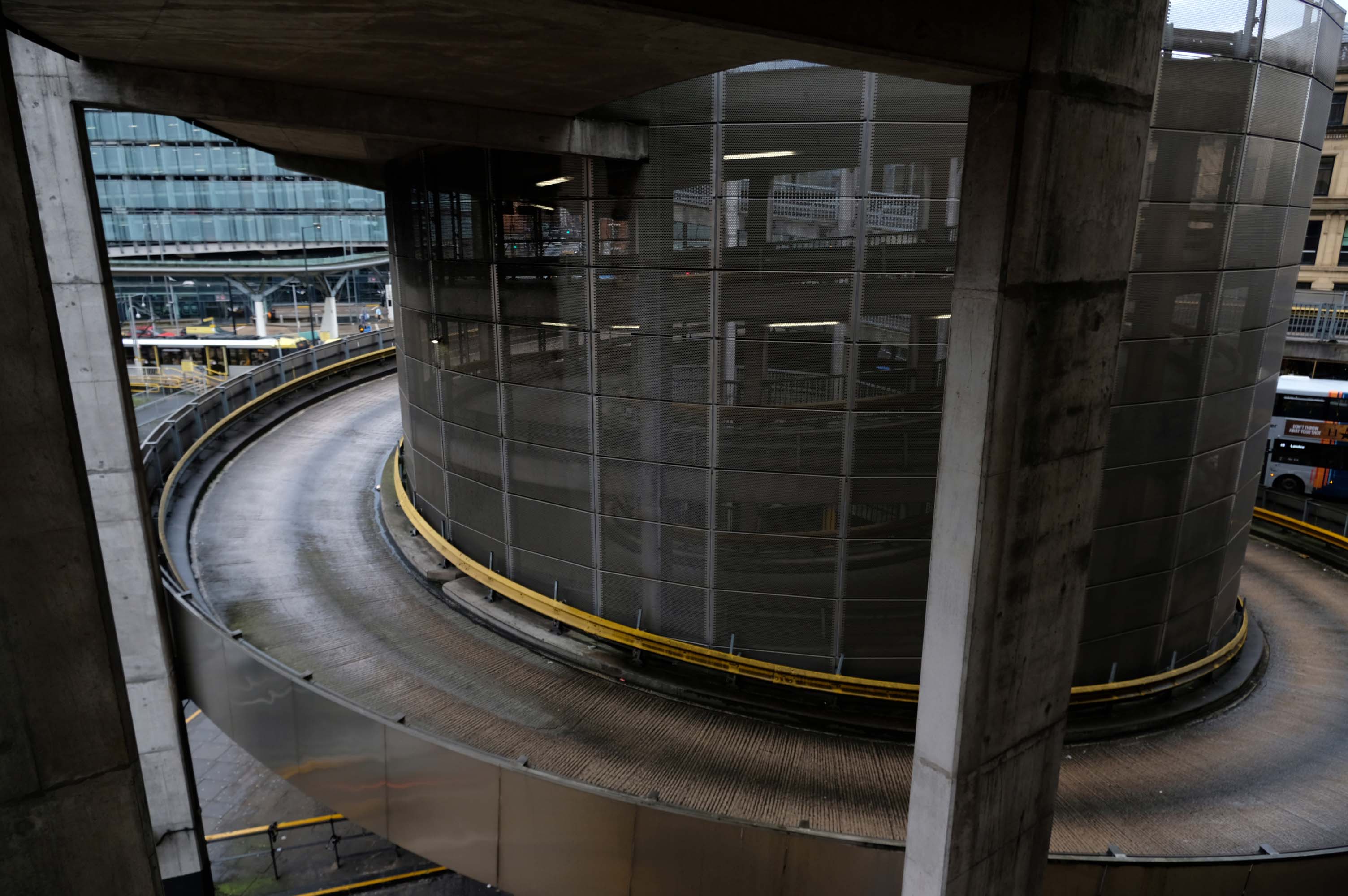
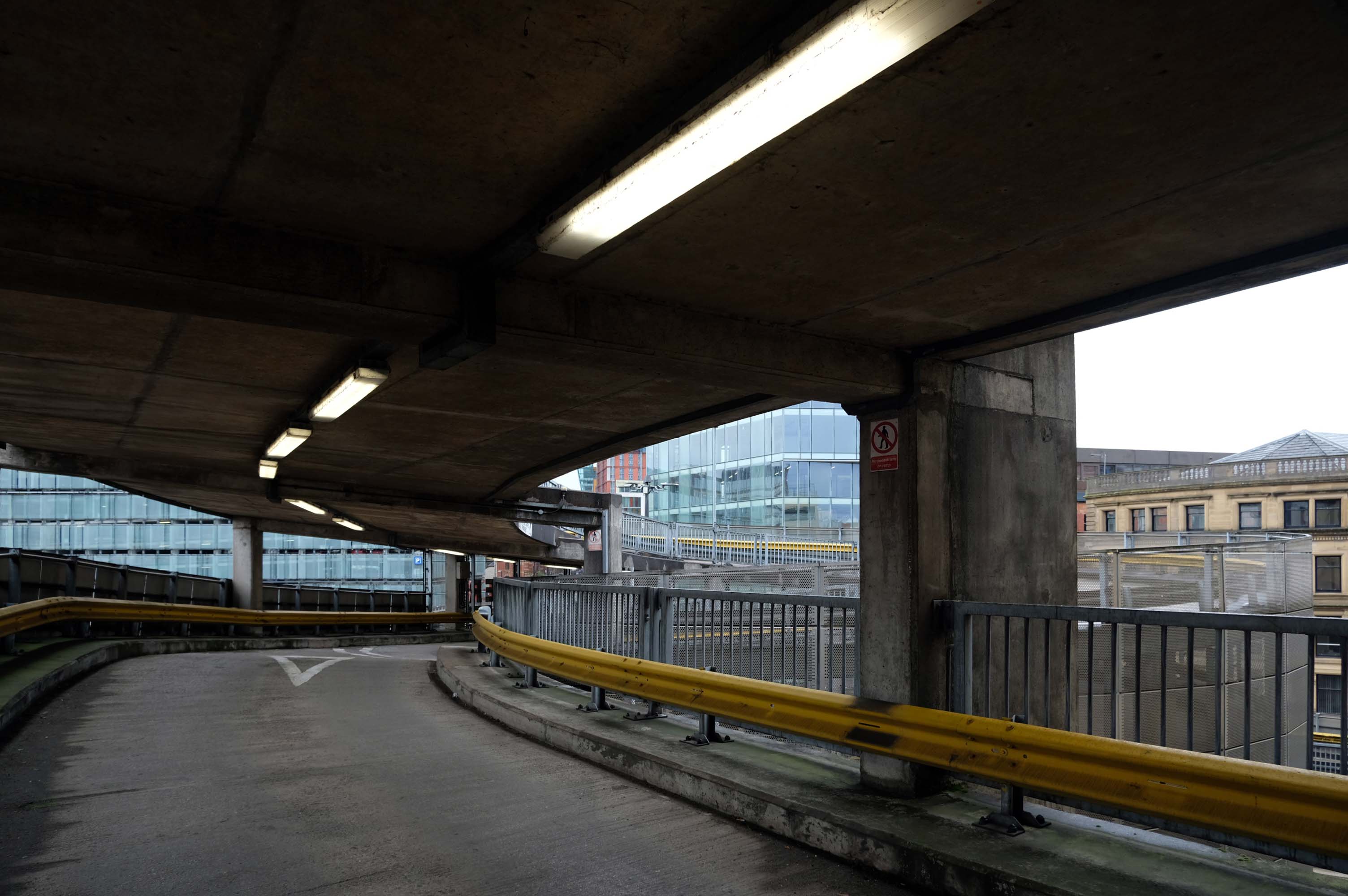
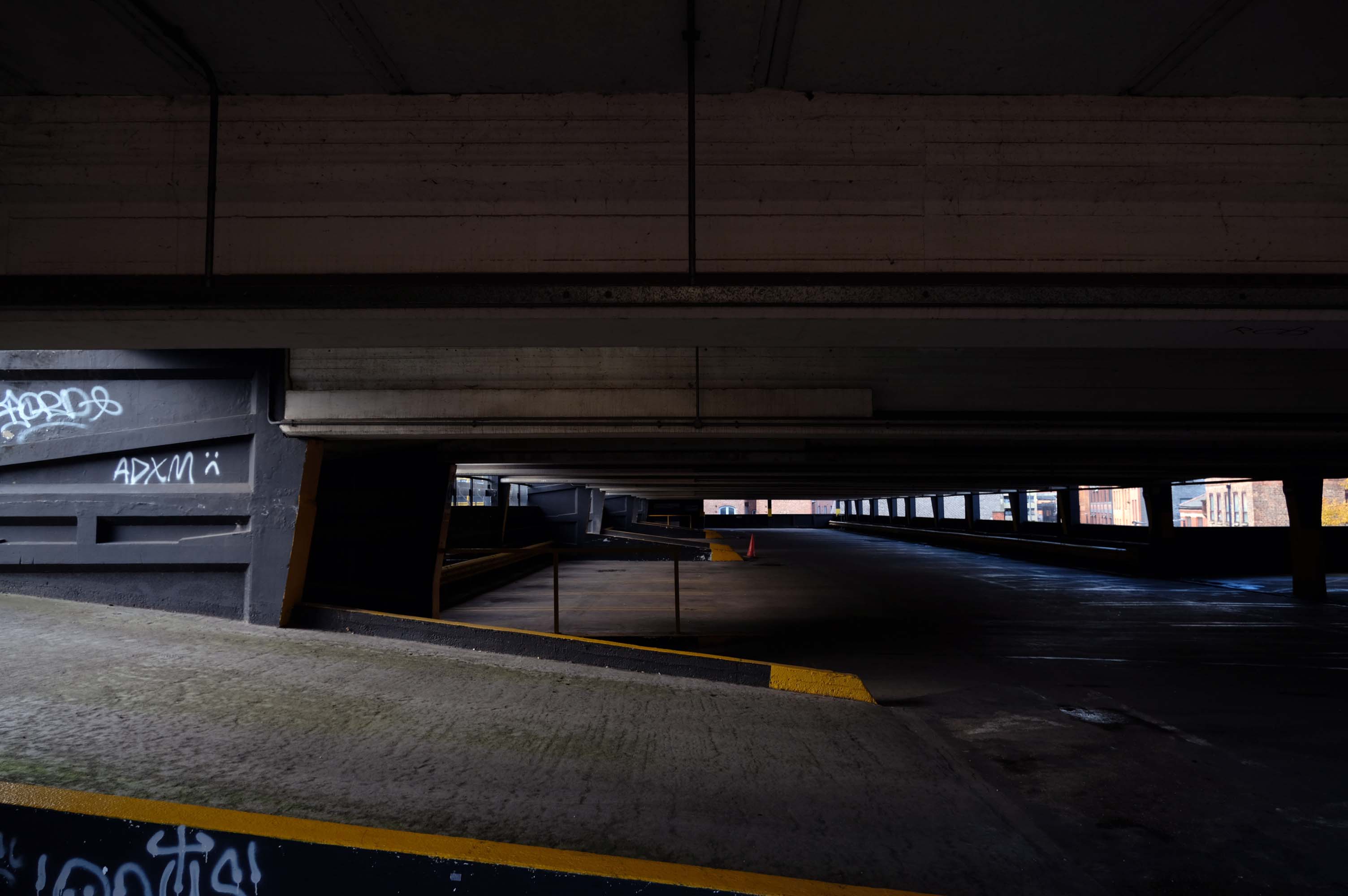
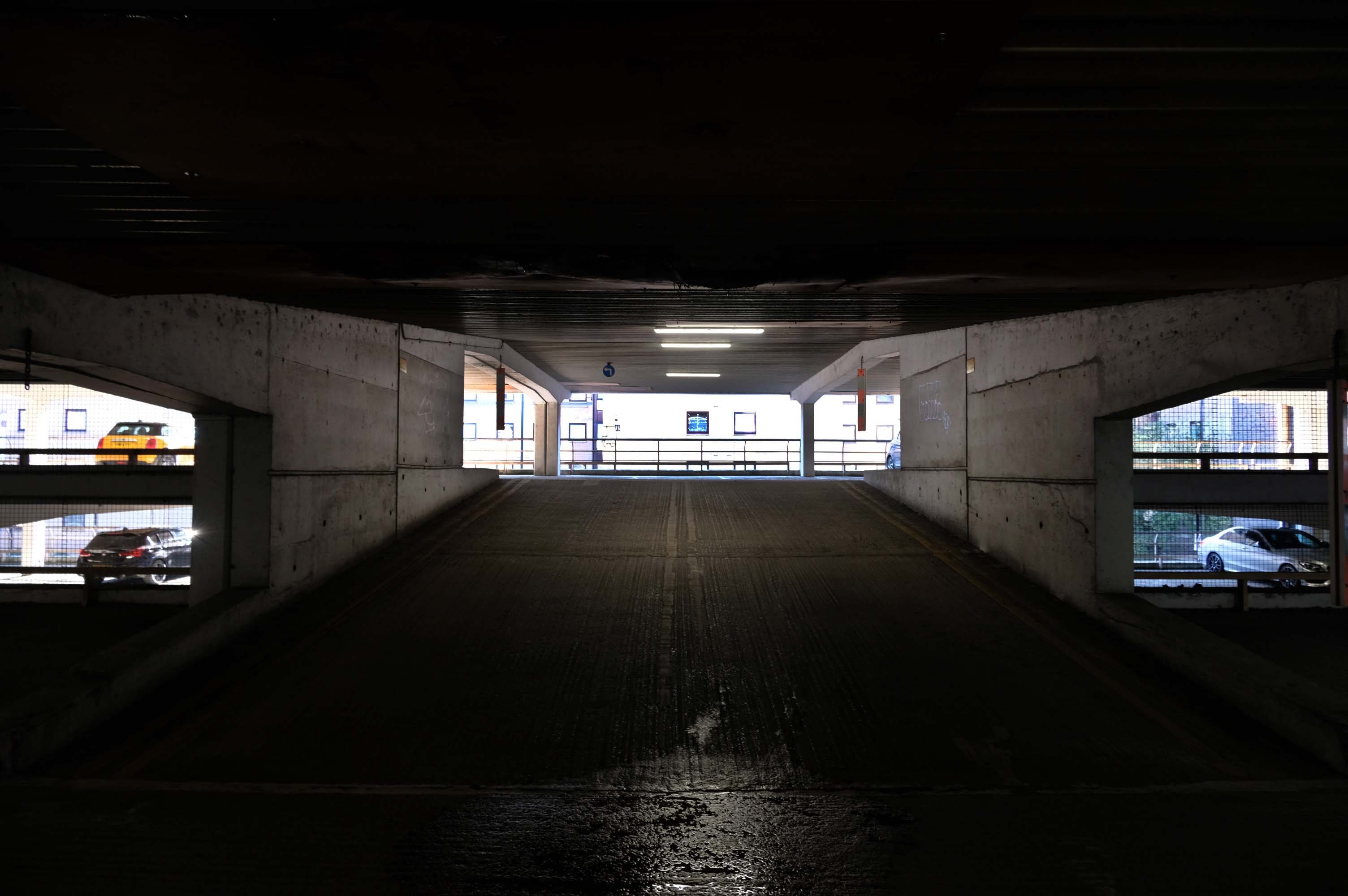
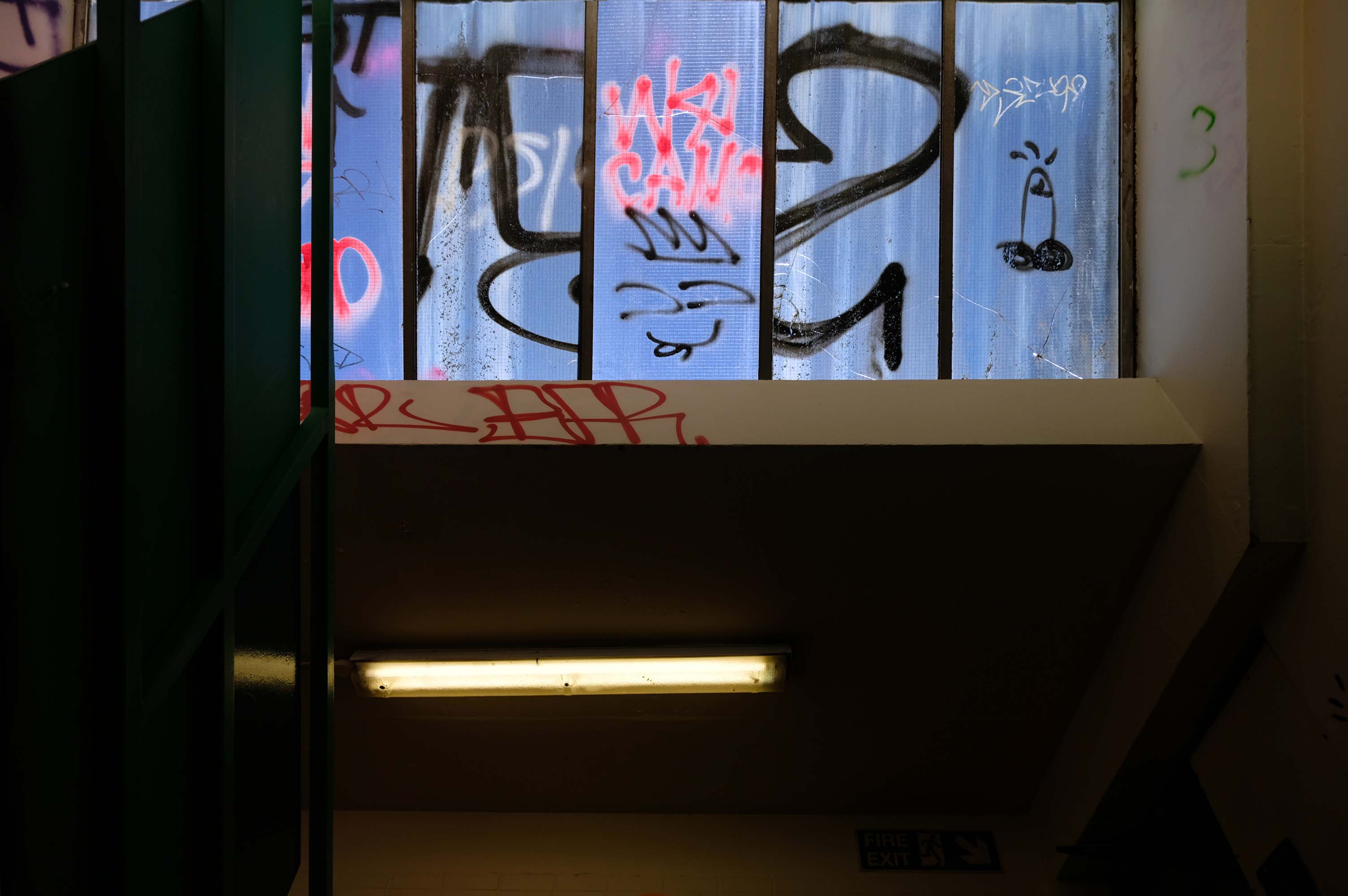
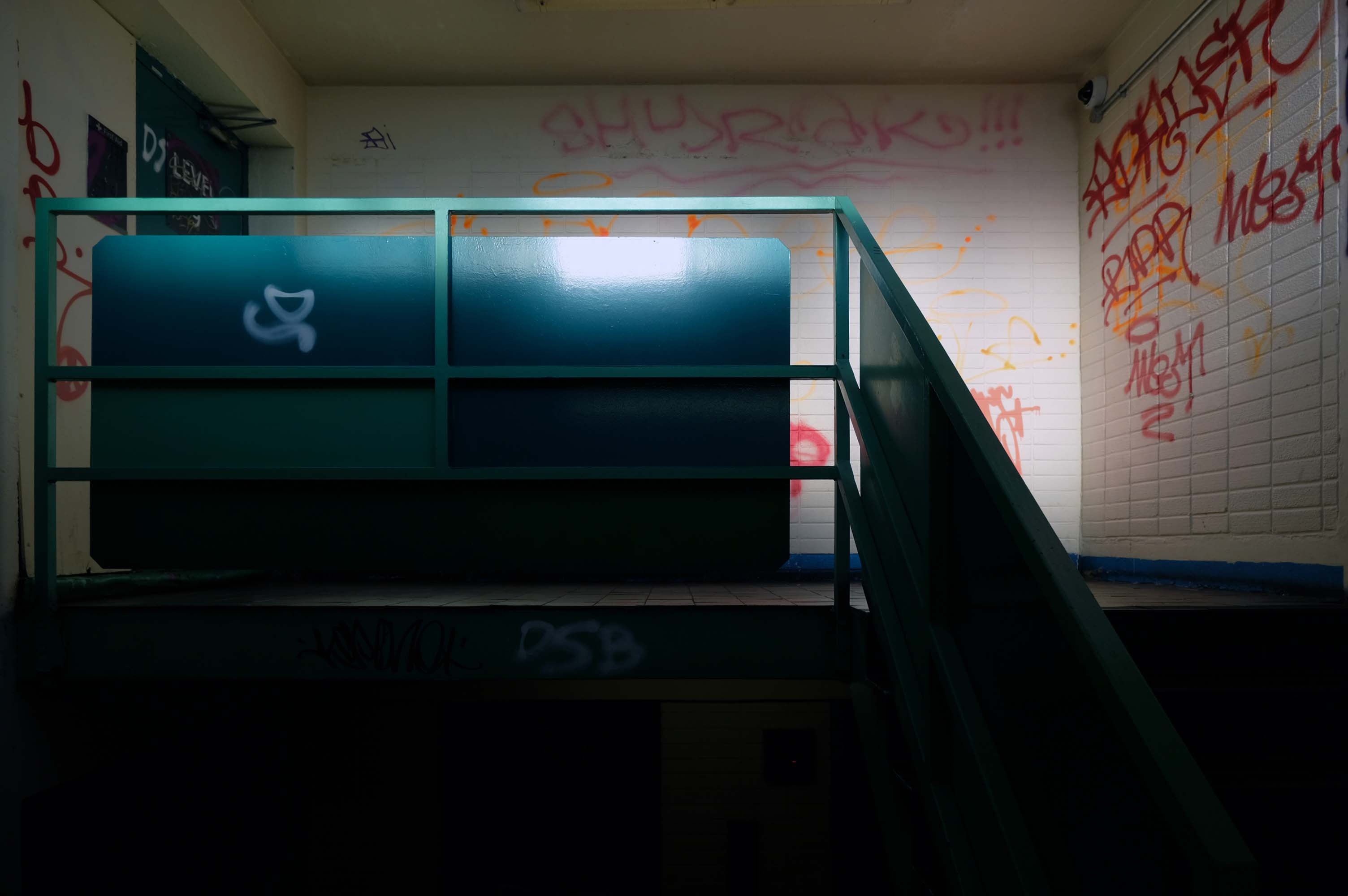
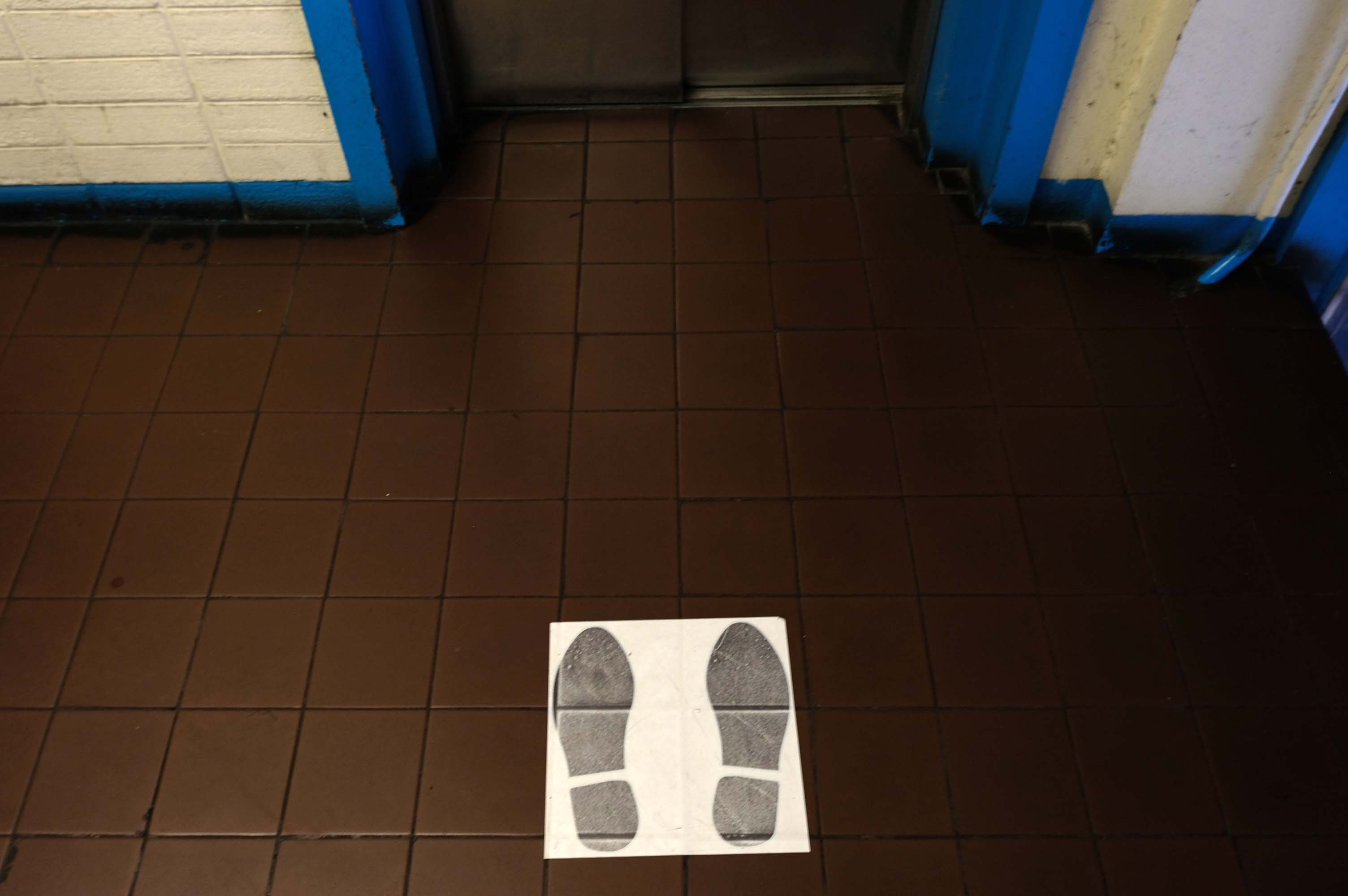
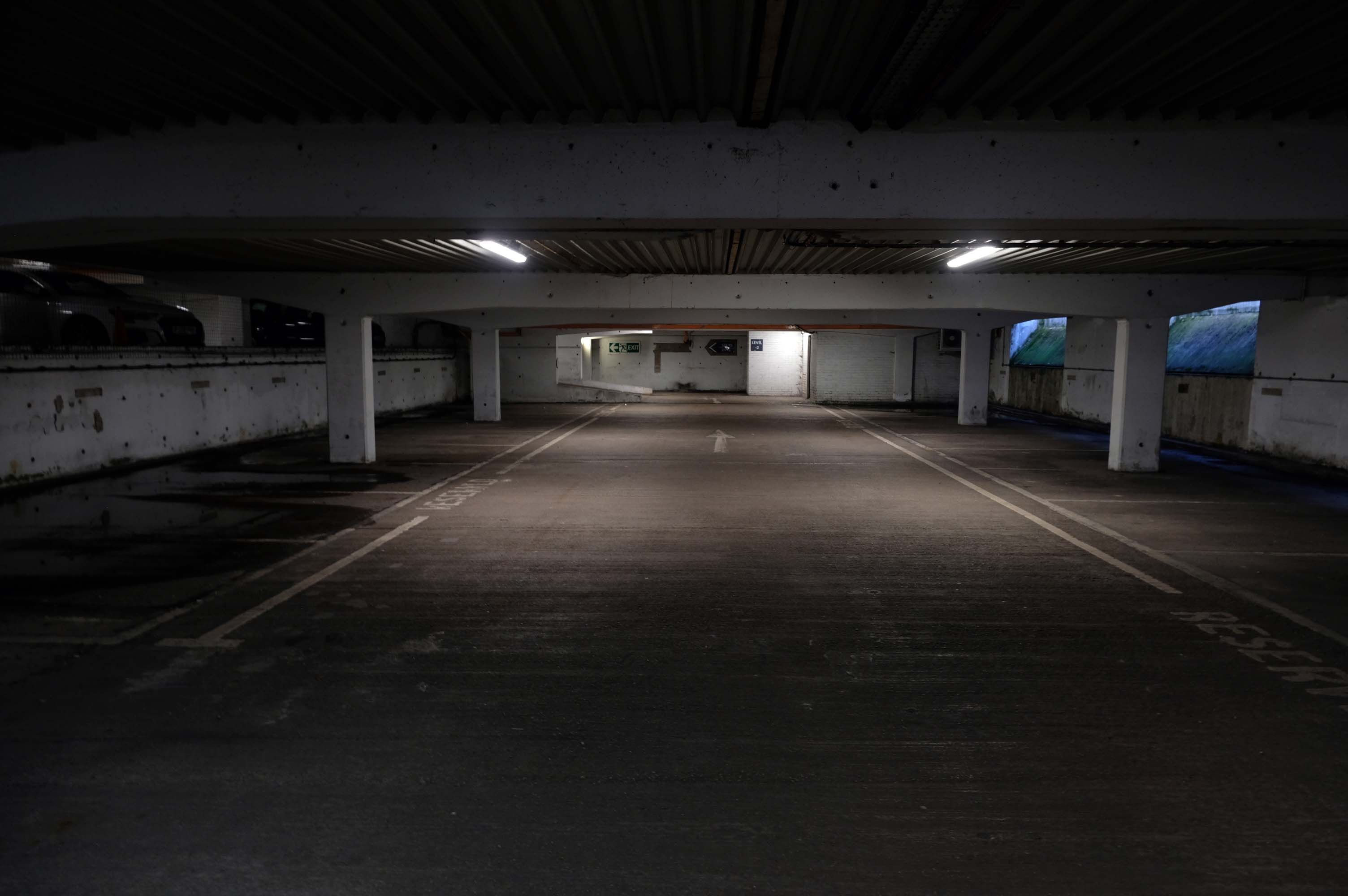
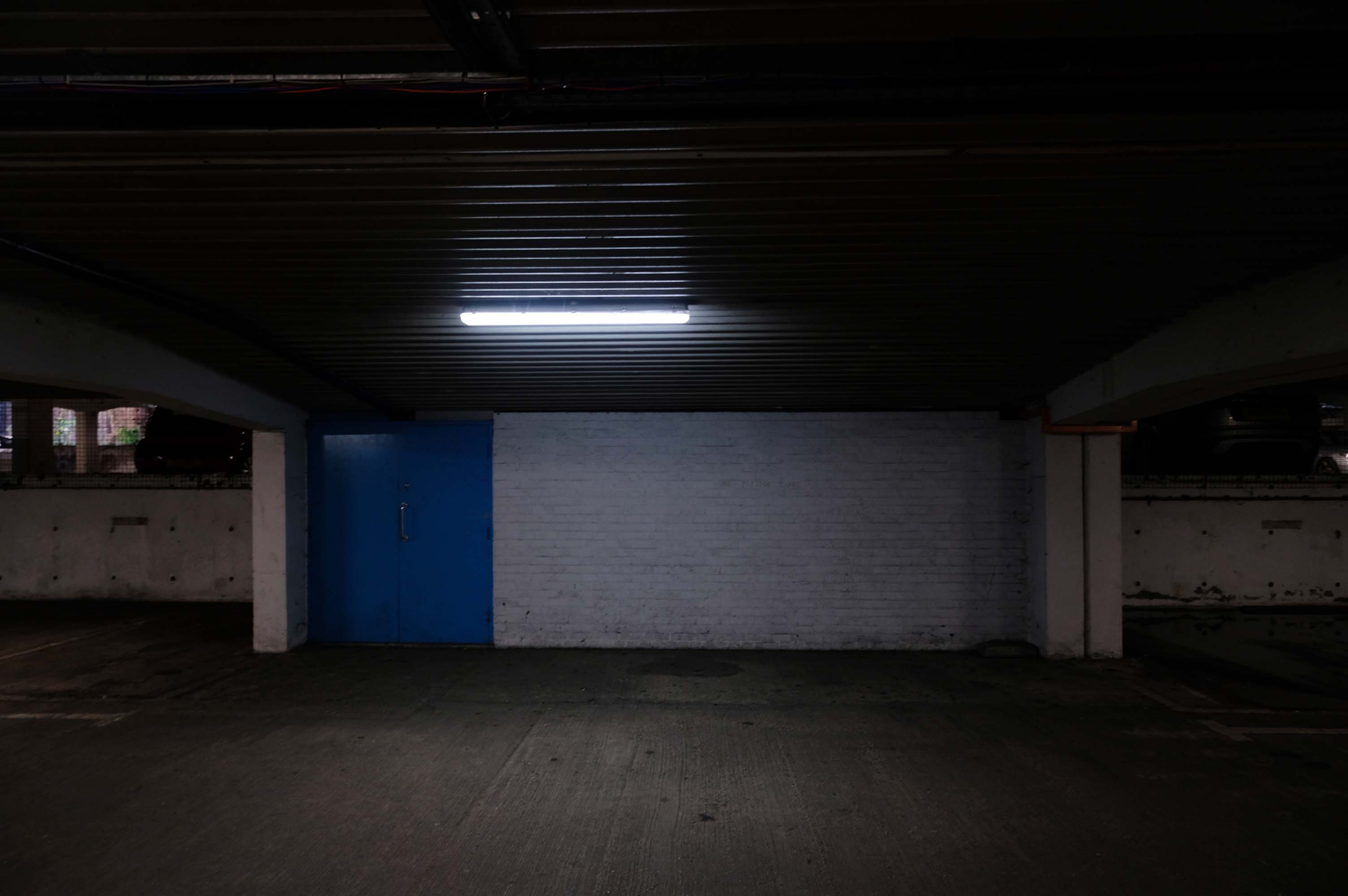
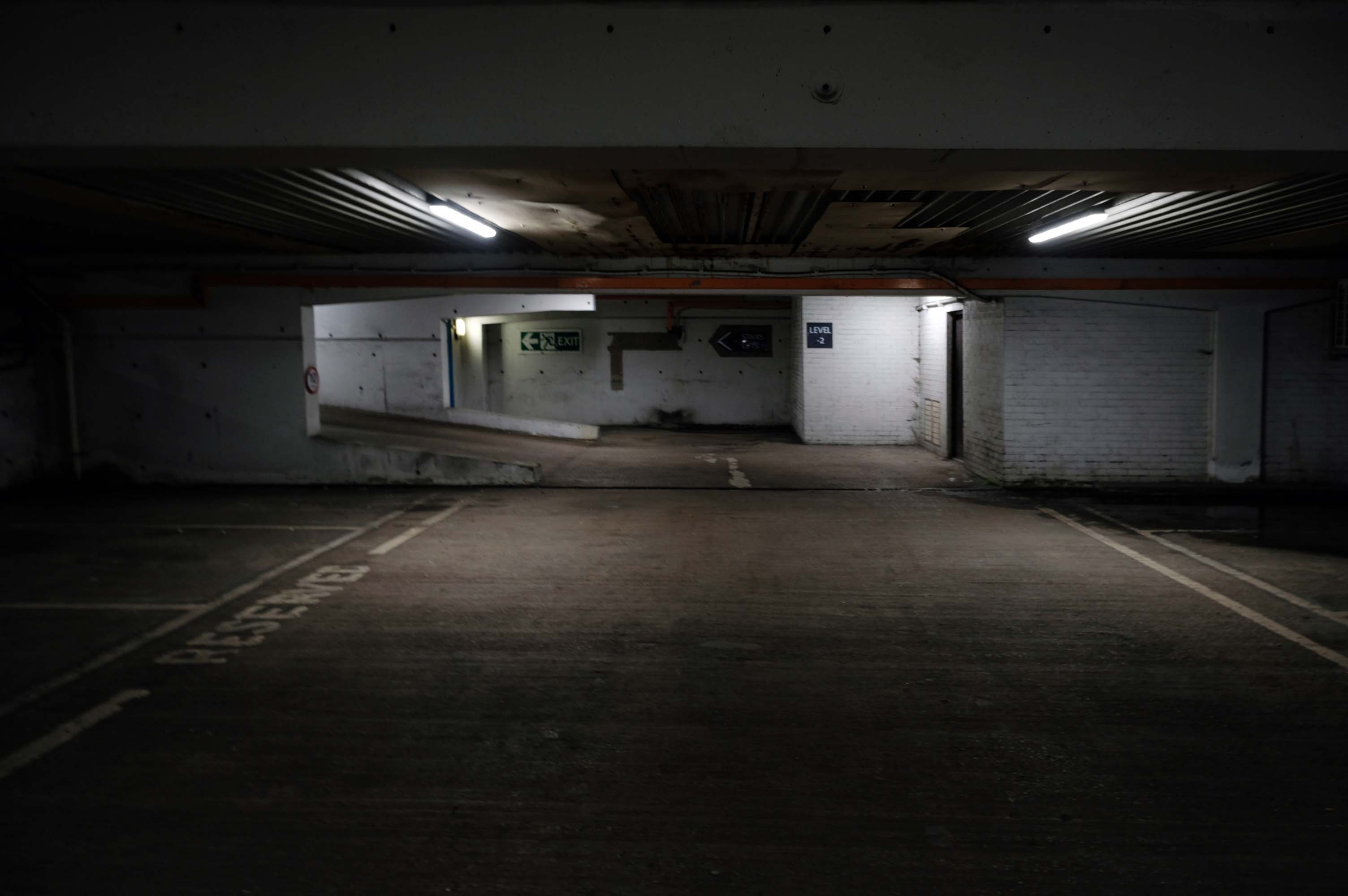
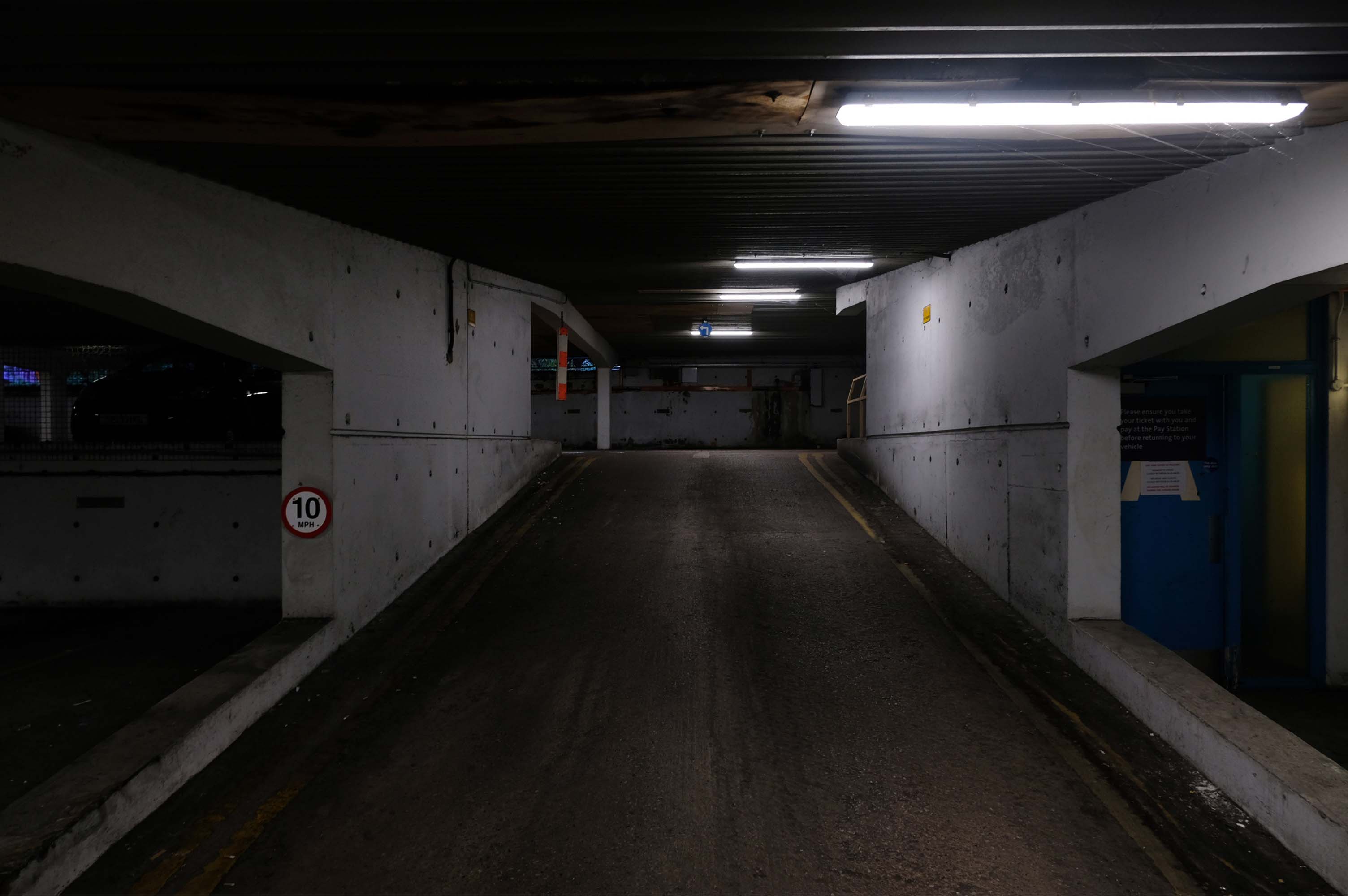
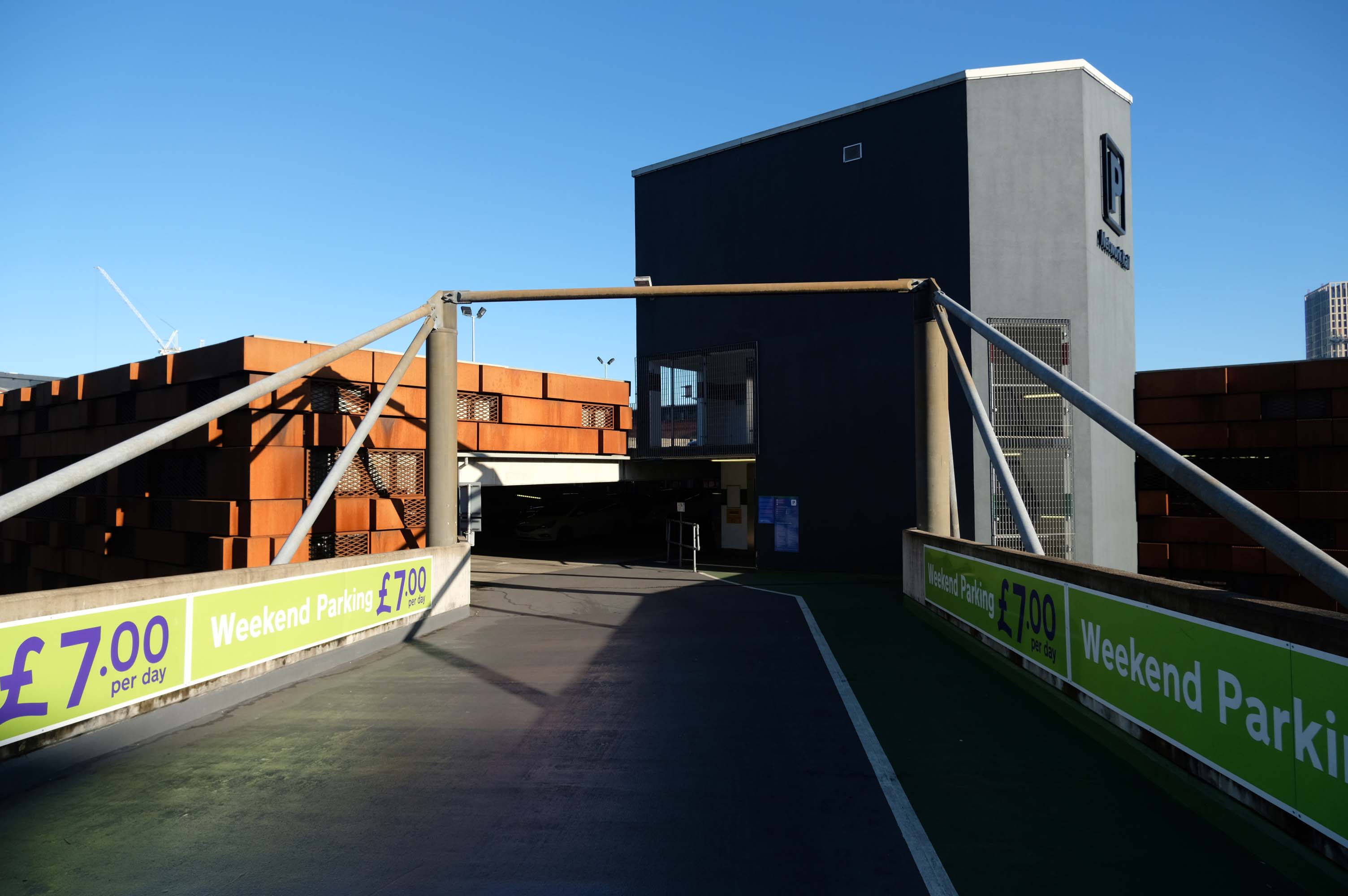
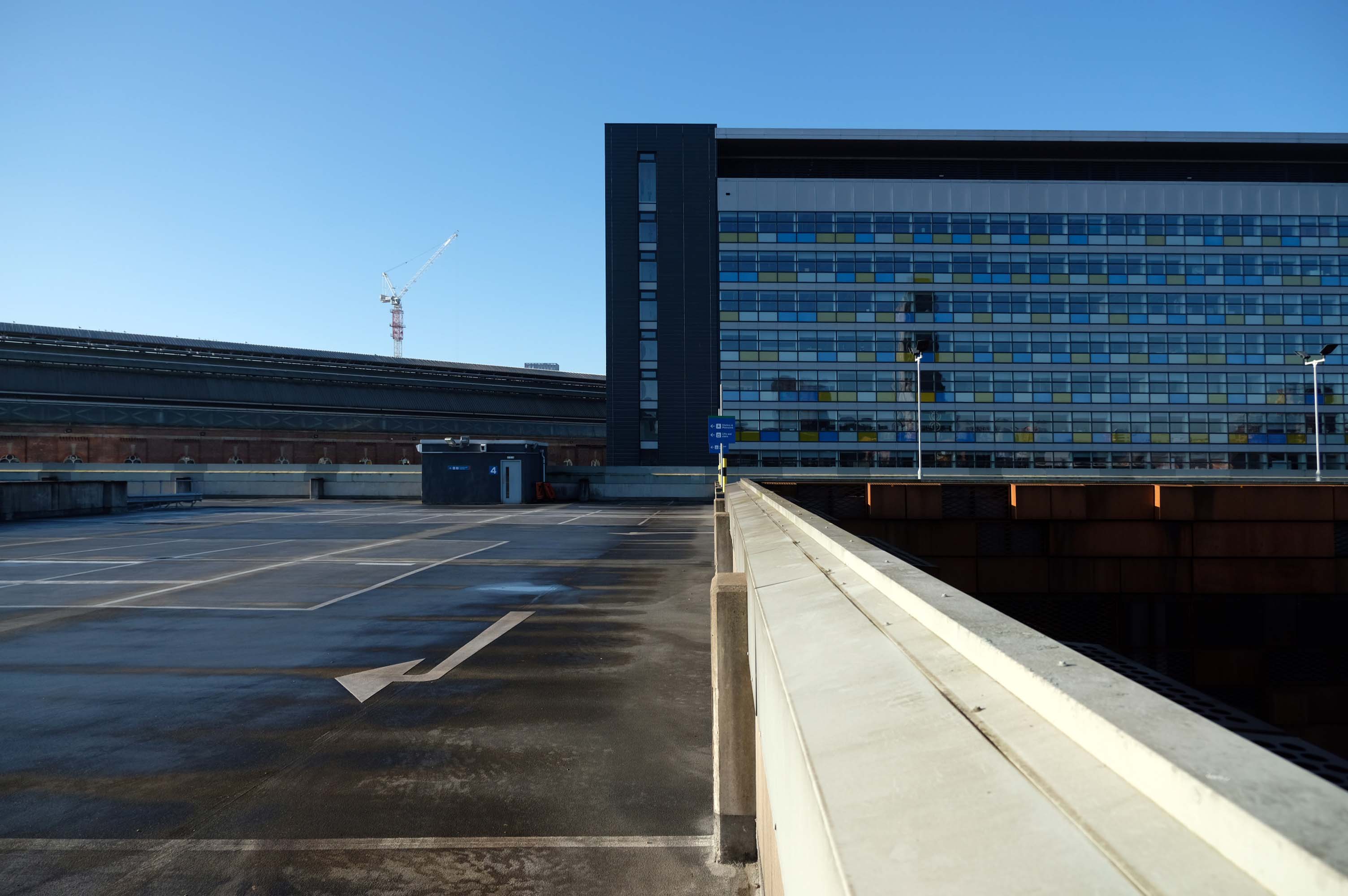
The pedestrian in a car park approaches cautiously – along the ramp.
Retreating the better to circumnavigate the site.
I was quickly losing light – so I called it a day.
Fielden Clegg Bradley were concept architects while Leach Rhodes Walker were delivery architects.
A series of four × two-storey-deep lattice girders and a single one-storey girder, all measuring up to 27m-long, span over the zone where the underground pipes are located. In these parts, the car park has no first-floor level as the local water board needed a 5m ground-to-ceiling clearance in case they had to undertake any maintenance works. Consequently, the first floor is only a partial level and is set within the depth of the larger lattice girders, as is the second floor, while the third level is supported on top of these members.
Supporting a hotel would be challenging enough, however the design has also had to incorporate large bridging elements as there are two subterranean 600mm-diameter water pipes crossing the site. “It’s a very unusual design and one that was originally designed as a concrete-framed structure,” says James Killelea Senior Structural Engineer Charlie Twist. “However, the bridging parts would have proven to be too difficult to build and consequently a steel-framed solution was chosen for the car park, which in turn supports a precast concrete hotel.”
This car park is one of the cleanest and most well maintained in Manchester.
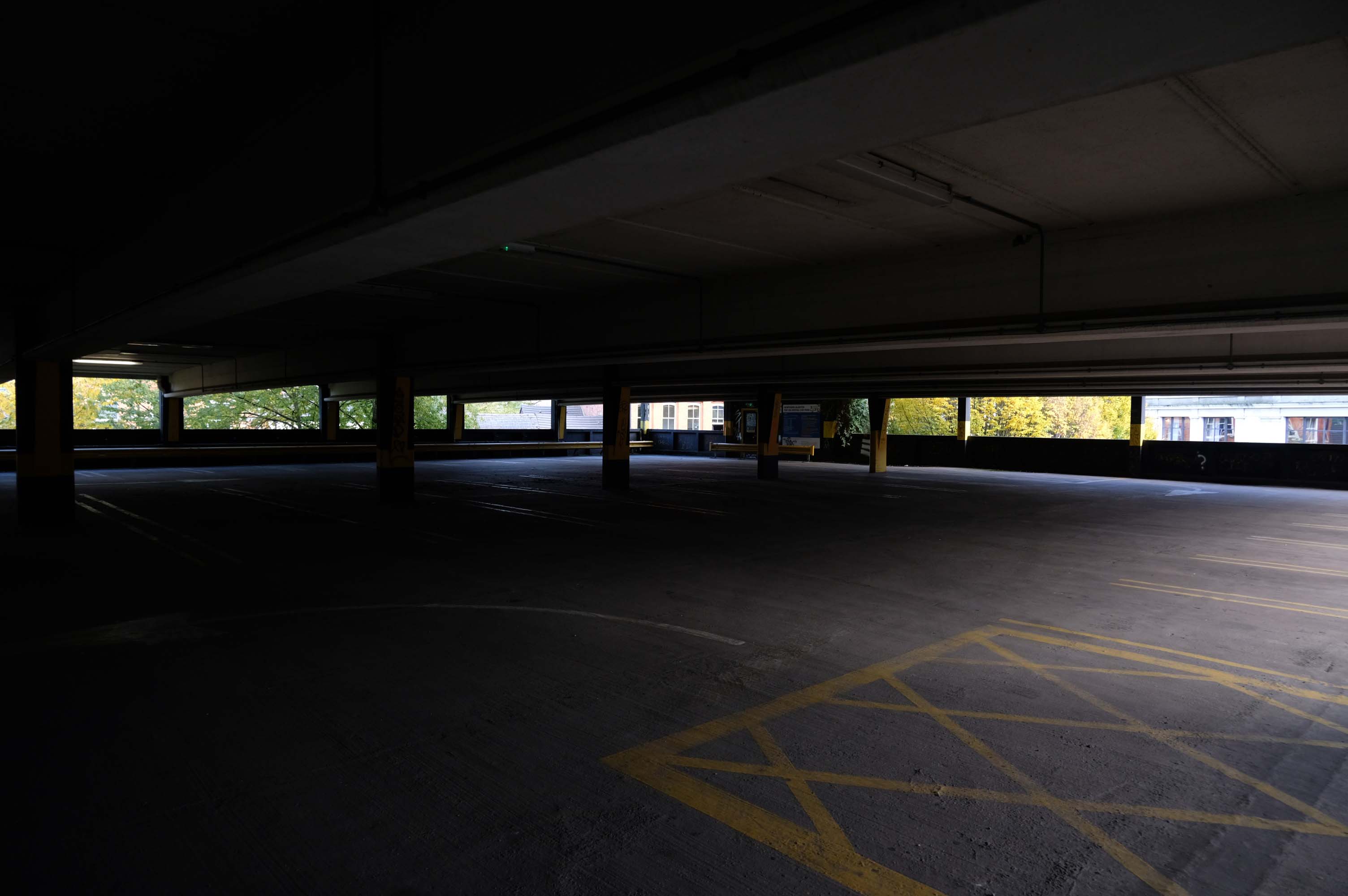
What a refreshing change for the pedestrian in a car park!
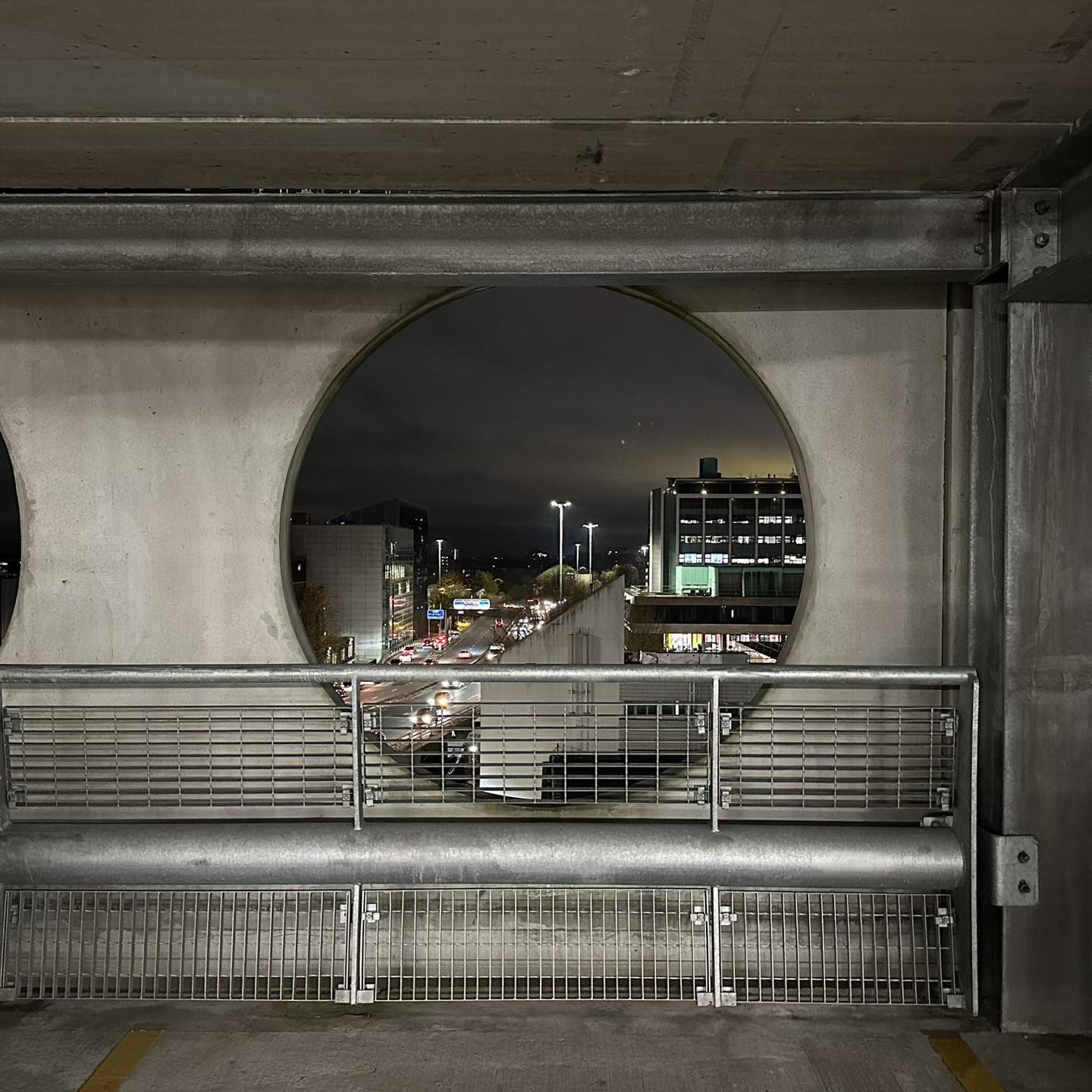
As a coda my hero Bob Mould late of Hüsker Dü posted this pic this week!
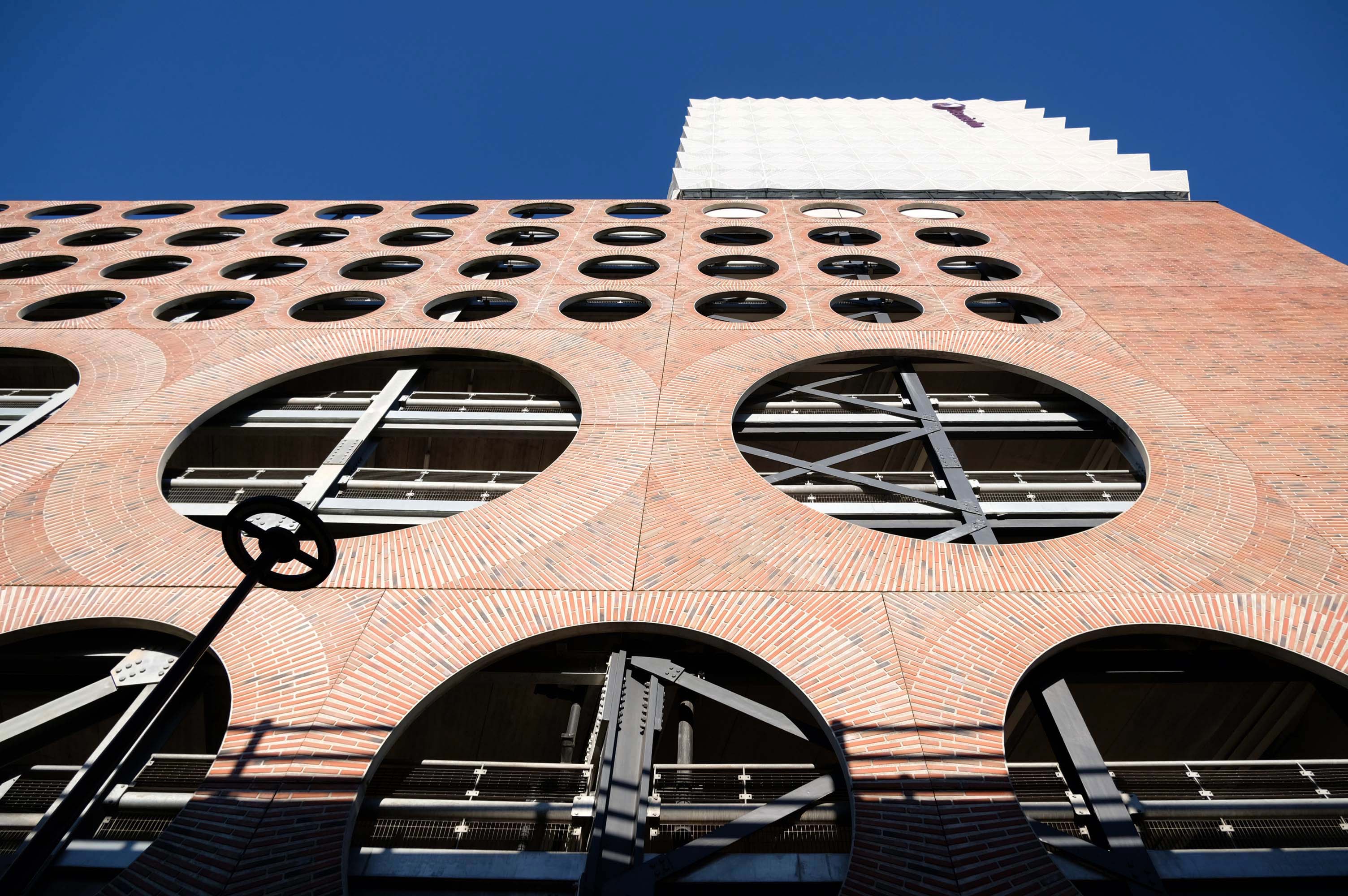
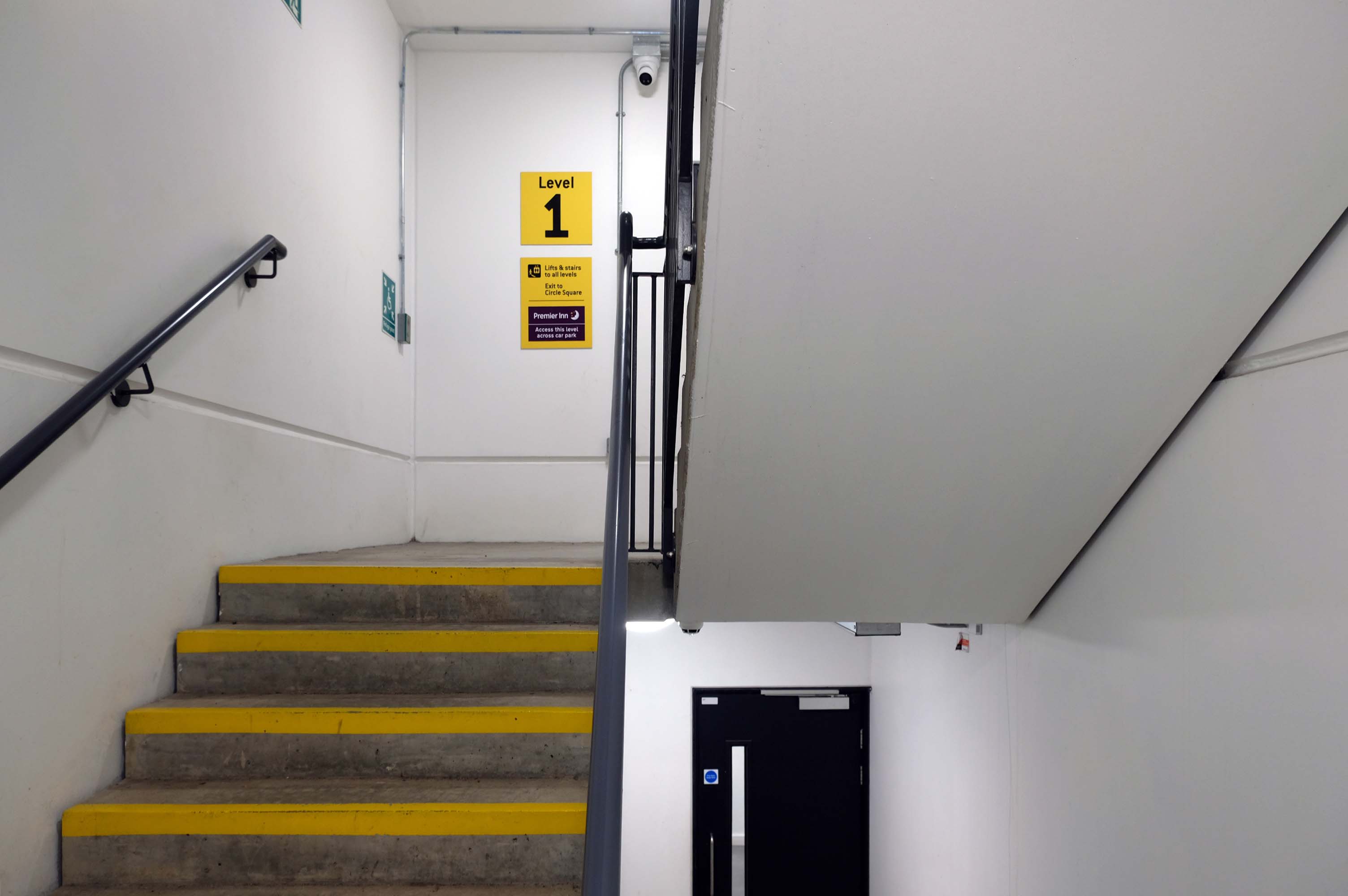
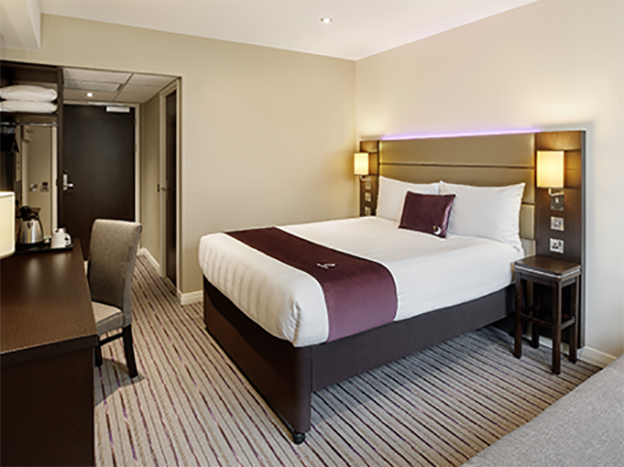
I assume that he was staying in the Premier Inn which sits atop the car park.
Good location but the access to the shopping centre is dirty. Lifts dirty – discarded soiled underwear, urine, spit and rubbish in the lifts, car park also full of litter.
The most unnecessarily complicated ticketing system I have ever seen for a car park. Designed to fail so that the system can fine you. Beware, better avoided for overseas visitors.
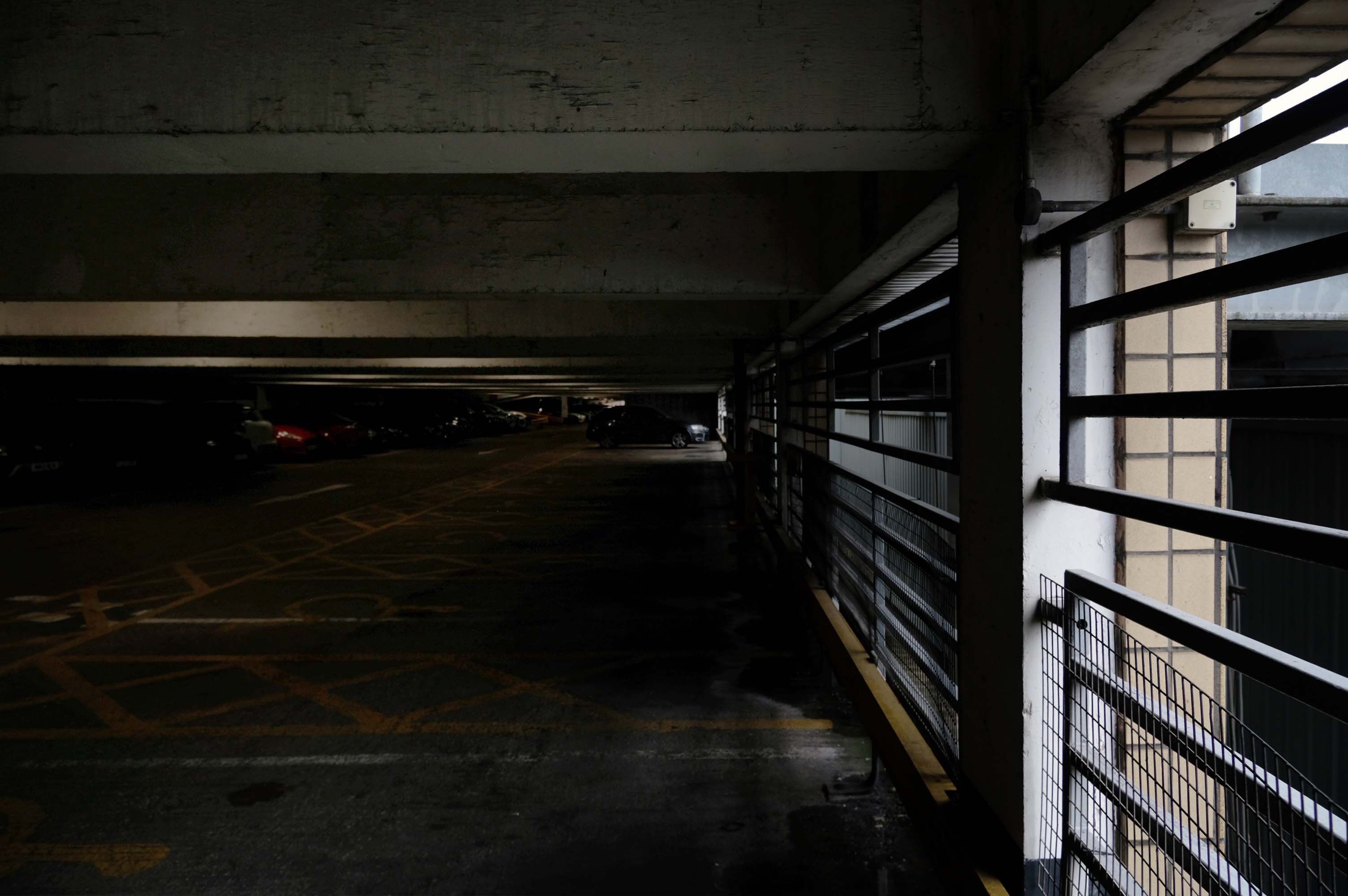
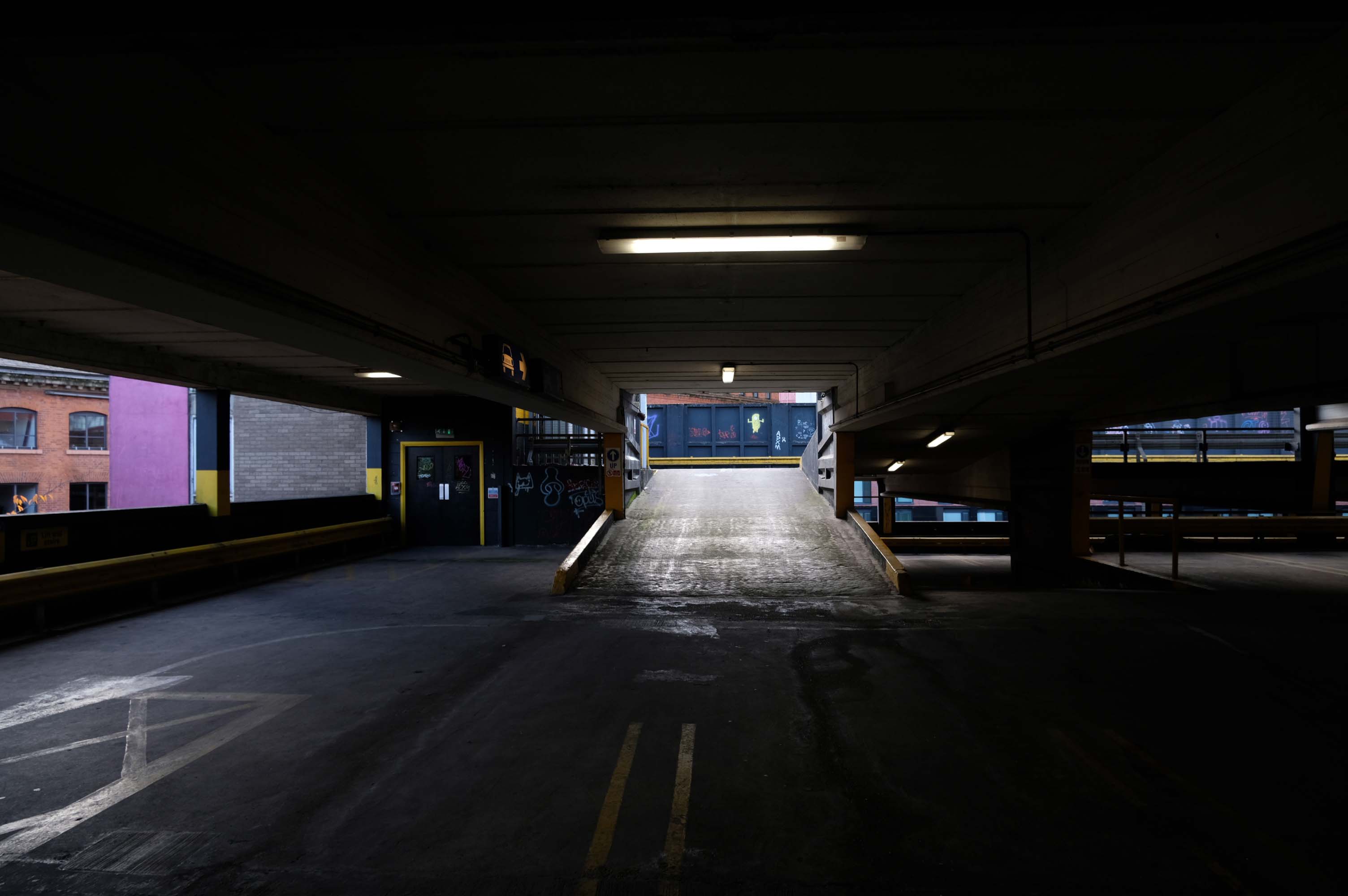
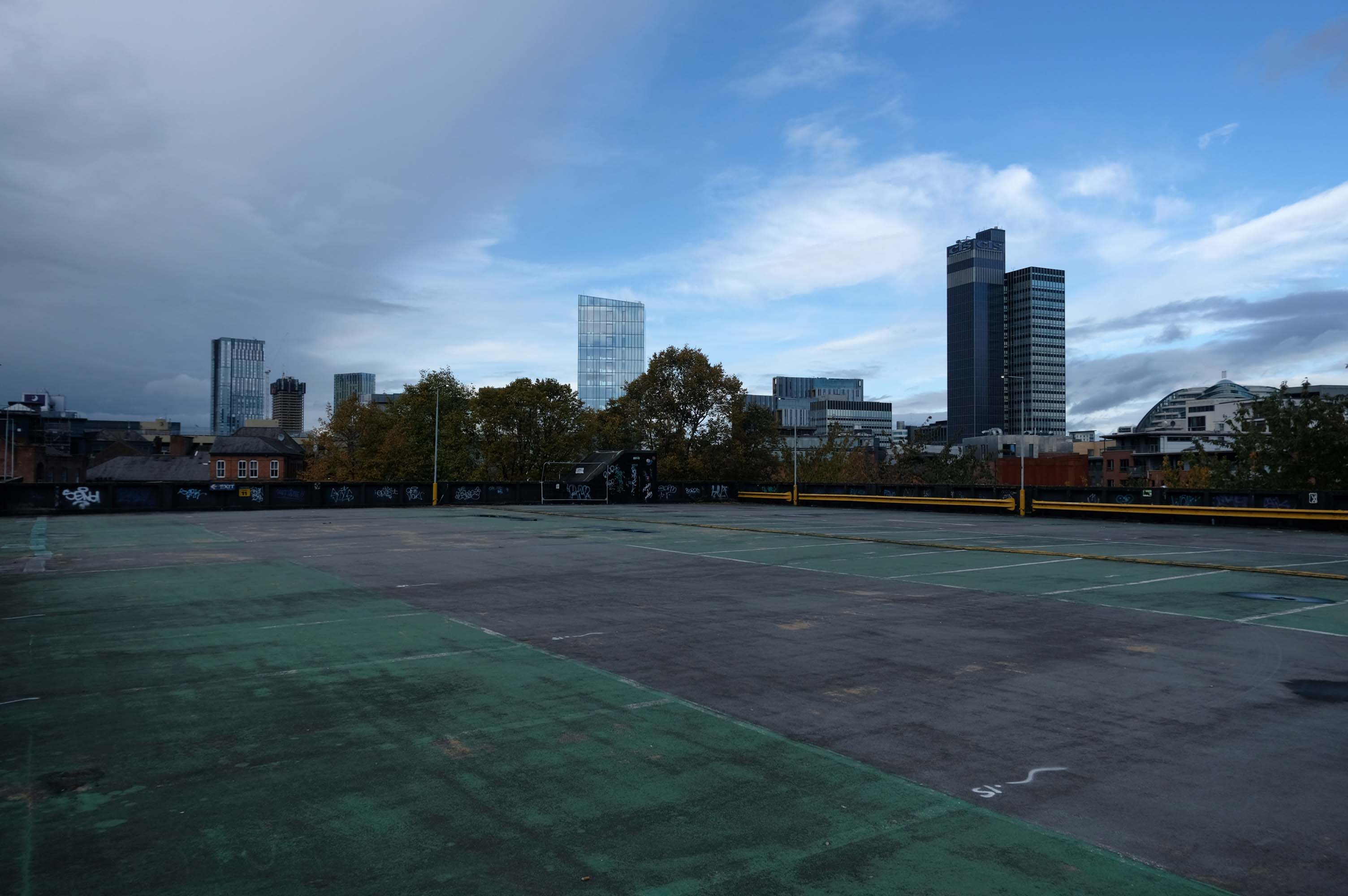
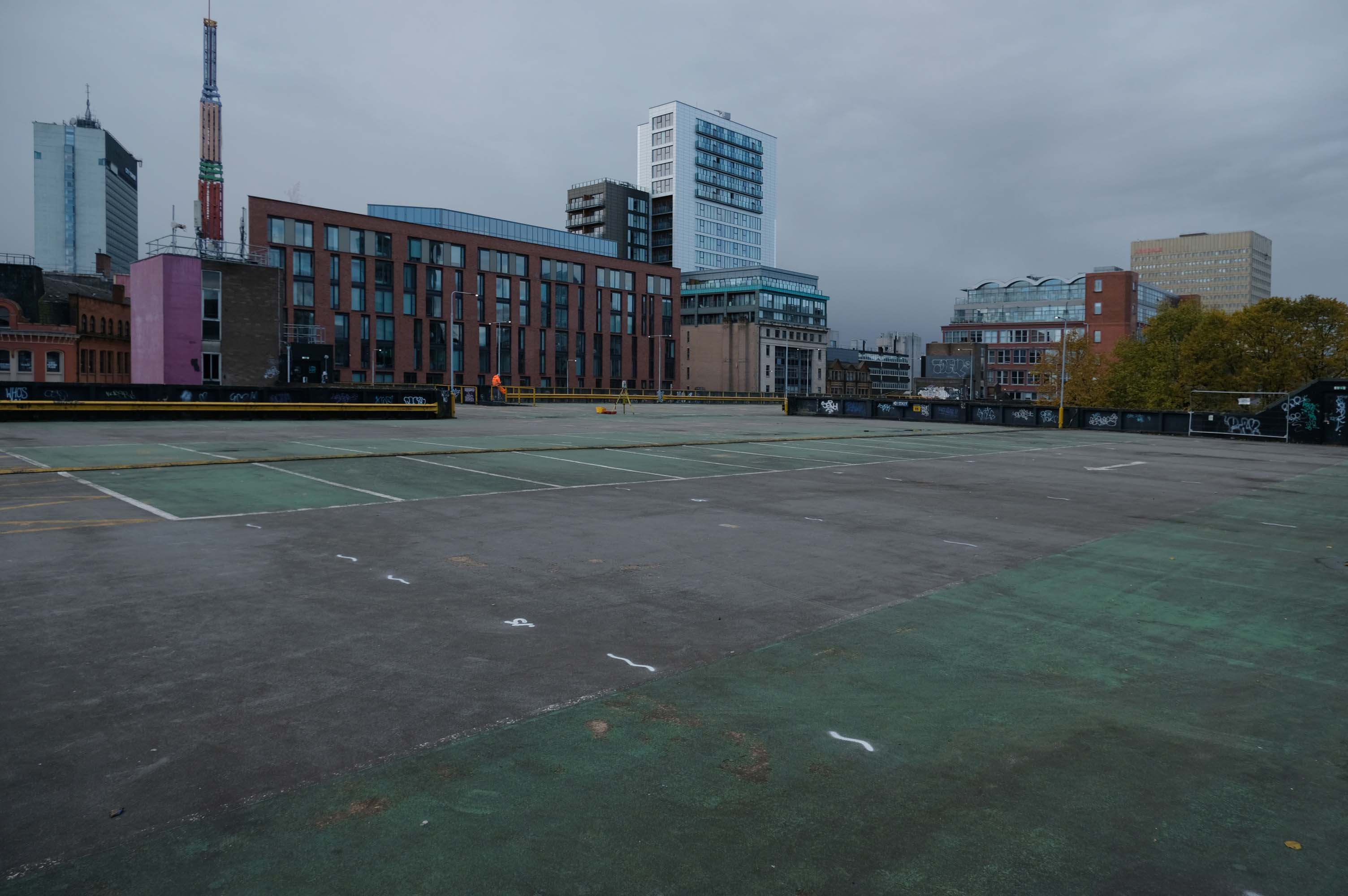
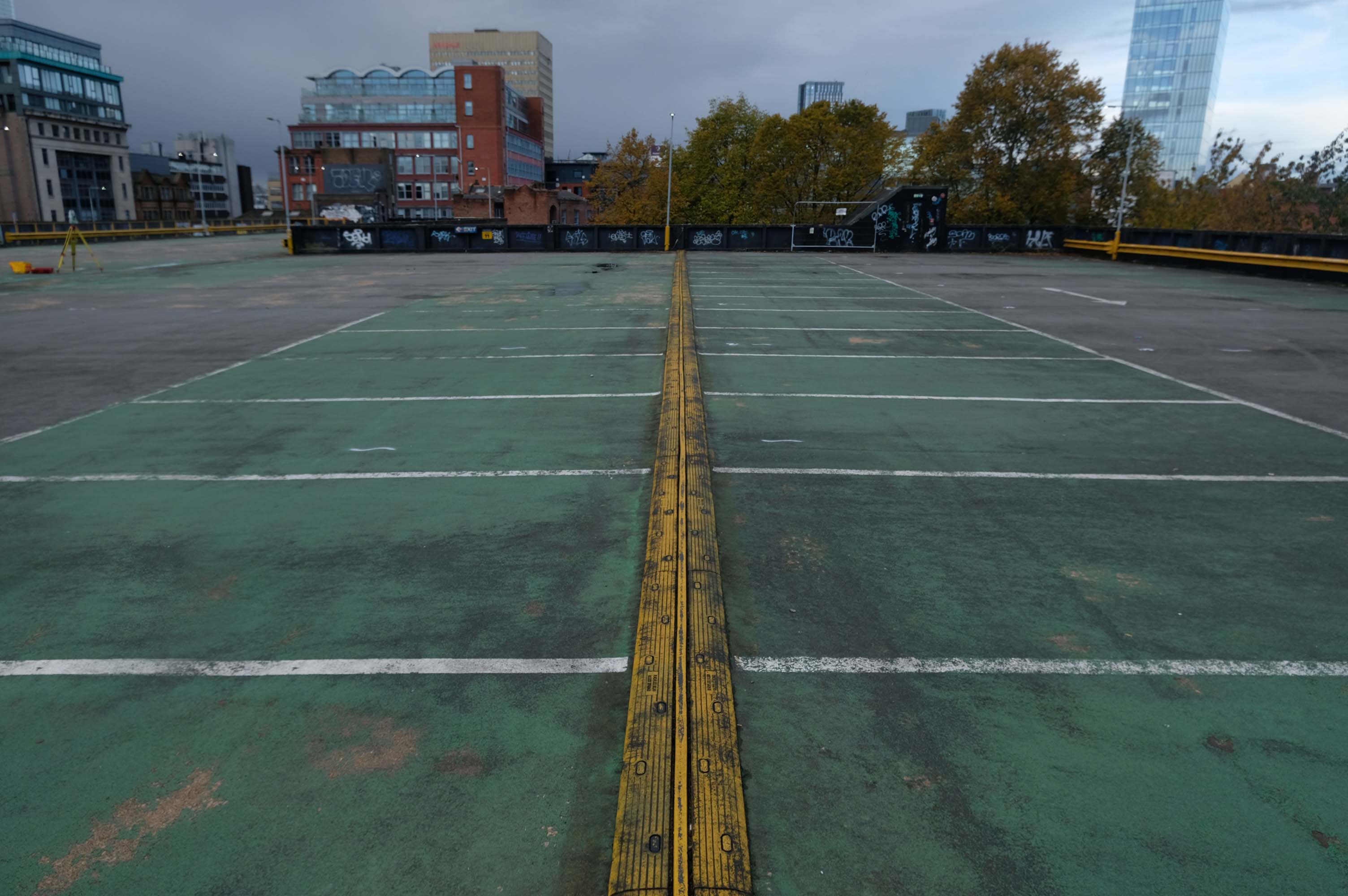
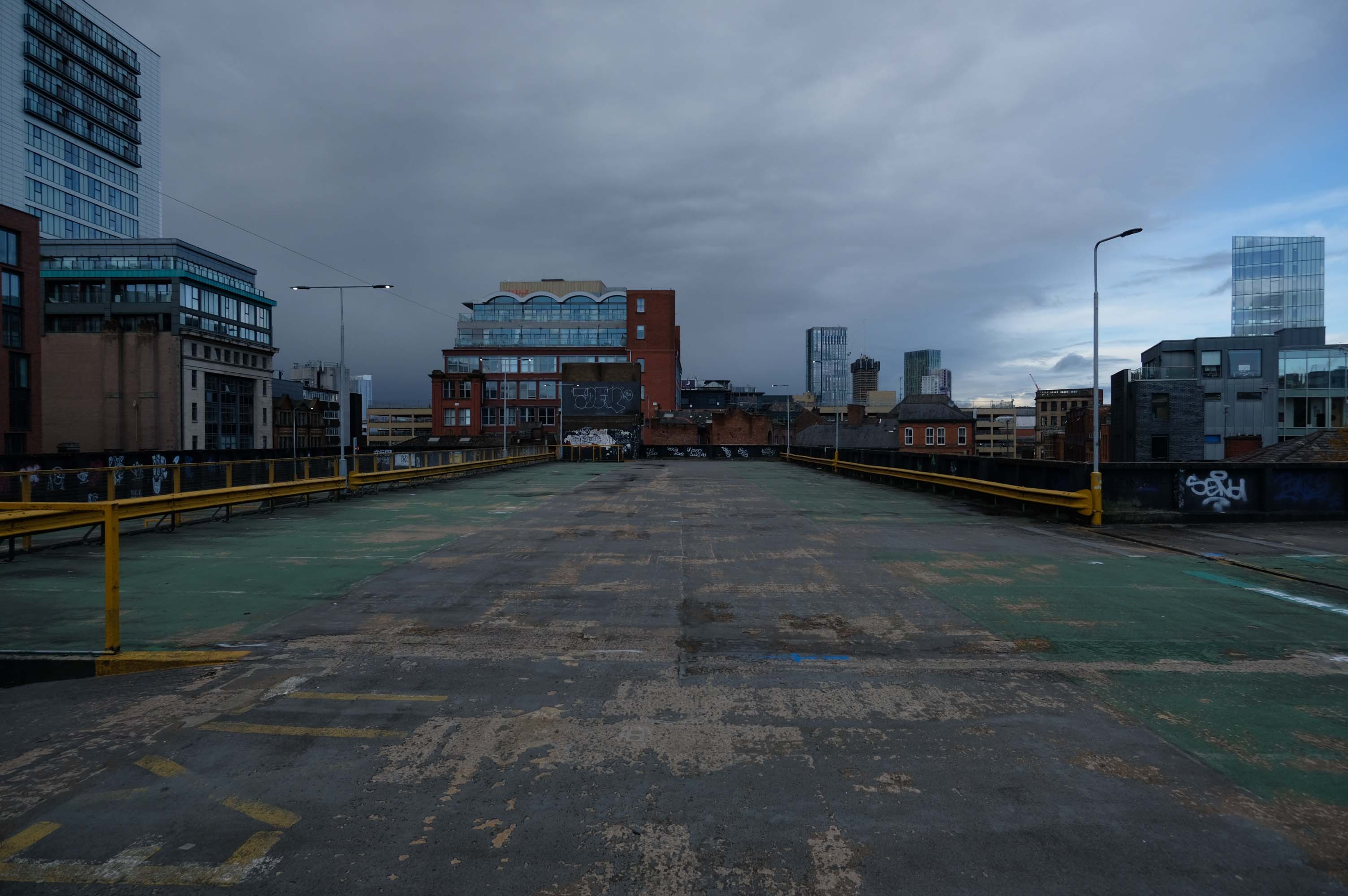
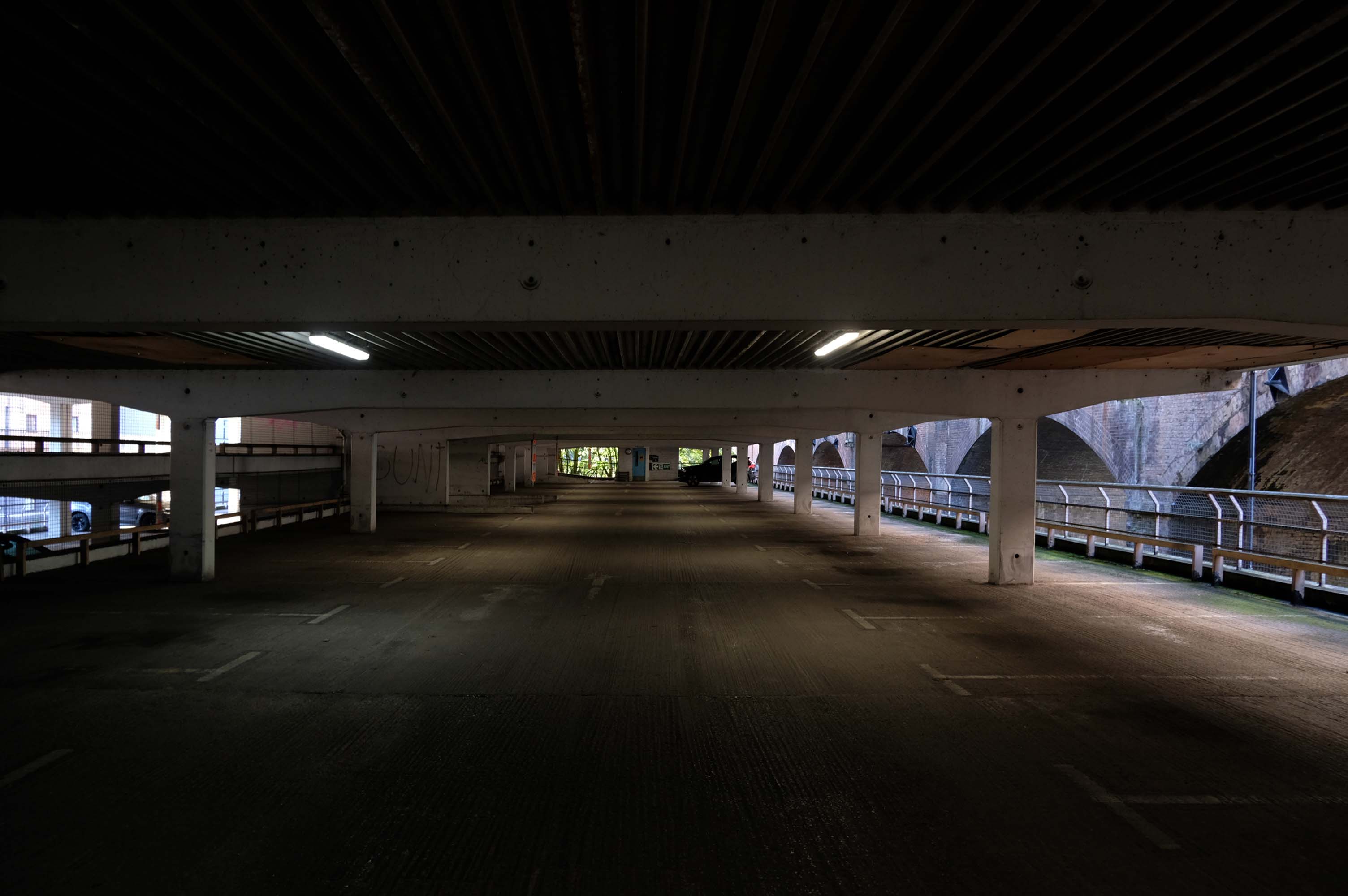
The pedestrian in the car park presses on – encountering structural engineers along the way, who have given the concrete construction a clean bill of health.
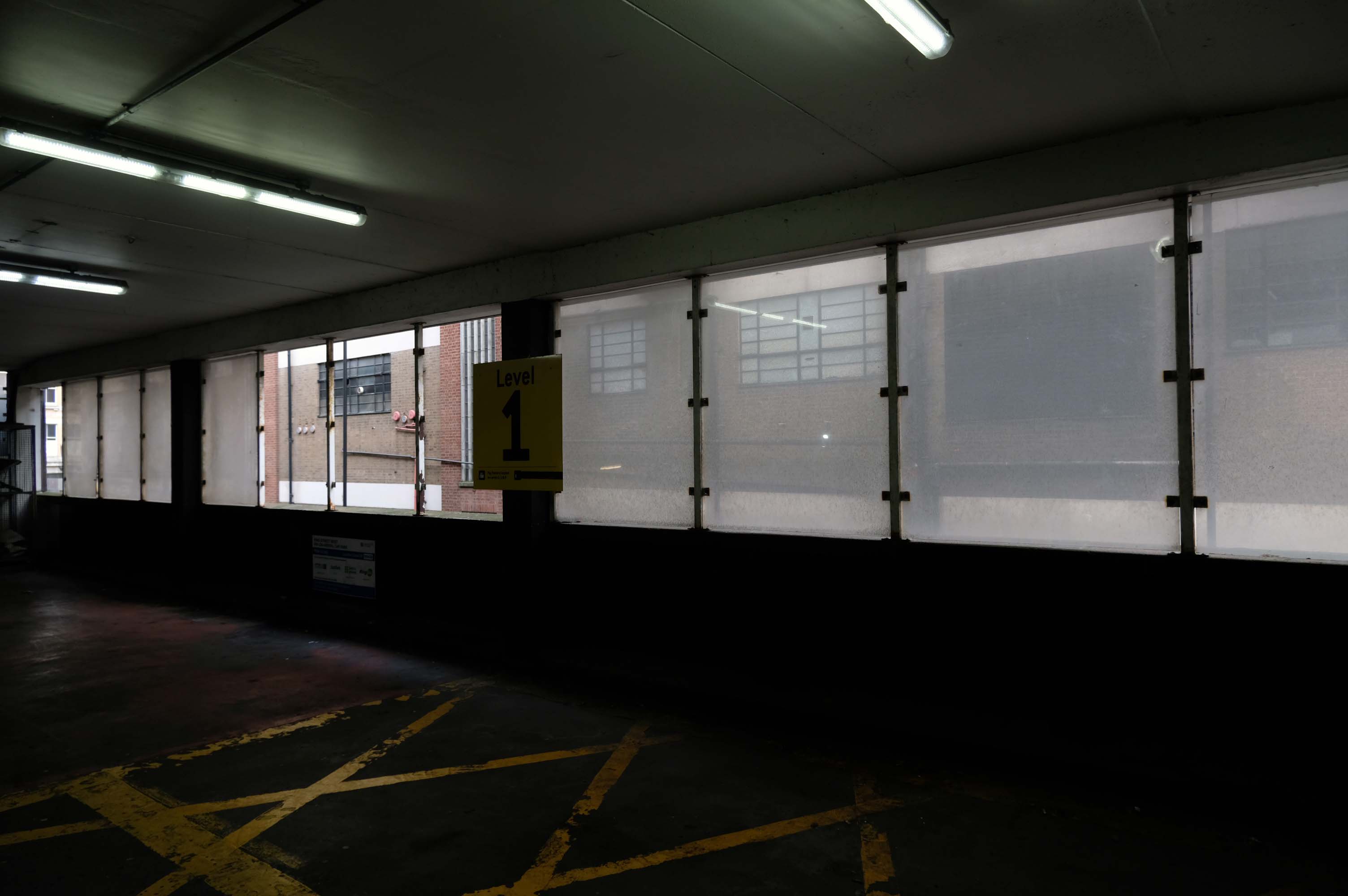
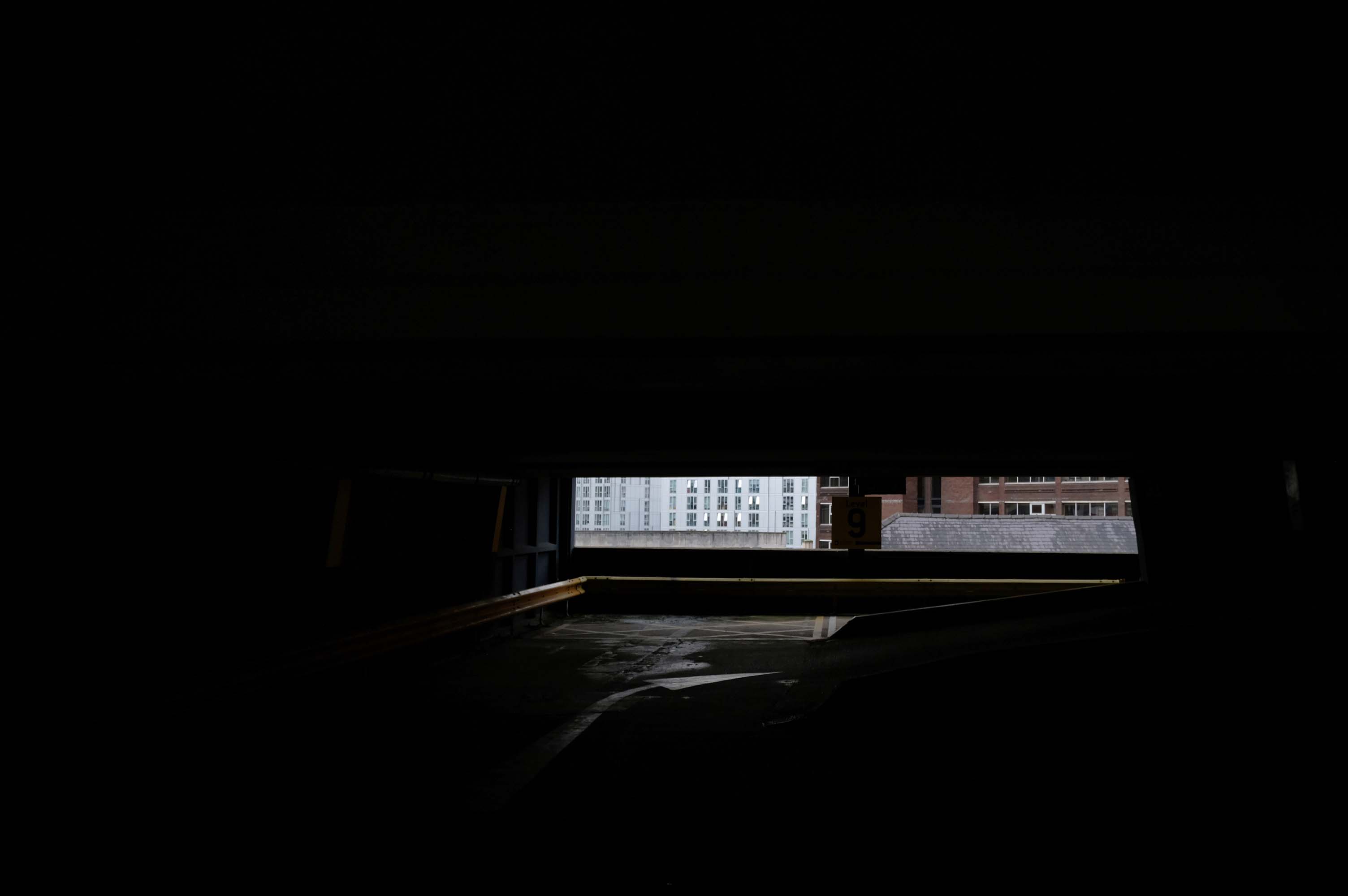
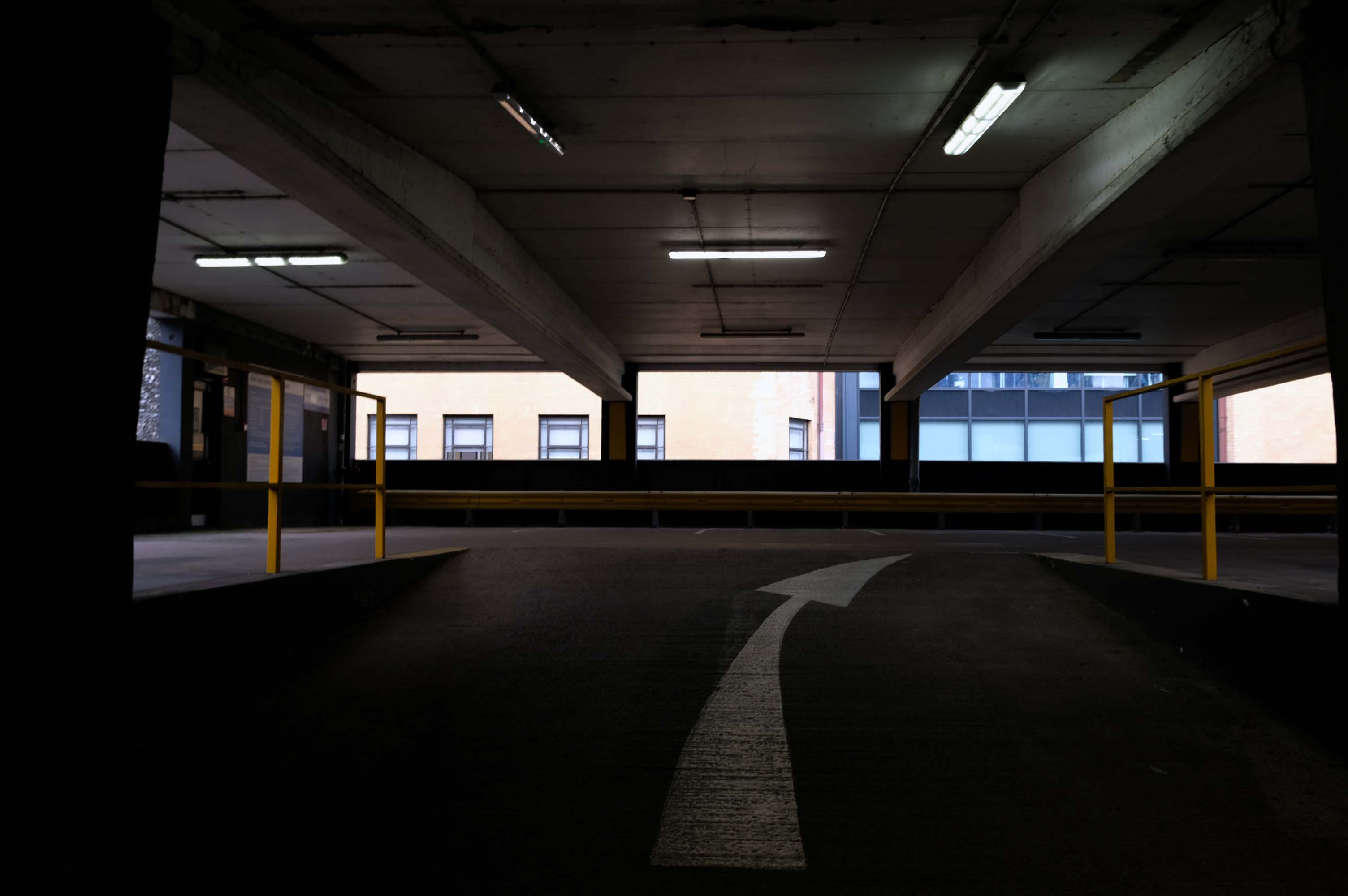
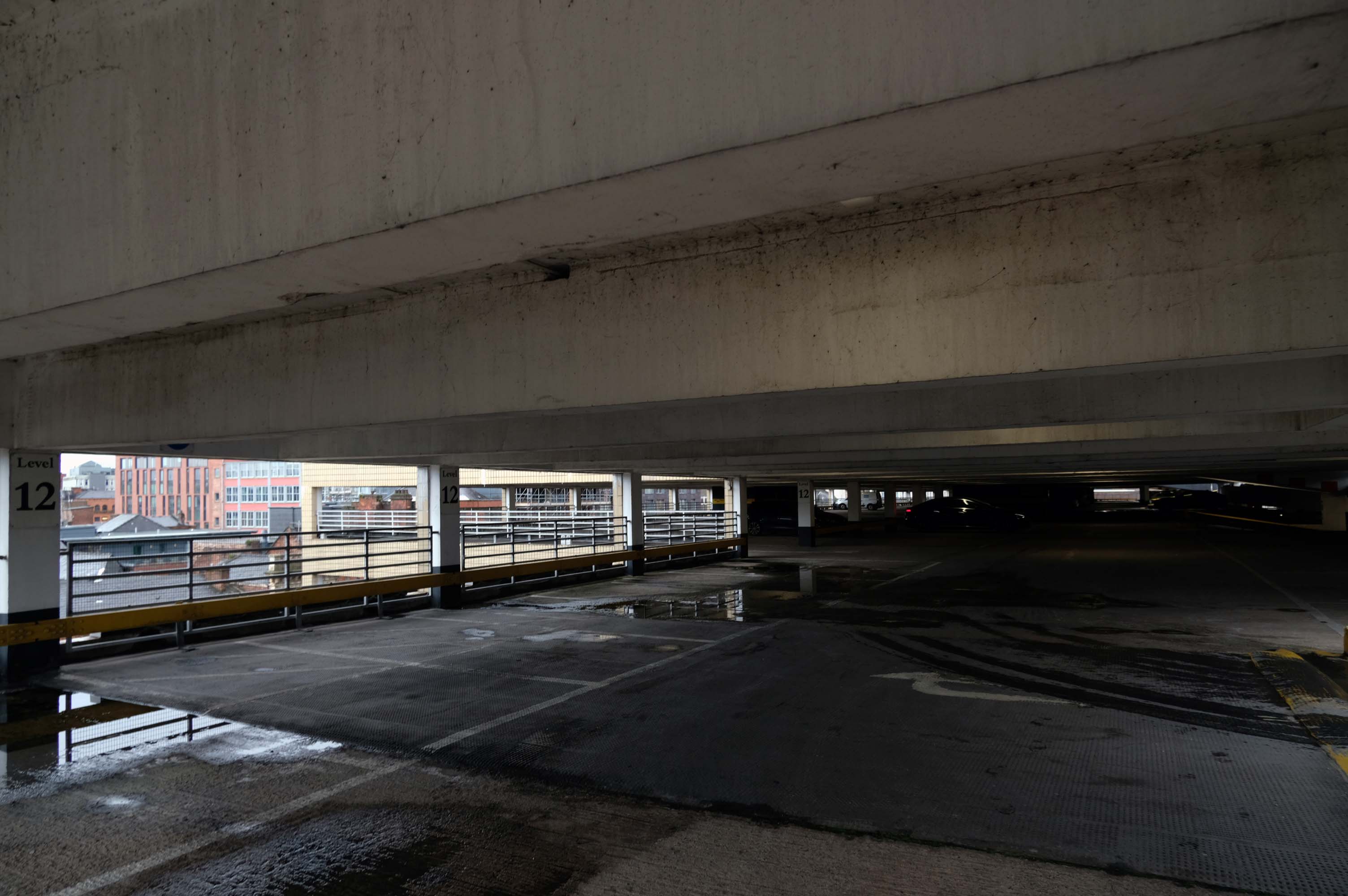
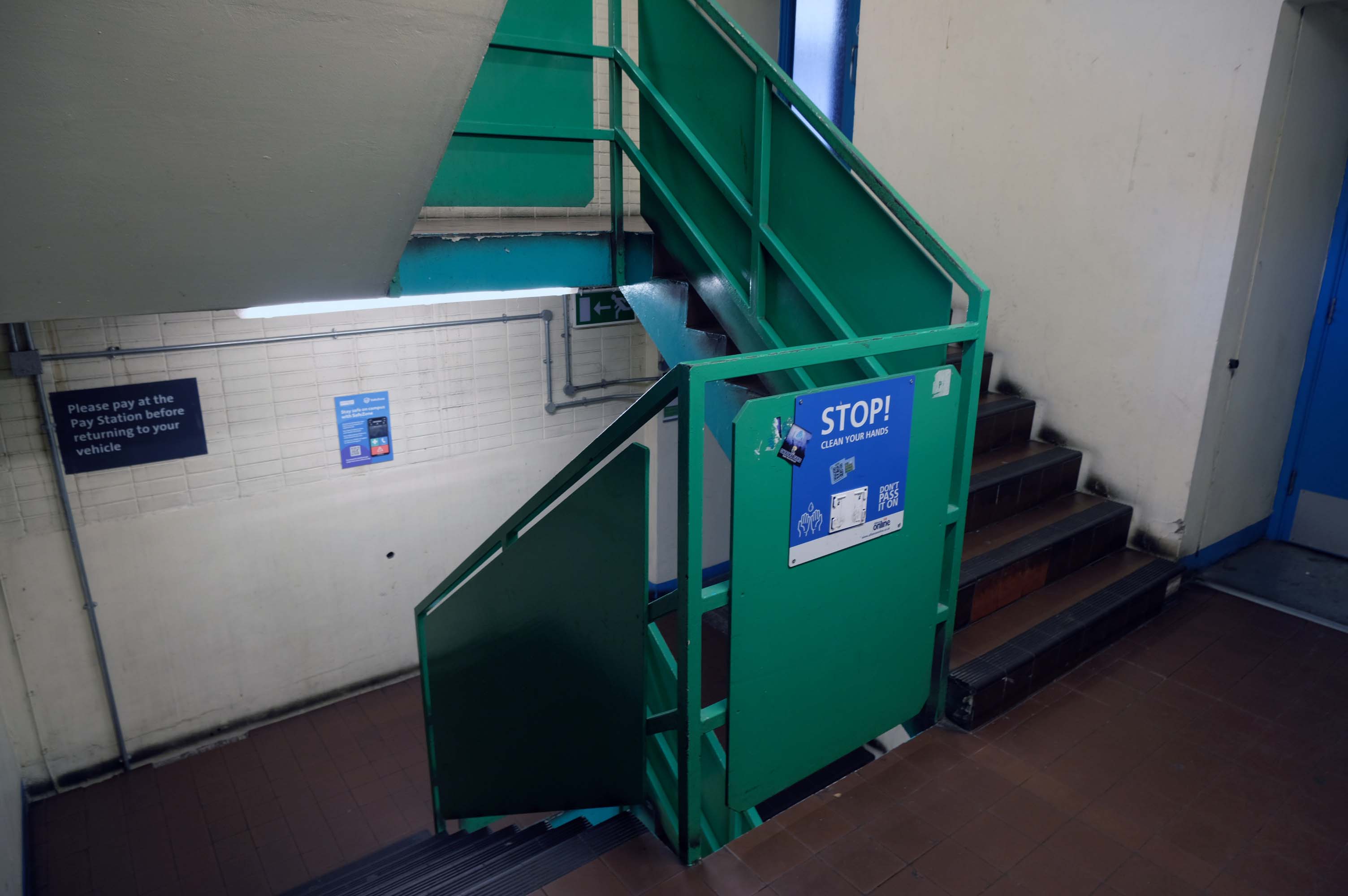
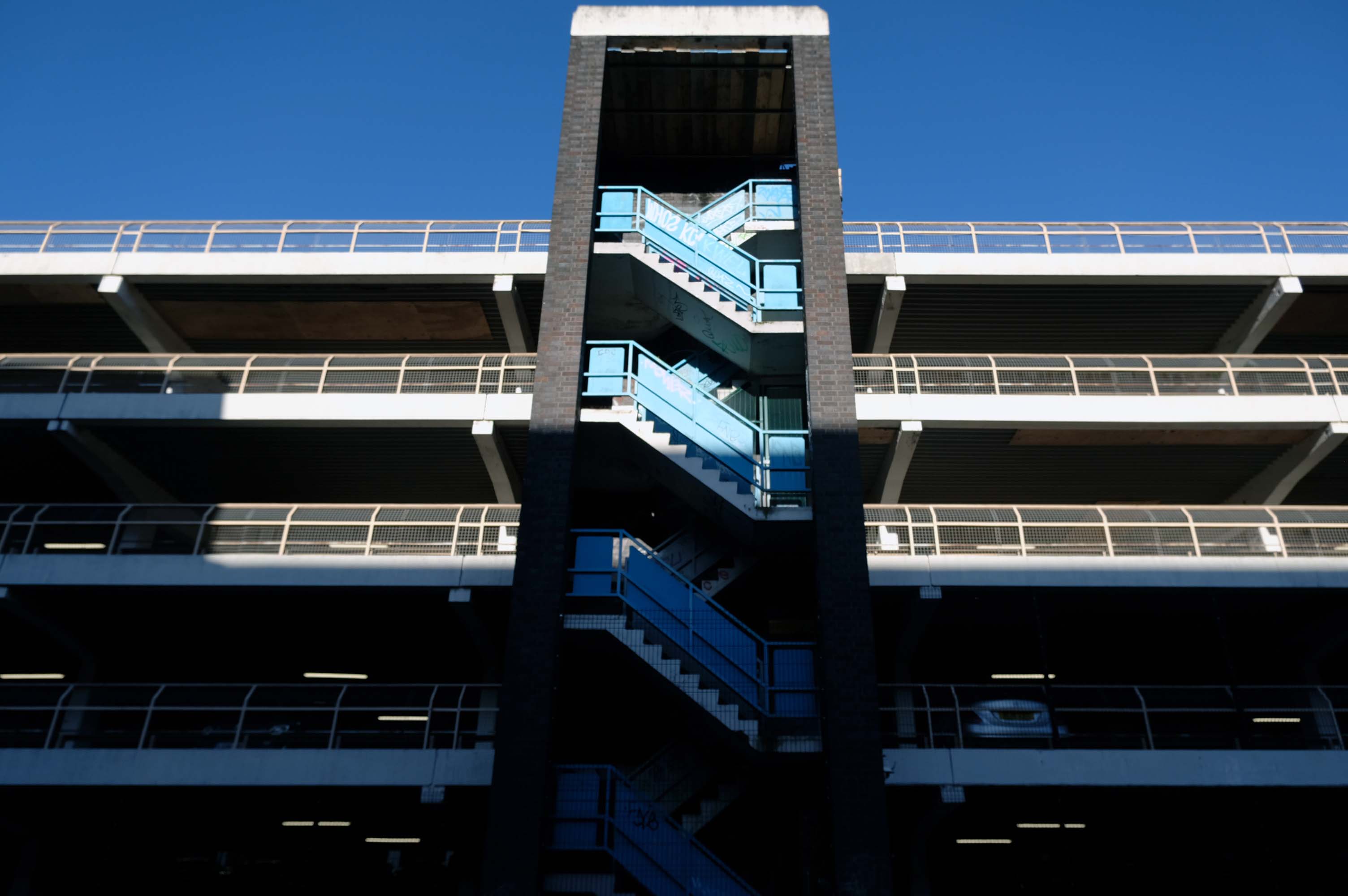
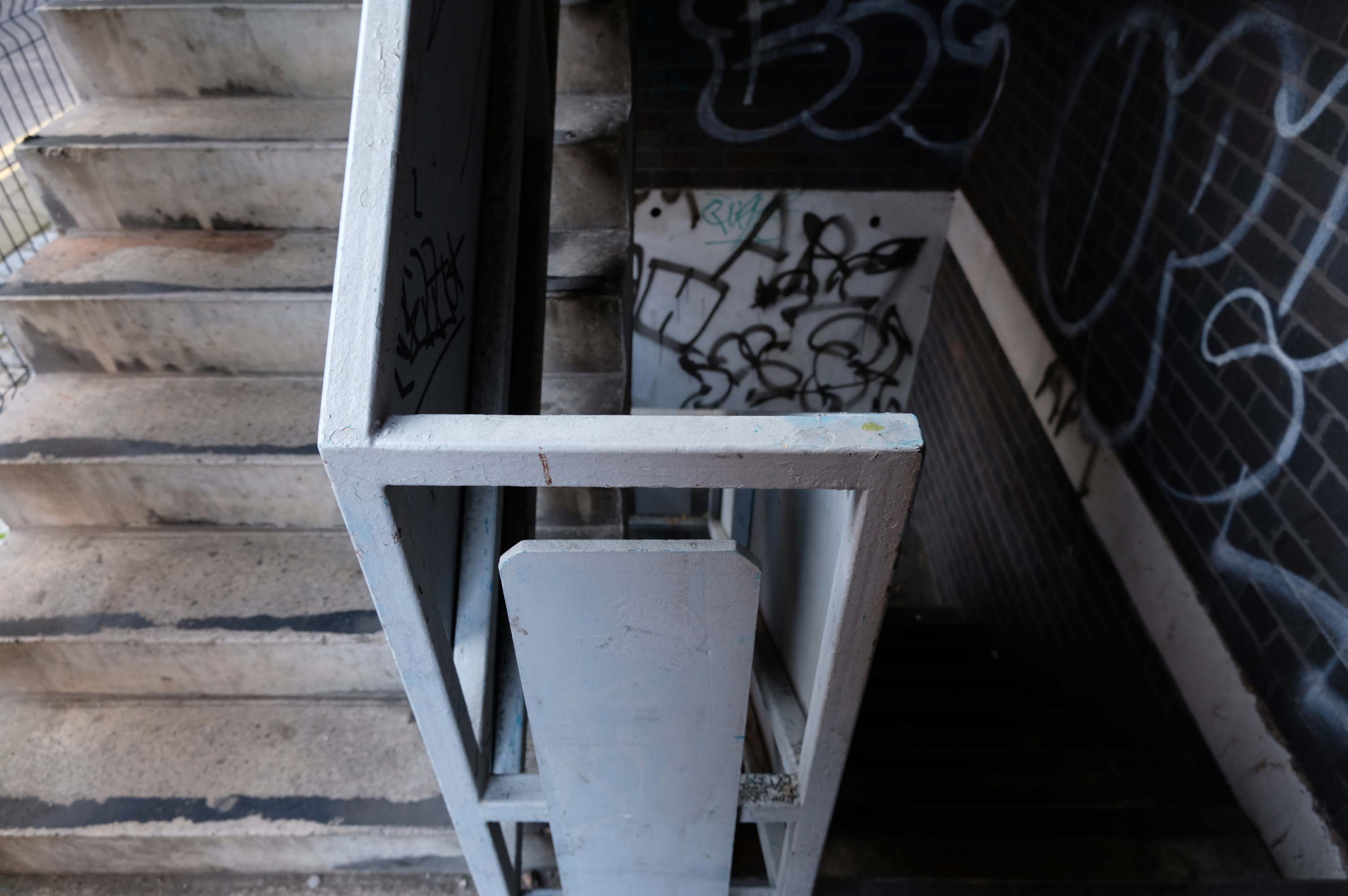
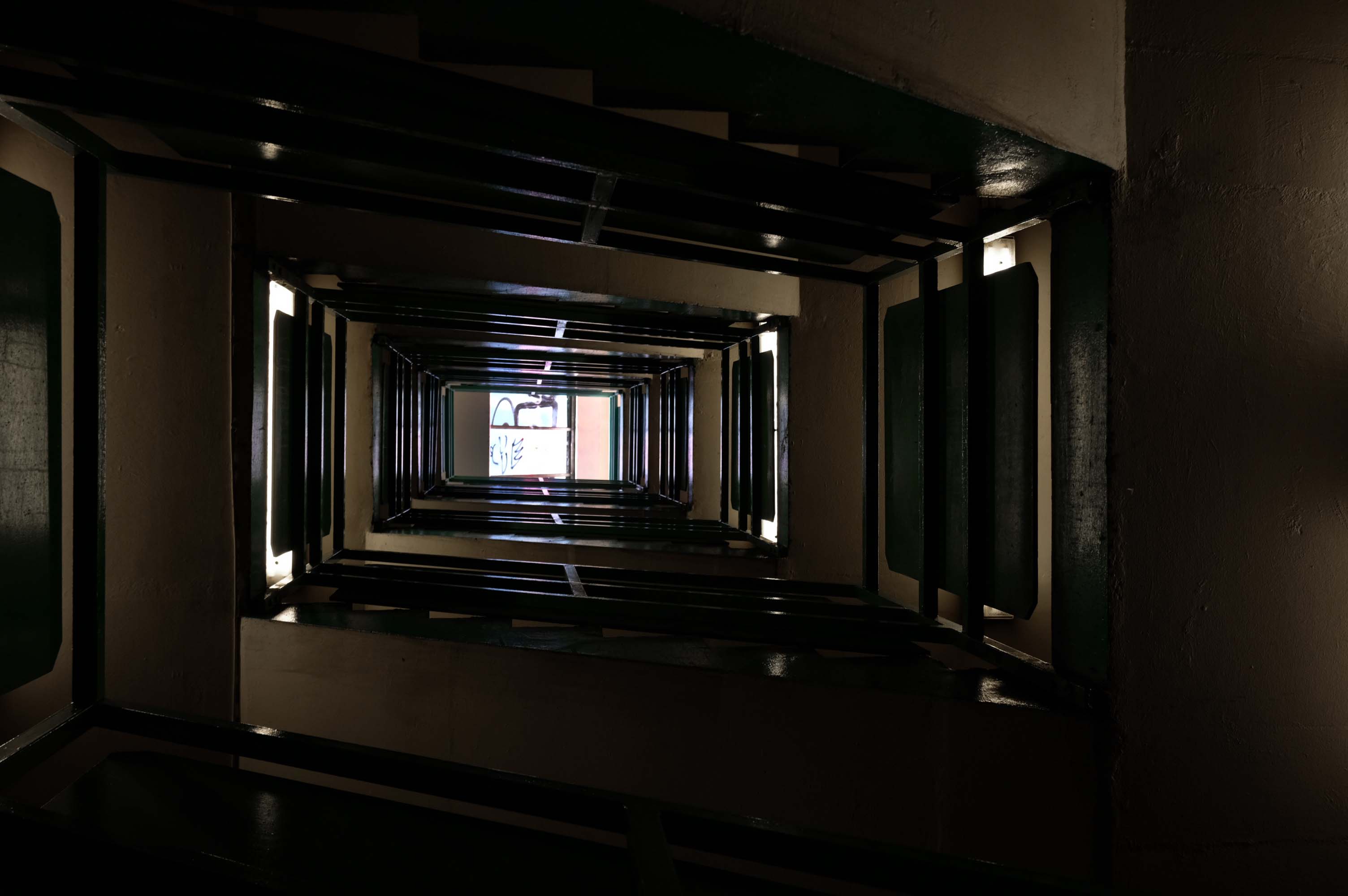
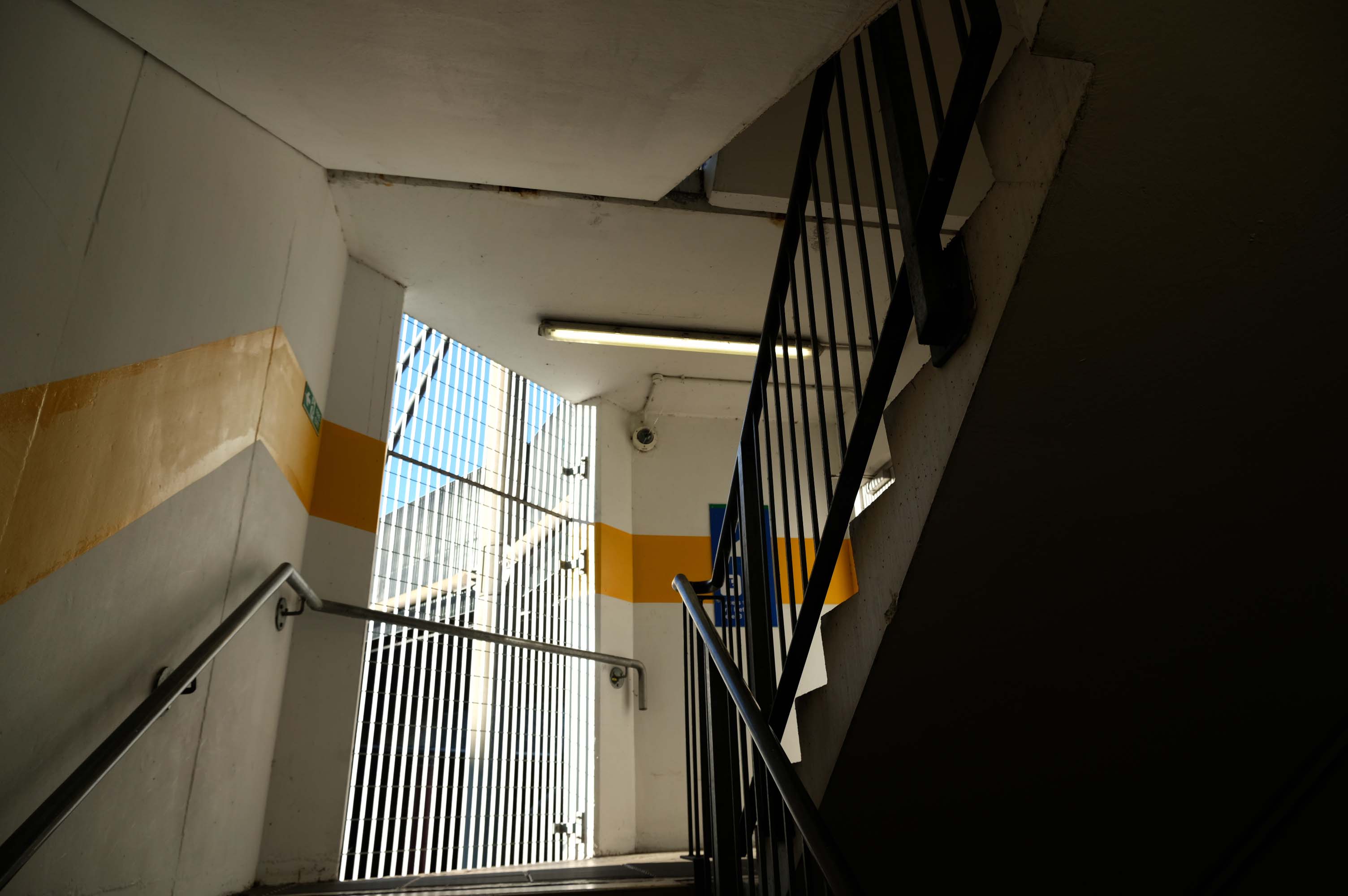
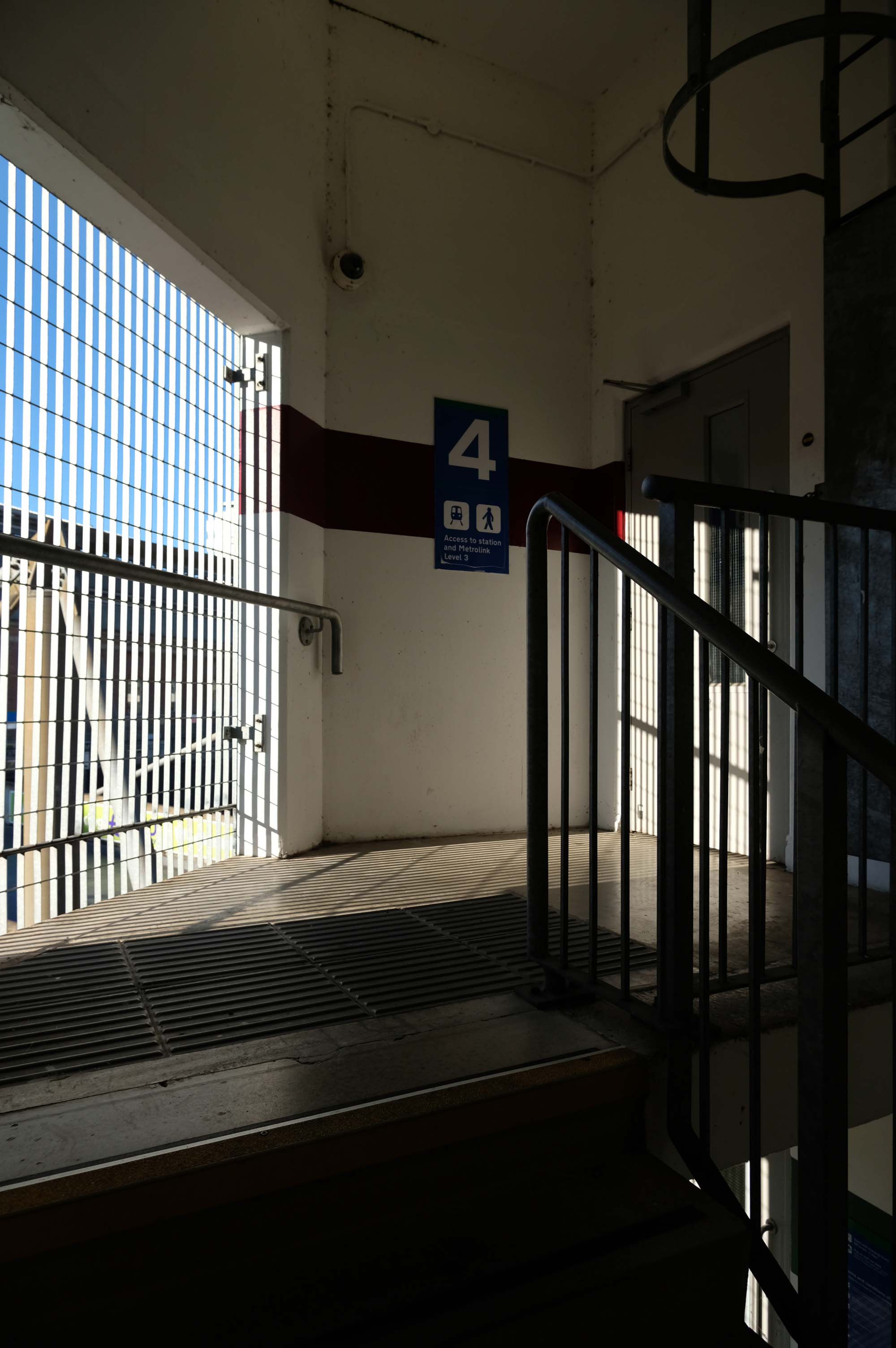
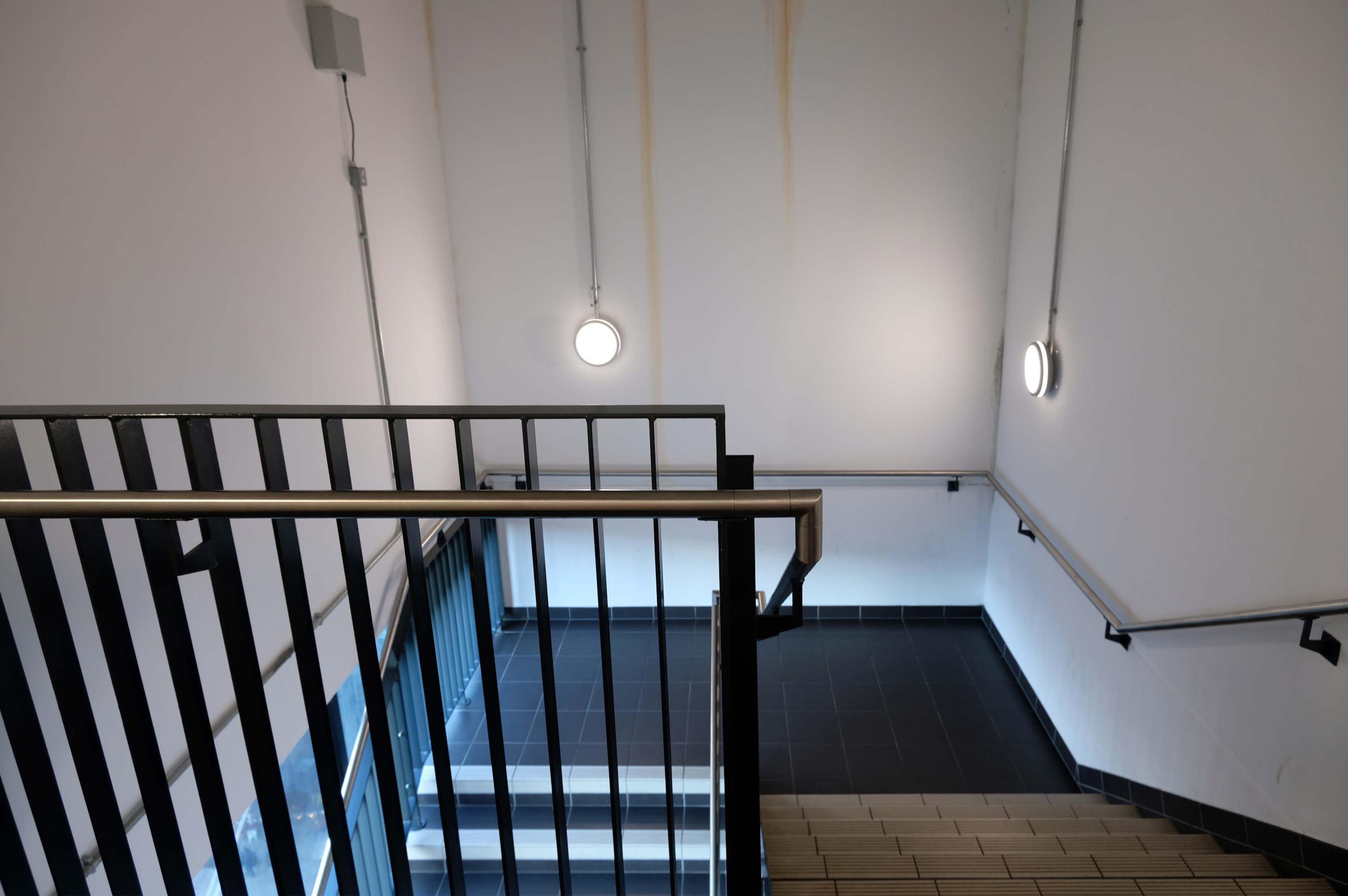
On the day of my visit building surveyors were measuring up the upper tier for resurfacing – the stairwells were unclean, and an air of dank neglect permeated my hesitant ascent.
Immerse yourself in the eclectic vibe of the Northern Quarter, the heartbeat of art, culture, and urban lifestyle. Whether you’re heading to its vintage shops, art studios, or chic cafes, finding the cheapest, best parking is paramount.
Stairs smell of stale urine and cannabis.
The pedestrian in the car park carries on regardless!
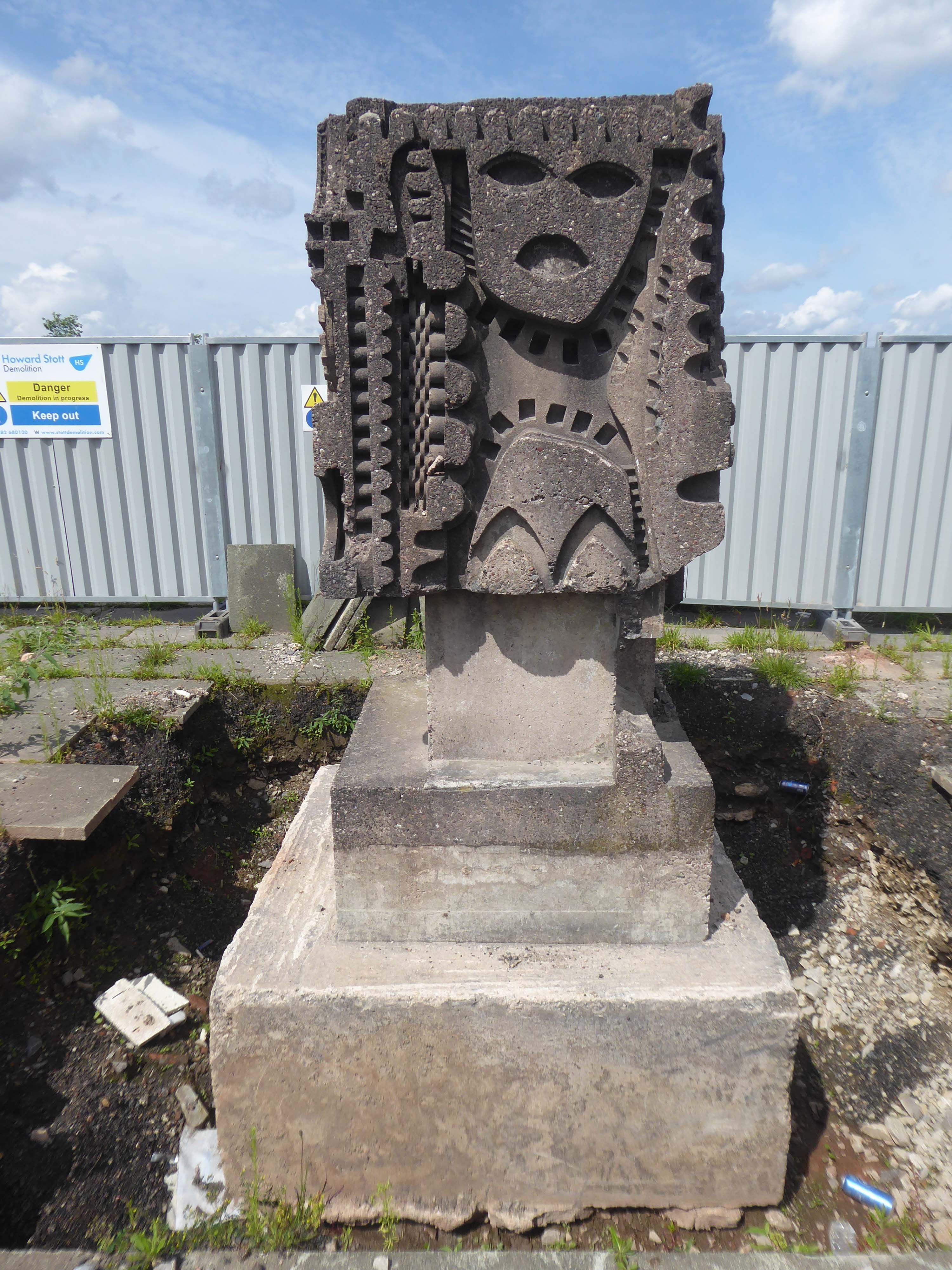
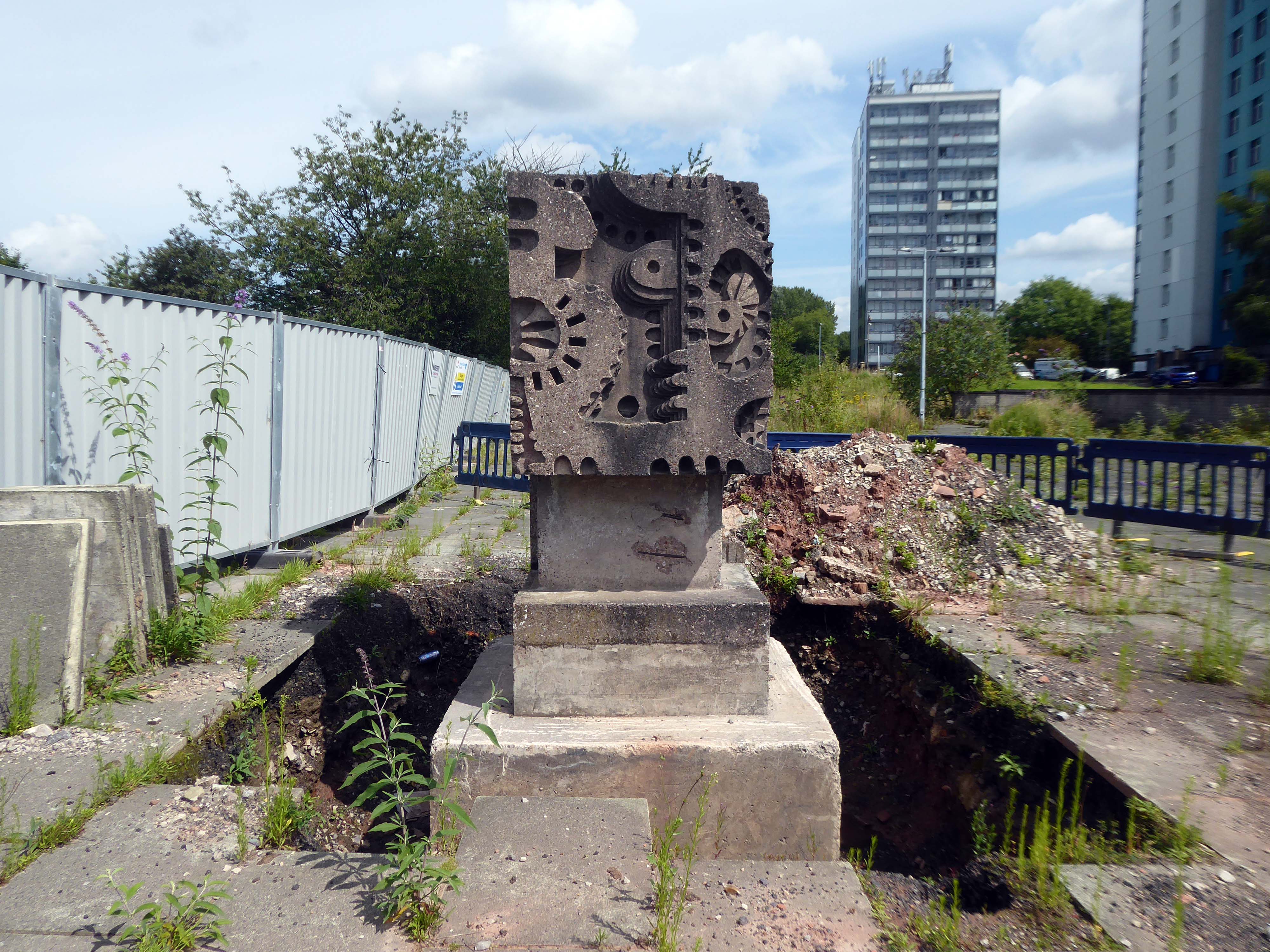
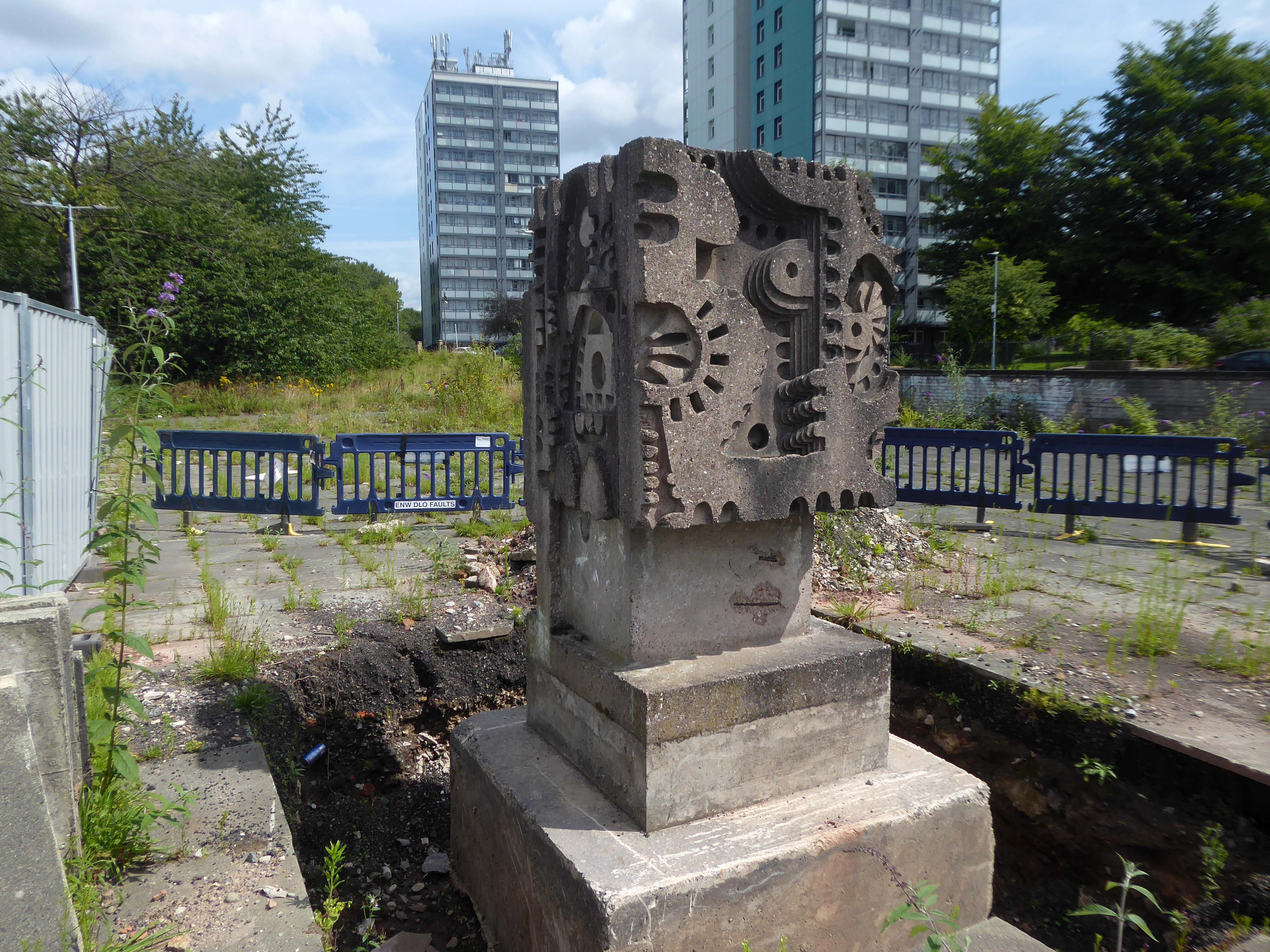
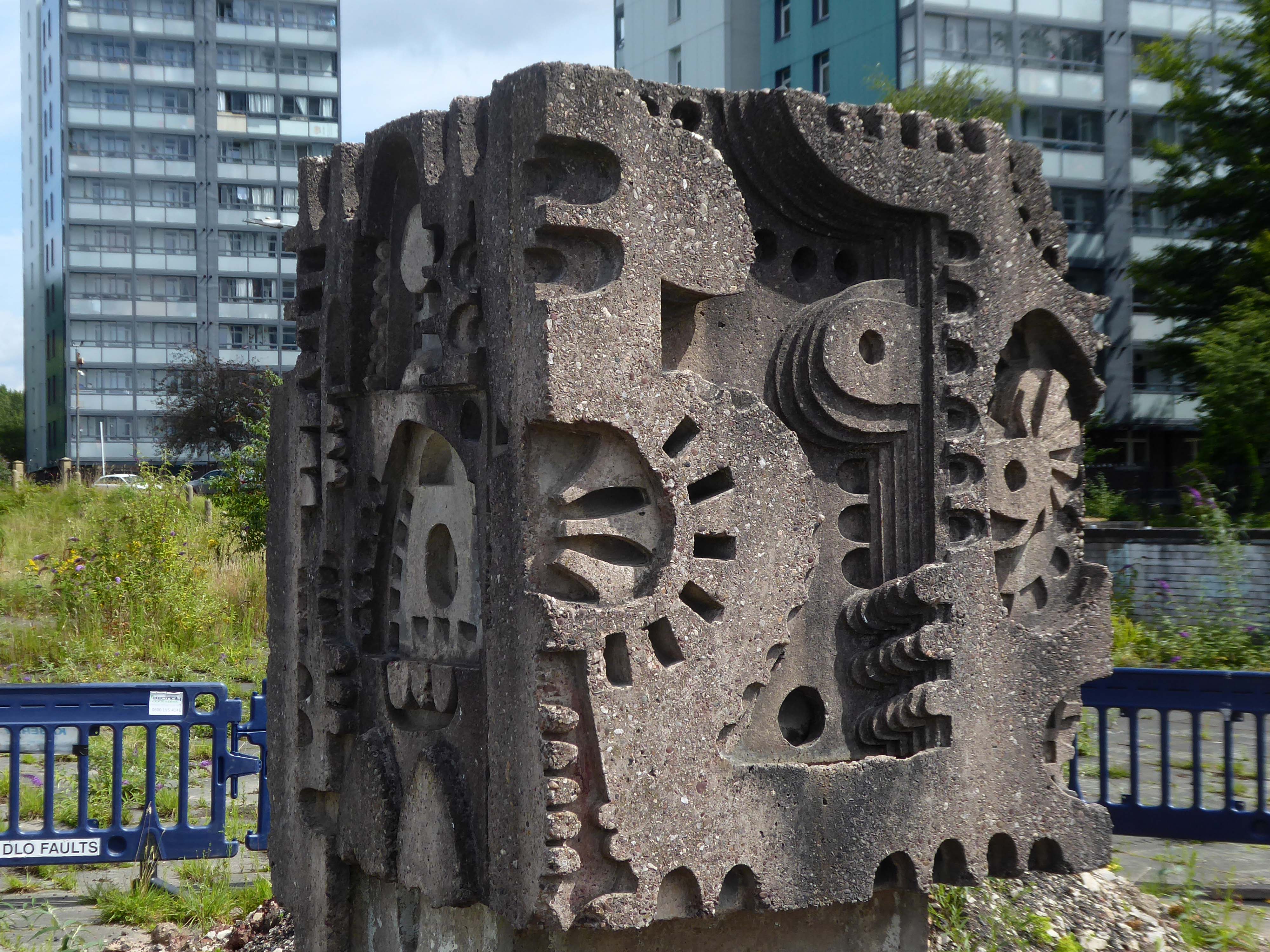
The sculpture is called Big Boys Toys – the work of artist Peter Freeman.
JHA Pulmannwere commissioned via network rail to deliver an extension to, and the re-cladding of an existing 1970’s concrete frame carpark, outside of Manchester Piccadilly station.
The carpark is fine but as a lone female arriving off the train in the early hours of the morning, I felt quite vulnerable getting back there. It’s in a very quiet dark place accessed by going through a tunnel going under a bridge.
Easy to find, plenty of spaces and only a short walk to Piccadilly station – great!
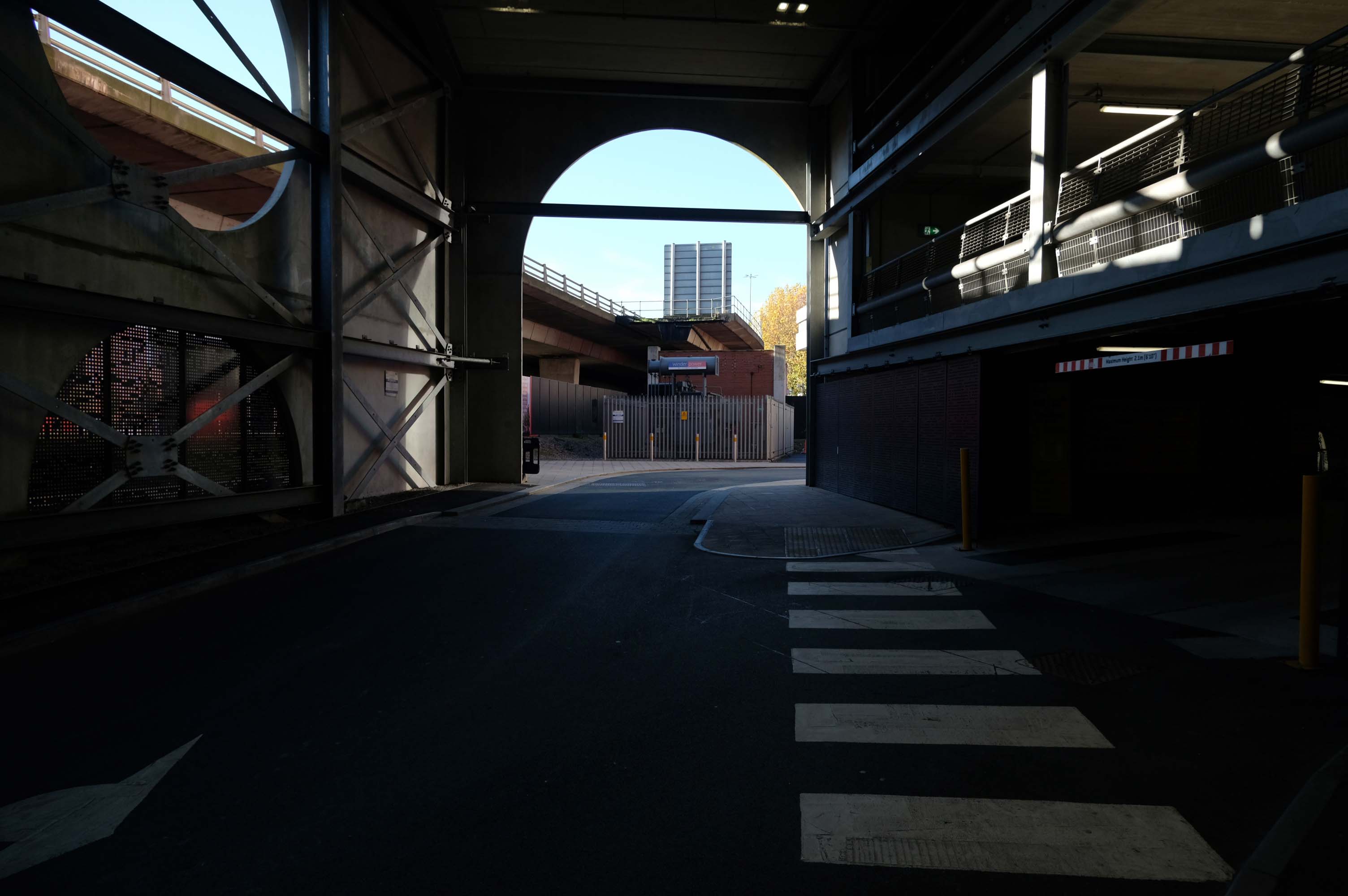
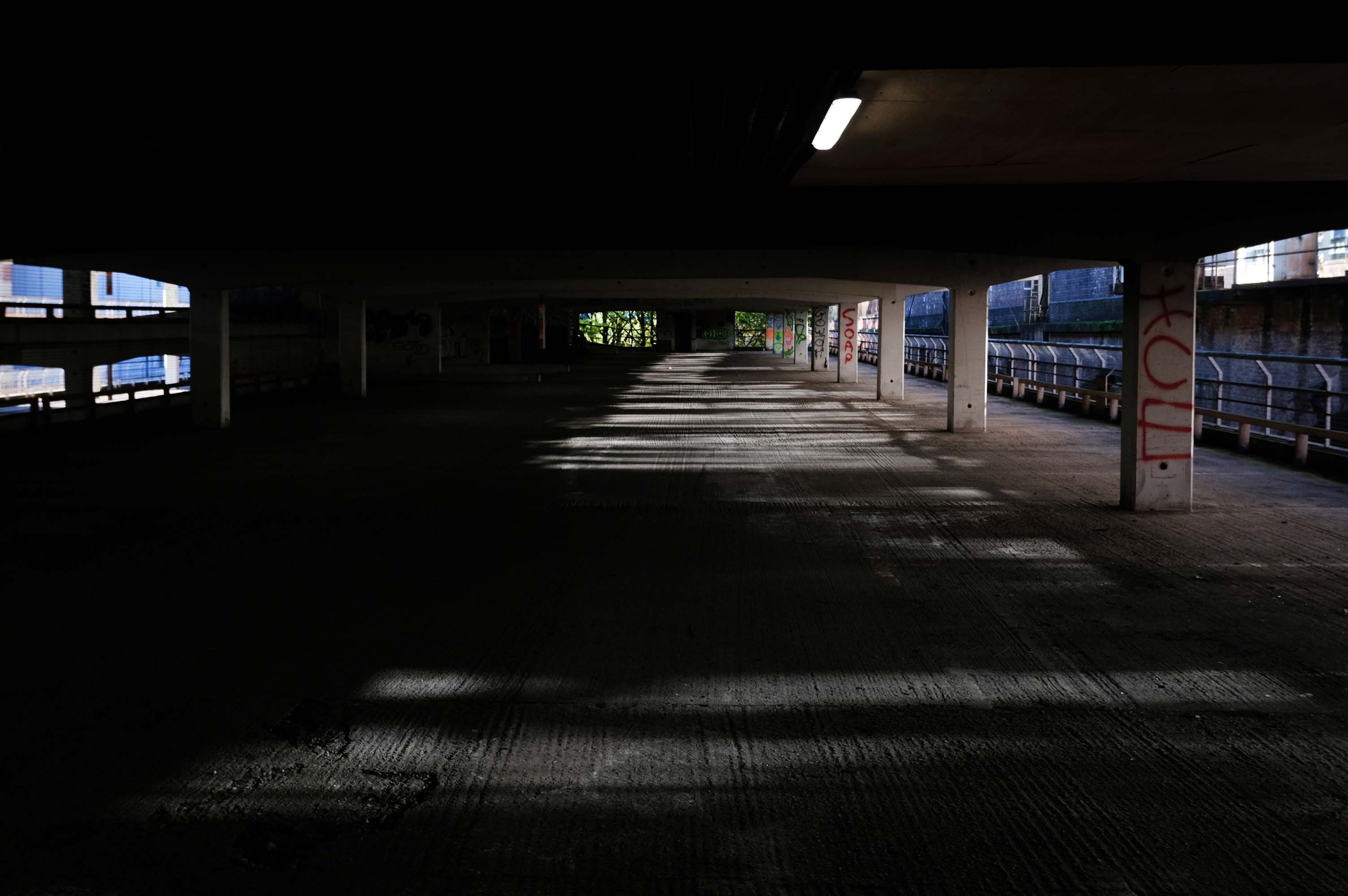
The pedestrian in a car park ventures beyond the train station, across a bridge and through a portal to another dimension.
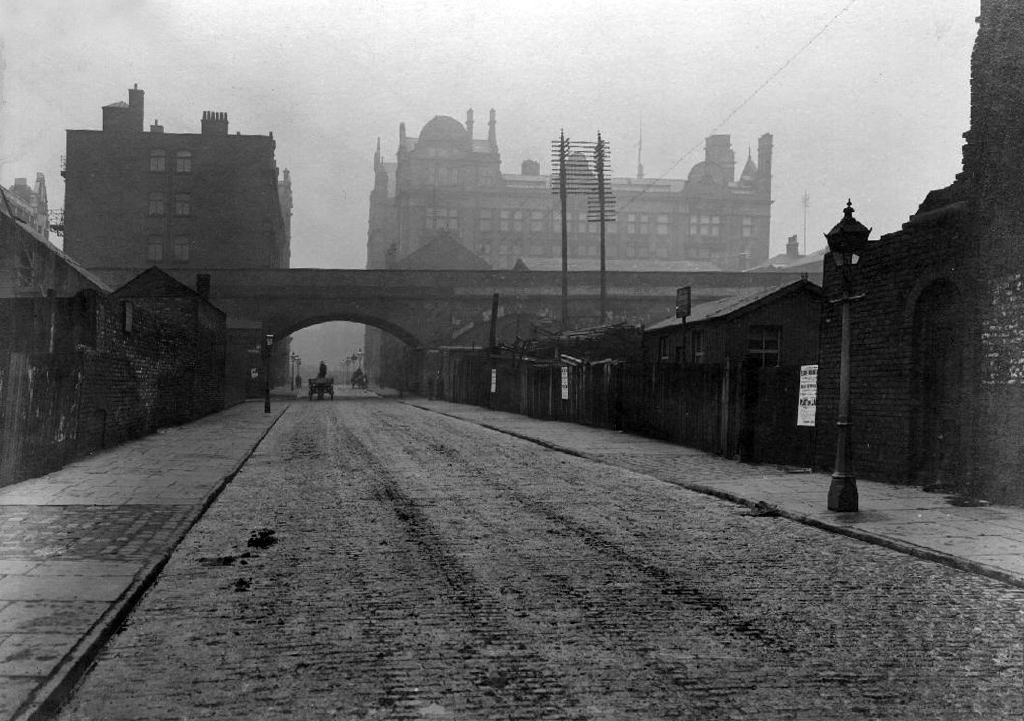
Where once the dank dark grey mists descended, we now see only light.
Q-Park First Street is a multi-storey car park within the up and coming First Street development. The safe and secure facility is a short walk away from HOME Theatre, Innside by Melia, Bridgewater Hall and the Manchester Central Convention Complex.
VIP spaces are available to book online.
Achieving Park Mark Plus demonstrates that this Q-Park car park has achieved the highest parking facility standards with exceptional customer services and ambience. Only good management can ensure that measures are in place to reduce crime and the fear of crime, enforce disabled parking for the benefit of those that need accessible bays and care for the environment at the same time.
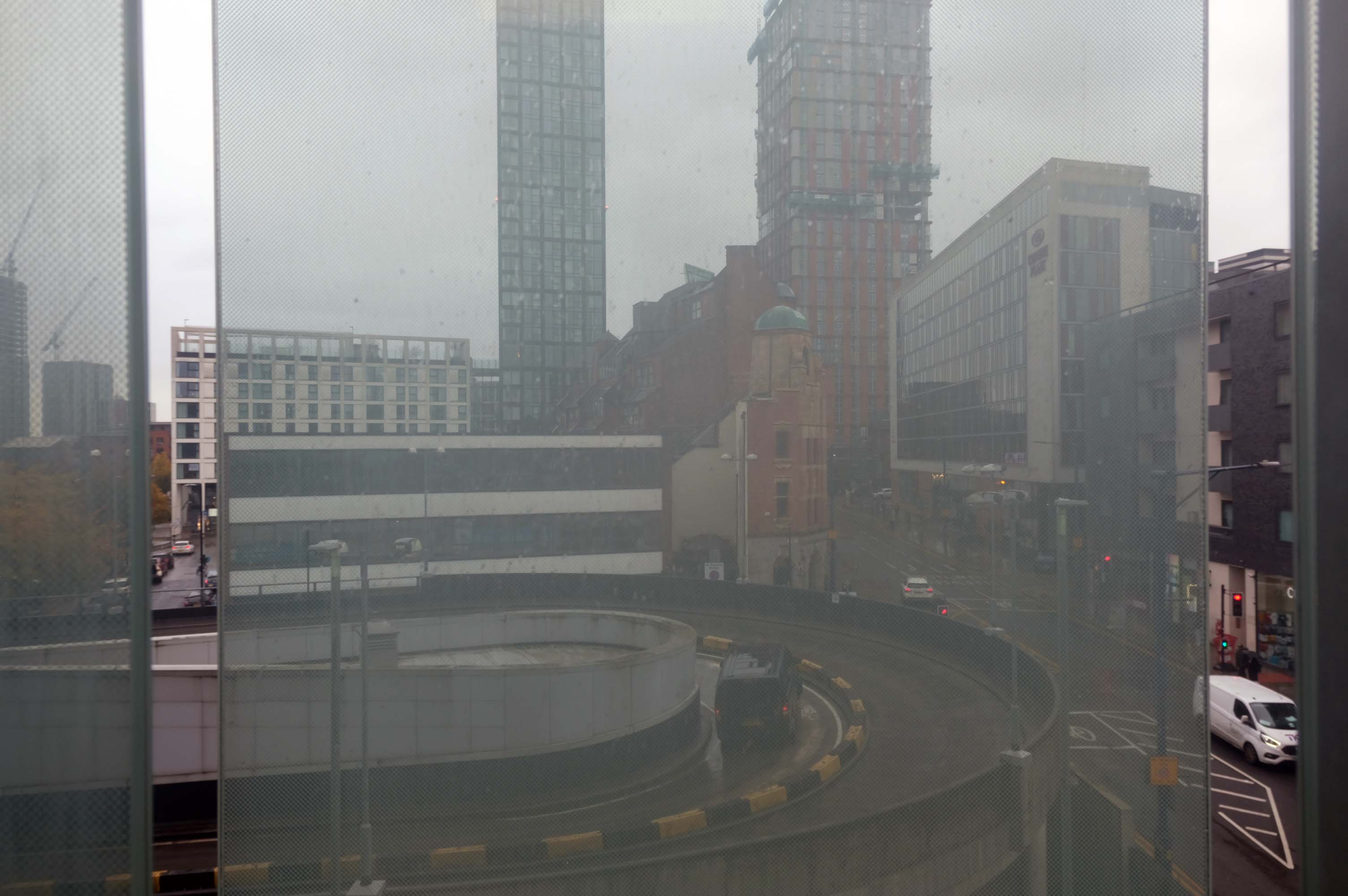
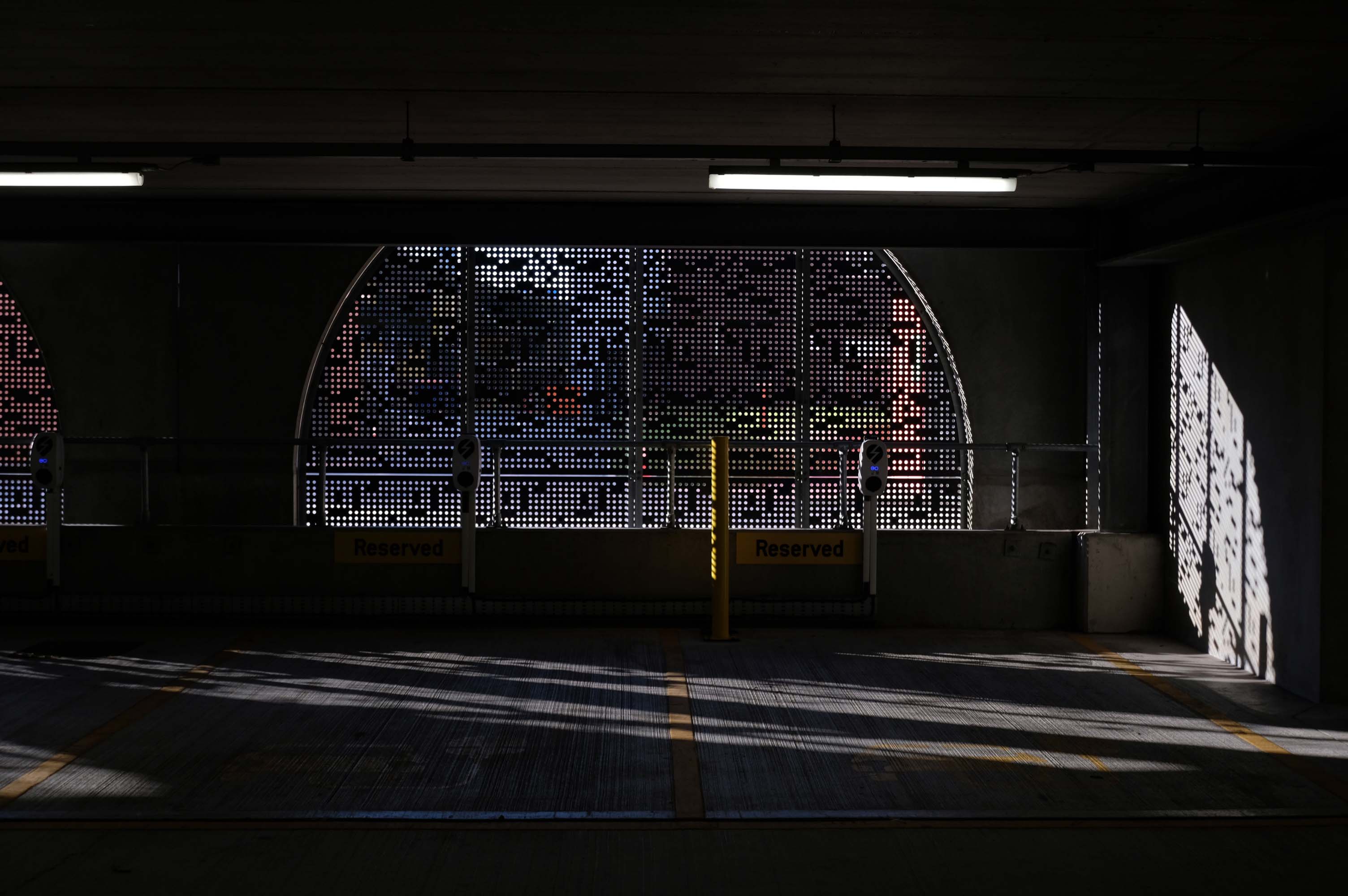
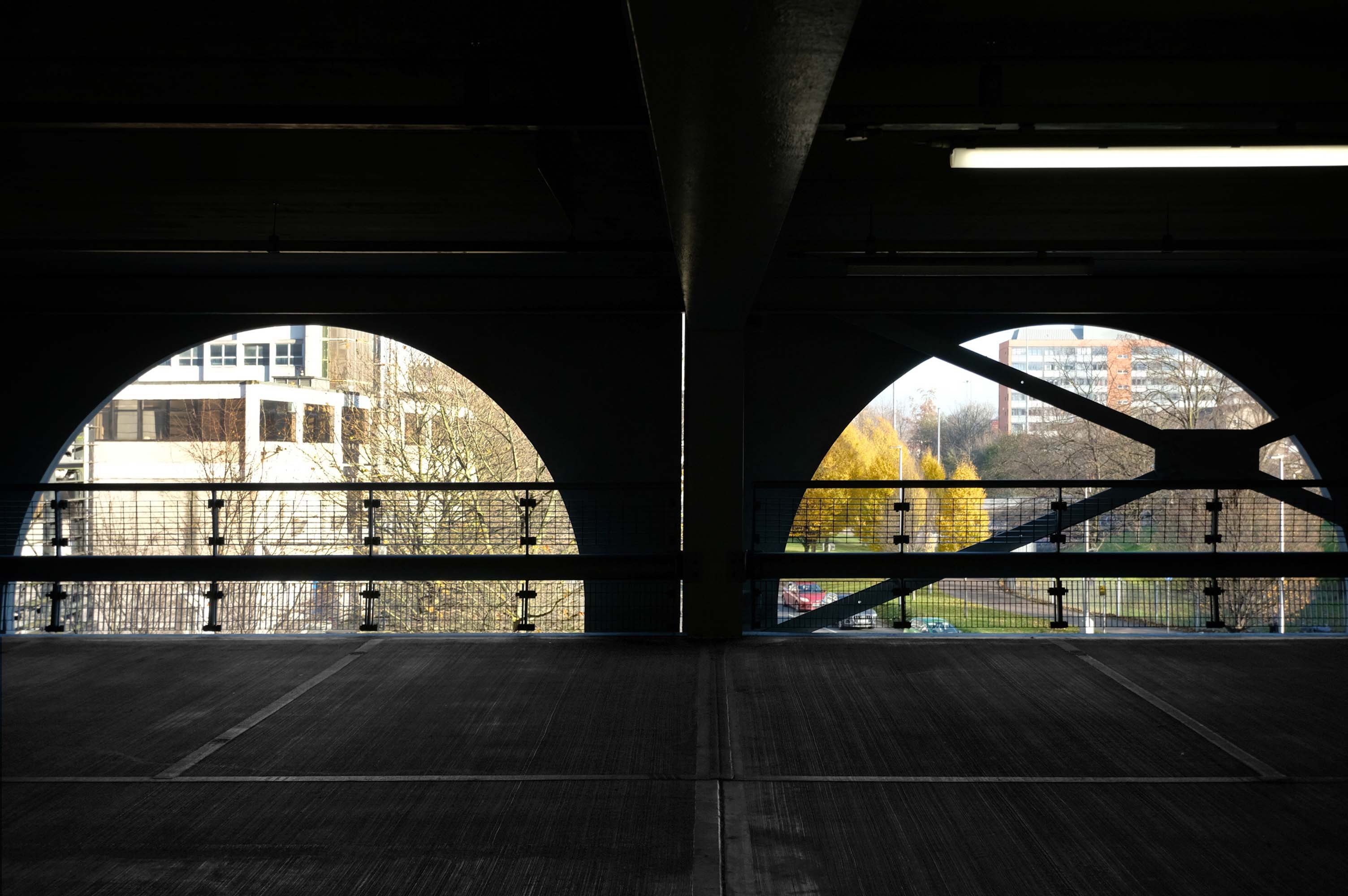
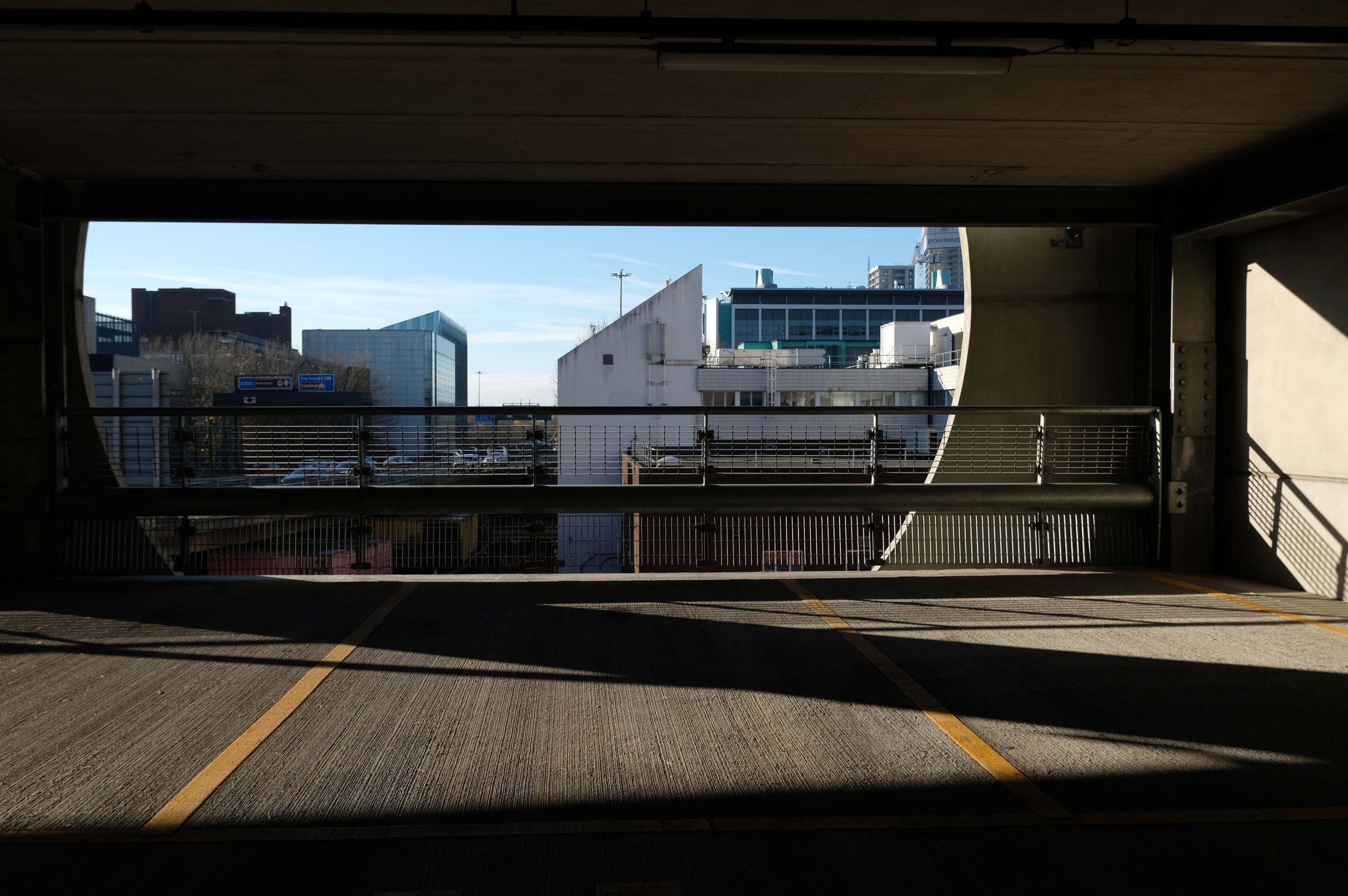
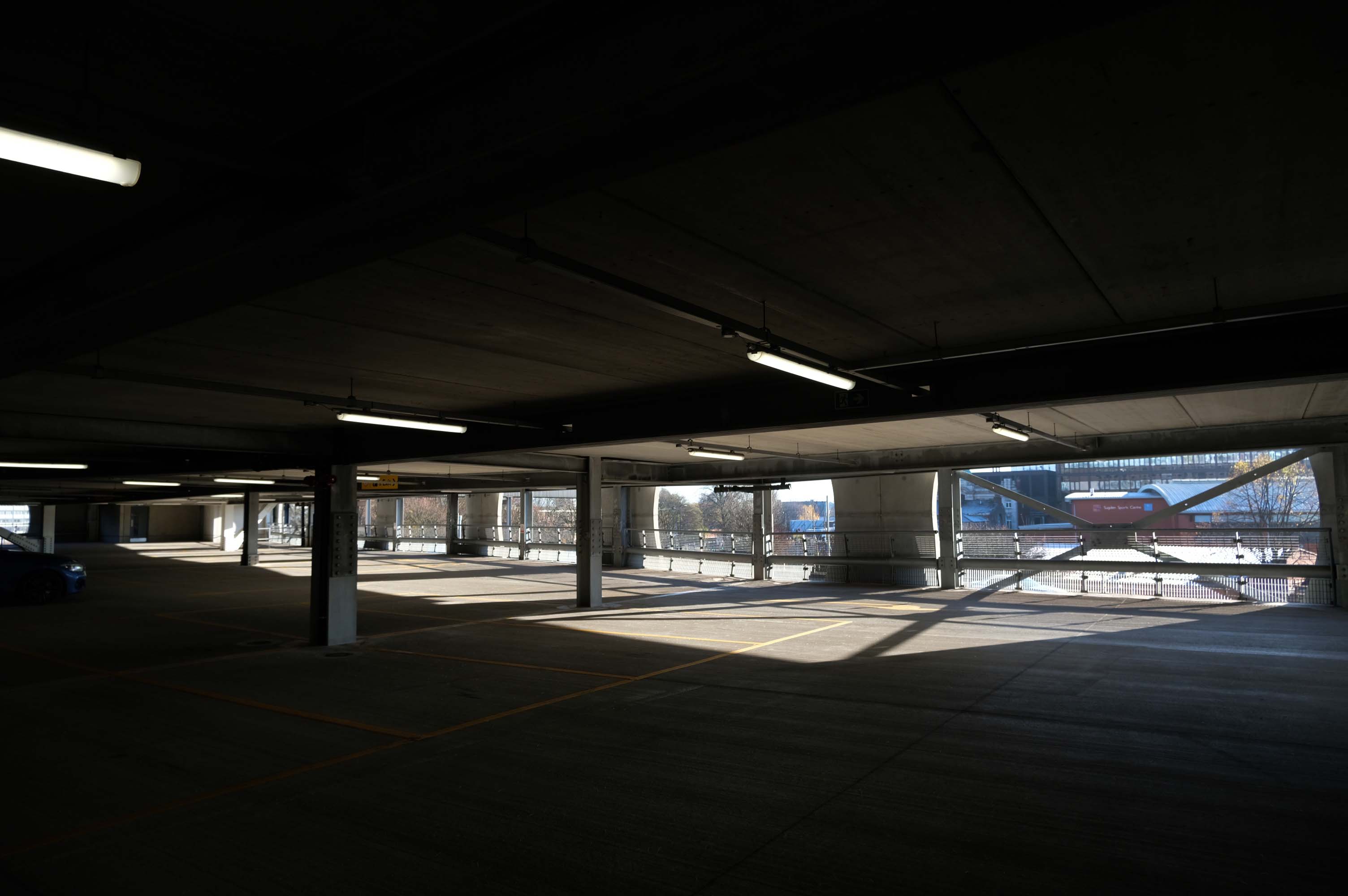
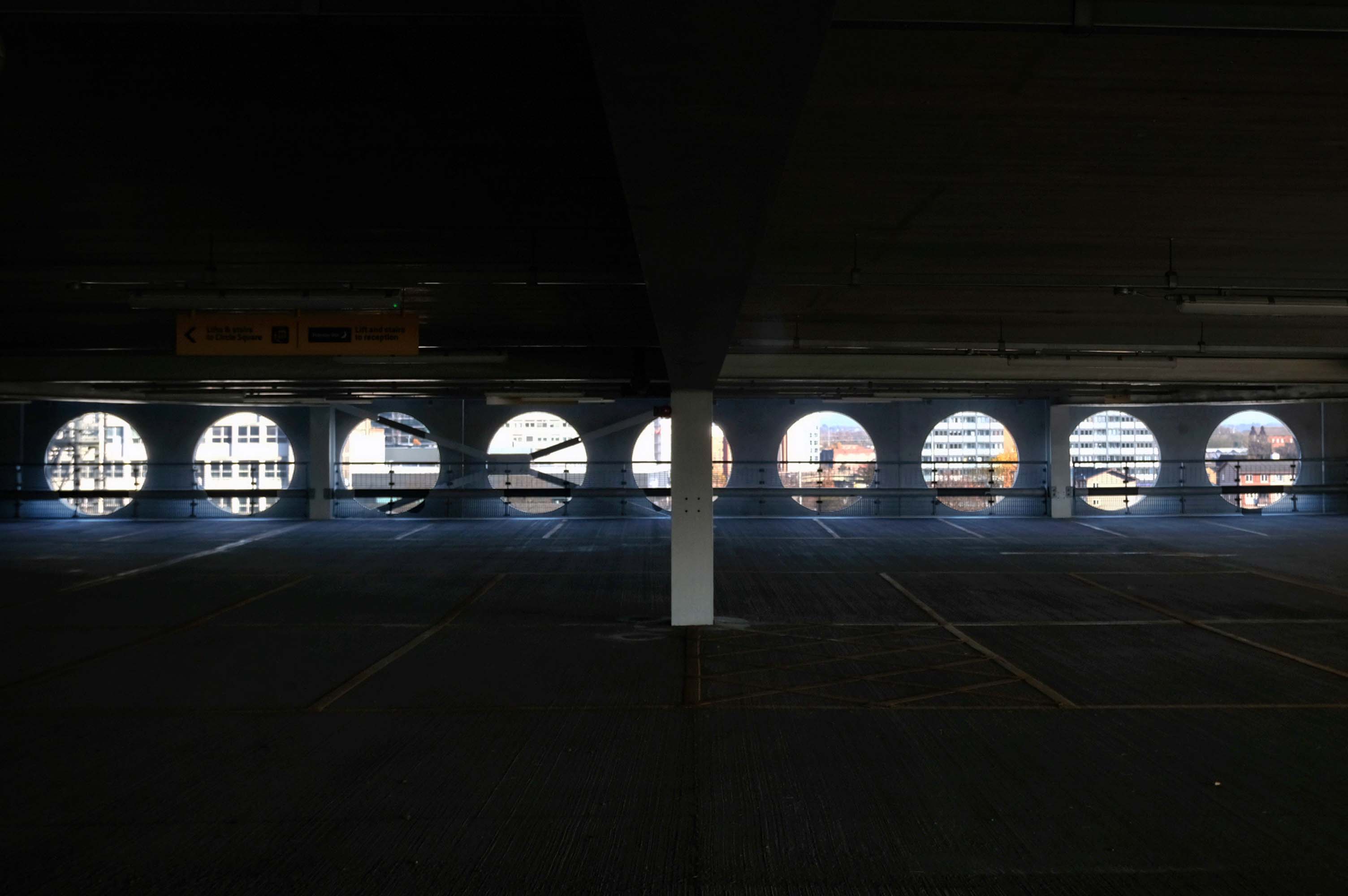
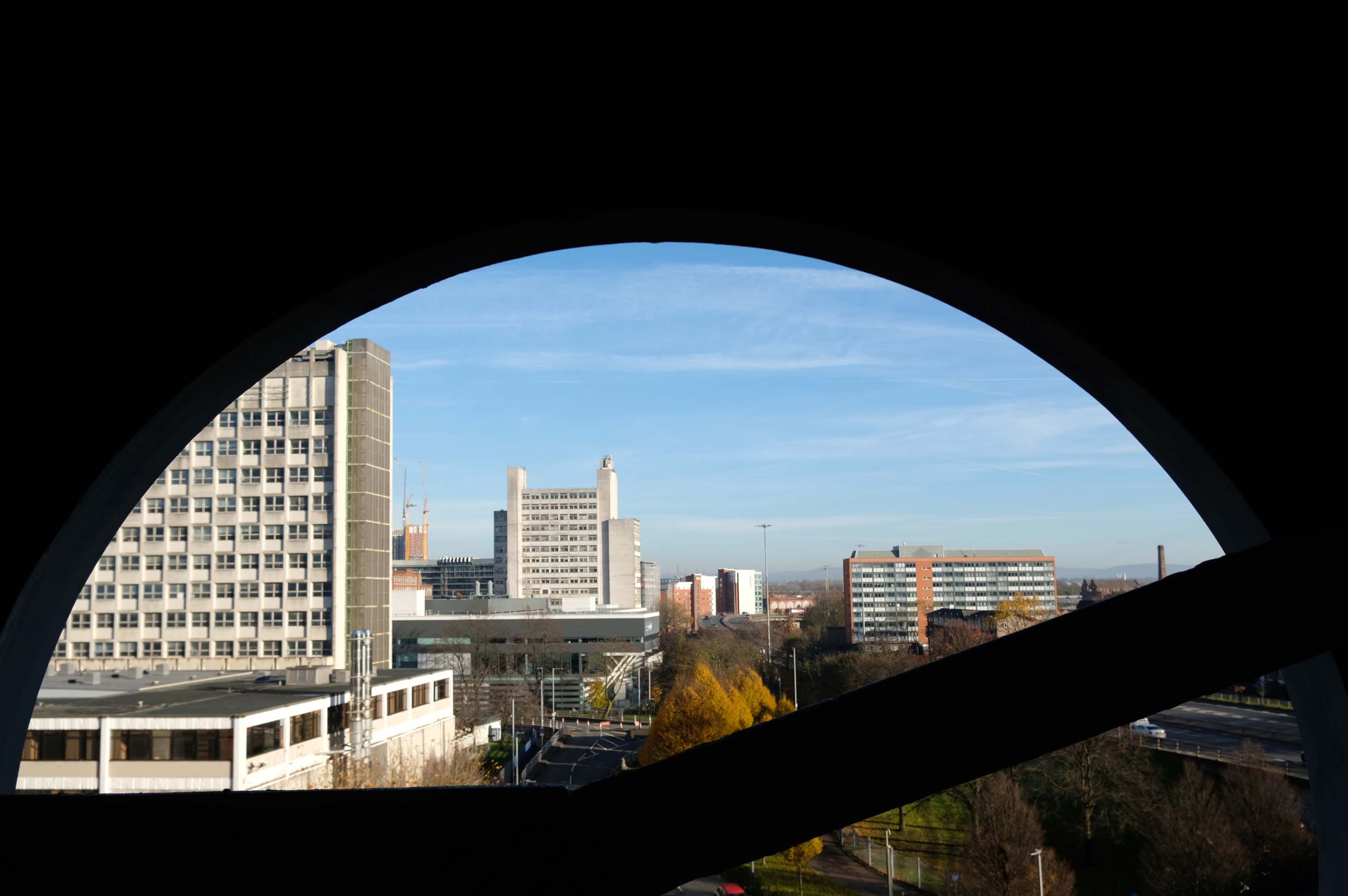
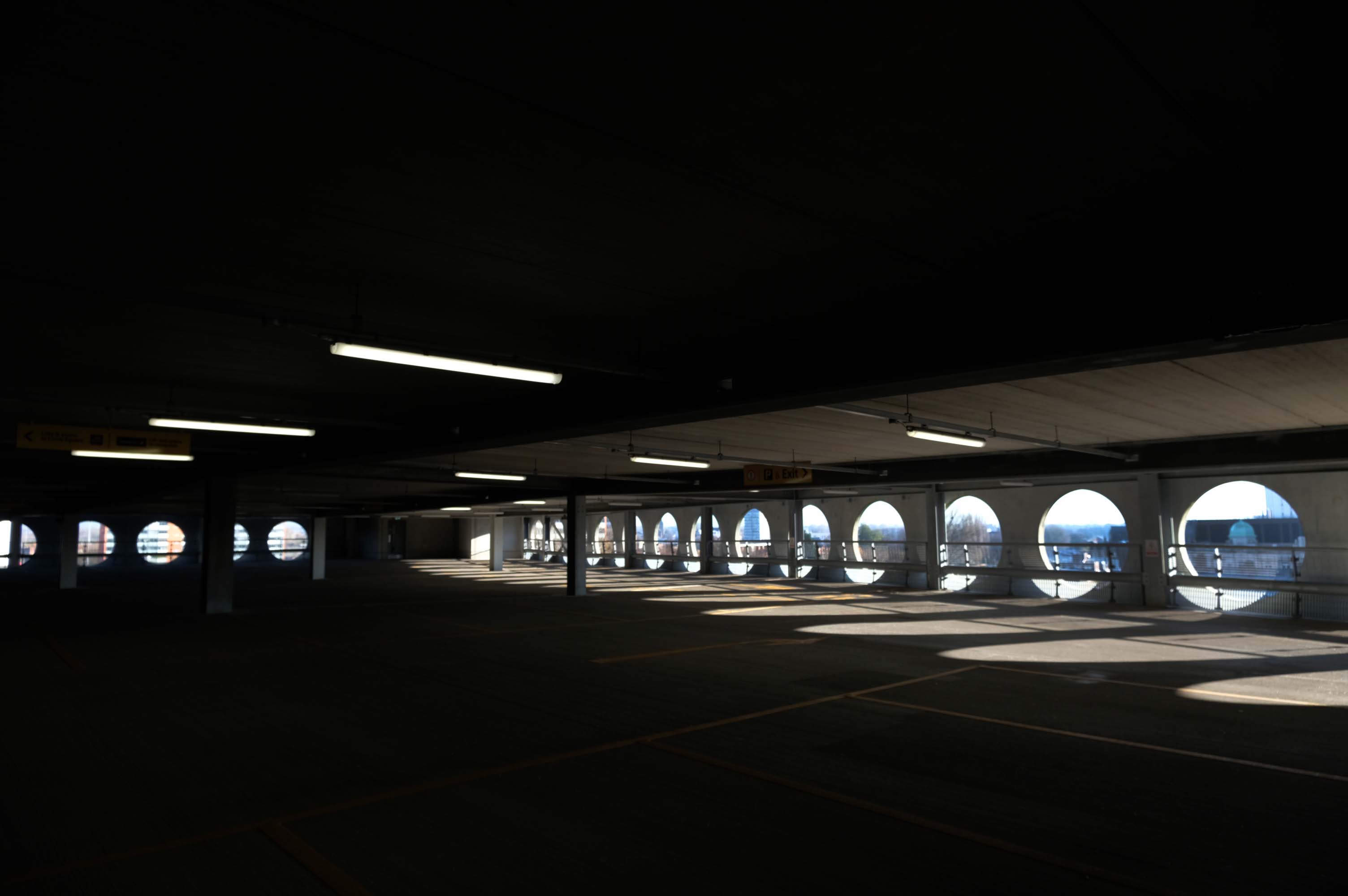
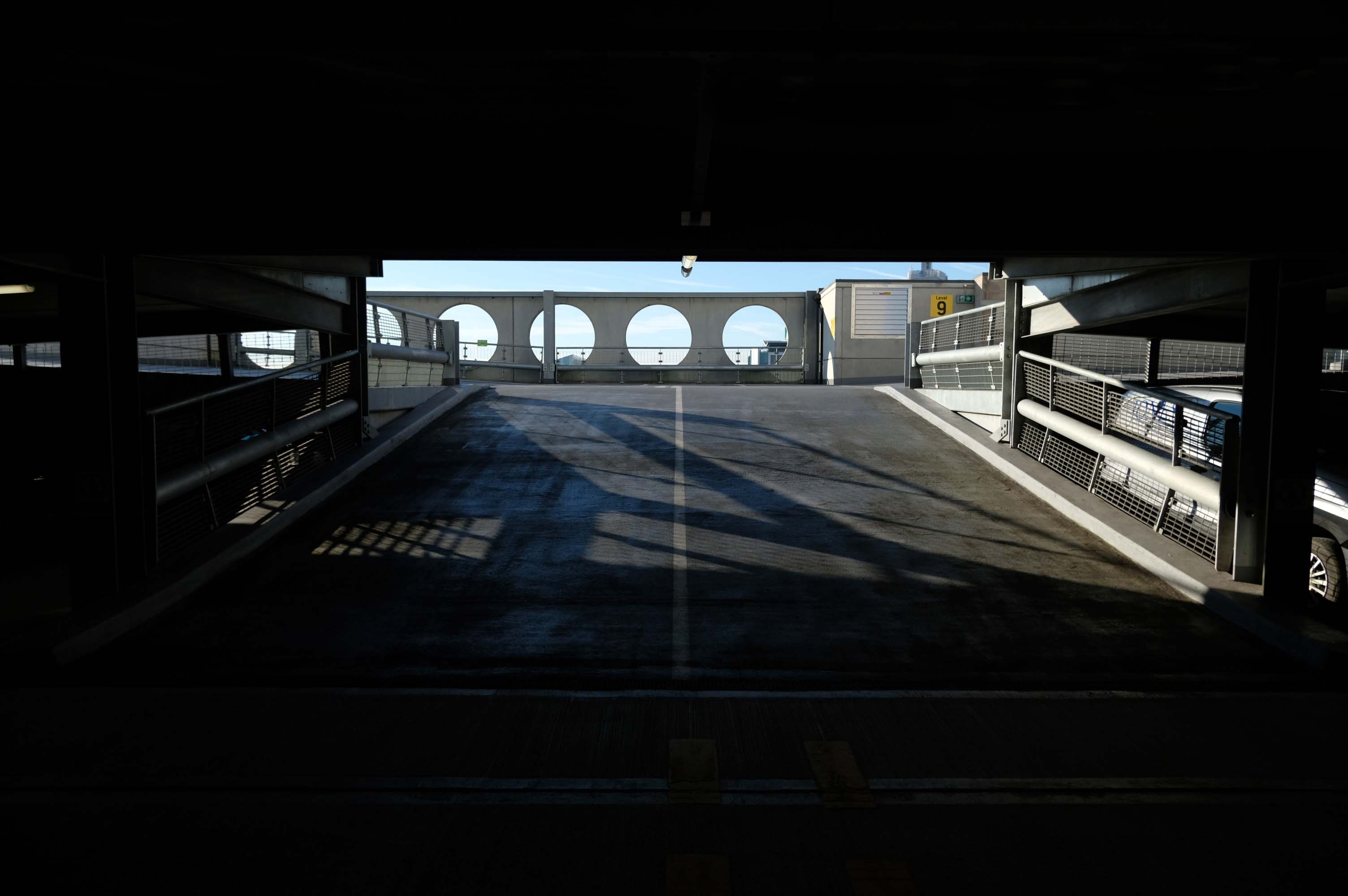
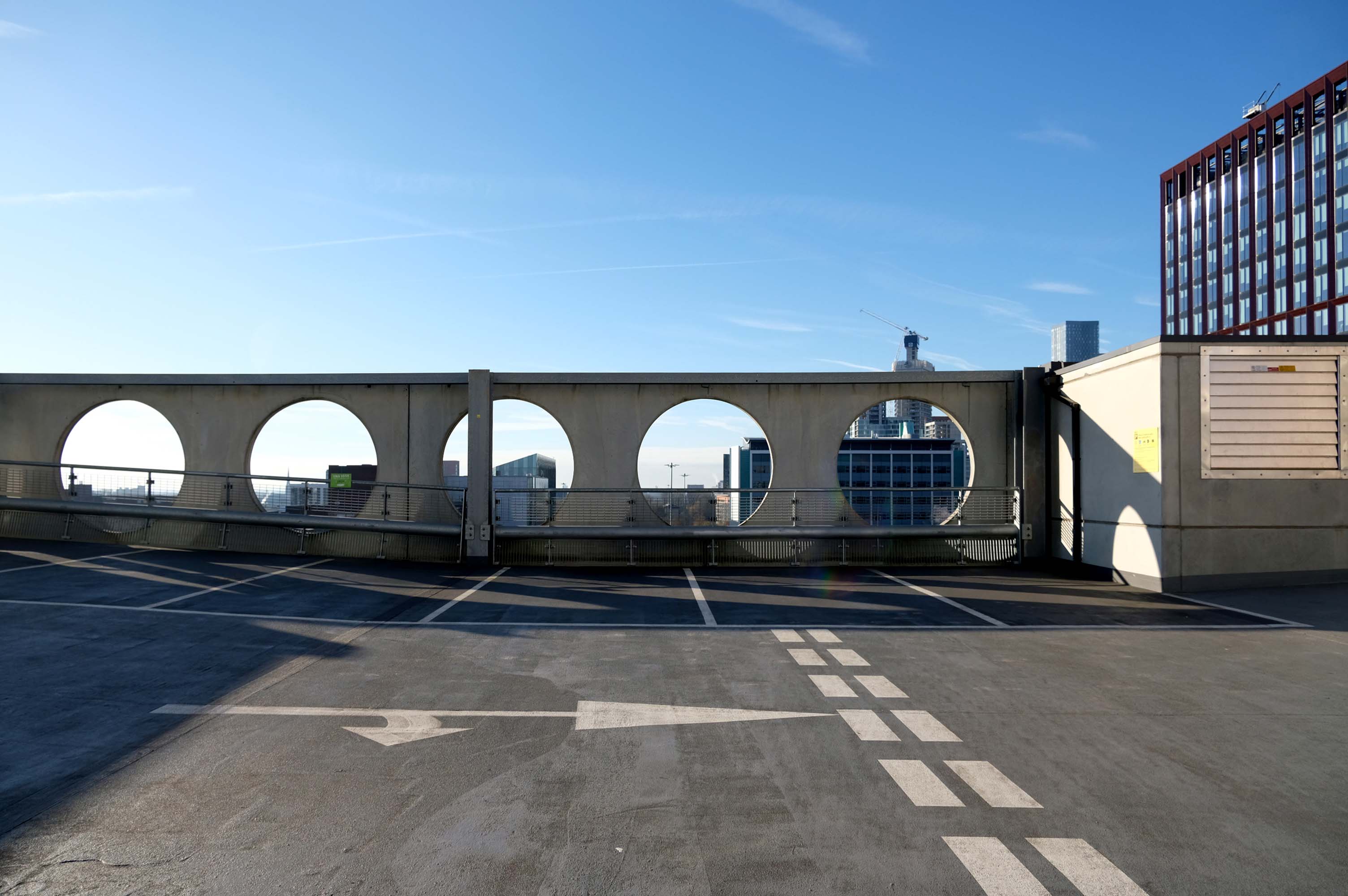
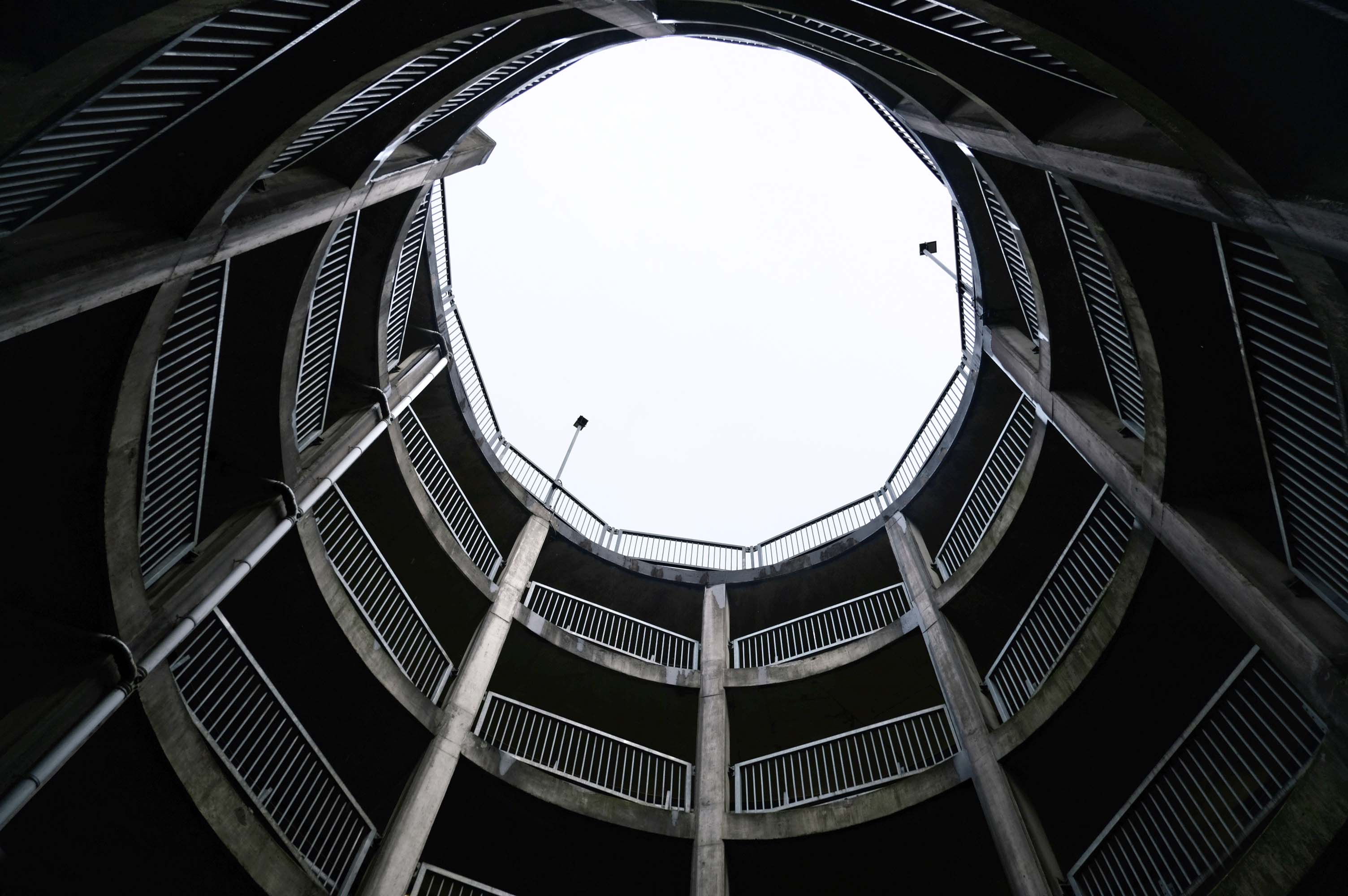
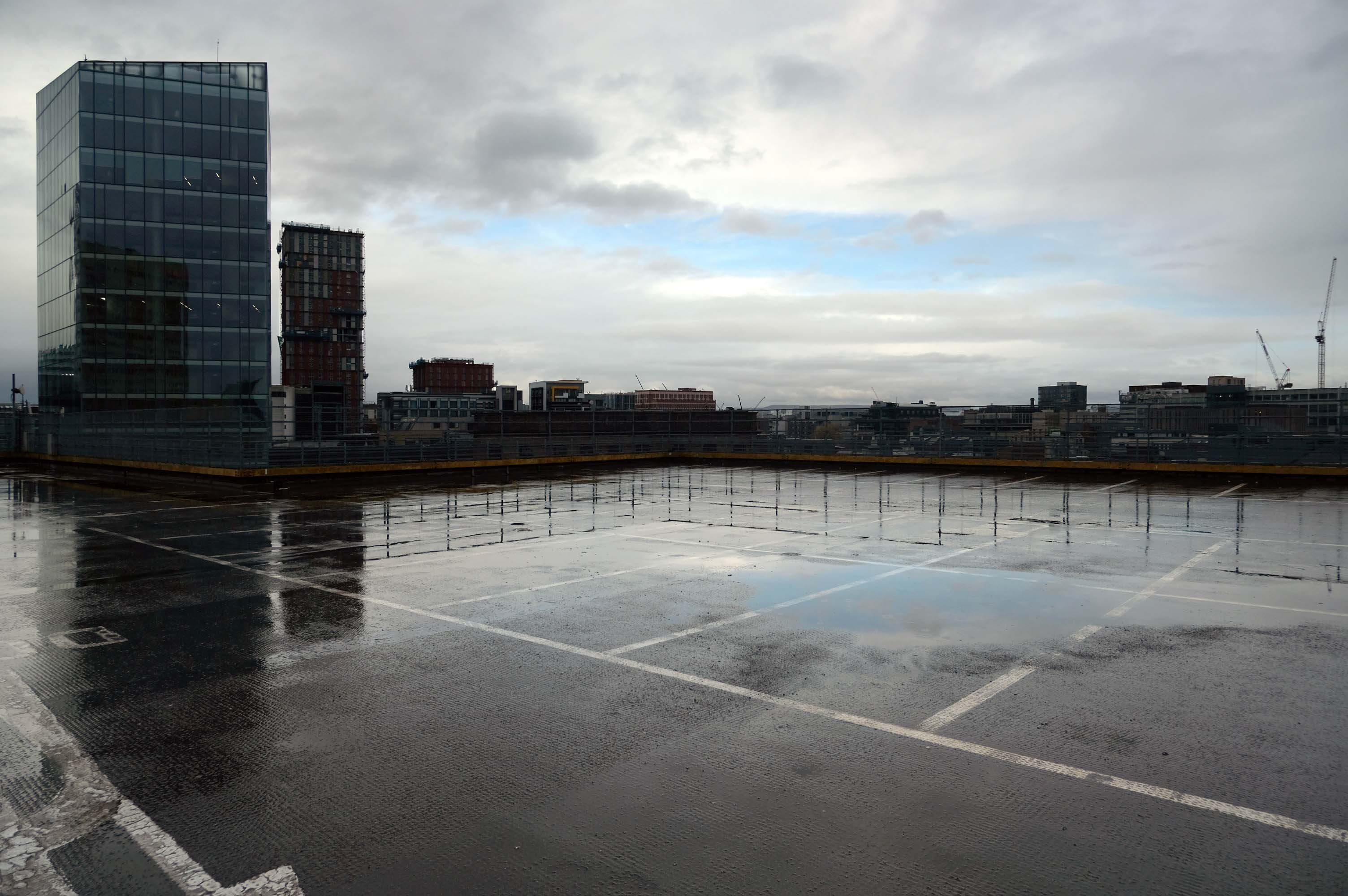
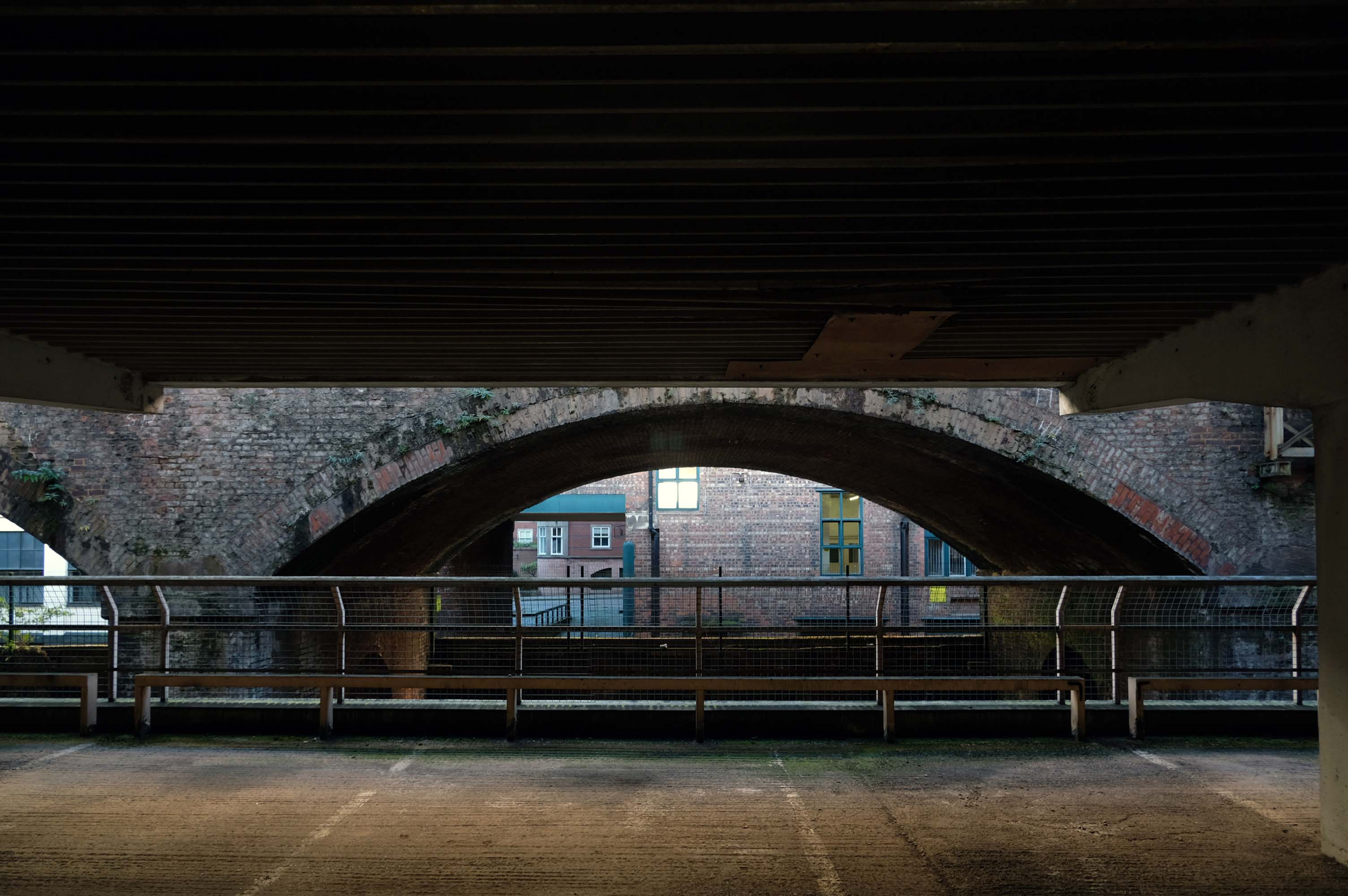
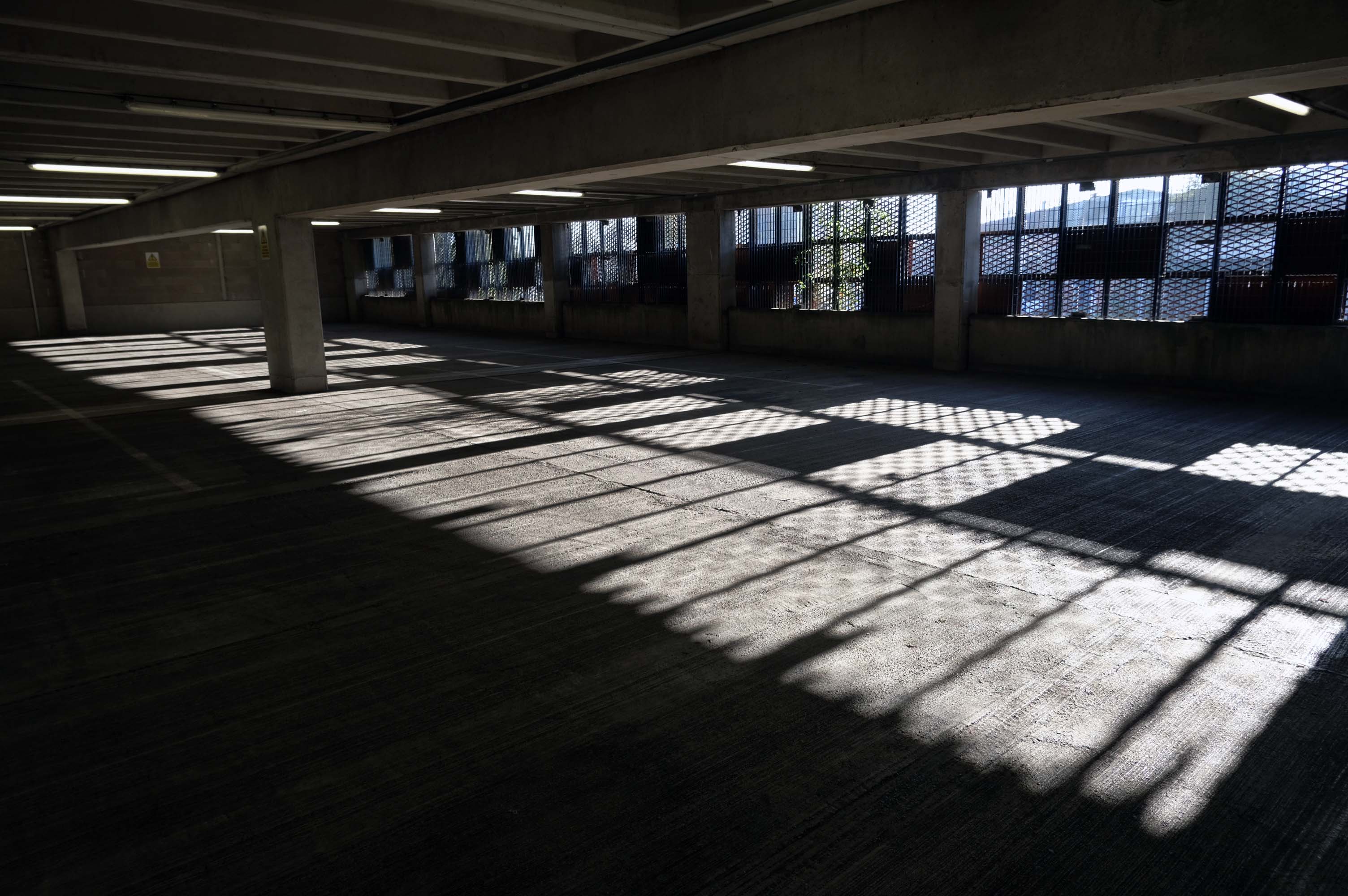
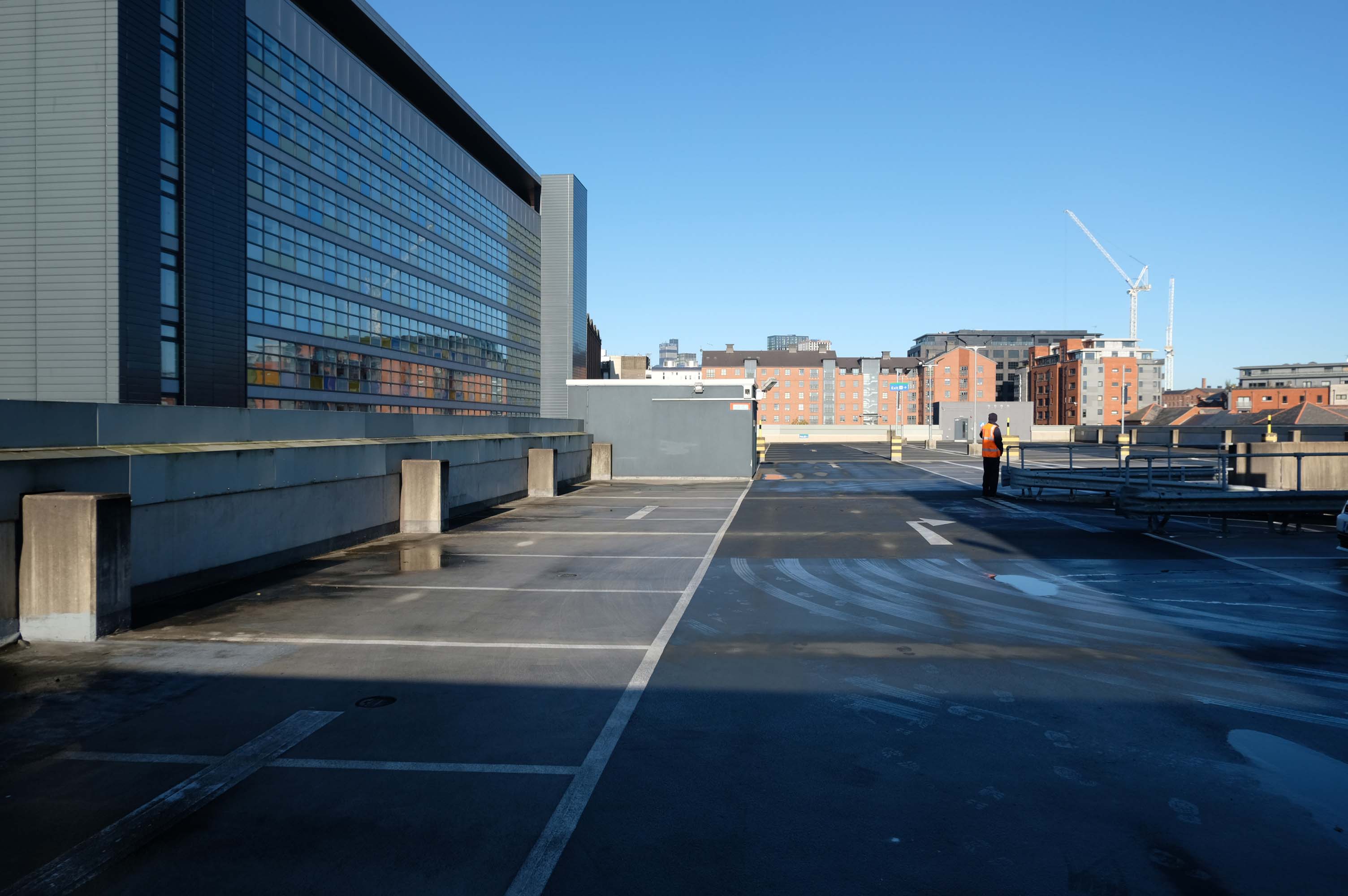
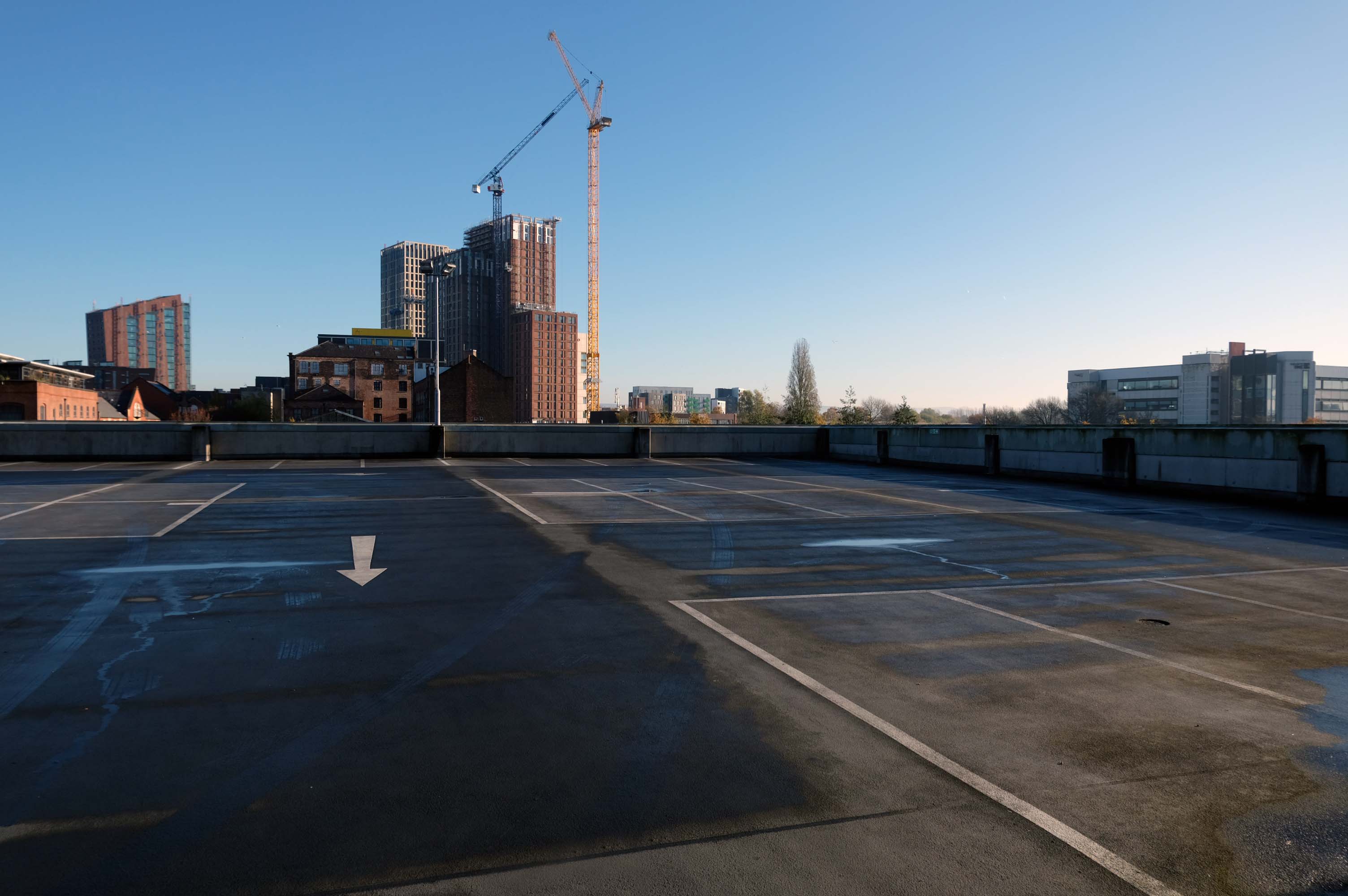
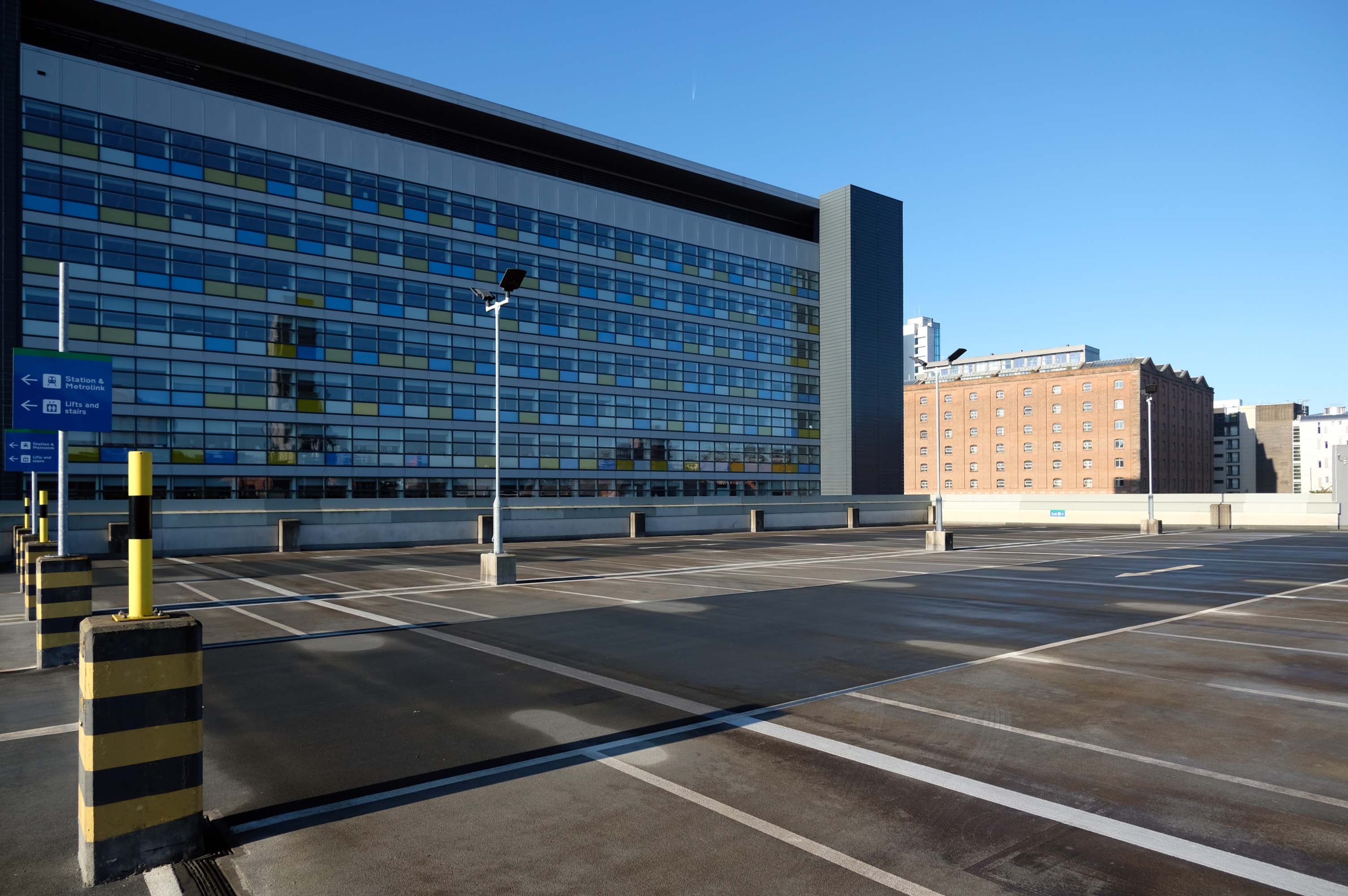
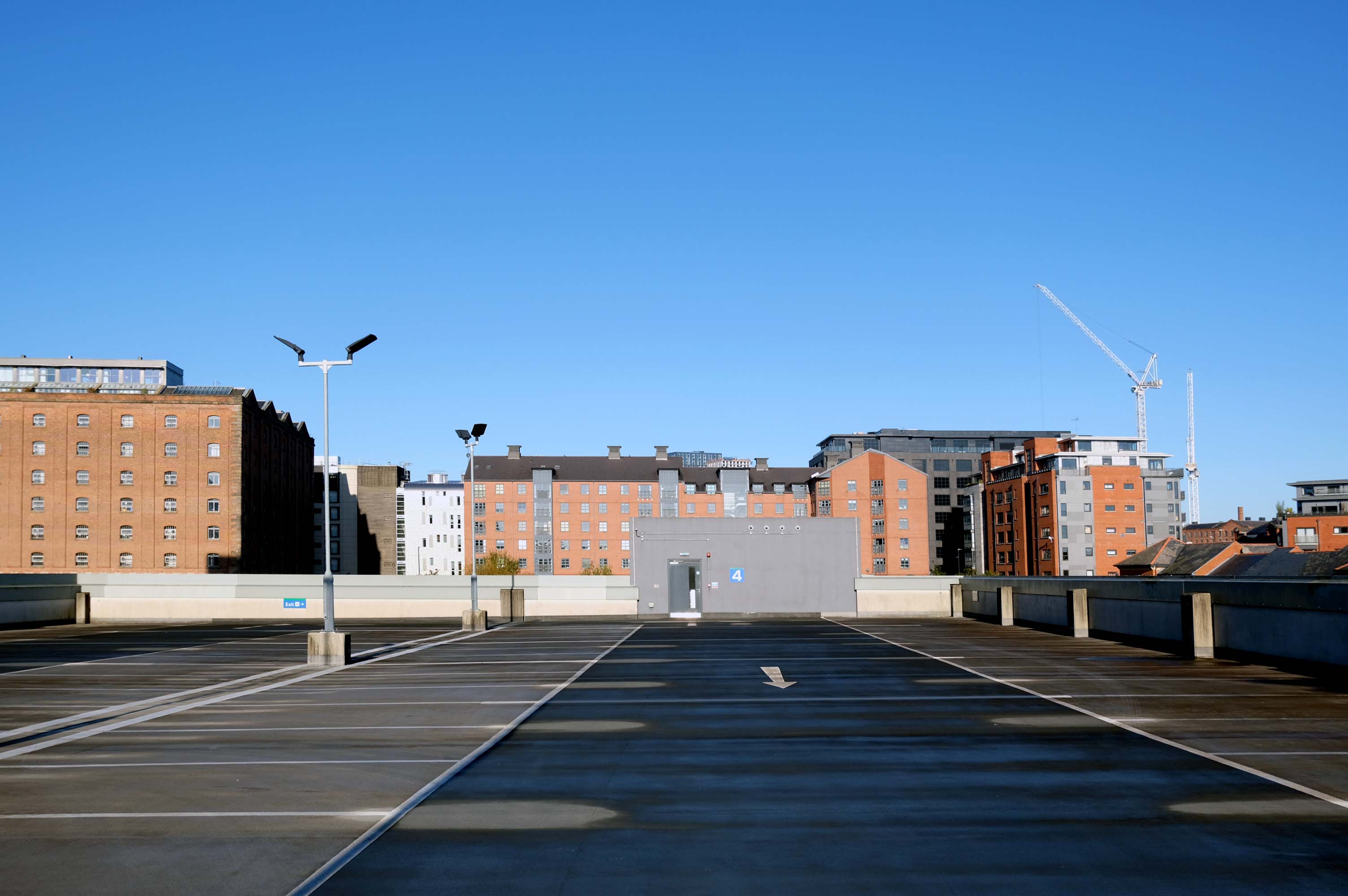
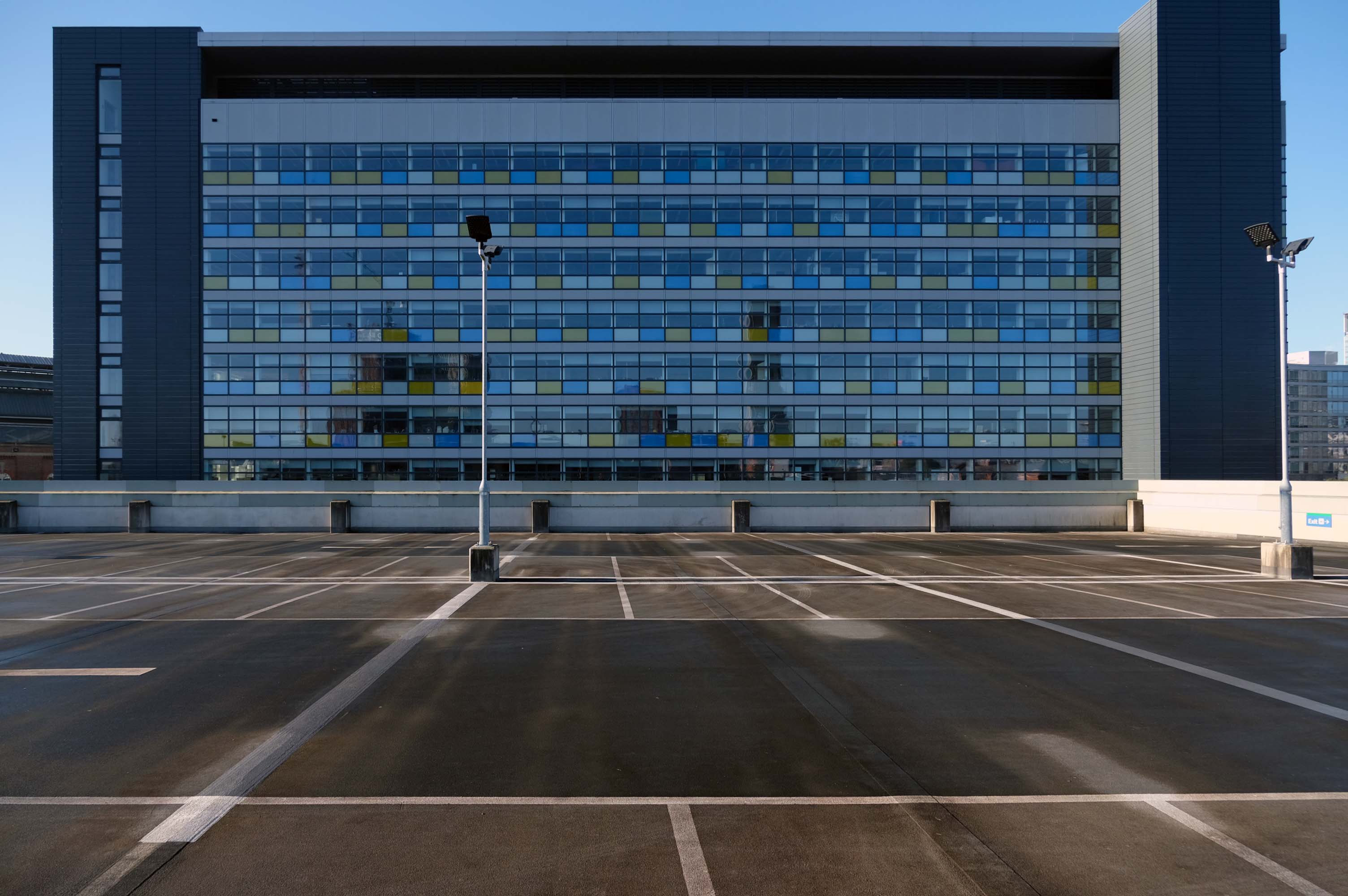
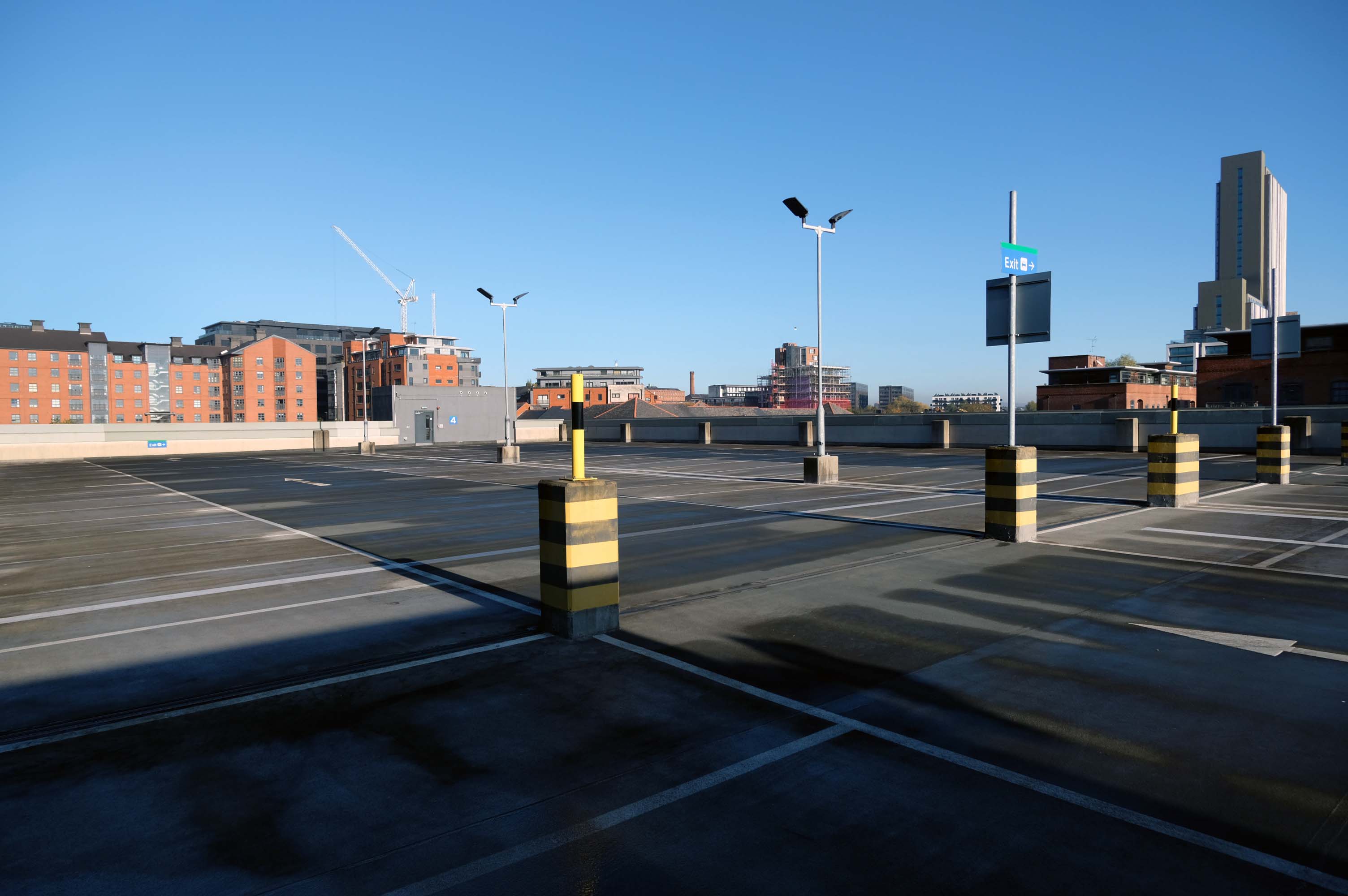
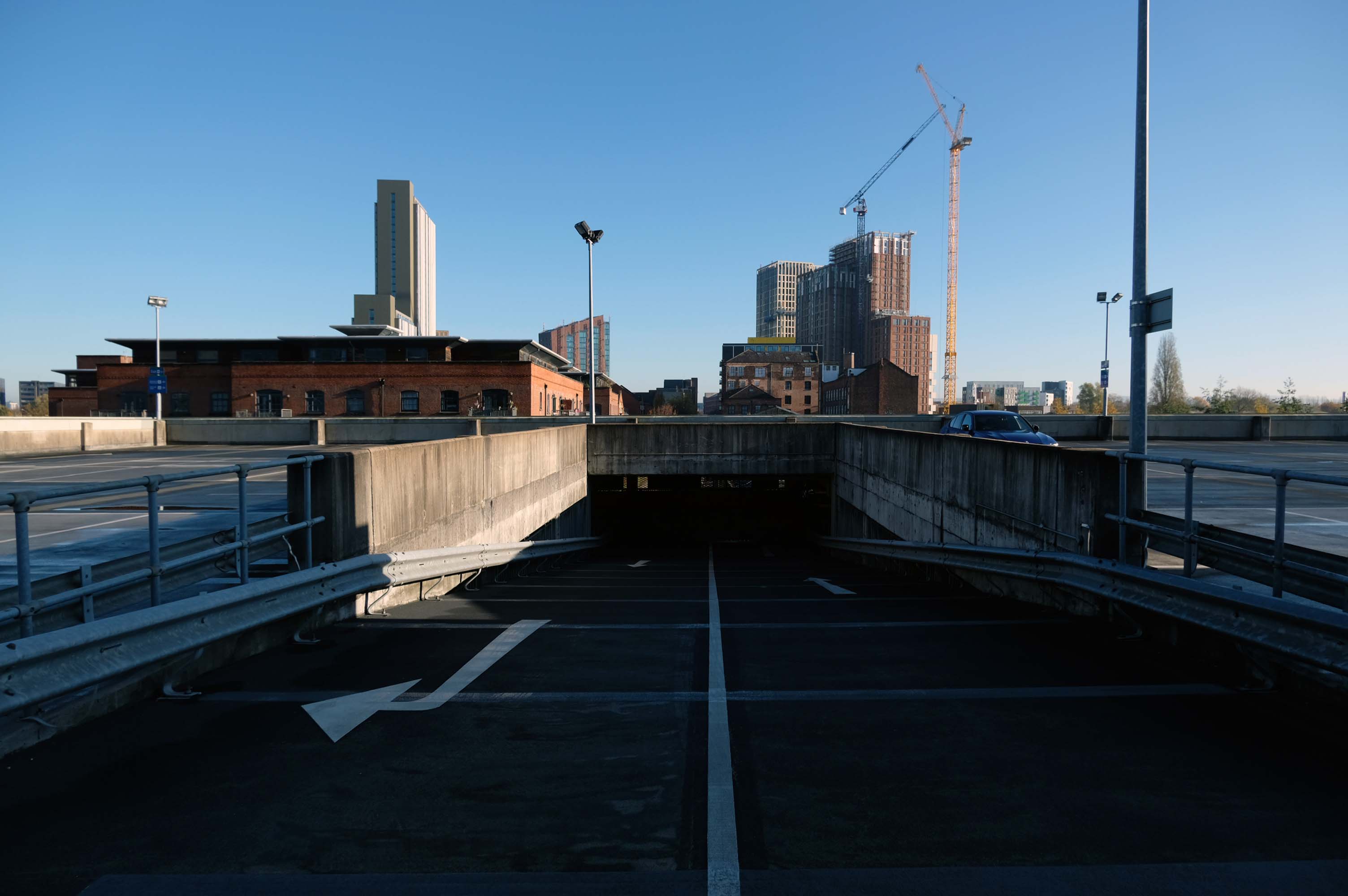
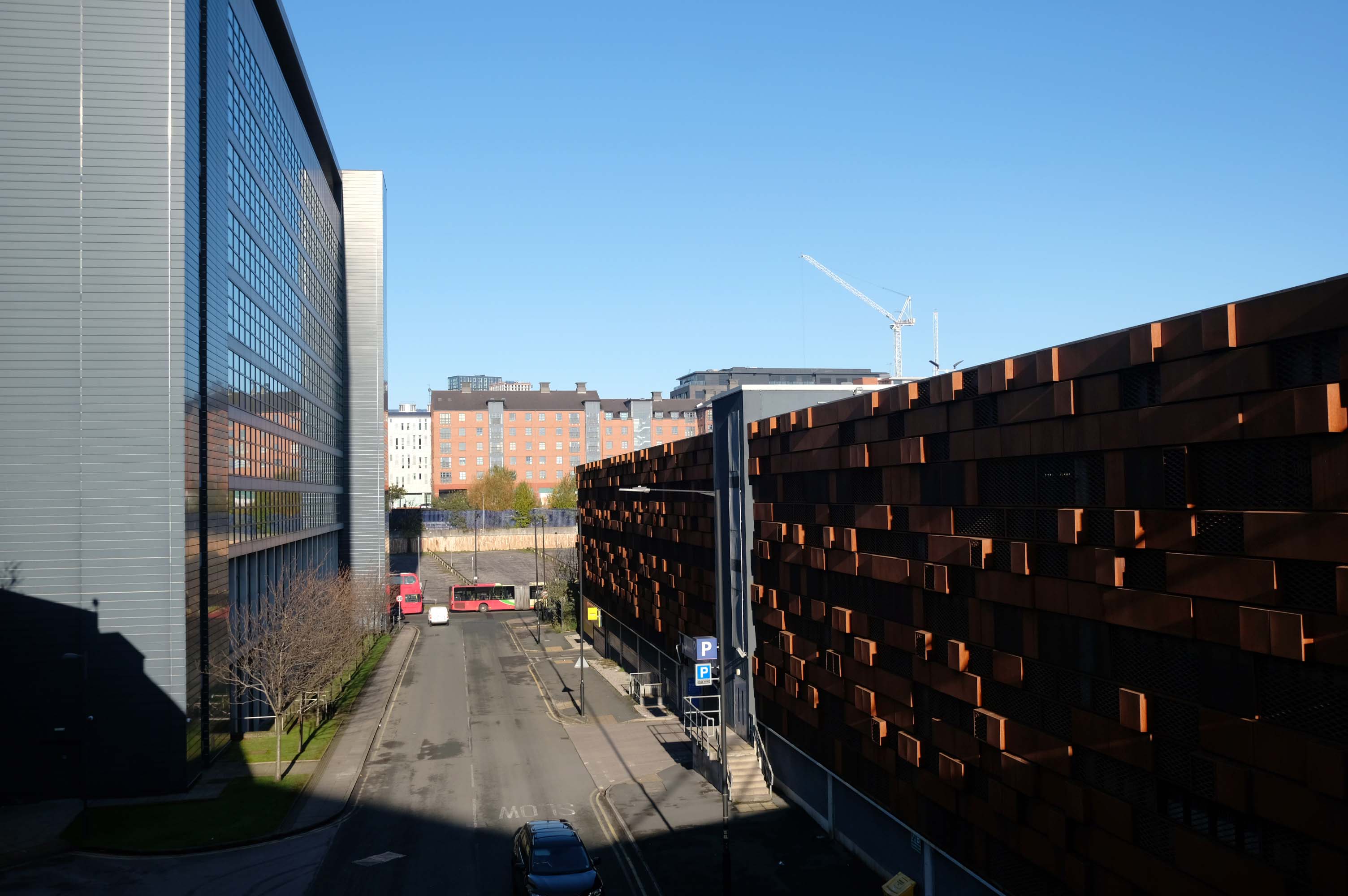
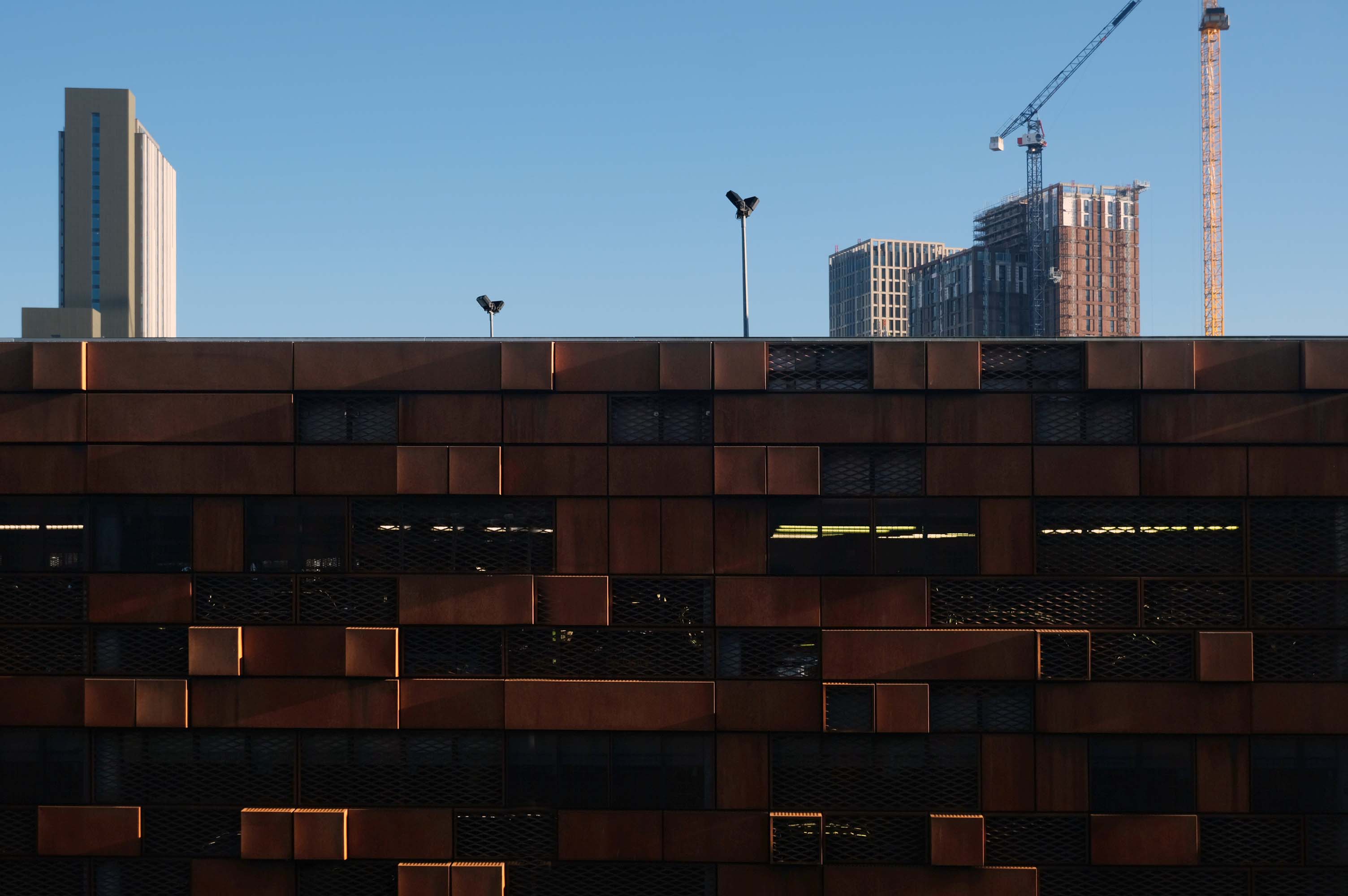
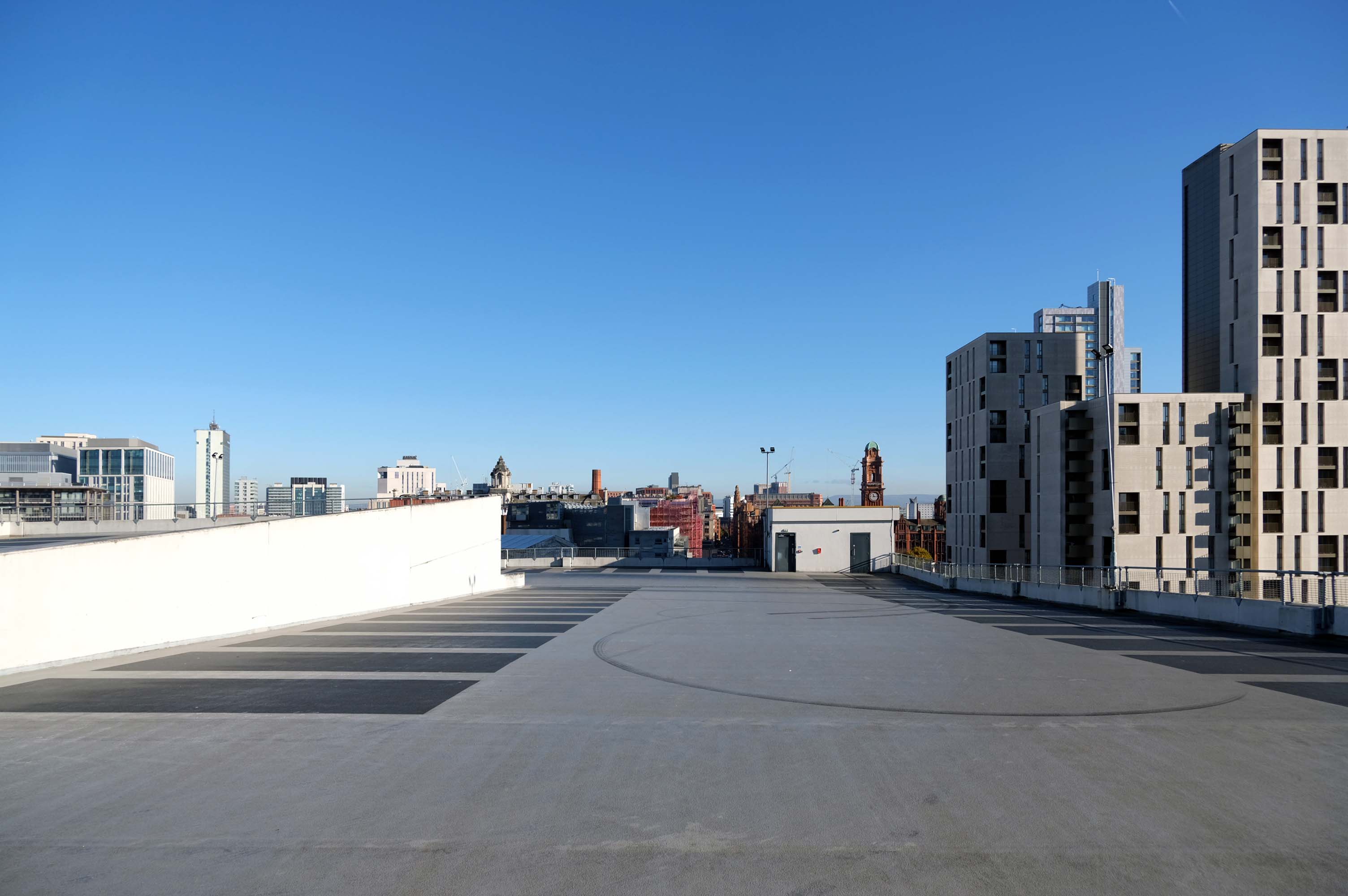
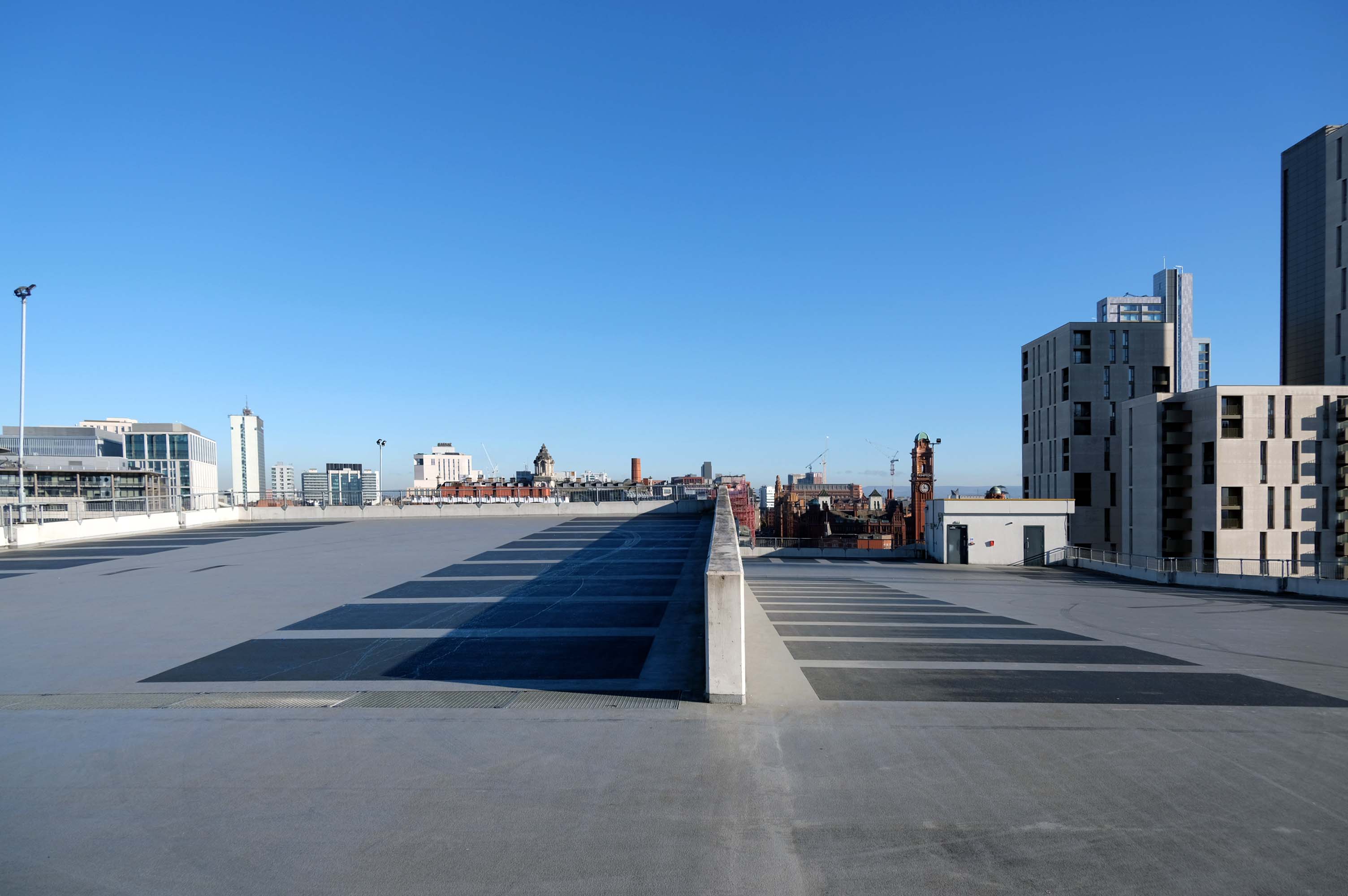
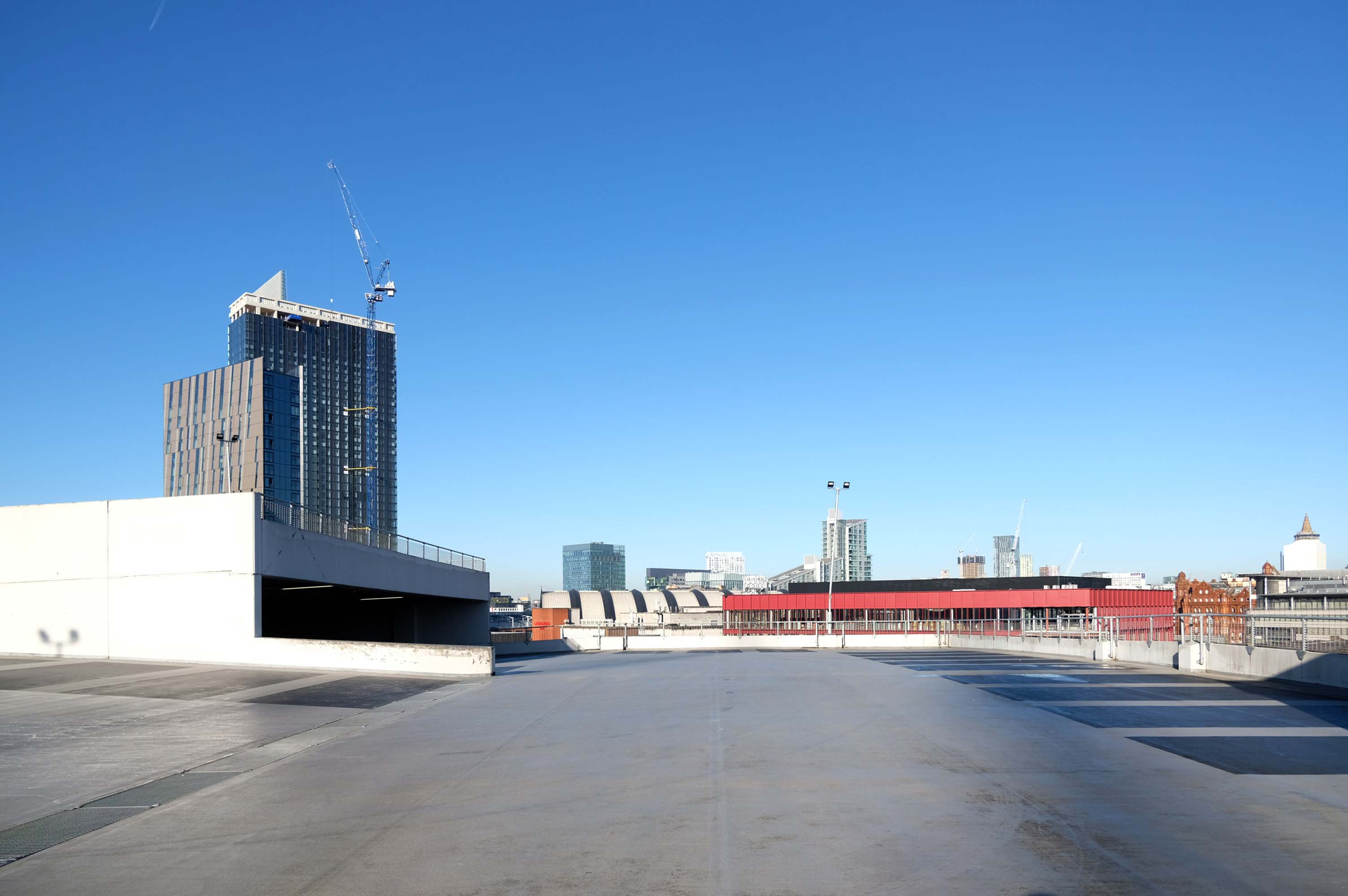
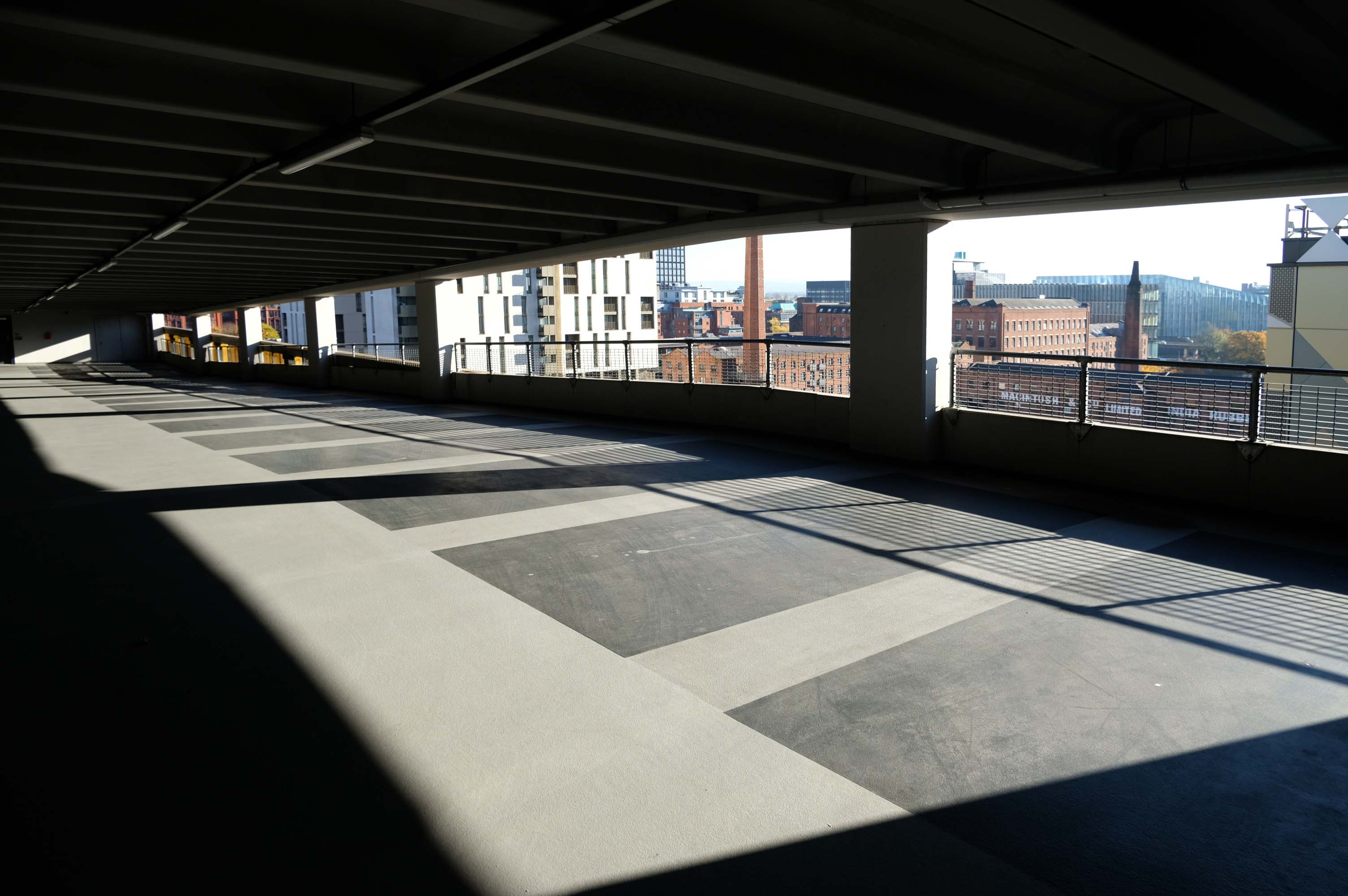
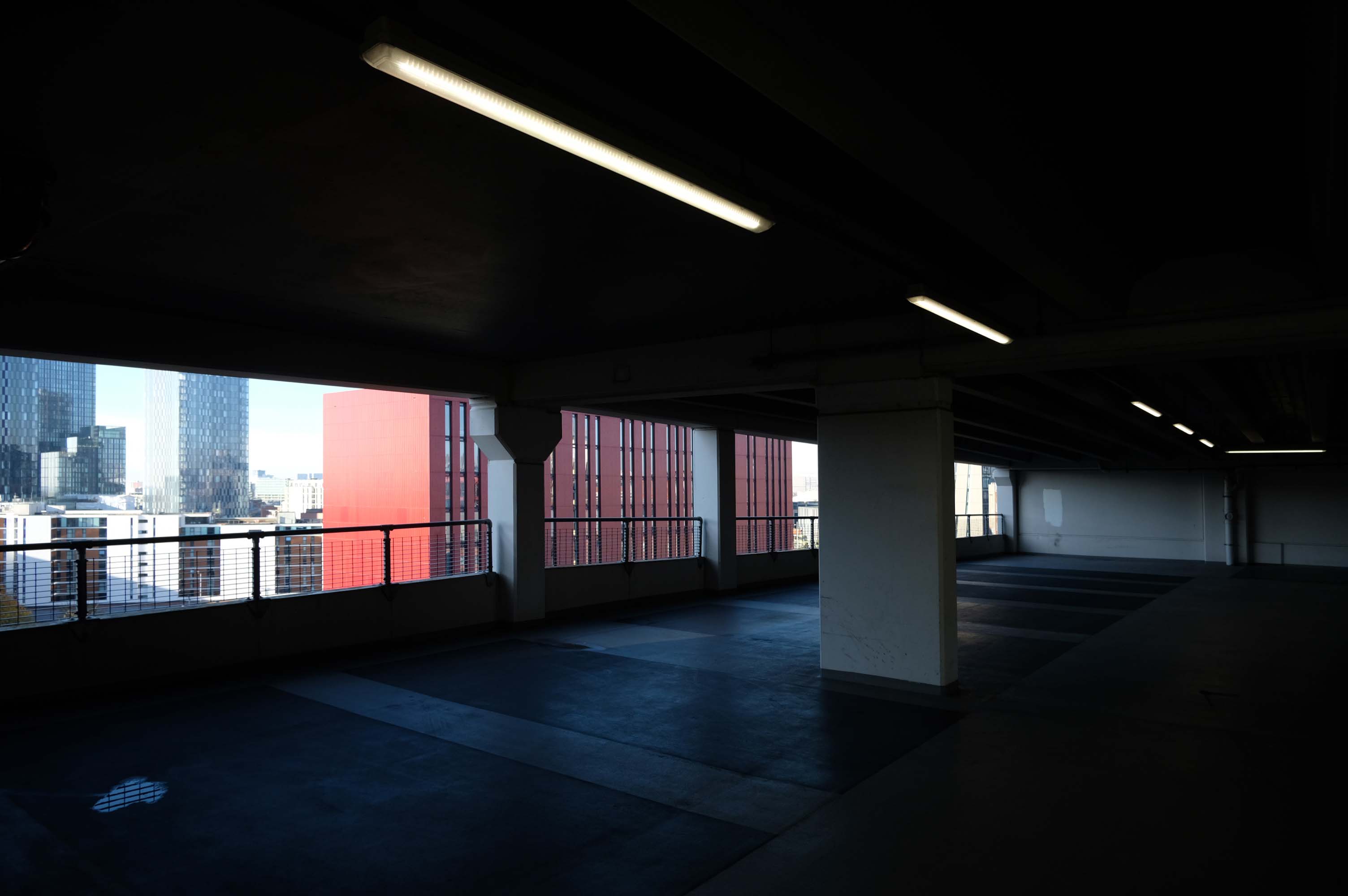
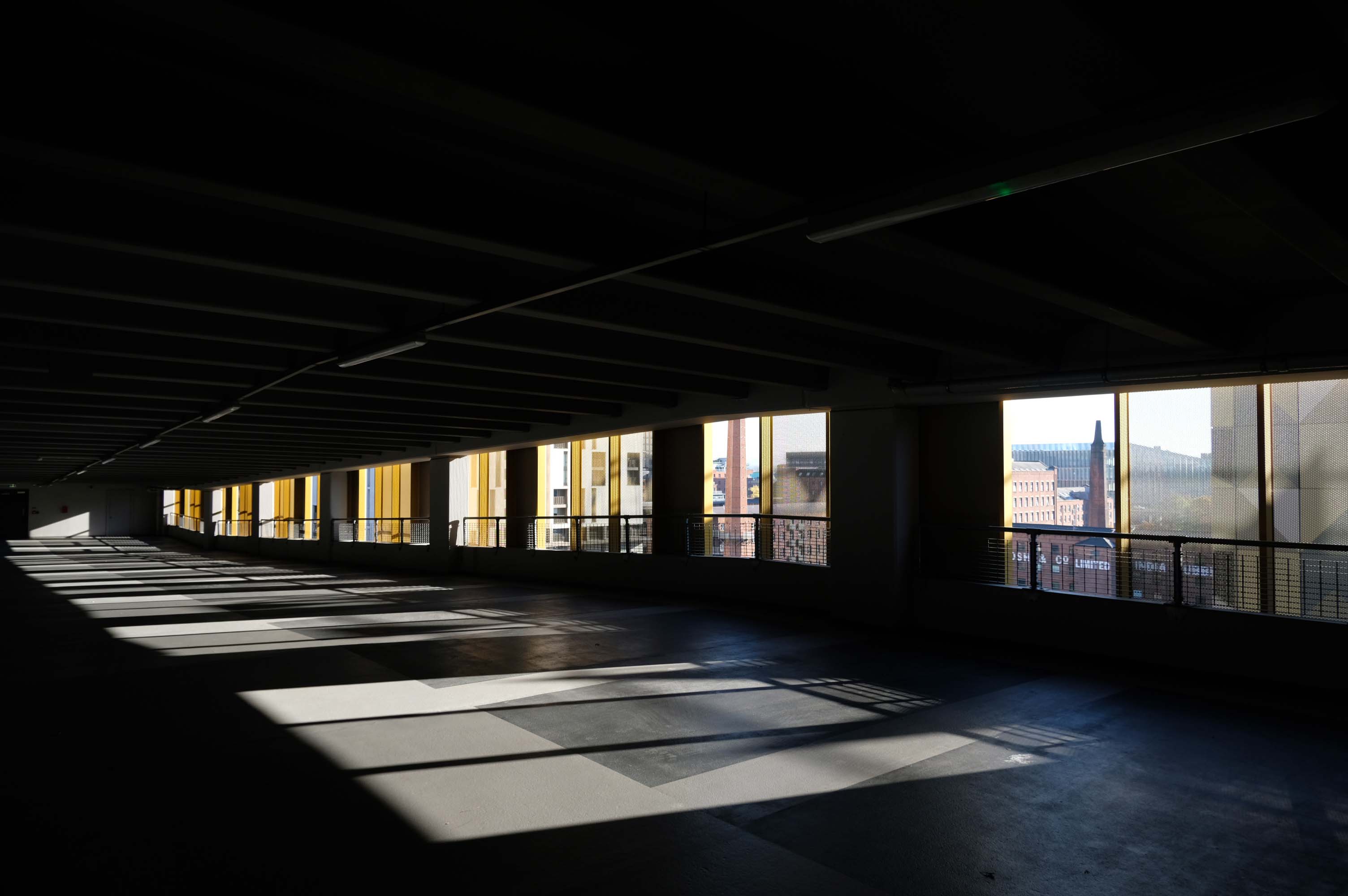
The pedestrian in a car park ventures forth into a part of town rarely visited, discovering a clean and modern environment, affording extensive views over an ever expanding city.
As part of the redevelopment of the Gaythorn Gas Works site, First Street has successfully managed to create a new thriving neighbourhood in Manchester. The development continues to seamlessly integrate cultural spaces with commercial offices, retail spaces, a hotel and multi-storey car park.
Cundall has provided multidisciplinary engineering services spanning several years and multiple buildings including, Q-Park MSCP.
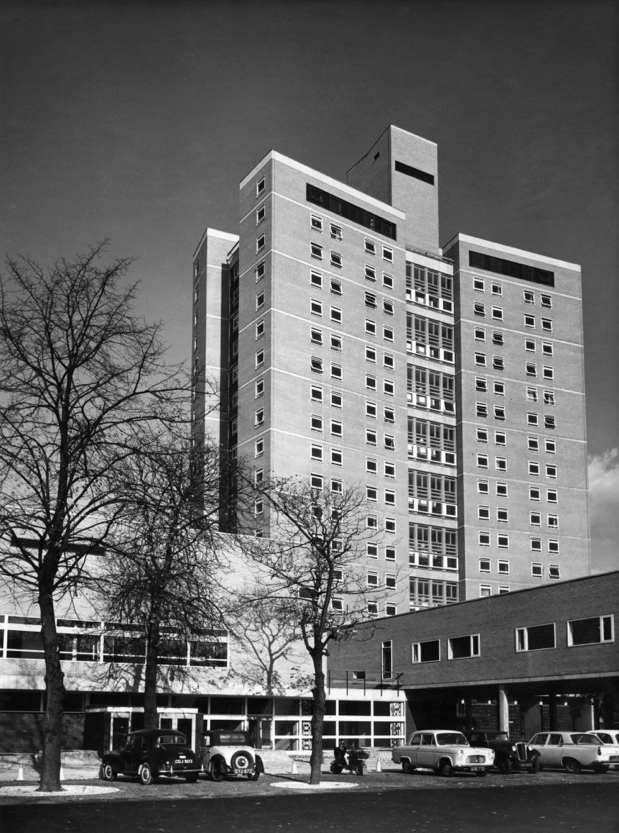
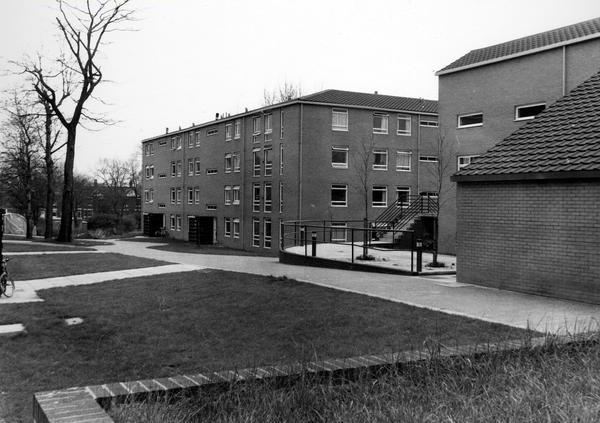
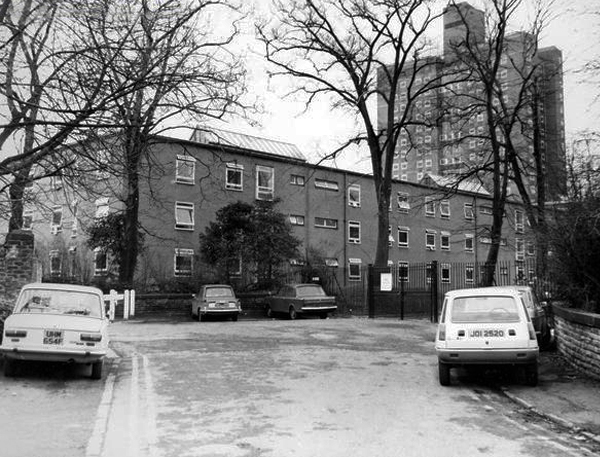
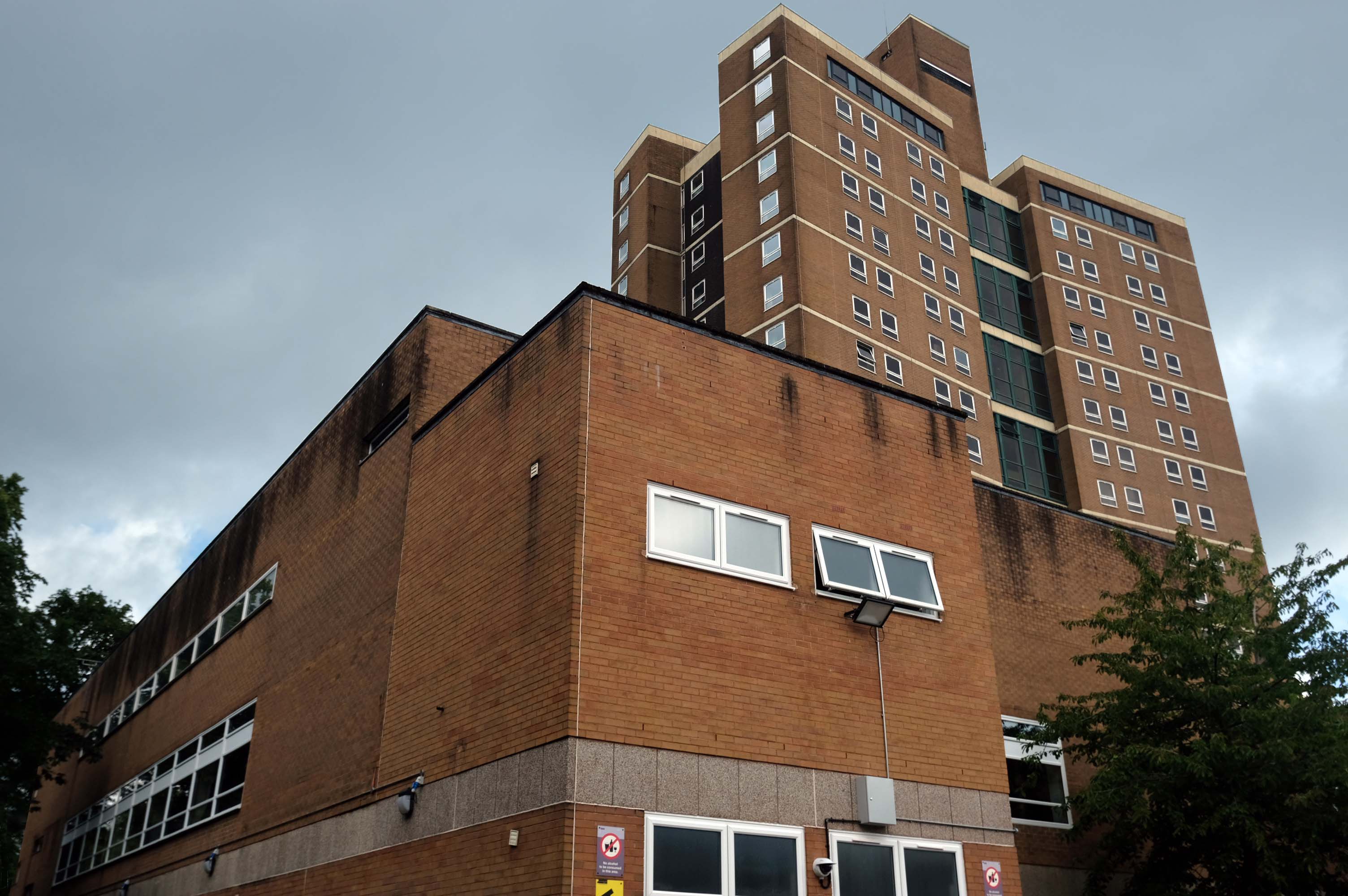
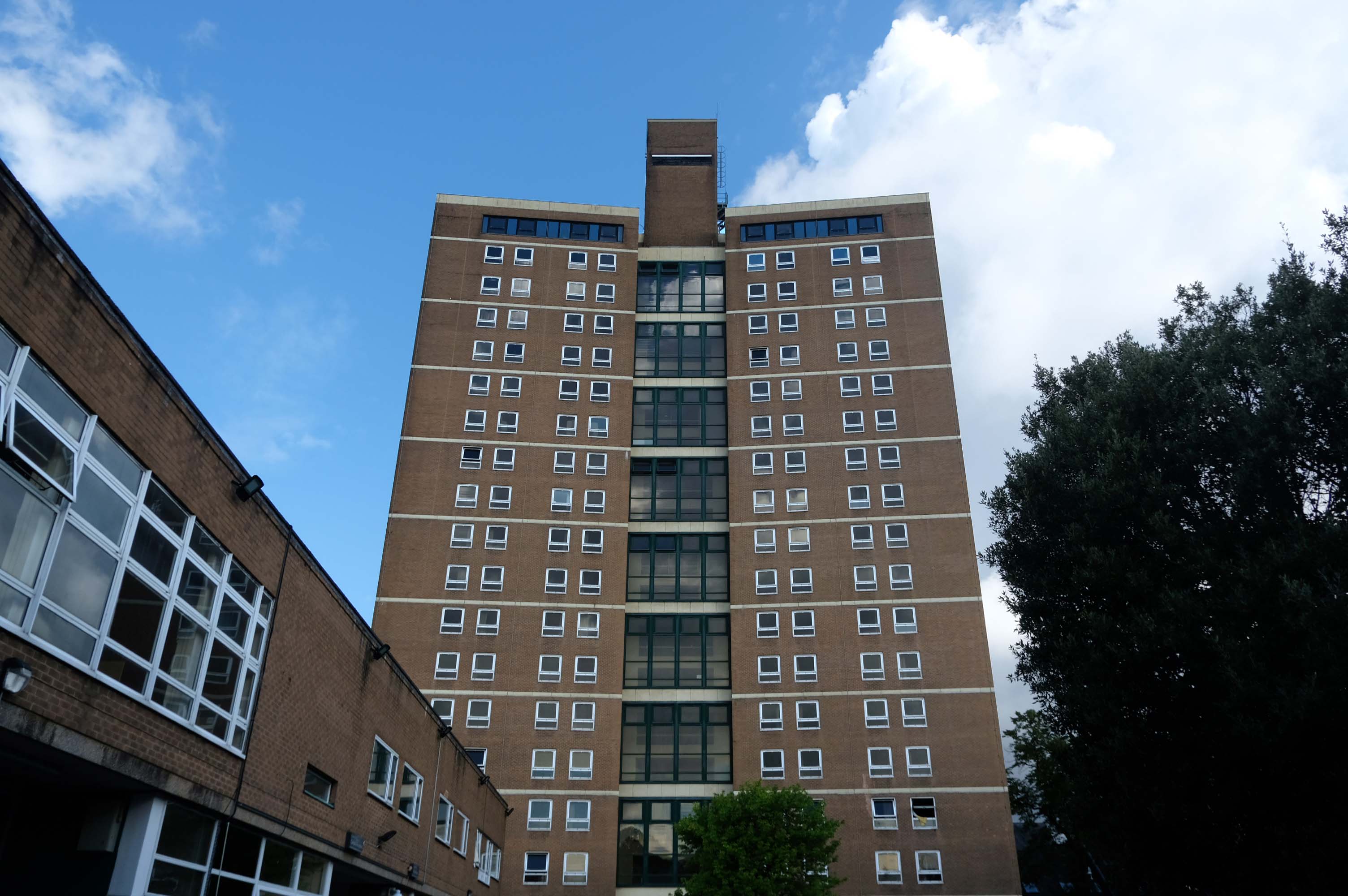
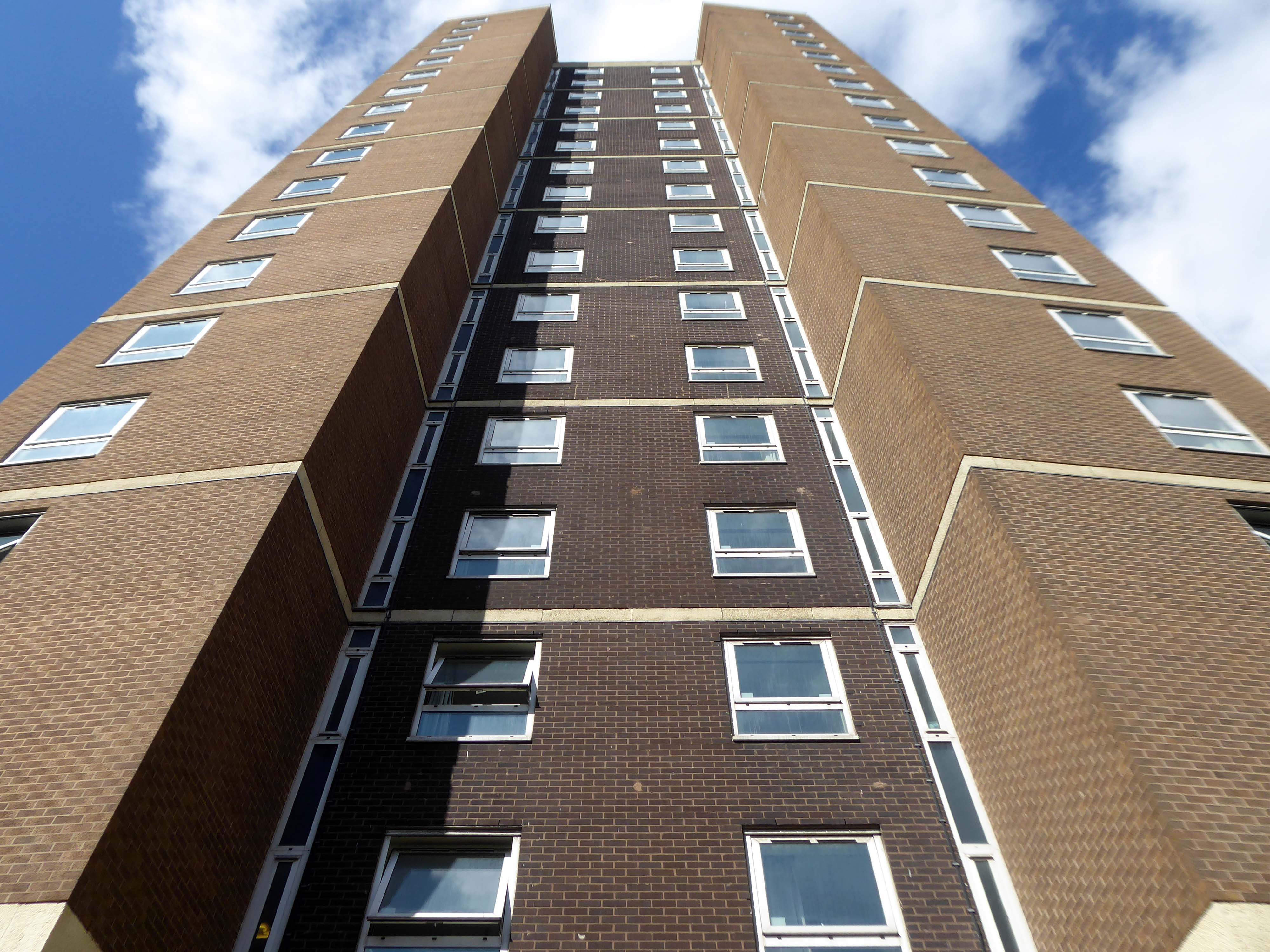
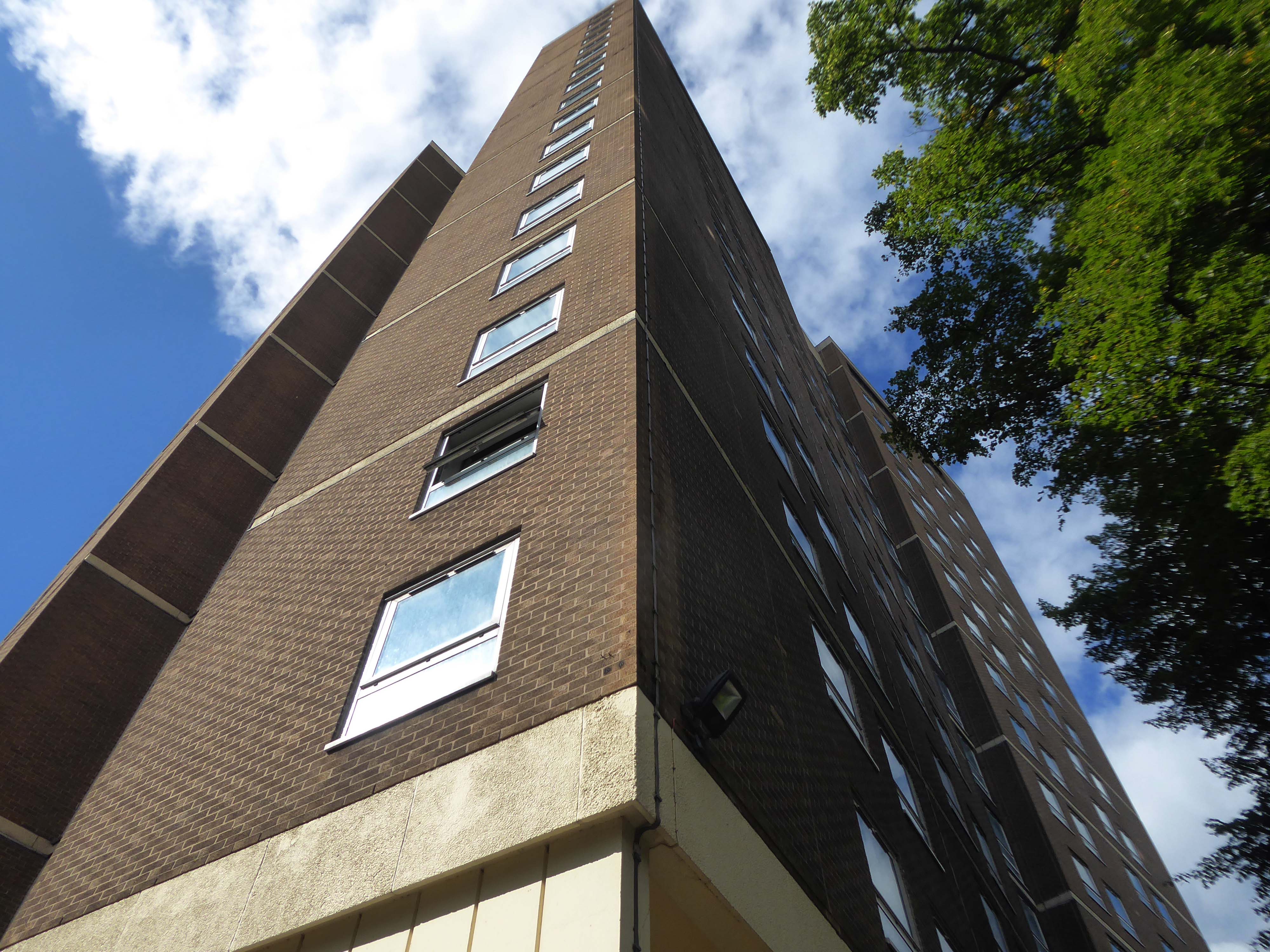
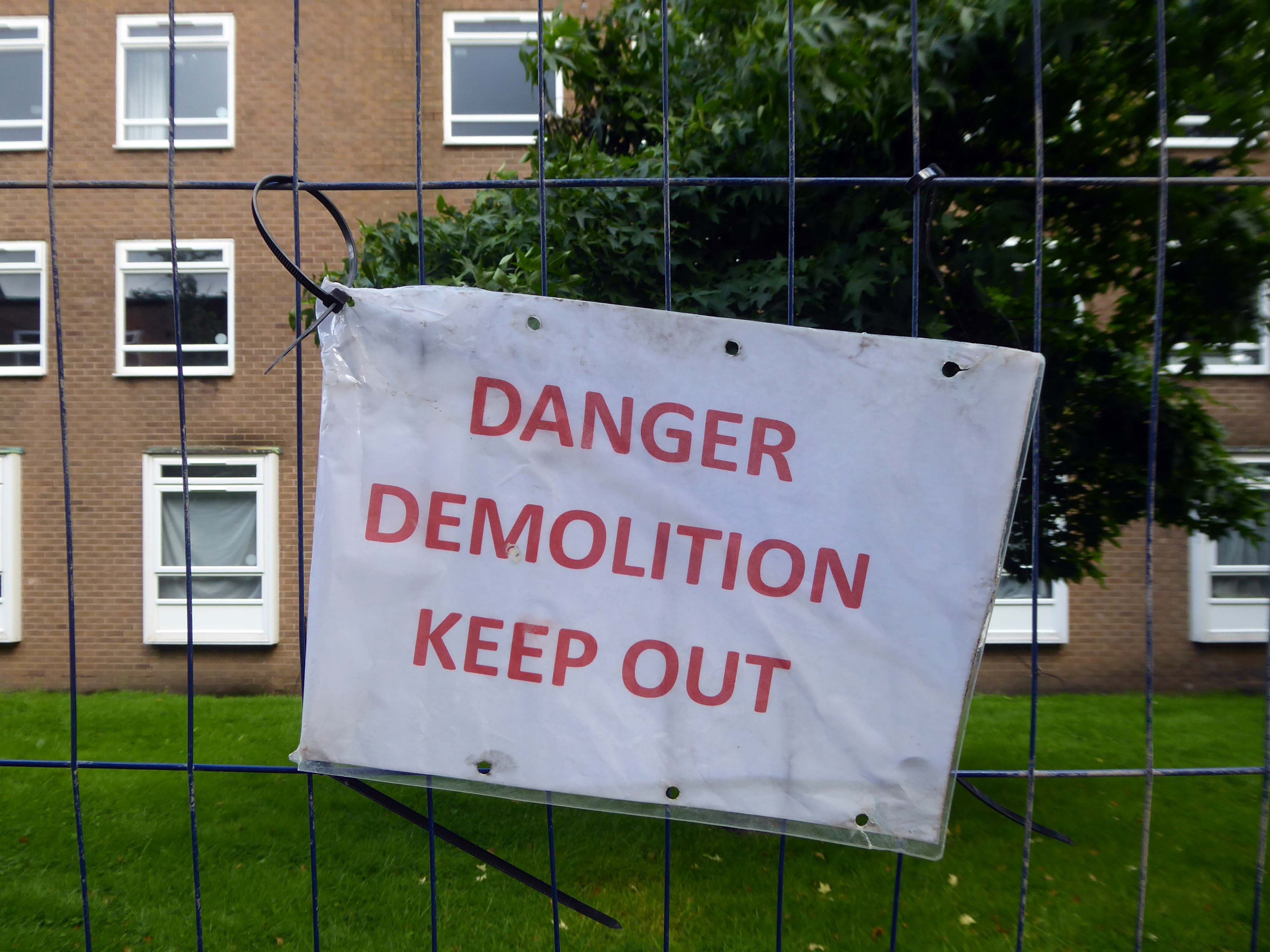
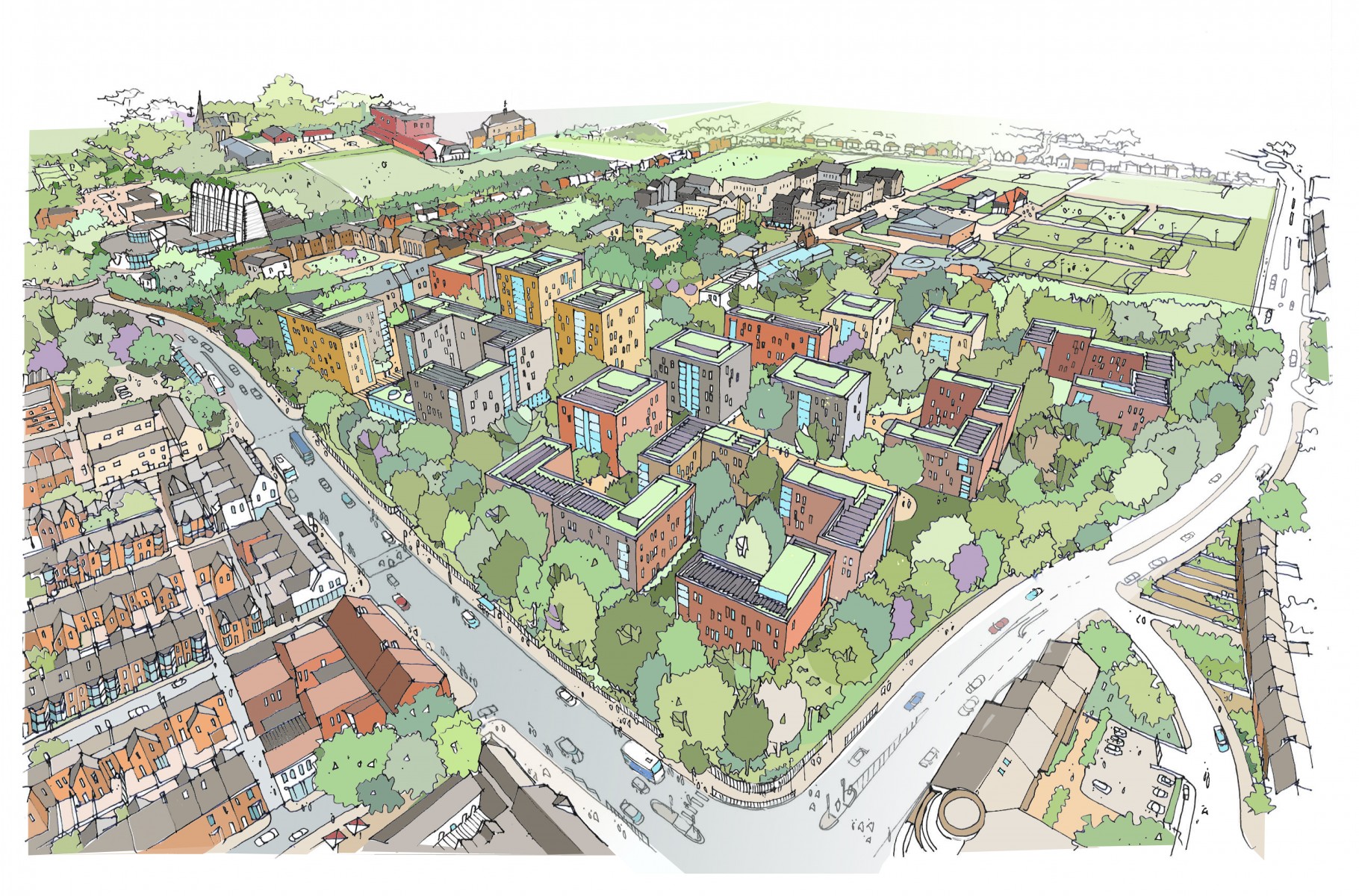
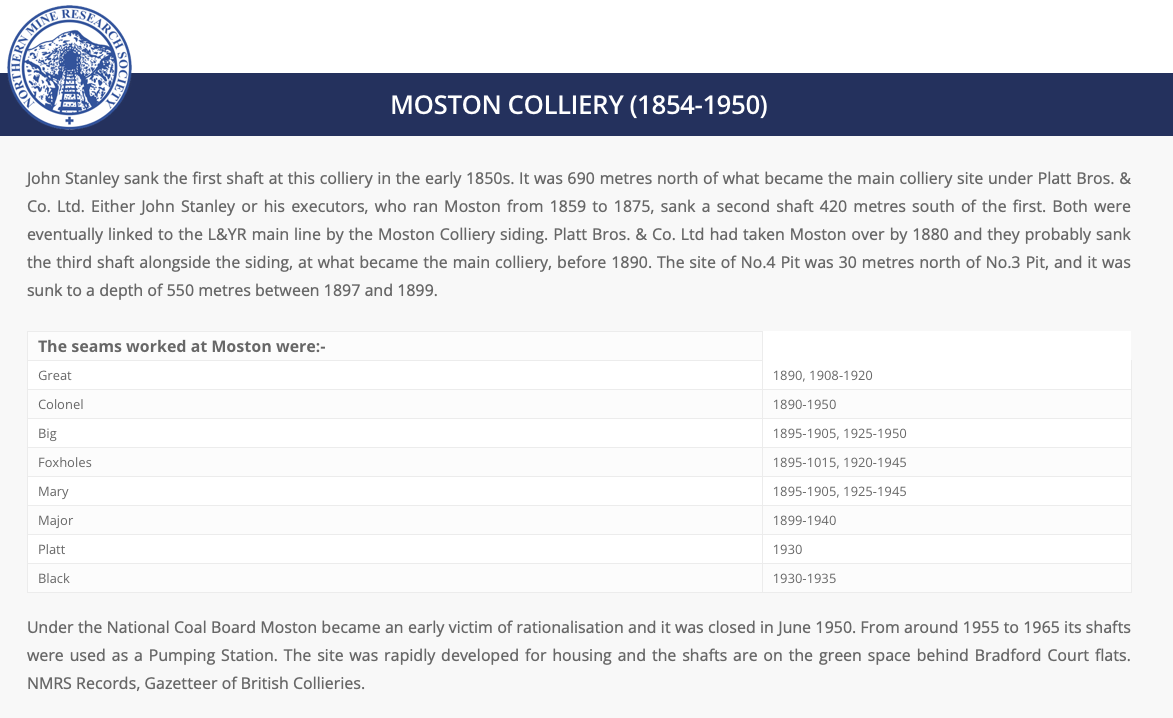
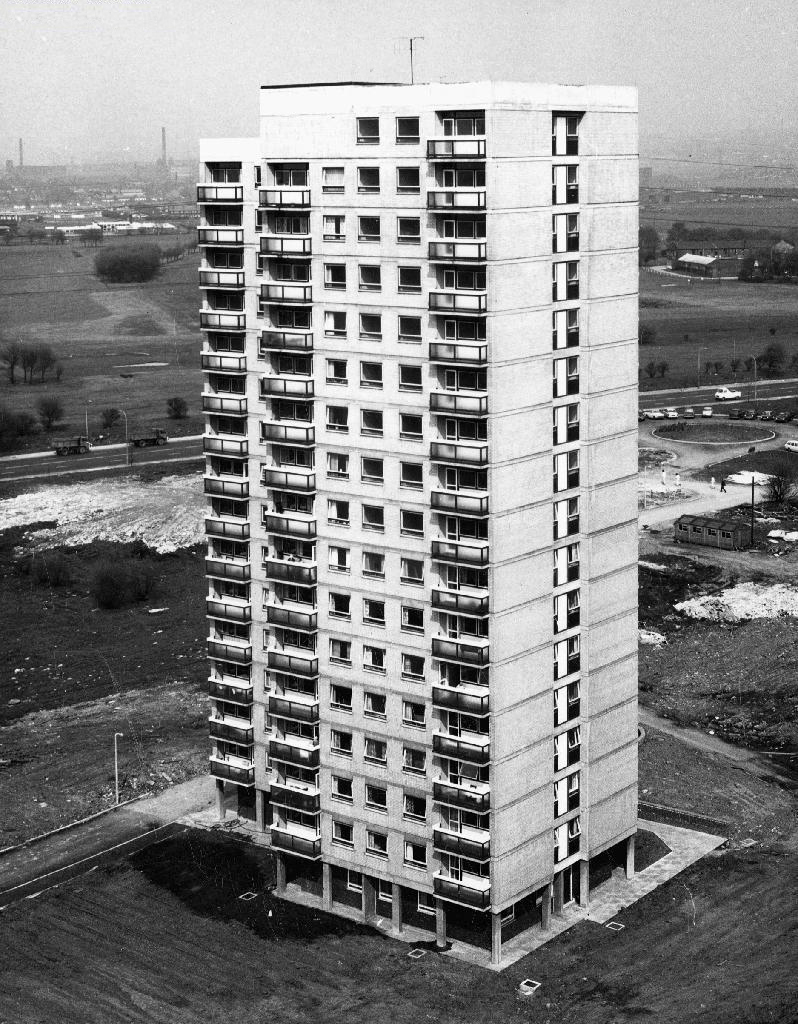
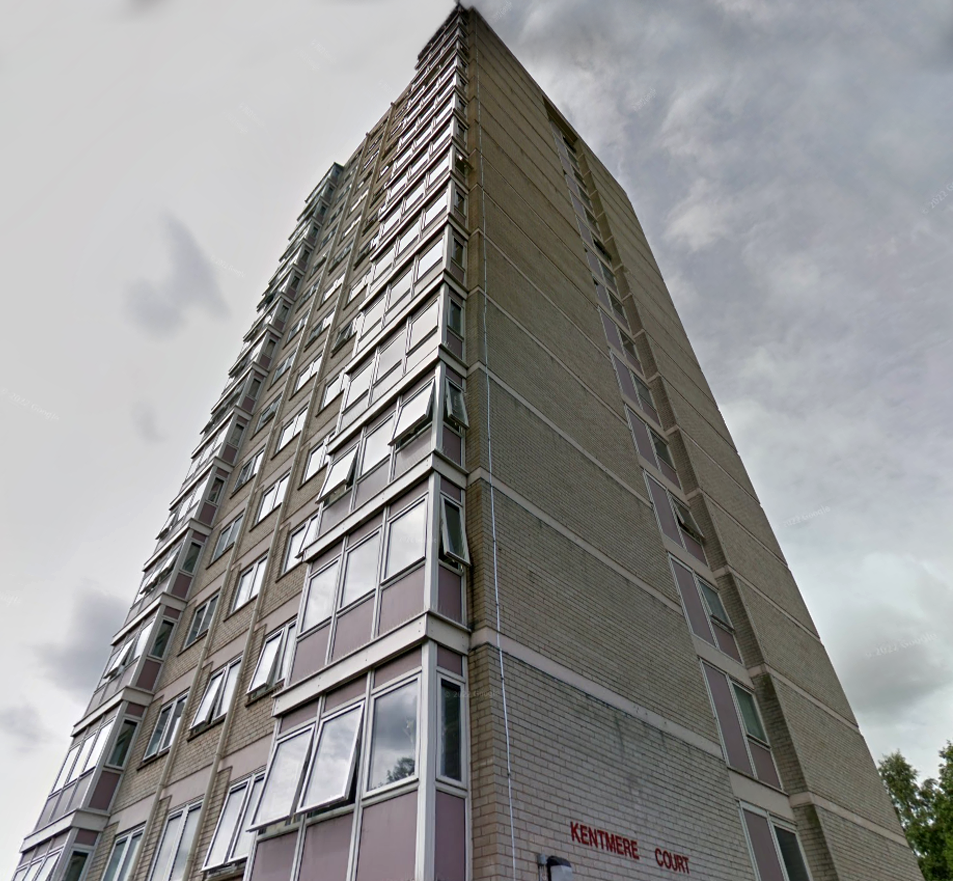
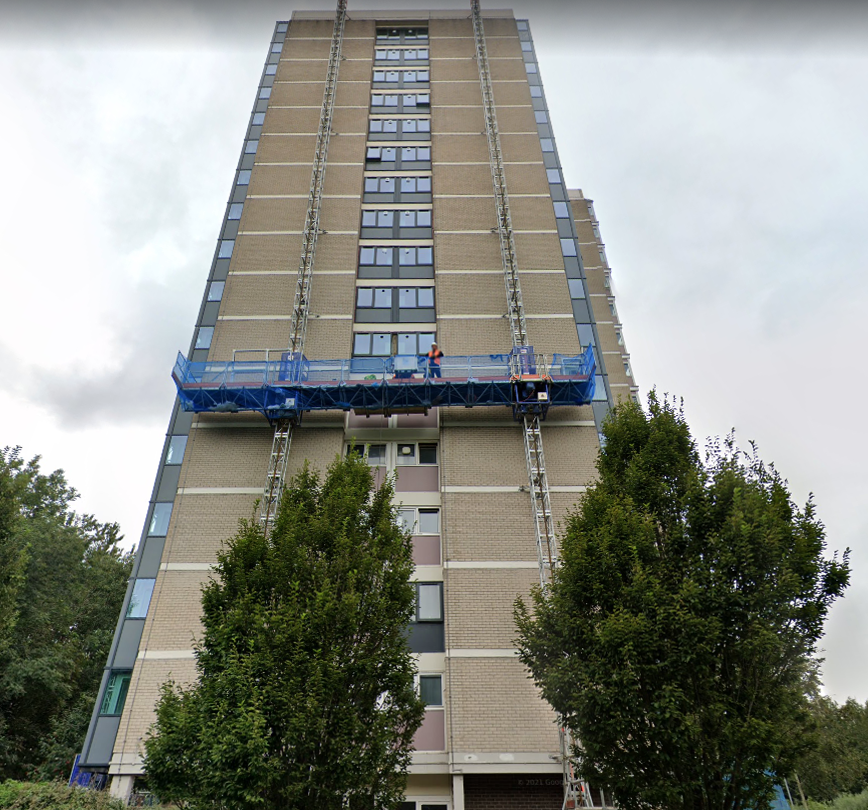
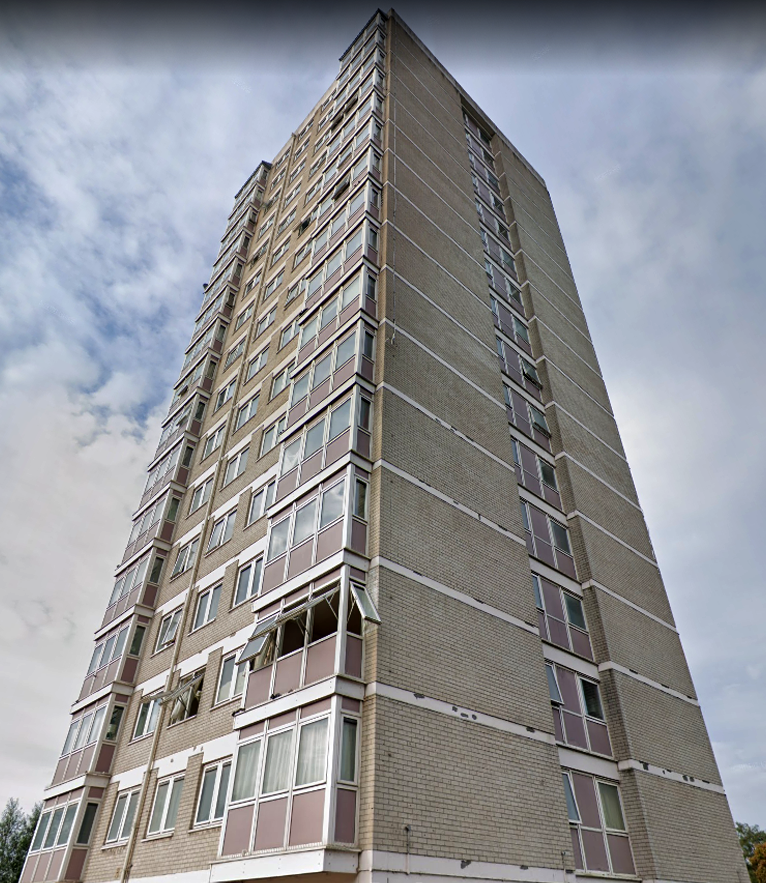
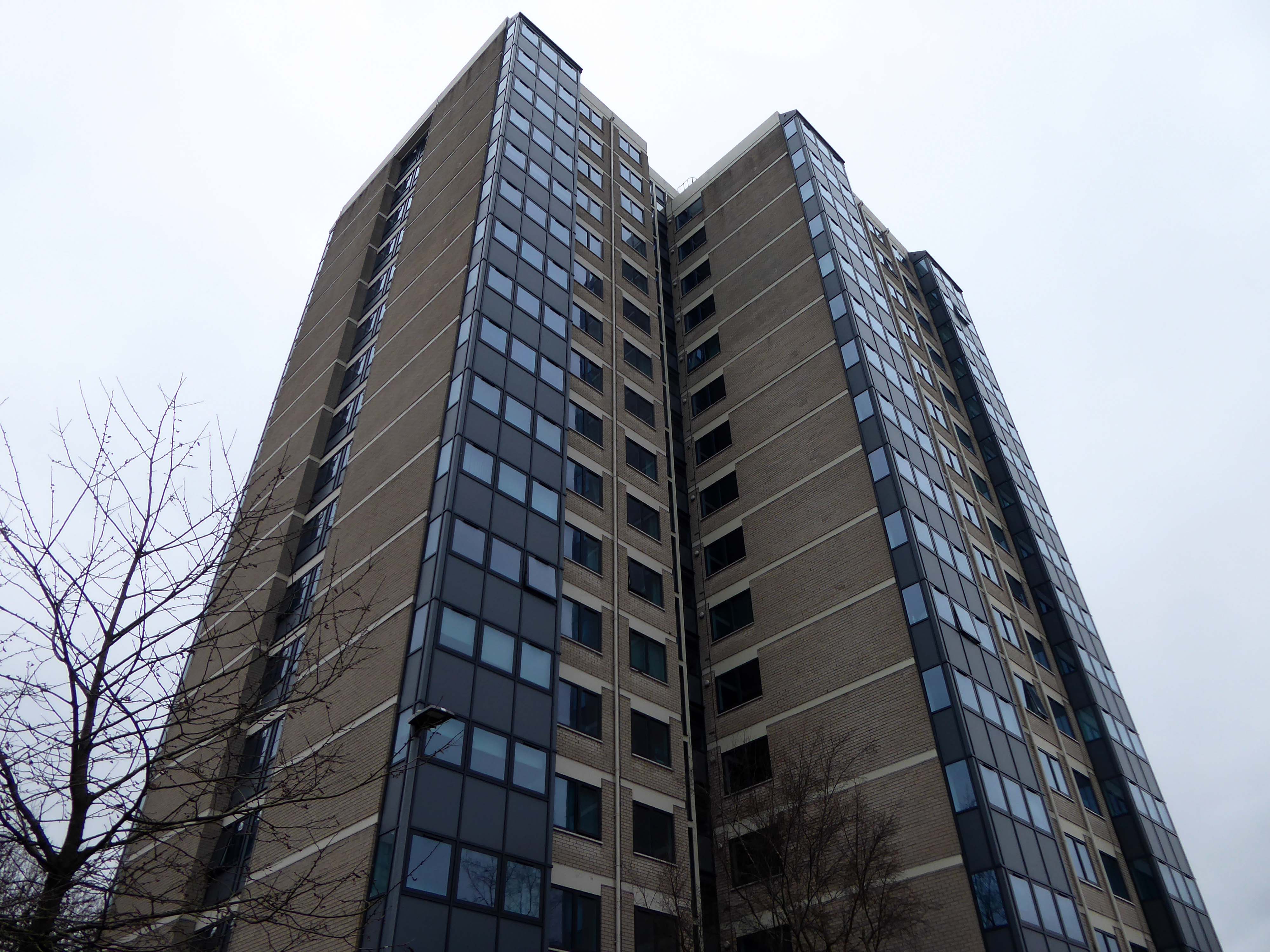
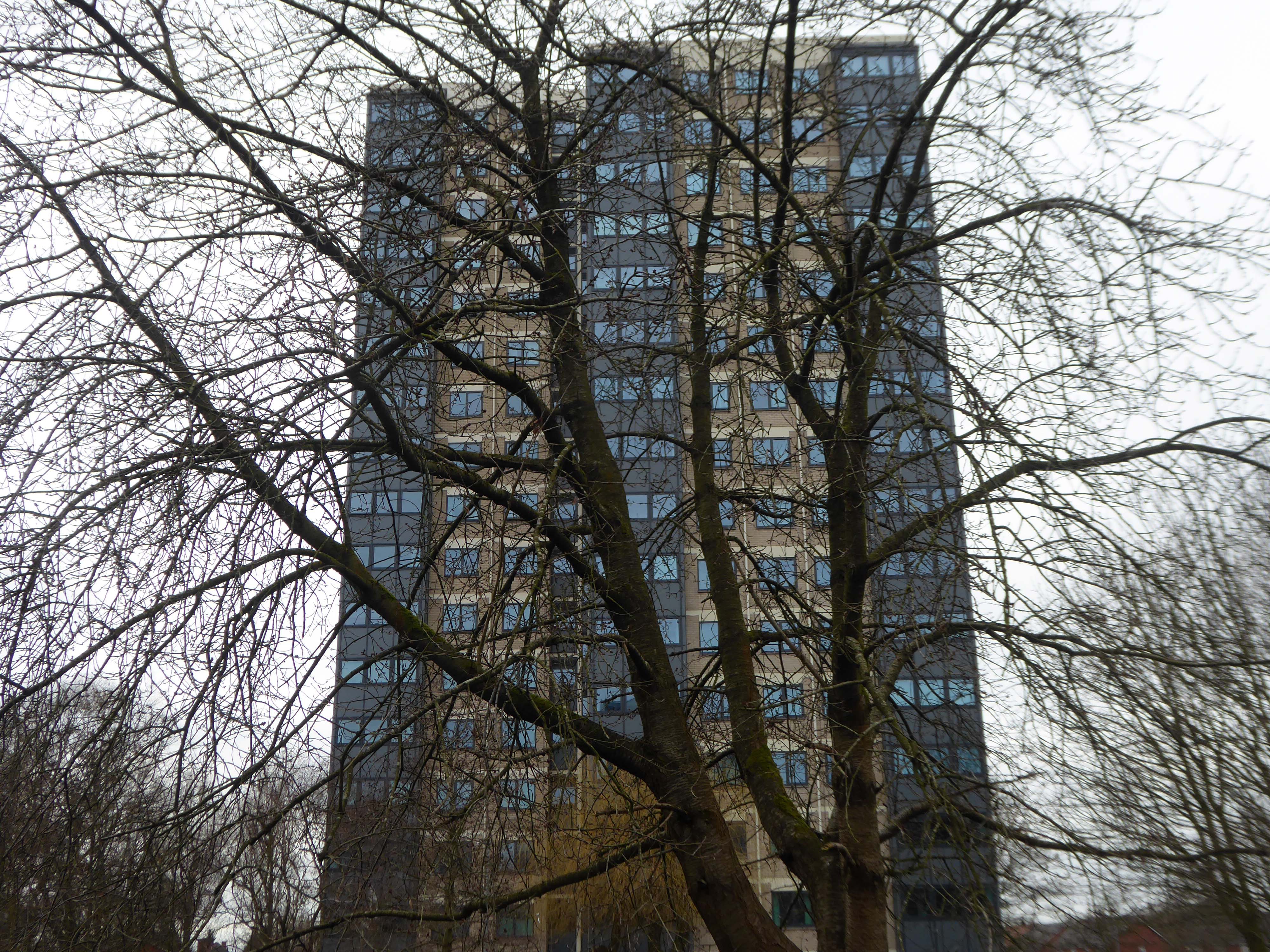
Plans are in place for redevelopment of the site and the demolition of the tower block and adjacent housing.
The scheme, designed by Sheppard Robson, would see 3,300 new bedspaces brought forward, taking the total number of units at the complex to 5,400, a net increase of 950. This is an increase of around 1,000 new units compared to the previous iteration of the project, approved in 2015.
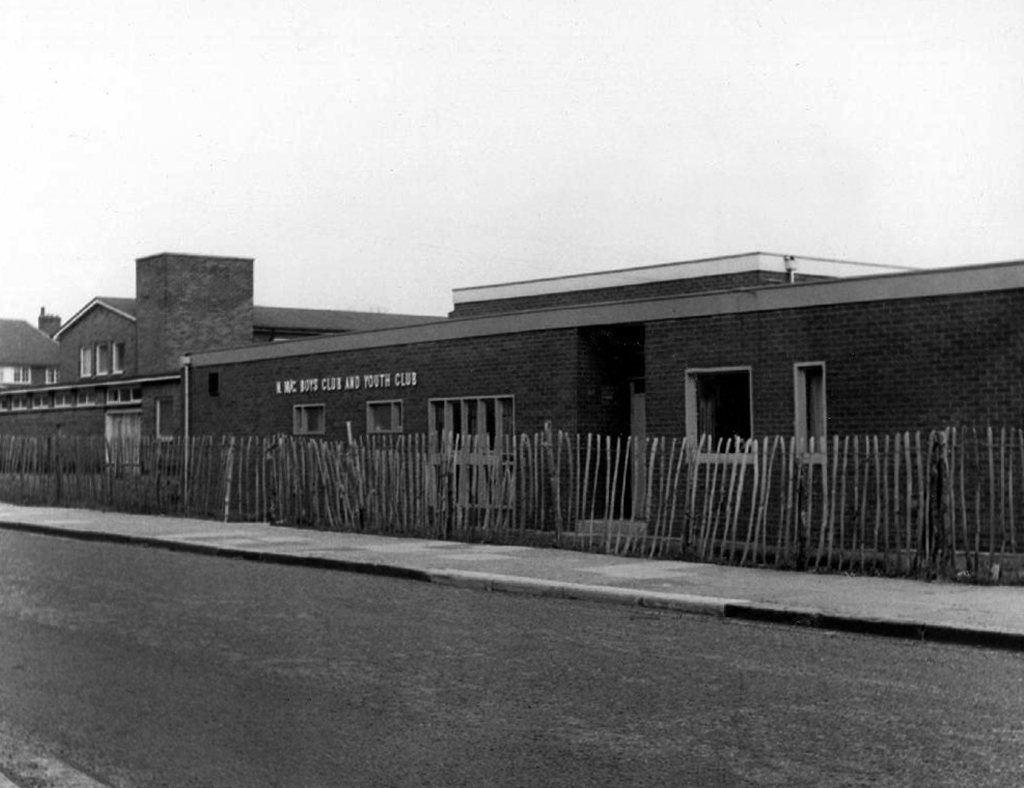
The history of youth work goes back to the birth of the Industrial Revolution in the 18th century, which was the first time that young men left their own homes and cottage–industries to migrate to the big towns. The result of this migration was an emergent youth culture in urban areas, which was responded to by the efforts of local people.
Work with young women however was seen as less important, because young women’s needs at this time were seen as being centred on homemaking, which were already, supposedly, provided for in the home.
By 1959 widespread moral panic in the press about teenage delinquency led the British government to look into a national response to catering for the needs of young people. In 1960 a government report known as The Albemarle Report was released, which outlined the need for local government agencies to take on responsibility for providing extracurricular activities for young people. Out of this the statutory sector of the youth service was born. For the first time youth centres and fully paid full-time youth workers made an appearance across the whole of Britain.
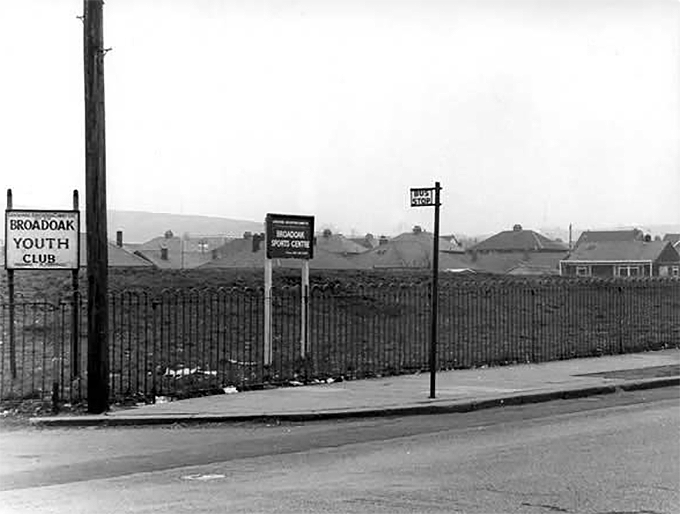
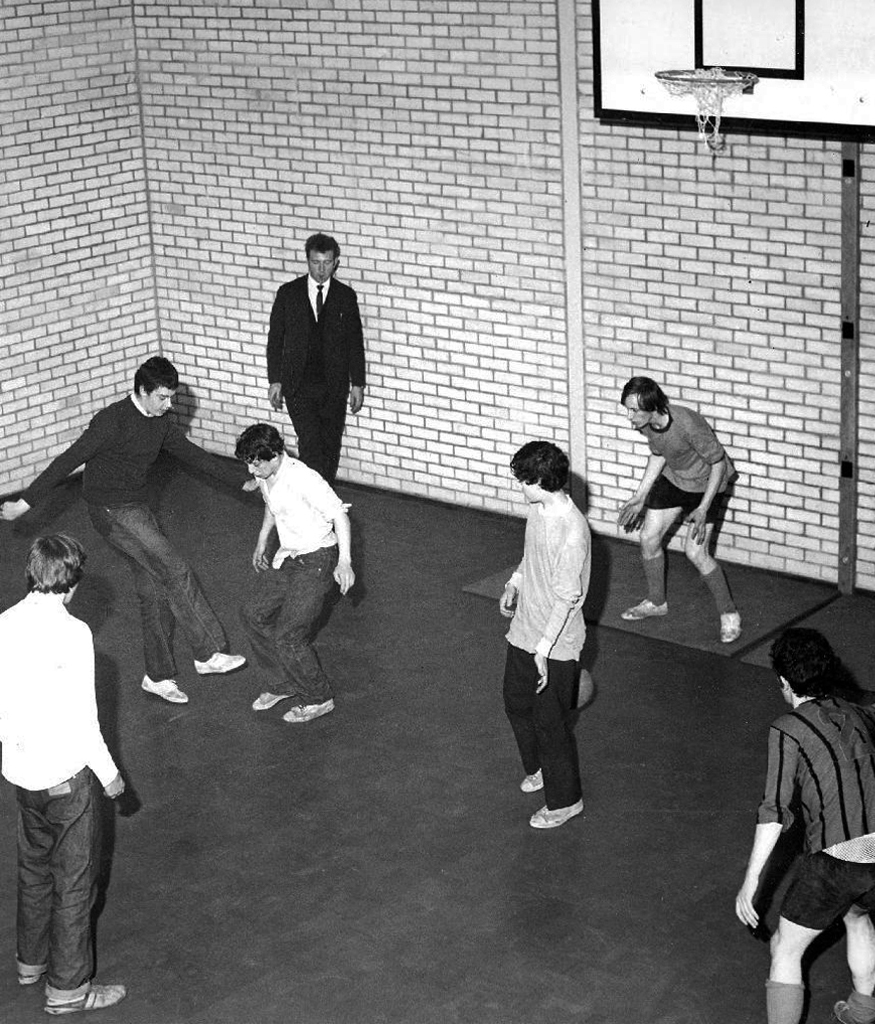
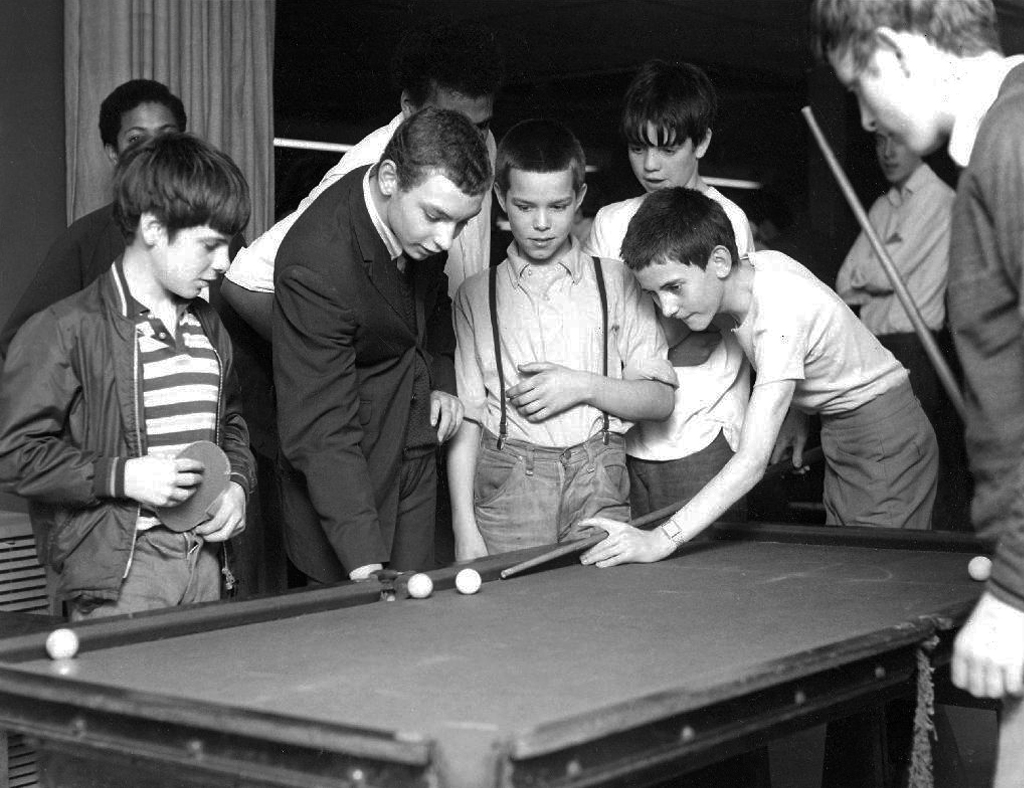
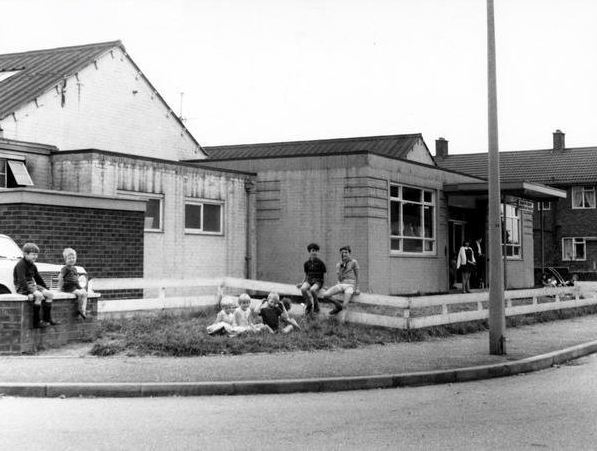
Which is where I enter this short history, attending the Broadoak Youth Club in Ashton, during the late 60s early 70s. These were days of ping pong, snooker, spinning 45s and drinking pop if you had the coppers.
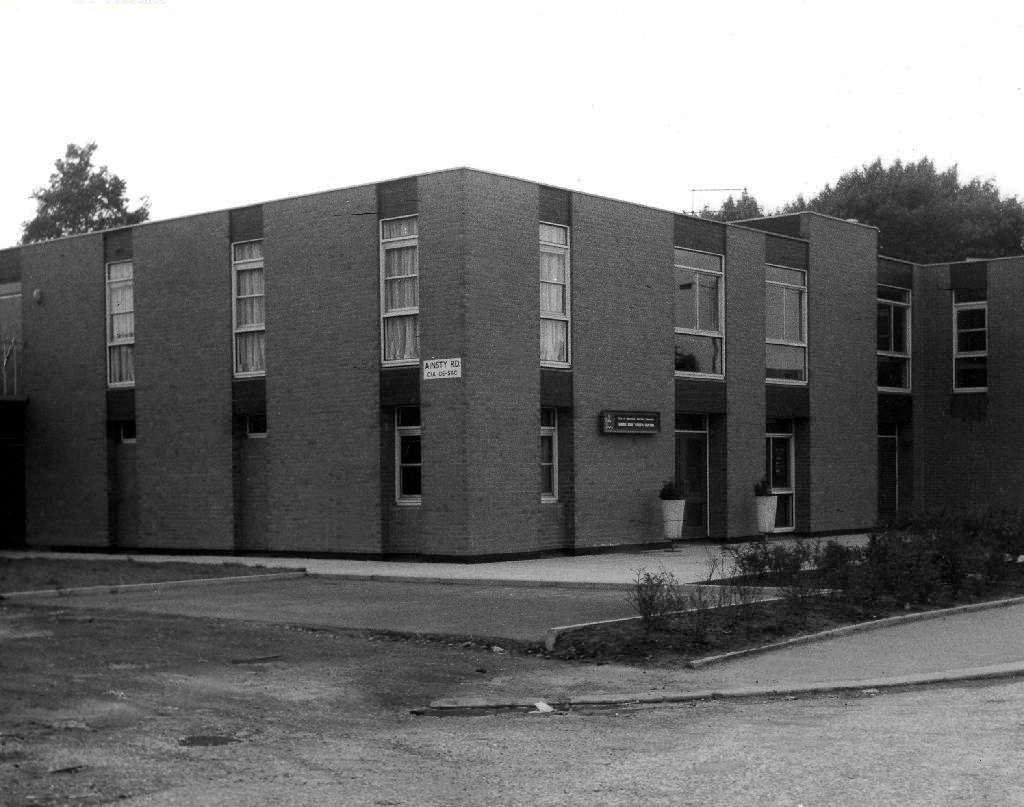
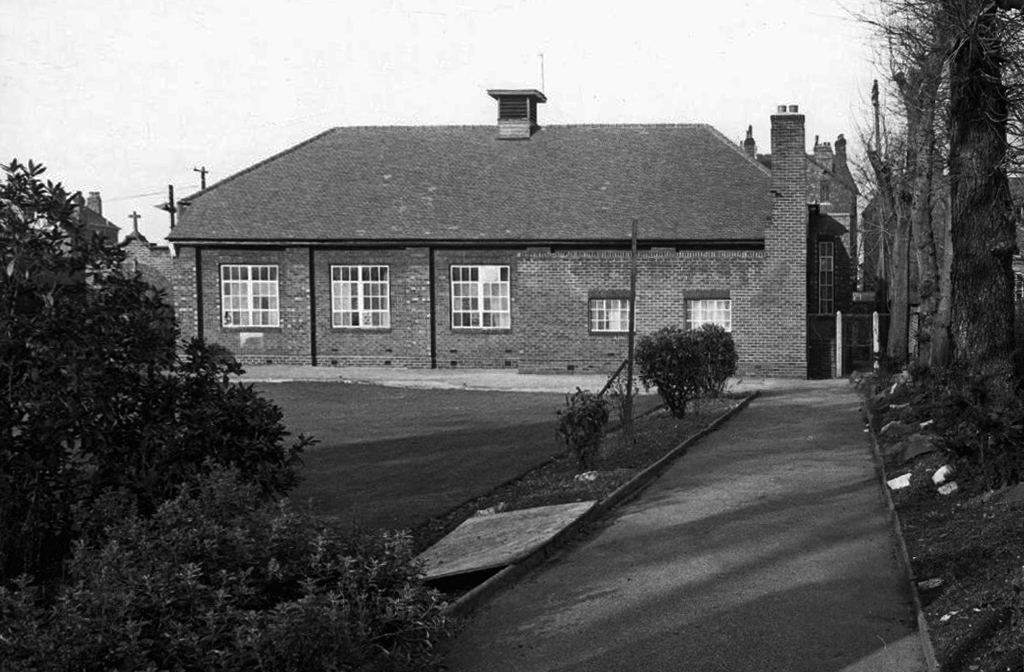
Council run, housed in an architectural style best described as bunker like.
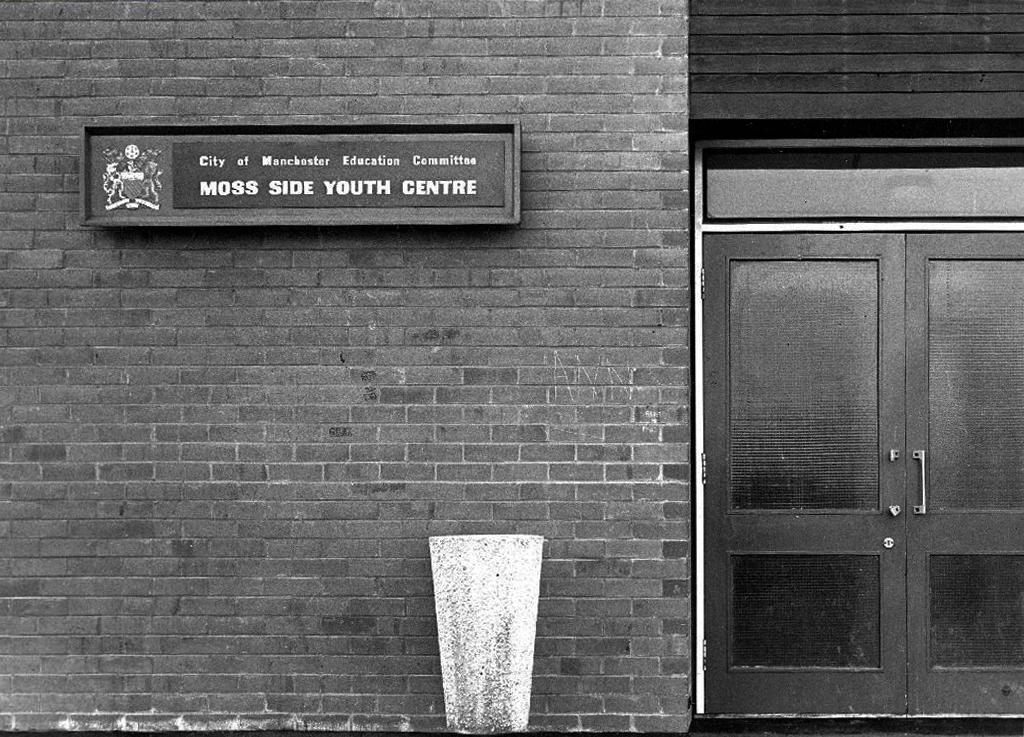
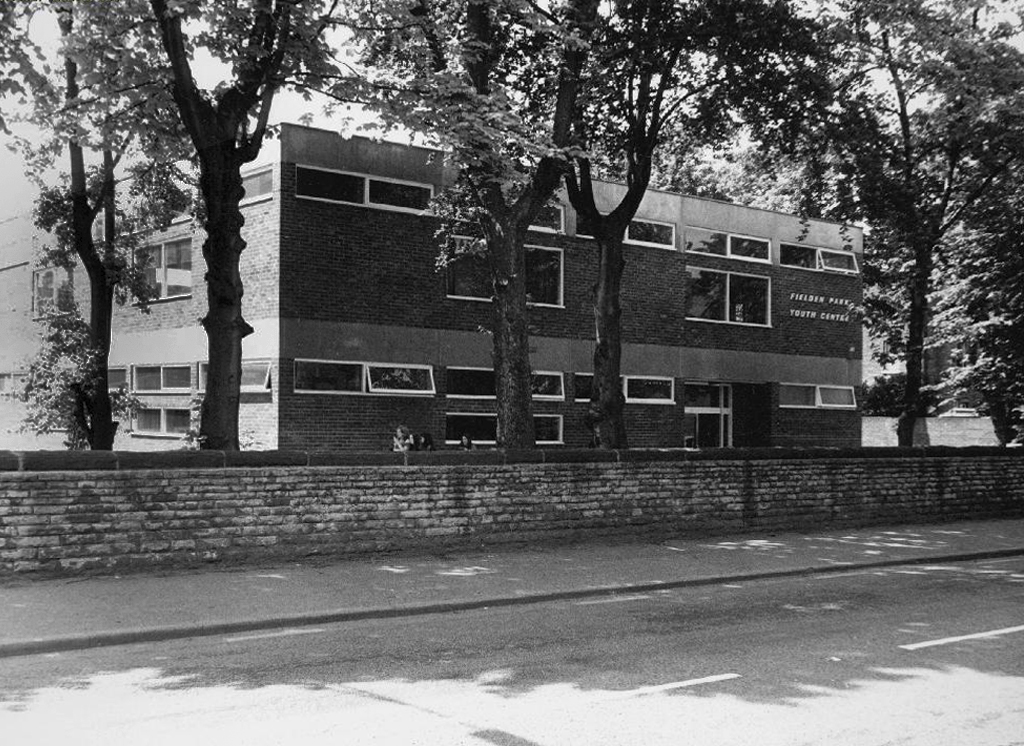
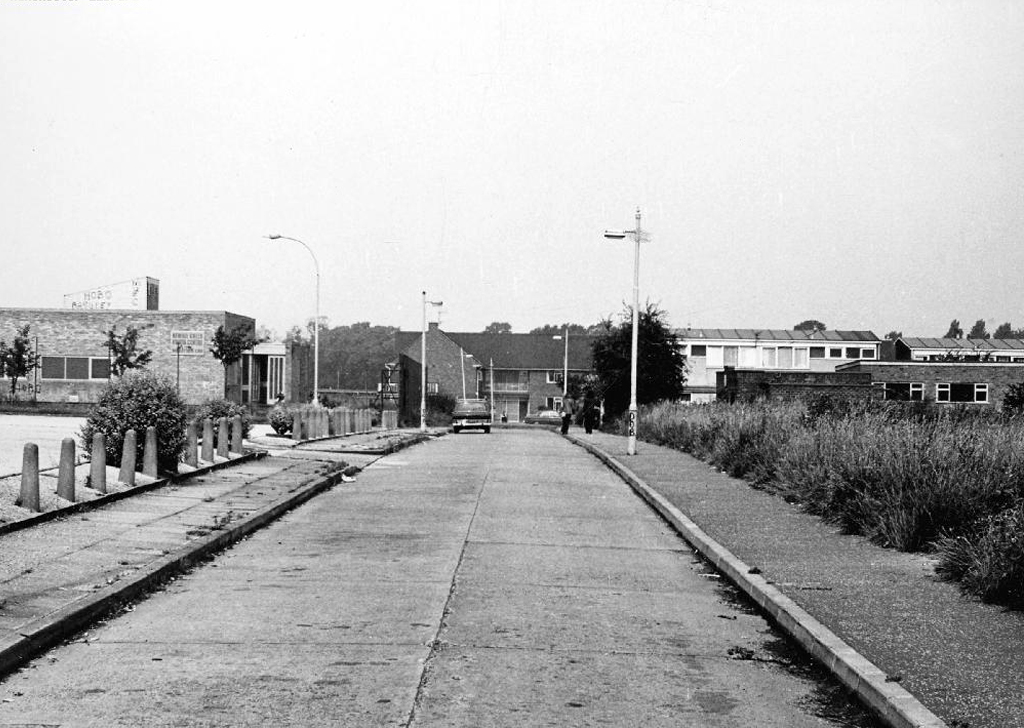
I uncovered a little of Manchester’s youth club history during my travels.
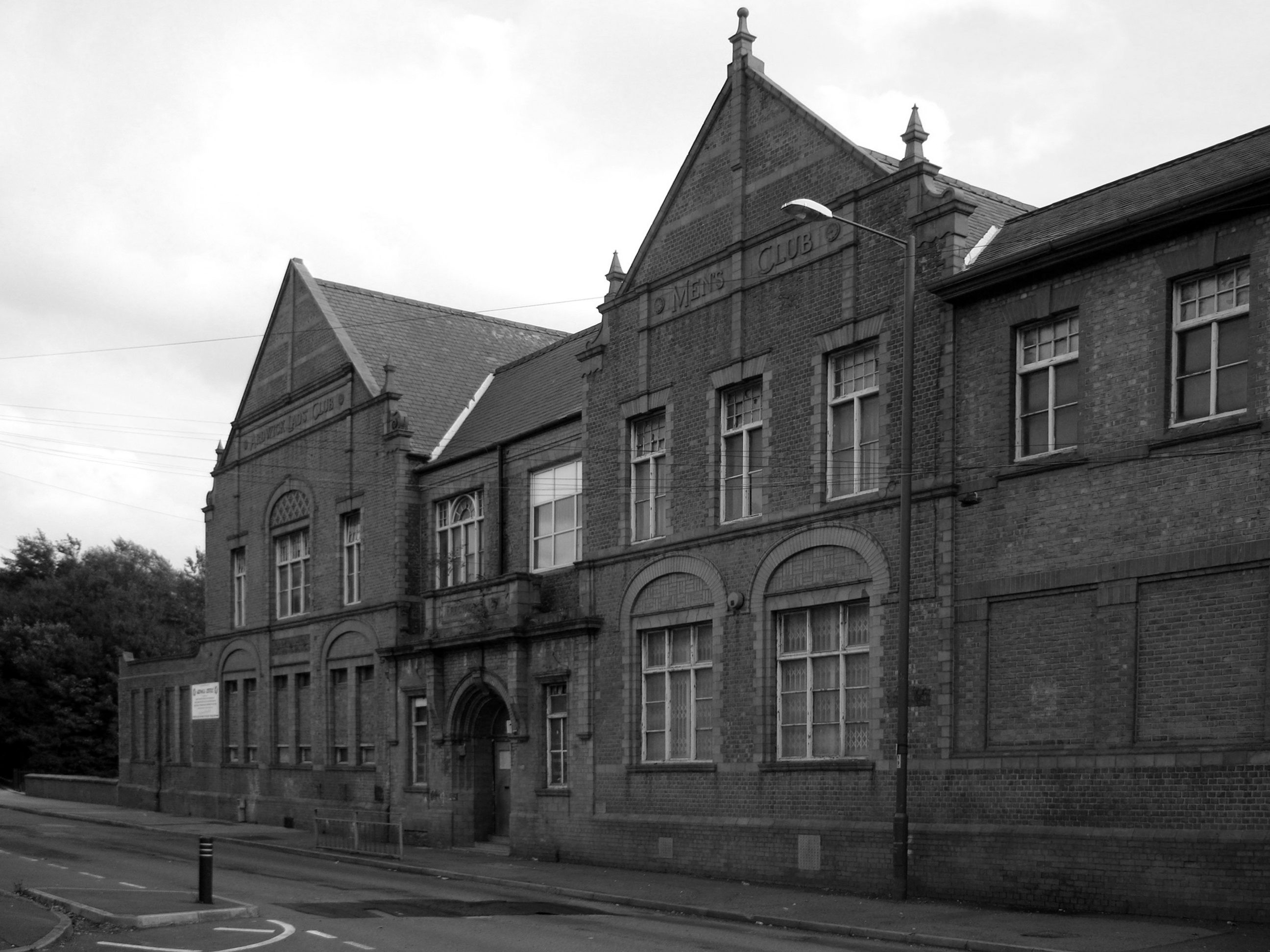
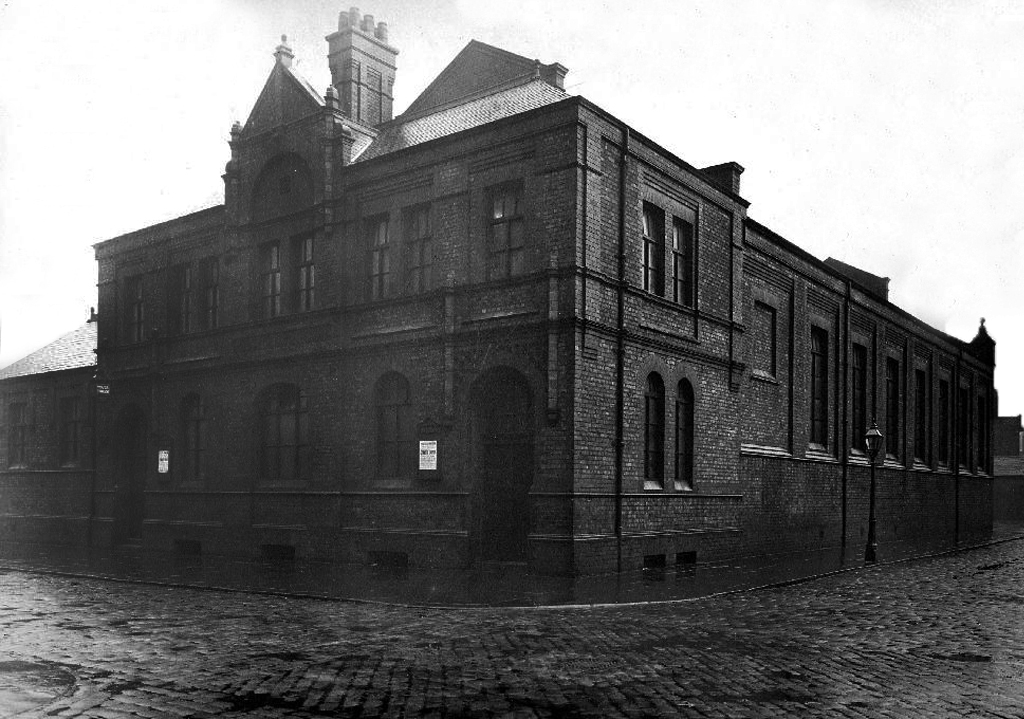
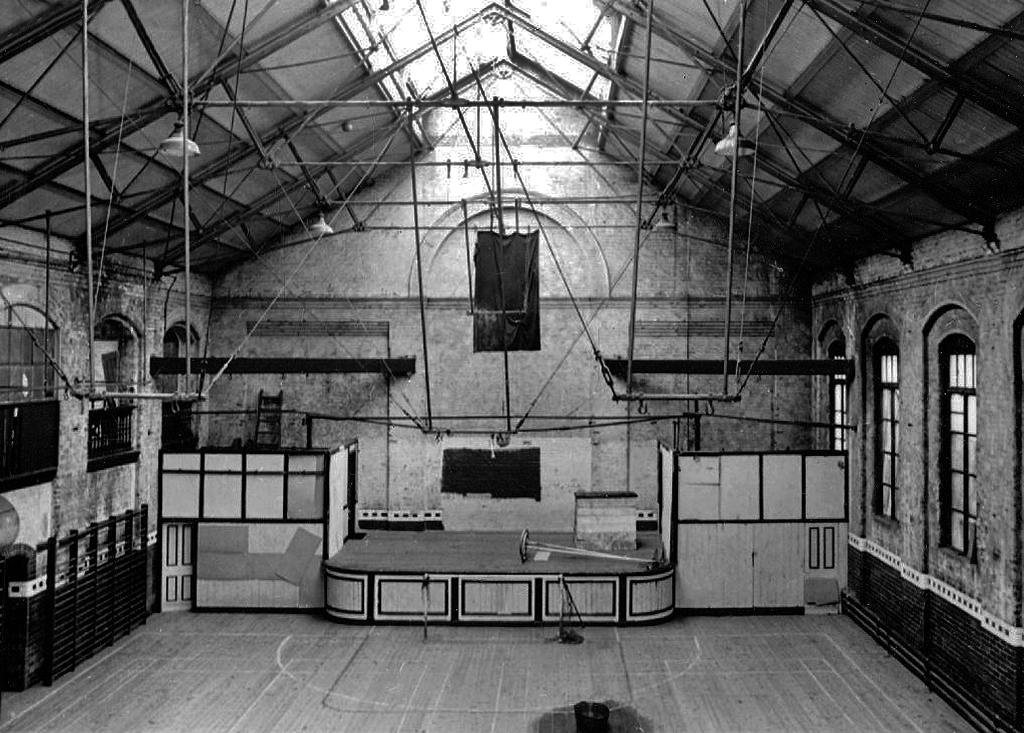
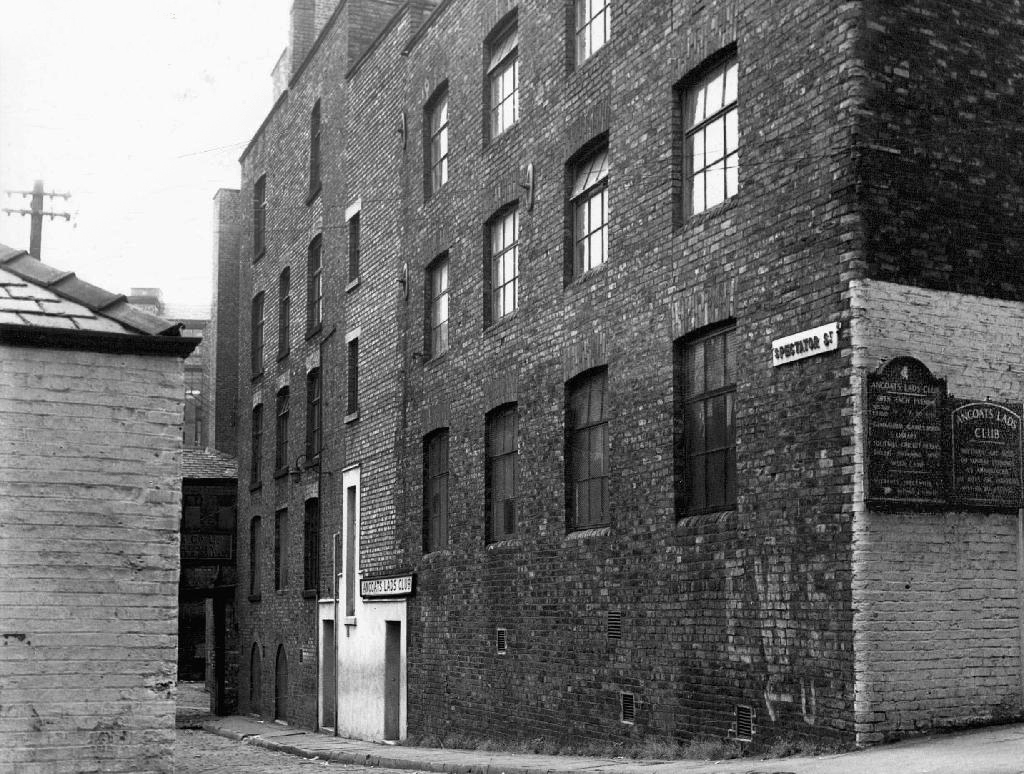
The Ardwick Lads’ and Mens’ Club on Palmerston Street, latterly the Ardwick Youth Centre, opened in 1897 and is believed to be Britain’s oldest purpose-built youth club still in use and was until earlier in 2012. Designed by architects W & G Higginbottom, the club, when opened, featured a large gymnasium with viewing gallery – where the 1933 All England Amateur Gymnastics Championships were held – three fives courts, a billiard room and two skittle alleys – later converted to shooting galleries. Boxing, cycling, cricket, swimming and badminton were also organised. At its peak between the two world wars, Ardwick was the Manchester area’s largest club, with 2,000 members.
On the 10th September 2012 an application for prior notification of proposed demolition was submitted on behalf of Manchester City Council to Manchester Planning, for the demolition of Ardwick Lads’ Club of 100 Palmerston Street , citing that there was “no use” for the building in respect to its historic place within the community as providing a refuge and sporting provision to the young of Ancoats.
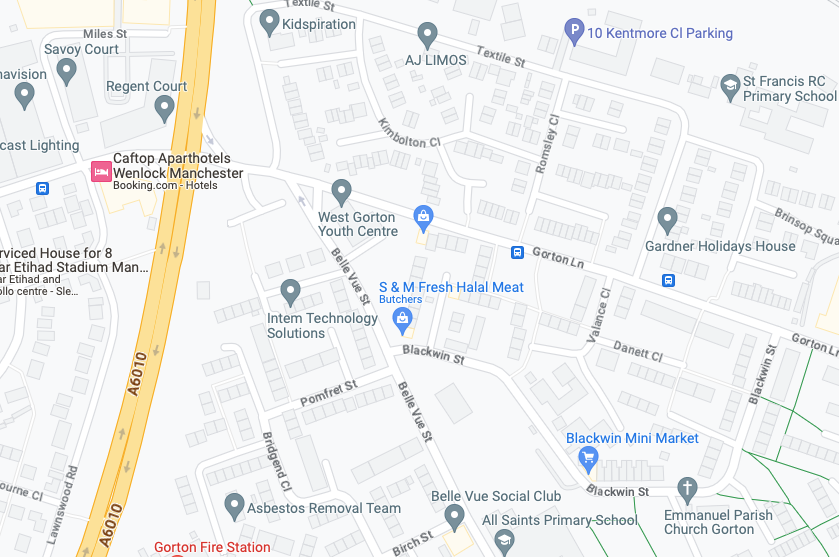
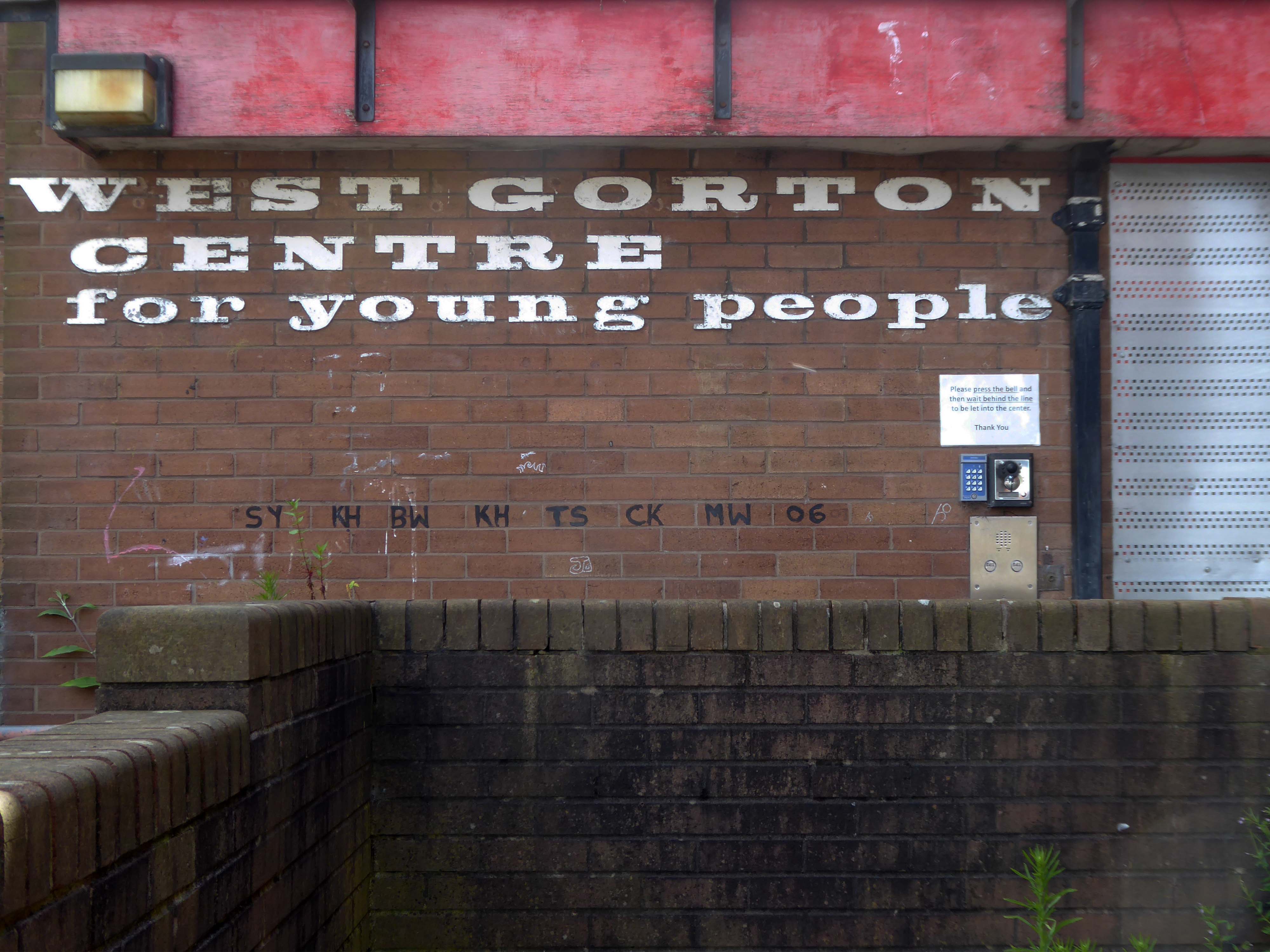
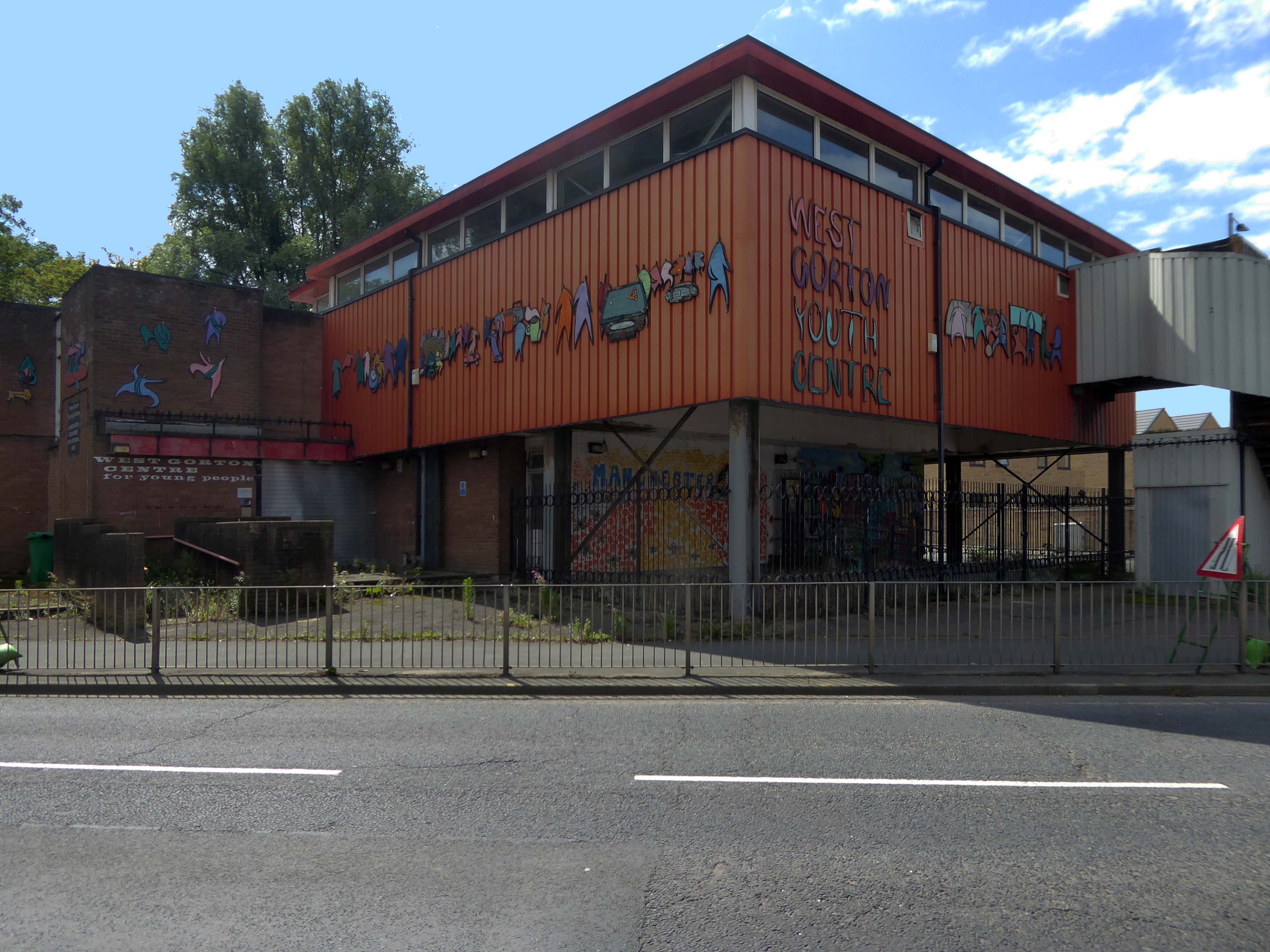
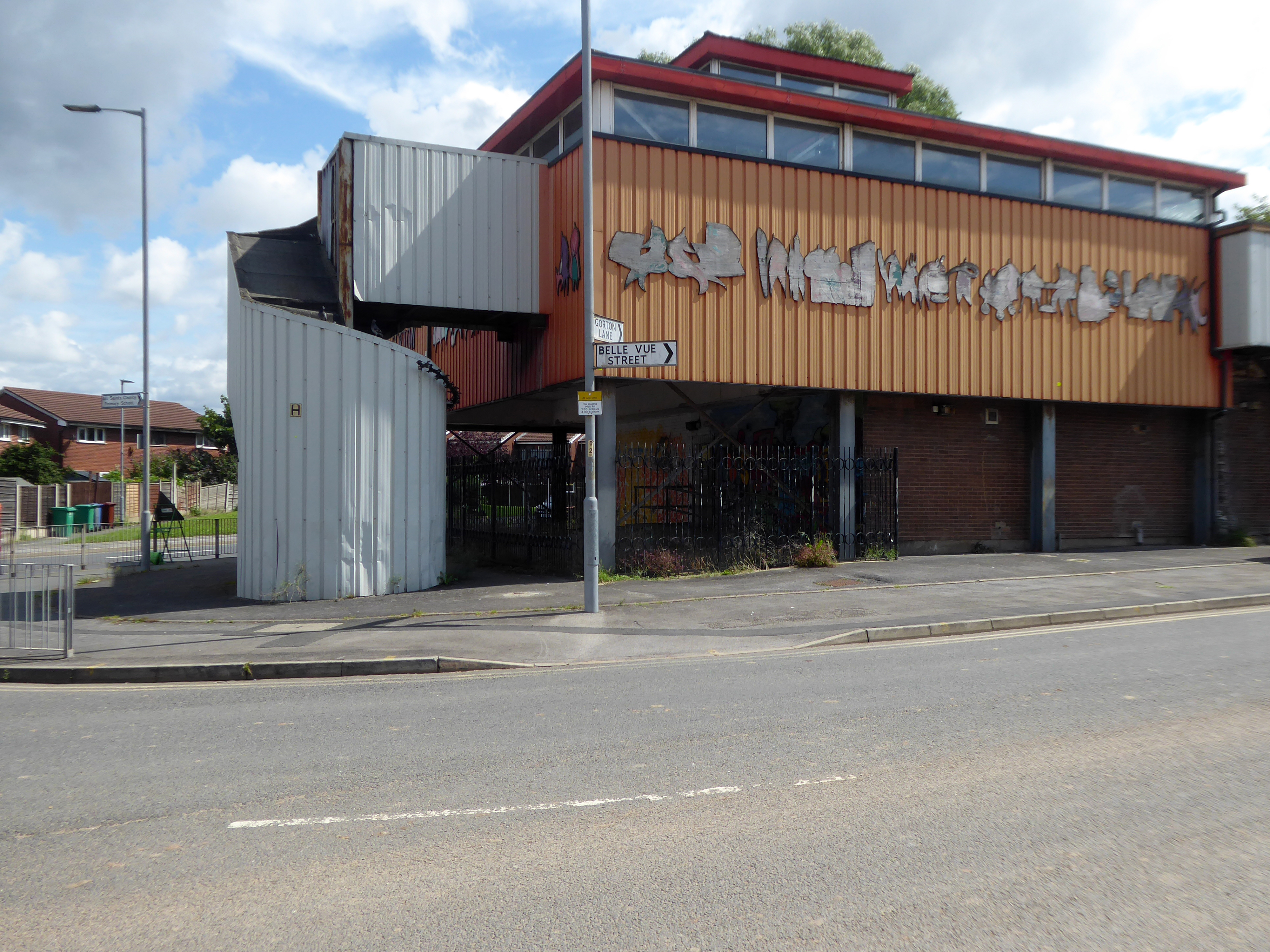
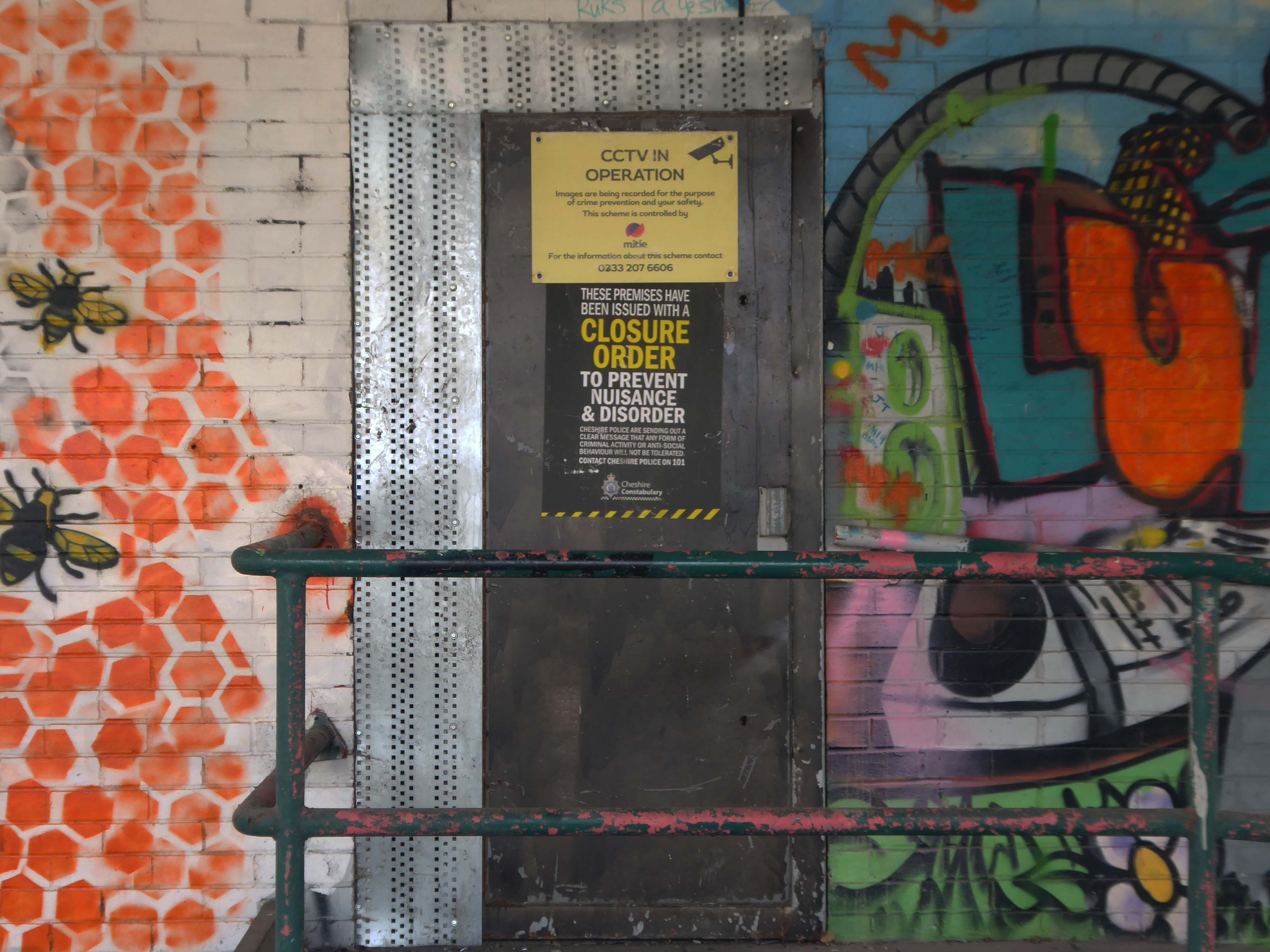
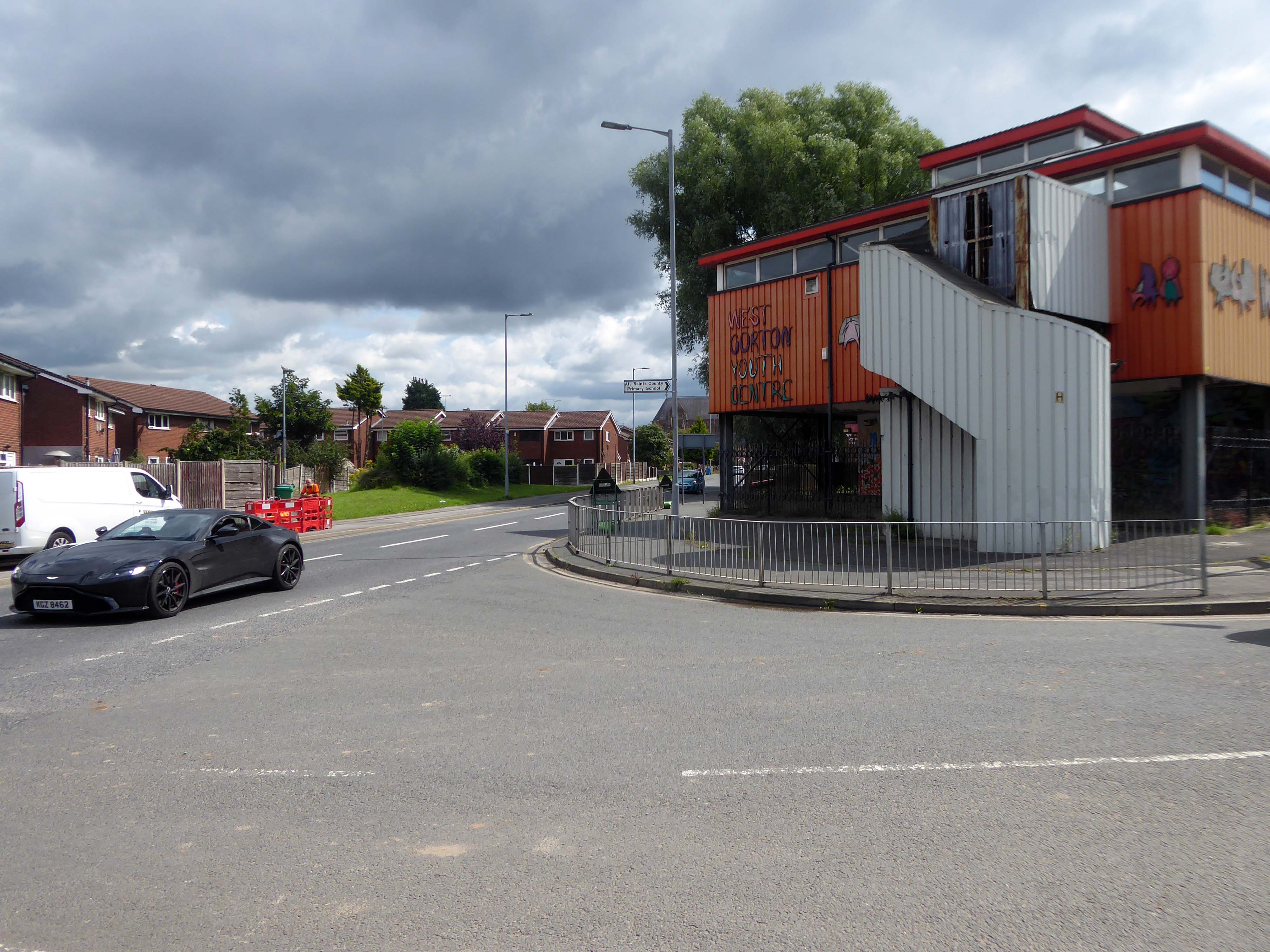
Whilst cycling through Gorton, I passed the now defunct West Gorton Youth Centre.
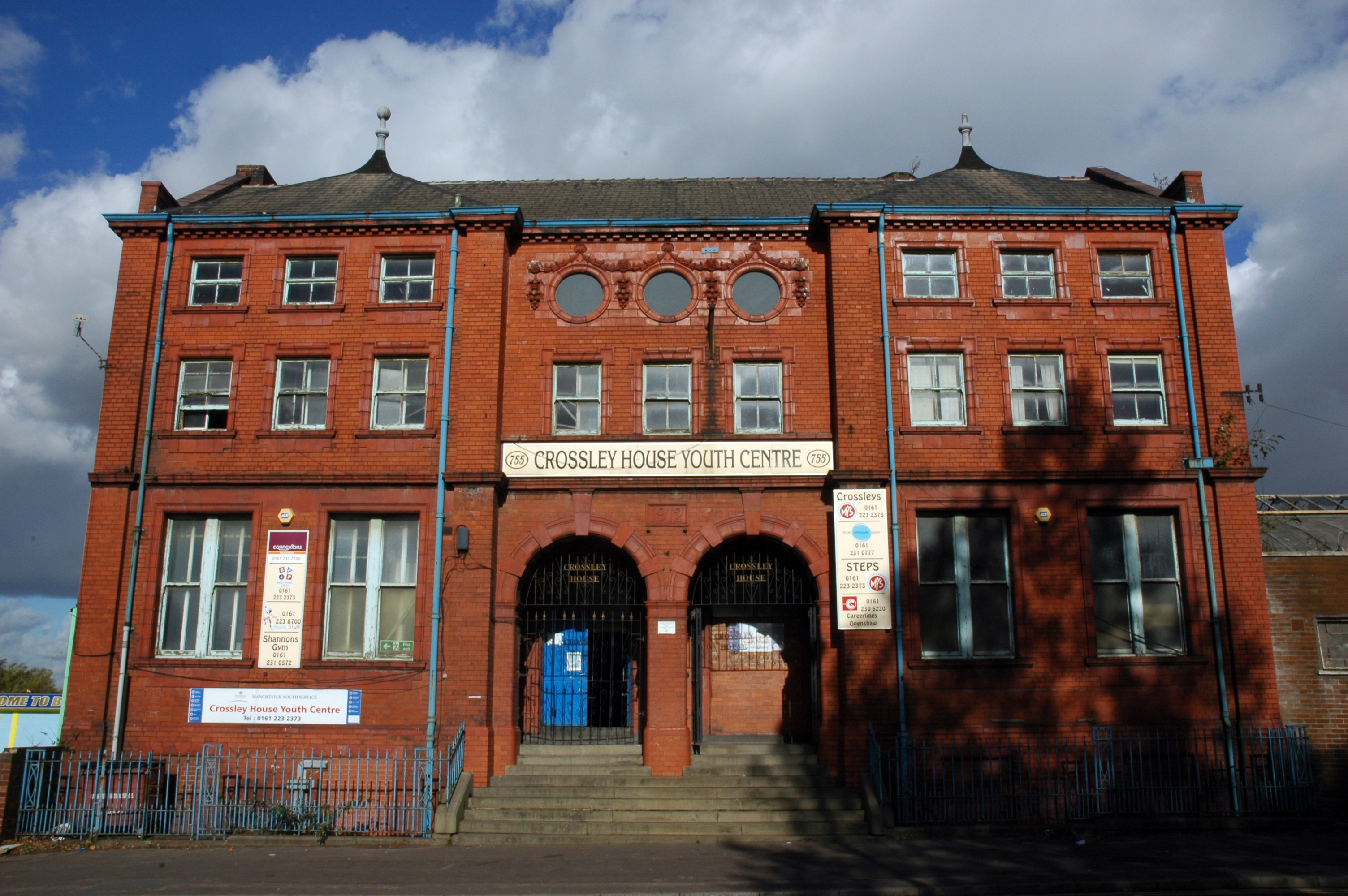
Intrigued I started to dig a little deeper, I remembered playing five-a-side at Crossley House in Openshaw.
Openshaw Lad’s Club was founded in November 1888 by William John Crossley. It was previously known as the Gorton and Openshaw Working Lad’s Club and the Crossley Lad’s Club. The Crossley family financed the club up to 1941 and they built the club premises, Crossley House to commemorate Sir William Crossley after his death in 1911. The building was opened on 1 September 1913. In July 1941 the premises were handed over to the National Association of Boy’s Clubs and a management committee was formed to administer the club
Simon Inglis gives the architect as John Broadbent; Buildings of England names the architect as James Barritt Broadbent.
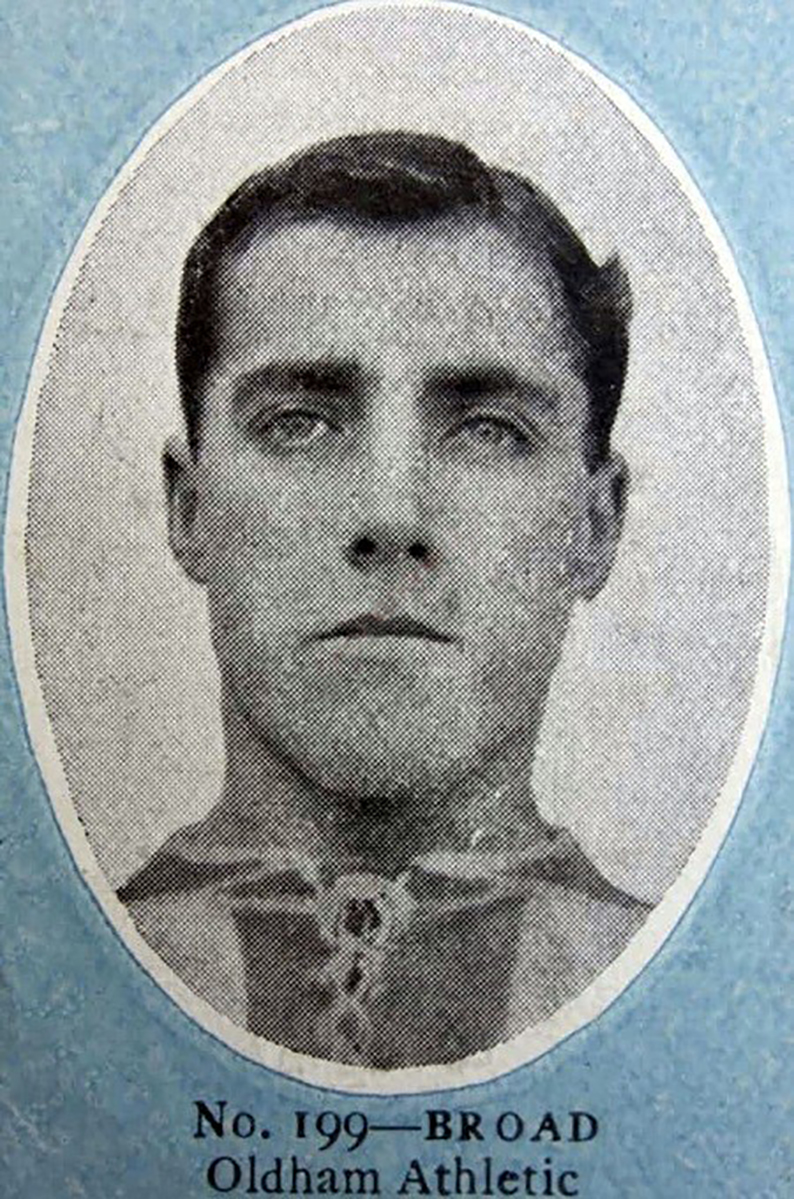
Stalybridge born outside right Tommy Broad started with Redgate Albion in 1902 spending time at Manchester City without making their first eleven before playing for Denton Wanderers in 1903 and Openshaw Lads Club in 1904 from where he joined Second Division West Bromwich Albion in September 1905 making his Football League debut at Wolverhampton Wanderers that September. After a single goal in 15 appearances he moved to Chesterfield Town in the February 1908 scoring 5 goals in 50 appearances for The Spireites over the next two seasons at Saltergate, where he was an ever present in 1908-09.
He moved to Second Division Oldham Athletic in May 1909 and they were promoted as Second Division runners-up in his first season when he missed only one game, scoring a career best 7 goals in the campaign, and in three seasons at Boundary Park he scored 9 goals in 104 appearances. He then played for Bristol City between the summer of 1912 and the suspension of peacetime football due to the onset of the First World War in 1915, where he missed only one match in his first two seasons, scoring 8 times in 111 appearances at Ashton Gate.
During the First World War he served in the Armed Forces and after its resolution he joined First Division Manchester City in the summer of 1919, making 44 appearances in two years at Hyde Road, and helping The Citizens to finish runners up in the League Championship in 1920-21, which he followed with a move to Stoke in the summer of 1921 where Broad along with his younger brother Jimmy helped The Potters to promotion in 1921-22, finishing as Second Division runners-up, although this was followed by relegation the following season.
After three years in The Potteries, where Broad scored 4 times in 89 first team appearances, he moved to the South Coast to join Southampton. Broad still holds the distinction of being the oldest player ever signed by The Saints, being just three weeks short of his 37th birthday. At The Dell, he was used as cover for Bill Henderson and only had a run of three games in October, followed by six more appearances in April. In September 1925, Broad moved to Weymouth of the Western League, before playing out his career with Rhyl.
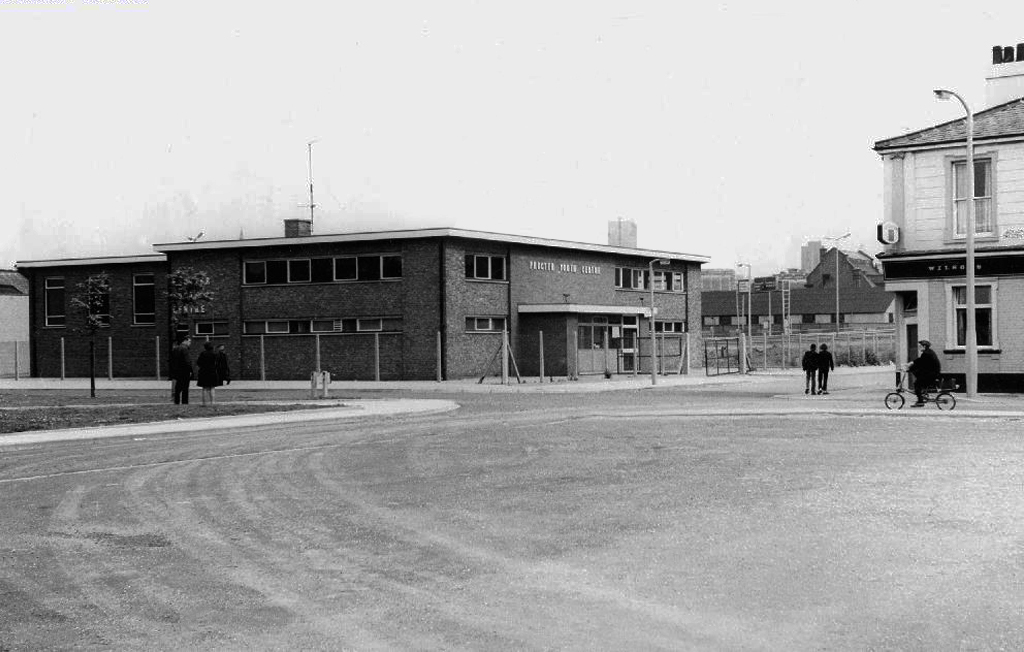
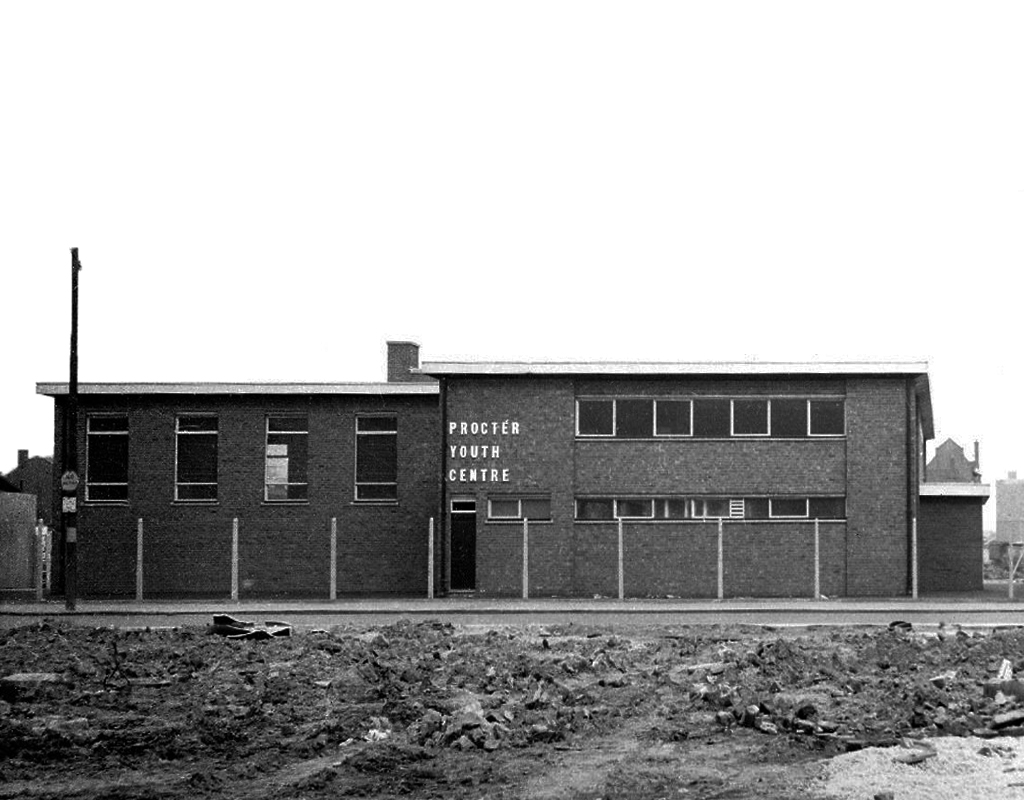
Procter Youth Centre a victim of city’s spending cuts
Procter Youth Centre 1966-2011. Despite being in singularly ugly building, it was very popular, providing a wide range of activities such as pool, football and martial arts, to name but a few. In 2009 the premises were refurbished with £668,000 being spent on a weights room, dance studio, recording studio. Then two years later Manchester City Council did the logical thing – closed it! Some of the eight staff offered to take a pay cut but to no avail. There were plans to use the building as a pupil referral unit. Today the building stands in the middle of wasteland that is the process of redevelopment.
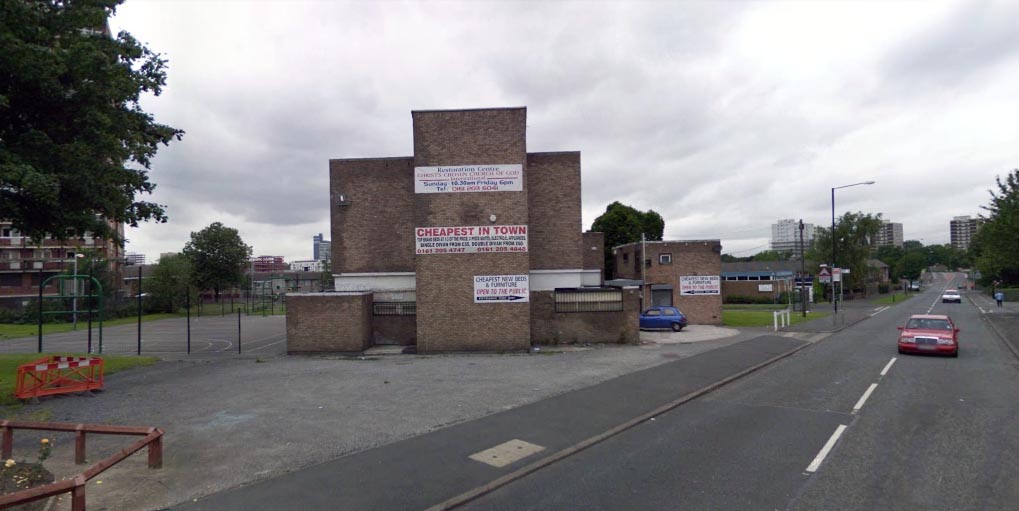
Ancoats Youth Club had sadly ceased being a place for the community to come together and use the facilities a number of years before it became a bed shop before it was finally demolished in 2011, with yet another community resource gone forever.
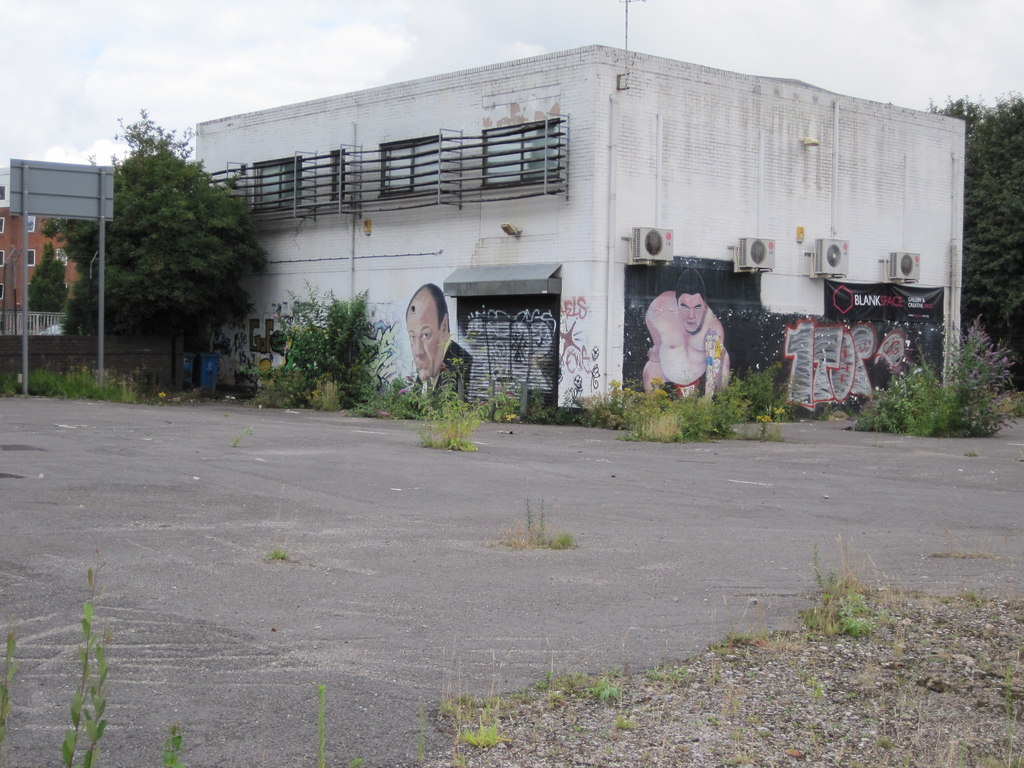
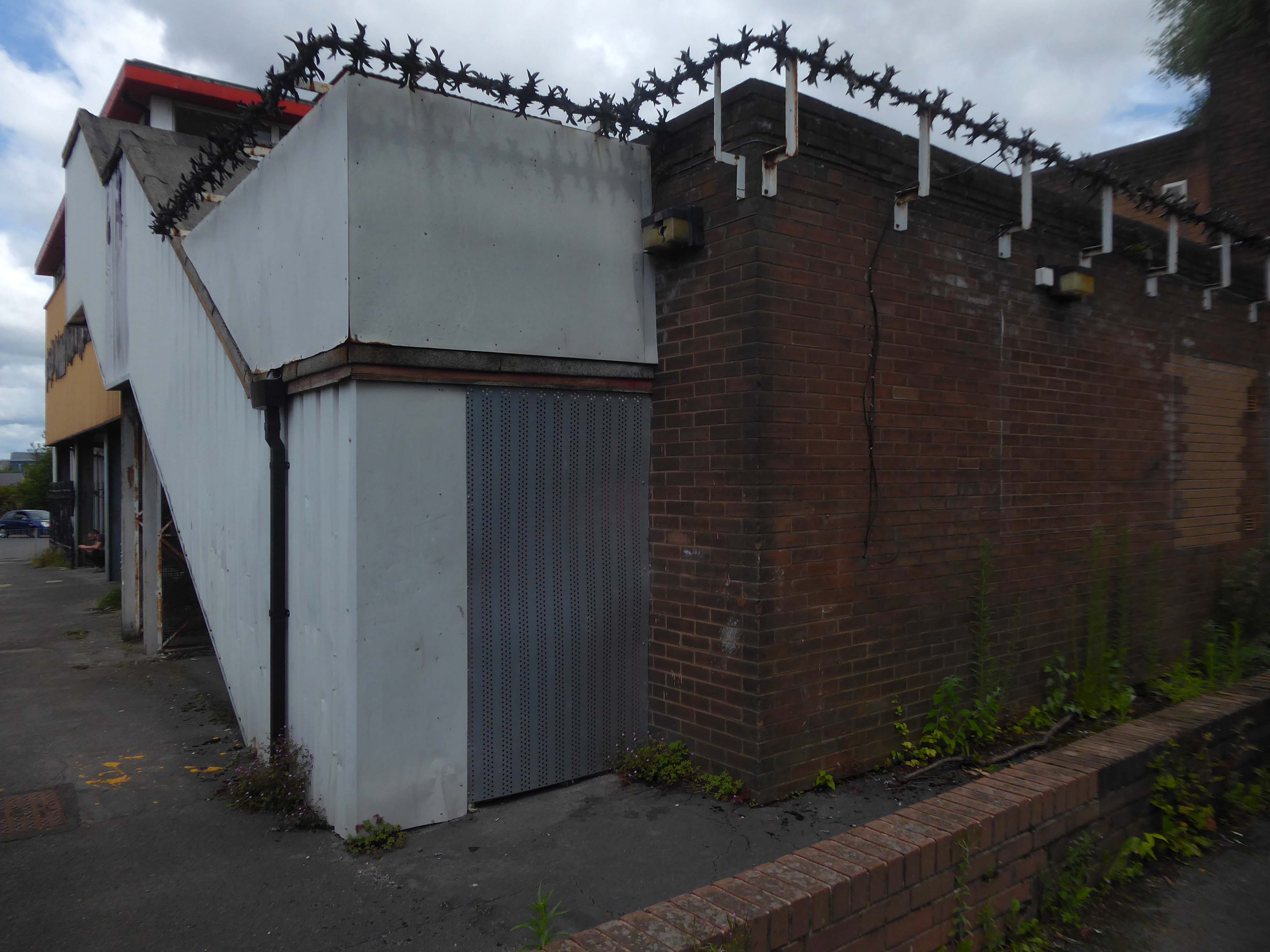
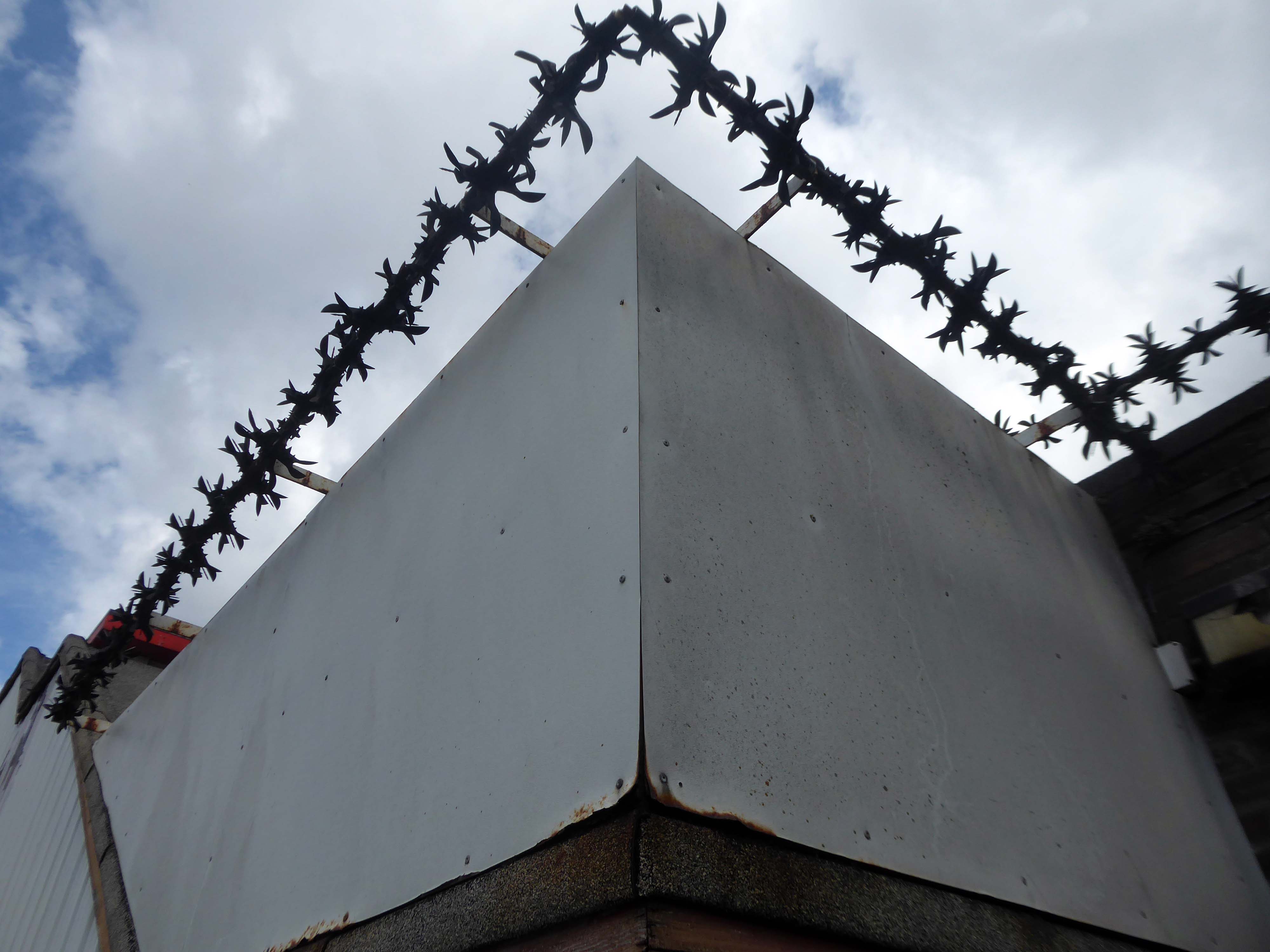
Bringing us back to Gorton – the unoccupied and demolition ready Youth Centre.
Surrounded by new-build and no stranger to a passing Bentley.
Where the state has created a vacuum the charitable sector steps in.
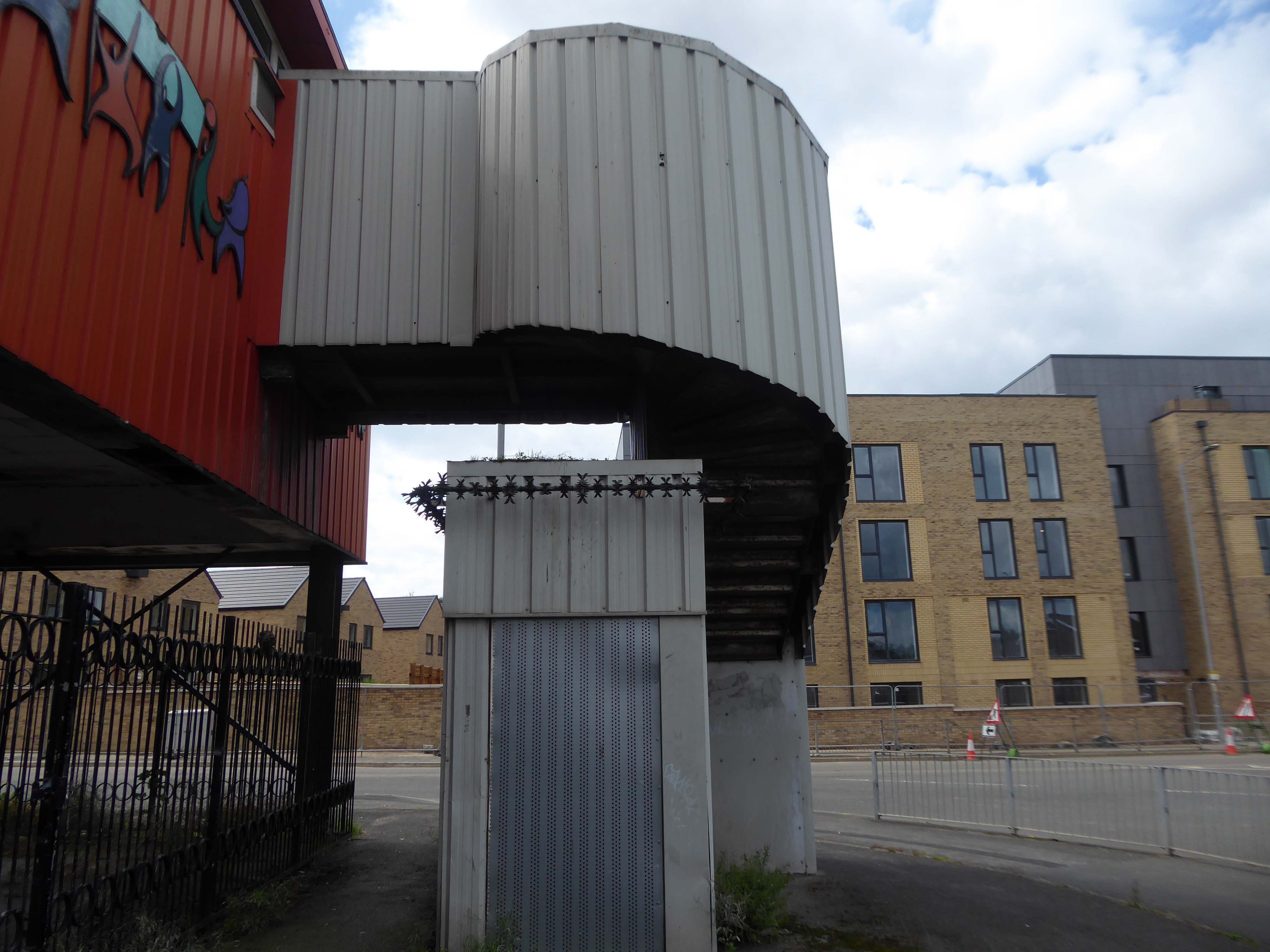
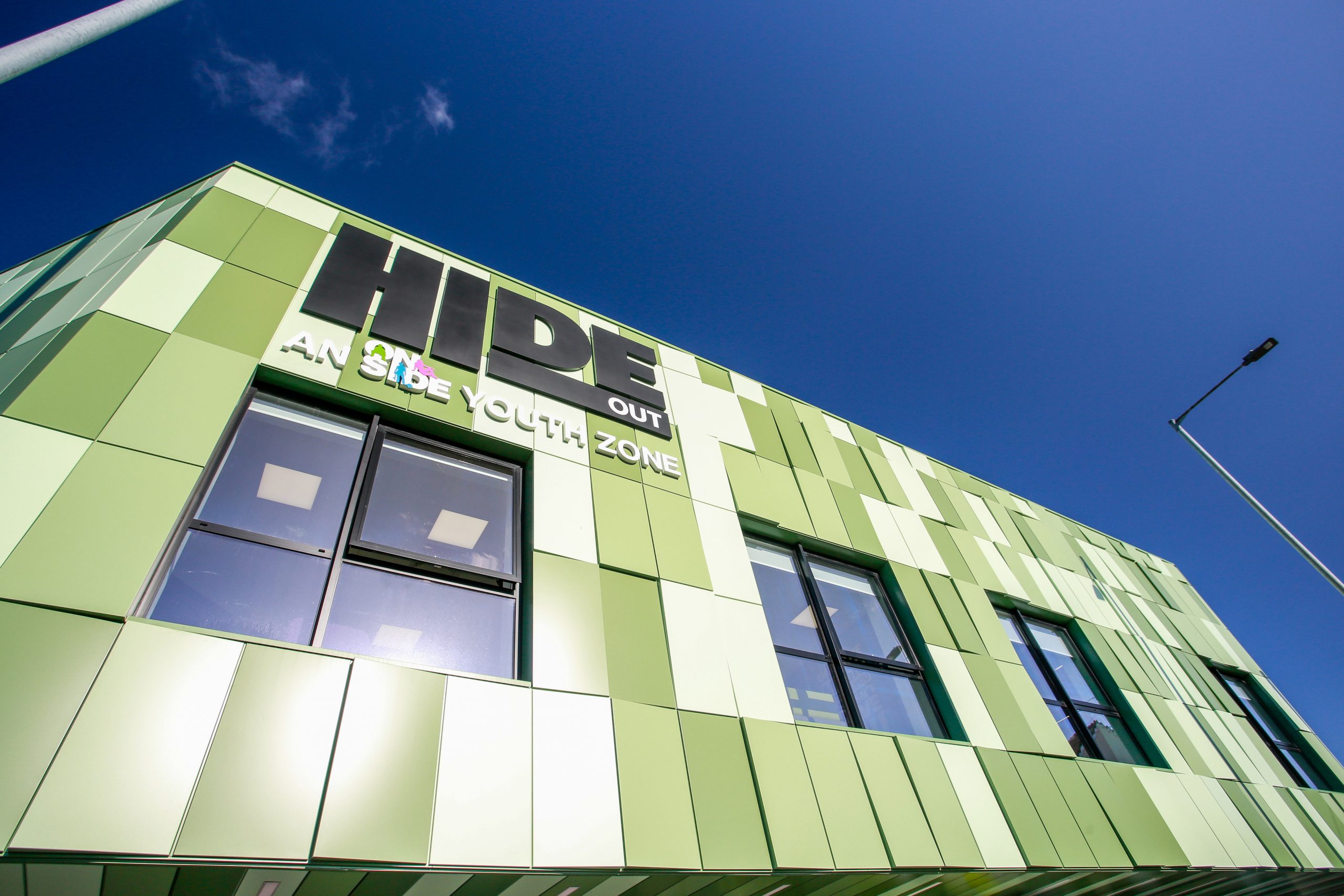
Designed by Seven Architecture, the Manchester Youth Zone East will be the second of its type in Greater Manchester, following the Factory Youth Zone in Harpurhey.
Following years of slow decline the area is on the up.
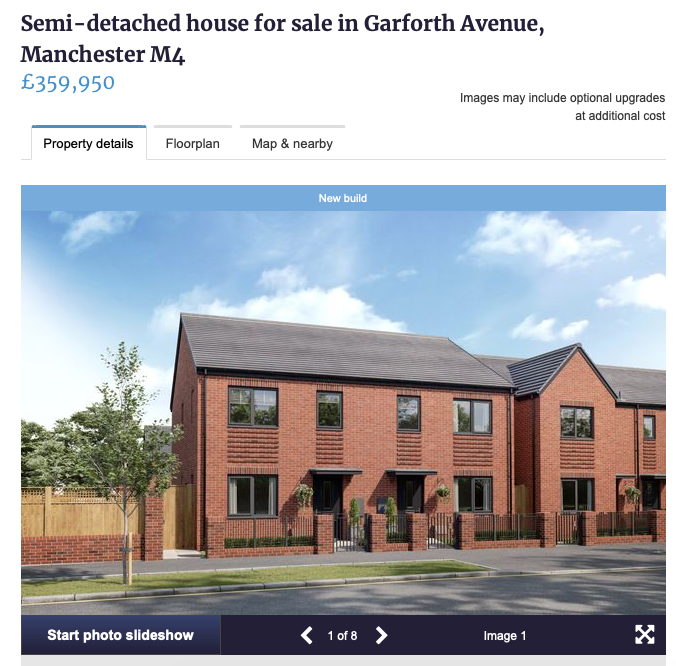
Linden Homes’ new build properties on Belle Vue Street, Gorton have now completely sold out, with the first of the 14 homes ready for homeowners to move into this month.
The properties are part of the £9m Grace Gardens development, which is situated in a prime location in an up-and-coming part of Greater Manchester.
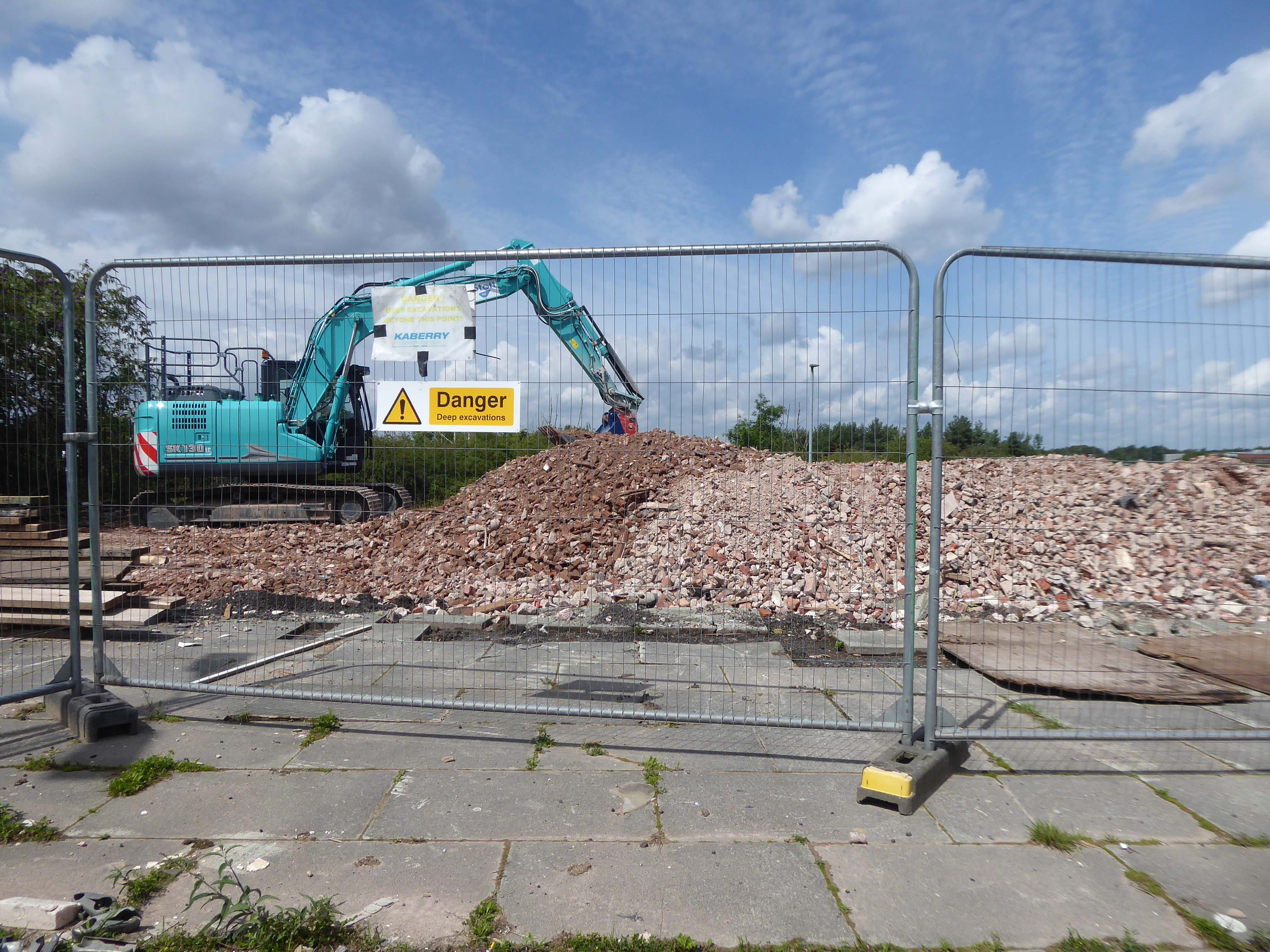
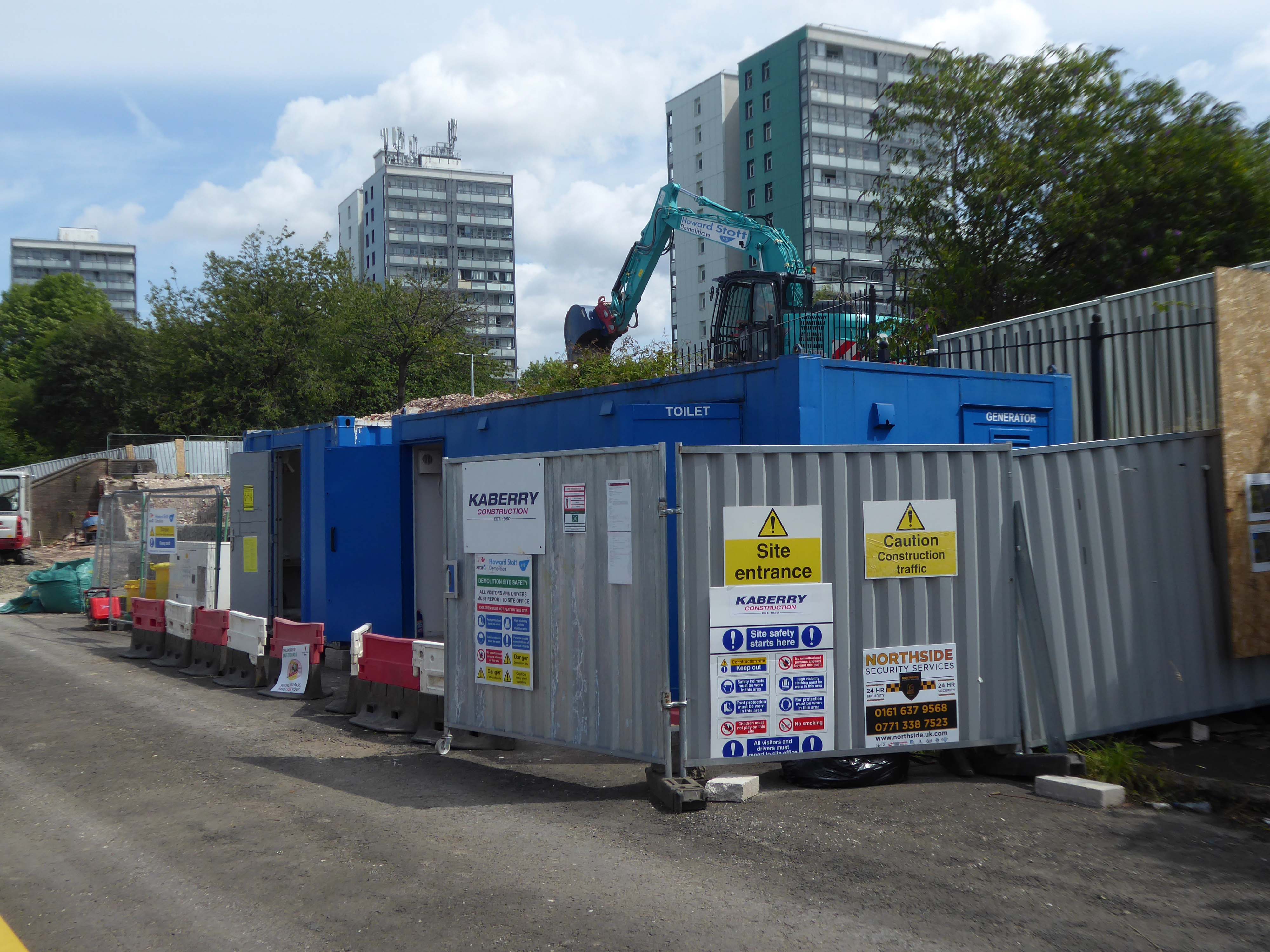
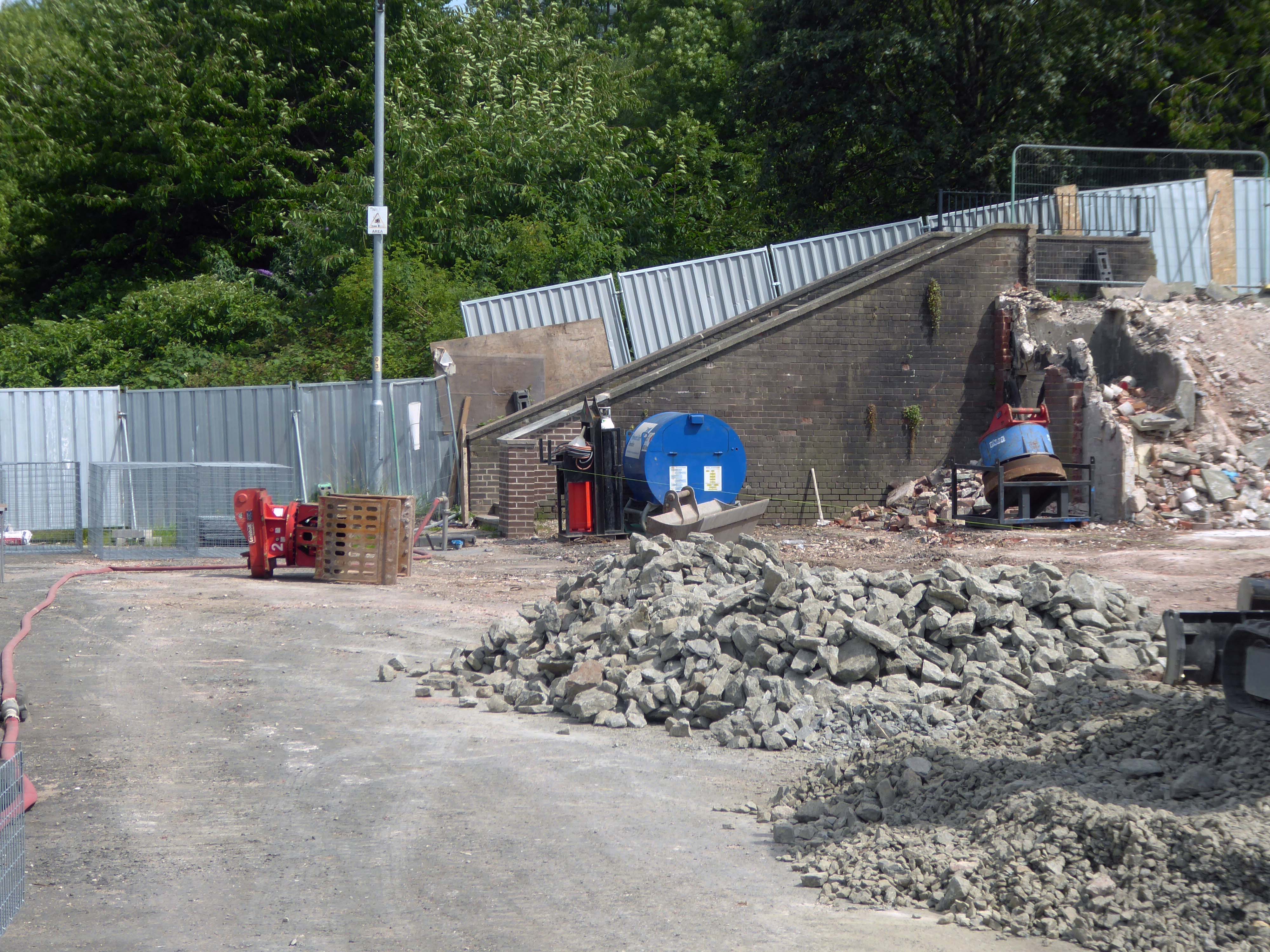
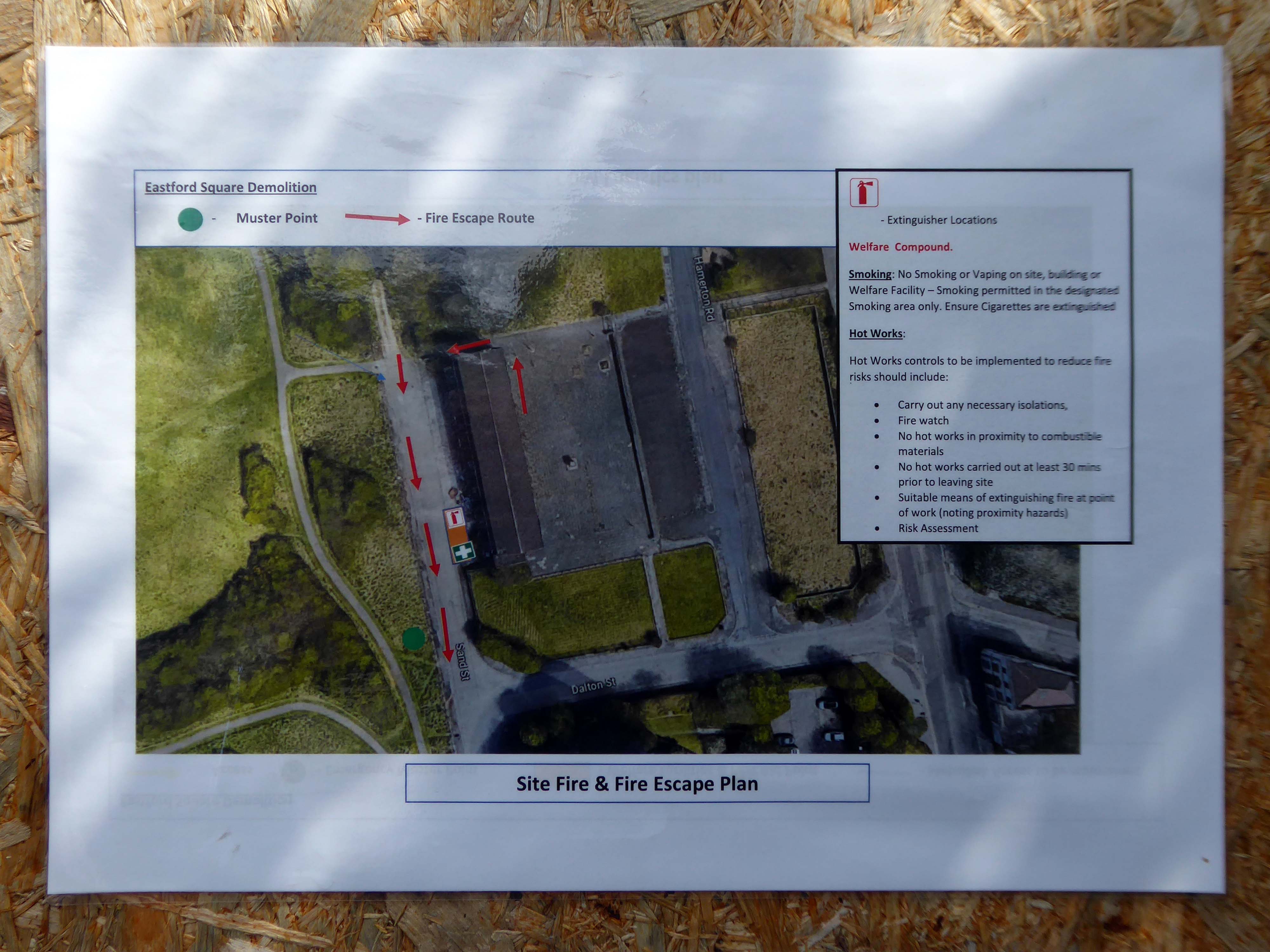
April 2023 and the shops and homes are being prepared for demolition.
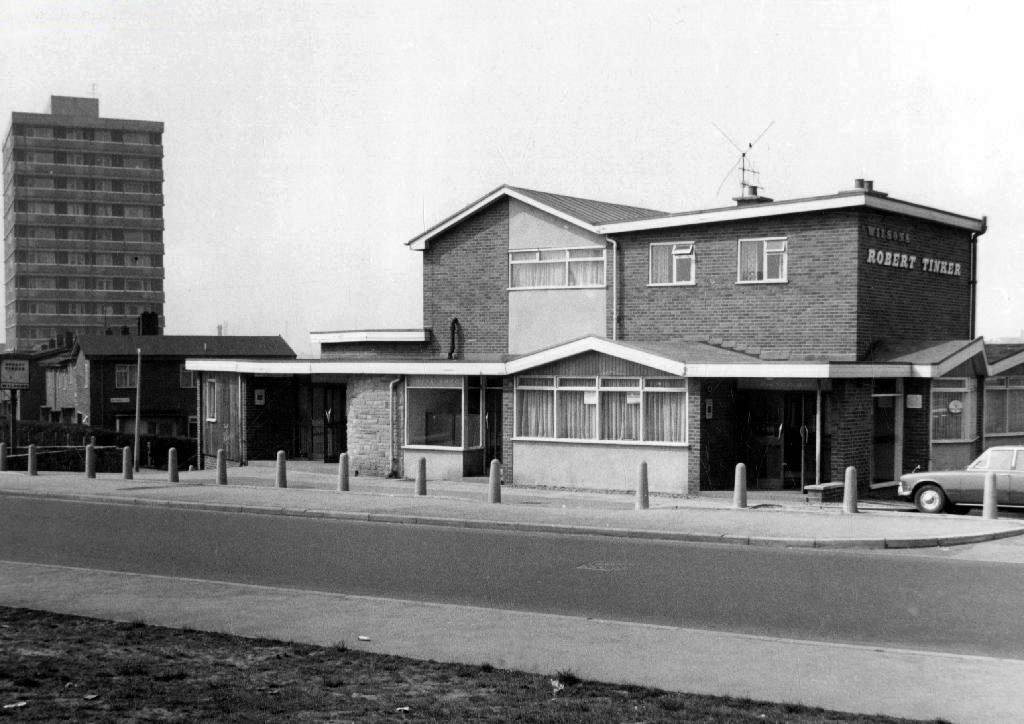
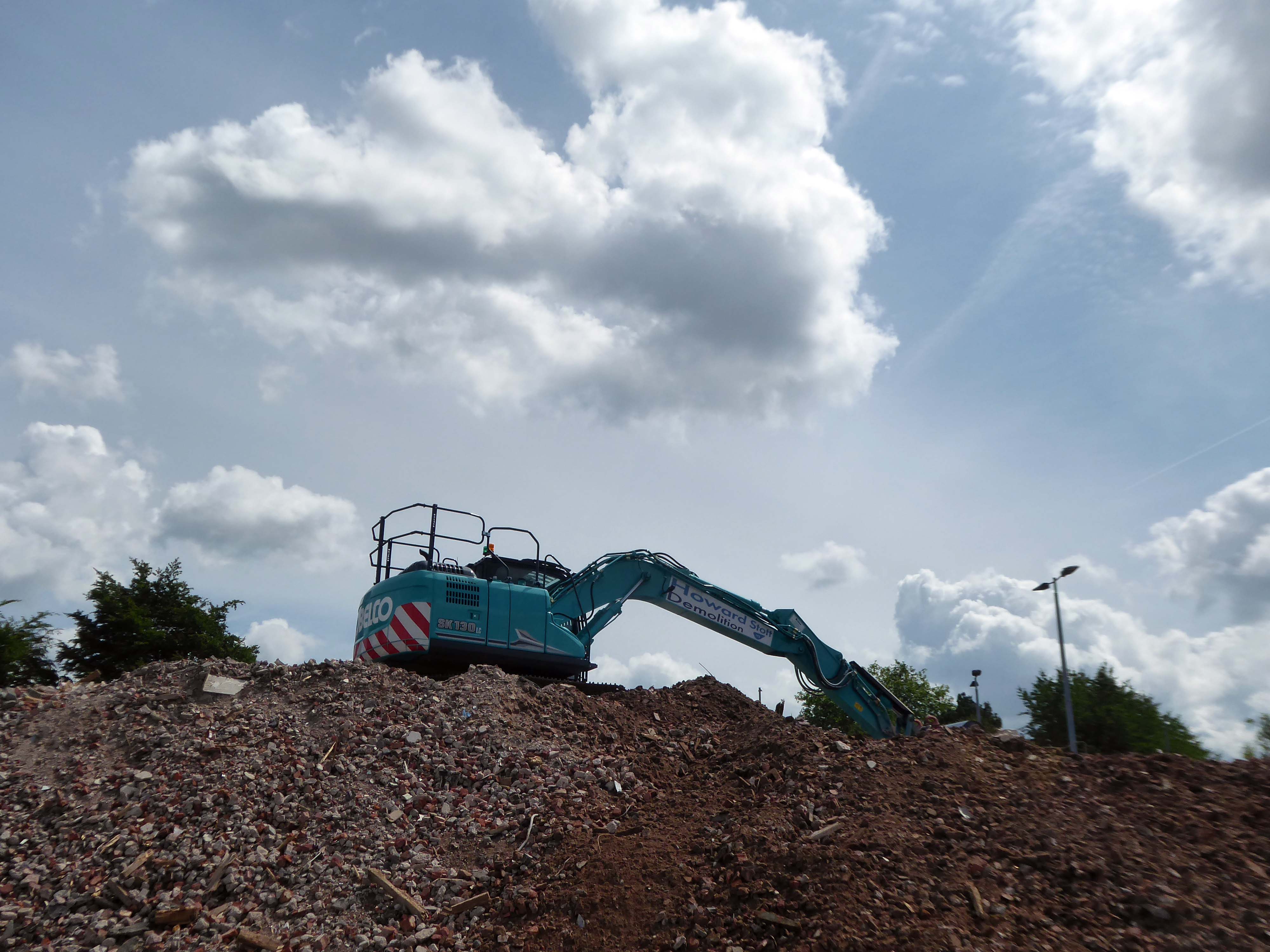
The company responsible for the demolition also dropped the Robert Tinker, on nearby Dalton Street.
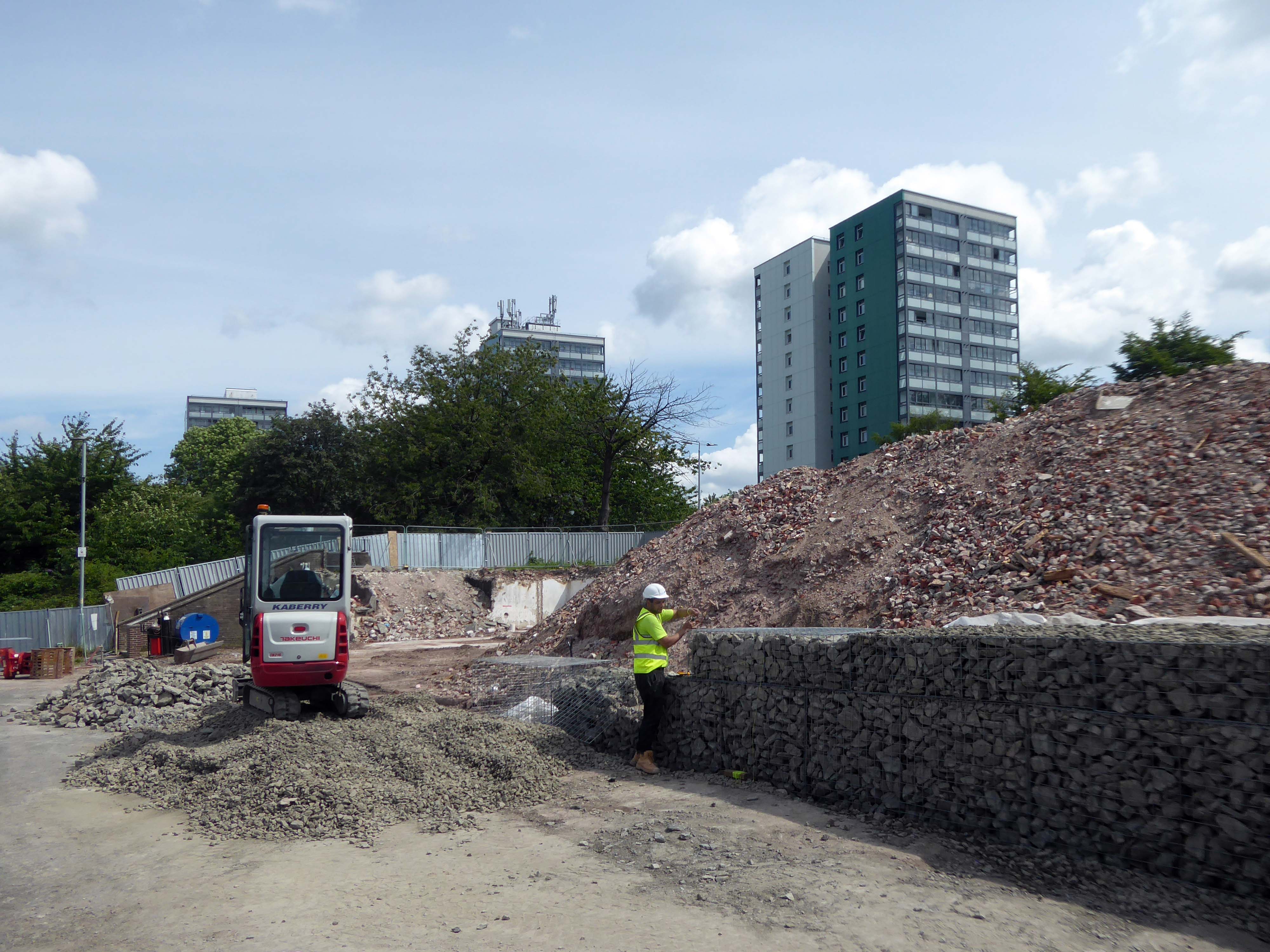
While it is not yet clear exactly what will replace the shopping parade, work has already started nearby on other projects within the scheme. The first phase of development in Collyhurst will see 274 new homes built in the area.
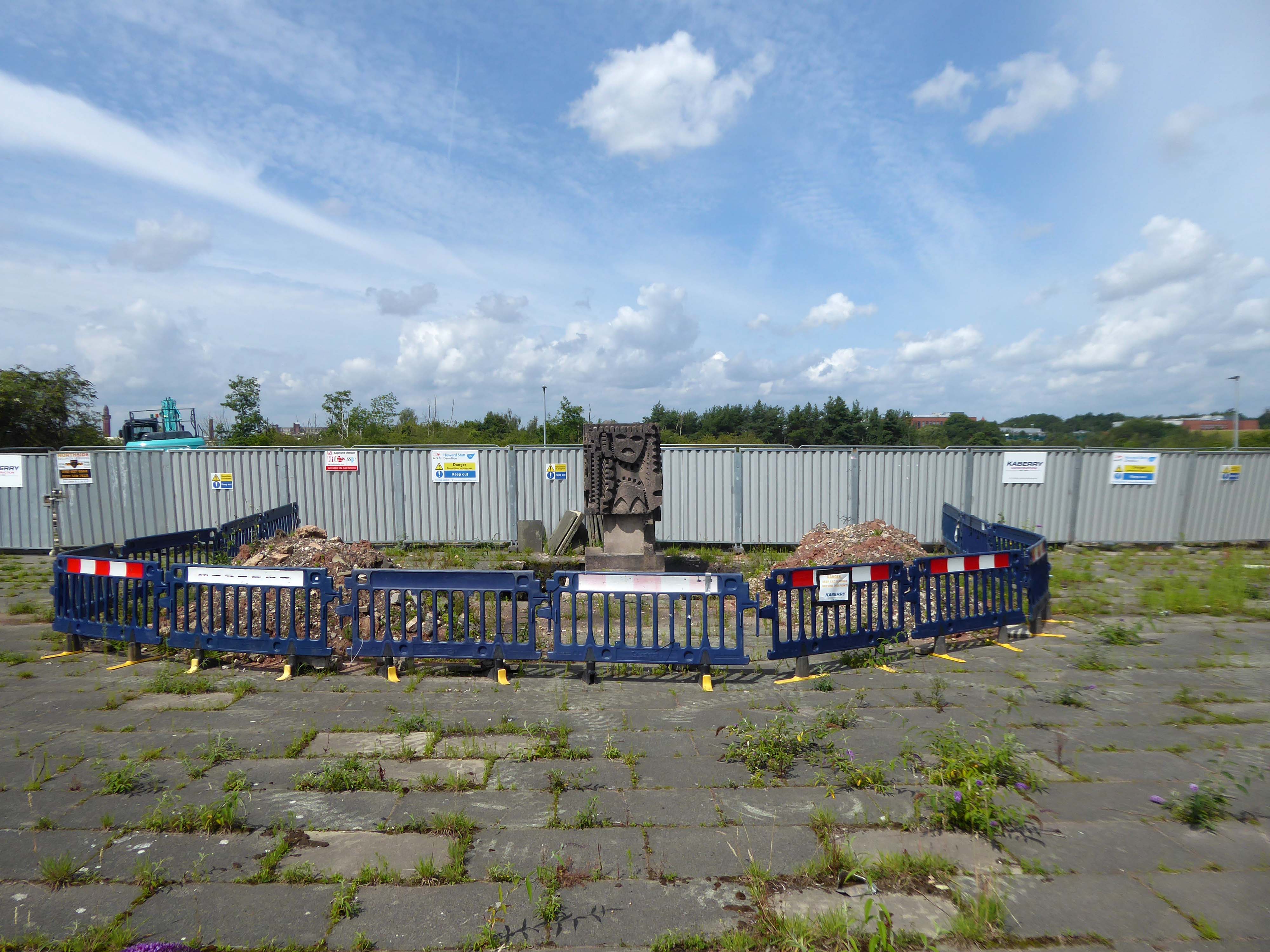
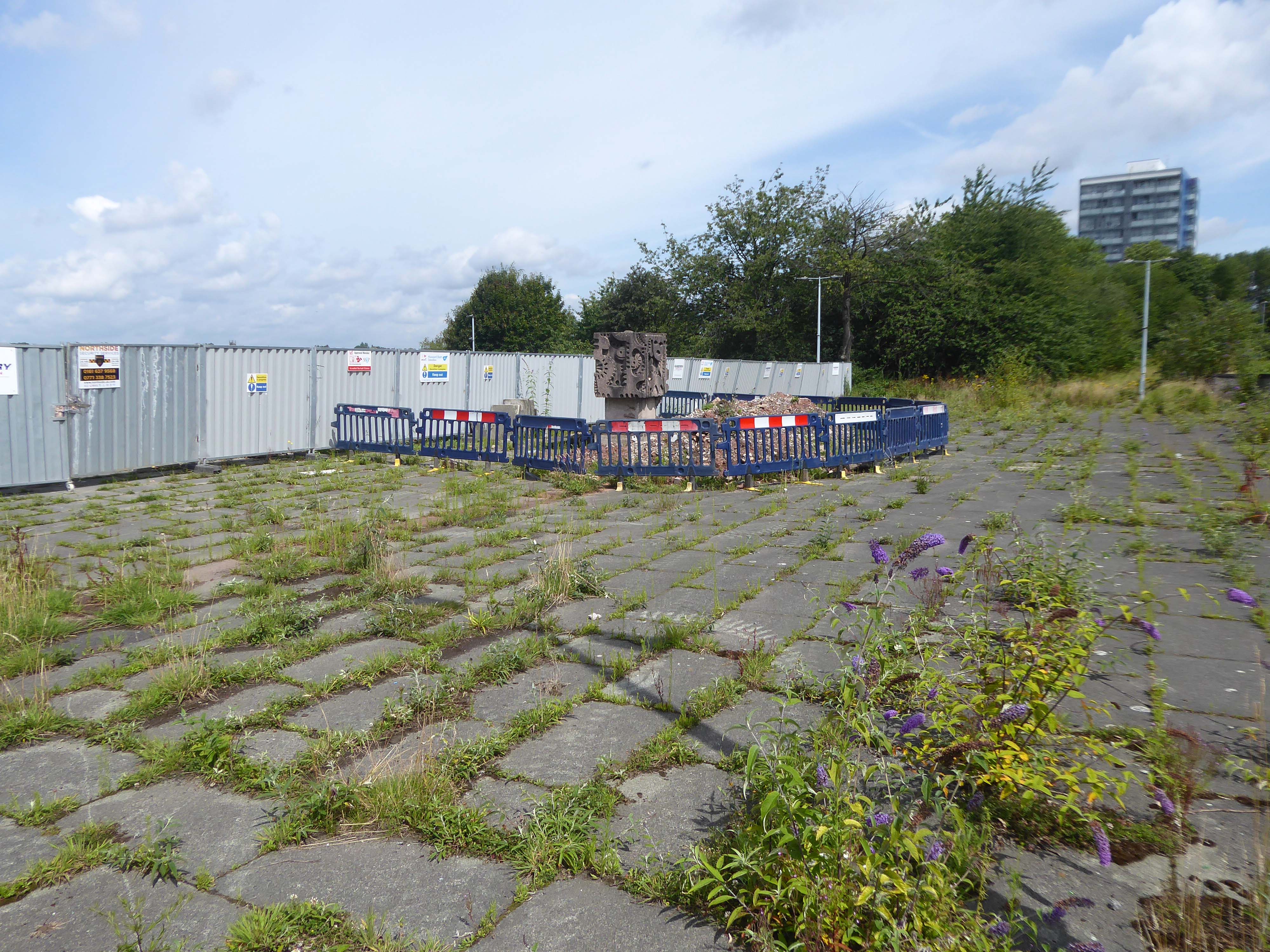
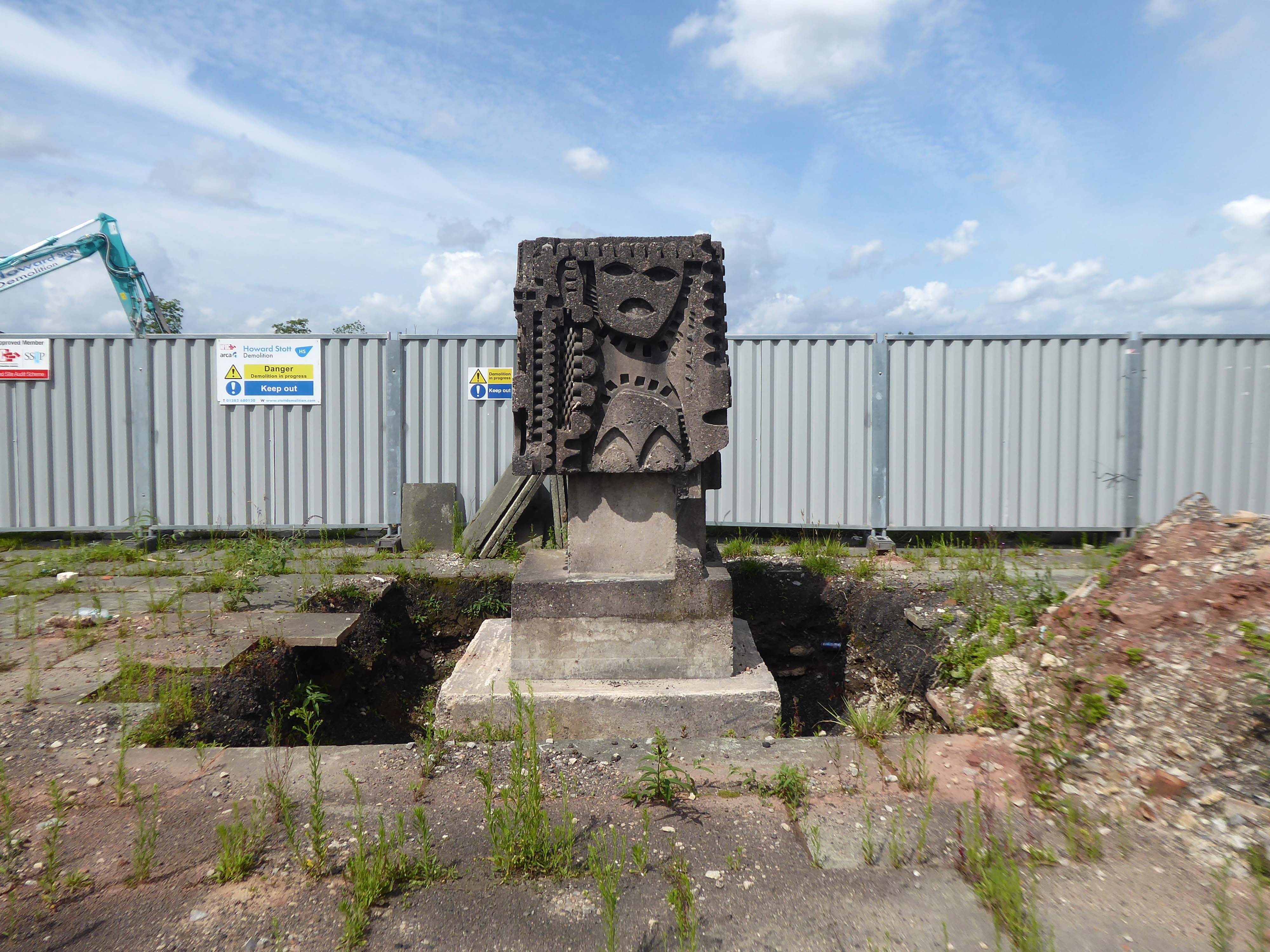
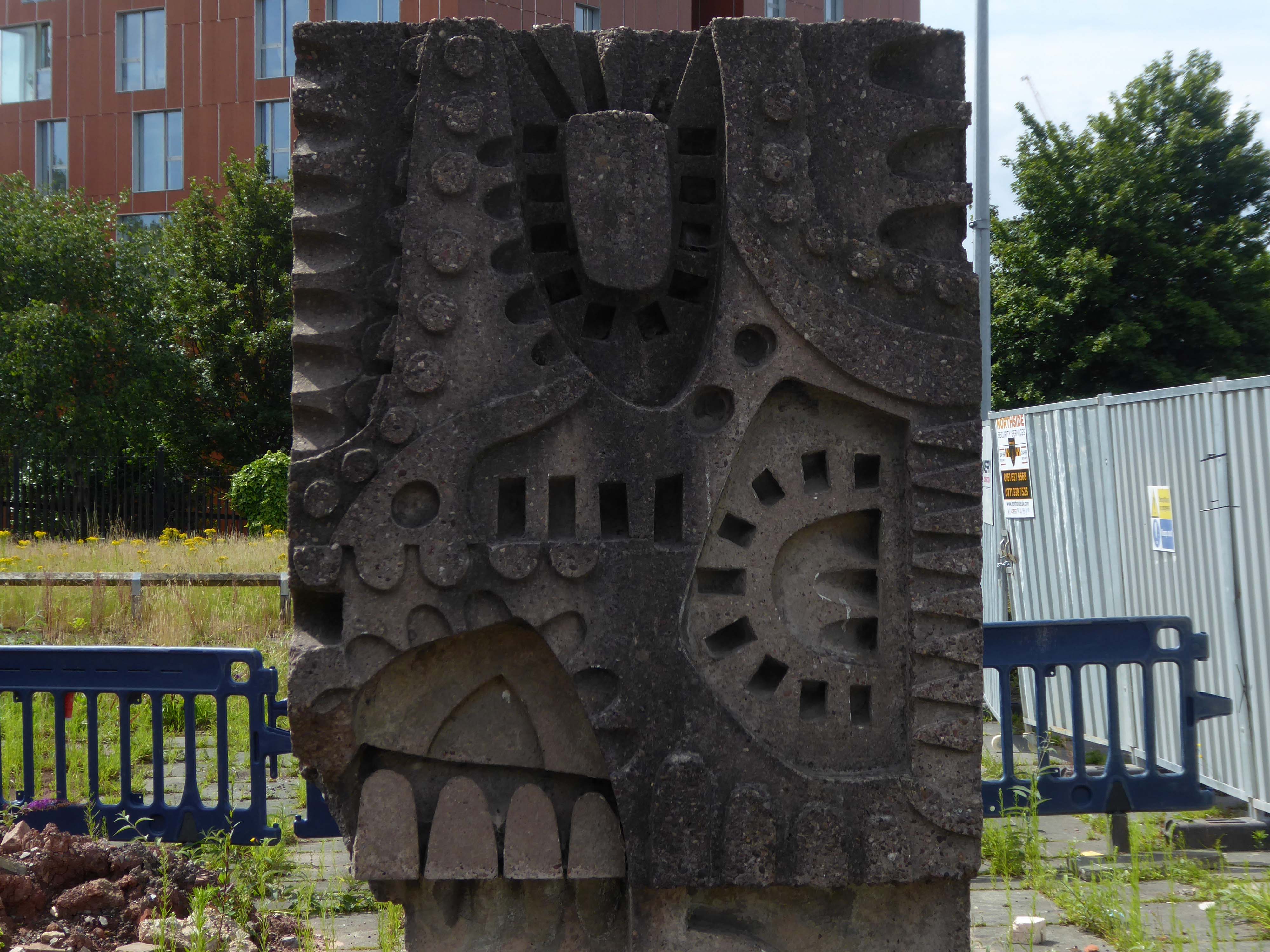
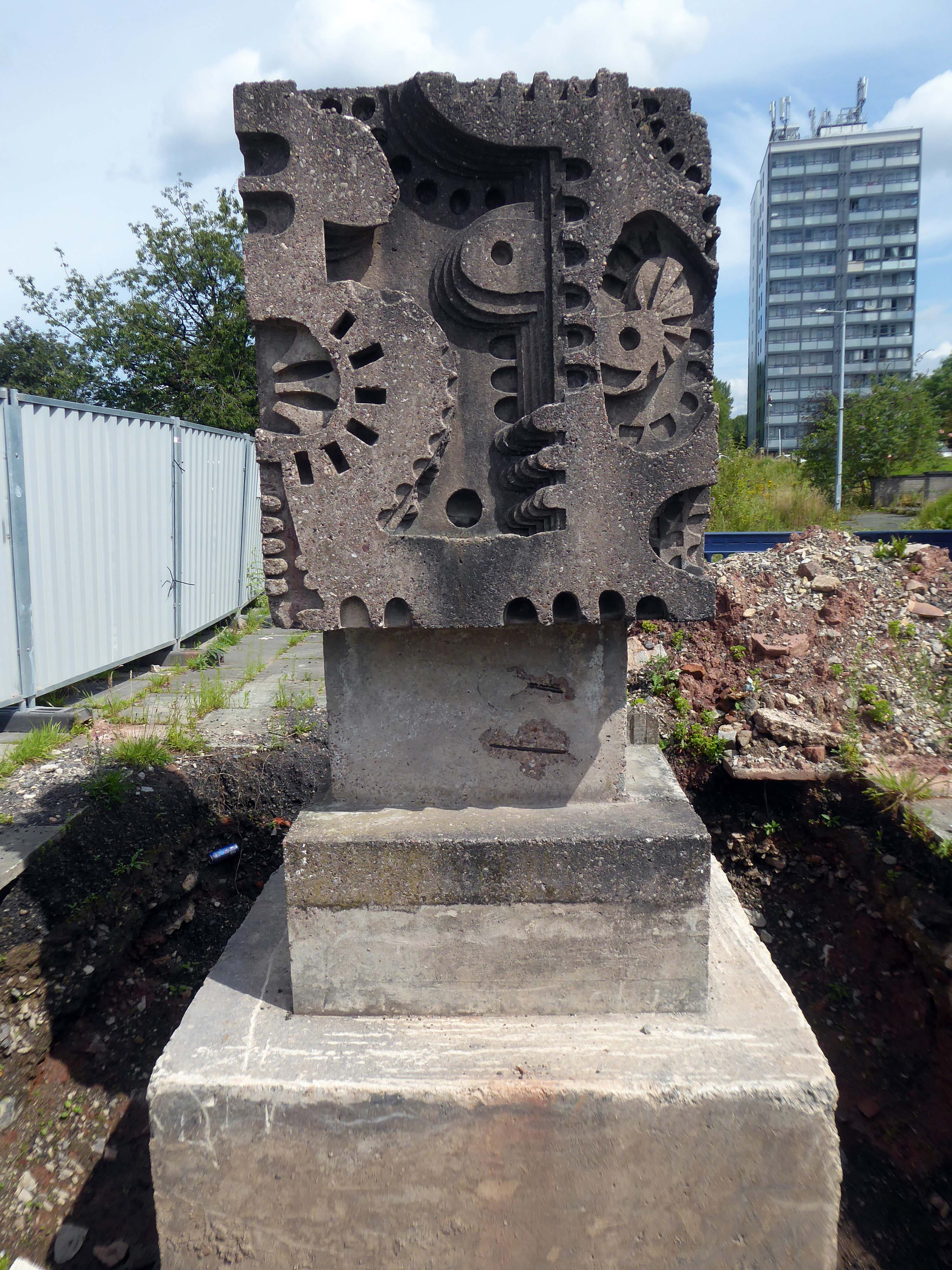
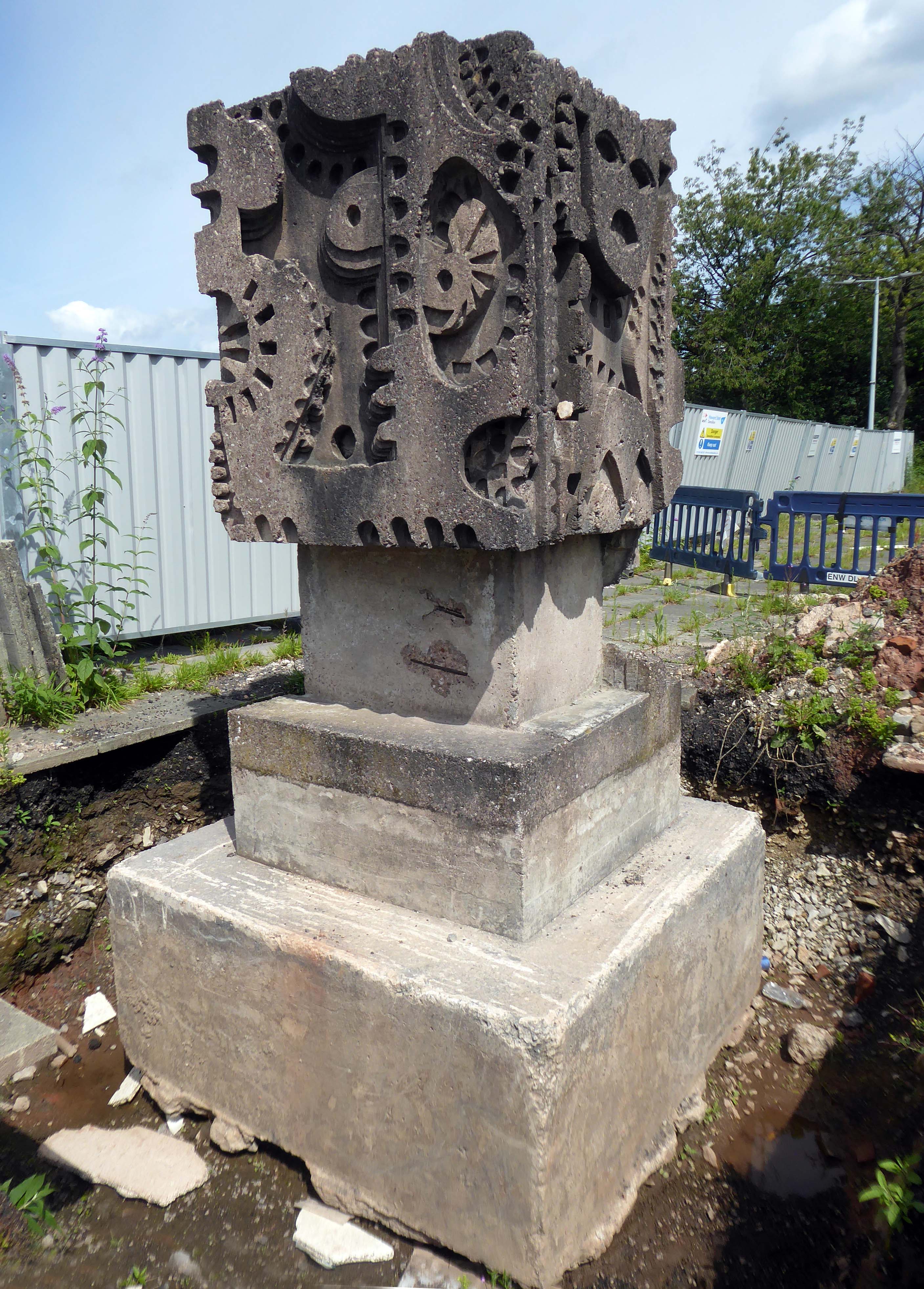
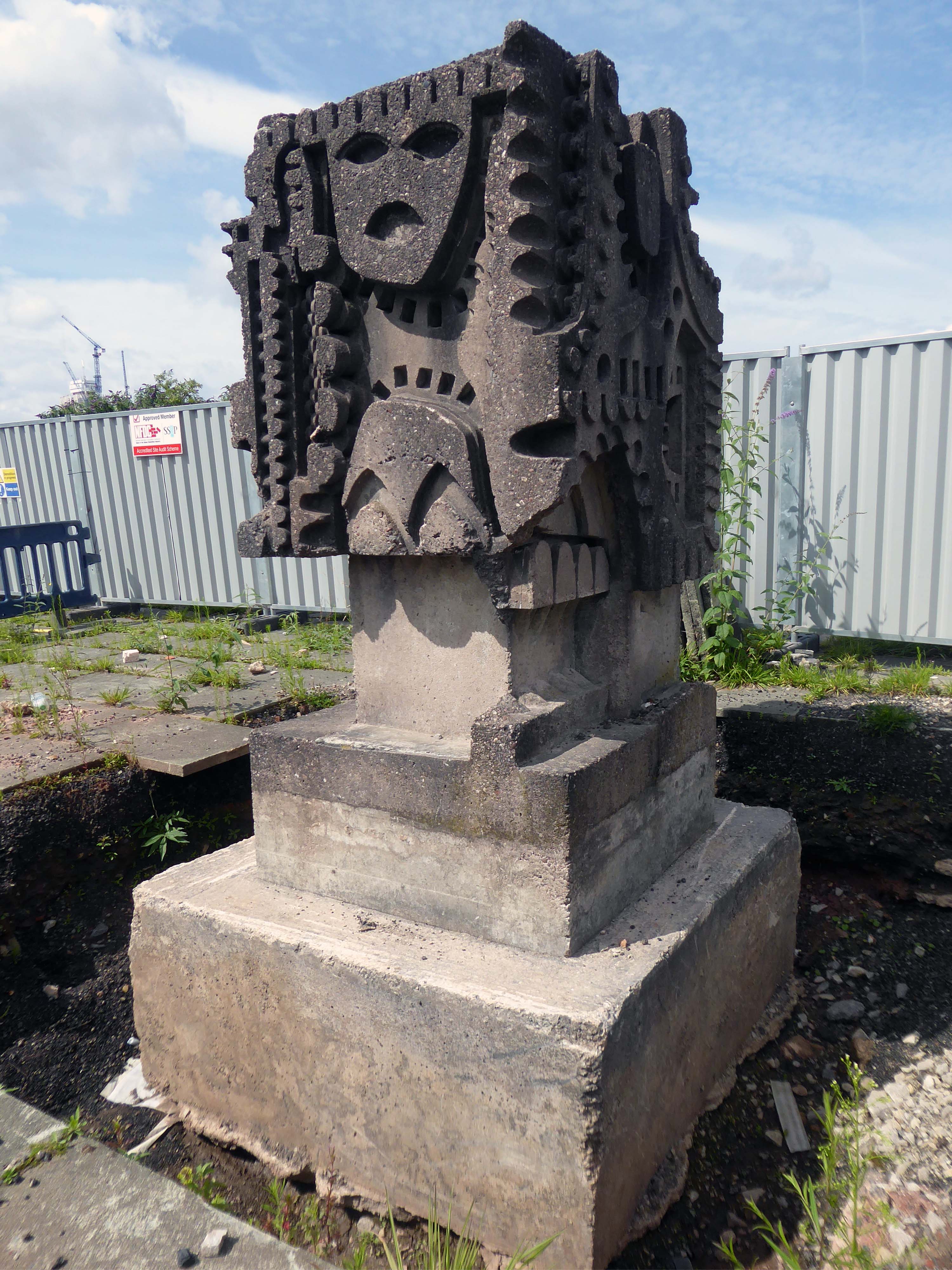
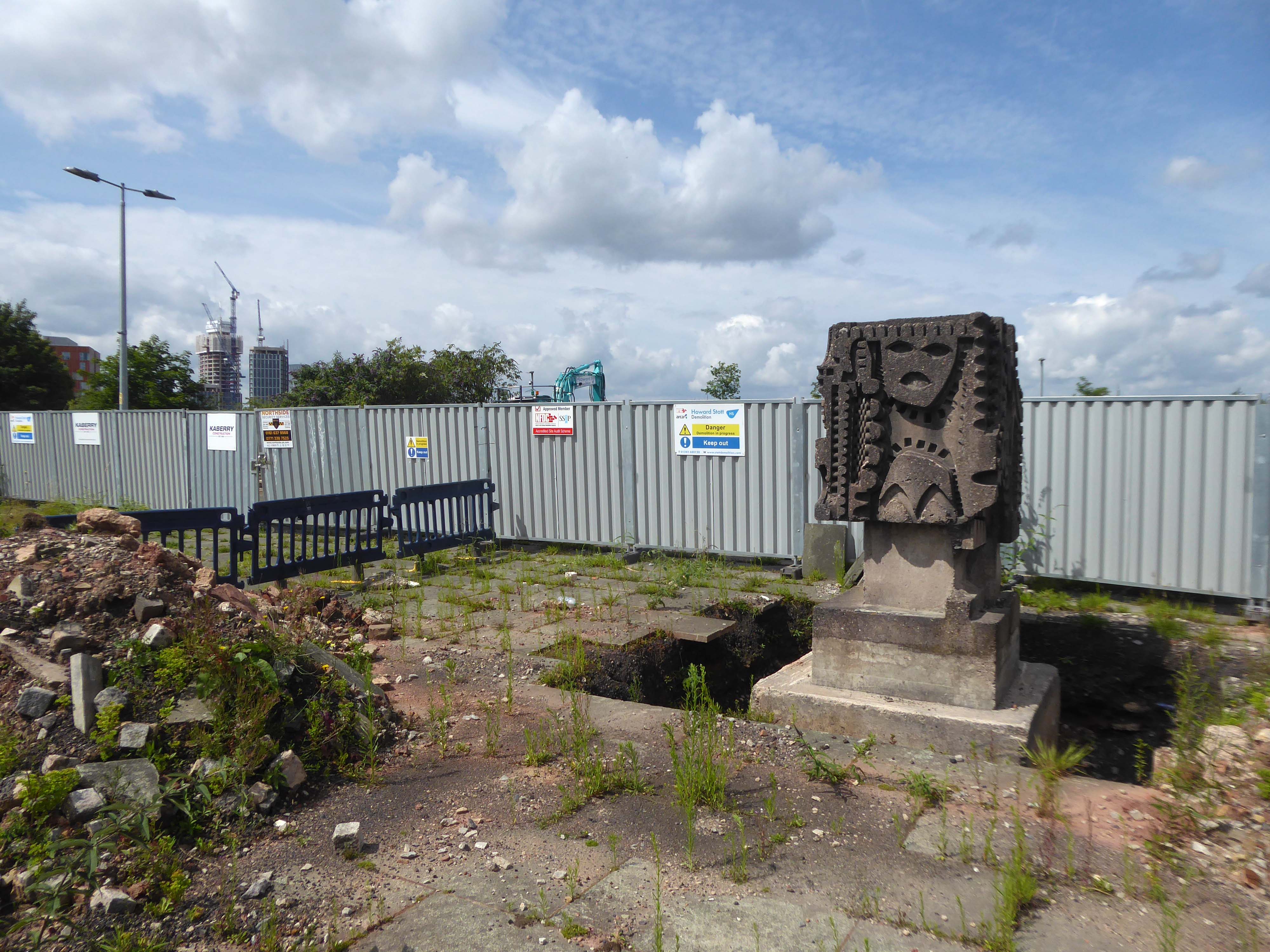
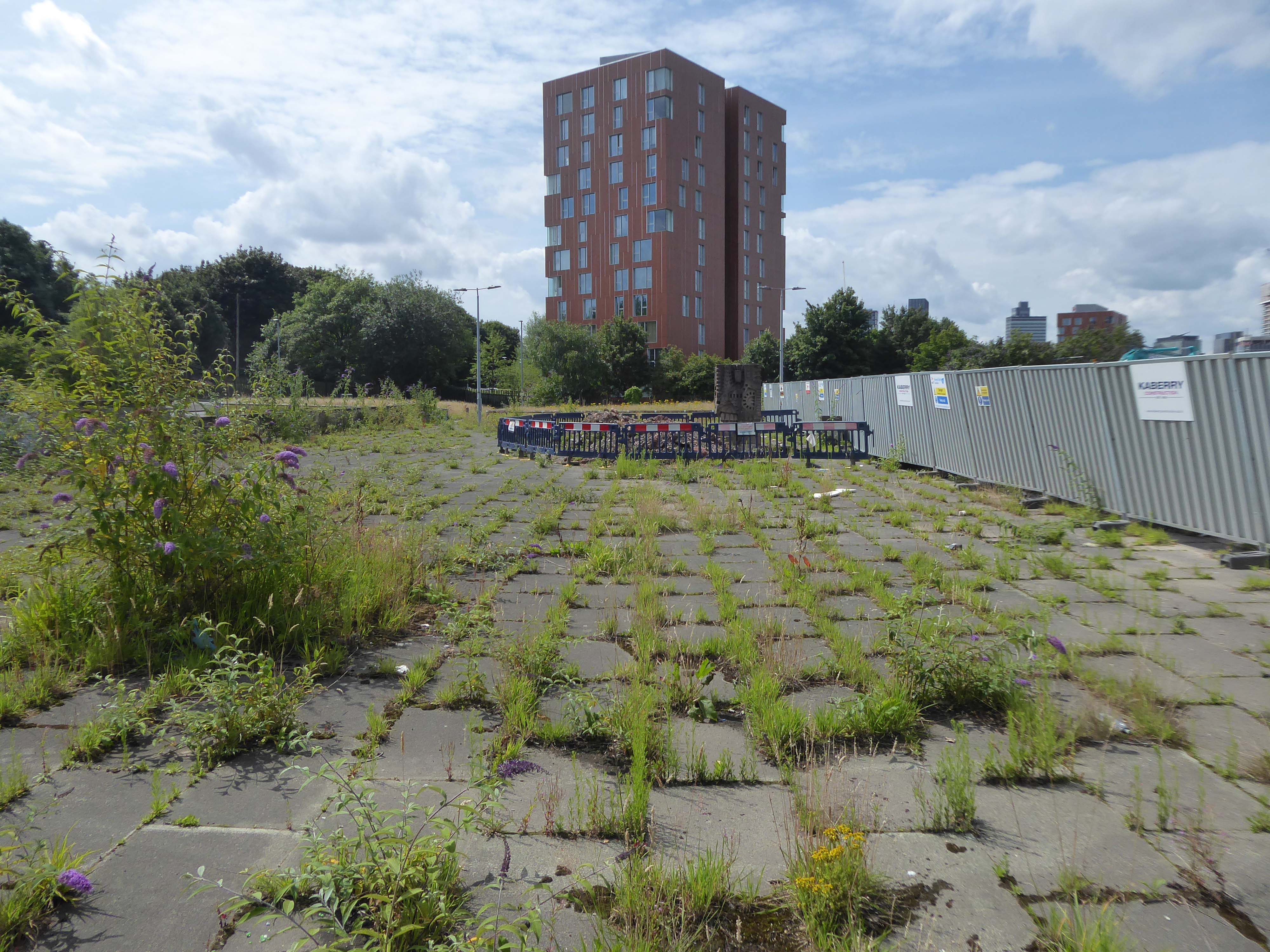
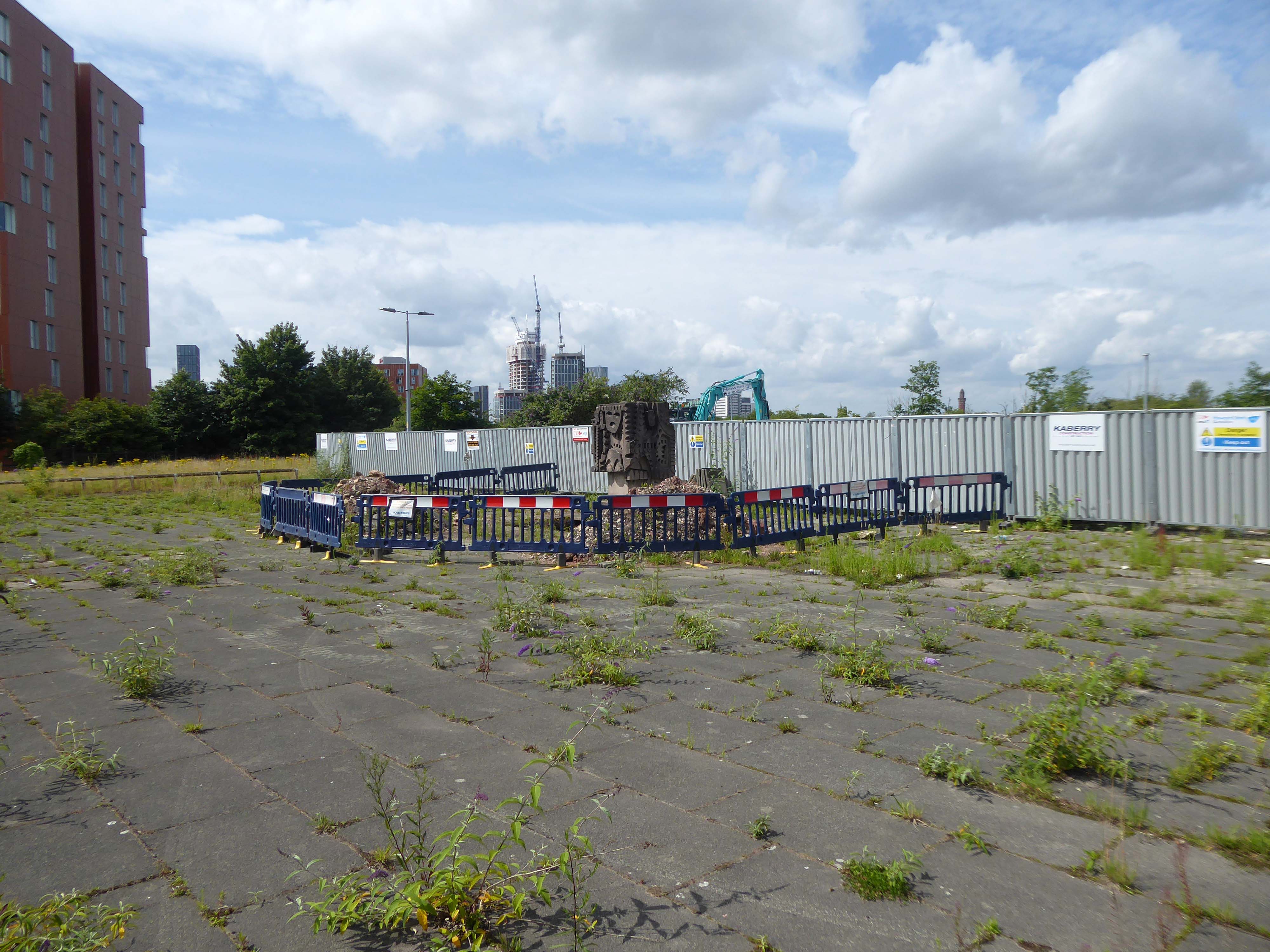
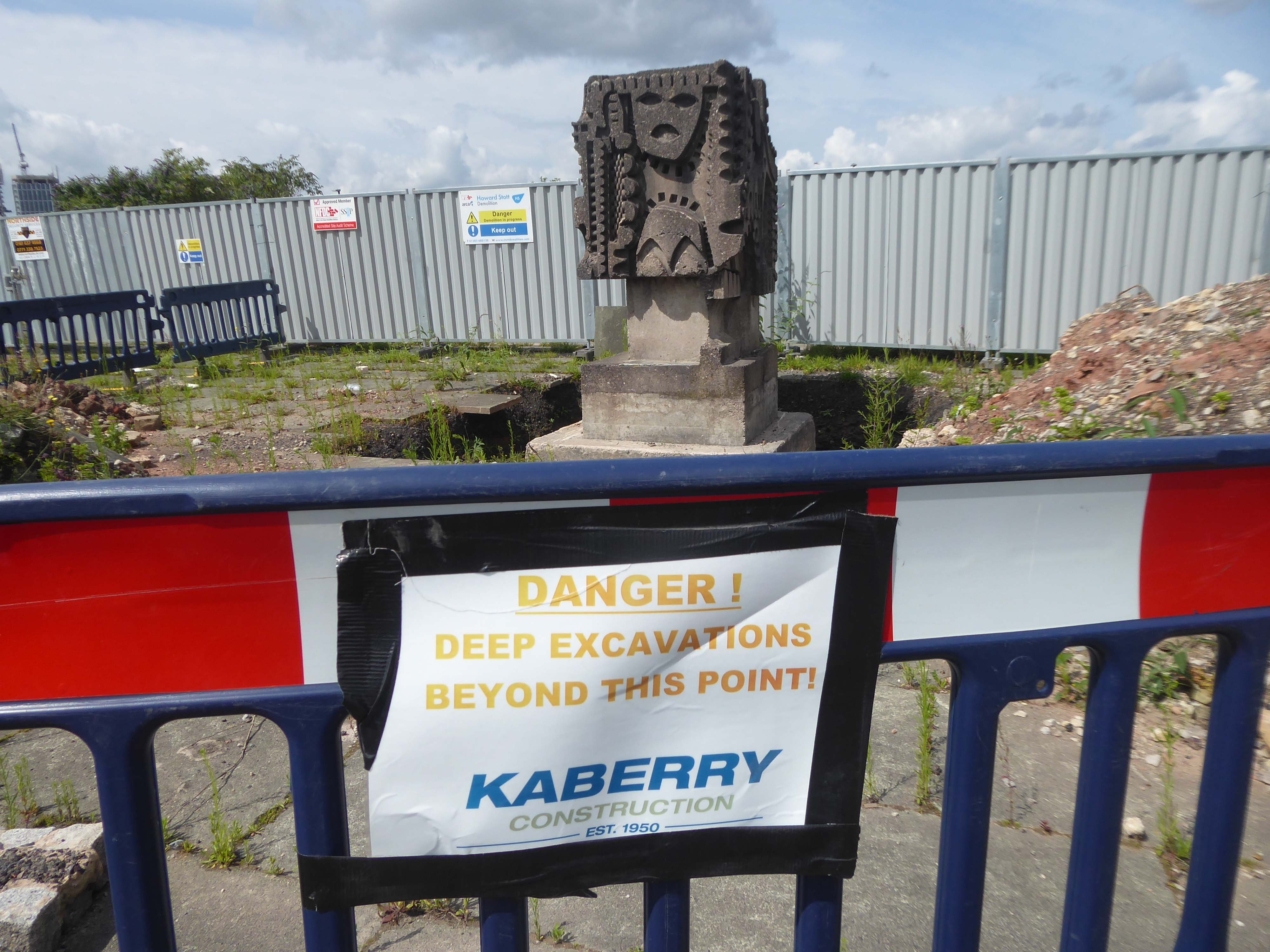
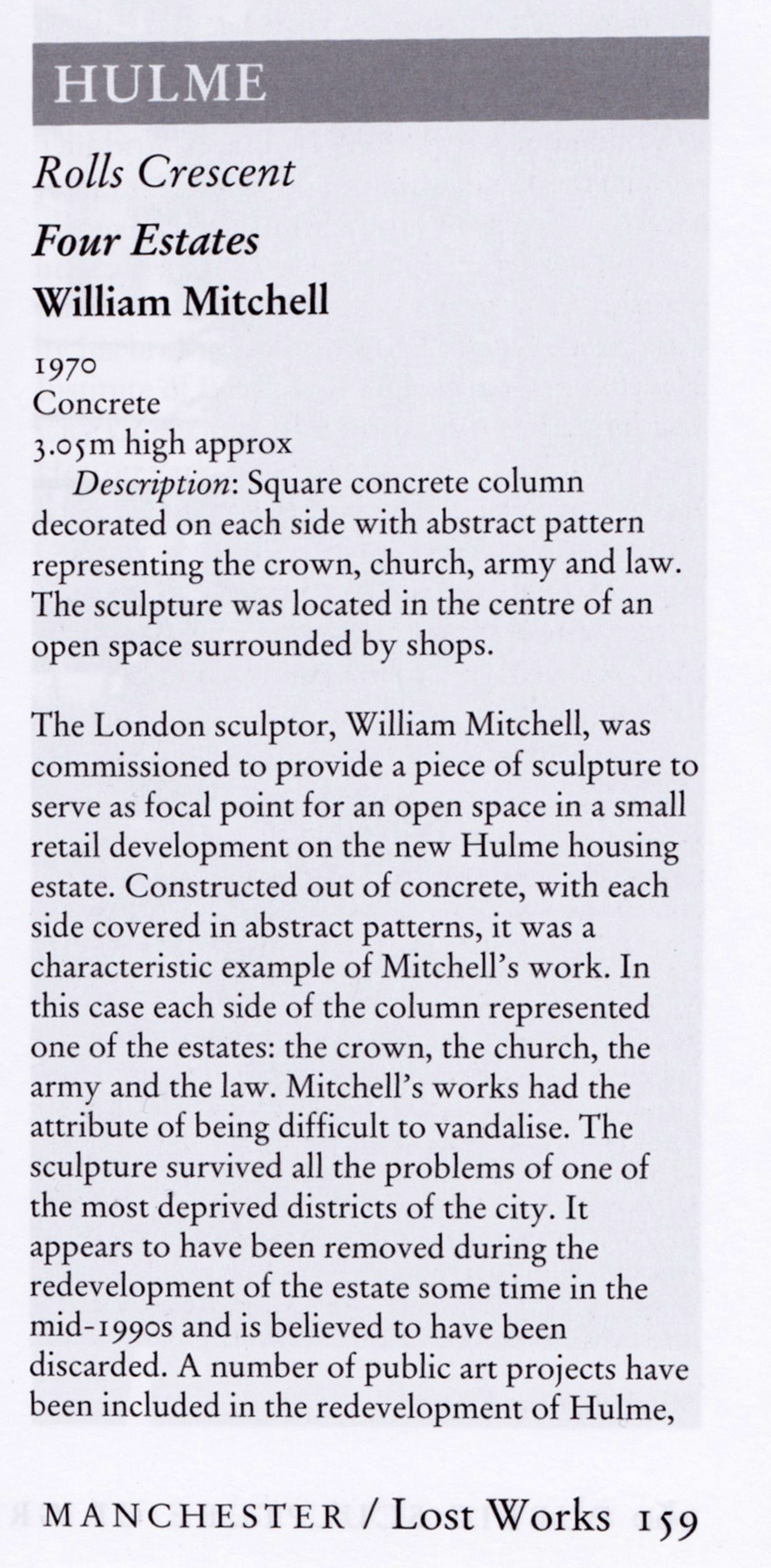
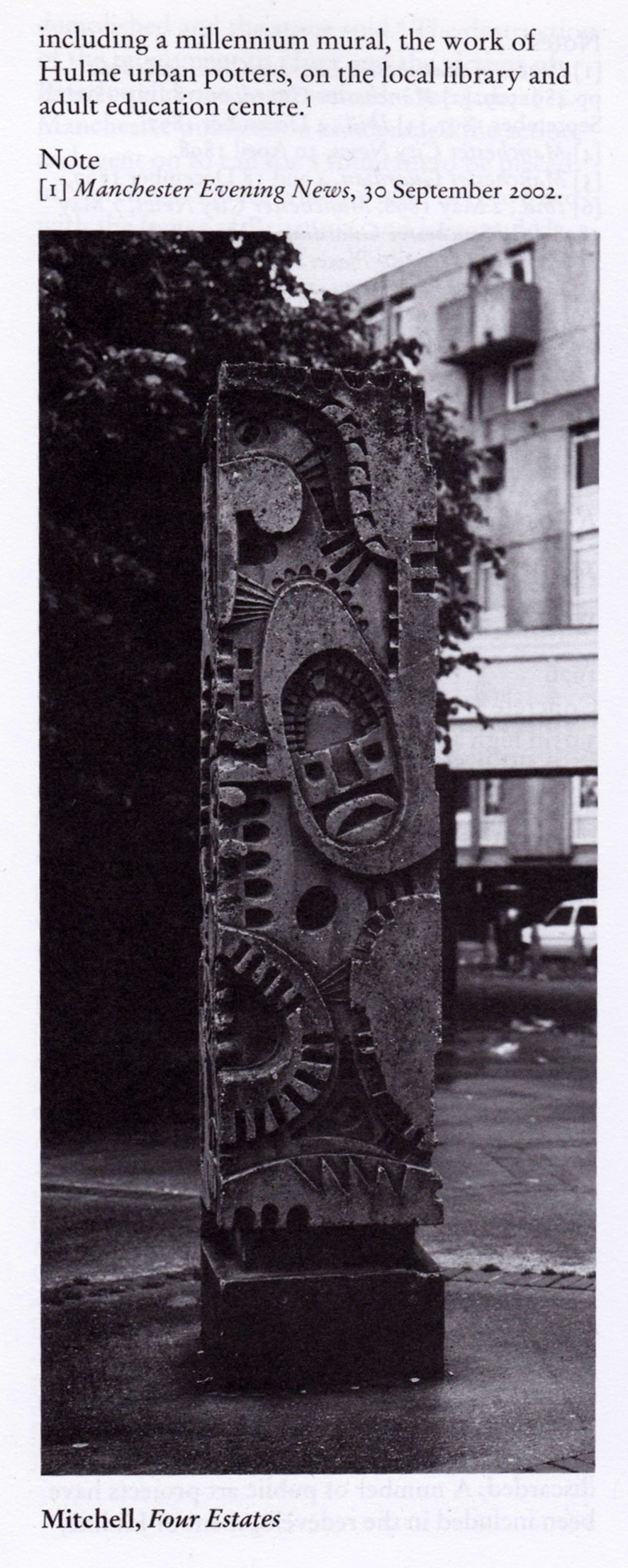
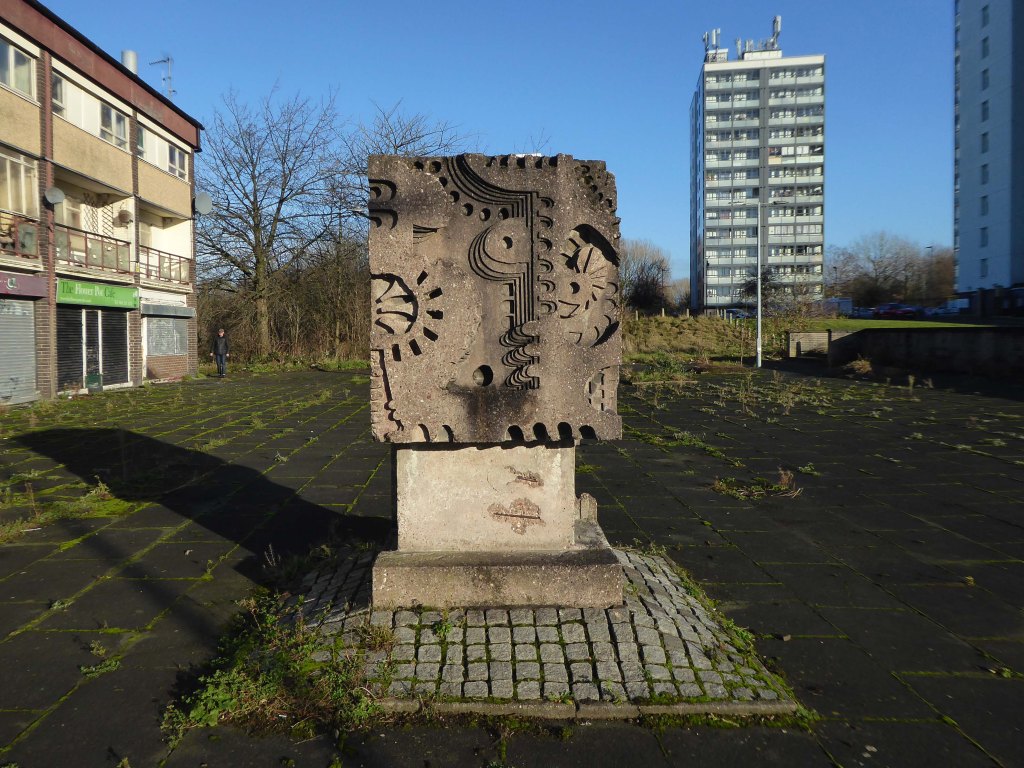
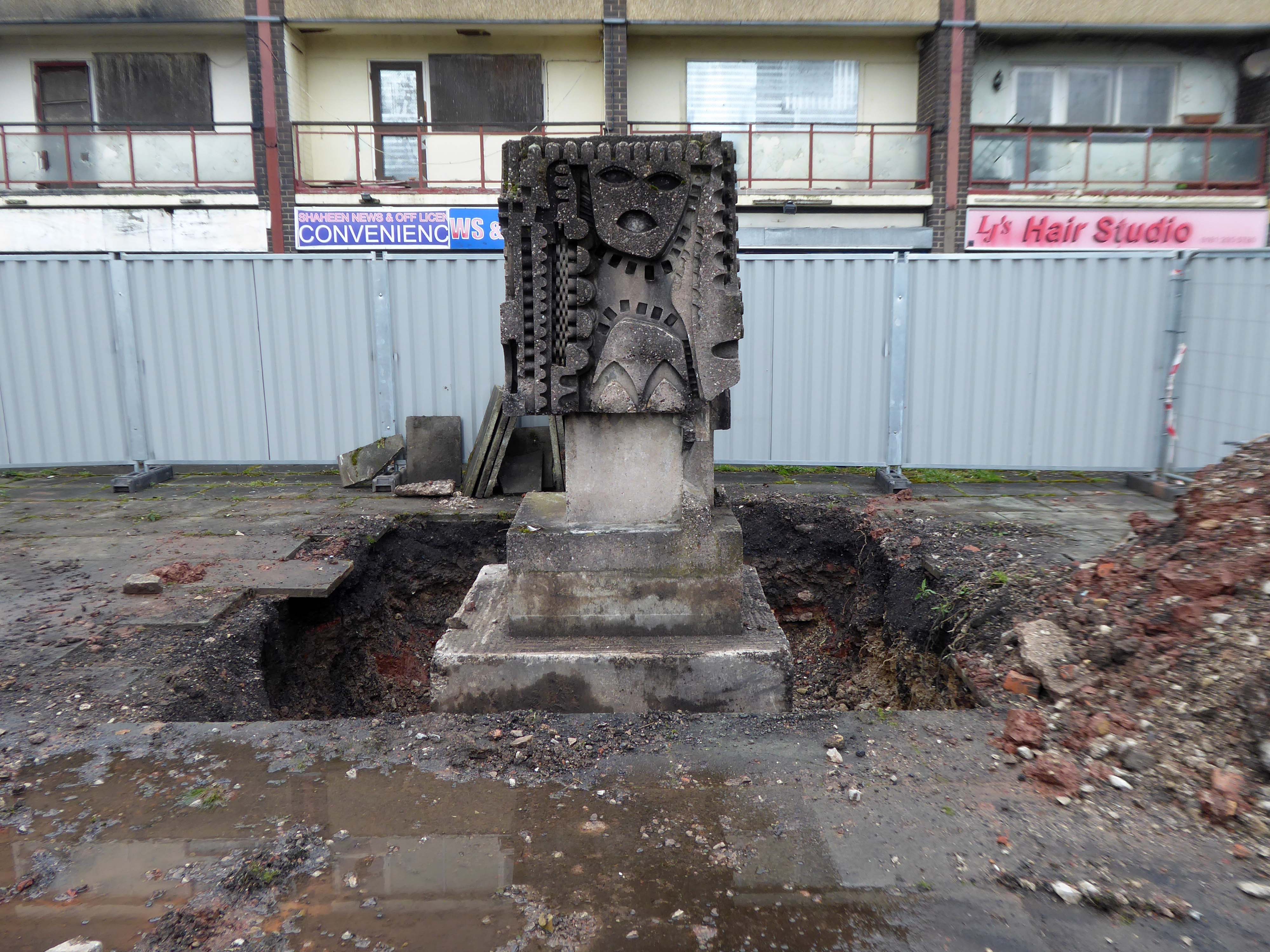
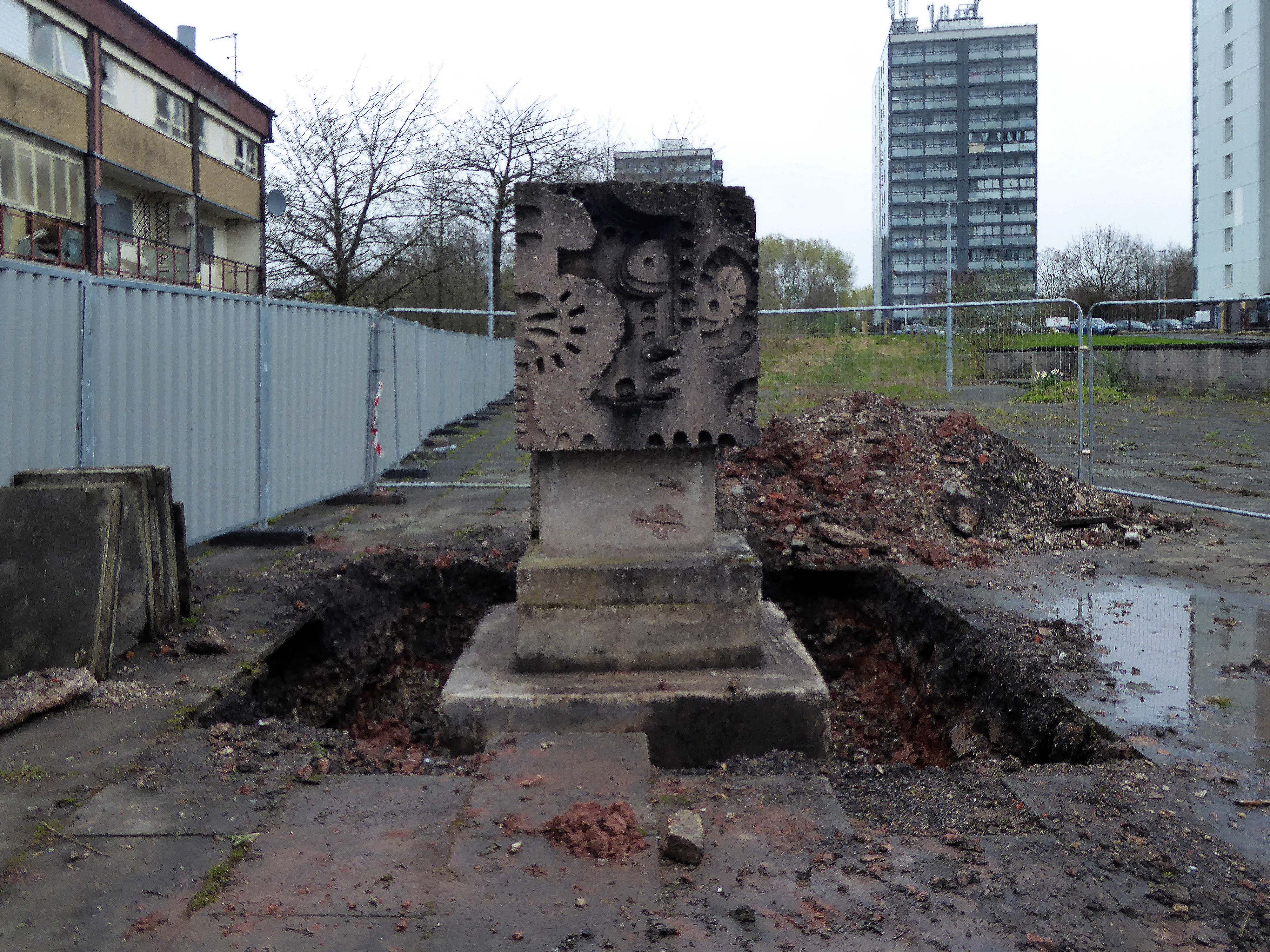
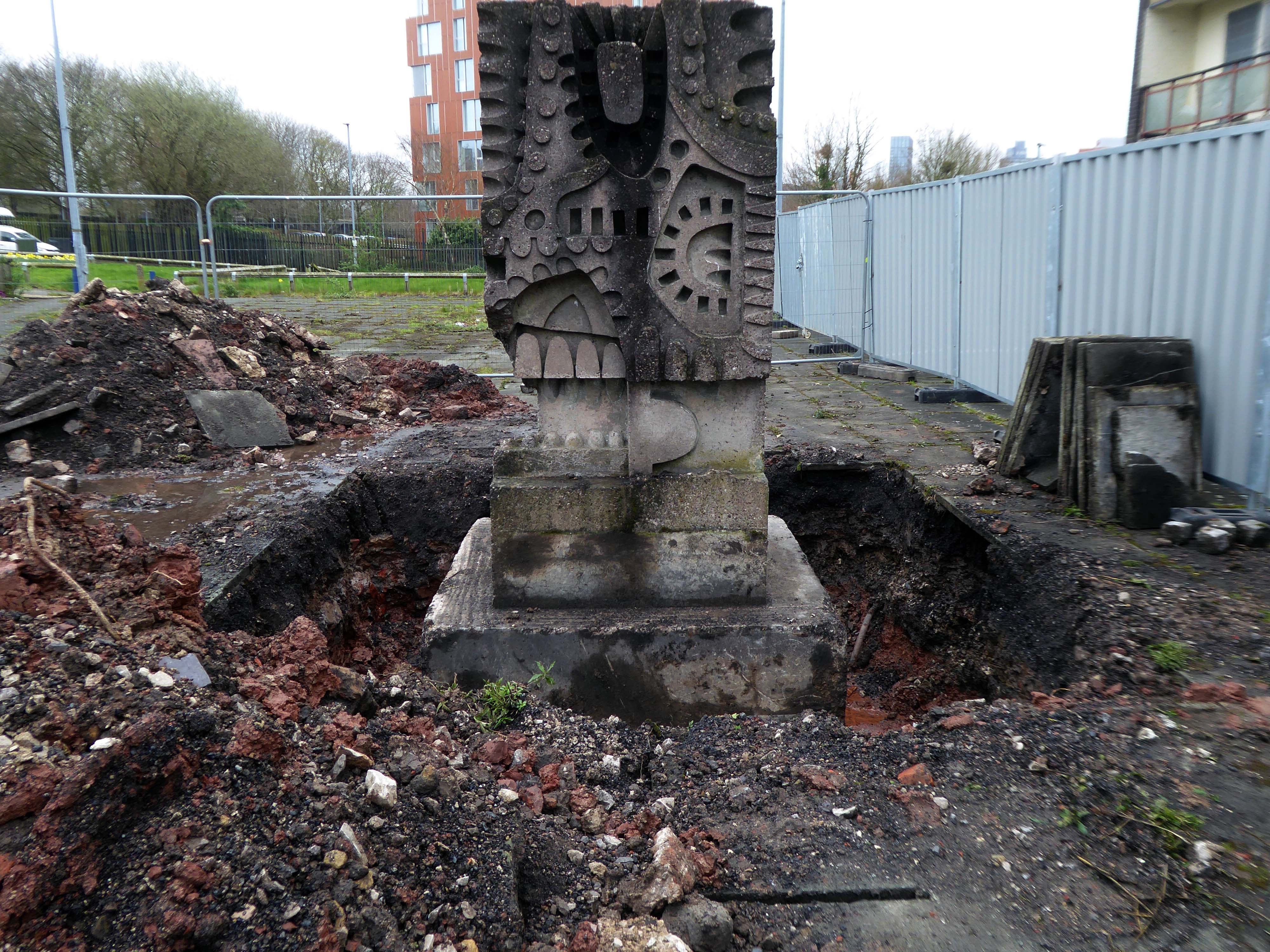
The council has pledged to reinstate the William Mitchell totem nearby.
However the weight of the concrete sculpture and its base have presented unforeseen challenges.
Siting a crane above the Victorian rail tunnel is an issue, as is the cost, a quote for £100,000 was deemed excessive. So stasis is the order the day – the immovable object awaits an unstoppable force.
The sculpture is one of four around Manchester – the Hulme exemplar is long gone.
Hyde Road was a football stadium in West Gorton, Manchester, England.
It was home to Manchester City FC and their predecessors, from its construction in 1887 until 1923, when the club moved to Maine Road.
Billy Gillespie on the ball.
Before its use as a football ground, the site was an area of waste ground, and in its early days the ground had only rudimentary facilities. The first stand was built in 1888, but the ground had no changing facilities until 1896; players had to change in a nearby public house, the Hyde Road Hotel.
As a Chester’s house, a condition of the club’s official link to the pub was that supporters and club officials and players would sup Chesters ales, and in return Stephen Chesters Thompson of the brewery helped finance stadium improvements.
The move of MCFC to Maine Road in 1923 following a fire at the Hyde Road ground, didn’t adversely affect the Hyde Road Hotel and it continued to serve the West Gorton community and the once-bustling Hyde Road thoroughfare.
As late as the 1980s, renamed the City Gates, it was a popular watering hole before the match for supporters travelling in from East Manchester. It was kitted out in all sorts of MCFC memorabilia and was run by George Heslop, City legend of the 1960s, after he’d had the Royal George in town.
Sadly, as the community around it was decimated, the pub struggled and its last hurrah was as the City Gates theme pub. The business failed in 1989 and the pub sat empty and rotting for twelve years until it was demolished, despite a half-hearted fans campaign to save it. Two keystones from the Hyde Road Hotel reside in the MCFC memorial garden and are all that remain of this significant Manchester pub.
By 1904 the ground had developed into a 40,000-capacity venue, hosting an FA Cup semi-final between Newcastle United and Sheffield Wednesday the following year.
The stands and terraces were arranged in a haphazard manner due to space constraints, and by 1920 the club had outgrown the cramped venue. A decision to seek an alternative venue was hastened in November 1920, when the Main Stand was destroyed by fire. Manchester City moved to the 80,000-capacity Maine Road in 1923, and Hyde Road was demolished shortly afterward. One structure from the ground is still in use in the 21st century, a section of roofing which was sold for use at The Shay, a stadium in Halifax.
Maine Road – which in turn closed on May 11th 2003, City losing 1-0 to Southampton
City are now at home at the Etihad – formerly the Commonwealth Games Stadium.
I had always known the area as the Olympic Freight Depot – seen from the passing train.
I cycled by the other day and the containers are long gone – the site is being cleansed to a depth of two metres.
Loitering by the gates, I asked if I may take some snaps .
Please y’self – so I did.
So what’s next on the cards, for this little corner of local history – set twixt Bennett Street and Hyde Road?
New homes is on the cards – and on the hoardings.
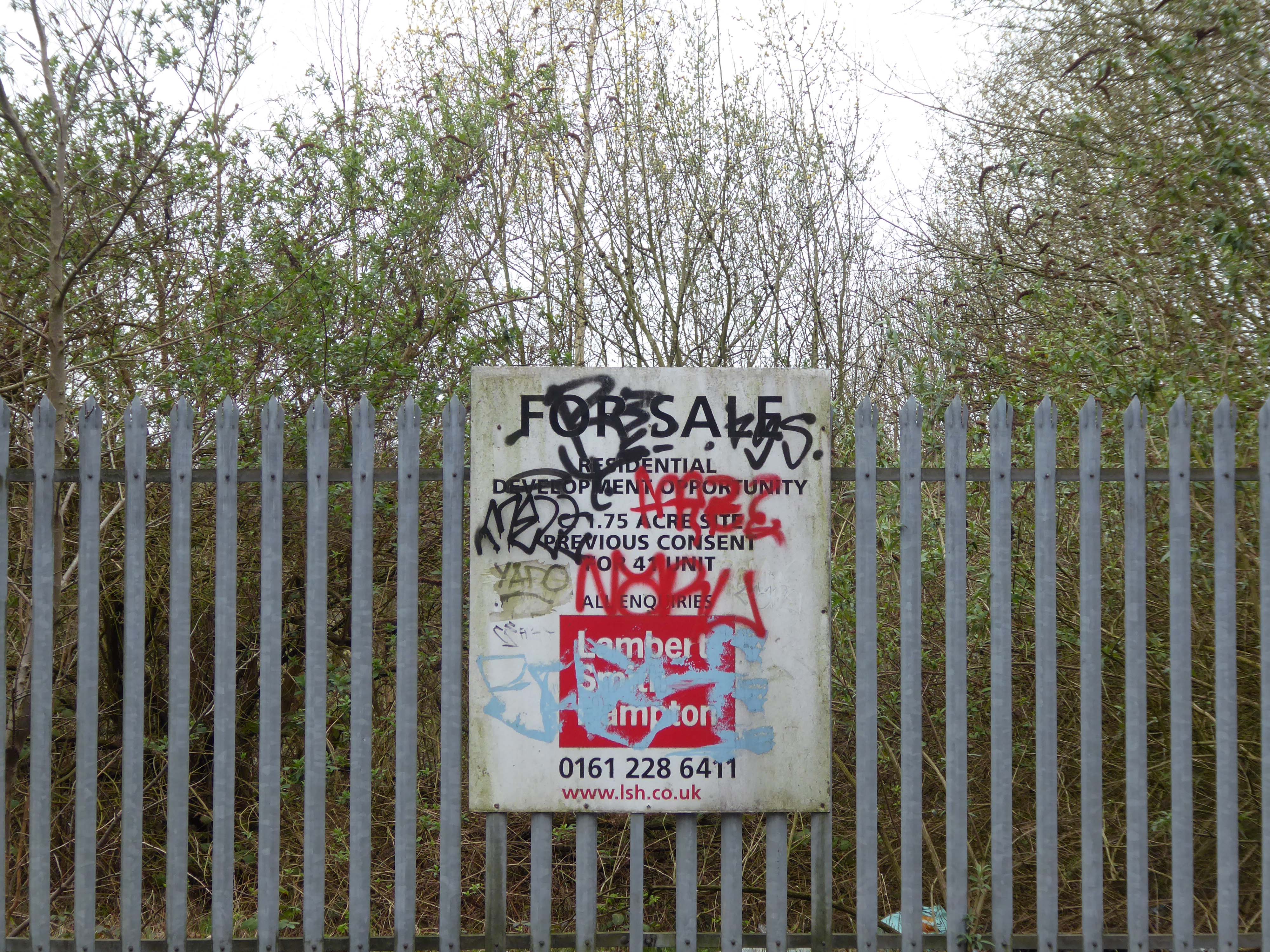
Plans have been revealed for a 337-home development on the Olympic Freight depot in West Gorton.
Brought forward by Sheffield-based Ascena Developments, the planning application to Manchester City Council outlines proposals for 191 houses and 146 apartments, split across two blocks.
Alongside the homes, the development would include a 3,000 sq ft circular community centre and café, shop, and a unit which is earmarked for a chip shop.
Kellen Homes has been granted planning consent to redevelop the thirteen-acre Olympic Freight depot on Bennett Street in Manchester into 272 homes.
The developer, owned by Renaker founder Daren Whitaker, lodged plans for the West Gorton scheme last year following the withdrawal of an earlier and larger scheme drawn up by Sheffield-based Ascena Developments.
Having taken a particular interest in this particular piece of public art for some time – I need to go and take a little look.
But what will we see along the way, as we hasten along Rochdale Road?
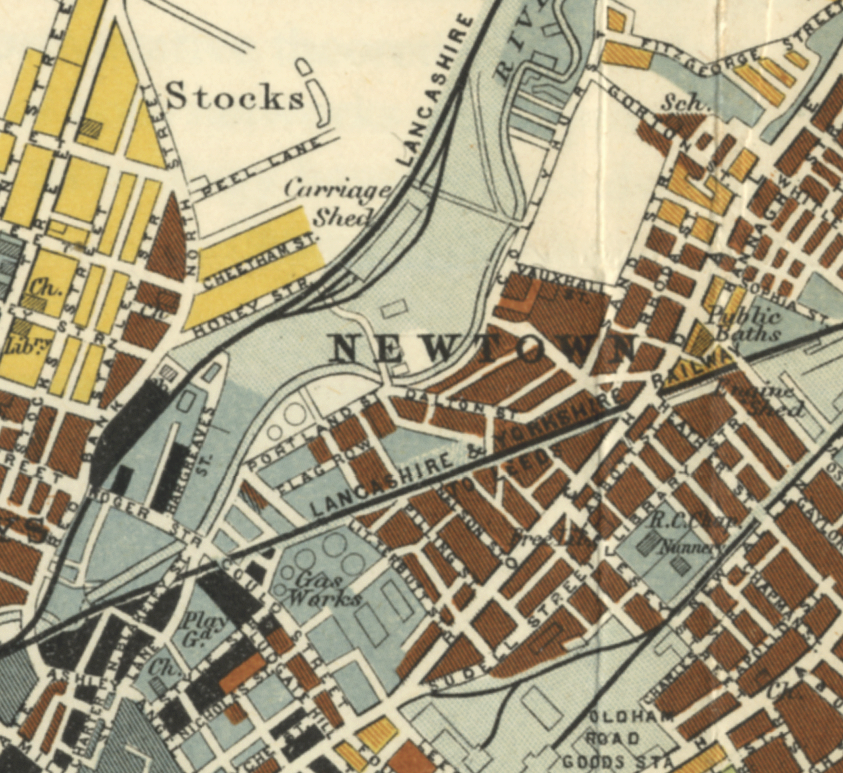
Which once looked like this, way back when in 1904.
Though some things inevitably come and go, as some things are prone to do.
The city is undergoing yet another reinvention as Manchester becomes – an attractive place to invest and do business.
See, I am doing a new thing!
Now it springs up; do you not perceive it?
I am making a way in the wilderness and streams in the wasteland.
Isaiah 43:19
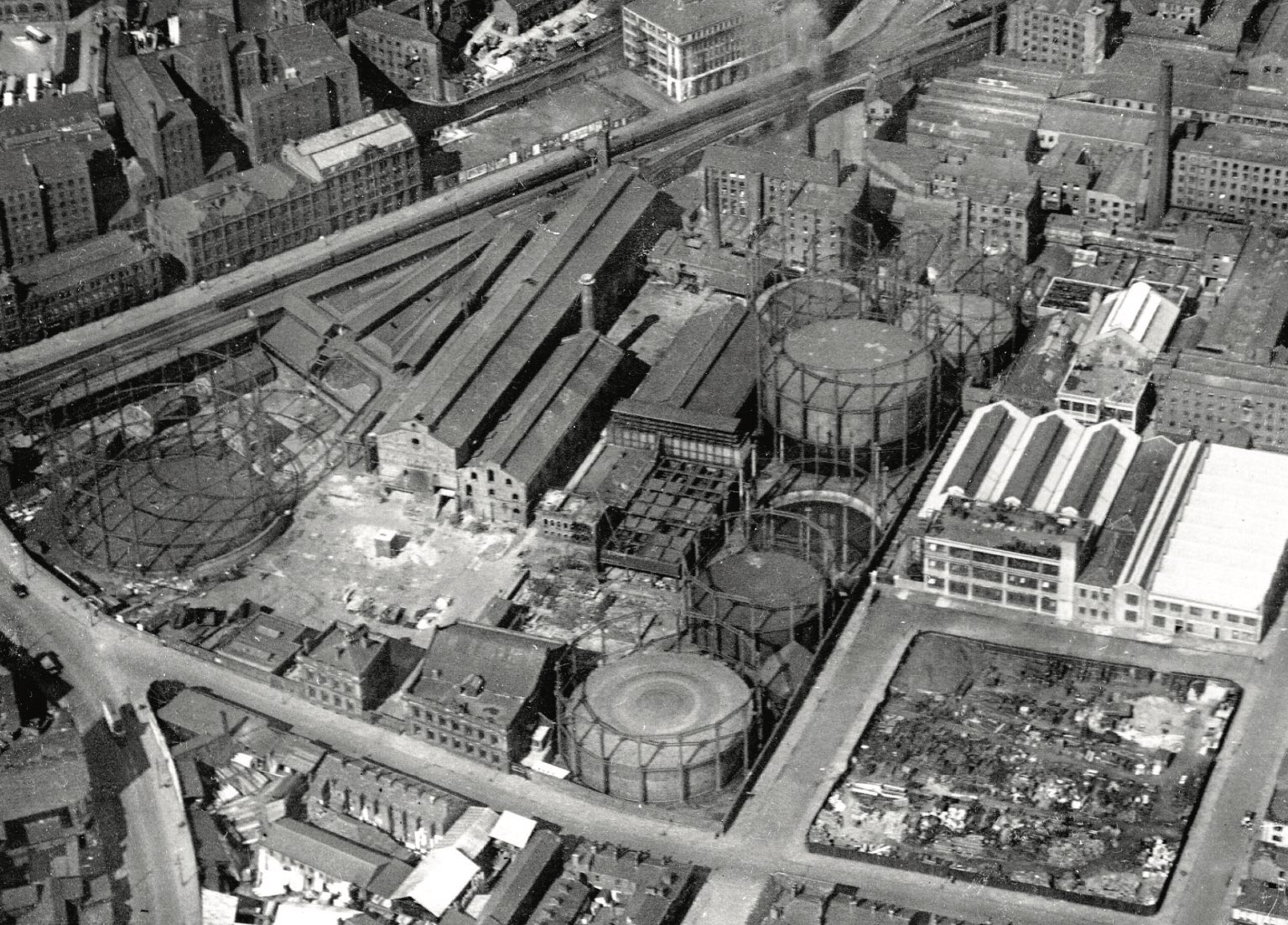
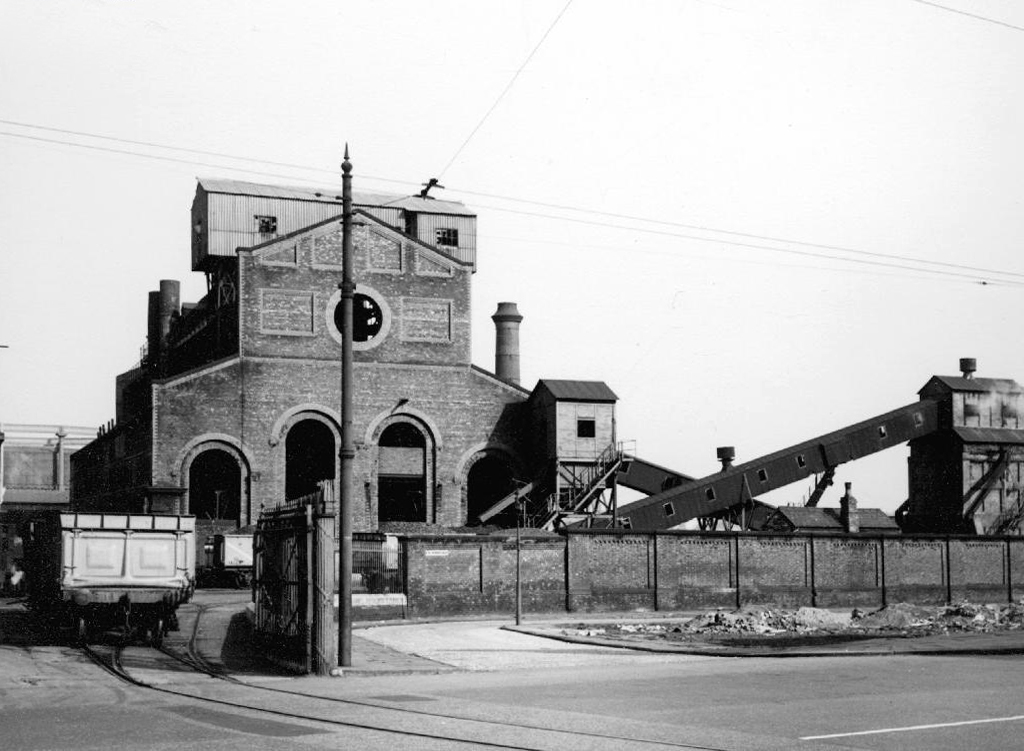
Once there was a gas works here – adjoining Gould Street, seen here in 1958.
The Gould Street Gas Works was a gas manufacturing plant located in Manchester, England. Originally built in 1824, the plant was operated by the Manchester Corporation Gas Department and was in operation from 1833 to 1969. It was named after the street on which it was located, which was named after John Gould, who was a prominent Manchester businessman in the 19th century.
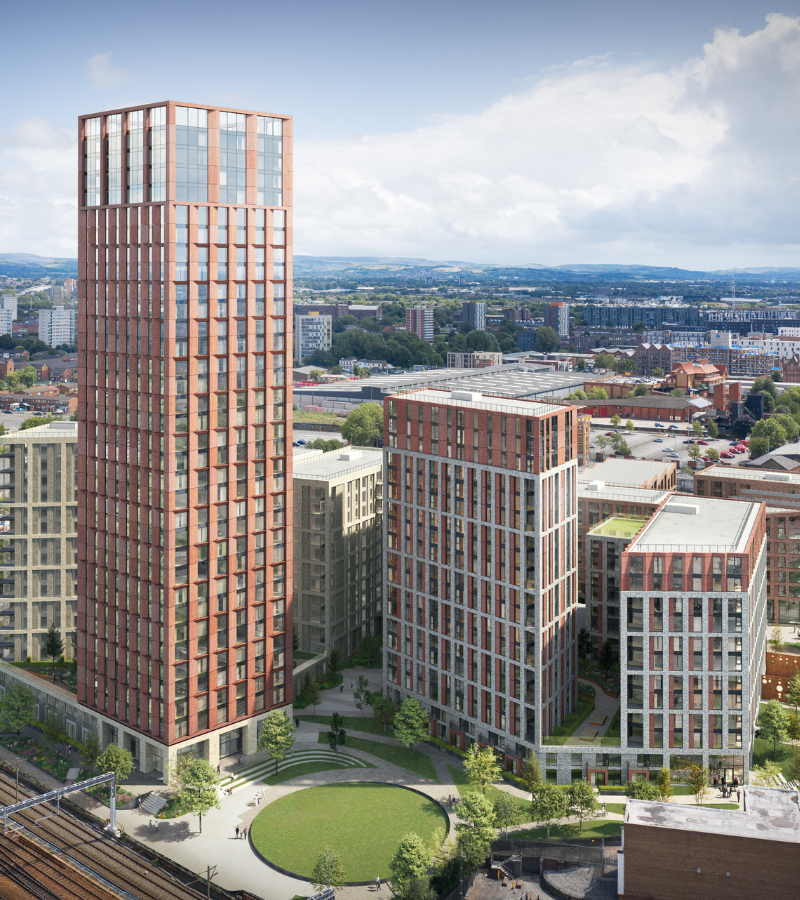
The Gasworks New Town neighbourhood is one of seven envisioned by the £4bn Victoria North masterplan. It will feature nine buildings ranging from 8 to 34 storeys. The 6.6-acre site has most recently been home to a car park but the green development will overwhelmingly prioritise walking and cycling over driving. It will result in tens of millions of pounds being pumped into the city’s economy over the lifetime of the development.
Plans for a trailblazing city centre regeneration scheme that will create more than 1200 homes has been approved by Manchester City Council.
A total of 85 of the 1200, will be affordable homes available through Shared Ownership.
Though as of March 31st 2023 ground is yet to be broken, no signs of the:
New centre of gravity for central Manchester that will create thousands of jobs and inject tens of millions of pounds into the city’s economy.
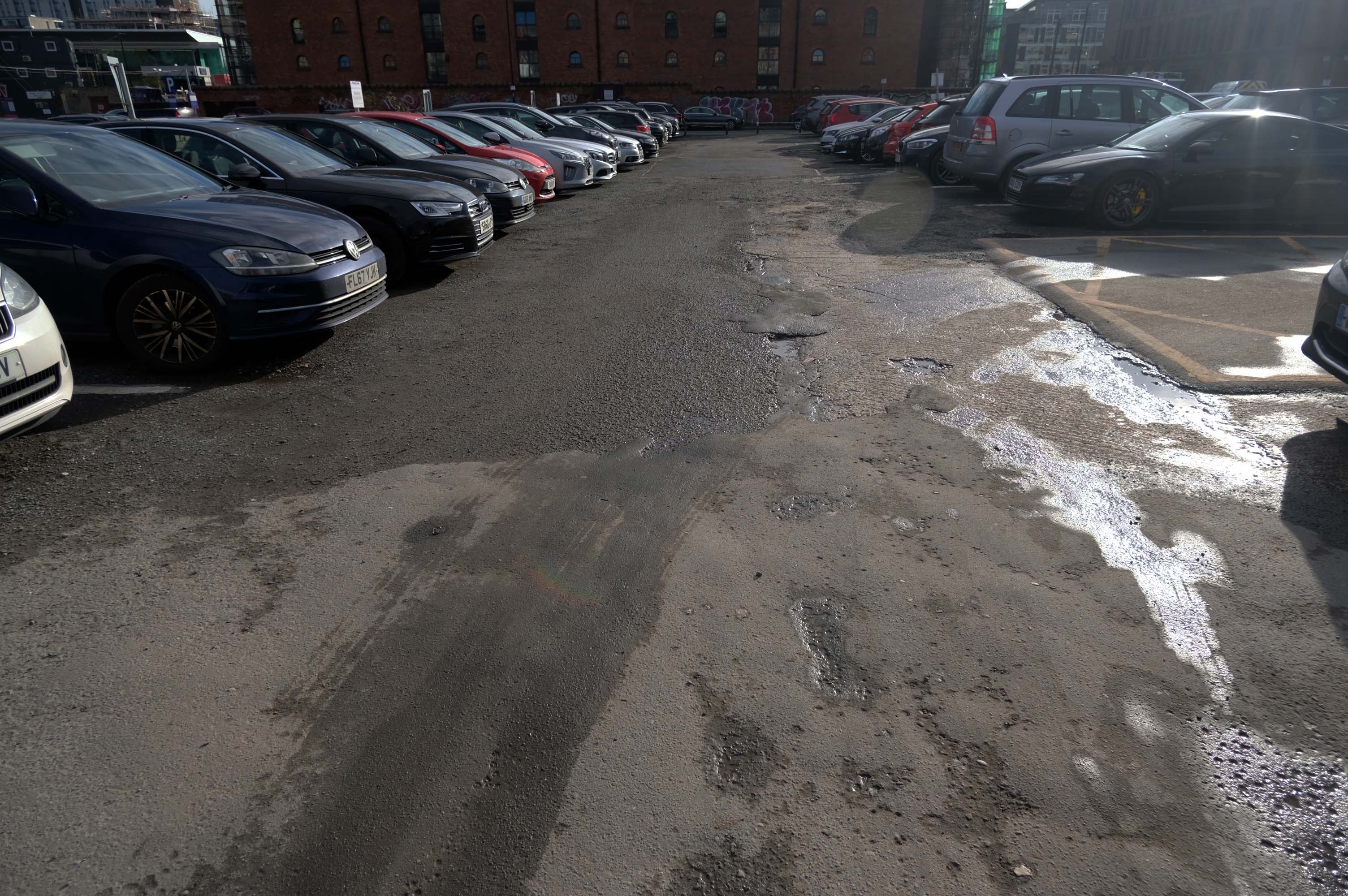
So you zig-zag wanderers, make the most of these wide open expanses of affordable car parking, while you can.
The future may yet be here today – or the next.
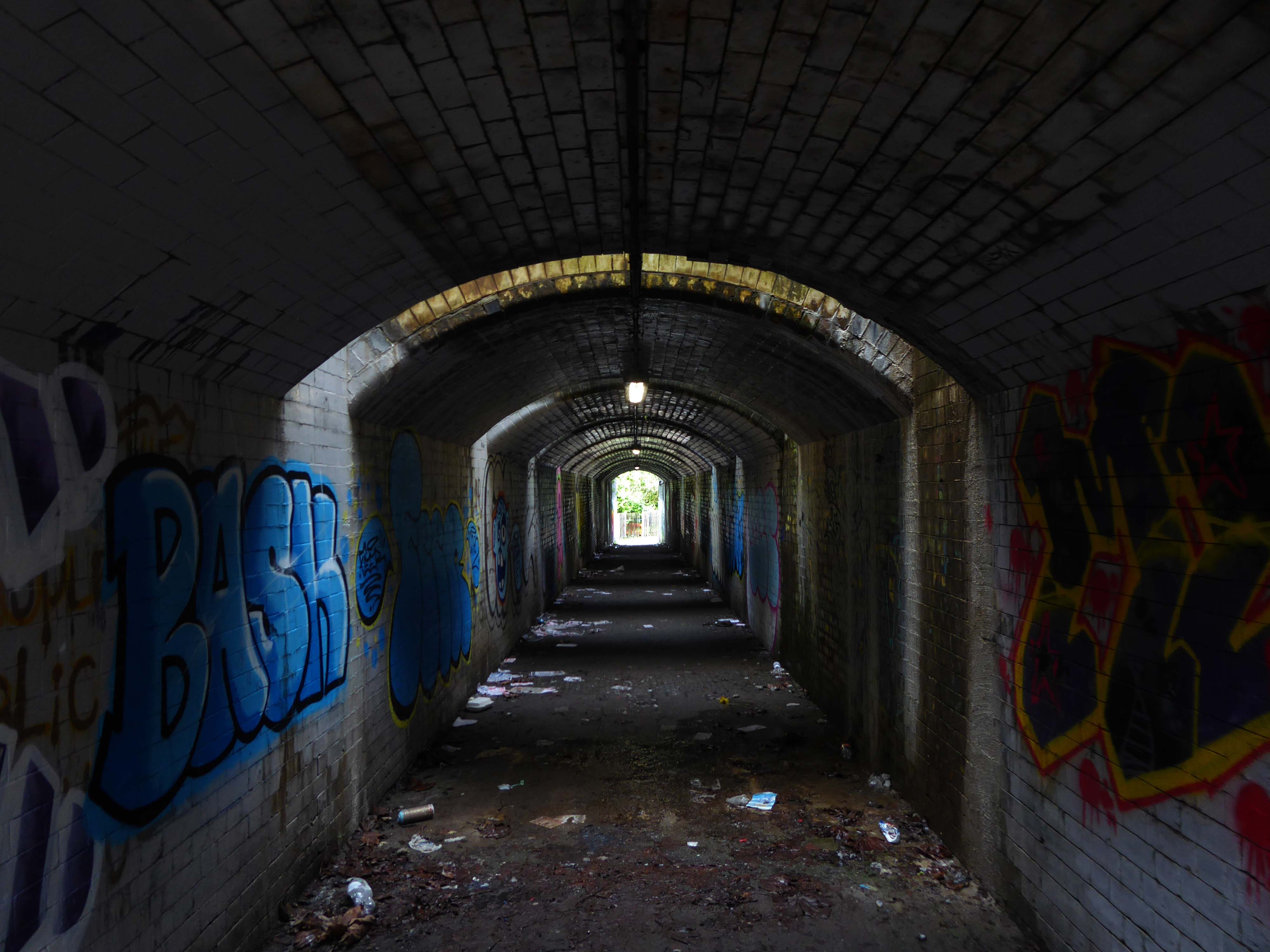
Let’s duck under the railway, through this sad damp pedestrian tunnel – the domain of the cash strapped daytime drinker, transient tagger and disaffected leaflet distributor.
Next thing you know you have emerged into the daylight on Dalton Street – we have been here before seeking the Collyhurst Cowboy.
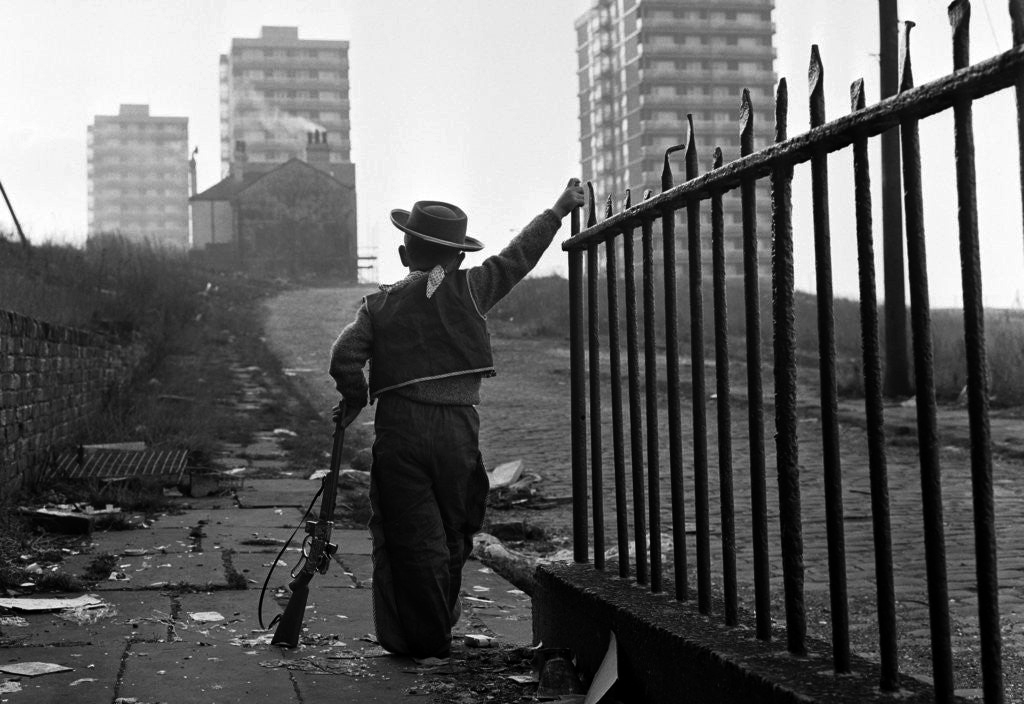
Photograph: Dennis Hussey
Onwards to Eastford Square.
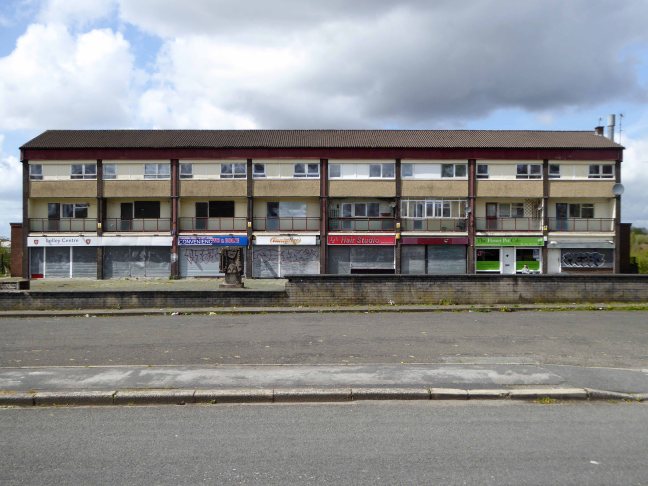
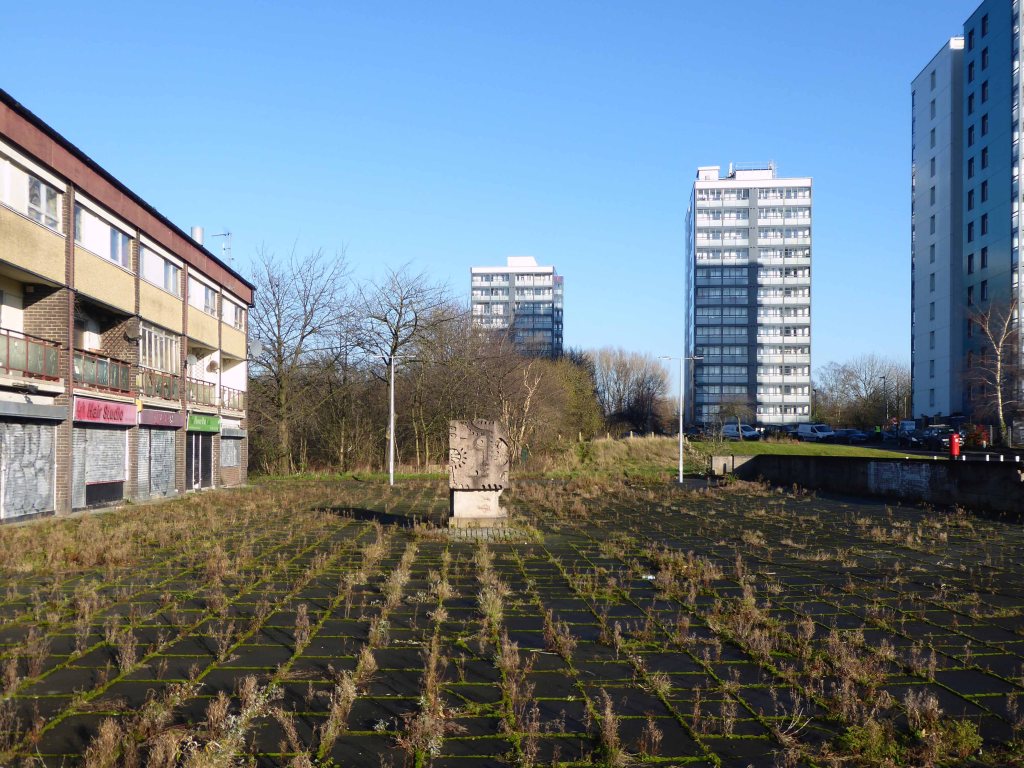
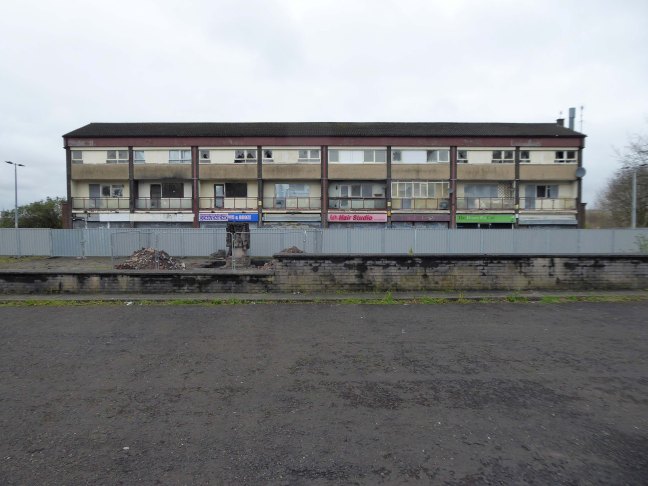
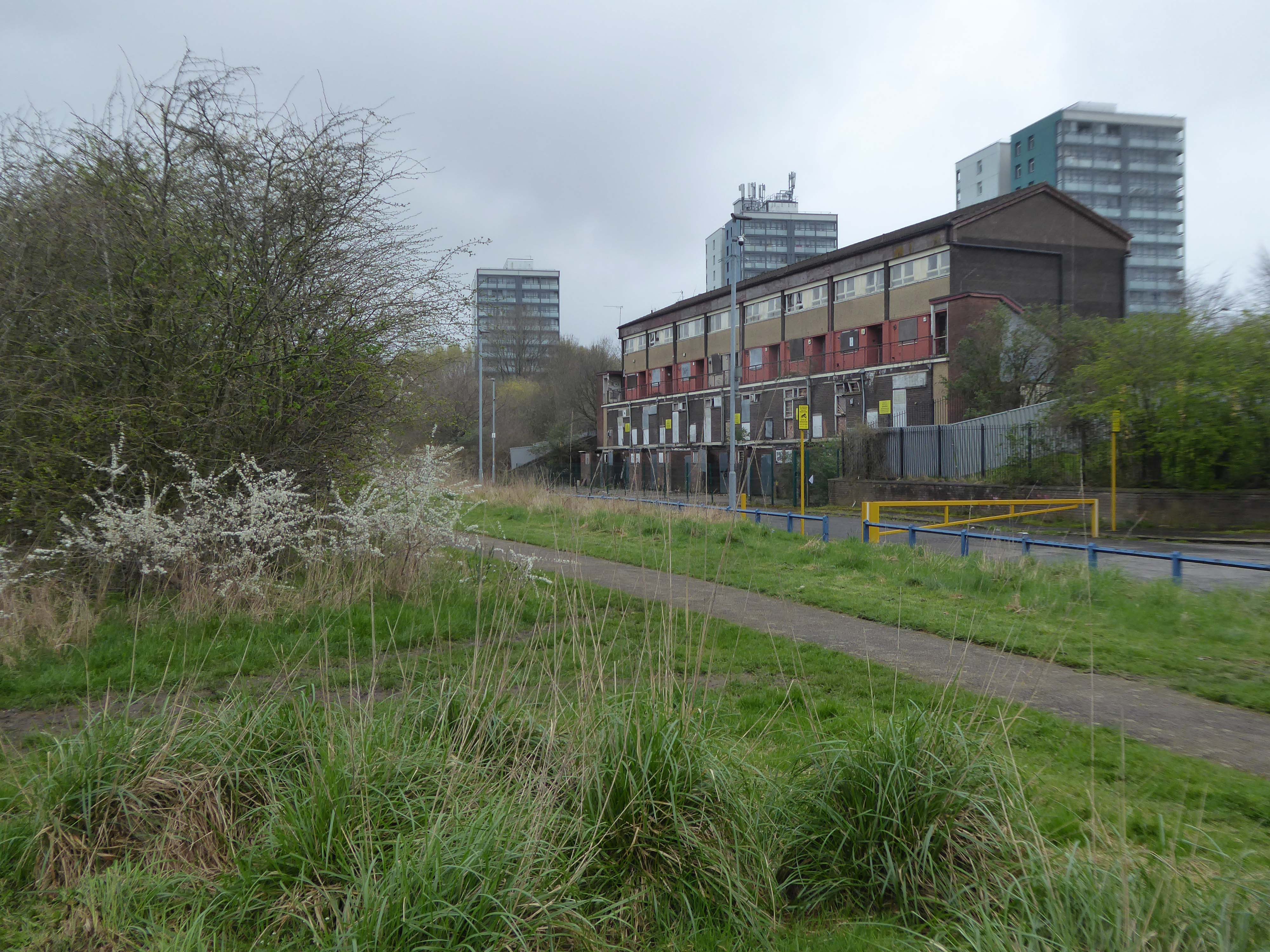
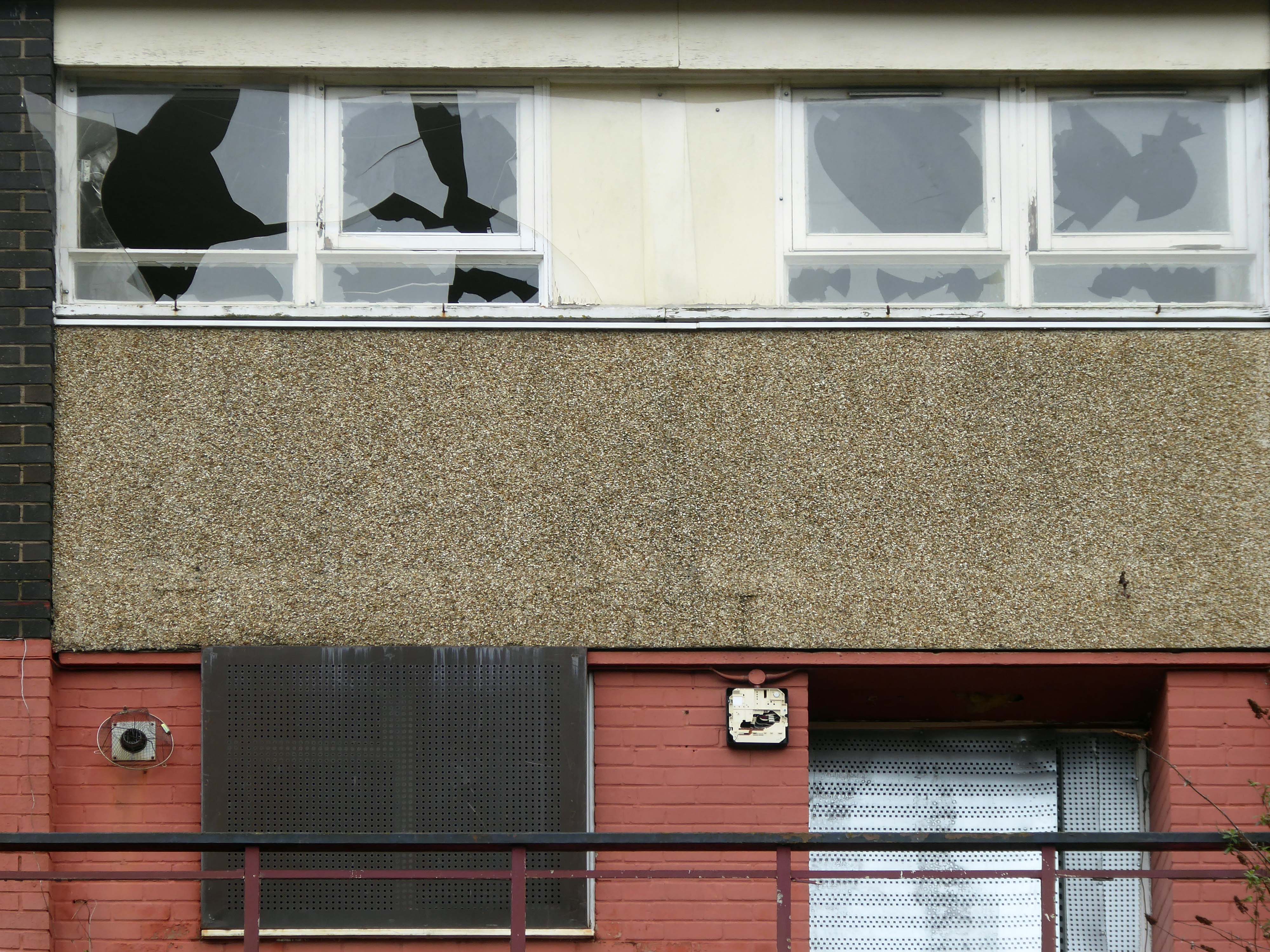
The shops and maisonettes are due to be demolished any day now – no longer to gaze open-eyed upon the former quarry of Sandhills.
Around the front the diggers have been a digging – digging up around the base of the totem.
The work is to be re-sited by the nearby tower blocks.
The end is nigh.
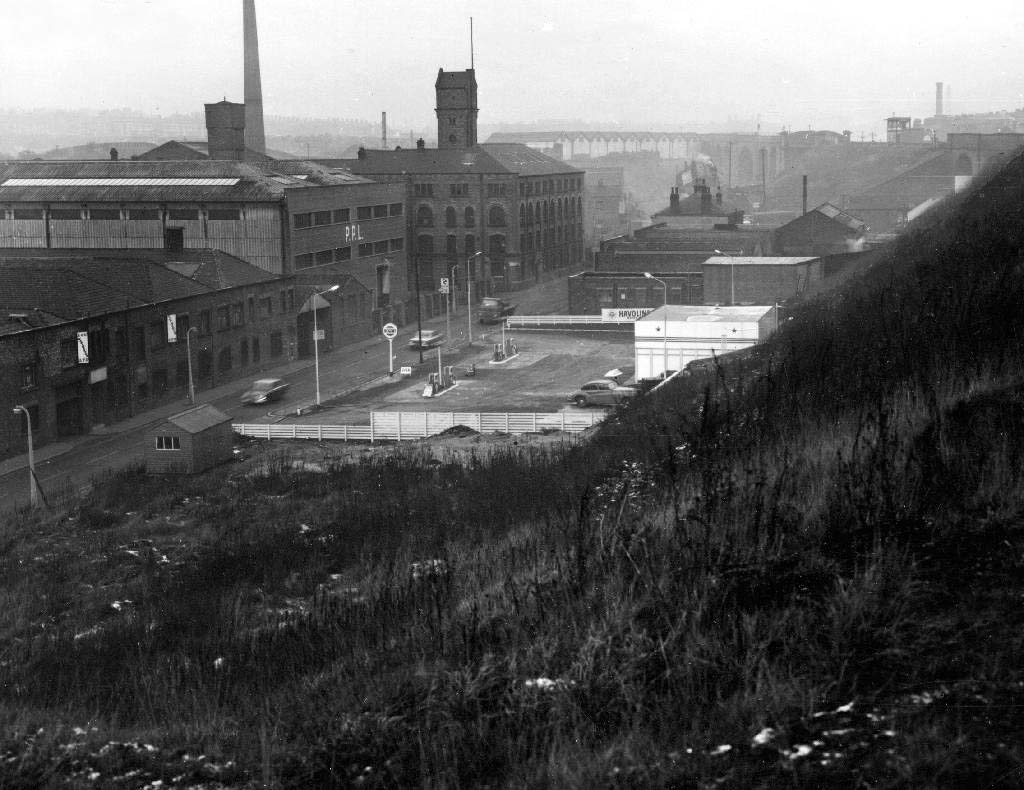
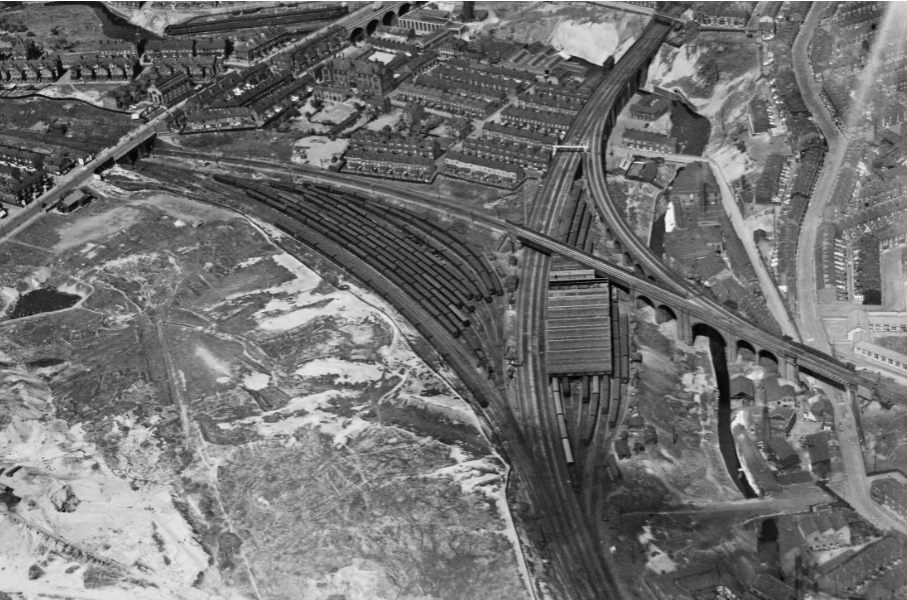
Heading now for Collyhurst Road and the Irk Valley – seen here in 1960.
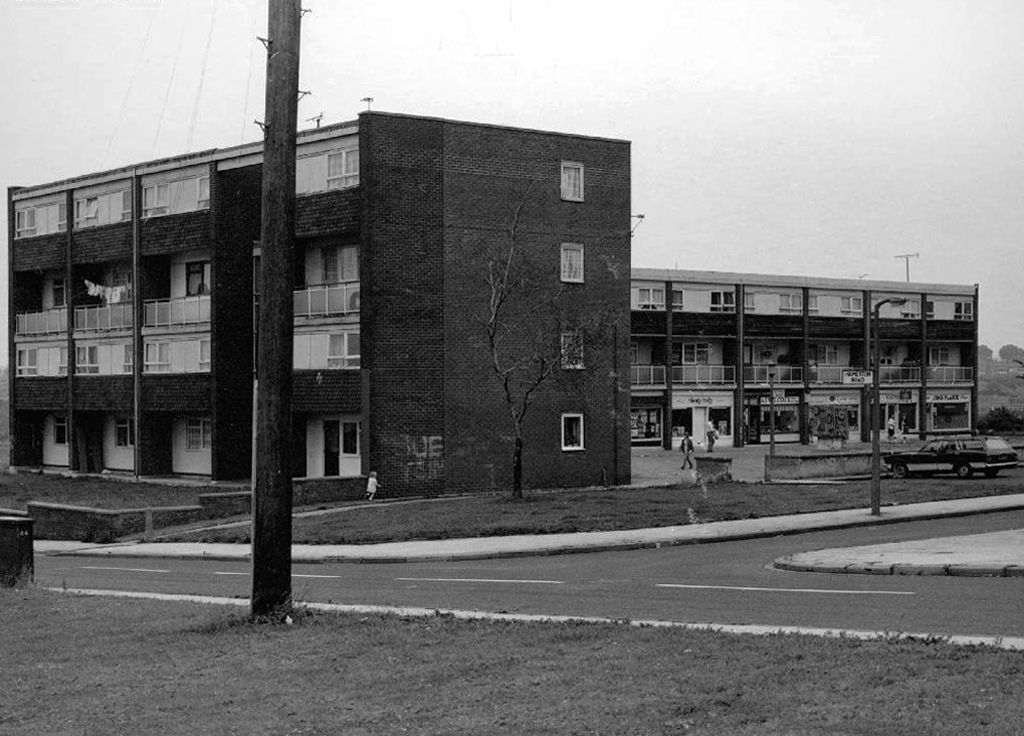
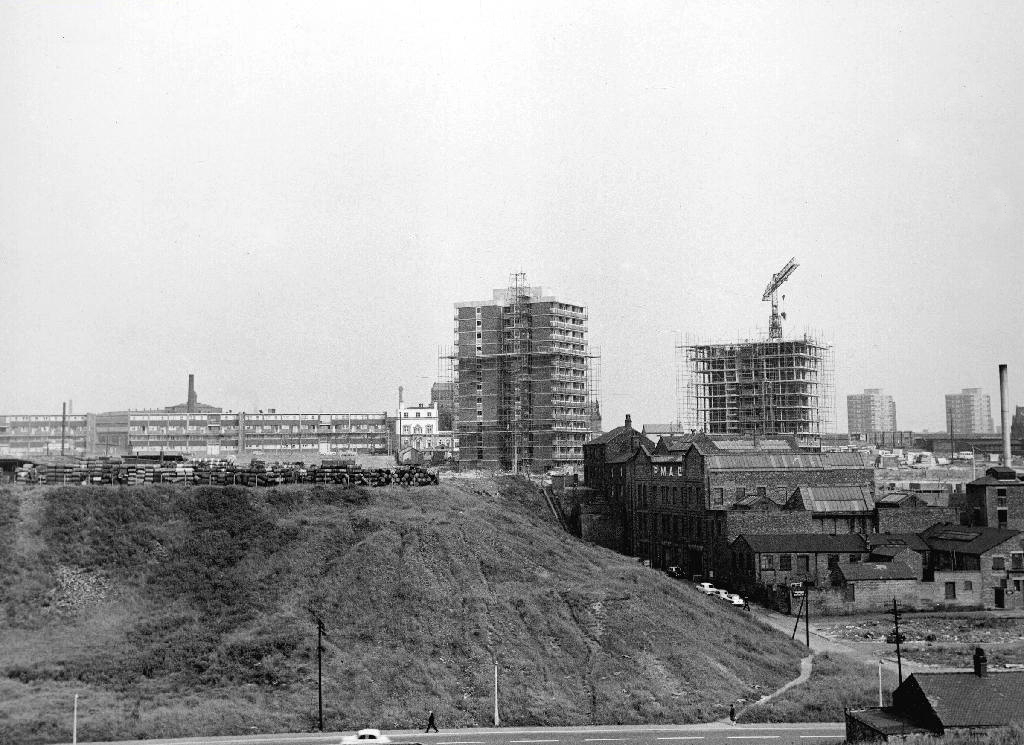
Looking back on the Square and the Dalton Street flats – Humphries, Dalton, Roach, Vauxhall and Moss Brook Courts under construction.
Vauxhall Street now but a shadow of its former self – the last traces of industry long gone.
Reclaimed over time by trees and dense underbrush.
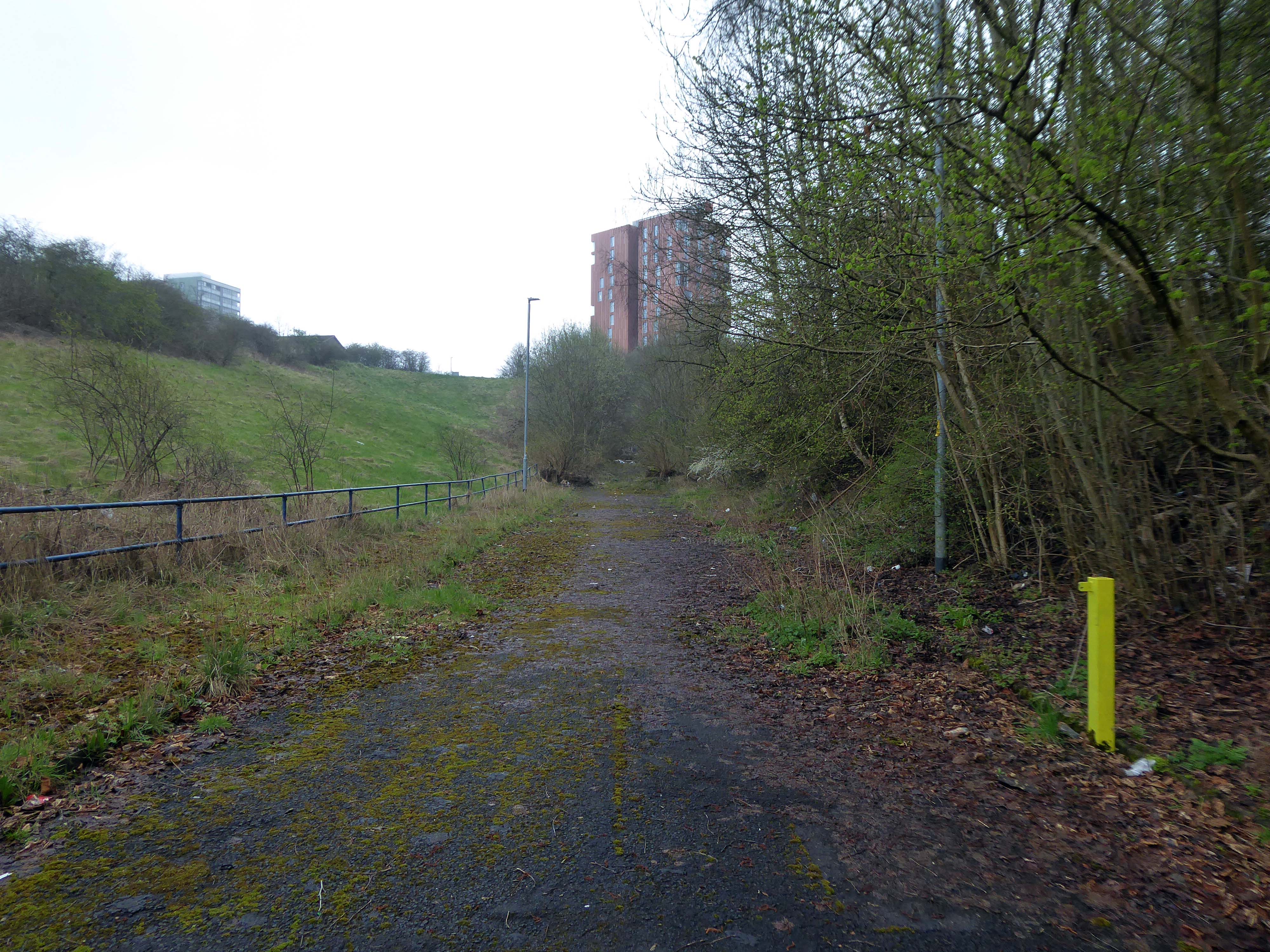
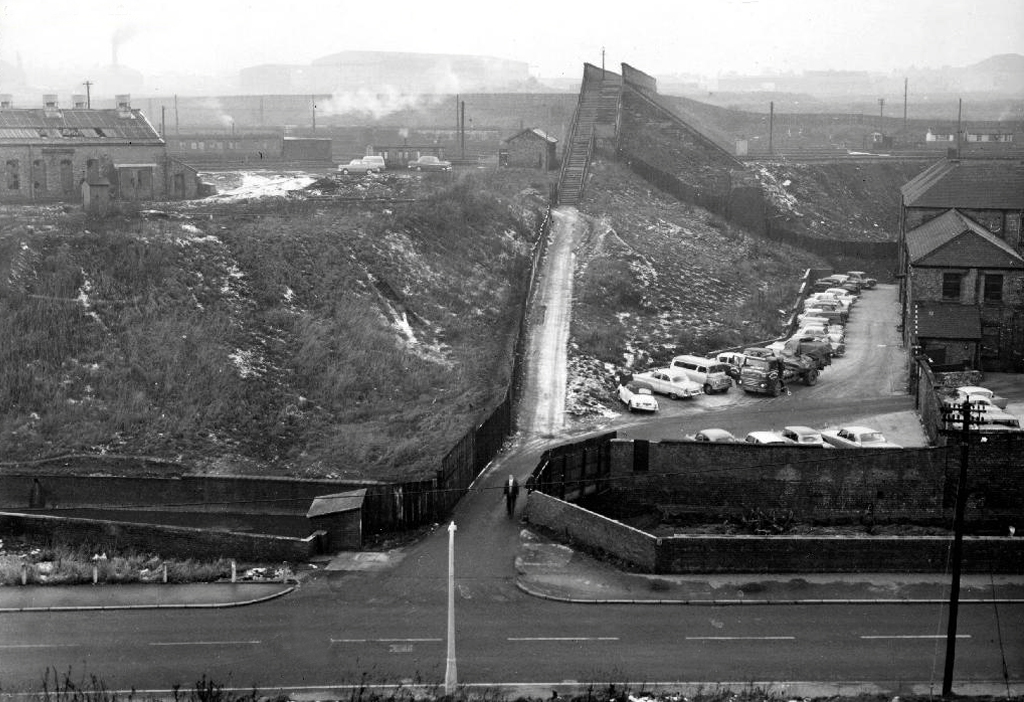
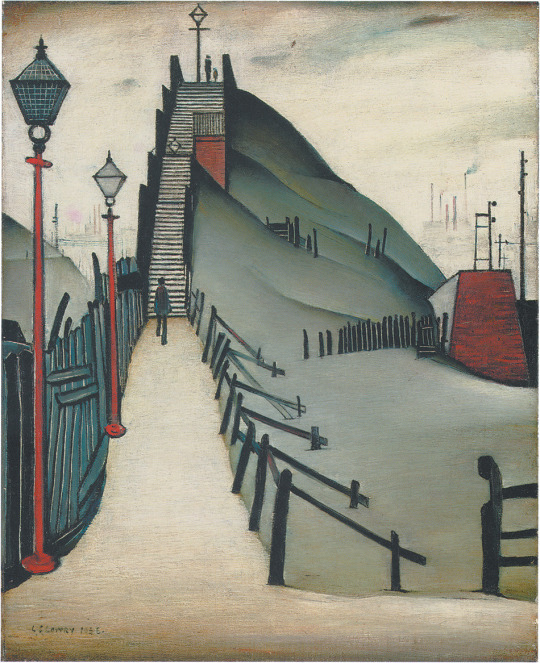
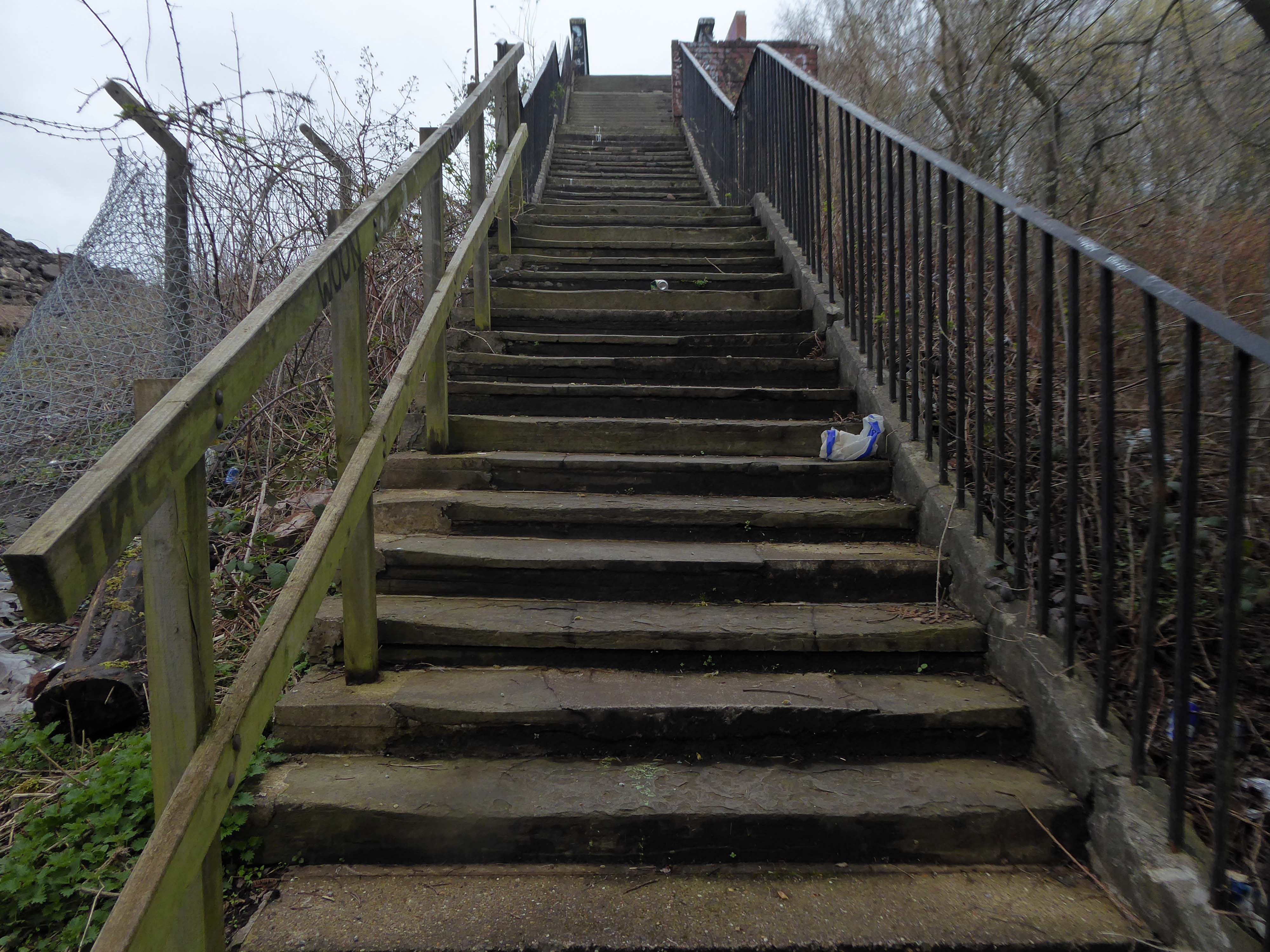
Crossing Collyhurst Road and up and over the railway via Barney’s Steps also known as the Lowry Steps.
LS Lowry
By the late 1950’s the whole of this area which we called Barney’s Tip became a refuse tip for Manchester City Council.
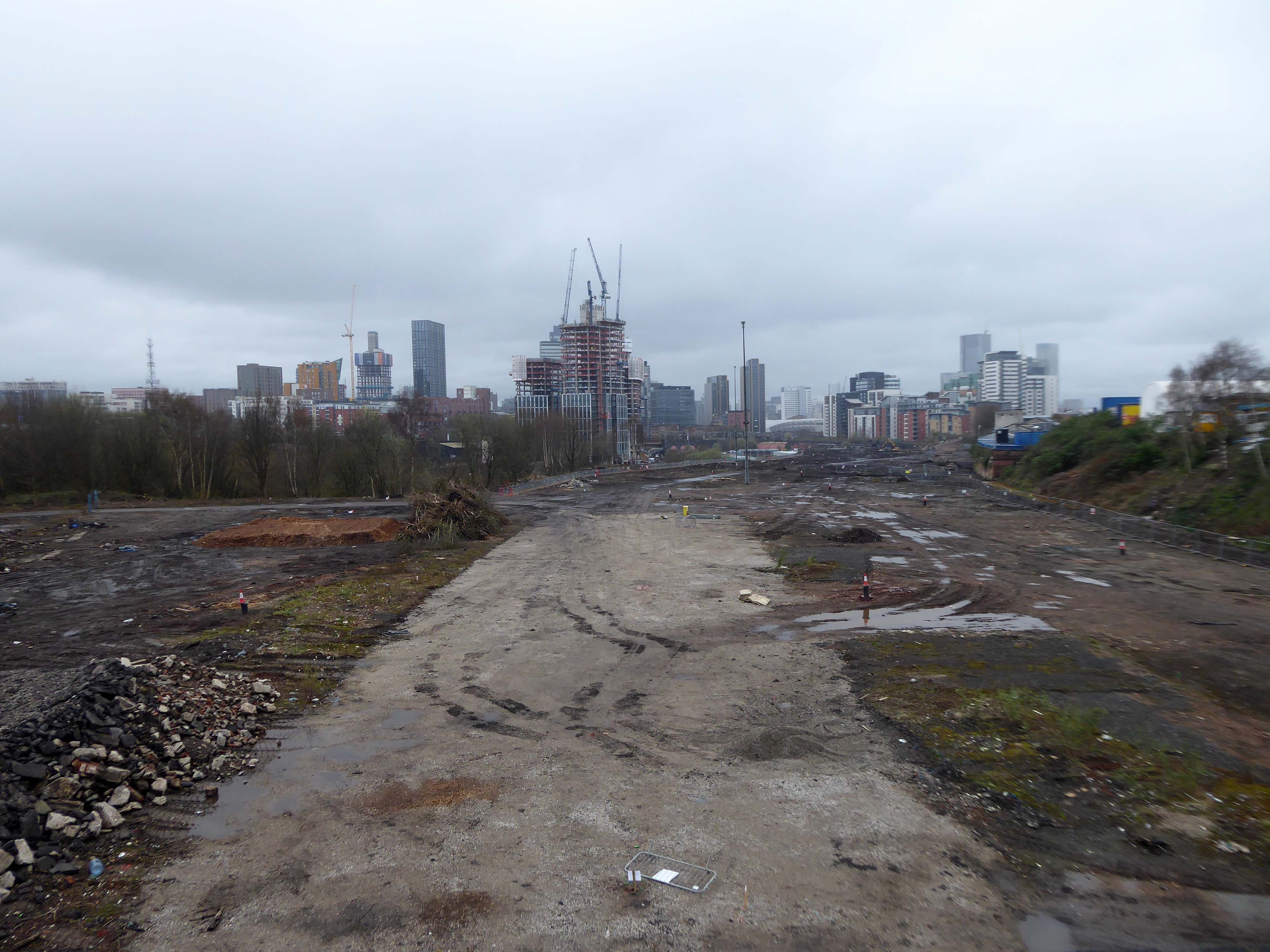
The area is in the process of being reconfigured as a delightful country park.
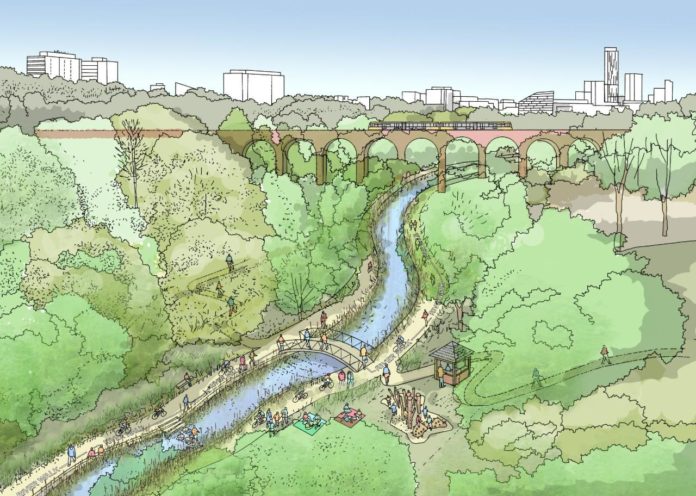
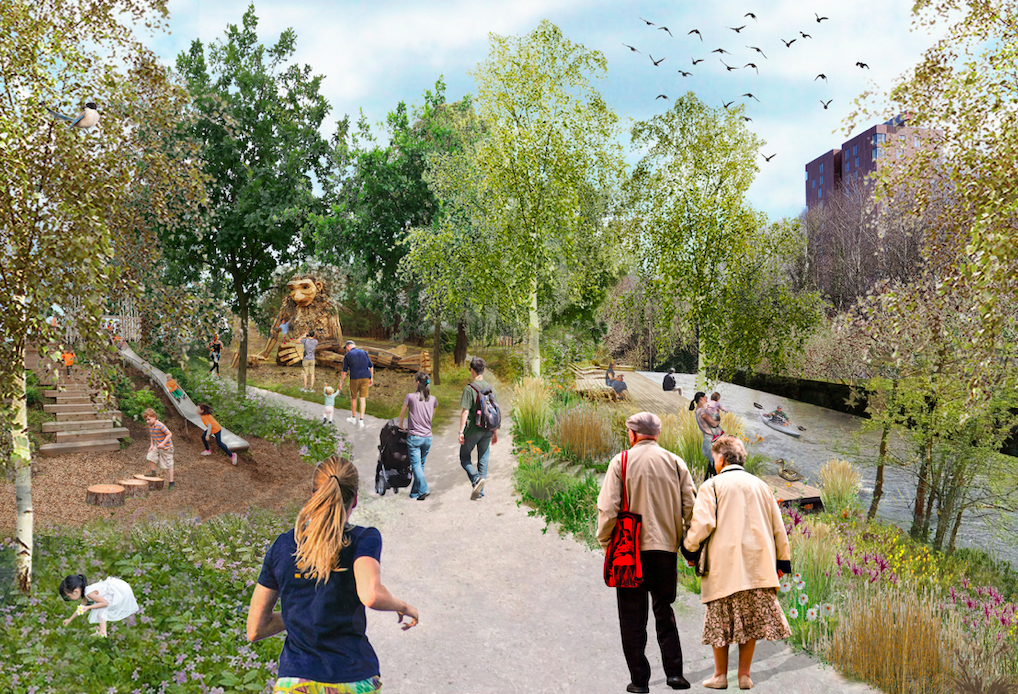
The investment will also help develop an initial phase of the planned City River Park incorporating St Catherine’s Wood as part of a network of public open space, including improvements along the River Irk and works to improve flood resilience, unlocking the potential of the Irk Valley that will characterise the wider Northern Gateway project.
The first phase of the City River Park will begin work to transform former railway architecture to develop the new Viaduct Linear Park north of Victoria Train Station, new stepped public realm space – Red Bank Terraces, along with new green space by the River Irk and the key improvements to St Catherine’s Wood.
Collingham Street is lined with trucks, trailers, stalls and mobile homes.
But there’s nothing temporary about this Cheetham Hill neighbourhood; most residents have lived here for years and many plan to spend the rest of their lives here.
Founded more than forty years ago, it was created by the Showman’s Guild of Great Britain – and it’s reserved exclusively for fairground workers both retired and current.
Built on Queens Road tip, a former rubbish dump, and rented out by Manchester Council, many of the 52 homes belong to older retired showmen or families for whom an itinerant lifestyle has become more challenging.
It’s a close-knit community with a unique shared history.
Though not without its own particular issues it would seem, according to the MEN.
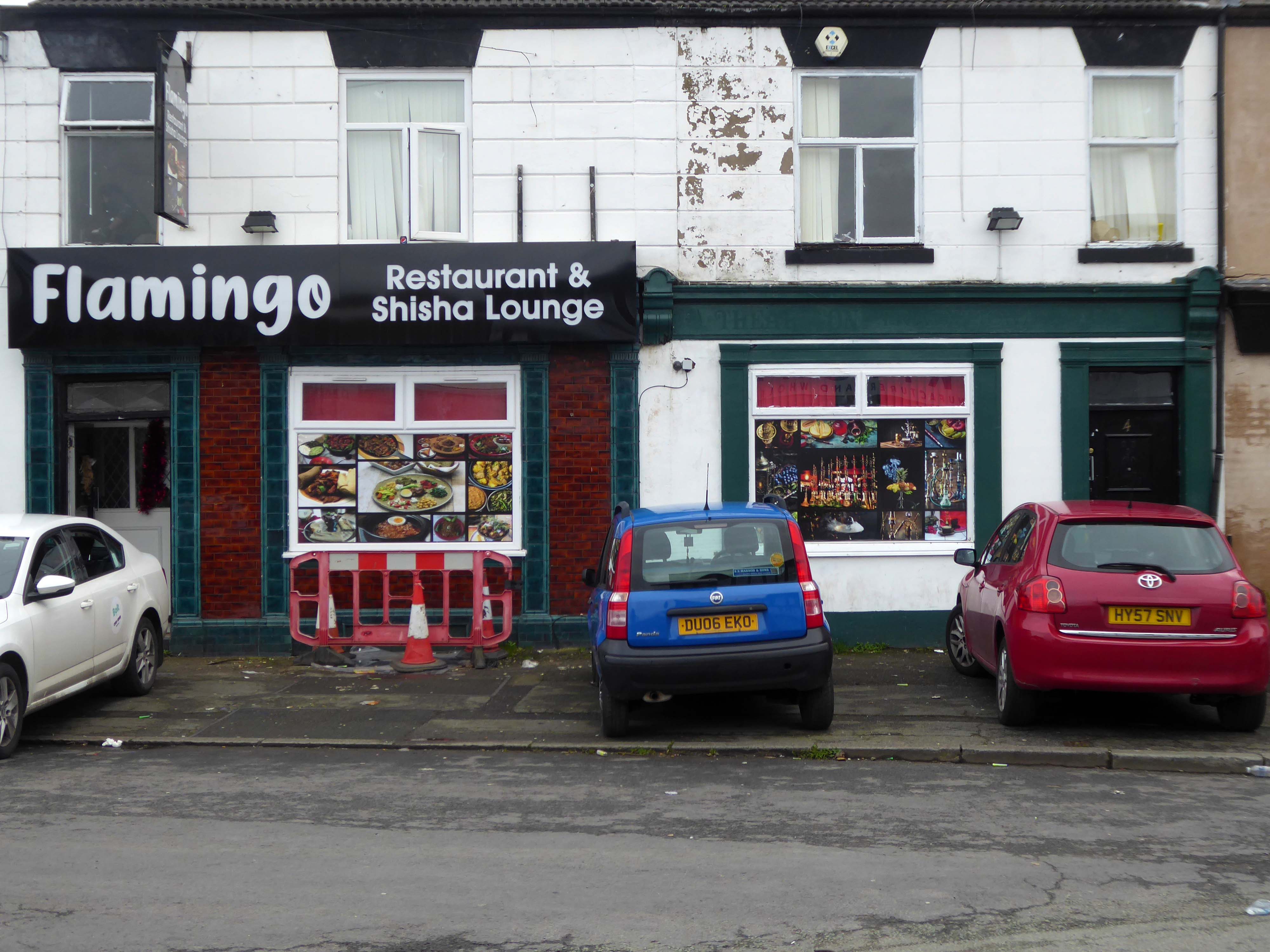
The licensing out of hours team has received noise complaints relating to the premises which was found to be open beyond permitted hours when visited. Officers also identified breaches of the Health Act during inspections in which people were seen smoking shisha pipes in an enclosed extension at the back.
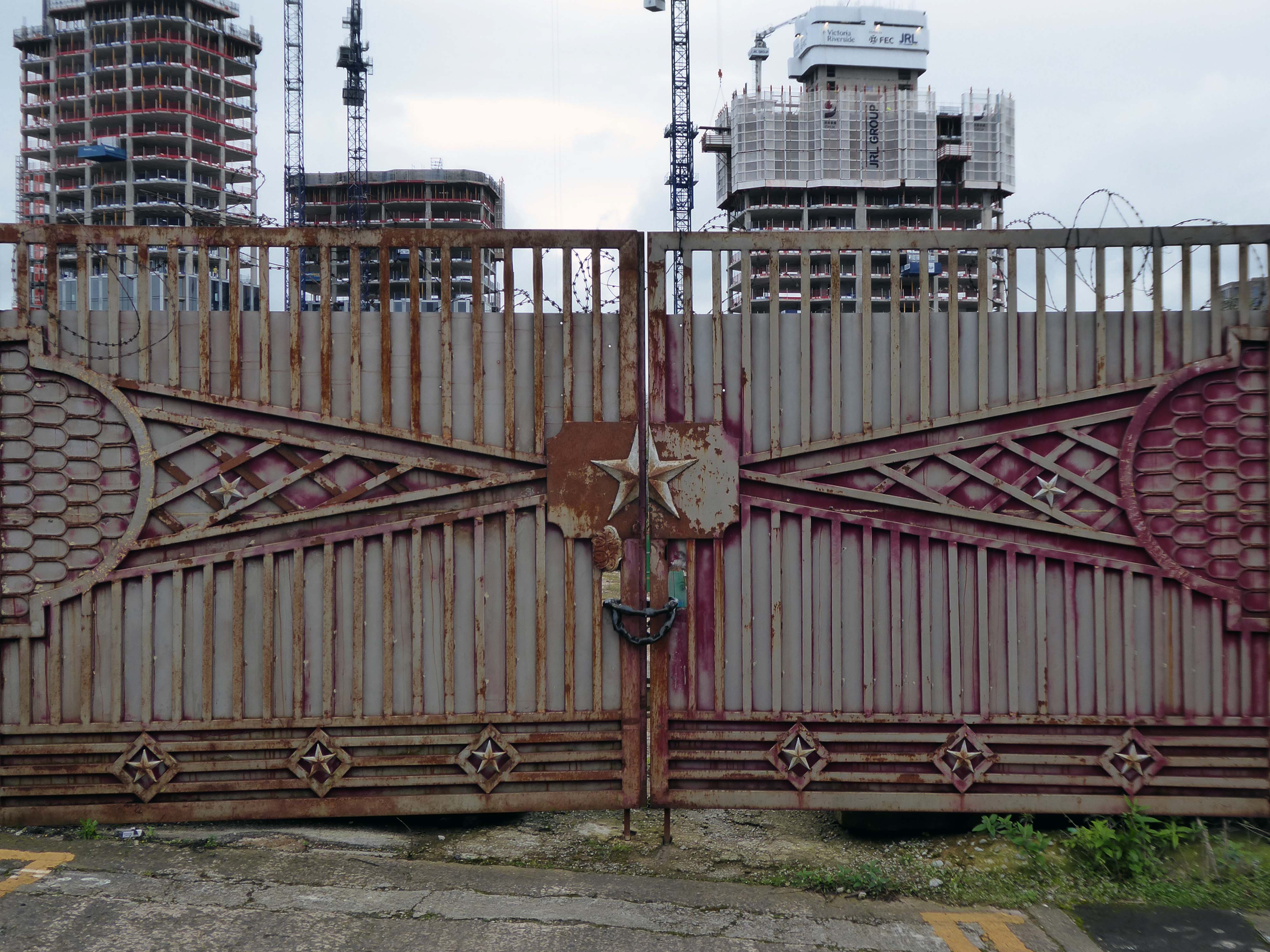
We will leave the Flamingo be and head back into town – but not without giving a nod to this confusing collision between this self-made scrapyard-man chic gate and the ever changing skyline of overheated urban regeneration.
The new creation has come: The old has gone, the new is here!
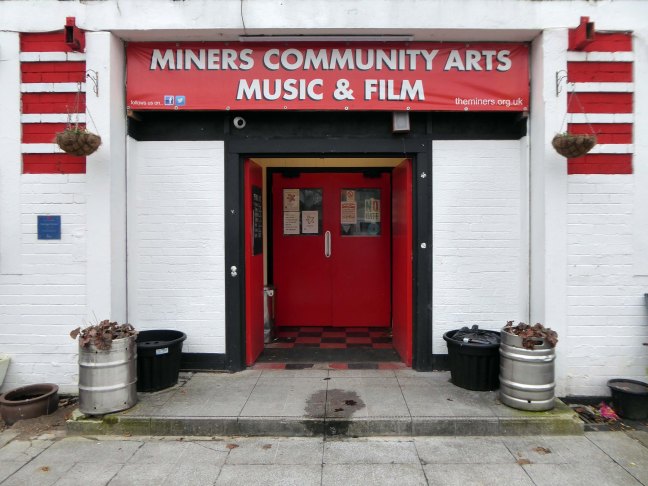
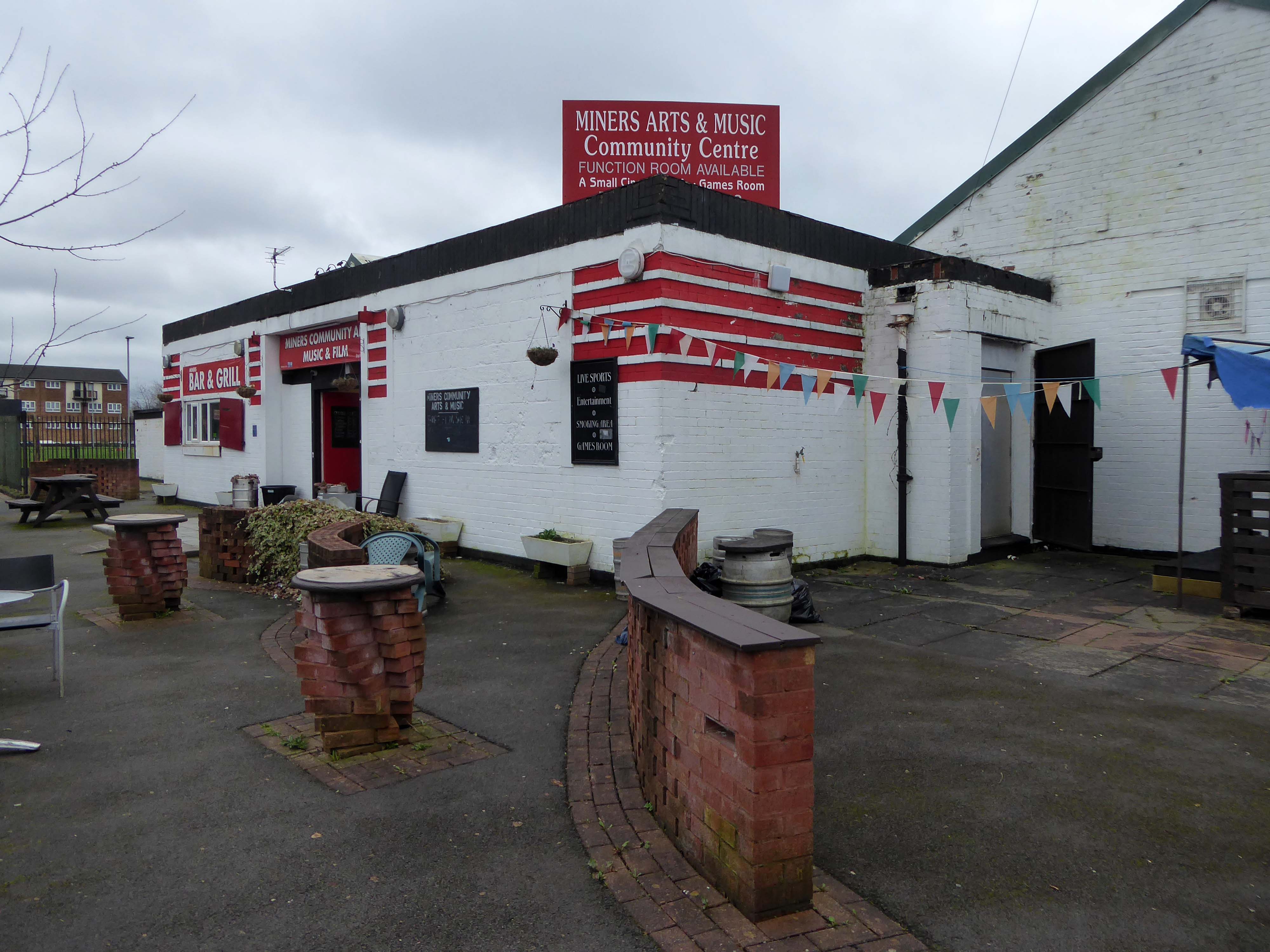
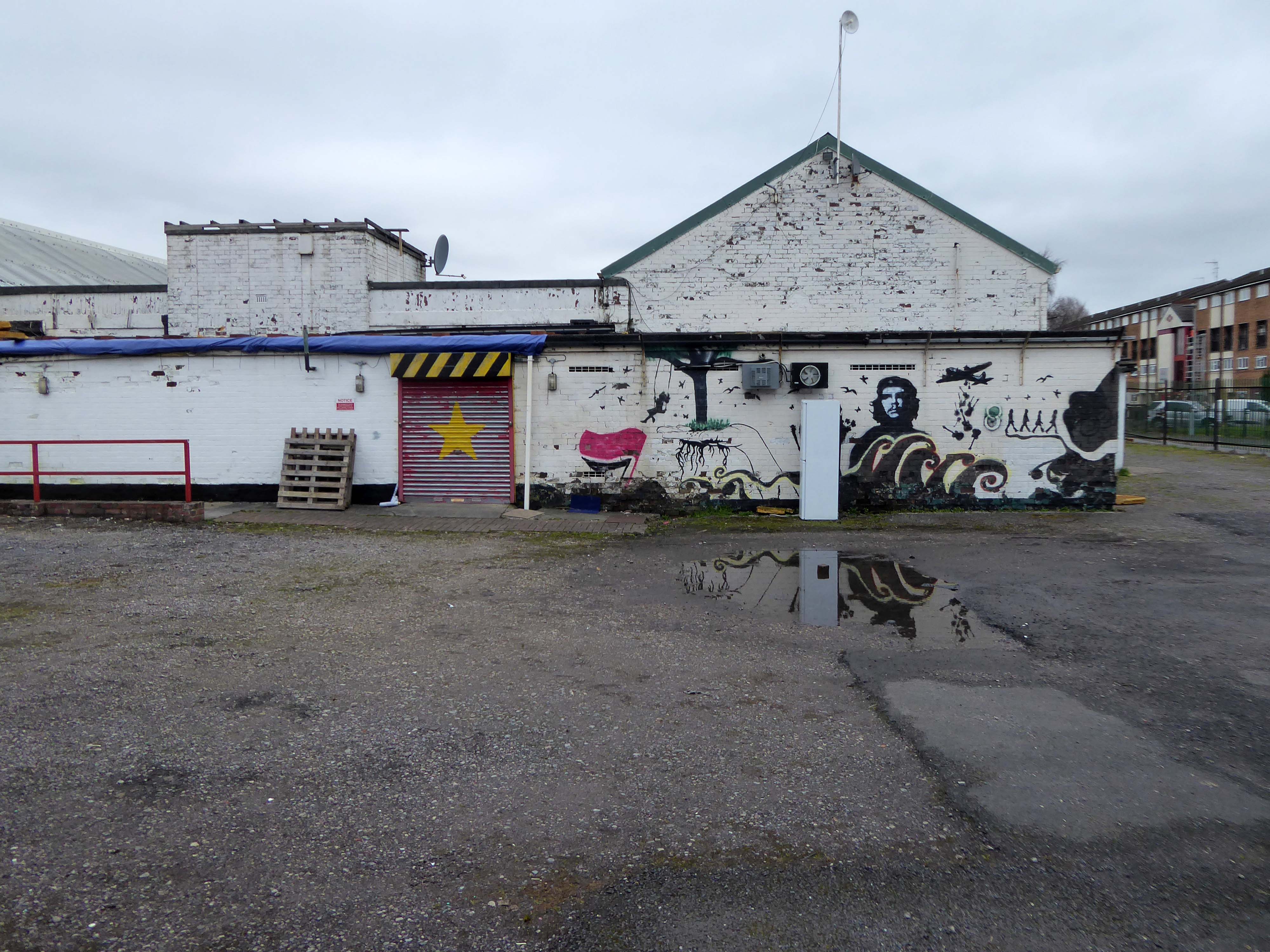
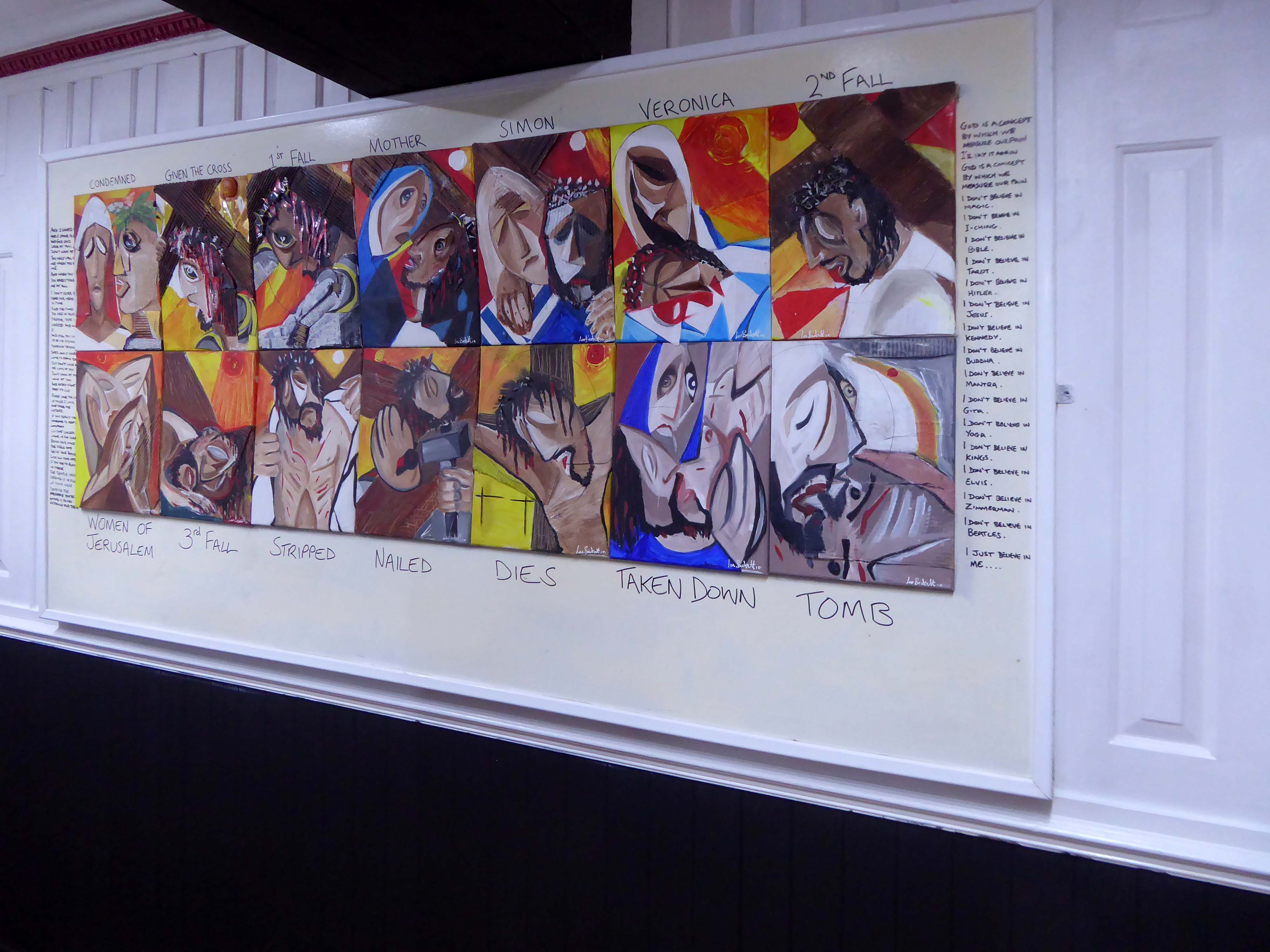
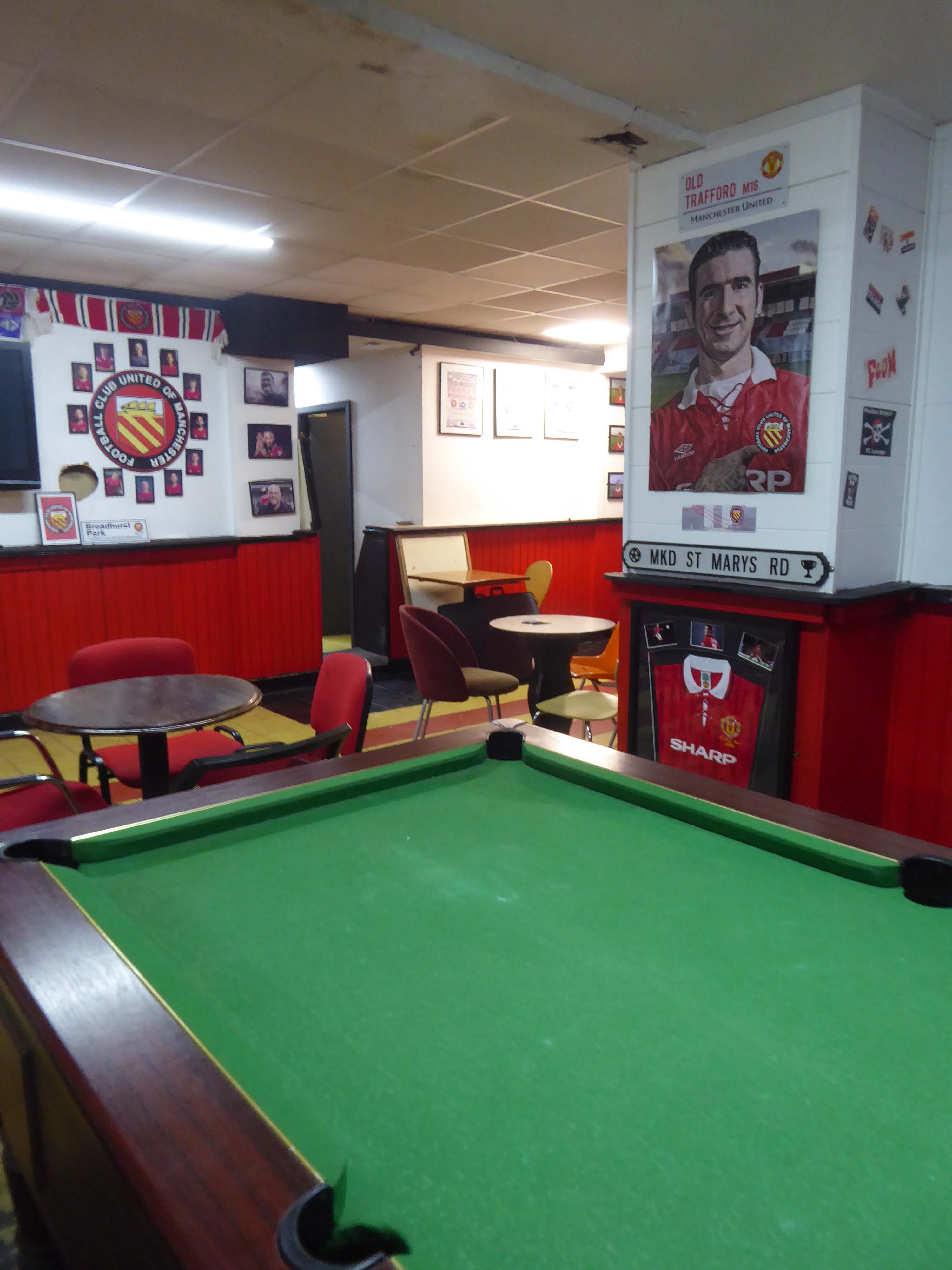
More recently it has had a renaissance under the stewardship of local lad Louis Beckett.
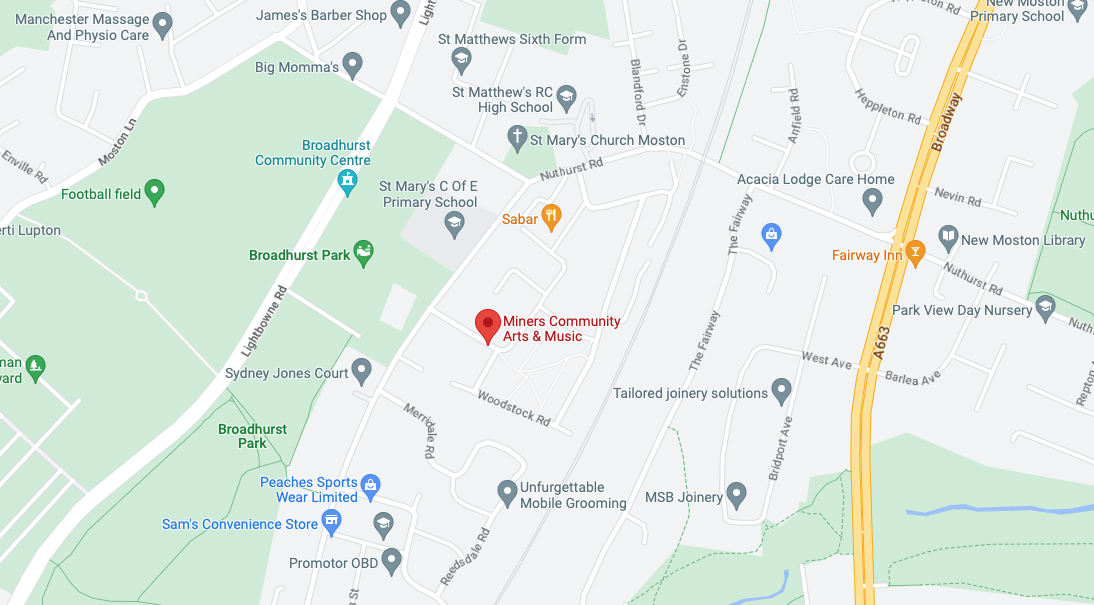
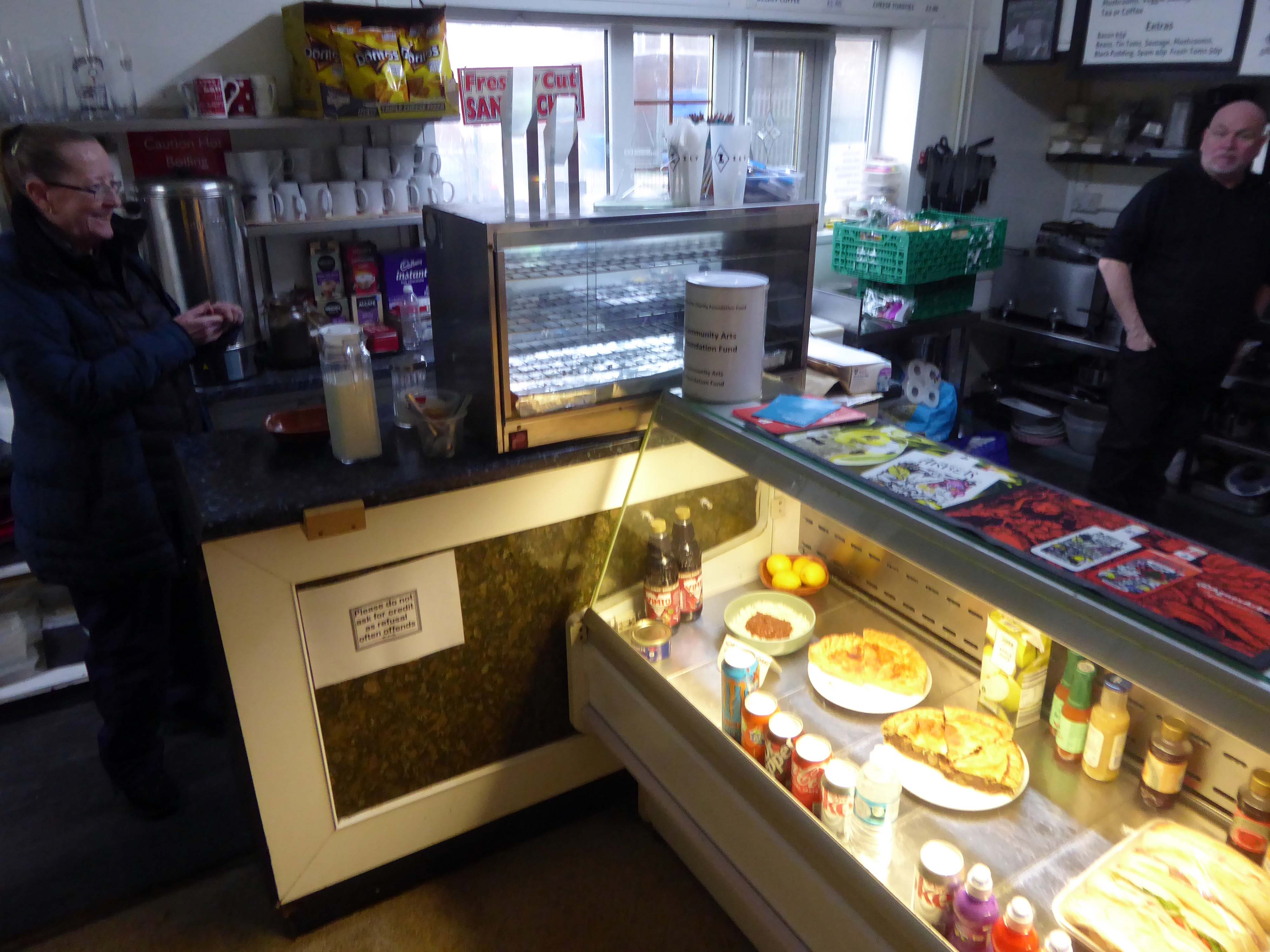
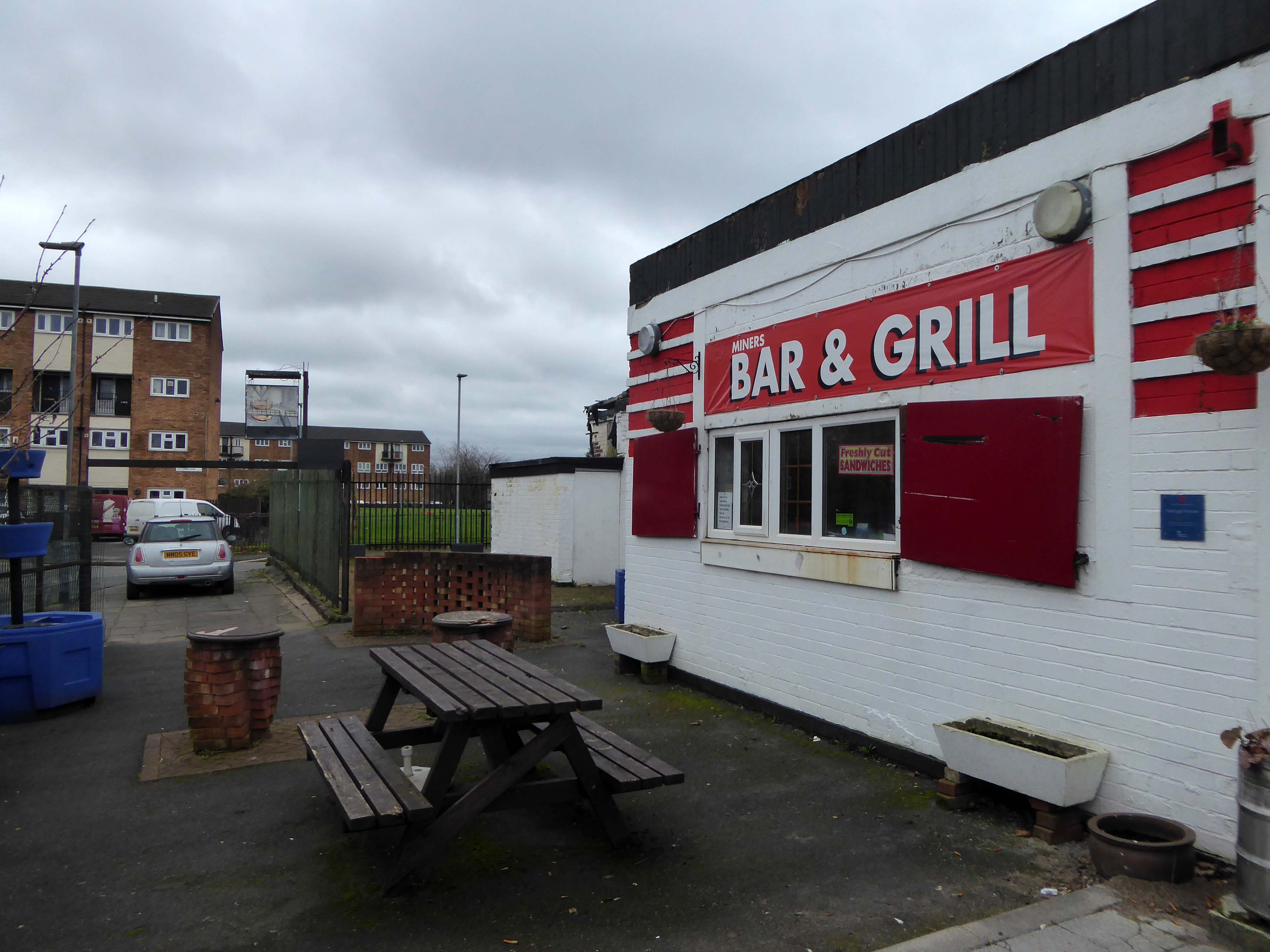
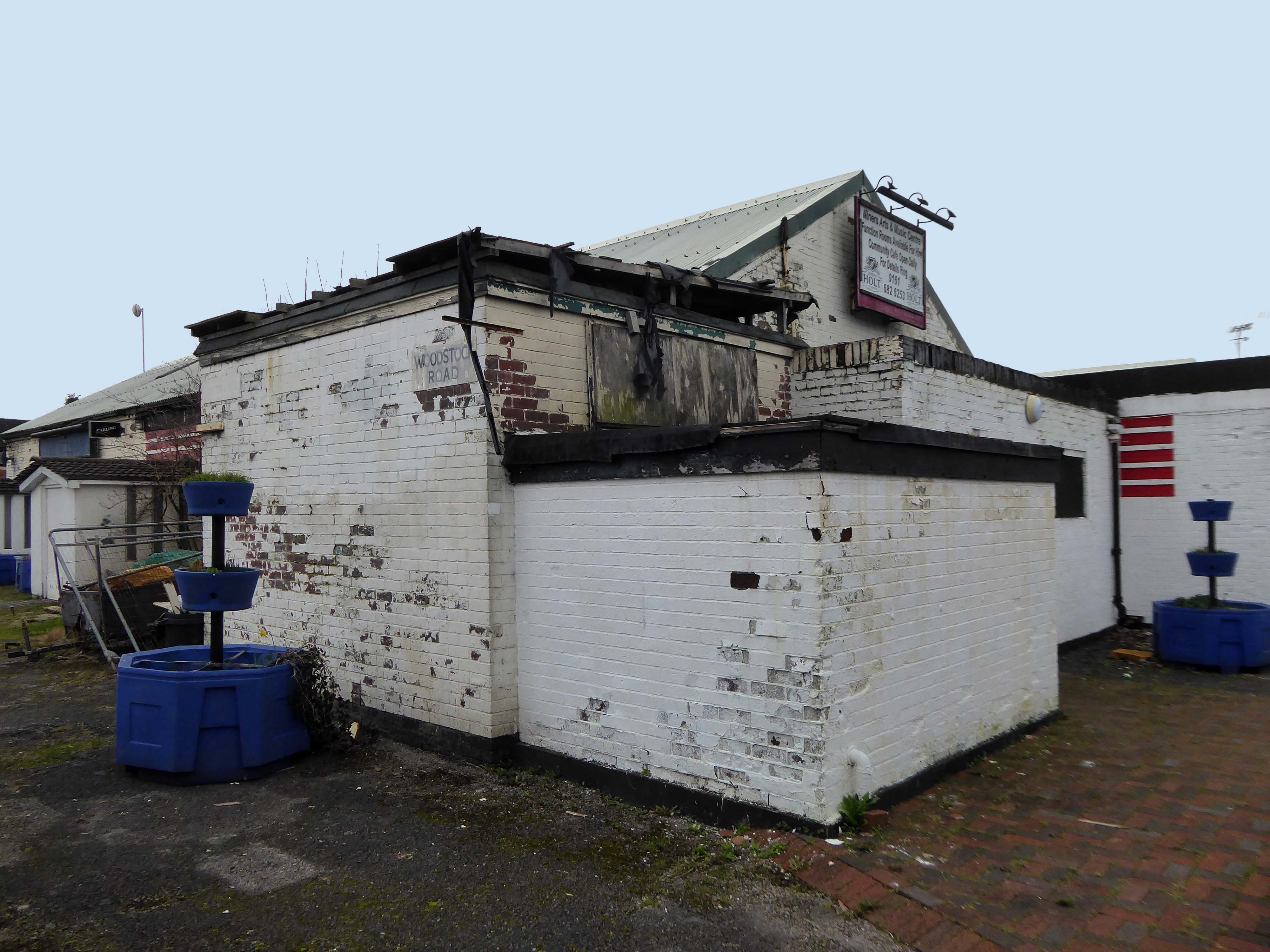
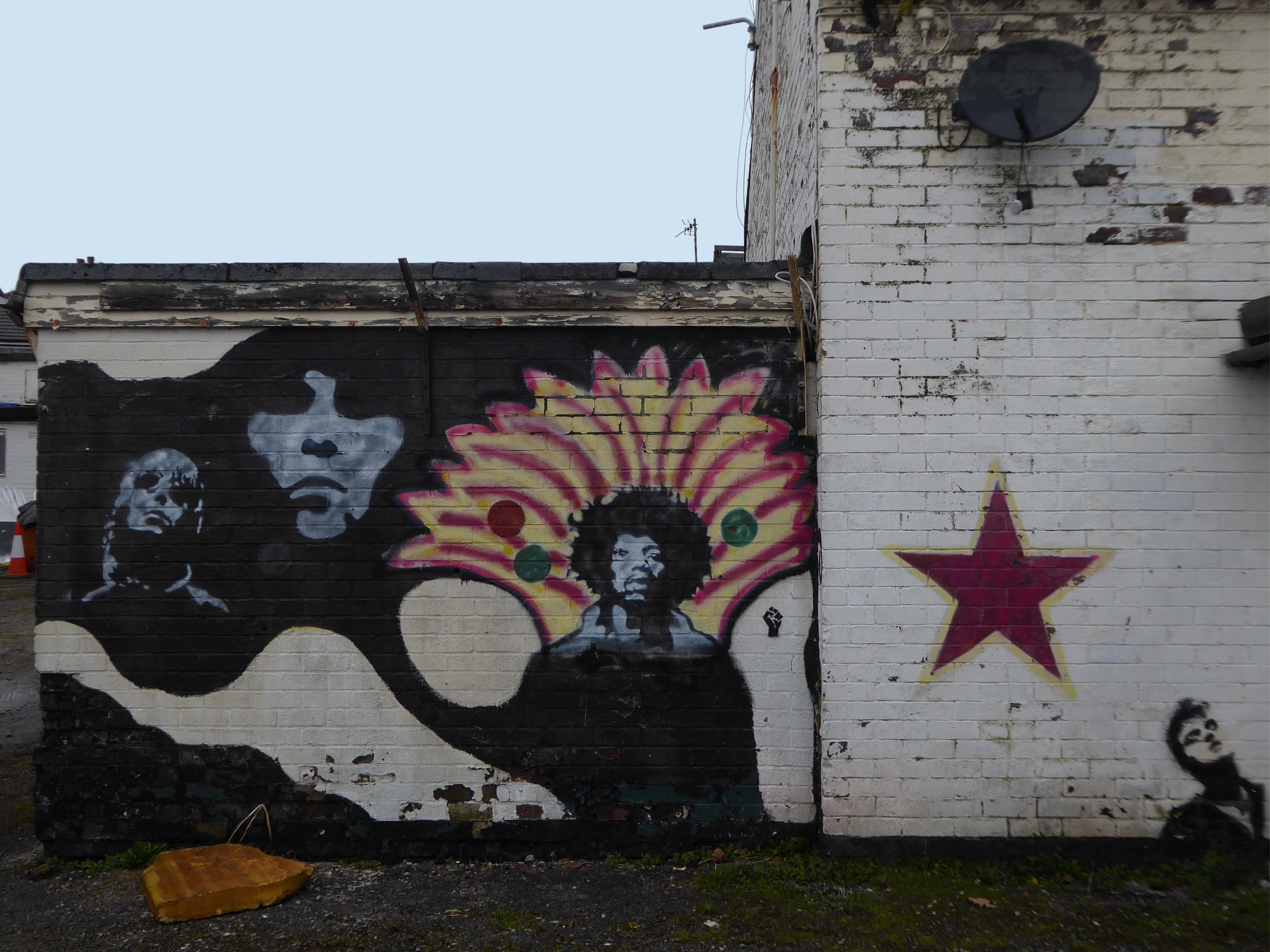
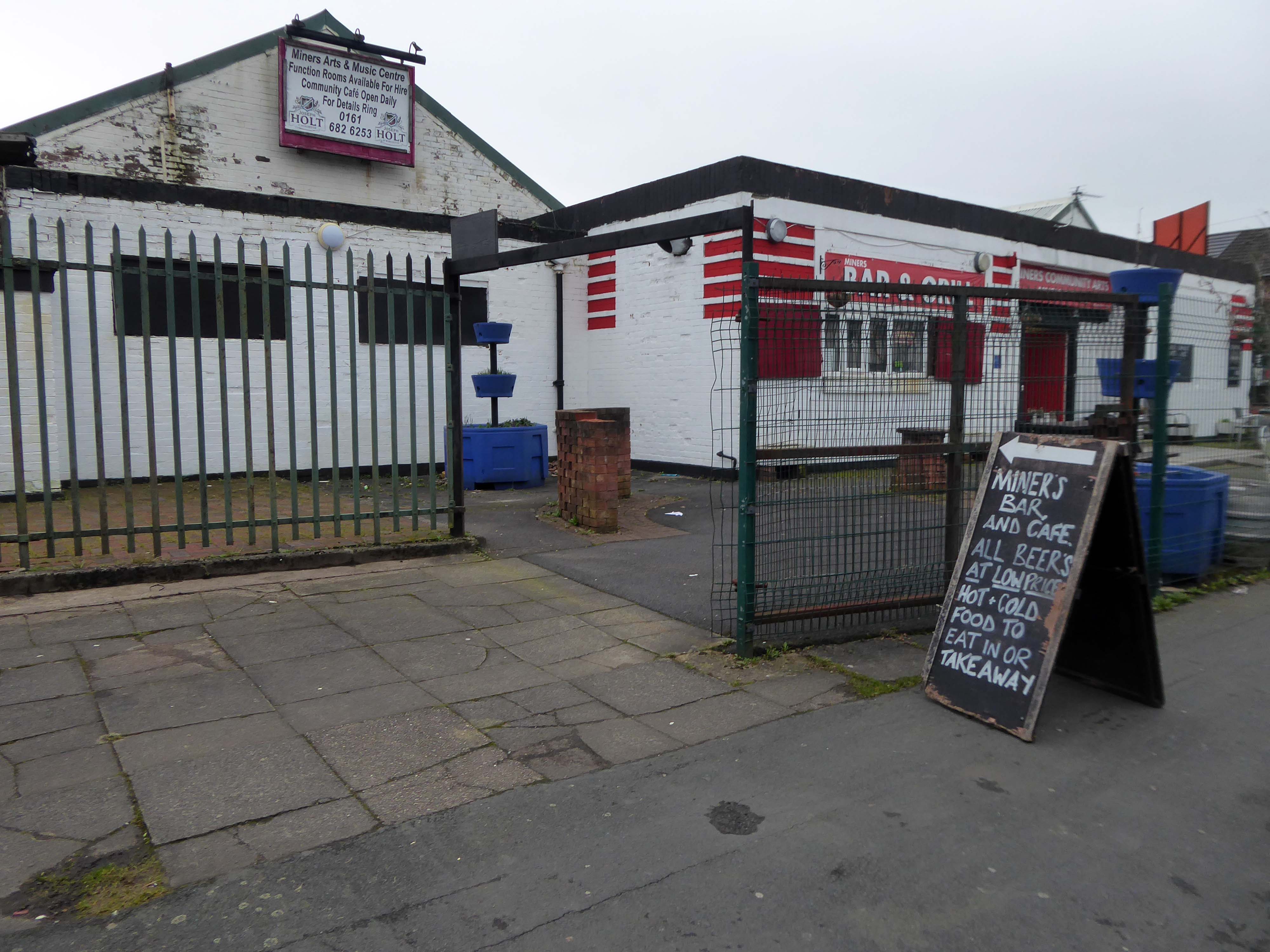
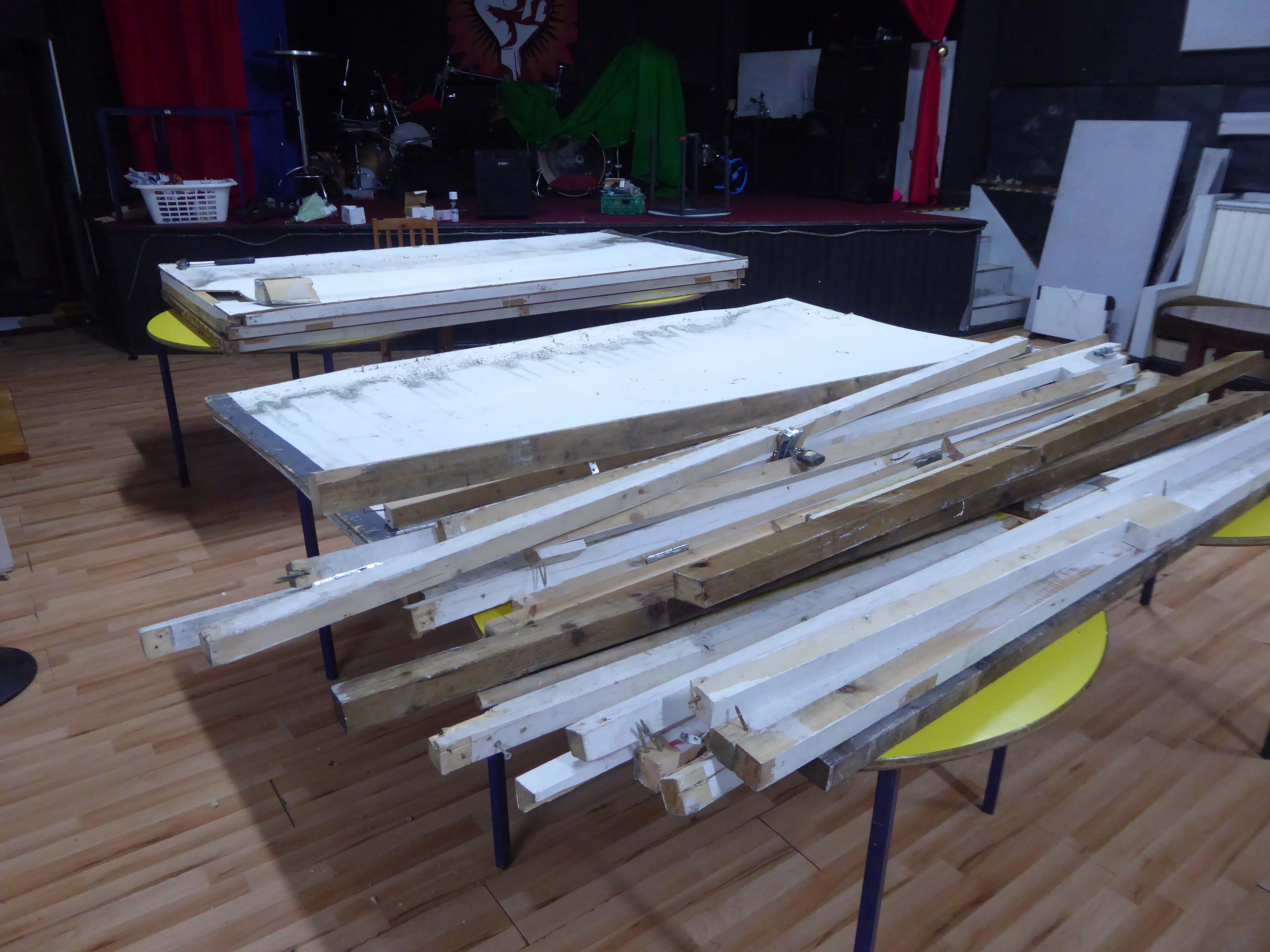
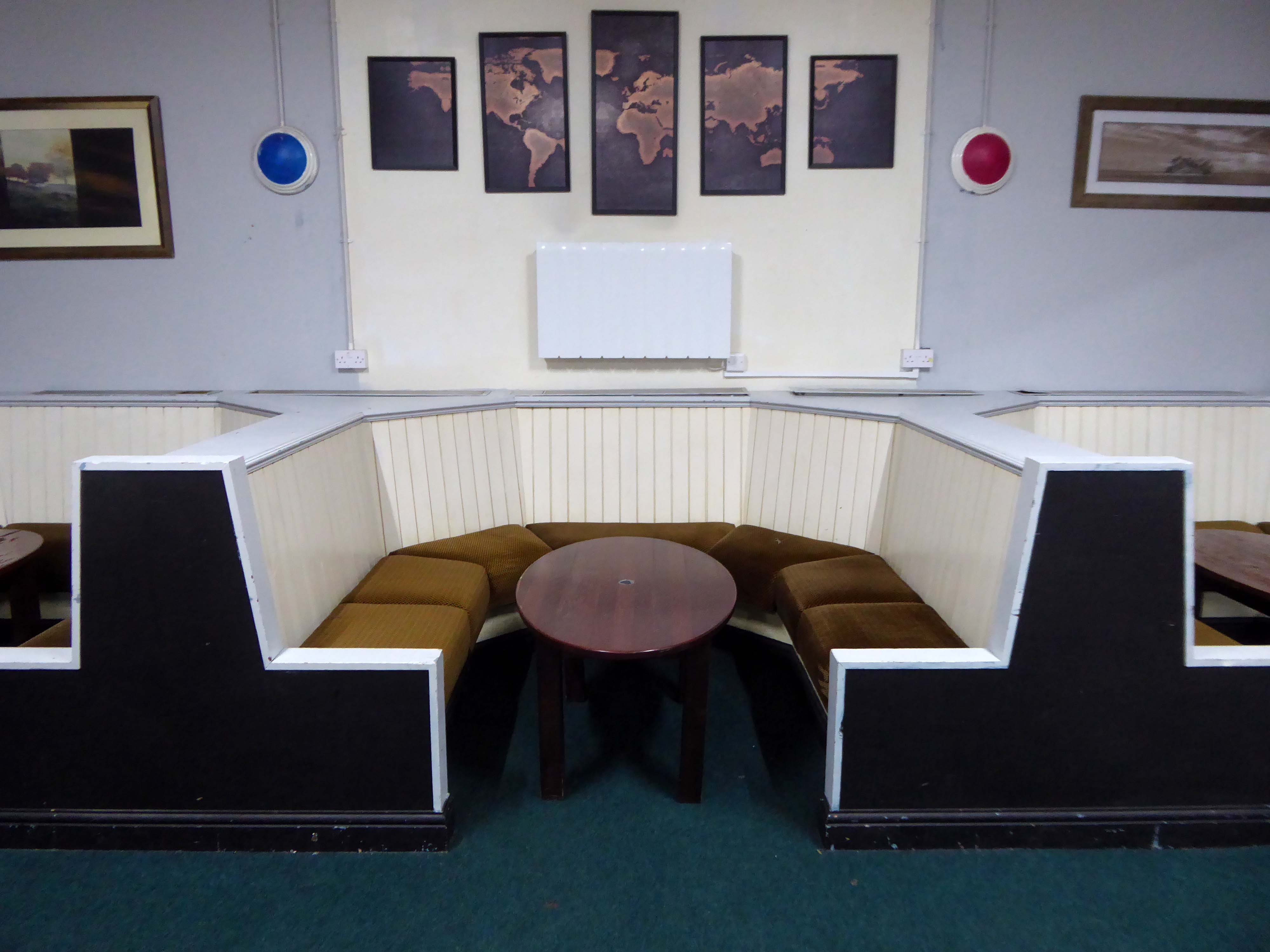
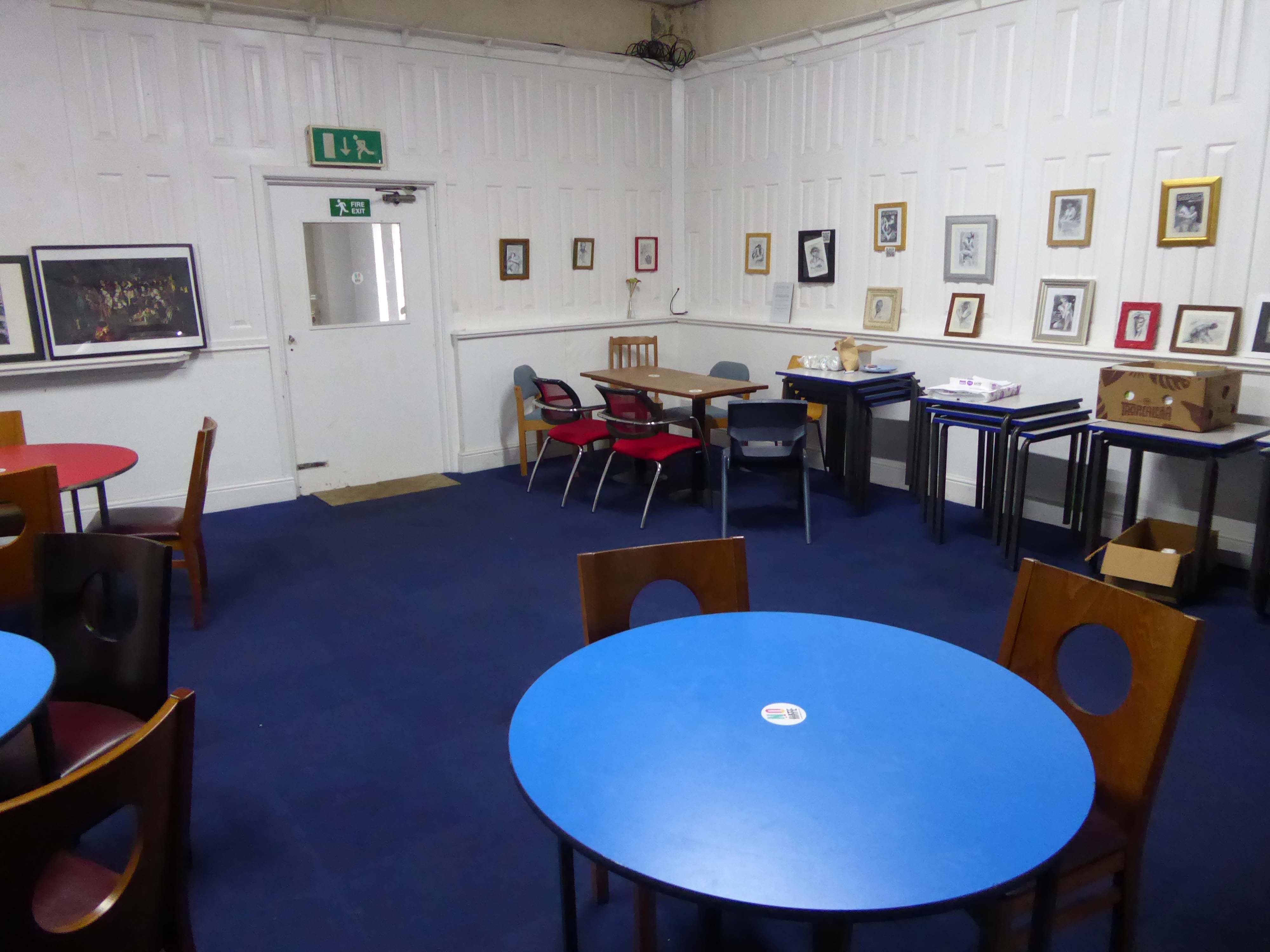
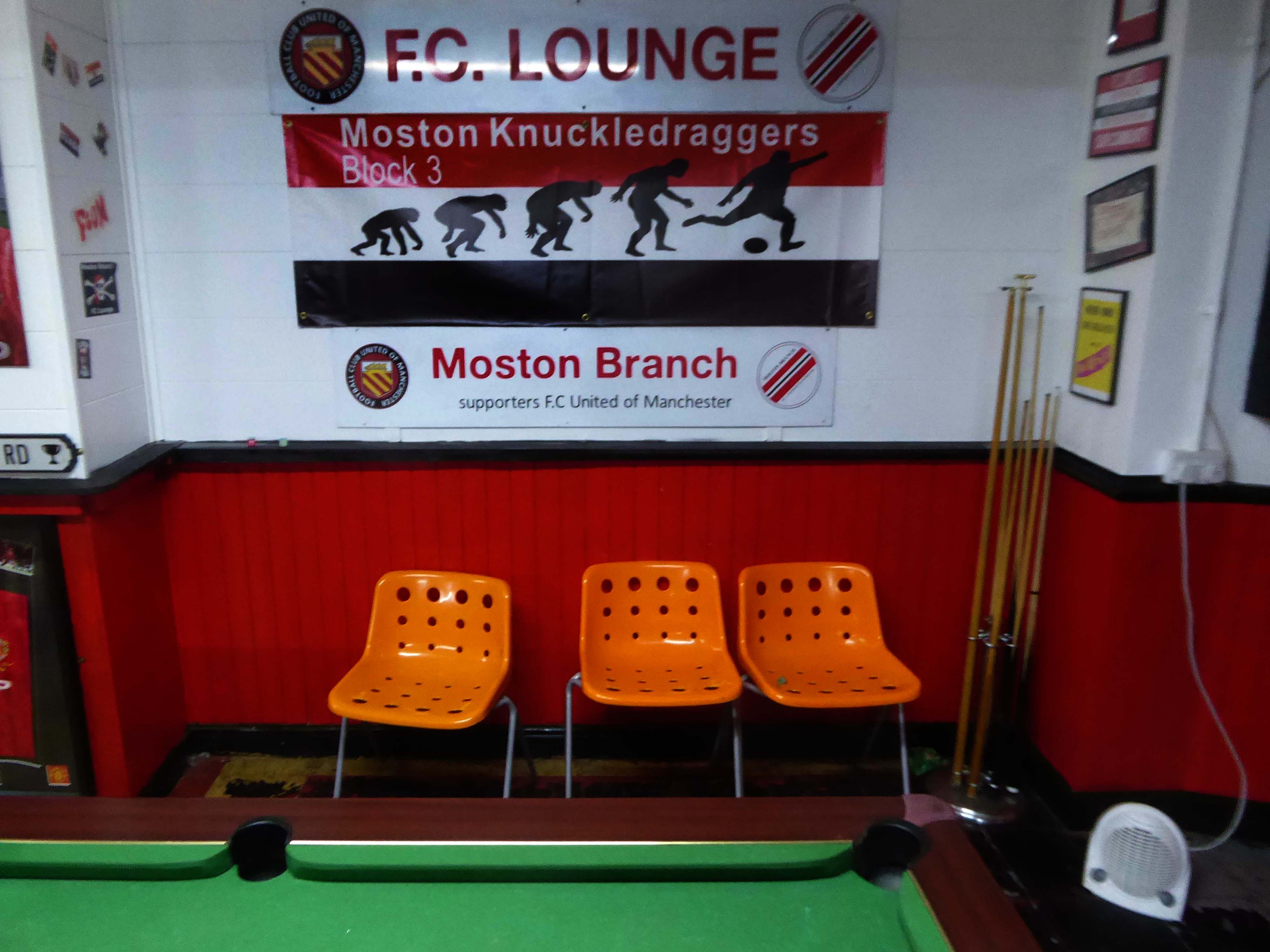
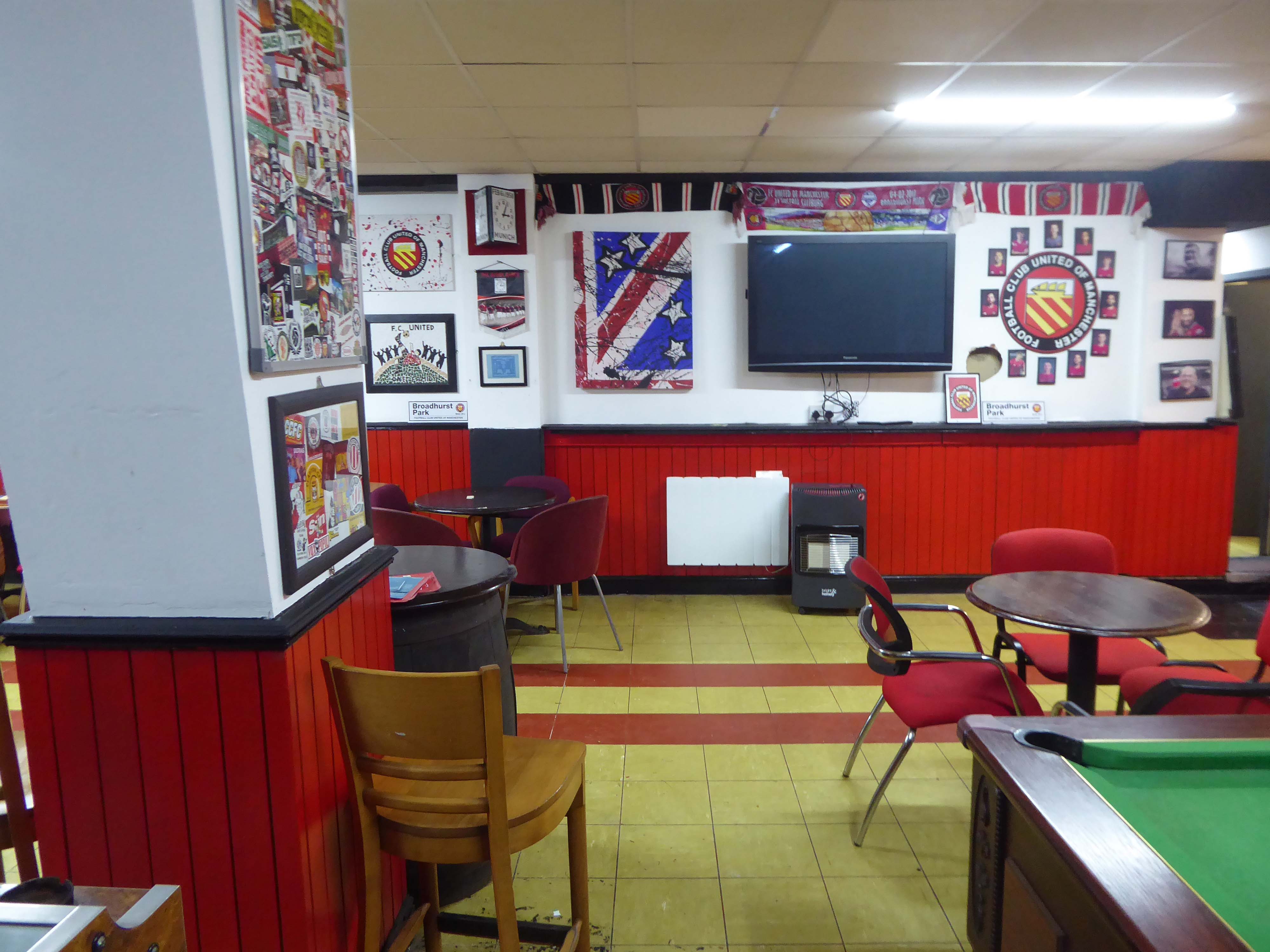
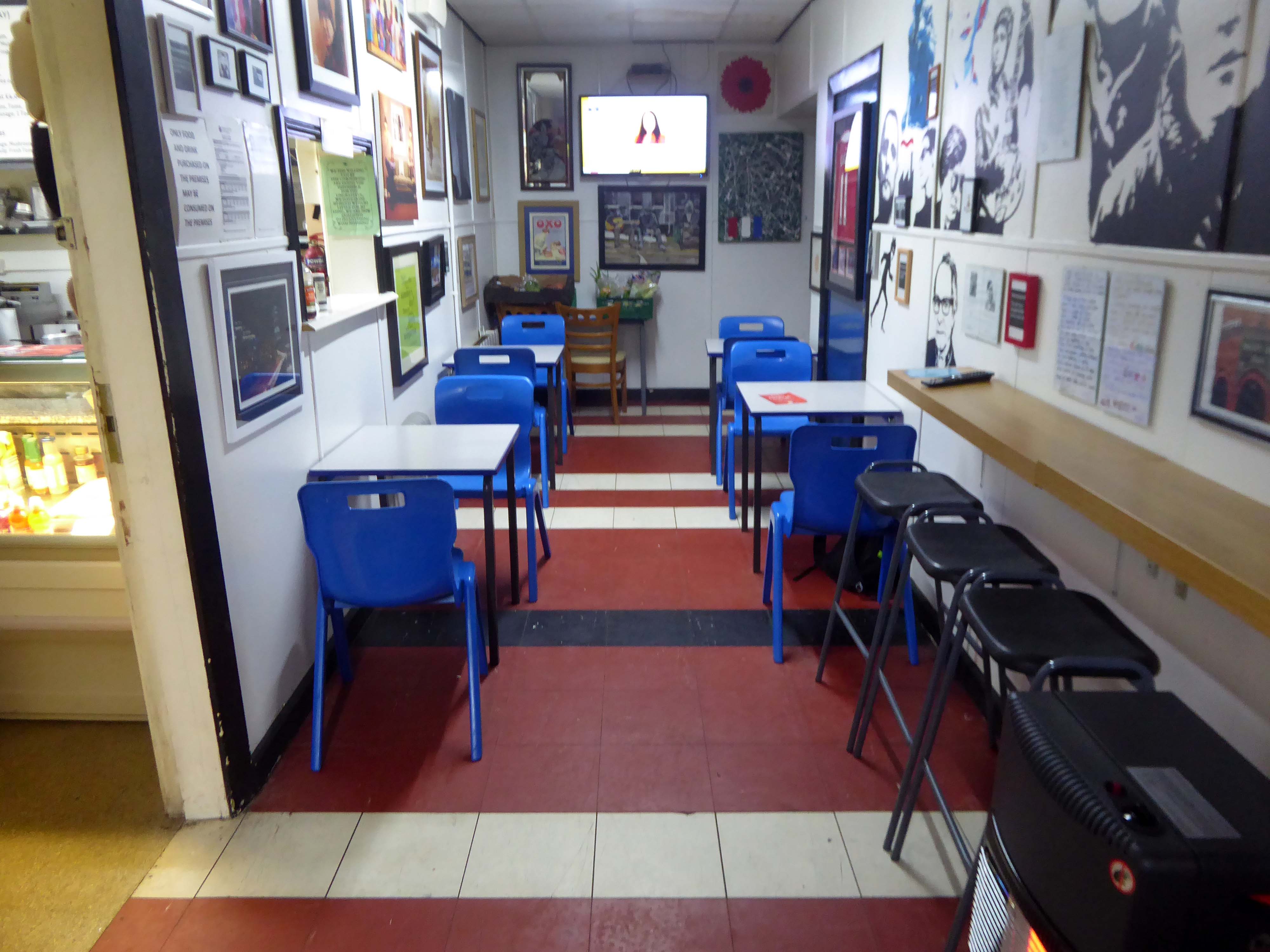
The community centre now provides space for local bands to rehearse, local artists to exhibit their work, a community cafe and larger function rooms that are available for events.
A wide range of events takes place here through the year including live gigs, pantomines, Halloween parties, cabaret nights and art exhibitions, and since 2012 it’s been home to the Moston Small Cinema which screens a range of films and sporting events.
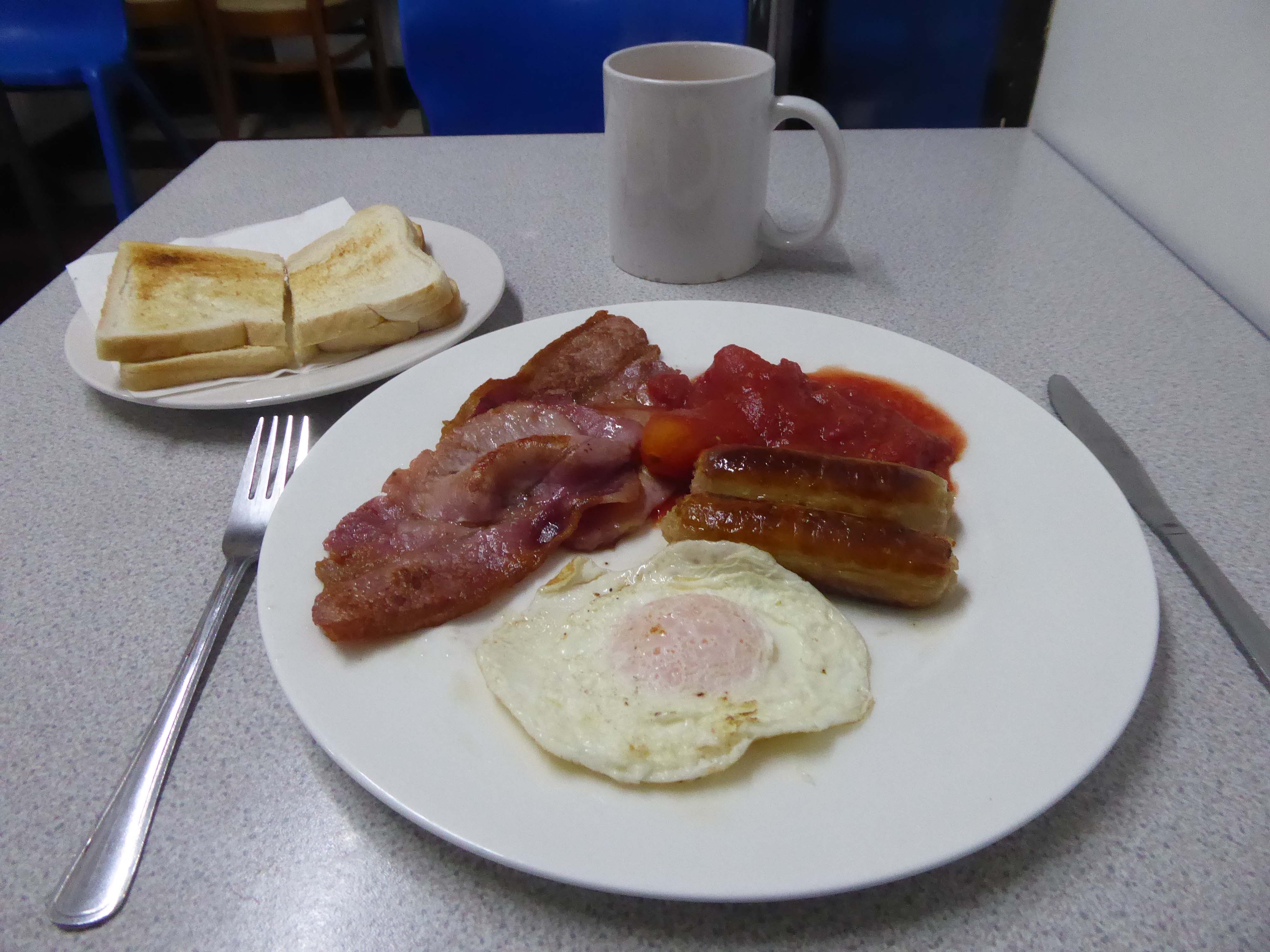
I popped by a couple of weeks ago and was given a terrific tour by Paula and Lou, along with a competitively priced tasty brew and breakfast.
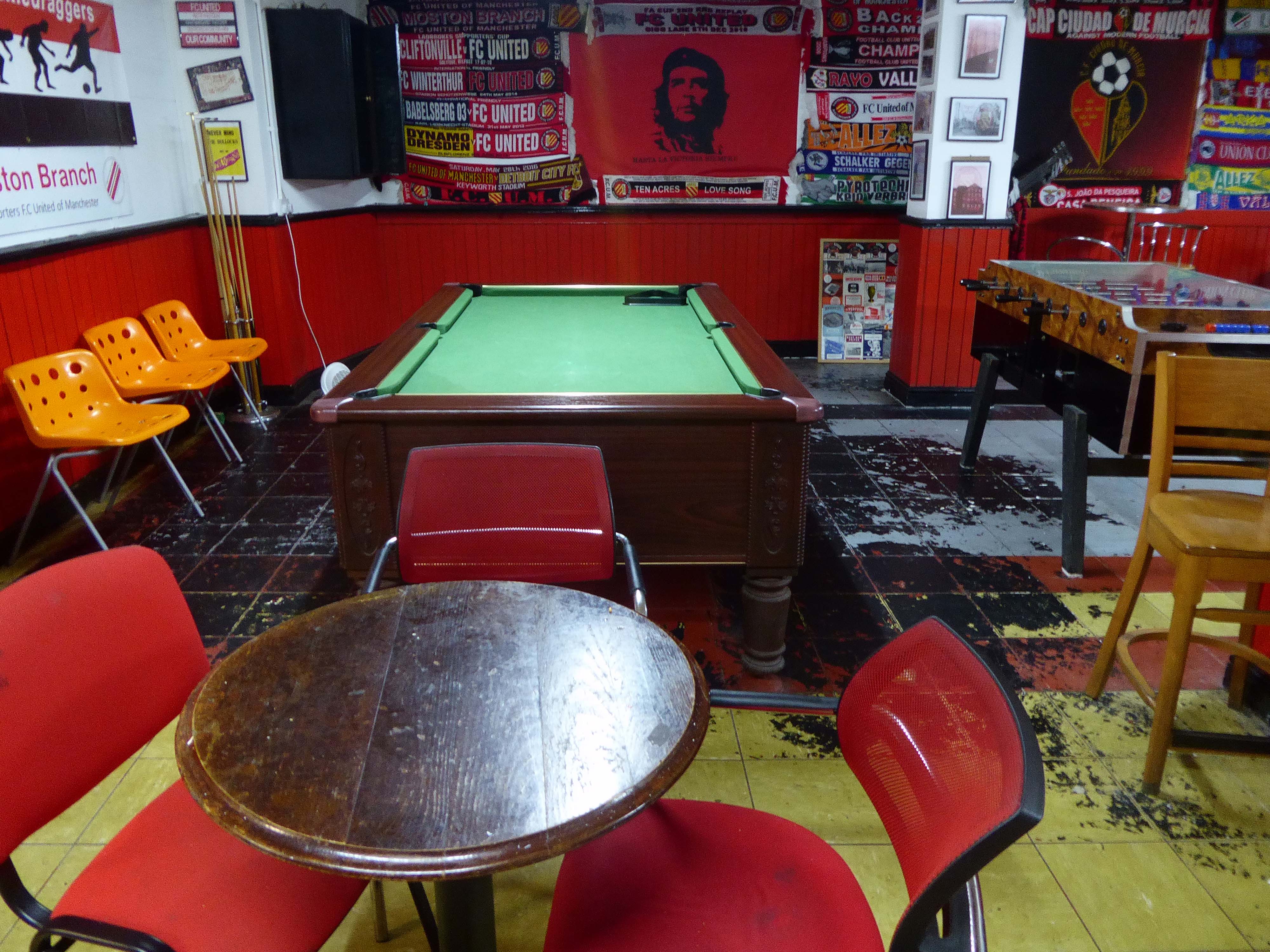
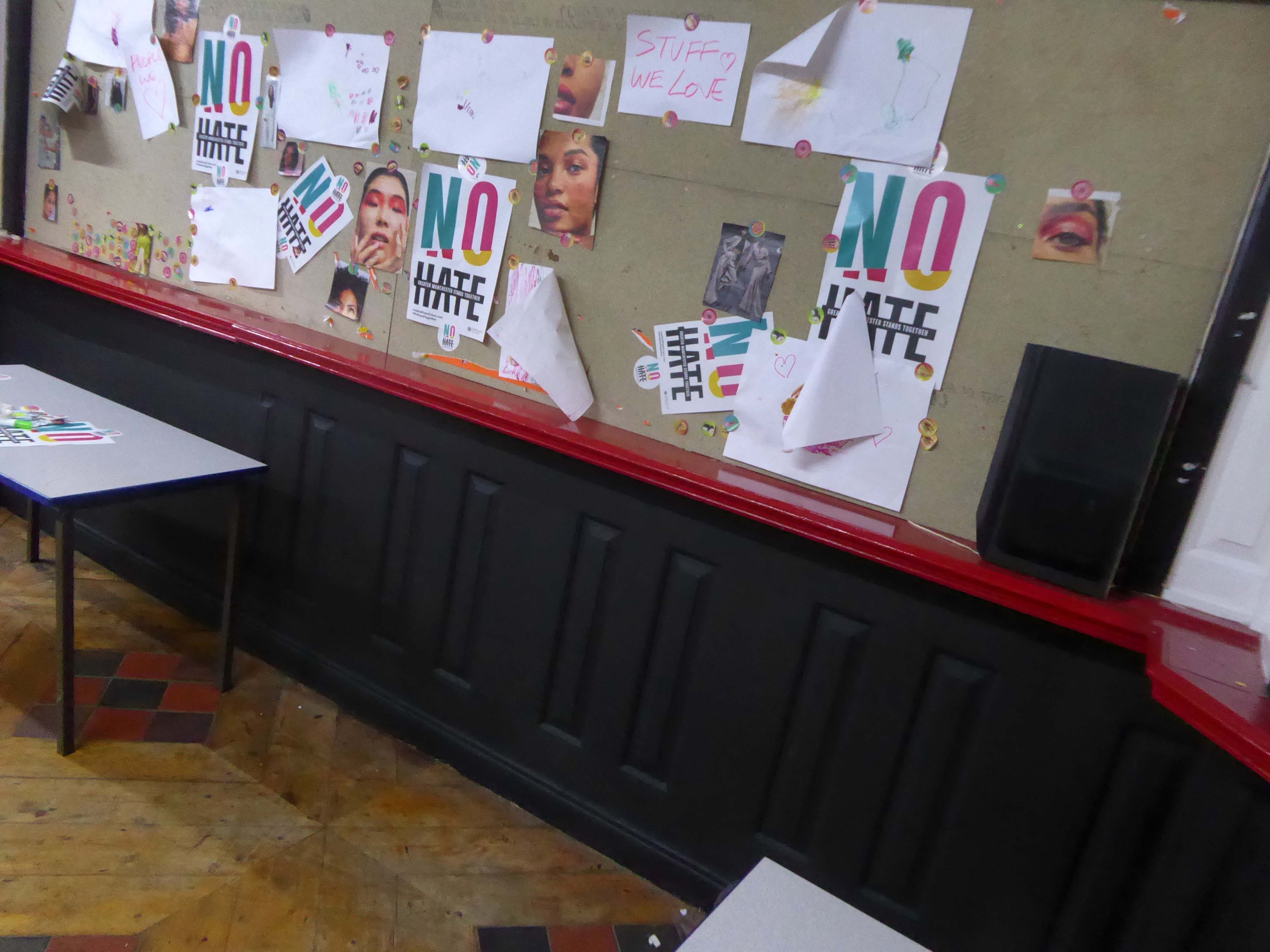
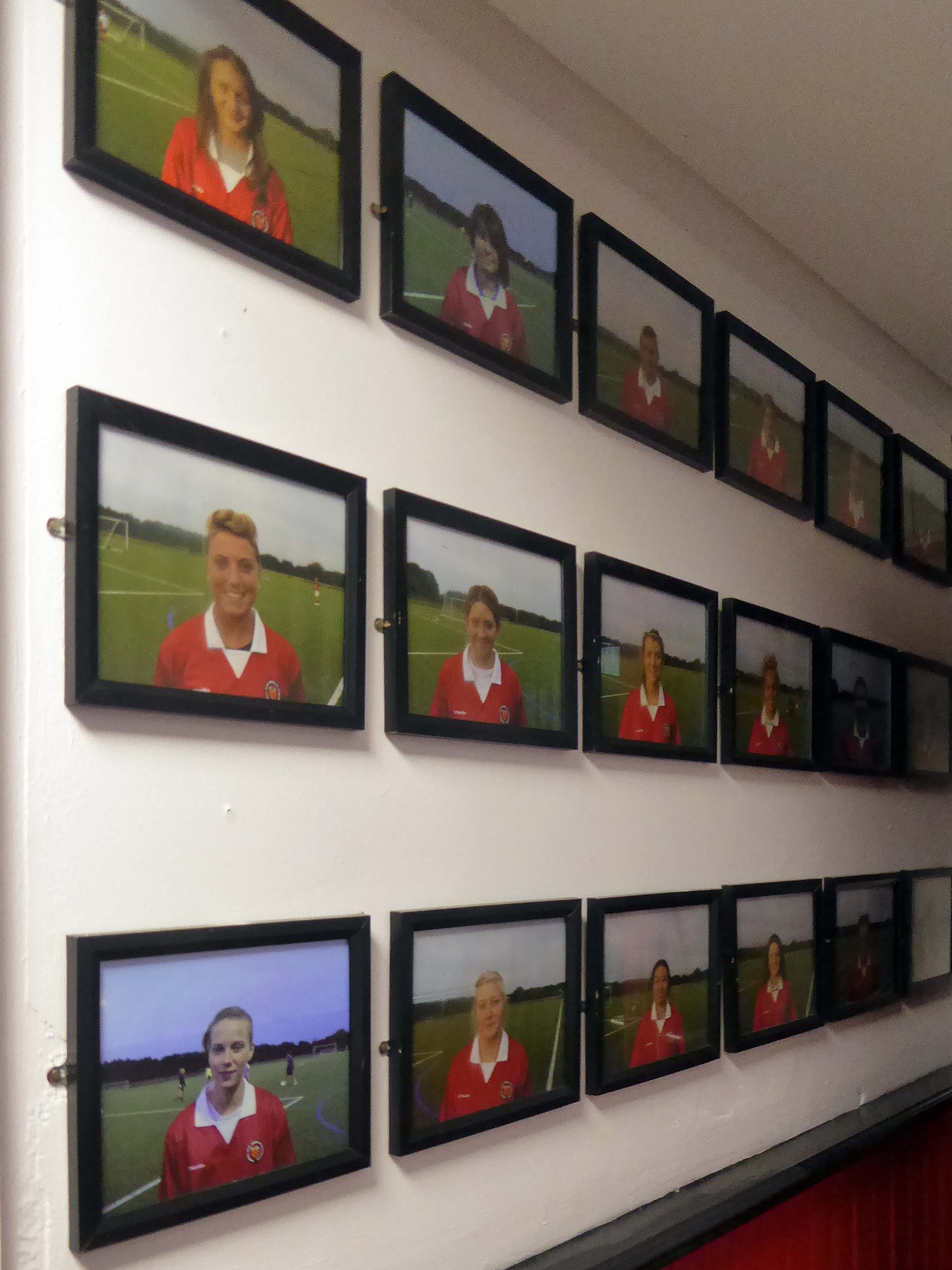
Work was underway for the current Art Show and evidence of the club’s affable affiliation with FC Unitedof Manchester, along with the results of the previous week’s art activities for the local youngsters.
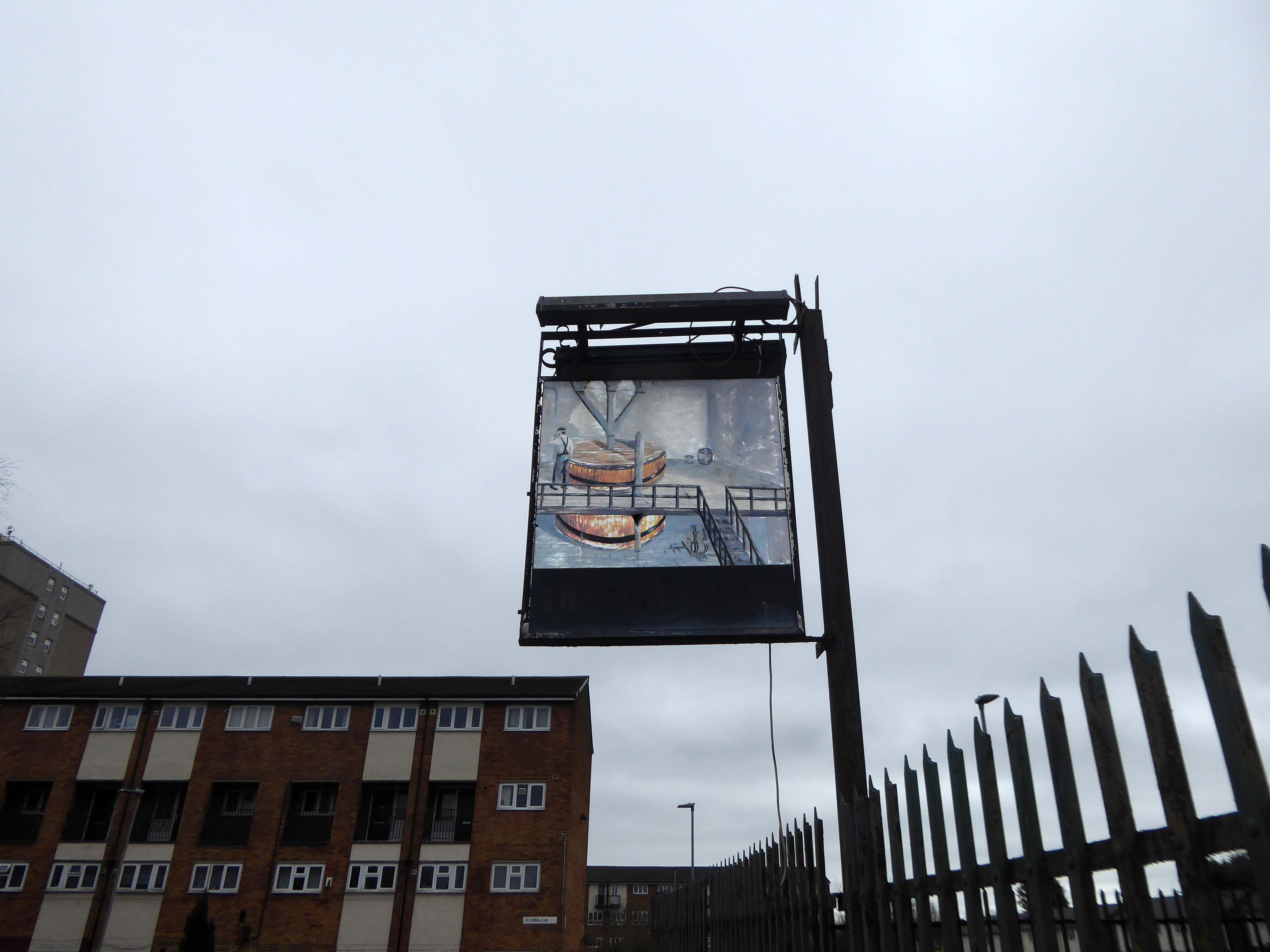
Let’s take a look around outside and in.
Keep an eye and ear out for forthcoming events – get y’self up there soon!
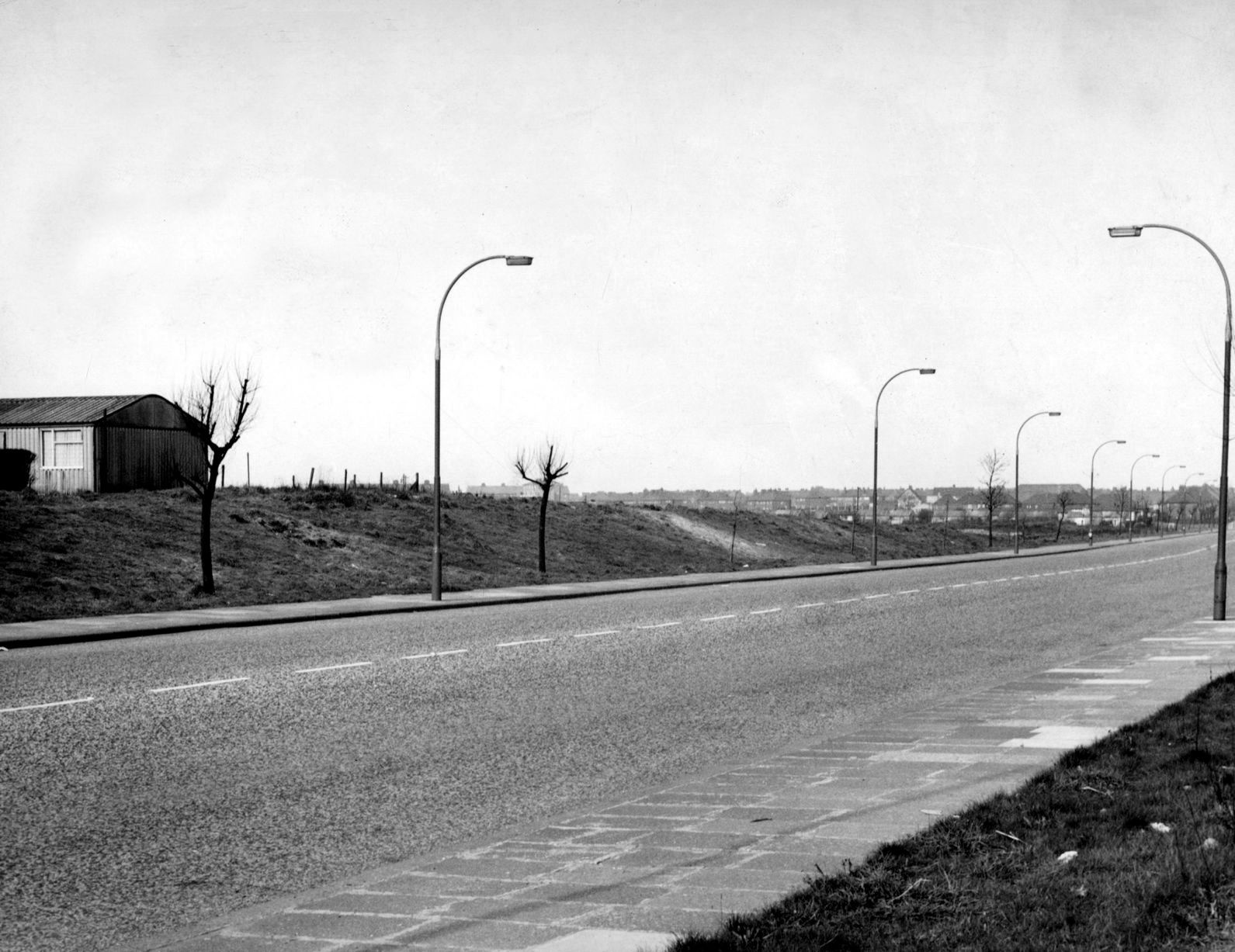
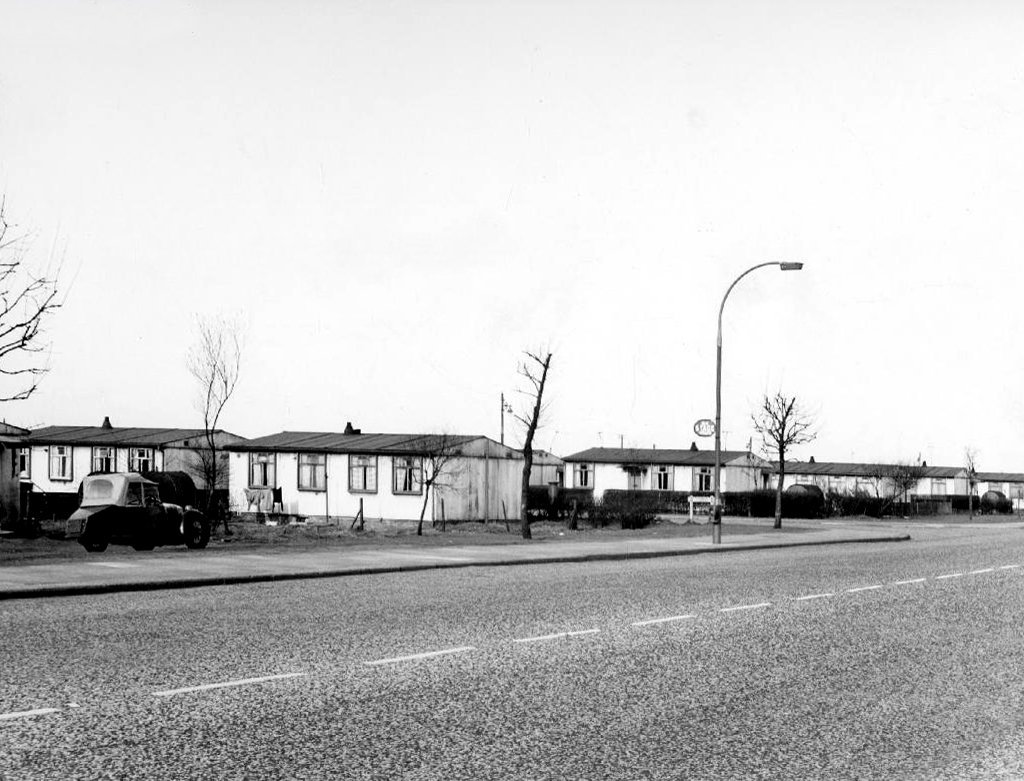
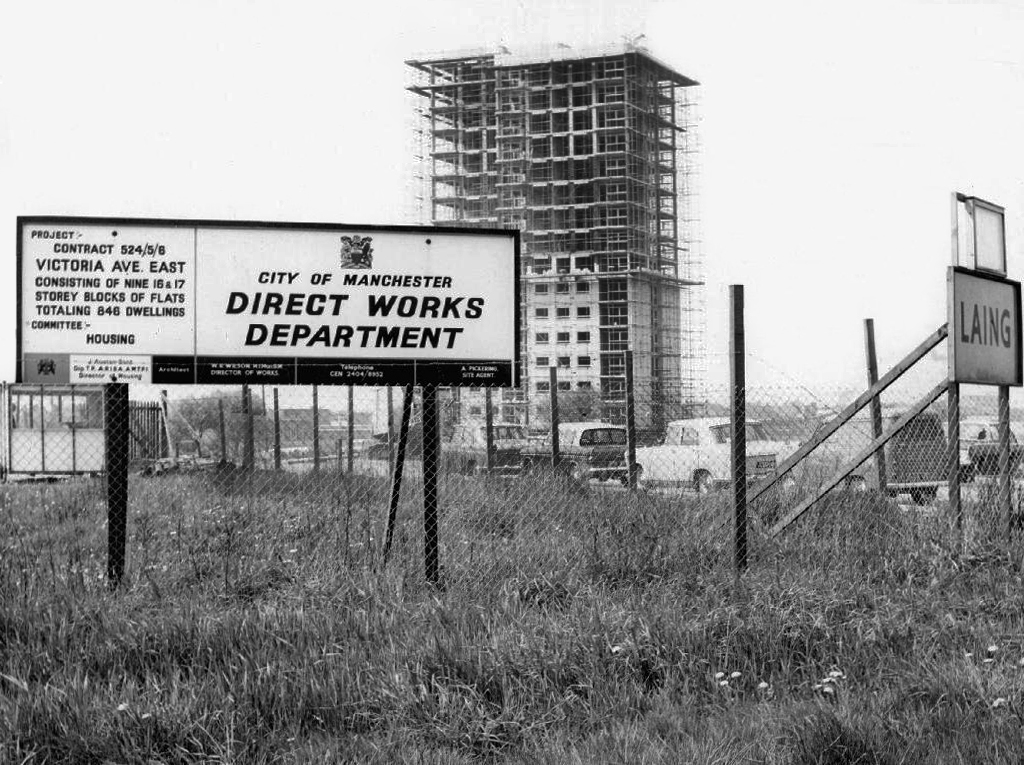
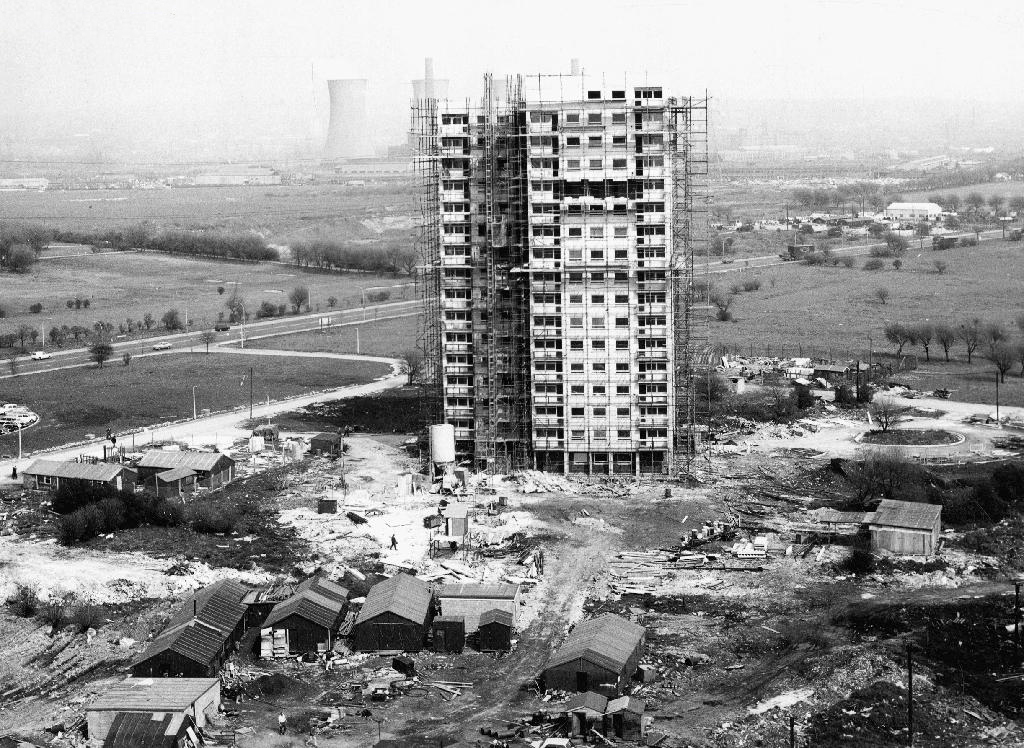
Manchester City Council agreed to use the Phoenixmodel for their prefab estates.
A total of 43,206 Phoenix prefabs were built across the country, each one designed by the John Laing Group.
The Phoenix, designed by Laing and built by themselves as well as partners McAlpine and Henry Boot, looked much like an AIROH with a central front door. It was a two-bedroom in-situ preform design with steel frame, asbestos clad walls and an innovative roof of tubular steel poles with steel panels attached. Like all designs, it came pre-painted in magnolia, with green highlights on frames and skirting.
Phoenix prefabs cost £1,200 each constructed onsite, while the specially insulated version designed for use on the Isle of Lewis in the Hebrides cost £2,000.
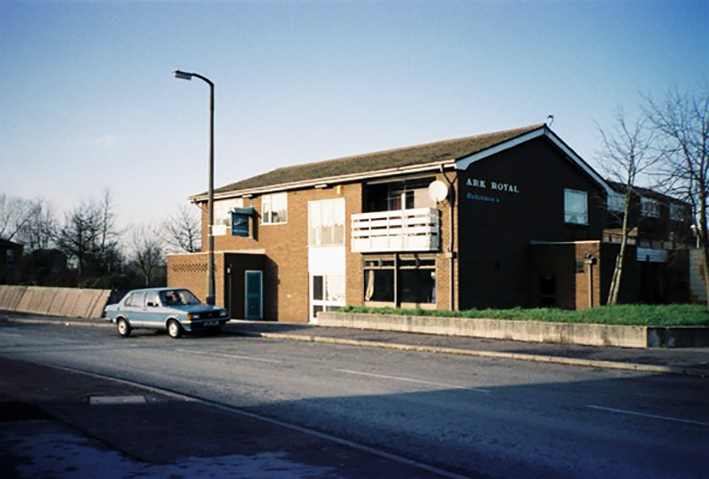
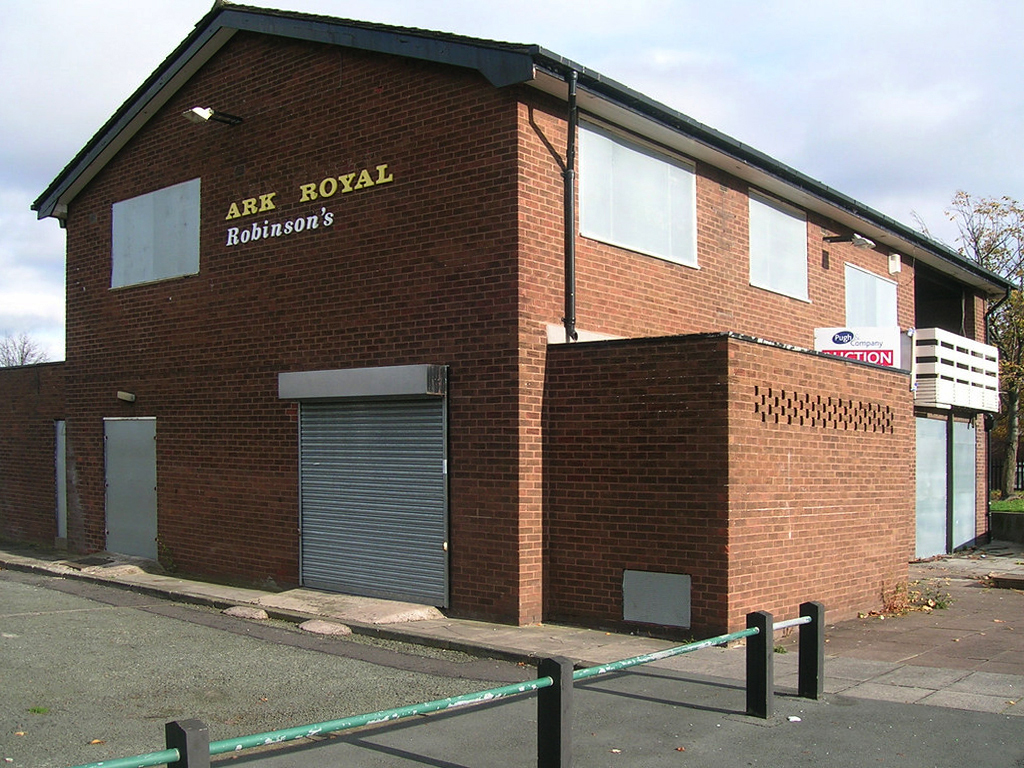
Another great looking estate pub that was on the same estate as the Hipp which it was also fairly close to.
There was the usual two rooms inside, I had a drink in the bar room which was quite busy on my Friday afternoon visit, there was also a more comfortable lounge.
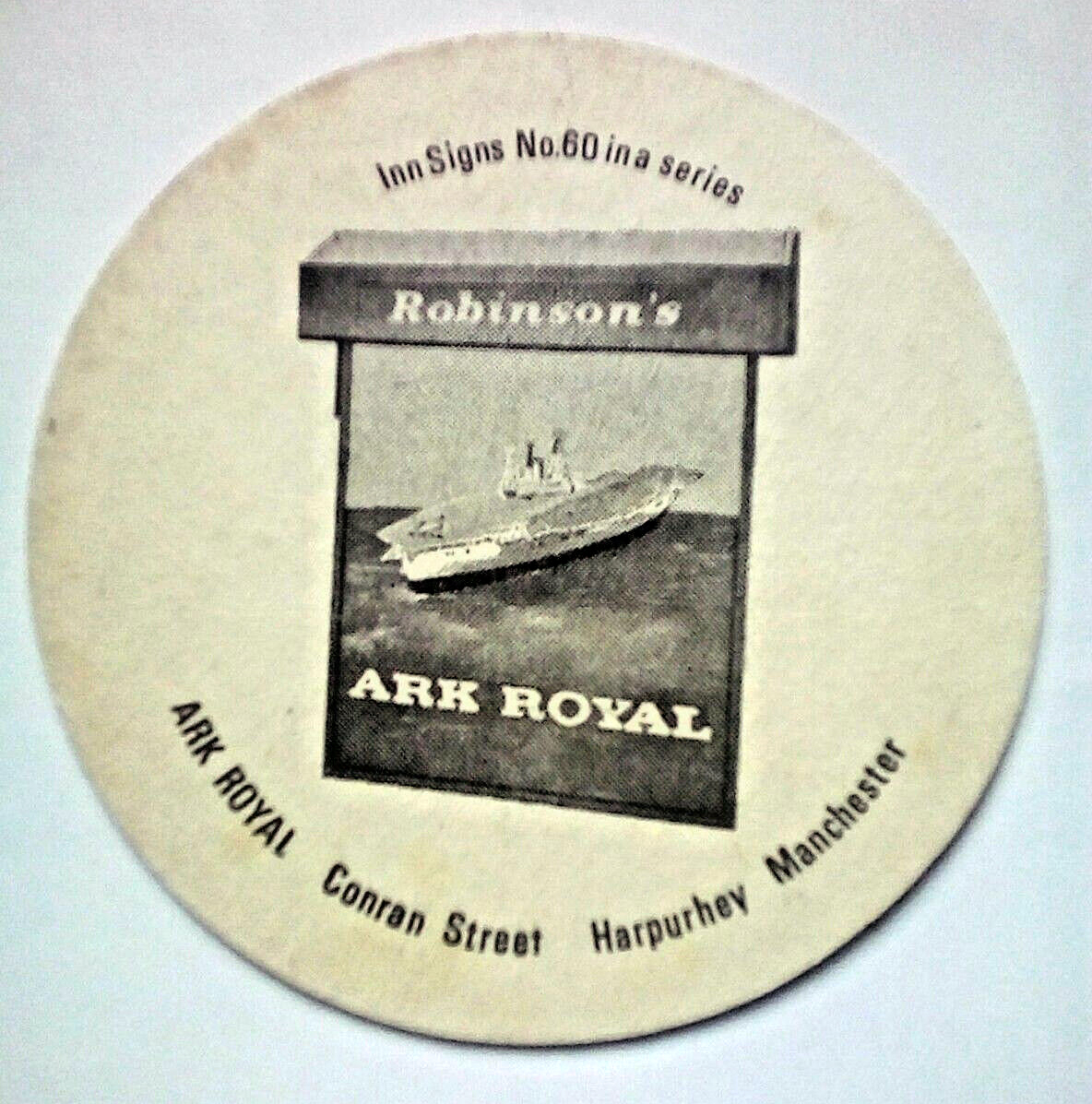
The pub was a Robinsons tied house, there were two real ales on, I had a drink of Robinsons Bitter which was a nice drink, there was also Robinsons Mild on.
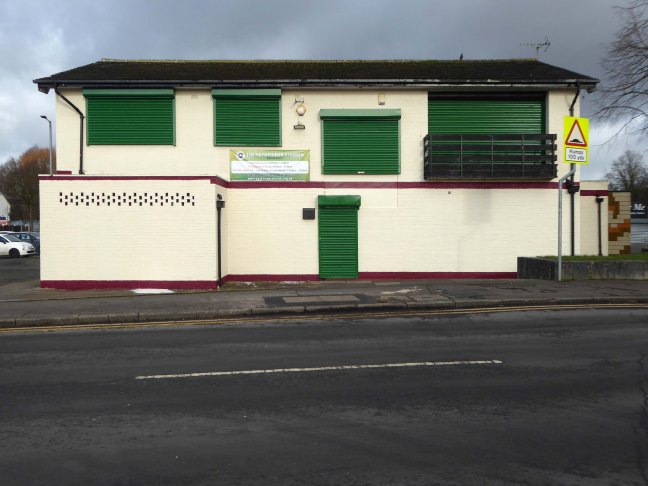
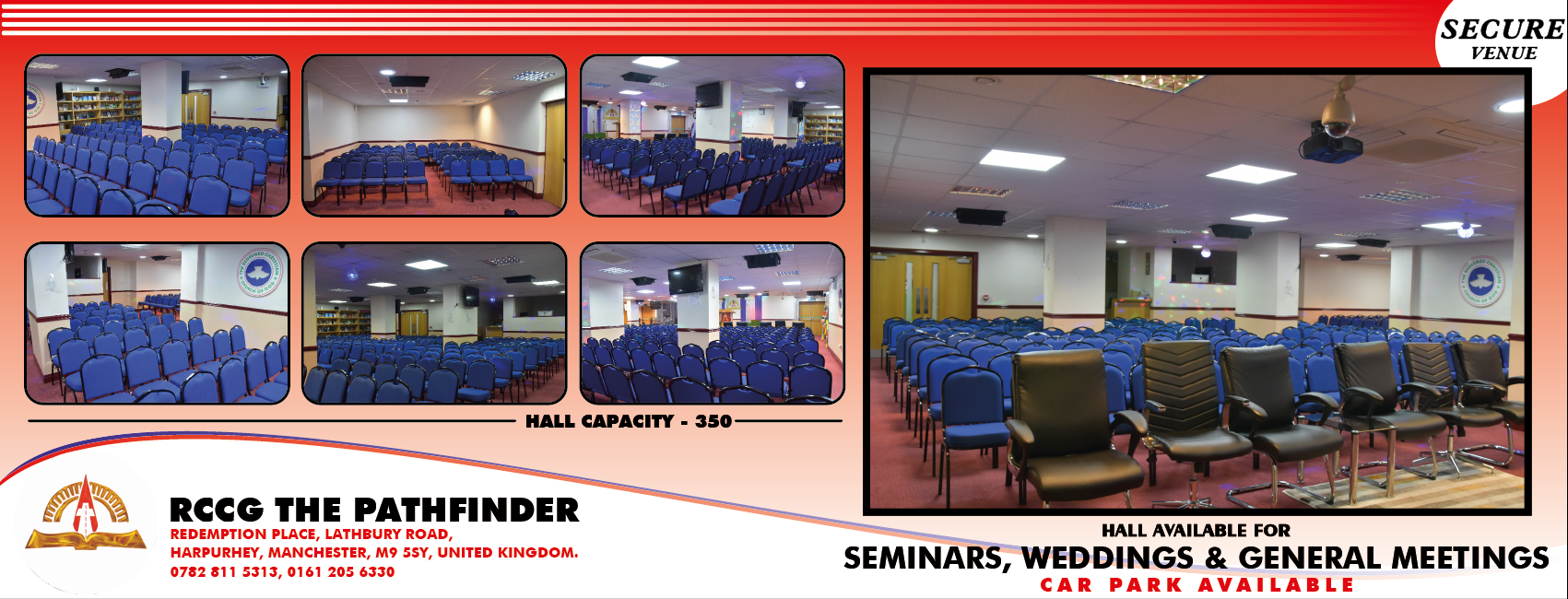
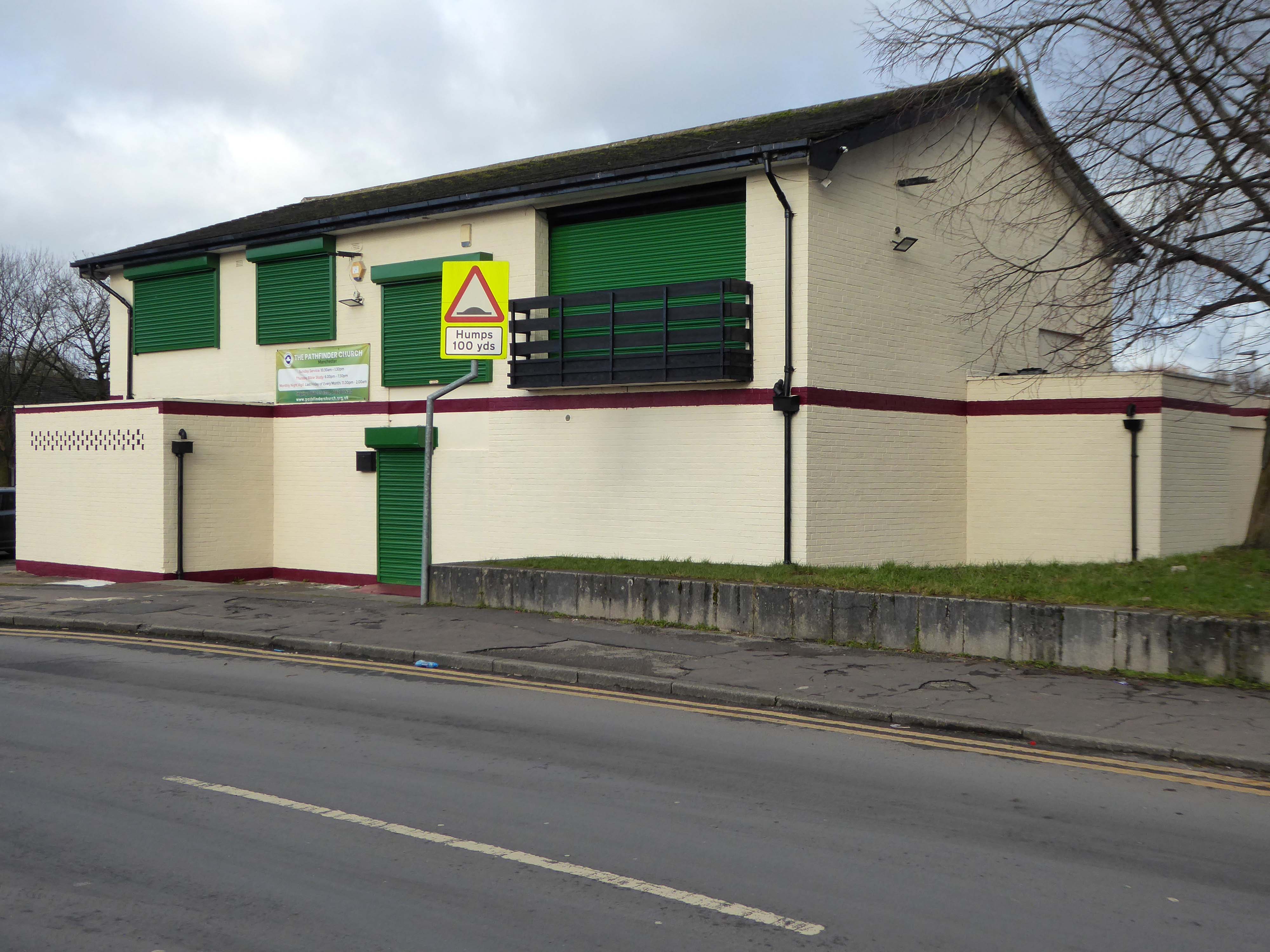
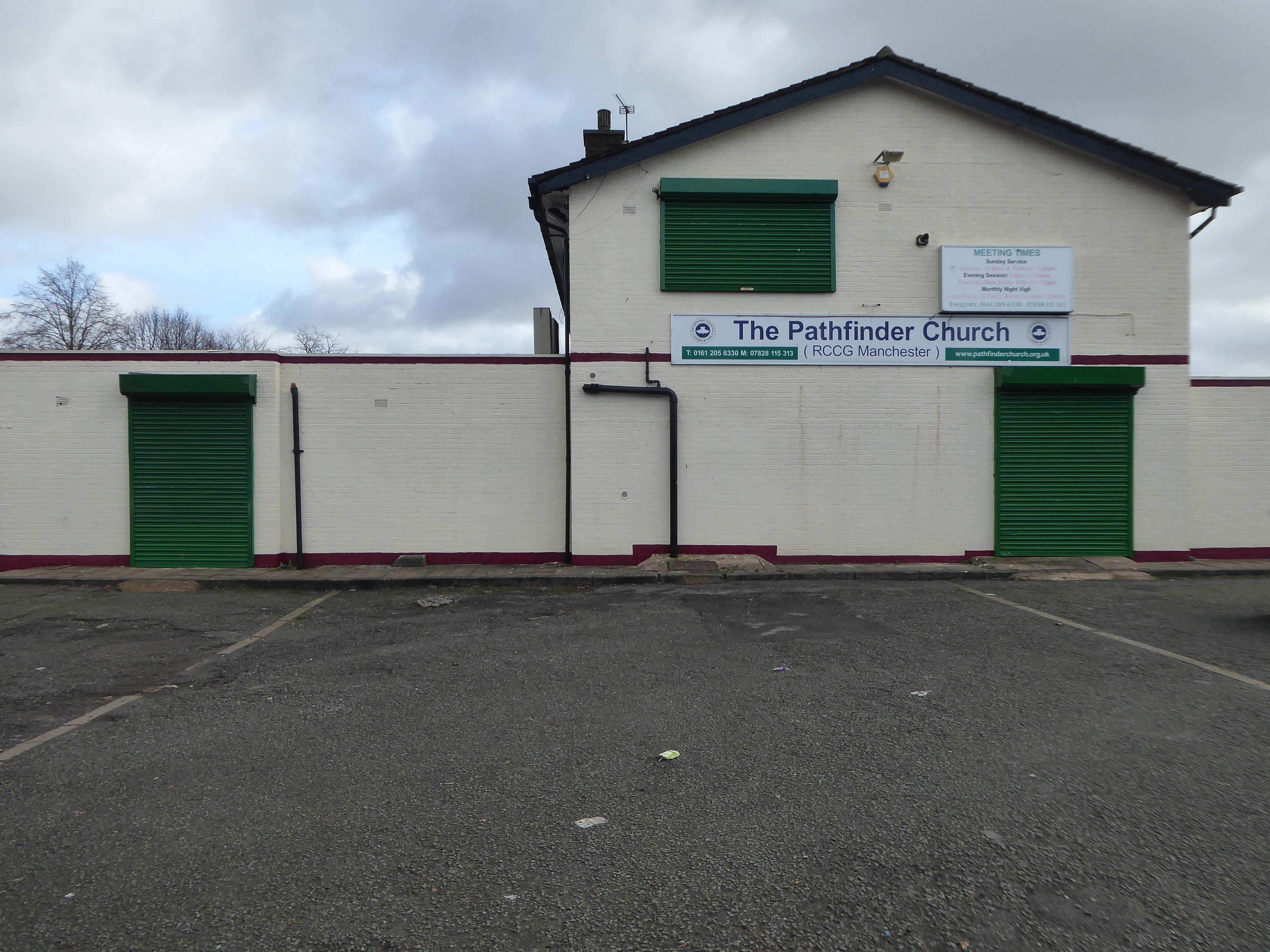
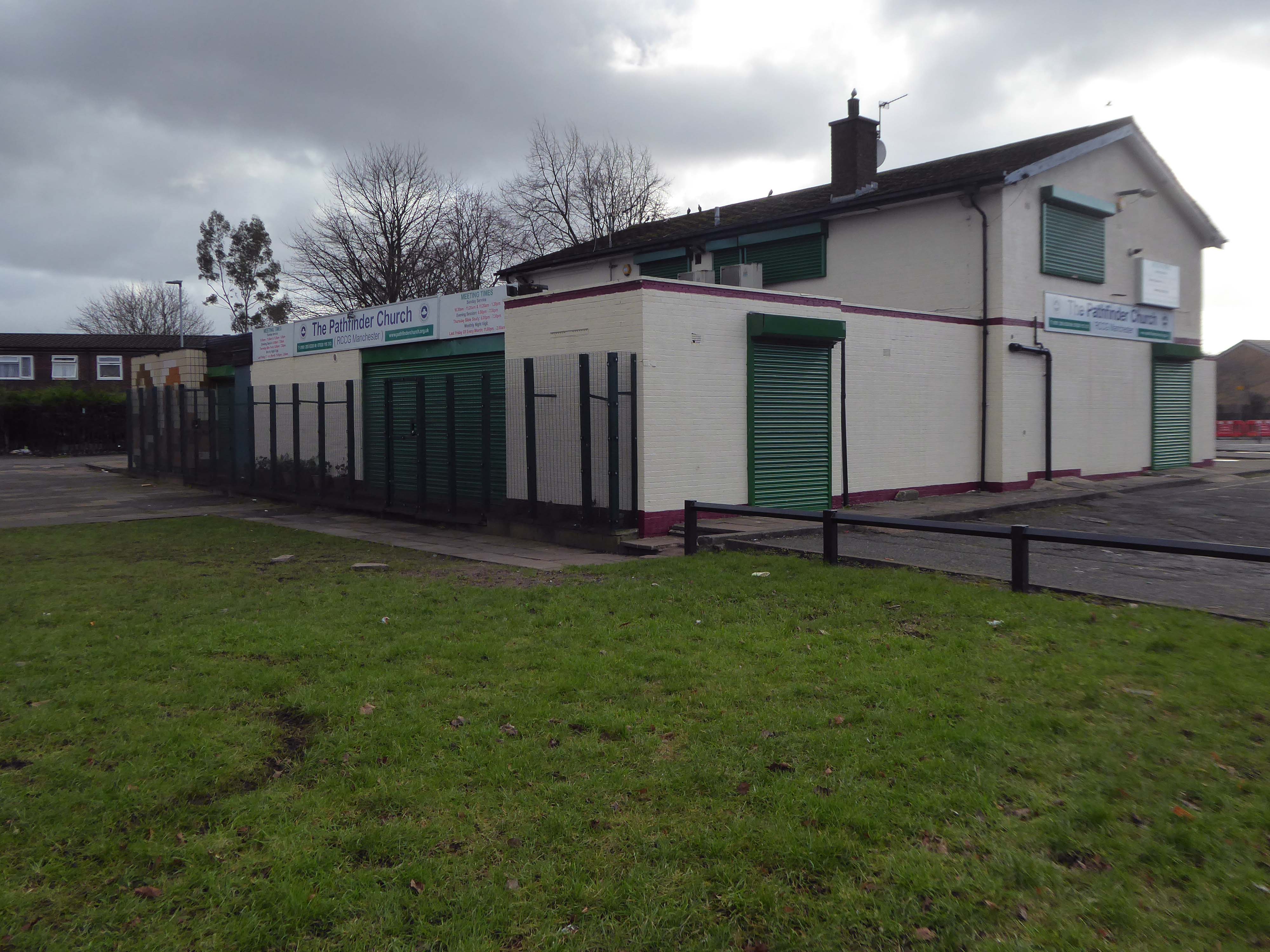
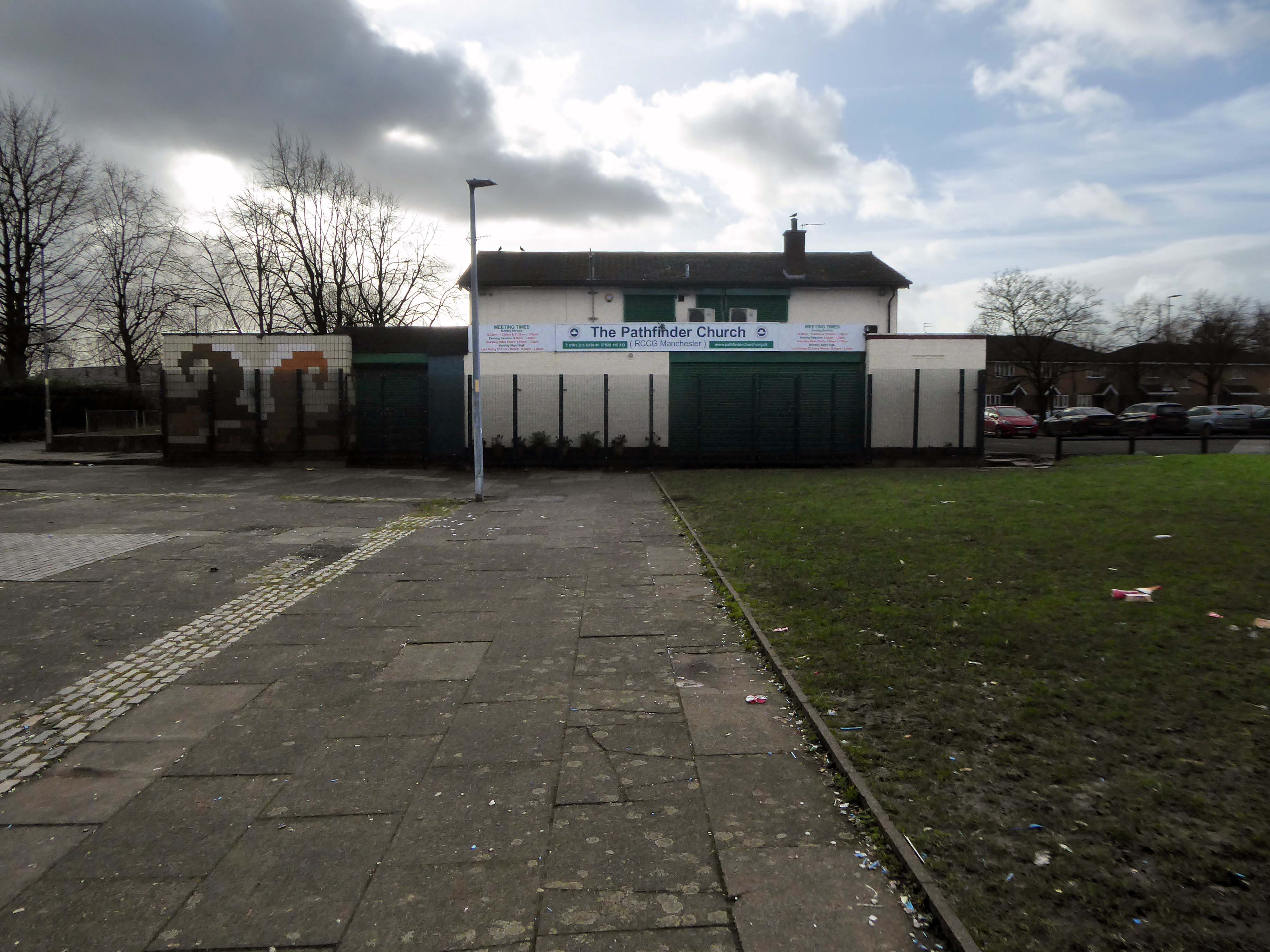
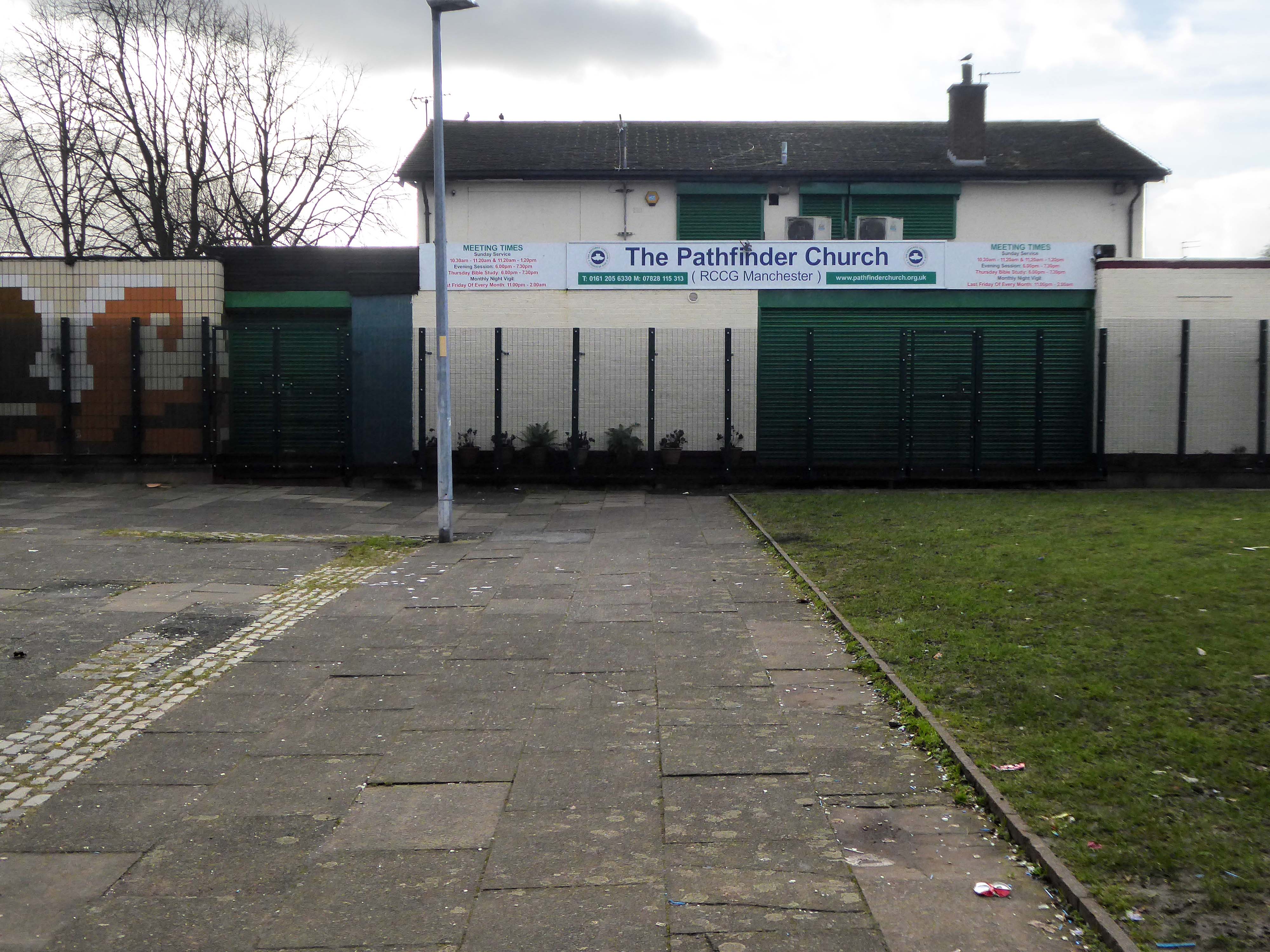
We are committed to the growth and development of individual, our local and international communities. In the interim may I use this medium to invite you to be part of the move of God in our church, the Pathfinder.
The Lord bless your richly as you navigate through in Jesus name.
Take in all the best that Manchester’s creative scene has to offer and let your imagination go wild.
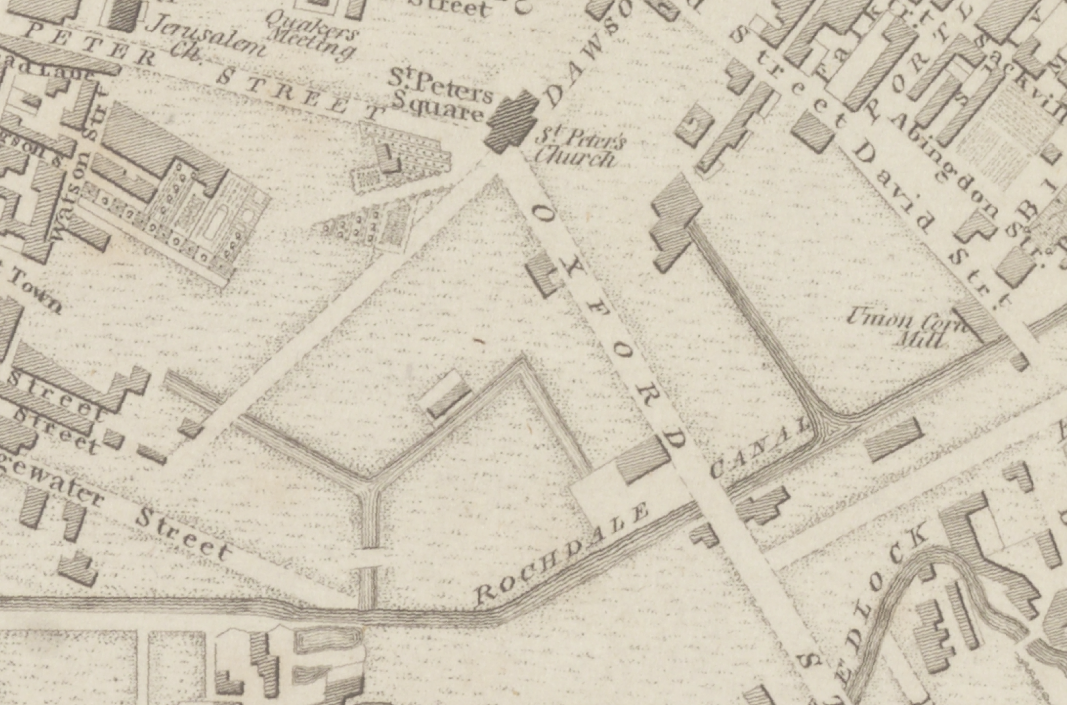
In 1807 you really had to use your imagination to discover the creative scene.
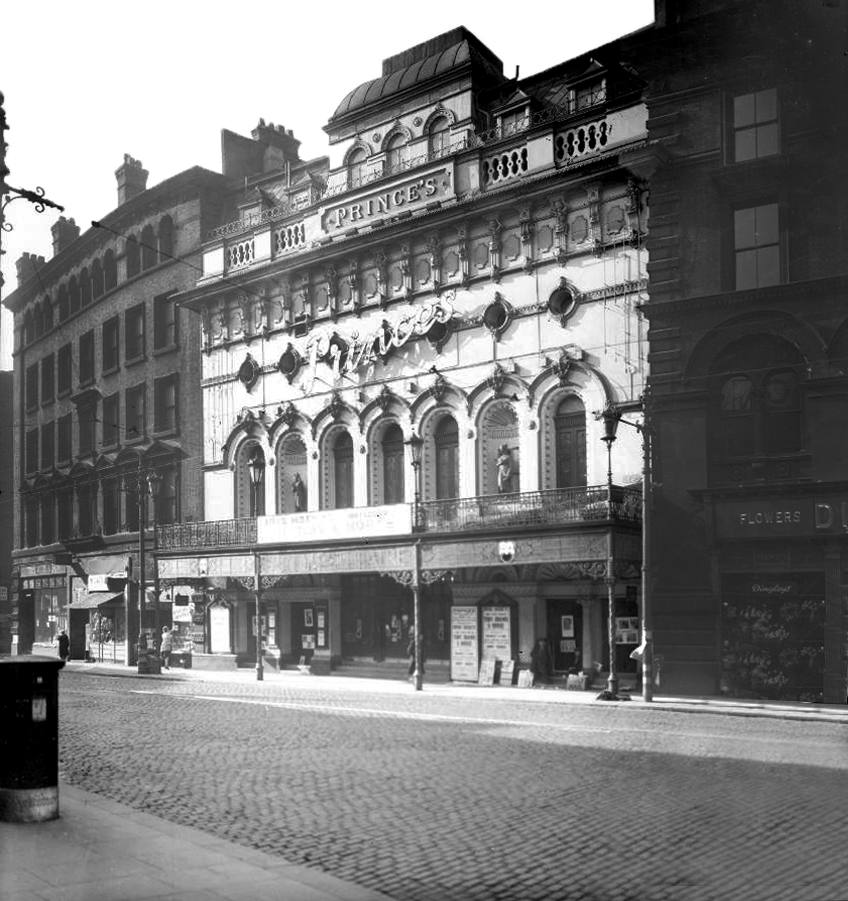
The site was home to the Prince’s Theatre:
Constructed by Metcalf and Waterson at a cost of £20,000, and designed by the architect Edward Salomons. The Theatre, which had seating for 1,590, opened with a production of Shakespeare’s ‘The Tempest’ on Saturday, October the 15th 1864, under the management of Charles Calvert.
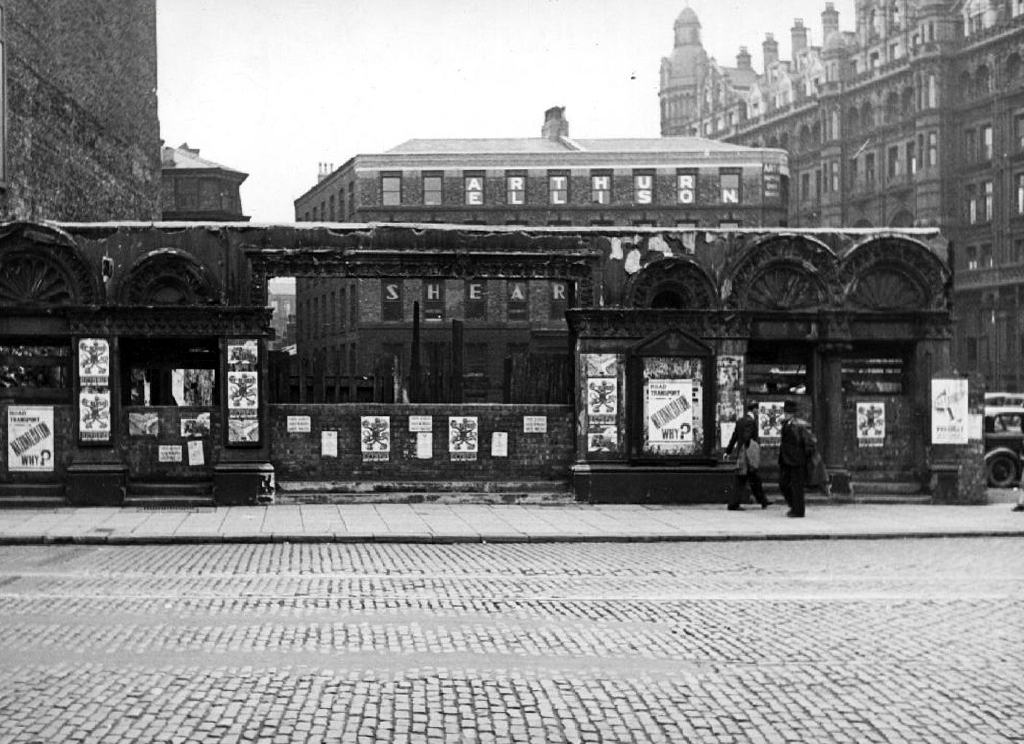
Sadly the Prince’s Theatre was closed in April 1940 when it was sold to ABC Cinemas who planned to build a new Cinema complex on the site, the Theatre was subsequently demolished but because of the war – the new Cinema was never built
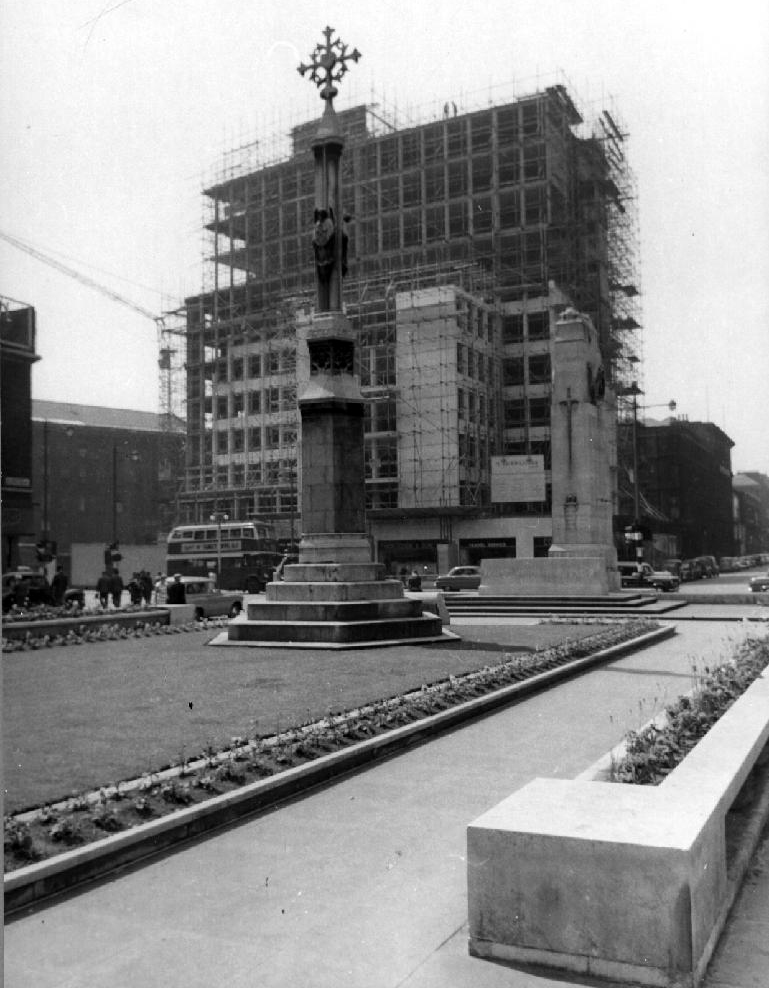
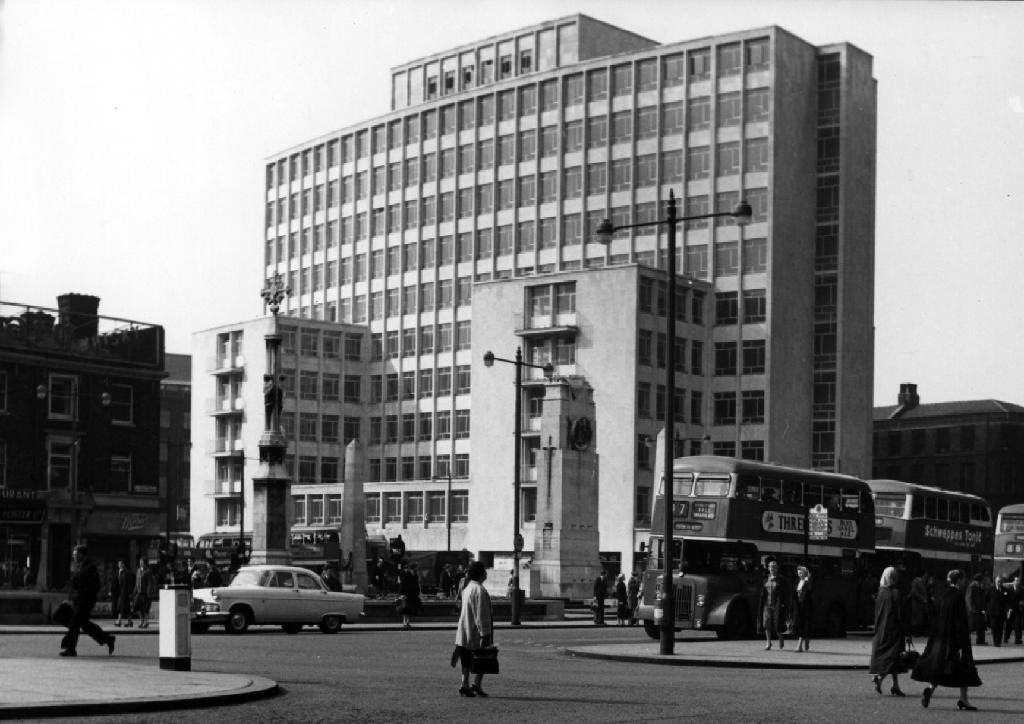
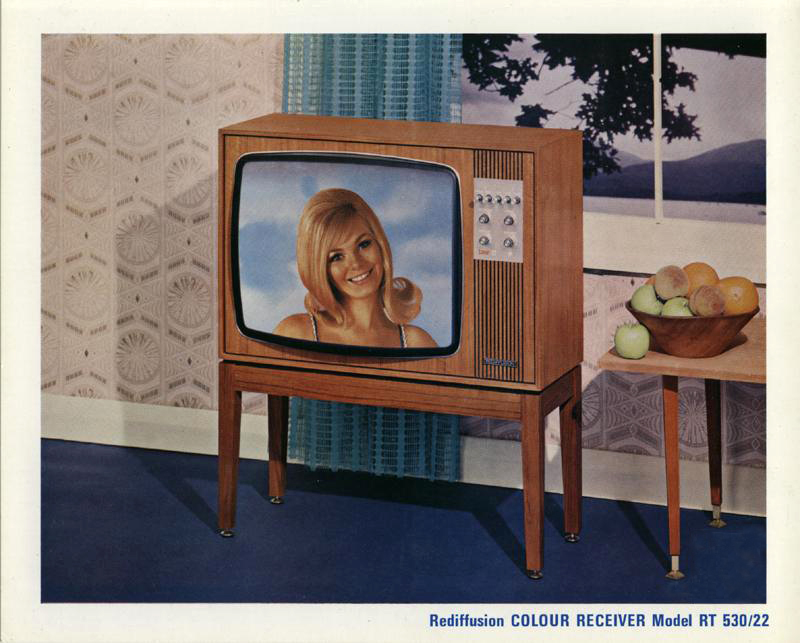
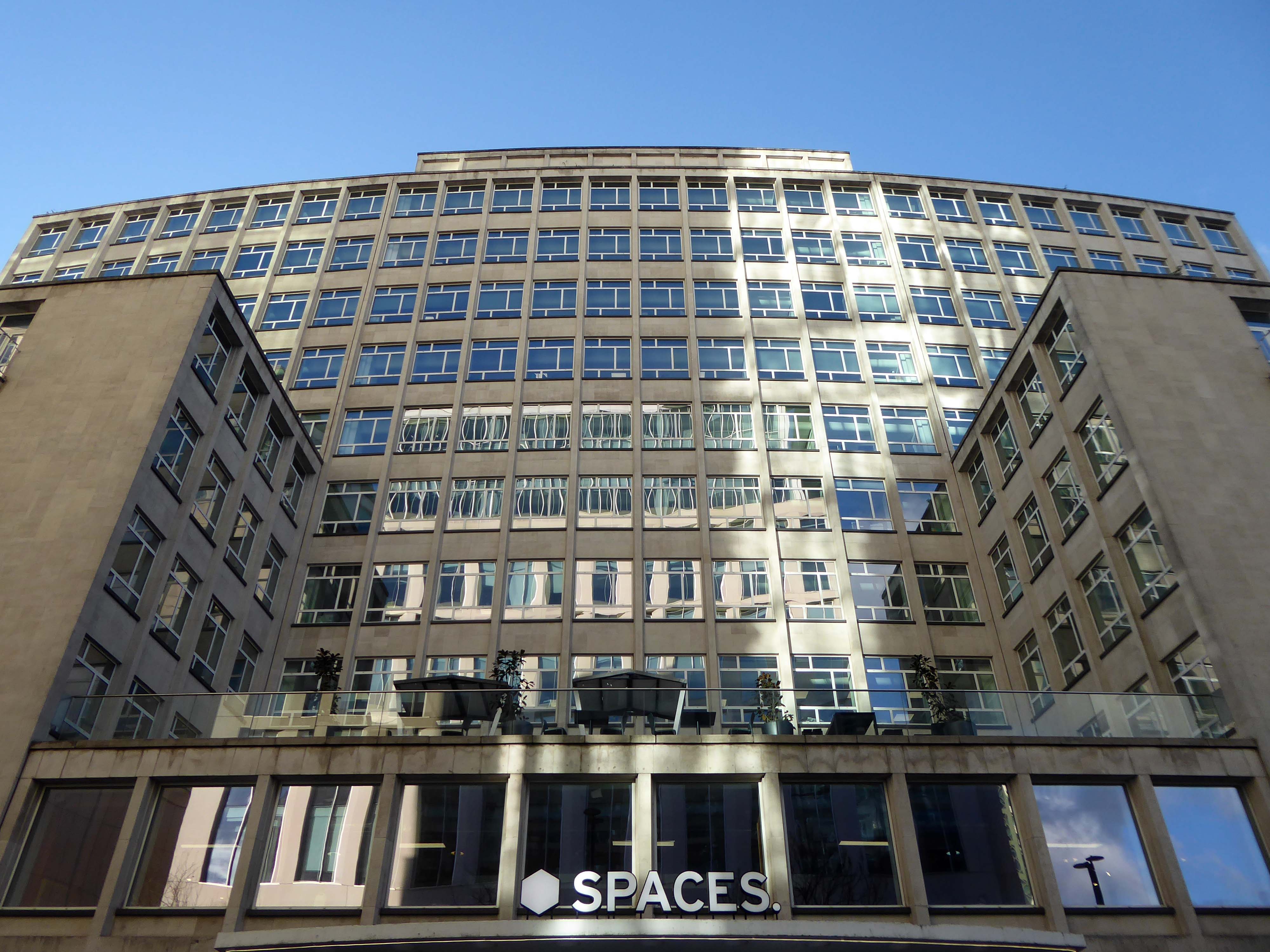
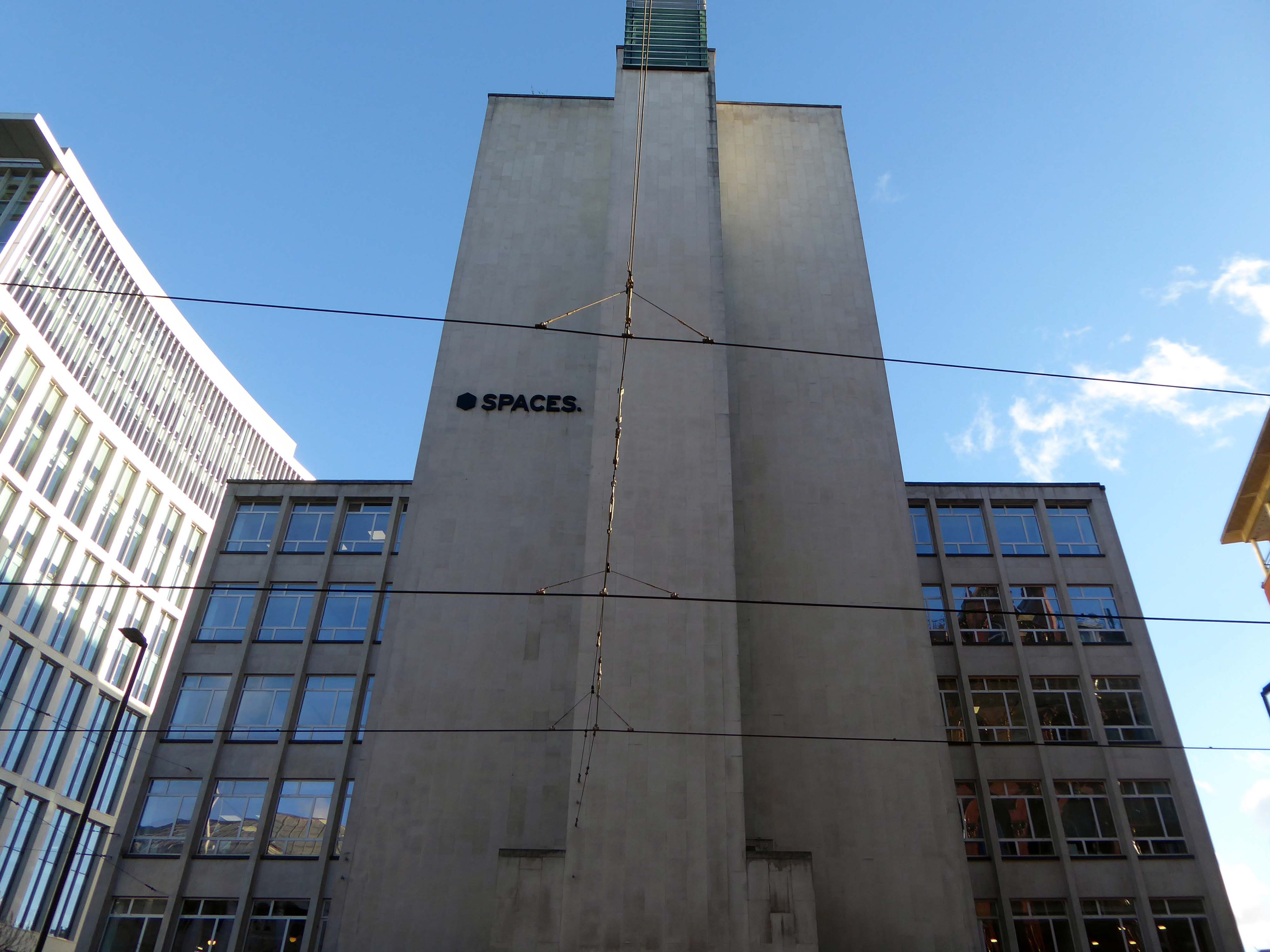
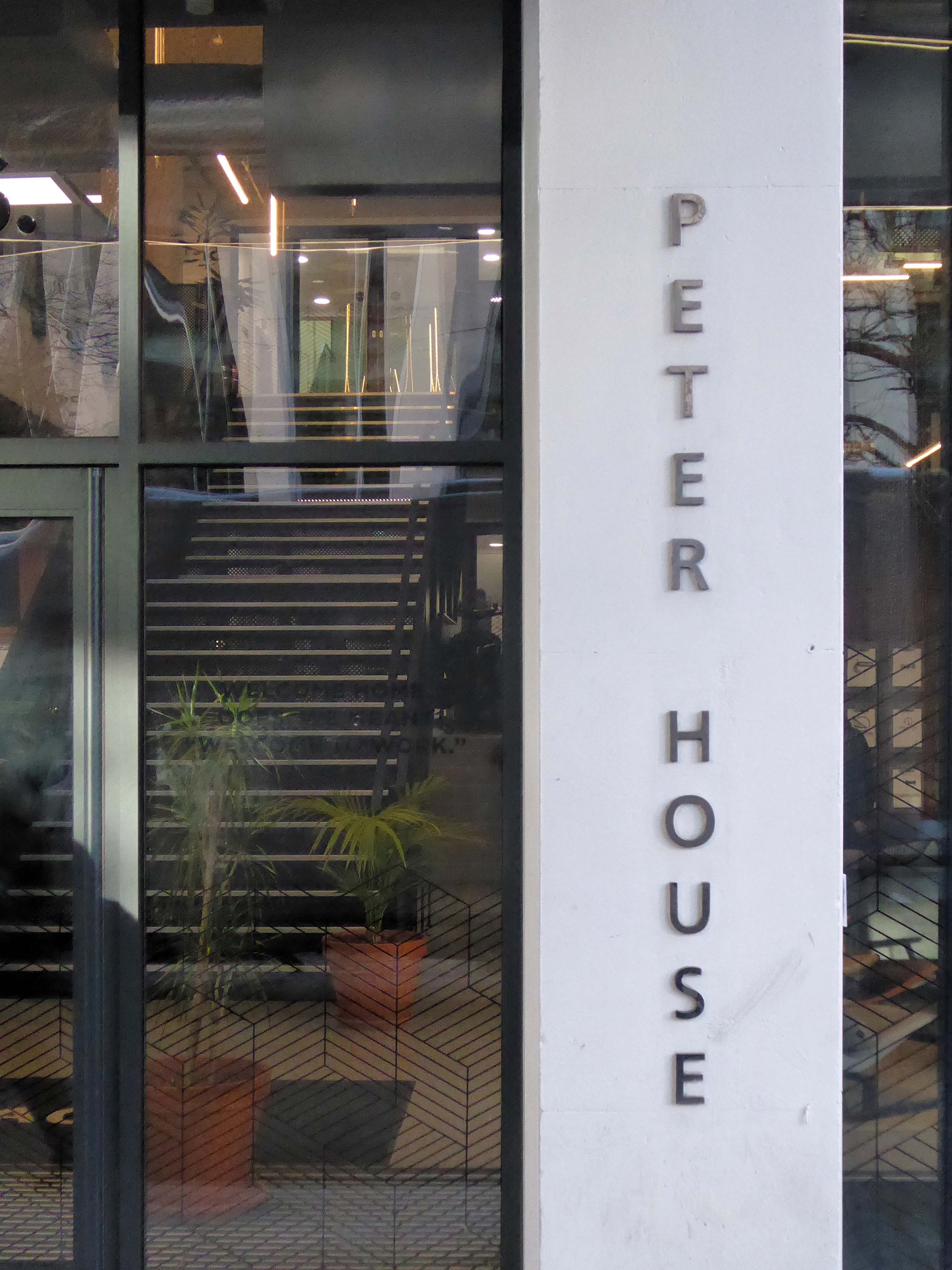
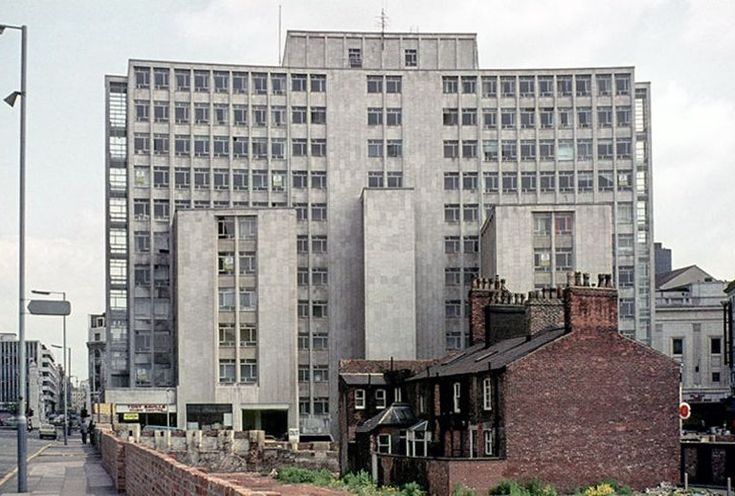
It was replaced by Rediffusion House – later Peter House architects Ansell & Bailey.
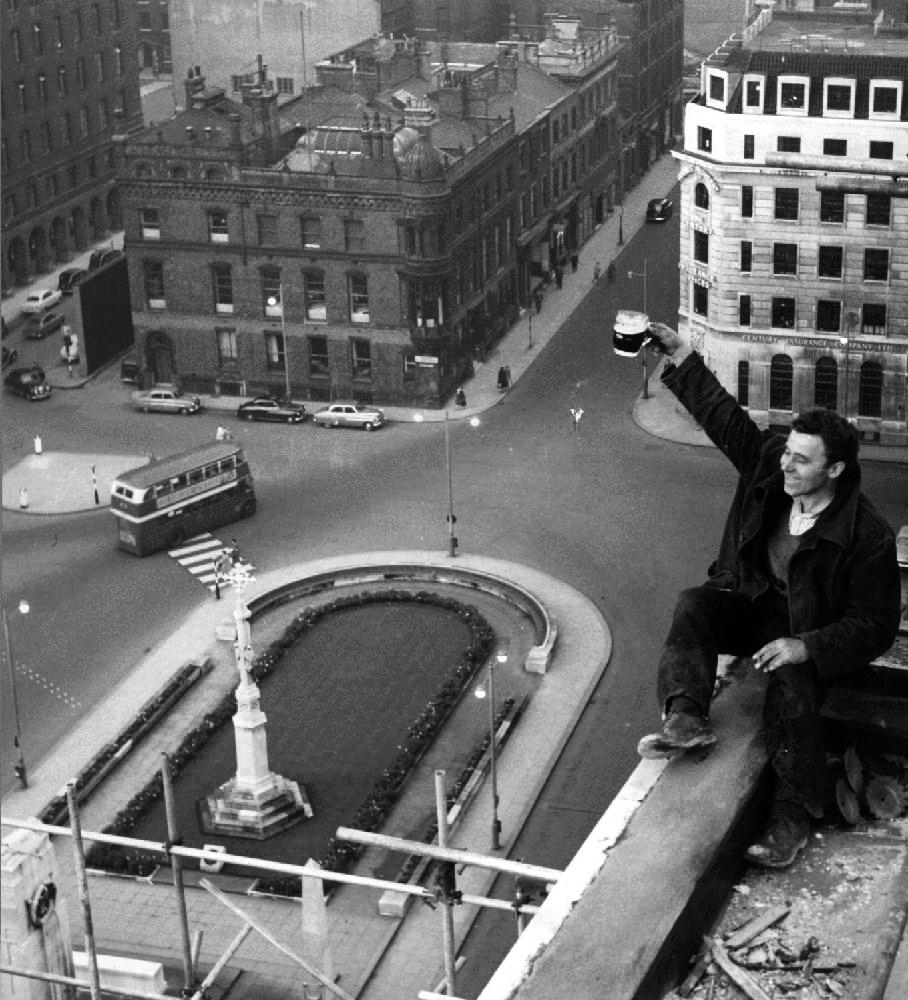
Topped out in 1957 with a pint of Chester’s Mild.
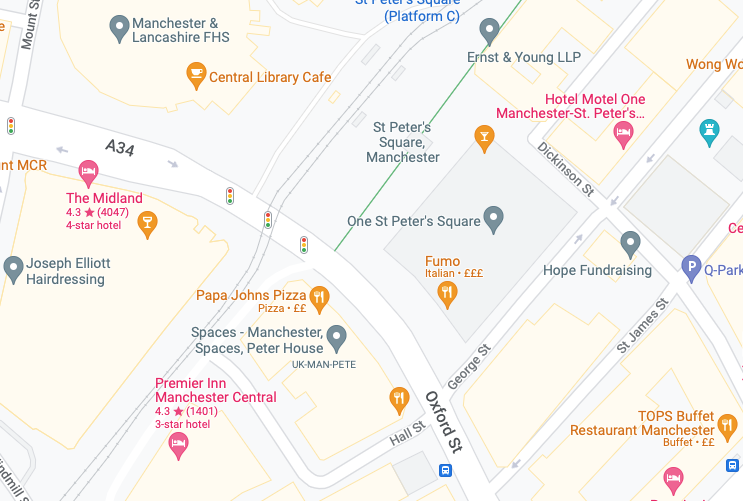
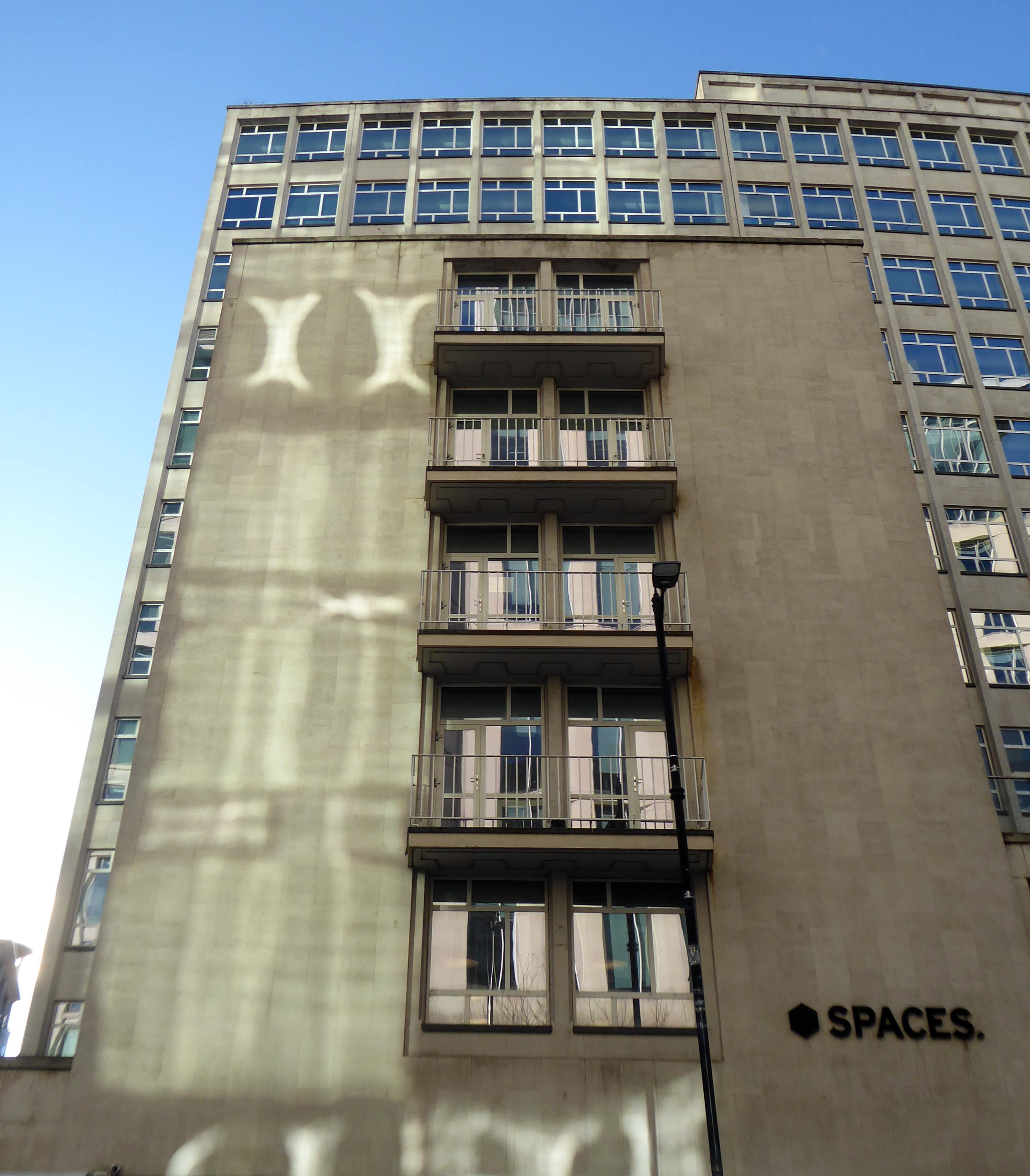
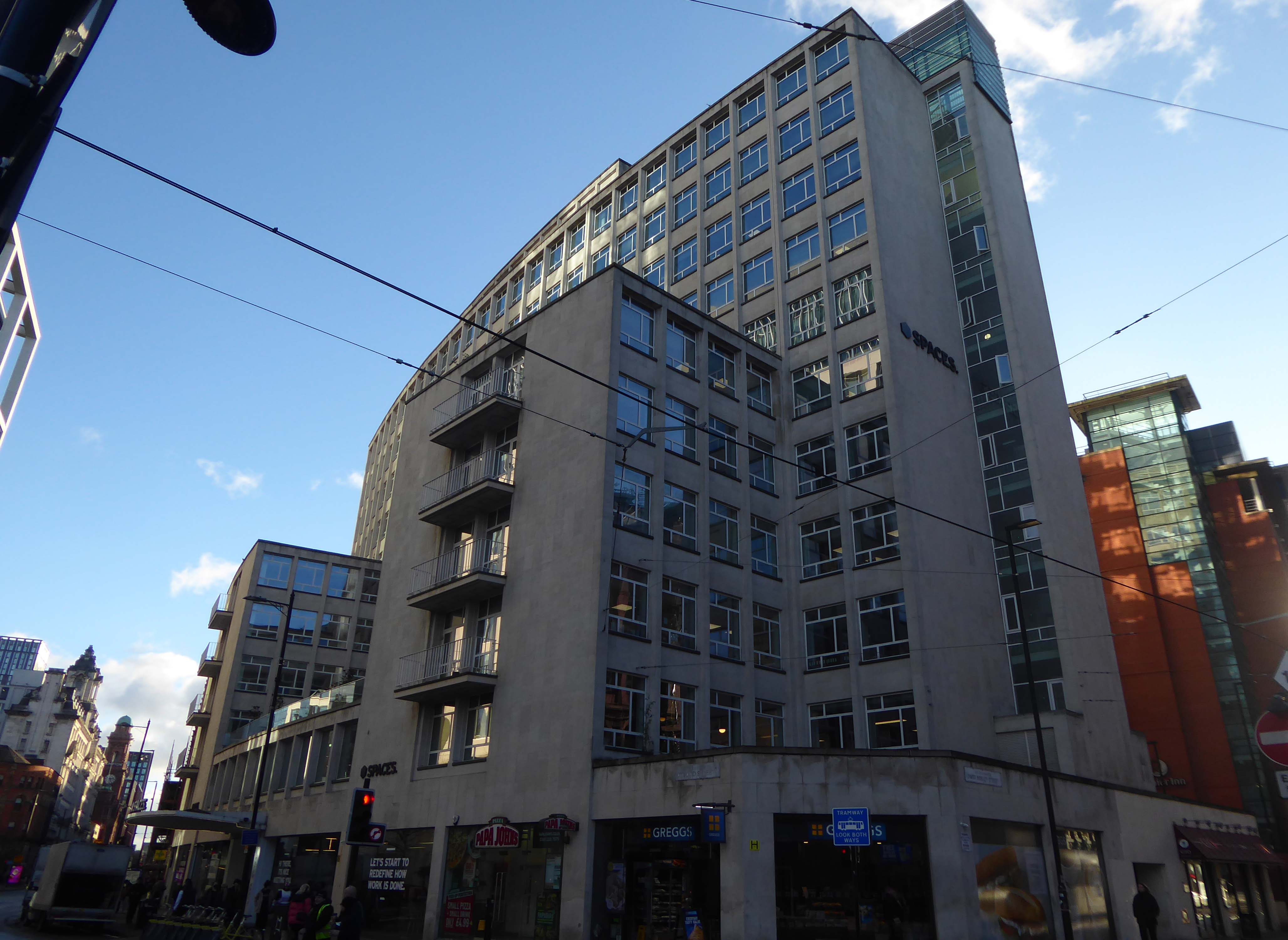
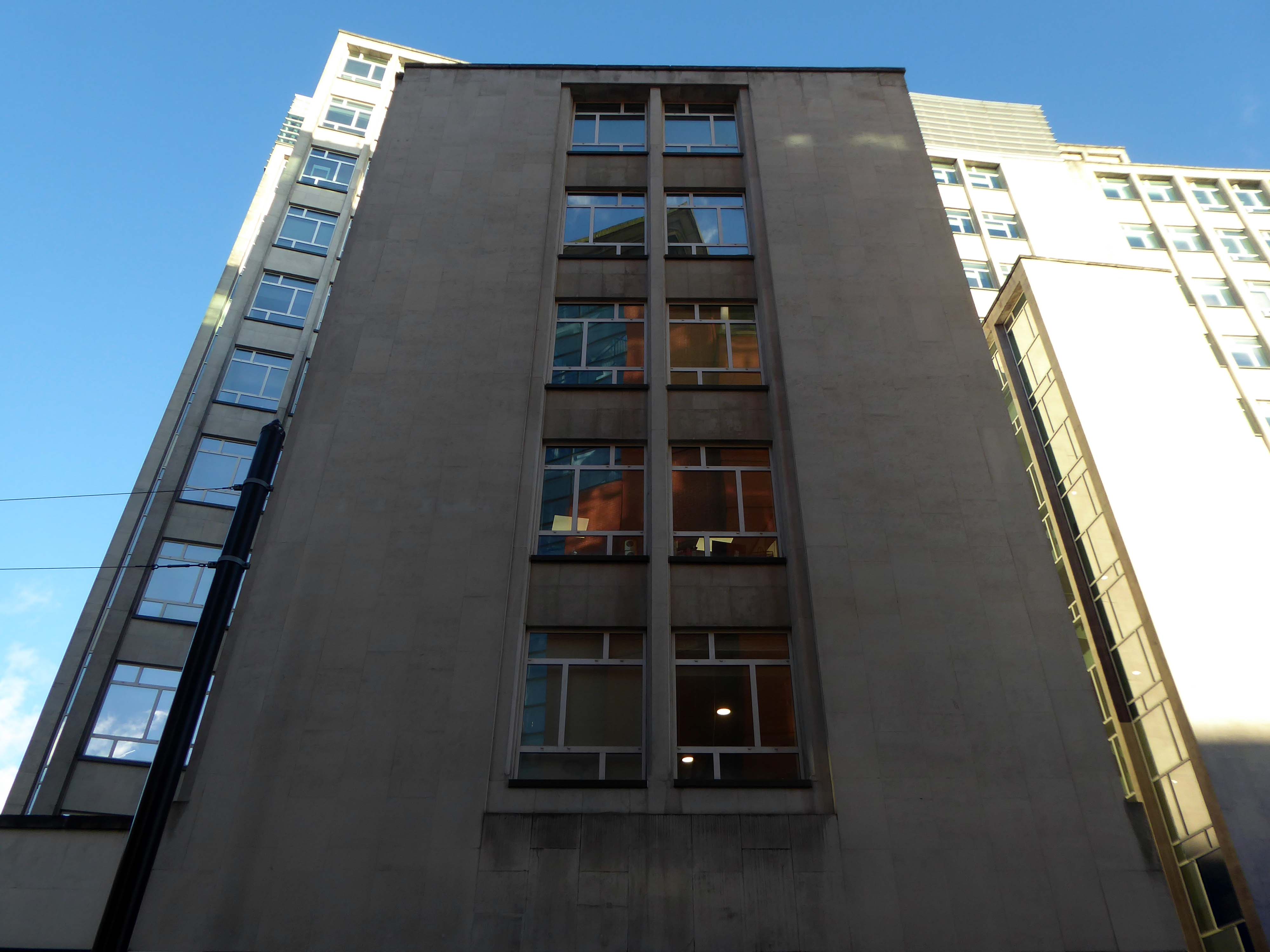
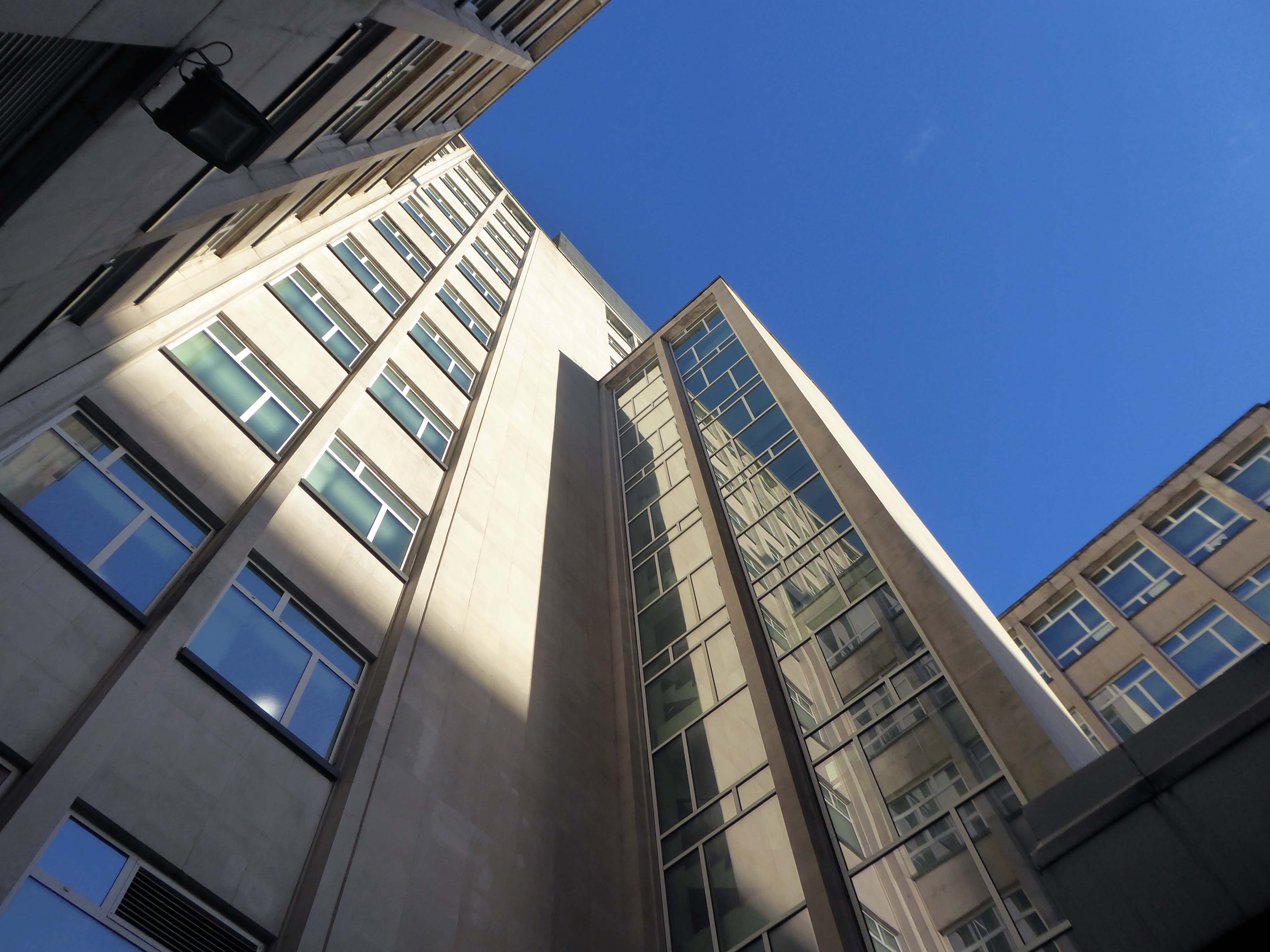
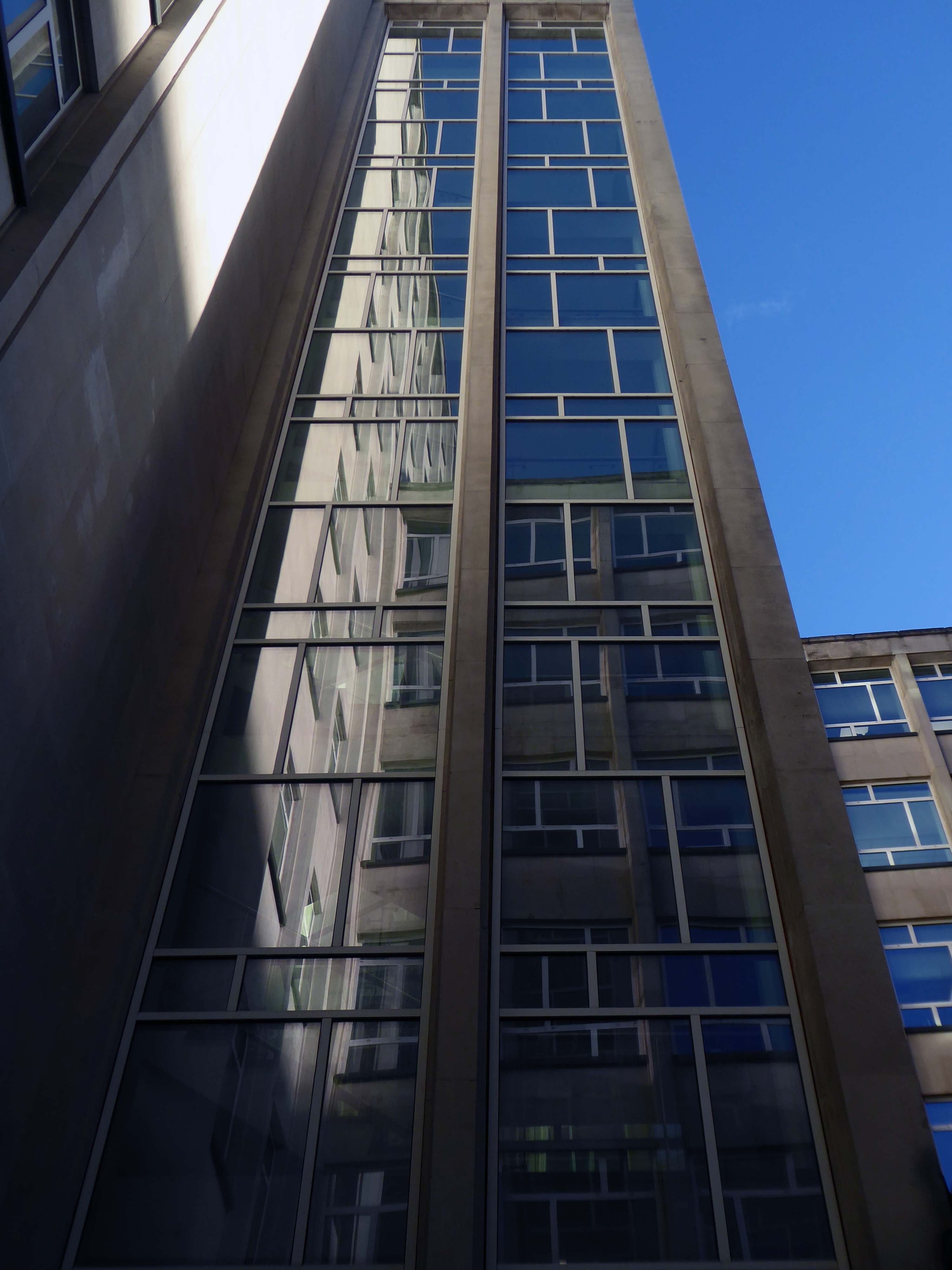
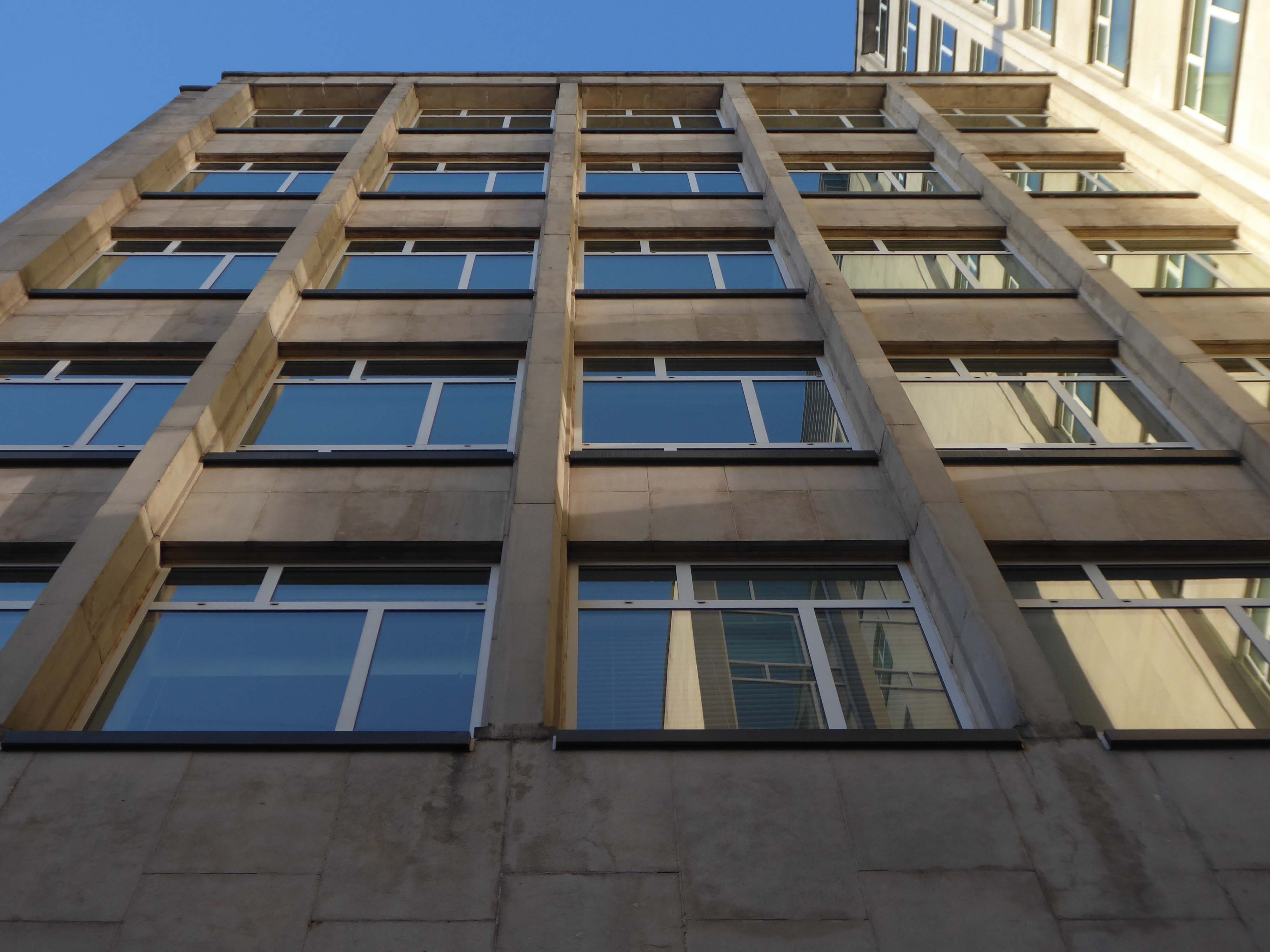
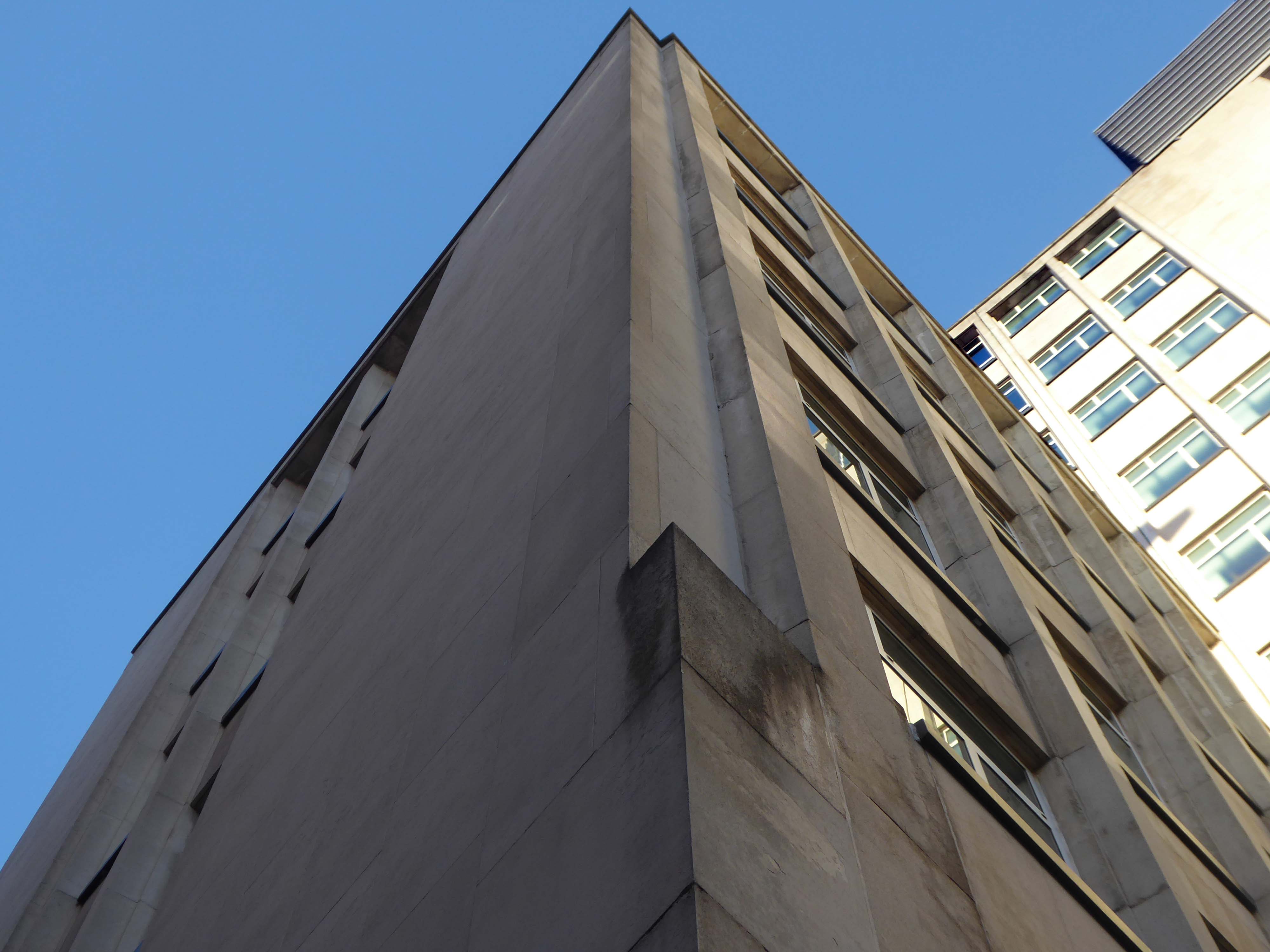
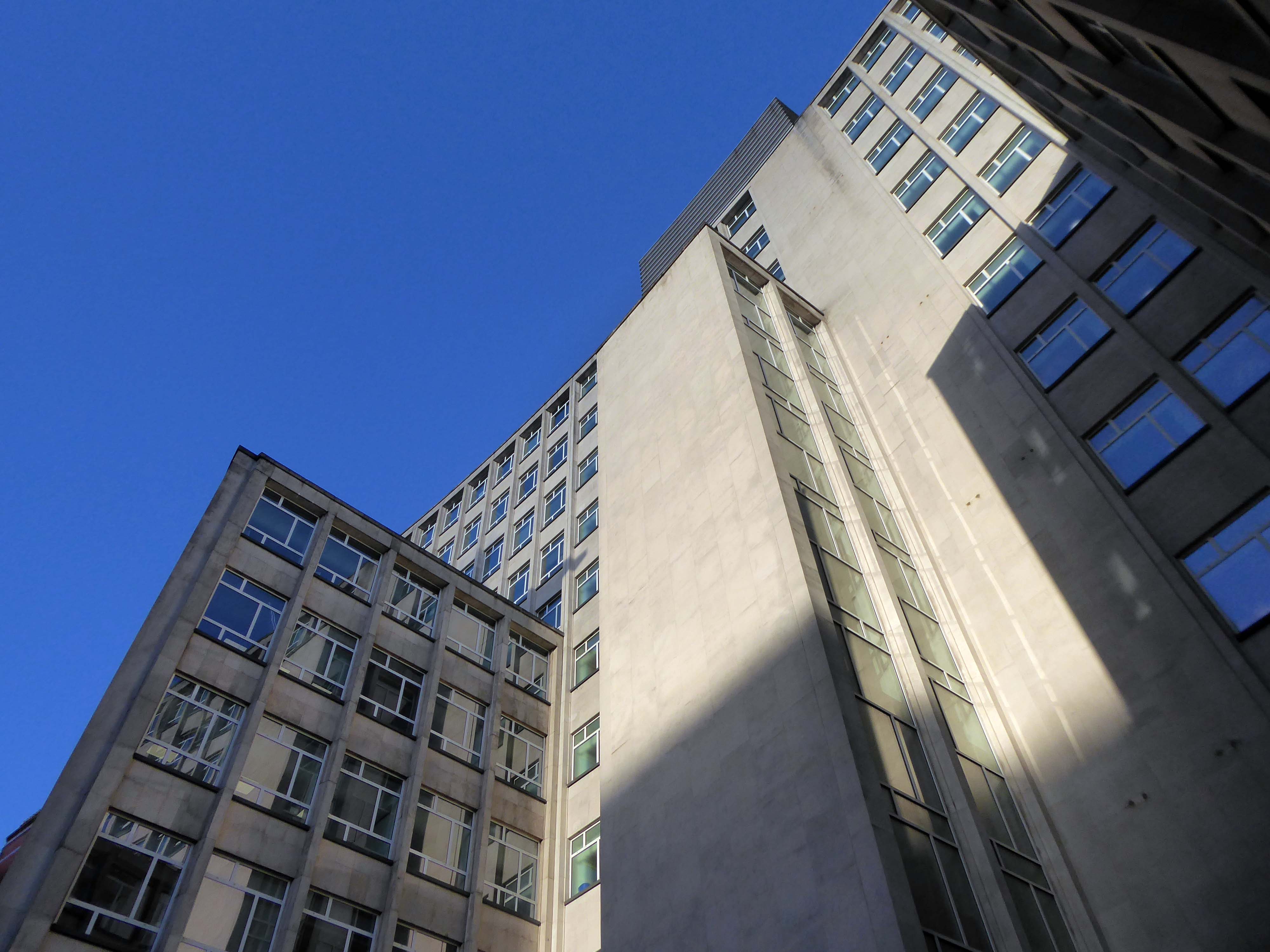
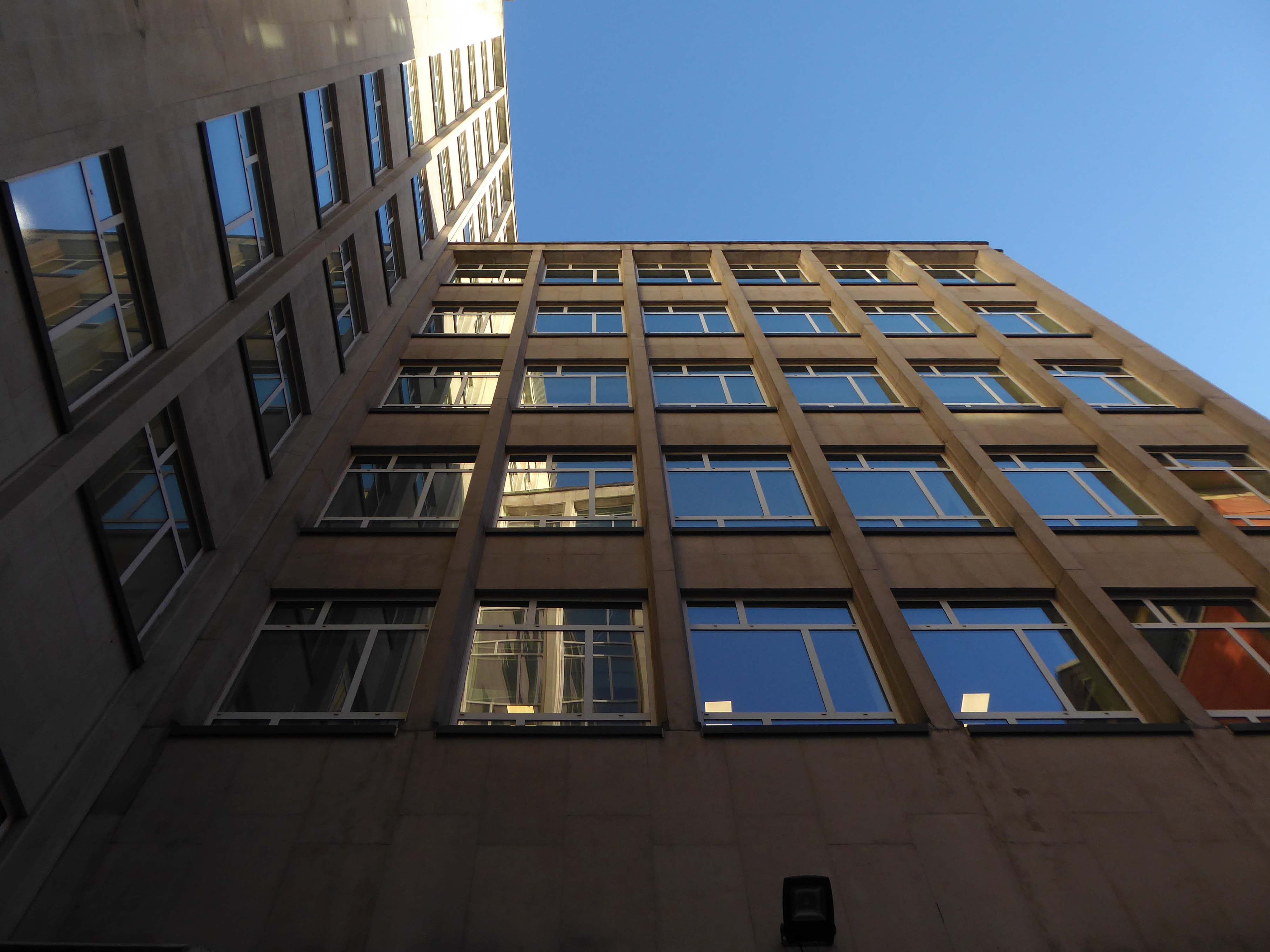
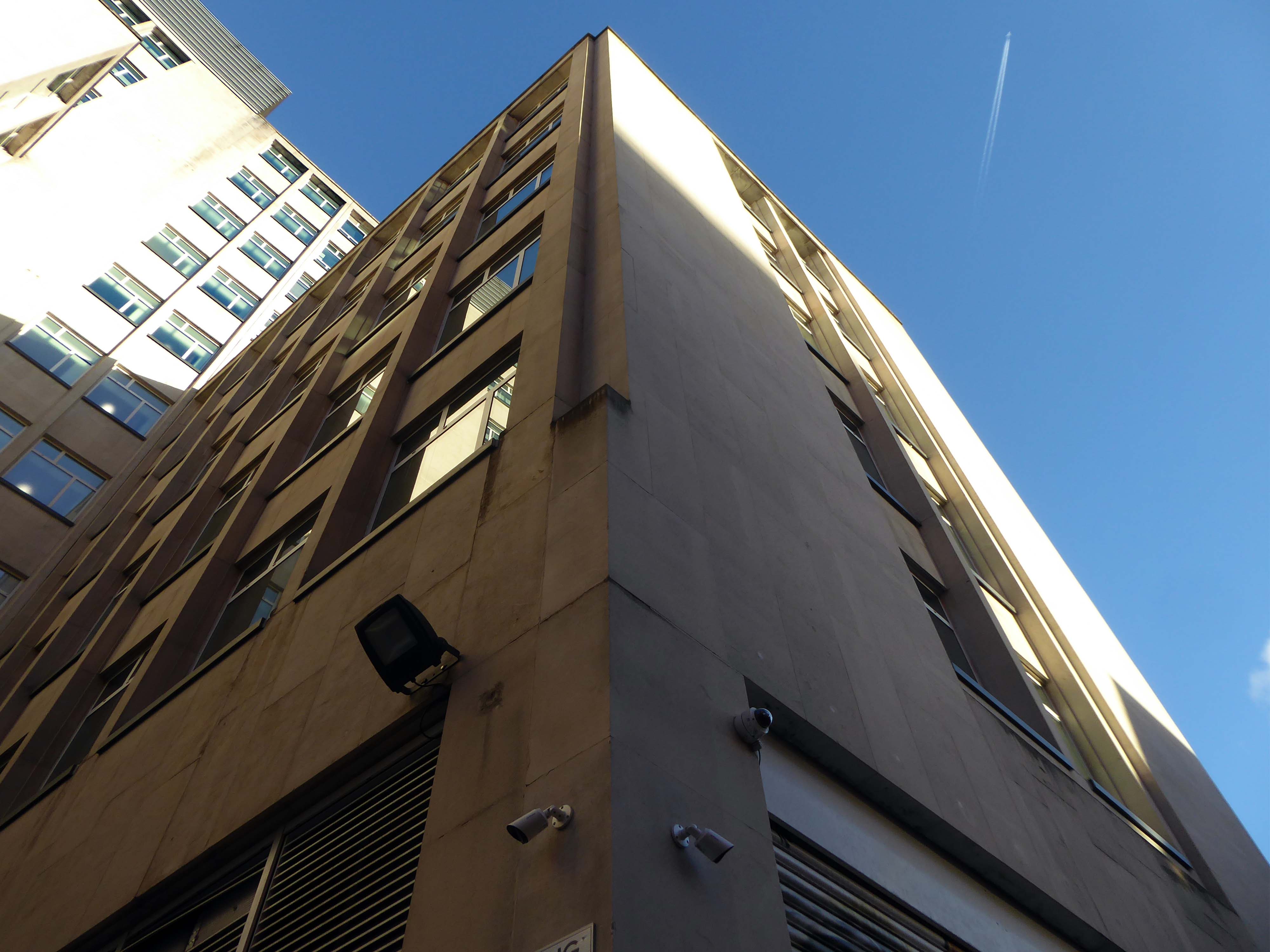
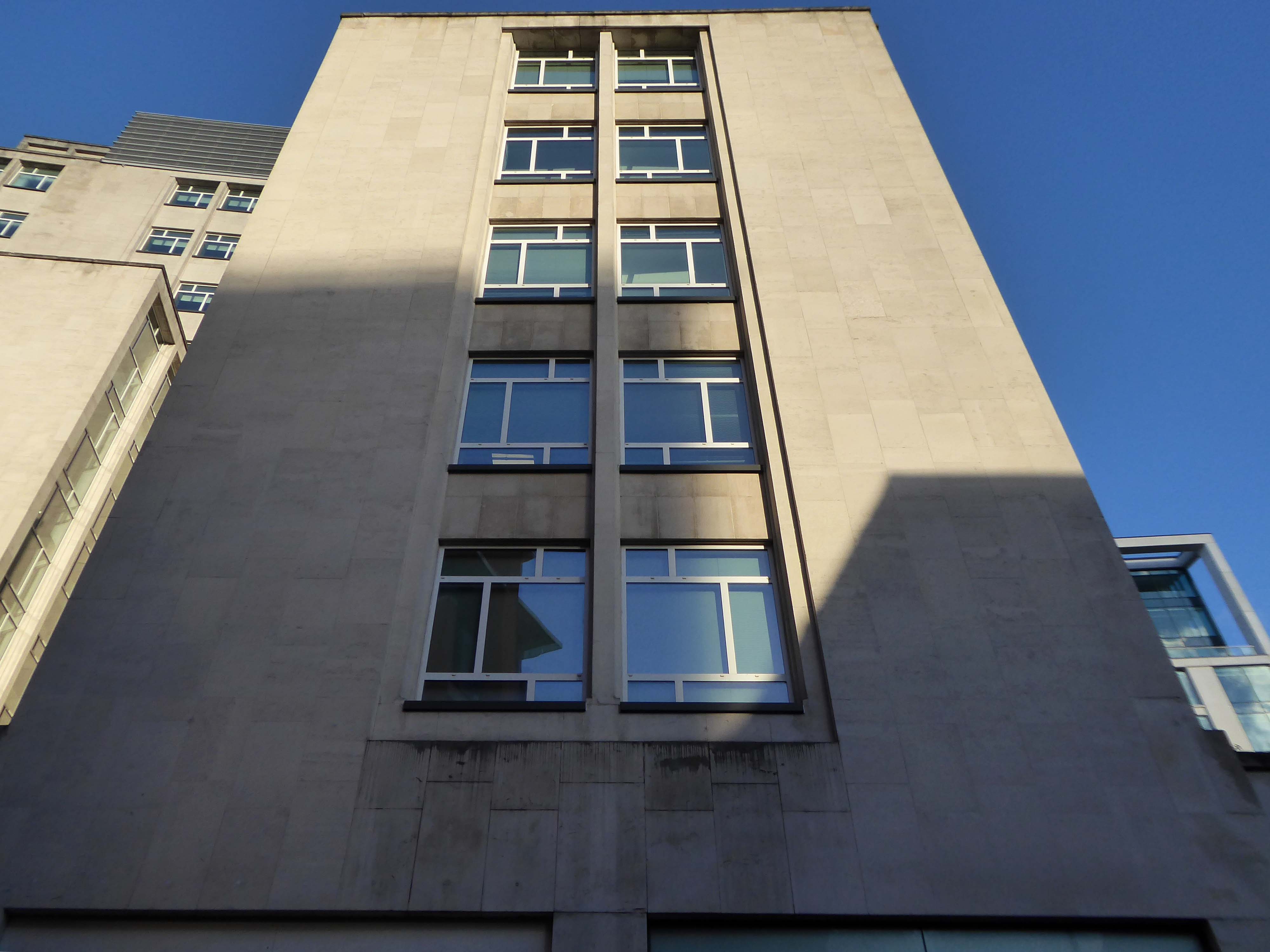
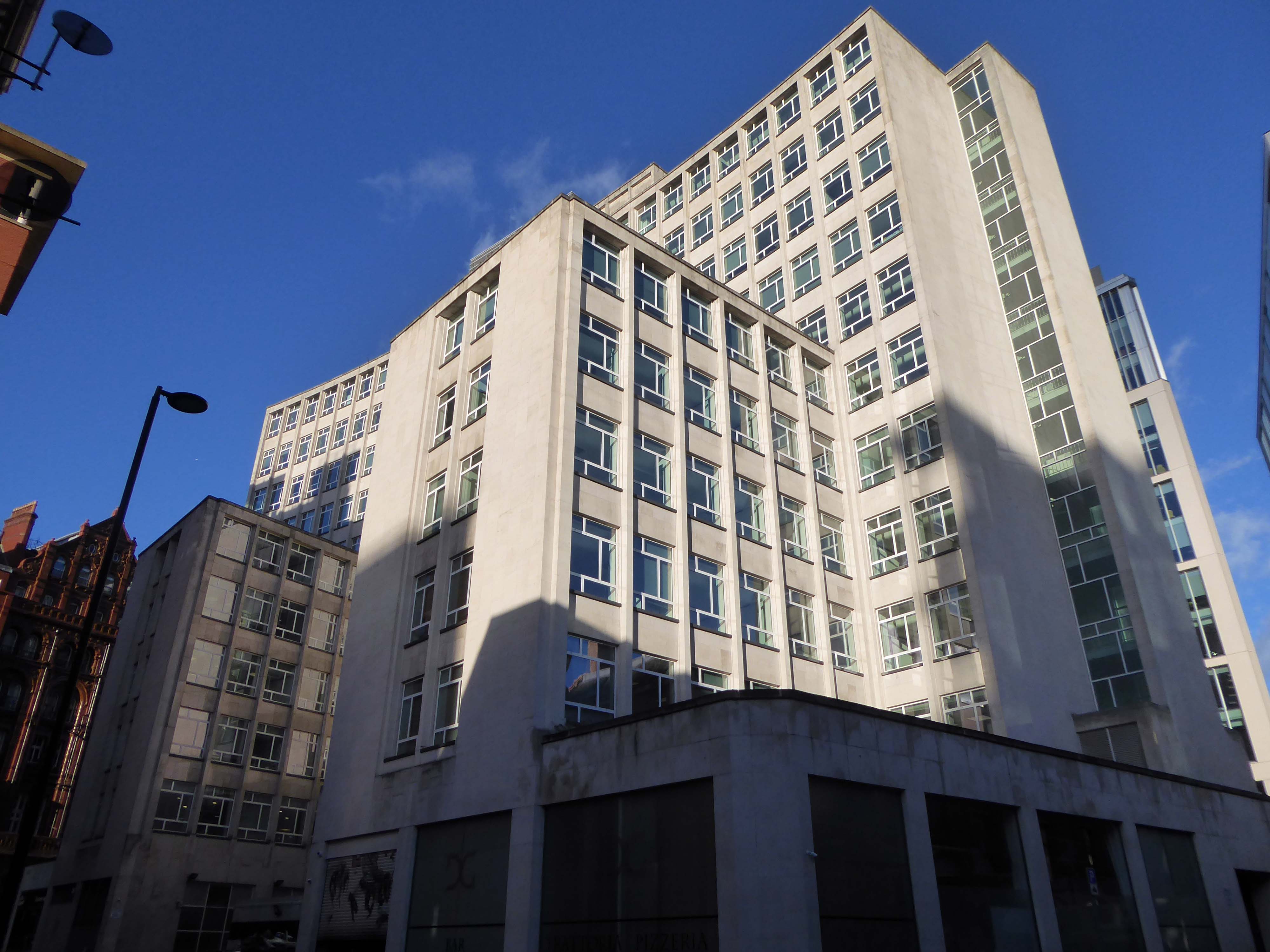
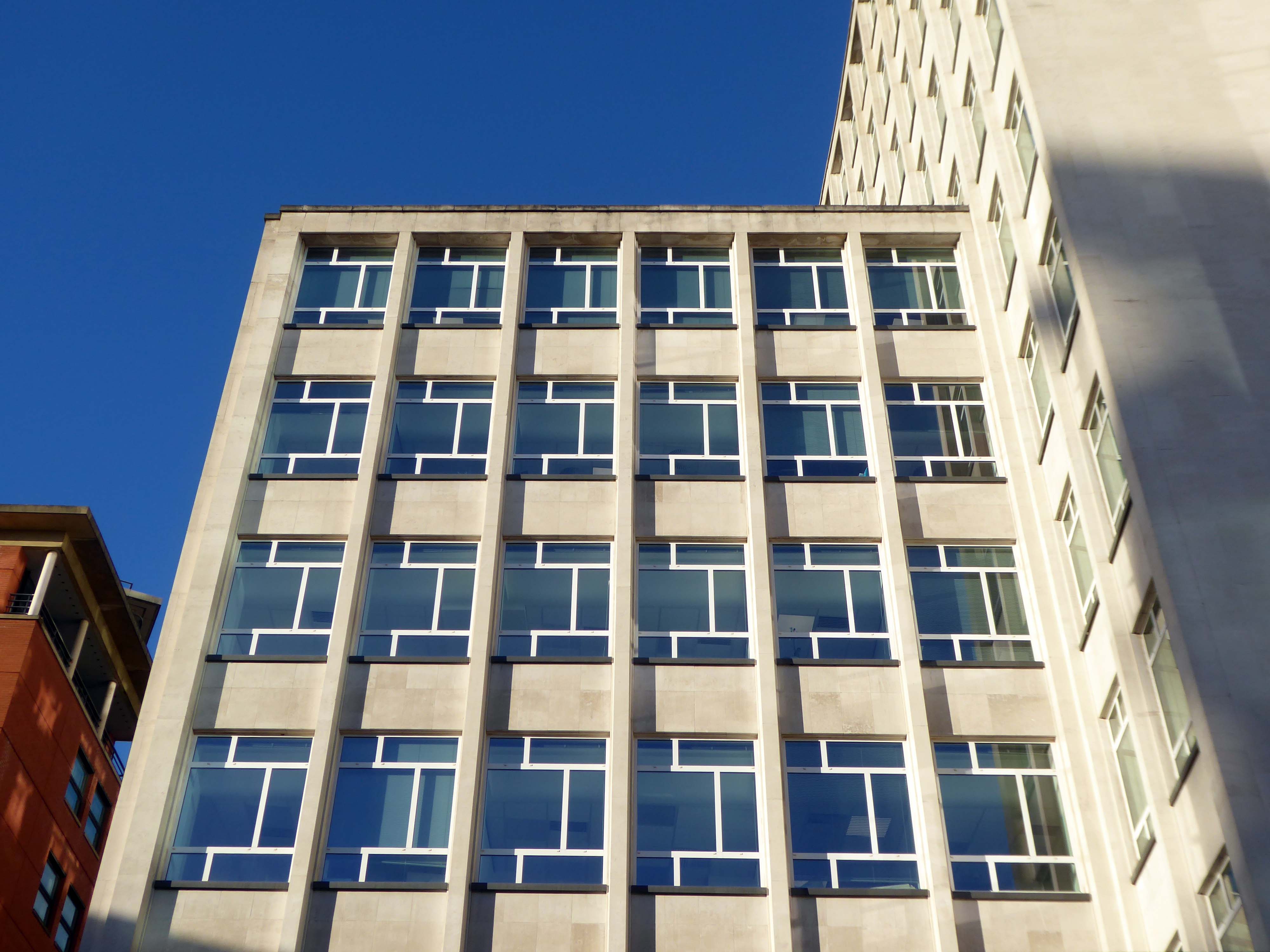
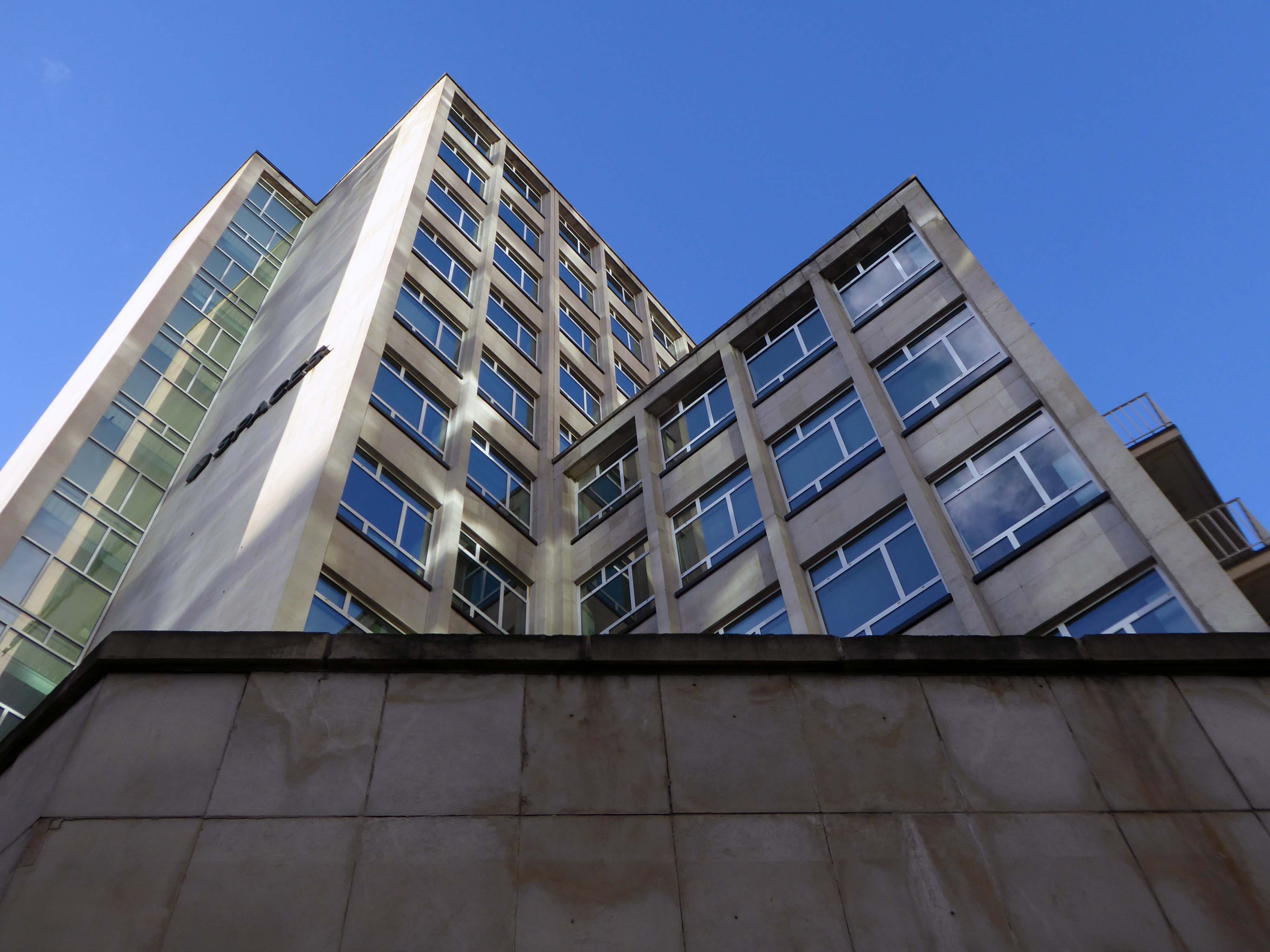
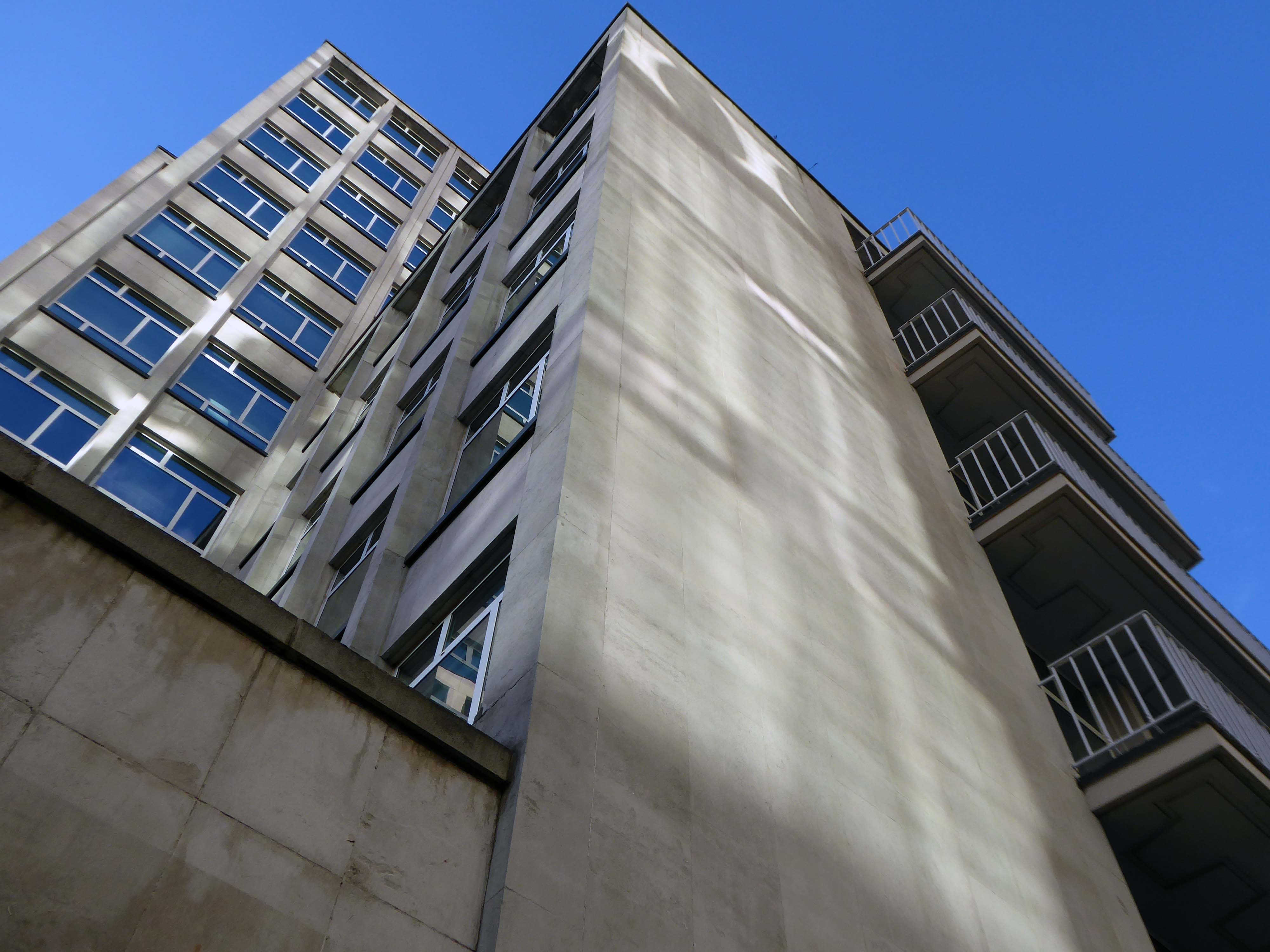
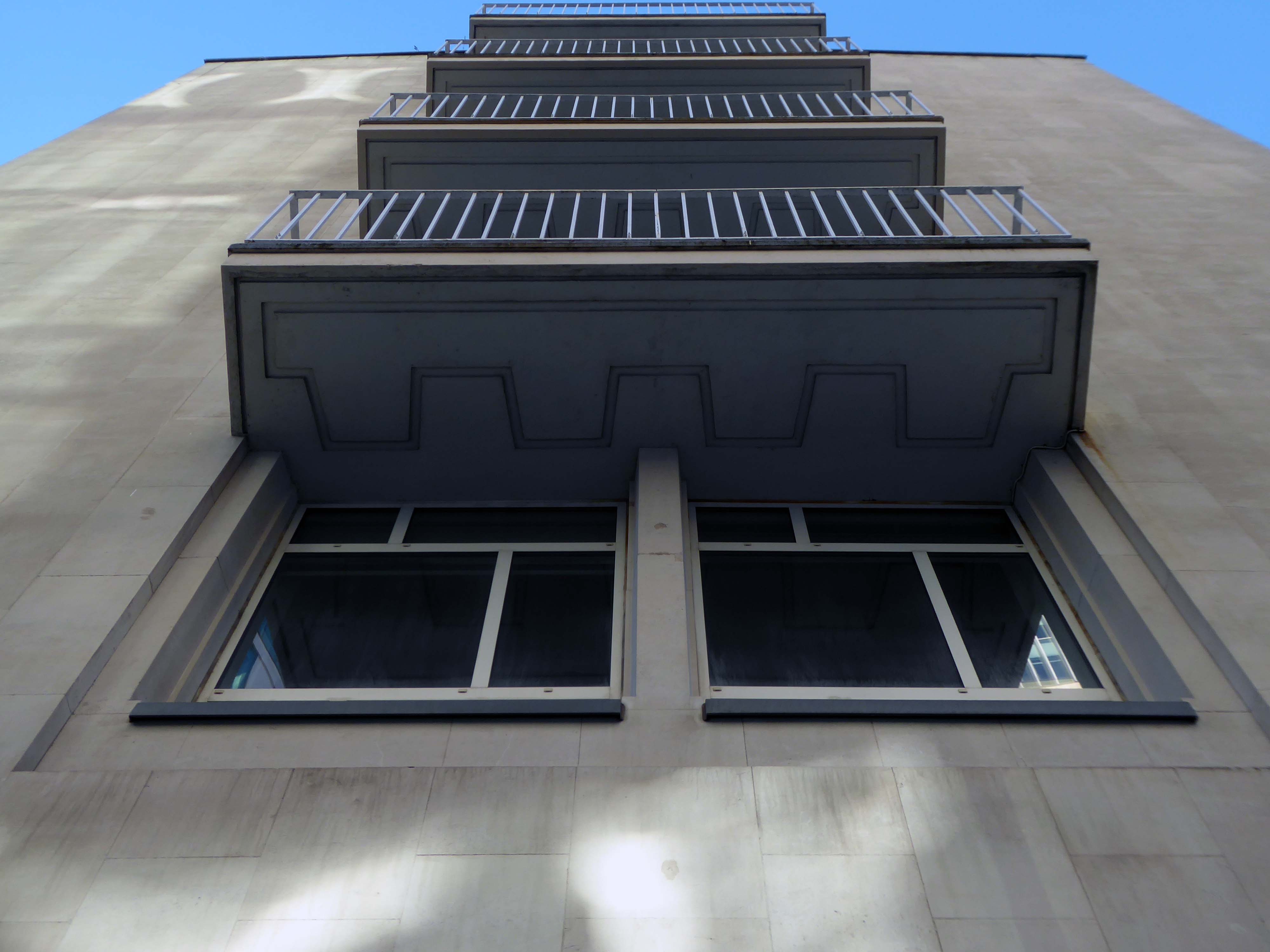
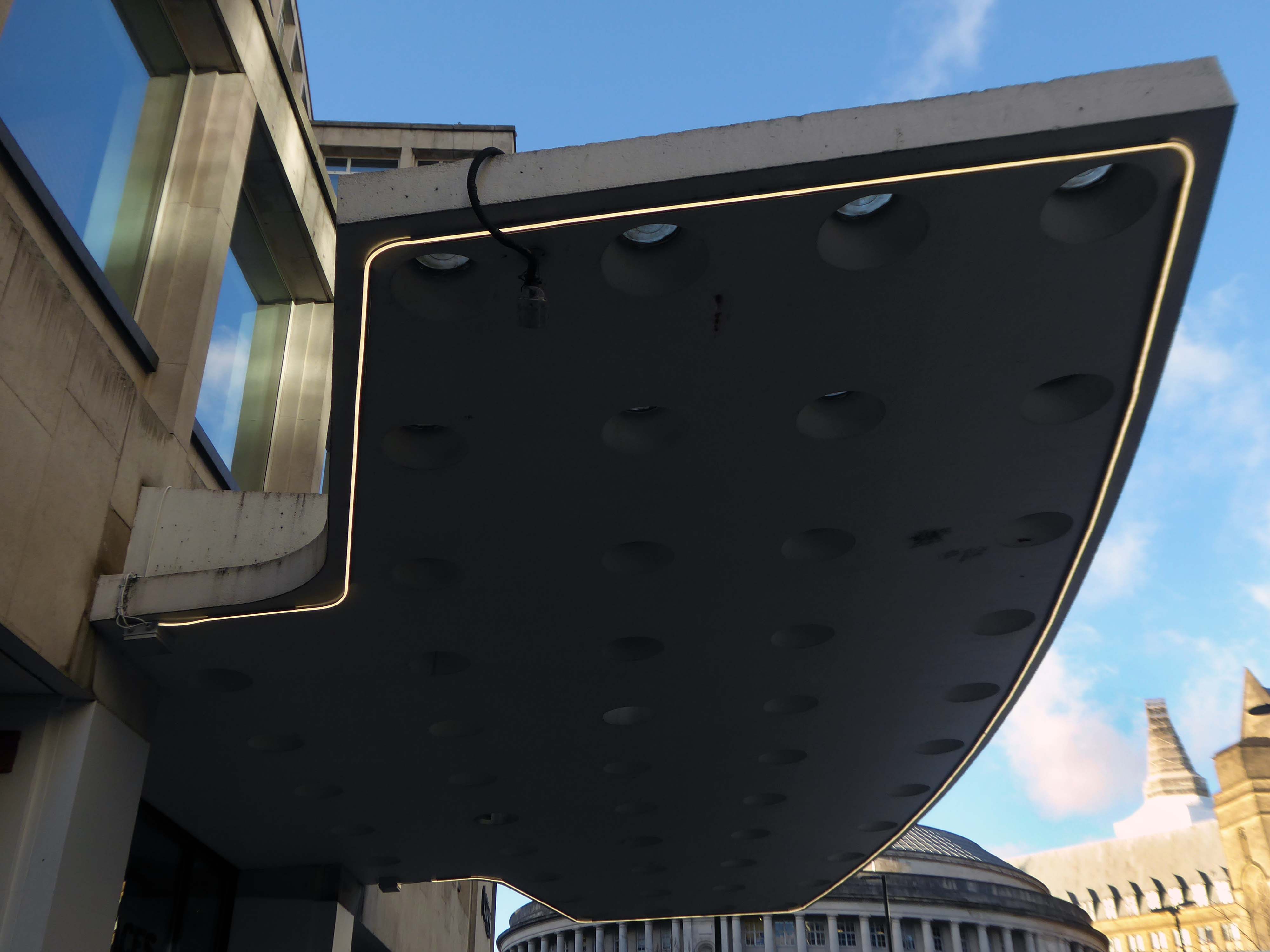
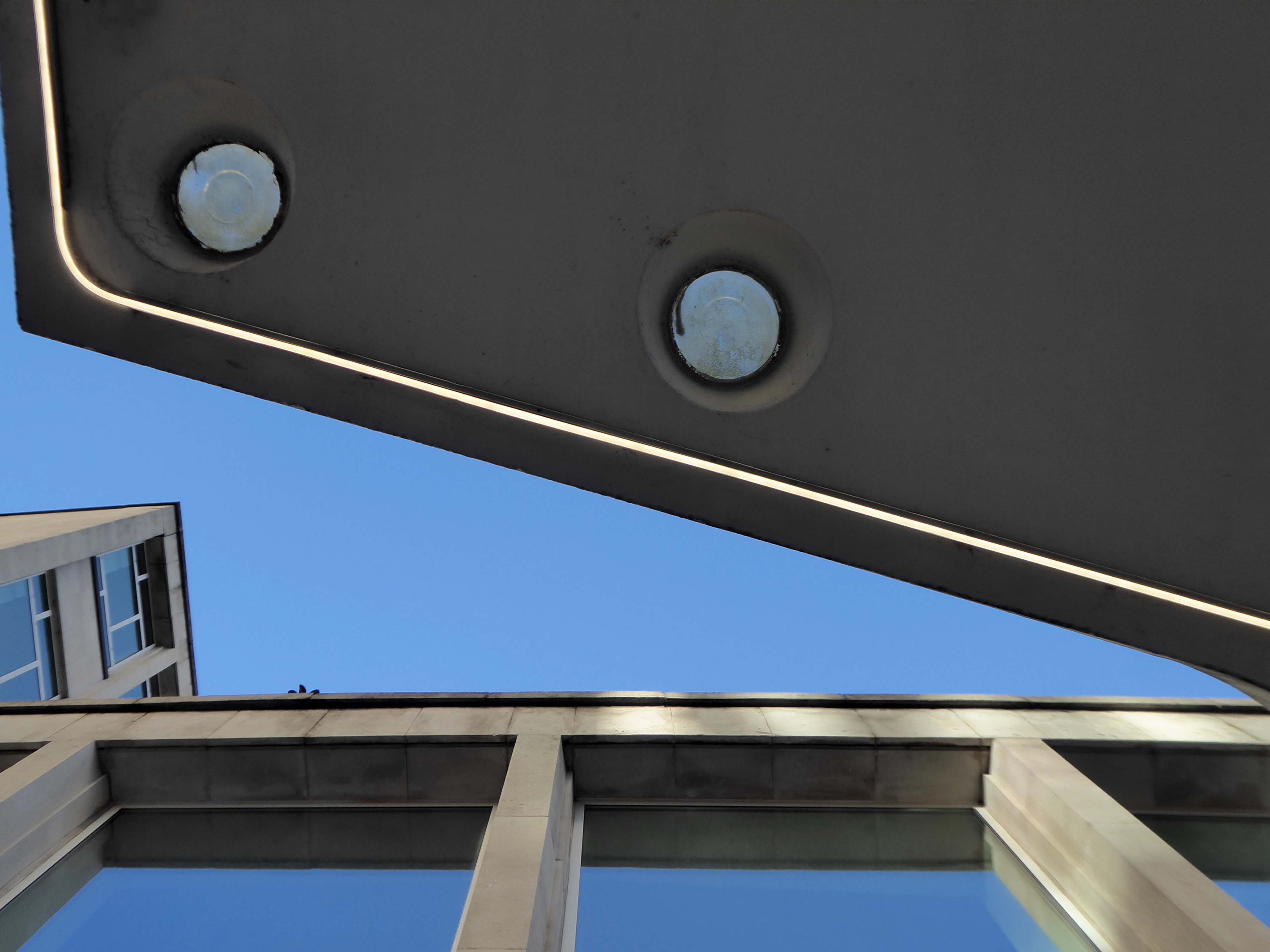
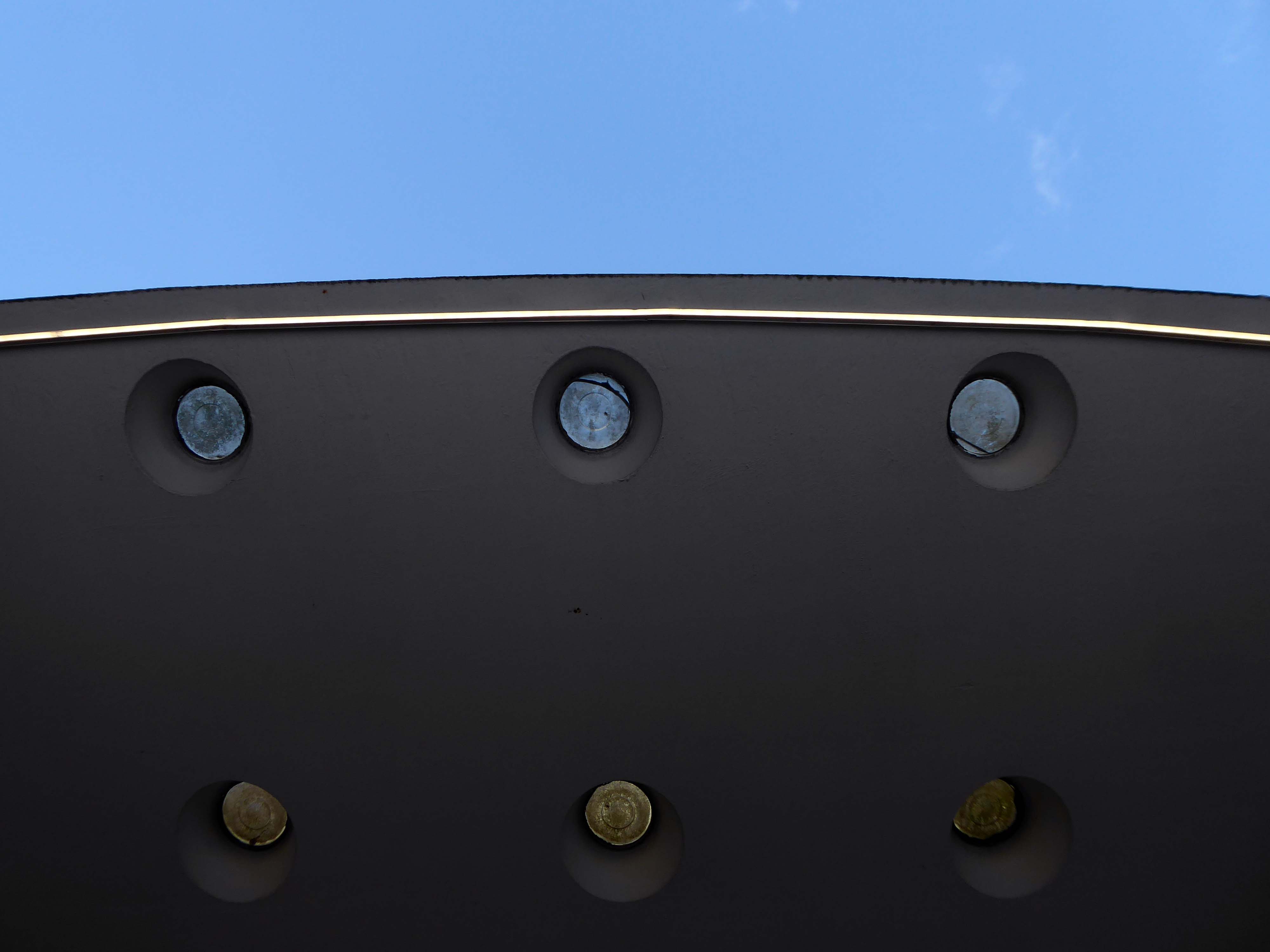
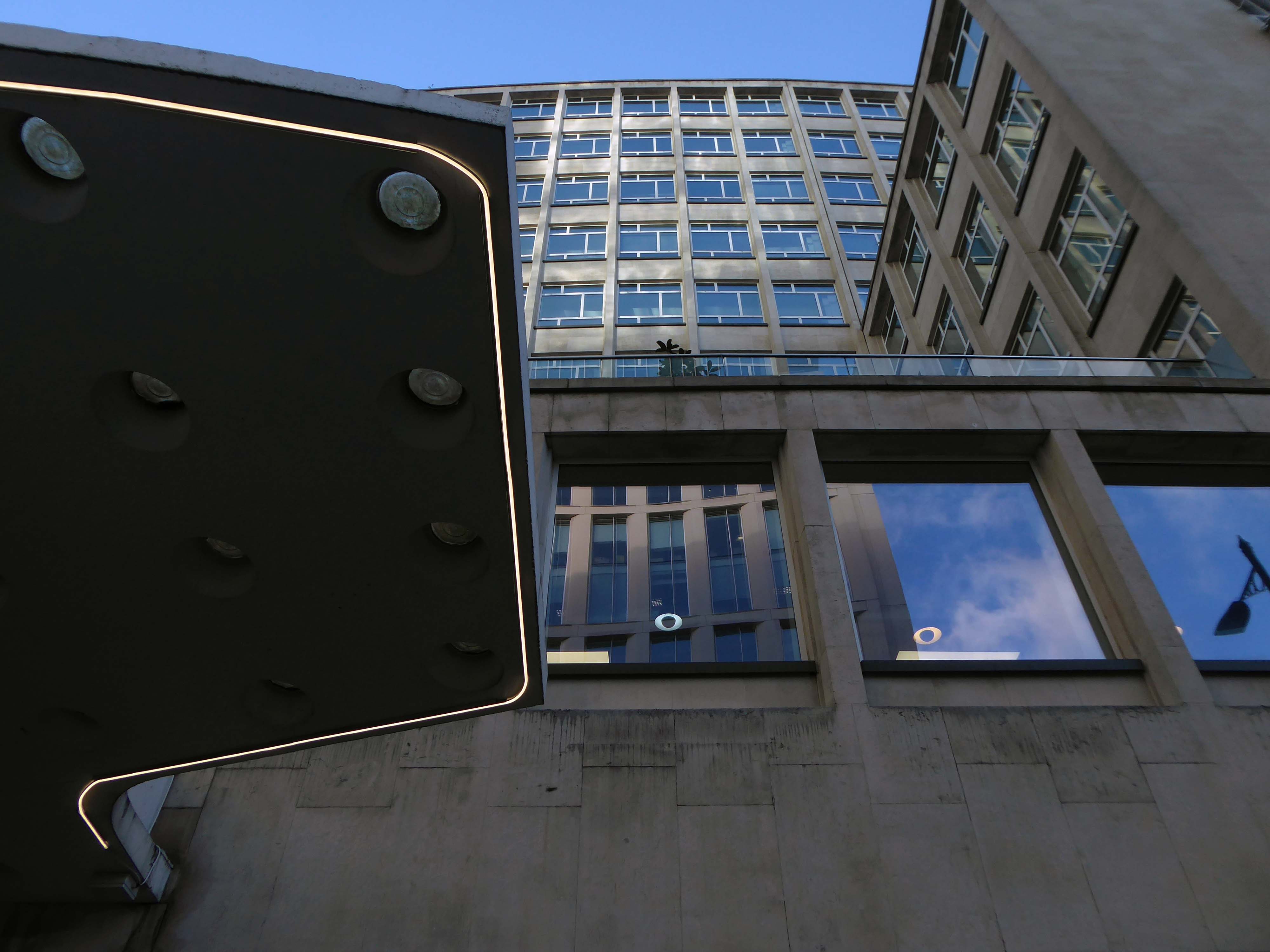
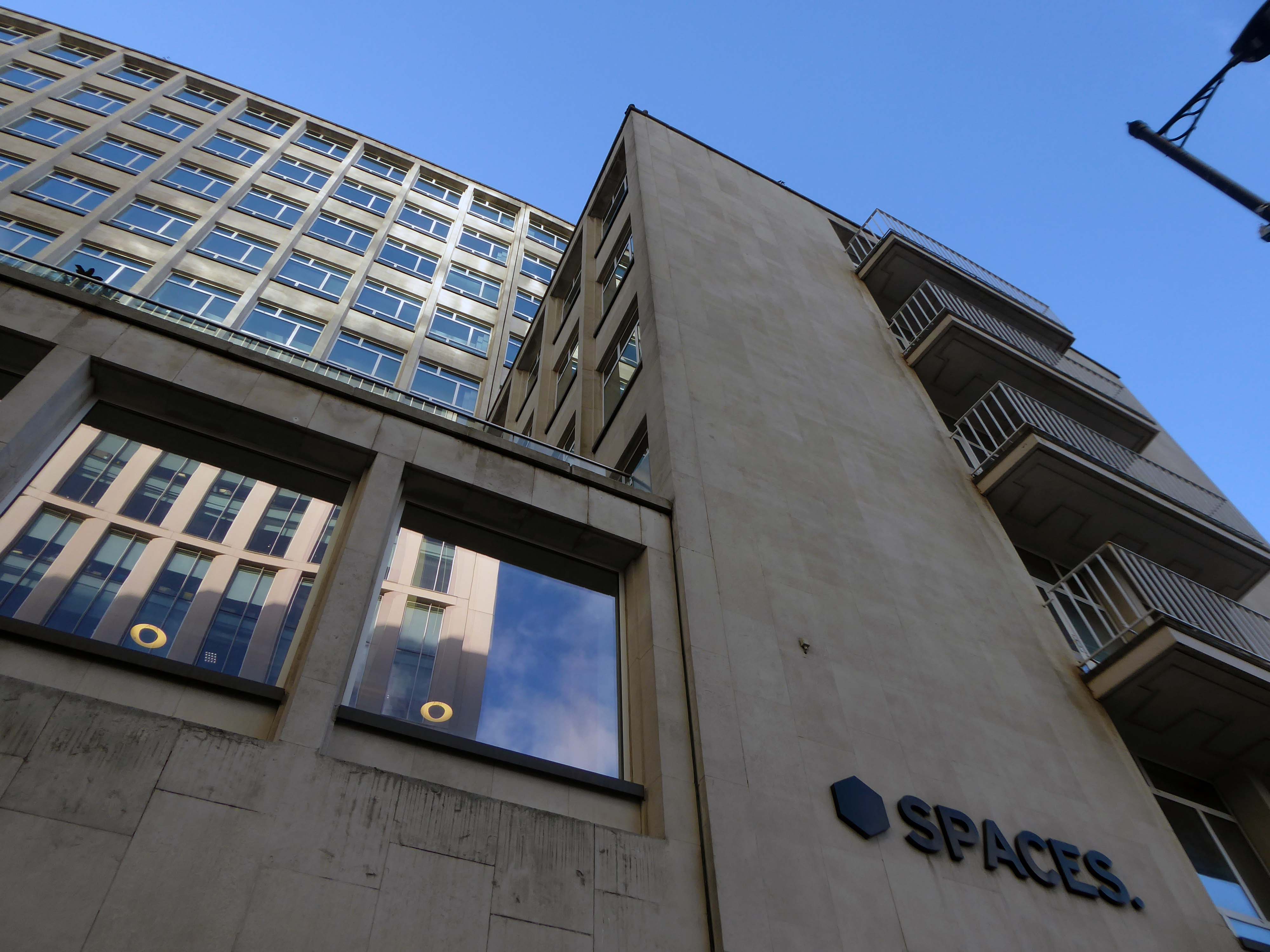
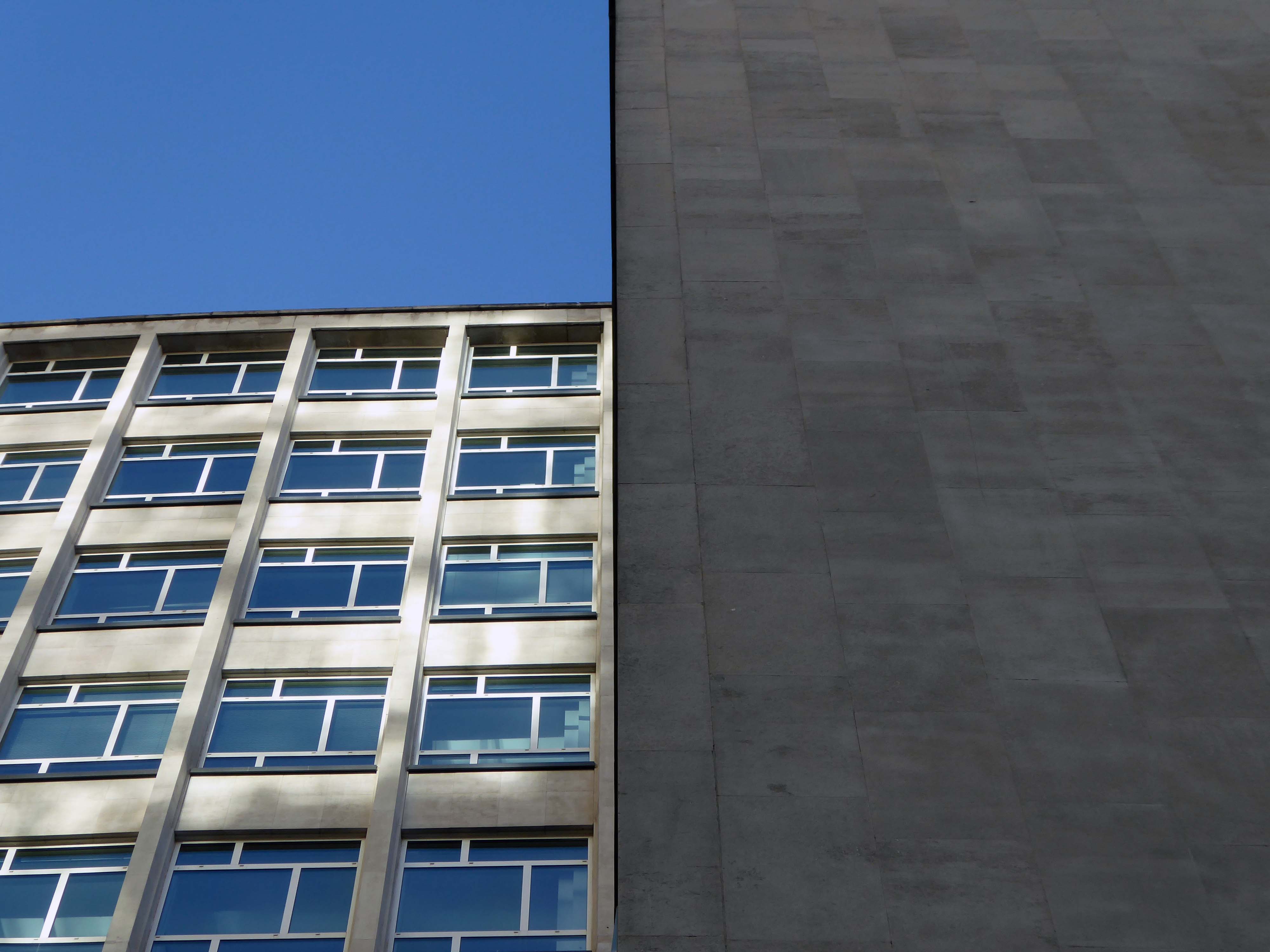
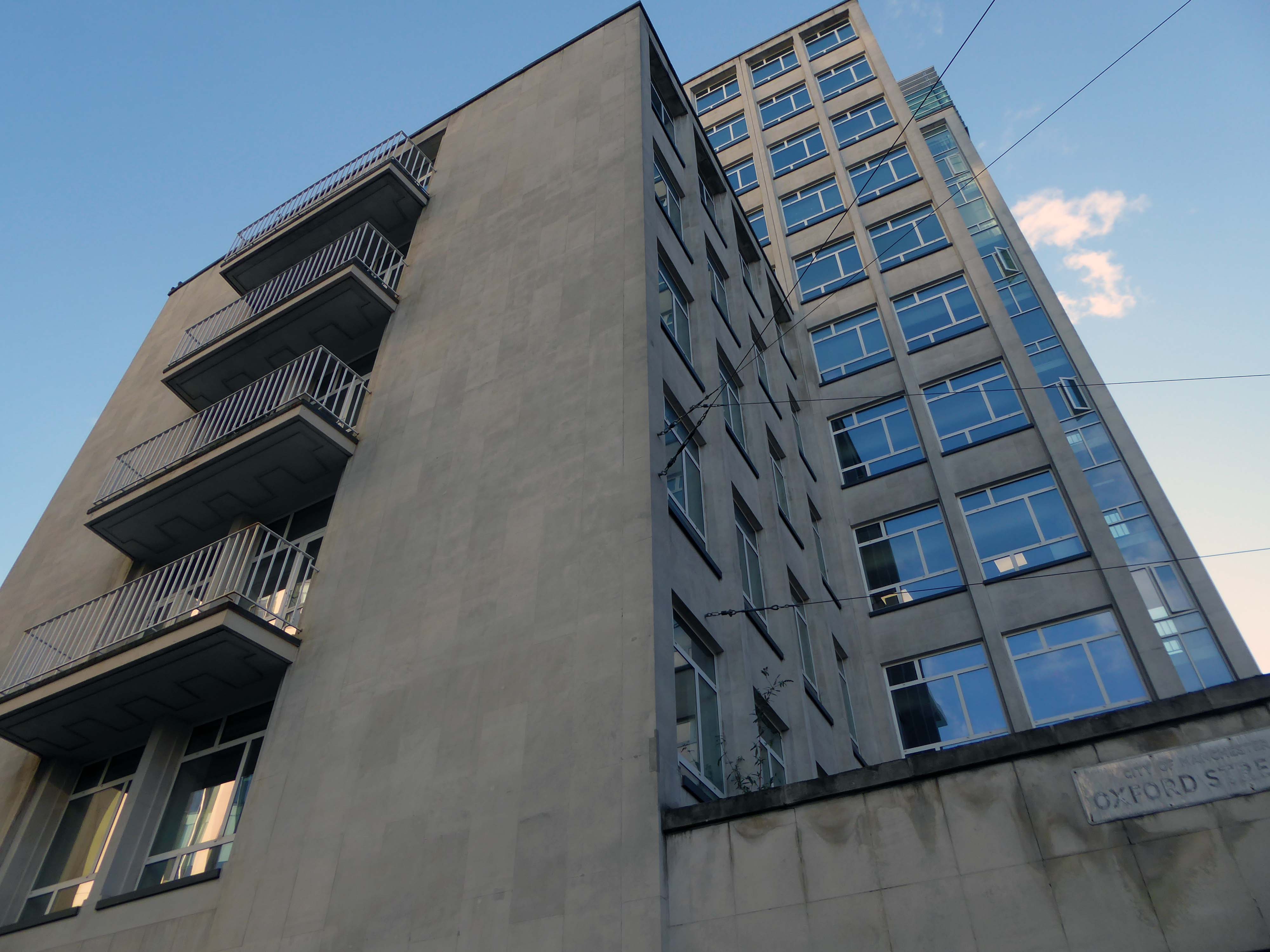
Peter House gracefully hugs the curve of Oxford Street as it leads into St. Peter’s Square. This was one of the earliest commercial buildings to be completed post-war, which demonstrates the slow economic recovery of the region. Built on a site that had been bombed, the Portland stone seemed to marry with the material narrative established by JW Beaumont and LC Howitt in their buildings of the 1950’s and following earlier interwar commercial buildings. This scheme has more panache than the rather serious facades of the Student Union building or the Law Courts though.
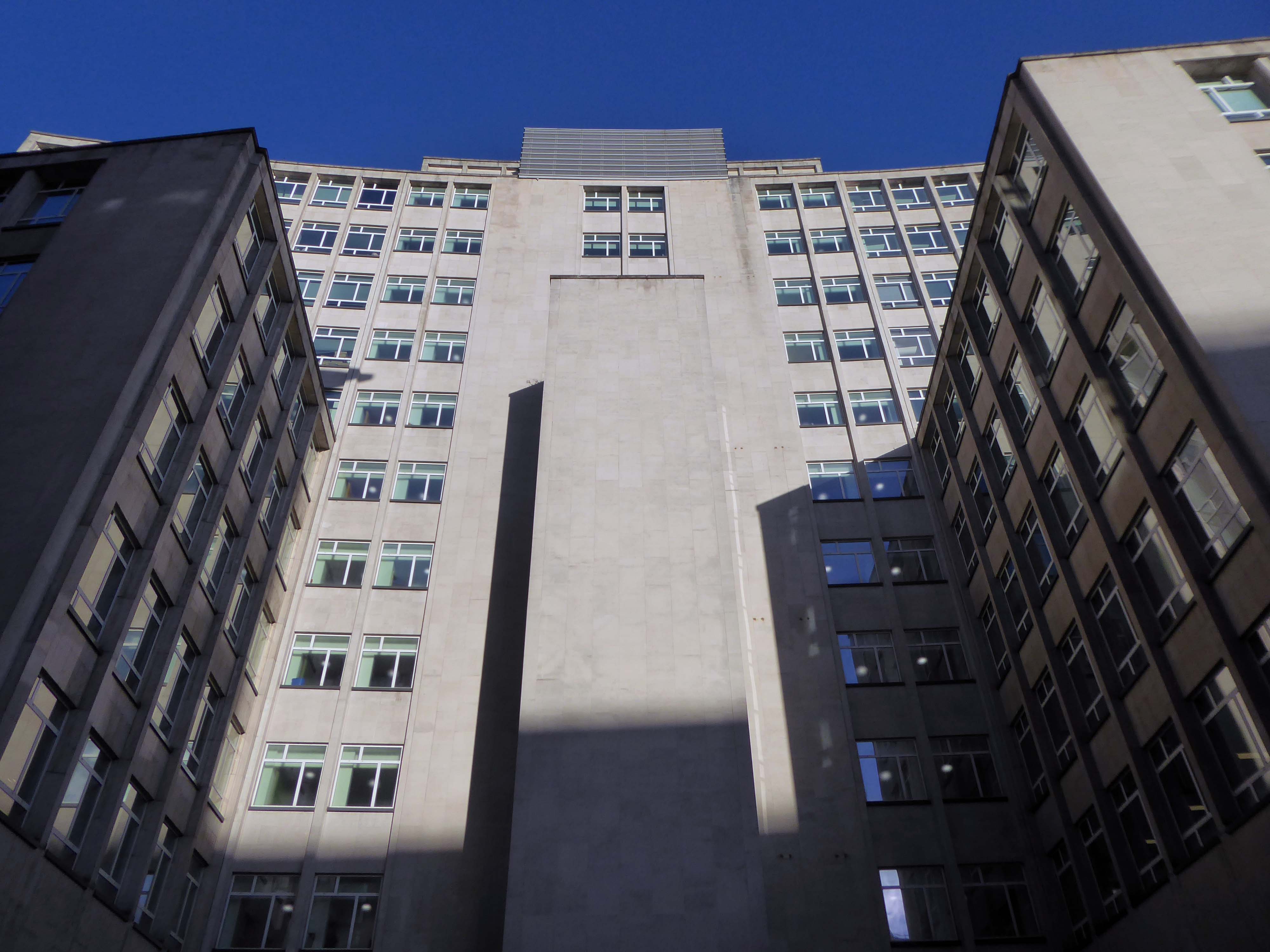
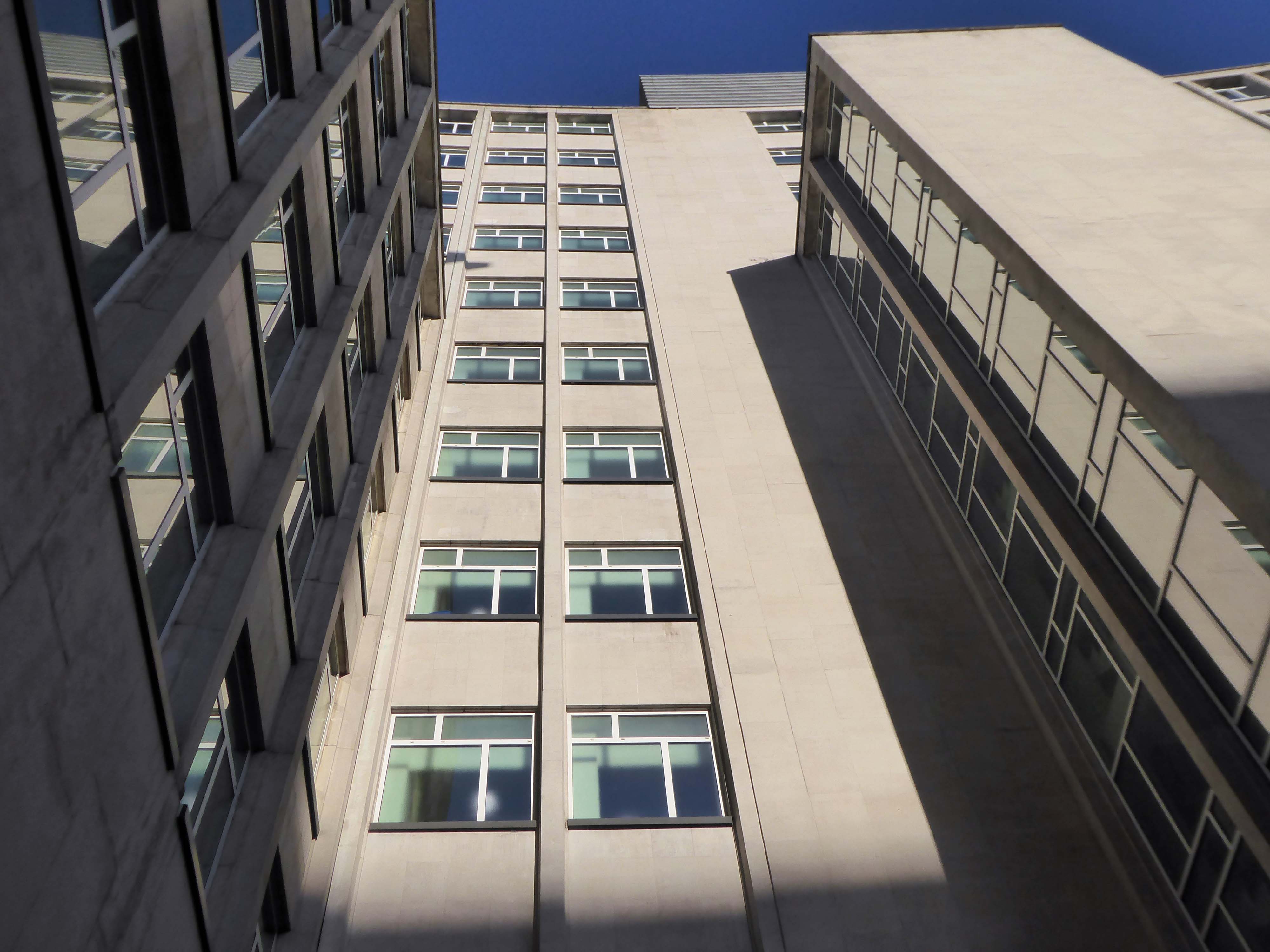
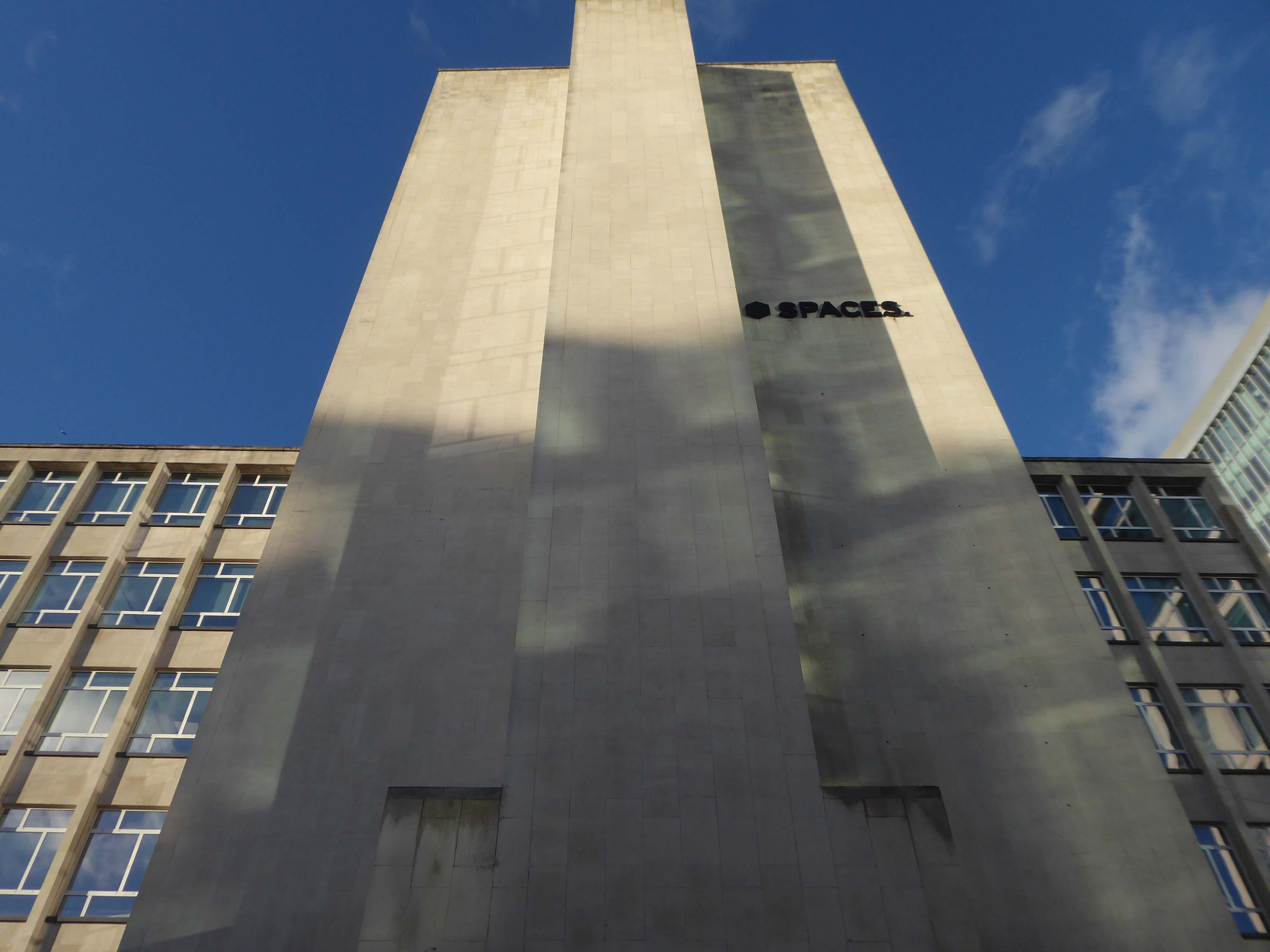
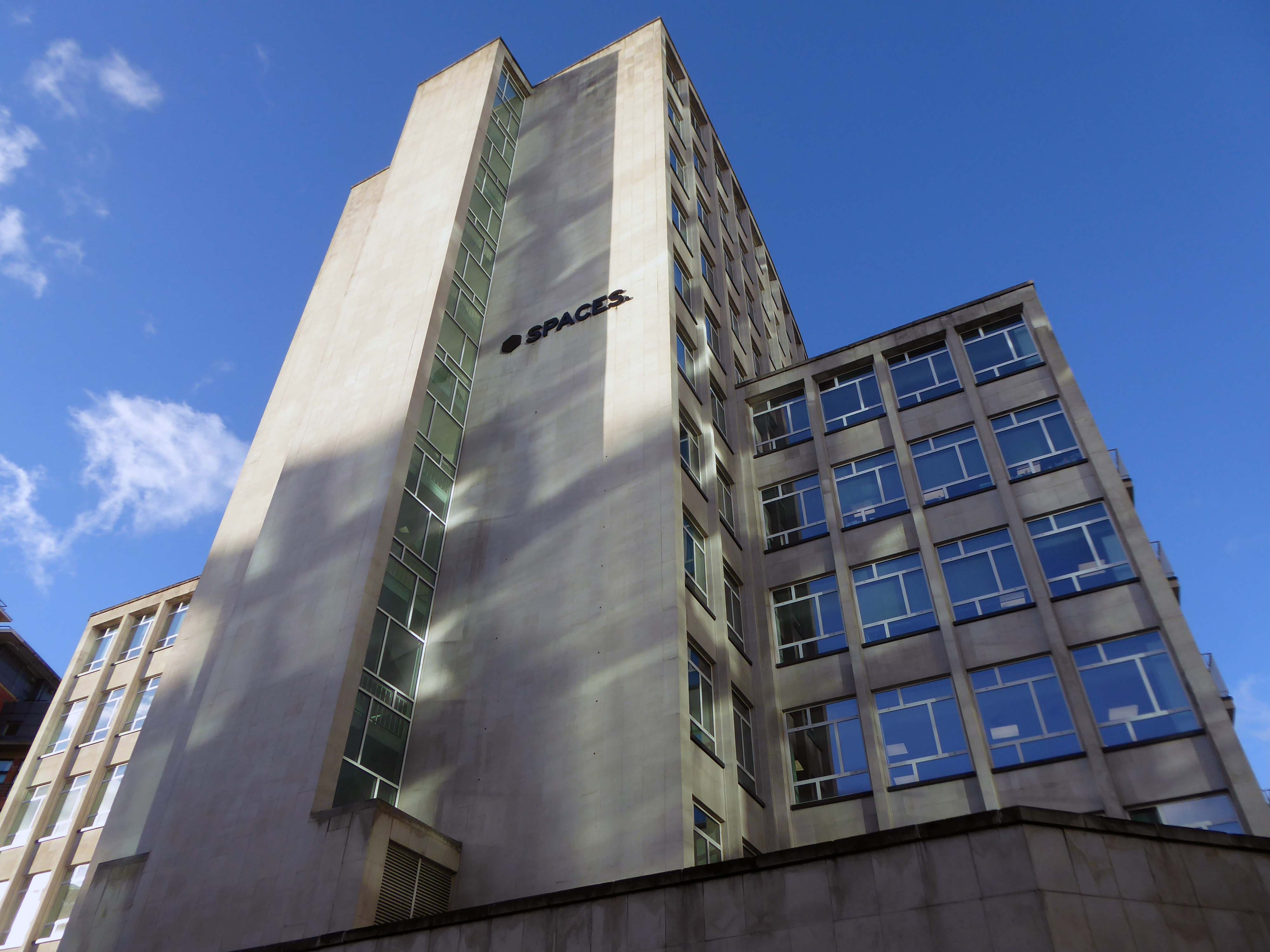
The stepped massing and the articulation of the wings of the building preclude the accepted commercial norm of developing to the edge of the site and instead promote a satisfying formal interplay between the six and eleven storey elements. The building has been sensitively modified despite a lack of any listed status and remains commercially viable as offices and as retail. The continued success may be attributed to the air of quality afforded by the stone, certainly it has ensured the longevity, particularly when one considers the fate that befell the easement hugging concrete of Elizabeth House – Cruickshank & Seward, 1971 across the road; it was demolished in 2012.
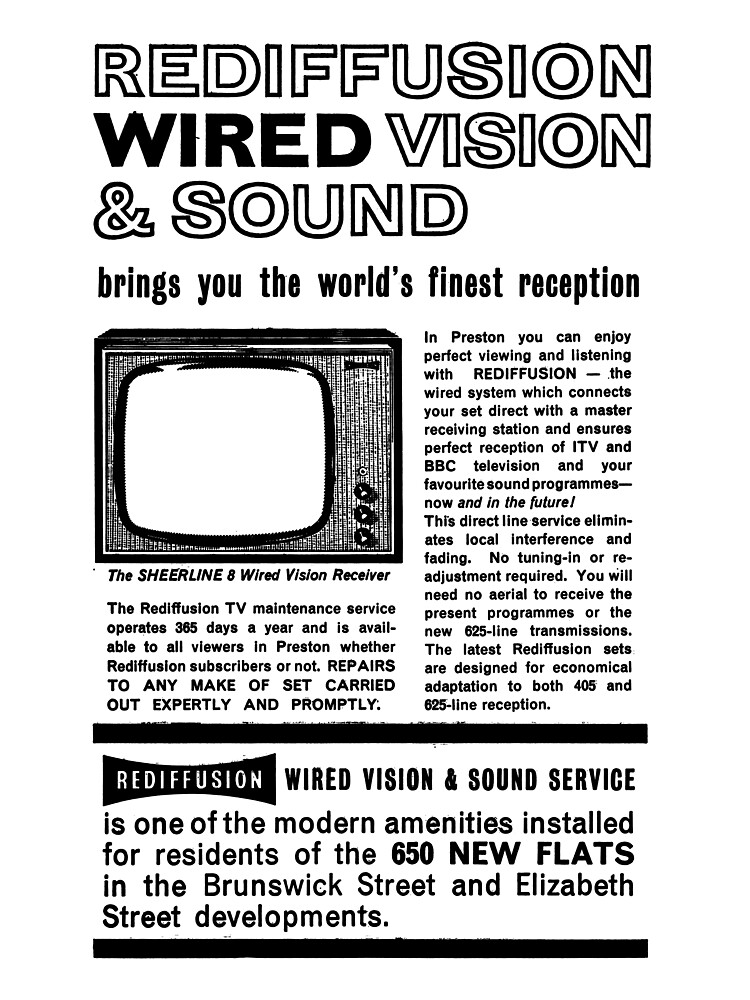
Rediffusion was the first independent commercial TV franchisee, in 1956 Associated-Rediffusion struck a very lucrative deal with Granada Television, the franchise holder for weekday broadcasts in the North of England.
The company offered a low-bandwidth cable TV and radio distribution system, provided in most United Kingdom towns. Selection of TV or radio station was by means of a rotary switch, usually mounted on a wall or window frame close to the point of entry of the cable into the home.
The Rediffusion retail chain, renting and servicing TVs, radios, VCRs and hi-fi systems, was common on high streets until it was bought by Granada Rentals in 1984.
The days of the monolithic mono-culture of the sole occupant are in decline – we live in the age of the co-working space and homes of multi-use creative scene.
Peter House prevails a pale white Portland Stone embodiment of different days and different ways.
Let’s take a walk around.
As a footnote – once in the shadow of Peter House, Tommy Ducks was demolished overnight.
Apparently, its supporters managed to arrange a preservation order for the building but, according to the excellent Pubs of Manchester website, that order expired at midnight on February 12, 1993, and the pub was literally reduced to rubble before anyone could seek a renewal on February 13th.





































































 Modern Mooch