I thought that you may have all been removed – phase two of several phases reshaping the hard landscape of Wales.
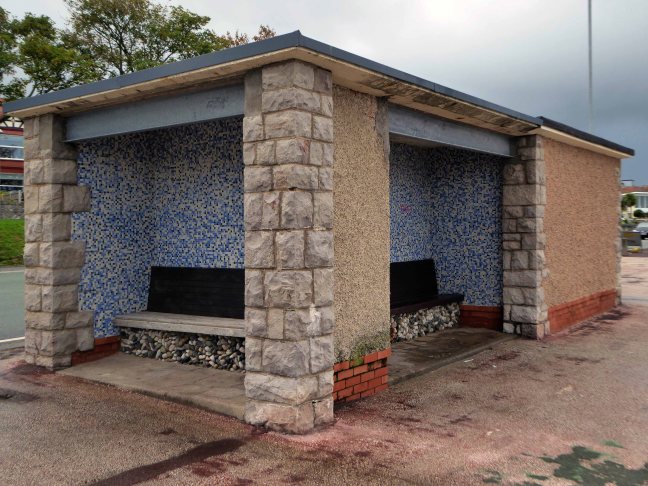
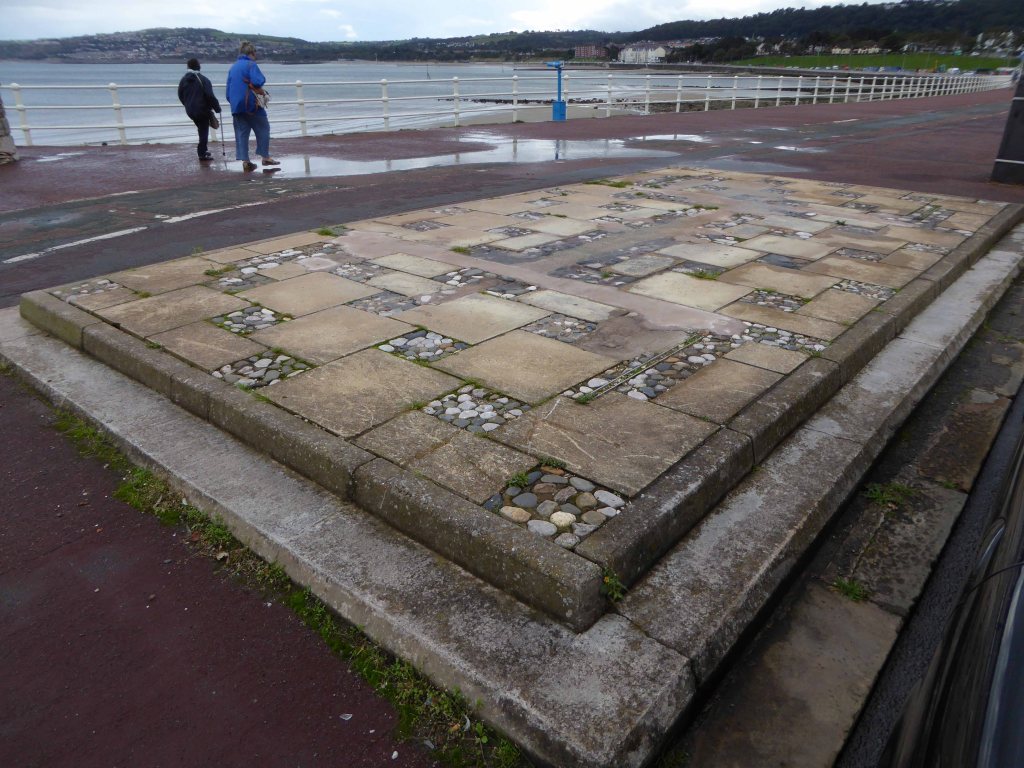
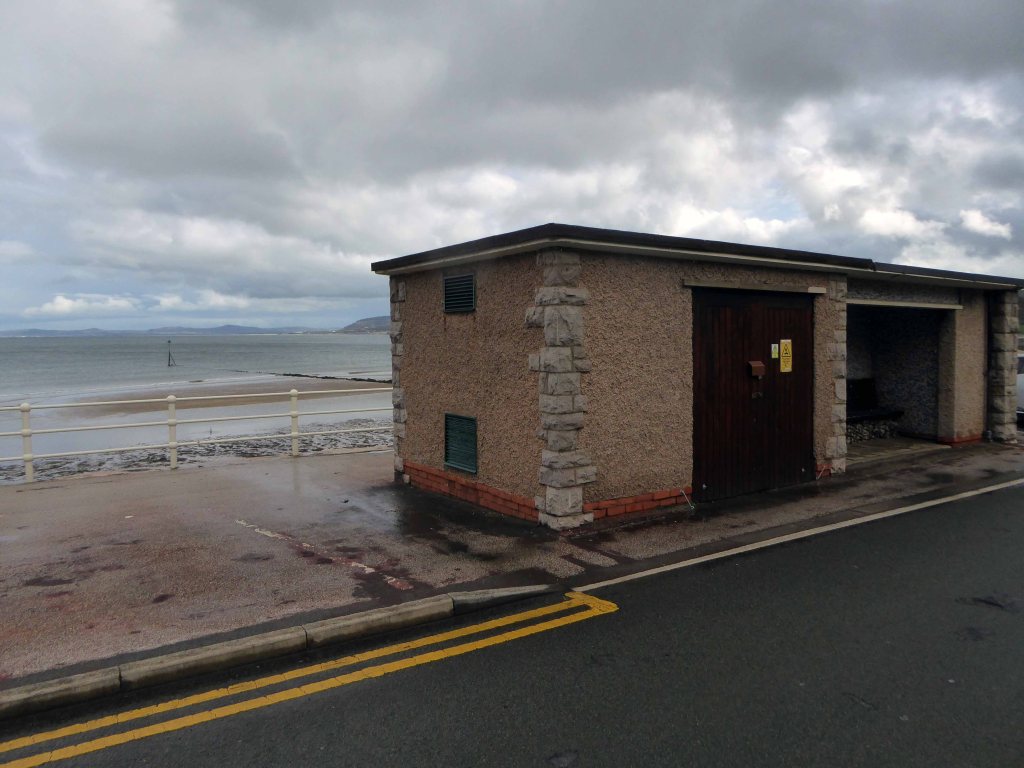
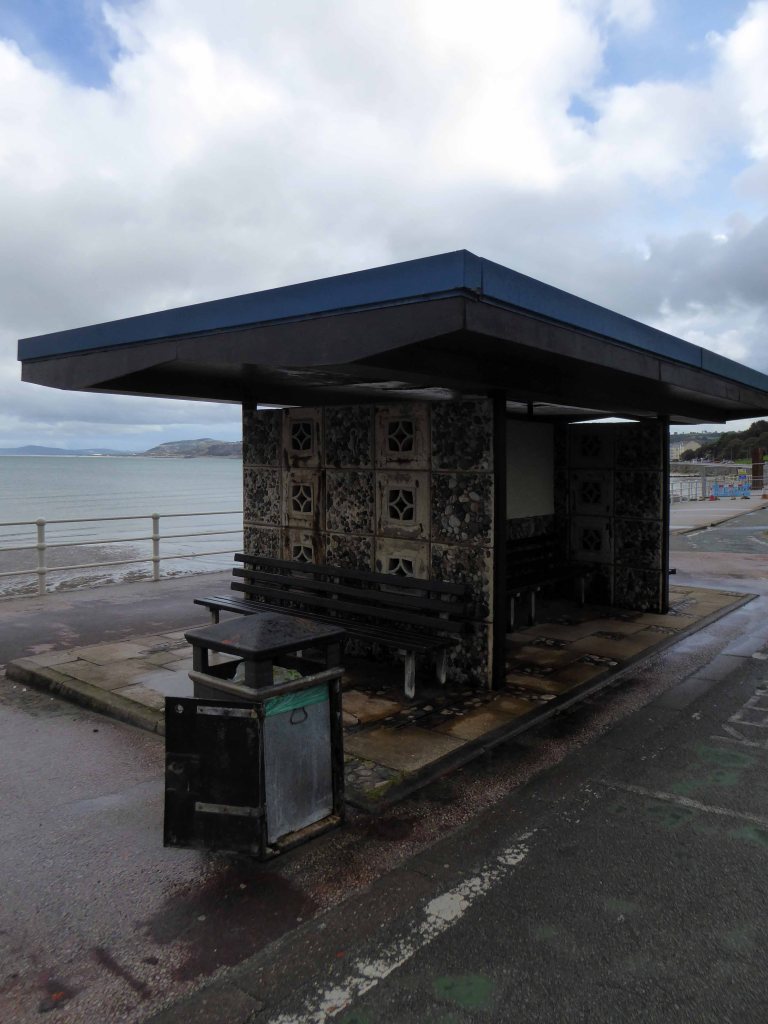
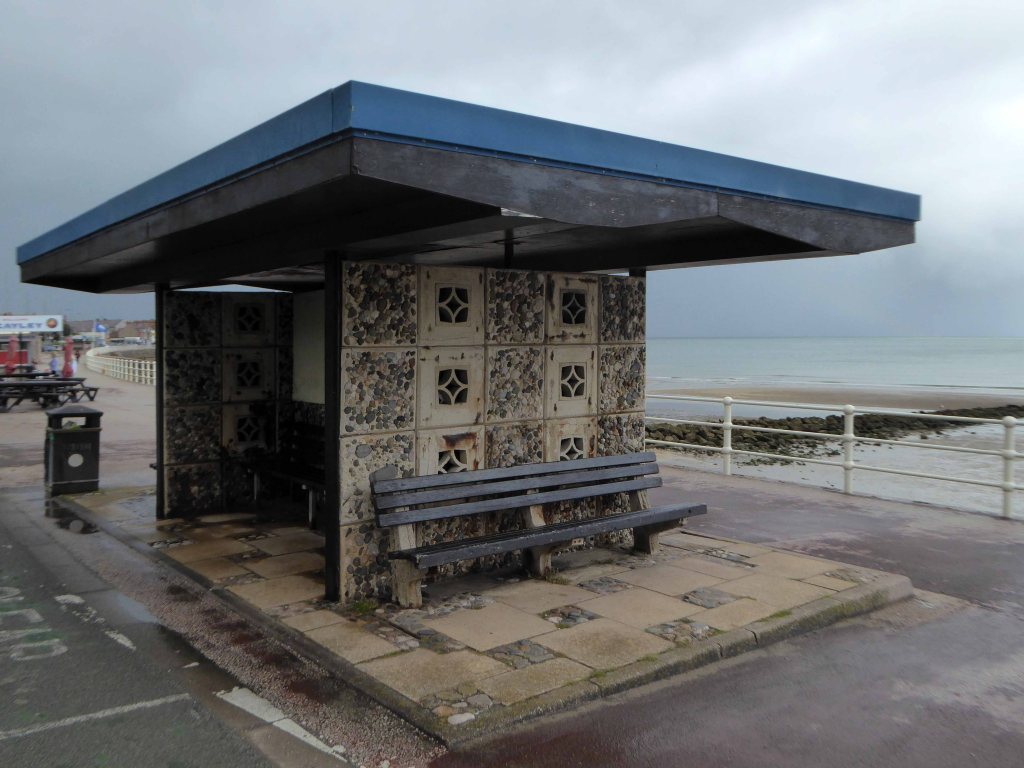
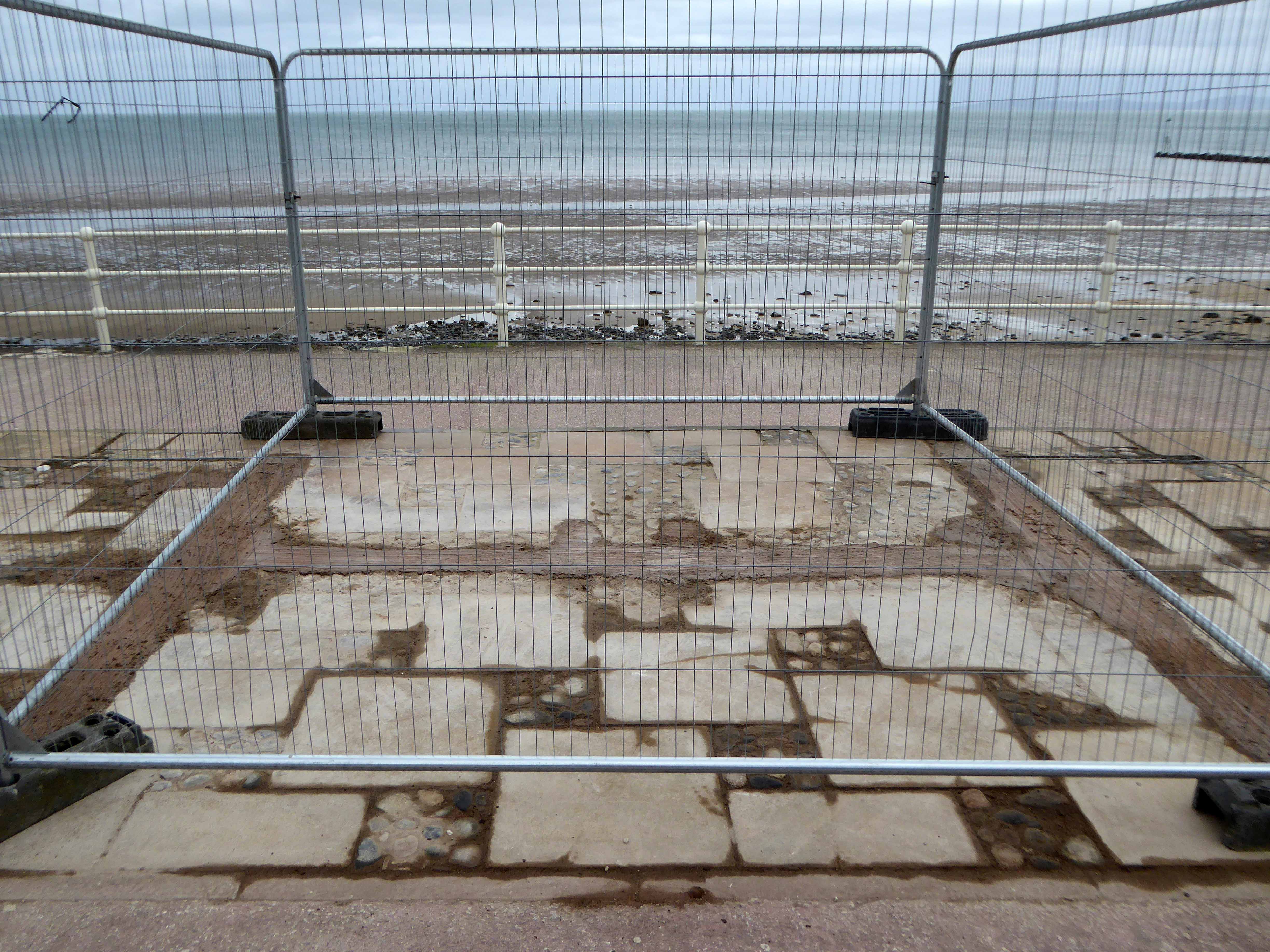
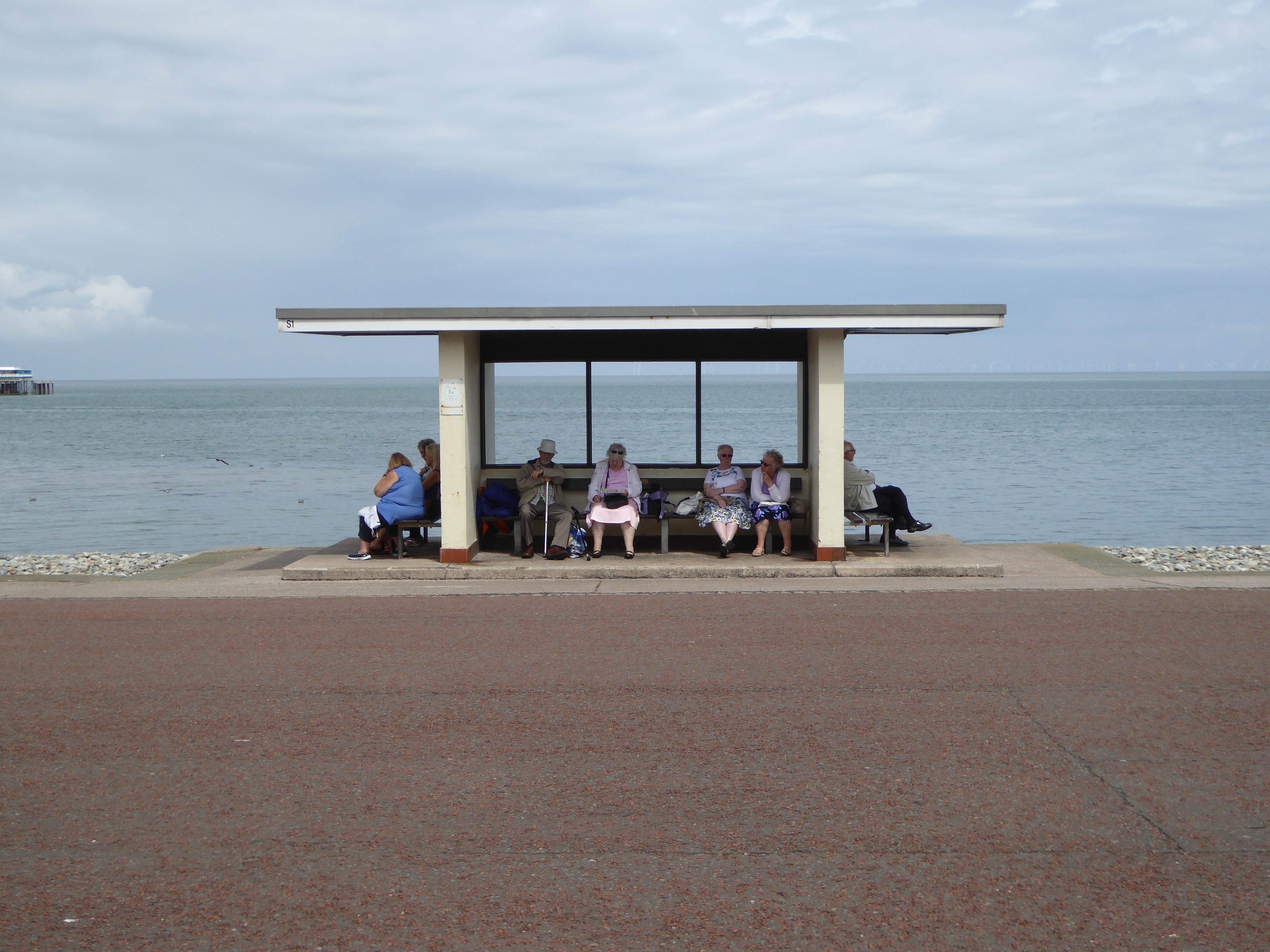
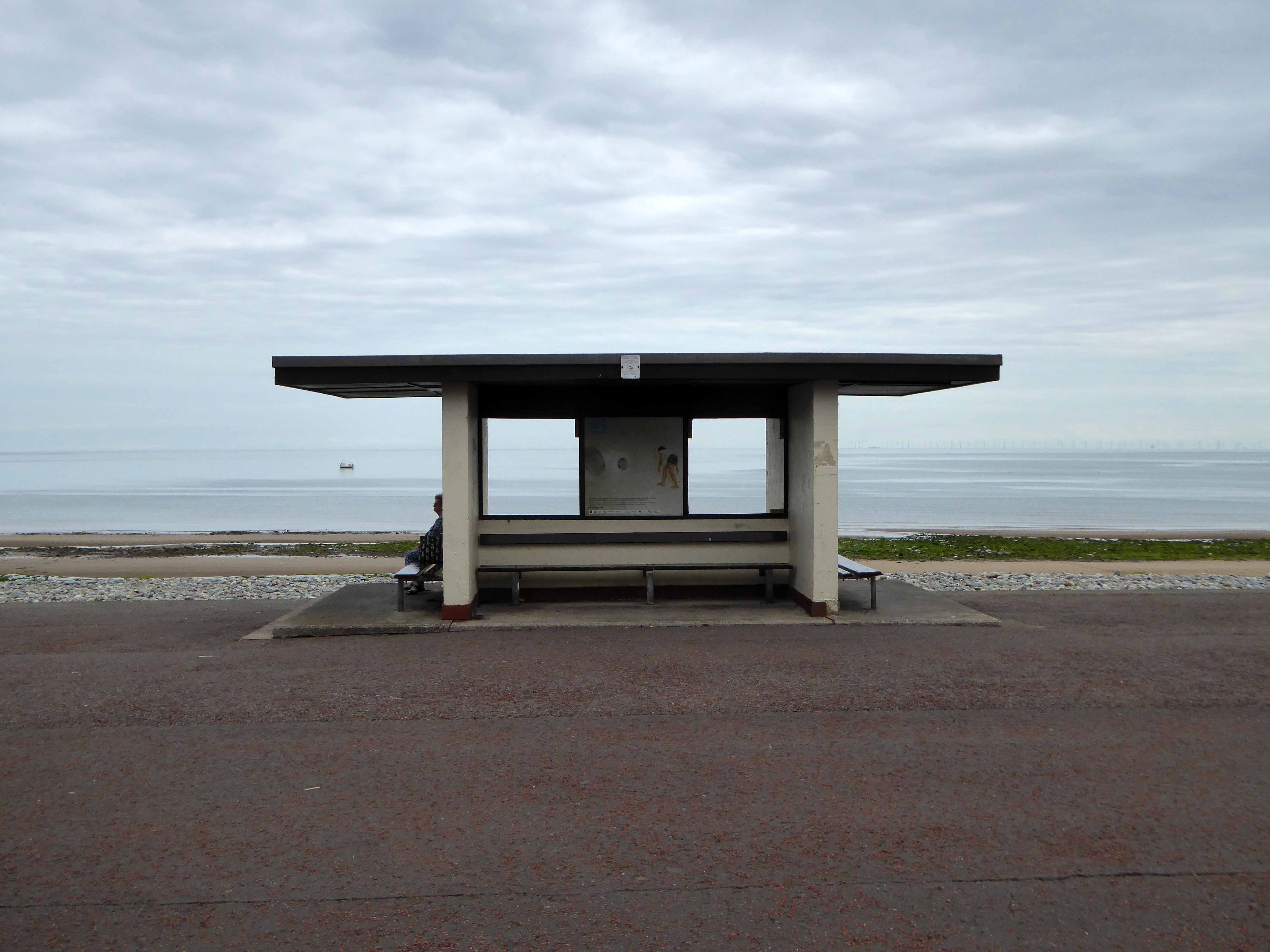
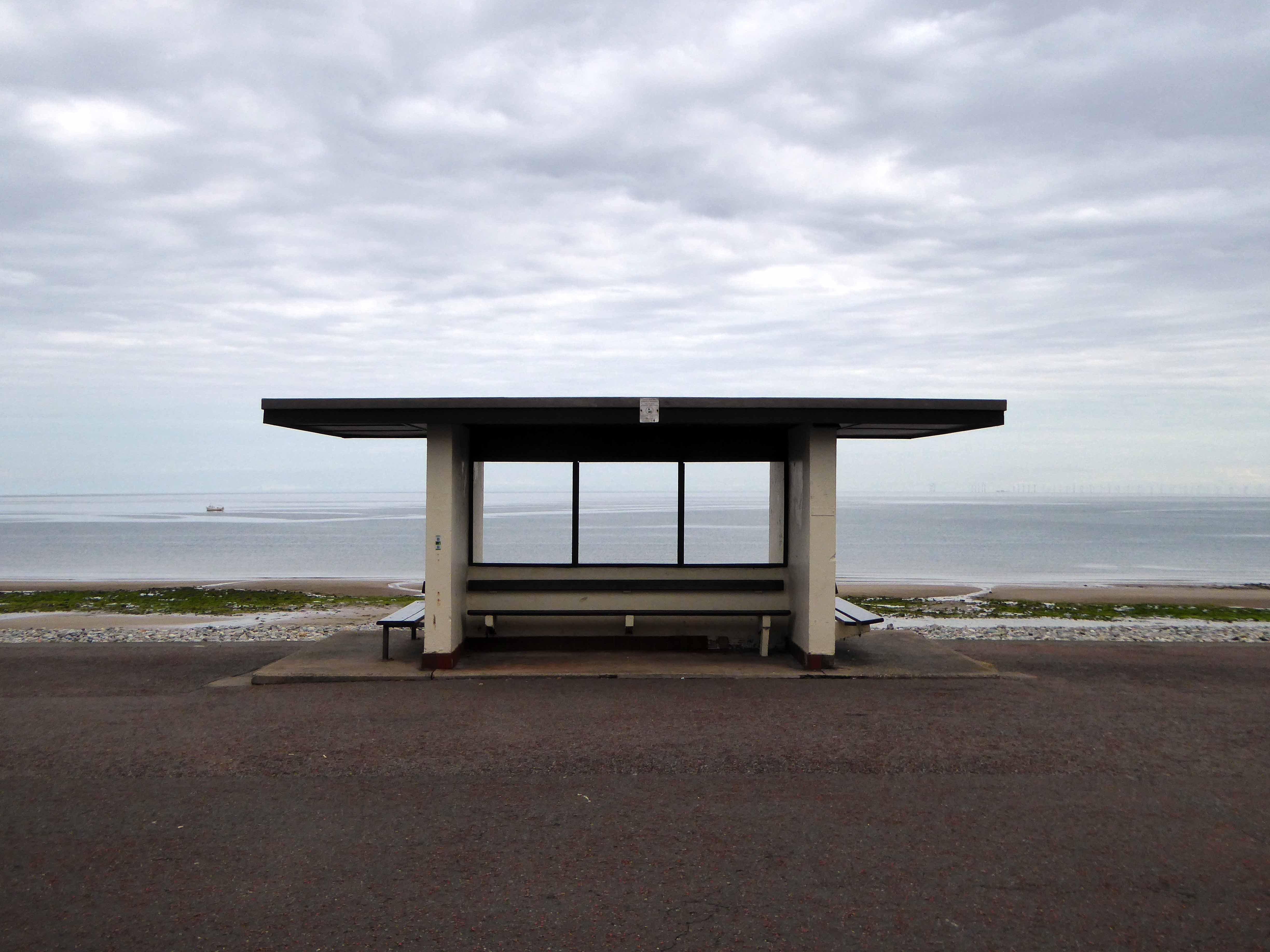
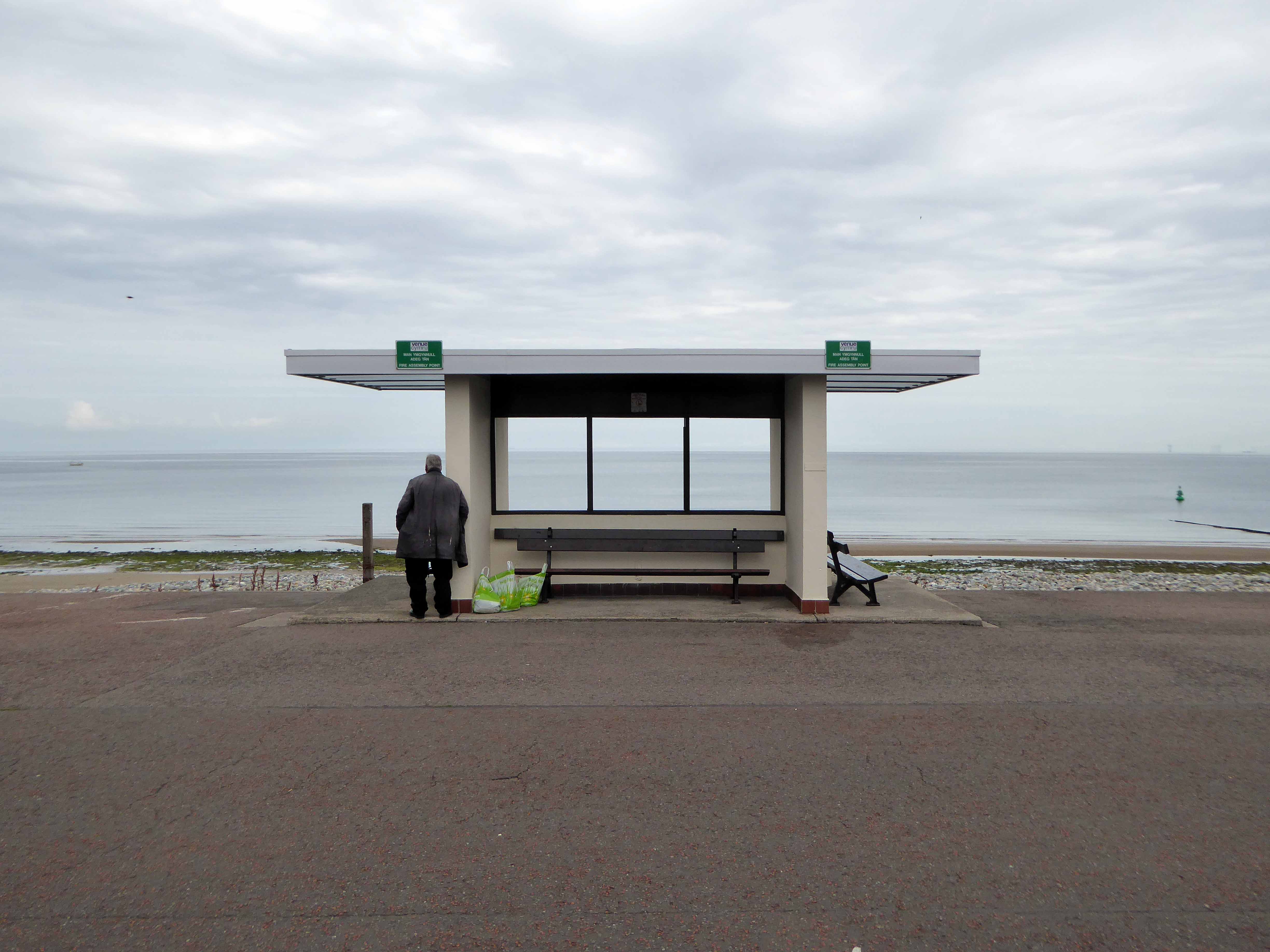
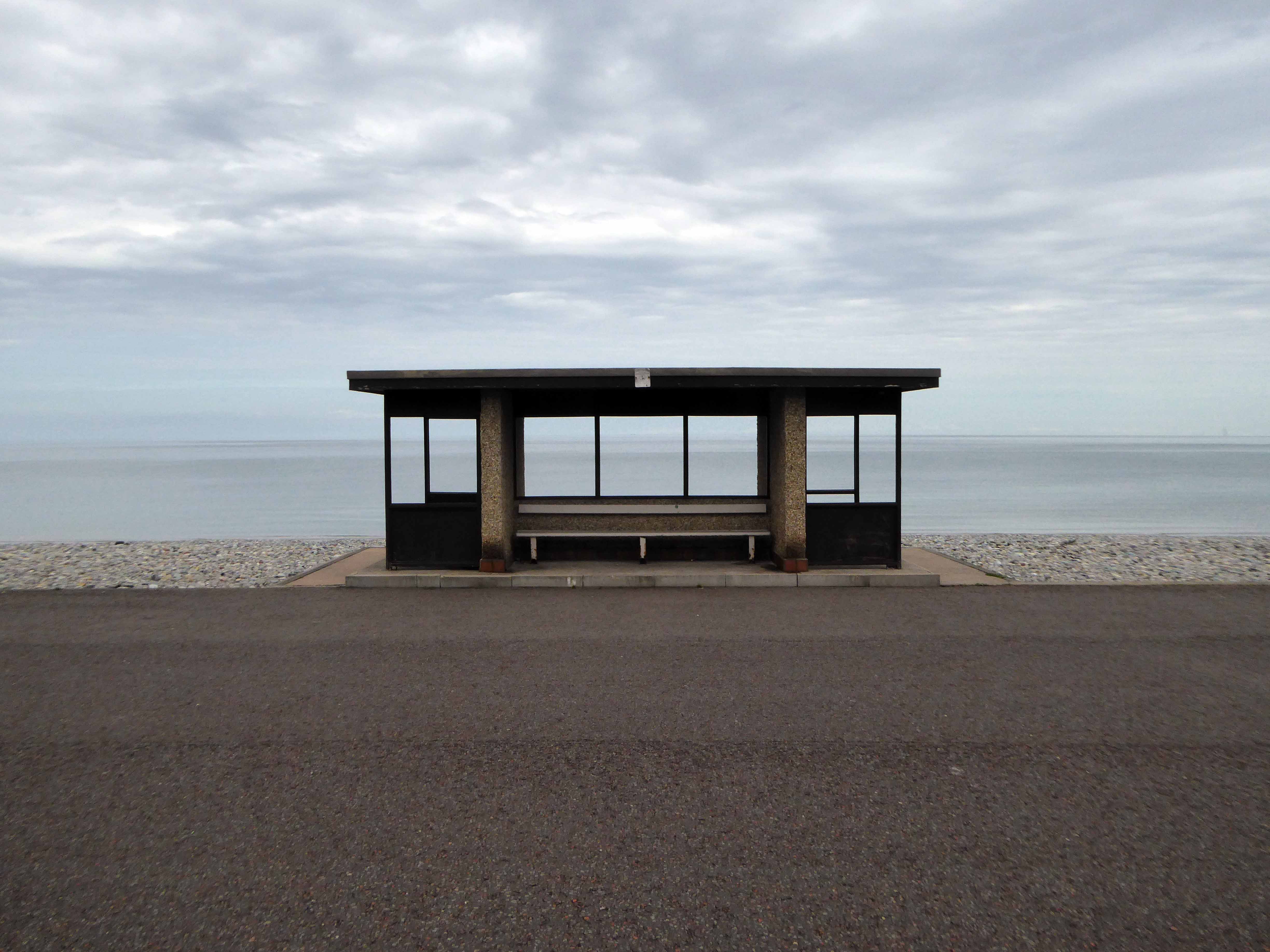
It seems I was incorrect – I’m happy to report that as of last Friday only one of our shelters is missing.
So I more or less repeated the task undertaken on my last visit.
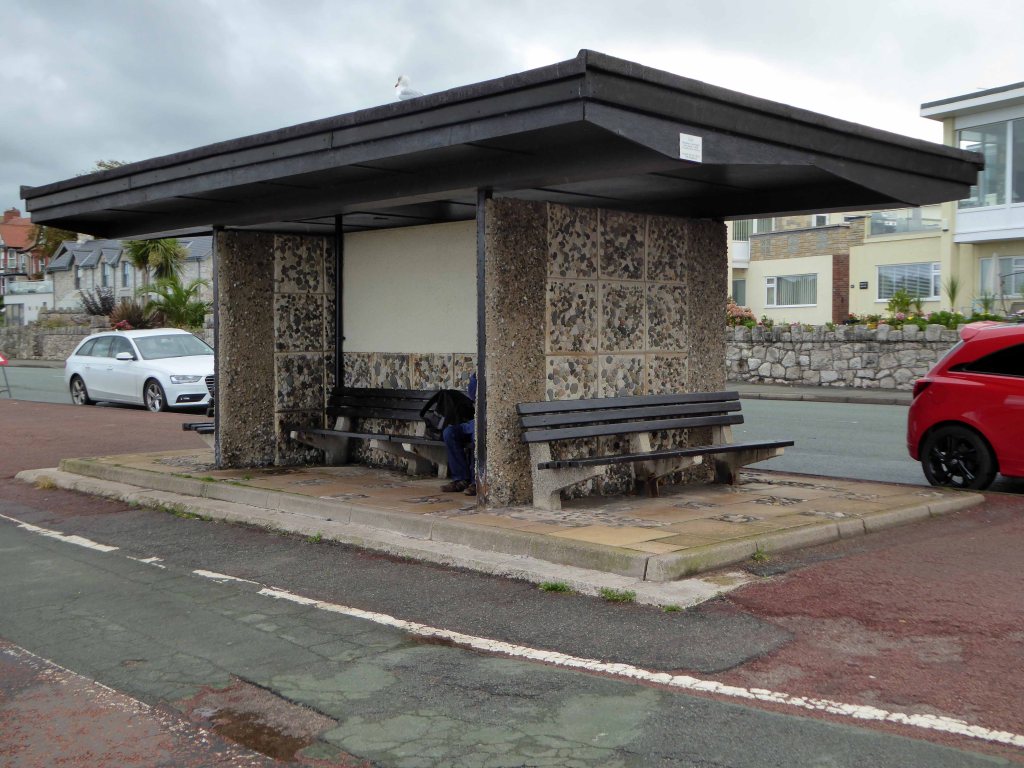
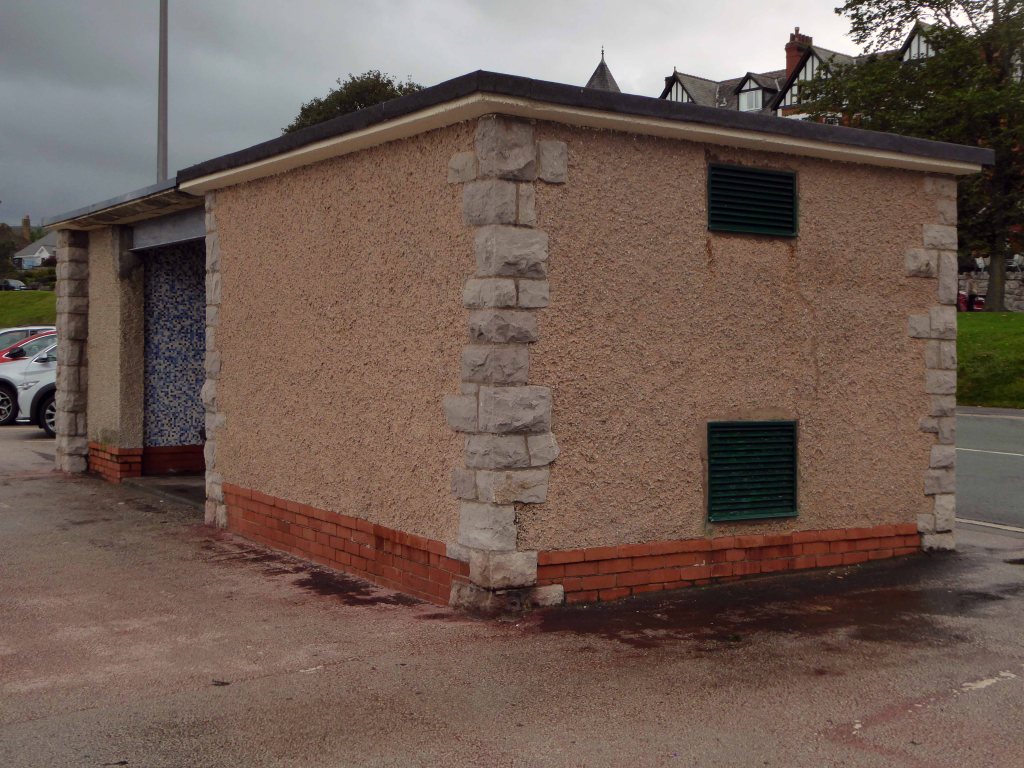
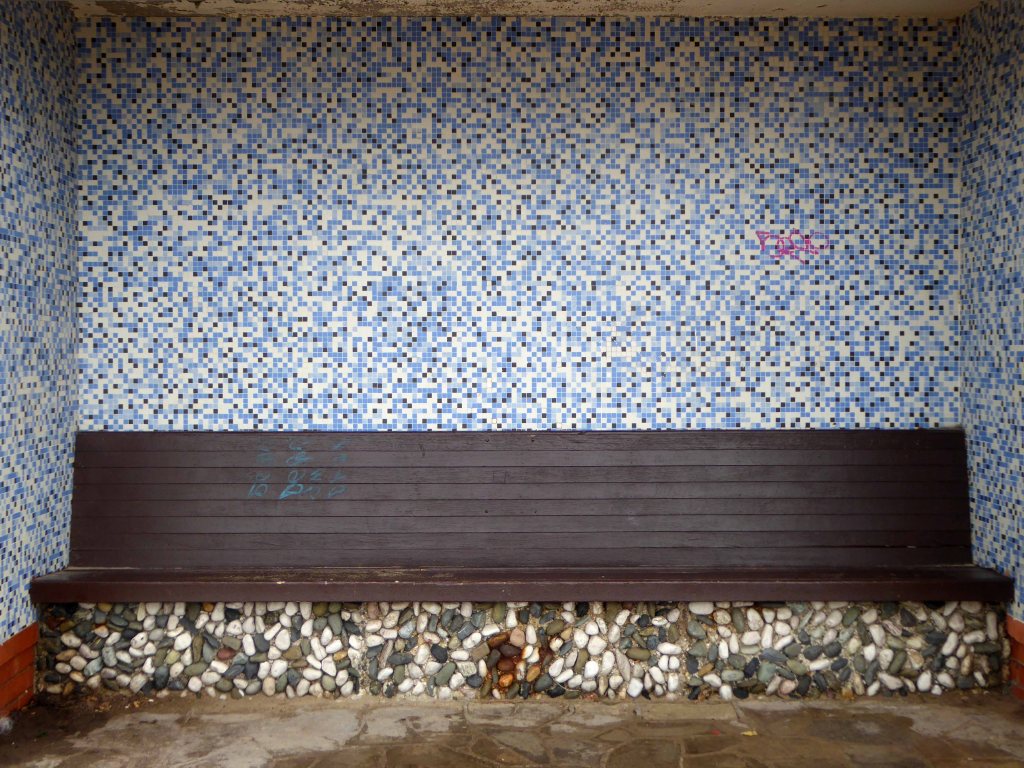
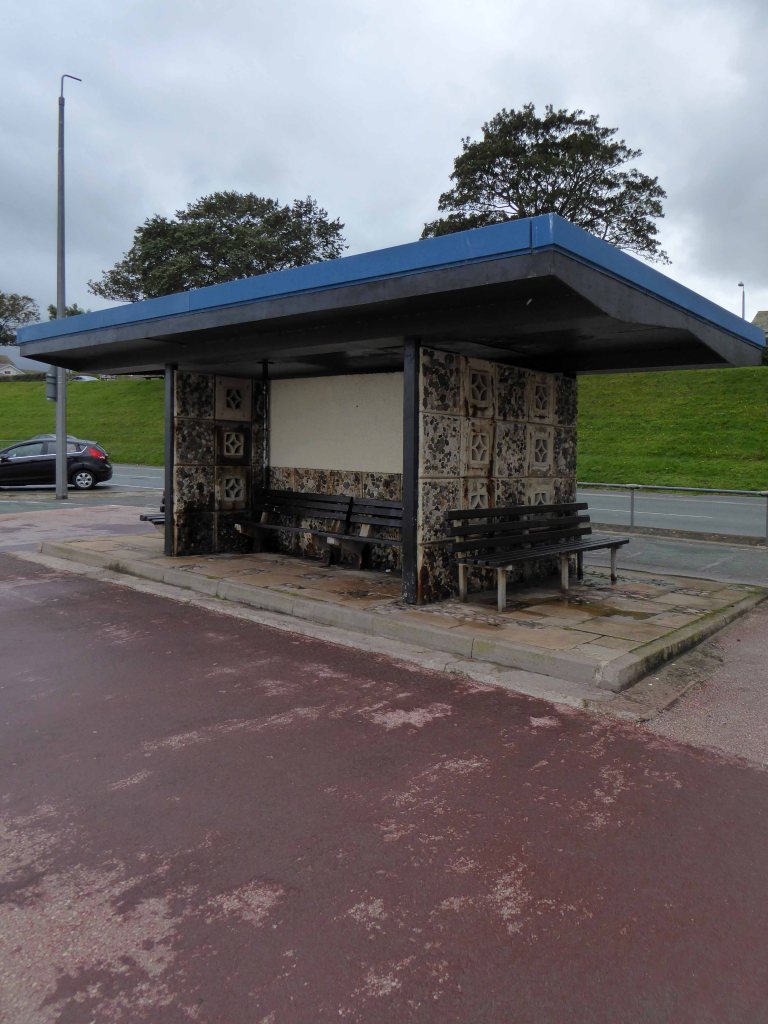
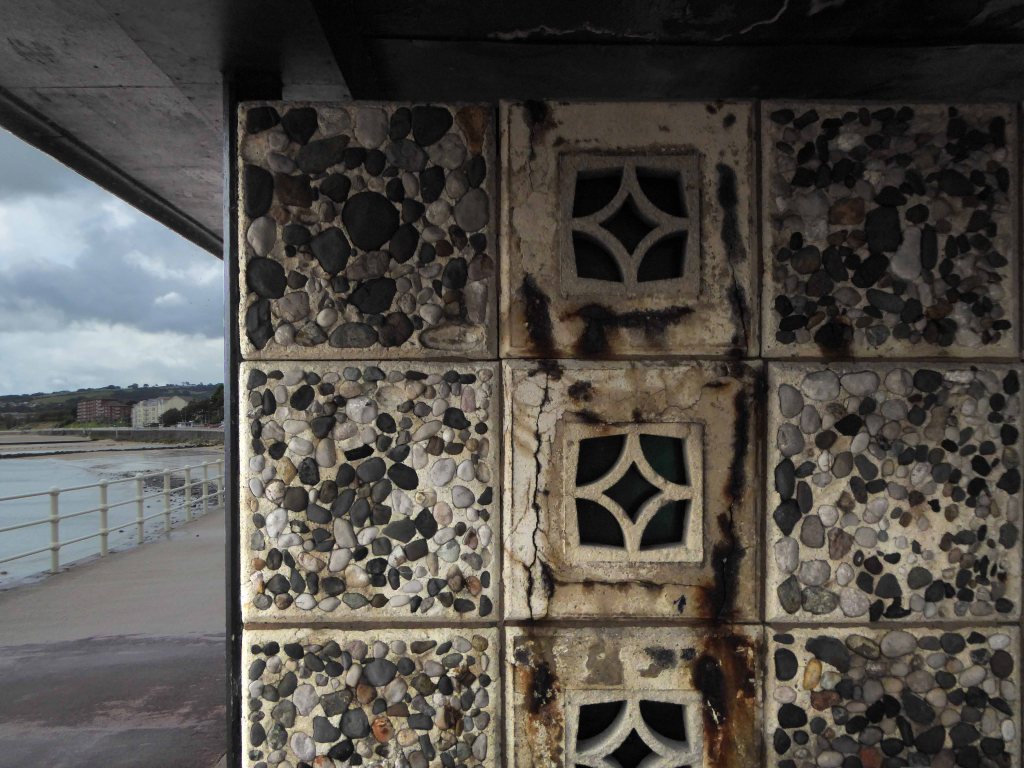
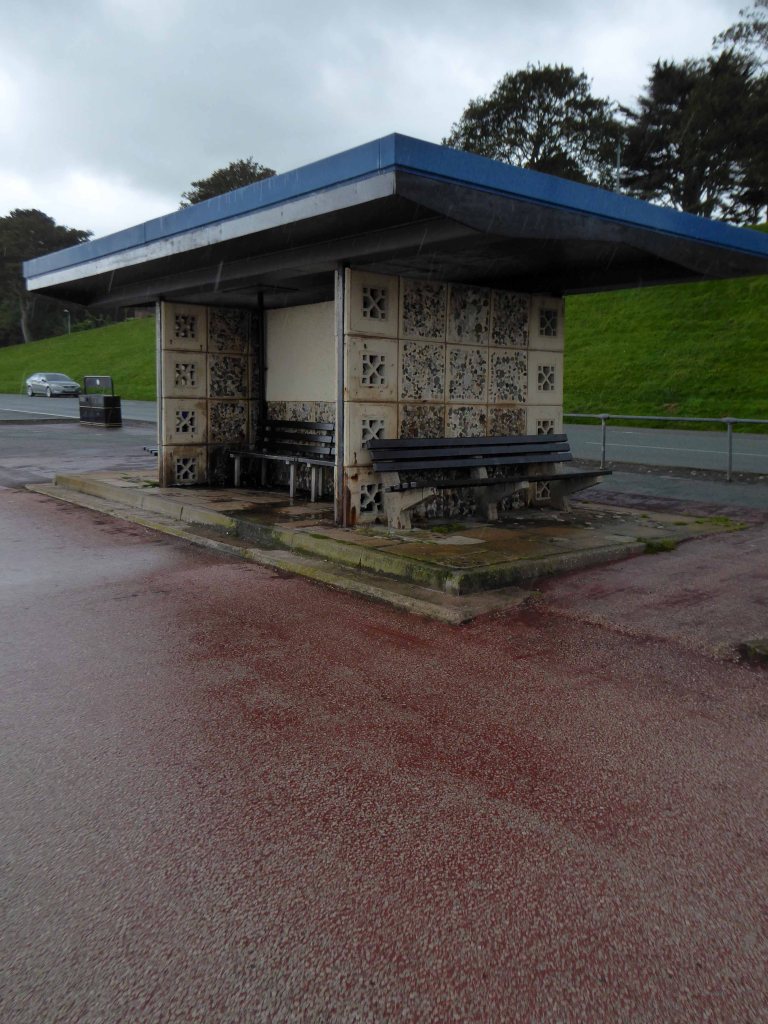
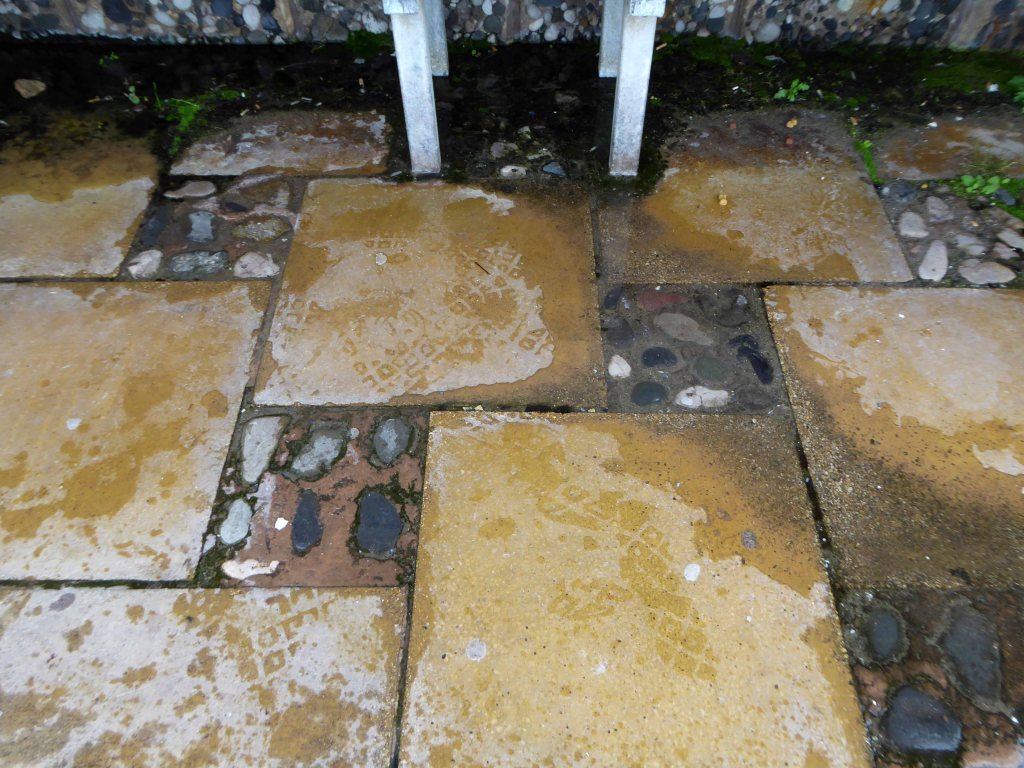
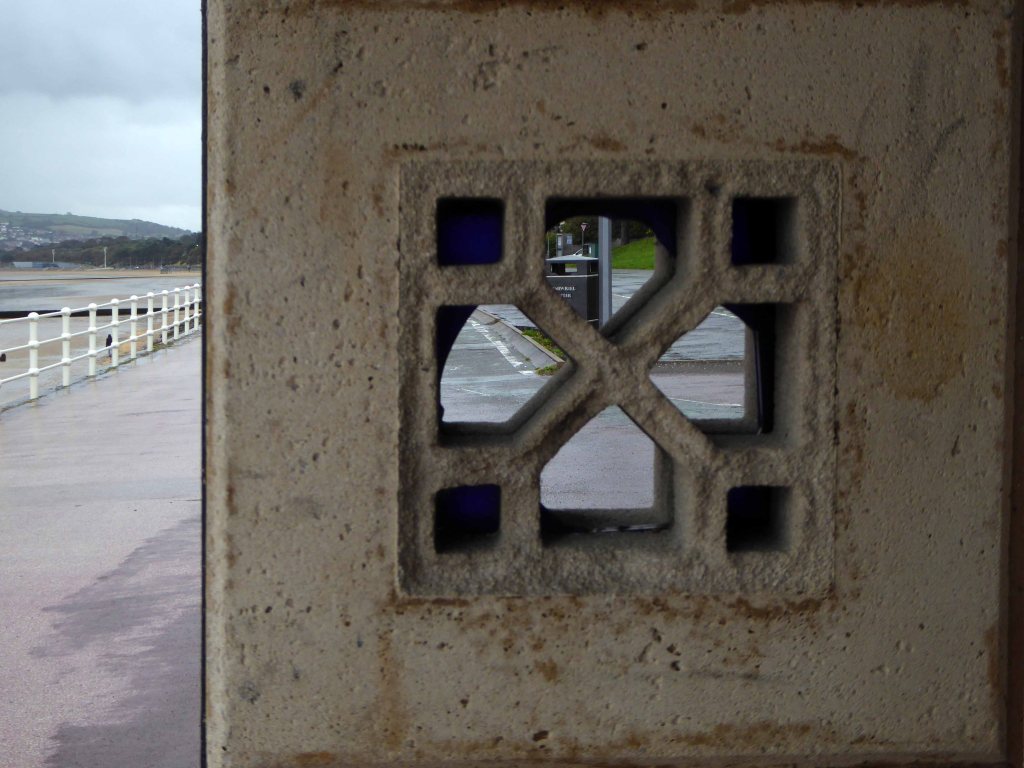
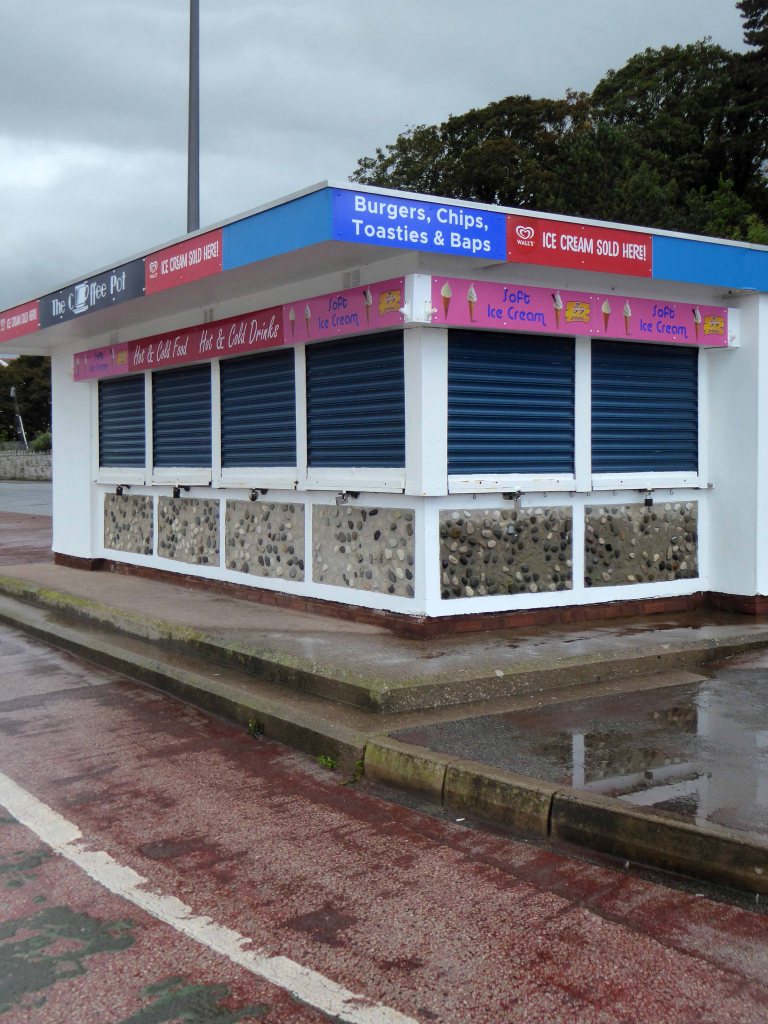
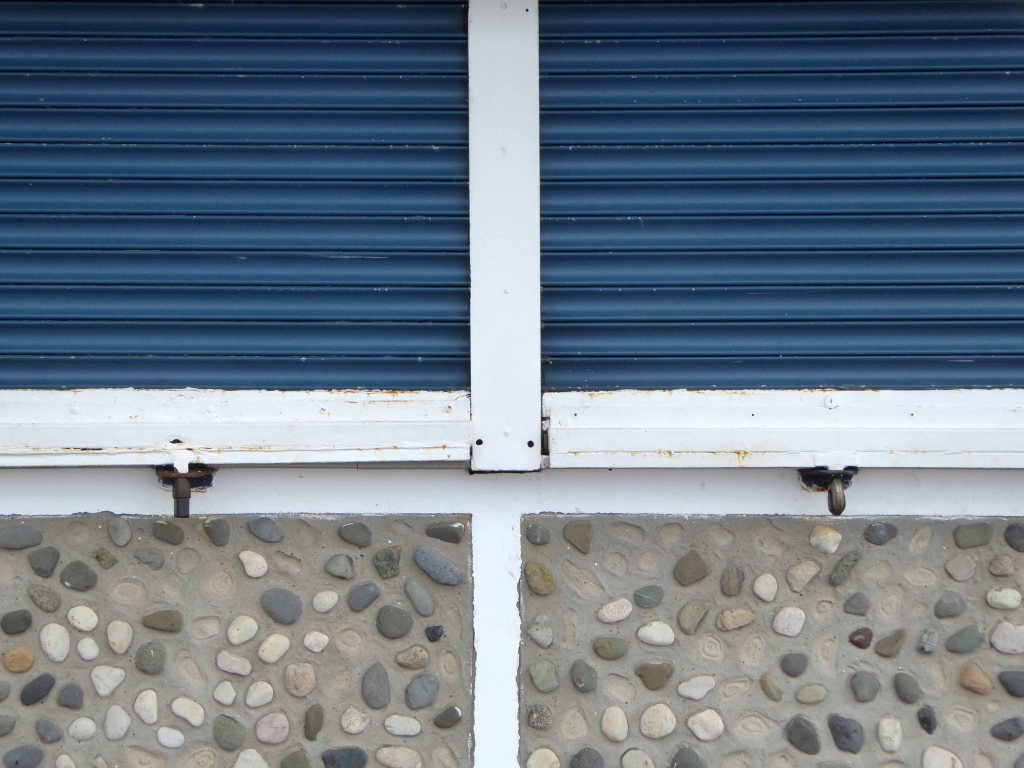
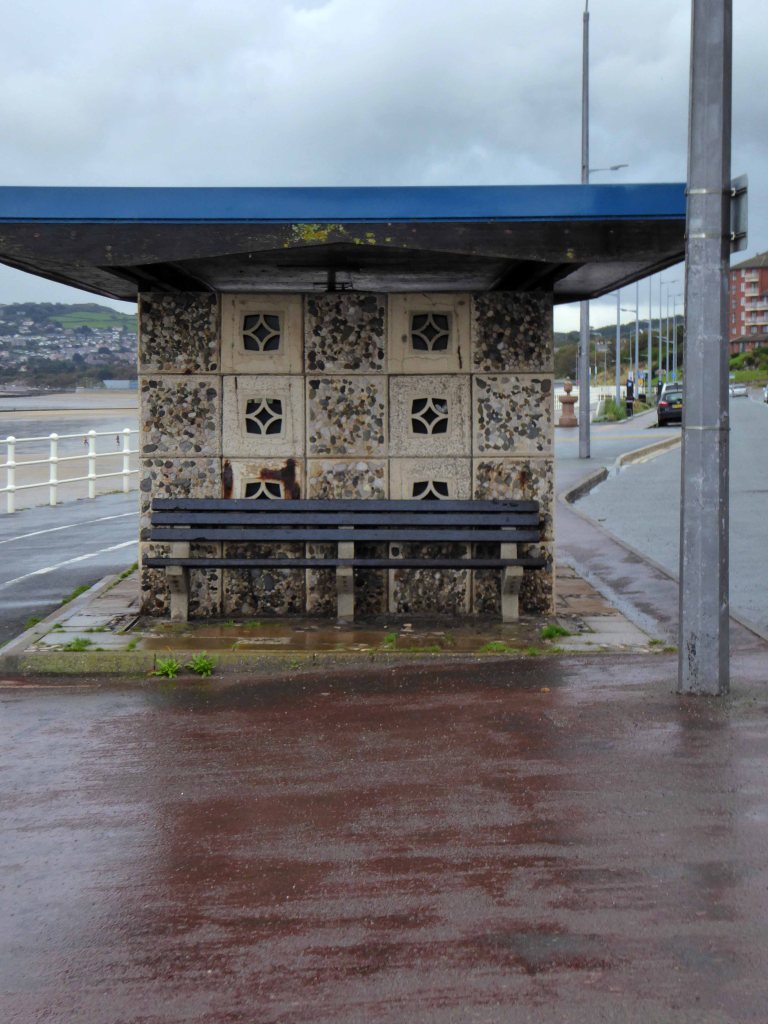
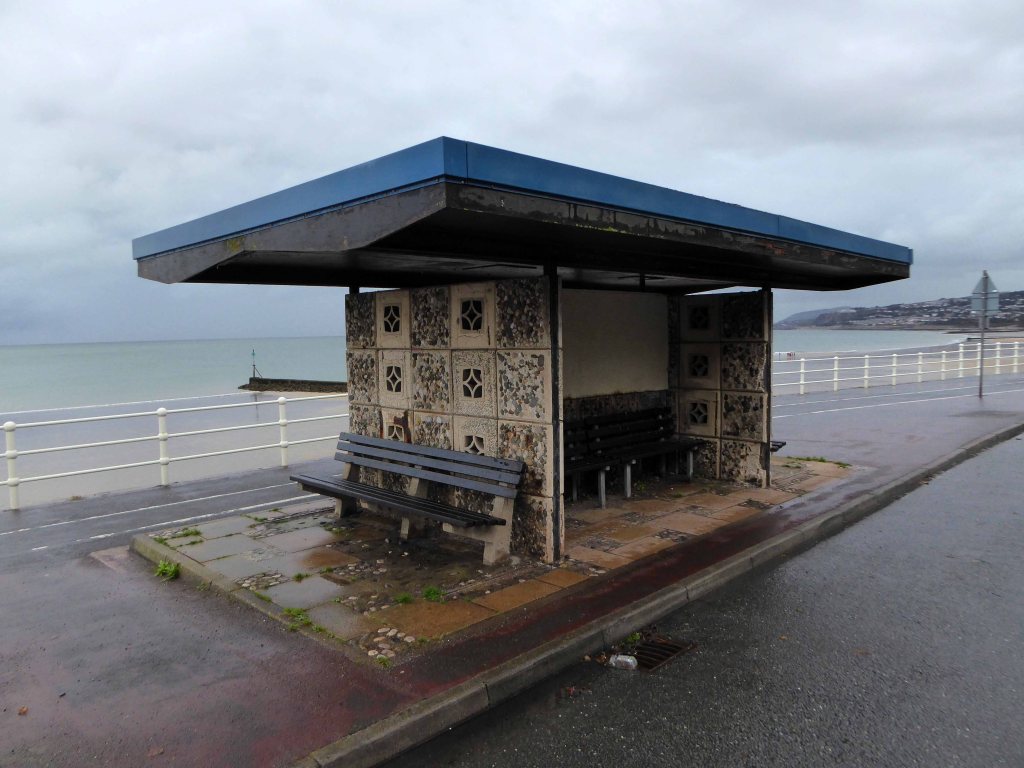
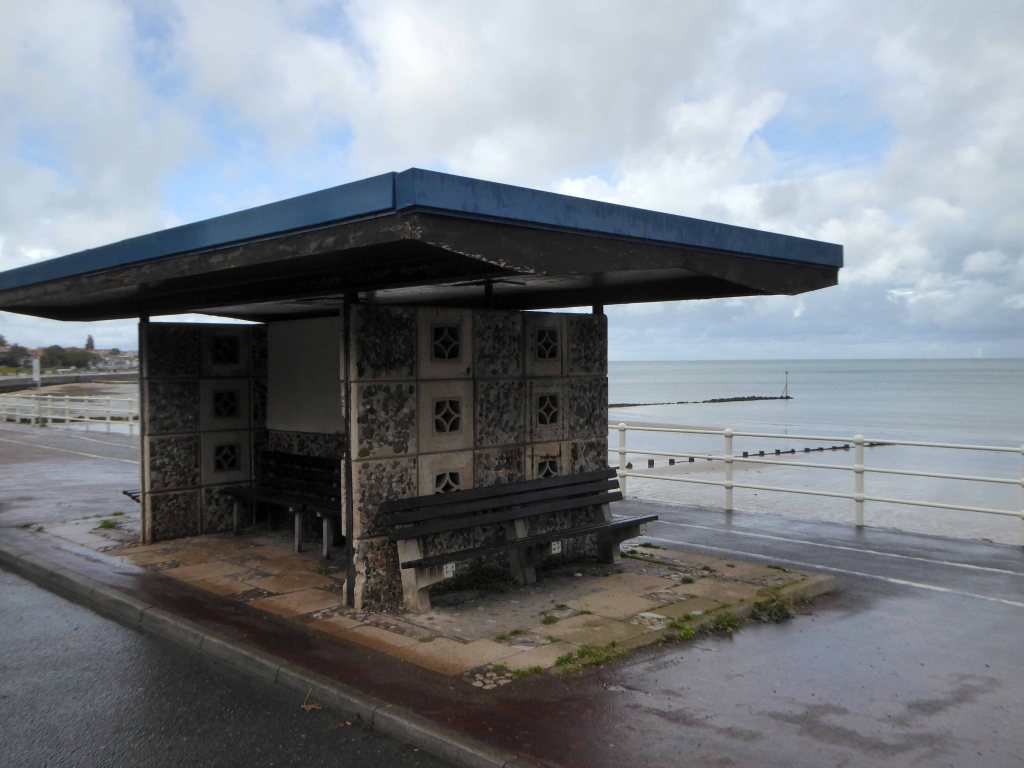
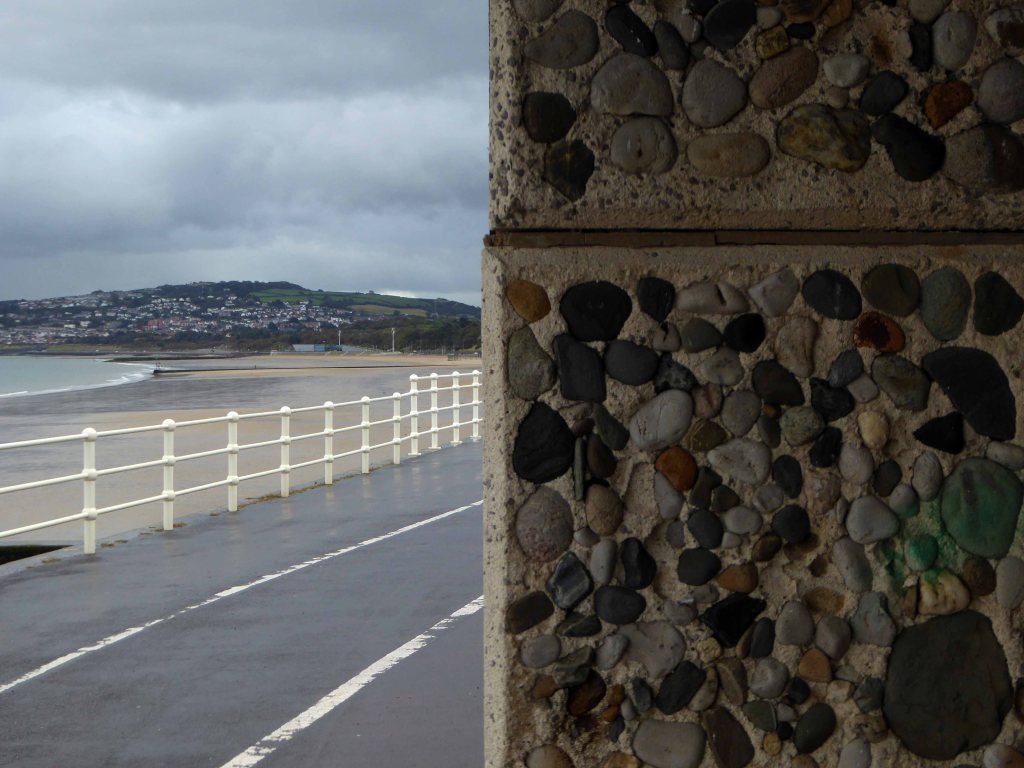
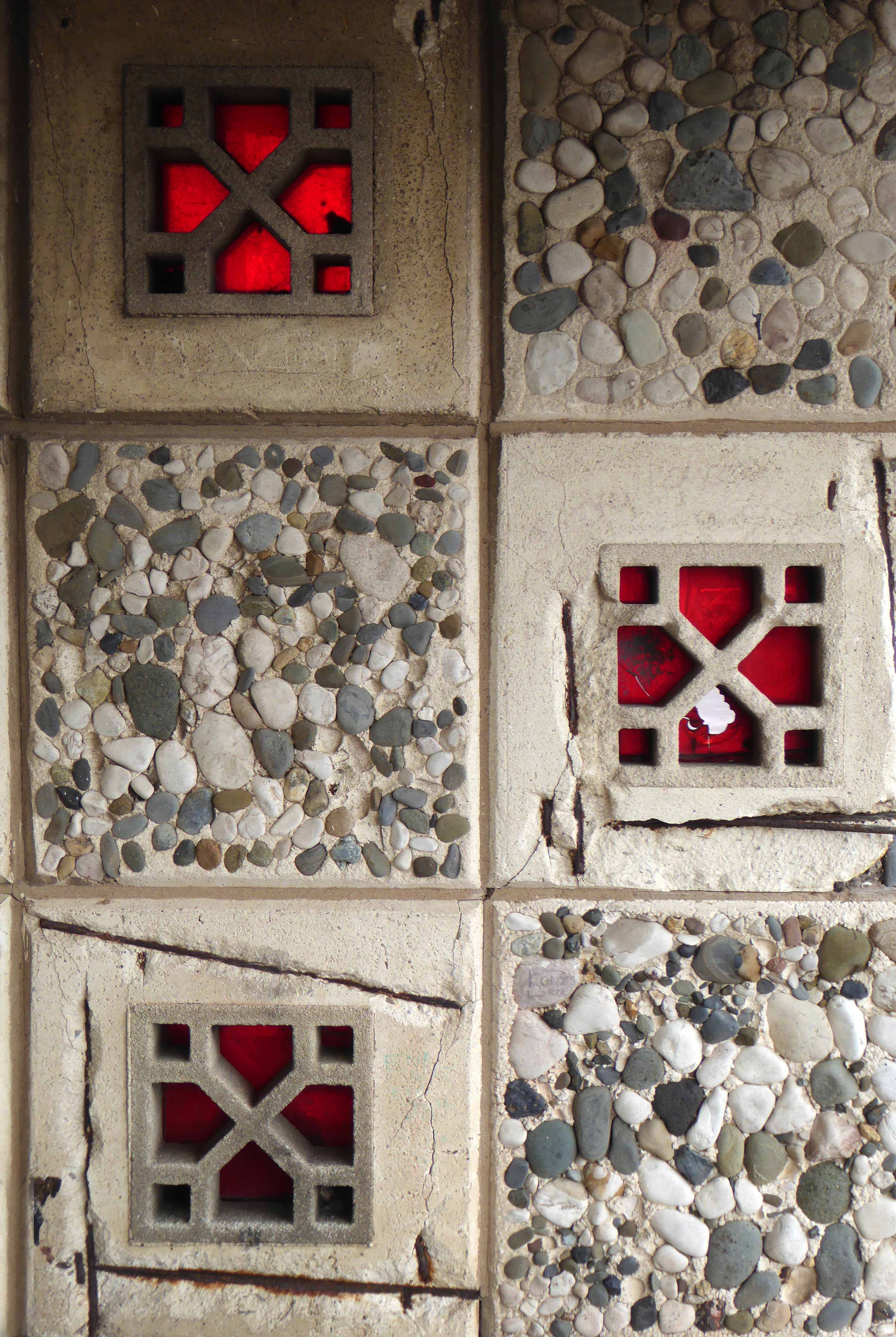
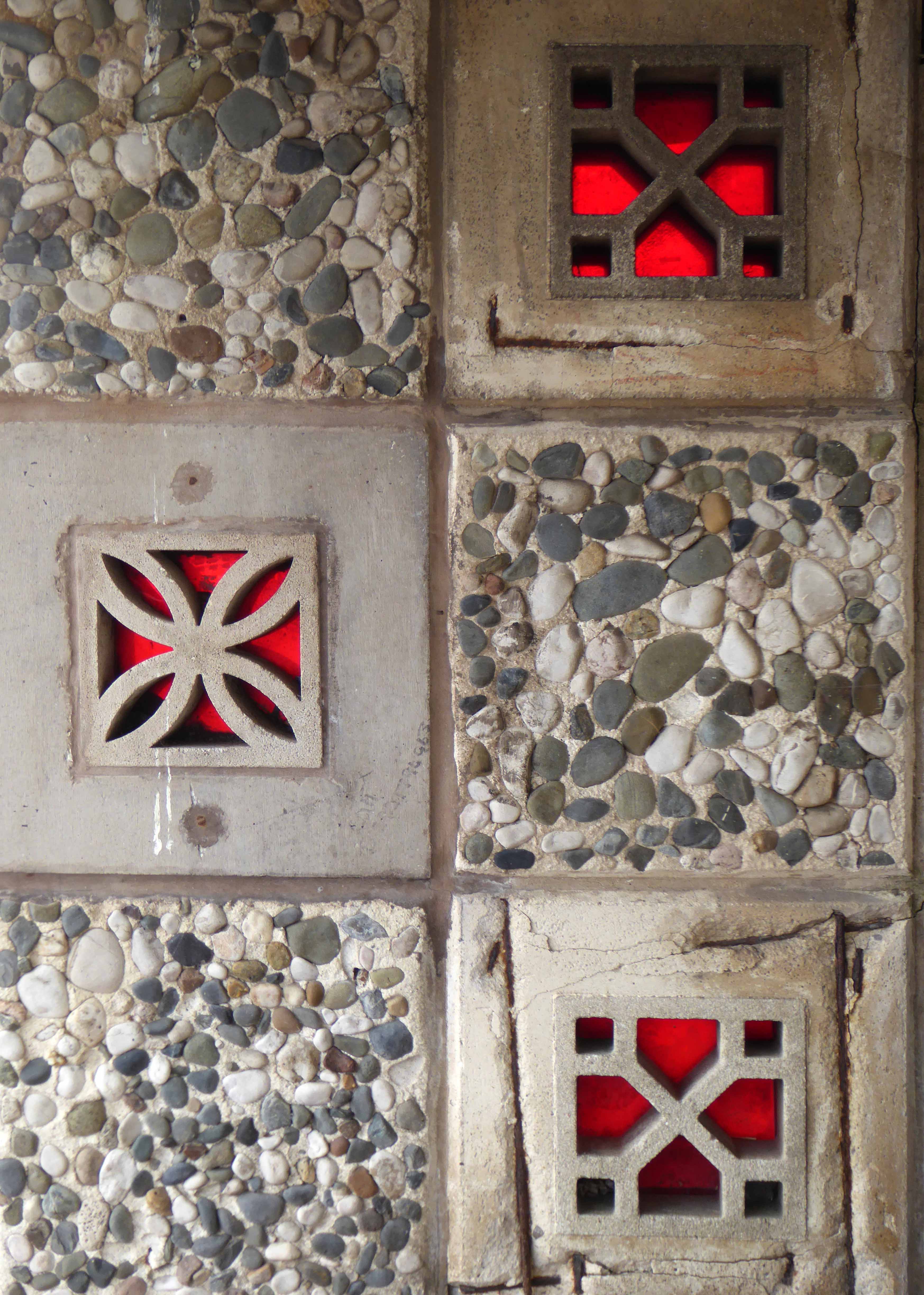
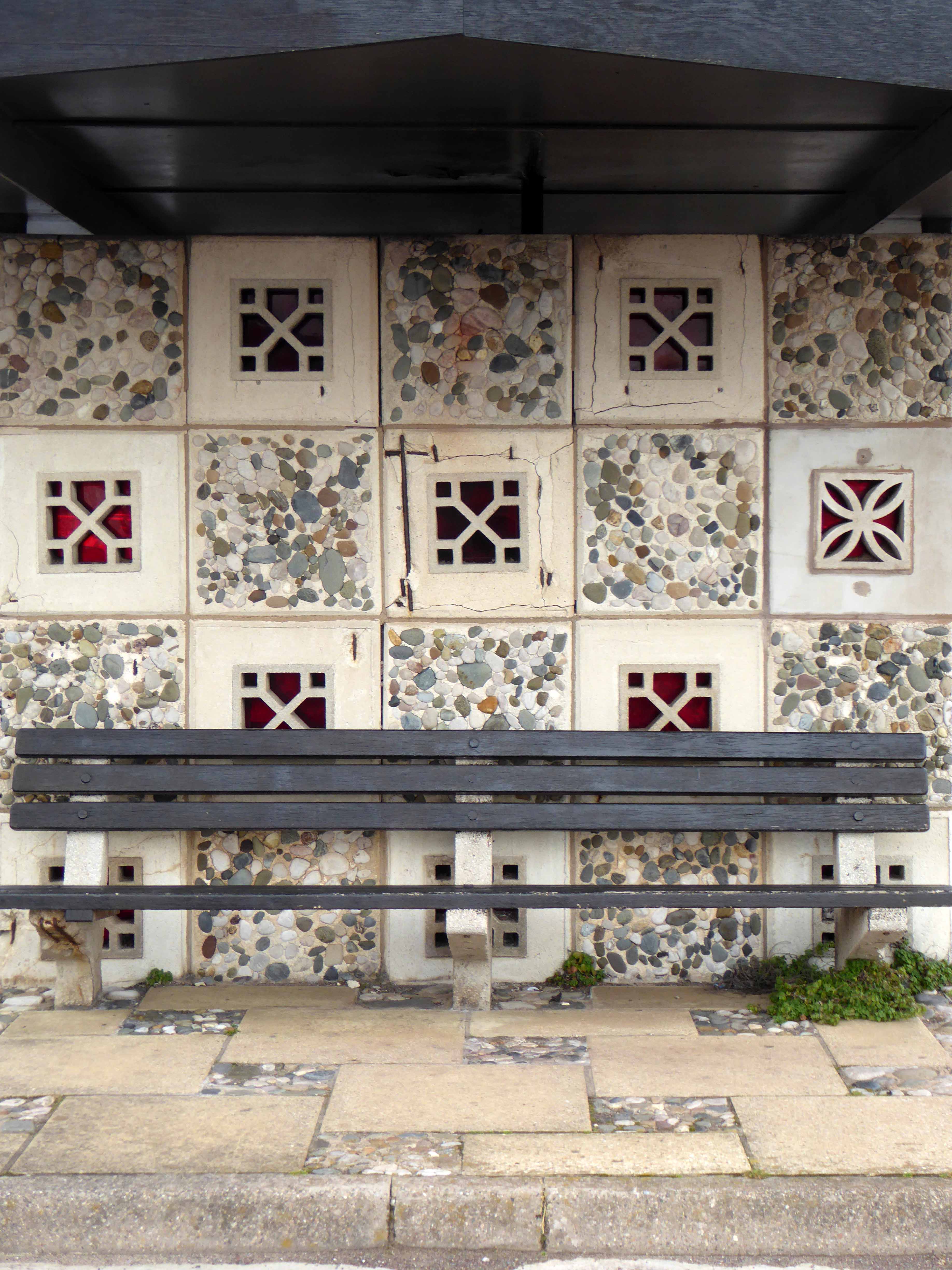
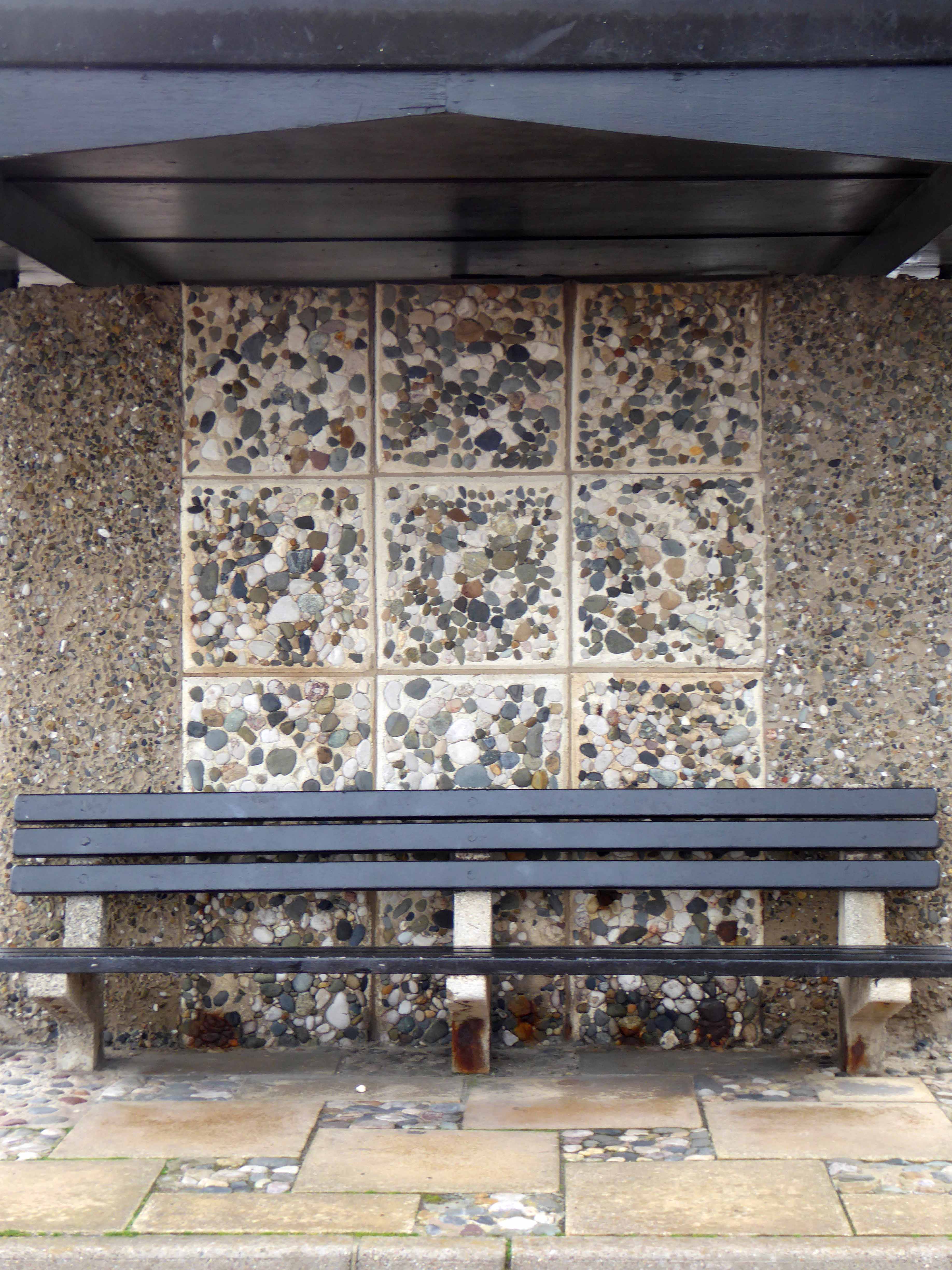
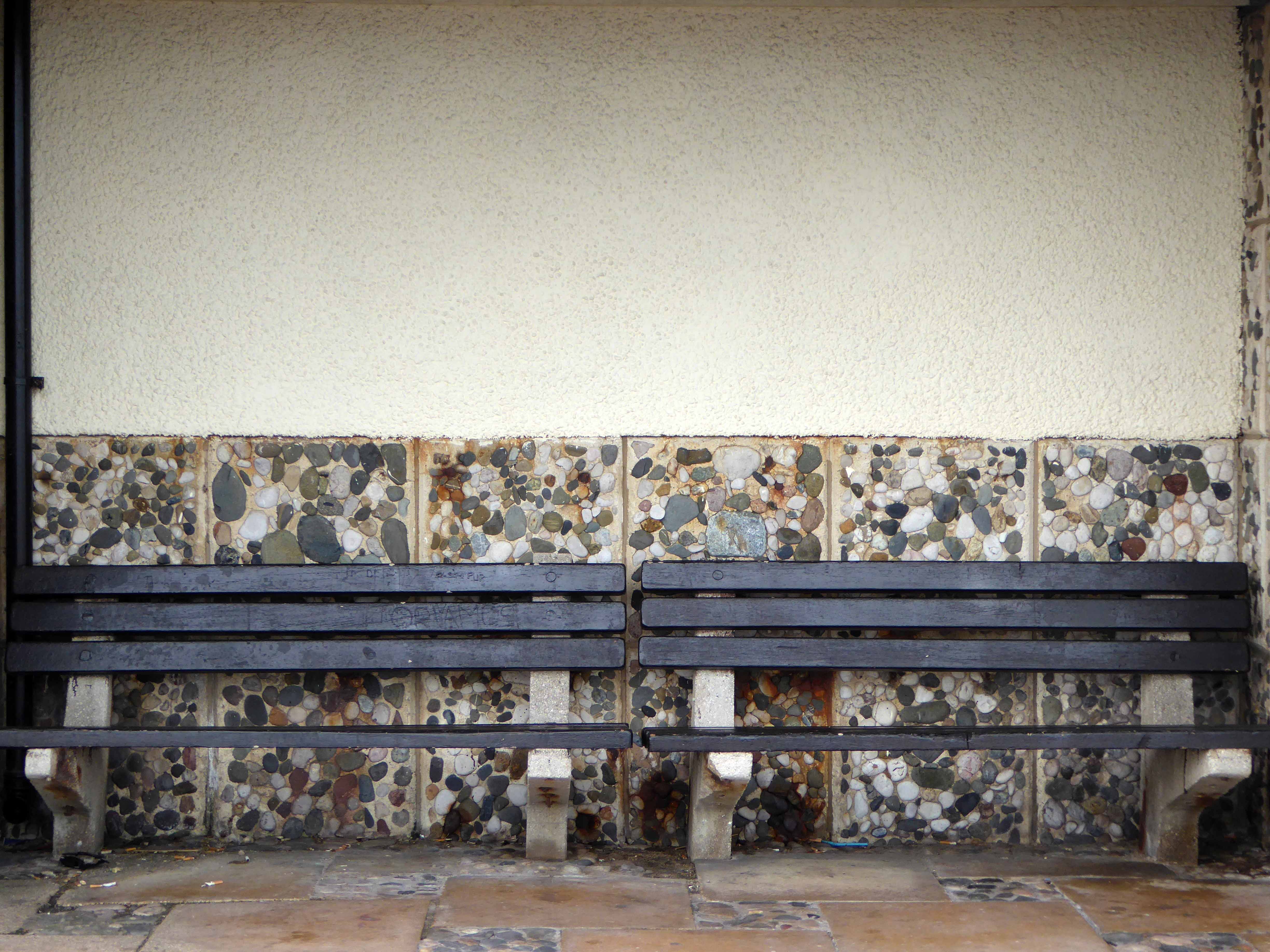
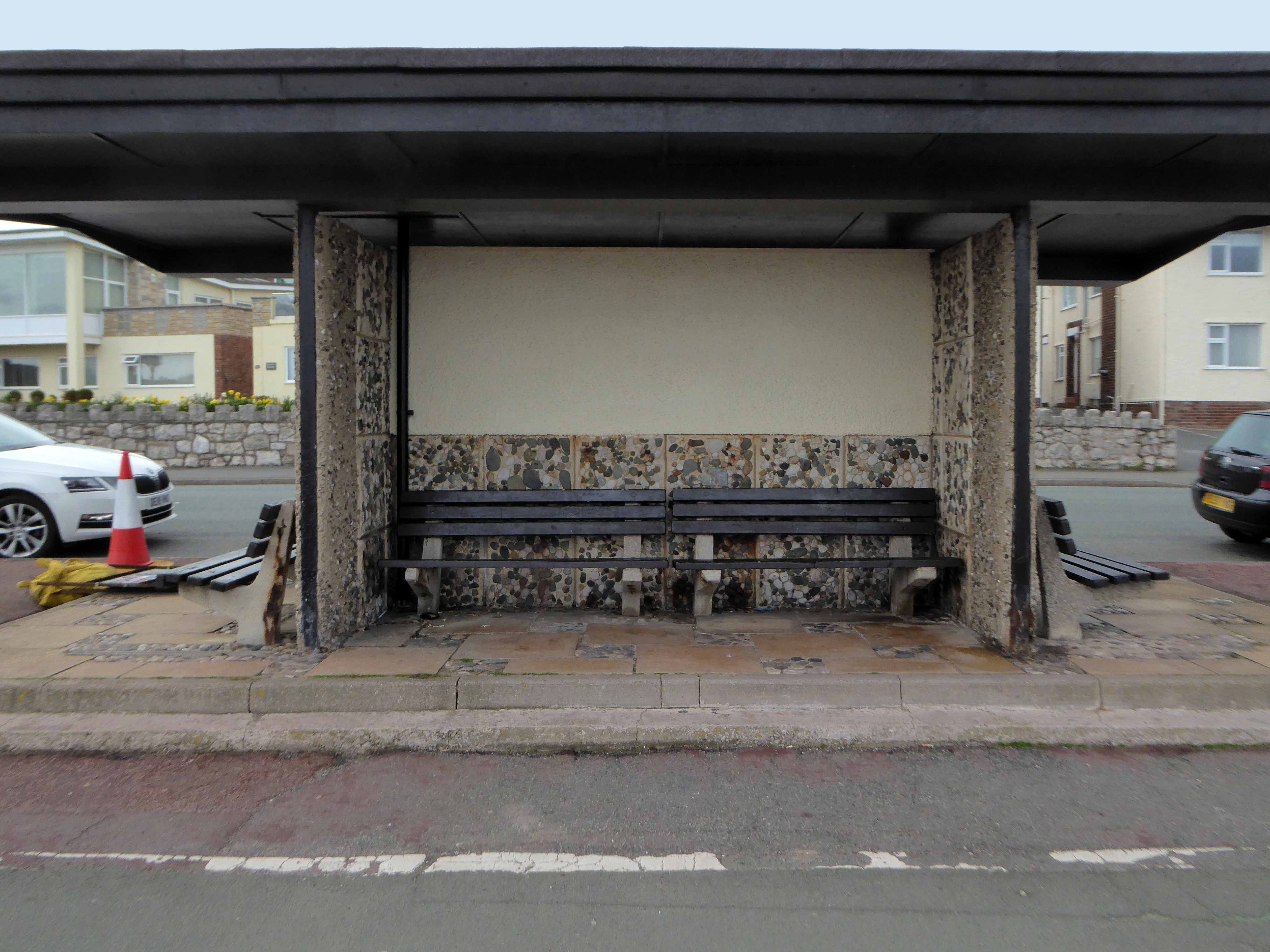
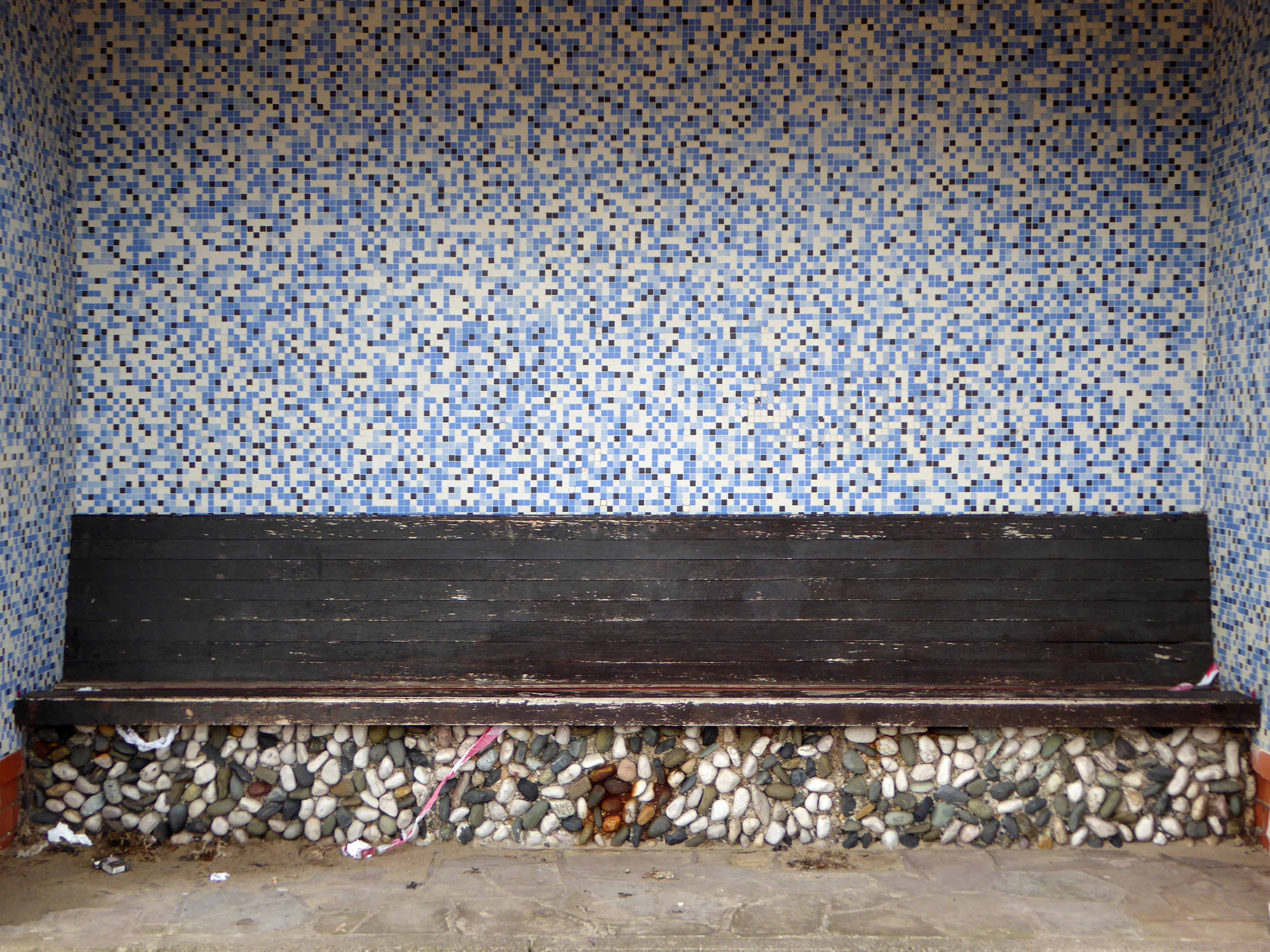
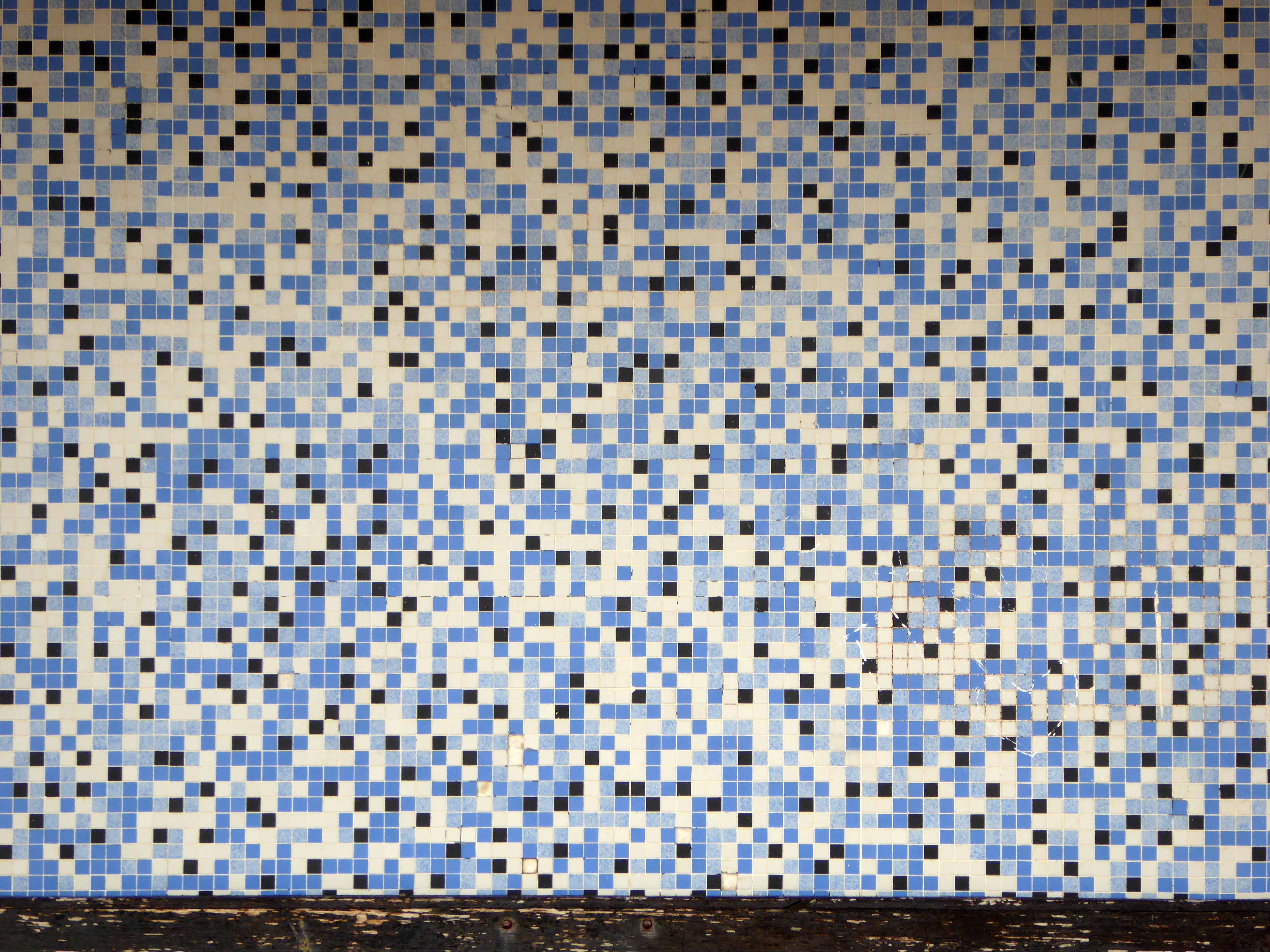
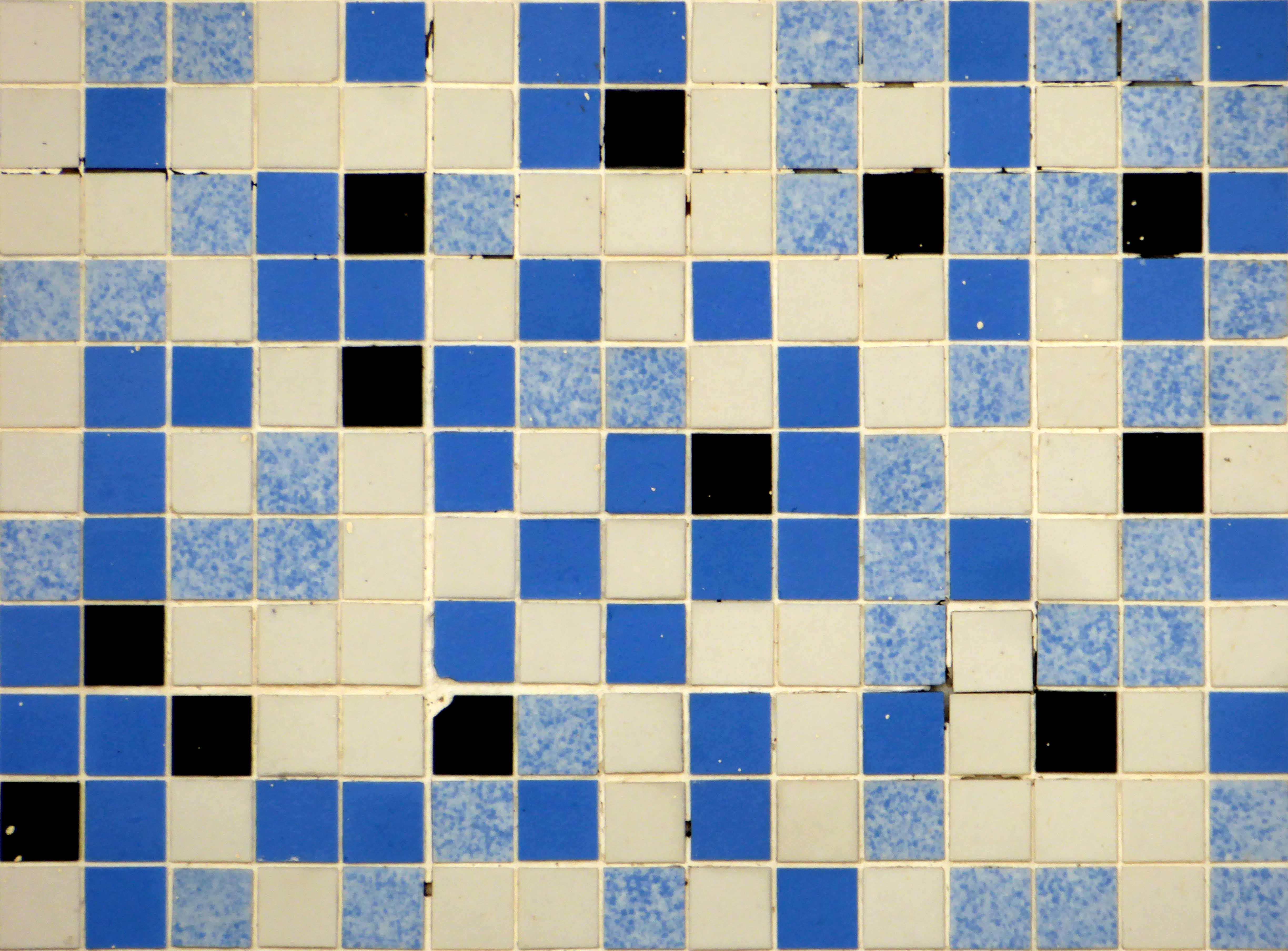
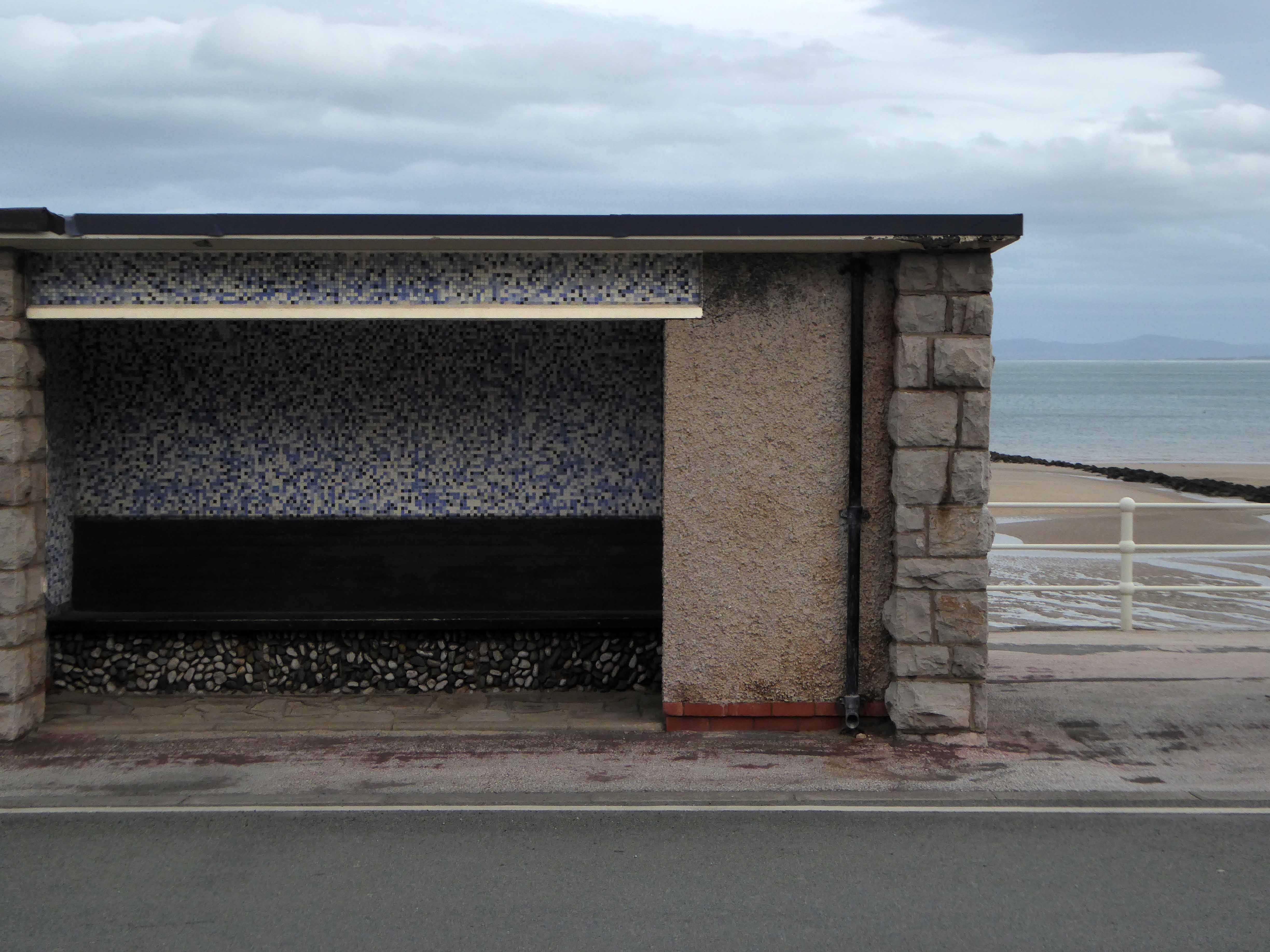
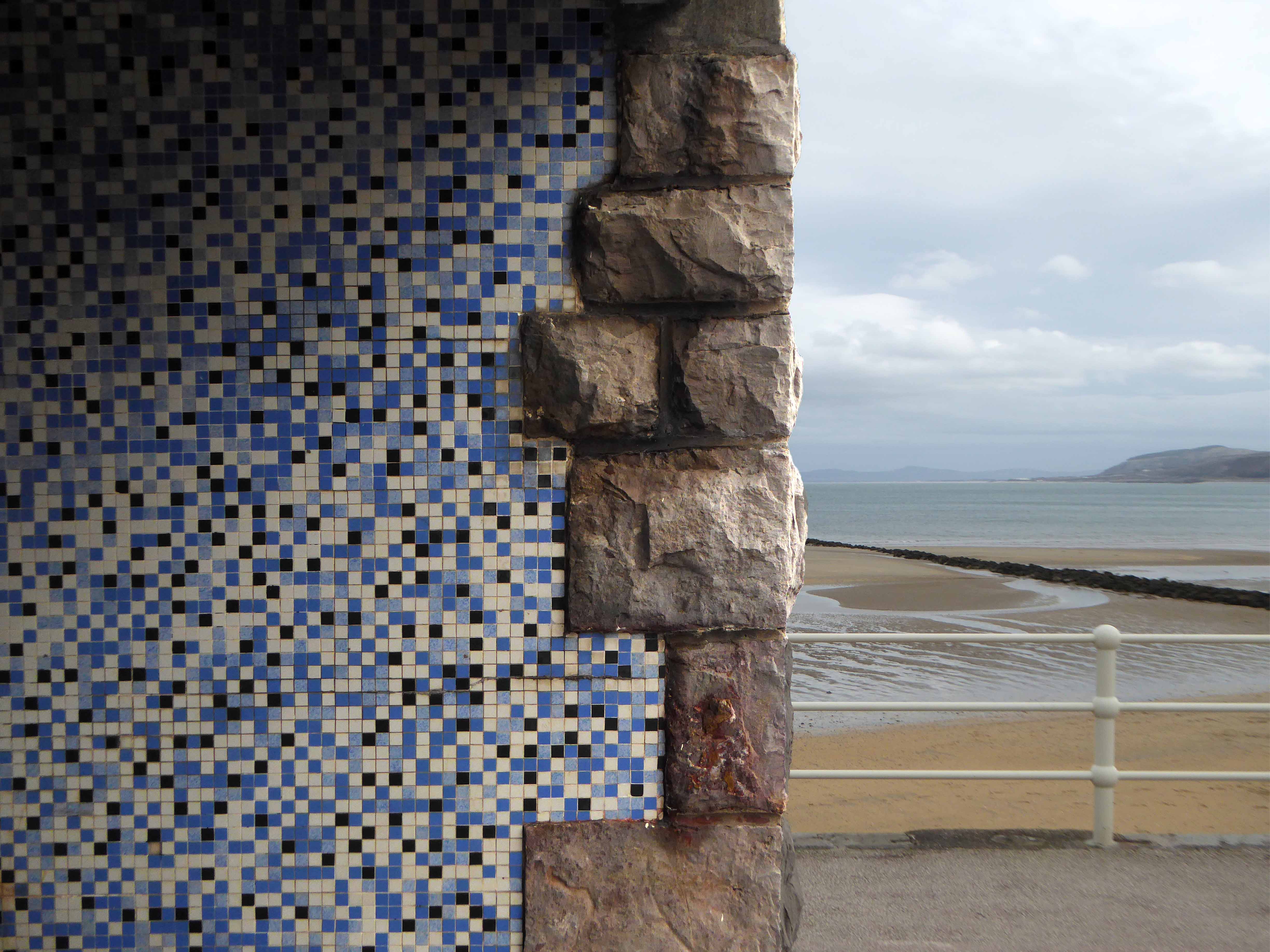
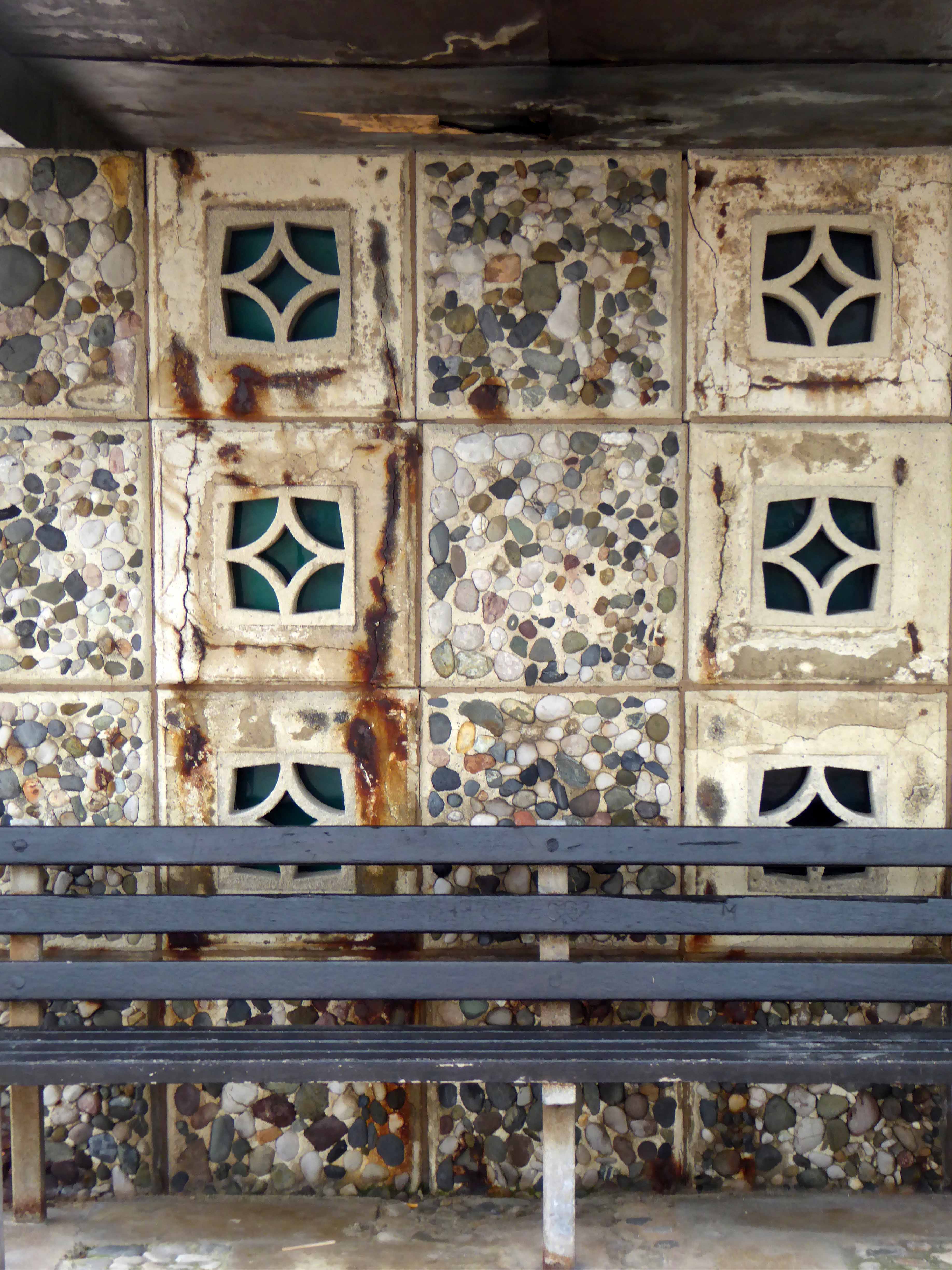
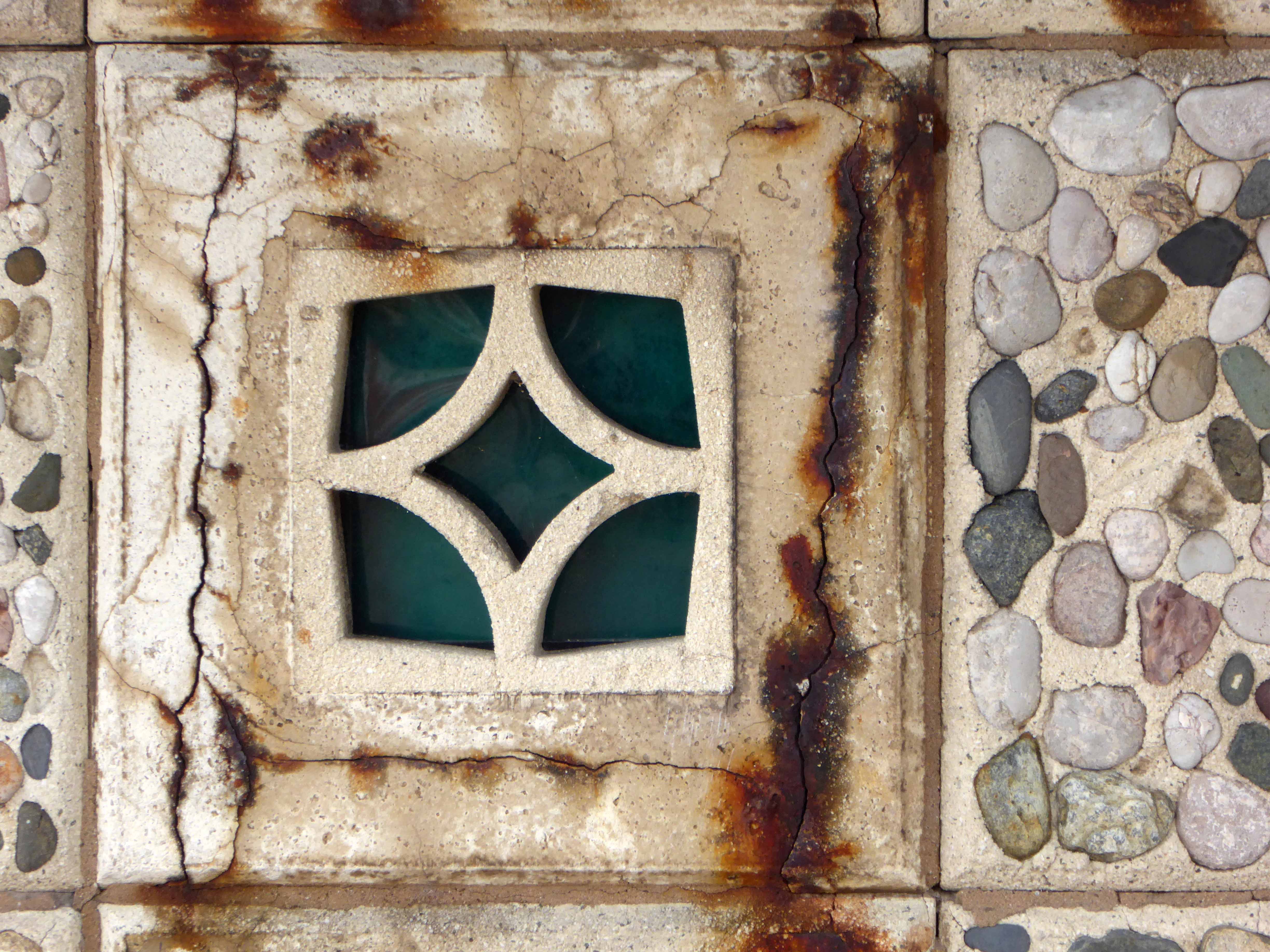
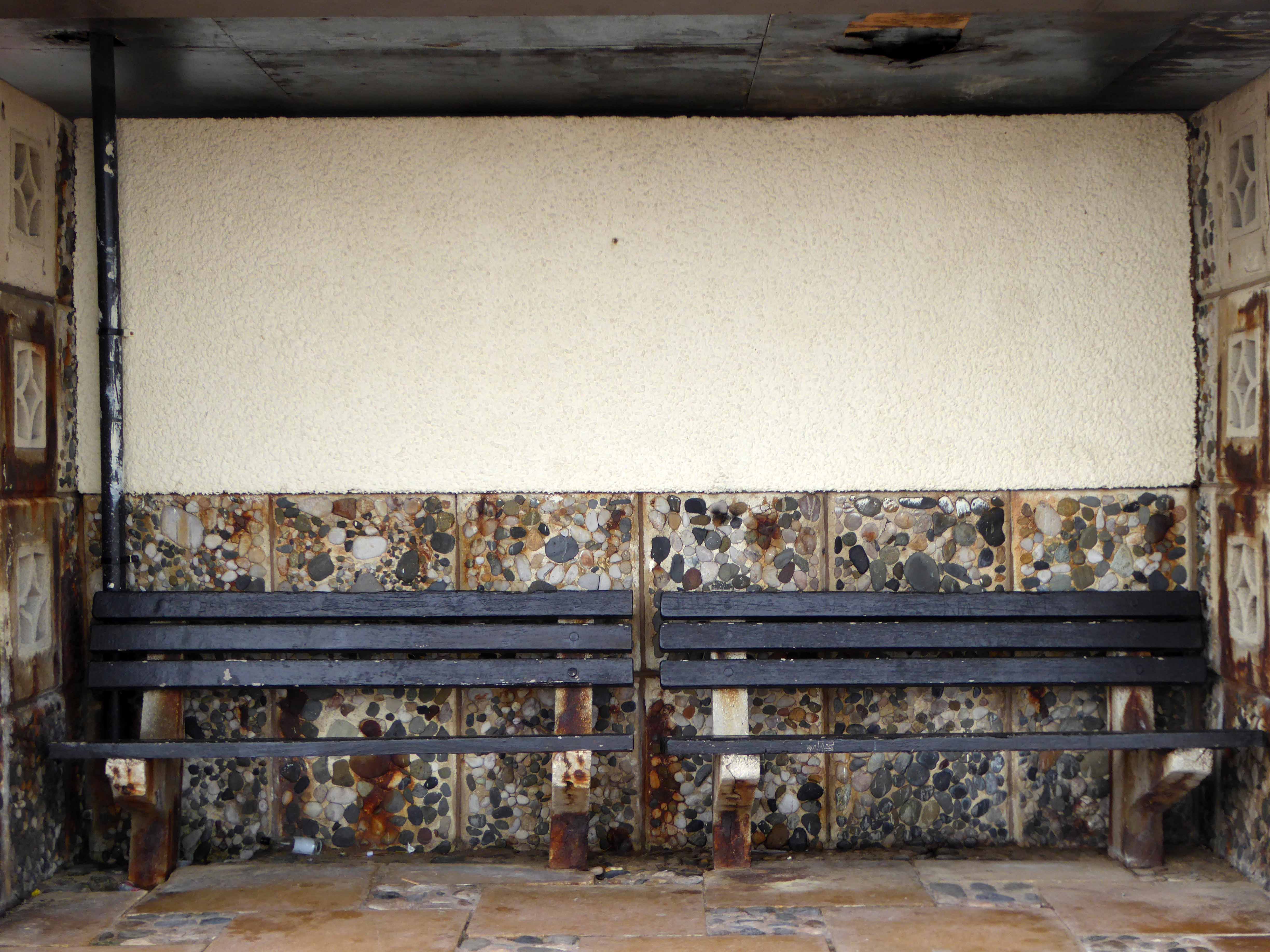
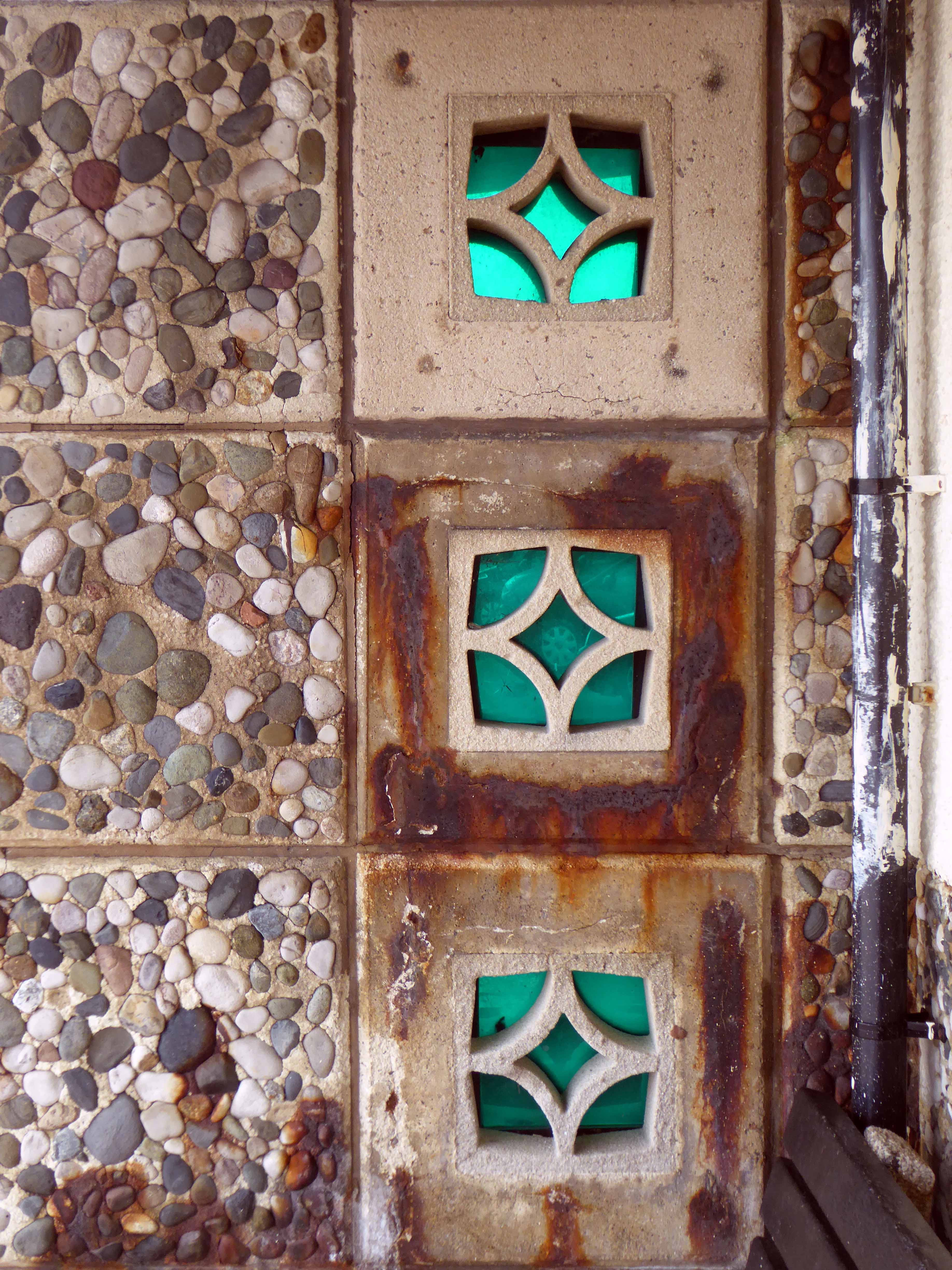
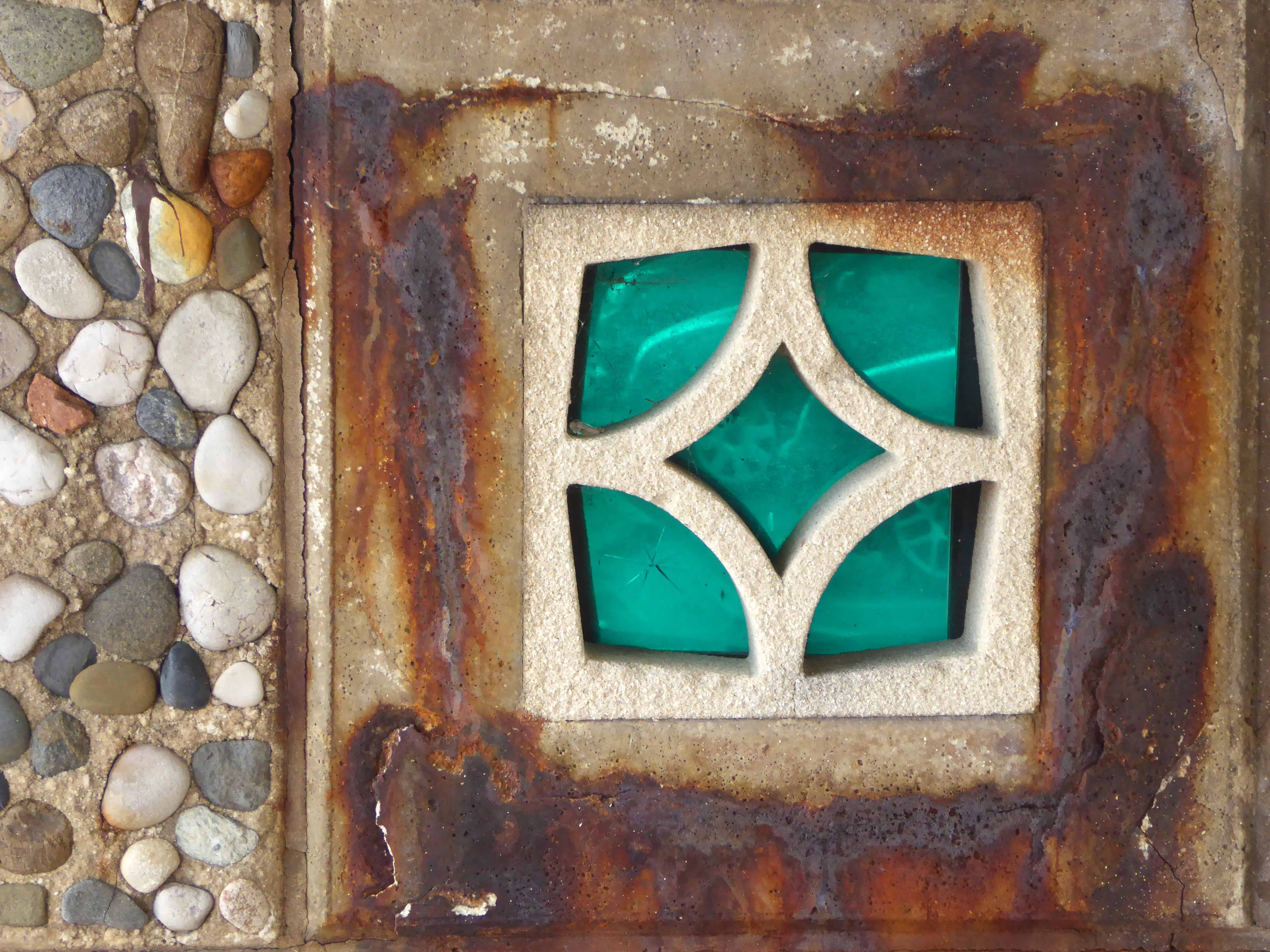
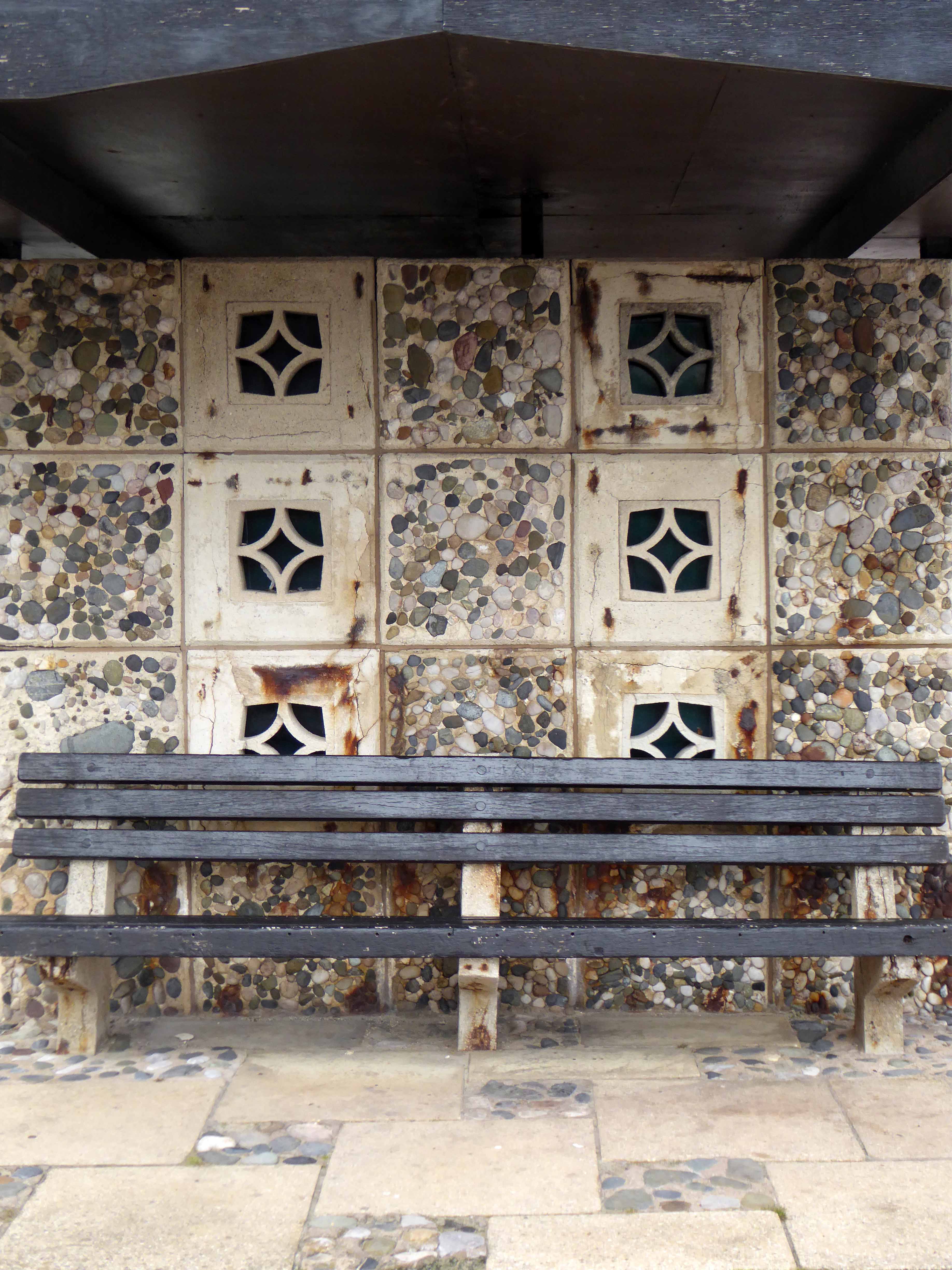
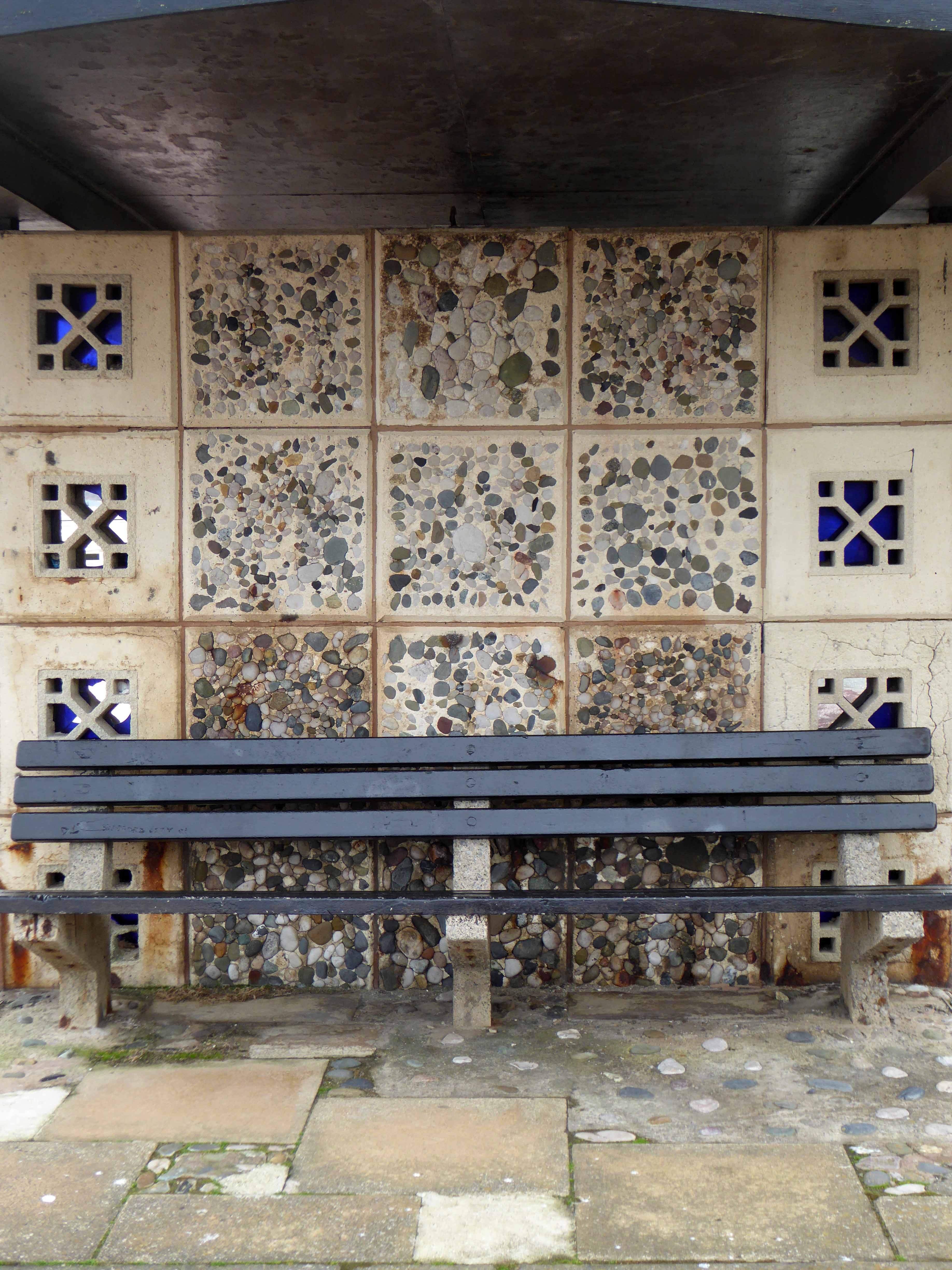
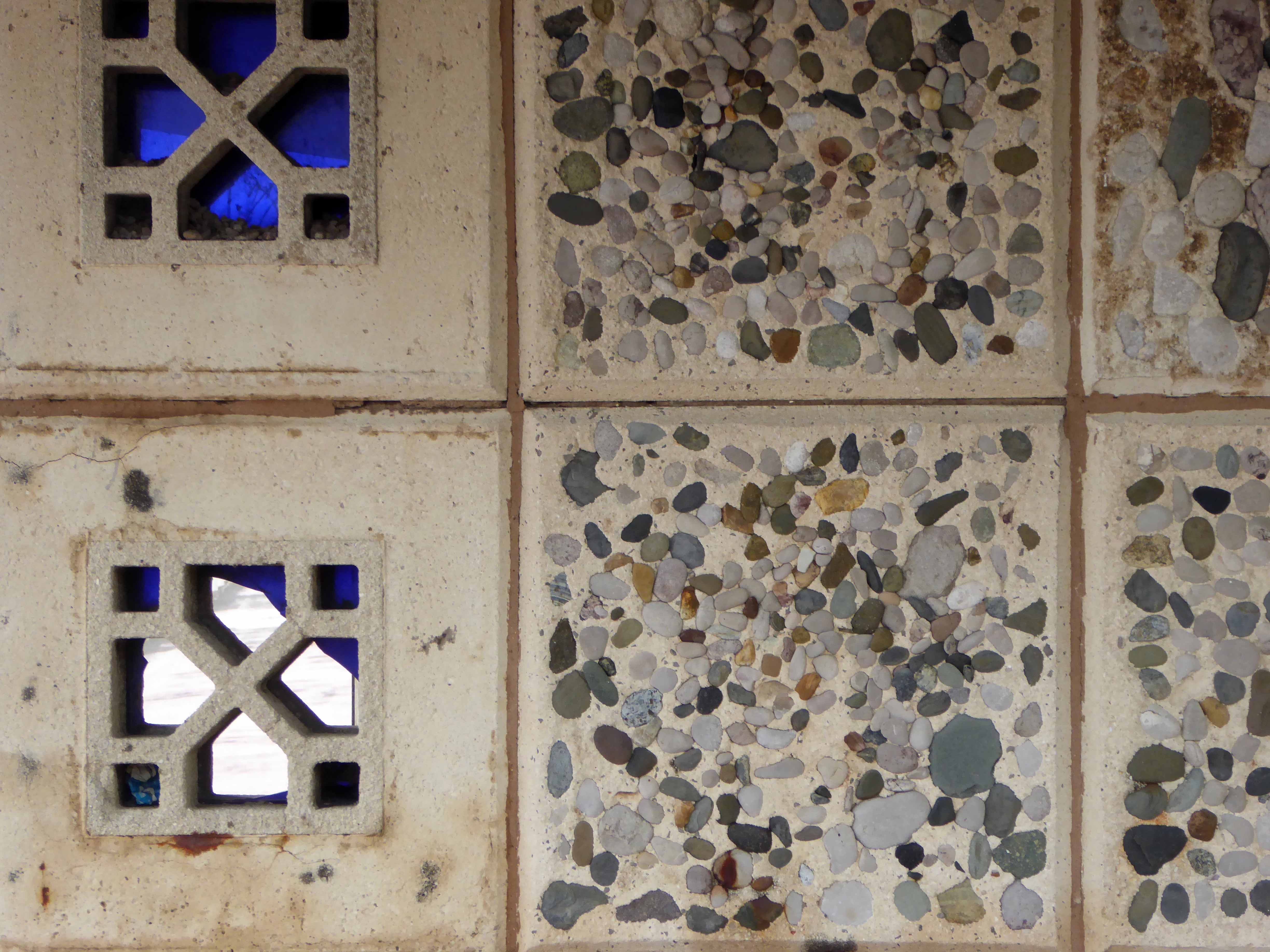
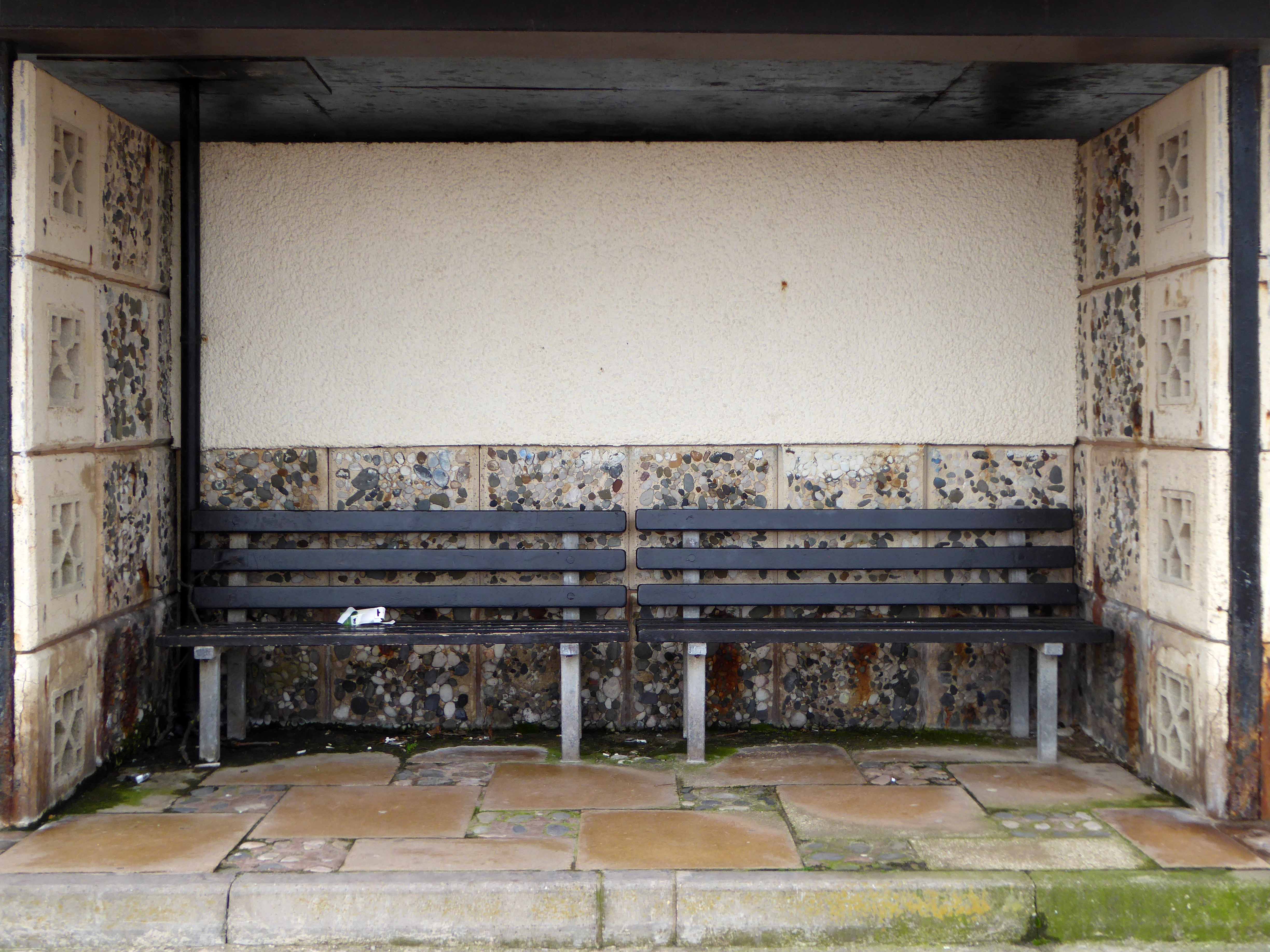
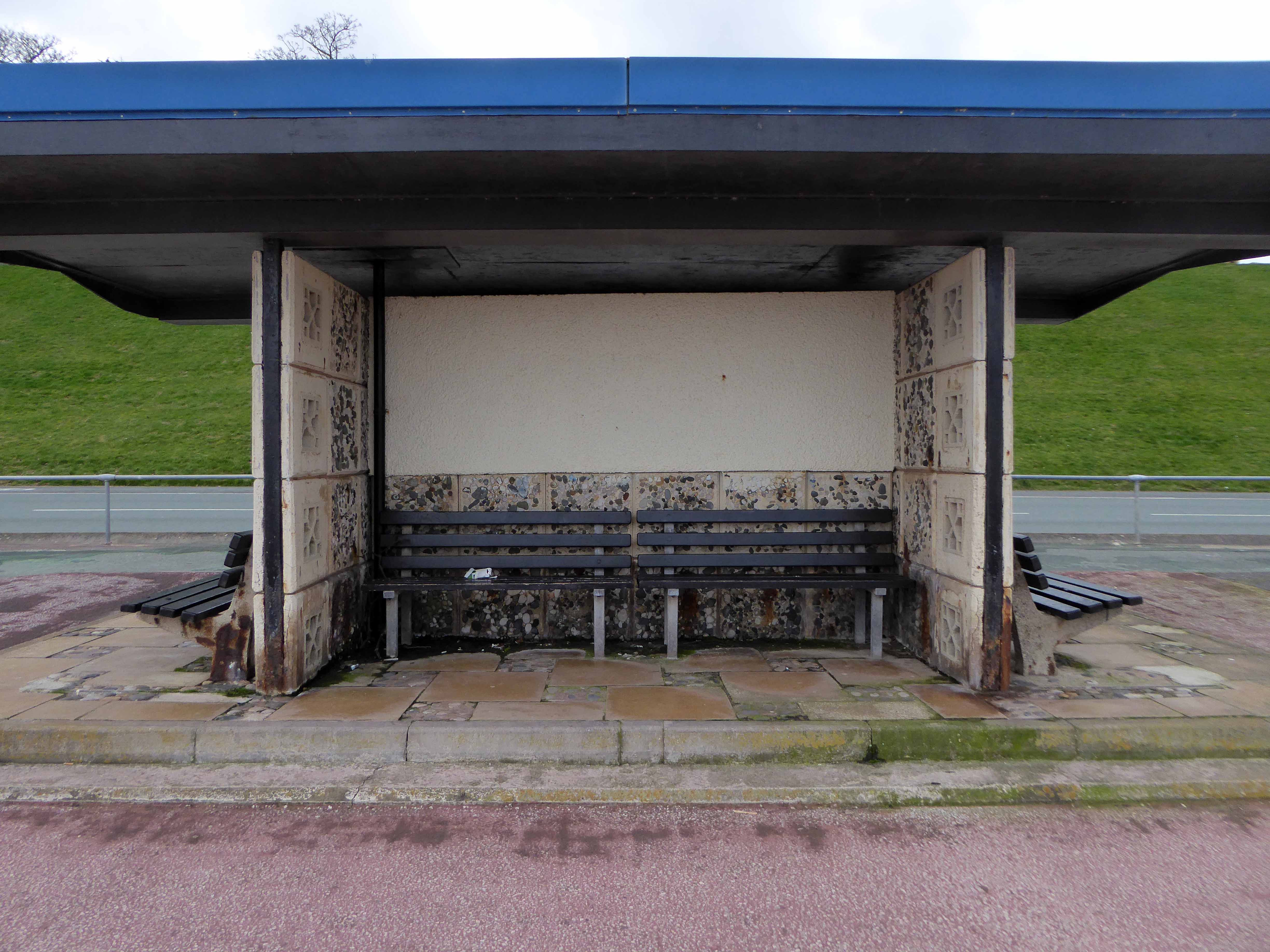
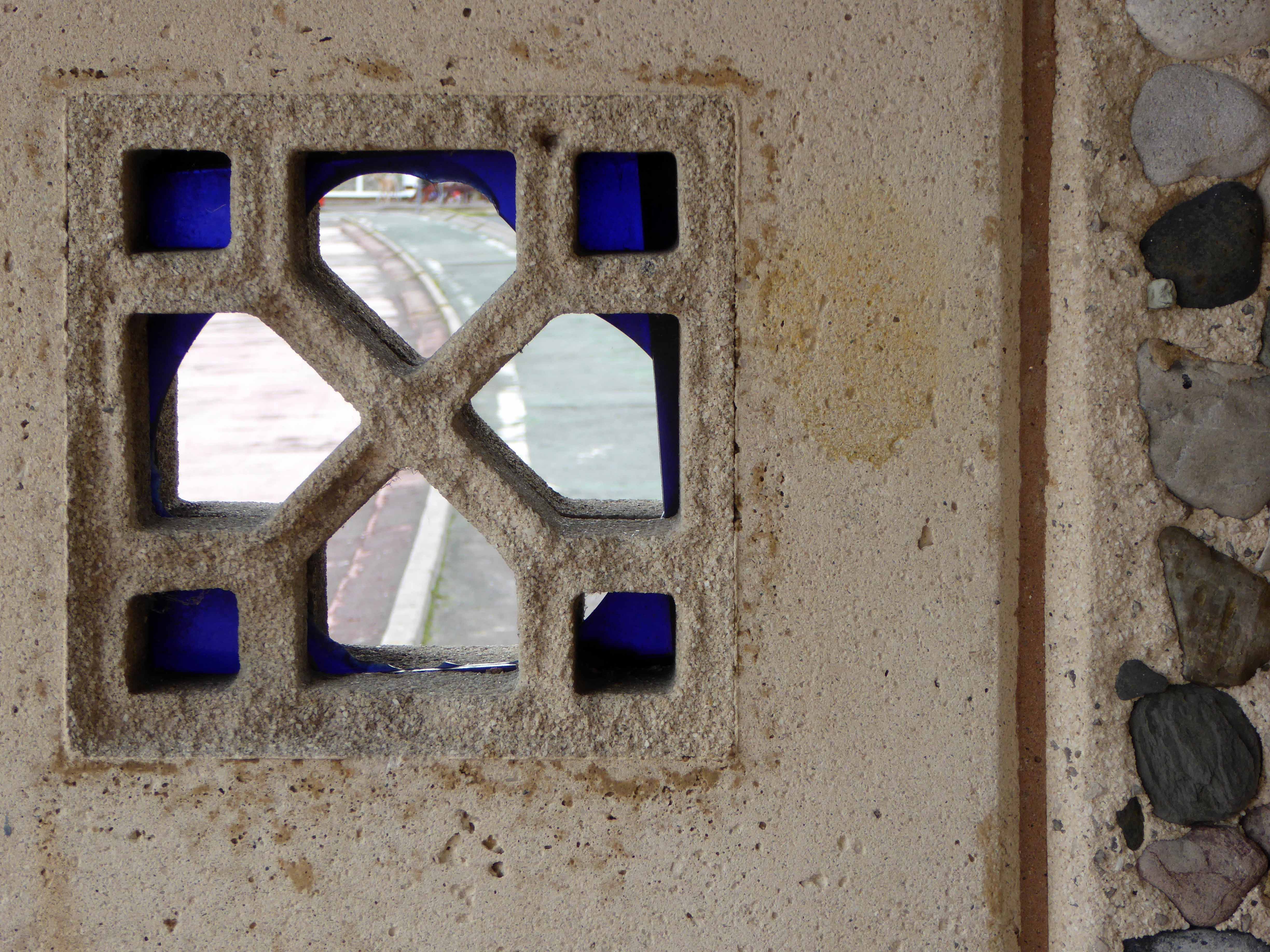
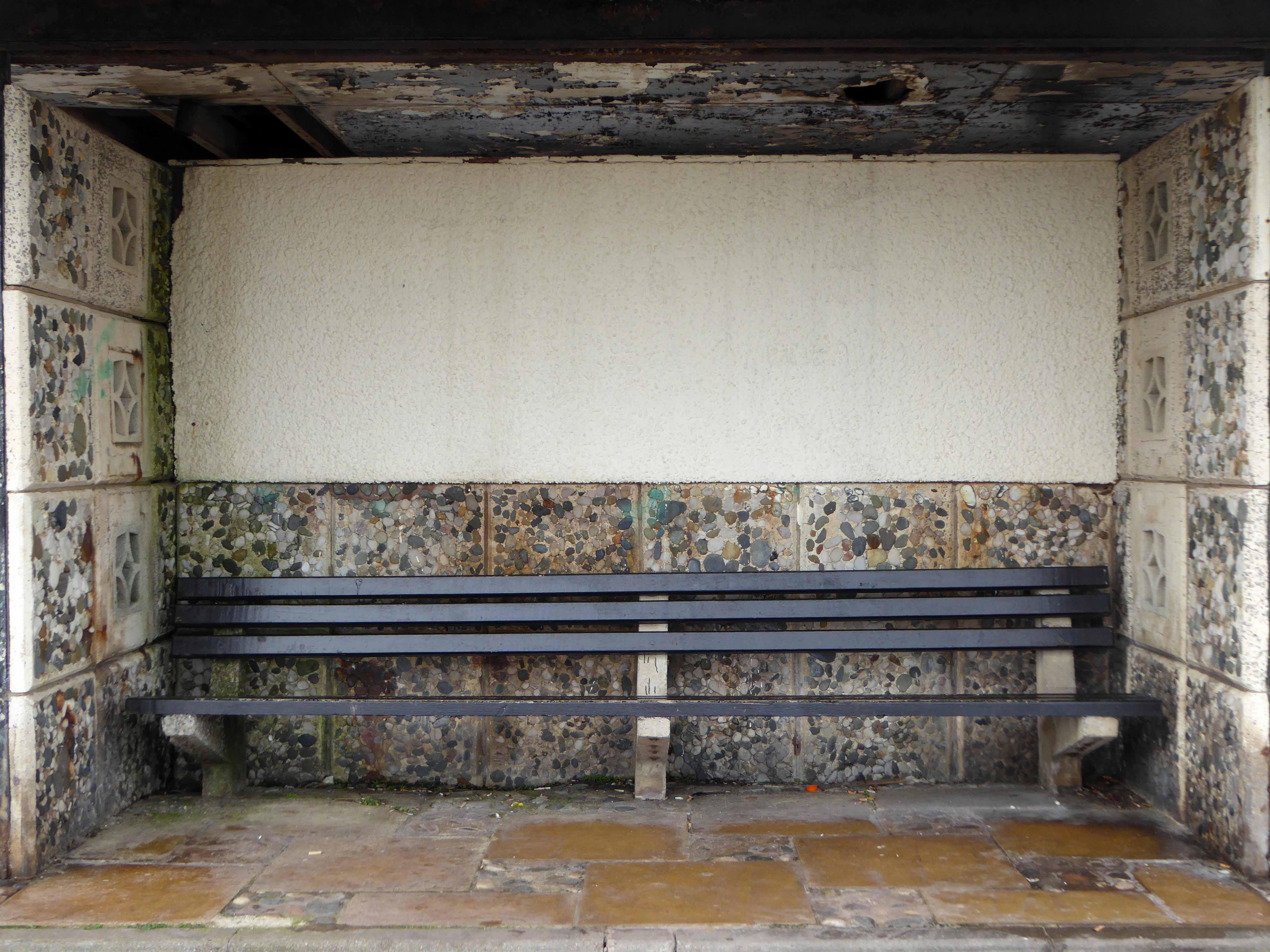
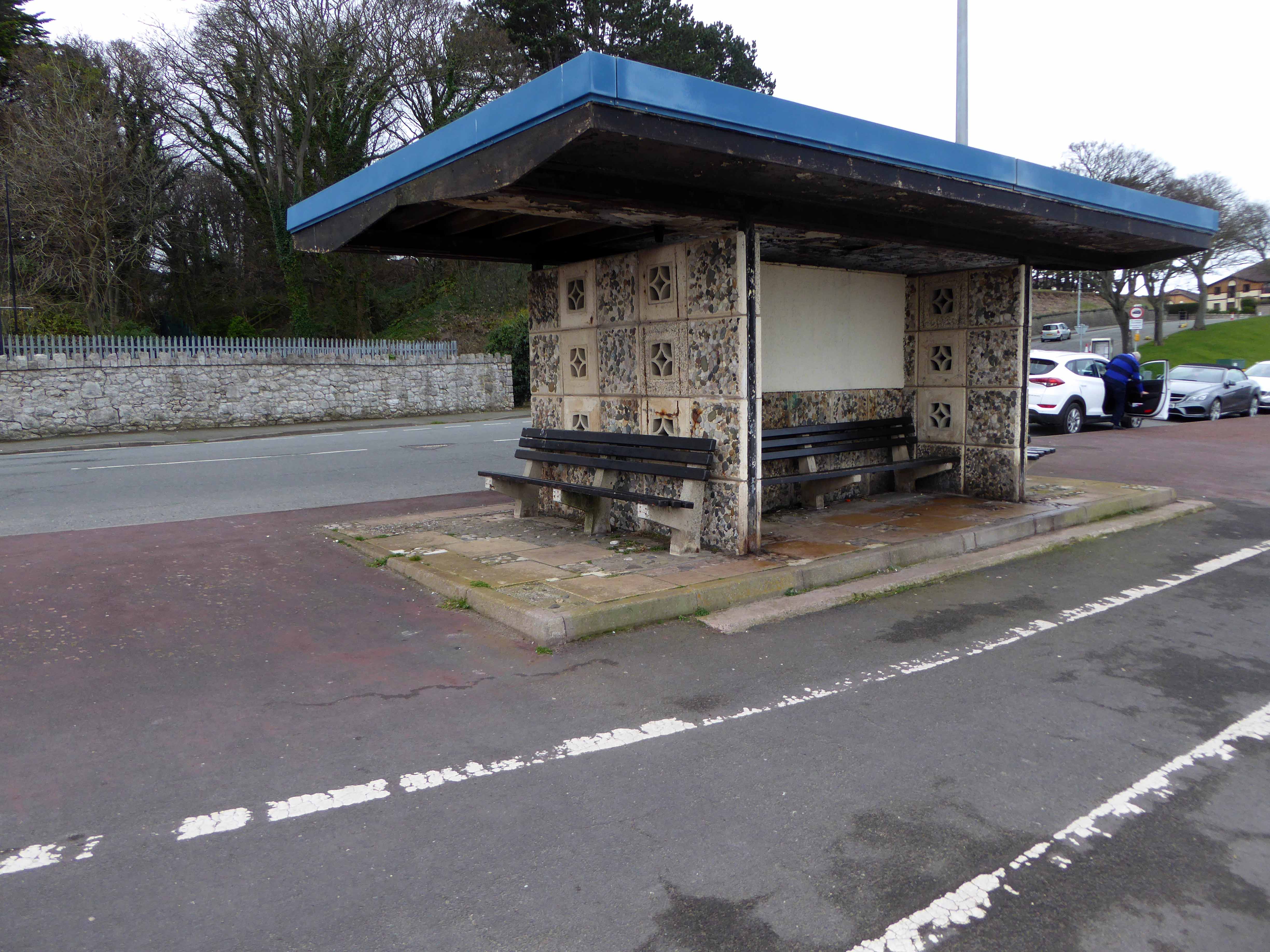
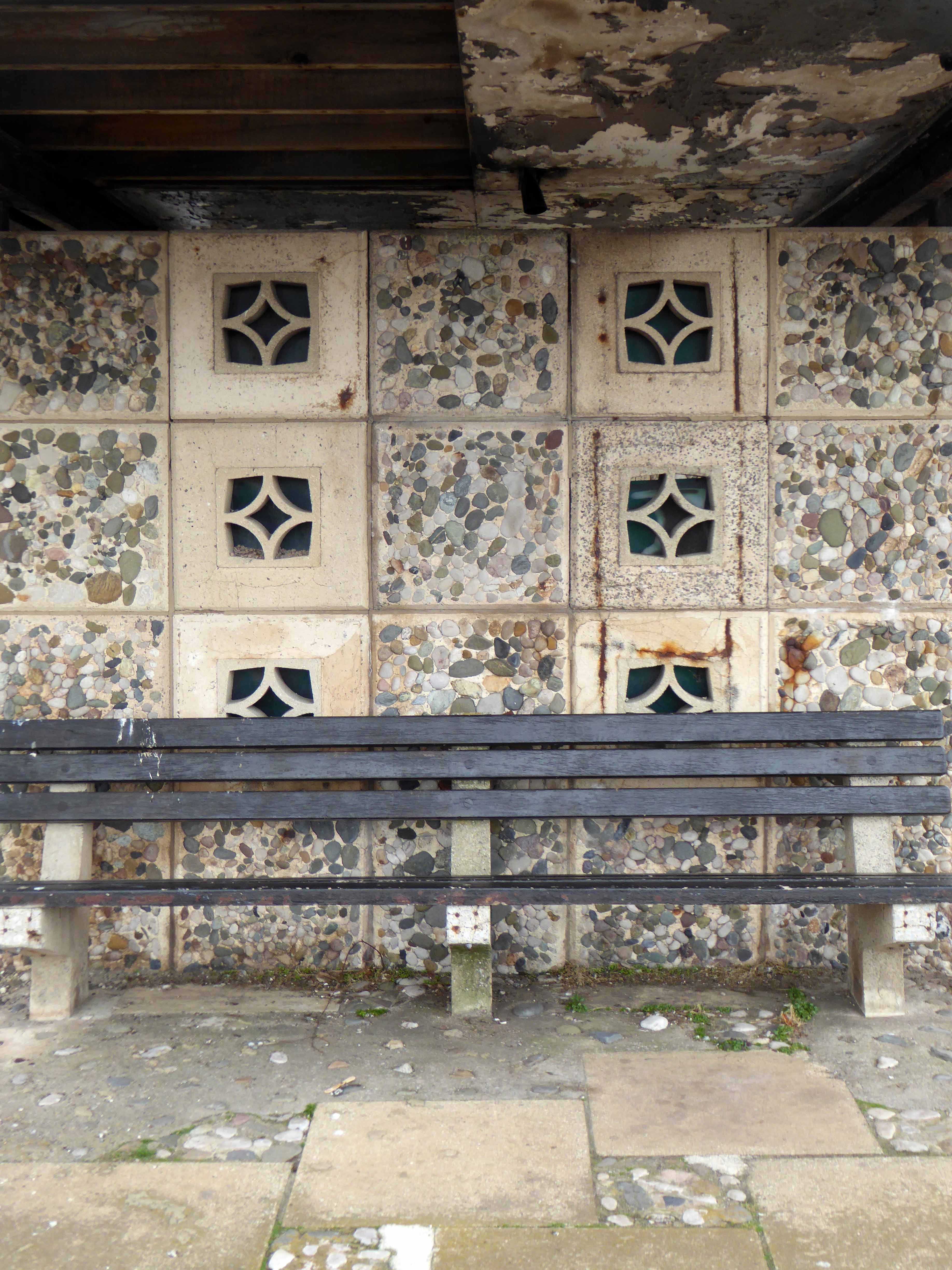
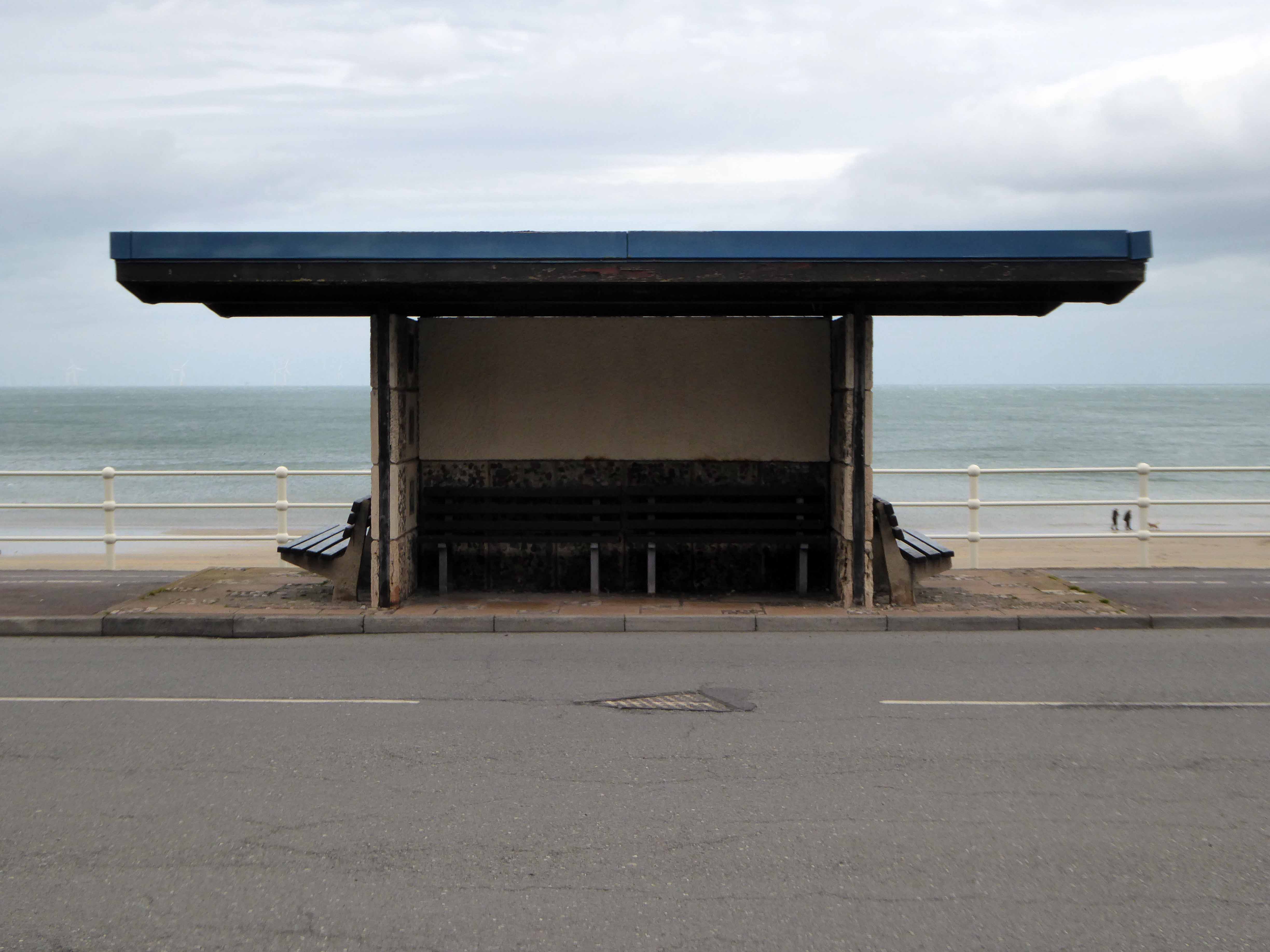
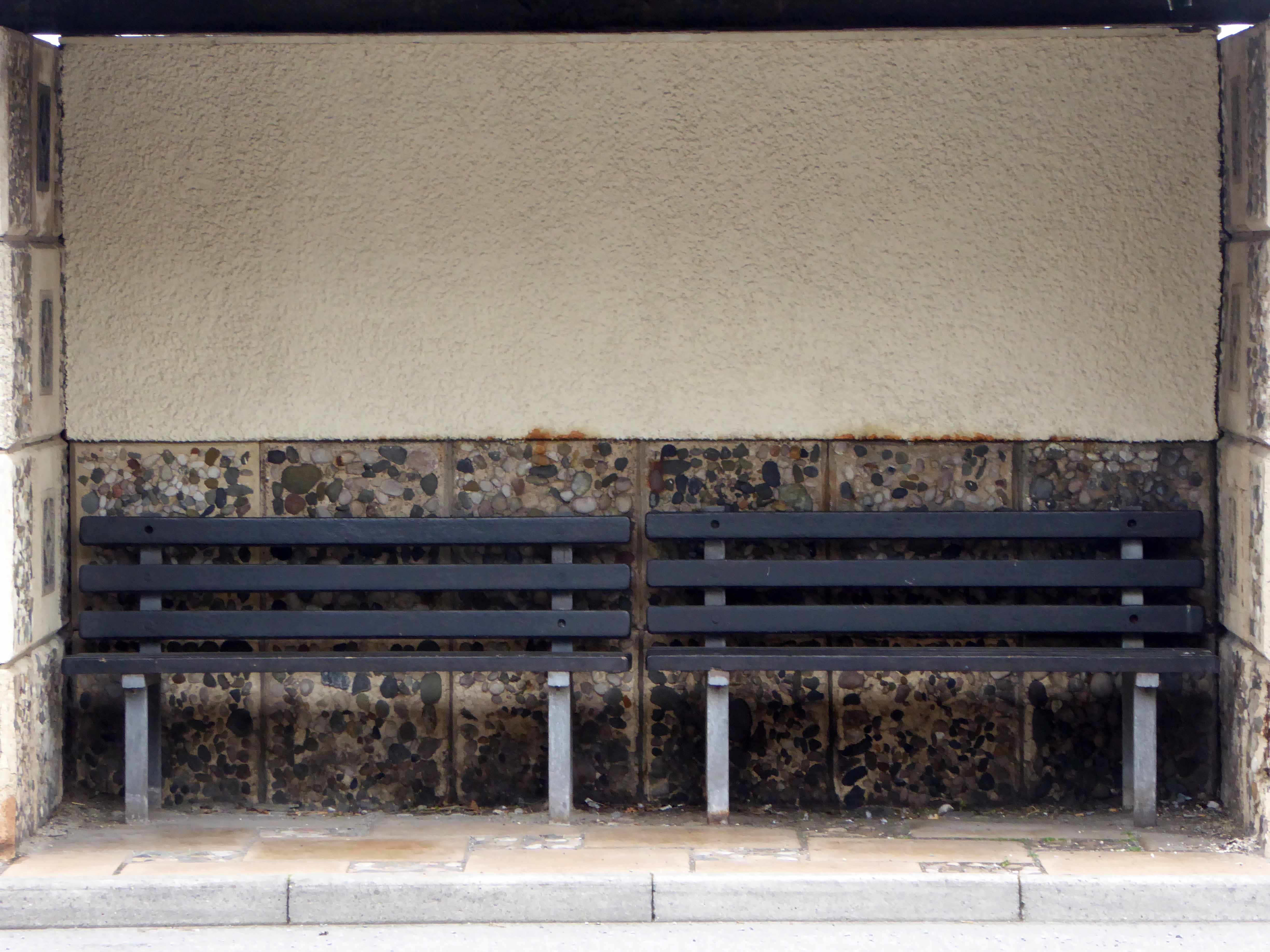
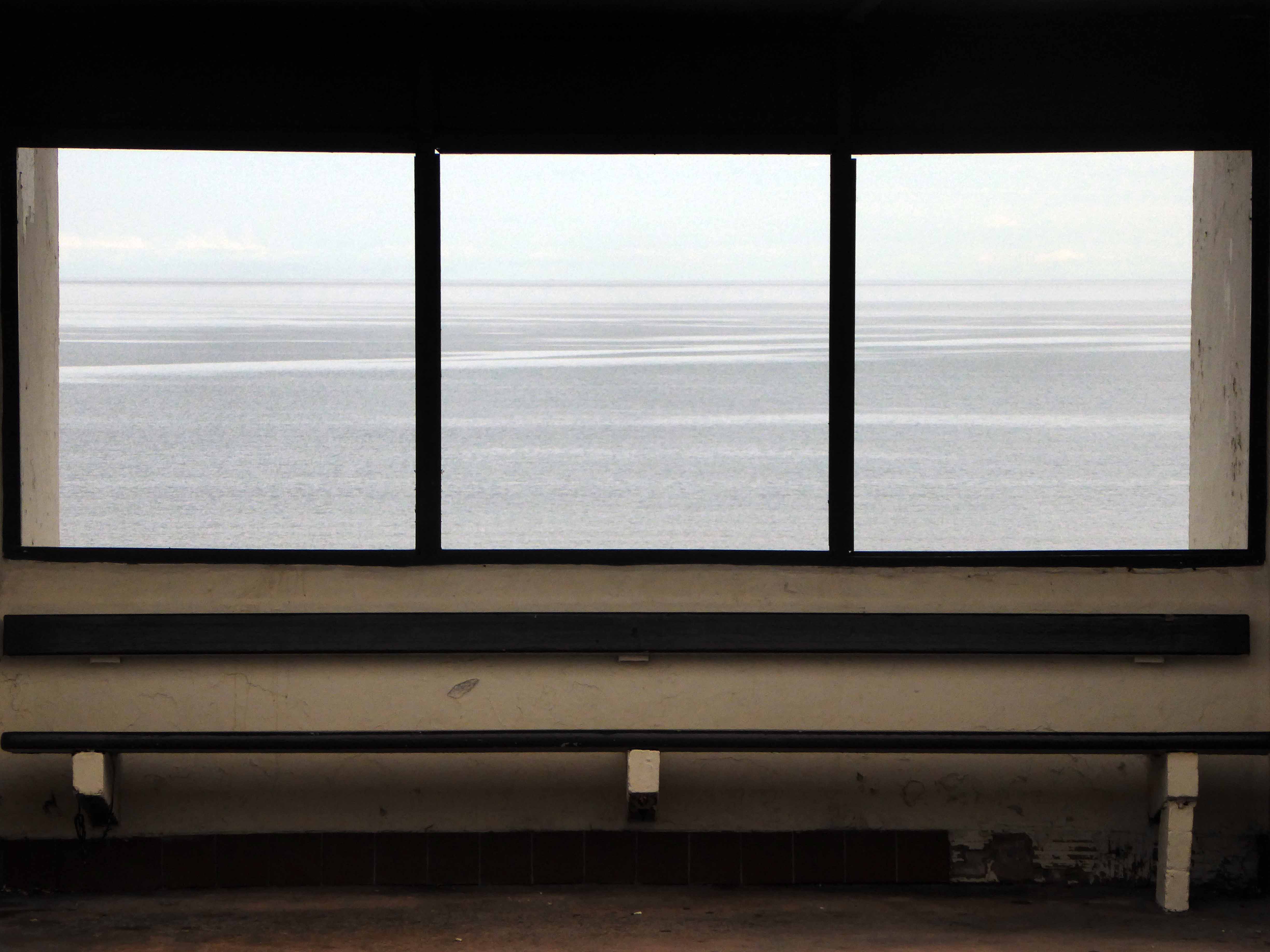
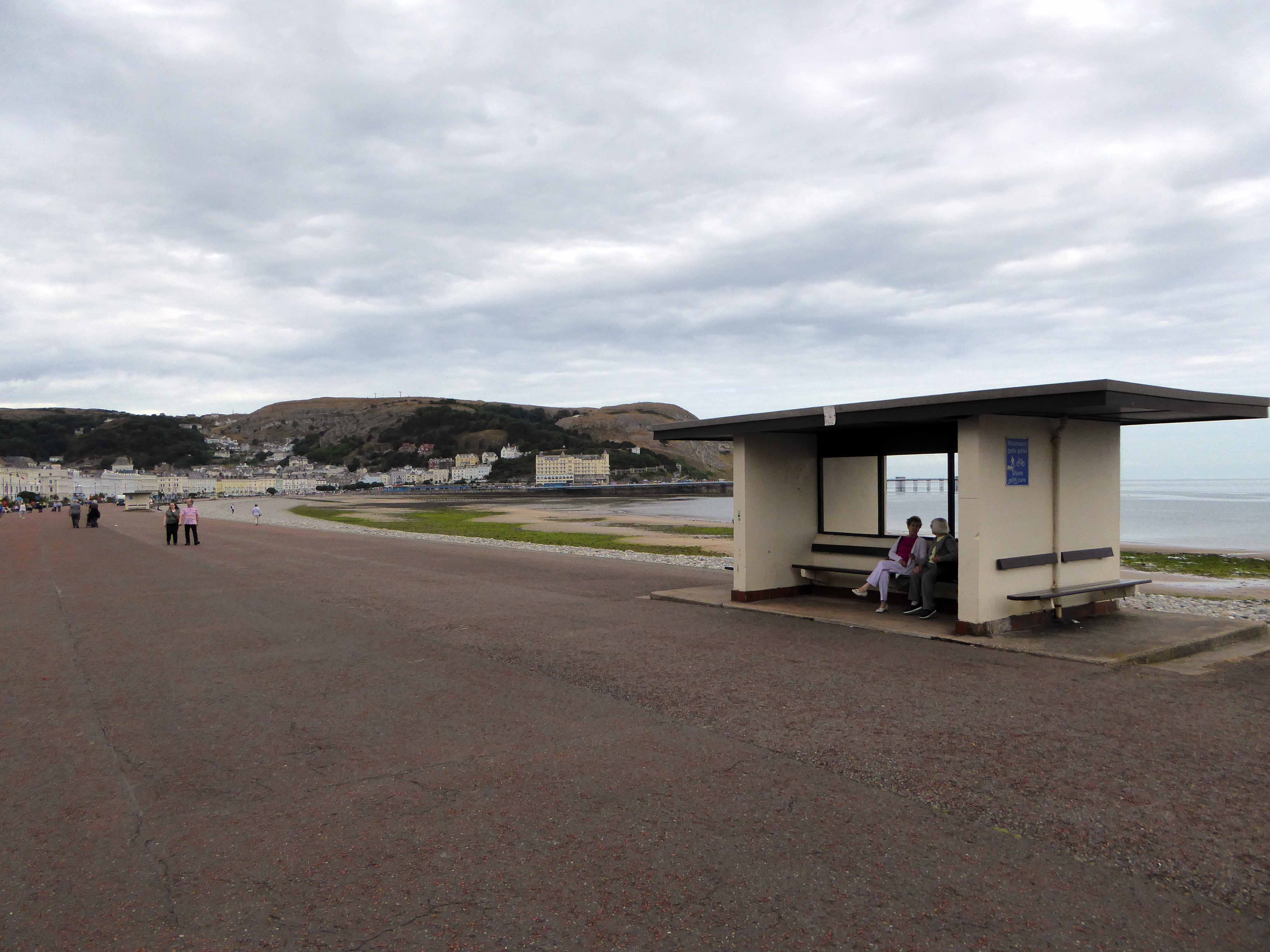
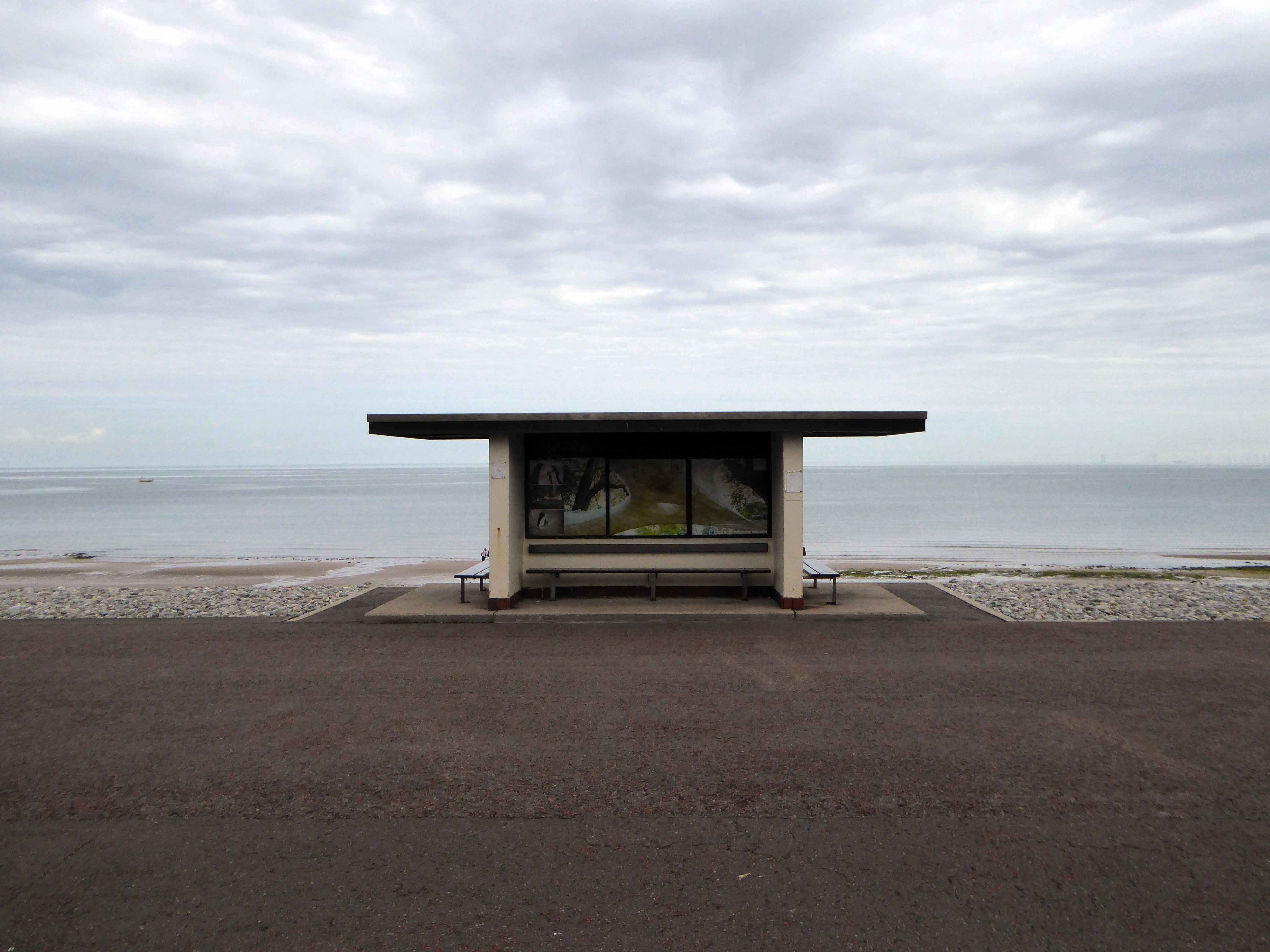
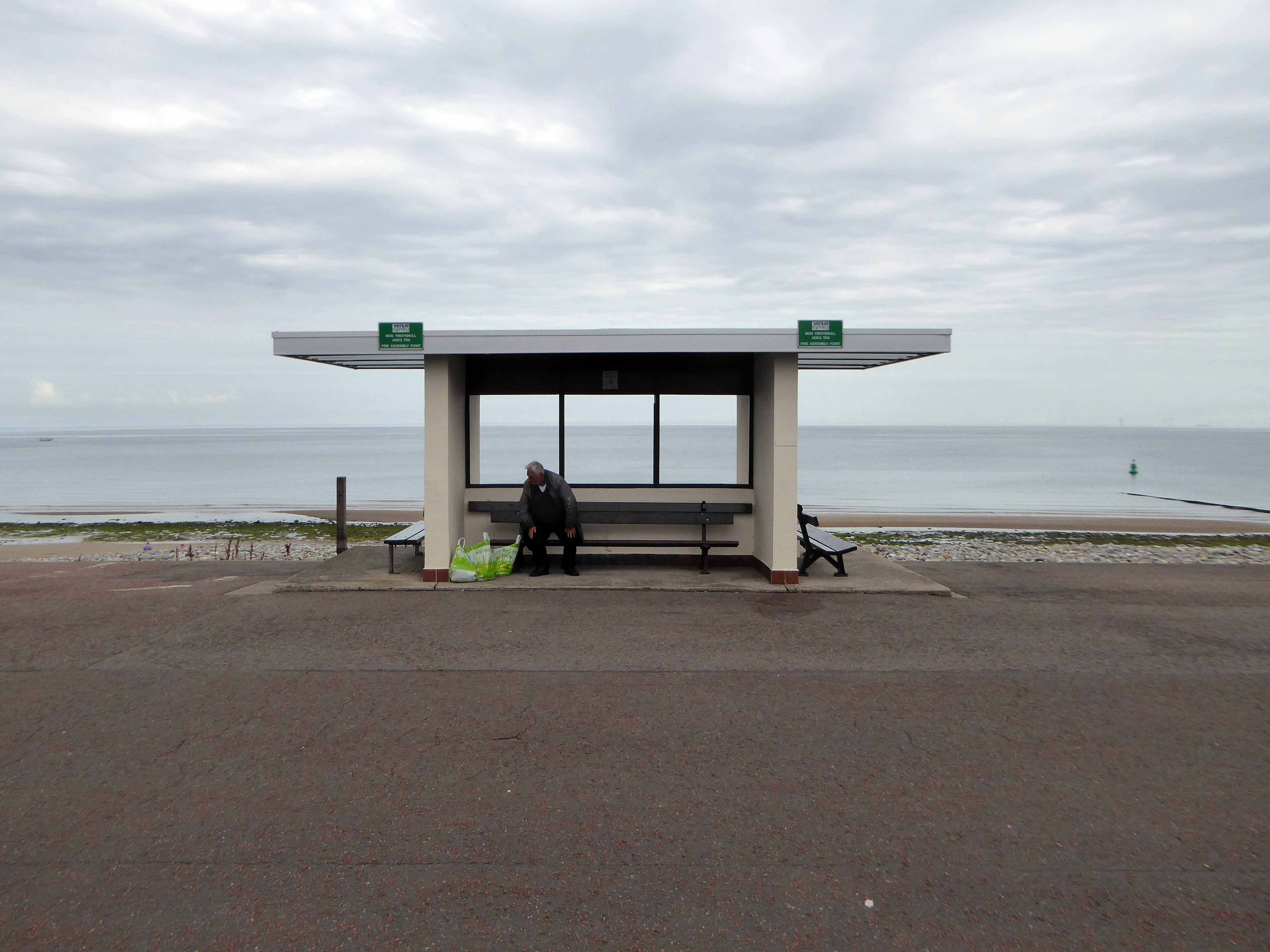
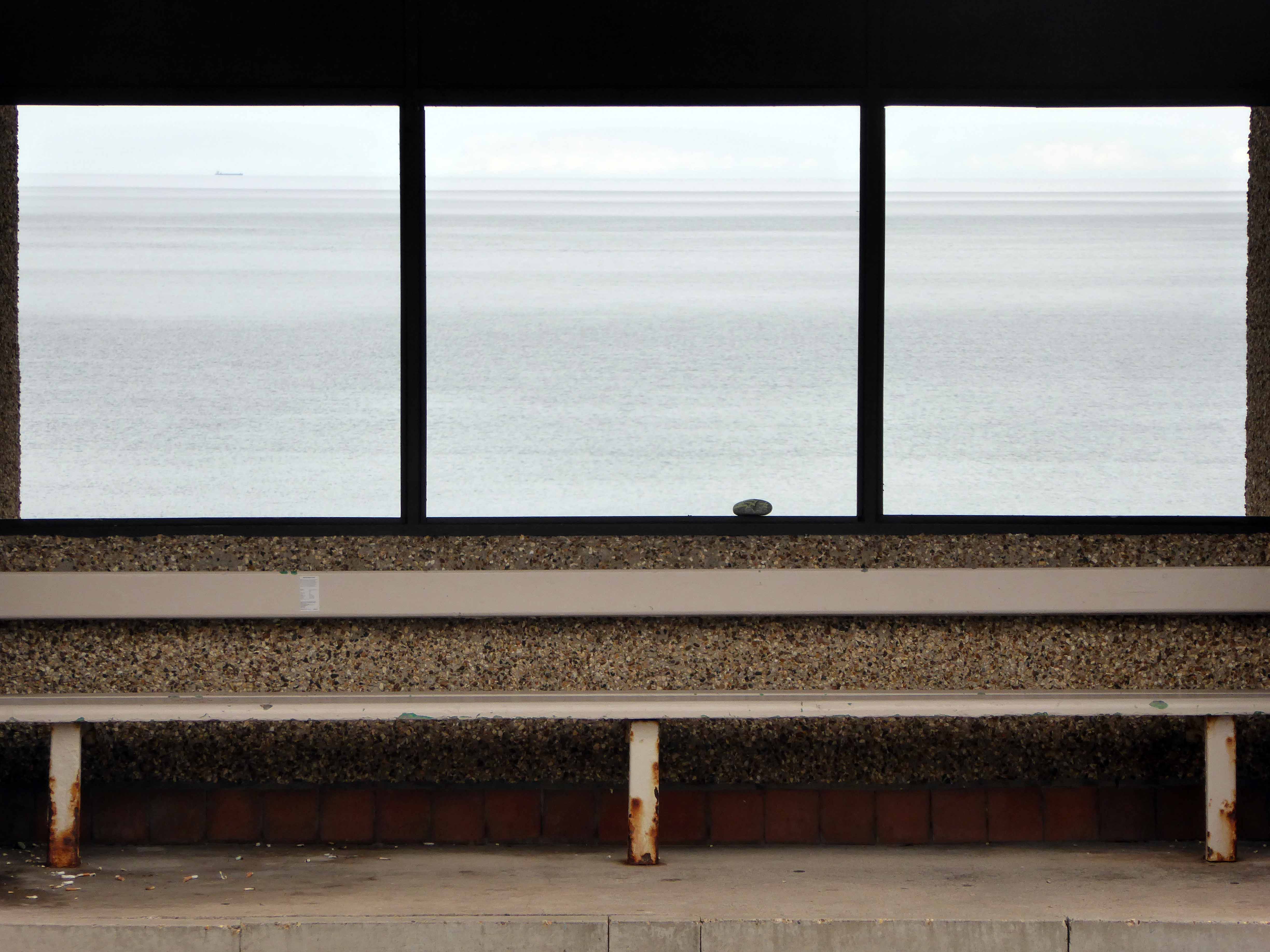
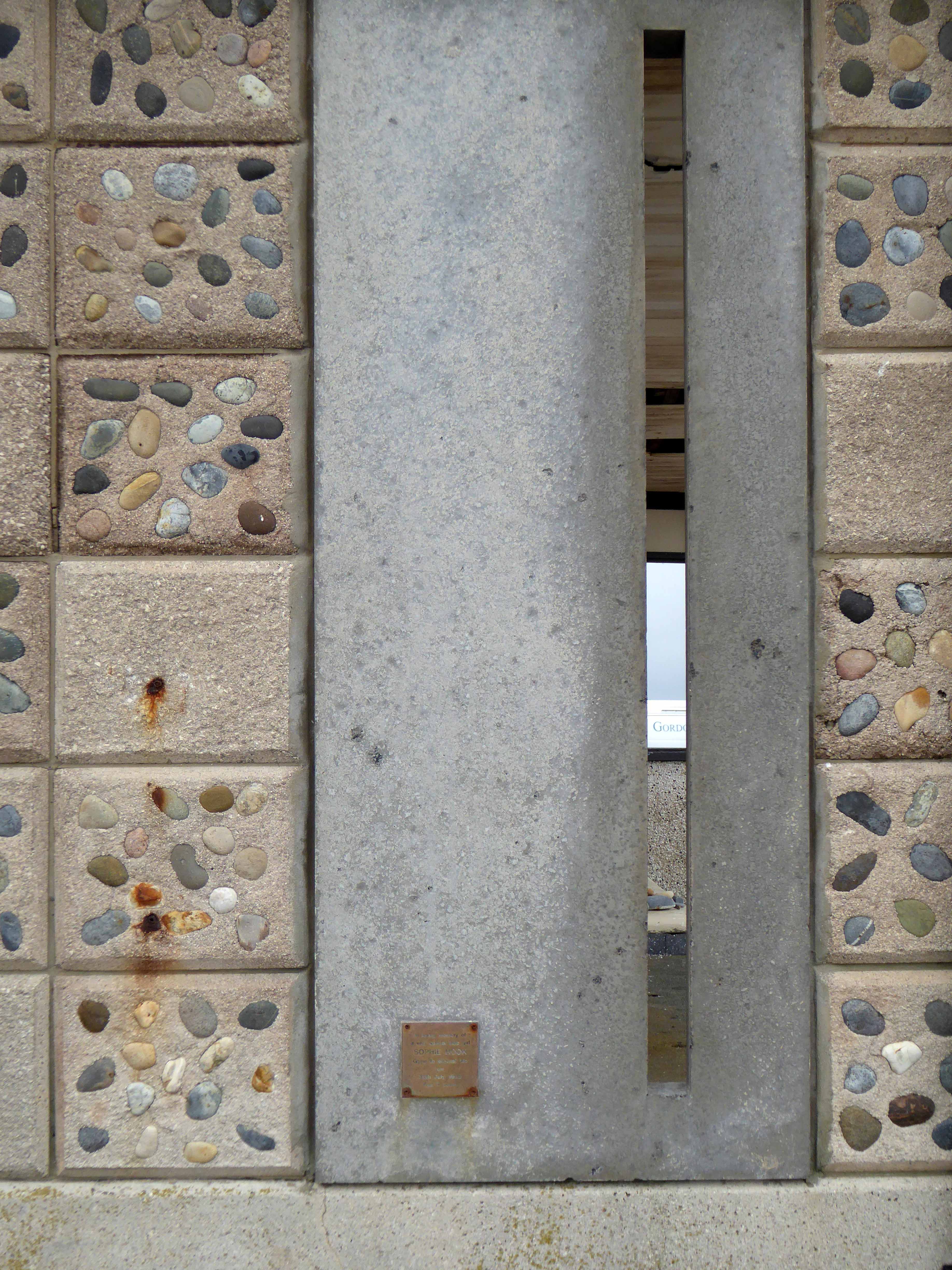
Yet another series of photographs of the amalgamated municipal mash-up – concrete glass pebbles pebbledash paving mosaic and imagination rendered corporeal courtesy of Cyngor Bwrdeistref Sirol Conwy.
And the constantly berated Undeb Ewropeaidd.
Jubilant Leave supporters in Conwy are celebrating a convincing win in the historic EU referendum vote.
The Brexit backers secured a majority of more than 5,000, winning the poll by 35,357 votes to 30,147 votes.
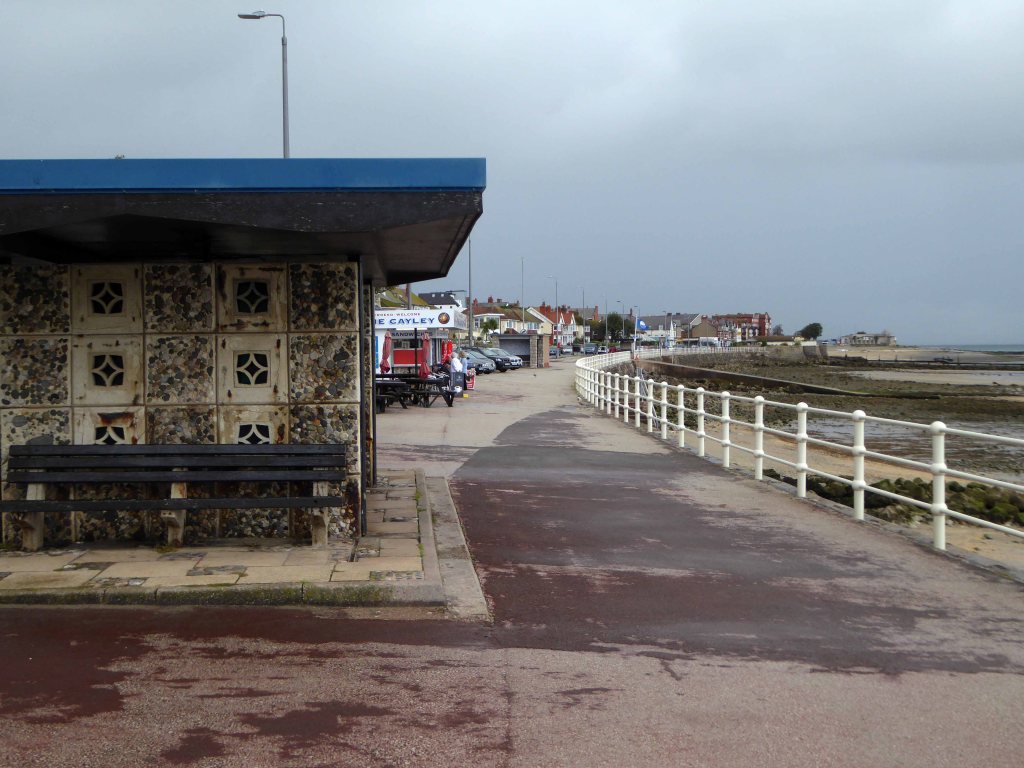
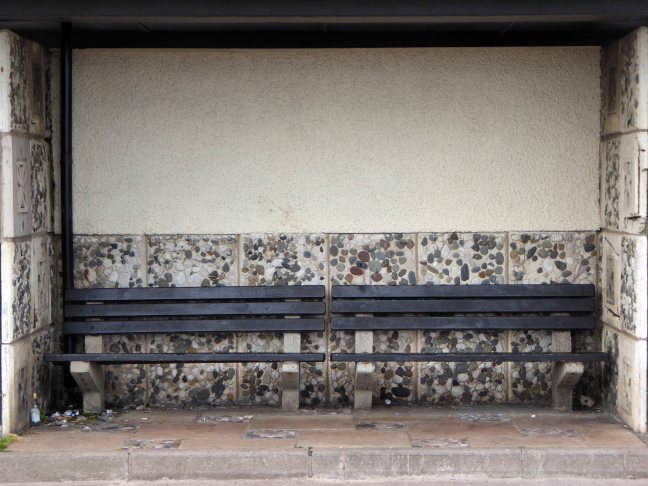
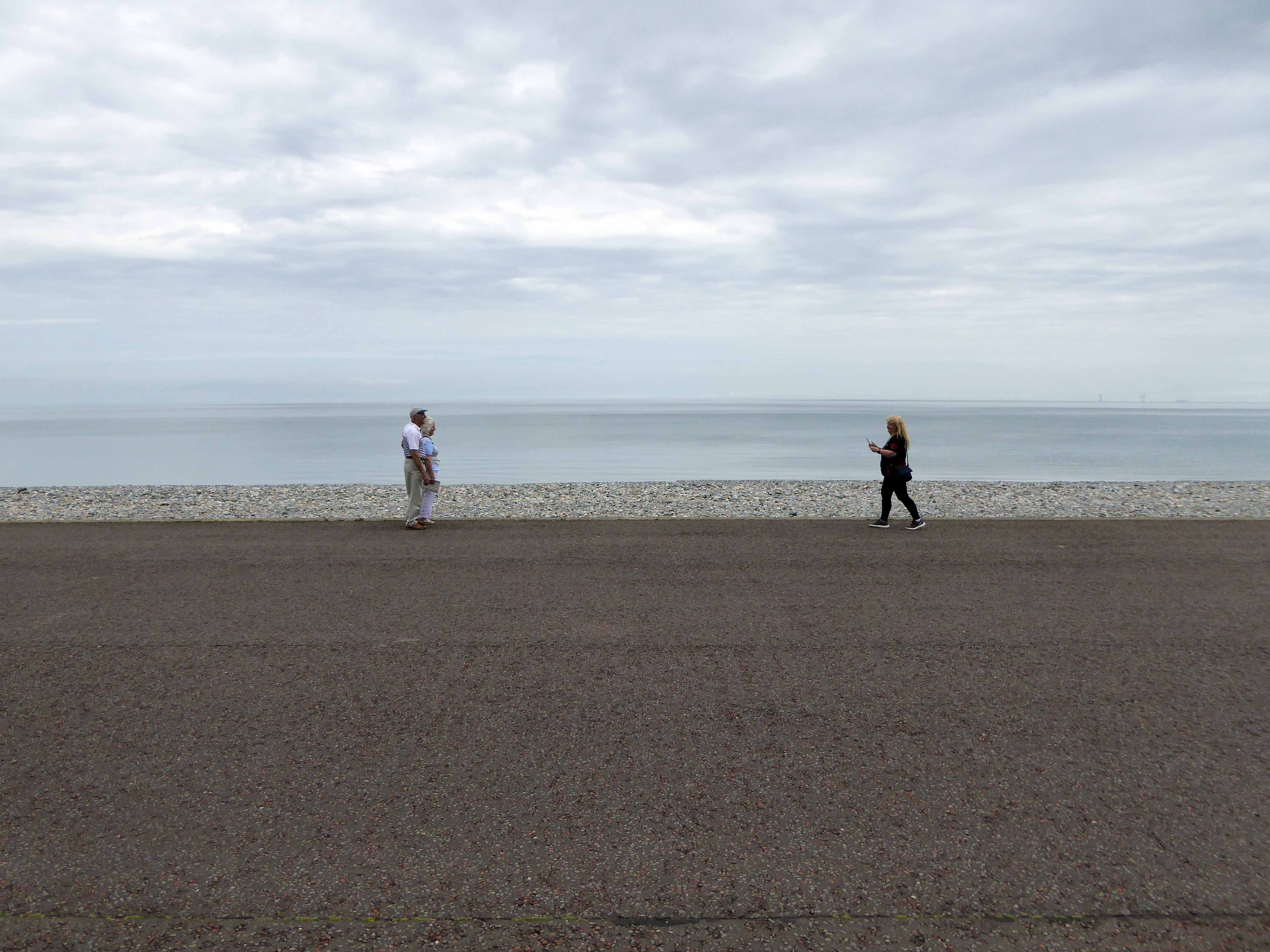
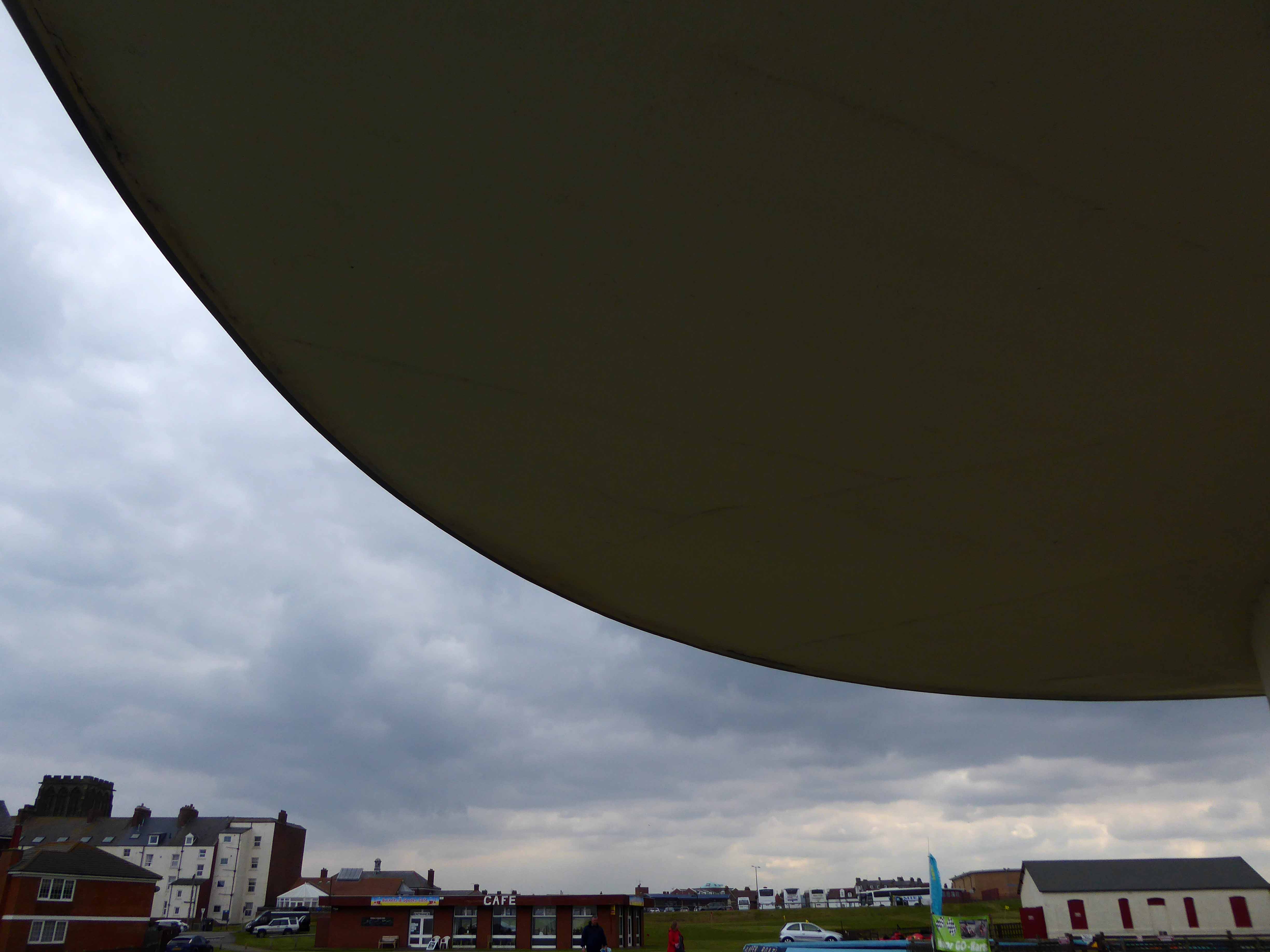
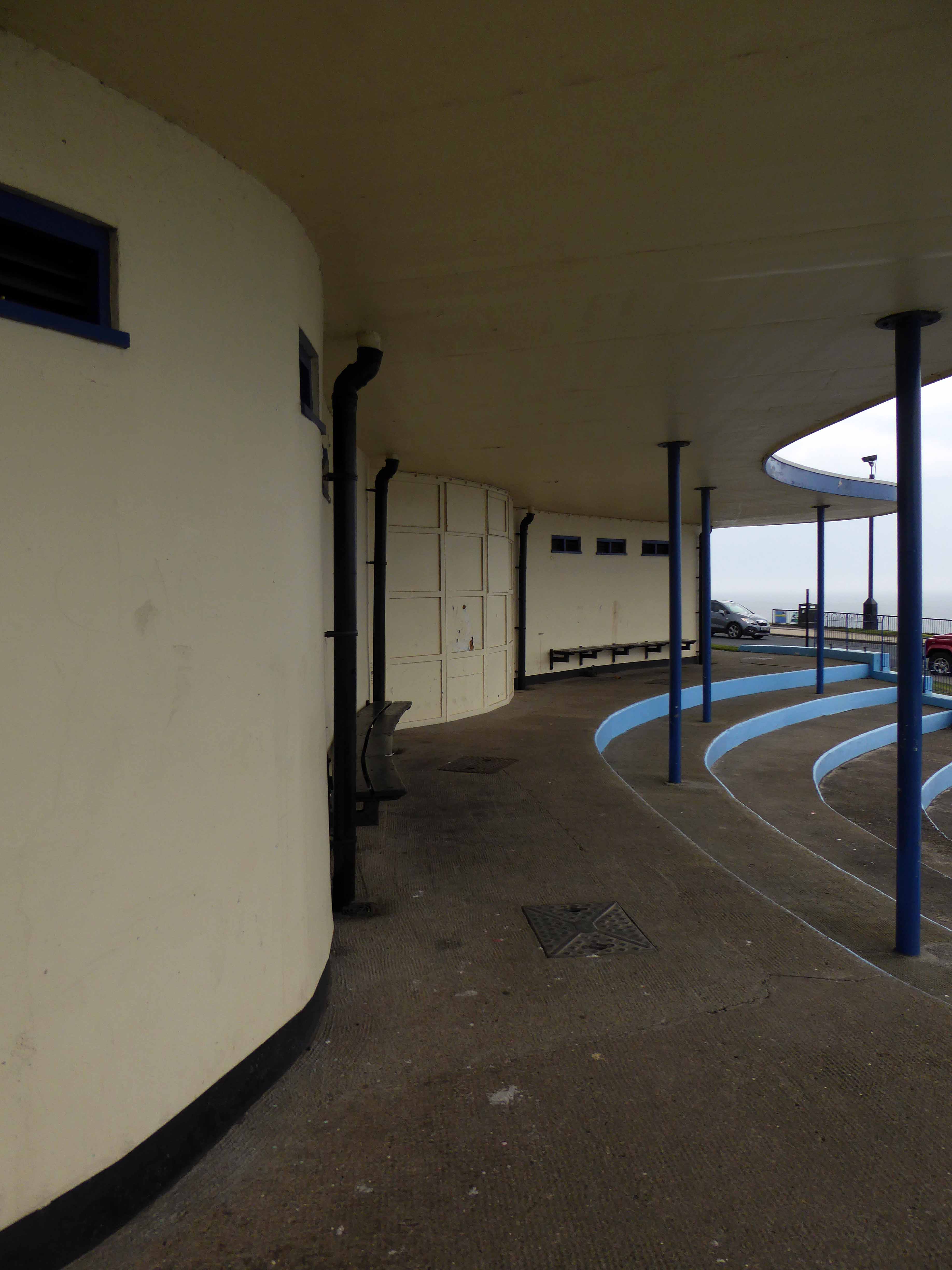
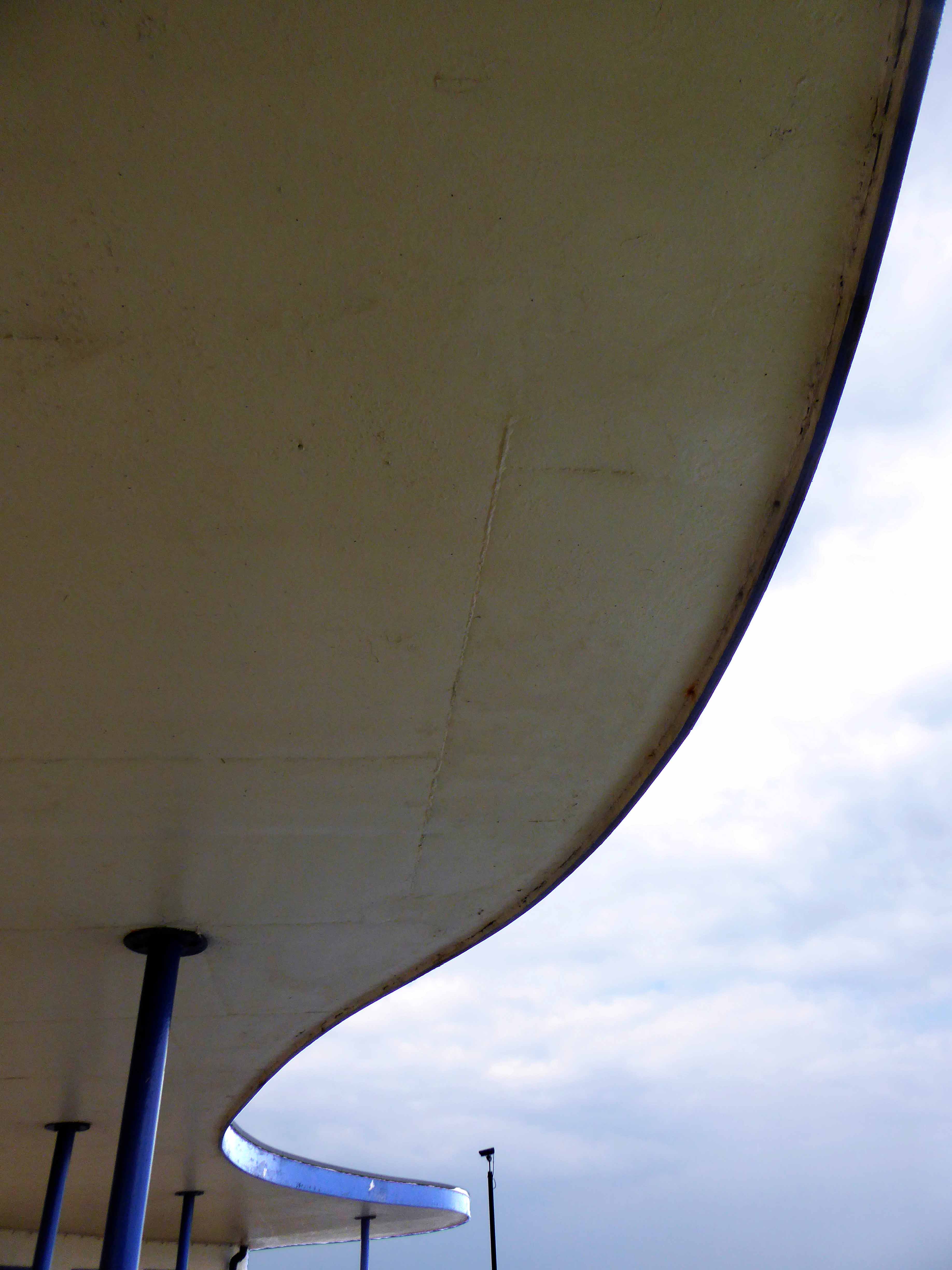
So here we are almost all present and correct – let’s take a stroll down the prom together, stopping only to snap and shelter from time to time, from the short sharp September showers.
Baby it happens when you’re close to me My heart starts beating – hey a strong beat. Oh I can’t leave you alone Can’t leave you alone
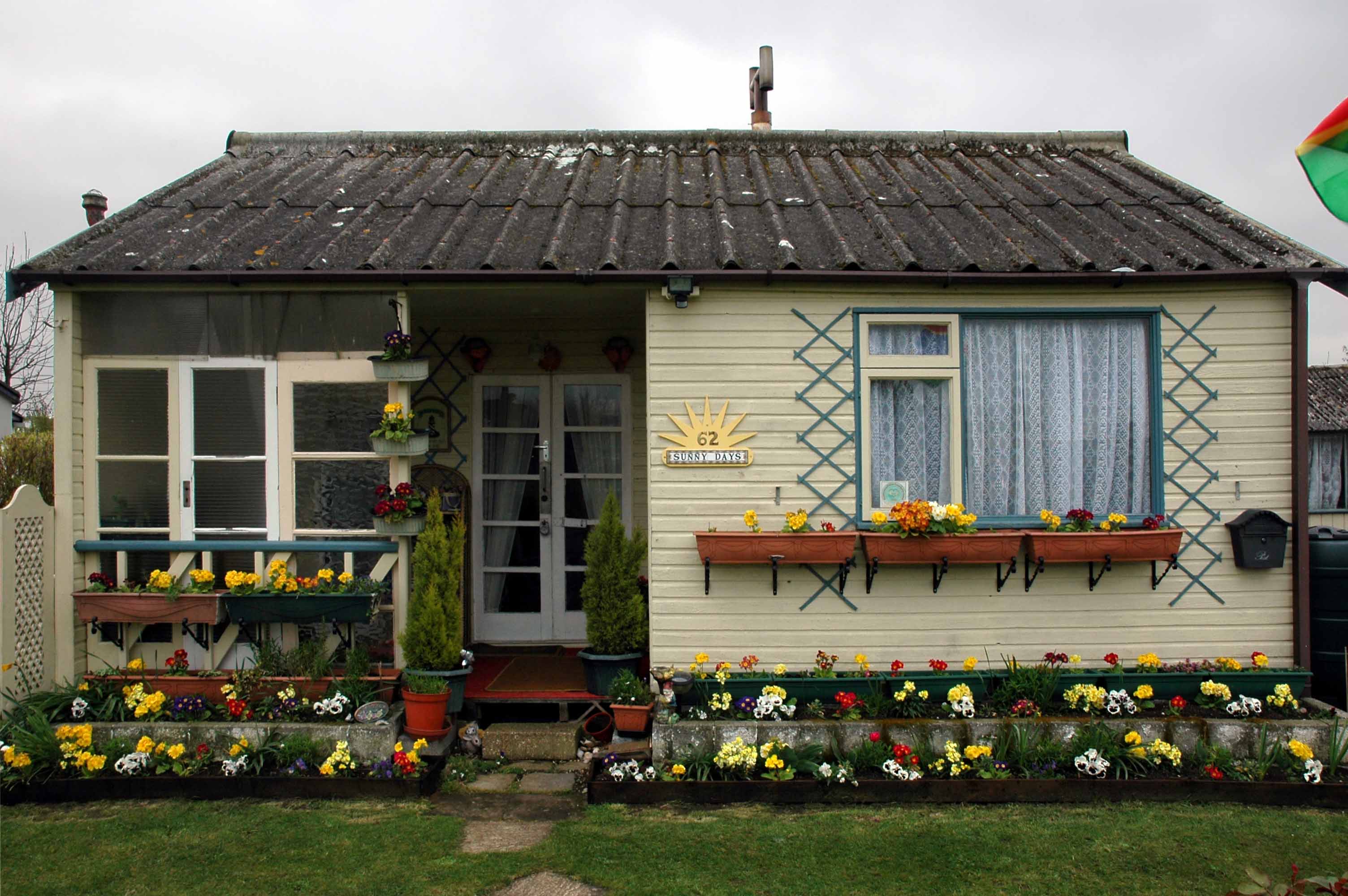
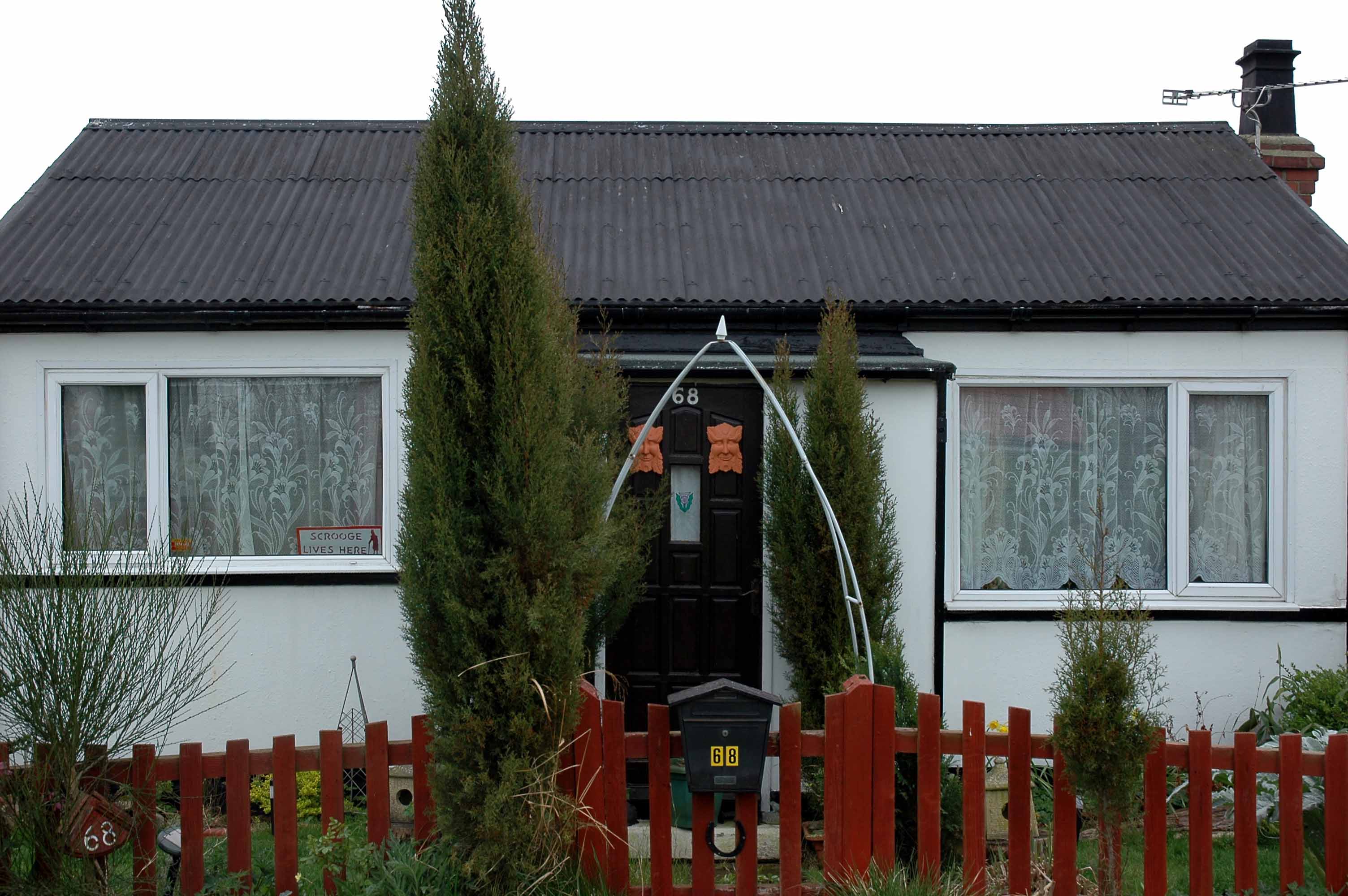
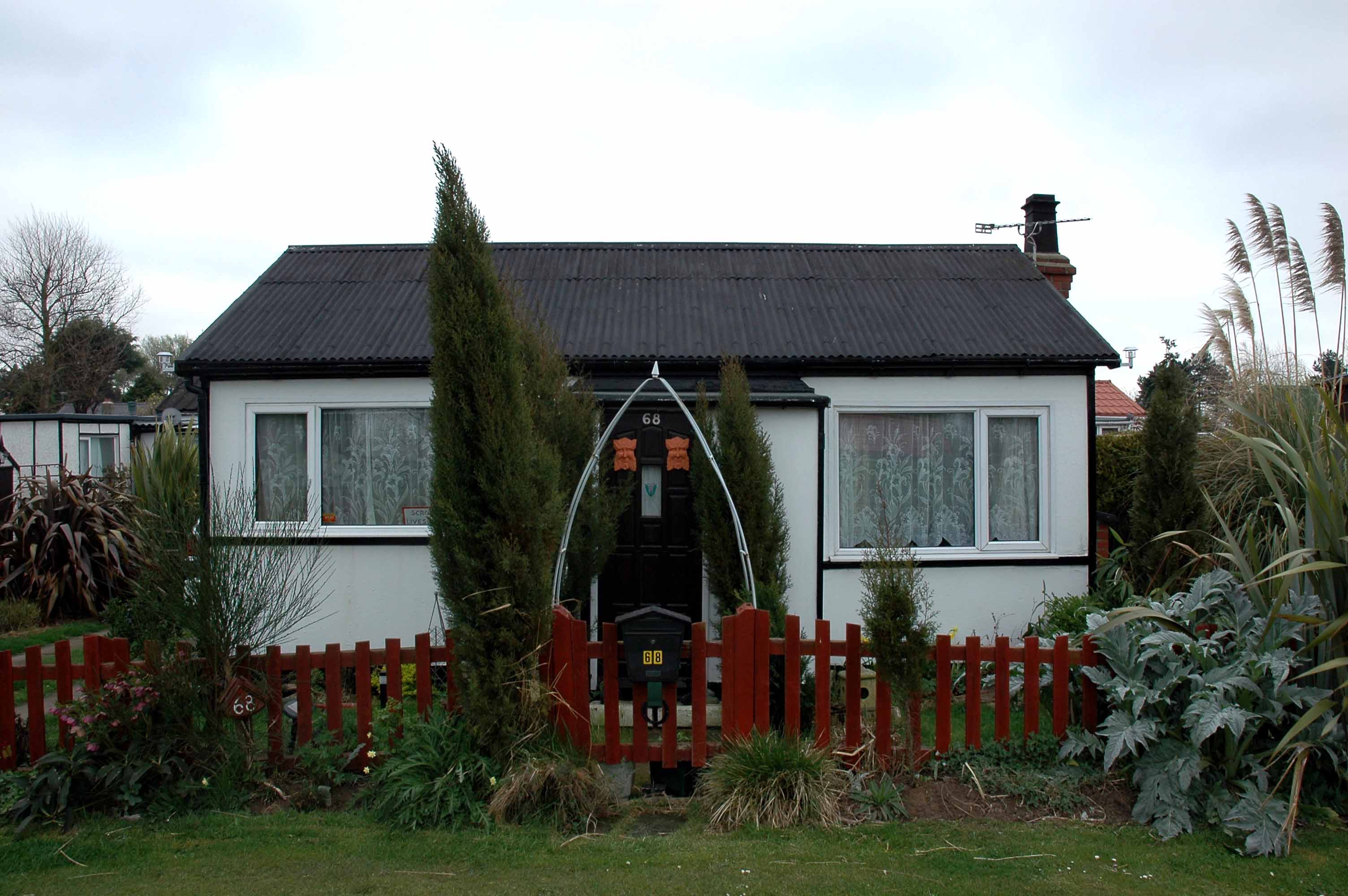
I walk over the Little Orme and there you are so well behaved – trimmed topped and tailed polished window washed windswept so sub-urbane.
Nothing ever happens here or does it?
The highly popular singing duo Anne Ziegler and Webster Booth retired to a small bungalow in Penrhyn Bay.
It provided a location for an episode of Hetty Wainthropp Investigates.
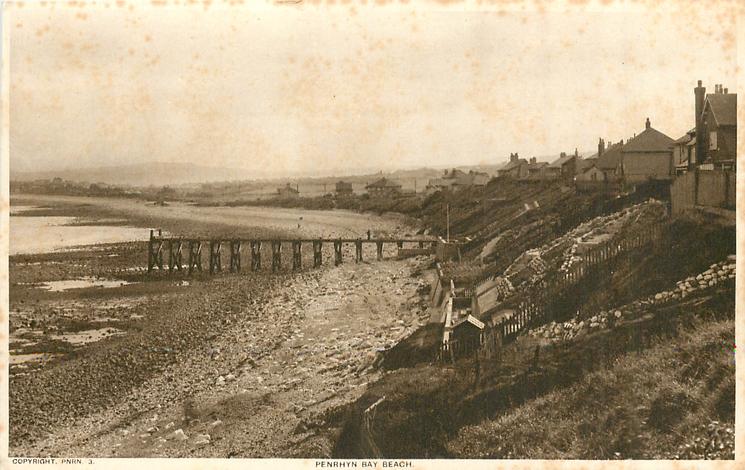
Originally a small farming community, Penrhyn Bay came to rely heavily on the employment opportunities of the limestone quarry operating since the mid-19th century, and served by its own narrow gauge railway, but quarrying ceased in 1936.
However, Penrhyn Bay expanded rapidly in the 20th century to become a desirable suburb of Llandudno – my you’re a hot property.
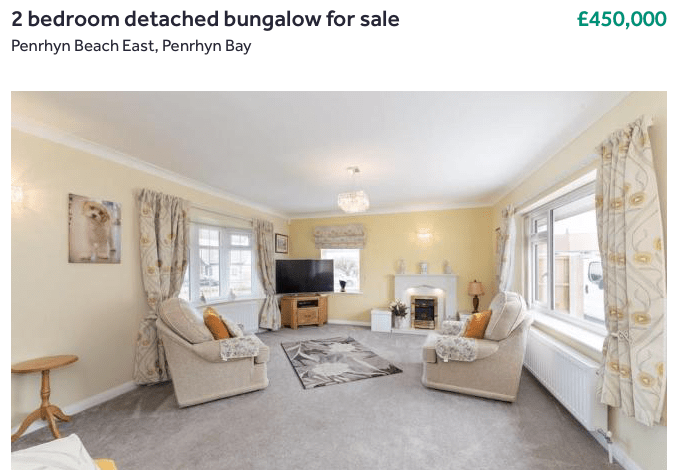
Almost half a million pounds and counting as the ever mounting mountain of retiring and retired knock upon your over ornate uPVC doors.
So here we are, as the rain clears and the sun almost breaks – your carefully rendered and stone clad walls, not quite awash with a golden midday glow.
Just like Arnie and General McArthur I’ll be back – I shall return.
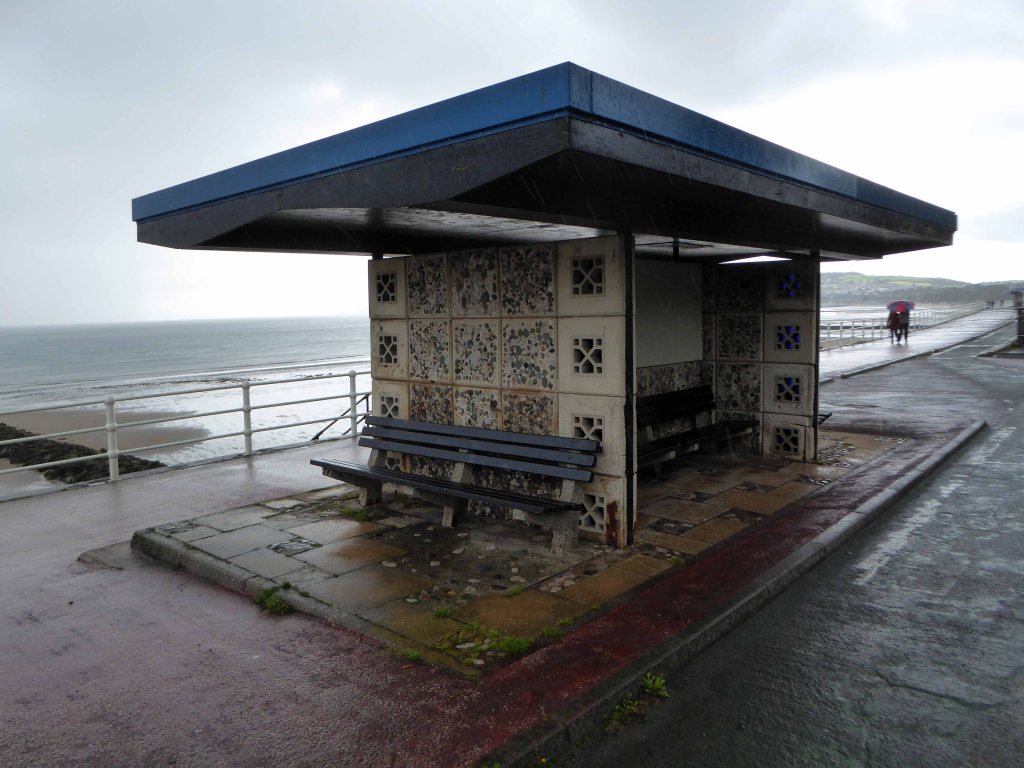
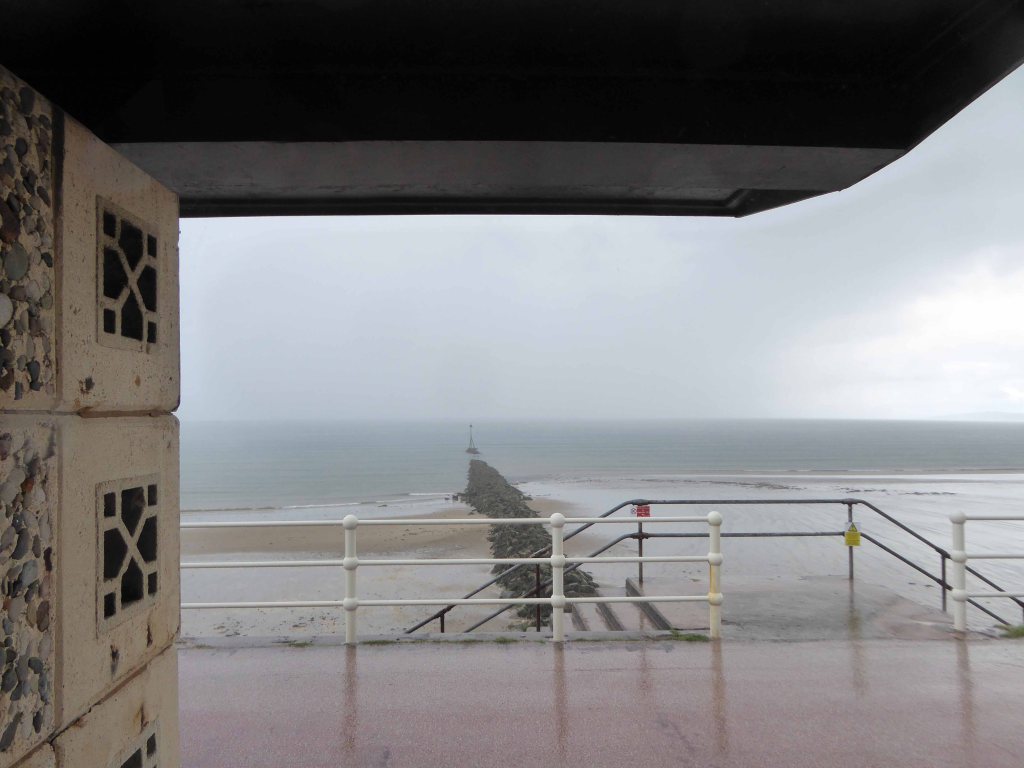
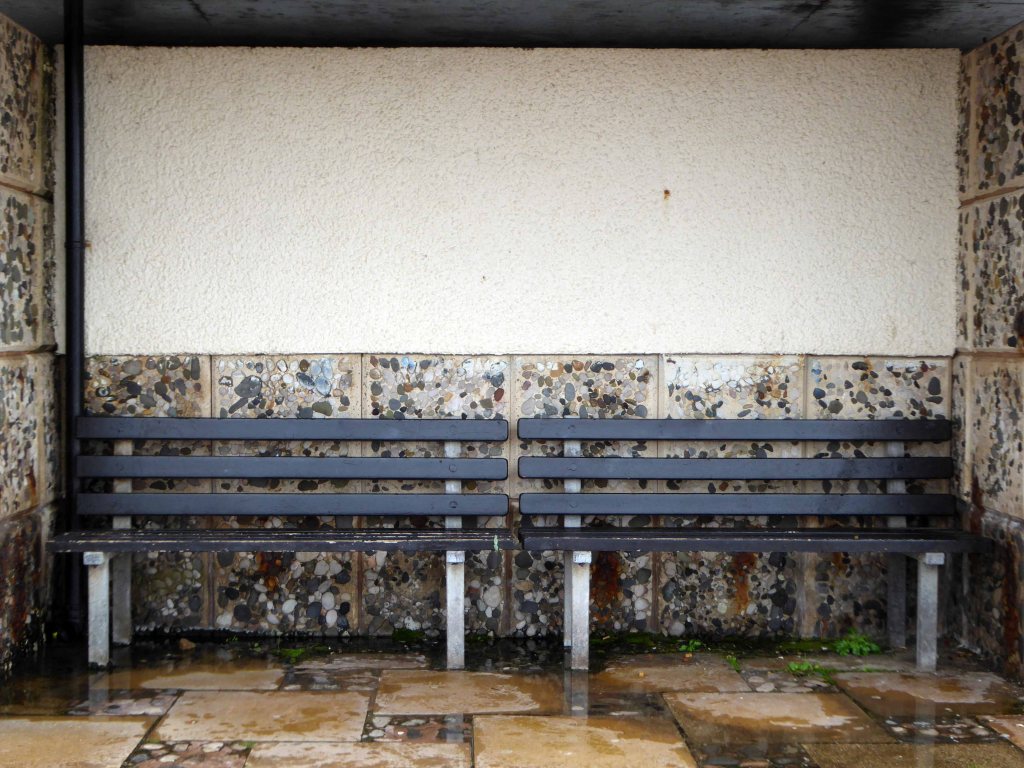
I have previously sought succour in your shady shelters, as unrelenting sheets of steel grey rain peppered the wind whipped Irish sea.
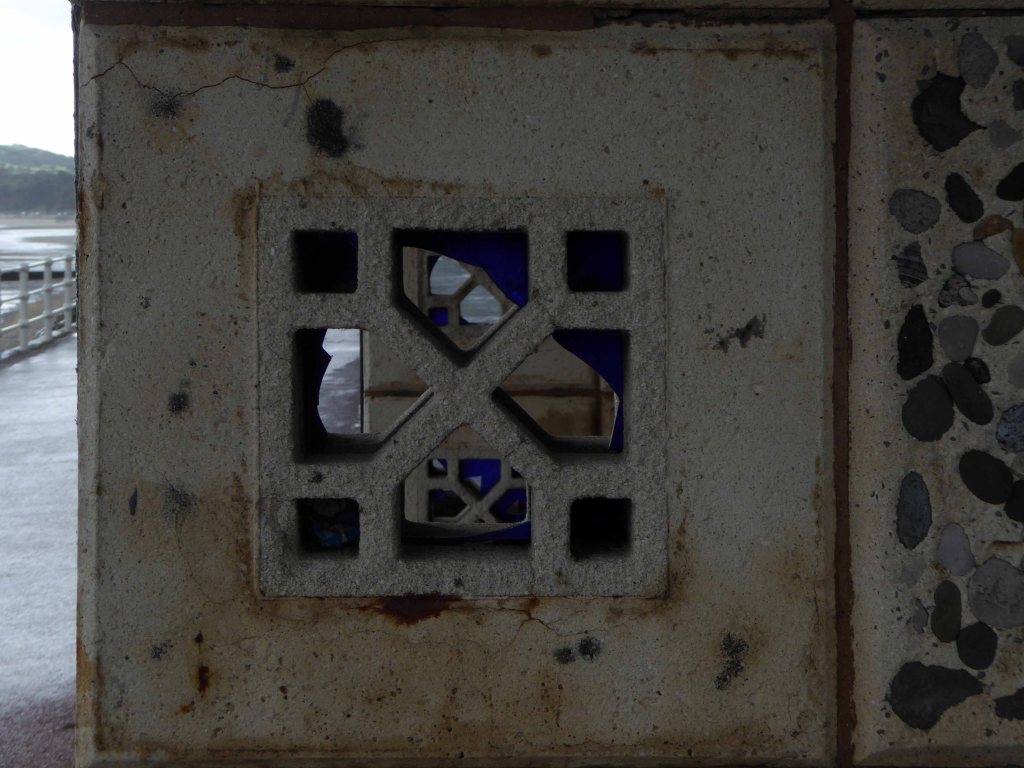
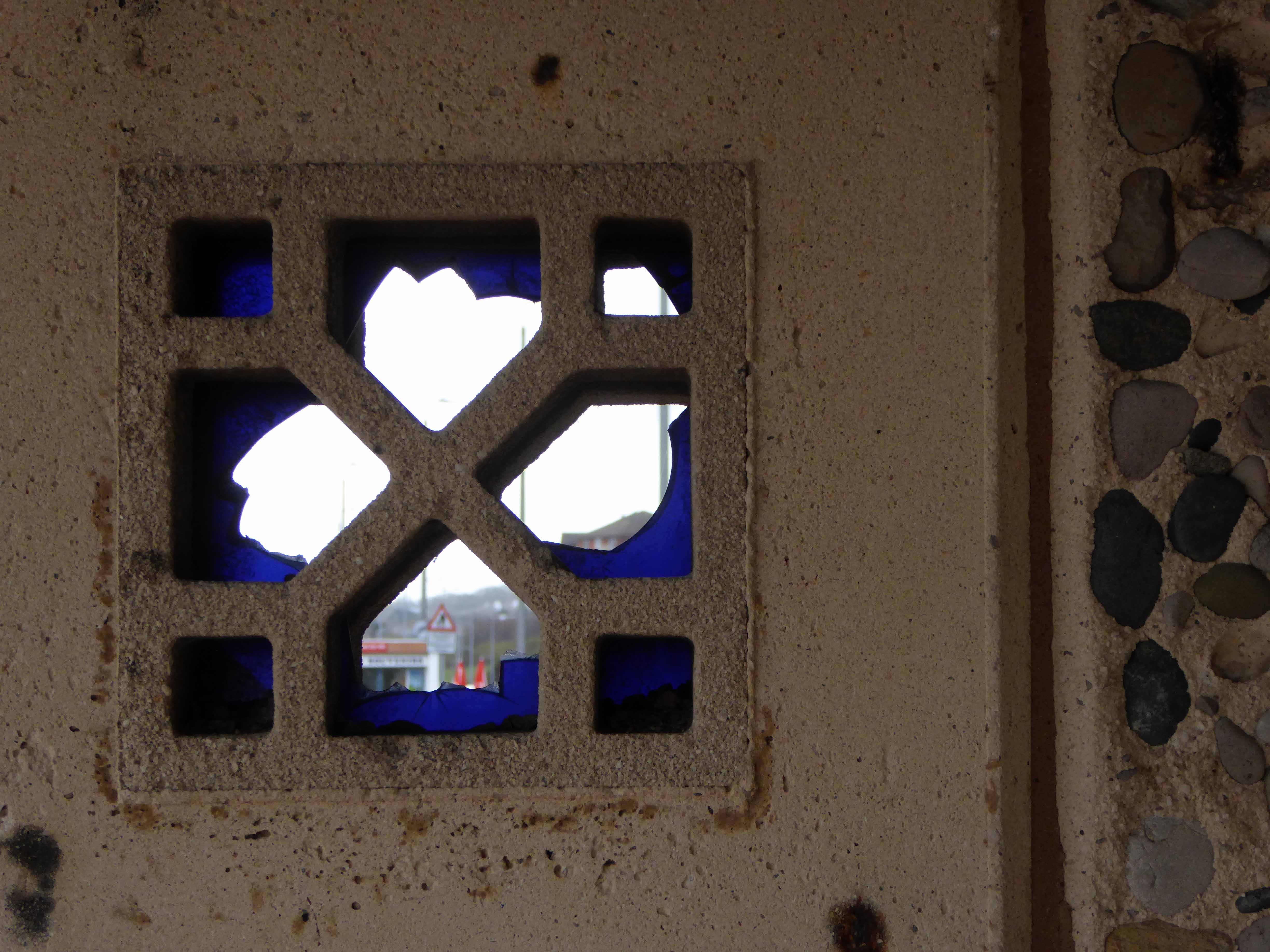
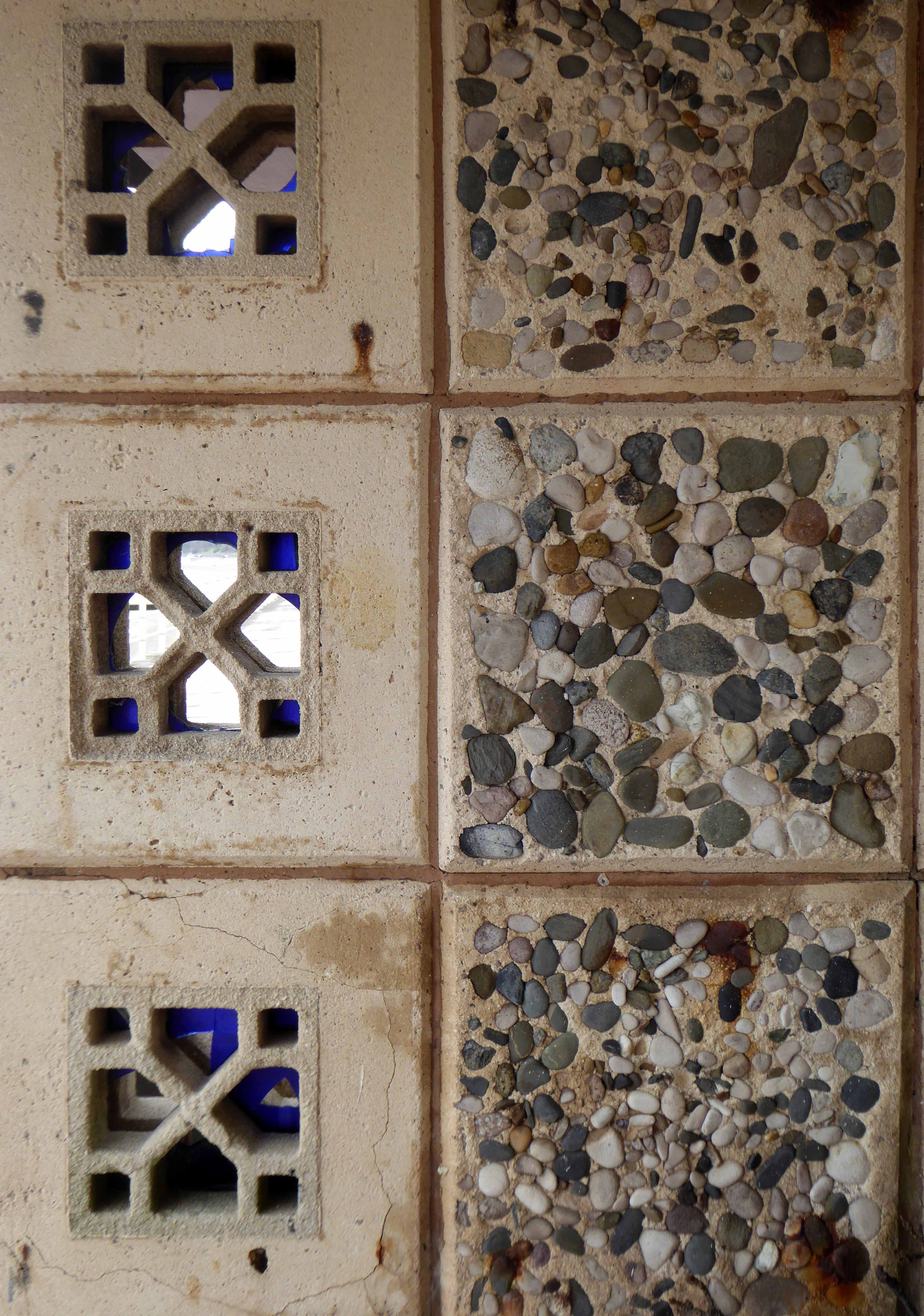
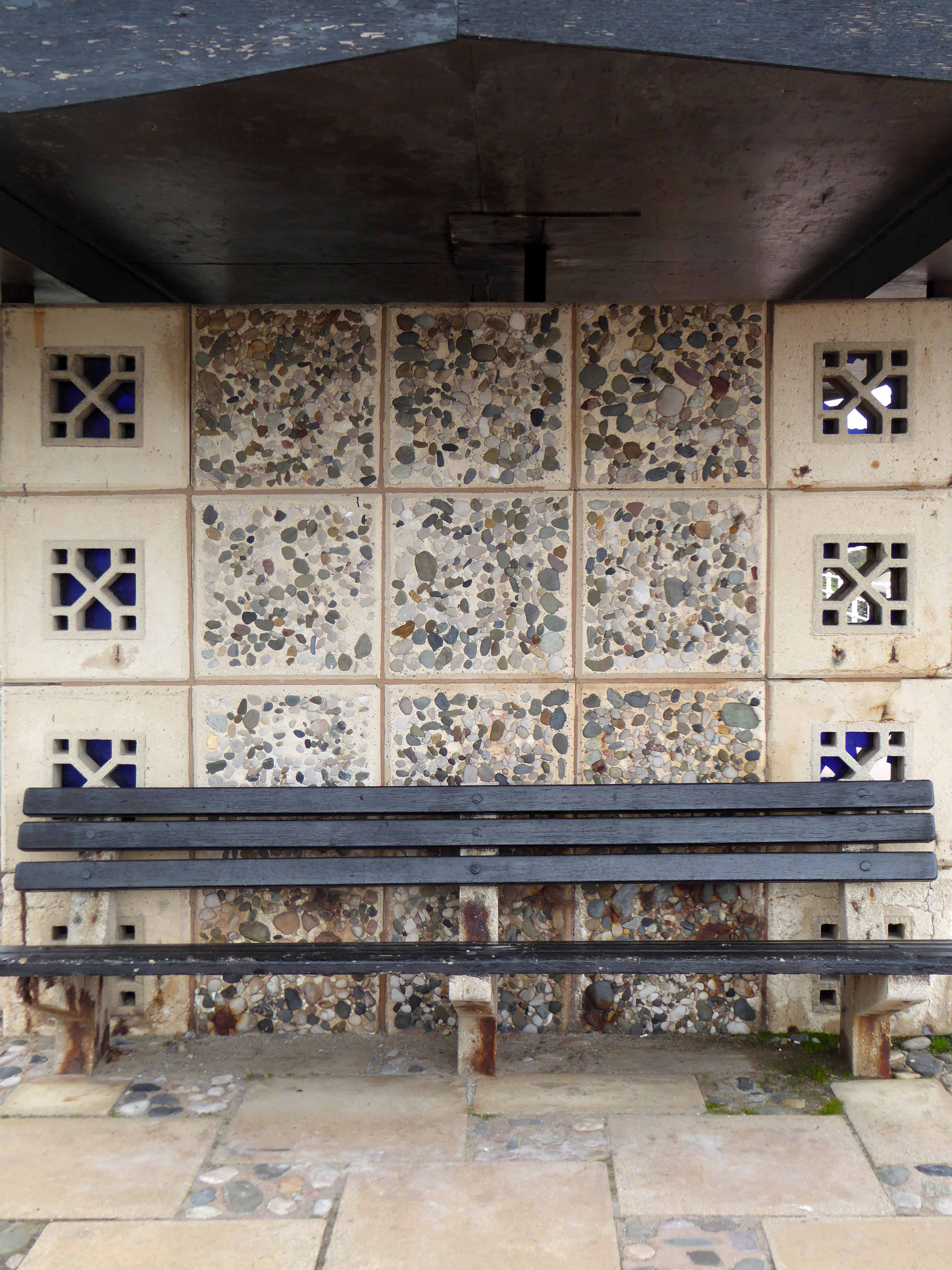
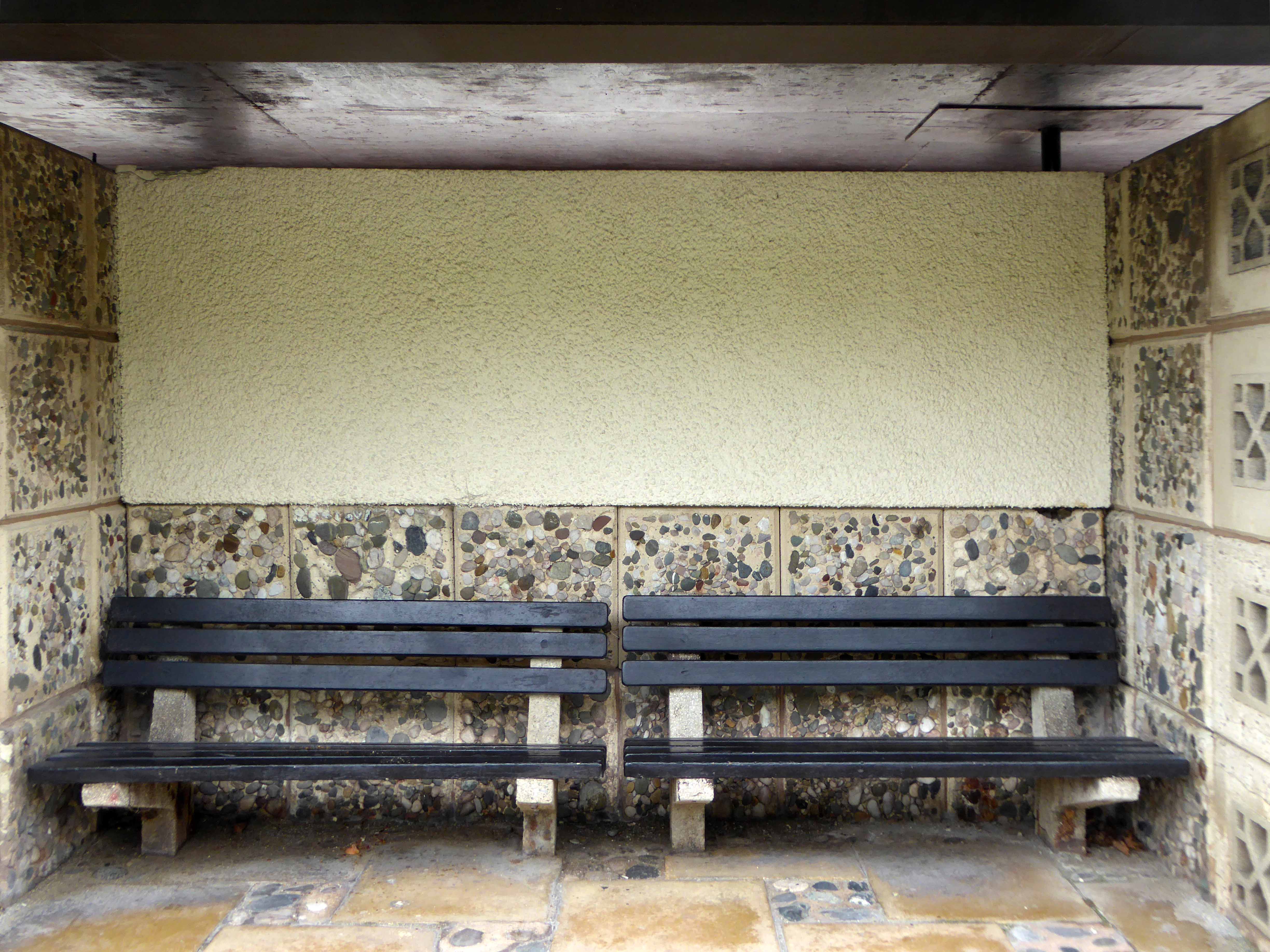
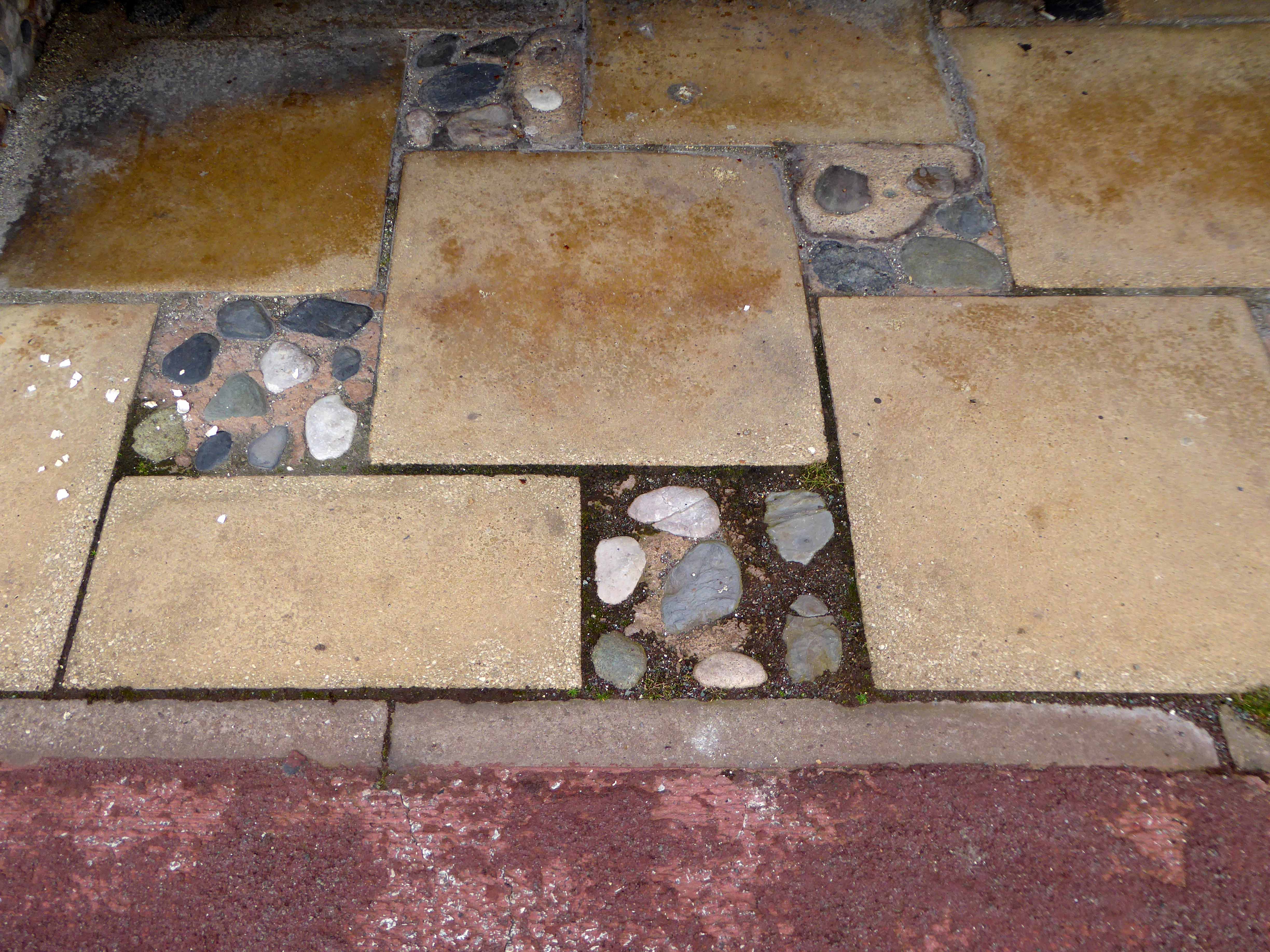
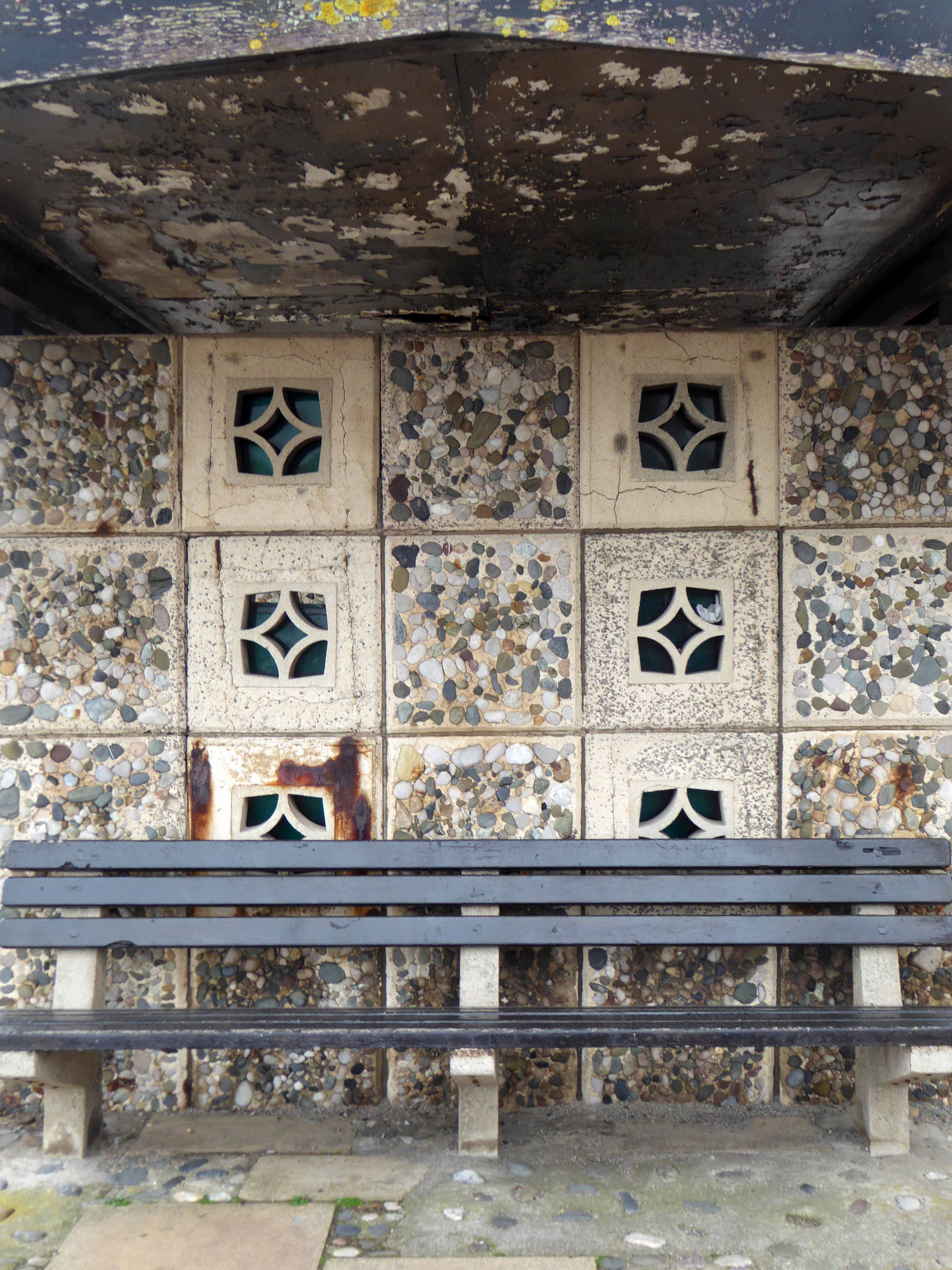
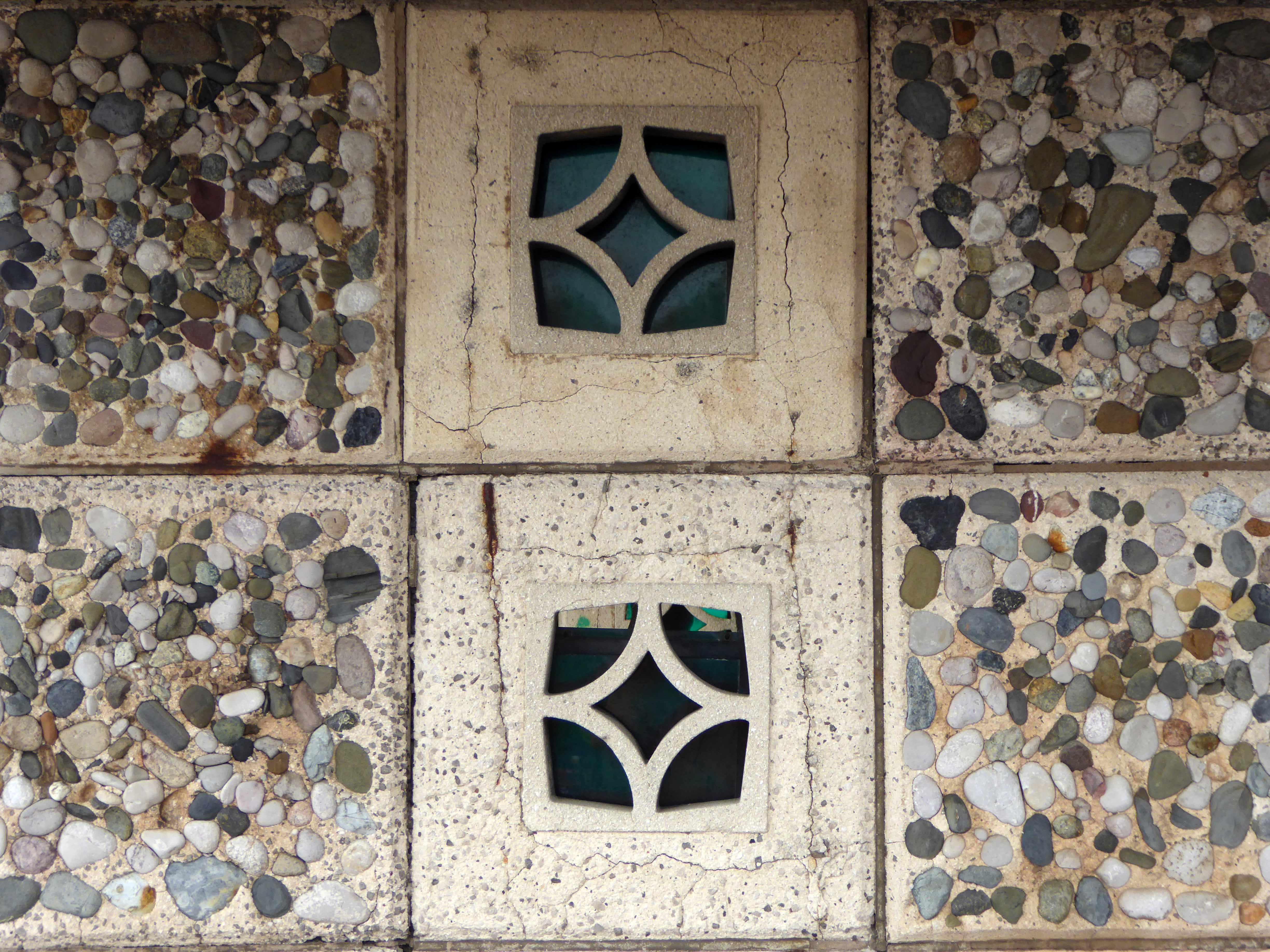
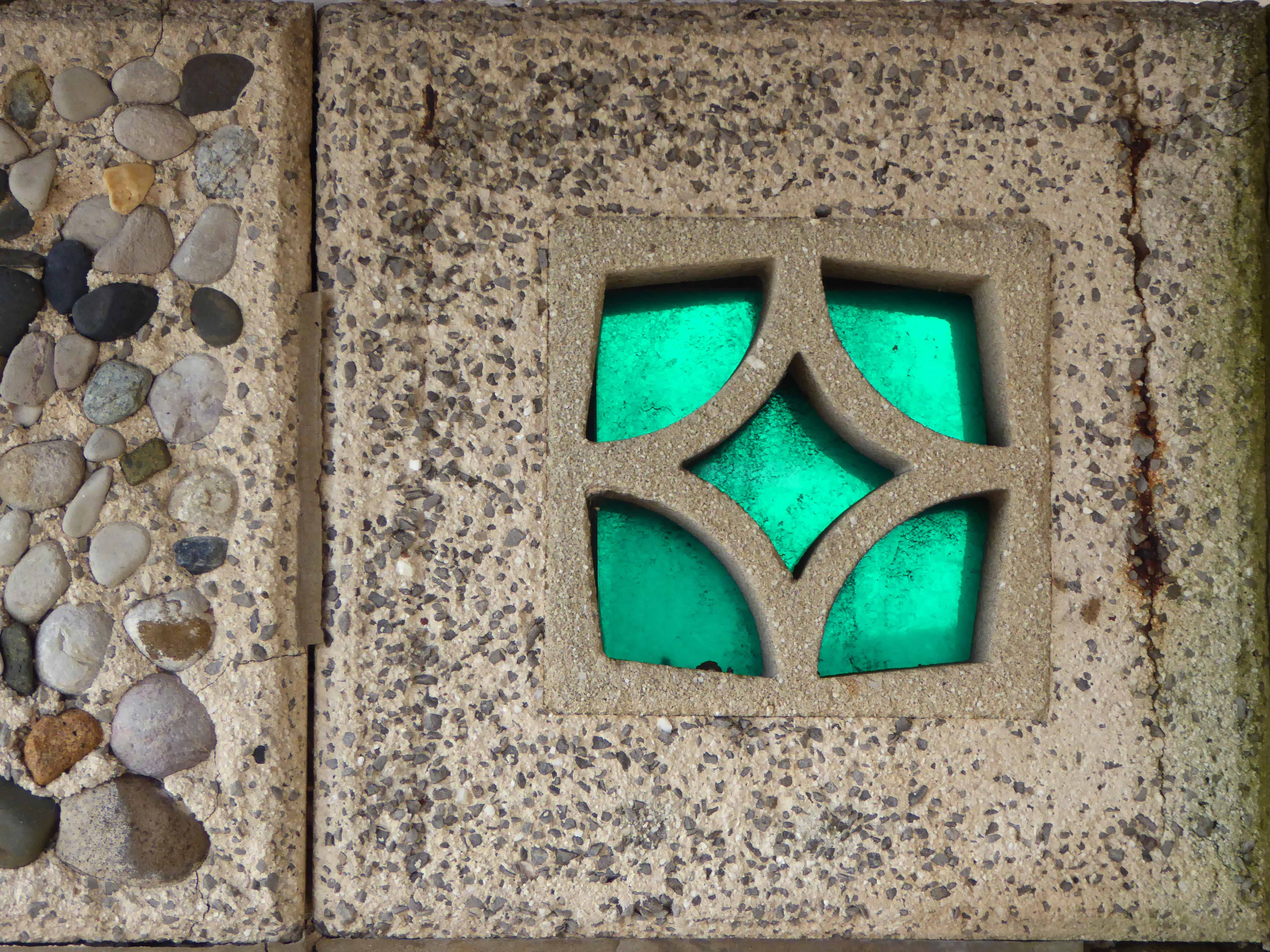
A concrete cornucopia of Californian screen block, glass, pebbledash, mosaic and crazy paving.
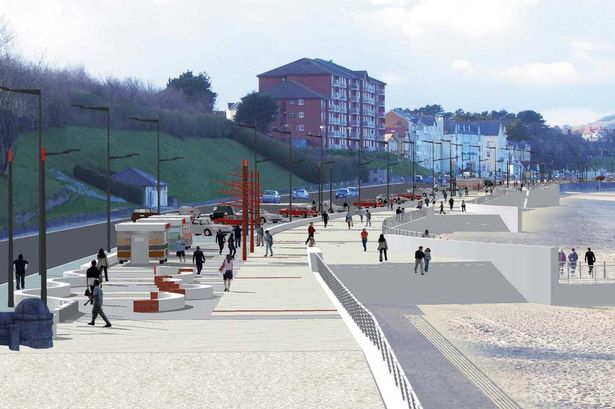
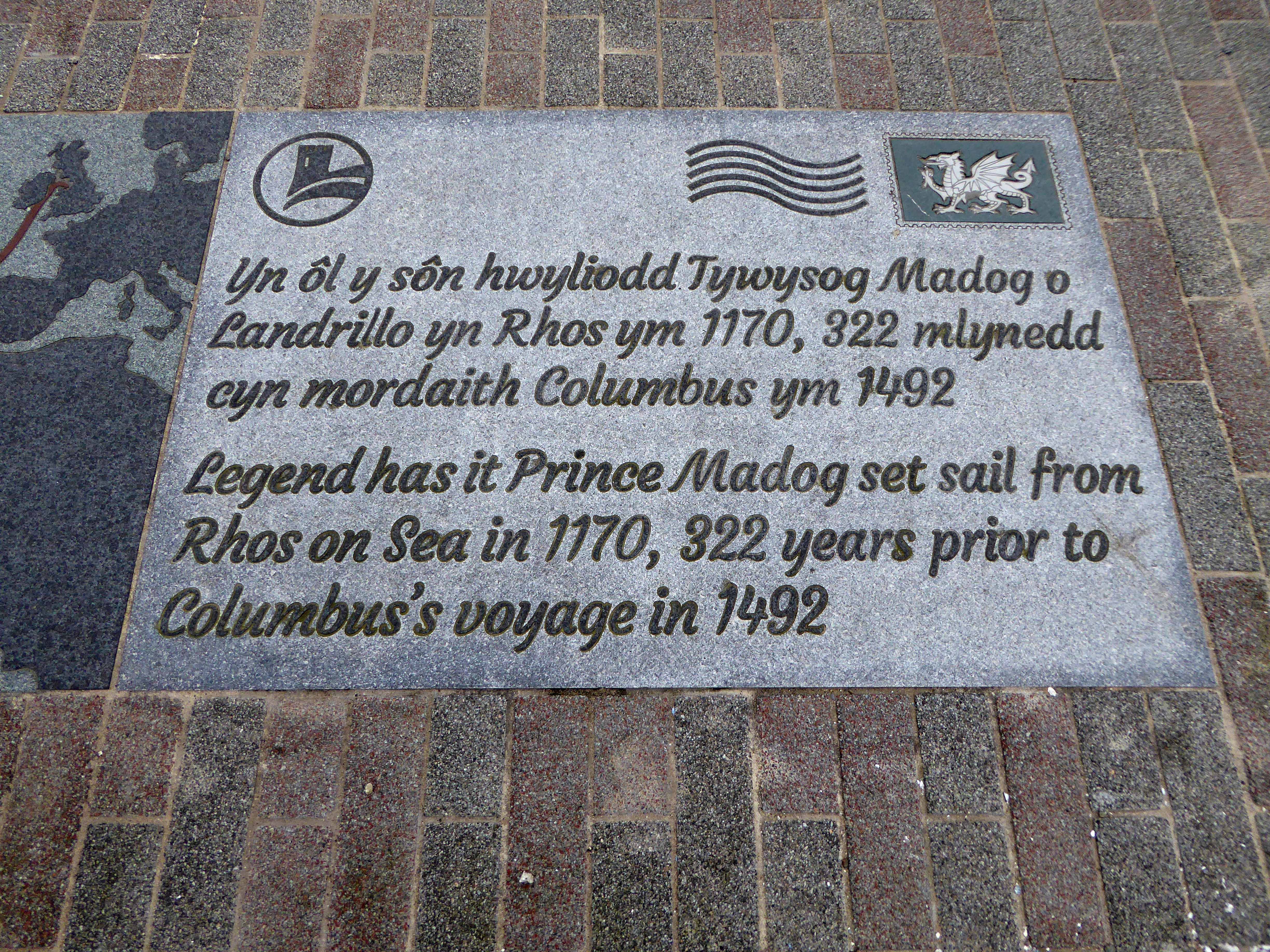
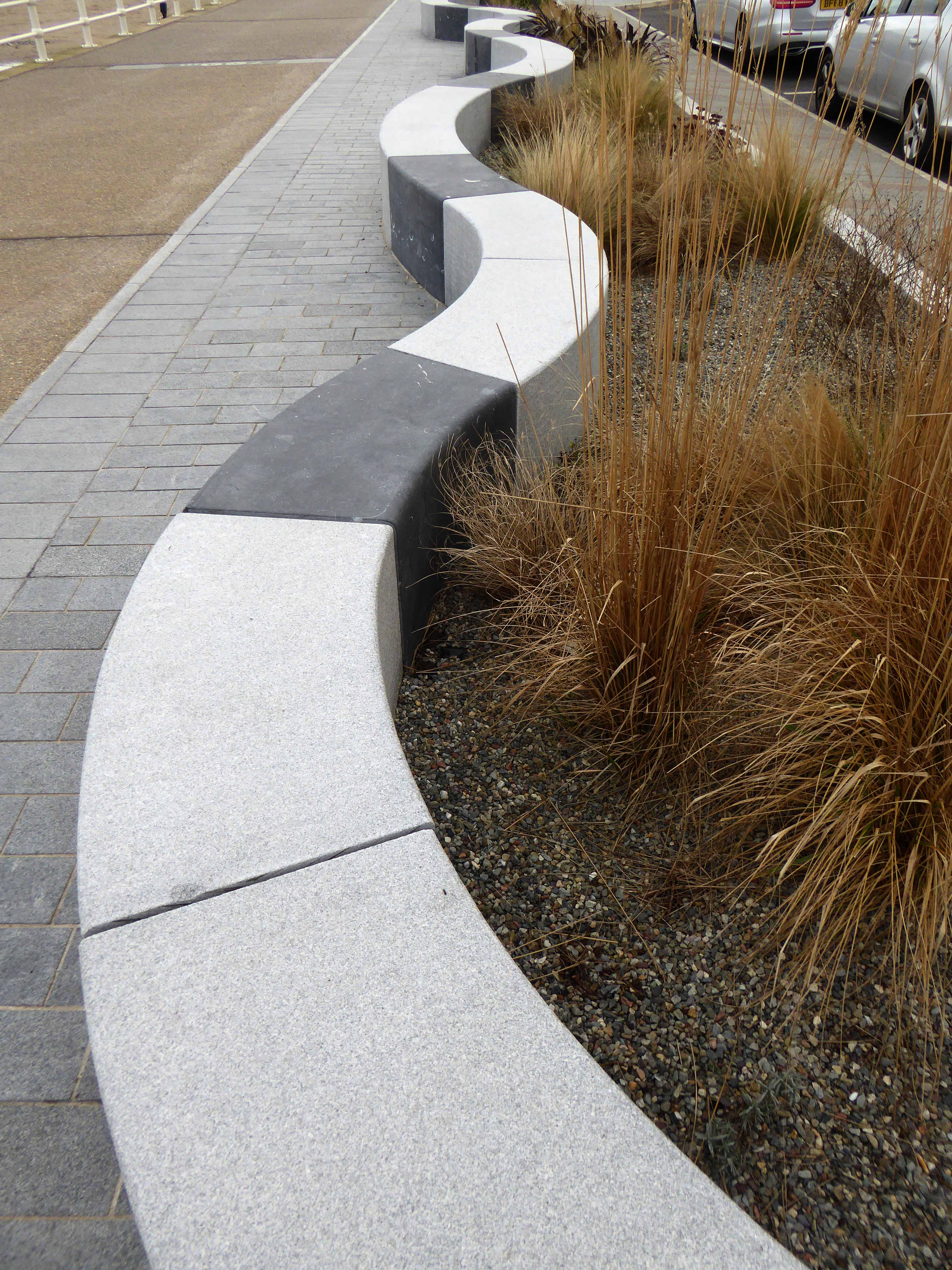
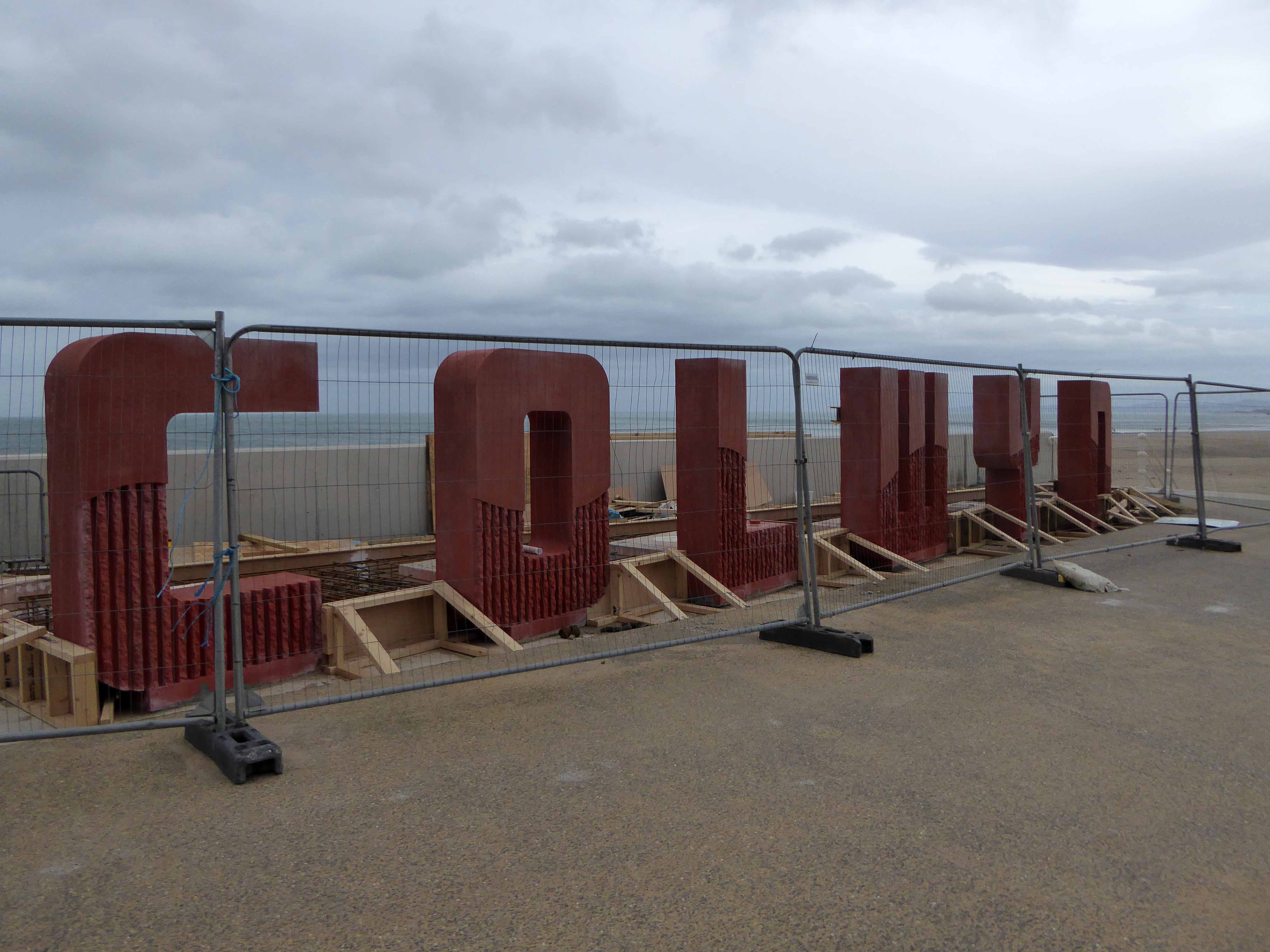
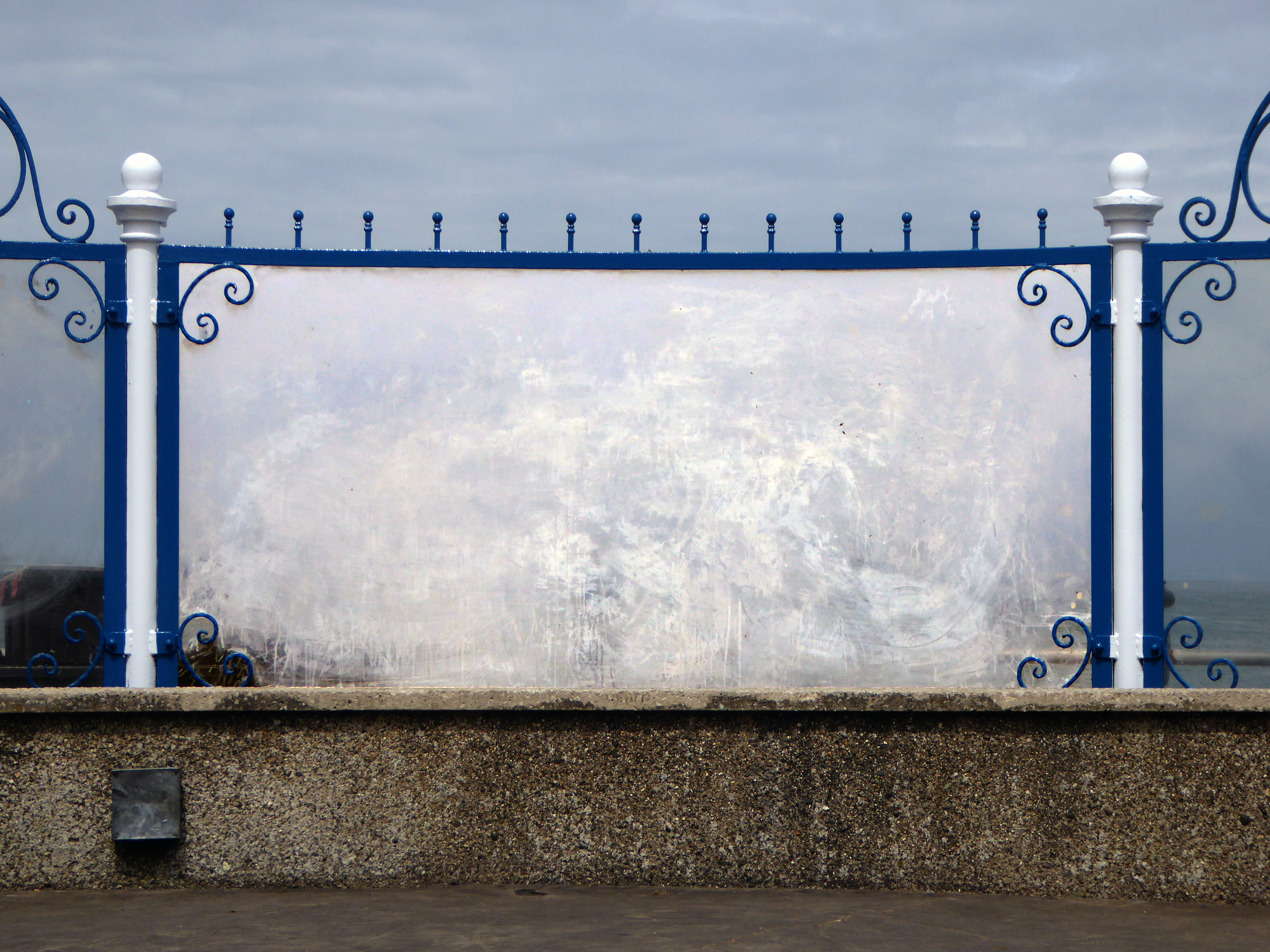
Municipal modernism under threat as the unstoppable force of coastal improvement lumbers on, a pantechnicon of shiny surfaces, sensitive planting, contemporary seating and laser-cut, contextually appropriate historical panels.
As Hardscape introduces a wholesome dose of CGI style medicine to the promenade
I for one will miss you all when you’re gone.
Next time I pass all this will seem as a dream, a tale told by a fool full of sand and fury signifying nothing.
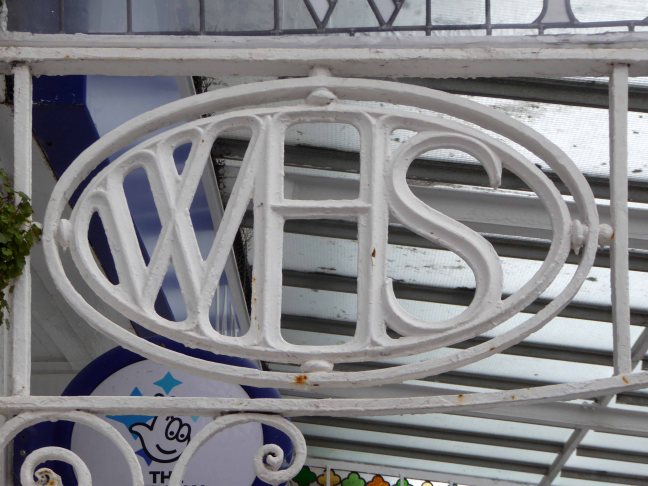
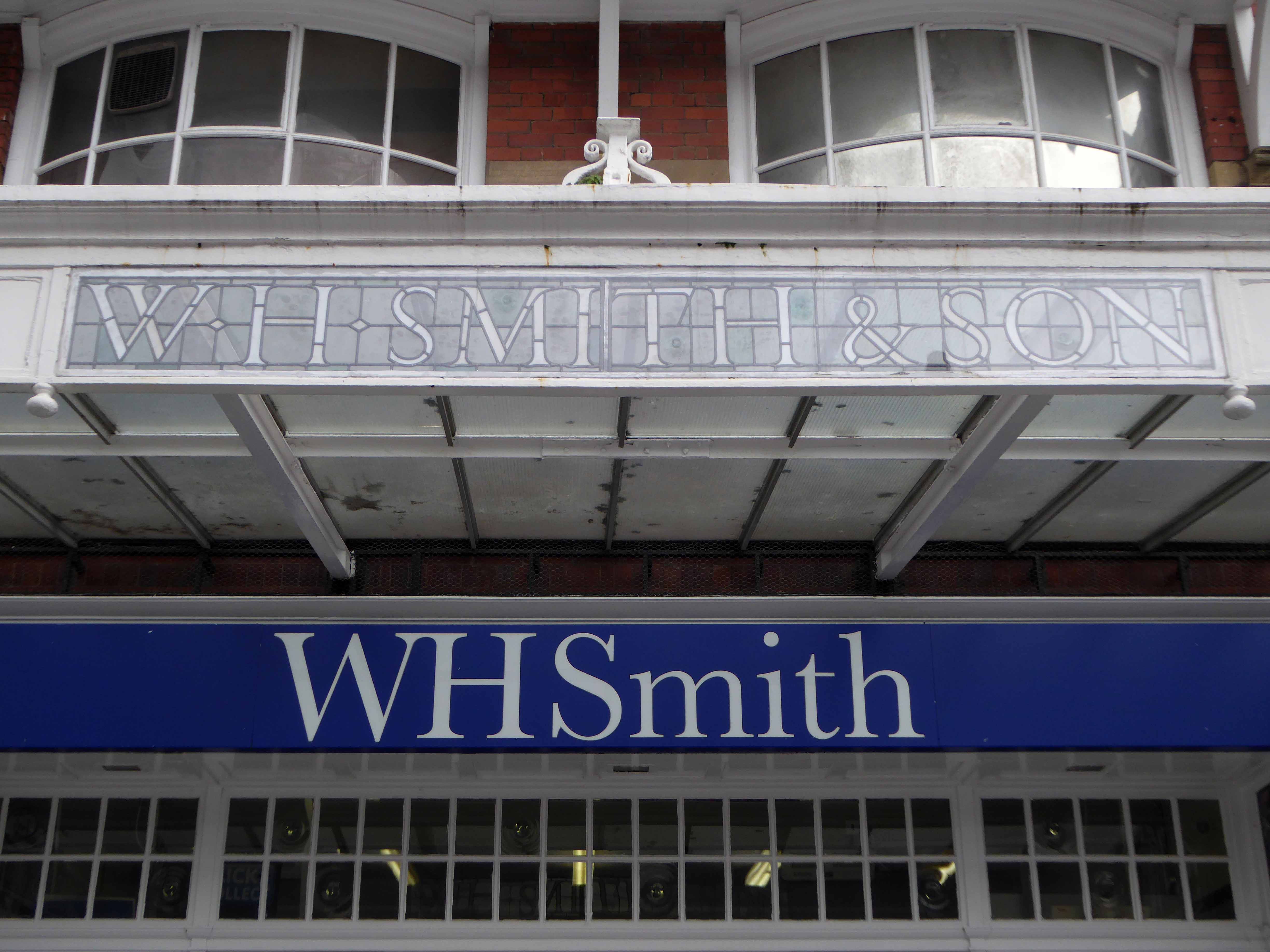
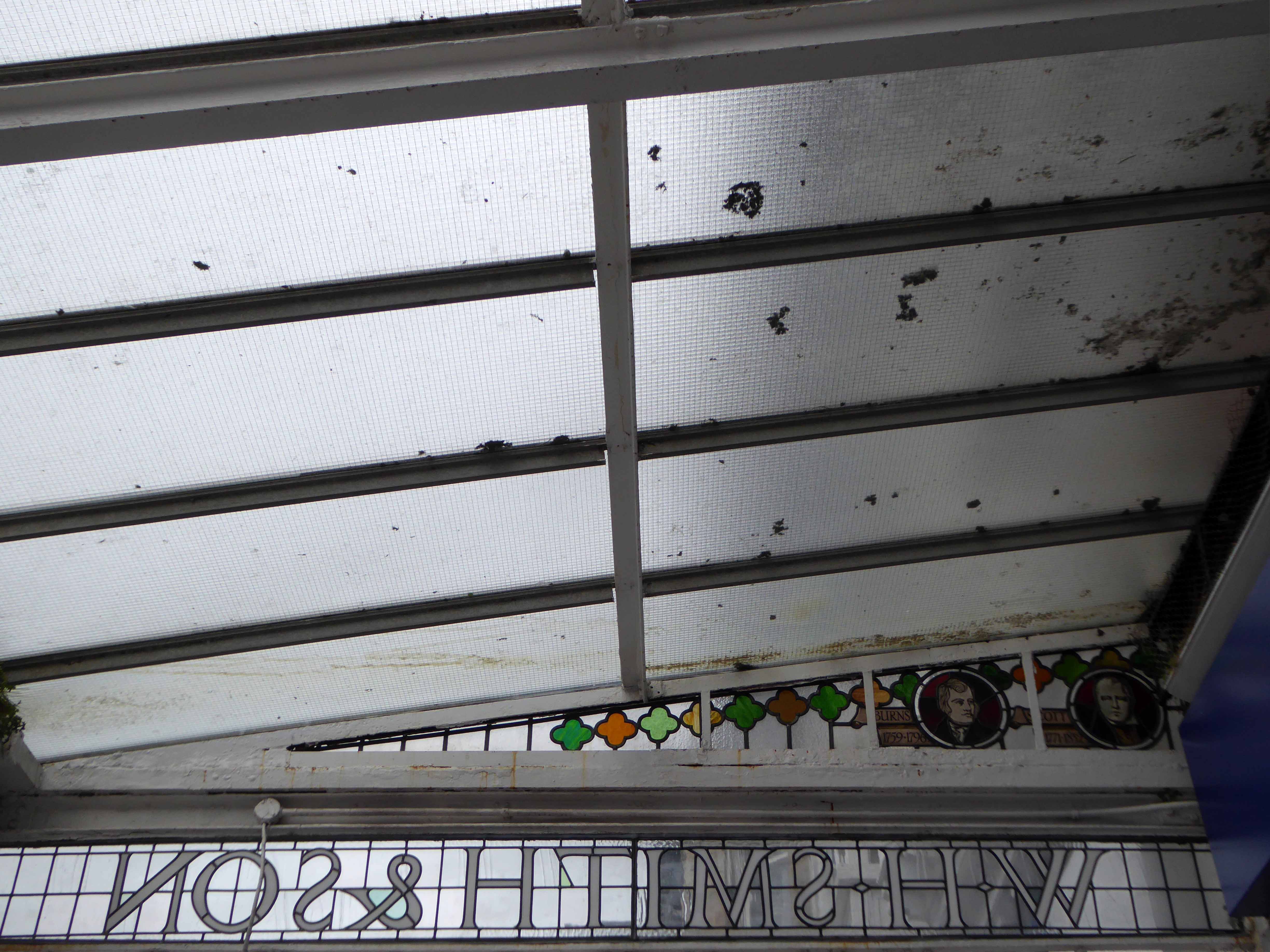
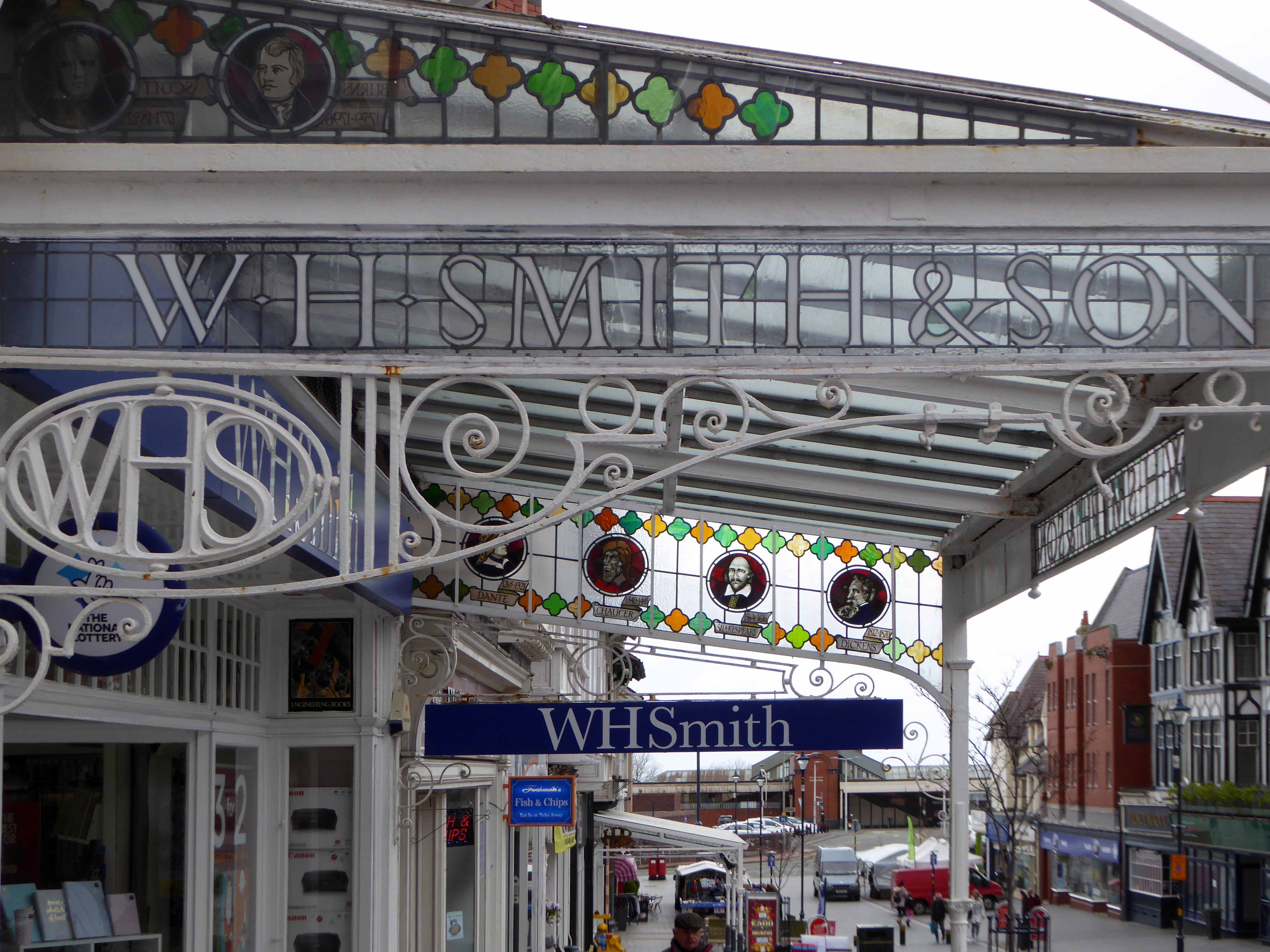
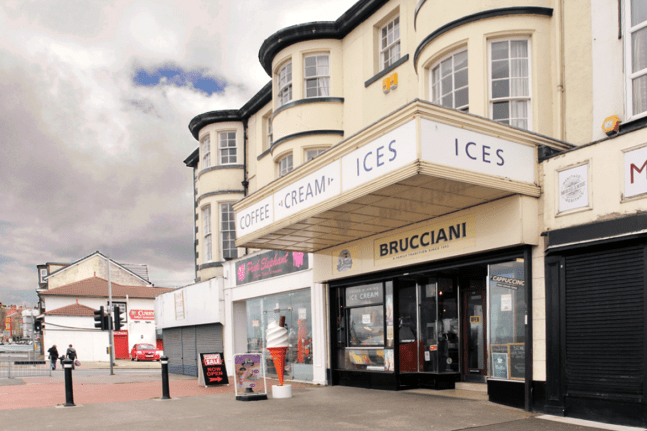
Now here I am in Colwyn Bay generally minding my own and everybody else’s business, when all of a sudden I noticed a cast iron glazed awning.
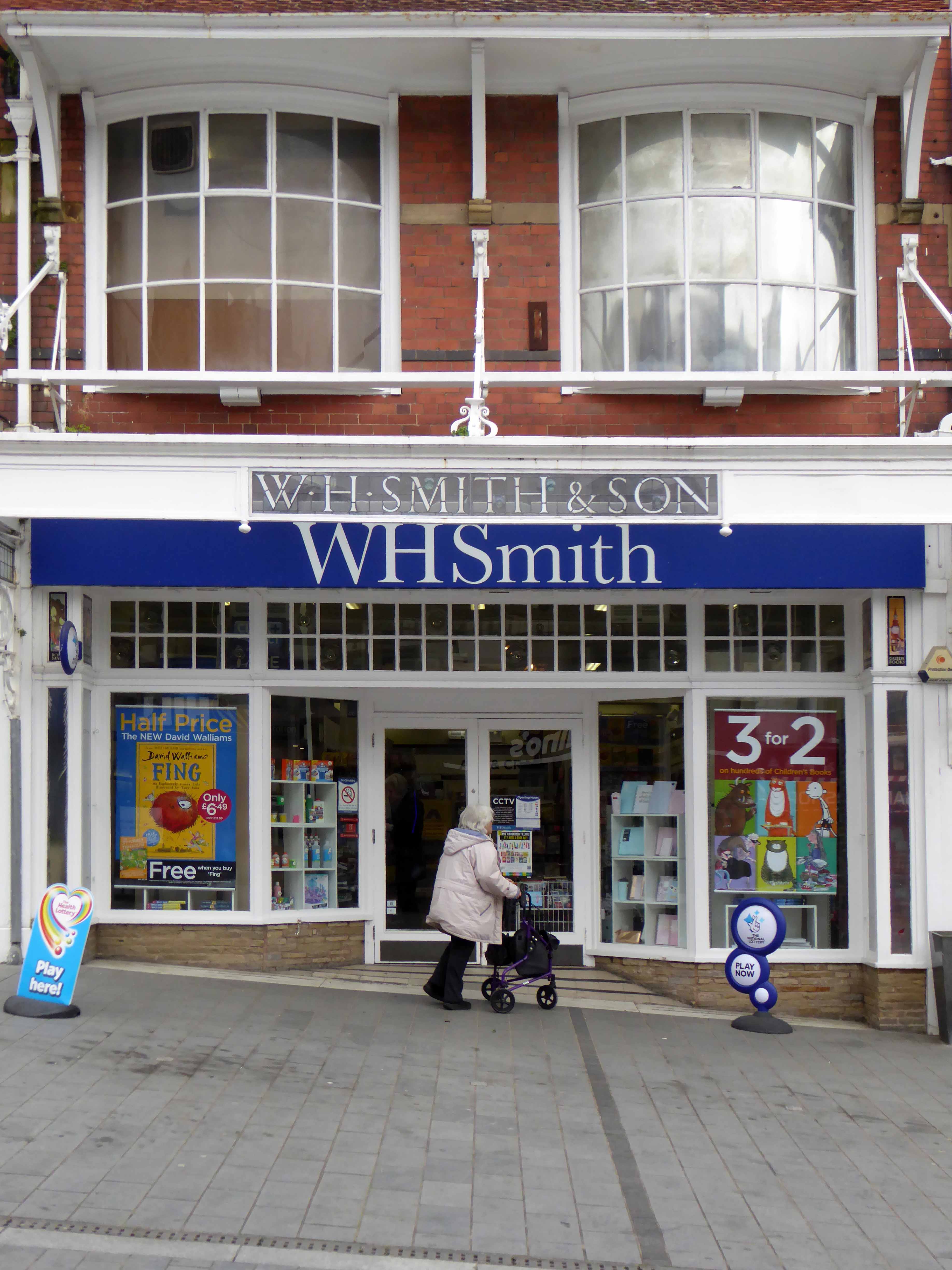
Proudly announcing the proprietors – sadly supported by a distressing modern addition – now I’m not one to decry and debunk the rising tide of modernity, I’m all in favour of unisex clothing and central heating.
But the unchecked encroachment of vacuous vinyl really is the limit.
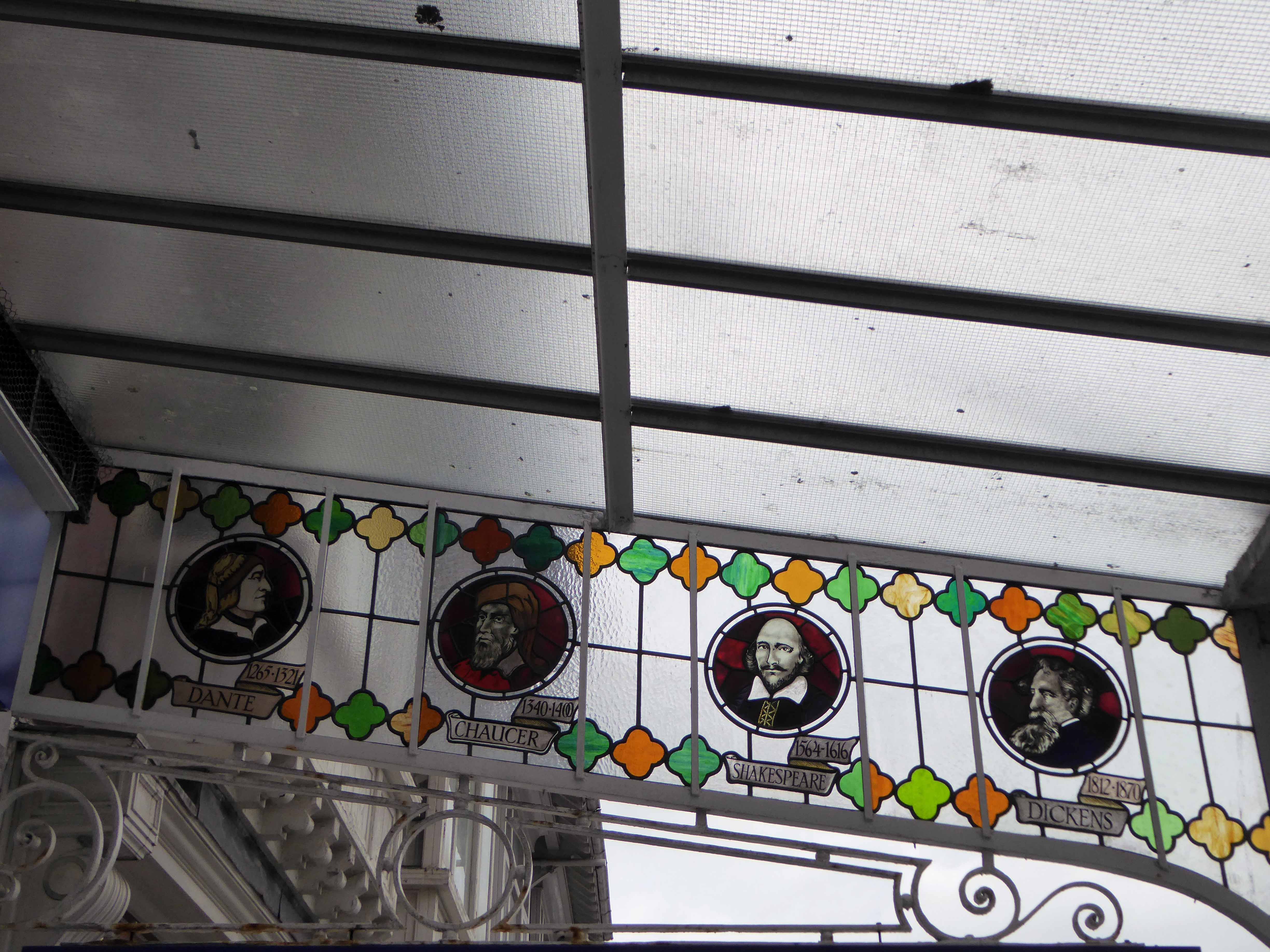
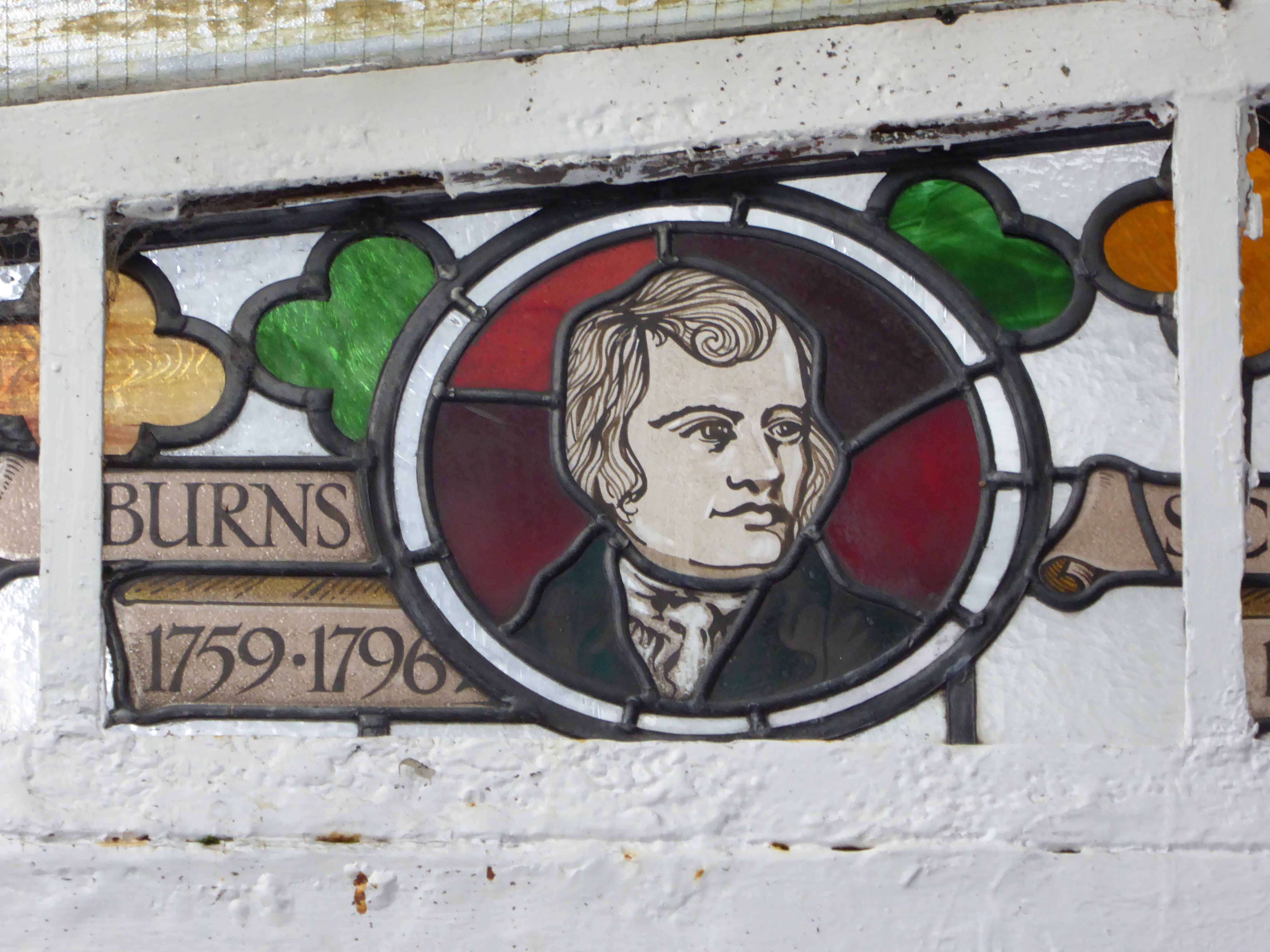
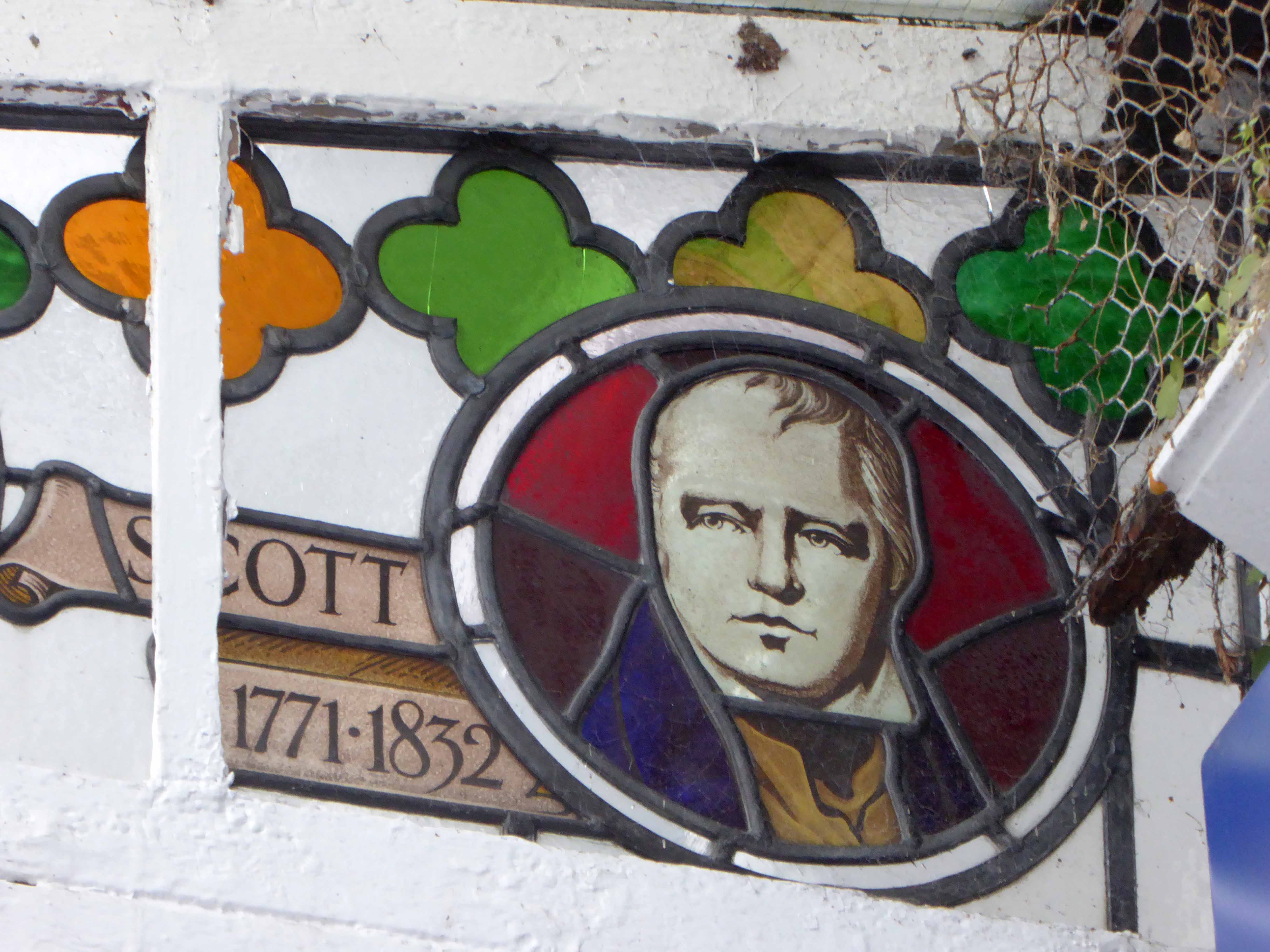
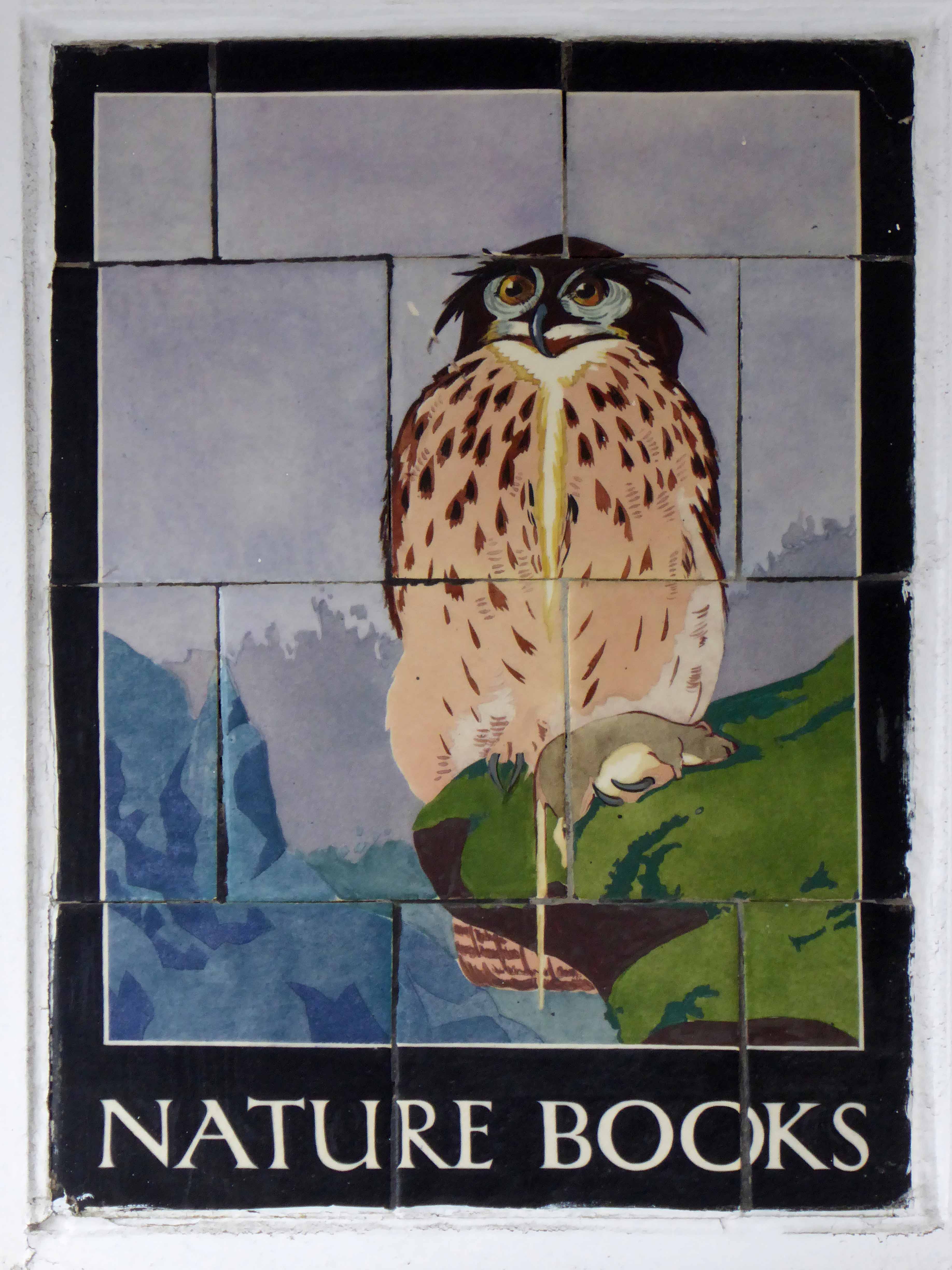
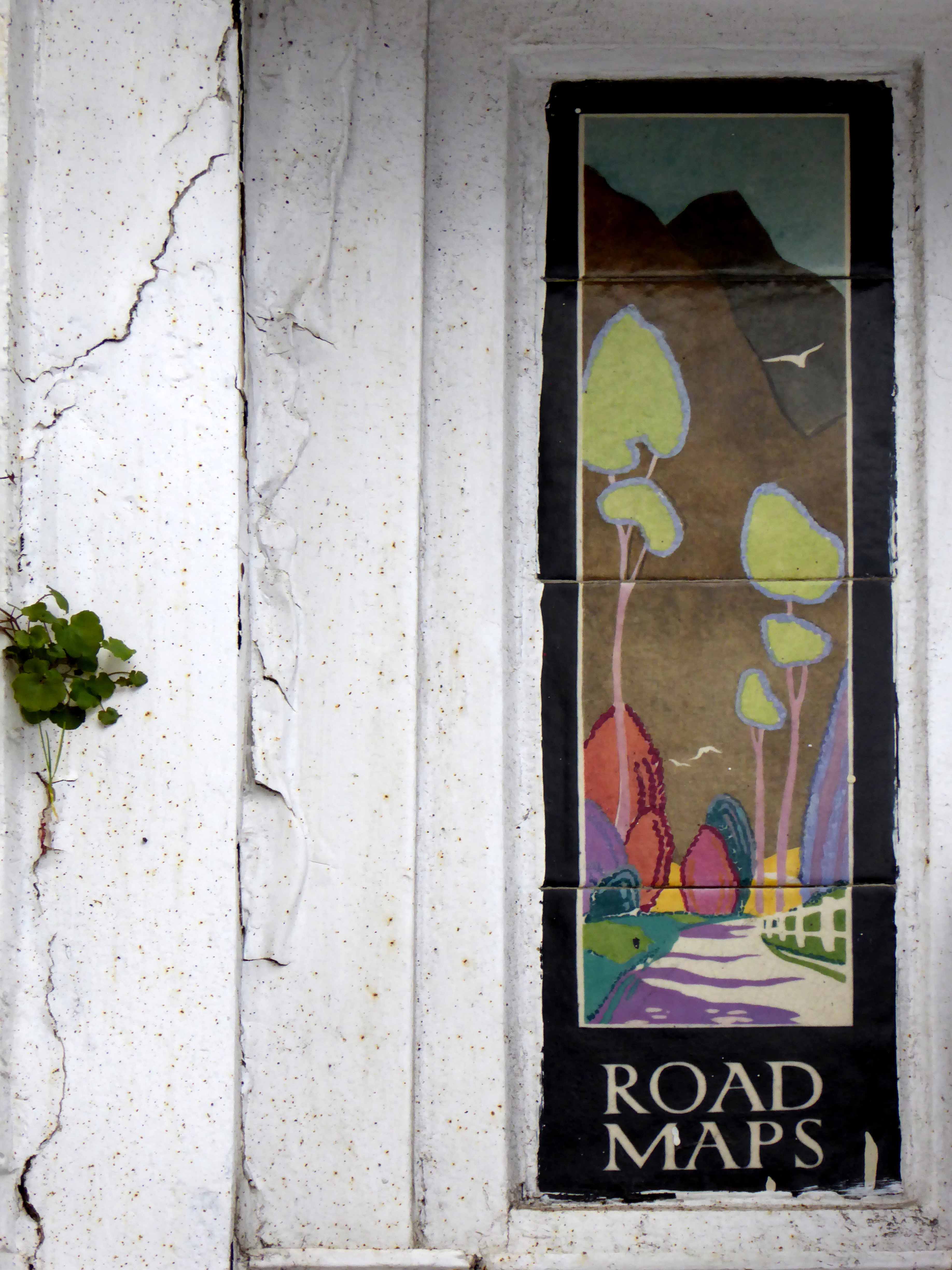
Businesses displayed a degree of dignified permanence unknown to the current high street trader. So here it is writ larger than life in stained glass and Carter’s Tiles.
Loud and proud.
And as an addendum here are the delightful tiles from the Llandudno branch, snapped two years previously.
This in so many senses is where it all began – my first encounter with the visual arts was through my Aunty Alice’s postcard album. Predating visits to Manchester City Art Gallery in my mid-teens, I was lost in a world of post WW1 printed ephemera, rendered less ephemeral by careful collection and collation. Sitting entranced for hours and hours absorbing the photography, text and illustration of hundreds of unseen hands.
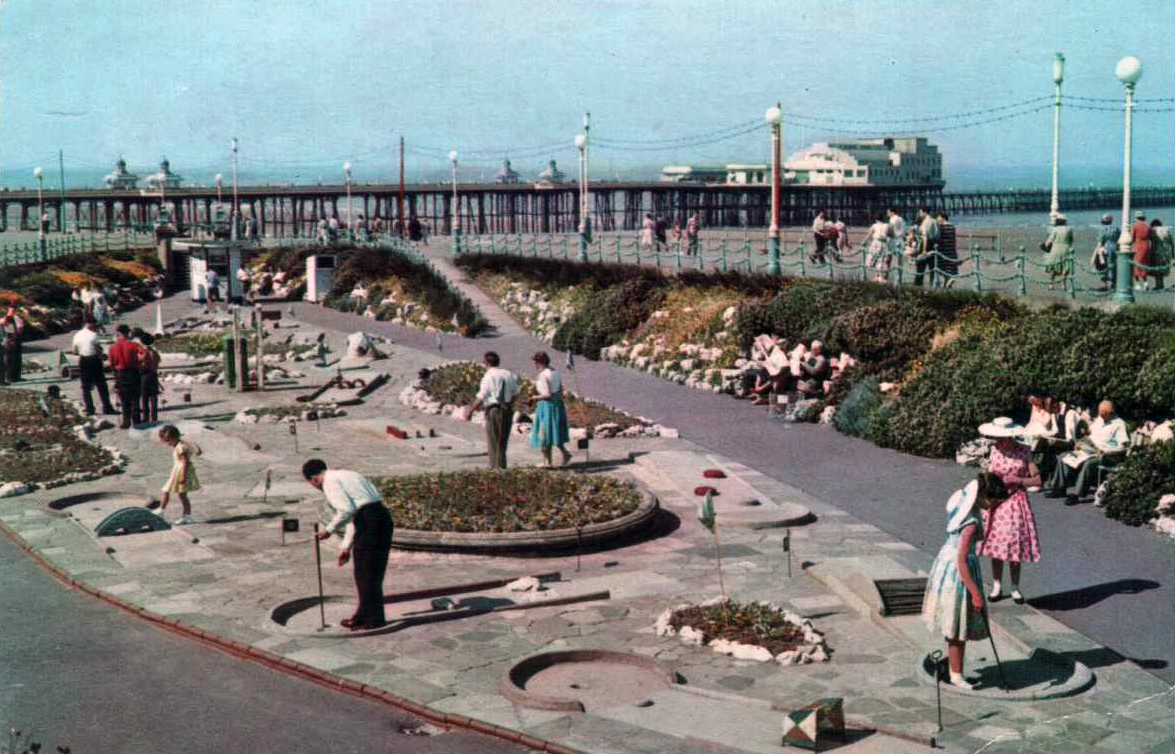
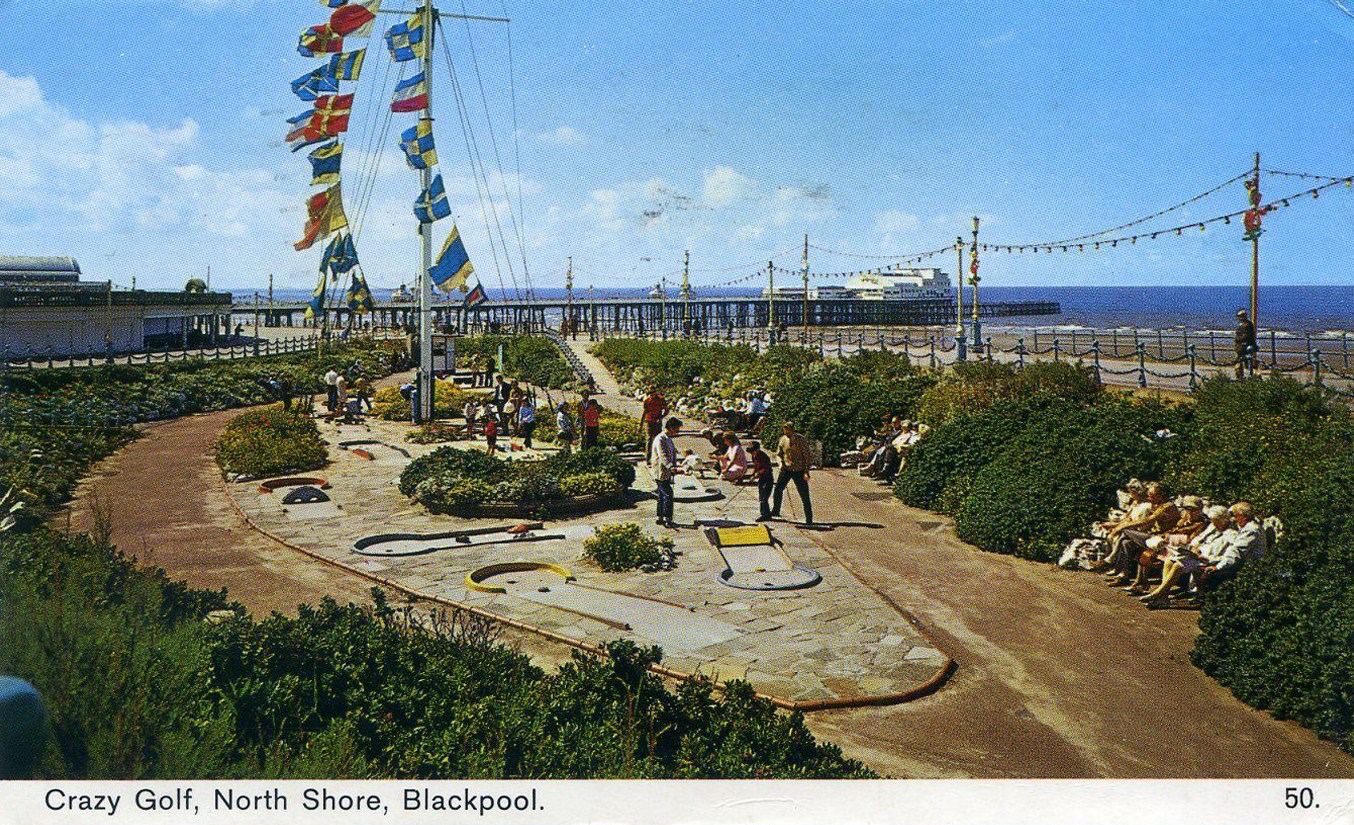
This is North Shore Blackpool – behind the Metropole in the early 60s.
The colour is muted by the then state of the art colour reproduction, the holiday dress is constrained by the codes of the day. Light cotton frocks and wide brimmed sun hats, shirts tucked in belted slacks, sandals and shorts – purely for the pre-teens.
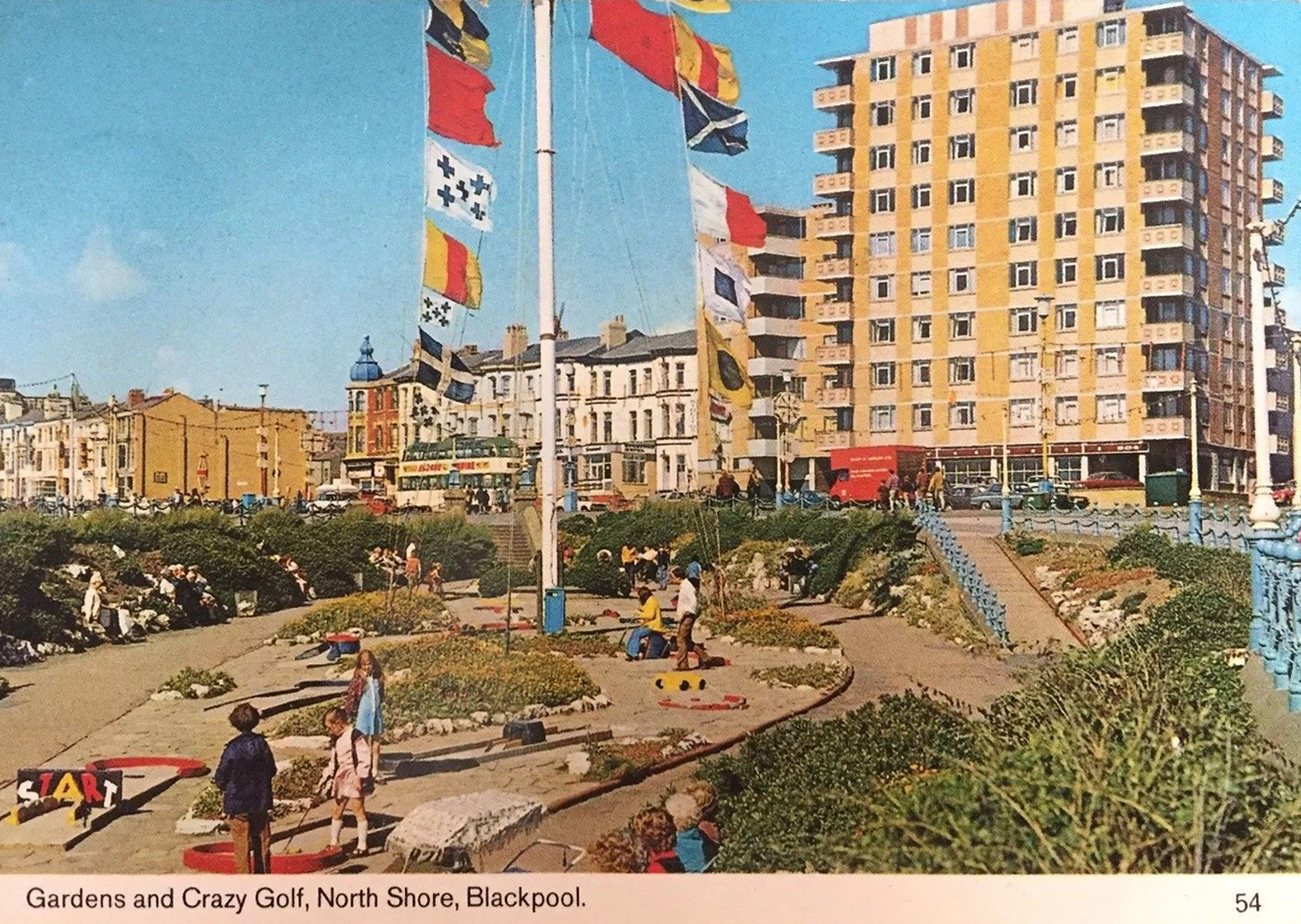
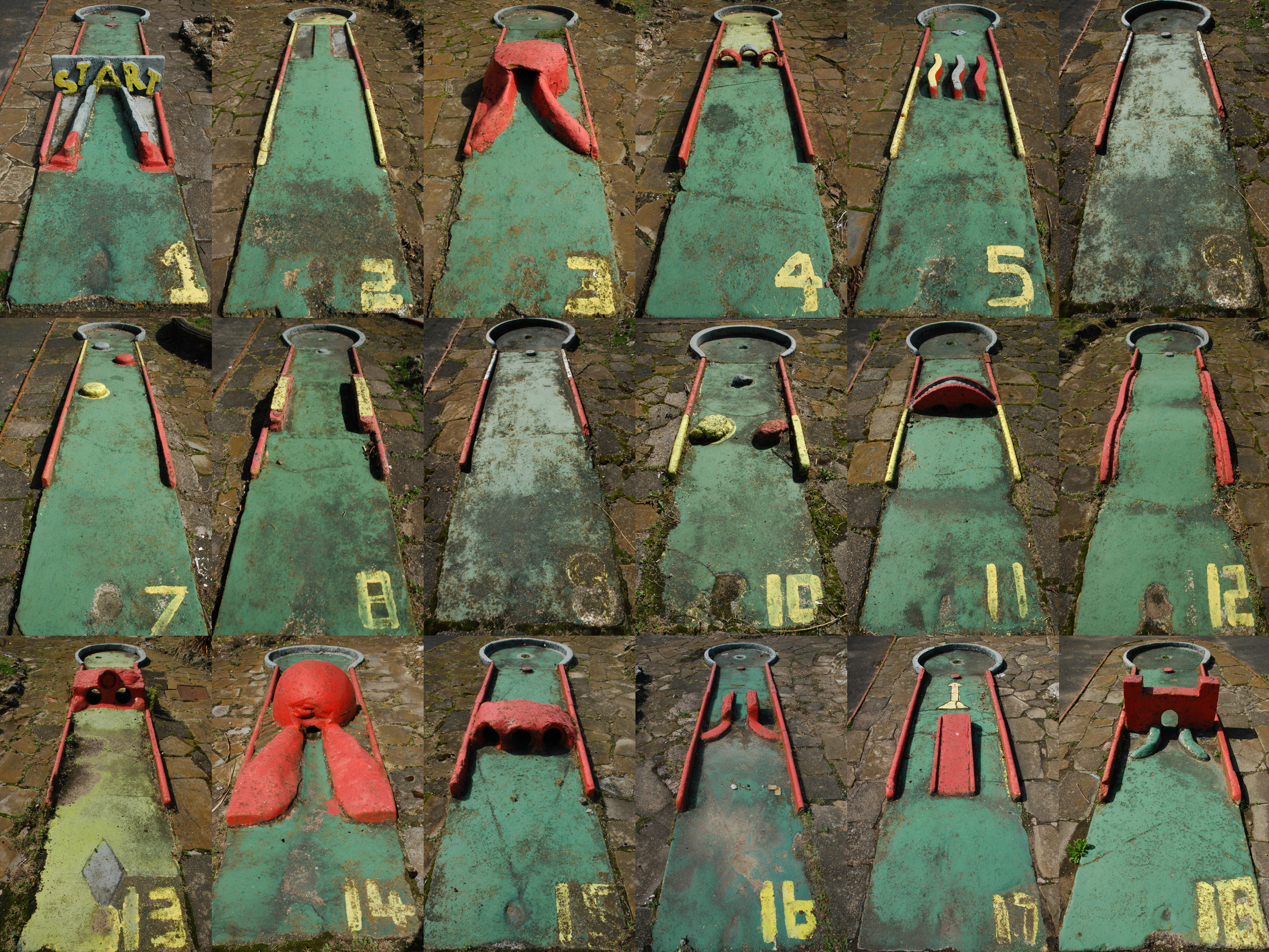
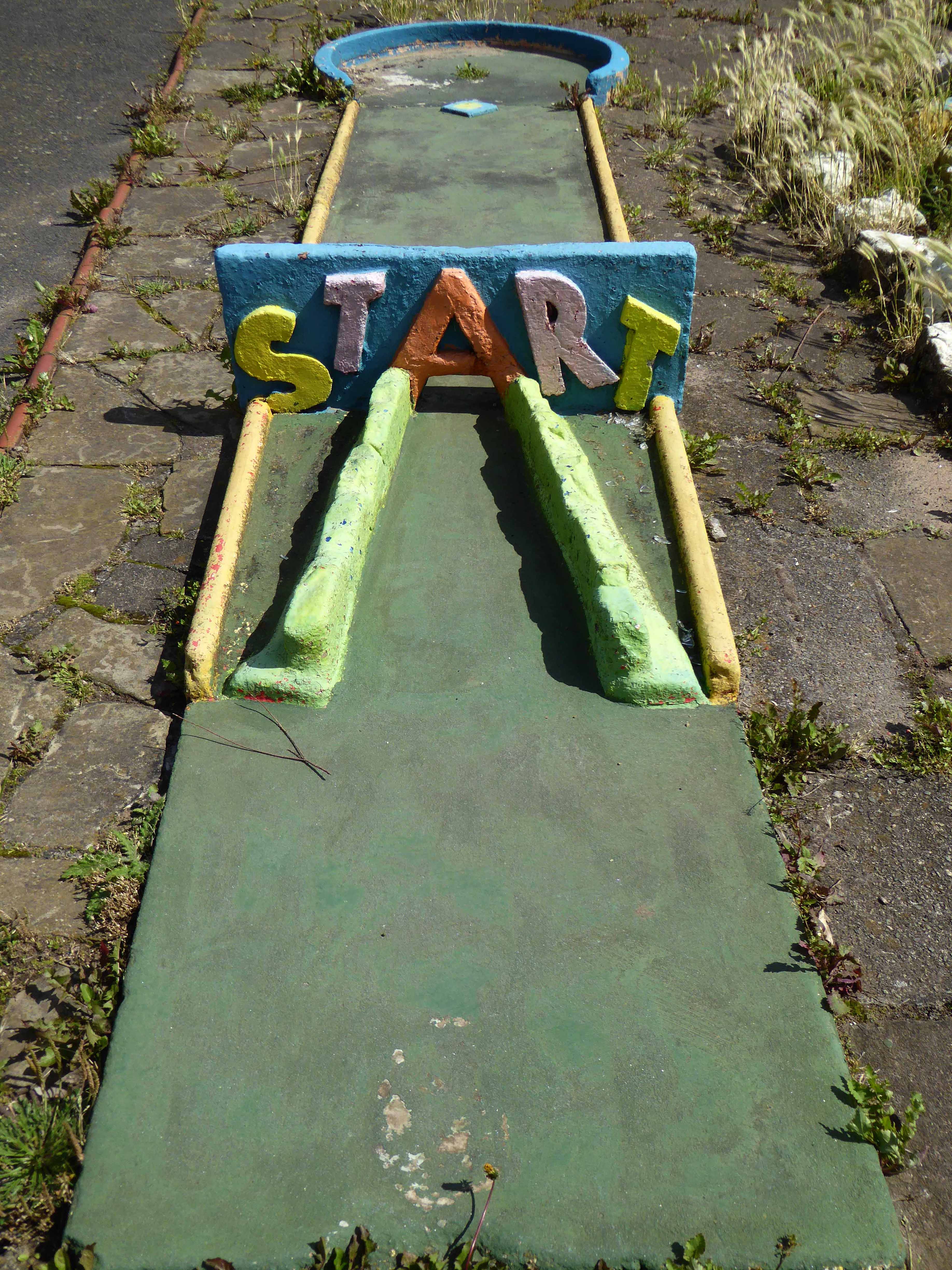
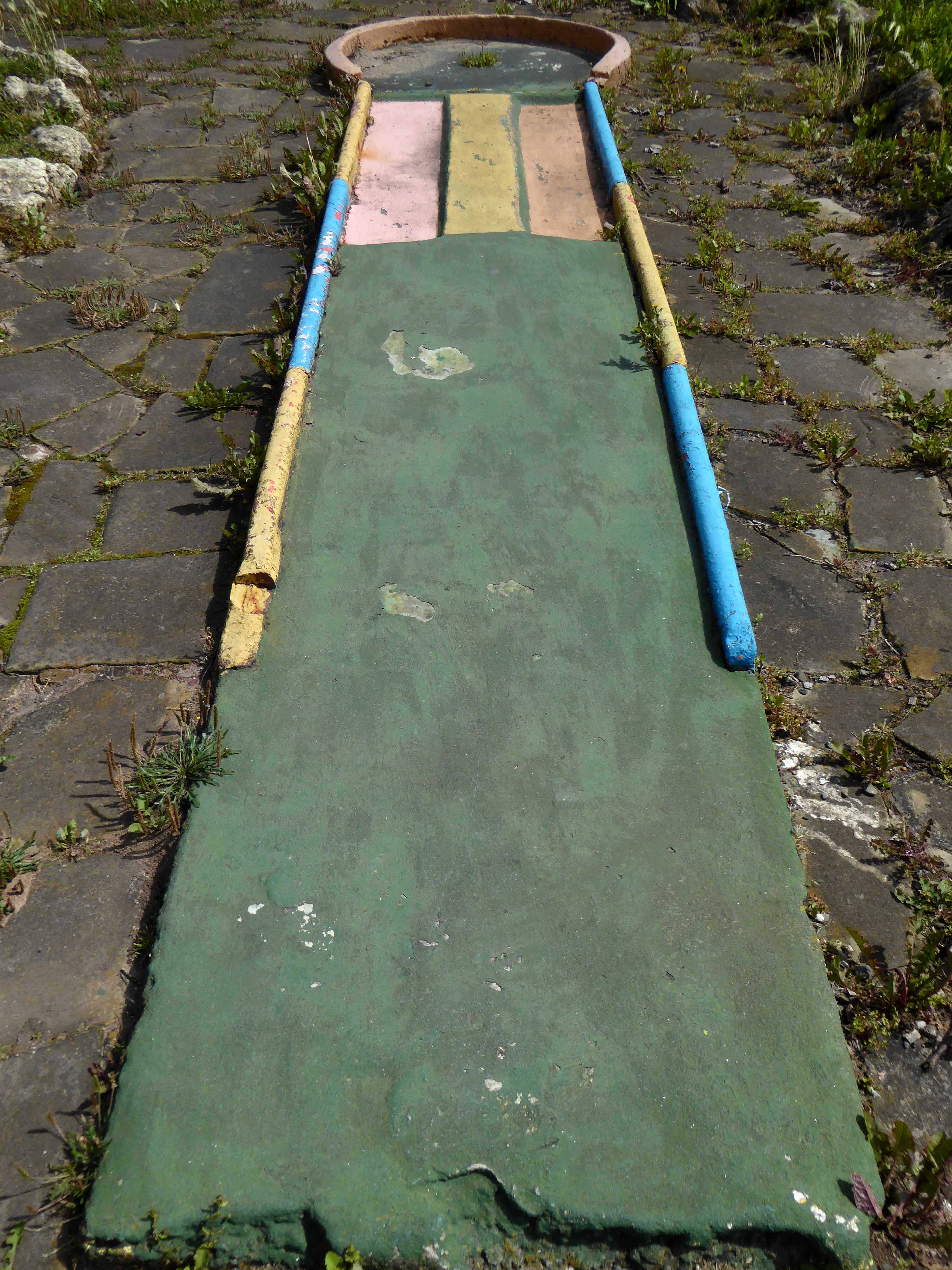
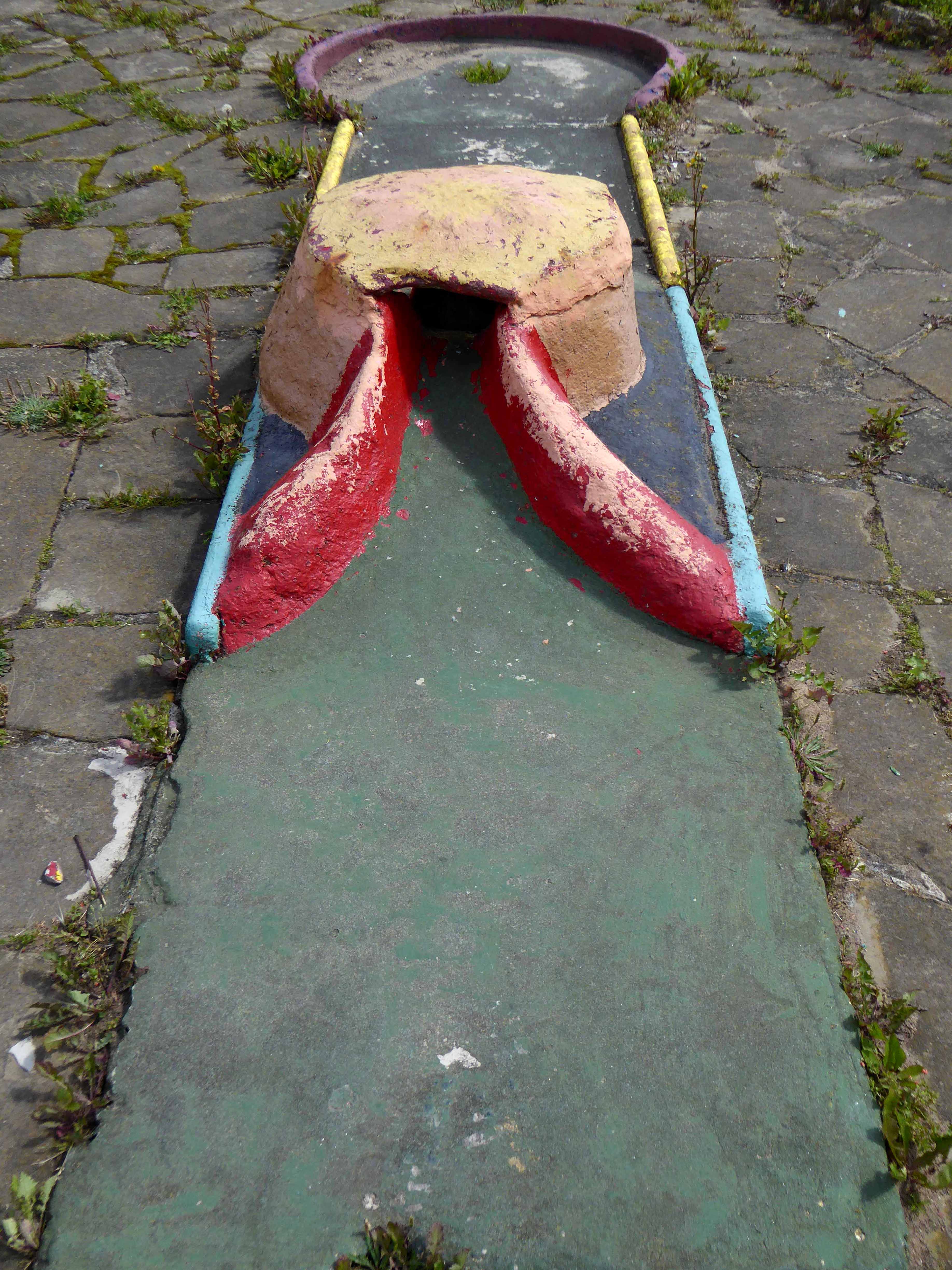
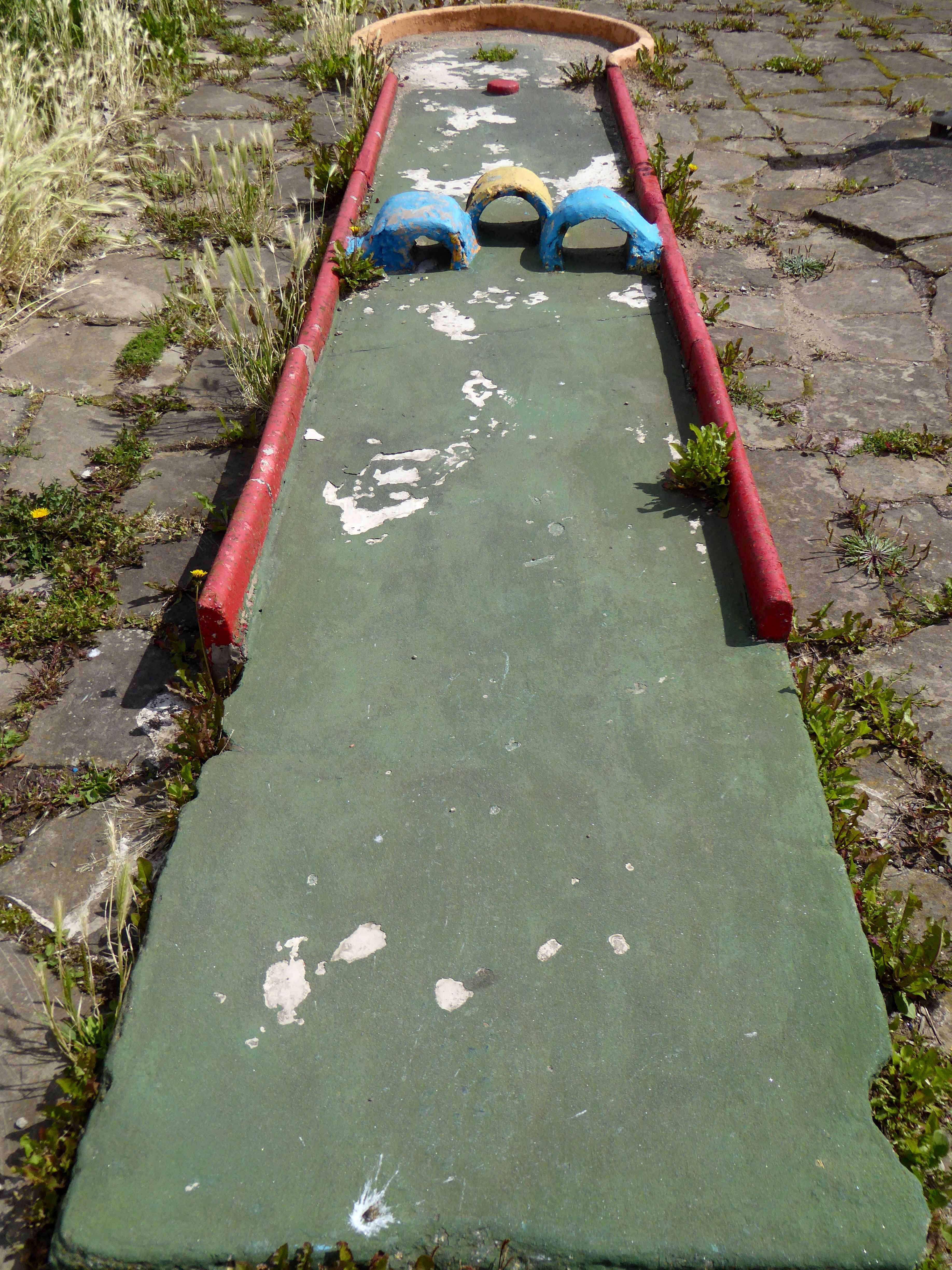
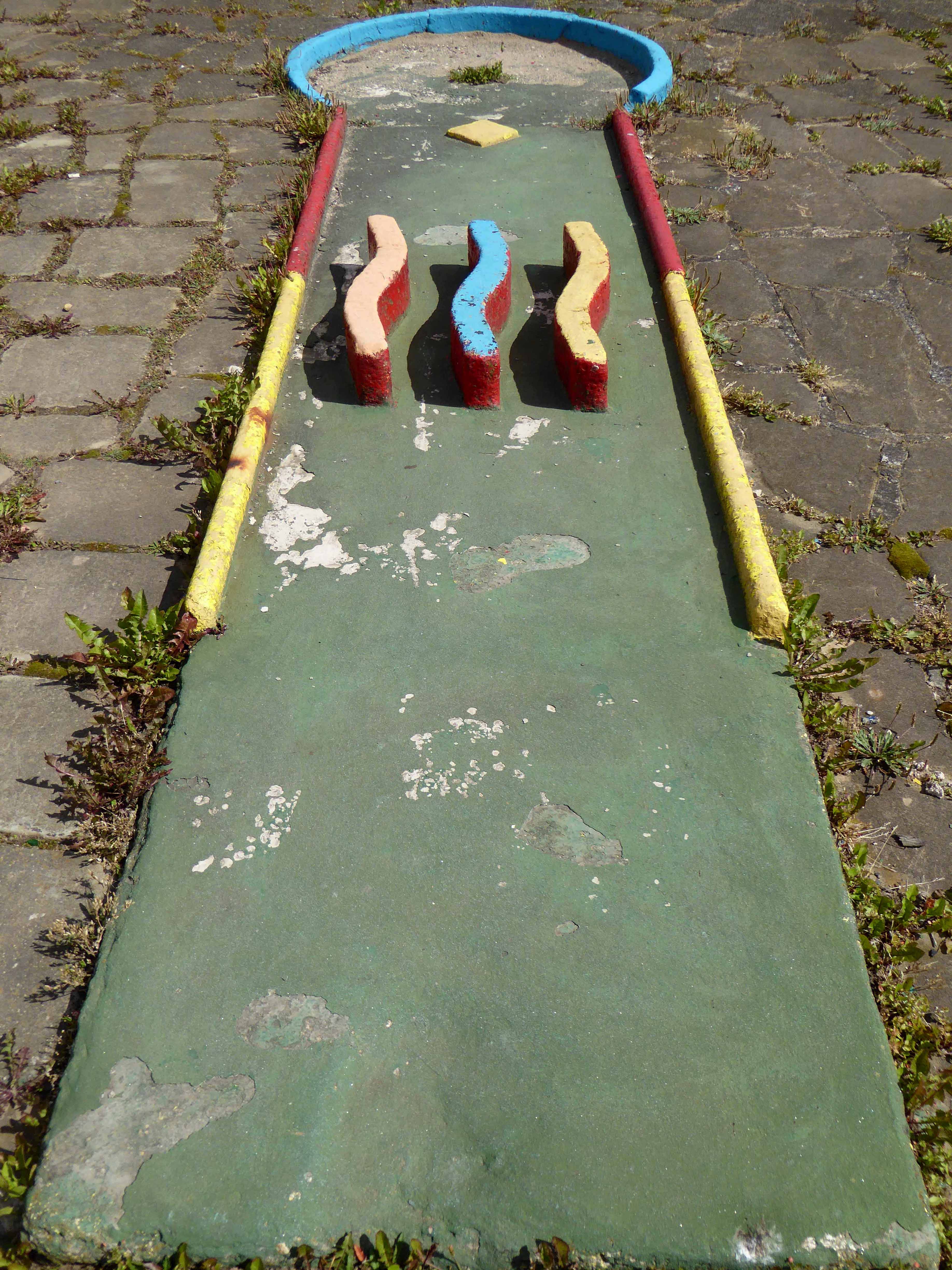
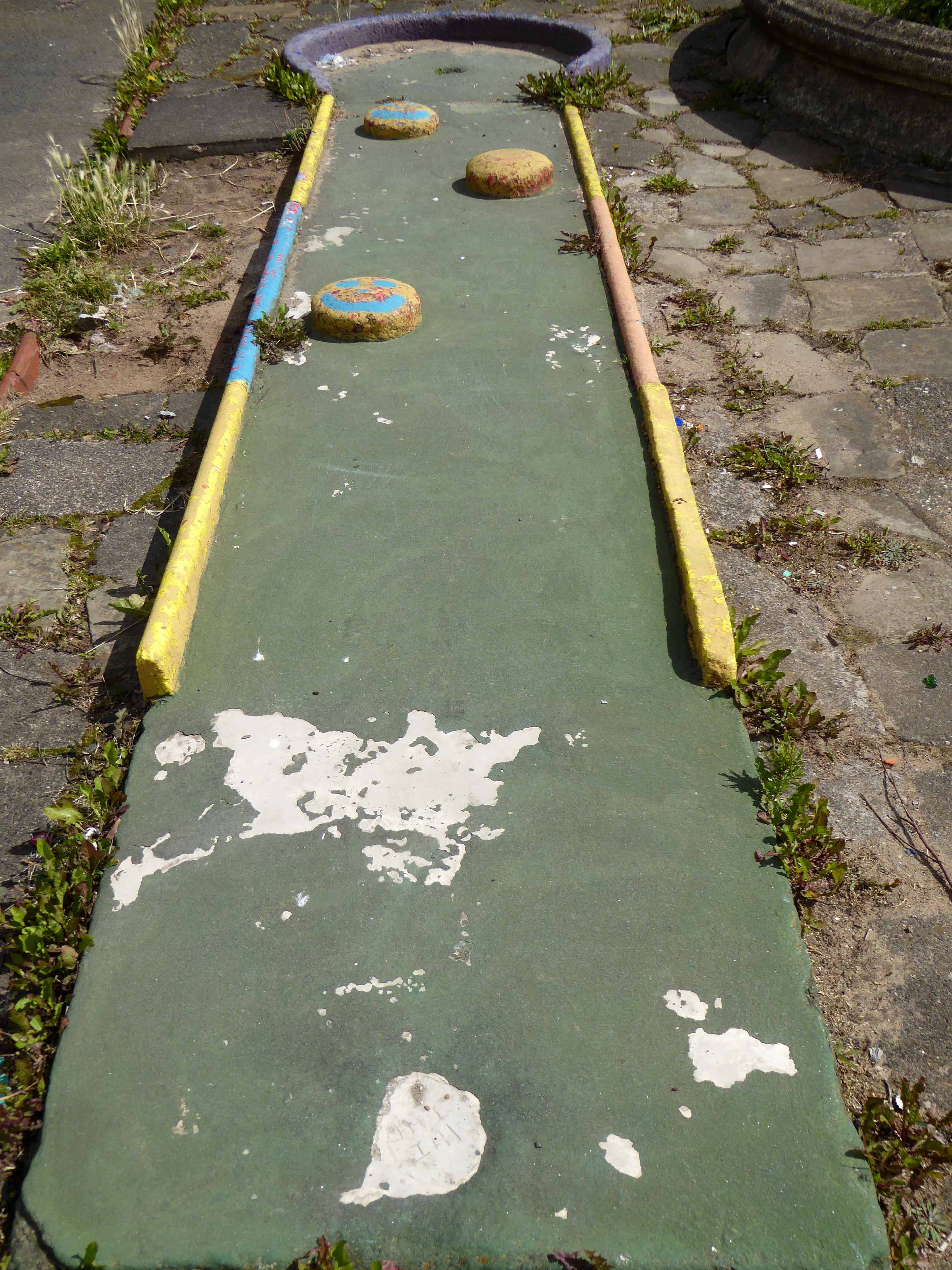
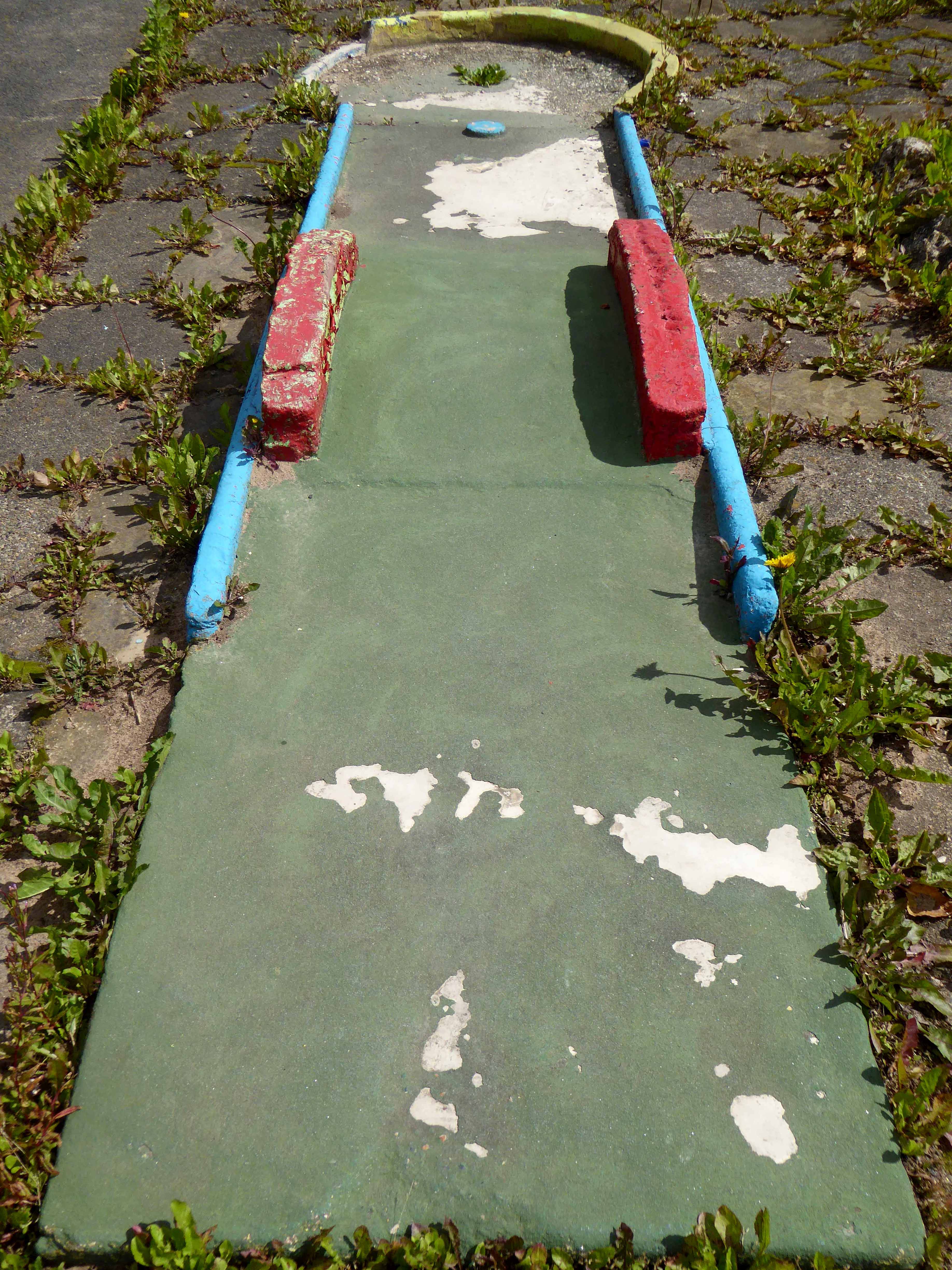
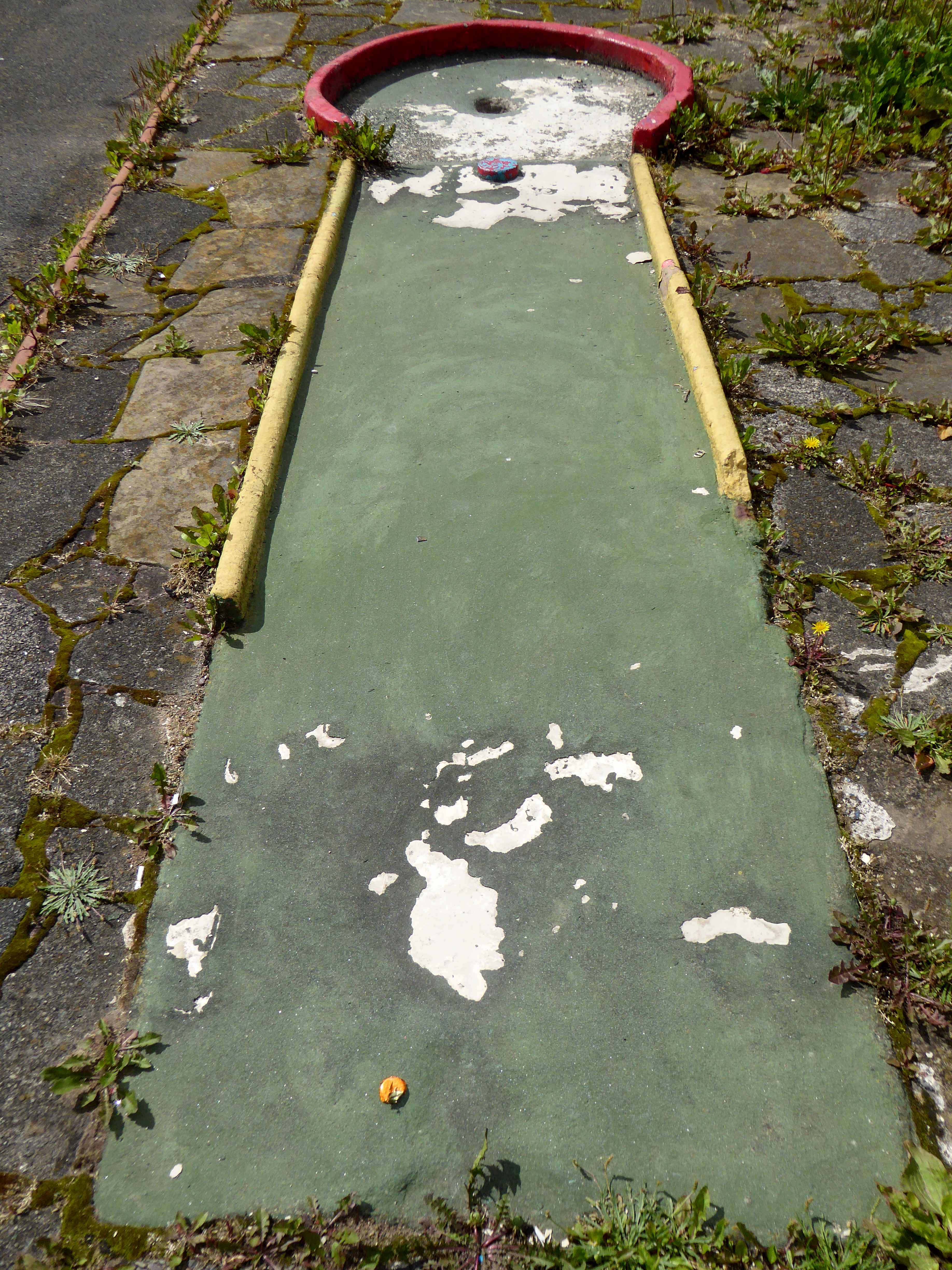
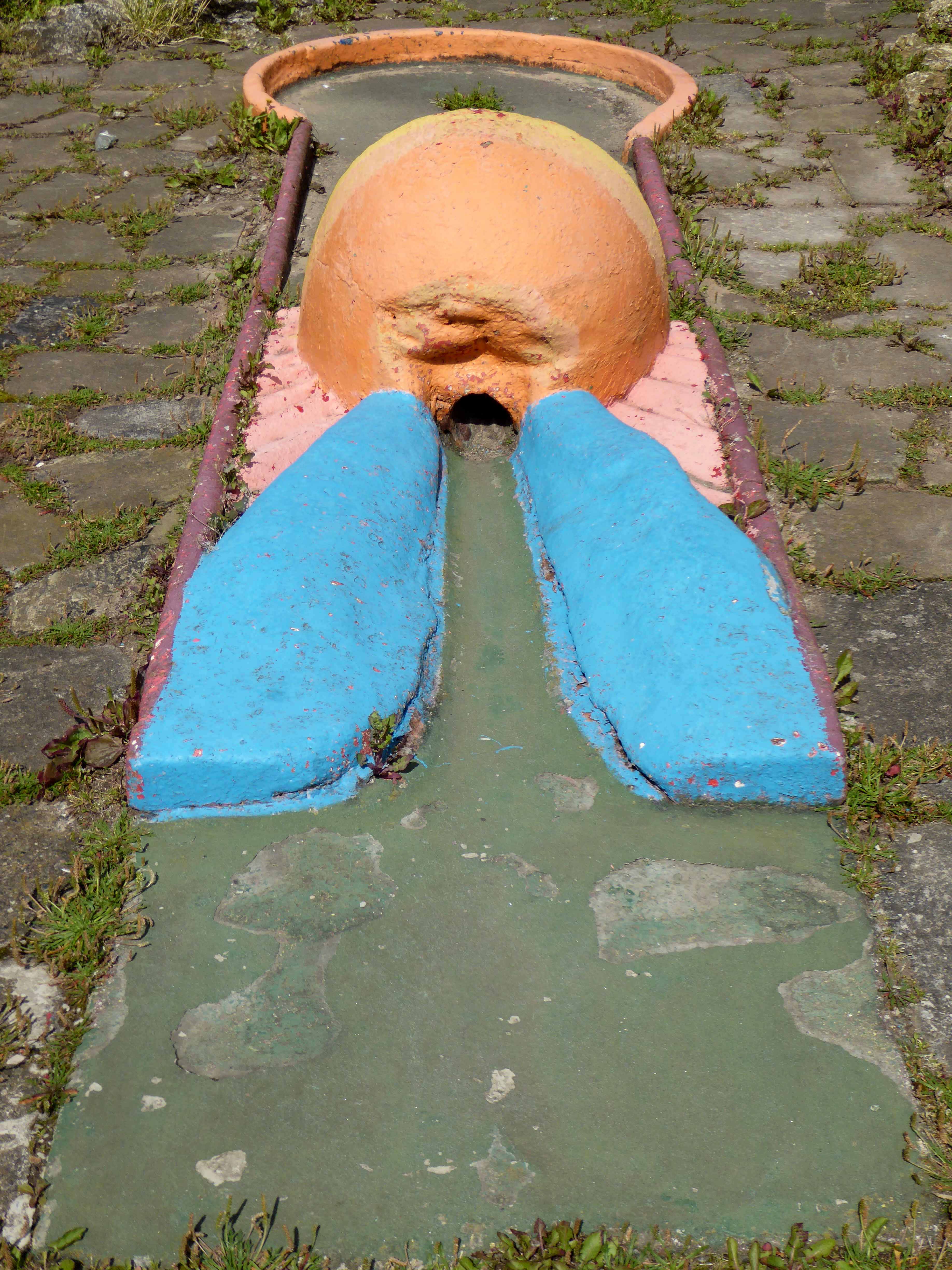
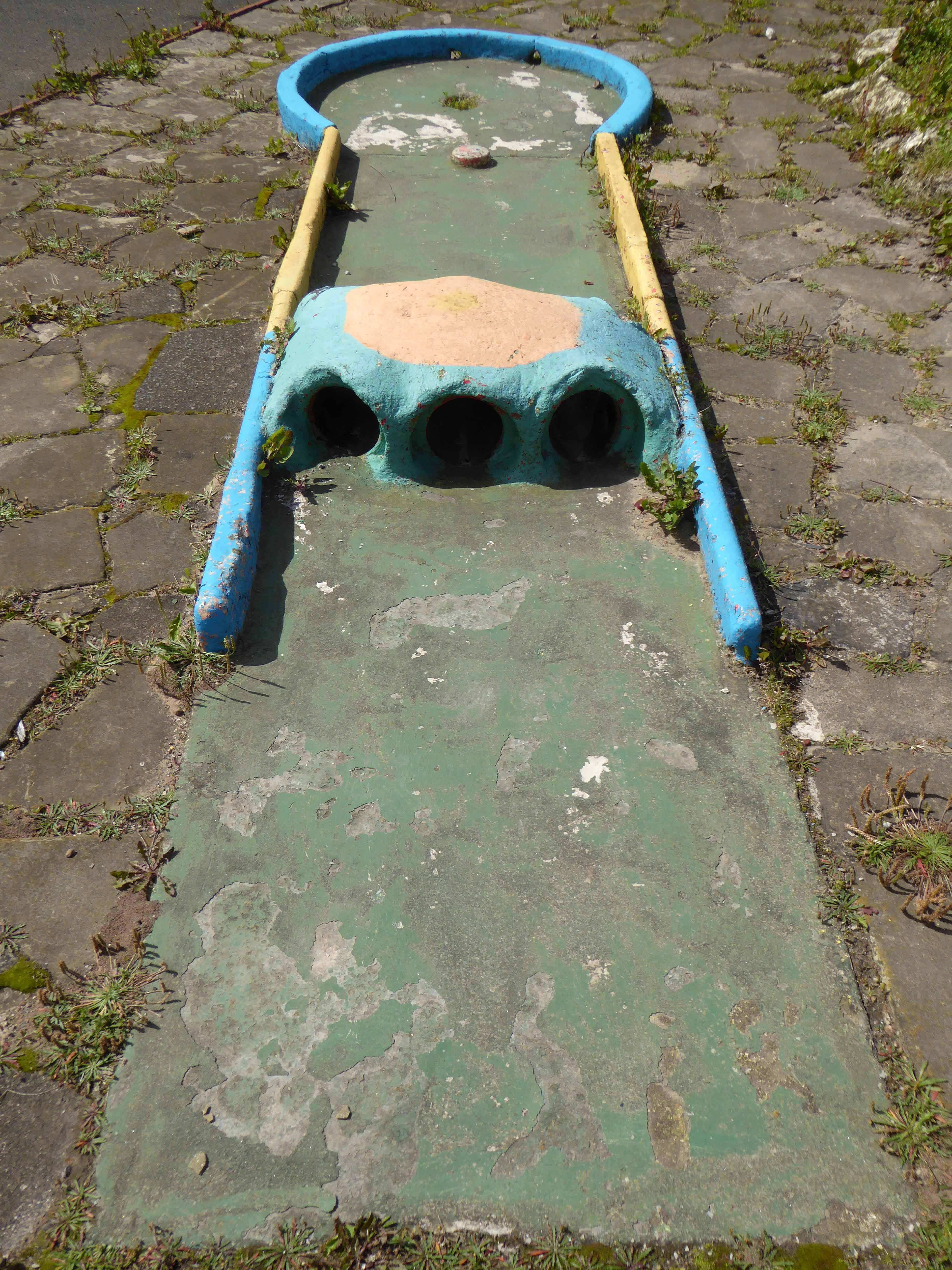
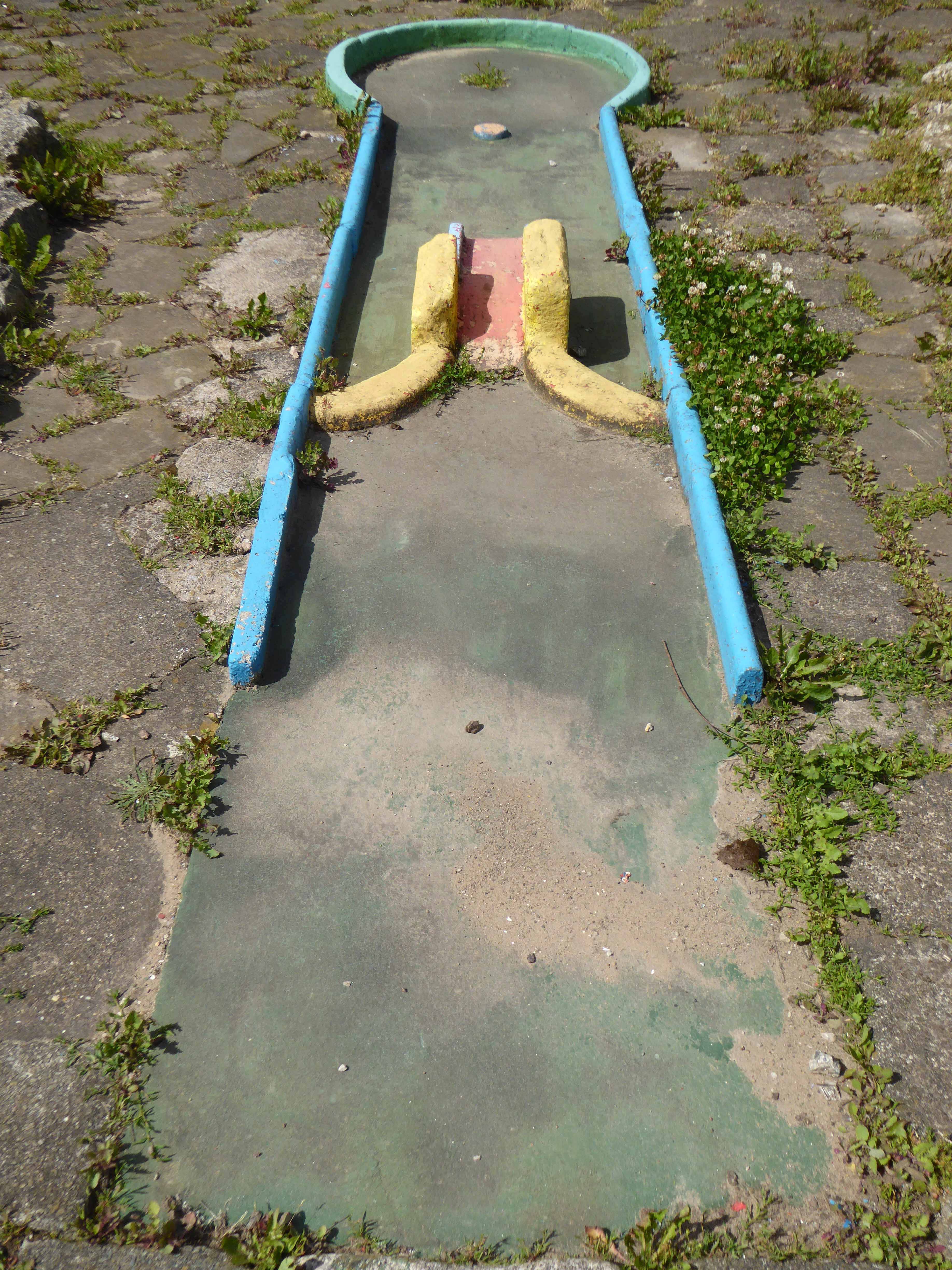
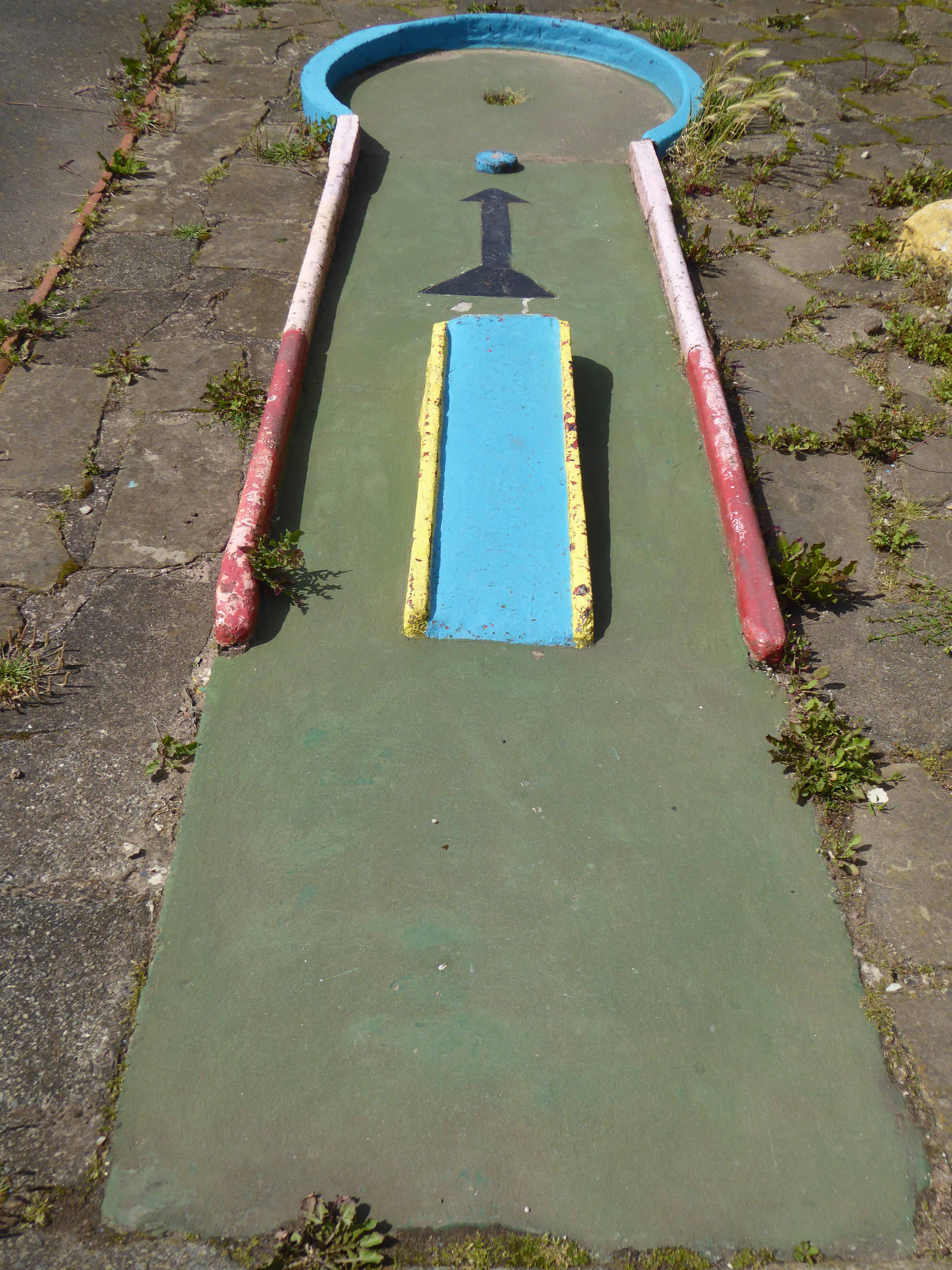
The focus and locus of fun is located on the prom and what better way to squander a moment or eighteen, than with a pleasurable round of crazy golf. Municipal Modernist frivolity rendered corporeal in corporation concrete, repainted annually ahead of the coming vacationers.
Domesticated Brutalism to soften the soul.
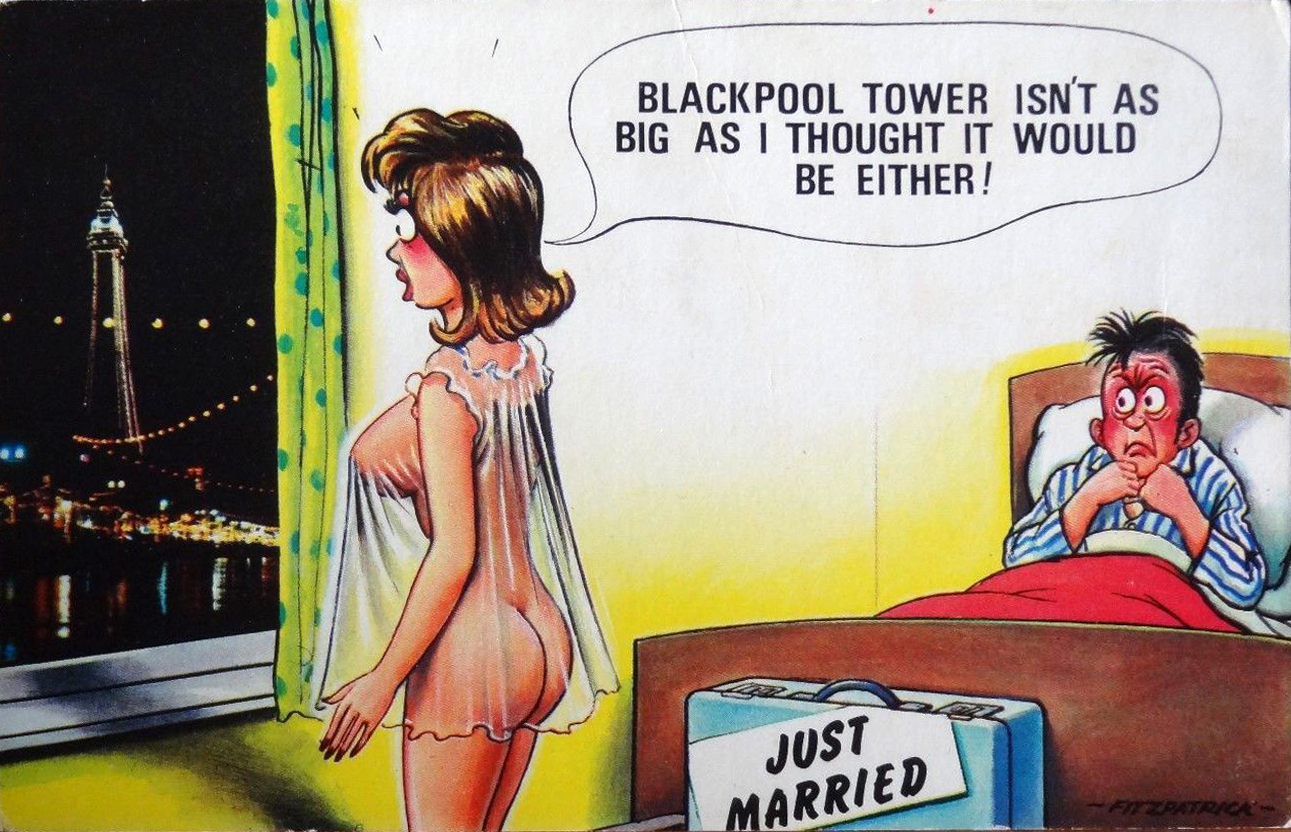
And there can be no better away to inform the awaiting world of your capricious coastal antics than a picture postcard, so playfully displayed on the corner shop carousel – 10p a pop.
Stopping to chuckle at the Bamforth’s mild mannered filth, yet finally purer of heart, opting for the purely pictorial.
Man and boy and beyond I have visited Blackpool – a day, week or fortnight here and there, the worker’s working week temporarily suspended with a week away.
Times have now changed and the new nexus is cash, all too incautiously squandered – Pleasure Beach and pub replacing the beach as the giddy stags and hens collide in an intoxicating miasma of flaming Sambuca, Carling, Carlsberg and cheap cocktails – for those too cash strapped for Ibiza.
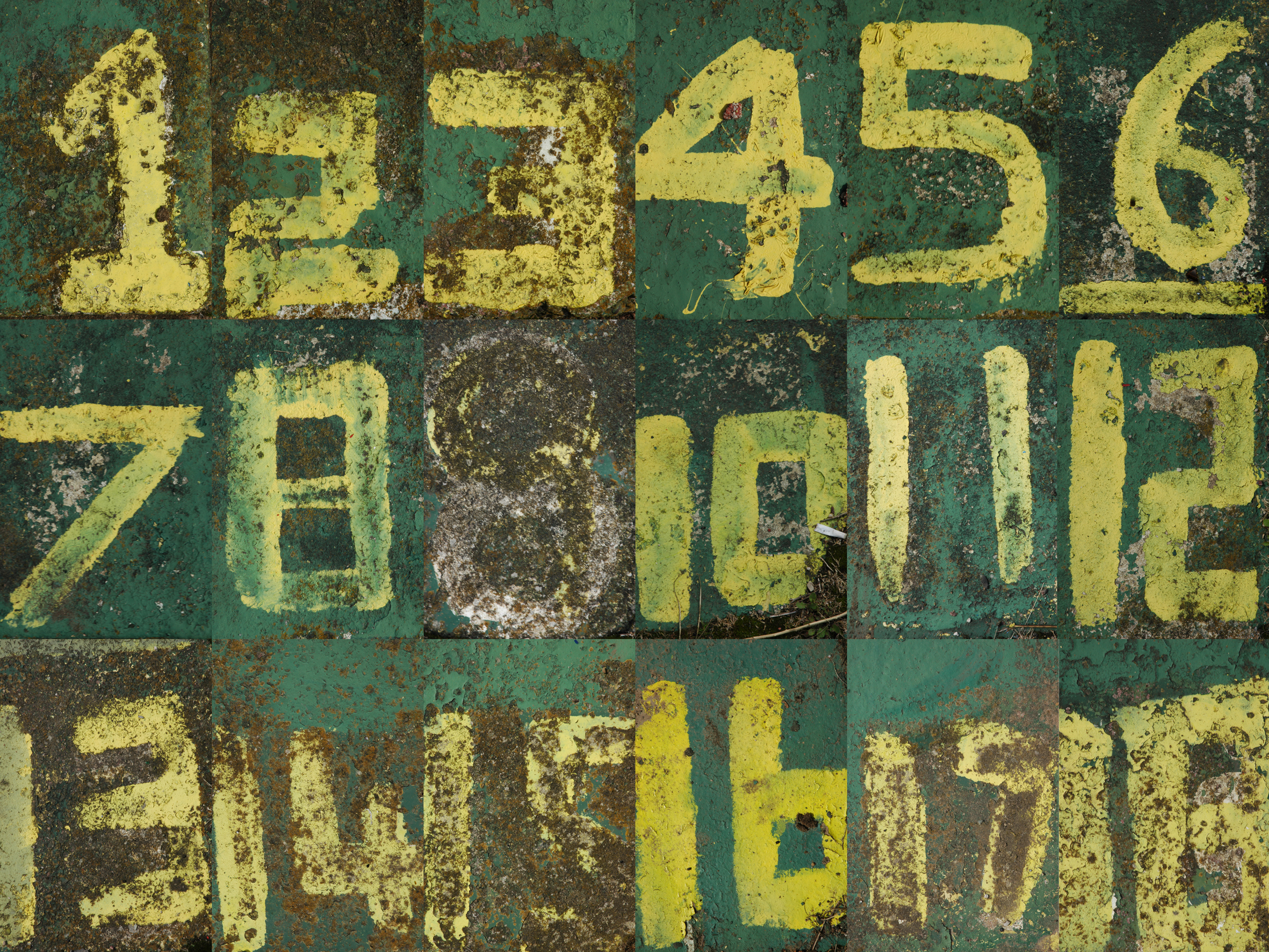
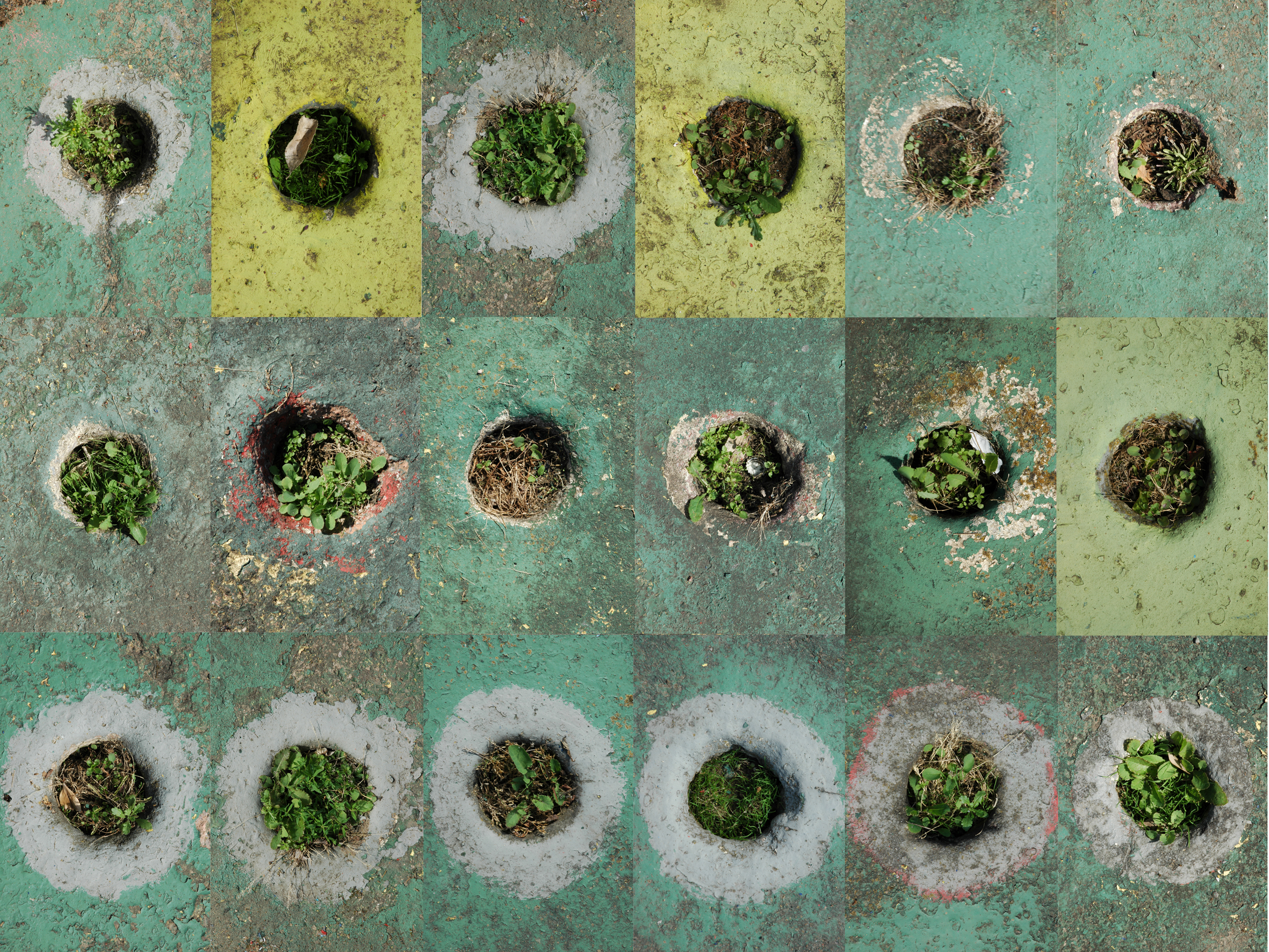
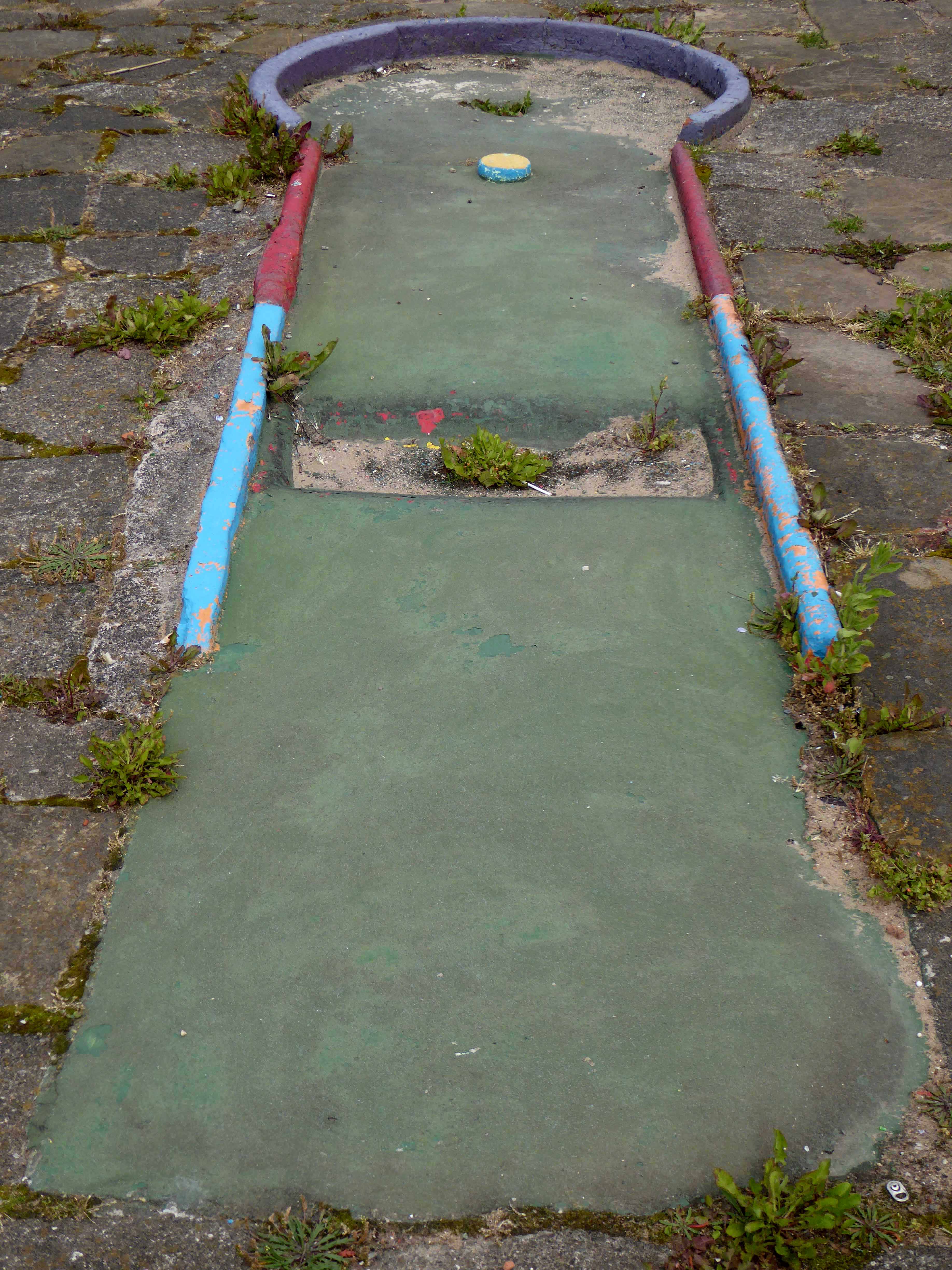
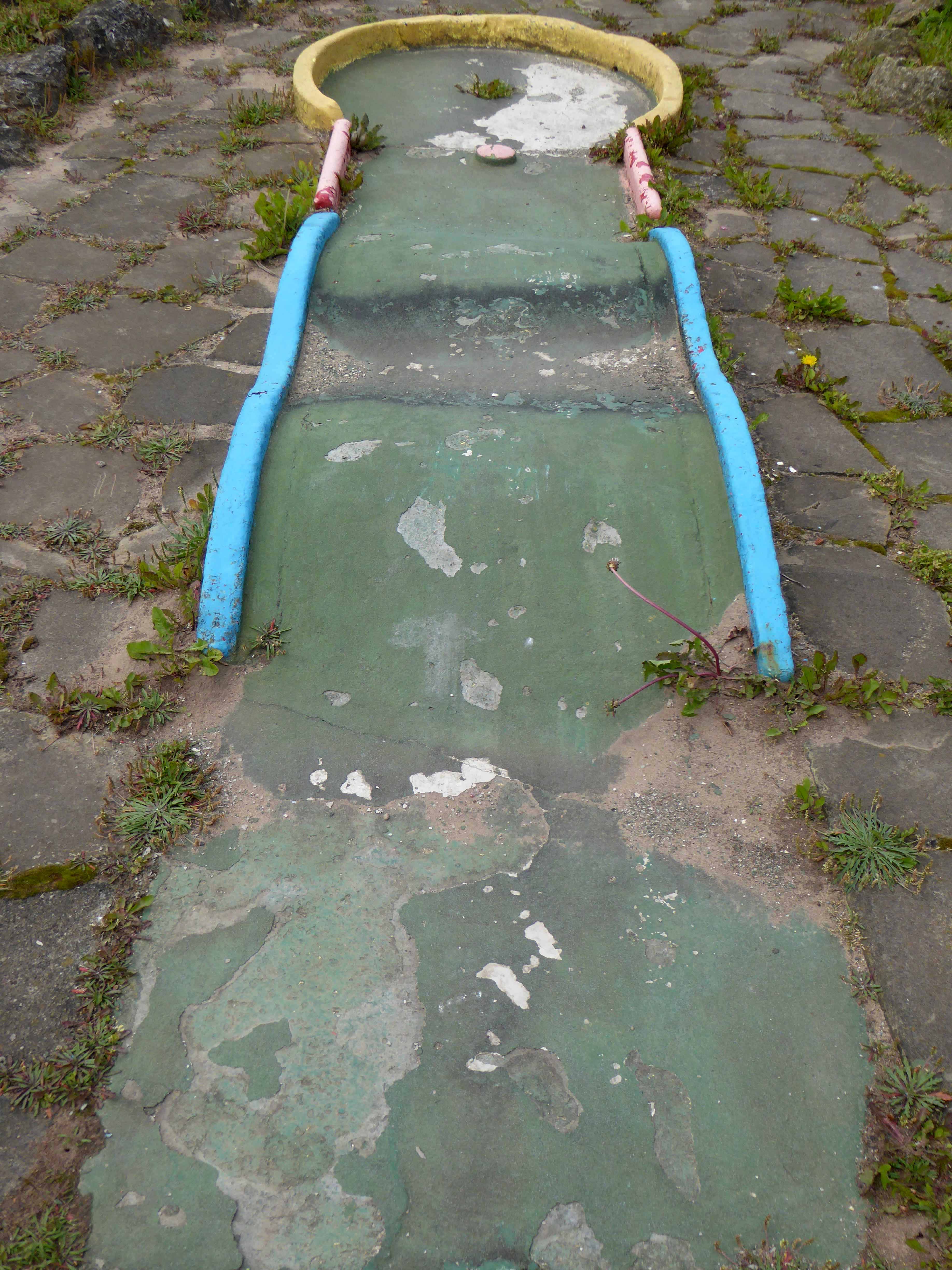
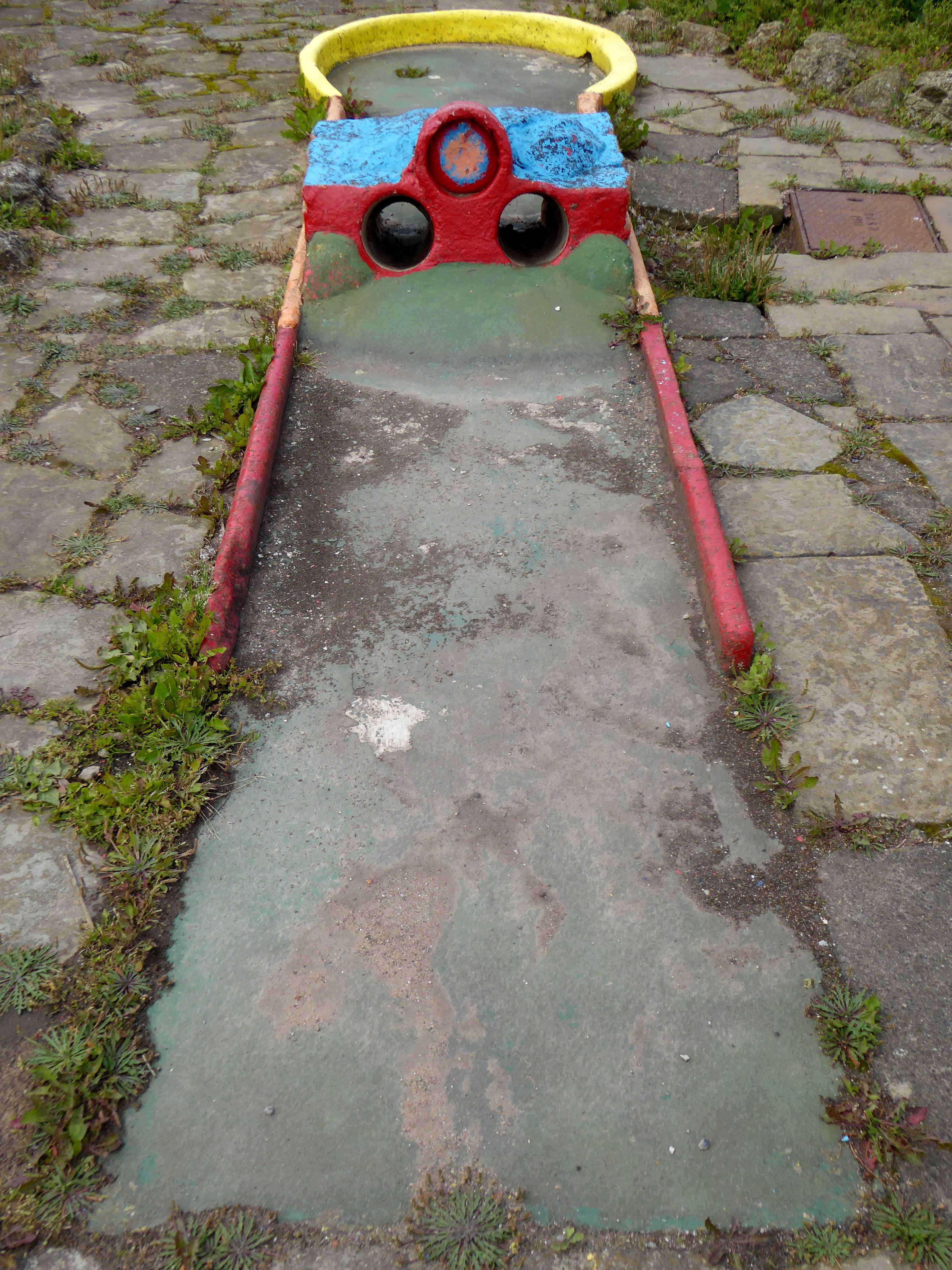
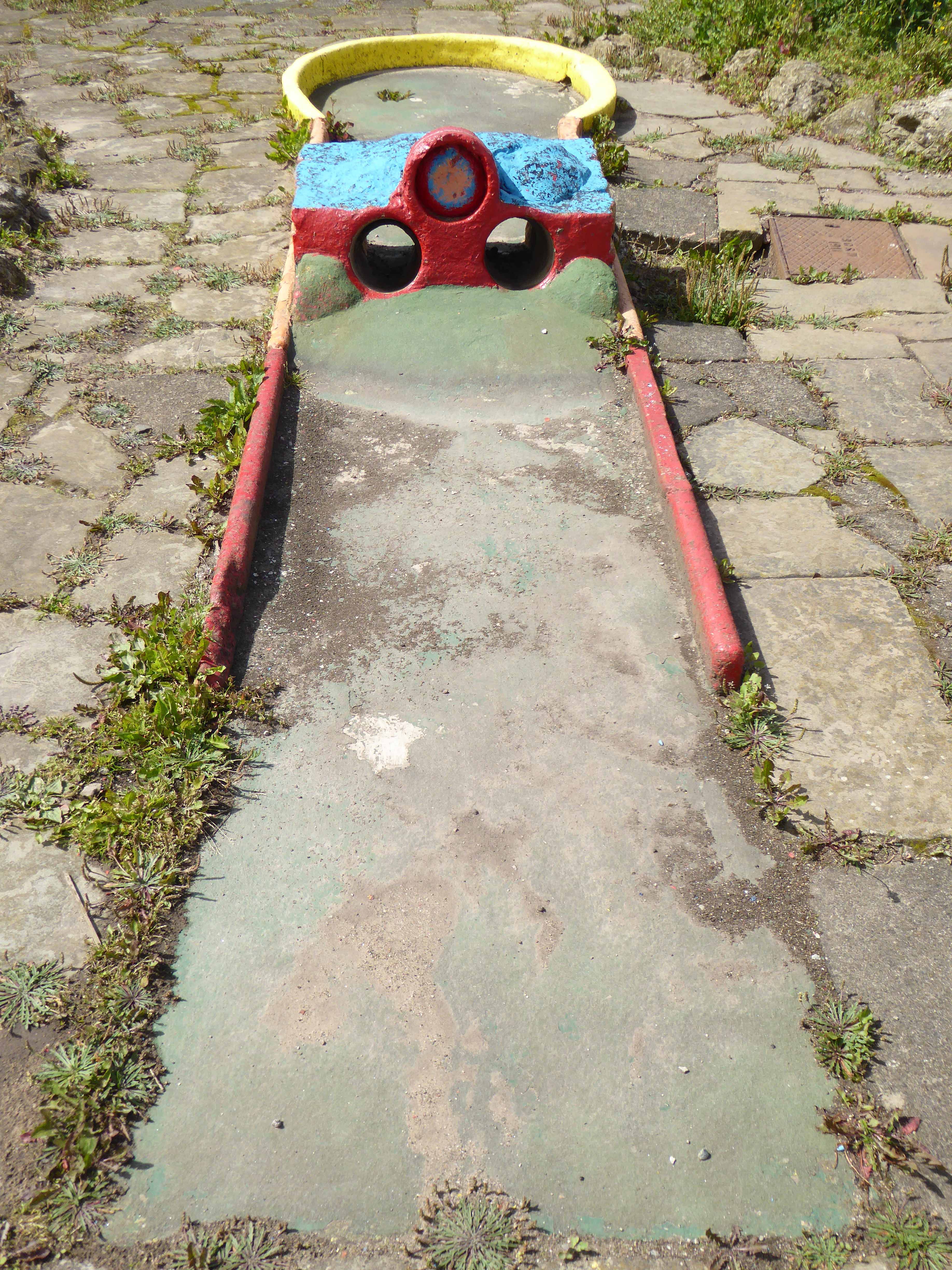
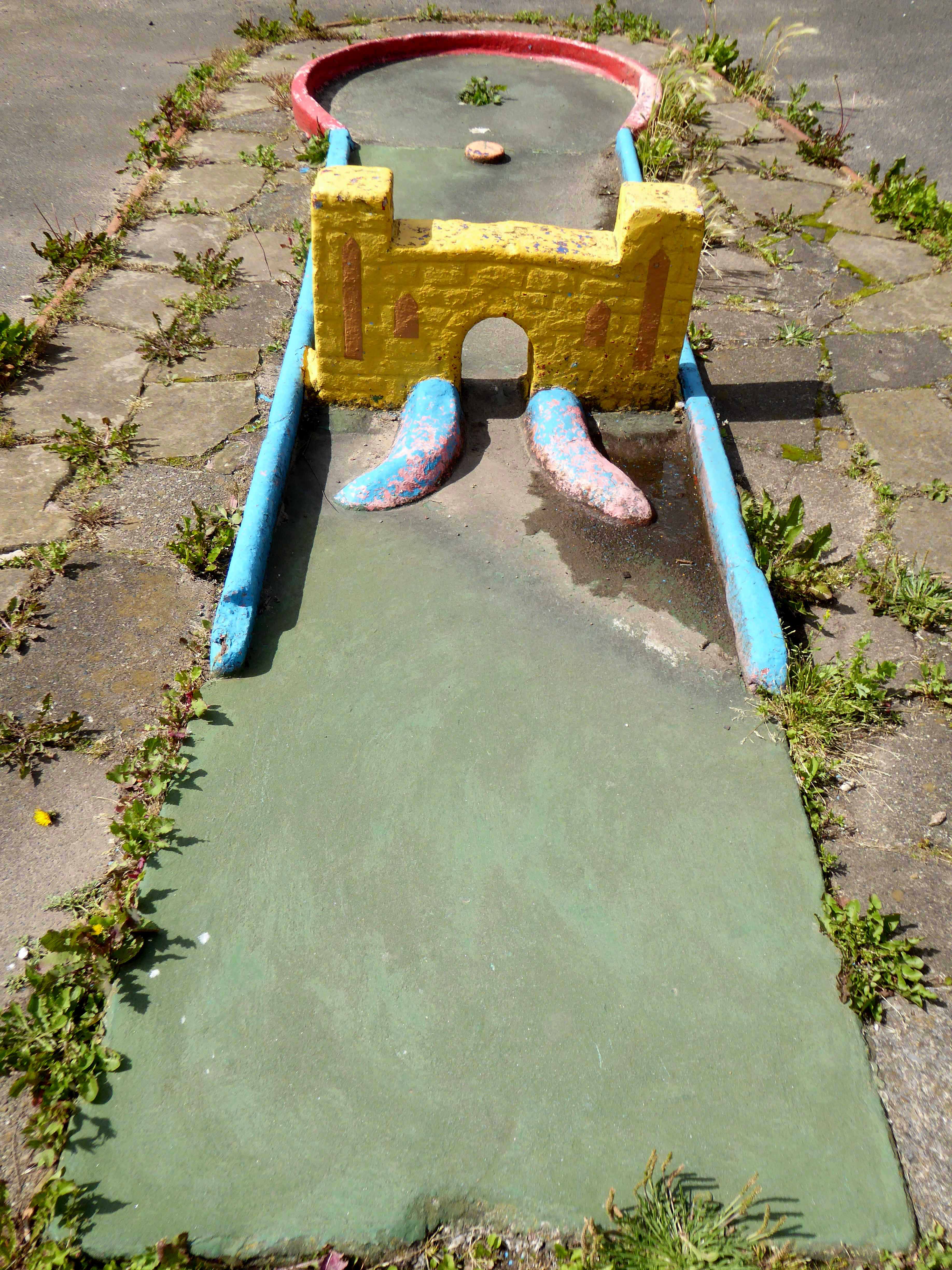
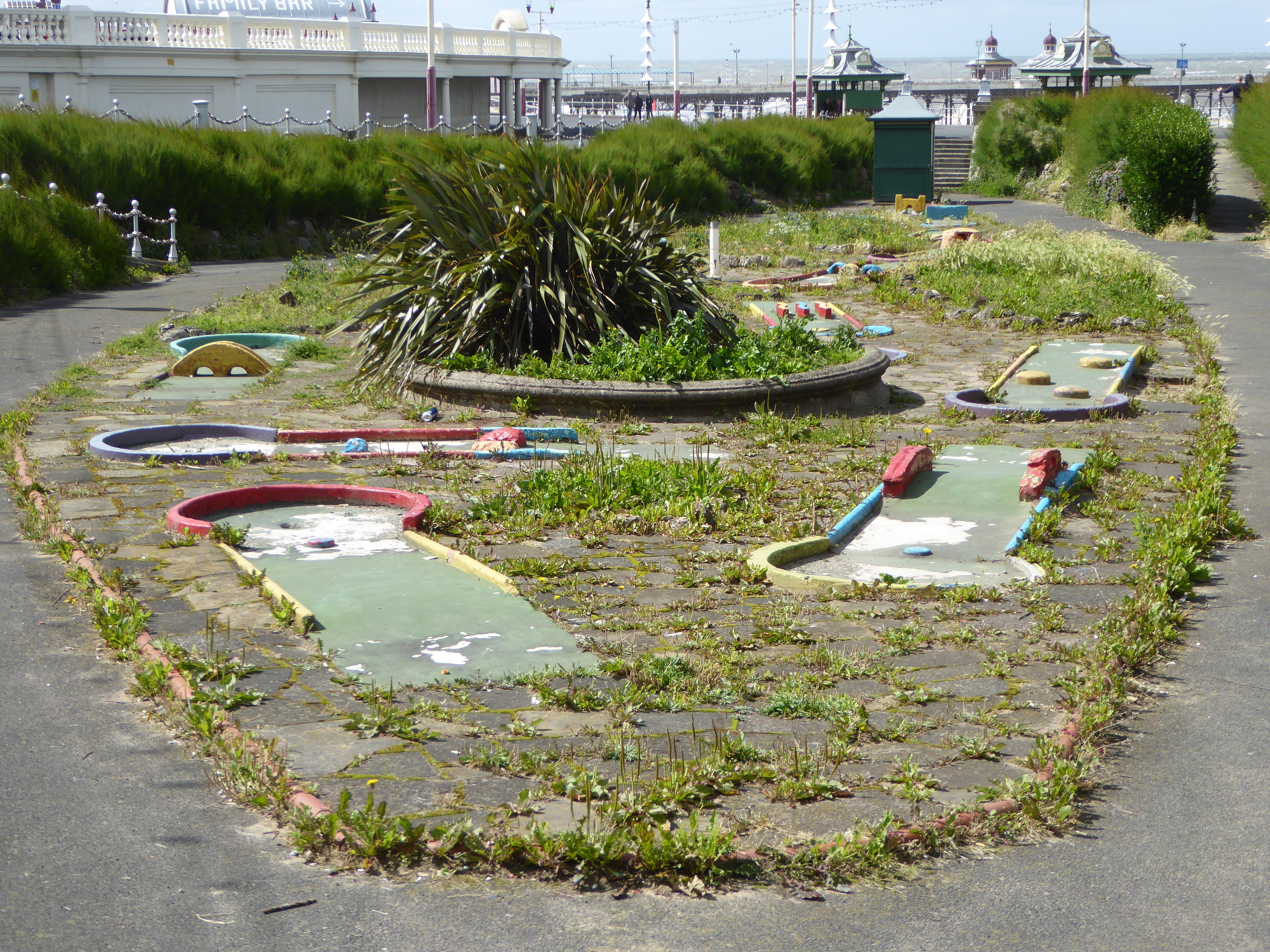
The numbers are up – 18 times nothing is nothing – each year as I revisit, the primarily primary colour paint wears a little thinner in the thin salt air and the whining westerly wind, of the all too adjacent Irish Sea.
Overgrown and underused awaiting the kids and grown ups that forever fail to show. On one visit the sunken course had become the home of the daytime hard drinkers, they suggested we refurbish and run the course as a going concern. I declined lacking the time, will and capital for such a crazy enterprise.
Antonio Fusciardi emigrated in the 1960s in search of a better life. He opened a number of businesses in Ireland. In 1965 he met Anna Morelli at an Italian wedding and romance blossomed. The couple married and set up home in Marine Parade, Eastbourne. They worked very hard in establishing the business and attributed their success to ambition, dedication and the family.
1-3 Sandside, Scarborough, North Yorkshire, YO11 1PE.
Do you remember the first time?
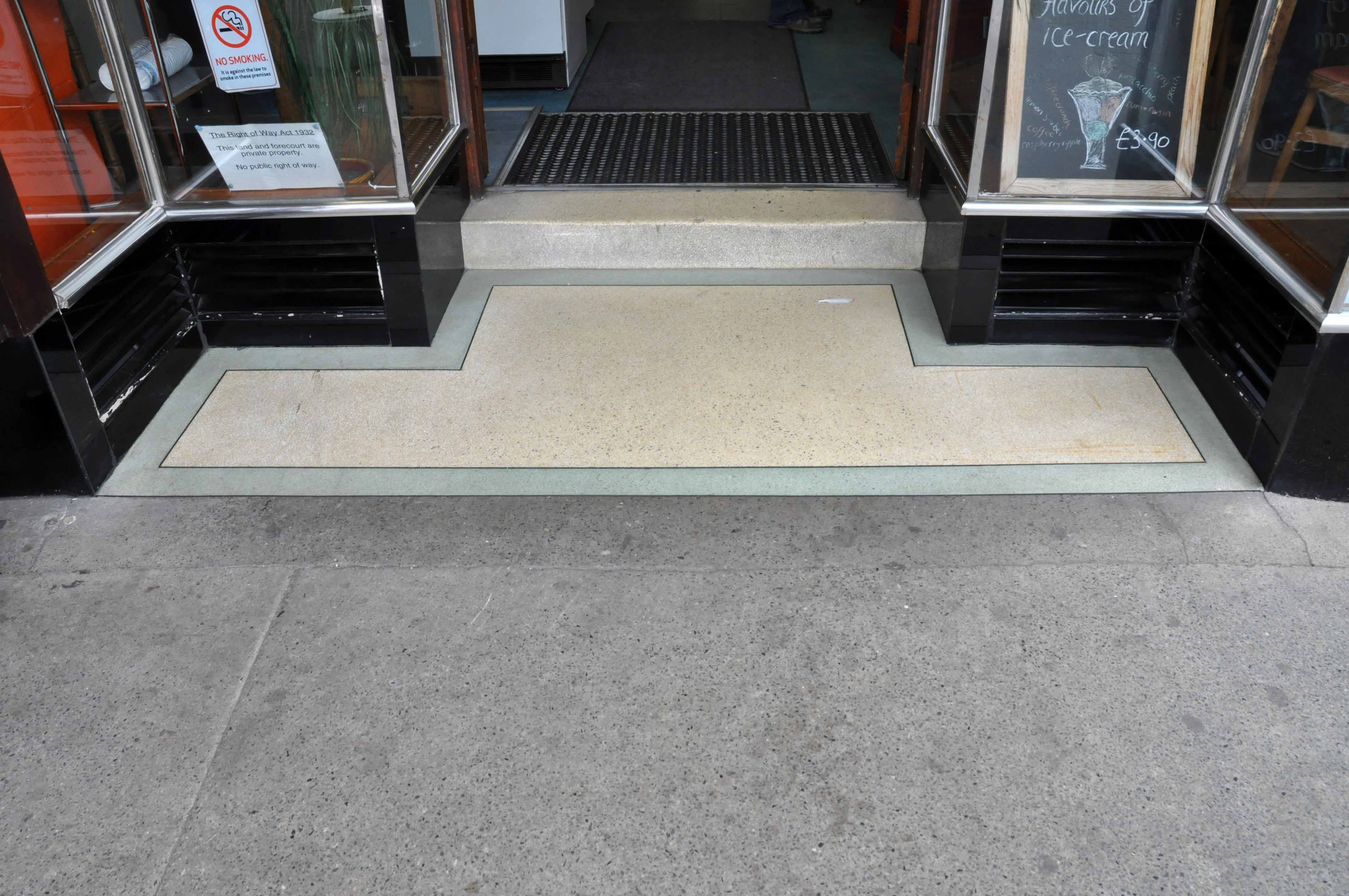
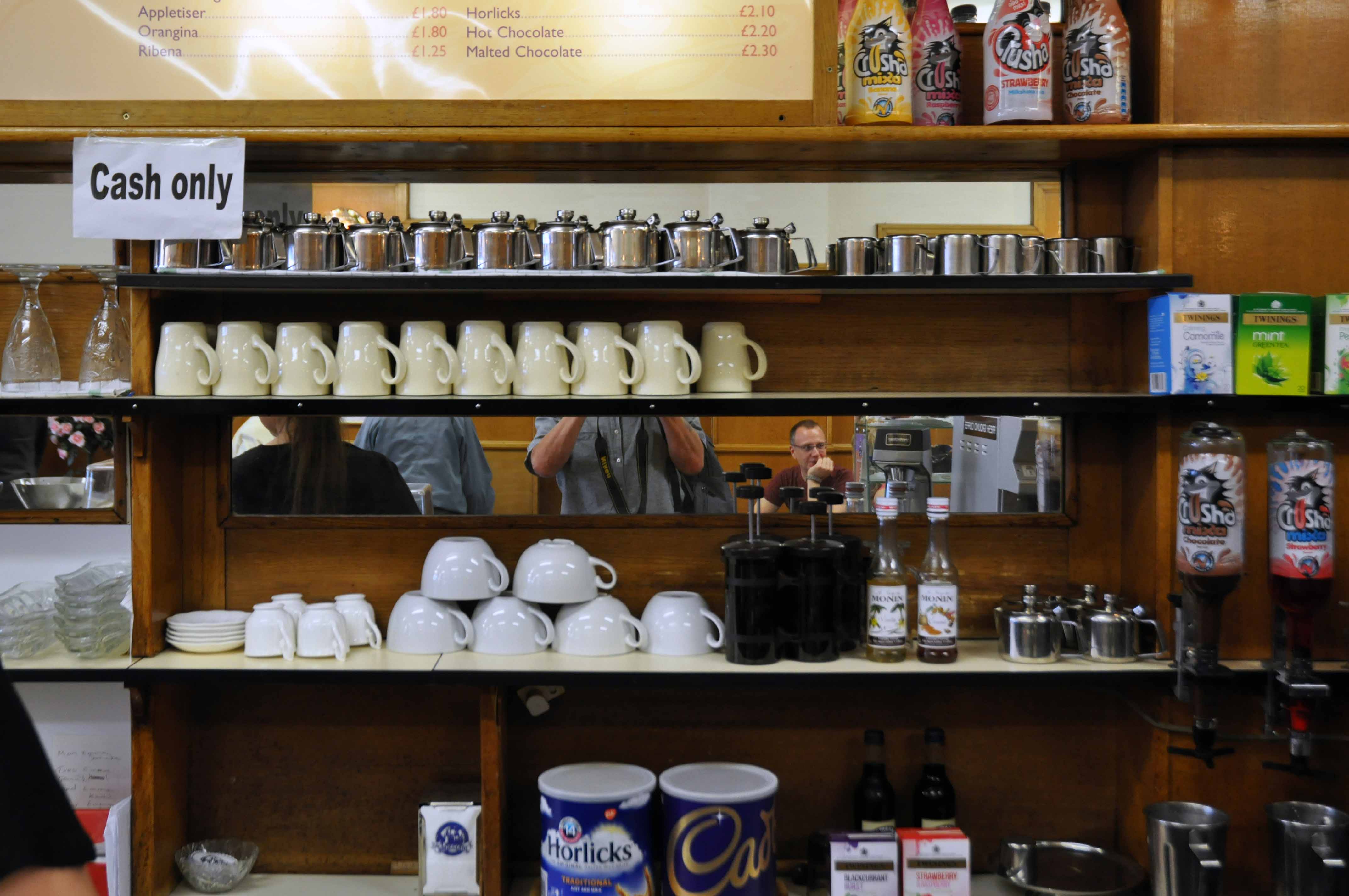
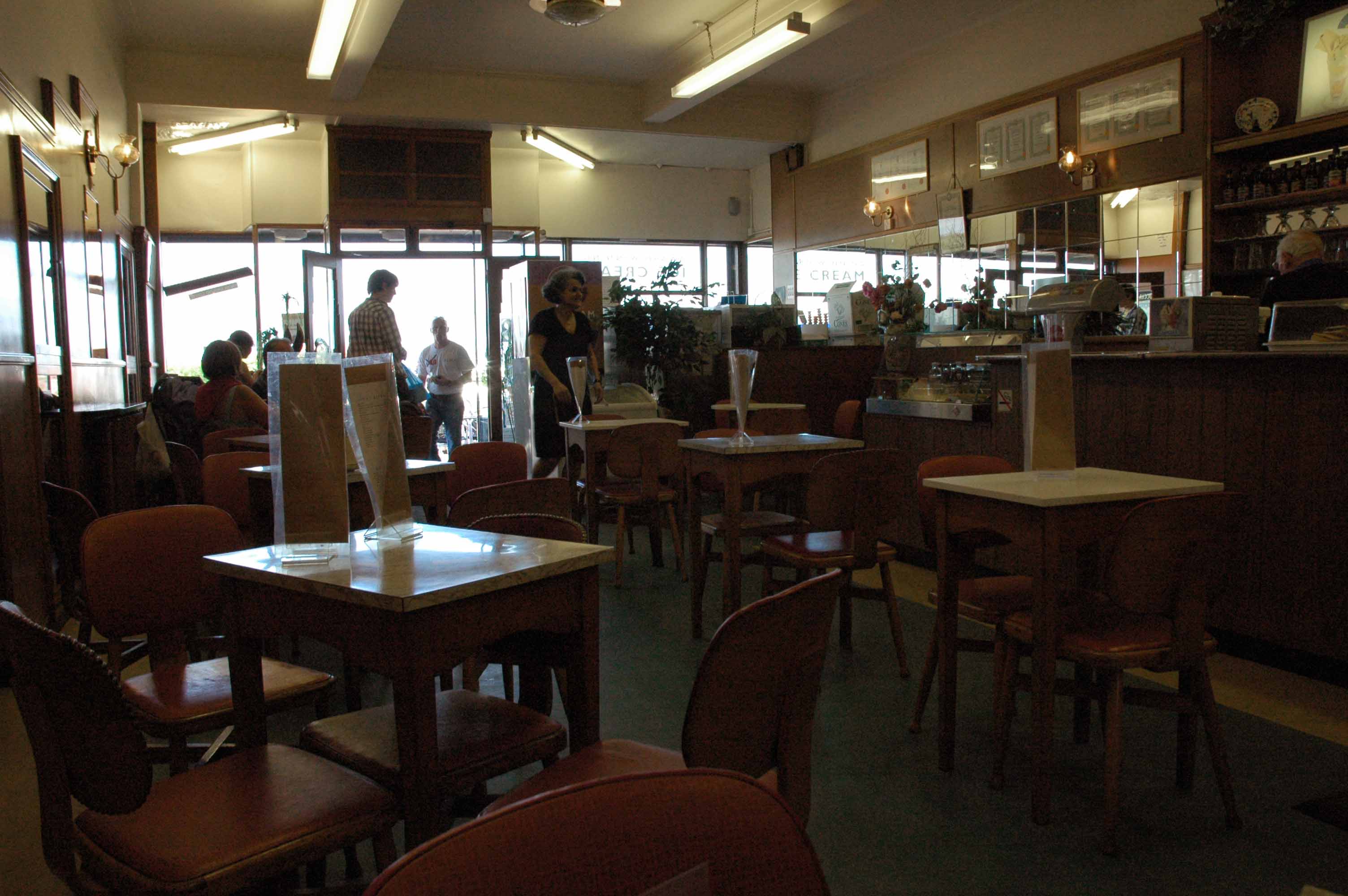
Sometime around 2011, I fell in love with the Harbour Bar Scarborough.
A family business serving home made ice cream since 1945.
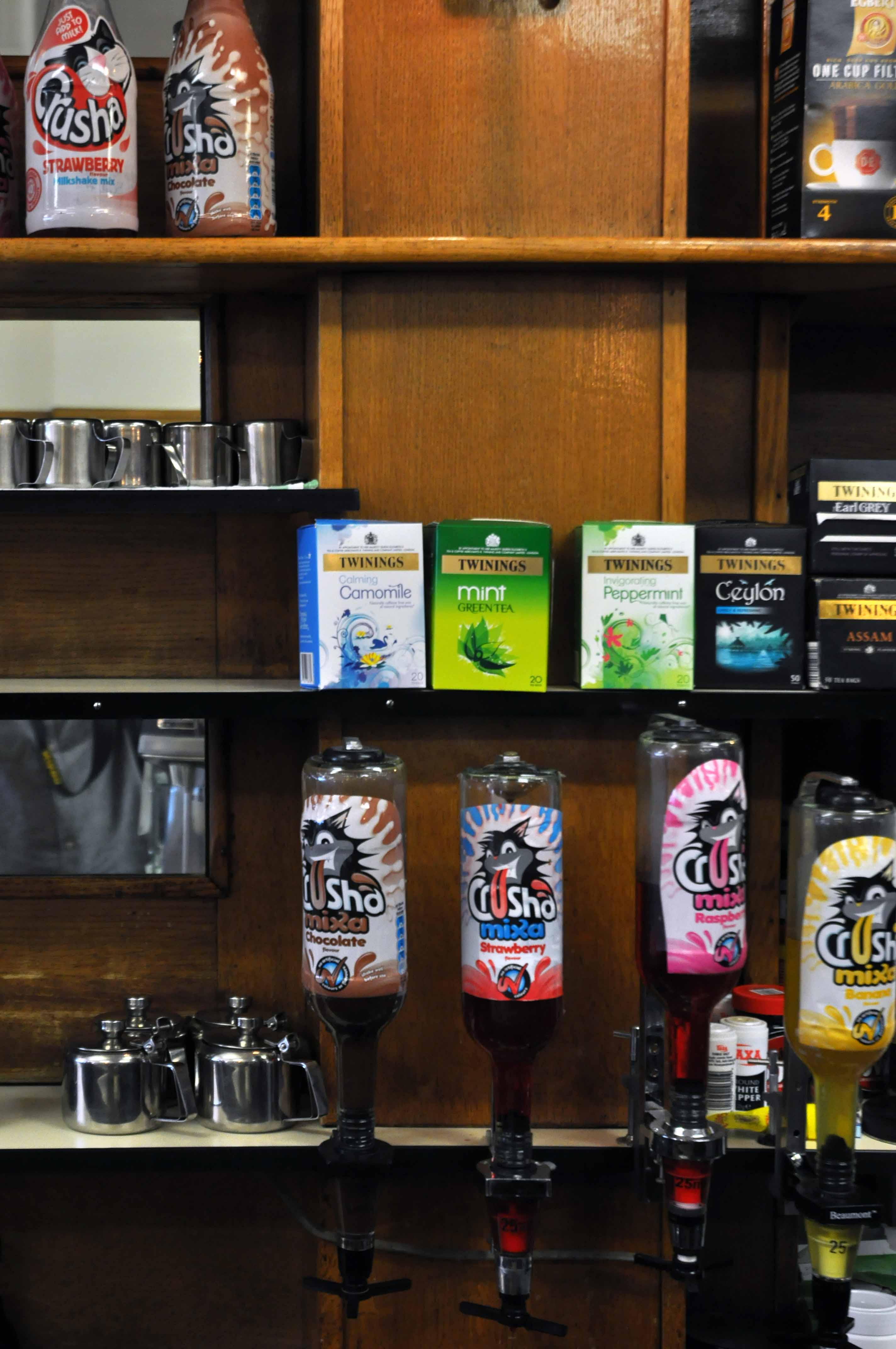
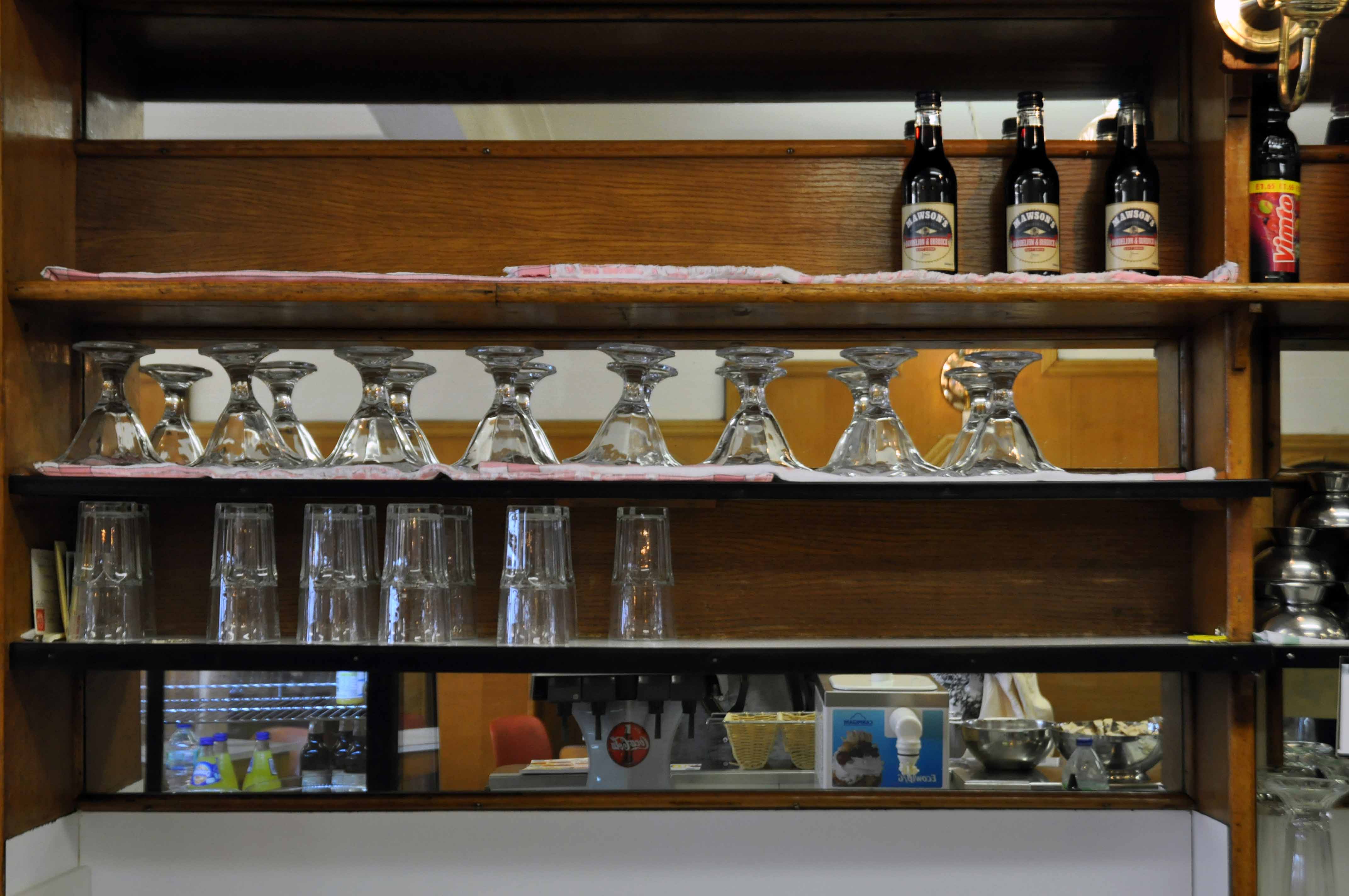
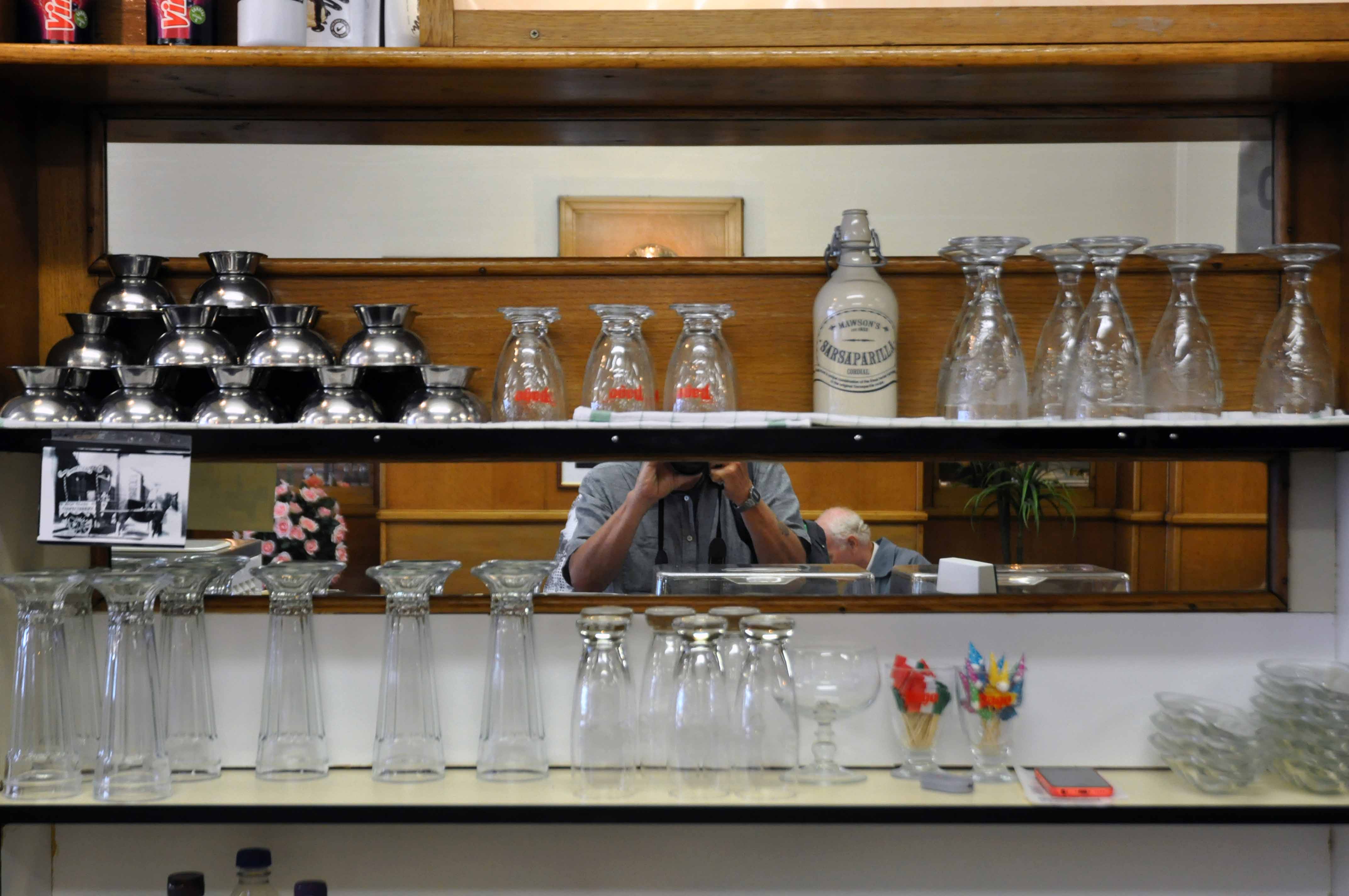
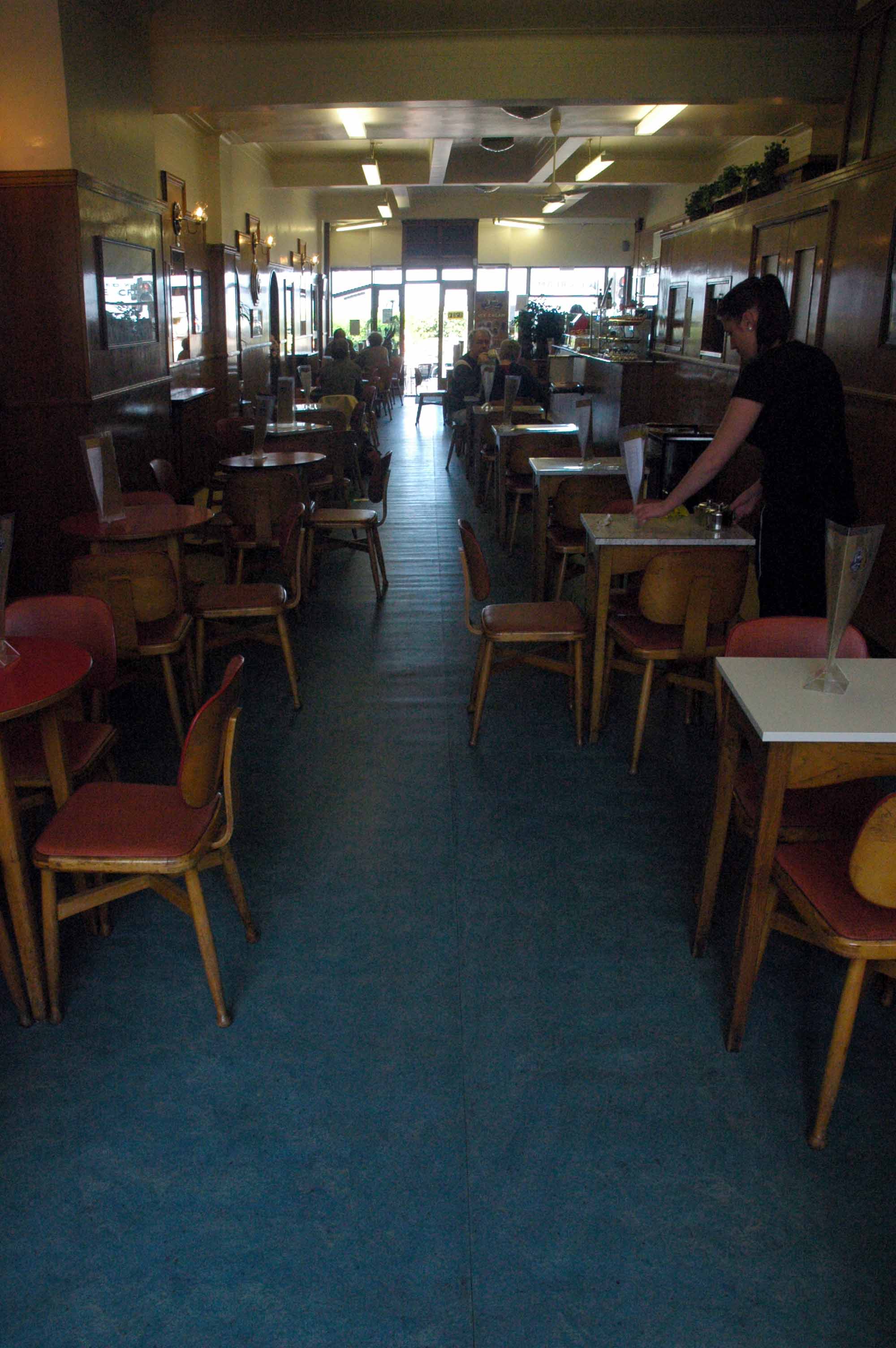
It’s a magical world of mirrors, melamine, signs and ice creams.
Since then I’ve been back for a banana split and take the opportunity to take a few more snaps, I never leave anything less than overwhelmingly happy and full.
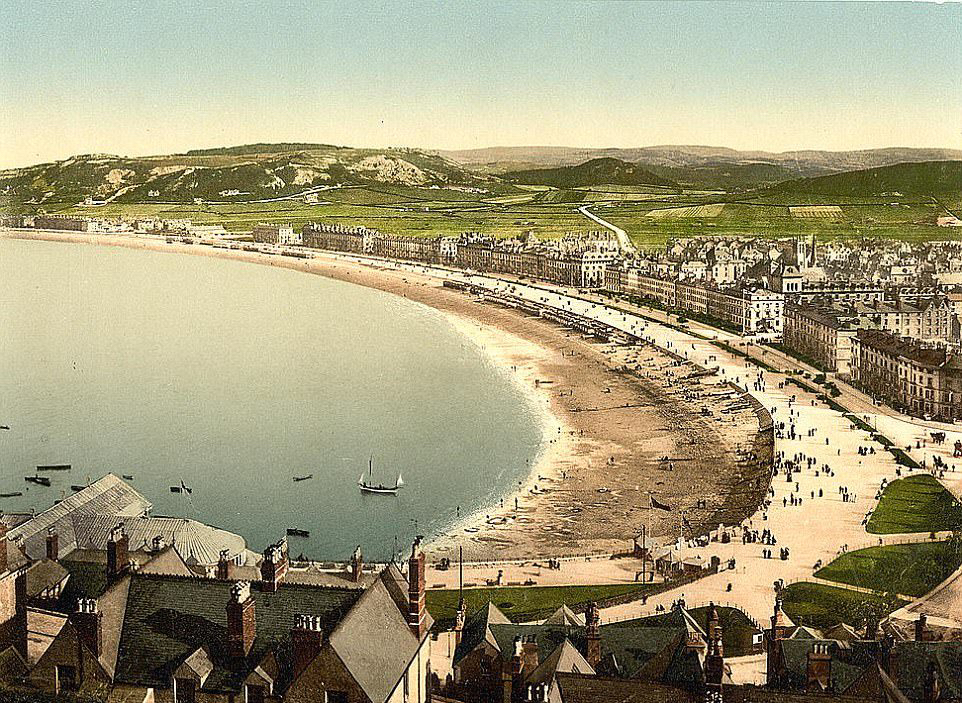
The town of Llandudno developed from Stone Age, Bronze Age and Iron Age settlements over many hundreds of years on the slopes of the limestone headland, known to seafarers as the Great Orme and to landsmen as the Creuddyn Peninsula.
Some years later.
In 1848, Owen Williams, an architect and surveyor from Liverpool, presented landowner Lord Mostyn with plans to develop the marshlands behind Llandudno Bay as a holiday resort. These were enthusiastically pursued by Lord Mostyn. The influence of the Mostyn Estate and its agents over the years was paramount in the development of Llandudno, especially after the appointment of George Felton as surveyor and architect in 1857.
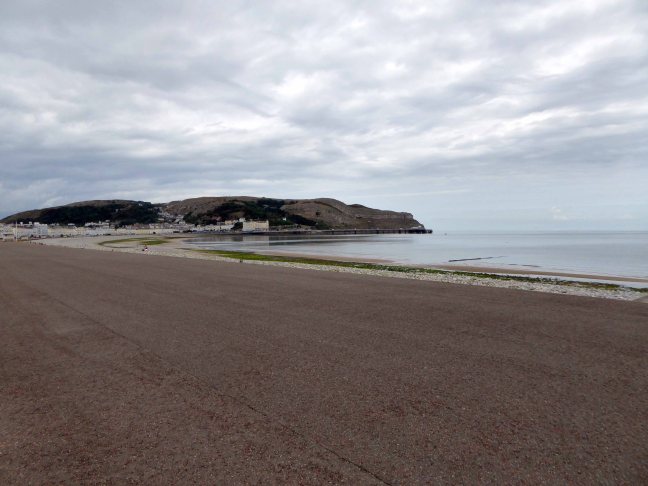
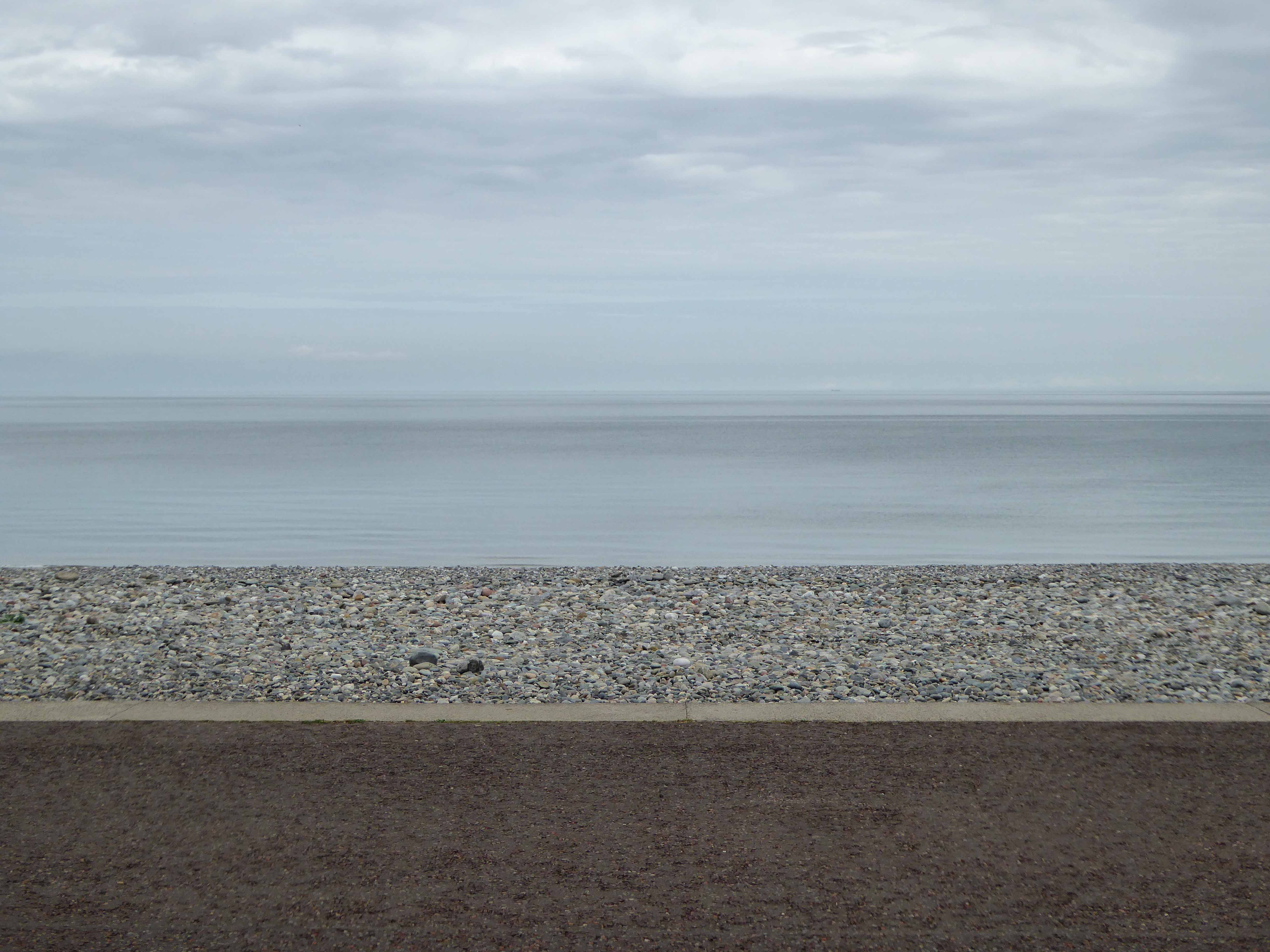
The edge of the bay is marked by concrete steps and a broad promenade, edging a pebbled beach which arcs from Orme to Orme.
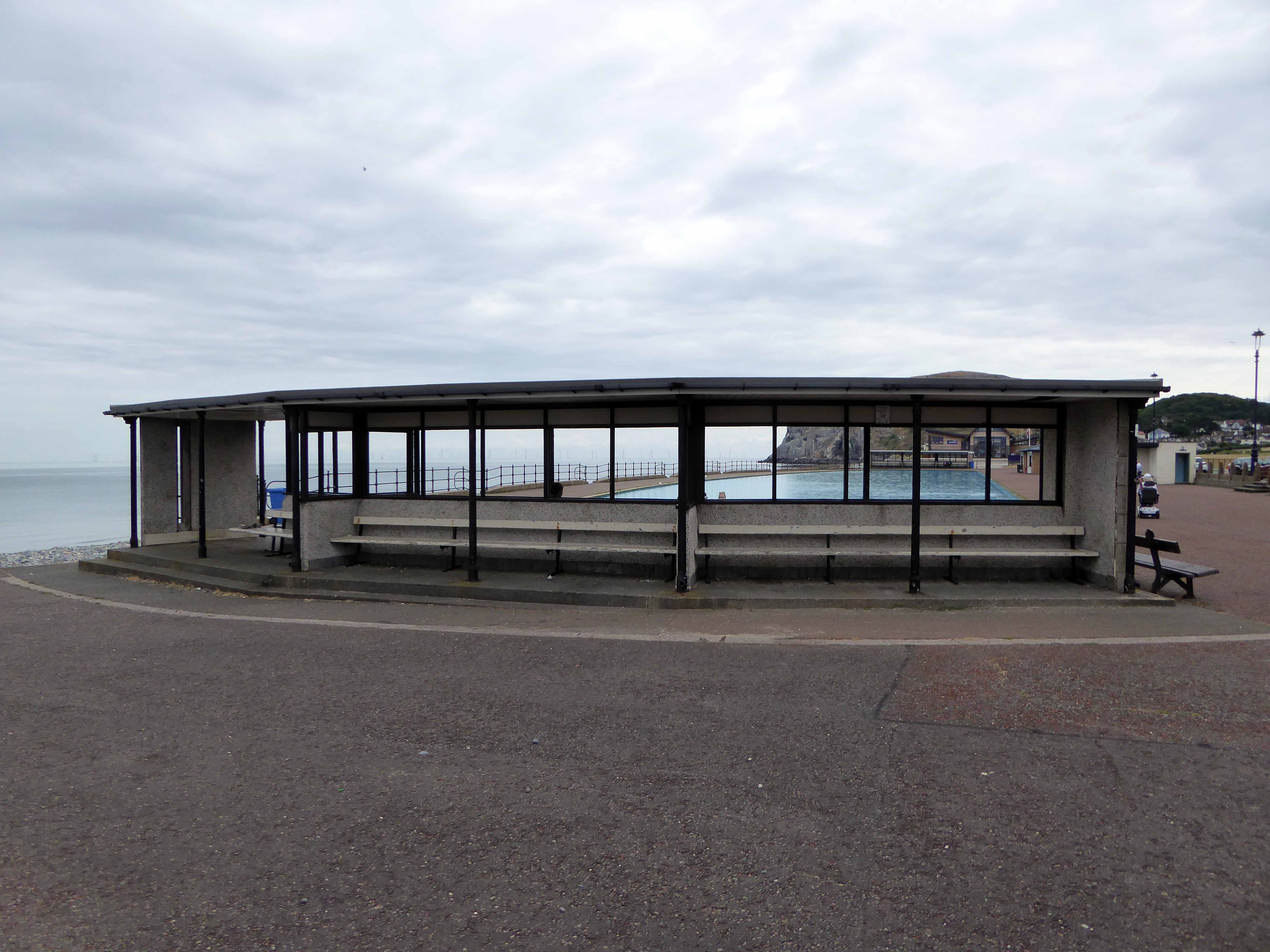
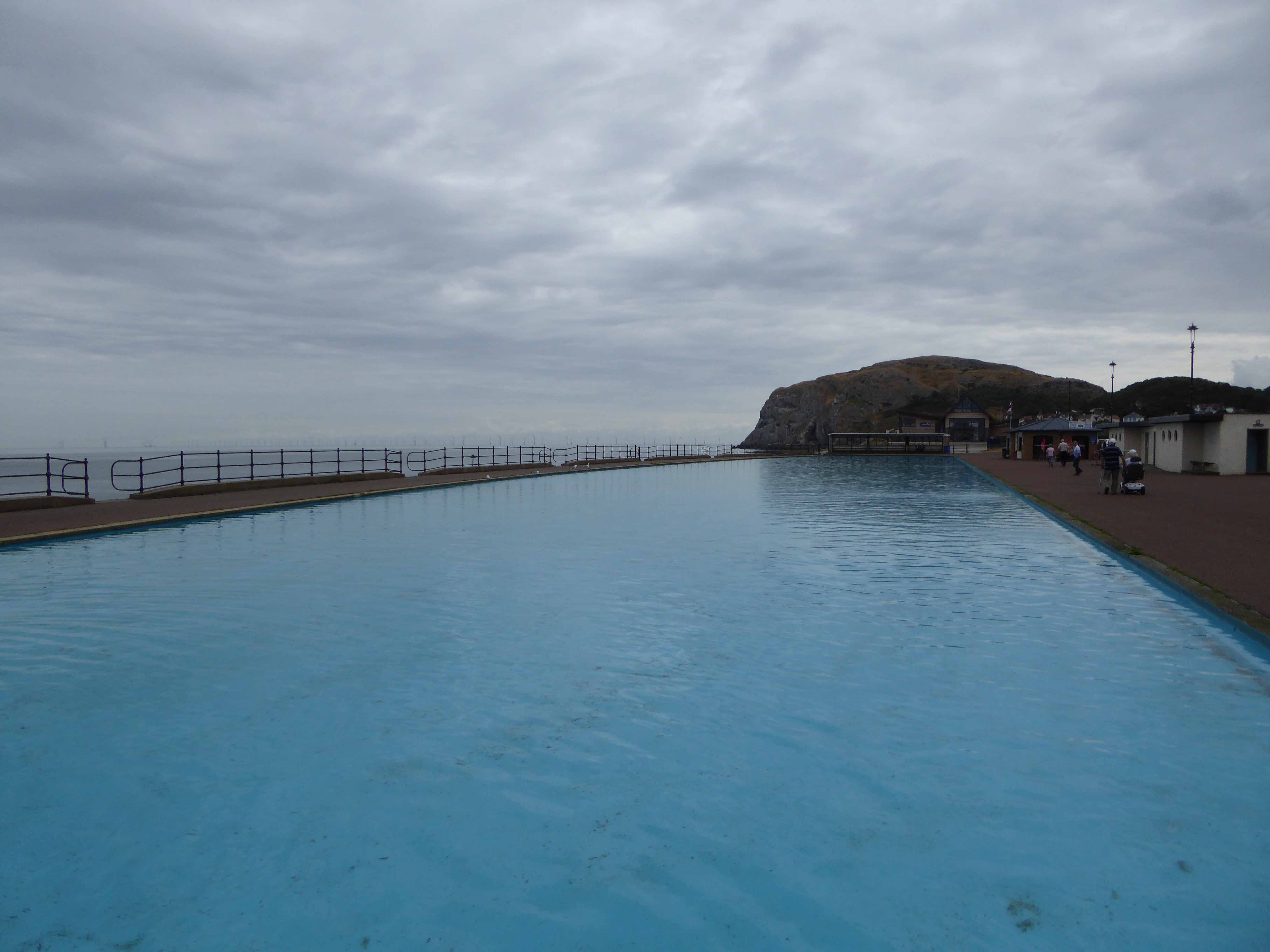
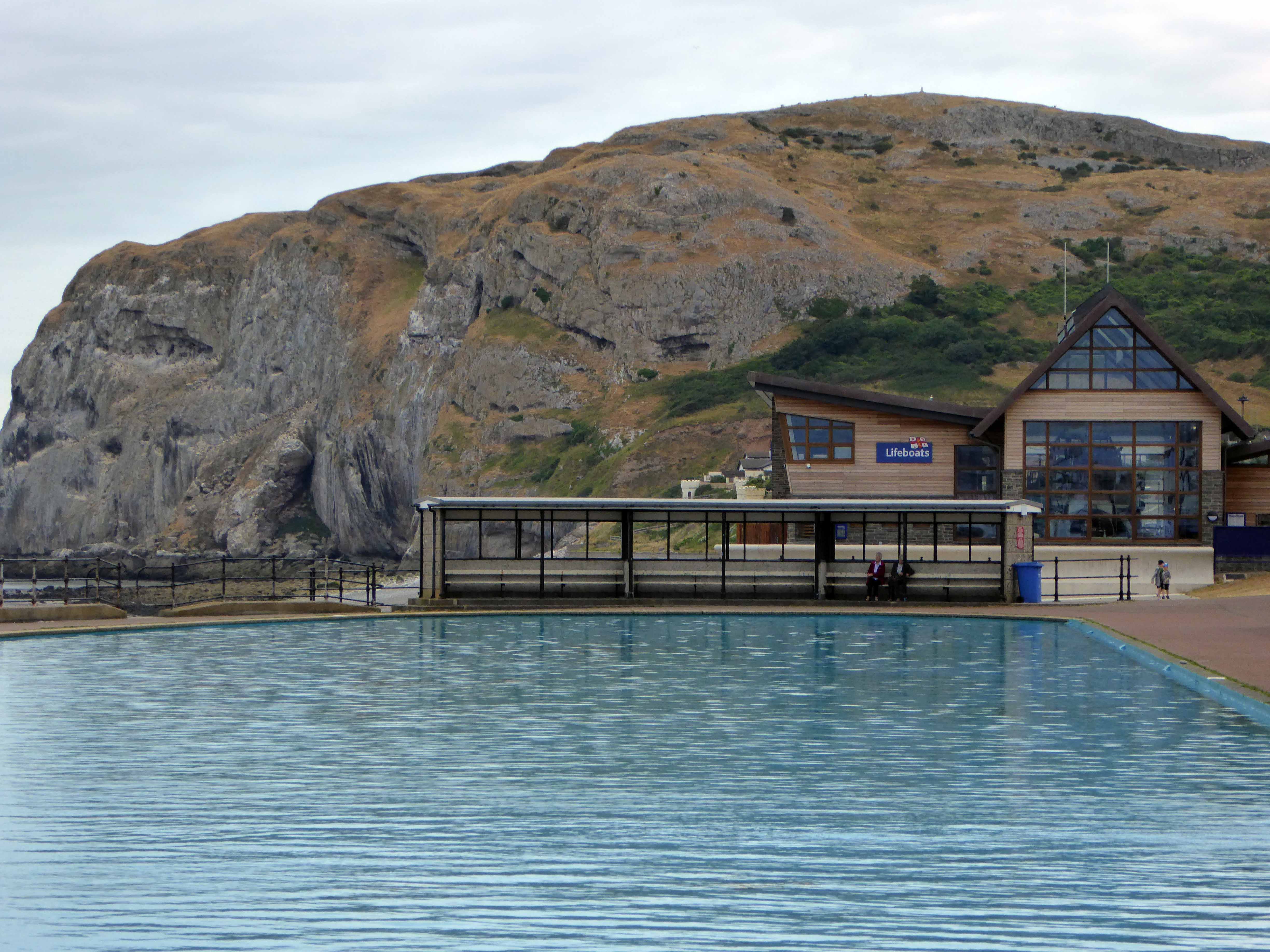
Walk with me now and mark the remarkable shelters, paddling pools and bandstand screens, along with the smattering of people that people the promenade.
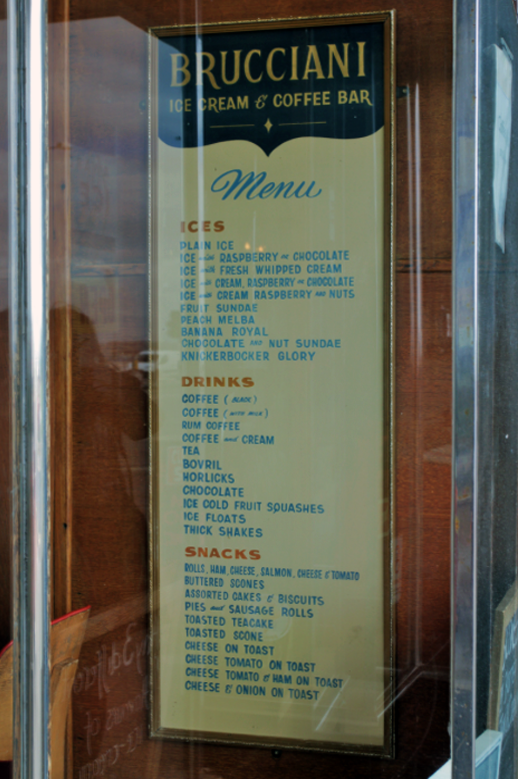
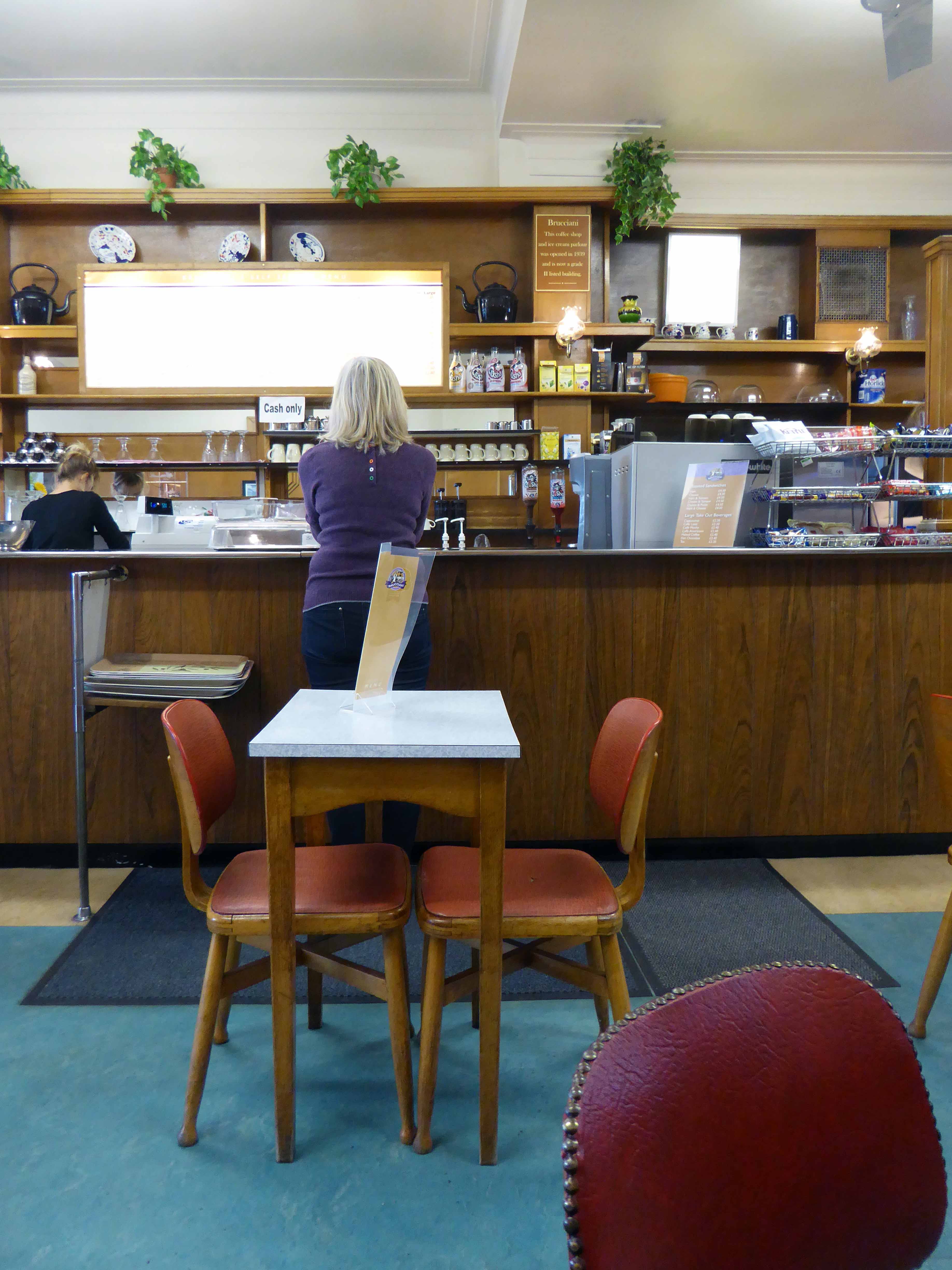
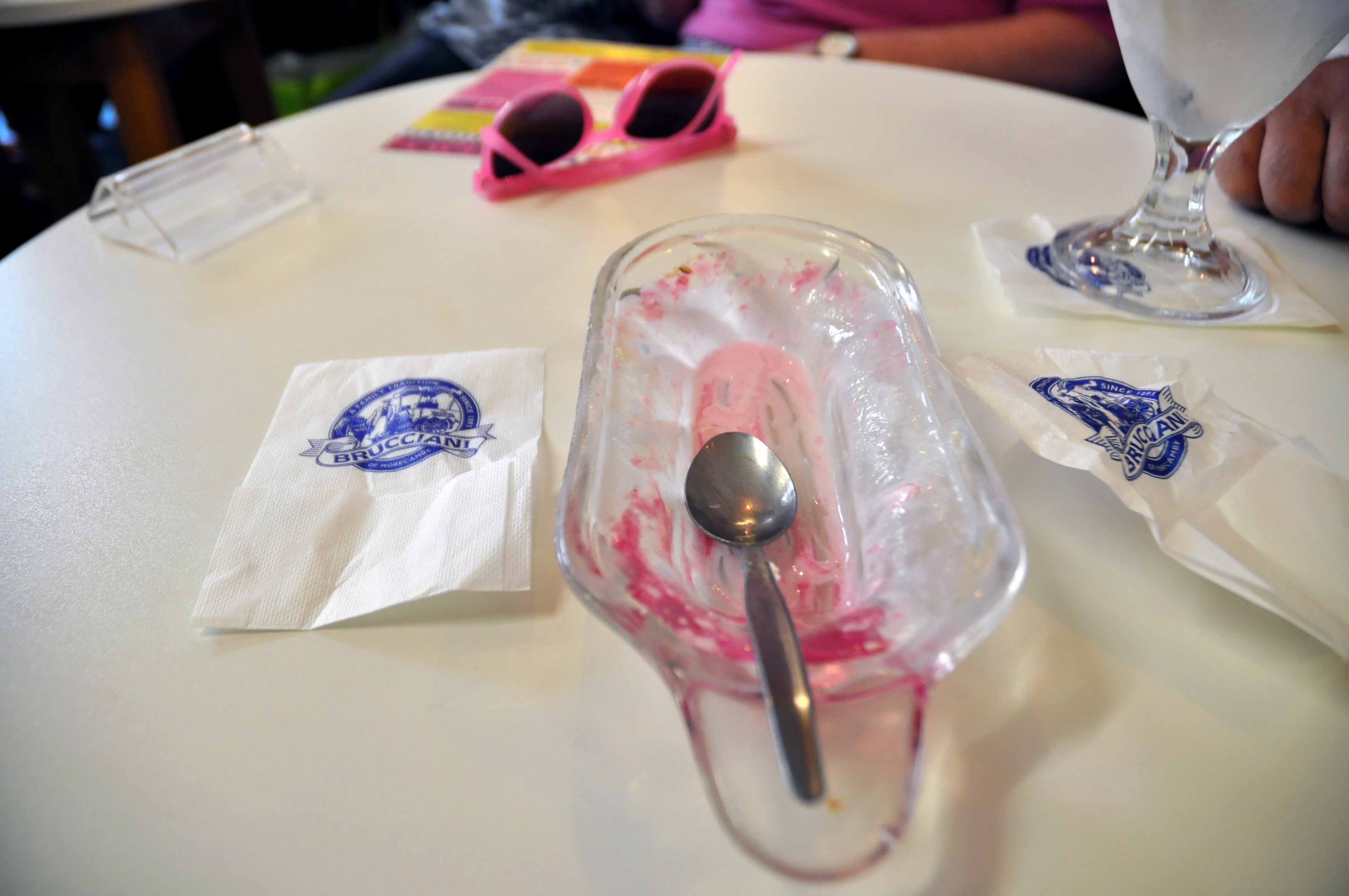
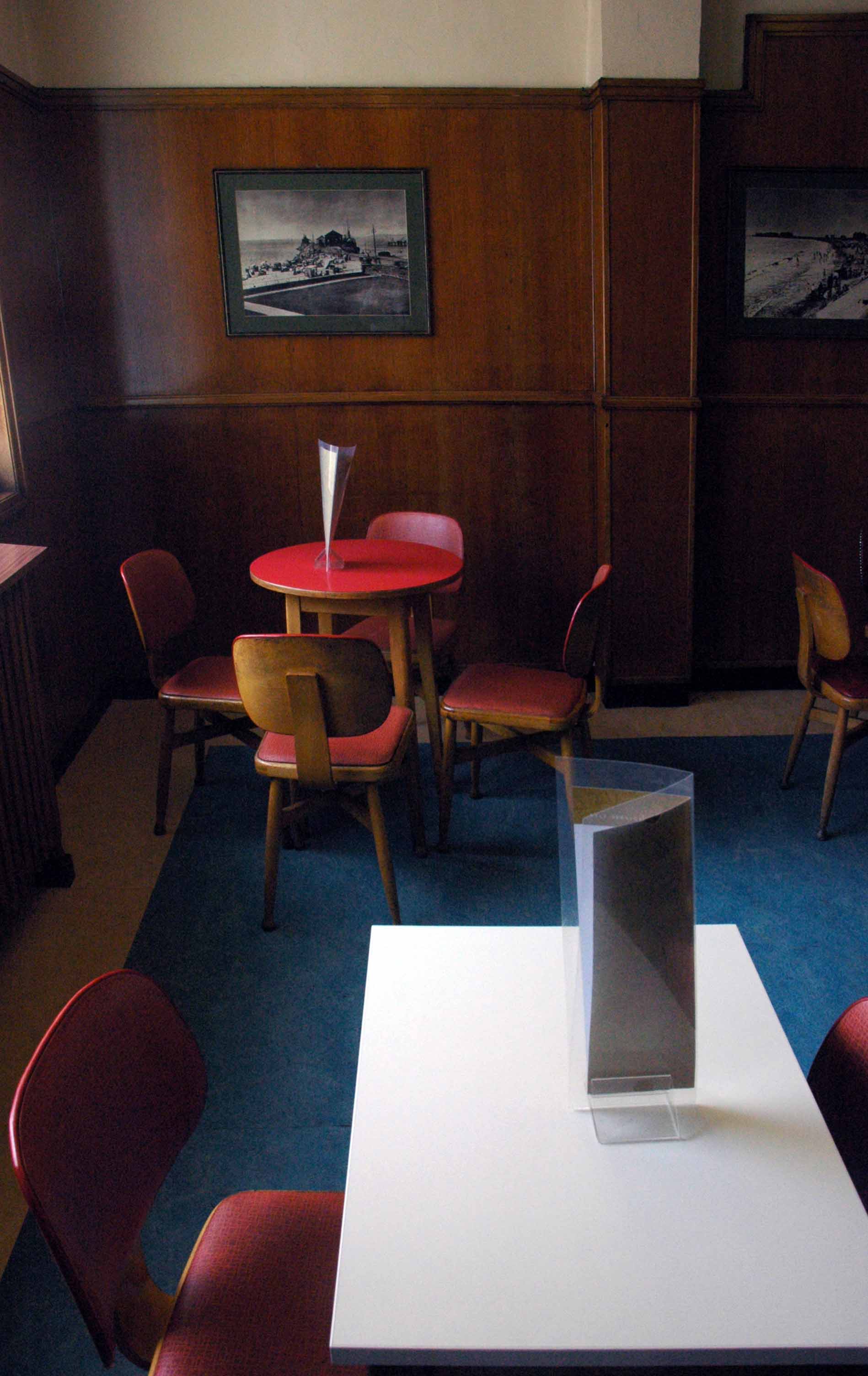
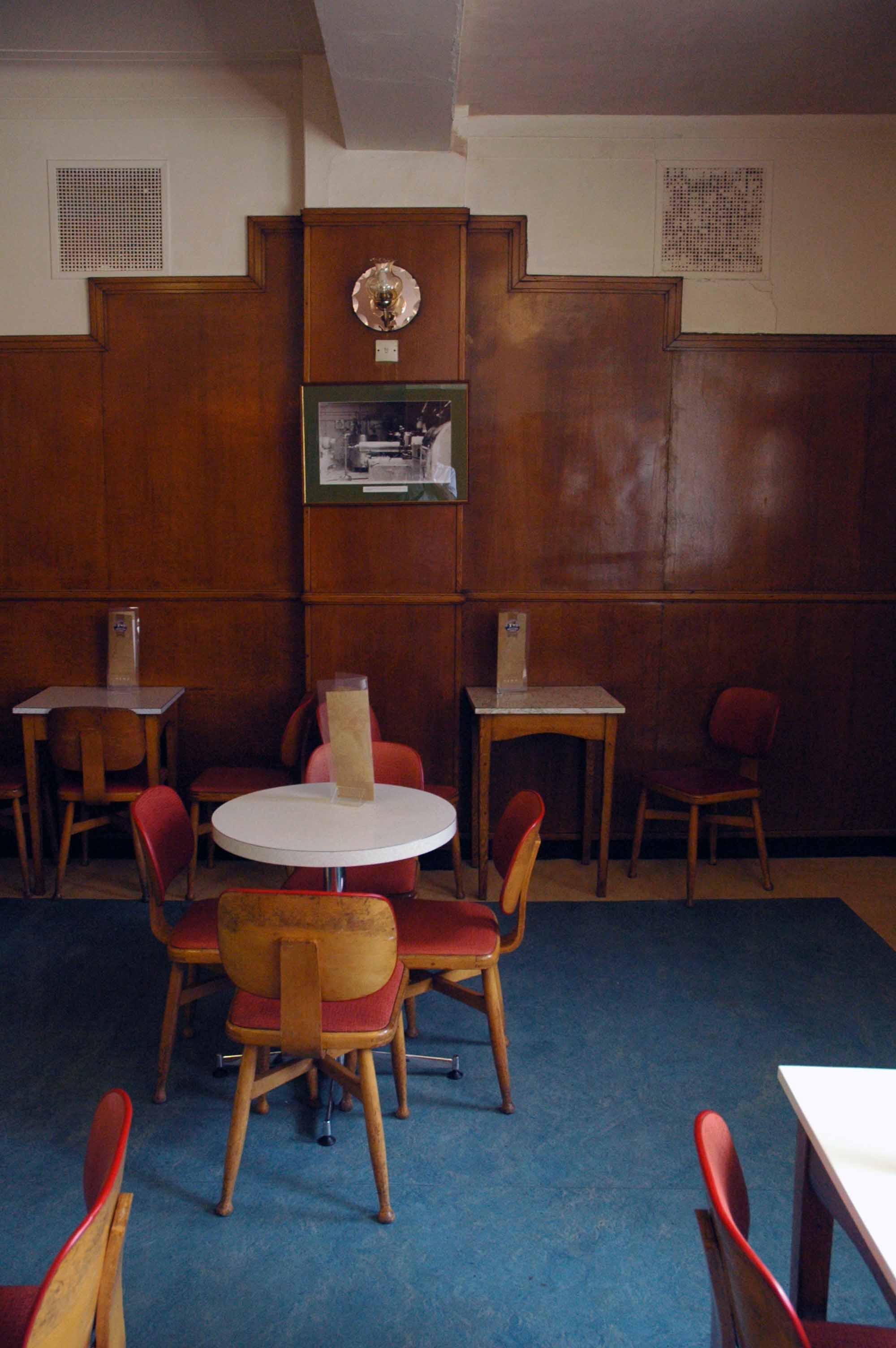
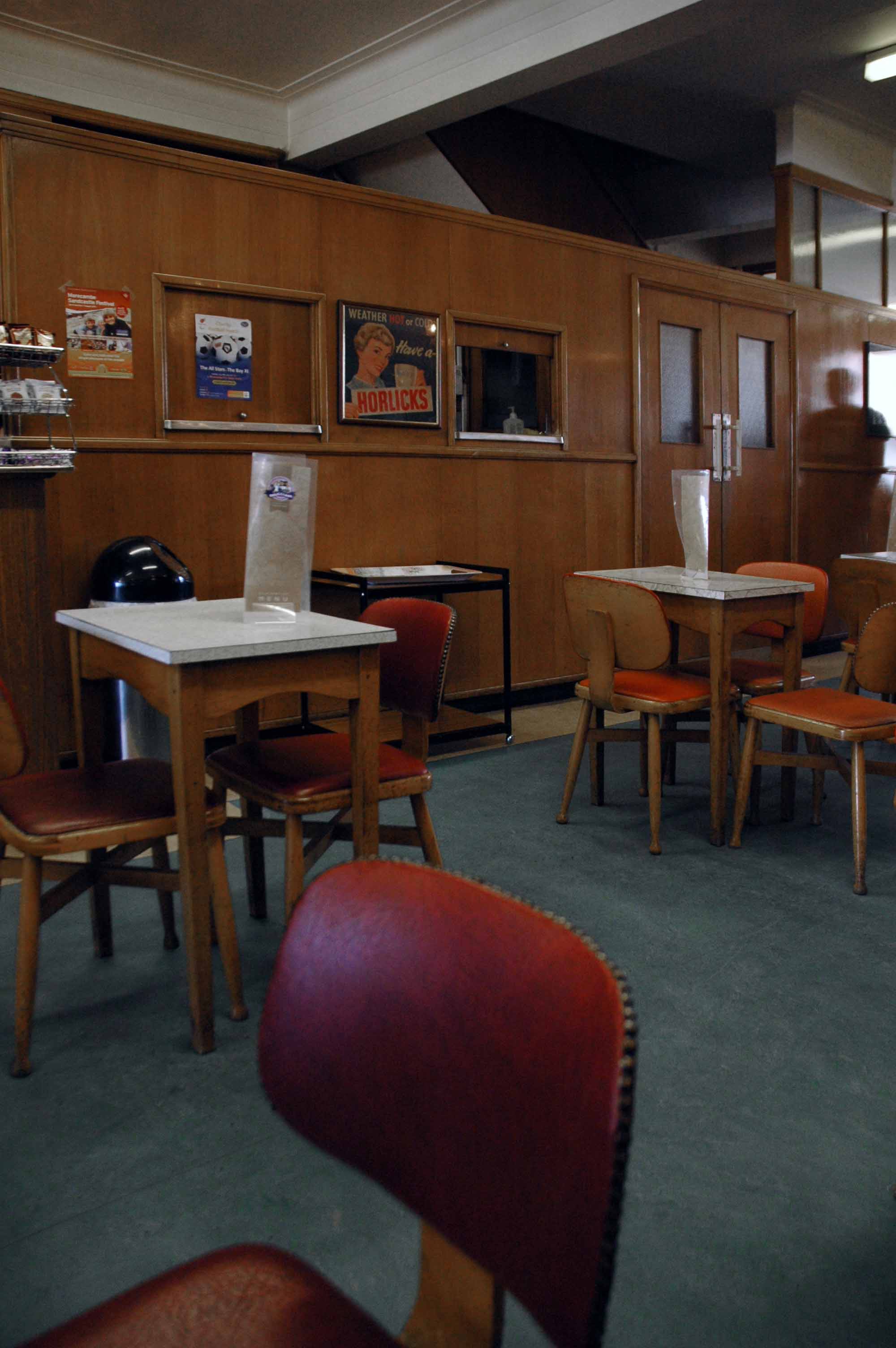
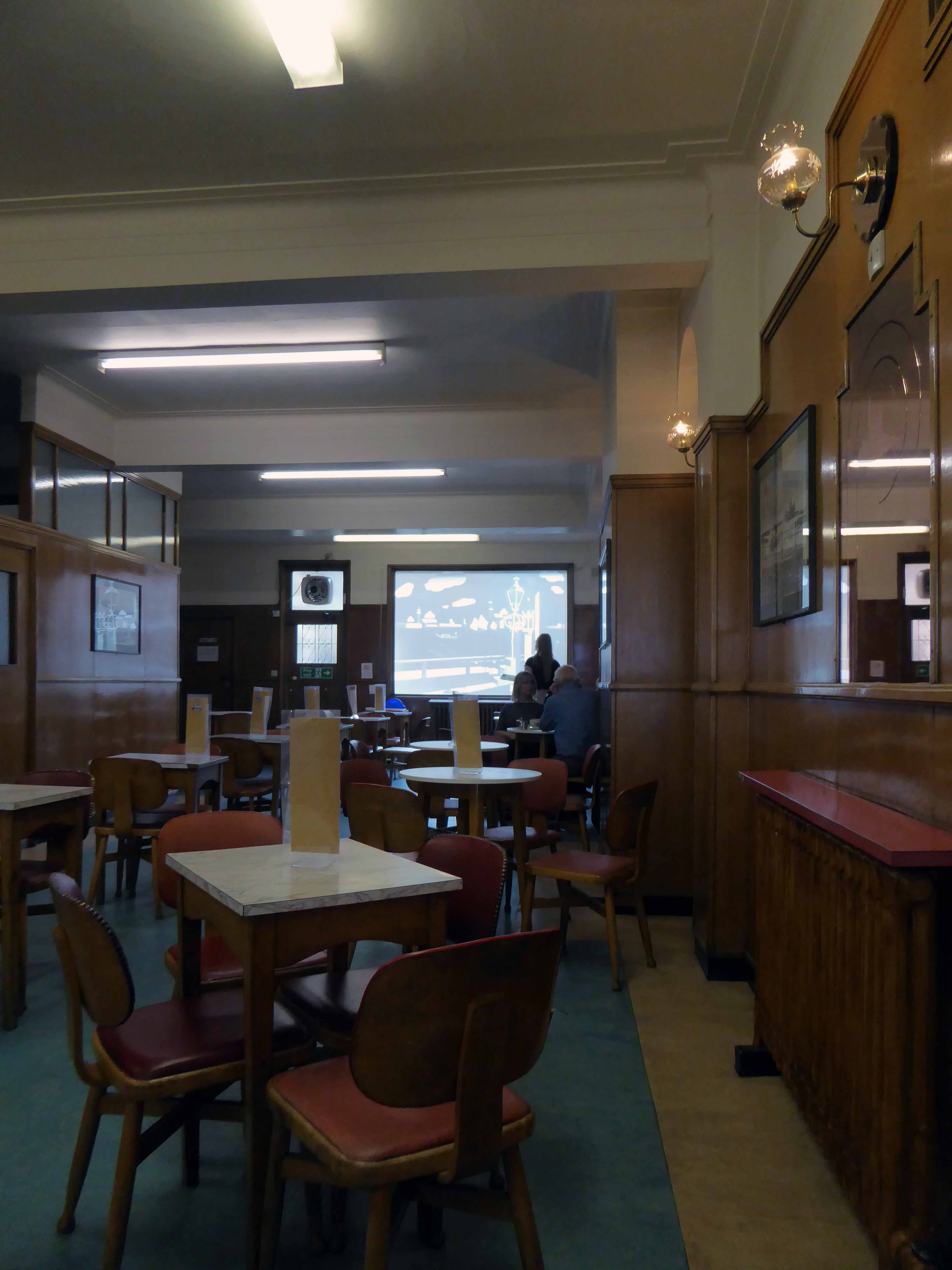
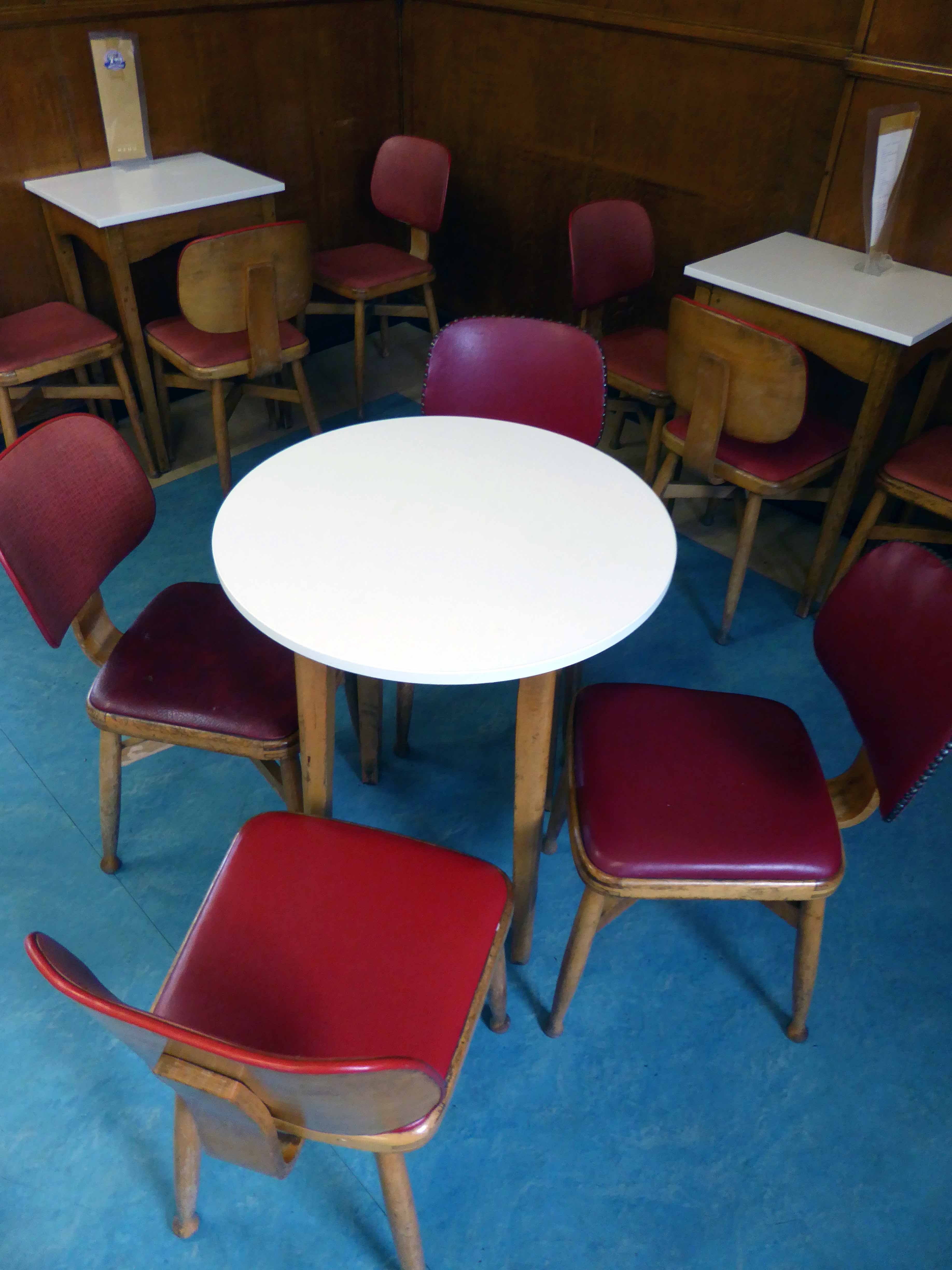
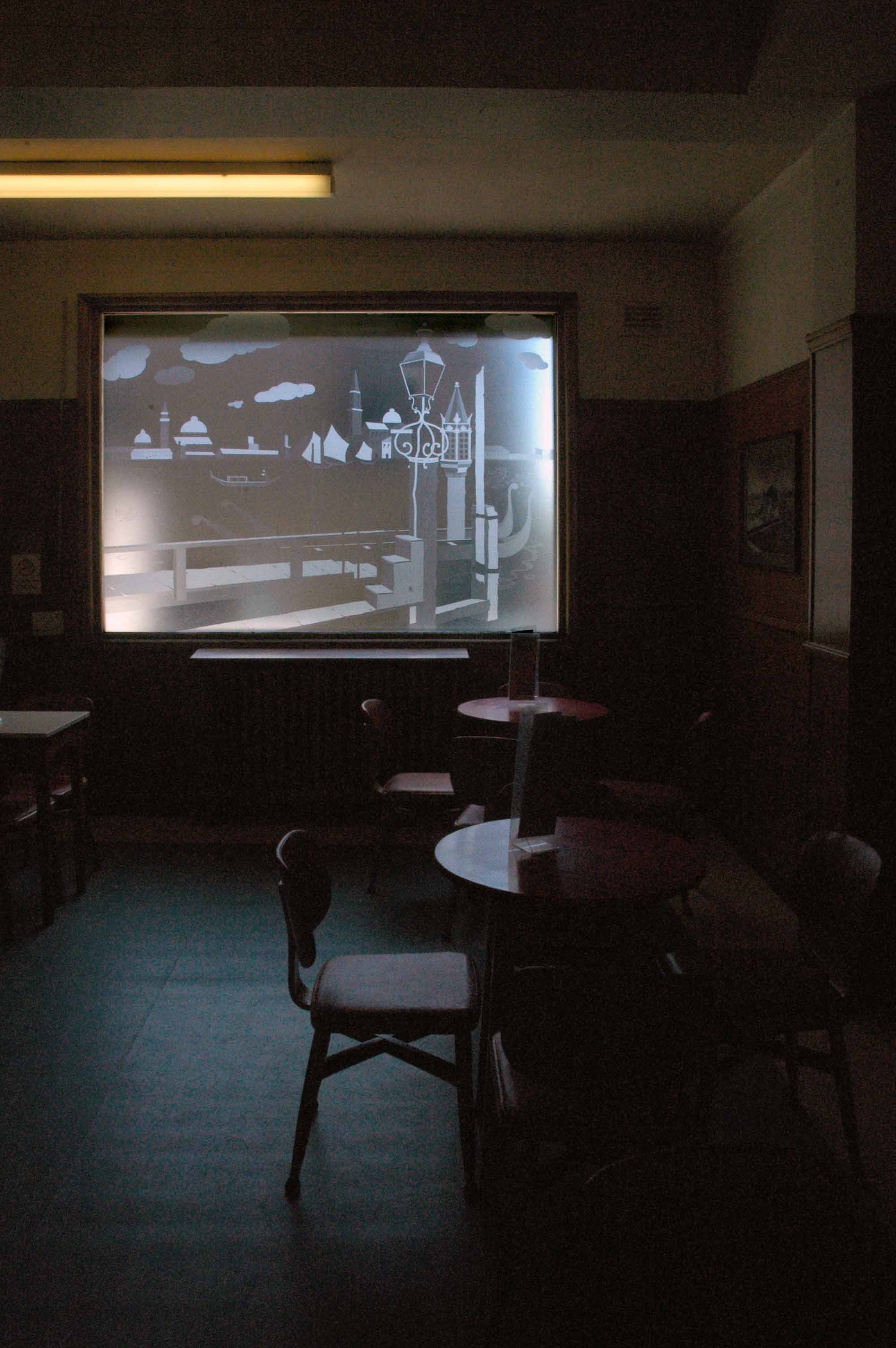
Built on the eve of war in 1939, the local paper feared that Brucciani’s might not be good for the sedate Victorian image of Morecambe and that its presence could be positively harmful to young people. Originally a milk bar, Brucciani’s typifies the simple, geometric ‘high street deco’ styling popular at the time. The brown wood and chrome exterior has black lacquer base panels to the street, porthole lamps above the doors, ziggurat pattern doors, classic deco handles and original menus. The interior preserves extensive wall panelling, a slightly reworked counter, red Formica tables, red upholstered chairs, wall-to-wall etched glass of Venetian canal scenes, mirrors, deco clocks and even the original penny-in-the-slot cubicles in the cloakrooms.
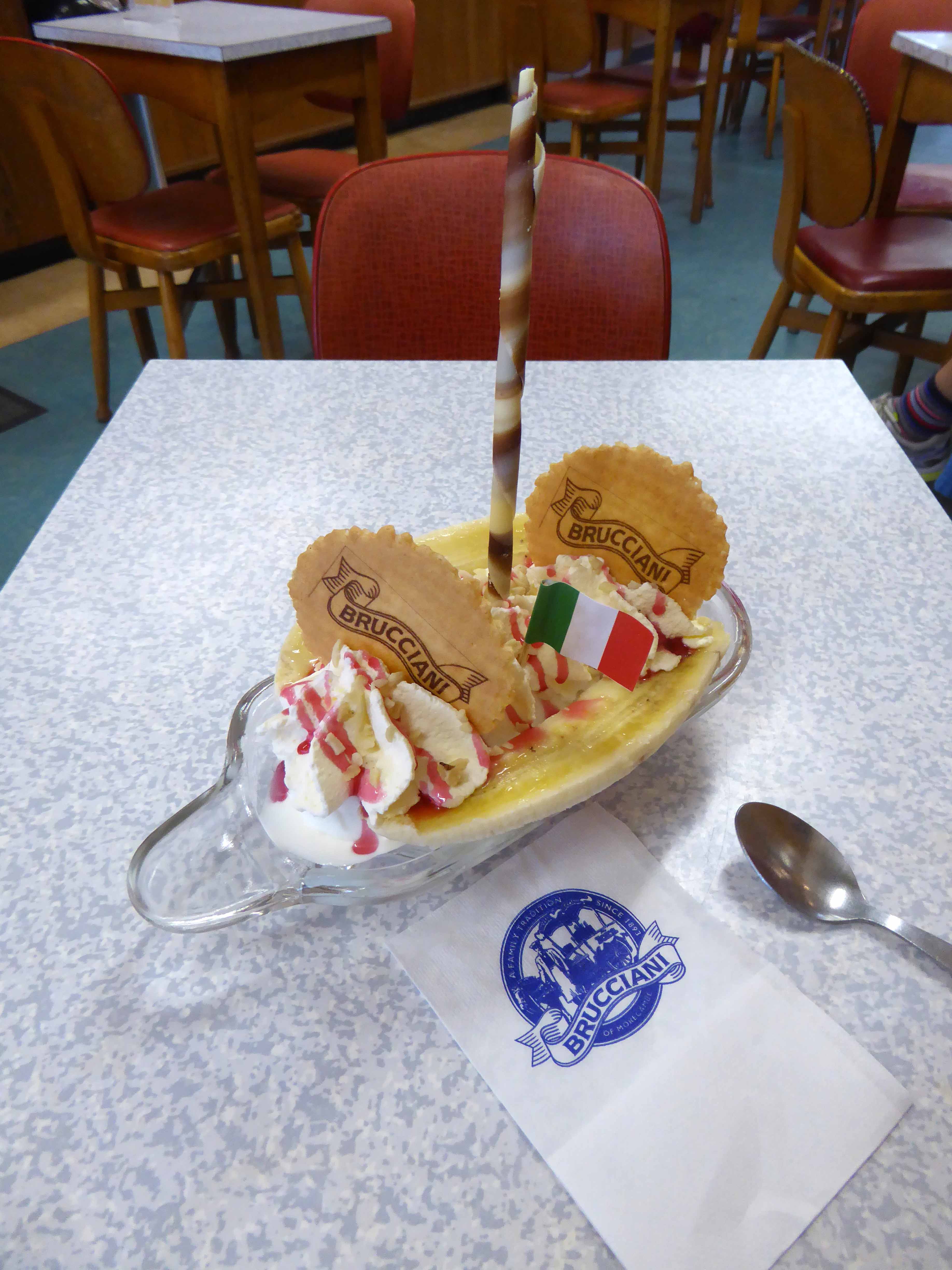
I’ve been coming here for over ten years now, alone or in company, come rain or shine and without fail, as sure as ice is nice, I have a banana spilt – or to be more precise a Banana Royal.
This is a café with a café menu, café furniture, café staff and service.
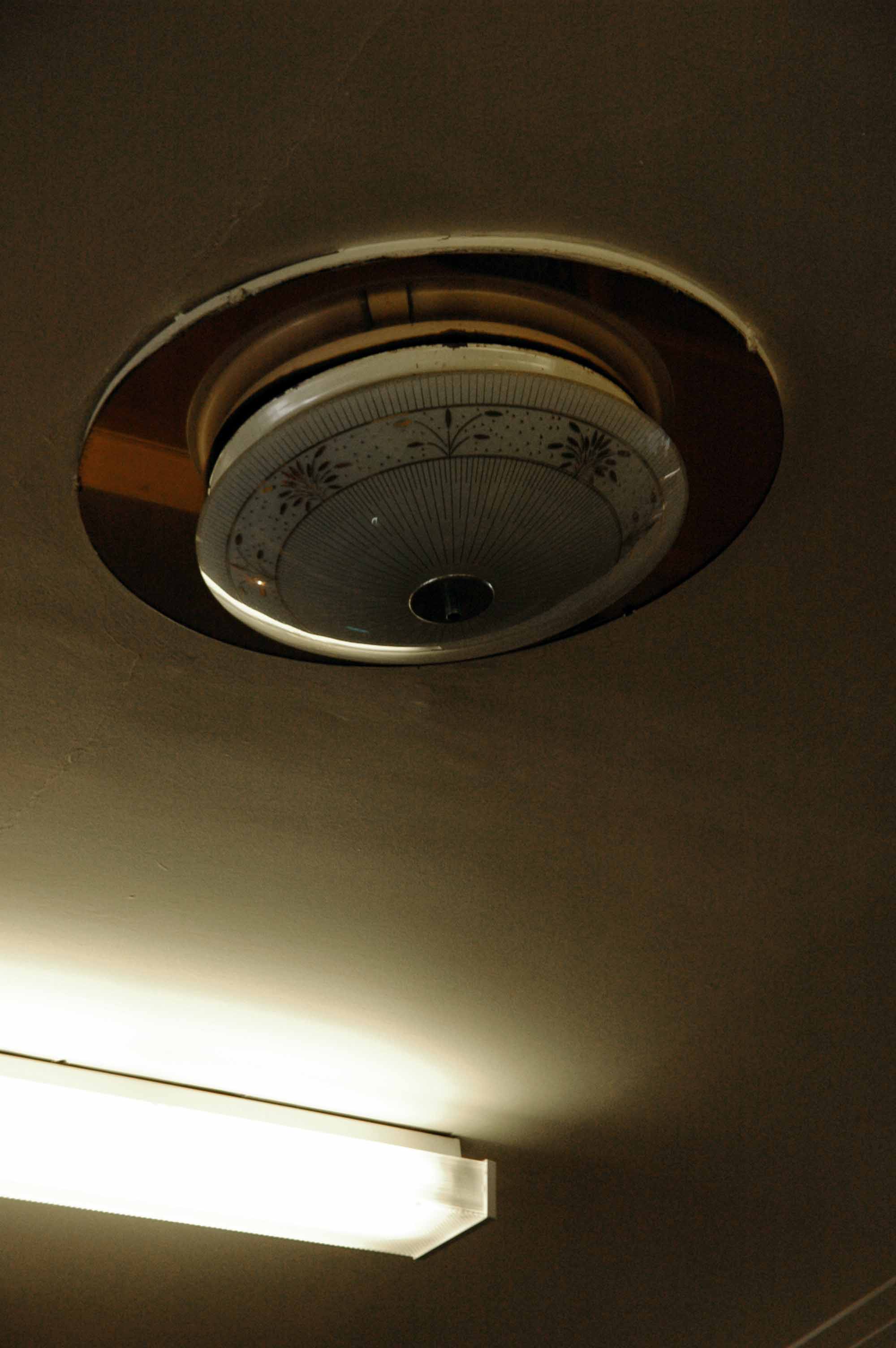
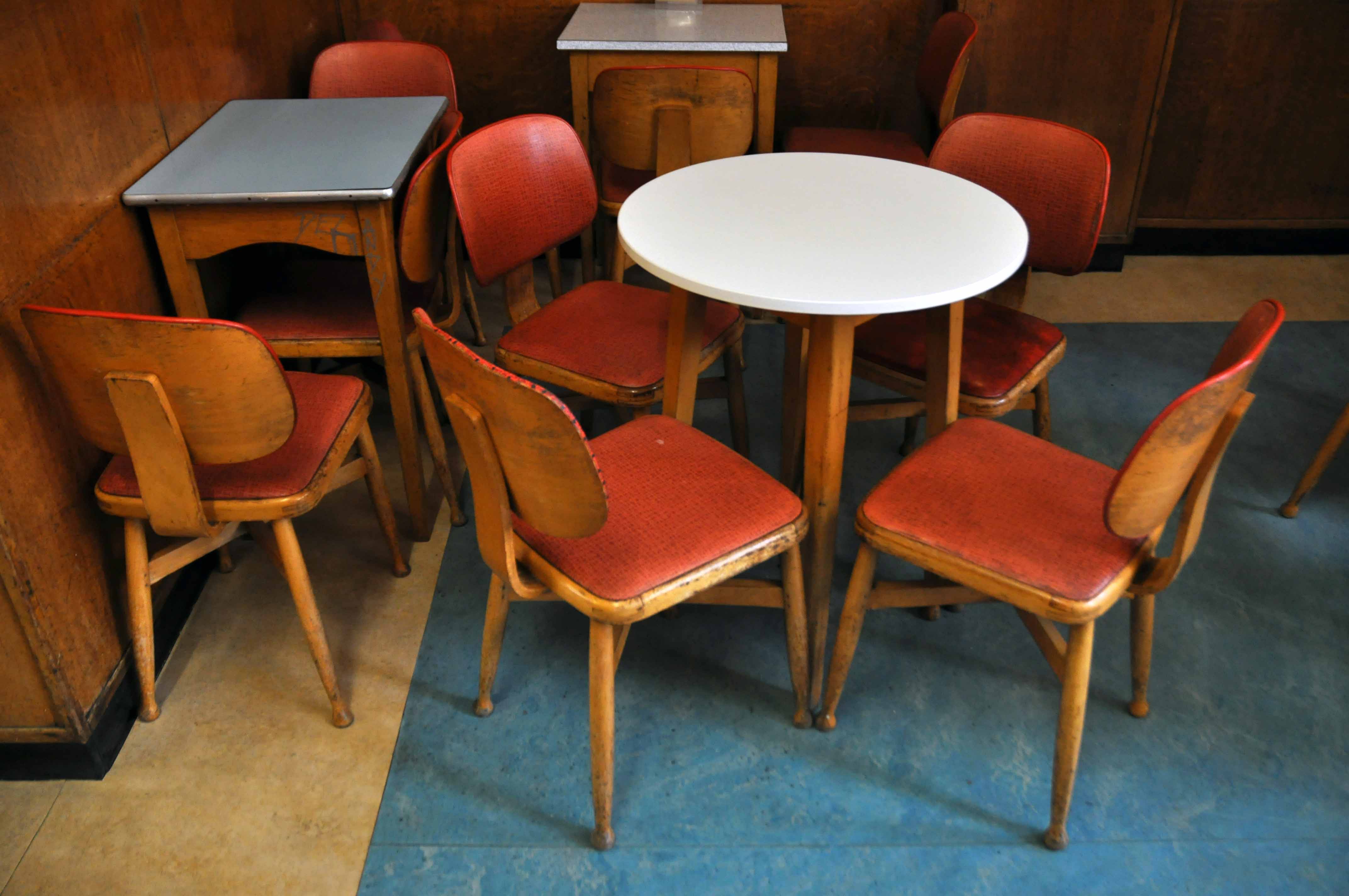
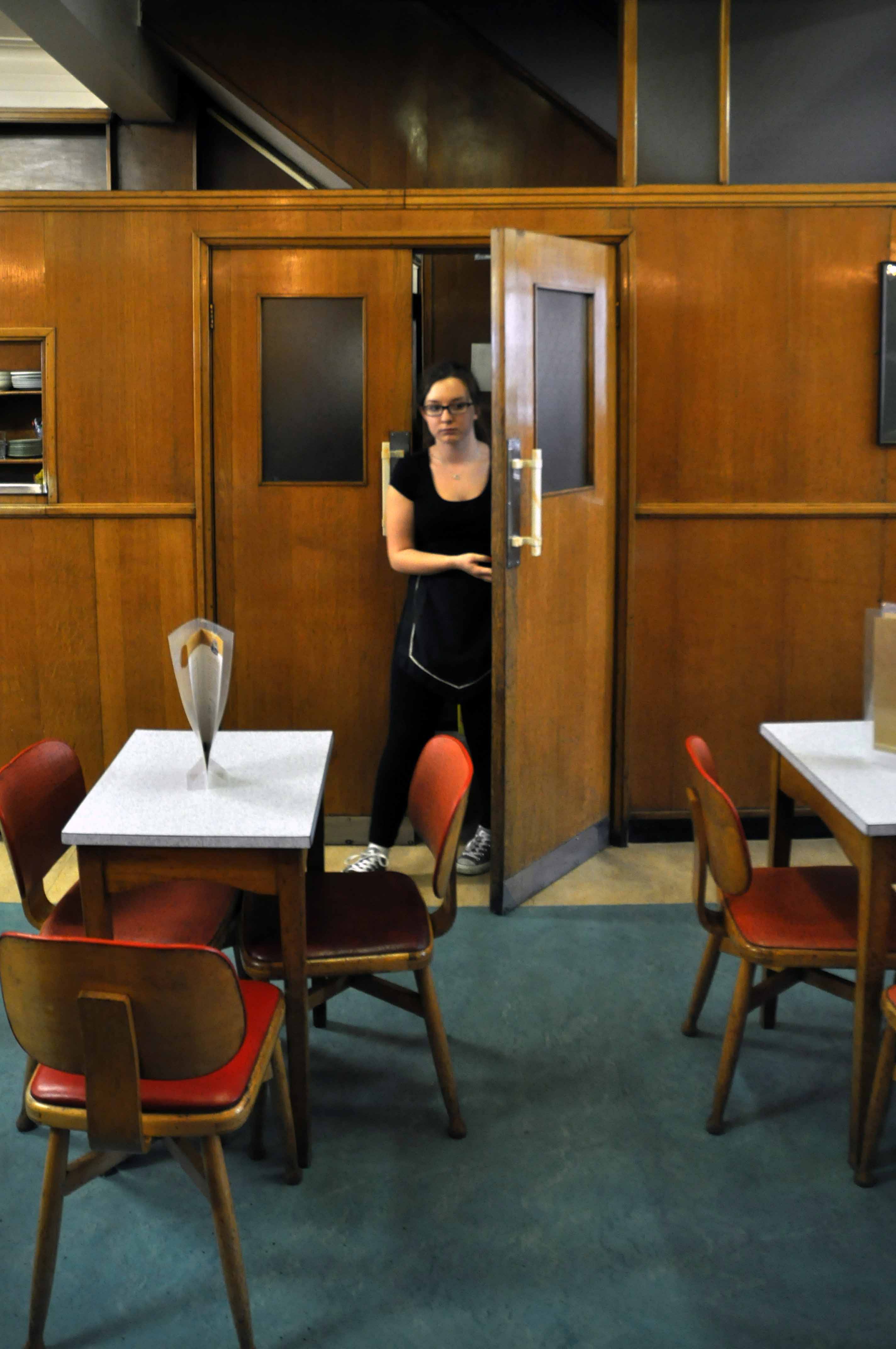
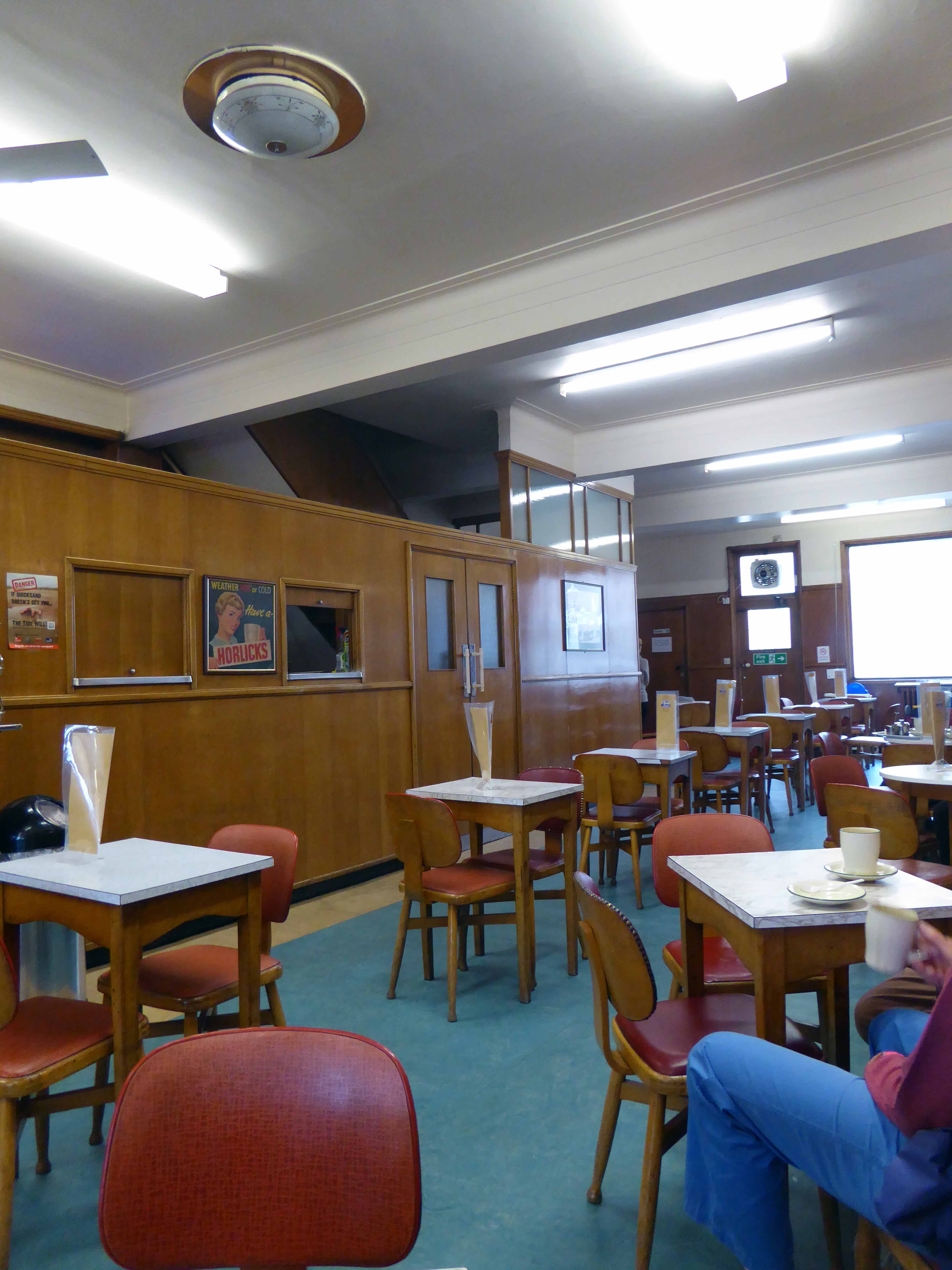
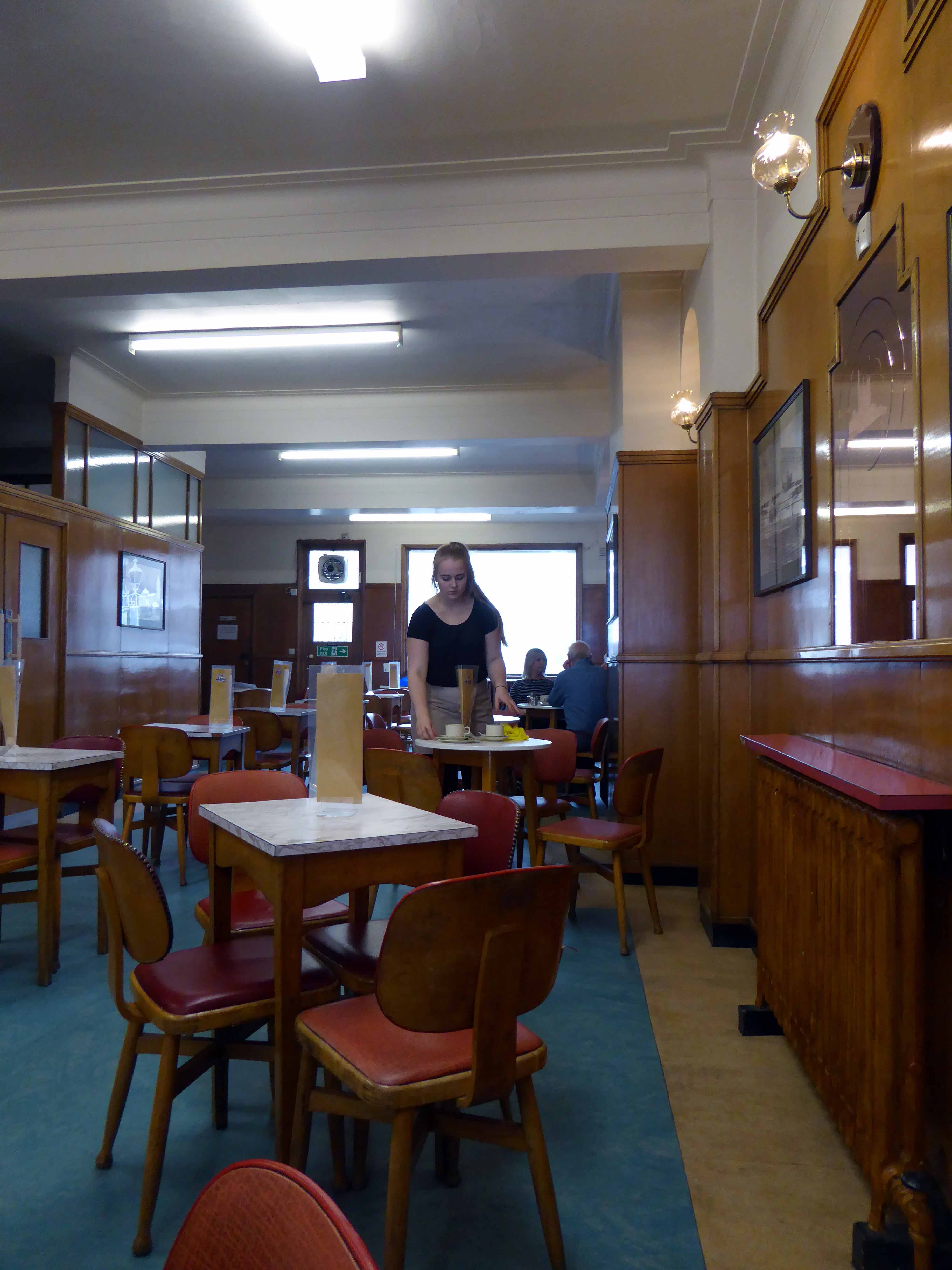
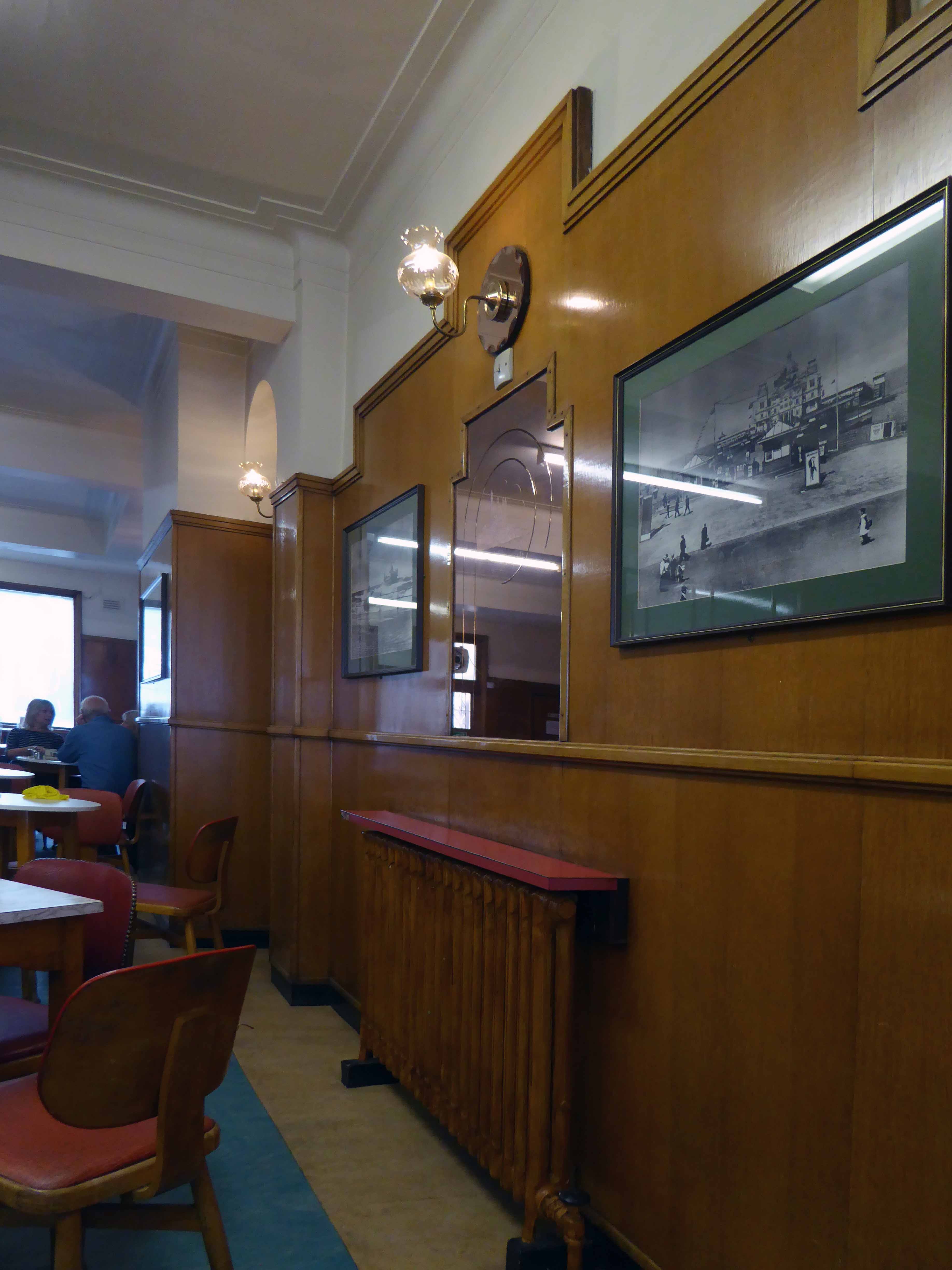
It only ever wanted and wants to be a café, unchanged by the uncaring winds of vicissitude and fashion. To tread the turquoise and tan linoleum, ‘neath the period lighting fixtures and fittings, to be seated on the warm red leatherette, one elbow on the circular Formica table is to enter into into a pact with a perfect past.
It’s on the front you can’t miss it – overlooking the Sunset Bay.
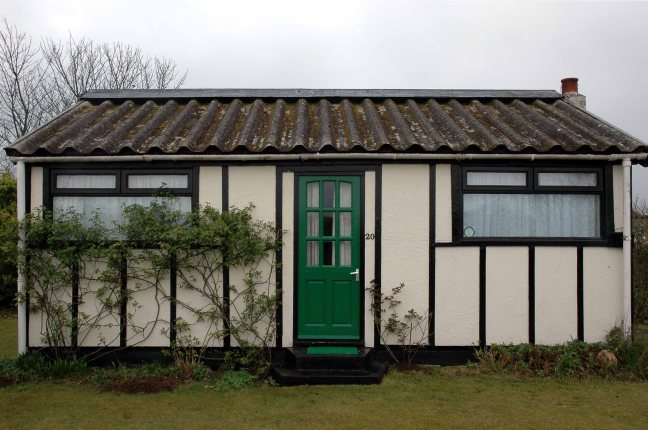
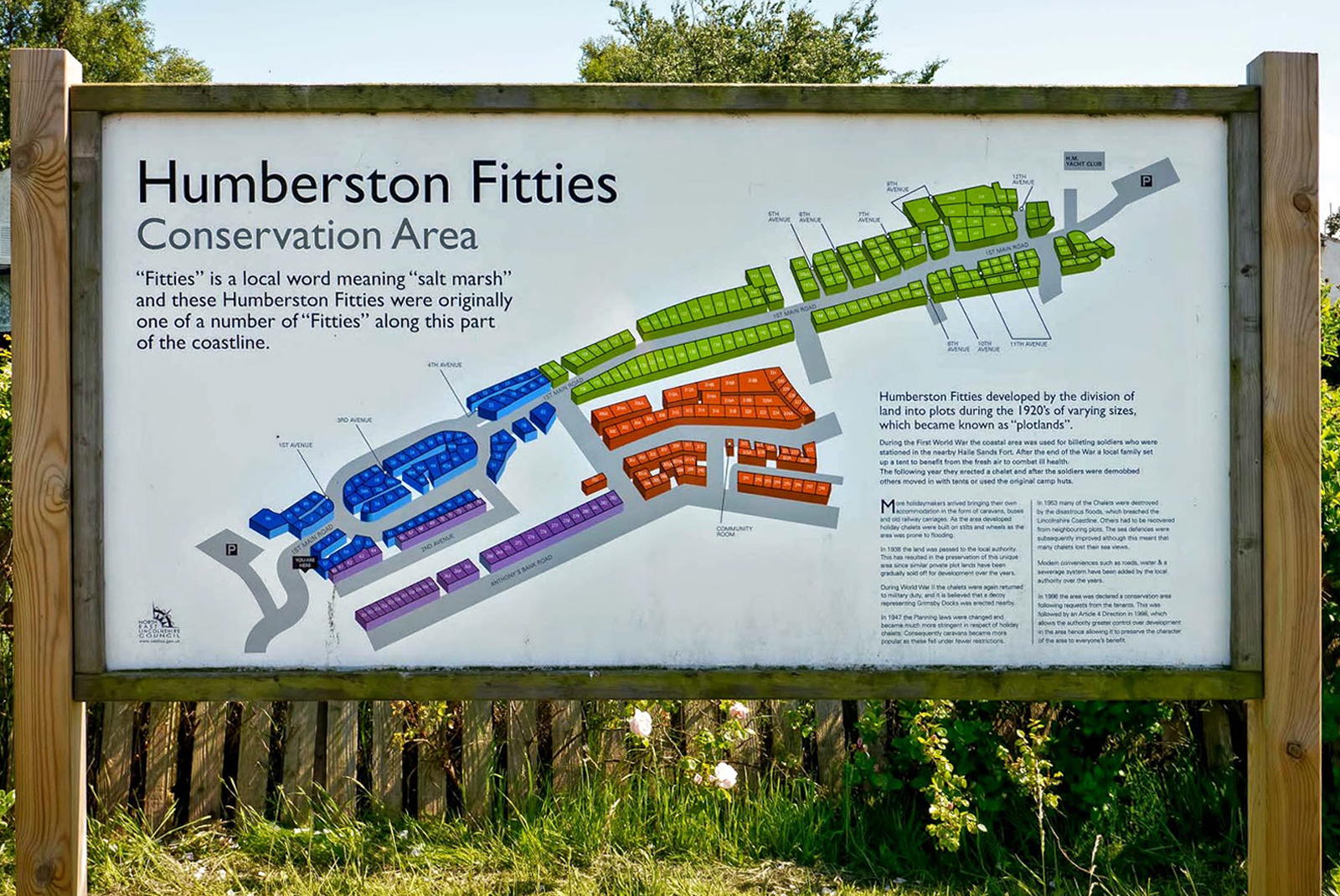
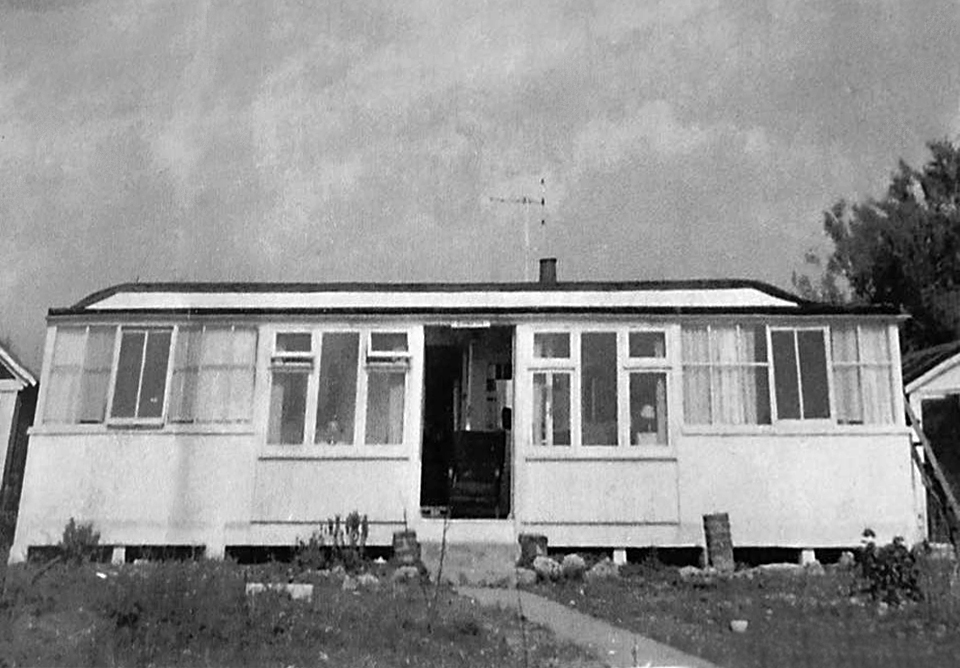
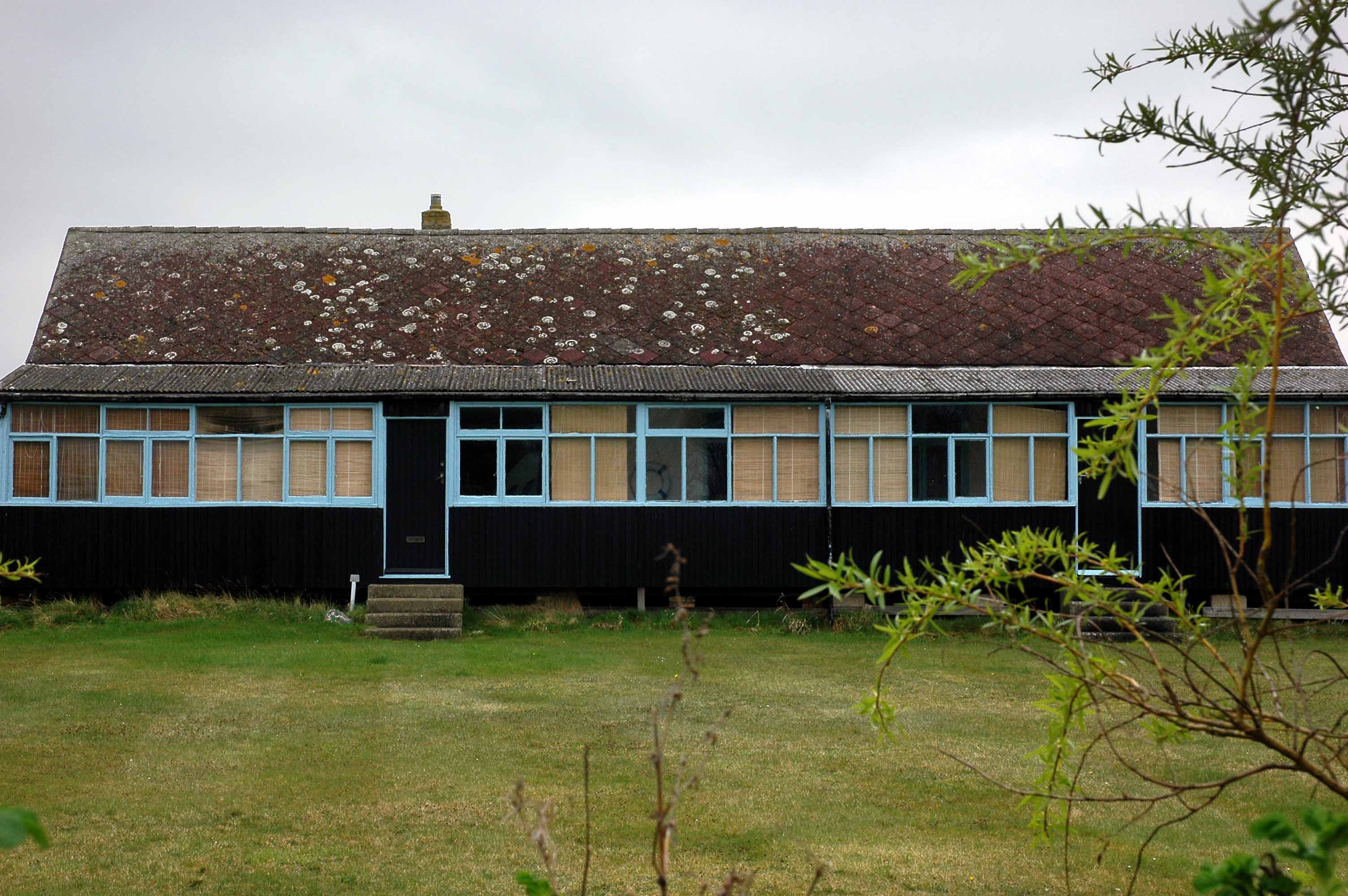
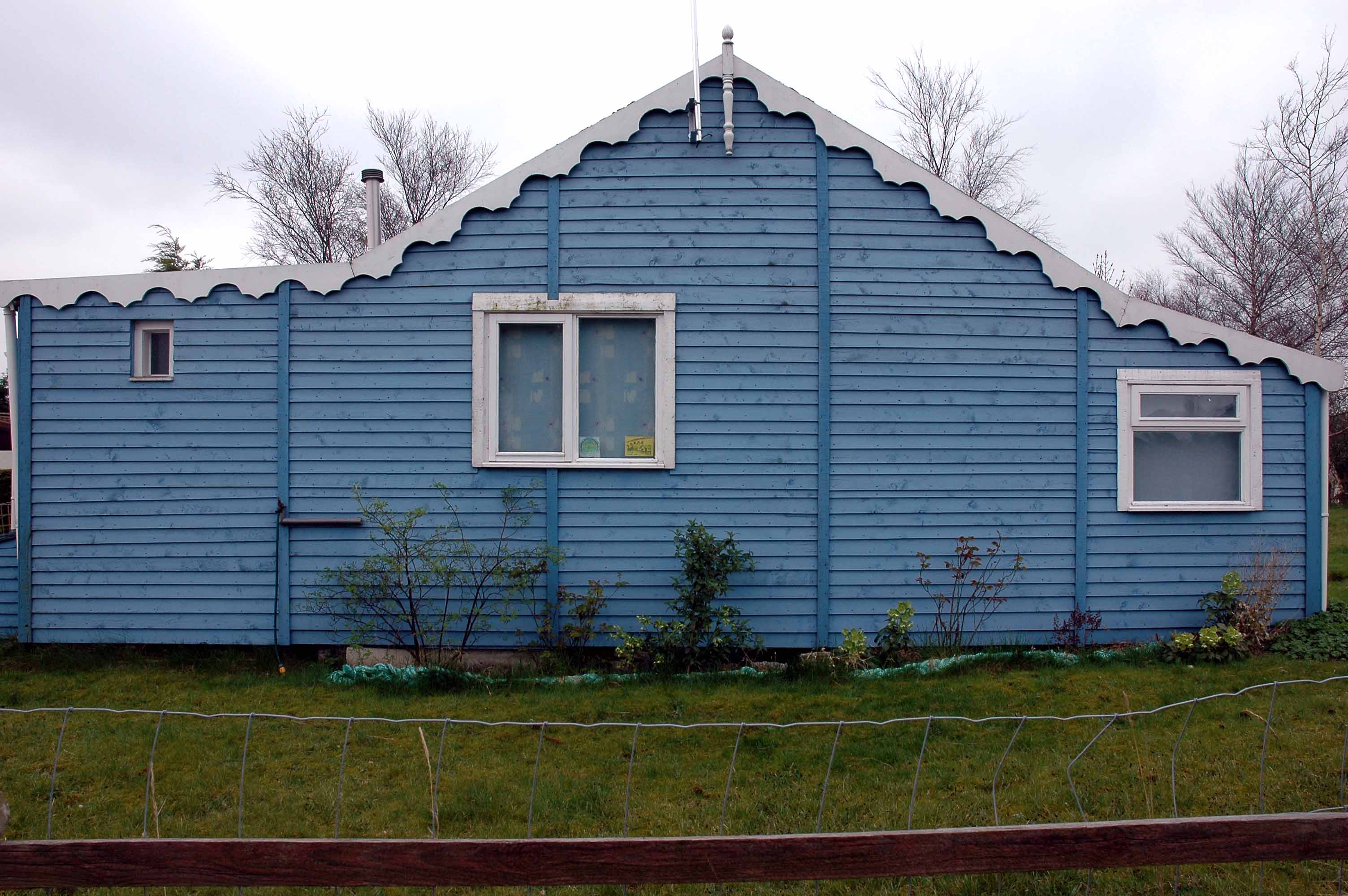
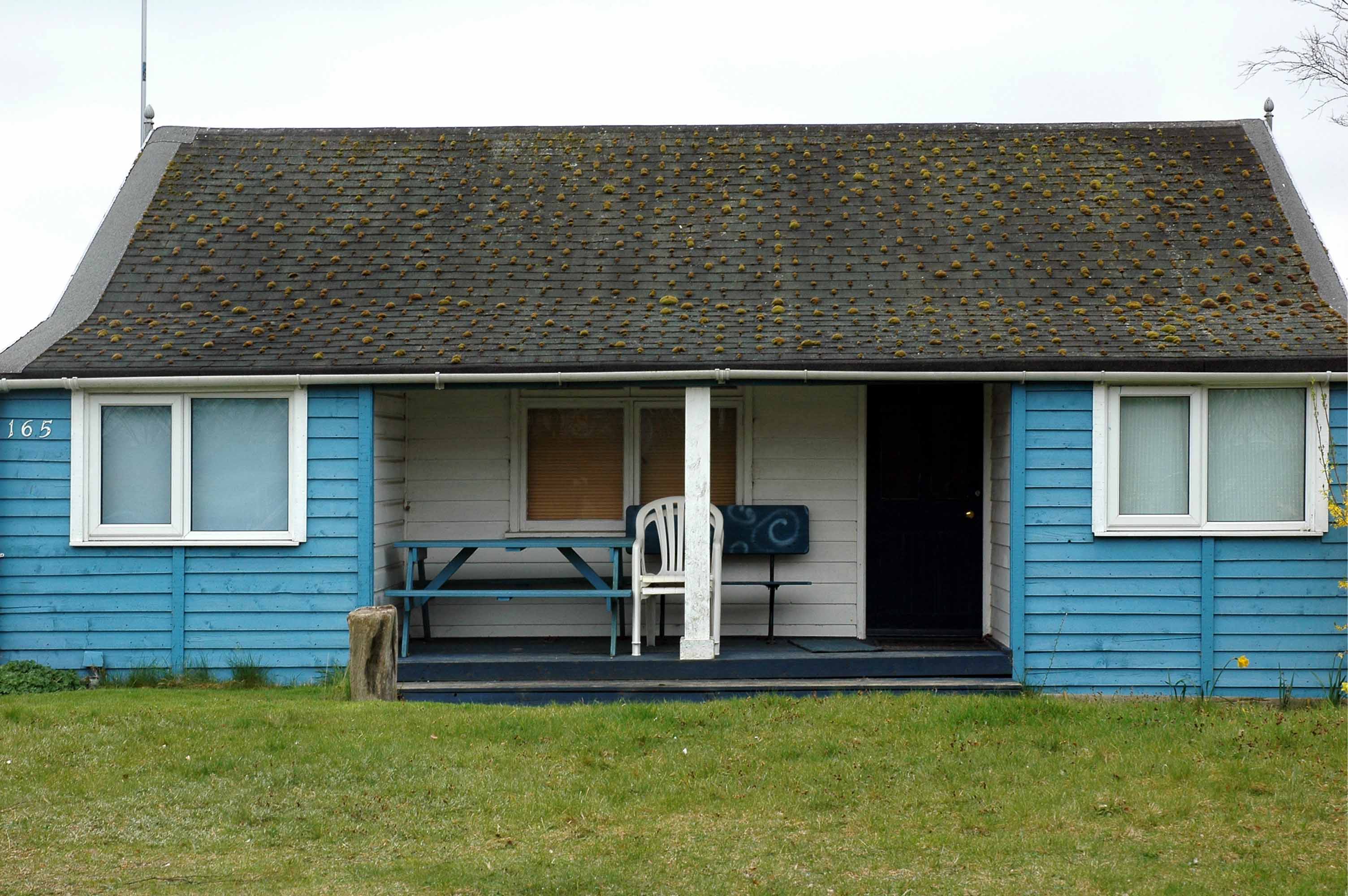
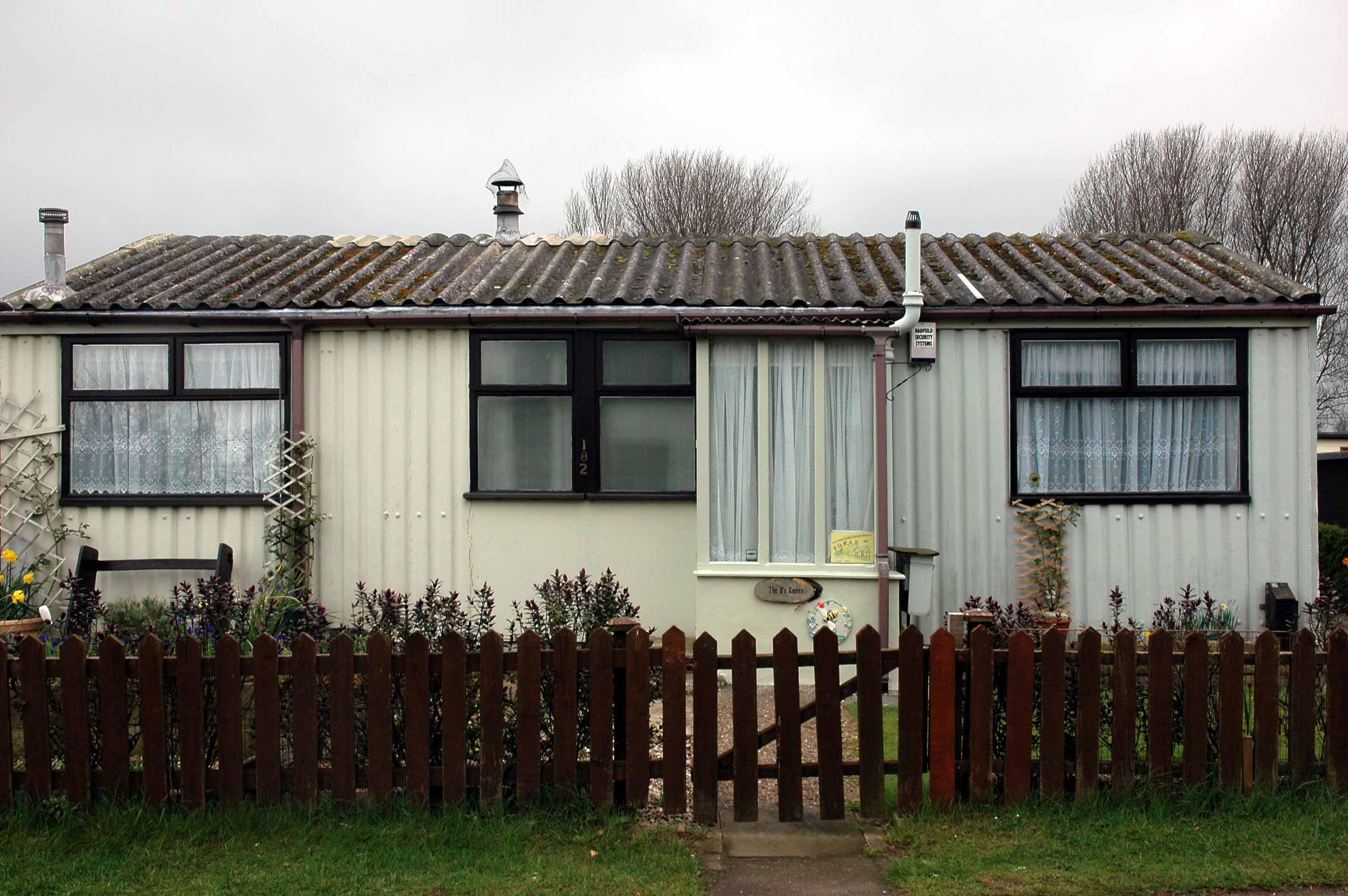
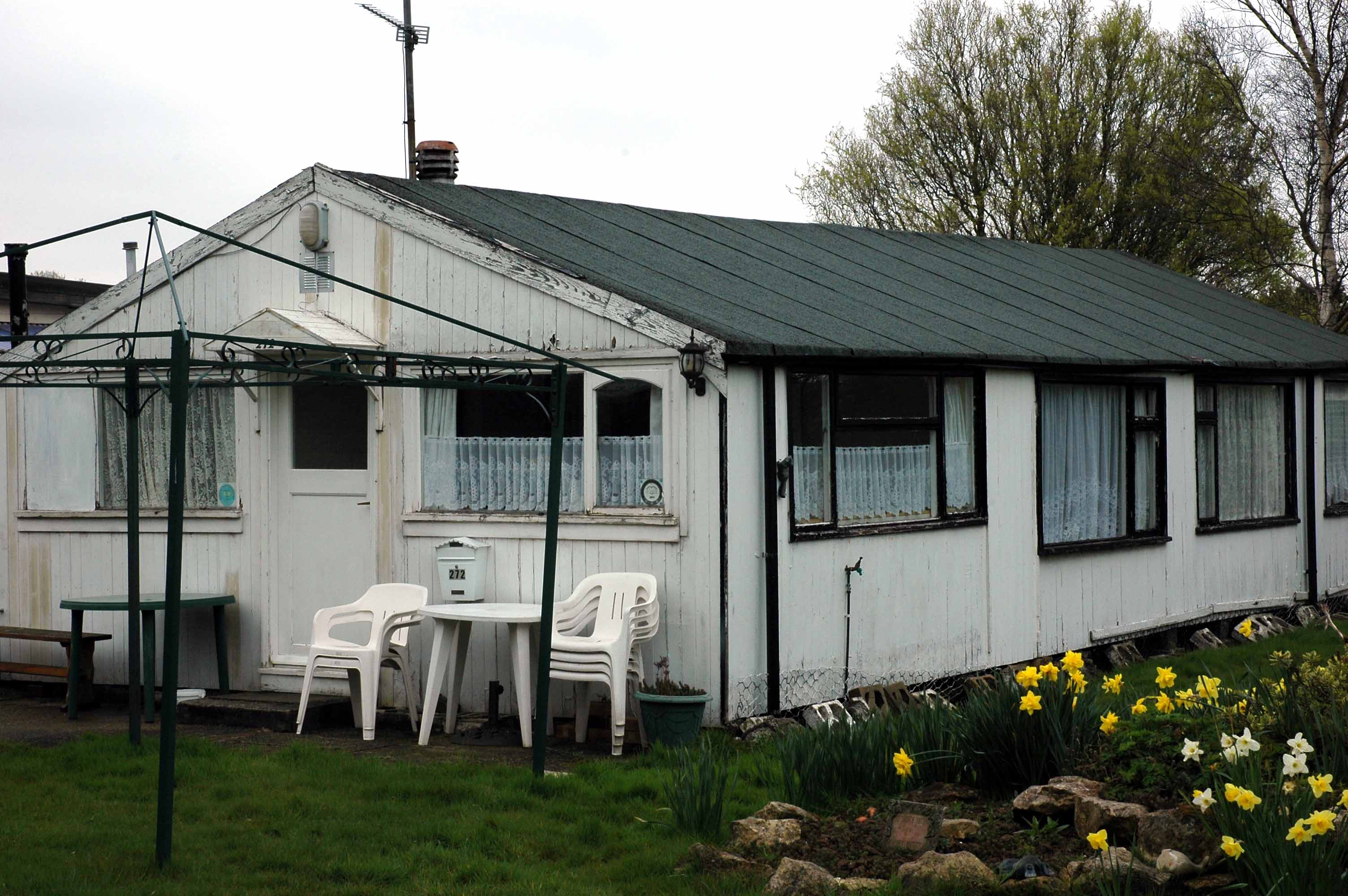
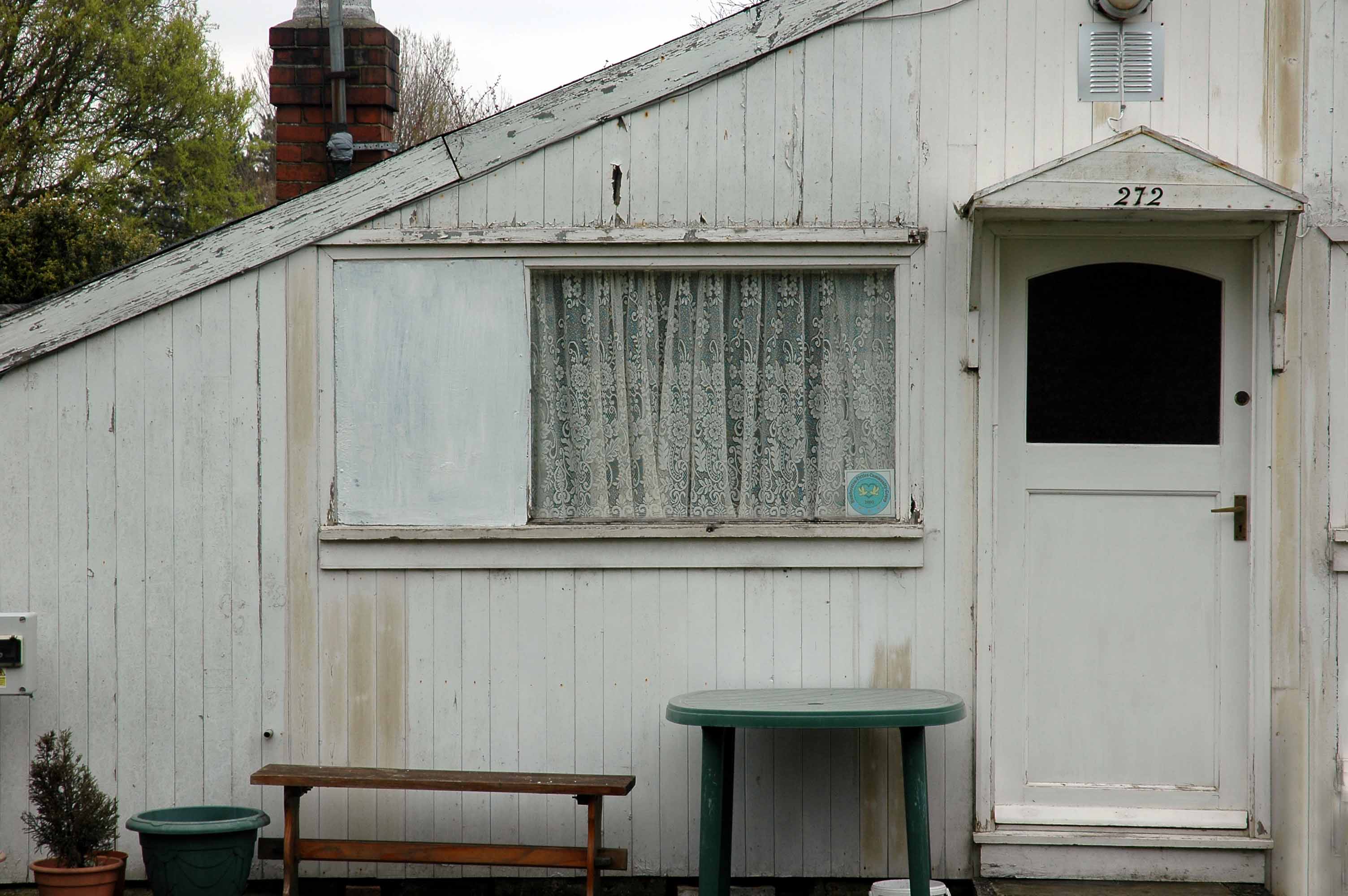
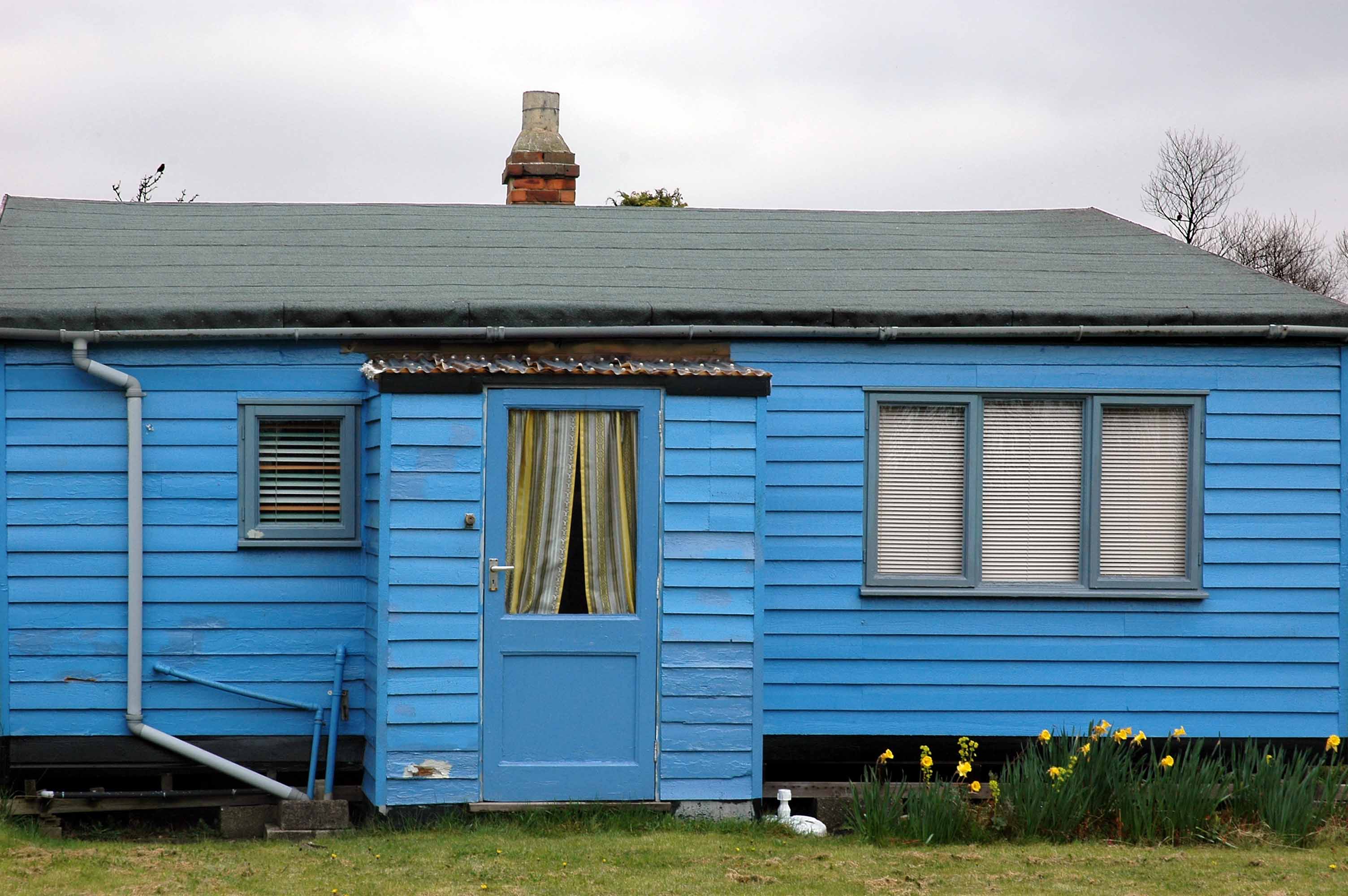
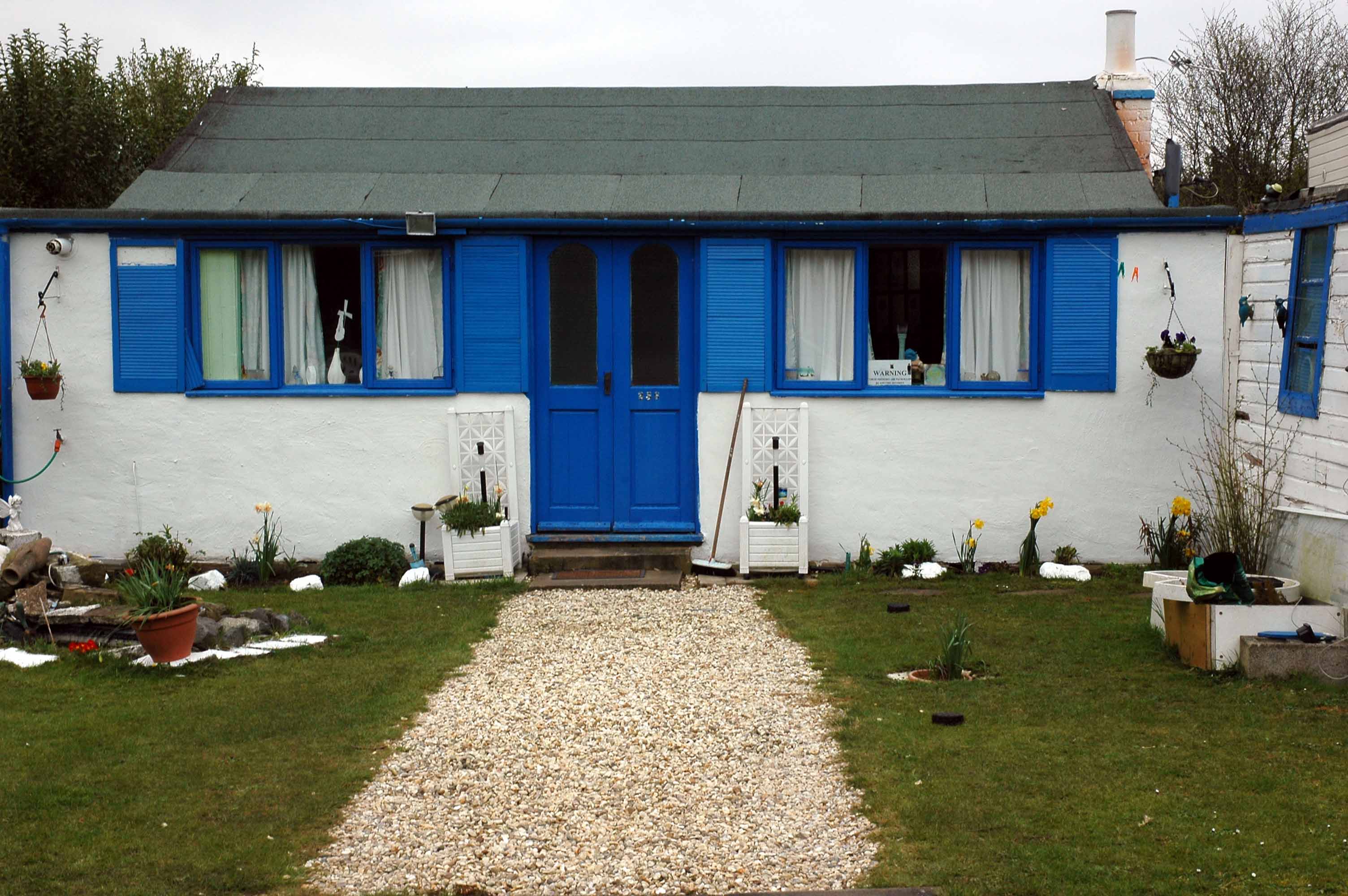
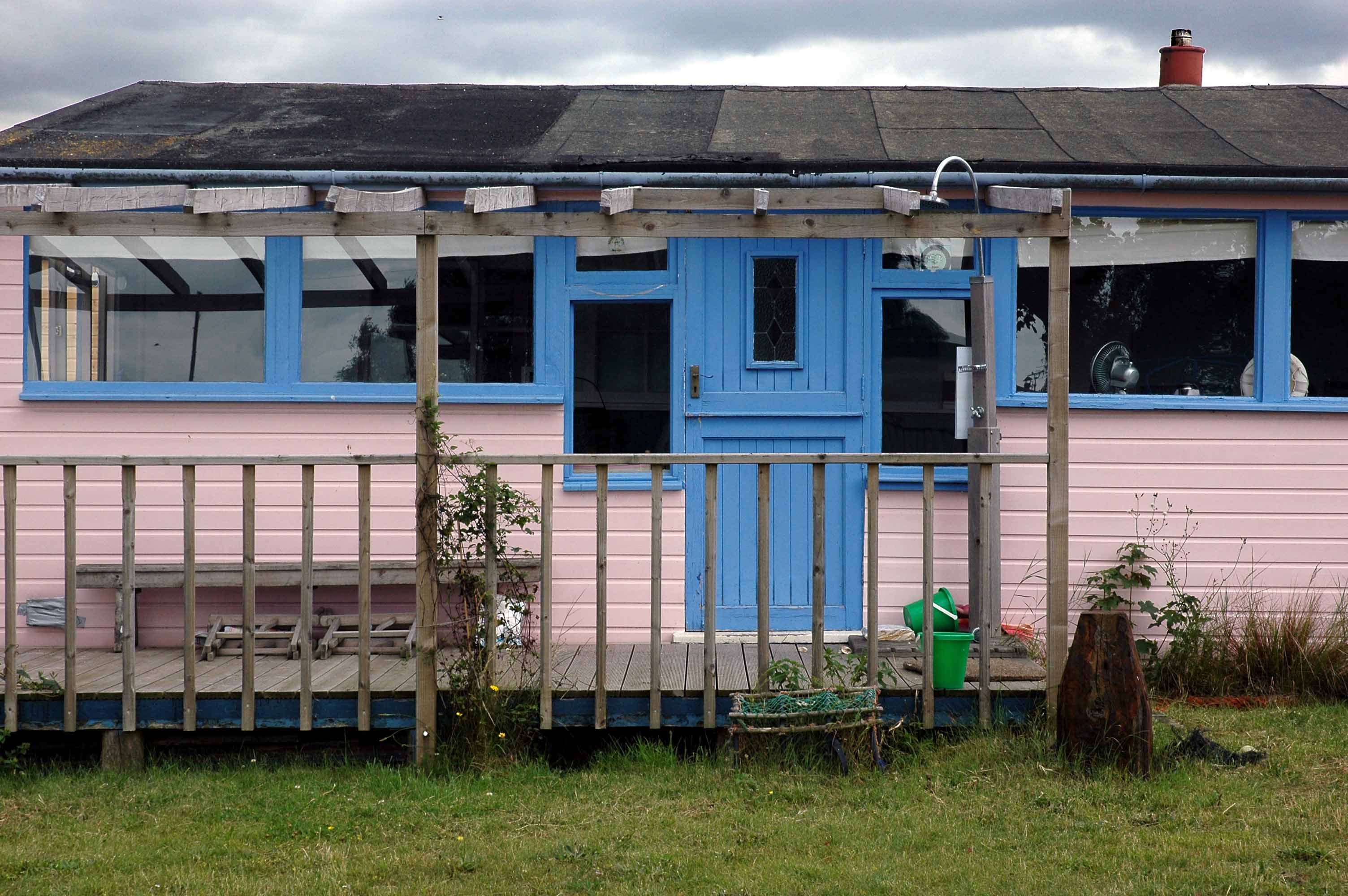
Betwixt and between the two world wars, the shortage of housing for the homeless, hopeless and dispossessed lead to an acceleration in the building of an informal architecture – the so-called Plotlands.
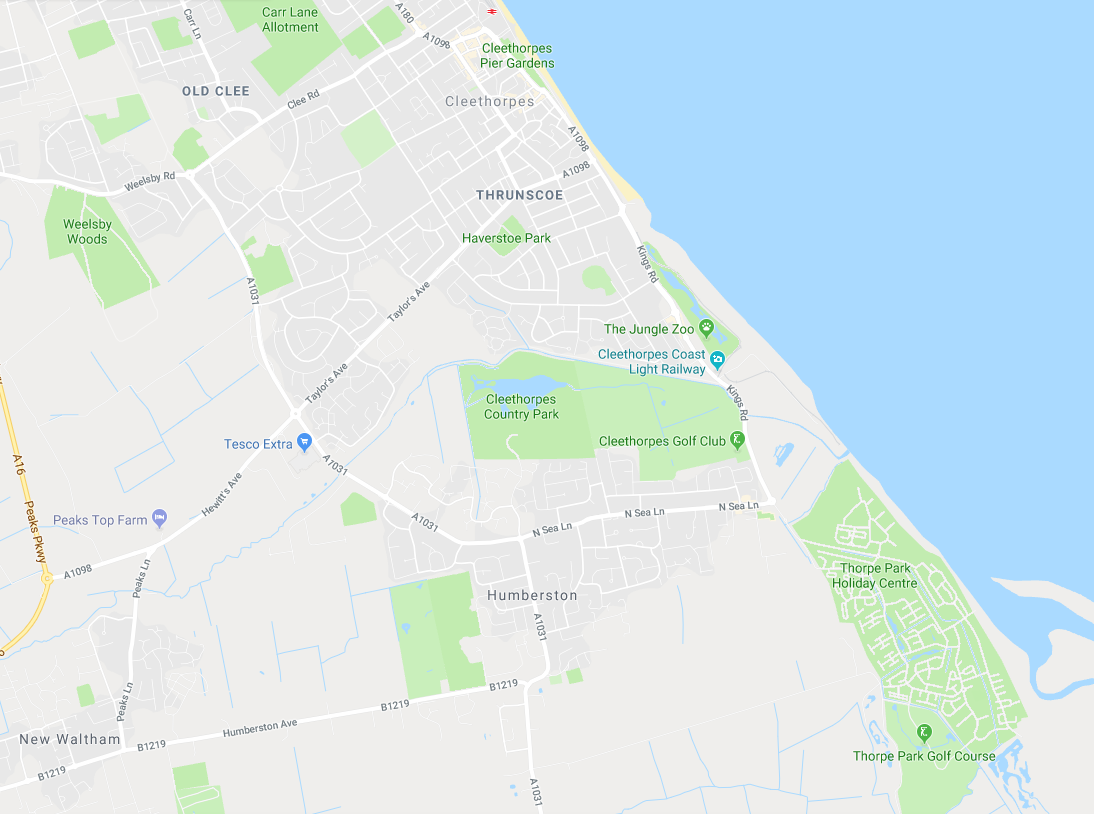
One such area and precious survivor from the last century is the Humberston Fitties – situated to south of Cleethorpes, preserved in time by the happy homesteaders.
Though under threat from Local Authority negligence or intervention, three hundred and twenty chalets prevail – against the incursion of planning regulations, building specs and a lack of respect.
I feel a real affinity for all Plotlands, having spent many summers in the converted Pagham railway carriage, belonging to my Aunty Alice and Uncle Arthur. They relocated to the south coast seeking cleaner air for Arthur’s ailing, industrialised northern lungs, thus prolonging his life.
Tamarisk – Pagham
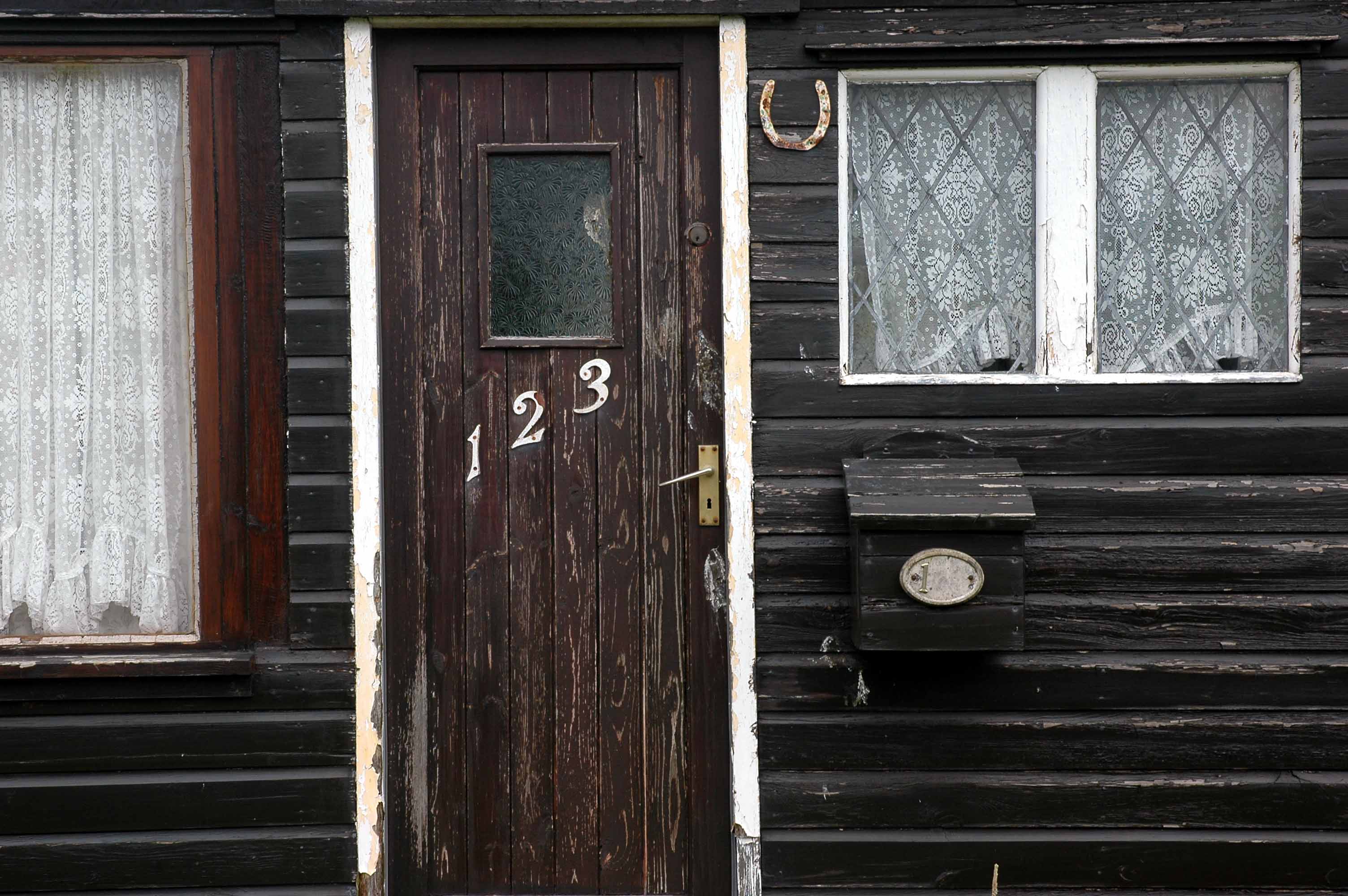
So here are the photographs I took on a visit to The Fitties in July 2008, I walked the home made roads, amazed by the vigour and variety of shape, size, personal affectation and practical pragmatism, of this all too human architecture.
This is a particular form of independent minded Modernism – hand-forged from the vernacular.
It is better to have your head in the clouds, and know where you are, than to breathe the clearer atmosphere below them, and think that you are in paradise.
On my most recent visit the most distant shelter was receiving a wash and brush up, a brand new coat of paint or two, restored to bright red and white shipshape order, this land locked delight looked ready to set sail across the adjacent Channel to who knows where.
Offering a somewhat occluded view of blue skies and faraway shores, the bus stops here and goes on forever and forever.
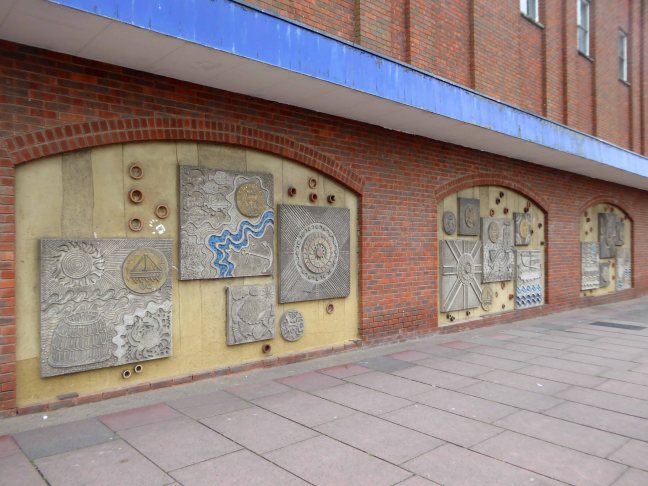
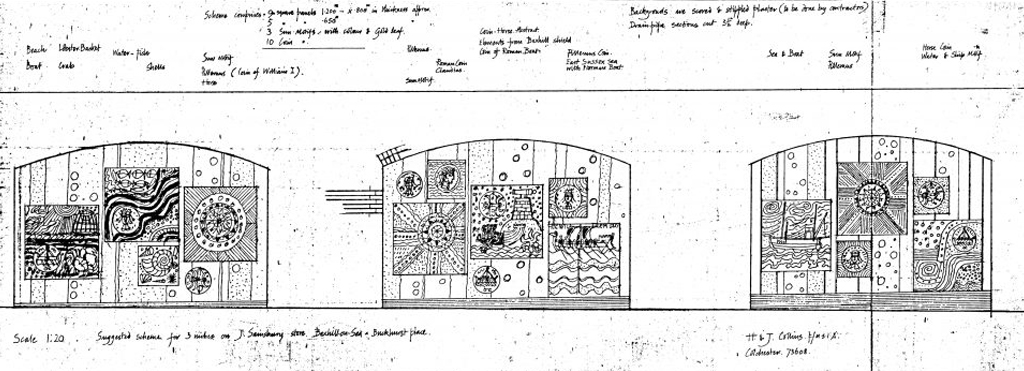
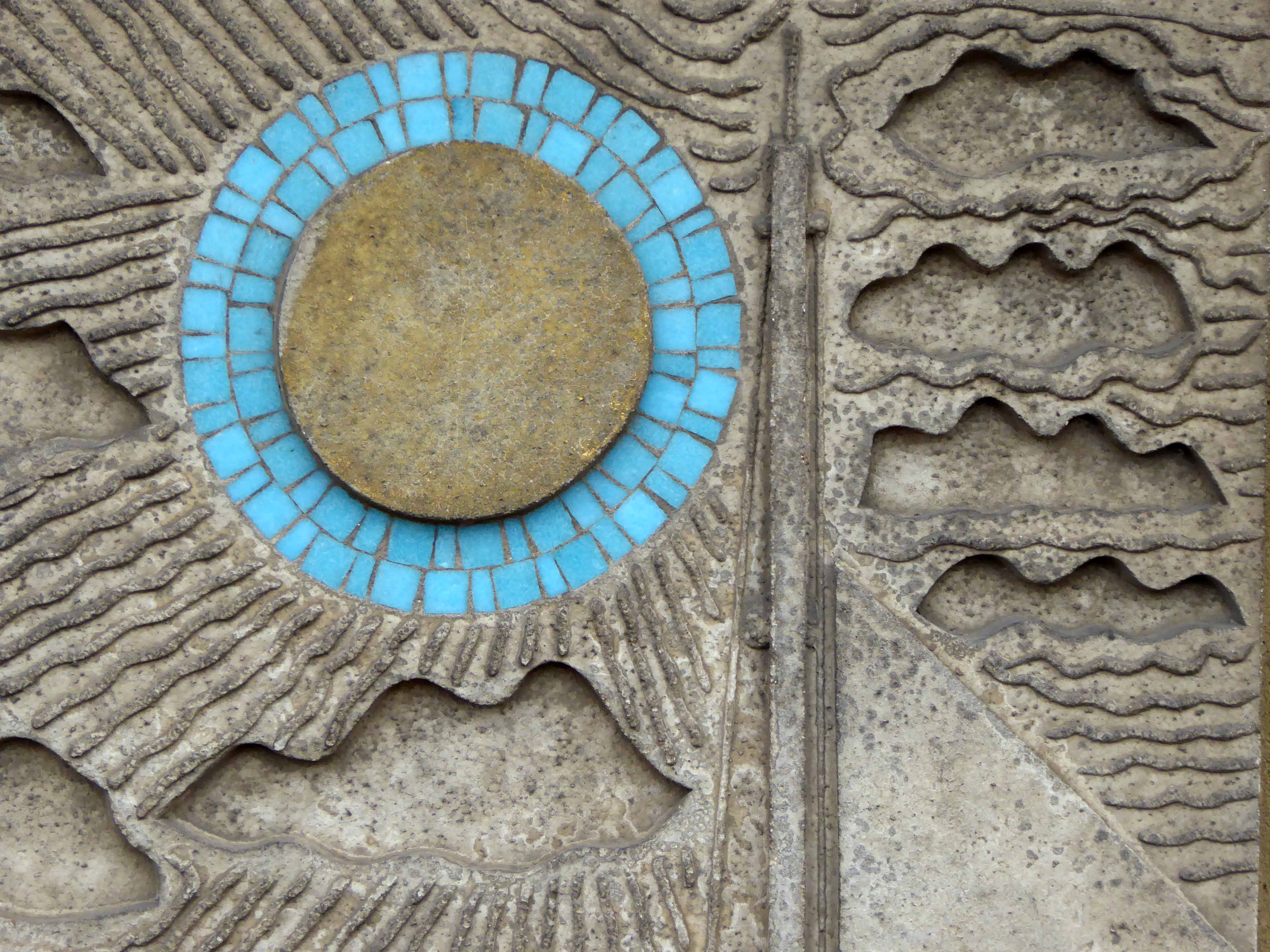
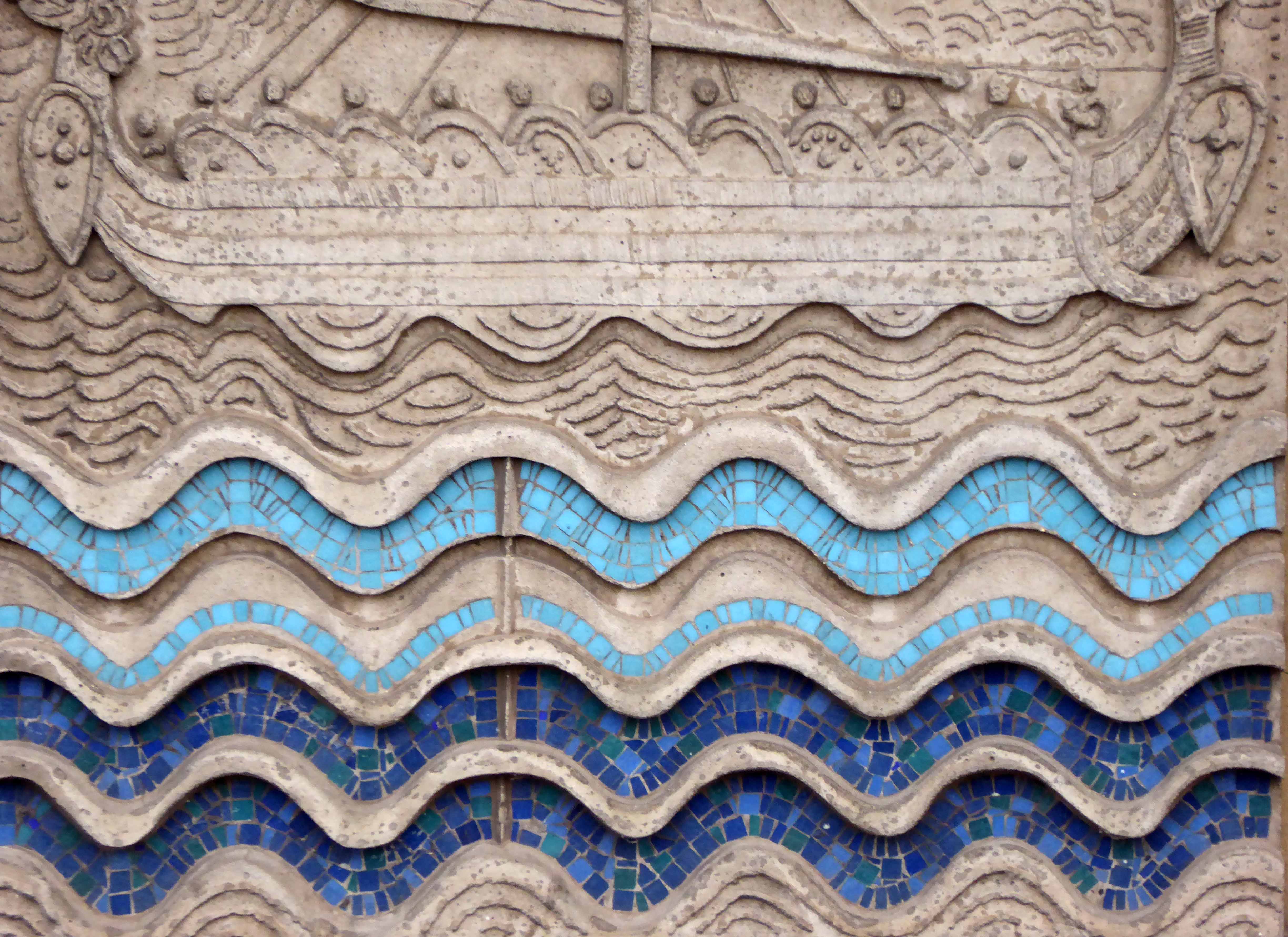
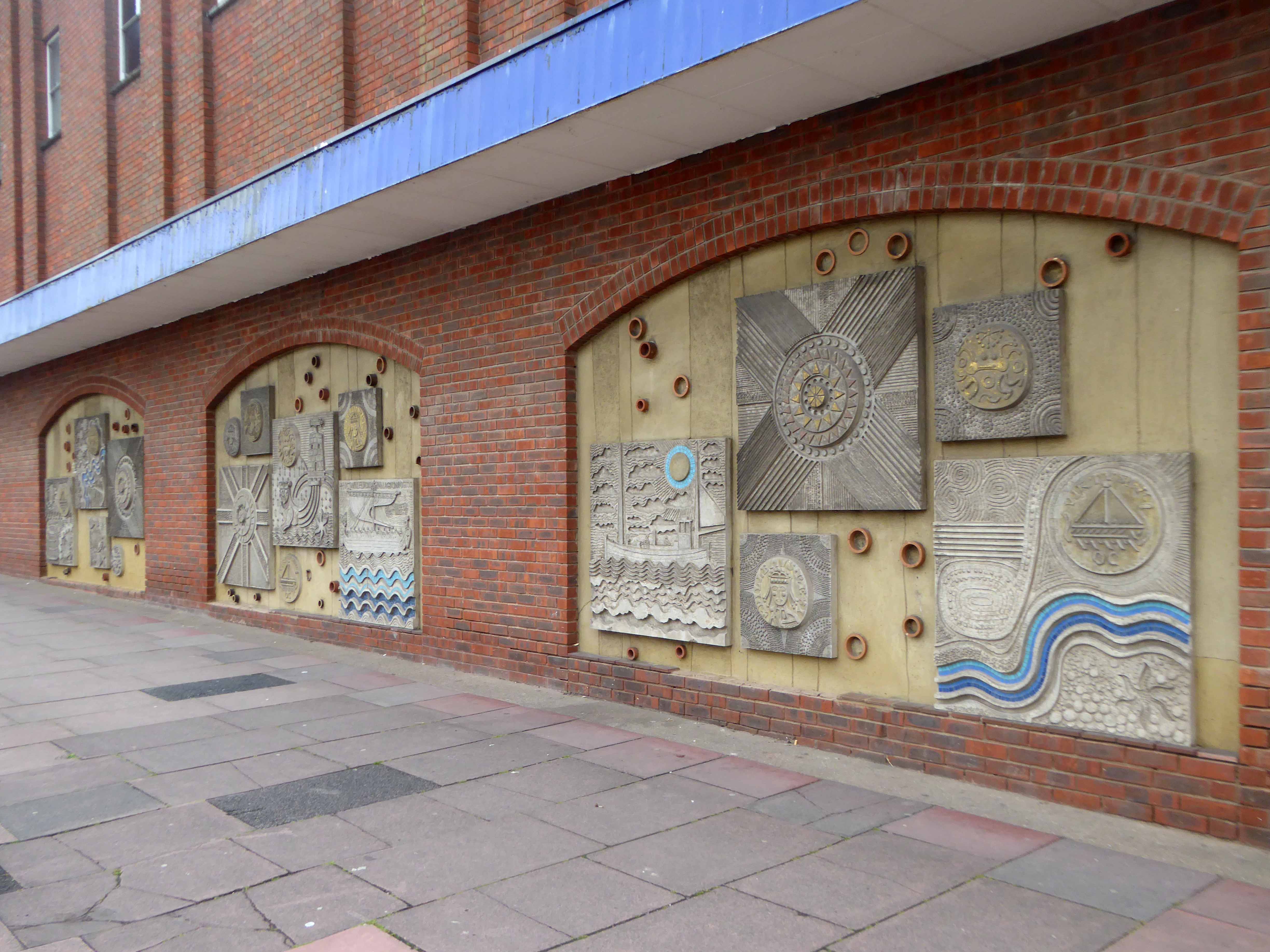
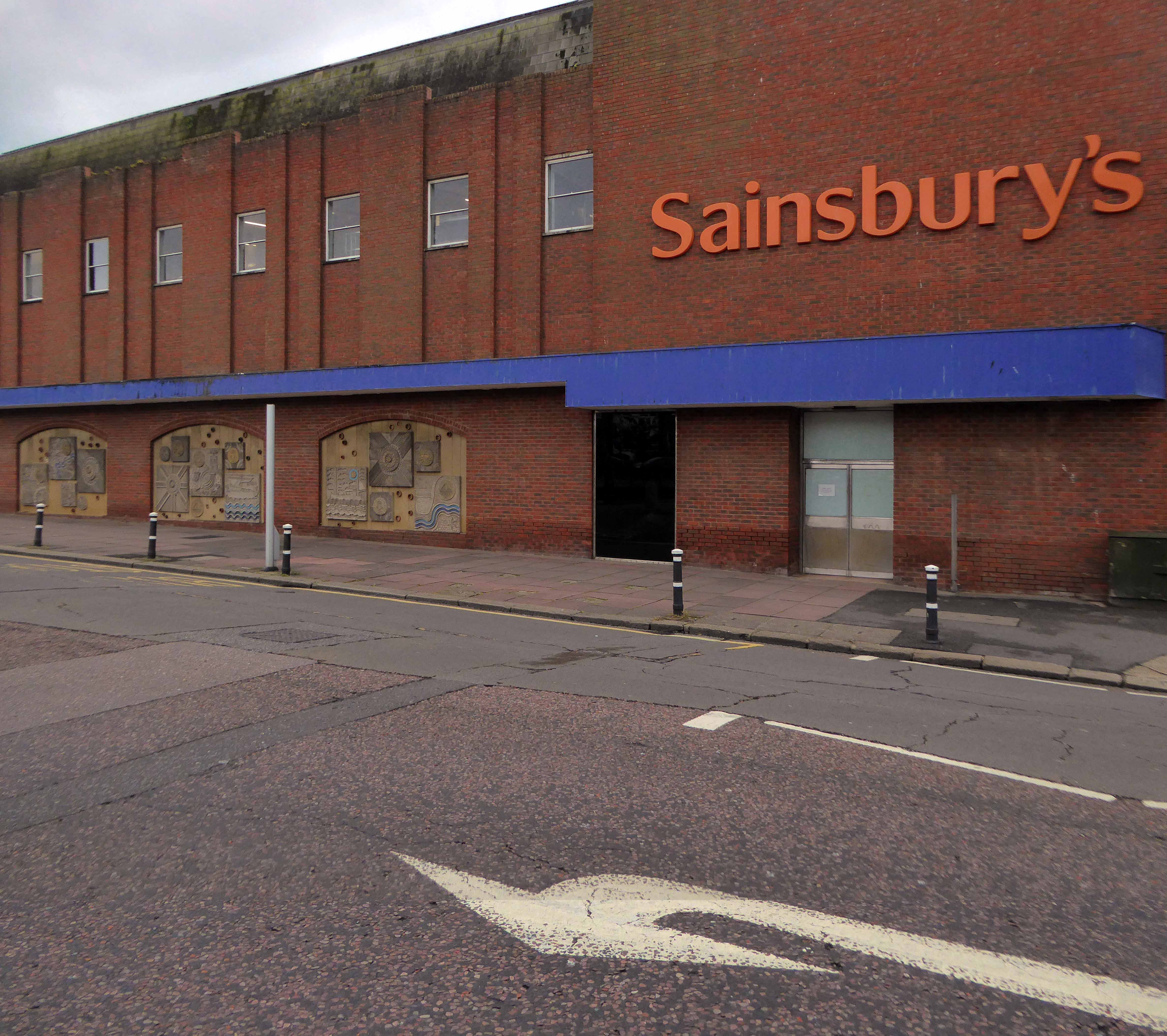
The third such public sculpture I have had the pleasure to visit following trips to Newcastle and the now defunct BHS in my hometown of Stockport.
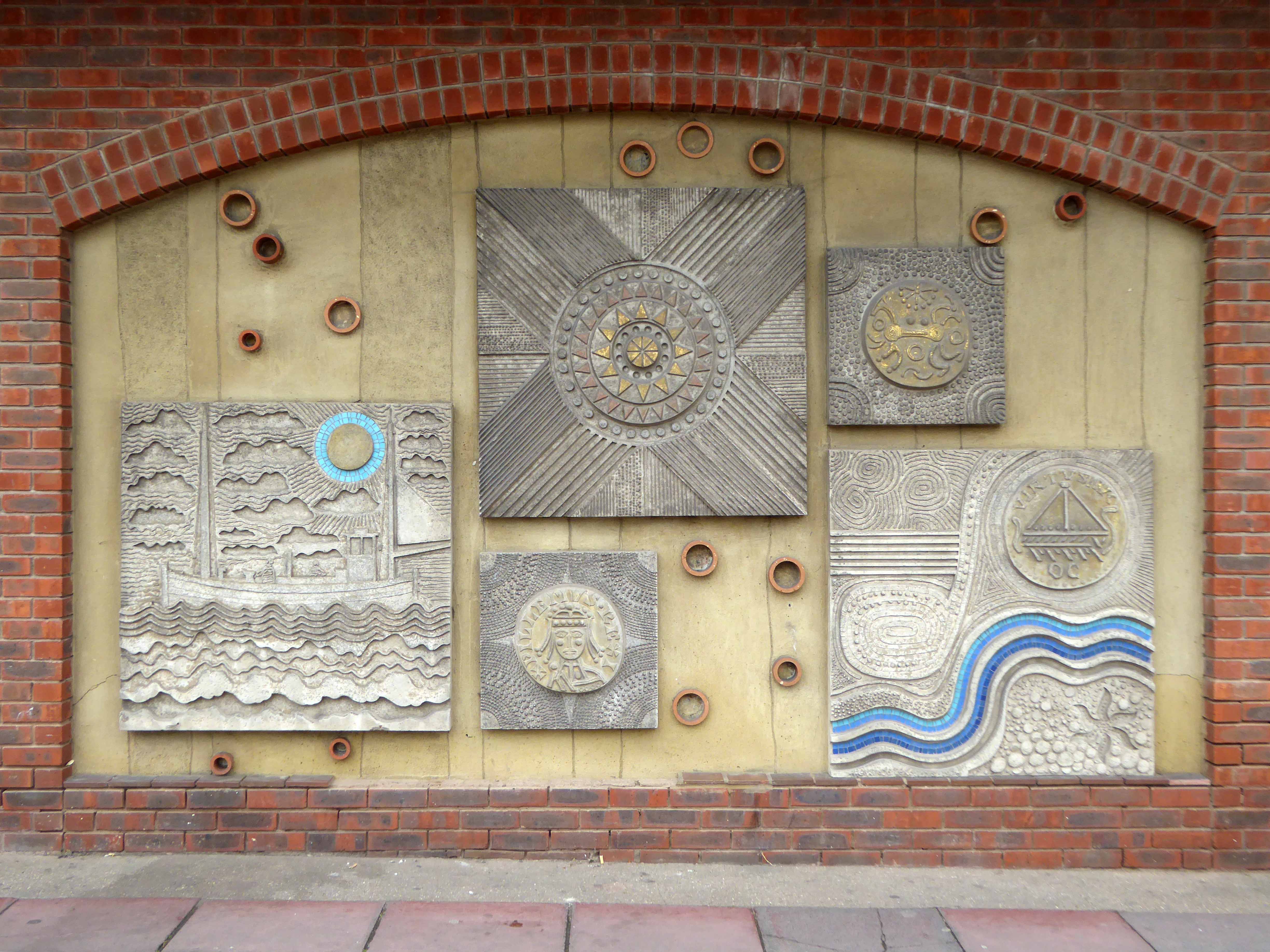
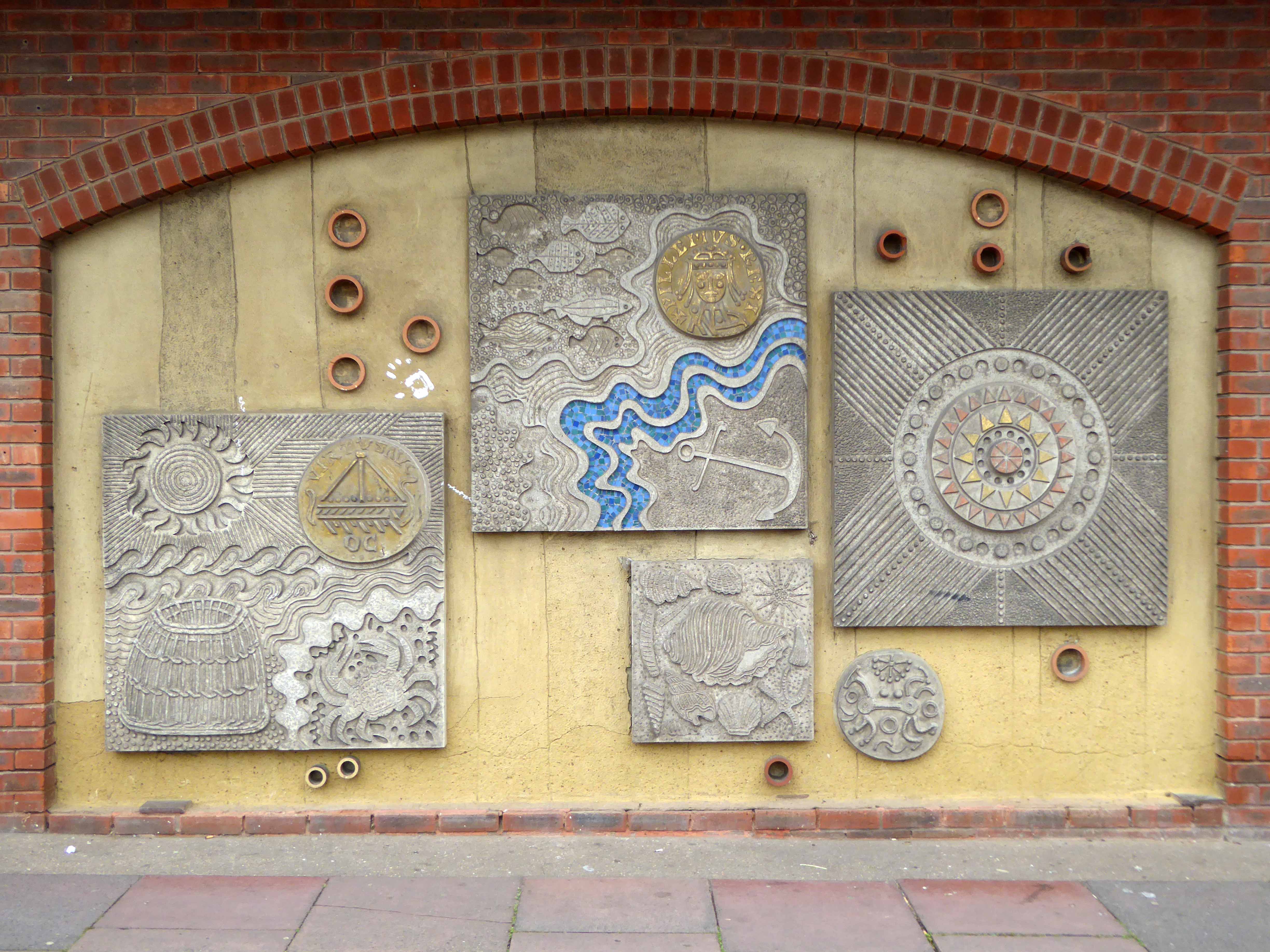
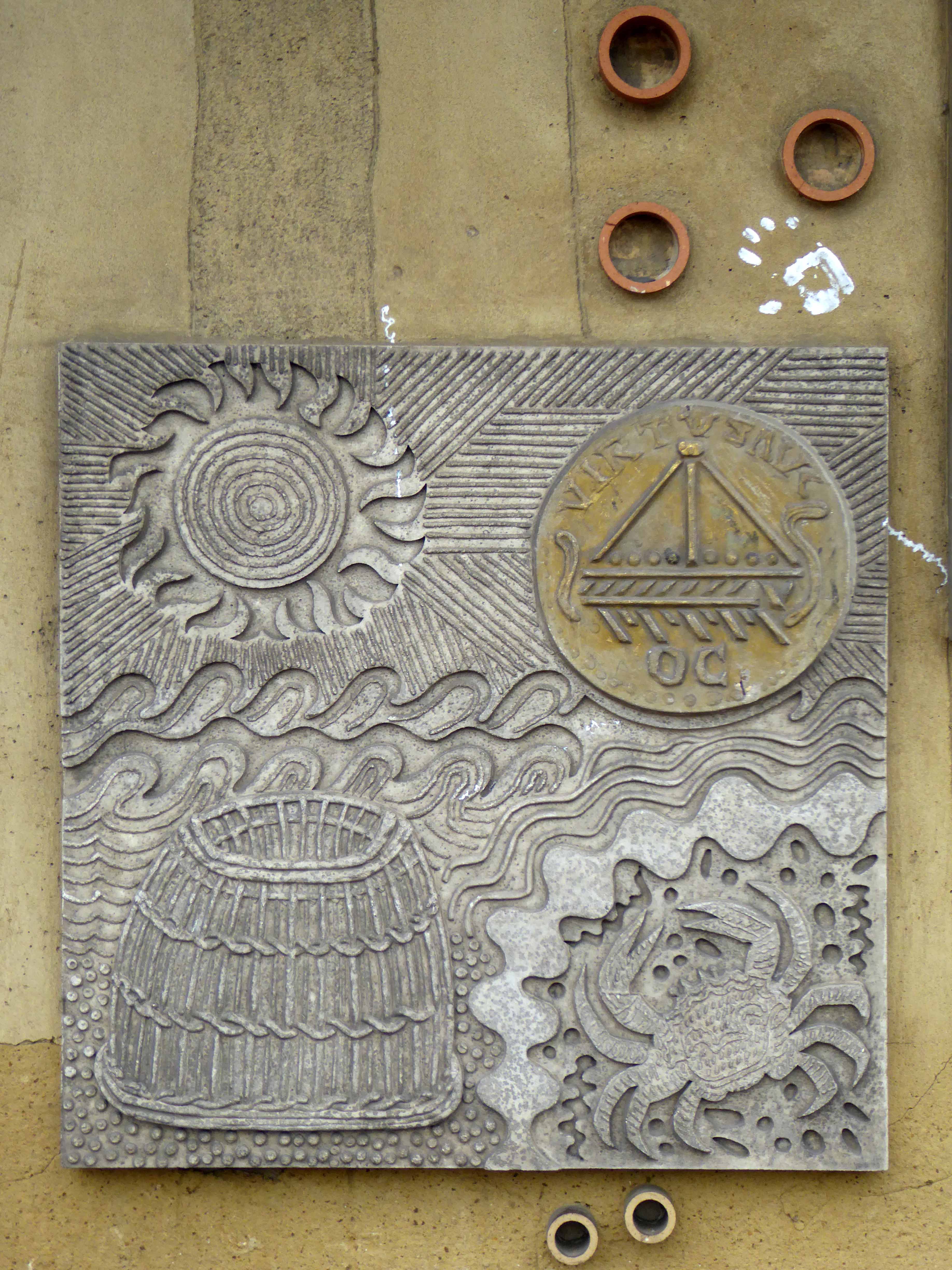
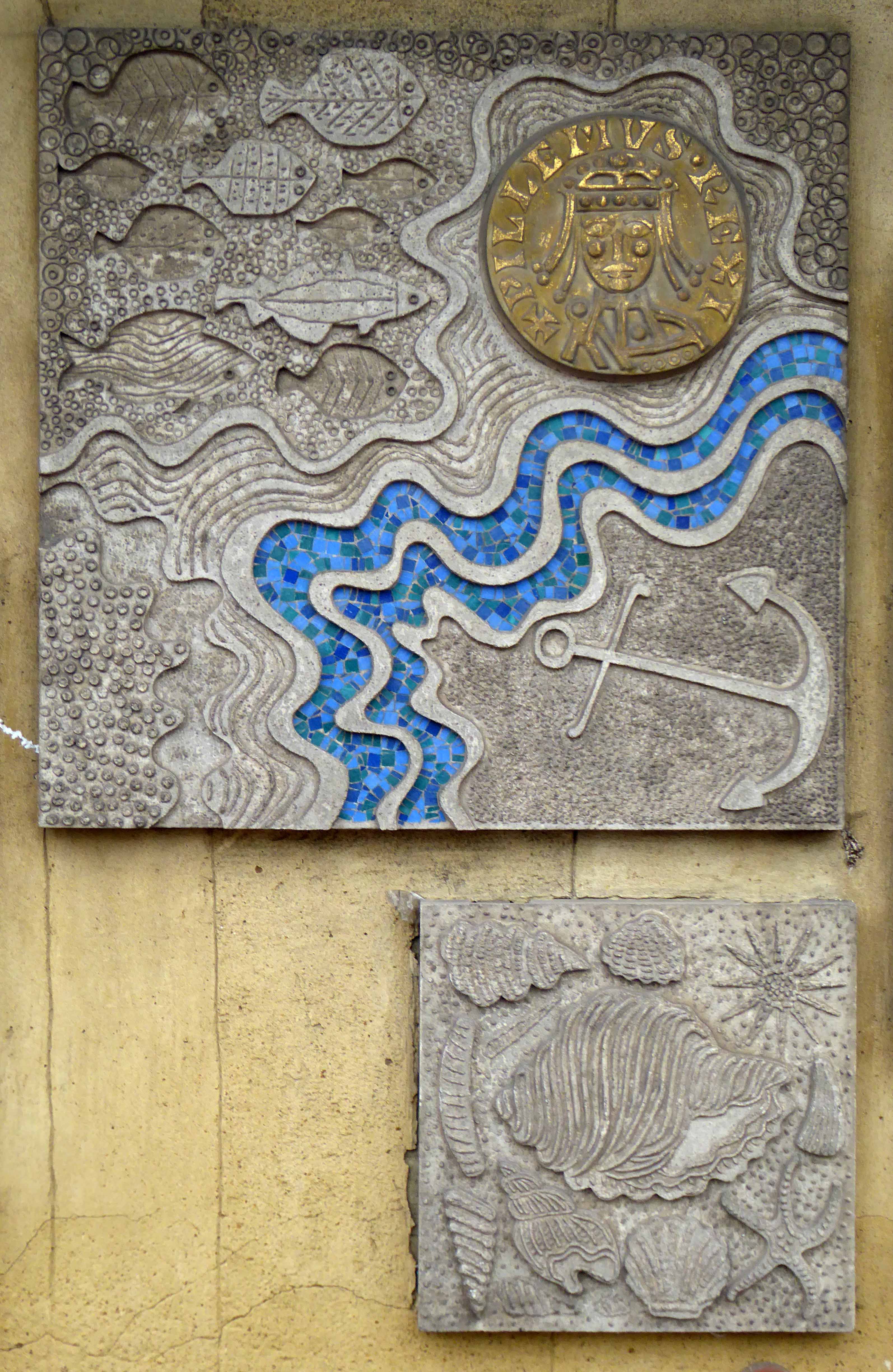
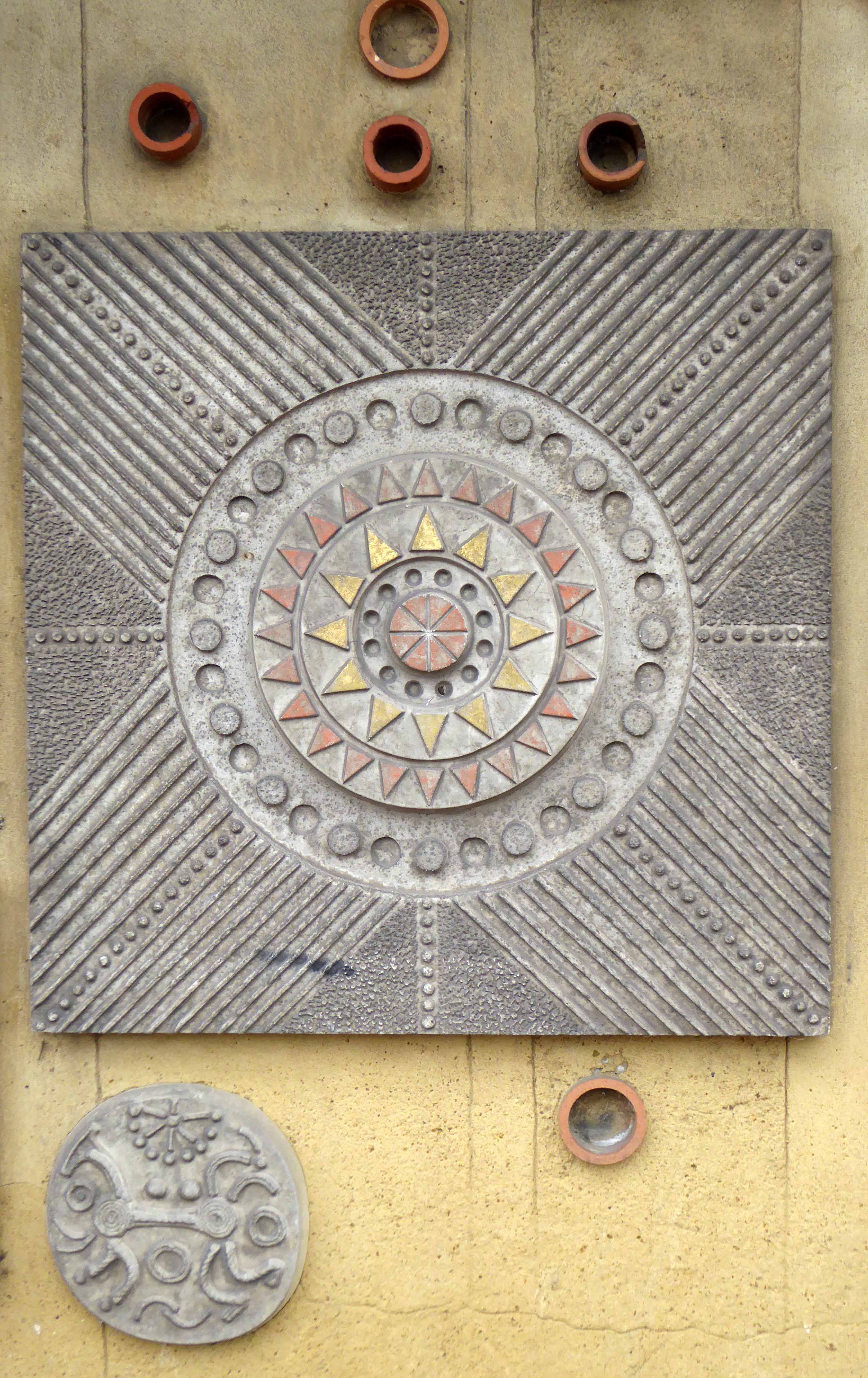
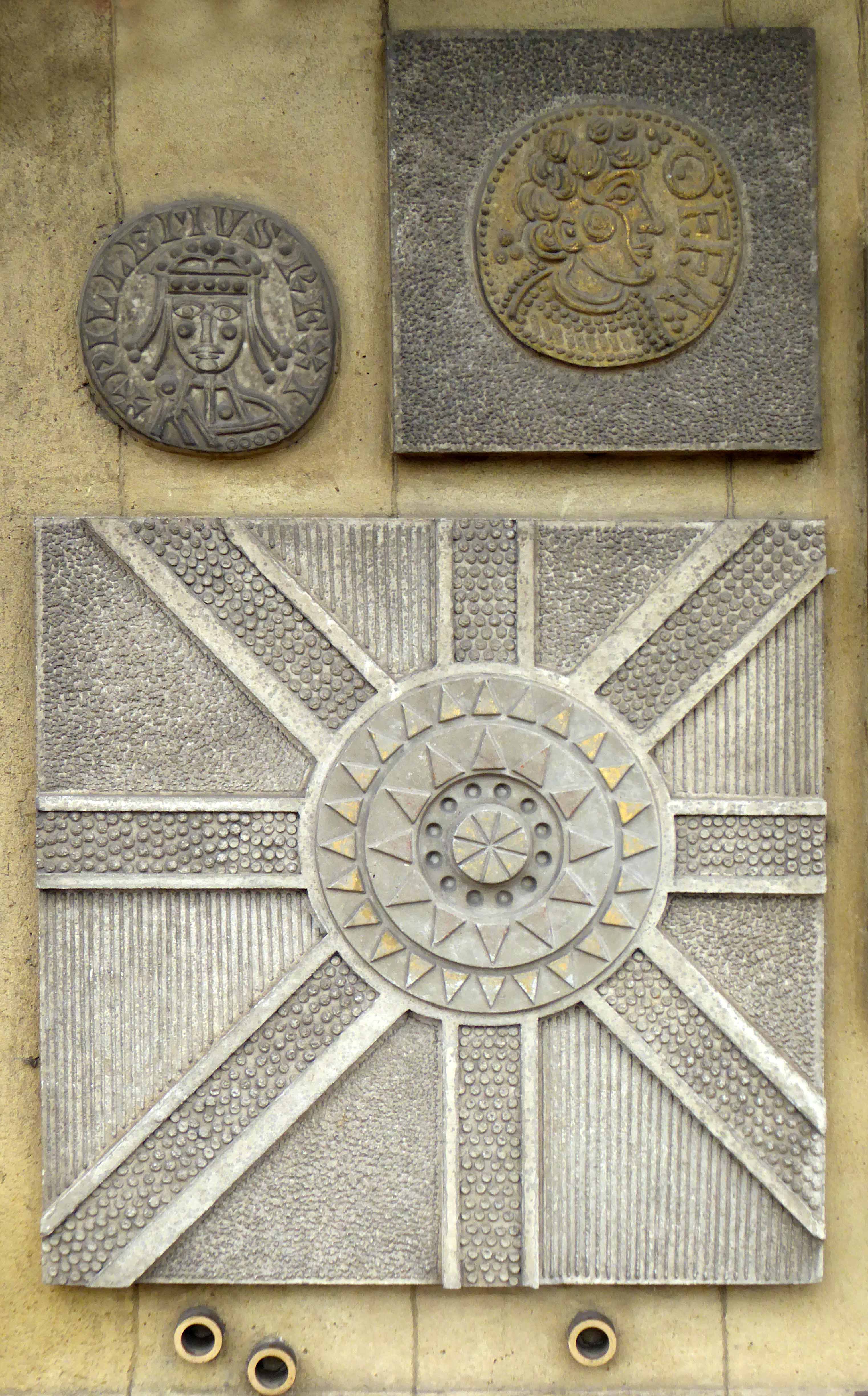
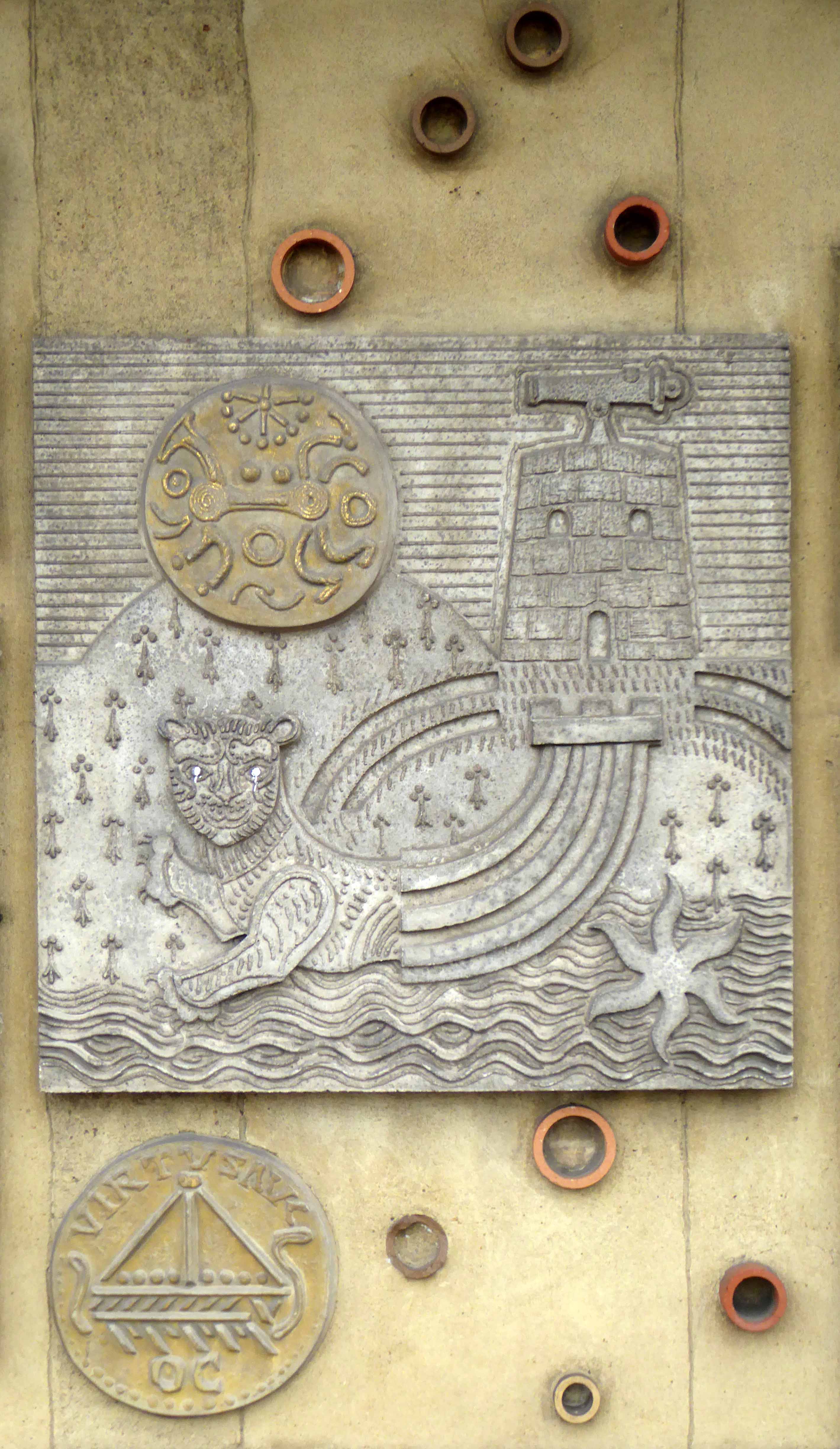
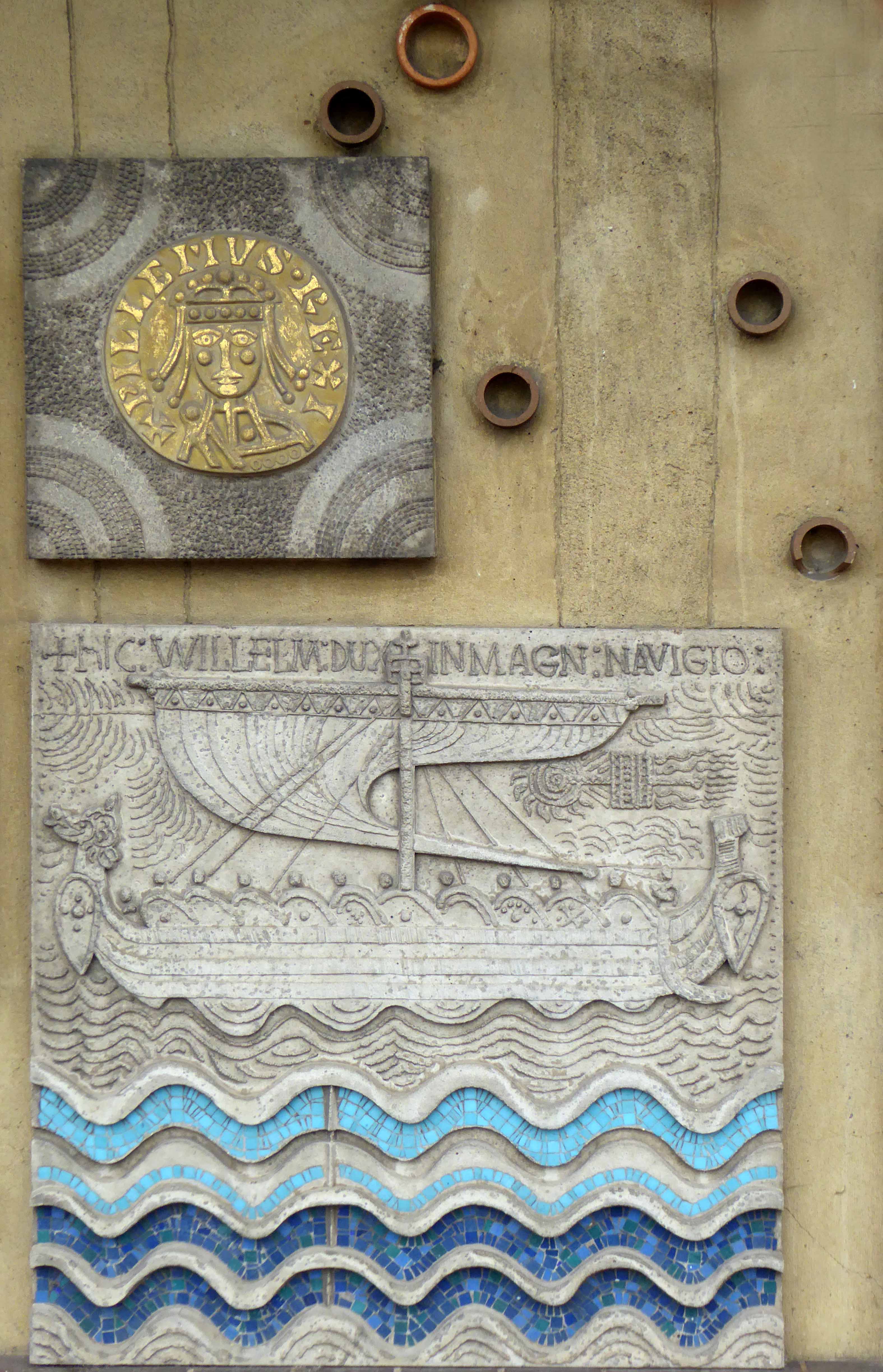
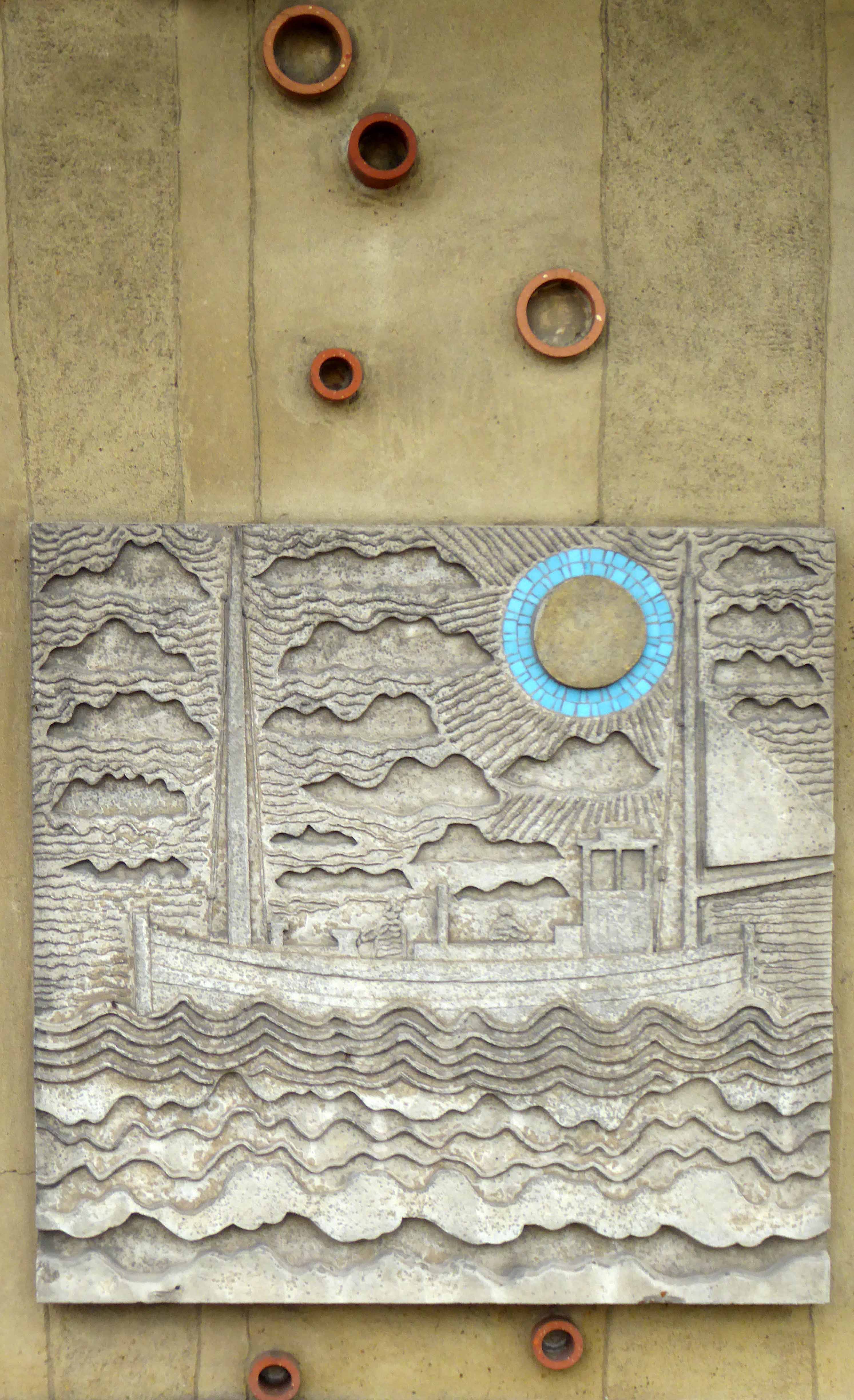
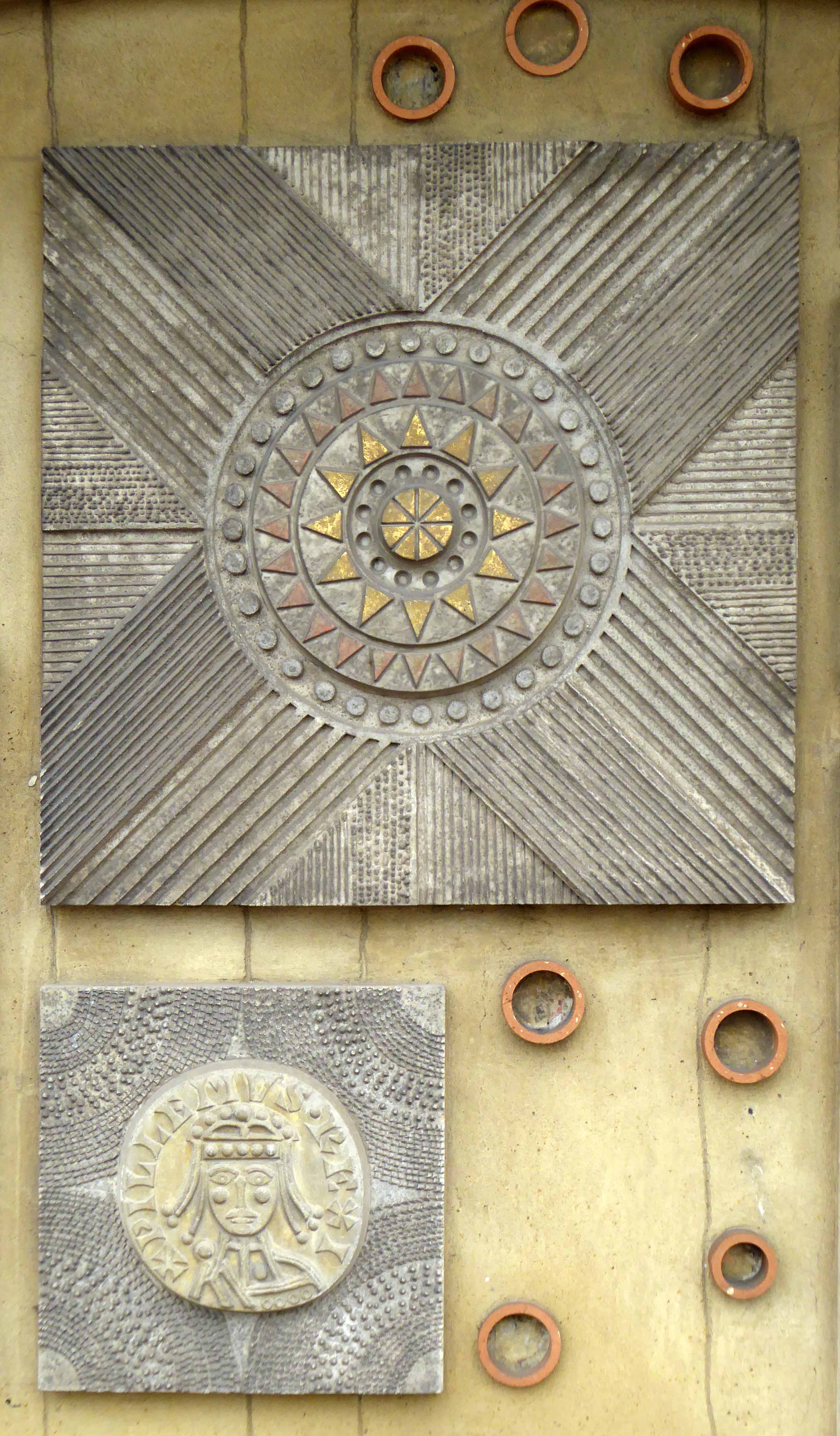
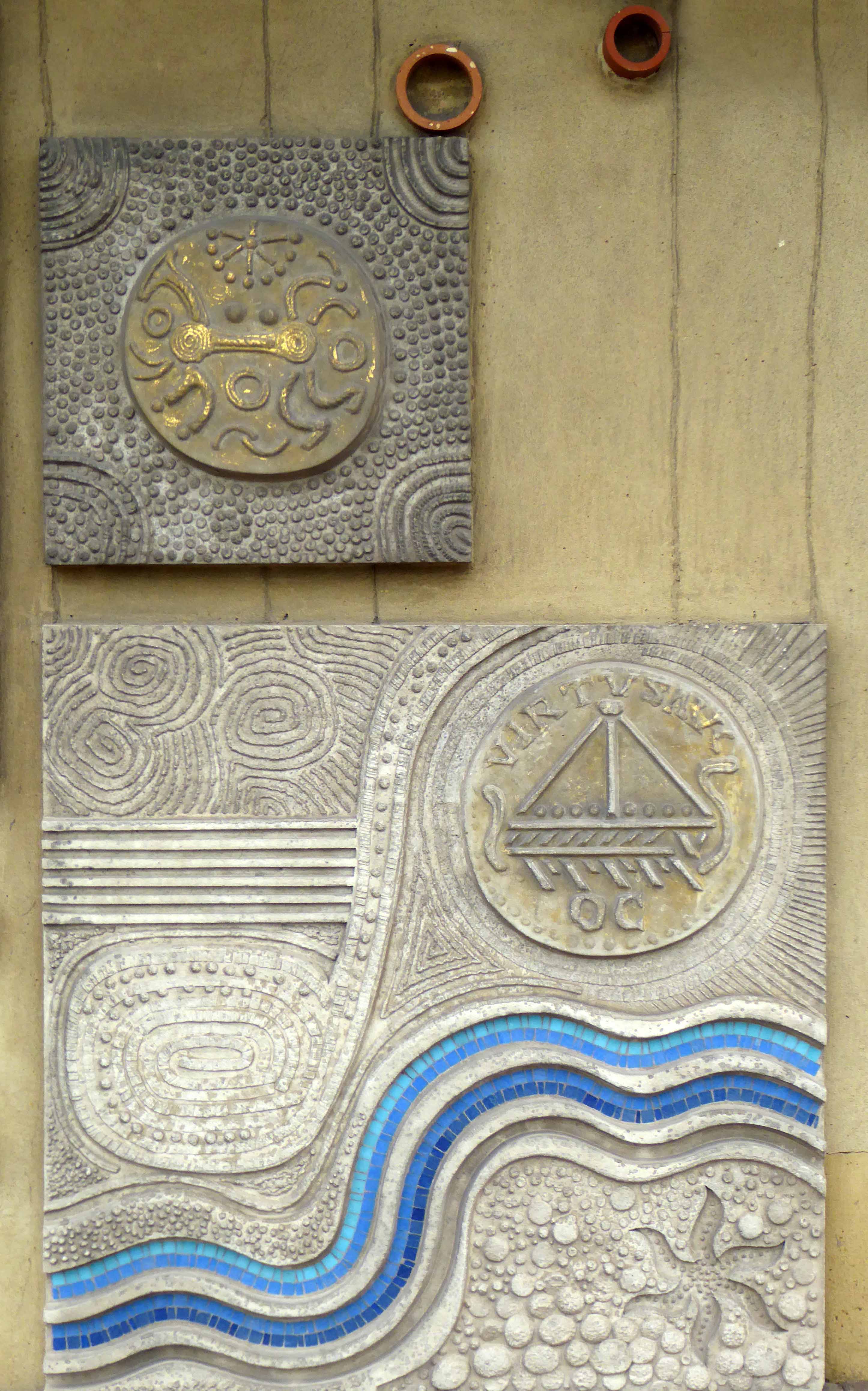
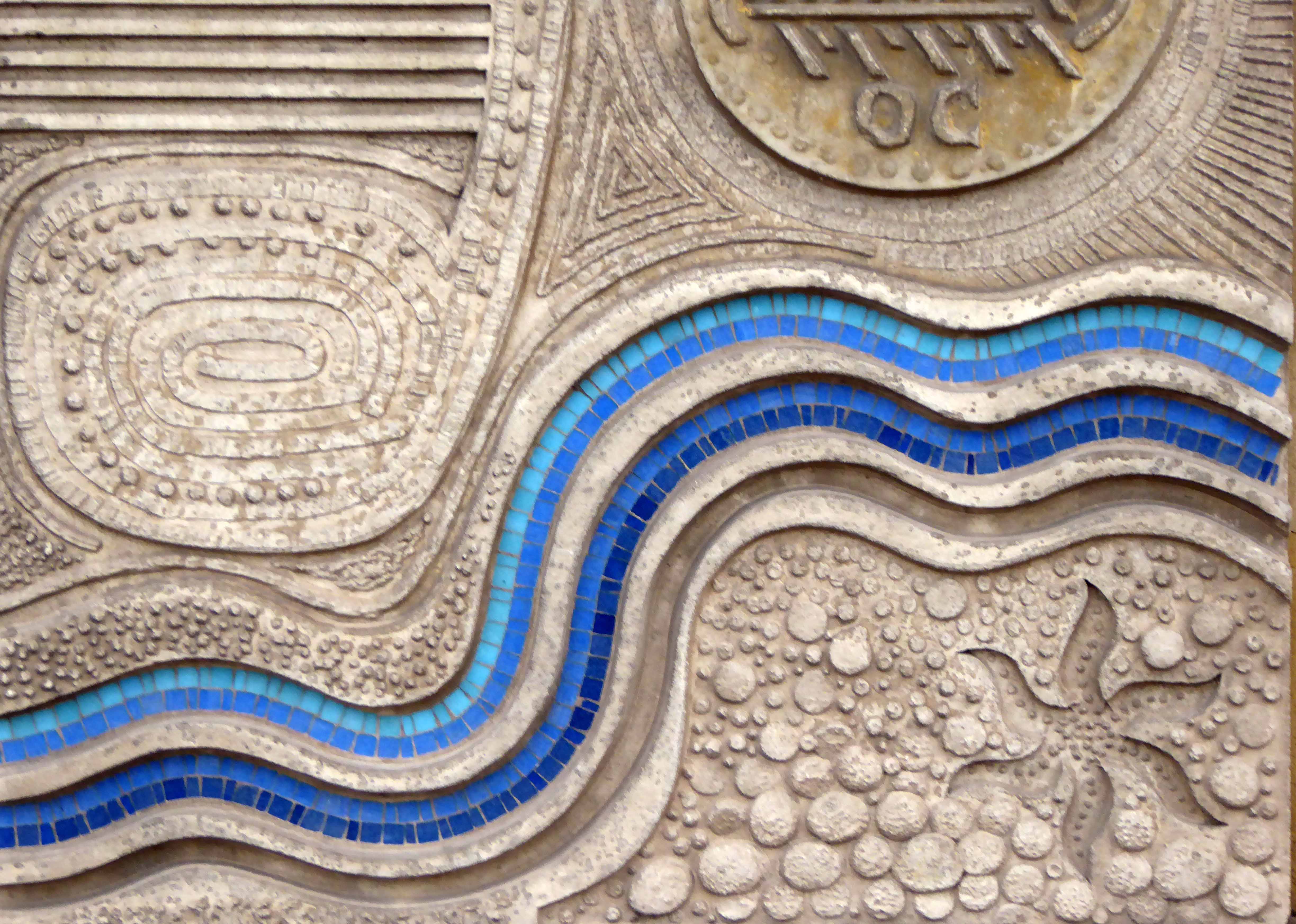
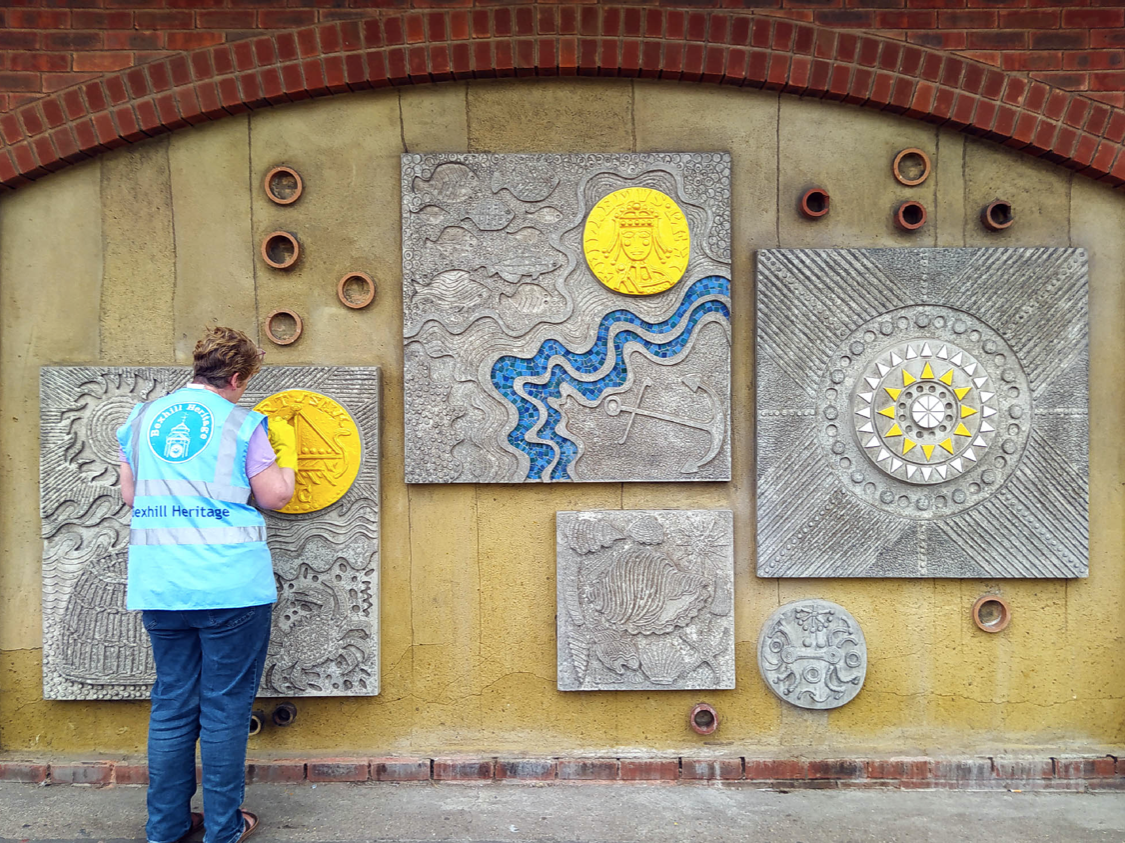
Henry William Collins and Joyce Millicent Pallot have a very special place in my heart, their lives’ work together gracing the Festival of Britain, GPO Tower and Expo 70, along with other retail outlets in Southampton, Gloucester, and Colchester. A distinctive style of bas relief in impressed concrete, ceramic terrazzo and simple modern motifs, drawn from local history and imagery.
Take a look around.
Great to see that the murals have been restored recently by Bexhill Heritage.
All towns have ghosts, none more so than Scarborough.
High atop a castle topped, wind whipped promontory, lies Anne Bronte, overlooking the harbour below, wayward Whitby whalers wail, lost fisher folk seek solace.
Its walls ache with traders past, scissors that no longer snip, click-less shutters, unlettered rock and loaves that no longer rise.
Layers of sun baked, peeling paint on brick, rendered almost illegible.
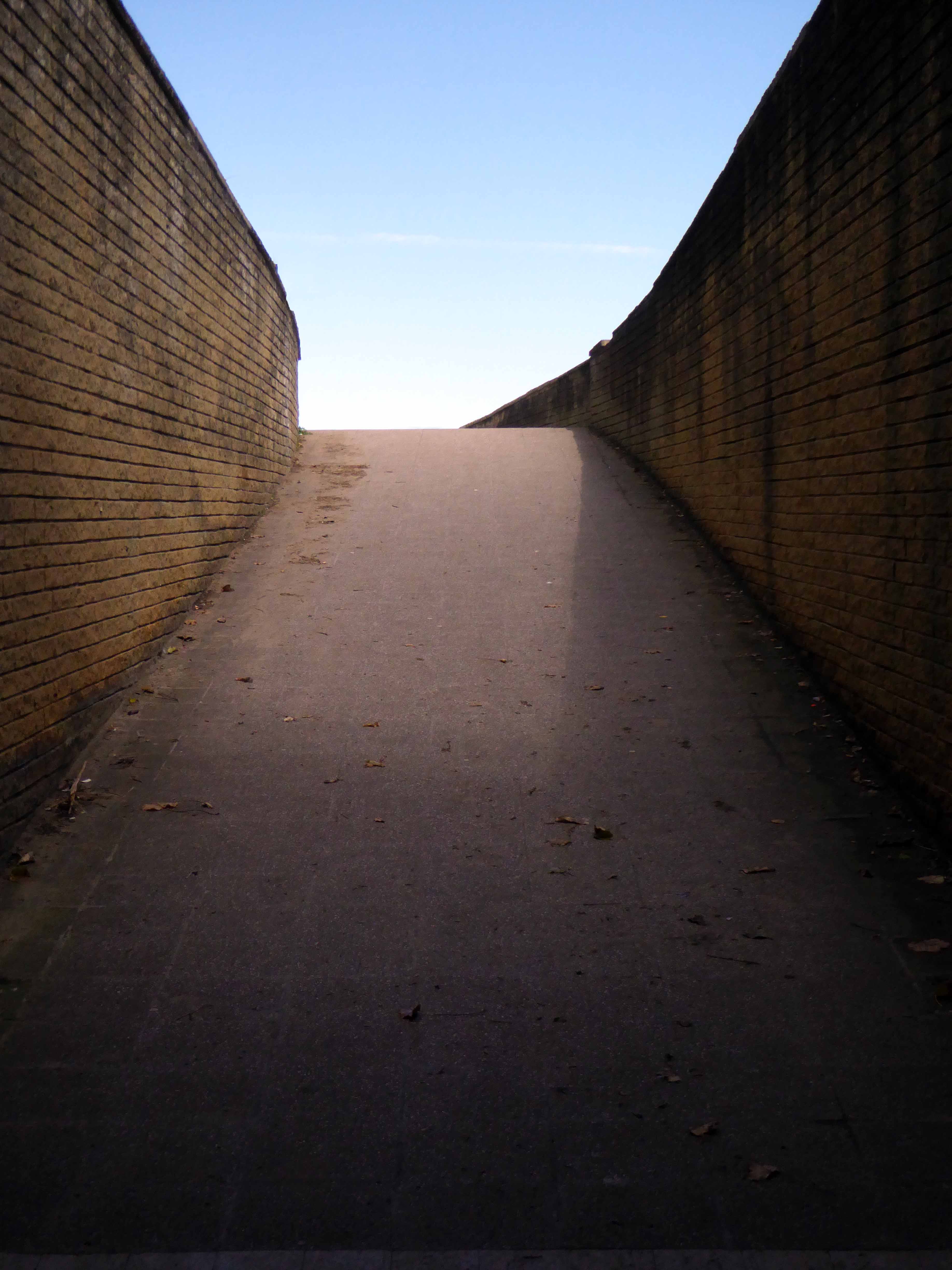
Hard by the seafront linking Foreshore, Cleveland Way and Valley Road sits a neat little tight little island, giving pedestrian access to almost everywhere – and a car park.
As with every other torus worth calling a torus, at its very centre sits the presence of absence, darkened concrete subterranean causeways, linking everything to nothing.
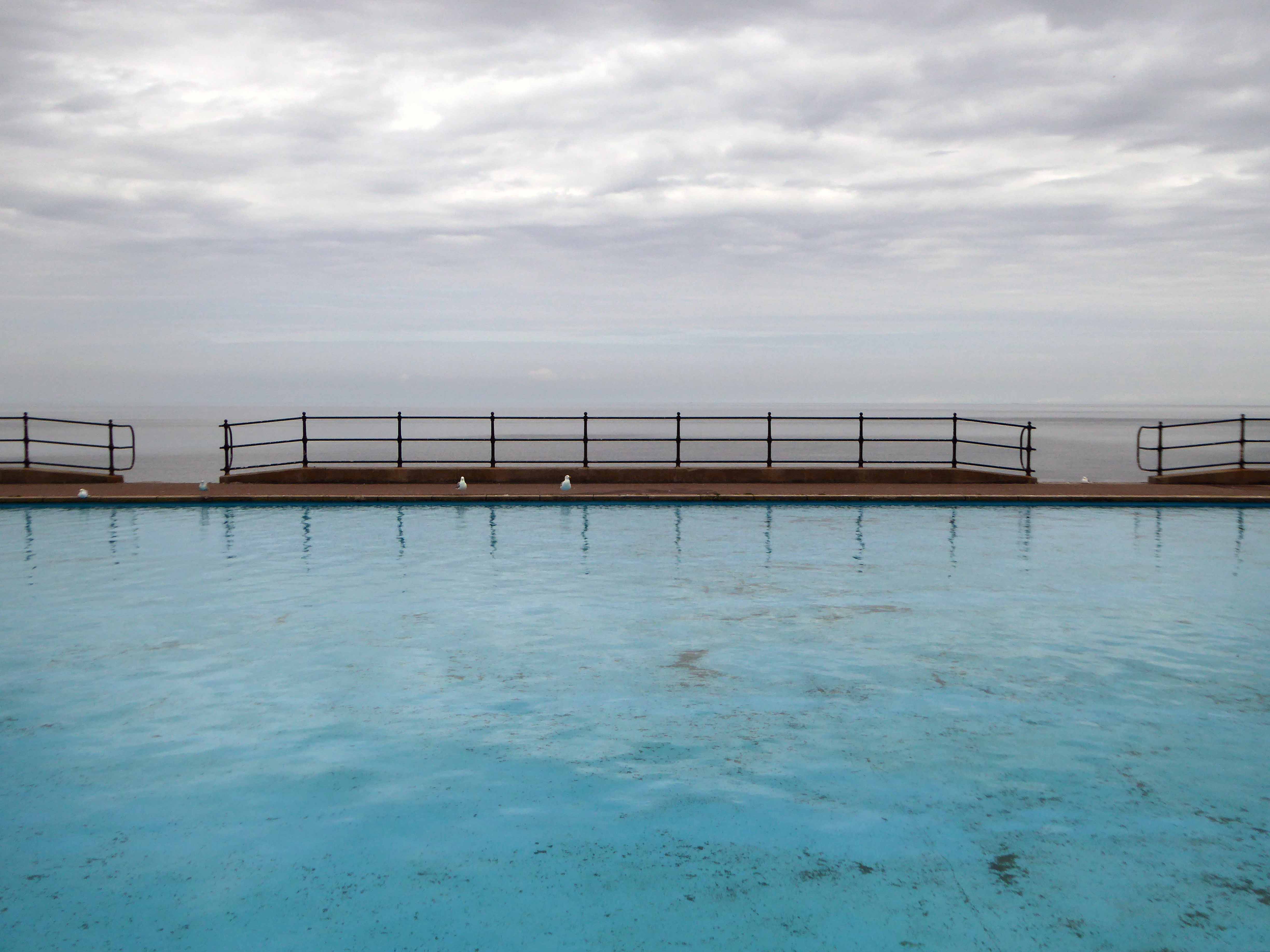
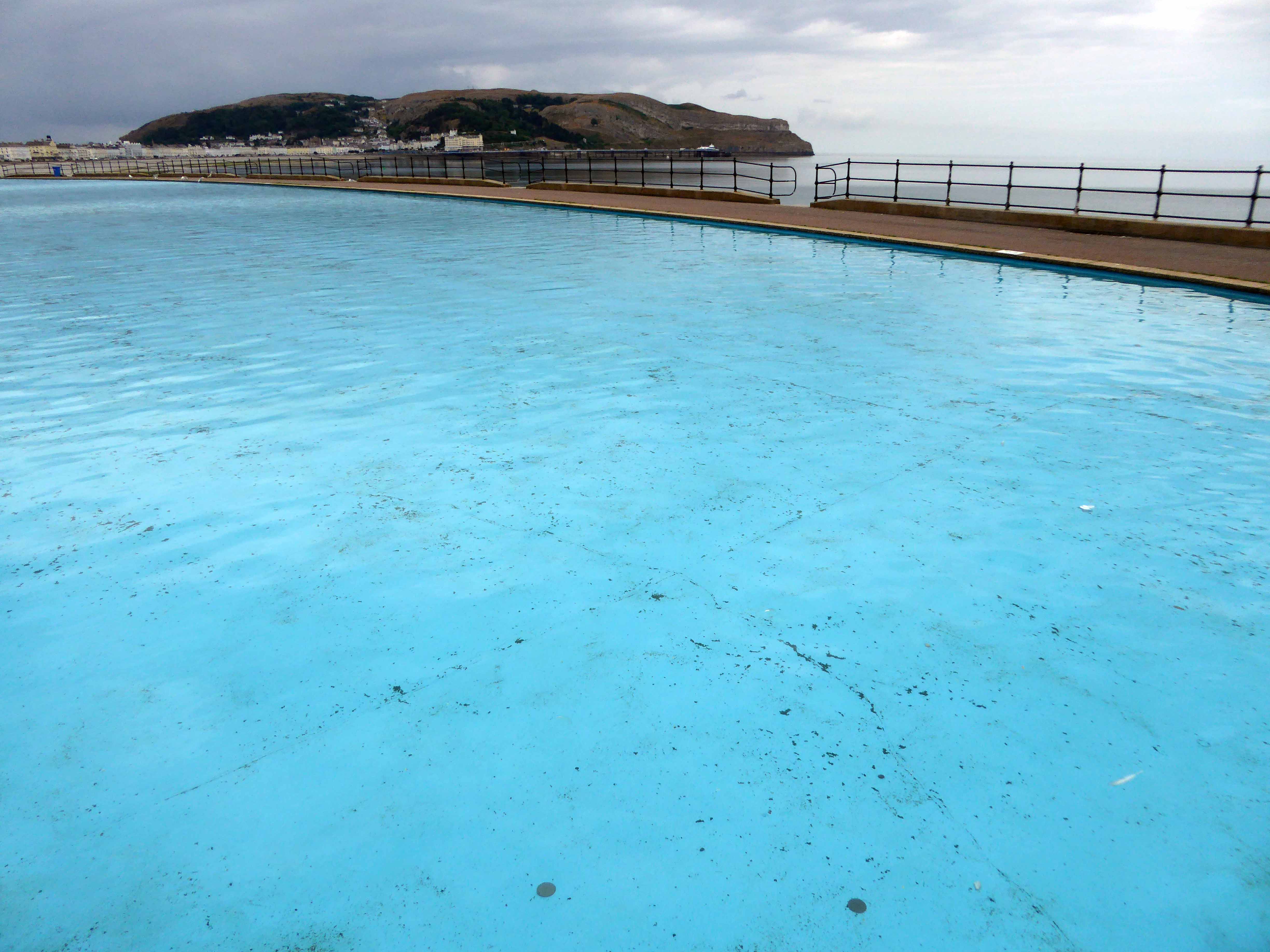
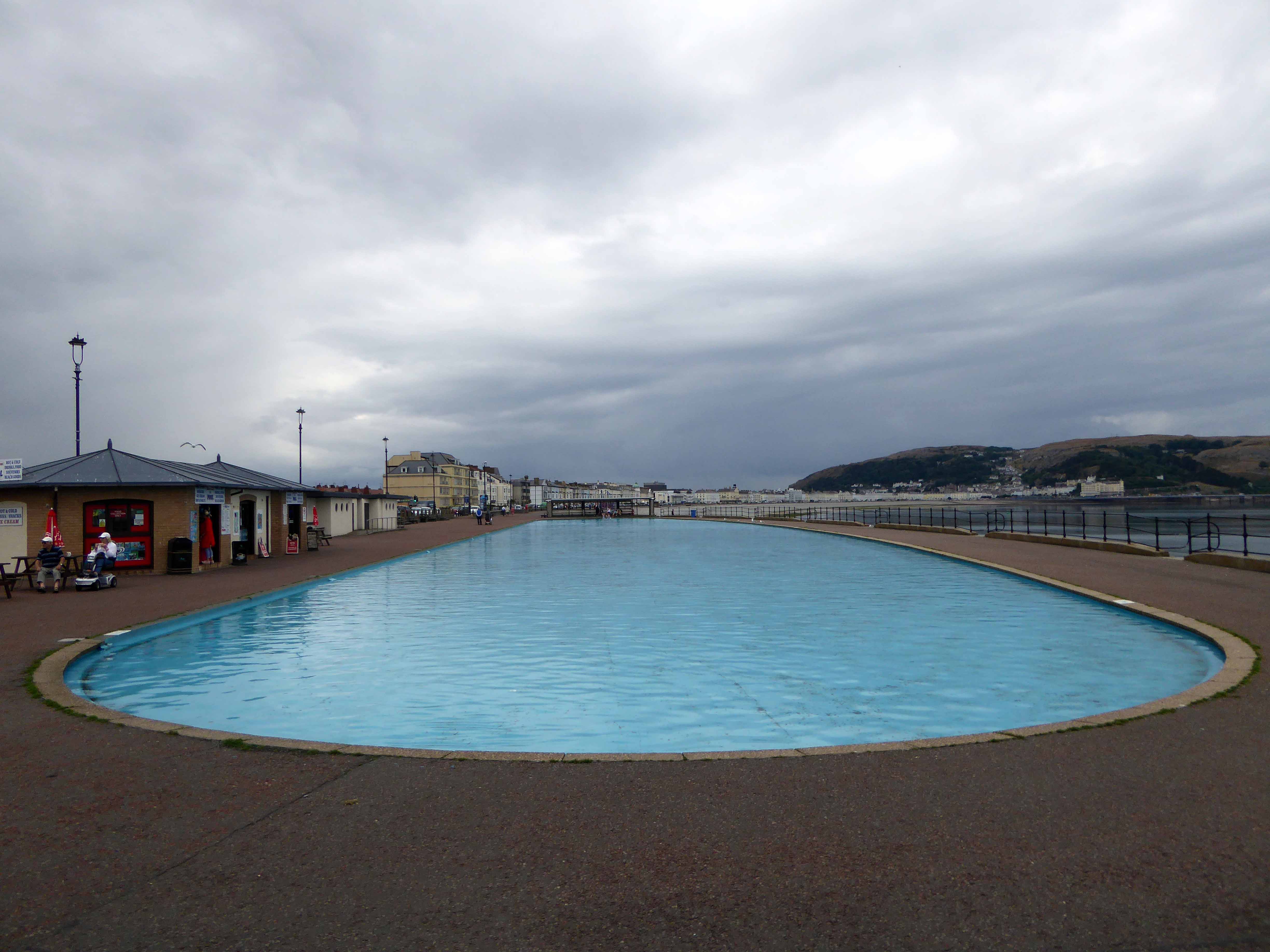
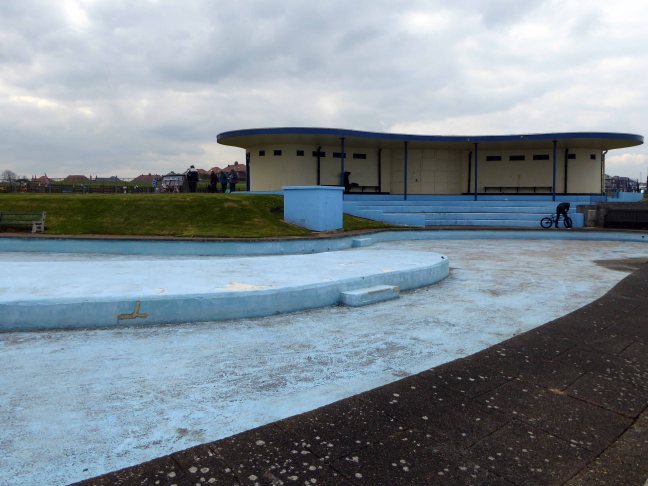
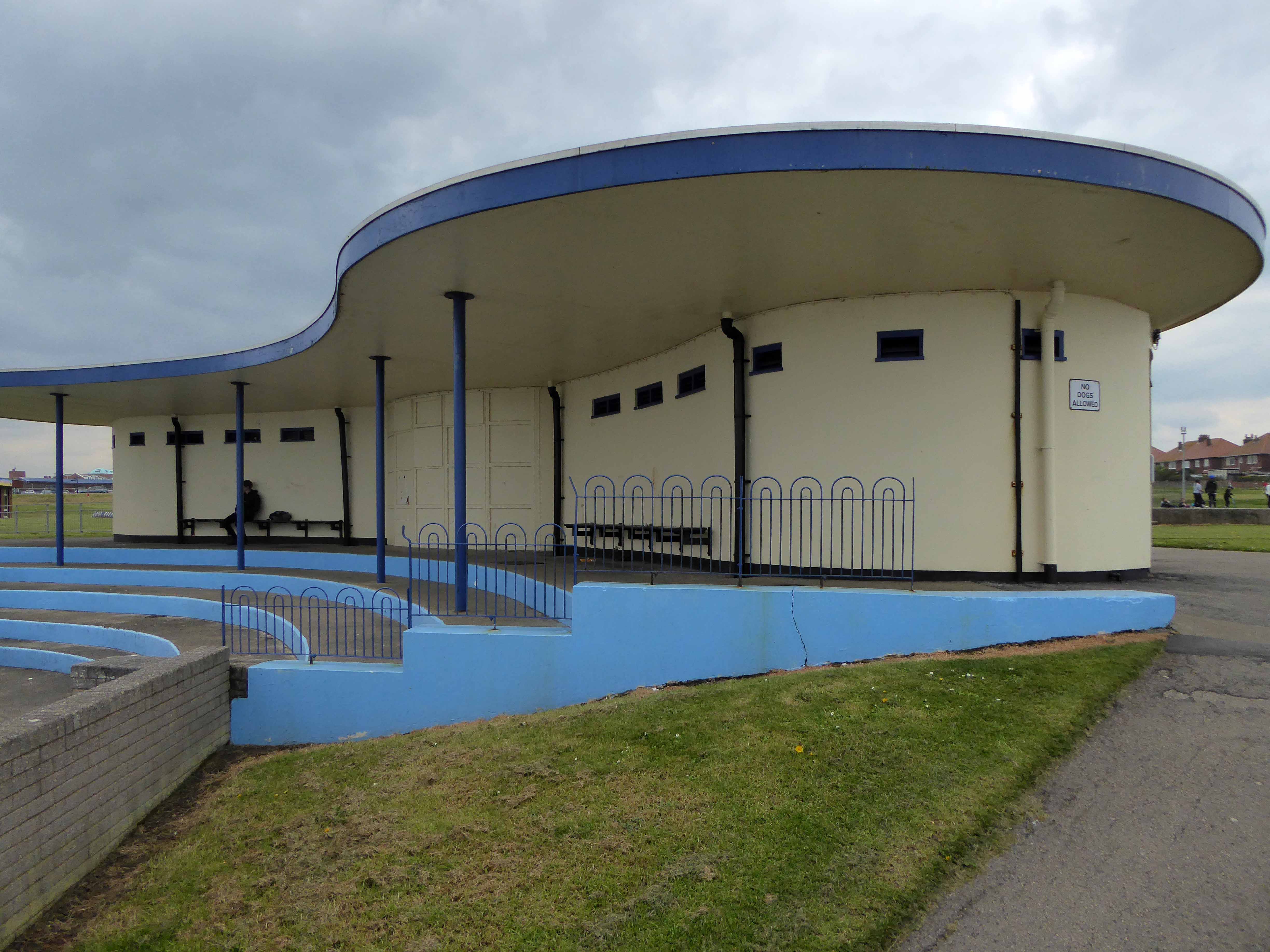
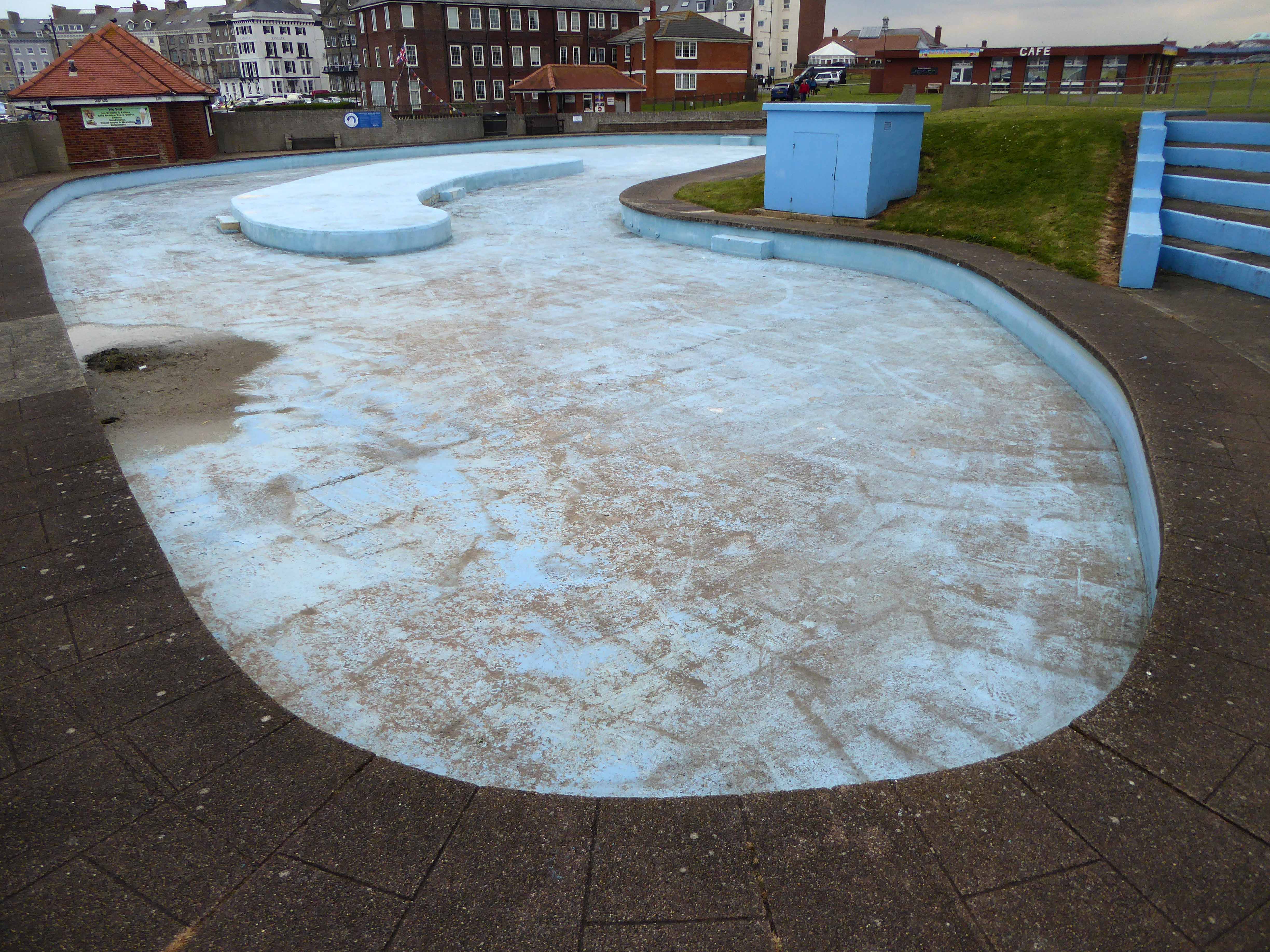
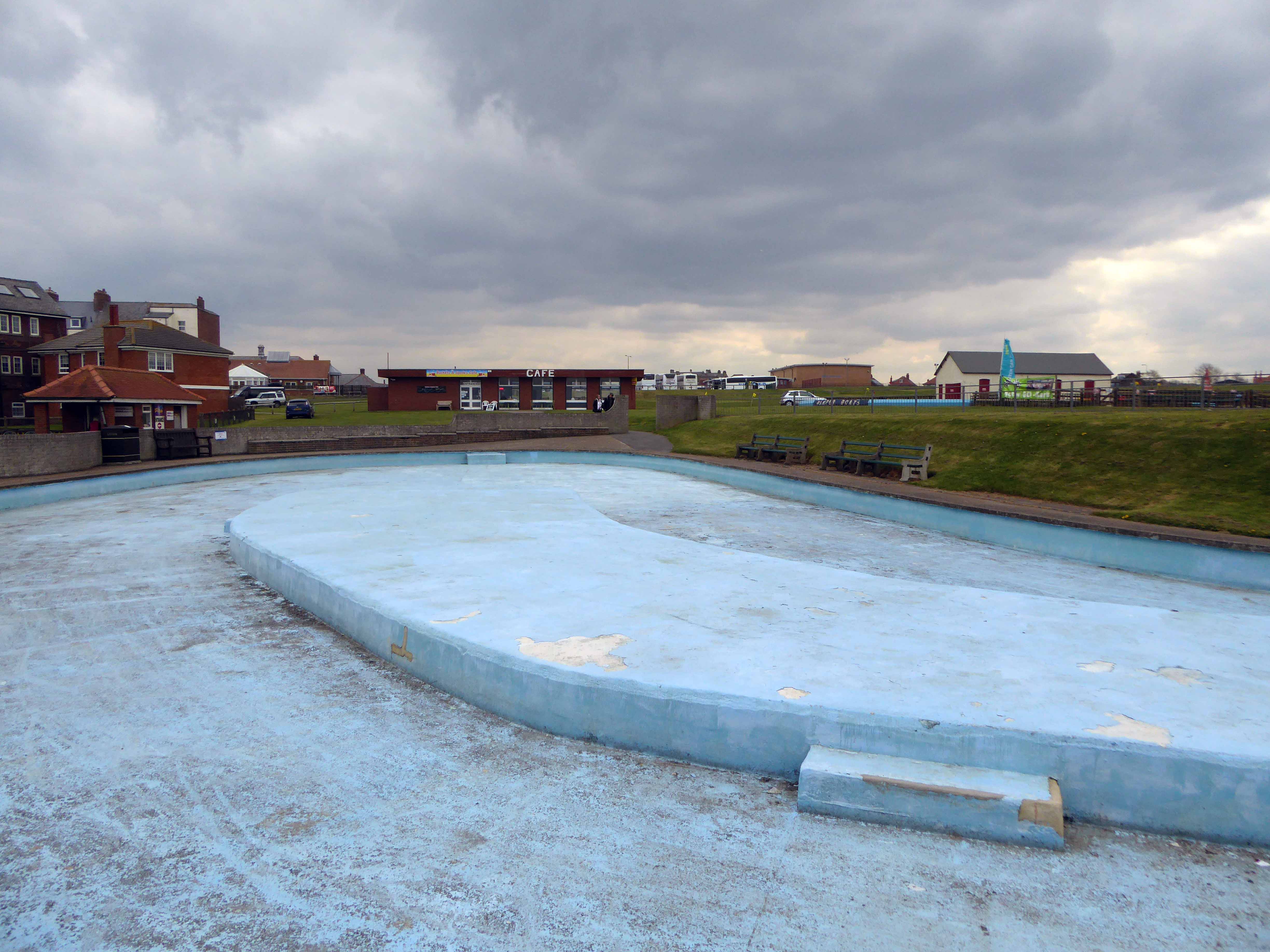
High atop West Cliff Whitby is a pale blue imitation of the deep blue North Sea below.
A TG Green Cornishware blue and cream striped pot, reimagined on the distant Yorkshire coast, in paddling pool form.
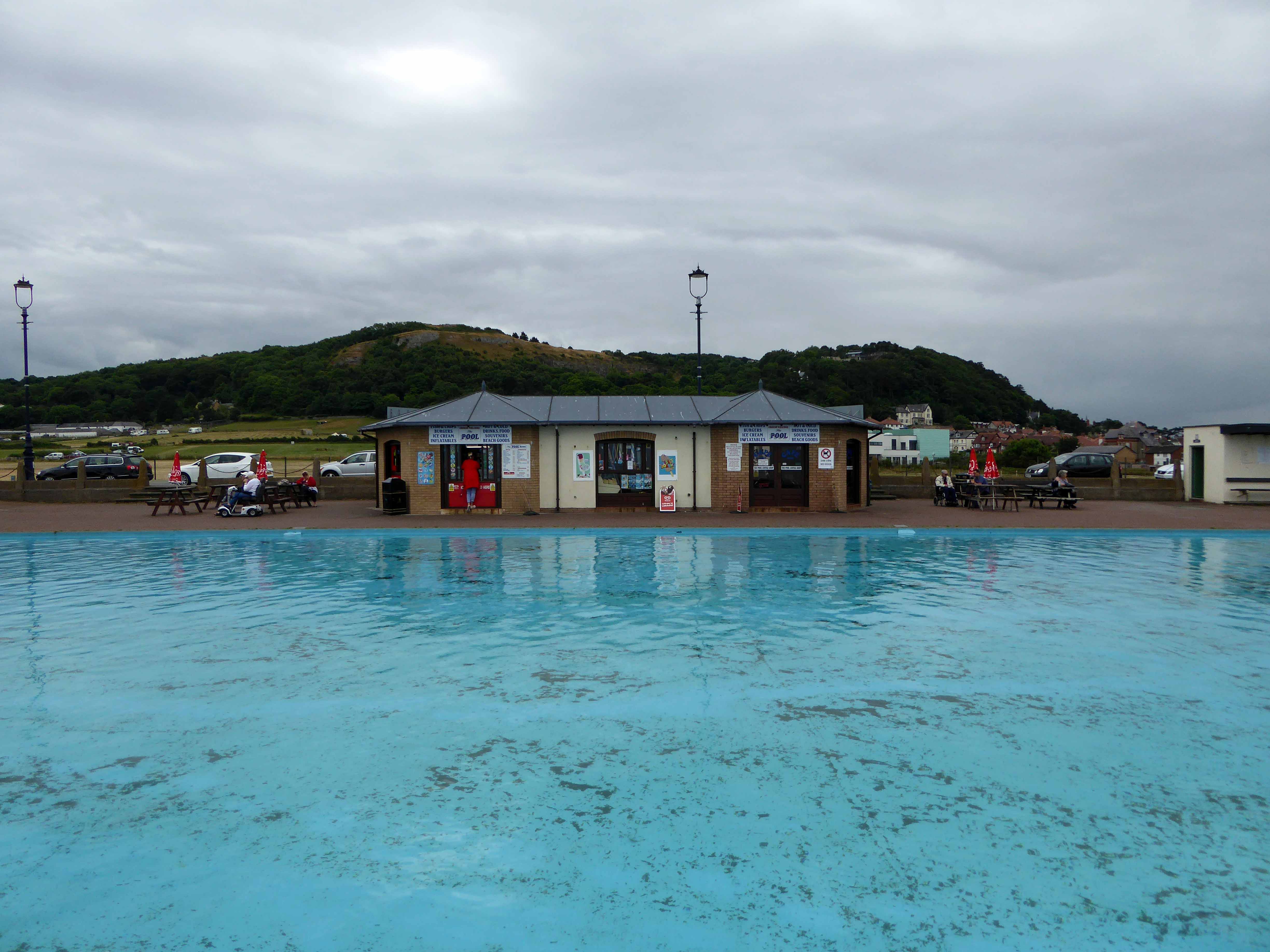
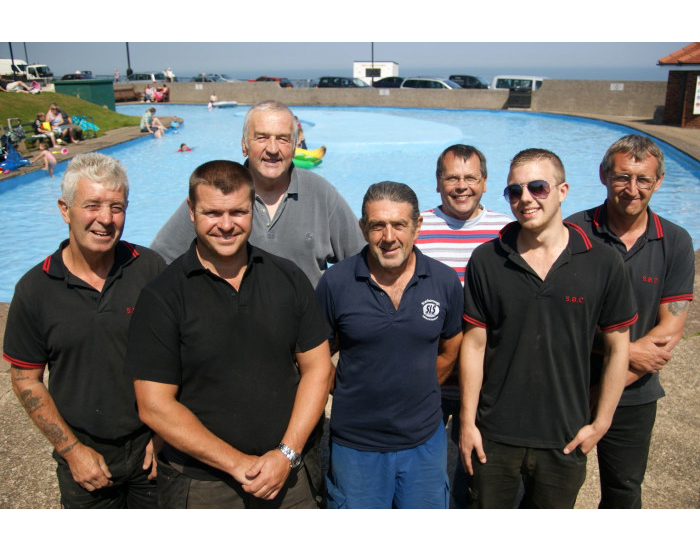
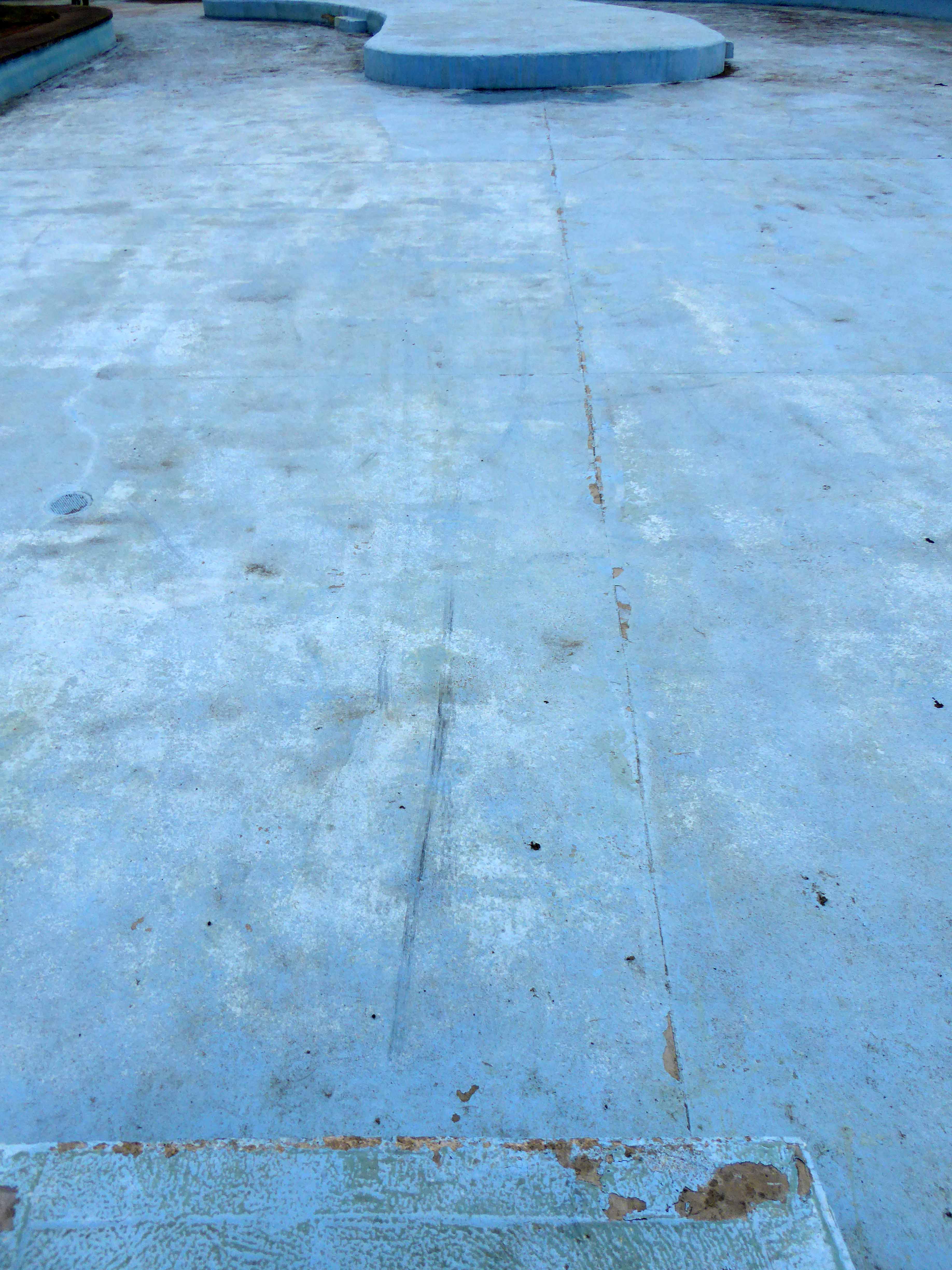
Scarborough Borough Council has resurfaced the paddling pool, re-concreted and repainted the bottom and the sides. The railings adjacent to the footpaths at Whitby Pavilion have been repaired and re-painted and seating next to the crazy golf has also been improved.
Martin Pedley, Scarborough Borough Council’s asset and risk manager said:
The council has, in conjunction with the voluntary sector, invested both time and money in continuing to revitalise the West Cliff area in preparation for the summer season and the influx of visitors to Whitby.
West Cliff councillor Joe Plant added:
The improvement works that have been done both last year and this year is most welcome. Not only the visitors will benefit, but local people also and it again shows working in partnership with the voluntary sector does make a difference.
The Big Society in action, replacing railings improving lives.
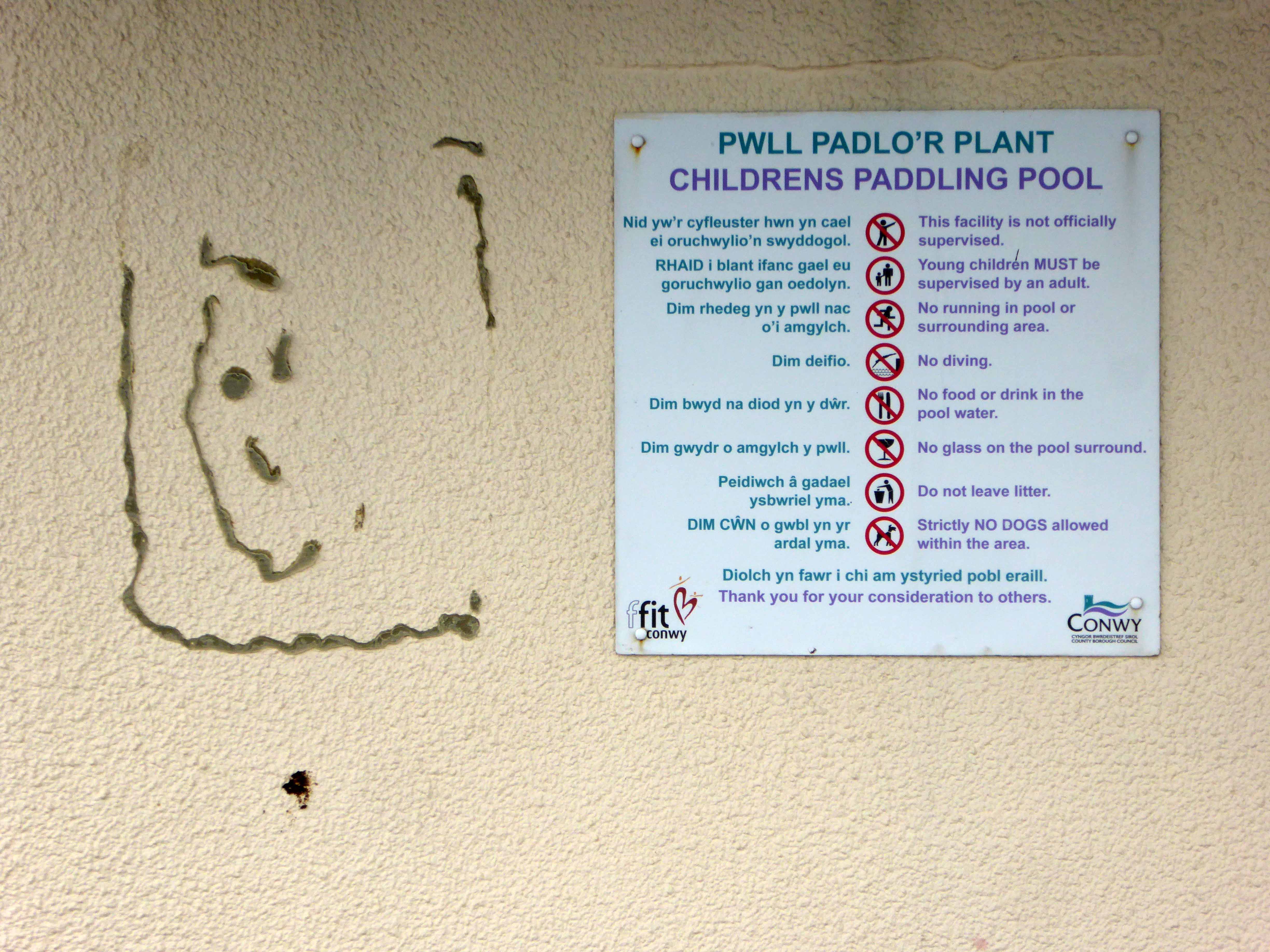
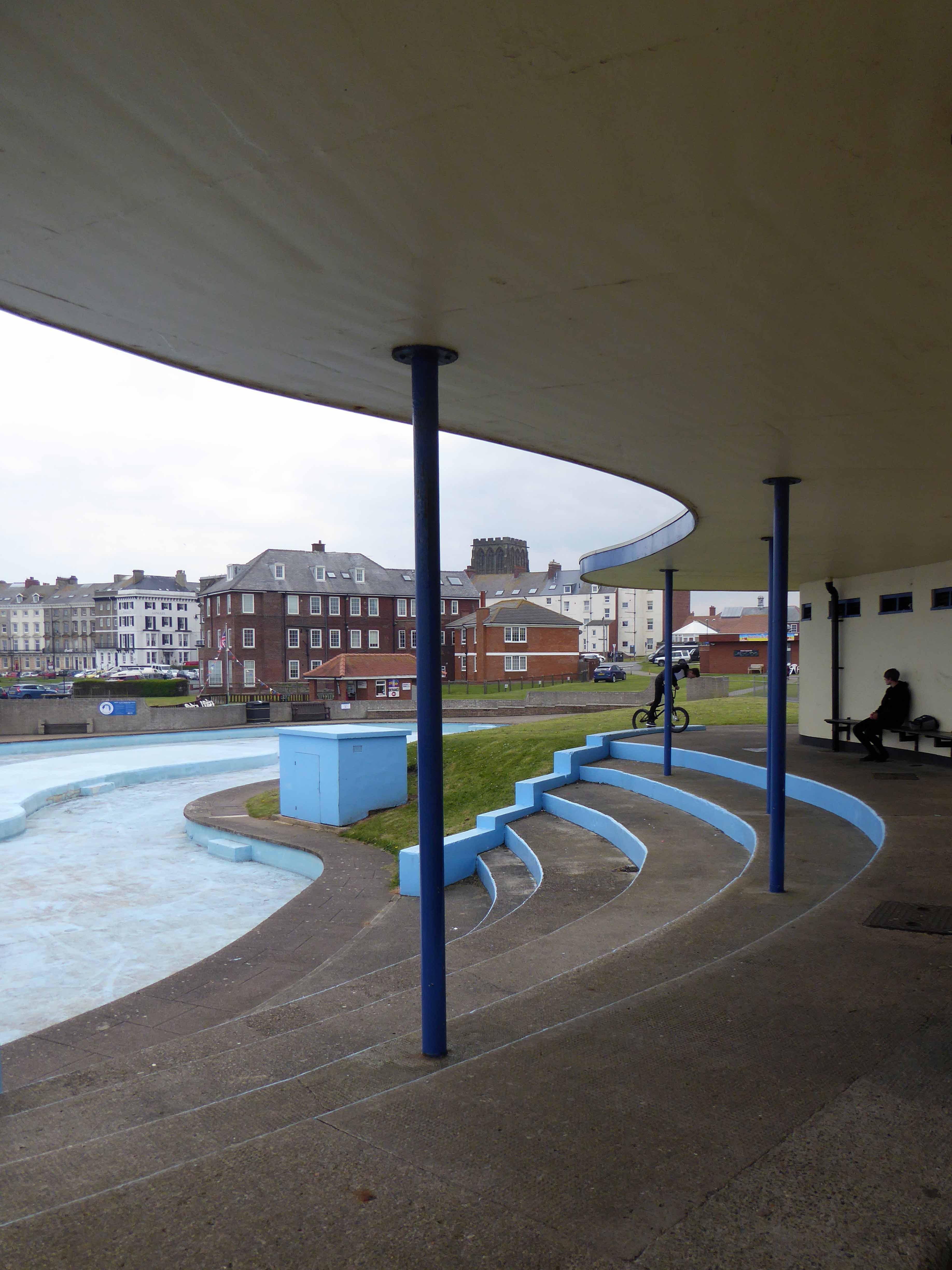
I arrived in late April the pool as yet sans d’eau, more of a pedalling pool than paddling pool as the BMX bandits invaded the space, in direct contravention of the rules and regulations.
The water when present is some twelve inches deep, clearly better suited to larking, splashing and cavorting rather than performing The Twister, a bewildering blur of twists and turns two and a half back-somersaults with two and a half twists during the 1.5 seconds between launching and entering the water at 40mph.
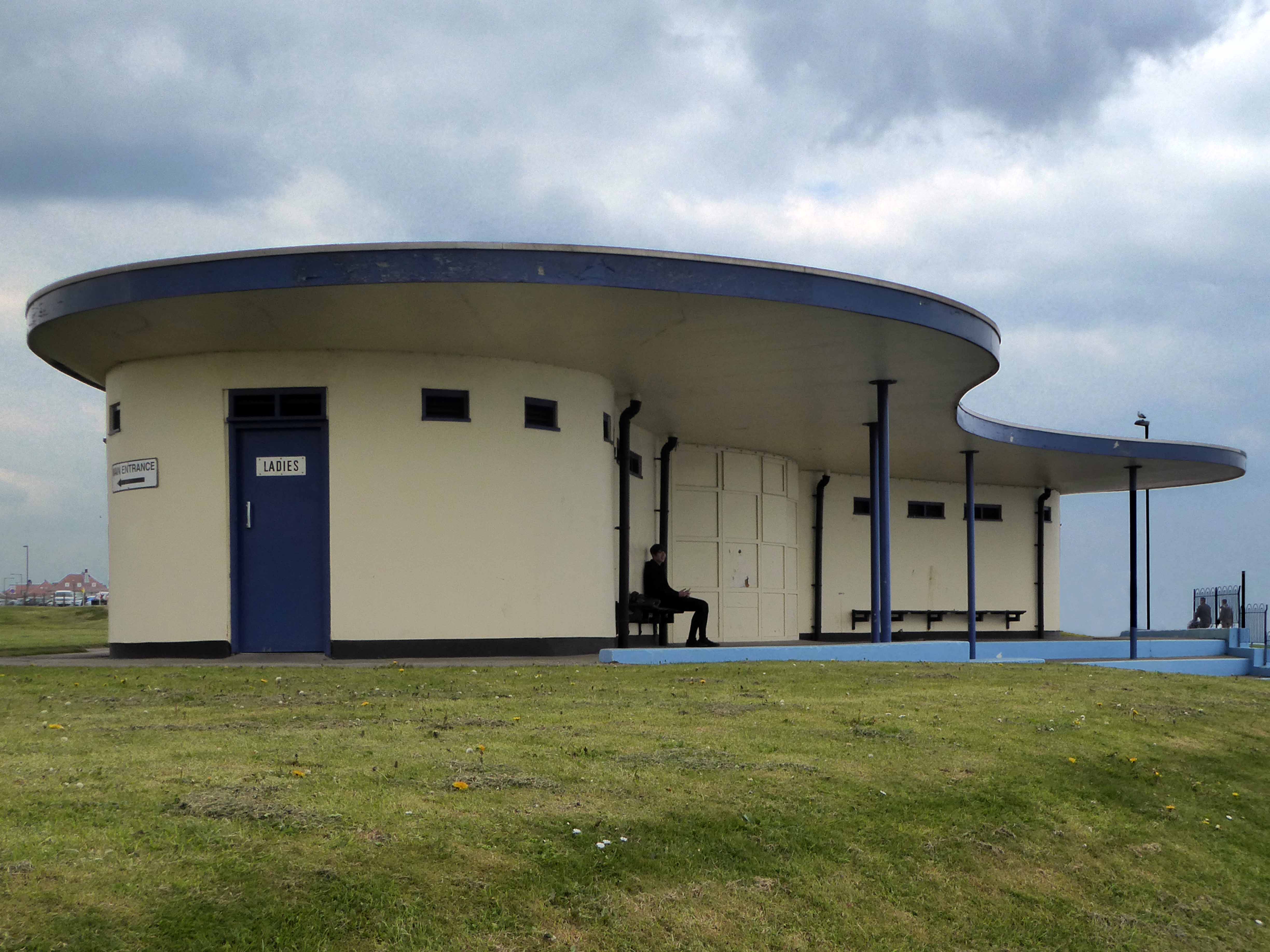
The pool is flanked to the north by a sweeping Lubetkin style, flat roofed pavilion complete with fully functioning toilet facilities.
Turn your back on the Abbey, go wild – take a wet walk on the West Cliff side.
Blimey, I remember the castle and the hamster wheel thing. It was, in those days, as close to you would get to an adventure play park, it was on the same site that is now held by Clambers and it was all outdoors. The Castle, the Hamster Wheel, an army zip slide, seesaws, roundabouts and I think there was a small paddling pool. The Castle stunk of wee, probably where kids couldnt be bothered to get to the toilet. I remember it even had towers that you could go up .
Next to the play park was a putting course and you use to pay where the bowling green hut is now. Then the other side was a crazy golf course and you purchased the tickets from the model village hut. We had some great times up there . We use to spend the morning in the museum and then a snack and a drink at a very small cafe that was just below White Rock Road, in Cambridge Road (since gone) and then off to the putting, the play park and then the crazy golf, in that order
Can you imagine kids being allowed out to do that now ? We were 12 years old in 1973 and use to catch the 433 bus from the Fortune of War (well thats what we called the bus stop anyway) in Priory Road, to the Oval and back.
Happy days
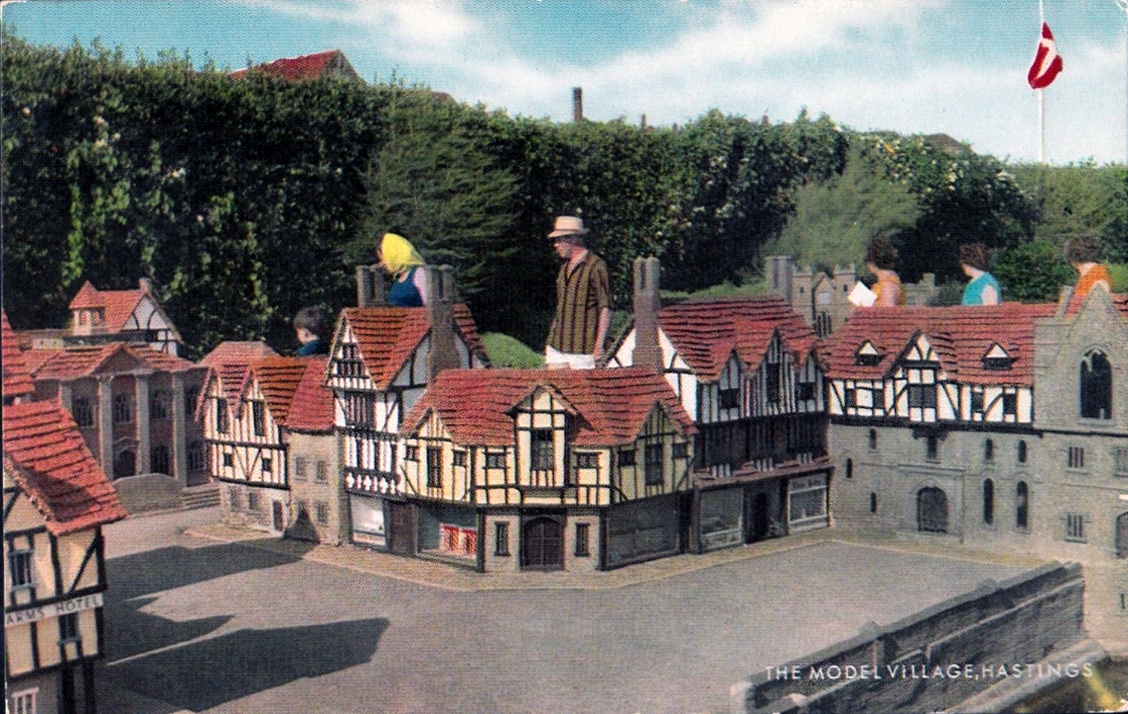
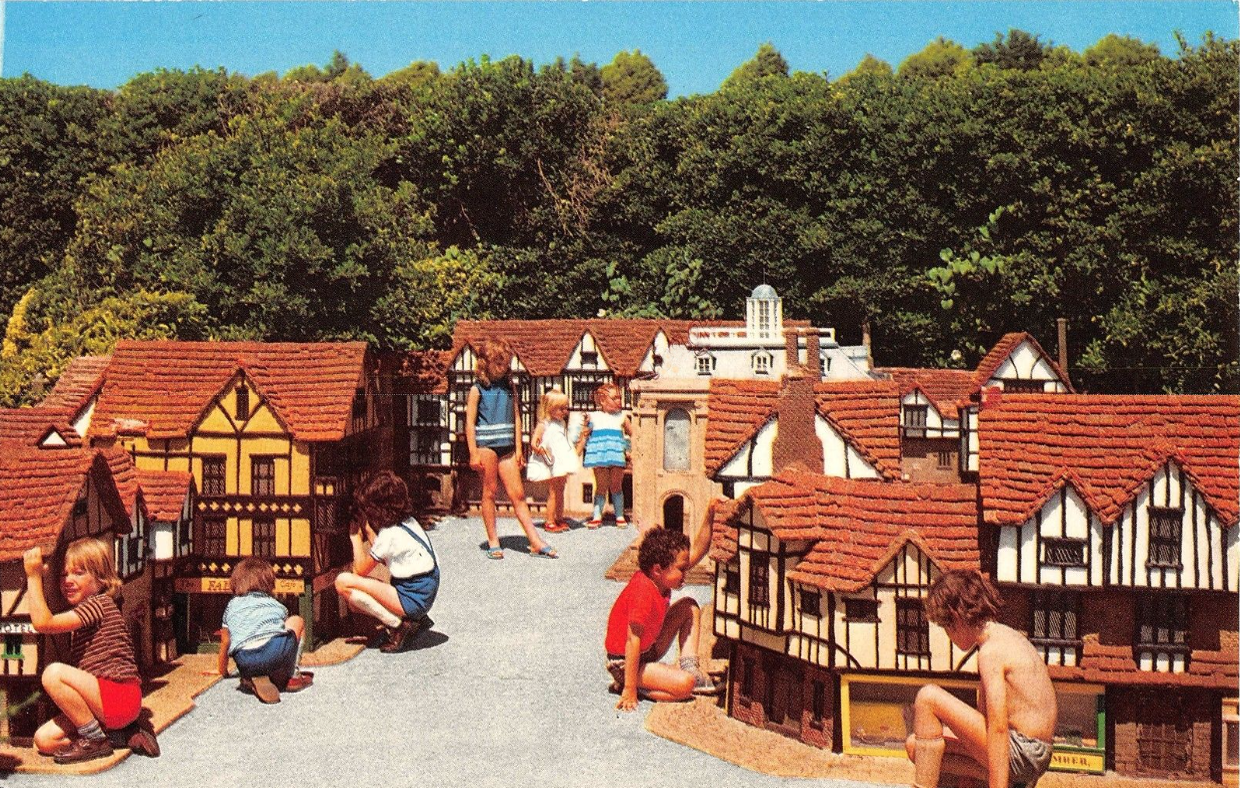
The Hastings Model Village took three years to build and opened on 19th February 1955. Designed by Stanley Deboo, it featured models of classic Sussex houses including oast-houses and timber-framed houses.
Sadly the Model Village was forced to close in December 1998 after vandalism caused £5,000 worth of damage. It was replaced by a miniature golf course built by Chris Richards.
The model village was replaced by a lazer maze style gaming centre in 2011, but still some of the original model village foundations remain at the site to this day.
I love model villages, the real rendered diminutive in tiny eye bite size pieces. I have a particular affection for lost model villages, and particularly lost model villages which I have never visited. Having discovered a set of vintage images at the Vintage Village – I set out on a virtual journey by postcard, into a collective unconscious, previously uncollected.
Here are the mechanically retrieved lost remnants of a lost world.
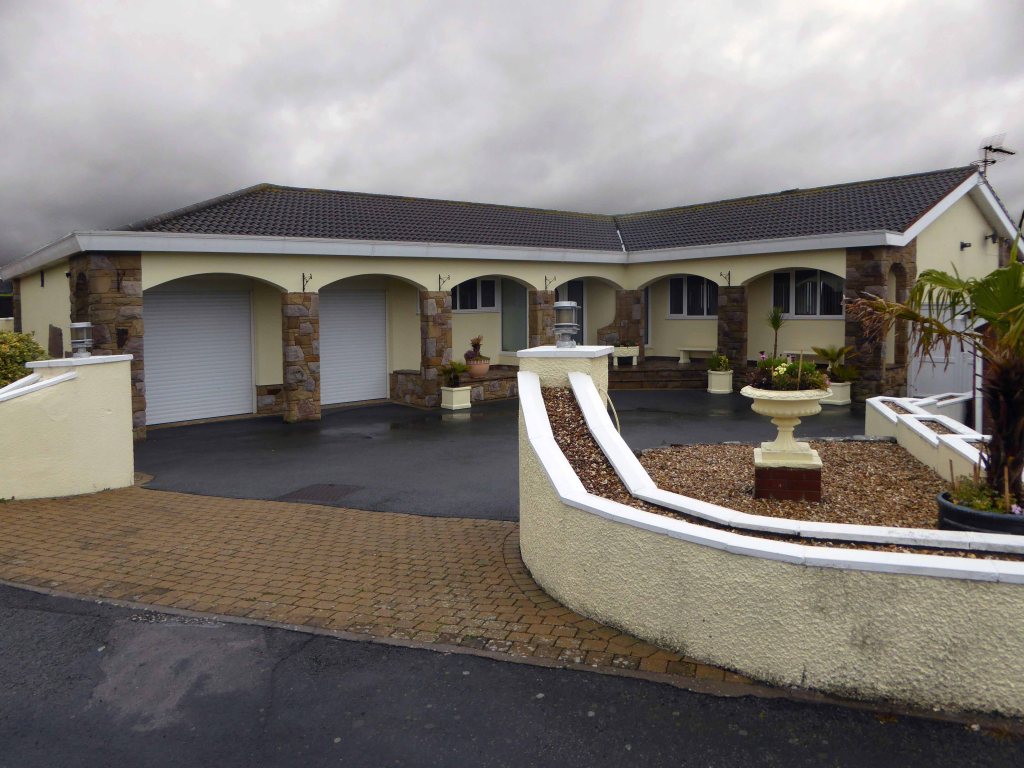
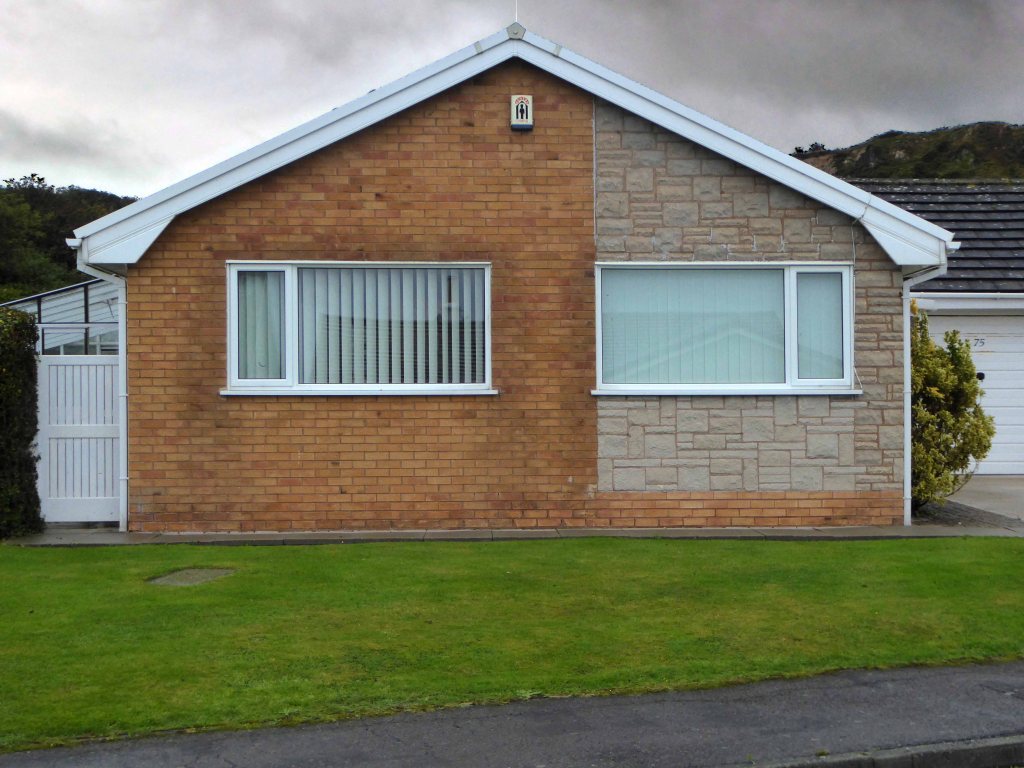
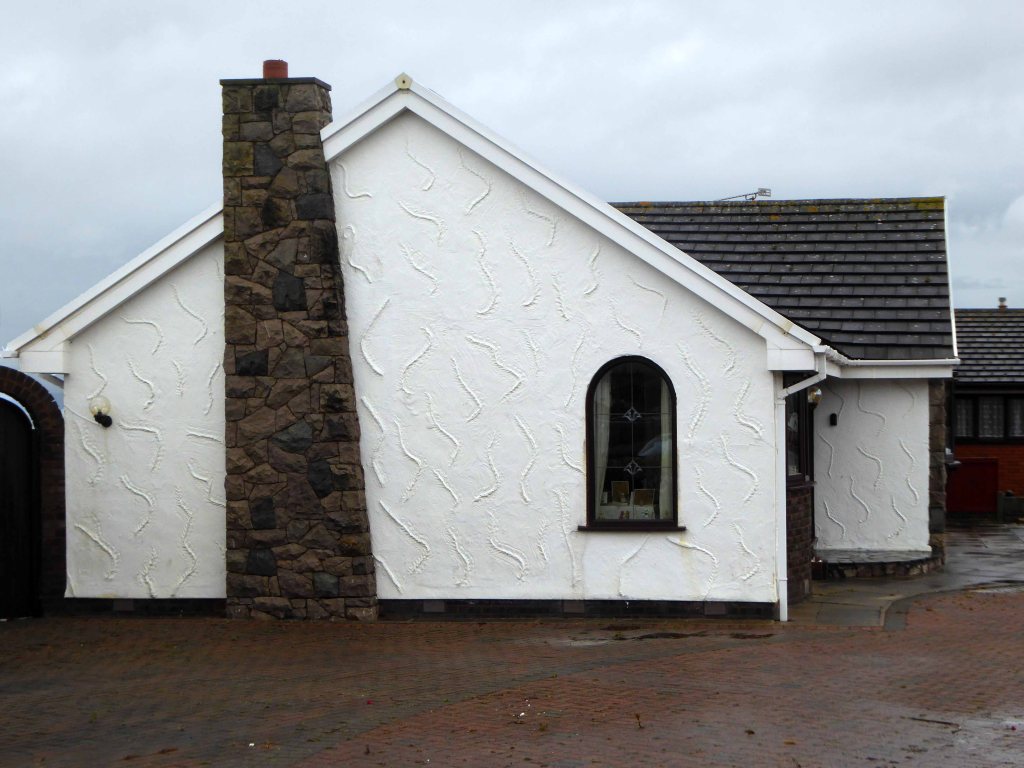
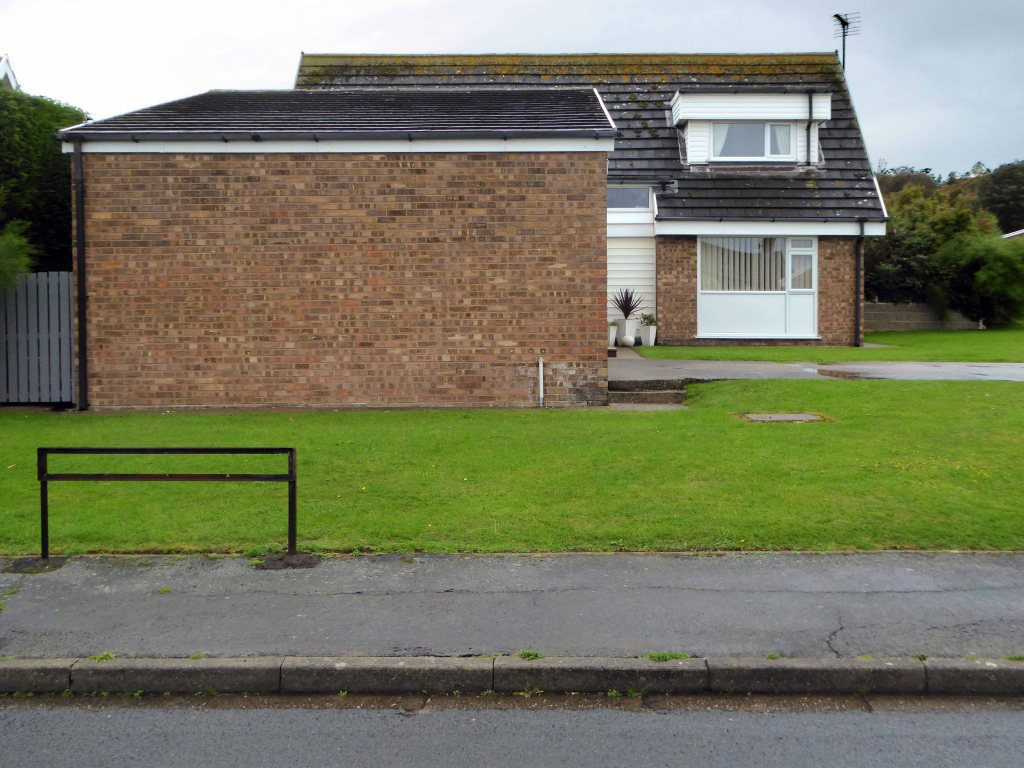
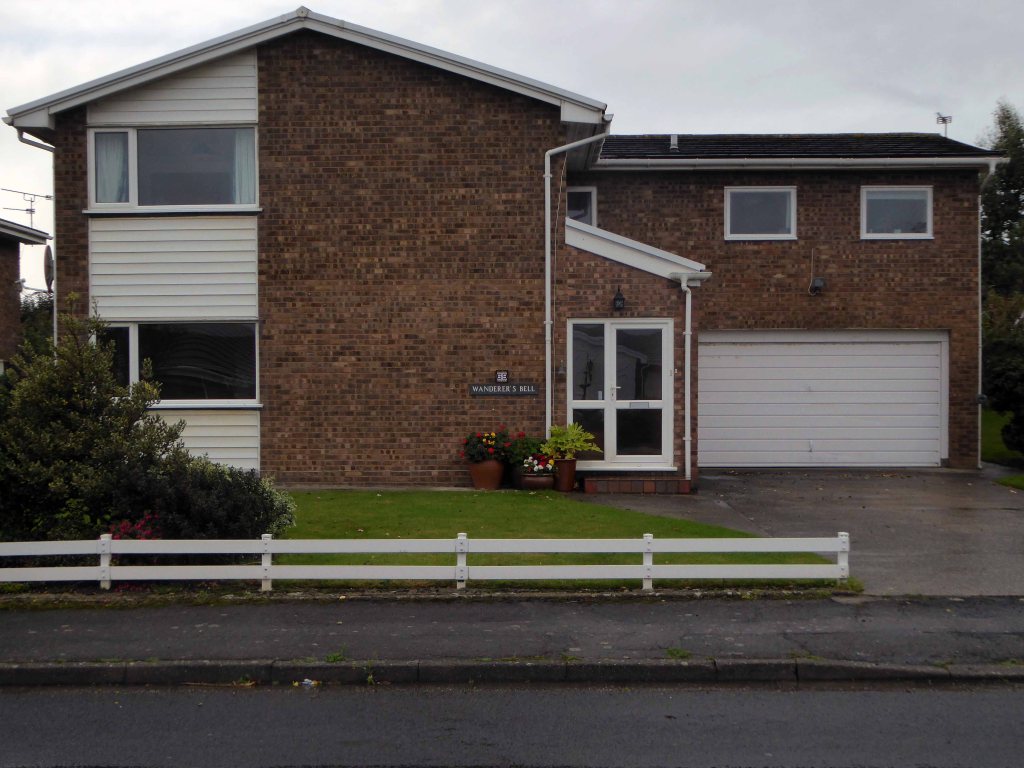
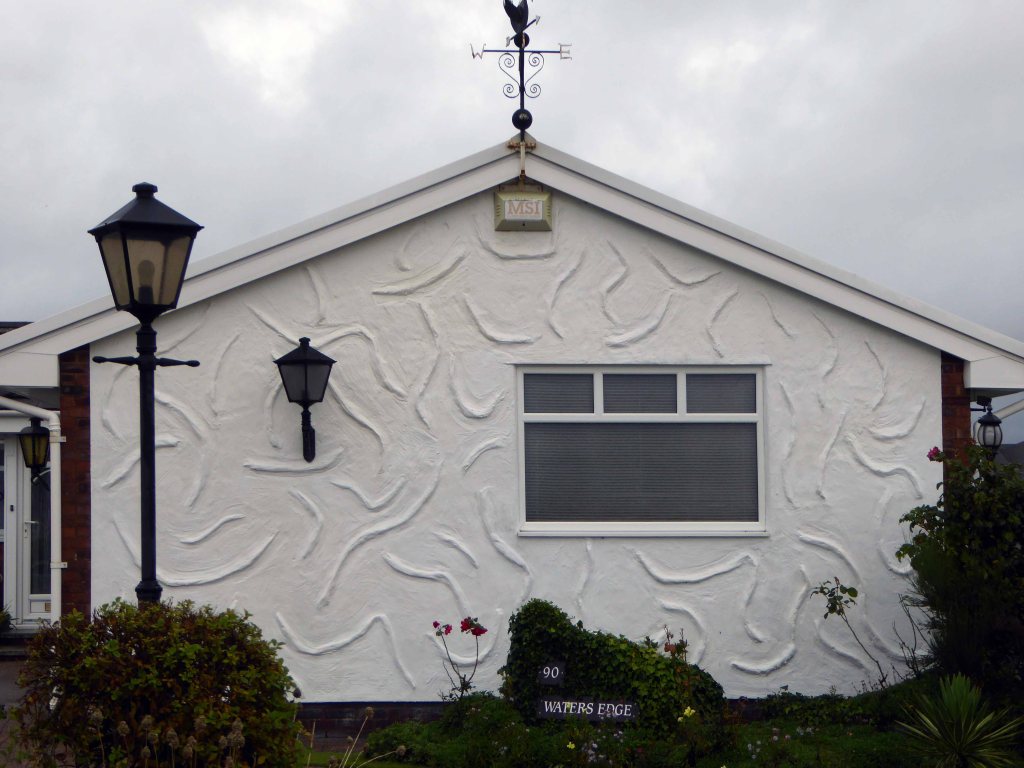
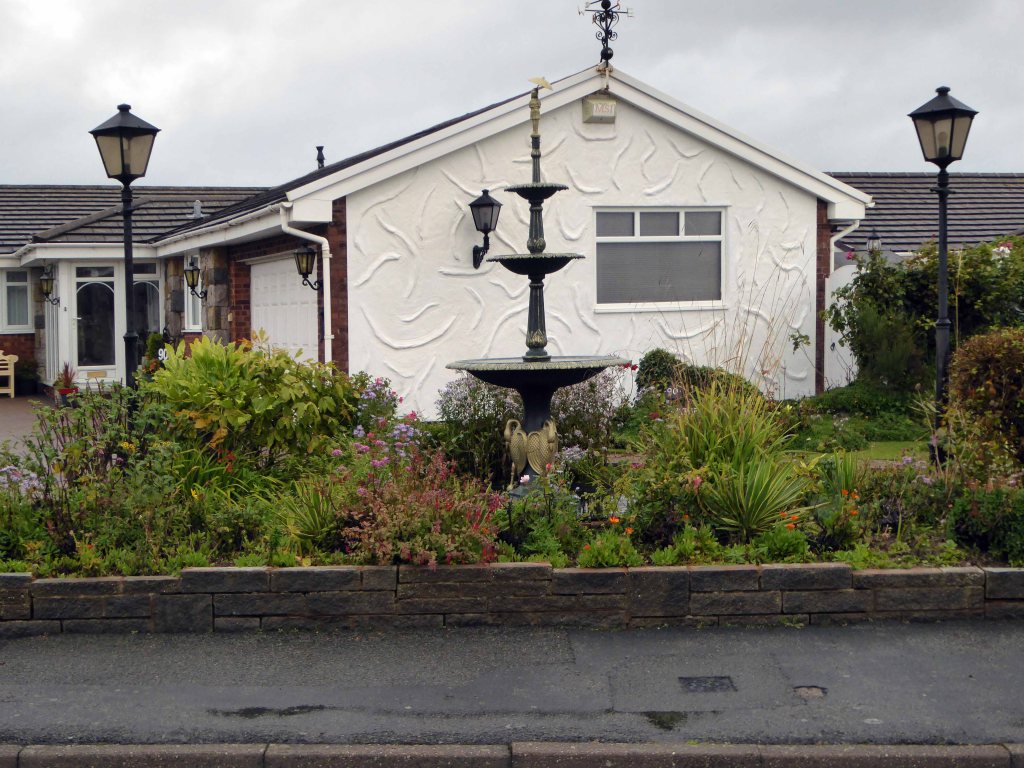
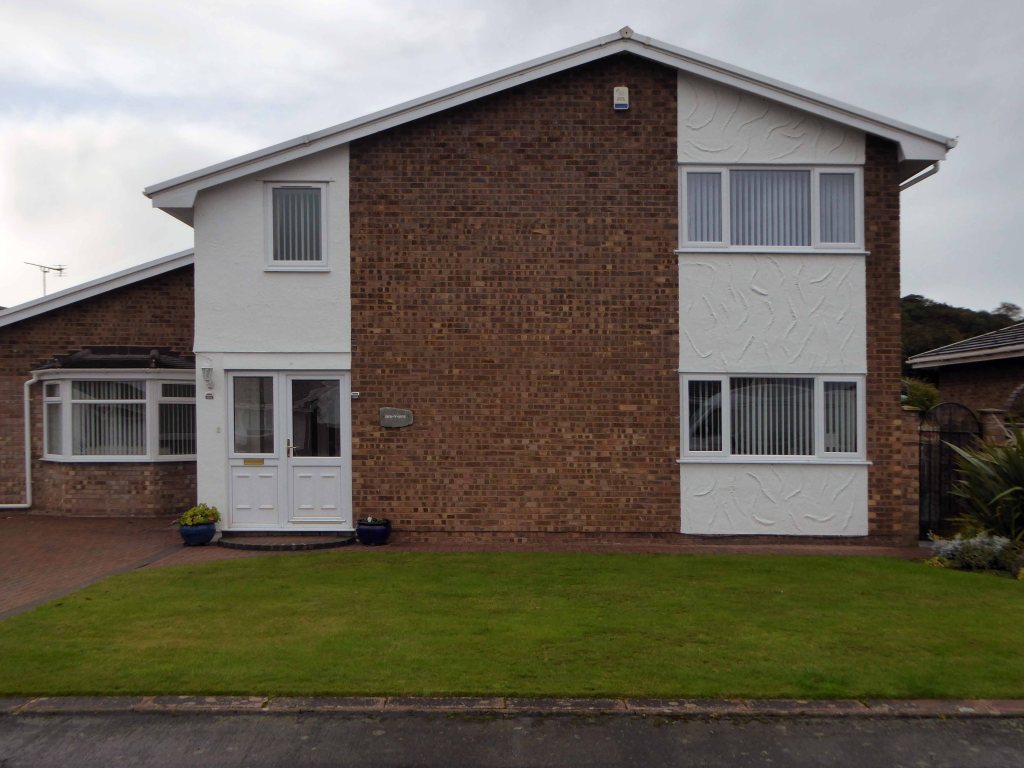
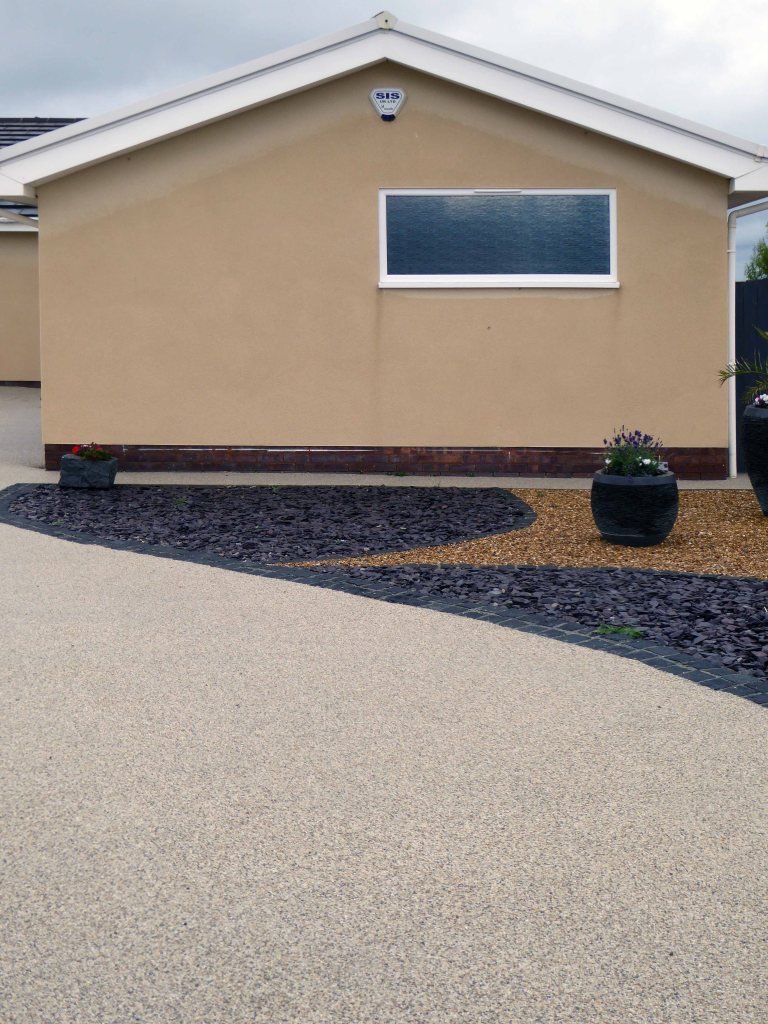
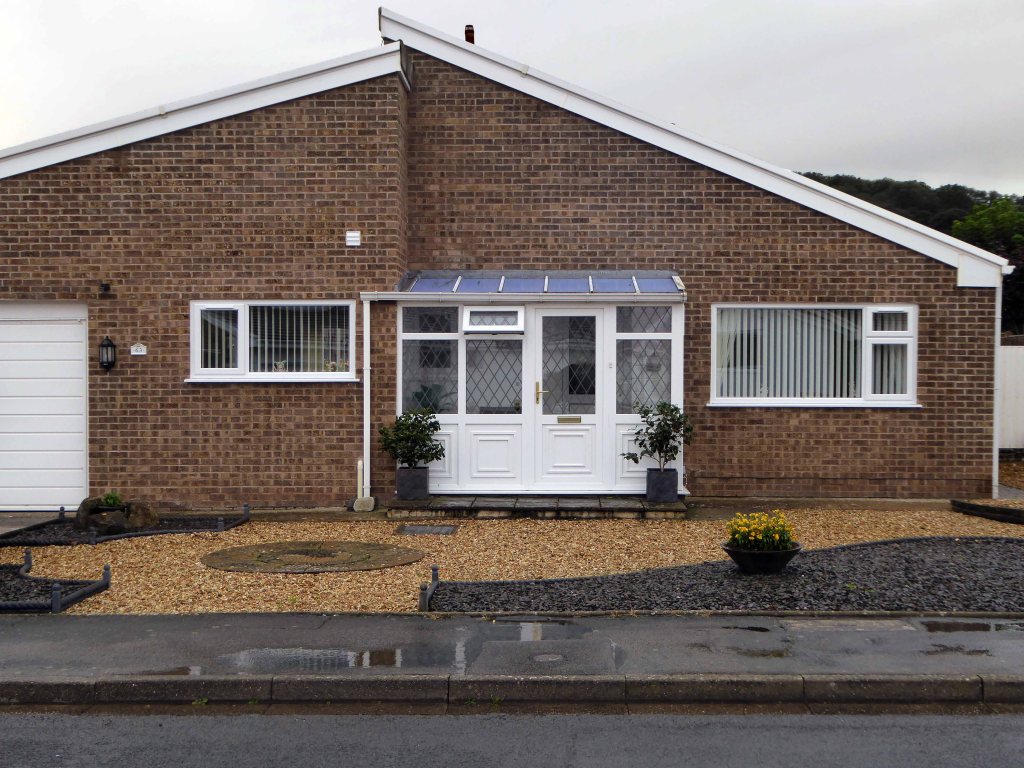
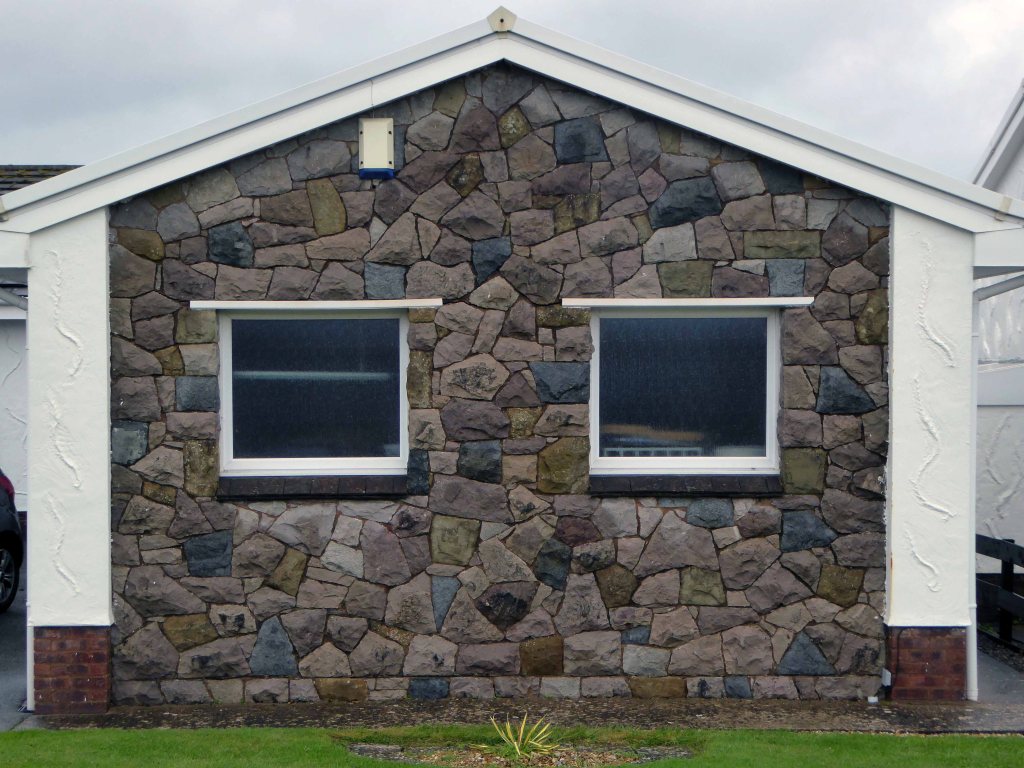
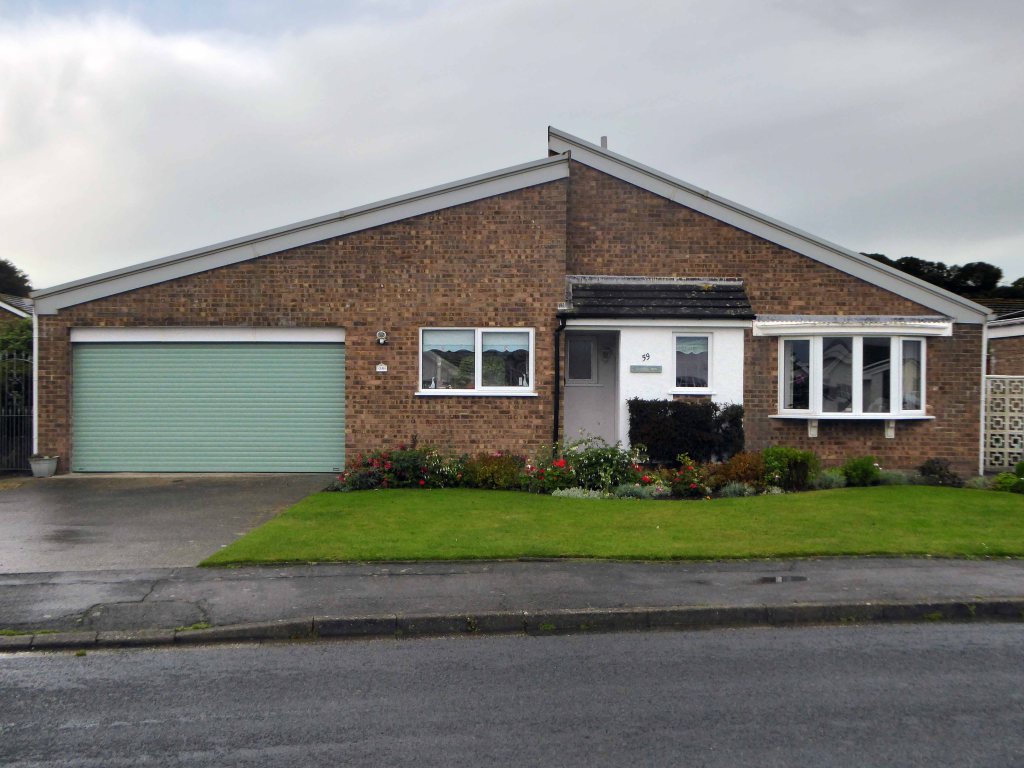
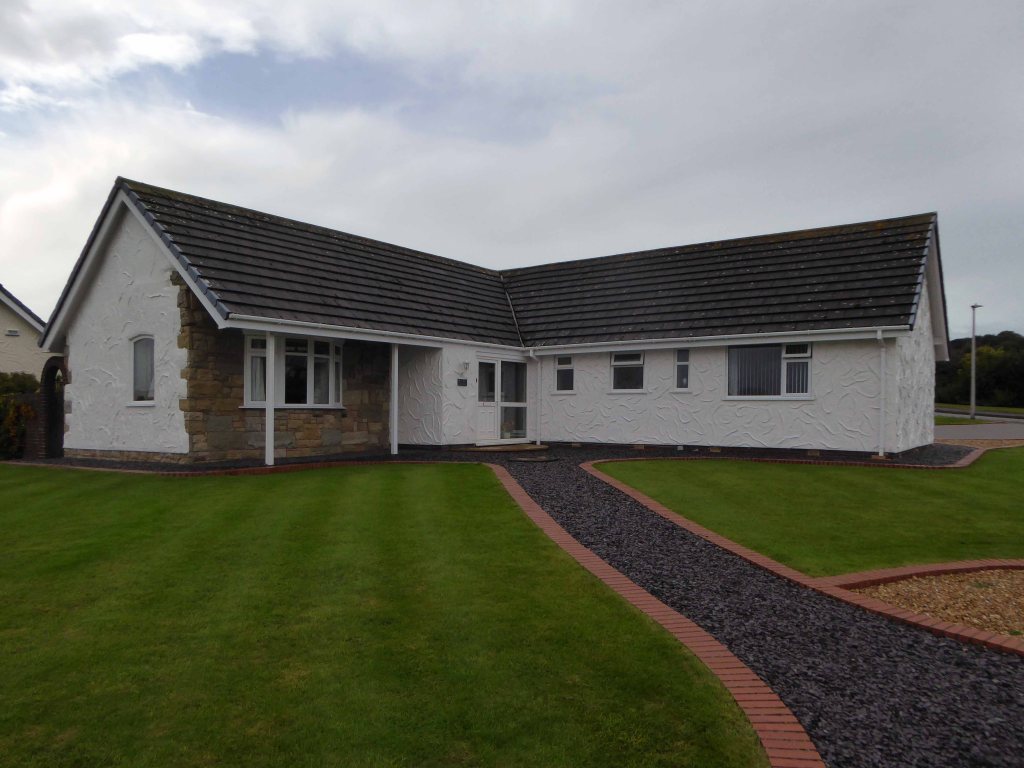
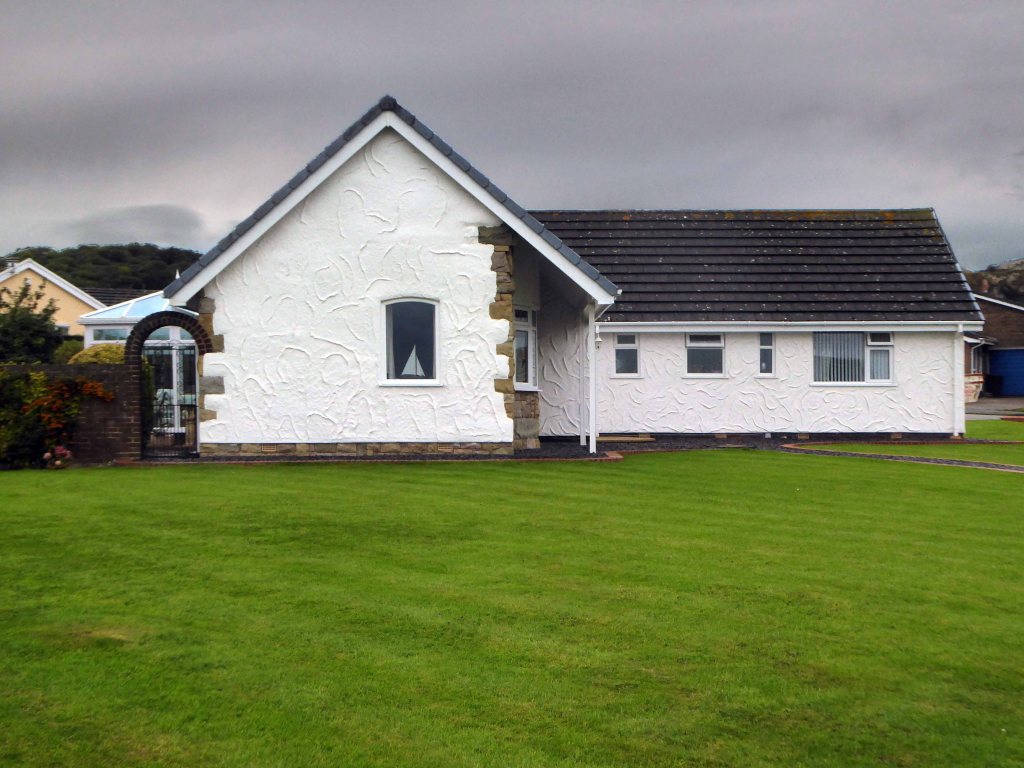
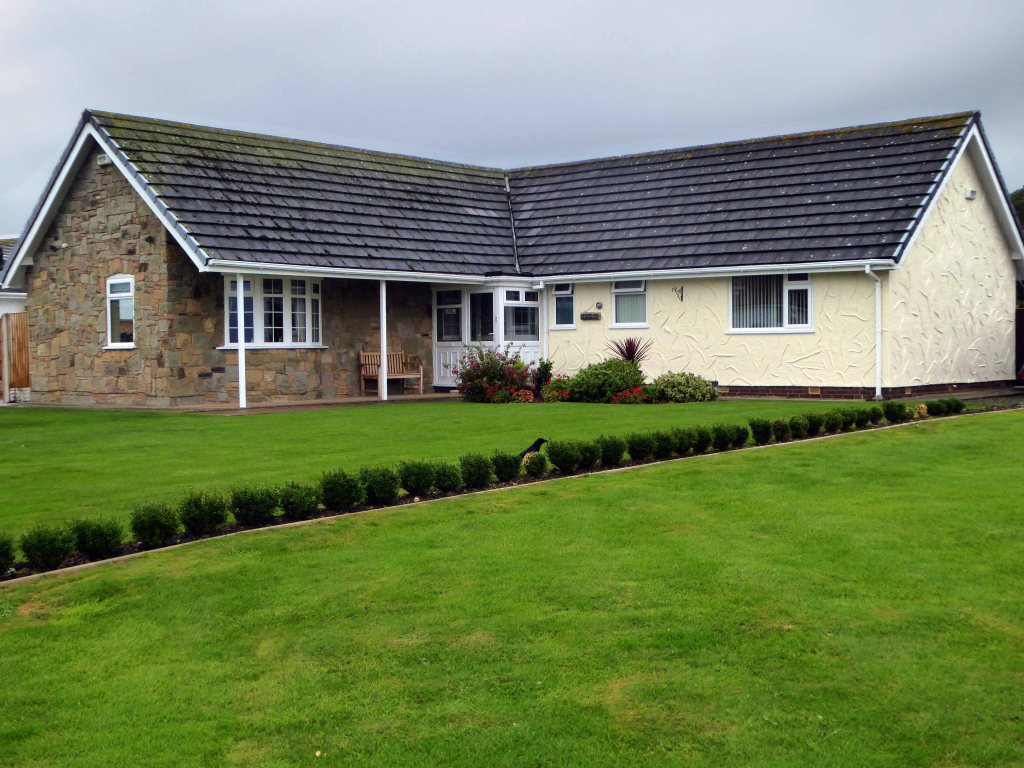
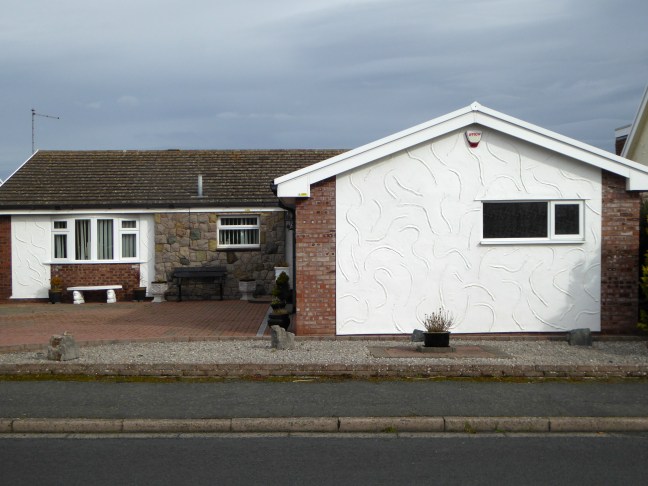
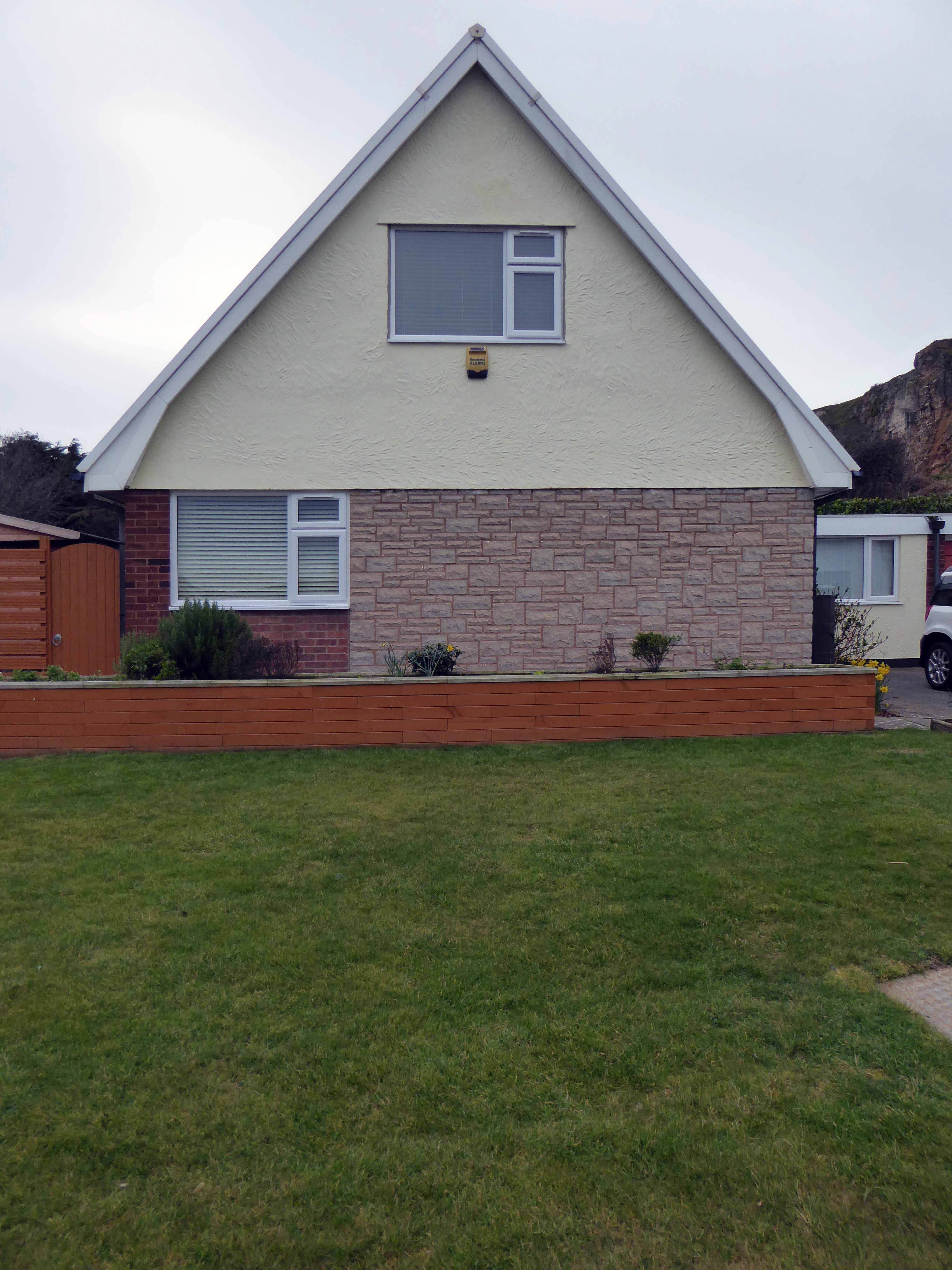
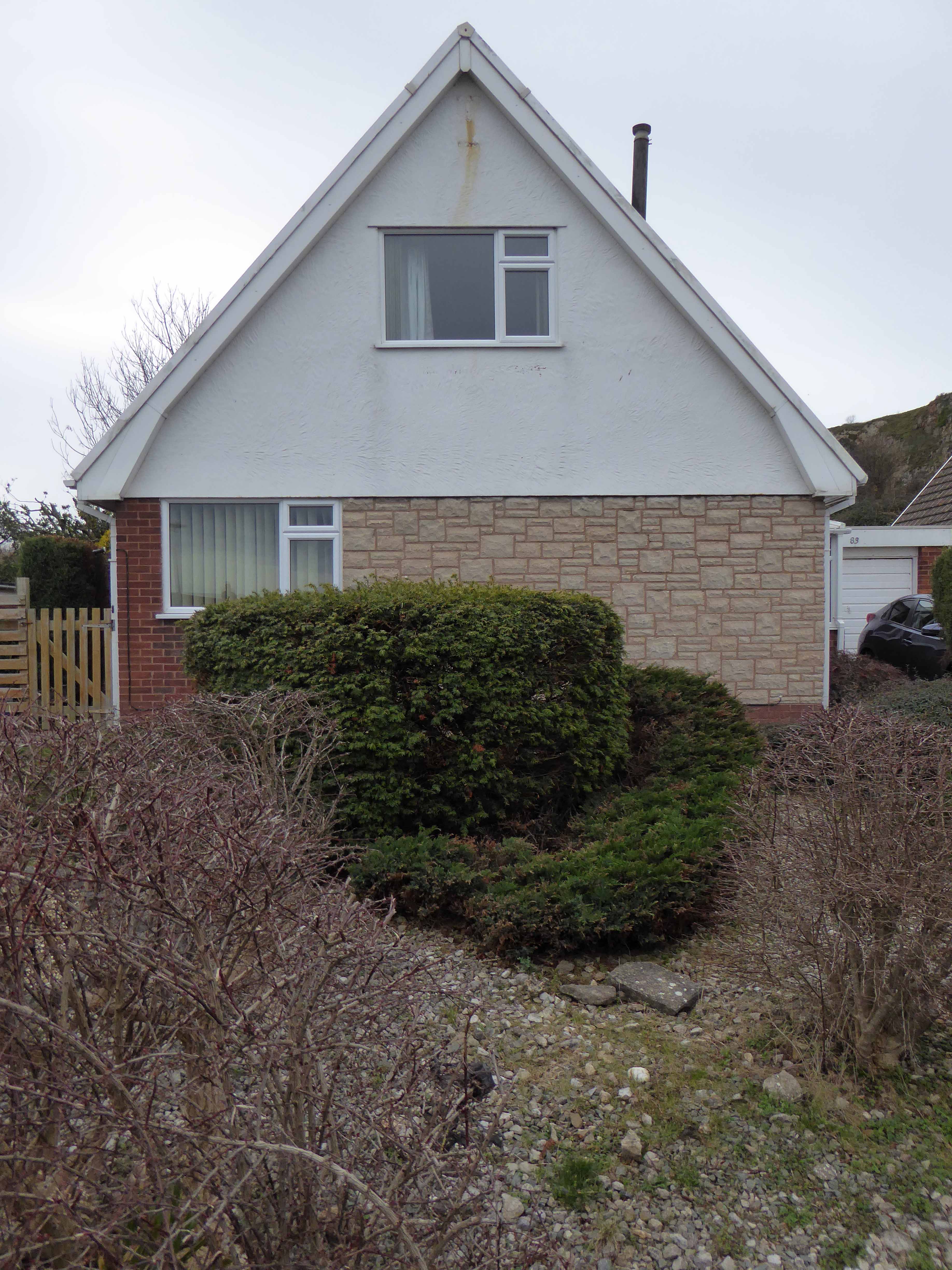
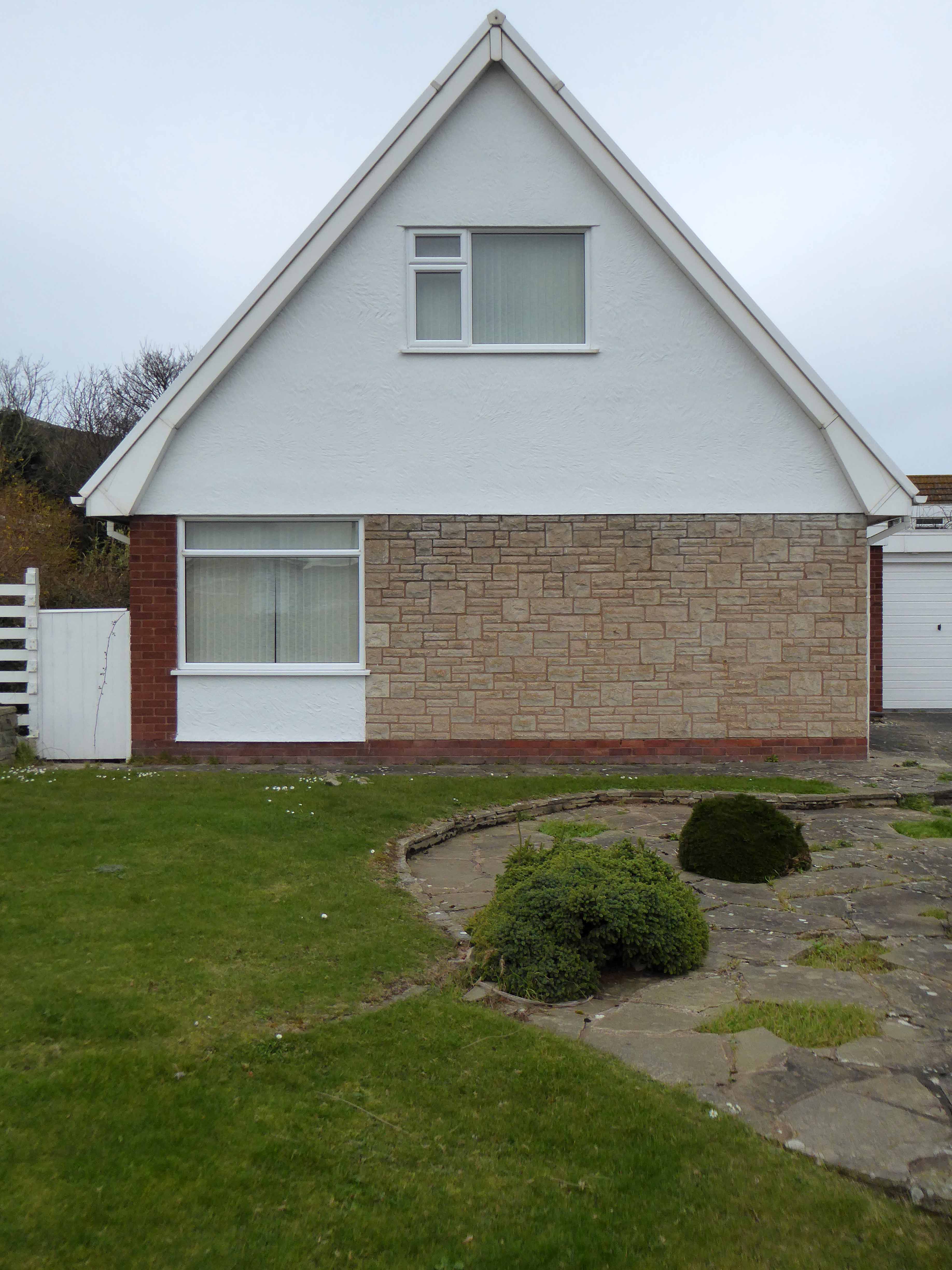
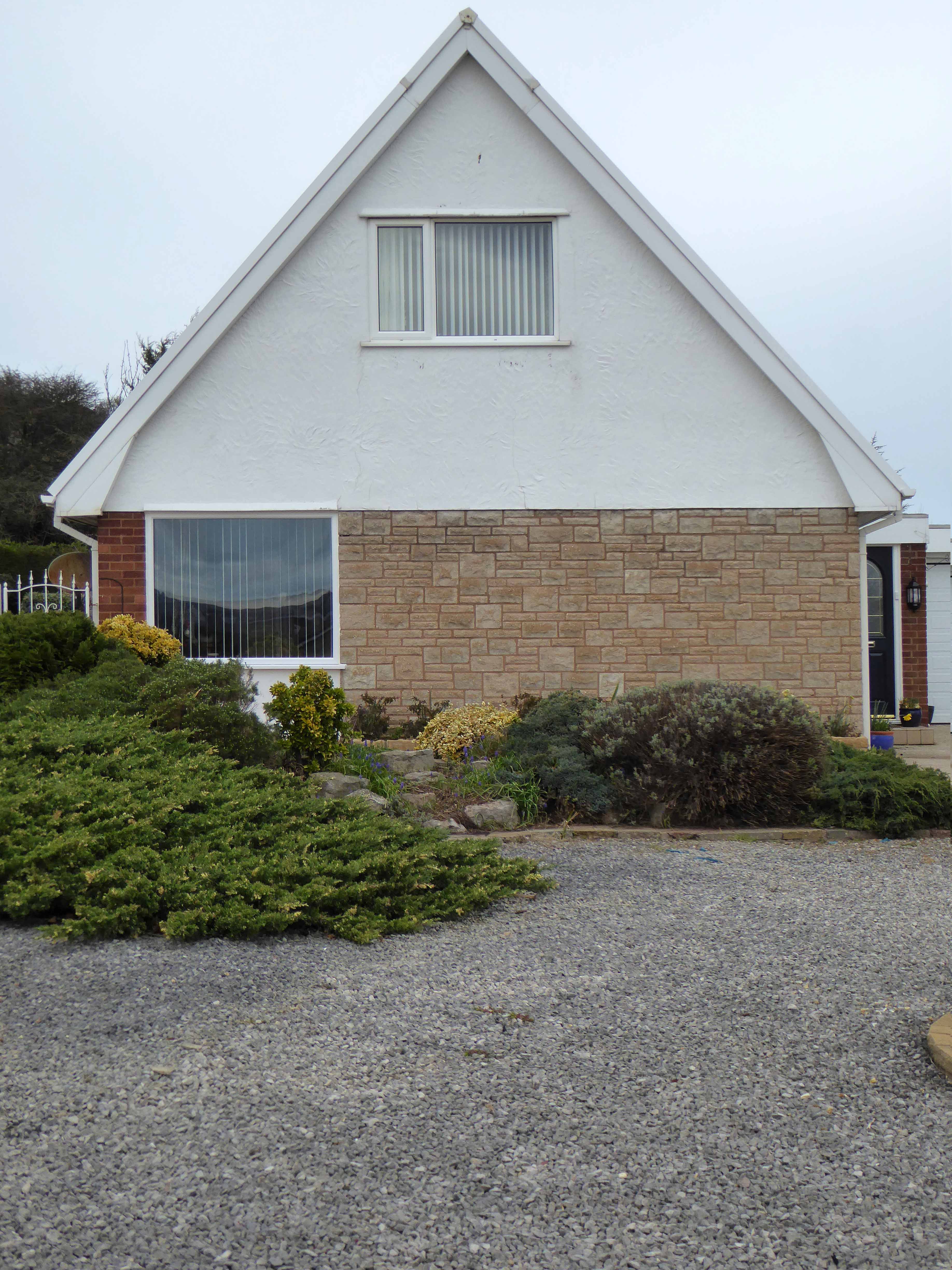
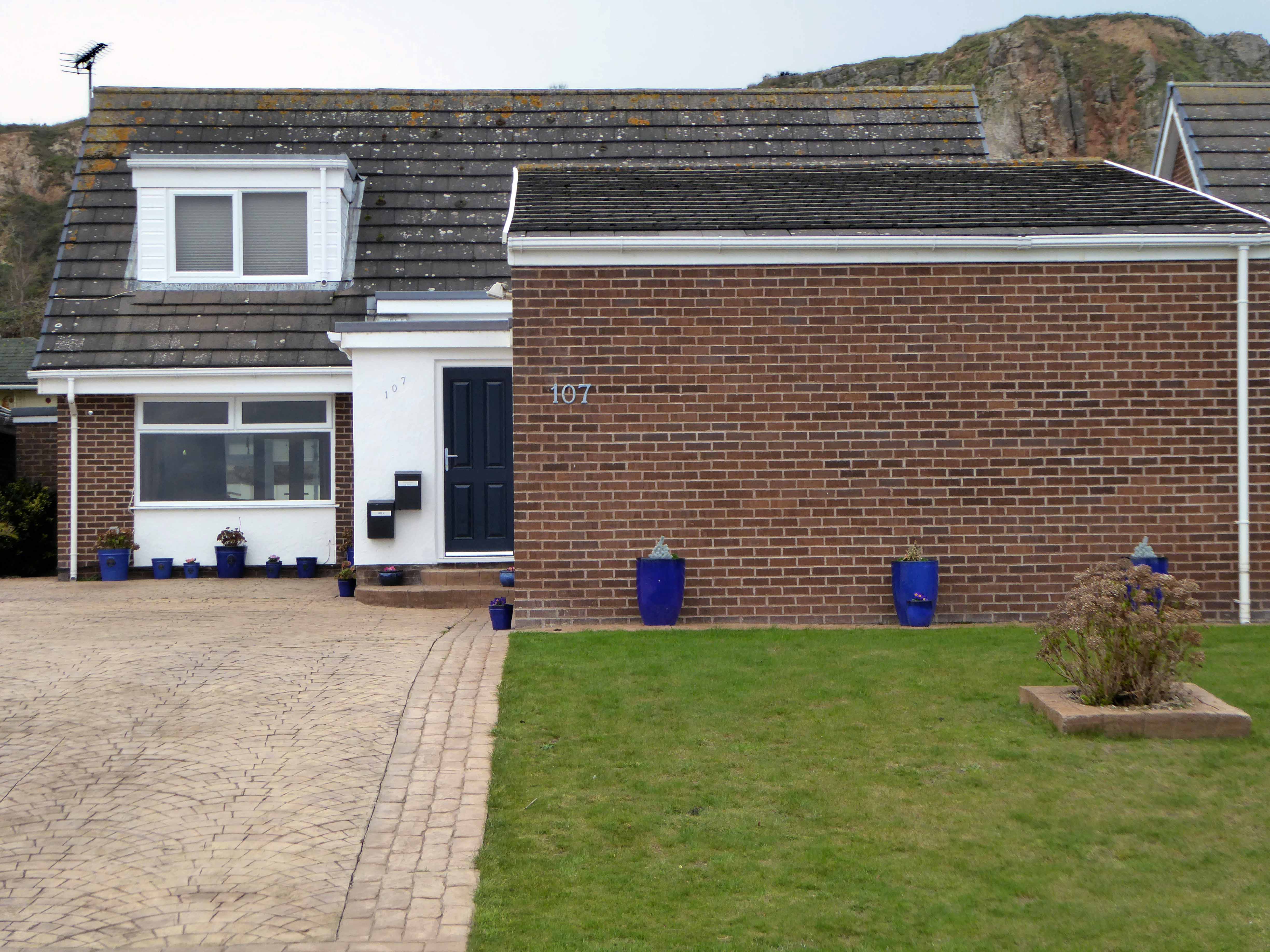
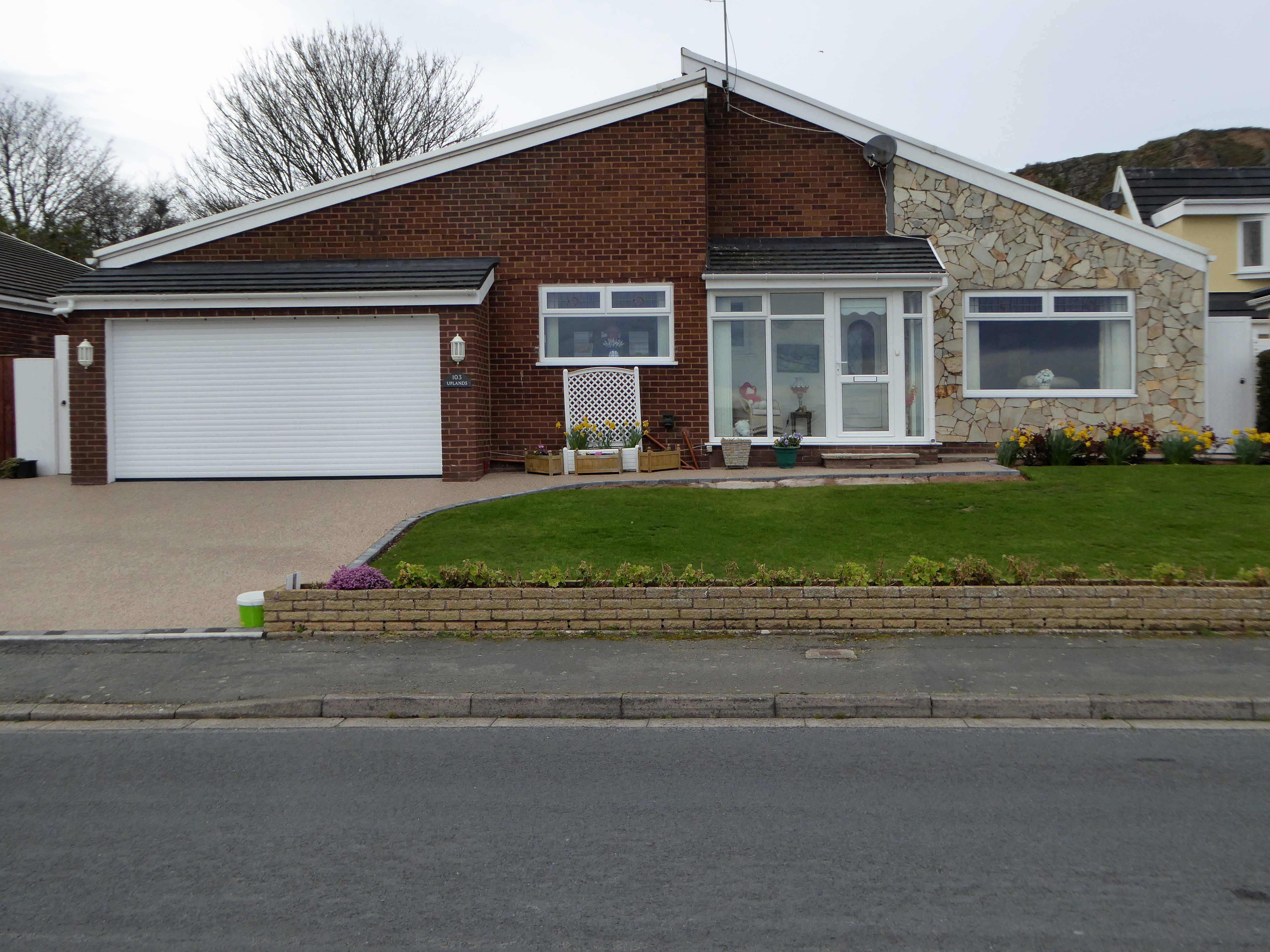
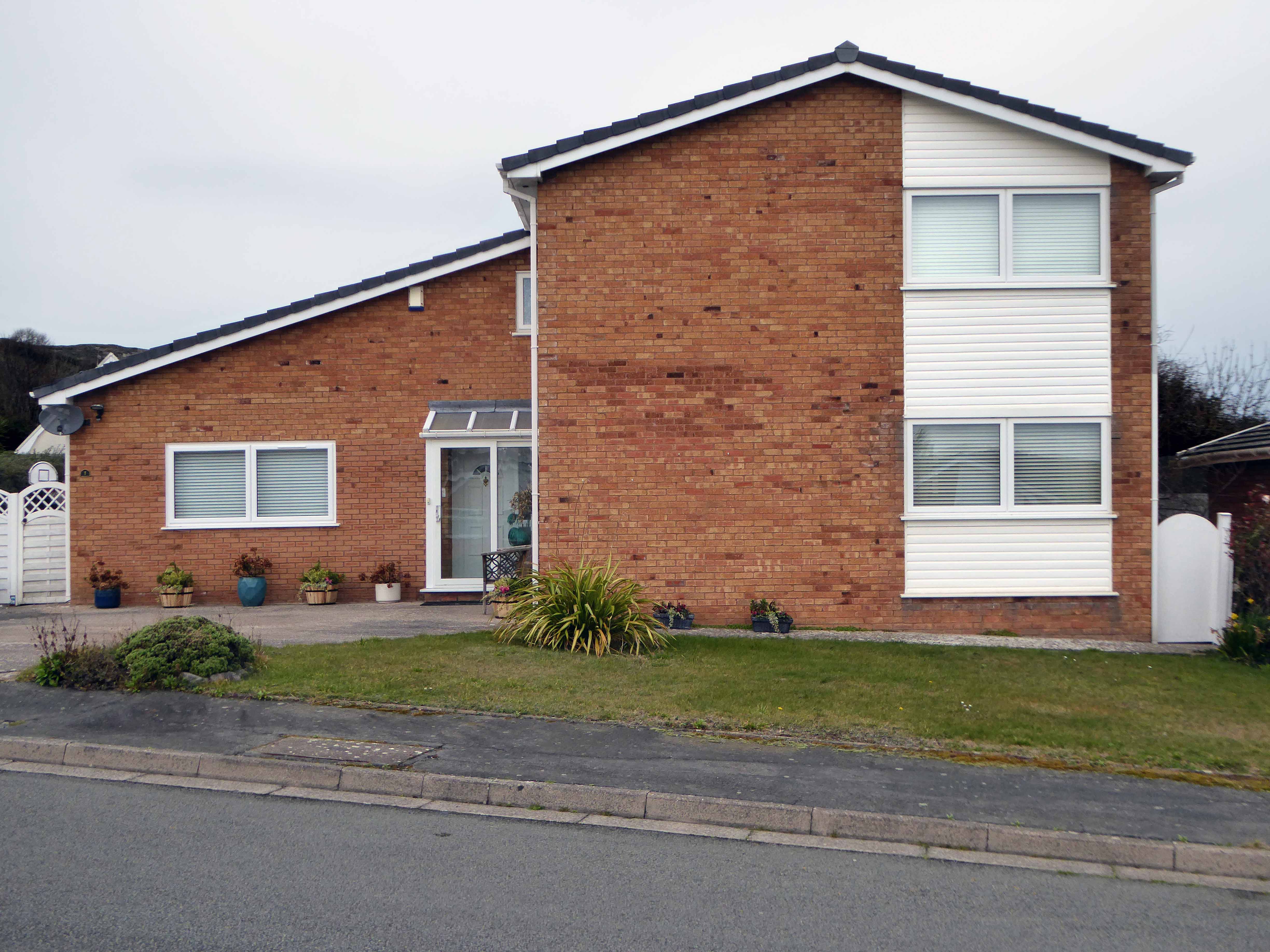
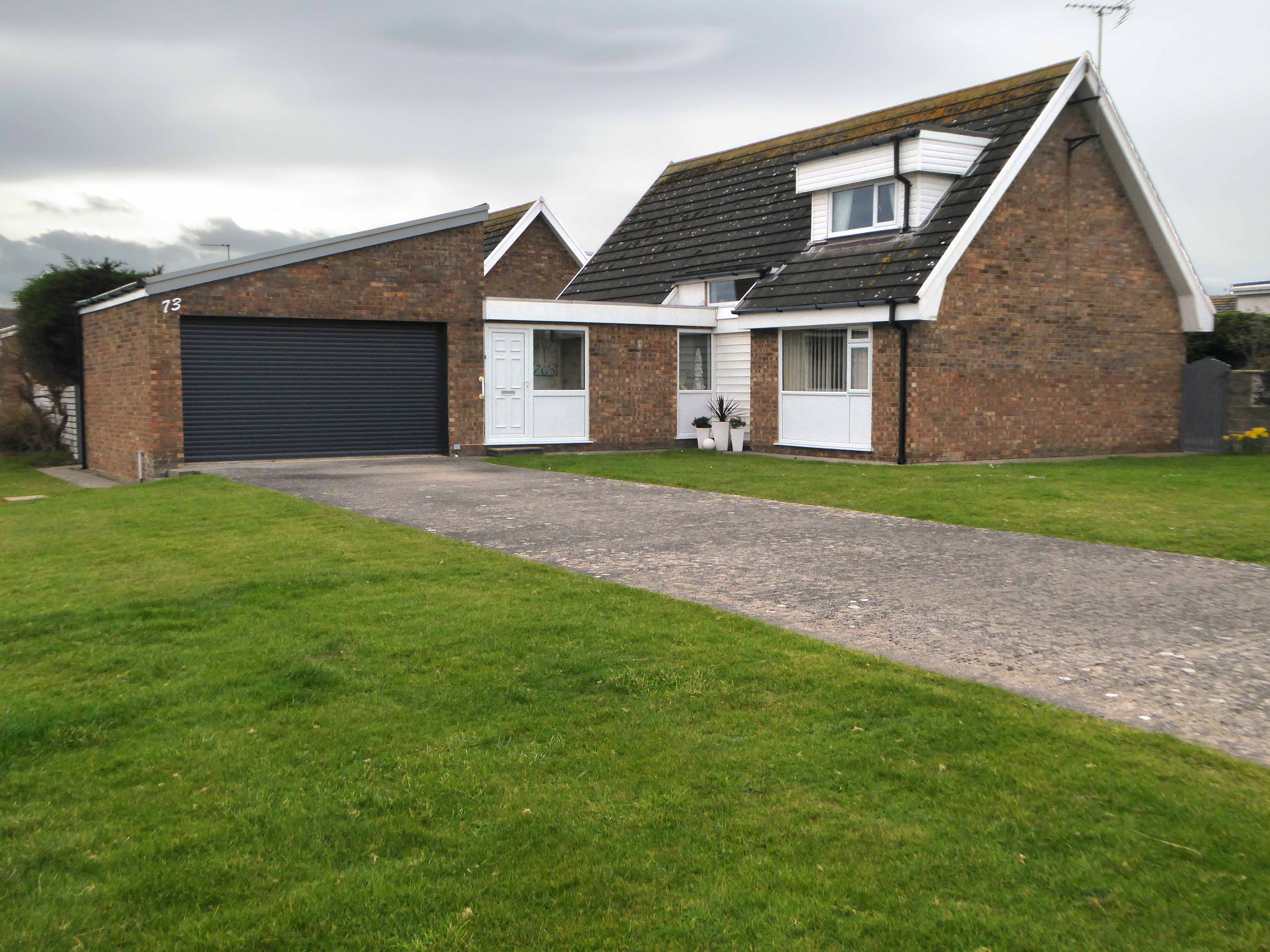
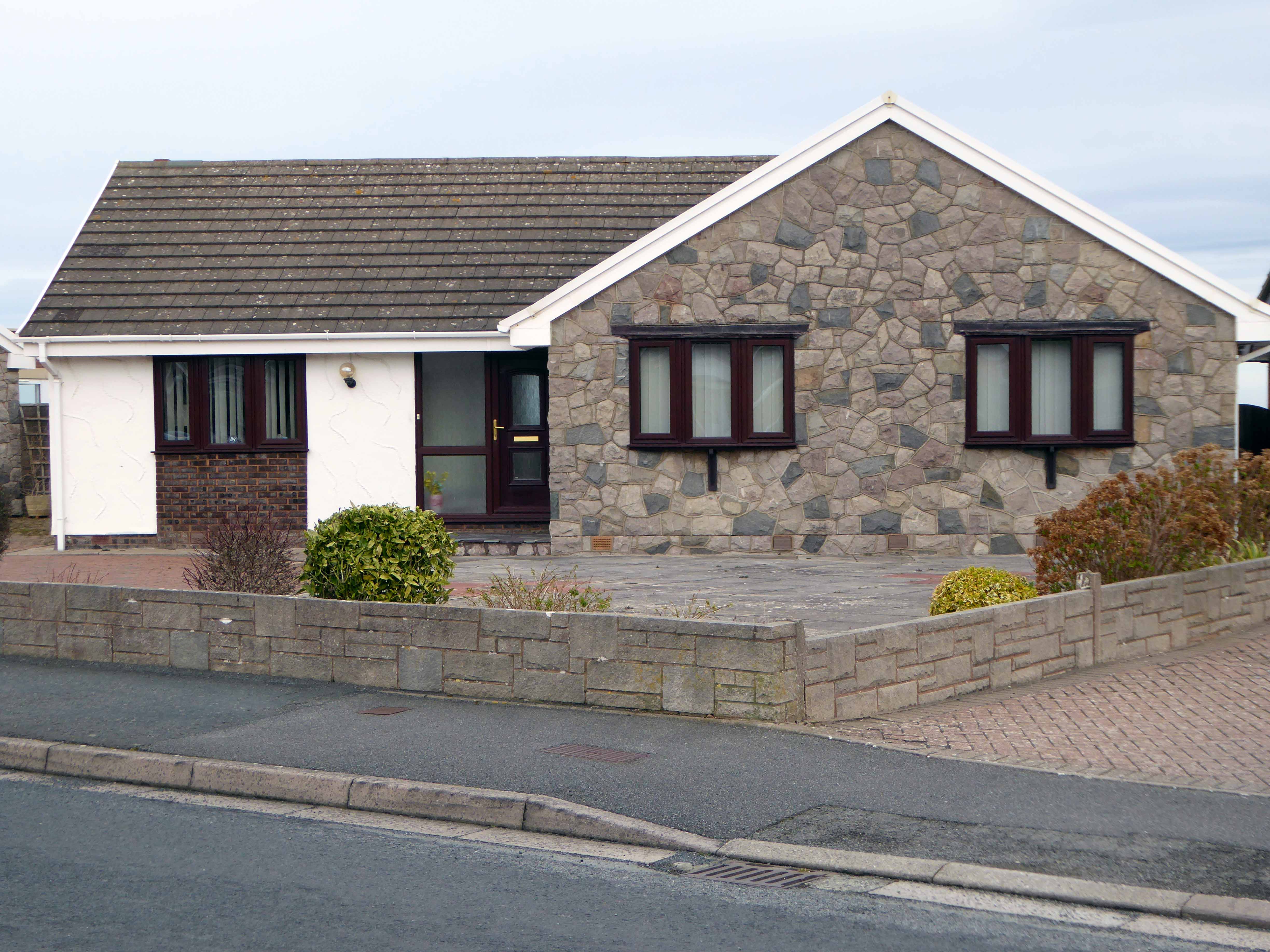
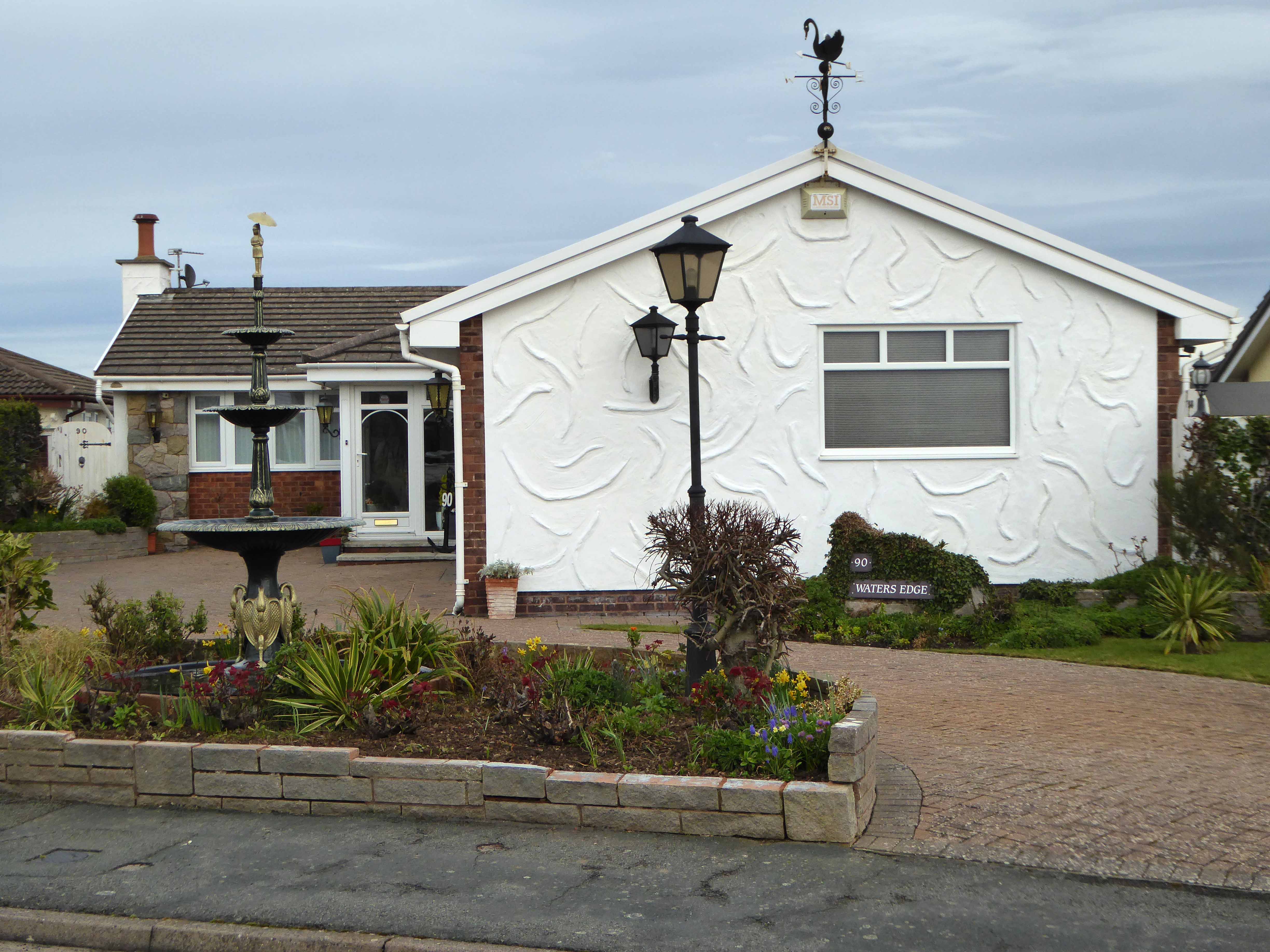
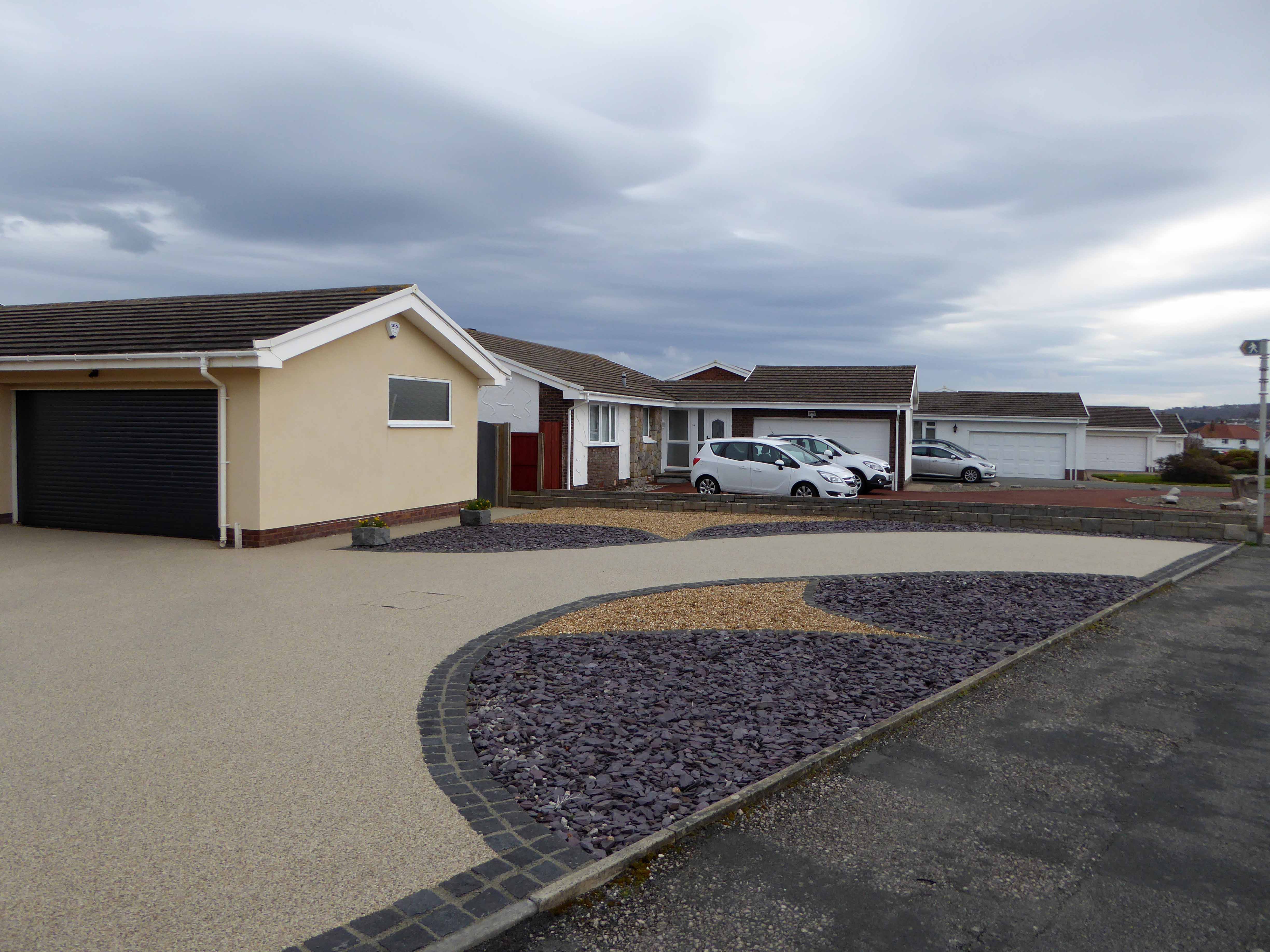
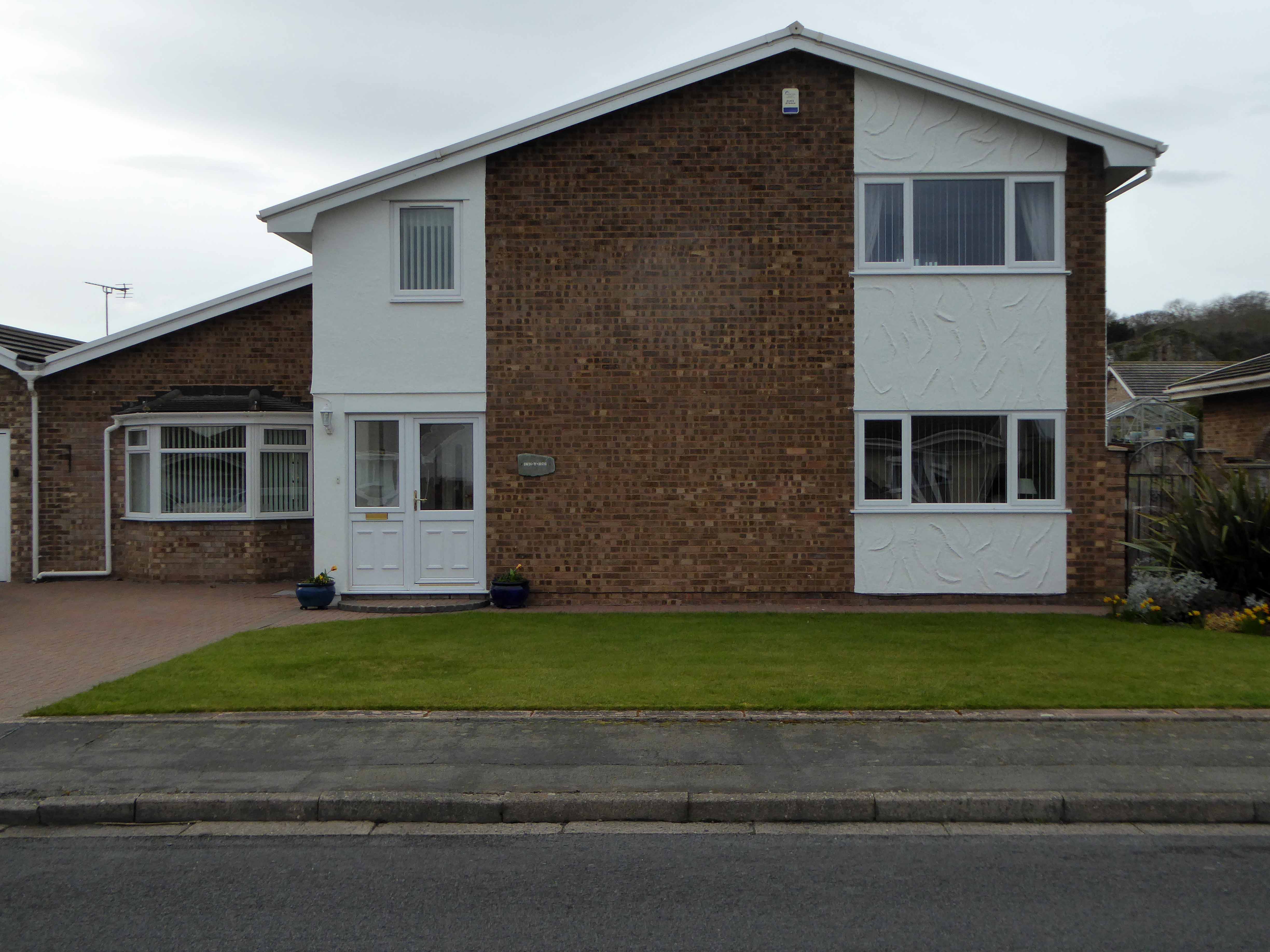
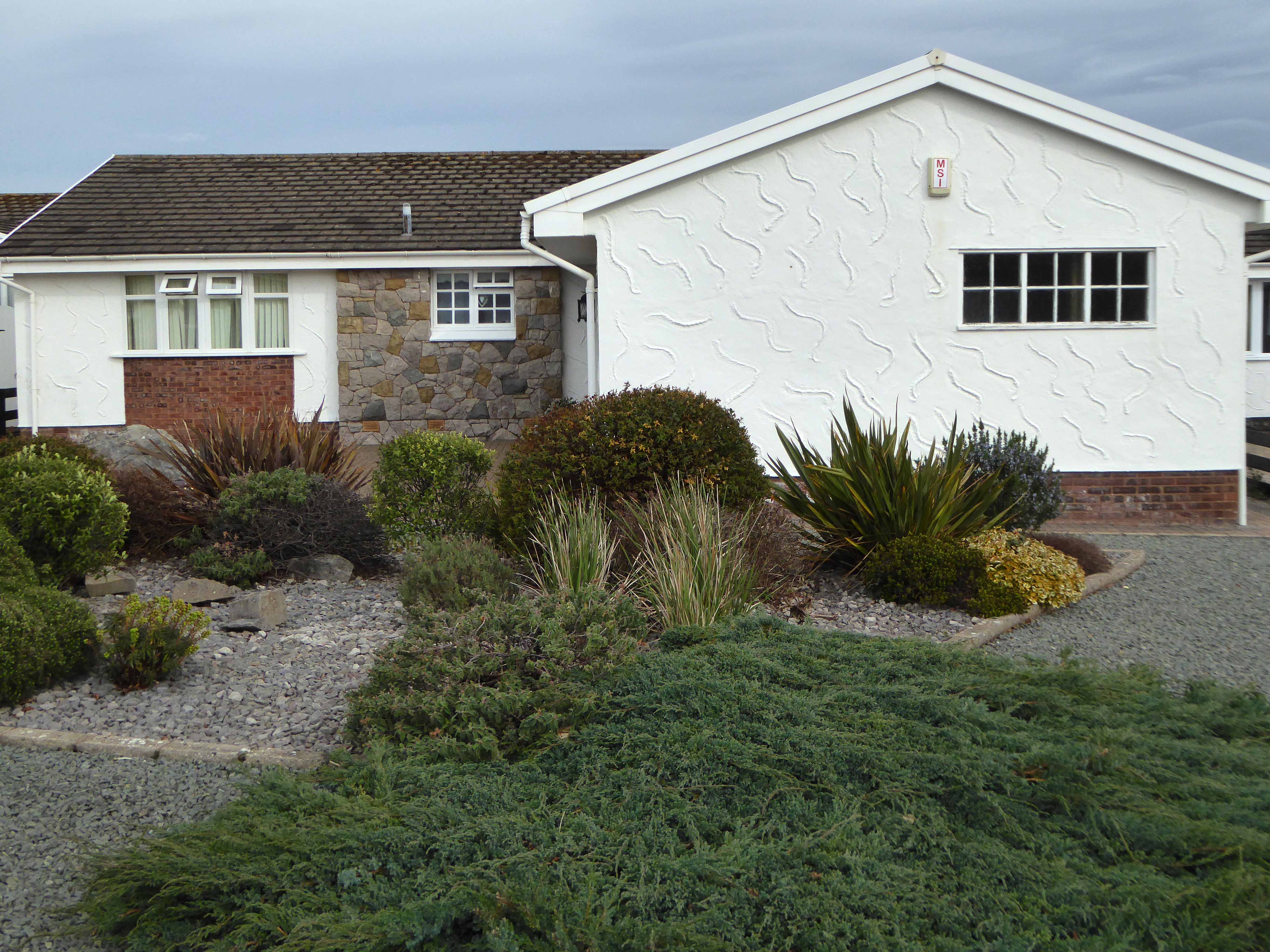
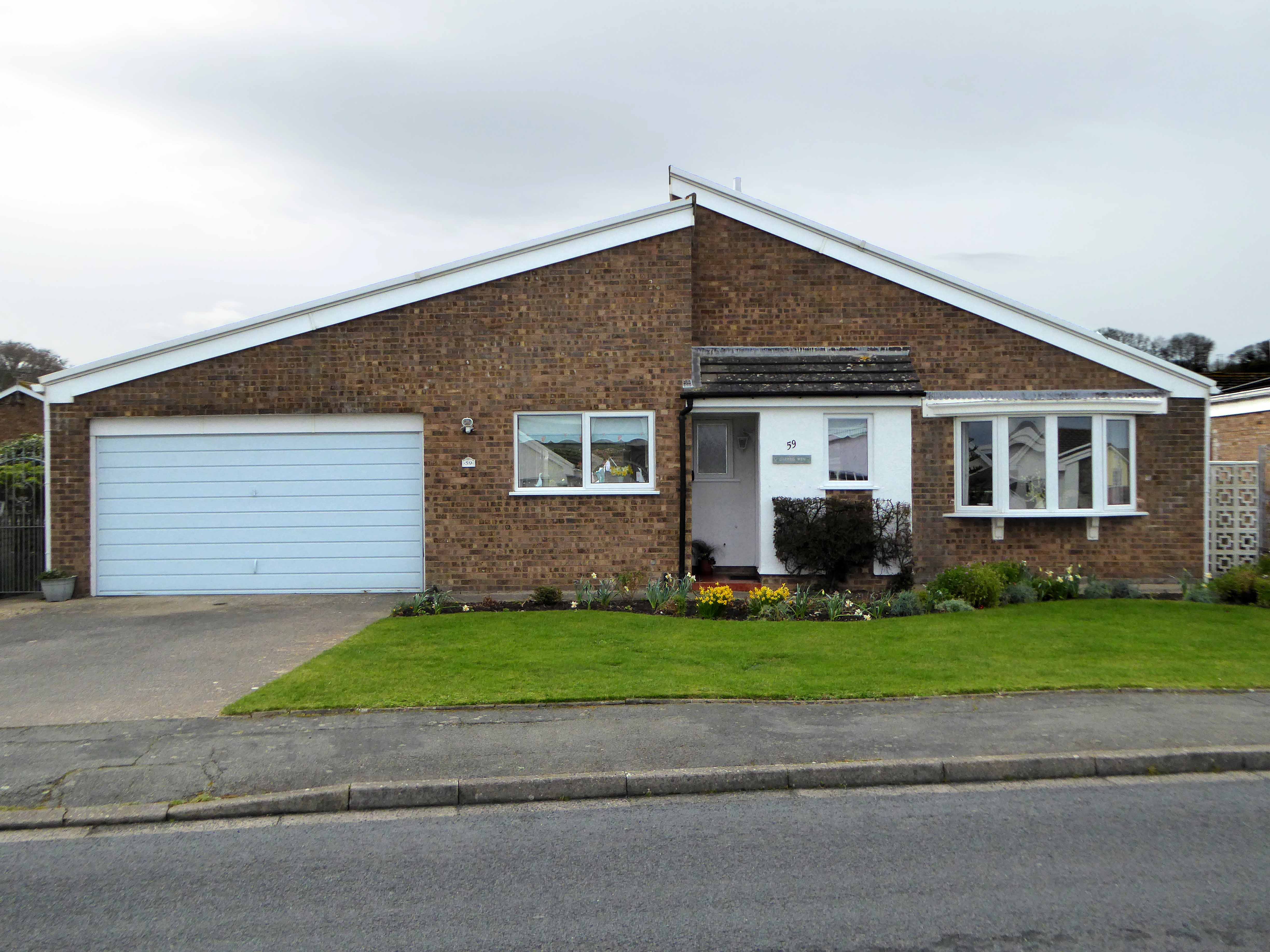
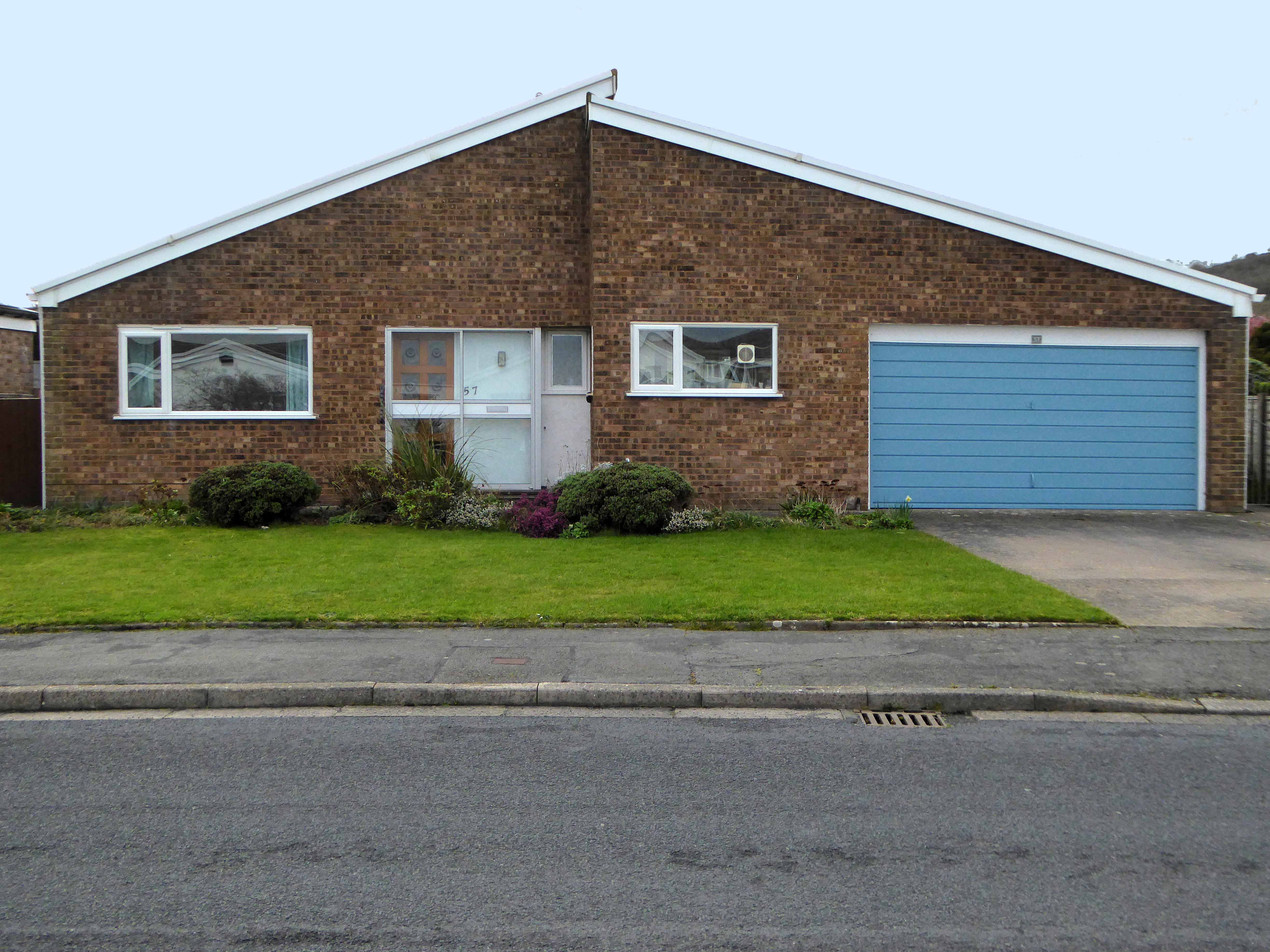
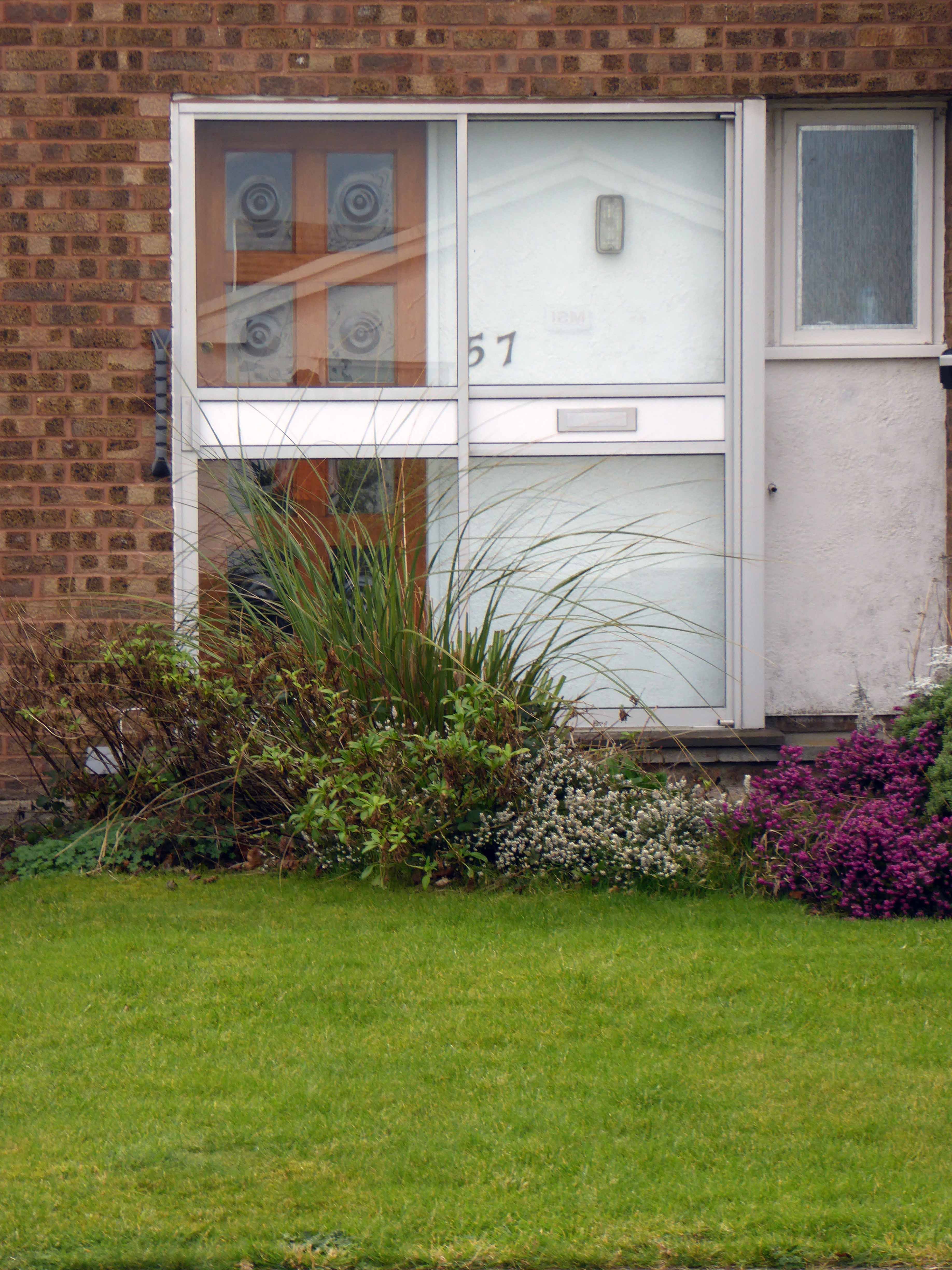
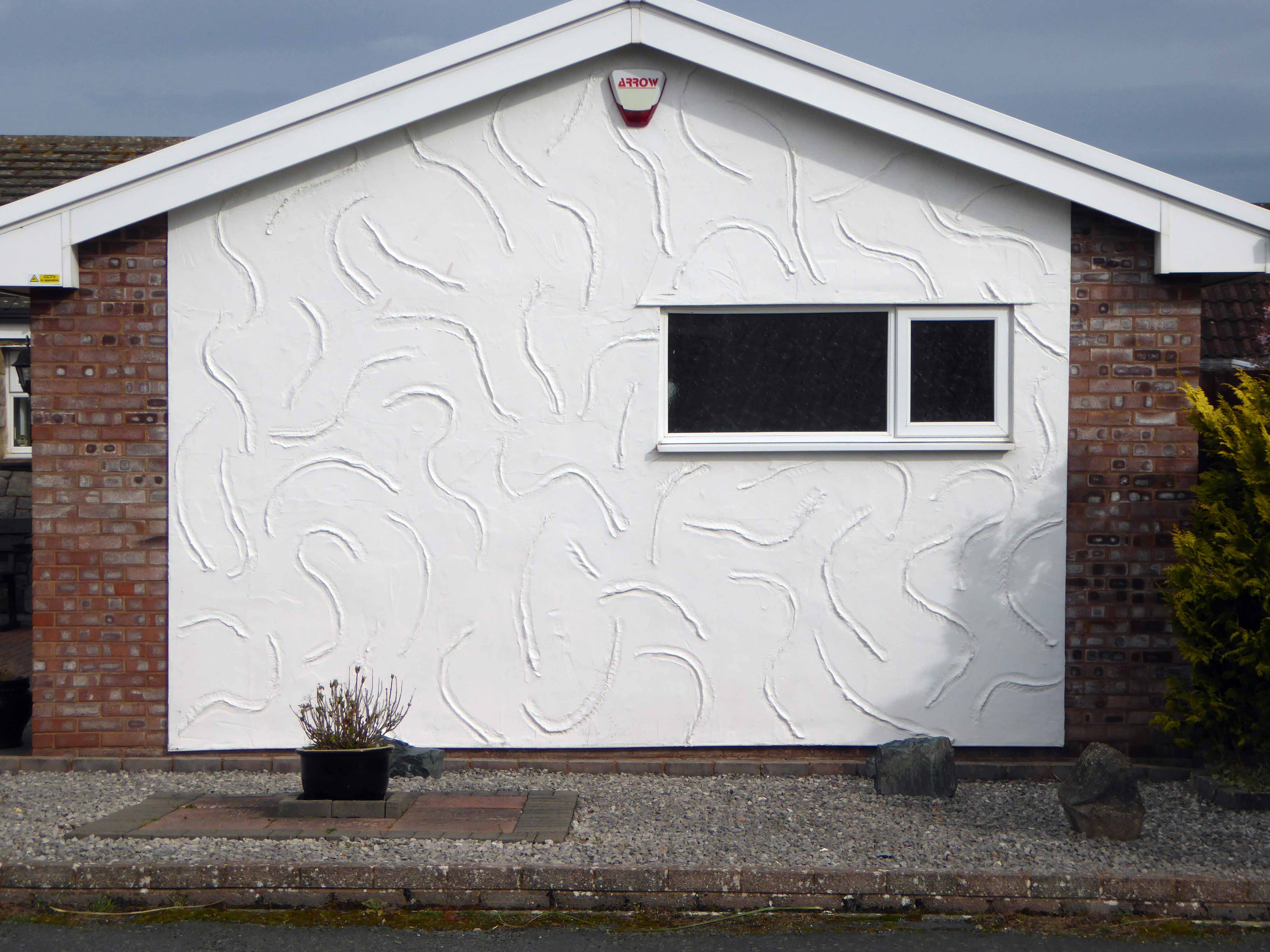
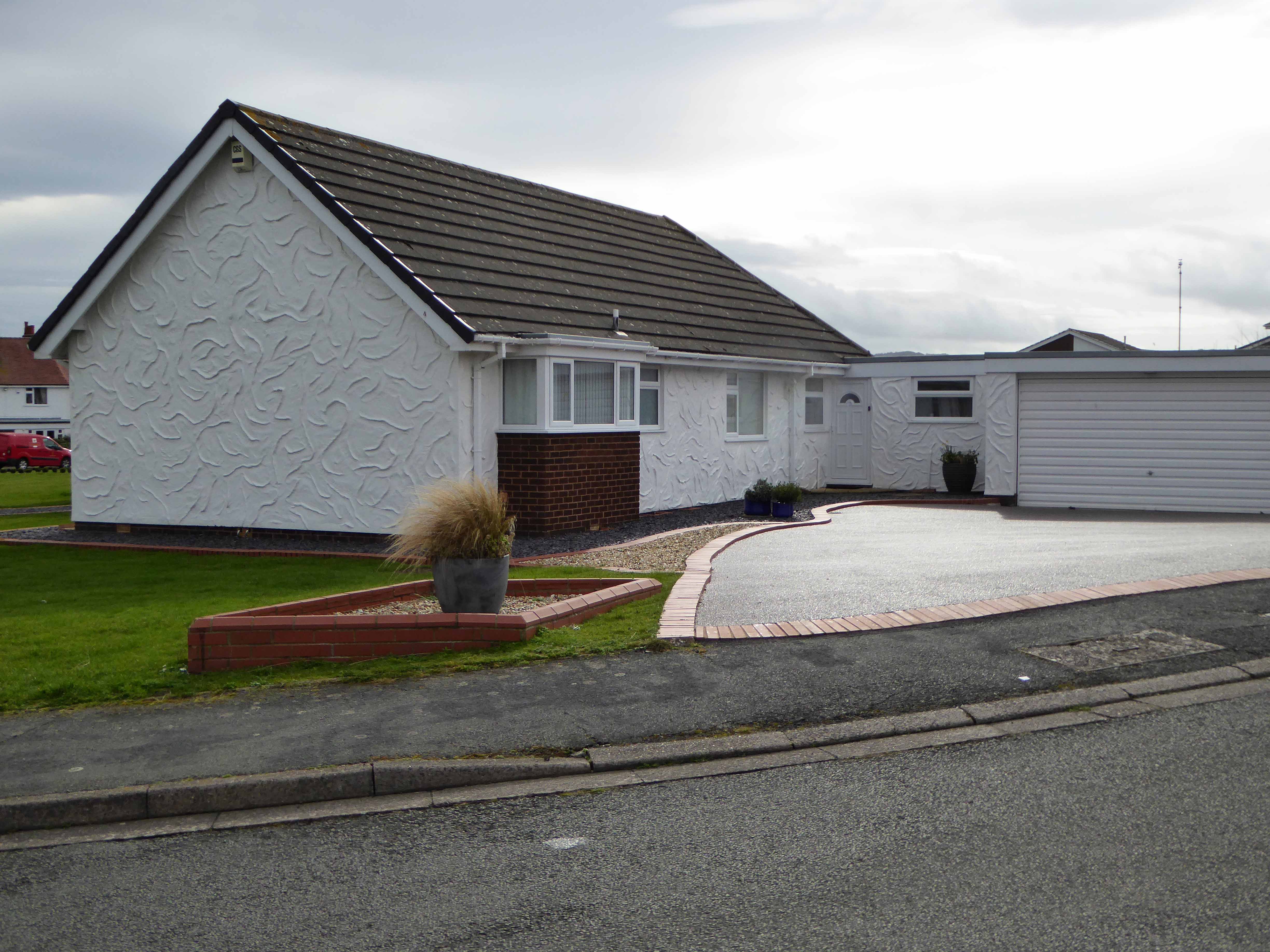
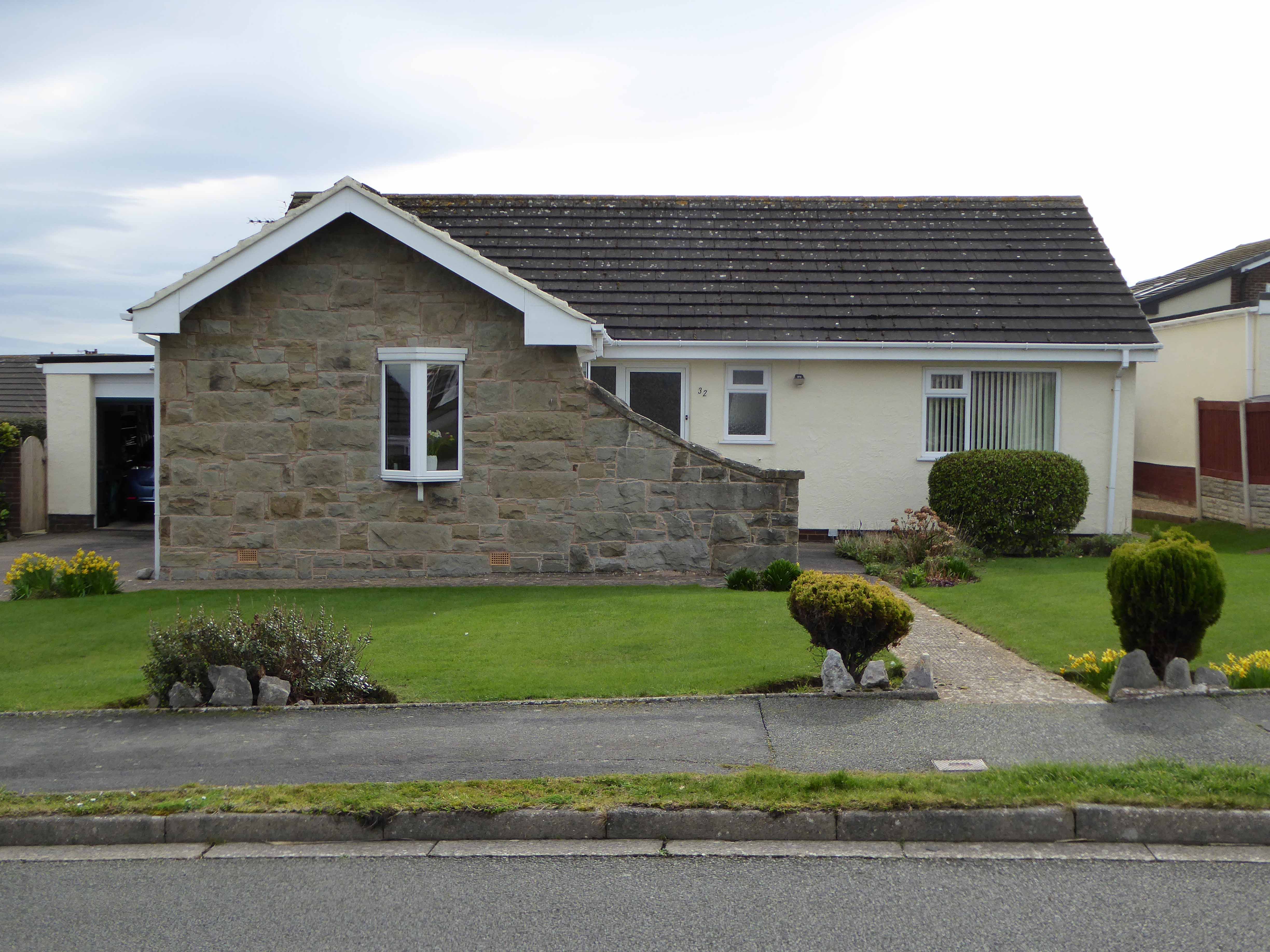
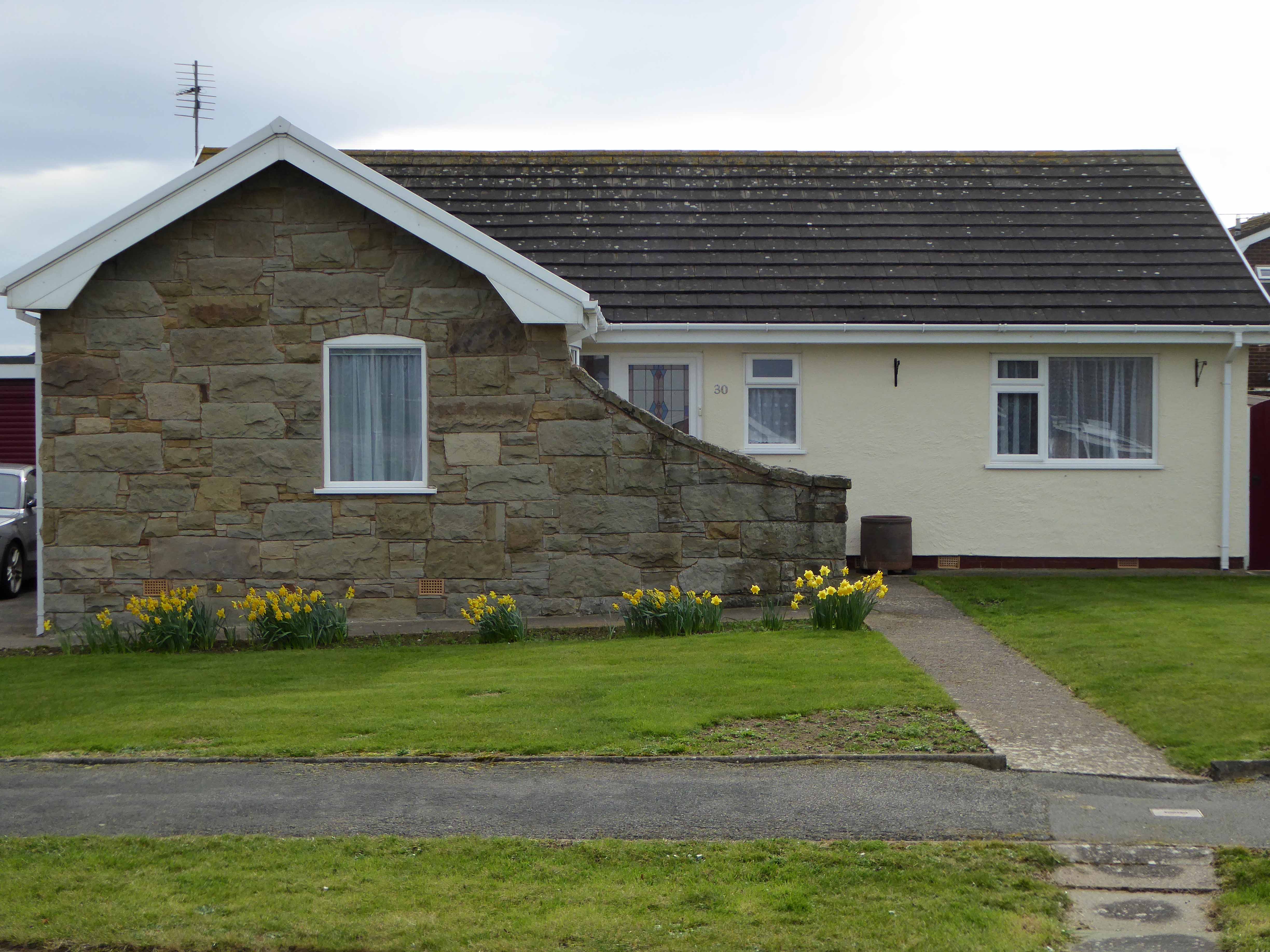
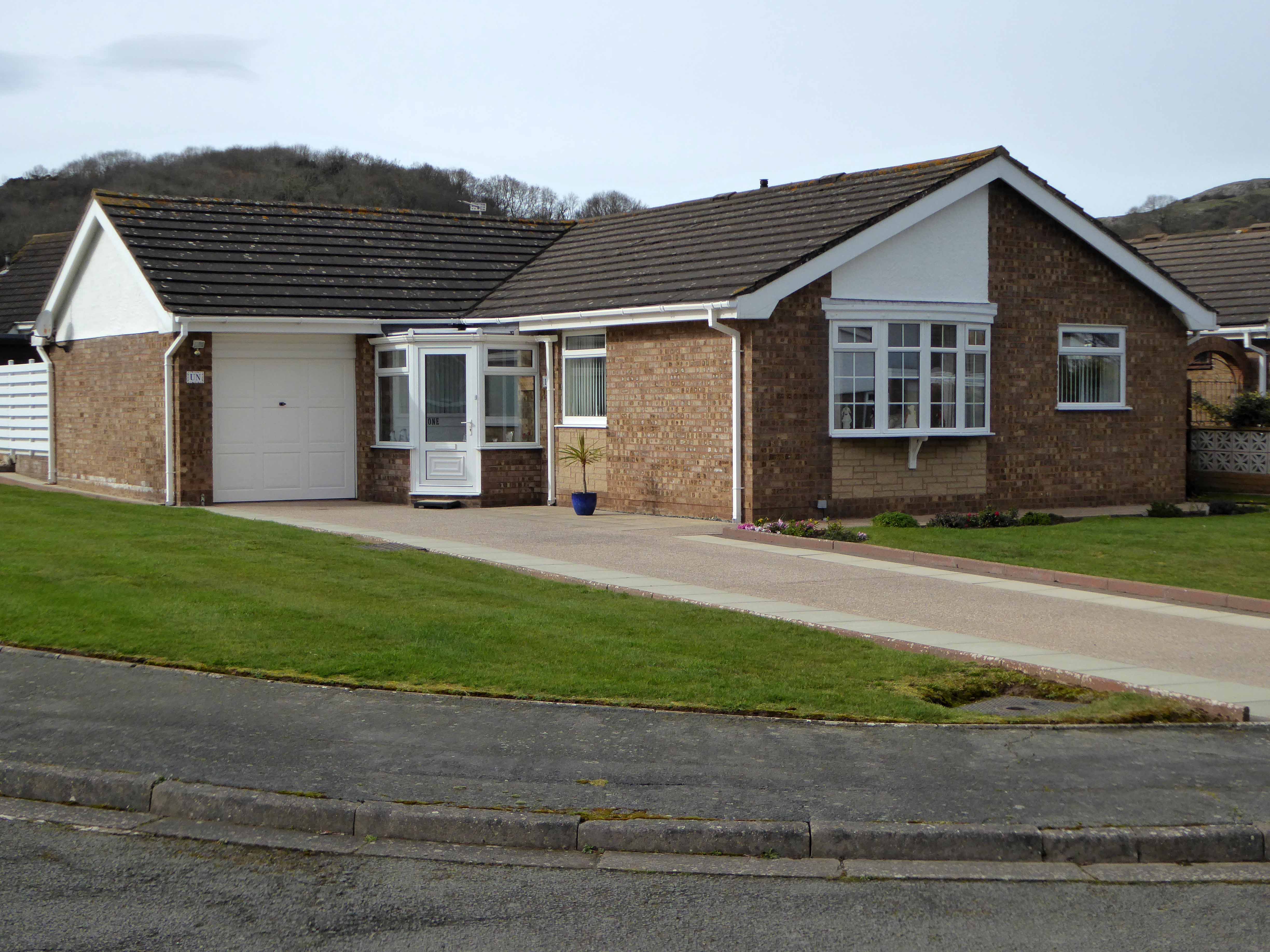
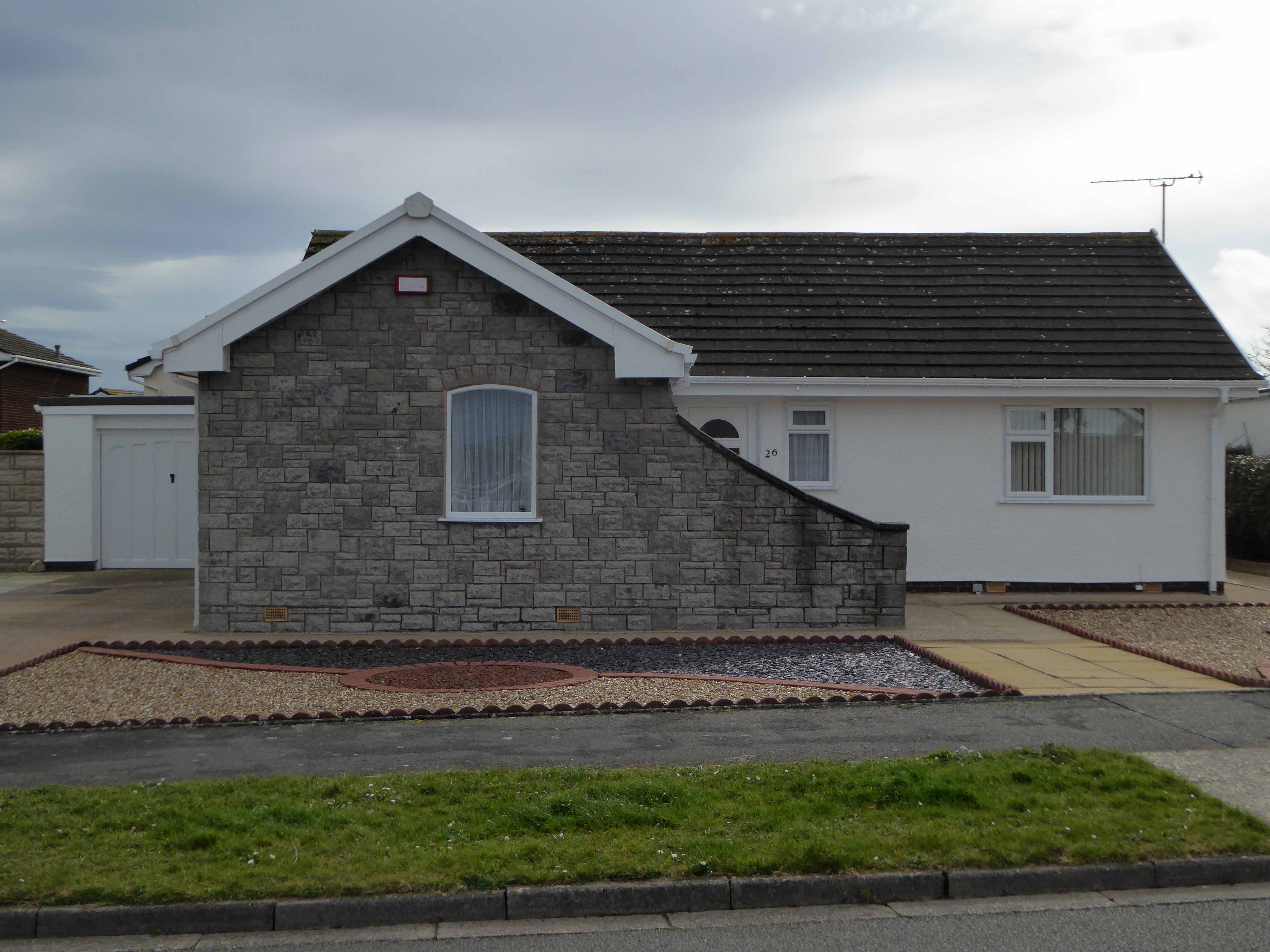
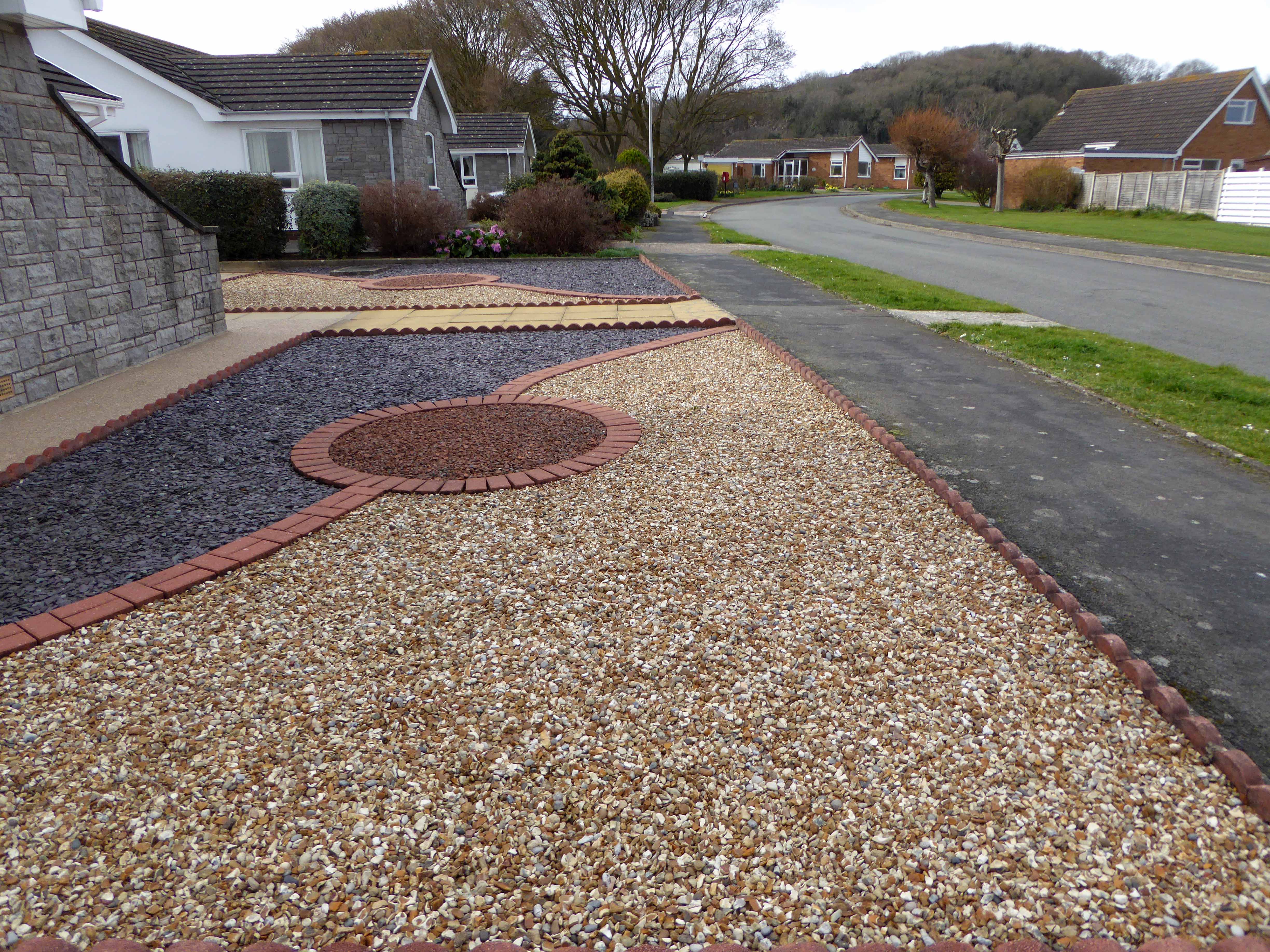
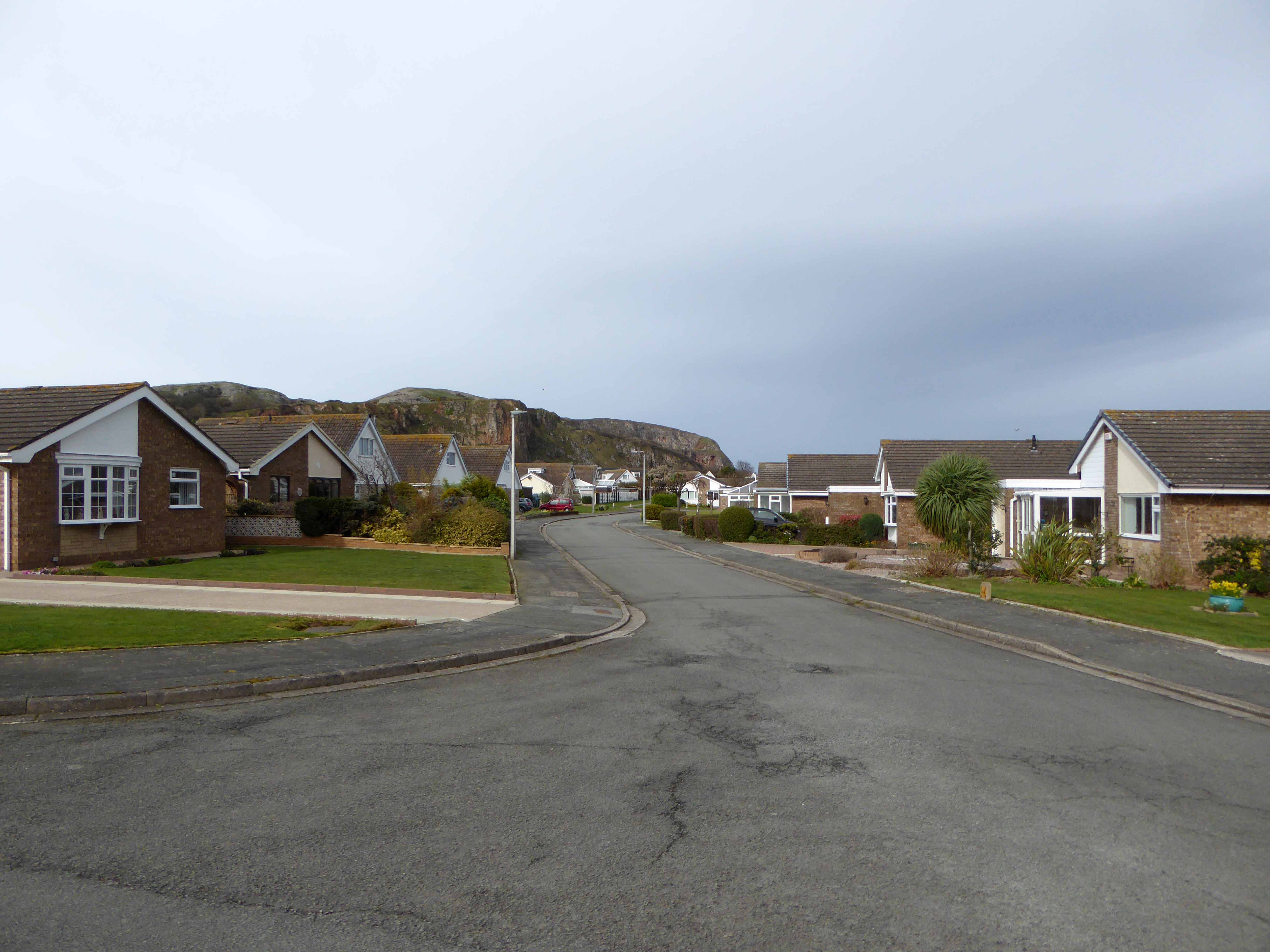
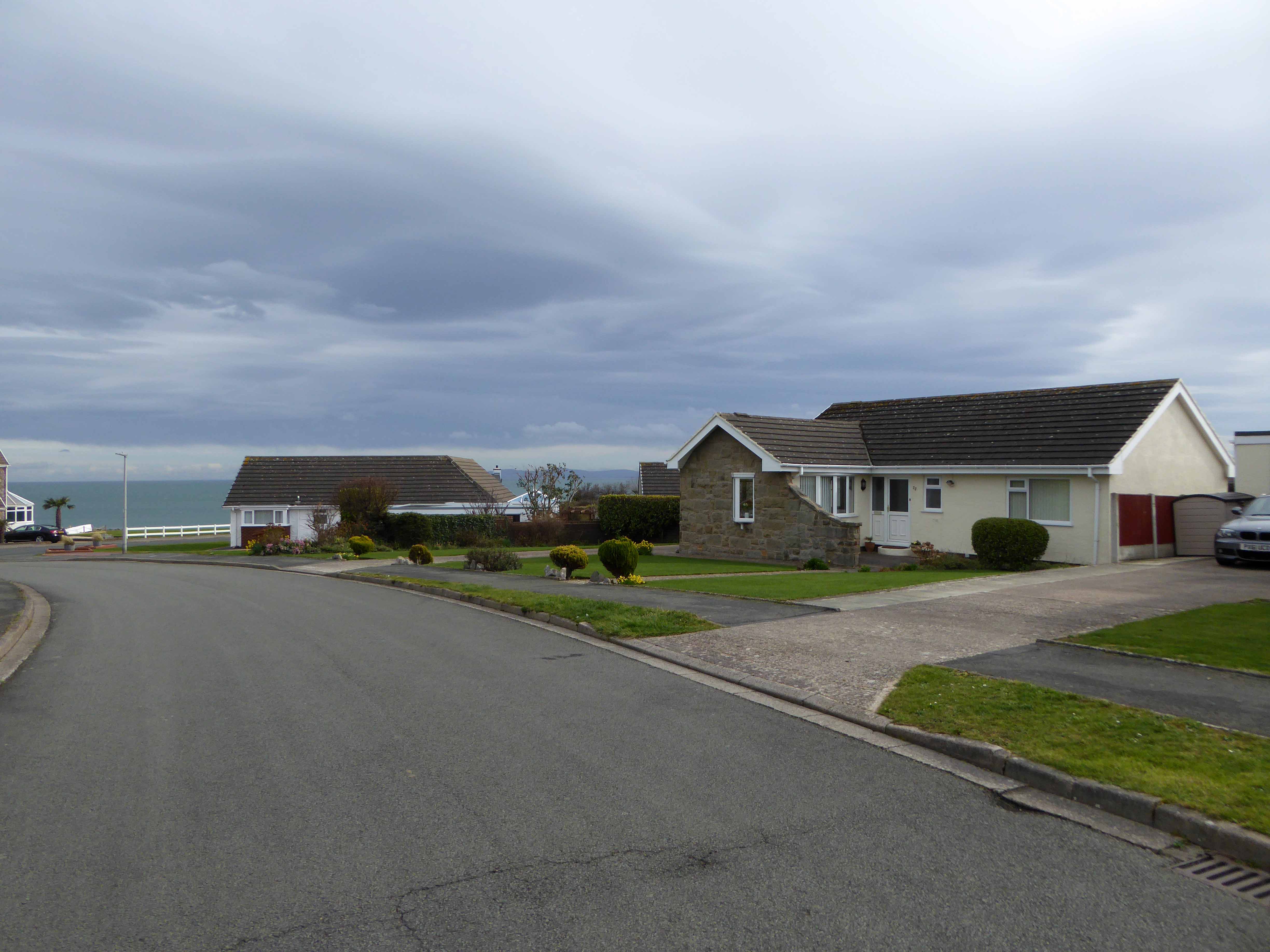
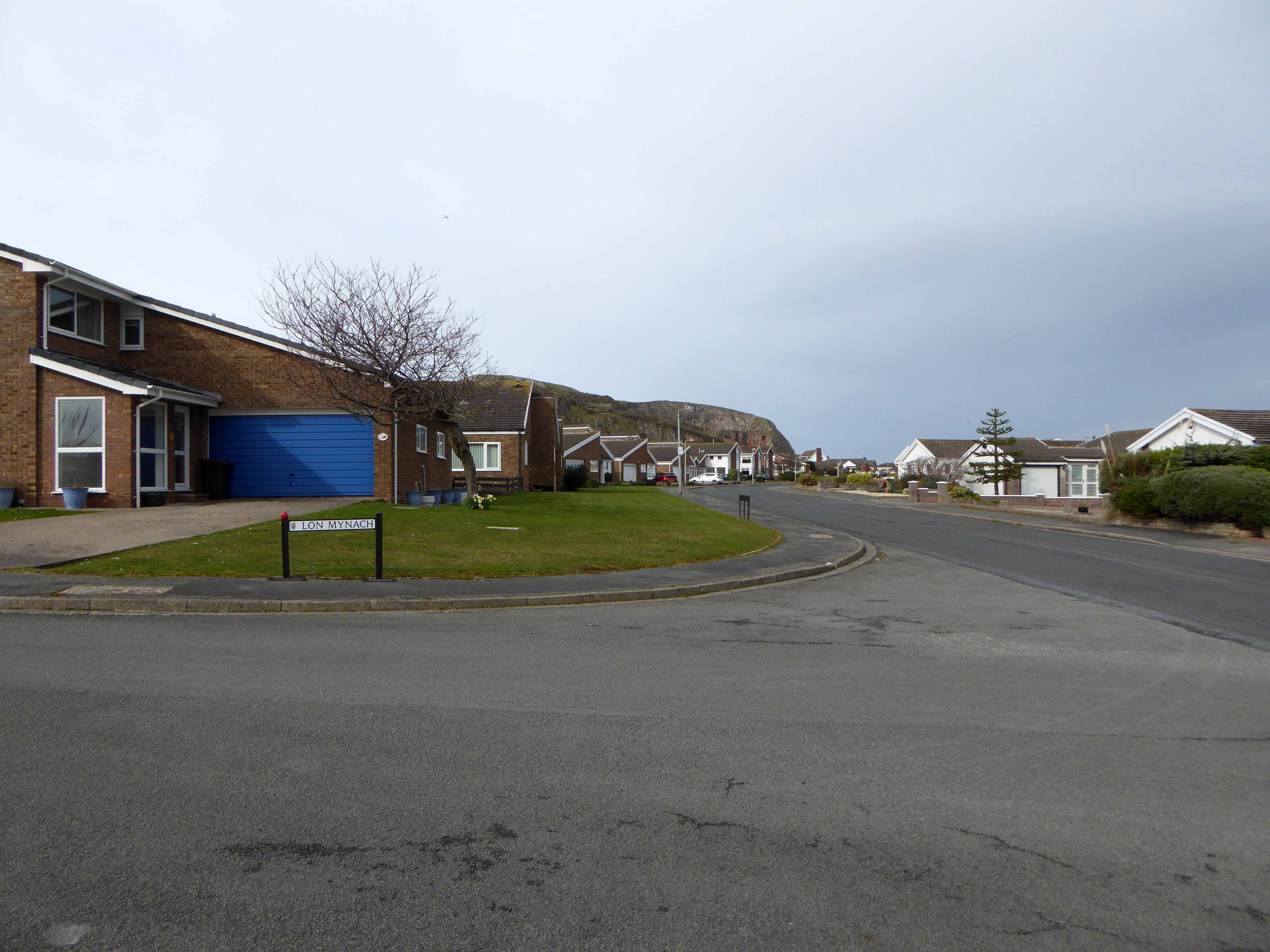
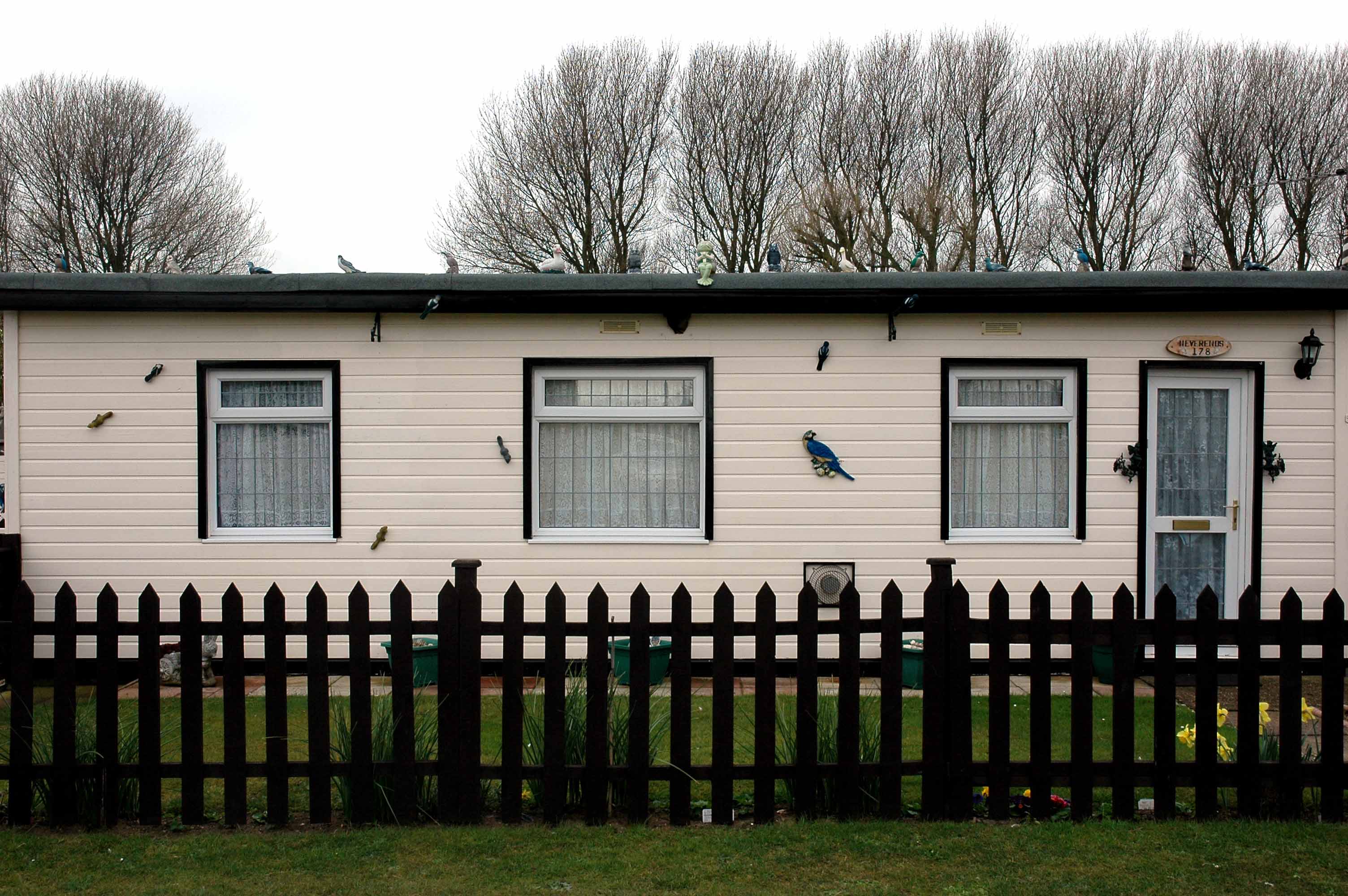
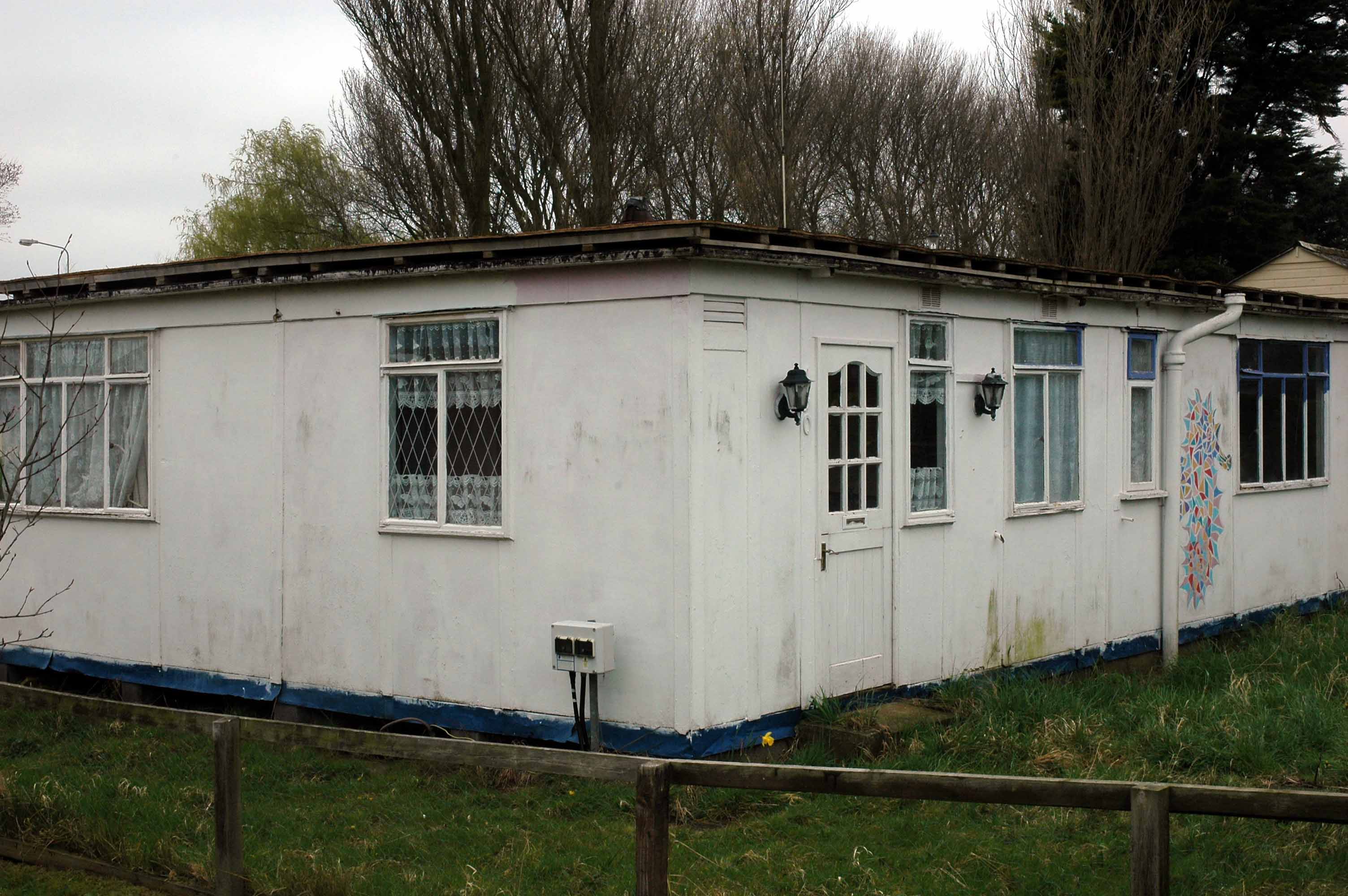
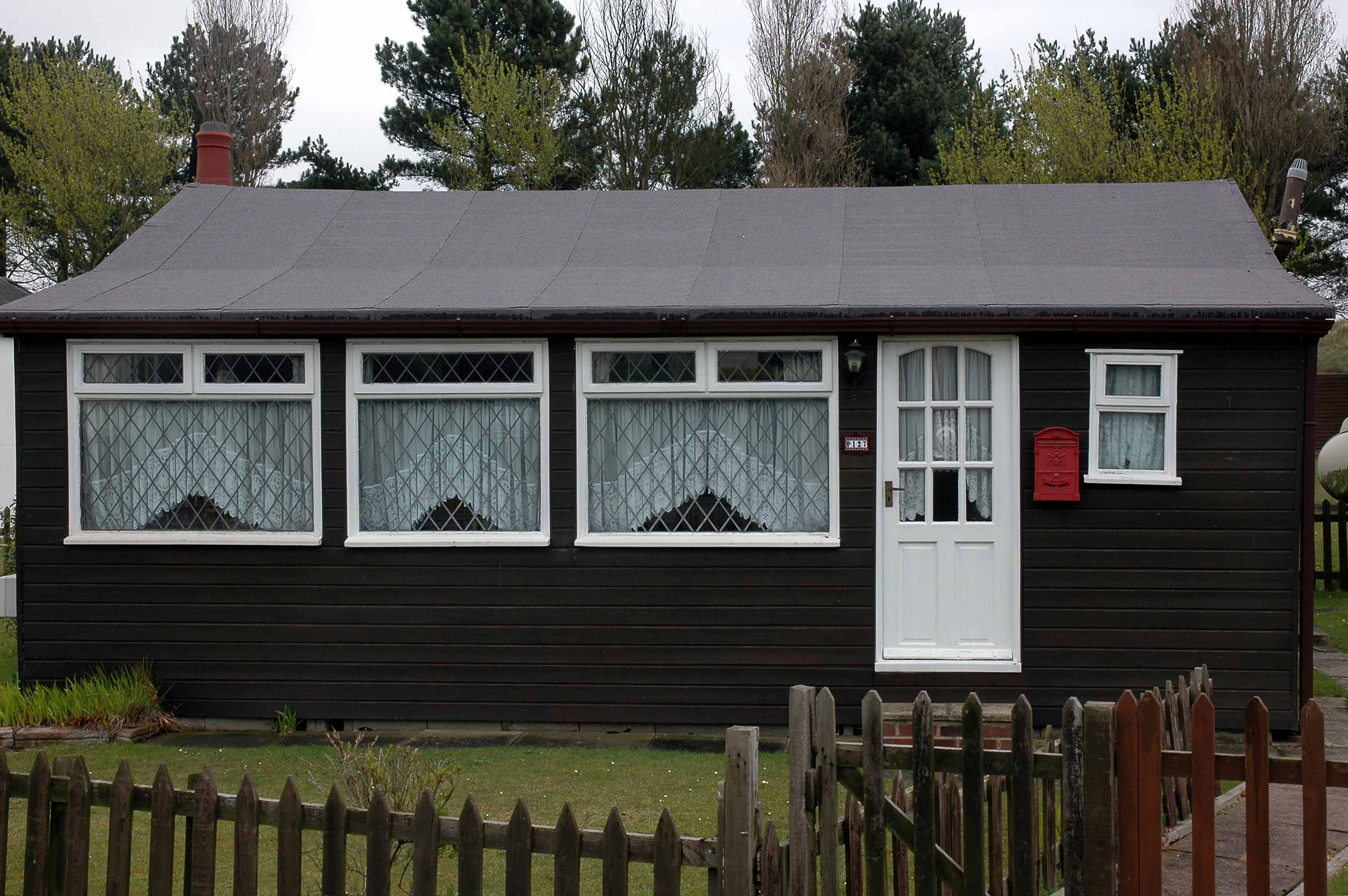
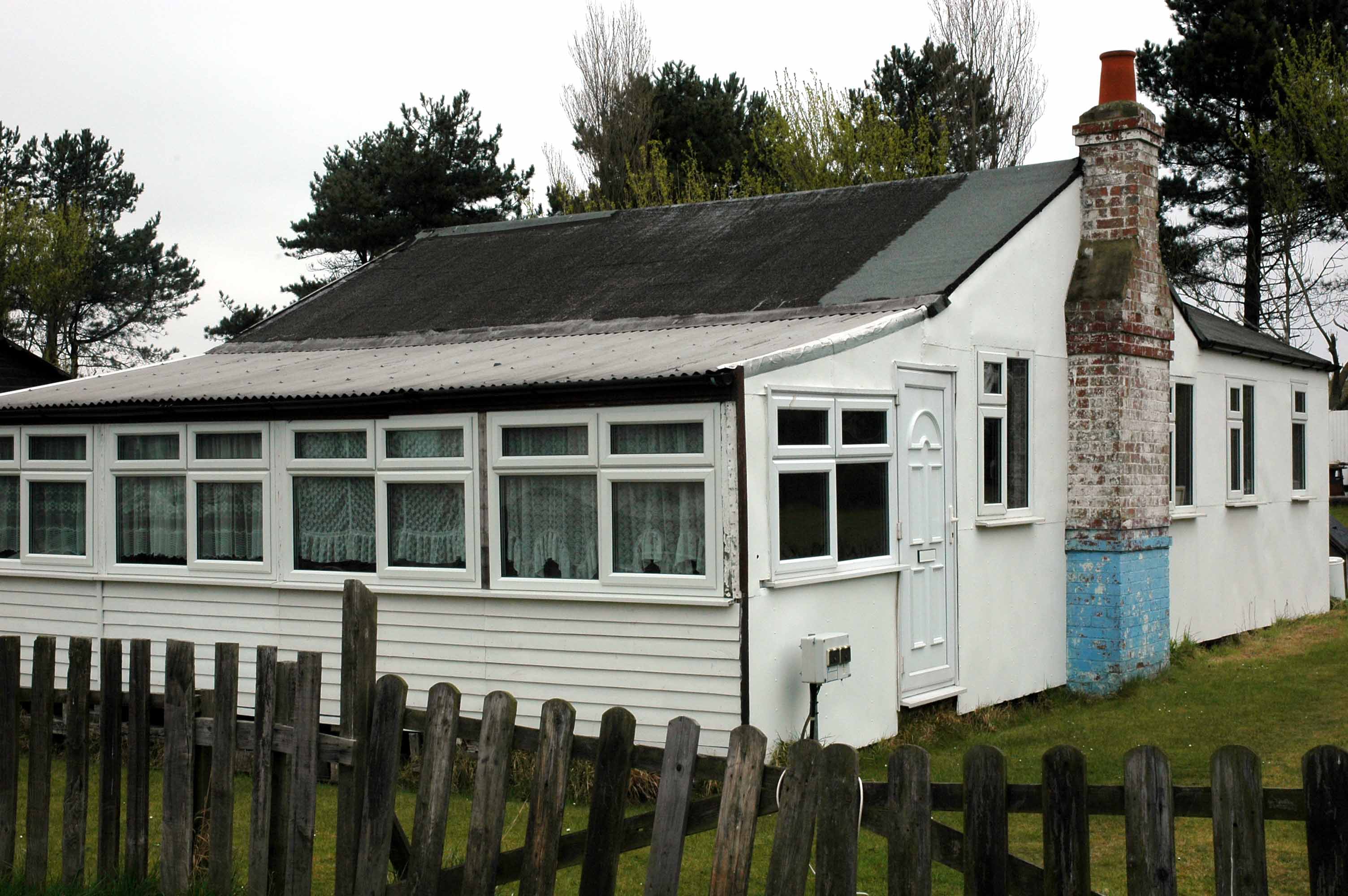
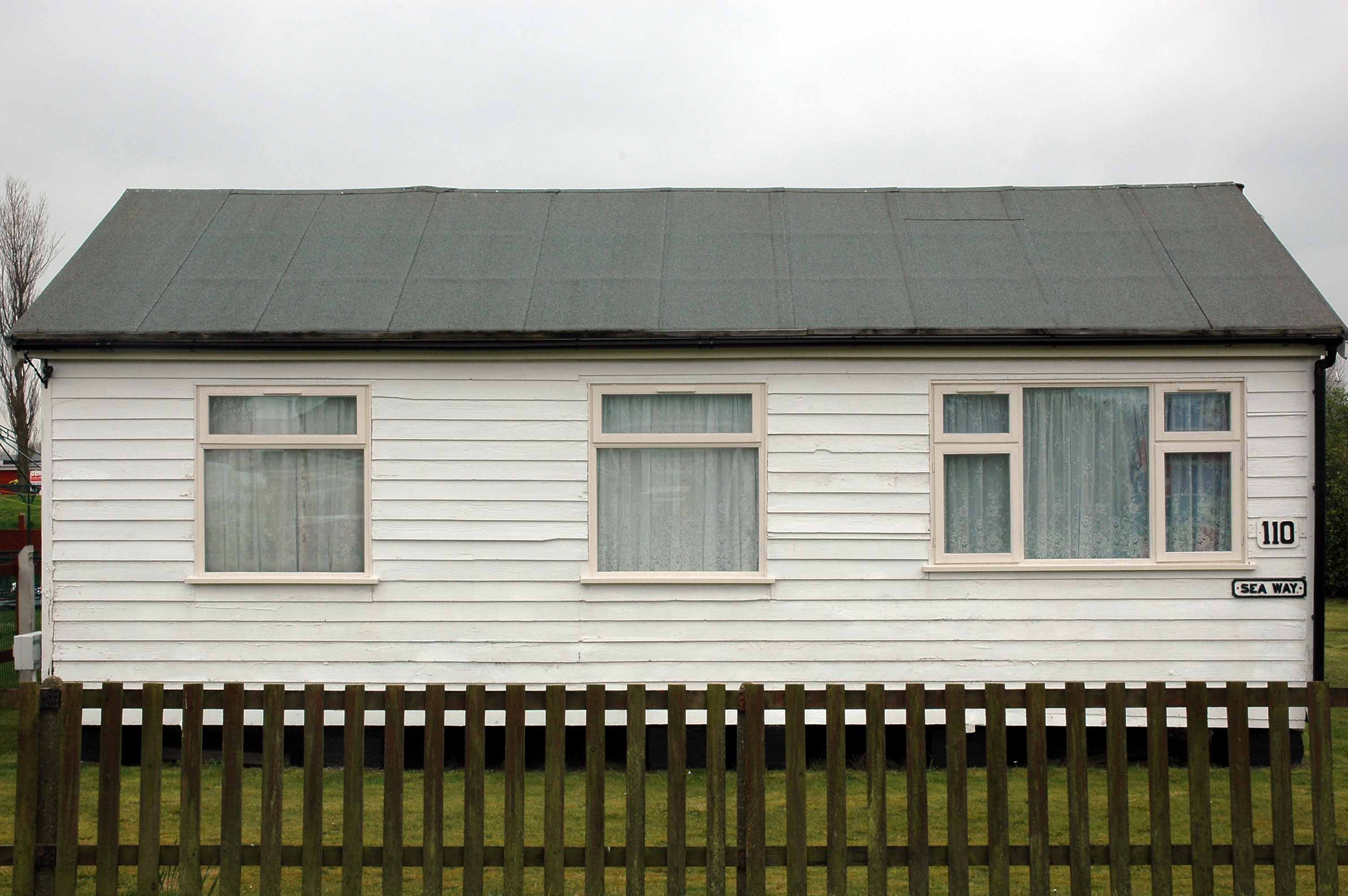
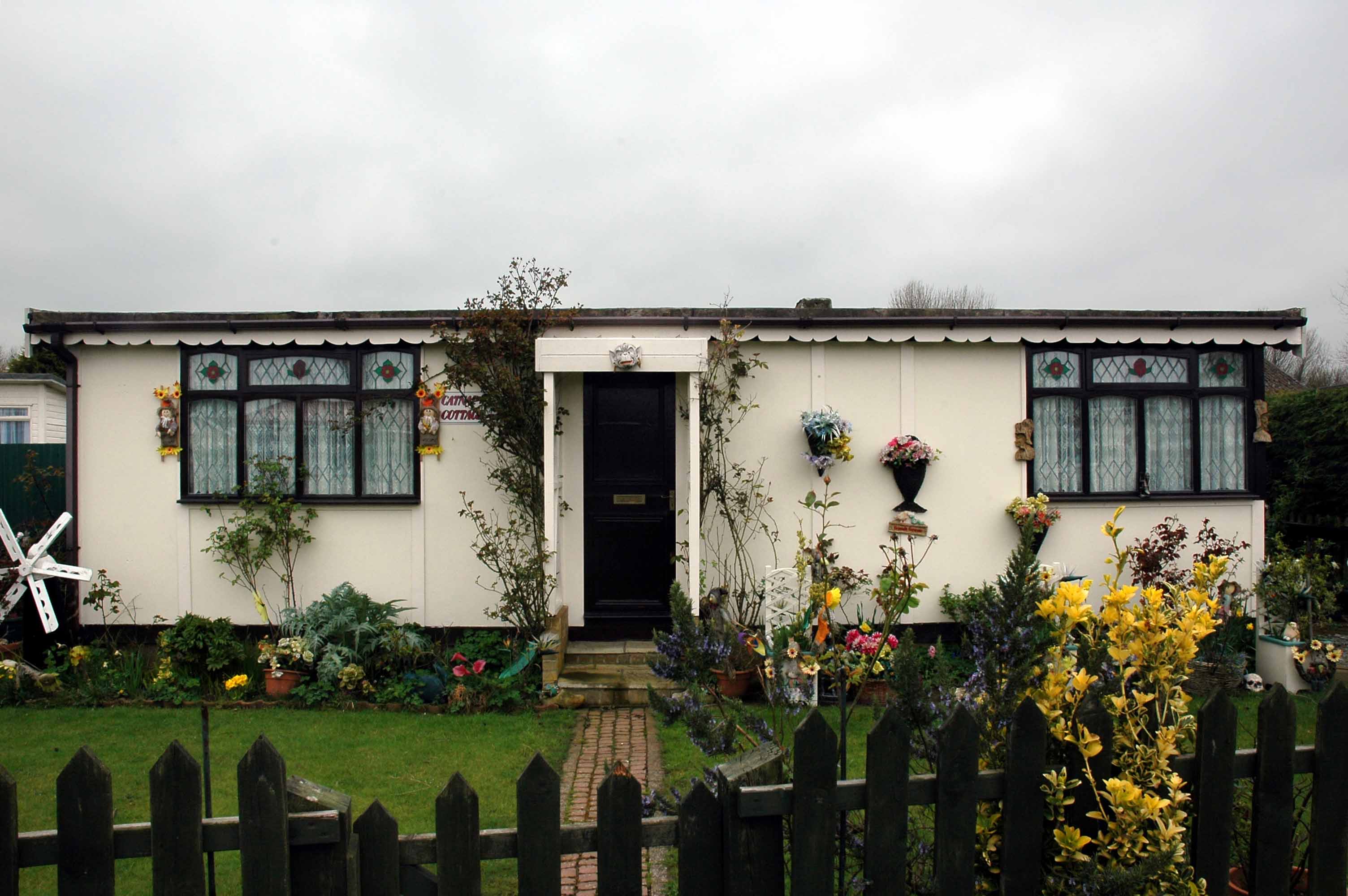
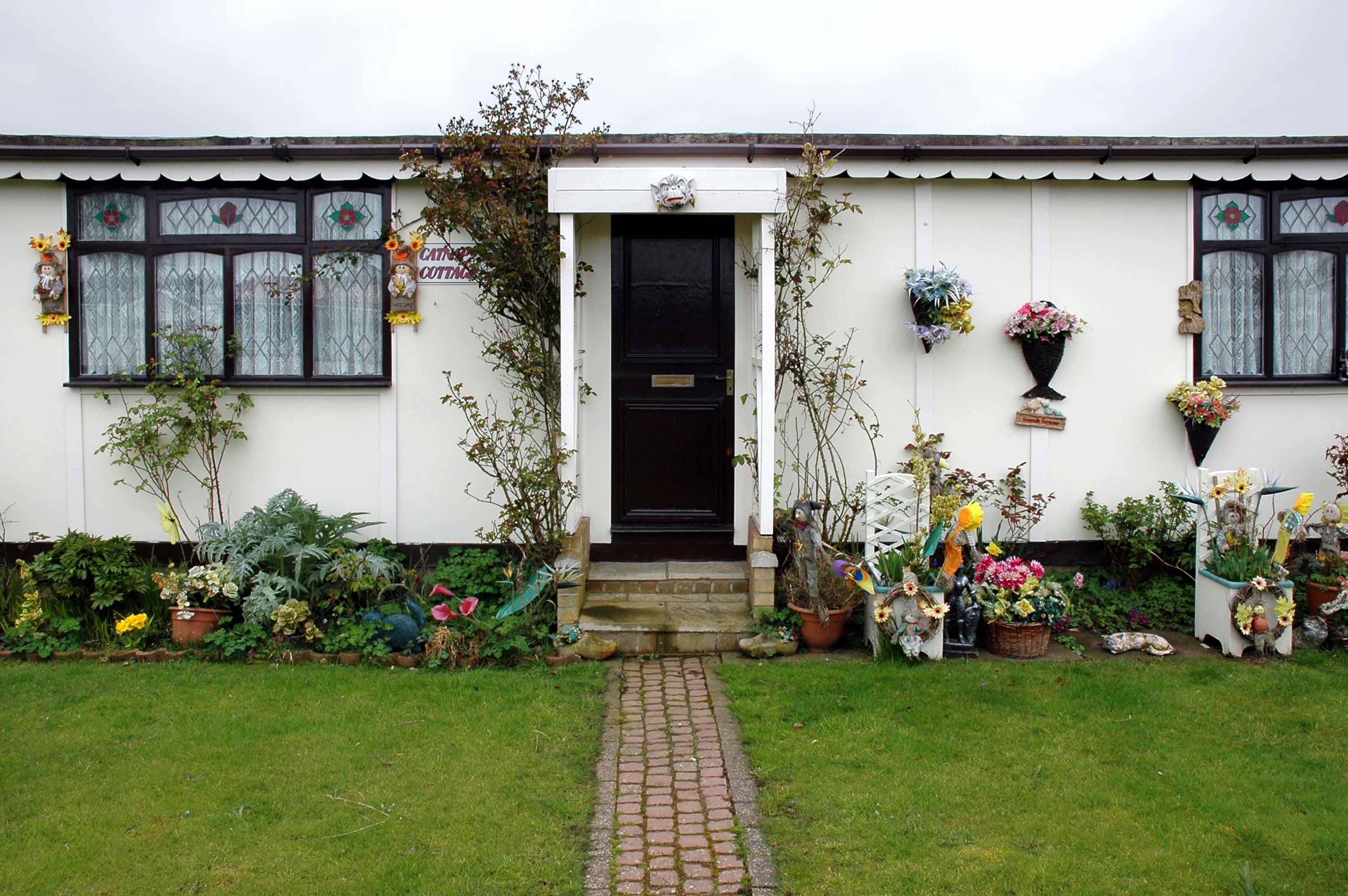
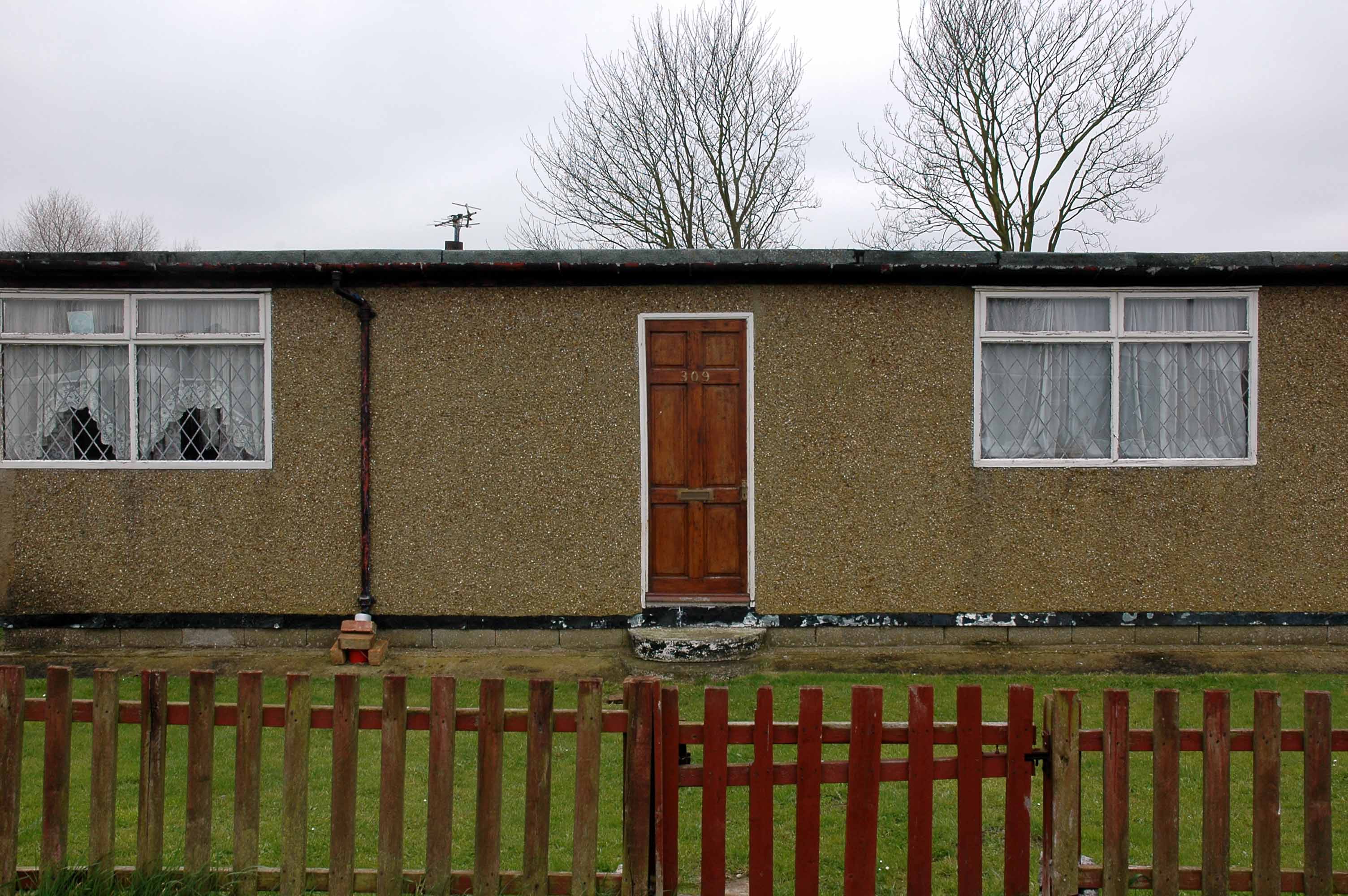
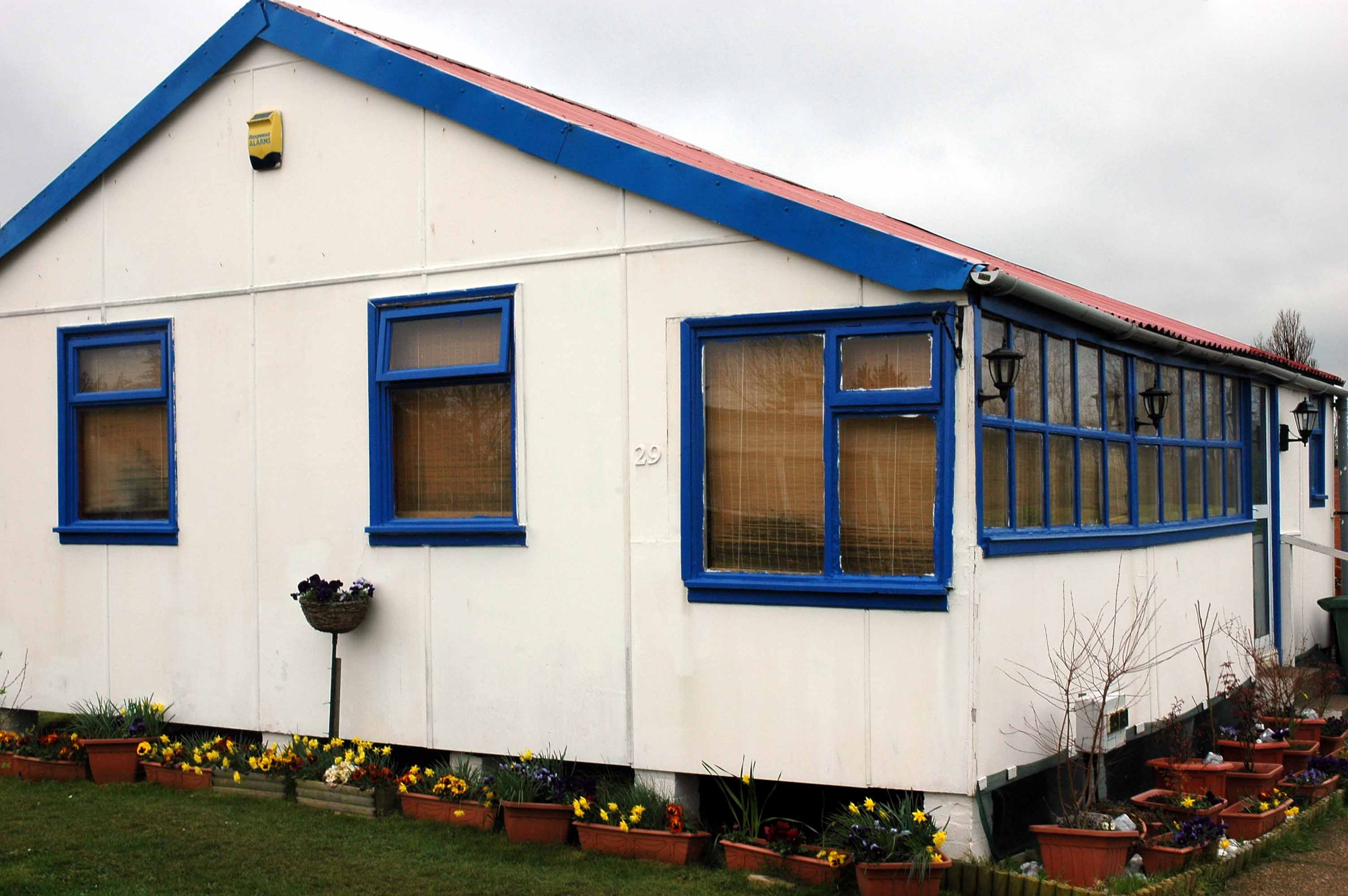
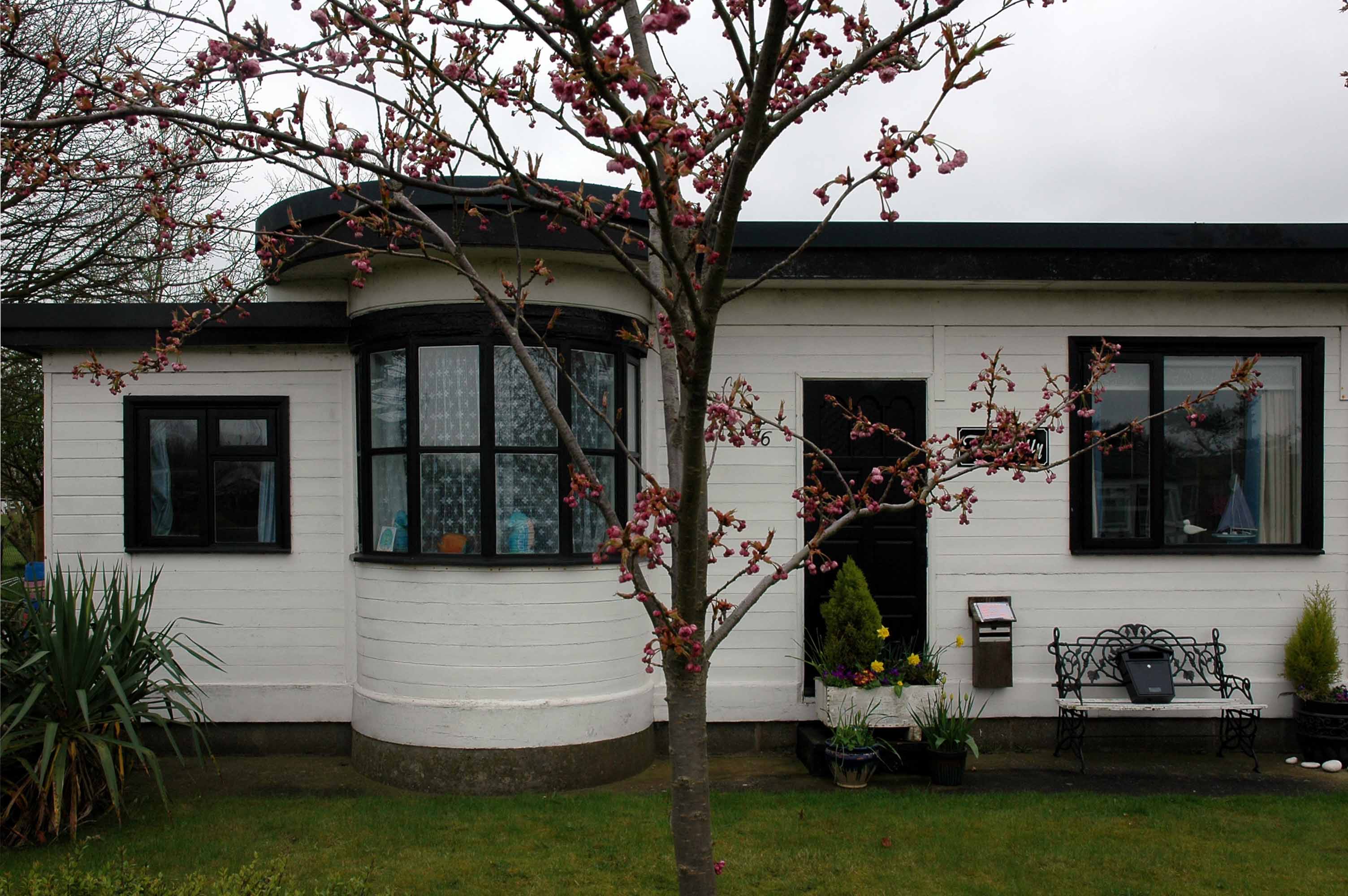
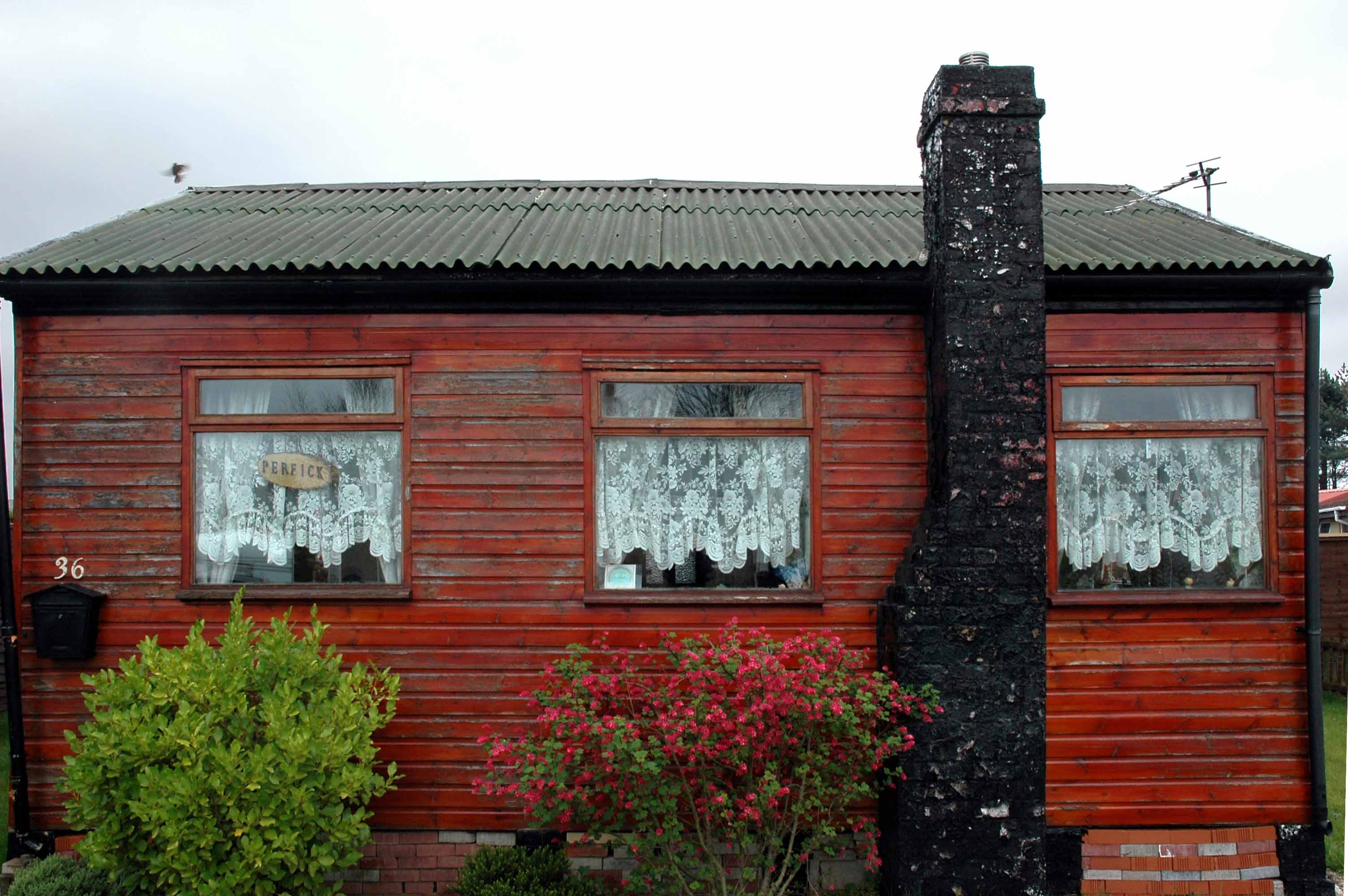
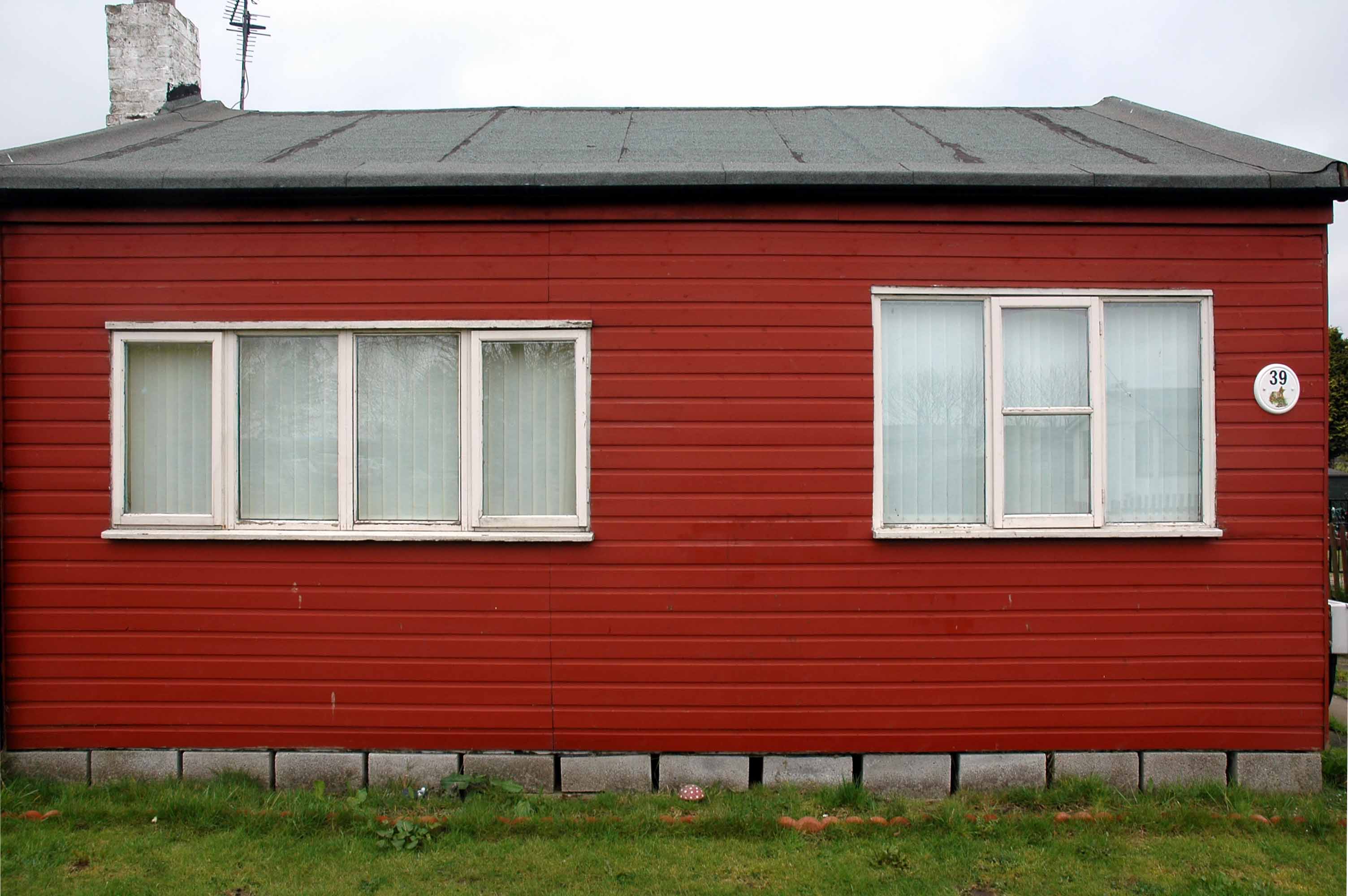
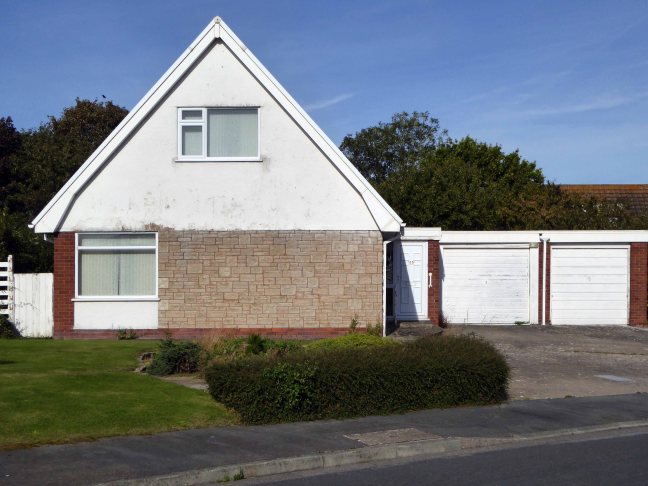
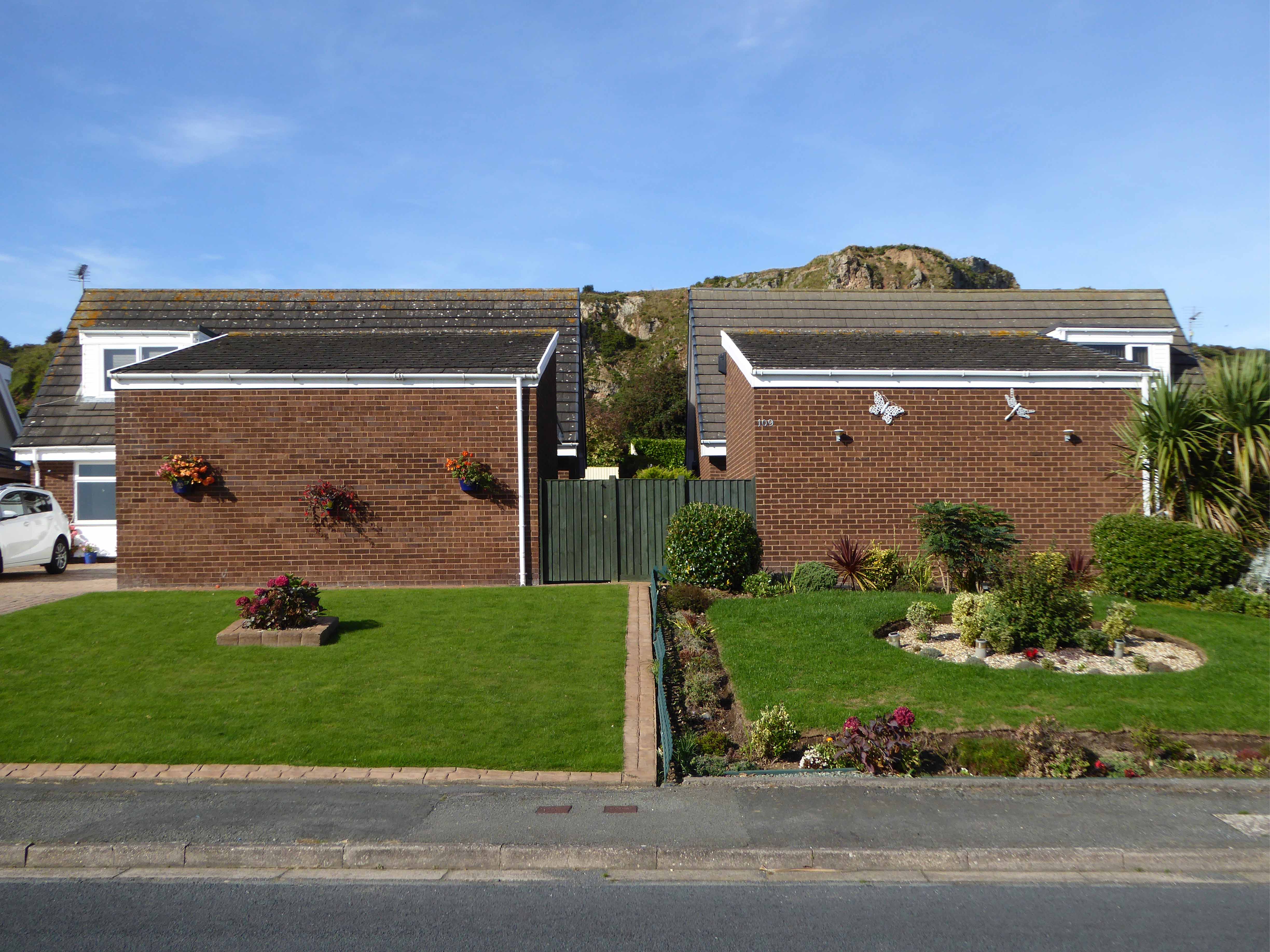
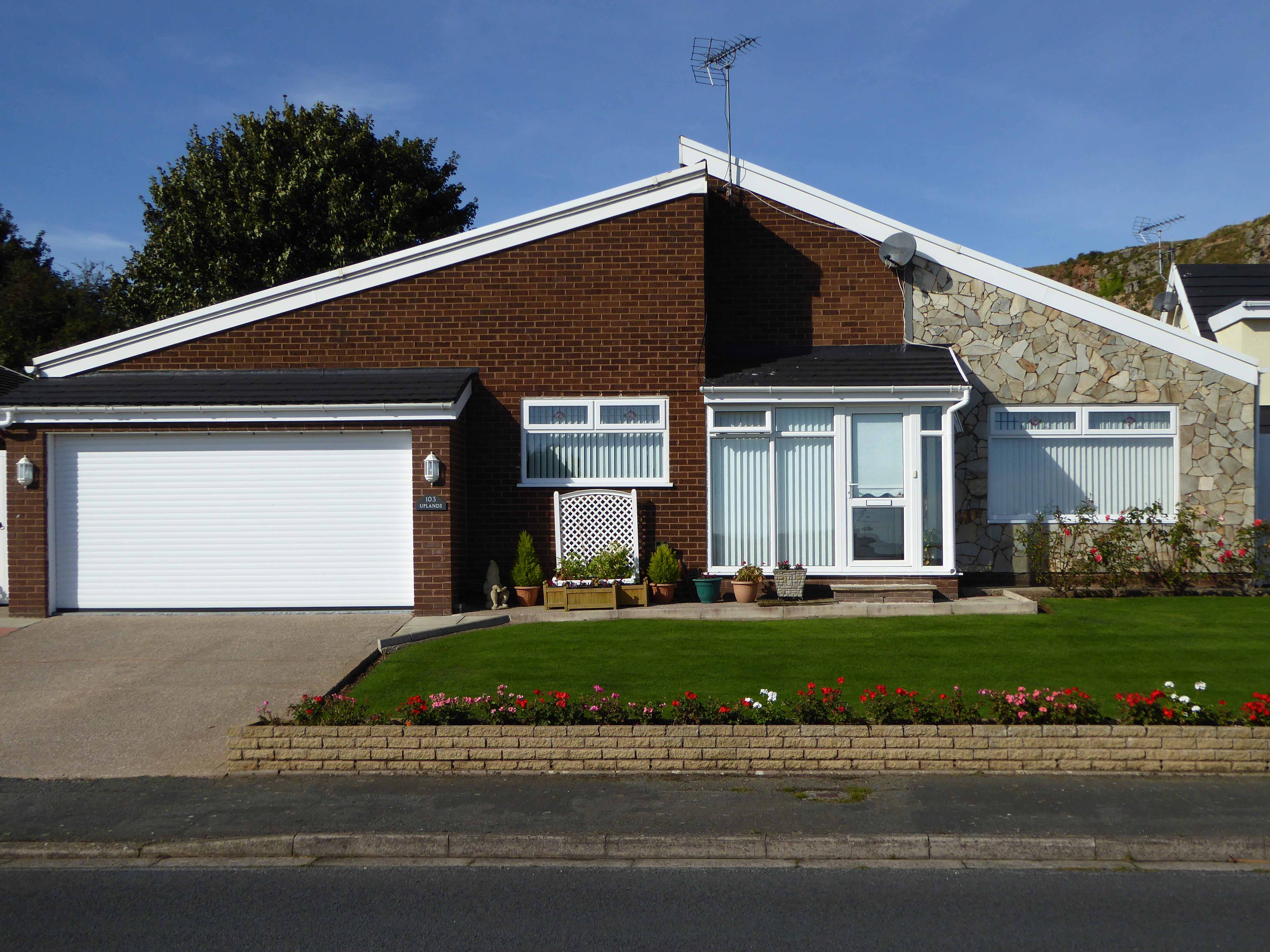
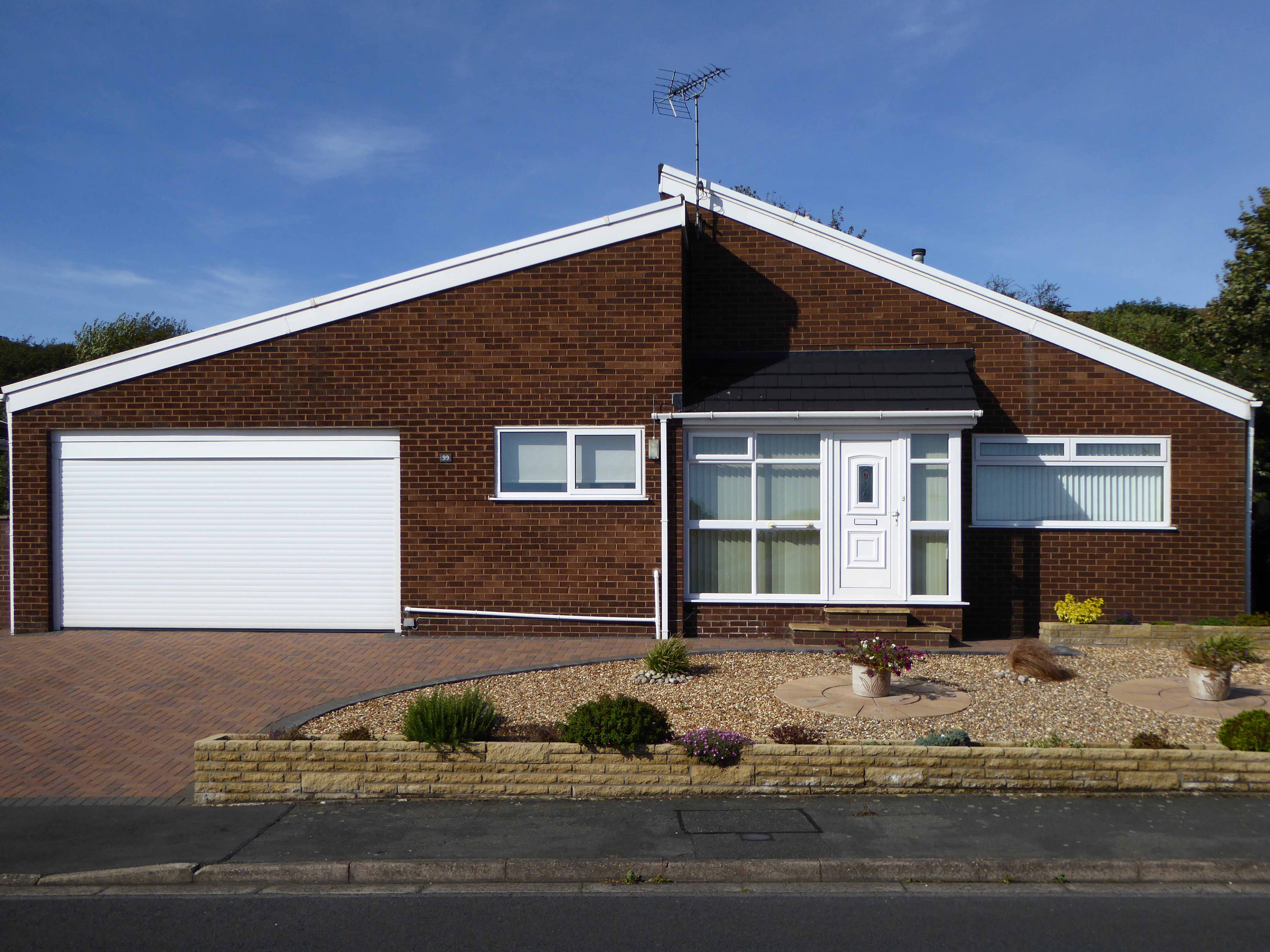
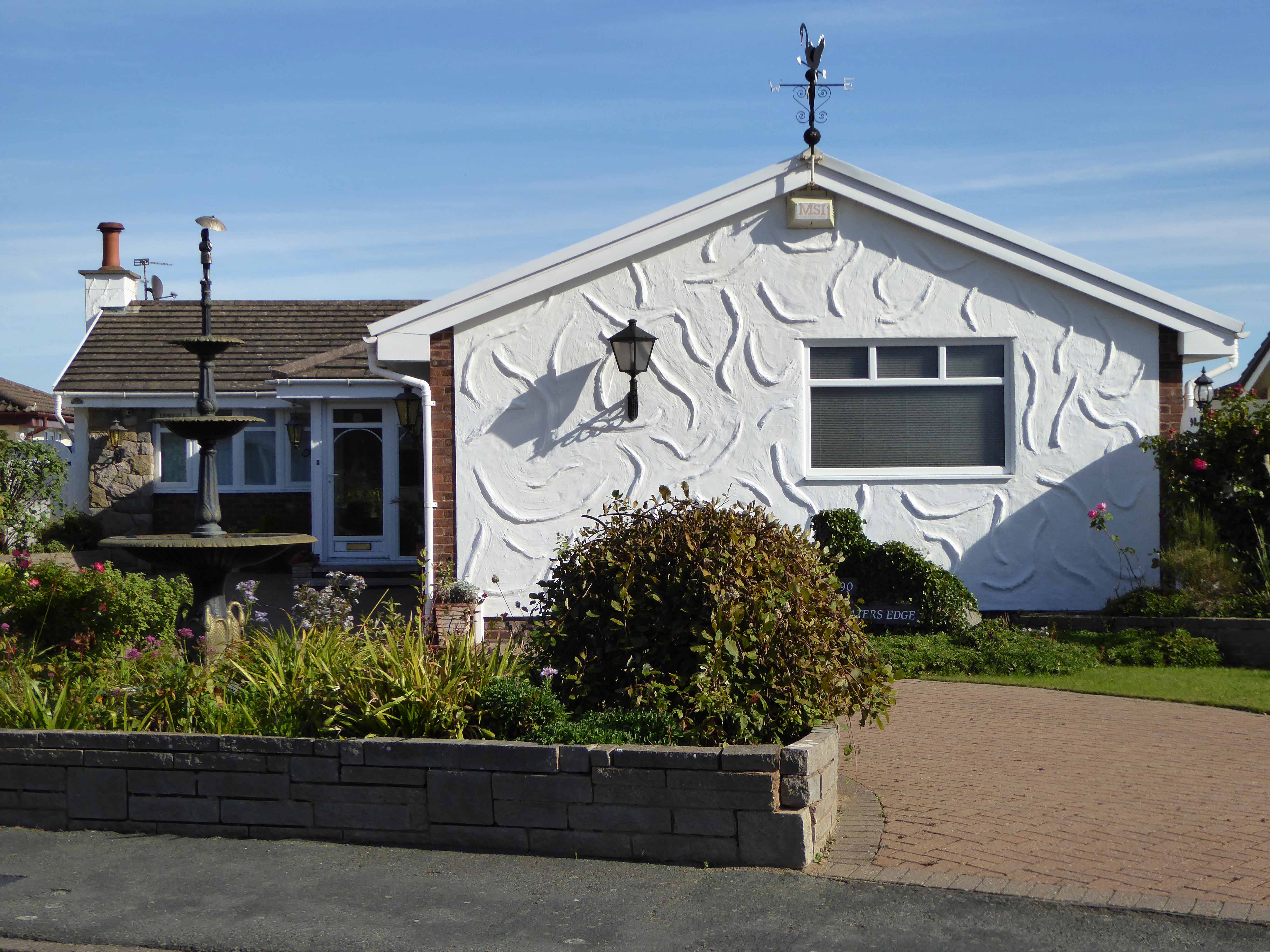
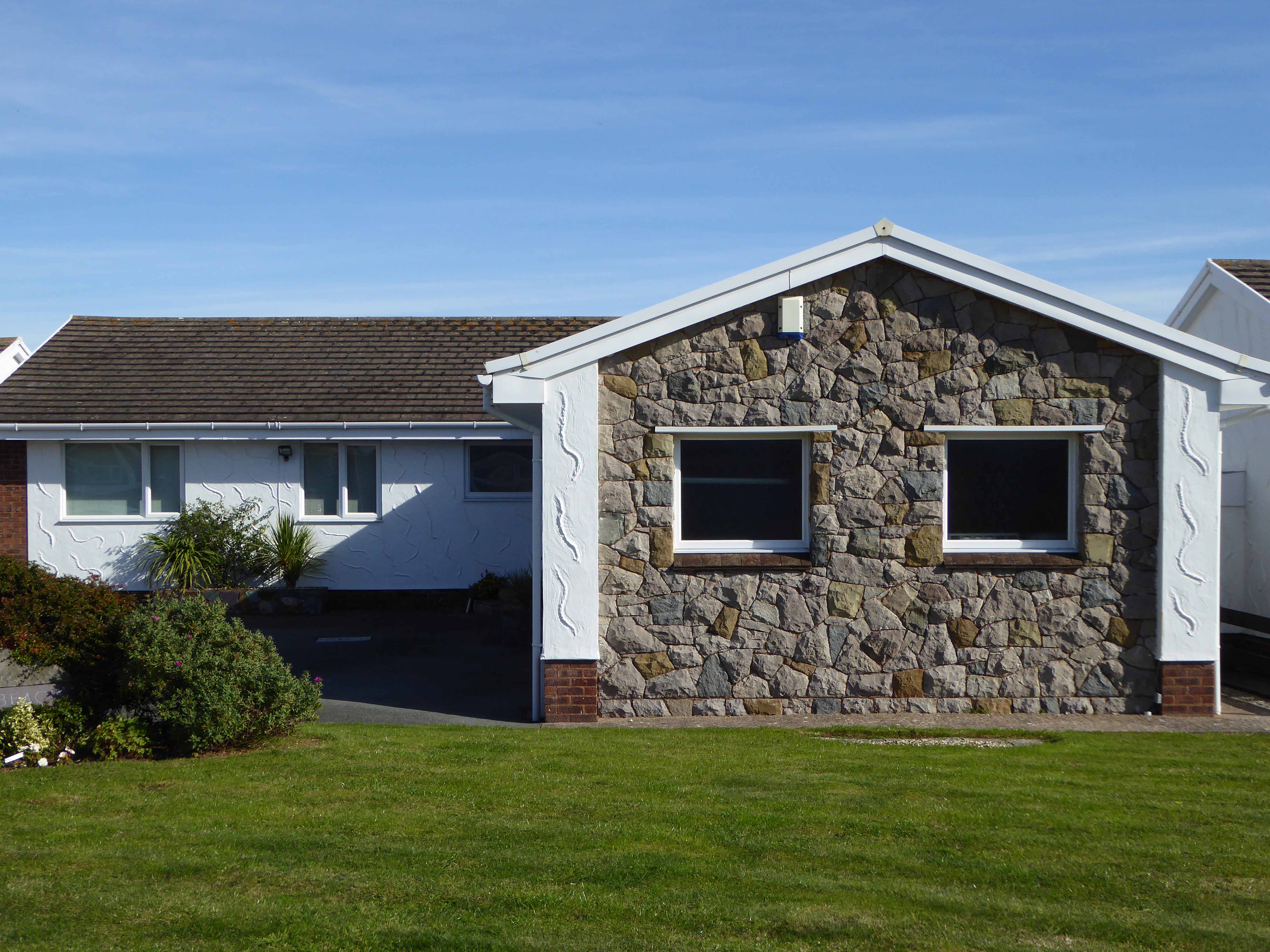
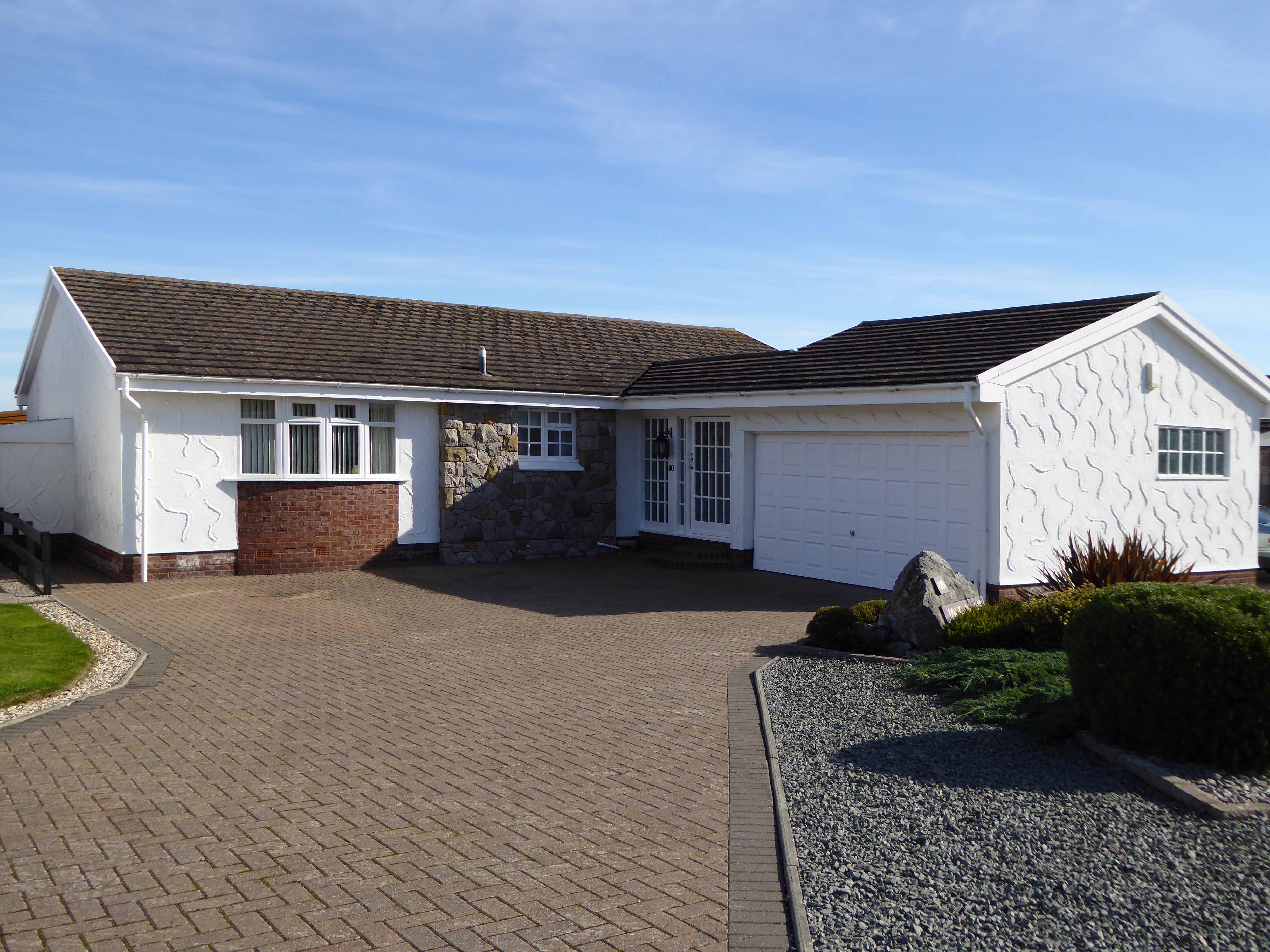
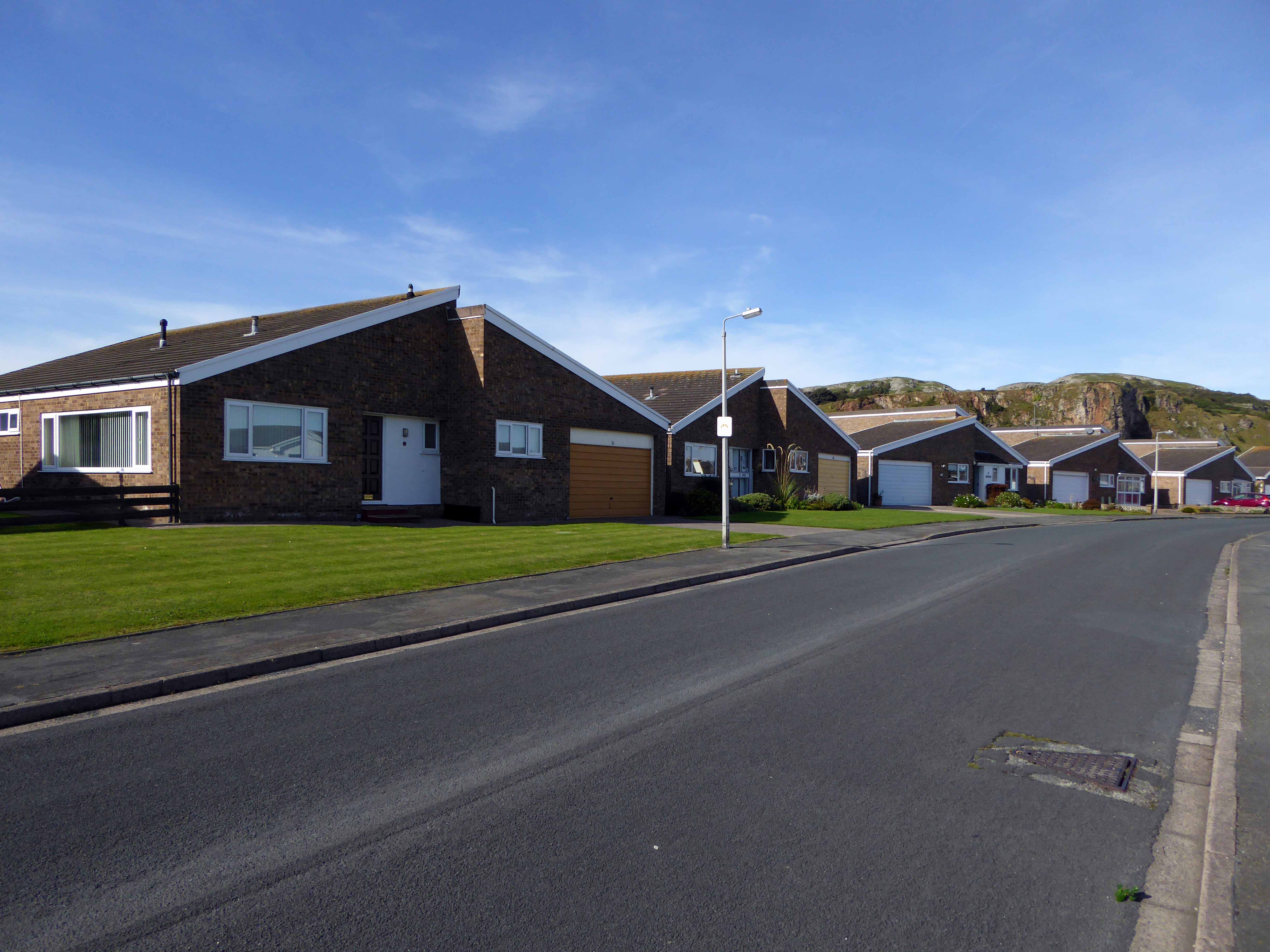
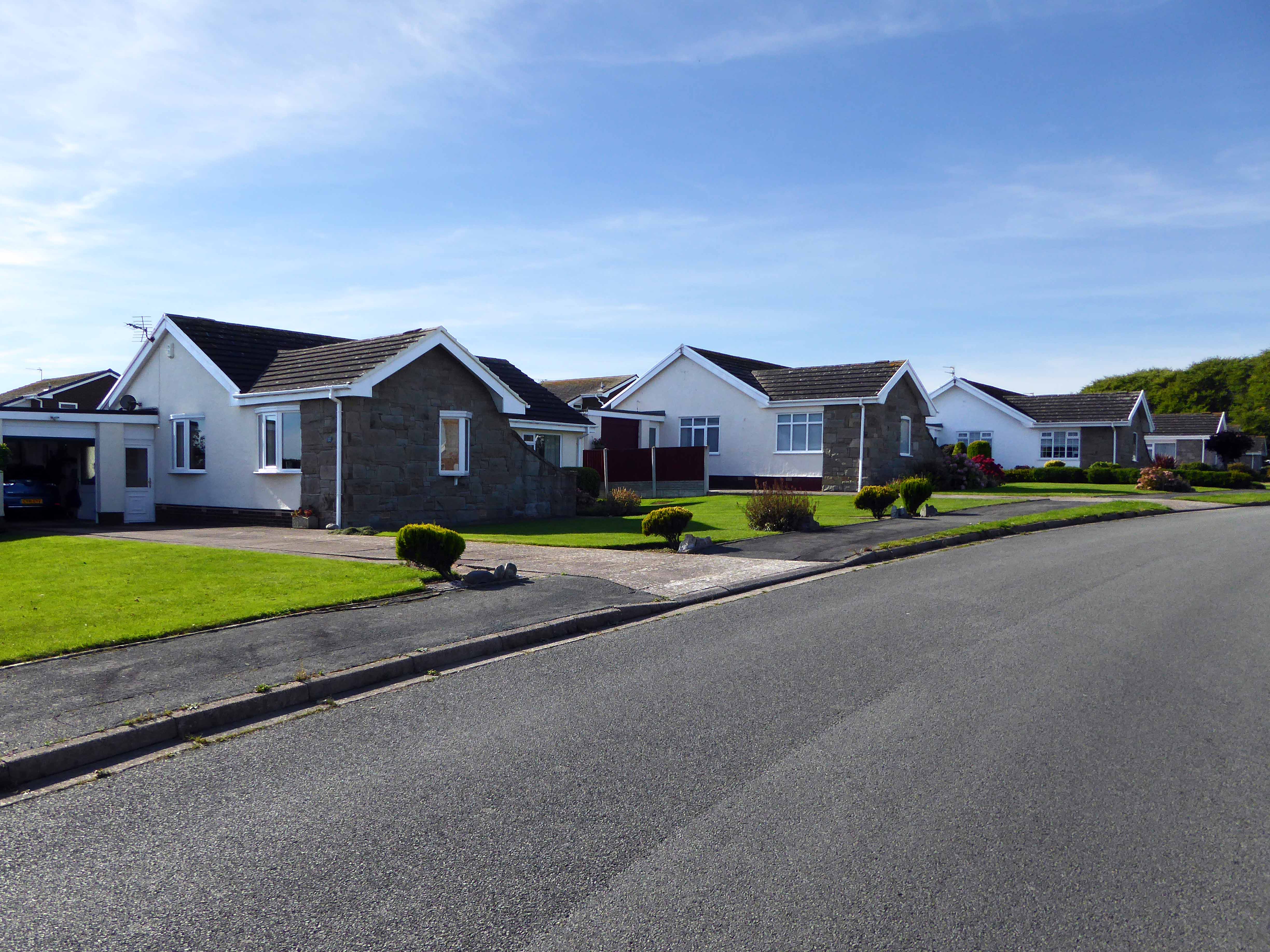
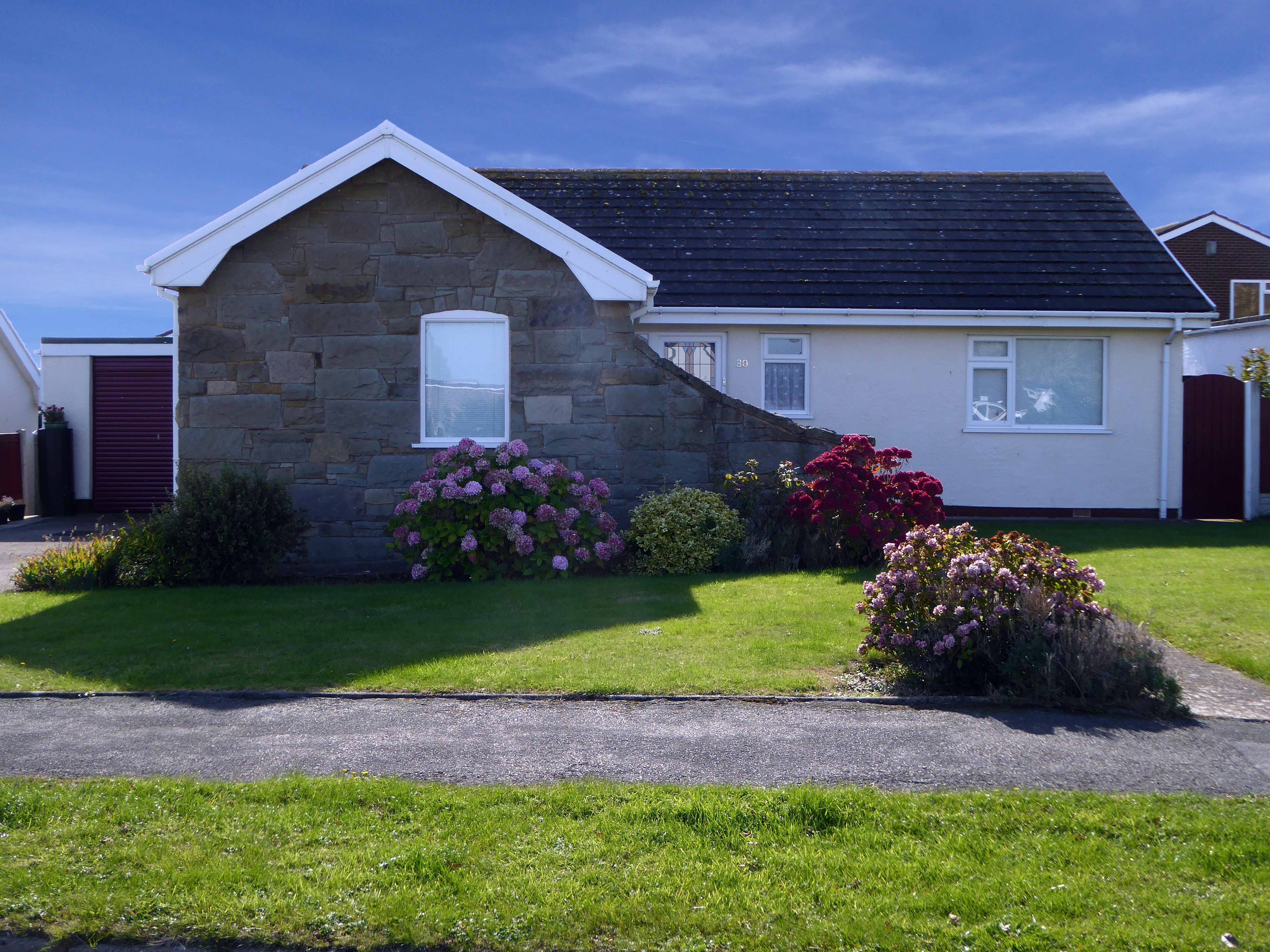
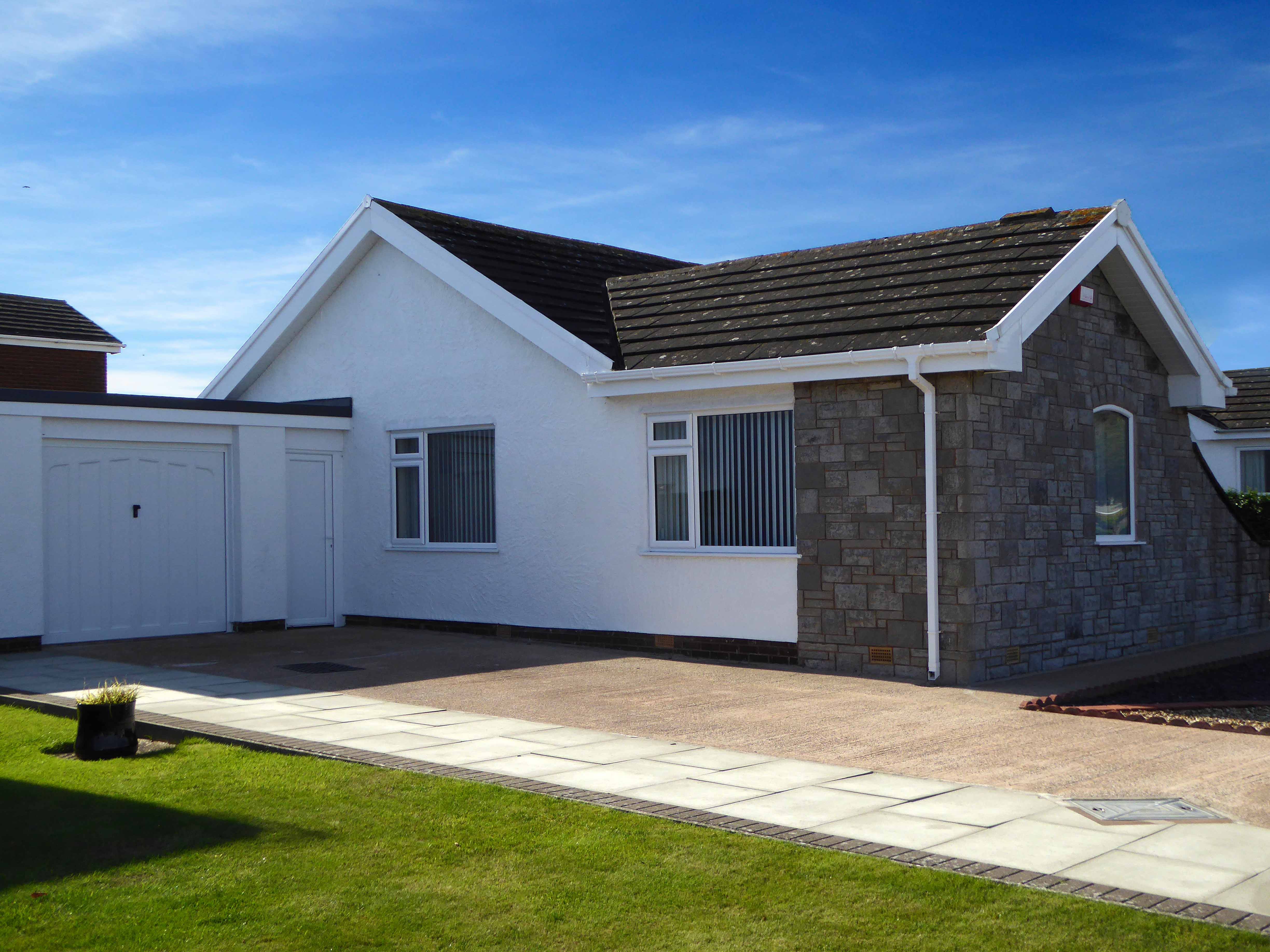
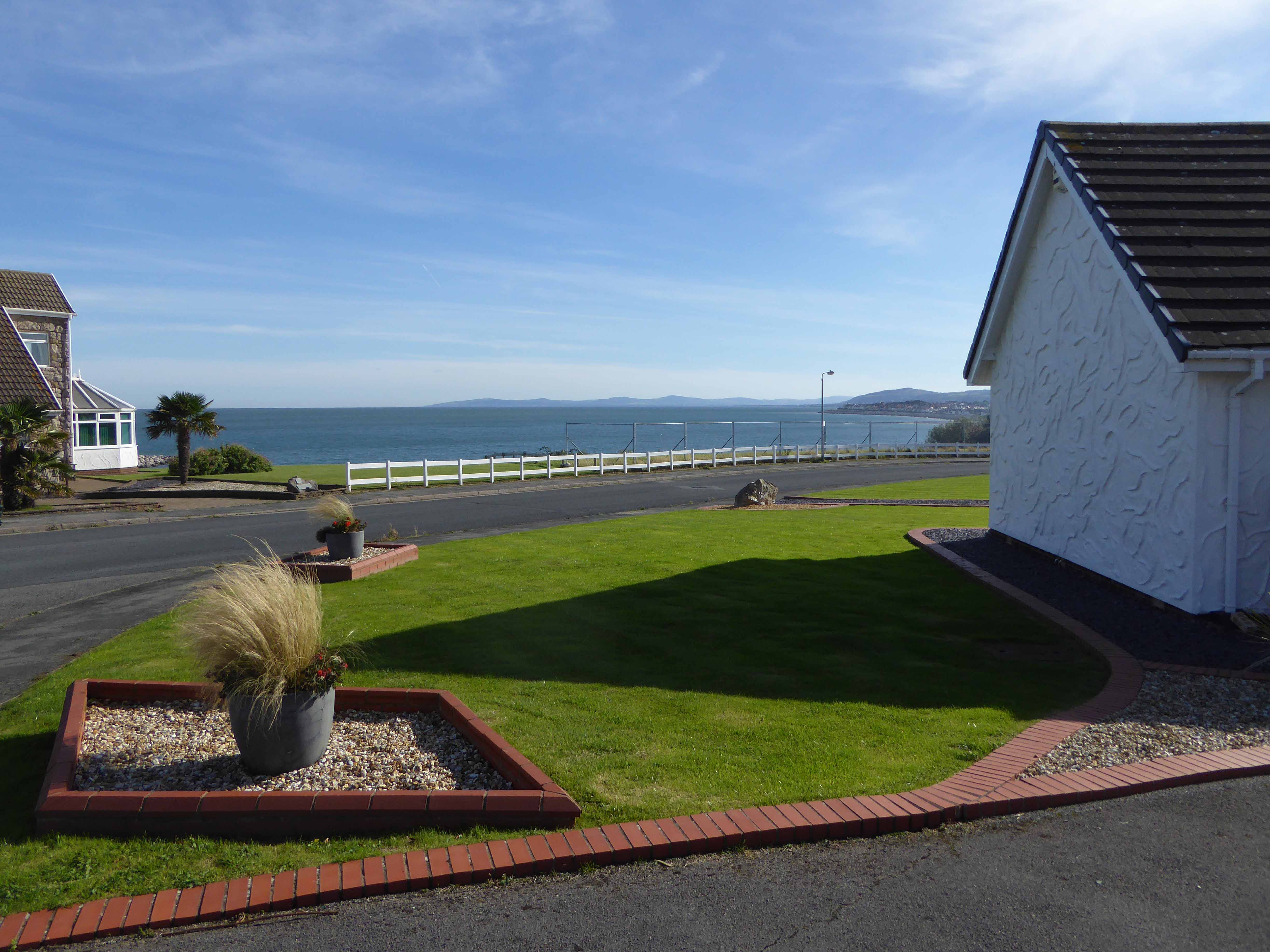
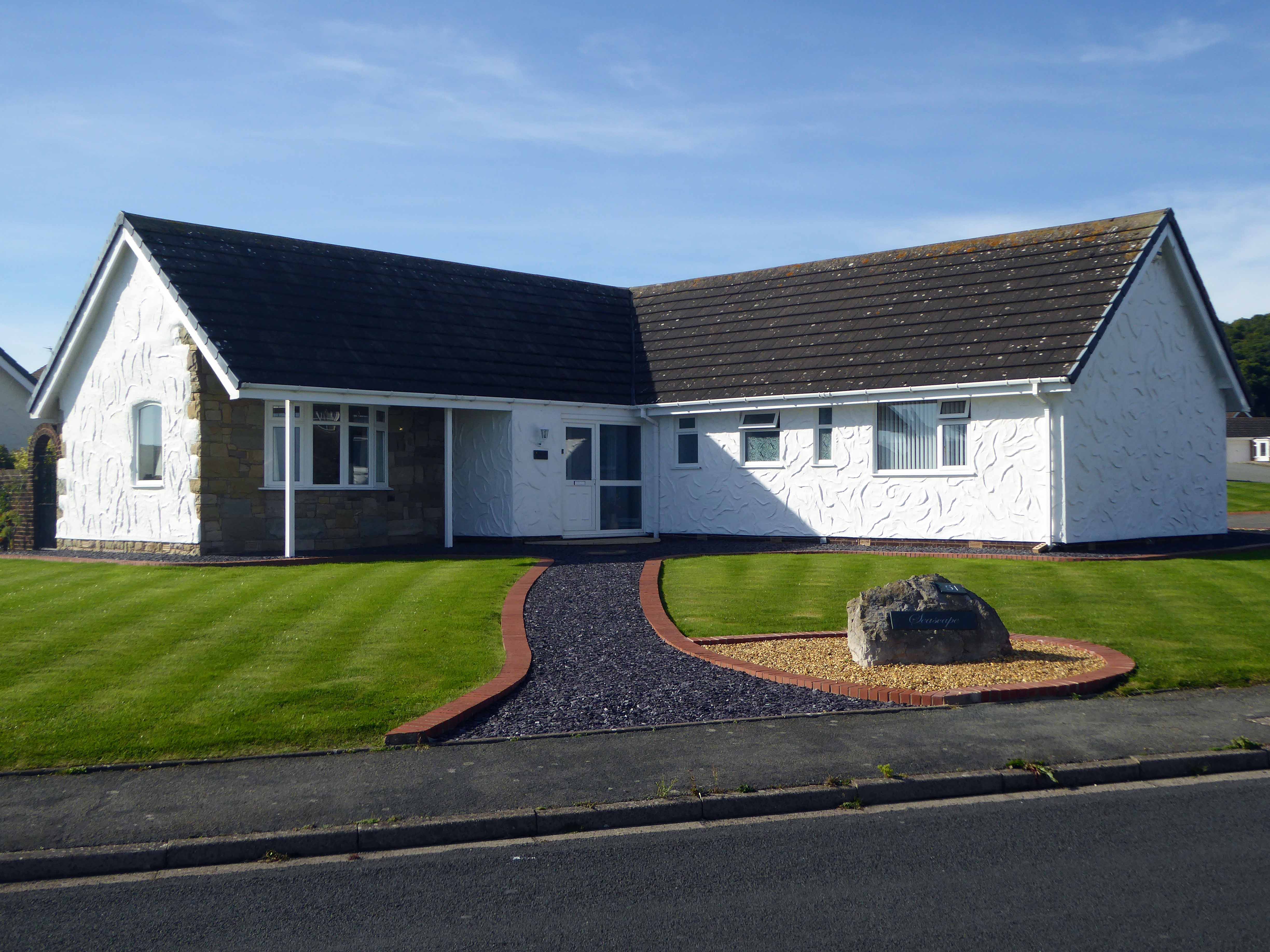
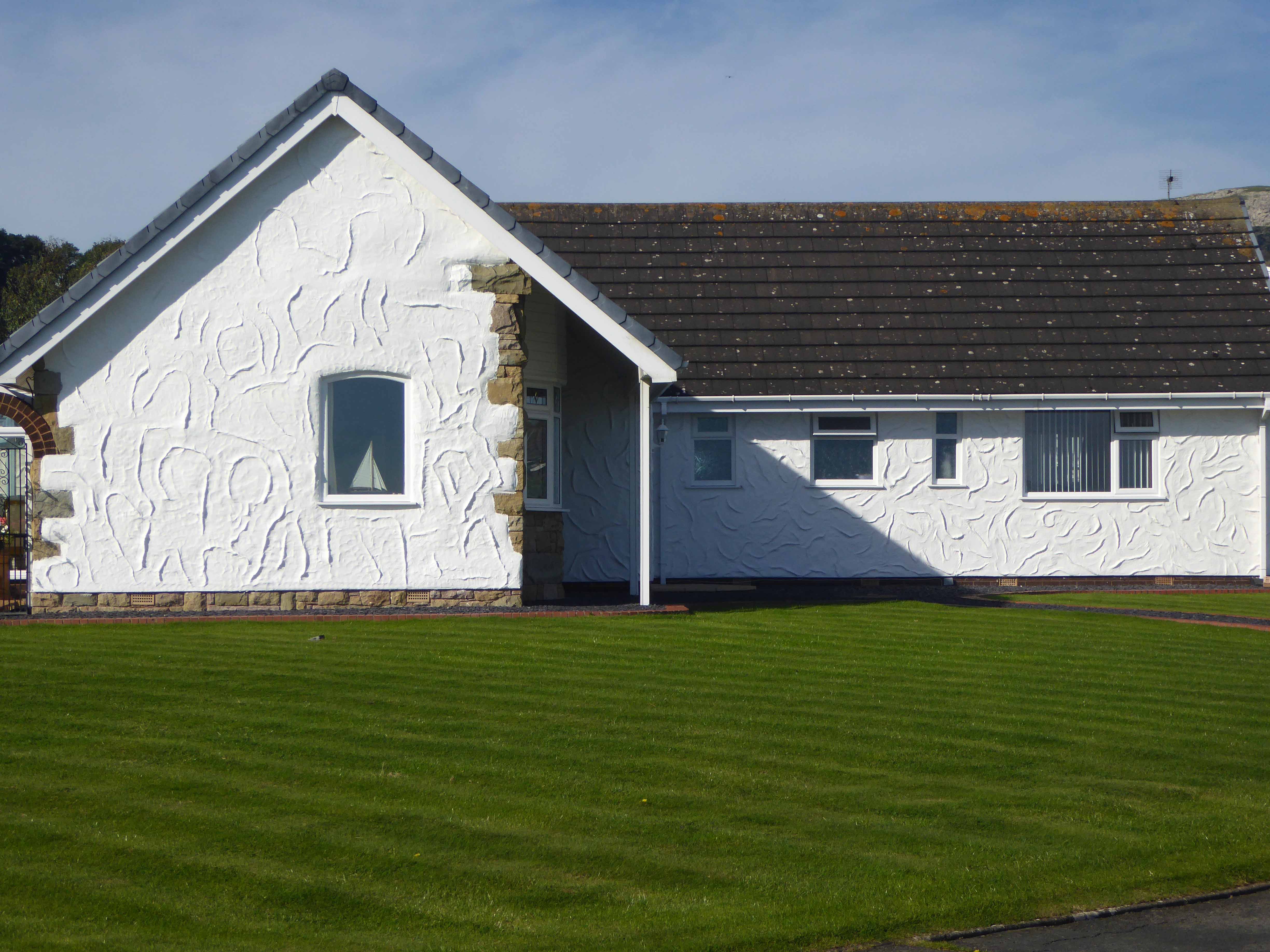
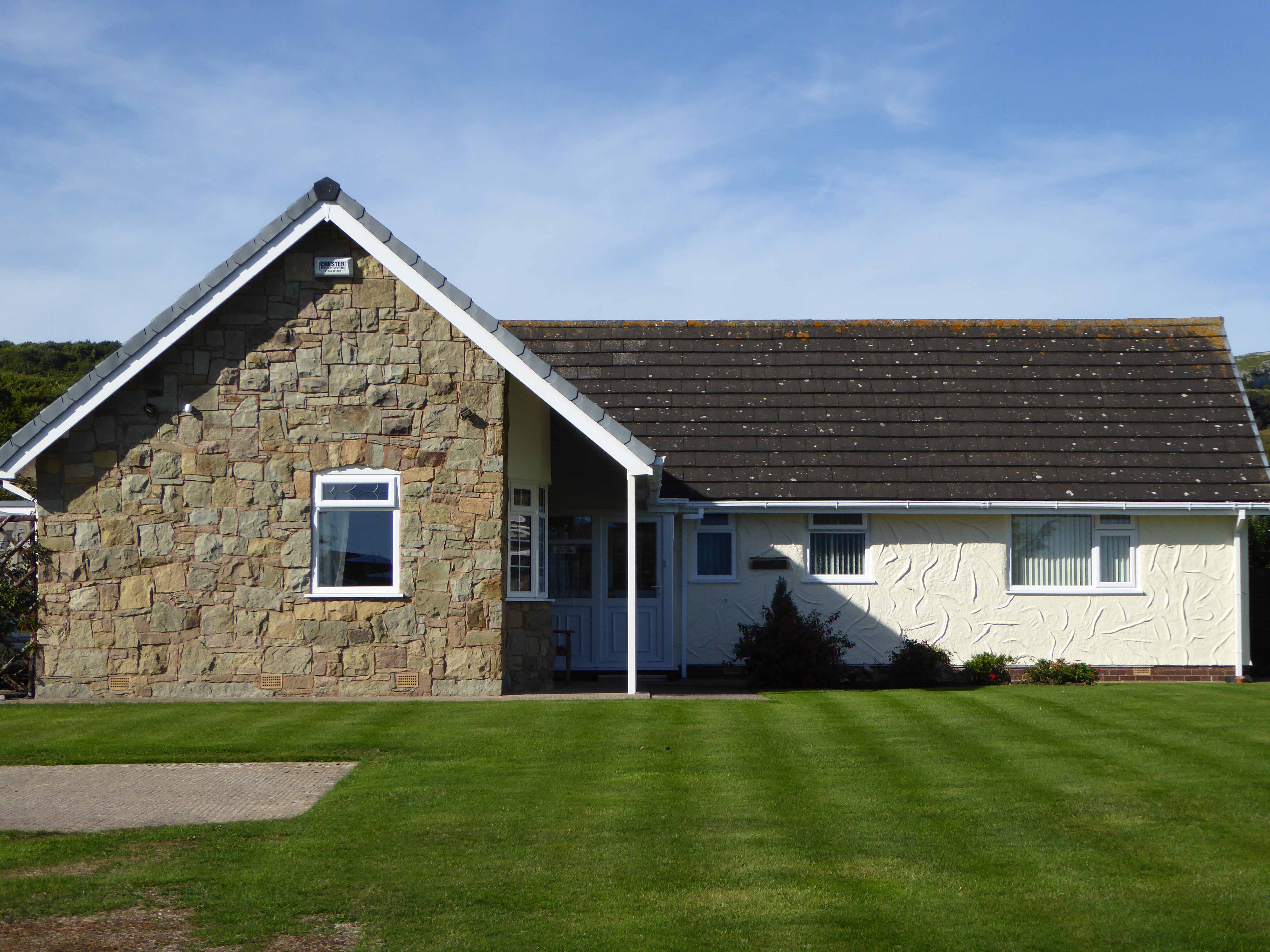
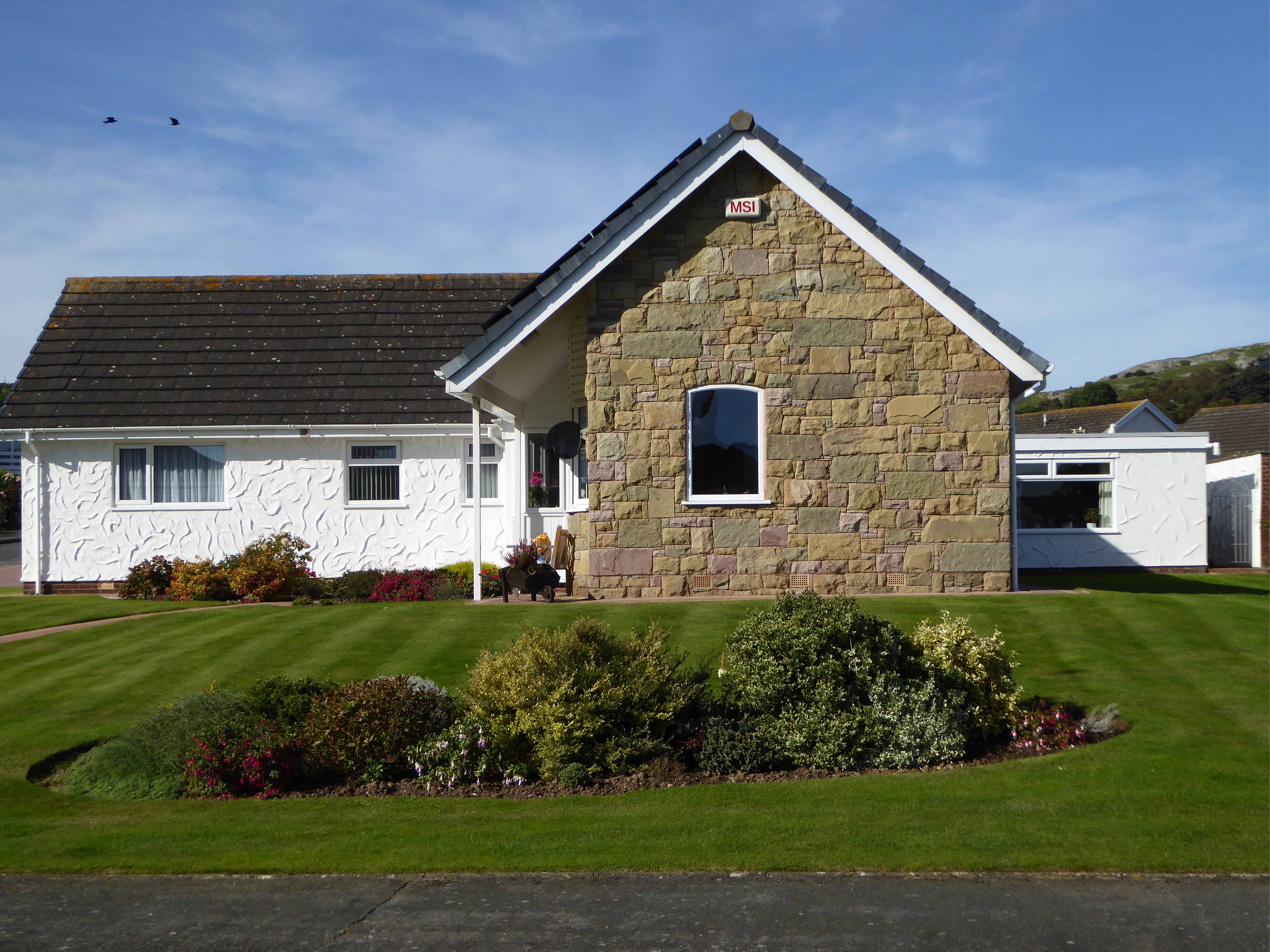
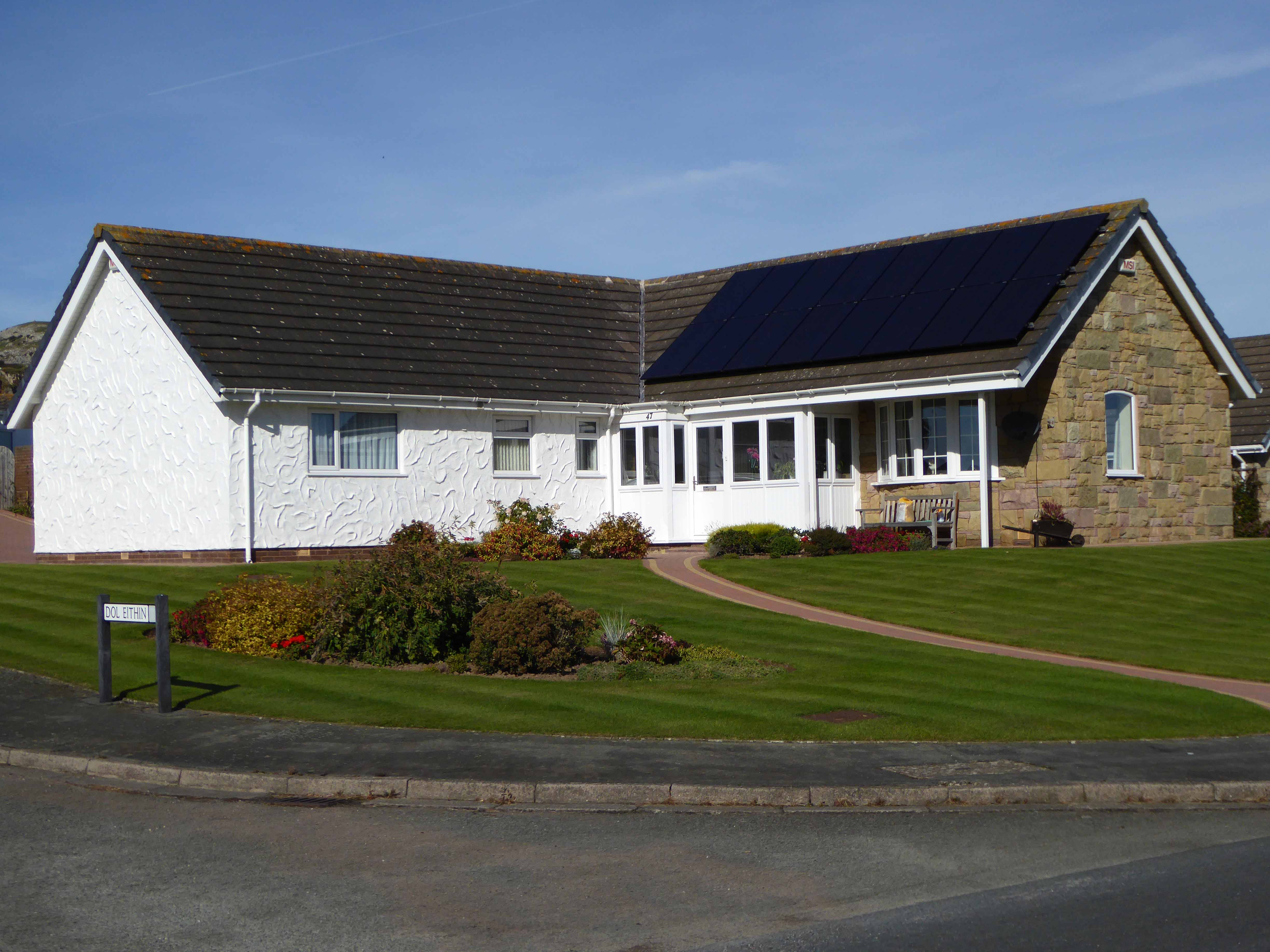
There is some far-flung corner for Wales, that is forever California.
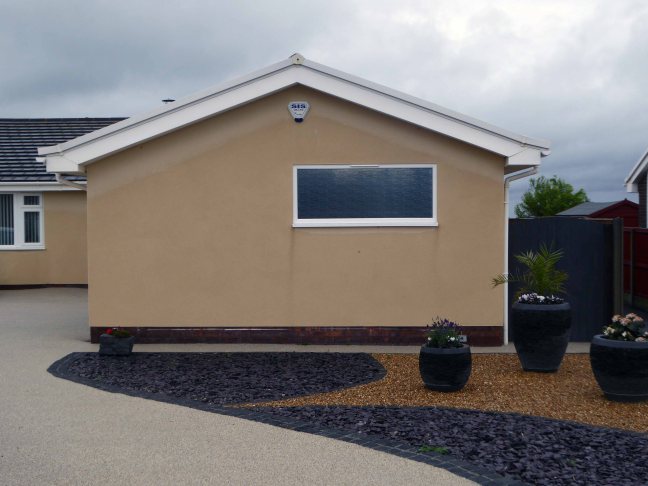
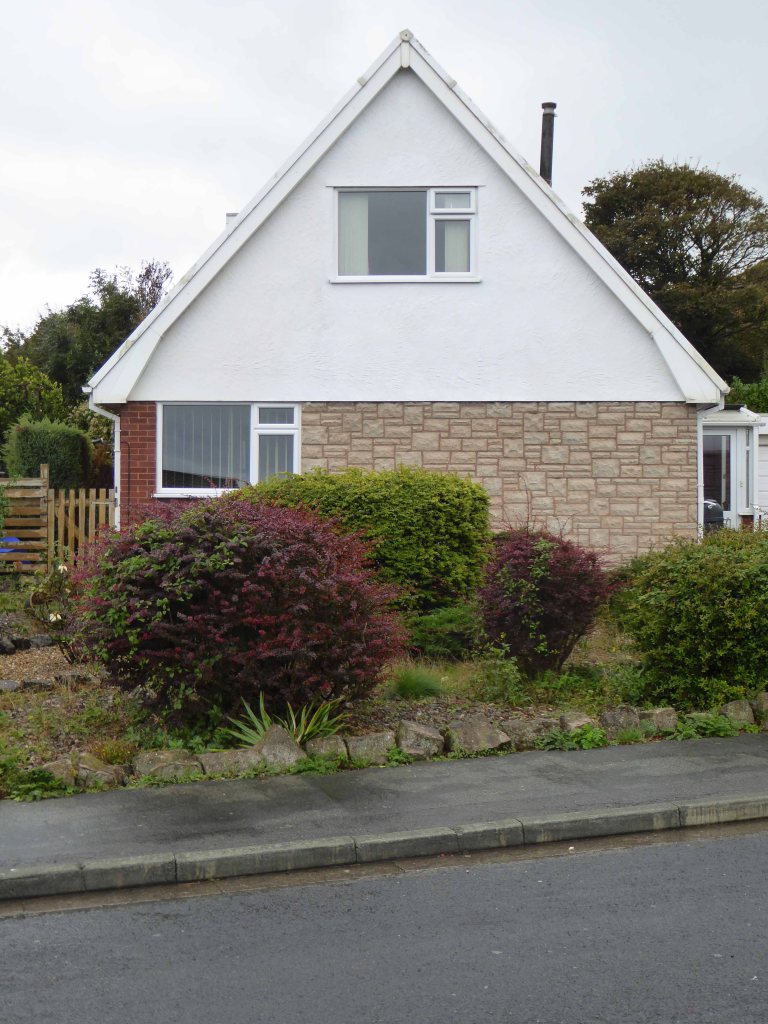
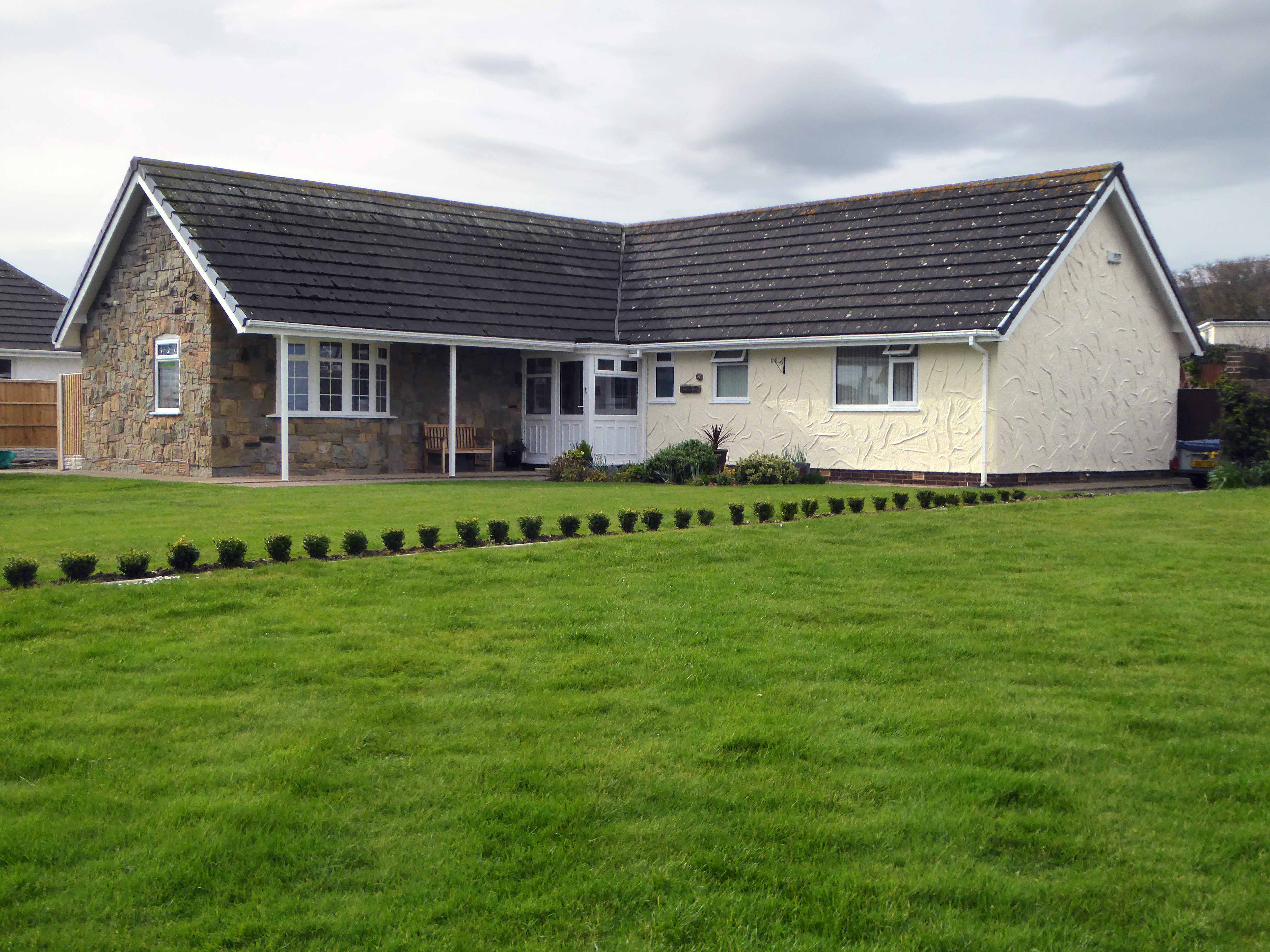
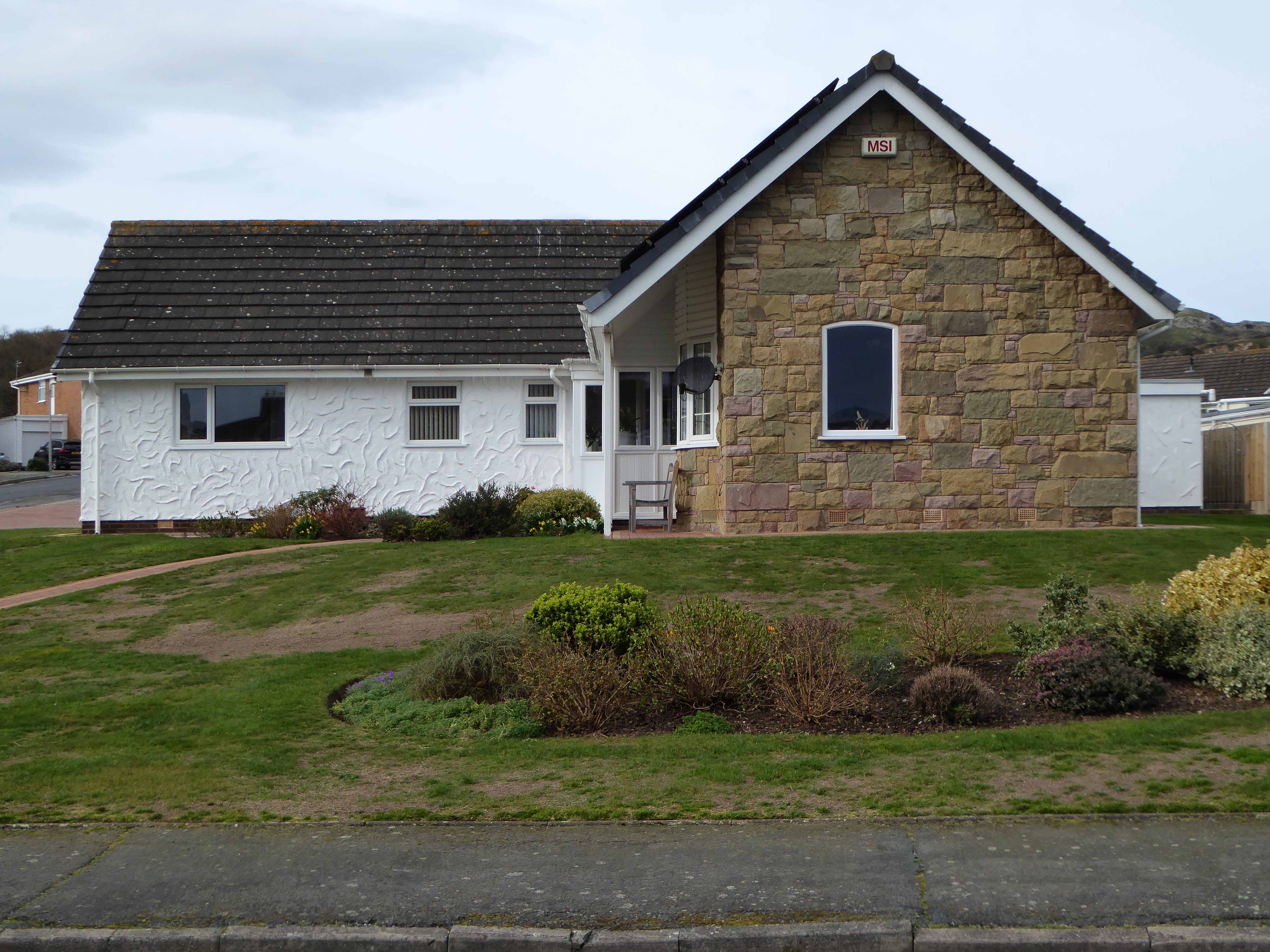
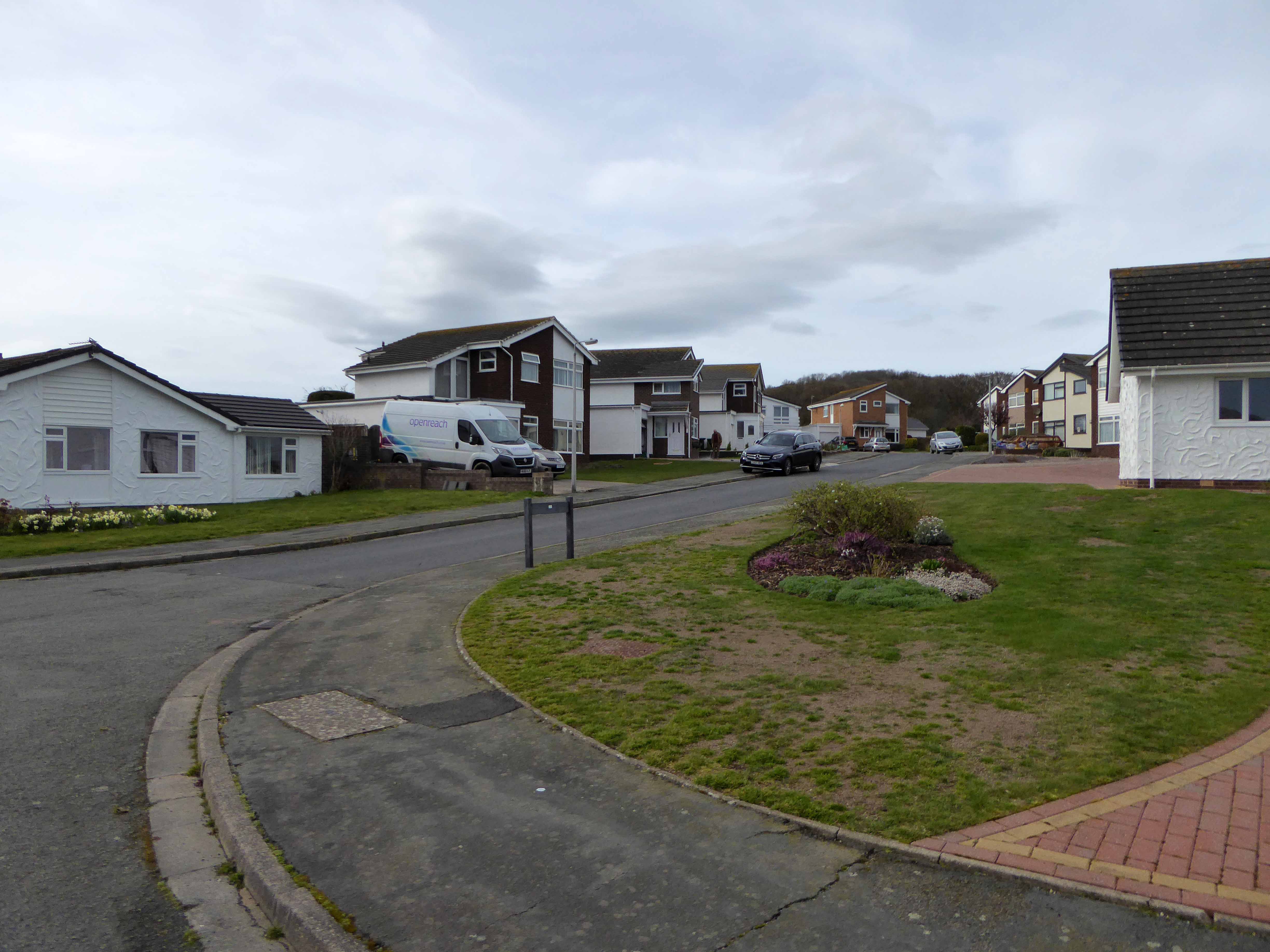
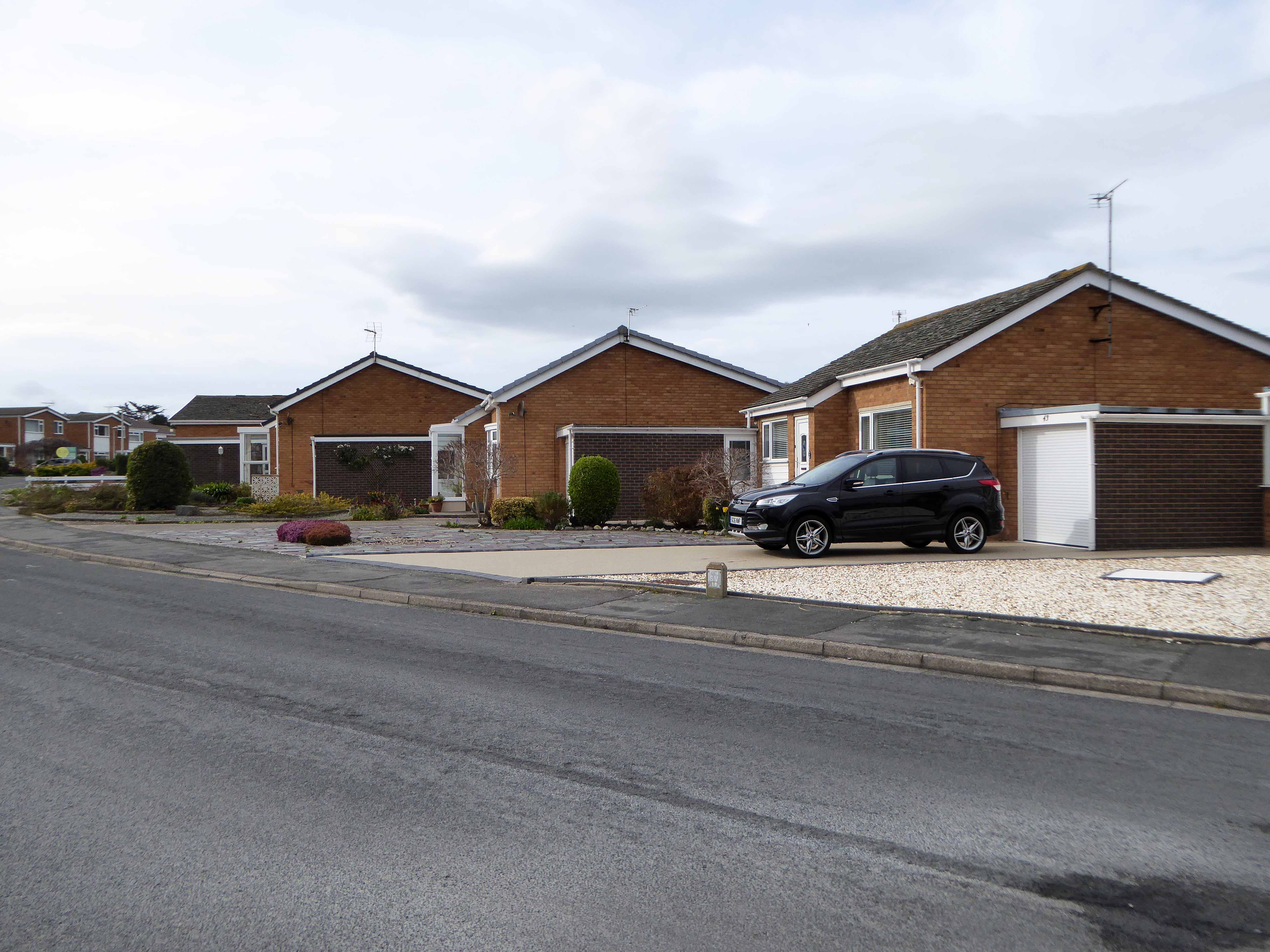
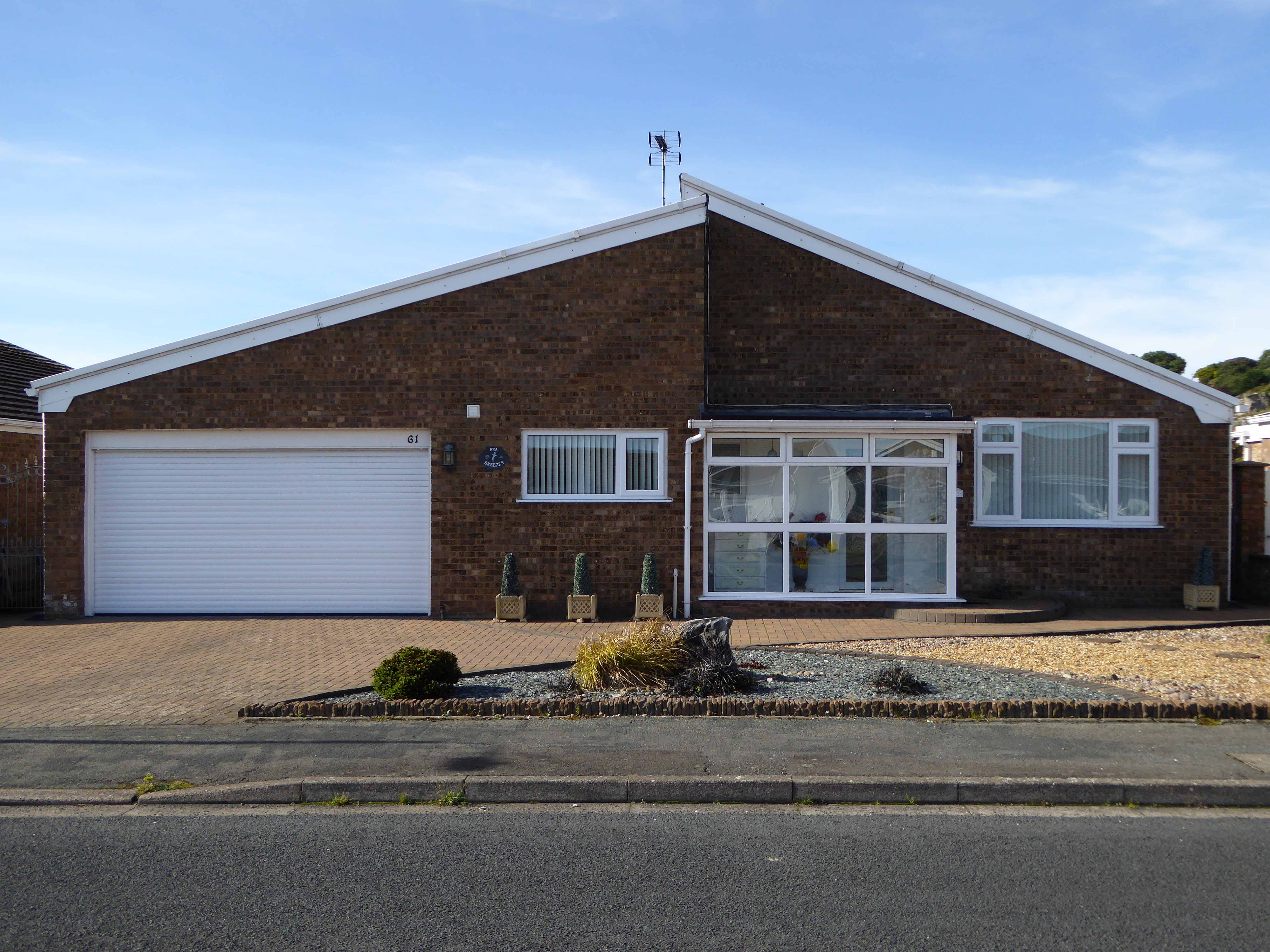
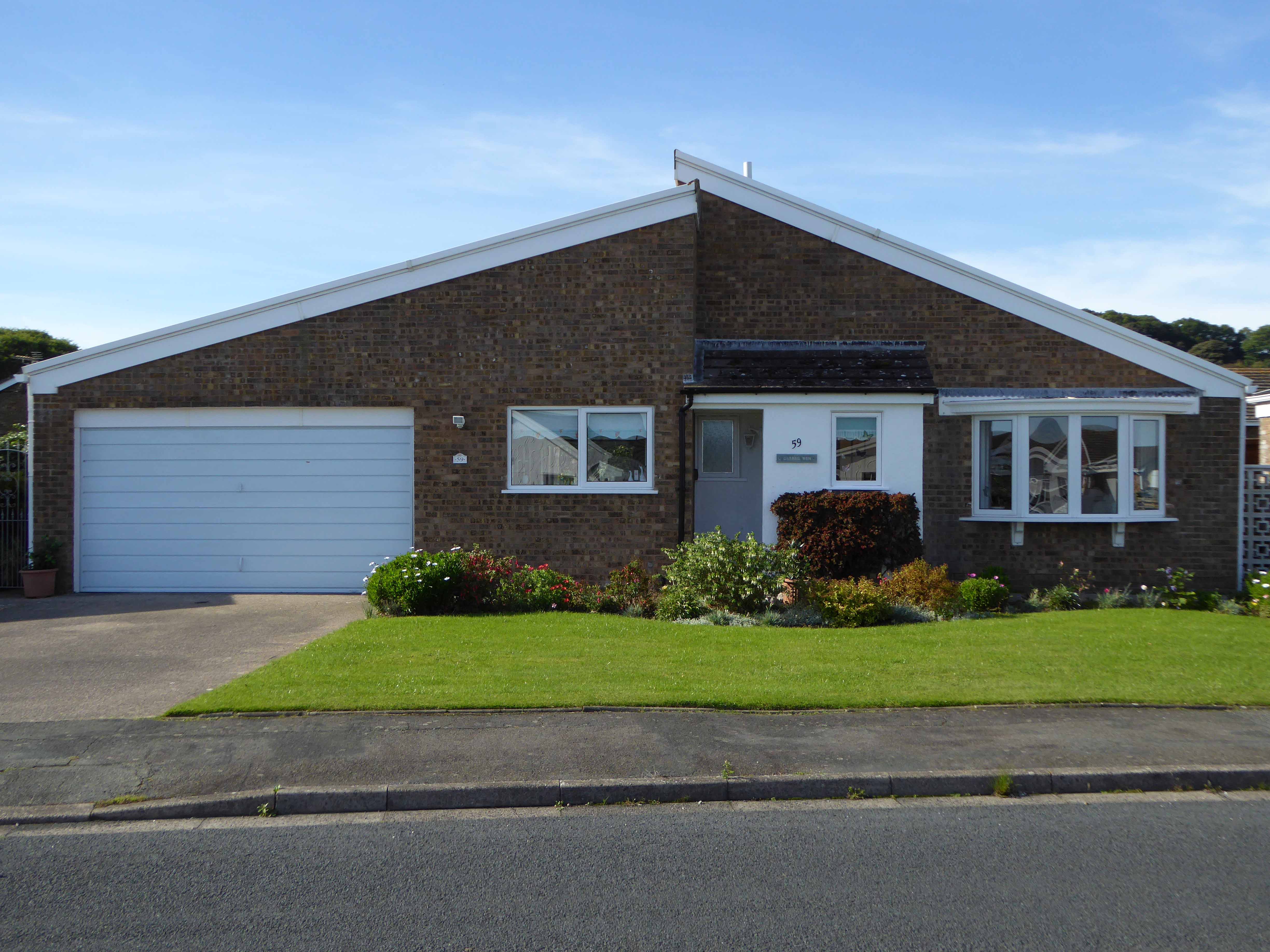
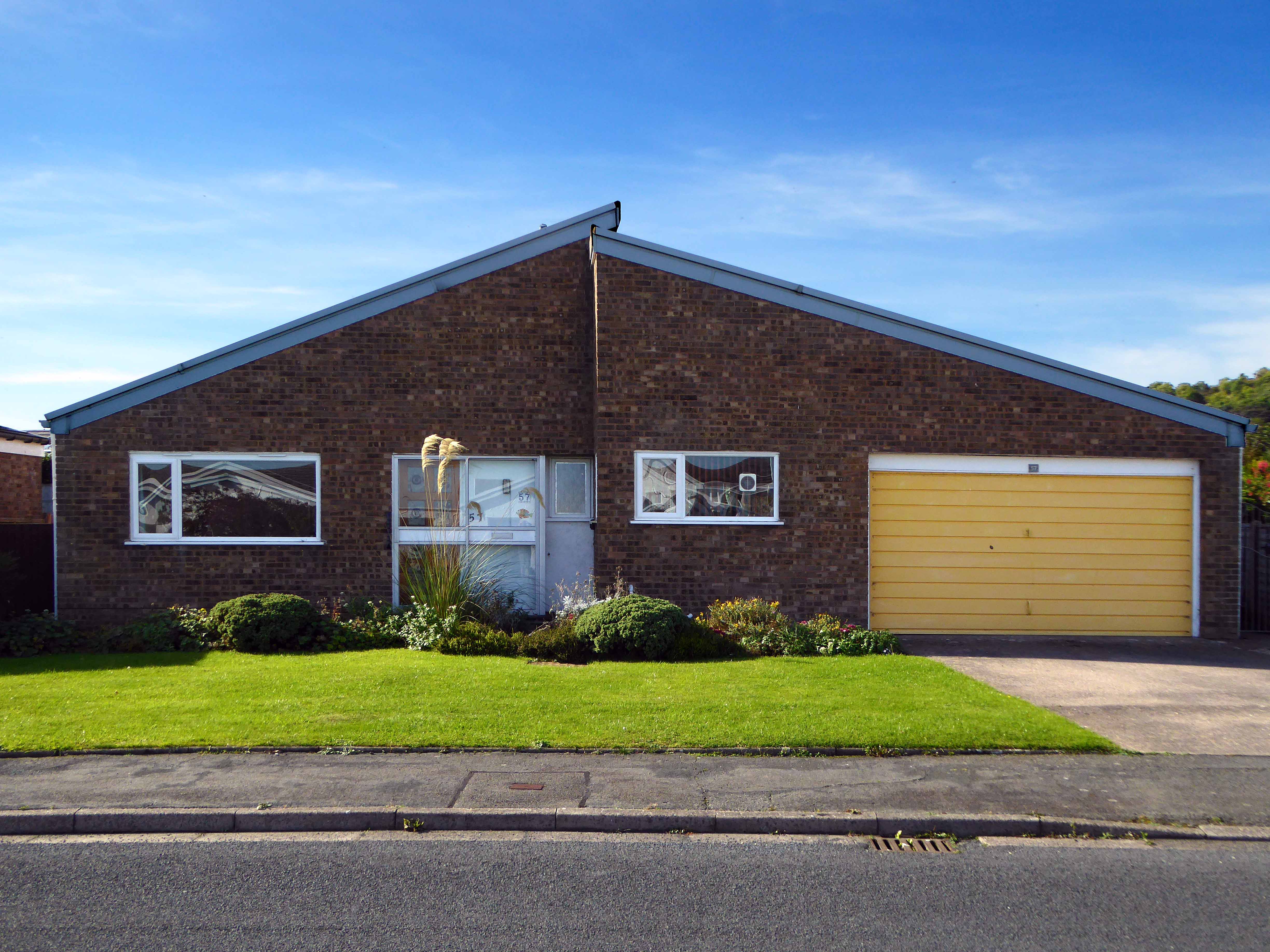
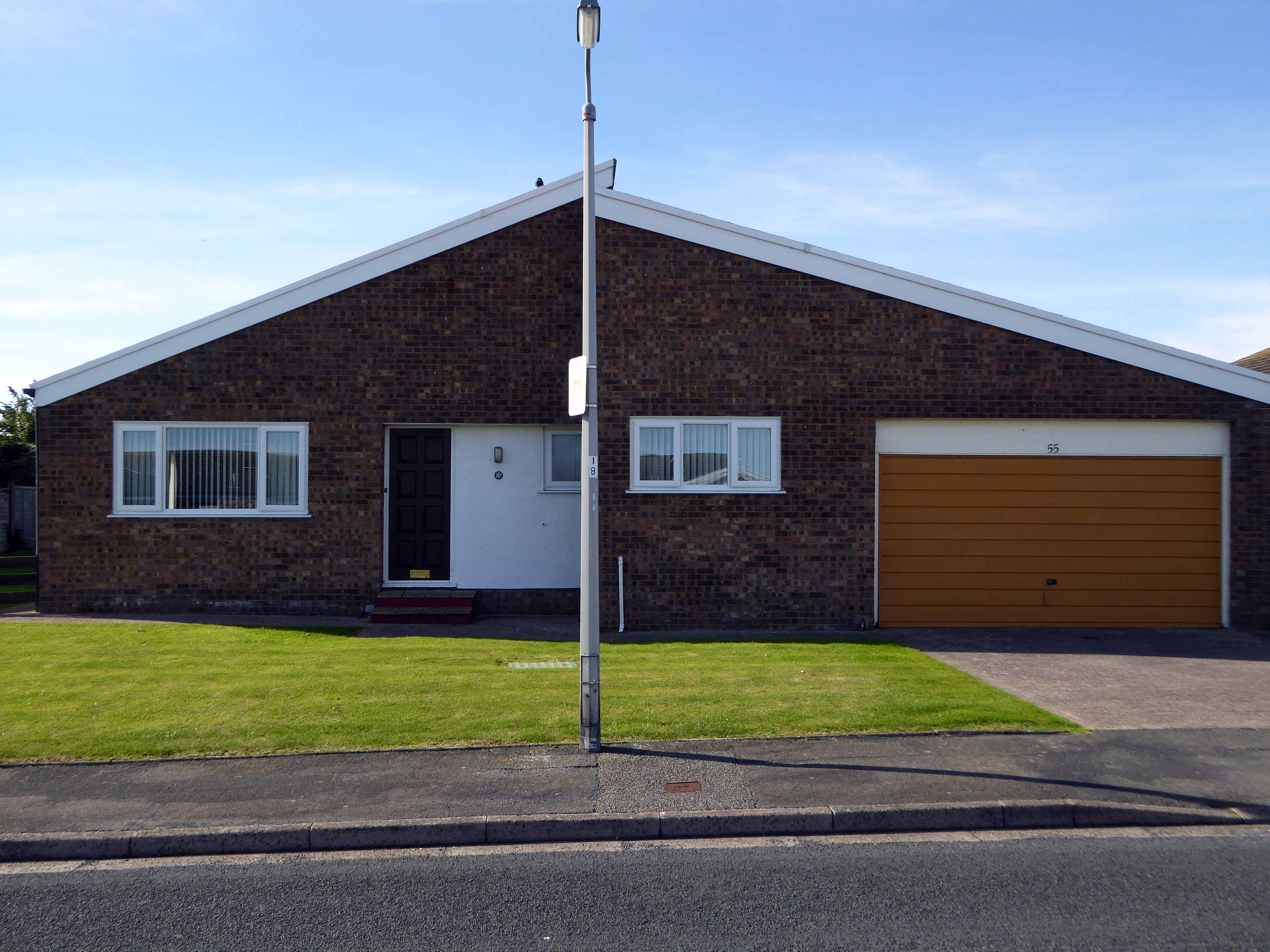
As the clippers and steamers left the Mersey Estuary for the New World, cram packed with emigres some centuries ago, would they expect on their return, some centuries later, to find this architectural cultural exchange, located sedately on Penrhyn Bay?
This is a typology with a limited vocabulary, but spoken in a lilt, with an ever so slight, polite Mid-Atlantic drawl.
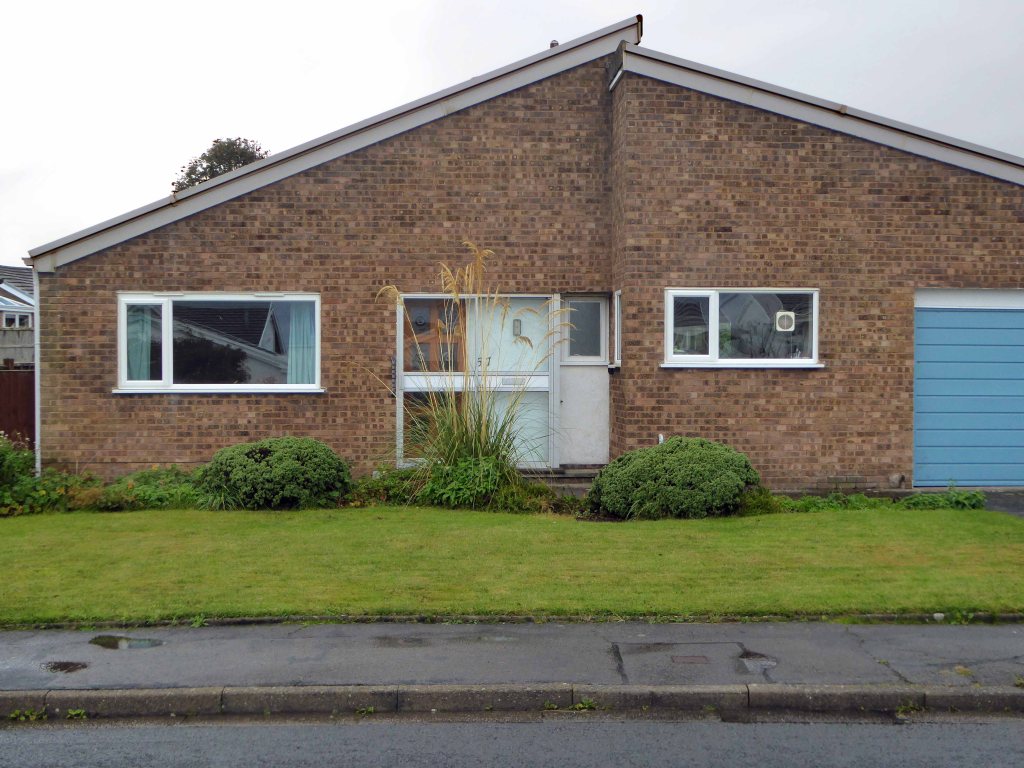
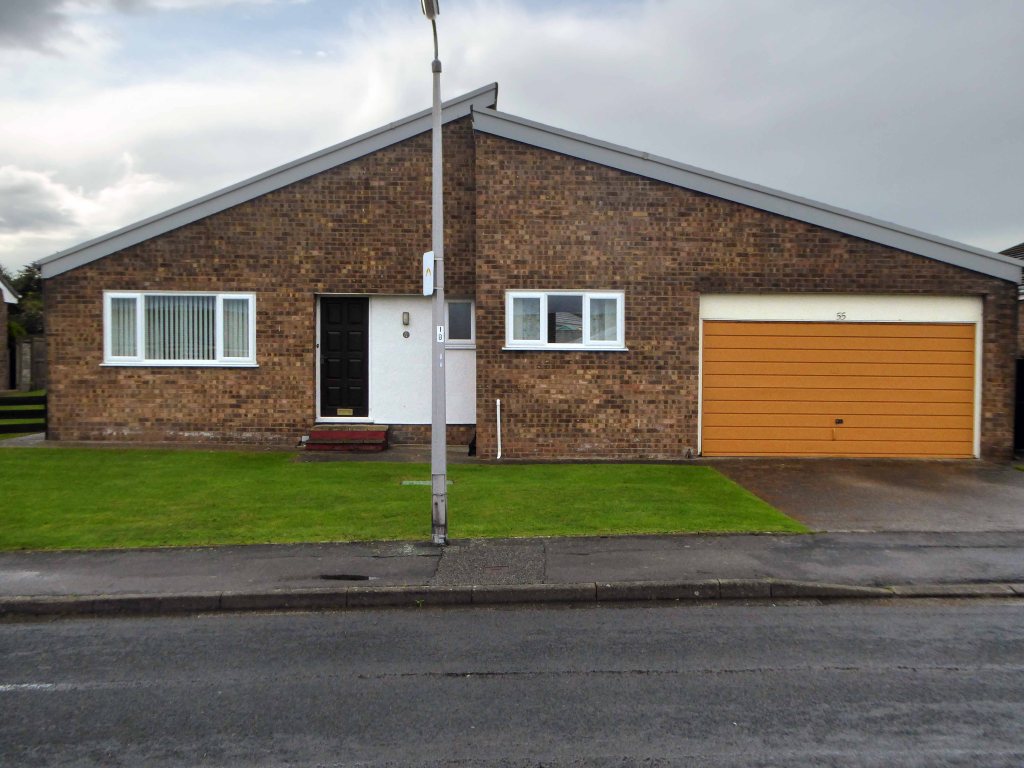
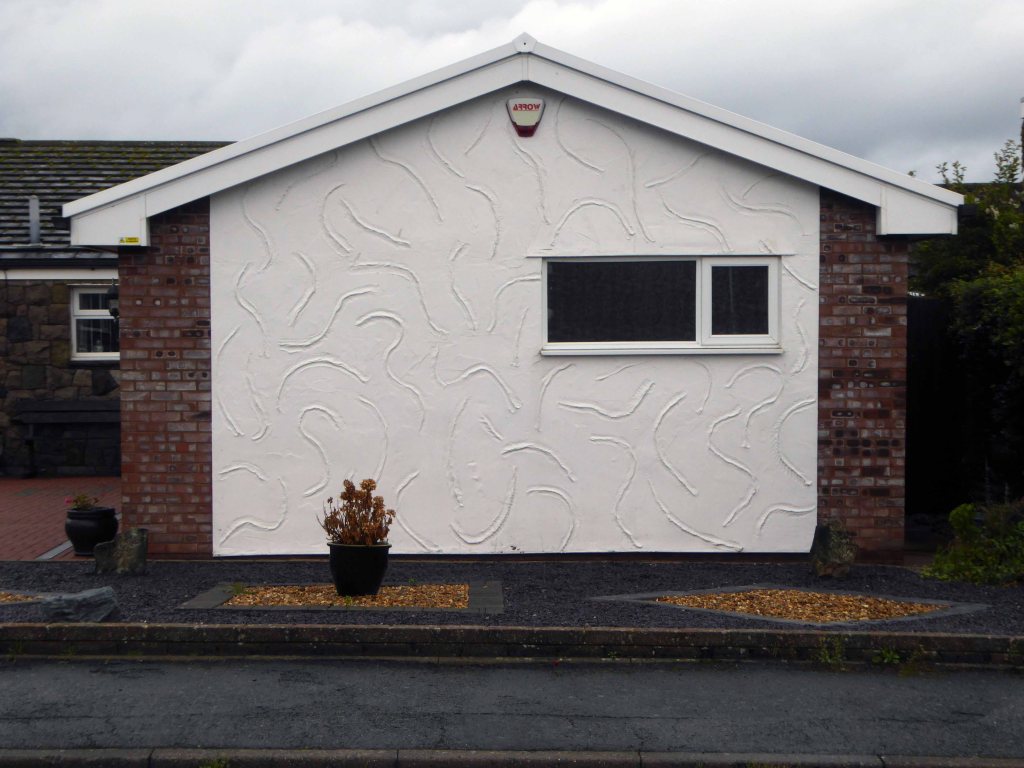
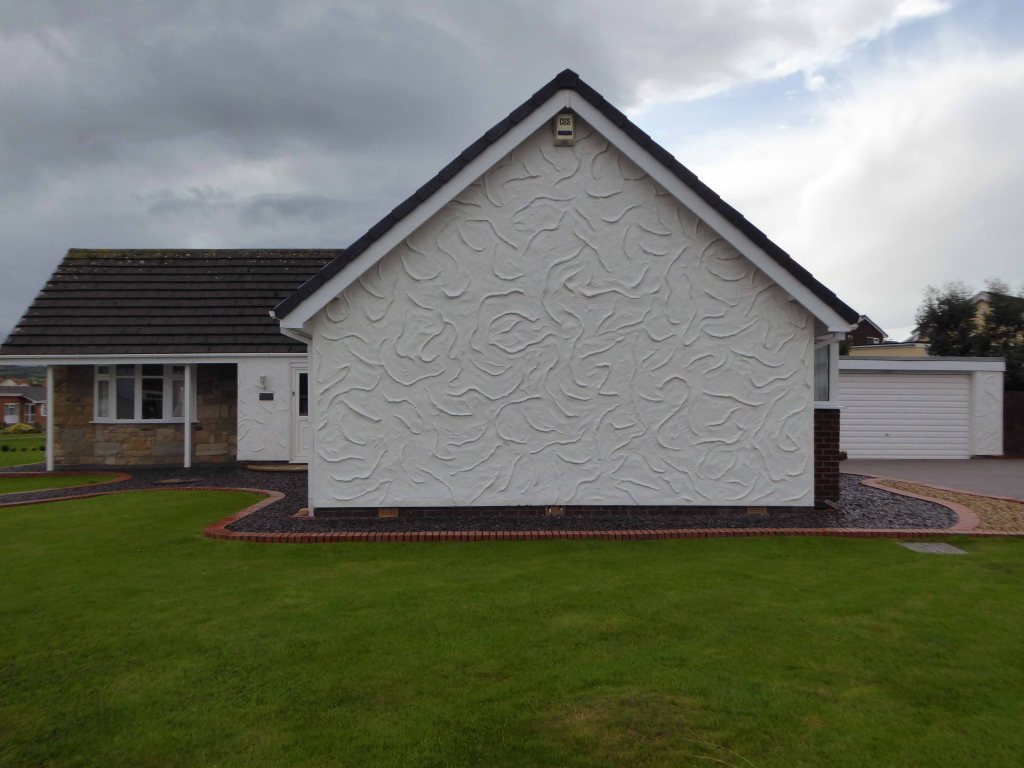
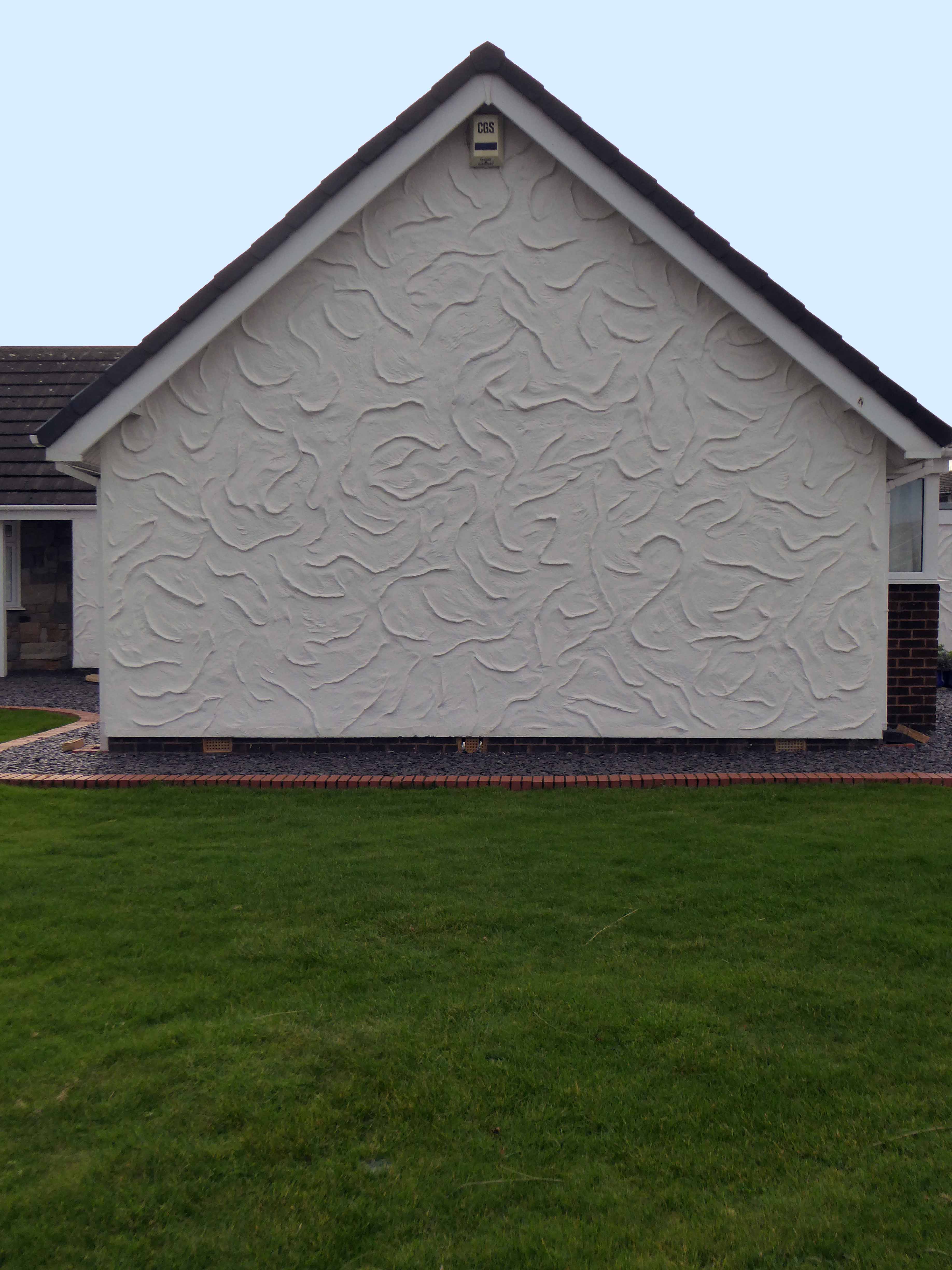
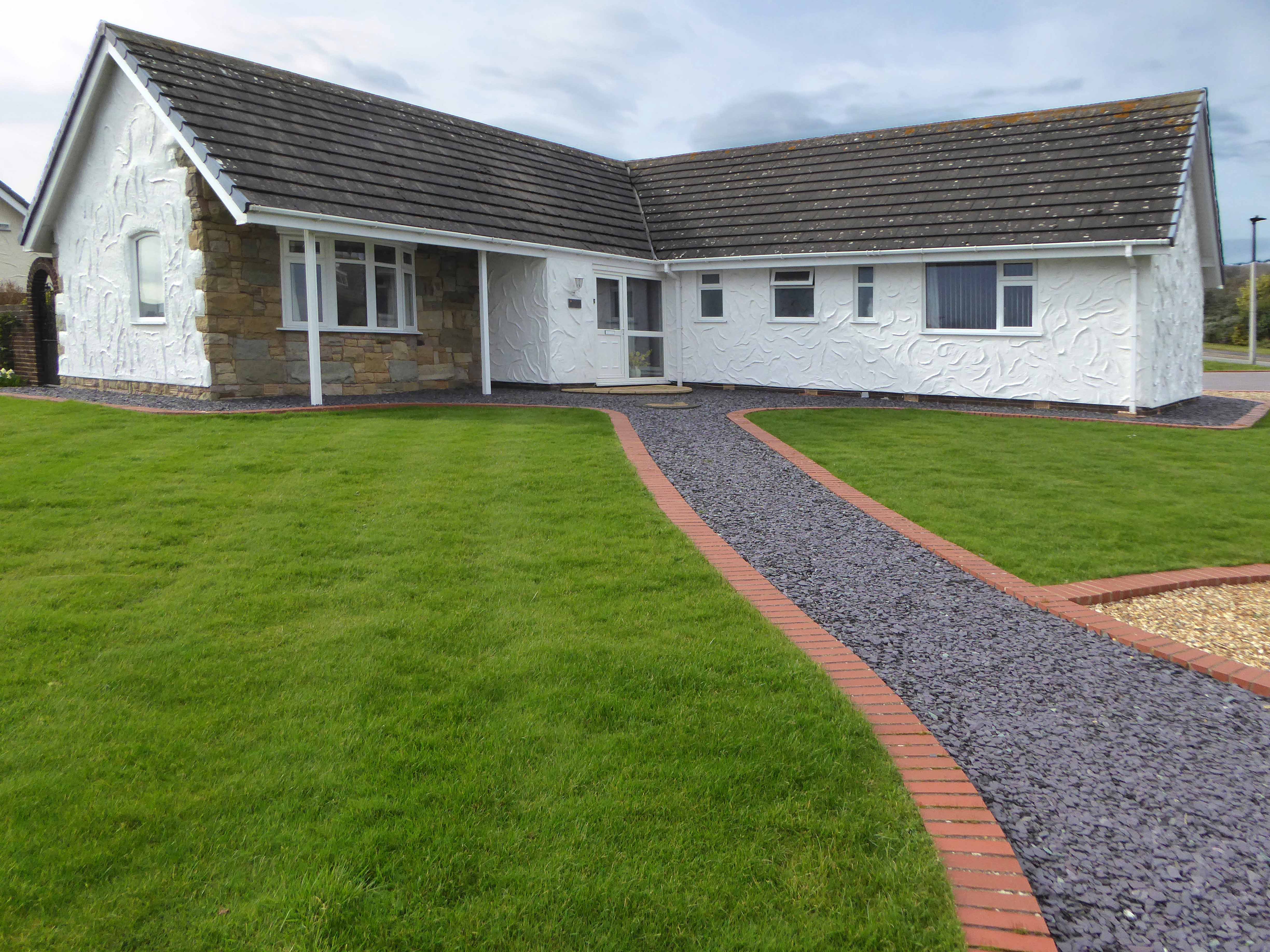
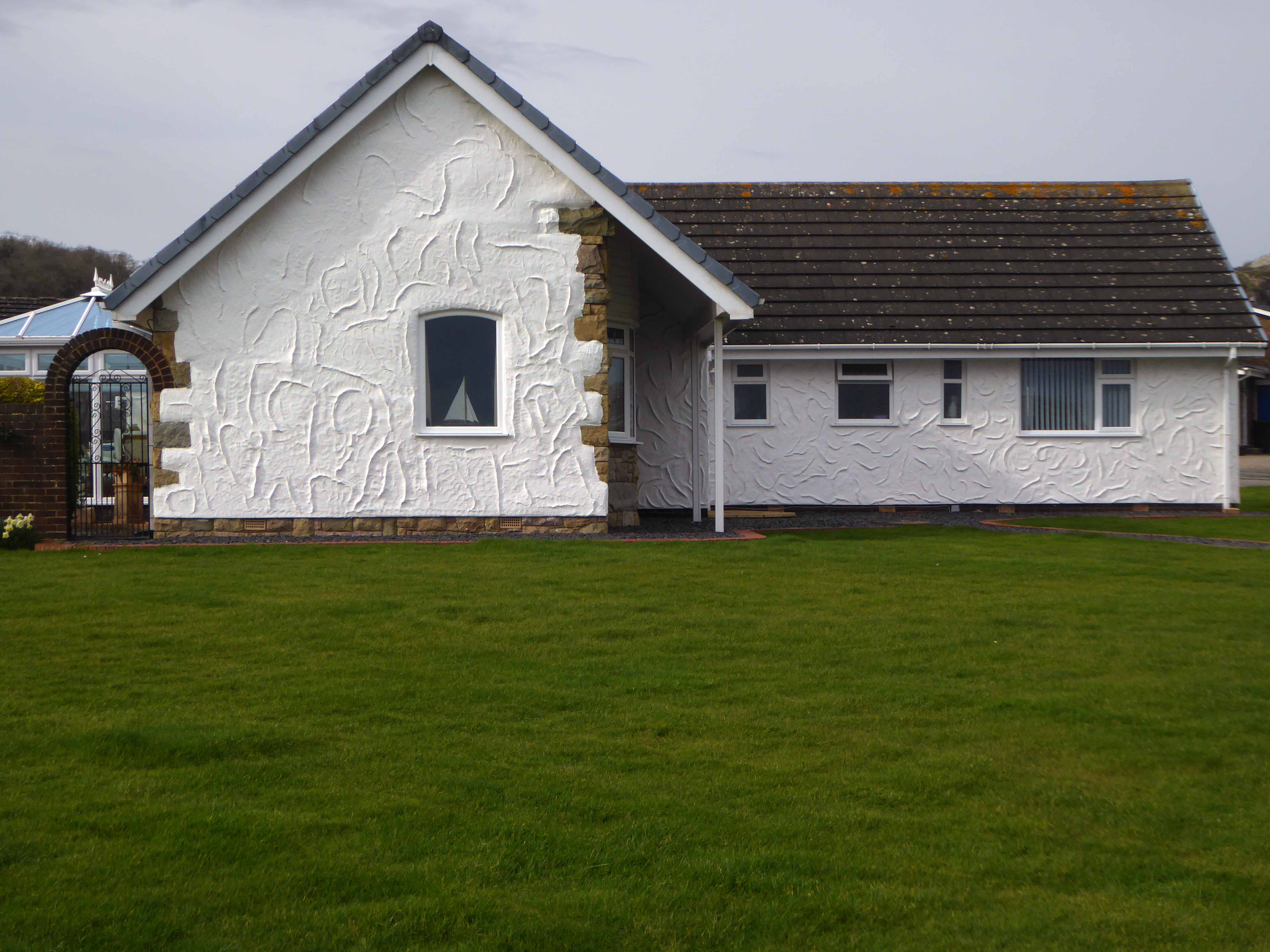
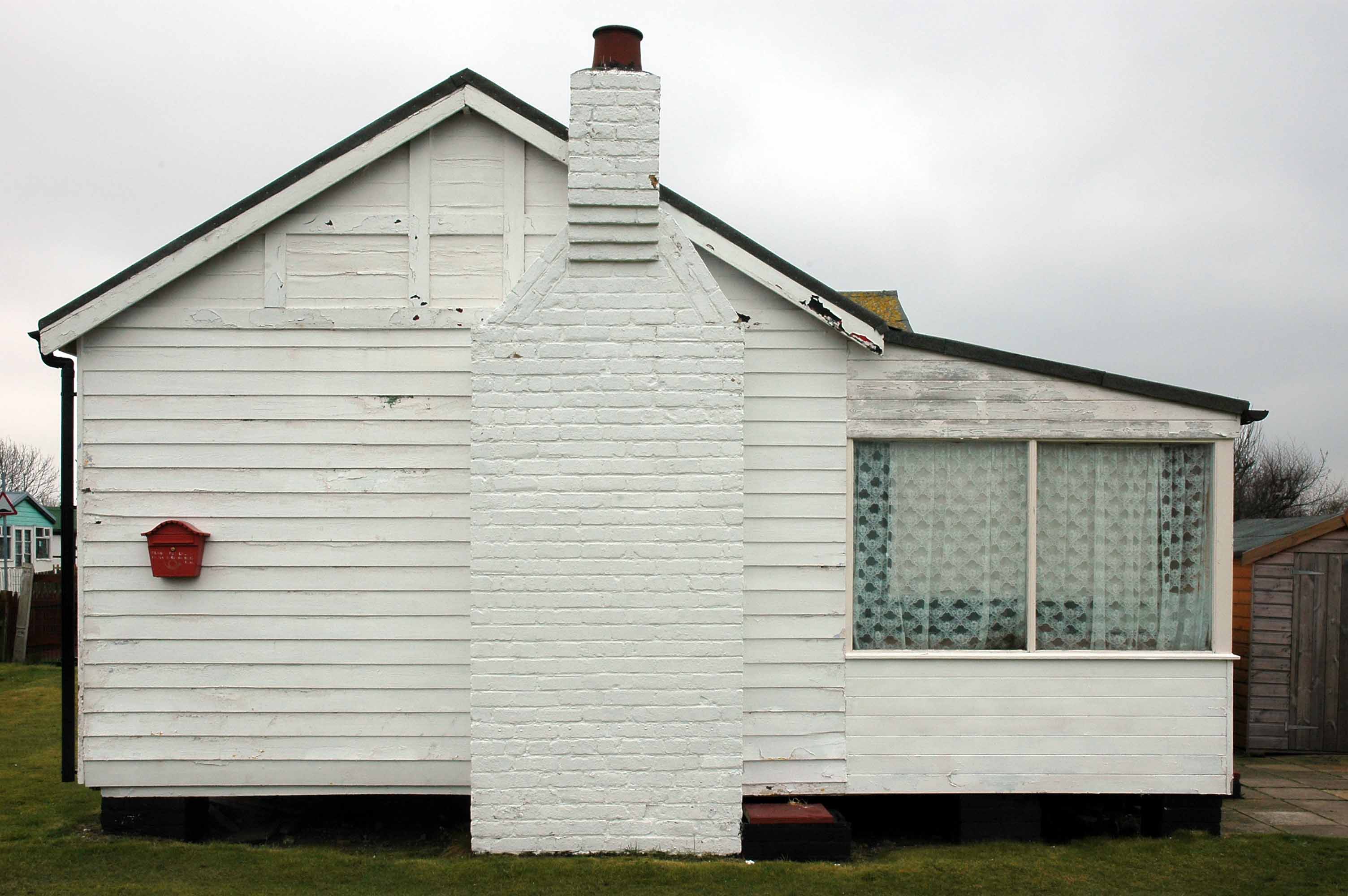
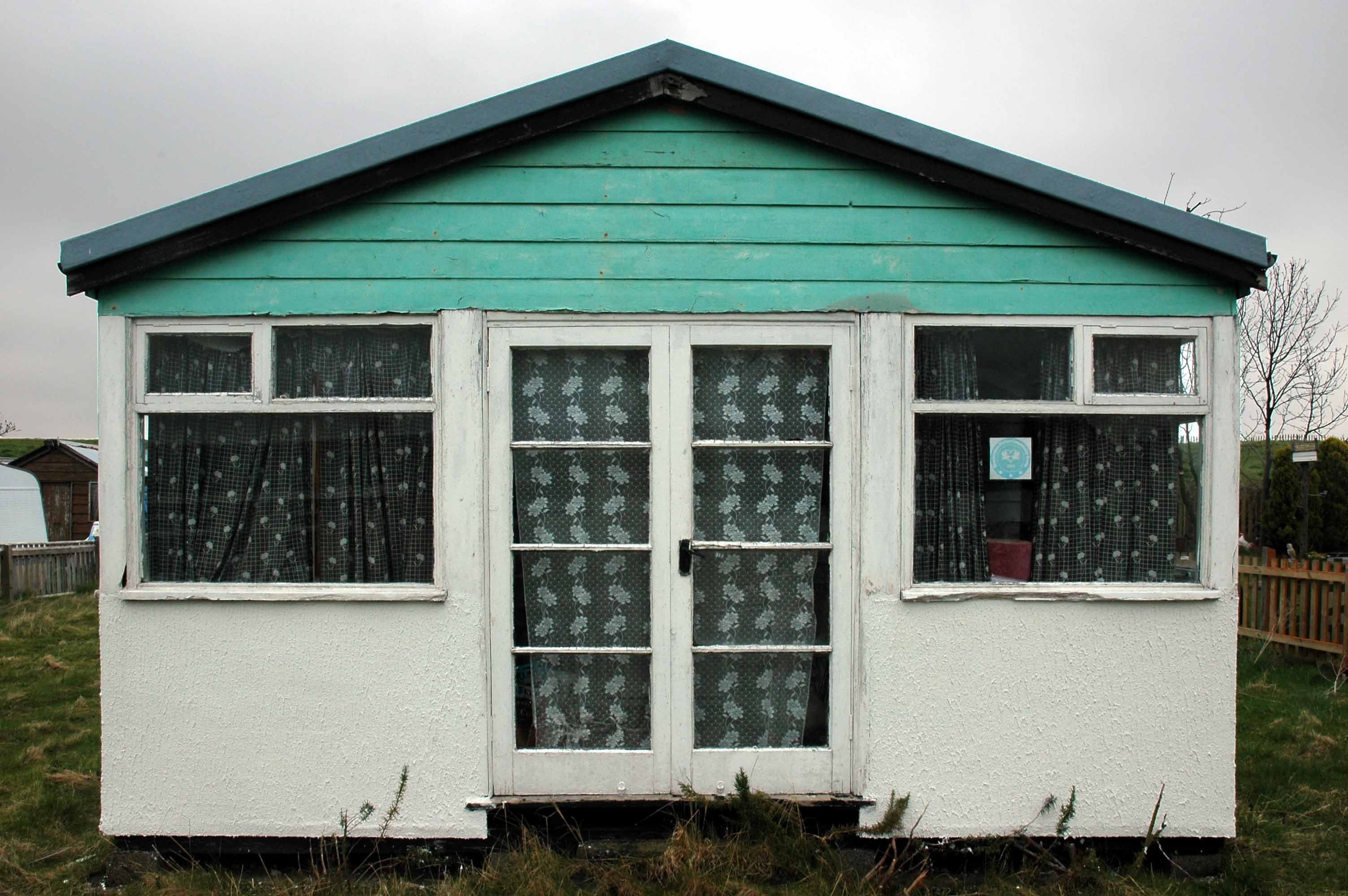
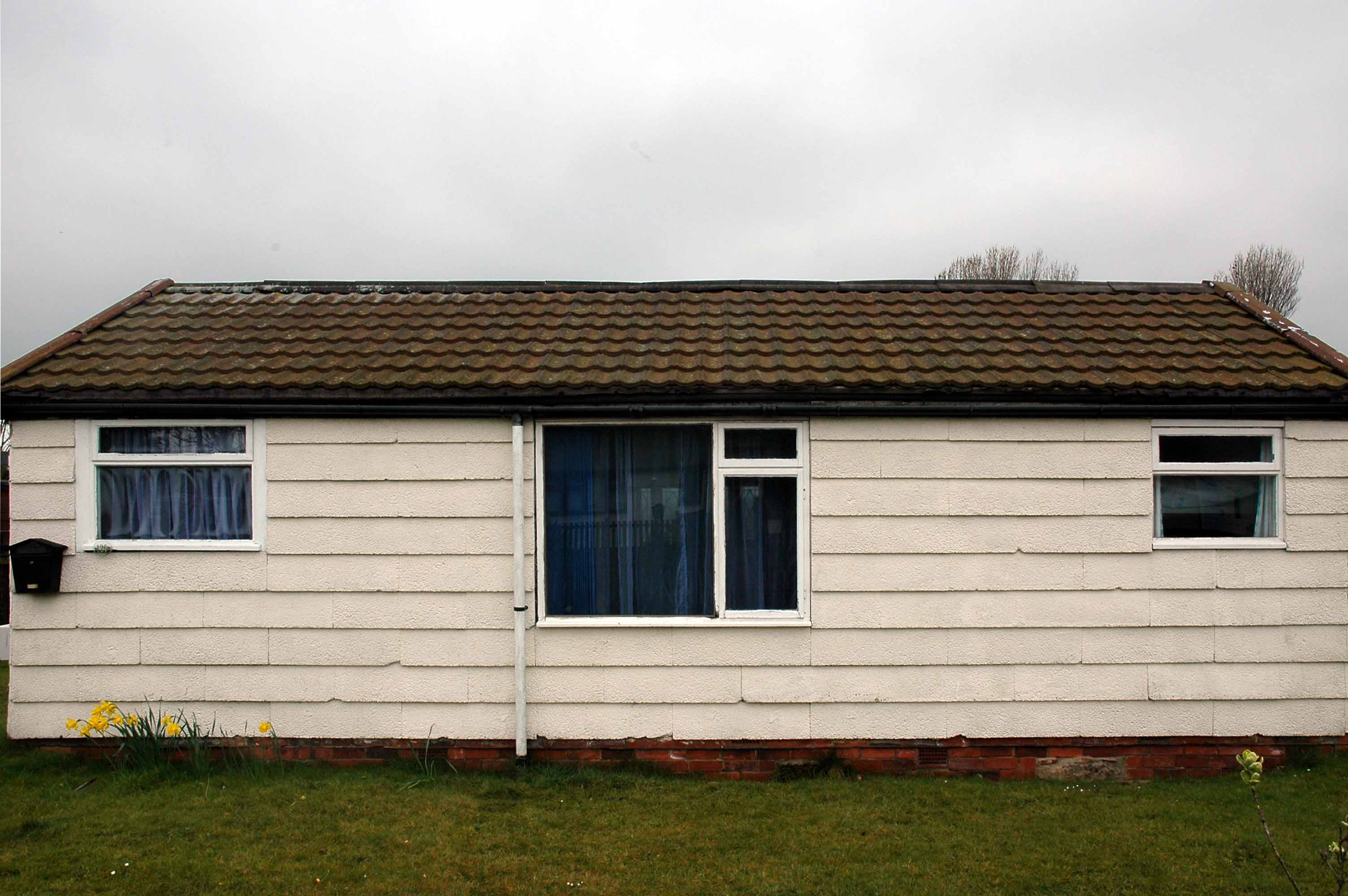
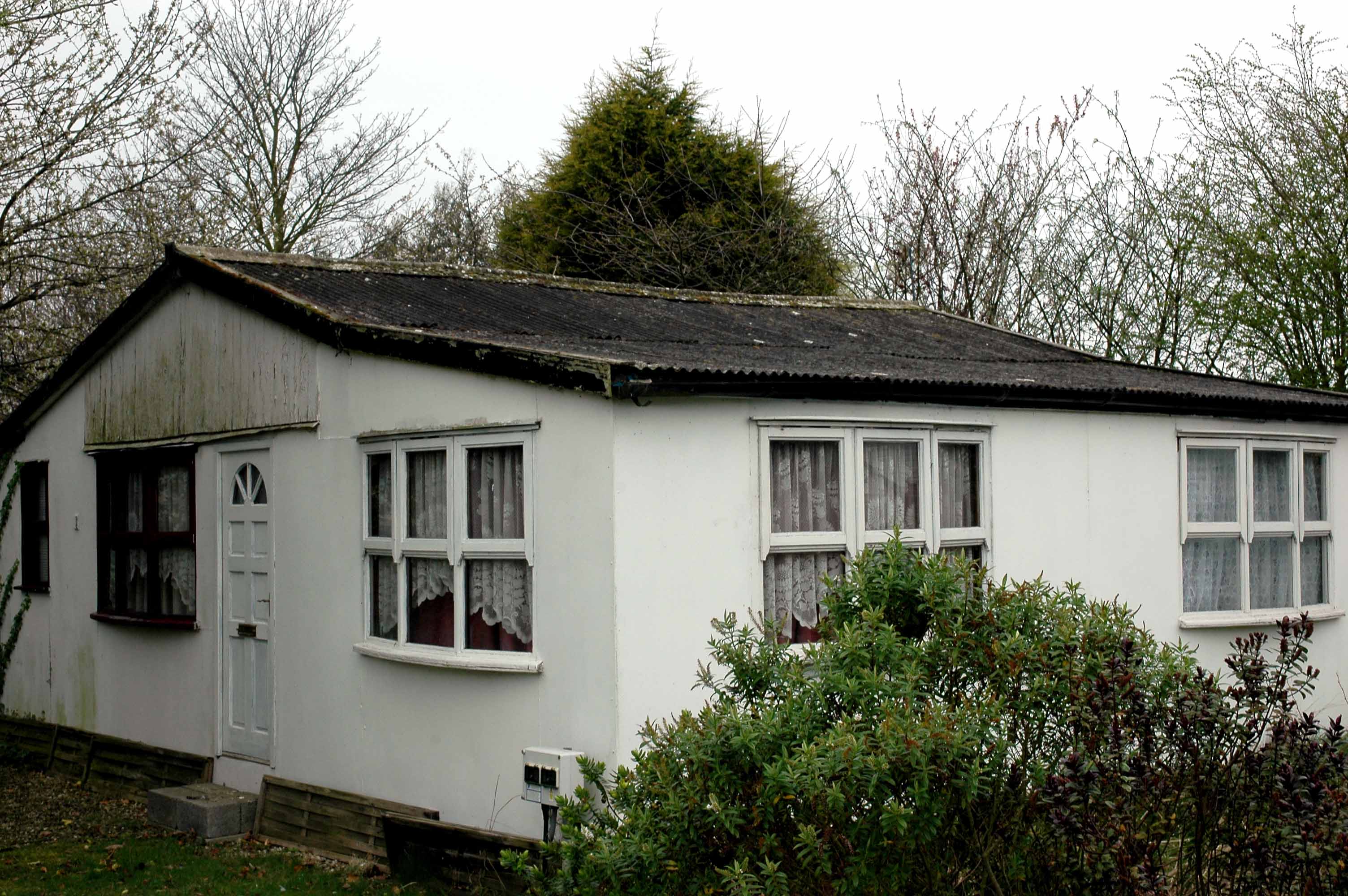
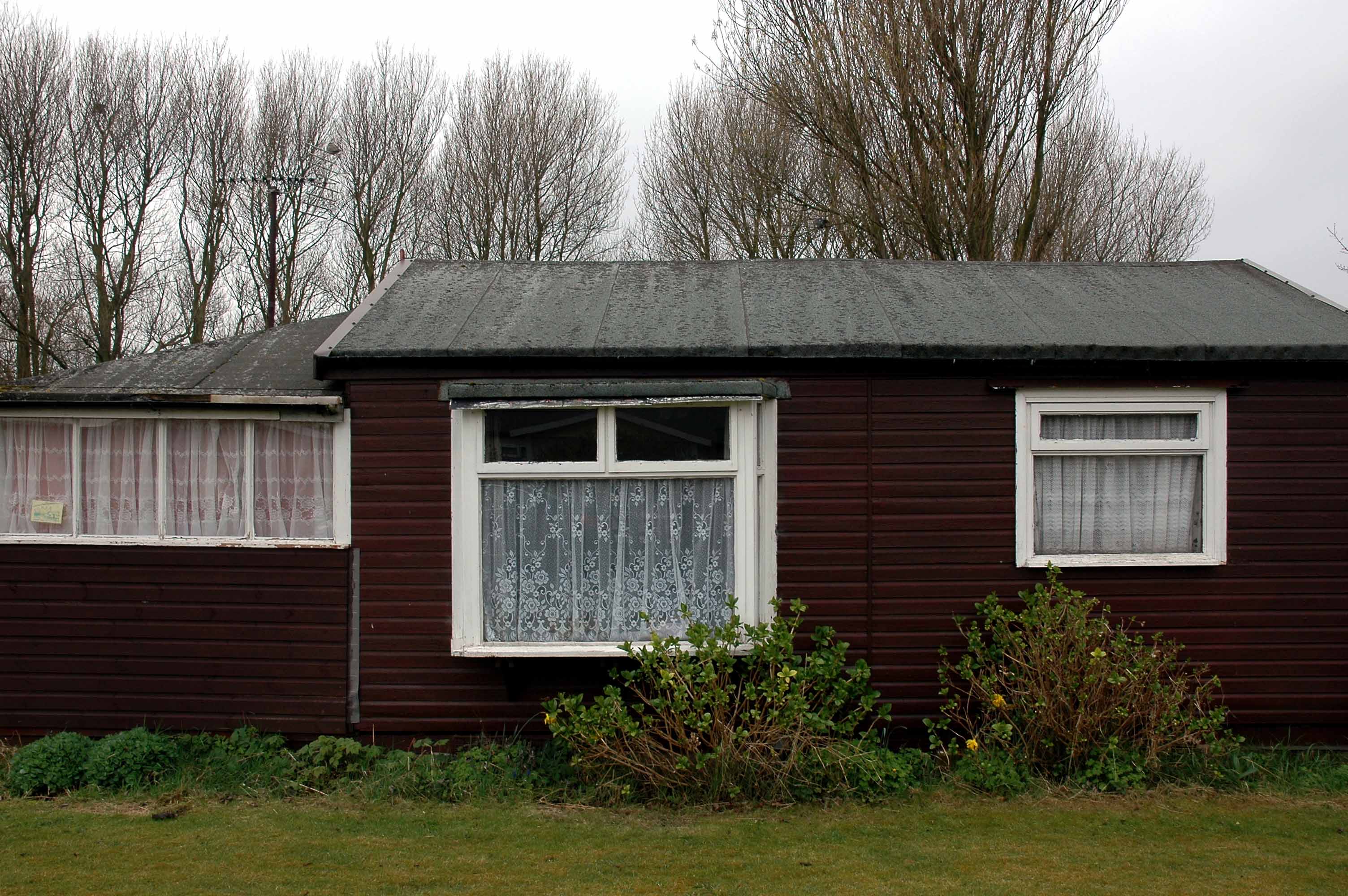
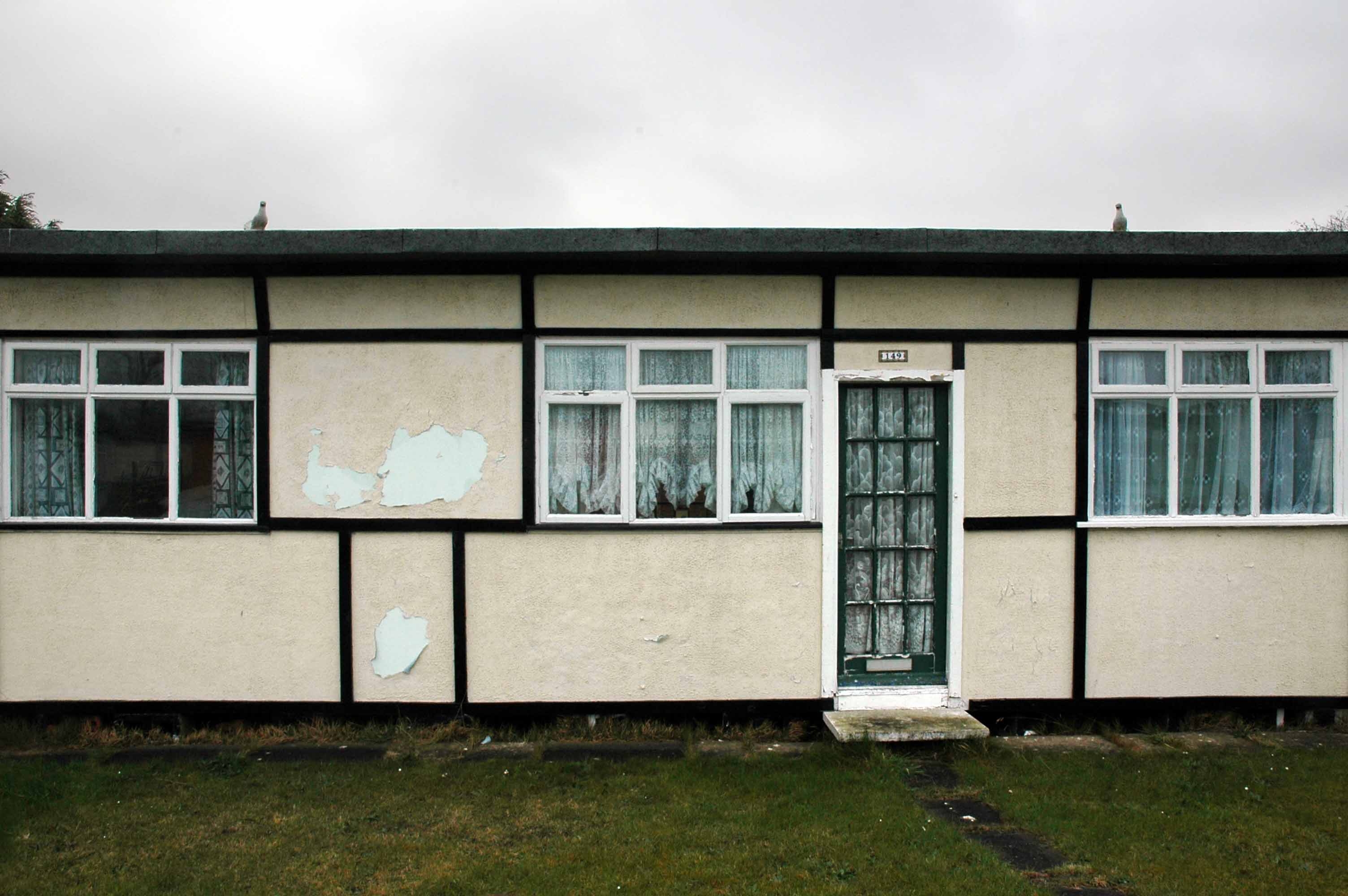
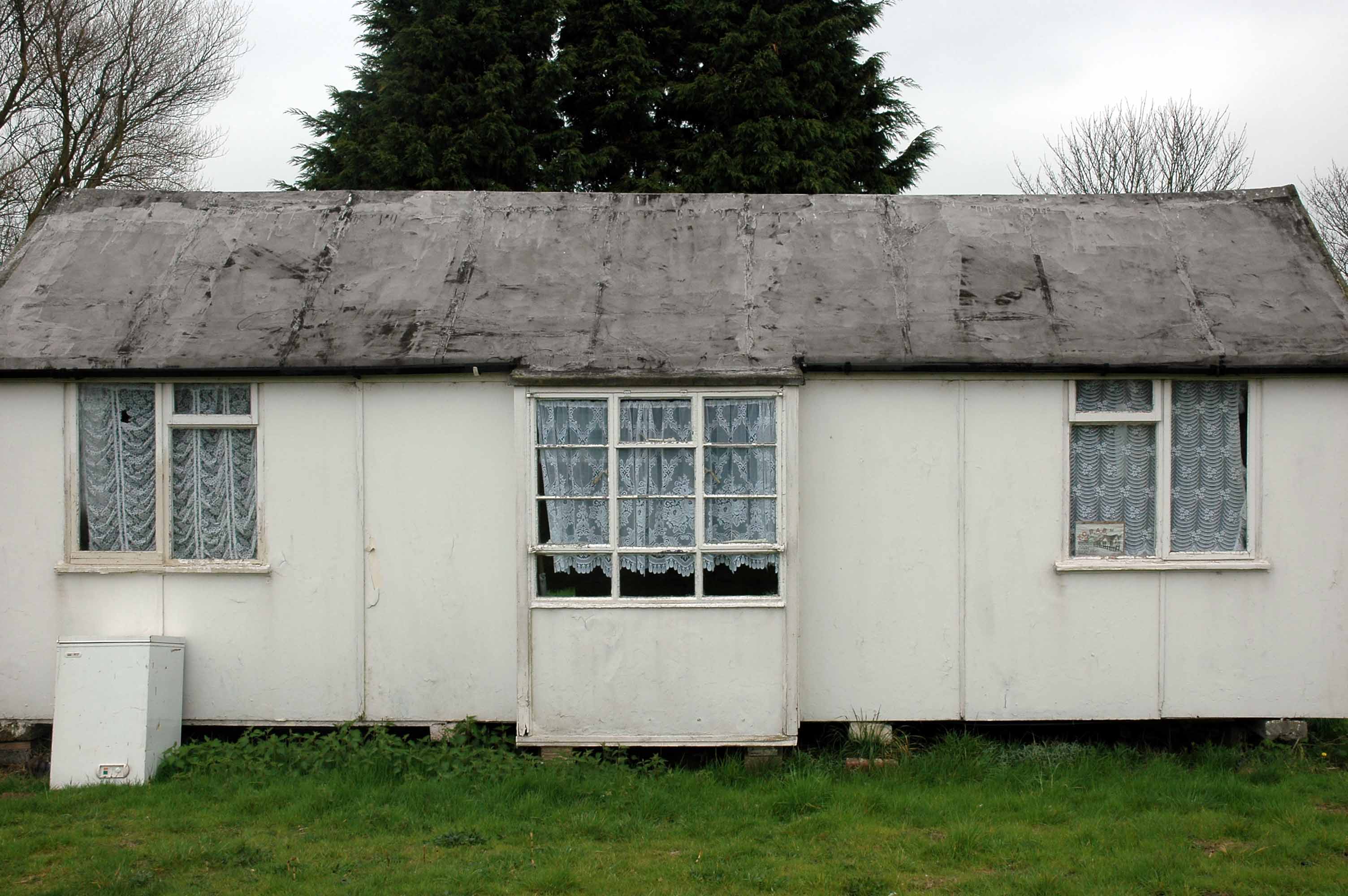
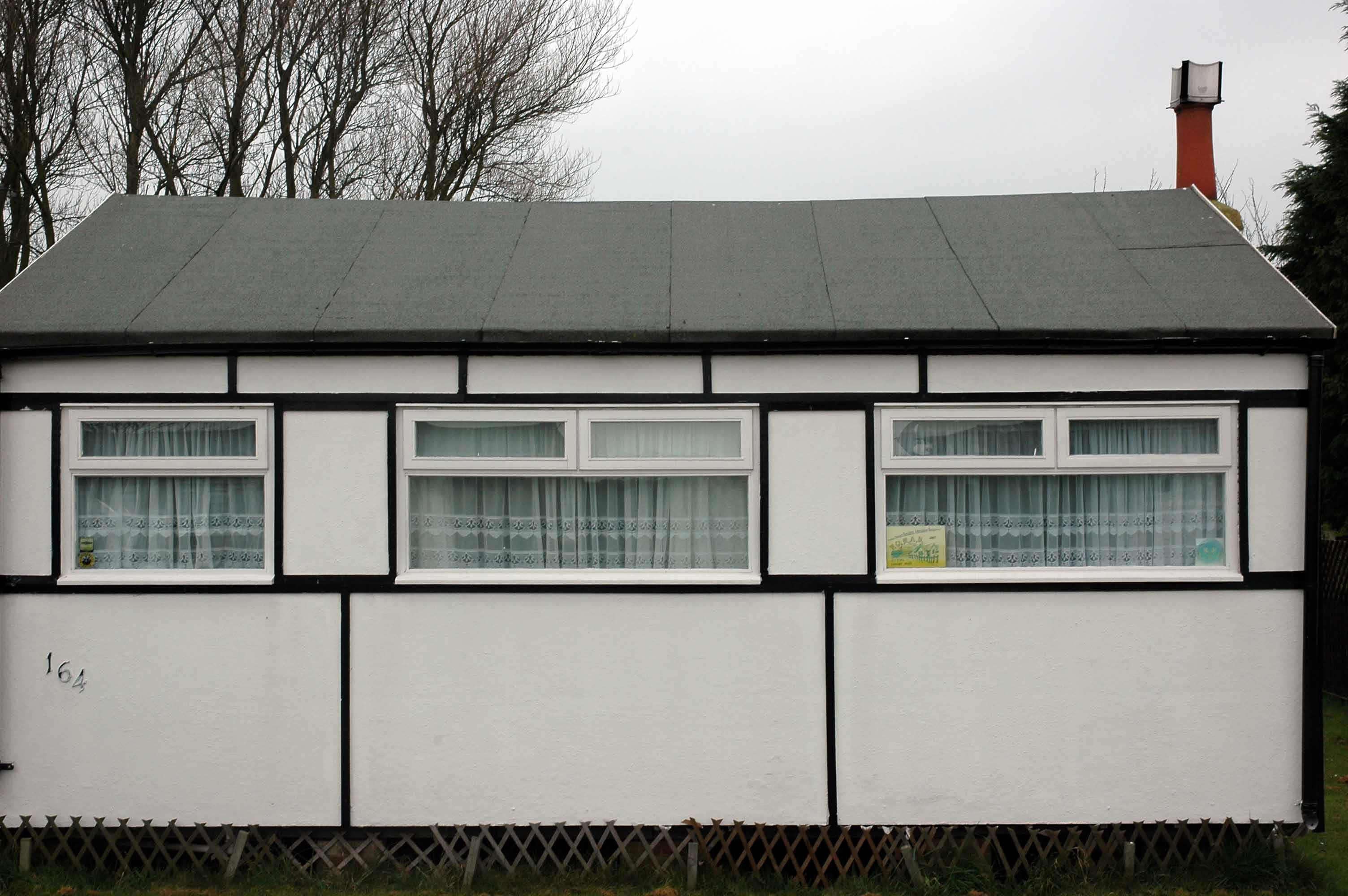
Lightly clad, stone-faced, light and almost expansive the seaside bungalow.
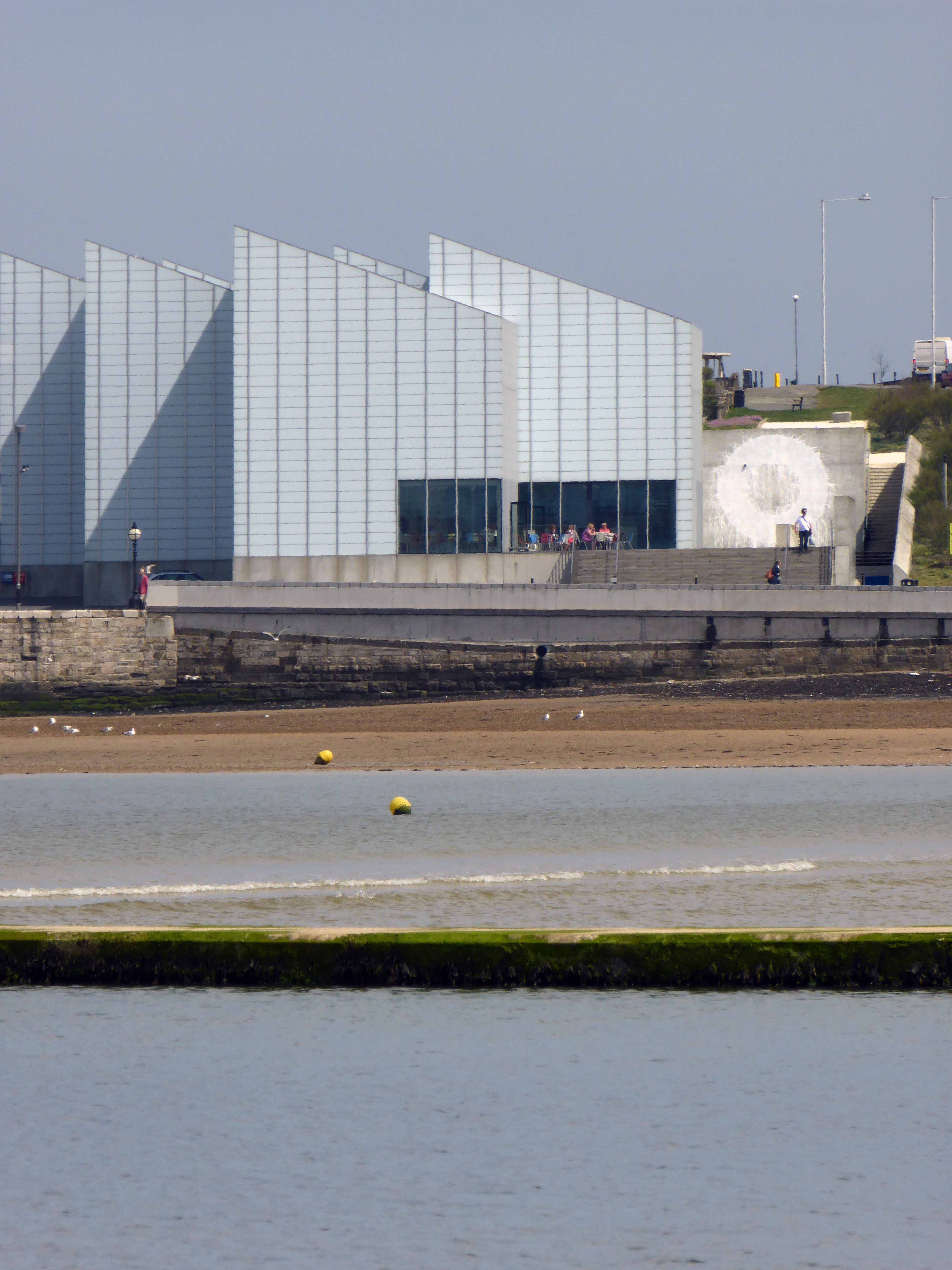
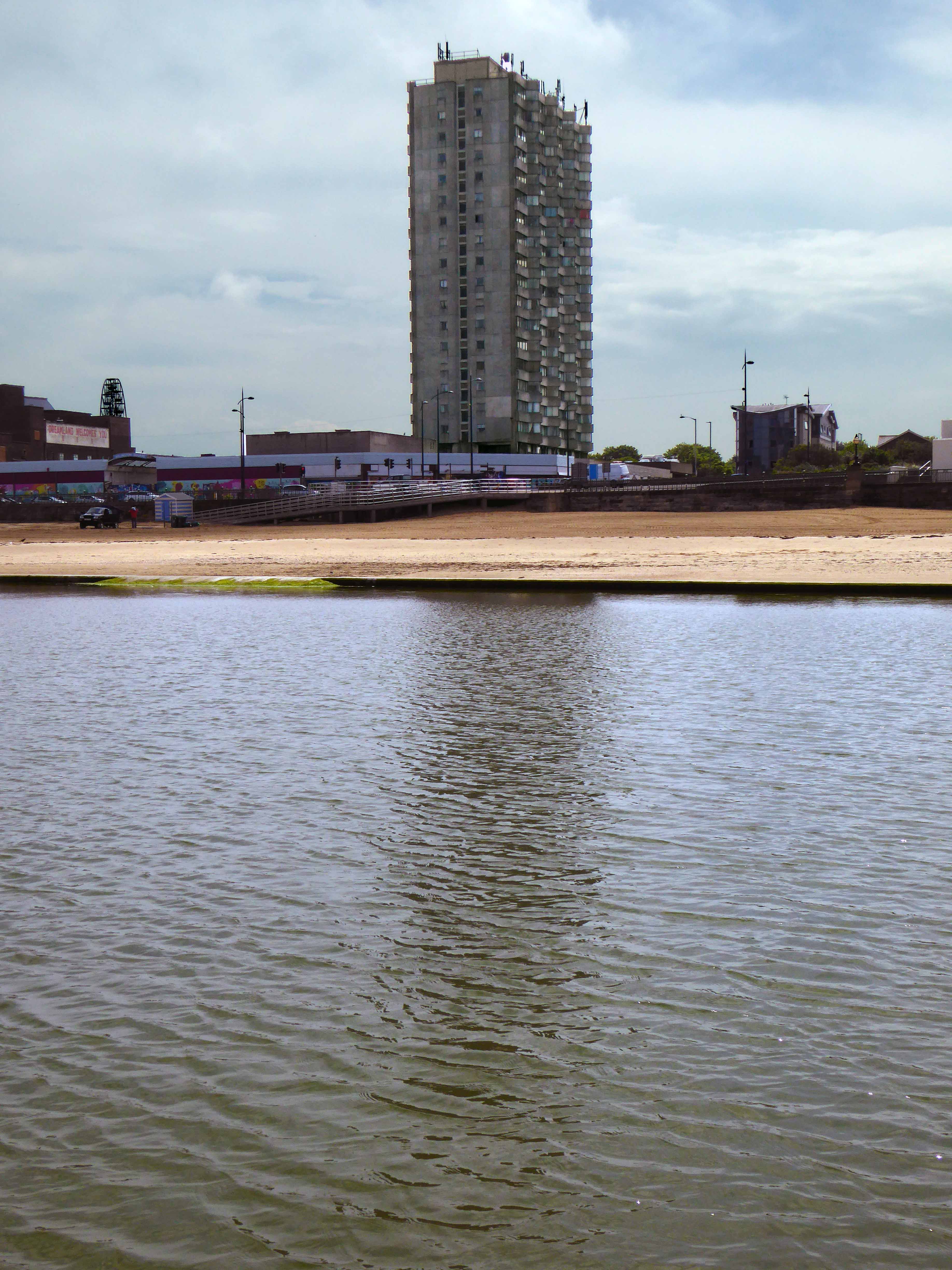
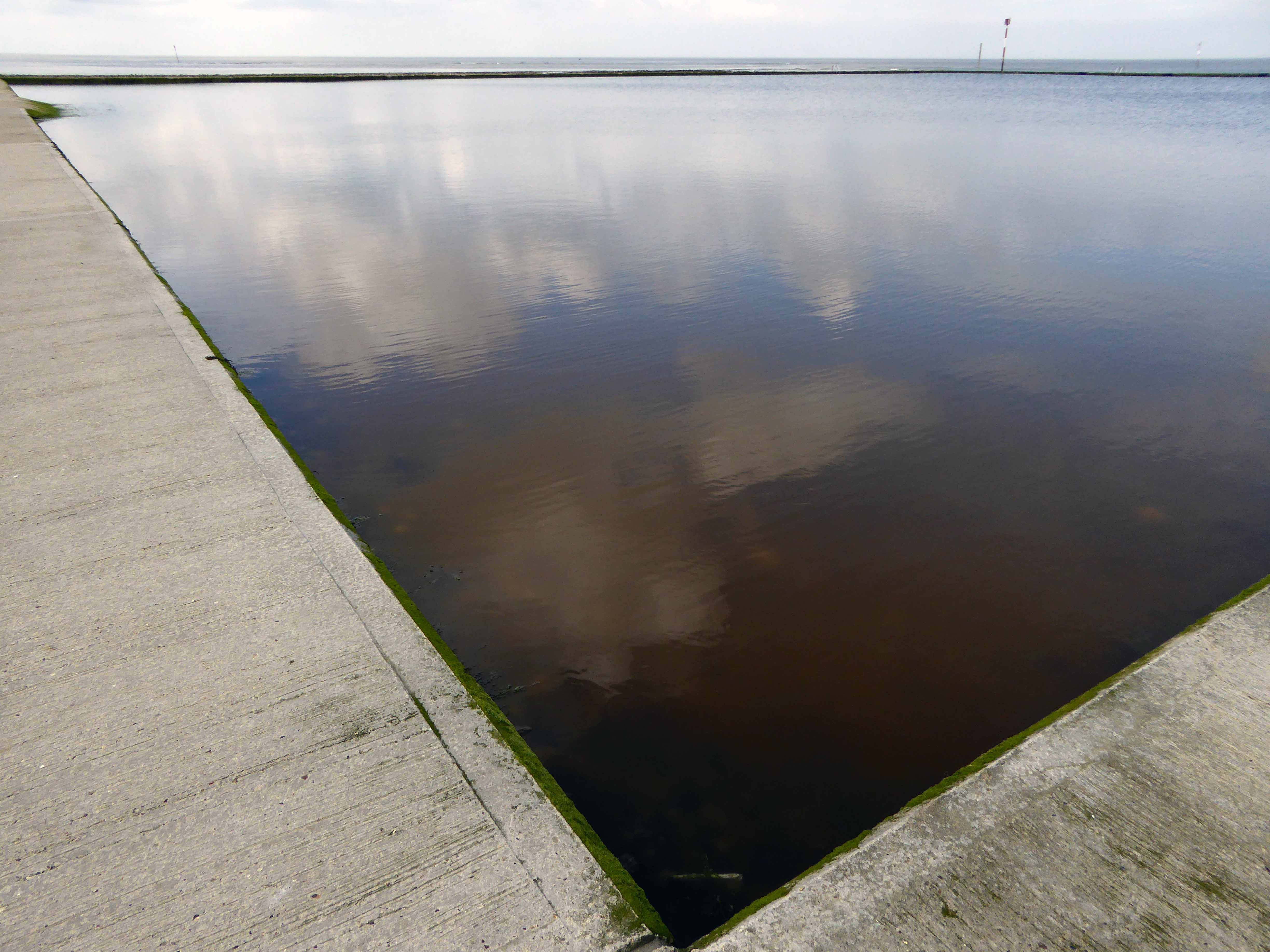
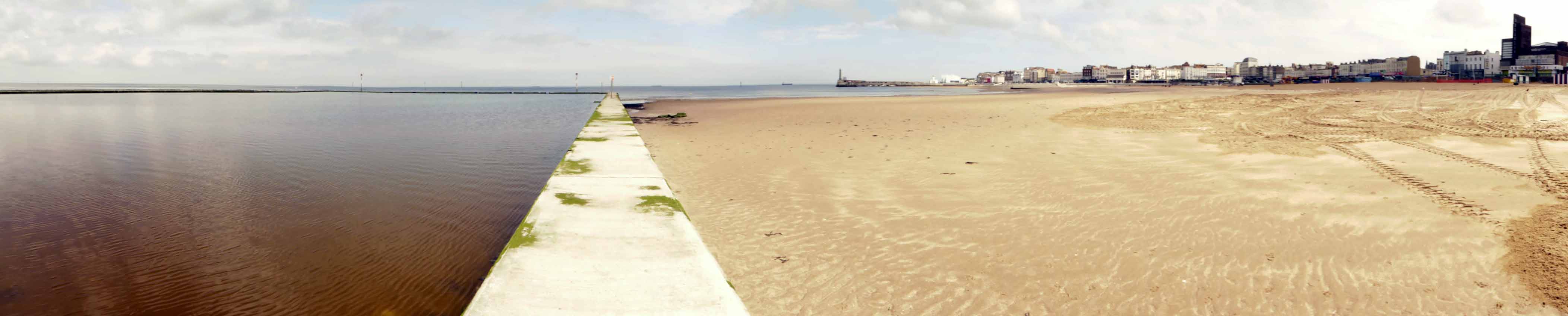
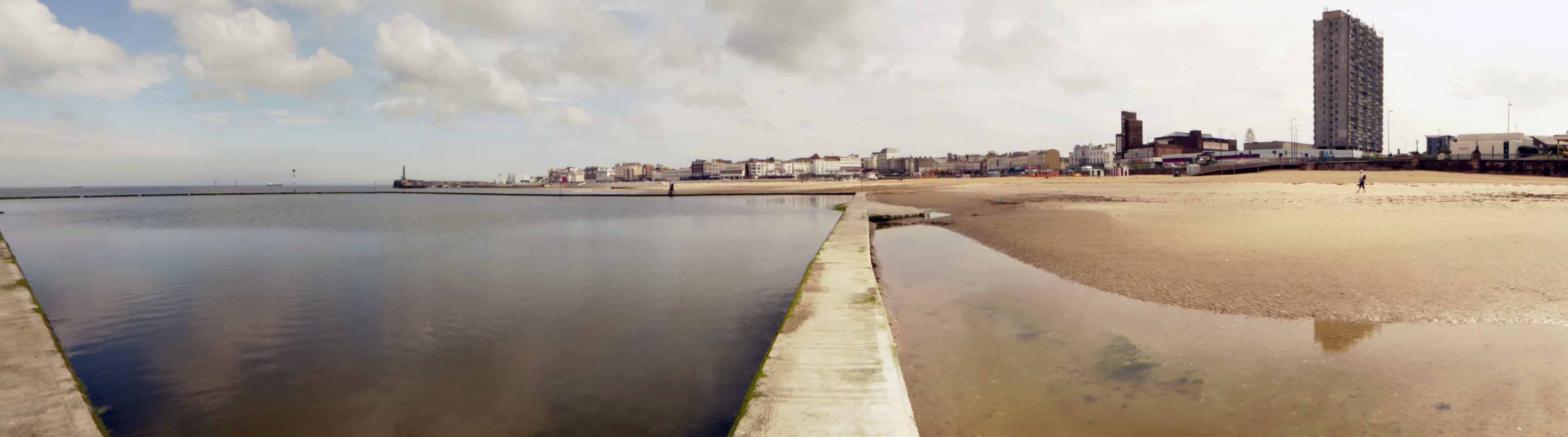
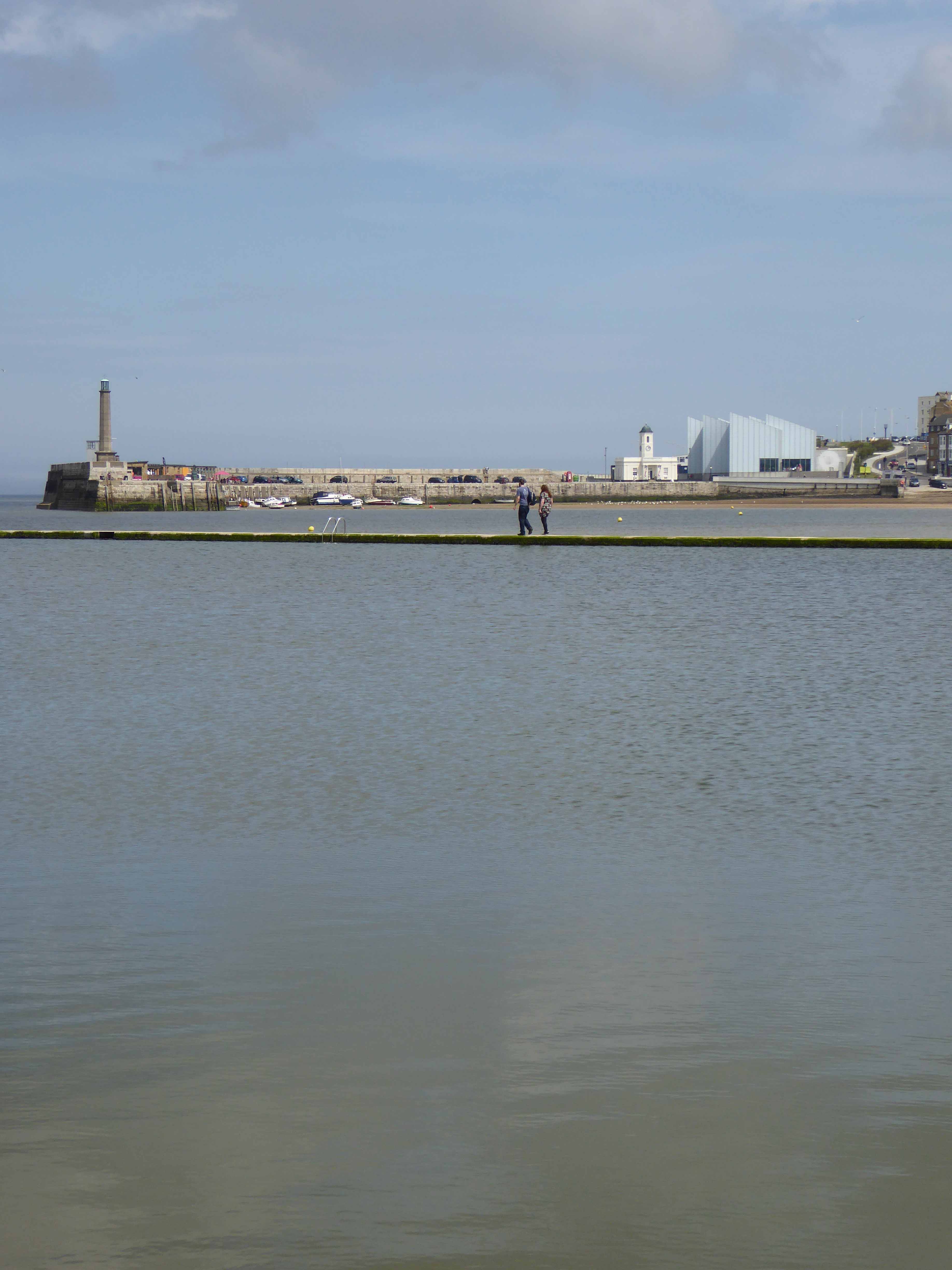
The first tucked in by the prom, a moments walk from the station and overlooked by the imposing Arlington House and the shimmer of the Turner Contemporary
– alas no longer the domain of the wild swimmer.
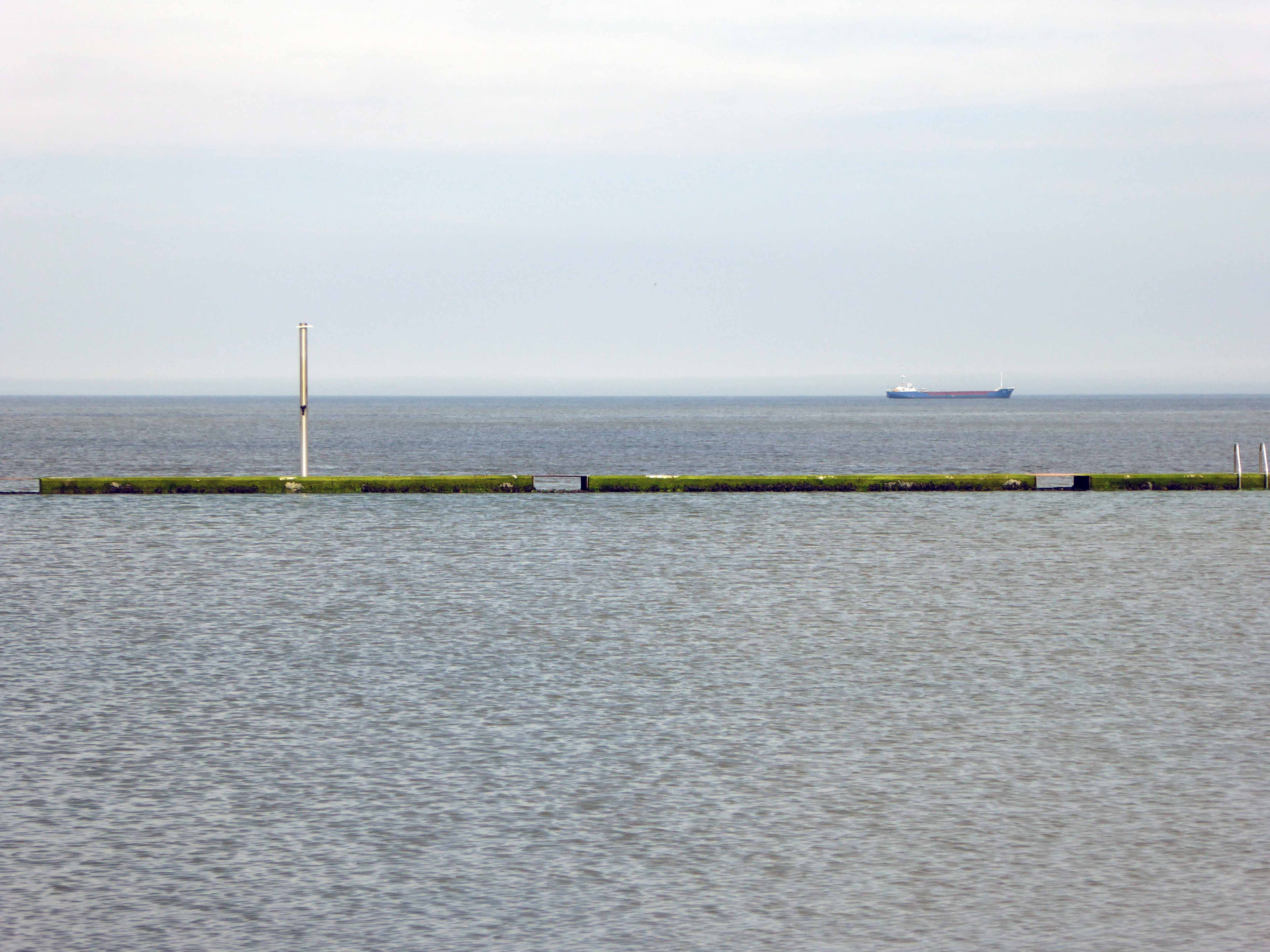
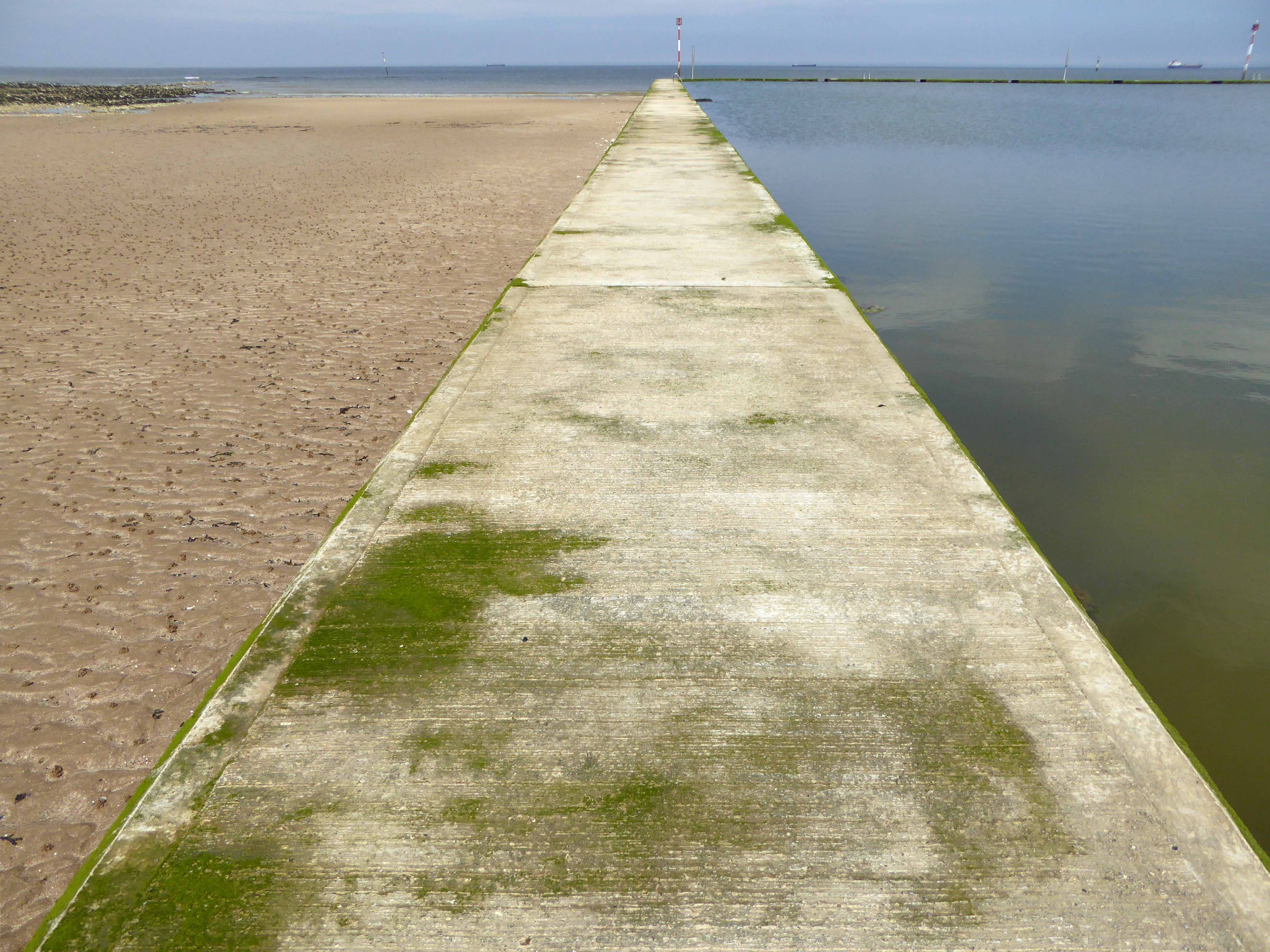
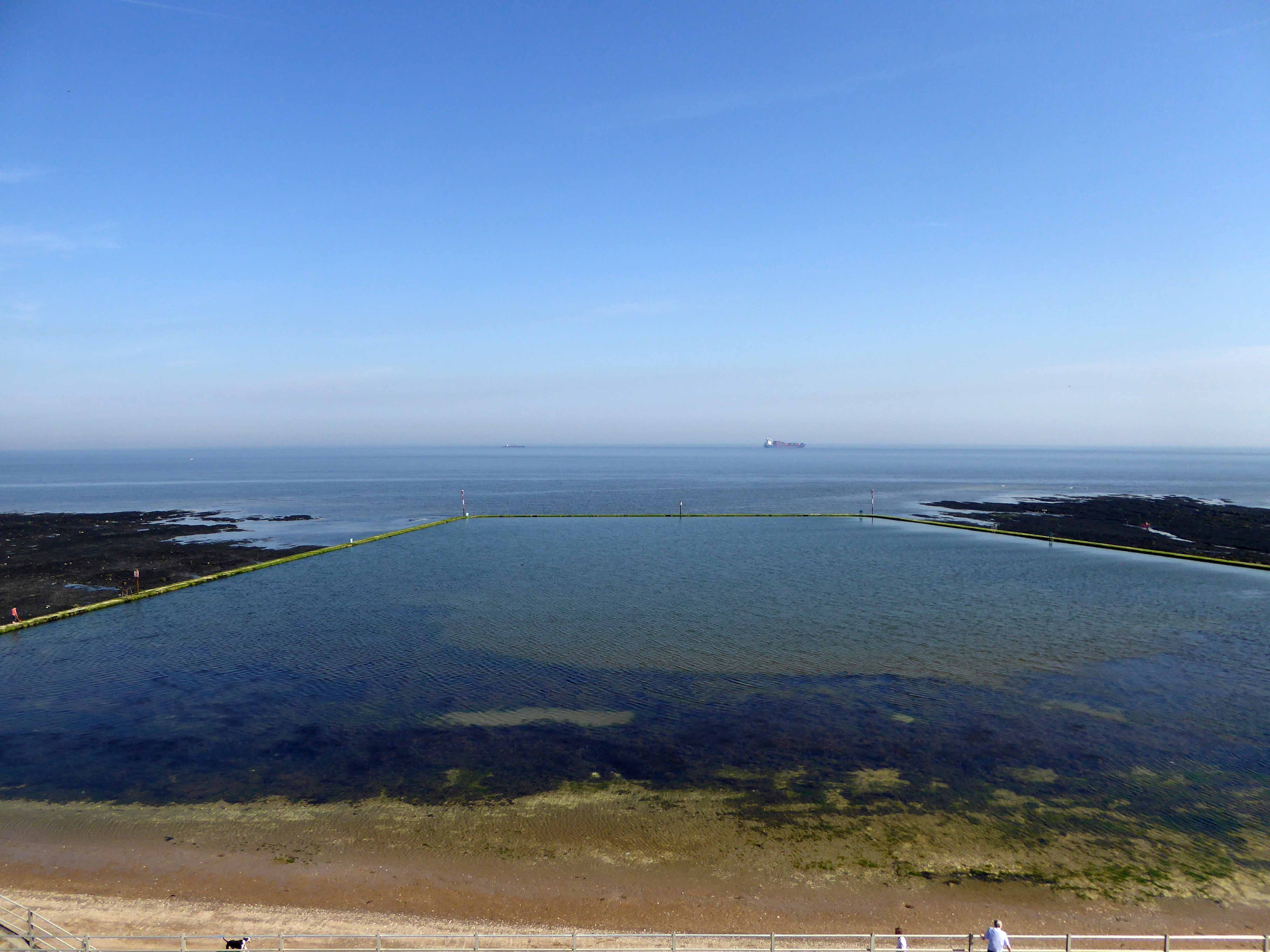
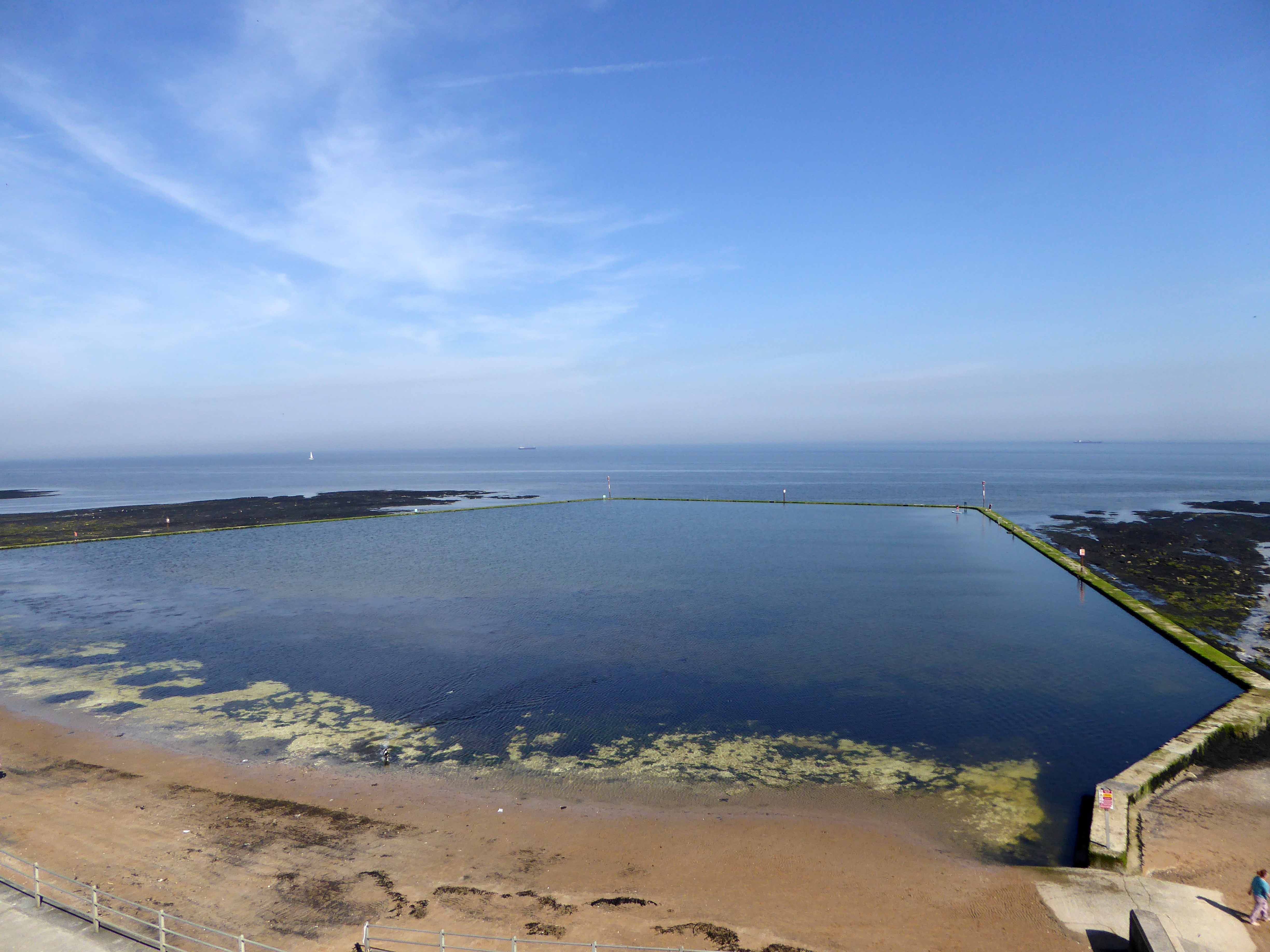
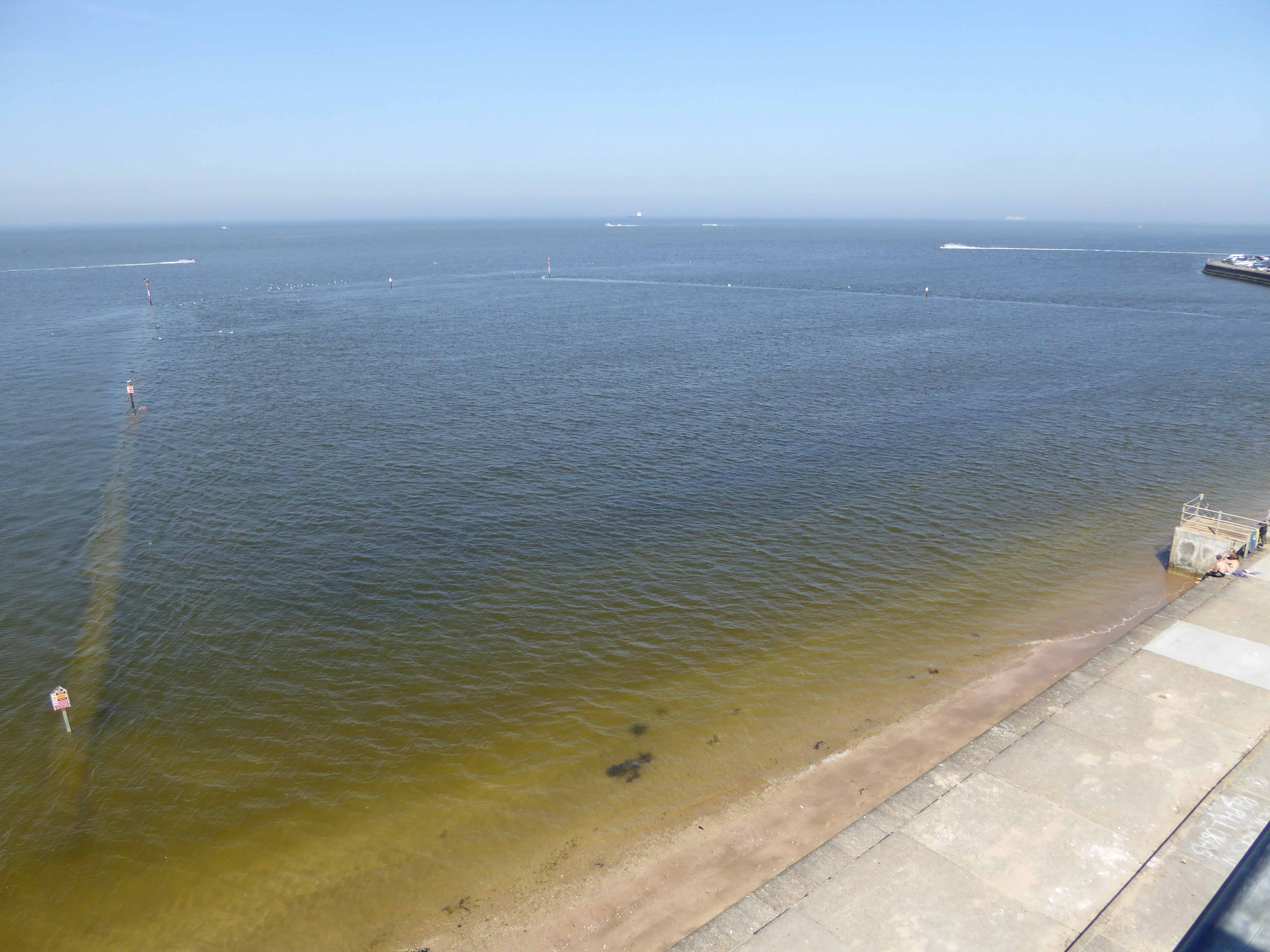
A large delicious expanse of seawater, now sadly designated as a boating pond.
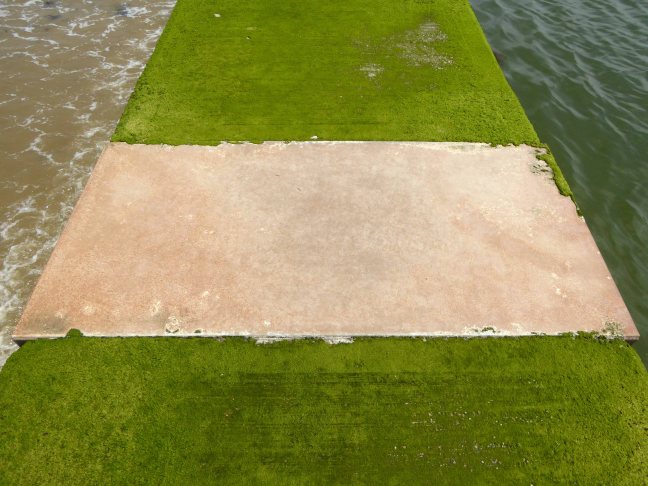
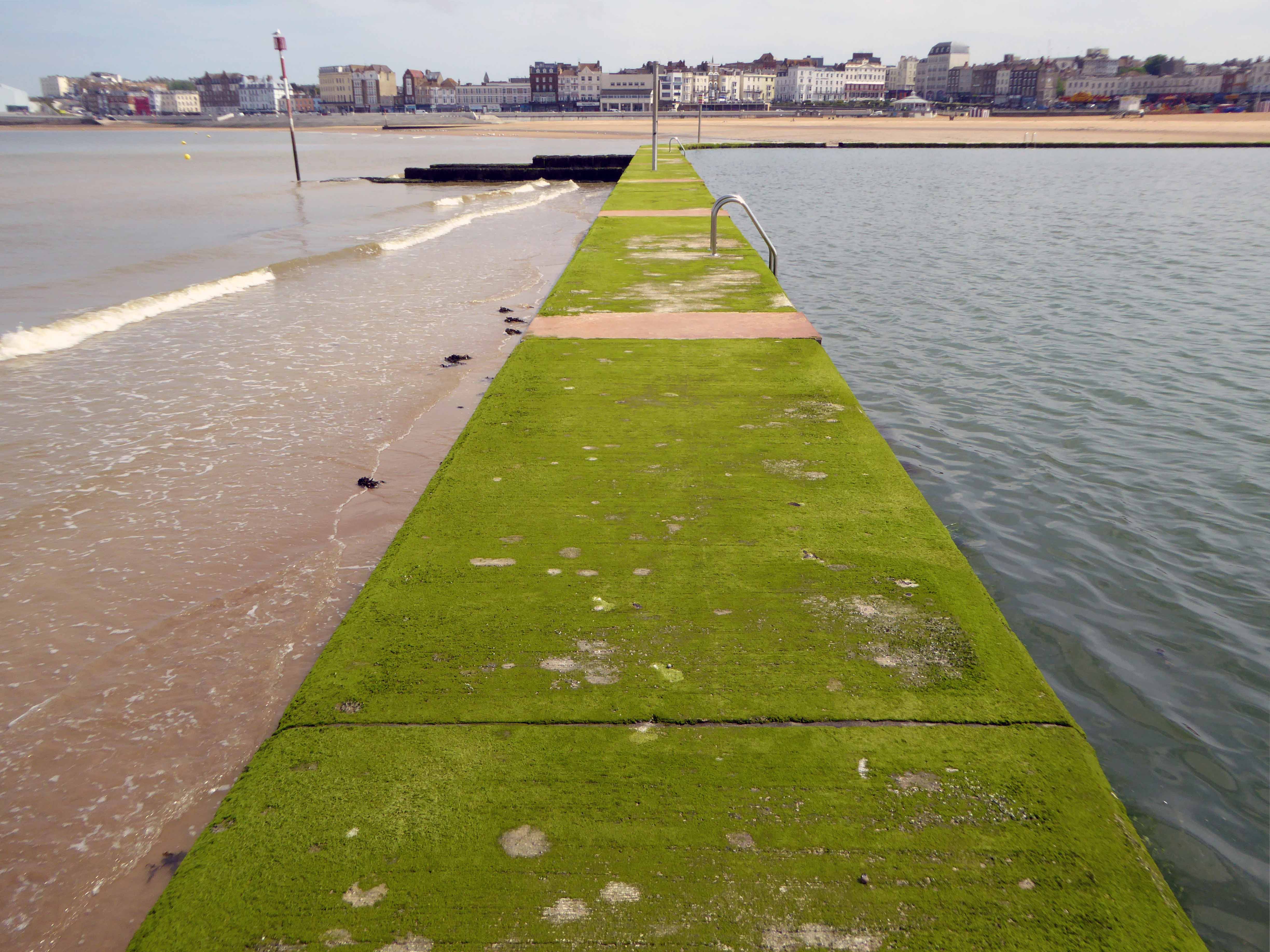
I was drawn magnetically to this elemental artifice, where untamed waters meet a controlled concrete geometry, waves temptingly lapping the walls.
Would that it could be open again to the town’s swimmers.
I am latterly reliably informed, that the pool is well used by local aquarists, despite the Local Authority’s prohibitions and ministrations – bravo!
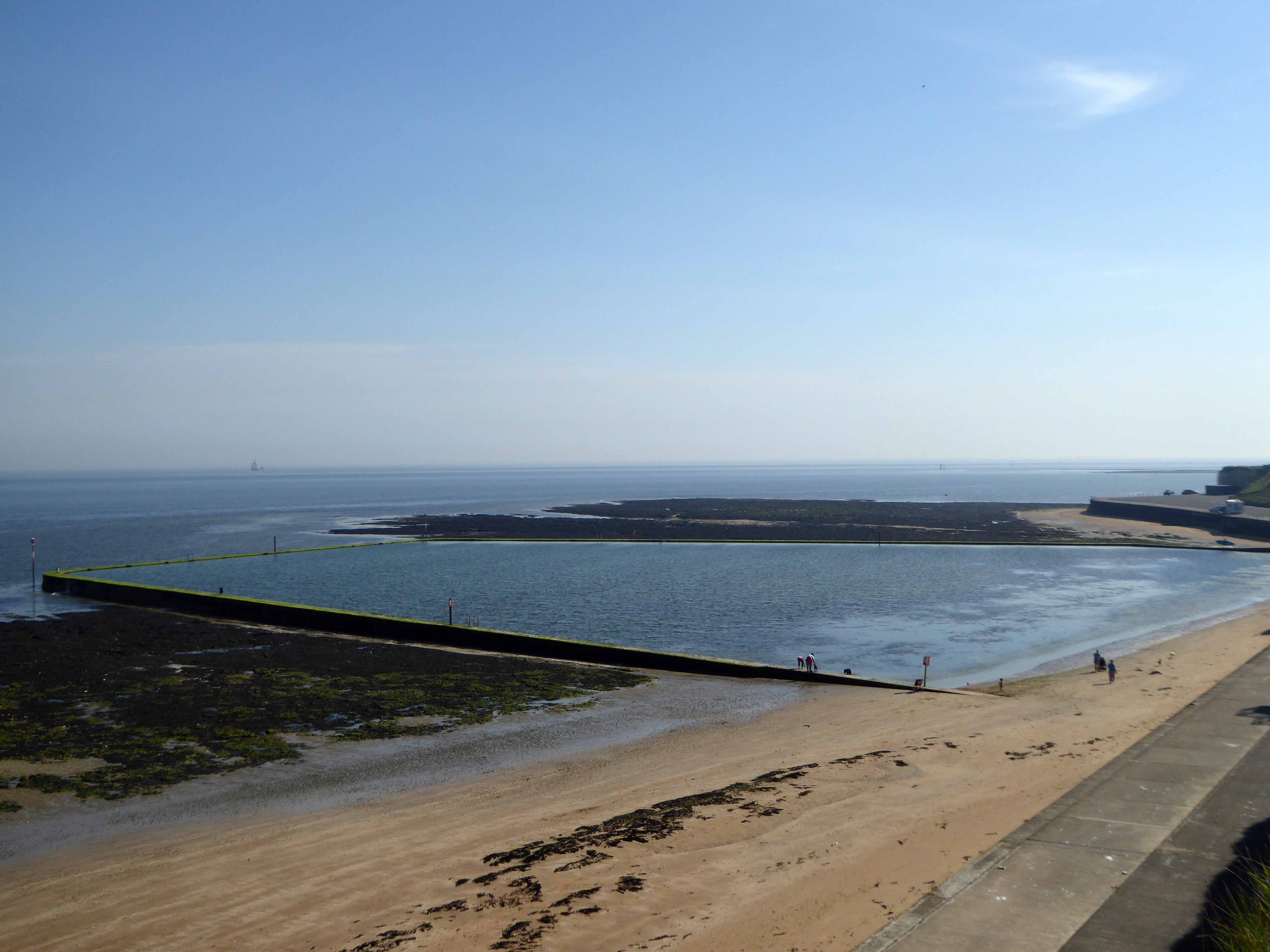
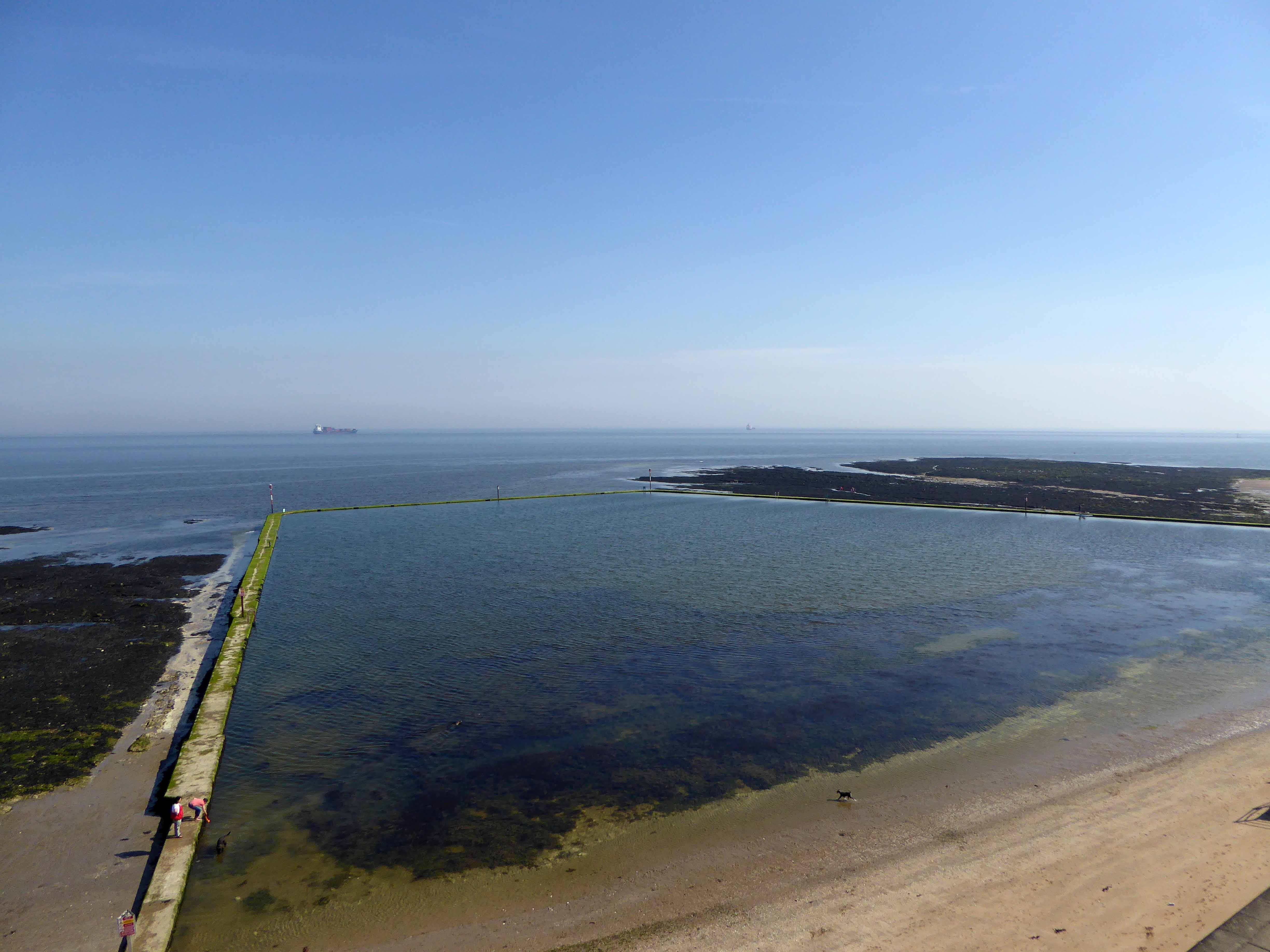
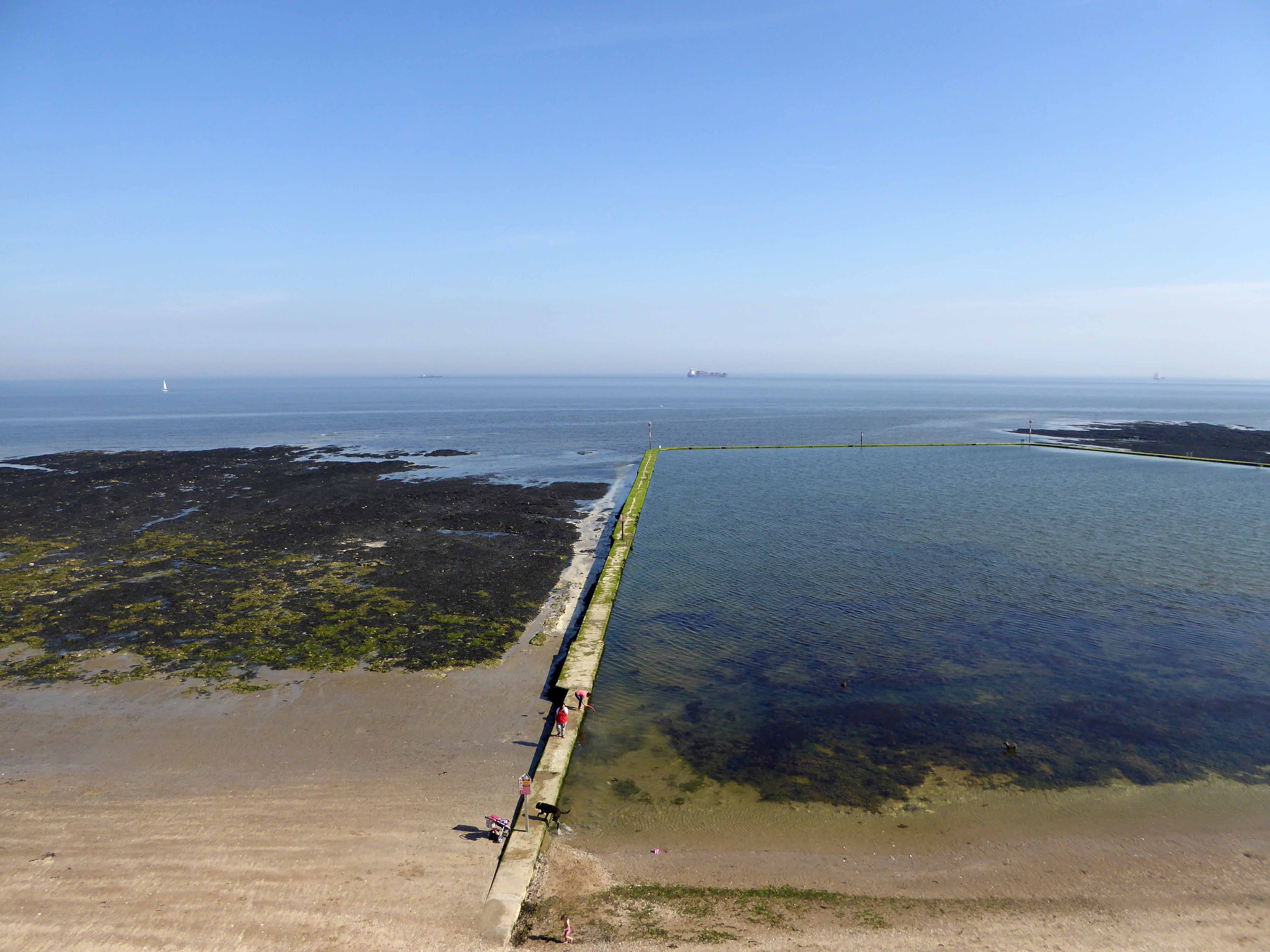
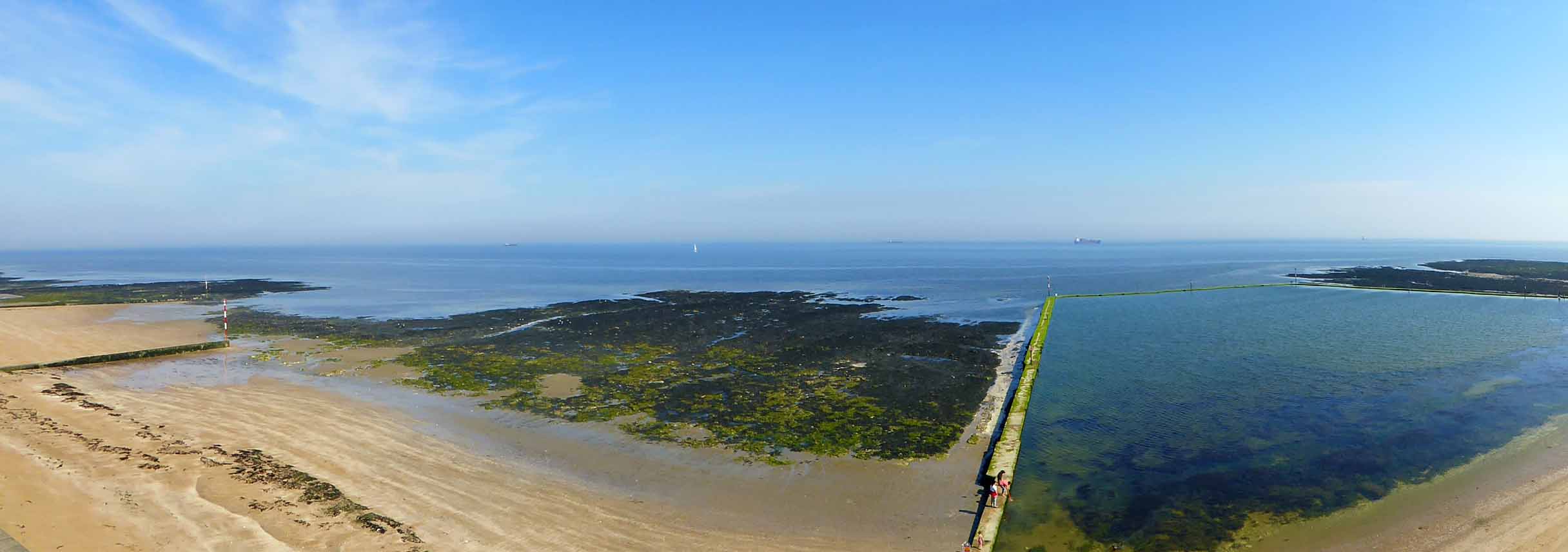
The second at Walpole Bay still open to the swimmer and what’s more it’s listed.
Walpole Bay Tidal Pool, one of two tidal pools designed by Margate’s borough engineer in 1937, constructed in concrete blocks reinforced by reused iron tram rails, is listed at Grade II for the following principal reasons: * Structural engineering interest: an ambitious project because of its scale, the weight of each concrete block, and that work needing to be carried out day and night because of the tides; * Scale and design: impressive in scale and shape, occupying 4 acres and three sides of a rectangle, the sides 450 feet long diminishing towards the seaward end which was 300 feet long; * Social historical interest: provided an improvement to sea bathing at the period of the greatest popularity of the English seaside; * Degree of intactness: intact apart from the loss of the two diving boards which do not often survive; * Group value: situated quite near the remains of the 1824-6 Clifton Baths (Grade II), an 1935 lift and the other 1937 tidal pool.

































 West Cliff councillor Joe Plant added: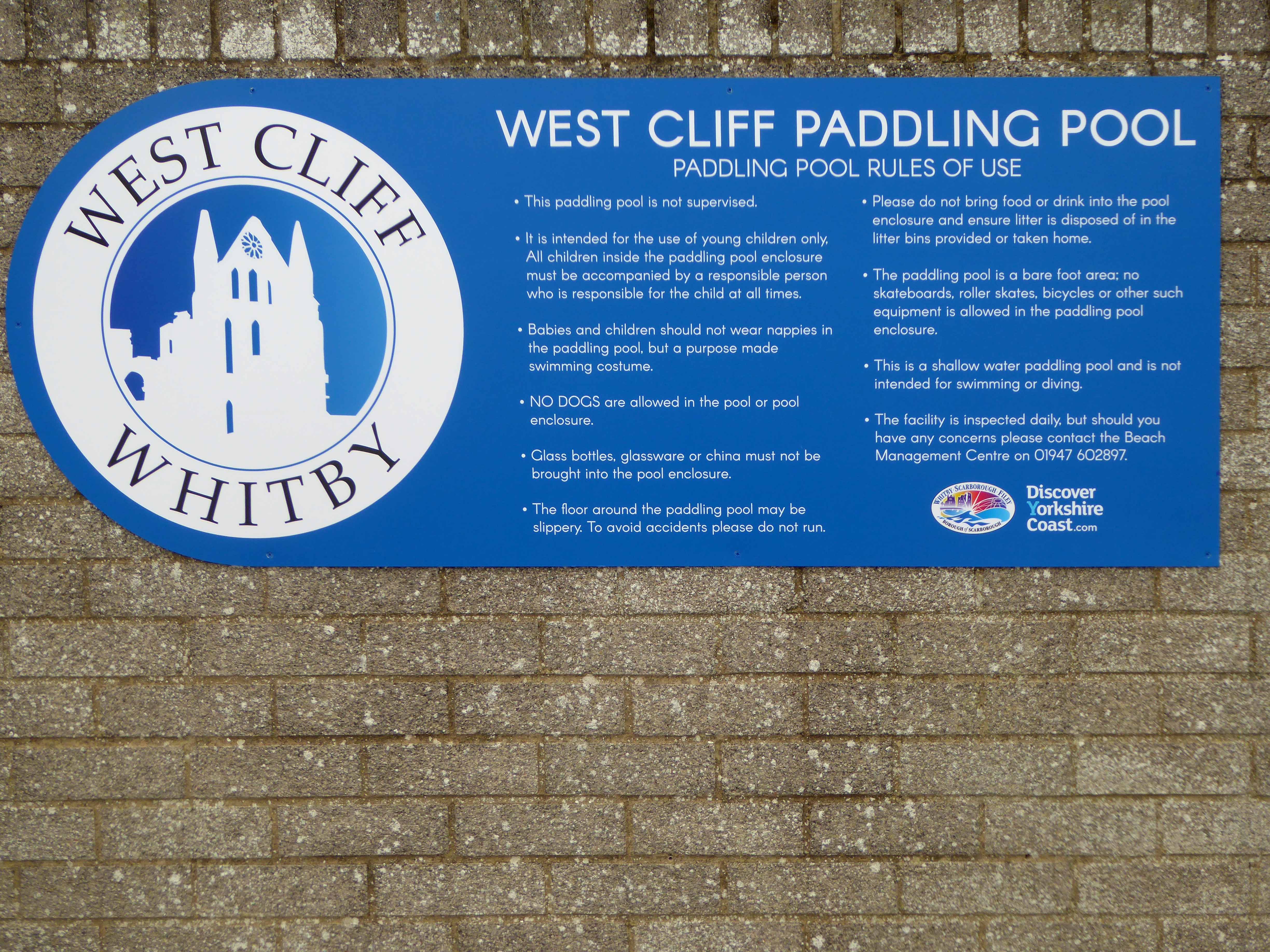










 Modern Mooch