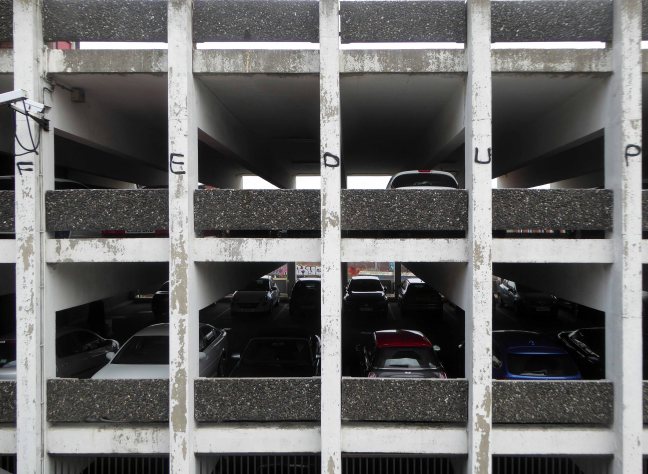
Motorway Footbridge – Stockport

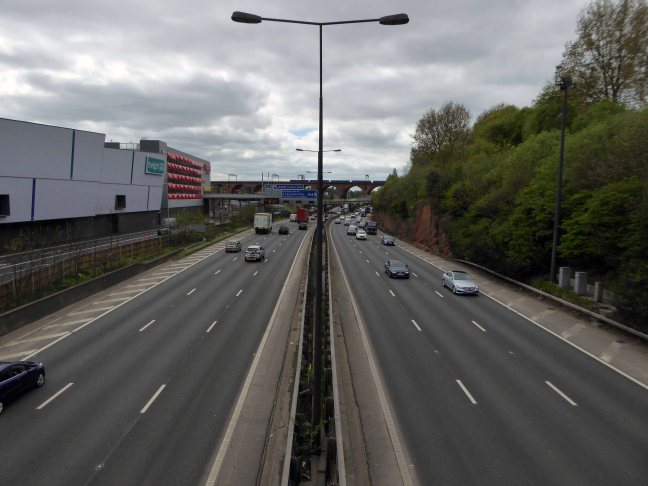
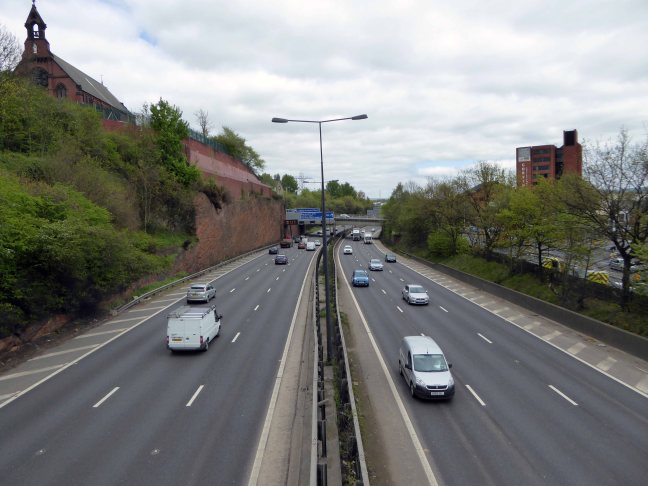
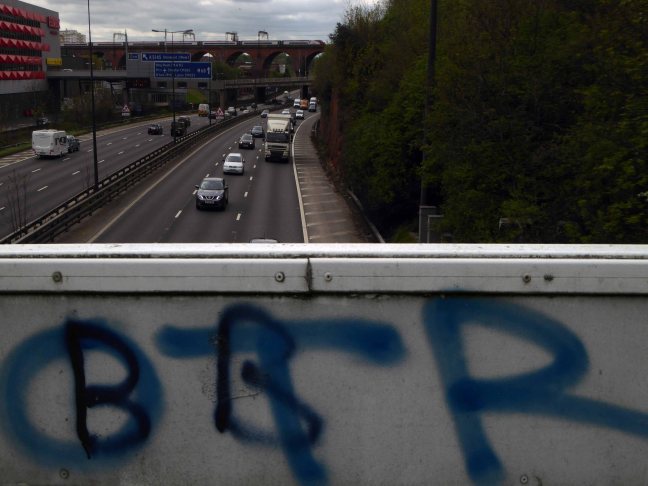
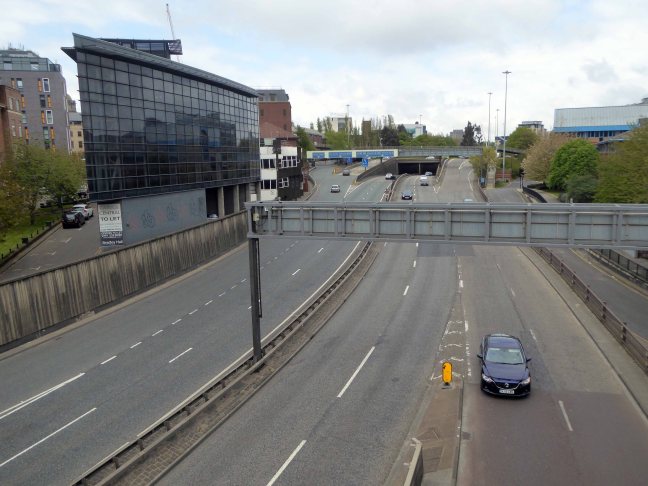
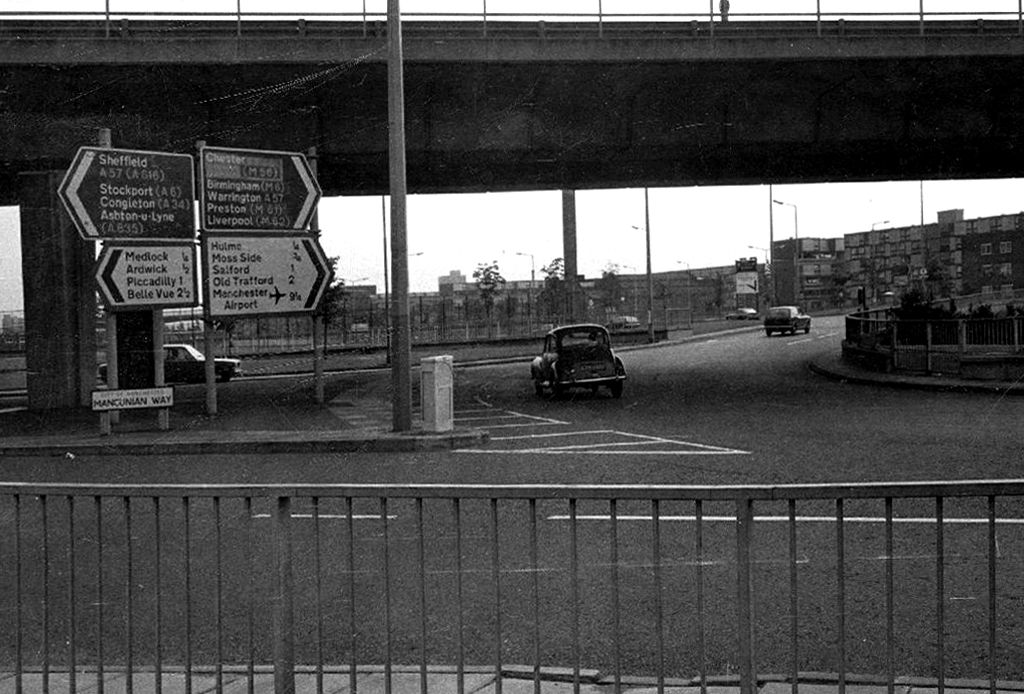
A Moebius Band of motorway formerly known as the M63 wraps and warps itself around the city, ever so conveniently linking the traffic of Greater Manchester with itself.

2000px-UK-Motorway-M63.svg

Ever so conveniently it passes through Stockport – only moments from my home.

M63

Screen Shot 2018-05-04 at 17.03.27

Before the white man came.

11993

11996

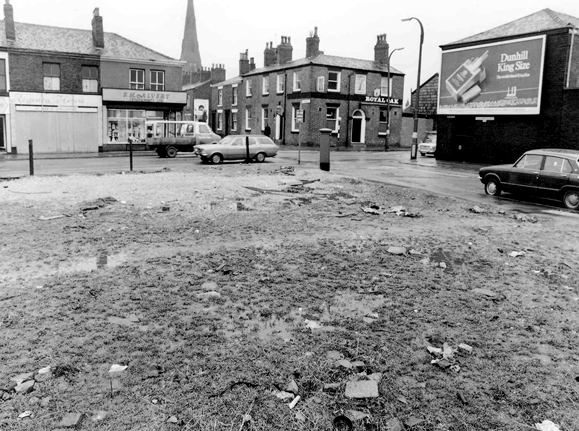
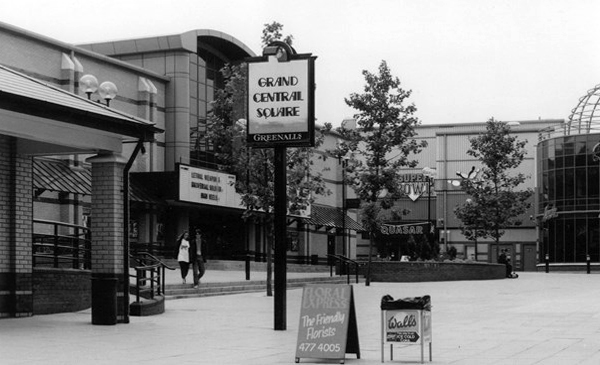
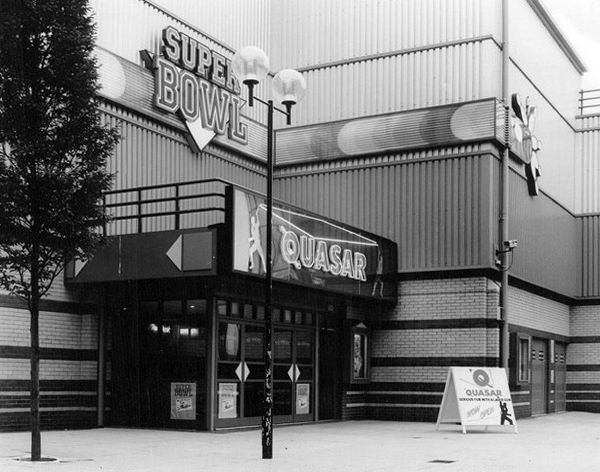
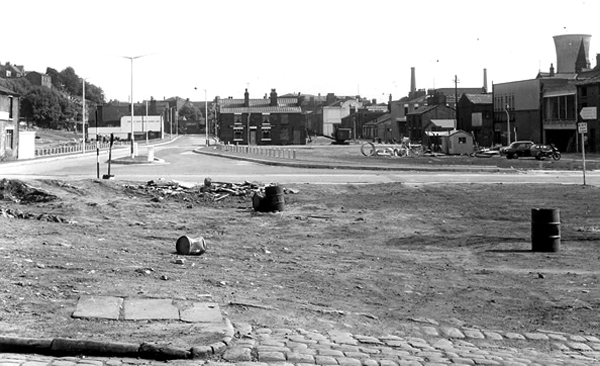
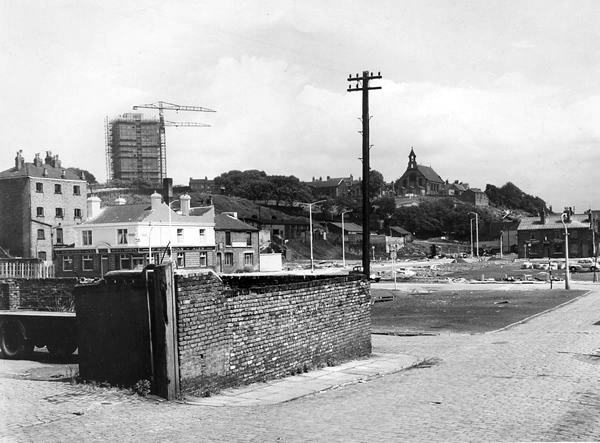
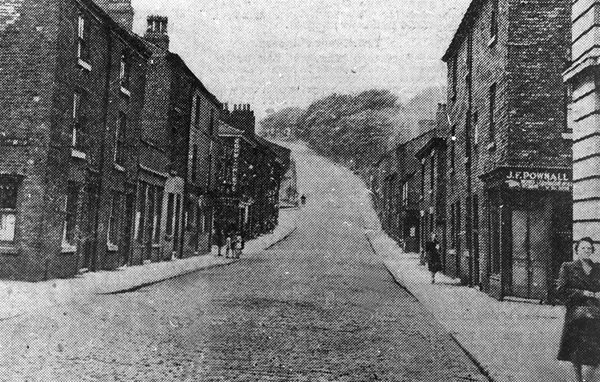
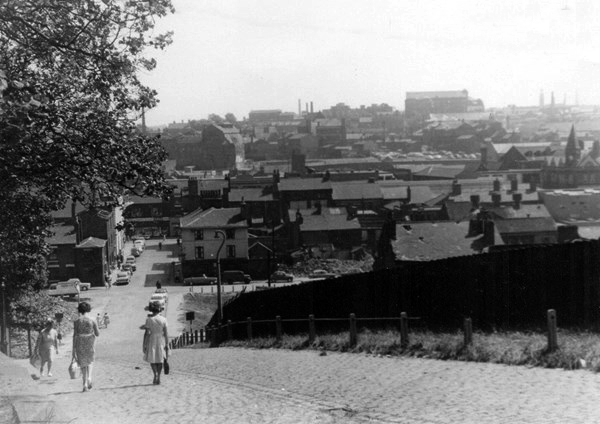
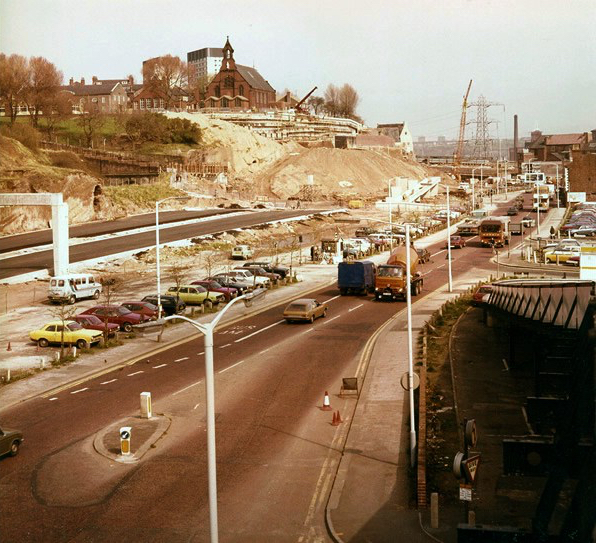
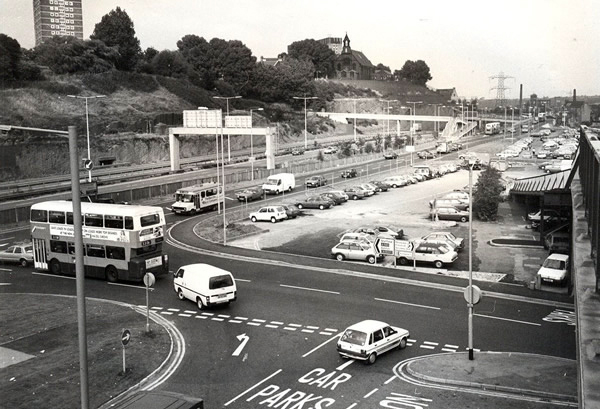
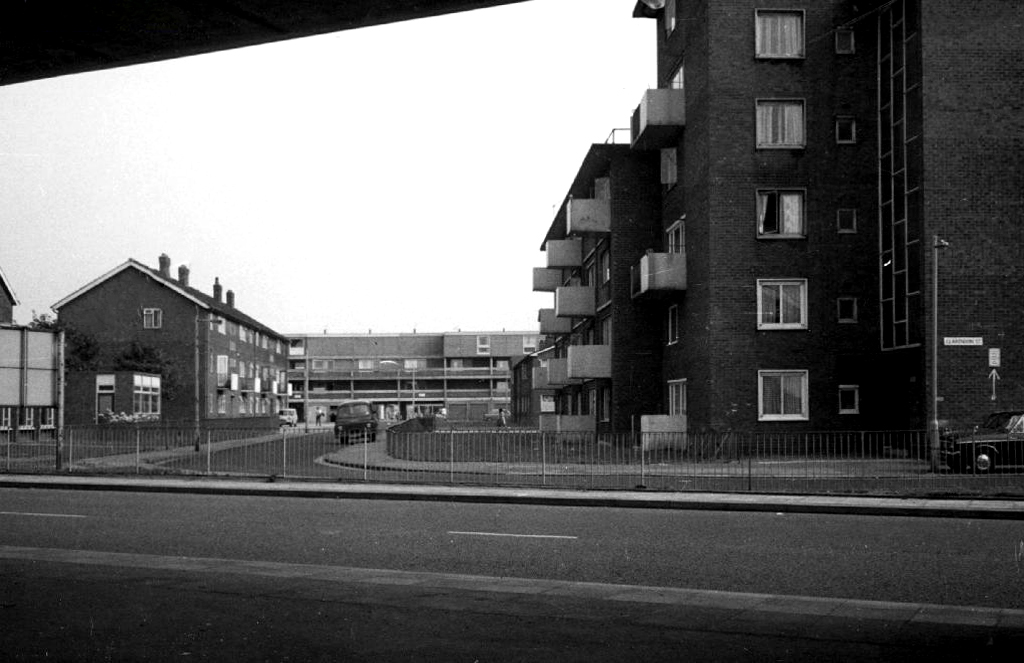
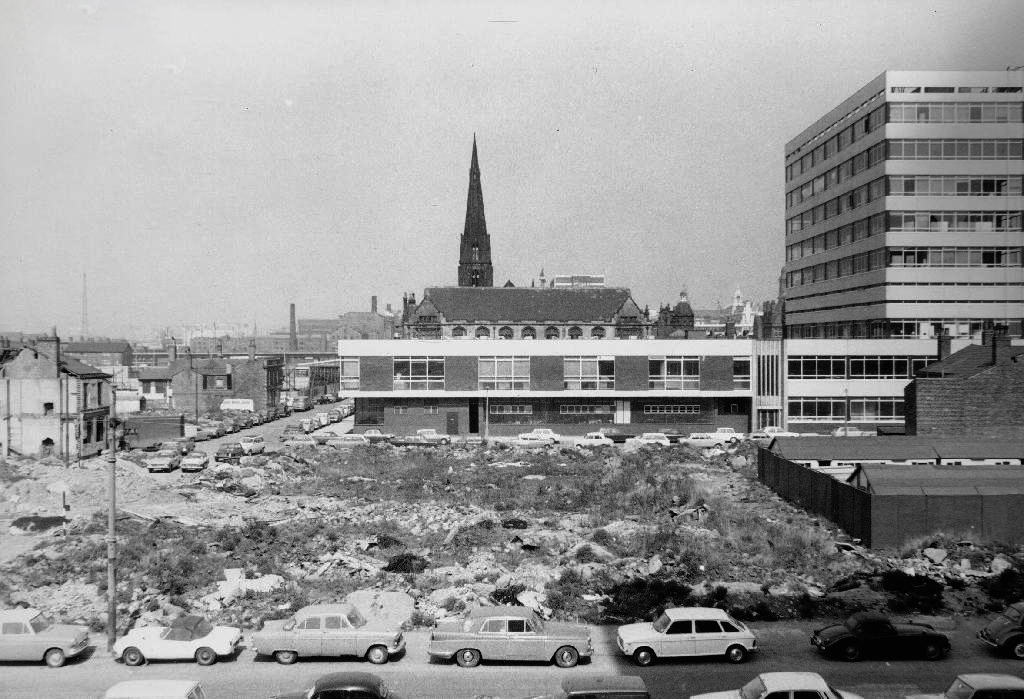
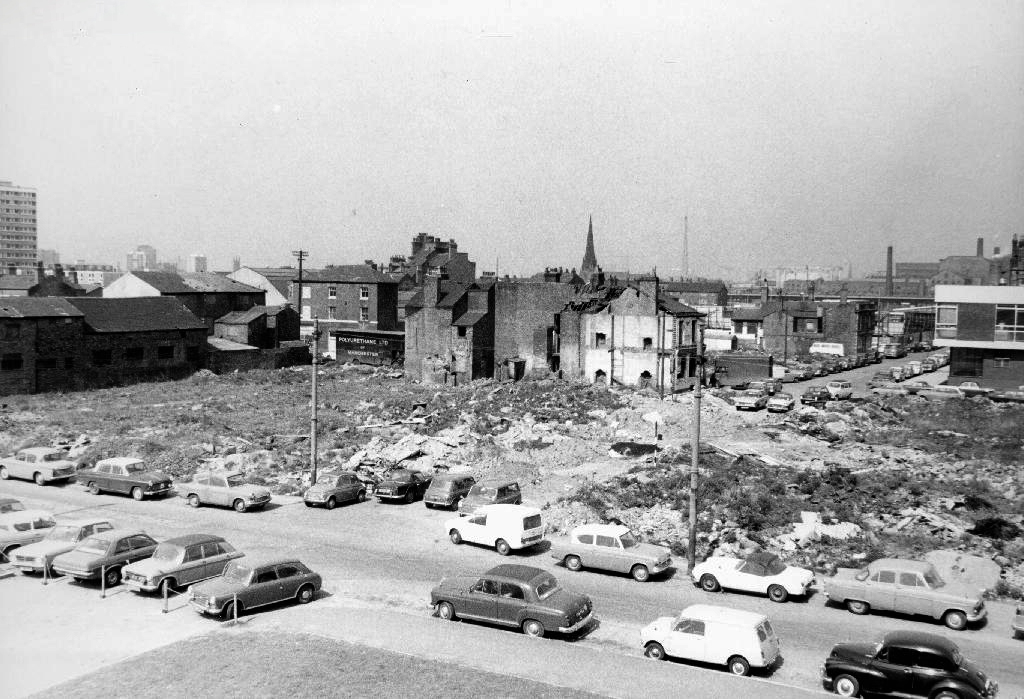
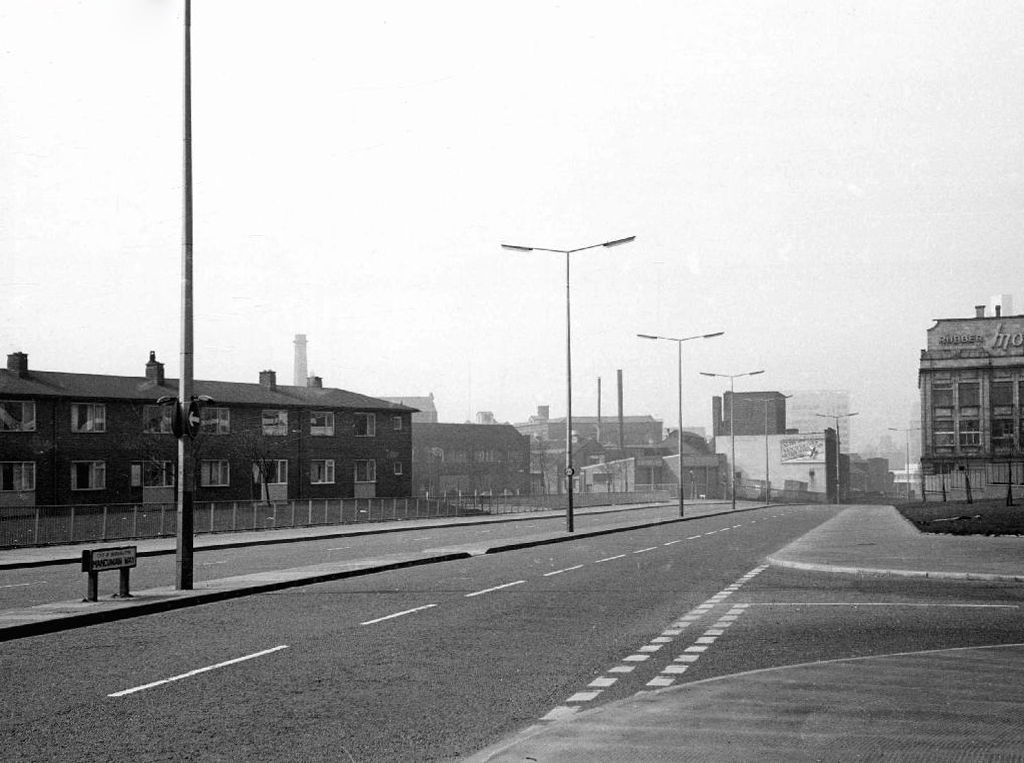
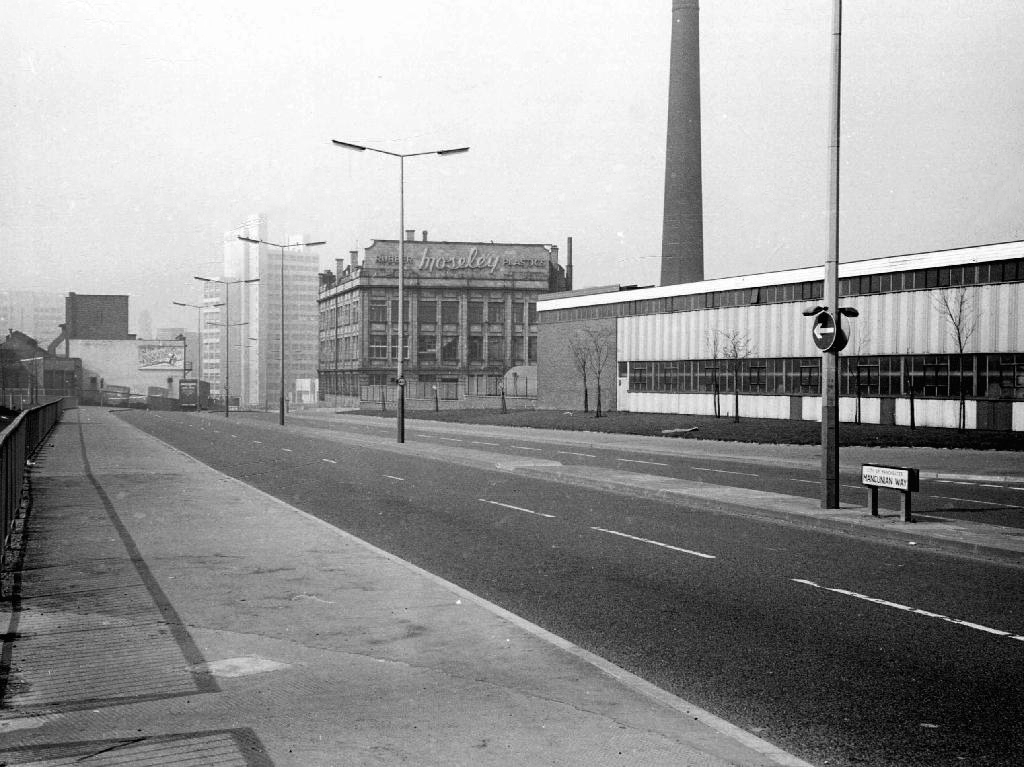
The view from Princes Street along Hatton Street – towards Heaton Norris Rec. 

19617

1945

50450

1960

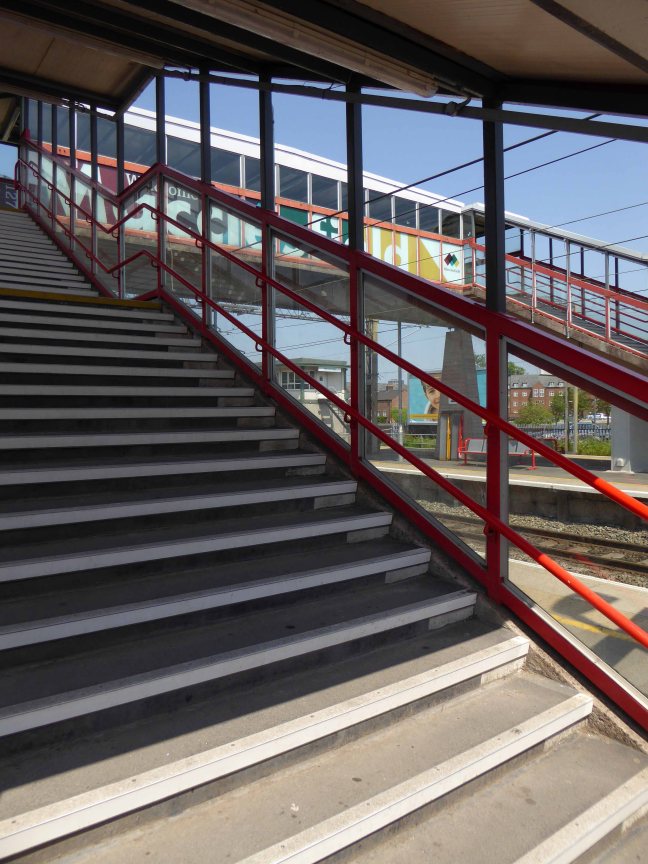
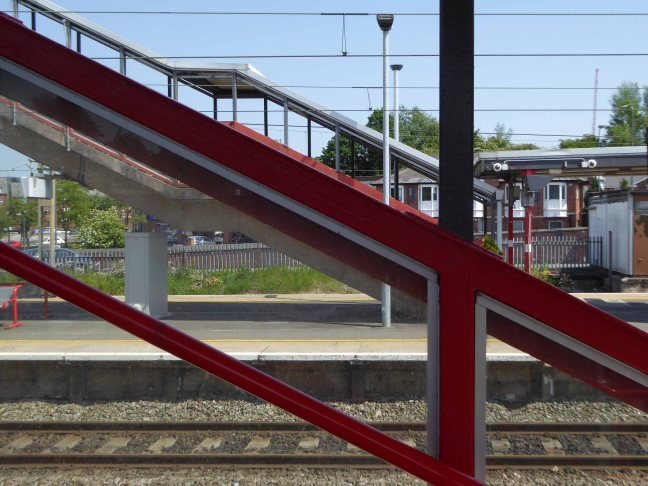
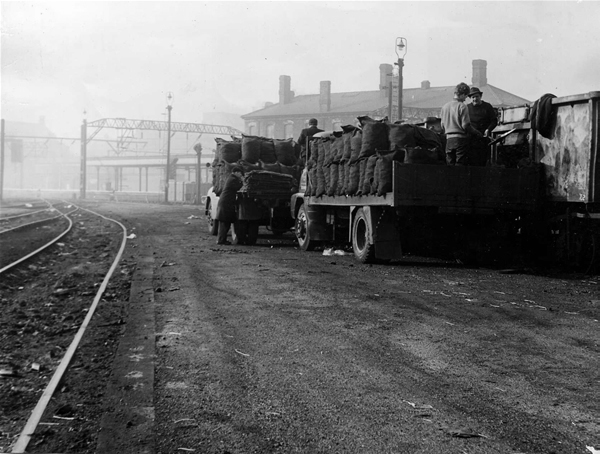
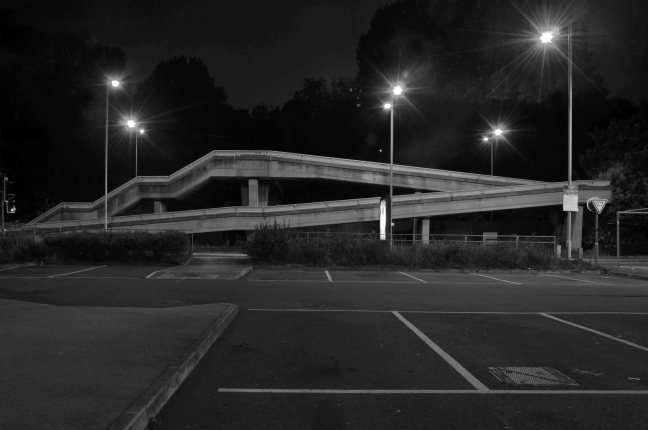
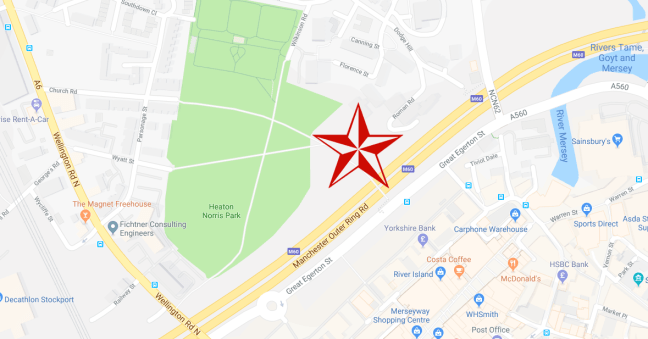
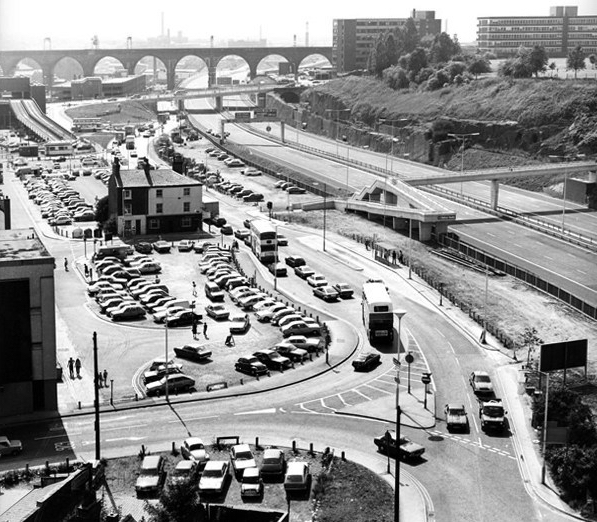
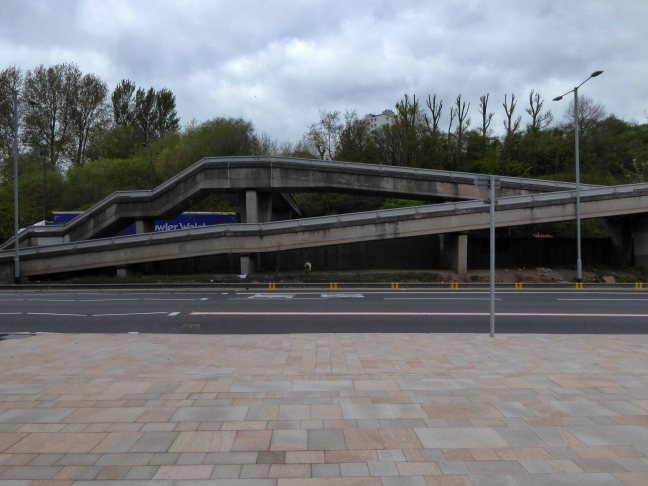
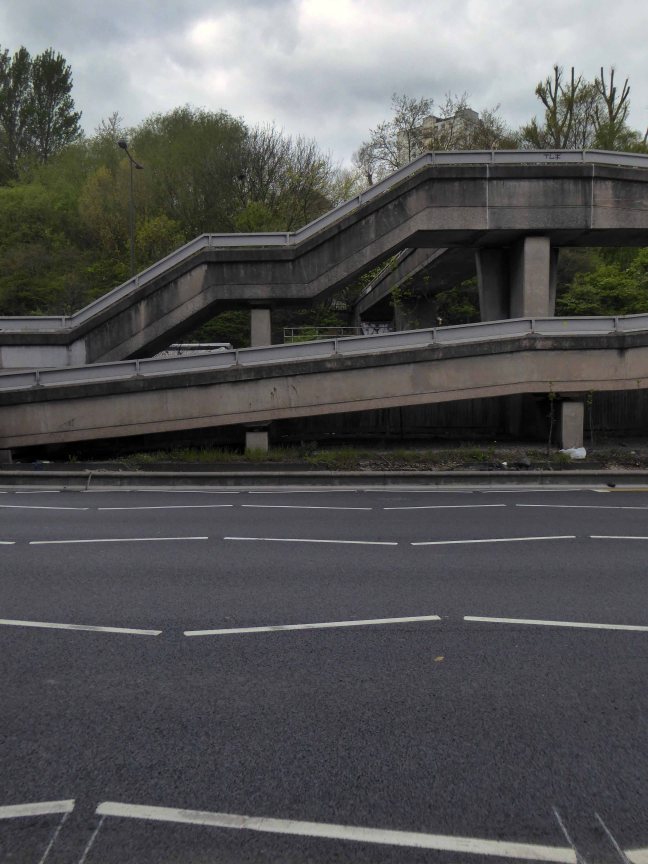
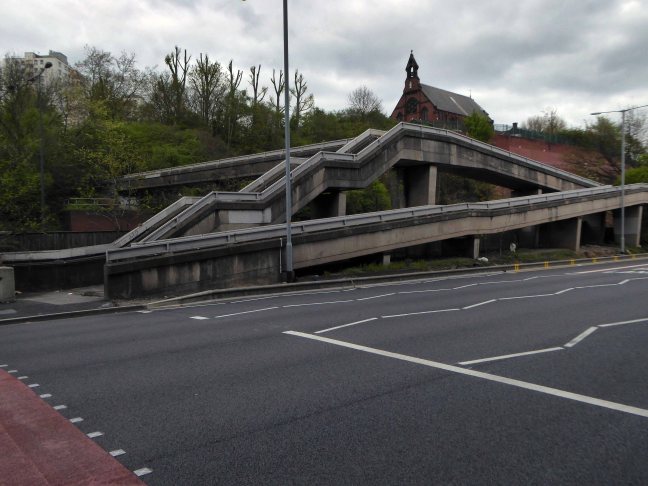
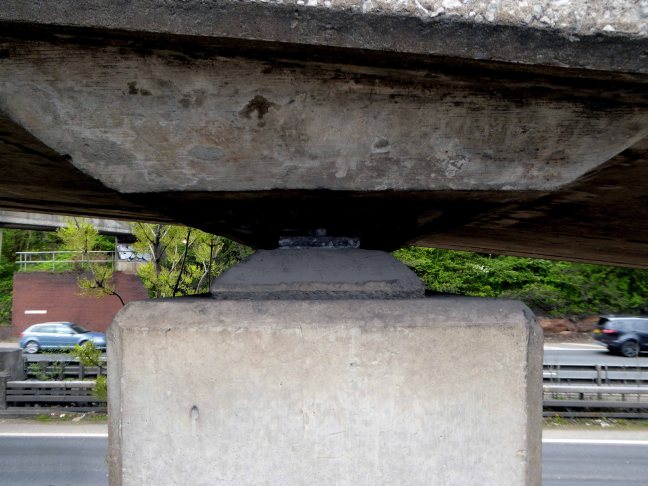
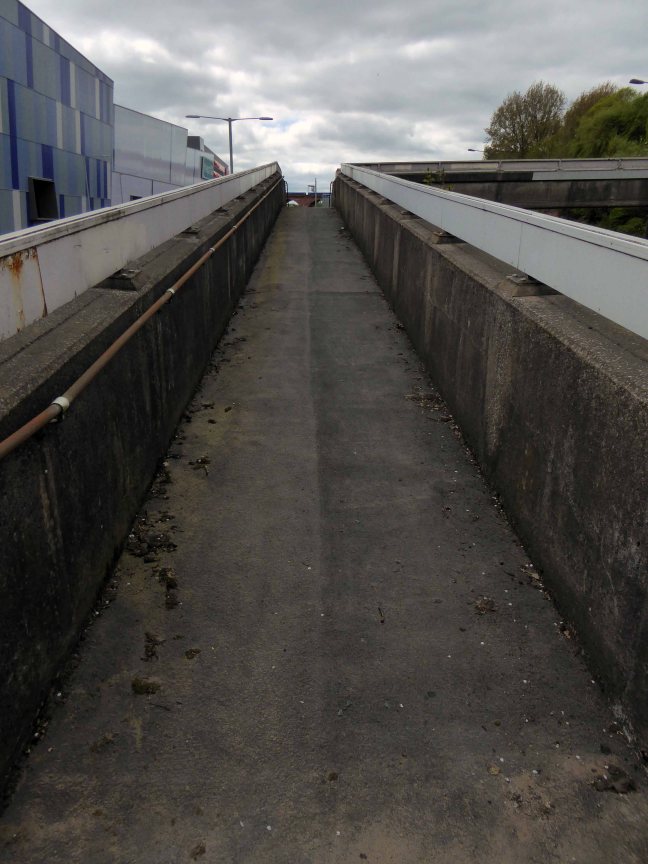
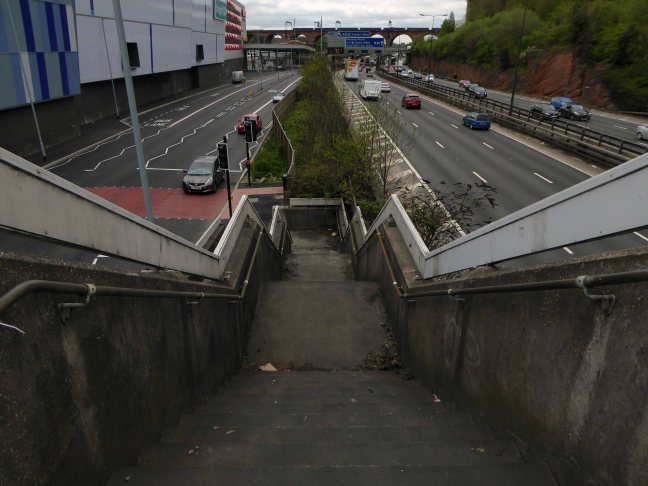
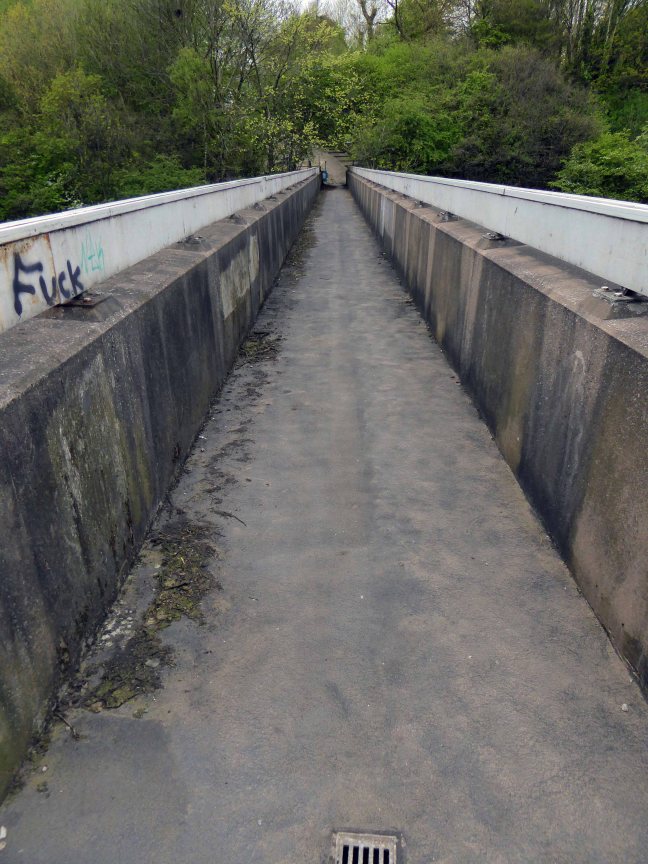
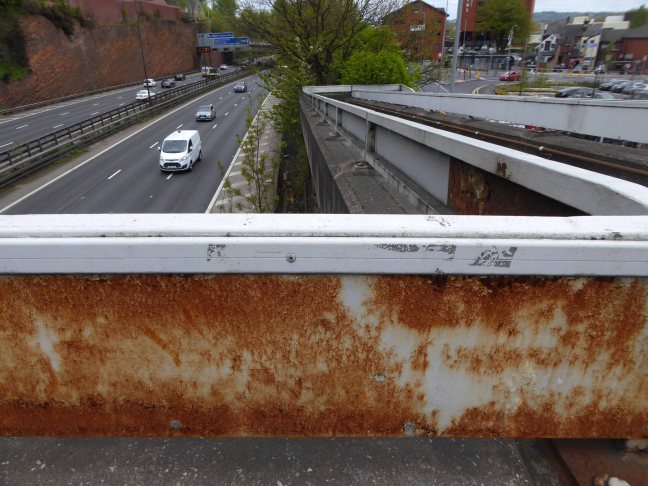
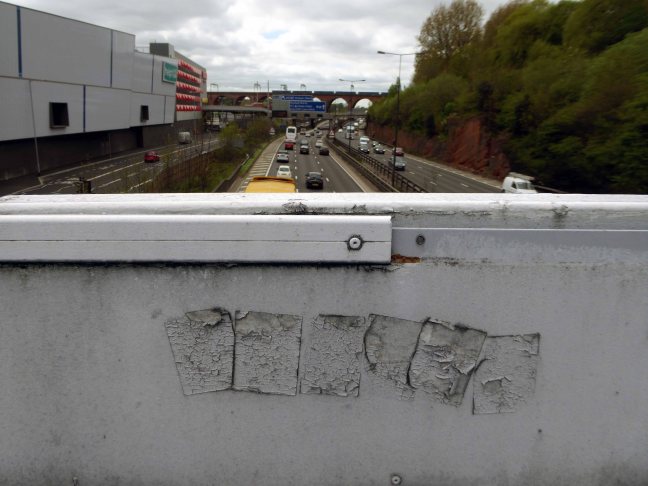
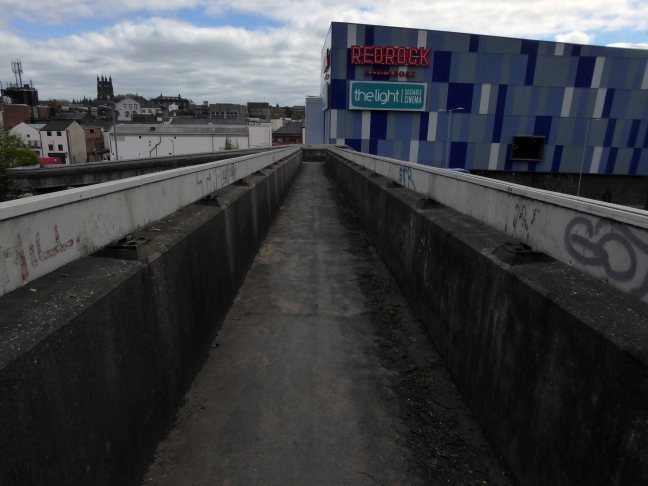
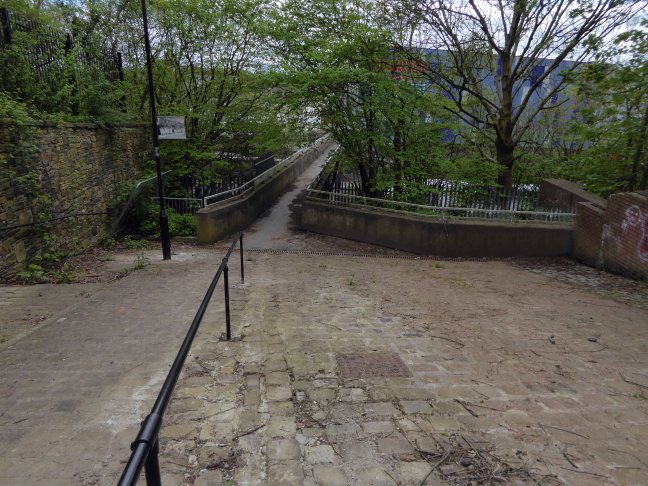
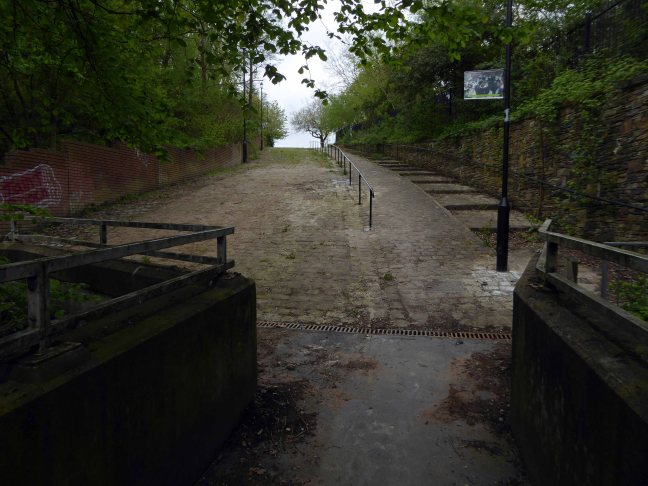
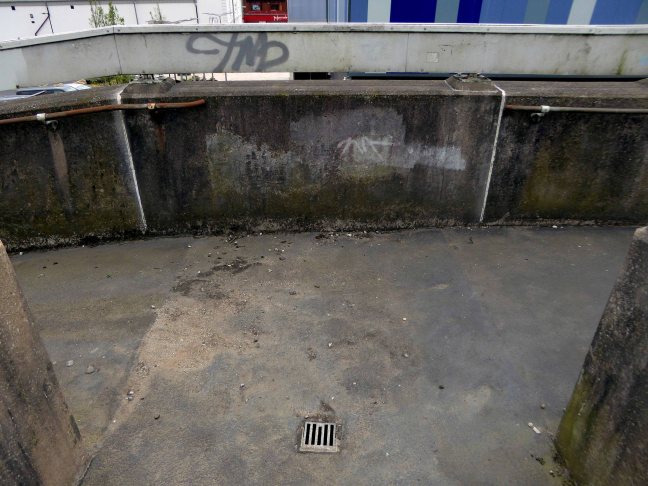
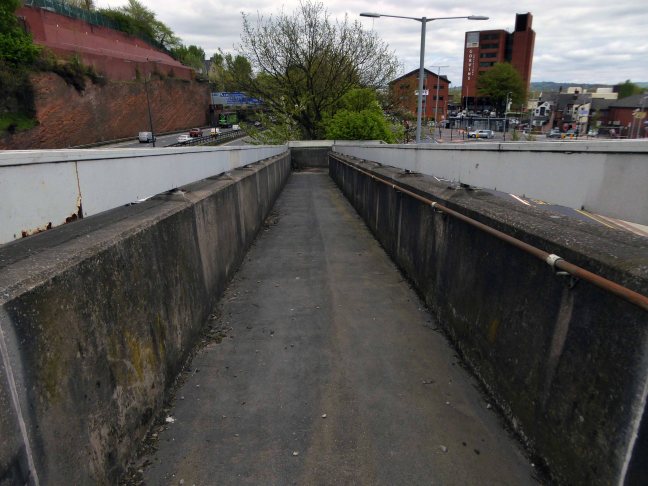
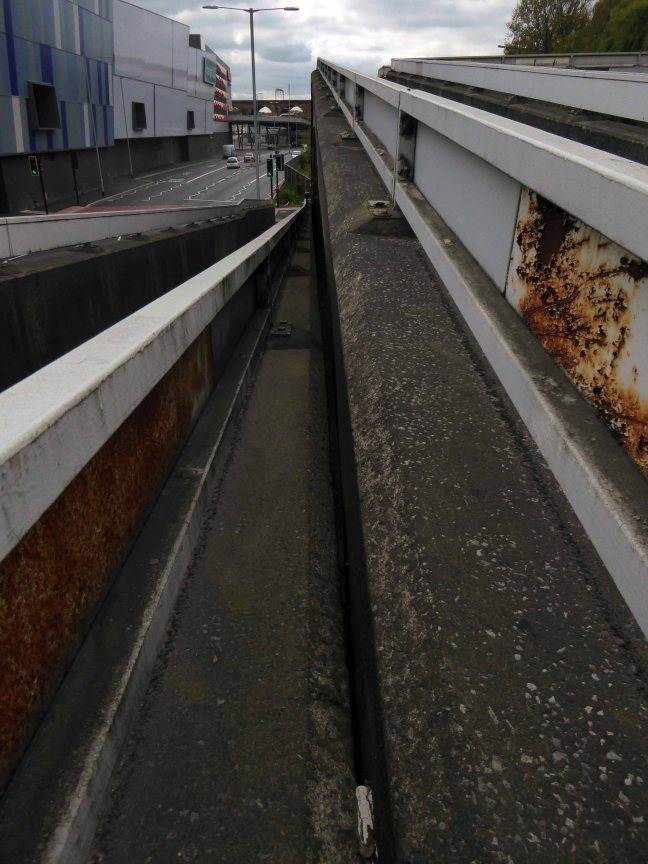
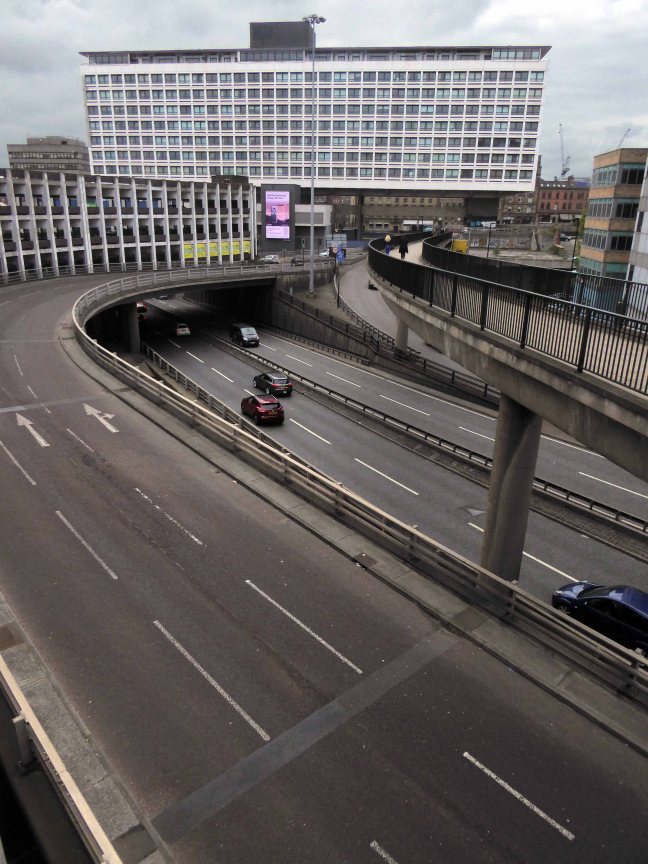
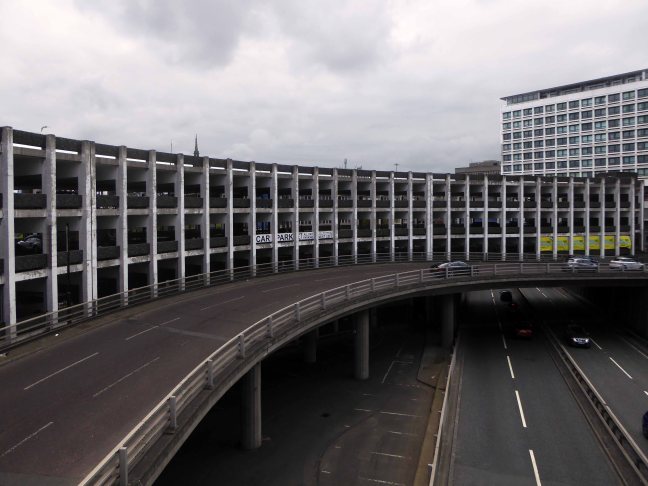
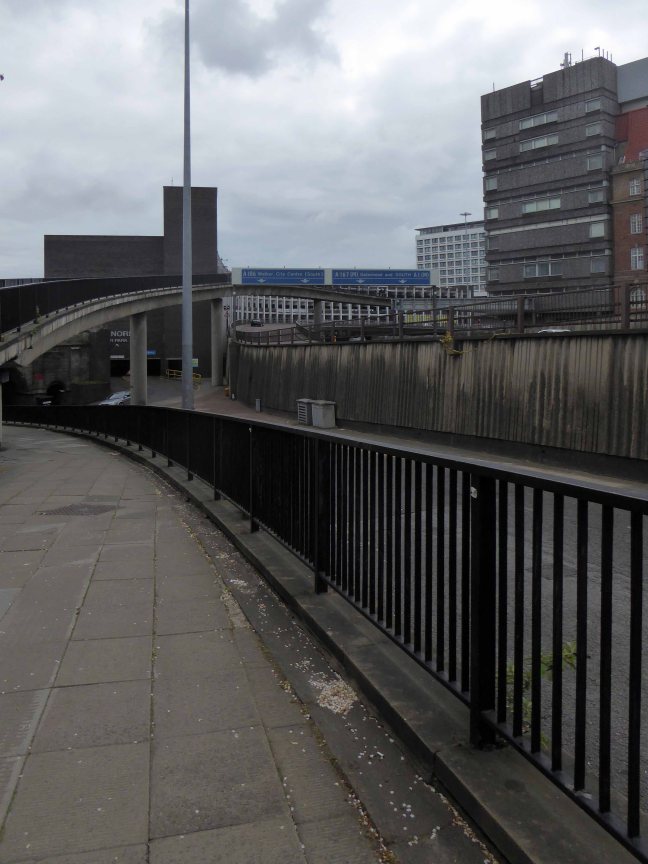
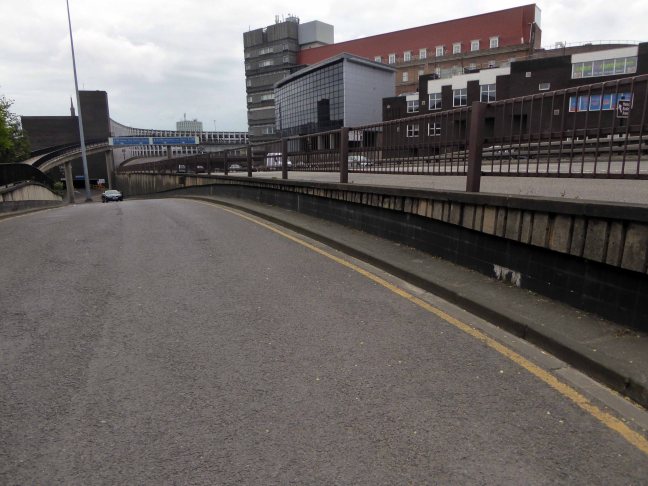
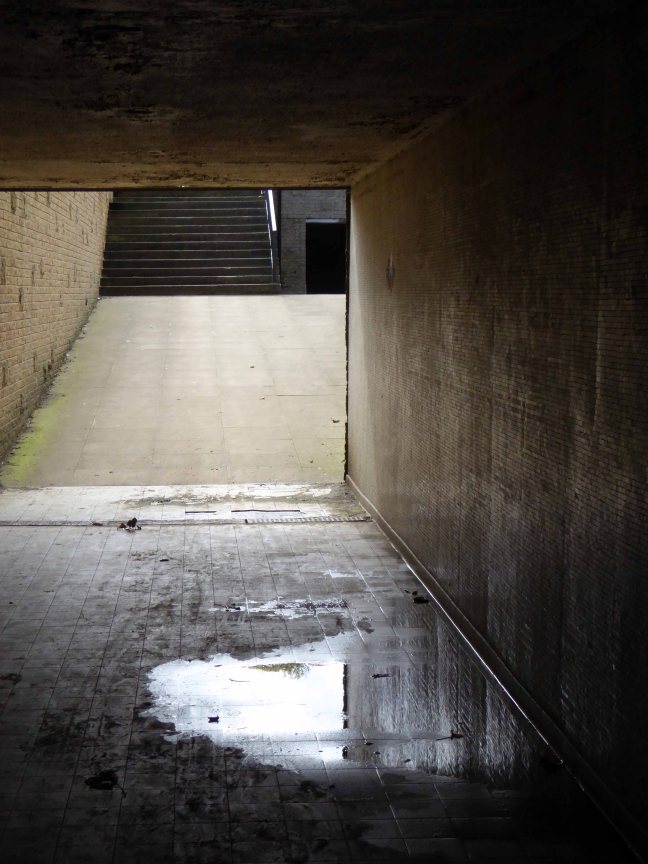
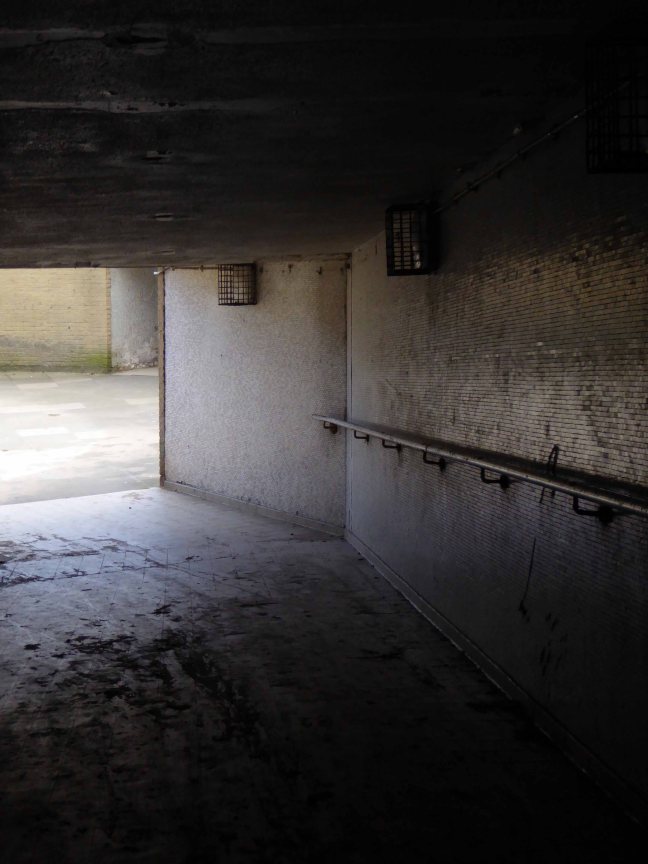
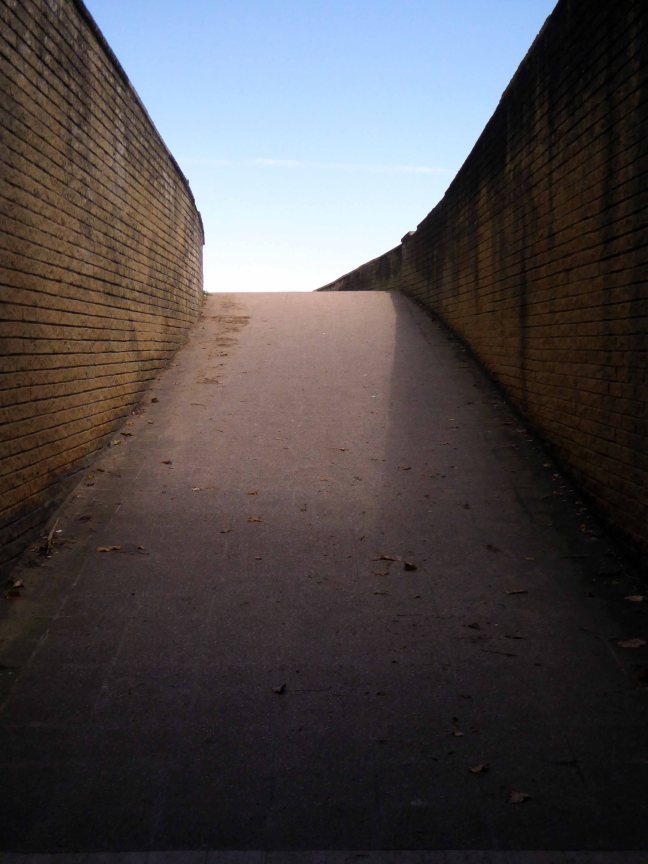
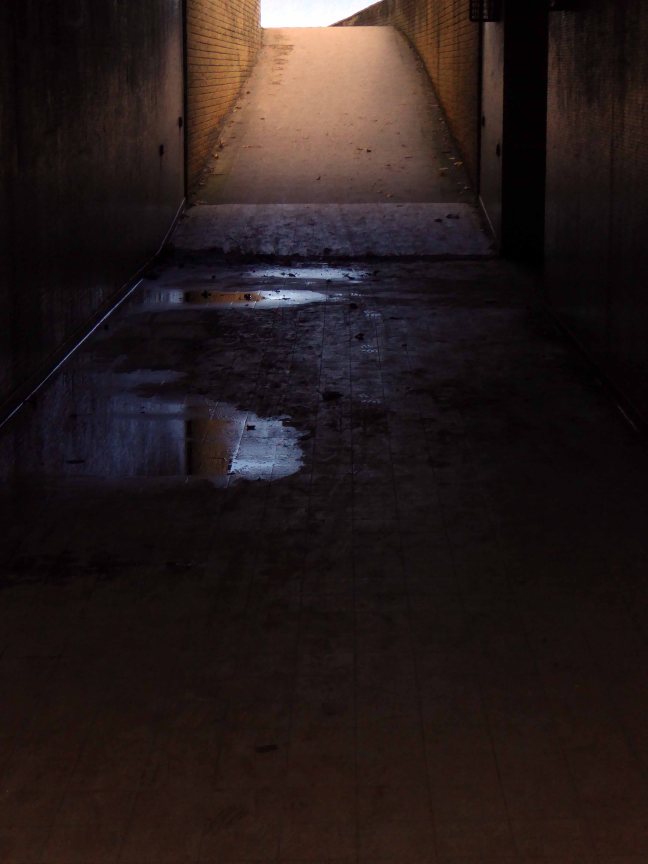
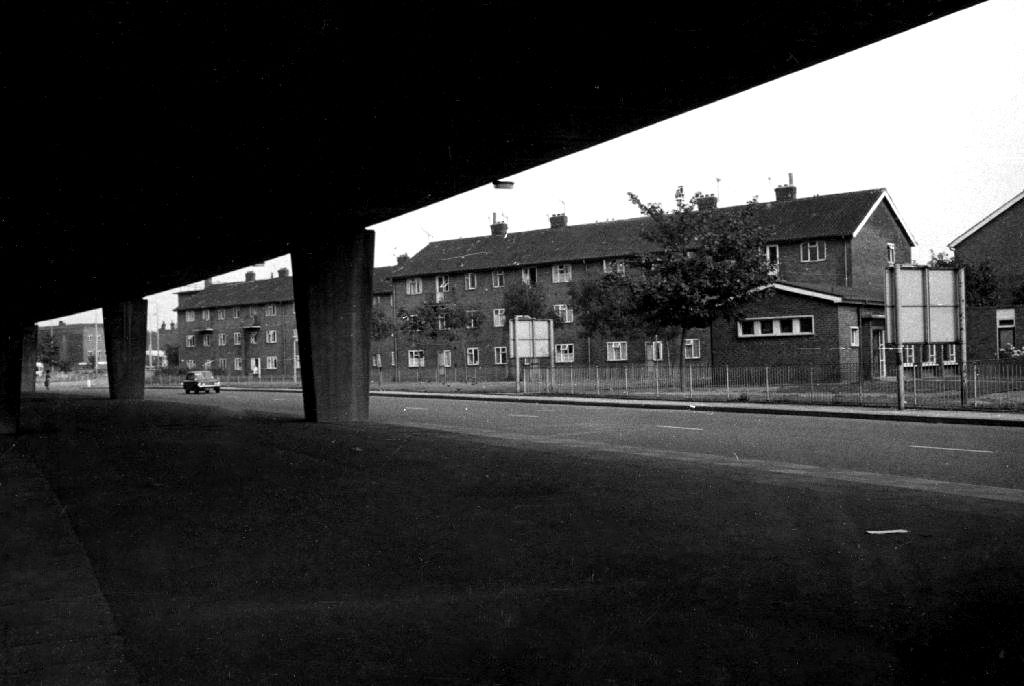
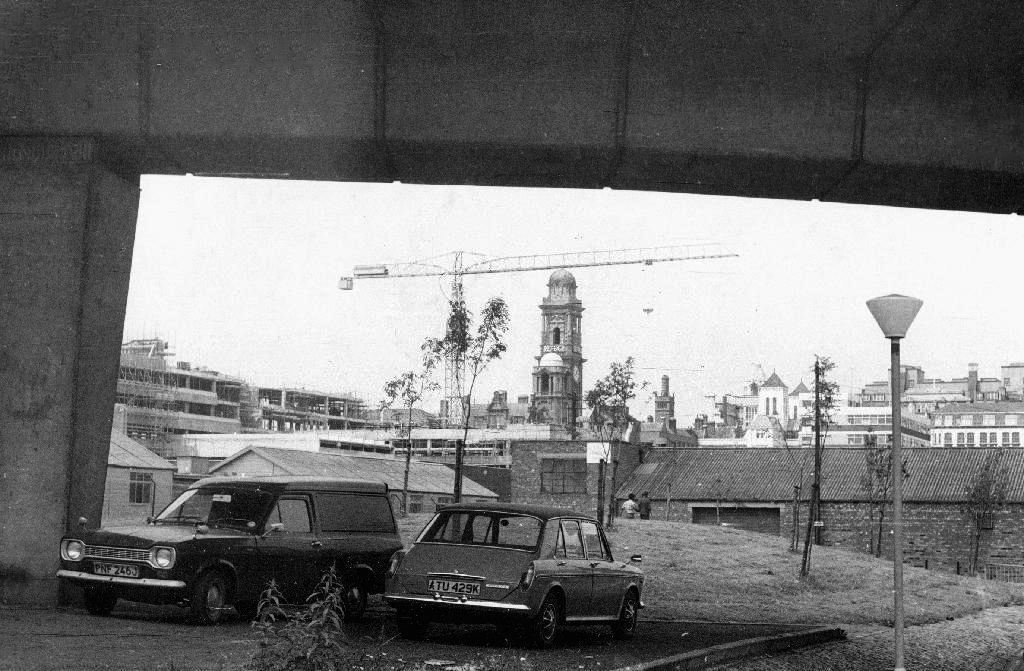
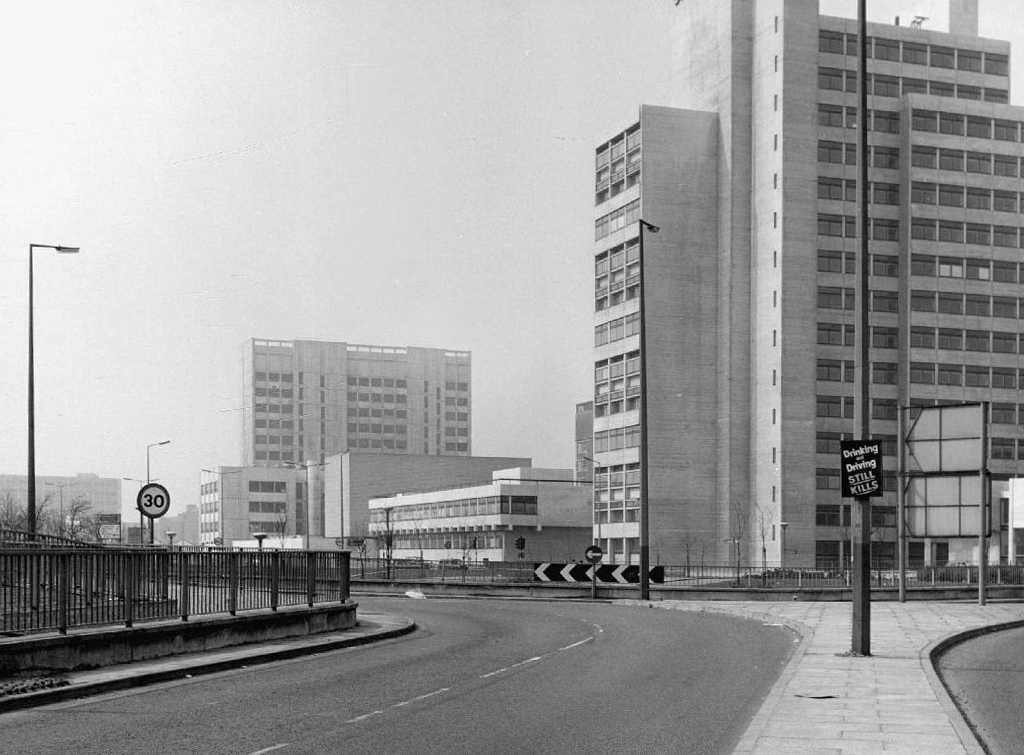
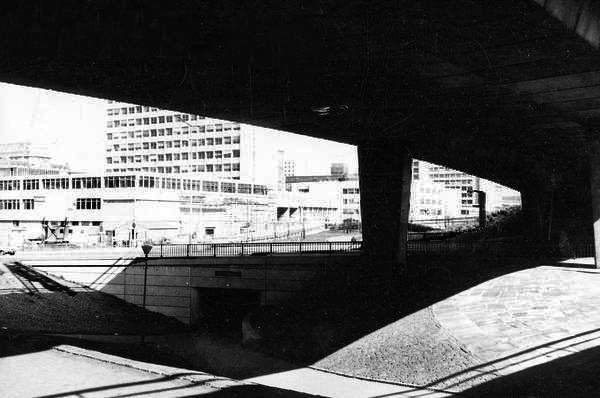
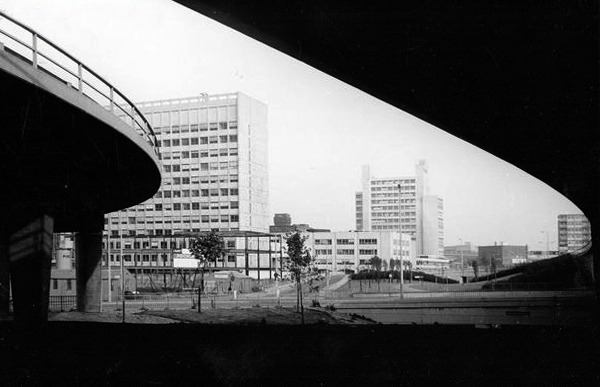
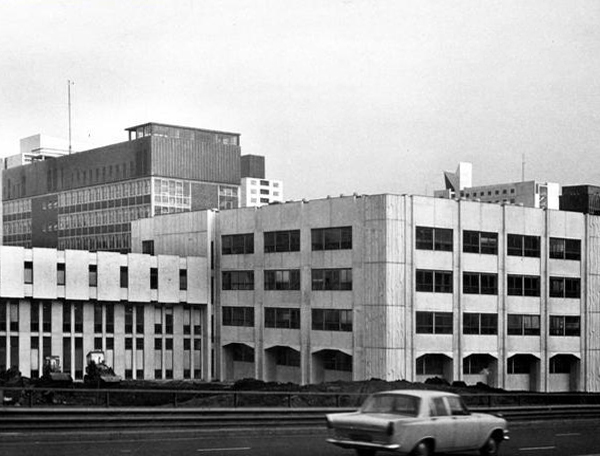
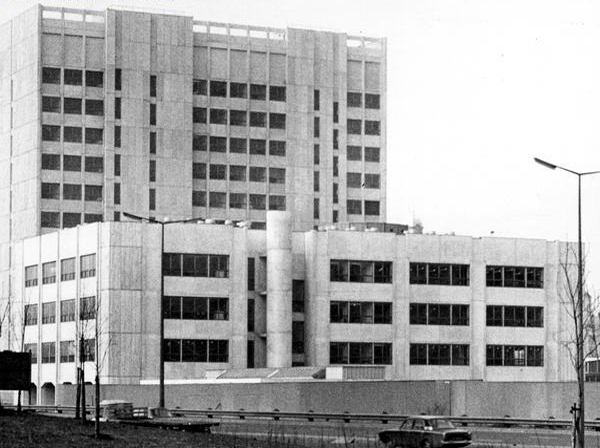
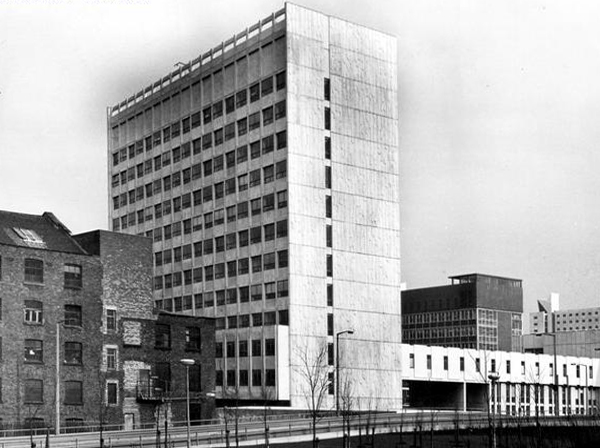
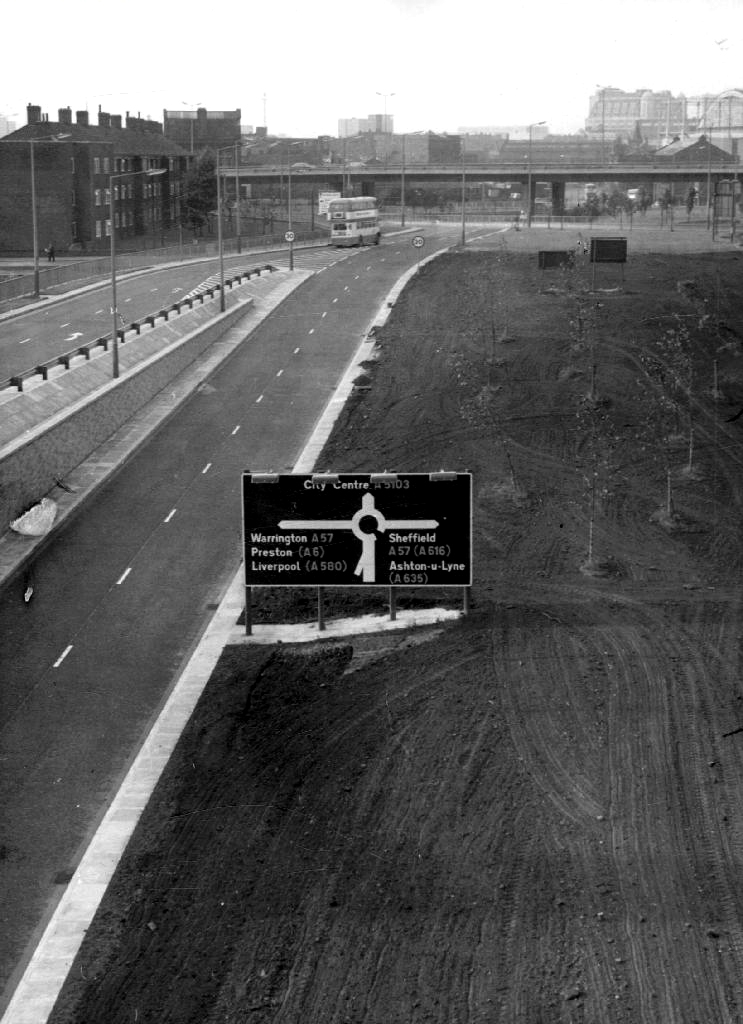
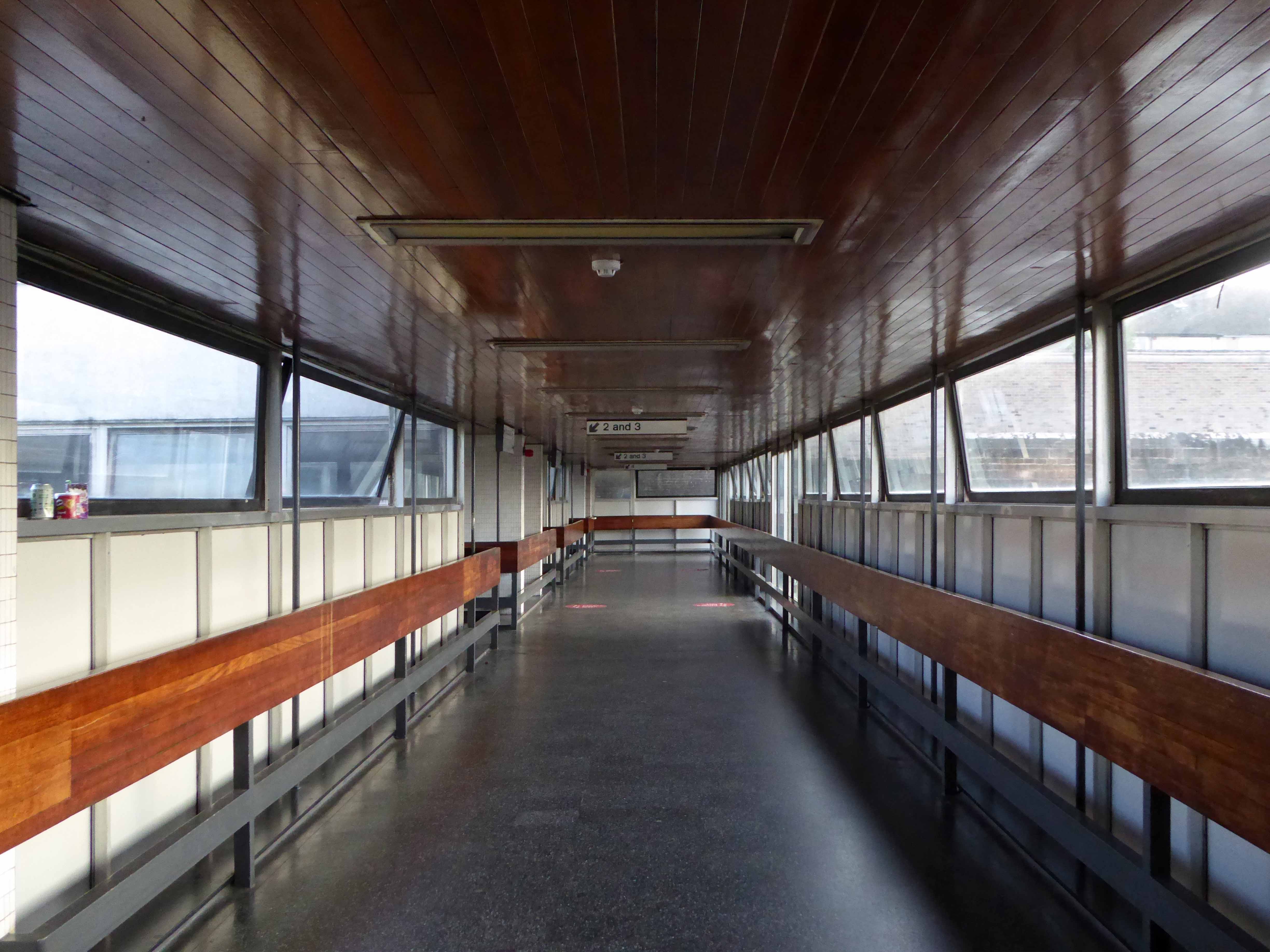
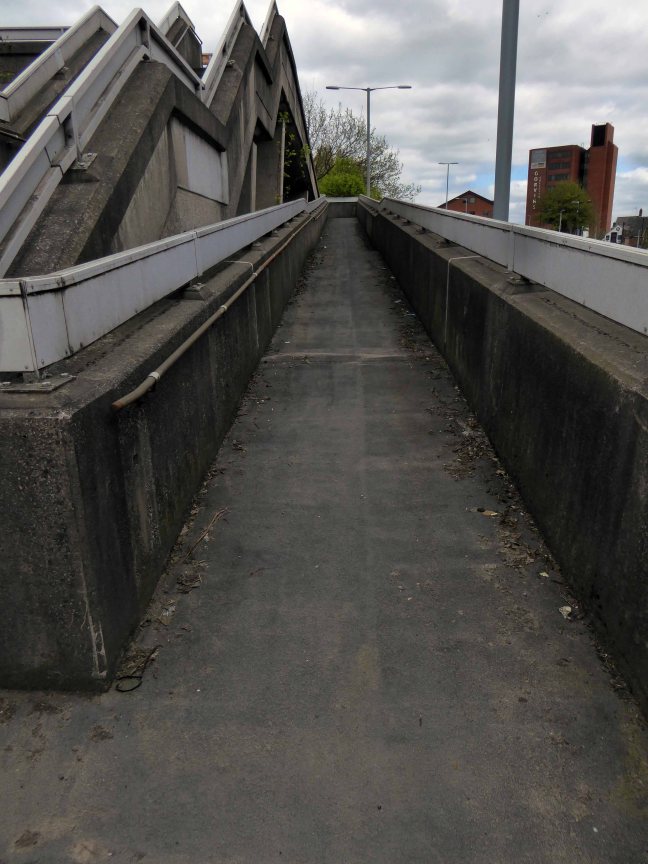
A boon to the modern day motorist, though happily the modern day pedestrian is also catered for in the form of the Hatton Street Footbridge – linking Great Egerton Street below, with Heaton Norris Recreation ground above.

t-s-parkinson-81.jpg

88

821-e1525450826497.jpg

Images TS Parkinson –  Stockport Image Archive

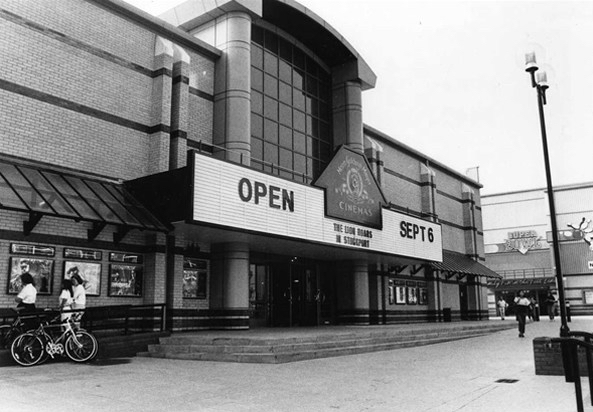
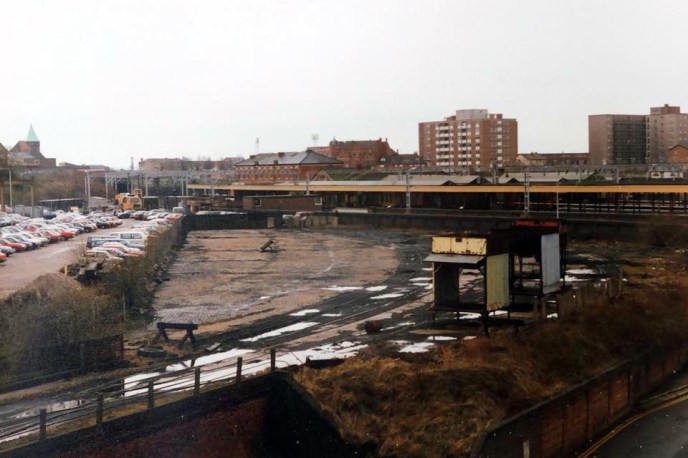
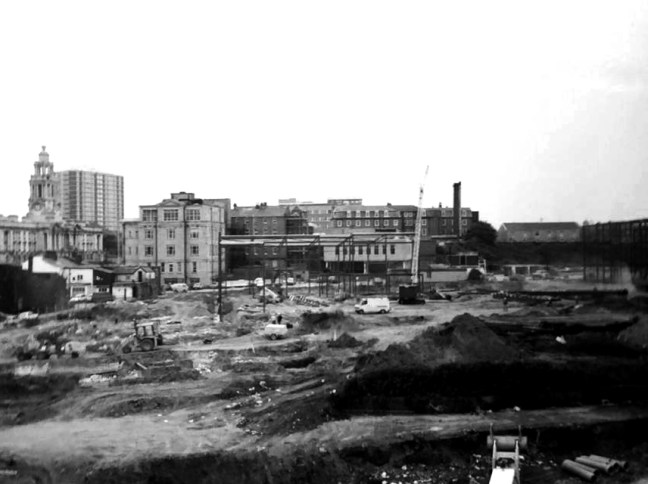
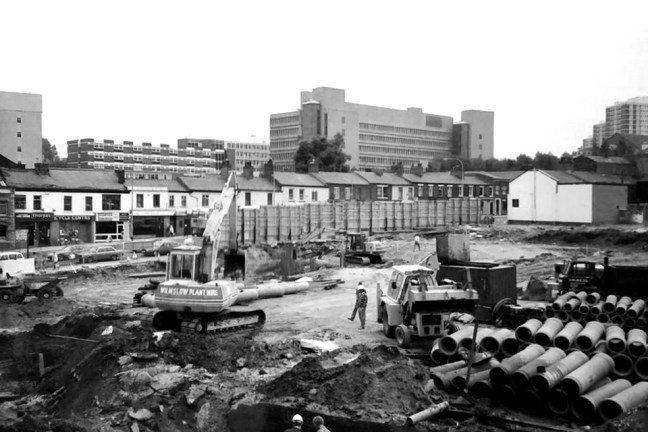
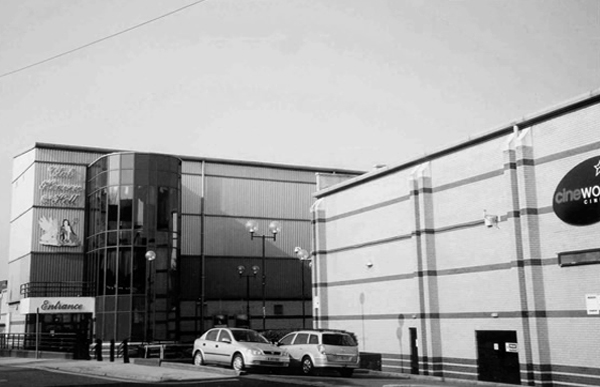
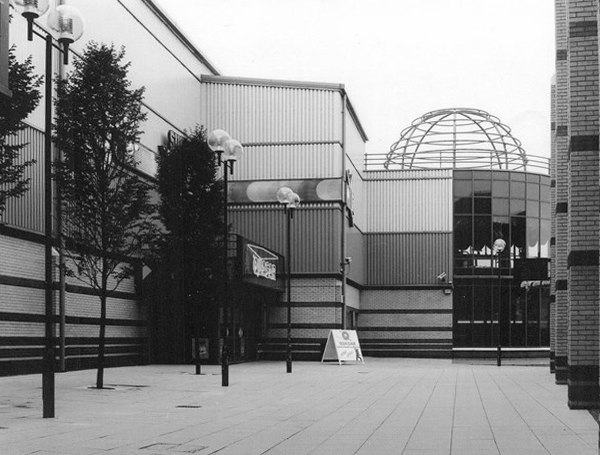
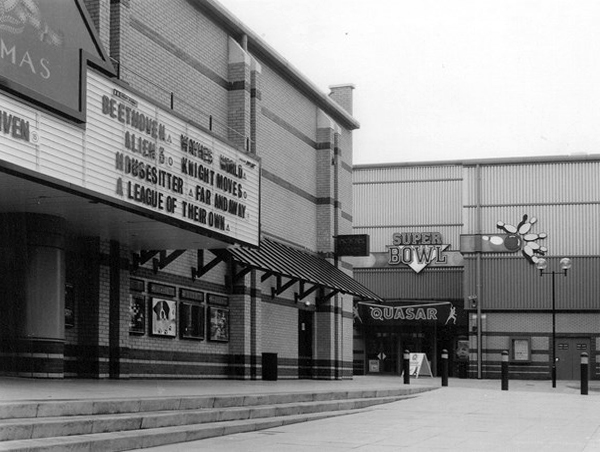
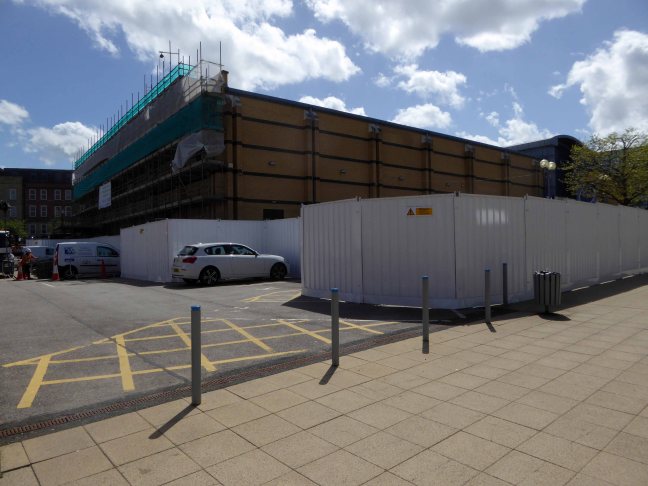
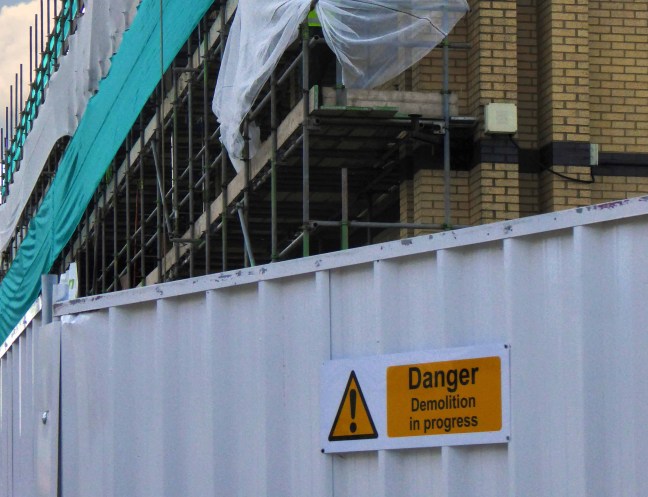
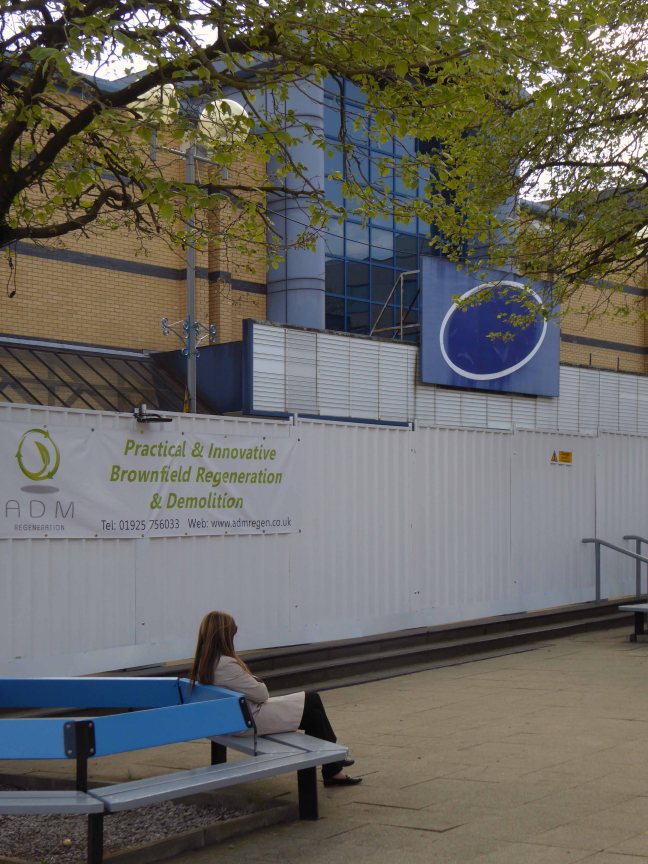
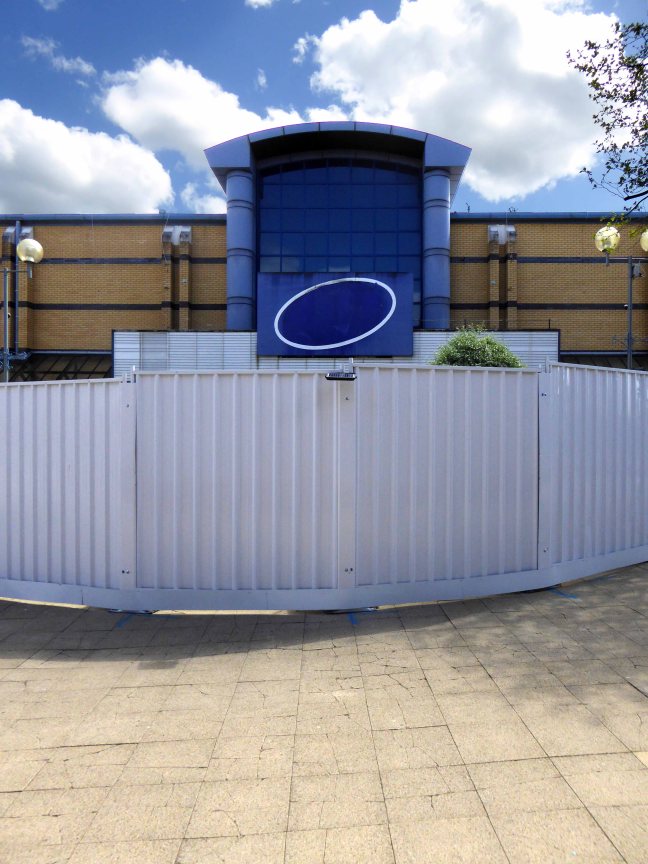
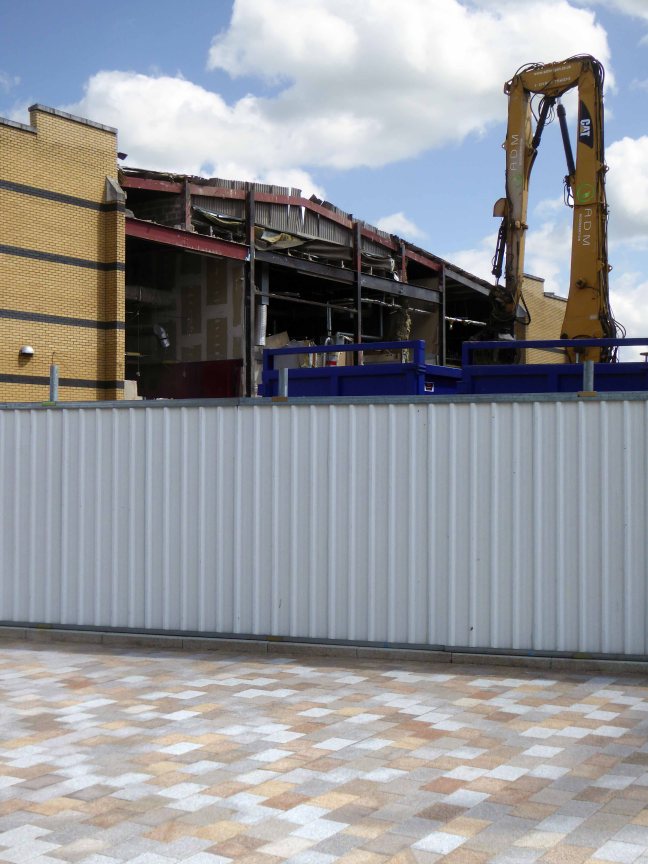
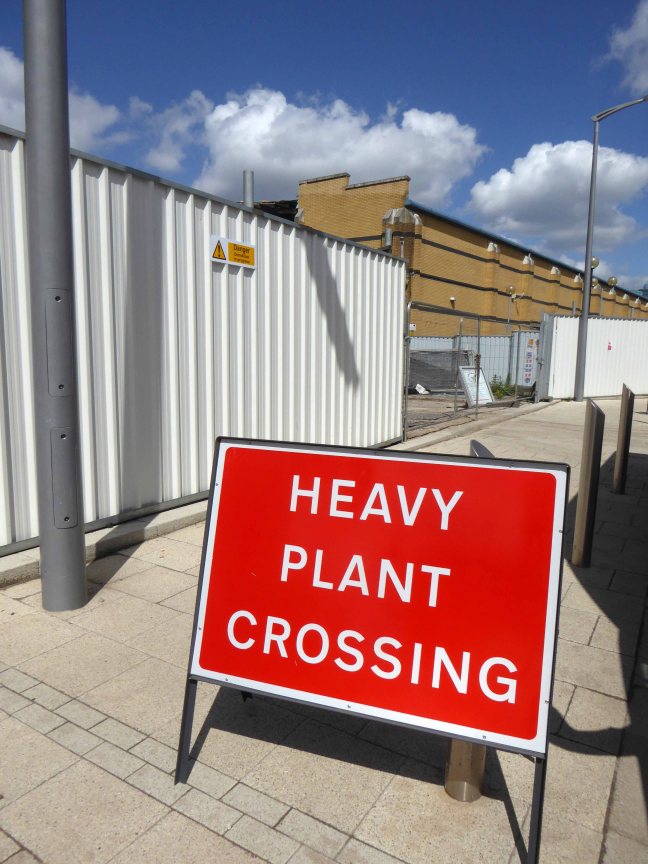
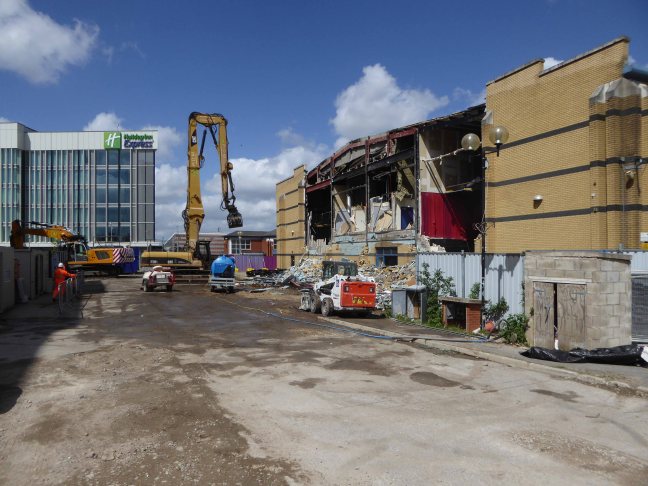
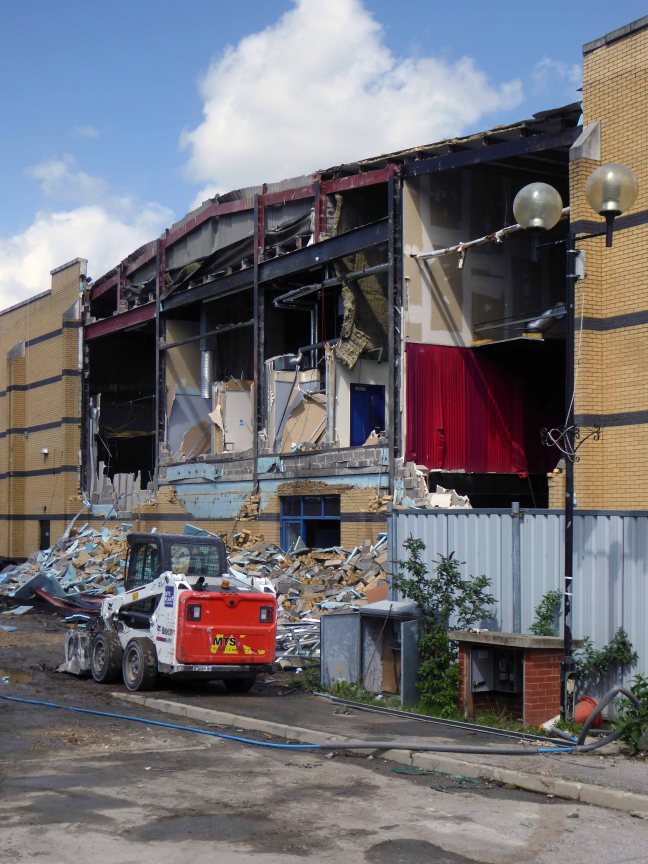
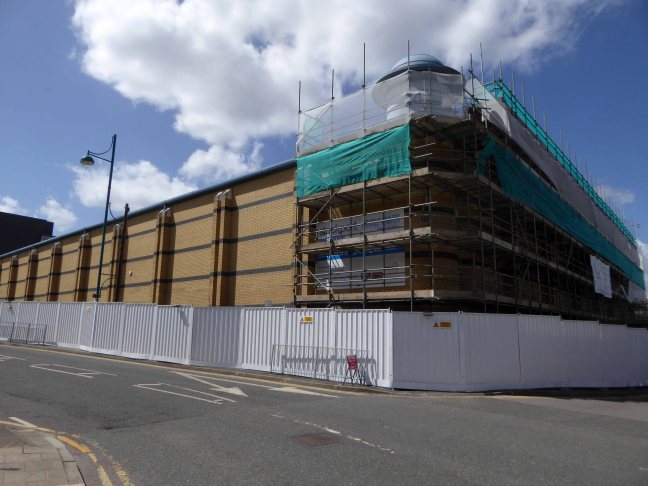
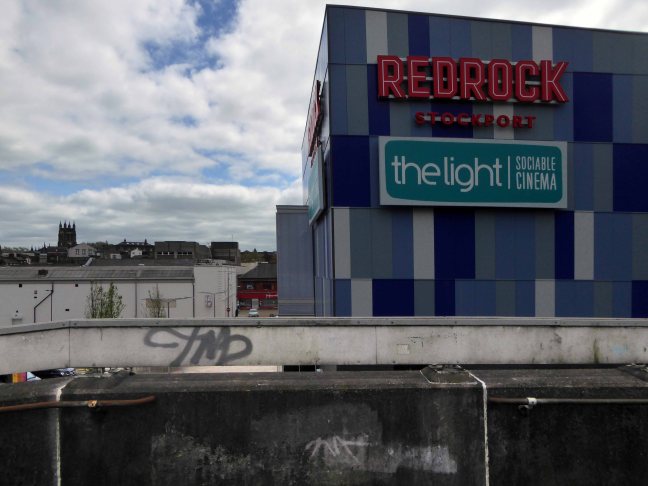
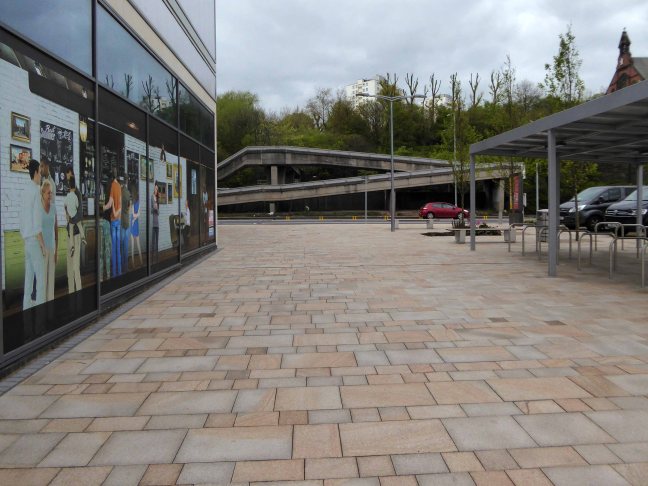
For the past two years the footbridge has been inconveniently closed, during the development of the Redrock Leisure Facility, built on the site of the former car park, in the foreground of the image above. Thus prohibiting the passage from the Post Modern world of the big brash entertainment box, to the leafy cobbled street beyond.

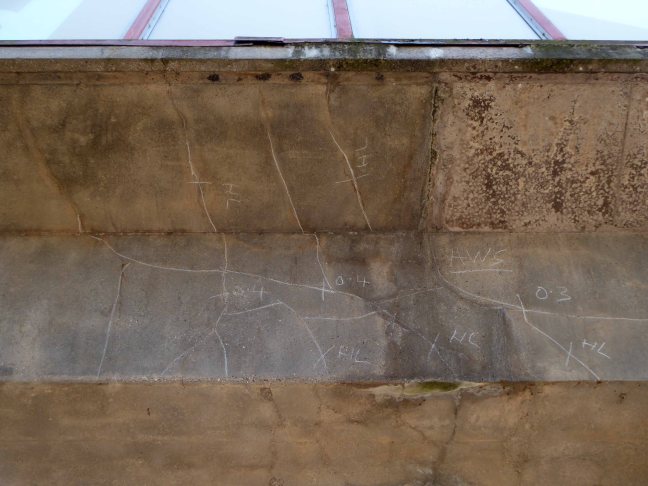
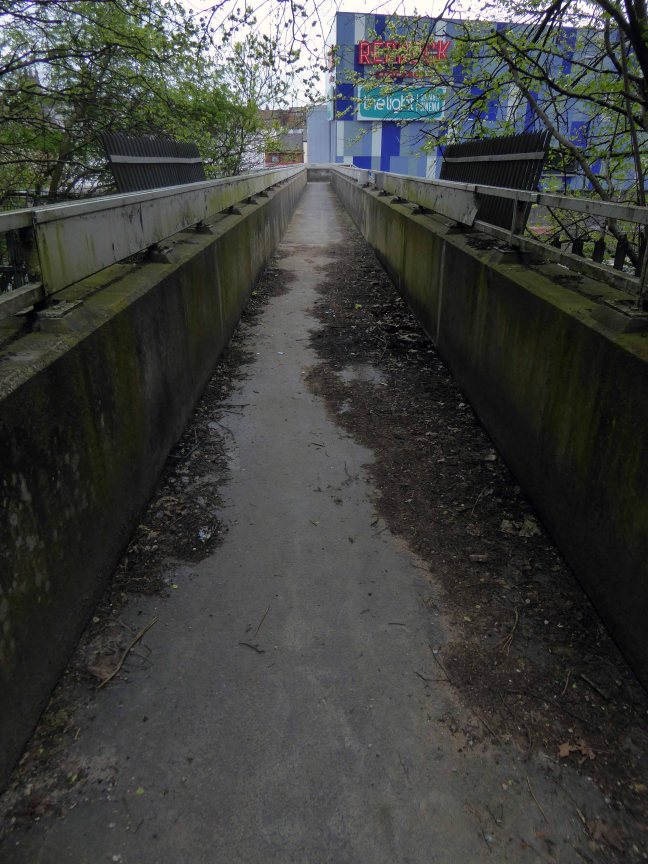
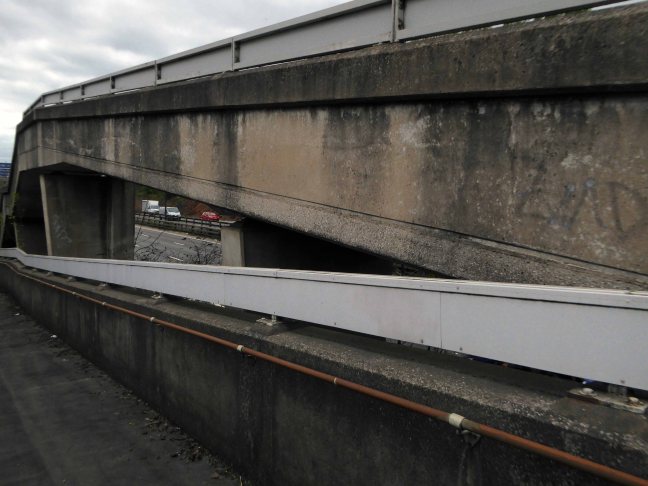
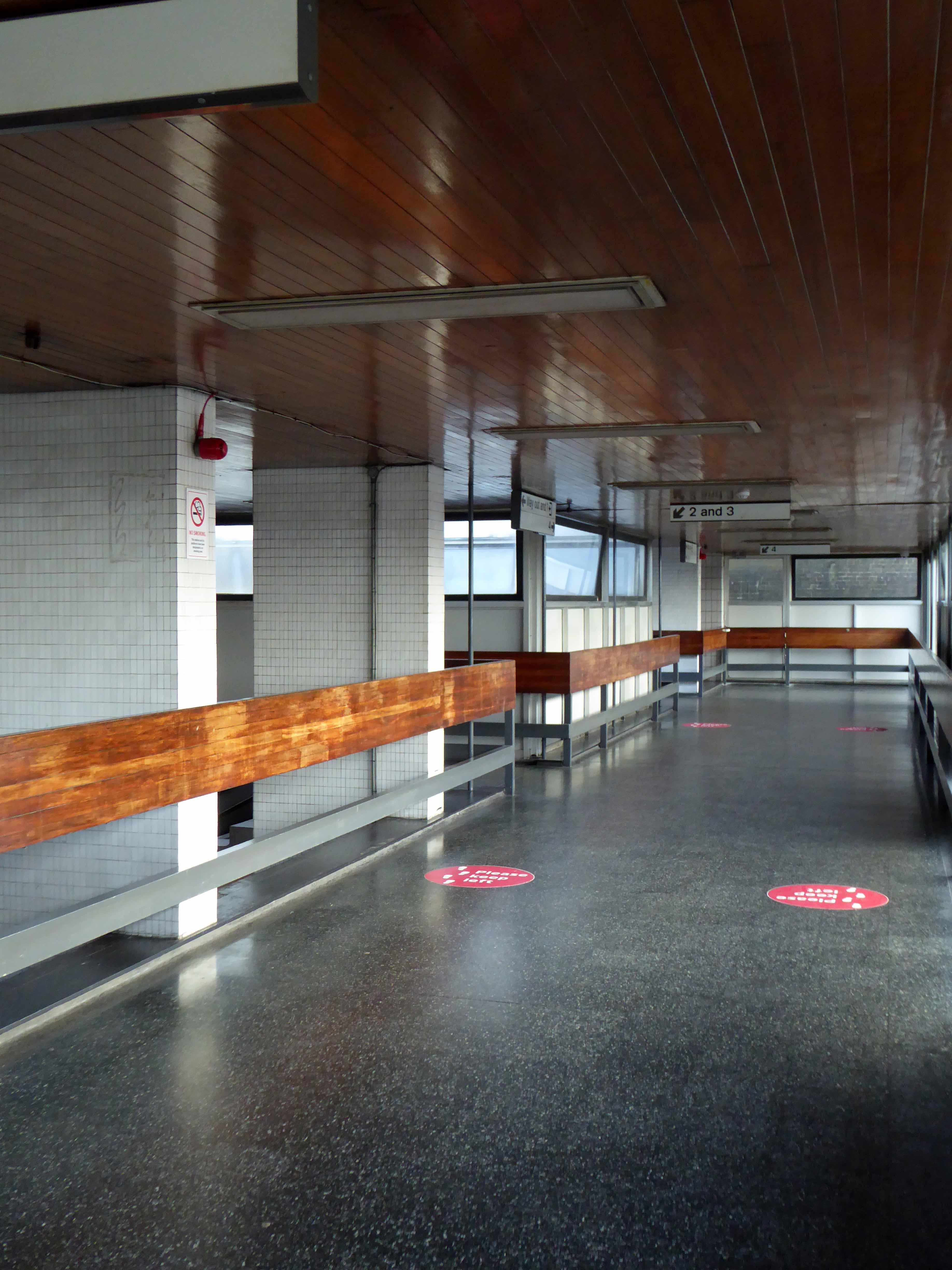
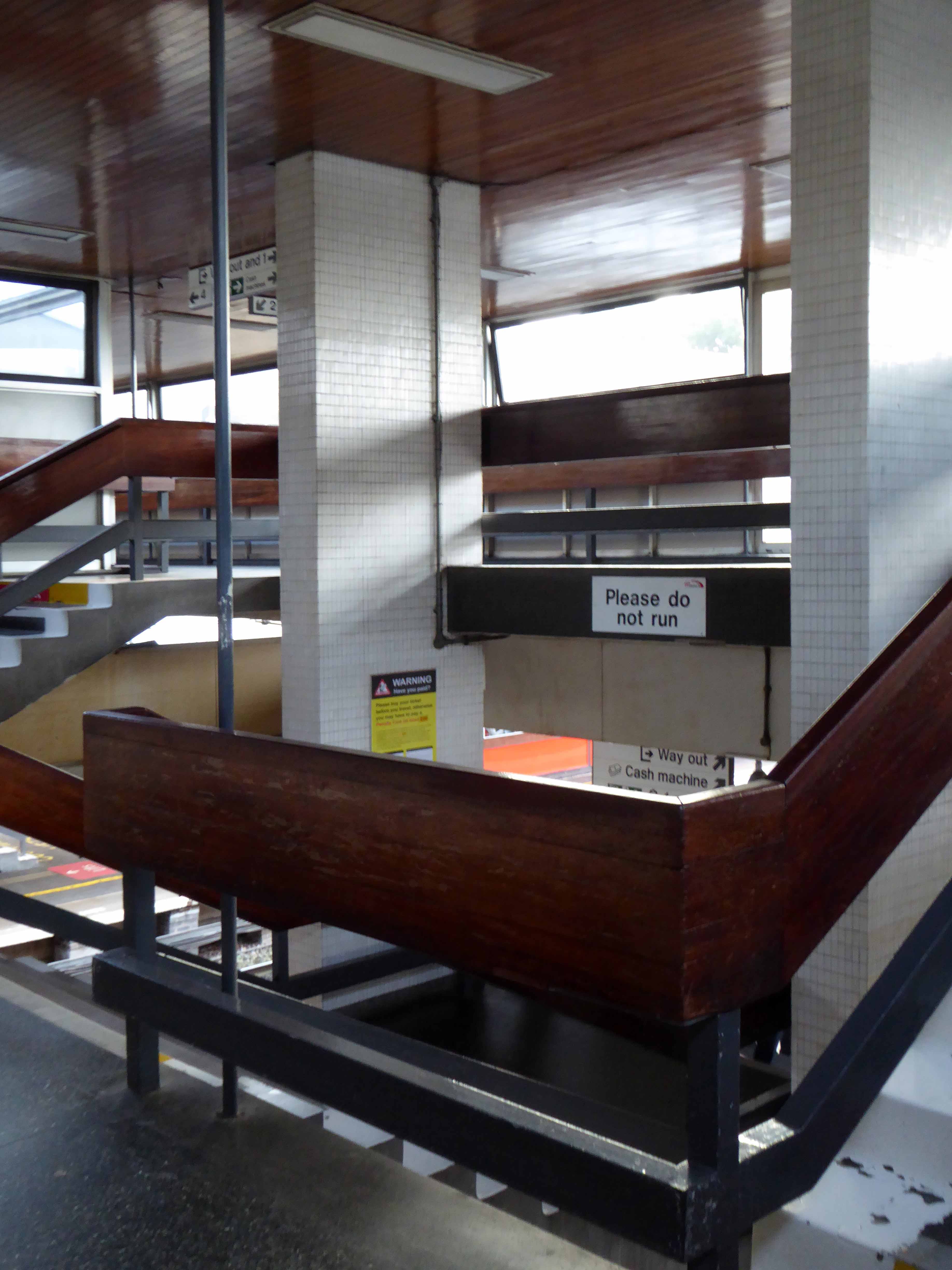
The Hatton Street footbridge has two spans of in-situ u-section deck, is at ground level on the north side, but is reached by steps or ramp from Great Egerton Street on the south.

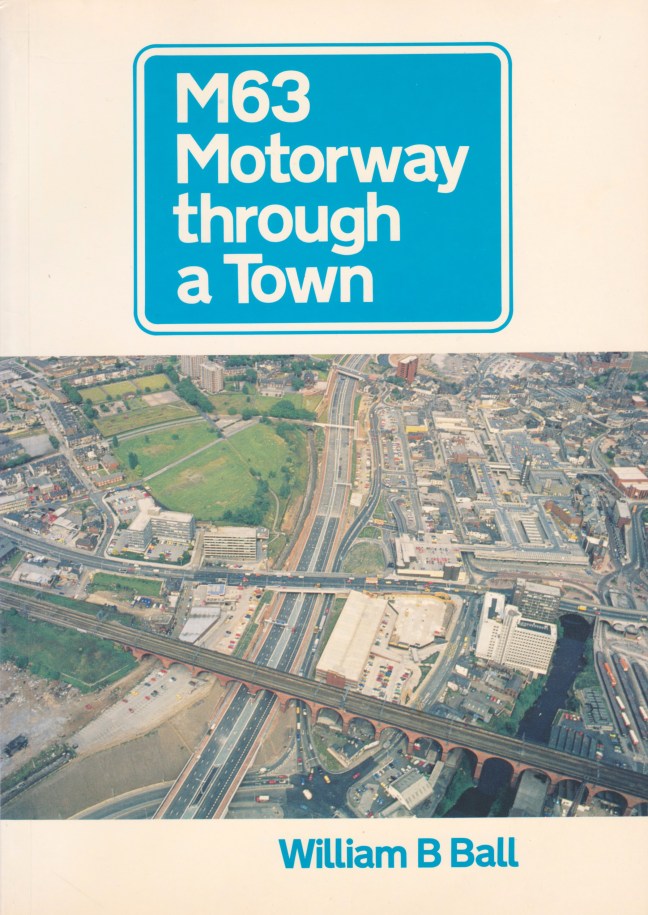
William B Ball

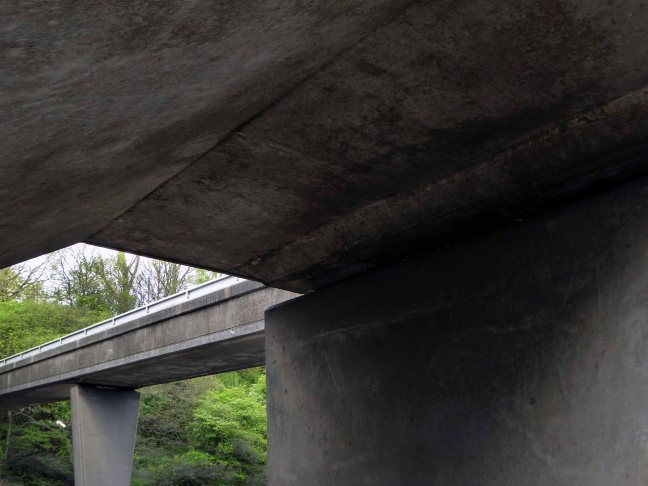
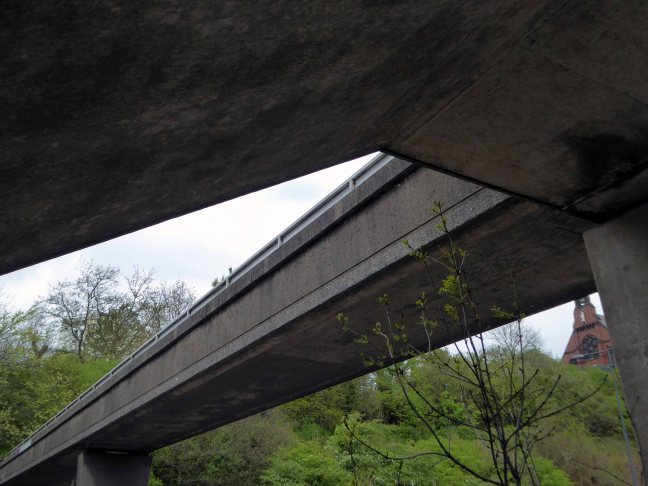
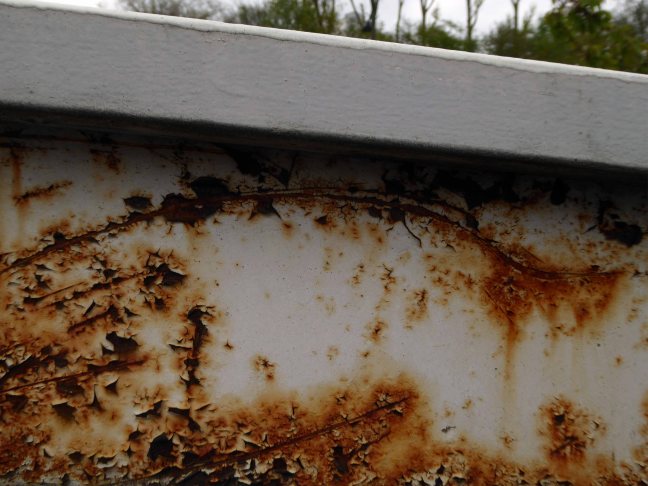
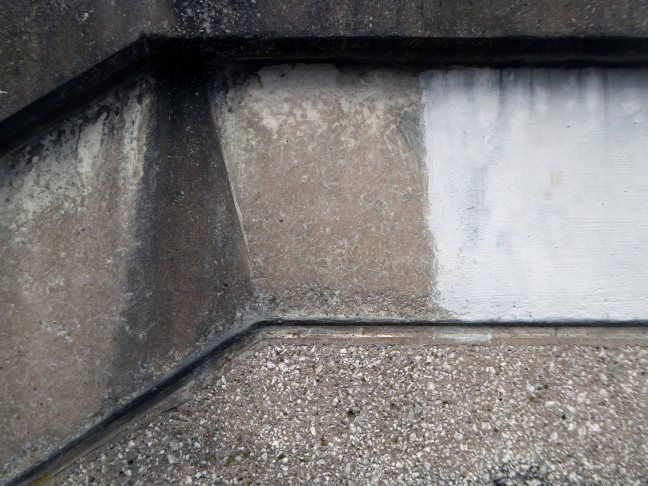
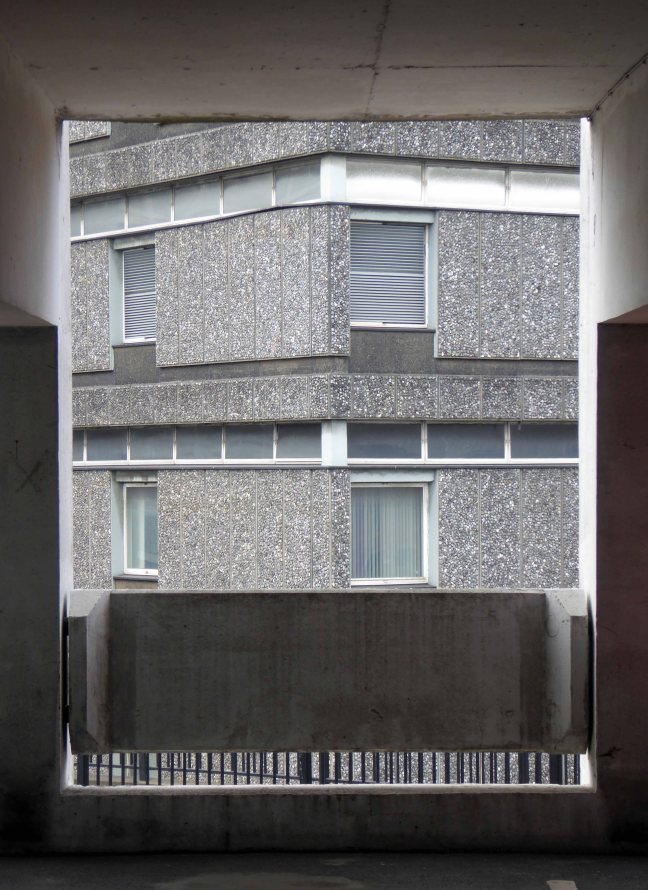
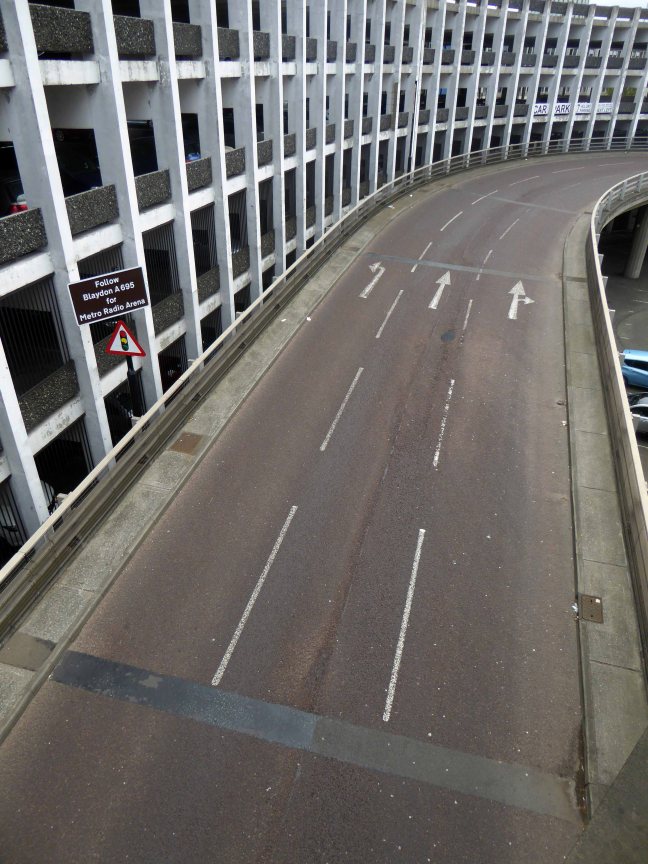
I’m ever so pleased that access has been reinstated, from me it is both fully functional yet imbued with an elegant concrete sculptural grace, worthy of Niemeyer or Lasdun.

So take a walk on the slightly higher side, either way you win.

P1240904

P1240906

P1240908

P1240909

P1240910

P1240912

P1240913

P1240919

P1240920

P1240922

P1240924

P1240925

P1240926

P1240927

P1240928

P1240929

P1240930

P1240931

P1240932

P1240933

P1240934

P1240935

P1240936

P1240938

P1240939

P1240942

P1240943

P1240948

P1240952


Richard Peacock – Gorton Manchester

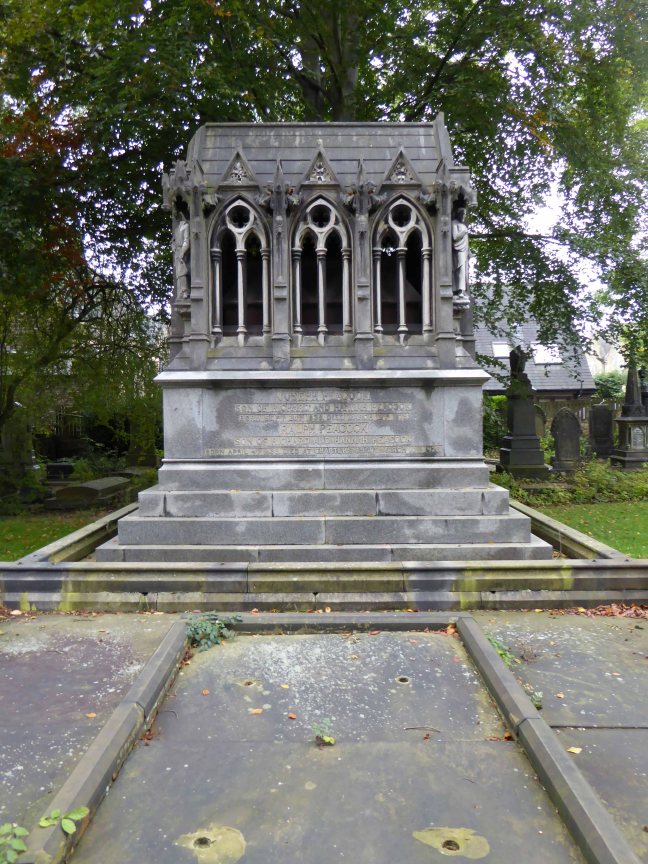
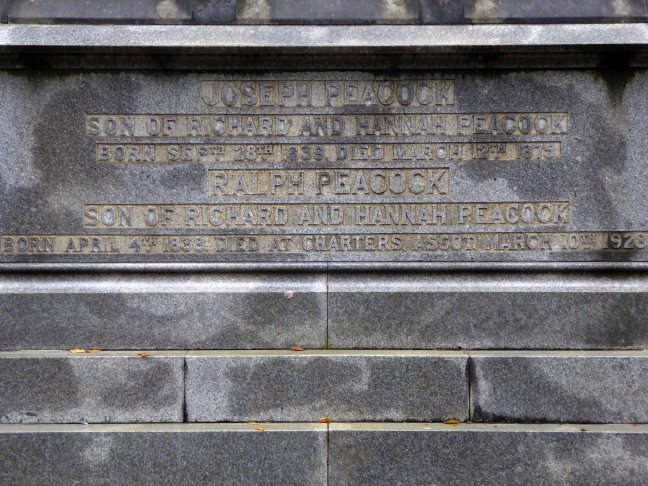
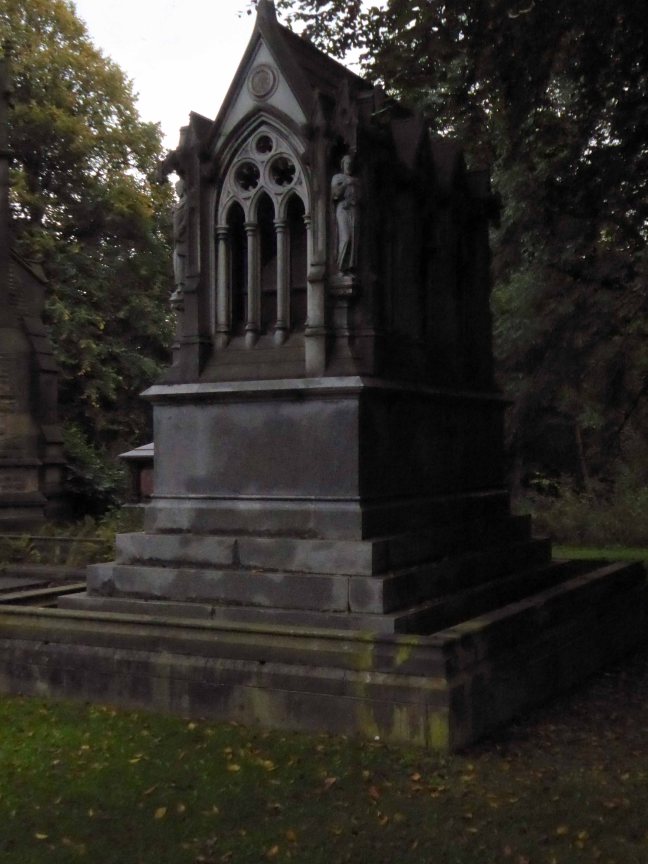
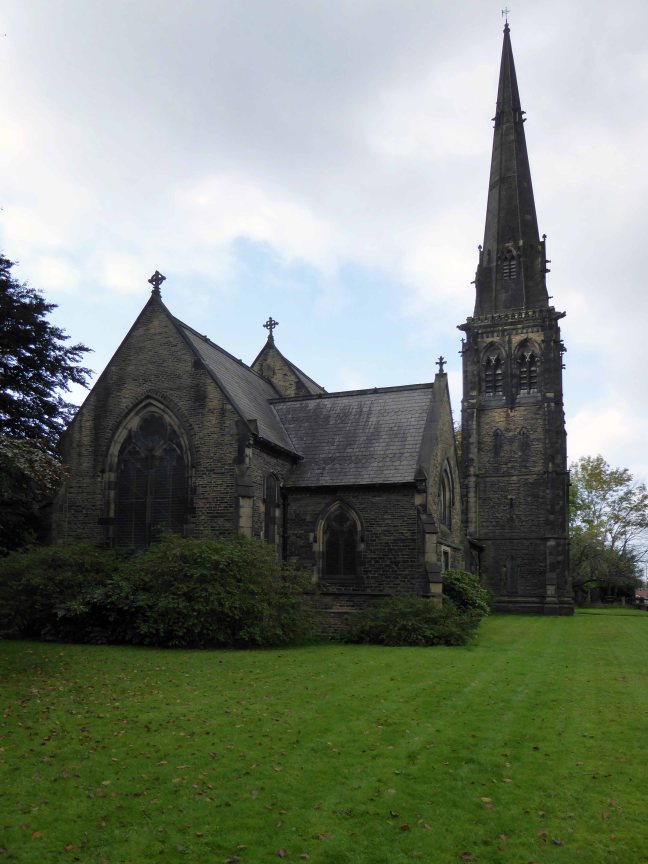
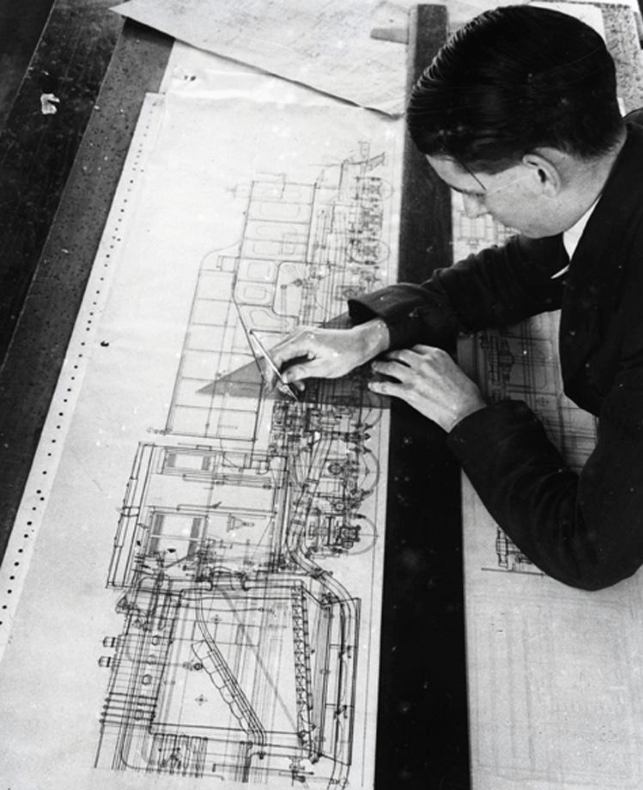
My journey begins here, at the Brookfield Unitarian Church, Hyde Road, Gorton, in search of the mausoleum of a man, who helped to shape the history of engineering, locomotion and Manchester.
P1200599

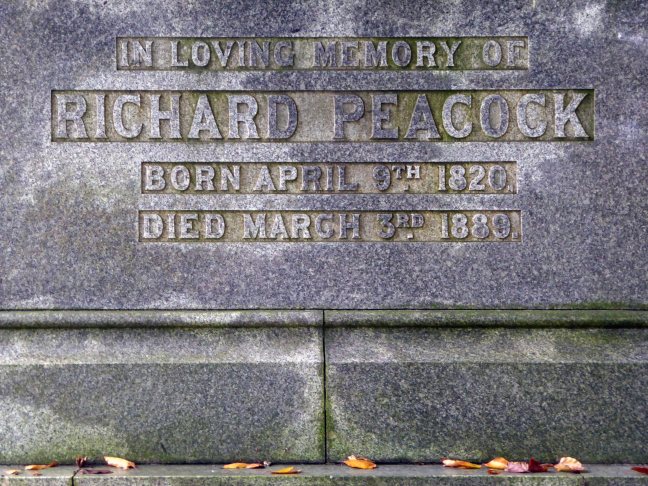
Richard Peacock 9 April 1820 – 3 March 1889 was an English engineer, one of the founders of locomotive manufacturerBeyer-Peacock. Born in Swaledale, Richard Peacock was educated at Leeds Grammar School, but at 14 left to be apprenticed at Fenton, Murray and Jackson in Leeds. 

At 18 Peacock was a precocious locomotive superintendent on the Leeds and Selby Railway. When the line was acquired by the York and North Midland Railway in 1840 he worked under Daniel Gooch at Swindon, but reputedly fled to escape Gooch’s wrath. In 1841, he became the Locomotive Superintendent of the Sheffield, Ashton-under-Lyne and Manchester Railway, subsequently the Manchester, Sheffield and Lincolnshire Railway from 1847. In this role he was responsible for founding the Gorton locomotive works for this railway, although he had left the firm shortly before they were completed in 1848.

In 1847 Peacock was present with Charles Beyer at a meeting at Lickey Incline which it is generally acknowledged gave birth to the Institution of Mechanical Engineers. George Stephenson was elected as first president and Charles Beyer as a vice president. Peacock became a member of the Institution of Civil Engineers in 1849.

In 1853, he joined Charles Beyer to found the celebrated locomotive company Beyer-Peacock. Peacock had originally met Beyer through the acquisition of locomotives from Sharp Brothers, and as mentioned earlier through both being among the founders of the Institution of Mechanical Engineers in 1847.

Wikipedia

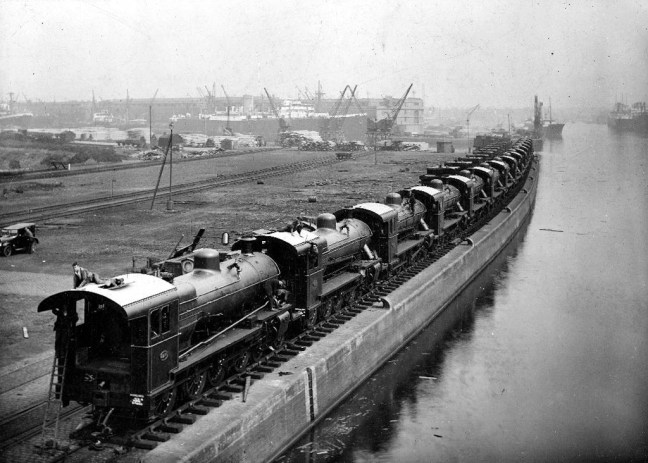
The locomotives designed and built in Gorton in their thousands were exported to the four corners of the globe, Manchester a confluence of capital and ingenuity, harnessing a workforce of millions, to produce a treasure trove of things and stuff
Screen Shot 2017-09-27 at 14.13.47

29 buenos aires

Shipping to Buenos Aires 1929

49 turk 2 10 0

2 10 0 Locomotives bound for Turkey 1949
last d 66

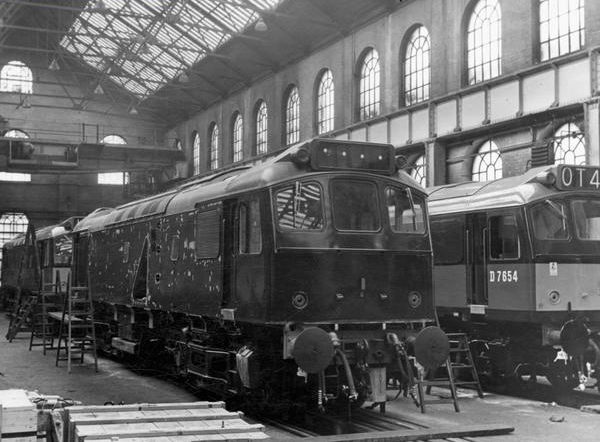
Last Diesels in the Paint Shop

By 1966 it was all over, the politically motivated, managed decline of manufacturing industry, a failure to adapt and compete, the loss of Empire, an increase in competition from other nations, all contributing to the almost inevitable, closing of the door.
boier shopp 66

Archive photographs copyright Manchester Local Image Collection

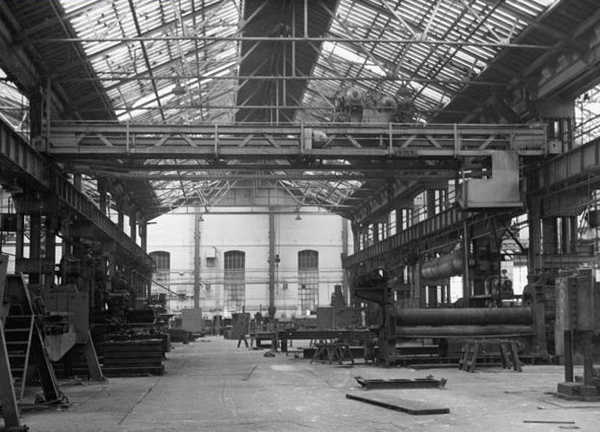
The clang, hiss and controlled chaos of the boiler shop, just a faint, empty echo – listen.

There remains a legacy, the memories of all those men and women who laboured under those aching skylit eaves, millions of weary travellers world wide.

Not forgetting the church that Richard Peacock benevolently built, the mix of non-conformist worship, Liberal politics and philanthropy that informed Victorian Manchester, which still stands extant in stone, around our city.

Designed by Thomas Worthington in 1869-71, it has a six bay nave with north and south aisles. Arcade columns are of polished granite and wall faces are plaster lined with a large painting over the chancel arch. The roofs have been repaired but the interior has suffered from consequential water damage to the plasterwork which, at the time of visiting, was drying out. The church has been a victim of heritage crime.

Historic England

Listed and left to the pressures of time tide, wind, rain and unwanted ingress.
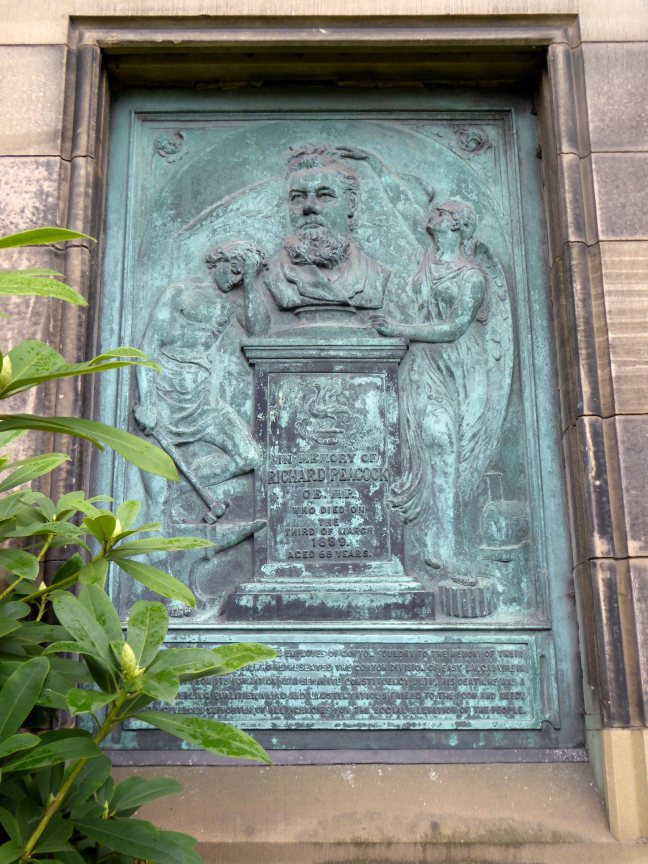
P1200602

Inset into the north wall of the church, facing onto Hyde Road – sculptor John Cassidy.

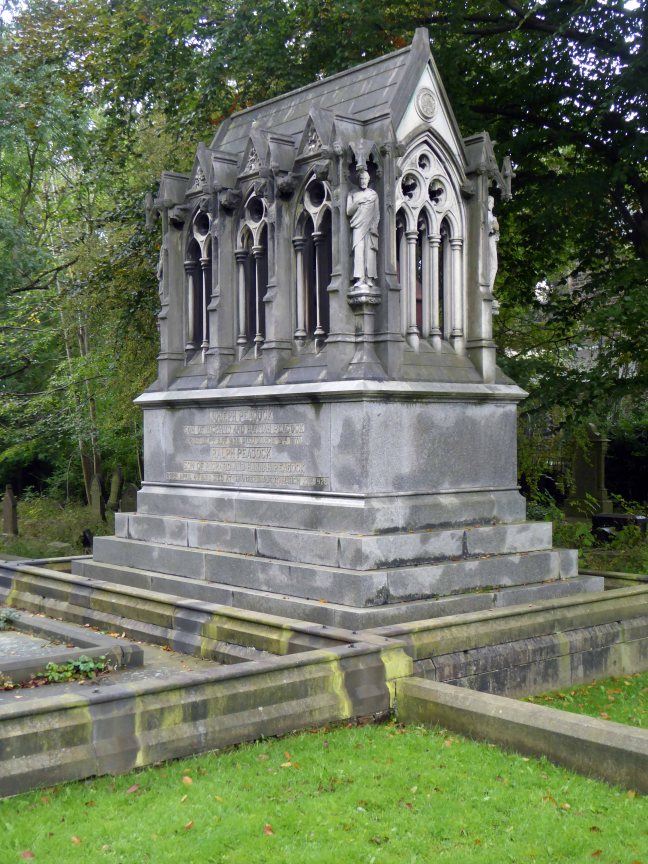
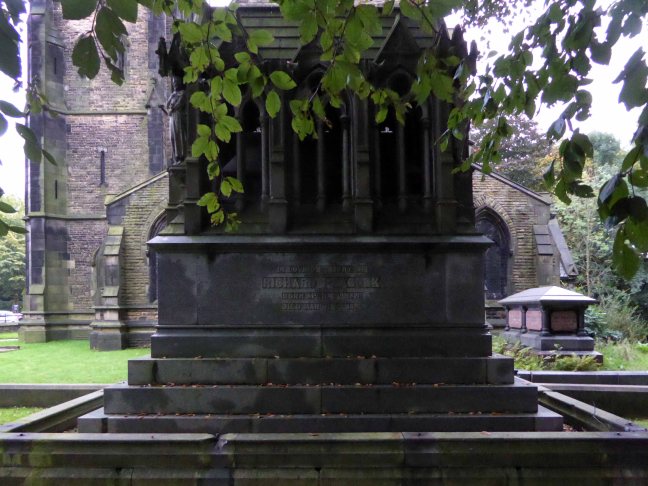
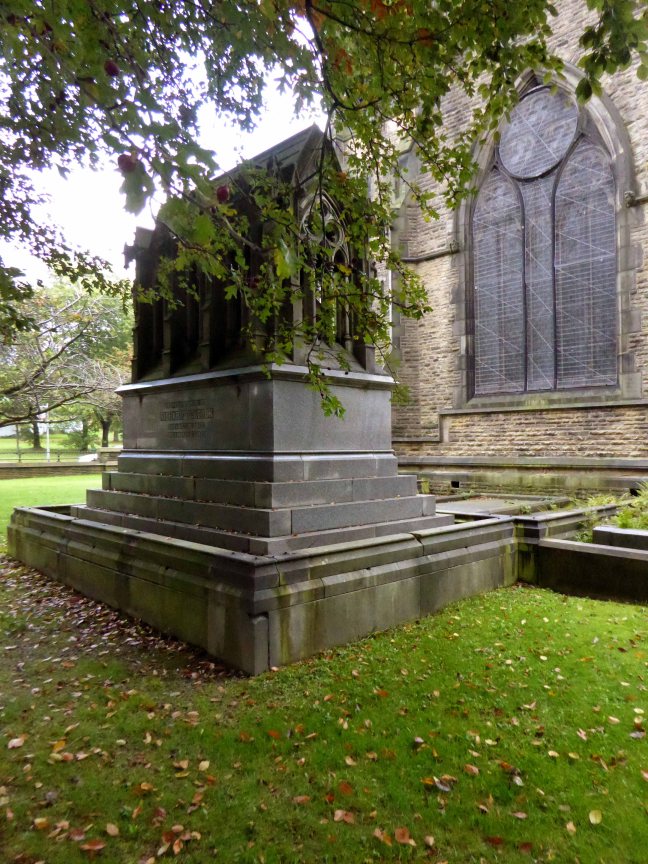
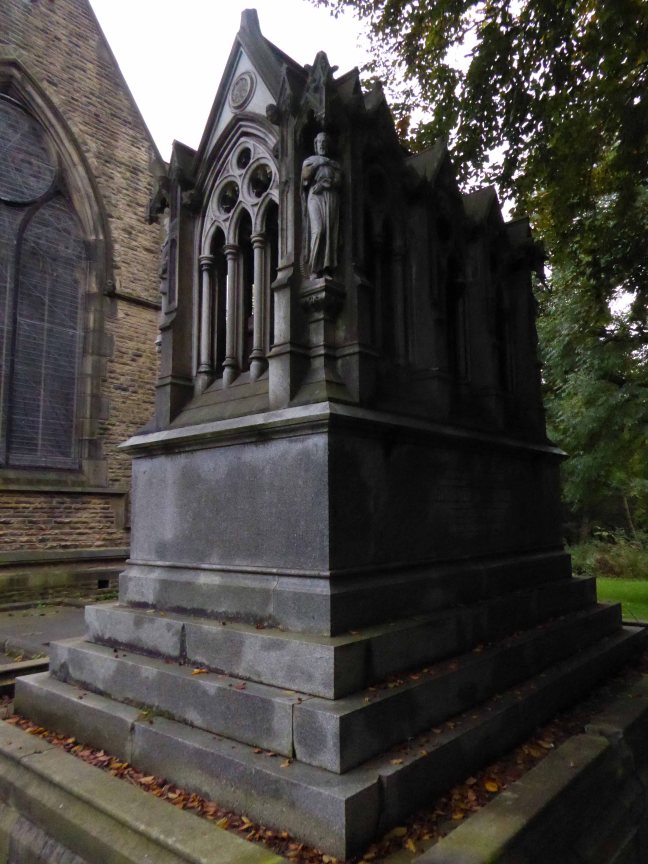
The Peacock Mausoleum is also the work of the church’s architect Thomas Worthington.

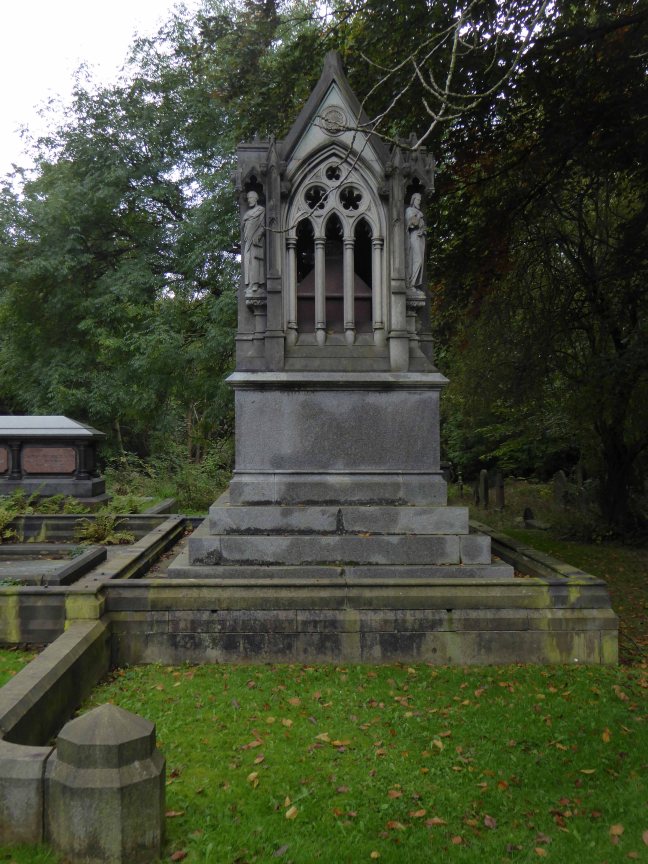
This sumptuous mausoleum takes the form of a Gothic shrine with a steeply pitched roof and arched openings filled with tracery and surmounted by gablets. The statues standing on slender pedestals at the four corners of the monument represent a Blacksmith, a Draughtsman, an Engineer and the architect himself. Further carved embellishments include head-stops, bats and twining ivy.

Condition – still sound, though the bronze angels that used to stand on the gables at either end were stolen some years ago in 1997.

Mausoleum and Monuments Trust

So we arrive at the end of another journey through time and space and Gorton, the lives of so many long lone souls, bundled up in the graveyard of a now closed church, the fortunes won and lost eroded by the vagaries of the climate – economic and meteorological.

The curfew tolls the knell of parting day, 
         The lowing herd wind slowly o’er the lea, 
The plowman homeward plods his weary way, 
         And leaves the world to darkness and to me. 

 P1200604
blank
P1200605
 blank
P1200606
 blank
P1200608
blank
P1200612
 blank
P1200616
 blank
P1200617
 blank
P1200618


Concrete Toon

Everything is up in the air.

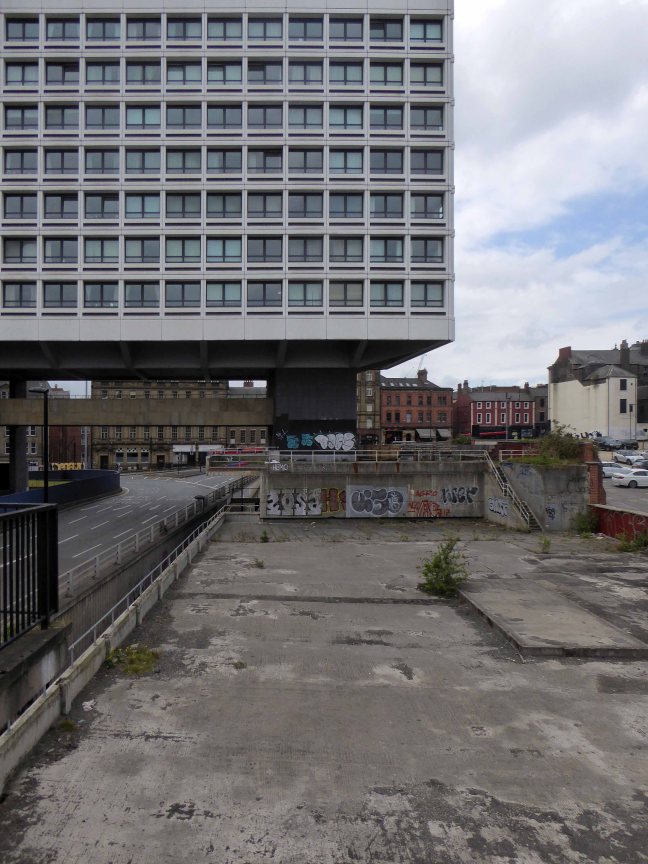
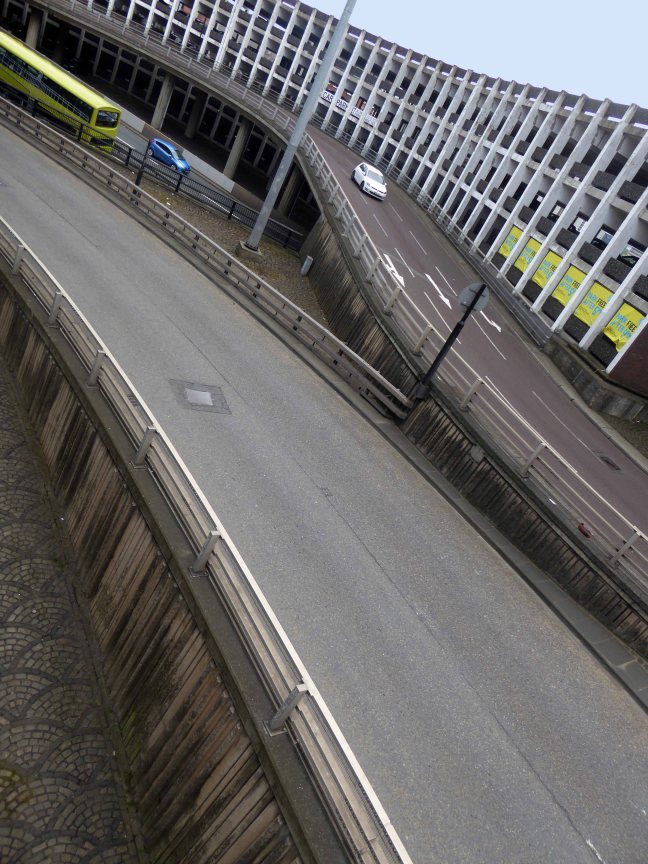
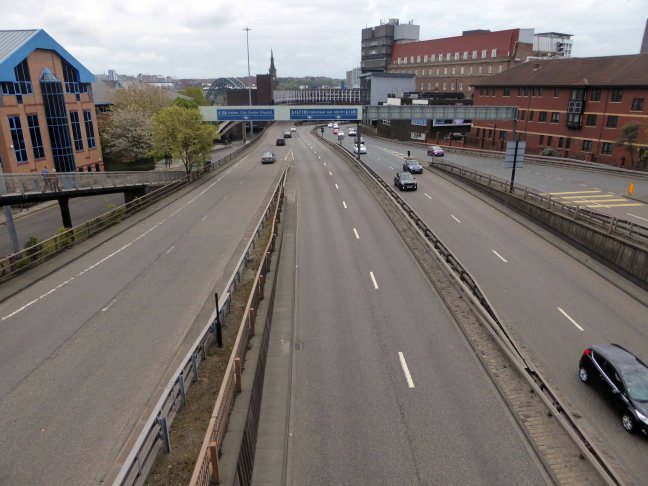
Tyneside is self evidently enamoured of elevation – they simply adore bridges, having five and another one as well.  Walking driving, running trains across the mighty Tyne Valley, why they even write songs about them.

In the Swinging Sixties T Dan Smith vowed to create a Brasilia of the North, which as good as his word he did, though sadly lacking the requisite regard for the law of the land.

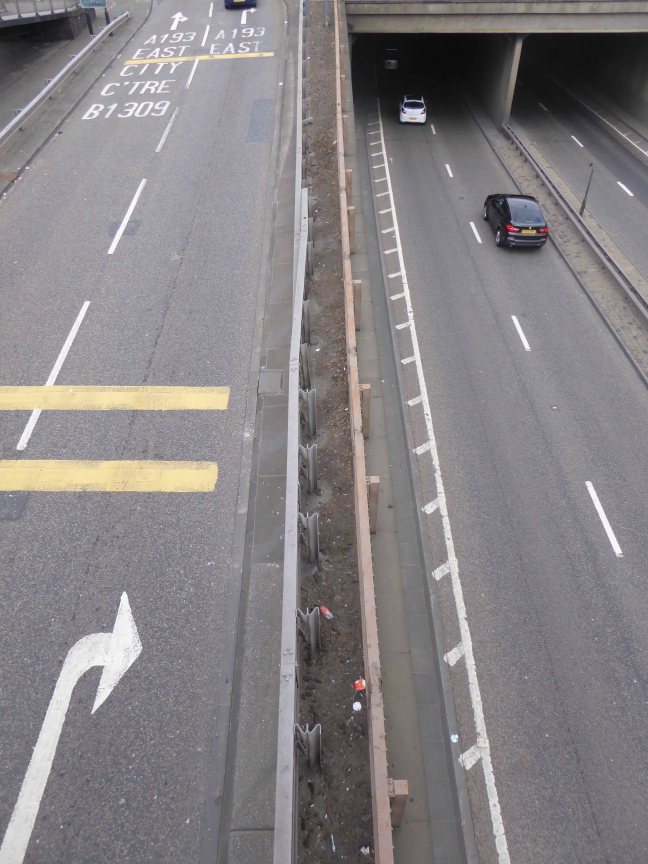
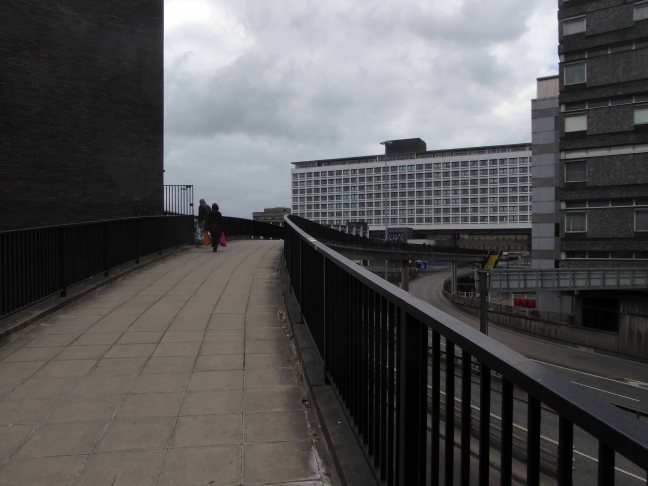
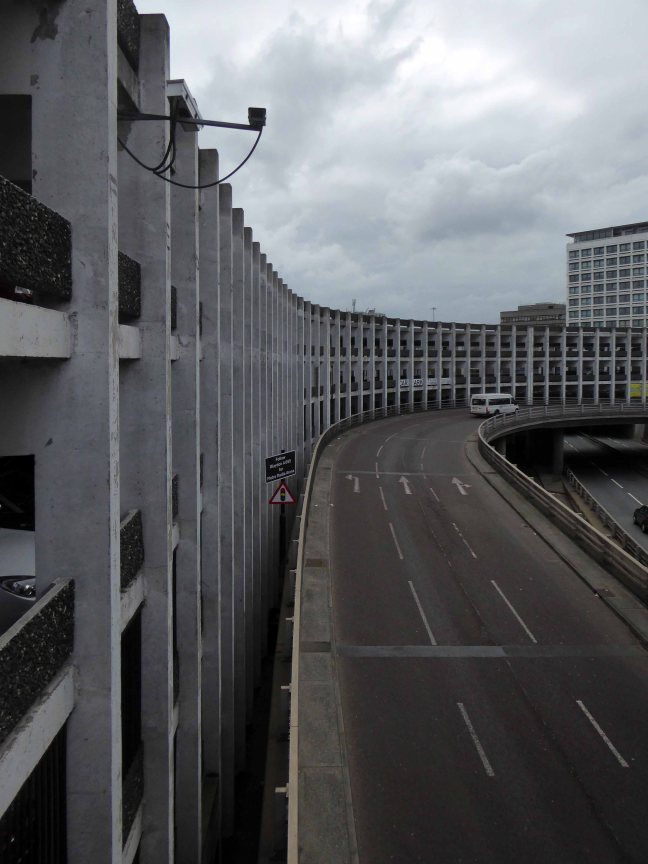
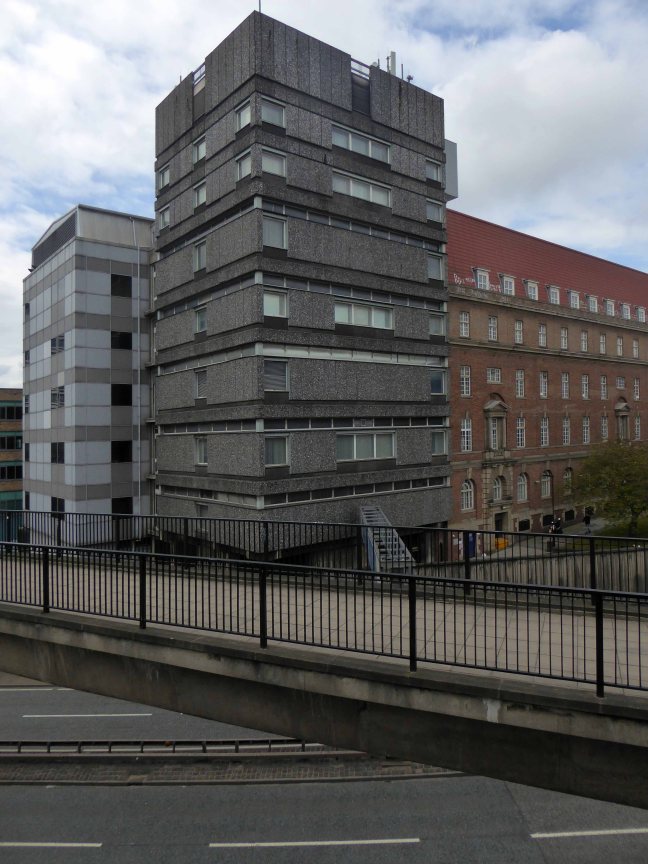
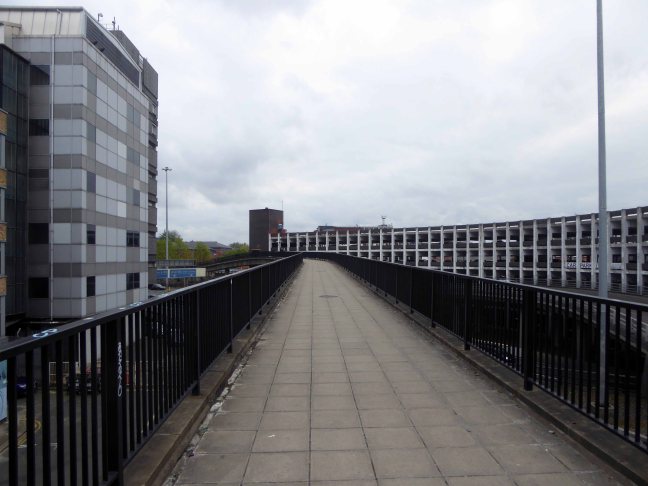
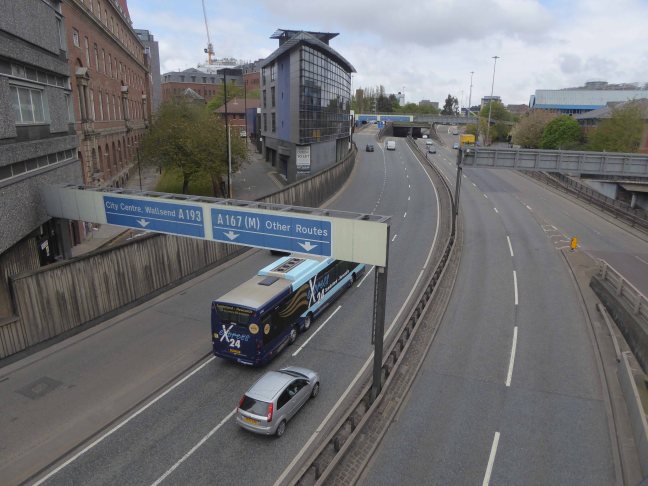
What remains is a complex interwoven structure of urban motorways, walkways, multi-storey car parks and tower blocks. To explore is to enter a world of the sublime, exhilarating and still yet mildly confusing.

Can you get there from here?

P1160439

P1160440

P1160442

P1160443

P1160444

P1160445

P1160446

P1160447

P1160449

P1160450

P1160451

P1160454

P1160455

P1160456

P1160457

P1160458

P1160459

P1160438c

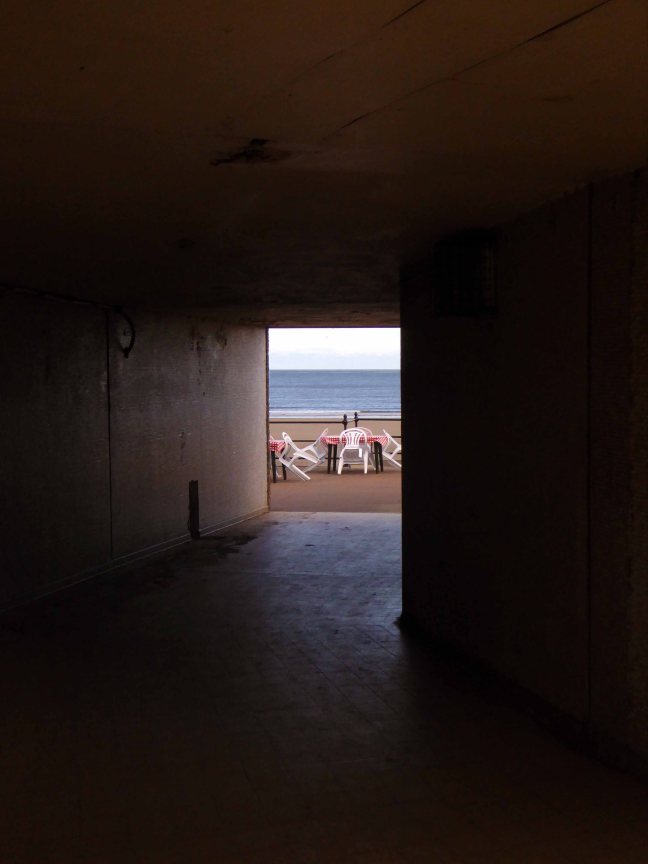
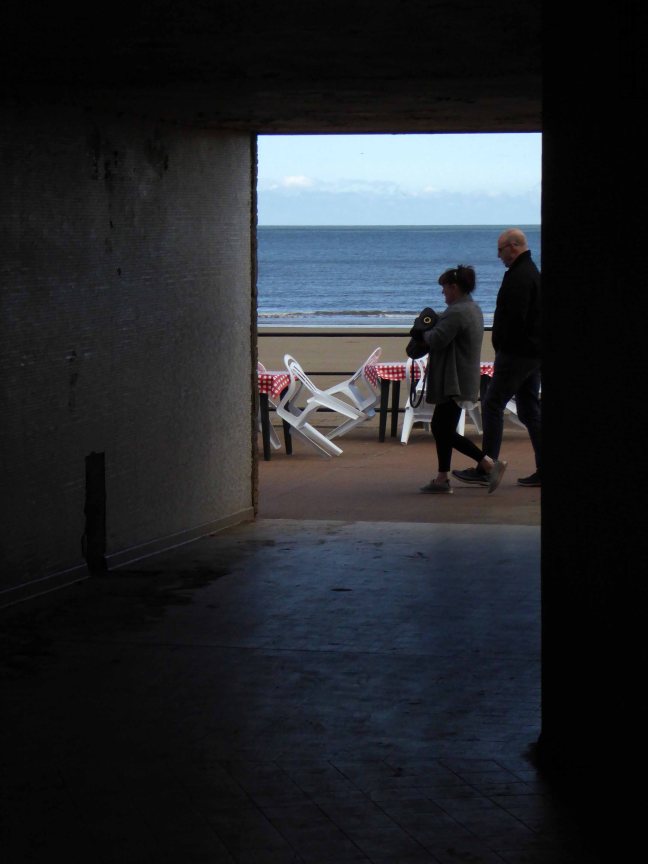
Subway – Scarborough

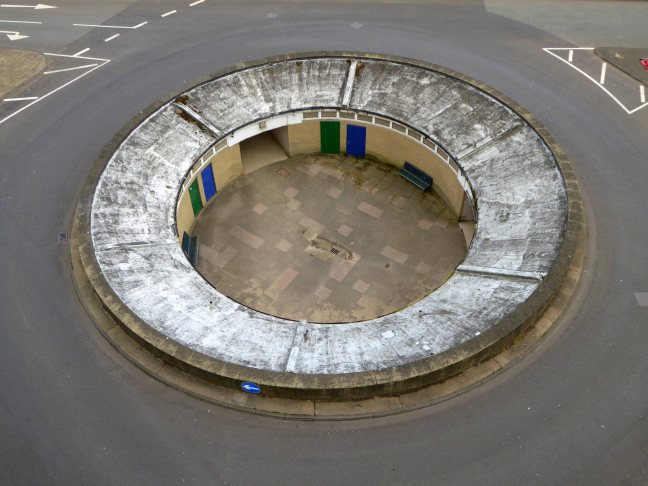
When is a subway not a sandwich?

When it’s a doughnut!

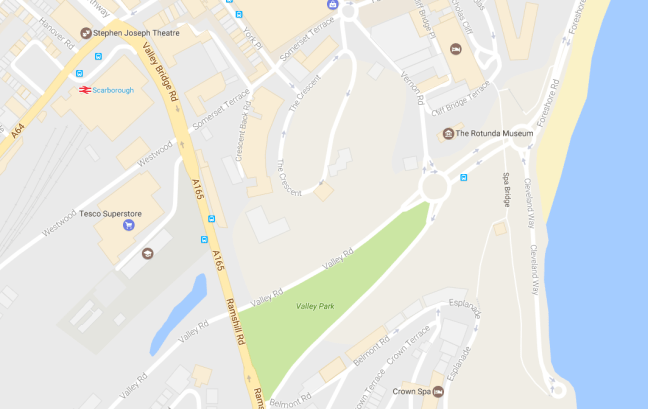
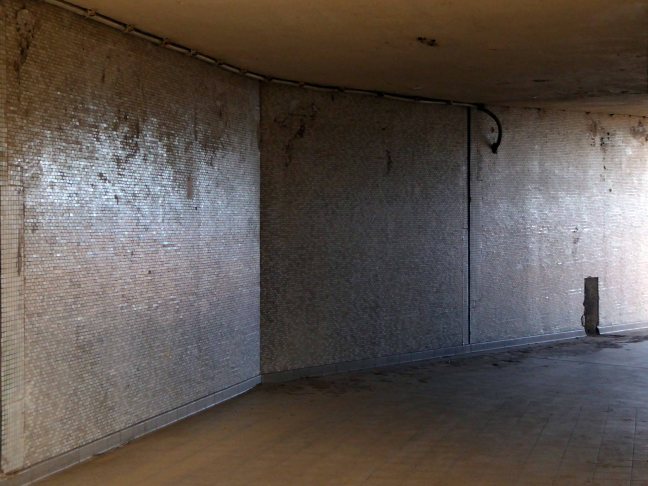
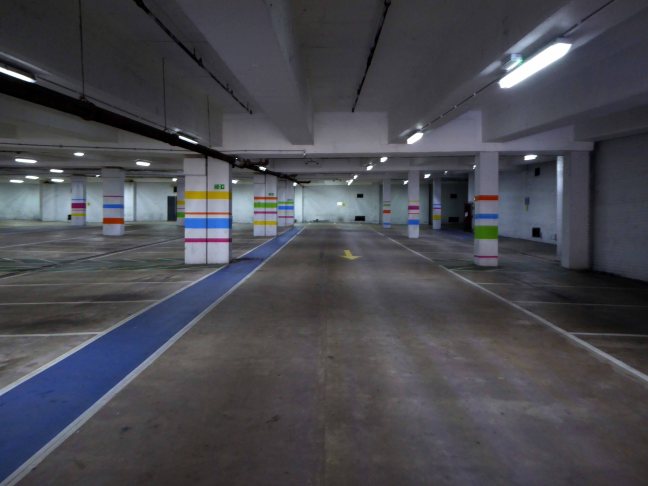
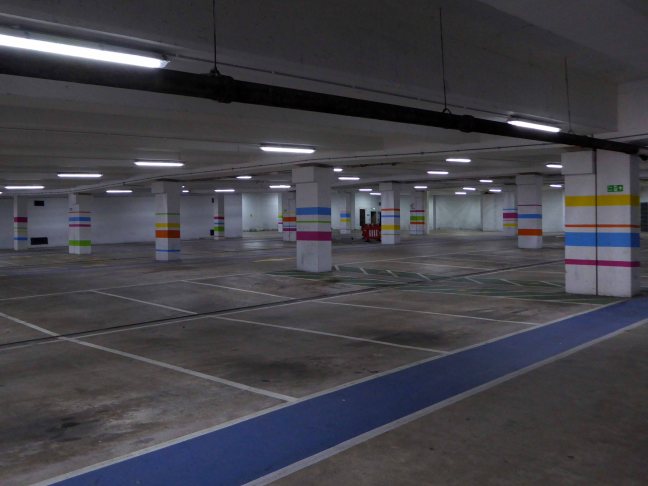
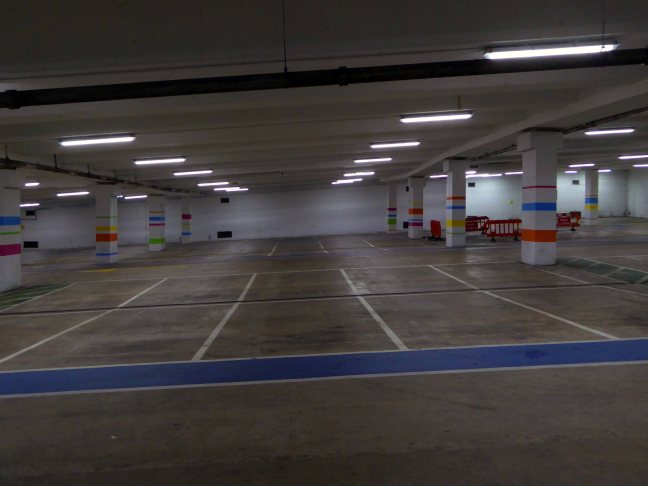
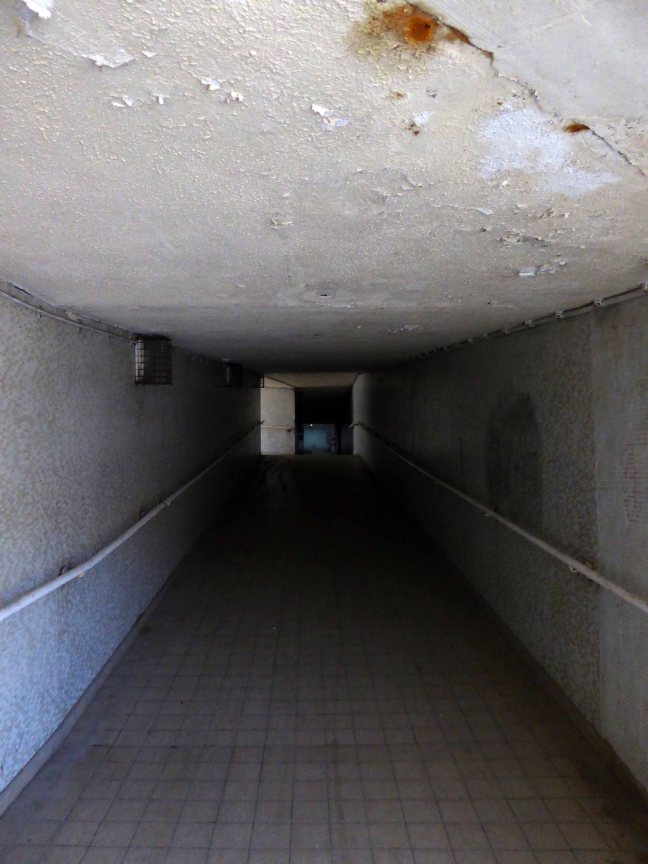
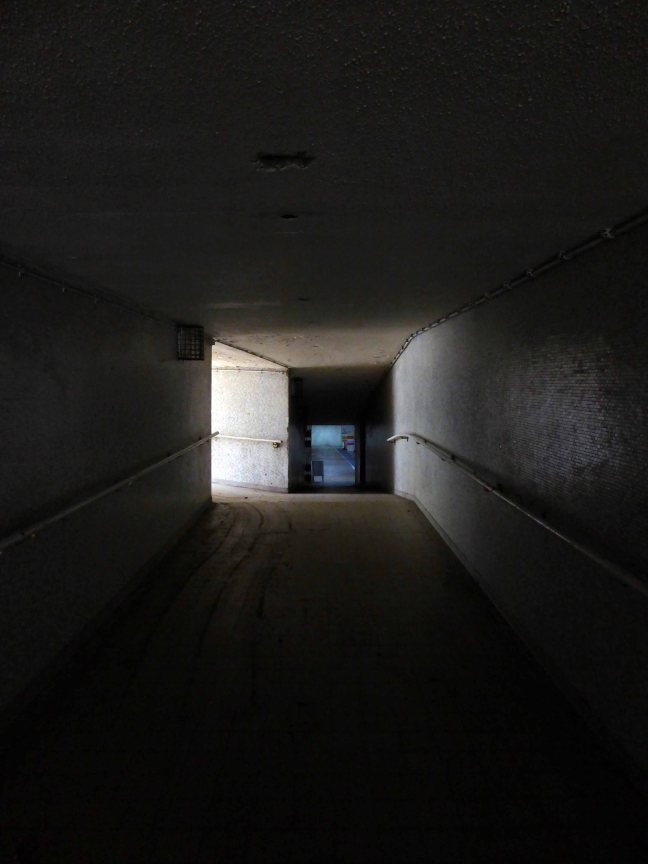
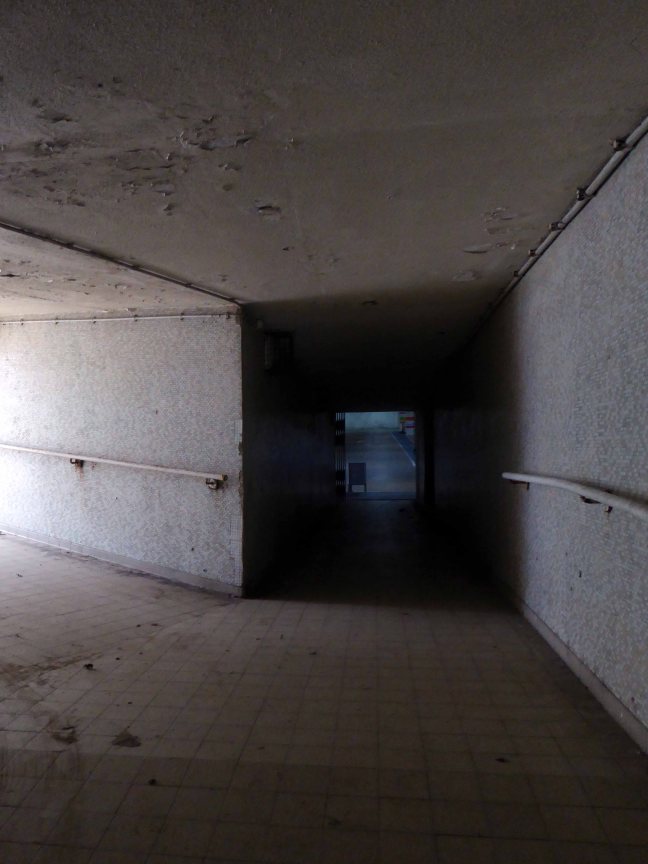
Hard by the seafront linking Foreshore, Cleveland Way and Valley Road sits a neat little tight little island, giving pedestrian access to almost everywhere – and a car park.

Screen Shot 2017-05-03 at 16.54.51

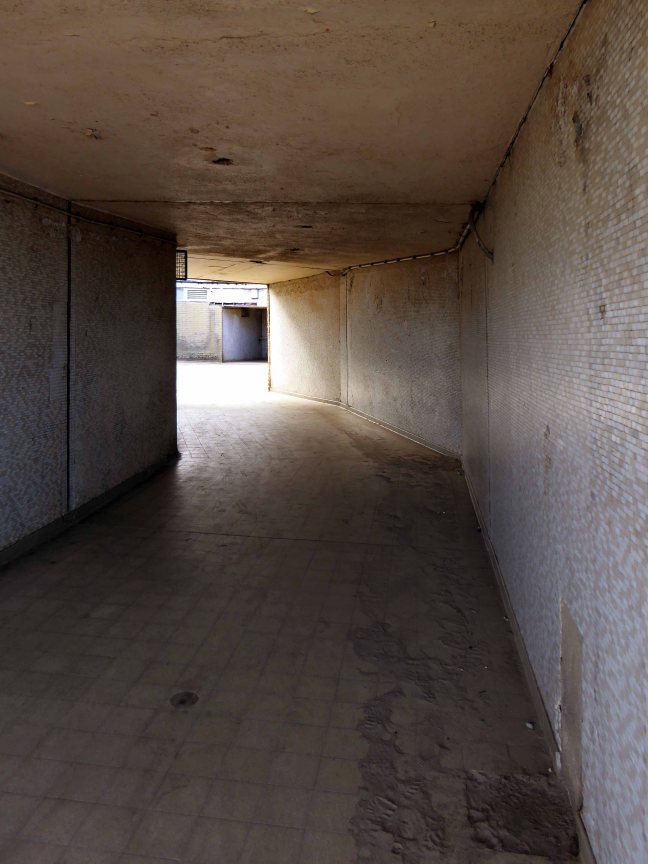
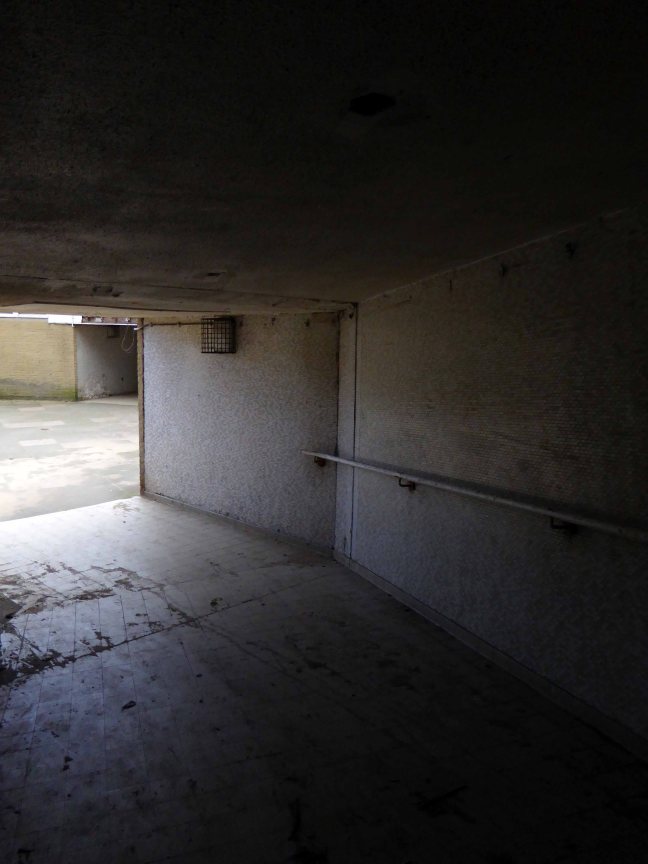
As with every other torus worth calling a torus, at its very centre sits the presence of absence, darkened concrete subterranean causeways, linking everything to nothing.

There’s a world going on underground.

P1150450

P1150451

P1150452

P1150453

P1150454

P1150456

P1150457

P1150458

P1150459

P1150461

P1150465

P1150467

P1150468

P1150469

P1150471

P1150472

P1150482

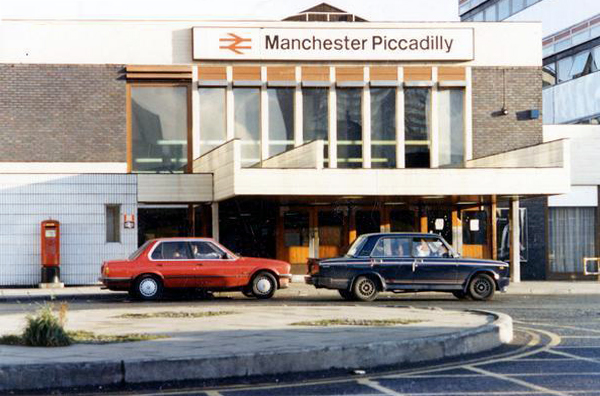
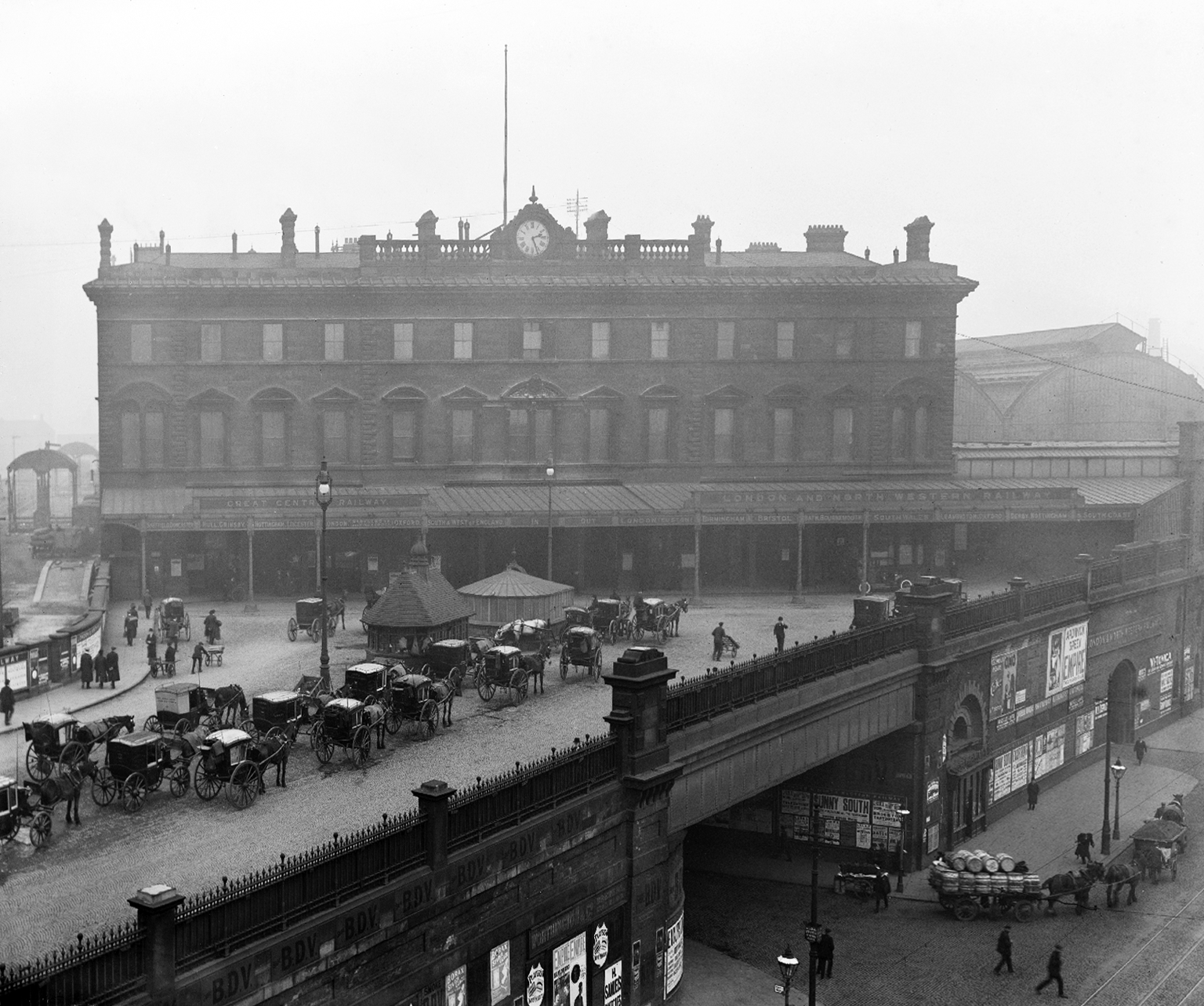
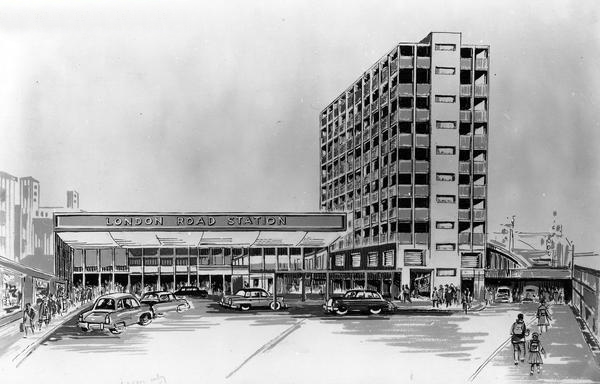
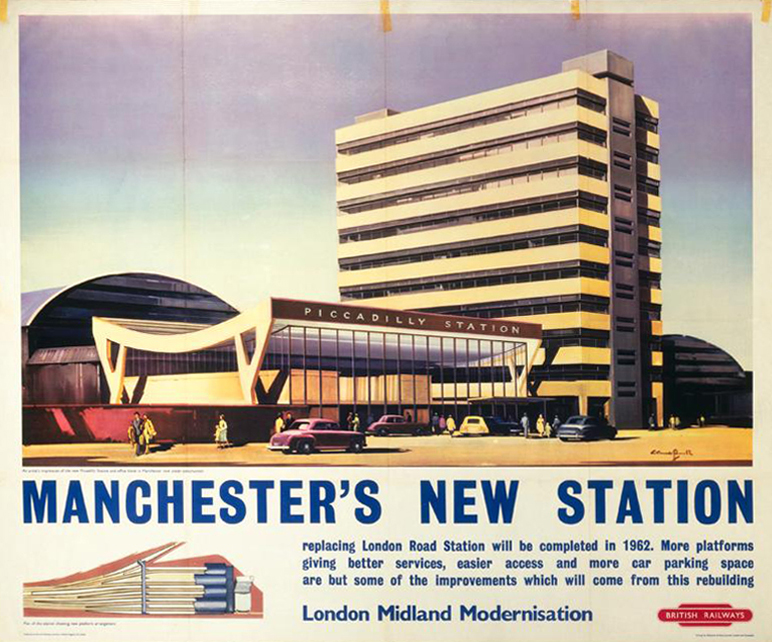
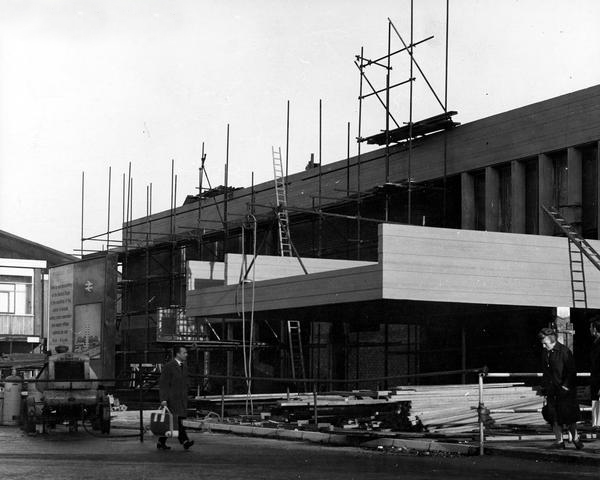
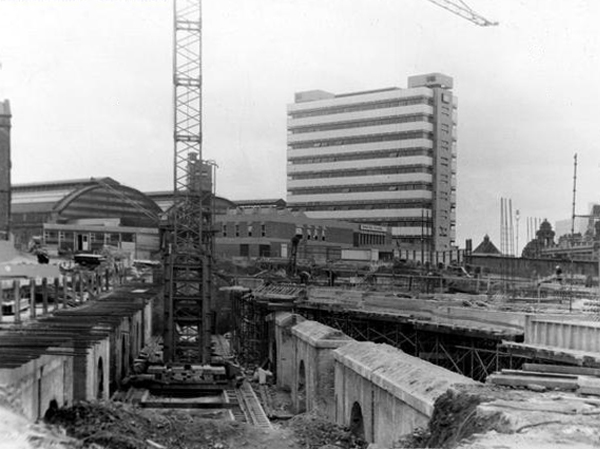
London Road aka Piccadilly Station – Manchester

The station was originally built as Store Street Station by the Manchester and Birmingham Railway in 1842, before being renamed London Road Station in 1847.  It was shared by the Sheffield, Ashton-under-Lyne & Manchester Railway and it has been rebuilt and added to a number of times, with two news spans added to the train shed roof in 1881 and island platforms added linking to Manchester Oxford Road in 1882 (replacing two old Manchester, South Junction and Altrincham Railway platforms which were built next to the station).

1997-7409_lms_2969

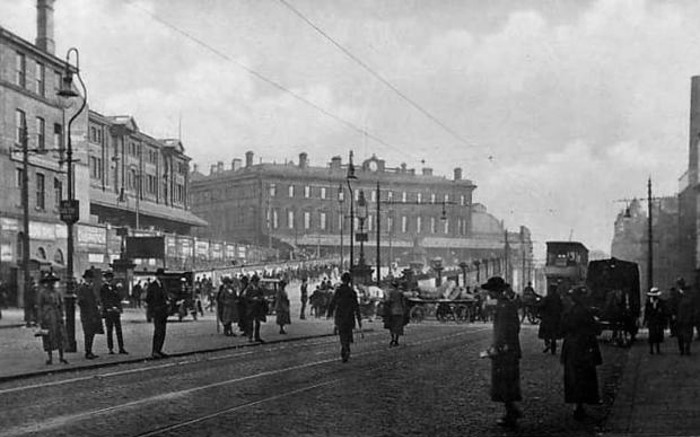
An imposing classical façade with a substantial cast iron and glass train shed, the approach sloping up to the frontage, as of necessity the line entered the city on a raised trackbed.

Manchesterlondonroad_old_postcard

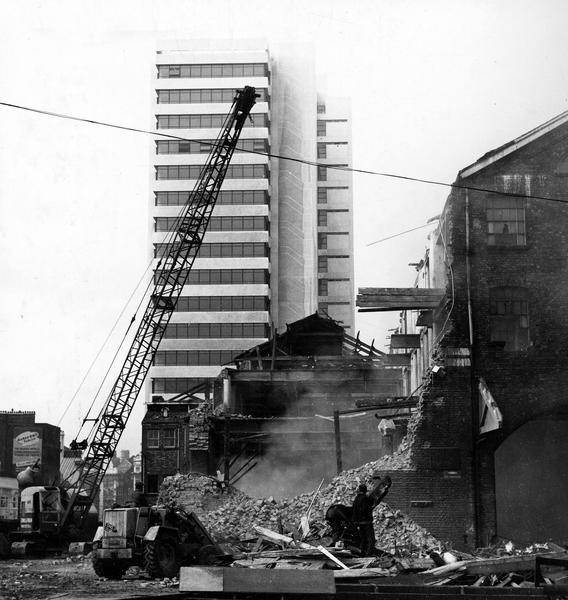
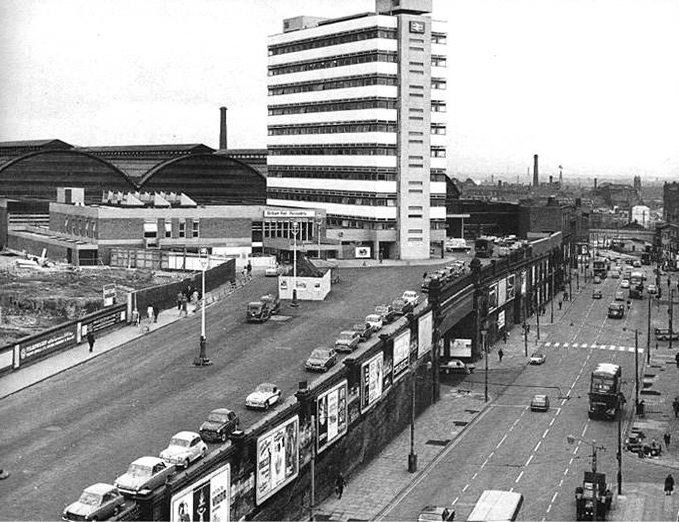
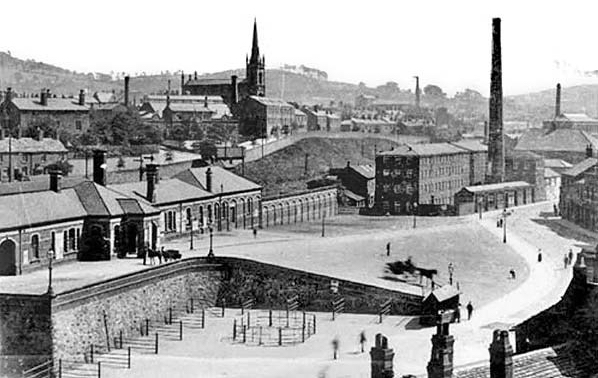
Initially the approach was lined with railway warehousing, subsequently demolished to make way for the redevelopments of the 1960s.

webmedia-5.php

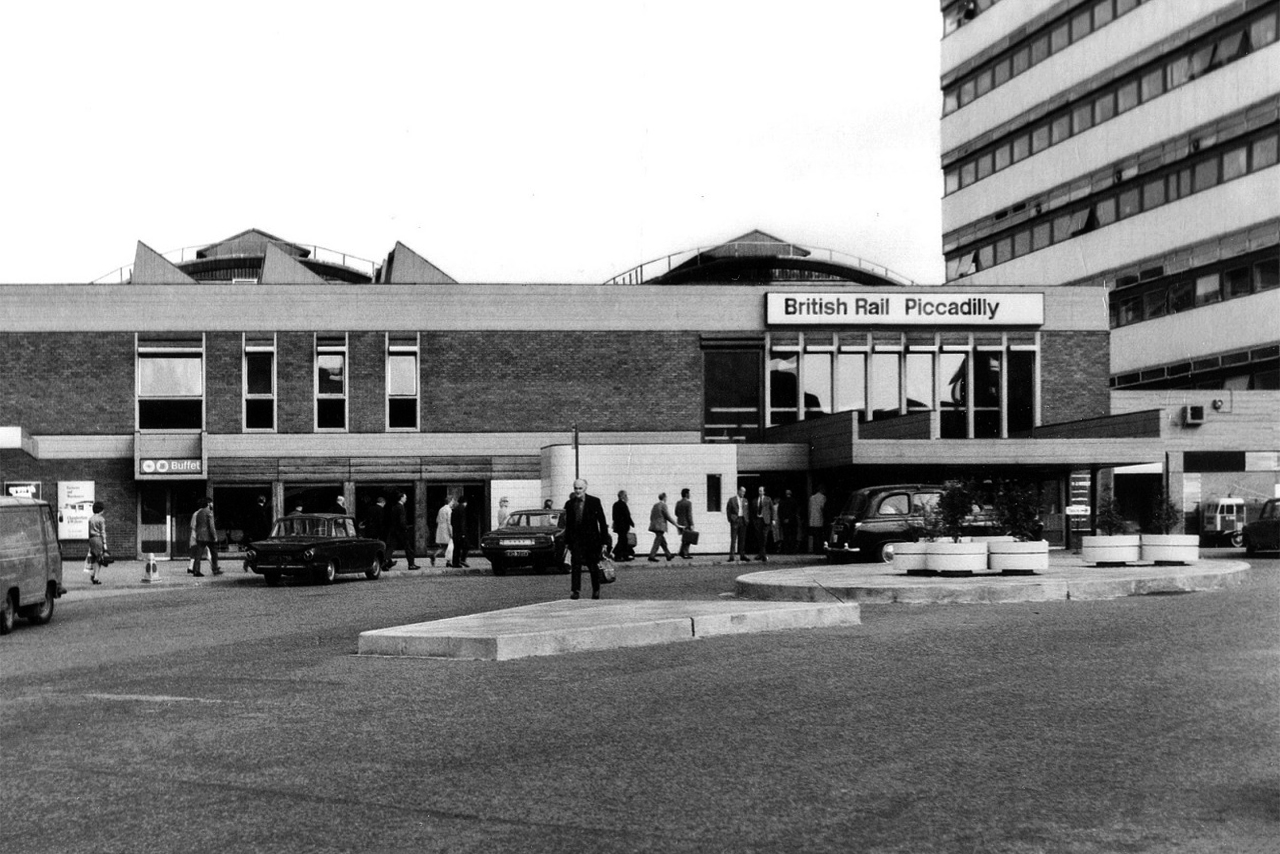
Detailed plans are made to reshape the station concourse and entrance.
webmedia-2.php
1997-9266

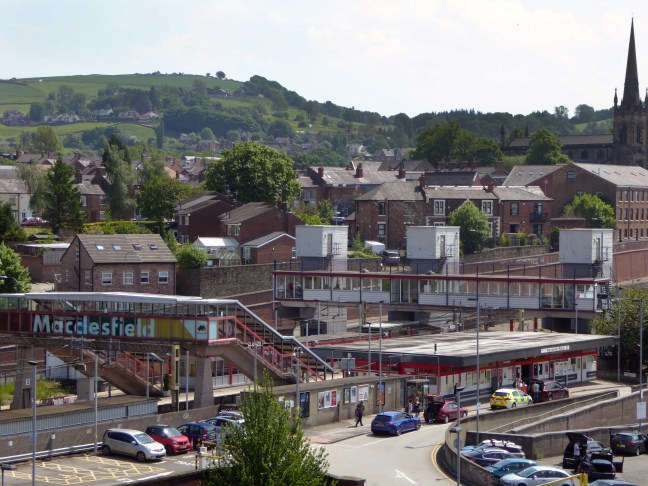
Dreams are turned into reality, as near as makes no difference.
webmedia-6.php
webmedia-8.php
tumblr_npa35mFqXm1rr41pto1_1280

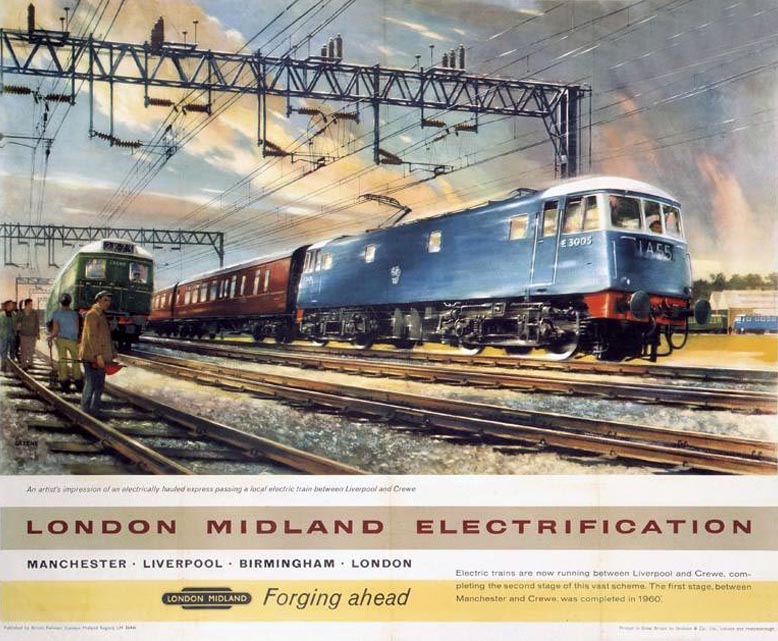
The newly electrified lines opening up the city to a world of high speed intercity travel.

0000-0-a-nmsi-wcml-electric-1

The Krays it seems were deemed to be unwelcome visitors, everyone else came and went, met with equanimity and a bright new modernist vista.

tumblr_mhwtgsHJhN1rr41pto1_1280

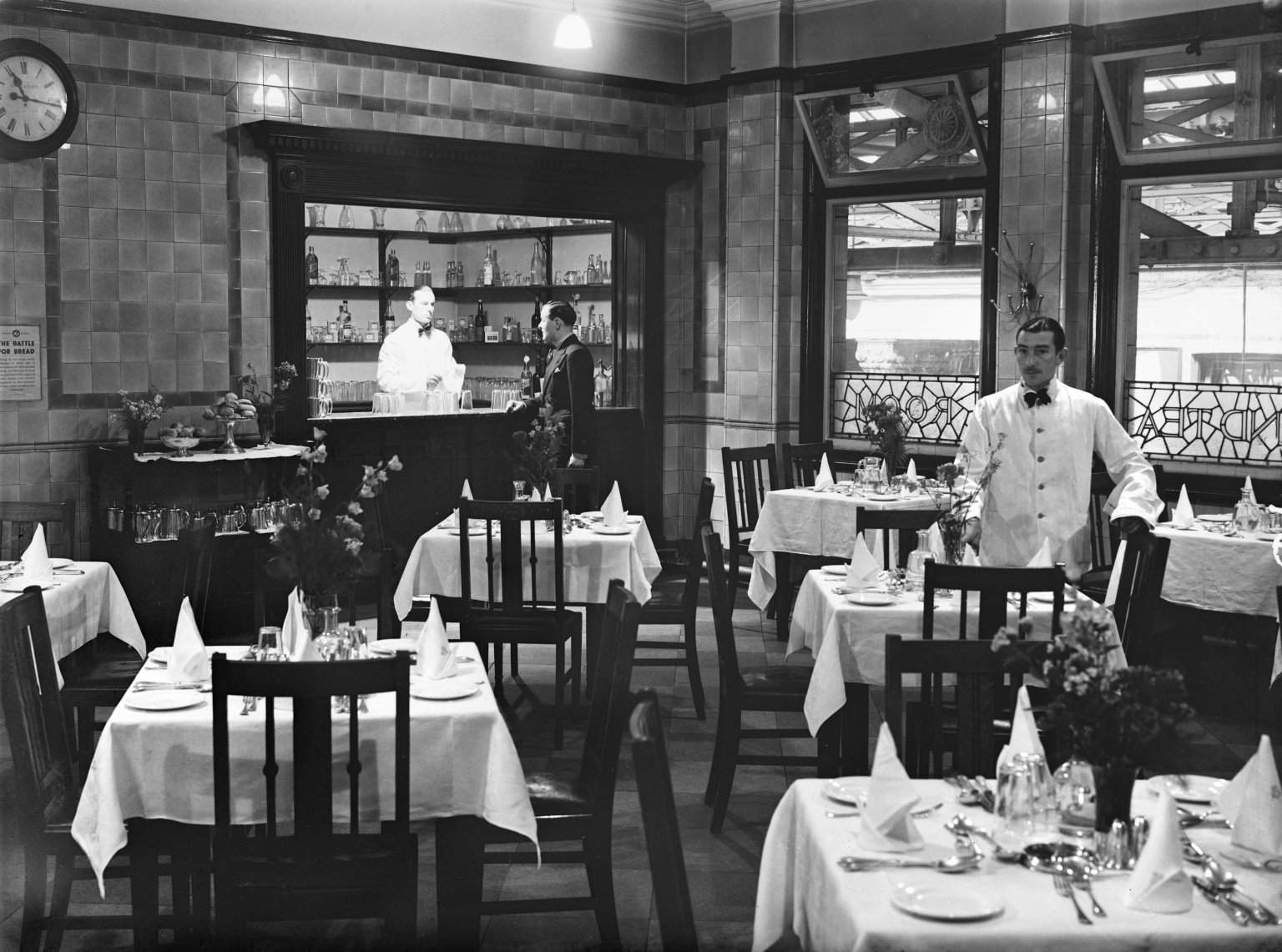
The brand new shiny buffet replaces the archaic dining rooms, as Brylcreemed, bow tied and moustachioed waiters are consigned to the scrapheap of history.

1995-7233_livst_hr_76

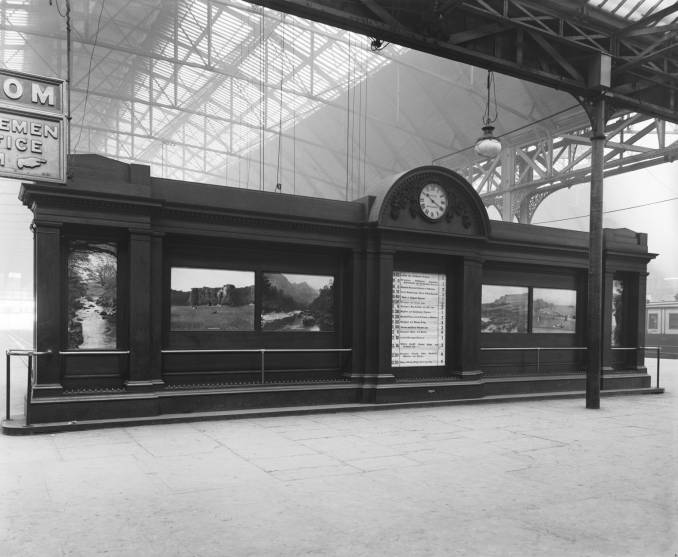
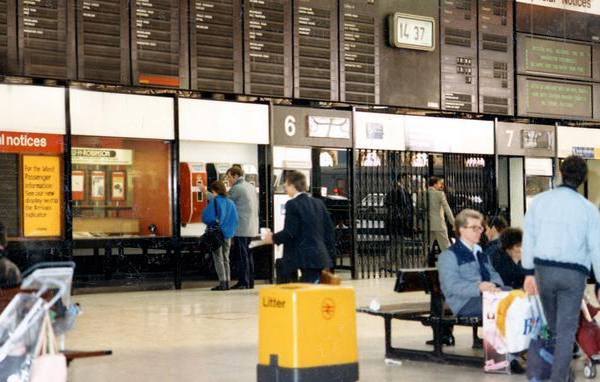
Likewise the gloomy destination boards – out with the old!

1997-7409_LMS_2972

And in with the new.

webmedia-11.php
piccadilly

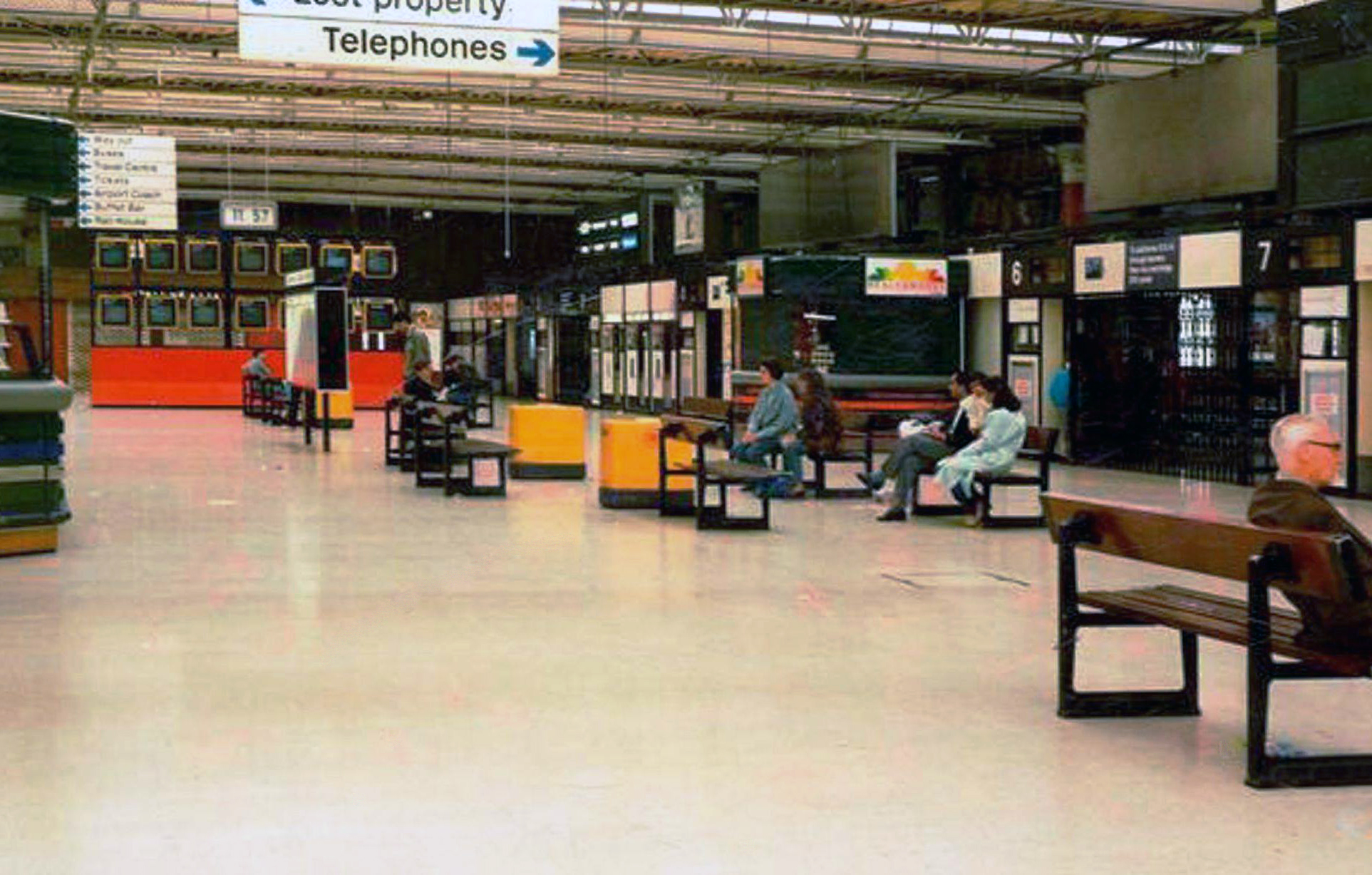
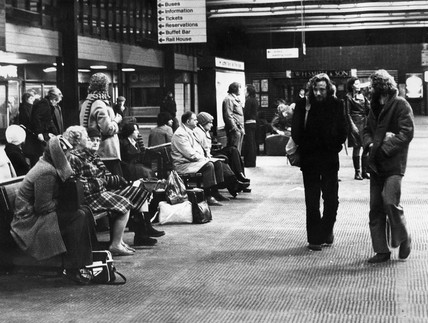
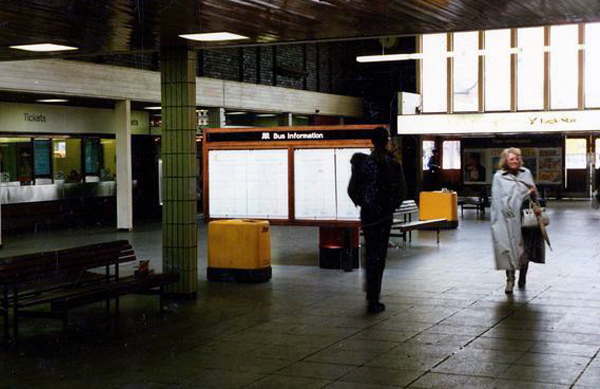
We have a fully integrated modern interior to deal with the modern passengers’ every need – including crystal clear signage, seating and bins.

114900
webmedia.php
34483218_10216677058538309_3758328904939470848_n
114899
webmedia-12.php
webmedia-14.php

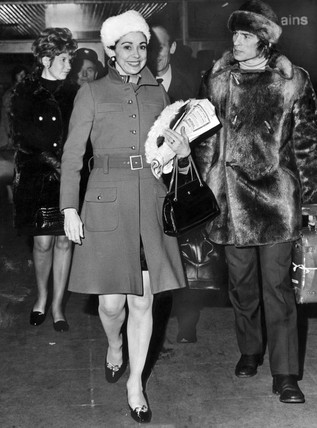
Stars of screen and stage are guided through with consummate ease, Margot Fonteyn and Rudolf Nureyev in his brand new baby seal skin coat arrive in 1968 to dance Swan Lake at the Palace.
128088

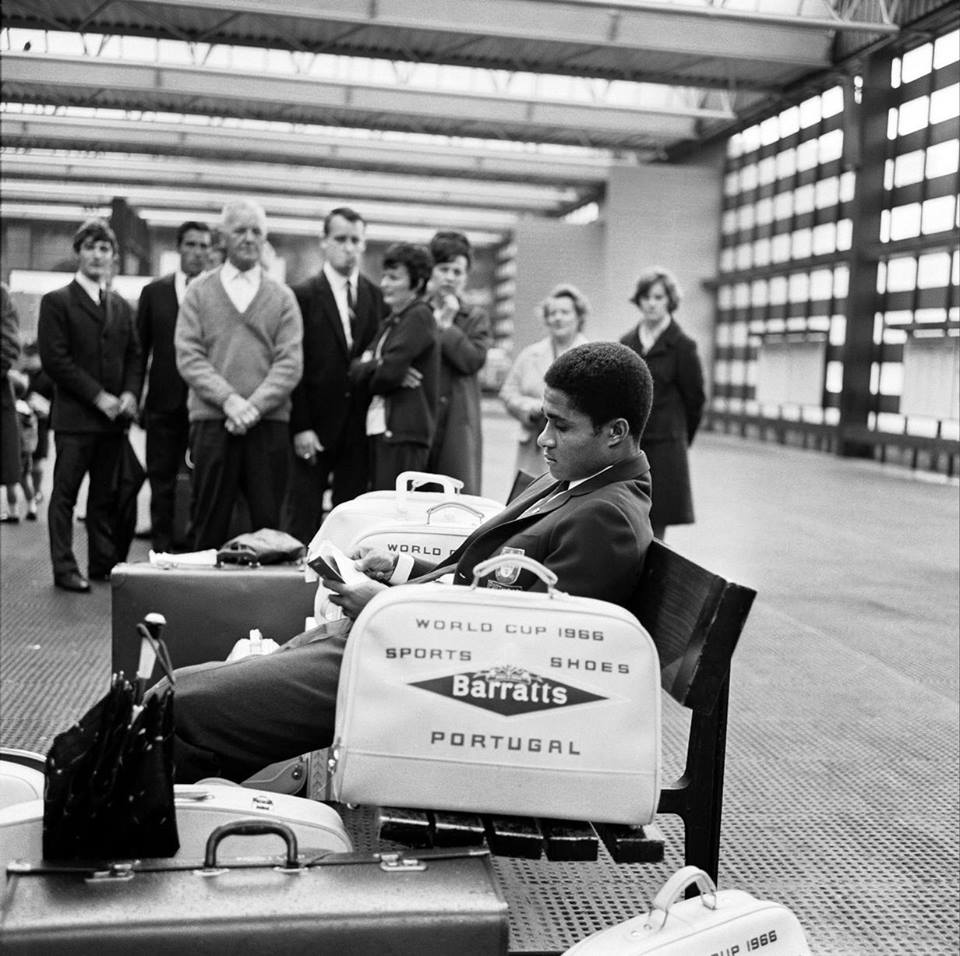
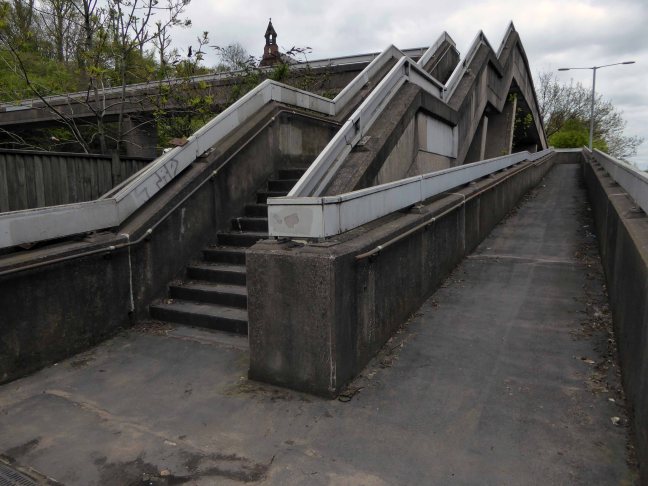
Esteemed footballer Eusebio on his travels during the 1966 World Cup.
Eusebio

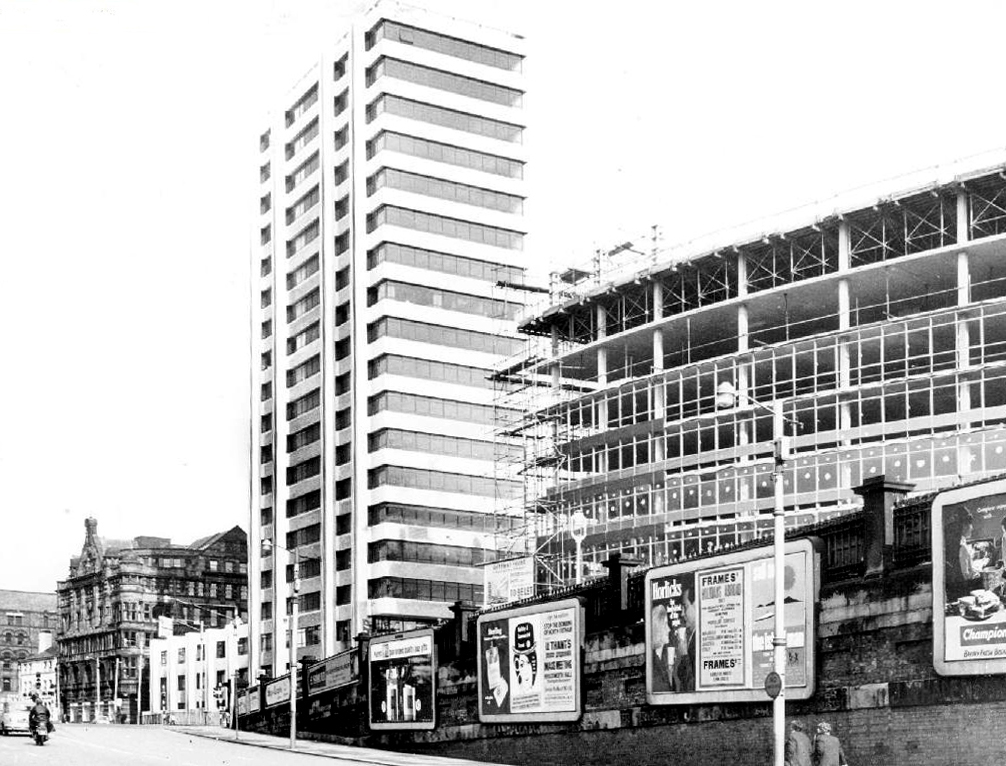
In 1969 Gateway House arrives, Richard Sieffert & Partners wavy hello and goodbye to  Manchester’s premier railway station.

webmedia-17.php

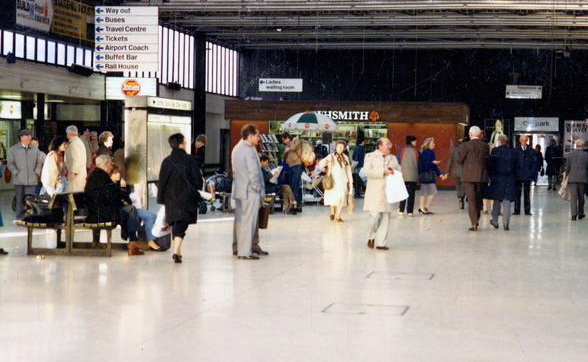
Piccadilly has now seen several revamps, the concourse an exercise in contemporary cluttered retail/airport chic, a 125mph Pendolino journey away from the carefully considered internal order of yesteryear.

Who knows what the future holds?

HS2 to name but one – sit back let the train take the strain.

bdb45994802efc2dffc5f6d4b13b0f78

Archival images Manchester Local Image Collection

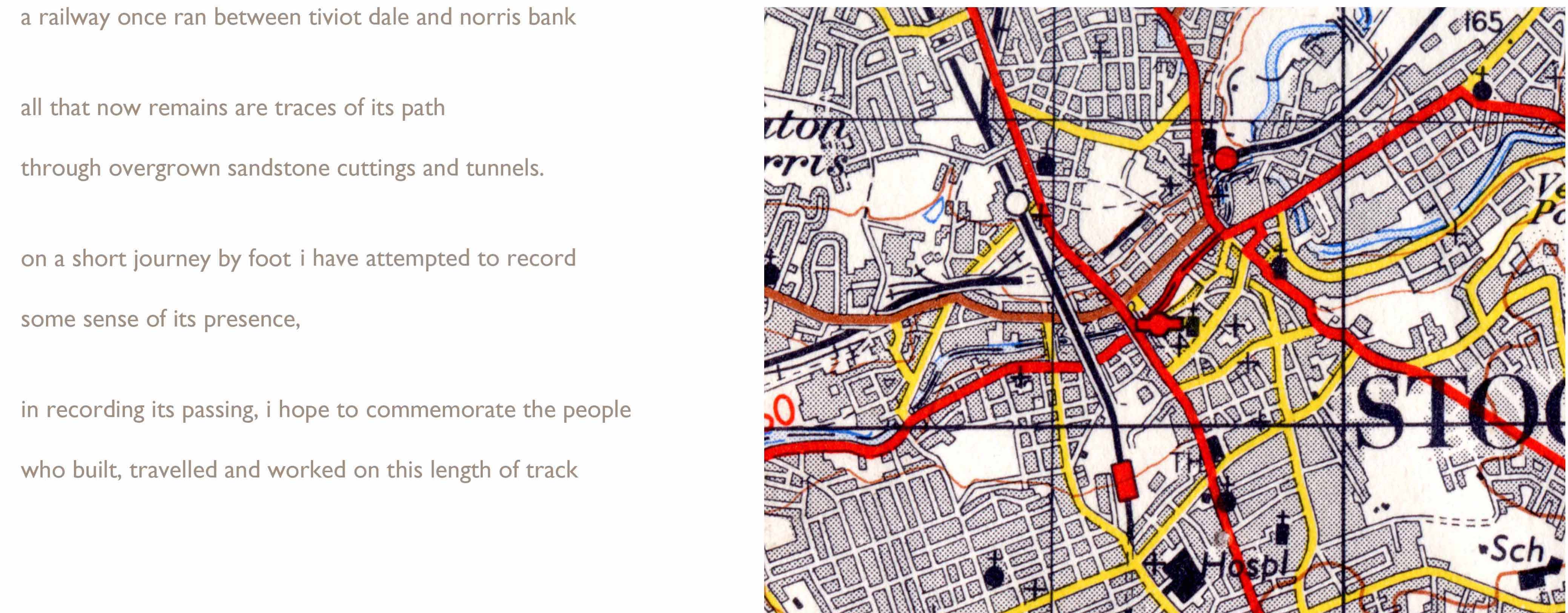
Tiviot Dale to Norris Bank – Stockport

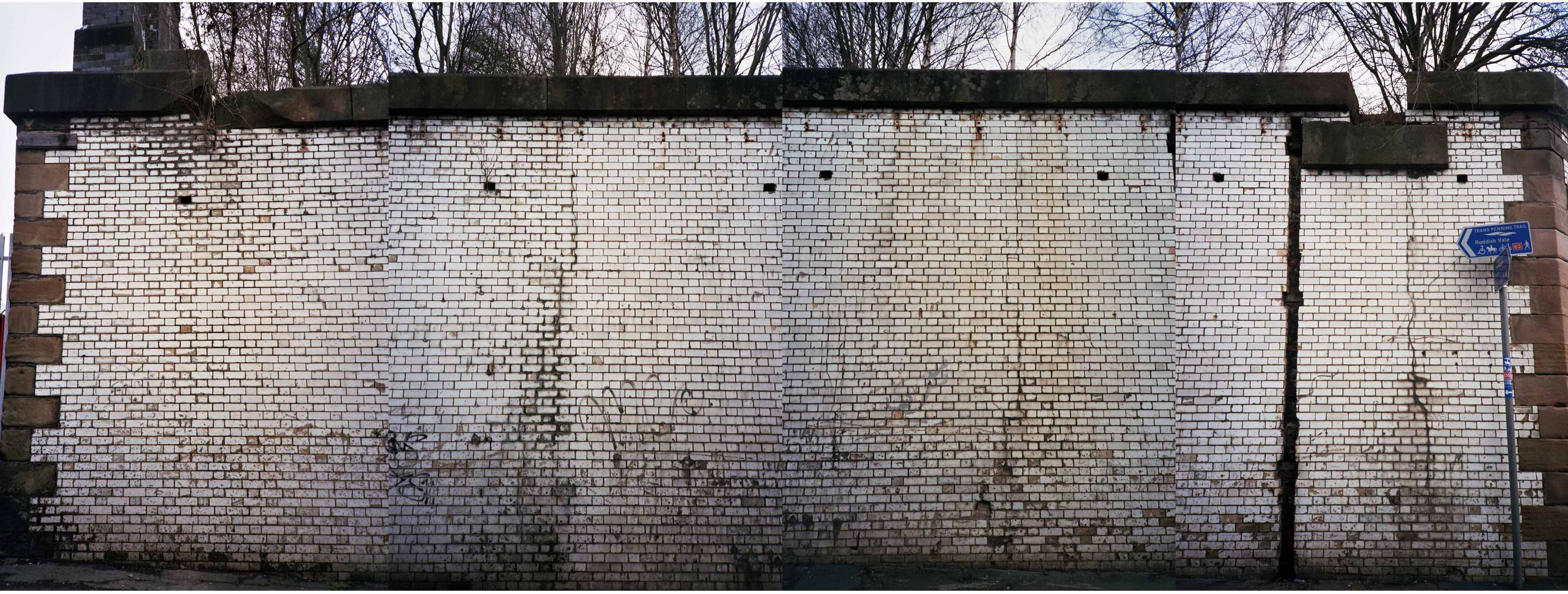
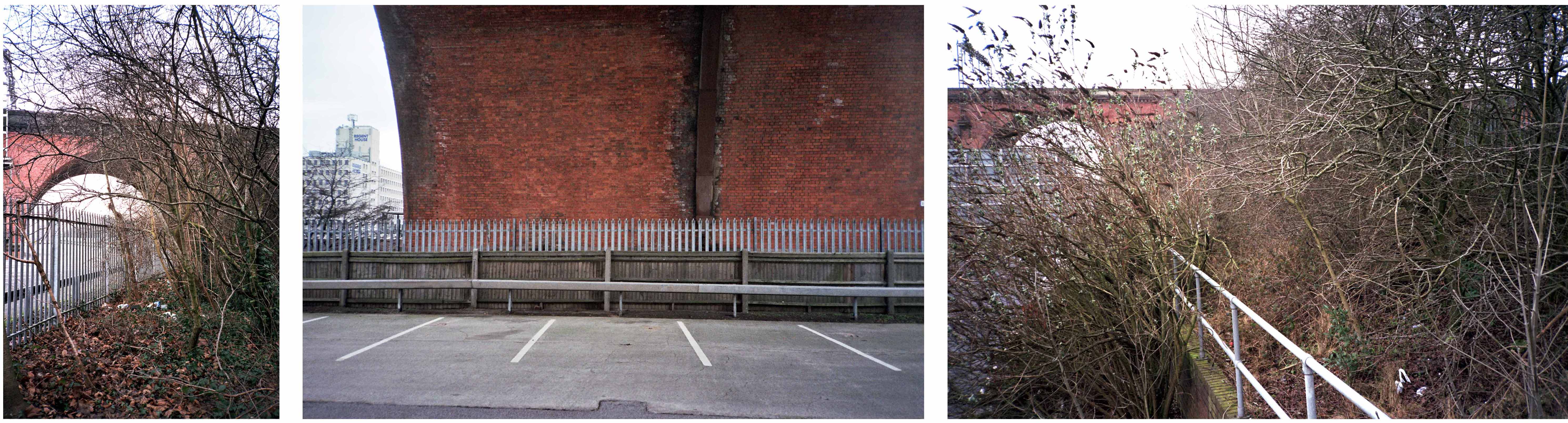
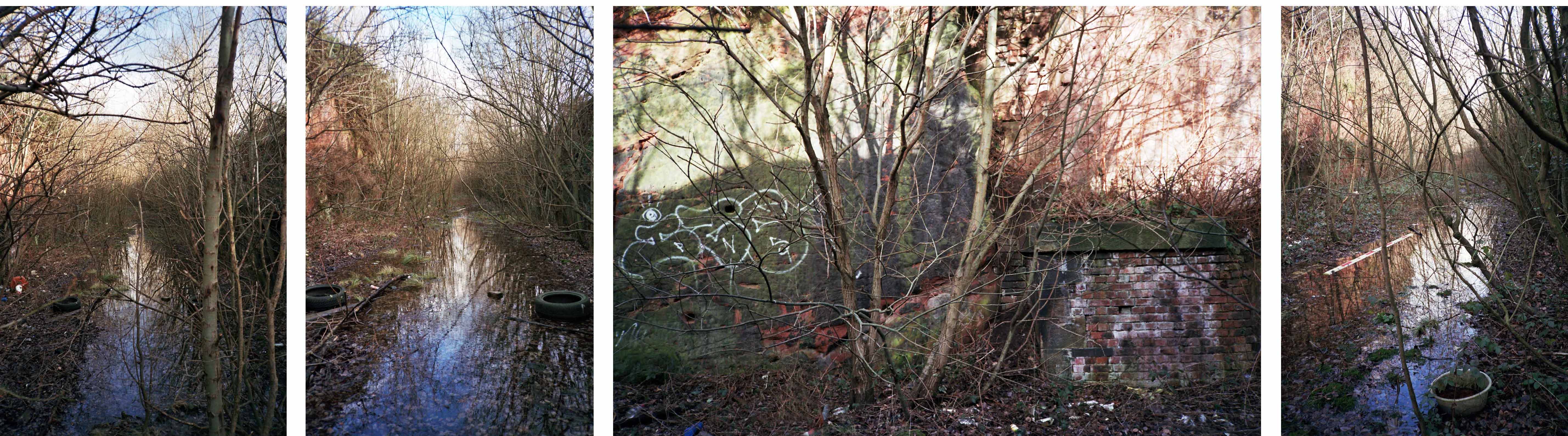
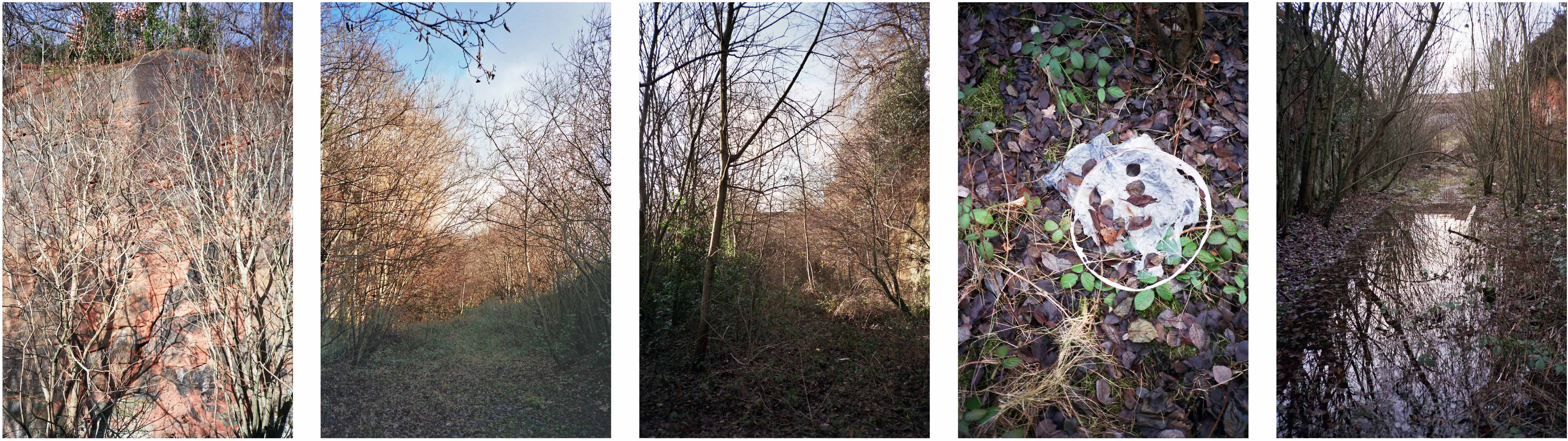
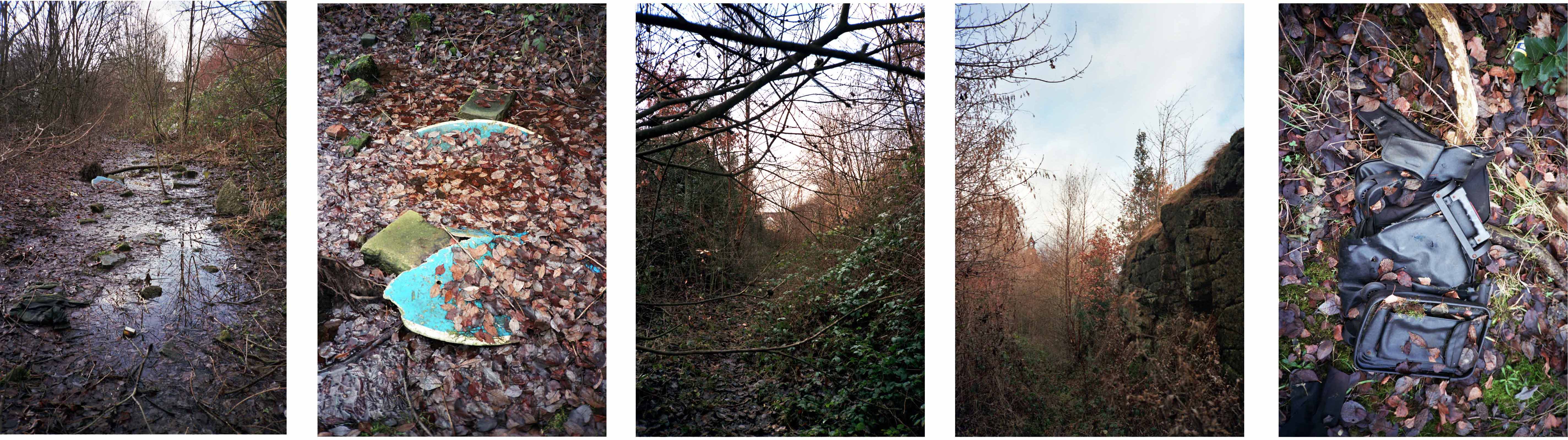
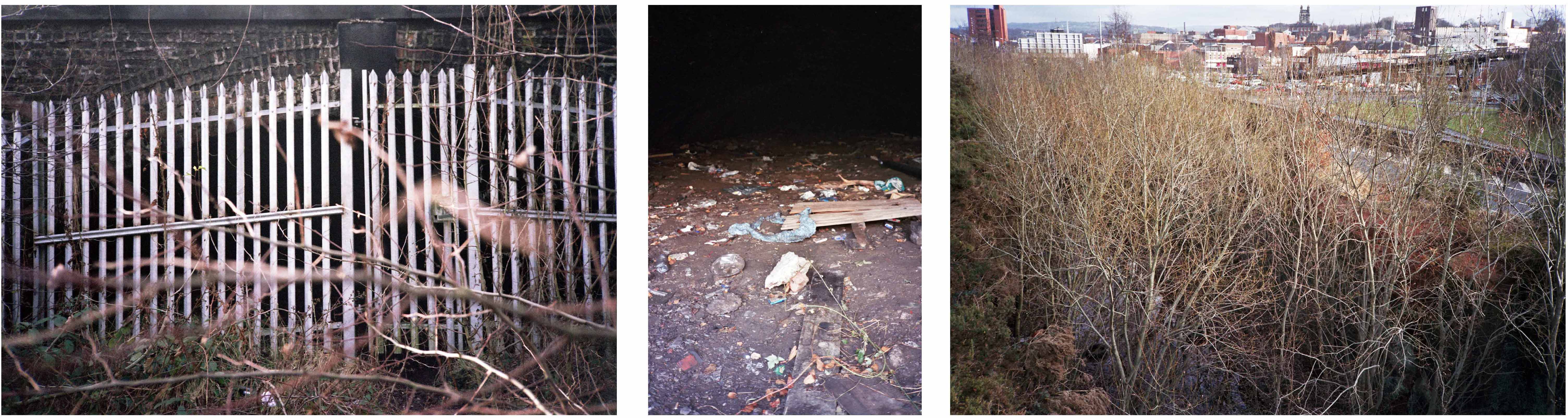
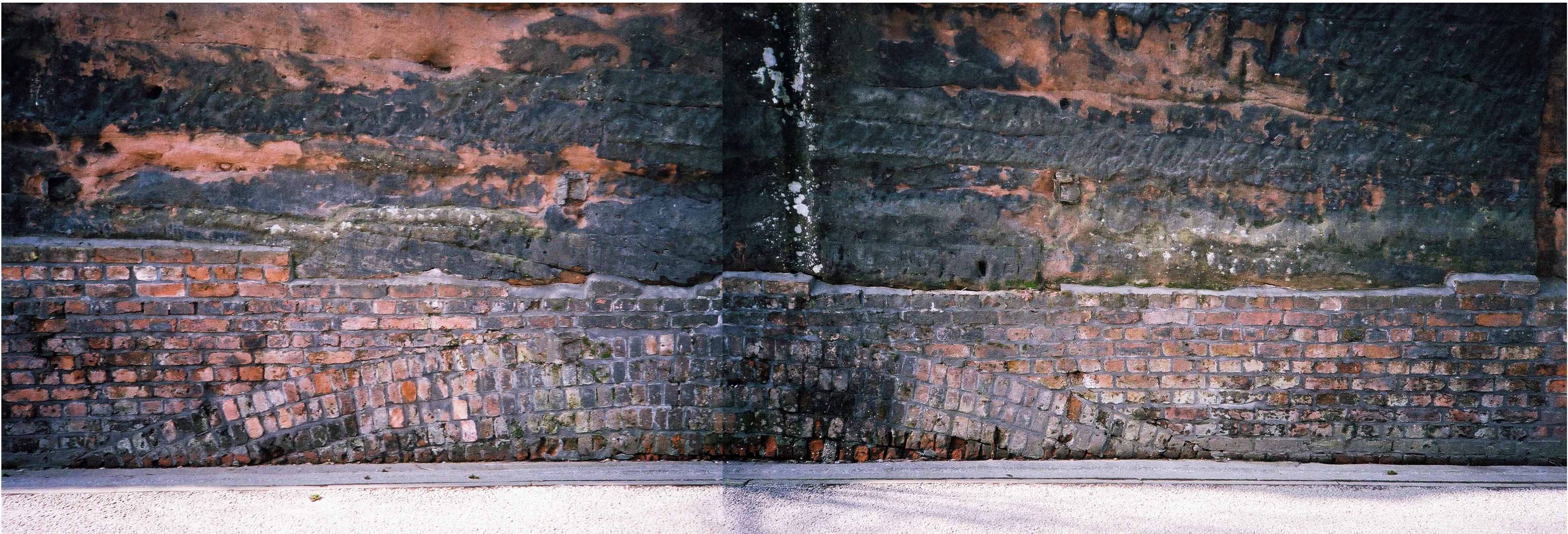
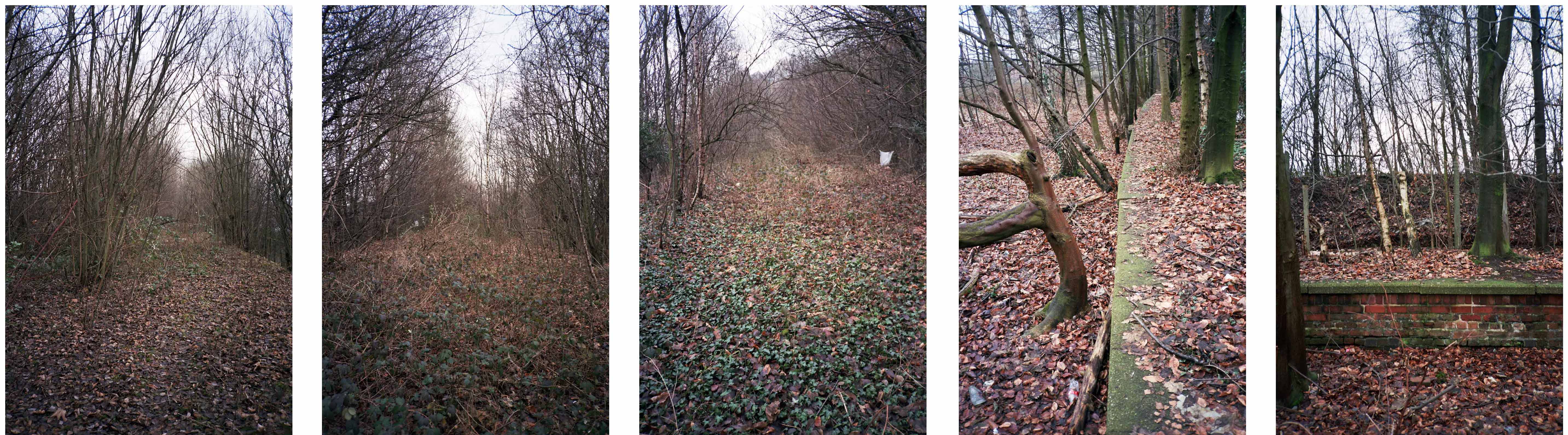
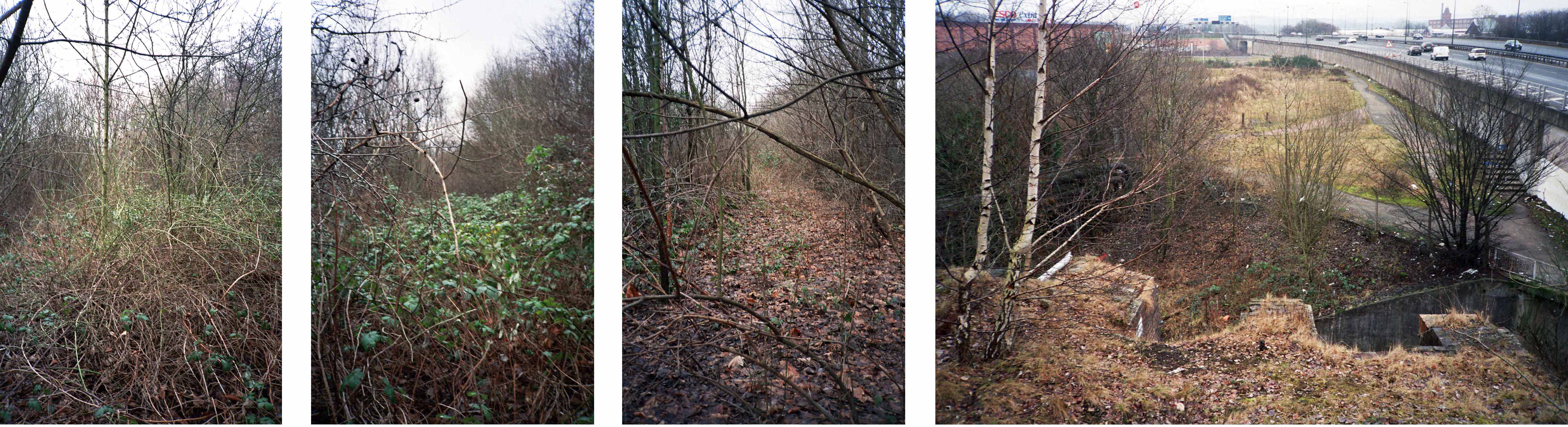
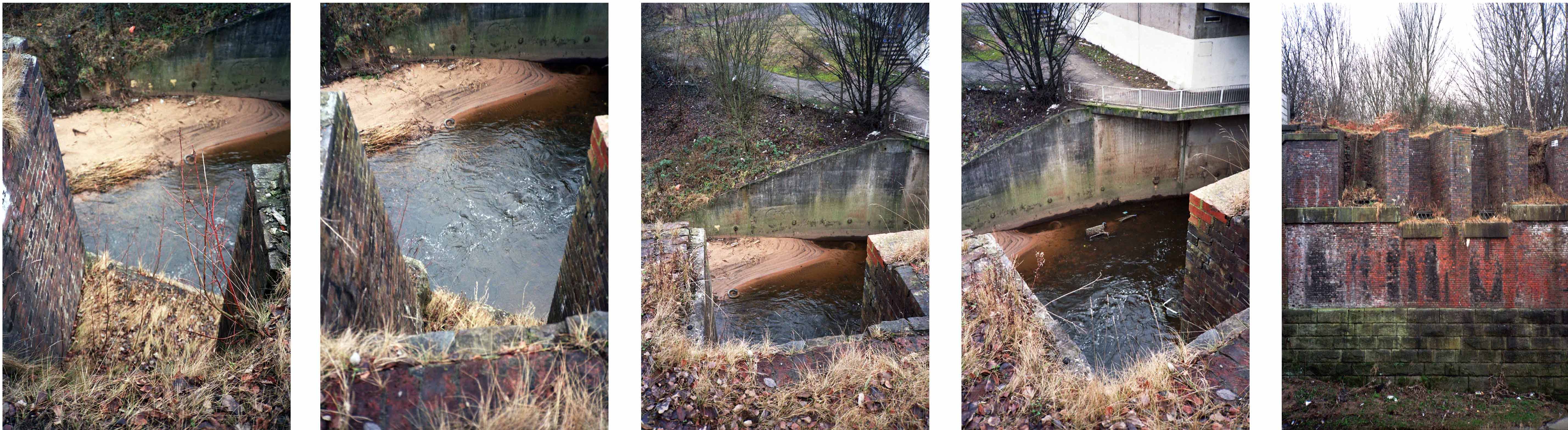
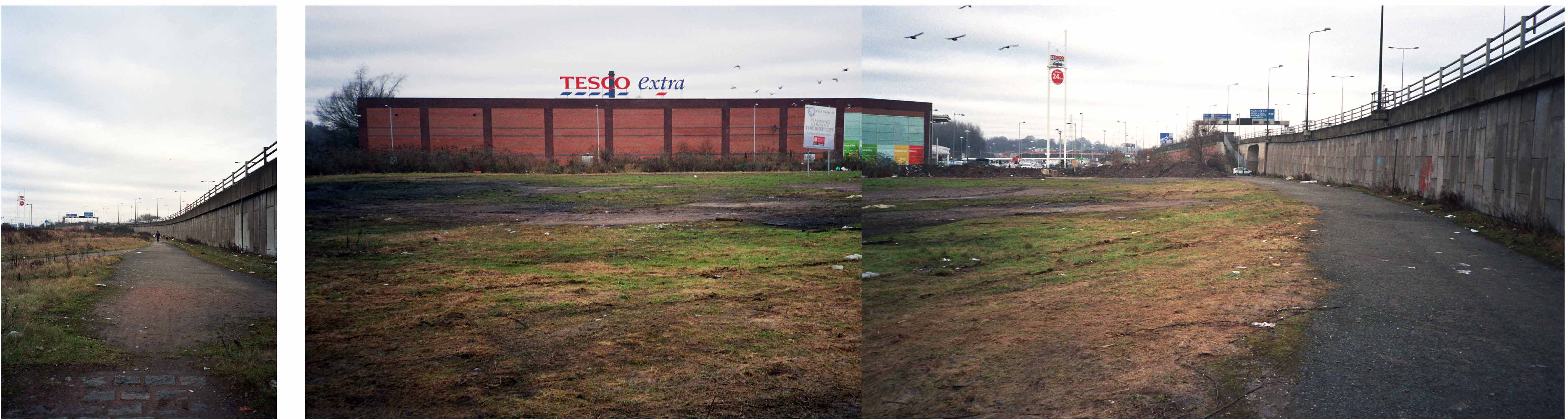
This is a journey I made as a BR Guide Bridge goods guard in the late 1970s, often with driver Eric Clough, into the George’s Road scrap yard. It was also at one time the Cheshire Lines passenger route out of Stockport Tiviot Dale Station to Liverpool, Southport, St Pancras and beyond.

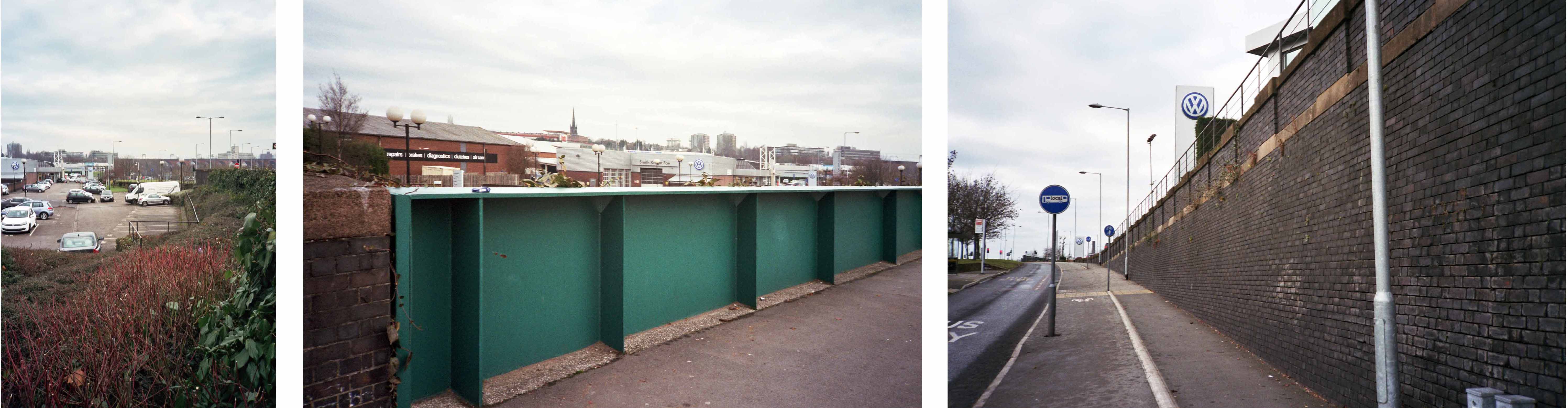
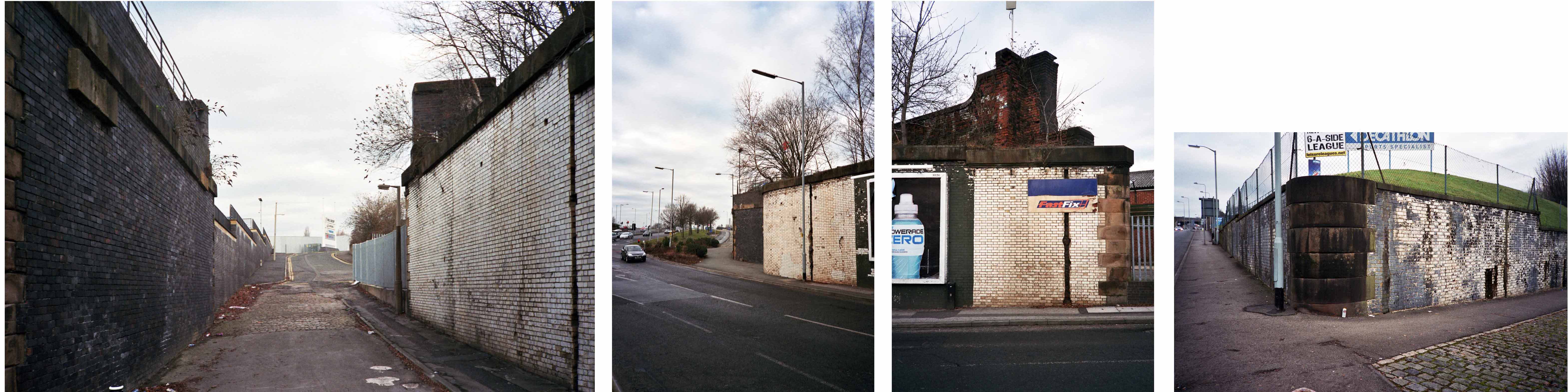
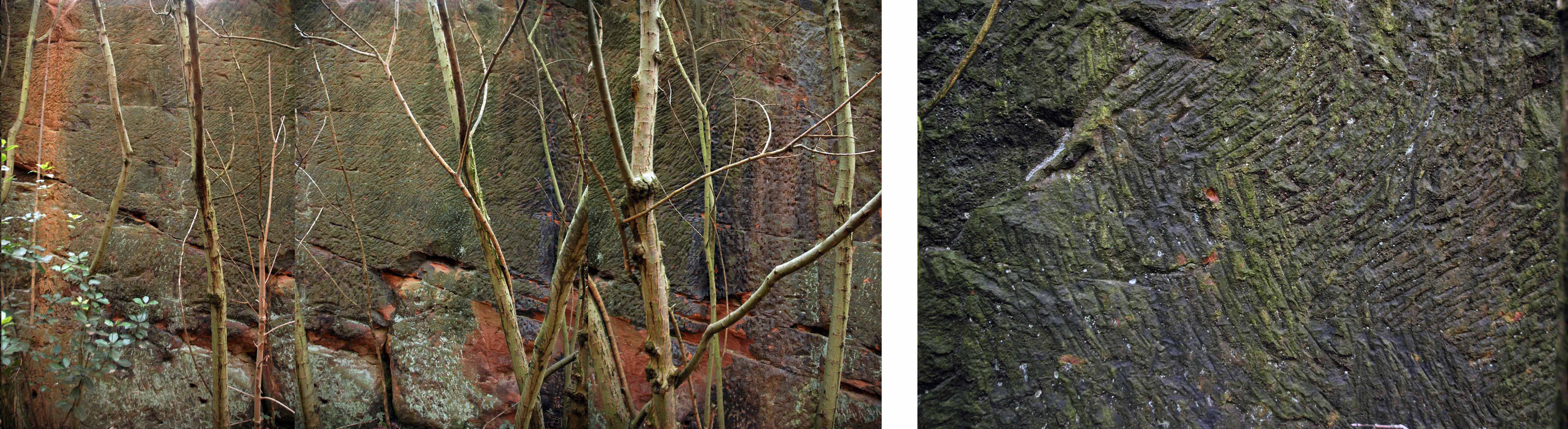
This is a journey I made on foot through bramble, puddle and scrub on a now disused line, cheek by jowl with a motorway and the passing crowd, blissfully unaware of its existence.

intro

page1

page2

page2a

page4

page5

page6a

page7

page8

page9

page9a

page11

page12

page13

page14

Rhyl to Wallasey Hovercoach

After Telstar, Rhyl’s residents and visitors have this week been privileged to see another miracle of scientific progress – the Vickers-Armstrong VA-3, which arrived on Sunday to prepare for the first scheduled passenger carrying hovercoach service in the world. 

Strange but true!

It says so here.

The world’s first commercial passenger hovercraft service ran briefly from Rhyl to Moreton beach in 1962, but ended when a storm hit the passenger hovercraft while it was moored, damaging its lifting engines.

1962_inauguration-of-rhyl-wallasey-hovercraft-service-wallasey_

I’m fascinated by hovercrafts, they were for a while the future that we seemed to have been promised, a future that had consistently failed to arrive.

Until even they failed to arrive, or depart for that matter.

I do have a love of doomed hovercraft services – I’ve been to Pegwell Bay.

Youngest passenger was 21 months old Martin Jones, 128, Marsh Road, who travelled with his mother, Mrs Millie Jones, an usherette at the Odeon Cinema: his grandmother Mrs Jean Morris, and Mrs Morris’s 14 year old son, Tony, a pupil of Glyndwr County Secondary School, the first schoolboy to travel on the hovercraft.  Mr Tony Ward of 13, Aquarium street, a popular figure as accordionist on one of the local pleasure boats a few seasons ago, and his 20 year old daughter Rosemary, cashier at the Odeon, who were among the first to book seats at the North Wales Travel Agency, were also among the passengers.

screen-shot-2017-02-15-at-14-59-45

Mrs Handley was the manageress of the Sports Cafe and got to know all the crew as they had all their meals there, even a farewell party with a cake in the form of a hovercraft.

The Queen and Prince Philip had received an invitation to undertake the trip, but declined perhaps just as well, for on what proved to be the final journey the hovercraft left Wallasey at 1.15 p.m. on September 14th and both engines failed en route.

There has been talk of reviving the service, a service that sadly seems so far to have defied revival.

“It really will be a feather in our cap for Rhyl.”

_45948242_hovercraft_on_r_antony_moss

hover4

hover6

hover12

6848430198_2ee174a7e7

hover1

4033836

scan0001a

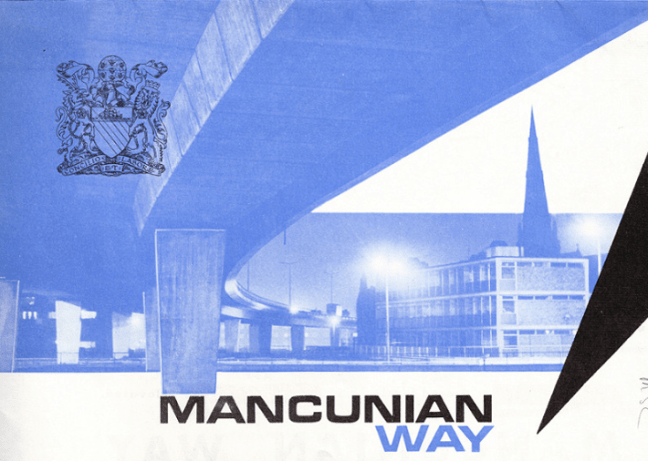
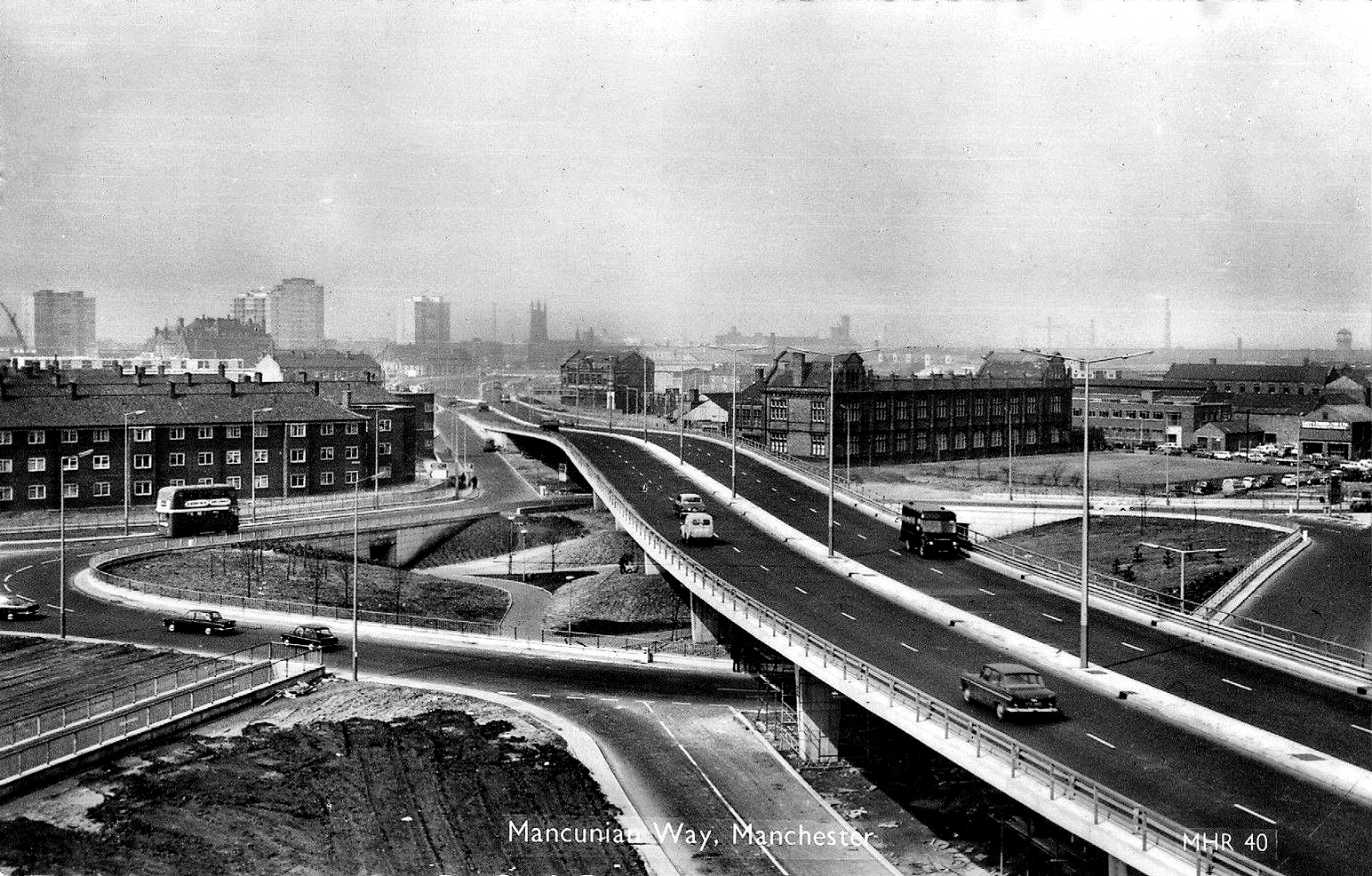
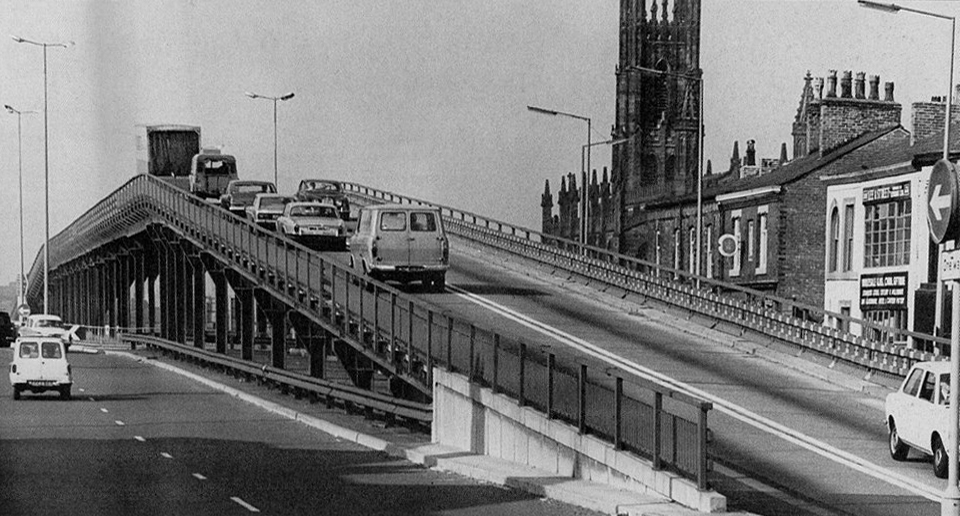
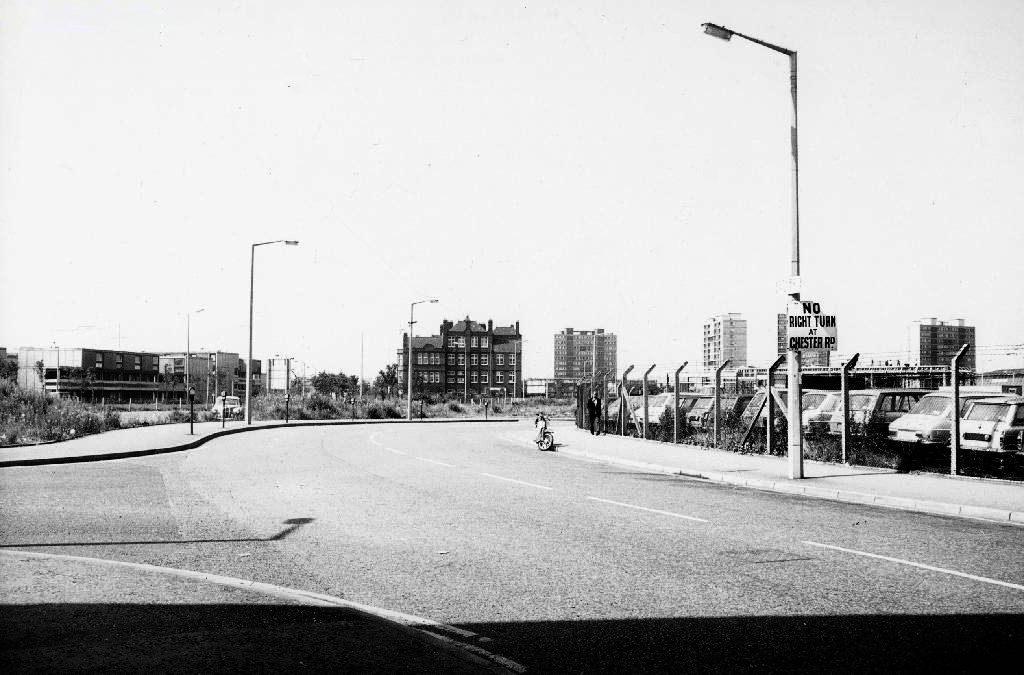
The Mancunian Way

The burnt out carcasses of cars are now hastily improvised cloches, following the annual cataclysmic courgette shortage.

Almost everything is made of Graphene, and a robot has taken your job.

The lucky ones are comfortably ensconced in custom built eco-pods, watching implanted Tarkovsky flicks around the clock and eating tasteless gloop.

Or Ultra-HD projections from the past.

Turn on.

Tune in.

Drop off.

Walk the Mancunian way – history buffs and tech heads can take a look here.

Photographs from the Manchester Image Archive

16463426_10212141901922228_700052626864377295_o

tumblr_nm6lpv4wwg1rr41pto1_1280

webmedia-1-php

webmedia-2-php

webmedia-3-php

webmedia-4-php

webmedia-7-php

webmedia-5-php

webmedia-6-php

webmedia-8-php

webmedia-9-php

webmedia-10-php

webmedia-11-php

webmedia-12-php

webmedia-13-php

webmedia-14-php

webmedia-15-php

webmedia-php

Transporter Bridge – Warrington

I set out one morning with a clear intent, to travel.

To travel to see the Warrington Transporter Bridge – of which I had only just become aware. Ignorance in this instance is not bliss, expectation and fulfilment is.

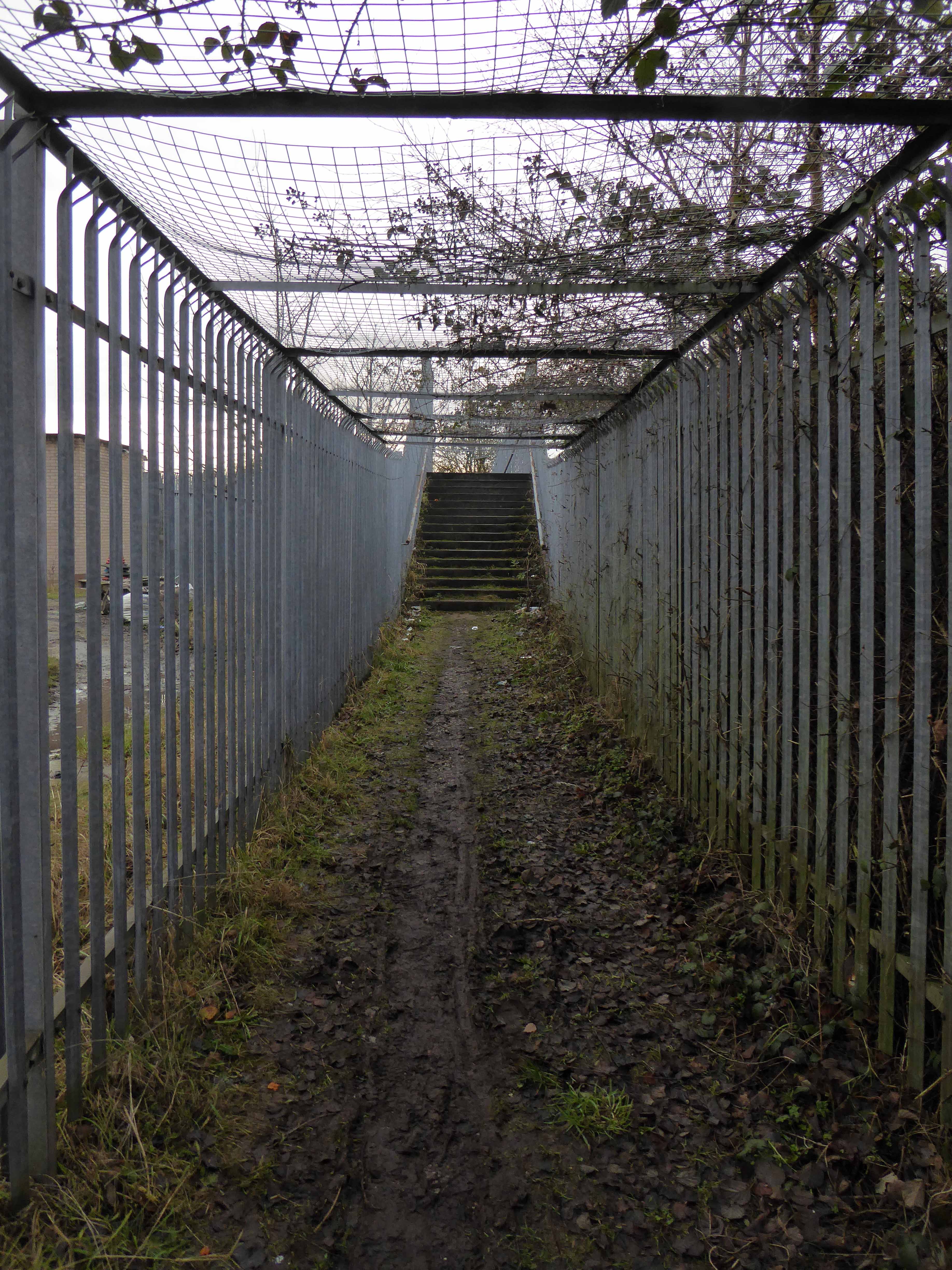
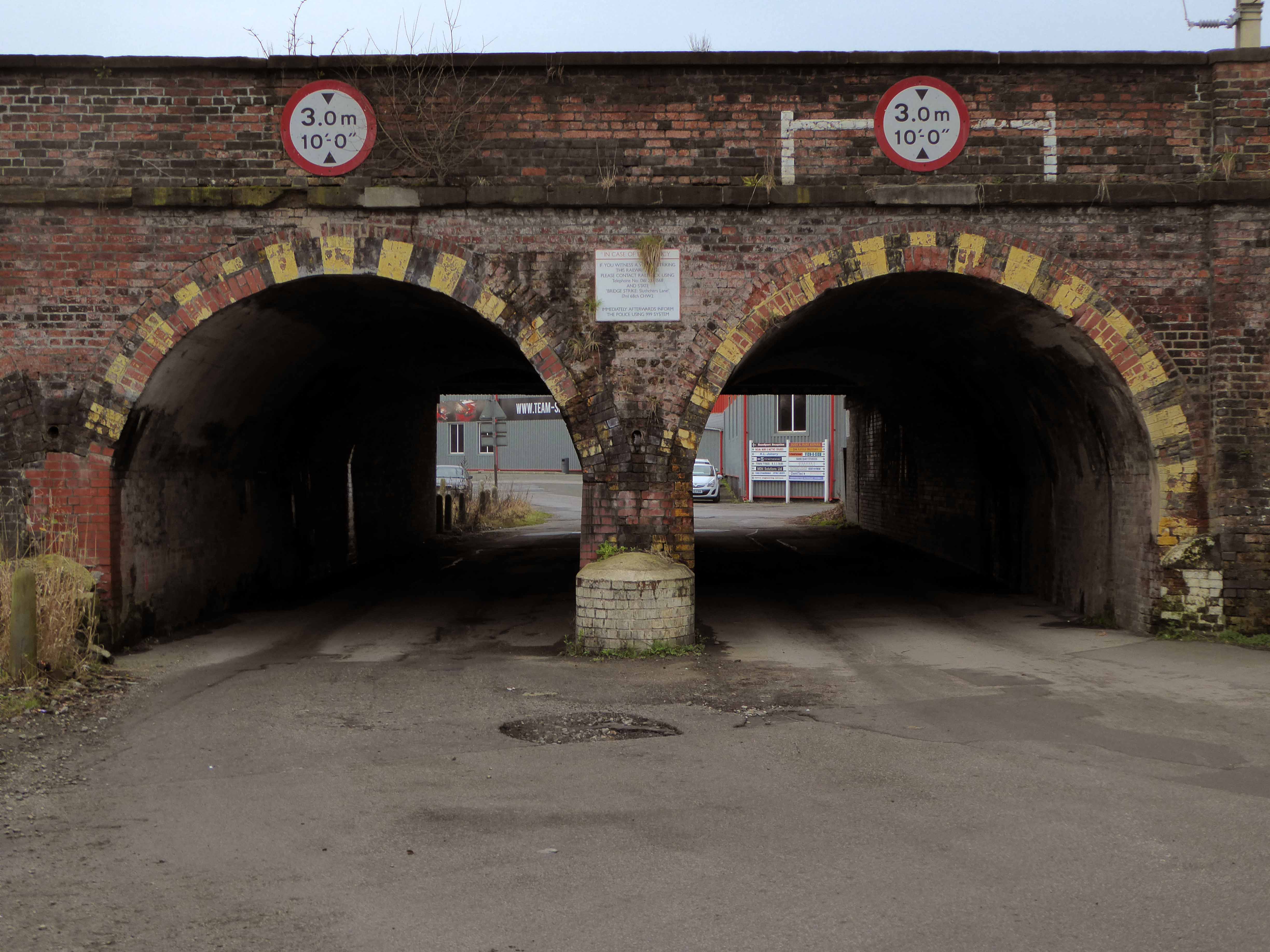
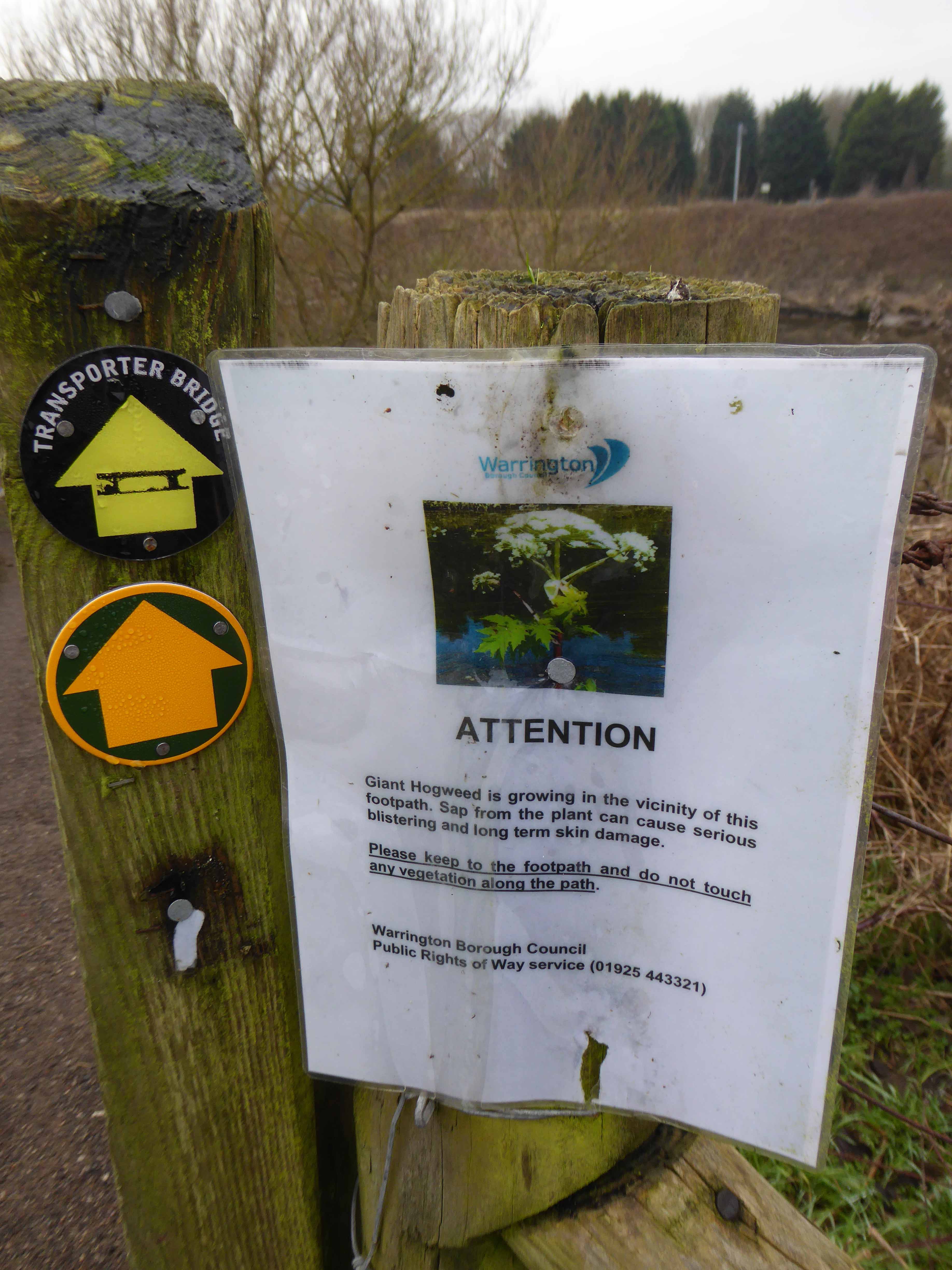
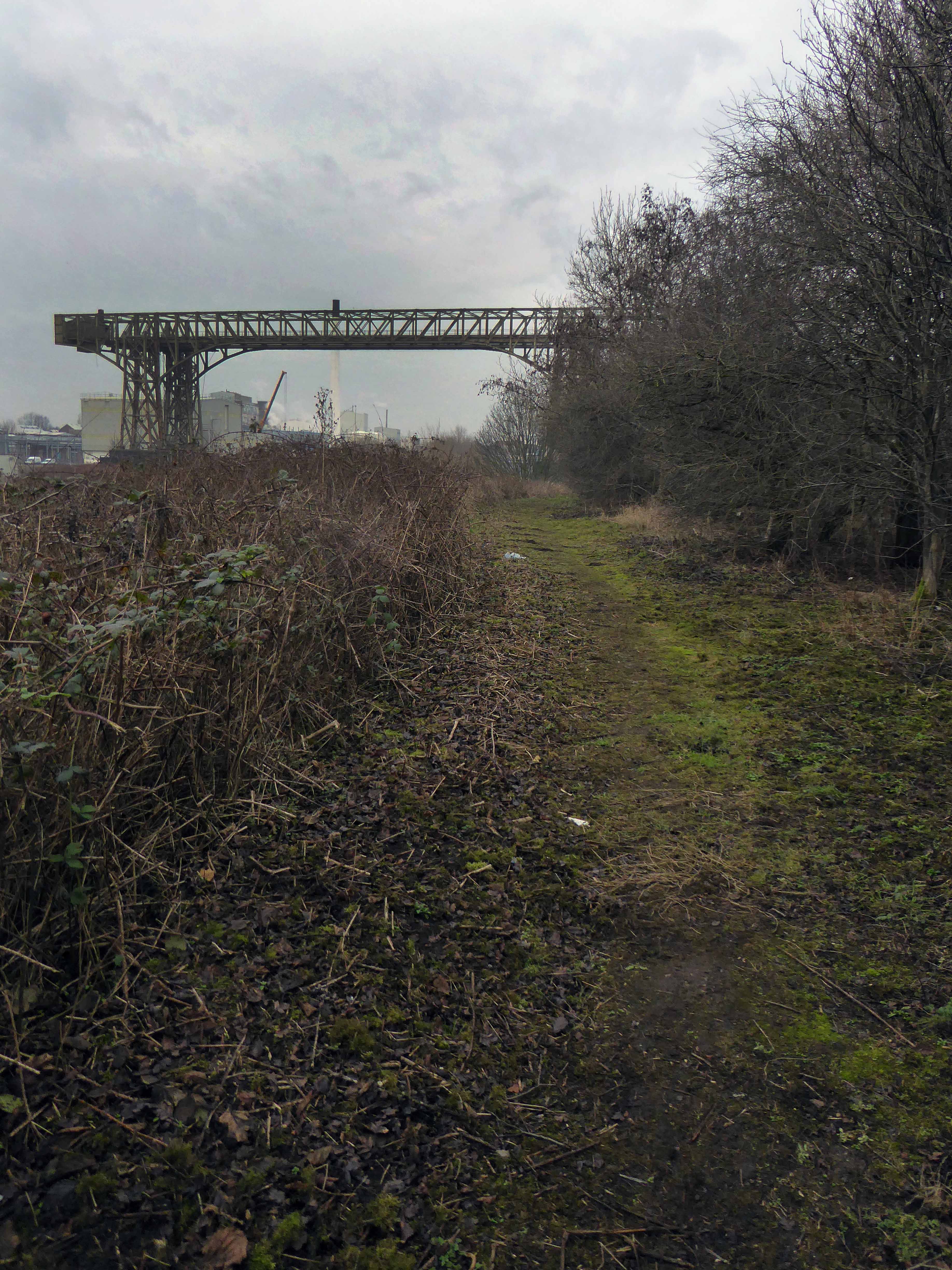
Guided by the detailed instructions on the Transporter Bridge Website I made my way from Bank Quay Station, mildly imperilled yet not impeded by caged walkways, tunnels, bridges, muddy paths and Giant Hogweed!

p1130109

p1130111

p1130164

p1130122

p1130127

Finally catching a glimpse of:

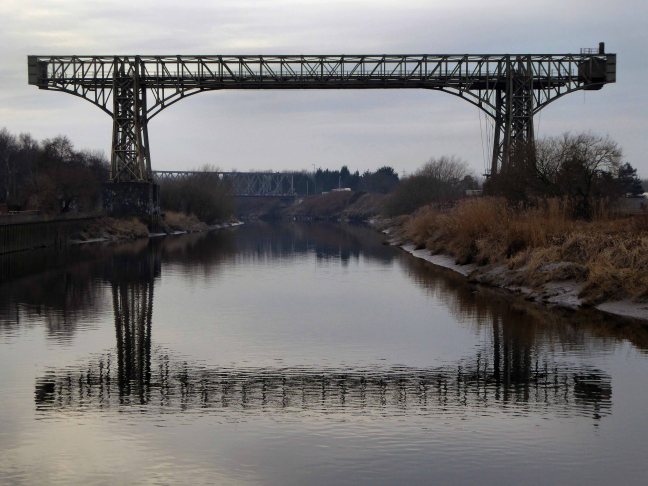
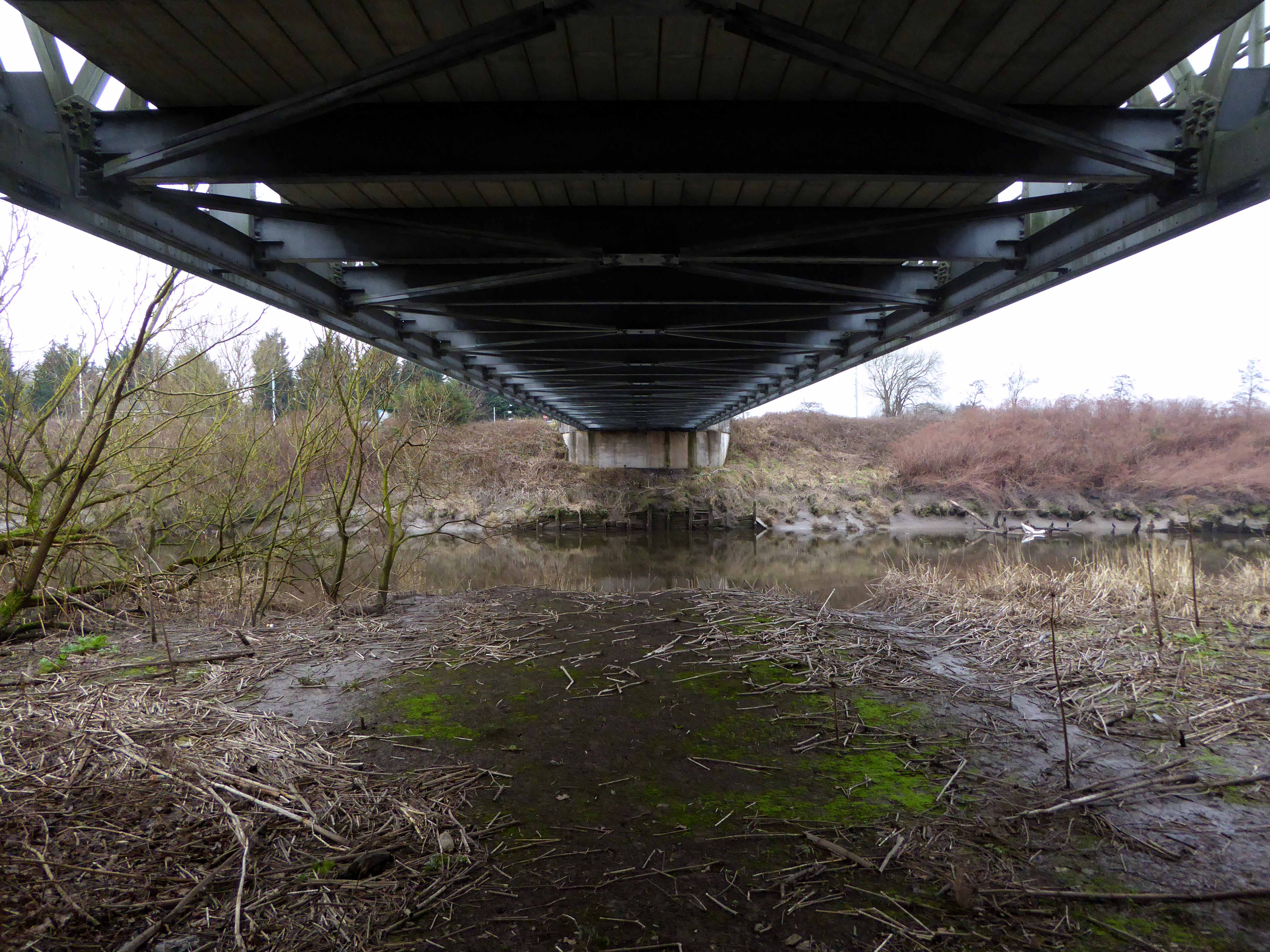
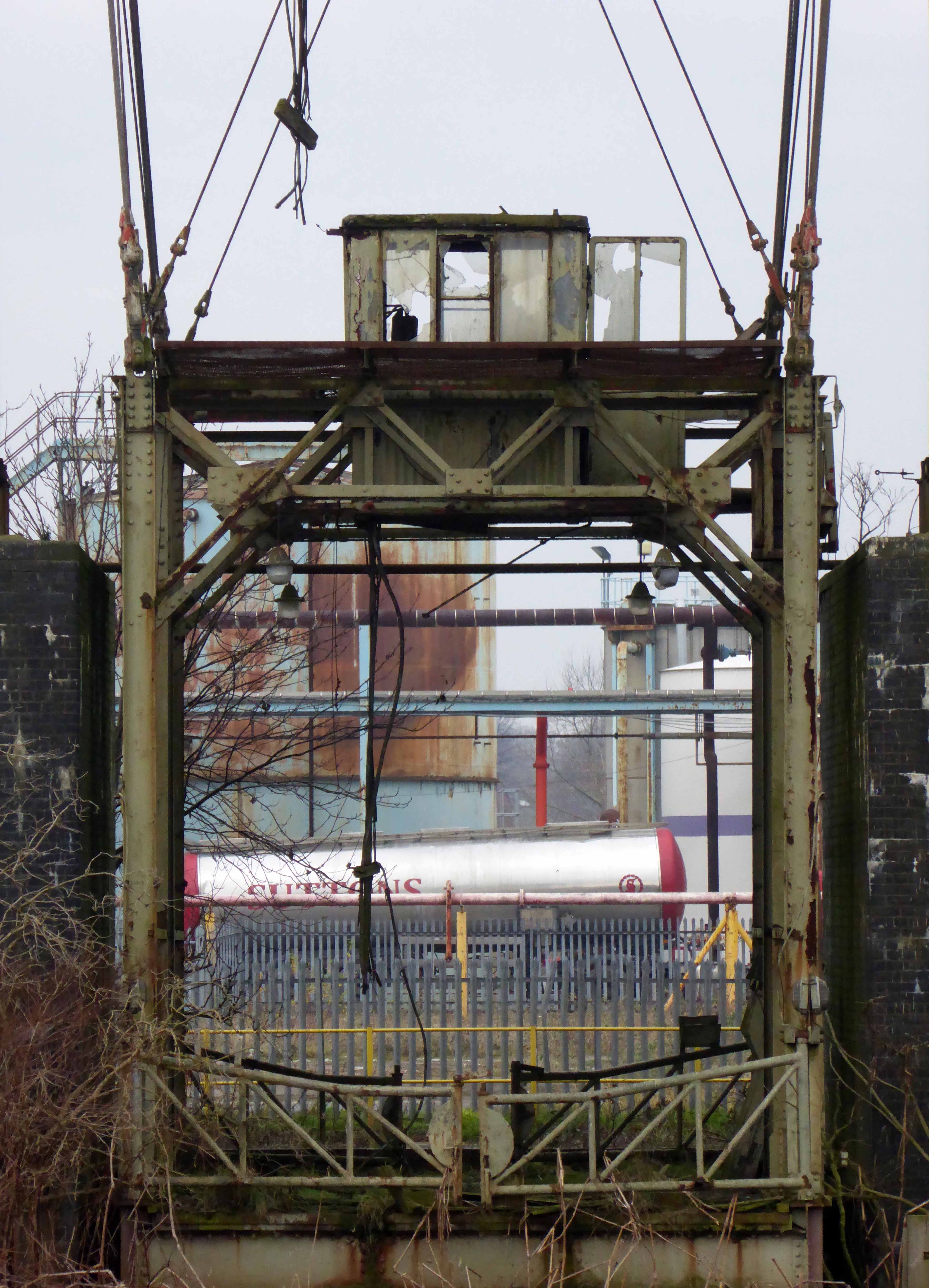
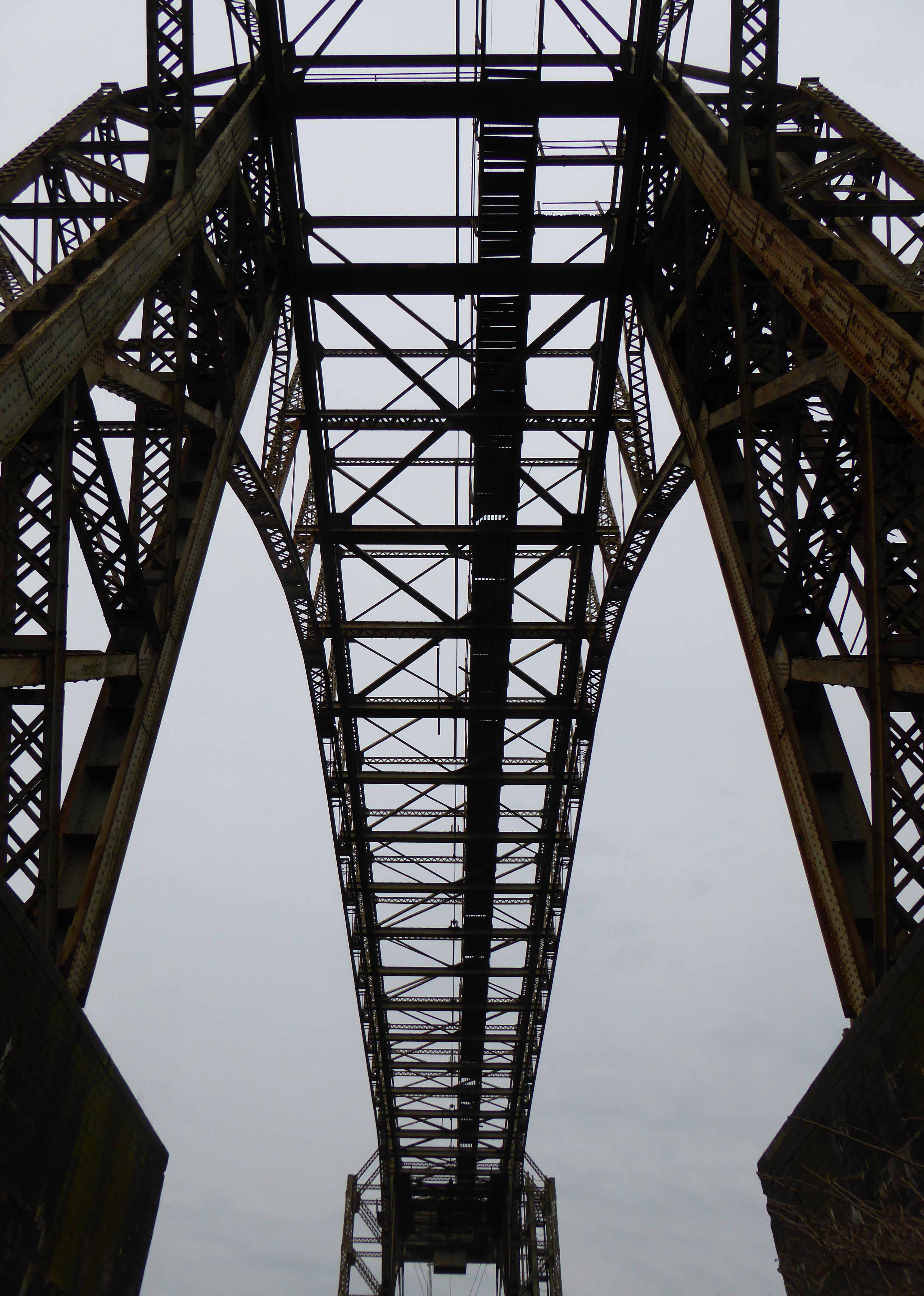
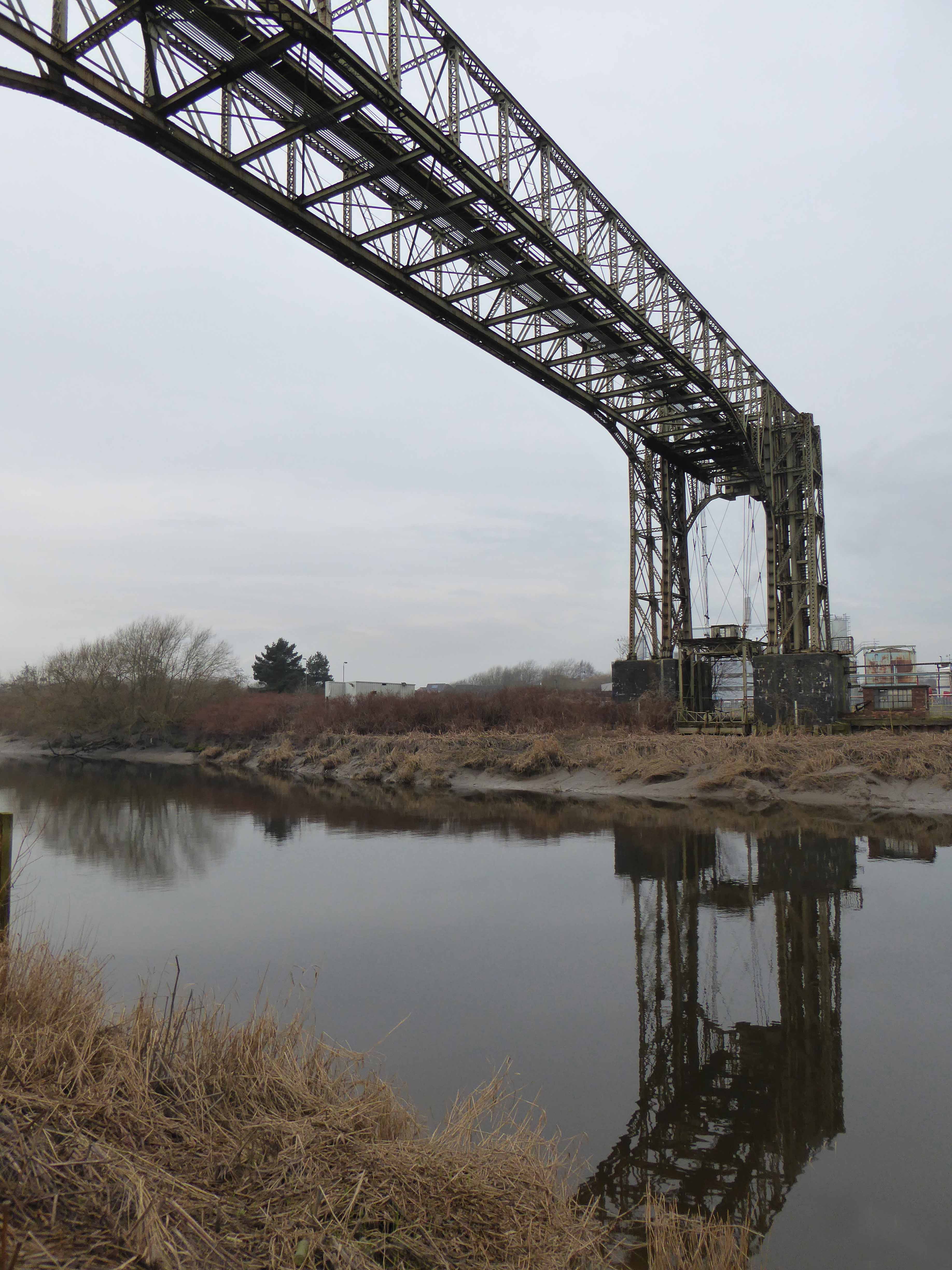
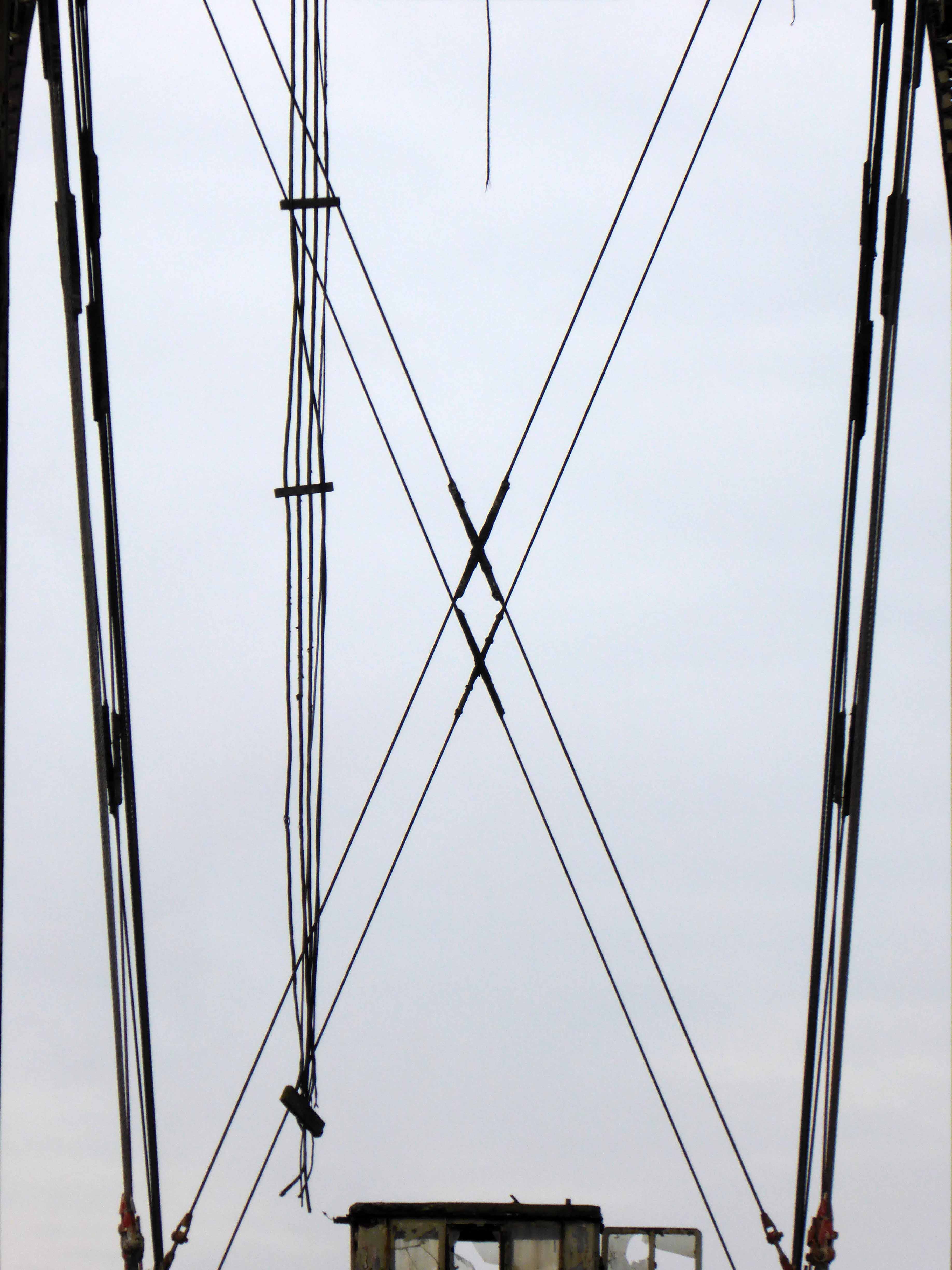
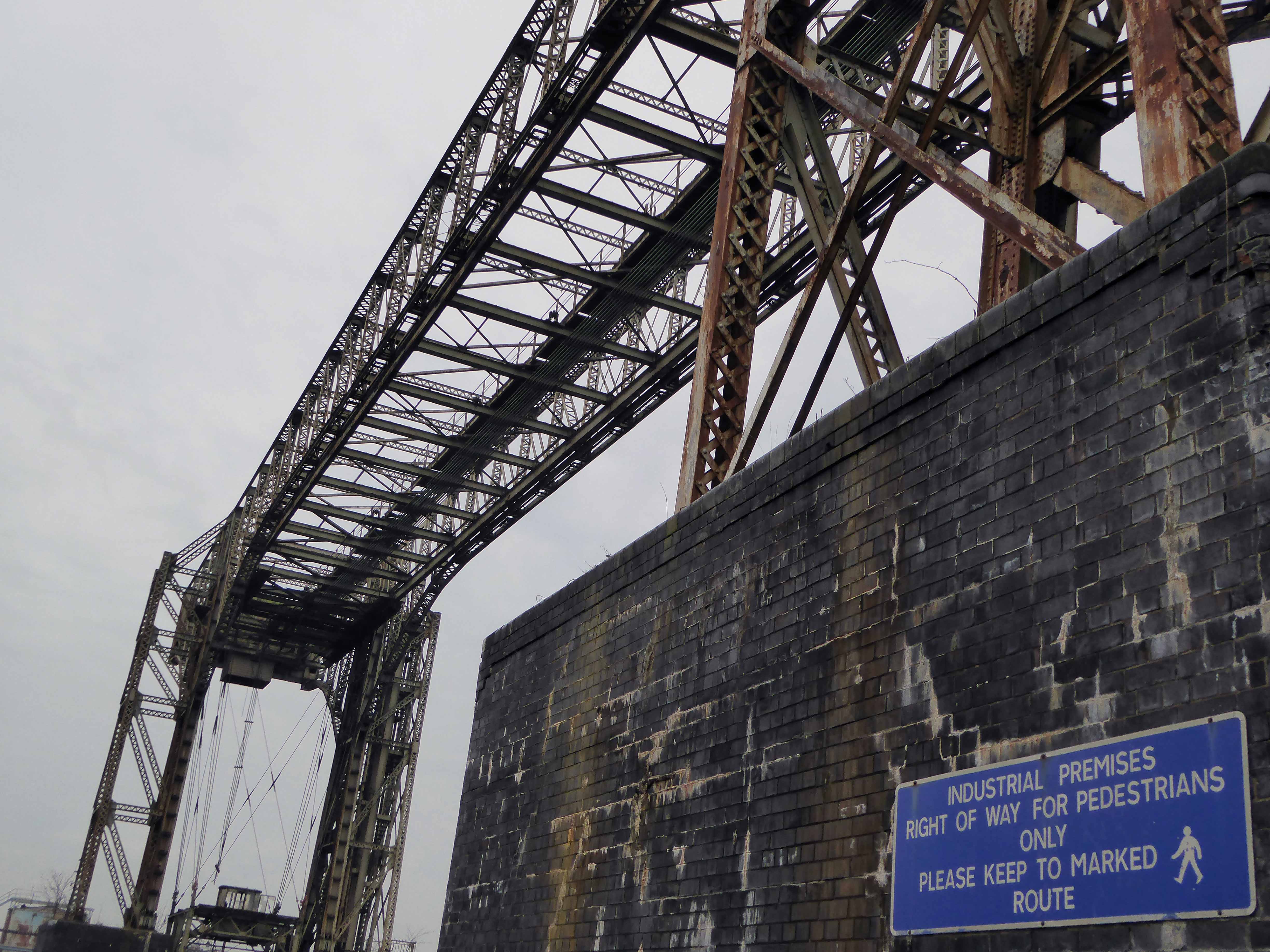
Warrington Transporter Bridge, also known as Bank Quay Transporter Bridge or Crosfield’s Transporter Bridge, across the River Mersey is a structural steel transporter bridge with a span of 200 feet. It is 30 feet wide, and 76 feet above high water level, with an overall length of 339 feet. It was built in 1915 and, although it has been out of use since about 1964, it is still standing. It was designed by William Henry Hunter and built by William Arrol and Co.

bridge_in_use_1951

The bridge in use 1951.

It is till standing today, and was built to despatch finished product from the cement plant that had been built on the peninsula. It was originally used to carry rail vehicles up to 18 tons in weight, and was converted for road vehicles in 1940. In 1953 it was modified to carry loads of up to 30 tons.

The bridge is designated by English Heritage as a Grade II* listed building, and because of its poor condition it is on their Heritage at Risk Register. The bridge is protected as a Scheduled Ancient Monument.

My thanks to the Friends of the Warrington Transporter Bridge for the historical information and archive image.

Here are my photographs expectations more than fully fulfilled an epic structure and a triumph of engineering, go take a look real soon.

p1130129

p1130133

p1130134

p1130135

p1130136

p1130144

p1130145

p1130148

p1130149

p1130158

p1130166

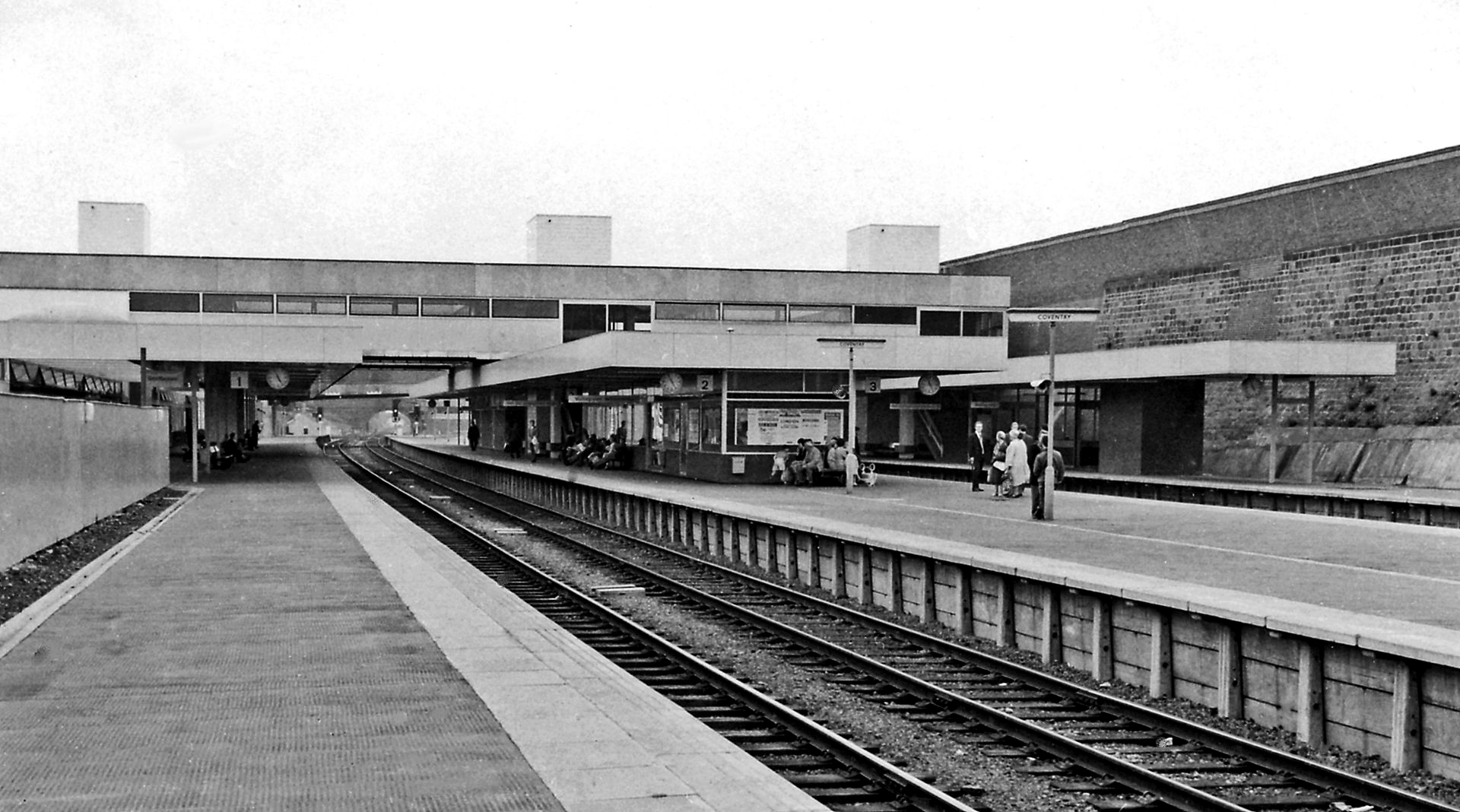
Coventry – Railway Station

Steven Parissien, director of Compton Verney Museum in Warwickshire, says:

“Coventry is a great station. Its predecessor was pummelled to bits but it really wasn’t particularly marvellous anyway.

station-platform1940

“The new station really came into its own. Built in the same month as the cathedral, in a way it was just as emblematic as the cathedral, though not quite so famous.

“It’s a light and airy place with a nice design. You do come out and have the ring road right in front of you which pedestrians have to guess where to go but that’s not really the fault of the station developers.”

coventry_station_newly_rebuilt_geograph-2986359-by-ben-brooksbank

screen-shot-2016-09-30-at-12-14-04

screen-shot-2016-09-30-at-12-14-28

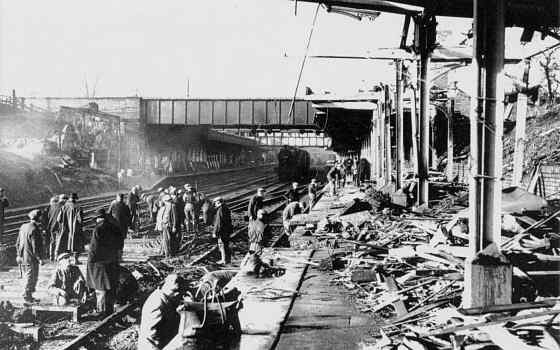
The original station was built in 1838 as part of the London and Birmingham Railway and could be entered from Warwick Road, where two flights of stairs took the passengers down to the platform. Within two years it had been replaced, with a new larger station, a few hundred feet nearer to Rugby, this time, accessed via Eaton road. In the late 19th century the Coventry tram network extended to the station at Eaton Road. The original station remained in service as the station masters offices, until the station was redeveloped in the early 1960s by the London Midland Region of British Railways.

Architects Derrick Shorten worked with John Collins, Mike Edwards and Keith Rawson.

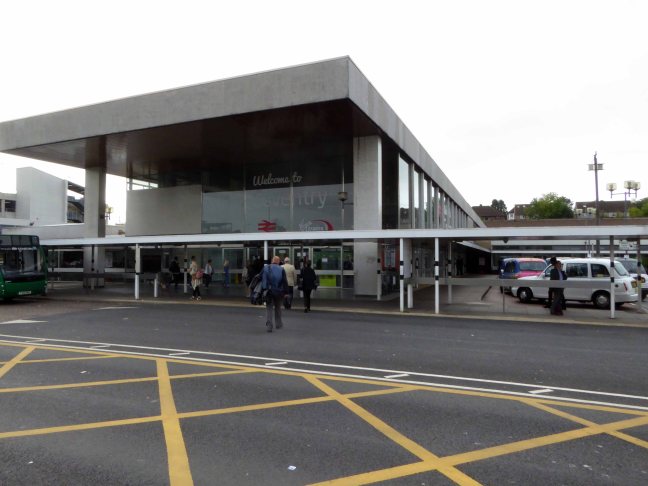
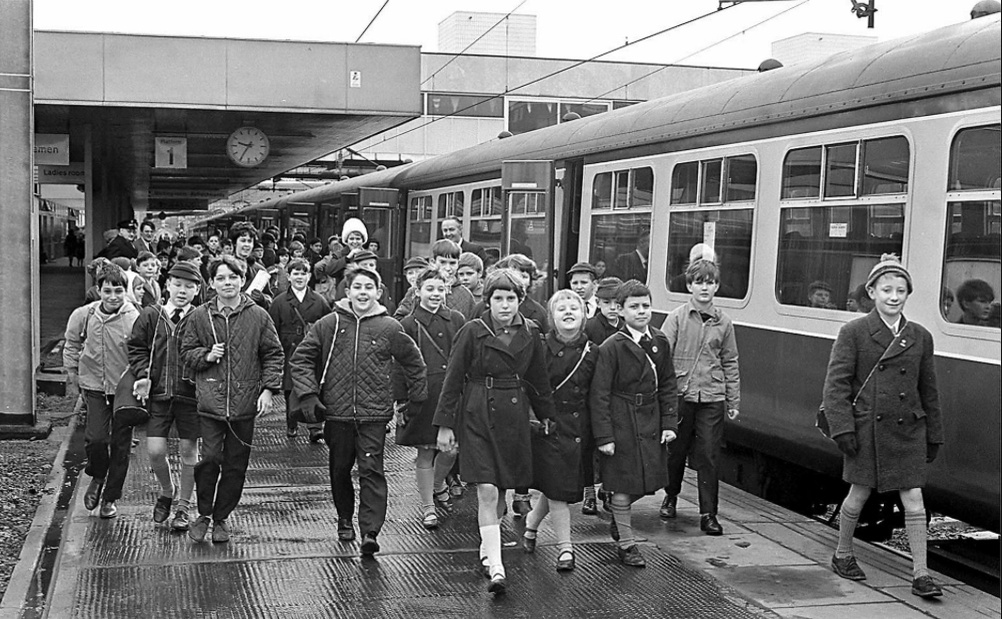
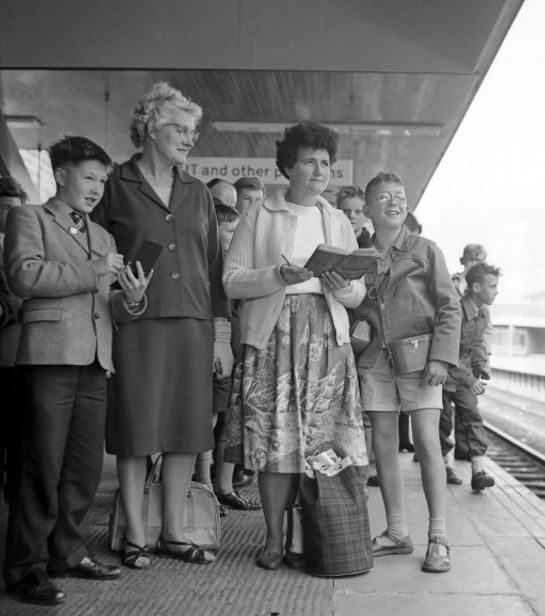
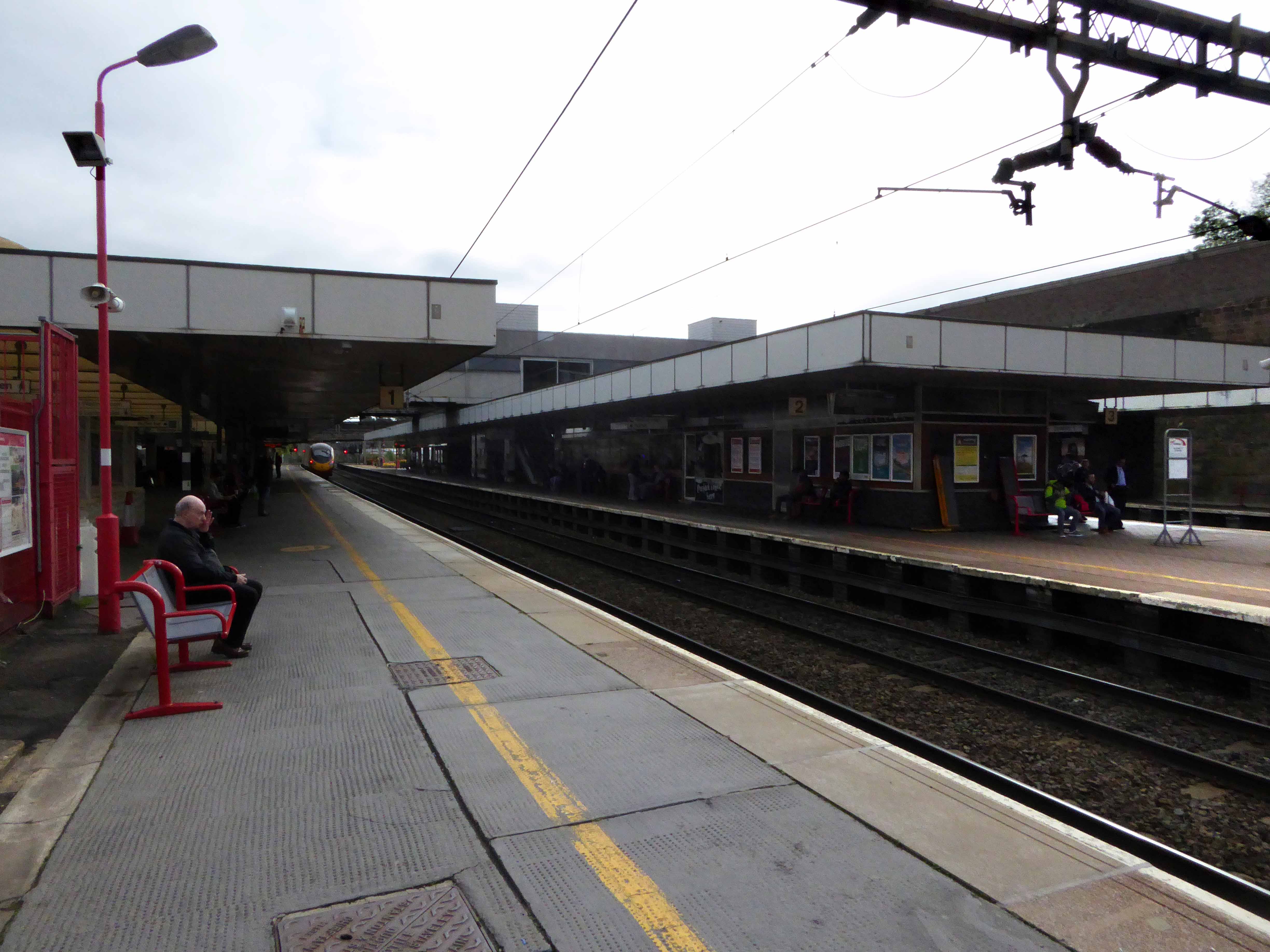
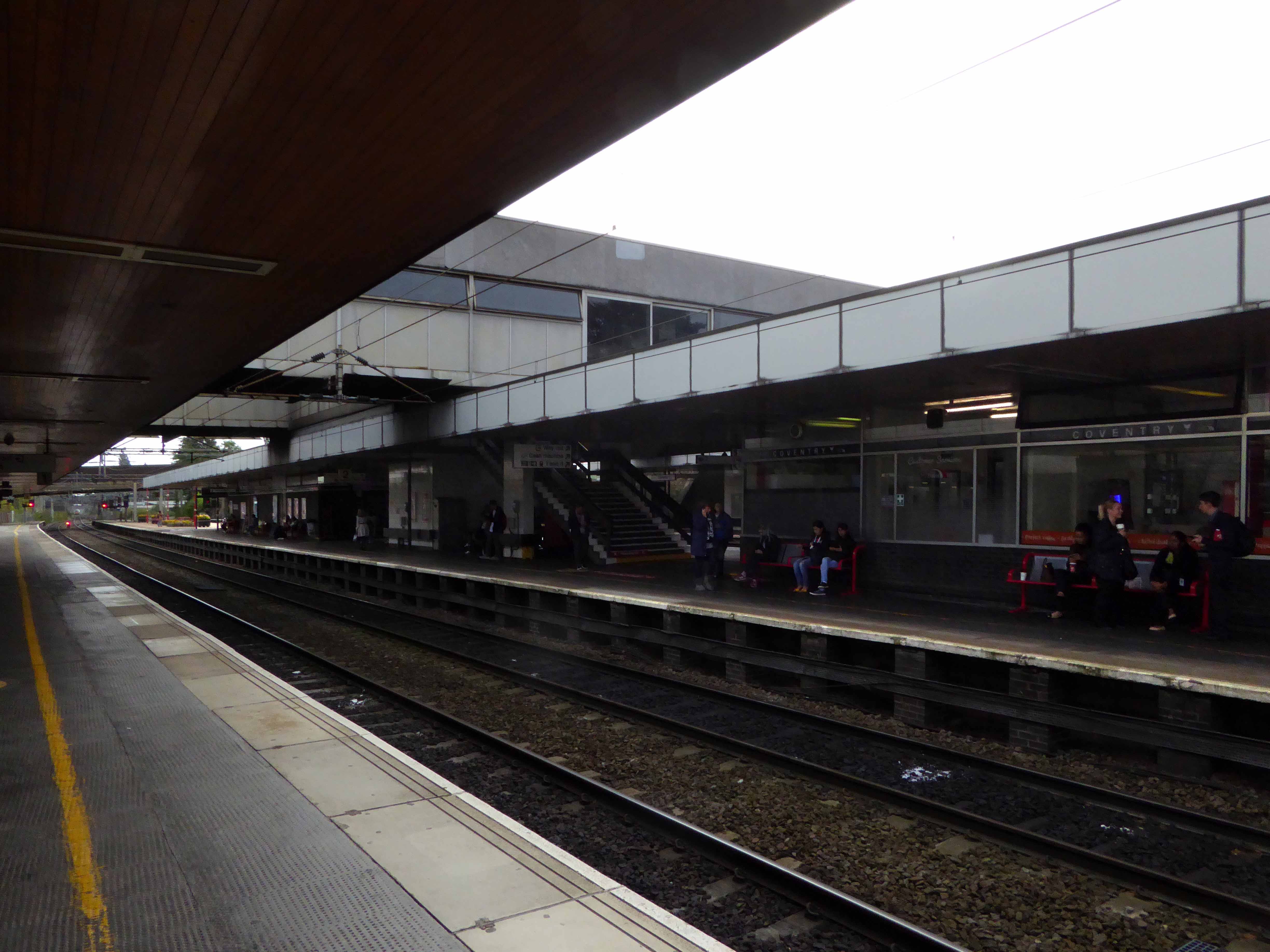
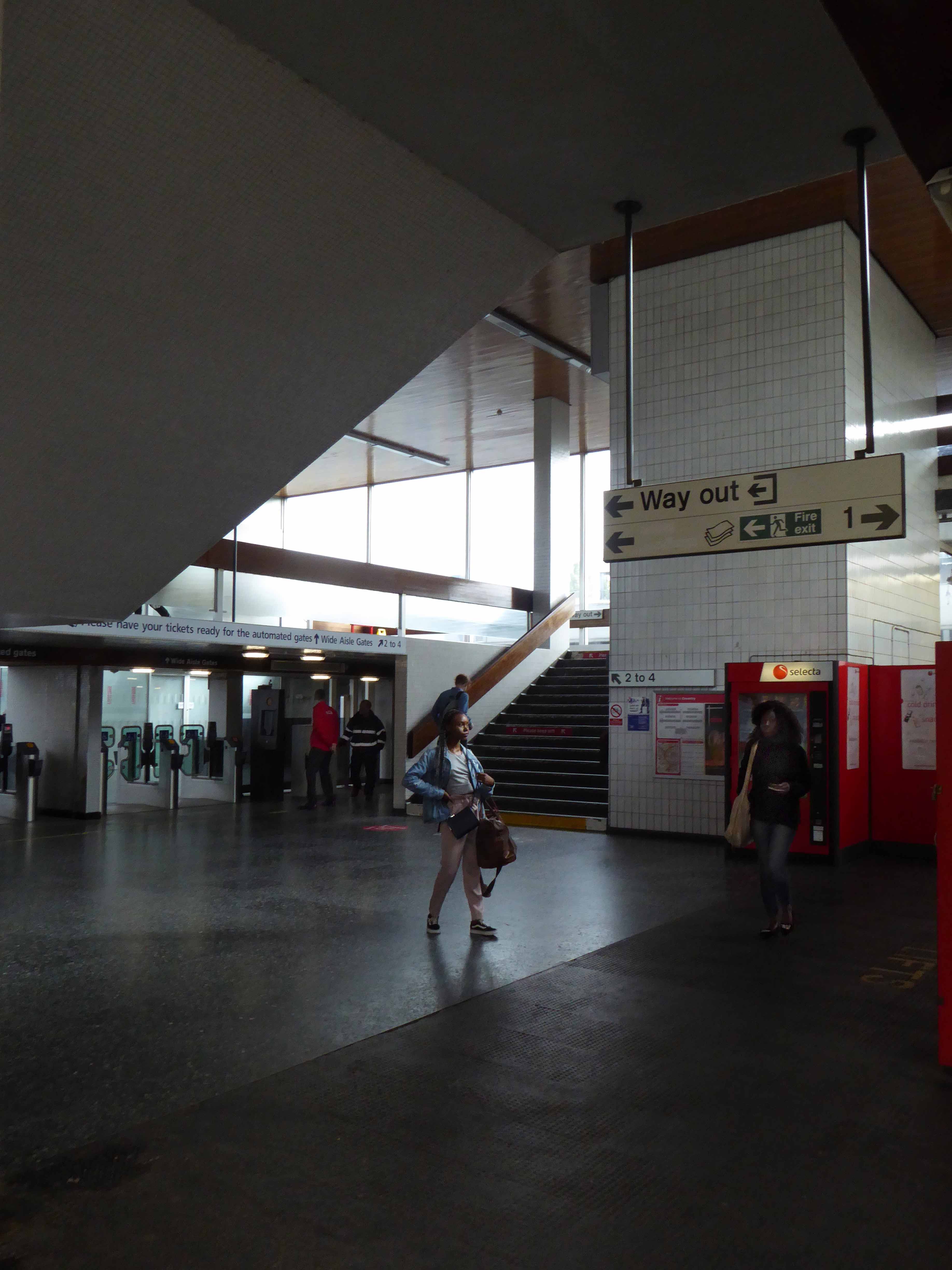
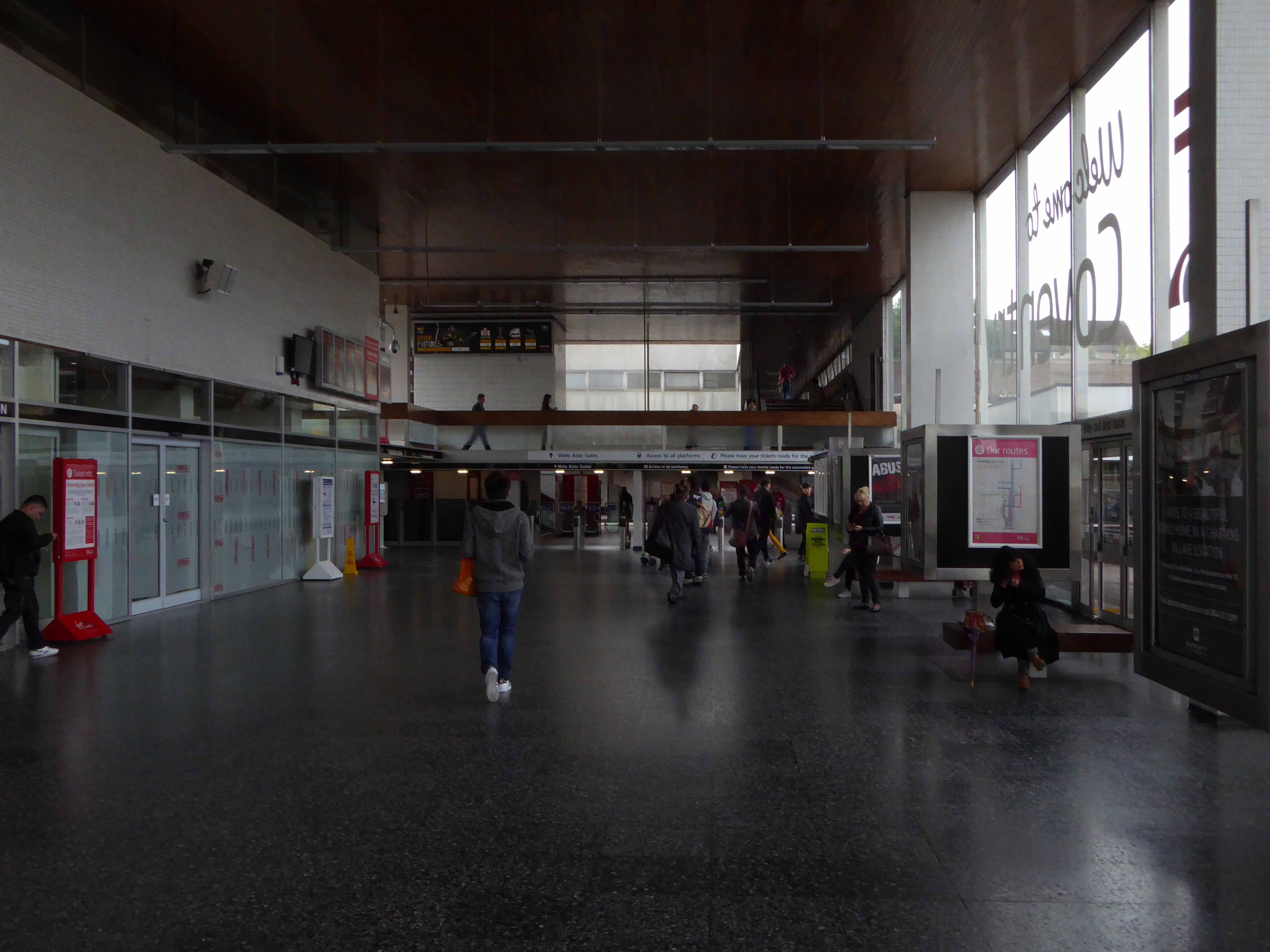
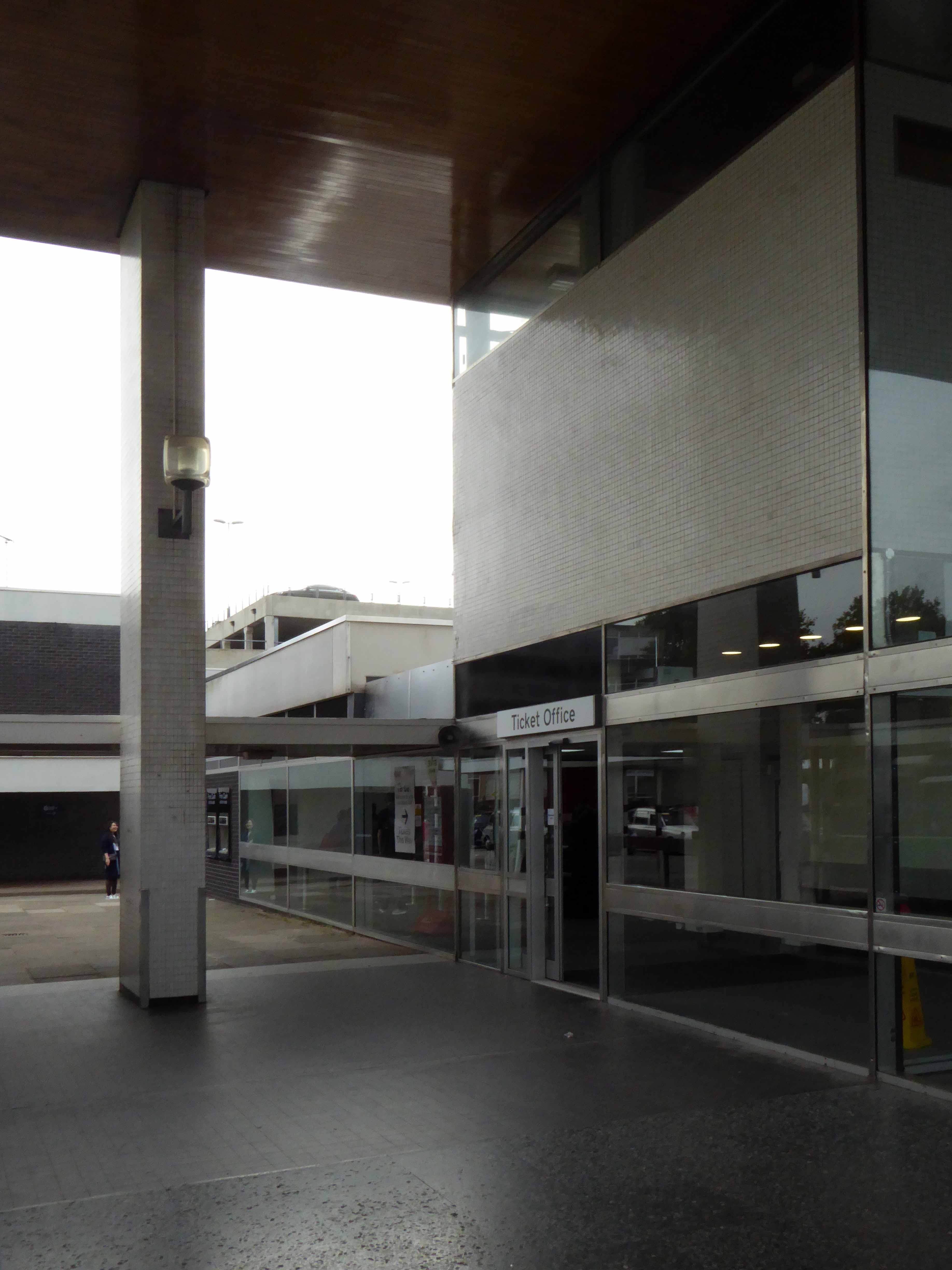
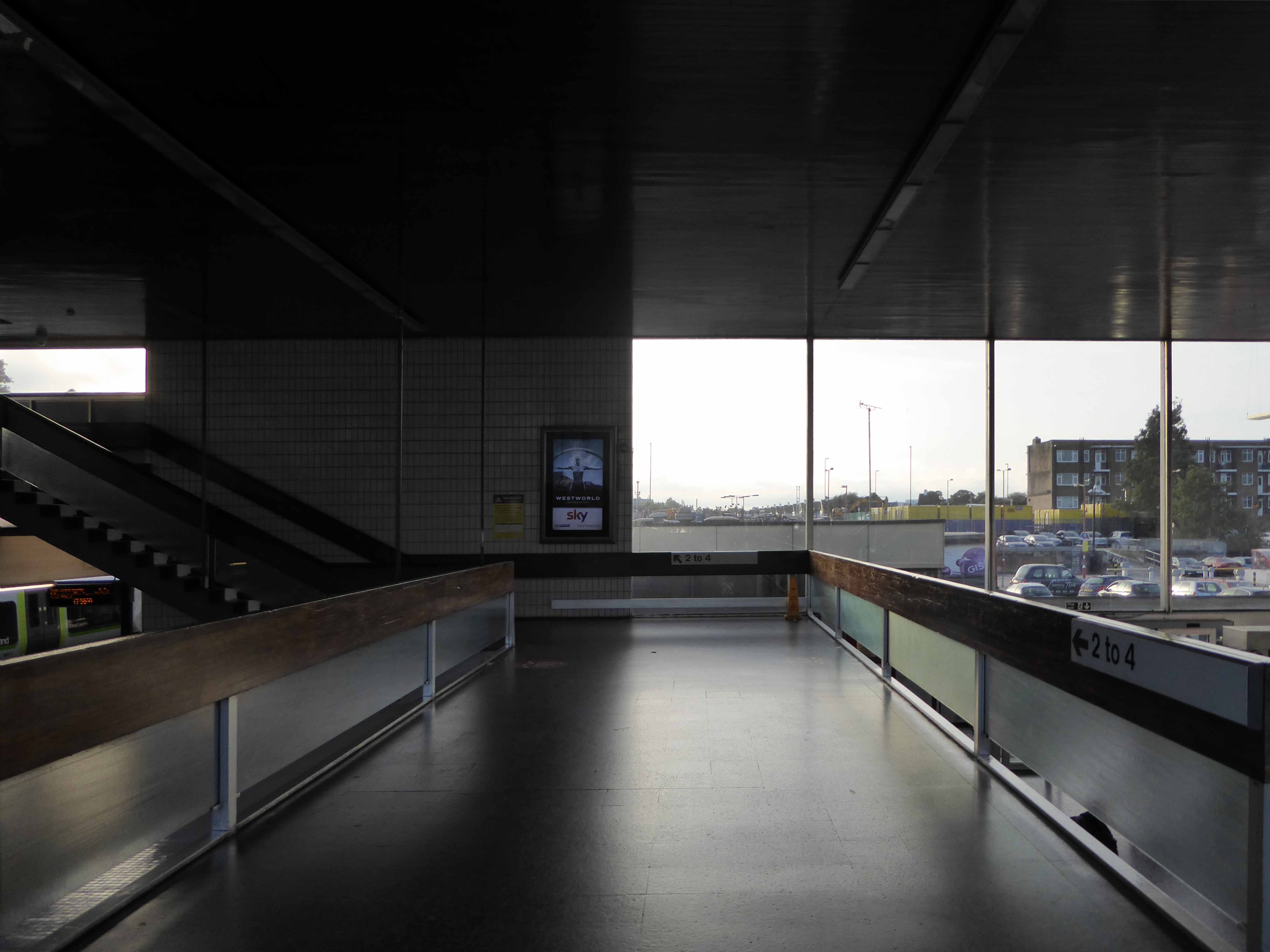
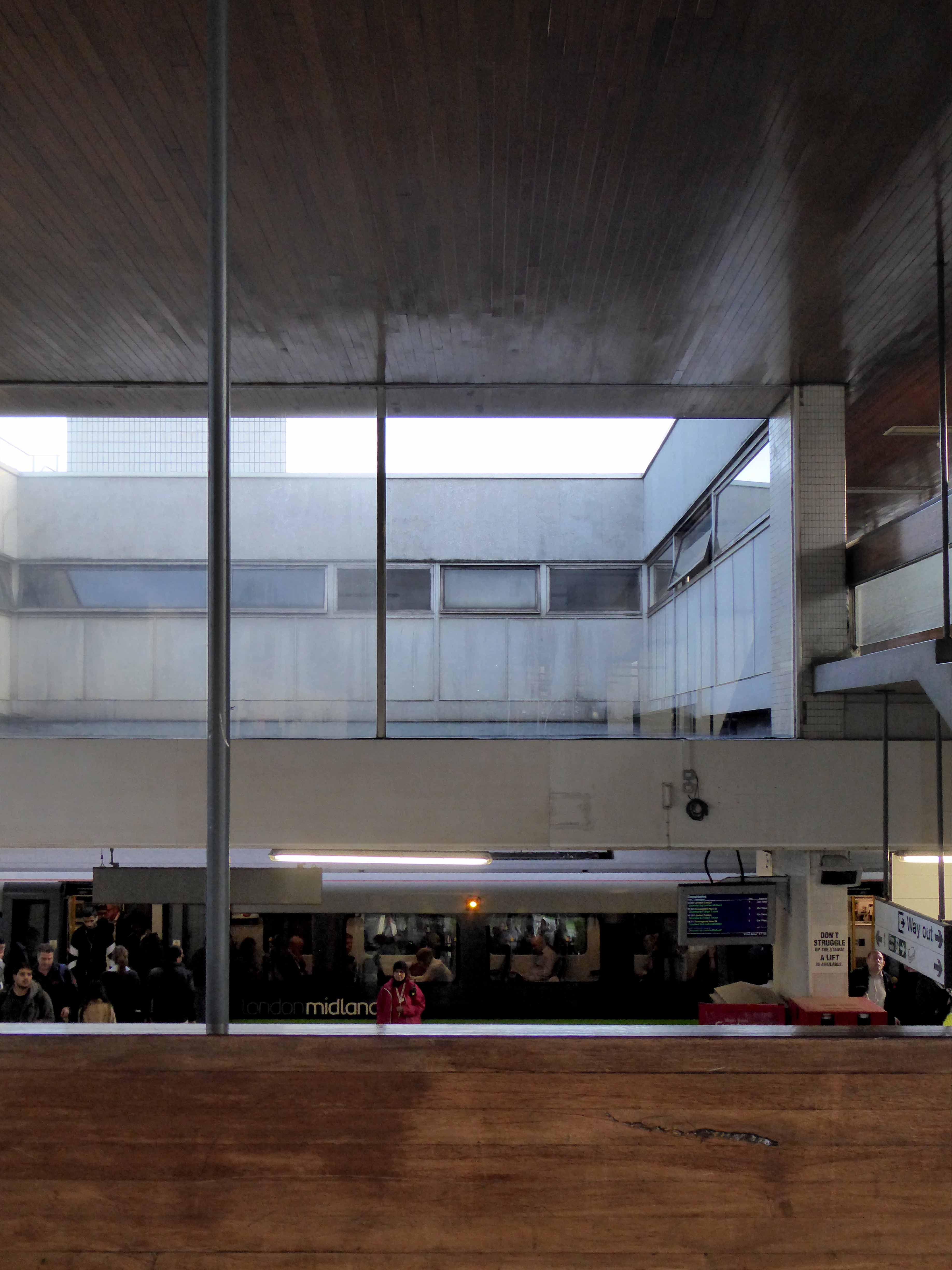
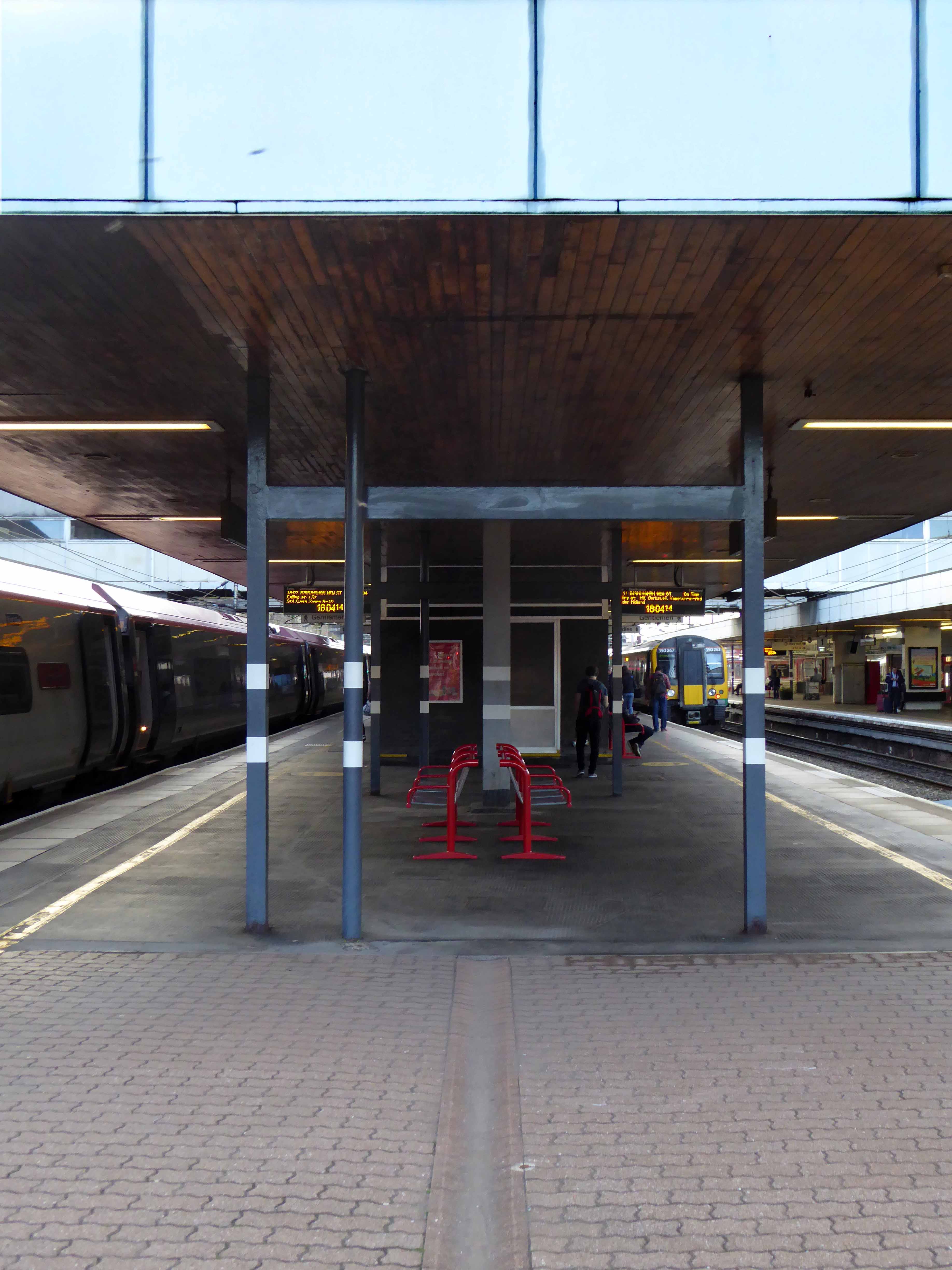
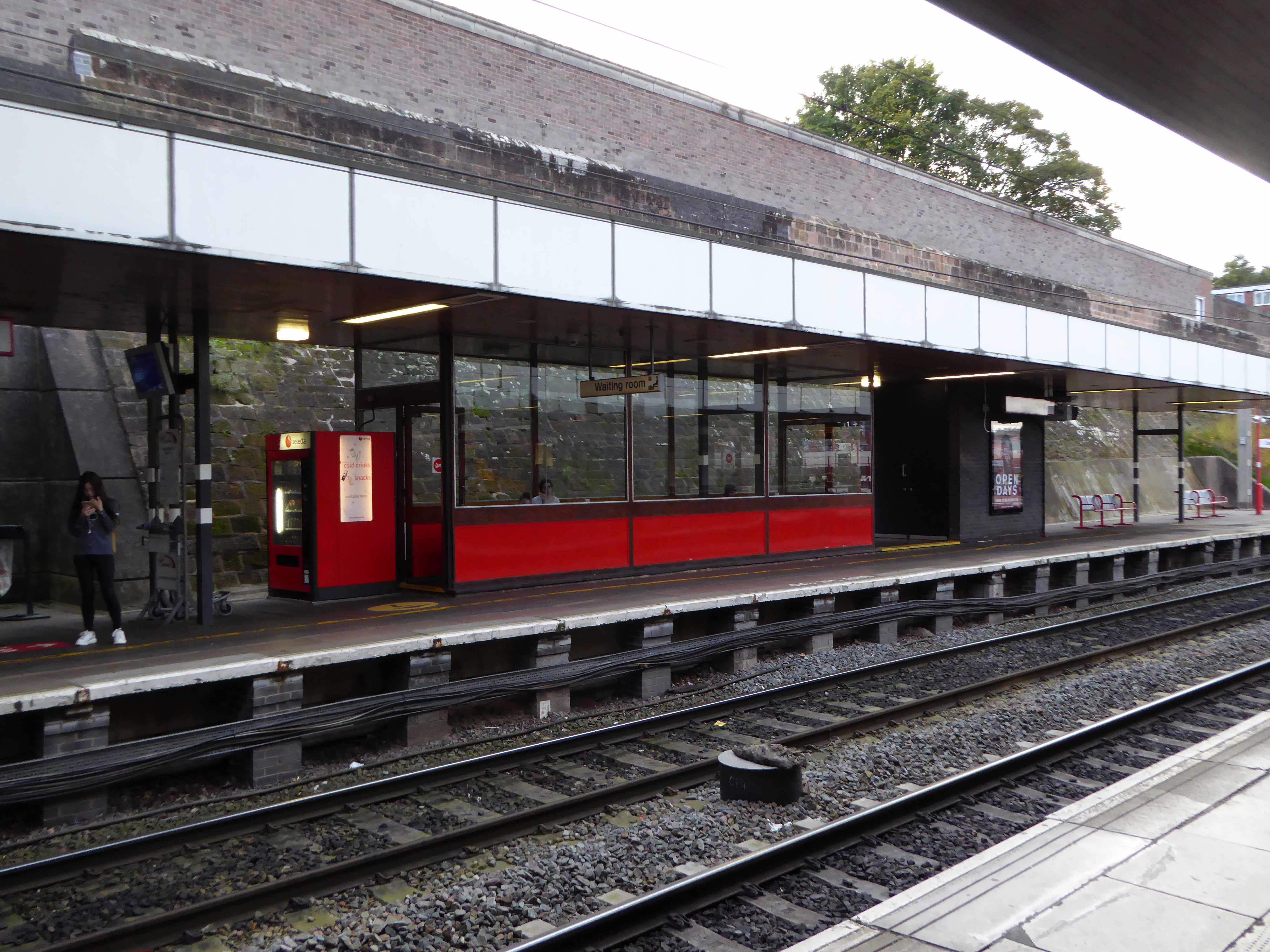
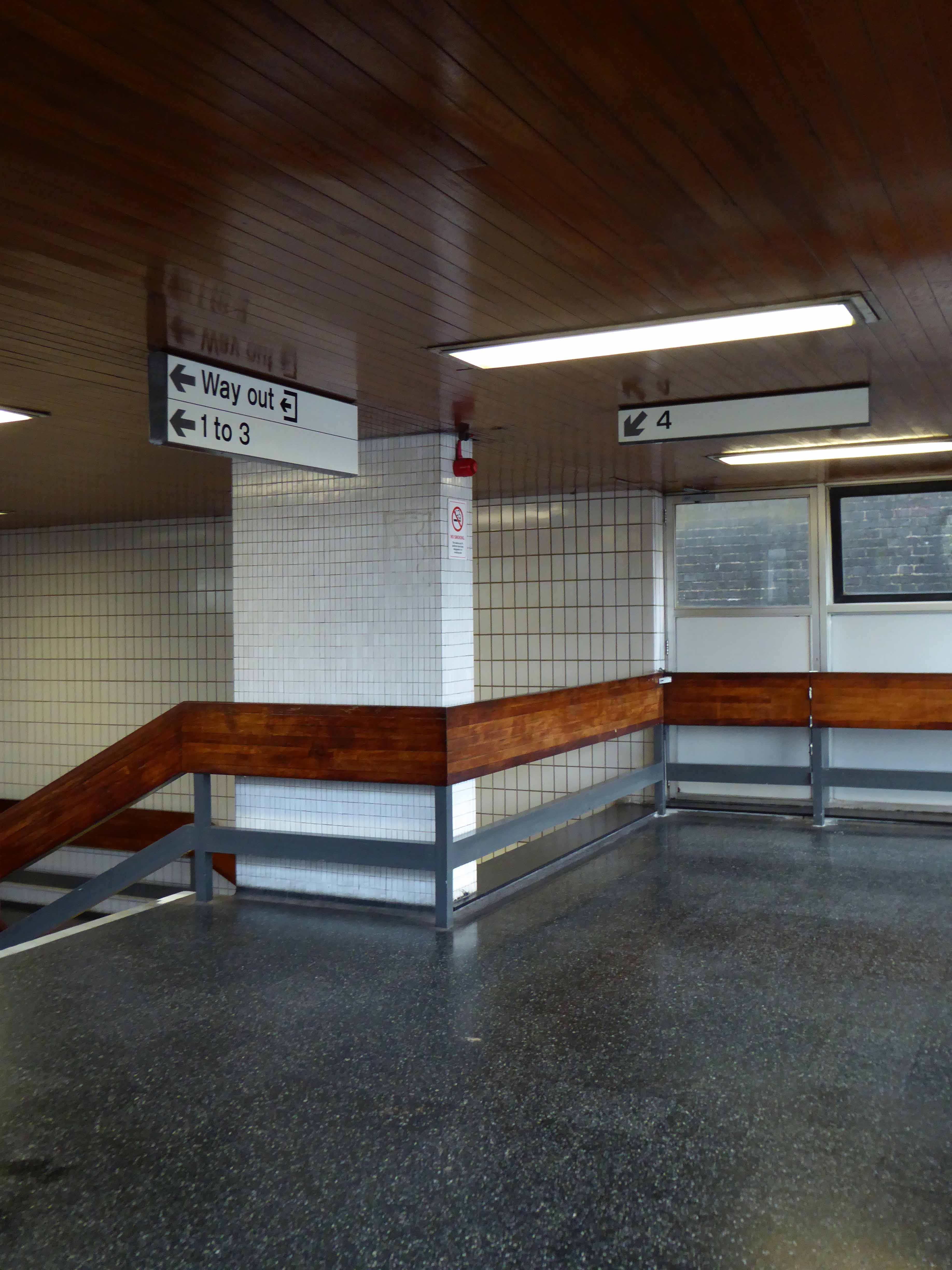
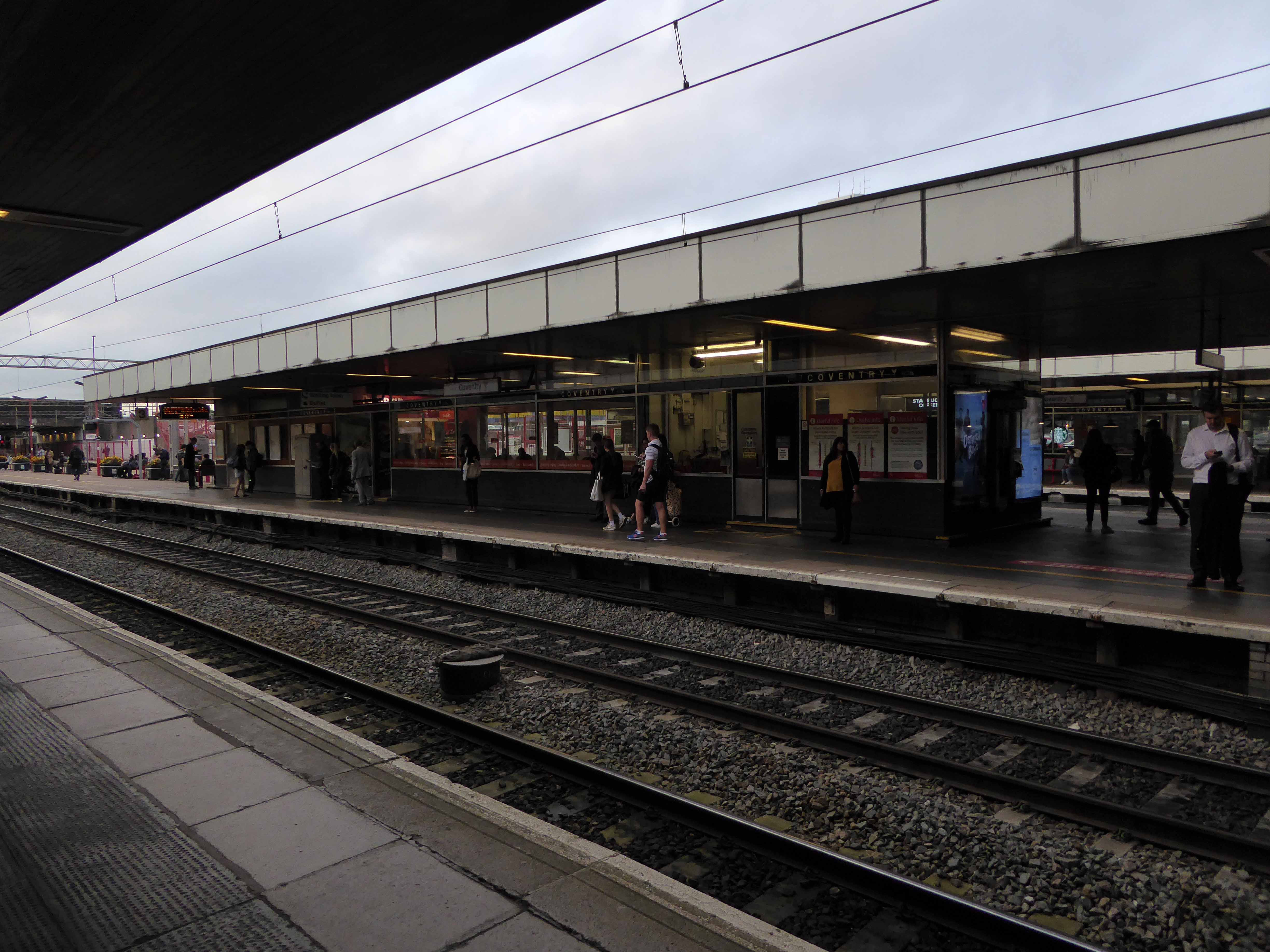
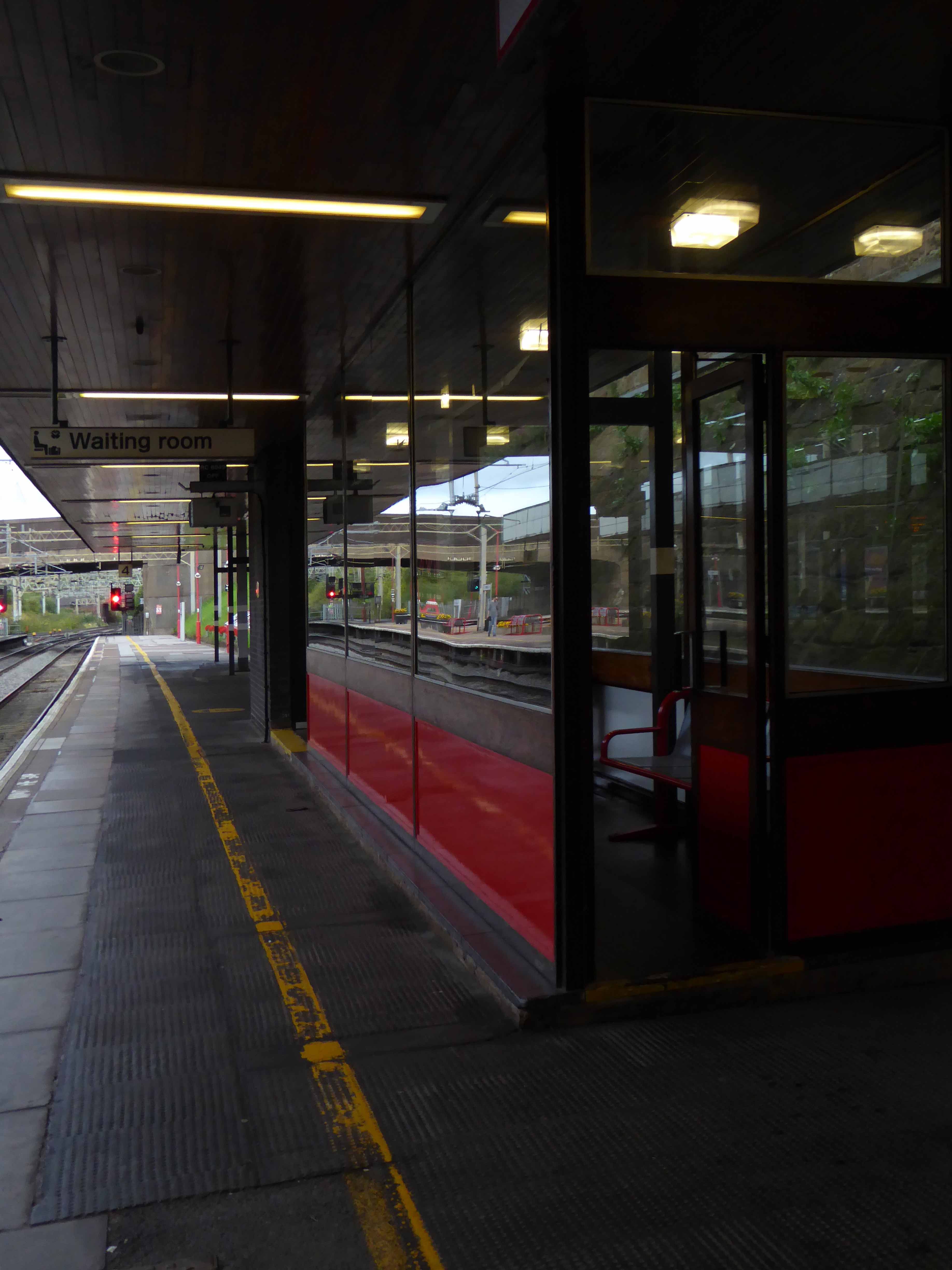
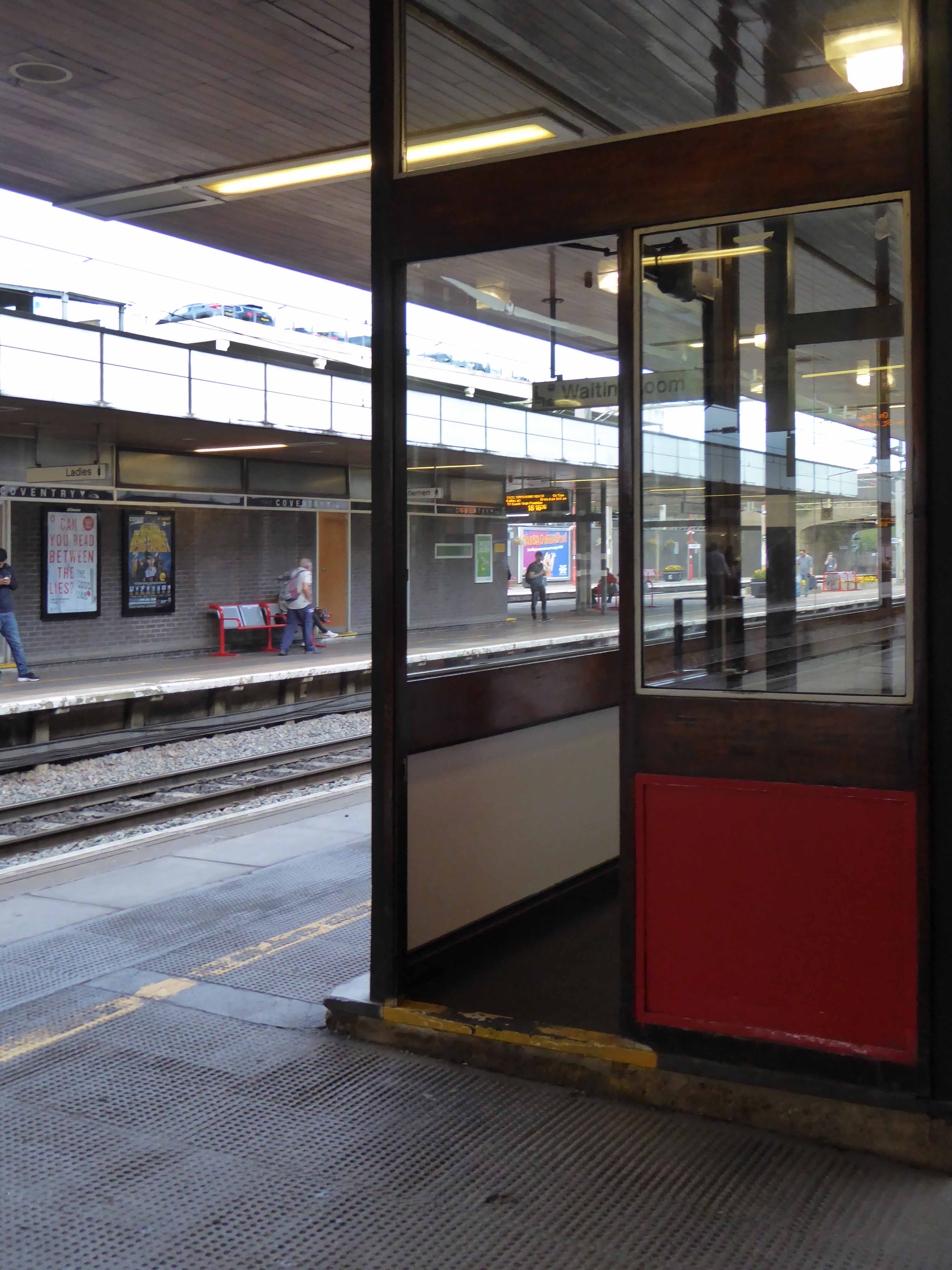
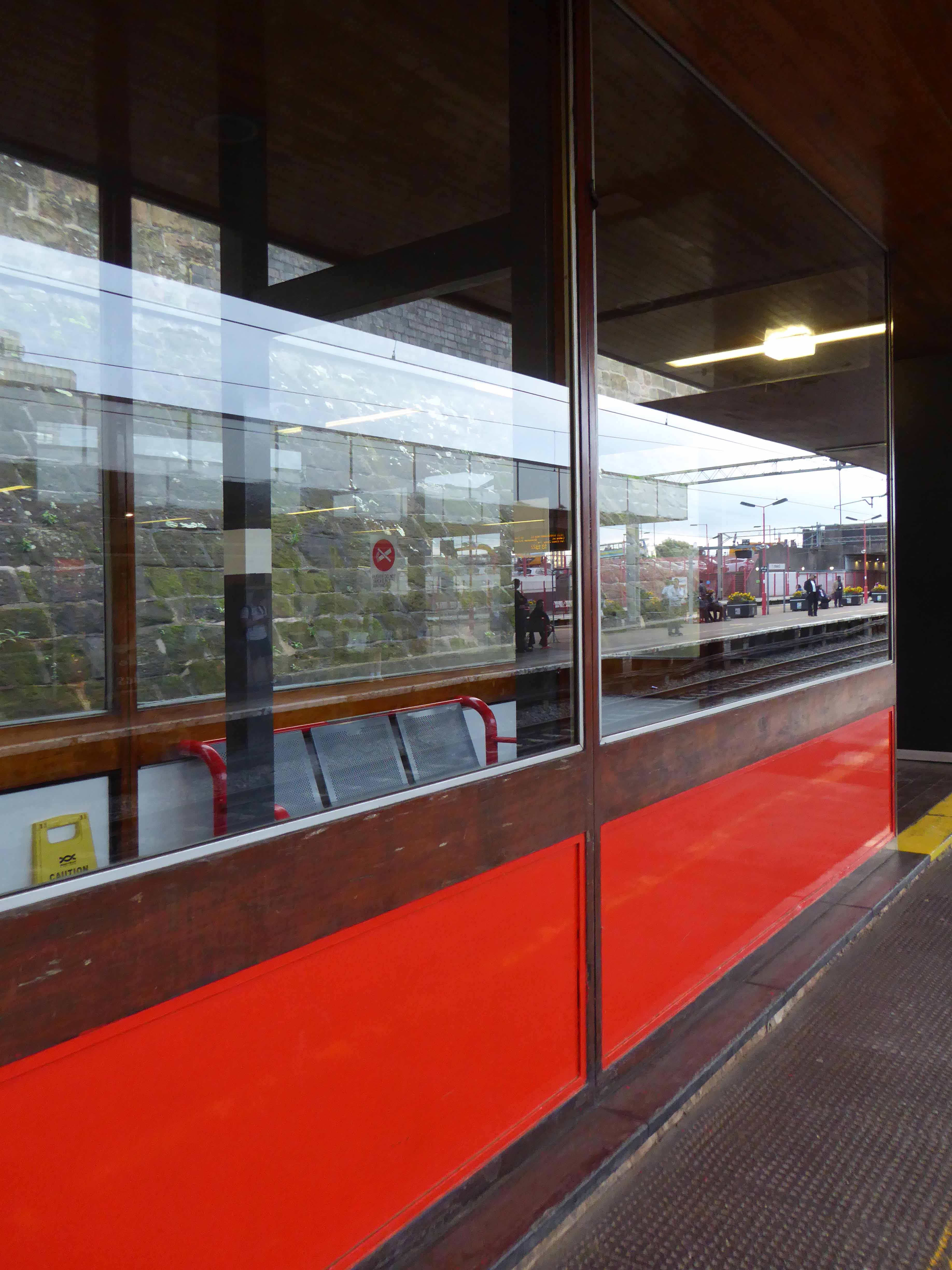
Sent to Coventry, under an imperative to explore the post-war redevelopment of a great city, I arrived by train, more than somewhat unsurprisingly at the station.

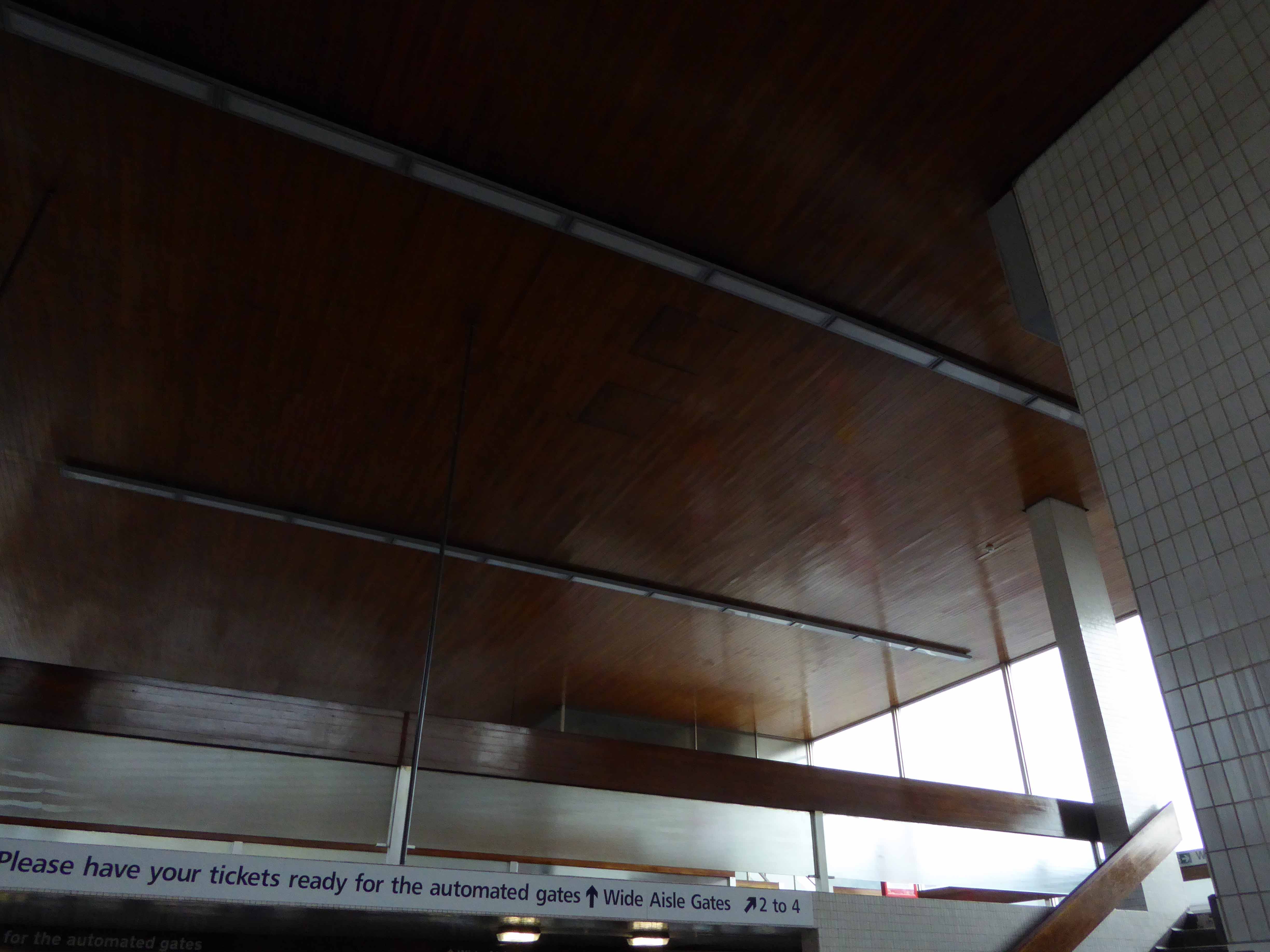
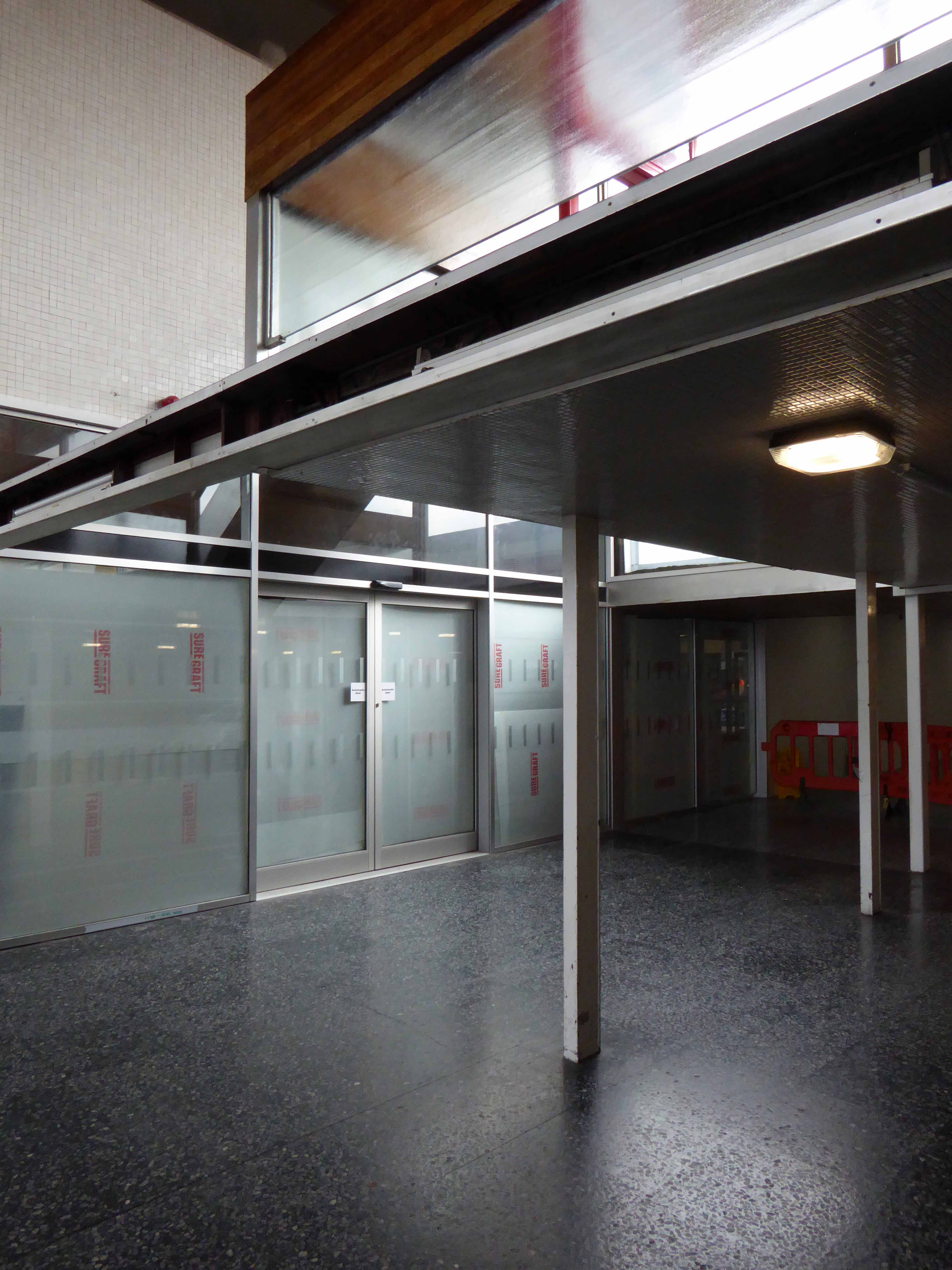
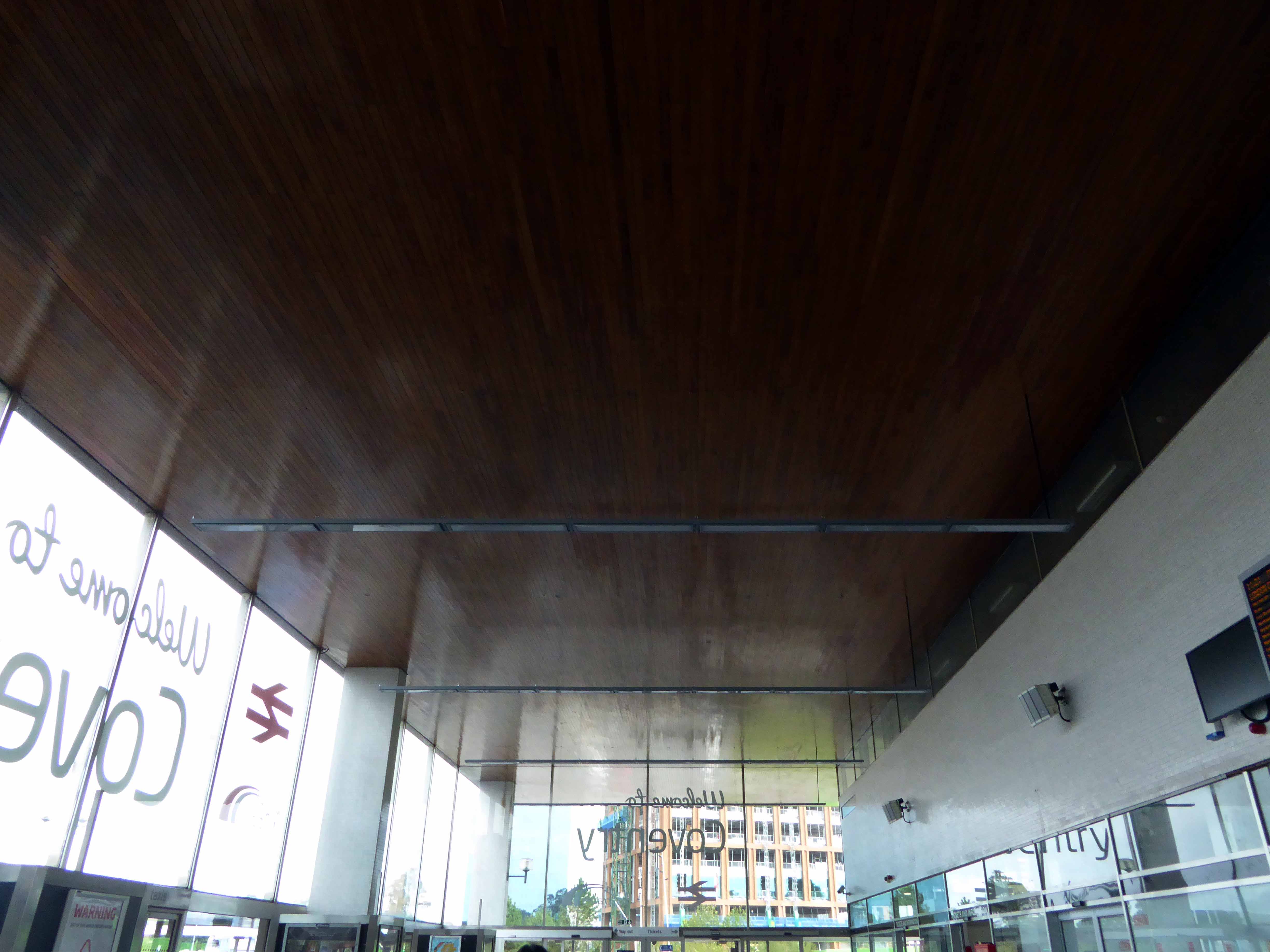
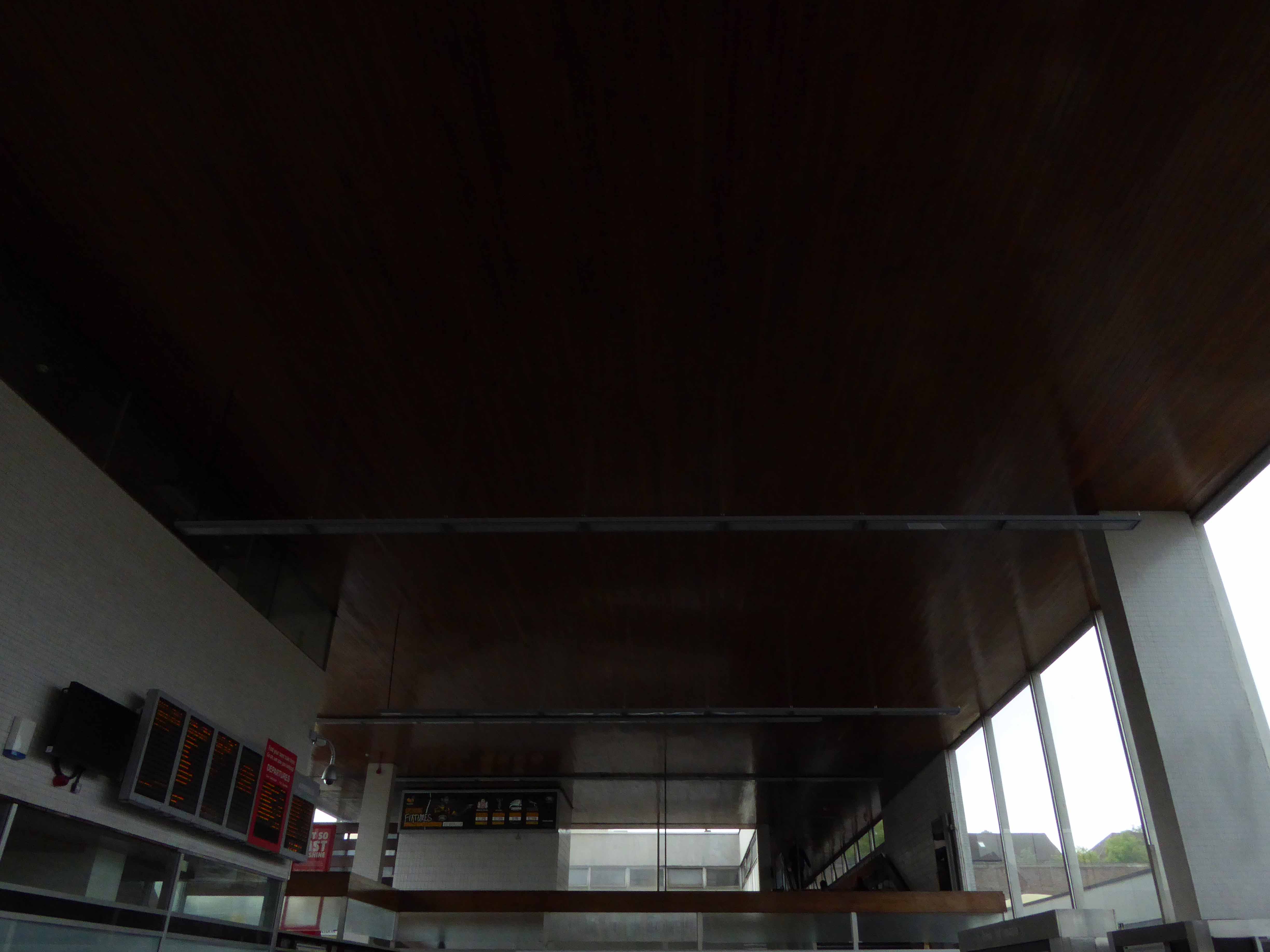
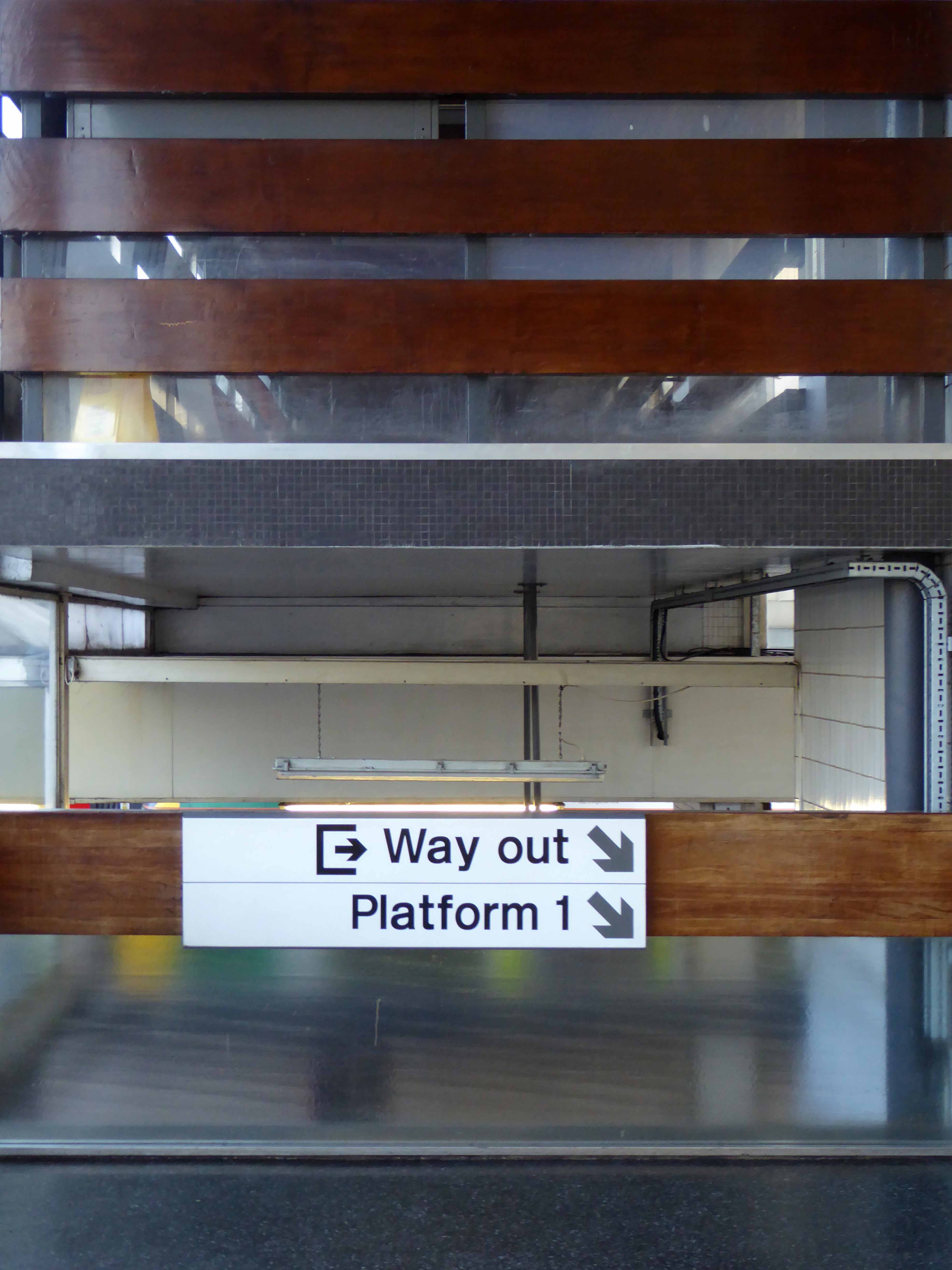
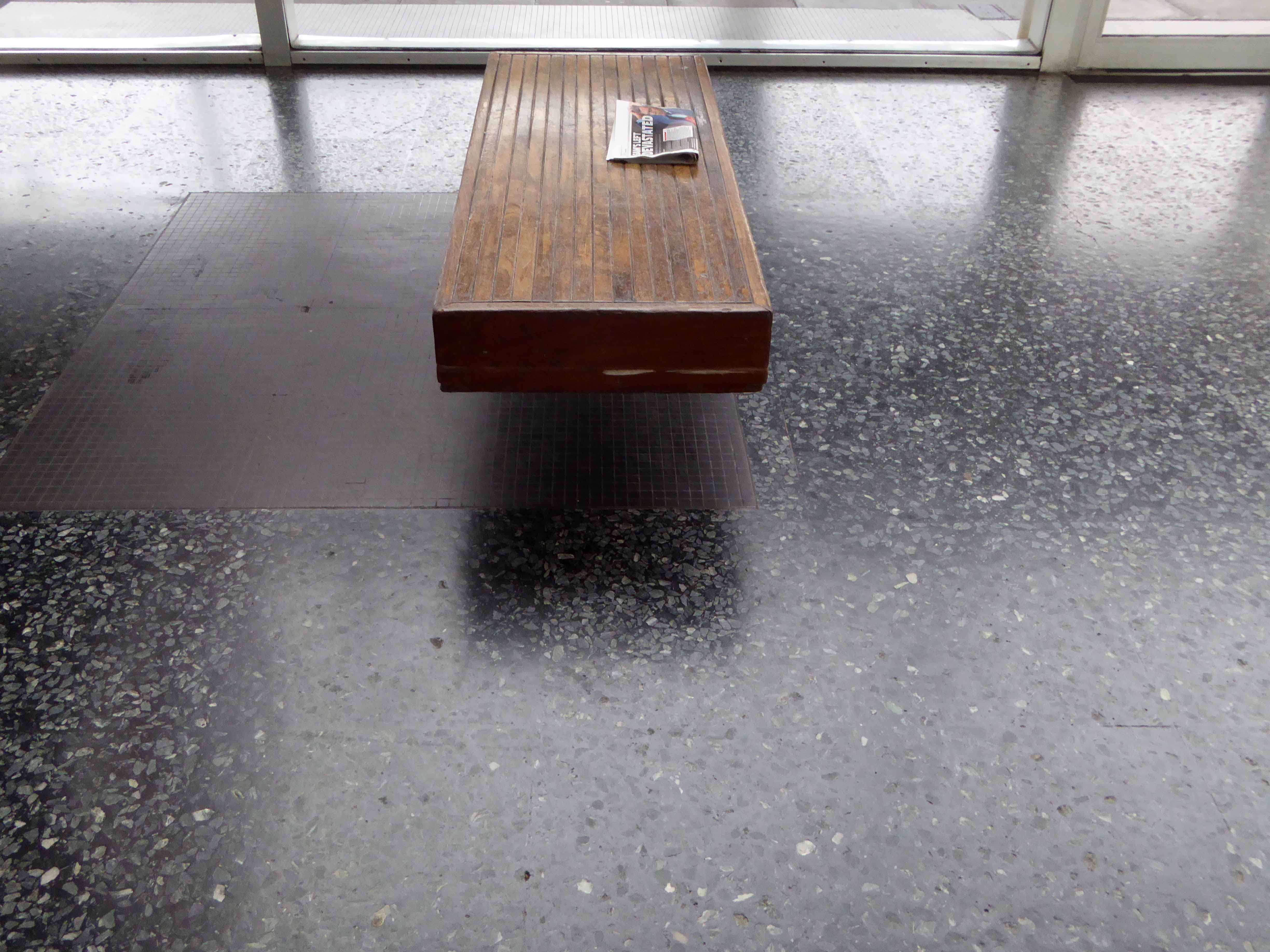
A fine building of 1962 light and airy, warm wooden ceilings, gently interlocking aluminium, glass and steel volumes, original signage and a lively feeling of calm controlled hustle and bustle.

The ideal way to start the day – take a look.

p1090647-copy

p1090648-copy

p1090649-copy

p1090650-copy

p1090651-copy

p1090652-copy

p1090653-copy

p1100057-copy

p1090654-copy

p1090656-copy

p1090658-copy

p1100058-copy

p1100060-copy

p1100061-copy

p1100062-copy

p1100063-copy

p1100064-copy

p1100065-copy

p1100067-copy

p1100068-copy

p1100071-copy

p1100073-copy

p1100074-copy

p1100075-copy

p1100076-copy

p1100077-copy

p1100078-copy

Motorways an Introduction

Once upon time there was no such things as motorways, we made our way across country in a haphazard fashion, by way of of a raggle-taggle bunch of muddy, puddle strewn byways, tracks A, B and C roads.

Journey times were long and often unpredictable, it was not unusual for a traveller to never ever reach their intended destination.

But then as if by magic:

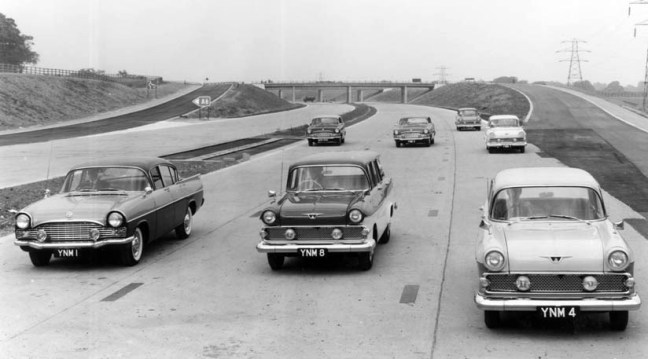
On 5 December 1958, the day the 8 mile Preston bypass opened.

Robert Gornall was the AA’s first motorway patrol and he was on duty on the Preston by Pass – now the M6, from day one – he even attended the opening ceremony.

Robert recalls that in those early motorway days, when there was no speed limit or hard shoulder, things were very different when it came to dealing with breakdowns. 

Robert said:


“This was entirely new and when we reached a broken down car we simply pushed it, bumper to bumper, out of the way to a place of safety where we could fix it – our vehicles were fitted with special rubber bumpers so as not to cause any damage.

Breakdowns came thick and fast because cars just couldn’t cope with the higher speed – engines just simply blew. The vehicles we used were Ford Escorts and even a soft top Land Rover.”

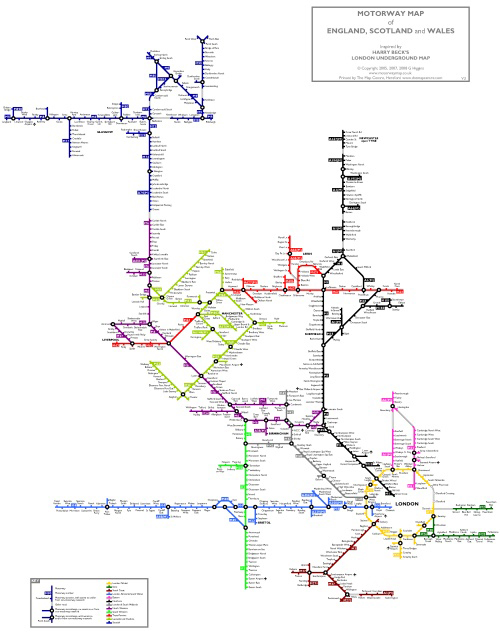
Having overcome these early teething troubles a whole complex network was developed.

motorwaymap2008

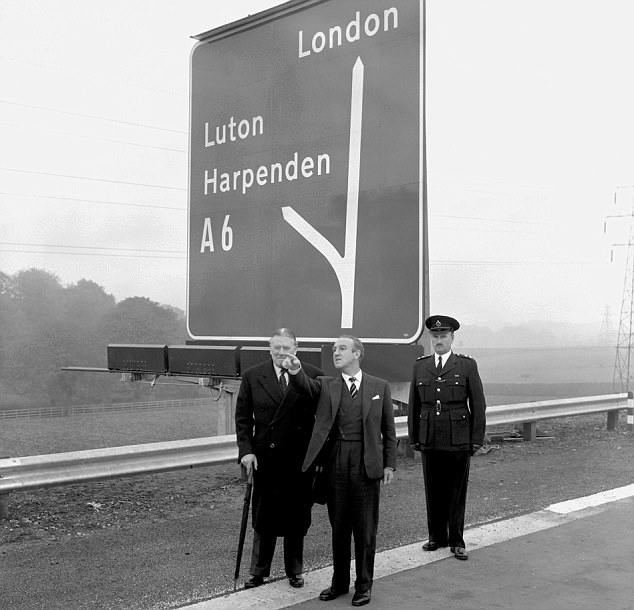
Opened by the transport minister Ernest Marples and other assorted worthies.

marples_owen_openingm1_2

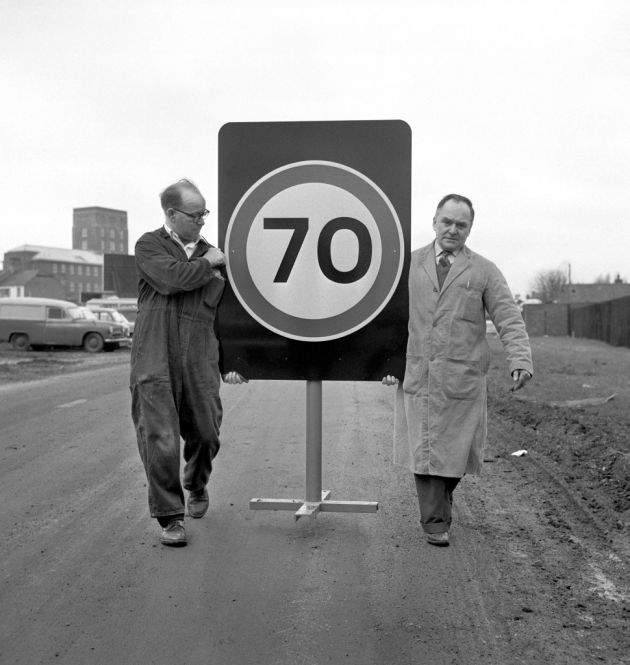
Speed limits and controls were applied to quell the threat of crashes and blow-outs.

c11c126e-c491-49c5-9f7a-d5b4a053808c_pa-1730423

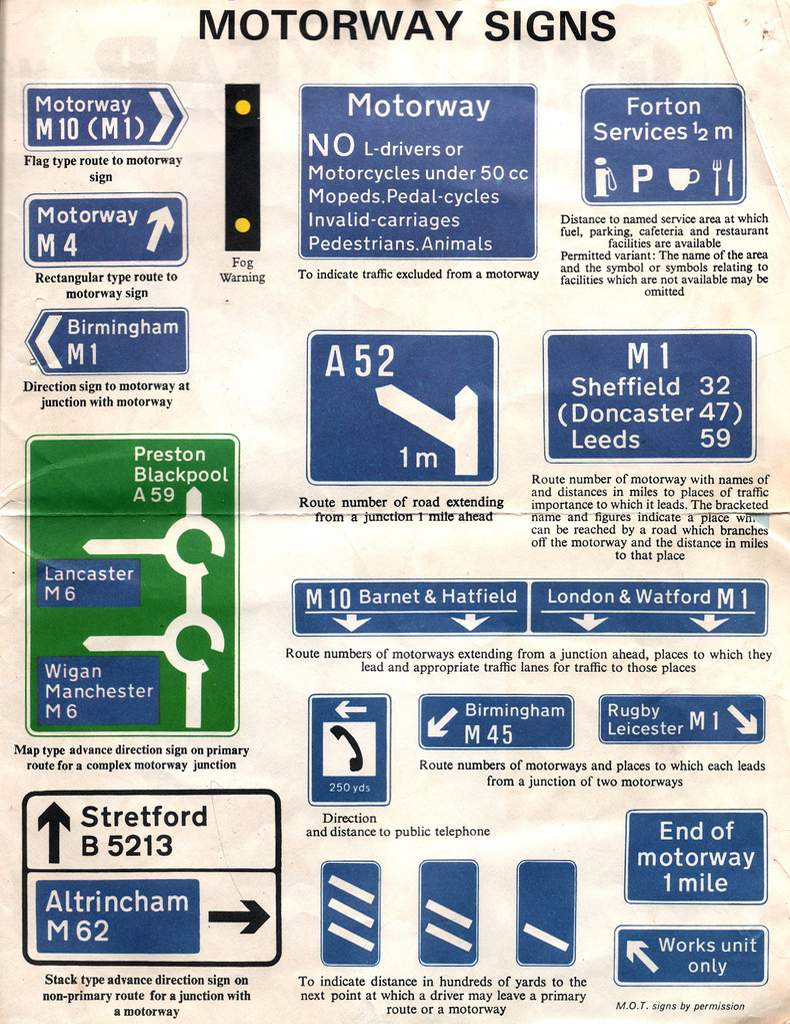
Welcome to the fact packed modern world of the modern motorway.

550px-tcc_motorway_example

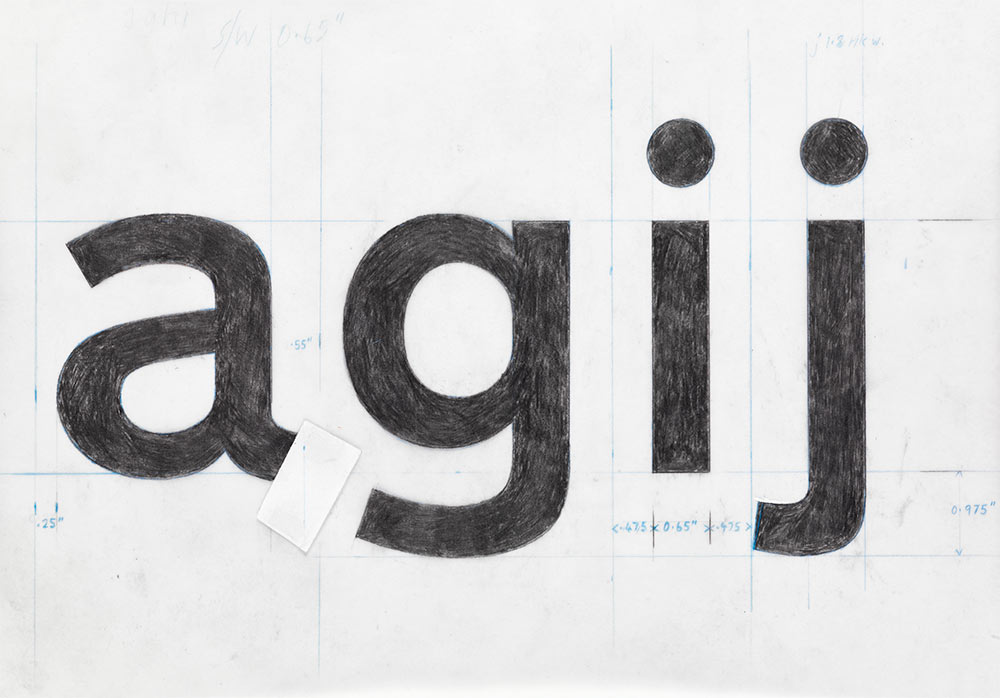
New typography and signage systems were developed by Margaret Calvert and Jock Kinneir.

margaret-calvert-typography

3791254247_fa4d8d3aeb_b

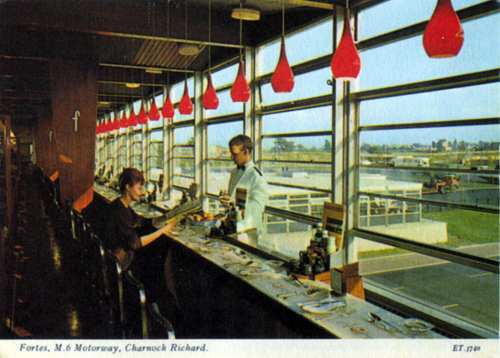
Special provision was made for provisions for the motorway motorist in special places, with special names – and their own unique approach to modern cuisine.

motorway14

Quite literally food on the move at the motorway services.

motorway4forblog

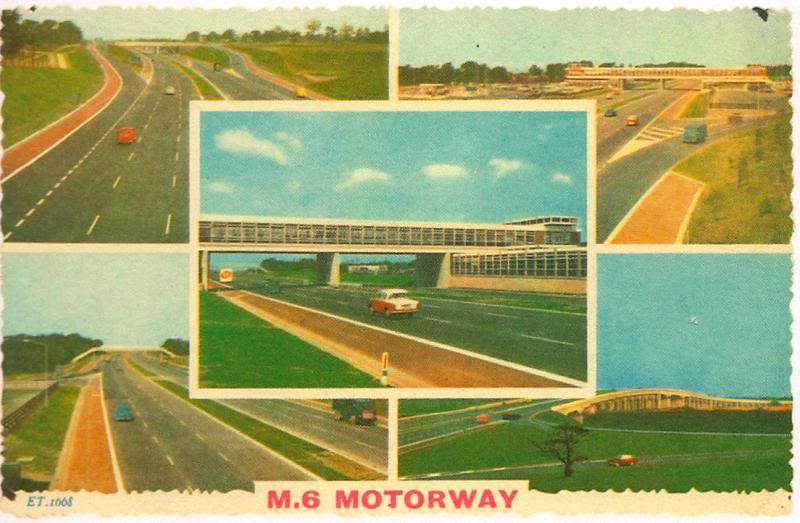
Ever eager to communicate their fondness for the modern motorway, the modern motorist would often send a picture postcard to friends and/or family.

m6motorway

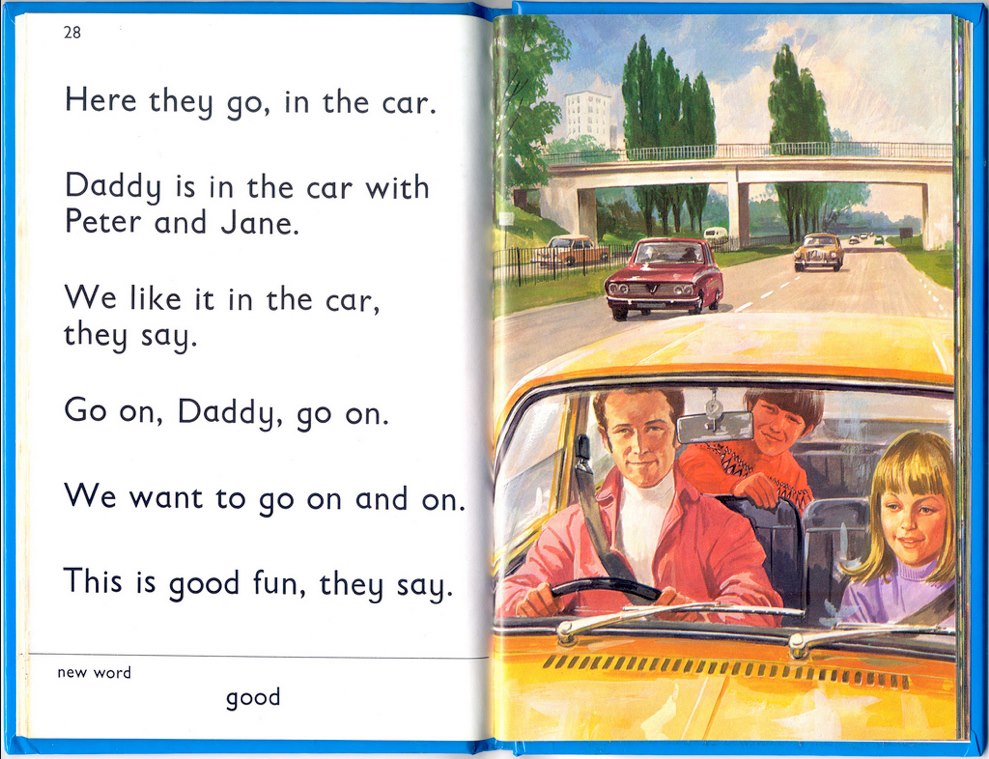
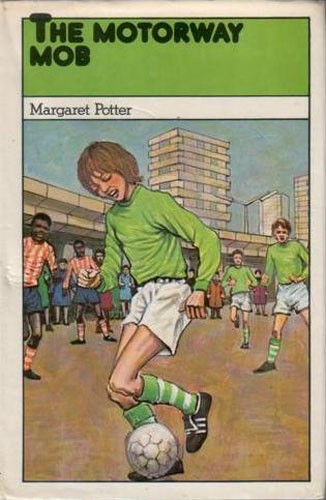
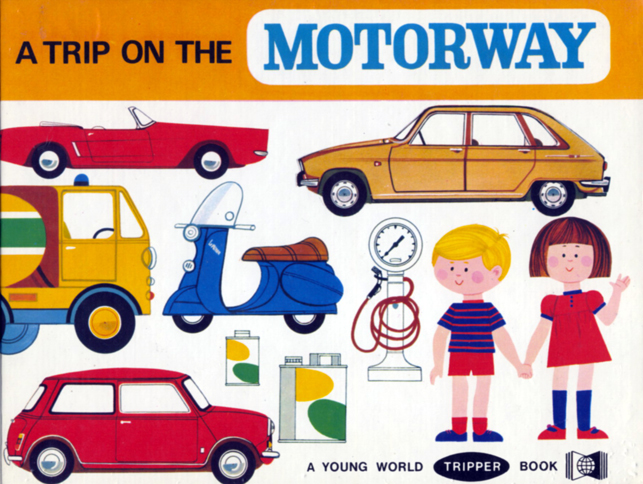
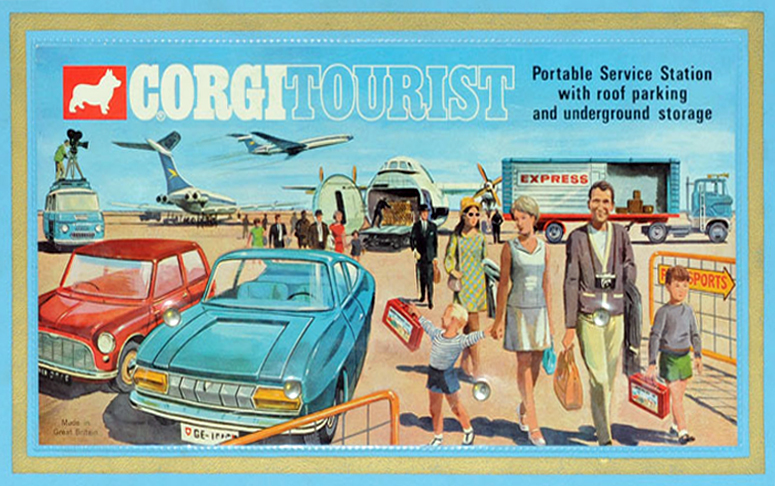
A whole literary and visual culture built up over time, to celebrate a deep and growing affection for the motorway network.

920108_10151602324156600_410904325_o

0416560806

motorway5forblog

5253_l

IM000285.JPG
IM000285.JPG

7122_l

3088_l

The rest is history, so break out the string backed gloves, top-down hit the road!

Jacqueline and/or Jack.