Newcastle Civic Centre – Council Chamber

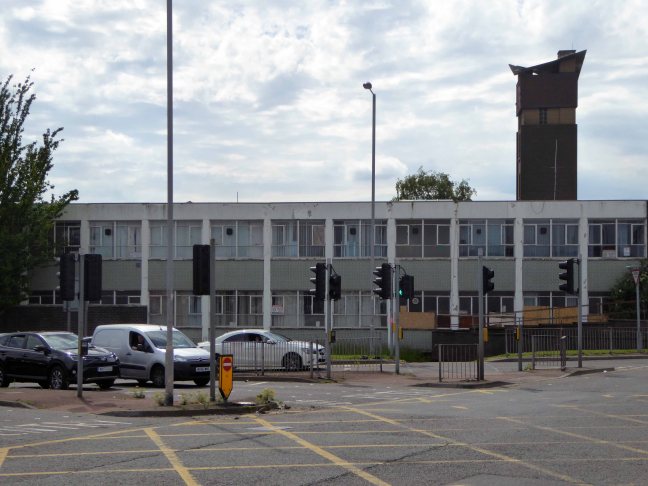
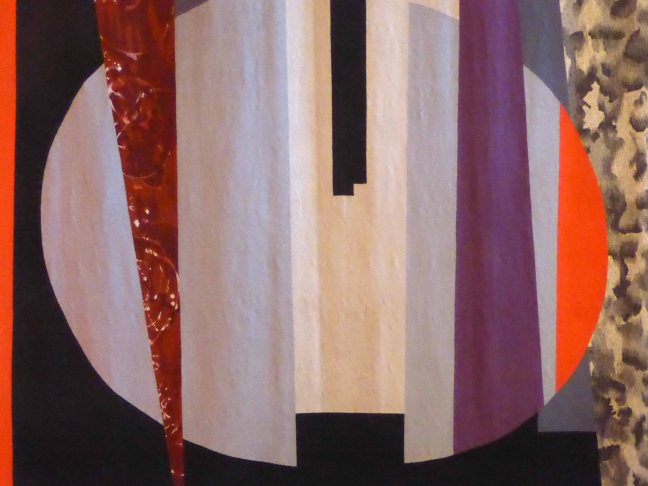
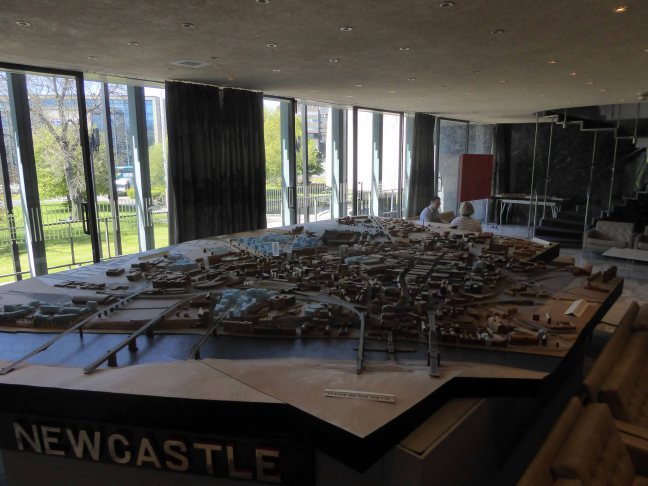
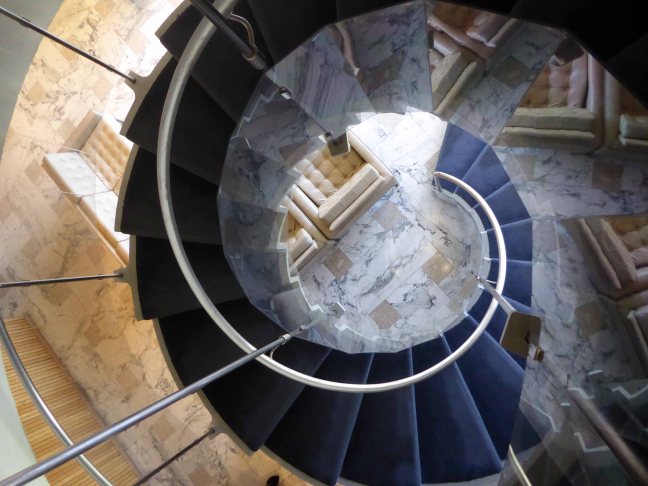
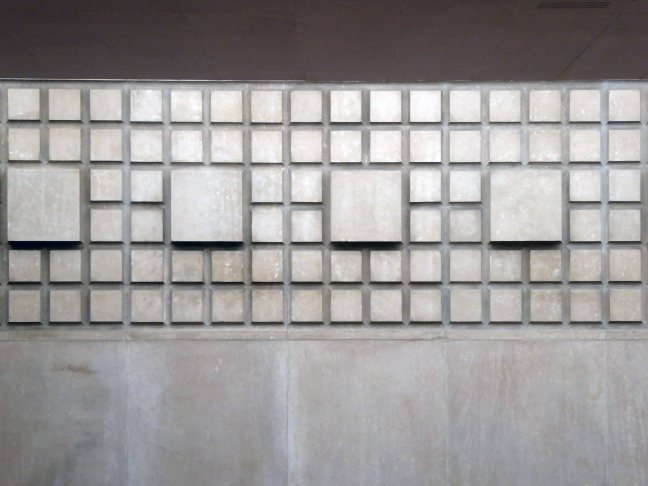
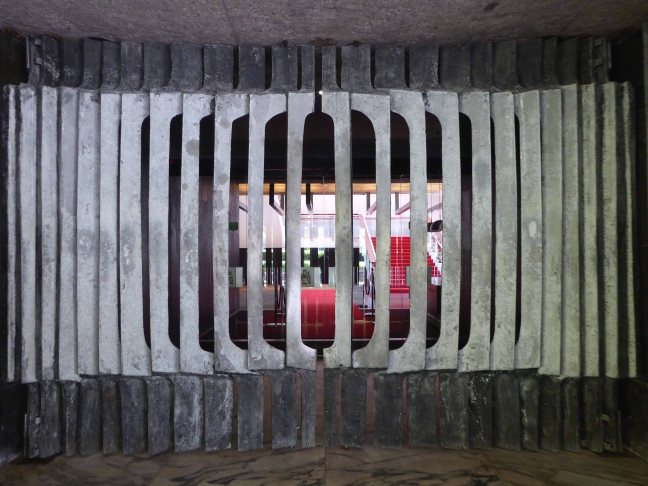
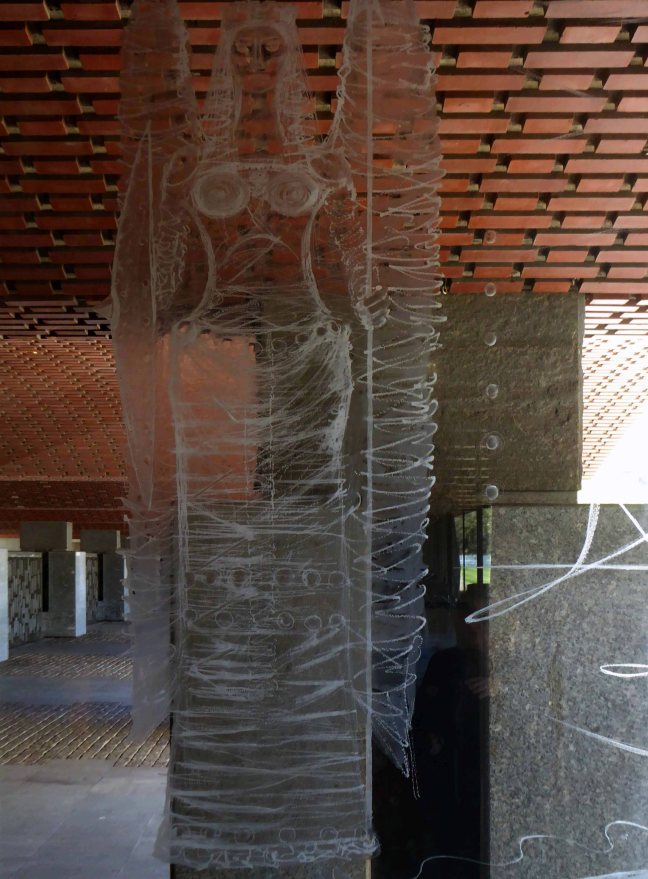
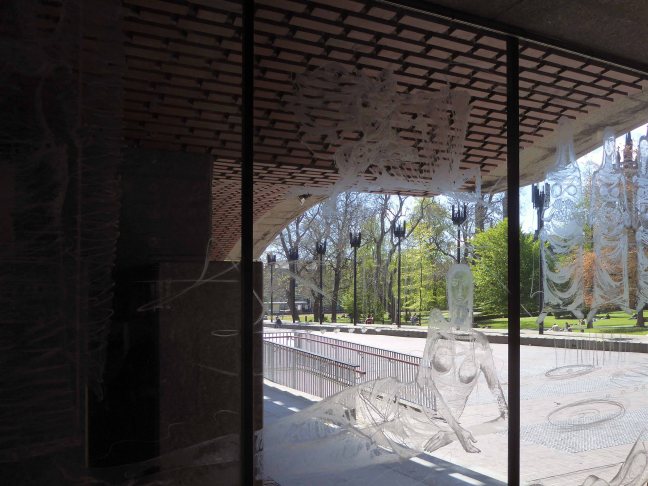
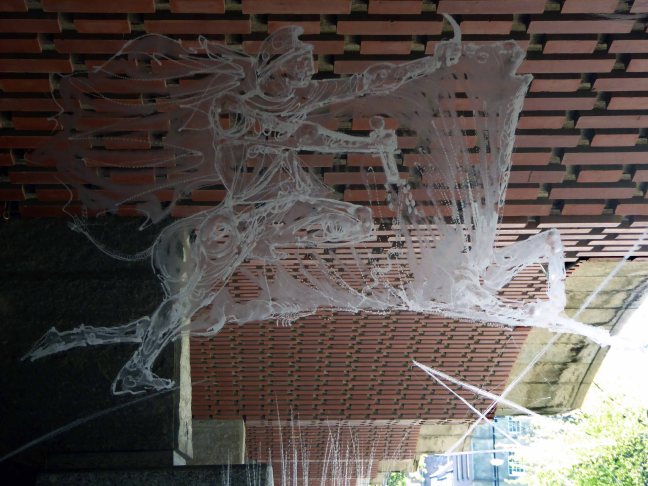
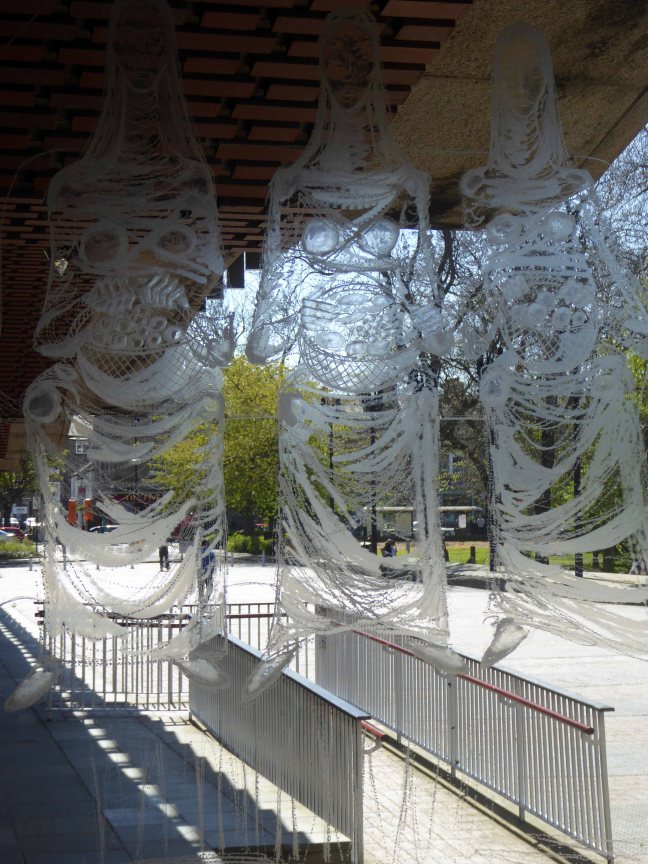
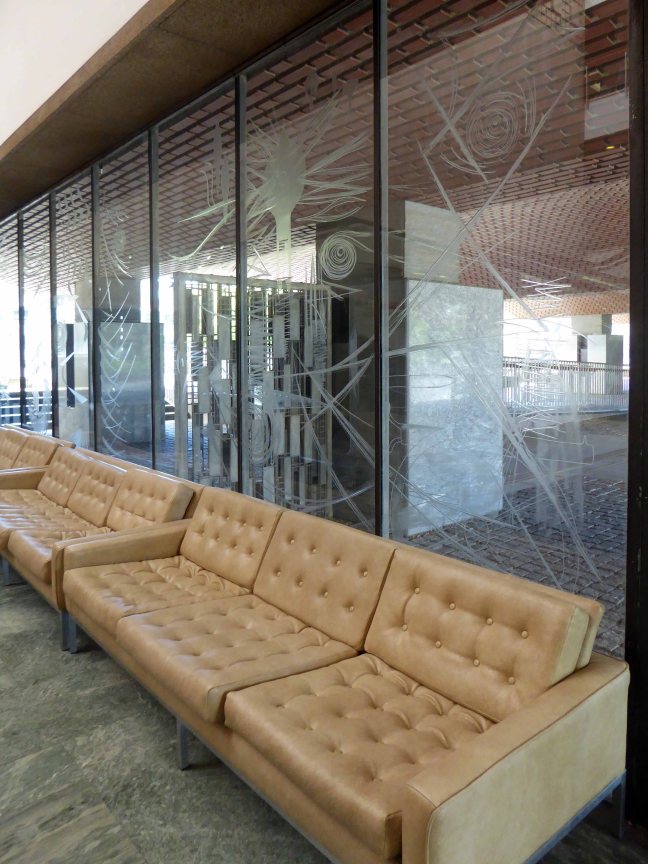
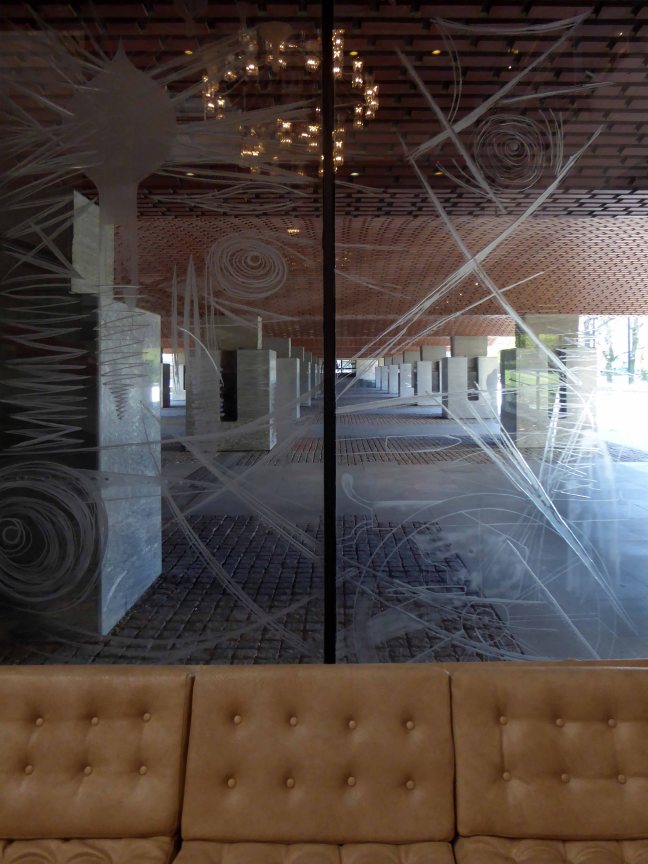
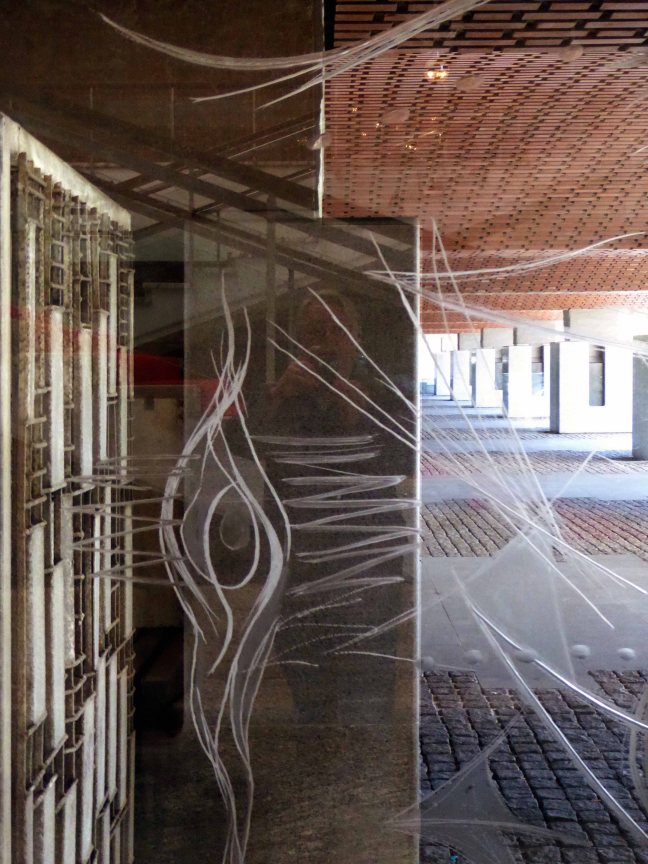
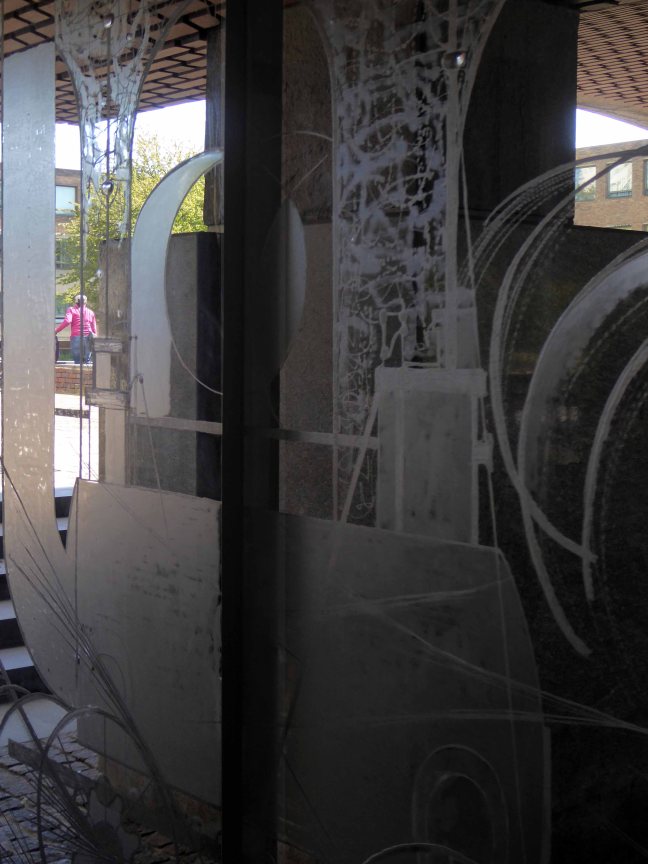
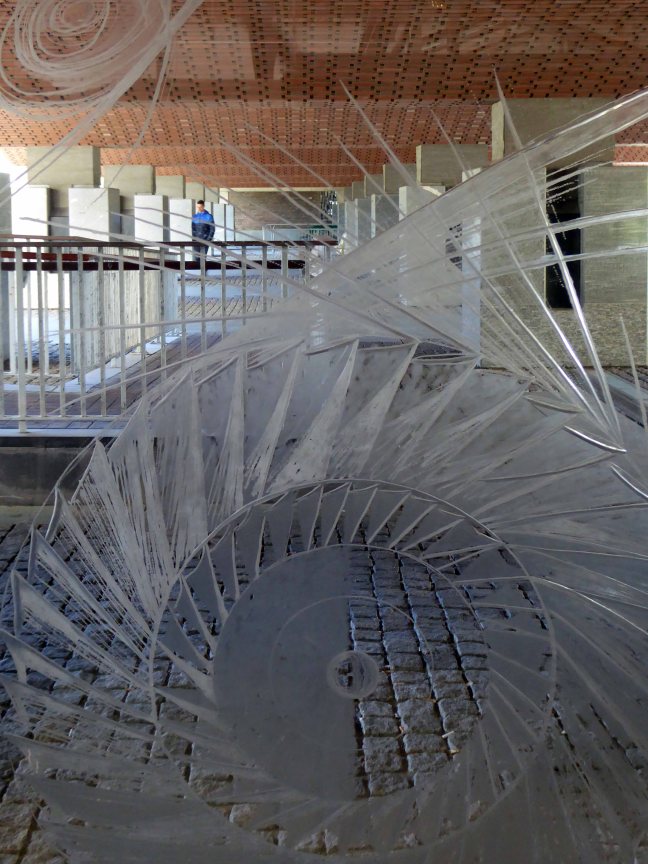
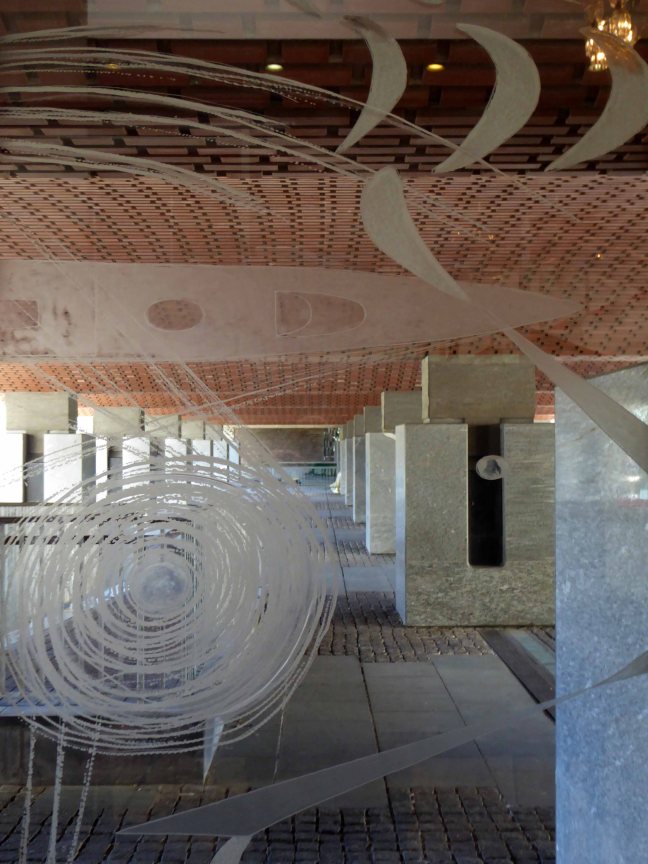
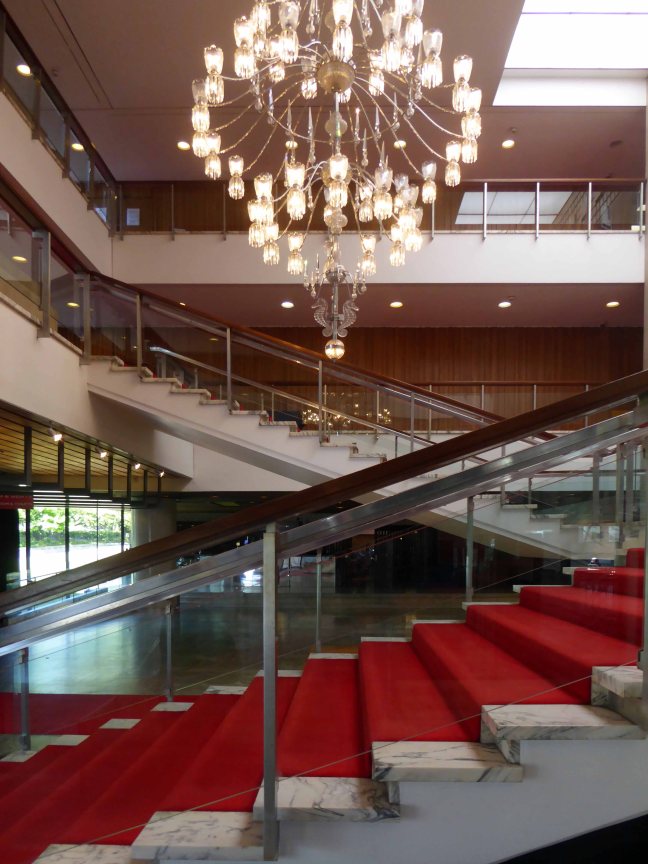
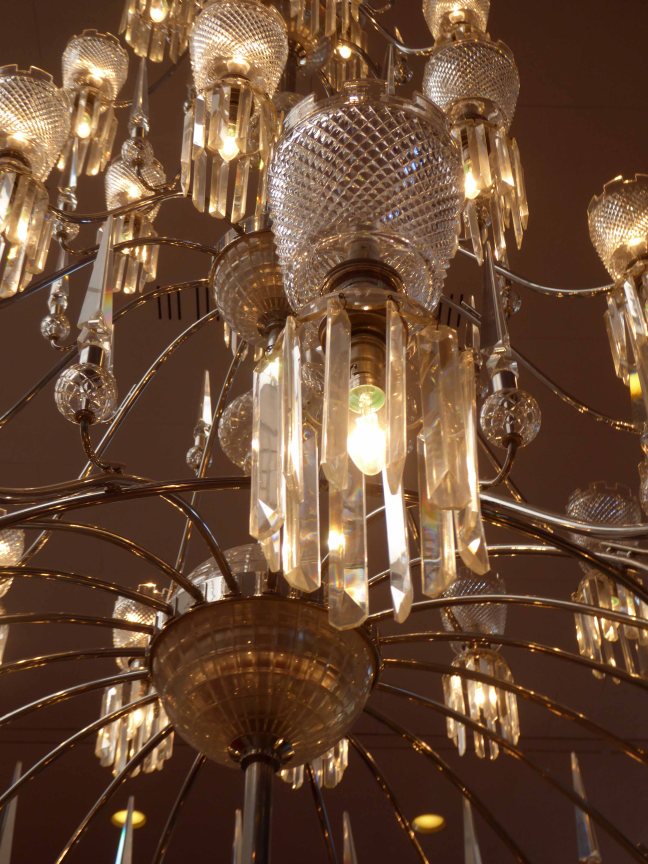
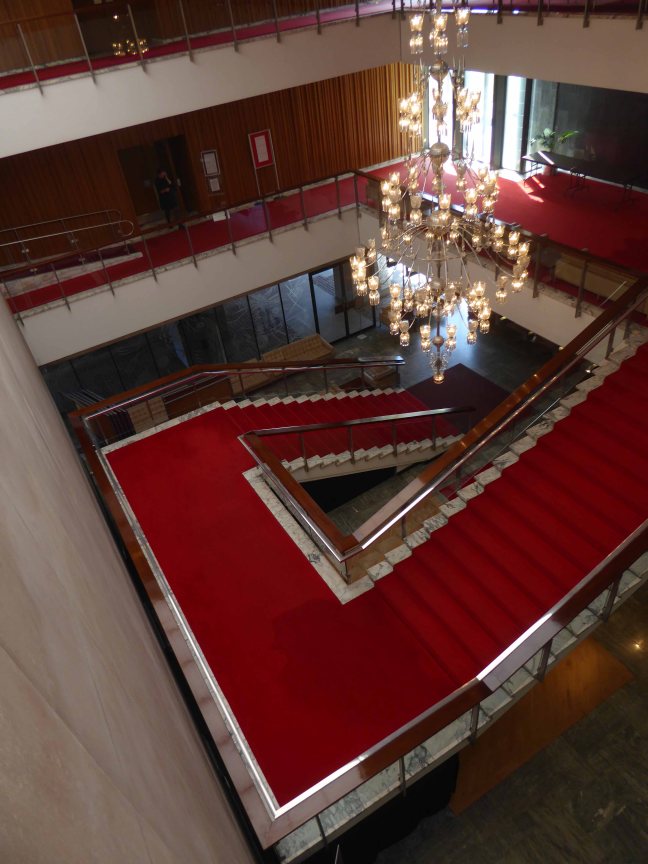
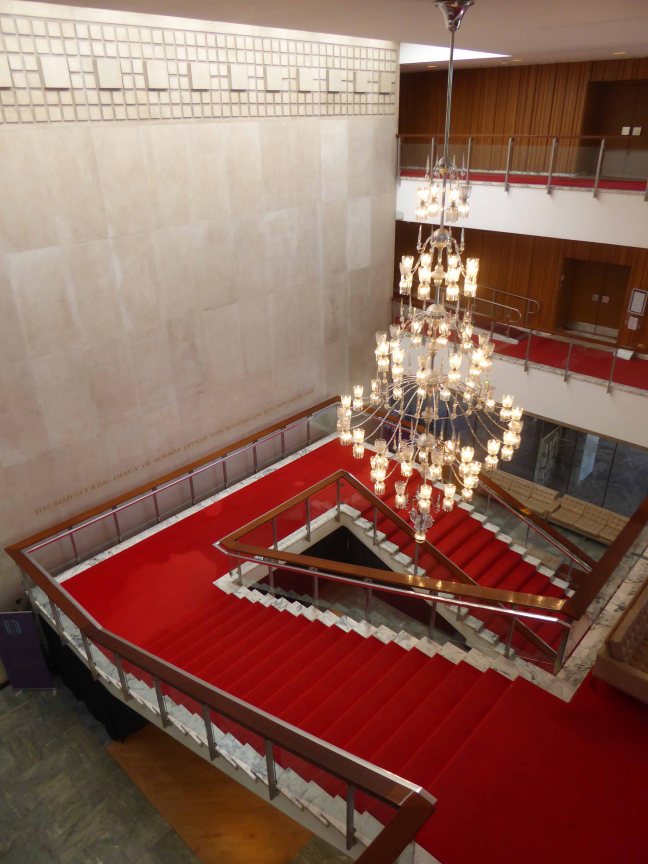
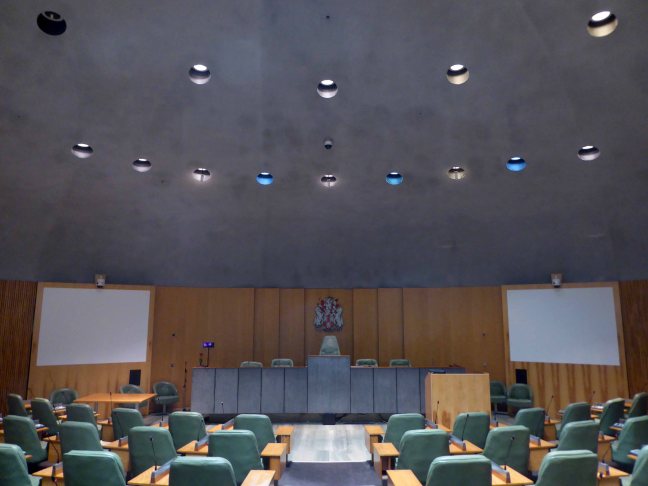
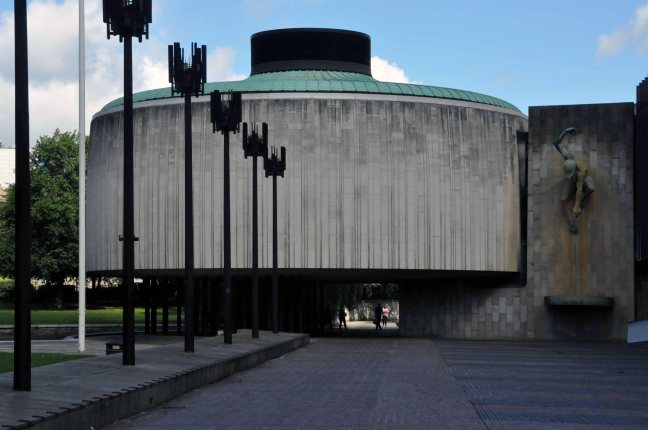
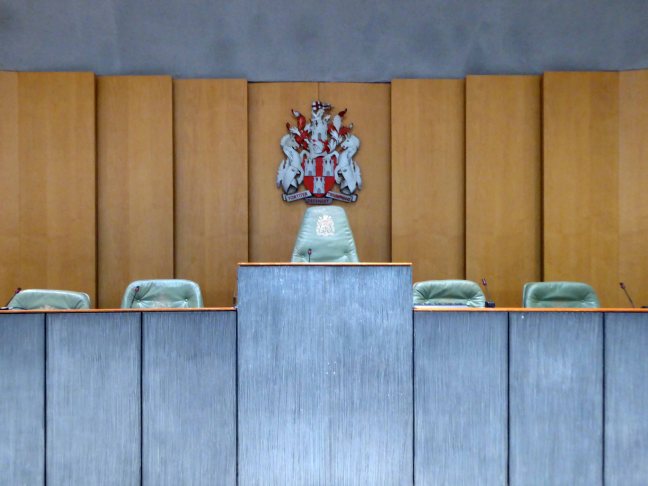
Within the exterior of architect George Kenyon’s distinguished civic drum sits the inner sanctum of the Council Chamber – my thanks to the delightful head of hospitality Debbie Harvey for providing me with the most erudite and educational tour.

DSC_0059 copy

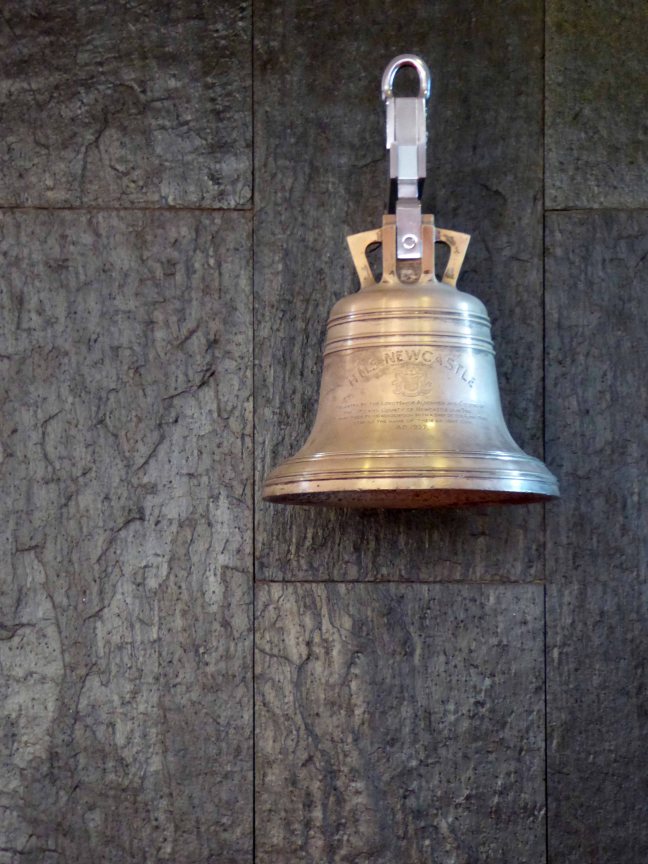
Outside the division bell, set against Danish slate, was originally to be found on the HMS Newcastle.

This silver bell is of the 10,000 ton cruiser HMS Newcastle presented to the ship by the Lord Mayor and citizens of Newcastle upon Tyne to mark her commissioning in 1937. Launched by the Duchess of Northumberland on the 23rd January 1936 at the Walker Naval Yard. In 1959 HMS Newcastle was towed from Portsmouth to Newport Monmouthshire to be broken up.

P1150916

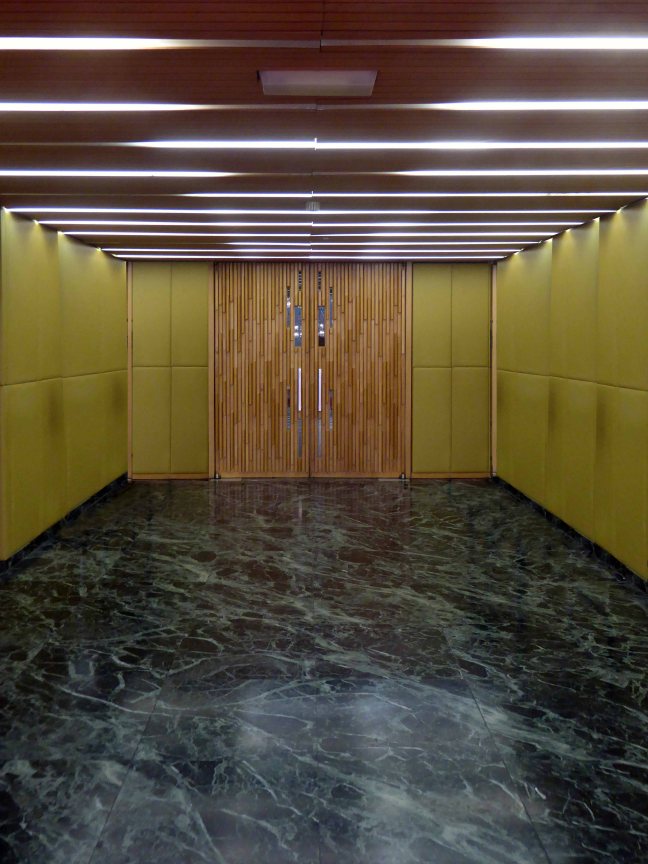
The entrance padded with soft green leather the door clad in hand carved Cedar of Lebanon.

P1150917

P1150921

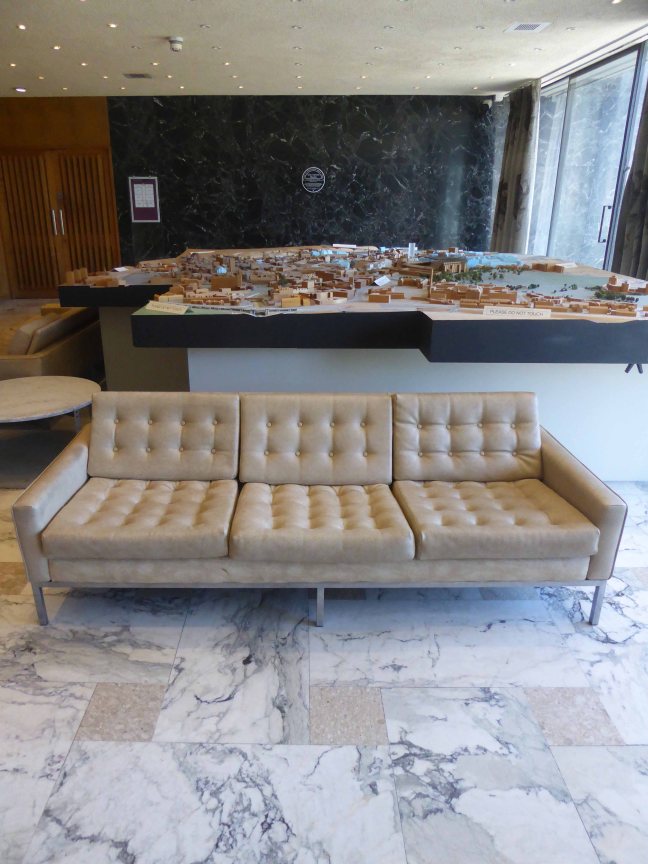
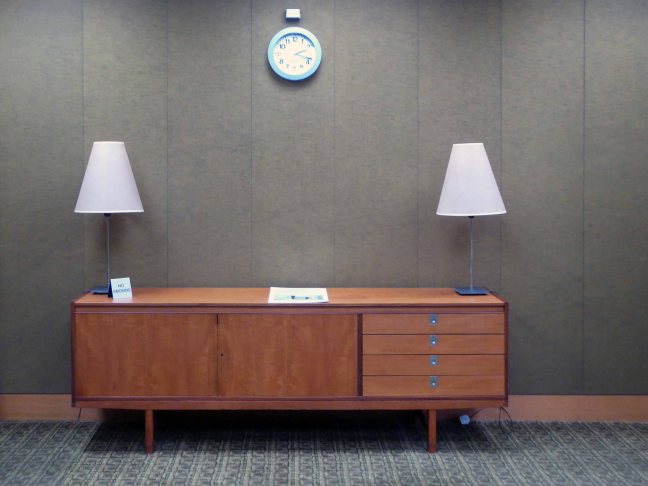
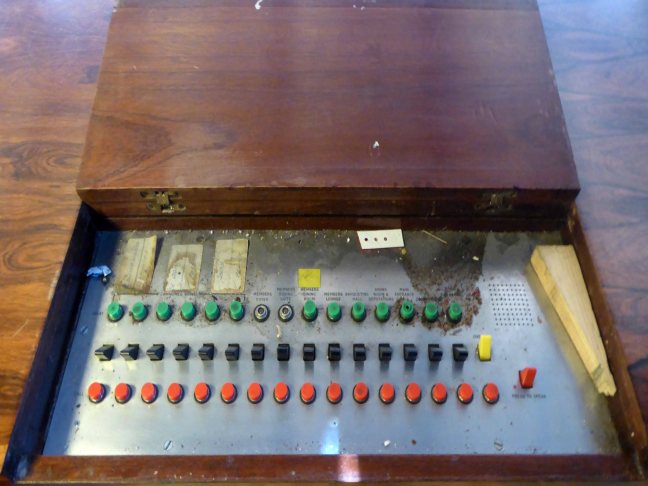
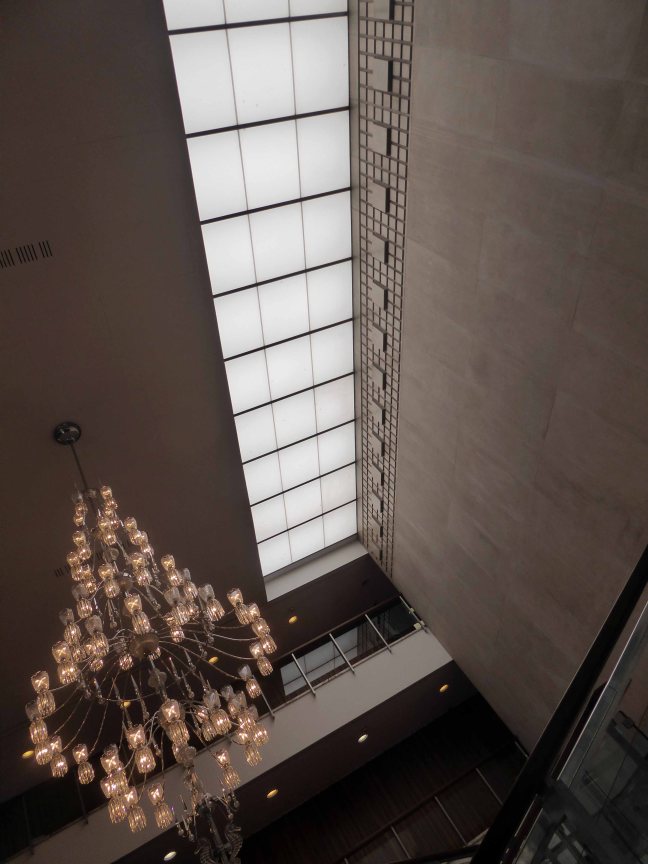
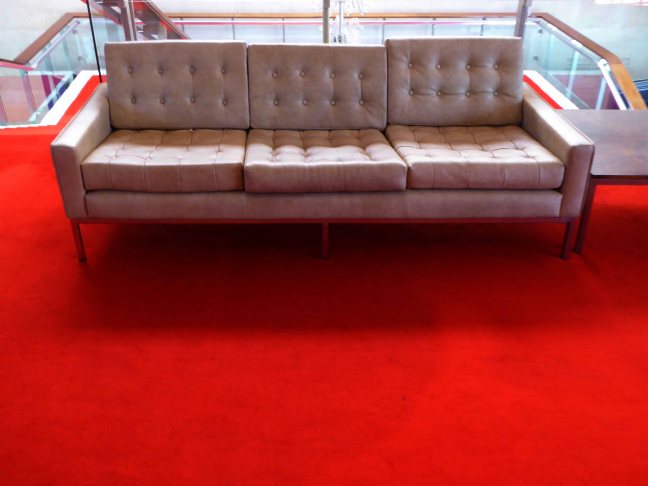
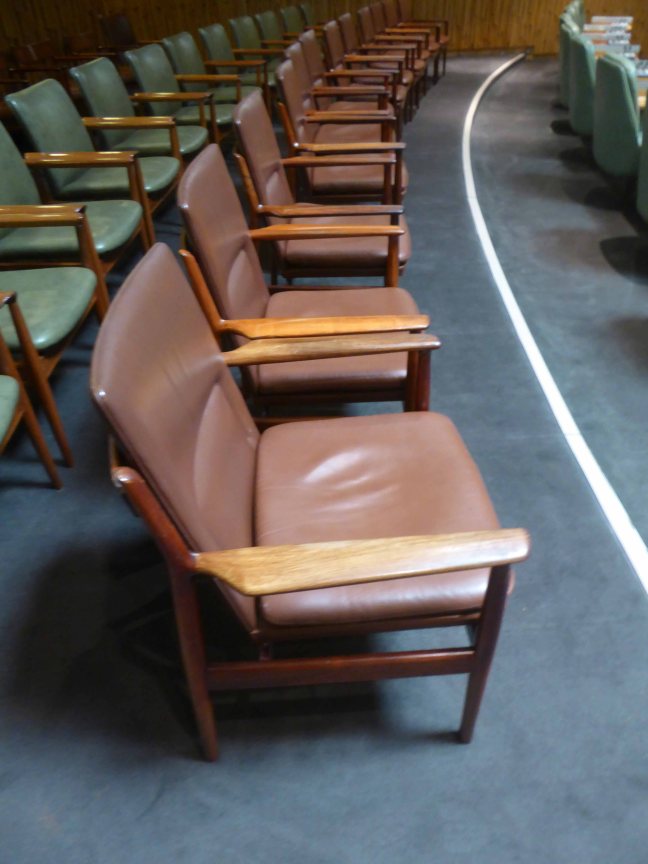
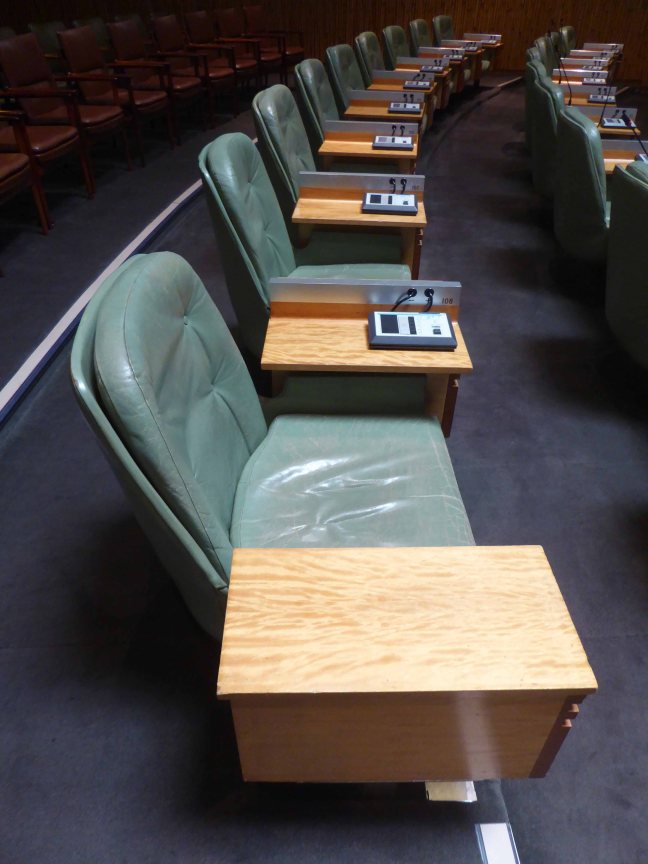
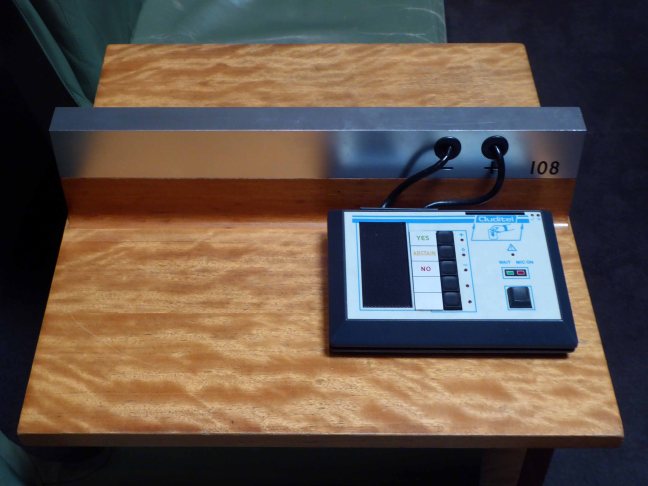
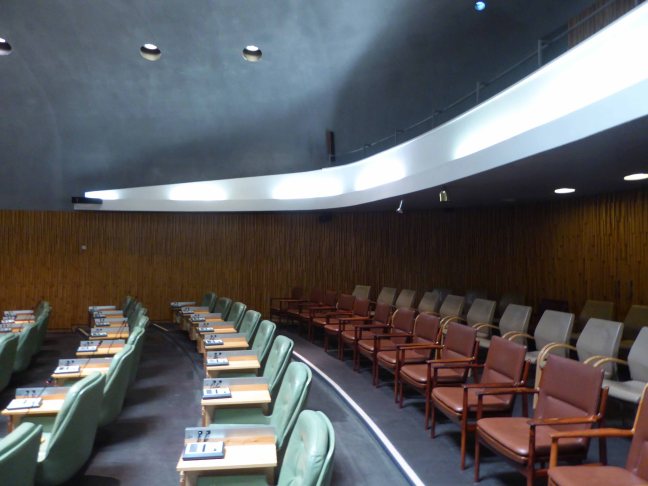
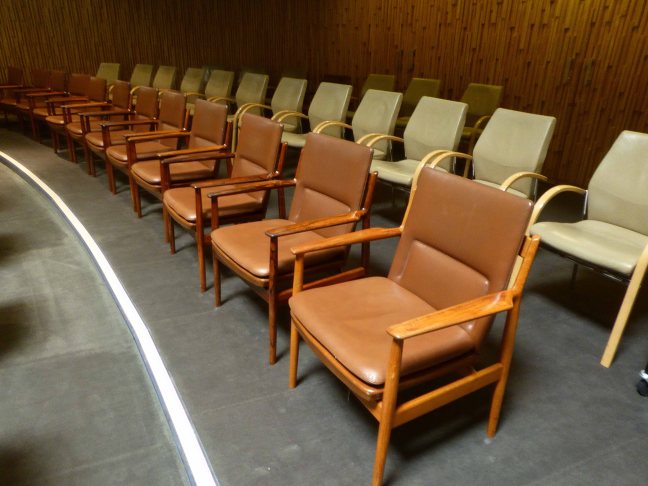
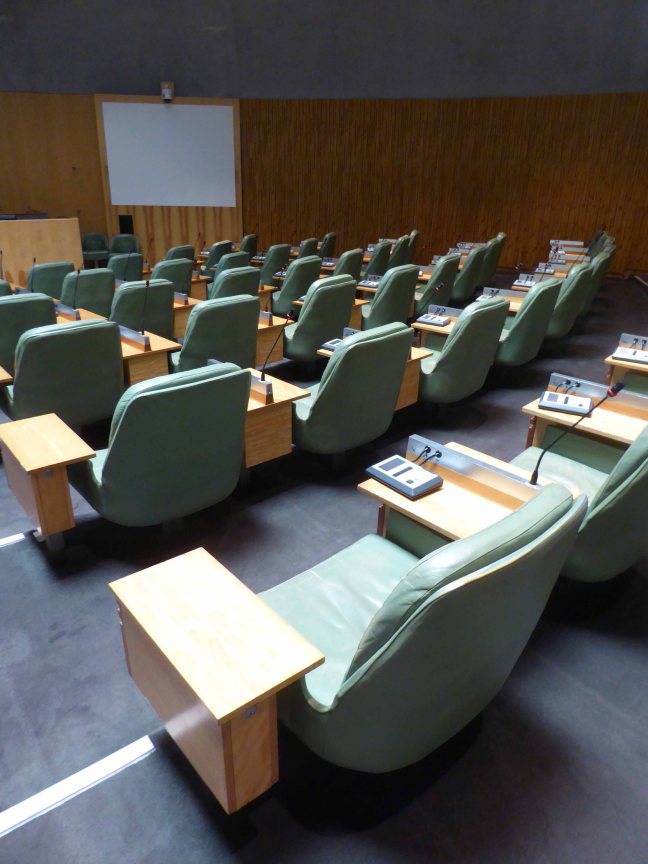
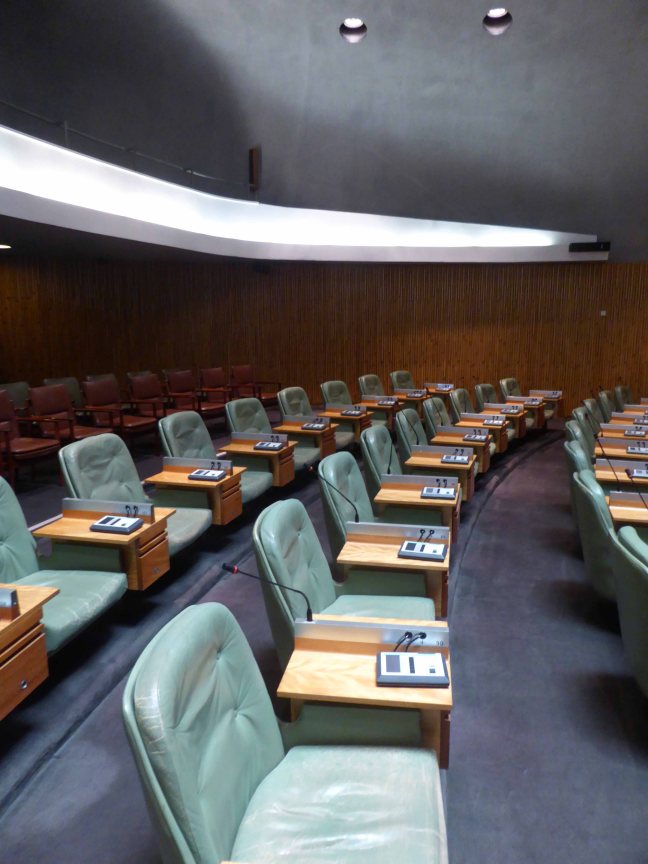
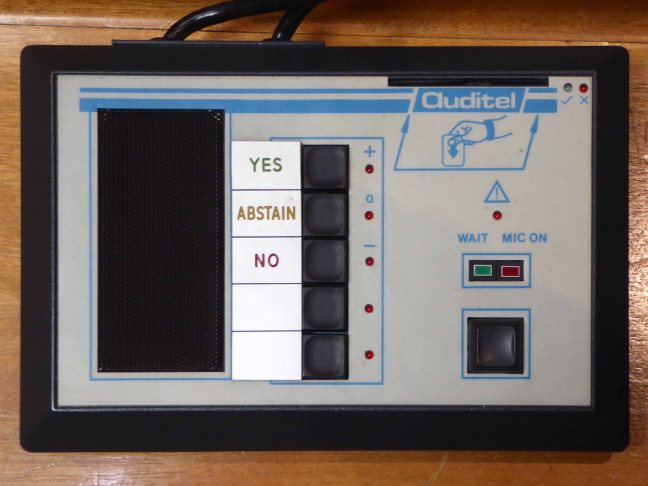
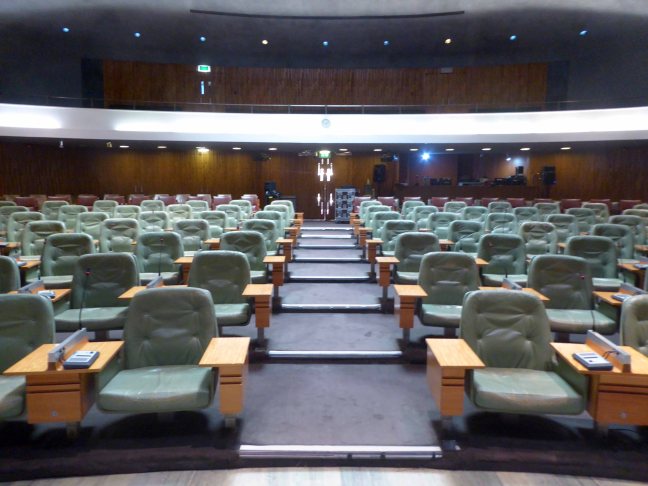
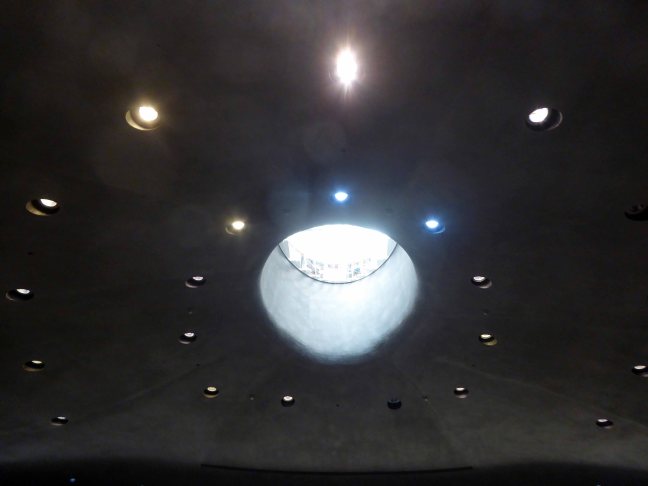
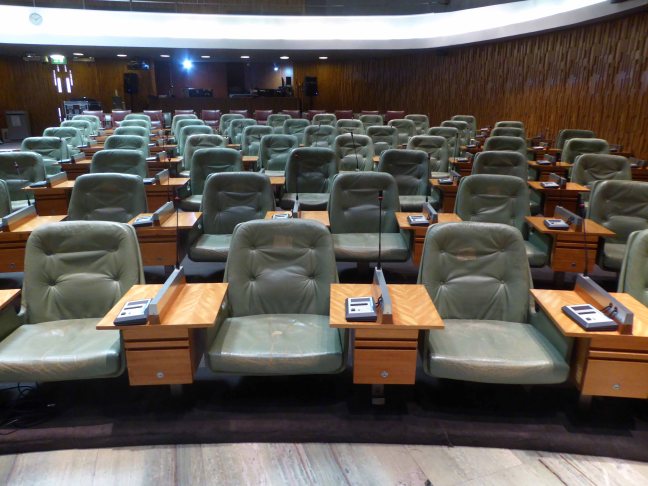
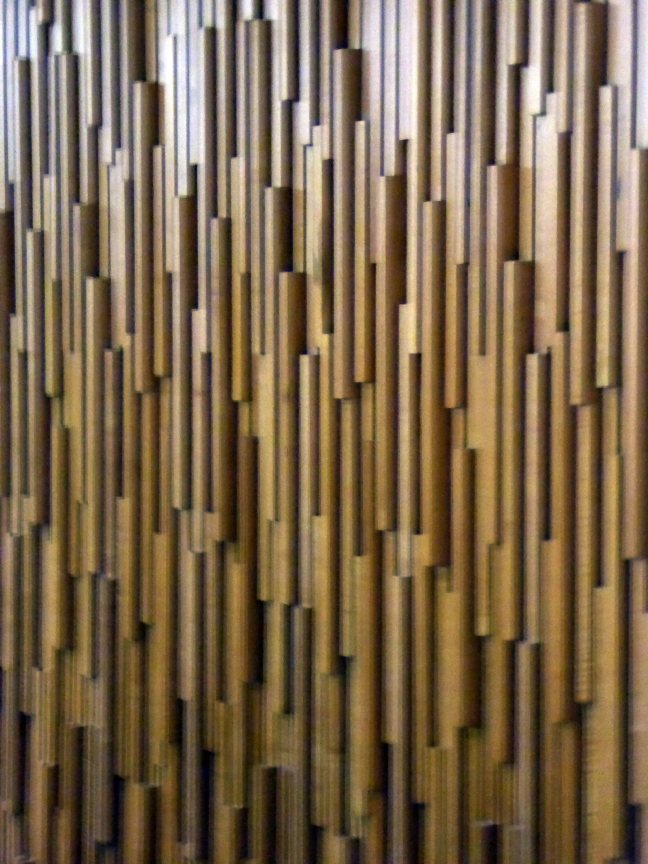
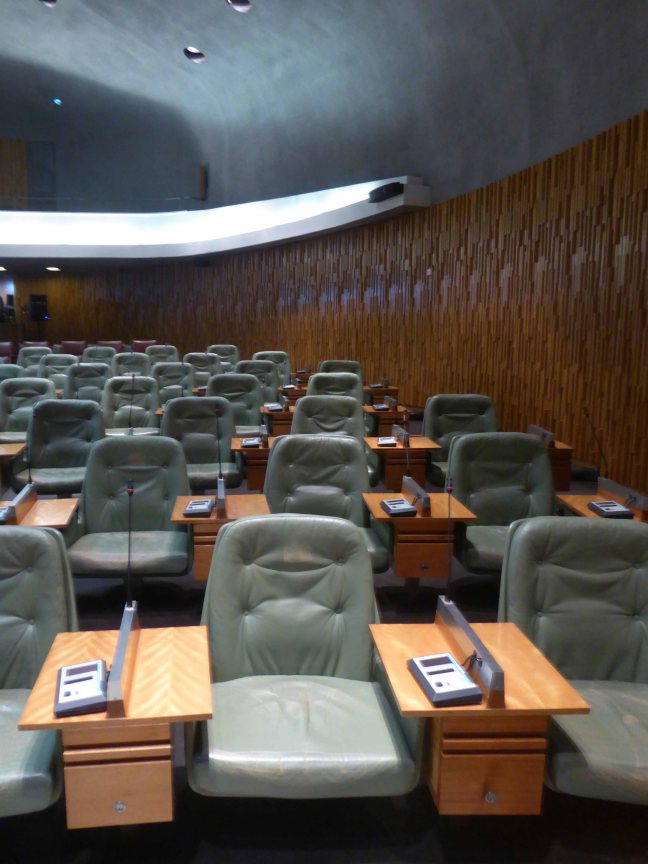
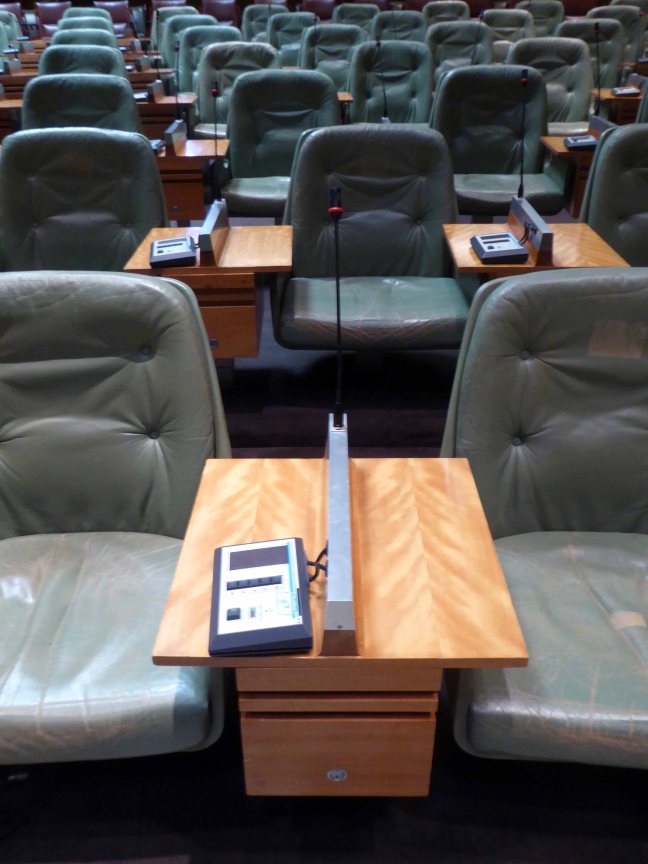
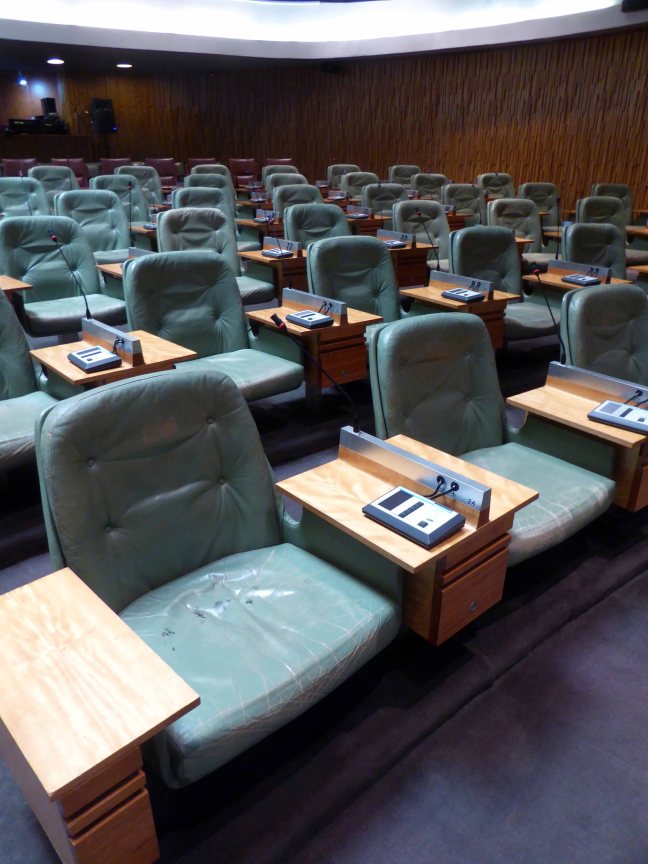
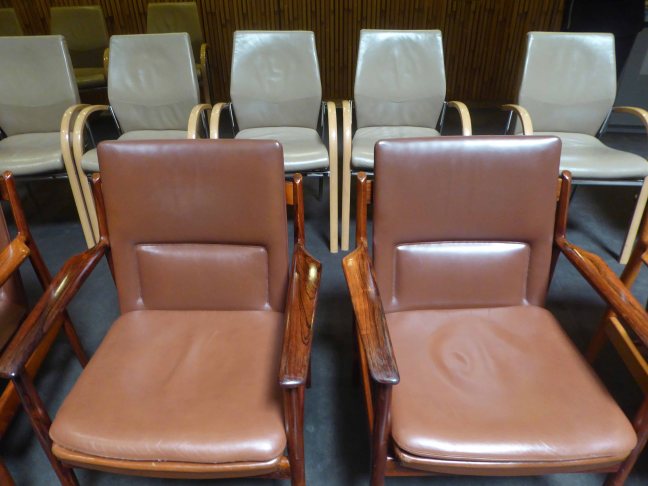
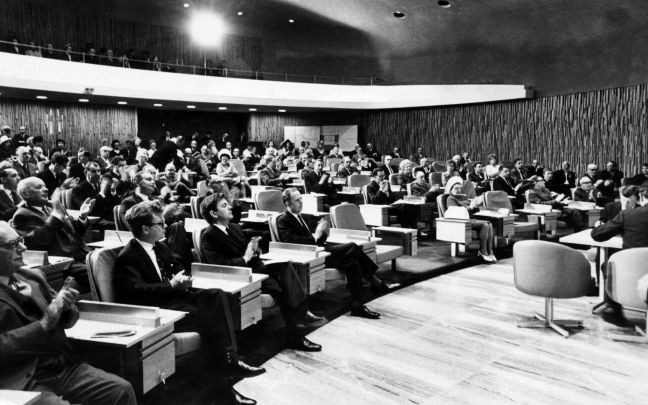
We illuminated the illuminated sign and entered – what treasures await, leather and teak furniture by acclaimed Danish designer Arne Vodder, worth thousands and thousands of pounds. Fine Swedish marble and further Cedar of Lebanon acoustic cladding, each surface of the highest quality and chosen to enhance the sound properties of the space. The councillors seated once a month on 149 leather clad  seats with integral voting and microphone modules. A high grey, skylight lit domed ceiling.

This is work of the highest possible quality, a proud summation of Municipal Socialism, our friends in the North, matched with the imaginary world of the Man from Uncle.

P1150922

P1150923

P1150924

P1150925

P1150926

P1150927


P1150929

P1150931

P1150932

P1150933

P1150934

P1150935

P1150936

P1150937

P1150938

P1150939

P1150940

P1150942

P1150943

JS109654085


Subway – Scarborough

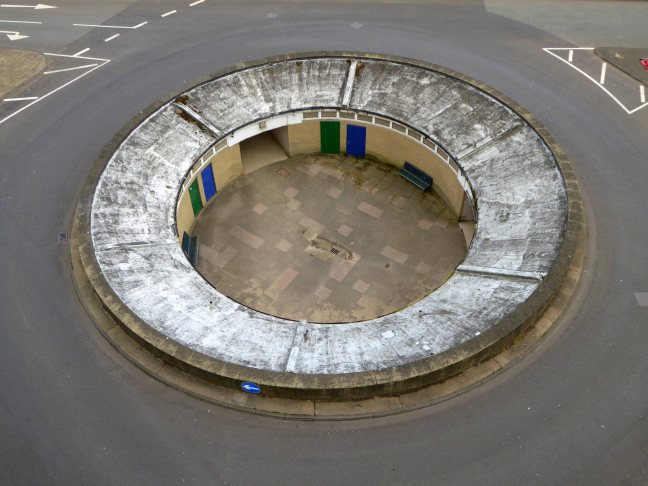
When is a subway not a sandwich?

When it’s a doughnut!

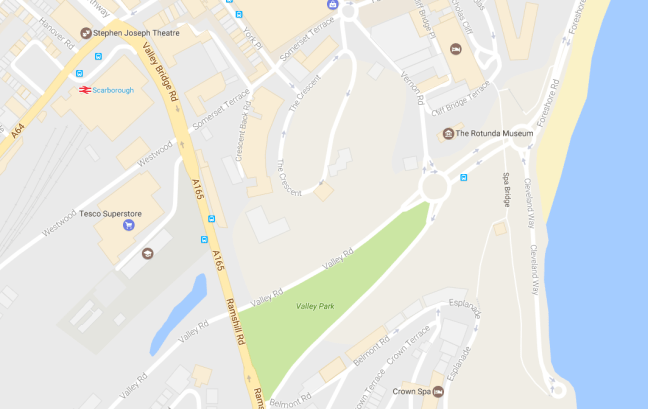
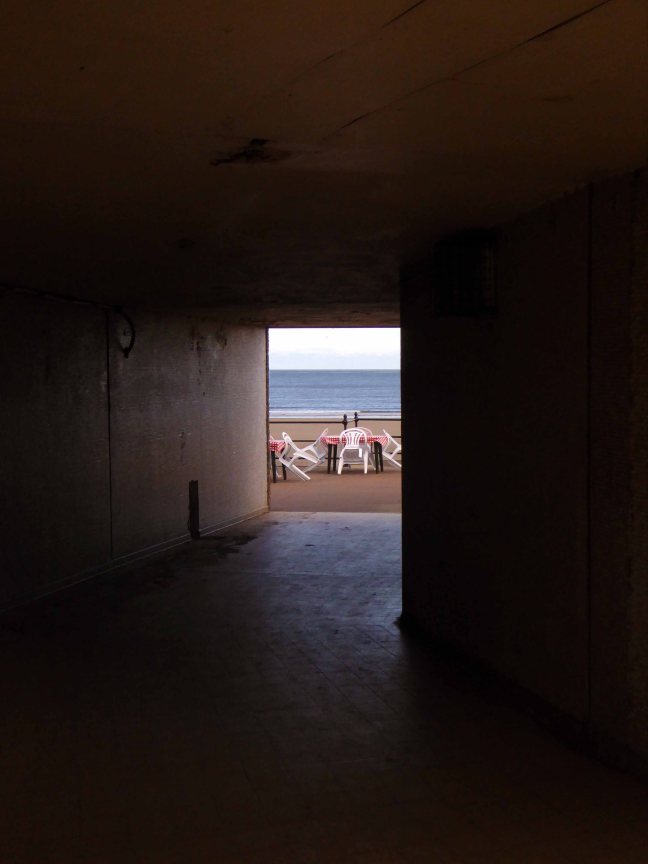
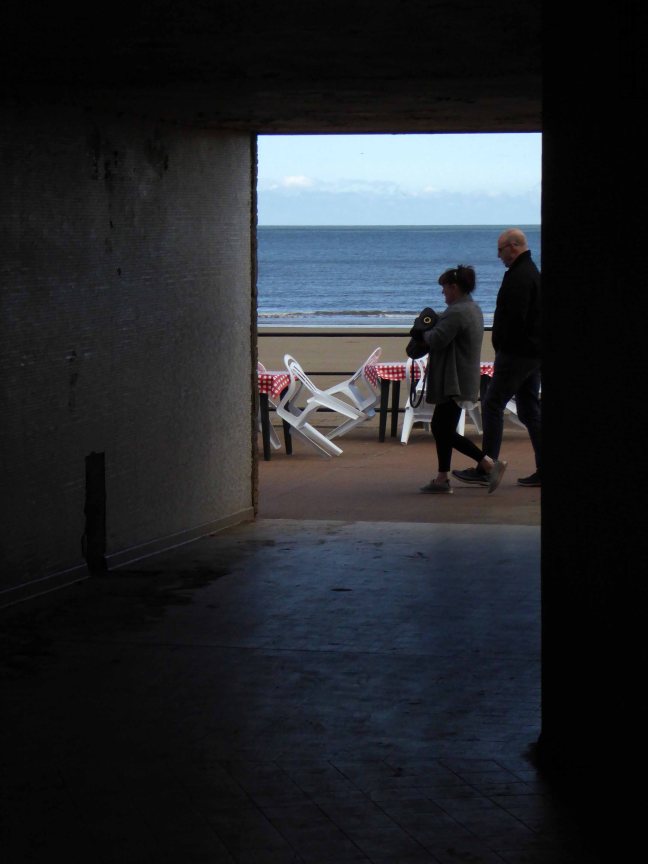
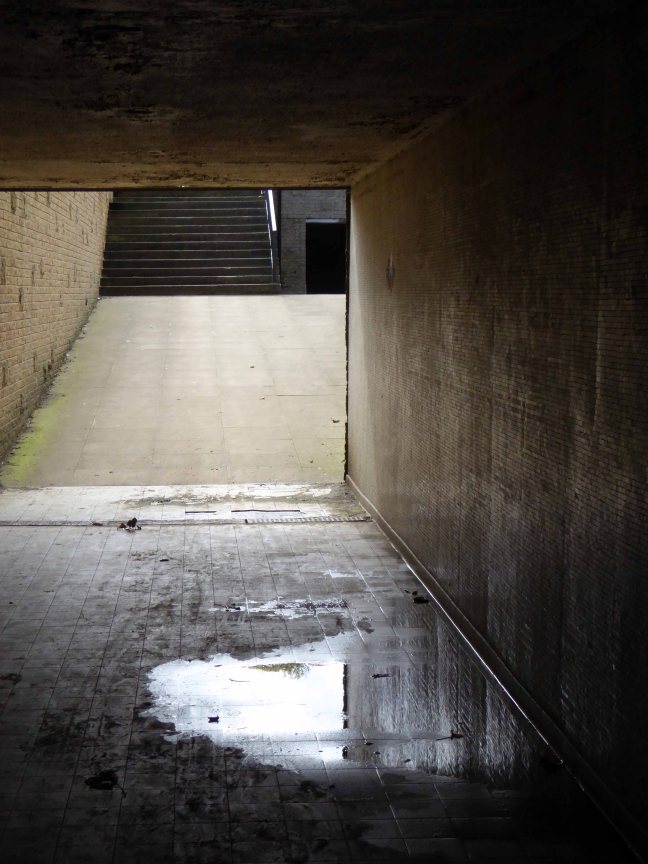
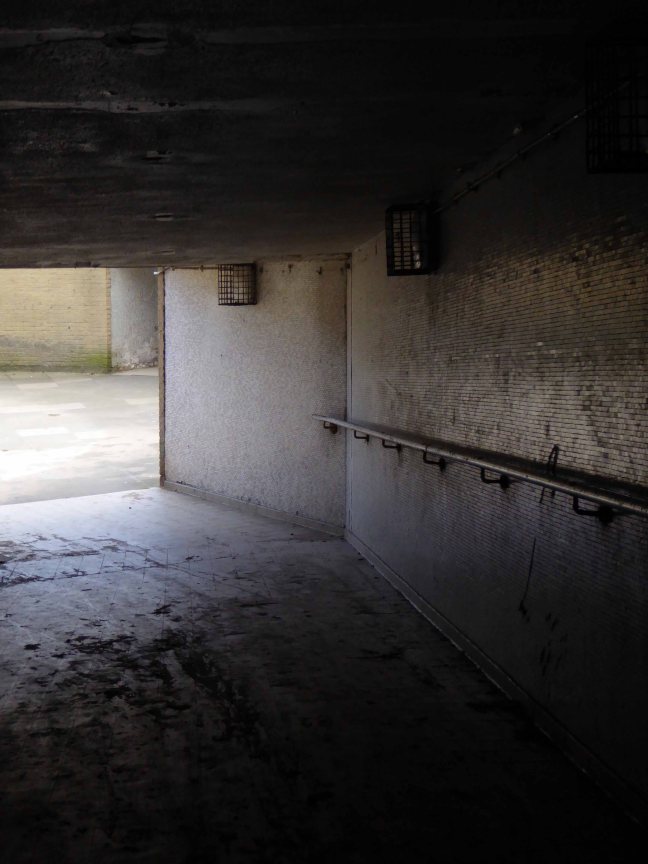
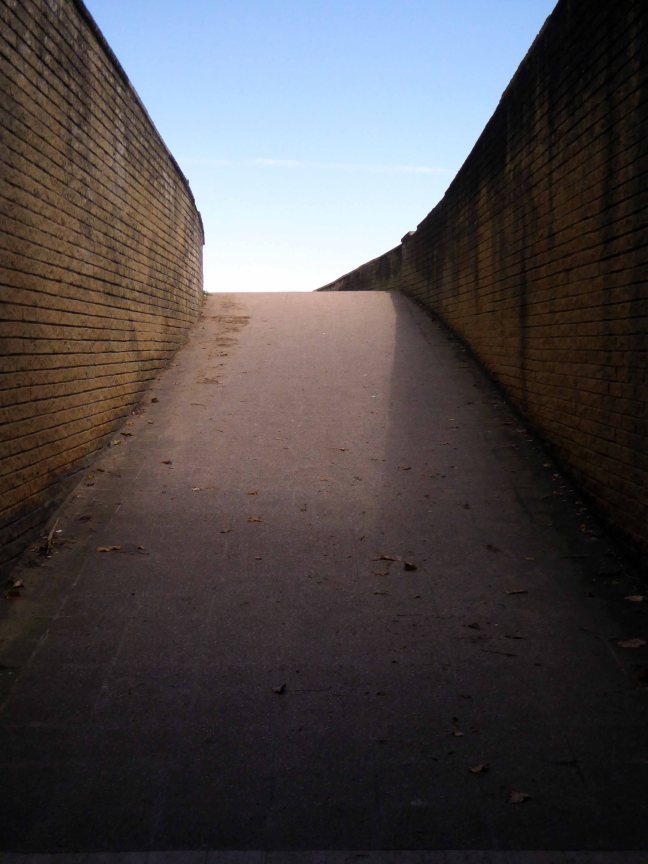
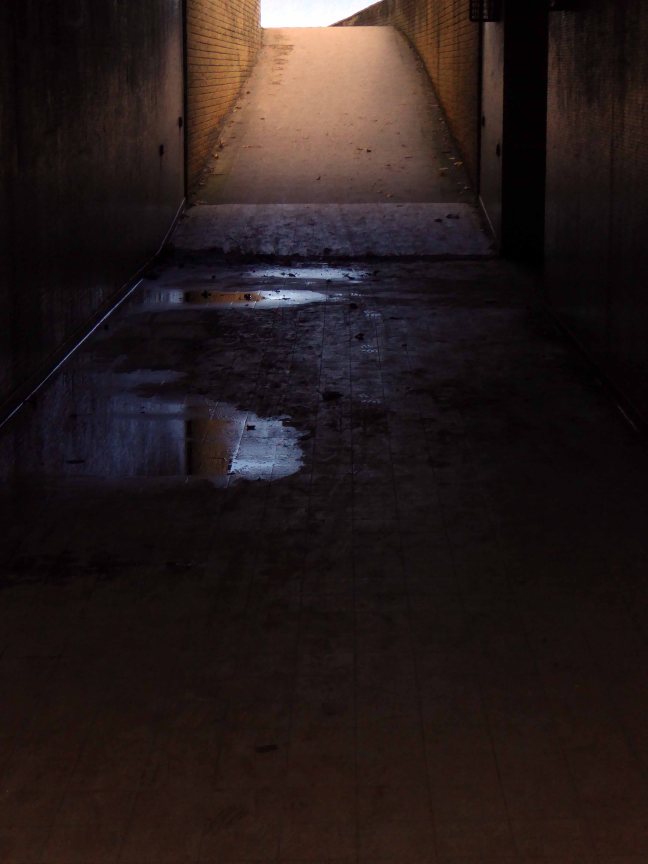
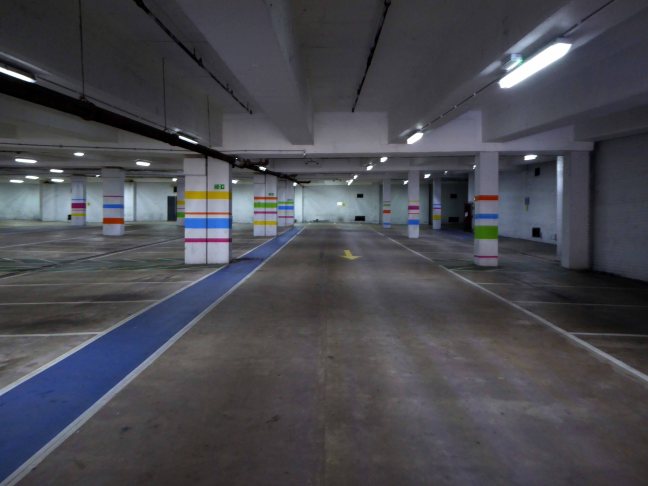
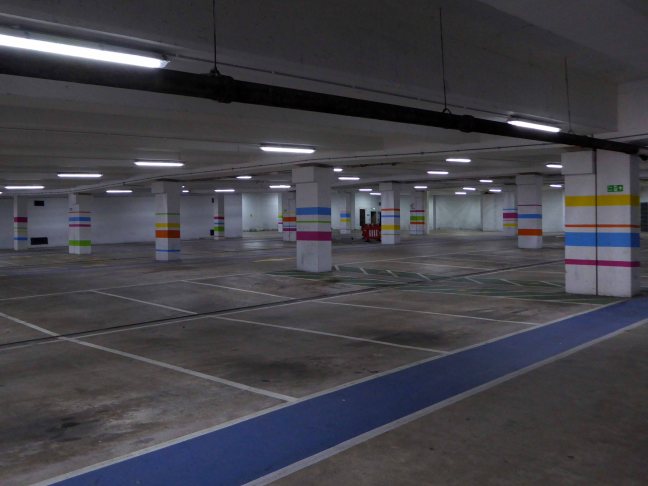
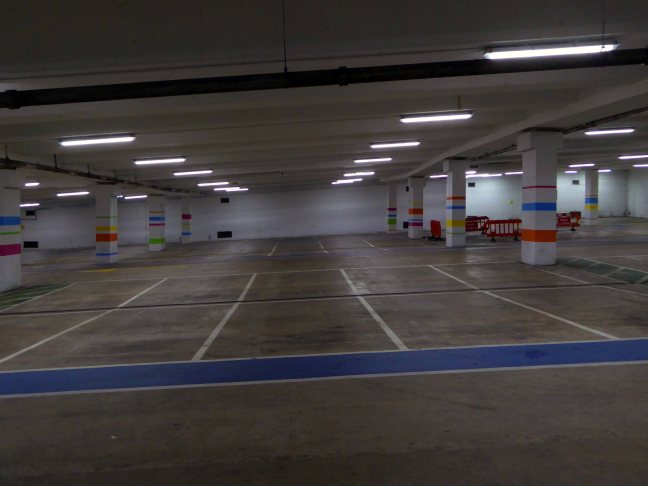
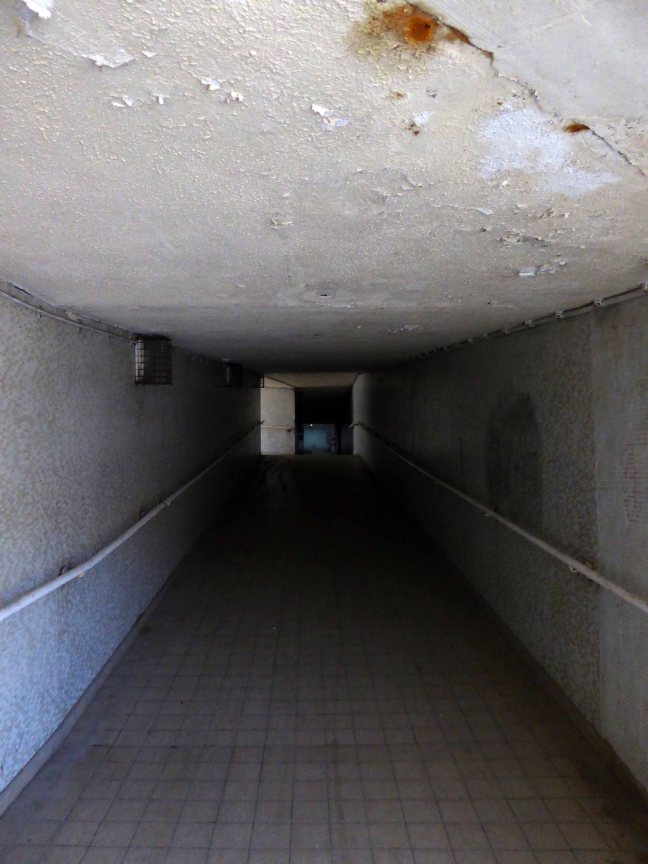
Hard by the seafront linking Foreshore, Cleveland Way and Valley Road sits a neat little tight little island, giving pedestrian access to almost everywhere – and a car park.

Screen Shot 2017-05-03 at 16.54.51

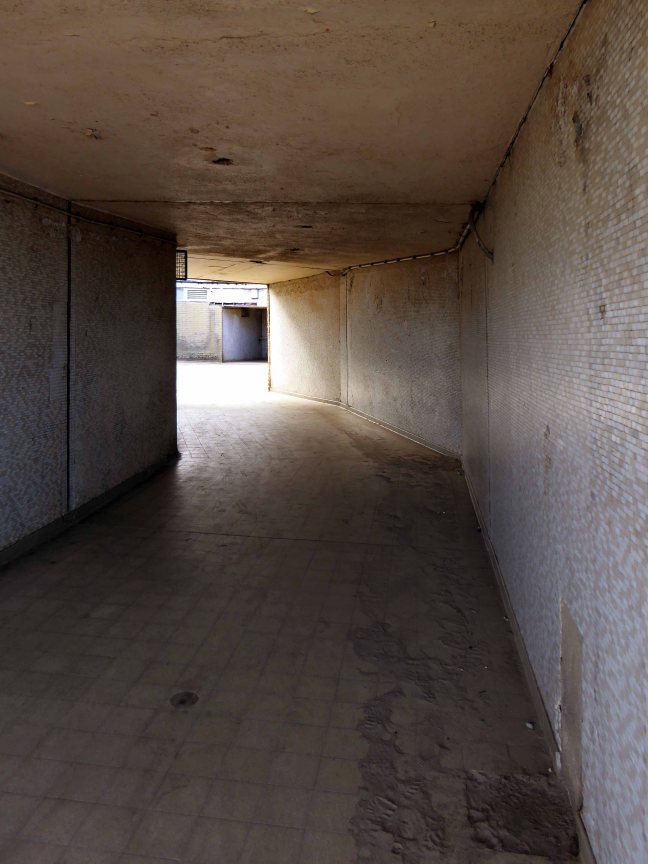
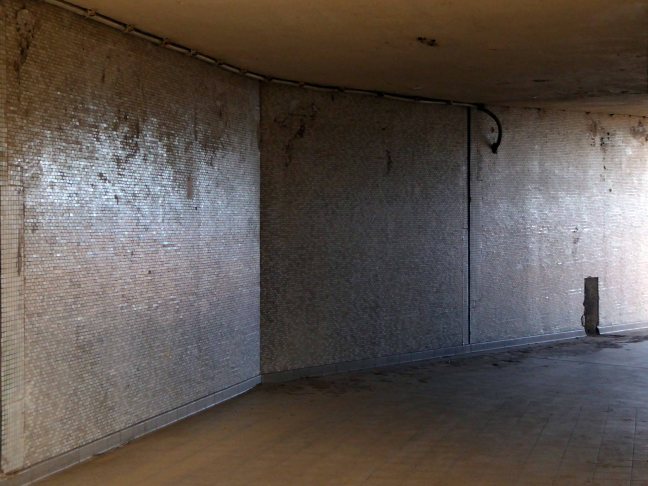
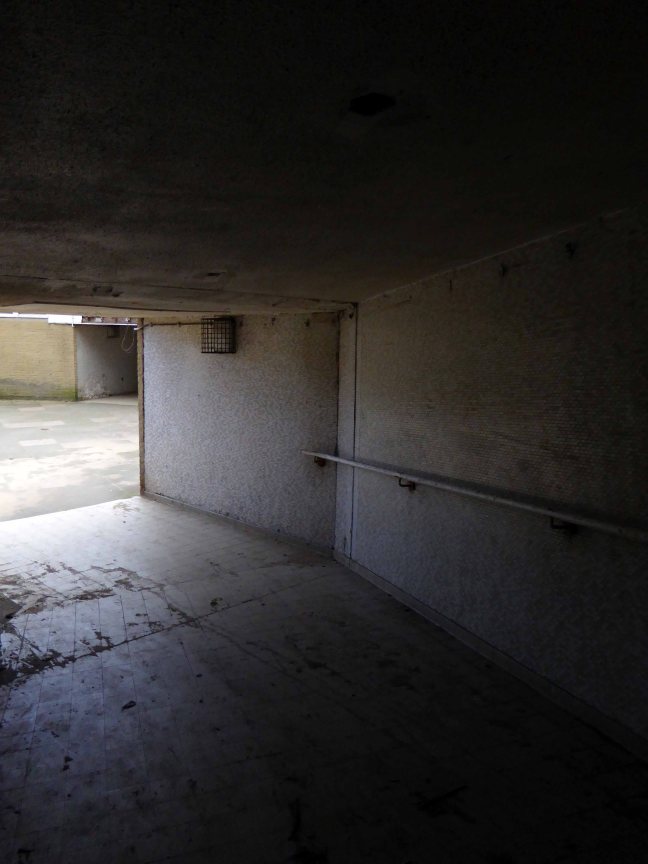
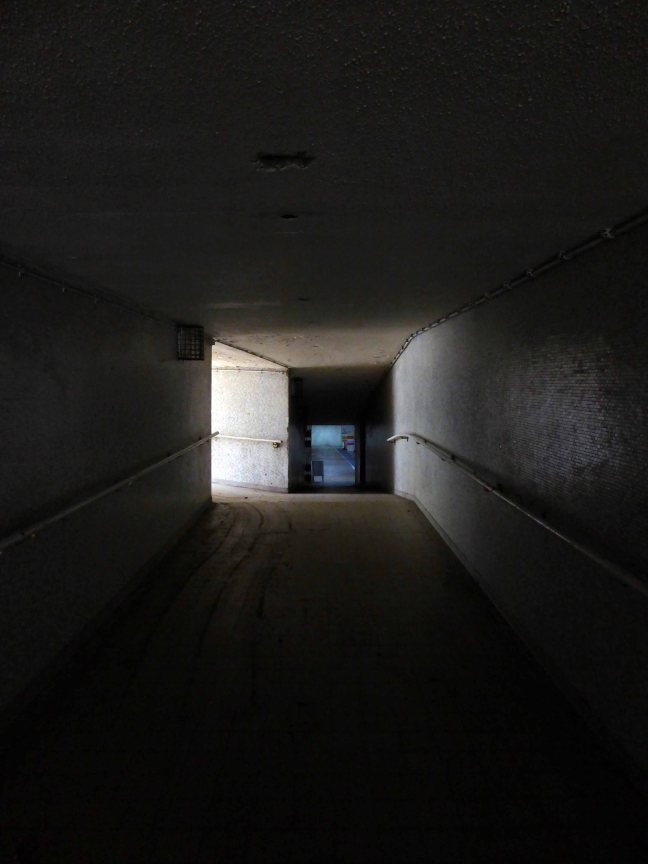
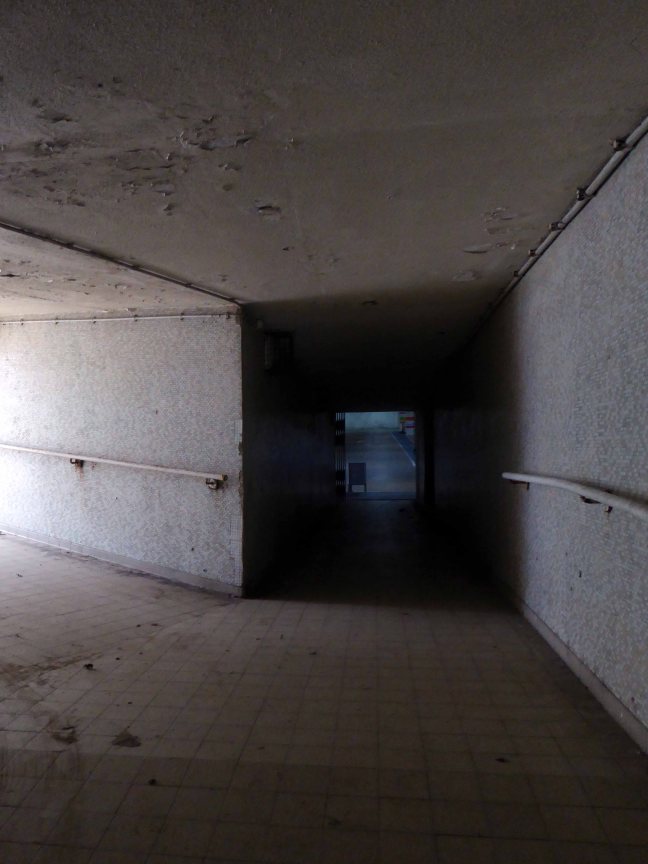
As with every other torus worth calling a torus, at its very centre sits the presence of absence, darkened concrete subterranean causeways, linking everything to nothing.

There’s a world going on underground.

P1150450

P1150451

P1150452

P1150453

P1150454

P1150456

P1150457

P1150458

P1150459

P1150461

P1150465

P1150467

P1150468

P1150469

P1150471

P1150472

P1150482

Paddling Pool – Whitby

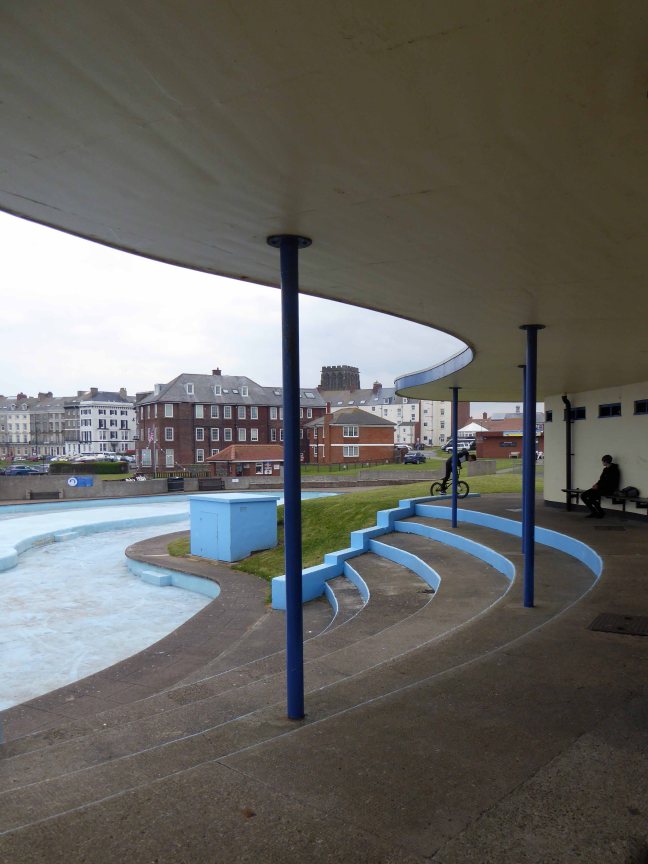
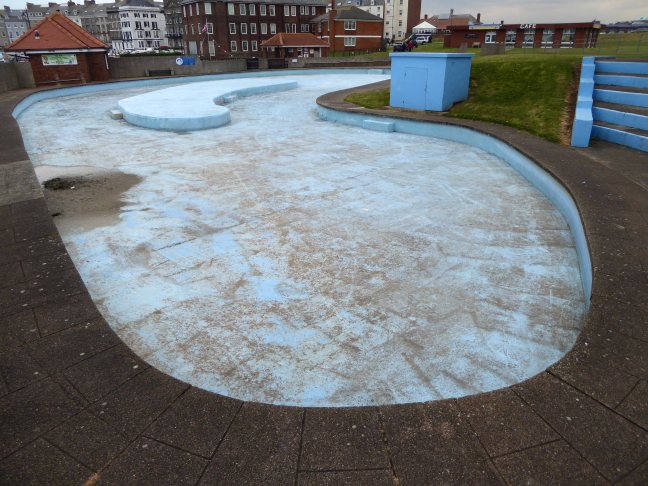
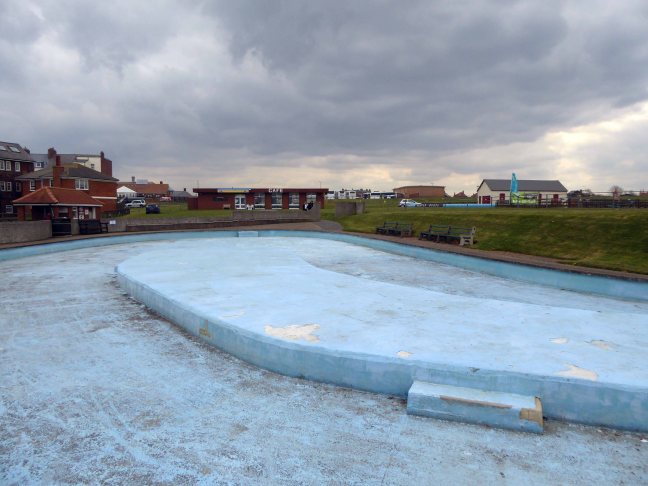
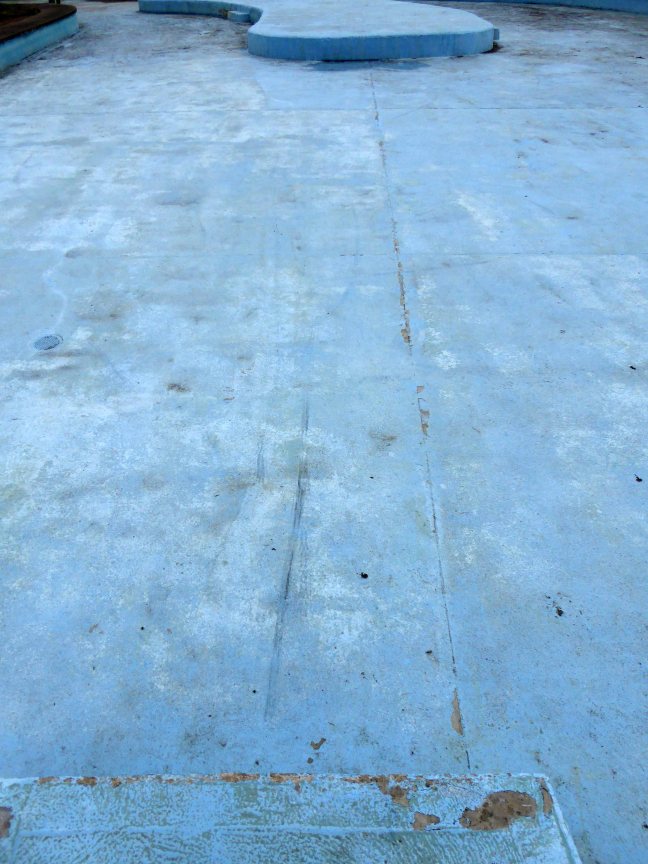
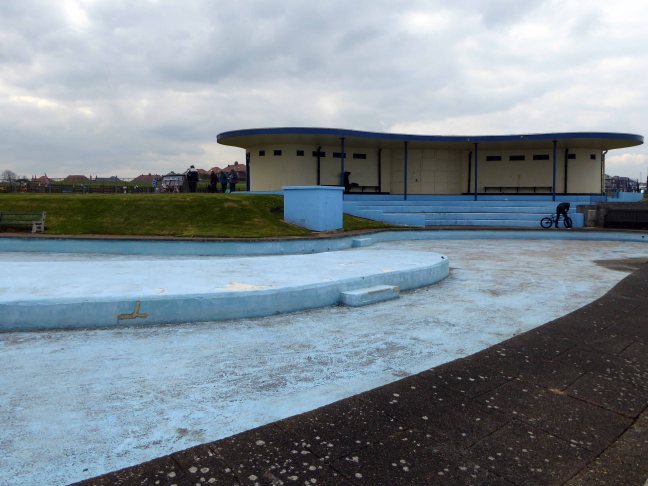
High atop West Cliff Whitby is a pale blue imitation of the deep blue North Sea below.

A TG Green Cornishware blue and cream striped pot, reimagined on the distant Yorkshire coast, in paddling pool form.

Scarborough Borough Council has resurfaced the paddling pool, re-concreted and repainted the bottom and the sides. The railings adjacent to the footpaths at Whitby Pavilion have been repaired and re-painted and seating next to the crazy golf has also been improved.

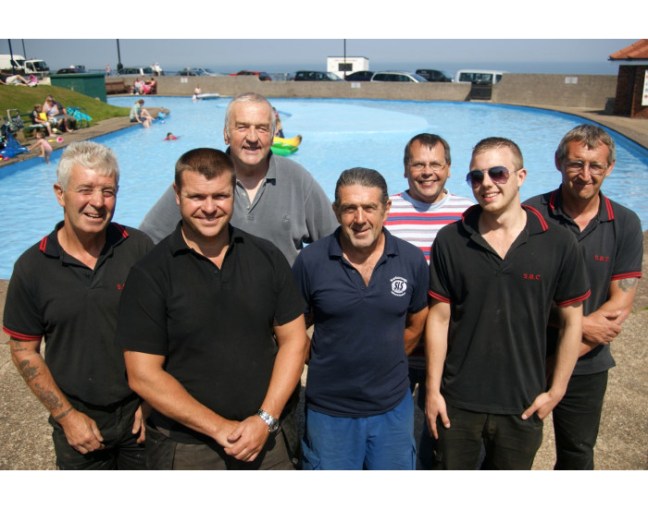
 Martin Pedley, Scarborough Borough Council’s asset and risk manager said:
The council has, in conjunction with the voluntary sector, invested both time and money in continuing to revitalise the West Cliff area in preparation for the summer season and the influx of visitors to Whitby.
1033839943West Cliff councillor Joe Plant added:

The improvement works that have been done both last year and this year is most welcome. Not only the visitors will benefit, but local people also and it again shows working in partnership with the voluntary sector does make a difference.

The Big Society in action, replacing railings improving lives.

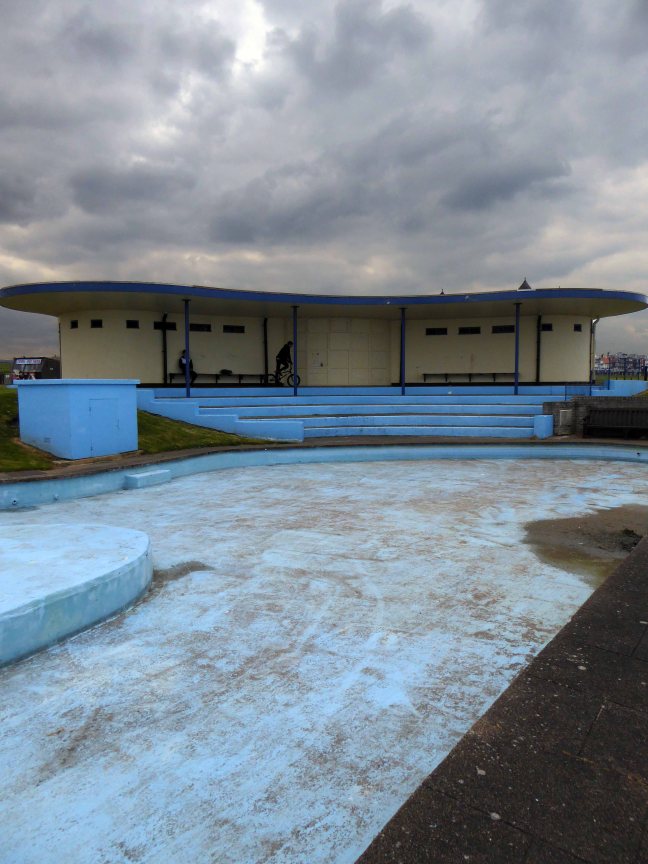
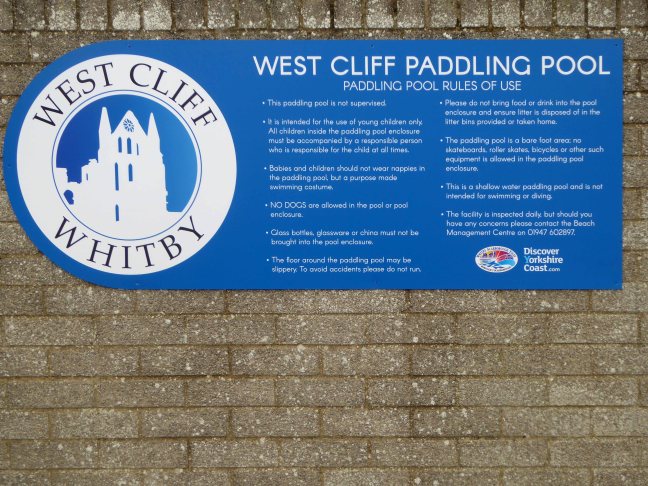
I arrived in late April the pool as yet sans d’eau, more of a pedalling pool than paddling pool as the BMX bandits invaded the space, in direct contravention of the rules and regulations.
P1150592

The water when present is some twelve inches deep, clearly better suited to larking, splashing and cavorting rather than performing The Twister, a  bewildering blur of twists and turns two and a half back-somersaults with two and a half twists during the 1.5 seconds between launching and entering the water at 40mph.

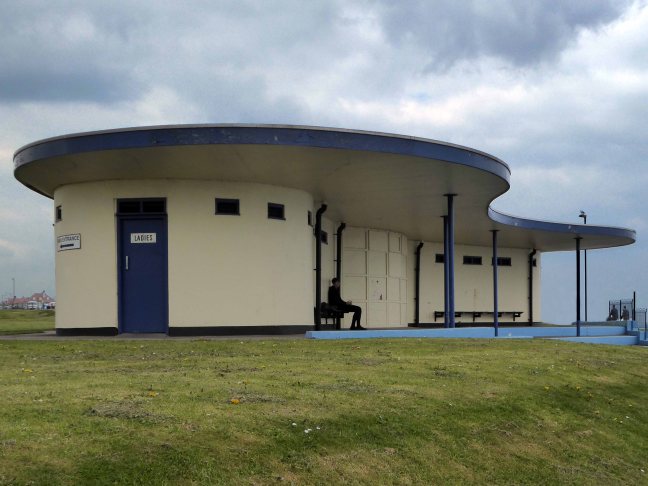
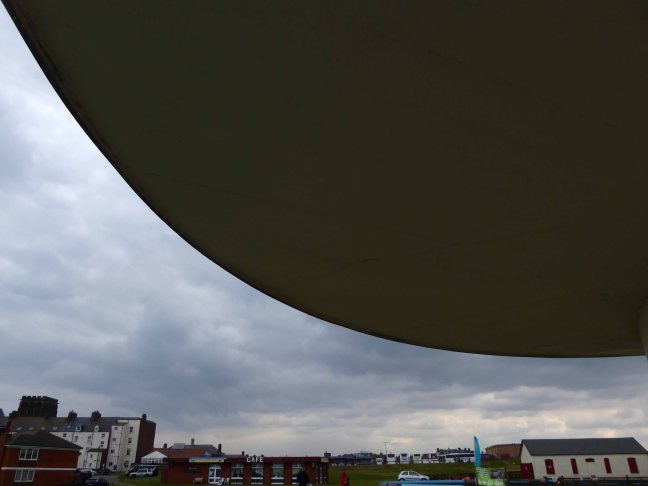
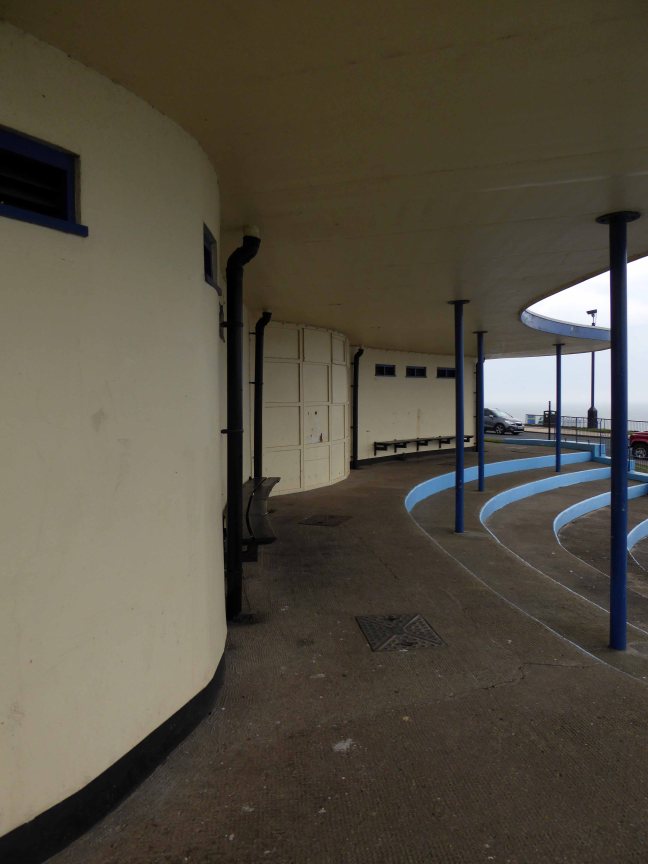
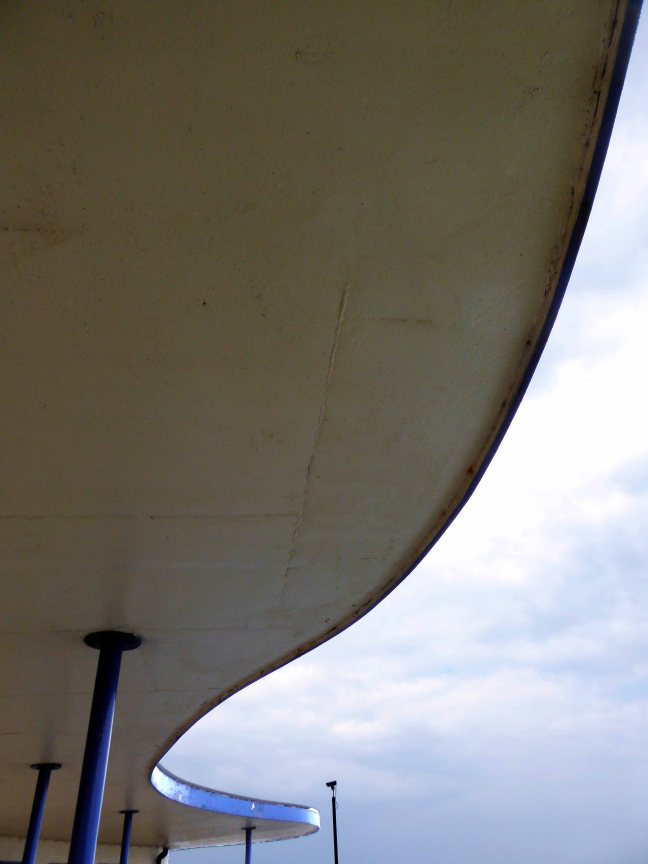
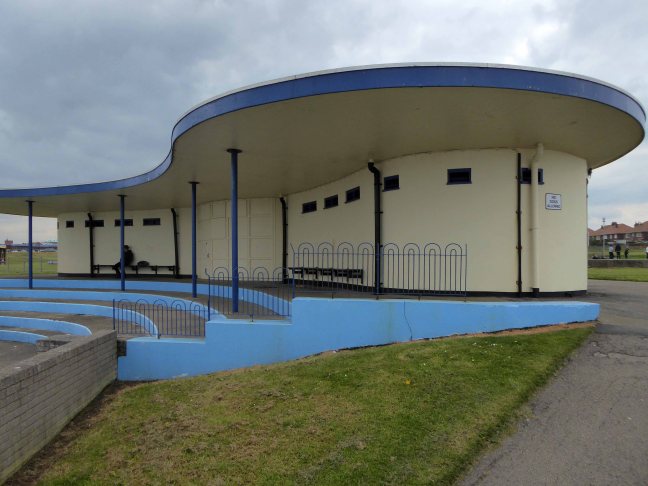
The pool is flanked to the north by a sweeping Lubetkin style, flat roofed pavilion complete with fully functioning toilet facilities.

Turn your back on the Abbey, go wild – take a wet walk on the West Cliff side.
P1150586

P1150587

P1150588

P1150589

P1150590

P1150596

P1150599

P1150603

P1150604

P1150605

P1150606

P1150607

St Barnabas – Manchester

barnabas

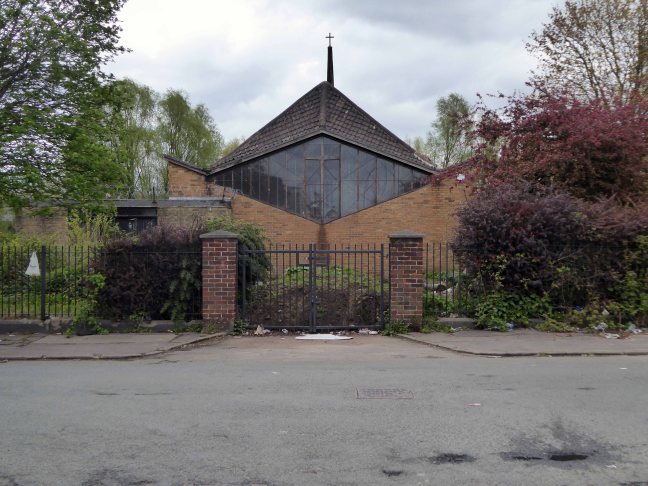
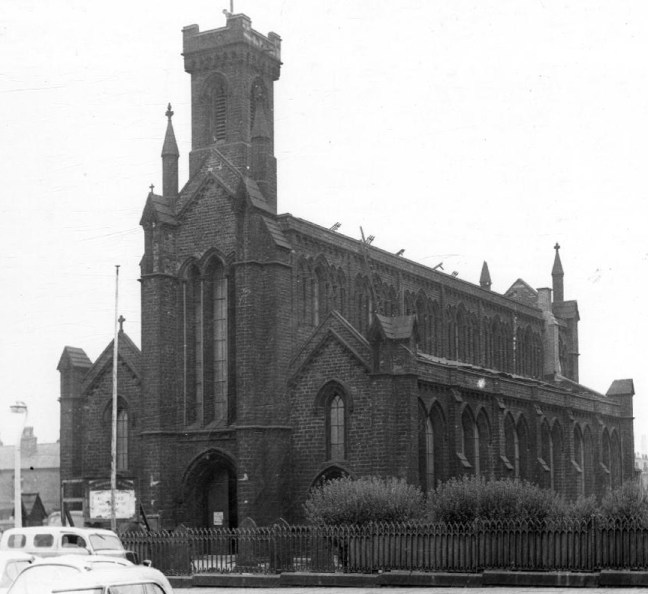
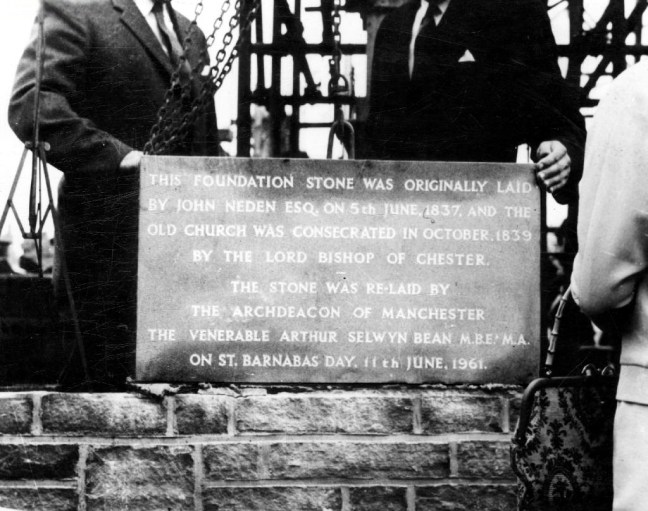
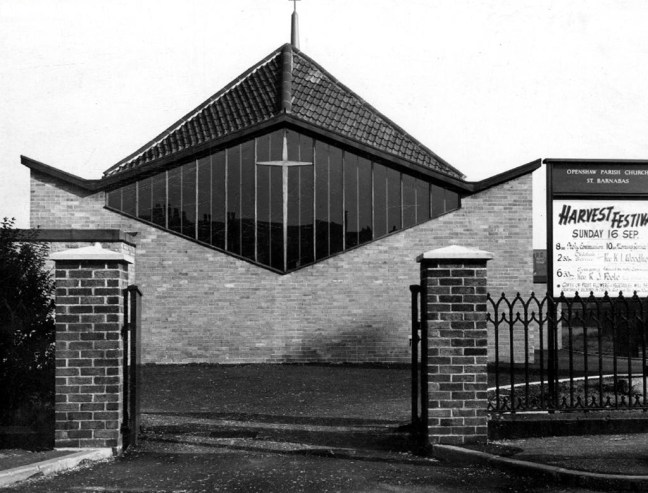
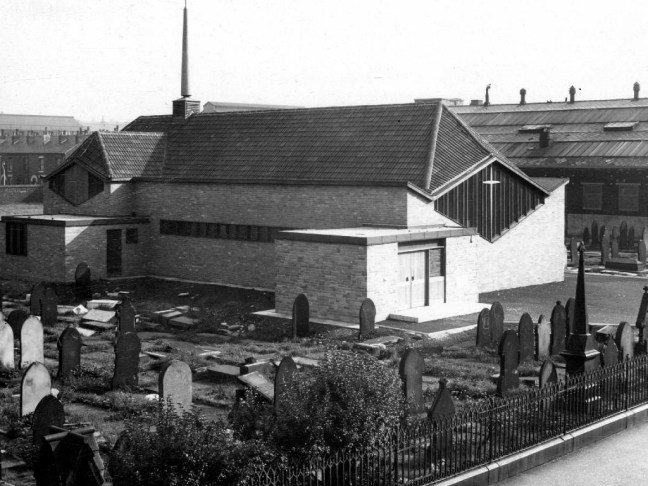
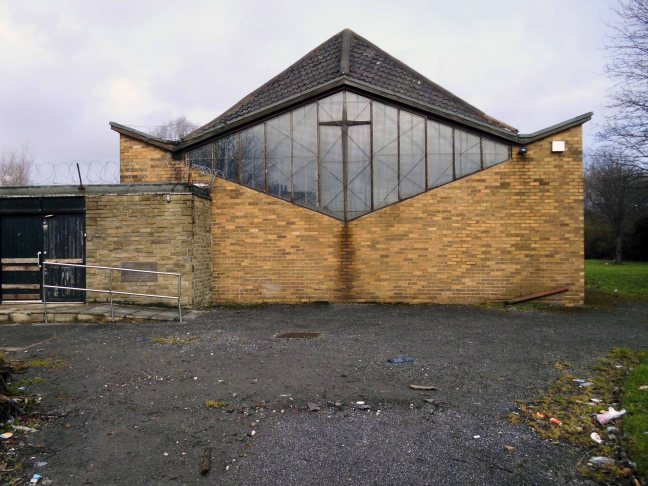
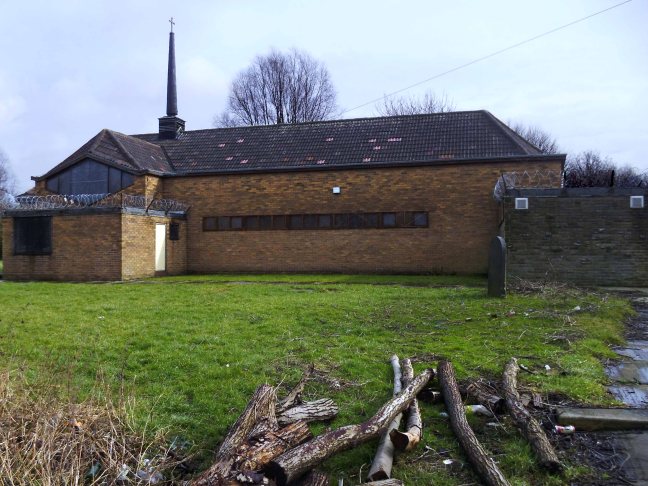
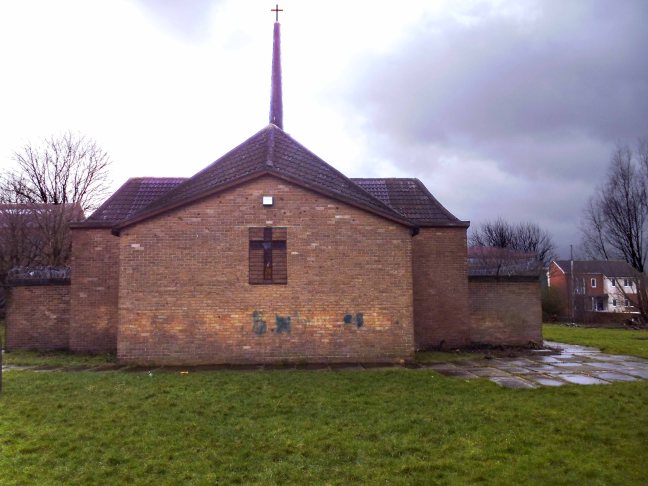
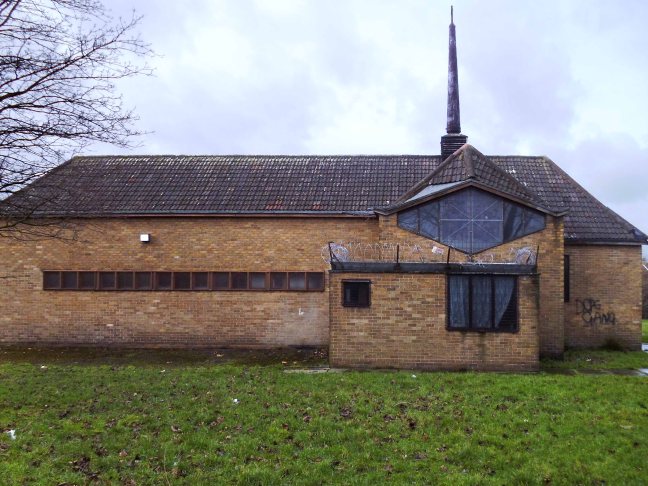
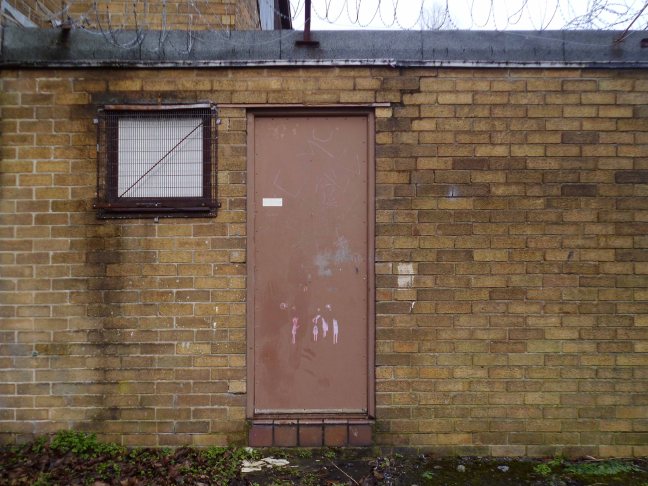
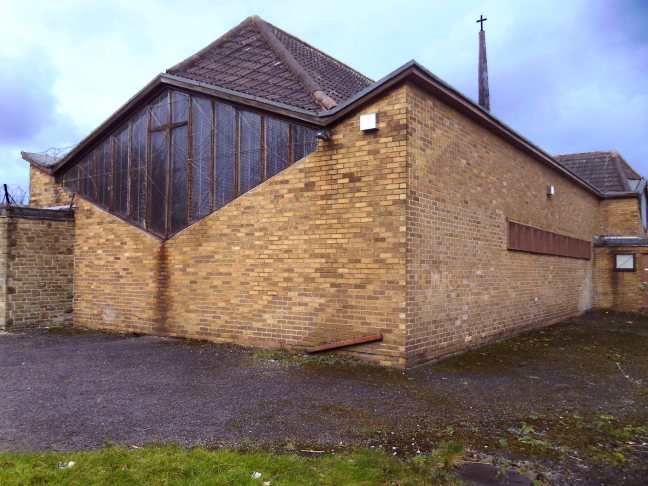
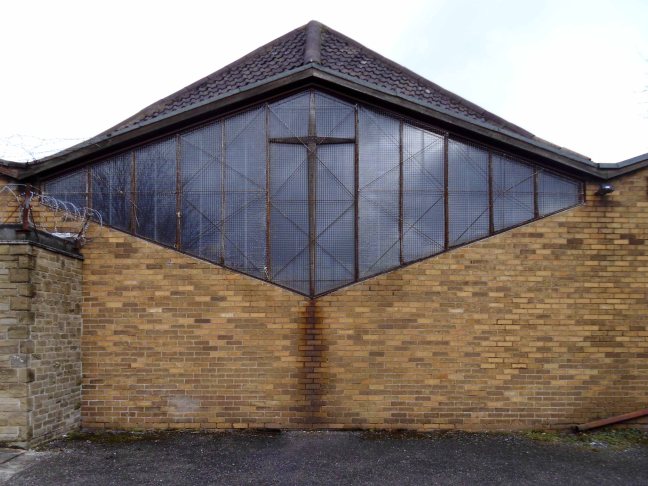
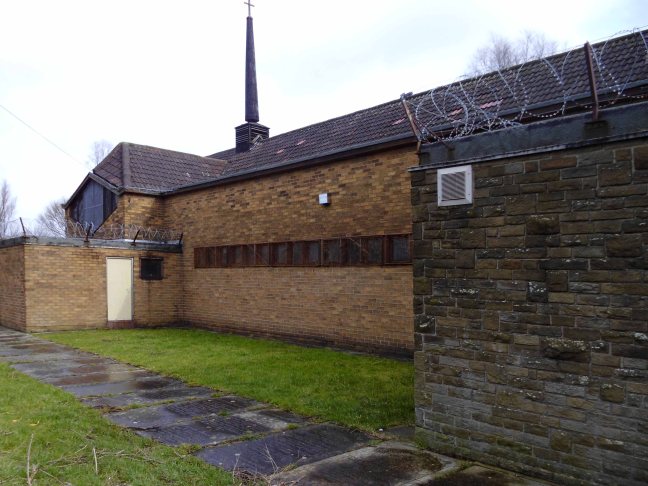
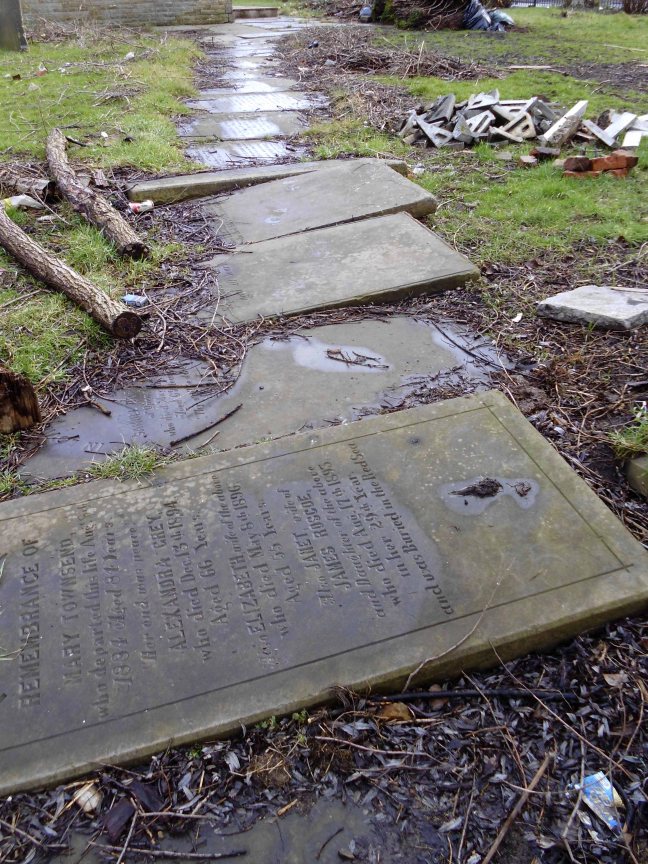
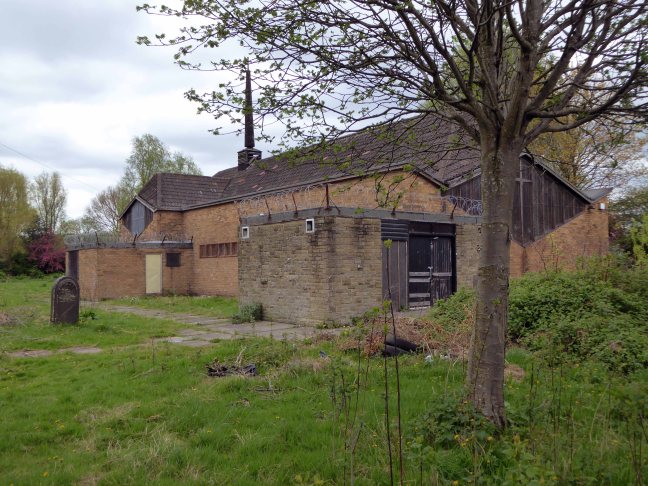
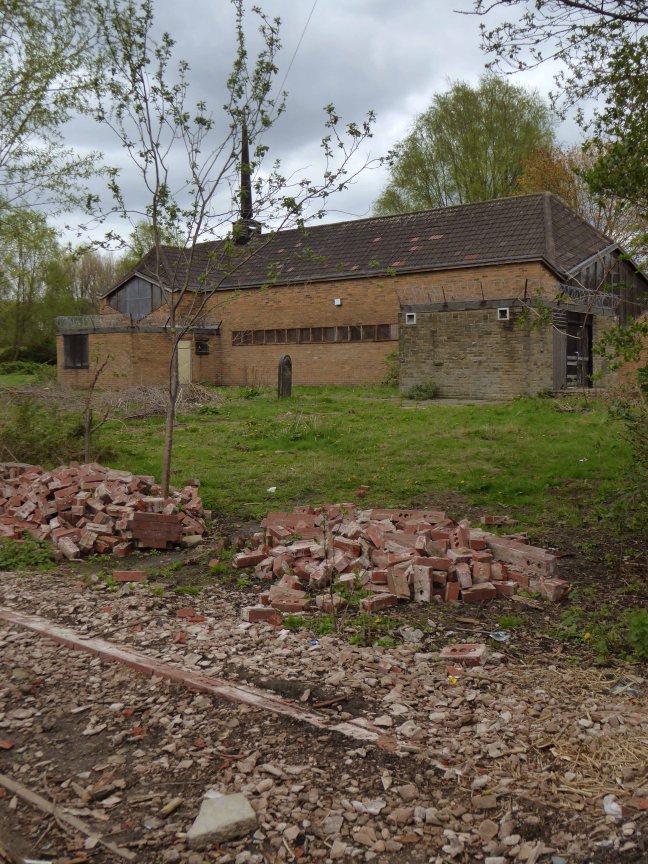
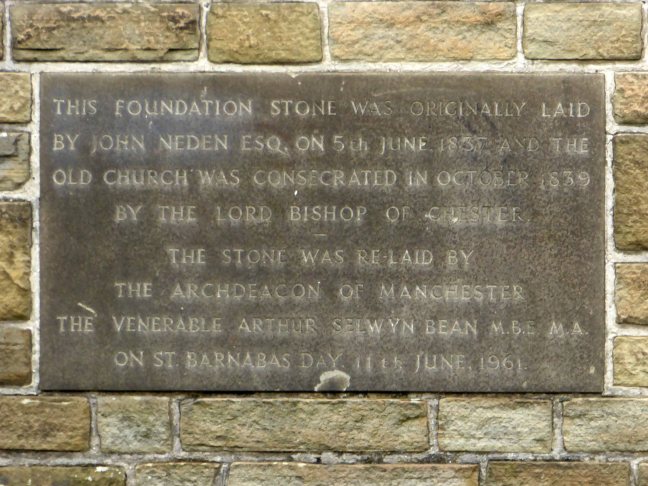
There has been a church here since 1837, there is still a church here.

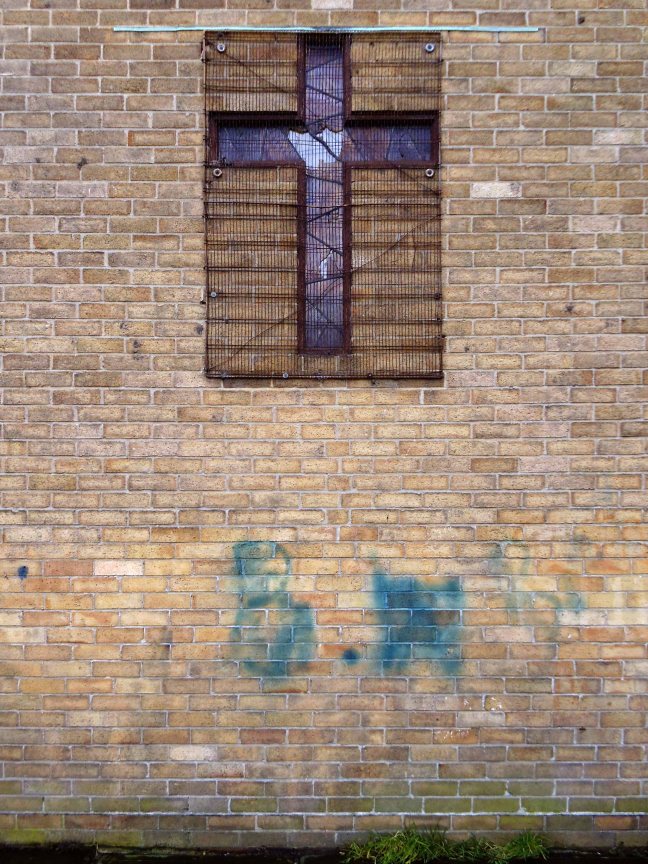
Almost.

webmedia-1.php

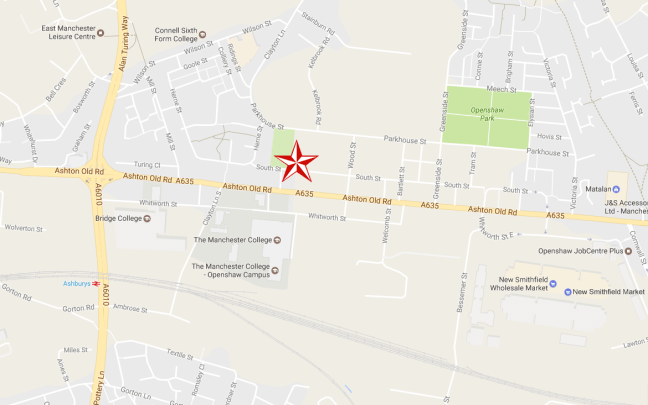
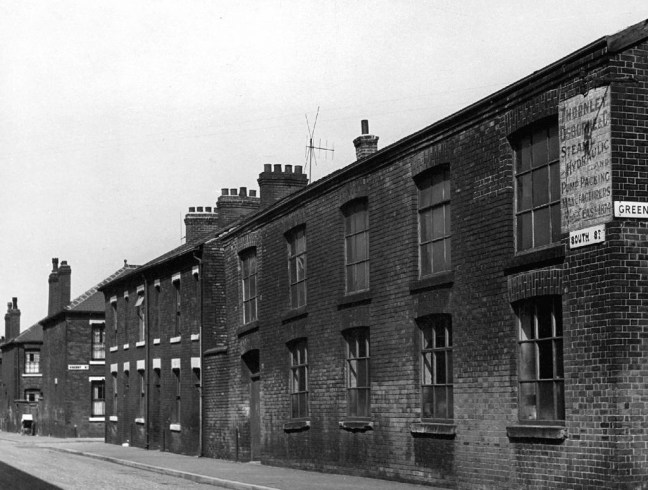
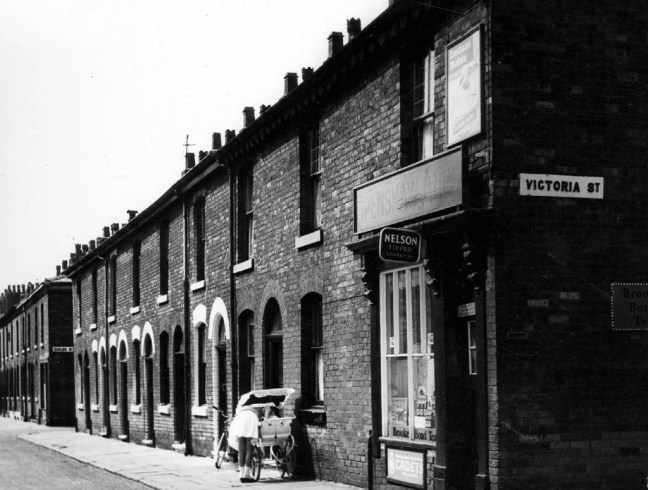
Openshaw in the 60s was still a busy community of terraced homes and their occupants, tumbling cheek by jowl with industry, both heavy and light.

webmedia.php copy

A tightly wrapped world of corner shops and sun-canopied Silver Cross prams.

webmedia-1.php copy

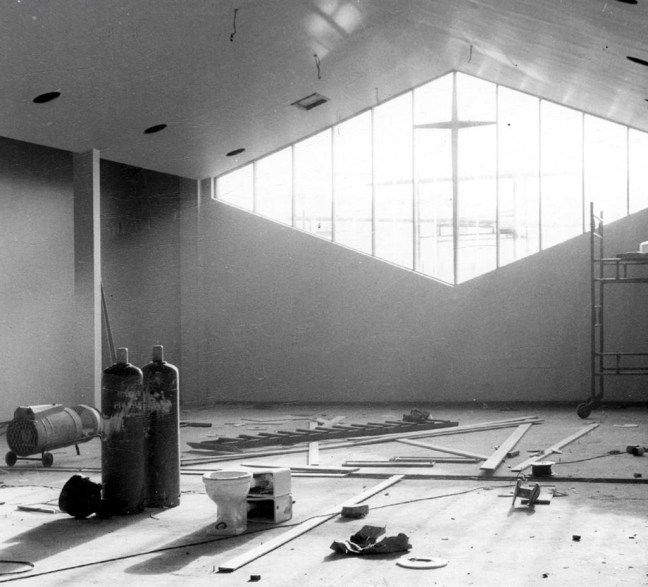
The original imposing, imperious St Barnabas’s was demolished, to be replaced by a sharper space age architecture, embodying a new age of optimism.

webmedia-2.php

webmedia-3.php

webmedia-6.php

webmedia-5.php

Photographs from the Manchester Image Archive

At the same time the soot-blackened Victorian terraces, are in part replaced by newer brick and block homes, the future seemed bright.

The industry however, once so invincible, both light and heavy, begins to disappear, becomes weightless, invisible.
Slowly the assured social cohesion of that new age comes unstuck.
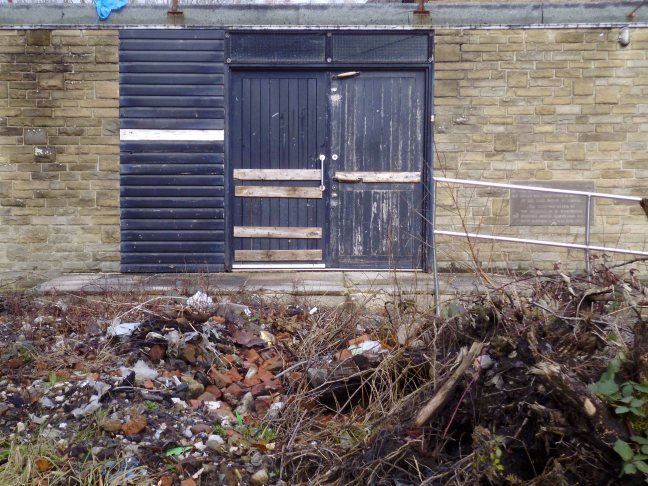
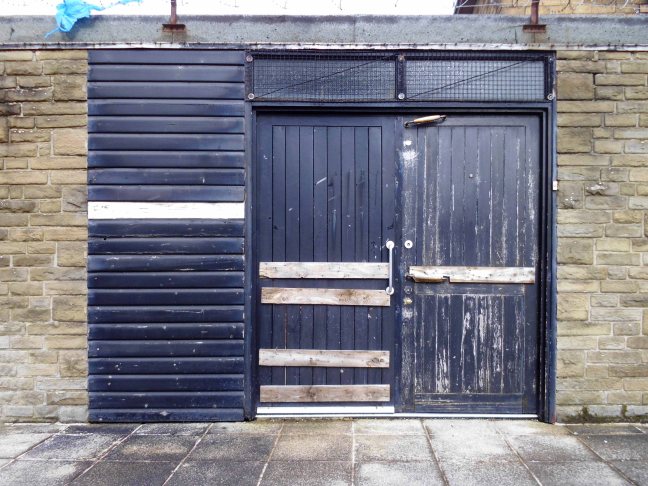
When the doors of one St Barnabas’s close, likewise eventually another closes.

P1050899 copy

P1050900 copy

P1050901 copy

P1050904 copy

P1050905 copy

P1050907 copy

P1050910 copy

P1050911 copy

P1050912 copy

P1050914 copy

P1050915 copy

P1050916 copy

P1150211 copy

P1150212 copy

P1150218 copy

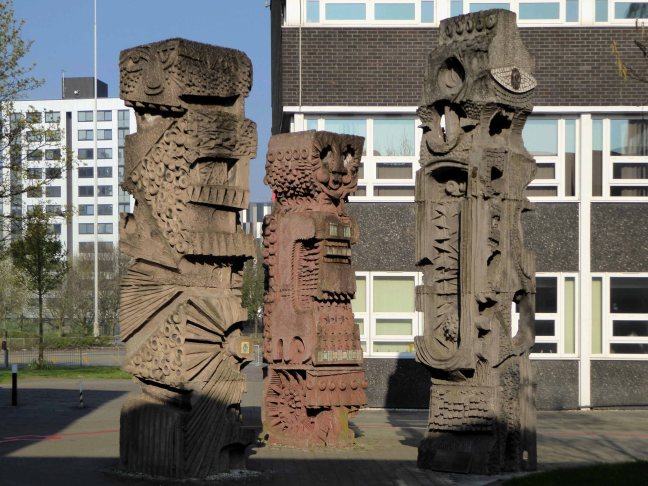
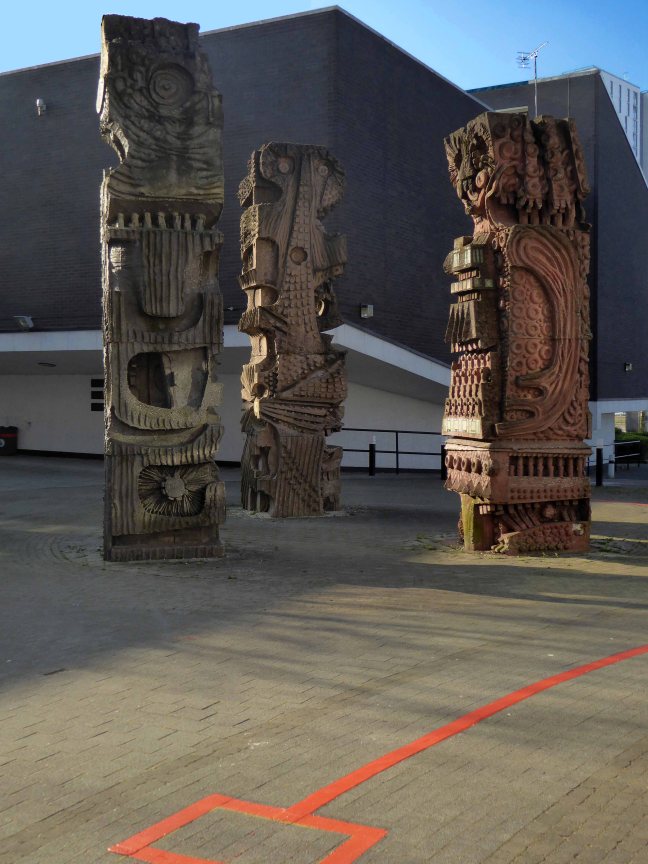
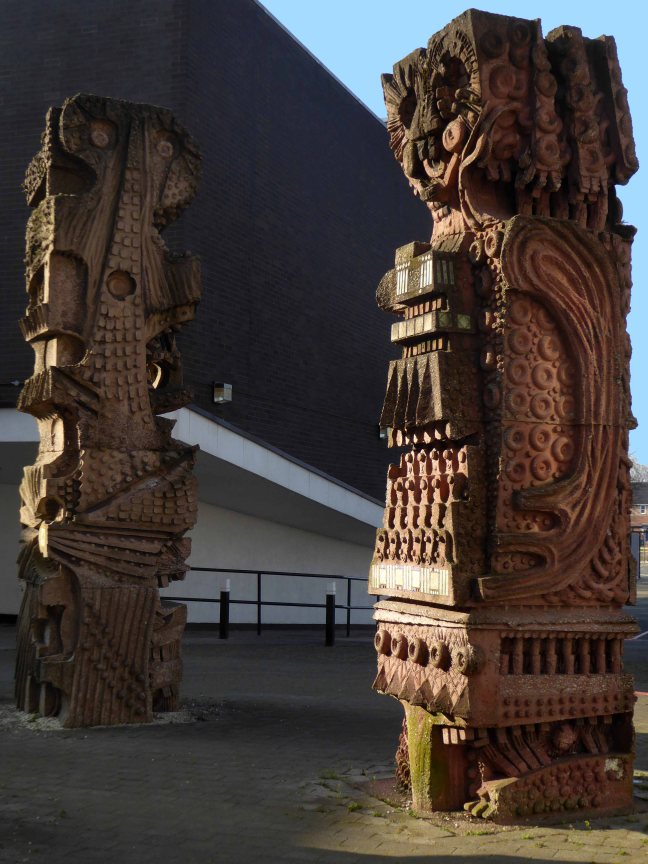
Minut Men Totems – Salford

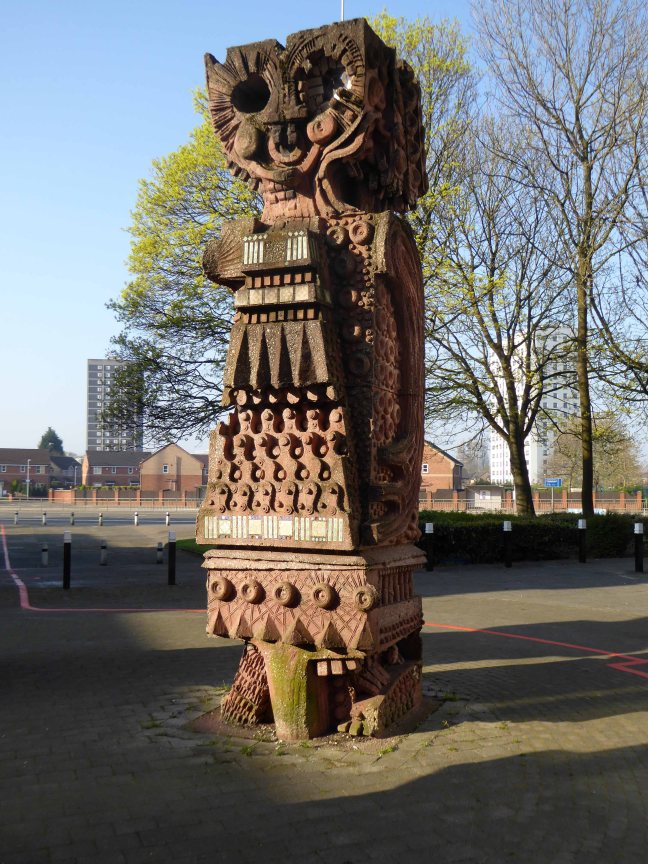
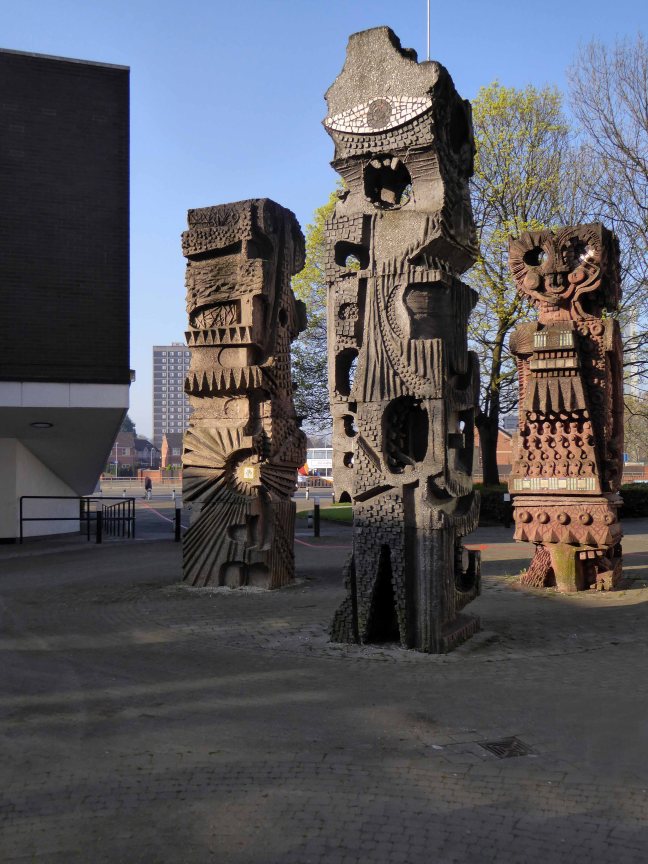
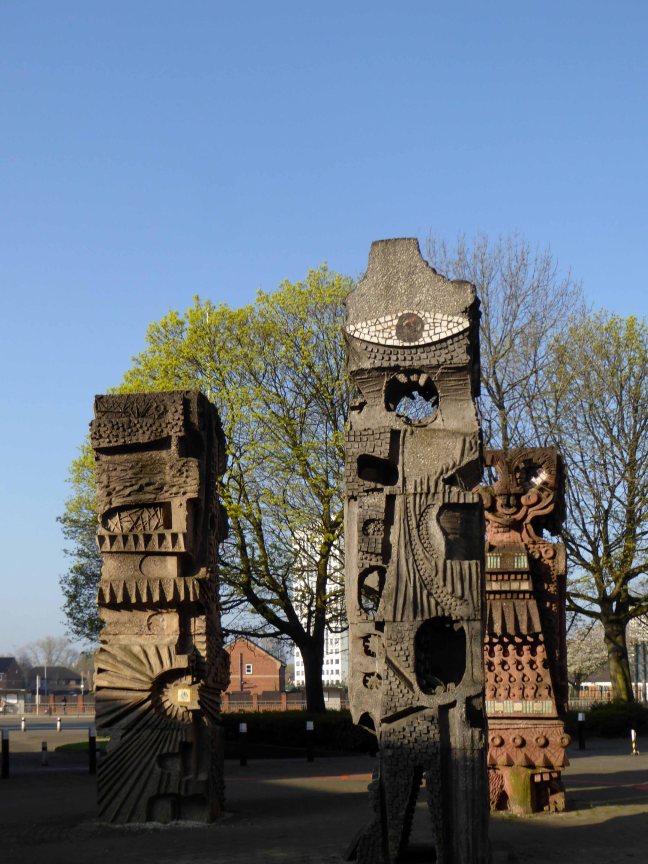
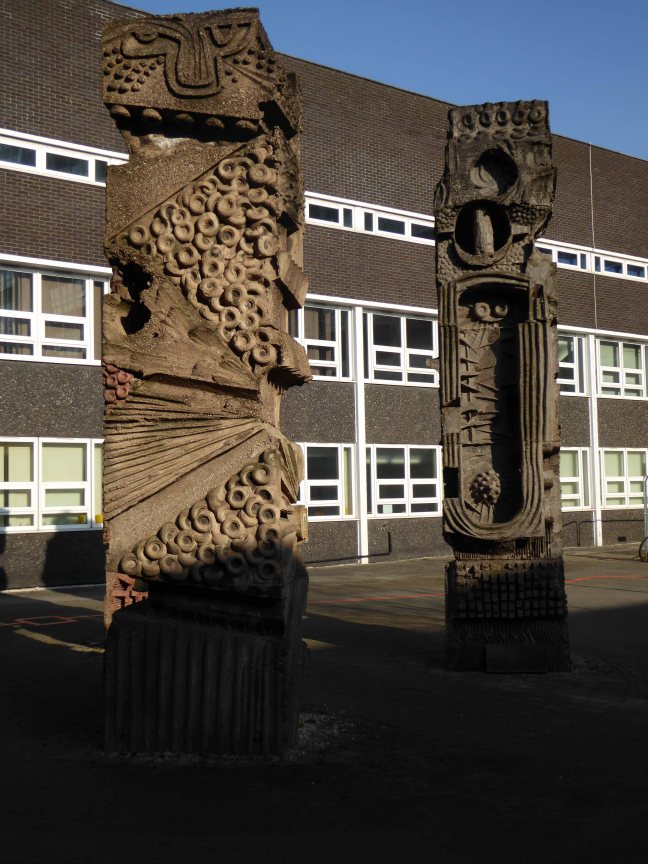
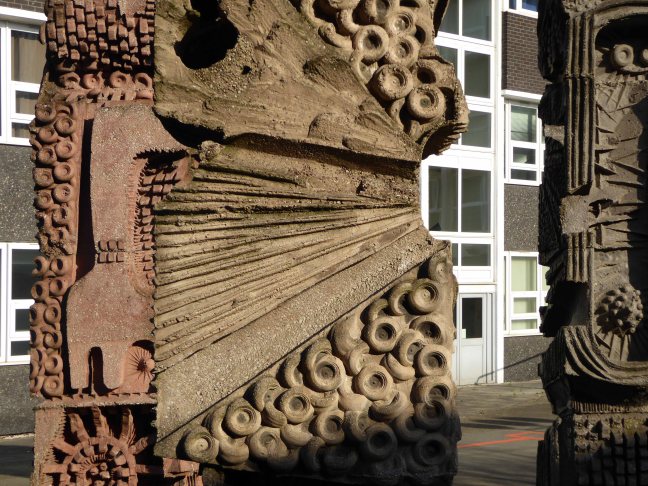
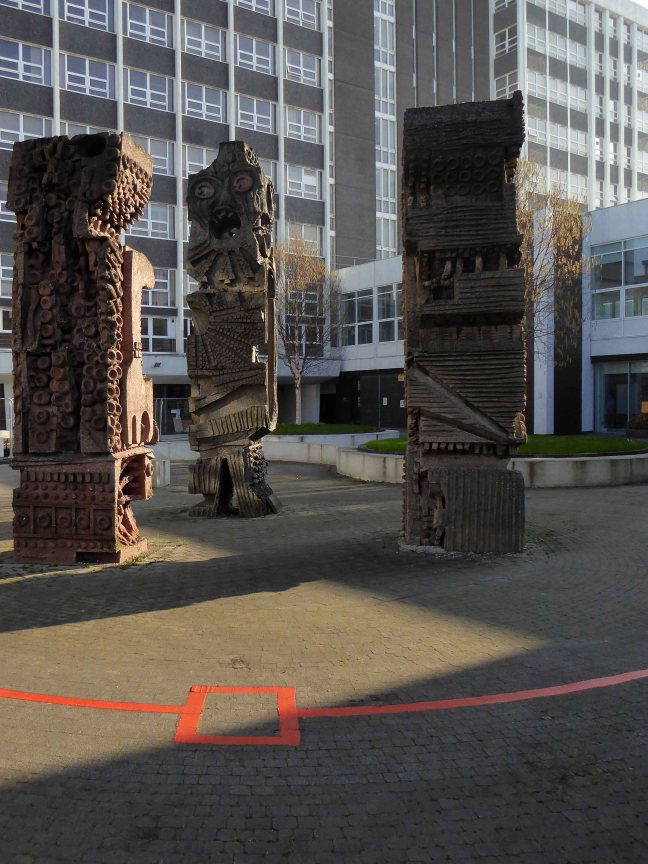
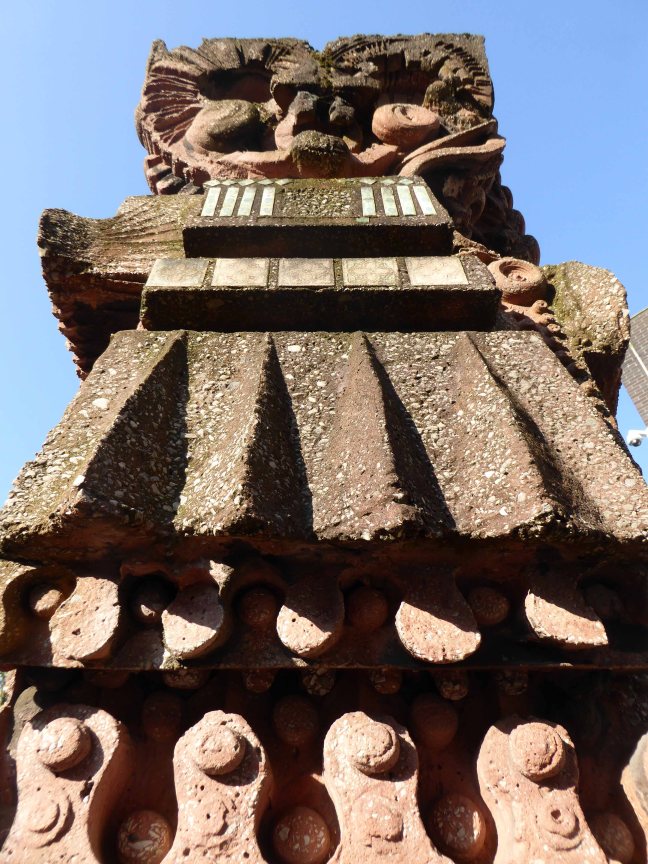
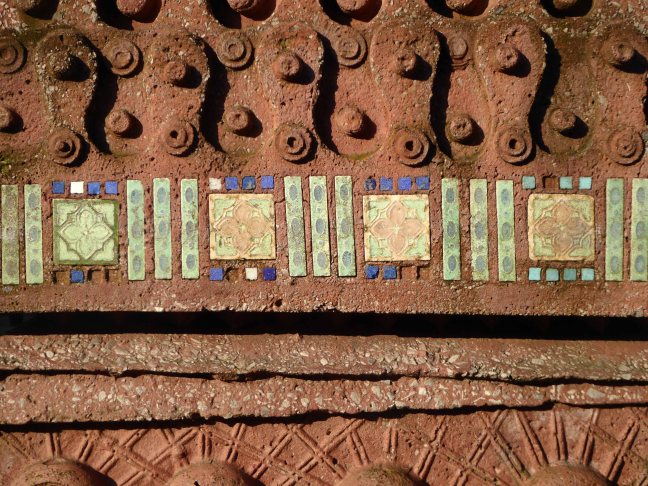
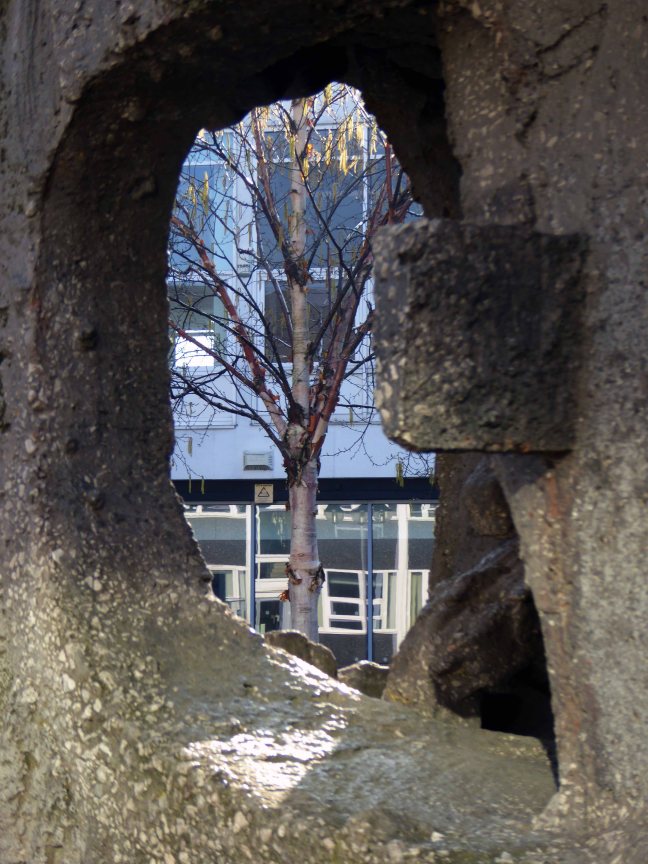
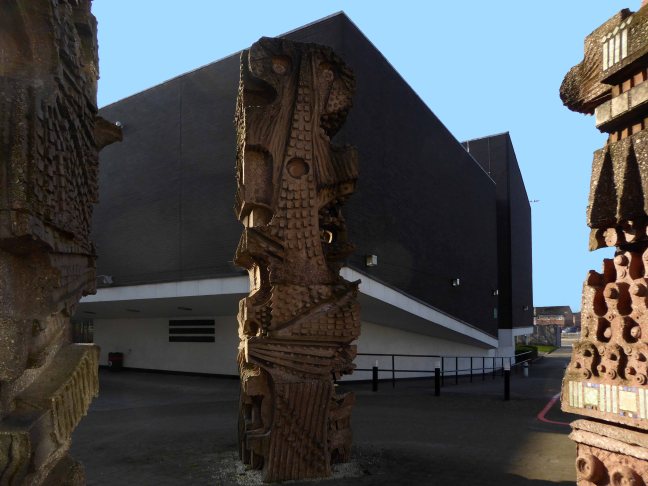
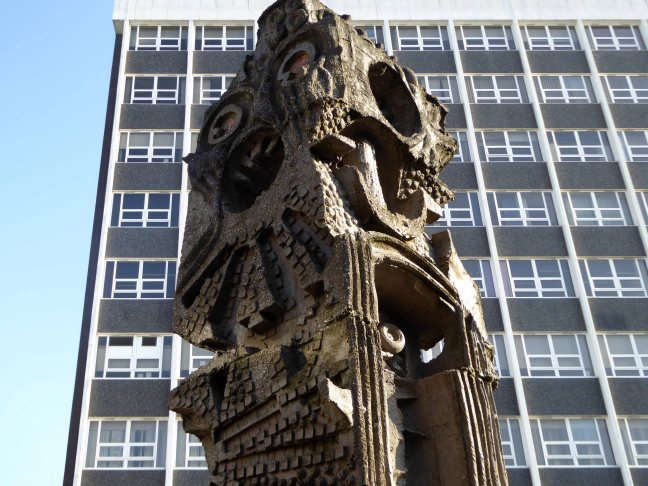
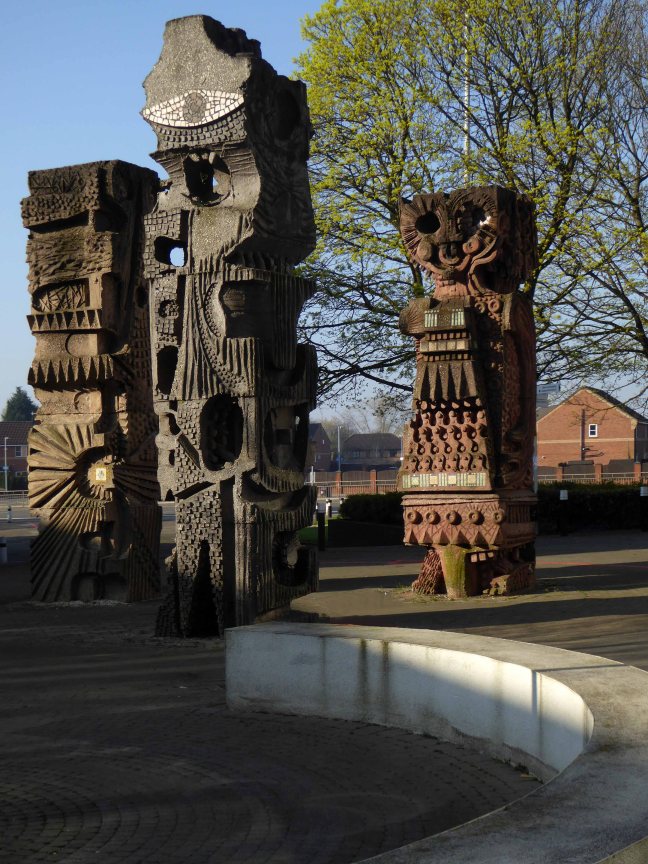
The three concrete totem sculptures of 1966 by William Mitchell, which stand in the courtyard of the Allerton Building, University of Salford, are recommended for designation at Grade II for the following principal reasons: * Historic Interest: as a good representative example of the commissioning of public artwork as an integral element of the design of new higher education colleges and universities in the post-war period, here succeeding in imbuing a distinct identity and image on an otherwise relatively plain complex.

So it seemed appropriate to cycle to Salford early one sunny Saturday morning, in an otherwise relatively plain manner in order to see the three totems.

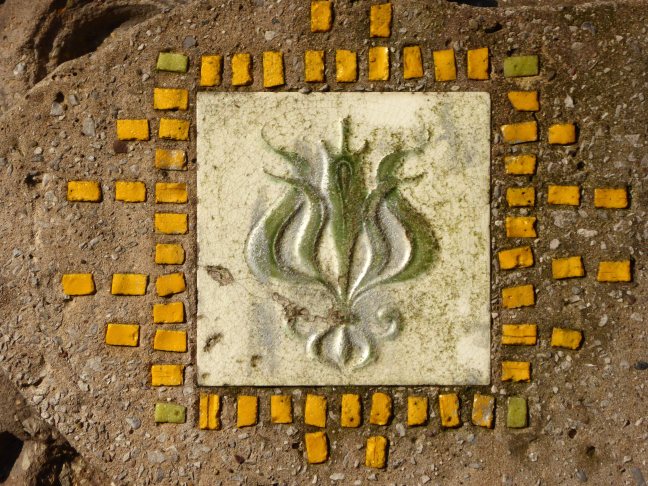
William Mitchell was a leading public artist in the post-war period who designed many pieces of art in the public realm, working to a high artistic quality in various materials but most notably concrete, a material in which he was highly skilled, using innovative and unusual casting techniques, as seen in this sculptural group. He has a number of listed pieces to his name, both individual designs and components of larger architectural commissions by leading architects of the day.

Historic England says so, they loved them so much they listed them Grade II.

I loved them so much I listed them lovely, especially in lowish spring light, set against a clear blue sky and framed by the surrounding academic buildings.

Further info here on Skyliner

Go take a look.

P1140759

P1140760

P1140761

P1140762

P1140764

P1140766

P1140767

P1140770

P1140771

P1140774

P1140776

P1140777

P1140778

P1140779

P1140780

P1140784

P1140786

P1140789

P1140790