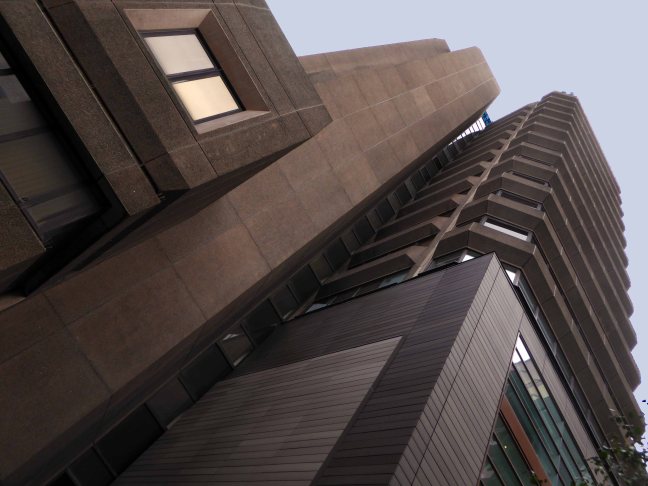
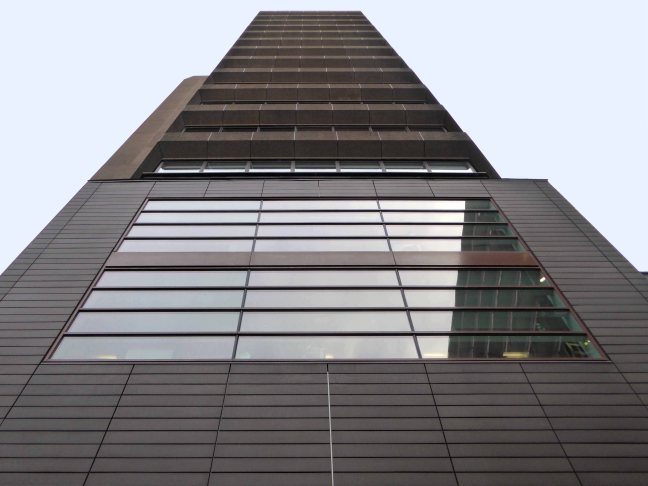
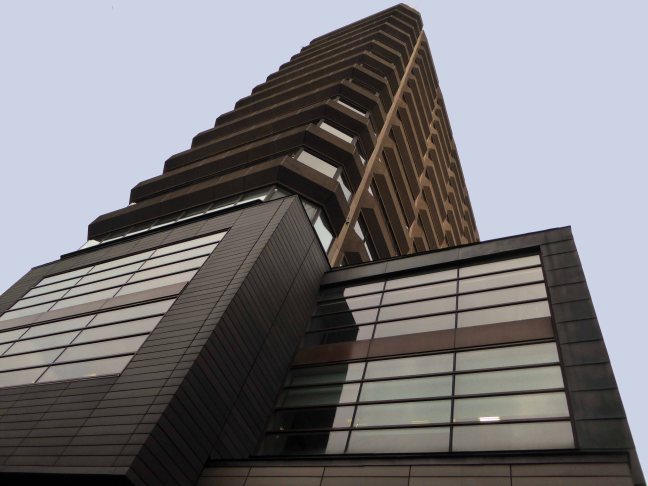
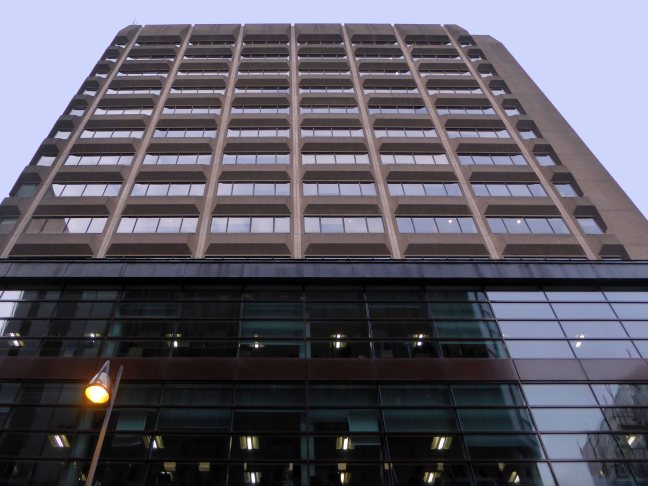
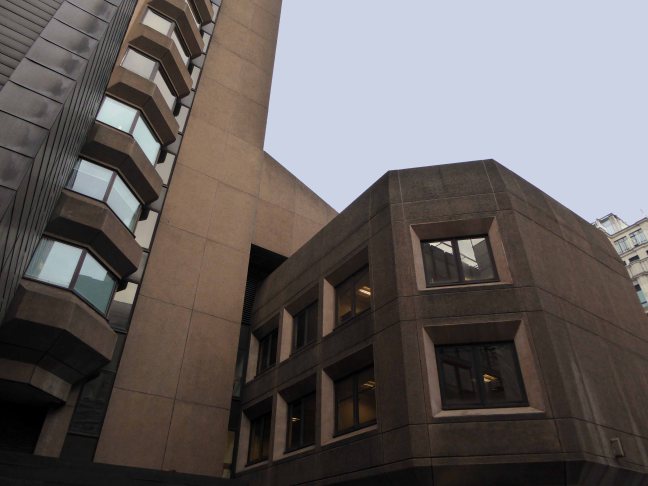
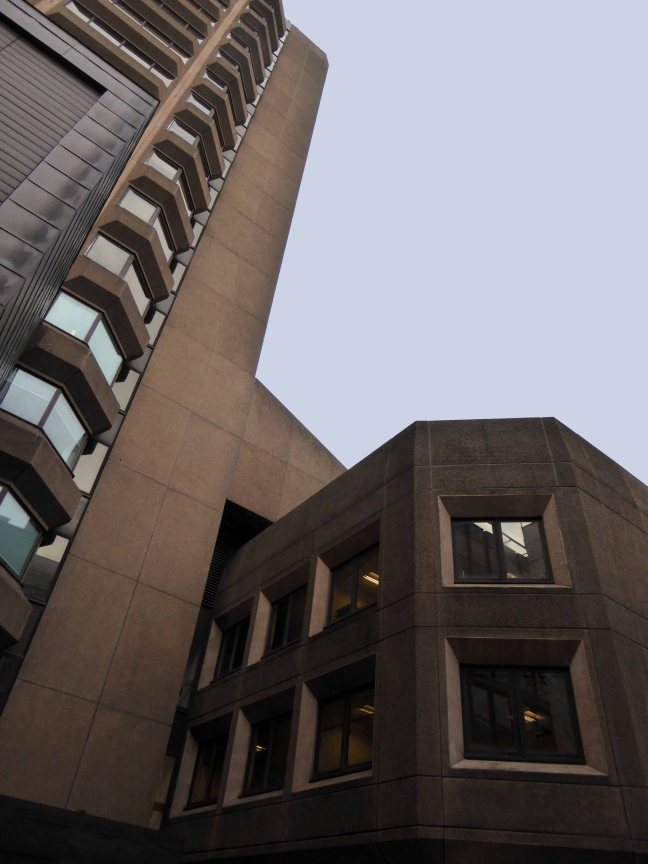
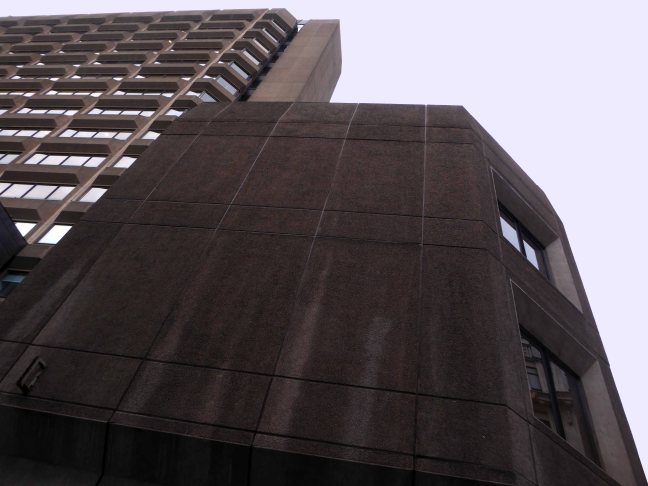
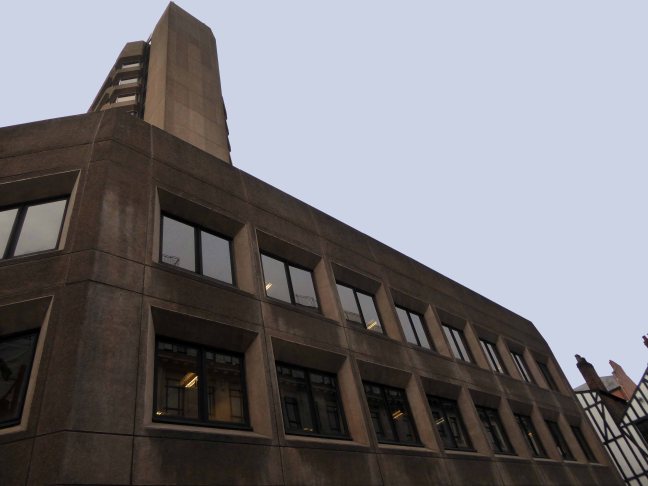
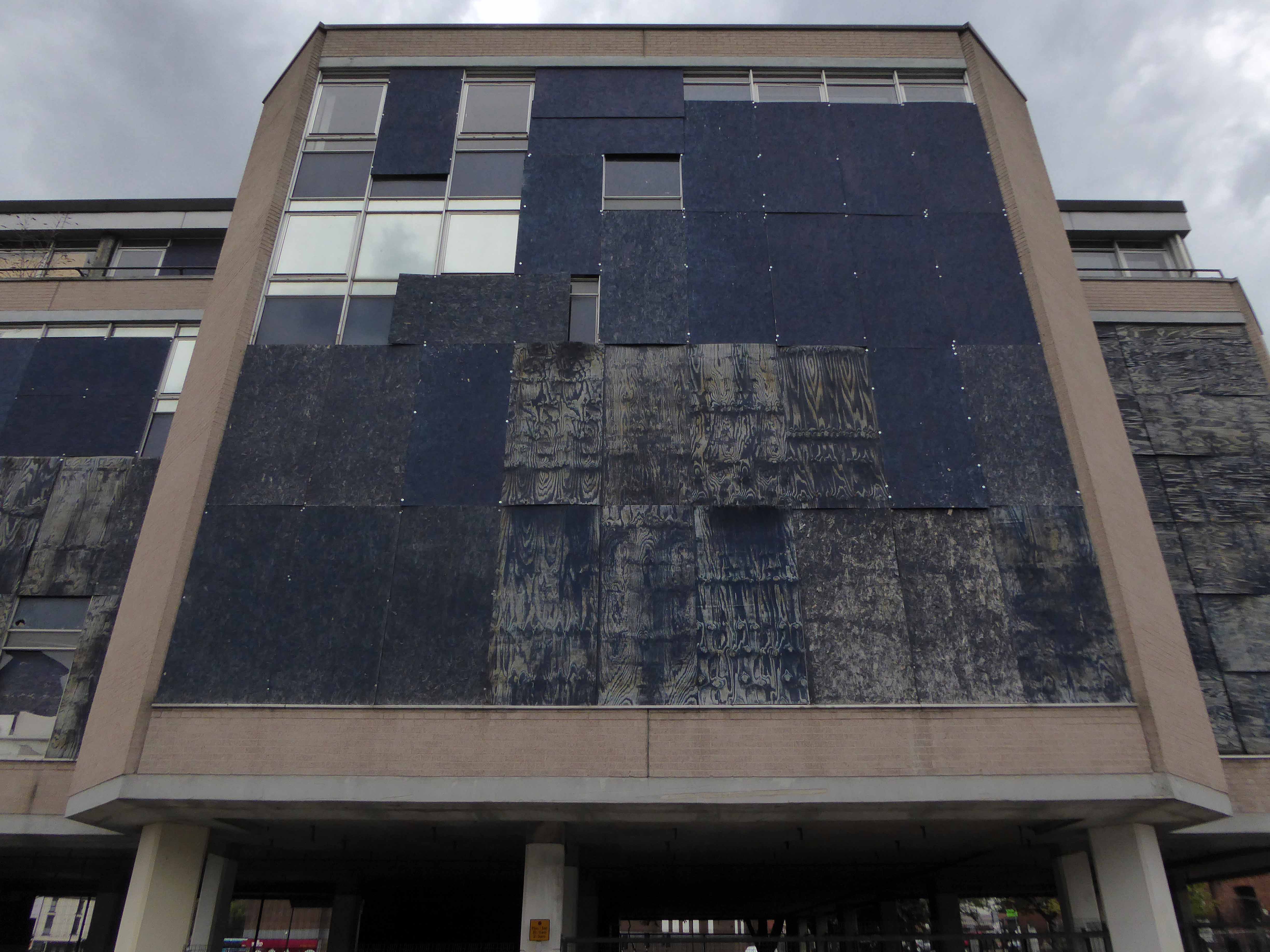
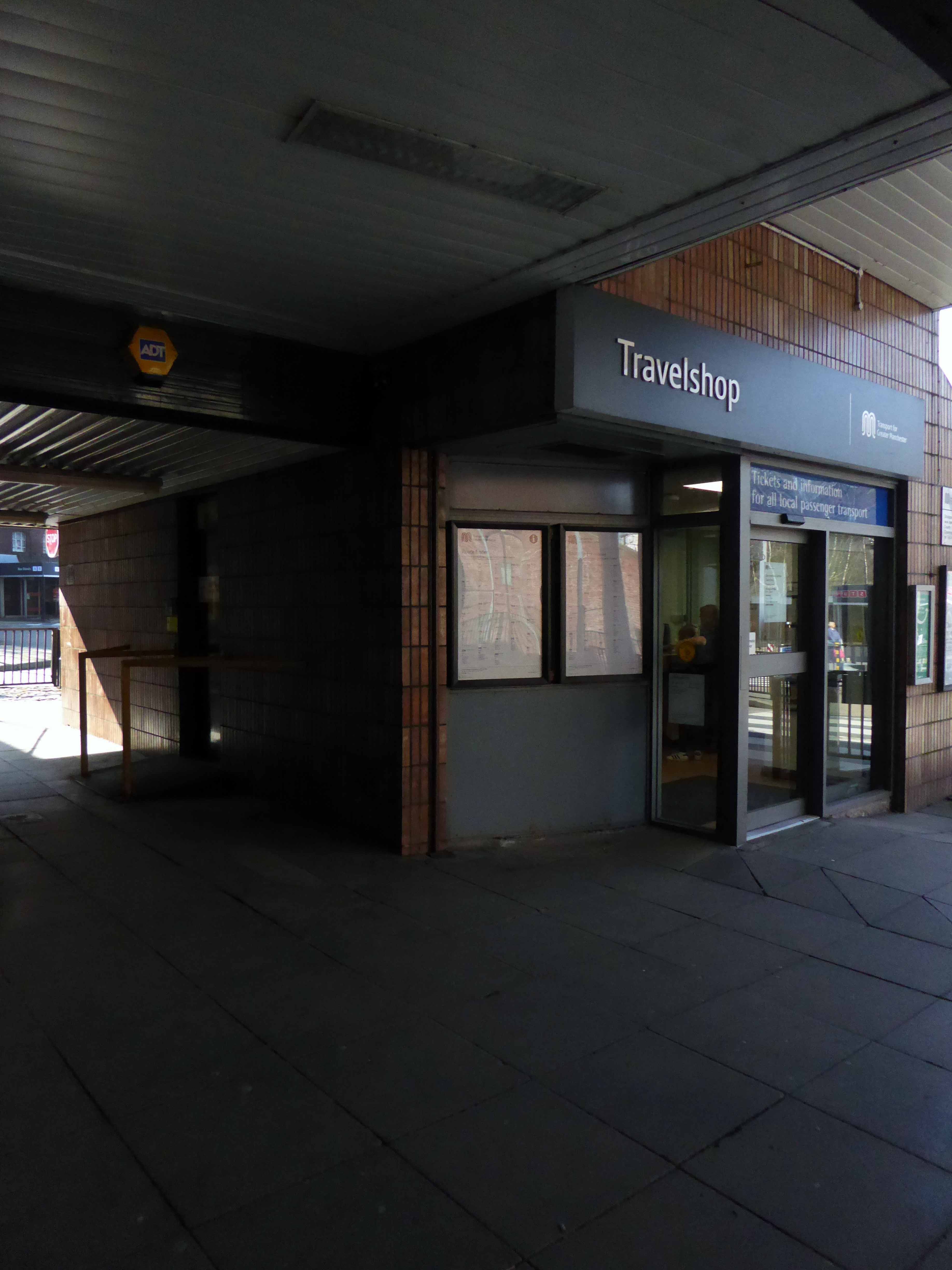
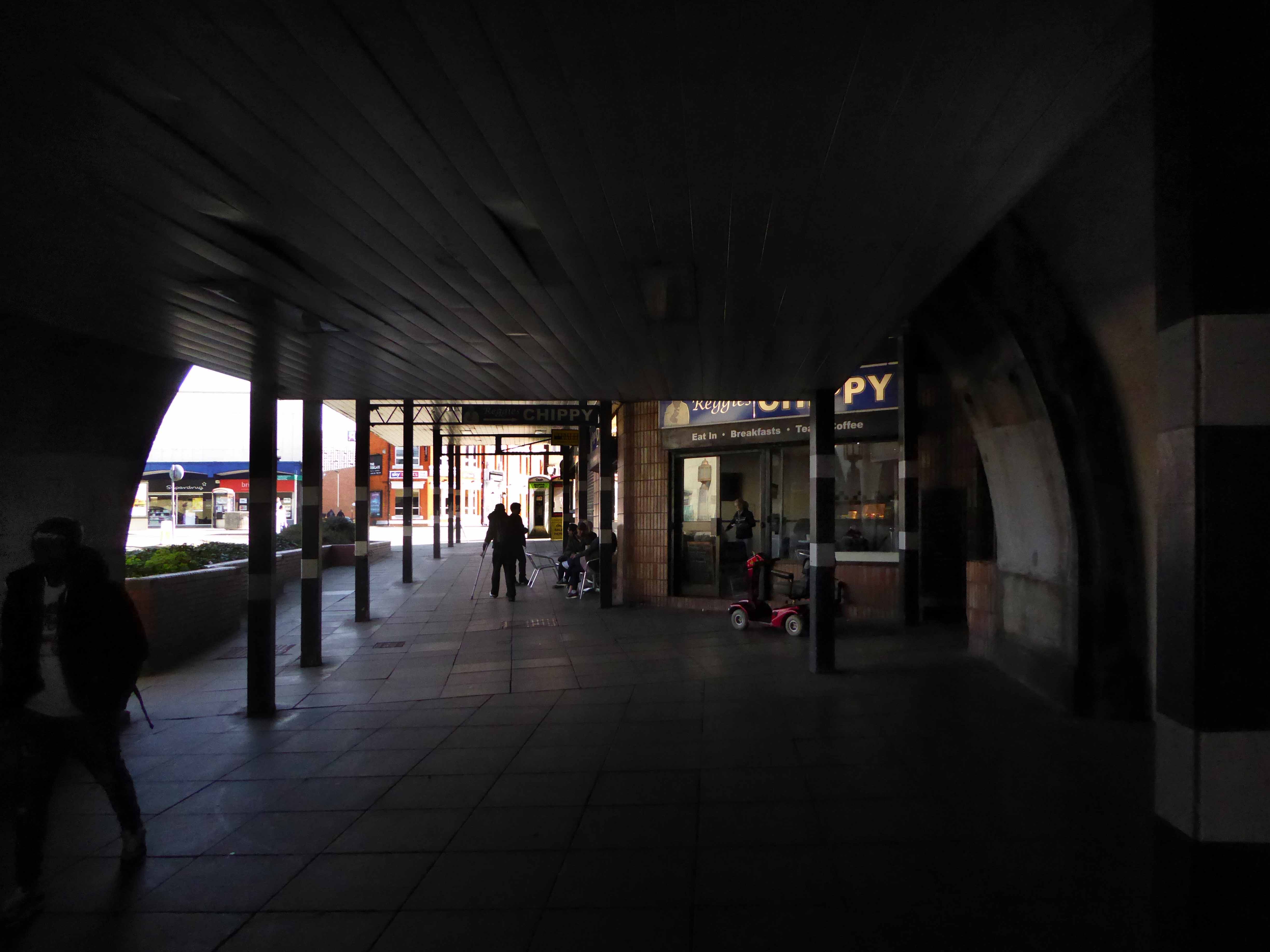
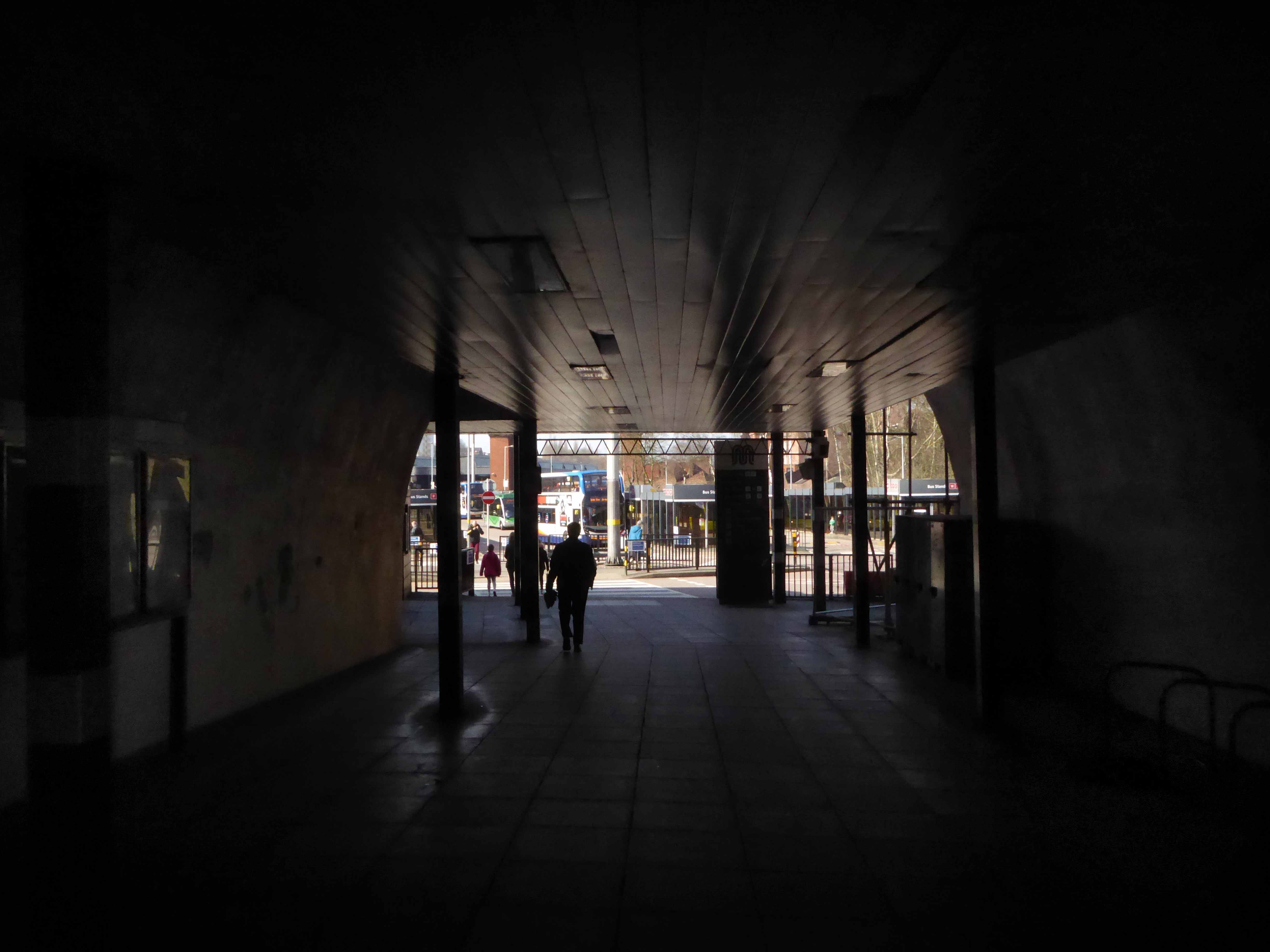
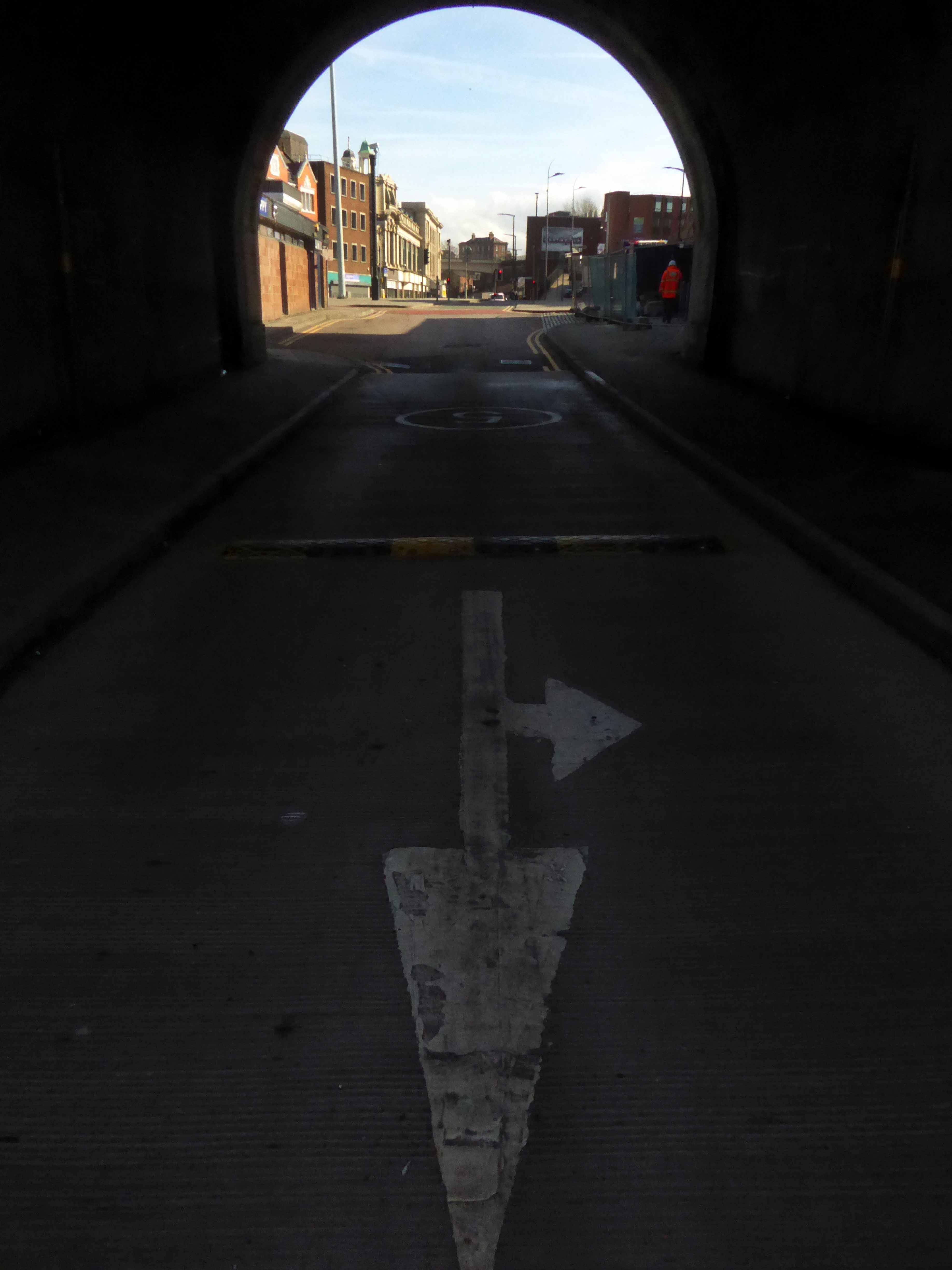
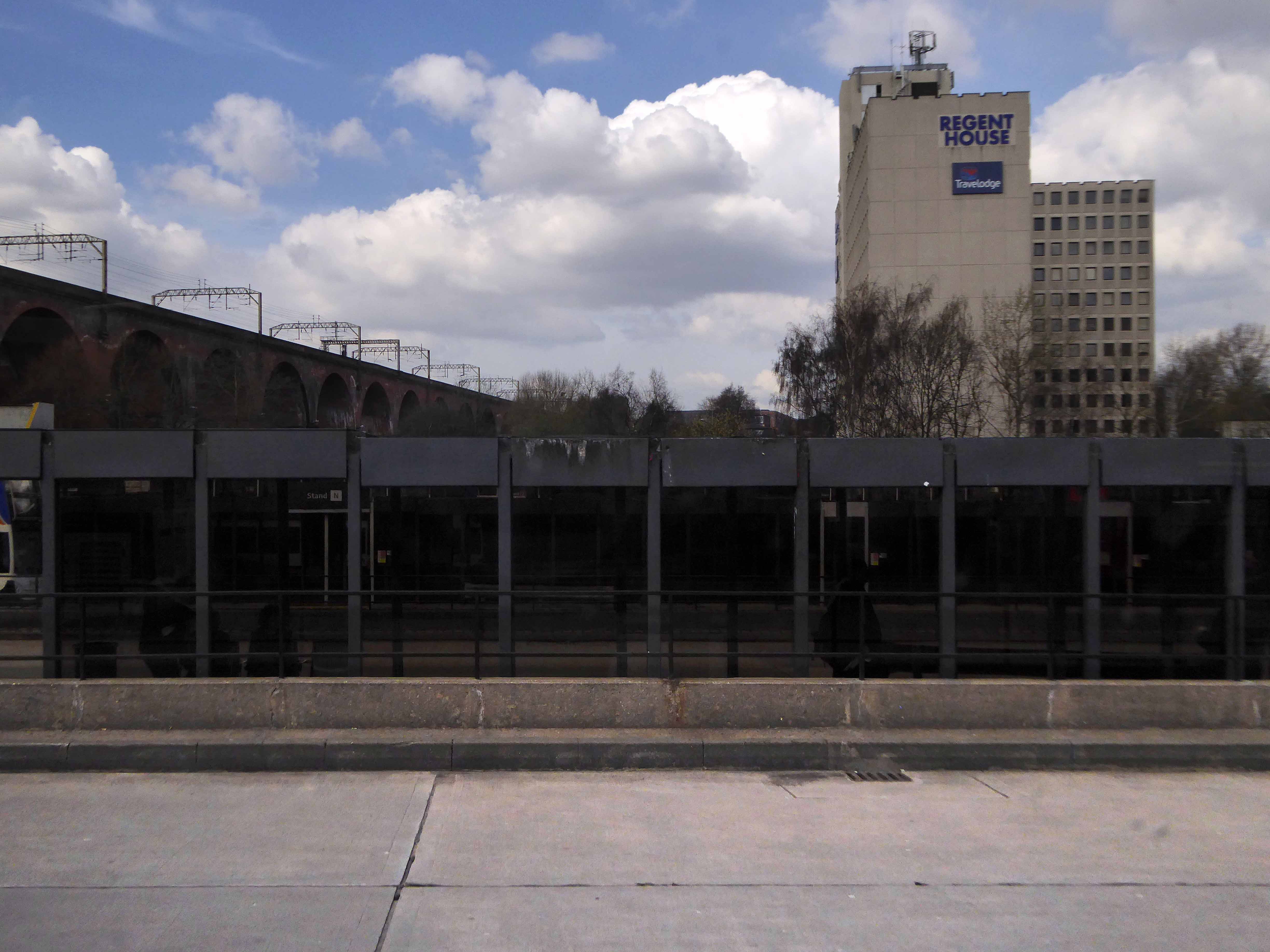
Lowry House – Manchester

17 Marble St, Manchester M2 3AW

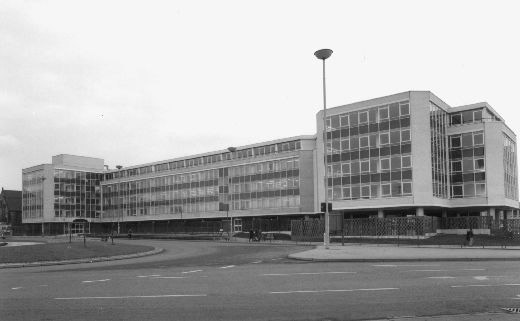
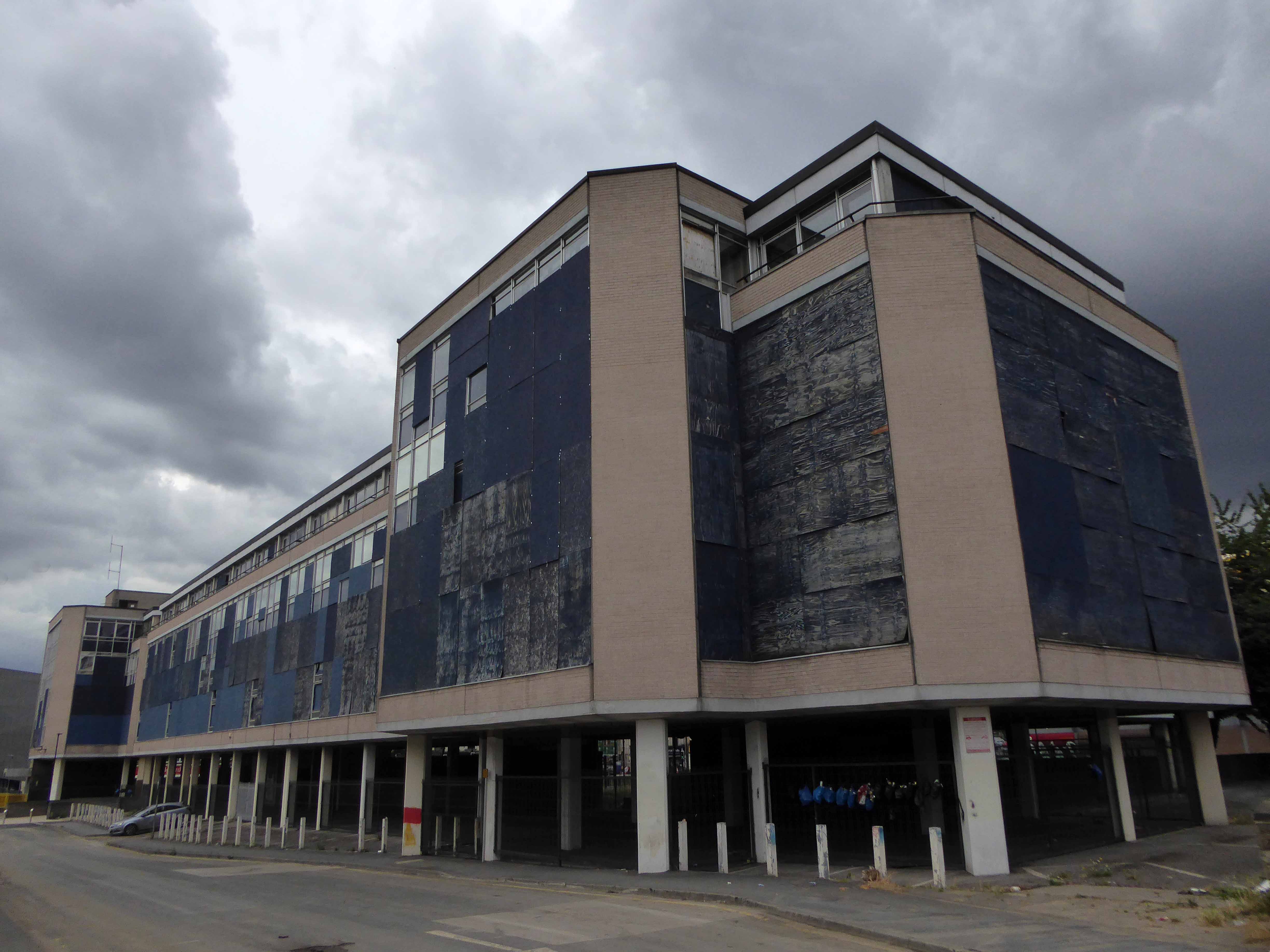
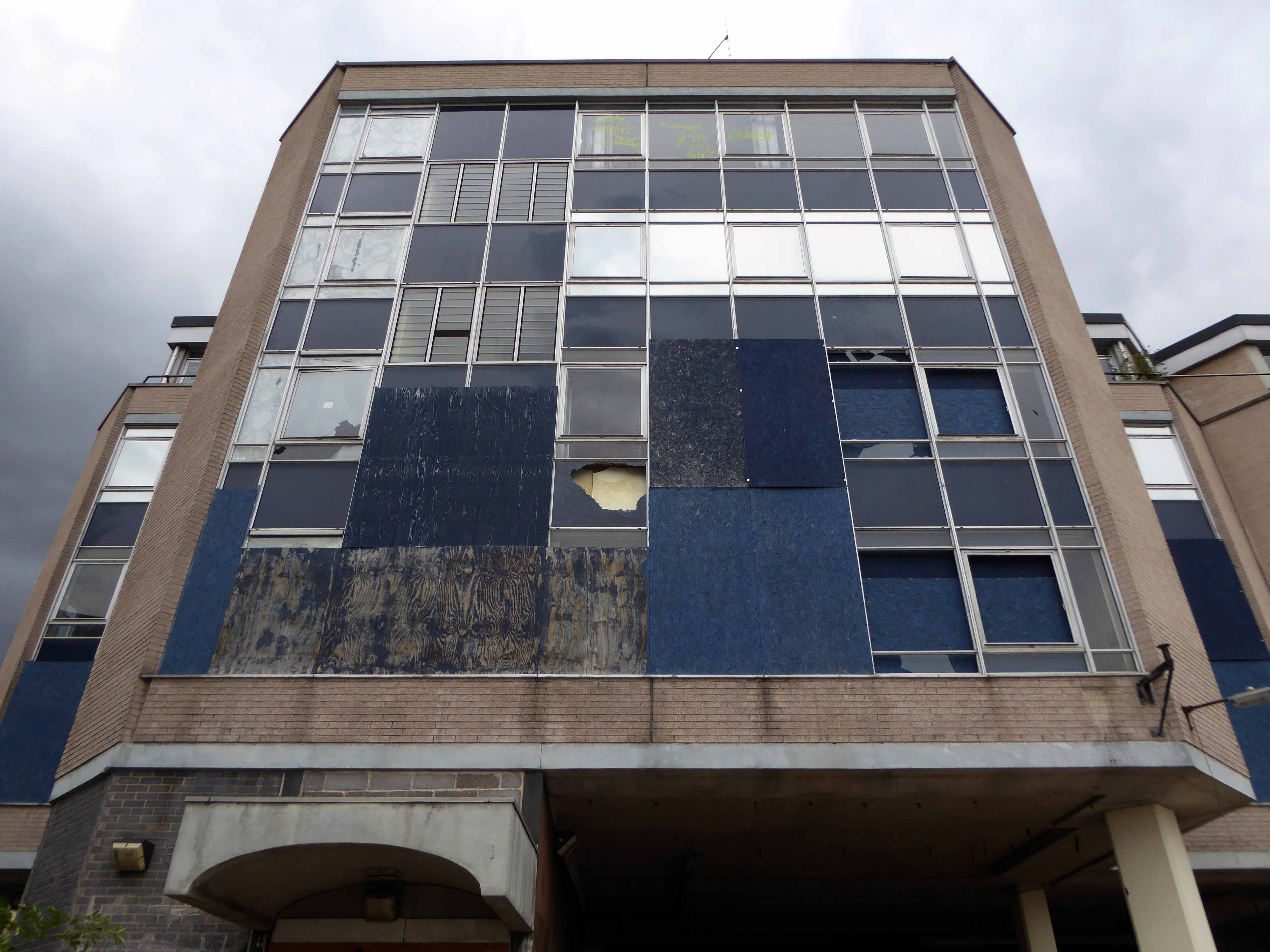
Situated in a prime location between King Street and Market Street, Lowry House is convenient for Manchester’s main financial district as well as being adjacent to the city’s main retail core. Well-positioned for a range of quality eateries and public transport connections at Piccadilly Gardens, the building is a great choice for businesses looking to create a quality impression.

Part of Bruntwood’s extensive property portfolio across the city.

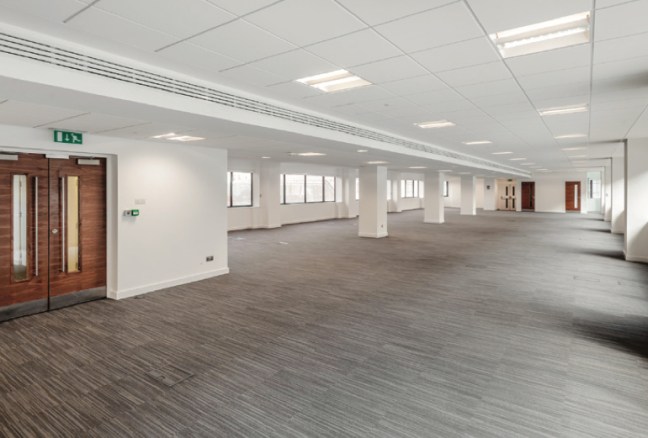
Painfully modern and anonymous interiors for the modern business – this could be your dream location.

Screen Shot 2018-10-03 at 22.25.51 copy

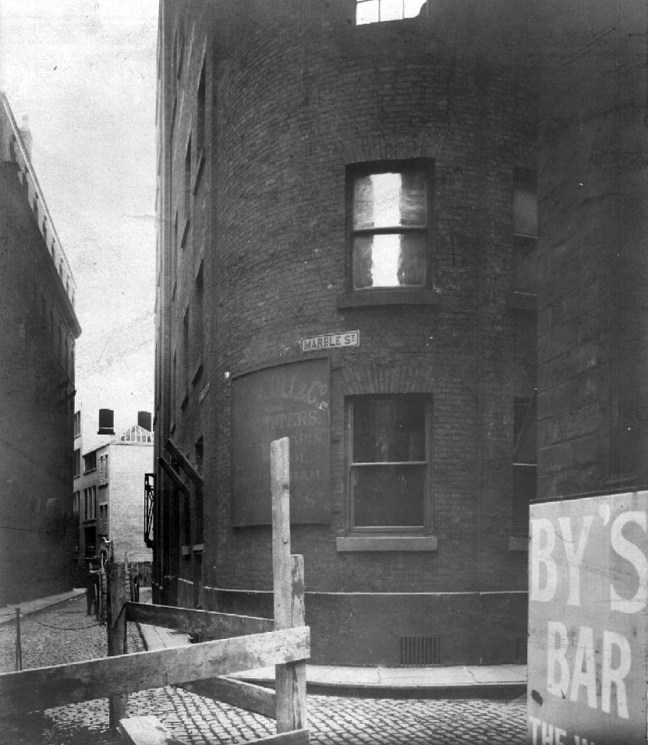
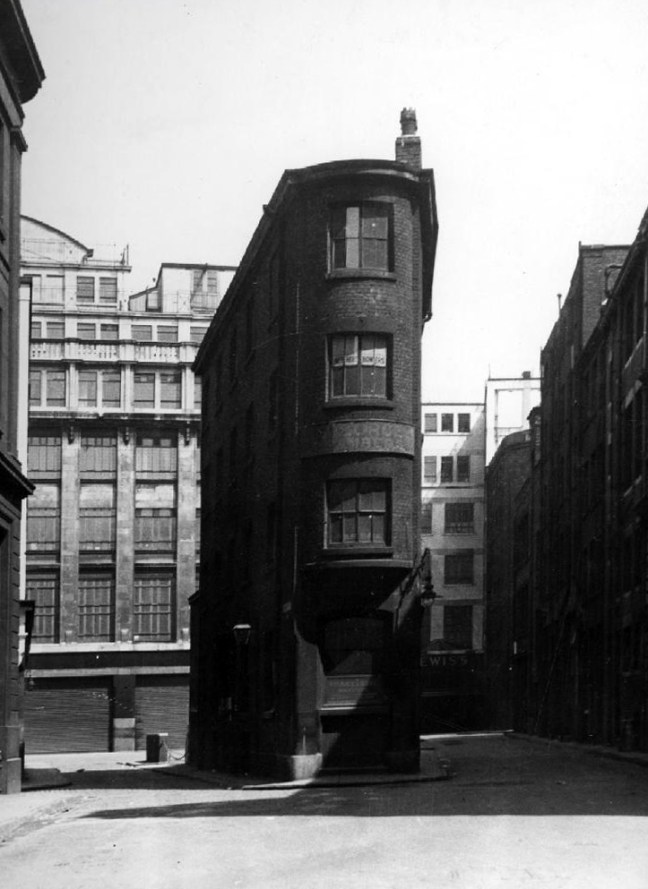
This area has been at the vortex of power and wealth for over a hundred years.

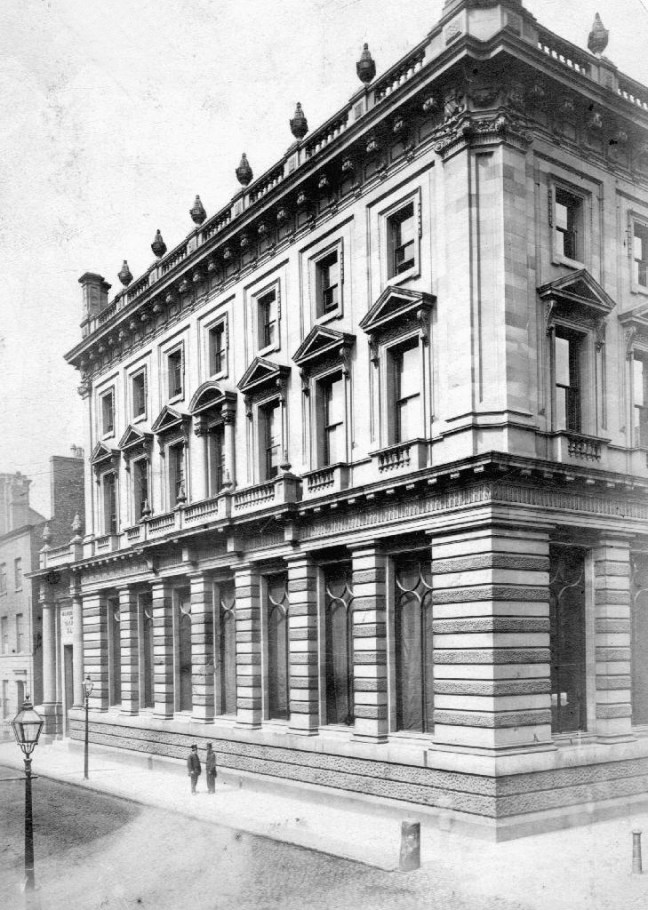
1866

Manchester and Salford Bank 1866


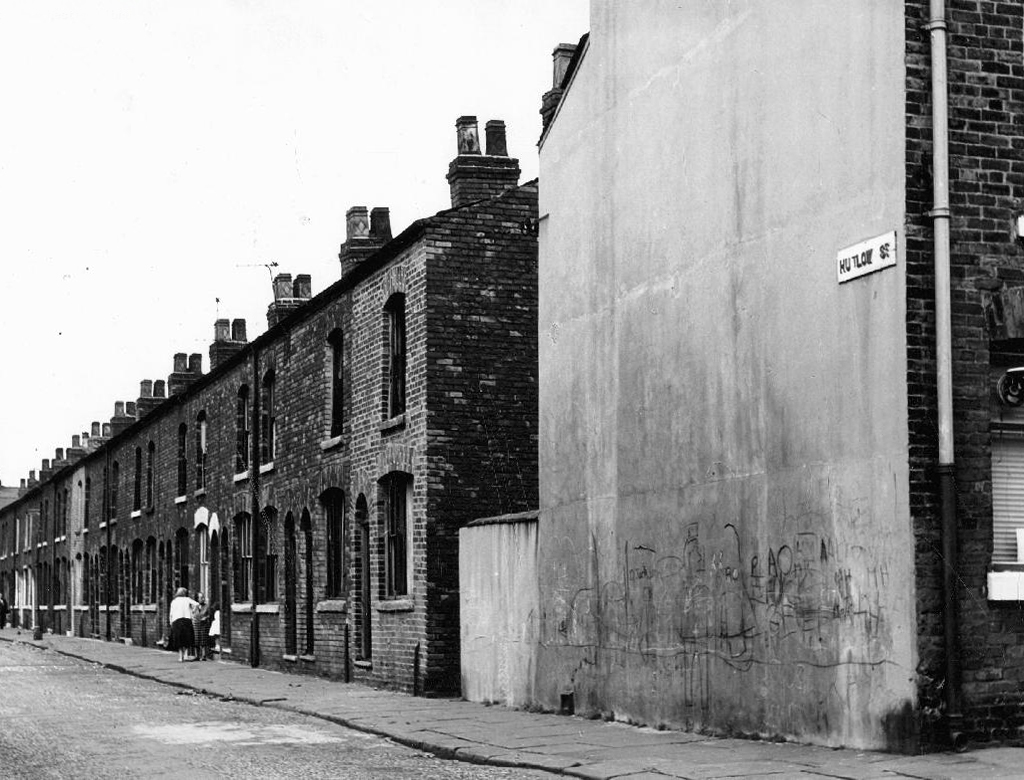
1909

Marble Street 1909


1970

Marble Street 1970

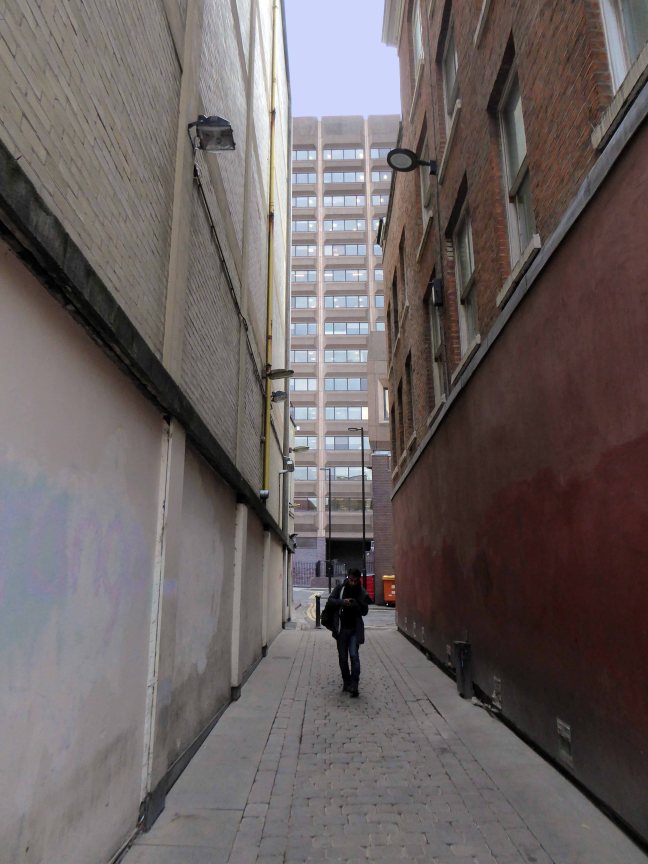
Narrow winds enclosing light and space.

Controlling pounds, shillings and pence.

P1300030

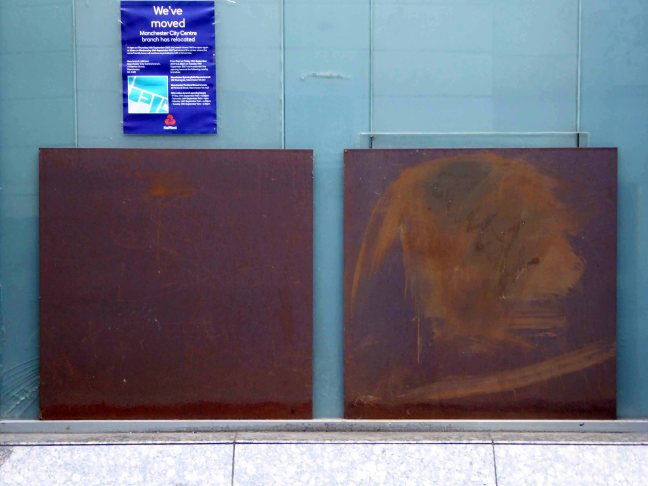
The final withdrawal has been made.

The ATM encased in oxidised steel.

The Nat West has gone west.

Rust we are told never sleeps.

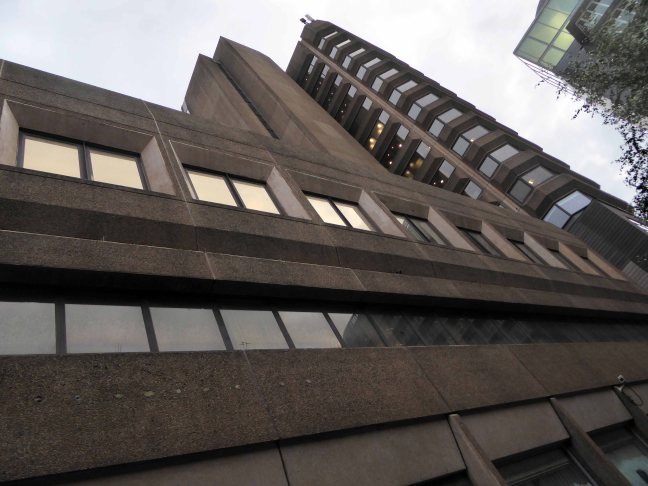
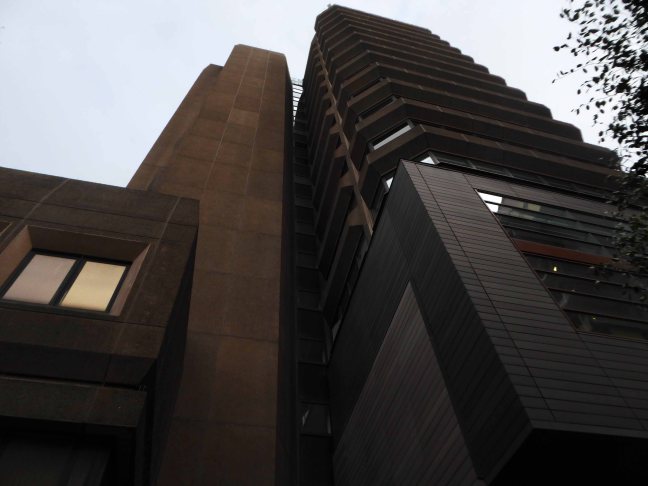
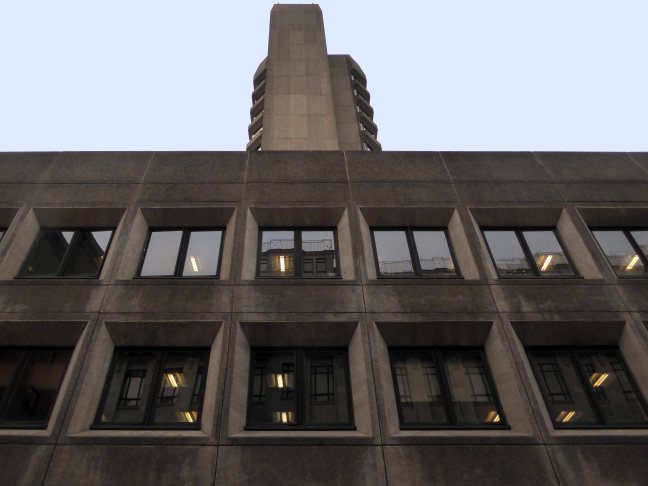
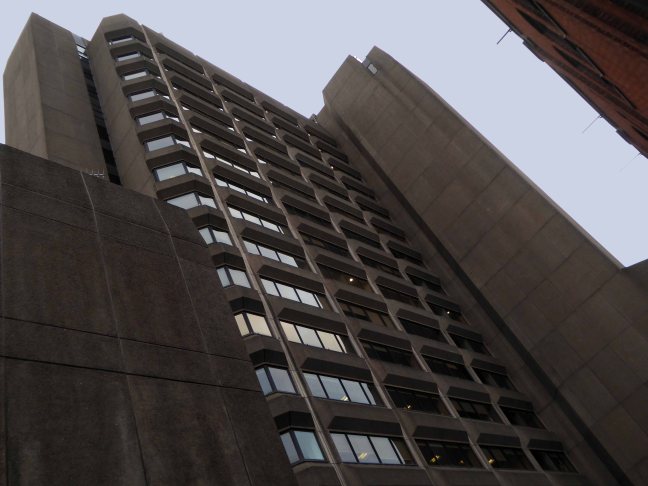
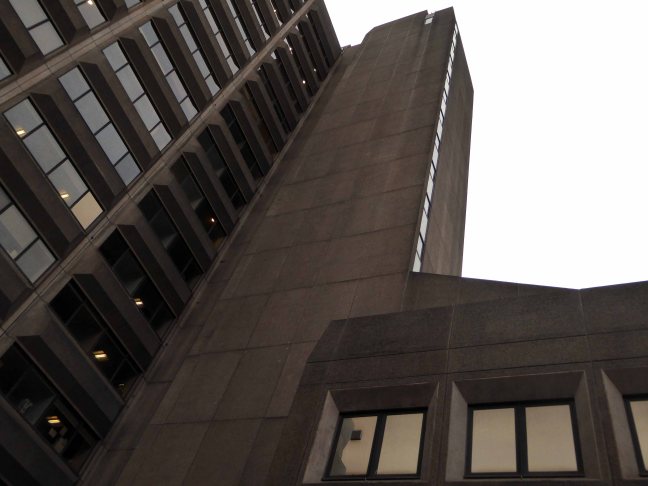
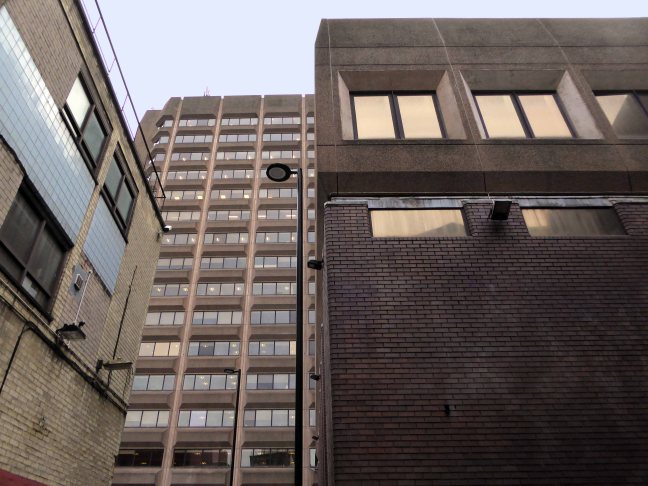
Built in 1973 by architects Robert Swift and Partners, renovated in 2006 by Bruntwood, adding cladding and a certain je ne sais pas.

I do admire its precast modular lift and mass almost towering over its surroundings.

The late afternoon sun adds a certain beguiling warmth to the pale pinkish concrete.

Take a swerve off of the hustle and seemingly unnecessary bustle of Market Street and marvel at this Marble Street structure.

Let’s follow in the imaginary footsteps of Manchester man Thomas de Quincey.

No huge Babylonian centres of commerce towered into the clouds on these sweet sylvan routes: no hurricanes of haste, or fever-stricken armies of horses and flying chariots, tormented the echoes in these mountain recesses.


P1300038

P1300040

P1300041

P1300042

P1300043

P1300044

P1300045

P1300046

P1300047

P1300048

P1300050

P1300051

P1300053

P1300054


Type Travel – Manchester

This is a journey through time and space by bicycle, around the rugged, ragged streets of East Manchester.

Undertaken on Sunday September 2nd 2018.

This is type travel – the search for words and their meanings in an ever changing world.

map

Hyde Road

P1280955
P1280956

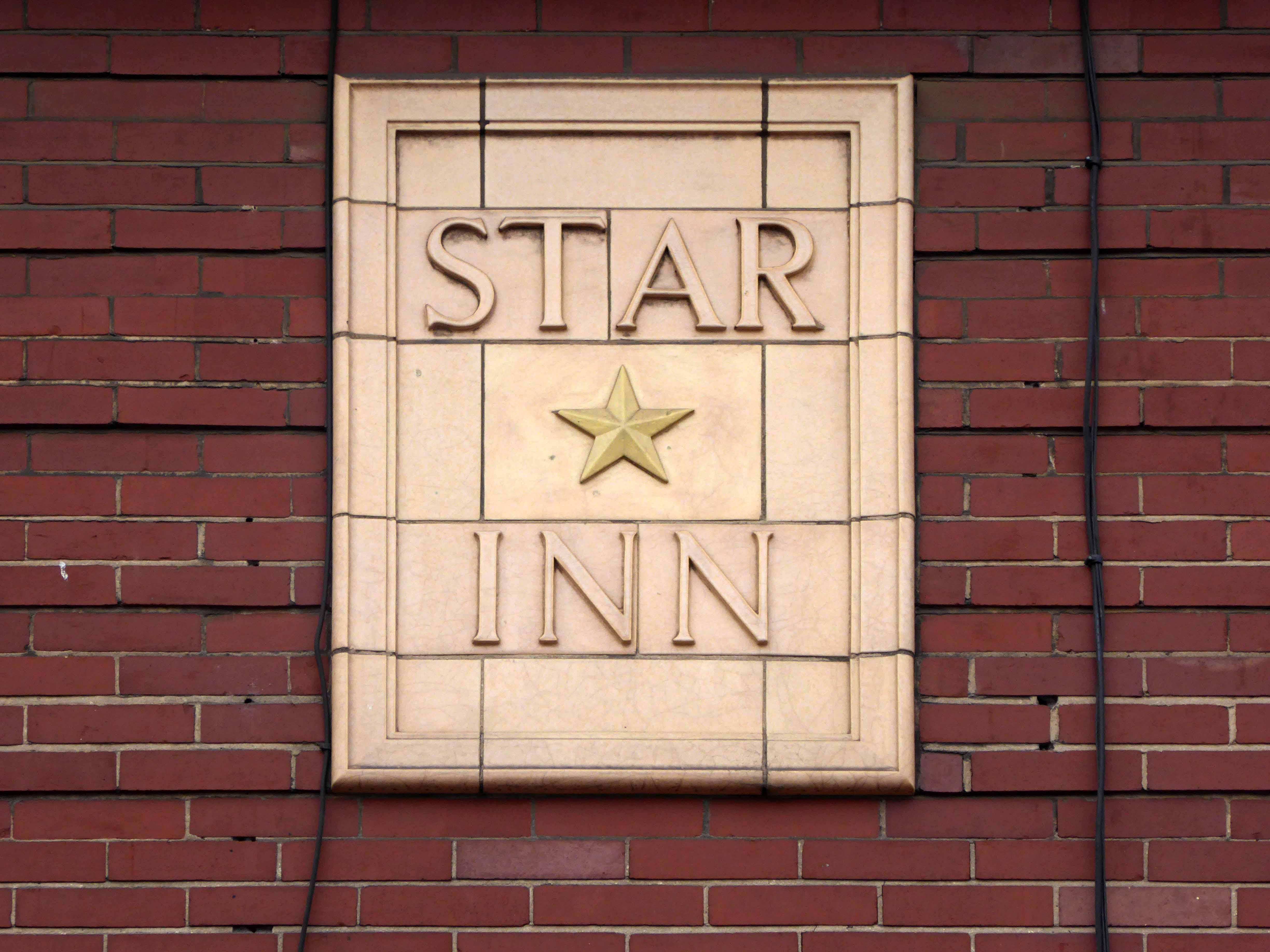
The Star Inn – former Wilsons pub

Devonshire Street North

P1280961

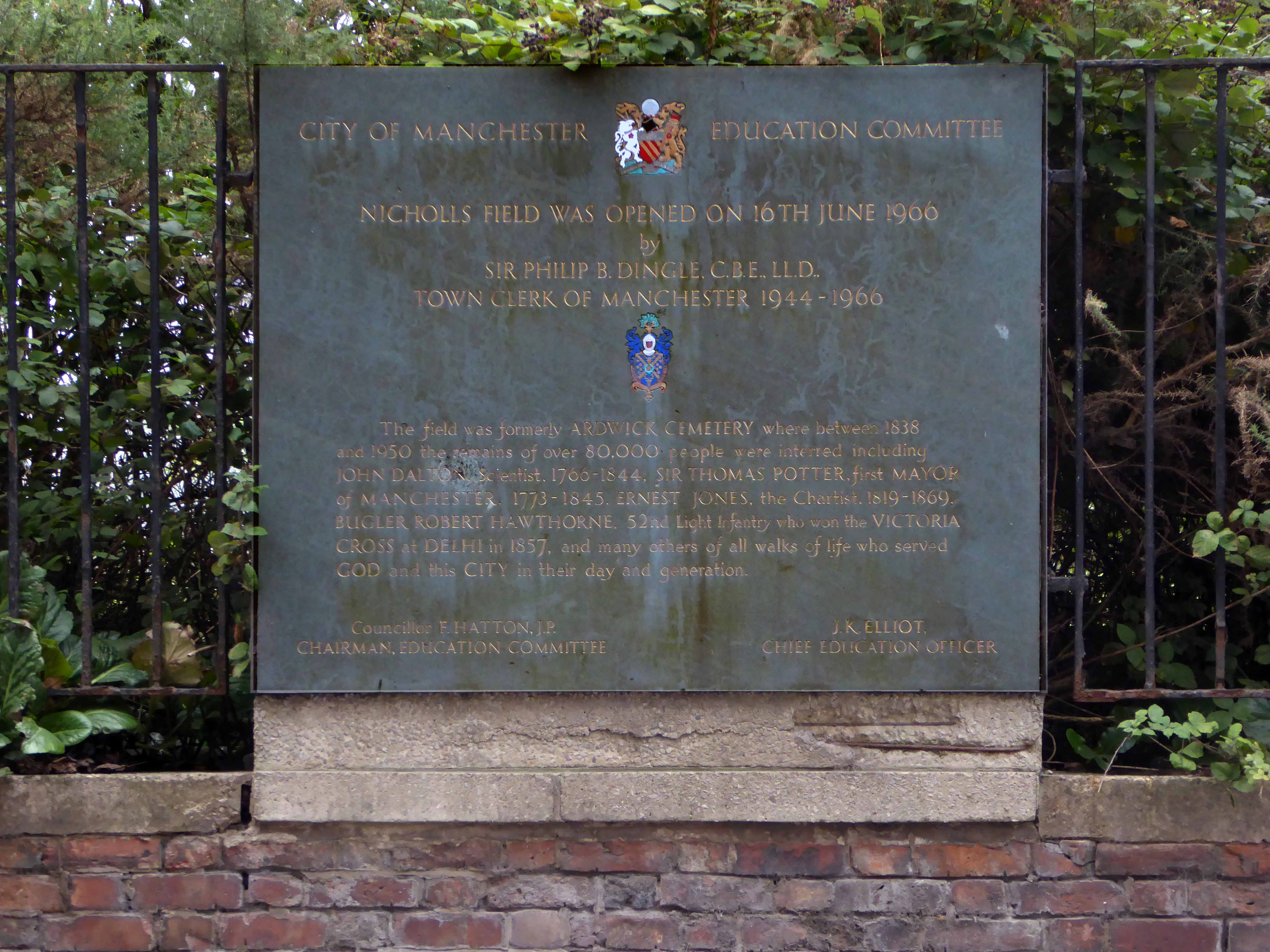
Former Ardwick Cemetery

P1280962

Great Universal Stores former mail order giant

Palmerston Street

P1280979

The River Inn abandoned pub

Every Street

P1290001

All Souls Church – listed yet unloved

Pollard Street East

P1290008.jpg
Screen Shot 2018-09-04 at 08.37.57

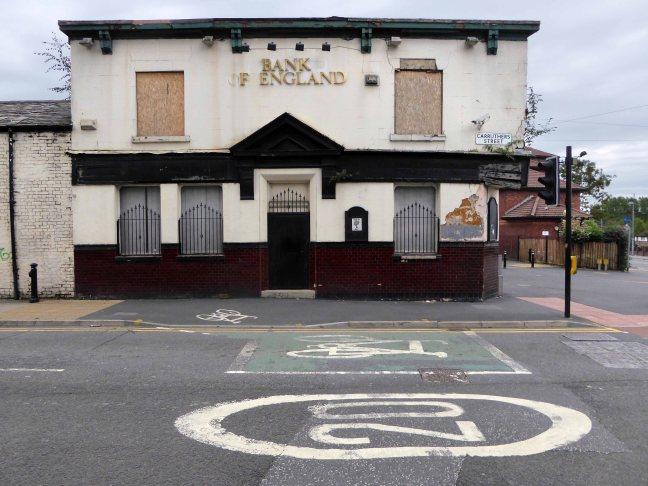
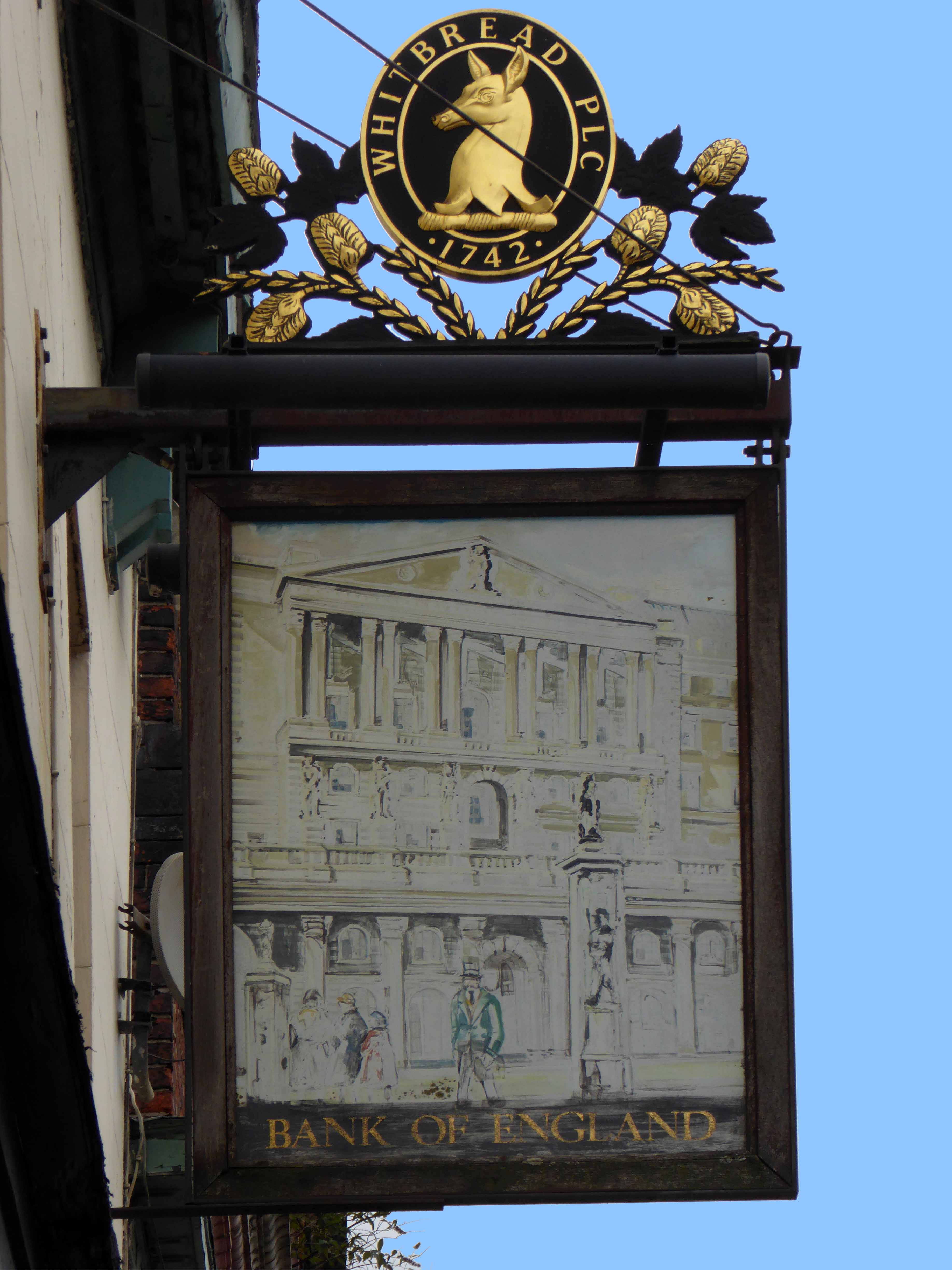
The Bank Of England abandoned pub

P1290020

Ancoats Works former engineering company

Cambrian Street

P1290024.jpg

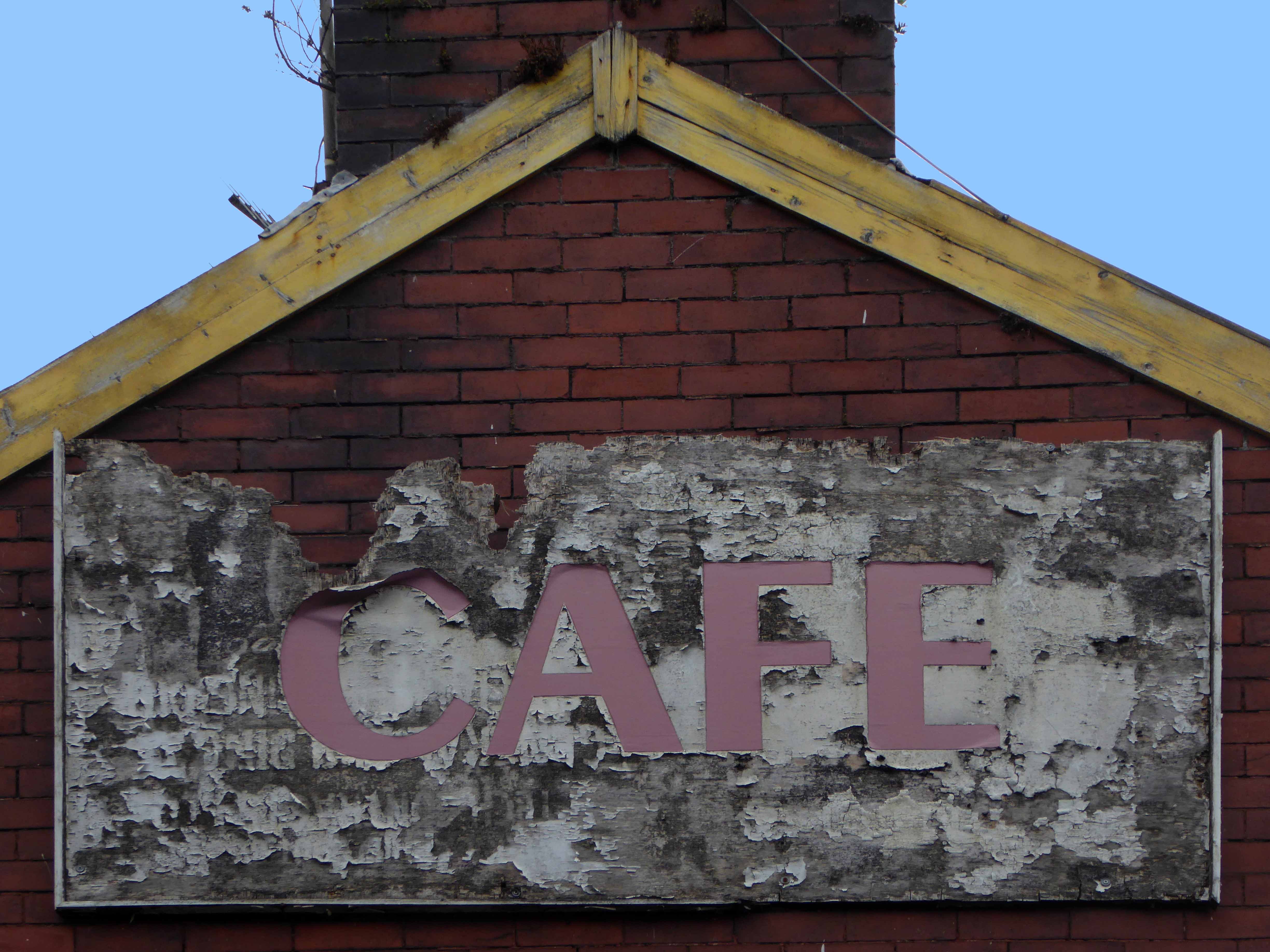
The Lunchbox Café Holt Town

Upper Helena Street

P1290028

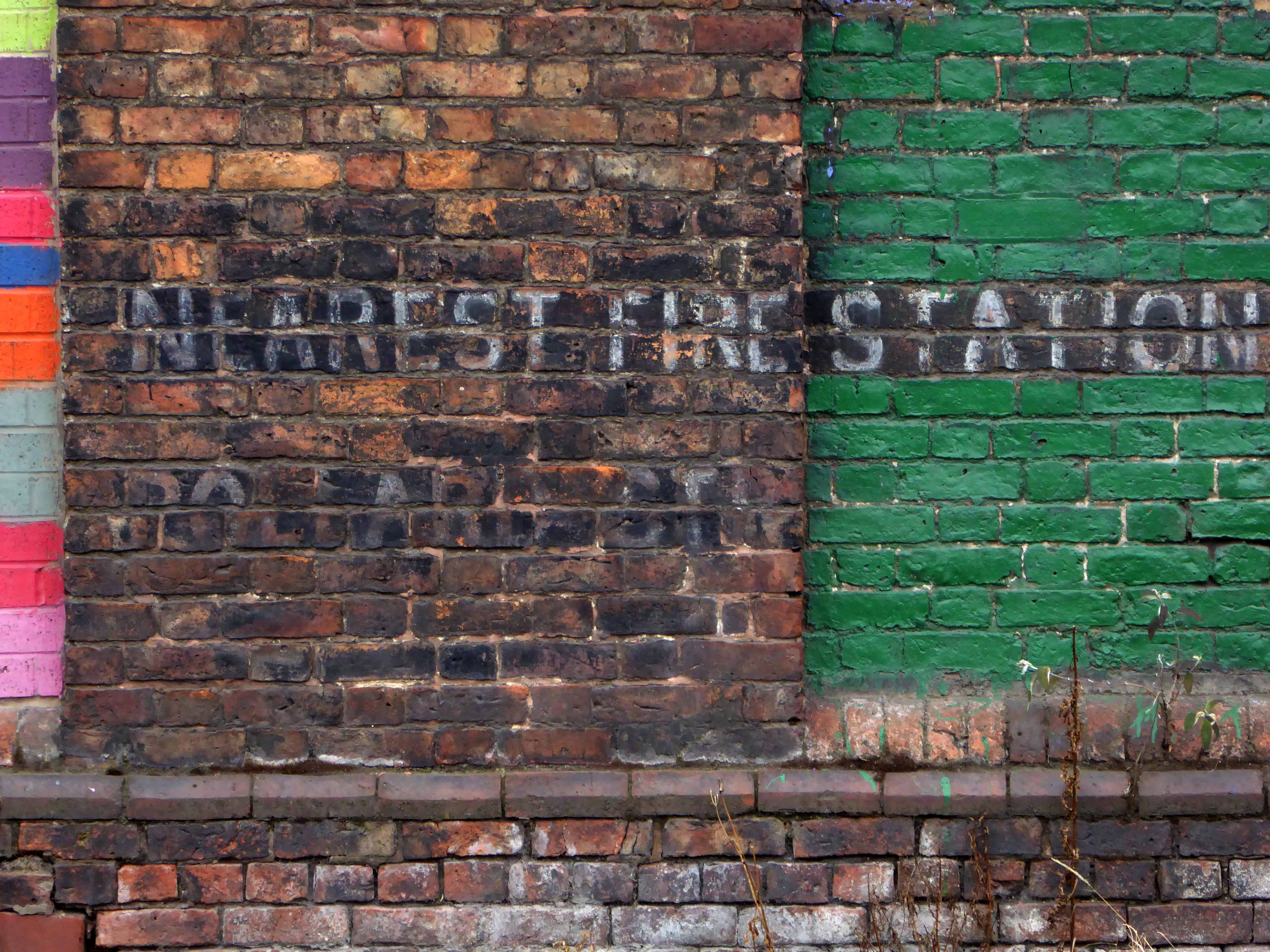
The last remnants of industrial activity

Bradford Road

P1290046

Brunswick Mill

P1290048

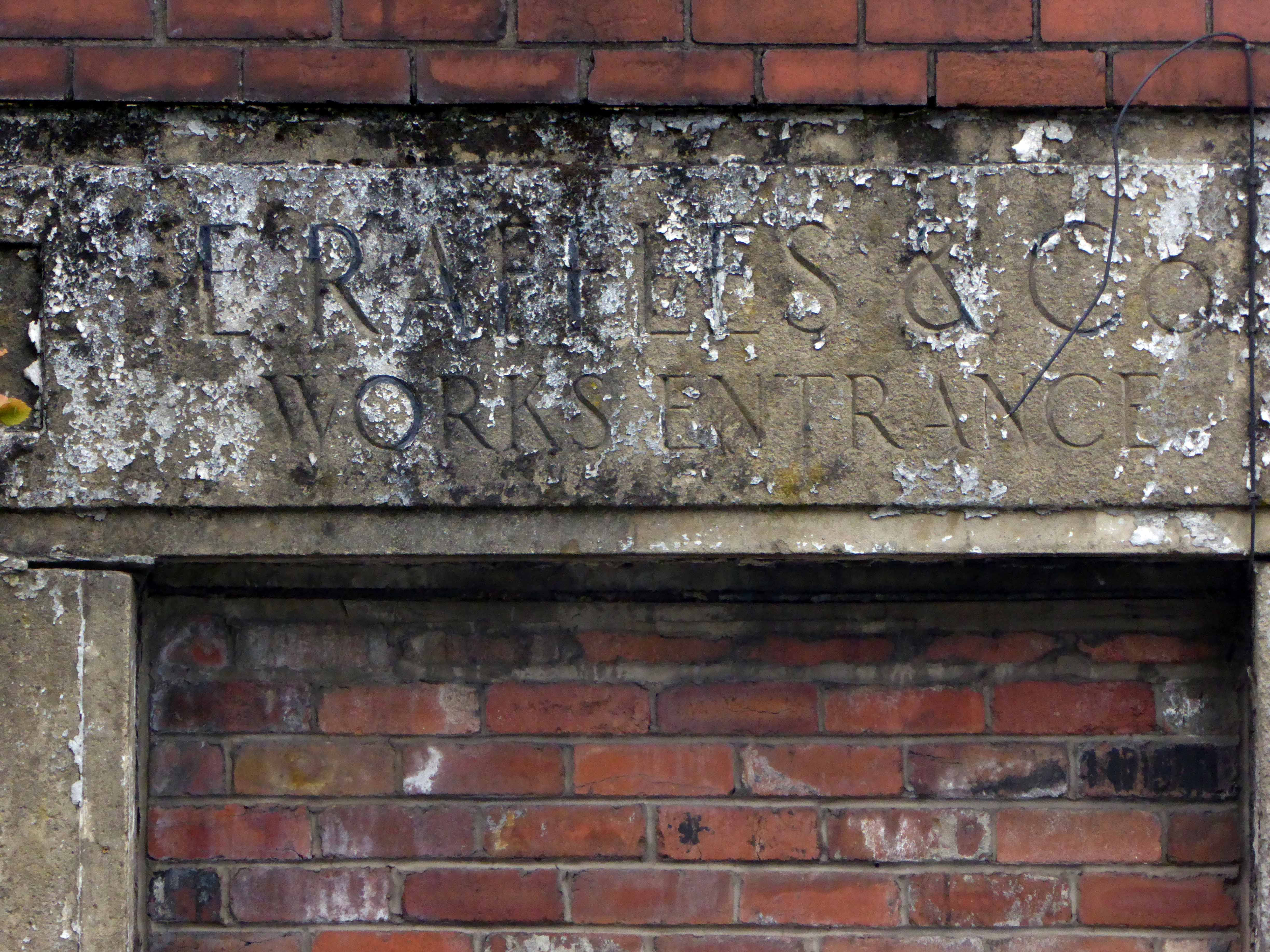
The little that remains of Raffles Mill

P1290052

Old Mill Street

P1290054

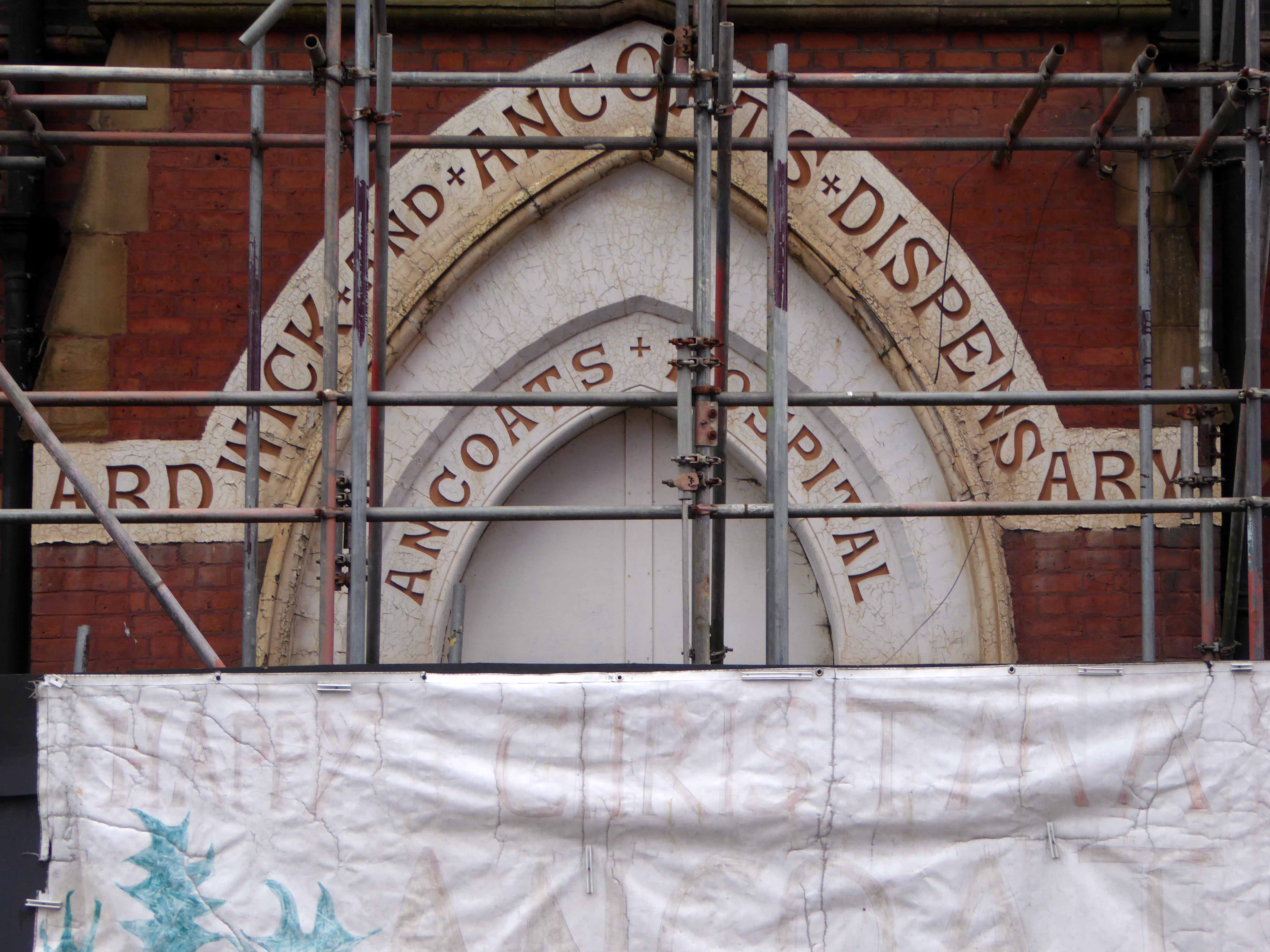
Ancoats Dispensary loved listed and still awaiting resuscitation

P1290056.jpg

New life New Islington

Redhill Street

P1290057

Former industrial powerhouse currently contemporary living space

Henry Street

P1290063

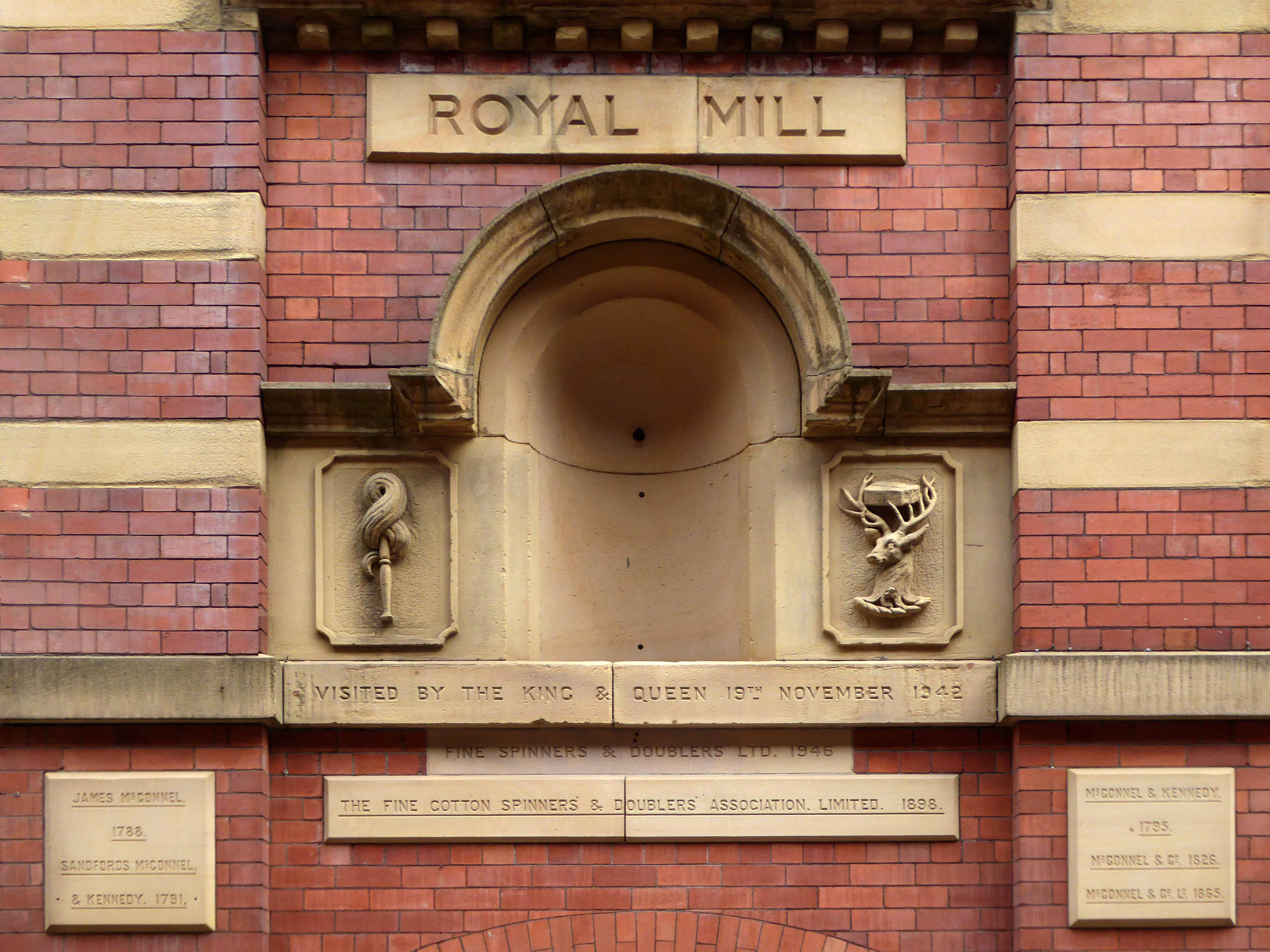
King George VI and Queen Elizabeth passed by in 1942

Jersey Street

P1290064

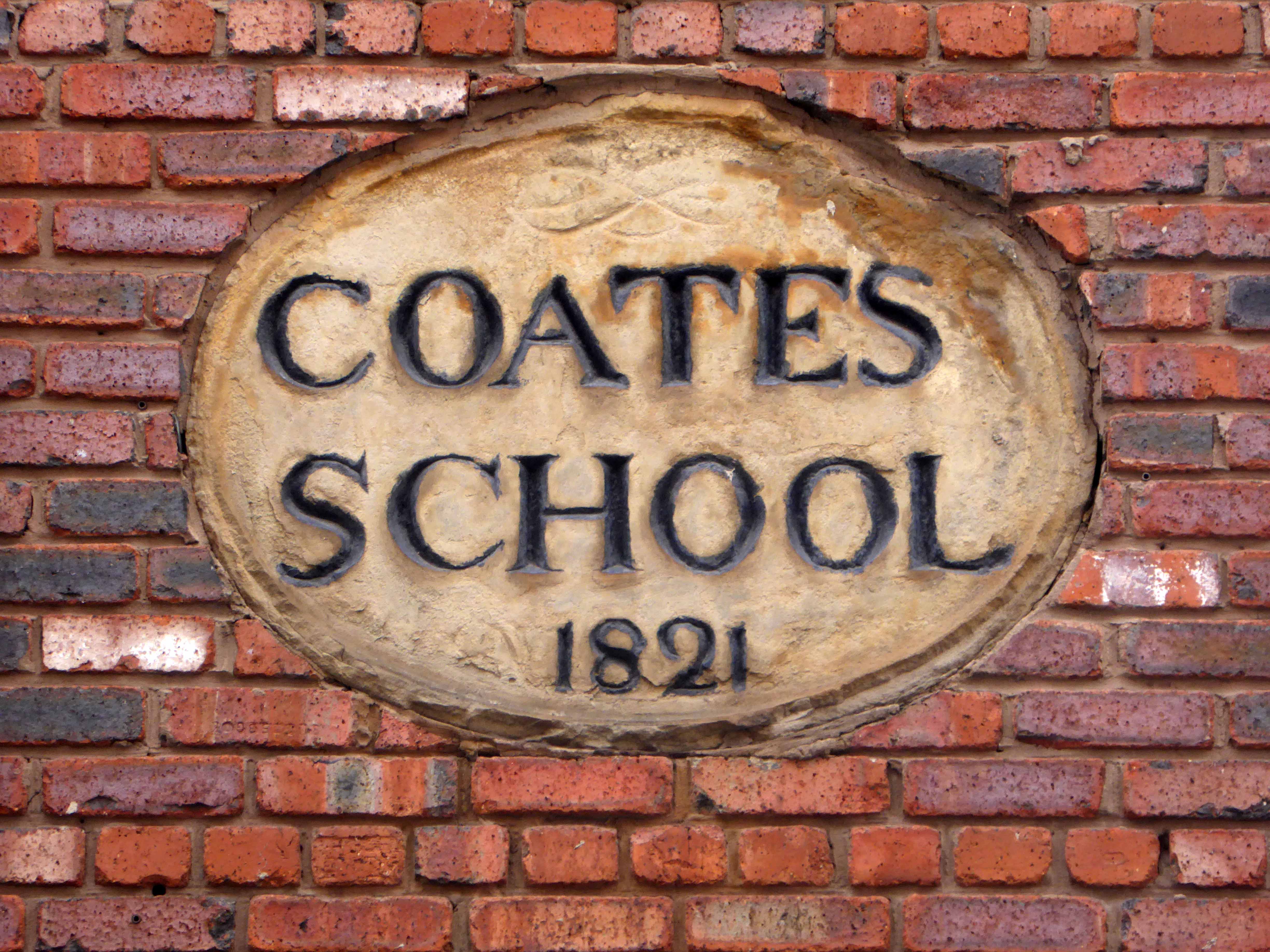
Former School the stone plaque applied to a newer building

Gun Street

P1290065

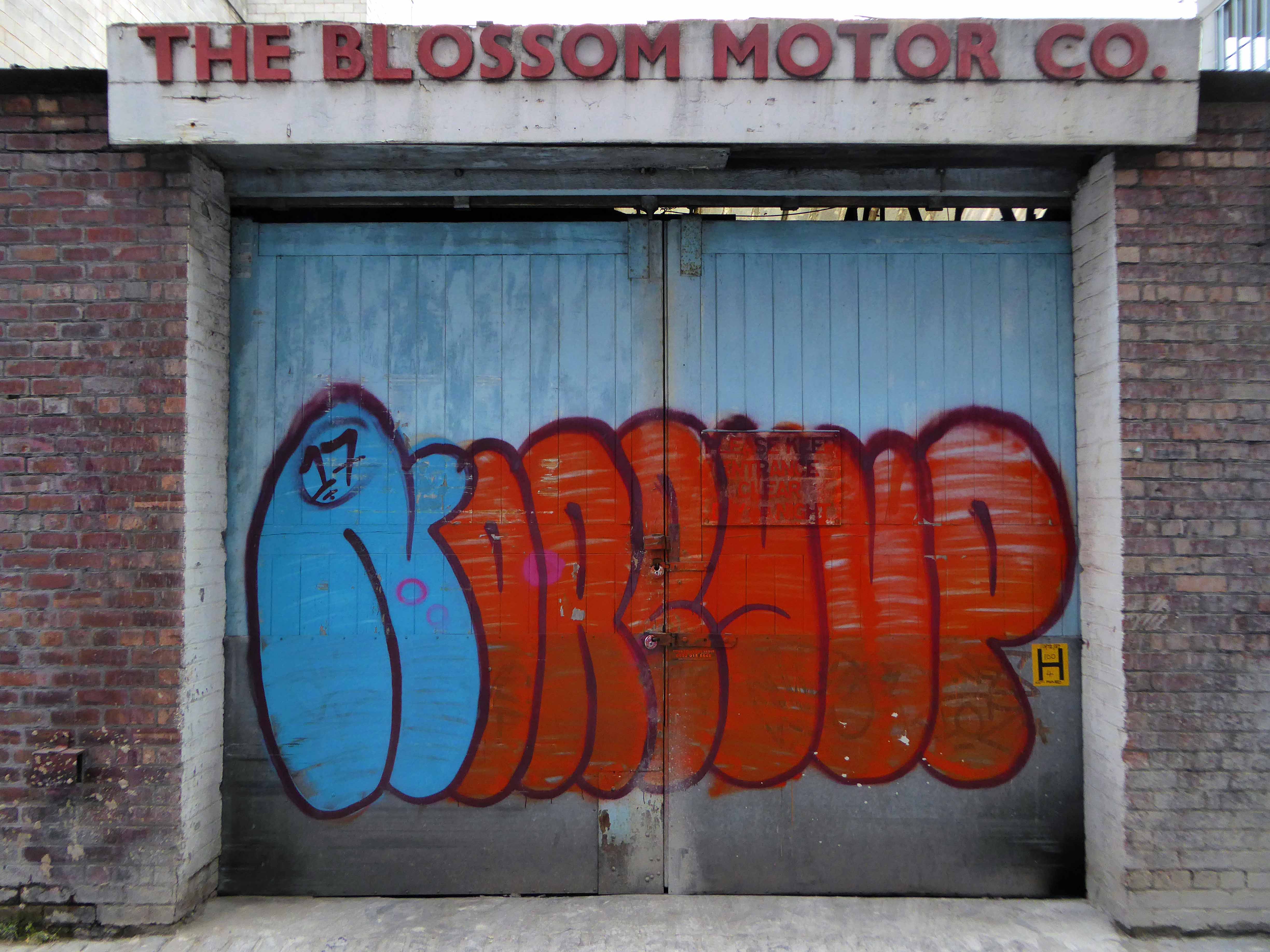
The last of the few Blossom Motors

Addington Street

P1290067
P1290069

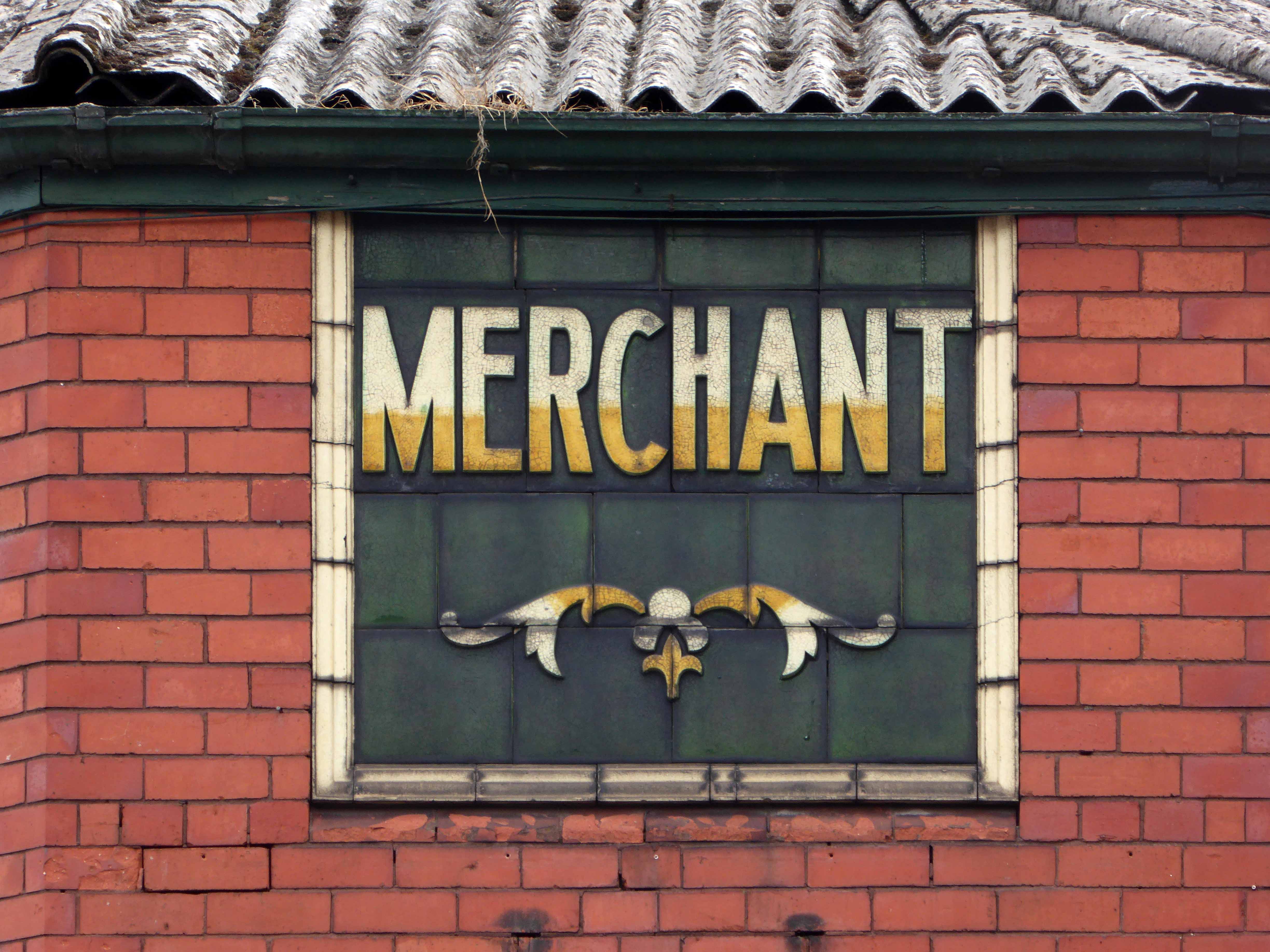
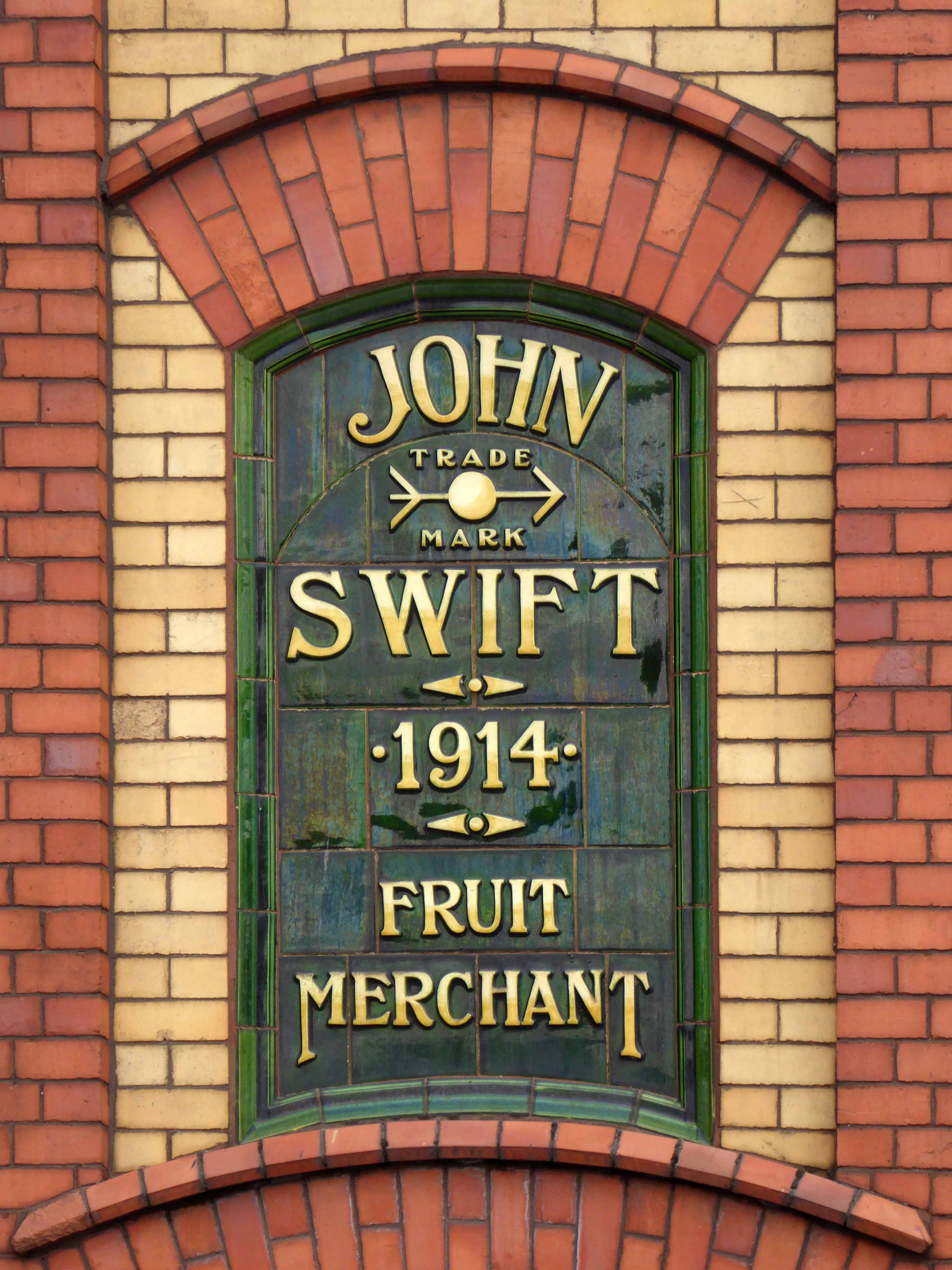
Former fruit merchants – refurbished and home to the SLG creative agency

Marshall Street and Goulden Street area

P1290070
P1290071
P1290073
P1290081
P1290086
P1290087

The last remnants of the rag trade

Former bed spring manufacturer – latterly became the County Archive.

Sudell Street

P1290089
P1290090

All that’s left of Alexandra Place

P1290092

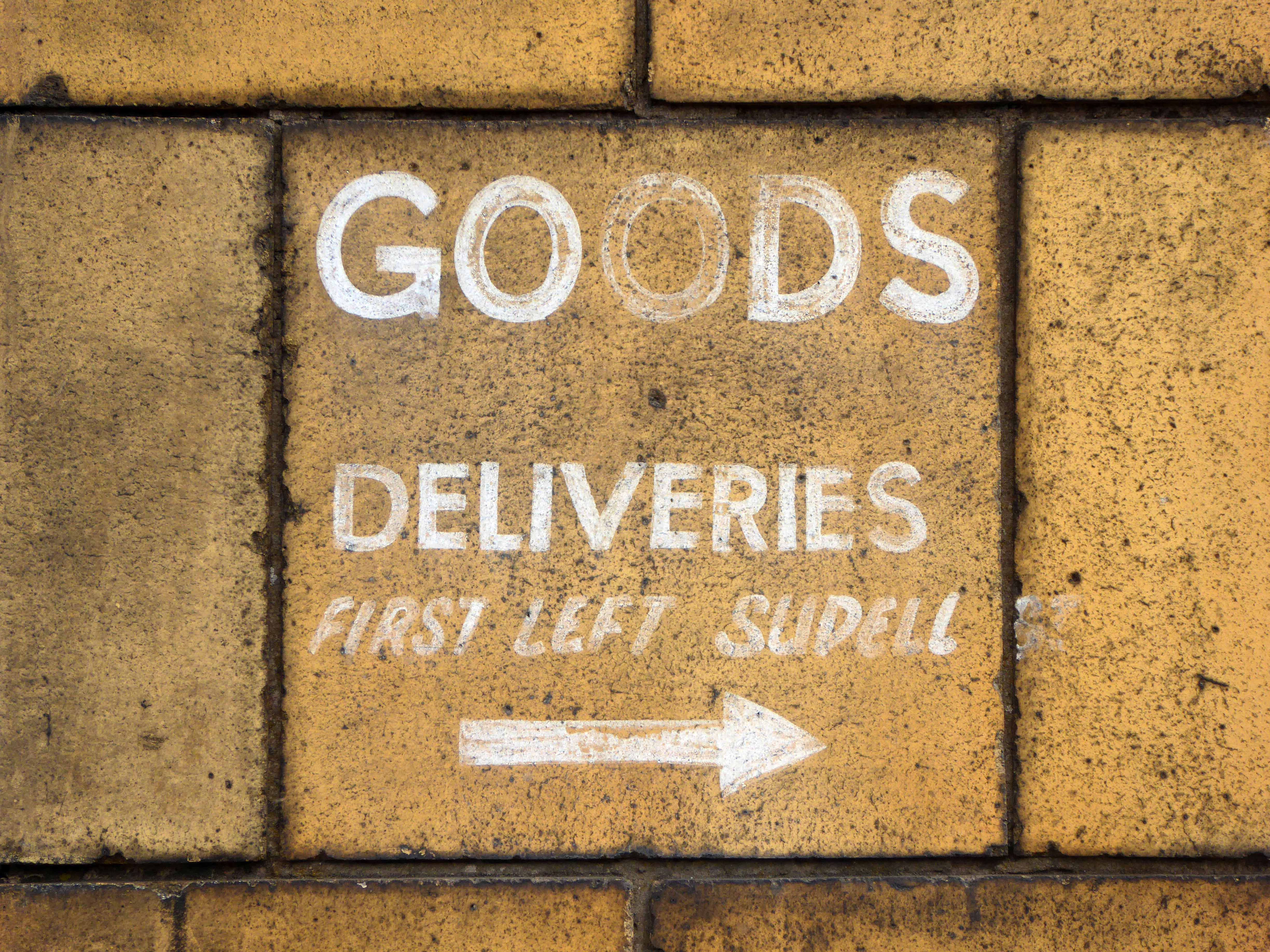
Entrance to the former Goods Yard

Back St Georges Road

P1290096

Sharp Street

P1290099
P1290100

Simpson Street

P1290101

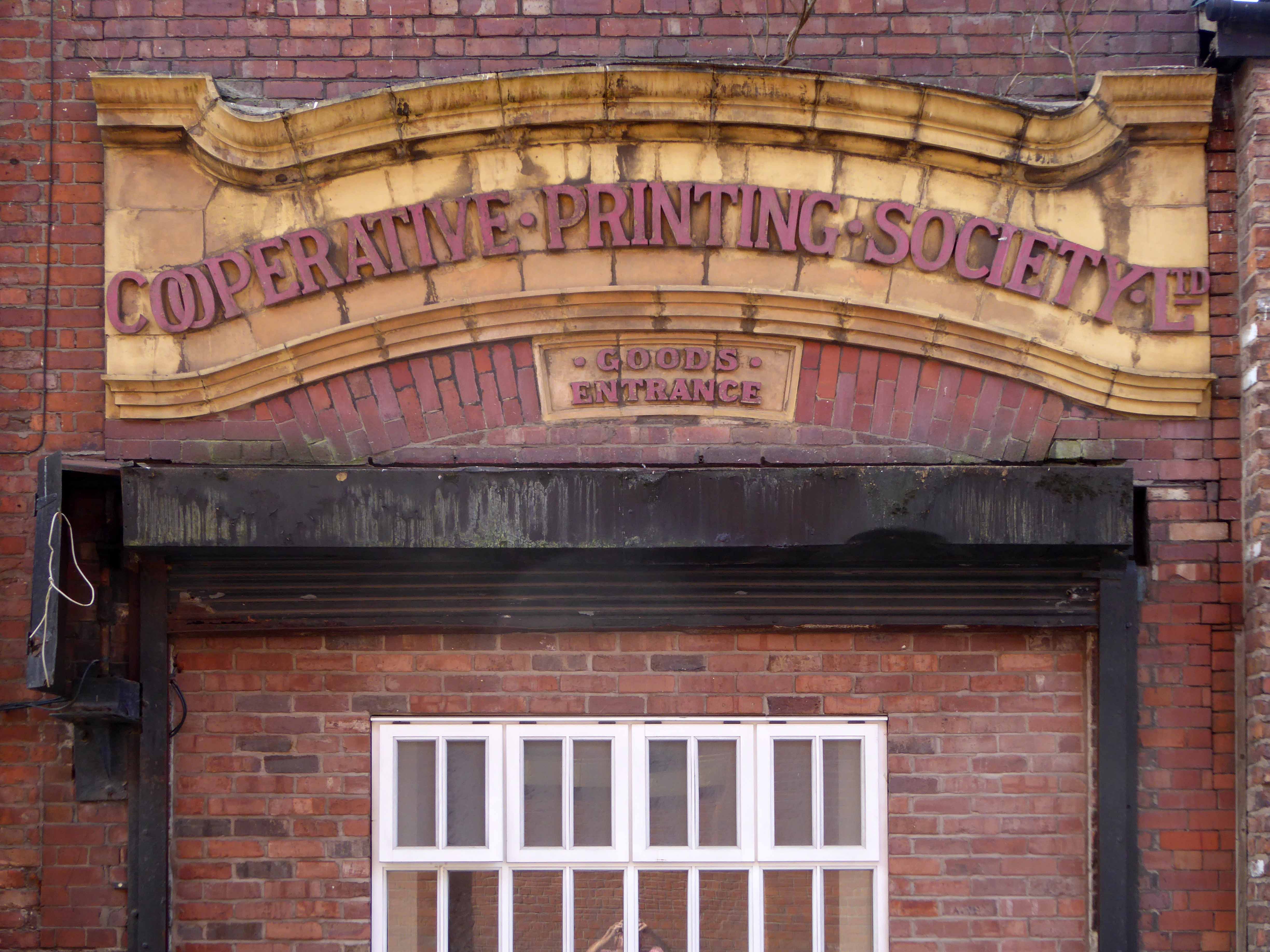
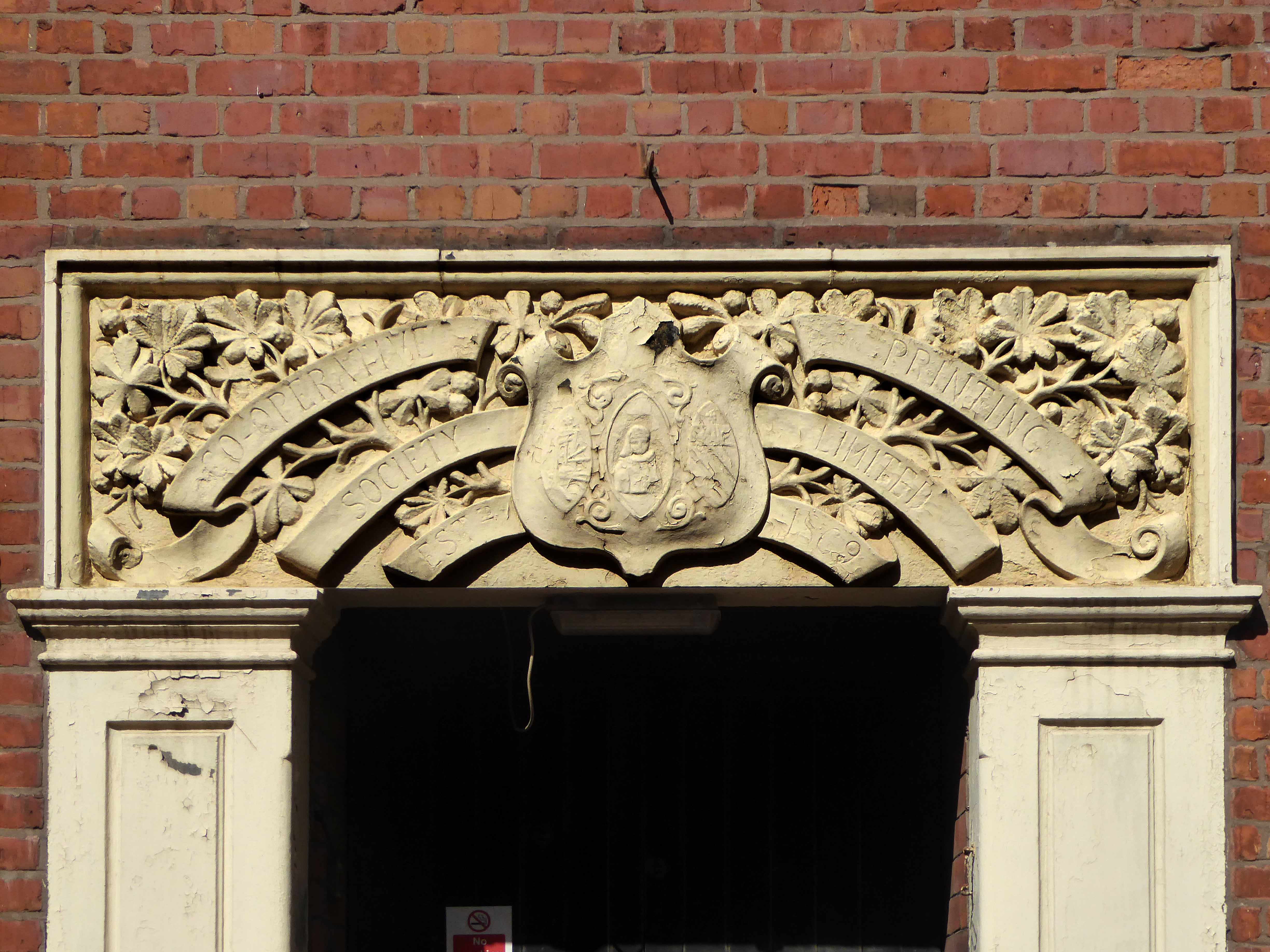
Where once the CWS loomed large

Charter Street

P1290102
P1290107

Ragged but right

Aspin Lane

P1290109
P1290117

Angel Meadow 

Corporation Street

P1290118

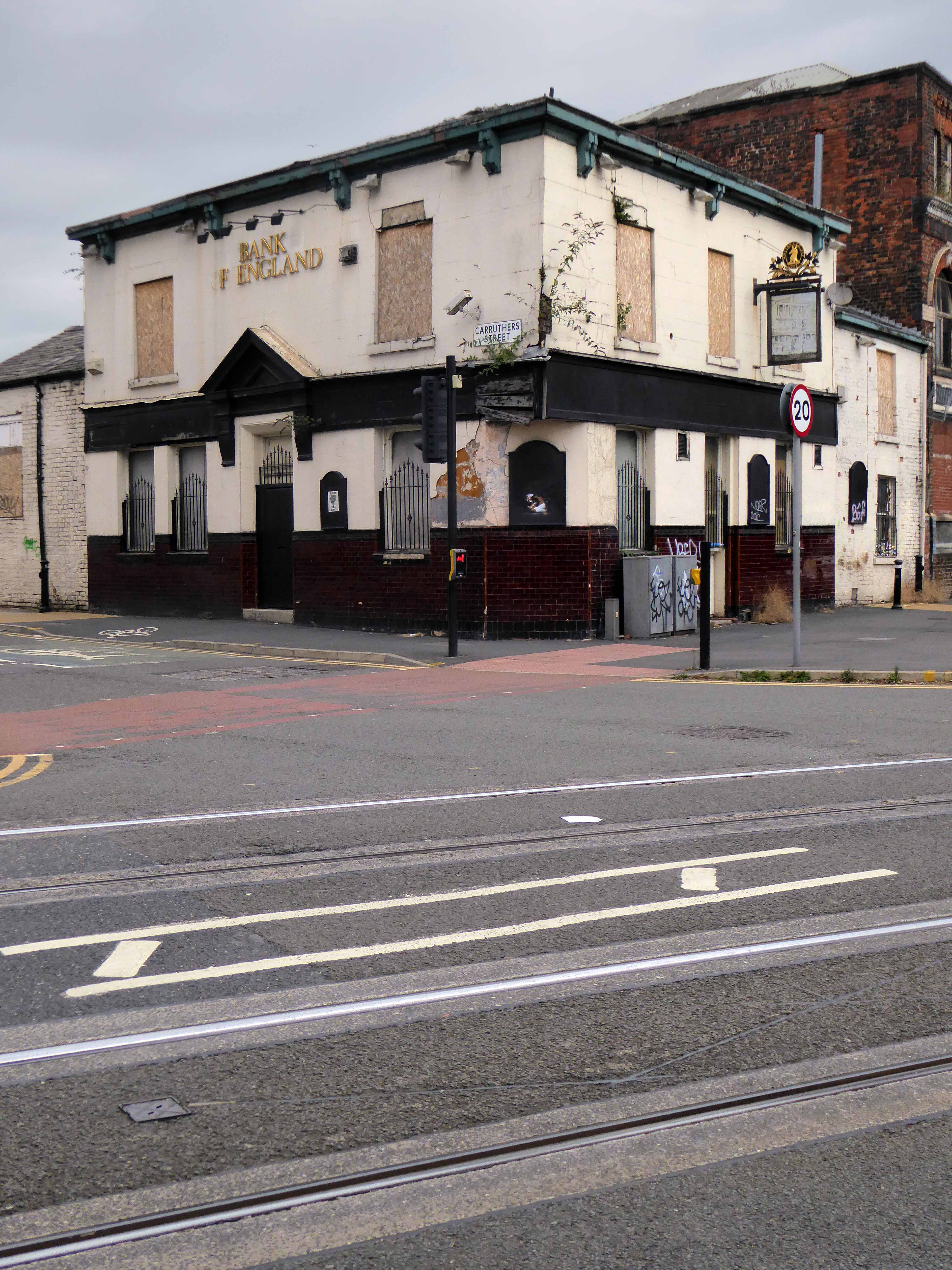
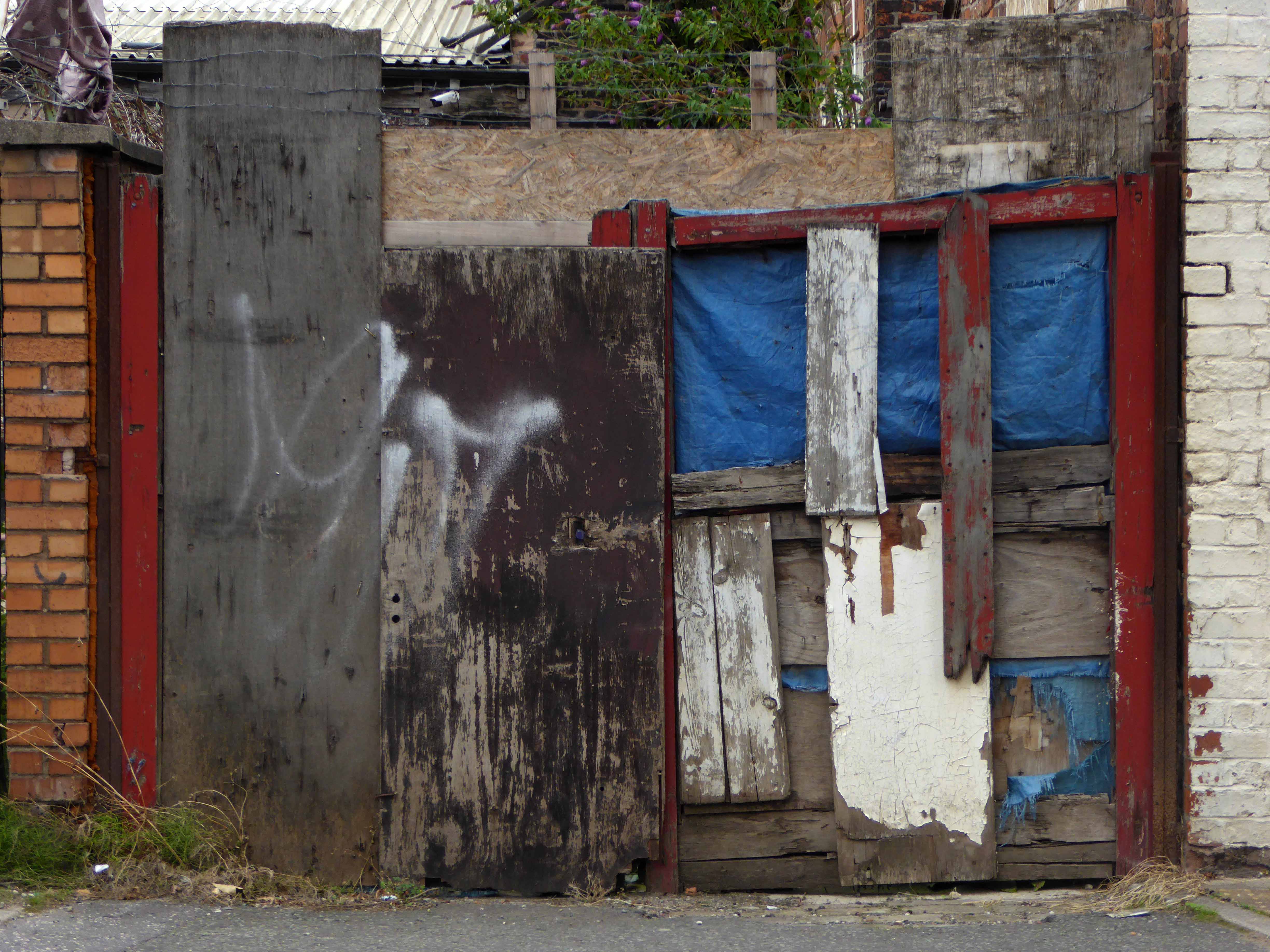
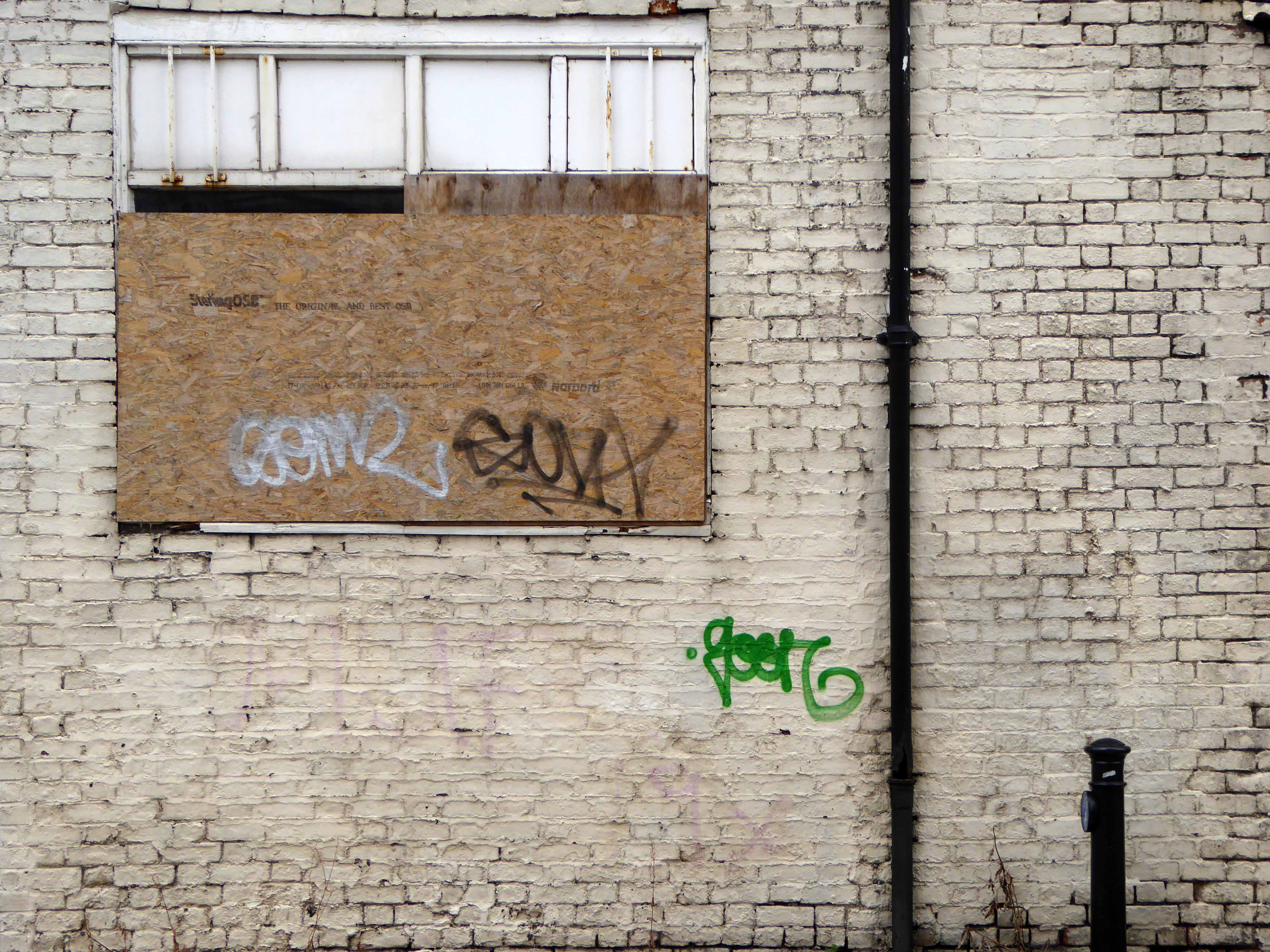
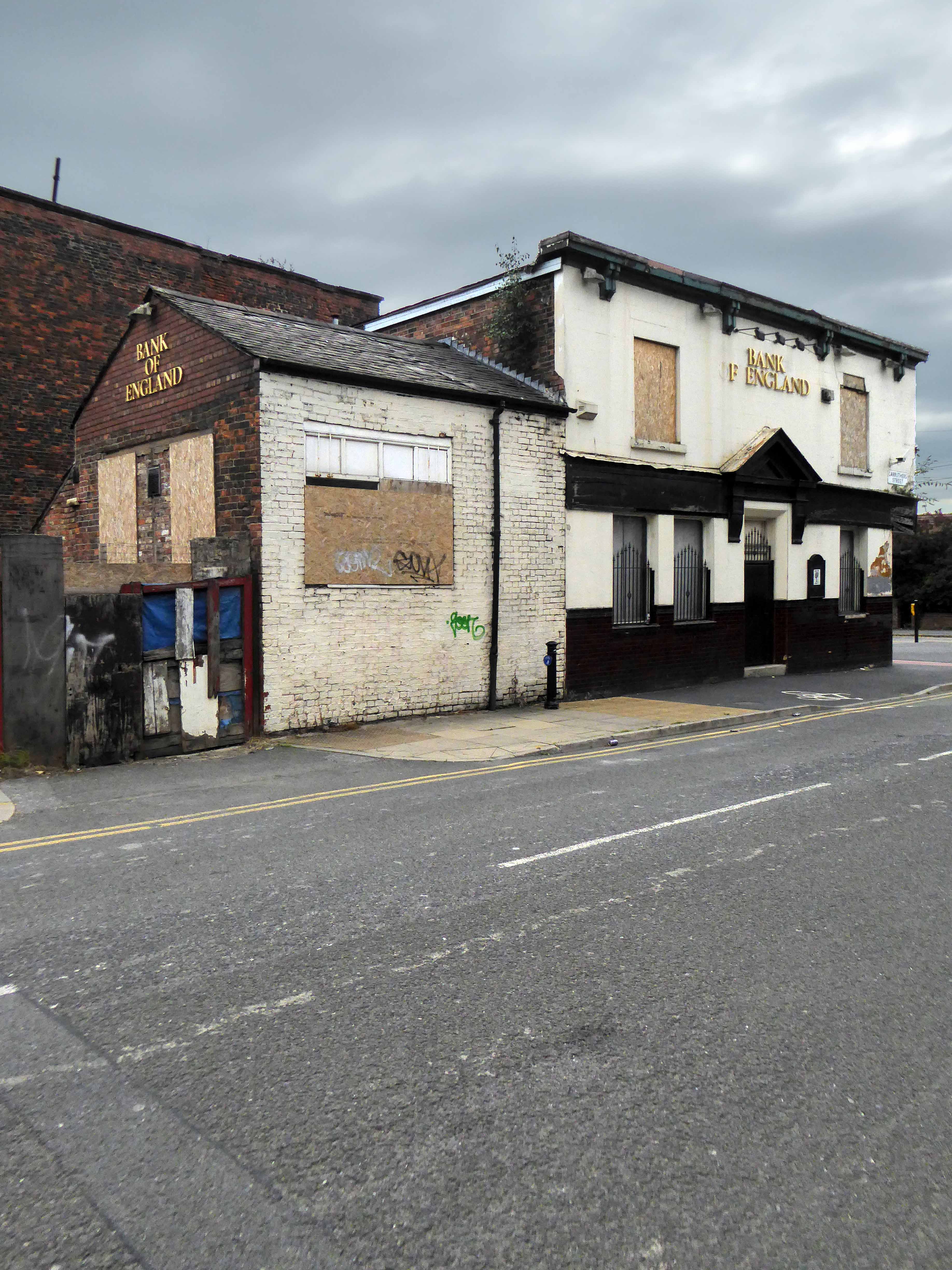
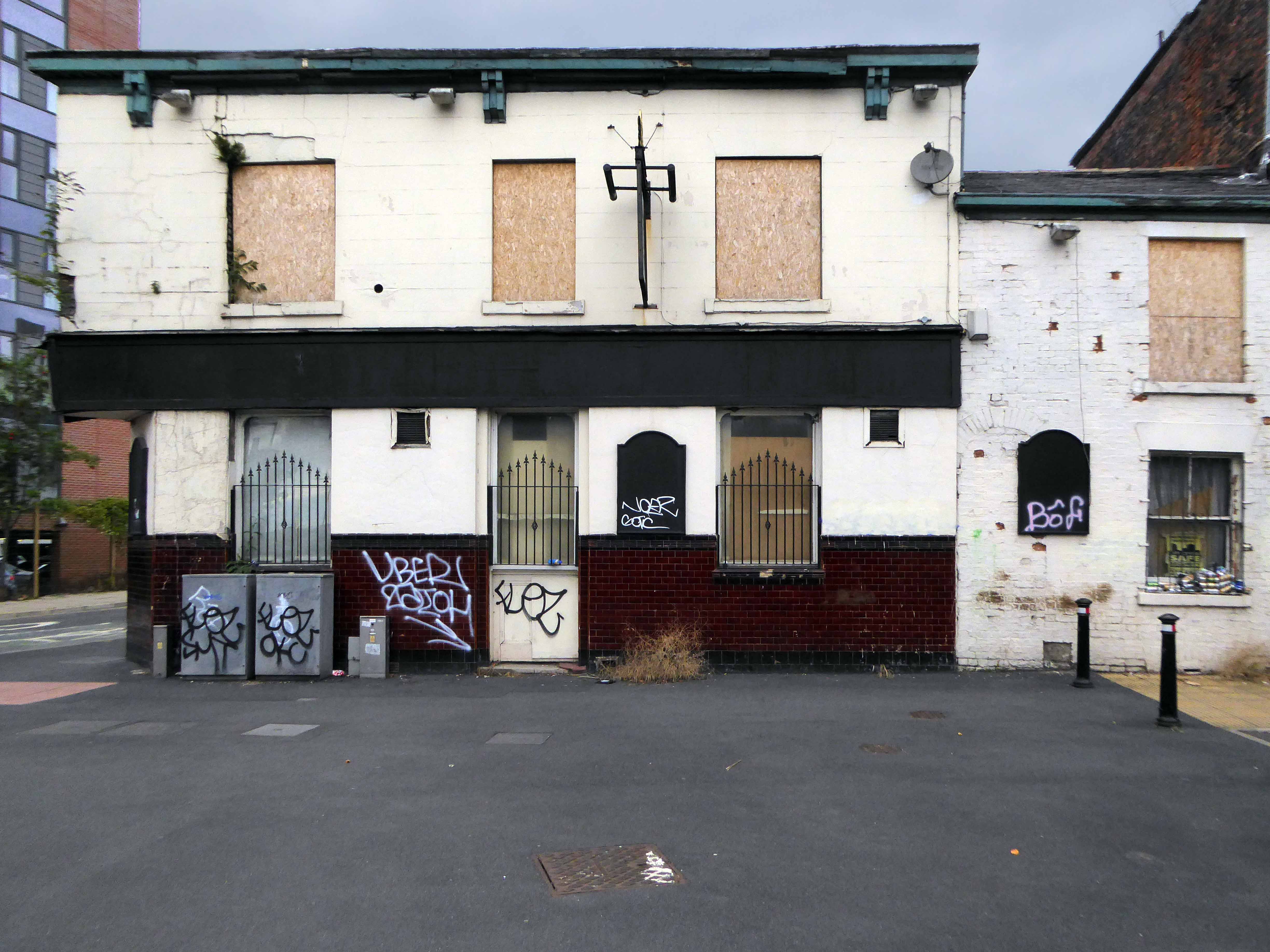
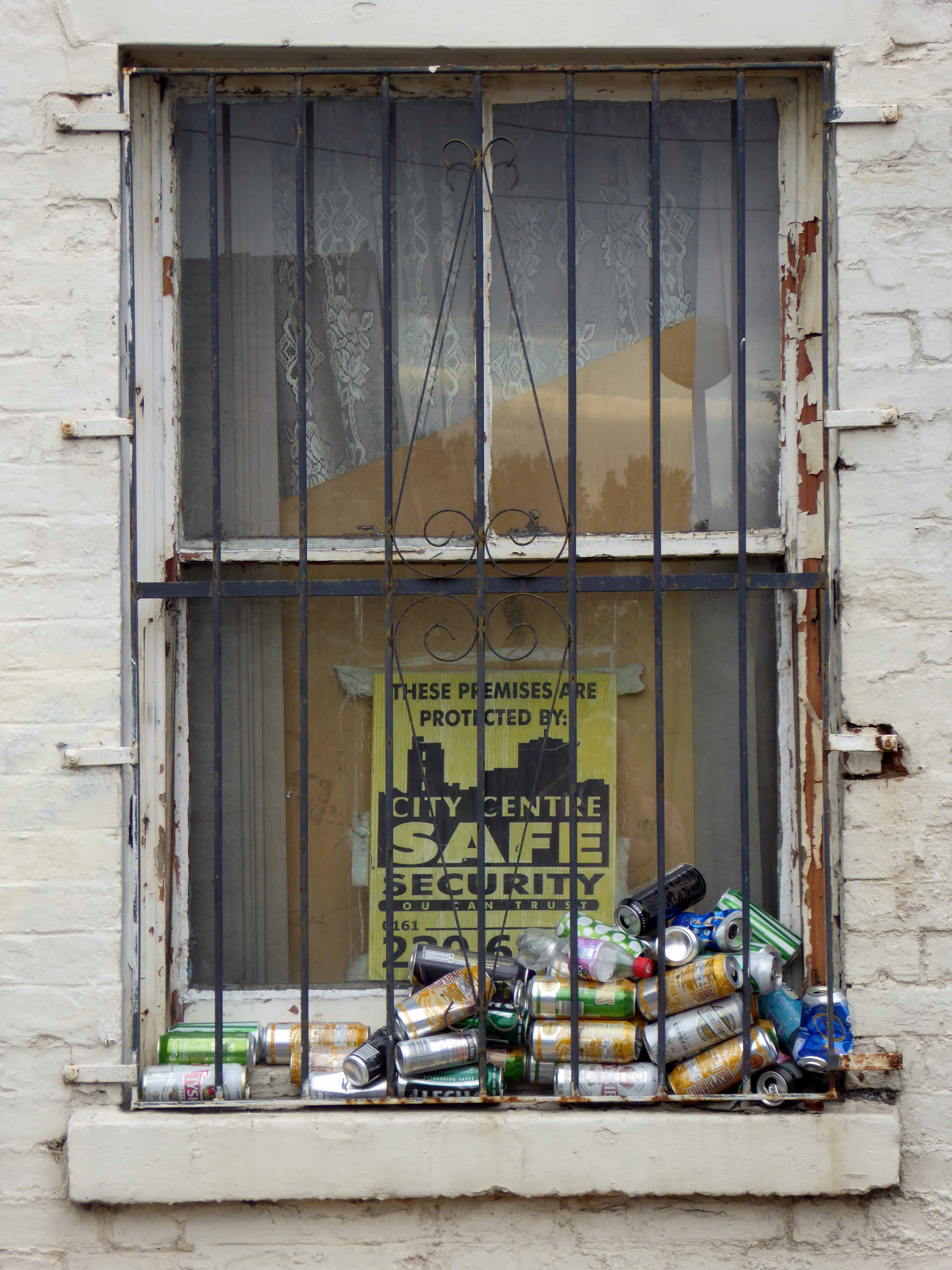
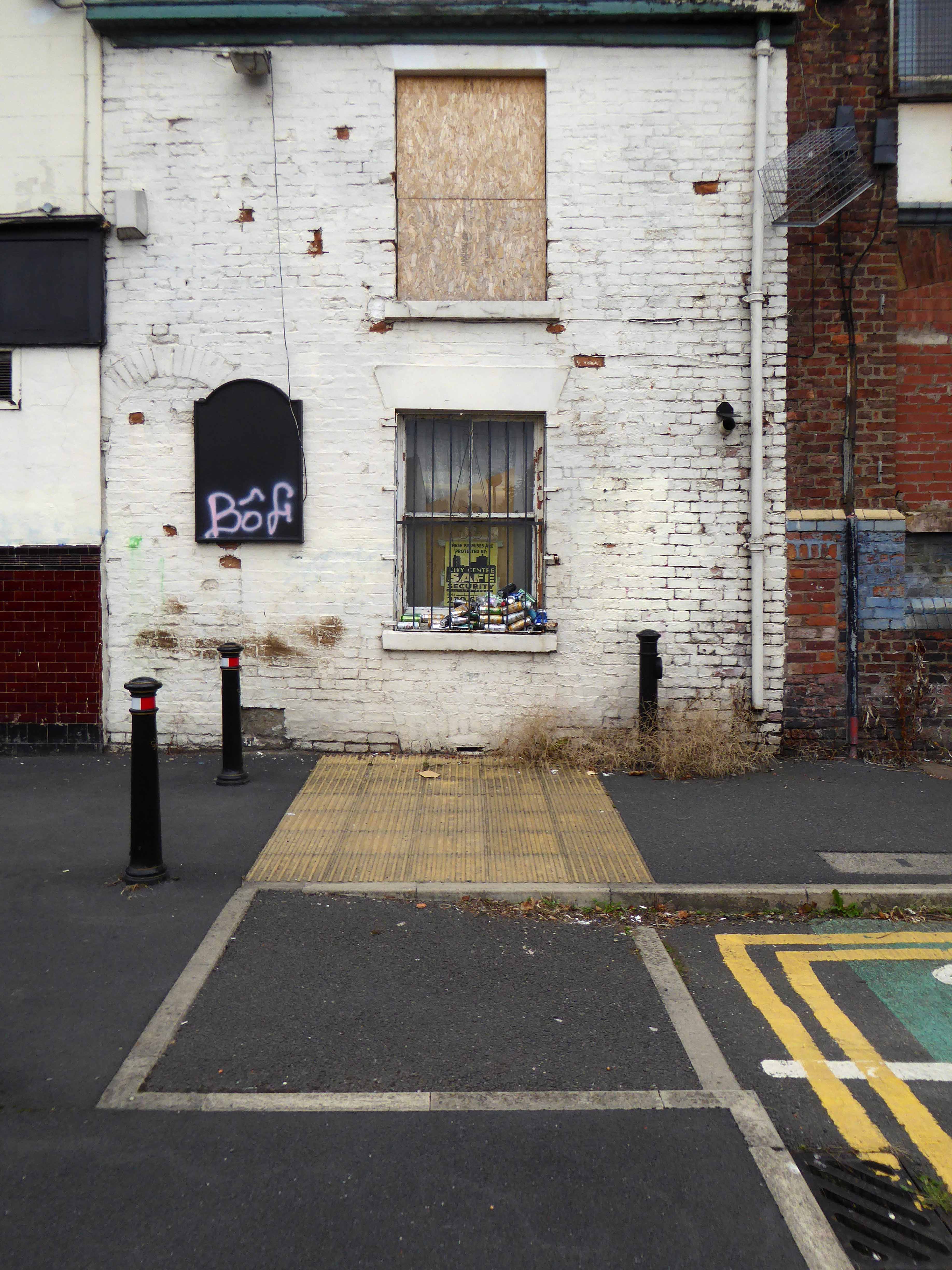
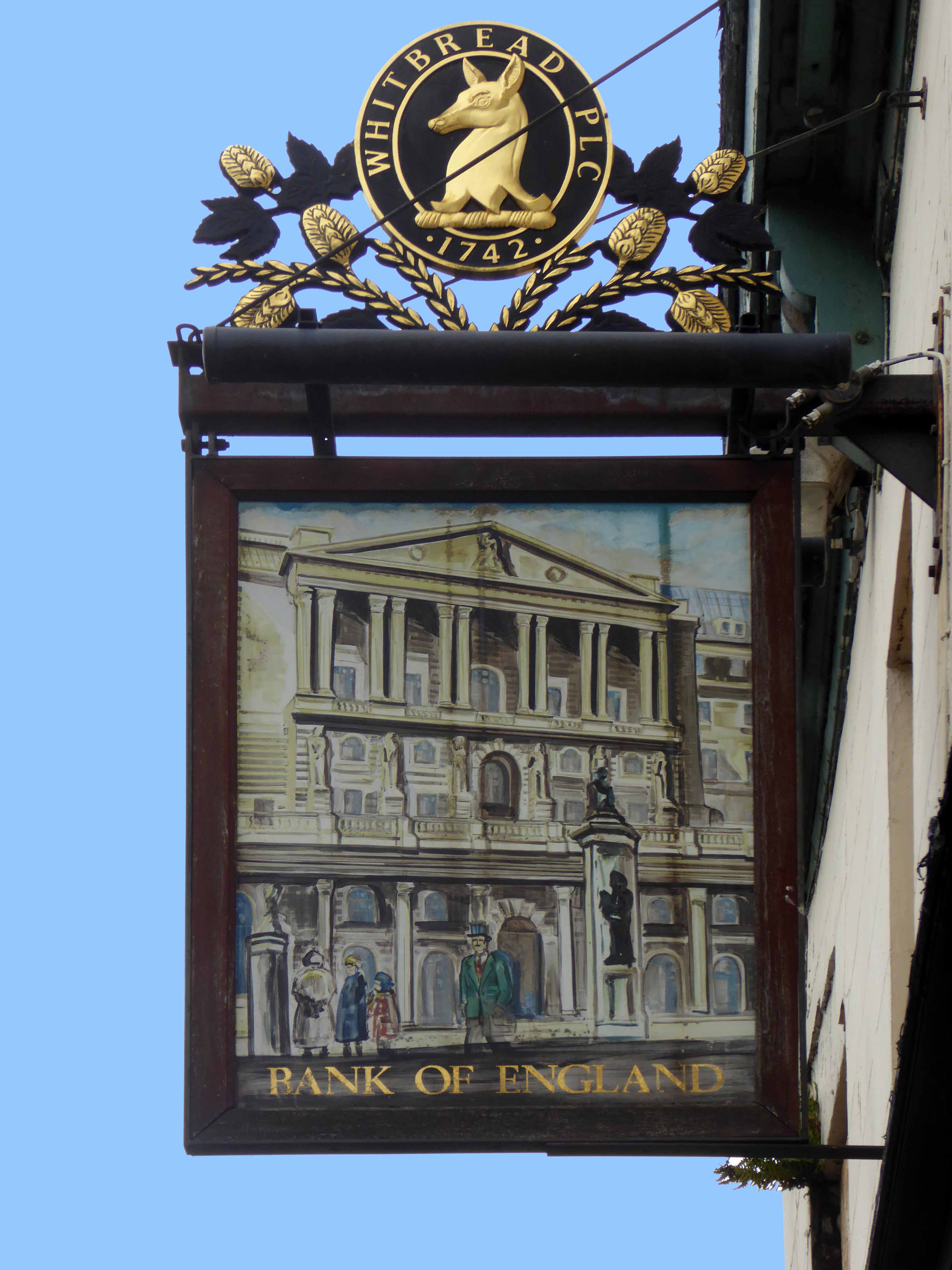
The Bank Of England – Manchester

Standing stately on the corner of Carruthers and Pollard Street, safe as houses.

As safe as the houses that are no longer there, along with the other public houses, along with the jobs, along with the punters – all long gone, it’s a long story.

Look out!

Mind that tram, full of the boys and girls in blue, off to shriek at a Sheikh’s shrine.

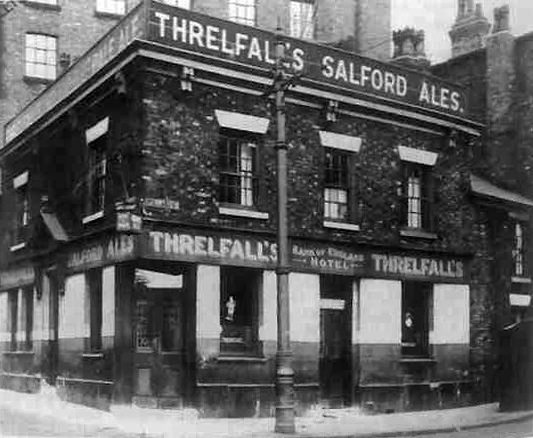
The Bank of England was one of Ancoats’ first beerhouses, licensed from 1830 and ten years later it was fully licensed with attached brewhouse.  The brewery did well, in fact it had another tied house, the Kings Arms near Miles Platting station nearby.  The brewery was sold off in the 1860s but continued as a separate business for a few years.

Pubs of Manchester

Bank of Enland 30s

Ancoats, the core of the first industrial city, a dense cornucopia of homes, mills and cholera – its citizens said to find respite from disease, through the consumption of locally brewed beer.

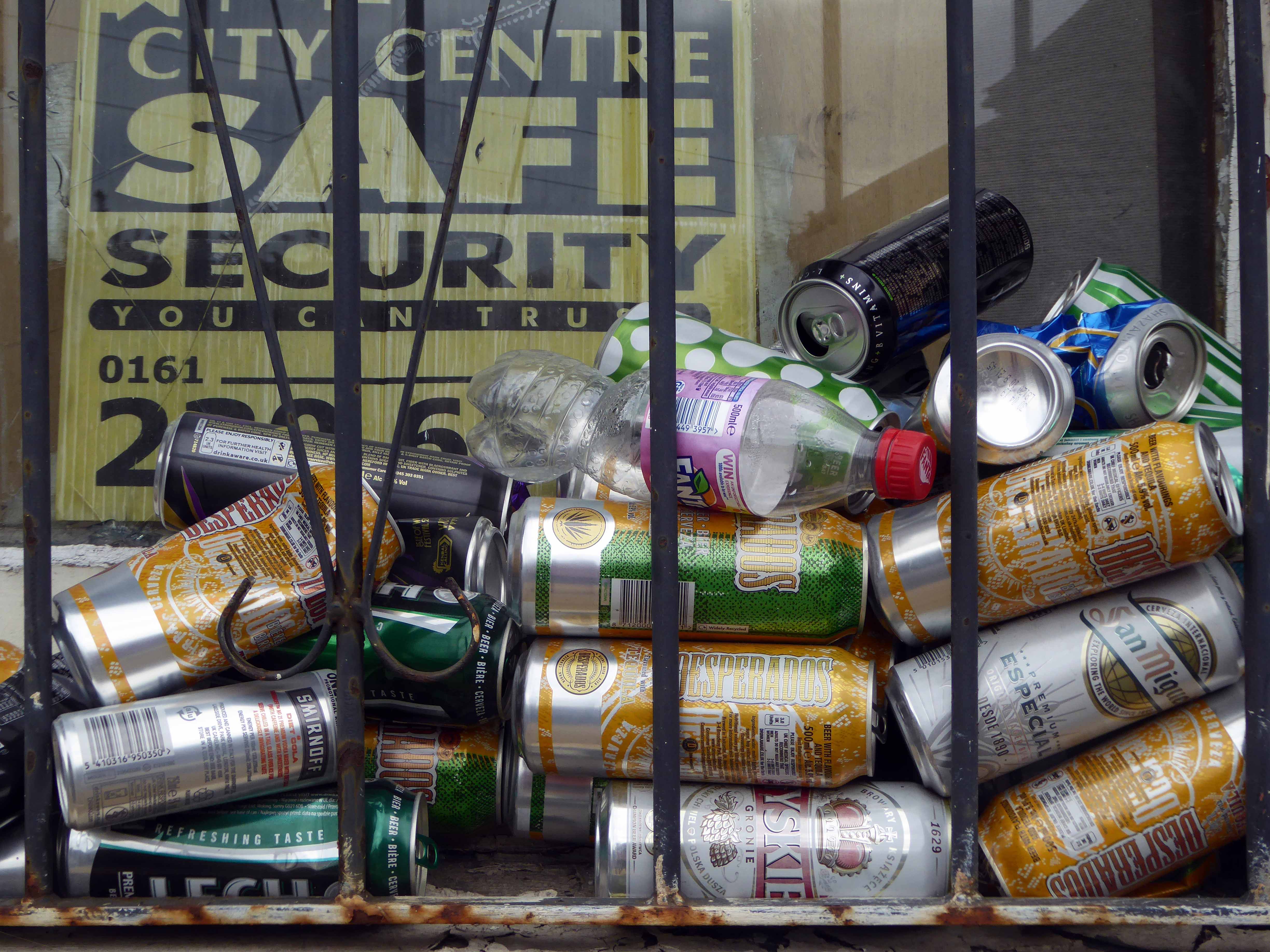
Once home to a plethora of pubs, now something of a dull desert for the thirsty worker, though workers, thirsty or otherwise are something of a rarity in the area.

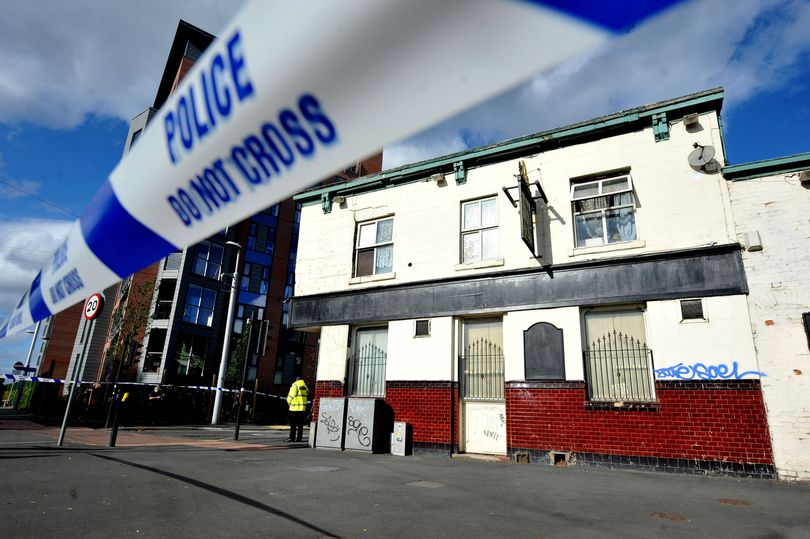
One worker went missing, some twenty years ago Martin Joyce was last seen on the site, the pub grounds were excavated – nothing was found.

JS101647765

Manchester Evening News

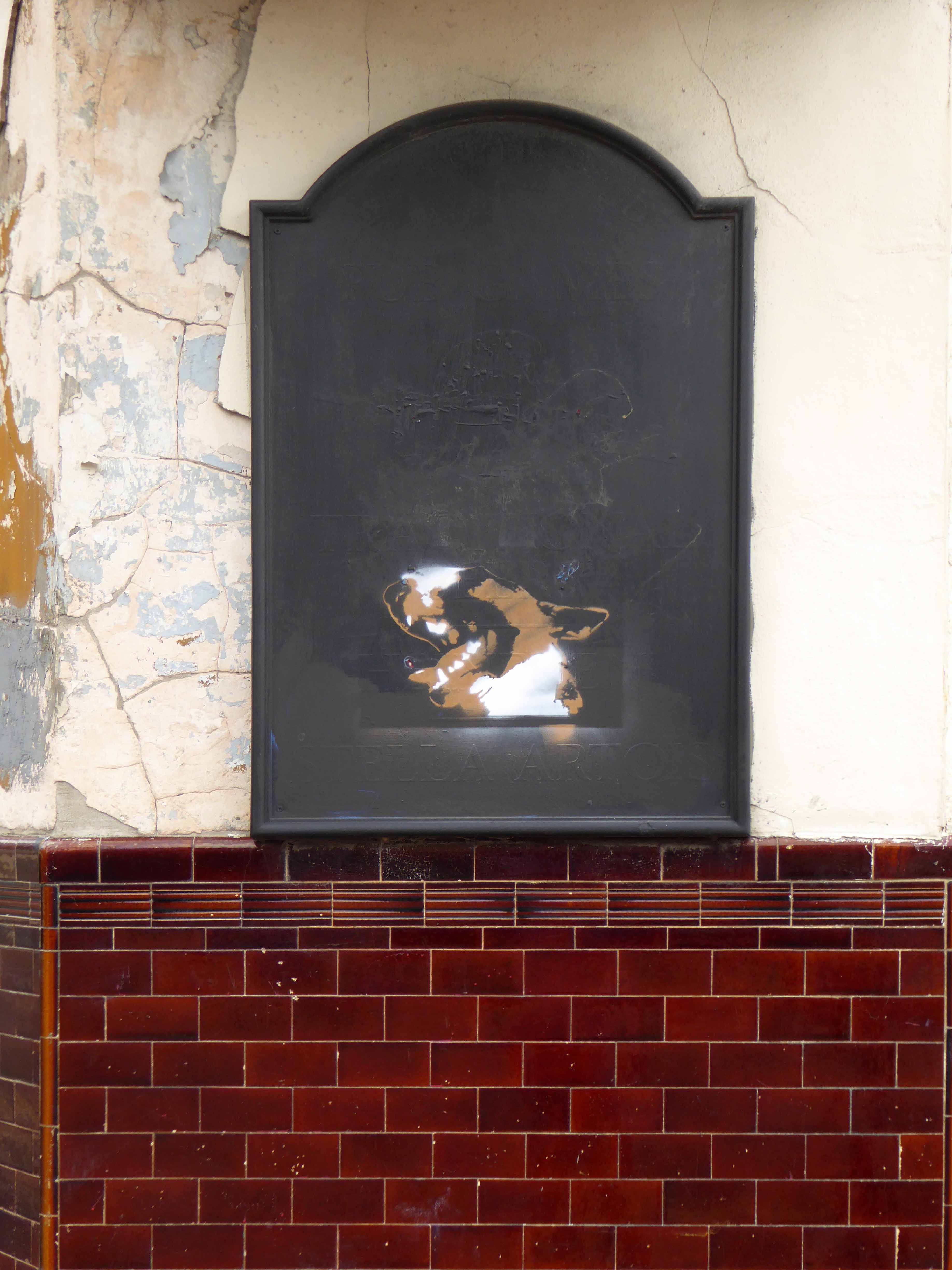
When last open it was far from loved and found little favour amongst the fickle footy fans.

Screen Shot 2018-09-03 at 14.14.03

To the north a tidal wave of merchant bankers, to the east redundant industry.

The Bank of England has gone west.

So clean the mills and factories 

And give me council houses too

And work that isn’t turning tricks

Like building homes and making bricks.

Danny Moran

P1290007

P1290009

P1290010

P1290011

P1290012

P1290013

P1290014

P1290015

P1290016

P1290017

P1290018

P1290019


Trinity United Reform Church – Sheffield

737a Ecclesall Road  Sheffield S11 8TG.

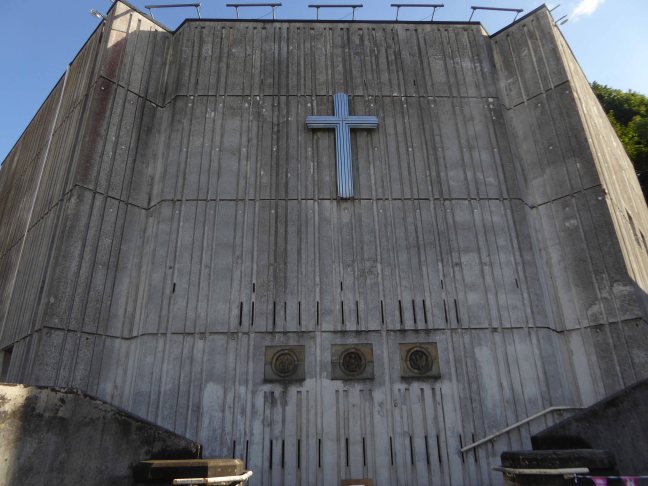
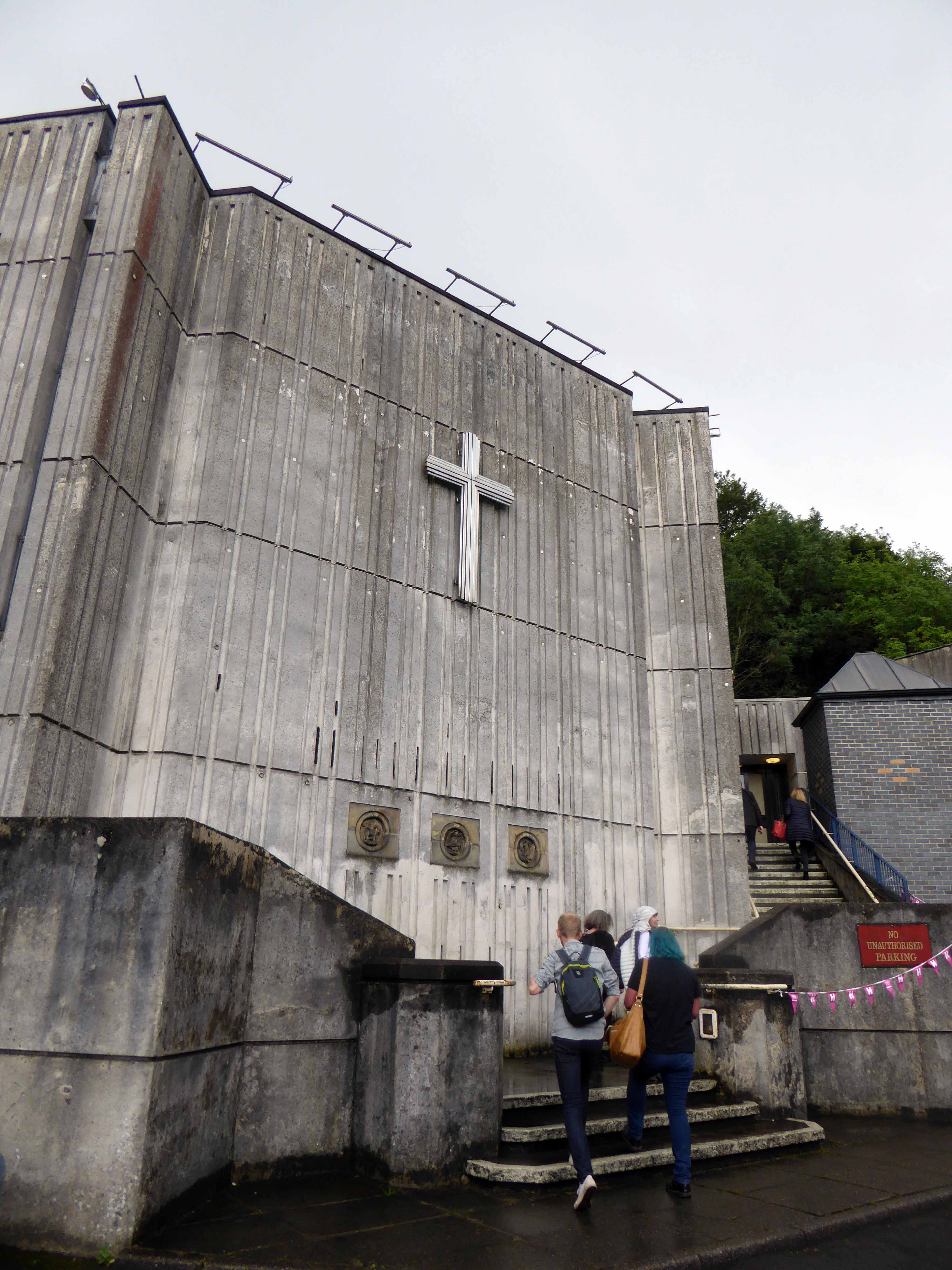
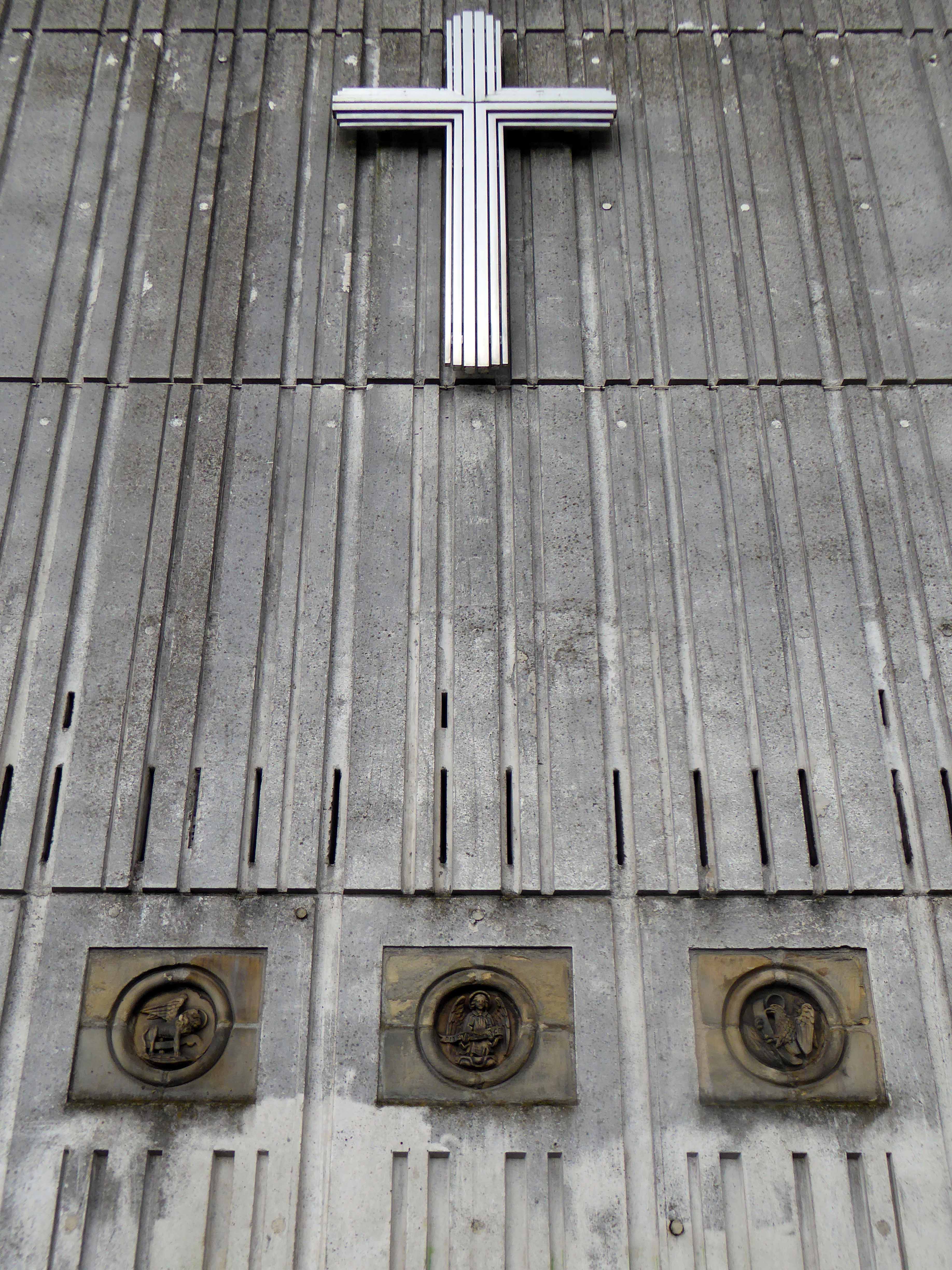
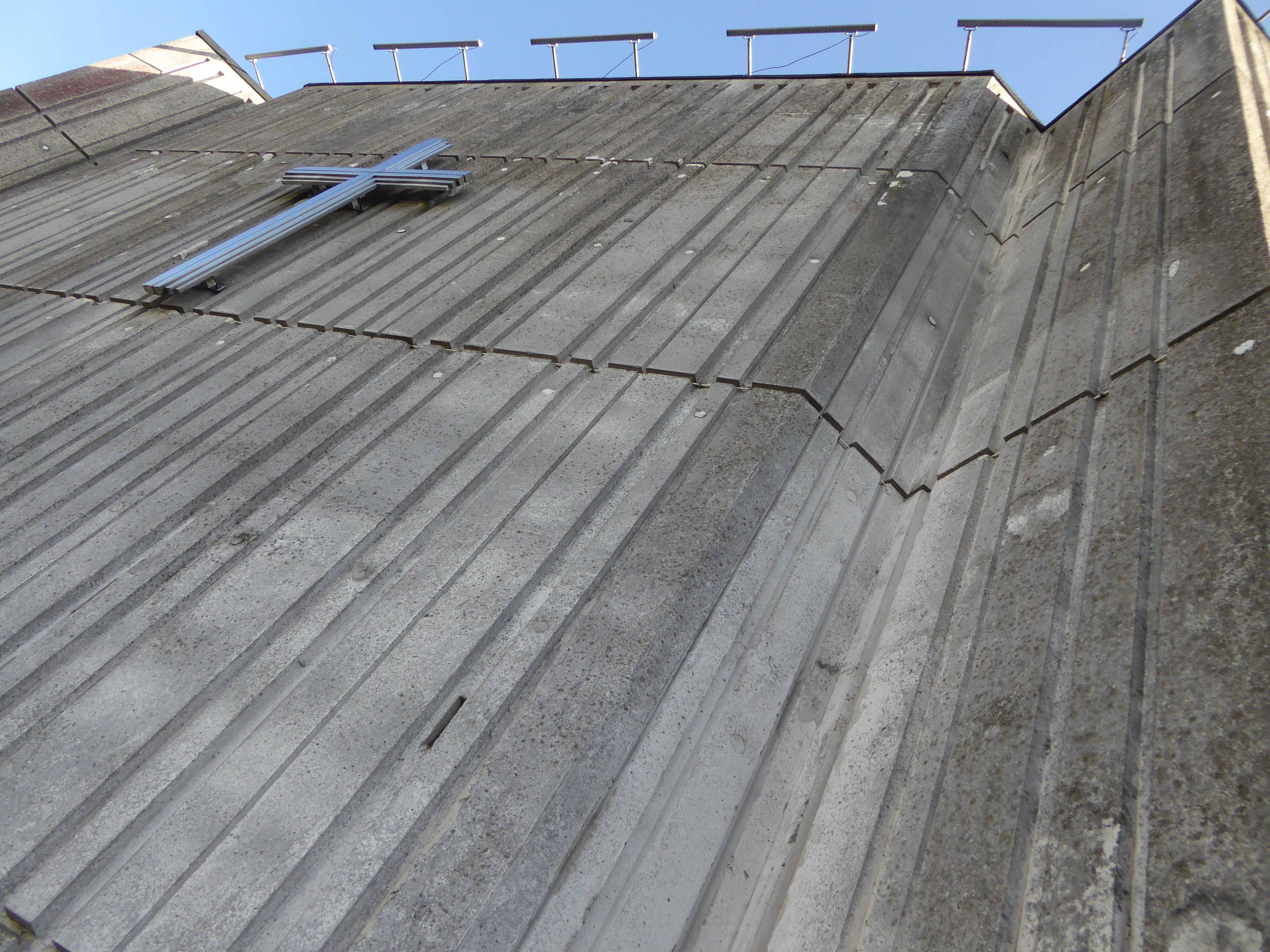
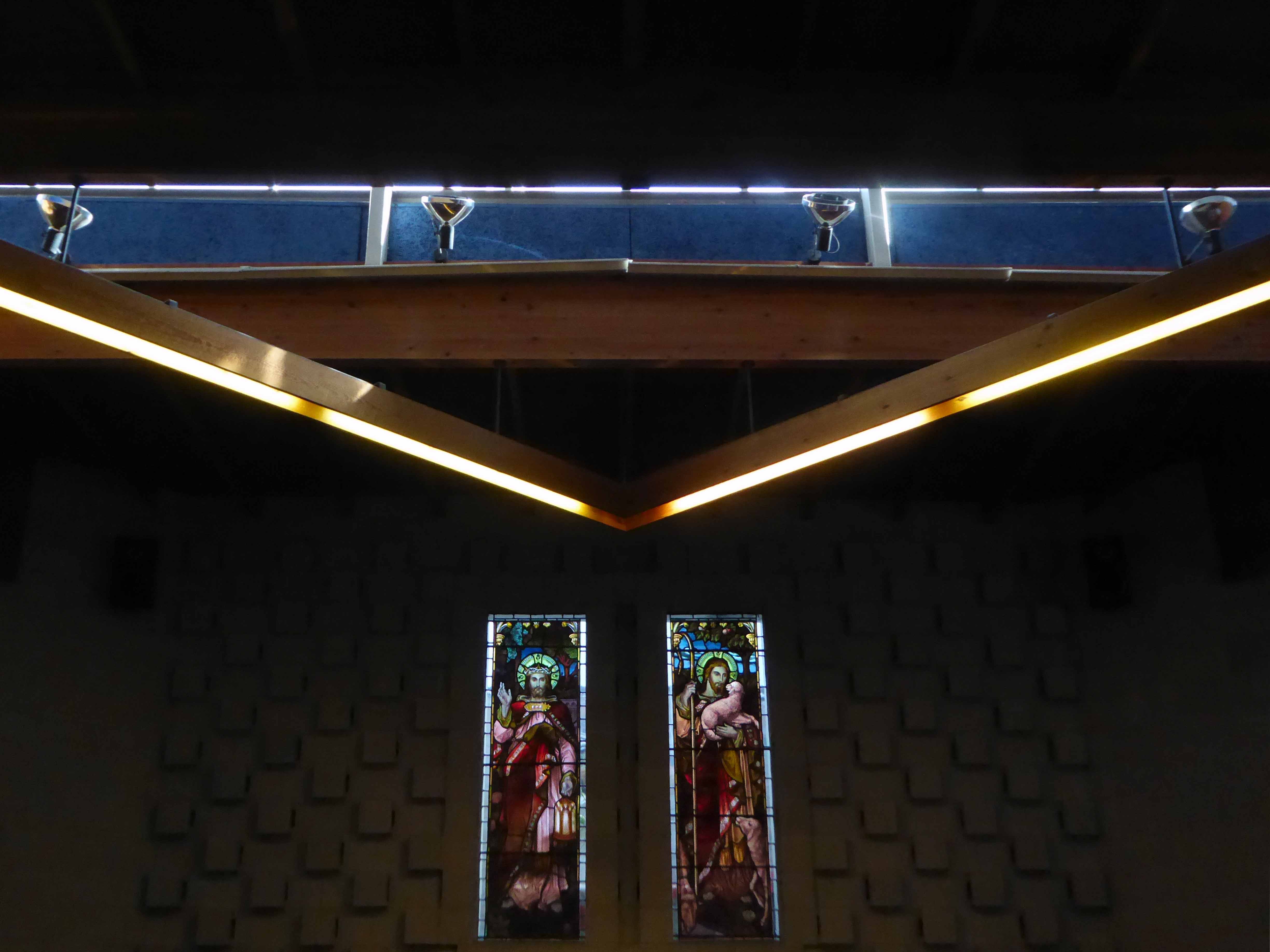
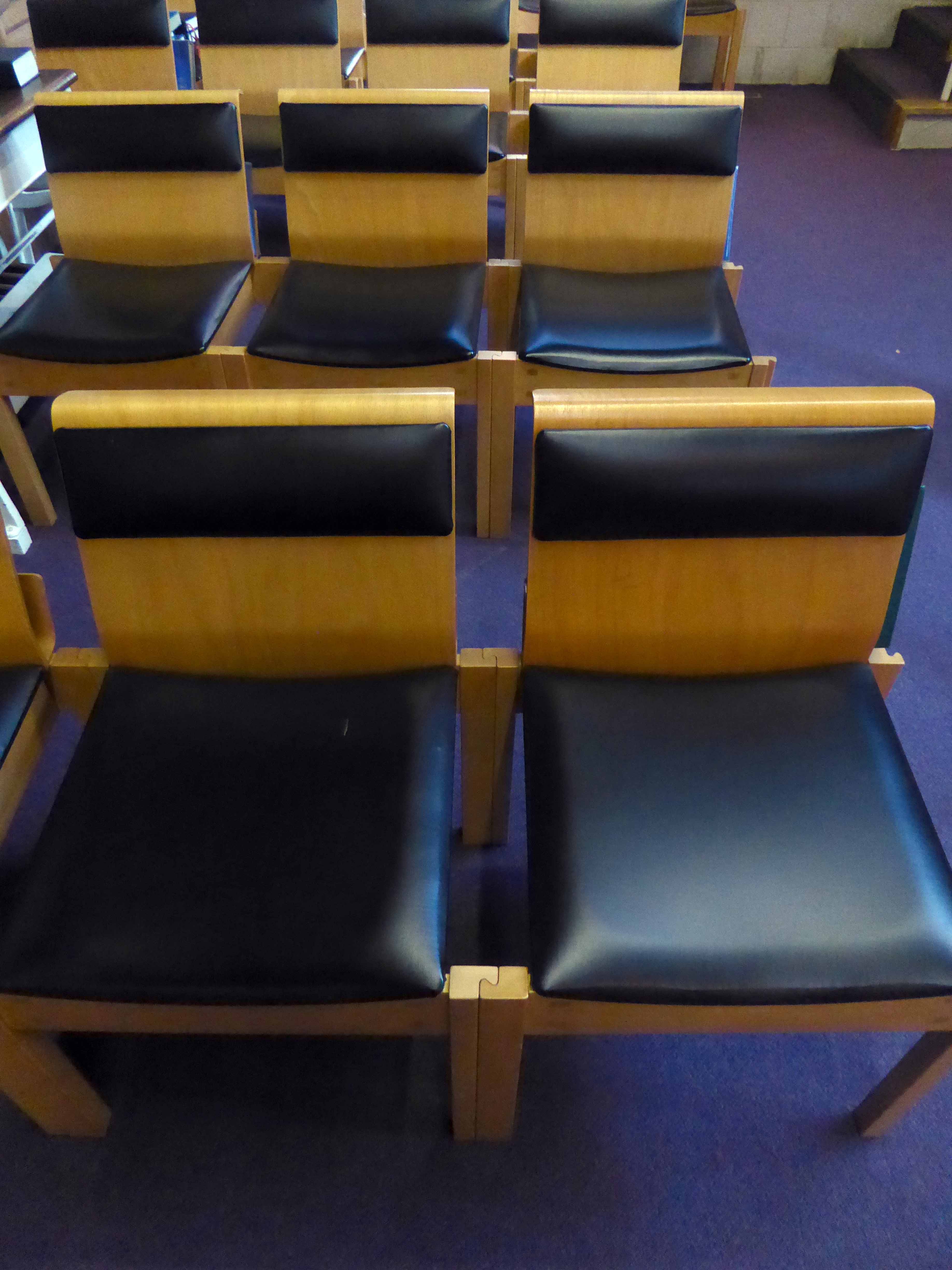
The church building, designed by John Mark Mansell Jenkinson, the second generation of a Sheffield firm of architects, was opened in 1971. A steel cross, fixed to the facade in 1989, is a memorial to their work here and in the city. 

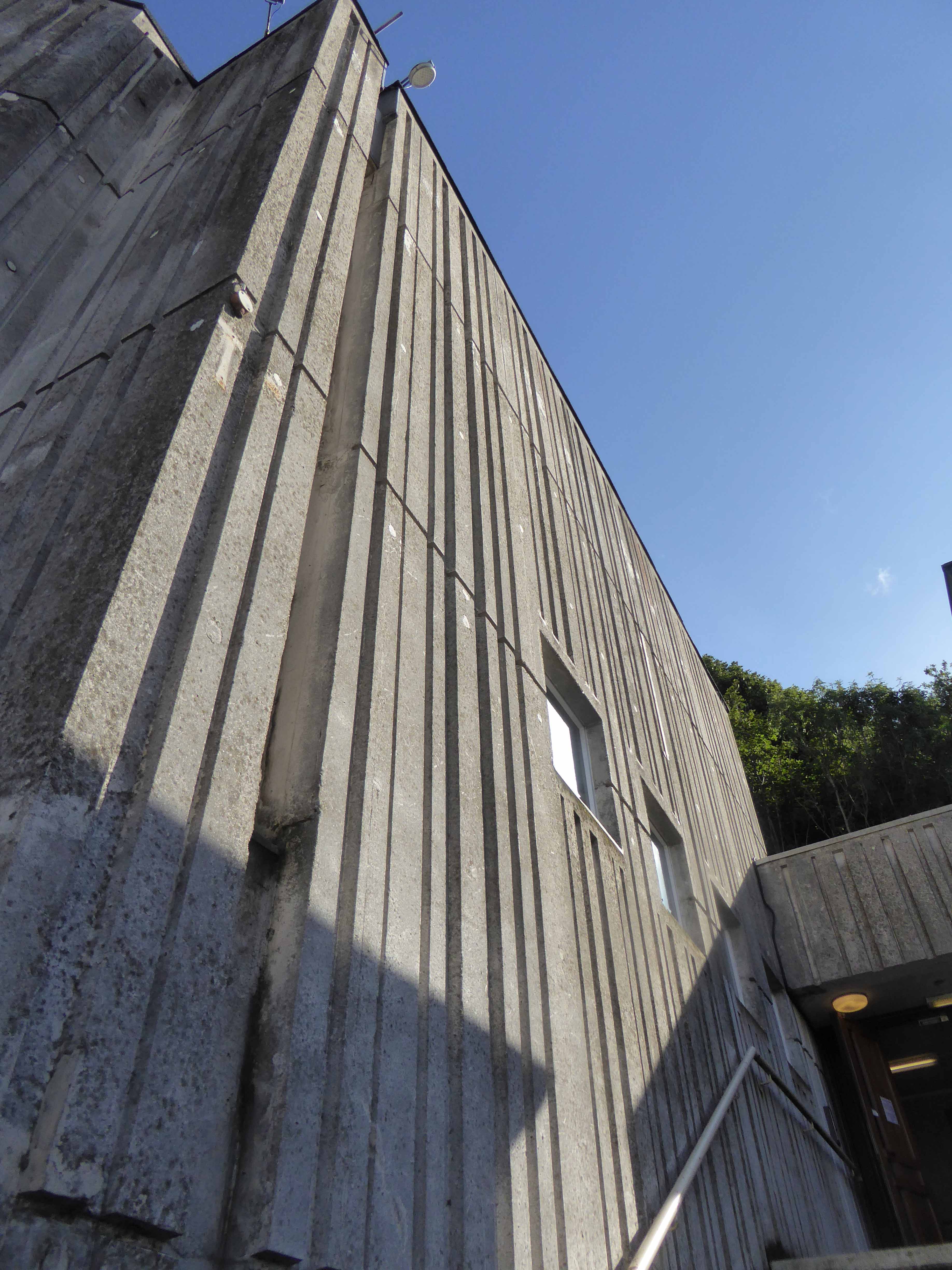
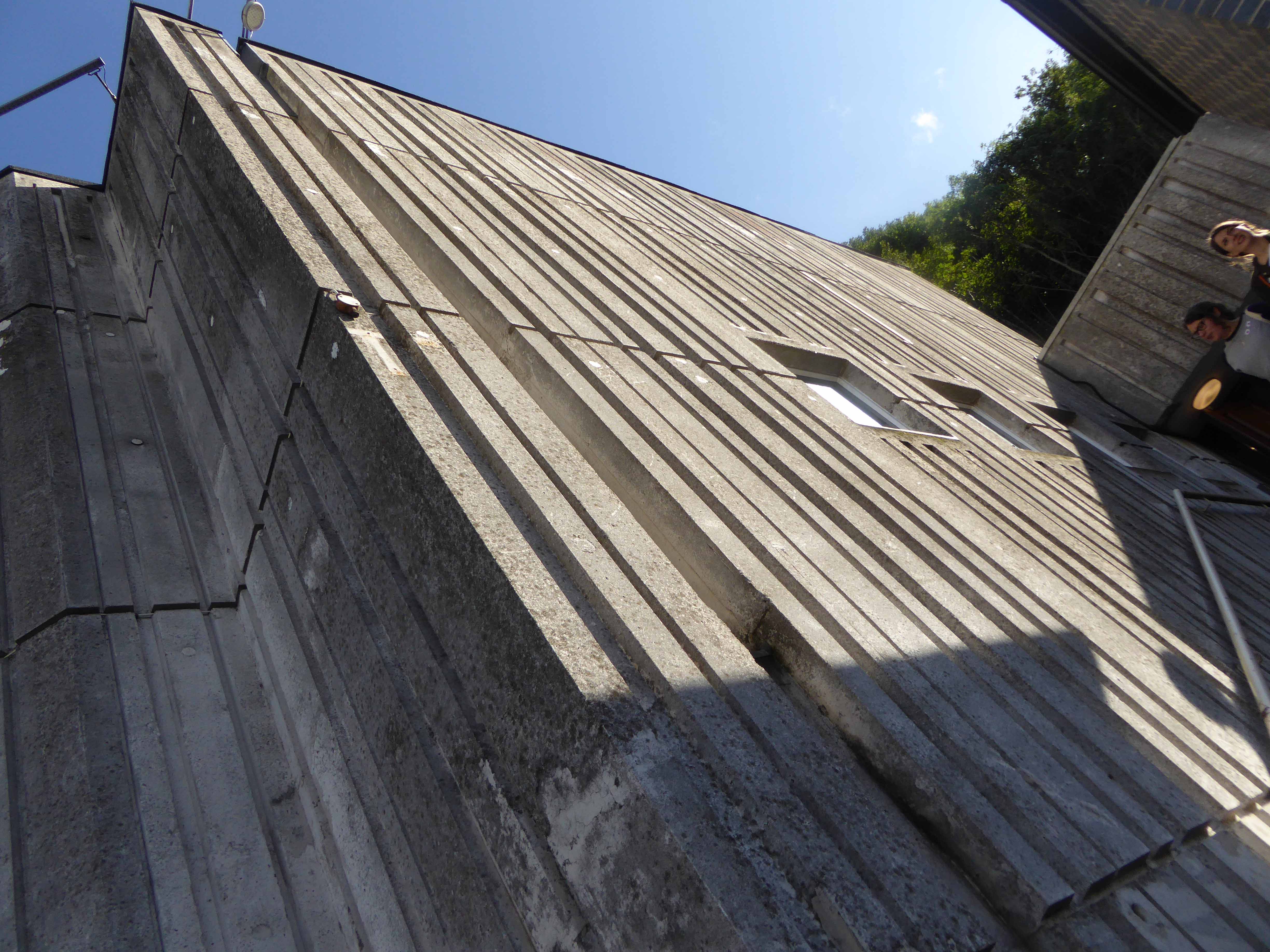
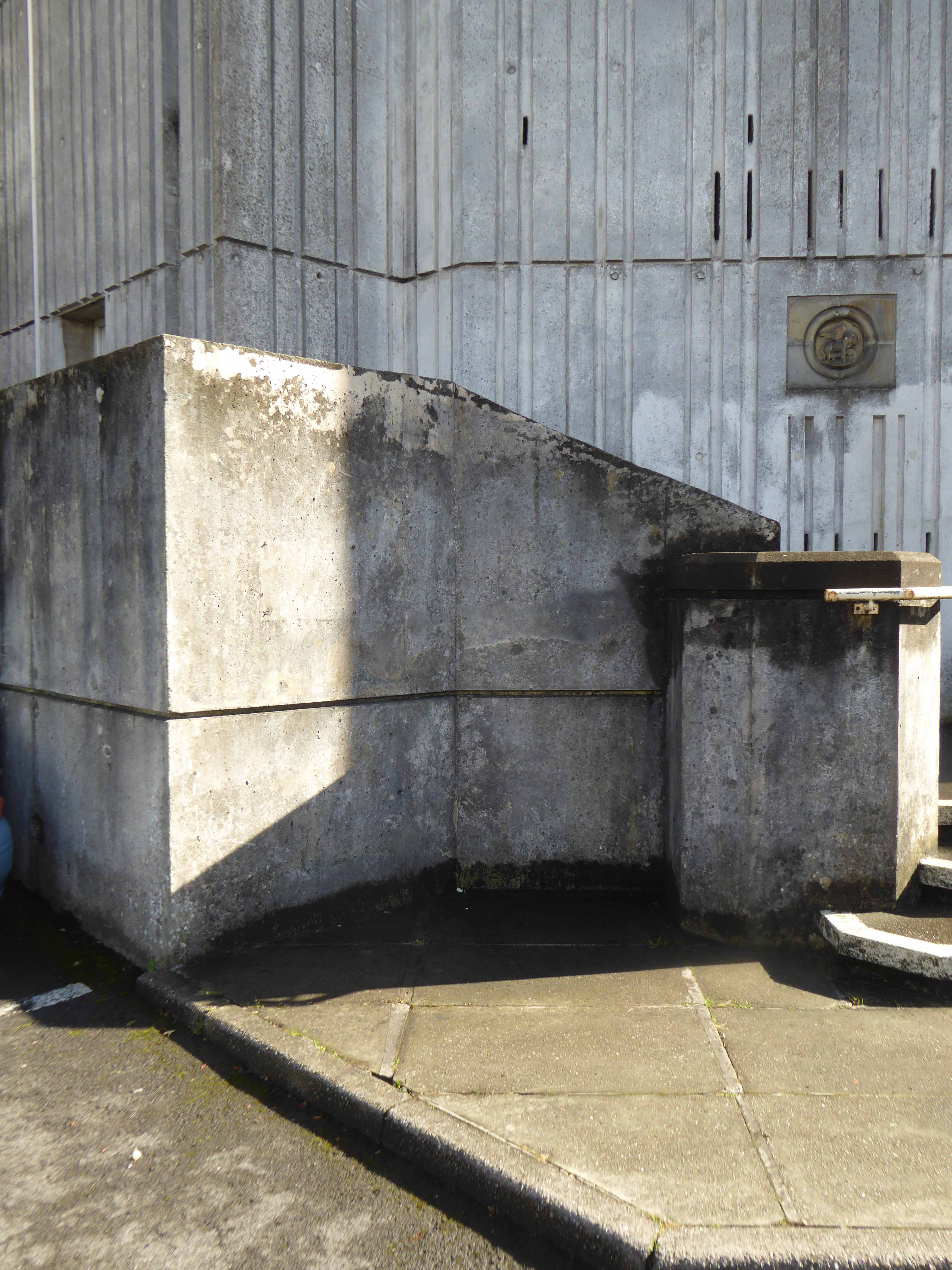
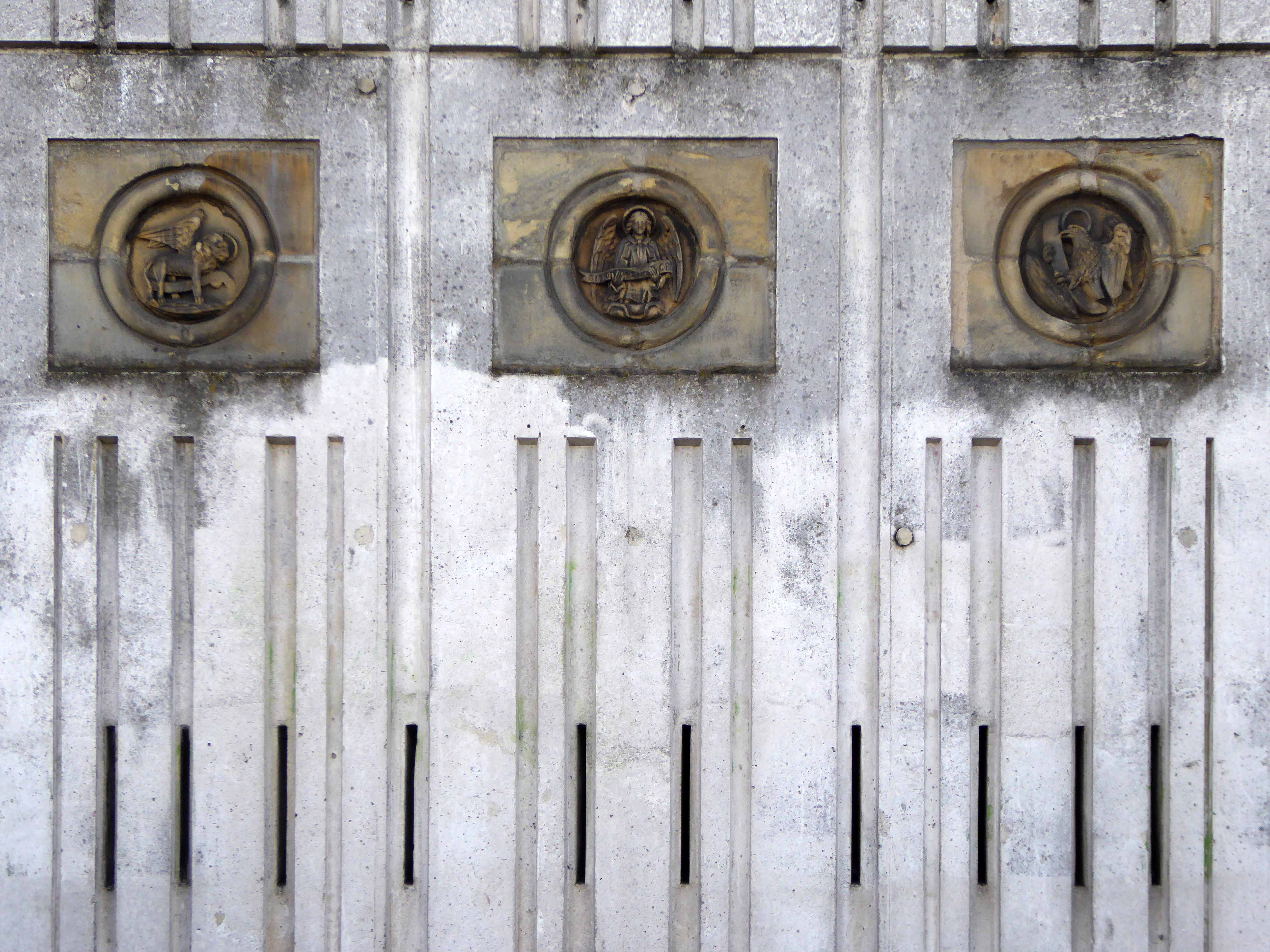
The church, which stands at the side of a main road, has a grey concrete exterior, once white, which rises like a cliff, echoing the natural cliff face of the rocks behind. Three carved roundels in the lowest quarter of the facade soften the exterior as does a brown brick tower which guards the entrance steps and houses a lift which was added in 2004.

The steps lead into a narthex where two plaques outline the history of the three Congregational Churches which came together to instigate the building of this church. The doors to the left, which lead into the worship area, suggest the influence of Charles Rennie Mackintosh and Frank Lloyd Wright upon John Jenkinson.

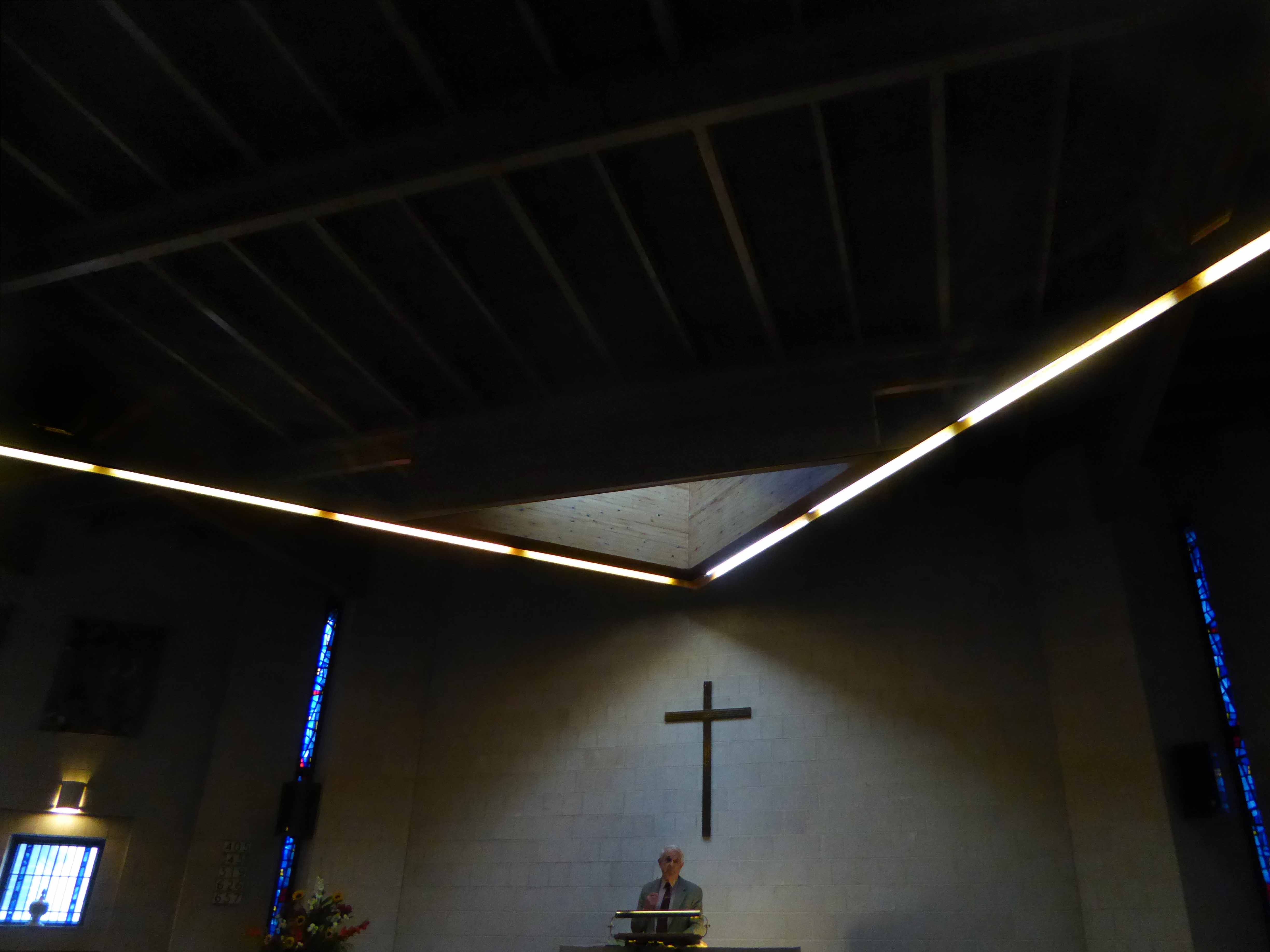
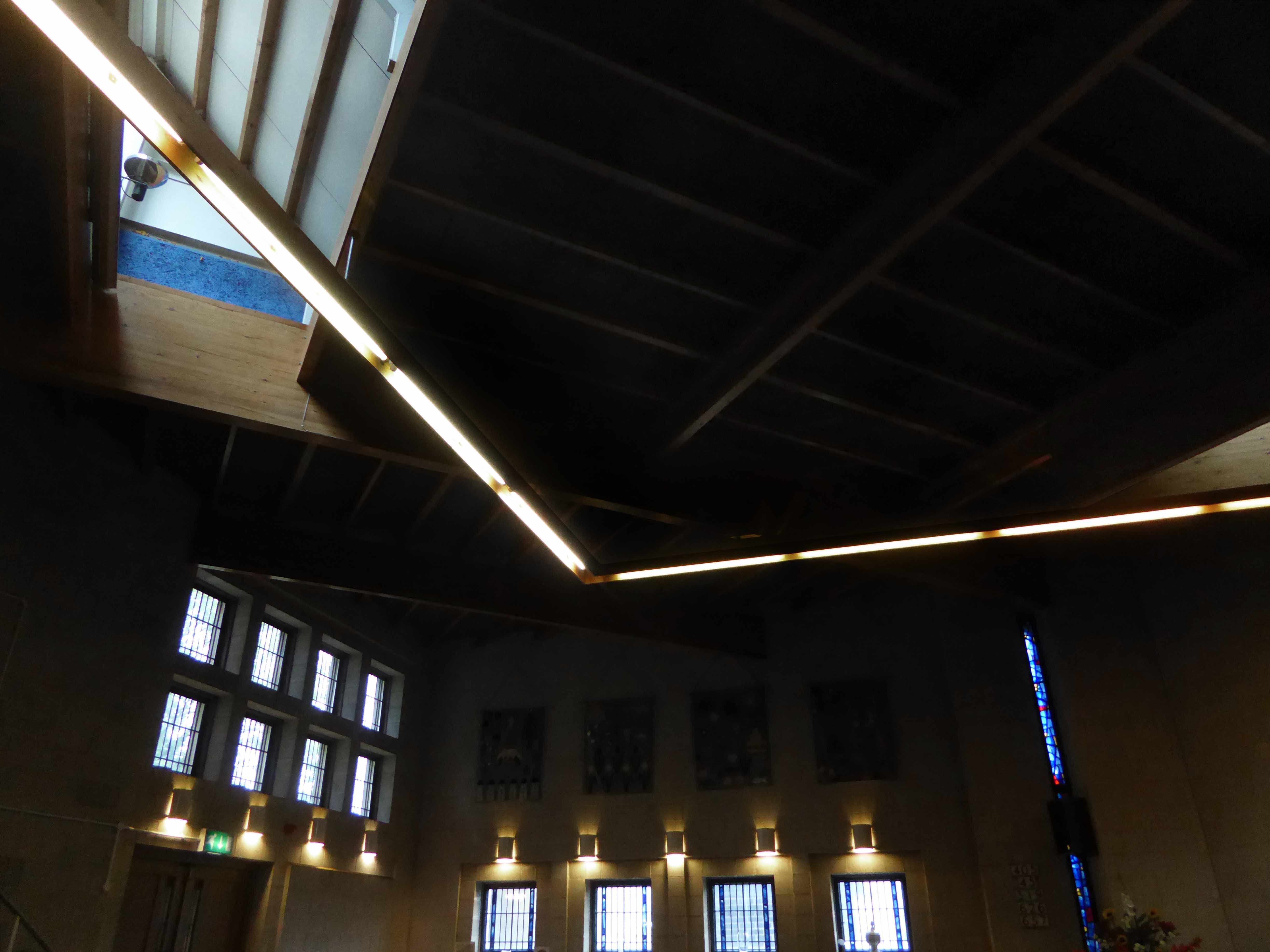
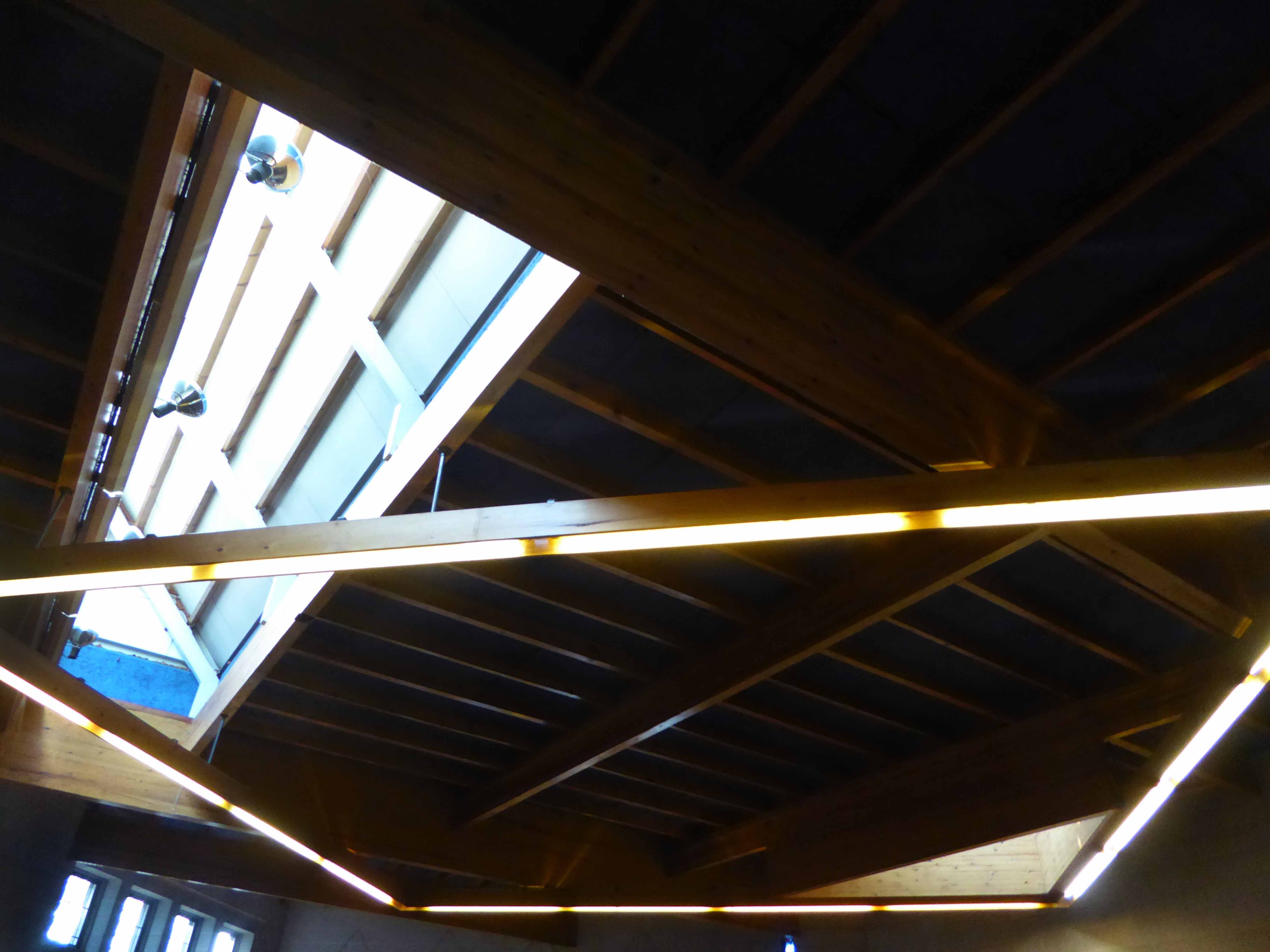
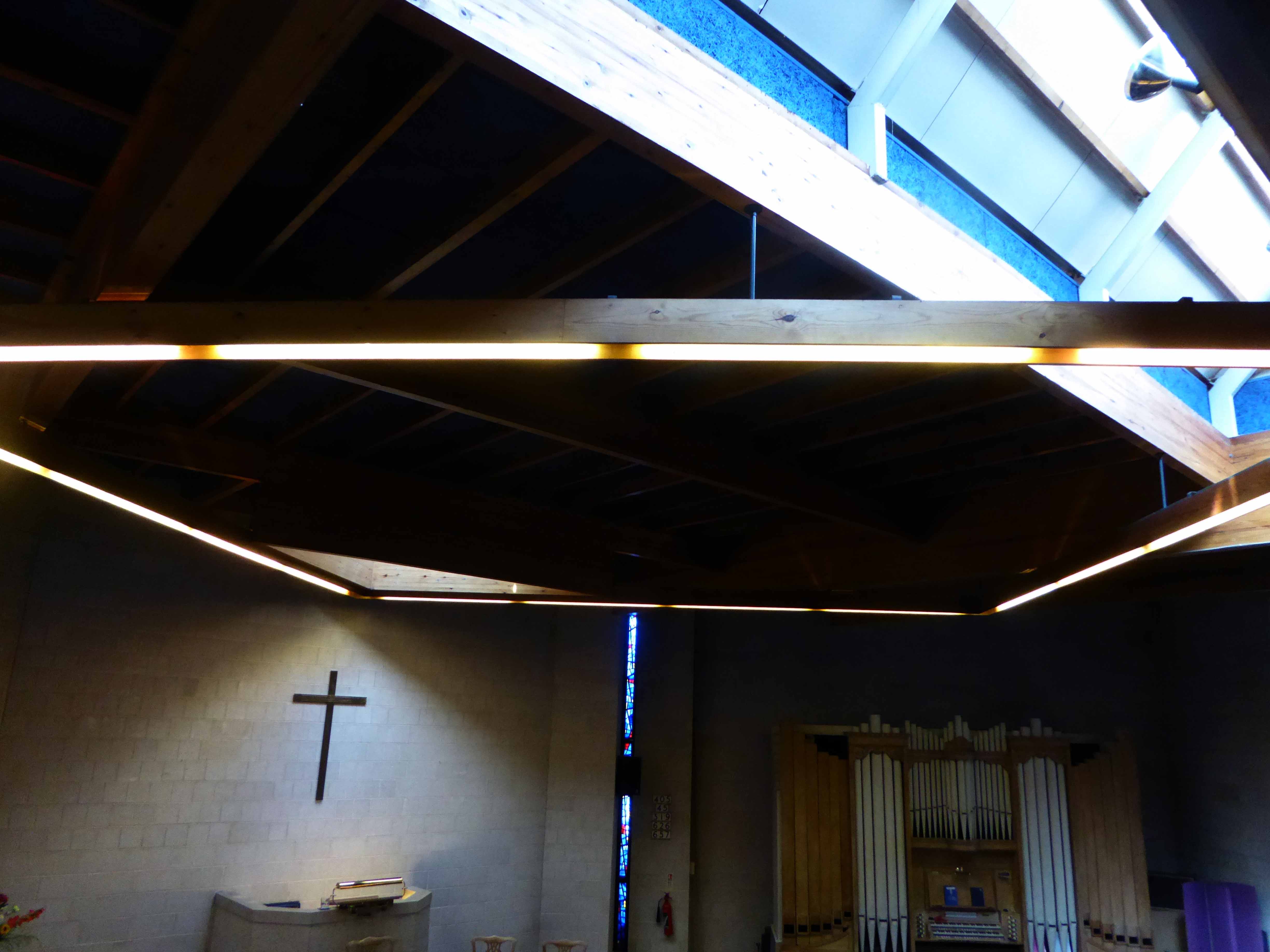
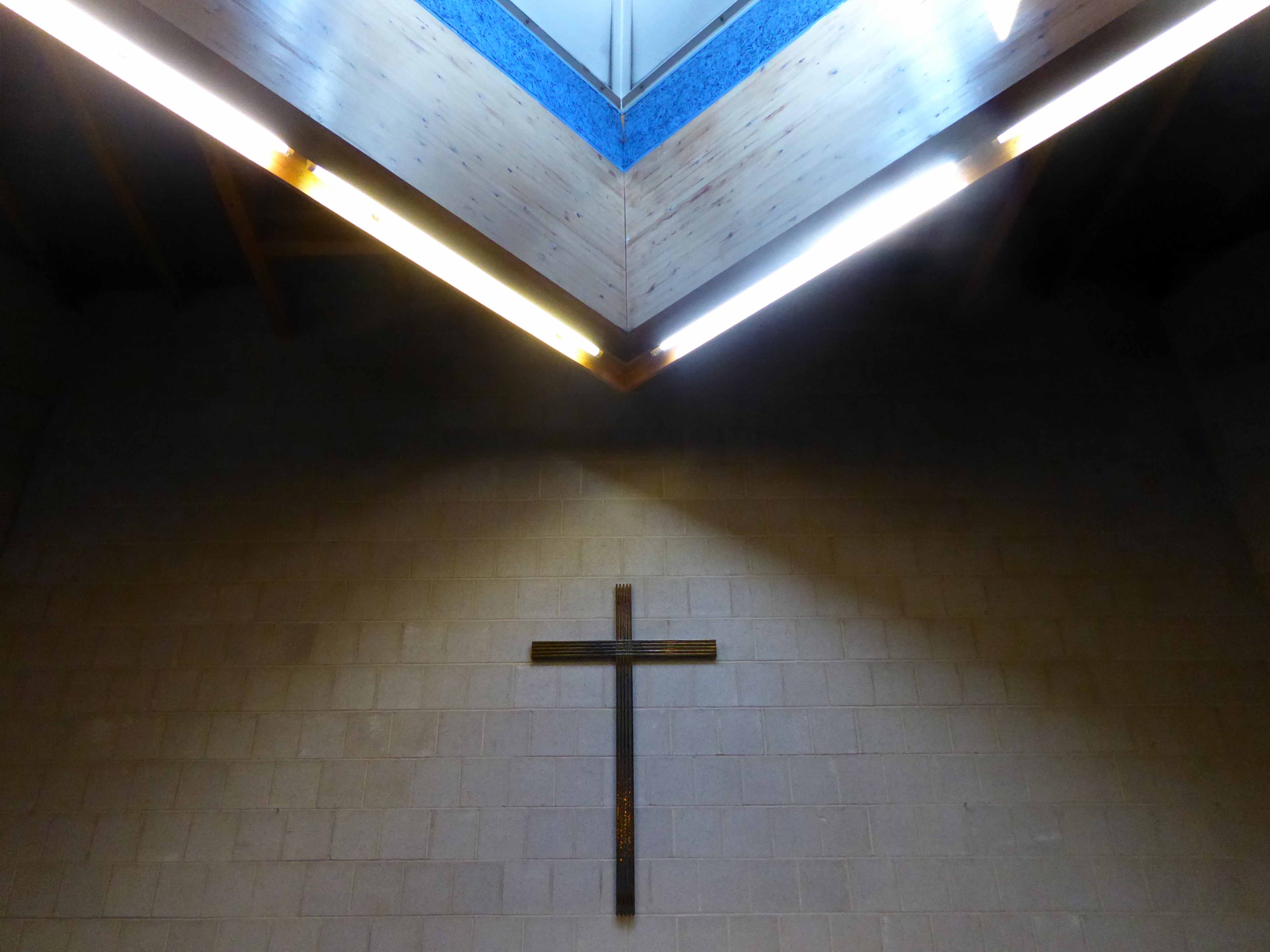
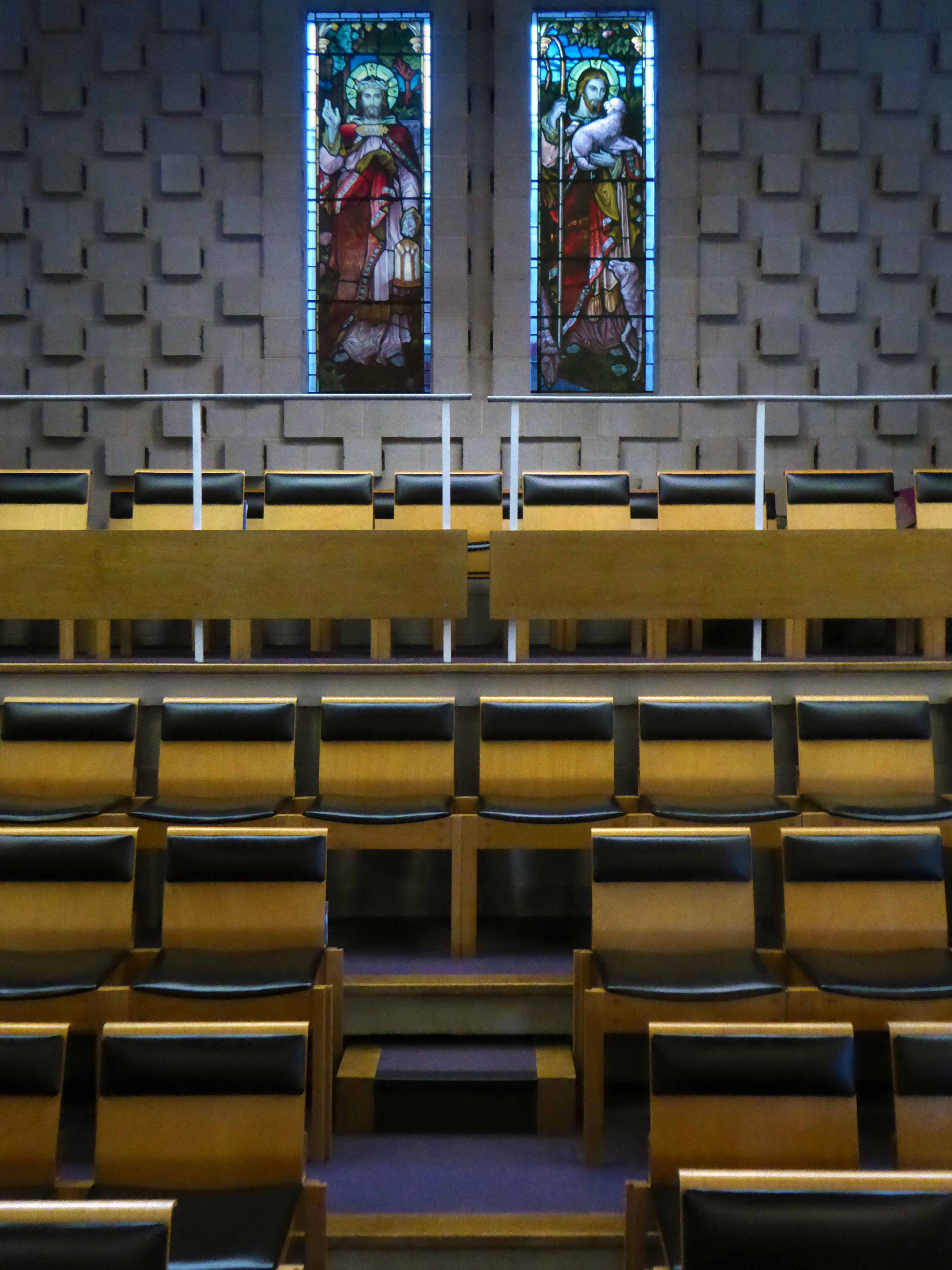
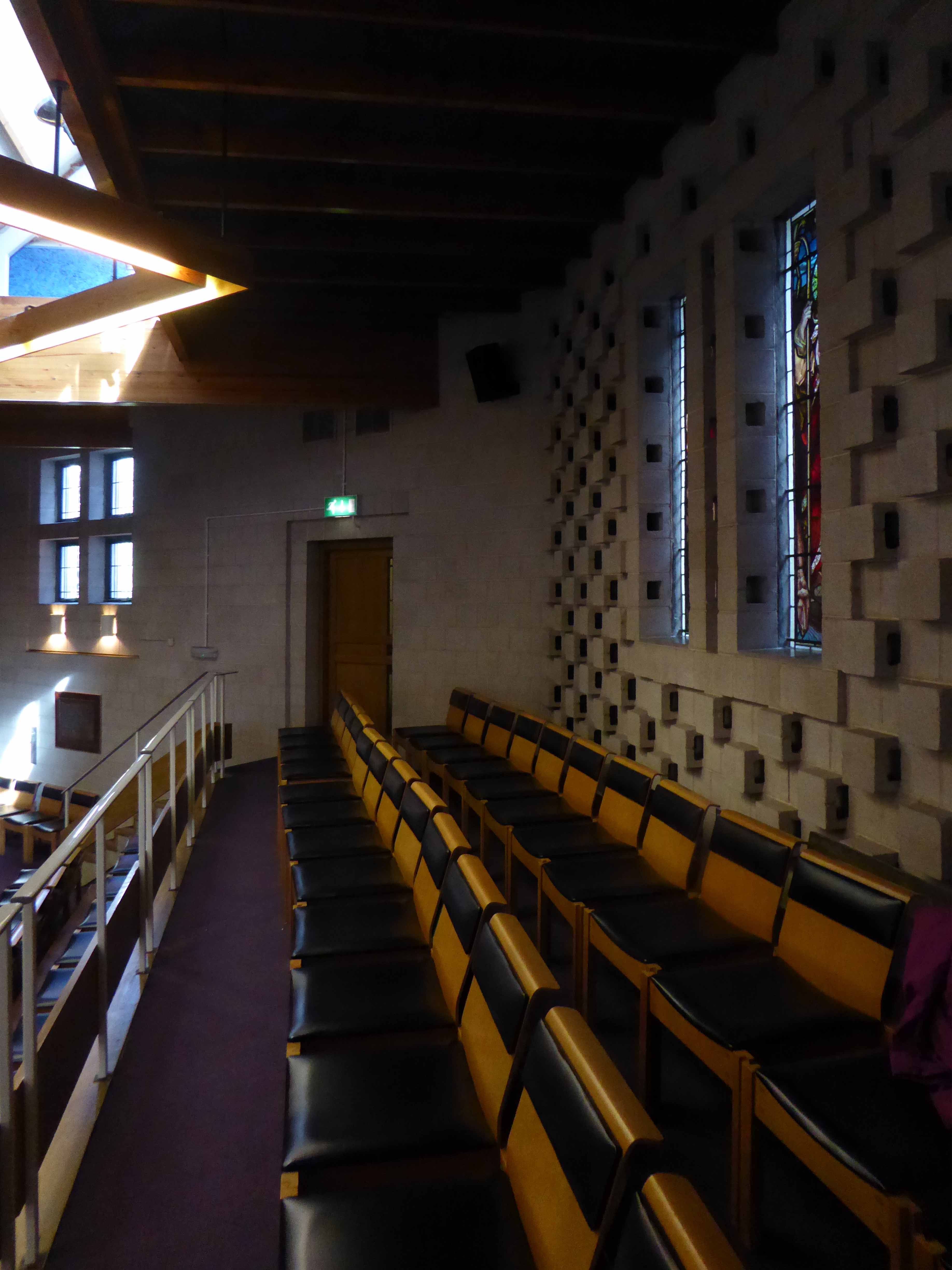
The hexagonal church interior, which is well lit from the sides and the roof, is clad in golden brown stone. There is an air of Puritan simplicity. The tiered seating looks towards the raised sanctuary area which has a stone pulpit, lectern, communion table, and chairs; the font was carved by James Stone. There are stained glass windows, a banner, and a gold cross, designed by David Mellor, above the pulpit. At noon on sunny days the light strikes the top of the cross and brings the building to life. The organ console which is at the side of the churchcame from Zion Congregational Church at Attercliffe. It was originally built for Weetwood, the home of Sir William Ellis, a Sheffield Industrialist.

The banner is one of four fabric collages depicting the seasons, designed by Elaine Beckingham and made by the children of Junior Church. The other three are also displayed in the church

The church area leads into what survives of Endcliffe Park Congregational Church, notably a large hall with an organ to match which, along with the benches which served as pews, are reminders of its former days. It has a gallery divided by moveable partitions to facilitate use as classrooms.

National Churches Trust

P1200153

P1200154

P1200173

P1200174

P1200176

P1200177

P1200181

P1200157

P1200158

P1200159

P1200160

P1200161

P1200162

P1200163

P1200164

P1200166

P1200167

P1200169

P1200170

P1200171

P1200172


Chantry House – Wakefield

Soft wind blowing the smell of sweet roses to each and every one,
Happy to be on an island in the sun.

An island in Wakefield.

An Island in a sea of dual-carriageways.

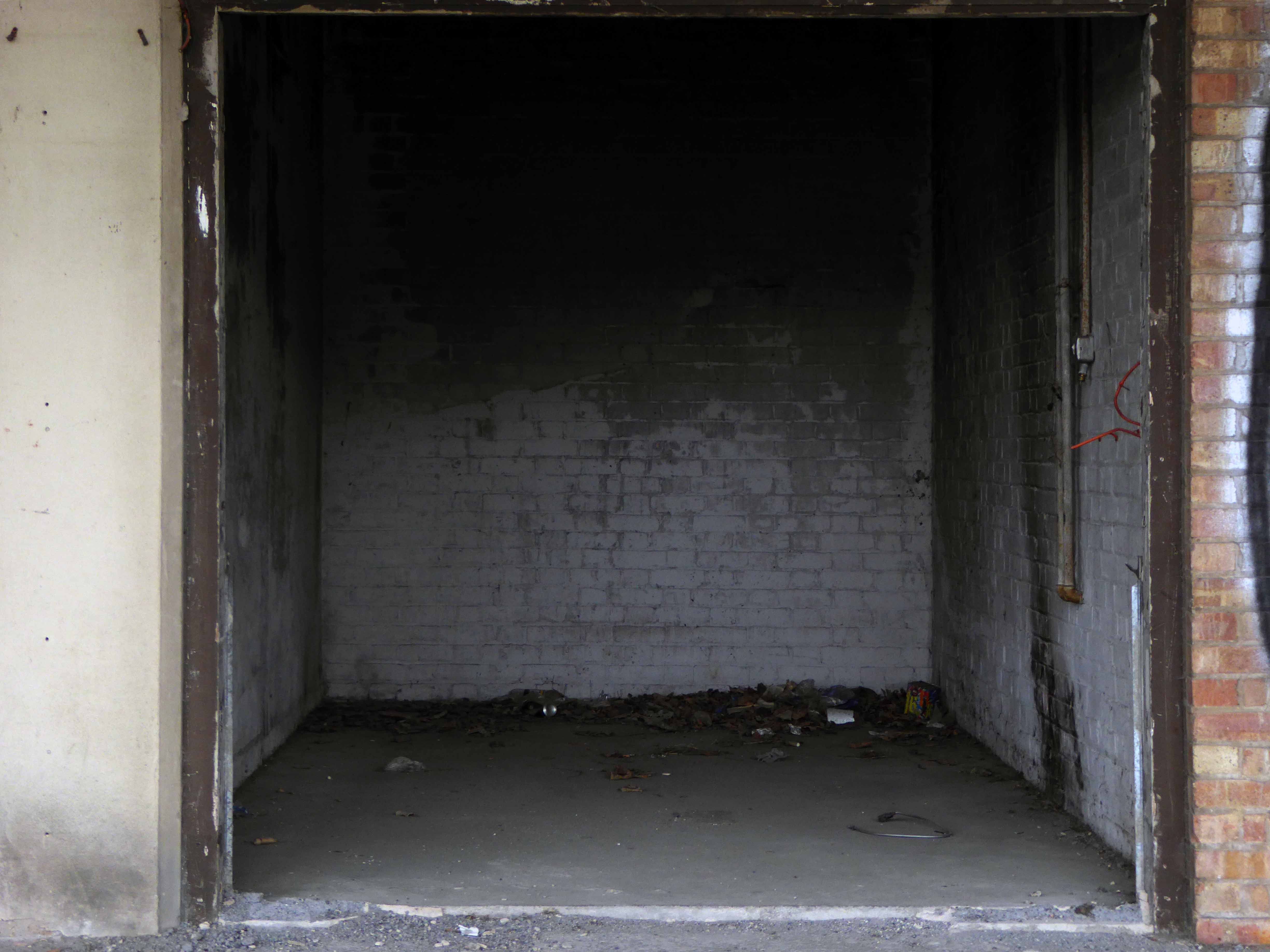
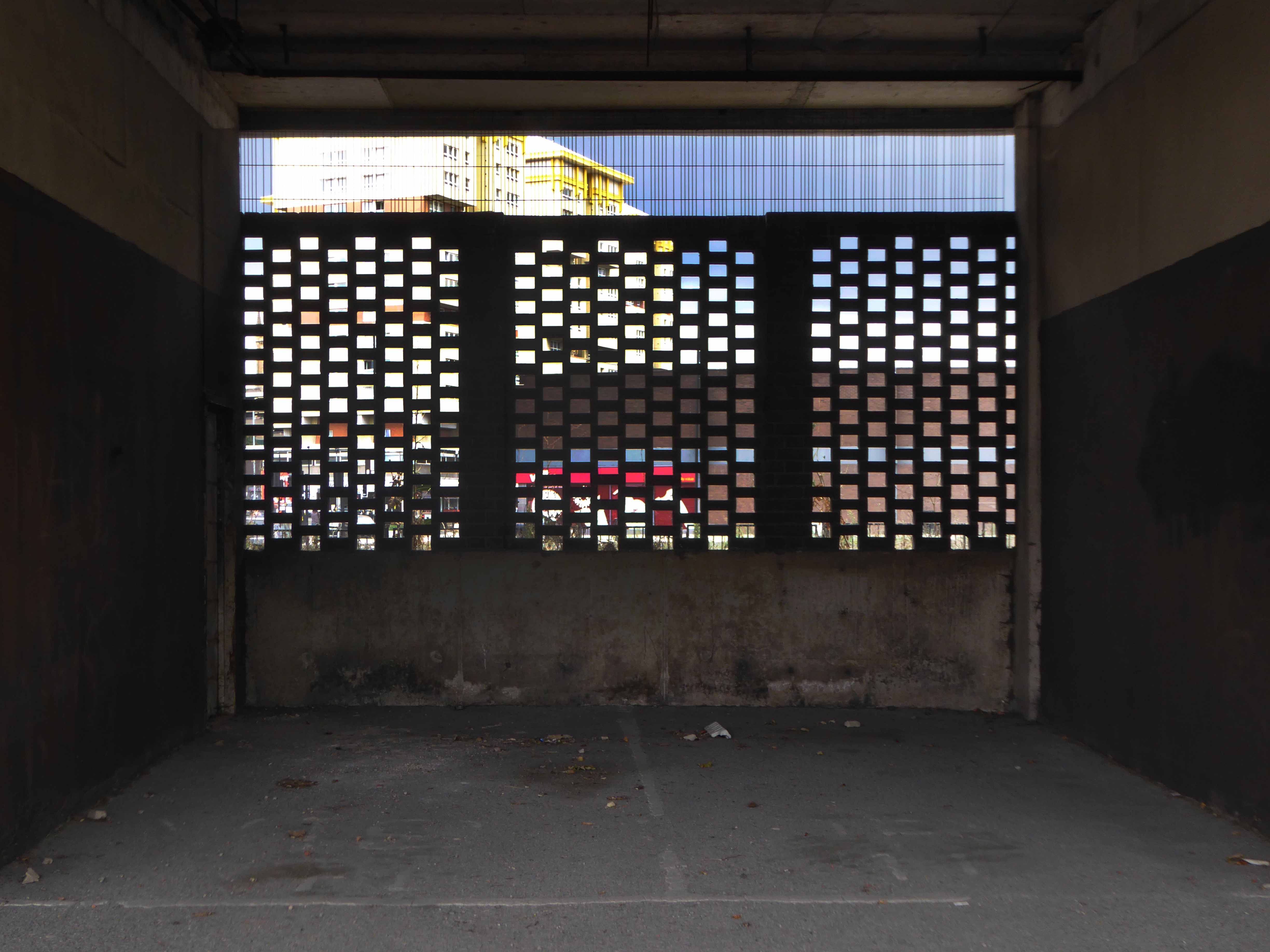
Sixties built municipal modernism, hovering on slim stilts above the ground level carpark, complete with pierced brick screen.

The future was bright the future was red – for a short while.

Over the horizon came Sir Ian Kinloch MacGregor KBE.

Lady Thatcher said:

He brought a breath of fresh air to British industry.

03bf8c_b009bc98d4c8425e8e66e53d30ac4be8

The fifth horseman of the industrial apocalypse – bringing pit-closure, redundancy the deindustrialisation of a whole area.

Offices and citizens are tinned-up, brassed-off and abandoned.

This is now the architecture of civic optimism eagerly awaiting repurposing.

There is talk of conversion to housing, talk is cheap.

A planning application has been drawn up requesting permission to change the use of Chantry House from offices to one and two bedroom residential units. The application has been submitted by The Freshwater Group, the development arm of Watermark Retirement Communities.

Wakefield Express

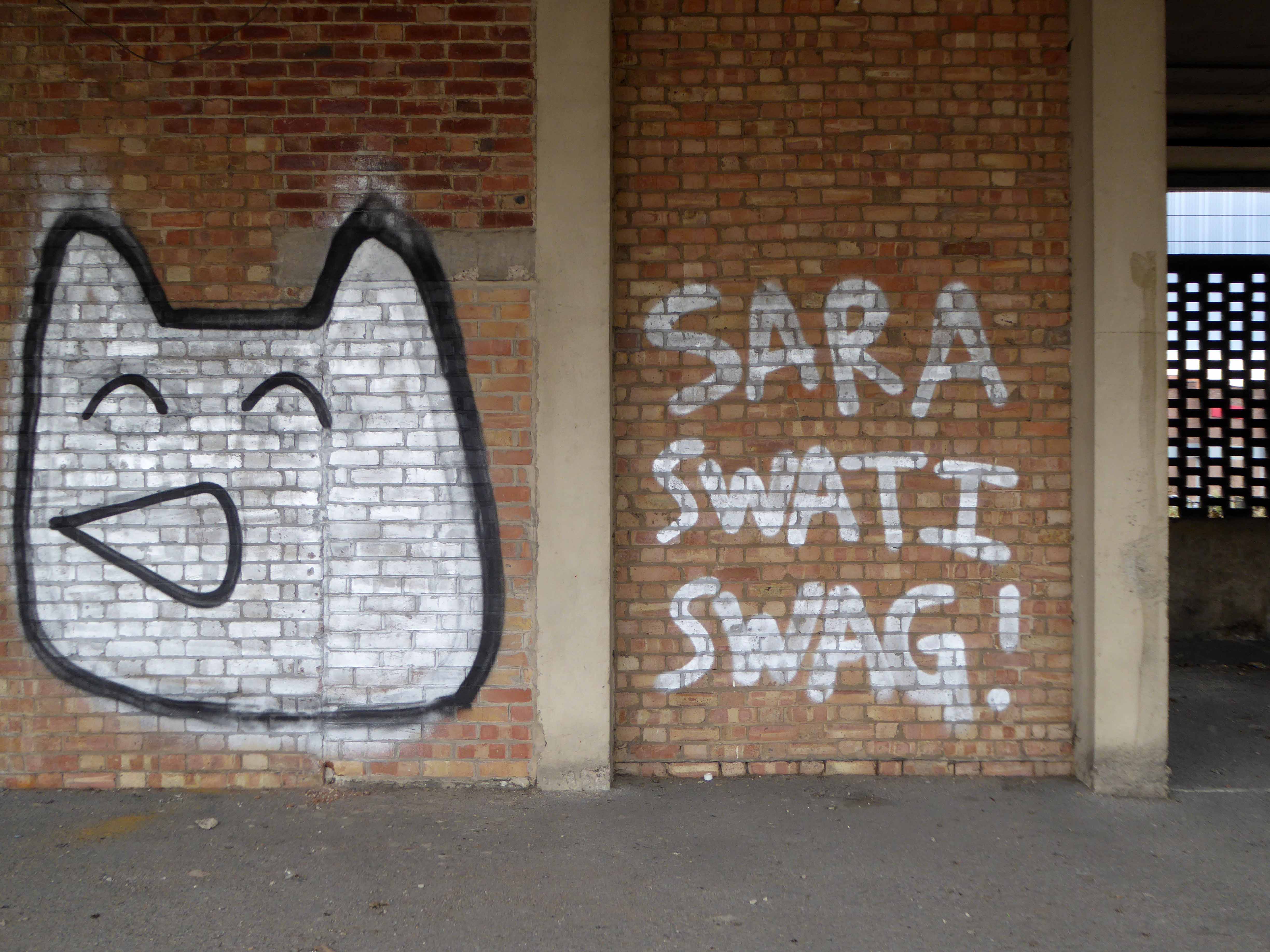
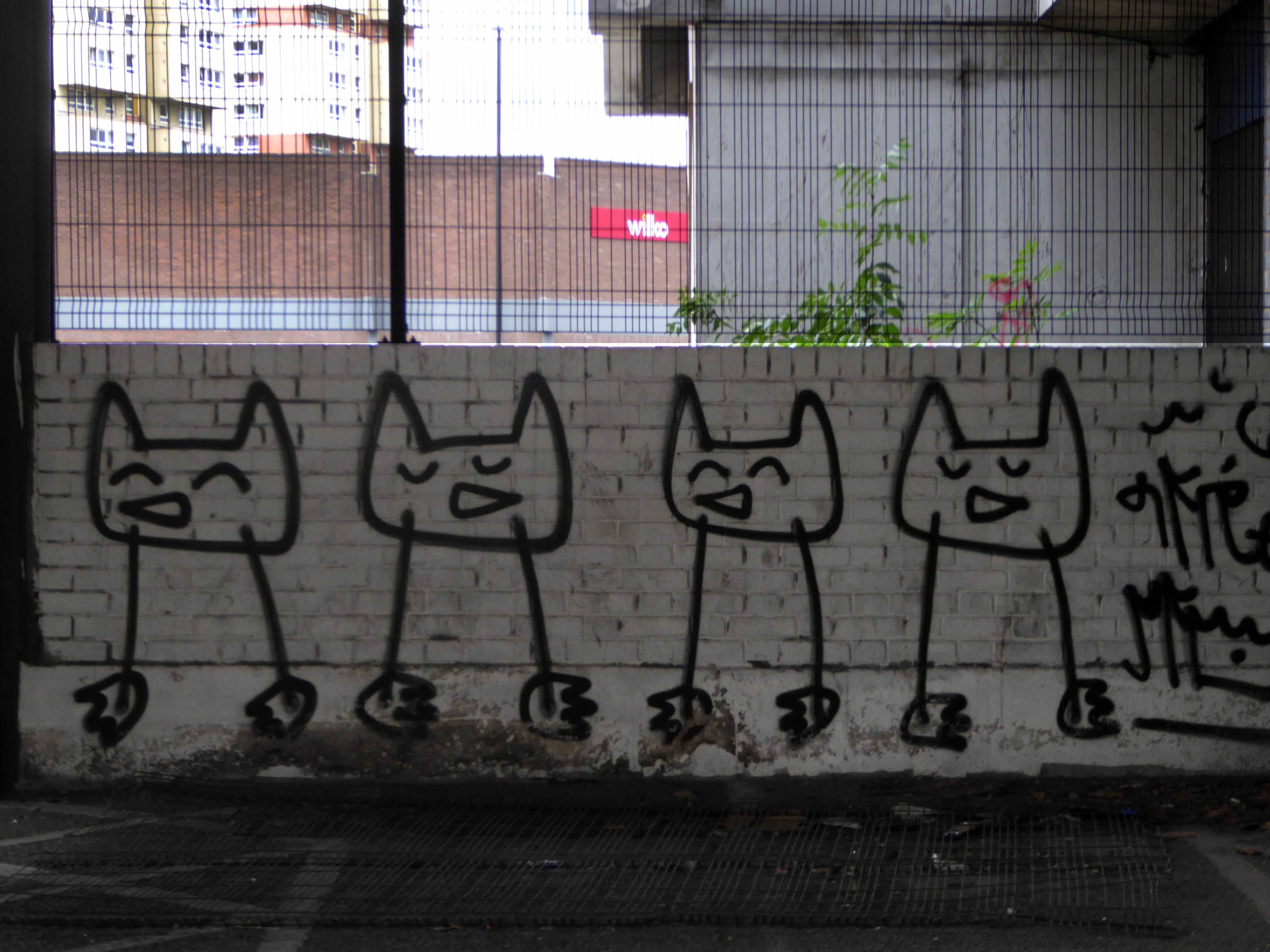
Currently home to the determined, hardened daytime drinker, street-artist and curious passerby.

P1280260

P1280240

P1280241


P1280244

P1280245

P1280246

P1280247

P1280252


P1280256

P1280257

P1280264

P1280265

P1280266

P1280267


P1280270

P1280271

P1280274

P1280277

Palmerston Street – Beswick Manchester

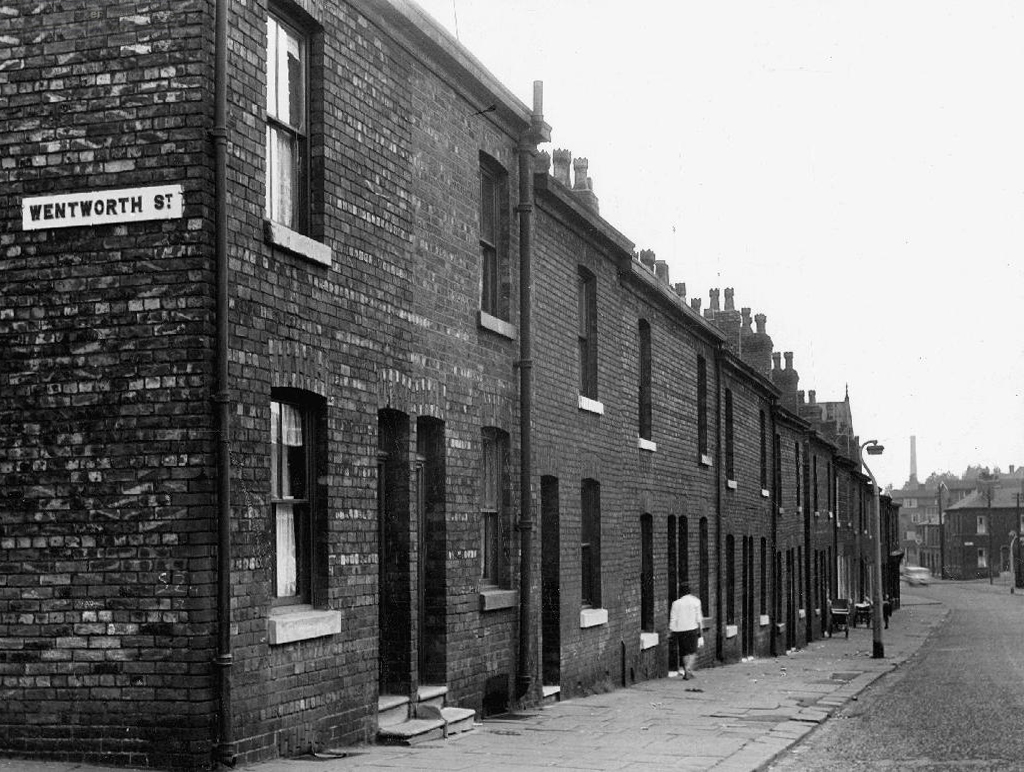
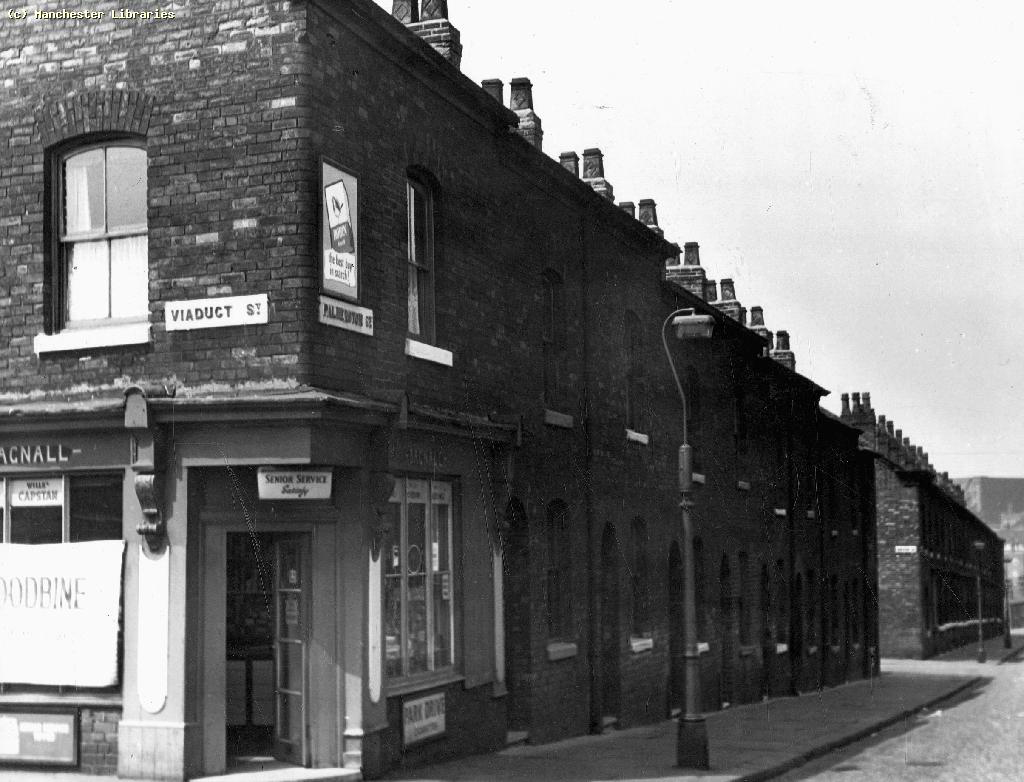
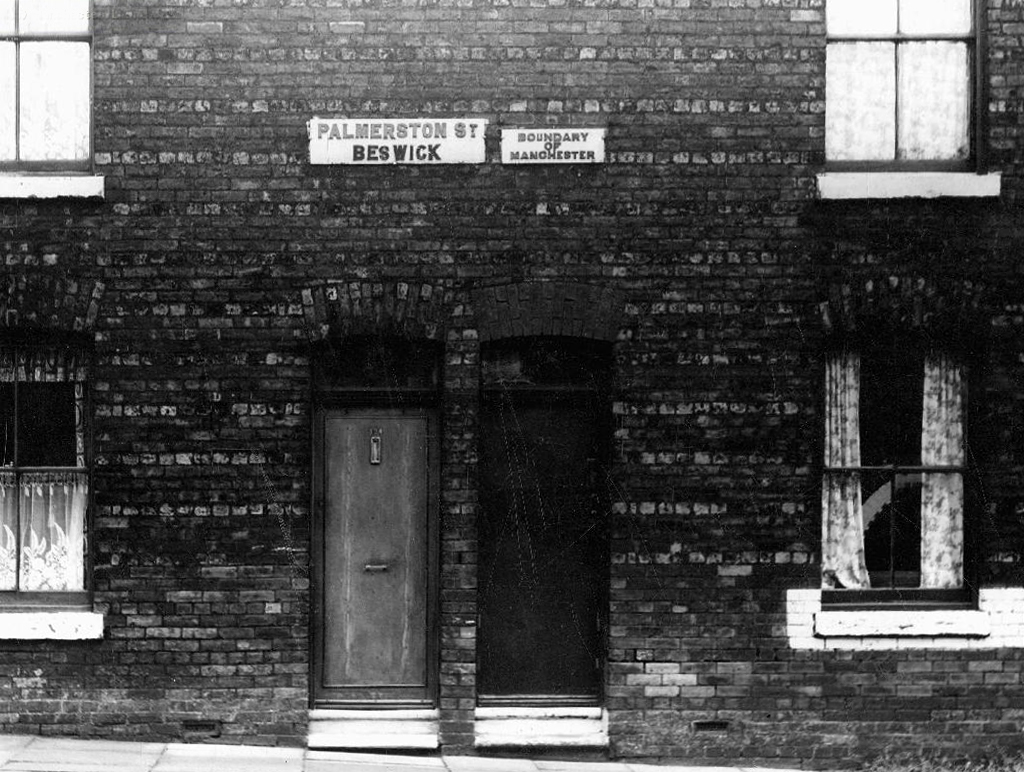
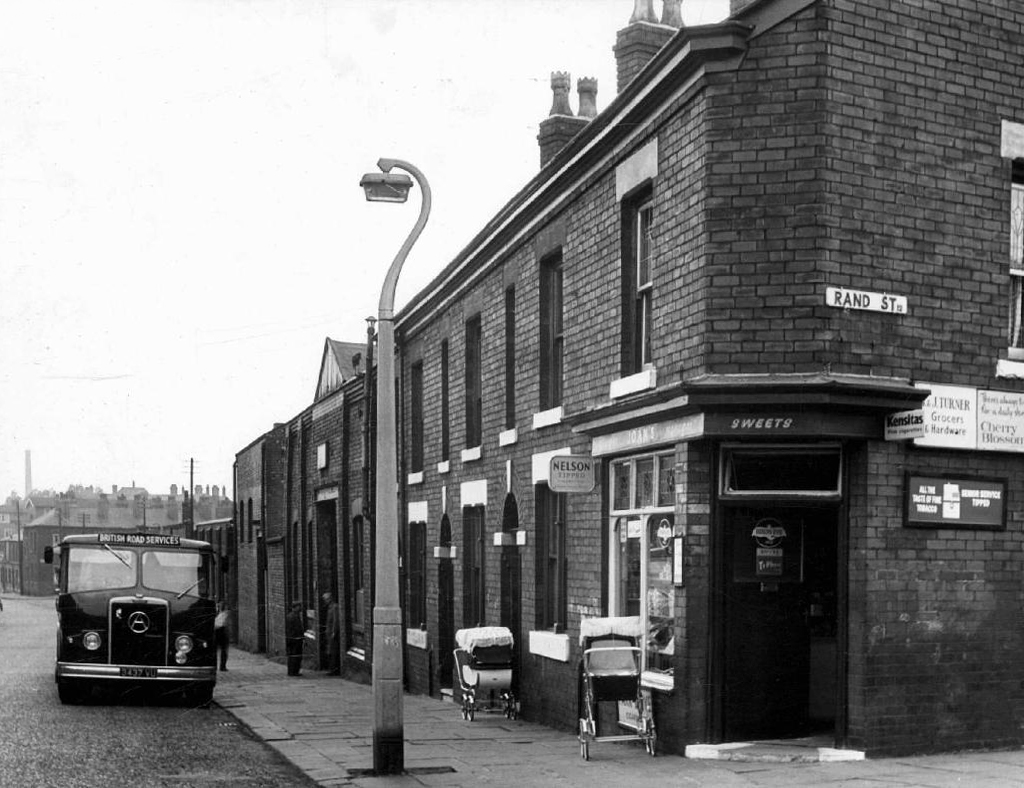
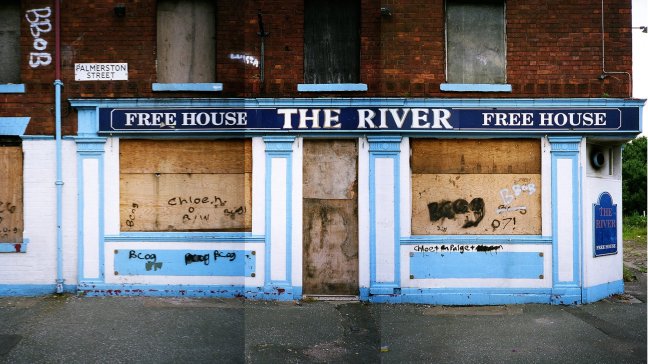
To begin at the beginning – some years ago I traced the route of the River Medlock, I chanced upon a forlorn pub called The River, all alone, desolate and boarded up, presiding over an area that I assumed, would once have supplied ample trade to a busy boozer.

I returned last week in search of some rhyme or reason, for such a seemingly sad and untimely decline.

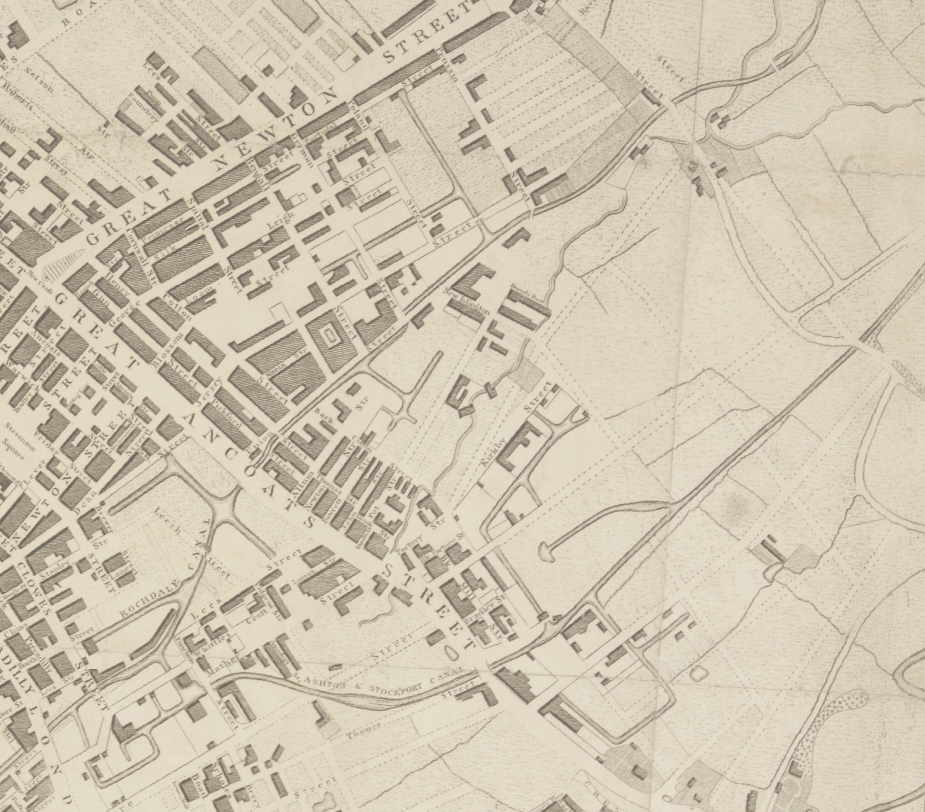
So here we are back at in Manchester 1813, the seeds of the Industrial Revolution sewn in adjacent Ancoats, the fields of Beswick still sewn with seeds, the trace of Palmerston Street nought but a rural track.
Screen Shot 2018-08-07 at 15.25.02

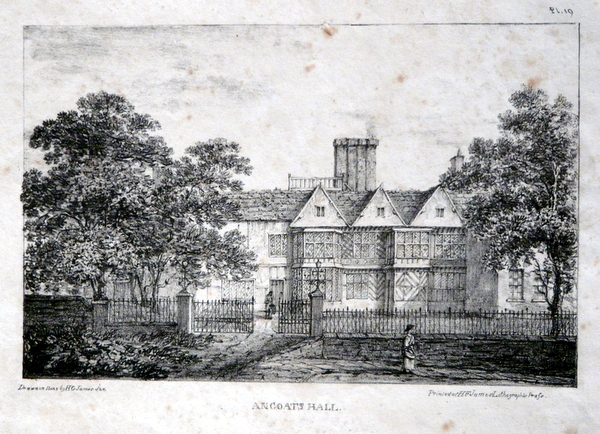
Sited on land between Great Ancoats Street and Every Street was Ancoats Hall, a post-medieval country house built in 1609 by Oswald Mosley, a member of the family who were Lords of the Manor of Manchester. The old timber-framed hall, built in the early 17th century, and demolished in the 1820s was replaced replaced by a brick building in the early neo-Gothic style.
1-P1100618

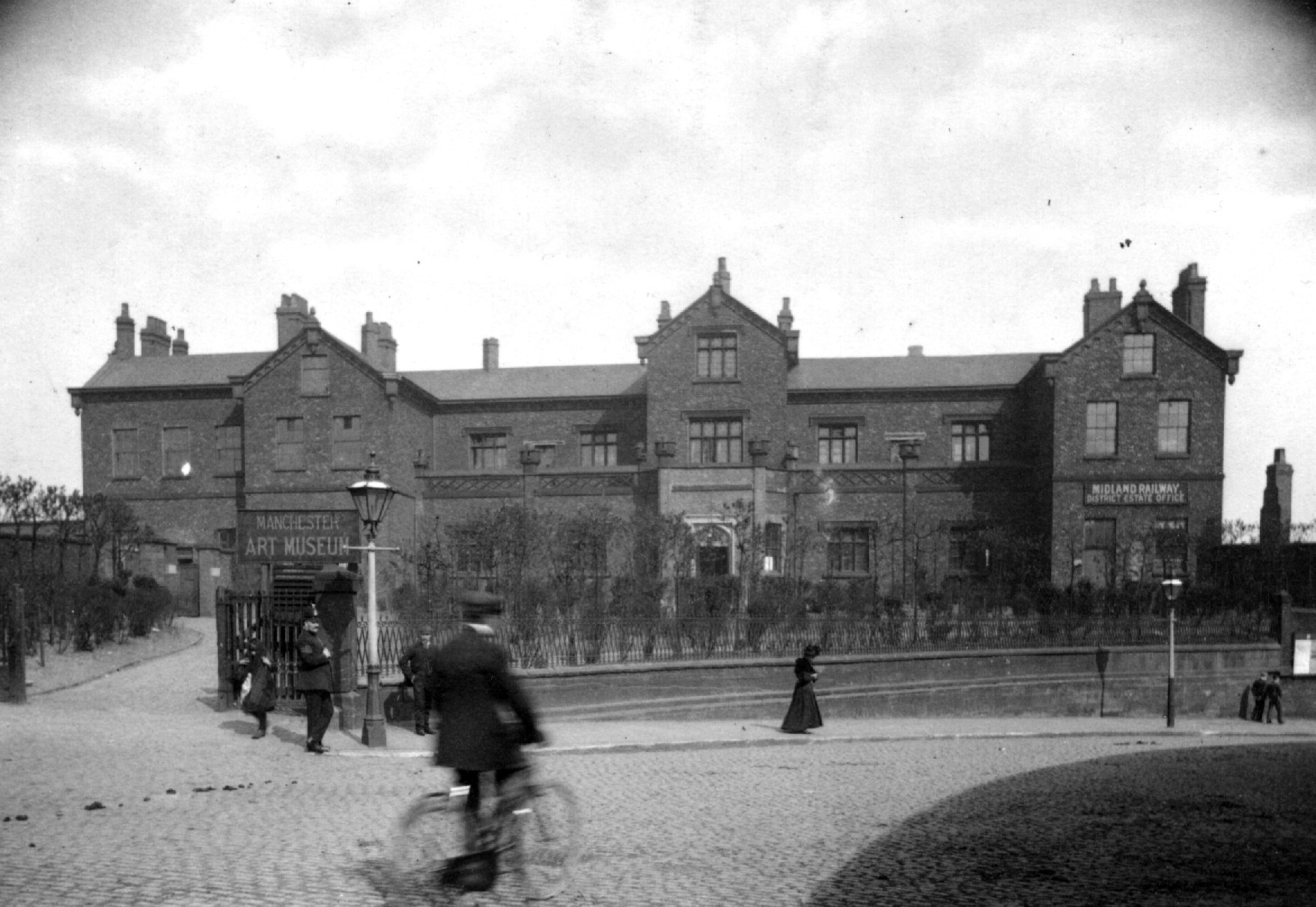
This would become the Manchester Art Museum, and here the worst excesses Victorian Capitalism were moderated by philanthropy and social reform.

When the Art Museum opened, its rooms, variously dedicated to painting, sculpture, architecture and domestic arts, together attempted to provide a chronological narrative of art, with detailed notes, labels and accompanying pamphlets and, not infrequently, personal guidance, all underlining a sense of historical development.
m08910-ancoats-old-hall-manchester-archives-photo-by-anderton

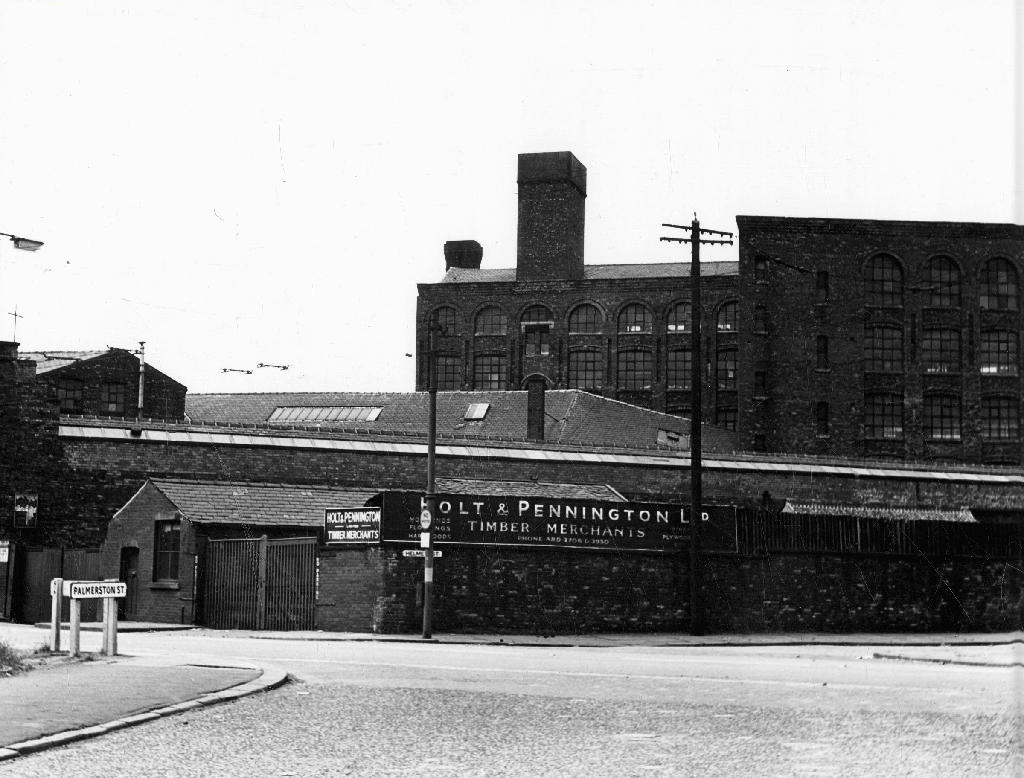
Housing and industry in the area begins to expand, railways, tramways, homes and roads are clearly defined around the winds of the river.
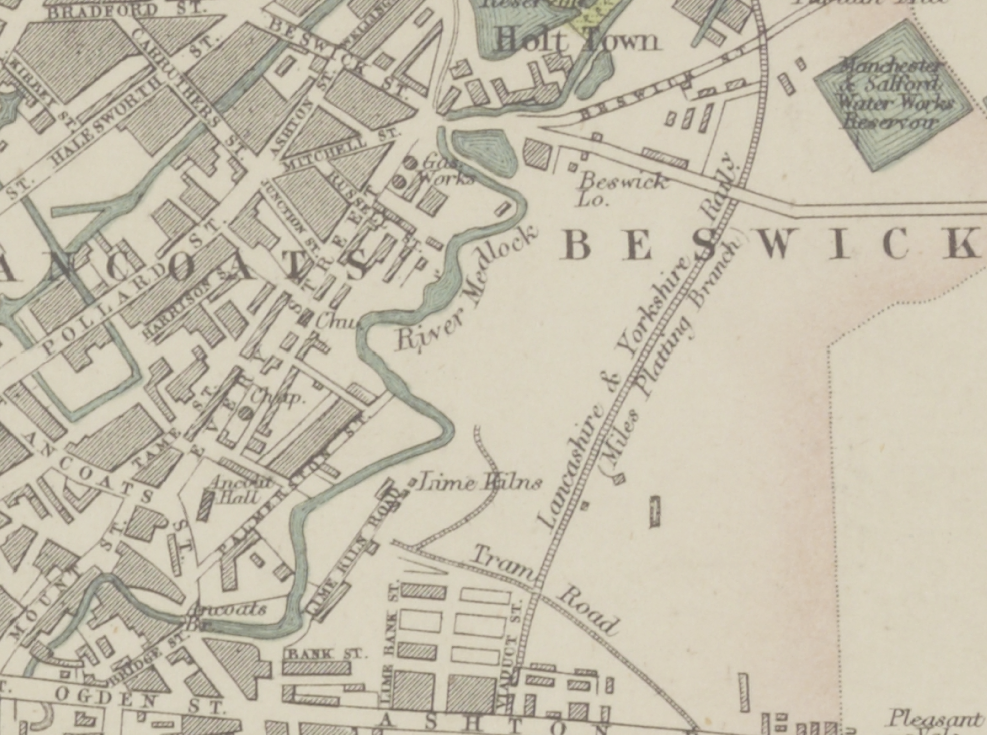
1870

In 1918 the museum was taken over by the city, it closed in 1953 and its contents were absorbed into the collection of Manchester City Art Gallery, as the State increasingly took responsibility for the cultural well being of the common folk.
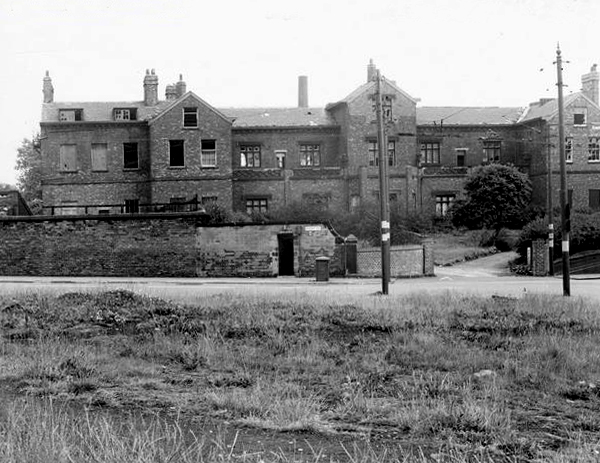
ancoatshall-1964

The building was finally demolished in the 1960’s – just as the area, by now a dense warren of back to back terraces, was to see further change.
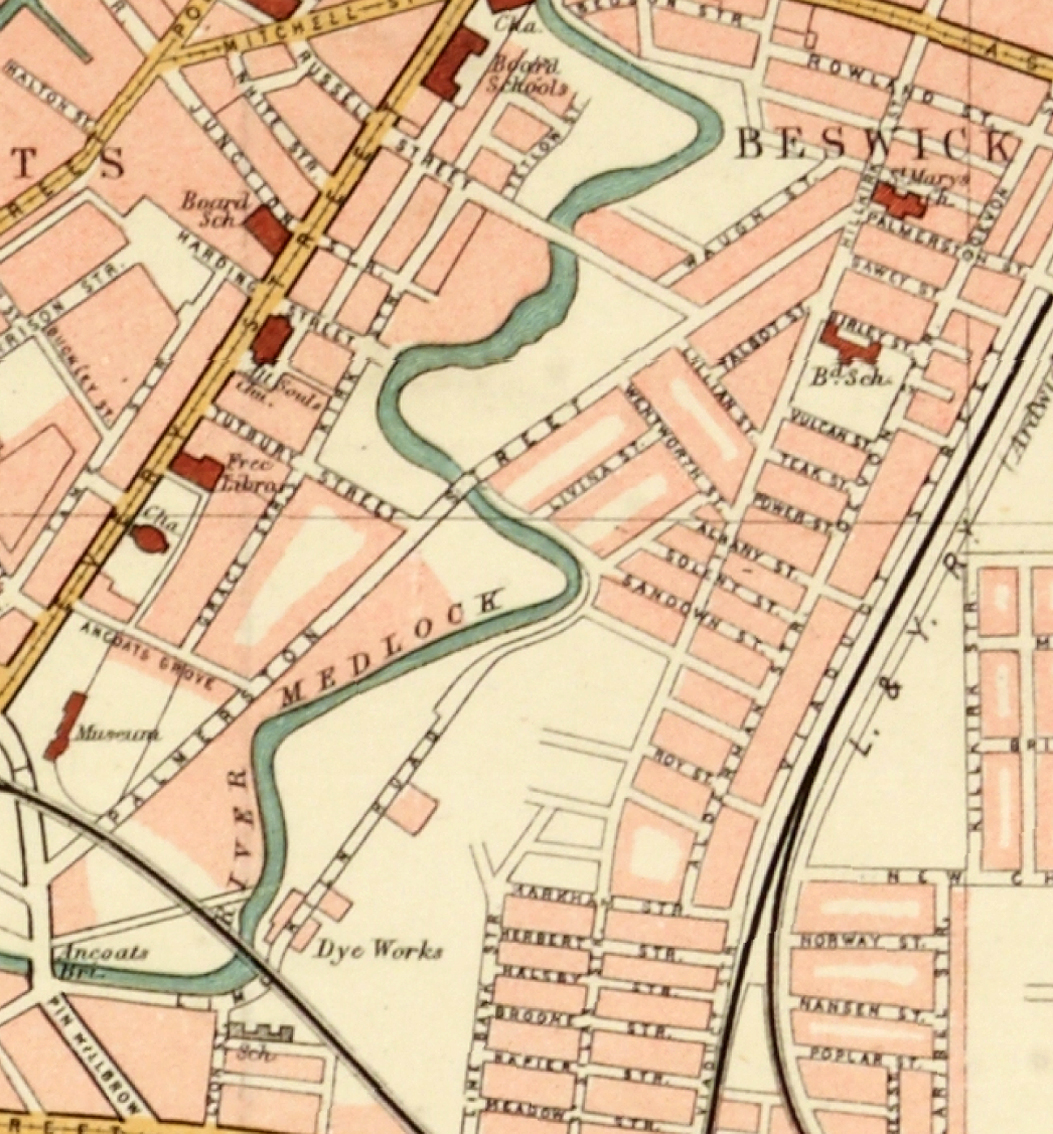
map

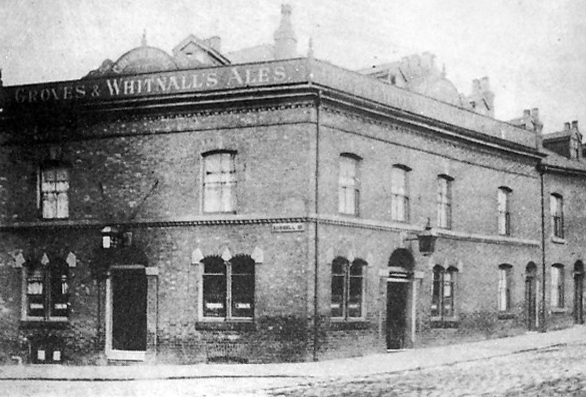
Along the way was the the River Inn, seen here with a fine Groves and Whitnall’s faience tiled frontage.
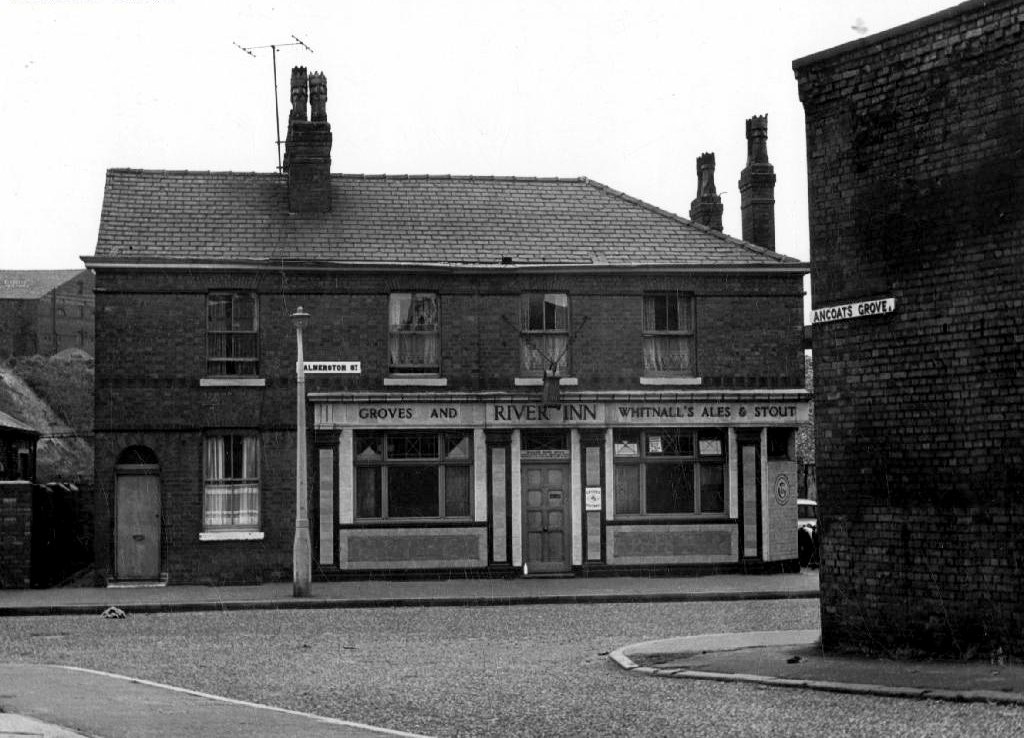
webmedia-4.php

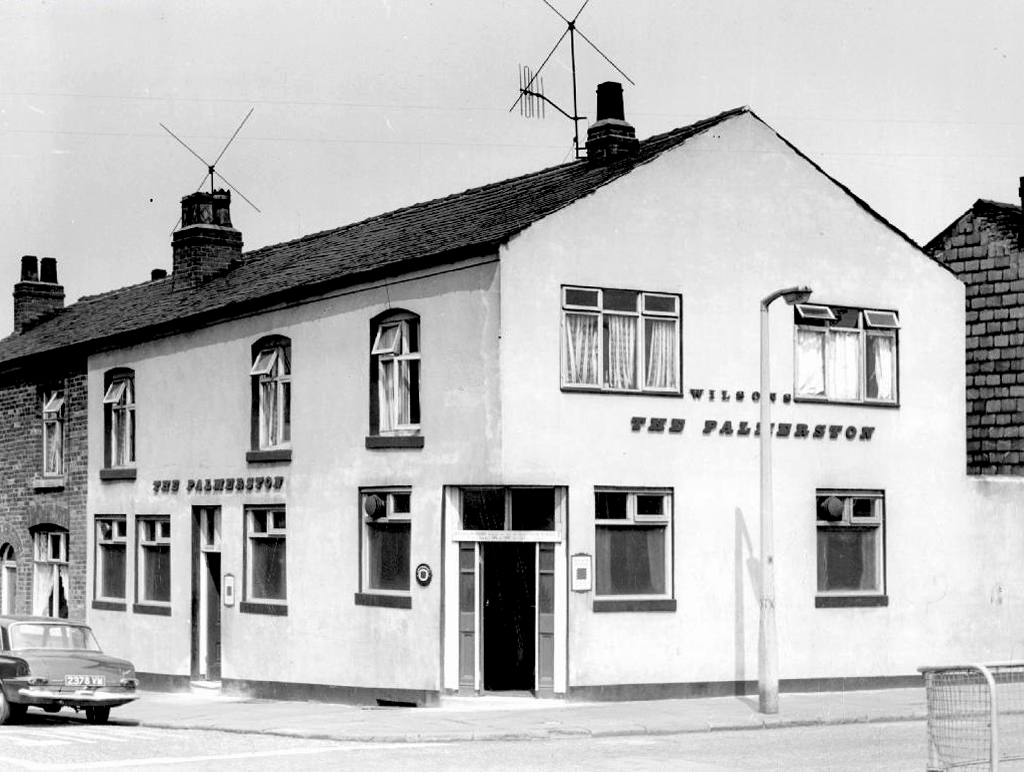
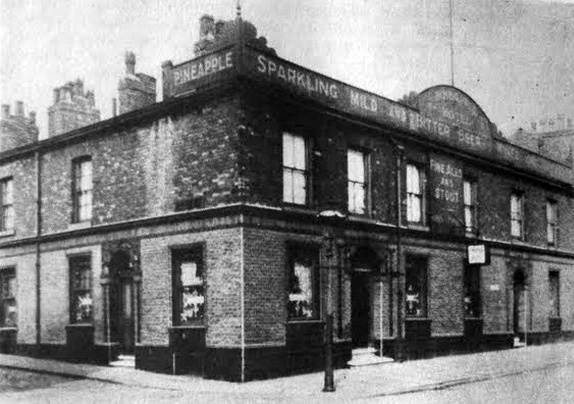
The street also offered rest, relaxation and refreshment through the Church, Pineapple and Palmerston pubs, as recored here on the Pubs of Manchester blog.
Church Palmerston

Pineapple Palmerston St

webmedia.php copy

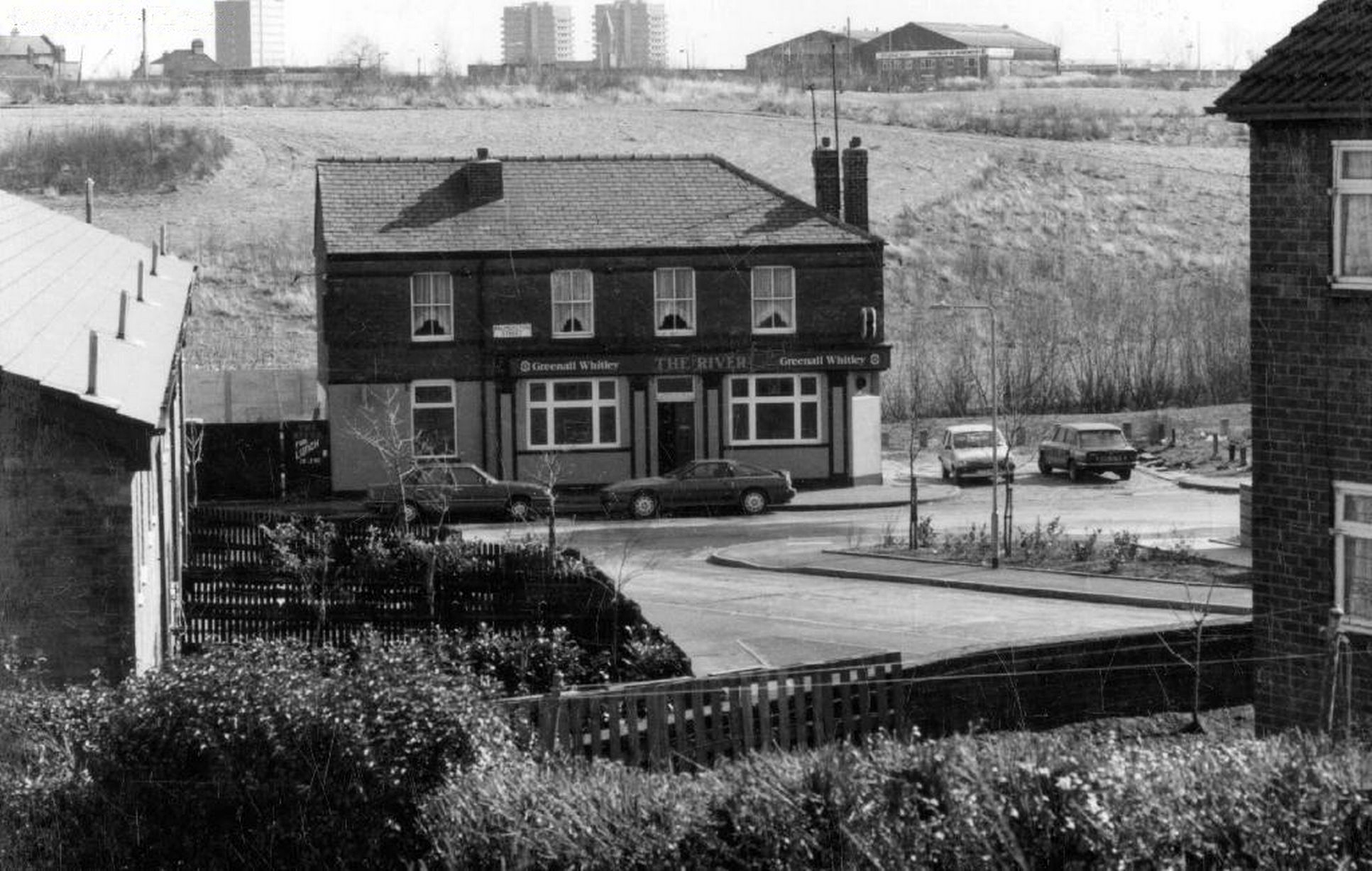
The River seen here in the 1970’s struggled on until 2007.
webmedia-2

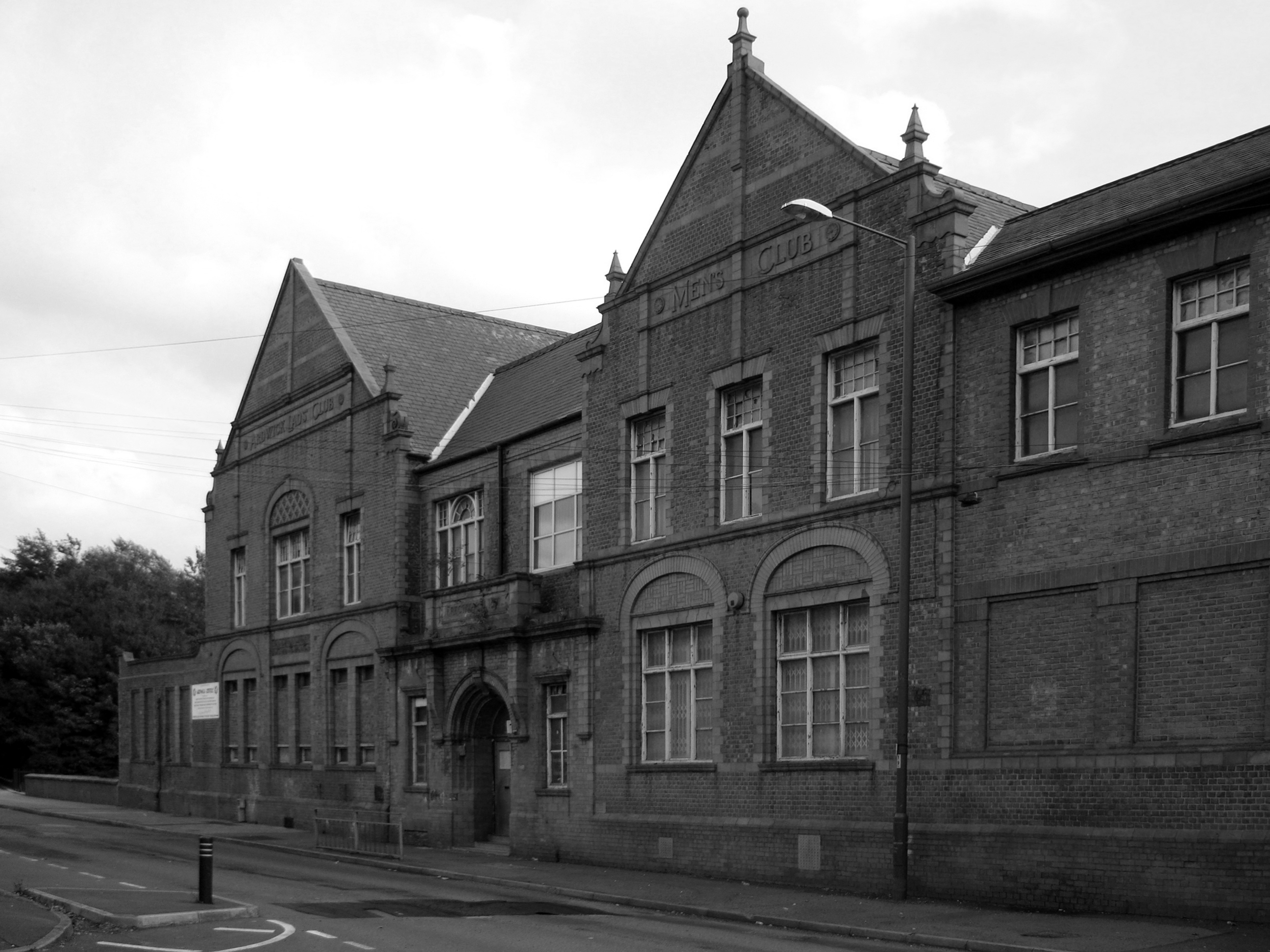
Further along we find the Ardwick Lads Club, further evidence of the forces of social reform, that sadly failed to survive the forces of the free market and the consequent Tory cuts in public spending and wilful Council land-banking.

The Ardwick Lads’ and Mens’ Club, now the Ardwick Youth Centre, opened in 1897 and is believed to be Britain’s oldest purpose-built youth club still in use [and was until earlier in 2012]. Designed by architects W & G Higginbottom, the club, when opened, featured a large gymnasium with viewing gallery – where the 1933 All England Amateur Gymnastics Championships were held – three fives courts, a billiard room and two skittle alleys (later converted to shooting galleries). Boxing, cycling, cricket, swimming and badminton were also organised. At its peak between the two world wars, Ardwick was the Manchester area’s largest club, with 2,000 members.
44551888

On the 10th September 2012 an application for prior notification of proposed demolition was submitted on behalf of Manchester City Council to Manchester Planning, for the demolition of Ardwick Lads’ Club  of 100 Palmerston Street , citing that there was “no use” for the building in respect to its historic place within the community as providing a refuge and sporting provision to the young of Ancoats.

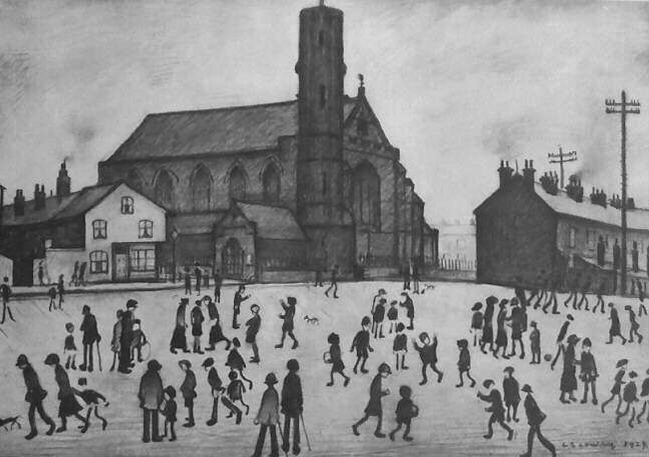
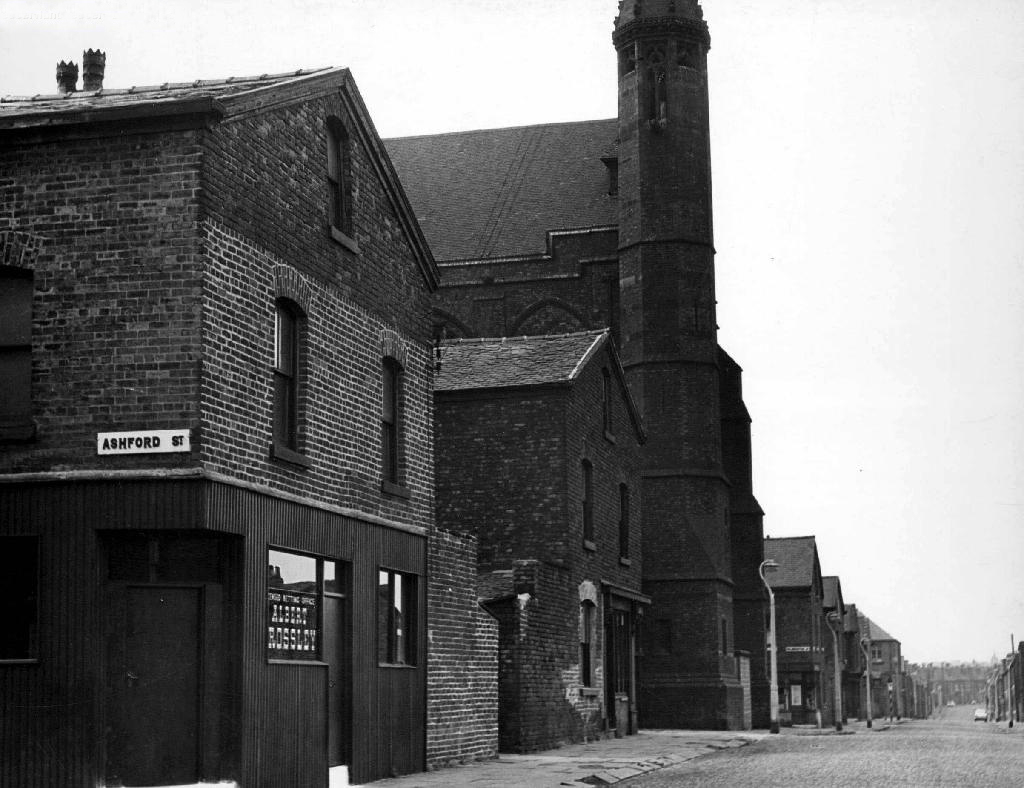
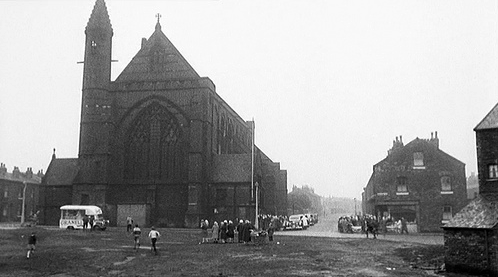
At the top turn of the street stood St Mary’s – the so called Lowry church.
marys

Screen Shot 2018-08-03 at 14.43.17

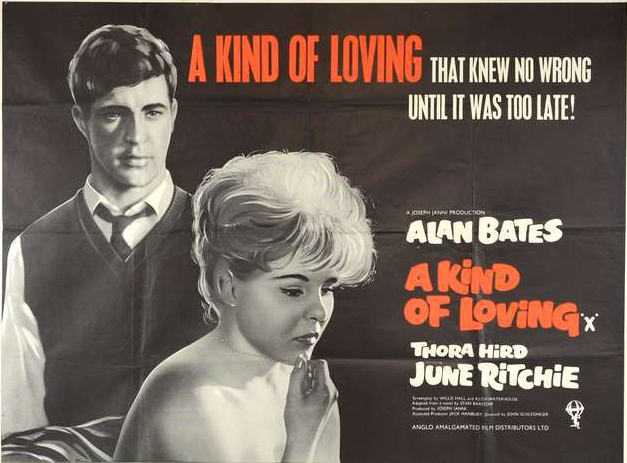
Used as a location for the film adaptation of Stan Barstow’s A Kind Of Loving
st mary's

nr003658-54_1

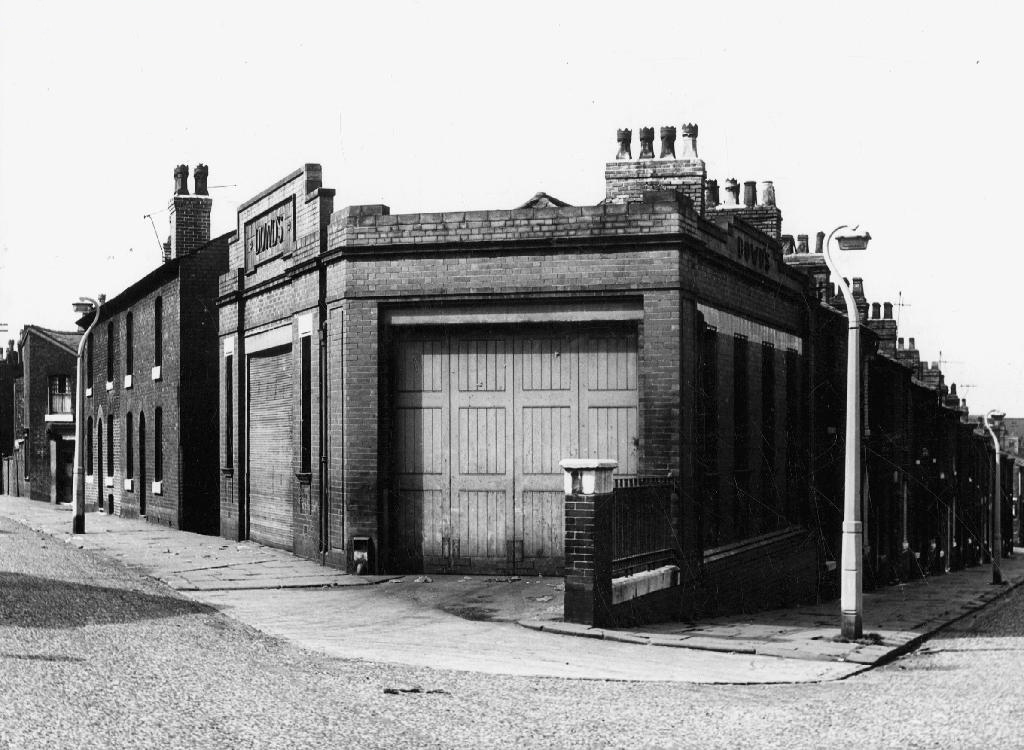
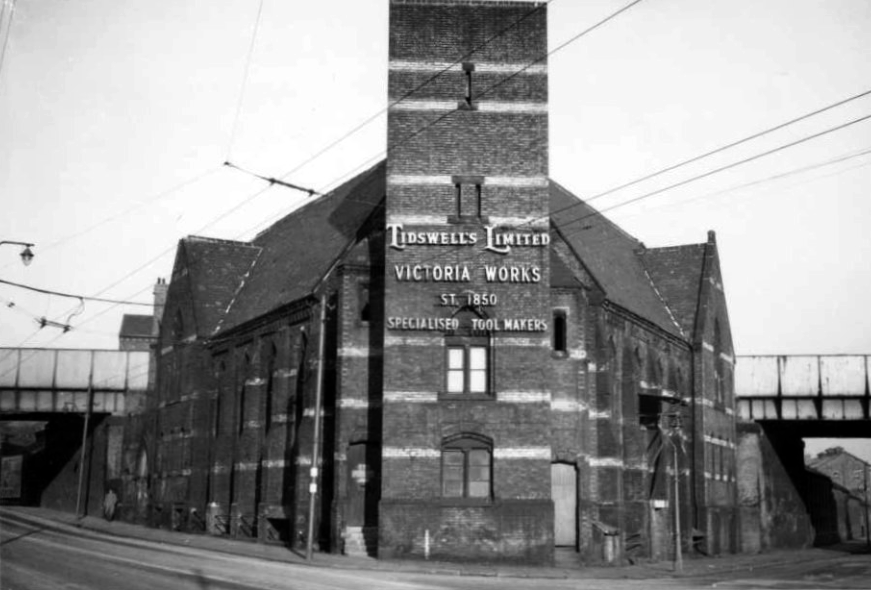
The homes and industry attendant schools and pubs were soon to become history, all that you see here is more or less gone. Slum clearance, the post-war will to move communities away from the dense factory smoke, poor housing stock and towards a bright shiny future elsewhere.

Whole histories have subsequently been subsumed beneath the encroachment of buddleia, bramble, birch and willow.
hillkirk

Screen Shot 2018-08-03 at 14.44.39

webmedia-3.php

webmedia-1.php

webmedia-2.php

webmedia-6.php

webmedia-7.php

webmedia.php

The land now stands largely unused and overgrown, awaiting who knows what, but that’s another tale for another day.

Archive images from the Manchester Local Image Collection.



Taylor Street Gorton – The Pineapple

Screen Shot 2018-06-11 at 17.33.47

To begin at the beginning or thereabouts, Taylor Street was at the heart of Gorton to the east of Manchester city centre.

webmedia-1.php

webmedia-2.php

webmedia-3.php

webmedia-6.php

webmedia-7.php

webmedia-8.php

webmedia-9.php

webmedia-10.php

webmedia.php

A typical street of tightly packed brick terraces, dotted with shops, pubs, people and industry. I worked there as van lad for Mother’s Pride bread back in the 70s and saw those shops, pubs, people and industry slowly disappear.

Beyer Peacock whose immense shed dominated the northern end of the street, simply ceased to be, as steam gave way to diesel.

As full employment gave way to a date with the dole.

Adsega opening on nearby Cross Street heralded the arrival of the super fast, self-service supermarket, and sounded the death knell of the cosy corner cupboard.

398912_3820026268527_1203084936_n

The local pub was The Bessemer – its name forging an unbreakable link with the surrounding steel industry, that eventually broke.

webmedia-5.php

To the left of the pub is the Bishop Greer High School construction site  – the first of the new build that would later dominate the area, along with wide open spaces where shops, pubs, people and industry once were.

12932970_10154152981641600_8757469207112330278_n

webmedia.php copy

webmedia-1.php copy

When the school eventually shut its doors, it became an annex of Openshaw Technical College, and I found myself working there in the 80s at the East Manchester Centre, until its eventual closure.

It’s now sheltered accommodation for the lost and lonely:

Located in a quiet suburb of Manchester with excellent links to the city centre, Gorton Parks has an exceptional range of facilities spread out across five separate houses, each offering a different care option. Melland House offers dementia residential care, Abbey Hey provides nursing dementia care, Debdale is the house for intermediate nursing care and Sunny Brow offers general nursing care.

We sought solace in The Pineapple.

Screen Shot 2018-06-11 at 17.33.25

The streets were trimmed and slimmed, much of the past a mere ghostly presence, almost imprinted on the present.

A brave new world of brand new modern housing, with an Estate Pub to match.

The_Pineapple,_Gorton

A busy bustling boozer – lots of live and local action for the lively locals, latterly seeing out time as a house of House – a real bangin’ Bashment, bass-man bargain basement.

Until time is finally called – no more four to the floor, last one out shut the door.

1512347_516327525148853_492482006_n

Nothing lasts forever and a sign of the times is an upended pub sign, lying dormant in the dust.

The Chunky no longer a great big hunk o’funk.

10 Gorton pineapple pub

The big screen TV forever failing to deliver all the action, live or otherwise.

P1050836

p1050838.jpg

Latterly transformed into Dribble Drabble.

DSC_0074

And so the beat goes on as successive waves of success and recession, boom and bust free-market economics, wash over the nation and its long suffering folk.

Its enough to drive you to drink.

Ford Lane Didsbury – Manchester

Screen Shot 2018-05-27 at 06.28.11

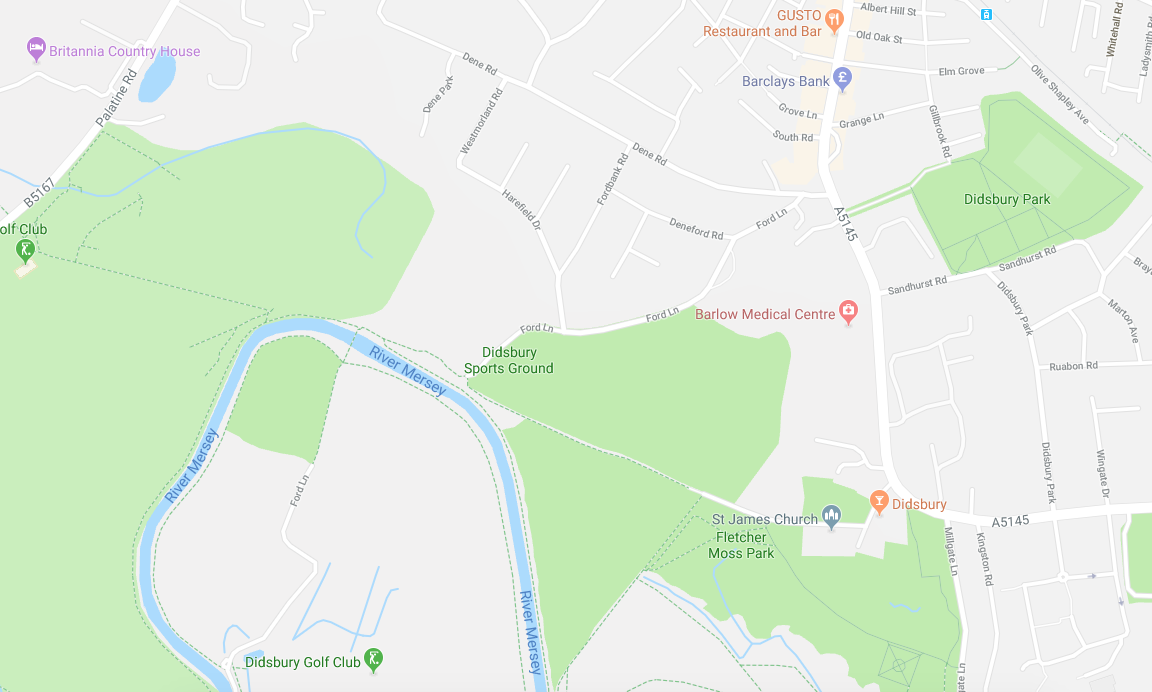
This a tale of a lane, a shady lane in south Manchester.

This is a tale of several Manchesters, layer upon layer of history.

Shady history.

Screen Shot 2018-05-27 at 06.12.50

Ford Bank House occupied much of what is now the Ford Bank Estate and prior to that it was believed to be farm land. Ford Bank House, probably the largest house erected in Didsbury was built in about 1823 by Joseph Birley a cotton manufacturer. The extended Birley family had a widespread influence on Manchester history even going back to the Peterloo massacre where one of the Birley ancestors led a contingent of the mounted soldiers who attacked what was a peaceful protest gathering. 

Ford Bank Residents

A tale of emergent capital and political control, rendered corporeal in brick, stone, wood, glass and slate. A cotton-rich mercantile class seeking to suppress the democratic demands of a burgeoning proletariat.

Ford Bank House was sold to Thomas Ashton in 1858, when he died in 1898. In 1919 the remaining estate was sold to Dr Herbert Levinstien who worked on mustard gas research during the first world war. In 1934 the estate was sold to Ford Bank Estates Limited who developed and built what is now the Ford Bank Estate.

A tale of a growing and aspirational professional middle class, seeking inter-war semis in a leafy Didsbury glade – and the timely response of speculative builders.

Looking cheekily over the hedge in search of a monkey puzzle.

Screen Shot 2018-05-27 at 06.12.10

Screen Shot 2018-05-27 at 06.12.31

webmedia-14.php

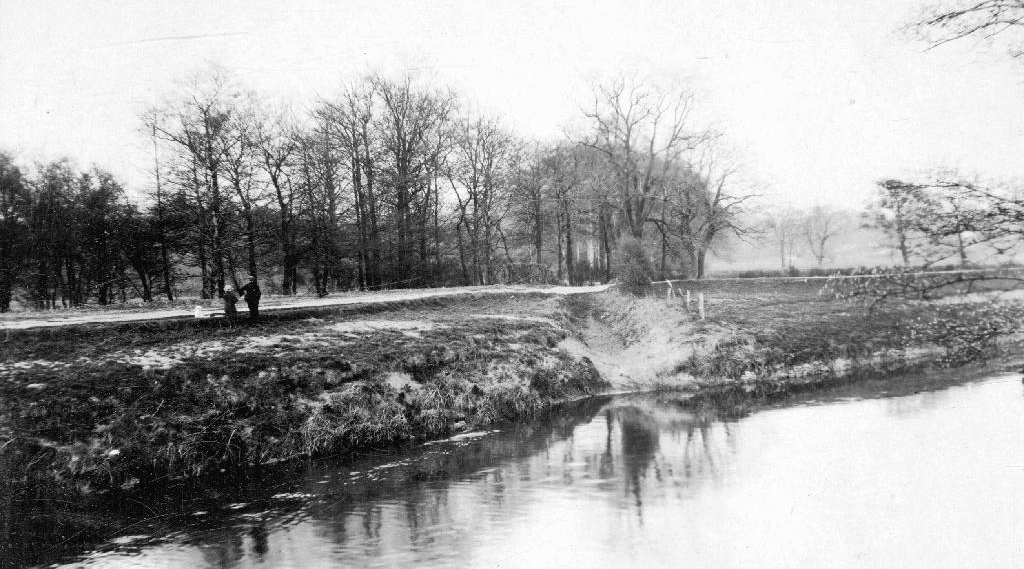
The ford of Ford Lane crosses the nearby River Mersey – thought to be the route of retreating Royalists following the siege of Wythenshawe Hall in 1644.

webmedia.php

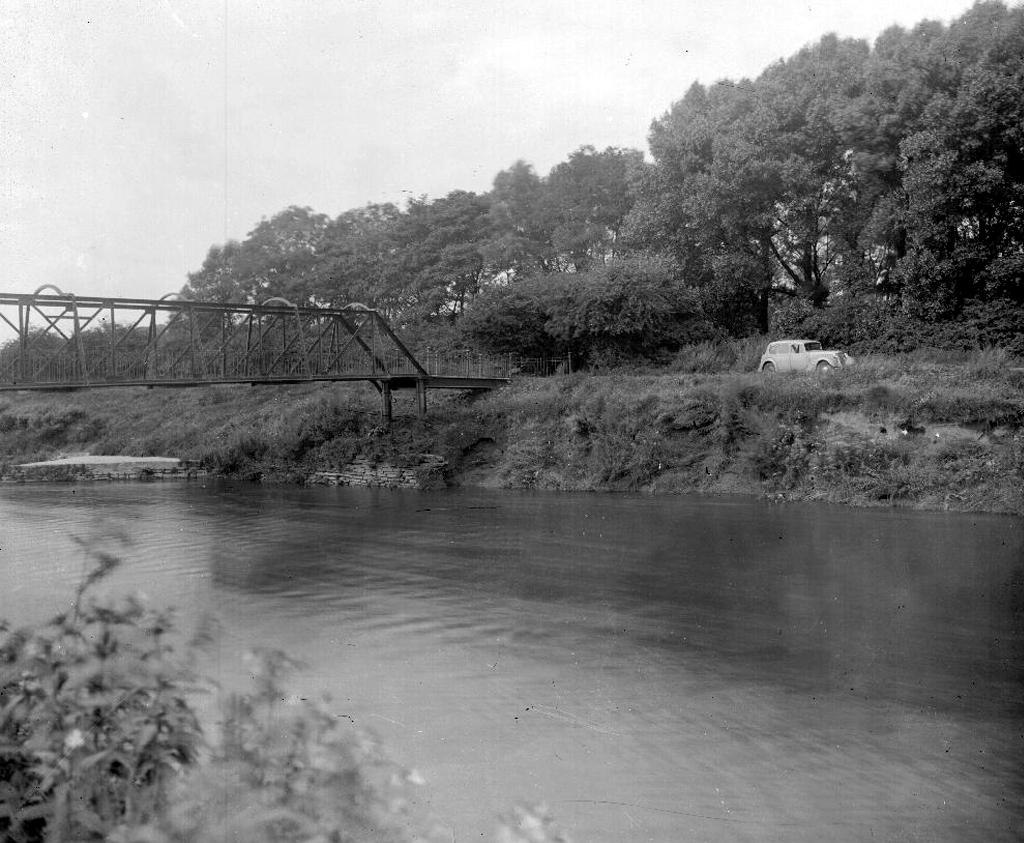
In 1901 a bridge was opened at the behest of local emigres engineer and social benefactor Henry Simon – a German born engineer who revolutionised Great Britain’s flour milling industry and in 1878 founded the engineering companies Henry Simon Ltd and Simon Carves.

He and his family were a serious reforming political force in the area – instrumental in the founding and development of the Halle Orchestra, Wythenshawe Park and housing estate.

webmedia-1.php

For many years this was my route to work – cycling from Stockport to Northenden, each and every day forever. Witnessing the rise and fall of the river and the vacillating  fortunes of Manchester’s economic regeneration.
This is south Manchester where the years of austerity, central government fiscal prudence and free-market economics, have had a far from adverse effect.

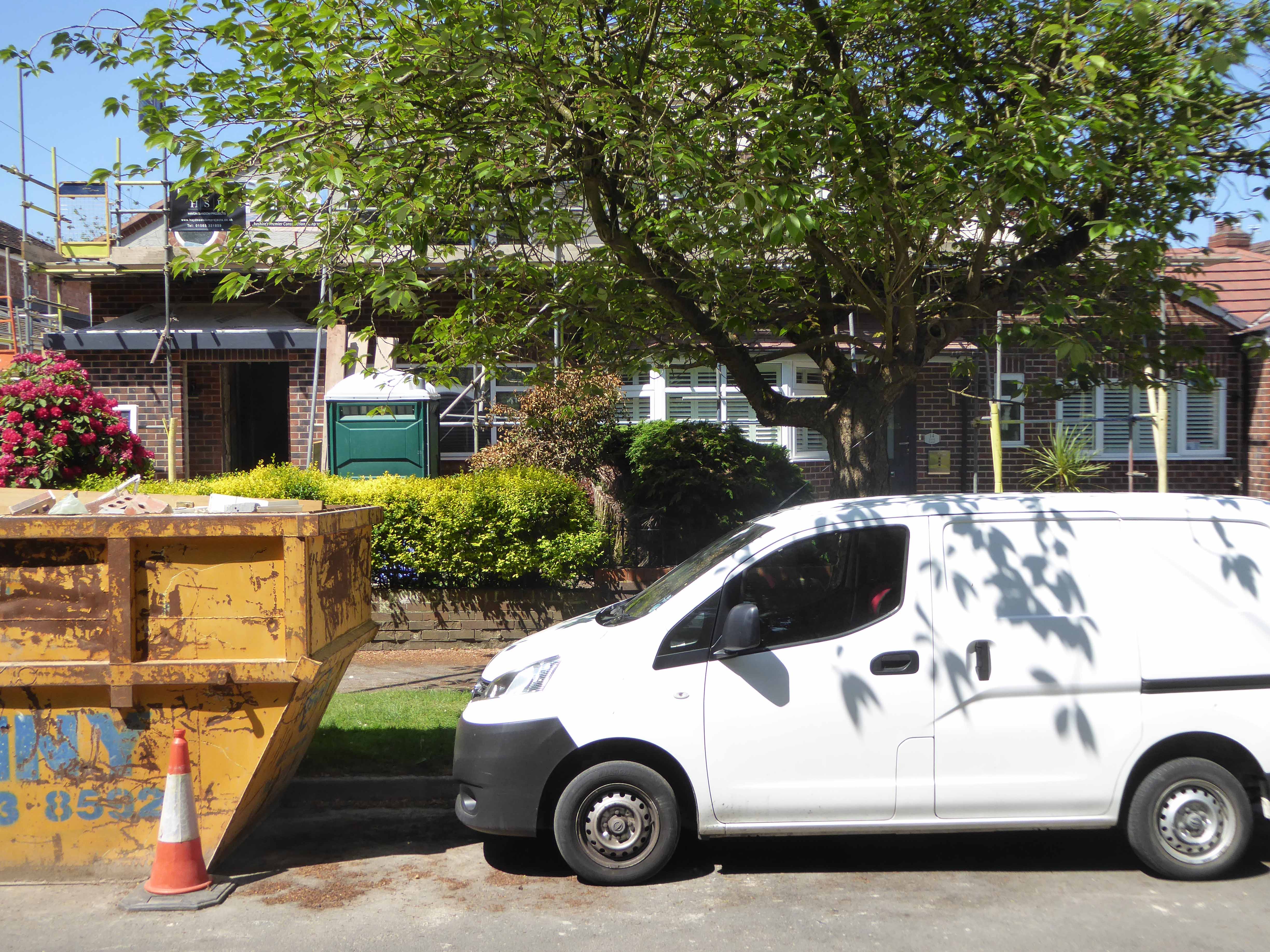
In stark contrast to the malaise of the north and east of the city, here we see a constant parade of skips and scaffold, free from the fickle trick of trickle down. As extensions and mortgages are extended at an alarming rate.

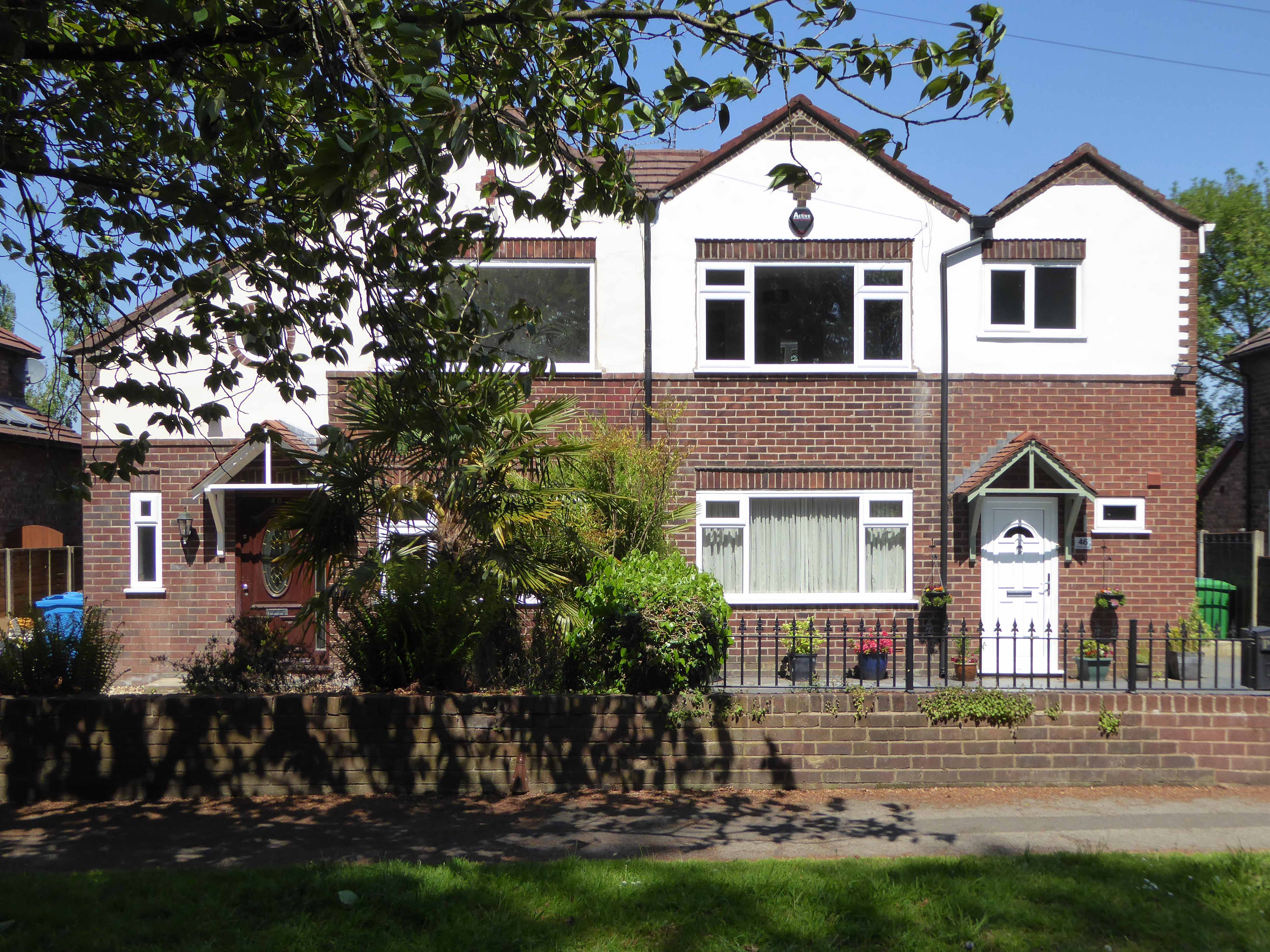
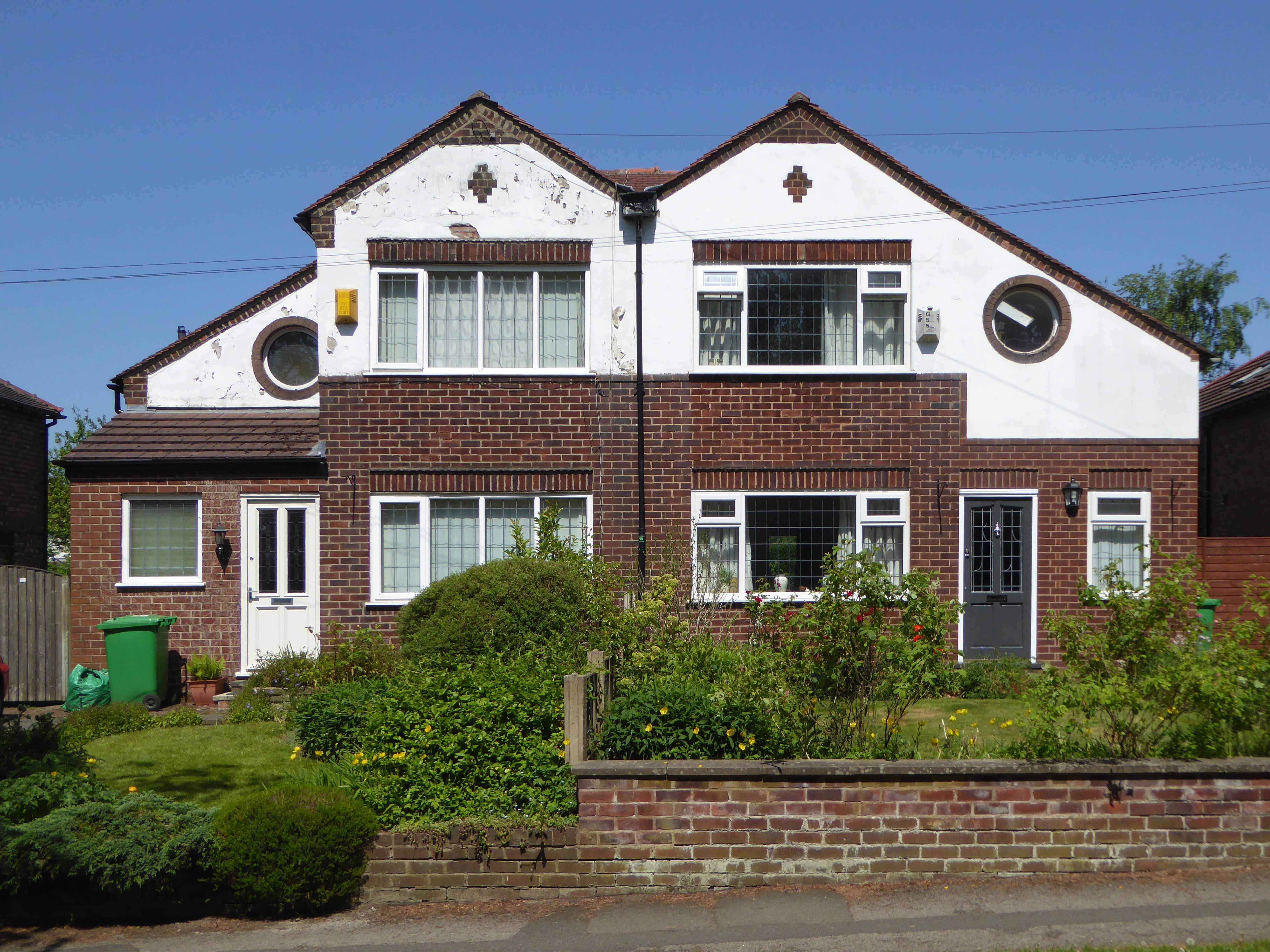
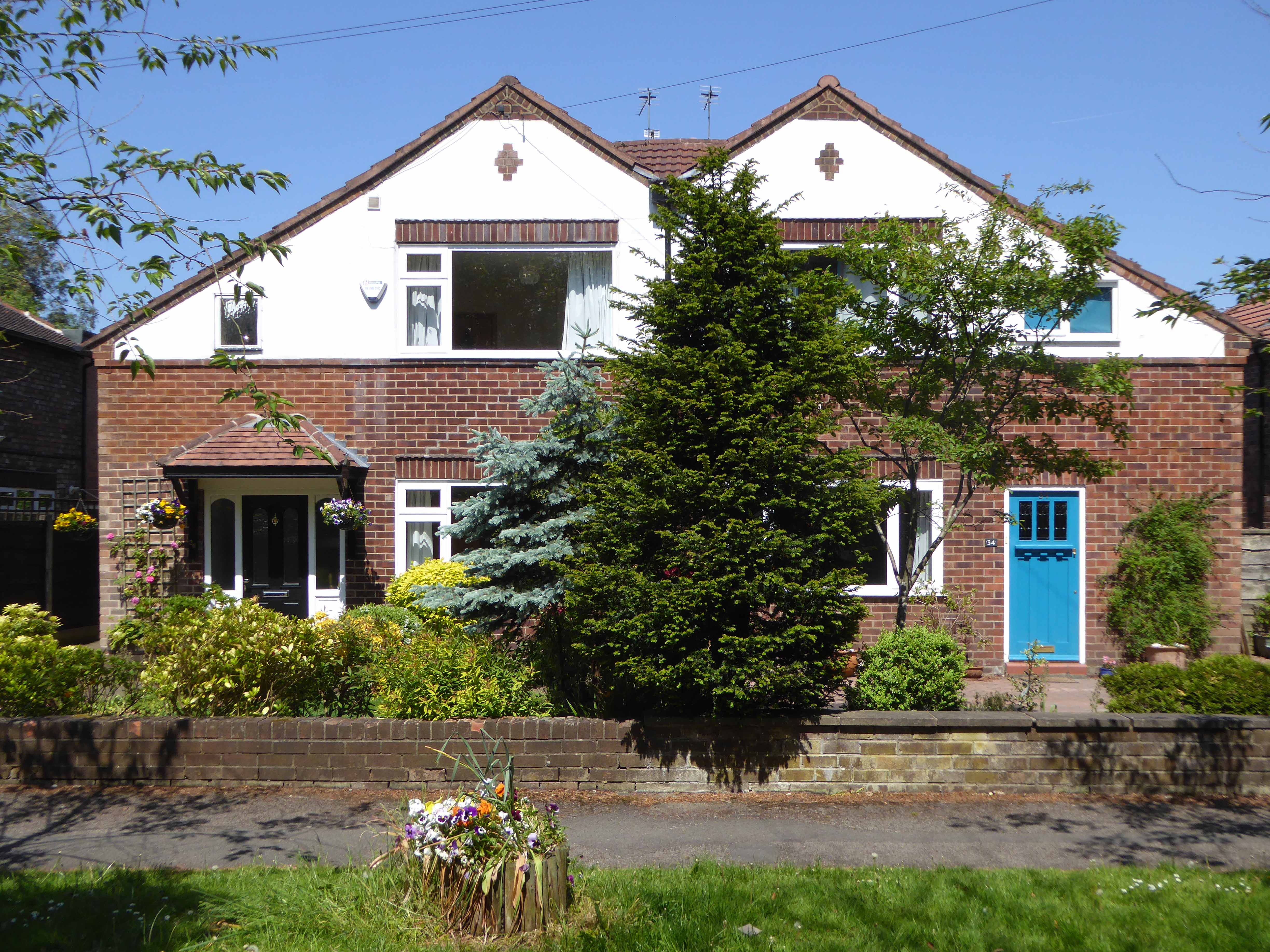
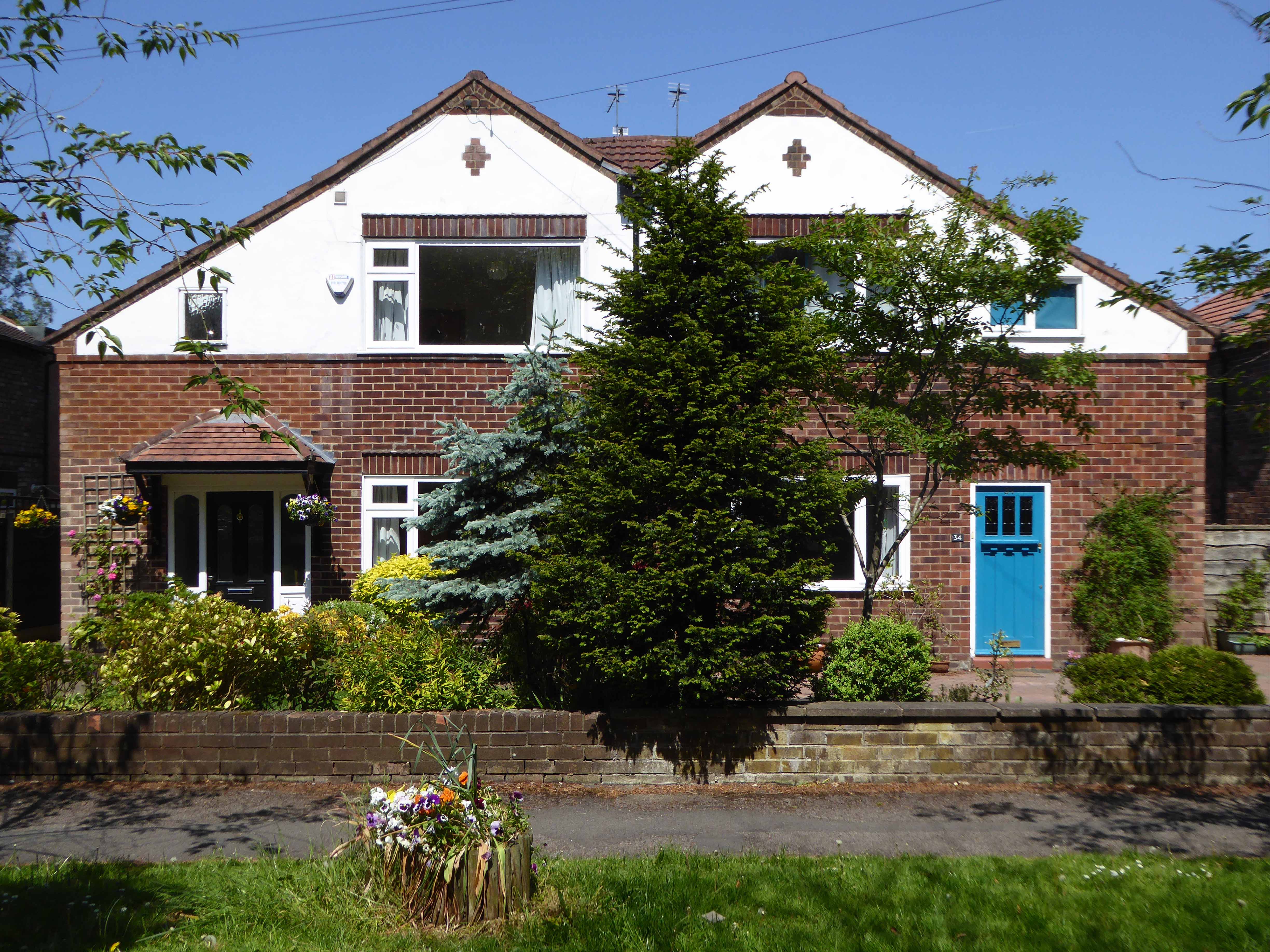
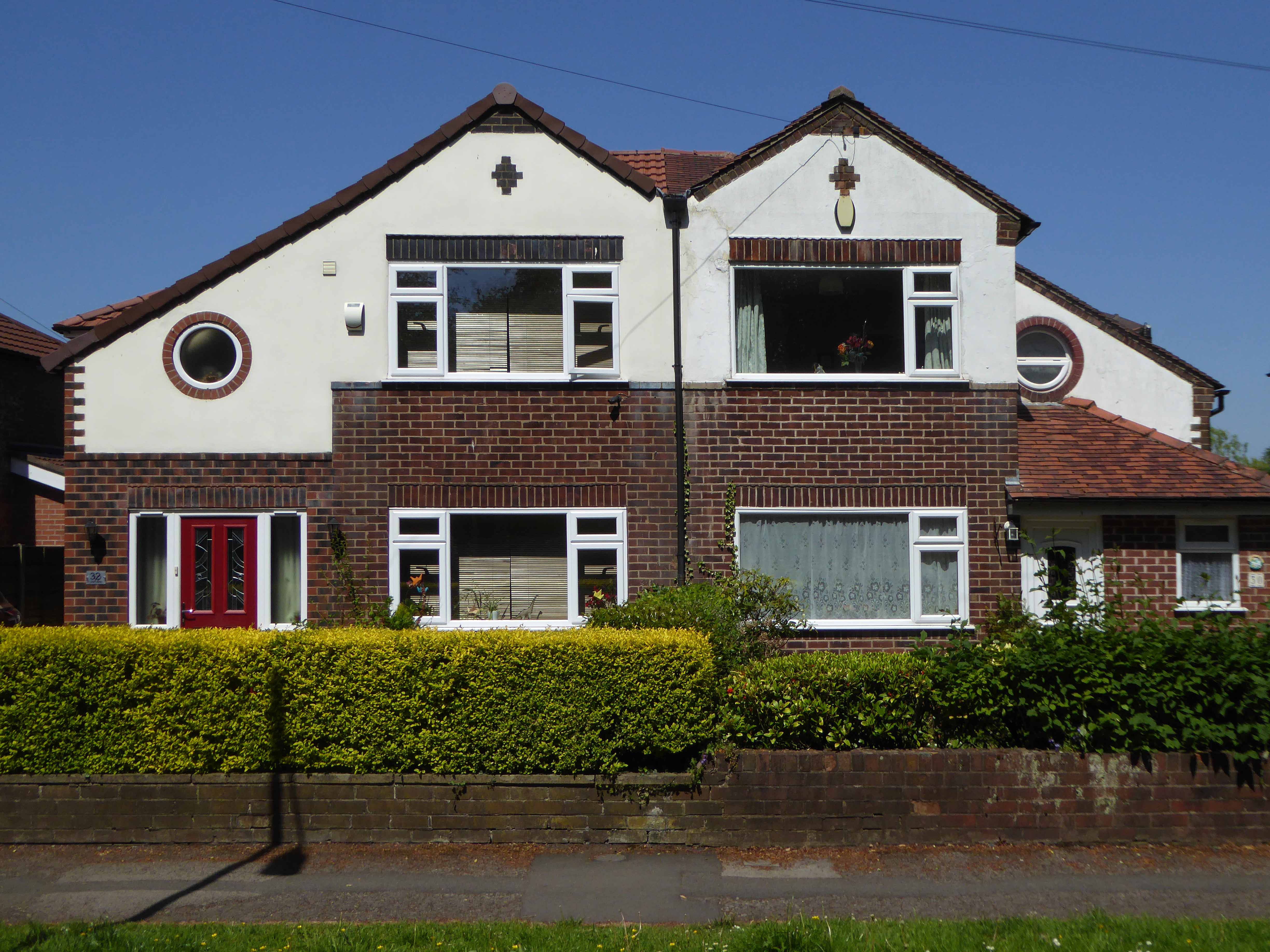
The round windowed gaze of the asymmetric homes, seem endlessly surprised at the good fortune that has befallen the residents of Ford Lane.

Owner occupiers preoccupied with owning.

Semi-detached.

P1250526

P1250527

P1250528

P1250529

P1250530

P1250531

P1250532

P1250533

P1250534


The Happy Prospect – Reading

image014

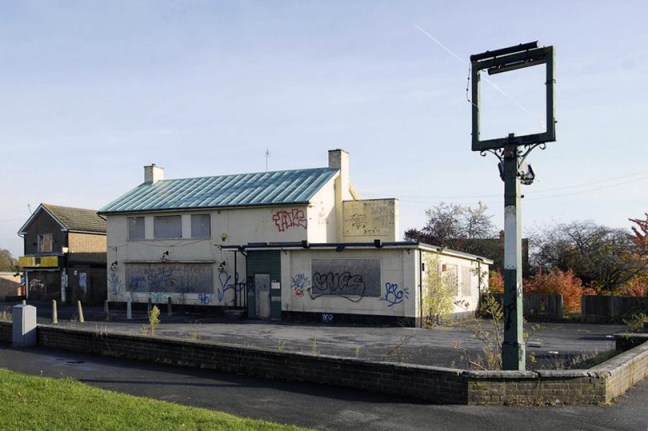
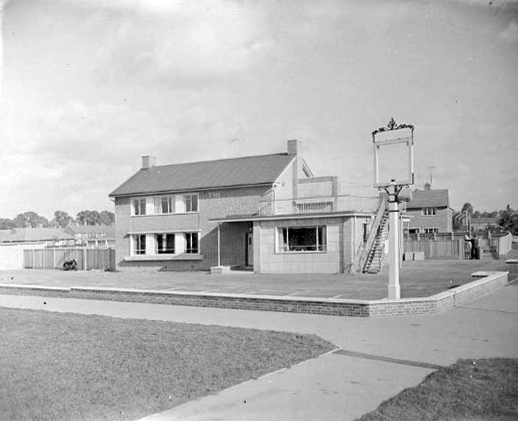
The Happy Prospect, 50 Coronation Square, Reading RG30 3QN

I came here by chance researching Manchester’s Estate Pubs for my blog when up pops The Happy Prospect – what a pleasant surprise!

Having never really visited Reading, this is very much a virtual cut and paste journey through time and space – so apologies in advance for any unforeseen errors.

So let’s see how we got here:

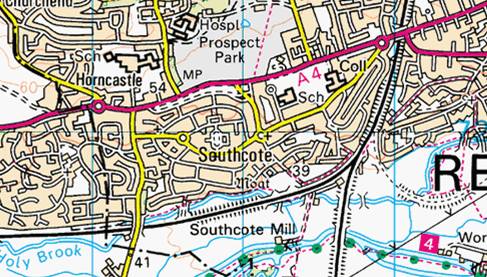
The area was sparsely populated until after the Second World War, though excavations have revealed evidence of Paleolithic and Iron Age activity in Southcote, as well as Roman and Saxon habitation. By the time William the Conqueror undertook the Domesday Survey in 1086, Southcote was sufficiently established to warrant a Lord of the Manor, who at that time was William de Braose. From the 16th century onwards, Southcote Manor was owned by the Blagrave family, who sold the manor house in the 1920s. The area was subsequently developed into housing: much of the land changed from agricultural to residential.
s1309809

cropped-wolseley-street-war-time1

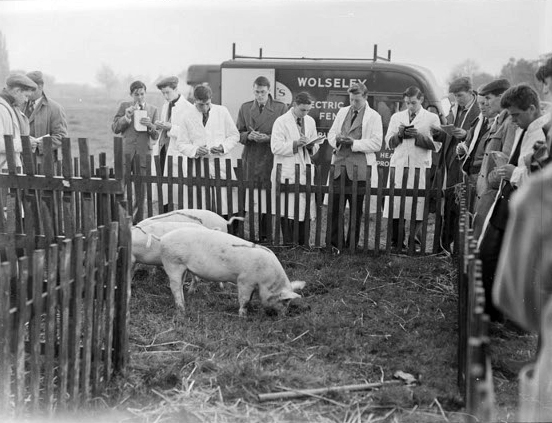
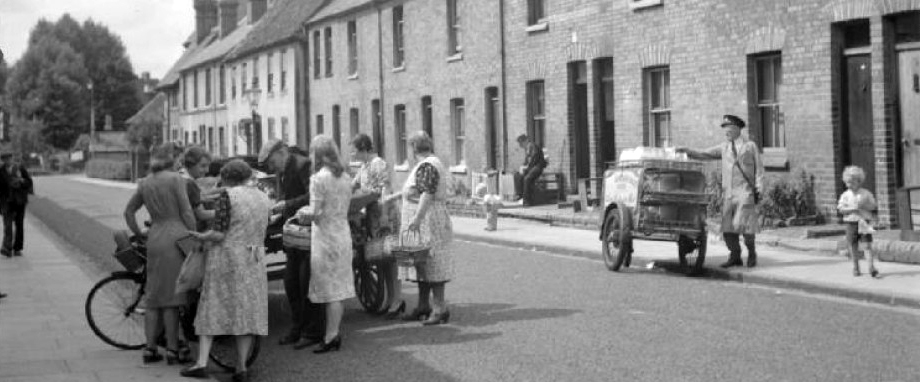
Bucolic scenes of small intimate streets and agrarian activity.

By the advent of World War II, Southcote had begun to experience urban sprawl from Reading and the land bordering the Great Western Railway had begun to be used for housing. Following the war, Denton’s Field on the Bath Road in Southcote was used for celebratory events; Battle of Britain commemorative fêtes were held in September 1949 and 1950, and featured a performance by three Alsatians – Rocky, Lindy and Irma to recognise their work in the war.

Dragged into the ferment of Mid-Century Modernism with the development of new housing, churches and schools.

In the 1950s, a huge building project centred around Coronation Square, named for the 1953 Coronation of Queen Elizabeth II – with hundreds of council houses built to satisfy post-war demand. The residents of many of these had moved from houses in central and East Reading that fell short of sanitation requirements of the Public Health Act 1875, these were compulsorily purchased and later demolished.

s1009857

s1309154

s13081034

s1108309

All that was missing was a pub – and so happily the local brewery Simonds built The Happy Prospect.

s1309225

Architecturally very much in the à la mode manner of the Modernist estate pub, plain well-lit brick, tile and concrete volumes, replete with a low perimeter wall and ample car parking space.

Thanks to Boak&Bailey for the background info.

s1009102

Opening in October 1958 – this photograph was taken for the Berkshire Chronicle but was not published.

Archival material from Reading Museums.

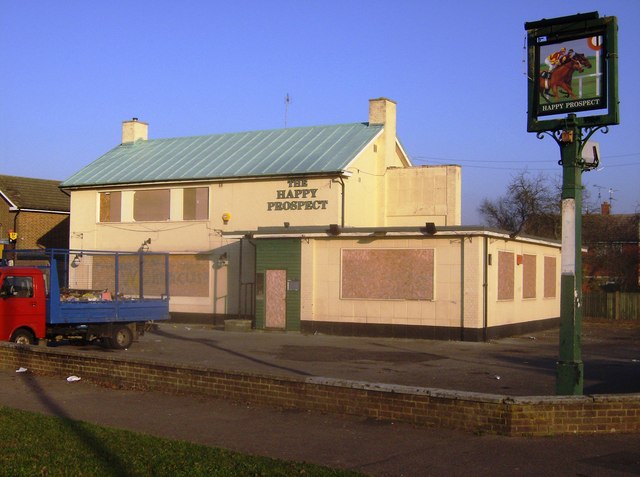
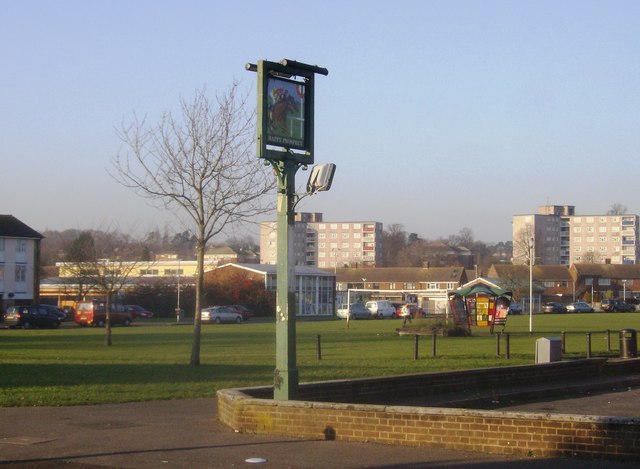
And so for many years the pub prospered – sadly along with so many others of its ilk, the pressures and constraints of social change and economic decline forced closure and demolition despite the protestations of the local community, who fought for its life.

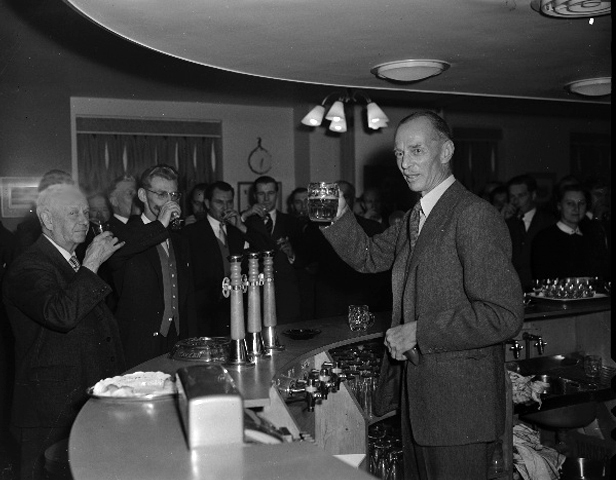
Beverley Doyle, who lives in Southcote, said: “We don’t see the old people anymore because there’s nowhere for them to meet up.They used to be able to come here and play cribbage and cards.There was also Christmas parties and kids’ parties so people could get together and we need something like that again. It was a good pub and we want it back to how it was.”

Campaigner Bobbie Richardson said: “Once you get this place boarded up you wonder what’s going to be next in the community. It starts to look run down and we want to let the owners know Southcote is not a ghetto.”
Inevitably a once fine social asset is no more.
reading_happyprospect

Coronation_Square,_Southcote-1

photo[1]

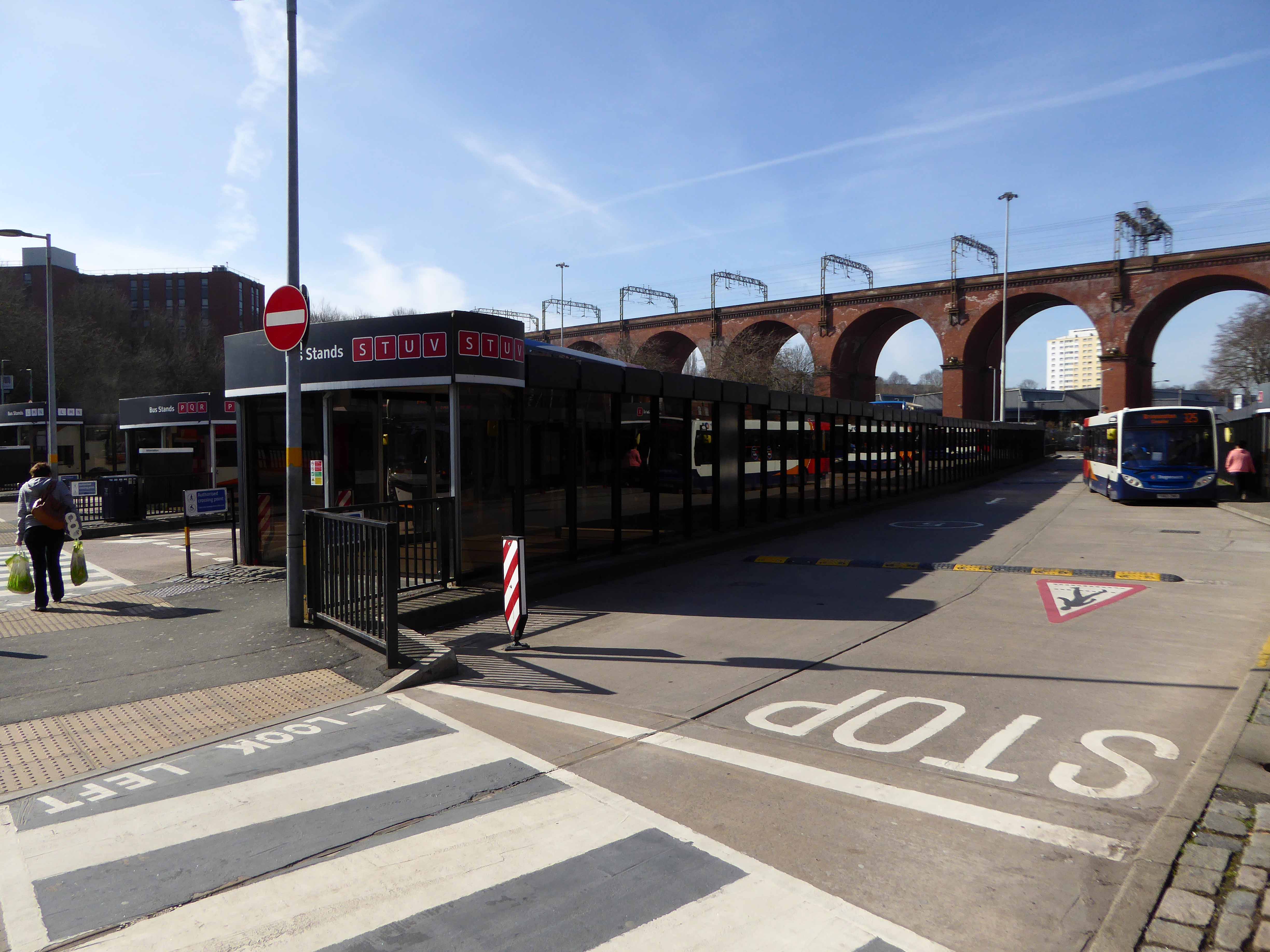
Bus Station – Stockport

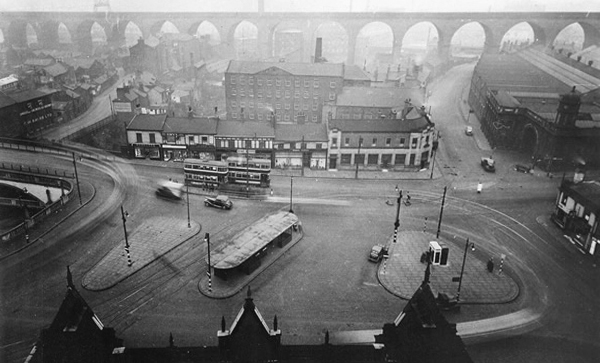
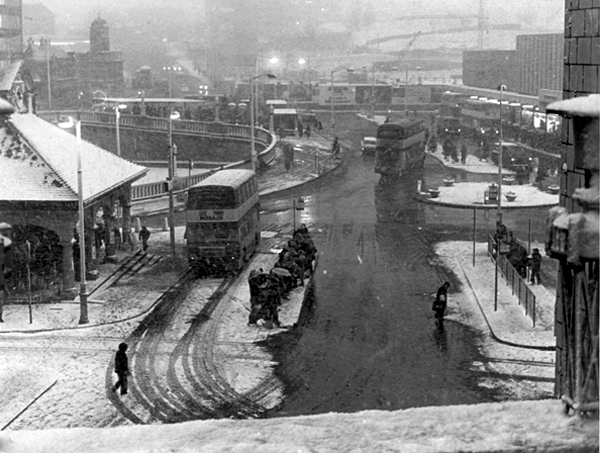
From the early part of the Twentieth Century trams and then buses stopped and started in Mersey Square, affording limited succour, space or shelter for the weary traveller.

22942

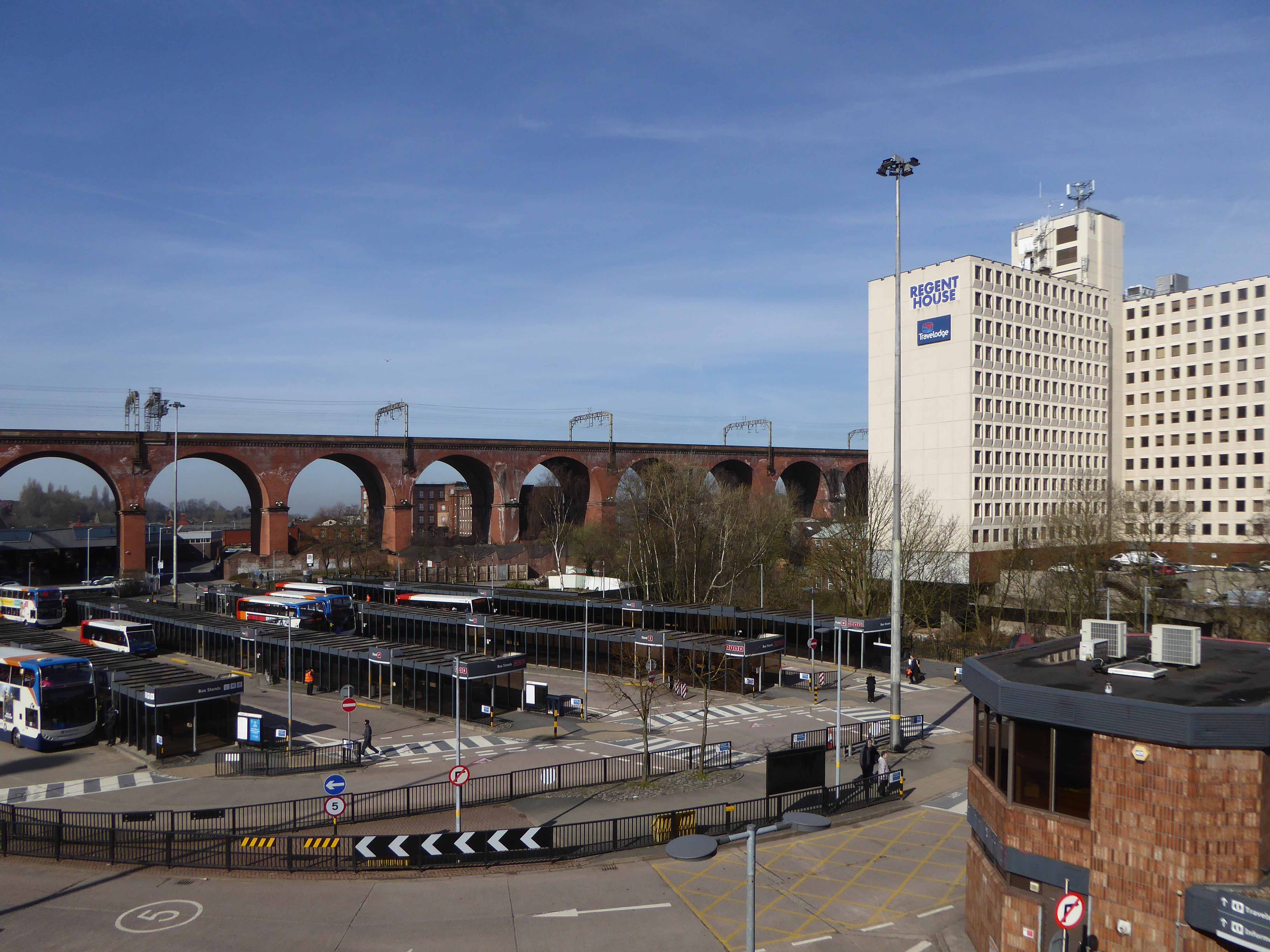
View from the Fire Station Tower.

10891

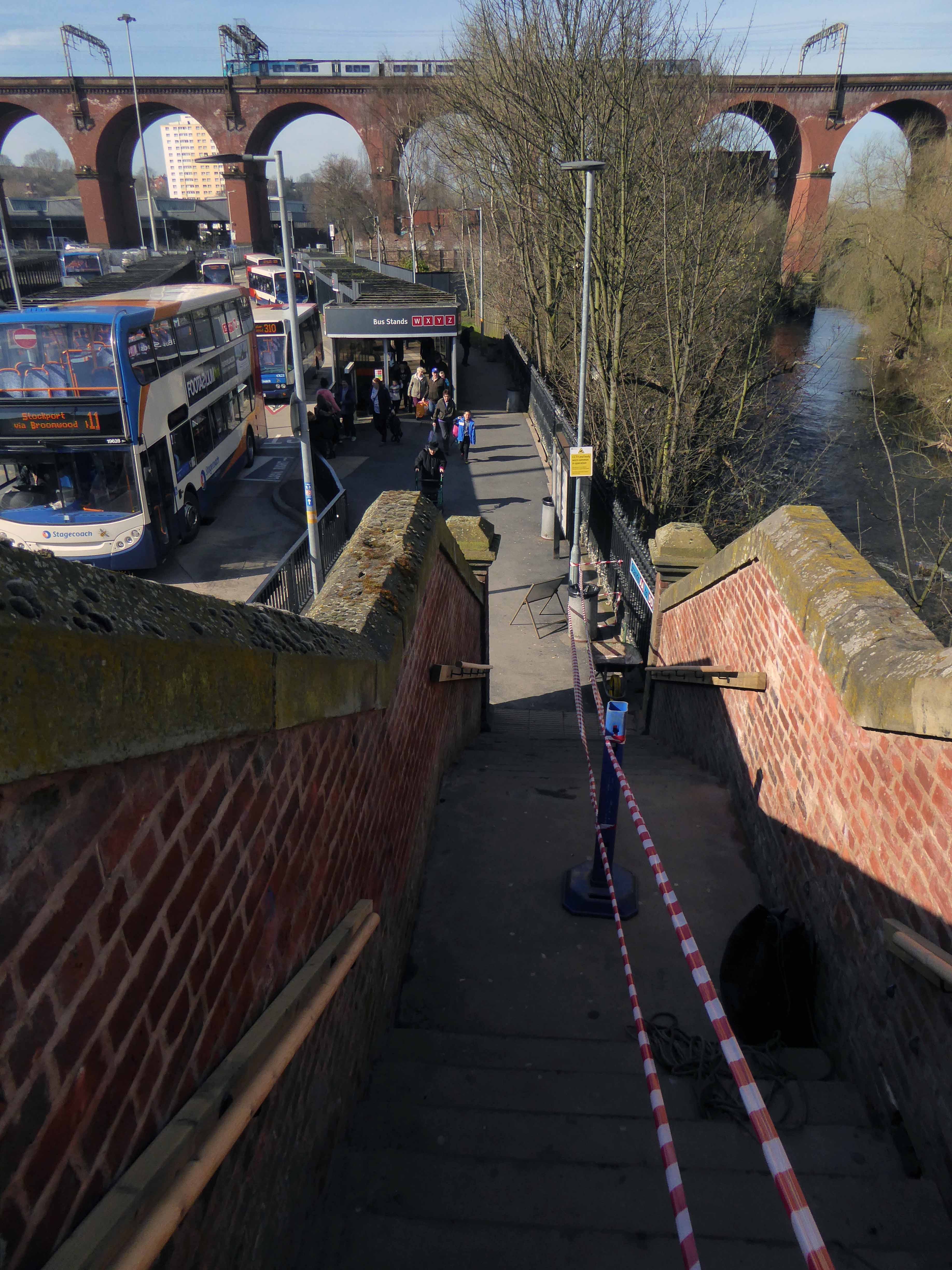
View from the Plaza Steps.

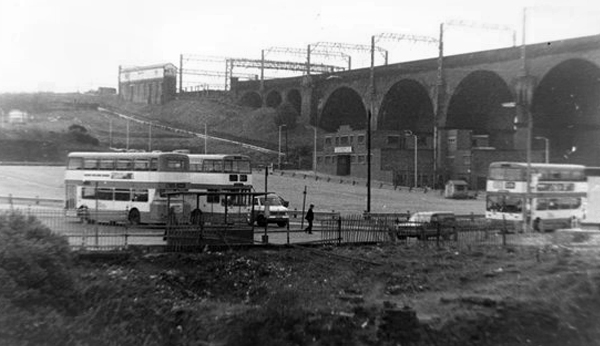
The land where the bus station currently stands was then owned and used by North Western Buses – a rather large and uncultivated plot.

pd hancock 78

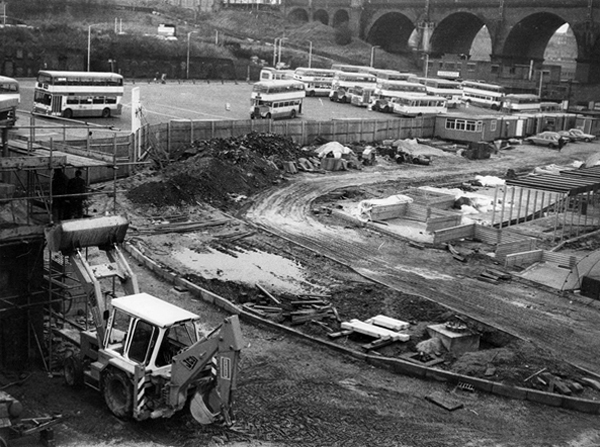
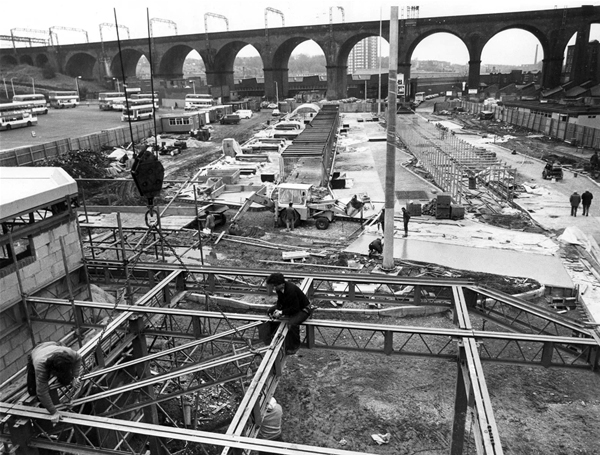
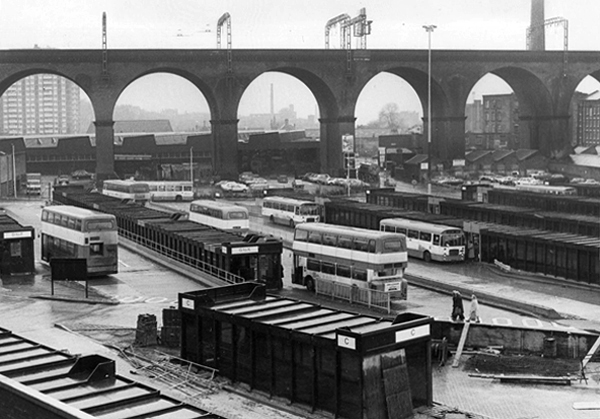
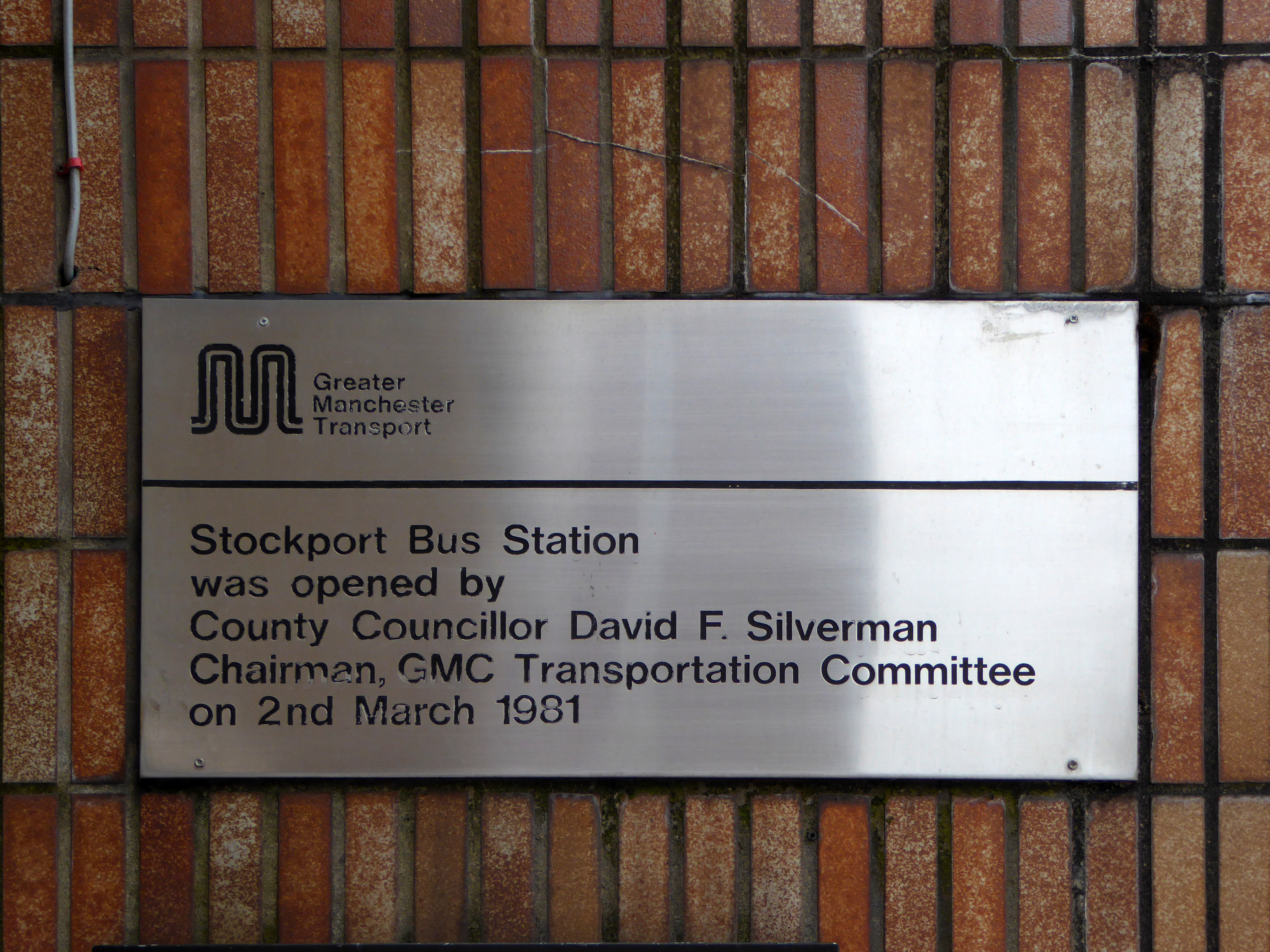
Work began in April 1979 on a brand new bus station, the first stage finally opening on March 2nd 1982.

14406

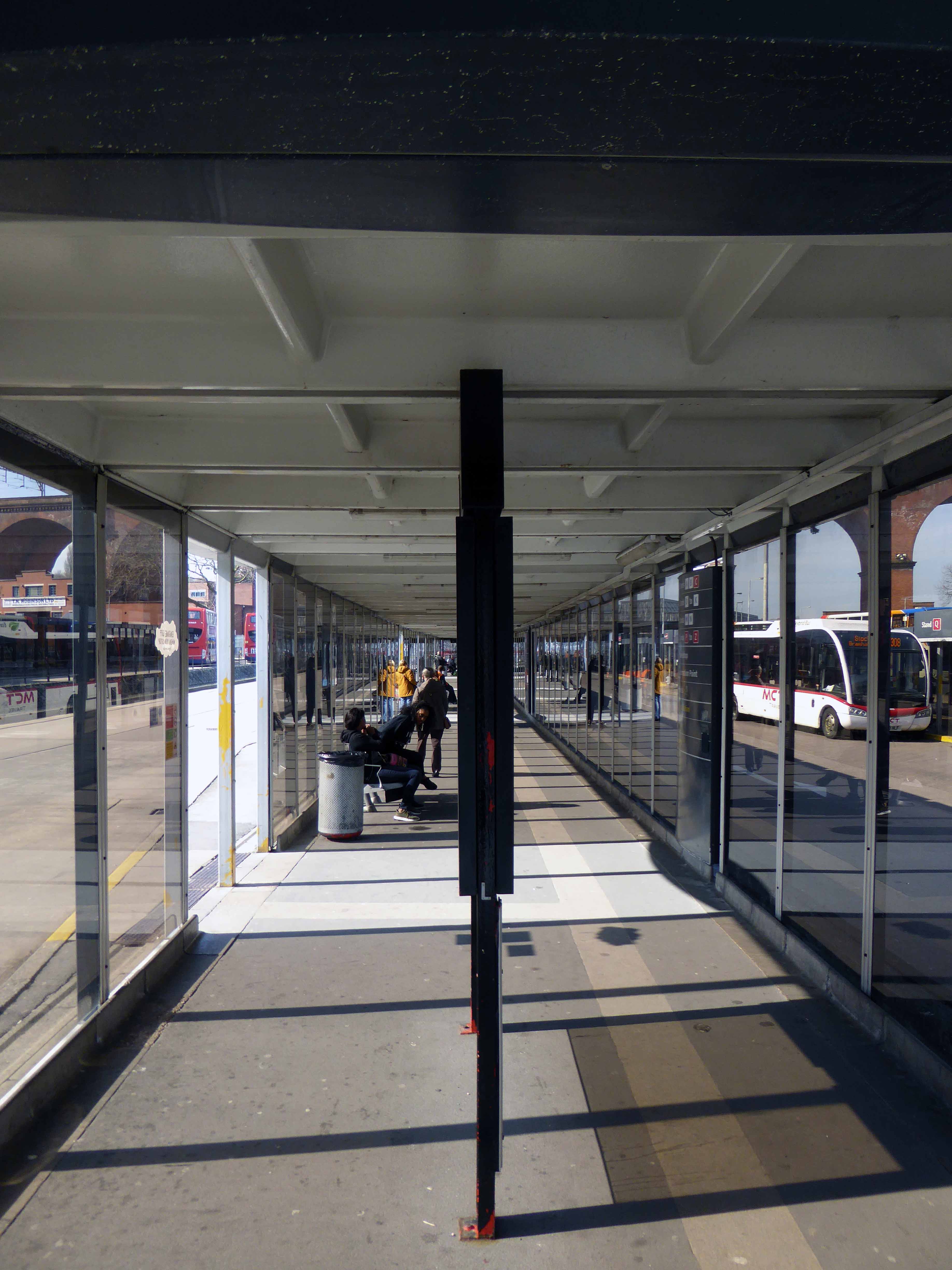
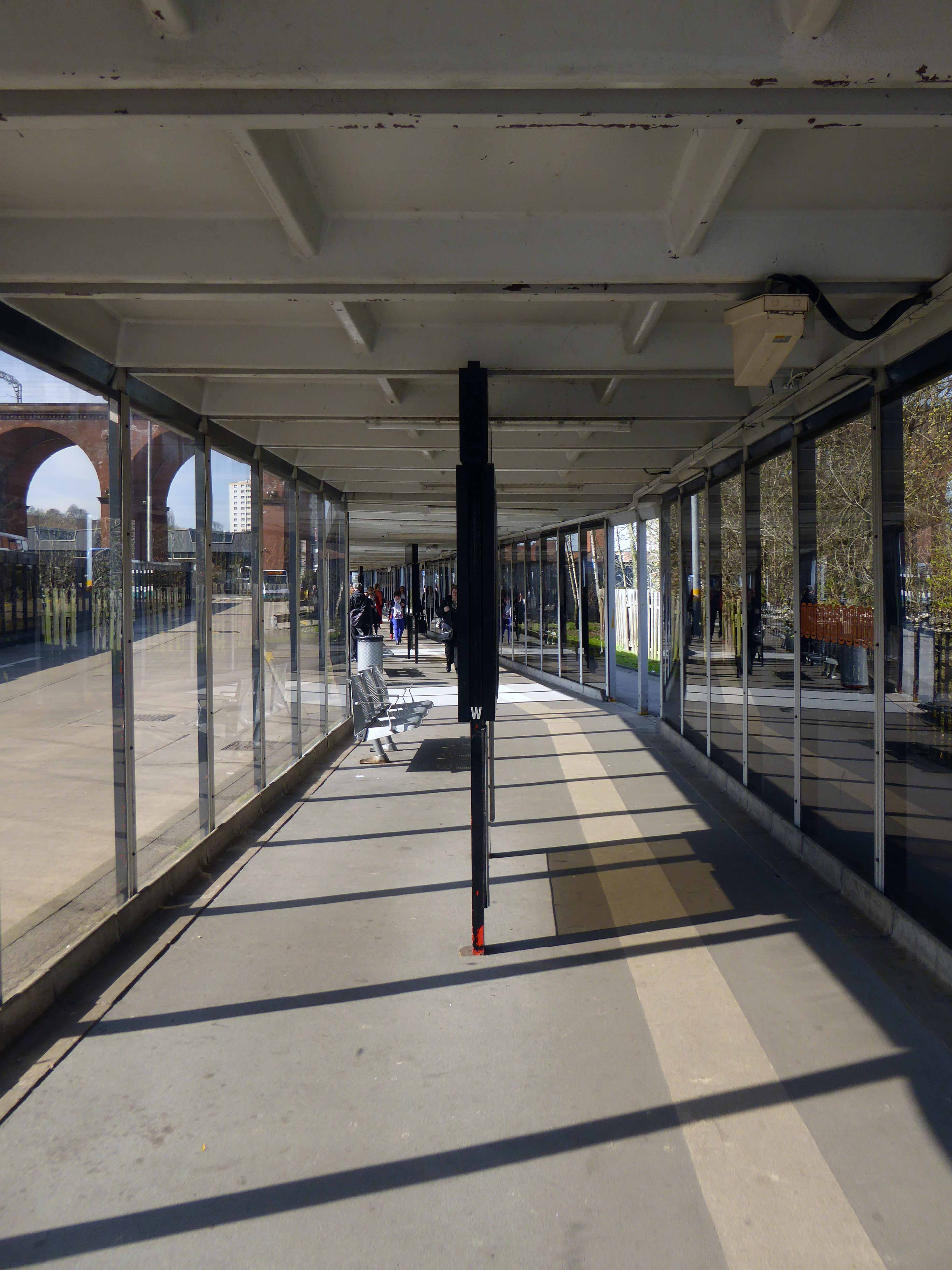
Slowly emerging from the rough ground – a series of glass and steel boxes worthy of that master of minimalism Ludwig Mies van der Rohe, a Neue Nationalgalerie in miniature.

79

1979 copy

81

Photographs from Stockport Image Archive

It has stood and withstood the winds of change and perfidious public transport policy, the privatisation of the service, snatched greedily from local authority control.

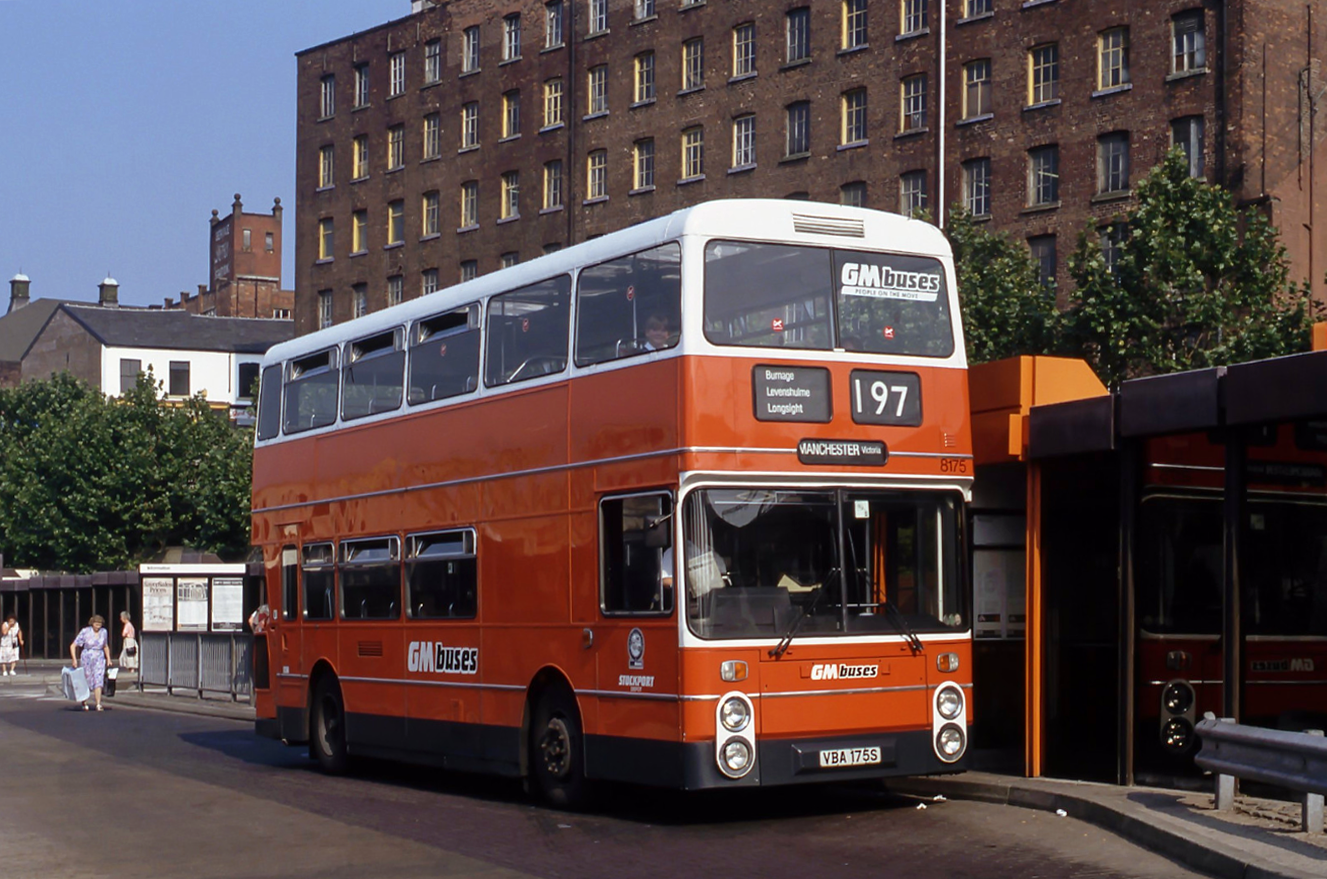
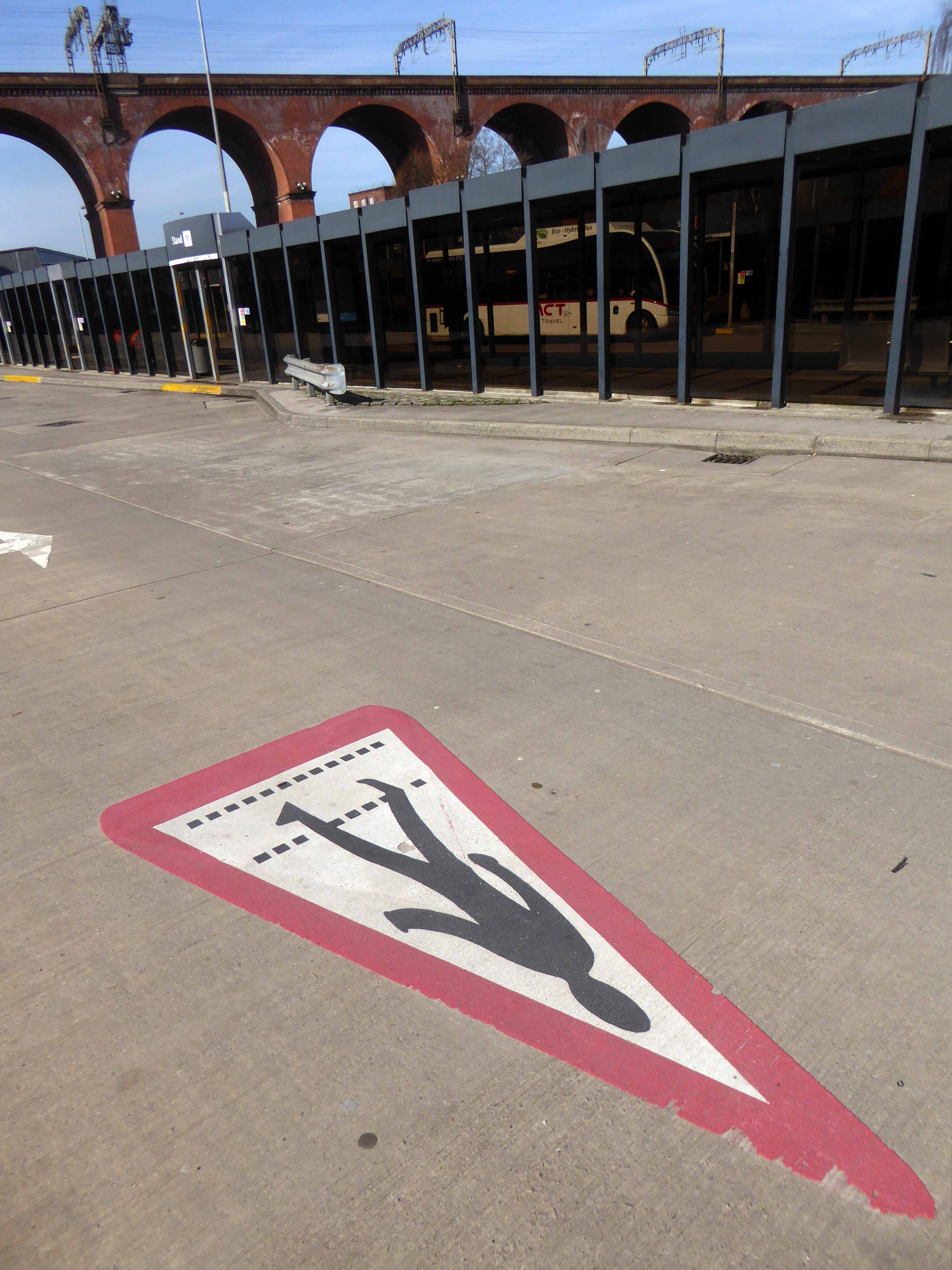
Passengers have met and parted, whilst buses of every hue and stripe have departed from these draughty boxes.

Screen Shot 2018-04-09 at 17.13.54

Photograph from Victory Guy

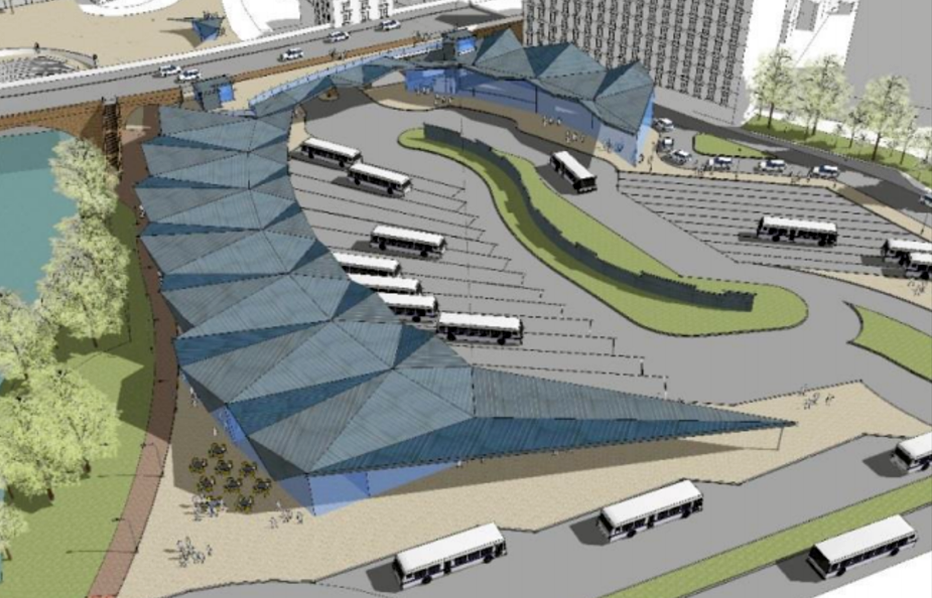
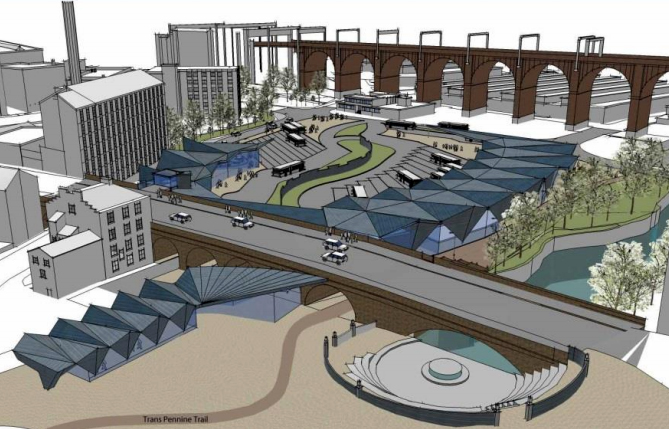
There are now plans for imminent demolition and rebuilding – shaping a transport hub fit for the Twenty First Century – Space Age forms for a brave new world.

A new £42m transport interchange in Stockport town centre has taken a step forward after the local council agreed key measures to back the project.

Screen-Shot-2017-09-19-at-07.02.03

Untitled-1

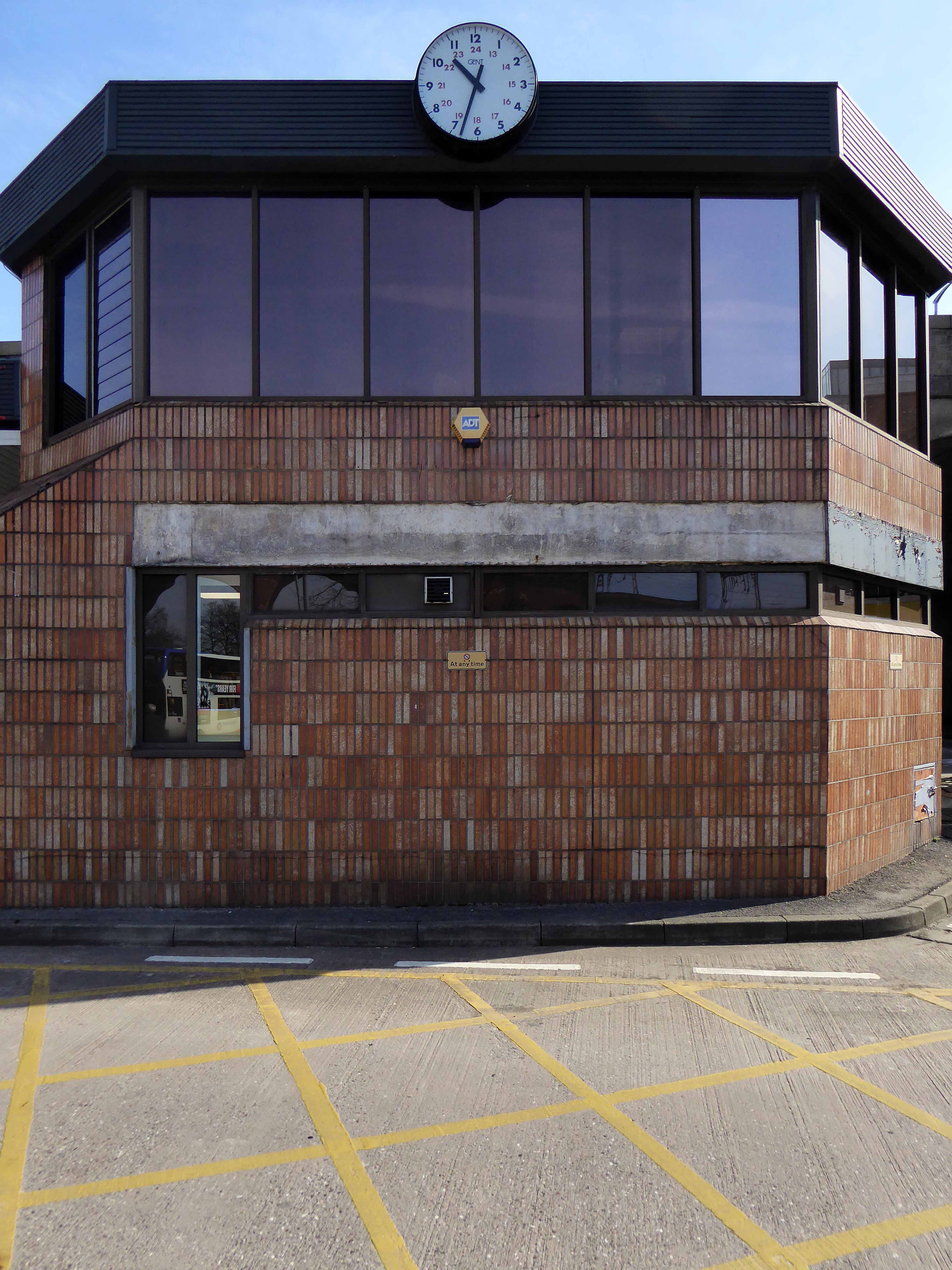
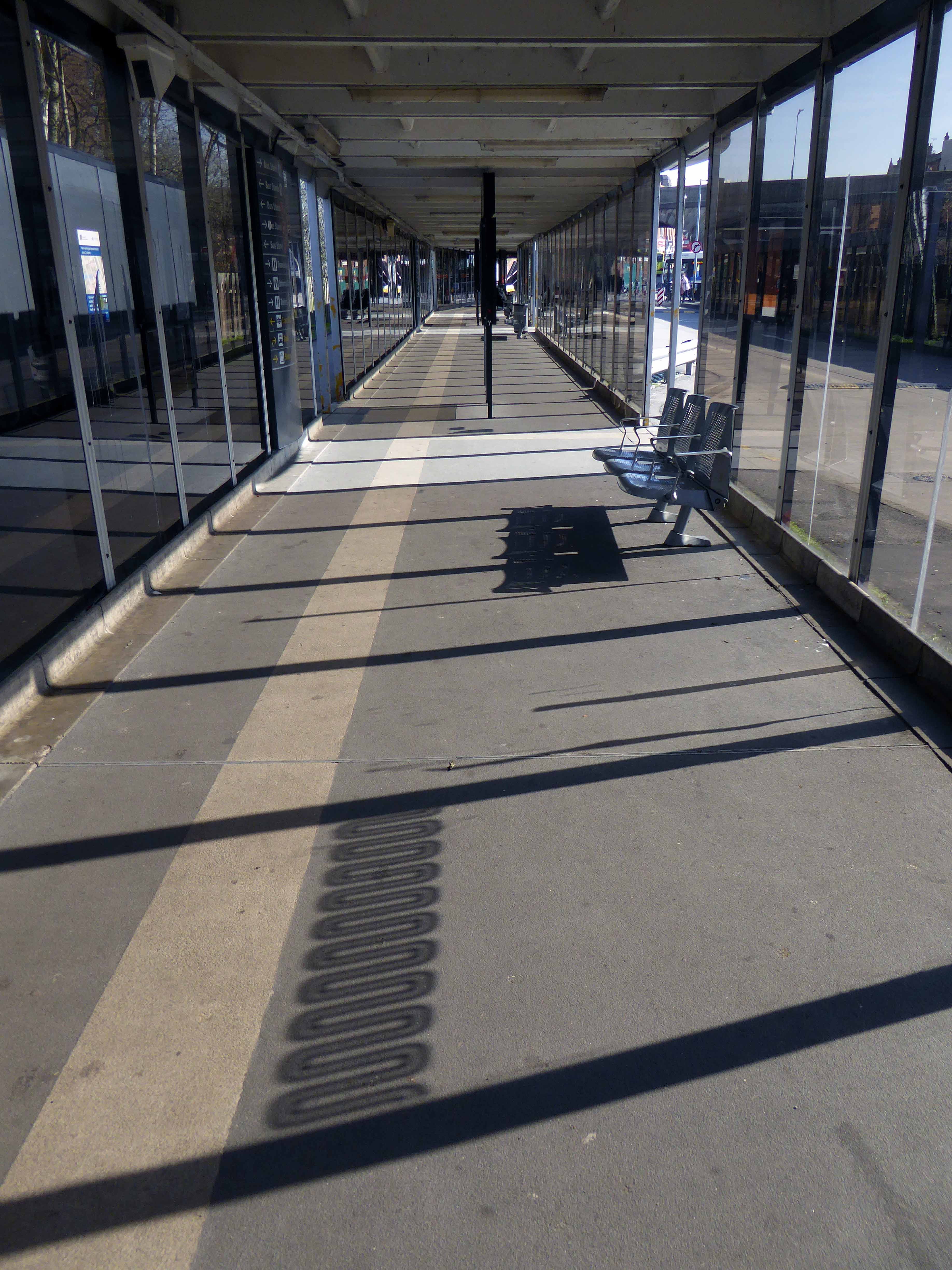
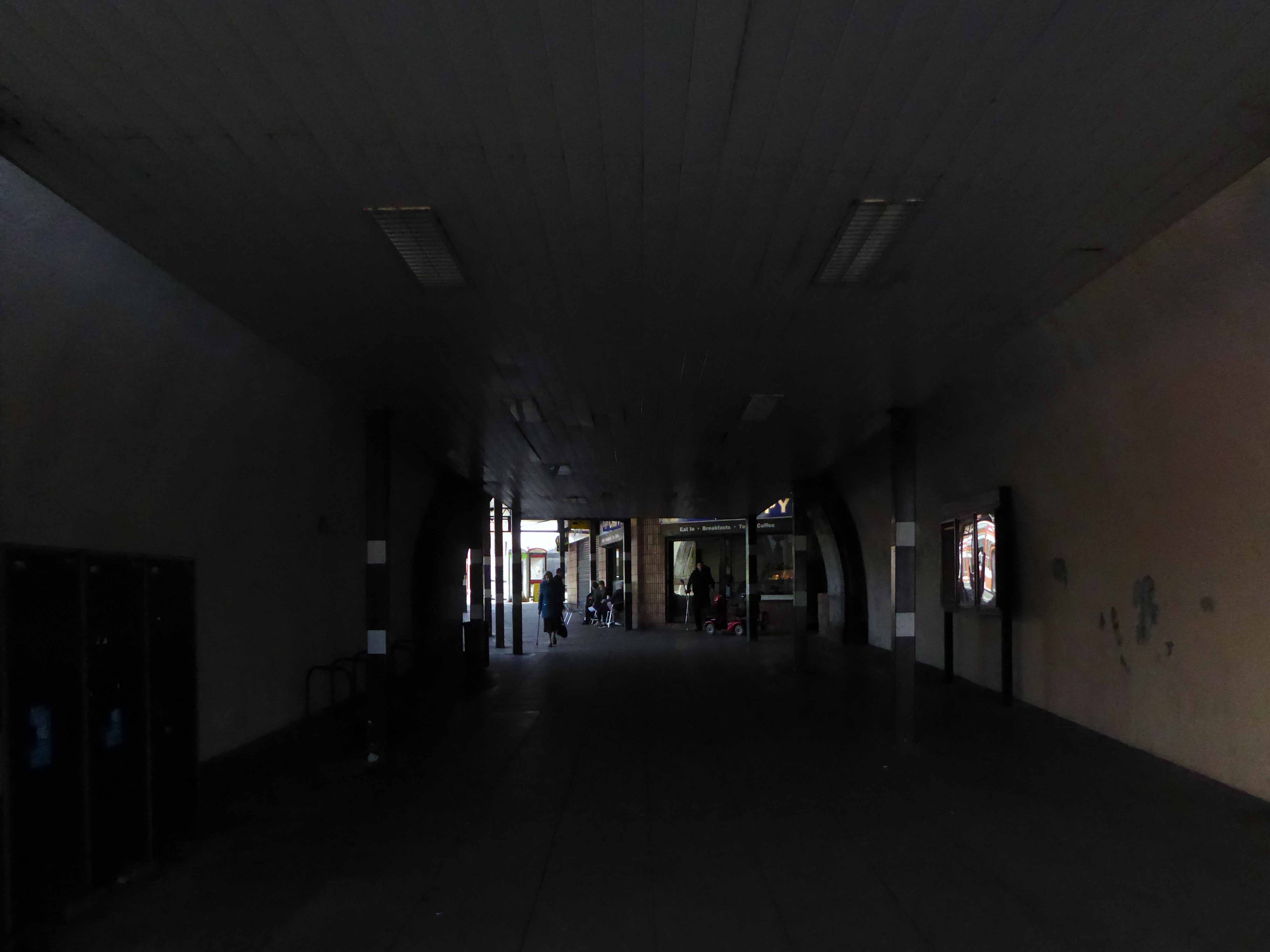
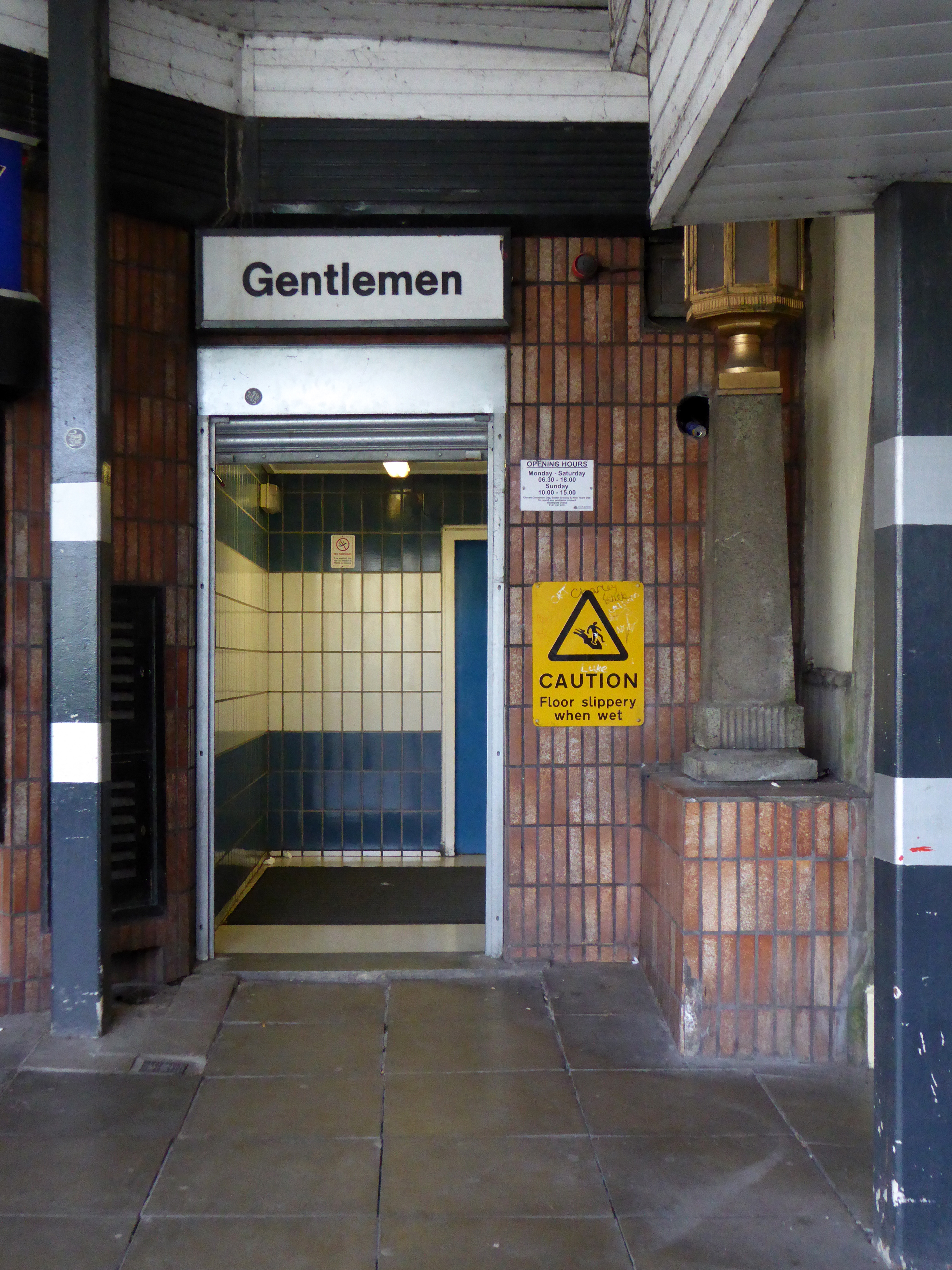
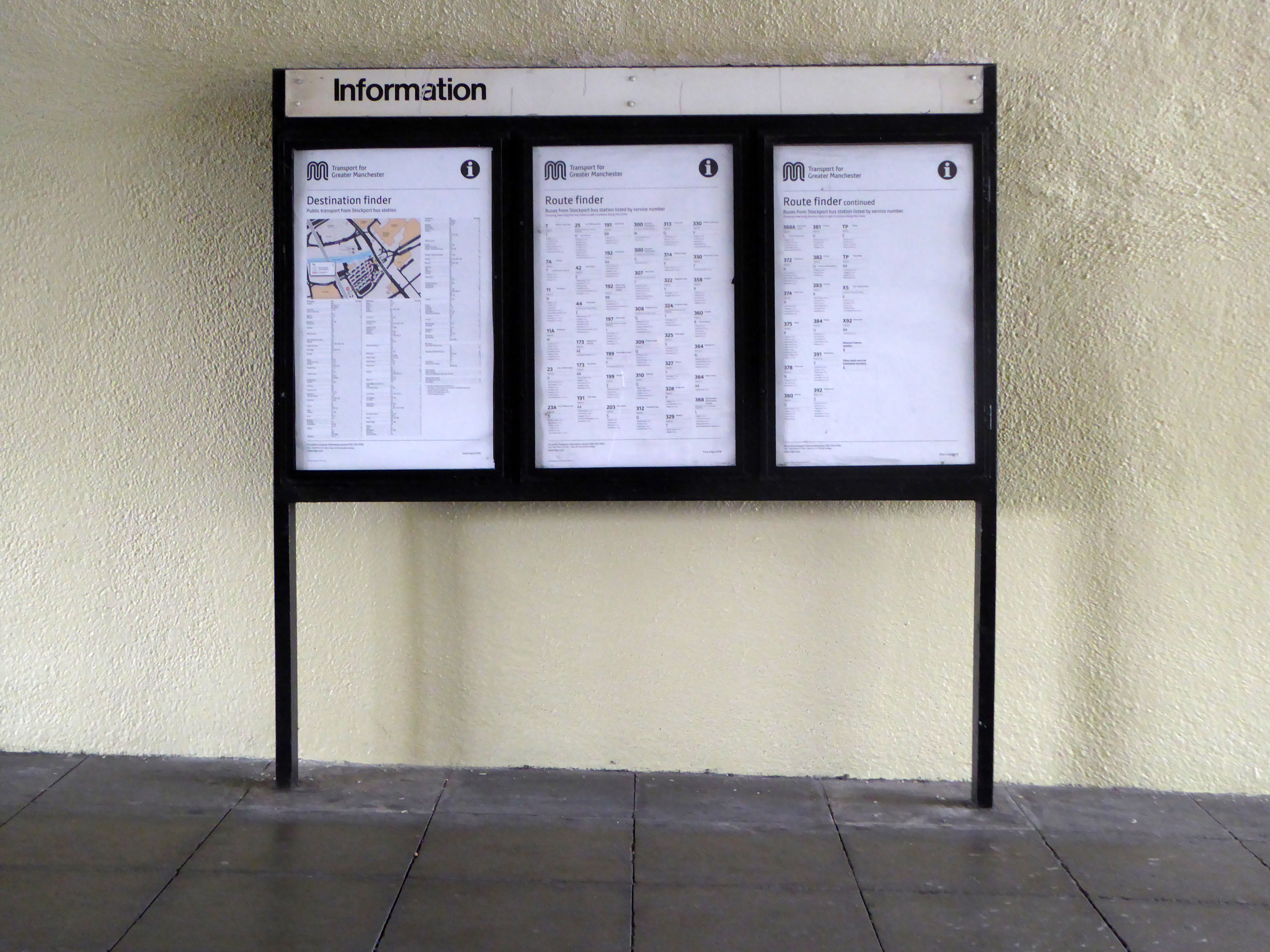
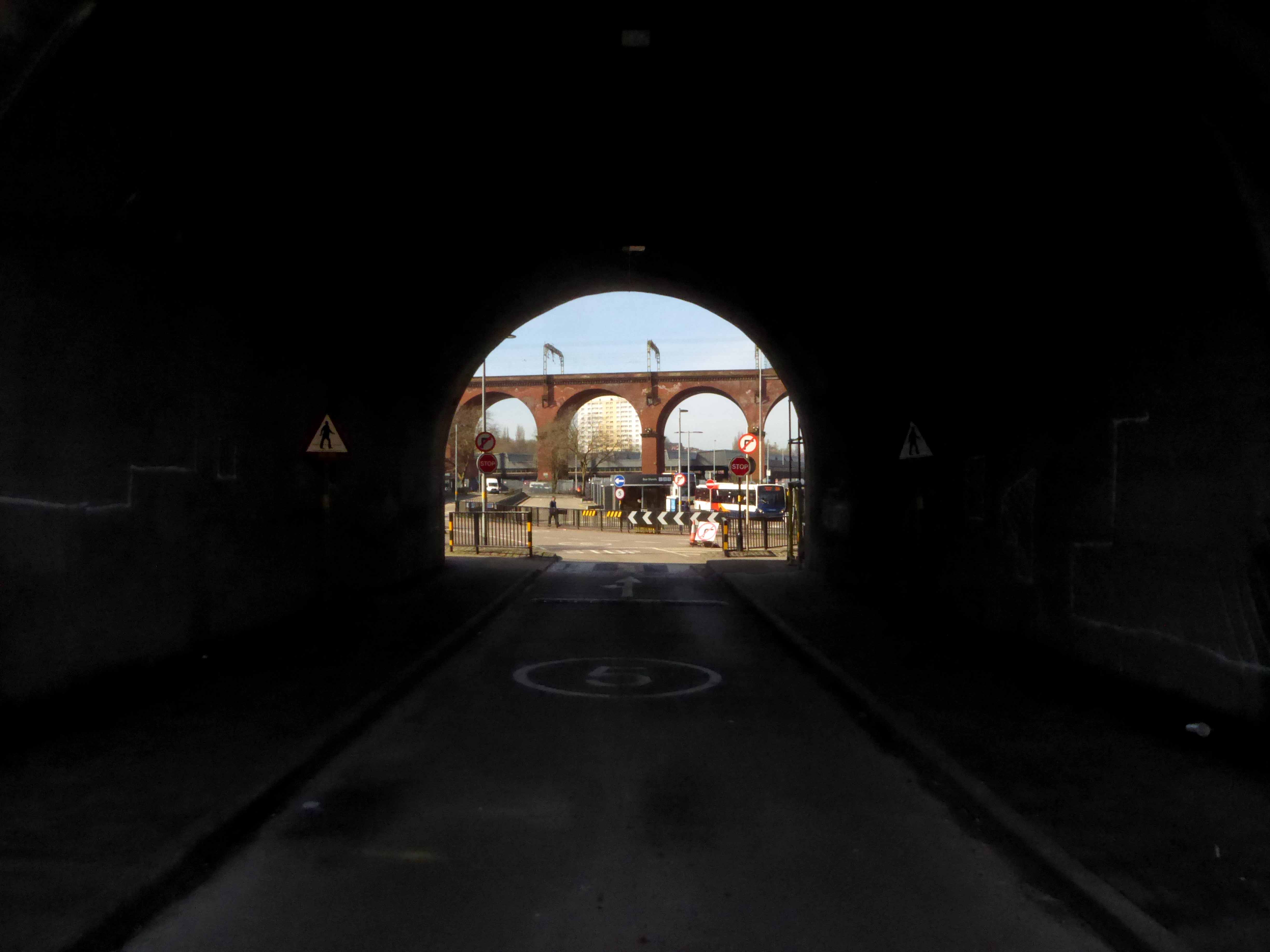
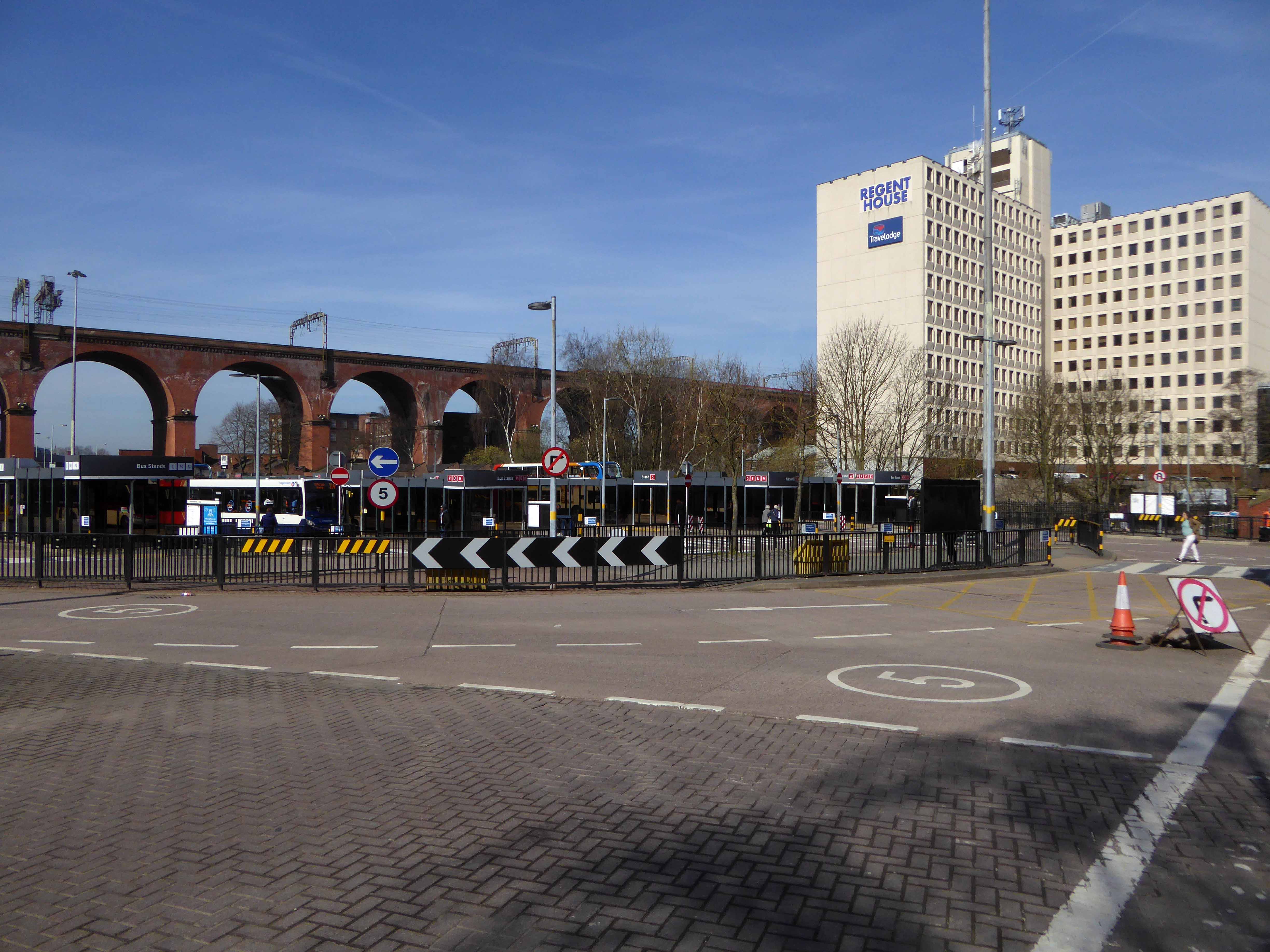
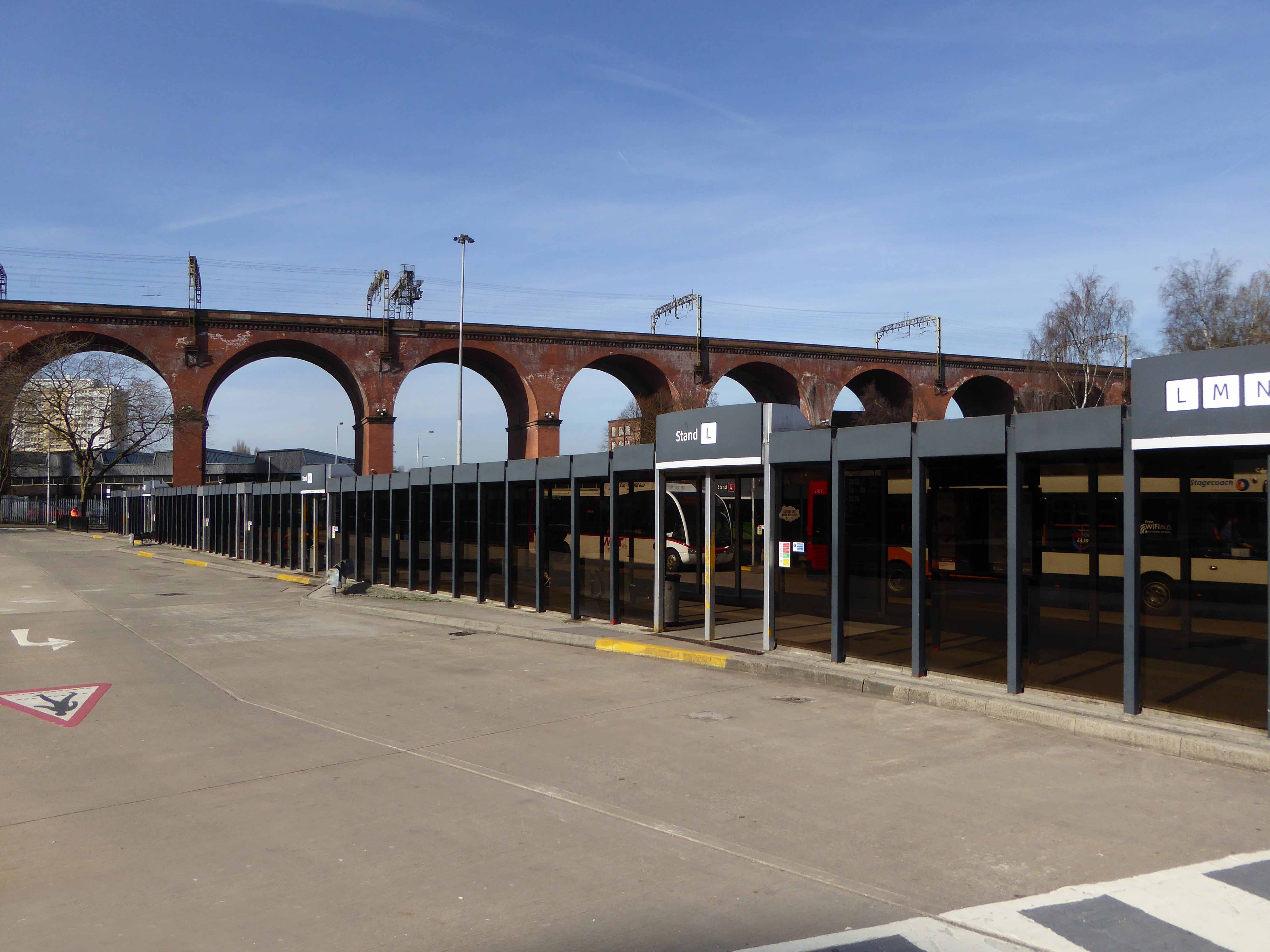
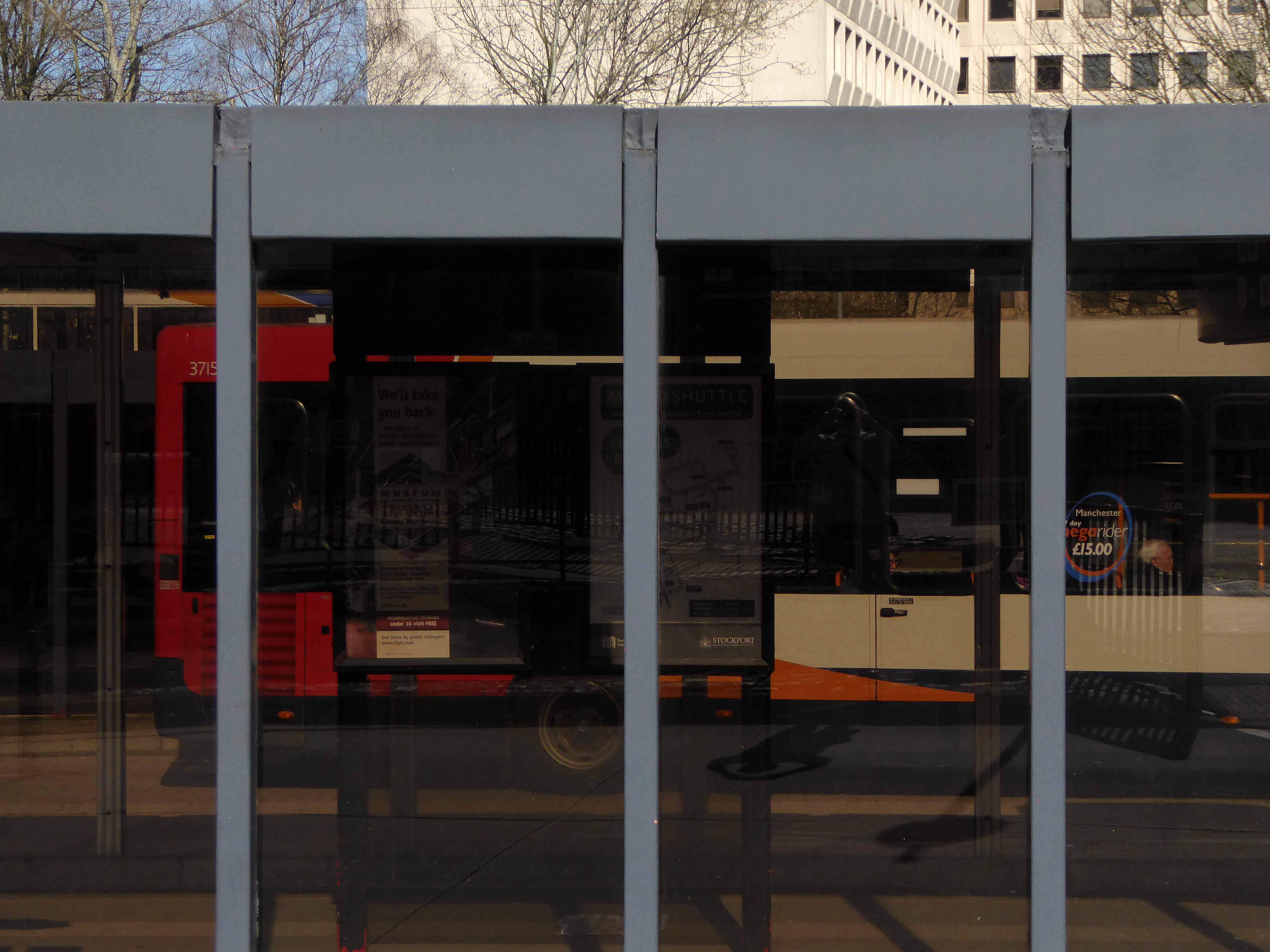
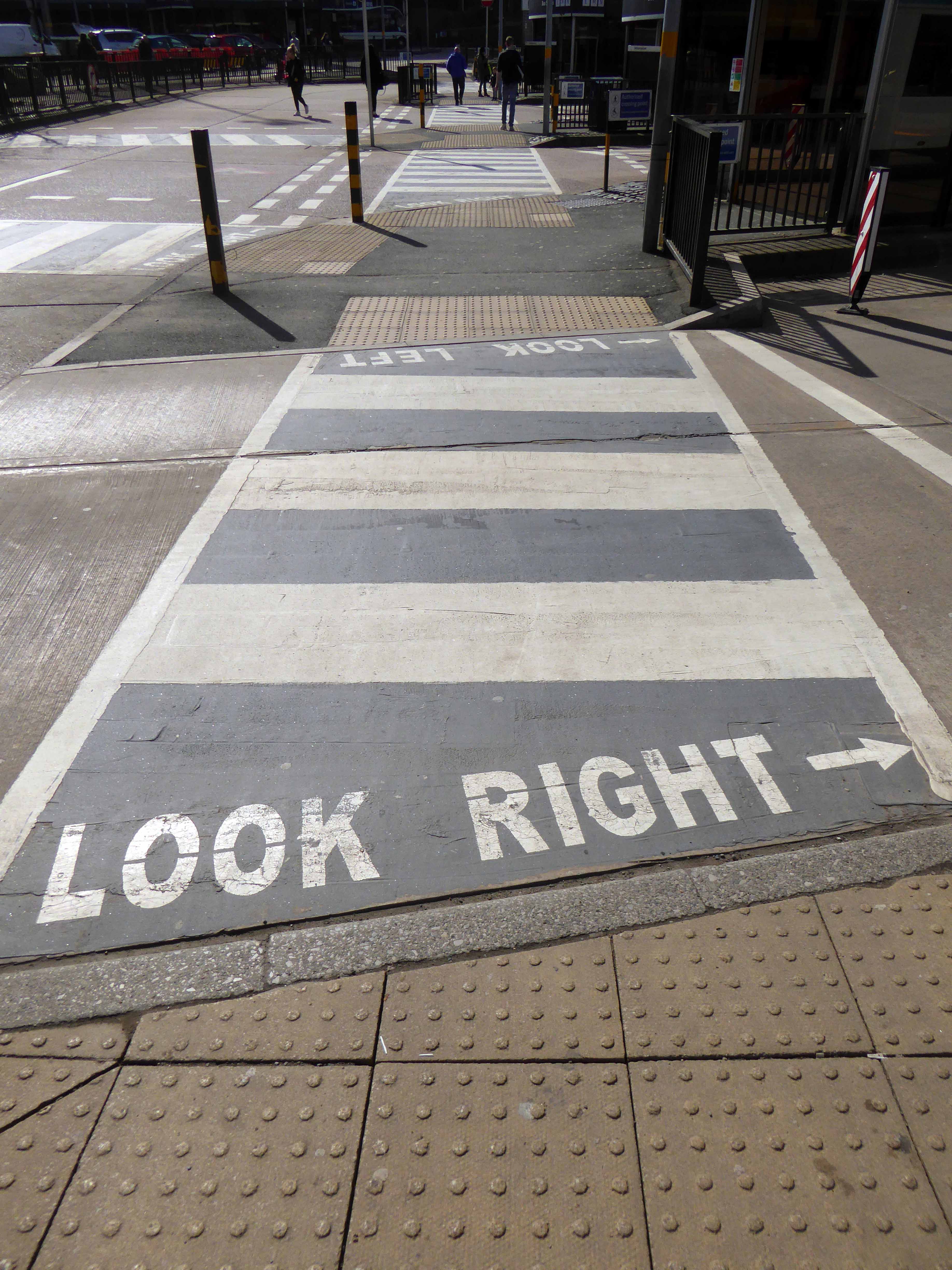
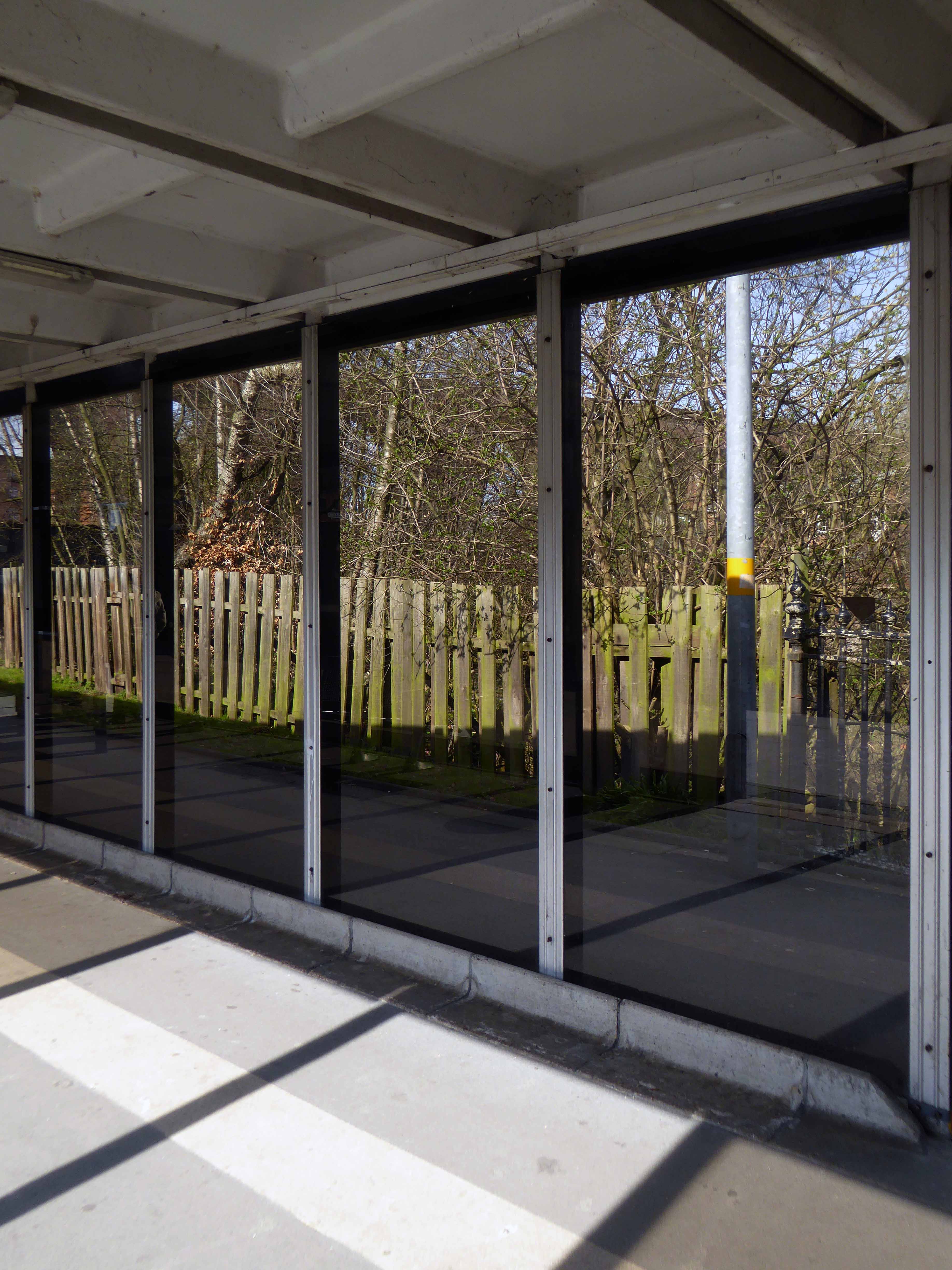
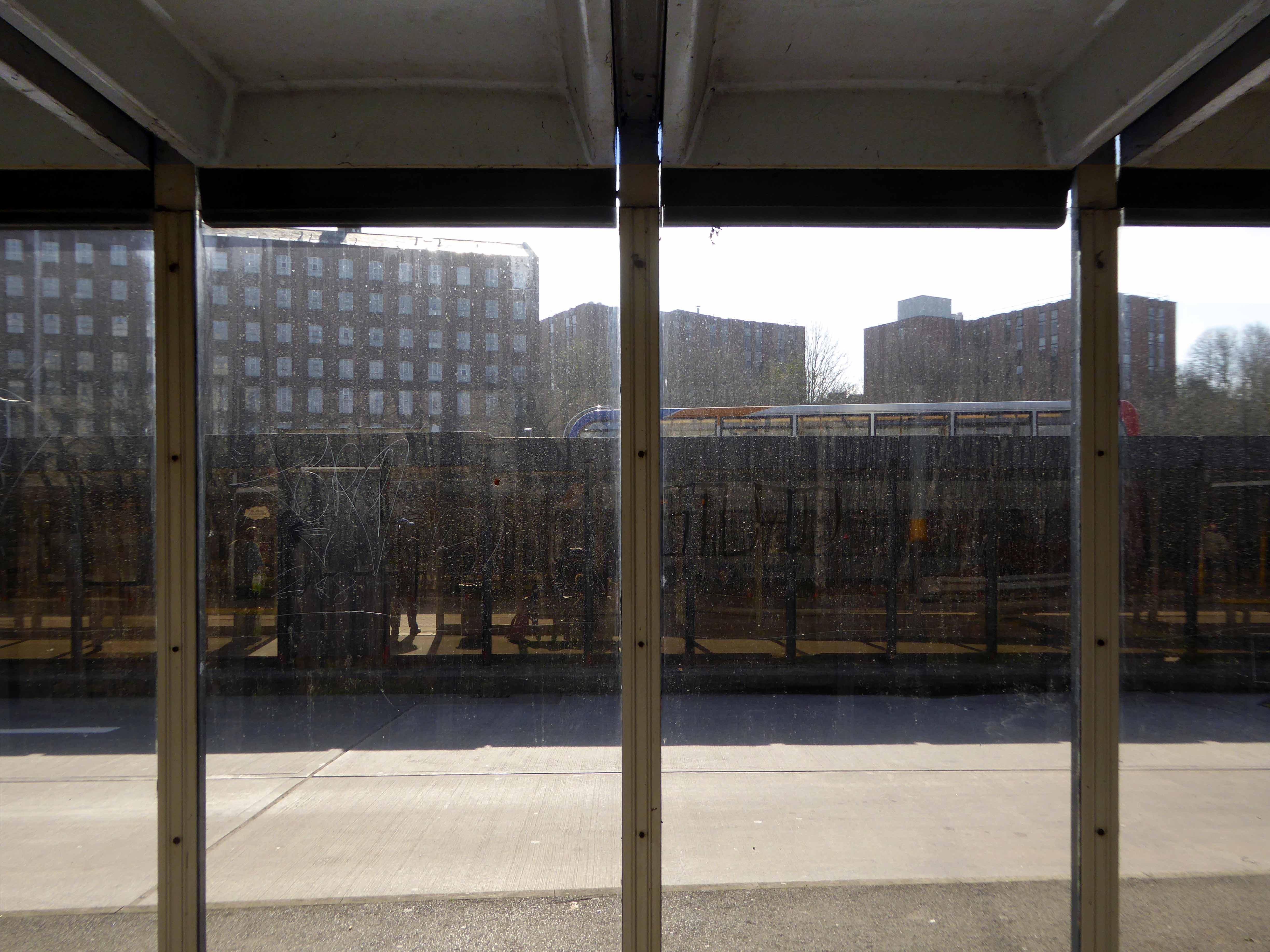
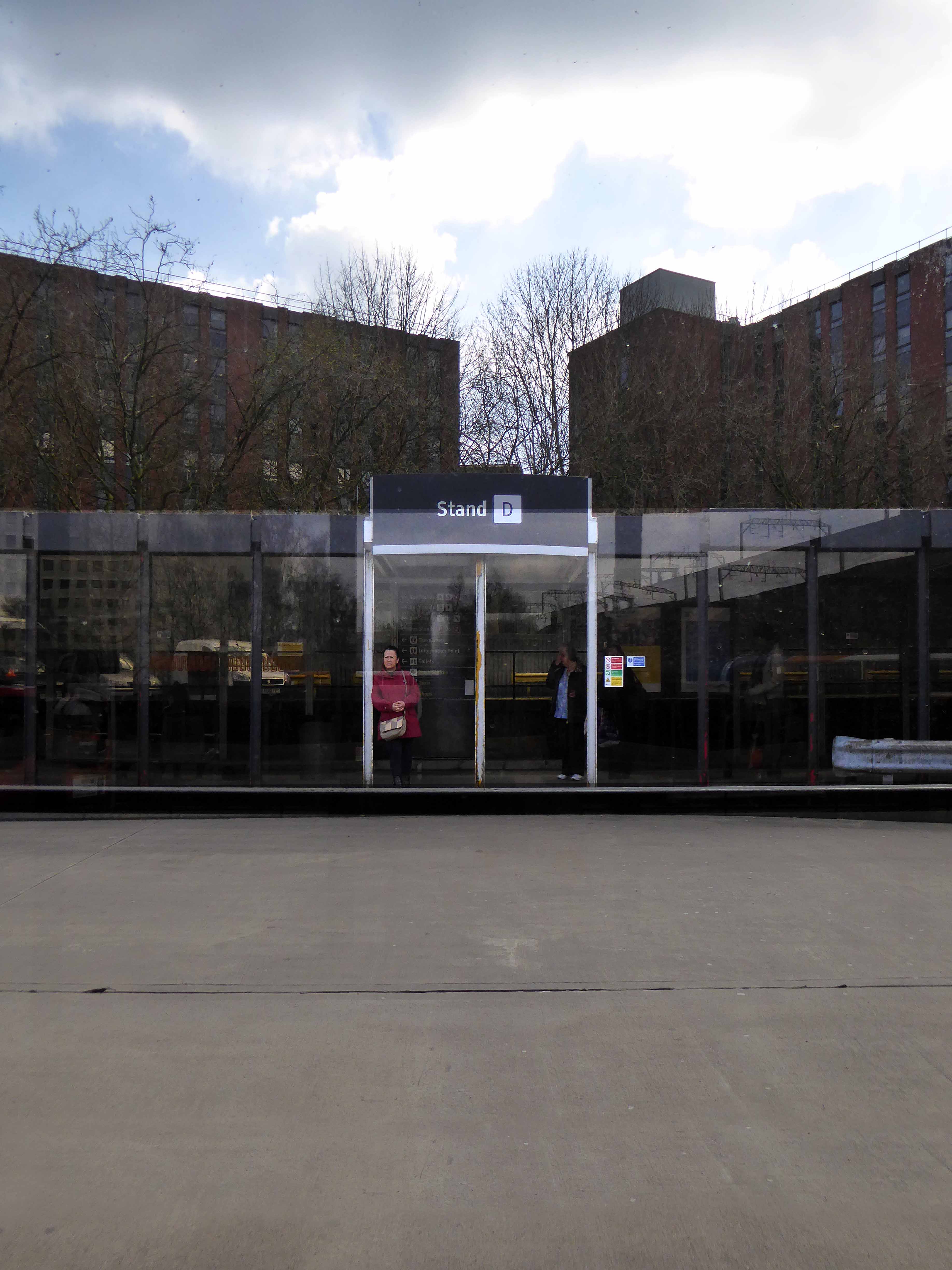
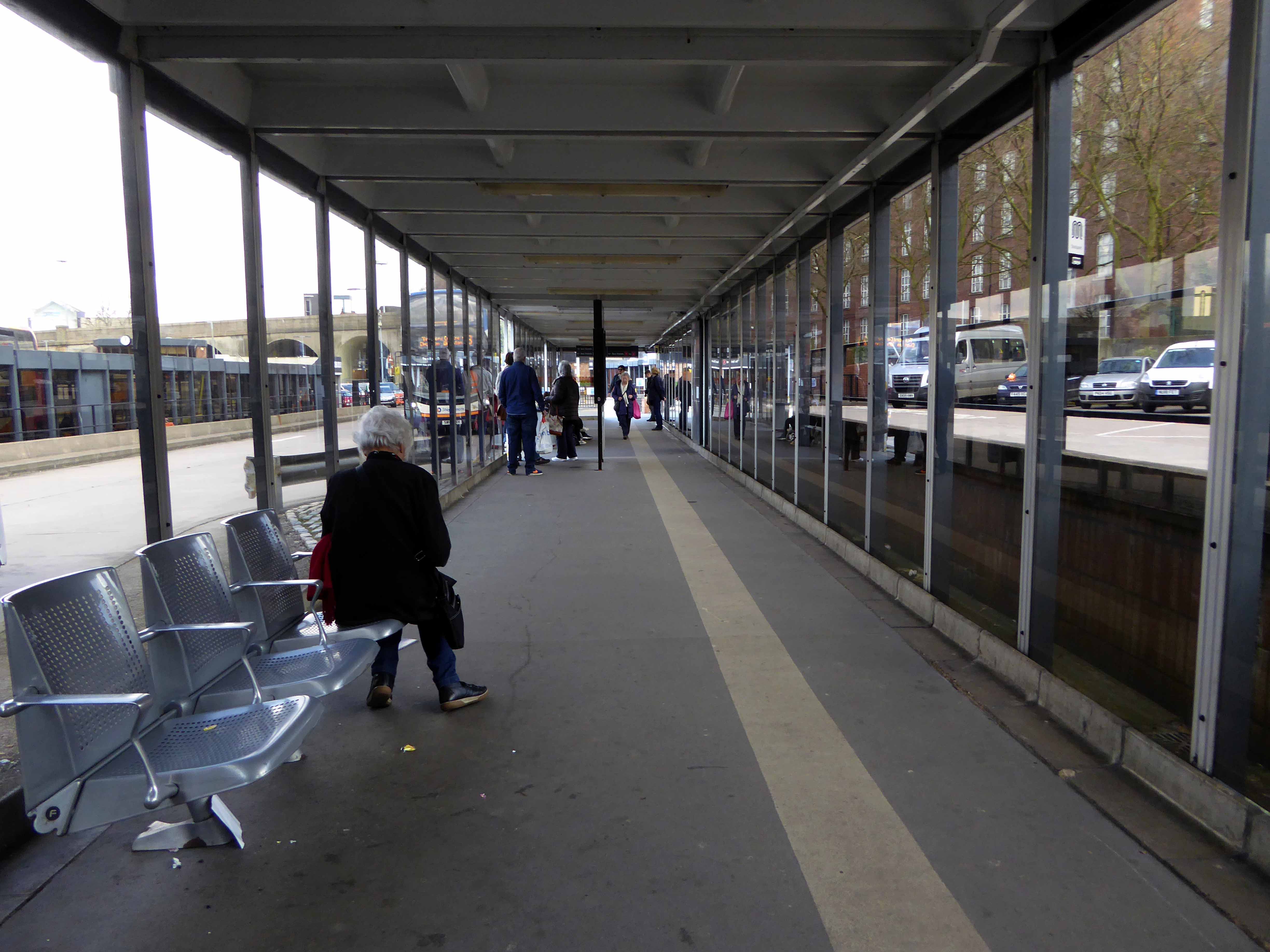
April 9th 2017 here is my photographic record of the Bus Station, I’ve been, gone and come back again countless times through the years.

P1240953 copy

P1240954 copy

P1240456

P1240429

P1240431

P1240441

P1240445

P1240446

P1240447

P1240457

P1250012

P1250013

P1240459

P1240460

P1240462

P1240470

P1240472

P1240473

P1240474

P1240475

P1240476

P1240478

P1240479

P1240484

P1240485

P1240487

P1240488

P1240490

P1240507

P1240512

P1240514

P1240515